Valley Health Center
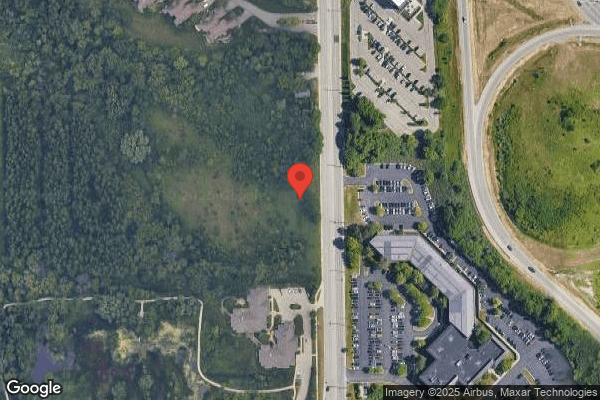
1015 E Paris Ave SE, Grand Rapids, MI 49546 (616) 301-6209
Non profit - Corporation 20 Beds Independent Data: November 2025
Trust Grade
88/100
#96 of 422 in MI
Last Inspection: July 2025

Inspected within the last 6 months. Data reflects current conditions.

Overview

Valley Health Center in Grand Rapids, Michigan, has a Trust Grade of B+, which means it is recommended and above average compared to other facilities. It ranks #96 out of 422 in the state, placing it in the top half of Michigan nursing homes, and #15 out of 28 in Kent County, indicating that there are only a few better options nearby. The facility's trend is stable, with two issues reported in both 2024 and 2025. Staffing is a strong point, with a 5/5 star rating and a turnover rate of only 26%, significantly lower than the state average. However, there are some concerns: the facility has had a serious incident where a resident suffered a major injury due to inadequate supervision, and another area of concern involves inconsistent registered nurse coverage. Additionally, there have been issues with maintaining safe kitchen conditions, including expired food items and improper labeling, which could pose health risks. Overall, while there are notable strengths in staffing and overall ratings, families should consider these weaknesses when researching this facility.

Trust Score
B+
88/100
In Michigan
#96/422
Top 22%
Safety Record
Moderate
Needs review
Inspections
Holding Steady
2 → 2 violations
Staff Stability
✓ Good
26% annual turnover. Excellent stability, 22 points below Michigan's 48% average. Staff who stay learn residents' needs.
Penalties
✓ Good
No fines on record. Clean compliance history, better than most Michigan facilities.
Skilled Nurses
✓ Good
Each resident gets 62 minutes of Registered Nurse (RN) attention daily — more than 97% of Michigan nursing homes. RNs are the most trained staff who catch health problems before they become serious.
Violations
○ Average
10 deficiencies on record. Average for a facility this size. Mostly minor or procedural issues.
★★★★★
5.0
Overall Rating
★★★★★
5.0
Staff Levels
★★★☆☆
3.0
Care Quality
★★★★★
5.0
Inspection Score
Stable
2024: 2 issues
2025: 2 issues

The Good

  • 5-Star Staffing Rating · Excellent nurse staffing levels
  • Low Staff Turnover (26%) · Staff stability means consistent care
  • Full Sprinkler Coverage · Fire safety systems throughout facility
  • No fines on record
  • Staff turnover is low (26%)

    22 points below Michigan average of 48%

Facility shows strength in staffing levels, staff retention, fire safety.

The Bad

No Significant Concerns Identified

This facility shows no red flags. Among Michigan's 100 nursing homes, only 1% achieve this.

The Ugly 10 deficiencies on record

1 actual harm
Jul 2025 2 deficiencies
CONCERN (D)

Potential for Harm - no one hurt, but risky conditions existed

Comprehensive Care Plan (Tag F0656)

Could have caused harm · This affected 1 resident

**NOTE- TERMS IN BRACKETS HAVE BEEN EDITED TO PROTECT CONFIDENTIALITY** Based on interview and record review, the facility failed to develop a care plan specific to the residents care needs in 1 (Resi...

Read full inspector narrative →
**NOTE- TERMS IN BRACKETS HAVE BEEN EDITED TO PROTECT CONFIDENTIALITY** Based on interview and record review, the facility failed to develop a care plan specific to the residents care needs in 1 (Resident #4) of 8 residents reviewed for care plans, resulting in the potential for unmet needs. Findings include: Review of an admission Record revealed Resident # 4 was originally admitted to the facility on [DATE] with pertinent diagnoses which included dementia and major depressive disorder. Review of Resident #4's Orders revealed that Resident #4 was enrolled to hospice services on 3/11/25. Review of Resident #4's current Care Plan did not reveal a focus related to hospice/end of life, or integration of hospice/end of life services into Resident #4's comprehensive plan of care. In an interview on 7/31/2025 at 8:42 AM, Director of Nursing (DON) B confirmed that Resident #4 was enrolled with hospice. DON B reviewed Resident #4's care plan with surveyor and confirmed that Resident #4's care plan did not have a focus related to hospice services that he was receiving. Review of the facility's Comprehensive Care Plan policy dated 1/2025 revealed, Policy: It is the policy of this community to develop and implement a comprehensive person-centered care plan for each resident, consistent with resident rights, that includes measurable objectives and timeframes to meet a resident's medical, nursing, and mental and psychosocial needs and ALL services that are identified in the resident's comprehensive assessment and meet professional standards of quality Policy Explanation and Compliance Guidelines: 3. The comprehensive care plan will describe, at a minimum, the following: a. The services that are to be furnished to attain or maintain the resident's highest practicable physical, mental, and psychosocial well-being .
CONCERN (D)

Potential for Harm - no one hurt, but risky conditions existed

Infection Control (Tag F0880)

Could have caused harm · This affected 1 resident

**NOTE- TERMS IN BRACKETS HAVE BEEN EDITED TO PROTECT CONFIDENTIALITY** Based on observation, interview, and record review, the facility failed to perform effective hand washing and complete hand hygi...

Read full inspector narrative →
**NOTE- TERMS IN BRACKETS HAVE BEEN EDITED TO PROTECT CONFIDENTIALITY** Based on observation, interview, and record review, the facility failed to perform effective hand washing and complete hand hygiene between glove changes during resident care in 2 of 2 residents (Resident #11 & #19) reviewed for infection control, resulting in the potential for cross-contamination and the development and spread of infection to a vulnerable population.Findings include:Resident #11 Review of an admission Record revealed Resident #11 was a female, with pertinent diagnoses which included multiple sclerosis (a disease in which the immune system causes damage to the protective covering of the nerve cells), anemia, vascular disease, lower extremity ulcers, anxiety, and depression. In an observation on 7/29/25 at 10:06 AM, Agency Shabaz (a term used for Certified Nursing Assistants (CNA's) in the [NAME] House model of care who provide direct care to the residents) I assisted Resident #11 with a brief change in the resident's room. Observed Agency Shabaz I don (put on) gloves and clean Resident #11's buttocks and perineal area with pre-moistened, disposable wipes. Noted Resident #11 had a bowel movement. After removing and discarding Resident #11's soiled brief, Agency Shabaz I removed and discarded the soiled gloves, then donned a new pair of gloves with no hand hygiene performed between the glove change. In an interview on 7/29/25 at 12:58 PM, Agency Shabaz I reported hand hygiene should be completed when changing gloves during resident care. In an observation on 7/30/25 at 3:13 PM, Shabaz G assisted Resident #11 with a transfer from her wheelchair to her bed, in the resident's room, to change a soiled brief and pants. Observed Shabaz G don gloves prior to assisting Resident #11 with a transfer using the dependent lift in her room. Observed Shabaz G remove Resident #11's pants, discard gloves, and perform hand washing at the sink in Resident #11's room for approximately 7 seconds. Shabaz G then donned a new pair of gloves and continued with resident care. In an observation on 7/30/25 at 3:56 PM, Shabaz G and Registered Nurse (RN) D completed wound care for Resident #11 while she was in bed, in her room. Observed RN D remove the soiled dressing from Resident #11's left leg and clean the wound bed. RN D discarded the soiled dressing and removed her gloves, then applied a new pair of gloves with no hand hygiene performed between the glove change. Once the new dressing was applied, RN D discarded her gloves, taped/dated and initialed the dressing, and donned a new pair of gloves with no hand hygiene performed between the glove change. After examining and removing the soiled dressing from Resident #11's right elbow, RN D removed and discarded her gloves, and donned a new pair of gloves with no hand hygiene performed between the glove change before moving to examine Resident #11's left elbow. When finished with the assessment of Resident #11, RN D discarded her gloves and performed hand washing in the resident's bathroom for approximately 5 seconds. In an interview on 7/30/25 at 4:30 PM, RN D reported hand hygiene should be completed with each glove change. RN D reported hand washing should be performed for a minimum of 20 seconds. Review of the policy/procedure Hand Hygiene, revised 1/2025, revealed .All team members will perform proper hand hygiene procedures to prevent the spread of infection to other personnel, residents, and visitors .Hand hygiene technique when using soap and water .Wet hands with water. Avoid using hot water to prevent drying of skin .Apply soap to hands, using enough to create a good lather and cover all surfaces .Rub hands together vigorously for at least 15 seconds, covering all surfaces of the hands and fingers .Rinse hands with water .Dry thoroughly with a single-use towel .Use towel to turn off the faucet .The use of gloves does not replace hand hygiene. If your task requires gloves, perform hand hygiene prior to donning gloves, and immediately after removing gloves . Resident #19 Review of an admission Record revealed Resident #19 was originally admitted to the facility on [DATE] with pertinent diagnoses which included non-pressure chronic ulcer of other part of left foot with unspecified severity. Review of Resident #19's Orders revealed, left lateral foot: monitor area for signs of infection and/or changes, notify provider. Change dressing on Wednesday's and document presentation of wound. Monitor dressing every shift every shift change dressing if soiled or dislodged. Start date: 6/18/25. In a wound care observation on 7/30/2025 at 11:37 AM, Registered Nurse (RN) D applied gloves and removed Resident #19's sock and soiled dressing from her left foot. RN D then threw away the soiled dressing and removed her gloves. RN D then applied new gloves and began cleaning Resident #19's wound. It was noted that RN D did not wash her hands after removing the soiled gloves and before applying new gloves.
Aug 2024 2 deficiencies
CONCERN (D)

Potential for Harm - no one hurt, but risky conditions existed

Comprehensive Care Plan (Tag F0656)

Could have caused harm · This affected 1 resident

**NOTE- TERMS IN BRACKETS HAVE BEEN EDITED TO PROTECT CONFIDENTIALITY** Based on interview, and record review, the facility failed to develop a comprehensive care plan with person-centered interventio...

Read full inspector narrative →
**NOTE- TERMS IN BRACKETS HAVE BEEN EDITED TO PROTECT CONFIDENTIALITY** Based on interview, and record review, the facility failed to develop a comprehensive care plan with person-centered interventions for paranoia in 1 resident (Resident #7) of 16 residents reviewed for comprehensive care plans, resulting in the potential for inadequate mental health care. Findings include: Review of an admission Record revealed Resident #7 was originally admitted to the facility on [DATE], with pertinent diagnoses which included: alzheimer's disease and dementia. Review of Resident #7's Care Plan revealed, .FOCUS: I have diagnoses of depression and anxiety. Date Initiated: 3/4/2019. Revision on: 3/4/2019. INTERVENTIONS: Administer medications as ordered .Date initiated 3/4/2019. Allow me to express thoughts, feelings, and concerns. Listen with non-judgmental acceptance. Revision on 4/6/2019. Encourage family and friends to visit regularly. Date initiated: 3/4/2019. I am followed by Behavioral Care Solutions for medication management .Date Initiated: 9/14/2023. Introduce me to peers and encourage participation in activities. Revision: 4/6/2019. In an interview on 08/07/24 at 02:13 PM, Social Services Coordinator (SS) I reported that Resident #7 suffers from anxiety and paranoia and takes multiple medications to manage her symptoms. SS I reported that Resident #7 failed a GDR (gradual dose reduction) with Remeron (medication for depression and anxiety), because she became extremely paranoid and anxious. SS I reported that Resident #7's care plan does not include her paranoia, and is not personalized for her anxiety and depression needs. SS I reported that the care plan does not include her known triggers related to paranoia, and/or the interventions that are in place. SS I reported that when Resident #7's paranoia starts to escalate, staff should redirect her to activities that she is personally interested in. In an interview on 08/08/24 at 11:32 AM, Shahbaz (care giver) N reported that Resident #7 occasionally became paranoid, and in those instances staff would offer her a magazine to read, provide her fidget apron (with buttons and zippers), and/or to watch a movie. Shahbaz N reported that Resident #7 is easily redirect with those specific interventions. In an interview on 08/08/24 at 02:18 PM, Director of Nursing (DON) B reported that she had been working on personalizing care plans, but that Resident #7's care plan was generic and did not reflect the resident's personal needs.
CONCERN (D)

Potential for Harm - no one hurt, but risky conditions existed

Infection Control (Tag F0880)

Could have caused harm · This affected 1 resident

**NOTE- TERMS IN BRACKETS HAVE BEEN EDITED TO PROTECT CONFIDENTIALITY** Based on observation, interview, and record review the facility failed to maintain standard infection control practices for woun...

Read full inspector narrative →
**NOTE- TERMS IN BRACKETS HAVE BEEN EDITED TO PROTECT CONFIDENTIALITY** Based on observation, interview, and record review the facility failed to maintain standard infection control practices for wound dressings in 1 resident (Resident #3) of 1 resident reviewed for wound care, resulting in the potential for delayed wound healing and infection. Findings include: Review of an admission Record revealed Resident #3 was originally admitted to the facility on [DATE]. Review of a Minimum Data Set (MDS) assessment for Resident #3, with a reference date of 7/12/24 revealed a Brief Interview for Mental Status (BIMS) score of 15, out of a total possible score of 15, which indicated Resident #3 was cognitively intact. During an observation on 08/06/24 at 10:39 AM in Resident #3's room, the resident's left hand was observed swollen, dark red, warm to touch, and with multiple Steri Strips (thin sticky bandages used to seal wounds by pulling the two side of the skin together without making any contact with the actual wound) covering a presumed wound. The steri strip's edges were peeled up, dry, crusted with old blood, and only partially attached in the center. The underlying wound was not visible, but the steri strips appeared to be stuck to the wound because of dried up blood and wound drainage. Resident #3 reported that she bumped her hand a while back, resulting in a skin tear and the facility put the steri strips on it then, and it had not been touched since. Resident #3 reported that occasionally the wound is painful. According to manufacturers instructions for Steri Strips dated July 2009, .Intended use: Steri-Strip skin closures are indicated for use as a skin closure device in the treatment of lacerations and surgical incisions. Steri-Strip skin closures may also be used in conjunction with skin sutures and staples or after their removal for wound support. Contraindications: 1. Steri-Strip skin closures are contraindicated where adhesion cannot be obtained. Potential causes of inadequate adhesion are presence of exudate (drainage), skin oils, moisture, or hair. 2. Use of Steri-Strip skin closures on infected wounds is contraindicated . Review of Resident #3's Skin Assessment dated 7/22/24 revealed, .Back of left hand 4.5 cm skin tear, well approximated (edges pulled together) with steri strips, curved measuring 4.5 cm from end to end . Review of Resident #3's Progress Note dated 7/23/24 at 3:27 AM revealed, .applied steri strips to skin tear on left hand well approximated and covered wit a cosmopor dressing .(Provider) to review orders 7/23/24 . Review of Resident #3's Physician Orders revealed, order date 7/23/24, Monitor skin tear to back of left hand, steristrips and open to air, inform provider of an s/s (signs and symptoms) of infection d/c (discontinue) when healed . During an observation on 08/08/24 at 11:37 AM in Resident #3's room, the resident's left hand was observed swollen, with the same steri strips in place. The steri strips were partially pulling away from the wound and the ends were detached. In an interview on 08/08/24 at 11:45 AM, Shahbaz N reported did not pay close attention to Resident #3's left hand wound, as the licensed nurse monitors wounds. Shahbaz N reported that Resident #3's hand usually looks better than it did at that time. In an interview on 08/08/24 at 01:02 PM, Licensed Practical Nurse (LPN) C reported that Resident #3 tends to get a lot of skin tears, and had a standing order to apply steri strips to the wounds and then allow the strips to fall off the their own. LPN C reported that Resident #3 had the steri strips applied over a skin tear on her left hand about 2 weeks ago, and she could not remove the steri strips, because it would remove the scab and reopen the wound. LPN C reported that the dried, brown crust and the detached edges of the steri strips were normal. The steri strips had been in place, serving as the only wound care, for 17 days. In an interview on 08/08/24 at 02:04 PM, Director of Nursing (DON) B reported that she assessed wounds in the facility along with the phsician, but that she had not gotten a chance to see Resident #3's wound on her left hand. DON B reported that Resident #3 had sustained the skin tear wound on 7/22/24 while she was out of the facility with family. DON B reported that the physician had seen the resident a couple days ago, but DON B was not able to provide documentation of the visit. DON B reported that Resident #3's skin is very moist, and a regular wound dressing would create maceration (moist fragile skin), and that was the reason steri strips were used for the skin tear. DON B reported that Resident #3 had been treated with an antibiotic for cellulitis (skin infection) on her left hand in June 2024, and that monitoring for signs of infection in the current wound was important. DON B reported that the wound was not visible due to being covered with steri strips, but that staff monitor for swelling, redness and warmth of the left hand. According to an article by Cleveland Clinic dated 6/14/24, .If you notice blood soaking through the Steri-Strips, seek medical care .Steri-Strips typically stay on for up to two weeks. They should fall off on their own within that timeframe. If the edges of your Steri-Strips start to curl before two weeks are up, you can carefully trim them with small scissors. After two weeks, you can gently remove Steri-Strips Contact a healthcare provider if you ' re using Steri-Strips and notice: Discoloration, soreness or warmth around the wound. Drainage from the wound. A foul smell coming from the wound. These are signs of a wound infection, which you can ' t treat on your own. You need to seek medical care. Untreated wound infections can spread to other parts of your body and lead to serious complications like cellulitis or septicemia .
Jun 2023 6 deficiencies 1 Harm
SERIOUS (G) 📢 Someone Reported This

A family member, employee, or ombudsman was alarmed enough to file a formal complaint

Actual Harm - a resident was hurt due to facility failures

Accident Prevention (Tag F0689)

A resident was harmed · This affected 1 resident

**NOTE- TERMS IN BRACKETS HAVE BEEN EDITED TO PROTECT CONFIDENTIALITY** This citation pertains to intake MI00137971 Based on observation, interview, and record review, the facility failed to provide a...

Read full inspector narrative →
**NOTE- TERMS IN BRACKETS HAVE BEEN EDITED TO PROTECT CONFIDENTIALITY** This citation pertains to intake MI00137971 Based on observation, interview, and record review, the facility failed to provide adequate supervision to prevent falls for 2 (Resident #13, Resident #11) of 3 residents reviewed for falls, resulting in a fall with major injury for Resident #13 and potential for additional falls with injury for Resident ##11. Findings include: Resident #13 Review of an admission Record revealed Resident #13, was originally admitted to the facility on [DATE] with pertinent diagnoses which included repeated falls and alzheimers disease (disease that destroys memory and important mental functions). Review of a Minimum Data Set (MDS) assessment for Resident #13, with a reference date of 4/29/23 revealed a Brief Interview for Mental Status (BIMS) score of 2/15 which indicated Resident #13 was severely cognitively impaired. In an observation on 6/26/23 at 10:38 AM, Resident #13 had a large bandage across her forehead and dark bruising under both of her eyes and on the bridge of her nose. An abrasion was also noted on the bridge Resident #13's nose. During an interview on 6/27/23 at 1:16 PM, Registered Nurse (RN) N reported that she was called by CNA I to assess Resident #13 because she had just fallen off the toilet. RN N' reported that when she entered Resident #13's bathroom, CNA C and CNA I were in the bathroom with Resident #13, and reported that Resident #13 had fallen off the toilet when CNA C left Resident #13 alone in the bathroom to grab a brief. RN N reported that Resident #13 was bleeding from her head. RN N reported that Resident # 13 required 1 staff member assistance in the restroom and should not have been left alone in the rest room. During an interview on 6/27/23 at 1:40 PM, CNA I reported that she was assisting other residents in the main dining area when she heard CNA C calling out for help. CNA I reported that she went into Resident #13's bathroom and was instructed by CNA C to call the nurse for assistance because Resident #13 had just fallen off the toilet. CNA I reported that Resident #13 was on the floor and bleeding from her head. CNA I reported that Resident #13 required a staff member to stay with her in the restroom and should not have been left alone Review of Resident #13's Nurse Progress note dated 6/25/23 revealed, . (Resident #13) had a fall on 6/24 requiring 7 sutures to forehead, bruising on left elbow, and bruising across nose and eyes . Review of Resident #13's Incident Report dated 6/24/23 revealed, Incident Description: Nurse was notified by staff that (Resident #13) fell off the toilet and hit her head. Immediate action taken: .dressing applied to gash on forehead. (Resident #13) sent to (Local Hospital) ED (emergency department) . Notes: Gash to forehead. 6/25/23 Bruise to left elbow, abrasion to bridge of nose, bruising across nose and under/around eyes . Review of Resident #13's Post fall huddle report completed by CNA C revealed, .I did not follow the care plan, I made a big mistake I should have asked my team member to get the brief out of the closet instead of leaving the bathroom to get the brief . Review of Resident #13's Care Plan revealed, I am at risk for falls r/t (related to) . Confusion/dementia,Gait/balance problems, History of Falling, Hx (History) of attempts at self transfers, Impaired balance, Impulsivity,balance problems, Unaware of safety needs . Date initiated 1/20/2023. Interventions . Do not leave me alone in the bathroom. Date initiated: 01/20/2023 . Attempts were made to contact CNA C on 6/27/23 and 6/28/23. No return call was received prior to survey exit. During an interview on 6/27/23 at 2:45 PM, Director of Nursing (DON) B reported that Resident #13's care plan indicated that she (Resident #13) should not be left unattended. Review of Resident #13's Orders Revealed, . Keep the wound dry for the first 24 hour. Clean wound once a day with soap and water, rinse, pat dry. After wound cleansing apply a thin layer and cover with nonstick bandage. One time a day .Order date: 6/24/23 . Remove stitches in about 7 days . Order date 6/24/23. Resident #11 Review of an admission Record revealed Resident #11, was originally admitted to the facility on [DATE] with pertinent diagnoses which included muscle weakness and difficulty in walking. Review of a Minimum Data Set (MDS) assessment for Resident #11, with a reference date of 4/4/23 revealed a Brief Interview for Mental Status (BIMS) score of 8/15 which indicated Resident #11 was moderately cognitively impaired. Review of Resident #11's Nursing admission Assessment dated 3/24/23 indicated that Resident #11 had 22 falls prior to admission. Review of Resident #11's Incident Reports revealed 9 reports of witnessed and unwitnessed falls between 3/2023- 6/2023 Review of Resident #11's Care Plan revealed, I am at risk for falls r/t Adaptive device .confusion/dementia, Gait/balance problems, History of Falling, Hx (history) of attempts at self transfers, Impaired balance,disorientation, balance problems, Shuffling gait, Unaware of safety needs . Date initiated: 3/24/23. Interventions: Assist me to a calm/quiet environment if I am noted to be anxious. Date initiated 3/24/23. Check on me frequently throughout the day and night (24 hours) to assist me with change in position, transferring and ask me if I have any needs . Date initiated: 3/24/23 . During an observation on 06/26/23 at 11:10 AM, Resident #11 was in her wheelchair at the dining room table, then stood up and started to walk around the table unassisted. Resident #11 was unsteady and holding onto the side of the table. CNA G was in the kitchen approximately 30 feet away with her back turned to Resident #11 and was unaware of Resident #11 ambulating unassisted. During an observation on 6/27/23 at 1:27 PM, Resident #11 was sitting in her wheelchair in the dining room area removing a gait belt that was placed around her and attempting to stand up out of wheelchair. There were no staff members observed in the area. Surveyor notified CNA H who entered the dining room area and asked Resident #11 to wait for staff to assist her. CNA H then left the dining room and returned to another resident's room. Resident #11 continued to attempt to stand up at counter.
CONCERN (D)

Potential for Harm - no one hurt, but risky conditions existed

Quality of Care (Tag F0684)

Could have caused harm · This affected 1 resident

**NOTE- TERMS IN BRACKETS HAVE BEEN EDITED TO PROTECT CONFIDENTIALITY** Based on observation, interview and record review the facility failed to ensure residents received care in accordance with profe...

Read full inspector narrative →
**NOTE- TERMS IN BRACKETS HAVE BEEN EDITED TO PROTECT CONFIDENTIALITY** Based on observation, interview and record review the facility failed to ensure residents received care in accordance with professional standards in 1 of 9 residents (Resident #1) reviewed for quality of care, resulting in the potential for delay in care for a hypotensive (low blood pressure) event and further decline in physical condition. Findings include: Review of an admission Record revealed Resident #1 was originally re-admitted to the facility on [DATE], with pertinent diagnoses which included: hypotension. In an interview on 06/26/23 at 12:35 PM, Resident #1 reported that she did not feel well and was not able to walk on her own since she returned from the hospital. In an interview on 06/26/23 at 12:37 PM, Licensed Practical Nurse (LPN) L reported that Resident #1 had returned from the hospital on 6/21/23 (5 days ago), after a 4 day stay for hypotension (low blood pressure). LPN L reported that she had not worked with Resident #1 since the resident had returned from the hospital. In an interview on 06/27/23 at 01:37 PM, LPN M reported that Resident #1 had gone to the hospital the week before and was diagnosed with hypotension. LPN M reported that the facility started the protocol for an admission from the hospital immediately following the resident's return, to include monitoring of vital signs twice daily (every shift). Review of Resident #1's Physician Orders revealed, .re-admission vital signs every shift for 14 days post hospitalization. every shift for monitoring post-hospitalization until 07/04/2023. Start date 6/25/2023 at 18:00 (6:00 PM). This order was placed 4 days after Resident #1 had returned to the facility. Review of Resident #1's Vital Signs Record on 6/27/23 at 2:30 PM revealed the following Blood Pressure (BP) results: 6/17/23 at 7:00 AM 86/58 mmHg (this was the day the resident was sent to the hospital) 6/21/23 at 5:40 PM 141/98 mmHg (this was upon re-admission from the hospital) 6/22/23 at 5:02 AM 110/50 mmHg (only one time this day) 6/23/23 at 2:59 PM 116/62 mmHg 6/23/23 at 7:35 PM 120/58 mmHg 6/24/23 No record of vital sign results. 6/25/23 at 10:36 AM 102/60 mmHg (only one time this day) 6/26/23 at 8:20 PM 132/70 mmHg (only one time this day). Review of Resident #1's Hospital Course Summary indicated that the resident had admitted on [DATE] and discharged on 6/21/23. The presenting problems were confusion, hypotension and leukocytosis (high white blood cell count, could indicate inflammation or infection). In an interveiw on 06/28/23 at 10:32 AM, Certified Nursing Assistant (CNA) E reported that the nurses complete vital signs for residents, unless it is delegated to a CNA and stated, .no, I am not doing vitals on (Resident #1) . In an interview on 06/28/23 at 11:45 AM, LPN L reported that it was facility protocol and a physicians order to complete vital signs BID (twice a day) for 14 days for new admissions and re-admission from the hospital. LPN L reported that Resident #1 returned from the the hospital on 6/21/23, but the order for vital signs was not entered until 6/25/23, and should have been entered immediately upon return. In an interview on 06/28/23 at 12:26 PM, DON reported that Resident #1 should have had orders entered by the admitting nurse on the day of re-admission for BID vital signs as protocol for admissions, and that it was specifically important due to the resident's recent hospitalization for low blood pressure. Review of the facility policy Vital signs (no date) revealed, .Vital signs are indicators of health status, including temperature, pulse, blood pressure, respiratory rate, oxygen saturation, and pain .Vital signs shall be obtained at least in the following circumstances: a. Upon admission/readmission. Review of Fundamentals of Nursing ([NAME] and [NAME]) 8th edition revealed, Hypotension is present when the systolic BP falls to 90 mmHg or below .for most people low blood pressure is an abnormal finding associated with illness .record any signs of BP alteration in nurses notes. Report abnormal findings to nurse in charge or health care provider. [NAME], P. A., [NAME], A. G., Stockert, P. A., & Hall, A. (2014). Fundamentals of Nursing (8th ed.). St. Louis: Mosby. p. 461 and 465.
CONCERN (D)

Potential for Harm - no one hurt, but risky conditions existed

Medication Errors (Tag F0758)

Could have caused harm · This affected 1 resident

**NOTE- TERMS IN BRACKETS HAVE BEEN EDITED TO PROTECT CONFIDENTIALITY** Based on interview and record review, the facility failed to discontinue psychotropic as needed (PRN) medications after 14 days ...

Read full inspector narrative →
**NOTE- TERMS IN BRACKETS HAVE BEEN EDITED TO PROTECT CONFIDENTIALITY** Based on interview and record review, the facility failed to discontinue psychotropic as needed (PRN) medications after 14 days and/or document rationale for extended prn psychotropic medication use in 2 of 5 residents (Resident #13 and #165) reviewed for unnecessary medications, resulting in the potential for unnecessary medication use with a potential for adverse side effects and inability to monitor the effectiveness of the prescribed treatment due to lack of documented supporting evidence. Findings include: Resident #13 Review of an admission Record revealed Resident #13, was originally admitted to the facility on [DATE] with pertinent diagnoses which included repeated falls and alzheimers disease (disease that destroys memory and important mental functions). Review of Resident #13's Orders revealed, LORazepam (Anti-anxiety medication) Oral Tablet 0.5 MG (Lorazepam) *Controlled Drug* Give 1 tablet by mouth as needed for anxiety May be administered two times a day. Order date: 1/21/2023. End date: Indefinite. Review of Resident #13's Medication Administration Orders indicated documentation that Resident #13 had received one dose of the PRN Lorazepam in January 2023, one dose in February, two doses in March, zero doses for the month of April, one dose in May, and zero doses in June. During an interview on 6/27/23 at 11:32 AM, Medical Director (MD) V reported that Resident #13 was admitted with the order for Lorazepam and he (MD V) chose to continue the order because Resident #13 was on hospice. Medical Director V was unable to provide documentation of rationale for the PRN lorazepam order. MD V reported that he was aware that the pharmacy had recommended discontinuing the Lorazepam PRN order in January. MD V was unable to report the specific benefits of continuing the Lorazepam medication for Resident #13. MD V was unable to report how often the need for the Lorazepam was being assessed. During an interview on 6/27/23 at 2:52 PM, Social Worker (SW) Q reported that Resident #13's Lorazepam order was not discontinued after 14 days, and was unable to provide any rationale of benefits for continued use of the medication. During an interview on 6/27/23 at 2:45 PM, Director of Nursing (DON) B reported that PRN psychotropic medication orders are monitored by the DON, Physician and Pharmacist. DON B was unable to provide rationale for Resident #13's Lorazepam order not being discontinued after 14 days. Review of Resident #13's Medical office visit dated 6/13/2023 completed by Medical Director V revealed, Problem list: .Anxiety: Continue on Zoloft. Not having behaviors of calling out . Medications listed within visit notes did not include Lorazepam. Review of Resident #13's Medical Visit dated 2/21/23 revealed .She remains on hospice for alz (alzheimers) dementia. Relying on staff for all her adls (activities of daily living). patient was able to give short sentence answers today. denied she was in pain, asked to be excused when provider attempted ROS (Review of symptoms). Overall remains stable and have transitioned well to the (facility) . The original visit note did not address PRN Lorazepam. This visit note was amended on 6/27/23 with the following information: .remains on Ativan (Lorazepam) PRN, recommendation per hospice. would continue for management of anxiety/MDD (Major Depressive Disorder). Benefit outweighs the risk, can re-evaluate down the line . In an email correspondence on 6/28/23 at 9:17 AM, DON B reported that MD V updated Resident #13's Medical Visit dated 2/21/23 based on the review of Lorazepam on 6/27/23. Review of Resident #13's Pharmacy Consultation Report dated 4/18/23 revealed, (Resident #13) has a PRN order for an anxiolytic (drug used to reduce anxiety), without a stop date: Lorazepam. Recommendation: Please discontinue PRN Lorazepam, tapering as necessary (e.g., decreasing the dose by no more than 25%, or 10-12% in high risk residents, every two weeks). If the medication cannot be discontinued at this time, please document the indication for use, the intended duration of therapy, and the rationale for the extended time period .Physician Response: I decline the recommendation(s) above and do not wish to implement any changes due to the reasons below. Rationale: due to goal of care as comfort and likely need to control symptoms. Will keep Medicine and review for need at future visits. Signature: (Medical Director V). Date: 4/18/23. There was not an indication for duration of therapy and/or specific time frame for review of medication. Review of Resident #13's Pharmacy Consultation Report dated 1/23/23 revealed, (Resident #13) has a PRN order for an anxiolytic (drug used to reduce anxiety), without a stop date: Lorazepam. Recommendation: Please discontinue PRN Lorazepam, tapering as necessary (e.g., decreasing the dose by no more than 25%, or 10-12% in high risk residents, every two weeks). If the medication cannot be discontinued at this time, please document the indication for use, the intended duration of therapy, and the rationale for the extended time period .*Please fax back response. Physician's Response: (No response). Physician Signature: (No signature) . Review of Resident #13's Progress Note Completed by Hospice nurse dated 1/25/23 revealed, . Ativan (Lorazepam) has been used x1 in the past 7 days but was then discontinued . Resident #165 Review of an admission Record revealed Resident #165 was originally admitted to the facility on [DATE], with pertinent diagnoses which included: insomnia (trouble sleeping), Alzheimer's disease and dementia with behavioral disturbances. Review of Resident #165's Care Plan revealed, .I use antidepressant medication r/t (related to) poor sleep. I am prescribed Trazodone r/t insomnia diagnosis .Interventions: Administer antidepressant medication as ordered by physician. Date initiated: 6/14/23 . Review of Resident #165's Physician Orders revealed, Trazodone (psychotropic medication) HCl (helps the pill to disolve in water) Oral Tablet 50 MG Give 50 mg by mouth at bedtime for insomnia and give 50 mg by mouth as needed for sleep. Active date: 6/6/2023, End date: Indefinite. Review of Resident #165's Medication Administration Record (MAR) indicated an order for Trazodone 50mg to be given at bedtime, and an additional order for Trazodone 50mg to be given as needed (PRN) for sleep. Review of Resident #165's Medical Visit dated 6/7/23 revealed, .New admit .dx (diagnosis): Alzheimer/dementia with behaviors .Plan: reviewed patient's medical chart stable and shown advancement in dementia in the last year .will continue to monitor behaviors .She is on Risperdone (antipsychotic medication) for behaviors. There was no mention of Trazodone and/or rationale for PRN order of psychotropic medication, or a diagnosis of insomnia. In an interview on 06/28/23 at 11:04 AM, Social Worker (SW) Q reported that she was not made aware that Resident #165 had a PRN order for Trazodone. SW Q reported that all PRN psychotropic medications should have a stop date of 14 days or less. SW Q reported that the nurses enter the medication orders into the computer. Review of a facility policy Antipsychotic Medication Use revised December 2016 revealed, .13. Residents will not receive PRN doses of psychotropic medications unless that medication is necessary to treat a specific condition that is documented in the clinical record. 14. The need to continue PRN orders for psychotropic medications beyond 14 days requires that the practitioner document the rationale for the extended order. The duration of the PRN order will be indicated in the order. 15. PRN orders for antipsychotic medications will not be renewed beyond 14 days unless the healthcare practitioner has evaluated the resident for the appropriateness of that medication .
CONCERN (F)

Potential for Harm - no one hurt, but risky conditions existed

Deficiency F0727 (Tag F0727)

Could have caused harm · This affected most or all residents

Based on interview and record review, the facility failed to ensure a Registered Nurse (RN) was on duty eight consecutive hours a day, seven days a week resulting in the potential for negative clinica...

Read full inspector narrative →
Based on interview and record review, the facility failed to ensure a Registered Nurse (RN) was on duty eight consecutive hours a day, seven days a week resulting in the potential for negative clinical outcomes affecting all 16 residents at the facility. Findings include: Review of the current facility Nursing schedules indicated that on 6/26/23 there were no RN's scheduled to work. This did not meet the requirements for RN hours of 8 consecutive hours in a 24 hour period everyday. In an interview on 06/27/23 at 11:52 AM, NHA reported that the facility currently had a shortage of RN's and did not have an RN waiver. NHA reported that the facility had not been able to ensure 8 hours of RN coverage everyday since the DON was currently working remotely due to leave of absence. NHA reported that the DON has been working remotely since 5/16/23, and was unsure of the DON's return to work date. NHA reported that the DON is available by phone, but is not able to provide direct care. Review of Time clock detail indicated less than 8 hours consecutive hours of RN coverage on the following days: 5/13/23, 5/15/23, 5/19/23, 5/21/23, 5/23/23, 5/24/23, 5/25/23, 5/29/23, 6/5/23, 6/9/23, 6/11/23, 6/12/23, 6/13/23, 6/14/23, and 6/26/23. In an interview on 06/28/23 at 12:32 PM, DON reported that she had not been working at all from 5/16/23 through 6/15/23, and then had been working remotely since 6/16/23. DON reported was aware that the facility had days without 8 hours of RN coverage in the past, and that DON had tried to be available for tasks that required an RN, such as initiating IV (intravenous fluids) and/or pronouncing a death.
CONCERN (F)

Potential for Harm - no one hurt, but risky conditions existed

Food Safety (Tag F0812)

Could have caused harm · This affected most or all residents

Based on observation, interview, and record review, the facility failed to maintain safe and sanitary conditions in the kitchen and food storage areas in regard to labeling, dating, and discarding of ...

Read full inspector narrative →
Based on observation, interview, and record review, the facility failed to maintain safe and sanitary conditions in the kitchen and food storage areas in regard to labeling, dating, and discarding of expired food items, and general cleanliness, potentially affecting all those who receive meal services from the kitchen, resulting in the potential for cross-contamination of food and development of food-borne illness. Findings include: In an observation on 6/26/23 beginning at 9:19 a.m., reviewed the 100 building kitchen area. Observed the following items in the fridge: Cheese slices wrapped in Saran wrap with no label, open date, or use by date. A bottle of mustard with an open date of 4/17/23 and a use by date of 5/17/23. A 32 ounce bottle of French vanilla creamer with no open date or use by date. A 38 ounce bottle of ketchup with no open date or use by date. A 16 ounce bottle of ranch dressing with no open date or use by date. A 30 ounce container of mayonnaise with no open date or use by date. A 16 ounce bottle of Caesar dressing with no open date or use by date. A 15 ounce bottle of lemon juice with no open date or use by date. An 18 ounce bottle of barbeque sauce with no open date or use by date. In an observation on 6/26/23 beginning at 9:19 a.m., reviewed the 100 building kitchen area. Observed the drawers to the right of the center/island sink, which contained clean utensils used for serving resident food items. Noted crumbs/debris and bits of foil within the drawers. Observed two 16 ounce bottles of olive oil in a drawer along the window section of the kitchen, with no open dates or use by dates noted on the bottles. In an observation on 6/26/23 beginning at 9:19 a.m., reviewed the 100 building kitchen area. Observed the following items in the tall cupboard containing spices and dry food items: A 28 ounce box of cream of wheat, with an open date of 11/10/22 and a use by date of 5/10/23. An open bag of brown sugar, with no open date or use by date on the package. A 31.9 ounce bag of dry mashed potatoes with no open date or use by date. An open container of rosemary leaves with an open date of 3/12/22 and a use by date of 3/12/23. An open container of black pepper with an open date of 10/21/21 and a use by date of 10/21/22. An open 4.5 ounce container of lemon pepper seasoning with no open date or use by date. A 5 ounce container of onion powder with no open date or use by date. An open gallon of vegetable oil with no open date or use by date. An open gallon of white distilled vinegar with no open date or use by date. In an observation on 6/26/23 beginning at 9:58 a.m., reviewed the 100 building pantry/food storage area. Observed the following items on the shelves in the dry storage section of the pantry: A small plastic bag of penne noodles with an open date of 6/7/23 and a use by date of 6/13/23. Two 7.25 ounce cans of vegetable soup with an expiration date of 3/30/23. A plastic bag of white rice with no label, open date or use by date. A plastic bag of spaghetti noodles with no label, open date or use by date. A plastic bag of brown rice with no label, open date or use by date. Two plastic bags of Cake Mix, with a use by date of 6/8/23. Observed the following items in the fridge within the pantry: A plastic bag of parmesan cheese with a use by date of 6/16/23. Observed multiple dark brown bananas within a clear drawer. Noted the drawer appeared to be broken and would not open. Noted the interior surfaces of the pantry fridge were heavily soiled with spilled food debris. In an interview on 6/26/23 at 10:20 a.m., Certified Nursing Assistant (CNA) D reported all opened food items should be labeled with open dates and use by dates. In an observation on 6/26/23 beginning at 10:20 a.m., reviewed the 200 building kitchen area. Observed the interior surface (top) of the microwave was soiled with splattered/dried food debris. Observed multiple clear glass baking dishes in the cupboard with baked on food debris/discoloration. Noted a drawer with a lock on the south side of the kitchen, which contained the pizza cutter and blender attachment. Noted the lock was not functional, and the drawer was easily opened without a key. Observed the following items in the tall cupboard containing spices and dry food items: An open 24 ounce bottle of syrup with no open date or use by date. A 1.1 ounce container of ground nutmeg with a discard date of 6/22/23. An open 17 ounce bottle of olive oil, with no open date or use by date. A plastic container of an unlabeled white substance. Noted the floors in the kitchen area were tacky/greasy, and the pocket door blocking the kitchen area from access by residents was soiled/sticky to the touch. In an observation on 6/6/23 beginning at 10:37 a.m., reviewed the 200 building pantry/food storage area. Observed the following items on the shelves in the dry storage section of the pantry: An unlabeled dry grain in a plastic bag, with no open date or use by date. A plastic bag of a white substance with no label, open or use by date. Observed the following items in the fridge within the pantry: A plastic bag with an unlabeled herb, with no open date or use by date. A plastic bag of uncooked sausage links, with a use by date of 6/24/23. Two carrots in a plastic bag with no open date or use by date. In an interview on 6/27/23 at 12:11 p.m., CNA H reported third shift staff are supposed to review the fridge/food items for appropriate labeling/dating and discard items as necessary. CNA H reported all open food items should be labeled with open dates and use by dates. In an interview on 6/28/23 at 12:28 p.m., Director of Dining Services T reported all open food items should be labeled with open dates and use by dates. Review of the policy/procedure Date Marking for Food Safety, dated 11/18/19, revealed .The facility adheres to a date marking system to ensure the safety of ready-to-eat, time/temperature control for safety food .Refrigerated, ready-to-eat, time/temperature control for safety food (i.e. perishable food) shall be held at a temperature of 41 F or less for a maximum of 7 days .The food shall be clearly marked to indicate the date or day by which the food shall be consumed or discarded .The individual opening or preparing a food shall be responsible for date marking the food at the time the food is opened or prepared .The marking system shall consist of an adhesive label, the day/date of opening, and the day/date the item must be consumed or discarded .The discard day or date may not exceed the manufacturer's use-by date, or six days plus today, whichever is earliest. The date of opening or preparation counts as day 1 .The Lead Cook, or designee, shall be responsible for checking the refrigerator daily for food items that are expiring, and shall discard accordingly .The Director of Dining Services, or designee, shall spot check refrigerators weekly for compliance, and document accordingly. Corrective action shall be taken as needed . Review of the policy/procedure Food Safety Requirements, dated 2019, revealed .It is the policy of this facility to procure food from sources approved or considered satisfactory by federal, state and local authorities. Food will also be stored, prepared and served in accordance with professional standards for food service safety .Food safety practices shall be followed throughout the facility's entire food handling process. This process begins when food is received from the vendor and ends with delivery of the food to the resident. Elements of the process include the following .Storage of food in a manner that helps prevent deterioration or contamination of the food, including from growth of microorganisms .Equipment used in the handling of food, including dishes, utensils, mixers, grinders, and other equipment that comes in contact with food .Facility staff shall inspect all food, food products, and beverages for safe transport and quality upon delivery/receipt and ensure timely and proper storage .Practices to maintain safe refrigerated storage include .Labeling, dating, and monitoring refrigerated food, including, but not limited to leftovers, so it is used by its use-by date, or frozen (where applicable)/discarded .All equipment used in the handling of food shall be cleaned and sanitized, and handled in a manner to prevent contamination . Review of the policy/procedure Sanitation Inspection, dated 11/18/19, revealed .It is the policy of this facility, as part of the department's sanitation program, to conduct inspections to ensure food service areas are clean, sanitary and in compliance with applicable state and federal regulations .All food service areas shall be kept clean, sanitary, free from litter, rubbish and protected from rodents, roaches, flies and other insects .The sanitation program will provide for inspections to be conducted of the food service areas .Inspections will be conducted but not limited to the following areas: a. Dry storage b. Freezer c. Refrigerator d. Dish room e. Pot wash f. Main production area g. Food preparation area h. General dietary observations .
MINOR (C)

Minor Issue - procedural, no safety impact

Deficiency F0883 (Tag F0883)

Minor procedural issue · This affected most or all residents

**NOTE- TERMS IN BRACKETS HAVE BEEN EDITED TO PROTECT CONFIDENTIALITY** Based on interview, and record review, the facility failed to develop policies and procedures to include current standards of pr...

Read full inspector narrative →
**NOTE- TERMS IN BRACKETS HAVE BEEN EDITED TO PROTECT CONFIDENTIALITY** Based on interview, and record review, the facility failed to develop policies and procedures to include current standards of practice in regard to pneumococcal immunizations, resulting in the potential for eligible residents to not be offered either the PCV15 (15-Valent Pneumococcal Conjugate Vaccine) or PCV20 (20-Valent Pneumococcal Conjugate Vaccine), therefore increasing the risk of acquiring, transmitting, or experiencing complications from pneumococcal pneumonia. Findings include: Review of the policy/procedure Resident Pneumococcal Vaccination, dated January 2021, revealed .It is our policy to offer our residents immunization against pneumococcal disease in accordance with current CDC (Centers for Disease Control and Prevention) guidelines and recommendations .Policy Explanation and Compliance Guidelines: 1. Each resident will be assessed for pneumococcal immunization upon admission. Self-report of immunization shall be accepted. Any additional efforts to obtain information shall be documented, including efforts to determine date of immunization or type of vaccine received. 2. Each resident will be offered a pneumococcal immunization upon admission unless it is medically contraindicated, or the resident has already been immunized. Following assessment for any medical contraindications, the immunization may be administered in accordance with physician-approved standing orders. 3. Prior to offering the pneumococcal immunization, each resident or the resident's representative will receive education regarding the benefits and potential side effects of the immunization. a. The individual receiving the immunization, or the resident representative, will be provided with a copy of CDC's current vaccine information statement relative to that vaccine. b. If necessary, the vaccine information statement will be supplemented with visual presentations or oral explanations to assist vaccine recipients in understanding. 4. The resident/representative retains the right to refuse the immunization. A consent (form) shall be signed prior to the administration of the vaccine and be placed in the individual's medical record. 4. (sic) The type of pneumococcal vaccine (PCV13, PPV) offered will depend upon the recipient's age and susceptibility to pneumonia, in accordance with current CDC guidelines and recommendations. 5. Usually only one (1) pneumococcal polysaccharide vaccination (PPSV) is needed in a lifetime. However, based on an assessment and practitioner recommendation, additional vaccines may be provided. 6. A series of vaccinations will be offered to immunocompetent* adults (aged 65 or greater), depending on current vaccination status and practitioner recommendation: a. No previous vaccination (or vaccination status is unknown): PCV13 first, then PPSV23 one year later. b. Previously received PPSV23 at age (65 or greater): PCV13 at least 1 year after receipt of PPSV23. c. Previously received PPSV23 before age [AGE] years who are now aged (65 or greater): PCV13 at least 1 year after receipt of PPSV23, then PPSV23 after 5 years of previous vaccination (no earlier than one year of PCV13). (* Residents who are immunocompromised may receive the series of vaccinations within a shortened interval in accordance with current CDC guidelines and practitioner recommendation, but no sooner than 8 weeks. These residents may receive up to 3 doses of PPSV23.) 7. The resident's medical record shall include documentation that indicates at a minimum, the following: a. The resident or resident's representative was provided education regarding the benefits and potential side effects of pneumococcal immunization. b. The resident received the pneumococcal immunization or did not receive due to medical contraindication or refusal Note the policy/procedure was not updated to reflect the current CDC recommendations in regard to PCV15 and PCV20 immunizations. In an interview on 6/28/23 at 1:30 p.m., Director of Nursing (DON) B reported she was aware of the CDC recommendations in regard to PCV15 and PCV20 immunizations, but was unsure if the policy had been updated to reflect the current guidance. Note an updated policy/procedure was not provided prior to survey exit. Review of the Centers for Disease Control and Prevention (CDC) Pneumococcal Vaccine Recommendations, page dated 2/13/23, revealed .CDC recommends routine administration of pneumococcal conjugate vaccine (PCV15 or PCV20) for all adults 65 years or older who have never received any pneumococcal conjugate vaccine or whose previous vaccination history is unknown .If PCV15 is used, this should be followed by a dose of PPSV23 one year later. The minimum interval is 8 weeks and can be considered in adults with an immunocompromising condition, cochlear implant, or cerebrospinal fluid leak .If PCV20 is used, a dose of PPSV23 is NOT indicated . Retrieved from https://www.cdc.gov/vaccines/vpd/pneumo/hcp/recommendations.html Review of the Centers for Disease Control and Prevention (CDC) Morbidity and Mortality Weekly Report (MMWR), Vol. 71 No. 4, dated 1/28/22, revealed .In 2021, 20-valent pneumococcal conjugate vaccine (PCV) (PCV20) .and 15-valent PCV (PCV15) .were licensed by the Food and Drug Administration for adults aged (18 years and older), based on studies that compared antibody responses to PCV20 and PCV15 with those to 13-valent PCV (PCV13) .Antibody responses to two additional serotypes included in PCV15 were compared to corresponding responses after PCV13 vaccination, and antibody responses to seven additional serotypes included in PCV20 were compared with those to the 23-valent pneumococcal polysaccharide vaccine (PPSV23) .On October 20, 2021, the Advisory Committee on Immunization Practices (ACIP) recommended use of either PCV20 alone or PCV15 in series with PPSV23 for all adults aged (65 years and older), and for adults aged 19-64 years with certain underlying medical conditions or other risk factors who have not previously received a PCV or whose previous vaccination history is unknown .Use of PCV20 alone or PCV15 in series with PPSV23 is expected to reduce pneumococcal disease incidence in adults aged (65 years and older) and in those aged 19-64 years with certain underlying conditions. Findings from studies suggested that the immunogenicity and safety of PCV20 alone or PCV15 in series with PPSV23 were comparable to PCV13 alone or PCV13 in series with PPSV23. Cost-effectiveness studies demonstrated that use of PCV20 alone or PCV15 in series with PPSV23 for adults at age [AGE] years was cost-saving. The new policy simplifies adult pneumococcal vaccine recommendations .and is expected to improve vaccine coverage among adults and prevent more pneumococcal disease . Retrieved from https://www.cdc.gov/mmwr/volumes/71/wr/pdfs/mm7104a1-H.pdf
Understanding Severity Codes (click to expand)
Life-Threatening (Immediate Jeopardy)
J - Isolated K - Pattern L - Widespread
Actual Harm
G - Isolated H - Pattern I - Widespread
Potential for Harm
D - Isolated E - Pattern F - Widespread
No Harm (Minor)
A - Isolated B - Pattern C - Widespread

Questions to Ask on Your Visit

  • "Can I speak with families of current residents?"
  • "What's your RN coverage like on weekends and overnight?"

Our Honest Assessment

Strengths
  • • Grade B+ (88/100). Above average facility, better than most options in Michigan.
  • • No fines on record. Clean compliance history, better than most Michigan facilities.
  • • 26% annual turnover. Excellent stability, 22 points below Michigan's 48% average. Staff who stay learn residents' needs.
Concerns
  • • 10 deficiencies on record, including 1 serious (caused harm) violation. Ask about corrective actions taken.
Bottom line: Generally positive indicators. Standard due diligence and a personal visit recommended.

About This Facility

What is Valley Health Center's CMS Rating?

CMS assigns Valley Health Center an overall rating of 5 out of 5 stars, which is considered much above average nationally. Within Michigan, this rating places the facility higher than 99% of the state's 100 nursing homes. This rating reflects solid performance across the metrics CMS uses to evaluate nursing home quality.

How is Valley Health Center Staffed?

CMS rates Valley Health Center's staffing level at 5 out of 5 stars, which is much above average compared to other nursing homes. Staff turnover is 26%, compared to the Michigan average of 46%. This relatively stable workforce can support continuity of care.

What Have Inspectors Found at Valley Health Center?

State health inspectors documented 10 deficiencies at Valley Health Center during 2023 to 2025. These included: 1 that caused actual resident harm, 8 with potential for harm, and 1 minor or isolated issues. Deficiencies causing actual harm indicate documented cases where residents experienced negative health consequences.

Who Owns and Operates Valley Health Center?

Valley Health Center is owned by a non-profit organization. Non-profit facilities reinvest revenue into operations rather than distributing to shareholders. The facility operates independently rather than as part of a larger chain. With 20 certified beds and approximately 20 residents (about 100% occupancy), it is a smaller facility located in Grand Rapids, Michigan.

How Does Valley Health Center Compare to Other Michigan Nursing Homes?

Compared to the 100 nursing homes in Michigan, Valley Health Center's overall rating (5 stars) is above the state average of 3.2, staff turnover (26%) is significantly lower than the state average of 46%, and health inspection rating (5 stars) is much above the national benchmark.

What Should Families Ask When Visiting Valley Health Center?

Based on this facility's data, families visiting should ask: "Can I visit during a mealtime to observe dining assistance and food quality?" "How do you handle medical emergencies, and what is your hospital transfer rate?" "Can I speak with family members of current residents about their experience?"

Is Valley Health Center Safe?

Based on CMS inspection data, Valley Health Center has a clean safety record: no substantiated abuse findings (meaning no confirmed cases of resident harm), no Immediate Jeopardy citations (the most serious violation level indicating risk of serious injury or death), and is not on the Special Focus Facility watch list (a federal program monitoring the lowest-performing 1% of nursing homes). The facility has a 5-star overall rating and ranks #1 of 100 nursing homes in Michigan. While no facility is perfect, families should still ask about staff-to-resident ratios and recent inspection results during their visit.

Do Nurses at Valley Health Center Stick Around?

Staff at Valley Health Center tend to stick around. With a turnover rate of 26%, the facility is 20 percentage points below the Michigan average of 46%. Low turnover is a positive sign. It means caregivers have time to learn each resident's needs, medications, and personal preferences. Consistent staff also notice subtle changes in a resident's condition more quickly.

Was Valley Health Center Ever Fined?

Valley Health Center has no federal fines on record. CMS issues fines when nursing homes fail to meet care standards or don't correct problems found during inspections. The absence of fines suggests the facility has either maintained compliance or corrected any issues before penalties were assessed. This is a positive indicator, though families should still review recent inspection reports for the full picture.

Is Valley Health Center on Any Federal Watch List?

Valley Health Center is not on any federal watch list. The most significant is the Special Focus Facility (SFF) program, which identifies the bottom 1% of nursing homes nationally based on persistent, serious quality problems. Not being on this list means the facility has avoided the pattern of deficiencies that triggers enhanced federal oversight. This is a positive indicator, though families should still review the facility's inspection history directly.