Mission Point Nursing & Physical Rehabilitation Ce
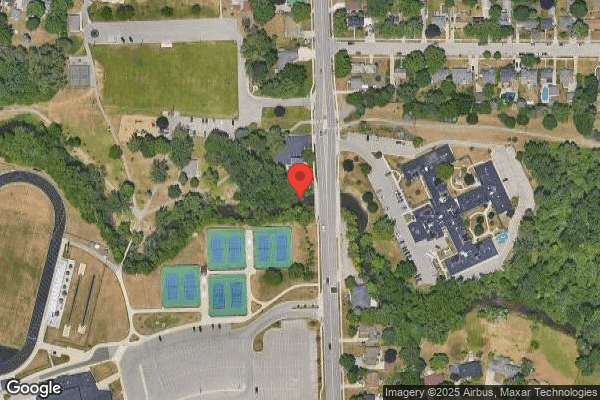
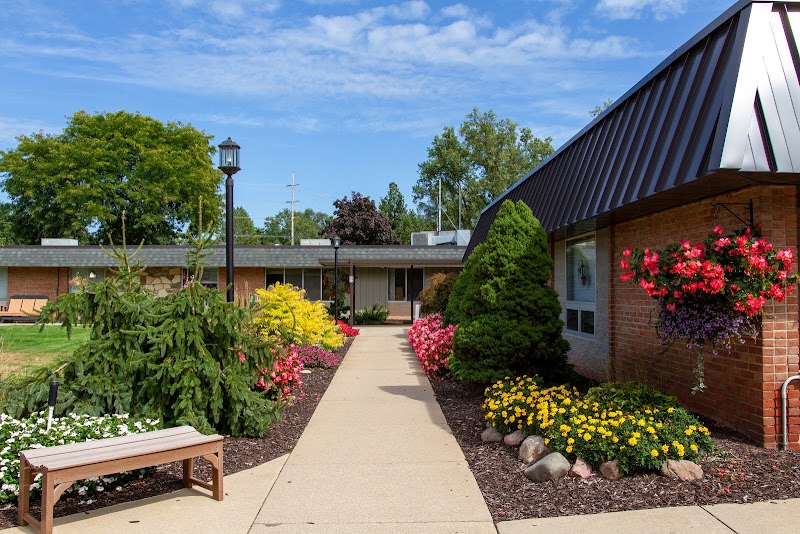
3400 Wilson Avenue, Grandville, MI 49418 (616) 534-5487
For profit - Limited Liability company 114 Beds MISSION POINT HEALTHCARE SERVICES Data: November 2025 4 Immediate Jeopardy citations
Trust Grade
0/100
#308 of 422 in MI
Last Inspection: May 2025

Inspected within the last 6 months. Data reflects current conditions.

Overview

Mission Point Nursing & Physical Rehabilitation Center has received a Trust Grade of F, indicating significant concerns about the facility's care quality. It ranks #314 out of 422 facilities in Michigan, placing it in the bottom half, and #21 out of 28 in Kent County, meaning there are only a few local options available that are better. Although the facility is improving, with issues decreasing from 23 to 8 over the past year, it still reports a concerning 59% staff turnover, which is higher than the state average, and has faced $320,291 in fines, suggesting repeated compliance problems. Staffing is rated average, but residents benefit from adequate RN coverage, which helps catch potential issues. However, there have been serious incidents, including a resident's death due to neglect of their care plan and another resident eloping from the facility, raising significant safety concerns. Overall, while there are some strengths, the facility has serious weaknesses that families should carefully consider.

Trust Score
F
0/100
In Michigan
#308/422
Bottom 28%
Safety Record
High Risk
Review needed
Inspections
Getting Better
23 → 8 violations
Staff Stability
⚠ Watch
59% turnover. Above average. Higher turnover means staff may not know residents' routines.
Penalties
✓ Good
$320,291 in fines. Lower than most Michigan facilities. Relatively clean record.
Skilled Nurses
○ Average
Each resident gets 32 minutes of Registered Nurse (RN) attention daily — about average for Michigan. RNs are the most trained staff who monitor for health changes.
Violations
⚠ Watch
76 deficiencies on record. Higher than average. Multiple issues found across inspections.
★★☆☆☆
2.0
Overall Rating
★★★☆☆
3.0
Staff Levels
★★★★★
5.0
Care Quality
★☆☆☆☆
1.0
Inspection Score
Stable
2024: 23 issues
2025: 8 issues

The Good

  • 5-Star Quality Measures · Strong clinical quality outcomes
  • Full Sprinkler Coverage · Fire safety systems throughout facility
  • No fines on record

Facility shows strength in quality measures, fire safety.

The Bad

2-Star Overall Rating

Below Michigan average (3.1)

Below average - review inspection findings carefully

Staff Turnover: 59%

13pts above Michigan avg (46%)

Frequent staff changes - ask about care continuity

Federal Fines: $320,291

Well above median ($33,413)

Significant penalties indicating serious issues

Chain: MISSION POINT HEALTHCARE SERVICES

Part of a multi-facility chain

Ask about local staffing decisions and management

Staff turnover is elevated (59%)

11 points above Michigan average of 48%

The Ugly 76 deficiencies on record

4 life-threatening 4 actual harm
May 2025 8 deficiencies
CONCERN (D)

Potential for Harm - no one hurt, but risky conditions existed

Deficiency F0558 (Tag F0558)

Could have caused harm · This affected 1 resident

**NOTE- TERMS IN BRACKETS HAVE BEEN EDITED TO PROTECT CONFIDENTIALITY** Based on observation, interview and record review, the facility failed to assist in finding an appropriate fitting wheelchair fo...

Read full inspector narrative →
**NOTE- TERMS IN BRACKETS HAVE BEEN EDITED TO PROTECT CONFIDENTIALITY** Based on observation, interview and record review, the facility failed to assist in finding an appropriate fitting wheelchair for one (R44) of one resident reviewed for wheelchair needs. Findings include: Resident #44 (R44) Review of a Face Sheet revealed R44 originally admitted to the facility on [DATE] and has pertinent diagnoses of lack of coordination, spinal stenosis in lumbar region with neurogenic claudication (nerve pain typically in both legs), morbid obesity, and limitation of activities due to disability and osteoporosis. Review of the Minimum Data Set (MDS) dated [DATE] for R44 revealed she was cognitively intact and utilizes a manual wheelchair. In an interview on 5/20/25 at 9:31 AM, R44 was in bed and reported the facility took her electric wheelchair away from her because they were concerned about her safety due to her high ammonia levels and some components of her electric wheelchair were broken so they were concerned about the steering mechanisms. R44 reported that she no longer has control over going outside and navigating the facility independently. R44 stated that she transitioned from having some independence to none at all. She now uses a manual wheelchair, which she finds difficult to self-propel. She pointed out areas of discoloration and bruising on her legs caused by bumps against the sharp edges of the wheelchair, which sometimes breaks the skin. Additionally, she complained that the wheelchair wobbles when she attempts to transfer into it. During an observation and an interview on 5/20/25 at 10:26 AM, R44 reported her feet could not reach the floor to self-propel in her wheelchair. At this time, she transferred from her bed to her wheelchair and once she sat down, her feet were in the air approximately 3 inches off the floor. R44 reported she will scoot to the middle of the seat so her toes can touch floor and move the wheelchair, but staff will tell her she needs to sit back in the wheelchair, so she does not fall. R44 reported sometimes she will push backwards in her wheelchair because it is easier, or she will use the rails on the side of the walls to help pull herself along. R44 complained her shoulder was sore from trying to pull herself along the wall the day before. R44 reported that losing her independence does not do well for her mind. In an interview on 5/21/25 at 11:14 AM, the Rehabilitation Director (RD) D reported R44 was deemed unsafe in her electric wheelchair before her admission to the hospital and agreed her current wheelchair does not fit R44 appropriately, but they do not make a wheelchair that sits low enough for her. In an interview on 5/21/25 at 11:23 AM, the Nursing Home Administrator (NHA) reported that R44 is not safe in an electric wheelchair and was told last year that the manual wheelchair R44 is in now meets her needs. At this time documentation was requested to show that R44 was properly fitted for her current wheelchair and any attempts made to find an appropriate fitting wheelchair. The NHA later reported that the current wheelchair R44 is 17-inch height and that is the lowest one they (the facility) have and could not find a lower sitting wheelchair. When questioned about how shorter people, including children, are accommodated for smaller wheelchairs and the fact that they exist, the NHA reported she would look into that. Later the NHA reported that the 17-inch wheelchair is the shortest one they make. No documentation provided by the end of this survey to show there is any correspondence or documentation to show there is no other wheelchair options for R44 that will fit her appropriately and safely. Review of Physical Therapy Treatment Encounter notes for R44 revealed the following: 3/18/25- WC (wheelchair) mobility performed in facility with bilateral UE's (upper extremities) long distances with intermittent cueing for safety negotiating obstacles. Pain: . Patient noting some bilateral knee soreness. 3/19/25- W/C mobility included turning around in narrow spaces, turning corners, passing through doorways, forward propelling and backward propelling. Pt (patient) prefers backward d/t (due to) short LE's (lower extremities) able to push self, otherwise using B UE (bilateral upper extremities) when going forward. Pain: . Pt stated having some pain in B knees d/t bone on bone and some pain in R (right) ankle). 4/9/25: Patient noting problem with wc catching during mobility. Noted screws on wheel rims loosened and hitting arm rest panel. Tightened screws and problem resolved. Patient also c/o (complains of) discomfort sitting in wc due to patient removing wc cushion secondary to being too high to reach floor with feet. Replaced wc cushion with lower profile cushion to trial. Patient able to perform WC mobility with lower extremities without assistance with some continued difficulty with foot contact on floor. Patient noted she would consider alternative footwear to improve contact and traction. In an interview on 5/22/25 at 8:56 AM, Physical Therapy Assistant (PTA) F reported he measured R44 this morning and her feet are 4 inches short from reaching the floor. R44 will push herself backwards which is not safe since she cannot see behind her. PTA F reported R44 will also pull herself down the hall using the wall rails. When questioned about the progress note on 4/9/25 regarding R44 considering alternative footwear to improve contact and traction, PTA F reported that would be helpful for anyone in general when self-propelling in a wheelchair. Review of an ADL (Activities of Daily Living) Care Plan for R44 revealed: Focus: . I am able to meet my SAFEST and highest functional level of independence with use of my manual wheelchair. My guardian and physician have agreed that the electric wheelchair is a hazard to my safety and providing me with it as a tool I use to harm myself DOES NOT promote independence nor physical or mental wellness, last revised 4/24/25. Interventions included, but not limited to: I propel myself with a w/c (wheelchair). I have a seatbelt. I am able to unfasten my seatbelt independently. I often choose to remove seatbelt. I use a pommel style cushion provided by therapy, last revised 3/19/25. Review of a fall prevention Care Plan for R44 revealed: Intervention: . I have been evaluated by a physical therapist in the facility who states the manual w/c is able to meet my needs. I am able to utilize a manual wheelchair as designed with my upper body strength only. Despite being educated I choose to utilize my feet because it's easier. I do this knowing it increased my potential for falls. Initiated 10/28/24.
CONCERN (D)

Potential for Harm - no one hurt, but risky conditions existed

Notification of Changes (Tag F0580)

Could have caused harm · This affected 1 resident

**NOTE- TERMS IN BRACKETS HAVE BEEN EDITED TO PROTECT CONFIDENTIALITY** Based on interview and record review, the facility failed to notify the provider of abnormal vital signs for 1 of 6 residents (R...

Read full inspector narrative →
**NOTE- TERMS IN BRACKETS HAVE BEEN EDITED TO PROTECT CONFIDENTIALITY** Based on interview and record review, the facility failed to notify the provider of abnormal vital signs for 1 of 6 residents (Resident #11) reviewed for notification of change. Findings: Resident #11 Review of an admission Record revealed R11 was an [AGE] year-old female, admitted to the facility on [DATE]. Review of R11's Blood Pressure Summary revealed: *On 4/8/2025 9:00 PM R11's blood pressure was 209/92 no reassessment until 4/9/2025 at 9:27 AM. *On 5/12/2025 9:35 AM R11's blood pressure was 236/104 no reassessment until 8:40 PM. *On 5/20/2025 8:48 AM R11's blood pressure was 213/102 no reassessment until 7:12 PM. Review of R11's Provider Note dated 5/12/25 revealed, .Blood Pressure: 236/104 mmHg .BP recorded this morning quite high in the 200s systolic. Has previously been quite stable. Would like to recheck. If staying persistently elevated will adjust BP meds . Confirming the provider had not been notified of the elevated blood pressure but observed it in R11's Electronic Health Record. Review of R11's Electronic Health Record revealed no documentation that the providers were notified of the above elevated blood pressures. During an interview on 05/21/25 at 03:57 PM, LPN M reported that if a residents blood pressure was as high as R11's then a manual assessment should be completed. If the resident's blood pressure was out of range the provider would be notified. LPN M reported that any provider communication should be documented in the progress notes. During an interview on 5/22/25 at 10:33 AM, Nurse Practitioner (NP) N reported it was expected that the provider would be notified for blood pressures that were out of range and would have expected the licensed nurses to notify the provider of R11's blood pressures listed above and to reassess as well. During an interview on 05/22/25 at 11:14 AM, Nursing Home Administrator (NHA) and DON (Director of Nursing) reported that they had identified concerns with licensed nurses following notifying providers of abnormal vital signs. Nurse education and audits had been conducted beginning in February. On 05/22/25 at 11:50 AM any additional documentation regarding R11's elevated blood pressures and treatment/notification was requested. There was no additional documentation received prior to survey exit. Review of the facility policy dated 7/24 revealed, It is the policy of this facility to inform residents/legal representative, attending physician or designee of a change in the resident's condition . 2. The facility will inform the resident, consult with the resident's provider, and notify, consistent with his or her authority, the resident representative(s) when there is . b. A significant change in the resident's physical, mental, or psychosocial status (that is, a deterioration in health, mental, or psychosocial status in either life-threatening conditions or clinical complications); c. A need to alter treatment significantly (that is, a need to discontinue an existing form of treatment due to adverse consequences, or to commence a new form of treatment) .
CONCERN (D)

Potential for Harm - no one hurt, but risky conditions existed

Quality of Care (Tag F0684)

Could have caused harm · This affected 1 resident

**NOTE- TERMS IN BRACKETS HAVE BEEN EDITED TO PROTECT CONFIDENTIALITY** Based on observation, interview, and record review, the facility failed to assess and address edema, significant weight gain, an...

Read full inspector narrative →
**NOTE- TERMS IN BRACKETS HAVE BEEN EDITED TO PROTECT CONFIDENTIALITY** Based on observation, interview, and record review, the facility failed to assess and address edema, significant weight gain, and follow through with physician orders for one (R44) who was reviewed for quality of care. Findings include: Resident #44 (R44) Review of a Face Sheet revealed R44 originally admitted to the facility on [DATE] and has pertinent diagnoses of stage III chronic kidney disease, diabetes, morbid obesity, and cardiac murmur. Review of the Minimum Data Set (MDS) dated [DATE] for R44 revealed she was cognitively intact. During an observation and an interview on 5/20/25 at 9:31 AM, R44 was laying down in bed with her legs horizontal. She reported that she had to go to the hospital a couple months ago because she had high ammonia levels, which resulted in her experiencing some psychiatric issues. R44 was unhappy because she felt the facility could have caught it earlier. R44 reported having a fall when her ammonia levels were high and was accused of throwing herself on the floor. R44 stated Who does that? R44 reported the facility was to recheck her ammonia levels since she came back from the hospital a couple months ago and they still have not done it. Review of the Electronic Medical Record (EMR) for R44 revealed no laboratory results or hospital records indicating abnormal ammonia level concerns or any labs with resulting ammonia levels. Review of an Order Summary for R44 revealed on 4/24/25 there was an order for Lab: Ammonia one time only for psychotic features/confusion for 1 Day. During an observation and an interview on 5/20/25 at 10:26 AM, R44 was still lying in bed with her legs horizontal and uncovered. R44 was able to reach her shin to push in on her skin when a 2+ pitting edema was noticed. Review of R44's weight history in the electronic medical records (EMR) revealed some of the following weights: 3/14/25- 231.7 Lbs (pounds) Floor Scale 4/10/25- 248.2 Lbs Wheelchair (A 16.5-pound weight gain since 3/14/25) 4/11/25- 248 Lbs Floor Scale 4/22/25- 237 Lbs Floor Scale (An 11-pound weight loss from 4/11/25) 4/23/25-244.3 Lbs Floor Scale (A 7.3-pound weight gain from the day before) 5/4/25- 246.6 Lbs Floor Scale 5/8/25- 254 Lbs Wheelchair 5/9/25- 254.3 Lbs Wheelchair (A 22.6-pound weight gain since 3/14/25) In an interview on 5/22/25 at 9:41 AM, Registered Nurse (RN) E reported she would assess residents if they prompted for skilled charting. RN E was not aware of R44's weight gain or her edema. RN E went to R44's room at this time to do an assessment and reported R44 did have 1-2 + pitting edema in her bilateral lower extremities and her hands were swollen and rings on her fingers were tight and indented. RN E' reported R44 does like to eat a lot of unhealthy foods and lots of soda. RN E did confirm R44 was not on any diuretics now and will reweigh R44 to make sure they have an accurate weight. RN E reported that a weight fluctuation like this would usually trigger dietary as well to question the change. In an interview on 5/22/25 at 9:57 AM, Unit Manager (UM)/Licensed Practical Nurse (LPN) B reported she would expect staff to recheck the weight for R44. UM B did not know of any ammonia labs ordered for R44. In an interview on 5/22/25 at 12:24 PM, the Director of Nursing (DON) reported if a resident has a big fluctuation in weights like R44, she expects staff to reweigh residents for accuracy, then notify the provider and educate the resident on food and fluid intake and confirmed that it was not done. When queried about the ammonia lab orders for R44, the DON could not find that it was completed and later reported it was never done. The DON reported the physician put the orders in the EMR but it did not prompt the nursing staff to make sure it was done. Review of Care Plan interventions for R44 revealed the following: -Inspect feet daily for open areas, sores, pressure areas, blisters, edema or redness. Initiated 9/16/24. -Draw labs as needed to monitor for electrolytes imbalances when needed. Initiated 11/5/24.
CONCERN (D)

Potential for Harm - no one hurt, but risky conditions existed

Pressure Ulcer Prevention (Tag F0686)

Could have caused harm · This affected 1 resident

**NOTE- TERMS IN BRACKETS HAVE BEEN EDITED TO PROTECT CONFIDENTIALITY** Based on observation, interview, and record review, the facility failed to implement preventative care and services of pressure ...

Read full inspector narrative →
**NOTE- TERMS IN BRACKETS HAVE BEEN EDITED TO PROTECT CONFIDENTIALITY** Based on observation, interview, and record review, the facility failed to implement preventative care and services of pressure injuries for one (R15) of two residents reviewed for pressure injuries. Findings include: Review of a Face Sheet for R15 revealed she originally admitted to the facility on [DATE] and has pertinent diagnoses of Parkinsonism, scoliosis (irregular curvature of the spine), and spondylosis with myelopathy in the cervical region (neurological deficit related to the spinal cord). Review of the Minimum Data Set (MDS) dated [DATE] for R15 revealed she is severely cognitively impaired and has bilateral limited range of motion on her upper and lower extremities and requires substantial/maximal assistance for bed mobility. R15 is documented as not being a high risk for pressure ulcers which conflict with the Braden Scale Assessment done on 3/1/25. During an observation on 5/20/25 at 9:48 AM, R15 is in bed lying on her back, eyes closed, neck resting on a neck pillow, and bilateral legs resting on two pillows and the left foot appears to be contracted in a forward position (plantar flexion). Review of a Braden Scale for Determining Pressure Ulcer Risk for R15 dated 3/1/25 revealed she is at high risk for developing pressure ulcers. During an observation and an interview on 5/20/25 at 11:08 AM, R15 was observed in bed on her back with her neck resting on a neck pillow and her legs resting on 2 pillows with her heels over them. R15 reported she used to have a pressure ulcer on her back but not anymore. R15 reported staff are to reposition her often but she must put the call light on for them to come to her room to do anything. R15 reported she is uncomfortable. During an observation on 5/20/25 at 2:06 PM, R44 was still in bed lying on her back in the same position as the last observation with her legs elevated on pillows. During an observation and an interview on 5/20/25 at 3:40 PM, R15 was in bed in the same position as the previous observation. Certified Nursing Assistant (CNA) J went into R15's room for incontinence care. R15 had a large tennis ball sized reddened/purple area on her coccyx that was blanchable and rated pain in that area at a 7 out of a 10-point scale. When asked if R15 hurts when she changes positions, R15 reported it hurt more to just lay there in that same position. At this time CNA J place a pillow on her left side to offload her weight. During an observation on 5/21/25 at 8:50 AM and 10:54 AM, R15 was observed on her back with her neck resting in a neck pillow and her legs elevated on two pillows. During an observation on 5/21/25 at 12:30 PM, R15 just received her lunch tray and was sitting up more in her bed at a 45 degree angle eating her meal. During an observation and an interview on 5/21/25 at 1:47 PM, R15 was lying in bed on her back with her legs elevated on 2 pillows. R15 reported she had pain on her backside/buttocks and knees and rated the pain at 7/10 scale. During an observation and interview on 5/21/25 at 2:25 PM, CNA K reported she did not recall seeing any redness or discoloration on R15 when she provided incontinence care earlier. When asked why R15 was not repositioned all day, CNA K reported there were no orders for R15 to be repositioned. During an observation and an interview on 5/21/25 PM at 4:04 PM, Licensed Practical Nurse (LPN) L assisted R15 with incontinence care and observed a large reddened/purple area on her coccyx that was blanchable. R15 reported she was uncomfortable. In an interview on 5/22/25 at 10:26 AM, Unit Manager (UM)/LPN B reported R15 has a history of refusing care. Staff should attempt to reposition R15 and inform the nurse if she refuses to be repositioned. Staff should also reapproach the resident if she refuses. In an interview on 5/22/25 at 12:38 PM, the Director of Nursing (DON) stated she expects all CNAs to reposition residents who are in bed all day, every 2 hours. Review of the Care Plan revealed: I am at risk for impaired skin integrity r/t weakness/debility, COPD, polyneuropathy, incontinence, Vit B12 deficiency, scoliosis, hypothyroidism, chronic pain syndrome. I often refuse to get out of bed, sit in w/c, and be turned. (last revised 5/13/25) Interventions included: - Assess and monitor me for pain Initiate my preferred non-pharmacological interventions prior to initiating medication, as applicable. Follow-up as indicated. -If I decline treatment, confer with me, IDT and my representative, as applicable, to determine why and try alternative methods to gain compliance. -Pressure reduction support surface in bed, type: APM, date applied: 3/21/25 No high risk for pressure ulcers is focused on the care plan with meaningful interventions to drive a personalized plan of care for R15. Review of a policy titled Skin and Pressure Injury Risk Assessment and Prevention last revised 2/24 revealed: 12. Interventions for Prevention and to Promote Healing a. After completing a thorough assessment/evaluation, the interdisciplinary team shall develop a relevant care plan that includes measurable goals for prevention and management of pressure injuries with appropriate interventions. b. Interventions will be based on specific factors identified in the risk assessment, skin assessment, and any pressure injury assessment (e.g., moisture management, impaired mobility, nutritional deficit, staging, wound characteristics). c. Evidence-based interventions for prevention will be implemented for residents who are assessed at risk and/or who have a pressure injury present. Basic or routine care interventions could include, but are not limited to: i. Redistribute pressure (such as repositioning, protecting and/or offloading heels, etc.); ii. Minimize exposure to moisture and keep skin clean, especially of fecal contamination; iii. Provide appropriate, pressure-redistributing, support surfaces; iv. Maintain or improve nutrition and hydration status, where feasible.
CONCERN (D)

Potential for Harm - no one hurt, but risky conditions existed

Deficiency F0688 (Tag F0688)

Could have caused harm · This affected 1 resident

**NOTE- TERMS IN BRACKETS HAVE BEEN EDITED TO PROTECT CONFIDENTIALITY** Based on observation, interview, and record review, the facility failed to identify and implement measures to prevent foot drop ...

Read full inspector narrative →
**NOTE- TERMS IN BRACKETS HAVE BEEN EDITED TO PROTECT CONFIDENTIALITY** Based on observation, interview, and record review, the facility failed to identify and implement measures to prevent foot drop for one (R15) of one resident reviewed for positioning. Findings include: Review of a Face Sheet for R15 revealed she originally admitted to the facility on [DATE] and has pertinent diagnoses of Parkinsonism, scoliosis (irregular curvature of the spine), and spondylosis with myelopathy in the cervical region (neurological deficit related to the spinal cord). Review of the Minimum Data Set (MDS) dated [DATE] revealed she is severely cognitively impaired and has bilateral limited range of motion on her upper and lower extremities and requires substantial/maximal assistance for bed mobility. Review of the Electronic Medical Records for R15 revealed she had no diagnosis of contractures or foot drop. During an observation on 5/20/25 at 9:48 AM, R15 is in bed lying on her back, eyes closed, neck resting on a neck pillow, and bilateral legs resting on two pillows and the left foot appears to be contracted in a forward position (plantar flexion/foot drop). During an observation and an interview on 5/20/25 at 11:08 AM, R15 was observed in bed on her back with her neck resting on a neck pillow and her legs resting on 2 pillows with her heels over them. Her left foot is resting over the pillows in a plantar flexion position. During an observation on 5/20/25 at 2:06 PM, R44 was still in bed lying on her back in the same position as the last observation with her legs elevated on pillows and her left foot is still in a plantar flexion position. During an observation and an interview on 5/20/25 at 3:40 PM, R15 was in bed in the same position as the previous observation. During an observation on 5/21/25 at 8:50 AM and 10:54 AM, R15 was observed on her back with her neck resting in a neck pillow and her legs elevated on two pillows and her left foot in a plantar flexion position. During an observation and an interview on 5/21/25 at 1:47 PM, R15 was lying in bed on her back with her legs elevated on two pillows with her left foot in a plantar flexion position. During an observation and interview on 5/21/25 at 2:25 PM, CNA K was asked why R15 was not repositioned all day, CNA K reported there were no orders for R15 to be repositioned. During an observation and an interview on 5/21/25 PM at 4:04 PM, Licensed Practical Nurse (LPN) L assisted R15 with incontinence care and observed a large reddened/purple area on her coccyx that was blanchable. R15 reported she was uncomfortable. In an interview on 5/22/25 at 10:26 AM, Unit Manager (UM)/LPN B reported she was not aware of R15 having any contractures in her left foot and not sure if she would benefit from any active or passive range of motion (ROM) care. If R15 would benefit from any ROM care, it would be ordered by hospice or therapy. In an interview on 5/22/25 at 12:38 PM, the Director of Nursing reported that R15 had foot drop in her left leg and that hospice confirmed it and documented it this day. Review of a Hospice Nursing progress note dated 5/22/25 for R15 revealed: While at facility was requested to assess foot drop which is present to left foot. Review of the Care Plan for R15 revealed no focus for positioning for limited ROM on the bilateral upper and lower extremities.
CONCERN (E)

Potential for Harm - no one hurt, but risky conditions existed

Deficiency F0658 (Tag F0658)

Could have caused harm · This affected multiple residents

**NOTE- TERMS IN BRACKETS HAVE BEEN EDITED TO PROTECT CONFIDENTIALITY** Resident #28 (R28) Review of an admission Record reflected R28 admitted to the facility on [DATE] with diagnoses that included c...

Read full inspector narrative →
**NOTE- TERMS IN BRACKETS HAVE BEEN EDITED TO PROTECT CONFIDENTIALITY** Resident #28 (R28) Review of an admission Record reflected R28 admitted to the facility on [DATE] with diagnoses that included congestive heart failure, atherosclerotic heart disease, atrial fibrillation, hypertensive heart disease with heart failure, ischemic cardiomyopathy and a history of other venous thrombosis and embolism. Review of a Follow-up visit note, documented by Nurse Practitioner (NP) N on 4/29/2025, indicated R28's PT/INR was 3.6/43.7 (Prothrombin Time/International Normalization Ratio, a blood test that measures how quickly blood clots). Will hold coumadin (a blood thinning medication) x one dose and repeat PT/INR on Friday. Review of a Follow-up visit note, documented by Nurse Practitioner (NP) N on 4/30/2025 reflected R28's coumadin was not held as intended and his PT/INR was 5.0/60.00. Will hold coumadin x 2 days, then re-check pt/inr on Friday. He denies any unusual bruising or bleeding. He has 2+ non-pitting edema to LLE (left lower extremity, 1+ non pitting edema to RLE (right lower extremity. He is resting with eyes closed but awakens to verbal stimuli. He denies any new or uncontrolled pain. He reports stable mood, sleep, appetite patterns. Review of a Nursing Incident Note dated 5/1/2025 reflected the medication error and indicated order was not held or discontinued, and warfarin was administered. Immediate intervention implemented: educated staff r/t (related to discontinuing and putting orders on hold in (electronic medical record). Review of Coagucheck: PT/INR Test Log for R28 reflected 11 entries from dates 4/3/2025-5/21/2025. An entry on 4/29/2025 at 0630 (6:30 AM) indicated R28's PT/INR was 3.6/43.7 without a Current Coumadin Dose recorded. The next entry recorded on the log was dated 5/6/2025. The PT/INR of 5.0/60.00 was not entered onto the log. No diagnosis was included on the log indicating the reason R28 required the anticoagulant and an INR Goal Range was also NOT specified. Review of a Physician Progress Note dated 5/3/2025 reflected the Physician, DO P saw R28 for a Regulatory Visit and noted This [AGE] year-old male was seen for a regulatory visit. He transferred to (name of facility) on 7/29/24 after a hospitalization for UTI/septic shock. He uses a wheelchair now and can propel it himself according to a PT (physical therapy) note. He has memory loss. He has a history of DVT/embolism. His LLE is more swollen than his RLE. A recent ultrasound showed peroneal DVT which is chronic. He is on coumadin. His LLE is not tender when I palpate it. His INR is in the appropriate range. Further review of the clinical record did not reflect evidence that a PT/INR had been obtained prior to the next recorded value on the PT/INR log. The progress note was not electronically signed by the DO P until 5/7/2025, making it unclear if DO P saw R28 on 5/3/2025. During an interview on 5/21/2025 at 3:03 PM, Licensed Practical Nurse (LPN) L reported that she was a brand new nurse and just off orientation at the facility. When asked about the facility procedures for PT/INR monitoring, reporting and documentation, LPN L said she had no idea and would have to ask someone to help her learn the process. During an interview on 5/21/2025 at 3:04 PM, LPN G reported that she had no idea what the PT/INR protocols at the facility are and that it differs on each unit. LPN G said there are logs in the med books and in progress notes. During an interview on 5/21/2025 at 3:09 PM, LPN H reported that PT/INR is obtained with a machine in the facility via test strips. The results are recorded on a log maintained in the narcotic book on the med cart and noted in the computer charting, the physician/provider is notified, and orders are updated. Side effect monitoring is completed daily for any resident who is on an anticoagulant. During an interview on 5/22/2025 at 10:31 AM, NP N reported that she was educated about how to enter orders into the electronic medical record to prevent medication errors in the future. NP N reported the therapeutic range for R28's PT/INR was 2.5-3.5. NP N reviewed the progress note written by DO P and stated that based on the information available in the clinical record and the PT/INR Test Log, the PT/INR for R28 at that time was not in the therapeutic range for DVT or atrial fibrillation. An attempt to contact DO P via telephone was made on 5/22/2025 at 12:07 PM. A voice message was left requesting a return call. During a telephone interview with DO P on 5/23/2025 at 4:17 PM, DO P was not able to locate the PT/INR value used to determine that as of 5/3/2025 R28's INR was in the appropriate range. According to DO P, he wasn't sure where nursing staff recorded the PT/INR readings measured at the facility. DO P said the therapeutic PT/INR goal for R28 was 2.0-3.0, unless he had a heart valve issue. The health care record provides a way for members of the interprofessional health care team to communicate about multiple aspects of patient care, including patient needs and response to care and therapies; clinical decision making; and the content and outcomes of consultations, patient education, and discharge planning. Information communicated in the health care record allows health care providers to know a patient thoroughly, facilitating safe, effective, timely, and patient-centered clinical decision making. The health care record is the most current and accurate, continuous source of information about a patient's health care status, allowing the plan of care to be clear to anyone who accesses the record. To enhance communication and promote safe patient care, you document assessment findings and patient information as soon as possible after you provide care (e.g., immediately after providing a nursing intervention or completing a patient assessment). The quality of patient care depends on your ability to communicate with other members of the health care team (see Chapter 24). When a plan is not communicated to all members of the health care team, care becomes fragmented, tasks are repeated, and delays or omissions in care often occur. The health record is an important means of communication because it is a confidential, permanent, legal documentation of information relevant to a patient's health care. The record is an ongoing current and accurate account of a patient's health care status and is available to all members of the health care team. [NAME], [NAME] A.; [NAME], [NAME] Griffin; Stockert, [NAME] A.; Hall, [NAME]. Fundamentals of Nursing - E-Book (p. 366). Elsevier Health Sciences. Kindle Edition. Legal Guidelines for Documentation . Errors in recording can lead to errors in treatment or may imply an attempt to mislead or hide evidence . Record must be accurate, factual, and objective. Be certain that each entry is thorough. A person reading your documentation needs to be able to determine that a patient received adequate care. [NAME], [NAME] A.; [NAME], [NAME] Griffin; Stockert, [NAME] A.; Hall, [NAME]. Fundamentals of Nursing - E-Book (p. 366). Elsevier Health Sciences. Kindle Edition. Based on interview and record review, the facility failed to follow professional standards of nursing practice for medication administration for 4 residents (Residents #11, #50, #7, and #28) out of 18 residents and residents receiving controlled medications on the Garden Unit, reviewed for the provision of nursing services. Findings: On 05/20/25 at 09:43 AM, the Garden Unit Narcotic Book was reviewed. There were 9 residents that did not have their scheduled morning controlled medications (narcotics) documented as dispensed since 5/19/25. Review of the Garden Unit Medication Administration Record revealed there were no medications documented as not administered at the time of the Narcotic Book review. On 05/21/25 at 02:01 PM, the Garden Unit Narcotic Book was reviewed. The previous 9 residents' medications were documented as dispensed the morning of 05/20/25 with the times the medications were dispensed documented prior to 09:43 AM. Confirming the licensed nurse did not document the date and time at the time the controlled medications were dispensed. Resident #11 Review of an admission Record revealed R11 was an [AGE] year-old female, admitted to the facility on [DATE]. Review of R11's Order Summary dated 4/25/25 revealed, CloNIDine HCl Tablet 0.1 MG Give 0.1 mg by mouth every shift for HTN (hypertension) ONLY GIVE MEDICATION IF SBP (systolic [top number] blood pressure) is GREATER than 160 or DBP (diastolic [bottom number] blood pressure) is GREATER than 90. HOLD MEDICATION IF OUTSIDE OF THESE PARAMETERS! To be administered on day shift if needed and night shift if needed. Review of R11's May Medication Administration Record revealed: *On 5/2/25 R11's blood pressure was 135/69 and the clonidine was administered on day shift. *On 5/2/25 R11's blood pressure was 128/61 and the clonidine was administered on night shift. *On 5/3/25 R11's blood pressure was 148/76 and the clonidine was administered on night shift. *On 5/4/25 R11's blood pressure was 142/77 and the clonidine was administered on day shift. *On 5/5/25 R11's blood pressure was 151/67 and the clonidine was administered on day shift. *On 5/6/25 R11's blood pressure was 160/68 and the clonidine was administered on night shift. *On 5/7/25 R11's blood pressure was 133/71 and the clonidine was administered on night shift. *On 5/8/25 R11's blood pressure was 140/71 and the clonidine was administered on day shift. *On 5/8/25 R11's blood pressure was 159/83 and the clonidine was administered on day shift. *On 5/9/25 R11's blood pressure was 159/83 and the clonidine was administered on night shift. Resident #50 (R50) Review of an admission Record revealed R50 was a [AGE] year-old male, admitted to the facility on [DATE]. Review of R50's Order Summary dated 4/27/25 revealed, Lisinopril Oral Tablet 5 MG (Lisinopril) Give 1 tablet by mouth one time a day for htn HOLD if SBP < (less than) 100, Pulse < (less than) 60. Review of R50's Blood Pressure Summary and Pulse Summary revealed there were no blood pressure or heart rate assessments documented on 5/2/25, 5/7/25, 5/9/25, 5/13/25, or 5/19/25. Review of R50's May Medication Administration Record revealed: *On 5/2/25 R50's lisinopril was administered. The blood pressure and heart rate from the previous shift was documented. *On 5/7/25 R50's lisinopril was administered. The blood pressure and heart rate from the previous shift was documented. *On 5/9/25 R50's lisinopril was administered. The blood pressure and heart rate from the previous shift was documented. *On 5/13/25 R50's lisinopril was administered. The blood pressure and heart rate from the previous shift was documented. *On 5/19/25 R50's lisinopril was administered. The blood pressure and heart rate from the previous shift was documented. Resident #7 (R7) Review of an admission Record revealed R7 was a [AGE] year-old male, admitted to the facility on [DATE]. Review of R7's Order Summary dated 4/29/25 revealed, Lisinopril Oral Tablet 10 MG (Lisinopril) Give 1 tablet by mouth two times a day for HTN Hold if Systolic < 90. Notify physician if SBP is greater than 165 or DBP is greater than 95. Review of R7's Blood Pressure Summary and Pulse Summary revealed there were no morning blood pressure or heart rate assessments documented on 5/2/25, 5/7/25, 5/9/25, 5/13/25, or 5/19/25. Review of R7's May Medication Administration Record revealed: *On 5/2/25 R7's morning lisinopril was administered. The blood pressure and heart rate from the previous shift was documented. *On 5/7/25 R7's morning lisinopril was administered. The blood pressure and heart rate from the previous shift was documented. *On 5/9/25 R7's morning lisinopril was administered. The blood pressure and heart rate from the previous shift was documented. *On 5/13/25 R7's morning lisinopril was administered. The blood pressure and heart rate from the previous shift was documented. *On 5/19/25 R7's morning lisinopril was administered. The blood pressure and heart rate from the previous shift was documented. During an interview on 05/21/25 at 03:57 PM, Licensed Practical Nurse (LPN) M reported that some resident medications have parameters ordered and those parameters are expected to be followed. During an interview on 5/22/25 at 10:33 AM, Nurse Practitioner (NP) N reported it was expected that medications were administered following the provider order which including obtaining and assessing vital signs prior to the administration of medications. During an interview on 05/22/25 at 11:14 AM, Nursing Home Administrator (NHA) and DON (Director of Nursing) reported that they had identified concerns with licensed nurses following ordered parameters. Nurse education and audits were conducted beginning in February to ensure medications were administered within the ordered parameters. NHA reported they had not identified concerns with nursing staff utilizing previous shift vital signs (blood pressures and heart rates) when administering medications and the expectation was for vitals to be assessed immediately prior to the administration of medications. During an interview on 05/22/25 at 12:16 PM, DON and NHA confirmed that R7 and R50 had not had vital signs assessed prior to the lisinopril administration on the dates listed above. NHA reported they identified that it had been 1 nurse that administered the medications, and she was immediately educated. Review of the licensed nurse's education revealed, .It can be observed in the MAR (medication administration record) for more than one resident this nurse copying vitals last collected prior to administering medications, this creates potential for safety risk to resident as vitals should be obtained within window of med pass so parameters can be followed. Review of the facility policy Controlled Substances last revised January 2018 revealed, .D. Accurate accountability of the inventory of all controlled substances is maintained at all times. When a controlled substance is administered, the nurse administering the medication immediately enters the following information on the controlled substance count sheet and on the Medication Administration Record (MAR): 1) Date and time of administration (MAR, controlled substance count sheet) 2) Amount administered (controlled substance count sheet) 3) Remaining quantity (controlled substance count sheet) 4) Initials of the nurse administering the dose (MAR, controlled substance count sheet) . Review of the facility policy Medication Administration-General Guidelines last revised June 2019 revealed, Medications are administered as prescribed in accordance with good nursing principles and practices and only by persons legally authorized to do so. Personnel authorized to administer medications do so only after they have been properly oriented to the facility's medication distribution system. The facility has sufficient staff and a medication distribution system to ensure safe administration of medications without unnecessary interruptions.2) Medications are administered in accordance with written orders of the prescriber . Review of Fundamentals of Nursing ([NAME] and [NAME]) 11th edition revealed, (Nurses) are also responsible for documenting any preassessment data required with certain medications such as a blood pressure measurement for antihypertensive medications or laboratory values, as in the case of warfarin, before giving the medication. After administering a medication, immediately document which medication was given on a patient's MAR per agency policy to verify that it was given as ordered. Inaccurate documentation, such as failing to document giving a medication or documenting an incorrect dose, leads to errors in subsequent decisions about patient care. [NAME], [NAME] A.; [NAME], [NAME] G.; Stockert, [NAME] A.; Hall, [NAME]. Fundamentals of Nursing - E-Book (pp. 643-644). Elsevier Health Sciences. Kindle Edition.
CONCERN (F)

Potential for Harm - no one hurt, but risky conditions existed

Food Safety (Tag F0812)

Could have caused harm · This affected most or all residents

**NOTE- TERMS IN BRACKETS HAVE BEEN EDITED TO PROTECT CONFIDENTIALITY** Based on observations, interviews, and record reviews, the facility failed to effectively clean and maintain food service equipm...

Read full inspector narrative →
**NOTE- TERMS IN BRACKETS HAVE BEEN EDITED TO PROTECT CONFIDENTIALITY** Based on observations, interviews, and record reviews, the facility failed to effectively clean and maintain food service equipment, and ensure proper cooling of food affecting 75 residents, resulting in the increased likelihood for cross-contamination and bacterial harborage. On 05/22/25 between 9:10 AM and 10:05 AM during the initial tour with Certified Dietary Manager (CDM) A the following concerns were observed: Observation of the cookline revealed the Accutemp Steamer had one end of a drain line directly connected to the bottom of the steamer. The other end of the drain line went down through the grated floor drain and was submerged directly into the sewer drainpipe. Review of the FDA 2017 Food Code Section, 5-402.11 Backflow Prevention. Reflects the following, .a direct connection may not exist between SEWAGE system and a drain originating from EQUIPMENT in which FOOD, portable EQUIPMENT, or UTENSILS are placed. Further observation of the cookline revealed a build-up of grease, grime and food debris behind/under the cooking equipment. Review of the FDA 2017 Food Code Section, 6-501.12 Cleaning, Frequency and Restrictions. Reflects the following, (A) PHYSICAL FACILITIES shall be cleaned as often as necessary to keep them clean. Observation of the Kelvinator 3 door line cooler was observed to be empty and had orange sticky not posted on a door of the cooler that stated, breakers Not working everything moved to Walkin The unit is needed for cold holding food storage and ensuring safe food service operations. Review of the FDA 2017 Food Code Section, 4-501.11 Good Repair and Proper Adjustment. Reflects the following, (A) Equipment shall be maintained in a state of repair and condition that meets the requirements under 4-1 and 4-2. Review of the FDA 2017 Food Code Section, 4-301.11 Cooling, Heating, and Holding Capacities. Reflects the following, EQUIPMENT for cooling and heating FOOD, and holding cold and hot FOOD, shall be sufficient in number and capacity to provide FOOD temperatures as specified under Chapter 3. Observation of the can opener blade reflected stuck on food residue and debris. Observation of the clean pan storage shelving on the cook line revealed a few pans were soiled with stuck on food residues and debris. Review of the FDA 2017 Food Code Section, 4-601.11 Equipment, Food-Contact Surfaces, Nonfood-Contact Surfaces and Utensils. Reflects the following, (A) EQUIPMENT FOOD-CONTACT SURFACES and UTENSILS shall be clean sight to touch. (B) The FOOD-CONTACT SURFACES of cooking EQUIPMENT and pans shall be kept free of encrusted grease deposits and other soil accumulations. Observation of [NAME] 3-Door-Cooler revealed a burnt-out light bulb. Review of the FDA 2017 Food Code Section, 6-303.11 Intensity. Reflects the following, The light intensity shall be: .(B) At least 215 lux (20-foot candles): . (2) Inside EQUIPMENT such as a reach-in and under-counter refrigerators; . Observation of the ice machine revealed no date mark on the filter. During the interview the CDM A stated she was unsure when it was last replaced. Review of the FDA 2017 Food Code Section, 5-205.13 Scheduling Inspection and Service for a Water System Device. A device such as a water treatment device or backflow preventer shall be scheduled for inspection and service, in accordance with manufacturer's instructions and as necessary to prevent device failure based on local water conditions, and records demonstrating inspection and service shall be maintained by the PERSON IN CHARGE. Observation of the Walk In Freezer and Walk In Cooler revealed food residue and debris on flooring. Further observation of the Walk in Cooler revealed containers of Sloppy [NAME] & Ravioli both had a date mark of 5/19/25. Condensation droplets were observed on the underside of both lids indicating a possible cooling concern. Review of the FDA 2017 Food Code Section, 6-501.12 Cleaning, Frequency and Restrictions. Reflects the following, (A) PHYSICAL FACILITIES shall be cleaned as often as necessary to keep them clean. Review of the FDA 2017 Food Code Section, 3-501.14 Cooling. Reflects the following, (A) Cooked POTENTIALLY HAZARDOUS FOOD (TIME/TEMPERATURE CONTROL FOR FOOD SAFETY) shall be cooled: (1) Within 2 hours from 57 degrees Celsius (135 degrees Fahrenheit) to 21 degrees Celsius (70 degrees Fahrenheit), and (2) Within a total of 6 hours from 57 degrees Celsius (135 degrees Fahrenheit) to 5 degrees Celsius (41 degrees Fahrenheit) or less. During observation of Walk In Cooler CDM A was asked how they were cooling and if they had a cooling log. CDM A revealed their cooling logs were marked/monitored on their daily temp log sheets. Review of the 5/19/25 temp log reflected that staff had failed to document cooling for both the Sloppy Joes & the Ravioli. An obaervation 05/20/25 11:26 AM, of the locked Nutritional Refigerator (located in dining room on 300 hall) revealed soiled/sticky shelving. Review of the FDA 2017 Food Code Section, 4-602.13 Nonfood- Contact Surfaces. Reflects the following, NonFOOD-CONTACT SURFACES of EQUIPMENT shall be cleaned at a frequency necessary to preclude accumualtion of soil residues. During and interview on 5/20/25 at 11:52 AM, CDM stated she had an in-service on cooling policy and procedures with two of my cooks. CDM A revealed her last cook is off and will be educated when they get back. During the kitchen observation on 5/20/25 at 11:53 AM, NHA revealed a new ice machine filter had been ordered and would be here tomorrow.
CONCERN (F)

Potential for Harm - no one hurt, but risky conditions existed

Infection Control (Tag F0880)

Could have caused harm · This affected most or all residents

**NOTE- TERMS IN BRACKETS HAVE BEEN EDITED TO PROTECT CONFIDENTIALITY** During an interview on 05/22/25 at 11:40 AM, Laundry Aide (LA) O revealed she has never been educated on the procedure for handl...

Read full inspector narrative →
**NOTE- TERMS IN BRACKETS HAVE BEEN EDITED TO PROTECT CONFIDENTIALITY** During an interview on 05/22/25 at 11:40 AM, Laundry Aide (LA) O revealed she has never been educated on the procedure for handling clothing/linens contaminated with C-Diff. LA O further revealed, I sometimes will separate residents' load (in the red bio-hazardous bags) because I do not want to wreck their personal clothing in bleach, but I will wash all the other items in a bleach load. LA O further revealed R39's laundry, usually comes down in regular (clear) bags. During an interview on 5/22/25 at 11:55 AM, Registered Nurse (RN) B revealed R39's soiled lines are supposed to be placed in the red (biohazardous) bags and/or bags that dissolve in the wash. Aides grab the new bags from the PPE bins (located outside of residents' room) when going in to provide care. RN B further revealed laundry is supposed to wash them separately. During an observation on 5/22/25 at approximately 12:06 PM, Certified Nurse's Aide (CNA) Q and Certified Nurse's Aide (CNA) C were observed gowning up to enter R39's room. (No red or dissolvable bags observed in Personal Protection Equipment (PPE) bins located outside room.) CNA Q further revealed they did not have any red bags located in the residents' room and would have housekeeping get more. Glucometer and Blood Pressure Cuff Cleaning During an observation on 5/21/25 at 8:12 AM, Licensed Practical Nurse (LPN) G went to room [ROOM NUMBER]-1 to check a blood pressure with a blood pressure cuff and check a blood sugar level with a glucometer for that resident. When LPN G was done, she left the room without cleaning the equipment and sat the devices on top of the medication cart. At 8:56 AM, LPN G went to room [ROOM NUMBER]-1 to check a resident's blood sugar with the same uncleaned blood pressure cuff and glucometer. After leaving room [ROOM NUMBER]-1, LPN G took the devices out of the room and sat them on the medication cart in the hallway without appropriately cleaning them. During an observation on 5/21/25 at 12:03 PM, LPN G took the same uncleaned glucometer that was sitting on top of the medication cart into room [ROOM NUMBER]-1 to check a blood sugar and left the room with the device and sat it on top of the medication cart without cleaning it. In an interview on 5/21/25 at 1:50 PM, LPN G reported she already knew she was supposed to clean the glucometer after each resident with sanitizing wipe with a purple top called Micro Kill Sanitizer Wipes for one minute and admitted she did not do that. At this time the glucometer and the blood pressure cuff were still sitting on top of the medication cart and LPN G reported she still did not clean them. LPN G did not know where the sanitizing wipes were and then searched the medication cart and found them. LPN G reported she had a total of 4 residents she had to use the glucometer for. LPN G reported she uses her own personal blood pressure cuff for resident care because she likes it better and realized she should have cleaned that as well after each resident. Hoyer lifts During an observation and an interview on 5/20/25 at 3:30 PM, two Hoyer lifts (mechanical lifts), numbered 203 and 309, were in the hallway of the 300 hall. Both lifts had empty plastic bags hanging from them. The base of one Hoyer lift was covered with a large amount of sticky and rough substance that did not rub off, while the upper bar where the slings attach was covered with fingerprints and grime. Certified Nursing Assistant (CNA) J stated that the empty bags were meant to hold sanitizing wipes for cleaning the lifts but acknowledged that there were none inside them. CNA J also noted that the feet of one Hoyer lift resembled tape. When I inquired about the bar above where the slings attach, CNA J indicated it appeared not to have been cleaned in a considerable time. Review of a policy titled Cleaning and Disinfection of Resident-Care Equipment last revised 8/24 revealed: Resident-care equipment can be a source of indirect transmission of pathogens. Reusable resident-care equipment will be cleaned and disinfected in accordance with current CDC (Centers for Disease Control) recommendations to break the chain of infection. 2. d. Multiple-resident use equipment shall be cleaned and disinfected after each use. Based on observation, interview and record review, the facility failed to implement its infection prevention and control policies and procedures for glucometer cleaning, equipment cleaning and Management of C. Difficile Infection for two residents (R16 & R39) out of a total sample of 18 residents reviewed. Findings: Resident #39 (R39) Review of an admission Record reflected R39 admitted to the facility on [DATE] with diagnoses that included encounter for surgical aftercare following surgery on the digestive system, contact with and (suspected) exposure to other viral communicable diseases, ventral hernia without obstruction or gangrene, disruption or dehiscence of closure of internal operation (surgical) wound of abdominal wall muscle or fascia, sequela and enterocolitis due to clostridium difficile (c. diff), not specified as recurrent. Review of a Nursing Progress Note dated 5/9/2025 reflects C. Diff test positive, contact precautions in place from time suspected and on-going, call placed to on-call NP (nurse practitioner) regarding, she states she will review lab and enter an order, Pt. (patient) notified of results, also (name of hospice provider) notified. Review of a Care Plan initiated on 5/9/2025 reflected I (R39) have an active infection: C-diff; Interventions on the care plan specified Administer anti-viral as per MD orders (clostridium difficile is a bacterium, not a virus and can cause severe diarrhea and colitis, which are inflammation of the colon.) The care plan also specified R39 was to be on CONTACT precautions. No further interventions were noted on the care plan. Review of a [NAME] (a quick reference guide used by nurse aides to provide instruction for care) printed on 5/22/2025 reflected R39 required CONTACT precautions when providing care. No further information pertaining to c. diff was provided. Resident #16 (R16) Review of an admission Record reflected R16 was admitted to the facility on [DATE] with diagnoses that included bipolar II disorder, vascular dementia, & muscle weakness. Review of a Care Plan initiated on 3/14/2022 indicated R16 had generalized weakness and required Supervision assist with 4WW (Four wheeled walker) and Personal Hygiene: Supervision. Further review of the entire care plan also reflected that R16 sometimes wander in the hallways or into other residents room . Further review of the entire care plan and [NAME] did not reveal any indication R16 was sharing a room with a resident who was infected with C. diff. During an interview on 5/22/2025 at 9:02 AM, Registered Nurse (RN) B indicated she was the Infection Control Nurse (IC) Nurse at the facility. RN B said that R39 was placed in contact precautions as soon as it was suspected that she may have C. diff. RN B indicated that staff were instructed to don personal protective equipment (PPE) when entering R39's room and all trash and/or linens were to be removed from the room in red bio-hazard bags and that staff were to wash their hand with soap and water because alcohol-based hand rub was ineffective against the C. diff spores. RN B reported that R39 did not use the shared bathroom, and a private room was not available, so staff were instructed to treat both residents in the room as if they were both in contact precautions. RN B reported that R16 (R39's roommate) was able to transfer independently and used a 4WW with supervision. RN B said that no interventions such as assisting/ensuring R16 wash their hands with soap and water prior to leaving the room or cleaning the walker had been added to factor in R16's likelihood of touching contaminated surfaces and leaving the room to ambulate around the facility. During an observation on 5/22/2025 at 12:17 PM, RN B donned PPE and entered R39's room as Certified Nurse Aide (CNA) C was exiting R39's room with two clear plastic bags of soiled materials. CNA C was not observed washing her hands with soap and water. A red biohazard bin was a few feet away from the head of the bed against a partially drawn privacy curtain separating R39's side of the room from R16's side of the room. A clear plastic trash bag was inside the red biohazard bin. R39 reported the bin had just been placed in her room. During an interview on 5/22/2025 at 12:33 PM, CNA C reported she had just been educated by RN B who had observed her leaving R39's room without washing her hands with soap and water after providing care to R39. CNA C reported she did not know hand sanitizer was ineffective against C. diff. Review of a policy Management of C. Difficile Infection last revised 1/24 reflected This facility implements facility-wide strategies for the prevention and spread of Clostridioides difficile (C. difficile) infections. Clostridioides difficile, formerly known as Clostridium difficile and often-called C. diff, is a bacterium that causes diarrhea and colitis (an inflammation of the colon). It is shed in feces and is spread by direct contact with contaminated objects or the hands of persons who have touched a contaminated object. 2. Potential complications and risks associated with C. difficile include: a. Hospitalization b. Pseudomembranous colitis c. Toxic megacolon d. Sepsis e. Death . General principles related to contact precautions for C. difficile: All staff are to wear gloves and a gown while providing care for the resident with C. difficile infection or having direct contact with items in their environment. Hand hygiene shall be performed by handwashing with soap and water in accordance with facility policy for hand hygiene. Maintain contact precautions for the duration of illness per CDC Isolation Precautions Appendix A. Encourage/assist residents to wash hands frequently. Use disposable equipment whenever possible. Thoroughly clean and disinfect reusable equipment with a sporicidal disinfectant that is compatible with the equipment. Disinfected items with fecal soiling (i.e. bedpans, commode chairs, bedrails, etc.). A private room with a dedicated toilet is preferred. If a private room is not available: i. Prioritize residents with bowel incontinence for placement in private room. ii. If cohorting (i.e. room sharing) is required, cohort residents with the same organism, with a dedicated toilet. Treatment for C. difficile infection will be in accordance with physician orders, current treatment guidelines, and local sensitivity/susceptibility data. Environmental infection control: Housekeeping staff shall adhere to standard and contact precautions. Perform daily cleaning of the resident's room and high touch surfaces using a C. difficile sporicidal agent (EPA List K agent). Perform terminal cleaning after the resident is transferred/discharged with a C. difficile sporicidal agent (EPA List K agent).
Oct 2024 1 deficiency
CONCERN (D) 📢 Someone Reported This

A family member, employee, or ombudsman was alarmed enough to file a formal complaint

Potential for Harm - no one hurt, but risky conditions existed

Deficiency F0604 (Tag F0604)

Could have caused harm · This affected 1 resident

**NOTE- TERMS IN BRACKETS HAVE BEEN EDITED TO PROTECT CONFIDENTIALITY** This citation pertains to MI00147646 Past Non-Compliance was determined appropriate by the state agency for this citation. Plan ...

Read full inspector narrative →
**NOTE- TERMS IN BRACKETS HAVE BEEN EDITED TO PROTECT CONFIDENTIALITY** This citation pertains to MI00147646 Past Non-Compliance was determined appropriate by the state agency for this citation. Plan outlined below. Based on interview and record review the facility failed to protect the resident's right to be free of Abuse from physical restraints for one resident (R101) of six residents reviewed for abuse. Findings: Review of the Facility Reported Incident (FRI) revealed on the morning of 10/15/24 in the Garden Unit R101 was discovered by oncoming staff to be tightly wrapped in a blanket from the waist down preventing freedom of movement. The FRI reflected the assigned staff member had left the facility without notifying the nurse on duty and before the oncoming shift had arrived. Review of the medical record reflected R101 admitted to the facility 2/19/18 with pertinent diagnoses that included Alzheimer's Disease, Dementia, and Anxiety. Review of the Minimum Data Set (MDS) dated [DATE] reflected a Brief Interview for Mental Status (BIMS) score of 5 indicating R101 is severely cognitively impaired. This MDS also reflected R101 was incontinent and had displayed rejection of care and behaviors toward others. The Care Plan for R101 reflected one to two staff are required to check and change (incontinence briefs). On 10/29/24 at 9:25 AM an interview was conducted with Certified Nurse Aide (CNA) G in a Conference room. CNA G reported when she arrived for her shift on 10/15/24 at approximately 6:00 AM she went to the Garden unit to get report from CNA D who was assigned the night shift. CNA G reported she learned the previous CNA had left early so she began resident rounds. CNA G reported when she checked R101 she lifted the top blanket to discover the Resident was wrapped tightly in a blanket from the waist down. CNA G reported she could not get her fingers between the blanket and the Resident's skin without causing pain. CNA G reported that R101 cannot communicate well but she recognizes pain. CNA G reported she summoned Licensed Practical Nurse (LPN) C before removing the blanket. CNA G reported she had to roll R101 side to side to get the blanket from around her without causing pain. CNA G reported R101 was wet, and the incontinence brief was on backwards. CNA G reported R101 has a history of being a digger on her brief and will dig out the brief lining. CNA G reported that R101 was not able to say how she ended up with the blanket wrapped tightly around her. On 10/29/24 at 9:59 AM a telephone interview was conducted with LPN C. LPN C acknowledged being called to the room of R101 by CNA G. LPN C reported that R101's arms were free but that her lower body was wrapped in a blanket like when you swaddle a baby really tight. LPN C reported after ensuring R101 was not injured she informed the Nursing Home Administrator (NHA) and the Director of Nursing (DON) of the findings. LPN C reported R101 is a regular check and change and, in her experience, R101 has never used the call light. On 10/29/24 at 10:13 AM a telephone interview was conducted with LPN B. LPN B reported she was in an all-staff meeting following her night shift that included covering the Garden Unit and another hall. LPN B reported she had been in the room of R101 between 4:00 and 5:00 AM and that R101 was sleeping and covered with a blanket. LPN B reported that CNA D did not inform her she was leaving before the end of her shift. On 10/29/24 at 10:25 AM an interview was conducted with the DON. The DON reported she was in an all-staff meeting when LPN C informed her that R101 was found in bed restrained by a blanket. The DON reported staff interviews began immediately. The DON reported that staff training on Abuse and Restraints were added to the all-staff meeting in progress and added to the other all-staff meetings slated for later that day. On 10/29/24 at 10:36 AM an interview was conducted with the NHA. The NHA reported on the morning of 10/15/24 she was informed by LPN C about how R101 was found that morning. The NHA reported an investigation was immediately started, staff were interviewed, and all notifications were made including to the state agency. The NHA reported staff education began that morning and continued until all staff received the education. The NHA reported CNA D left her assignment without the knowledge or permission of her immediate superior:the nurse on duty. The NHA reported that proper CNA shift change resident to resident rounds were not completed. The NHA explained that oncoming and off going CNA's are to round with each other room to room and resident to resident to ensure all tasks had been completed and observations and report on the status of each resident is conveyed to the next shift. The NHA reported CNA D, newly hired, was suspended pending investigation and was ultimately terminated from the facility and reported to the state agency. Review of the facility report of the incident submitted to the state agency reflected a description of the incident and a telephone interview with CNA D by the NHA. The report reflected CNA D asserted R101 may have gotten herself tangled up in that (blanket) because she was not wrapped up in that when I left, she just had it on top of her like a lap blanket. She might have been rolling around and got herself that way because she kept trying to get out of the bed. On 10/29/24 at 11:23 AM an telephone interview was conducted with CNA D. CNA D reported on the morning of 10/15/24 she had left the facility early due to a personal matter. CNA D reported she had completed rounds by herself and had informed the nurse she was leaving. CNA D reported during the night she had checked the brief of R101 by lifting the blanket that was covering her. CNA D reported she did not have to remove it completely because R101 was dry all night. CNA D reported she was later told how the blanket had been found on R101 and that it was considered a restraint. CNA D reported she did not think the blanket was a restraint because the Resident could move her arms. CNA D reported R101 was dry all night and that the CNA from the previous shift must have wrapped the Resident in the blanket. CNA D reported she did not complete shift to shift resident rounds with the off going CNA at the start of her shift. CNA D did not explain how she could check the Resident's brief during her shift if the Resident had been wrapped tightly in a blanket from the hips down since the previous shift. On 10/29/24 at 4:25 PM an interview was conducted in the conference room with CNA H. CNA H reported she was assigned the Garden Unit on the afternoon shift of 10/14/24 and was relieved by CNA D who arrived about 1000 PM. CNA H reported shift to shirt resident rounds are to be conducted with the oncoming staff at shift change bur that CNA D refused to do the rounds. CNA H stated you can't make them do them (shift to shift rounds). CNA H reported she had last checked on R101 about 9:30 PM and that the Resident was sleeping on her side facing the wall. CNA H reported the brief was dry and that one indicator of a wet brief is that there will be a blue line on the brief when you look under the blanket. Review of the Employee file for CNA D revealed a background check had been completed on 9/5/24, Elder Abuse training completed on 9/12/24, and Abuse training completed on 9/19/24. On 10/29/24 the surveyor verified the following interventions were put into place and were effective to bring the facility into compliance: - All staff were educated on the facility policy for Abuse and Abuse Reporting beginning 10/15/24. - All residents affected and/or potentially affected were assessed and no negative outcomes were noted. - The facility had been conducting random weekly resident audits to screen for signs/symptoms/or self-reports of abuse or neglect. Process to ensure it was being properly followed and no concerns were noted. - Process reviewed at QA meeting. During this survey, this surveyor reviewed documentation, conducted interviews, and made observations the preceding interventions were completed prior to the abbreviated survey and no continuing issues related to this citation were noted. A determination of past non-compliance was approved by the state agency as of 10/15/24.
Jul 2024 8 deficiencies
CONCERN (D)

Potential for Harm - no one hurt, but risky conditions existed

Safe Environment (Tag F0584)

Could have caused harm · This affected 1 resident

**NOTE- TERMS IN BRACKETS HAVE BEEN EDITED TO PROTECT CONFIDENTIALITY** Resident #23 (R23) Review of an admission Record revealed R23 was a [AGE] year old female, admitted to the facility on [DATE], w...

Read full inspector narrative →
**NOTE- TERMS IN BRACKETS HAVE BEEN EDITED TO PROTECT CONFIDENTIALITY** Resident #23 (R23) Review of an admission Record revealed R23 was a [AGE] year old female, admitted to the facility on [DATE], with pertinent diagnoses of Huntington's disease, she received all nutrition and hydration via tube feeding, and cognitive communication deficit. R23 had severe cognitive impairment, depended on staff to meet all her needs, and was Spanish speaking. During an observation on 07/15/24 at 9:48 AM, R23 had a laminated communication board that sat on the overbed table. The board was coated in a light brown sticky substance, similar to tube feed formula. Upon further exam, there was a second laminated communication board but it was stuck to the top board. The two communication boards were pulled apart and the second communication board was also coated in the light brown sticky substance. During the following additional observations, the laminated communication boards were found to be covered with a light brown sticky substance: 07/15/24 at 2:26 PM, 07/15/24 at 4:35 PM, 07/16/24 at 8:04 AM, 07/16/24 at 12:55 PM, and on 07/17/24 at 7:54 AM. Review of a [NAME] for R23 (a quick reference guide for staff to utilize that lists a resident's care needs) reflected: I am able to communicate by use of the picture boards and my family when they are in the building. Based on observation, interview, and record review, the facility failed to maintain a safe and clean homelike environment for two facility Residents (R42 and R23). R42 Review of the Electronic Medical Record (EMR) admission Record reflected R42 originally admitted to the facility 3/6/23 with pertinent diagnoses that include Repeated Falls, Unsteadiness on Feet, and Morbid Obesity. Review of the MDS dated [DATE] reflected R42 requires partial/moderate assistance with transfers but is non-ambulatory and is confined to a motorized wheelchair for mobility. The medical record reflected R42 is cognitively intact and is her own responsible party. On 7/15/24 at 10:42 AM in the room of R42 it was observed that all flat surfaces to include over the bed table, dresser/ nightstand and counter tops were full and stacked in an unorganized manner with the resident's belongings. An observation and interview were conducted on 7/15/24 at 3:18 PM with R42 in her room. It was observed that the room remained cluttered on all surfaces to include the second unoccupied bed in the room. R42 indicated she had to get her things organized and indicated staff had not offered to assist her with this. On 7/15/24 at 3:47 PM an interview was conducted with the Director of Nursing (DON). The DON reported R42 is very particular about her things but she noticed last week that R42 was spreading out with her belongings onto the other bed in the room. The DON reported that she was told R42 had been educated about the ongoing clutter issue in her room. The DON reported she is not aware if anyone has offered to help the Resident to organize her personal belongings and doesn't know if the current state of her room is Care Planned. Review of the Care Plan for R42 reflected an intervention of Respect my personal space without any further direction or information. However, this intervention was implemented by Social Services under the Focus title of I have a history of trauma . and not by care staff. No Care Plan Focus or interventions were found regarding maintaining a home-like room environment or the desire of R42 to protect the cluttered state of her room. Review of the EMR Progress Notes, to include Care Conference Summaries, did not reveal any documentation on the cluttered condition of the Resident's room, that this is a preference for R42, or that staff had educated or offered to help organize the belongings. On 7/16/24 at 11:56 AM an interview was conducted with R42 in her room. The Resident's clutter remained throughout the room. The Resident again indicated an intention to organize her belongings. R42 reported that Housekeeping does come into her room but that they do not clean, really. On 7/17/24 at 10:35 AM an observation was noted on the condition of R42's room. The clutter persists as previously observed despite the discussion with the DON on 7/15/24 at 3:47 PM.
CONCERN (D) 📢 Someone Reported This

A family member, employee, or ombudsman was alarmed enough to file a formal complaint

Potential for Harm - no one hurt, but risky conditions existed

Quality of Care (Tag F0684)

Could have caused harm · This affected 1 resident

**NOTE- TERMS IN BRACKETS HAVE BEEN EDITED TO PROTECT CONFIDENTIALITY** This citation pertains to Intake # MI00145106 Based on observation, interview, and record review, the facility failed to facilit...

Read full inspector narrative →
**NOTE- TERMS IN BRACKETS HAVE BEEN EDITED TO PROTECT CONFIDENTIALITY** This citation pertains to Intake # MI00145106 Based on observation, interview, and record review, the facility failed to facilitate administration of, and monitor, a bowel preparation protocol for one Resident (R30) and get him to an appointment for a scheduled colonoscopy, resulting in the resident becoming distraught due to lack of staff assistance to meet his medical needs. Findings: Review of the Minimum Data Set (MDS) dated [DATE] reflected R30 admitted to the facility 3/2/23 and had a Brief Interview for Mental Status (BIMS) score of 15 out of 15 which indicated the Resident was cognitively intact. Section E of the MDS, which reviews Behavior, reflected R30 had displayed verbal behaviors toward others less than daily. Review the Electronic Medical Record (EMR) admission Record reflected R30 has pertinent diagnoses that include Schizoaffective Disorder and Irritable Bowel Syndrome. The EMR also reflected that R30 can make his own decisions. On 7/16/24 at 11:19 AM an observation and interview were conducted with R30 in his room. R30 reported on 6/14/24 he was scheduled to have a colonoscopy at 1:30 PM transported by the facility bus at 1:00 PM. R30 reported he had completed most of the bowel cleaning preparation that began with timed administration by a second shift nurse the previous day. R30 reported early on the morning of 6/14/24 the night shift nurse handed to him a bottle of pills he was to self-administer to complete the preparation. R30 reported he took nine of the twelve pills with the expected effect but fell asleep before completing the regimen. R30 reported he woke up on his own at 12:30 PM soiled in stool and in a state of panic because he was to leave shortly for the procedure. R30 reported no nurse had returned to monitor his physical status or to ensure proper self-administration of the preparation. R30 reported no staff awakened him to ensure he was dressed and ready to leave for the appointment. Using his walker, R30 reported he then went to the hall and asked for help from two Certified Nurse Aides (CNA) who told him they were busy with routine tasks. R30 acknowledged he verbalized unkind words and walked toward the front entrance of the building leaking stool and shoeless. R30 reported at the front counter he verbalized more unkind words to the receptionist and the bus driver who were at the counter, left the building and sat on a bench by the transport bus. R30 reported the police subsequently arrived and talked to him. R30 reported he told the police he was upset the facility did not wake up in time for an important procedure. R30 reported he told the police he was soiled and shoeless because no one would help him get cleaned up and ready. R30 reported the police eventually left and he returned to his room missing the appointment. R30 reported no staff, nurses, Medical Providers, or Administration, has discussed the incident with him or informed him if the procedure had been rescheduled stating It's like all this never happened. R30 reported he had to clean himself up and that staff did not offer to assist. R30 stated I was totally on my own, that was so upsetting that they would leave me like that. R30 reported he was not aware of ever being assessed for self-administration of medication and produced an empty bottle of medication. This bottle (image retained) reflected that it had contained sodium sulfate, magnesium sulfate and potassium chloride tablets a common bowel-cleansing agent. R30 further reported that shortly after the incident of 6/14/24 he was informed he was being involuntarily discharged which he felt was related to the incident. R30 reported this has since been reversed. Review of the EMR for R30 reflected Doctor's Orders which confirmed R30 was to board the facility bus on 6/14/24 at 12:45 PM for a 1:30 PM for a colonoscopy and endoscopy, and a staff member was to remain with the resident during the procedure. The Doctors Orders also reflected R30 was placed on a clear liquid diet and begin a bowel preparation protocol beginning 6/13/24 and ending on 6/14/24. Review of the Medication Administration Record (MAR) for R30 for June 2024 reflected nurse documentation the bowel preparation medication had been administered. Review of the EMR did not reveal an assessment for self-administration of medication had been completed for R30. Review of the EMR Progress Notes for R30 did not reveal any documentation on 6/13/24 or 6/14/24 prior to the scheduled appointment time of monitoring during the bowel preparation, the Resident's physical status, or reminders to the Resident of readiness for impending procedure. Review of the EMR Progress Notes revealed an administrative entry dated 6/14/24 at 3:13 PM. The entry reflected R30 was reported to have been kicking and throwing items in the hall and yelling and swearing making other residents fearful. The entry reflected staff were unable to de-escalate the Resident's behavior. The entry reflected the police responded and were also unable to redirect the Resident's behavior. Review of the police report dated 6/14/24 at 12:47 PM reflected a complaint of a resident Currently in hallway cussing and throwing things. The responding police officer's documentation reflected Subject calm on arrival. Disagreement over transport for procedure at hospital. The police report reflected the officer then spoke with staff and left the facility approximately twenty minutes after arriving. After the entry of 6/14/24 at 3:38 PM the EMR Progress Notes reflected no further entries until 6/17/24 at 4:45 PM by Social Services. The entry reflected Resident served a 30-day involuntary discharge notice today due to history and recent events of violent outbursts . The entry reflected R30 acknowledged his actions and was tearful and apologetic. The entry reflected a possible path to a resolution of the issue. Review of the Doctor's Orders for R30 reflected a future colonoscopy/ endoscopy procedure scheduled for 9/3/24. Review of the Progress Notes for R30 from 6/17/24 to 7/16/24 did not reflect any documentation that the incident of 6/14/24 had been reviewed, investigated, or discussed with staff or R30. The Progress Notes did not reflect efforts to determine the root cause or what preventative measures were missed. The Progress Notes also did not reflect that R30 was aware the appointment had been rescheduled. On 7/16/24 at 4:30 PM an interview was conducted in the conference room with the Director of Nursing (DON) Nursing Home Administrator (NHA) regarding the incident of 6/14/24 with R30. The DON and the NHA were informed of the Resident's version of the incident. That a bowel preparation had been initiated and evidence had been provided that R30 was expected to self-administer the second half of the protocol. Additionally, that the medical record did not reflect any staff monitoring or reminders to the Resident. Furthermore, that R30 reported he had awakened on his own to find himself incontinent of stool in his clothes, short on time, and unable to obtain assistance to get ready. Also, that R30 reported following the incident, he remained soiled, and no one offered to assist with care. The medical record Progress Notes did not provide any documentation why R30 did not make it to a procedure he had completed a preparation for, was offered help by care staff when soiled, or if R30 was informed the procedure was rescheduled. The NHA reported that R30 is independent, but that care would be provided to any resident if they asked. Both the DON and the NHA reported that R30 is known to not be awakened in the morning. The NHA reported she does not know if this is Care Planned but was told this by a long time CNA. The NHA reported R30 was approached by staff 15 minutes before the time to leave for the appointment. The NHA reported R30 did not feel he had time to get cleaned up and he became aggressive. The NHA stated a lot of things went wrong prior to the appointment that resulted in R30 becoming upset. The NHA reported that staff are informed when a resident's has an appointment. The NHA reported in the past R30 has either refused the prep or had the procedure canceled. The NHA also reported that discharging the Resident had been discussed but since that time there has been a big shift in his demeanor and R30 is more gentle. The Care Plan for R30 was reviewed. No Care Plan Focus or Intervention was found that reflected R30 was not to be awakened in the morning.
CONCERN (D)

Potential for Harm - no one hurt, but risky conditions existed

Deficiency F0688 (Tag F0688)

Could have caused harm · This affected 1 resident

**NOTE- TERMS IN BRACKETS HAVE BEEN EDITED TO PROTECT CONFIDENTIALITY** Based on observations, interviews, and record review, the facility failed to implement care to prevent skin break down and maint...

Read full inspector narrative →
**NOTE- TERMS IN BRACKETS HAVE BEEN EDITED TO PROTECT CONFIDENTIALITY** Based on observations, interviews, and record review, the facility failed to implement care to prevent skin break down and maintain range of motion related to a severe contracture for 1 Resident (R6), resulting in R6 having intermittent skin irritation and the potential for skin breakdown. Findings included: Review of R6's face sheet dated 7/15/24, revealed she was admitted on [DATE] and had diagnoses that included: Hemiplegia and hemiparesis (paralyzed one side of body) following unspecified cerebrovascular disease affecting left non-dominant side, moderate protein-calorie malnutrition, diabetes mellitus with diabetic neuropathy (affection nerves), and unspecified symptoms and signs involving cognitive functions following unspecified cerebrovascular disease. R6 was not her own responsible party. R6 was observed in bed on 7/15/24 at 9:54 AM. R6's left hand was in a fist position. (no air space between finger or palm of her hand). R6 was observed in bed on 7/16/24 at 1:48 PM. R6's left hand was in a fist position. (no air space between finger or palm of her hand). During an interview with R6's Certified Nurse Aide (CNA) C on 7/16/24 was asked how she cares for R6's left hand. CNA C said R6 used to have a splint but since her splint was discontinued R6 has had some issues with the hand getting pink. CNA C said she charted in the electronic medical record today that R6 had pink skin in her left hand and reported this to Registered Nurse (RN) A. During an interview with Unit Manager (UM) B and RN A on 7/16/24 the surveyor confirmed that CNA C had reported R6's hand concern to RN A. UM B said she would contact R6 physician about the concern. On 7/17/24 at 8:30 AM R6's left hand was in a fist position. (no air space between finger or palm of her hand). CNA D and E came in to provide morning care. CNA D was able to do range of motion with R6's left hand. R6's hand could be opened to about a ¼ fist size (open 1 to 1 and ½ inches. The palm was pink and moist. One fingernail stuck out about ¼ from the end of R6's finger. When asked what could be done to prevent R6's fingernails to be away from R6's palm of her hand and to keep it dry, CNA D took a clean washcloth, rolled it up and placed in in the open space between R6's fingers and palm of her hand. R6 remained comfortable throughout the care. Review of R6's nursing progress note dated 7/16/24 at 4:31 PM revealed UM B, Made (name of R6's nurse practitioner (NP)) aware of L (left) palm redness, increased pain and contracture. During an interview with UM B on 7/17/24 at 11:15 AM, UM B said R6's NP would be addressing R6 left hand concerns today. Review of R6's Caregiver Education Tracking dated 4/18/24 revealed the following education was provided: please provide hand hygiene daily and keep fingernails short. Please provide PROM (passive range of motion) to LUE (left upper extremity) as tolerated 1 - 2 x daily. Check skin integrity issues and report to nurse. (see observation 7/16/24 at 8:30 AM, one fingernail was ¼ inch long). Review of R6's care plan revealed an impaired skin integrity related to impaired mobility dated 6/4/24. None of the active interventions included interventions for the care of R6' left hand. Review of R6's ADL (activities of daily living) care plan initiated on 6//5/24 revealed no active interventions in place to maintain R6 left hand range of motion, keep her nails trimmed or promote skin integrity.
CONCERN (D) 📢 Someone Reported This

A family member, employee, or ombudsman was alarmed enough to file a formal complaint

Potential for Harm - no one hurt, but risky conditions existed

Deficiency F0742 (Tag F0742)

Could have caused harm · This affected 1 resident

**NOTE- TERMS IN BRACKETS HAVE BEEN EDITED TO PROTECT CONFIDENTIALITY** Based on observation, interview, and record review, the facility failed to complete a thorough assessment of PTSD (post-traumati...

Read full inspector narrative →
**NOTE- TERMS IN BRACKETS HAVE BEEN EDITED TO PROTECT CONFIDENTIALITY** Based on observation, interview, and record review, the facility failed to complete a thorough assessment of PTSD (post-traumatic stress disorder) and develop and implement an individualized care plan for 1 resident (Resident #60). Findings: Review of the facility admission Record reflected R60 admitted to the facility on [DATE] with a diagnosis of PTSD. The resident was not their own responsible party and had a Legal Guardian (LG H). Review of an admission H and P (History and Physical) dated 6/10/24, documented by Medical Director (MD) J reflected Past Medical and Surgical History: F43.12 - Post-traumatic stress disorder, chronic, F72 - Severe intellectual disabilities . H54.8 - Legal Blindness, as defined in the USA . R44.3 Hallucinations, unspecified, Z62.819 - Personal history of unspecified abuse in childhood. The narrative indicated R60 had been hospitalized from [DATE]th until June 7th (2024) According to a brief hospital note, she has a past history of bilateral blindness, bilateral deafness, developmental delay, glaucoma, history of enucleation of the right eye, history of sexual abuse in childhood. She had a tube shot placed in her left eye for pressure control. She admits that she has very poor vision remaining in the left eye. I believe she says she lived in Hopkins but I wasn't sure. She had no acute Complaints or concerns at this time. She seemed distracted. She was looking through her bag of things. I asked her if she had any type of syndrome and she said she did not know what that was. She was cooperative for the assessment. We will have more details once we receive the discharge summary. She had no knowledge of her medications. Plan: uncertain dx (diagnosis) based on meds she is on; SSRI (selective serotonin reuptake inhibitor) and atypical antipsychotic, awaiting reports. General assessments and (Behavioral Health) consult. Review of a hospital inpatient Psychiatry Consultation available to the facility via a connected electronic health information system/medical record reflected R60 was evaluated by the psychiatry department on 4/4/2024. The first paragraph in the assessment revealed (R60) is a [AGE] year-old female with severe intellectual disability with mental cognition of [AGE] year-old. She was brought to the hospital for decline in function and AMS (altered mental status). Family reported history of childhood trauma. Patient could have chronic PTSD and there could be a relapse in her PTSD symptoms. It is reported that she has psychotic symptoms and withdrawn behaviors for the past month. The only recent stressful event is demise of her biological father. The assessment indicated that a medical work up, including lab work, physical exam, and imaging studies did not yield any potential source of AMS. Neurology was consulted as recommended MRI was done, did not show any acute intracranial abnormality. The report indicated that (LG H) noticed that one night she was in bed slumped over as if someone was spanking her, as if she was enacting her childhood trauma. Her biological father used to physically abuse her and her brother by spanking with belts. Inquired about any acute stressors. (LG H) says she might have heard her (LG H) talk about her father's death. Her father passed away and although father was abusive, she used to run to her father and hug him whenever he came by to visit her. The report did not indicate R60 had a diagnosis of bipolar disorder. Review of the entire Care Plan initiated on 6/8/2024 did not reveal a Focus for R60's history of PTSD with goals and interventions to meet any of R60's needs related to this diagnosis. An ADL (Activity of Daily Living) care plan specified No Male Care Giver was added to the interventions on 6/26/2024 (18 days after admission to the facility). During an observation on 7/16/2024 at 9:19 AM, R60 was seated on the edge of her bed with a breakfast tray in front of her. R60 appeared calm and did not verbally interact with the surveyor. R60's roommate's adult son entered the room and began speaking with R60's roommate. R60 became visibly upset, curled into the fetal position on her bed and began crying loudly. Certified Nurse Aide (CNA) L was asked if she knew why R60 was not allowed to have a male caregiver, and she did not. CNA L was not aware R60 had a history of childhood abuse, and this was why no male care givers was allowed. CNA L and CNA M checked on R60 and observed her in the fetal position, crying, and assisted R60 into a small dining room across the hall and reported the issue to the nurse on duty. R60 was observed minutes later and had calmed down after reassurance from the CNAs that she was alright. During a telephone interview on 7/16/2024 at 10:01 AM, LG H indicated that R60 had an extensive history of physical and emotional abuse at the hand of R60's father. LG H said that R60 lived with him for the first 11 years of her life and was removed from his care, coming to live with LG H for the last 40 years. LG H reported that she had emphasized to the facility that there be no male visitors in addition to no male caregivers in order to keep R60 safe. LG H described what led to R60's hospitalization and confirmed there was no medical reason for R60's AMS and reported that R60's father had passed away and that may have been a trigger for her reenacting abusive acts. During an interview on 7/16/24 at 1:13 PM, Social Services Director (SSD) K and the Director of Nursing (DON) reported they did not have a lot of information about R60 prior to admission at the facility. The DON acknowledged the history of childhood sexual abuse in the clinical record and PTSD noted in the hospital discharge paperwork. The DON said the facility could have done a better job of assessing and care planning for R60's PTSD.
CONCERN (D)

Potential for Harm - no one hurt, but risky conditions existed

Deficiency F0849 (Tag F0849)

Could have caused harm · This affected 1 resident

**NOTE- TERMS IN BRACKETS HAVE BEEN EDITED TO PROTECT CONFIDENTIALITY** Based on interview and record review, the facility failed to provide collaborative hospice care for I Resident (R6) of 2 Residen...

Read full inspector narrative →
**NOTE- TERMS IN BRACKETS HAVE BEEN EDITED TO PROTECT CONFIDENTIALITY** Based on interview and record review, the facility failed to provide collaborative hospice care for I Resident (R6) of 2 Residents reviewed for hospice care, resulting in the potential for unmet needs. Findings included: Review of R6's face sheet dated 7/15/24, revealed she was admitted on [DATE] and had diagnoses that included: Hemiplegia and hemiparesis (paralyzed one side of body) following unspecified cerebrovascular disease affecting left non-dominant side, moderate protein-calorie malnutrition, diabetes mellitus with diabetic neuropathy (affection nerves), and unspecified symptoms and signs involving cognitive functions following unspecified cerebrovascular disease. R6 was not her own responsible party. During an interview with Certified Nurse Aide (CNA) C on 7/16/24 at 1:48 PM, CNA C was asked when R6 receives hospice care and what care they provide. CNA C went to the communication board on the unit, and she was not able to locate a hospice care calendar for R6. CNA C recalled a hospice care giver came into care for R6 in the last 2 weeks but was not aware of what care they provided. CNA C said hospice staff came in today, but she was not aware of the care or services provide. During and interview with Registered Nurse (RN) A and Unit Manager (UM) B on 7/16/24 at 2:15 PM, they denied speaking to or knowing R6 had any hospice care worker in the building today. They were not able to locate any hospice schedule or note for any care of services provided since R6 had been in hospice care. During an interview with the Nursing Home Administrator (NHA) on 7/17/24 at 9:15 AM, the NHA shared the facility made a special contract with R6's hospice provider on 7/16/24 and that provider was not one of their standard hospice providers. The NHA said when she contacted R6's hospice provider she found out that their password the facility electronic medical charting system was not working. The NHA said she received some records and R6's hospice schedule yesterday. (after being questioned the day before) Review of R6's hospice care plan dated 7/10/24 revealed the name of R6's hospice service. The only intervention documented was, Please refer to my hospice provider with any changes in my condition. There was no indication of services hospice was planning on providing for R6. Review of R6's hospice agreement with the facility was signed on 6/26/24. Page 8 of the agreement revealed, 2. Medical Record and Documentation of Services Provided. The SNF (skilled nursing facility) medical record shall include a record of all inpatient services and events, which shall document the services were furnished in accordance with this Agreement, and a copy of the discharge summary and, if requested, a copy of the medial record shall be provided to Hospice.
CONCERN (D)

Potential for Harm - no one hurt, but risky conditions existed

Infection Control (Tag F0880)

Could have caused harm · This affected 1 resident

**NOTE- TERMS IN BRACKETS HAVE BEEN EDITED TO PROTECT CONFIDENTIALITY** Based on observation, interview, and record review, the facility failed to implement infection prevention measures for 1 Residen...

Read full inspector narrative →
**NOTE- TERMS IN BRACKETS HAVE BEEN EDITED TO PROTECT CONFIDENTIALITY** Based on observation, interview, and record review, the facility failed to implement infection prevention measures for 1 Resident (Resident #6) of 2 Residents reviewed for Foley Catheter, resulting in the potential for infection. Findings included: Review of R6's face sheet dated 7/15/24, revealed she was admitted on [DATE] and had diagnoses that included: Hemiplegia and hemiparesis (paralyzed one side of body) following unspecified cerebrovascular disease affecting left non-dominant side, moderate protein-calorie malnutrition, diabetes mellitus with diabetic neuropathy (affection nerves), and unspecified symptoms and signs involving cognitive functions following unspecified cerebrovascular disease. R6 was not her own responsible party. On 7/17/24 at 8:05 AM, R6 was observed in bed. R6's urinary collection bag/tubing and biliary drain bag (medical device used to collect bile (digestive fluids) was observed to be in contact with the floor. CNA (certified nurse aide) E entered the room. CNA E was asked if R6's collection bags should be in contact with the floor. CNA E said no however, she knew R6's bed should be in a low position and was not sure what to do. CNA E left the room and returned to the room with a clean towel and placed the towel on the floor and then placed R6's collection bags on the towel. CNA E provided morning care; she placed the bags on the bed. While providing care CNA E stepped on the towel she was using for the collection bags multiple times. During an interview with Registered Nurse (RN) F on 7/17/24 at 9:10 AM, RN F confirmed R6's collection bags should not be in contact with the floor for infection prevention reasons and said staff education would be provided. Review of CNA E's Record of Verbal Counseling Session dated 7/17/24 revealed, Cath (catheter) bag was seen on floor. Bili (Biliary) drain on floor. All drain bags will be placed off the floor, in proper position. (There was no indication how R6's bed could be in the lowest position and how to maintain keeping the bags in proper position). Review of R6's biliary drain care plan dated 6/28/24 revealed interventions that included, empty bag every shift, monitor every shift for signs and symptoms of infection and monitor vital signs as ordered. There was no indication of proper placement for drainage. Review of R6's indwelling suprapubic catheter care plan dated 6/28/24 revealed, position catheter bag and tubing below the level of the bladder and cover for dignity. Review of R6's fall care plan revealed and intervention for bed height, low as I allow dated 1/5/22.
CONCERN (E)

Potential for Harm - no one hurt, but risky conditions existed

Accident Prevention (Tag F0689)

Could have caused harm · This affected multiple residents

**NOTE- TERMS IN BRACKETS HAVE BEEN EDITED TO PROTECT CONFIDENTIALITY** Based on observation, interview, and record review, the facility failed to maintain an environment that was free from potential ...

Read full inspector narrative →
**NOTE- TERMS IN BRACKETS HAVE BEEN EDITED TO PROTECT CONFIDENTIALITY** Based on observation, interview, and record review, the facility failed to maintain an environment that was free from potential accidents and hazards for 7 of 7 residents (Resident #23, Resident #37, Resident #4, Resident#42, Resident #6, Resident #46, and Resident #58 ) reviewed for accidents and hazards. Findings: Resident #23 (R23) Review of an admission Record revealed R23 was a [AGE] year old female, admitted to the facility on [DATE], with pertinent diagnoses of Huntington's disease, she received all nutrition and hydration via tube feeding, and cognitive communication deficit. R23 had severe cognitive impairment, depended on staff to meet all her needs, and was Spanish speaking. During an observation on 07/15/24 at 11:51 AM, R23 laid in bed with eyes open. The blue fall mat sat folded up on the floor at the foot of the bed. The call light touch pad was clipped to the top of the mattress over R23's left shoulder, out of sight and out of reach of the resident. During an observation on 07/16/24 at 12:55 PM, R23 laid in bed with eyes open and the tube feed running. The call light touch pad was draped over the top of the mattress, with the touch pad hanging off the mattress, out of sight and out of reach of R23. During an interview on 07/17/24 at 2:20 PM, the Administrator indicated that R23 was capable of using the touch light call pad. Review of the facility policy Call Light System, last reviewed 06/2023, reflected: (5) with each interaction in the resident's room, staff will ensure the call light is within reach of the resident. Resident #37 (R37) Review of an admission Record revealed R37 was an [AGE] year old female, admitted to the facility on [DATE], with pertinent diagnoses of Dementia, fall with hip fracture just prior to admission to the skilled nursing facility, difficulty walking, and unsteadiness on feet. During an observation on 07/15/24 at 9:24 AM, R37 laid in bed resting with eyes closed. The call light touch pad laid at the foot of the bed out of reach of the resident. A sign posted on the wall near R37 read: STOP use call light and wait for assistance. R37's wheelchair was placed next to the bed and the wheels were not locked. During an observation on 07/16/24 at 8:14 AM, R37 laid in bed resting with eyes closed. The call light touch pad and cord were curled up at the foot of the bed, out of reach of R37. The wheelchair was placed near the middle of the bed and was not locked. During an observation on 07/17/24 at 7:48 AM, R37 laid in bed resting with eyes closed. The call light touch pad sat at the end of the bed under the covers, out of sight and out of the reach of R37. The wheelchair sat bed side and was not locked. Review of the EHR (electronic health record) for R37 revealed the resident sustained a fall with wrist fracture on 02/22/24 and a self-reported unwitnessed fall on 03/10/24. Review of a Care Plan for R37 related to safety interventions to prevent falls indicated: Be sure my call light is within reach. Resident #4 (R4) Review of an admission Record revealed R4 was an [AGE] year old female, admitted to the facility on [DATE], with pertinent diagnoses of Alzheimer's, glaucoma, and disorientation. R4 had severe cognitive impairment. During an observation on 07/15/24 at 9:21 AM, R37 self propelled in her wheel chair out of the common area, near the nurses offices, toward the hallway away from the dining area. On the right side of the hall was a hoyer lift and on the left side of the hall was a housekeeping cart, narrowing the area in which any resident could pass. The right front wheel of R37's wheelchair got caught on the long arm of the hoyer lift closest to her. R37 made several attempts to free her wheelchair from the hoyer lift, including bending over and leaning forward out of the wheelchair. Three staff persons walked past R37 and did not assist her free the wheelchair from the leg of the hoyer lift. Out of concern for the resident's safety, this surveyor alerted staff to the situation and staff assisted R37. Review of the EHR for R37 reflected an unwitnessed fall on 06/14/24. Resident #42 (R42) Review of the Electronic Medical Record (EMR) admission Record reflected R42 originally admitted to the facility 3/6/23 with pertinent diagnoses that include Repeated Falls, Unsteadiness on Feet, and Morbid Obesity. Review of the MDS dated [DATE] reflected a Brief Interview for Mental Status (BIMS) score of 15 out of 15 which indicated R42 is cognitively intact. Review of the Care Plan for R42 revealed a Focus area of I am at increased risk for falls (related to) decreased mobility and multiple comorbidities initiated 3/7/23. Review of the interventions to prevent falls included Grip strips to floor by bed to increase to traction with transfers initiated 12/27/23. Review of the [NAME] (a summary of a resident's care needs) for R42 reflected the intervention of Grip strips to floor by bed . as also indicated in the Care Plan. Review of the Incident Report dated 7/15/24 at 7:05 AM reflected R42 was found on the floor by her bed. The report indicated R42 did not have any footwear on at the time. The report did not indicate a review to ensure all Care Planned interventions were in place at the time of the fall. On 7/16/24 at 11:56 AM an interview was conducted with R42 in her room. R42 reported she fell the previous morning getting out of her bed. It was observed that there were no grip strips next to the bed of R42 as indicated on the Care Plan and [NAME]. The room of R42 was observed to have extensive clutter mostly on flat raised surfaces but many personal items and possible trip hazards were observed to be on the floor along edges of and under furniture. Grip strips were observed to be on floor near an adjacent wall appearing that the bed may have been moved to the current location without relocating the grip strips. On 7/17/25 at 10:26 AM The Nursing Home Administrator (NHA) reported that the previous week the Environmental Services Director had moved the furniture in the room of R42 and failed to relocate the grip strips at the bed's new location. The NHA was asked if staff were expected to regularly ensure fall precautions were in place. The NHA indicated all staff are expected to always follow the Care Plan. Resident #6 (R6) Review of R6's face sheet dated 7/15/24, revealed she was admitted on [DATE] and had diagnoses that included: Hemiplegia and hemiparesis (paralyzed one side of body) following unspecified cerebrovascular disease affecting left non-dominant side, moderate protein-calorie malnutrition, diabetes mellitus with diabetic neuropathy (affection nerves), and unspecified symptoms and signs involving cognitive functions following unspecified cerebrovascular disease. R6 was not her own responsible party. R6 was observed on 7/16/24 at 8:20 AM, receiving morning care from Certified Nurse Aide (CNA) E. CNA E raised R6's bed to waist height to provide care and then discovered she did not have all the supplies she needed to do care. CNA E left the bed at waist height and left the room to gather supplies (no other staff in the room). When CNA E returned to do care, she independently turned R6 on her left side. Review of R6's fall care plan revealed and intervention for bed height, low as I allow dated 1/5/22. Review of R6's ADL (Activities of Daily Living) care plan dated, 6/5/24 revealed R6 required extensive assistance of 1-2 person for bed mobility. During an interview with Registered Nurse (RN) F on 7/17/24 at 9:15 AM, the observation of R6 being left unattended while her bed was waist high and the CNA rolling the resident away from her without staff being on the other side of bed was share. RN F reviewed the facility nursing procedure guidebook and verified residents that are dependent for bed mobility require another person on the opposite side of the bed when rolling the resident away from them for safety reasons. RN F all said it was not safe to walk away from R6's bed when it was in a high position. RN F said she would start staff education. Resident #46 (R46) Review of R46's face sheet dated 7/17/24 revealed she was admitted to the facility on [DATE] and had diagnoses that included: Alzheimer's disease, and muscle weakness. She was not her own responsible party. R46 was observed on the 300-nursing unit, in the main dining room on 7/15/24 at 12:30 PM eating independently. No staff were in the room. Review of R46's progress note dated 4/14/24 at 2:11 PM revealed, Residents diet downgraded to minced and moist. Noted coughing at mealtime. Review of R46's ADL (Activities of Daily Living) care plan last revised on 11/13/23 (not up to date) revealed she required set up supervision with eating. Resident #58 (R58) Review of R58's face sheet dated 7/17/24 revealed she was admitted to the facility on [DATE] and had diagnoses that included: Anoxic brain damage and dysphagia (difficulty swallowing). She was not her own responsible party. R58 was observed on the 300-nursing unit, in the main dining room on 7/15/24 at 12:30 PM eating independently. No staff were in the room. Review of R58's [NAME] (nursing care guide) dated 7/17/24 revealed that R58 required 1:1 feeding assistance, she required minced and moist textured foods. On 7/15/24 at 12:43 PM, the Activity Director (AD) I was assisting pass meal trays to the residents in 300 halls. AD I was asked if staff are to be supervising residents eating in the main dining area. AD I said she was not certified in doing the Heimlich maneuver (first aid used to dislodge food or objects in a person's airway), residents are to be supervised by the certified nurse aides. AD I went looking for staff and returned with CNA C. CNA C was asked if she was assigned supervise residents in the 300-hall main dining room today and CNA C was not aware of anyone having an assignment to supervise residents in the main dining room. During an interview with the Nursing Home Administrator (NHA) on 7/17/24 at 9:00 AM the observations of resident not being supervised while eating on 7/15/24. The NHA said she was not aware if the facility dining policy included supervision or the status of residents needed to be supervised in the main dining room. Review of the facility Dining Service policy dated revised 1/05/21 revealed, 3. Necessary staff will be available to assist in passing out meals either in rooms or dining areas. There was no indication of a need to supervise residents at risk for choking or special needs, or assigning staff to remain in the dining room when residents are eating.
CONCERN (E)

Potential for Harm - no one hurt, but risky conditions existed

Safe Environment (Tag F0921)

Could have caused harm · This affected multiple residents

Based on observation and interview, the facility failed to maintain general cleanliness and repair. This resulted in the potential for contamination of linens and domestic water. Findings Include: Dur...

Read full inspector narrative →
Based on observation and interview, the facility failed to maintain general cleanliness and repair. This resulted in the potential for contamination of linens and domestic water. Findings Include: During a tour of the facility, with Maintenance Director (MD) G, starting at 12:23 PM on 7/15/24, the following environmental concerns were noted: Observation of the Beauty shop hair wash sink was found to not have proper backflow prevention on the hose for the hair sprayer. The hose was able to drop below the overflow rim of the sink and be a submerged inlet with no inline atmospheric vacuum breaker. Observation of the 200 Hall linen closet found an open wire rack shelving with no bottom barrier on the bottom rack to protect against contamination from cleaning or accumulation of debris on the floor. At this time the floor underneath the clean linen was found with a heavy accumulation of dust and paper trash debris. During a tour of the Garden utility room it was found that underneath rack storage shelving found accumulation of dust along with paper and packaging debris. During a tour of the Garden janitors closet it was found that the chemical pre-dispense system was installed on a cold water line with no wasting tee to help maintain the integrity of the hose bib vacuum breaker. During a tour of the 300 shower room it was found that three slings were stored on the back wall floor with numerous slings hung up but also having dangling portions on the floor. An interview with MD G at 2:52 PM found that the slings shouldn't be touching or on the floor and he was unsure why there were so many at that location. During a tour of the 300 clean linen closet it was found that no bottom barriers were present on the bottom portion of the wire rack and an accumulation of dust and debris was evident on the floor of the unit. Observation of the lakeshore dining room found a large hole under the sink counter that leads plumbing lines into the wall. The size of the hole was roughly 10x8. At 3:10 PM an interview with MD G stated he was new to the facility and was not familiar with the hole under the sink.
May 2024 1 deficiency
CONCERN (D) 📢 Someone Reported This

A family member, employee, or ombudsman was alarmed enough to file a formal complaint

Potential for Harm - no one hurt, but risky conditions existed

Quality of Care (Tag F0684)

Could have caused harm · This affected 1 resident

**NOTE- TERMS IN BRACKETS HAVE BEEN EDITED TO PROTECT CONFIDENTIALITY** Based on interview and record review, the facility failed to monitor a diabetic resident's blood sugars with insulin administrat...

Read full inspector narrative →
**NOTE- TERMS IN BRACKETS HAVE BEEN EDITED TO PROTECT CONFIDENTIALITY** Based on interview and record review, the facility failed to monitor a diabetic resident's blood sugars with insulin administration for 1 resident (Resident #105) of 3 residents reviewed for diabetic care, resulting in the potential for unnoticed hyperglycemia and hypoglycemia and the potential for residents to not meet their highest practicable physical, mental, and psychosocial well-being. Findings include: Review of an admission Record revealed Resident #105 admitted to the facility on [DATE] with pertinent diagnoses which included diabetes mellitus and congestive heart failure. Review of a Minimum Data Set (MDS) assessment for Resident #105, with a reference date of 2/24/2024 revealed a Brief Interview for Mental Status (BIMS) score of 12, out of a total possible score of 15, which indicated Resident #105 was moderately cognitively impaired. Review of Resident #105's May 2024 blood sugar documentation in the electronic medical record revealed blood sugar checks were being performed once a day in April of 2024 and then stopped on May 3, 2024 with no blood sugars being taken from May 3, 2024 through May 9, 2024. Review of Resident #105's May 2024 Medication Administration Record (MAR) revealed his order for Admelog (short-acting insulin) was discontinued on 5/1/2024. Further review revealed Resident #105 continued to receive 20 units of insulin glargine (long-acting insulin) every morning from May 3, 2024 through May 9, 2024 without blood sugar monitoring. Review of Resident #105's Progress Notes, dated 5/1/2024 at 12:13 PM, revealed Physician J reviewed Resident #105's blood sugar documentation and made adjustments to his insulin orders because of consistently low fasting blood sugar levels. Further review revealed that he decreased the Lantus (insulin glargine) dose to 20 units every morning and stopped the Admelog. Further review revealed Physician J wanted blood sugar monitoring to continue. In an interview on 5/22/2024 at 3:00 PM, Physician J reviewed his documentation from 5/1/2024 and reported he stopped Resident 105's short acting insulin on 5/1/2024 but wanted to continue blood sugar monitoring as resident continued to receive long-acting insulin. Upon further review of the electronic medical record, Physician J reported the order for blood sugar checks was connected to the Admelog order that he discontinued on 5/1/2024. Physician J stated, You have uncovered a process issue. We will have to discuss this at the team meeting. In an interview on 5/22/2024 at 3:10 PM, Licensed Practical Nurse (LPN) H reported nursing staff should check blood glucose levels prior to administering insulin. LPN H stated, I would never give insulin whether long-acting or short-acting without a blood sugar check . If I had an order for insulin without a blood sugar check, I would contact the medical provider. In an interview on 5/22/2024 at 3:15 PM, former Director of Nursing (DON) A stated she was absolutely concerned that blood sugar checks were not performed that were intended by the physician. DON A reported she instructed nursing staff that blood sugar checks were a vital sign and did not need a physician order to check. DON A reported there was apparently a communication issue between medical providers and nursing staff that she would investigate. In an interview on 5/23/2024 at 10:50 AM, Resident #105 reported the medical providers had been making adjustments to his insulin orders. Resident #105 reported his blood sugar checks were stopped and restarted and he did not remember staff discussing this with him. In an interview on 5/23/2024 at 12:11 PM, former DON A reported she investigated Resident 105's blood sugars and determined the order to monitor blood sugar levels was accidentally stopped when Physician J discontinued the short acting insulin order on 5/1/2024. Review of facility policy/procedure Diabetic Management: Hyper/Hypoglycemic Events, revised January of 2024, revealed .Residents with diabetes mellitus will be monitored and treated for hypoglycemia and/or hyperglycemia according to Clinical Practice Guidelines and per physician orders .
Feb 2024 13 deficiencies 1 IJ
CRITICAL (J) 📢 Someone Reported This

A family member, employee, or ombudsman was alarmed enough to file a formal complaint

Immediate Jeopardy (IJ) - the most serious Medicare violation

Free from Abuse/Neglect (Tag F0600)

Someone could have died · This affected 1 resident

**NOTE- TERMS IN BRACKETS HAVE BEEN EDITED TO PROTECT CONFIDENTIALITY** This Citation pertains to Intake Number MI00142207. Based on interview and record review, the facility failed to protect Residen...

Read full inspector narrative →
**NOTE- TERMS IN BRACKETS HAVE BEEN EDITED TO PROTECT CONFIDENTIALITY** This Citation pertains to Intake Number MI00142207. Based on interview and record review, the facility failed to protect Resident #103's (R103) right to be free from neglect, which resulted in R103's physical deterioration and subsequent death. Immediate Jeopardy: The Immediate Jeopardy began on 12/12/23 when Resident #103 (R103) was admitted to the facility from the hospital for short-term rehab following a left arm fracture and a Urinary Tract Infection (UTI). An admission nursing assessment identified only a pressure injury on the right heel. The facility failed to follow hospital discharge instructions, physician's orders, and did not obtain follow-up consults for wound care which resulted in the worsening of and development of wounds on the right 5th toe, right heel, right lateral foot, right lateral lower leg, sacrum, coccyx and thoracic spine. The facility failed to ensure hydration and nutrition were accessible, and provide needed assistance to drink and eat. The facility left the resident in the wheelchair for an extended period of time and the resident fell and hit his head. Multiple staff were made aware of concerns related to R103's care and overall decline and failed to act, including but not limited to, being made aware: that the resident could not call for help if needed, that the resident was found sitting in urine soaked bedding, the resident's broken arm was not cared to facilitate healing, and pain and swelling reduction. The resident was placed in a room with a Covid-positive resident and subsequently developed Covid 19. R103 was admitted to the hospital on [DATE] with septic shock, malnutrition, a 25-pound weight loss since admission on [DATE], a Stage 3 thoracic injury, a Stage 4 sacrococcygeal injury, unstageable pressure injuries to the right leg, right heel, and right 5th toe and deep tissue injuries to the left leg and left heel. On 01/17/24 R103 was placed on hospice care and died on [DATE]. The death certificate stated that R103 died of sepsis. Findings: Resident #103 (R103): Review of an admission Record revealed R103 was an [AGE] year-old male, originally admitted to the facility on [DATE], with pertinent diagnoses which included: left arm fracture, acute cystitis with hematuria (a bladder infection with blood in the urine), diabetes, and heart disease. Review of a Minimum Data Set (MDS) assessment for R103, with a reference date of 12/18/23, revealed a Brief Interview for Mental Status (BIMS) score of 14, out of a total possible score of 15, which indicated R103 was cognitively intact. Review of a hospital discharge summary reflected R103 was discharged to the facility on [DATE] in the following condition .confusion improved and back to baseline .follow up with orthopedics in 2-3 weeks for left arm fracture . wound care: buttocks-liberally apply Desitin twice per day and PRN (as needed) until skin is healed. Right heel-paint with betadine and cover with dry gauze daily .follow up with wound healing center within 7 days. Review of R103's Hospital Medical Nutrition Therapy - RD Chart Review note dated 12/11/23 revealed, No weight loss seen in chart during these visits . R103's weight had remained stable. Review of R103's facility admission Assessment dated 12/12/23 revealed: (a) R103 was alert and oriented to person, place, and time (no cognitive impairments), had no behavioral symptoms, and had no diagnoses affecting his cognitive status or memory, (b) admission weight-178.9, (c) R103 had a right heel pressure injury measuring 3 cm x 6.5 cm and was staged as unstageable, (d) R103 had an abrasion on his left gluteal fold measuring 6 cm by 3.5 cm with a depth of 0.1 cm, (e) R103's pedal pulses were palpable, equal, and weak/thready, indicating R103 had poor/impaired blood flow to bilateral feet. (Impairments in blood flow to the feet increase the risk for heel pressure injuries). Review of R103's Electronic Health Record revealed no documentation that the provider was notified of R103's wounds identified on the admission assessment. Review of R103's Order Summary revealed the wound care treatment for R103's right heel was not ordered, initiated, or completed upon admission to the facility per the hospital discharge orders. (An order for wound treatment for R103's right heel was not ordered until 1/10/24.) Review of R103's Order Summary revealed the wound care treatment for R103's buttocks was not ordered, initiated, or completed upon admission to the facility per the hospital discharge orders. (An order for wound treatment for R103's buttocks was not ordered until 12/19/23.) Review of R103's Electronic Health Record revealed no order and/or appointment scheduled for a wound consult following his admission to the facility per the hospital discharge orders. (A wound care consult was not initiated until 1/5/24 and he was not evaluated by the wound consultant until 1/11/24). Review of R103's Care Plan for skin integrity revealed, I have actual impairment to skin integrity r/t left buttock abrasion and right cheek abrasion Date Initiated: 12/12/2023 .Monitor/document location, size and treatment of skin injury. Report abnormalities, failure to heal, s/sx (signs and symptoms) of infection, maceration etc. to MD (physician). Date Initiated: 12/12/2023. It was identified that R103 had poor BLE perfusion (pedal pulse assessment-weak/thready) during the admission assessment which increased R103's risk for the worsening of the right heel pressure injury and the development of additional wounds on R103's feet. There were no interventions implemented in R103's Care Plan to prevent the worsening of R103's right heel pressure injury and/or the development of new pressure injuries to R103's feet. Review of R103's Social Service admission Note dated 12/13/23 revealed, .Resident was admitted from hospital for a fall that resulted in a broken shoulder .Resident plans to gain strength and heal through P/T (physical therapy), O/T (occupational therapy) and S/T (speech therapy) .Resident is able to communicate verbally and answer questions .Resident is their own person .BIMS-14. The admission note revealed R103 did not have any behavioral concern or a history of trauma requiring follow-up. Review of R103's Social Work Discharge Assessment dated 12/13/23 revealed, 1. Resident's Discharge Plan: Gain strength in order to safely discharge home .Prior to coming to the SNF (skilled nursing facility), where was he/she living? Independent living .is this living arrangement still available to them? Yes .Discharge Potential: Fair. Review of R103's Care Conference Summary dated 12/13/23 at 10:04 AM revealed, IDT (interdisciplinary team) met with resident to discuss resident's stay at the facility. Resident is hopeful about gaining strength and healing in order to safely discharge back home. Resident does live alone and is open to home health care needs, if necessary, upon discharge .Discharge Potential: Fair. Confirming R103 was admitted to the facility for rehab services and had the potential to return to his home. Review of R103's Care Plan revealed, I am here for a short term stay and will be offered therapeutic activities that support my rehab goals. Date Initiated: 12/18/2023. Confirming R103 was expected to return home following the completion of therapy. Review of R103's Occupational Therapy Treatment Encounter Note dated 12/13/23 at 6:23 PM revealed, Pt (patient) supine needed full bed change and to be changed, pt in room for Covid precautions and door is shut. Nursing notified of pt needing full bed change. Review of R103's Practitioner Progress Note completed by Nurse Practitioner (NP) B and dated 12/13/23 at 9:00 PM revealed, (R103) is discharged to (facility) for SAR (subacute rehab) 12/12/23. Today he is seen in his room in no apparent distress, endorses minimal use of left arm with significant swelling .Is hoping for therapy evaluation today so he can get out bed. A/O x 4 (alert and oriented to person, place, time, and situation). R103's wounds identified during the admission assessment were not addressed confirming the provider was not notified at the time the wounds were identified. Review of R103's Physical Therapy Treatment Encounter Note(s) dated 12/14/23 at 8:30 AM revealed, .rolling two assist to max assist to get changed and new sheets as current sheets were soiled, patient declined to sit up, stated he was too fatigued. Review of R103's Nursing Progress Note dated 12/14/23 at 9:21 AM revealed, Called and spoke to RN on the ER operating line to give nurse to nurse report. I stated the following. Upon entering the room the author noticed that (R103) was acting strange unable to speak, labored breathing diaphoretic and lethargic. He was responding inappropriately and BGL (blood glucose level) at 9:04 was 40 and received 1 mg IM (intramuscular) of glucagon and at 9:12 am his BGL was retested and was at 42 he was unable to swallow the oral Glucose 15. Review of R103's Hospital Discharge Documents dated 12/14/23 at 10:06 AM revealed, Patient seen and examined by myself for a chief complaint hypoglycemia prior to arrival . Patient states he felt okay and does not know exactly why his blood sugar went down but that he thinks maybe he had missed a meal. Review of R103's Practitioner Progress Note completed by NP B and dated 12/15/23 at 8:26 PM revealed, Today he is seen in his room in no apparent distress, endorses minimal use of left arm with significant swelling secondary to non-surgical fracture of left arm .He was sent to ED (emergency department) yesterday am by facility staff for hypoglycemic episode, bg (blood glucose) 40 per EMR (electronic medical record), apparently facility did not administer glucagon, EMS did upon arrival. He was evaluated in ED, he said he had not been getting food or much to drink the day prior, suspect hypoglycemia secondary to poor intake. Today he has no fluids at his bedside, states has not had anything to drink since yesterday. I did discuss this with his nurse and unit manager .He thanked me and states I just want to go home. NP B documented that at the time of the assessment R103 was alert and oriented x 4. Review of R103's Care Plans revealed there were no new interventions initiated to ensure R103 had water/fluids and adequate food/snacks to prevent hypoglycemic events following NP B's discussion with the nurse and unit manager. Review of R103's Skilled Assessment dated 12/16/23 revealed no assessment of R103's pedal pulses. Review of R103's Nutrition Summary Note dated 12/18/23 revealed, (R103's) nutritional status was evaluated and food preferences were obtained. My appetite is good. My nutrition goals while here are: maintain weight. Met with resident, who reports an okay appetite. Denies issues with chewing or swallowing. Review of R103's Occupational Therapy Treatment Encounter Note dated 12/15/23 revealed, Pt (patient) found with LUE (left upper extremity) thumb and palm under leg, LUE elevated and STM (soft tissue mobilization) to shoulder joint to open lymph pathway. Review of R103's Care Plans revealed no interventions for elevating R103's left upper extremity to reduce swelling. Review of R103's Occupational Therapy Treatment Encounter Note dated 12/18/23 revealed, OTA (Occupational Therapy Assistant) observed blisters on Pt's back and had DON (Director of Nursing) assess. OTA and DON coordinated to have pt (patient) get air mattress .OTA directed pt in brief change, noting pt soiled upon arrival. Review of R103's Nursing Progress Note completed by DON and dated 12/18/23 at 7:19 PM revealed, This nurse was called to room by therapy to assess resident's skin. Therapist had noted areas of concern. Resident found to have blisters on his back, a DTI (deep tissue injury) to thoracic spine and stage 2 pressure injury to his coccyx. Care plan updated and order for air mattress. Maintenance care submission to switch out mattress. Please see detailed wound assessment for measurements. Review of R103's Wound Assessment completed by the DON and dated 12/18/23 revealed: Wound #1: right heel suspected deep tissue injury measuring 5 cm x 2.5 cm. Treatment/Changes/Notifications: Continue current treatment. Wound #2: vertebrae (upper-mid) suspected deep tissue injury measuring 1.5 cm x 1 cm. Acquired in-house. Treatment/Changes/Notifications: Air mattress ordered. Wound #3: left scapula blister measuring 4 cm x 0.5 cm. This was not documented as a pressure injury. Acquired in-house. Treatment/Changes/Notifications: Air mattress ordered. Wound #4: right scapula blister measuring 16.5 cm x 4.0 cm. This was not documented as a pressure injury. Acquired in-house. Treatment/Changes/Notifications: Air mattress ordered. Wound #5: coccyx Stage II pressure injury measuring 7 cm x 4.5 cm with a depth of 0.1 cm. Acquired in-house. Note: hospital discharge order dated 12/12/23 for liberally apply Desitin twice per day and PRN (as needed) until skin is healed which had not been initiated since R103's admission. Review of R103's Care Plan revealed new interventions to prevent the worsening of R103's pressure injuries discovered on 12/18/23. Encourage good nutrition and hydration in order to promote healthier skin and I need air mattress and pressure relieving boots to protect the skin while in bed. The intervention to apply house barrier cream was not included until 1/9/24. Review of R103's Order Summary revealed: No order for the treatment of Wound #1: right heel suspected deep tissue injury measuring 5 cm x 2.5 cm. (An order for wound care for R103's right heel was not ordered until 1/11/24.) No order for the treatment of Wound #2: vertebrae (upper-mid) suspected deep tissue injury measuring 1.5 cm x 1 cm. (An order for wound care for R103's vertebrae was not ordered until 1/5/24.) Wound #3 and #4: WOUND CARE: Blisters bilateral back. Cleanse gently with soap and water or house wound cleanser. Apply skin prep BID (twice a day) if blisters are intact. Cover with non-adherent dressing ONLY if blisters are open. Change dressing BID. two times a day- Start Date 12/19/2023. Wound #5: WOUND CARE STAGE II - until healed Cleanse the area with soap and water or saline and dry. Apply hydrocolloid dressing, change q 3d (every 3 days) and prn if dressing soiled or for accidental removal. one time a day every 3 day(s) for Stage II Coccyx -Start Date 12/19/2023. Review of R103's Occupational Therapy Treatment Encounter Note dated 12/19/23 at 9:52 AM revealed, Pt with increased edema on this date due to sitting in wc (wheelchair) for extended amount of time without arm elevated. Review of R103's Practitioner Progress Note completed by NP B and dated 12/19/23 at 12:51 PM revealed . resident had appointment with Ortho today who gave orders for PT/OT and reinforced elevation of LUE (left upper extremity) to decrease swelling. He is observed laying in bed, states he has not gotten up for meals since arrival to facility. NP B documented that at the time of the assessment R103 was alert and oriented x 4. R103's 5 pressure injuries/wounds were not addressed during NP B's assessment. Review of R103's Order Summary revealed, Orthopedic follow-up recommendation- Encourage patient to elevate left arm above the level of the heart 3-4x/day for 30-45 minutes order date 12/19/23. Review of R103's Care Plans revealed no intervention to elevate R103's left upper extremity to decrease swelling recommended by the facility provider and orthopedic provider. R103 did not have a Weekly Skin Sweep completed on 12/19/23 following the facility's policy and procedure Skin and Pressure Injury Risk Assessment and Prevention for a skin assessment to be completed upon admission and weekly thereafter. Review of R103's Care Plan revealed no intervention for timed (every 2 hour) repositioning. Noting only Assist me to turn &/or reposition routinely during CNA (Certified Nursing Assistant) rounds while in bed and frequently redistribute my weight if/when I am up in my chair, (not initiated until 1/9/24). Review of R103's Practitioner Progress Note completed by NP B and dated 12/20/23 at 3:03 PM revealed, resident is seen in his room in no apparent distress, unfortunately he tested + (positive) for COVID yesterday, of note this pt. was tested during recent ED visit with negative results, he was placed in room in facility with COVID + roommate upon return from ED. He reports frustration with this and states I just want to go back to my home .He is here for SAR (subacute rehab), he states he is almost always in bed and wishes to be up for meals, this is communicated verbally to facility staff. R103's pressure injuries were not addressed during NP B's assessment. Review of R103's Care Plans revealed there were no new interventions initiated to ensure R103 was assisted out of bed for meals. Review of the COVID outbreak Line List confirmed R103's roommate tested positive for COVID with the 1st COVID test obtained on 12/13/23. R103 received treatment for hypoglycemia in the emergency department on 12/14/23 and per the Hospital Discharge Summary tested negative for both COVID. Upon return to the facility, R103 returned to his room (where his COVID positive roommate continued to reside) and tested positive for COVID on 12/19/23. Review of R103's Occupational Therapy Treatment Encounter Note dated 12/21/23 revealed, OTA provided positioning in bed to elevate LUE to decrease edema. Patient not feeling well. Patient with change in medical status with new illness and demonstrating fatigue and decreased alertness during session on this date .Upon arrival pt with soiled brief and bed pad .Pt with blood in brief and visible wound on bottom, noting OTA updated DON on visual appearance of wound. OTA inquired with contract wound nurse if pt was on her schedule for this date and he was not .Complexities/Barriers Impacting Session: Change in medical status, pain from wound. Confirming DON was notified of a change in R103's medical status change and the need for a wound consult. Review of R103's Wound Assessment dated 12/21/23 revealed: Wound #1: sacrum Stage II pressure injury measuring 8 cm x 3 cm. Documented as a new skin condition. No other wounds were addressed in the wound assessment (previous assessment on 12/18/23 included 5 pressure injuries/wounds.) Review of R103's Care Plans revealed the intervention/education notified aides to have more frequent turning and cleaning was not added to R103's Care Plan until 1/9/24. Review of R103's Skilled Assessment dated 12/22/23 revealed no assessment of R103's pedal pulses. Review of R103's Weekly Skin Sweep dated 12/24/23 revealed, sacrum-open area, treatment in place for pt. The documentation of the areas of impairment did not include the type of wound, measurements, color, type of tissue in wound bed, drainage, odor, and/or pain (as required in the facility policy Skin and Pressure Injury Risk Assessment and Prevention.) Review of R103's Weekly Skin Sweep dated 12/28/23 revealed: Sacrum-open area noted to sacrum. Macerated edges discolored .Discoloration noted to BLE (bilateral lower extremities).Left arm swollen and discolored. The documentation of the areas of impairment did not include a pedal pulse assessment (pertinent assessment with the discoloration of BLE), the type of wound, measurements, color, type of tissue in wound bed, drainage, odor, and/or pain (as required in the facility policy Skin and Pressure Injury Risk Assessment and Prevention.) Review of R103's Electronic Health Record revealed no documentation that the provider was notified of the deterioration of the sacral wound (macerated edges) or the discoloration of R103's BLE, left arm, or sacrum which was a change from R103's baseline. There was no follow up from the DON/Wound Team following the 12/28/23 Weekly Skin Sweep and no follow up from the facility providers. Review of R103's Behavior Management Program Review and Symptom Analysis dated 12/21/23 revealed, Resident is not showing any behaviors at this time. IDT (interdisciplinary team) will continue to monitor this resident. Confirming R103 did not have a history of refusing care and/or treatment. R103 did not have a Wound Assessment completed on 12/28/23 following the facility's policy and procedure Wound Treatment Management and Documentation (last wound assessment was on 12/21/23). Review of R103's Skilled Assessment dated 1/1/24 revealed no assessment of R103's pedal pulses. Review of R103's Skilled Assessment dated 1/2/24 revealed R103's left pedal pulse was weak and thready and his right pedal pulse was normal. Review of R103's Nursing Progress Note dated 1/3/24 at 5:03 PM revealed, Event occurred on 01/03/2024 4:30 PM. author alerted that patient slid out of his wheelchair and stated that he hit his head. DON came and got nurse assigned to patient, but cena's (Certified Nursing Assistants) on hall placed patient back in bed prior to a nursing assessment. Order from (NP B) to send patient out for eval and CT of head. Review of R103's Care Plan did not reflect the use of a high back/reclining wheelchair or resident focused interventions for the use of the high back/reclining wheelchair to ensure resident safety and prevent falls. Review of R103's Antigravity Team Note dated 1/4/24 revealed, Date of Fall: 1/3/24. Root Cause(s) of Fall: Resident was up in wheelchair for an extended period of time upon returning from an appointment. During an interview on 01/31/24 at 2:32 PM, Director of Therapy (DT) J reported that R103 required extensive assistance with sitting up because he was non weight bearing to his left arm and was receiving therapy services for weakness. DT J reported that a high back wheelchair was obtained for R103 due to his weakness and fractured left arm. DT J reported that R103 fell from his chair because staff left him sitting straight up and down at a 90-degree angle for an extensive period of time following his appointment. DT J reported staff should have reclined the high back wheelchair for his safety and comfort. Review of R103's Practitioner Progress Note completed by NP B dated 1/4/24 at 7:13 PM revealed, Patient seen today in his room for fall occurring 1 day ago in facility. NN reviewed, per NN patient slid out of his wheelchair and stated that he hit his head. Today he is observed laying in his bed, appears uncomfortable. He states he is thirsty, breakfast tray noted to be on table untouched, patient is laying down in bed unable to reach call light. He states his head hurts, facility nurse manager notified. R103's wounds were not addressed during the provider assessment. Review of R103's Care Plan revealed, Offer resident fluids with every interaction was not initiated until 1/4/24. The nurse manager did not update the care plan to reflect that R103 required meal set-up. Review of R103's Wound Assessment completed by DON dated 1/4/24 at 9:21 PM revealed: Wound #1: sacrum suspected deep tissue injury measuring 14 cm x 12 cm x 0.2 cm depth. Treatment/Changes/Notifications- Tx (treatment) in place. Referral to (contracted wound consulting company) sent 1/4/24. R103's sacral pressure injury had a significant increase in size from previous assessment on 12/21/23. There was no documentation that the provider was notified of the worsening of the wound. Wound #2: vertebrae (upper-mid) suspected deep tissue injury measuring 5.5 cm x 5.0 cm. Treatment/Changes/Notifications- Tx (treatment) in place. Referral to (contracted wound consulting company) sent 1/4/24. R103's vertebral pressure injury had a significant increase in size from previous assessment on 12/18/23. No other pressure injuries/wounds were addressed in the wound assessment. There was no documentation that the provider was notified of the worsening of the wound. Review of R103's Electronic Health Record revealed no documentation that the provider was notified that R103 was too weak to sign his own name which was a deviation from his baseline. Review of R103's Weekly Skin Sweep dated 1/9/24 revealed: Hydration Screen .Mucous membranes-Dry. Mucous Membrane color-Pale. Indicating R103 was exhibiting signs of dehydration. Review of R103's Electronic Health Record revealed no documentation that the provider was notified that R103 was exhibiting signs of dehydration (dry and pale mucous membranes) or the nursing management team to ensure appropriate on-going assessments. Review of R103's Care Plans revealed the care planned intervention initiated on 1/4/24 to Offer resident fluids with every interaction was ineffective. There were no new interventions initiated to prevent continued and/or worsening dehydration. Review of R103's Order Summary revealed, Elevate left arm d/t (due to) edema in left hand/ arm every shift for swelling order date 1/9/24. This order was not reflected in R103's Care Plans. Review of R103's Physical Therapy Treatment Encounter Note dated 1/11/24 revealed, Left UE (upper extremity) very swollen and hanging off bed. Review of R103's Dietary Note dated 1/11/24 at 12:50 PM revealed, Following resident r/t new wound. Resident with stage II open wound on coccyx. Wound developed in LTC (long term care). The dietary assessment did not include R103's multiple new facility acquired pressure injuries, weight loss/weight assessment, or his dehydration. Review of R103's IDT Review Note completed by DON and dated 1/12/24 at 4:14 PM revealed, Note: Resident was seen in consultation with (contracted wound consulting company) (Wound Consultant Physician assistant (WCPA) D on 1/11/2 and the following 6 wounds were noted: Wound #1: R (right) Upper Back Stage II Pressure Ulcer. Initial measurements were 2.9 x 4.1 x 0.1 cm. Wound #2: Unstageable Pressure Injury with full thickness skin and tissue loss. Initial measurements were 22 x 15 x 0.1 cm. WCPA D opted not to perform debridement due to evolving status of the wound, eschar was not amenable to debridement (sacrococcygeal area). Wound #3: R Lateral Lower Leg Unstageable Pressure Injury. Initial measurements were 2.5 x 4.2 x 0 cm. Wound #4: R heel DTI (deep tissue injury). Initial measurements 2.54.2. Wound #5: R Lateral foot Unstageable Pressure injury. Initial measurements 4.8 x 1.5 x 0.1 cm Wound #6: R fifth toe DTI. Initial measurements 1.1 x 1 cm. Mechanical debridement was performed to wound #5 with a blade and forceps. Pain control was achieved with 4% lidocaine spray. Post debridement measurements were 5.8 x 1.5 x 0.2 cm Note: R103 received a surgical debridement and not a mechanical debridement (surgical debridement uses a scalpel/blade where mechanical debridement uses moist to wet dressings and/or hydrotherapy). Review of R103's IDT Review Note dated 1/12/24 at 4:37 PM revealed, Note: Correction: Measurements to wound #3, R lateral lower leg are 22.3 x 3.9 cm. Review of R103's Contracted Wound Consultants Progress Note Detail completed by WCPA D and dated 1/11/24 revealed, Associated Signs and Symptoms: Complains of pain and drainage. Patient admitted with a pressure injury of his right heel. Patient has developed several additional wounds. Patient is non-ambulatory and incontinent of bowel and bladder. Facility DON reports patient has been overall declining with poor appetite, little PO (oral) intake, and increased weakness .Physical Exam .Cardiovascular: the DP (dorsalis pedis) and PT (posterior tibial) pedal pulses are not palpable bilaterally (indicating significantly diminished and/or absent blood flow to feet) (last pedal pulse assessment was completed on 1/2/24 with noted irregularities).Wound #1 Right Upper Back is a Stage 2 Pressure Injury Pressure Ulcer and has received a status of Not Healed. Initial wound encounter measurements are 2.9 cm length x 4.1 cm width x 0.1 cm depth, with an area of 11.89 sq cm (square centimeters) and a volume of 1.189 cubic cm. There is a small amount of serous drainage noted which has no odor. Wound#2 Sacral is an Unstageable Pressure Injury Obscured full-thickness skin and tissue loss Pressure Ulcer and has received a status of Not Healed. Initial wound encounter measurements are 22 cm length x 15 cm width x 0.1 cm depth, with an area of 330 sq cm and a volume of 33 cubic cm. There is a small amount of serosanguineous drainage noted which has no odor. General Notes: Extensive sacral wound extending to the bilateral buttocks and lower back. Debridement not performed due to: Wound is still evolving, and eschar is not amenable to debridement at this time. Wound #3 Right, Lateral Lower Leg is an Unstageable Pressure Injury, Obscured full-thickness skin and tissue loss pressure ulcer and has received a status of Not Healed. Initial wound encounter measurements are 22.3 cm length x 3.9 cm width with no measurable depth, with an area of 86.97 sq cm. There was no drainage noted. General Notes: Wound along the fibula. Small area of dry, stable eschar distally. Superior area with deep tissue pressure injury. Wound #4 Right Heel is a Deep Tissue Pressure Injury Persistent non-blanchable deep red, maroon or purple discoloration, Pressure Ulcer and has received a status of Not Healed. Initial wound encounter measurements are 2.5 cm length x 4.2 cm width with no measurable depth, with an area of 10.5 sq cm. There was no drainage noted. Wound #5 Right, Lateral Foot is an Unstageable Pressure Injury Obscured full-thickness skin and tissue loss Pressure Ulcer and has received a status of Not Healed. Initial wound encounter measurements are 5.8 cm length x 1.5 cm width x 0.1 cm depth, with an area of 8.7 sq cm and a volume of 0.87 cubic cm. There is a Scant amount of serous drainage noted which has no odor. Wound #6 Right Fifth Toe is a Deep Tissue Pressure Injury Persistent non-blanchable deep red, maroon or purple discoloration Pressure Ulcer and has received a status of Not Healed. Initial wound encounter measurements are 1.1 cm length x 1 cm width with no measurable depth, with an area of 1.1 sq cm. There was no drainage noted. Additional Orders .Turn in bed at least once every 2 hours if able (specific turn schedule of every 2 hours was not initiated on care plan during entire length of stay). During an interview on 2/1/24 at 2:35 PM, WCPA D reported she was consulted to assess R103 due to multiple wounds. WCPA D reported that she had not been consulted on R103 until the week before and he was not on my radar. WCPA D re[TRUNCATED]
SERIOUS (G) 📢 Someone Reported This

A family member, employee, or ombudsman was alarmed enough to file a formal complaint

Actual Harm - a resident was hurt due to facility failures

Quality of Care (Tag F0684)

A resident was harmed · This affected 1 resident

**NOTE- TERMS IN BRACKETS HAVE BEEN EDITED TO PROTECT CONFIDENTIALITY** Resident #126 (R126) Review of an admission Record revealed R126 was a [AGE] year-old male, originally admitted to the facility ...

Read full inspector narrative →
**NOTE- TERMS IN BRACKETS HAVE BEEN EDITED TO PROTECT CONFIDENTIALITY** Resident #126 (R126) Review of an admission Record revealed R126 was a [AGE] year-old male, originally admitted to the facility on [DATE], with pertinent diagnoses which included: urinary retention. Review of R126's Physician Order with a start date of 2/2/24 revealed, Bladder scan every 6 hours. Straight cath (catheterization) if >350ml (greater than 350 milliliters of urine in the bladder) every 6 hours for Urinary Retention. Review of R126's February Treatment Administration Record revealed: On 2/3/24 at 12:00 PM-bladder scan result of 446 ml On 2/3/24 at 6:00 PM-bladder scan result of 500 ml On 2/4/24 at 6:00 AM-bladder scan result of 927 ml Review of R126's Electronic Health Record revealed no documentation that R126 received a straight catheterization and/or the results of the straight catheterization on the above dates. During an interview via email on 2/5/24 at 2:26 PM, Nursing Home Administer (NHA) confirmed there was no documentation for when R126 was catheterized and the output resulting from the catheterization. It should have been part of the administration note. We have updated the order to include if he was cathed, and if so, how much so this doesn't happen again. This Citation is related to Intake Number MI00141306 Based on observation, interview, and record review, the facility failed to provide quality care to 3 of 5 residents (Resident #17, Resident #101, and Resident #126) reviewed for quality of care, resulting in untreated sepsis and septic shock for R17. Findings include: Resident #17 (R17) Review of an admission record showed R17 was a [AGE] year old female, originally admitted to the facility on [DATE], with pertinent diagnoses of Huntington's disease, diabetes mellitus, gastrostomy with tube feed for hydration and nutrition. R17 was completely dependent on staff for all activities of daily living. Review of a Nursing Progress Note (NPN) for R17 dated 09/05/23 revealed .resident with dyspnea (difficulty breathing). Oxygen saturation (02 sat) on 2 liters 85%, provider notified, stat chest x-ray ordered as well as labs in the am. Chest x-ray showed no acute disease process. Review of a NPN for R17, dated 09/07/23, indicated Bowel Movement Protocol was initiated due to no bowel movement or only small bowel movement for past 3 days. Nursing to assess for bowel sounds, distention, complaints of pain, nausea and vomiting. Only the bowel sounds assessment was noted in the NPN. No additional notes described if and or when the bowel situation was resolved. The next NPN located in R17 EHR (electronic health record), that described R17's physical well being was dated 09/11/23, ( 4 days later) and revealed R17 was .clean, and appropriate. Physical assessment WNL (within normal limits) lung sounds clear and bowel sounds active x 4. The next NPN to document a physical assessment of R17 was dated 09/18/23 ( 7 days since the last assessment) .diarrhea alert-there were 3 or more loose stools in 24 hours recorded. If continues, notify provider. Review of a NPN for R17, dated 09/19/23, reflected .PULSE WARNING, value-111, high of 100 exceeded. No documentation found that stated the provider was notified. The next NPN to document a physical assessment for R17 was dated 09/22/23 (3 days later) and revealed .diarrhea alert-there were 3 or more loose stools in 24 hours recorded. No documentation found that the provider was notified. Review of a NPN dated 09/27/23 (5 days after the last nursing note that described any assessment of R17, recorded .(R17) found with vomit all over her this am. Pharmacy was contacted about delivery of famotidine (a medication that reduces the amount of acid that the stomach produces) and physician aware that resident did not receive one dose on 09/26. The NPN did not indicate that lung sounds were assessed nor was a residual from the tube feed checked. Review of R17's Electronic Medication Administration Record (Emar) for September 2023 revealed R17 missed prescribed doses of famotidine on 9/3, 9/4, 9/5, 9/6, 9/7, 9/8, 9/11, and 9/26. No documentation found that indicated the physician was made aware of the missed doses 9/3 through 9/11. Review of a NPN for R17 dated 09/28/23 reiterated that the resident had a large emesis (vomit) yesterday and a chest X-ray was done and was negative for disease process. The NPN did not indicate that lung sounds were assessed nor was a residual from the tube feed checked. Review of a NPN for R17 dated 10/01/23 indicated that the tube feed was clogged, multiple attempts were made to unclog it and eventually resident was sent to the Emergency Department (ED) to have the tube feed unclogged. R17 returned to the facility later that afternoon. Review of a NPN for R17 dated 10/03/23 at 1:37 PM revealed .BLOOD PRESSURE WARNING, value 129/58, low of 60 exceeded. Review of a NPN for R17 dated 10/04/23 at 12:48 AM specified .nursing noticed resident vomited and had watery bowel movement. Review of a Discharge Emergent Nursing Note, dated 10/04/23 at 8:34 AM, reflected R17 was sent to the ED for possible ileus (bowel blockage) no bowel sounds. Review of an eINTERACT Transfer Form (used to communicate to the hospital recent and relevant information related to the need for emergency care) dated 10/04/23 at 8:30 AM, listed most recent blood pressure, pulse, temperature, and respirations were from 09/29/23. The oxygen saturation listed was obtained at 4:45 AM that morning. Review of an ambulance run sheet for R17, dated 10/04/23 reflected: (a) patient (PT) was reported to have had uncontrollable diarrhea and vomiting, possibly aspirating, (b) PT was pale, hot and sweaty and had some vomit around her bottom lip-attempted suctioning, (c) staff was unsure of her baseline orientation, (d) PT had copious amounts of feces noted when moving her over from their bed to the stretcher, it appeared dark with a green tinge and liquid, (e) PT legs were very wet, unsure if it was sweat or urine, and (f) placed on 4 liters of oxygen, pulse ox 89% (amount of oxygen in the blood). Review of ED physician notes for R17, dated 10/04 23, revealed R17: (a) had a temperature of 102.6, (b) blood pressure was 108/60, (c) pulse was 115, (d) respirations were 25, (e) white blood count of 27.6, (f) CT scab found bibasilar pneumonia worse on the right side, (f) was sent to the ED for 1 1/2 days of uncontrollable diarrhea, some vomiting, lethargy, and possible dehydration, (g) was diagnosed with sepsis due to a urinary tract infection and found to be in septic shock. The Professional Standards of Quality for Staff Roles and Responsibilities in Monitoring Patients with Acute Changes of Condition for the nurse includes recognizing condition change early and assessing the patient's symptoms and physical function and document detailed description of observations and symptoms. (Process Guidelines for Acute Change of Condition, AMDA Clinical Process Guidelines, 2013). Resident #101(R101) Review of an admission record revealed R101 was a [AGE] year old male, originally admitted to the facility on [DATE], with pertinent diagnosis of cerebral palsy, epilepsy, paraplegia, gastrostomy with tube feed for hydration and nutrition, and non dominant side monoplegia of upper limb (cannot use his left arm). Review of a Brief Interview for Mental Status (BIMS) dated 01/03/24, revealed a score of 4 out of 15 which indicated R101 had severe cognitive impairment. R101 is dependent on staff to meet all of his needs. Review of a Nursing Progress Note for R101, dated 01/14/24, revealed .Upon dressing change writer observed green, yellowish secretion coming form penis .physician notified and will send of prescription for an antibiotic. Will continue to monitor closely. Review of an Electronic Medication Administration Record (Emar) for R101, dated January 1 2024 through January 31 2024, showed an order for Diflucan (fluconazole) an antifungal medication, 150 milligrams give one tab one time. The medication was documented as given on 01/15/24. Diflucan's common side effects include headache, nausea, abdominal pain, diarrhea, and indigestion. The Emar did not list any instructions or orders for the monitoring of side effects. Review of the Nursing progress Notes for R101 showed no documentation of nursing follow up regarding the penile infection (had the penile discharge continued, was the medication effective, etc) for 01/15/24 through 01/17/24. Review of a Nursing Progress Note for R101, dated 01/18/24, reflected .aide reported while doing cares that resident had a green milky discharge coming out of the penis. Reported to oncoming nurse and Director of Nursing (DON). Review of a Nursing Progress Note for R101, dated 01/19/24, revealed .this nurse called provider to notify of penile discharge, orders to monitor resident and have resident seen by in-house Nurse Practitioner. Review of all progress notes for R101, completed on 01/30/24, showed no follow up notes documenting any assessments or findings regarding the penile discharge. A provider note dated 01/19/24 to 1/30/24 could not be located in the EHR (electronic health record). According to The Legal and Ethical Issues In Nursing, Sixth Edition, By [NAME] (2019), Standards of care must have and use the knowledge and skill ordinarily possessed and used by nurses actively practicing in the nurses's specialty area.
SERIOUS (G) 📢 Someone Reported This

A family member, employee, or ombudsman was alarmed enough to file a formal complaint

Actual Harm - a resident was hurt due to facility failures

Accident Prevention (Tag F0689)

A resident was harmed · This affected 1 resident

**NOTE- TERMS IN BRACKETS HAVE BEEN EDITED TO PROTECT CONFIDENTIALITY** Statement #2 Based on observation and record review, the facility failed to implement documented care interventions for 1 reside...

Read full inspector narrative →
**NOTE- TERMS IN BRACKETS HAVE BEEN EDITED TO PROTECT CONFIDENTIALITY** Statement #2 Based on observation and record review, the facility failed to implement documented care interventions for 1 resident (Resident #116) out of 3 residents reviewed for accidents and hazards. Findings: Resident #116 (R116) Review of an admission Record revealed R116 was a [AGE] year-old female, originally admitted to the facility on [DATE], with pertinent diagnoses which included: muscle weakness, chronic pain, and dysphagia (difficulty swallowing). Review of R116's Care Plan revealed: Feeding Techniques I require: Safe-swallowing strategies: alternate liquids and solids, small bites/sips, double swallow, and slow rate of intake. Date Initiated: 04/18/2022 .My diet orders are: general, soft and bite sized textures, thin liquids. No straws . Revision on: 11/21/23 .EATING- encouragement, cues as needed after set up .Revision on: 9/27/23 . Bed: I need the following room accommodations: Low Bed, Mats on the Floor, Bed against the wall. Date Initiated: 01/03/2024. Be sure my call light is within reach and encourage me to use it for assistance as needed. I need prompt response to all requests for assistance. Date Initiated: 04/12/2022. Review of R116's Nutrition Summary Note dated 10/31/23 revealed, .Currently on a general diet .no straws . Review of R116's Meal Ticket placed on meal trays revealed, .Alerts: NO STRAWS . Review of R116's Nursing: Antigravity Team Note dated 1/3/24 at 9:56 AM revealed, Date of Fall: 1/3/24 .Root Cause(s) of Fall: Resident was confused and attempted to transfer out of bed without asking for assistance .Prior Interventions: Call light within reach .New Interventions: Low bed. Fall mat beside bed while resident is in bed . Review of R116's Speech Therapy Evaluation and Plan of Treatment note (evaluation date 5/15/23-6/13/23) revealed Recommendations .Liquids-Nectar thick liquids, cup drinking (Okay to have thin water, NO straws per informed consent . Review of R116's Informed Consent dated 6/2/23 and signed by R116 revealed, It is understood that (R116) has a swallowing problem that puts him/her at risk for medical complication .The recommended diet is: IDDSI 6-soft and bit size/IDDSI 2-mildly thick liquids. IT is understood that the following diet will be given despite the risks explained below: Regular solids/thin liquids . The Informed Consent did not include the use of straws. Review of R116's Statement of Ability/Inability for Decision Making dated 6/5/23 deemed R116 unable to make his/her own decisions. (R116 was her own person at the time the Informed Consent was signed. During an observation on 01/30/2024 at 9:10 AM, R116 was lying in bed, there was no fall mat in place on the right side of her bed (the left side of R116's bed against the wall), and her bed was not in the low position (close to the ground). During an observation on 01/30/2024 at 11:17 AM, R116 was lying in bed, there was no fall mat in place on the right side of her bed, and her bed was not in the low position. During an observation on 01/30/2024 at 11:37 AM, R116 was lying in bed, there was a mug of water with a straw on her tray table within arm's reach (R116 able to independently drink from the mug). There was an additional unused (wrapped) disposable straw on R116's tray table. During an observation on 01/30/2024 at 12:36 PM, R116 was sitting up in bed eating lunch. R116 had a mug of water with a straw on her tray table and there was a drink with a straw that was on her lunch tray. There was no fall mat in place on the right side of her bed, and her bed was not in the low position. During an observation on 01/31/2024 at 9:13 AM, R116 was lying in bed, there was a mug of water with a straw on her tray table within arm's reach and there was no fall mat in place on the right side of her bed. During an observation on 01/31/2024 at 11:45 AM, R116 was lying in bed, there was a mug of water with a straw on her tray table within arm's reach and there was no fall mat in place on the right side of her bed. During an observation on 02/05/2024 at 10:10 AM, R116 was lying in bed, there were 2 mugs of water with straws on her tray table within arm's reach and there was no fall mat in place on the right side of her bed. During an observation on 02/05/2024 at 12:37 PM, R116 was lying in bed, there was a mug of water with a straw on her tray table within arm's reach and there was no fall mat in place on the right side of her bed. During an interview on 01/31/2024 at 10:10 AM, Licensed Practical Nurse (LPN) GG reported the kitchen would provide residents straws on their meal trays even when it is care planned and on their meal ticket that they are not to use straws. LPN GG reported the floor CNAs (Certified Nursing Assistants) would put the straws in the drinks without double checking the meal ticket or care plan assuming that since a straw arrived on the meal tray the resident could use it. LPN GG reported when the CNAs pass waters to the residents on the units, they do not check the care plans or the resident guides for the residents that are to have thickened liquids or no straws, they just fill them (the cups) all up, put straws in, and go room to room. Review of the Resident Assistance Form completed following the Resident Council Group Meeting dated 1/17/24 revealed, .Summary of Findings or Conclusions regarding the concerns: educated staff on importance of reading tray card correctly (and) giving residents what is ordered .Any Corrective Action taken or to be taken: more tray line audits to ensure accuracy signed by the grievance officer 1/22/24. This citation pertains to Intake Numbers: MI00-141372, MI00-141306, MI00-142123, MI00142-230, and MI00142-016 This citation has two DPS statements. Statement #1 Based on interview and record review, the facility failed to provide adequate supervision based on current medical concerns for 2 of 2 residents (Resident #107 and Resident #104) reviewed for falls, and failed to communicate the falls to therapy staff for 1 of 1 residents (Resident #107), resulting in fractures for both Resident #107 and Resident #104. Findings: Resident #107 (R107) Review of a an admission record revealed R107 was an [AGE] year old male, admitted to the facility on [DATE], following a 2 day hospital stay, after presenting to the emergency department (ED) with increased weakness in the lower extremities and multiple falls at home. Relevant diagnoses at admission included weakness, falls sequela (a condition resulting from a previous injury), and insomnia. Review of hospital notes for R107, dated 11-23-23 through 11-25-23 , reflected the following information: (a) Physician note dated 11-24-23: patient had multiple new falls over last 1-2 weeks, x3 this week, family reported progressive lower extremity weakness that is worse in the morning, urinary frequency, monitor PVR (post void residual) for incomplete emptying, (b) OT (occupational therapy) treatment note dated 11-24-23 recorded: patient demonstrating minimum to moderate assist needed for ambulation, needs constant assistance with walker as patient tends to keep walker way out in front of him, (c) PT (physical therapy) treatment note dated 11-24-23 reflected: patient requiring increased level of assist to minimum of 1 assist for transfer and gait, fatigued significantly with only 35 feet of ambulation, patient with moderate forward flexion posture and difficulty maintaining walker at appropriate distance as patient tends to push the walker too far forward, and (d) nursing note dated 11-25-23 patient up to the bathroom x 2, unsteady gait, PVR (the amount of urine left in the bladder after a person urinates) indicated a need for straight cath x1 (nursing used a catheter to drain the rest of the urine from the bladder due to incomplete emptying). Review of a facility nursing admission assessment, dated 11-25-23, documented the following assessment of R107: (a) uses glasses to aid vision, (b) temperature 99.4 and respirations 22, (c) devices used for mobility-wheelchair, (d) recent and frequent falls, (e) orthostatic blood pressures not obtained, (f) not independent with mobility with or without an assistive device, (g) currently taking an anticoagulant, (h) and last bowel movement 11-24-23, reported normal bowel movement frequency was daily. The assessment did not include any concerns with PVR and R107 being straight cathed that morning at the hospital, nor any interventions to monitor for PVR. Review of Care Plans for R107 revealed that interventions to prevent falls were initiated 11/26/23. No care plan was developed regarding R107's urinary frequency, inability to completely empty the bladder, and potential need for straight cath. Review of an Incident Report that documented an unwitnessed R107 fall on 11-25-23 at approximately 7:20 PM revealed the resident was trying to go to the bathroom with the use of a wheeled walker. R107 was put back into bed by staff, without assisting the resident to go to the bathroom. The incident report did not implement a new intervention to help ensure the residents safety. Review of an :Incident Report that documented a witnessed R107 fall on 11-25-23 at approximately 9:45 PM revealed the resident was assisted to the bathroom by certified nurse aide (CNA) FF and was using a 4 wheeled walker. R107 became weak and the right leg buckled. The incident report did not implement a new intervention to help ensure the residents safety. Review of a statement given by CNA FF on 11/28/23, pointed out that CNA FF had obtained a 4 wheeled walker for R107 and placed it in his room, the evening of 11-25-23, without the resident assessed first by therapy to ensure that the resident could use the walker safely. Review of a Occupational Therapy Eval for R107, dated 11-26-23, revealed COTA (certified occupational therapy assistant) W met with R107 the morning of 11-26-23 to complete an evaluation, and was not notified by nursing that the resident had 2 falls the evening before. Pain assessment at rest was 5/10 constant in right hip, and with movement was 9/10 constant in right hip. COTA W alerted nursing of R107's pain assessment and at that time nursing made therapy aware of the two falls from the previous evening. R107 was sent back to the ED for further evaluation of right hip pain. Review of a physician hospital note for R107, dated 11-26-23, revealed: discharged to skilled rehab less than 24 hours ago, last night patient got up to go to the bathroom unsupervised, fell and experienced hip pain, patient was put back into bed and this morning complained of severe hip pain, and was brought back to the ED for evaluation. X-rays show a right femoral neck fracture. Resident #104 (R104) Review of an admission record reflected R104 was a [AGE] year old female, originally admitted to the facility on [DATE], with pertinent diagnoses of Alzheimer's, high blood pressure, and chronic obstructive pulmonary disease. Review of a BIMS dated 12/20/23 revealed a score of 4 out of 15, which indicated R104 had severe cognitive impairment. Review of a Fall Risk Assessment completed on 12/19/23 for R104, revealed the resident was a high risk for falls due to inpart .easily distracted/short attention span .altered perception/awareness of surroundings .periods of restlessness and/or impulsivity .decreased level of consciousness (sleepy, lethargic) .mental function varies over the course of the day .incontinent of bowel and bladder .unsteady gait .and wanders. Review of a facility Incident Summary revealed R104 sustained an unwitnessed fall, in her room on 01/05/24, at approximately 8:15 PM. The summary further revealed that R104 had a significant history of falls, had been out with family earlier that day, and had been restless upon returning to the facility on [DATE]. Certified Nurse Aide (CNA) Fs written statement reflected the following: (a) heard a loud crash and responded to it, (b) observed R104 laying on the floor on her left side near the bathroom door with the wheelchair positioned behind the resident, (c) called for nursing assistance, (d) noted R104 was very confused, (e) resident was assisted by CNA F and Licensed Practical Nurse (LPN) CC back into the wheelchair, (f) resident was then moved to the recliner, (g) R107 was holding her left arm close to her body and had a bump on the left side of her head, and (h) R107 was left in the recliner unattended when staff left the room. The written statement by LPN CC confirmed that once R107 was in the recliner, both staff exited the room leaving the resident unattended, despite documented reports of confusion. R107 was sent to the ED for further evaluation. Review of Nursing Progress Notes for R104 reflected resident returned from the ED on 01/06/24 around 5:00 AM, with diagnoses of fractured distal left radius (wrist), a contusion to the head, and a neck sprain due to the fall.
CONCERN (D) 📢 Someone Reported This

A family member, employee, or ombudsman was alarmed enough to file a formal complaint

Potential for Harm - no one hurt, but risky conditions existed

Grievances (Tag F0585)

Could have caused harm · This affected 1 resident

**NOTE- TERMS IN BRACKETS HAVE BEEN EDITED TO PROTECT CONFIDENTIALITY** This citation pertains to intakes: MI00-141471 and MI00-141884 Based on interview and record review, the facility failed to addr...

Read full inspector narrative →
**NOTE- TERMS IN BRACKETS HAVE BEEN EDITED TO PROTECT CONFIDENTIALITY** This citation pertains to intakes: MI00-141471 and MI00-141884 Based on interview and record review, the facility failed to address and resolve grievances for 1 of 4 residents (Resident #108) reviewed for grievances. Findings: Resident #108 (R108) Review of an admission Record revealed R108 was a [AGE] year-old female, originally admitted to the facility on [DATE], with pertinent diagnoses which included: dementia. During an interview on [DATE] at 11:15 AM, Guardian (G) JJ reported R108 was to have a (colon cancer screening test name omitted) completed approximately 2 years ago. There was an attempt made to submit the test, but it was cancelled due to the facility submitting the specimen outside the guidelines (24 hours). A second test was attempted but that test was also cancelled due to a facility error. G JJ reported that facility has not made any additional attempts to get the test completed. Review of R108's Order Summary revealed (colon cancer screening test name omitted) with a start date of [DATE] and end date of [DATE]. The status of the order was completed. (colon cancer screening test name omitted) was ordered (start date) and discontinued on 5 other occasions beginning on [DATE]-[DATE]. There were no additional orders or follow-up orders for (colon cancer screening test name omitted). Review of R108's Resident Assistance Form dated [DATE] revealed, .still waiting for (colon cancer screening test name omitted) .Is this an ongoing concern? (months) .Have you contacted us in the past about this concern? (wrote out several assistance forms) .Facility Response .Steps taken to investigate the concern .(colon cancer screening test name omitted)? did we redo it? Review of R108's Nursing Progress Note dated [DATE] revealed, (colon cancer screening test name omitted) rep. (representative) contacted and will reach out with communication within 24h (24 hours). Review of R108's Progress Notes and Medication Administration Note from [DATE]-to [DATE] revealed no documentation that the specimen was collected. On [DATE] at 9:40 AM a request for R108's (colon cancer screening test name omitted) follow up was made to Nursing Home Administrator (NHA) via email. Review of an unnamed and undated form received via email on [DATE] at 11:33 AM revealed, Concerns: (colon cancer screening test name omitted) not completed. Supplies/test kit no longer in room. (G JJ) reached out to (colon cancer screening test name omitted), they did not receive a specimen from us. The order with (colon cancer screening test name omitted) expires on [DATE]. (G JJ) stated she has been waiting almost 2 years for this to get completed .Follow-up: Order in (electronic health record) for (colon cancer screening test name omitted) expired and nursing staff did not complete collection. As of [DATE] (Facility) is collaborating with (name omitted) Health for Labs. (Facility) will be able to complete this testing utilizing (name omitted) Health Lab processing which will be a more efficient process with a faster turnaround time for results. Will have (Nurse Practitioner (NP) H) enter the order for lab testing. R108's Electronic Health Record reviewed on [DATE] at 9:00 AM revealed no order for a colon cancer test. There was no documentation that NP H was notified of the incomplete order for (colon cancer screening test name omitted) or a request for NP H to order the test. During an interview via email on [DATE] at 9:12 AM, NHA reported that Director of Nursing was responsible for the follow-up of the laboratory order/grievance. During an interview on [DATE] at 10:55 AM, NP H reported that she had not been notified of any concerns regarding R108 or laboratory/diagnostic testing requests. NP H reported she would immediately follow up.
CONCERN (D) 📢 Someone Reported This

A family member, employee, or ombudsman was alarmed enough to file a formal complaint

Potential for Harm - no one hurt, but risky conditions existed

Respiratory Care (Tag F0695)

Could have caused harm · This affected 1 resident

**NOTE- TERMS IN BRACKETS HAVE BEEN EDITED TO PROTECT CONFIDENTIALITY** Based on observation, interview, and record review, the facility failed to ensure that nebulizer and supplemental oxygen supplie...

Read full inspector narrative →
**NOTE- TERMS IN BRACKETS HAVE BEEN EDITED TO PROTECT CONFIDENTIALITY** Based on observation, interview, and record review, the facility failed to ensure that nebulizer and supplemental oxygen supplies were maintained and stored appropriately for 1 resident (Resident #108) out of 4 residents reviewed for respiratory care, resulting in the potential for respiratory illness from cross contamination. Findings include: Review of a facility policy Administration Procedures for All Medications revised 08/2020 reflected procedures for nebulized medication administration and specified When treatment is complete, turn off the nebulizer and disconnect the T-piece, mouthpiece, and medication cup . Rinse and disinfect the nebulizer equipment according to manufacturer's recommendations or wash the pieces (except tubing) with warm soap water daily. Rinse with hot water. Allow the components to air dry completely on a paper towel .When equipment is completely dry, store in a plastic bag marked with the resident's name and the date. Resident #108 (R108) Review of an admission Record reflected R108 was admitted to the facility with pertinent diagnoses of chronic respiratory failure with hypoxia, Chronic Obstructive Pulmonary Disease (COPD), dependence on supplemental oxygen, a lack of coordination, and morbid (severe) obesity. Review of a quarterly Minimum Data Set (MDS) assessment dated [DATE] reflected R108 was cognitively intact as evidenced by a Brief Interview for Mental Status (BIMS) assessment score of 14/15. Section GG - Functional Abilities and Goals Interim Payment Assessment reflected that R108 needed Substantial/Maximal assistance-Helper does MORE THAN HALF the effort with toileting hygiene, shower/bathe self, lower body dressing and mobility (including all bed mobility and transfers). Review of a Care Plan revised on 2/16/24 revealed R108 was on oxygen therapy. Interventions on the care plan included, Change/clean 02(oxygen) equipment, tubing, filters, bags, nasal cannulas and masks per facility protocol; OXYGEN SETTINGS: I have 02 via nasal cannula @ 2 liters and can attempt to wean as long as my 02 saturations are maintained >90%. Review of a Medication Administration Record (MAR) for the month of March 2024 reflected the following orders: -Ipratropium-Albuterol Inhalation Solution 0.5-2.5 (3) MG/ML (Ipratropium-Albuterol) 1 vial inhale orally every 6 hours for wheezing-Start Date-3/16/2024 had been administered as ordered four times daily at midnight, 6:00 a.m., 12:00 p.m. and 6:00 p.m -Change oxygen tubing weekly on Monday night and PRN (as needed) if damaged or soiled every night shift every 7 day(s) -Start Date- 1/9/2023 -Change storage bag monthly every night shift every 30 day(s) for COPD-Start Date-1/09/2023. This order did not specify what storage bag needed to be changed monthly. -O2 @ (at) 2L via nasal cannula to keep O2 sat >90% every shift -Start Date-7/21/2023. There were no orders for cleaning and storage of the nebulizer equipment. During an observation on 3/19/2023 at 7:00 AM a face mask and nebulizer tubing were attached to the medication reservoir/cup with visible droplets in the equipment, resting directly on a bedside table, with no barrier in place. A portable oxygen tank on the back of R108's wheelchair had oxygen tubing attached, the nasal cannula was resting on the handle of the wheelchair, a plastic storage bag to stow the tubing when not in use was NOT present. An empty plastic storage bag was attached to the oxygen concentrator. During the observation on 3/19/2023 at 7:00 AM, Certified Nurse Aide (CNA) B donned gloves and removed R108's nasal cannula attached to the oxygen concentrator during a transfer to the bathroom, placed it on R108's pillow on the bed instead of in the attached plastic bag. CNA B transferred R108 to the bathroom, removed her soiled brief and lowered the resident to the toilet. CNA B did not change her soiled gloves before retrieving R108's nasal cannula and placing it in R108's nose. During an interview on 3/20/24 at 3:15 PM, Nurse Consultant (NC) Q said the expectation is that staff clean nebulizer equipment and store oxygen equipment in storage bags.
CONCERN (D) 📢 Someone Reported This

A family member, employee, or ombudsman was alarmed enough to file a formal complaint

Potential for Harm - no one hurt, but risky conditions existed

Antibiotic Stewardship (Tag F0881)

Could have caused harm · This affected 1 resident

Based on interview and record review, the facility failed to implement its Antibiotic Stewardship Program for 1 resident (Resident #100) out of 14 residents reviewed for quality care, resulting in the...

Read full inspector narrative →
Based on interview and record review, the facility failed to implement its Antibiotic Stewardship Program for 1 resident (Resident #100) out of 14 residents reviewed for quality care, resulting in the potential for antibiotic resistance. Findings: Review of a policy Antibiotic Stewardship Program last reviewed/revised 1/2023 reflects, It is the policy of this facility to implement an Antibiotic Stewardship Program as part of the facility's overall infection prevention and control program. The purpose of the program is to optimize the treatment of infections while reducing the adverse events associated with antibiotic use. The Policy Explanation and Compliance Guidelines specified 1. The infection Preventionist, with oversight from the Director of Nursing, serves as the leader of the Antibiotic Stewardship Program; 2. The Medical Director, Consultant Pharmacist, and Attending Physicians and/or Midlevel Providers support the program via active participation in developing, promoting, and implementing a facility wide system for monitoring the use of antibiotics; 3. Licensed nurses participate in the program through assessments of residents and following protocols as established by the program. 4. The program includes antibiotic use protocols and a system to monitor antibiotic use. A. Antibiotic use protocols: 1. Nursing staff shall assess residents who are suspected to have an infection and notify the physician as applicable. Ii. Laboratory testing shall be in accordance with current standards of practice. Iii. The facility uses McGree's Criteria to define infections. iv. All prescriptions for antibiotics shall specify the dose, duration, and indication for use. V. Whenever possible, narrow-spectrum antibiotics that are appropriate for the condition being treated shall be utilized. Resident #100 (R100) Review of an admission Record reflected R100 admitted to the facility with diagnosis that included psychomotor deficit following cerebral infarction (slowing down or hampering of mental or physical tasks following a stroke), dementia, Type 2 diabetes, mixed incontinence, dysphonia (difficulty speaking), dysphagia (difficulty eating), muscle weakness, dependence on wheelchair and anxiety. Review of a Nursing Progress Note dated 3/12/2024 at 1:26 PM indicated Resident (R100) continues on Amoxicillin for dx (diagnosis) of ear infection, no adverse reactions noted. Temp 98.7. No c/o (complaint of) pain this shift. Notes from 3/4/24-3/12/2024 were reviewed and no mention of any signs or symptoms of any type of infection were discovered. Review of the Assessments tab in the Electronic Medical Record (EMR) did not reflect any infection monitoring or user defined assessments had been completed for R100 prior to the start of antibiotic therapy. Review of an Audiology Consult dated 2/27/2024 included comments PCP (primary care physician) referral for middle ear fluid. The report was noted by Nurse Practitioner (NP) R but the date was not noted. The audiology consult was 15 days before the initiation of antibiotics. Review of the EMR from 3/4/2024-3/12/2024 did not reflect the attending physician or provider had seen or assessed R100 prior to initiation of the antibiotic on 3/12/2024. Review of Laboratory Services urine culture report dated 3/15/2024 reflected the results pertained to a urine specimen collected on 3/11/24 and was received on 3/12/2024. The results of the culture revealed the number of bacterial colonies grown was between 10,000-50,000 and did not meet the threshold for treatment. Review of a Nursing Progress Note dated 3/13/2024 at 12:30 AM reflected R100 was taking the antibiotic for a UTI. No signs or symptoms were noted. No reference to the ear infection was noted. Review of a Nursing Progress Note dated 3/13/2024 at 3:45 PM reflected R100 continued the antibiotic and had no complaints of pain or discomfort with urination. Review of a Practitioner Progress Notes dated 3/13/2024 at 11:02 AM reflected NP R evaluated R100 and indicated Resident seen today for infection in the left foot. Podiatry and cut toenails and discovered toe had pus coming out of toenail. Resident toe is red and inflamed, tender to touch. Resident does have decreased LOC (level of consciousness) very tired. Resident on Amoxicillin for ear infection. Daughter (name of daughter) also concerned that her mother is not able to take PO (oral) antibiotics because she has swallowing difficulties. Writer explained I will add Rocephin 1 gram IM (intramuscular) to cover infection. NP R's note also indicated she would order a follow-up urinalysis after the antibiotics were completed. The Provider Progress Note was dictated prior to the results of the urine culture. Review of the March 2024 Medication Administration Record reflected the following orders: -Obtain urine specimen via straight cath (catheter) if urine specimen ordered by MD one time only for Rule out UTI for 1 day -Start Date- 3/11/2024 10:30 AM. The MAR indicated the specimen was collected on 3/12/2024 at 12:33 AM. -Amoxicillin Oral Capsule 500 MG (milligram) (Amoxicillin) Give 1 capsule by mouth two times a day for AOM (acute otitis media)Infection/Ear infection until 3/14/24-Start Date-3/10/24 6:00 PM-D/C (discontinue) Date-3/13/2024 11:27 AM. The medication was started and stopped as indicated. -Amoxicillin Oral Capsule 500 MG (Amoxicillin) Give 1 capsule by mouth two times a day for AOM Infection/Ear infection until 3/21/2024 11:59 PM - Start Date-3/13/24 6:00 PM. The medication was given as ordered. -cefTRIAXone Sodium Injection Solution Reconstituted 1 GM (Ceftriaxone Sodium) Inject 1 gram intramuscularly one time only for UTI/Infection until 3/13/2024 11:59 PM Give now -Start Date-3/13/2024 2:15 PM The MAR reflected the medication was given at 5:20 PM -cefTRIAXone Sodium Injection Solution Reconstituted 1 GM (Ceftriaxone Sodium) Inject 1 gram intramuscularly one time only for UTI/Ear Infection until 3/14/2024 11:59 PM -Start Date 3/14/2024 10:00 AM-D/C Date- 3/15/2024 12:33 AM. The MAR reflected the injection was given at 5:13 PM on 3/14/2024. -CefTRIAXone Sodium Injection Solution Reconstituted 1 GM (Ceftriaxone Sodium) Inject 1 gram intramuscularly every 12 hours for UTI/Ear Infection until 3/17/2024 11:59 PM -Start Date- 3/14/24 8:00 PM -D/C Date 3/15/2024 12:33 AM. The MAR was noted with the number 9 and initials of the nurse which was a chart code for Other/See Nurse Notes. -cefTRIAXone Sodium Injection Solution Reconstituted 1 GM (gram) (Ceftriaxone Sodium) Inject 1 gram intramuscularly one time a day for UTI (urinary tract infection)/Ear Infection until 3/17/2024 11:59 PM -Start Date-3/15/2024 6:30 AM. The MAR showed the medication was given as ordered. During an interview on 3/20/2024 at 3:15 PM, NP R reported that she had started R100 on an antibiotic for an ear infection, UTI and toothache. NP R did not know the fluid behind the ears had been identified two weeks prior to the start of the antibiotics. NP R said that R100's daughter thought she had a toothache and was not able to take oral antibiotics and that is why she added the IM antibiotic. NP R said she wrote a risk versus benefit statement in the clinical record to justify the prescribed antibiotics and reviewed the clinical record with the surveyor and confirmed there was not a risk versus benefit statement documented. NP R said she always prescribes a repeat urinalysis with culture and sensitivity after a course of antibiotics. NP R did not report the repeat urinalysis would be done if symptoms persisted. During the interview on 3/20/2024 at 3:15 PM, the Director of Nursing (DON) reported that she did not have documentation related to any infection tracking for R100 prior to the start of antibiotics and did not report that the culture results did not represent a treatable infection.
CONCERN (E) 📢 Someone Reported This

A family member, employee, or ombudsman was alarmed enough to file a formal complaint

Potential for Harm - no one hurt, but risky conditions existed

Deficiency F0558 (Tag F0558)

Could have caused harm · This affected multiple residents

**NOTE- TERMS IN BRACKETS HAVE BEEN EDITED TO PROTECT CONFIDENTIALITY** Resident #116 (R116) Review of an admission Record revealed R116 was a [AGE] year-old female, originally admitted to the facilit...

Read full inspector narrative →
**NOTE- TERMS IN BRACKETS HAVE BEEN EDITED TO PROTECT CONFIDENTIALITY** Resident #116 (R116) Review of an admission Record revealed R116 was a [AGE] year-old female, originally admitted to the facility on [DATE], with pertinent diagnoses which included: muscle weakness, chronic pain, and dysphagia (difficulty swallowing). Review of a Minimum Data Set (MDS) assessment for R116, with a reference date of 11/19/23 revealed a Brief Interview for Mental Status (BIMS) score of 10, out of a total possible score of 15, which indicated R116 was moderately cognitively impaired. Review of R116's Nursing Progress Note dated 1/30/24 revealed, .alert & oriented x3 baseline . Review of R116's Care Plan revealed, Be sure my call light is within reach and encourage me to use it for assistance as needed. I need prompt response to all requests for assistance. Date Initiated: 04/12/2022. Review of R116's Practitioner Progress Note dated 1/4/24 revealed, .continue supportive cares, be sure patient always has call light within reach and needs are met in timely manner . During an observation on 01/30/2024 at 9:10 AM, R116 was lying in bed with her call light out of reach. R116's call light was clipped to the sheet above her head and was hanging over the right side of the bed (the left side of R116's bed against the wall). During an observation on 01/30/2024 at 11:17 AM, R116 was lying in bed with her call light out of reach. R116's call light was clipped to the sheet above her head and was hanging over the right side of the bed (the call light was in the same position as the previous observation.) During an observation on 01/31/2024 at 9:13 AM, R116 was lying in bed with her call light out of reach. R116's call light was clipped to the sheet above her head and was hanging over the top of her bed. During an observation on 01/31/2024 at 11:45 AM, R116 was lying in bed with her call light out of reach. R116's call light was clipped to the sheet above her head and was hanging over the top of her bed (the call light was in the same position as the previous observation.) R116 stated she needed help as she had been incontinent of urine and required assistance with incontinence care. R116 reported she did not know where her call light was and stated, it's probably on the floor or something. During an interview on 01/29/2024 at 10:17 AM, Licensed Practical Nurse (LPN) HH reported resident call lights would be left on for hours due to staffing shortages. LPN HH reported there were not enough staff to answer resident call lights in a timely manner and meet resident needs. LPN HH reported R116's call light would go unanswered for an extensive amount of time because at times she would call just to call. LPN HH stated, just because you have a needy patient doesn't mean their call light shouldn't be answered. LPN HH reported she felt the staff were neglectful to the residents and would sit on their phones doing nothing instead of performing routine cares. During an interview on 01/31/2024 at 10:10 AM, LPN GG reported CNAs would not perform timely resident care, ensure the call lights were answered, and were constantly on their phones, on facetime, and had ear pods in. LPN GG reported there were insufficient staff to meet resident needs and stated, it was impossible to get everything done with 2 aides. Theres just no way. During an observation on 01/30/2024 at 11:20 AM, Certified Nursing Assistant (CNA) LL was observed sitting in the hallway/TV area next to the residents on her cell phone. Review of the facility policy Call Lights System lasted reviewed 6/23 revealed, .5. With each interaction in the resident's room or bathroom, staff will ensure the call light is within reach of resident and secured, as needed .8. All staff members who see or hear an activated call light are responsible for responding. If the staff member cannot provide what the resident desires, the appropriate personnel should be notified. This citation is related to intakes #'s: MI00-141306, MI00-141353, MI00-141884, MI00-142008, MI00-141471, and MI00-142016. Based on observation, interview, and record review, the facility failed to ensure (a) call lights were answered and resident needs were met in a timely manner, (b) that call lights were within reach and accessible, and (c) that fluids were available or within reach for 6 of 6 residents ( Resident #127, Resident #100, Resident #101, Resident #104, Resident #119, and Resident #116), reviewed for accommodation of needs, resulting in delays for staff to meet the residents needs and residents unable to hydrate with or without staff assistance. Findings: Resident #127 (R127) Review of an admission record revealed R127 was a [AGE] year old female, admitted to the facility on [DATE] with pertinent diagnoses of high blood pressure, diabetes mellitus type 2, atrial fibrillation, congestive heart failure, and history of a stroke without residual affects. Review of care plans for R127 identified the following needs: (a) require 1 staff participation with personal hygiene and oral care, (b) anticipate my need for pain relief and respond immediately to any complaint of pain, (c) may need assistance with bed mobility if in pain, (d) need prompt response to all requests for assistance, and (e) encourage me to report pain on onset. During an interview on 01/29/24 at 9:15 AM, R127 indicated that an hour long wait for the call light to be answered was not uncommon. R127 was independent to the restroom however reported delays when needing pain medications or something to drink. Resident #100 (R100) Review of an admission record for R100 reflected that R100 was a [AGE] year old female, last admitted to the facility on [DATE] following an incident of aspiration, with pertinent diagnoses of dementia, dysphagia (difficulty swallowing), chronic kidney disease, and a recent Covid-19 infection. During an interview on 01/29/24 at 9:25 AM, R100's DPOA I (durable power of attorney) indicated that call light wait time was an issue and the wait time usually takes 40-50 minutes, but has taken over an hour on a few occasions. DPOA I visits the facility everyday, usually twice daily to assist with the feeding of R100. During an observation on 01/30/24 at 7:09 AM, no fluids that staff could offer to and assist R104 with, were located in the room. Resident #101(R101) Review of an admission record revealed R101 was a [AGE] year old male, originally admitted to the facility on [DATE], with pertinent diagnosis of cerebral palsy, epilepsy, paraplegia, gastrostomy with tube feed for hydration and nutrition, and non dominant side monoplegia of upper limb (cannot use his left arm). Review of a Brief Interview for Mental Status (BIMS) dated 01/03/24, revealed a score of 4 out of 15 which indicated R101 had severe cognitive impairment. R101 is dependent on staff to meet all of his needs. During an observation on 01/30/24 at 8:54 AM, R101's call light was located near his left elbow. R101 stated that he cannot use his left hand and that the call light was out of sight and out of reach. During an observation on 01/31/24 at 7:00 AM, R101's call light touch pad was placed near and just above his left elbow. When asked to find the call light, R101 could not. After telling R101 where the call light touch pad was located, he could not reach it. R101 stated that he prefers to have things placed on his right side where he can see them and easily reach them with his right hand. Review of the care pans for R101 reflected there was no intervention in place to accommodate R101's inability to use his left arm. Resident #104 (R104) Review of an admission record reflected R104 was a [AGE] year old female, originally admitted to the facility on [DATE], with pertinent diagnoses of Alzheimer's, high blood pressure, and chronic obstructive pulmonary disease. Review of a BIMS dated 12/20/23 revealed a score of 4 out of 15, which indicated R104 had severe cognitive impairment. During an interview on 01/29/24 at 12:06 PM, family member (FM) E reported that R104 doesn't use the call light and has not been able to use it for quite a while. FM E also reported that the family worried about this because staff did not frequently check on the resident. Review of R104's care plan reflected: . be sure the call light is in place and encourage me to use it. It was not clear in the EHR (electronic health record) when R104 was last assessed for her ability to use the call light. Additionally, when the family visits almost daily and per FM E, often times there was not water within reach of R104. During an observation on 01/30/24 at 7:15 AM, the cups of fluids on the over bed table were positioned out of reach of R104. During an interview on 01/30/24 at 9:32 AM, FM E reported upon arrival to the room this morning, the cup of fluids sat underneath the television and was warm. R104 can drink from the cup independently if it is placed in front of her. During an observation on 01/31/24 at 10:30 AM, R104 laid in bed resting with eyes closed and the cup of fluids sat out of reach of the resident. During an observation on 02/01/24 at 12:04 PM, R104 laid in bed resting with eyes closed and the cup of fluids sat empty and out of reach of the resident. R119 Review of an admission record revealed R119 was an [AGE] year old female, last admitted to the facility on [DATE], with pertinent diagnoses of dementia, history of falls, anxiety disorder, and constipation. During an observation on 01/30/24 at 7:07 AM, the kiosk (computer monitor that lists call light activation and wait time) indicated that R119's call light activated 1 minute ago. During an observation on 01/30/24 at 7:17 AM, Unit Manager (UM) T responded to R119 call light, the resident reported a need to be changed, UM T told R119 that staff would be notified. During an interview on 01/30/24 at 7:34 AM, R119 indicated that staff changed her brief and while being changed felt like she could move her bowels and asked to be placed on the bedpan. Staff informed R119 that another resident needed to be attended to first and that staff would return to assist R119 onto the bedpan. R119's call light was not activated at this time. During an interview on 01/30/24 at 7:53 AM, R119 reported still waiting for staff to return and place her on the bedpan. During an observation and interview on 01/30/24 at 8:45 AM, R119 sat up in bed eating breakfast and reported that staff had not returned to place her on the bedpan.
CONCERN (E) 📢 Someone Reported This

A family member, employee, or ombudsman was alarmed enough to file a formal complaint

Potential for Harm - no one hurt, but risky conditions existed

Deficiency F0658 (Tag F0658)

Could have caused harm · This affected multiple residents

**NOTE- TERMS IN BRACKETS HAVE BEEN EDITED TO PROTECT CONFIDENTIALITY** This citation pertains to intake #s: MI00-141471 and MI00-142016 Based on interview and record review the facility failed to fol...

Read full inspector narrative →
**NOTE- TERMS IN BRACKETS HAVE BEEN EDITED TO PROTECT CONFIDENTIALITY** This citation pertains to intake #s: MI00-141471 and MI00-142016 Based on interview and record review the facility failed to follow professional standards of nursing practice for medication administration for 4 residents (Resident #111, #112, #113, and #114), out of 6 residents reviewed for the provision of nursing services, resulting in medication not administered following the physician order and medications administered outside of the physician ordered parameters. Findings: Resident #111 (R111) Review of an admission Record revealed R111 was a [AGE] year-old male, originally admitted to the facility on [DATE], with pertinent diagnoses which included: hypotension. Review of R111's Physician Order with a start date of 1/6/24 revealed, Midodrine HCl (anti-hypotensive) Tablet 5 MG Give 1 tablet by mouth three times a day for Hypotension Hold if BP (blood pressure) is greater than 130/70. This medication was ordered to be administered at 7:00 AM, 12:00 PM, and 5:00 PM. R111's blood pressure was to be assessed prior to each administration of Midodrine. Review of R111's January Medication Administration Record from 1/1/24-1/29/24 revealed beginning on 1/6/24 at 12 PM until 1/29/24 (ending at the 12:00 PM dose) midodrine was held 3 times (1/13/24 at 7:00 AM, 1/16/24 at 12:00 PM and 1/20/24 at 5:00 PM). Out of 70 opportunities for administration, Midodrine was administered 67 times. Review of R111's Blood Pressure Summary from 1/6/24-1/29/24 revealed R111's blood pressure was assessed a total of 40 times (out of the 70 required assessments). Resident # R112 (R112) Review of an admission Record revealed R112 was a [AGE] year-old male, originally admitted to the facility on [DATE], with pertinent diagnoses which included: hypertension. Review of R112's Physician Order with a start date of 10/17/23 revealed, Isosorbide Mononitrate ER (anti-hypertensive) Tablet Extended Release 24 Hour 30 MG Give 1 tablet by mouth in the morning for angina prophylaxis. Hold is SBP (top number of blood pressure) less than 100. R112's blood pressure was to be assessed prior to each administration of Isosorbide Mononitrate. Review of R112's January Medication Administration Record from 1/1/24-1/29/24 revealed R112's Isosorbide Mononitrate was administered 29 times. Review of R112's Blood Pressure Summary from 1/1/24-1/29/24 revealed R112's blood pressure was assessed a total of 10 times with 2 assessments on 1/8/24 (out of the 29 required assessments). Resident #113 (R113) Review of an admission Record revealed R113 was an [AGE] year-old male, originally admitted to the facility on [DATE], with pertinent diagnoses which included: hypertension. Review of R113's Physician Order with a start date of 12/13/23 revealed, Carvedilol Tablet 25 MG Give 1 tablet by mouth two times a day for Hypertension HOLD IF BP less than 90 HR (heart rate) less than 60. Review of R113's January Medication Administration Record revealed on 1/21/24 R113's blood pressure was 86/64 and his evening dose of carvedilol was administered (indicated by a checkmark in the administration box) and on 1/25/24 R113's blood pressure was 88/54 and his morning dose of carvedilol was administered. Resident #114 (R114) Review of an admission Record revealed R114 was a [AGE] year-old female, originally admitted to the facility on [DATE], with pertinent diagnoses which included: hypertension. Review of R114's Physician Order with a start date of 12/15/23 revealed, Isosorbide Mononitrate ER Tablet Extended Release 24 Hour 30 MG Give 1 tablet by mouth in the morning for Prevention of anginal chest pain associated with CAD (coronary artery disease) Hold is SBP less than 100. R114's blood pressure was to be assessed prior to each administration of Isosorbide Mononitrate. Review of R114's January Medication Administration Record from 1/1/24-1/29/24 revealed R114's Isosorbide Mononitrate was administered 29 times. Review of R114's Blood Pressure Summary from 1/1/24-1/29/24 revealed R114's blood pressure was assessed a total of 8 times with 2 assessments on 1/26/24 (out of the 29 required assessments). During an interview on 02/05/2024 at 10:55 AM, Nurse Practitioner (NP) H reported her expectations were that the staff were obtaining vitals as ordered and reassessing vital signs when needed. NP H reported that she also expected the facility nurses to follow basic nursing standards of practice for medication administration. During an interview on 01/29/2024 at 10:17 AM, Licensed Practical Nurse (LPN) HH reported that facility nurses did not follow the physician orders for medication administration as ordered and medications were administered late, and parameters not followed. During an interview on 01/31/2024 at 10:10 AM, LPN GG reported the facility nurses should be following physician ordered parameters and should review the physician order to determine if parameters were ordered prior to administering medications. LPN GG stated, I've noticed lately nurses have been giving meds with ordered parameters without assessing blood pressures and reported it was due to the medication being ordered in the Electronic Health Record without the prompt to assess vital signs. Review of the facility policy Administration Procedures for All Medications effective 09/2018 revealed, .III. 5 Rights (at a minimum) At a minimum, review the 5 rights at each of the following steps of medication administration. 1. Prior to removing the medication package/container from the cart/drawer: a. Check the MAR/TAR (Medication Administration Record/Treatment Administration Record) for the order .d. Check for vital signs or other tests to be done during or prior to medication administration .IV. Administration . 6. Obtain and record any vital signs or other monitoring parameters ordered or deemed necessary prior to medication administration .
CONCERN (E) 📢 Someone Reported This

A family member, employee, or ombudsman was alarmed enough to file a formal complaint

Potential for Harm - no one hurt, but risky conditions existed

Pressure Ulcer Prevention (Tag F0686)

Could have caused harm · This affected multiple residents

**NOTE- TERMS IN BRACKETS HAVE BEEN EDITED TO PROTECT CONFIDENTIALITY** This citation pertains to intakes: MI00-141465 and MI00-141884 Based on observation, interview and record review, the facility f...

Read full inspector narrative →
**NOTE- TERMS IN BRACKETS HAVE BEEN EDITED TO PROTECT CONFIDENTIALITY** This citation pertains to intakes: MI00-141465 and MI00-141884 Based on observation, interview and record review, the facility failed to 1.) provide care following the comprehensive care planned interventions and facility policy to prevent the development and worsening of avoidable pressure injuries and 2.) assess, monitor, and provide ordered treatment for residents with new/worsening pressure injuries/wounds for 2 residents (Resident #116 and #117) out of 6 residents reviewed for pressure injuries/wounds resulting in increased pain, skin impairment, and the worsening of a wound. Findings: Resident #116 (R116) Review of an admission Record revealed R116 was a [AGE] year-old female, originally admitted to the facility on [DATE], with pertinent diagnoses which included: muscle weakness, chronic pain, and dysphagia (difficulty swallowing). Review of a Minimum Data Set (MDS) assessment for R116, with a reference date of 11/19/23 revealed a Brief Interview for Mental Status (BIMS) score of 10, out of a total possible score of 15, which indicated R116 was moderately cognitively impaired. Review of R116's Nursing Progress Note dated 1/30/24 revealed, .alert & oriented x3 baseline . Review of R116's Physician Order dated 10/16/23 revealed, Skin, Pressure Ulcer &Wound Treatment Protocol -May follow facility protocol . Review of R116's Care Plan revealed, Assist/encourage me to elevate my heels off the bed. Date Initiated: 11/16/2022. During an observation on 01/30/2024 at 9:10 AM, R116 was in bed, the head of the bed was at 45 degrees, and a pillow was behind her right shoulder down to her right lower back (the pillow was not offloading pressure to R116's buttocks). R116's heels were resting directly on top of a folded blanket. During an observation on 01/30/2024 at 11:17 AM, R116 was in bed, the head of the bed was at 45 degrees, and a pillow was behind her right shoulder down to her right lower back (the pillow was not offloading pressure to R116's buttocks). R116's heels were resting directly on top of a folded blanket. During an observation on 01/30/2024 at 12:23 PM, R116 was sitting up in bed eating lunch. R116's heels were resting directly on top of a folded blanket. During an observation on 01/31/2024 at 9:13 AM, R116 was lying in bed on her back (no pillows/offloading devices in place) and both of her heels were resting directly on the mattress (not floating off of mattress). During an observation on 01/31/2024 at 11:45 AM, R116 was lying in bed on her back (no pillows/offloading devices in place) and both of her heels were resting directly on the mattress (not floating off of mattress). R116 stated she needed help as she had been incontinent of urine and required assistance with incontinence care. R116 reported she did not know where her call light was and stated, it's probably on the floor or something. R116 reported that she had not been provided incontinence care since early morning and stated (I) need it bad indicating her brief was saturated with urine. R116 reported she was experiencing significant pain in her heels and had intermittent pain in her buttocks. R116 reported she was unable to reposition herself in bed and required staff assistance for all incontinence care and repositioning. R116 stated it was a bummer that she had to rely on staff for care. Review of R116's Weekly Skin Sweep dated 1/19/24 revealed R116's skin was intact. A Weekly Skin Sweep should have been completed on 1/26/24 per the facility policy Skin and Pressure Injury Risk Assessment and Prevention. Review of R116's Weekly Skin Sweep dated 1/29/24 revealed, Coccyx-Resident's coccyx red but blanchable due to resident wet briefs and unwillingness to get up and ambulate and change positions. Resident encouraged to attempt to get up and change positions frequently. Right heel-Resident's heel is red but blanchable. RN (Registered Nurse) placed foam dressing on heel and wrapped heel. Left heel-Resident's heel is red but blanchable. RN placed foam dressing on heel and wrapped heel. Review of R116's Electronic Health Record revealed no documentation that R116's Durable Power of Attorney (DPOA) was notified of the skin impairment identified on 1/29/24. Review of R116's Practitioner Progress Note dated 1/4/24 revealed, .Awake, alert, and orientated .currently A & O x 3 (alert and oriented to person, place, and time) .chronic pain, generalized weakness, non-ambulatory .Functional: prefers to stay in bed per pt., needs assist and wc if up, non-ambulatory . Review of R116's Nurse Practitioner Note dated 1/10/24 revealed, .Difficult to assess as resident spends days in bed, usually asleep when approached . Review of R116's Care Plan revealed: INCONTINENT: Check me every 2 hours and as needed during HS (evening) hours for episodes of incontinence .Date Initiated: 04/13/2022. R116's Care Plan did not reflect her need for incontinence care during daytime hours or her preference of staying in bed as identified in the Practitioner Progress Notes dated 1/4/24 and 1/10/24. Assist me to position body with pillows/support devices, protect bony prominences, as I allow. Date Initiated: 11/16/2022. R116's Care Plan did not reflect she required a turn schedule or the frequency for turning. R116's Care Plan did not reflect R116's unwillingness to get up (refusing care) as indicated in R116's Weekly Skin Sweep dated 1/29/24. Review of R116's Care Plan was updated on 1/30/24 to include, .Patient prefers to spend all of her time in her bed. She has been offered to go the dining room in the past but prefer to stay in her room for all meals. No other new interventions to prevent pressure injuries were implemented. During an observation on 02/05/2024 at 12:37 PM, R116's heels were observed with Licensed Practical Nurse (LPN) NN. R116 did not have any open areas on her heels but LPN NN reported R116's left heel soft but not boggy (abnormal texture of tissue indicating the development of a deep tissue injury). LPN NN reported right heel was more boggy than the left. LPN NN reported R116's heels would become red (sign of the development of a pressure injury) and would resolve when interventions were implemented (heel floating). During an interview on 01/29/2024 at 10:17 AM, LPN HH reported resident call lights would be left on for hours due to insufficient staffing. LPN HH reported there were not enough staff to answer resident call lights in a timely manner and meet resident needs. LPN HH reported R116's call light would go unanswered for extensive amounts of time because occasionally she would call just to call. LPN HH stated, just because you have a needy patient doesn't mean their call light shouldn't be answered. Resident #117 (R117) Review of an admission Record revealed R117 was a [AGE] year-old female, originally admitted to the facility on [DATE], with pertinent diagnoses which included: muscle weakness, difficulty walking, history of falls. Review of R117's (contracted wound company) Progress Note Detail dated 12/21/23 revealed, .This patient was seen today as a consultation for evaluation of the patient's wound .after seeing patient on the secured memory unit, informed by DON (Director of Nursing) that patient also has new vascular wound of her anterior left lower leg. Reviewed photos of wound and appears wound is covered by scab without drainage. Provided verbal recommendations to paint wound with betadine once daily and may leave open to area (air). Plan to formally assess wound at next visit. Review of R117's December Treatment Administration Record revealed no documentation that the recommended wound treatment paint wound with betadine once daily and leave open to air was ordered or completed. Review of R117's January Treatment Administration Record revealed, Left lower anterior leg; cleanse with NS, pat dry and paint with betadine, leave open to air. every day shift for wound care -Start Date-01/04/2024 Review of R117's (contracted wound company) Progress Note Detail dated 1/4/24 revealed, On 12/20/23, nursing staff identified a wound on patient's left anterior lower extremity. She completed a 10 day course of cephalexin (antibiotic) on 12/30/23 per PCP (primary care physician) for suspected infection of this wound. Nursing staff reports a soft, scab-like area remains. Etiology of wound is unclear .Wound #1 Left Shin .Venous Ulcer .Initial wound encounter measurements are 3.3 cm length x 2.5cm width with no measurable depth, with an area of 8.25 sq cm (Square centimeters) .Wound Orders: Cleanse wound with Normal Saline or Wound Cleanser .Apply betadine-paint once daily, may leave open to air . R117's wound deteriorated from a scab to open area approximately the diameter of a D battery). During an interview on 02/01/2024 at 2:35 PM, Wound Consultant Physician Assistant (WCPA) D reported that she notified on 12/21/23 of the wound on R117's left lower extremity and made a treatment recommendation. WCPA D was not aware that that treatment was not ordered or implemented until 1/4/24 (the next time WCPA D assessed R117's wound). WCPA D reported she would expect that she would be notified if a recommended treatment wasn't implemented. WCPA D reported she would give a verbal order for treatment and the facility nurses would order the treatment in the Electronic Health Record. During an interview on 01/29/2024 at 10:17 AM, Licensed Practical Nurse (LPN) HH reported there were insufficient staff on the dementia unit to meet the needs of the residents (R116 resident on the dementia unit) to provide frequent repositioning, incontinence care, and activities of daily living. LPN HH reported the dementia unit was typically staffed with 1 aide and one nurse and stated that was not safe. LPN HH reported the dementia residents required a lot of care and attention in order to maintain health and humanity. During an interview on 01/31/2024 at 10:10 AM, Licensed Practical Nurse (LPN) GG reported CNAs would not perform timely resident care or ensure the call lights were answered. LPN GG reported there was insufficient staff to meet resident needs and stated, it was impossible to get everything done with 2 aides. Theres just no way (repositioning, toileting, incontinence care). Review of the facility policy, Skin and Pressure Injury Risk Assessment and Prevention last reviewed/revised 3/23 revealed, It is our policy to perform a skin assessment and pressure injury risk assessment as part of our systematic approach to pressure injury prevention and management. [Facility] utilizes the [NAME] & [NAME] clinical Nursing Skills/Techniques and National Pressure Ulcer Advisory Panel for procedural guidance .1. A skin assessment will be conducted by a licensed or registered nurse upon admission/re-admission and weekly thereafter .11. Residents determined as at risk for developing pressure injuries will have interventions documented in plan of care based on specific factors identified in the risk assessment. 12. Interventions for Prevention and to Promote Healing a. After completing a thorough assessment/evaluation, the interdisciplinary team shall develop a relevant care plan that includes measurable goals for prevention and management of pressure injuries with appropriate interventions .13. Modifications of Interventions a. Interventions on a resident's plan of care will be modified as needed . Review of the facility policy, Wound Treatment Management and Documentation last reviewed/revised 3/23 revealed, Policy: To promote wound healing of various types of wounds, it is the policy of this facility to provide evidence-based treatments in accordance with current standards of practice and physician orders. Mission Point Health Systems utilizes the [NAME] & [NAME] Clinical Nursing Skills/Techniques and National Pressure Ulcer Advisory Panel. Policy Explanation and Compliance Guidelines: 1. Wound treatments will be provided in accordance with physician orders. 2. In the absence of treatment orders, the licensed nurse will notify the physician to obtain treatment orders .6. Treatments will be documented on the Treatment Administration Record. 7. The effectiveness of treatments will be monitored through ongoing assessment of the wound. Considerations for needed modifications include: a. Lack of progression towards healing. b. Changes in the characteristics of the wound. c. Changes in the resident's goals and preferences, such as at end-of-life or in accordance with his/her rights. 8. Wound assessments are documented upon admission, weekly, and as needed if the resident or wound condition deteriorates. Wound treatments are documented at the time of each treatment. 9. The following elements are documented as part of a complete wound assessment: a. Type of wound (pressure injury, surgical, etc.) and anatomical location b. Stage of the wound, if pressure injury (stage 1, 2, 3, 4, deep tissue) c. Measurements: height, width, depth, undermining, tunneling d. Description of wound characteristics: i. Color of the wound bed ii. Type of tissue in the wound bed (i.e., granulation, slough, eschar, epithelium) iii. Condition of the peri-wound skin (dry, intact, cracked, warm, inflamed, macerated) iv. Presence, amount, and characteristics of wound drainage/exudate v. Presence or absence of odor vi. Presence or absence of pain
CONCERN (E) 📢 Someone Reported This

A family member, employee, or ombudsman was alarmed enough to file a formal complaint

Potential for Harm - no one hurt, but risky conditions existed

Deficiency F0688 (Tag F0688)

Could have caused harm · This affected multiple residents

**NOTE- TERMS IN BRACKETS HAVE BEEN EDITED TO PROTECT CONFIDENTIALITY** Based on observation, interview, and record review, the facility failed to monitor and assess 1 of 2 residents (Resident #101) r...

Read full inspector narrative →
**NOTE- TERMS IN BRACKETS HAVE BEEN EDITED TO PROTECT CONFIDENTIALITY** Based on observation, interview, and record review, the facility failed to monitor and assess 1 of 2 residents (Resident #101) reviewed for positioning. Findings: Resident #101(R101) Review of an admission record revealed R101 was a [AGE] year old male, originally admitted to the facility on [DATE], with pertinent diagnosis of cerebral palsy, epilepsy, paraplegia, gastrostomy with tube feed for hydration and nutrition, and non dominant side monoplegia of upper limb (cannot use his left arm). Review of a Brief Interview for Mental Status (BIMS) dated 01/03/24, revealed a score of 4 out of 15 which indicated R101 had severe cognitive impairment. R101 was dependent on staff to meet all of his needs. During an observation on 01/30/24 at 7:26 AM, R101 laid in bed with no protective boots on, and his feet were rolled in and pressed against each other. R101 stated that he is not able to move his legs to reposition his feet apart. During the same observation the foley collection bag hung (almost full with 1400 milliliters of urine) from the bedrail on the left side of the bed and the tubing that connected from the foley collection bag to the suprapubic catheter ( a catheter to drain urine directly from the bladder) laid under both of R101's legs, came out on the right side of the body and connected to the suprapubic catheter just outside of the brief on the resident's right side. A blue plastic clip used to help secure the tubing also laid just under R101's left leg and and left and indentation (the shape of the plastic clip) into the skin on the back part of the left leg. During an observation on 01/30/24 at 8:54 AM, R101 laid in bed with no protective boots on, feet rolled in and pressed together. Foley collection bag (contained 1400 milliliters of urine) hung from the bedrail and the collection tubing remained under both legs and came out the right side of the body and connected to the suprapubic catheter just outside the brief on the resident's right side. The blue plastic clip remianed under R101's left leg, pressed into the skin. During an observation on 01/30/24 at 11:20 AM, R101 attended activities, sat straight up in the broda chair with feet down, no protective boots on, and a pillow behind his head that pushed his head forward. During an observation on 01/30/24 at 12:08 PM, R101 sat in the broda chair near the entry way and the following was noted about R101's positioning: (a) slid down in chair (back not staright against the back rest), (b) feet were internally rotated, pressed against each other and also pressed down against the foot rests with no protective boots on, (c) trunk was out of alignment (shoulders off to the right and hips off to the left of midline), and (d) the left buttock sat partially positioned on top of the left arm rest. During an interview on 01/30/24 at 12:10 PM, the Director of Therapy services (J) was summoned to observe R101's current positioning and stated he should not be positioned like this.
CONCERN (E) 📢 Someone Reported This

A family member, employee, or ombudsman was alarmed enough to file a formal complaint

Potential for Harm - no one hurt, but risky conditions existed

Pharmacy Services (Tag F0755)

Could have caused harm · This affected multiple residents

**NOTE- TERMS IN BRACKETS HAVE BEEN EDITED TO PROTECT CONFIDENTIALITY** This citation pertains to intake #s: MI00-141465 and MI00-142016 Based on interview and record review, the facility failed to ma...

Read full inspector narrative →
**NOTE- TERMS IN BRACKETS HAVE BEEN EDITED TO PROTECT CONFIDENTIALITY** This citation pertains to intake #s: MI00-141465 and MI00-142016 Based on interview and record review, the facility failed to maintain clear and concise controlled substance counts and failed to accurately document administration of controlled substances for 4 residents (Resident #101, #122, #123, and #124). Resident #101 (R101) Review of an admission Record revealed R101 was a [AGE] year-old male, originally admitted to the facility on [DATE], with pertinent diagnoses which included: epilepsy and neuralgia (nerve pain.) Review of R101's Physician Order with a start date 12/5/23 revealed, PHENobarbital Oral Tablet 64.8 MG (Phenobarbital) Give 1 tablet via NG-Tube at bedtime for Seizure. Review of R101's Controlled Substance Log (narcotic count sheet) revealed Phenobarbital was not administered at bedtime on 1/16/24 or 1/23/24. Review of R101's January Medication Administration Record revealed the Phenobarbital was documented as administered on 1/16/24 or 1/23/24. Review of R101's Physician Order with a start date 12/6/23 revealed, Gabapentin Solution 250 MG/5ML (Gabapentin) Give 6 ml via PEG-Tube two times a day for Neuralgia. Review of R101's Controlled Substance Log revealed Gabapentin was not administered in the evening of 1/7/24, 1/14/24, and 1/16/24. Review of R101's January Medication Administration Record revealed the Gabapentin was documented as administered in the evening of 1/7/24, 1/14/24, and 1/16/24. Resident #122 (R122) Review of an admission Record revealed R122 was a [AGE] year-old female, originally admitted to the facility on [DATE], with pertinent diagnoses which included: chronic pain syndrome. Review of R122's Physician Order with a start date of 10/16/23 revealed, Gabapentin Capsule 100 MG (Gabapentin) Give 1 capsule by mouth every 8 hours for neuropathy (to be administered at 12:00 AM, 8:00 AM, and 4:00 PM. Review of R122's Controlled Substance Log revealed: The first entry on the log was dated 1/13/24 at 11:52 PM. An entry was made on 1/9/24 and was crossed out. There were no other entries until 1/20/24 at 4:21 PM. R122's January Medication Administration Record revealed the Gabapentin was administered. 1/20/24 Gabapentin was administered at 4:21 PM 1/20/24 Gabapentin was administered at 8:(illegible) AM (note the afternoon dose documented prior to the morning dose.) The 1/20/24 4:00 PM dose was not signed out of the log but was signed out of the January MAR. The 1/21/24 12:00 AM dose was not signed out of the log but was signed out of the January MAR. The 1/21/24 8:00 AM dose was not signed out of the log but was signed out of the January MAR. The 1/21/24 4:00 PM dose was not signed out of the log but was signed out of the January MAR. The 1/21/24 12:00 AM dose was not signed out of the log but was signed out of the January MAR. Review of R122's January MAR revealed Gabapentin was not administered 7 times and was coded as 7=Sleeping. On 1/31/24 at 12:07 PM a copy of R122's Gabapentin Controlled Substance Log (referenced above) was sent to Regional Director of Operations MM to review with management team with concerns related to the Controlled Substance Log outlined for management to review. A request for clarification for an order to hold if sleeping as well as a copy of the Controlled Substance Log from 1/13/24-1/20/24 was requested at that time (request typed on the Controlled Substance Log sent to the management team). Requested documentation was not received prior to survey exit on 2/5/24. Resident #123 (R123) Review of an admission Record revealed R123 was a [AGE] year-old female, originally admitted to the facility on [DATE], with pertinent diagnoses which included: fracture of lumbar vertebrae. Review of R123's Physician Order with a start date of 1/16/24 revealed, HYDROcodone-Acetaminophen (Norco) Oral Tablet 5-325 MG (Hydrocodone-Acetaminophen) Give 1 tablet by mouth three times a day for Chronic Back Pain Hold if patient showing signs/symptoms of sedation or if unarousable. Norco to be administered at 8:00 Am, 1:00 PM, and 8:00 PM. Review of R123's Controlled Substance Log revealed that on1/27/24 the 8:00 AM, 1:00 PM, and 8:00 PM dose of Norco was administered. There was no documentation that any dose of Norco was wasted (requires the signature of an additional nurse on the log) and the ending count was correct. Review of R123's January Medication Administration Record revealed that on 1/27/24 the 8:00 PM dose of Norco was refused (indicated by a 2=Drug Refused). Resident #124 (R124) Review of an admission Record revealed R124 was an [AGE] year-old female, originally admitted to the facility on [DATE], with pertinent diagnoses which included: chronic pain. Review of R124's Physician Order with a start dated of 1/12/24 revealed, Gabapentin Capsule 300 MG (Gabapentin) Give 1 capsule by mouth at bedtime for Pain Management. To be administered at 9:00 PM). Review of R124's Controlled Substance Log revealed the 9:00 PM dose of gabapentin was not administered on 1/16/24, 1/20/24, or 1/23/24. Review of R124's January Medication Administration Record revealed documentation that the 9:00 PM dose of gabapentin was administered on 1/16/24, 1/20/24, or 1/23/24. During an interview on 01/29/2024 at 10:17 AM, Licensed Practical Nurse (LPN) HH reported the facility nurses do not follow the standards of practice for narcotic administration, documentation, and storage. LPN HH reported that facility nursing staff would share the narcotic keys (the nurse responsible for the medication is not to share the key to the controlled substances as part of the nursing standard of nursing practice). LPN HH reported that she observed facility nurses signing out all controlled substances administered during their shift in the narcotic book and the end of their shift (controlled substances are to be signed out/documented at the time they are administered.) During an interview on 01/29/2024 at 1:08 PM, LPN GG reported that the facility nurses do not maintain accurate documentation for the administration of controlled substances. LPN GG reported that frequently facility nurses will sign it (controlled substance) out in the books (Controlled Substance Log) but not put it in the computer to show that it was administered. During an interview on 02/05/2024 at 10:55 AM, Nurse Practitioner (NP) H reported her expectations were for facility nurses to follow basic nursing standards of practice for medication administration. During an interview on 1/31/24 at 1:00 PM, Regional Director of Operations (RDO) MM confirmed the errors identified on the above Controlled Substance Logs. Review of the facility policy Controlled Substances effective 09/2018 revealed, Medications classified as controlled substances by the Drug Enforcement Administration (DEA) are subject to special handling, storage, disposal, and recordkeeping in the facility in accordance with state and federal laws and regulations .Procedures- 1. The Director of Nursing and the consultant pharmacist collaborate to maintain the facility's compliance with federal and state laws and regulations regarding the handling of controlled medications. Only authorized, licensed nursing and pharmacy personnel have access to controlled medications . 5. Accurate inventory of all controlled medications is maintained at all times. When a controlled substance is administered, the licensed nursing personnel administering the medication immediately enters the following information on the accountability record and the Medication Administration Record (MAR): a. Date and time of administration (MAR and Accountability Record) b. Amount administered (Accountability Record) c. Remaining quantity (Accountability Record) d. Signature of the nursing personnel administering the dose (Accountability Record) e. Initials of the nurse administering the dose, completed after the medication has been administered (MAR) .
CONCERN (E) 📢 Someone Reported This

A family member, employee, or ombudsman was alarmed enough to file a formal complaint

Potential for Harm - no one hurt, but risky conditions existed

Deficiency F0761 (Tag F0761)

Could have caused harm · This affected multiple residents

**NOTE- TERMS IN BRACKETS HAVE BEEN EDITED TO PROTECT CONFIDENTIALITY** This citation is related to intake # MI00-141456 and MI00-141884 Based on observation, interview, and record review, the facilit...

Read full inspector narrative →
**NOTE- TERMS IN BRACKETS HAVE BEEN EDITED TO PROTECT CONFIDENTIALITY** This citation is related to intake # MI00-141456 and MI00-141884 Based on observation, interview, and record review, the facility failed to follow established procedures regarding the storage of medication and controlled substances in 3 of 5 medication carts, 1 of 2 medication store rooms and, 1 of 1 refrigerators used to store controlled substances, reviewed for the labeling and storage of drugs. Findings: During an observation on [DATE] at 10:40 AM, the medication cart sitting outside of room [ROOM NUMBER] contained 7 loose pills in the bottom of the top drawer that held medication cards. During an interview at the time of the observation, the Director of Nursing (DON) indicated that there should not be any loose pills in the medication carts and that there was no way to tell if those medications had actually been given to the resident(s) that they were prescribed to. The pills were given to the DON for identification, however they were inadvertently disposed of. During an observation on [DATE] at 10:46 AM, the medication cart designated as Lakeshore #1 contained 2 loose pills in the bottom of the top drawer that held medication cards. These pills were later identified through webmd.com/pill identification as Baclofen 20 mg (milligrams) used as a muscle relaxant and Eliquis 2.5 mg used to prevent blood clots. During an interview at the time of the observation, Licensed Practical Nurse (LPN) R stated that there was no way of knowing if these 2 medications were seen by the nurse to have popped into the drawer and replaced with another pill, and actually dispensed to the intended resident. During an observation on the Garden Unit on [DATE] at 10:54 AM, Unit Manager/LPN (UM) L carried several boxes of medications to the nursing office. When questioned about the boxes of medications, UM L indicated that they came from the medication cart and were expired or not correctly labeled. During an observation on the Garden Unit on [DATE] at 10:57 AM, the medication cart contained 5 loose pills in the bottom of the top drawer that held medication cards. These pills were later identified through webmd.com/pill identifier as hyoscyamine sulfate 0.125 mg (used to treat stomach and intestinal problems such as cramps or irritable bowel syndrome), quetiapine fumarate 50 mg (an antipsychotic medication), Levothyroxine 25 mcg (micrograms) (used to treat an underactive thyroid), Donepazil 5 mg (used to treat dementia), and Haloperidol 1 mg (an antipsychotic medication). After completing the observation of the medication cart, UM L walked away from the medication cart without locking it. During an observation on [DATE] at 2:25 PM, the medication store room outside the Garden Unit was not secured and accessed without having to put in a code. During an observation on [DATE] at 7:40 AM, the refrigerator in the medication room outside the Garden unit was unlocked. Inside the refrigerator, in a box on the top door rail, contained an unsecured bottle of liquid Lorazepam (Ativan) a benzodiazipine and controlled substance. Review of the facility policy Storage of Medications, last revised on 08/2020, reflected the following: Medications and biological's are stored safely, securely, and properly, following manufacturer's recommendations or those of the supplier. The medication supply is accessible only to licensed nursing personnel, pharmacy personnel, or staff members lawfully authorized to administer medications .Medication rooms, carts, and medication supplies are locked when they are not attended by persons with authorized access .Medication storage areas are kept clean, well-lit, and free of clutter and extreme temperatures and humidity .Controlled substances that require refrigeration are stored within a locked box within the refrigerator that is attached to the inside of the refrigerator or in accordance with state regulations and facility policy.
CONCERN (E) 📢 Someone Reported This

A family member, employee, or ombudsman was alarmed enough to file a formal complaint

Potential for Harm - no one hurt, but risky conditions existed

Infection Control (Tag F0880)

Could have caused harm · This affected multiple residents

**NOTE- TERMS IN BRACKETS HAVE BEEN EDITED TO PROTECT CONFIDENTIALITY** Resident #201 (R201) Review of the medical record reflected R201 admitted to the facility 12/4/23 with pertinent diagnoses that ...

Read full inspector narrative →
**NOTE- TERMS IN BRACKETS HAVE BEEN EDITED TO PROTECT CONFIDENTIALITY** Resident #201 (R201) Review of the medical record reflected R201 admitted to the facility 12/4/23 with pertinent diagnoses that included diabetes mellitus, protein calorie malnutrition, and anemia. The Electronic Medical Record (EMR) reflected R201 was under treatment for two pressure injuries that required regular dressing changes. One wound was located on the sacral area and received dressing changes every day. The other wound on the right hip had a dressing that was to be changed every three days. On 3/20/24 at 10:00 AM a dressing change observation was conducted in the room of R201. In addition to Registered Nurse (RN) C Medical Director (MD) L was present. R201 laid on her left side exposing the large dressing at the sacral area and exposing the dressing of the right hip. Wearing gloves RN C removed and discarded the soiled dressing from the sacral area. Without changing gloves or performing hand washing RN C retrieved a soapy washcloth from a basin and wiped the exposed sacral wound bed. RN C then pressed on the wound bed with her gloved index finger in several areas as if check for blanching. RN C discarded the gloves and washed her hands at the sink in the bathroom for five seconds. RN C completed the dressing change of the sacral wound and washed her hands at the appropriate intervals, but for only five to seven seconds. Although the right hip dressing was not due to be changed MD L requested the dressing be removed. RN C removed and discarded the dressing from the right hip and reported that she would have to leave the room to obtain additional dressing supplies. Before leaving the room RN C covered the right hip wound bed with the bed sheet from the bed of R201. Upon return RN C folded back the bed sheet off the right hip wound. It was observed that the bed sheet was discolored with wound drainage from where it had contacted the wound bed. RN C proceeded with the dressing change, changing gloves and washing her hands in the bathroom at the appropriate intervals, but washed her hands for five to seven seconds. The policy provided by the facility titled Hand Hygiene last Reviewed/ Revised 1/24 was reviewed. The policy reflected 1. Staff will perform hand hygiene when indicated using proper technique consistent with acceptable standards of practice. And 4 c. Rub hands together vigorously for at least 20 seconds, covering all surfaces of the hands and fingers. On 3/21/24 at 9:49 AM an interview was conducted with the Director of Nursing (DON) in her office. The observations of RN C and the dressing change with R201 on 3/19/24 were discussed. The DON reported that the nurse should have discard the gloves along with the soiled dressing and thoroughly washed her hands before washing the wound. The DON reported the RN should not have pressed on the wound bed with soiled gloves. The DON reported the right hip wound should have been covered with a clean covering while proper dressing supplies were obtained. The DON reported that hand washing is to be completed in accordance with the facility policy. Based on observation, interview and record review, the facility failed to implement appropriate infection prevention and control practices in 1 of 2 shower rooms reviewed, and 4 residents observed for skin and wounds (Resident #100, #113, #202 and #201) out of 8 residents reviewed for quality care, resulting in cross contamination and the potential for the spread of pathogens throughout the facility affecting all residents. Findings include: Review of a policy Infection Prevention and Control Program dated 1/2024 reflected The facility has established and maintains an infection prevention and control program designed to provide a safe, sanitary, and comfortable environment and to help prevent the development and transmission of communicable diseases and infections as per accepted national standards and guidelines. The policy specified, Soiled linen shall be collected at the bedside and placed in a linen bag. When the task is complete, the bag shall be closed securely and placed in the soiled utility room. Soiled linen shall not be kept in the resident's room or bathroom. Review of a policy Hand Hygiene last reviewed 1/2024 reflected All staff will perform proper hand hygiene procedures to prevent the spread of infection to other personnel, residents, and visitors. The policy also reflected The use of gloves does not replace hand hygiene. Resident #100 (R100) Review of an admission Record reflected R100 admitted to the facility with diagnosis that included psychomotor deficit following cerebral infarction (slowing down or hampering of mental or physical tasks following a stroke), dementia, Type 2 diabetes, mixed incontinence, dysphonia (difficulty speaking), dysphagia (difficulty eating), muscle weakness, dependence on wheelchair and anxiety. Review of a quarterly Minimum Data Set (MDS) assessment dated [DATE] reflected R100 was severely cognitively impaired as evidenced by a Brief Interview for Mental Status (BIMS) score of 3/15 and was Dependent - Helper does ALL the effort for toileting hygiene, showers/bathing, dressing, bed mobility and transfers. Section M- Skin Conditions reflected that R100 was at risk for and had one stage 3 pressure ulcer, one unstageable pressure ulcer. During a follow-up observation on 3/19/2024 at 7:40 AM, CNA F and CNA B positioned R100 on her side and removed R100's urine wet brief. Neither CNA B nor CNA F provided incontinent care for R100, prior to applying a clean brief, leaving her skin exposed to moisture from urine and at risk for infection due to inadequate hygiene. During an observation on 3/19/24 at 10:02 AM, CNA B pushed R100 in a shower chair from her room, down the hall and into the shower room on the Lakeshore Hall. Inside the shower room, a shower chair with a damp and feces soiled towel and washcloth were noted on a shower chair adjacent to the resident. CNA B removed a sit-to-stand sling from behind the resident and placed the transfer sling directly on the shower chair on top of the soiled linens. During a follow-up observation on 3/19/24 at 1:23 PM, CNA B and CNA F transferred R100 into bed. CNA B unfastened R100's brief, tucked it between R100's legs and rolled R100 toward CNA F, pulled the back of the brief down and noted R100 had a small bowel movement (BM). CNA B wet the corner of a hand towel and removed the BM from R100's peri-anal area, did not change gloves and re-applied Triad cream to open areas on R100's skin. CNA B placed the wet and soiled hand towel at the top of the bed, next to R100's pillow and resting on a bed control. A dry brief was placed under R100. CNA B and CNA F rolled R100 to position the brief under her and between her legs before fastening the brief. Neither CNA B not CNA F provided complete peri-care for R100 and neither CNA changed their gloves while situating R100's clothes or bed linens before leaving the feces soiled towel at the head of the bed and leaving the room. Resident #113 (R113) Review of an admission Record reflects R113 admitted to the facility with pertinent diagnoses that included end stage renal disease, prostate cancer, severe protein-calorie malnutrition, type 2 diabetes, non-pressure chronic ulcer of left ankle with fat layer exposed and peripheral vascular disease. Review of a Care Plan reflected R113 had actual impairment to skin integrity related to 1.0 x 0.5 x 0.1 (centimeter) coccyx open area. The goal of the Care Plan was for R113 to experience progressive signs of healing. Interventions included, Monitor/document location, size and treatment of skin injury. Report abnormalities, failure to heal, s/sx (signs/symptoms) of infection, maceration etc. to MD (provider). During an observation on 3/19/2023 at 11:19 AM, LPN E positioned R113 on his side away from her in the bed, exposing his coccyx in order to provide treatment for a stage two pressure ulcer. LPN E wet a gauze pad with wound cleanser and wiped over and around the wound with the same part of the gauze several times before applying Triad cream to the area. Resident #202 (R202) Review of an admission Record reflected R202 originally admitted to the facility on [DATE] admitted to the facility with pertinent diagnoses that included a stage 4 pressure ulcer of the sacral region, type 2 diabetes, wedge compression fractures of the lumbar and thoracic vertebra, spinal stenosis, pain in right leg, sciatica, muscle weakness, difficulty walking, unsteadiness on feed, lack of coordination, anxiety and severe sepsis. During an observation on 3/19/24 at 3:12 PM, CNA O assisted LPN E position R202 on her side in bed to complete a dressing change and wound care. LPN E noted that R202 had a small amount of BM and wiped it away. LPN E used a gauze pad saturated with wound cleanser to wipe the skin around R202's anus. The same part of the gauze used to wipe around R202's anus was wiped over and around a 2 centimeter (cm) by 1 cm open area on R202's buttock, cross contaminating the area. LPN E then applied Triad cream to the wound.
Nov 2023 13 deficiencies 2 Harm
SERIOUS (G) 📢 Someone Reported This

A family member, employee, or ombudsman was alarmed enough to file a formal complaint

Actual Harm - a resident was hurt due to facility failures

Pressure Ulcer Prevention (Tag F0686)

A resident was harmed · This affected 1 resident

**NOTE- TERMS IN BRACKETS HAVE BEEN EDITED TO PROTECT CONFIDENTIALITY** This citation pertains to intakes M100140527 and M100141143. Based on observation, interview, and record review, the facility fa...

Read full inspector narrative →
**NOTE- TERMS IN BRACKETS HAVE BEEN EDITED TO PROTECT CONFIDENTIALITY** This citation pertains to intakes M100140527 and M100141143. Based on observation, interview, and record review, the facility failed to provide care and implement interventions related to pressure ulcers for 2 (Resident #10 and Resident #13) of 4 residents reviewed for pressure ulcers. Findings include: Review of concerns reported to the State Agency were allegations of pressure ulcer dressing changes not being completed and repositioning/offloading weight off wounds were not being done timely. Resident #13 (R13) Review of the Face Sheet revealed R13 admitted [DATE] with pertinent diagnoses of stage 4 pressure ulcer, diabetes, and paraplegia. Review of the Minimum Data Set (MDS) revealed R13 is cognitively intact and has limited range of motion on bilateral lower extremities and needs substantial/maximal assistance to roll left to right. R13 In an interview on 11/29/23 at 8:10 AM, R13 was in bed and reported he had a shower on Monday (11/27/23) and his pressure ulcer dressing came off and it was not put back on him until the following day. He reported the staff had not done his dressing this morning at 5:00 AM and feared he probably would not get it done this day now. R13 reported the staff will wake him up at 5:00 AM to do his dressing changes when he is trying to sleep and complained that he has a hard time falling asleep at night because of his sleep apnea and narcolepsy. He reported he has 3 pressure ulcers on his buttocks and the staff miss many days of dressing changes and denies refusing any of them. There is always a new nurse who does not seem to know how to do his dressings and not sure if they are using the right supplies. He is only supposed to be up one hour a day and needs assistance to rotate the pillows on his sides and his feet. He reported he had told Administration about his concerns with no follow up. He reported that he will turn on his call light for help to get repositioned and staff will come in and turn off his call light without meeting his needs. In an interview on 11/29/23 at approximately 8:30 AM, Licensed Practical Nurse (LPN) G reported she had not been on this unit with R13 in about 3 weeks and the night shift reported to her that he did not get his dressing changed the night before. When asked to see his dressing change when its time, LPN G reported she had many dressing changes to do this day and not sure if his would be done before her shift is over. In an interview on 11/29/23 at 9:20 AM, the Nursing Home Administrator reported she did not have any concern forms from R13. In an Interview on 11/29/23 at 10:00 AM, Social Worker (SW) I reported the main reason R13 is at the facility is for wound care. He is non-compliant with staying in bed which is not helping with his wound healing. He likes to sit up and will be seen sitting on the edge of his bed when he needs to be reclined and alternating his weight. The facility has weekly care conferences with him and talked to him about compliance verses hospice. SW I reported she is unaware of any dressing changes not being done. The Interdisciplinary Team (IDT) is involved in the discussions of the resident not being compliant with care but could not provide any documentation of his refusals to care, behaviors or documented concerns with follow up. In an interview on 11/29/23 at 10:22 AM, Unit Manager/LPN J reported R13 does not always tell her of his concerns but 2 weeks ago was informed that R13 reported his dressing changes were not getting done. He had one small wound when he came in and the Wound Care provider noticed he recently had another one. His dressings get done while he is still in bed at 5:00 AM by the third shift staff. Dressing changes can be done anywhere between 6:00 PM to 6:00 AM. R13 has one border dressing to cover all wounds. His dressing supplies should be in his room, and he knows where they are. If the staff do not know where his supplies are, he can tell them where they are in his room. R13 is also able to reposition himself and received therapy for trunk support. Review of the October Treatment Administration Record (TAR) for R13 revealed 11 pressure ulcer dressing changes were not done between 10/12/23 and 10/31/23, and no documentation or rationale explaining why treatments were missed and no documentation indicating the physician was notified. Review of the November TAR with UM J revealed several dates that R13 did not get treatments and was coded to see nurses' notes or resident refused with no follow up progress notes. No documentation indicating the resident was reapproached when refused. UM J acknowledged he did not get a dressing change on 11/28/23 and reported she will have a talk with that nurse. The resident missed 8 pressure ulcer treatments from 11/1/23 to 11/29/23. The Wound Care Provider did treatments on 11/2/23 and 11/9/23. He was out to an appointment on 11/6/23 with no documentation indicating dressing changes were done before or after his appointment. No physician notification of missed dressing changes is documented. Review of the Order in the MAR for R13 revealed a start date of 11/10/23 to cleanse wounds to sacrum, bilateral buttocks with wound wash or normal saline, pat dry, apply medihoney hydrogel sheets to each wound, then apply skin prep around them, then apply silicone barrier and cover with mepilex silicone dressing daily, every night shift. During an observation on 11/29/23 at 11:07 AM, UM J went to R13s room to provide dressing changes for the resident. Checked his room for supplies and asked the resident where his dressing supplies were. The resident reported he thinks there are some things in his bedside nightstand. UM J left the room several times gathering missing dressing supplies in his room. Once the old dressing was removed, R13 had one small deep wound on his sacrum and reddened area on both sides of his buttocks and scrotum and no evidence of silicone cream as ordered. UM J reported his clothing removes the cream when they pull up his pants. UM J cleansed wound and applied a small piece of the Hydrofera blue (not in the order) into the sacral wound and the medihoney gel (not sheets). Skin prep was applied to the reddened areas of buttocks and then the silicone cream was applied to the sacral peri wound and buttocks, then the silicone border foam dressing was dressed over the sacral wound and did not cover the buttocks. The UM J then asked the resident when he would like to have his dressings changed and he clarified he would like it done during the day before 11:00 PM. In an interview on 11/29/23 at 11:45 AM, UM J reported the medihoney sheets are sheets you can just stick in the wound verses using the gel. When queried about the Hydrofera blue treatment not matching the orders, UM J reported that was her boo boo. Review of Nursing Progress notes dated 11/4/23 at 2:15 PM for R13 revealed: Patient up in his wheelchair since before breakfast. Will do when patient lays down later. Review of Nursing Progress notes dated 11/5/23 at 2:34 PM for R13 revealed: Resident has been in (wheelchair) since 0600, offered dressing refused. Review of a Behavior Note for R13 dated 11/9/23 revealed the writer went to R13s room to explain the new Wound Care orders and he became agitated yelling at staff and using foul language about only being able to be up for one hour a day due to the two new pressure wounds and not being compliant with previous orders for his up/down schedule and refusing treatment changes. Review of a Nursing Progress note dated 11/14/23 at 5:51 AM for R13 revealed he refused to turn for the nurse and wanted to be left alone to sleep. Review of a Nursing Progress note dated 11/15/23 at 5:53 AM revealed R13 refused his dressing change and stated he does not want it done at night but during the day. Explained the importance of it being changed and he refused. Notified next shift nurse. Review of Wound Care Progress notes/orders for R13 dated 11/9/23 revealed 3 pressure injuries. Nursing reported the resident has a new pressure injury to both his left and right buttock. He is documented as being non-compliant with up and down schedule, offloading and refusing dressing changes. Wound #1: Sacrum which was present upon admission is a stage 4 pressure ulcer with measurements of 2 cm (centimeters) x 2 cm x 0.3 cm with an area of 4 square cm and a volume of 1.2 cubic cm and is deteriorating. Wound #2: Left buttock deep tissue pressure injury measured 5.5 cm x 5 cm x 0.1 cm, with an area of 27.5 square cm and a volume of 2.75 cubic cm. Wound is still evolving with an area of necrosis. Unstageable pressure injury of at least stage 3. Wound #3: Right buttock is an unstageable pressure injury obscured full-thickness and tissue loss pressure ulcer with measurements of 7cm x 5 cm x 0.1 cm with an area of 35 square cm and a volume of 3.5 cubic cm and identified as an unstageable pressure injury of at least stage 3. Review of Wound Care Orders for R13 dated 11/9/23 revealed orders for Wound #1 sacral, wound #2 left buttock (new), wound #3 right buttock (new) to cleans wound with normal saline or wound cleanser, apply leptospermum honey to promote autolytic debridement, cover with silicone bordered foam to promote autolytic debridement- sacral dressing change daily. Change dressing as needed for soiling, saturation, or accidental removal. Apply Silicone cream to peri-wound. Additional orders included but not limited to: Facility pressure ulcer prevention protocol, limit sitting to 60 minutes a day, turn in bed at least once every 2 hours if able. Apply Silicone cream to posterior thighs every shift and as needed. Review of Wound Care Progress Notes for R13 dated 11/16/23 revealed the resident was seen for wounds to sacrum, left buttock, right buttock and the left fifth toe (new). During wound rounds, the resident noticed he had blood on his socks and questioned if he had a new wound. Assessments: Wound #1 is a sacral stage 4 pressure ulcer measuring 1.6cm x 0.6cm x 0.1cm, 0.96 square cm and a volume of 0.096 cubic cm and is improving. Wound #2 on left buttock is an unstageable pressure injury obscured full-thickness skin and tissue loss pressure ulcer measuring 6.4 cm x 4.3 cm x 0.1 cm with an area of 27.52 square cm and a volume of 2.752 cubic cm. After debridement determined to be a stage III pressure injury. Wound #3 on the right buttock is a stage 3 pressure injury pressure ulcer and measures 0.9 cm x 0.7 cm x 0.1 cm with an area of 0.63 square cm and a volume of 0.063 cubic cm. Wound #4 left fifth toe is a full thickness blister and measures 1.2 cm x 1.3 cm with no measurable depth. Treatment orders are the same as 11/9/23 with the addition of applying skin prep to Wound #4 after cleaning with normal saline. Review of a Physical Therapy (PT) discharge summary for R13 for services dated 10/18/23 to 11/14/23 revealed upon discharge, the resident has ROM (range of motion) and core strengthening HEP (home exercise program) that staff is to assist with ROM daily during self-cares. Patient will be turned in bed by staff every two hours, assisted by patient as he is able to help improve pressure relief and prevent further skin breakdown. He is a moderate assist with transfers with total dependence with attempt to initiate (Sara lift). (Repositioning every 2 hours is not in the care plan.) Review of the Care Plan for R13 revealed: I have actual impairment to skin integrity (related to) PARAPLEGIA, INCOMPLETE, TYPE 2 DIABETES MELLITUS WITH DIABETIC POLYNEUROPATHY, Stage 4 pressure ulcer Coccyx. Date last revised is 10/19/23. No meaningful interventions for healing or prevention. Review of the Activities of Daily Living (ADL) Care Plan for R13 last revised 10/19/23 revealed he has a saskapole assistive device to both sides of his bed for transfers. He uses the transfer bars to help reposition himself in bed and assist staff with turning side to side. Review of the Stage 4 pressure ulcer on coccyx Care Plan for R13 last revised on 10/19/23 revealed to turn side to side while in bed to prevention of skin integrity. (No frequency provided.) Administer wound and skin treatments as ordered and monitor for effectiveness. Notify physician if wound stalls (no change in 2 weeks) or worsens. Avoid positioning me on my (left buttocks and coccyx.) Continue with preventative care plan measures. No up/down schedule is in the care plan and no intervention for being up for one hour a day. Review of the Care Plan for R13 revealed to document behaviors and attempted interventions on the POC (plan of care) and to offer choices regularly, last revised on 11/7/23. Review of the Certified Nursing Assistants (CNA) task charting for R13 to Turn side to side while in bed to prevention of skin integrity from 10/30/23 to 11/28/23 revealed he is repositioned 2 to 4 times a day. Review of the electronic medical records (EMR) for R13 revealed no documentation of R13 refusing care with a reapproach by another staff member or another attempt at another time and no physician notification of missed treatments, In an interview on 11/30/23 at 9:35 AM, the Director of Nursing (DON) reported that her expectation of staff when residents are refusing care is to reapproach them at least twice at different times or ask the resident if a different time would work better for them. The DON acknowledges the residents have rights to participate with decisions in their care. The DON verified that R13 did have some dressing changes not done and lacked follow up. The DON reported the staff needed to communicate with each other better and each resident may need a different approach to care. When queried if a resident would be considered non-compliant when refusing care while he is sleeping or engaging in other activities, the DON reported they would not and that they would need to be reapproached. Resident #10 (R10) Review of the Minimum Data Set (MDS) revealed R10 admitted to the facility on [DATE] and discharged on 10/28/23. In an interview on 11/28/23 at 9:11 AM, R10 reported she came to the facility from the hospital for wound care and therapy. She was only at the facility for a few days and staff did not know how to do her pressure ulcer dressing changes and did not do them every day. R10 reported she called the ambulance to come and take her back to the hospital. Review of a Hospital Discharge summary dated [DATE] for R10 revealed she had diagnoses that included a stage III pressure injury of contiguous region involving right buttock and hip, and an unstageable pressure injury of right leg. Review of an admission Skin assessment dated [DATE] for R10 revealed unspecified wounds as follows: 1. Coccyx 3 x 1, right buttocks 2x2 open, right lower thigh 4 x 2, right thigh 4.5 x 2, right thigh 5 x 4, left lower thigh-pressure (no measurements). Pressure Ulcer Care plan was initiated. Review of the October TAR for R10 revealed an order for daily cleanse with skin integrity wound spray and gently pat dry. Cover with single layer of xeroform to wound base and apply silicone-border mepilex post op bordered foam. This does not say for which wound. She did not get a dressing change on 10/27/23. In an interview on 11/30/23 at 9:35 AM, the DON reported there was a lack of follow up with her transfer of care to the facility and should have had more orders for her wounds. The DON reported the documentation does not show a dressing was completed on 10/27/23 which means if it is not documented it was not done. Review of a policy titled Skin and Pressure Injury Risk Assessment and Prevention last revised on 3/23 revealed: It is our policy to perform a skin assessment and pressure injury risk assessment as part of our systematic approach to pressure injury prevention and management. [Facility] utilizes the [NAME] & [NAME] clinical Nursing Skills/Techniques and National Pressure Ulcer Advisory Panel for procedural guidance.
SERIOUS (G) 📢 Someone Reported This

A family member, employee, or ombudsman was alarmed enough to file a formal complaint

Actual Harm - a resident was hurt due to facility failures

Accident Prevention (Tag F0689)

A resident was harmed · This affected 1 resident

**NOTE- TERMS IN BRACKETS HAVE BEEN EDITED TO PROTECT CONFIDENTIALITY** Based on observation and record review, the facility failed to implement documented care interventions for 1 of 3 residents (Res...

Read full inspector narrative →
**NOTE- TERMS IN BRACKETS HAVE BEEN EDITED TO PROTECT CONFIDENTIALITY** Based on observation and record review, the facility failed to implement documented care interventions for 1 of 3 residents (Resident #17) reviewed for accidents and hazards, resulting in the potential for choking, and injuries sustained during bed mobility or a fall from the bed. Findings: Resident #17(R17) Review of an admission record revealed R17 was a [AGE] year old female, originally admitted to the facility on [DATE], with pertinent diagnoses of Huntington's Disease and dysphasia (difficulty swallowing). R17 had severe cognitive impairment and relied totally on staff for all activities of daily living. Review of a physician order summary for R17 revealed an order for NPO (nothing by mouth). During an observation on 11/30/23 at 7:15 AM, a handled drinking cup of water, with a lid and straw, sat on R17's over bed table within reach of the resident. During an observation on 11/30/23 at 9:15 AM, Certified Nurse Aide (CNA) S entered R17's room to provide incontinence care and the following was observed: (a) CNA S repositioned R17 by rolling the resident side to side 5 times without a second staff person assisting and (b) CNA S left R17 unattended in the bed, with the bed in a high position, while CNA S exited the room to gather additional supplies. The call light was not in reach of R17 when CNA S exited the room to gather supplies. Review of R17's care plans reflected the following information: (a) I will frequently reposition myself to laying on my left side, (b) I tend to move myself around in my bed, and (c) I require two person assist for bed mobility.
CONCERN (D) 📢 Someone Reported This

A family member, employee, or ombudsman was alarmed enough to file a formal complaint

Potential for Harm - no one hurt, but risky conditions existed

Grievances (Tag F0585)

Could have caused harm · This affected 1 resident

**NOTE- TERMS IN BRACKETS HAVE BEEN EDITED TO PROTECT CONFIDENTIALITY** This citation pertains to intake M100141143. Based on interview and record review, the facility failed to address and resolve gr...

Read full inspector narrative →
**NOTE- TERMS IN BRACKETS HAVE BEEN EDITED TO PROTECT CONFIDENTIALITY** This citation pertains to intake M100141143. Based on interview and record review, the facility failed to address and resolve grievances for 1 (Resident #13) of 1 resident reviewed for grievances. Findings include: Resident #13 (R13) Review of the Face Sheet revealed R13 admitted [DATE] with pertinent diagnoses of stage 4 pressure ulcer, diabetes, and paraplegia. Review of the Minimum Data Set (MDS) revealed R13 is cognitively intact and has limited range of motion on bilateral lower extremities and needs substantial/maximal assistance to roll left to right. R13 In an interview on 11/29/23 at 8:10 AM, R13 was in bed and reported he had a shower on Monday (11/27/23) and his pressure ulcer dressing came off and it was not put back on him until the following day. He reported the staff had not done his dressing this morning at 5:00 AM and feared he probably would not get it done this day now. R13 reported the staff will wake him up at 5:00 AM to do his dressing changes when he is trying to sleep and complained that he has a hard time falling asleep at night because of his sleep apnea and narcolepsy. He reported he has 3 pressure ulcers on his buttocks and the staff miss many days of dressing changes and denies refusing any of them. He reported he had told Administration about his concerns not receiving dressing changes and staff not responding to his call light. R13 reported there has been no resolution or follow up to his concerns. In an interview on 11/29/23 at approximately 8:30 AM, Licensed Practical Nurse (LPN) G reported she had not been on this unit with R13 in about 3 weeks and the night shift reported to her that he did not get his dressing changed the night before. In an interview on 11/29/23 at 9:20 AM, the Nursing Home Administrator reported she did not have any concern forms for R13. In an Interview on 11/29/23 at 10:00 AM, Social Worker (SW) I reported the main reason R13 is at the facility is for wound care and is non-compliant but could not provide any documented behaviors or refusals of care. He is behavioral by wanting what he wants right then and there. He does not understand why he puts on his call light and the aides come and acknowledge the light is on, turn off the light and tell him they will come back when they are done doing what they are doing. SW I does not recall the resident complaining to her his dressing changes were not done. His concerns are discussed in the Interdisciplinary Team (IDT) meetings and did attempt to try to do a behavioral contract with him to encourage compliance. The Unit Manager was in the last meeting they had that occurs every Monday and talked to the resident about choosing Hospice or wound care. In an interview on 11/29/23 at 10:22 AM, Unit Manager/LPN J reported R13 does not always tell her of his concerns but 2 weeks ago was informed that R13 reported to her his dressing changes were not getting done. He had one small wound when he came in and the Wound Care provider noticed he recently had another one. His dressing changes get done while he is still in bed at 5:00 AM by the third shift staff. Dressing changes can be done anywhere between 6:00 PM to 6:00 AM. R13 is also able to reposition himself and received therapy for trunk support. Review of the October and November Treatment Administration Record (TAR) for R13 revealed multiple pressure ulcer dressing changes were not done and no documentation or rationale explaining why treatments were missed and no documentation indicating the physician was notified. Review of the Call Light log for R13 from 10/12/23 to 11/30/23 revealed some days of long call light times with the longest being 1 hour and 30 minutes. Other times the call light is on and a short time it is on again a few times in a row indicating needs not met when the call light was turned off. In an interview on 11/30/23 at 9:10 AM, the NHA reported she is aware R13 has concerns about his needs not being met when he turns on the call light and has been to his room to talk to him about it. The NHA reported she did not write up any grievances because she thought it was resolved at the time of their conversation. When queried about his dressing changes not being done, the NHA reported his dressing changes are done but not as often as they should be and has ongoing education with the nurses for dressing changes. She does not have anything on paper to show she addressed these concerns and that they are/were resolved.
CONCERN (D) 📢 Someone Reported This

A family member, employee, or ombudsman was alarmed enough to file a formal complaint

Potential for Harm - no one hurt, but risky conditions existed

Deficiency F0604 (Tag F0604)

Could have caused harm · This affected 1 resident

**NOTE- TERMS IN BRACKETS HAVE BEEN EDITED TO PROTECT CONFIDENTIALITY** This citation refers to MI00140350 Based on interview and record review, the facility failed to protect the resident's right to ...

Read full inspector narrative →
**NOTE- TERMS IN BRACKETS HAVE BEEN EDITED TO PROTECT CONFIDENTIALITY** This citation refers to MI00140350 Based on interview and record review, the facility failed to protect the resident's right to be free from physical restraints for 1 of 20 residents (R9), resulting in R9 being unable to move or use her call light for assistance for approximately 10 hours. Findings include: A review of the facility's Restraint Free Environment policy, revised 6/23, revealed, A physical restraint is defined as any manual method or physical or mechanical device, material, or equipment attached or adjacent to the resident's body that the individual cannot moved easily, which restricts freedom of movement or normal access to one's body. Physical restraints may include . Tucking in a sheet so tightly that the resident cannot get out of bed, or fastening fabric or clothing so that a resident's freedom of movement is restricted . A review of R9's admission Record, dated 11/30/23, revealed R9 was a [AGE] year-old resident admitted to the facility on [DATE]. In addition, R9's admission Record revealed multiple diagnoses that included Alzheimer's Disease, dementia without behaviors, generalized muscle weakness, depression, and anxiety. A review of R9's Minimum Data Set (MDS) (a tool used for assessing a resident's care needs), dated 9/2/23, revealed a Brief Interview for Mental Status (BIMS) (a scale used to determine a resident's cognitive status) score of 3 which revealed R9 was severely cognitively impaired. A review of R9's Alleged Abuse Incident Report, dated 10/13/23, revealed, Resident observed in bed wrap in her covers very tightly . No injuries observed as a result of this event. A review of Certified Nursing Assistant (CNA) E's written and signed statement, dated 10/13/23, revealed, Observed resident (R9) at 8:00 AM. Today while taking care of [name of R9], I was waking resident and she stated she needed help because her blanket (sheet) was tight on her. Upon removing [name of R9]'s comforter, I noticed the sheet wrapped around [name of R9] so tight that the resident COULD NOT move. I then removed the sheet from her chest then, alerted the nurse on the unit so she could be a witness what I was seeing. I tried to remove the sheet from around her but it was so tight that I had to physically turn the resident to free her from the sheet. Then I found the call light behind her bed around the [NAME] (curtain) near her roommates (roommate's) bed. A review of Registered Nurse (RN) F's written and signed statement, dated 10/13/23, revealed, [Name of R9] was observed by [name of CNA E] at approx (approximately) 0800 (AM) to get ready/changed for the day. She immediately notified myself to observe resident. Resident was observed wrapped tightly in a sheet from waist down. [Name of CNA E] stated she had loosened her arms due to inability to move her arms. Together, we untucked the rest of her lower portion of her body. Resident was wrapped so tightly she was unable to move. Resident stated, I don't know why they would do something like this to me. A review of CNA D's typed statement, dated 10/13/23, revealed, I was the CENA (Competency-Evaluated Nursing Assistant) for [name of R9] on the night in question (10/12/23 to 10/13/23). I asked the resident if she was ready for bed around 10 PM and she said No I'll stay up with you. I have another CENA to ask resident was she ready for bed and the resident stated sure. With their assistance the resident was placed in bed, and I continued with her bedtime/ADL's (activities of daily living) Care for the night. I place a gown on her and wrap up her lower half in a sheet cause resident like to ripe (rip)up her brief. Than I took another sheet covering up her top half and pulled her comforter over her and clipped her call light on top. This was how I was trained to do this resident because of her ripping up her brief every night. During an interview on 11/30/23 at the Nursing Home Administrator (NHA) stated they had terminated CNA D for abuse/neglect because he restrained R9, during his shift on 10/12/23 to 10/13/23, in the bed with two sheets. She stated she did read his statement where he mentioned he was trained to use sheets to prevent a resident from ripping off their brief. The NHA stated this had disturbed her, so she looked into who had signed off on CNA D's skills checklist when he hired in. She stated when she looked she saw that the person that signed him off was one of their best aides and would not have trained him that way. The NHA stated if CNA D had been trained that way and that was the training that was being provided to the aides, she would have had other instances where R9 was found restrained or other residents would have been found restrained. However, when the facility investigated the incident on 10/13/23, they did not find any instances where R9 had been restrained before- or any instances where other residents had been restrained, especially in the way R9 was restrained. Therefore, she believed CNA D was not being truthful in his statement and was trying to shift the blame for his actions onto the facility instead of taking personal responsibility for his actions. A review of CNA D's termination letter, dated 10/17/23, revealed CNA D was informed that he was being terminated due to abuse/neglect based on the results of their investigation (investigation into incident on 10/12/23 to 10/13/23). A review of the facility's Abuse, Neglect and Exploitation policy, revised 6/23, revealed, Abuse means the willful inflection of injury, unreasonable confinement, intimidation, or punishment with resulting physical harm, pain or mental anguish . Willful means the individual must have acted deliberately, not that the individual must have intended to inflict injury or harm . Neglect means failure of the facility, its employees, or service providers to provide goods and services to a resident that are necessary to avoid physical harm, pain, mental anguish, or emotional distress. Therefore, according to these definitions, it could be concluded that CNA D abused and neglected R9 by unreasonably confining (restraining) her to the bed with sheets for approximately 10 hours so she would not rip off her brief and CNA D would not have to change R9 or place a new brief on her during his shift.
CONCERN (D) 📢 Someone Reported This

A family member, employee, or ombudsman was alarmed enough to file a formal complaint

Potential for Harm - no one hurt, but risky conditions existed

Incontinence Care (Tag F0690)

Could have caused harm · This affected 1 resident

**NOTE- TERMS IN BRACKETS HAVE BEEN EDITED TO PROTECT CONFIDENTIALITY** This citation pertains to intake M100140527. Based on observation, interview and record review, the facility failed to provide t...

Read full inspector narrative →
**NOTE- TERMS IN BRACKETS HAVE BEEN EDITED TO PROTECT CONFIDENTIALITY** This citation pertains to intake M100140527. Based on observation, interview and record review, the facility failed to provide toileting/incontinence care for 1 (Resident #12) of 2 residents reviewed for toileting/incontinence care. Review of concerns reported to the State Agency were allegations of staff not answering the call light and the resident had to wet the bed then forced to take herself to the bathroom using a walker. Resident #12 (R12) Review of a Face Sheet revealed R12 originally admitted to the facility with pertinent diagnoses of Hemiplegia and hemiparesis (one sided weakness), diabetes, and dementia. Review of the Minimum Data Set (MDS) dated [DATE] revealed severely cognitively ---- And has limited range of motion on one side of upper and lower extremities and is always incontinent. MDS is not completed. During several observation on 11/28/23 at approximately 10:00 AM, 11:00 AM, and 12:00 PM, R12 was observed in the dining room sitting in her wheelchair at the table alone with her eyes closed at times in the same spot. At 12:46 PM she was observed eating her lunch. When her lunch was done, she stayed in the dining room in her wheelchair. During an observation on 11/28/23 at 1:26 PM, R12 was transported out of the dining room into the hallway where staff proceeded to comb her hair. At 1:40 PM, she was transferred to her room to get into bed. Certified Nursing Assistant (CNA) N and Registered Nurse (RN) T assisted with the transfer. A strong urine smell was noticed, and RN T reported she was a heavy wetter. When they provided incontinence care, her brief was saturated with urine and her buttocks had a large, macerated area, approximately the width of a tennis ball, with pink un-blanchable skin in the surrounding area. RN T reported she had an old pressure ulcer, and it was not like this the last time she saw her which was last week. When queried about the last time she was toileted, CNA N reported it was about 11:00 AM. When informed that the resident was observed in the dining room from 10:00 AM until now, CNA N changed her statement and said it was about before 10:00 AM when she toileted R12 but did not chart it. Review of the Incontinence charting for R12 revealed on 11/28/23 she was last provided incontinence care was at 8:11 AM. From 11/1/23 to 11/29/23, R12 is documented as receiving incontinence care as little as twice a day, other days 3 times a day. Most days she is not getting care for several hours. Review of the Care Plan for R12 revealed she is incontinent and requires to be checked and changed. No frequency is documented. Review of a Skin assessment dated [DATE] for R12 revealed an excoriated, red blanchable coccyx with a treatment in place. Review of a Skin assessment dated [DATE] for R12 revealed a blanchable red area, excoriated coccyx with a treatment in place. Review of a Skin assessment dated [DATE] for R12 revealed discoloration with blanchable redness to coccyx, with a treatment in place. Review of a Skin assessment dated [DATE] for R12 at 2:30 PM revealed she has a Stage 1 Pressure ulcer on her right buttock. In an interview on 11/20/23 at 9:35 AM, the Director of Nursing (DON) reported residents should be checked and changed as needed every 2 hours and expects that to happen. As a team it should be done, and the CNAs should be charting it off in their tasks.
CONCERN (D) 📢 Someone Reported This

A family member, employee, or ombudsman was alarmed enough to file a formal complaint

Potential for Harm - no one hurt, but risky conditions existed

Respiratory Care (Tag F0695)

Could have caused harm · This affected 1 resident

**NOTE- TERMS IN BRACKETS HAVE BEEN EDITED TO PROTECT CONFIDENTIALITY** Based on observation, interview and record review the facility failed to ensure that nebulizer and supplemental oxygen supplies ...

Read full inspector narrative →
**NOTE- TERMS IN BRACKETS HAVE BEEN EDITED TO PROTECT CONFIDENTIALITY** Based on observation, interview and record review the facility failed to ensure that nebulizer and supplemental oxygen supplies were maintained and stored appropriately for 1 resident (Resident #108) out of 4 residents reviewed for respiratory care, resulting in the potential for respiratory illness from cross contamination. Findings include: Review of a facility policy Administration Procedures for All Medications revised 08/2020 reflected procedures for nebulized medication administration and specified When treatment is complete, turn off the nebulizer and disconnect the T-piece, mouthpiece, and medication cup . Rinse and disinfect the nebulizer equipment according to manufacturer's recommendations or wash the pieces (except tubing) with warm soap water daily. Rinse with hot water. Allow the components to air dry completely on a paper towel .When equipment is completely dry, store in a plastic bag marked with the resident's name and the date. Resident #108 (R108) Review of an admission Record reflected R108 was admitted to the facility with pertinent diagnoses of chronic respiratory failure with hypoxia, Chronic Obstructive Pulmonary Disease (COPD), dependence on supplemental oxygen, a lack of coordination, and morbid (severe) obesity. Review of a quarterly Minimum Data Set (MDS) assessment dated [DATE] reflected R108 was cognitively intact as evidenced by a Brief Interview for Mental Status (BIMS) assessment score of 14/15. Section GG - Functional Abilities and Goals Interim Payment Assessment reflected that R108 needed Substantial/Maximal assistance-Helper does MORE THAN HALF the effort with toileting hygiene, shower/bathe self, lower body dressing and mobility (including all bed mobility and transfers). Review of a Care Plan revised on 2/16/24 revealed R108 was on oxygen therapy. Interventions on the care plan included, Change/clean 02(oxygen) equipment, tubing, filters, bags, nasal cannulas and masks per facility protocol; OXYGEN SETTINGS: I have 02 via nasal cannula @ 2 liters and can attempt to wean as long as my 02 saturations are maintained >90%. Review of a Medication Administration Record (MAR) for the month of March 2024 reflected the following orders: -Ipratropium-Albuterol Inhalation Solution 0.5-2.5 (3) MG/ML (Ipratropium-Albuterol) 1 vial inhale orally every 6 hours for wheezing-Start Date-3/16/2024 had been administered as ordered four times daily at midnight, 6:00 a.m., 12:00 p.m. and 6:00 p.m -Change oxygen tubing weekly on Monday night and PRN (as needed) if damaged or soiled every night shift every 7 day(s) -Start Date- 1/9/2023 -Change storage bag monthly every night shift every 30 day(s) for COPD-Start Date-1/09/2023. This order did not specify what storage bag needed to be changed monthly. -O2 @ (at) 2L via nasal cannula to keep O2 sat >90% every shift -Start Date-7/21/2023. There were no orders for cleaning and storage of the nebulizer equipment. During an observation on 3/19/2023 at 7:00 AM a face mask and nebulizer tubing were attached to the medication reservoir/cup with visible droplets in the equipment, resting directly on a bedside table, with no barrier in place. A portable oxygen tank on the back of R108's wheelchair had oxygen tubing attached, the nasal cannula was resting on the handle of the wheelchair, a plastic storage bag to stow the tubing when not in use was NOT present. An empty plastic storage bag was attached to the oxygen concentrator. During the observation on 3/19/2023 at 7:00 AM, Certified Nurse Aide (CNA) B donned gloves and removed R108's nasal cannula attached to the oxygen concentrator during a transfer to the bathroom, placed it on R108's pillow on the bed instead of in the attached plastic bag. CNA B transferred R108 to the bathroom, removed her soiled brief and lowered the resident to the toilet. CNA B did not change her soiled gloves before retrieving R108's nasal cannula and placing it in R108's nose. During an interview on 3/20/24 at 3:15 PM, Nurse Consultant (NC) Q said the expectation is that staff clean nebulizer equipment and store oxygen equipment in storage bags.
CONCERN (D) 📢 Someone Reported This

A family member, employee, or ombudsman was alarmed enough to file a formal complaint

Potential for Harm - no one hurt, but risky conditions existed

Antibiotic Stewardship (Tag F0881)

Could have caused harm · This affected 1 resident

Based on interview and record review the facility failed to implement its Antibiotic Stewardship Program for 1 resident (Resident #100) out of 14 residents reviewed for quality care, resulting in the ...

Read full inspector narrative →
Based on interview and record review the facility failed to implement its Antibiotic Stewardship Program for 1 resident (Resident #100) out of 14 residents reviewed for quality care, resulting in the potential for antibiotic resistance. Findings: Review of a policy Antibiotic Stewardship Program last reviewed/revised 1/2023 reflects, It is the policy of this facility to implement an Antibiotic Stewardship Program as part of the facility's overall infection prevention and control program. The purpose of the program is to optimize the treatment of infections while reducing the adverse events associated with antibiotic use. The Policy Explanation and Compliance Guidelines specified 1. The infection Preventionist, with oversight from the Director of Nursing, serves as the leader of the Antibiotic Stewardship Program; 2. The Medical Director, Consultant Pharmacist, and Attending Physicians and/or Midlevel Providers support the program via active participation in developing, promoting, and implementing a facility wide system for monitoring the use of antibiotics; 3. Licensed nurses participate in the program through assessments of residents and following protocols as established by the program. 4. The program includes antibiotic use protocols and a system to monitor antibiotic use. A. Antibiotic use protocols: 1. Nursing staff shall assess residents who are suspected to have an infection and notify the physician as applicable. Ii. Laboratory testing shall be in accordance with current standards of practice. Iii. The facility uses McGree's Criteria to define infections. iv. All prescriptions for antibiotics shall specify the dose, duration, and indication for use. V. Whenever possible, narrow-spectrum antibiotics that are appropriate for the condition being treated shall be utilized. Resident #100 (R100) Review of an admission Record reflected R100 admitted to the facility with diagnosis that included psychomotor deficit following cerebral infarction (slowing down or hampering of mental or physical tasks following a stroke), dementia, Type 2 diabetes, mixed incontinence, dysphonia (difficulty speaking), dysphagia (difficulty eating), muscle weakness, dependence on wheelchair and anxiety. Review of a Nursing Progress Note dated 3/12/2024 at 1:26 PM indicated Resident (R100) continues on Amoxicillin for dx (diagnosis) of ear infection, no adverse reactions noted. Temp 98.7. No c/o (complaint of) pain this shift. Notes from 3/4/24-3/12/2024 were reviewed and no mention of any signs or symptoms of any type of infection were discovered. Review of the Assessments tab in the Electronic Medical Record (EMR) did not reflect any infection monitoring or user defined assessments had been completed for R100 prior to the start of antibiotic therapy. Review of an Audiology Consult dated 2/27/2024 included comments PCP (primary care physician) referral for middle ear fluid. The report was noted by Nurse Practitioner (NP) R but the date was not noted. The audiology consult was 15 days before the initiation of antibiotics. Review of the EMR from 3/4/2024-3/12/2024 did not reflect the attending physician or provider had seen or assessed R100 prior to initiation of the antibiotic on 3/12/2024. Review of Laboratory Services urine culture report dated 3/15/2024 reflected the results pertained to a urine specimen collected on 3/11/24 and was received on 3/12/2024. The results of the culture revealed the number of bacterial colonies grown was between 10,000-50,000 and did not meet the threshold for treatment. Review of a Nursing Progress Note dated 3/13/2024 at 12:30 AM reflected R100 was taking the antibiotic for a UTI. No signs or symptoms were noted. No reference to the ear infection was noted. Review of a Nursing Progress Note dated 3/13/2024 at 3:45 PM reflected R100 continued the antibiotic and had no complaints of pain or discomfort with urination. Review of a Practitioner Progress Notes dated 3/13/2024 at 11:02 AM reflected NP R evaluated R100 and indicated Resident seen today for infection in the left foot. Podiatry and cut toenails and discovered toe had pus coming out of toenail. Resident toe is red and inflamed, tender to touch. Resident does have decreased LOC (level of consciousness) very tired. Resident on Amoxicillin for ear infection. Daughter (name of daughter) also concerned that her mother is not able to take PO (oral) antibiotics because she has swallowing difficulties. Writer explained I will add Rocephin 1 gram IM (intramuscular) to cover infection. NP R's note also indicated she would order a follow-up urinalysis after the antibiotics were completed. The Provider Progress Note was dictated prior to the results of the urine culture. Review of the March 2024 Medication Administration Record reflected the following orders: -Obtain urine specimen via straight cath (catheter) if urine specimen ordered by MD one time only for Rule out UTI for 1 day -Start Date- 3/11/2024 10:30 AM. The MAR indicated the specimen was collected on 3/12/2024 at 12:33 AM. -Amoxicillin Oral Capsule 500 MG (milligram) (Amoxicillin) Give 1 capsule by mouth two times a day for AOM (acute otitis media)Infection/Ear infection until 3/14/24-Start Date-3/10/24 6:00 PM-D/C (discontinue) Date-3/13/2024 11:27 AM. The medication was started and stopped as indicated. -Amoxicillin Oral Capsule 500 MG (Amoxicillin) Give 1 capsule by mouth two times a day for AOM Infection/Ear infection until 3/21/2024 11:59 PM - Start Date-3/13/24 6:00 PM. The medication was given as ordered. -cefTRIAXone Sodium Injection Solution Reconstituted 1 GM (Ceftriaxone Sodium) Inject 1 gram intramuscularly one time only for UTI/Infection until 3/13/2024 11:59 PM Give now -Start Date-3/13/2024 2:15 PM The MAR reflected the medication was given at 5:20 PM -cefTRIAXone Sodium Injection Solution Reconstituted 1 GM (Ceftriaxone Sodium) Inject 1 gram intramuscularly one time only for UTI/Ear Infection until 3/14/2024 11:59 PM -Start Date 3/14/2024 10:00 AM-D/C Date- 3/15/2024 12:33 AM. The MAR reflected the injection was given at 5:13 PM on 3/14/2024. -CefTRIAXone Sodium Injection Solution Reconstituted 1 GM (Ceftriaxone Sodium) Inject 1 gram intramuscularly every 12 hours for UTI/Ear Infection until 3/17/2024 11:59 PM -Start Date- 3/14/24 8:00 PM -D/C Date 3/15/2024 12:33 AM. The MAR was noted with the number 9 and initials of the nurse which was a chart code for Other/See Nurse Notes. -cefTRIAXone Sodium Injection Solution Reconstituted 1 GM (gram) (Ceftriaxone Sodium) Inject 1 gram intramuscularly one time a day for UTI (urinary tract infection)/Ear Infection until 3/17/2024 11:59 PM -Start Date-3/15/2024 6:30 AM. The MAR showed the medication was given as ordered. During an interview on 3/20/2024 at 3:15 PM, NP R reported that she had started R100 on an antibiotic for an ear infection, UTI and toothache. NP R did not know the fluid behind the ears had been identified two weeks prior to the start of the antibiotics. NP R said that R100's daughter thought she had a toothache and was not able to take oral antibiotics and that is why she added the IM antibiotic. NP R said she wrote a risk versus benefit statement in the clinical record to justify the prescribed antibiotics and reviewed the clinical record with the surveyor and confirmed there was not a risk versus benefit statement documented. NP R said she always prescribes a repeat urinalysis with culture and sensitivity after a course of antibiotics. NP R did not report the repeat urinalysis would be done if symptoms persisted. During the interview on 3/20/2024 at 3:15 PM, the Director of Nursing (DON) reported that she did not have documentation related to any infection tracking for R100 prior to the start of antibiotics and did not report that the culture results did not represent a treatable infection.
CONCERN (E) 📢 Someone Reported This

A family member, employee, or ombudsman was alarmed enough to file a formal complaint

Potential for Harm - no one hurt, but risky conditions existed

Deficiency F0558 (Tag F0558)

Could have caused harm · This affected multiple residents

**NOTE- TERMS IN BRACKETS HAVE BEEN EDITED TO PROTECT CONFIDENTIALITY** Resident #19 (R19) Review of admission Record revealed Resident #19 is a [AGE] year-old male admitted to the facility on [DATE] ...

Read full inspector narrative →
**NOTE- TERMS IN BRACKETS HAVE BEEN EDITED TO PROTECT CONFIDENTIALITY** Resident #19 (R19) Review of admission Record revealed Resident #19 is a [AGE] year-old male admitted to the facility on [DATE] with pertinent diagnoses including: Hemiplegia affecting left nondominant side, Peripheral vascular disease, vascular dementia, muscle weakness, chronic pain, dependence on wheelchair and anxiety disorder. Review of the Minimum Data Set (MDS) dated [DATE] revealed Resident #19 had a Brief Interview for Mental Status (BIMS) indicating he is cognitively intact and requires assistance of staff for cares. An observation of the 300 Hallway Lakeshore Unit on 11/30/23 at approximately 10:57 AM, revealed 2 call lights were lit up outside resident rooms. Observation of the unit revealed staff were not providing care or assisting residents at this time. The mounted Call Light Monitor reflected Resident #19's (R19) call light had been on for over 6 minutes. Loud laughter was heard at this time coming from the nurse's office. The door was noted to be mostly shut with the Unit's nurse and the two Certified Nurse's Aide's CNA's inside On 11/30/23 at approximately 11:01 AM the 2 CNA's leave the office and walk down to check on the call lights. R19's call light was on for over 9-minute mark when one of the CNA's entered the residents' room, turned off the light and walked back out within a minute. During an interview on 11/30/23 at 11:02 AM, R19 was asked why his call light was on and if the CNA had assisted him. R19 was observed sitting in his wheelchair looking at his bed. R19's bed was found to be in an elevated position, the bedding had been stripped and the mattress itself was soiled and had several white crusty smears going across it. R19 stated, I asked the CNA to put the sheets back on my bed so I can lay down. I'm tired and want to rest. Resident further revealed that he often waits longer for help/assistance from staff. R19's call light was off at this time. On 11/30/23 at approximately 11:15 AM, R19's was observed in his wheelchair facing his unmade bed, and the call light was noted to be off. Resident #20 (R20) Review of admission Record revealed resident #20 (R20) is a [AGE] year-old female admitted to the facility on [DATE] with pertinent diagnosis including legal blindness, anxiety, major depressive disorder recurrent, Schizoaffective Disorder Bipolar type, Type 1 diabetes mellitus with unspecified diabetic retinopathy, Type 1 diabetes mellitus with ketoacidosis without coma and Chronic Obstructive Pulmonary Disease. Review of the Minimum Data Set (MDS) dated [DATE] revealed Resident #20 had a Brief Interview for Mental Status (BIMS) indicating she is cognitively intact, and requires set-up and assistance of staff for cares. An observation of the 300 Hallway Lakeshore Unit on 11/30/23 at approximately 10:57 AM, revealed 2 call lights were lit up outside resident rooms. Observation of the unit revealed staff were not providing care or assisting residents at this time. The mounted Call Light Monitor reflected Resident #20's (R20) had been on for over 23 minutes. Loud laughter was heard at this time coming from the nurse's office. The door was noted to be mostly shut with the Unit's nurse and the two Certified Nurse's Aide's CNA's inside. On 11/30/23 at approximately 11:01 AM the 2 CNA's leave the office and walk down to check on the call lights. R20's call light had been on for over 26 minutes when the CNA answered/turned off the resident's light. During an interview on 11/30/23 at 11:05 AM, R20 stated I had my call light on because I needed coffee and the aide just dropped it off. R20 stated I waited about ½ hour for them to answer my light. The Resident and her guest Anonymous revealed that she always waits a long time for the staff to answer her call light and that she often waits a lot longer for staff assistance. R20 and her guest further stated she had been waiting over an hour for staff to bring her more coffee. Review of R20's focus on her Fall care plan reflected, I am at an increased risk for falls r/t cardiovascular, psychiatric, and visual impairments. Gait/balance problems, Medication. The first intervention under the falls care plan reflected, Be sure my call light is within reach and encourage me to use it for assistance as needed. I need prompt response to all requests for assistance. Review of 20's Kardex (a nursing worksheet that includes a summary of patient information such as daily care schedule) under Safety reflected the following care requirement had not been met due to call light being on for over 15 minutes and the staff being in the nurse's office, End of Shift Staff Attestation: I attest to checking on this resident at least every 15 minutes throughout my shift. This citation pertains to intake M100140108, M100140527 and M100141143. Based on observation, interview and record review, the facility failed to respond to call lights timely for 3 (Resident #13, Resident #19, and Resident #20) of 4 residents reviewed for call light responses and accommodation of needs. Findings include: Review of concerns reported to the State Agency about a resident having to wet the bed because staff would not answer the call light. Resident #13 (R13) Review of the Face Sheet revealed R13 admitted [DATE] with pertinent diagnoses of stage 4 pressure ulcer, diabetes, and paraplegia. Review of the Minimum Data Set (MDS) revealed R13 is cognitively intact and has limited range of motion on bilateral lower extremities and needs substantial/maximal assistance to roll left to right. R13 In an interview on 11/29/23 at 8:10 AM, R13 was in bed and reported that he will turn on his call light for help to get repositioned and staff will come in and turn off his call light without meeting his needs. He reports when he turns on his call light, it is usually because he either needs repositioned, would like a glass of water, or needs his colostomy bag emptied. He reported he will turn it back on in a few minutes if they do not come back. In an Interview on 11/29/23 at 10:00 AM, Social Worker (SW) I reported the main reason R13 is at the facility is for wound care. He is behavioral by wanting what he wants right then and there. He does not understand why he puts on his call light and the aides come and acknowledge the light is on, turn off the light and tell him they will come back when they are done doing what they are doing. His concerns are discussed in the Interdisciplinary Team (IDT) meetings. Review of the Call Light log for R13 from 10/12/23 to 11/30/23 revealed some days of long call light times with the longest being 1 hour and 30 minutes. Other times the call light is on and a short time it is on again a few times in a row indicating needs not met when the call light was turned off. In an interview on 11/30/23 at 9:10 AM, the NHA reported she is aware R13 has concerns about his needs not being met when he turns on the call light and has been to his room to talk to him about it. The NHA reported she did not write up any grievances because she thought it was resolved at the time of their conversation.
CONCERN (E) 📢 Someone Reported This

A family member, employee, or ombudsman was alarmed enough to file a formal complaint

Potential for Harm - no one hurt, but risky conditions existed

ADL Care (Tag F0677)

Could have caused harm · This affected multiple residents

**NOTE- TERMS IN BRACKETS HAVE BEEN EDITED TO PROTECT CONFIDENTIALITY** Resident #2 (R2) Review of the admission Record revealed R2 admitted to the facility on [DATE] and readmitted on [DATE] with dia...

Read full inspector narrative →
**NOTE- TERMS IN BRACKETS HAVE BEEN EDITED TO PROTECT CONFIDENTIALITY** Resident #2 (R2) Review of the admission Record revealed R2 admitted to the facility on [DATE] and readmitted on [DATE] with diagnosis that include, Hepatic Encephalopathy, Hemiplegia and Hemiparesis following Cerebral Infarction Affecting Left Non-Dominant Side, Type 2 Diabetes Mellitus with Diabetic Neuropathy, Muscle weakness and Chronic Pain Syndrome. A review of R2's Minimum Data Set (MDS) (a tool used for assessing a resident's care needs), dated 11/17/23, revealed a Brief Interview for Mental Status (BIMS) (a scale used to determine a resident's cognitive status) score of 15 out of 15 which revealed R2 was cognitively intact. An observation and interview on 11:29 AM at approximately 9:40 AM, R2 was observed resting in her bed. During the interview R2 revealed that prior to Monday (11/27/23) she had not been given a shower for a couple weeks and her that her bed sheets had not been changed. R2 stated, My sheets are supposed to be changed on my shower day. Do you know how gross it is lying on these dirty sheets when I finally got cleaned? Why bother getting clean when I'm lying on the same gross sheets. Resident further revealed, I feel grimy and gross when I do not get a shower. I hate that feeling! I just want my regular Monday and Thursday showers. R2 stated, I asked staff for at least two weeks about getting a shower and I did not get one. I was told 1st shift will do it or 2nd shift will and it did not happen until Monday! R2 further revealed her frustration because she asked (Name of Unit Manager (UM) K about getting her sheets changed yesterday. R2 stated (Name of UM K) said she would take care of it (getting the sheets changed) and it's still not done. Resident stated she just wants her showers and clean sheets. Review of R2's Shower/Bath/Bed Bath 30 Day Look Back documentation from 11/29/23 failed to reflect the shower R2 stated she received on Monday (11/27/23). Further review of the 30 Day Look Back reflected R2 was not offered and had not received any type of shower/bath. The documentation however did reflect that on, 11/11/23 at 12:01 that N/A (Not Applicable) was selected for all 3 shower related questions. The documentation in the resident's record reflected showers were not being provided per the Care Plan. According to the Activities of Daily Living Care Plan dated 11/27/23 reflected, I have an ADL Self Care Performance Deficit r/t Activity Intolerance, Impaired balance, Limited Mobility, Musculoskeletal impairment. Interventions/Tasks for Bathing include, I need 1 person to assist to bath. Further review of the Interventions/Tasks reflected, Shower/Bathing/Bed Bath Scheduled Monday and Thursday Morning. Shower on Monday Afternoon Revised on 11/20/23. During an interview on 11/29/23 at 10:48 AM, Certified Nurse's Aide (CNA) U, responsible for giving showers this day, both explained and showed the process for knowing who requires showers, documenting them once done, documenting if they are refused, and reapproaching up to three times if refused. CNA further stated that bed sheets are changed with every shower and/or bath. During an interview on 11/29/23 at 12:45 PM, Unit Manager (UM) K stated the reason for (Name of R2's) lack of showers for the last 30 days was probably because the resident had declined previously and told staff she was not feeling up to it. UM K stated, the record shows (for the last 30 days) that nothing is documented besides an N/A on 11/11 at 12:01 and that is not even on the residents' shower day. I don't even know what the aide would be using N/A for unless she was documenting under every task and wrote N/A because the resident does not receive a shower on a Saturday. So, then it would be N/A. UM K did not have any proof the resident was offered or had received her showers. The Unit Manager was informed the resident was alleging she asked for showers for several weeks and did not receive one until Monday. UM K stated, Ugg! Not documented. It would appear/look like it hadn't been done. During the interview UM K revealed, sheets should always be changed on shower days and when visibly soiled. UM K confirmed, Yes, (Name of R2) had asked her the other day about getting her sheets changed. They were supposed to be done yesterday but since it obviously wasn't it will be done shortly. On 11/29/23 at approximately 3:26 PM, R2 yelled thank you from her bed as this surveyor was walking down the hall. Resident was smiling and revealed, I finally got clean sheets a little bit ago. This citation pertains to intakes MI00140221 and MI00140108. Based on observation, interview and record review, the facility failed to provide showers for 2 (Resident #2 and Resident #12) of 5 residents reviewed for showers. Findings include: Resident #12 (R12) Review of a Face Sheet revealed R12 originally admitted to the facility on [DATE] and has pertinent diagnoses of hemiplegia and hemiparesis (one sided weakness) and dementia. During an observation on 11/28/23 at 1:26 PM, R12 was observed being transported by staff from the dining room to the main intersection of the hallway where Certified Nursing Assistant (CNA) N was observed brushing R12's hair that was oily, matted and tangled. Review of a Shower documentation schedule dated 10/31/23 to 11/24/23 for R12 revealed: Shower Scheduled FRIDAY MORNING AND TUESDAY EVENING - I prefer showers so my hair can get washed. Please do not give me bed baths. The resident received one shower and 5 bed baths total. Review of the Care Plan intervention last revised on 6/20/23 for R12 revealed: Showers Scheduled Friday mornings and Tuesday evening - I prefer showers so my hair can get washed. Please do not give me bed baths. In an interview on 11/30/23 at 9:35 AM, the Director of Nursing (DON) reported that they were working on ways to preserve the dignity of residents and trying to address staff who are not doing their jobs and expects the nurses to supervise the CNAs'.
CONCERN (E) 📢 Someone Reported This

A family member, employee, or ombudsman was alarmed enough to file a formal complaint

Potential for Harm - no one hurt, but risky conditions existed

Tube Feeding (Tag F0693)

Could have caused harm · This affected multiple residents

**NOTE- TERMS IN BRACKETS HAVE BEEN EDITED TO PROTECT CONFIDENTIALITY** This citation is linked to intake #MI00140108 Based on observation, interview, and record review, the facility failed to follow ...

Read full inspector narrative →
**NOTE- TERMS IN BRACKETS HAVE BEEN EDITED TO PROTECT CONFIDENTIALITY** This citation is linked to intake #MI00140108 Based on observation, interview, and record review, the facility failed to follow facility policies/procedures and best practice standards for 1 of 2 residents (Resident #17) reviewed for tube feed services, resulting in the potential for (a) the incorrect amount of nutrition and hydration delivered to the resident, (b) contaminated equipment inserted into the G-tube, and (c) growth of bacteria on disposable and time limited supplies. Findings: Resident #17 (R17) Review of an admission record revealed R17 was a [AGE] year-old female, originally admitted to the facility on [DATE], with pertinent diagnoses of Huntington's Disease, dysphasia (difficulty swallowing), and the need for and presence of a feeding tube placed in her stomach. R17 had severe cognitive impairment and relied totally on staff for nutrition and hydration. Review of an electronic medication administration record (Emar) dated November 2023 for R17, reflected an order for tube feed Glucerna 1.2 cal, set at 90 milliliters (ml) per hour x 16 hours and water flush at 40 ml per hour x 16 hours. During an observation on 11/28/23 at 9:12 AM, the following was noted in R17's room: (a) the tube feed pump was set to deliver 30 ml of water flush per hour (not the physician ordered rate of 40 ml per hour), (b) the water flush bag (kangaroo bag) did not have the resident's name, the date and time the flush was started, nor the rate of flush ordered by the physician, and (c) the disposable syringe and cup used to flush the gastrostomy tube (G-tube) was dated 11-26-23. During an observation on 11/29/23 at 1:30 PM, the following was noted in R17's room: (a) the bottle of tube feed did not have the rate written on it, (b) the kangaroo bag did not have the start date and time written on the bag, (c) the disposable syringe and cup used to flush the G-tube did not have a date on it, and (d) a blue plastic disposable declogger for the G-tube, sat unwrapped on the bedside table, with a brown thick substance noted on the distal end (furthest from the handle), and appeared to have been used. During an observation on 11/30/23 at 7:15 AM, the following was noted in R17's room: (a) the kangaroo bag of flush did not have a start date or time written on the bag, and (b) the disposable declogger sat unwrapped in the same location on the residents bedside table and had thick brown substance on the tip of the item. During an observation on 11/30/23 at 9:15 AM, Certified Nurse Aide (CNA) S entered R17's room to provide incontinence care and halted the running tube feed and placed it on hold. After completing the incontinence care CNA S changed the pump from hold to running. During an interview on 11/30/23 at 10:05 AM, Licensed Practical Nurse (LPN) R reported that the standard of best practice was for a CNA to notify a nurse when a tube feed pump needed to be stopped or placed on hold. During an interview on 11/30/23 at 10:15 AM, the Director of Nursing indicated that CNA's are not to touch the tube feed pumps to place them on hold, nor to stop a tube feed. Those tasks are only for nursing and the CNA's need to notify a nurse if they need assistance with the tube feed pumps in that manner. Per the manufacturer (Bionix) recommended guidelines, the G-tube declogger was used to maintain an unimpeded flow of formula and was to be discarded after each single use. Review of the facility policy Care and Treatment of Feeding Tubes, last reviewed 06/2023, revealed the following . date/bottle/bag .disposable equipment to be replaced daily .administer enteral formula, medications and flushes per physician's order.
CONCERN (E) 📢 Someone Reported This

A family member, employee, or ombudsman was alarmed enough to file a formal complaint

Potential for Harm - no one hurt, but risky conditions existed

Pharmacy Services (Tag F0755)

Could have caused harm · This affected multiple residents

**NOTE- TERMS IN BRACKETS HAVE BEEN EDITED TO PROTECT CONFIDENTIALITY** This citation is linked to intake #MI00139451 Based on interview and record review, the facility failed to follow procedures for...

Read full inspector narrative →
**NOTE- TERMS IN BRACKETS HAVE BEEN EDITED TO PROTECT CONFIDENTIALITY** This citation is linked to intake #MI00139451 Based on interview and record review, the facility failed to follow procedures for administering and documenting the use of controlled substances for one of two residents (Resident #1) reviewed, resulting in the potential for medication diversion and the resident not receiving physician ordered pain medications as prescribed. Findings: Resident #1 (R1) Review of an admission Record revealed R1 was a [AGE] year old male, last admitted to the facility on [DATE], with pertinent diagnoses of several pain related conditions including migraines, trigeminal neuralgia (a disorder that involves sudden, severe facial pain), polyneuropathy (the simultaneous malfunction of nerves throughout the body), knee pain, and other chronic pain. Review of physician orders for R1 reflected an order for the controlled substance Morphine Sulfate (MS) 15 milligrams (mg) IR (immediate release) one tablet by mouth every 4 hours as needed for pain management. Review of the electronic medication administration record (Emar) for R1, dated October 2023 and November 2023, and the controlled substance record (CSR) for R1, dated October 1, 2023 through November 29, 2023, revealed the following discrepancies in documentation regarding the administration of MS 15 mg: (1) 10/04/23 entry on CSR, 1 tab signed out at 10:15 PM, not documented on Emar as administered to R1 (2) 10/13/23 entries on CSR, 1 tab signed out at 8:00 AM and another at Noon, neither documented on Emar as administered to R1 (3) 10/20/23 entry on CSR, 1 tab signed out at 11:25 AM, not documented on Emar as administered to R1 (4) 10/21/23 entry on CSR, 1 tab signed out at 8:45 PM, not documented on Emar as administered to R1 (5) 10/22/23 entry on CSR, 1 tab signed out at 12:45 AM, not documented on Emar as administered to R1 (6) 10/22/23 entry on CSR, 1 tab signed out and the time was not documented (7) 10/23/23 entry on CSR, 1 tab signed out at 10:05 AM, not documented on the Emar as administered to R1 (8) 11/04/23 entry on CSR, 1 tab signed out at 8:20 AM, one tab signed out at 4:20 PM, and one tab signed out at 8:42 PM, none of those three tabs were documented as administered to R1 on the Emar. (9) 11/06/23 entry on CSR, 1 tab signed out at 1:00 PM and 1 tab signed out at 11:08 PM, neither tab documented on the Emar as administered to R1 (10) 11/17/23 entry on CSR, 1 tab signed out at Midnight, not documented on Emar as administered to R1 (11) 11/18/23 entry on CSR, 1 tab signed out at 11:14 PM, not documented on Emar as administered to R1 (12) 11/22/23 entry on CSR, 1 tab signed out at 8:00 AM, not documented on Emar as administered to R1 (13) 11/23/23 entry on CSR, 1 tab signed out at Noon, not documented on Emar as administered to R1 During an interview on 11/29/23 at 2:00 PM, the Director of Nursing (DON) reviewed the above discrepancies and agreed with the findings. This is not our standard of practice. During an interview on 11/30/23 at 9:10 AM, Registered Nurse (RN) P indicated the protocol used by nurses when signing out and administering controlled substances included: the controlled substance record was used to facilitate a count and accurate disposition of the controlled substances. The electronic medical record (Emar) was used to show that a controlled substance was given to a specific resident at a specific time. RN P indicated that both forms must be filled out when dispensing any controlled substance medication and they must contain the same information.
CONCERN (E) 📢 Someone Reported This

A family member, employee, or ombudsman was alarmed enough to file a formal complaint

Potential for Harm - no one hurt, but risky conditions existed

Deficiency F0761 (Tag F0761)

Could have caused harm · This affected multiple residents

Based on observation, interview, and record review, the facility failed to maintain locked treatments carts, for 3 of 4 treatment carts, out of 4 carts observed, resulting in the potential for acciden...

Read full inspector narrative →
Based on observation, interview, and record review, the facility failed to maintain locked treatments carts, for 3 of 4 treatment carts, out of 4 carts observed, resulting in the potential for accidental ingestion and misappropriation of physician ordered treatments. Findings: During an observation on 11/28/23 at 8:50 AM, the treatment cart located in the short hall, outside the garden unit and near the garden unit sign, and next to the exit door, was unlocked and unattended. The cart contained prescription medications including but not limited to Diclofenac and Triamcinolone and the over the counter (OTC) medications antifungal cream and zinc oxide. During an observation on 11/28/23 at 9:10 AM, the treatment cart located on the garden unit was unlocked and unattended. The cart contained prescription medications including but not limited to Diclofenac and Ketoconazole and the OTC medication hydrocortisone cream. The cart also contained two bottles of bug spray: Off and Cutter. During an interview on 11/28/23 at 9:15 AM, Registered Nurse (RN) T indicated that treatment carts were to be locked when unattended. During an observation on 11/28/23 at 10:00 AM, the treatment cart located off the main hall (across from the fan room), next to the crash cart was unlocked and unattended. The cart contained prescription medications including but not limited to Diclofenac gel 1% (with a warning label-Keep out of reach of children), Triamcinolone 0.1% (external use only), Miconazole 2% cream ( warning-if swallowed get medical help or contact poison control center) and the OTC medication hydrocortisone cream 1% (with a warning label-if swallowed get medical help or contact poison control center). During an observation on 11/30/23 at 7:25 AM, the treatment cart located on the short hall, outside the garden unit and near the garden unit sign, and next to the exit door, was unlocked and unattended. Review of the facility policy/procedure Storage of medications, last revised on 08/2020, reflected the following; Only licensed nurses, pharmacy personnel, and those lawfully authorized to administer medications are permitted to access medications. Medication rooms, carts, and medication supplies are locked when they are not attended by persons with authorized access.
CONCERN (F) 📢 Someone Reported This

A family member, employee, or ombudsman was alarmed enough to file a formal complaint

Potential for Harm - no one hurt, but risky conditions existed

Infection Control (Tag F0880)

Could have caused harm · This affected most or all residents

**NOTE- TERMS IN BRACKETS HAVE BEEN EDITED TO PROTECT CONFIDENTIALITY** Resident #201 (R201) Review of the medical record reflected R201 admitted to the facility 12/4/23 with pertinent diagnoses that ...

Read full inspector narrative →
**NOTE- TERMS IN BRACKETS HAVE BEEN EDITED TO PROTECT CONFIDENTIALITY** Resident #201 (R201) Review of the medical record reflected R201 admitted to the facility 12/4/23 with pertinent diagnoses that included diabetes mellitus, protein calorie malnutrition, and anemia. The Electronic Medical Record (EMR) reflected R201 was under treatment for two pressure injuries that required regular dressing changes. One wound was located on the sacral area and received dressing changes every day. The other wound on the right hip had a dressing that was to be changed every three days. On 3/20/24 at 10:00 AM a dressing change observation was conducted in the room of R201. In addition to Registered Nurse (RN) C Medical Director (MD) L was present. R201 laid on her left side exposing the large dressing at the sacral area and exposing the dressing of the right hip. Wearing gloves RN C removed and discarded the soiled dressing from the sacral area. Without changing gloves or performing hand washing RN C retrieved a soapy washcloth from a basin and wiped the exposed sacral wound bed. RN C then pressed on the wound bed with her gloved index finger in several areas as if check for blanching. RN C discarded the gloves and washed her hands at the sink in the bathroom for five seconds. RN C completed the dressing change of the sacral wound and washed her hands at the appropriate intervals, but for only five to seven seconds. Although the right hip dressing was not due to be changed MD L requested the dressing be removed. RN C removed and discarded the dressing from the right hip and reported that she would have to leave the room to obtain additional dressing supplies. Before leaving the room RN C covered the right hip wound bed with the bed sheet from the bed of R201. Upon return RN C folded back the bed sheet off the right hip wound. It was observed that the bed sheet was discolored with wound drainage from where it had contacted the wound bed. RN C proceeded with the dressing change, changing gloves and washing her hands in the bathroom at the appropriate intervals, but washed her hands for five to seven seconds. The policy provided by the facility titled Hand Hygiene last Reviewed/ Revised 1/24 was reviewed. The policy reflected 1. Staff will perform hand hygiene when indicated using proper technique consistent with acceptable standards of practice. And 4 c. Rub hands together vigorously for at least 20 seconds, covering all surfaces of the hands and fingers. On 3/21/24 at 9:49 AM an interview was conducted with the Director of Nursing (DON) in her office. The observations of RN C and the dressing change with R201 on 3/19/24 were discussed. The DON reported that the nurse should have discard the gloves along with the soiled dressing and thoroughly washed her hands before washing the wound. The DON reported the RN should not have pressed on the wound bed with soiled gloves. The DON reported the right hip wound should have been covered with a clean covering while proper dressing supplies were obtained. The DON reported that hand washing is to be completed in accordance with the facility policy. Based on observation, interview and record review, the facility failed to implement appropriate infection prevention and control practices in 1 of 2 shower rooms reviewed, and 4 residents observed for skin and wounds (Resident #100, #113, #202 and #201) out of 8 residents reviewed for quality care, resulting in cross contamination and the potential for the spread of pathogens throughout the facility affecting all residents. Findings include: Review of a policy Infection Prevention and Control Program dated 1/2024 reflected The facility has established and maintains an infection prevention and control program designed to provide a safe, sanitary, and comfortable environment and to help prevent the development and transmission of communicable diseases and infections as per accepted national standards and guidelines. The policy specified, Soiled linen shall be collected at the bedside and placed in a linen bag. When the task is complete, the bag shall be closed securely and placed in the soiled utility room. Soiled linen shall not be kept in the resident's room or bathroom. Review of a policy Hand Hygiene last reviewed 1/2024 reflected All staff will perform proper hand hygiene procedures to prevent the spread of infection to other personnel, residents, and visitors. The policy also reflected The use of gloves does not replace hand hygiene. Resident #100 (R100) Review of an admission Record reflected R100 admitted to the facility with diagnosis that included psychomotor deficit following cerebral infarction (slowing down or hampering of mental or physical tasks following a stroke), dementia, Type 2 diabetes, mixed incontinence, dysphonia (difficulty speaking), dysphagia (difficulty eating), muscle weakness, dependence on wheelchair and anxiety. Review of a quarterly Minimum Data Set (MDS) assessment dated [DATE] reflected R100 was severely cognitively impaired as evidenced by a Brief Interview for Mental Status (BIMS) score of 3/15 and was Dependent - Helper does ALL the effort for toileting hygiene, showers/bathing, dressing, bed mobility and transfers. Section M- Skin Conditions reflected that R100 was at risk for and had one stage 3 pressure ulcer, one unstageable pressure ulcer. During a follow-up observation on 3/19/2024 at 7:40 AM, CNA F and CNA B positioned R100 on her side and removed R100's urine wet brief. Neither CNA B nor CNA F provided incontinent care for R100, prior to applying a clean brief, leaving her skin exposed to moisture from urine and at risk for infection due to inadequate hygiene. During an observation on 3/19/24 at 10:02 AM, CNA B pushed R100 in a shower chair from her room, down the hall and into the shower room on the Lakeshore Hall. Inside the shower room, a shower chair with a damp and feces soiled towel and washcloth were noted on a shower chair adjacent to the resident. CNA B removed a sit-to-stand sling from behind the resident and placed the transfer sling directly on the shower chair on top of the soiled linens. During a follow-up observation on 3/19/24 at 1:23 PM, CNA B and CNA F transferred R100 into bed. CNA B unfastened R100's brief, tucked it between R100's legs and rolled R100 toward CNA F, pulled the back of the brief down and noted R100 had a small bowel movement (BM). CNA B wet the corner of a hand towel and removed the BM from R100's peri-anal area, did not change gloves and re-applied Triad cream to open areas on R100's skin. CNA B placed the wet and soiled hand towel at the top of the bed, next to R100's pillow and resting on a bed control. A dry brief was placed under R100. CNA B and CNA F rolled R100 to position the brief under her and between her legs before fastening the brief. Neither CNA B not CNA F provided complete peri-care for R100 and neither CNA changed their gloves while situating R100's clothes or bed linens before leaving the feces soiled towel at the head of the bed and leaving the room. Resident #113 (R113) Review of an admission Record reflects R113 admitted to the facility with pertinent diagnoses that included end stage renal disease, prostate cancer, severe protein-calorie malnutrition, type 2 diabetes, non-pressure chronic ulcer of left ankle with fat layer exposed and peripheral vascular disease. Review of a Care Plan reflected R113 had actual impairment to skin integrity related to 1.0 x 0.5 x 0.1 (centimeter) coccyx open area. The goal of the Care Plan was for R113 to experience progressive signs of healing. Interventions included, Monitor/document location, size and treatment of skin injury. Report abnormalities, failure to heal, s/sx (signs/symptoms) of infection, maceration etc. to MD (provider). During an observation on 3/19/2023 at 11:19 AM, LPN E positioned R113 on his side away from her in the bed, exposing his coccyx in order to provide treatment for a stage two pressure ulcer. LPN E wet a gauze pad with wound cleanser and wiped over and around the wound with the same part of the gauze several times before applying Triad cream to the area. Resident #202 (R202) Review of an admission Record reflected R202 originally admitted to the facility on [DATE] admitted to the facility with pertinent diagnoses that included a stage 4 pressure ulcer of the sacral region, type 2 diabetes, wedge compression fractures of the lumbar and thoracic vertebra, spinal stenosis, pain in right leg, sciatica, muscle weakness, difficulty walking, unsteadiness on feed, lack of coordination, anxiety and severe sepsis. During an observation on 3/19/24 at 3:12 PM, CNA O assisted LPN E position R202 on her side in bed to complete a dressing change and wound care. LPN E noted that R202 had a small amount of BM and wiped it away. LPN E used a gauze pad saturated with wound cleanser to wipe the skin around R202's anus. The same part of the gauze used to wipe around R202's anus was wiped over and around a 2 centimeter (cm) by 1 cm open area on R202's buttock, cross contaminating the area. LPN E then applied Triad cream to the wound.
Sept 2023 4 deficiencies 1 IJ
CRITICAL (J) 📢 Someone Reported This

A family member, employee, or ombudsman was alarmed enough to file a formal complaint

Immediate Jeopardy (IJ) - the most serious Medicare violation

Accident Prevention (Tag F0689)

Someone could have died · This affected 1 resident

**NOTE- TERMS IN BRACKETS HAVE BEEN EDITED TO PROTECT CONFIDENTIALITY** This citation pertains to intake # MI00139197, MI000136833, MI000137737. This citation has multiple Deficient Practice Statemen...

Read full inspector narrative →
**NOTE- TERMS IN BRACKETS HAVE BEEN EDITED TO PROTECT CONFIDENTIALITY** This citation pertains to intake # MI00139197, MI000136833, MI000137737. This citation has multiple Deficient Practice Statements (DPS), A & B. DPS A Based on interview and record review, the facility failed to acknowledge, identify, and provide adequate supervision to prevent an elopement and ensure the safety of 1 resident (Resident #66), reviewed for risk of elopement, placing all residents with a history of wandering and/or elopement behavior at risk of serious harm and/or death. This deficient practice resulted in an Immediate Jeopardy beginning on 8/29/23 at 2:40 PM, when R66, a known elopement risk, eloped from the facility after Receptionist F allowed him to leave the building unattended. Receptionist F did not immediately recognize R66 as a resident and R66 was not included in the elopement risk binder. Receptionist F eventually identified R66 as a resident but had lost sight of him, adjacent to a 35 MPH 4 lane, high traffic volume road nearby a moving water source. Furthermore, Receptionist F did not follow the policy and activate an internal alert notifying all staff of a missing resident. Receptionist F sent out an email at 2:51 PM notifying management staff that R66 had eloped which was not seen by a member of management until 2:56 PM. At 3:24 PM (44 minutes after his elopement) R66 was located by facility staff approximately 0.25 miles from the facility. R66 arrived back to the facility at 3:30 PM. Findings: Resident #66 (R66) Review of an admission Record revealed R66 was a [AGE] year-old male, originally admitted to the facility on [DATE], with pertinent diagnoses which included: mild cognitive impairment, major depressive disorder, alcohol abuse, epilepsy, and stroke. R66 had an activated DPOA (Durable Power of Attorney)/decision maker. Review of a Minimum Data Set (MDS) assessment for R66, with a reference date of 6/21/23 revealed a Brief Interview for Mental Status (BIMS) score of 8, out of a total possible score of 15, which indicated R66 was moderately cognitively impaired. Review of R66's Hospital Records dated 6/14/23 (prior to admission to the facility) revealed, .Reviewed neuro-psychology consult which indicates an impaired cognitive profile, marked by his verbal and visual learning and memory and information processing speed. Executive functioning is notably variable. With functional declines reported by (R66), his updated cognitive profile now meets criteria for the diagnosis of Major Neurocognitive Disorder .Cognitively, his memory functioning has progressively worsened since 2020. He acknowledged that he most likely would not remember important information over time. Decreased information processing speed and attention and intermittent word finding difficulties were also endorsed . Review of R66's Admission/readmission Assessment dated 6/15/23 revealed R66 was identified as at risk for elopement. Review of R66's Care Plan dated 6/15/23 revealed, I am at risk for elopement r/t (related to): confusion secondary to a hx (history) of ETOH (alcohol) usage and cardiac insufficiency, dizziness, dx (diagnosis) of depression, incontinence, and forgetfulness .I need direct supervision while outside the facility . Place information in the elopement book per policy . During an interview on 08/30/2023 at 2:59 PM, Licensed Practical Nurse (LPN) V reported that she was working on 8/29/23 when she heard an overhead page of a code search which indicated a resident was missing. LPN V reported that she was not working on R66's unit at the time but reported that he had since been moved to her unit (dementia unit) and now had a wander-guard (alarm bracelet) because of his elopement and his continued risk for elopement. Review of the Witness Statement written by Receptionist F and dated 8/29/23 revealed, FOLLOWING IS MY STATEMENT REGARDING THE ELOPEMENT OF (R66) WHICH OCCURRED TUESDAY, AUGUST 29, 2023, AT 2:40 PM. THIS STATEMENT SUPERCEDES THE INCOMPLETE HANDWRITTEN STATEMENT I PROVIDED EARLIER TODAY WHEN I WAS UNABLE TO CLEARLY UNDERSTAND WHAT WAS BEING ASKED OF ME. On Tuesday, August 29, 2023, (R66) a resident at (facility), approached the front desk and asked me for directions to (shopping center). I did not recognize (R66) as a resident as I was unfamiliar with him, and he was not in the elopement binder (there are 86 residents at (facility) and I know about 30 of them by name and by sight.) Additionally, he was not in a wheelchair or using a walker or cane; he was appropriately dressed and appeared coherent to me. After I gave him directions, he went to look for (R66) sign out page. Again, I did not know he was (R66). He then signed out. I didn't think this was strange as I thought he was signing out the resident, (R66), and then going to go get him and take him to (shopping center). When he finished signing out and walked out without going to get the resident was when I thought something was wrong. I went to look at the page where he signed out and saw that (R66) was supposed to be accompanied when going outside the facility. I then realized that the person I was talking to was in fact (R66). I attempted to chase after him for five minutes. He walked very quickly, and I realized I wasn't going to be able to catch up to him. I also knew I needed to get back to my station at the facility as I'm not supposed to leave it for very long. I spent the next five minutes looking for the administrator. I could not locate her down the hallways nor did I see any other managers. I was unable to call the administrator's cell phone on (sic) it was not at the desk at the time and there isn't anything else at the front desk that might have the number. Because I thought this was an emergency situation, I sent an email to the leadership team explaining what happened because that was the best thing I could think of to do, and there was no one to speak with in person. I sent the email as a last resort. I was never instructed on elopement procedures; I was only instructed what to do during a Code Search. No one ever gave me the specific protocol as to what I was supposed to do if a resident actually eloped. No one ever specifically told me that elopement falls under abuse and neglect. During this entire time, I was unsure what I needed to do because of the lack of training (Do A; if not A, then B; if not B, then C). At this point after I sent the email the phone started ringing and I answered it. While I was on the phone, I noticed that the managers were up and about looking for the resident so at that point I stopped looking for someone to help. Very shortly after that, as I was sitting at the desk I overheard a nurse or aide say that she knew that (R66) was going to (shopping center). At this time the Code Search was initiated. Review of the Witness Statement written by Nursing Home Administrator in Training (NHAIT) Z and dated 8/29/23 revealed, (name omitted) the recreation director told me in the lobby area the (sic) (R66) had left the faciity on foot and the receptionist sent an email out about it. The administrator was also in the lobby and staff members began to disperse in searching. I was told by another resident that (R66) left the parking lot and went left on (facility road). I walked a few streets down to the right on (facility road) and did not see (R66). I came back to the facility where I met back up with (name omitted) who had walked to the left on (facility road). (name omitted) and I searched the creek and did a full perimeter of the outside of the facility .I saw a man in the distance that looked like (R66) and I ran to him (R66) returned safely to the facility where I stayed with him until we relocated him to the memory care unit and placed a wander guard on him with guardians permission. Review of the R66's elopement investigation revealed: Timeline of Events (8/29/23) 2:40 pm- Resident, (R66) signed himself out of the facility and was witnessed leaving the facility by (Receptionist F). Once [Name of Receptionist] realized he was not allowed out of the facility by himself, (Receptionist F) followed him into the parking lot. 2:50 pm- (Receptionist F) came back inside the facility to locate Administrator to inform them of the eloped resident. 2:51 pm- (Receptionist F) sent an email to (facility) Leadership Team informing them of the elopement. 2:56 pm- the email was read, and Code Search Drill was initiated, and members of the management team were dispatched into the surrounding area to locate the resident. 3:01 pm- (Nursing Home Administrator) called (name omitted) Police Department with description of resident to aide in community search for him. 3:09 pm- DPOA (name omitted) was notified by the administrator that (R66) had eloped from the facility and asked her if there were any locations in the immediate area that he would know to go to. (name omitted) said there was not. 3:24 pm- Resident was located on the corner of [NAME] Ave and [NAME] St by (NHAIT Z) and escorted back to the facility on foot. He was safe and assessed with no concerns noted . Root Cause Analysis It was determined that the facility mechanisms/ emergency door alarms were functioning properly and were sounding properly. Staff executed the process appropriately. Resident was found safe and immediately brought back into the facility with no concerns. The resident was identified as an elopement risk upon signing out and exiting the facility, and the staff member did initially follow him out into the parking lot. After determining she could not keep up with him the staff member returned to the building but did take several minutes to notify the team and have the Code Search Drill initiated. The receptionist on duty failed to follow through and initiate the drill in a timely manner. Once the drill was initiated, the procedure was followed correctly. Investigation Summary Upon review of staff, resident interviews, and investigation the facility confirms that resident exited the facility and was unsupervised for approximately 30 minutes. The facility does substantiate neglect. Although the receptionist, (Receptionist F), initially responded to the elopement, she failed to continue to follow the resident and initiate the missing resident procedure immediately. (Receptionist F) has been terminated as a result of this investigation due to substantiated neglect. Once Code Search was called the staff executed looking for the resident according to procedure. Staff successfully redirected resident (R66) back into the facility. He currently resides in our memory care unit and has decreased risk of being able to exit the facility without supervision . Review of the facility policy Elopements and Wandering Residents last reviewed/revised 4/23 revealed, Policy: This facility ensures that residents who exhibit wandering behavior and/or are at risk for elopement receive adequate supervision to prevent accidents and receive care in accordance with their person-centered plan of care addressing the unique factors contributing to wandering or elopement risk .5. The facility shall establish and utilize a systematic approach to monitoring and managing residents at risk for elopement or unsafe wandering, including identification and assessment of risk, evaluation and analysis of hazards and risks, implementing interventions to reduce hazards and risks, and monitoring for effectiveness and modifying interventions when necessary. 6. Monitoring and Managing Residents at Risk for Elopement or Unsafe Wandering a. Residents will be assessed for risk of elopement and unsafe wandering upon admission and throughout their stay. b. The interdisciplinary team will evaluate the unique factors contributing to risk in order to develop a person-centered care plan. c. Interventions to increase staff awareness of the resident's risk, modify the resident's behavior, or to minimize risks associated with hazards will be added to the resident's care plan and communicated to appropriate staff. d. Adequate supervision will be provided to help prevent accidents or elopements. e. Staff will monitor the implementation of interventions, response to interventions, and document accordingly. f. The effectiveness of interventions will be evaluated, and changes will be made as needed. Any changes or new interventions will be communicated to relevant staff. 7. Procedure for Locating Missing Resident a. Any staff member becoming aware of a missing resident will alert personnel using facility approved protocol (e.g. internal alert code). b. The designated facility staff will look for the resident. c. If the resident is not located in the building or on the grounds, Administrator or designee will notify the police department and serve as the designated liaison between the facility and the police department. The administrator or designee should also notify the company's corporate office . The Immediate Jeopardy began on 8/29/23 when the facility failed to provide adequate supervision for a resident at risk of elopement and follow the facility elopement procedure. The Director of Nursing and the Nursing Home Administrator were notified of the Immediate Jeopardy on 8/31/23 at 4:45 PM. The surveyor confirmed by observation, interview, and record review that the Immediate Jeopardy was removed on 8/31/23, but noncompliance remains at isolated with the likelihood of serious injury, harm, impairment, or death due to sustained compliance has not been verified by the State Agency. The Immediate Jeopardy that began on 8/29/23 was removed on 8/31/23 when the facility took the following actions to remove the immediacy: Identification of Residents Affected or Likely to be Affected: The facility took the following actions to address the deficient practice and prevent any additional residents from a potential adverse outcome. Completion Date: 8/31/2023. *During investigation of elopement on 8/29/2023 the facility identified that the resident did not have proper interventions in place to reduce risk of elopement for a resident identified as an elopement risk upon admission. *The facility identified that residents residing in the facility were determined to be at risk. On 8/31/2023, the facility assessed all residents for elopement risk and implementation of elopement care plans with appropriate interventions; proper assessments and care plans were implemented if applicable. *The elopement binder was updated on 8/31/2023. *Education of elopement policy and care planning of elopement with proper interventions was initiated on 8/29/2023, given by the administrator and administrator in training; any facility staff member and agency staff member who did not receive education by 8/29/2023 will receive education prior to the start of their next shift. All facility staff and agency staff who were present at the time of the incident were immediately educated. Education is completed for all new hires prior to their first shift. *The EVS (Environmental Services) Director assessed the facility doors for proper function of the alarm system on 8/29/2023; deemed to be functioning appropriately. *The Administrator notified the DPOA of the incident and discussed proper interventions, she agreed with the implementation of the interventions including relocation to the memory care unit. Law Enforcement, Physician and Director of Nursing also notified. Law enforcement promptly dispatched two units to assist staff in the search for the resident after receiving the resident description. *Resident was placed on 1:1 supervision immediately after return to the facility until further interventions could be implemented. *Resident received a wander guard and was relocated to the memory care unit on 8/29/2023 where 1:1 supervision was later deemed unnecessary, and resident was put on frequent checks. *Assessments were completed on the resident to ensure the resident did not experience any adverse effects of the elopement, including skin assessment, nursing assessment and vitals signs were obtained. *On 8/29/23, the care plan for the resident was reviewed and updated with proper interventions to reduce future risk of elopement. *Risk Management report was completed on 8/29/2023. *Witness statements were obtained by primary care staff on 8/29/2023. Actions to Prevent Occurrence/Reoccurrence: *The Elopement and Wandering Policy was reviewed by the facility Administrator and deemed appropriate. *Staff member responsible for deficiency removed from facility and terminated as result of the investigation. *Beginning on 8/29/2023, education with facility staff and agency staff was initiated on the Elopement and Wandering Policy. Any facility staff and agency staff who did not receive the education by 8/29/2023 will be educated prior to the start of their next shift. All facility staff and agency staff who were present at the time of the incident were immediately educated. Education is completed for all new hires prior to their first shift. This was completed by administrator and the administrator in training. *Beginning on 8/29/2023, education with licensed nurses was initiated on proper implementation of elopement care plans and interventions. Any facility staff and agency staff who did not receive the education by 8/29/2023 were educated prior to the start of their next shift. All facility staff or agency staff who were present at the time of the incident were immediately educated. Education is completed for all new hires prior to their first shift. *Director of Nursing/designee will conduct an audit with three licensed nurses weekly for four weeks and then monthly for three months to ensure understanding of proper implementation of care planning and interventions for resident at risk of elopement, until substantial compliance has been maintained. Results of these audits will be submitted to the QAA committee for review and any further recommendations. *Director of Nursing/designee will conduct an audit with five random staff members once a week for four weeks and monthly for three months to ensure understanding of elopement and wandering policy, until substantial compliance has been maintained. Results of the audits will be submitted to the QAA committee for review and any further recommendations. *Residents will be evaluated for elopement risk quarterly beginning 8/29/2023, and as needed, new residents will be assessed for elopement risk upon admission. The initial assessment and reassessment for all residents is deemed appropriate to capture any other residents that could potentially be at risk for elopement; implementation of possible interventions to reduce occurrence. All licensed nursing staff have begun receiving education on completing the elopement assessment with proper implementation of interventions. *Results of audits will be reviewed with the QAA committee to ensure compliance and any further recommendations. Areas identified requiring quality improvement: Failure to implement appropriate interventions for a resident at risk of elopement. How facility identified resident affected and residents with potential to be affected: *All residents currently residing in the facility reviewed for appropriate elopement assessments and appropriate care plans implemented with immediate correction if applicable. How the facility monitors the effectiveness of its quality improvement measures (sustained compliance): *Director of Nursing/designee will conduct an audit with three licensed nurses weekly for four weeks and then monthly for three months to ensure understanding of proper implementation of care planning and interventions for resident at risk of elopement, until substantial compliance has been maintained. Results of these audits will be submitted to the QAA committee for review and any further recommendations. *Director of Nursing/designee will conduct an audit with five random staff members once a week for four weeks and monthly for three months to ensure understanding of elopement and wandering policy, until substantial compliance has been maintained. Results of the audits will be submitted to the QAA committee for review and any further recommendations. *The Administrator will be responsible for maintaining compliance with this plan of correction. The facility asserts the likelihood of immediate harm has been mitigated since 8/31/2023. *The facility is alleging compliance of 8/31/23 DPS B Based on interview and record review the facility failed to implement effective interventions to prevent accidents and hazards for 1 resident (Resident #58) resulting in harm from a fall and serious injury. Findings: Resident #58 Review of an admission Record reflected R58 originally admitted to the facility on [DATE] with diagnoses that included dementia, atrial fibrillation, syncope and collapse, difficulty in walking, unsteadiness on feet, peripheral vascular disease, a history of falling and muscle weakness. Review of a quarterly Minimum Data Set (MDS) assessment dated [DATE] reflected R58's cognitive status was not assessed. R58 required extensive assistance from one person for bed mobility, transfers, locomotion on and off the unit, dressing, toilet use and personal hygiene. The assessment did not indicate R58 had any falls since the previous assessment. Review of a Brief Interview for Mental Status (BIMS) assessment dated [DATE] (not included in the MDS) reflected R58 was severely cognitively impaired as evidenced by a BIMS score of 4/15. Review of a Care Plan initiated on 1/4/2022 reflected R58 was on anticoagulant (blood thinner) therapy related to atrial fibrillation and had the potential for bruising. The goal of the care plan was that R58 would be free from discomfort or adverse reactions related to anticoagulant use. Interventions to meet that goal included Monitor/document/report to MD (doctor) PRN (as needed) signs of anticoagulant complications: blood tinged or frank (obvious) blood in urine, black tarry stools, dark or bright red blood in stools, coffee ground emesis, sudden severe headaches, nausea, vomiting, diarrhea, muscle joint pain, lethargy, bruising, blurred vision, SOB (short of breath), loss of appetite, sudden mental changes in mental status, significant or sudden changes in v/s (vital signs). Review of a Nursing Progress Note dated 6/6/23 at 9:47 AM revealed Nurse was notified the Pt (patient, R58) has bruises on her right lower extremity and 4th digit toe right foot, Pt occasionally moaning in pain, restless and trying to get up without assist. Pt is unable to communicate effectively if she is having pain. Provider (name omitted) was notified and x-rays ordered. The progress note did not indicate a medication review was ordered or conducted. Review of an Other-Injury incident report dated 6/6/23 at 11:04 AM reflected Resident (R58) presents with swelling and discoloration to RLE (right lower extremity), tender to touch, denies pain at rest. The Resident Description reflected R58 said I really don't know (what happened). The injuries documented on the incident report indicated R58 had bruises to the front of her right lower leg. No further information was documented. Review of a Nursing Progress Note dated 6/6/23 at 1:06 PM reflected Observation of resident complete with discoloration to RLE (right lower extremity), denies pain at rest, ROM (range of motion) intact without indicators of pain but does tense during palpation of discoloration, resident unable to describe what happened, when asked if resident fell she stated I don't think so when asked if anyone injured her she stated No not at all and confirms feeling safe in the facility, message left for (name of Power of Attorney for Healthcare (POA) EE) requesting call back with phone number provided, awaiting STAT (right away) X-ray results. Review of a Nursing Progress Note dated 6/7/23 at 9:26 AM reflected the x-ray taken on 6/6/2023 was negative. Review of a Nursing Progress Note dated 6/7/23 at 3:34 PM, documented by the Director of Nursing (DON) reflected Resident stated to nurse that she had fallen a few days ago and hurt her leg. Responsible party notified, Physician notified, Administrator notified, DON notified. It was not clear from the progress note if R58's report of falling a few days ago was in any way related to the bruising on the right lower extremity. Review of a Fall incident report dated 6/10/23 at 7:31 PM reflected R58 had an unwitnessed fall without injury related to an attempt by R58 to transfer herself to bed from her wheelchair. Review of a Care Plan initiated on 1/4/2022 reflected R58 was at risk for falls related to problems with mobility and a history of falling. The goal of the care plan was that R58 would be free from injury from falls. No new interventions were added to the care plan to increase supervision or prevent injury from falling after R58's alleged reported fall a few days before as mentioned in the nurse progress note written on 6/7/23. An intervention to add anti-rollback device to the wheelchair was added after R58's unwitnessed fall on 6/10/23. During a telephone interview on 9/6/23 at 11:15 AM, POA EE reported that R58 had lived at the facility for 5 years and had not previously had issues with falling. POA EE said that she first learned about R58's bruised legs after her sister had visited her and had NOT been informed by the facility of R58's bruising. POA EE said the family didn't know what happened. POA EE said that R58 could not walk on her own and that if she had fallen in the facility, she would not be able to get herself back up again. During an interview on 9/6/23 at 12:15 PM, the Nursing Home Administrator (NHA) reported that she did not report R58's injury of unknown origin identified on 6/6/23 to the State Agency because the resident said she had fallen. The NHA said that she asked the DON to create a soft file investigation into the bruising injury. When asked, the NHA said that a soft file is an internal investigation that is not reported to the State Agency and would include a review of staffing and staff interviews. During a telephone interview on 9/6/23 at 1:30 PM, the DON reported she was familiar with R58 but could not recall the name of the nurse she referred to in the progress note she had written in R58's record on 6/7/23 (stating 'resident told the nurse' that she fell a few days ago). The DON said that she would typically do an investigation into the bruising identified on R58 on 6/6/23 and that all the documentation would be at the facility. Review of an Order Details report dated 6/19/23 reflected a doppler venous ultrasound of RLE had been ordered to rule out a deep vein thrombosis, edema (swelling). Review of a Physician Assessment reflected a Comprehensive Follow-up was conducted on 6/20/2023. The Chief Complaint was a Resident oriented review. The vital signs included a weight taken on 5/1/2023, blood pressure, pulse, temperature and oxygen saturations measured on 4/19/2023 (two months prior) and a blood glucose reading obtained on 5/31/23. The Exam reflected R58 had no edema in her extremities. The Assessment & Plan indicated R58 had Atrial Fibrillation . -continue Eliquis 5 mg twice daily. No reference to R58's recently identified injury of unknown origin/bruising or fall was made. No discussion related to the R58's injury of unknown origin/possible fall, R58's fall on 6/10/23 or order for a doppler venous ultrasound of the RLE was mentioned. Review of a Fall incident report dated 6/21/23 at 4:45 PM revealed (R58) was observed on the floor next to bed. Resident had a laceration to right leg noted after fall. The report indicated R58 was not able to give a description of the event. The physical assessment noted a deep laceration noted to lower right leg. Discoloration noted to bilateral toes and feet. Review of hospital records, including ED (Emergency Department) Provider Notes reflected that on 6/21/23 R58 was transferred to the hospital via ambulance after falling at the facility and sustaining a deep laceration with extensive bleeding. The Laceration Repair note written on 6/21/23 at 7:21 PM reflected R58 has a laceration to her right lower leg that was 15 centimeters long and to the bone. The records indicated that R58 was admitted to the hospital for monitoring due to the laceration and bleeding that was difficult to control. During a follow-up interview on 9/6/23 at 2:45 PM, the NHA reported she did not have an investigation/soft file into the injury of unknown origin sustained by R58 on 6/6/23. The NHA also reported there was no record any neurological assessments were completed on R58 after the unwitnessed fall on 6/10/2023. The NHA said there was no additional assessment documentation or provider progress notes in the clinical record to explain why a doppler scan had been ordered to rule out a DVT on R58 prior to her being transferred to the hospital on 6/21/23.
CONCERN (D) 📢 Someone Reported This

A family member, employee, or ombudsman was alarmed enough to file a formal complaint

Potential for Harm - no one hurt, but risky conditions existed

Free from Abuse/Neglect (Tag F0600)

Could have caused harm · This affected 1 resident

**NOTE- TERMS IN BRACKETS HAVE BEEN EDITED TO PROTECT CONFIDENTIALITY** This citation pertains to intake MI000138229 Based on interview and record review, the facility failed to ensure residents were ...

Read full inspector narrative →
**NOTE- TERMS IN BRACKETS HAVE BEEN EDITED TO PROTECT CONFIDENTIALITY** This citation pertains to intake MI000138229 Based on interview and record review, the facility failed to ensure residents were free from neglect for one resident (Resident #65) who was left unattended in a shower room for 45 minutes after staff forgot she was there, resulting in fear and ongoing anxiety. Findings: Review of the facility policy Abuse, Neglect and Exploitation last reviewed 6/2023 reflected It is the policy of this facility to provide protections for the health, welfare and rights of each resident by developing and implementing written policies and procedures that prohibit and prevent abuse, neglect, exploitation and misappropriation of resident property. The policy indicates that Neglect means the failure of the facility, its employees, or service providers to provide goods and services to a resident that are necessary to avoid physical harm, pain, mental anguish, or emotional distress. The policy also reflected Possible indicators of abuse include but are not limited to .8. Failure to provide care needs. Resident #65 Review of a quarterly Minimum Data Set (MDS) assessment dated [DATE] reflected R65 admitted to the facility on [DATE]. The assessment indicated R65 was cognitively intact as evidenced by a Brief Interview for Mental Status (BIMS) assessment score of 15/15, required limited assistance from one person for transfers and required physical help in part of bathing. Review of an incident report dated 6/1/23 reflected that R65 told the nurse she had been left in the shower room for 45 minutes without anyone checking on her. The Immediate Action Taken reflected (R65) assessed for injury and discomfort with negative findings. She is verbally and visually distressed. SW (social work) follow up well being visit completed. CNA (Certified Nurse Aide) no longer working at facility. Review of the investigation submitted to the State Agency regarding the incident on 6/1/23 reflected (R65), resident came to the administrator (name of administrator) to report that (R65's) CNA (CNA C), had brought her to the shower room and left her in the shower for over 45 minutes. (R65) does not report any injuries at this time. The Administrator had dismissed (CNA C) from his shift around 10:30 AM because he was not feeling well. At this time (CNA C) did not report to the administrator that he had a resident in the shower or was currently performing cares and left the facility. At 11:00 AM (R65) notified the nurse that she had been in the shower for over 45 minutes and felt she was left there on purpose. During an interview on 8/30/23 at 1:30 PM, R65 reported she had been left in the shower. R65 recalled the incident occurred later in the morning on 6/1/23 and the experience made her feel lost because no one knew she was in the shower. R65 described being naked and wet and had to walk herself along the wall to her chair where she was able to put her shirt on, then go to the door which opened into the room and was very heavy. R65 said she was frightened. During a follow-up interview on 9/1/23 at 9:15 AM, R65 said she still thinks about being left in the shower room and reported she still gets nervous when staff have to leave the shower room for supplies, she is worried they won't come back.
CONCERN (D) 📢 Someone Reported This

A family member, employee, or ombudsman was alarmed enough to file a formal complaint

Potential for Harm - no one hurt, but risky conditions existed

Tube Feeding (Tag F0693)

Could have caused harm · This affected 1 resident

**NOTE- TERMS IN BRACKETS HAVE BEEN EDITED TO PROTECT CONFIDENTIALITY** This citation pertains to intake # MI00136833 Based on observation, interview, and record review, the facility failed to assess,...

Read full inspector narrative →
**NOTE- TERMS IN BRACKETS HAVE BEEN EDITED TO PROTECT CONFIDENTIALITY** This citation pertains to intake # MI00136833 Based on observation, interview, and record review, the facility failed to assess, monitor, and care for a resident receiving enteral tube feedings per facility policy and professional standards of care for 1 resident (Resident #2-41) reviewed for enteral tube feedings, resulting in the potential for aspiration pneumonia and an overall deterioration of health status. Findings: Resident #2-41 (R2-41) Review of an admission Record revealed R2-41 was a [AGE] year-old female, originally admitted to the facility on [DATE], with pertinent diagnoses which included: dysphagia (difficulty swallowing). Review of R2-41's Order Summary dated 3/13/23 revealed, Enteral Feed Order every shift Enteral 2b - Care: Elevate head of bed 30-45 degrees (semi-Fowler's position) during feedings and at least 1 hour after feeding to prevent aspiration/pneumonia. Review of R2-41's Care Plan revealed, I am unable to meet nutritional needs by mouth as evidenced by Dysphagia and need for a Gastrostomy Tube (20FR.) Date Initiated: 03/03/2023 .I need the HOB (head of bed) elevated 30 degrees during and one hour after tube feed. Date Initiated: 03/03/2023 . R2-41's care plan did not include an intervention for a measuring device for staff to utilize to ensure R2-41's HOB was at 30 degrees. Review of a sign posted on R2-41's wall behind her bed dated 4/30/23 revealed, When providing care to resident please make sure when care is complete bed is back at a 30 (degree) angle. During an observation on 08/30/2023 at 12:49 PM, R2-41 was in bed with her tube feeding running. R2-41's HOB was at 17 degrees. During an observation on 08/30/2023 at 1:26 PM, a Certified Nursing Assistant (CNA) exited R2-41's room after providing care (repositioned, brief change, and a gown change). R2-41 was in bed with her tube feeding running with the HOB at 23 degrees. During an observation on 09/06/2023 at 11:28 AM, R2-41 was in bed with her tube feeding running. R2-41's HOB was at 23 degrees. During an interview on 09/06/2023 at 11:38 AM, Licensed Practical Nurse (LPN) V reported that while a tube feeding is running the HOB should be at least 30 degrees to prevent aspiration. LPN V reported that nurses and CNAs are responsible for ensuring the head of bed is at 30 degrees. During an observation and interview on 09/06/2023 at 11:48 AM, CNA X reported that there was a string with a clip hanging from the back of R2-41's bed used to ensure that R2-41's HOB was at least 30 degrees while the tube feeding was running. CNA X was unable to explain how the sting/clip was used to ensure proper positioning but reported the string was not to touch the ground. CNA X verified that if the string was touching the ground, the bed would be completely flat and verified that there was no mark on the bed and/or wall that the clip was to be level with to indicate where 30 degrees would be. During an interview on 09/06/2023 at 2:59 PM, CNA W reported that R2-41's HOB was to be at 30 degrees while the tube feeding was running. CNA W reported that there was a string and clip measuring device utilized at one point to ensure proper positioning, however, it was not effective, and the CNAs were not utilizing the intervention. CNA W reported that the experienced nurses and CNAs were able to eye the bed to ensure it was at the proper position/angle. Review of the facility policy Care and Treatment of Feeding Tubes last reviewed/revised 6/23 revealed, It is a policy of this facility to utilize feeding tubes in accordance with current clinical standards of practice, with interventions to prevent complications to the extent possible .c. Position head of bed to upright position-at least 30 Degrees . 8. The residents plan of care will direct staff regarding proper positioning of the resident consistent with the resident's individual needs and preferences.
CONCERN (E) 📢 Someone Reported This

A family member, employee, or ombudsman was alarmed enough to file a formal complaint

Potential for Harm - no one hurt, but risky conditions existed

Pharmacy Services (Tag F0755)

Could have caused harm · This affected multiple residents

**NOTE- TERMS IN BRACKETS HAVE BEEN EDITED TO PROTECT CONFIDENTIALITY** This citation pertains to intake # MI00136667 and MI000137509 Based on interview and record review, the facility failed to maint...

Read full inspector narrative →
**NOTE- TERMS IN BRACKETS HAVE BEEN EDITED TO PROTECT CONFIDENTIALITY** This citation pertains to intake # MI00136667 and MI000137509 Based on interview and record review, the facility failed to maintain clear and concise controlled substance count and failed to accurately document administration of controlled substances for 4 residents (Resident #53, #70, #71, and #60), resulting in the potential for overdose and/or ineffective management of pain, and the potential for drug diversion of controlled substances. Resident #53 (R53) Review of an admission Record revealed R53 was a [AGE] year-old female, originally admitted to the facility on [DATE], with pertinent diagnoses which included: chronic pain syndrome. Review of R53's Medication Administration Record revealed, traMADol HCl Oral Tablet 50 MG (Tramadol HCl) Give 2 tablet by mouth every 6 hours as needed for pain. Start Date 4/24/23. Review of R53's Controlled Substance Record revealed Tramadol 50mg was administered by Licensed Practical Nurse (LPN) T on: *8/10/23 at 2:00 PM 1 tab *8/13/23 1 tab with no administration time documented *8/13/23 1 tab with no administration time documented *8/18/23 at 8:00 PM 1 tab *8/18/23 at 8:00 PM 1 tab *8/21/23 at 8:00 AM 1 tab On 8/13/23, following the 2nd dose of tramadol (no time) the amount remaining was 17. On 8/15/23 at 7:57 PM 2 tabs of tramadol was administered and the amount remaining was 14. Indicating 1 tab of tramadol was unaccounted for following the administration of tramadol by LPN T Review of R53's August Medication Administration Record revealed that R53's tramadol was not documented as administered on 8/10/23 at 2:00 PM, 8/13/23 x2 doses, 8/18/23 8:00 PM x2 doses, or 8/21/23 at 8:00 AM. During an interview on 09/01/2023 at 10:00 AM, LPN T reported that she did not know what 1 tab of tramadol was unaccounted for following her last administration of the medication. LPN T reported that if she signed out that she administered a controlled substance in the Controlled Substance Record then she administered the medication and reported she didn't know why it wasn't signed out in the Medication Administration Record. Resident #70 (R70) Review of an admission Record revealed R70 was an [AGE] year-old male, originally admitted to the facility on [DATE], with pertinent diagnoses which included: Parkinson's Disease, heart disease, and low back pain. Review of R70's Medication Administration Record revealed, HYDROcodone-Acetaminophen (Norco) Oral Tablet 5-325 MG (Hydrocodone-Acetaminophen) Give 1 tablet by mouth every 6 hours as needed for pain. Review of R70's Controlled Substance Record revealed Norco 5/325mg was administered by LPN T on: *8/10/23 1 tab with no administration time documented *8/10/23 1 tab with no administration time documented *8/11/23 1 tab with no administration time documented *8/13/23 1 tab with no administration time documented *8/13/23 1 tab with no administration time documented *8/16/23 1 tab with no administration time documented *8/16/23 1 tab with no administration time documented *8/18/23 1 tab with no administration time documented *8/18/23 1 tab with no administration time documented *8/26/23 1 tab with no administration time documented *8/26/23 1 tab with no administration time documented Review of R70's August Medication Administration Record revealed that R70's Norco was not documented as administered on 8/10/23 x 2 doses, 8/11/23, 8/13/23 x2 doses, 8/16/23 x2 doses, 8/18/23 x2 doses, or 8/26/23 x2 doses. During an interview on 09/01/2023 at 10:00 AM, LPN T did not provide an explanation for not documenting the time R70's norco was administered between 8/10/23-8/18/23 and 8/26/23 on the Controlled Substance Record or on the Medication Administration Record. Resident #71 (R71) Review of an admission Record revealed R71 was a [AGE] year-old male, originally admitted to the facility on [DATE], with pertinent diagnoses which included: seizures and anxiety. Review of R71's Medication Review Report revealed, Morphine 20mg/ml concentrate Give 0.25 ml by mouth every 3 hours as needed for SOB (shortness of breath)/pain dated 2/6/23. Review of R71's Controlled Substance Record revealed: *On 7/13/23 LPN M administered 0.25 ml of morphine with the amount remaining 21.75 ml. On 7/15/23 a corrected count was completed which resulted in 19 ml of morphine remaining in the container. There were no additional doses of morphine administered between the time LPN M administered the medication and the corrected amount. *On 7/21/23 LPN M administered 0.25 ml of morphine with the amount remaining 18 ml. On 7/24/23 an actual count was completed which resulted in 16 ml of morphine remaining in the container. There were no additional doses of morphine administered between the time LPN M administered the medication and the corrected amount. *On 8/17/23 LPN M administered 0.25 ml of morphine with the amount remaining 13.25 ml. On 8/28/23 an actual amount was completed which resulted in 11 ml of morphine remaining in the container. There were no additional doses of morphine administered between the time LPN M administered the medication and the corrected amount. Review of R71's Medication Review Report revealed, HYDROcodone-Acetaminophen Oral Tablet 5-325 MG (Hydrocodone-Acetaminophen) Give 1 tablet by mouth every 6 hours as needed for pain dated 6/6/23 and 8/18/23. Review of R71's Controlled Substance Record revealed that 1 tab of Norco 5/325mg was administered by LPN M on: *8/08/23 at 9:00 PM *8/10/23 at 9:00 PM *8/11/23 at 9:00 PM *8/15/23 at 9:00 PM *8/16/23 at 9:00 PM *8/17/23 at 9:00 PM *8/19/23 at 9:00 PM *8/21/23 at 9:00 PM *8/22/23 at 9:00 PM Review of R71's August Medication Administration Record revealed that R71's Norco was not documented as administered on 8/8/23, 8/10/23, 8/11/23, 8/15/23, 8/16/23, 8/17/23, 8/19/23, 8/21/23, and 8/22/23. During an interview on 08/31/2023 at 3:35 PM, the Acting Director of Nursing (DON) reported that she had removed LPN M from the schedule pending an investigation into narcotic administration discrepancies. During an interview on 08/31/2023 at 3:39 PM, LPN M reported that she was called by the DON at 9:00 AM and had been removed from the schedule because management had concerns with narcotic administration and reconciliation. LPN M reported that she hadn't signed the narcotics out of the Electronic Medication Administration Record (EMAR) but had signed them out of the narcotic book and she probably just forgot (to sign narcotics out of the EMAR) and stated, that's the best reason I can give. LPN M reported she did not typically give R71 morphine, and she was not aware of a discrepancy with the remaining amount of morphine following her administration of the morphine to R71. Review of the misappropriation investigation for LPN M completed by the facility revealed, Summary: The interdisciplinary team reviewed the medication policy per pharmacy manual and determined it was not followed appropriately regarding this event. We have investigated this suspected misappropriation and determine that there as an error in the training process and education. It was determined through this investigation that the policy was not followed in regard to properly signing out medications . Review of the facility policy Controlled Substances last revised 08/2020 revealed, .5. Accurate inventory of all controlled medications is maintained at all times. When a controlled substance is administered, the licensed nursing personnel administering the medication immediately enters the following information on the accountability record and the Medication Administration Record (MAR): a. Date and time of administration (MAR and Accountability Record) b. Amount administered (Accountability Record) c. Remaining quantity (Accountability Record) d. Signature of the nursing personnel administering the dose (Accountability Record) e. Initials of the nurse administering the dose, completed after the medication has been administered (MAR) . Review of the facility policy Discrepancies, Loss, and/or Diversion of Medications last revised 08/2020 revealed, .I. Discrepancy in a Drug Count 1. The DON investigates the discrepancy and researches all the records related to medication administration and the supply of the medication, including medication reconciliation. Medication reconciliation is made from the last known date and time of reconciliation (i.e., during the last shift count, receipt of a full medication container, etc.) . 3. The medication in question should be checked several times in the following days to maintain accountability or in accordance with facility policy. 4. Any corrective action that the DON deems appropriate should be taken. Controlled Substance Audit Review of the Shift Change Controlled Substance Inventory Count Sheet reflected a text box at the top of the sheet with space to document the facility name, wing/station and medication cart. The word START was in parentheses above a bold arrow pointing to the right of the box toward another text box directing the user to document Ending balance of CARDS/CONTAINERS from previous sheet and the ending balance of COUNT SHEETS from previous sheet, with space for signatures and the date of Nurse #1 and Nurse #2 to verify the count that carried over. Review of the instructions on the Shift Change Controlled Substance Inventory Count Sheet reflected 1. Nurse coming on to shift must verify count of all controlled substances with nurse coming off shift OR any time the medication cart keys are exchanged. 2. Nurses must count total # (number) of cards/containers AND total # count sheets, both for individual residents & applicable contingency supplies w/ (with) controlled drugs. 3. Nurses must verify actual drug counts (# tabs, caps, patches, vials etc.) against each individual resident count sheet. 4. ANY discrepancies must be reported immediately to director of nursing or nursing supervisor. *Every controlled substance medication & count sheet added or removed from the medication cart MUST be documented below. From left to right, the Shift Change Controlled Substance Inventory Count Sheet included columns for the date, shift/time, nurse signatures (Off Nurse and On Nurse), total number of cards/containers, and total number of count sheets at Start of Shift. The next section in the log included columns for Medications & Count Sheets Added (+) with lines to document the resident name, medication/strength, #cards/containers, # count sheets and as space for initials to indicate verified by 2nd nurse*. The last section on the log included columns for Medication and Count Sheets Removed (-) with lines to document the resident name, medication/strength, # cards/containers, # count sheets and space for initials to indicate verified by 2nd nurse*. The asterisk indicated If required by facility or corporate policy. The term Container was qualified and meant a card, bottle or baggy with vials/ampules, etc. (a baggy or box would count as one container). During an observation/audit of the Garden Unit medication cart and interview with Licensed Practical Nurse (LPN) F on 8/30/23 at 1:00 PM, it was discovered that the Shift Change Controlled Substances Inventory Count Sheet was not filled in at the top of the sheet indicating which medication cart or unit the inventory sheet corresponded to. The space at the top of the sheet that would reflect a flow from one Shift Change Controlled Substance Inventory Count Sheet to another was blank. Further review of the Shift Change Controlled Substances Inventory Count Sheet reflected the Total # of Cards/Containers and Total # of Count Sheets at the top of the form was 41. The last entry on the form to account for the number of cards/containers and count sheets was 32. The sections pertaining to Medications & Count Sheets added (+) or removed (-) indicated a total of 5 medications and count sheets had been removed and none had been added. The Start of Shift count for 8/30 (no year specified) at 0600 (6:00 AM) did not reflect two nurses had conducted a controlled substance inventory count as evidenced by a blank space where the On Nurse (LPN F) would sign, and indicated LPN F did not complete a shift change controlled substance inventory with the Off Nurse as directed. LPN F signed the form without the Off Nurse present at this time and stated the count had been completed at the start of her shift, but she forgot to sign the form. The documentation (beginning count 41, ending count 32 = 9. Only 5 cards/sheets documented as removed) reflected an inability to account for a total of 4 controlled medications and corresponding count sheets. An actual narcotic count was then conducted and reflected the correct number of cards were present in the medication cart when compared to the Total # Cards/Containers and Total # of Count Sheets that had already been documented on 8/30 at 6:00 AM (32). A comparison of the Control Substance Record (also known as the Count Sheet) revealed LPN F failed to document the withdrawal and inventory of controlled substances allegedly administered that day on a total of 11 of the 32 Count Sheets in the binder on the medication cart. Further review of the counts of controlled substances reflected that LPN F's omission to document on the Control Substance Record reflected a total of 15 separate administrations of controlled substances, a total of 22 pills/capsules/tablets unaccounted for during the observation beginning on 8/30/23 at 1:00 PM. LPN F said that she did not have time to document on the Controlled Substance Record at the time she pulled the medication from inventory. LPN F said that she would usually go into each Medication Administration Record (MAR) for each resident at the end of the shift and document at that time when the controlled substance was removed from inventory and administered. Review of all 32 Control Substance Record sheets obtained from the Garden Unit medication cart on 8/30/23 reflected evidence of illegible documentation, documentation that suggested medications were administered outside timing parameters, documentation nurses did not administer the full dose of medication according to physician order, and evidence that controlled medications were not wasted according to professional standards and could indicate diversion of a controlled substance or significant medication errors. During an interview on 8/30/23 at 2:20 PM, the Director of Nursing (DON) reported that a during a shift change, a narcotic count should be conducted with the nurse ending the shift and the nurse starting the shift. The number of cards/containers should be the same as the number of count sheets. The DON said that if a discrepancy is identified, the licensed nurse is not to leave until the matter is resolved or an investigation is started. The DON reported she was responsible for keeping the Shift Change Controlled Substance Inventory Count Sheets once they were filled up, along with removing controlled substance medications and count sheets from the medication carts when needed, and destruction of controlled substances as appropriate along with another licensed nurse as a witness. The DON could not explain the identified discrepancies discovered during the audit of the Garden Unit medication cart. The DON produced 29 pages of Shift Change Controlled Substance Inventory Count Sheets she had in her office. Review of the forms reflected incomplete documentation and/or count irregularities on all 29 pages of Shift Change Controlled Substance Inventory Count Sheets. The DON reported that she struggled to understand how to use the forms. Resident #60 (R60) Review of an admission Record reflected R60 admitted to the facility with pertinent diagnoses that included opioid dependence and chronic pain. Review of a quarterly Minimum Data Set (MDS) assessment dated [DATE] reflected R60 was cognitively intact as evidenced by a Brief Interview for Mental Status score of 15/15. Section J-Health Conditions reflected R60 was on a scheduled pain medication regimen, received as needed pain medication, and had frequent, moderate pain that made it hard to sleep. During an interview on 9/6/23 at 2:51 PM, R60 reported he recently had issues with getting his pain medication. R60 said he was taking Morphine IR (immediate release) 15 mg and could have the medication up to 6 times a day. R60 said that when he didn't get the medication, he would be unable to sleep, eat, or concentrate and he would become agitated. Review of a Control Substance Record reflected that R60 was prescribed morphine SULFATE IR 15MG TAB Give 1 tablet by mouth every 4 hours as needed for moderate pain. An entry on the record reflected that on 8/3/23 at 2352 (11:52 PM) the licensed nurse removed one dose of the medication (1 tablet) for R60 with the count at that time indicating 26 tablets remained. The same nurse made an entry on 8/4/23 at 0950 (9:50 AM) indicating another dose had been pulled from inventory for R60, with 25 doses remaining however, the entry was struck out with a line drawn through the documentation. No indication the dose had been wasted or refused was found on the Control Substance Record. A different nurse documented a dose had been pulled from the inventory on 8/4/23 at 9:45 AM and indicated the remaining inventory was now 24 tablets. Review of a Medication Administration Record (MAR) for the month of August, 2023 reflected R60's order for Morphine Sulfate Oral Tablet 15 MG (Morphine Sulfate) Give 1 tablet my mouth every 4 hours as needed for moderate pain -Start Date-07/24/2023 at 0730 (7:30 AM)-D/C Date-8/23/2023 0825 (8:25 AM). The MAR indicated only one dose of the medication was administered on 8/4/23 at 1117 (11:17 AM) and did not correspond to the time noted on the Control Substance Record. Comparison of the Control Substance Record for R60's prescribed Morphine, beginning on 8/1/23 at 7:23 PM through 8/11/23 at 9:25 AM to the August 2023 MAR for doses pulled from the controlled substance inventory for that time frame, reflected a discrepancy of 11 doses not documented on the MAR between 8/1/23 and 8/11/23. Comparison of the Control Substance Record for R60's prescribed Morphine, beginning 8/12/23 at 8:00 AM through 8/20/23 at 7:40 AM to the August 2023 MAR for doses pulled from the controlled substance inventory for that time frame, reflected 26 doses out of 30 had been documented as administered. The corresponding Control Substance Record reflected 28 doses had been given when reviewed by doses removed from inventory by date. However, the count had been corrected without indication as to why there were missing doses. Review of a Nursing Progress Note dated 8/22/23 at 12:35 PM reflected Resident (R60) approached staff today upset about his morphine sulfate 15mg not being available. EMAR (electronic medication administration record) searched, noted last administration on 8/20/23 in the 7 a.m. hour. This writer contacted pharmacy to request a stat delivery of a 30-day supply. The pharmacy tech stated they are only able to send a 5-day supply. Leadership again contacted the pharmacy and spoke with the pharmacist. Resident does have a limited supply per prescription left, pharmacist stated it would be sent stat (right away) from their backup pharmacy to the facility. During an interview on 9/7/23 at 8:40 AM, Regional Director of Operations (RDO) Z reported he had personally contacted the pharmacy related to R60's complaint that he had not received his pain medication. RDO Z said the pharmacy did not explain why they only sent a 5-day supply of the missing medication. When asked, RDO said he would try to gather more information about the communication with pharmacy related to the matter. RDO Z said he was not aware of the missing doses of R60's morphine and did not have an investigation into the potential diversion. As of the date of exit (9/8/23) no additional information pertaining to R60's missing morphine was provided.
Jul 2023 3 deficiencies
CONCERN (D) 📢 Someone Reported This

A family member, employee, or ombudsman was alarmed enough to file a formal complaint

Potential for Harm - no one hurt, but risky conditions existed

ADL Care (Tag F0677)

Could have caused harm · This affected 1 resident

**NOTE- TERMS IN BRACKETS HAVE BEEN EDITED TO PROTECT CONFIDENTIALITY** This citation refers to Intake MI00138180 and Intake MI00138293 Based on interview and record review, the facility failed to ens...

Read full inspector narrative →
**NOTE- TERMS IN BRACKETS HAVE BEEN EDITED TO PROTECT CONFIDENTIALITY** This citation refers to Intake MI00138180 and Intake MI00138293 Based on interview and record review, the facility failed to ensure one Resident (Resident #2-302 [R2-302]) was offered bathing and showers, resulting in the Resident not receiving regular hygiene and the potential for all residents to not be provided daily care. Findings: R2-302 was admitted to the facility 6/17/23 with diagnosis that include End Stage Renal Disease on Dialysis and Diabetes Mellitus. The Minimum Data Set (MDS) dated [DATE] was reviewed. The MDS Brief Interview for Mental Status (BIMS) reflected that R2-302 is cognitively intact with a score of 15 out of 15. The MDS Section G on Functional Status revealed that the Resident required two staff for bed mobility and transfers. In an interview conducted 7/20/23 at 1:10 PM, R2-302 reported that she did not receive any baths or showers for a week when she first admitted to the facility on [DATE]. R2-302 also reported she had not had a shower since the previous Tuesday on 7/11/23 (nine days). The Resident reported she has been asking staff for a shower but still has not had one. Review of the Tasks section of the Electronic Medical Record (EMR) revealed that R2-302 is to be offered showers on Tuesdays and Saturdays. The documentation of the EMR did not reflect the Resident had been given or offered any showers or bed baths from 6/17/23 until 6/24/23. The EMR R2-302 received a shower on Tuesday, 7/11/23 and a bed bath on Tuesday 7/18/23. This documentation was consistent with the statement by R2-302. On 7/20/23 at 1:20 PM an interview was conducted with the Director of Nursing (DON). The DON reported R2-302 was painful when she first admitted . The DON reported that scheduled tasks should be completed or offered on the scheduled days and indicated the documentation should reflect this. Following Exit from the survey the facility provided additional documentation that reflected Shower/Bathing/Bed Bath scheduled Tuesdays days and Saturday evenings per preference. The documentation does not define which hygiene activity that was offered as the EMR Task section does. This documentation corresponded with the Task section that R2-302 did not receive a bath or shower from 6/17/23 to 6/24/23. The documentation reflected R2-302 did receive care on 7/11/23 and the corresponding Task documentation reflects a shower was given on that day. The documentation reflects care was provided on Tuesday 7/18/23. While this documentation does not indicate which hygiene activity occurred the EMR documentation reflects a bed bath was given, not a shower as is scheduled. R2-302 was not provided bathing/showers from admission on [DATE] until 6/24/23 and had received three showers of eight shower opportunities based on the scheduled days of Tuesdays and Saturdays.
CONCERN (E) 📢 Someone Reported This

A family member, employee, or ombudsman was alarmed enough to file a formal complaint

Potential for Harm - no one hurt, but risky conditions existed

Quality of Care (Tag F0684)

Could have caused harm · This affected multiple residents

**NOTE- TERMS IN BRACKETS HAVE BEEN EDITED TO PROTECT CONFIDENTIALITY** This citation refers to Intake MI00138180 and Intake MI00138293 Based on observation, interview, and record review, the facility...

Read full inspector narrative →
**NOTE- TERMS IN BRACKETS HAVE BEEN EDITED TO PROTECT CONFIDENTIALITY** This citation refers to Intake MI00138180 and Intake MI00138293 Based on observation, interview, and record review, the facility failed to ensure quality care was provided two residents (R2-307 and R2-308) by improperly administering medication as ordered and in a prudent, safe manner, notifying the physician as ordered, and following the Care Plan, resulting in recurring low blood sugars, not monitoring a Resident after unsafe administration of controlled substances and the potential for adverse effects of improper administration of medications without physician knowledge or following the plan of care for all facility residents who receive medication. Findings: Resident #R2-308 (R2-308) R2-308 originally admitted to the facility 7/19/22 with pertinent diagnoses that included Diabetes Mellitus. Review of the Minimum Data Set (MDS) dated [DATE] reflected the Resident is cognitively intact but requires extensive assistance with transfers. During an interview conducted 7/19/23 at 8:52 AM, R2-308 reported she has not had her breakfast yet, is diabetic and is feeling very sweaty. R2-308 reported that she received insulin about 7:00 AM and that breakfast usually arrives on her hall between 9:00 AM and 9:30 AM. R2-308 reported that prior to her receiving the insulin she had a blood sugar test result of 109 milligram per deciliter (mg/dl). The Resident stated, I probably shouldn't have had my insulin, and that I feel low (low blood sugar). Licensed Practical Nurse (LPN) Q was summoned and reported that R2-308 did have a blood sugar of 109mg/dl and had received insulin at 7:02 AM that morning. LPN Q then tested the blood sugar of R2-308 with a result of 50 mg/dl. LN Q reported that R2-308 did drink orange juice earlier at the time she received insulin. On 7/19/23 at 1:21 PM a follow up interview was conducted with R2-308. The Resident reported the previous day her blood sugar had dropped to 55mg/dl in the afternoon and was given an injection to bring her blood sugar back up. R2-308 reported her lunch at that time was cold and not palatable so she did not eat her lunch. Review of the Electronic Medical Record (EMR) Doctor's Orders for R2-308 reflected the order written 6/19/23 for Novolog inject 10 unit subcutaneously with meals .hold if BS < 110, .or not eating. The Doctor's Orders also reflected that the physician is to be notified if the blood sugar is (less than) 70 mg/dl. Review of the EMR Progress Notes revealed documentation from 7/18/2023 at 3:51 PM that R2-308 complained of feeling hot and sweaty and had a blood sugar result of 55 mg/dl. The Medication Administration Record (MAR) for July 2023 reflected R2-308 received an injection from a Glucagon Emergency Kit for a hypoglycemic event. The medical record did not reflect the physician was notified as the Doctor's Orders directed. Furthermore, no documentation was found in the EMR that reflected the physician was notified by staff of the blood sugar of 50 mg/dl on 7/19/2023. Review of the MAR also revealed a blood sugar of 61 mg/dl on 7/4/23 at 9:00 PM without documentation of physician notification. During a telephone interview conducted 7/19/23 at 11:03 AM, Nurse Practitioner (NP) L indicated she would review the EMR for R2-308 for this interview. NP L reported that the insulin ordered for R2-308 is meant to be given with meals. NP L reported that the resident should be eating the meal within 15 minutes after receiving insulin. NP L was informed that R2-308 had consumed orange juice at the time insulin was administered on 7/19/2023. NP L reported that the insulin should not be given if consuming only one carb (carbohydrate). And indicated the insulin is meant to be given with a meal. NP L acknowledged that R2-308 did receive morning insulin on 7/19/2023 despite the Doctor Order to hold the medication for blood sugar below 110 mg/dl. Review of the Care Plan for R2-308 reflected a Focus of I have diabetes Mellitus with Interventions implemented by the facility to administer, Diabetes medication as ordered by doctor, Monitor/document for side effectiveness (sic), Monitor compliance with diet and document any problems initiated 7/20/2022. And Offer substitutes for food not eaten initiated 4/11/2023. The Care Plan Focus of I have the potential for a nutritional/hydration problem (related to) DM (diabetes mellitus) . reflected a facility Intervention of Document my Daily food Acceptance initiated 7/25/2022). Review of the EMR food acceptance documentation for 7/19/2023 and the previous 30 days reflected entries only for 7/18/2023 at 11:15 AM and 7/19/23 at 9:00 AM. The Entry for 7/18/2023 does not include documentation of food acceptance for lunch when R2-308 reported she did not eat the meal and experienced a blood sugar of 55 requiring an injection to raise the blood sugar. The documentation of 7/19/2023 reflected food acceptance documentation following the episode of that morning when the resident was found to have a blood sugar of 50. No earlier food acceptance was found in the EMR, and the Director of Nursing (DON) was informed of this on 7/20/2023 at 1:20 PM. Following the survey exit, the facility provided additional documentation titled Nutrition / Fluid Intake. The documentation appears to reflect fluid intake per shift without any discernable reference to food acceptance measures. No direction was included with the documents that explained a relation to the EMR food acceptance reviewed from 7/18 and 7/19/2023 that gave a percent of food consumed. Resident #R2-307 (R2-307) Review of the MDS dated [DATE] reflected R2-307 was admitted to the facility 11/2/2020 with pertinent diagnoses that included Parkinson's disease and Anxiety. During an interview conducted 7/18/2023 at 10:48 AM in her room R2-307 reported she had not received her morning medications. R2-307 reported that she is supposed to get eight pills in the morning but she is still waiting for the nurse to bring them. On 7/18/2023 at 11:03 AM an interview was conducted with Licensed Practical Nurse (LPN) B at the medication cart on the 200 hall. The Electronic Medical Record (EMR) screen on the medication cart displayed 12 resident names bordered in pink. LPN B reported the residents displayed had not yet received their scheduled morning medications. LPN B explained that the pink meant that the medications were out of the scheduled administration time frame. LPN B acknowledged that R2-307 had not received her morning medications. Review of the Doctor's Orders for R2-307 reflected an order for the Controlled Substance Lorazepam 1 milligram (mg) to be administered with meals. In addition, the Controlled Substance Morphine Sulfate Extended Release 15 mg was ordered three times a day for chronic pain. On 7/18/2023 at 3:31 PM a review was conducted of the EMR Medication Administration Record (MAR) for July 2023 for R2-307. The MAR displayed preprinted timed boxes in which the nurse could initial when the medications had been administered. The MAR reflected that the controlled substance Lorazepam 1mg was scheduled to be administered at 8:00 AM, 12:00 PM, and 5:00 PM (with the meals breakfast, lunch, and dinner). The Morphine Sulfate was scheduled to be administered at 8:00 AM, 12:00, and 8:00 PM. While both R2-307 and LPN B had acknowledged that the morning medications had not yet been administered at 11:03 AM the MAR reflected initials that both medications were administered at 8:00 AM by LPN B. Further review revealed that the boxes for 12:00 PM indicated that the controlled substances Lorazepam 1 mg and Morphine Sulfate 15 mg had been administered at 12:00 PM by LPN Q. Review of the documentation of the facility Control Substance Record (also known as a Proof of Use form, or controlled substance sign out form) for R2-307 reflected that the Morphine Sulfate Extended Release was removed from the locked narcotic box at 11:33 AM and the Lorazepam 1 mg at 11:36 AM. The Control Substance Record reflected these were removed and Administered By LPN B. However, the MAR reflected documentation the medications had been administered by LPN Q at 8:00 AM. Further review of the Control Substance Record reflected that doses of the Morphine Sulfate Extended Release and the Lorazepam were removed from the locked narcotic box at 2:00 PM and Administered By LPN B. The MAR for R2-307 reflected that LPN B had documented the medications were administered at 12:00 PM. During an interview conducted 7/18/2023 at 3:48 PM, LPN B reported that the morning doses of the Morphine Sulfate Extended Release and the Lorazepam were administered to R2-307 at 11:57 AM. LPN B also reported that the 12:00 PM doses were administered at 1:47 PM. LPN B did not explain why the two controlled substance, normally administered four hours apart, had been administered only an hour and fifty minutes apart. Review of the medical record reflected documentation that the physician had been contacted and authorized late administration of medications on 7/18/2023. The documentation did not reflect that the physician was aware that two controlled substances had been administered within a shortened time frame. On 7/19/2023 at 11:03 AM a telephone interview was conducted with Nurse Practitioner (NP) L. NP L indicated she had access to the EMR was asked to review the MAR for R2-307 and timing of administration of the Morphine Sulfate Extended Release and Lorazepam on 7/18/2023. NP L stated that the administration of the two controlled substances was a little close and indicated the staff should have spread it out.
CONCERN (E) 📢 Someone Reported This

A family member, employee, or ombudsman was alarmed enough to file a formal complaint

Potential for Harm - no one hurt, but risky conditions existed

Deficiency F0761 (Tag F0761)

Could have caused harm · This affected multiple residents

**NOTE- TERMS IN BRACKETS HAVE BEEN EDITED TO PROTECT CONFIDENTIALITY** This citation refers to Intake MI00138180 and Intake MI00138293. Based on observation, interview, and record review, the facilit...

Read full inspector narrative →
**NOTE- TERMS IN BRACKETS HAVE BEEN EDITED TO PROTECT CONFIDENTIALITY** This citation refers to Intake MI00138180 and Intake MI00138293. Based on observation, interview, and record review, the facility failed to maintain proper storage of medications in medication carts and biological's in a medication room, resulting in the use and potential use of expired medication and biological's and the potential for decreased efficacy of the use of outdated medications. Findings: On [DATE] at 2:30 PM a review of the Lakeshore Main Hall medication cart revealed 3 insulin pens that were not dated when placed in service. Additionally, 24 loose medications of various sizes and colors were found loose in the bottom of the second drawer of the cart that contained blister cards of prescription medications. Registered Nurse (RN) Unit Manager (UM) R indicated that she could not identify the loose pills in the bottom of the drawer. UM R indicated that the insulin devices should have been dated when placed in service. On [DATE] at 2:46 PM Assistant director of Nurse (ADON) U was observed removing loose medications and insulin devices from the Country Lane medication cart. One insulin device was in-use and dated [DATE] for Resident #2-302 (R2-302). Review of the Doctors Orders for 2-302 revealed a current order for Humalog KwikPen 100 unit/milliliter (ml). Review of the manufacturer's package insert for the Humalog Kwikpen reflected, Throw away the Pen you are using after 28 days, even if it still has insulin left in it. This reflects that an insulin device placed in service on [DATE] should have been discarded on [DATE]. However, the device for R2-302 found on [DATE] remained in the medication cart for use. The facility policy titled Storage of Medications Policy #4.1' effective 09-2018, was reviewed. The facility policy reflected: l General Guidance: 8. Outdated, contaminated, or deteriorated medications .are immediately removed from inventory, disposed of according to procedures for medication disposal . lll. Expiration Dating (Beyond-Use Dating) 5. When the original seal of a manufacture's container or vial is initially broken, the container or vial will be dated. a. The nurse shall place a date opened sticker on the medication and record the date opened and the new expiration date. The expiration date of the vial or container will be 30 days from opening unless the manufacturer recommends another date or regulations/guidelines require different dating. b. If a vial or container is found without a stated date opened, the date opened will automatically default to the date dispensed and the expiration date will be calculated accordingly . 6. The nurse will check the expiration date of each medication before administering it. 7. No expired medication will be administered to a resident The following day, [DATE], a review was conducted of the Lakeshore T medication cart with Licensed Practical Nurse (LPN) T. Review of the top drawer revealed 2 vials of insulin for R2- 308 with one undated and the other dated as opened 6/18 and dated as expired on 7/16. A third vial of insulin was found to be undated. A review was then conducted of the Lakeshore Hall medication room refrigerator. Nine sealed boxes of flu vaccine in a plastic bag with a manufacturer's expiration date of [DATE] remained in the refrigerator. Additionally, 2 opened and undated vials of flu vaccine were in with the bag with boxes.
May 2023 18 deficiencies
CONCERN (D) 📢 Someone Reported This

A family member, employee, or ombudsman was alarmed enough to file a formal complaint

Potential for Harm - no one hurt, but risky conditions existed

Deficiency F0558 (Tag F0558)

Could have caused harm · This affected 1 resident

**NOTE- TERMS IN BRACKETS HAVE BEEN EDITED TO PROTECT CONFIDENTIALITY** At 8:30 AM on 5/2/23, an interview with Maintenance Director (MD) R and Regional Maintenance (RM) S took place regarding plumbin...

Read full inspector narrative →
**NOTE- TERMS IN BRACKETS HAVE BEEN EDITED TO PROTECT CONFIDENTIALITY** At 8:30 AM on 5/2/23, an interview with Maintenance Director (MD) R and Regional Maintenance (RM) S took place regarding plumbing issues affecting the shared bathroom of resident rooms [ROOM NUMBERS]. MD R stated that a month or so ago he was notified of an issue with the drain, and that he went to clear the drain that day, but was only able to get it partially unclogged. MD R stated that the drain ended up clogging again after a few days, so he brought in his own snake to use, and it broke in the drainpipe while trying to clear the drain. At this point a plumbing vendor was contacted about the drain clog, they came out after a couple days to snake and jet drain from the room toilet and was unsuccessful. The plumbing vendor came out a second time a few days later to snake it from the roof vent, but was unsuccessful. Near the end of March, a bidding process took place for a repair of the drain line that was going to need the floor removed. Over 10 days three companies replied to the bid, two of the companies said they could not perform the work (after scheduling onsite inspections) and the third company, the original plumbing vendor, requested payment upfront which had to get approved. It was also found that the floor tiles needed asbestos abatement before the plumbing vendor could perform the work. MD R stated he contacted an asbestos abatement company that will work with the plumbing vendor on getting the floor tiles removed so that the floor can be broken up and the drain line could be repaired. MD R stated that it should be fully complete within the next two weeks if scheduling works. A review of the plumbing invoice, provided by RM S, found that the plumbing vendor was first contacted on 3/17/23 and made their first unsuccessful attempt to clear the drain on 3/20/23. An interview with the NHA, at 10:55 AM on 5/2/23, found that staff offered to move the residents in rooms [ROOM NUMBERS] a few days ago due to ongoing issues in the plumbing of the sink drain. The NHA stated three of the four residents decided to move to a different room while the project gets completed. Based on observation, interview and record review, the facility failed to offer different accommodations (offer a different room) to the 4 Residents in rooms [ROOM NUMBERS] while their hand sink ceased to function over the last several weeks, potentially affecting their needs for quality and continuity of care by staff and resulting in longer waits for care to be completed. Findings include: During the initial tour on 4/30/23, an aide was overheard walking of room [ROOM NUMBER] asking another aide When will this hand sink be fixed? During an interview on 5/3/23 at 2:05 PM, Certified Nurse's Aide (CNA) W revealed she tries to take the residents in 308 and 310 down to the shower room for care because it's easier when getting them residents cleaned up, especially if the glove becomes soiled or it breaks then a hand wash and new pair of gloves are required. CNA W further revealed it makes it easier on the residents during first and second shift to not leave them while I run down the hall to wash my hands and come back to continue care. CNA W stated, the sink has been down for several weeks. During an interview on 5/3/23 at 2:10 PM, Resident in room [ROOM NUMBER] (bed)-1 revealed, the sink has been down for a couple of weeks, it's inconvenient, but I can take myself to the shower room to clean myself up, however, the other residents couldn't. Resident further revealed, up until the last few days they had not been offered a different room. During an interview on 5/3/23 at 2:20 PM, former Resident of 310 (bed) -2 revealed, it's been several weeks since we have had a hand sink and stated it was just the other day I was offered a different room. Resident further stated she has no idea when she can go back to her room but wants to as soon as possible to be with her roommate. During attempted interviews on 5/3/23 between 2-3PM, the former Residents of room [ROOM NUMBER] Beds 1-2 were respectively sleeping and unavailable for interview. Both residents require assistance of staff for ADL care.
CONCERN (D) 📢 Someone Reported This

A family member, employee, or ombudsman was alarmed enough to file a formal complaint

Potential for Harm - no one hurt, but risky conditions existed

Deficiency F0578 (Tag F0578)

Could have caused harm · This affected 1 resident

**NOTE- TERMS IN BRACKETS HAVE BEEN EDITED TO PROTECT CONFIDENTIALITY** Based on interview and record review, the facility failed to appropriately formulate advance directives for 2 residents, Residen...

Read full inspector narrative →
**NOTE- TERMS IN BRACKETS HAVE BEEN EDITED TO PROTECT CONFIDENTIALITY** Based on interview and record review, the facility failed to appropriately formulate advance directives for 2 residents, Resident #33 (R33) and Resident #49 (R49) reviewed for advance directives. This deficient practice resulted in R33's advance directive signed by the non activated legal decision maker and R49's code status was unclear regarding treatments desired. Findings included: The facility provided a copy of the policy for Residents' Rights Regarding Treatment and Advance Directives, dated [DATE], last revised on 12/2020 for review. The policy reflected, 7. During the care planning process, the facility will identify clarify, and review with the resident or legal representative whether they desire to make any changes related to any advance directives. 8. Decisions regarding advance directives and treatment will be periodically reviewed, the existing care instructions and whether the resident wishes to change or continue these instructions . R33 Review of the Face Sheet and Minimum Data Set (MDS) dated [DATE] revealed R33 admitted to the facility on [DATE] with diagnosis of (but not limited to) heart failure, chronic kidney disease and overactive bladder. Brief Interview for Mental Status (BIMS) reflected a score of 14 out of 15 which represented R33 was cognitively intact. R3 required extensive staff assistance of 1-2 with all activities of daily living. According to the Face Sheet, R33 did not have a legal representative activated and retained the right to make all of her medical decisions for herself. A record review of the Treatment Decision Scale reflected the signature of R33's spouse (who was not the activated legal representative for R33) dated [DATE] as the person who was educated and making decisions for R33. A record review of R33's DO-NOT-RESUSCITATE document reflected R33's spouse's signature dated [DATE]. During an interview and record review on [DATE] at 10:39 AM, when asked if R33 had activated legal representative, the Nursing Home Administrator (NHA) stated no and confirmed that the documents signed on [DATE] were the most recent ones available for review. R49 Review of R49's face sheet dated, [DATE] revealed he was a [AGE] year-old male admitted to the facility on [DATE] and had diagnose that included: chronic obstructive pulmonary disease, muscle weakness, Schizophrenia, migraine, trigeminal neuralgia, chronic pain, and heart failure. He was his own responsible party. Review of R49's, Treatment Decision Scale dated 1//8/2020 revealed, R49 signed a form that stated that he wanted CPR (Cardiopulmonary Resuscitation). This form was also signed by a physician. Review of 49's Treatment Decision Scale dated [DATE] revealed R49 signed that he did NOT want CPR. This form was also signed by a physician. Review of R49's medical records revealed no other signed documents where R49's code status was documented. R49 was listed as a full code on the EMR (electronic Medical Record) dashboard. (location staff check if a resident codes). The Nursing Home Administrator (NHA) was emailed on [DATE] at 3:49 PM regarding the R49's signed code status did not match the dashboard code status. No response or new documentation of code status was received prior to exit.
CONCERN (D) 📢 Someone Reported This

A family member, employee, or ombudsman was alarmed enough to file a formal complaint

Potential for Harm - no one hurt, but risky conditions existed

Investigate Abuse (Tag F0610)

Could have caused harm · This affected 1 resident

**NOTE- TERMS IN BRACKETS HAVE BEEN EDITED TO PROTECT CONFIDENTIALITY** This citation pertains to intake number MI00136215, and MI00135650. Based on interview and record review, the facility failed t...

Read full inspector narrative →
**NOTE- TERMS IN BRACKETS HAVE BEEN EDITED TO PROTECT CONFIDENTIALITY** This citation pertains to intake number MI00136215, and MI00135650. Based on interview and record review, the facility failed to implement the abuse policy to report abuse timely and thoroughly investigate for one resident, Resident #75 (R75), reviewed for abuse. This deficient practice resulted in R75 feeling unsafe and the potential for other residents to be at risk for ongoing abuse. Findings include: The facility provided a copy of the Abuse, Neglect and Exploitation dated 1/28/2002, last revised on 4/2023 for review. The policy reflected, III Preventions .D. The facility will identify by ongoing assessment, care planning for appropriate interventions and monitoring of residents with needs and behaviors which might lead to conflict or neglect (i.e., verbally, physically, or sexually aggressive behavior, wandering .4. Identifying and interviewing all involved persons, including the alleged victim, alleged perpetrator, witnesses, and other who might have knowledge of the allegations .6. Providing complete and thorough documentation of the investigation . R75 Review of the Face Sheet and Minimum Data Set (MDS) dated [DATE] revealed R75 admitted to the facility on [DATE] with diagnosis of (but not limited to) quadriplegia (inability to move arms or legs due to paralysis), high blood pressure, and neuromuscular dysfunction of the bladder. Brief Interview for Mental Status (BIMS) reflected a score of 15 out of 15 which represented R75 was cognitively intact. R75 required extensive staff assistance of 1-2 with all activities of daily living. During an interview on 4/30/23 at approximately 2:30 PM, R75 reported that approximately 2 weeks ago (name of R52) wandered into her room and went through her belongings. R75 stated that R52 took 5 bottles of water and 2 chap sticks. R75 became upset with R52 and attempted to verbally defend herself when R52 raised her fist to R75 and threatened to hit her. R75 stated that she felt very threatened by R52 as R75 is paralyzed and unable to defend herself from any physical attacks. When asked if she reported this incident to the staff, R75 stated, yes. When asked what the facility did about it, R75 stated they still had not replaced her belongings. R75 stated that she is still afraid that R52 could come into her room while she is sleeping and not even know she is in there. During an interview on 5/2/23 at 10:15 AM, CNA D stated that she knew that R52 was going into other residents' rooms and had gone into R75's room and threatened her with a raised fist. When asked how she knew about the incident, CNA D stated that R75 was crying a couple weeks ago, and she told me about it. When asked if she reported the incident, CNA D stated, I assumed they already knew. The facility provided a copy of an incident report dated 4/30/23 (the same day as R75 complained to the Surveyor) for review. The report reflected, (Name of R75) reported to facility staff that at an earlier date and time (unable to state specific) a female resident propelled their wheelchair into her room and shook her fist at (name of R75). (Name of R75) stated that she felt threatened by this female resident .Report made to the State. Stop sign added to the doorway to deter potential wandering residents . The facility failed to ensure all allegations of abuse were immediately reported to the Abuse Coordinator. The facility reported a different allegation of abuse to the state agency on 3/15/23 with an investigation completed date of 3/22/23. The report reflected, (Name of R75) stated several times that she has been abused, reporting that her head had made contact with the wall while being repositioned. (Name of R75) also states that this was not done on purpose, but she still considered it to be abuse . The report revealed that other residents on the same unit were interviewed, and skin assessments were completed for all non-interviewable residents on the hall. During an interview on 4/30/23 at approximately 2:30 PM, R75 was observed in her bed with the right side of the bed next to the wall. R75 stated that staff rolled her into the wall and her face/head hit the wall. R75 is paralyzed and is unable to assist staff when being turned and repositioned in bed. R75 stated the staff are careless, not trained or don't care. During an interview and record review on 5/3/23 at 1:30 PM, when asked how the staff rolled R75 into the wall, the Nursing Home Administrator (NHA) stated that there were two staff members assisting to reposition her in bed and both staff were on the left side of the bed (with the right side of the bed against the wall). The staff rolled R75 away from themselves and into the wall. The NHA stated after R75's head was hit on the wall, the two staff members pulled the bed away from the wall and one staff member positioned themselves between the wall and the bed. When asked if the staff members were reeducated about the incident, the NHA stated, No, for what? The facility identified how the incident occurred due to inappropriate staff positioning while attempting to perform bed mobility for a dependent (paralyzed) resident and failed to reeducate and prevent further injuries. The Surveyor request to review the additional interviews and skin assessments of the other residents on the unit. The NHA reviewed the file and stated that was all there was to the file and no further documents were provided for review prior to the exit of this survey. The facility was unable to provide evidence of a thorough investigation as the facility policy reflected.
CONCERN (D) 📢 Someone Reported This

A family member, employee, or ombudsman was alarmed enough to file a formal complaint

Potential for Harm - no one hurt, but risky conditions existed

Comprehensive Care Plan (Tag F0656)

Could have caused harm · This affected 1 resident

**NOTE- TERMS IN BRACKETS HAVE BEEN EDITED TO PROTECT CONFIDENTIALITY** This citation pertains to intake number MI00135650. Based on interview and record review, the facility failed to implement inter...

Read full inspector narrative →
**NOTE- TERMS IN BRACKETS HAVE BEEN EDITED TO PROTECT CONFIDENTIALITY** This citation pertains to intake number MI00135650. Based on interview and record review, the facility failed to implement interventions from a comprehensive care plan for 2 residents (Resident #41 and Resident #75), resulting in the potential for impaired physical, mental, and psychosocial well-being. Findings include: Resident #41 (R41) Review of an admission Record revealed R41 was a [AGE] year-old female, originally admitted to the facility on [DATE], with pertinent diagnoses which included: dysphagia (difficulty swallowing) and pressure ulcer of sacral region, stage 4. Review of R41's nutrition Care Plan revealed, I am unable to meet nutritional needs by mouth as evidenced by Dysphagia and need for a Gastrostomy Tube (20FR.) Date Initiated: 03/03/2023 .I need the HOB (head of bed) elevated 30 degrees during and one hour after tube feed. Date Initiated: 03/03/2023 . Review of R41's wound Care Plan revealed, I have a Pressure Injury, Stage: 4. Location: Coccyx (buttocks) and malleolus (ankle). These wounds were present on admission .Alternate positioning me on side to side Date Initiated: 03/05/2023 .SKIN INTERVENTIONS-turn every two hours .Date Initiated: 03/13/2023 . During an observation on 04/30/2023 at 8:57 AM, R41 was in bed with her tube feeding was running with the head of the bed at 18 degrees. R41 had a pillow behind the left side of her back positioning R41 to her right side. During an observation on 04/30/2023 at 10:03 AM, R41 was in bed with her tube feeding was running with the head of the bed at 18 degrees. R41 had a pillow behind the left side of her back positioning R41 to her right side. During an observation on 04/30/2023 at 11:01 AM, R41 was in bed with her tube feeding was running with the head of the bed at 18 degrees. R41 had a pillow behind the left side of her back positioning R41 to her right side. During an observation on 04/30/2023 at 11:48 AM, R41 was in bed with her tube feeding was running with the head of the bed at 22 degrees. R41 had a pillow behind the left side of her back positioning R41 to her right side. During an observation on 04/30/2023 at 12:23 PM, R41 was in bed with her tube feeding was running with the head of the bed at 22 degrees. R41 had a pillow behind the left side of her back positioning R41 to her right side. During an observation on 04/30/2023 at 12:59 PM, R41 was in bed with her tube feeding was running with the head of the bed at 22 degrees. R41 had a pillow behind the left side of her back positioning R41 to her right side. During an observation on 04/30/2023 at 2:28 PM, R41 was in bed with her tube feeding was running with the head of the bed at 22 degrees. R41 had a pillow behind the left side of her back positioning R41 to her right side. During an observation and interview on 05/01/2023 at 8:55 AM, R41 was in bed, her brief was overflowing with stool onto the bedding, she was moaning loudly, and appeared to be in discomfort. Certified Nursing Assistant (CNA) H was observed passing out breakfast trays to the residents on the unit. CNA H entered the room and reported that she had been the only CNA on the unit since the start of her shift at 6:00 AM and had not had another staff member available to assist with resident repositioning and incontinence care. R41 was to be checked, changed, and repositioned every 2 hours. During an interview on 05/01/2023 at 9:00 AM, CNA G reported that R41's head of bed should be between 30-40 degrees while the tube feeding is running. CNA G reported that there was no measuring device attached to the bed to ensure the head of the bed was greater than 30 degrees and they had to use our judgement. Review of Fundamentals of Nursing ([NAME] and [NAME]) 10th edition revealed, Care planning is patient centered, taking into consideration the patient's most immediate needs and preferences .be vigilant in monitoring the patient and supervising assistive personnel in carrying out activities to prevent complications and potential injury . In addition, always individualize a plan of care directed at meeting the actual or potential needs of the patient. [NAME], [NAME] A.; [NAME], [NAME] Griffin; Stockert, [NAME] A.; Hall, [NAME]. Fundamentals of Nursing - E-Book (p. 790). Elsevier Health Sciences. Kindle Edition. Resident #75 (R75) Review of the Face Sheet and Minimum Data Set (MDS) dated [DATE] revealed R75 admitted to the facility on [DATE] with diagnosis of (but not limited to) quadriplegia (inability to move arms or legs due to paralysis), high blood pressure, and neuromuscular dysfunction of the bladder. Brief Interview for Mental Status (BIMS) reflected a score of 15 out of 15 which represented R75 was cognitively intact. R75 required extensive staff assistance of 1-2 with all activities of daily living. According to the Skin Impairment care plan dated 3/11/23 with an intervention that reflected, Use caution during transfers and bed mobility to prevent striking arms, legs and hands against any sharp or hard surface. According to the Activities of Daily Living care plan dated 3/11/23 with an intervention that reflected, Bed Mobility - 2 assist Date initiated: 3/10/23. The facility reported an allegation of abuse to the state agency on 3/15/23 with an investigation completed date of 3/22/23. The report reflected, (Name of R75) stated several times that she has been abused, reporting that her head had made contact with the wall while being repositioned . During an interview on 4/30/23 at approximately 2:30 PM, R75 was observed in her bed with the right side of the bed next to the wall. R75 stated that staff rolled her into the wall and her face/head hit the wall. R75 is paralyzed and is unable to assist staff when being turned and repositioned in bed. R75 stated the staff are careless, not trained or don't care. During an interview on 5/3/23 at 1:41 PM, Nurse E was asked how to perform safe bed mobility for a dependent and paralyzed resident. Nurse E stated that would require 2 staff members with one positioned on each side of the bed to control the resident's movements or lack of movement. Nurse E stated that it should never be done alone, and a resident should never be pushed or rolled away from themselves. When asked why not, Nurse E stated they could get rolled out of bed and be injured. During an interview and record review on 5/3/23 at 1:30 PM, when asked how the staff rolled R75 into the wall, the Nursing Home Administrator (NHA) stated that there were two staff members assisting to reposition her in bed and both staff were on the left side of the bed (with the right side of the bed against the wall). The staff rolled R75 away from themselves and into the wall. The NHA stated after R75's head was hit on the wall, the two staff members pulled the bed away from the wall and one staff member positioned themselves between the wall and the bed. The facility staff failed to implement the care plan and ensure safe bed mobility for a dependent (paralyzed) resident.
CONCERN (D) 📢 Someone Reported This

A family member, employee, or ombudsman was alarmed enough to file a formal complaint

Potential for Harm - no one hurt, but risky conditions existed

Accident Prevention (Tag F0689)

Could have caused harm · This affected 1 resident

**NOTE- TERMS IN BRACKETS HAVE BEEN EDITED TO PROTECT CONFIDENTIALITY** Resident #75 (R75) Review of the Face Sheet and Minimum Data Set (MDS) dated [DATE] revealed R75 admitted to the facility on [DA...

Read full inspector narrative →
**NOTE- TERMS IN BRACKETS HAVE BEEN EDITED TO PROTECT CONFIDENTIALITY** Resident #75 (R75) Review of the Face Sheet and Minimum Data Set (MDS) dated [DATE] revealed R75 admitted to the facility on [DATE] with diagnosis of (but not limited to) quadriplegia (inability to move arms or legs due to paralysis), high blood pressure, and neuromuscular dysfunction of the bladder. Brief Interview for Mental Status (BIMS) reflected a score of 15 out of 15 which represented R75 was cognitively intact. R75 required extensive staff assistance of 1-2 with all activities of daily living. According to the Skin Impairment care plan dated 3/11/23 with an intervention that reflected, Use caution during transfers and bed mobility to prevent striking arms, legs and hands against any sharp or hard surface. According to the Activities of Daily Living care plan dated 3/11/23 with an intervention that reflected, Bed Mobility - 2 assist Date initiated: 3/10/23. The facility reported an allegation of abuse to the state agency on 3/15/23 with an investigation completed date of 3/22/23. The report reflected, (Name of R75) stated several times that she has been abused, reporting that her head had made contact with the wall while being repositioned . During an interview on 4/30/23 at approximately 2:30 PM, R75 was observed in her bed with the right side of the bed next to the wall. R75 stated that staff rolled her into the wall and her face/head hit the wall. R75 is paralyzed and is unable to assist staff when being turned and repositioned in bed. R75 stated the staff are careless, not trained or don't care. During an interview on 5/3/23 at 1:41 PM, Nurse E was asked how to perform safe bed mobility for a dependent and paralyzed resident. Nurse E stated that would require 2 staff members with one positioned on each side of the bed to control the resident's movements or lack of movement. Nurse E stated that it should never be done alone, and a resident should never be pushed or rolled away from themselves. When asked why not, Nurse E stated they could get rolled out of bed and be injured. During an interview and record review on 5/3/23 at 1:30 PM, when asked how the staff rolled R75 into the wall, the Nursing Home Administrator (NHA) stated that there were two staff members assisting to reposition her in bed and both staff were on the left side of the bed (with the right side of the bed against the wall). The staff rolled R75 away from themselves and into the wall. The NHA stated after R75's head was hit on the wall, the two staff members pulled the bed away from the wall and one staff member positioned themselves between the wall and the bed. The facility staff failed to ensure safe bed mobility for a dependent (paralyzed) resident and prevent accidents and injuries. This citation pertains to intake number MI00135650. Based on observations, interview and record review, the facility failed to prevent accident hazards for 1 Resident (R75) and failed to have safety measures in place for 2 Residents (R68 and R139), resulting in R75 hitting her head during care, R68 not having proper head support during a lift transfer and the potential for injury when R139's cigarette's were not secured and she was signing out of the facility independently. Findings include: R68 Review of R68's face sheet dated 4/30/23 revealed he was a [AGE] year-old male admitted to the facility on [DATE] and had diagnosis that included: hemiplegia (weakness one side of the body), vascular dementia and diabetes mellitus II. He was his own responsible party. On 5/2/23 at 2:17 PM, R68 was observed being transferred from his wheelchair to bed with an electronic full body lift, by Staff U and V. The sling was not supportive in the head/neck region. Staff U and V were asked about the equipment that goes into the pocket of the sling in the head/neck region. They said they use to have plastic strips to place in the slings, but they had been missing for 2 months. Review of the manufacture sling instruction book page 4 revealed, slings with head support have two pockets at the head section. The pockets MUST contain plastic stiffeners when using the sling. The Nursing Home Administrator (NHA) was contacted on 5/3/23 at 10:50 AM about the lift slings being used without the plastic stiffeners. The NHA was not aware all staff were not using the stiffeners but said she had them. Staff competency and training for lift transfers was requested and the NHA responded she did not have any competencies or training for the lifts. R139 Review of R139's face sheet, dated 4/30/23 revealed she was a [AGE] year-old female admitted to the facility on [DATE] and had diagnoses that included: Schizoaffective disorder, bipolar type, diabetes mellitus type 1, chronic kidney disease, and metabolic encephalopathy. She had a court appointed guardian. R139 was observed on 4/30/23 at 2:30 PM in her room in a wheelchair. R139 had cigarettes and a lighter in her shirt pocket. R139 was asked where she was keeping her cigarettes and she said she will no longer give them to the nurses to keep because they steal them. The Nursing Home Administrator (NHA) was promptly notified of R139 keeping her cigarettes/lighter on her and the allegation of staff theft. On 4/30/23 at 4:08 PM the NHA was asked for all documentation related to R139 smoking and safety evaluations and guardian permission. The NHA responded it is complicated. Review of R139's, Safe Smoking Assessment, dated 1/7/23 revealed, May smoke with supervision. Review of the facility resident sign out logs for the last month revealed R139 signed herself out of the facility 12 times. During and interview with the NHA on 5/3/23 at 12:24 PM, the facility sign out log information was shared and NHA was asked if R139 should be signing herself out. The NHA said she should not be signing herself out as she is blind. The NHA was not aware guardian having any restrictions on R139 leaving the facility. During an interview with R139's guardian on 5/3/23 at 11:52 AM the guardian had concerns with mixed messages from the facility related to R139's smoking and not consistently letting R139 go outside to smoke with the person she appointed to assist R139 to smoke. R139's guardian was asked if she had approved for R139 to sign herself out of the facility independently, the guardian said she did not feel it would be safe for her to leave independent as she is blind. The guardian said only the one person is allowed to take her out right now as she was not aware of any family or friends that live in the area.
CONCERN (D) 📢 Someone Reported This

A family member, employee, or ombudsman was alarmed enough to file a formal complaint

Potential for Harm - no one hurt, but risky conditions existed

Deficiency F0692 (Tag F0692)

Could have caused harm · This affected 1 resident

**NOTE- TERMS IN BRACKETS HAVE BEEN EDITED TO PROTECT CONFIDENTIALITY** Based on observation, interview and record review, the facility failed to ensure 1 Resident (R10) did not have unintended weight...

Read full inspector narrative →
**NOTE- TERMS IN BRACKETS HAVE BEEN EDITED TO PROTECT CONFIDENTIALITY** Based on observation, interview and record review, the facility failed to ensure 1 Resident (R10) did not have unintended weight loss, resulting in R10 having unplanned weight loss and the potential to delay healing of pressure ulcers. Findings included: Review of R10's face sheet revealed she was a [AGE] year-old female admitted to the facility on [DATE] and had diagnoses that included: hemiplegia and hemiparesis following unspecified cerebrovascular disease affecting left non-dominant side (left sided weakness due to brain injury), epilepsy, abnormal posture, and chronic pain. She was not her own responsible party. Review of R10's weights for the last year revealed she weighted 236 pound a year ago. She had significant weight loss on 8/2/22 when she went from 246 pounds to 231.5 pounds. She dropped to her lowest weight 8/23/22 at 224 pounds and has had weight fluctuations ever since. Her weight 3/28/23 was 235.8 pounds. Her last weight was 4/7/23 and was again back down to 224 pounds. Review of R10's Wound assessment dated [DATE] revealed she had a stage II pressure ulcer on her sacrum that measured 3 cm by 2 cm by 0.1 deep. Review of R10's [NAME] (caregiver guide) revealed, Eating/Nutrition. Adaptive Equipment I require: Large serving spoon, K cups, plate guard. Eating - I need set up and 1 A (assist). I am at risk for significant pocketing during meals. Please help me apply the following safe swallow strategies: Take a drink after 2-3 bits of food, ensure I am maintaining adequate alertness, encourage me to continue chewing my food, and access my mouth and provide oral care after each meal. Do not attempt to feed me if I am too fatigued. I am to drink hot liquids while siting at table only. I prefer to dine in my room. R10 was observed eating in bed on 5/2/23 at 11:57 AM. R10 was drinking from a small clear cup with a straw. The rest of her food was not touched. There were no staff in the room to cue or assist her with eating. During an interview with Registered Dietitian (RD) N on 5/3/23 at 9:03 AM, RD N confirmed R10 had unintended weight loss, required assistance with eating and adaptive equipment. RD N was not sure why R10 was not being provided her adaptive equipment or being assisted to eat.
CONCERN (D) 📢 Someone Reported This

A family member, employee, or ombudsman was alarmed enough to file a formal complaint

Potential for Harm - no one hurt, but risky conditions existed

Tube Feeding (Tag F0693)

Could have caused harm · This affected 1 resident

**NOTE- TERMS IN BRACKETS HAVE BEEN EDITED TO PROTECT CONFIDENTIALITY** Based on observation, interview, and record review, the facility failed to assess, monitor, and care for a resident receiving en...

Read full inspector narrative →
**NOTE- TERMS IN BRACKETS HAVE BEEN EDITED TO PROTECT CONFIDENTIALITY** Based on observation, interview, and record review, the facility failed to assess, monitor, and care for a resident receiving enteral tube feedings per facility policy and professional standards of care for 1 resident (Resident #41) reviewed for enteral tube feedings resulting in the potential for aspiration pneumonia and an overall deterioration of health status. Findings: Resident #41 (R41) Review of an admission Record revealed R41 was a [AGE] year-old female, originally admitted to the facility on [DATE], with pertinent diagnoses which included: dysphagia (difficulty swallowing). Review of R41's Order Summary dated 3/13/23 revealed, Enteral Feed Order every shift Enteral 2b - Care: Elevate head of bed 30-45 degrees (semi-Fowler's position) during feedings and at least 1 hour after feeding to prevent aspiration/pneumonia. Review of R41's Care Plan revealed, I am unable to meet nutritional needs by mouth as evidenced by Dysphagia and need for a Gastrostomy Tube (20FR.) Date Initiated: 03/03/2023 .I need the HOB (head of bed) elevated 30 degrees during and one hour after tube feed. Date Initiated: 03/03/2023 . During an observation on 04/30/2023 at 8:57 AM, R41 was in bed with her tube feeding was running. The head of the bed was at 18 degrees. During an observation on 04/30/2023 at 10:03 AM, R41 was in bed with her tube feeding was running. The head of the bed was at 18 degrees. During an observation on 04/30/2023 at 11:48 AM, R41 was in bed with her tube feeding was running. The head of the bed was at 22 degrees. During an observation on 04/30/2023 at 12:23 PM, R41 was in bed with her tube feeding was running. The head of the bed was at 22 degrees. During an observation on 04/30/2023 at 2:28 PM, R41 was in bed with her tube feeding was running. The head of the bed was at 22 degrees. During an observation on 05/01/23 at 08:55 AM, R41 was in bed with her tube feeding was running. The head of the bed was at 18 degrees. During an observation on 05/02/23 at 08:28 AM, R41 was in bed with her tube feeding was running. The head of the bed was at 23 degrees. During an interview on 05/01/2023 at 9:00 AM Certified Nursing Assistant (CNA) G reported that R41's head of bed should be between 30-40 degrees while the tube feeding is running. CNA G reported that there was no measuring device attached to the bed to ensure the head of the bed was greater than 30 degrees and they had to use our judgement. Review of the facility policy Care and Treatment of Feeding Tubes last revised 12/20 revealed, It is a policy of this facility to utilize feeding tubes in accordance with current clinical standards of practice, with interventions to prevent complications to the extent possible .c. Position head of bed to upright position-at least 30 Degrees .
CONCERN (D) 📢 Someone Reported This

A family member, employee, or ombudsman was alarmed enough to file a formal complaint

Potential for Harm - no one hurt, but risky conditions existed

Respiratory Care (Tag F0695)

Could have caused harm · This affected 1 resident

**NOTE- TERMS IN BRACKETS HAVE BEEN EDITED TO PROTECT CONFIDENTIALITY** Based on observations, interviews and record review, the facility failed to clean and label residents' respiratory equipment for...

Read full inspector narrative →
**NOTE- TERMS IN BRACKETS HAVE BEEN EDITED TO PROTECT CONFIDENTIALITY** Based on observations, interviews and record review, the facility failed to clean and label residents' respiratory equipment for 1 Resident (R31) in a manner that prevents contamination and the risk of respiratory illnesses, resulting in the potential for respiratory illnesses. Findings: Resident #31 Review of Resident #31's admission Record, dated 5/2/23, revealed R31 was admitted to the facility on [DATE] and had the following diagnoses: COPD, Essential Hypertension, Dementia with behavioral disturbance, depression, and chronic pain. party. Resident #31's Brief Interview of Mental Status (BIMS) quarterly assessment dated [DATE], reflected (under section C0100) that an interview should not be conducted because the resident is rarely/never understood. During an observation of R31's room on 04/30/23 at 9:05 AM, revealed an unlabeled oxygen concentrator and storage bag. Further observation reflected no date on the oxygen tubing. R31 was on 4L of O2 via nasal cannula during the observation. Observation of R31's room on 5/02/23 at 2:09 PM, revealed equipment was unlabeled/dated and R31 was receiving 3.5L of O2 via nasal cannula. During an interview on 5/02/23 at 02:52PM, Regional Clinical Coordinator (RCC) T stated, we do not have a service that checks our tubing, we don't date the tubing. Nowhere in the record that requires it. RCC T revealed the task of changing the tubing was under CNA tasks. RCC T further revealed the last time it was charted being done was on 4/5/23. Review of Physician Orders reflected, 1.) OXYGEN SETTINGS: I have O2 Via nasal prongs/mask @ 3Lcontinuously. O2 as needed to maintain oxygen saturation >=89% Every Shift Active 5/02/23 14:00 (start date) 2.) Change storage bag monthly every night shift every 30 day(s) Active 4/30/23 22:00 3.) Change Oxygen Tubing weekly every night shift every Wed, Sat Active 5/03/2023 18:00 Revision 4/30/23. 4.) O2 via nasal cannula continuous 2-4L for patient comfort Active Revised 1/16/2023 Review of facility policy/procedure entitled, Oxygen Administration and Concentrator Policy (Revised 12/20) detailed, Oxygen is administered to residents who need it, consistent with professional standards of practice, the comprehensive person-centered plans, and the residents' goals and preferences. Policy Explanation and Compliance Guidelines .4. Infection control measures include: b. Change oxygen tubing and mask/cannula weekly and as needed if it becomes soiled or contaminated and document in the electronic health record.
CONCERN (D) 📢 Someone Reported This

A family member, employee, or ombudsman was alarmed enough to file a formal complaint

Potential for Harm - no one hurt, but risky conditions existed

Deficiency F0697 (Tag F0697)

Could have caused harm · This affected 1 resident

**NOTE- TERMS IN BRACKETS HAVE BEEN EDITED TO PROTECT CONFIDENTIALITY** Based on observations, interviews and record review, the facility failed to adequately assess and address pain for 2 Residents (...

Read full inspector narrative →
**NOTE- TERMS IN BRACKETS HAVE BEEN EDITED TO PROTECT CONFIDENTIALITY** Based on observations, interviews and record review, the facility failed to adequately assess and address pain for 2 Residents (R3 and R10), resulting in both Residents experiencing uncontrolled pain for long periods of time. Findings include: Review of R3's face sheet dated, May 1, 2023, revealed she was an [AGE] year-old female admitted to the facility on [DATE] and had diagnoses that included vesicontestinal fistula (an opening between the bladder and the bowel), Dementia, protein-calorie malnutrition, and fracture of unspecified carpal bone right wrist. She was not her own responsible party. Review of R3's Hospice orders dated 4/25/23 at 5:00 PM, revealed R3 was started on hospice. Review of R3's physician orders dated, 4/30/23 revealed, Oxycodone HCL Oral Tablet 6 mg, give 1 tablet three times a day for Pain, may crush. Review of R3's physician orders dated, 4/30/23 revealed, Oxycodone HCL Oral Tablet 6 mg, give 1 tablet every 1 hour for Breakthrough Pain, SOB (shortness of breath). On 4/30/23 at 8:59 AM, R3 was observed in bed talking to herself, please, please, please, help me. She was moaning in pain. Review of the narcotic administration sheets on 4/30/23 at 2:50 PM revealed R3 had not been given any narcotic pain medication on 4/30/23. On 4/30/23 at 3:00 PM, R3 was observed moaning in bed. During an interview with the NHA on 5/1/23 at 4:03 PM the Surveyor shared concerns of R3 moaning in bed and appearing to be in great pain. The Hospice records were not located in R3's medical record and it was not clear how R3's pain was being addressed. The NHA said that on 4/30/23 she met with R3's family and hospice because R3's family was not happy with how they were managing her pain. During an interview with R3's family members on 5/2/23 she said she must spend the night in the facility with R3 so she can track down a nurse when R3 is having pain. R3 was in bed at this time and was not moaning and appeared comfortable. R10 Review of R10's face sheet revealed she was a [AGE] year-old female admitted to the facility on [DATE] and had diagnoses that included: hemiplegia and hemiparesis following unspecified cerebrovascular disease affecting left non-dominant side (left sided weakness due to brain injury), epilepsy, abnormal posture, and chronic pain. She was not her own responsible party. On 4/30/23 at 9:06 AM, R10 was in bed and could be heard moaning from the hall. R10 was asked if she had pain and she said yes, she hurt everywhere. R10 was observed up in her wheelchair in her room on 5/2/23 at 10:22 AM and complained of pain and not feeling well. R10 put on her call light to go back to bed. Certified Nurse Aides (CNA) O and P transferred R10 back to bed and did incontinence care. R10's brief was saturated with urine, and she had a large bowel movement. R10's clothing was soiled and wet. R10's entire sacral area was red, and she had two open areas on the sacrum. R10 cried out in pain with care and reported her pain was a 10, on a 1-10 scale. Licensed Practical Nurse (LPN) Q was notified of R10's complaint of pain. R10 was observed in bed on 5/2/23 at 2:35 PM crying. This was reported to LPN Q and LPN Q did provide R10 with her breakthrough pain medication (Hydrocodone-Acetaminophen 7.5-325). Review of R10's physician orders revealed she had an order dated, 3/2/23, Hydrocodone-Acetaminophen 7.5-325 mg, give 1 tablet orally three times a day for pain. Review of R10's narcotic signs out sheet for Hydrocodone-Acetaminophen 7.5 -325 revealed R10 received on tablet on 5/1/23 at 9:00 PM and another tablet was signed out on 5/2/23 at 10:25 AM. However, the Surveyor was in the room at 10:25 AM and no medications were given. LPN Q was notified of R10's severe pain at 11:00 AM. (R10 went 10 hours without her narcotic pain medication from 5/1/23 to 5/2/23.) Review of R10's Medication Administration Record (MAR) for May 2023 revealed Hydrocodone-Acetaminophen 7.5-325 was listed as given at 8:00 AM, 12 Noon and 9:00 PM. When compared to the narcotic sign out sheets these medications were not being given within 1 hour of the documented times. Review of R10's Medication Administration Record (MAR) for May 2023 revealed R10 pain was to be assessed every day and evening. R10 was coded as having 0 pain on 5/1/23 and a pain level of 6 on the day of 5/2/23. R10 verbally reported a pain level of 10 on 5/2/23 during care and reported she gets to a level of 10 every day. During an interview with the Director of Nursing (DON) on 5/2/23 the Surveyor shared her observations of R10 being in severe pain and the pain assessments being documented did not match R10's report of pain or observations. Concern was shared for the documentation of times of the narcotic pain medication on the MAR. The DON said she was aware of medications not being given on time and is monitoring the medication times to improve timeliness.
CONCERN (D) 📢 Someone Reported This

A family member, employee, or ombudsman was alarmed enough to file a formal complaint

Potential for Harm - no one hurt, but risky conditions existed

Deficiency F0698 (Tag F0698)

Could have caused harm · This affected 1 resident

**NOTE- TERMS IN BRACKETS HAVE BEEN EDITED TO PROTECT CONFIDENTIALITY** Based on interview and record review, the facility failed to ensure communication, collaboration, and coordination of care with ...

Read full inspector narrative →
**NOTE- TERMS IN BRACKETS HAVE BEEN EDITED TO PROTECT CONFIDENTIALITY** Based on interview and record review, the facility failed to ensure communication, collaboration, and coordination of care with the dialysis unit for one resident, Resident #77 (R77) reviewed for dialysis care. This deficient practice resulted in minimal assessments being conducted before and after dialysis treatments, communication, collaboration, or coordination of care between the facility and the dialysis unit for R77 and the potential for change in care or treatment to be missed or not provided. Findings: The facility provided a copy of the policy/procedure for Care Planning Special Needs- Dialysis with a Revised-on date of 12/20. The policy reflected: This facility will provide the necessary care and treatment, consistent with professional standards of practice, physician orders, the comprehensive person-centered care plan, and the resident's goals and preferences, to meet the special medical, nursing, mental, and psychosocial needs of residents receiving dialysis. Policy Explanation and Compliance Guideline .2. The care plan will reflect the coordination between the facility and the dialysis provider and will identify nursing home and dialysis responsibilities. 3. Nursing staff will provide report to the dialysis provider regarding the resident's condition and treatment provisions each dialysis treatment day, and as needed. 4. If no written report is received upon return from dialysis, nursing staff will call the dialysis provider to receive the report. Resident #77 Review of an admission Record revealed Resident #77 was admitted to the facility on [DATE], with pertinent diagnoses w including type 2 diabetes mellitus complications, end stage renal disease, severe protein-calorie malnutrition, and malignant neoplasm of prostate. Brief Interview for Mental Status (BIM's) reflected a score of 15 out of 15 which means R77 is cognitively intact. During an interview on 5/02/23 at 9:05 AM, R77 revealed that he goes to dialysis on Tuesday, Thursday, and Saturday. Resident further revealed that he sometimes receives paperwork to go with him to dialysis. Review of R77's electronic health record was reviewed for ongoing communication, collaboration, and coordination of care between the facility and the dialysis unit. One-way communication/documentation from the facility to the dialysis unit was completed on 4/6, 4/8, 4/15, and 4/22. Further one-way communication/documentation was completed by the dialysis unit to the facility on 3/21, 4/18/, and 4/25. Further review of R77's medical record reflected one Attending Physician's report completed at the dialysis unit on 3/21/23. On 5/2/23 at 12:56 PM, NHA revealed that they had provided all the dialysis communication since entry for (Name of R77). During an interview on 4/30/23 at 9:41 AM, Resident revealed feeling of dissatisfaction due to staff not providing him with his medications early enough in the morning, so he didn't have to increase his dialysis drugs in order to have the procedure done. Resident revealed he wanted his meds on dialysis days 2 hours before he left. Resident further revealed his high blood pressure was an issue for him.
CONCERN (D) 📢 Someone Reported This

A family member, employee, or ombudsman was alarmed enough to file a formal complaint

Potential for Harm - no one hurt, but risky conditions existed

Deficiency F0760 (Tag F0760)

Could have caused harm · This affected 1 resident

**NOTE- TERMS IN BRACKETS HAVE BEEN EDITED TO PROTECT CONFIDENTIALITY** Based on observation, interview and record review, the facility failed to ensure one resident (Resident #77) received his cancer...

Read full inspector narrative →
**NOTE- TERMS IN BRACKETS HAVE BEEN EDITED TO PROTECT CONFIDENTIALITY** Based on observation, interview and record review, the facility failed to ensure one resident (Resident #77) received his cancer medication according to physician order, resulting in a significant medication error when the facility failed to acquire and provide this necessary medication. Findings: Resident #77 Review of an admission Record revealed Resident #77 was admitted to the facility on [DATE], with pertinent diagnoses including type 2 diabetes mellitus complications, end stage renal disease, severe protein-calorie malnutrition, and malignant neoplasm of prostate. Brief Interview for Mental Status (BIM's) reflected a score of 15 out of 15 which means R77 is cognitively intact. During an interview on 5/1/23 at approximately 9:45 AM, resident mentioned a concern about the facility not always giving him his nightly cancer pills. Resident stated, I need my pills, I want to fight this, but the staff are not helping me! During an interview on 5/3/23 at 1:56 PM, resident stated, they are not giving me my cancer medications, they are supposed to give it to me every night. Review of a Medication Administration Record (MAR) for the month of March 2023, reflected R77 was not receiving his medication Abiraterone Acetate Oral Tablet 250 MG (Abiraterone Acetate) Give 2 tablets by mouth in the evening for prostate cancer. Further review of R77's Marches' MAR starting on the 3/3/23 (R77's admission Date) reflected the Number 9 (9=Other / See Nurse Notes) meant medication was unavailable eight times during the month. The Number 5 (5=Hold/See Nurse Notes) meant medication was on order & or unavailable two times. The Number 2 (2=Drug Refused) meant resident refused medication two times in March. Review of a Medication Administration Record (MAR) for the month of April 2023, reflected R77 the following concerns regarding his cancer medication Abiraterone Acetate Oral Tablets of 250 MG. Review of the April MAR reflected the Number 9 the medication was unavailable five times. The Number 5 was reflected three times for the medication was unavailable or on order. Review of a Medication Administration Record (MAR) for the first day month of May 2023, reflected R77 had a Number 9 indicating that his cancer medication Abiraterone Acetate Oral Tablets of 250 MG was unavailable. Review of R77's eMar (electronic Medication Administration Note) from March -May reflected that nursing staff were not always documenting that the physicians were being notified of the Abiraterone Acetate was unavailable, on order, or refused. During an interview with on 5/2/23 at 8:50 AM, DON revealed the following concerns with the resident's cancer drug Abiraterone Acetate: 1.) The pharmacy is only sending three days (6 pills) of medication at a time. 2.) The pharmacy is asking for prior authorization and demands it every three days. 3.) Has only been able to see (in the last couple of days) messages on their system where it requires her prior authorization for his medication. The DON further revealed they had no systems in place during the last couple of months to ensure that R77 was receiving his cancer medication. The DON admitted to having medication issues when it came to ordering and providing medications. Regarding the Standards of Practice the DON stated, Yes, doctors should be notified every time he does not get his cancers medication.
CONCERN (D) 📢 Someone Reported This

A family member, employee, or ombudsman was alarmed enough to file a formal complaint

Potential for Harm - no one hurt, but risky conditions existed

Deficiency F0849 (Tag F0849)

Could have caused harm · This affected 1 resident

**NOTE- TERMS IN BRACKETS HAVE BEEN EDITED TO PROTECT CONFIDENTIALITY** Based on observations, interview and record review, the facility failed to provide collaborative hospice care for 1 Resident (R3...

Read full inspector narrative →
**NOTE- TERMS IN BRACKETS HAVE BEEN EDITED TO PROTECT CONFIDENTIALITY** Based on observations, interview and record review, the facility failed to provide collaborative hospice care for 1 Resident (R3) resulting in the potential for care and service to be missed. Findings include: Review of R3's face sheet dated, May 1, 2023, revealed she was an [AGE] year-old female admitted to the facility on [DATE] and had diagnoses that included vesicontestinal fistula (an opening between the bladder and the bowel), Dementia, protein-calorie malnutrition, and fracture of unspecified carpal bone right wrist. She was not her own responsible party. Review of R3's Hospice orders dated 4/25/23 at 5:00 PM, revealed R3 was started on hospice. On 4/30/23 at 8:59 AM, R3 was observed in bed talking to herself, please, please, please, help me. She was moaning in pain. Review of the narcotic administration sheets on 4/30/23 at 2:50 PM revealed R3 had not been given any narcotic pain medication on 4/30/23. On 4/30/23 at 3:00 PM, R3 was observed moaning in bed. During an interview with the Nursing Home Administrator (NHA) on 5/1/23, the NHA was asked where hospice notes and schedules were located for R3. The NHA said she would check. During an interview with the NHA on 5/1/23 at 4:03 PM the Surveyor shared concerns of R3 moaning in bed and appearing to be in great pain. The Hospice records were not located in R3's medical record and it was not clear how R3's pain was being addressed. The NHA said that on 4/30/23 she met with R3's family and hospice because R3's family was not happy with how they were managing her pain. The NHA could not find any schedule of when the hospice staff were providing care and was not aware what care hospice had been providing. The meeting the NHA had with hospice and the family was not documented in the medical record.
CONCERN (E) 📢 Someone Reported This

A family member, employee, or ombudsman was alarmed enough to file a formal complaint

Potential for Harm - no one hurt, but risky conditions existed

Resident Rights (Tag F0550)

Could have caused harm · This affected multiple residents

**NOTE- TERMS IN BRACKETS HAVE BEEN EDITED TO PROTECT CONFIDENTIALITY** Review of a highlighted note posted at the nurses' station dated 4/27/23 revealed, .EFFECTIVE IMMEDIATELY *no Air Pods/Ear Buds ...

Read full inspector narrative →
**NOTE- TERMS IN BRACKETS HAVE BEEN EDITED TO PROTECT CONFIDENTIALITY** Review of a highlighted note posted at the nurses' station dated 4/27/23 revealed, .EFFECTIVE IMMEDIATELY *no Air Pods/Ear Buds regardless of Department *No cell Phones ONLY allowed during designated break times . During an observation on 04/30/2023 at 10:08 AM, Licensed Practical Nurse (LPN) L was preparing medications at the medication cart with no staff or residents in her proximity. LPN L was observed with ear buds in her ear and was having a personal phone conversation. LPN L was observed walking from the medication cart with medications in her hands, down the hall, and to a resident room to administer the medications while continuing the personal conversation. During a confidential group interview, with 14 residents present, on 05/02/2023 at 11:05 AM, 1 resident reported feeling marginalized and disrespected when they had staff performing care while having a personal phone conversation with ear buds in place. A 2nd resident reported that staff are constantly on their phones and choose to talk on the phone instead of taking care of us. A 3rd resident reported that they often see the CNAs sitting at the nurses' station on their phones. When the group was asked if they had similar concerns with staff spending time on their personal phones instead of performing their job duties, the majority of the residents' verbalized concerns. During the confidential group meeting the residents brought up concerns with call light wait times. 1 resident reported that a staff member will answer the call light and tell them they'll be back in 5 minutes but the staff do not return for up to an hour. A 2nd resident stated they always say they'll be right there but they do not return in a timely manner. The majority of the residents voiced a similar concern. A resident reported that after waiting to have their call light answered, they hear staff talking and laughing in the hallway and do not immediately respond to the call light. The majority of the residents voiced a similar concern. The majority of the residents reported a wait time of an hour to receive care after utilizing the call light with 1 resident stating I have had to sit in a puddle (of urine) because nobody came (resulting in urinary incontinence). I try to hold it. The residents reported feelings of agitation, frustration, and feeling ignored because the call lights were not answered promptly. This citation pertains to intake #MI00129228, MI0013017, MI00132506, MI00134457, MI00135649 and MI00135650. Based on observation, interview, and record review, the facility failed to maintain dignity and respect for 5 residents and members of the confidential resident council group, Resident #3 (R3), R33, R34, R47 and R75, reviewed for respect. This deficient practice resulted in feelings of disrespect and the potential for avoidable negative psychosocial outcomes for residents. Findings included: R33 Review of the Face Sheet and Minimum Data Set (MDS) dated [DATE] revealed R33 admitted to the facility on [DATE] with diagnosis of (but not limited to) heart failure, chronic kidney disease and overactive bladder. Brief Interview for Mental Status (BIMS) reflected a score of 14 out of 15 which represented R33 was cognitively intact. R3 required extensive staff assistance of 1-2 with all activities of daily living. Review of the Bladder Care Plan dated 1/4/22 reflected a goal of, I will be continent during waking hours. The intervention listed reflected, I am able to verbalize when I need to void. Offer me help to the bathroom before and after meals and activities and when arising in the morning and before bed. During an interview on 4/30/23 at approximately 2:00 PM, R33 stated that the resident across the hall woke her up at 6:00 AM this morning so she put her call light on and asked if she could get help getting up for the day. R33 stated that they told me they couldn't help me, and they'd be back later. R33 stated that breakfast came about 8:30 AM and they wanted me to eat it in my bed. R33 stated she told the staff she did not want to eat in bed and wanted to have help to get up, but staff told her they would have to come back after the rest of the meal trays were passed. R33 stated they were finally able to get me up about 9:00 AM, 3 hours after she initially requested help. R33 also included that they cannot take her to the bathroom when she requests and subsequently is inconsistent due to an inability to hold her urine for extended periods of time. R33 stated sometimes it goes through her brief and into the wheelchair. R33 states it makes her feel bad and then the staff point out that they must clean the wheelchair cushion as well. R33 stated, That makes me feel even worse. R34 Review of the Face Sheet and Minimum Data Set (MDS) dated [DATE] revealed R34 admitted to the facility on [DATE] with diagnosis of (but not limited to) heart failure, diabetes, high blood pressure and muscle weakness. Brief Interview for Mental Status (BIMS) reflected a score of 12 out of 15 which represented R34 was cognitively intact. R34 required extensive staff assistance of 1-2 with all activities of daily living. On 4/30/23 at approximately 4:05 PM the call light above R34's door was on, and the surveyor observed no staff in the hallway. There was a call light display panel on the wall behind the nurses desk that reflected the call light had been on for greater than 40 minutes. On 5/1/23 at approximately 4:15 PM the call light above 34's door was on, and the call light display panel reflected the light had been on for greater than 1 hour and 20 minutes. The MDS Nurse A who was in the hallway was asked if the time on the panel was correct and stated, Yes, that's what it says. At that same time Certified Nurse Assistant (CNA) C entered the unit and began to don PPE to enter R34's room. When asked if he was wearing a pager to alert him of the resident call light status, CNA C stated, No. During an interview on 5/2/23 at approximately 9:30 AM, R 34 was observed in bed. R34 stated that it makes her feel bad when her call light is on for long periods of time, like no one cares. The facility provided a copy of an incident report dated 5/1/23 that reflected CNA C was placed on suspension pending an investigation and abuse education. R47 Review of the Face Sheet and Minimum Data Set (MDS) dated [DATE] revealed R47 admitted to the facility on [DATE] with diagnosis of (but not limited to) Alzheimer's disease with late onset (difficulty with memory), chronic kidney disease, high blood pressure and anxiety. Brief Interview for Mental Status (BIMS) reflected a score of 8 out of 15 which represented R47 had moderate cognitive impairment. R47 required extensive staff assistance of 1-2 with all activities of daily living. During an interview and observation on 5/2/23 at 9:15 AM, R47 could be heard from the hallway calling out for help. R47 was observed behind her privacy curtain in the second bed, by the window. When asked what help she needed, R47 stated with an anxious voice, I need help getting cleaned up. I'm a human being here. R47's gown (supplied by the facility) was so thin it could be seen through. R47 stated that she had her breakfast and medications, but no one has come to help her get cleaned up. R75 Review of the Face Sheet and Minimum Data Set (MDS) dated [DATE] revealed R75 admitted to the facility on [DATE] with diagnosis of (but not limited to) quadriplegia (inability to move arms or legs due to paralysis), high blood pressure, and neuromuscular dysfunction of the bladder. Brief Interview for Mental Status (BIMS) reflected a score of 15 out of 15 which represented R75 was cognitively intact. R75 required extensive staff assistance of 1-2 with all activities of daily living. During an interview and observation on 4/30/23 at approximately 2:30 PM, R75 was observed in her bed with the right side of the bed pushed up against the wall, with a urine catheter bag hanging from the bed rail on the left side of the bed without a cover. R75 was upset to learn that her catheter bag did not have a cover over it and could be seen from the hallway by staff, other residents and visitors passing by. R75 stated, It's supposed to be a covered. They say they don't have time, but their urine isn't on display to everyone. R75 states that she is not getting her morning medications timely. R75 states she needs to take her antinausea medication so she can eat her breakfast, but it is routinely provided after breakfast even though she is asking staff daily. R75 states that if she doesn't get it before breakfast then she can't eat breakfast and it's her favorite meal of the day. R75 was tearful and stated, If they couldn't take care of me why did they take me (accept her as a new patient)? R3 Review of R3's face sheet dated, May 1, 2023, revealed she was an [AGE] year-old female admitted to the facility on [DATE] and had diagnoses that included vesicontestinal fistula (an opening between the bladder and the bowel), Dementia, protein-calorie malnutrition, and fracture of unspecified carpal bone right wrist. She was not her own responsible party. R3 was observed on 4/30/23 at 8:58 AM in bed, her door was open, and she could be seen from the hall with her upper body naked. She was moaning please, please help me. Residents were being served breakfast. She did not have any breakfast in her room. No staff responded to her cries for help. The sign on R3's door read, KEEP DOOR OPEN, LEGALLY BLIND. ALLERGIES FOOD NO FISH, NO MUSHROOM, NO CUMBERS, NO STRAWBERRIES, NO NUTS (INCLUDES PEANUT BUTTER). On 5/1/23 at 2:50 PM, R3 was observed from the hall lying in bed on her back. Her upper body was naked and her breast were visible from the hall.
CONCERN (E) 📢 Someone Reported This

A family member, employee, or ombudsman was alarmed enough to file a formal complaint

Potential for Harm - no one hurt, but risky conditions existed

Deficiency F0655 (Tag F0655)

Could have caused harm · This affected multiple residents

**NOTE- TERMS IN BRACKETS HAVE BEEN EDITED TO PROTECT CONFIDENTIALITY** Resident#238 (R238) Findings include: Review of the medical record revealed Resident #238 (R238) was admitted to the facility on...

Read full inspector narrative →
**NOTE- TERMS IN BRACKETS HAVE BEEN EDITED TO PROTECT CONFIDENTIALITY** Resident#238 (R238) Findings include: Review of the medical record revealed Resident #238 (R238) was admitted to the facility on [DATE] with diagnoses that included Urinary Tract Infection, Acute Cystitis with Hematuria, Chronic pain, hypokalemia, essential hypertension, and muscle weakness. R238 is her own responsible party. Review of R238's medical record revealed that the resident did not have a baseline care plan. In an interview on 5/3/23 at 9:20 AM, Resident #238 revealed she had not received a baseline care plan. During an interview on 5/3/23 at 12:22 PM, NHA stated, There is no baseline care plan for this resident (Resident #238). We did the care conference but no baseline care plan. Based on interview and record review, the facility failed to complete and provide 4 residents and their advocates baseline care plans within 48 hours of admission (R3, R137, R139, R238), resulting in the potential for unmet needs to be addressed in their plan of care. Finding include: Review of the facility policy, Baseline Care Plan - Person Centered, revealed, 1. The baseline care plan will: a. Be developed within 48 hours of a resident's admission. B. Include the minimum healthcare information necessary to properly care for a resident including, but not limited to: i. Initial goals based on admission orders. ii Physician order. iii Dietary orders. Iv Therapy services. V. Social services. Vi. PASSAR recommendation, if applicable. 3. A written summary of the baseline care plan shall be provided to the resident and representative in a language that the resident/representative can understand. R3 Review of R3's face sheet dated, May 1, 2023, revealed she was an [AGE] year-old female admitted to the facility on [DATE] and had diagnoses that included vesicontestinal fistula (an opening between the bladder and the bowel), Dementia, protein-calorie malnutrition, and fracture of unspecified carpal bone right wrist. She was not her own responsible party. R3's medical record was reviewed, and no baseline care plan was located. During an interview with the Nursing Home Administrator (NHA) on 5/3/23 at 12:16 PM the nursing home administrator showed the Surveyor her dashboard of R3's electronic medical records and said this was the information that goes into a baseline care plan. The NHA was asked where the information was to show this information was provided to R3 and her responsible party. The NHA said the dashboard is to be printed out, signed and dated and given to them. The NHA was not able to locate any information that showed the baseline care plan was reviewed with R3 and her responsible party. R137 Review of R137's face sheet dated, 5/3/23, revealed he was a [AGE] year old male admitted to the facility on [DATE] and had diagnoses that included: traumatic subdural hemorrhage with loss of consciousness of unspecified duration, encephalopathy, dislocation of C6/t1 cervical vertebrae, multiple fractures of ribs, right side, acute respiratory failure with hypoxia, generalized idiopathic epilepsy (seizure disorder), need for assistance with personal care and cutaneous abscess of right hand. He was his own responsible party. During an interview with R137 on 4/30/23 at 9:08 AM, R137 complained of not being assisted with making outside appointments for medical care. R137 said he had not had a care plan meeting and he did not know who to talk to about his medical needs not being met. The NHA was emailed on 5/3/23 for a copy of R137's care plan. The NHA responded on 5/3/23 that she did not have any validation of a baseline care plan for R137. R139 Review of R139's face sheet, dated 4/30/23 revealed she was a [AGE] year-old female admitted to the facility on [DATE] and had diagnoses that included: Schizoaffective disorder, bipolar type, diabetes mellitus type 1, chronic kidney disease, and metabolic encephalopathy. She had a court appointed guardian. During an interview with R139's guardian on 5/3/23 at 11:52 AM the guardian had concerns with mixed messages from the facility related to R139's smoking and not consistently letting R139 go outside to smoke with the person she appointed to assist R139 to smoke. R139's guardian said she had not been asked to attend any care conference and was not provided a copy of R139's care plans. During an interview on 5/3/23 at 12:16 PM, the NHA said she could not verify that R139 had a baseline care plan as the information she had on her computer version of R139's electronic medical record was not printed out and signed. The NHA said it was the facility policy to complete the baseline care plan, print it out and review it with the resident and responsible party. The baseline care plan would than be scanned into the medical record.
CONCERN (E) 📢 Someone Reported This

A family member, employee, or ombudsman was alarmed enough to file a formal complaint

Potential for Harm - no one hurt, but risky conditions existed

Deficiency F0679 (Tag F0679)

Could have caused harm · This affected multiple residents

**NOTE- TERMS IN BRACKETS HAVE BEEN EDITED TO PROTECT CONFIDENTIALITY** Based on observation, interview and record review, the facility failed to provide consistent, meaningful, and person-centered ac...

Read full inspector narrative →
**NOTE- TERMS IN BRACKETS HAVE BEEN EDITED TO PROTECT CONFIDENTIALITY** Based on observation, interview and record review, the facility failed to provide consistent, meaningful, and person-centered activities for 5 residents (Resident #1, #288, #60, #289, and #47) and residents in a confidential group meeting, resulting in the potential for loss of interaction, self-esteem, growth, sense of wellbeing, connectedness, creativity, pleasure, and comfort. Findings: Resident #1 (R1) Review of an admission Record revealed R1 was a [AGE] year-old female, originally admitted to the facility on [DATE], with pertinent diagnoses which included: dementia. Review of R1's Activity Care Plan revealed, I am here for long term care and will be invited to participate in the activity program. Date Initiated: 04/01/2022 . I will maintain active participation in group and independent activities with set up and cues as needed .Please invite and encourage me to attend group activities of interest including music programs, religious programs, socials, crafts, exercise, active games, etc. I also enjoy reading, being outdoors when weather is nice, and watching TV. My independent leisure consists of reading, listening to music, watching TV, socializing in common areas, etc .Dementia Specific Activities Date Initiated: 06/13/2022 . Review of R1's 1:1 (one to one visit with a staff member) Activities PRN (as needed) log revealed from 4/2/23-5/2/23 there was 1 documented 1:1 activity on 4/25/23. Review of R1's Group Activities PRN log revealed from 4/2/23-5/2/23 R1 only participated in an activity on 4/3/23, 4/6/23, 4/8/23, 4/13/23, 4/17/23, 4/19/23, 4/22/23, 4/25/23, and 5/1/23. Review of R1's Group Activities log revealed no documented activity from 4/2/23-5/2/23. Review of R1's Self-directed activity log revealed no documented activity from 4/2/23-5/2/23. Resident #288 (R288) Review of an admission Record revealed R288 was a [AGE] year-old male, originally admitted to the facility on [DATE], with pertinent diagnoses which included: dementia and delusional disorder. Review of R288's Activity Care Plan revealed, I am here for long term care and will be invited to participate in the activity program. Date Initiated: 04/10/2023 .I will participate in 1:1 activities 2x per week . I will participate in group activities of interest as desired .I will participate in independent leisure activities daily . For 1:1 visits, I would enjoy: coloring, sensory activities, tinkering, playing cards .I like watching NASCAR, action movies, watching sports, socializing, tinkering and motorcycles . Review of R288's 1:1 PRN log revealed from 4/2/23-5/2/23 R288 only participated in 1:1 activity on 4/5/23, 4/11/23, 4/13/23, and 5/1/23. Review of R288's Group Activities PRN log revealed from 4/2/23-5/2/23 R288 only participated in an activity on 4/13/23, 4/17/23, 4/21/23, and 5/1/23. Review of R288's Group Activities log revealed no documented activity from 4/2/23-5/2/23. Review of R288's Self-directed activity log revealed no documented activity from 4/2/23-5/2/23. Resident #60 (R60) Review of an admission Record revealed R60 was a [AGE] year-old male, originally admitted to the facility on [DATE], with pertinent diagnoses which included: dementia. Review of R60's Activity Care Plan revealed, I am here for long term care and will be invited to participate in the activity program. Date Initiated: 01/10/2022 .I will respond positively to a 1:1 visit AEB (as evidence by) a relaxed appearance, decreased behaviors, or by verbally interacting, given encouragement if needed .For 1:1's, I may enjoy devotionals, being outdoors, and conversation. Date Initiated: 10/04/2022 . Review of R60's 1:1 Activities PRN log revealed no documented 1:1 activity from 4/2/23-5/2/23. Review of R60's Group Activities PRN log revealed no documented activity from 4/2/23-5/2/23. Review of R60's Group Activities log revealed no documented activity from 4/2/23-5/2/23. Resident #289 (R289) Review of an admission Record revealed R289 was a [AGE] year-old male, originally admitted to the facility on [DATE], with pertinent diagnoses which included: memory deficit and psychotic disorder. Review of R289's Activity Care Plan revealed, I am here for long term care and will be invited to participate in the activity program. Date Initiated: 04/03/2023 . For 1:1 visits, I would enjoy: going outdoors when the [NAME] nice, socializing, modified cards and physical movement activities .I would prefer the following groups: trivia groups, bowling and exercise . Review of R289's 1:1 Activities PRN log revealed from 4/2/23-5/2/23 R289 only participated in 1:1 activity on 4/8/23, 4/9/23, 4/19/23, 4/20/23 and 5/1/23. Review of R289's Group Activities PRN log revealed from 4/2/23-5/2/23 R289 only participated in group activity on 4/8/23, 4/9/23, 4/10/23, 4/19/23, 4/20/23 and 4/21/23. Review of R289's Group Activities log revealed no documented activity from 4/2/23-5/2/23. Review of R289's Self-directed activity log revealed no documented activity from 4/2/23-5/2/23 R289 only participated in self-directed activity on 4/3/23 and 4/19/23 (4/10/23 entry NA not applicable documented). During an observation on 04/30/2023 at 8:56 AM, R1, R288, R60, and R289 were sitting up in the hallway/TV area. The television was on, but the residents were not engaged with the television show. During an observation on 04/30/2023 at 11:03 AM, R1, R288, R60, and R289 were sitting up in the hallway/TV area. The television was on, but the residents were not engaged with the television show. During an observation on 04/30/2023 at 12:22 PM, R1, R288, R60, and R289 were sitting up in the hallway/TV area. The television was on, but the residents were not engaged with the television show. During an observation on 04/30/2023 at 2:23 PM, R1, R288, R60, and R289 were sitting up in the hallway/TV area. The television was on, but the residents were not engaged with the television show. Review of the April Activities Calendar revealed a Worship Service scheduled for 4/30/23 at 2:30 PM. R1, R288, R60, and R289 were not observed to be included in the scheduled activity. Review of the April Activities Calendar revealed, One to One's offered daily. During an interview on 05/01/2023 at 11:19 AM, Licensed Practical Nurse (LPN) J reported there were typically no activities scheduled on the Garden Unit. LPN J reported that there were only 3 residents on the Garden Unit that were routinely brought down to the main activity area (on a different unit) to participate in activities (Garden Unit census was 21/24). LPN J stated they (residents) need to be engaged. During an interview on 05/03/2023 at 9:14 AM, LPN K reported that a couple times a week there were scheduled activities for the Garden Unit. LPN K reported there were a couple residents that would be brought down to participate in activities in the main activity area (on a different unit) but stated no daily activities in this unit. LPN K reported it would help with falls to engage the Garden Unit residents engaged and doing something other than just sitting around. During a confidential group interview, with 14 residents present, on 05/02/2023 at 11:05 AM, the residents verbalized concerns with the lack of weekend activities. 1 resident reported she would play cards with another resident, but there were no meaningful planned activities. Other residents reported that there were not enough activities throughout the day, lack of variety, and lack of men's activities. The majority of the residents agreed that they would like to be able to have outdoor activities but there were not enough staff to take us to look at the pond. The residents reported they felt the Activities Director was doing the best she could, but there were not enough activity aides to assist. 1 resident reported that activities are sometimes cancelled because of the lack of activity staff members. Review of the April Activity Calendar revealed: There were no in person group activities scheduled for the evenings throughout the week except for Tuesdays (movie night at 6:30 PM). The last activity for the other days of the week were: Sunday 2:30 PM, Monday 4:30 PM, Wednesday 4:15 PM, Thursday 2:15 PM, Friday 2:15 PM, and Saturday 2:15pm. (Channel 66 utilized on Thursdays at 6:15 PM and Saturday 3:30 PM). Every Sunday-Saturday the first activity of the day (8:30 AM on weekdays and 10:00 AM on weekends) the Daily Chronicle (newsletter) was distributed as the documented activity. Every Sunday the same activities were scheduled: 10:00 AM Daily Chronicles, 10:30 AM, Worship Video on Channel 66, and 2:30 PM Worship Service. Every Thursday the activity scheduled for 6:15 PM was Travelogue on channel 66 which could be watched in resident rooms. Every Saturday the activity scheduled for 3:30 PM was Saturday Matinee on Channel 66 which could be watched in resident rooms. Every Friday, following the daily chronicle, there were only 2 activities scheduled with the last activity for the day being Bingo at 2:15 PM. The majority of the residents voiced concerns with the lack of Resident Council meetings being held and reported they were not conducted monthly. Review of the Resident Council Minutes for the last 6 months revealed Resident Council was held 11/14/22, 1/9/23, and 4/10/23. Review of the facility policy Activities last revised 01/21 revealed, Policy: It is the policy of this facility to provide an ongoing program to support residents in their choice of activities based on their comprehensive assessment, care plan, and preferences of each resident. Facility sponsored group and individual activities and independent activities will be designed to meet the interests of and support the physical, mental, and psychosocial well-being of each resident, as well as, encourage both independence and interaction within the community. Definitions: Activities refer to any endeavor, other than routine ADLs, in which a resident participates that is intended to enhance her/his sense of well-being and to promote or enhance physical cognitive, and emotional health. Policy Explanation and Compliance Guidelines: 1. Each resident's interest and needs will be assessed on a routine basis. The assessment shall include, but is not limited to: a. RAI Process: MDS/CAA/Care Plan. b. Activity assessment to include resident's interest, preferences and needed adaptations. c. Social History. d. Discharge Information, when applicable. 2. Activities will be designed with the intent to: a. Enhance the resident's sense of well-being, belonging, and usefulness. b. Promote or enhance physical activity. c. Promote or enhance cognition. d. Promote or enhance emotional health. e. Promote self-esteem, dignity, pleasure, comfort, education, creativity, success and independence. f. Reflect resident's interests. g. Reflect cultural and religious interests of the residents. h. Reflect choices of the residents. 3. ADL-related activities, such as manicures/pedicures, hair styling, and makeovers, may be considered part of the activities program. 4. Activities may be conducted in different ways: a. One-to-One Programs. b. Person Appropriate - activities relevant to the specific needs, interests, culture, background, etc. for the resident they are developed for. c. Program of Activities - to include a combination of large and small groups, one-to-one, and self-directed as the resident desires to attend. 5. Scheduled activities are posted in the resident's room, where appropriate, and in a prominent place in the facility. 6. Residents are encouraged, but not mandated, to participate in scheduled activities. 7. Space and equipment necessary are provided to ensure the resident's care plan is followed. 8. Activities will include individual, small and large group activities as well as: a. Indoor and Outdoor activities. b. Activities away from the facility. c. Religious programs. d. Exercise programs. e. Community Activities. f. Social Activities. g. In-Room Activities. h. Individualized Activities. i. Educational Programs. 9. Special considerations may be made for developing meaningful activities for residents with dementia and/or special needs. 10. All staff will assist residents to and from activities when necessary. 11. All dietary needs and restrictions will be accommodated on an individual basis when applicable. 12. Activities can occur at any time and are not limited to formal activities provided by the activities staff and can include other facility staff members, volunteers, visitors, residents, and family members. 13. The facility will consider accommodations in schedules, supplies and timing in order to optimize a resident's ability to participate in an activity of choice. 14. The facility will provide one or more rooms designated for resident dining and activities. These rooms will be: a. Well lighted. b. Well ventilated. c. Adequately furnished; and d. Have sufficient space to accommodate all activities. R47 Review of the Face Sheet and Minimum Data Set (MDS) dated [DATE] revealed R47 admitted to the facility on [DATE] with diagnosis of (but not limited to) Alzheimer's disease with late onset (difficulty with memory), chronic kidney disease, high blood pressure and anxiety. Brief Interview for Mental Status (BIMS) reflected a score of 8 out of 15 which represented R47 had moderate cognitive impairment. R47 required extensive staff assistance of 1-2 with all activities of daily living. During an interview and observation on 5/1/23 at 10:35AM, R47 stated the facility did not have a lift to get her out of bed nor a chair for her to sit in. R47 stated that she spends all day every day in bed and cannot recall the last time she got up, not even for a shower. R47 states she is never offered out of room activities and only watches TV, day after day. R47 had a sad affect. During an interview and record review on 5/2/23 at approximately 2:15 PM, the Director of Nursing (DON) stated she was unaware of any chair that R47 could use and would look into it further. When asked to review activity participation log for R47, the DON stated she was unable to locate any. The facility did not provide any additional activity log records for R47 prior to the exit of this survey.
CONCERN (E) 📢 Someone Reported This

A family member, employee, or ombudsman was alarmed enough to file a formal complaint

Potential for Harm - no one hurt, but risky conditions existed

Deficiency F0761 (Tag F0761)

Could have caused harm · This affected multiple residents

During an observation on 08/30/23 at 12:40 PM, the Brookside-even medication cart contained a residents Insulin Glargine pen that had been opened and used, but was not labeled with an open date or an ...

Read full inspector narrative →
During an observation on 08/30/23 at 12:40 PM, the Brookside-even medication cart contained a residents Insulin Glargine pen that had been opened and used, but was not labeled with an open date or an expiration date. During an observation on 08/30/23 at 12:55 PM, the Brookside-odd medication cart contained 1 and 1/2 loose unidentified pills in the second drawer. During an observation on 08/30/23 at 1:07 PM, the Lakeshore Med Storage Room: (a) contained an unlocked refrigerator that stored controlled substances, thereby storing controlled substances behind a single locked door and not double locked, (b) did not have a refrigerator temperature check set up. During an interview, at the time of the observation, the Assistant Director of Nursing (ADON) indicated that the refrigerator should have a temperature log set up so that it can be checked routinely by staff. During an observation on 08/30/23 at 1:45 PM, the Lakeshore medication cart: (a) was unlocked and unattended by staff, (b) contained an Insulin Glargine pen with a residents first name written on the cap of the pen, and that was the only identifier on the pen identifying to which resident the medication was prescribed. Based on observation, interview and record review the facility failed to ensure medications were labeled and stored according to professional standards in 4 of 5 medication carts and 1 of 2 medication storage rooms and refrigerators reviewed resulting in the potential for complications from administration of expired medications or contaminated drugs. Findings: Review of a facility policy Storage of Medications last revised 8/2020 reflected Medications and biologicals are stored safely, securely, and properly, following manufacturer's recommendations or those of the supplier. The medication supply is accessible only to licensed nursing personnel, pharmacy personnel, or staff members lawfully authorized to administer medications. The policy specified the following pertinent directions: -Only licensed nurses, pharmacy personnel, and those lawfully authorized to administer medications (such as medication aides) are permitted to access medications. Medication rooms, carts, and medication supplies are locked when they are not attended by persons with authorized access. -Medications storage areas are kept clean, well-lit, and free of clutter and extreme temperatures and humidity -Medications requiring refrigeration are kept in a refrigerator at temperatures between 36 degrees Fahrenheit (2 degrees Celsius) and 46 degrees Fahrenheit (8 degrees Celsius) with a thermometer to allow temperature monitoring. Medications requiring storage in a cool place are refrigerated unless otherwise directed on the label. -The facility should maintain a temperature log in the storage area to record temperatures at least one a day or in accordance with facility policy. -The facility should check the refrigerator or freezer in which vaccines are stored at least two times a day, per CDC (Centers for Disease Control and Prevention) guidelines. -Certain medications or package types, such as IV (intravenous) solutions multiple does injectable vials, ophthalmics, nitroglycerine tablets, and blood sugar testing solutions and strips require an expiration date shorter than the manufacture's expiration date once opened to unsure medication purity and potency. -When the original seal of a manufacture's container or vial is initially broken, the container or vial will be dated. -The nurse shall place a date opened sticker on the medication and record the date opened and the new date of expiration. The expiration date of the vial or container will be 30 days from opening, unless the manufacturer recommends another date or regulations/guidelines require different dating. During an observation on 8/30/2023 at 1:00 PM, Licensed Practical Nurse (LPN) F approached the Country Lane medication cart, unlocked the drawers containing prescription medications and retrieved a large personal handbag. LPN F said that she would store her purse in the medication cart because she was an agency nurse. Inspection of the medication cart revealed the following: 1. LPN F stored her personal belongings in the medication cart (large over-the-shoulder tote/purse). 2. A pen of Ozempic was not dated with an opened on date and no resident name indicated who the prescription was for was noted on the medication. 3. An Insulin Aspart FlexPen was not labeled with a resident name. 4. An open Lantus pen for a resident did not have an opened on or expiration date. 5. Two unidentified loose pills/tablets were discovered in the top drawer of the medication cart. 6. 11 unidentified loose pills/tablets were discovered in the second drawer of the medication cart. 7. A Fluticasone Propionate/Salmeterol Diskus Inhalation Powder 250mcg (micrograms)/50 mcg did not have a resident's name or room number on the inhaler. 8. A Symbicort 80/4.5 budesonide 80mcg/formoterol fumarate dihydrate 4.5 inhaler did not have a resident's name on the inhaler. 9. Fluticasone Propionate Nasal Spray USP 50 mcg did not have a resident name on the nasal spray container. During an interview on 8/30/23 at 2:10 PM, The Acting Director of Nursing (DON) reported that licensed nurses should never store personal belonging in the medication carts and that staff are provided with a space to secure personal belongings. The DON stated that medications should be labeled and stored according to facility policy.
CONCERN (E) 📢 Someone Reported This

A family member, employee, or ombudsman was alarmed enough to file a formal complaint

Potential for Harm - no one hurt, but risky conditions existed

Deficiency F0804 (Tag F0804)

Could have caused harm · This affected multiple residents

**NOTE- TERMS IN BRACKETS HAVE BEEN EDITED TO PROTECT CONFIDENTIALITY** This citation pertains to intake #: MI00129228, MI00130172, MI00132801, MI00134457 and MI135739. Based on observation, interview...

Read full inspector narrative →
**NOTE- TERMS IN BRACKETS HAVE BEEN EDITED TO PROTECT CONFIDENTIALITY** This citation pertains to intake #: MI00129228, MI00130172, MI00132801, MI00134457 and MI135739. Based on observation, interview, and record review, the facility failed to provide 1.) meals in a timely manner, 2.) palatable food, and 3.) evening snacks to 1 resident (Resident #34) and residents in the confidential group meeting, resulting in the potential for decreased food consumption and nutritional decline. Findings: Review of the Resident Council Minutes dated 1/9/23 revealed, .Kitchen *Food always cold *I'm sick of my food being late. *Resident is wondering why they have to drop their menus off at the front desk. Wondering if there is more efficient way to do this . Review of the Resident Council Minutes dated 1/9/23 revealed, .Kitchen .Concerns: *Food is too cold *Don't get the food we order . During a confidential group interview, with 14 residents present, on 05/02/2023 at 11:05 AM, the following concerns were identified: 1 resident reported that the meals posted are not always served what we order we don't get. A 2nd resident reported their therapeutic diet was not consistently followed and they were not provided fresh fruit. A 3rd resident reported their dislikes were not followed. A 4th resident stated the residents were given food that we can't eat and referenced apple slices and other food that was difficult to chew because of their dental conditions. The majority of the residents reported the meals were consistently 30 minutes to an hour late and were often cold. The residents reported that evening snacks were not offered causing feelings of hunger in the late evening. The residents reported that alternates were not provided with 1 resident reporting that when they had asked for a peanut butter sandwich instead of the meal they were told there were not any made and therefore she could not have one. Review of the Garden Unit Meal Times posted in the main dining area revealed: Breakfast: Begins at 8 am Lunch: Begins at 12 pm Dinner: Begins at 5 pm During an observation on 04/30/2023 at 12:27 PM, the Garden Unit lunch trays arrived to the unit to be passed to the residents. During an observation on 05/01/2023 at 8:55 AM, Certified Nursing Assistant (CNA) had not completed passing breakfast trays to the Garden Unit residents. At 11:08 AM on 4/30/23, an interview with Regional Dietitian N found that near the start of February it was discovered the facilities heating base for their plates was not working properly. At 12:40 PM on 4/30/23, a test tray was plated and placed on the 300 hall cart to be delivered. At 1:03 PM on 4/30/23, the meal cart made it to the hallway after being loaded with the rest of the trays. At 1:27 PM on 4/30/23, the staff member finished passing trays and the test tray was taken to the conference room. The temperature of the test tray was 115F. R34 Review of the Face Sheet and Minimum Data Set (MDS) dated [DATE] revealed R34 admitted to the facility on [DATE] with diagnosis of (but not limited to) heart failure, diabetes, high blood pressure and muscle weakness. Brief Interview for Mental Status (BIMS) reflected a score of 12 out of 15 which represented R34 was cognitively intact. R34 required extensive staff assistance of 1-2 with all activities of daily living. During an interview on 5/2/23 at approximately 9:30 AM, R34 was observed in bed. R34 stated that while in isolation all her meals were served in disposable dishware. R34 stated the food was routinely cold and the staff were not able to reheat it when asked. R34 stated that she didn't feel like eating much of it. When asked if she had told anyone at the facility about the cold food, R34 stated, Yes and it didn't help.
CONCERN (F) 📢 Someone Reported This

A family member, employee, or ombudsman was alarmed enough to file a formal complaint

Potential for Harm - no one hurt, but risky conditions existed

Food Safety (Tag F0812)

Could have caused harm · This affected most or all residents

**NOTE- TERMS IN BRACKETS HAVE BEEN EDITED TO PROTECT CONFIDENTIALITY** This citation pertains to intake #: MI00129228 and MI00130172 Based on observation, interview, and record review the facility fa...

Read full inspector narrative →
**NOTE- TERMS IN BRACKETS HAVE BEEN EDITED TO PROTECT CONFIDENTIALITY** This citation pertains to intake #: MI00129228 and MI00130172 Based on observation, interview, and record review the facility failed to; 1. Keep general cleanliness in the walk in cooler and dish area fans; 2. Properly store raw animal product; 3. Clean food and non-food contact surfaces to sight and touch; and 4. Ensure proper working order of the dish machine. These conditions resulted in an increased risk of contaminated foods and an increased risk of food borne illness that affected 84 residents who consume food from the kitchen. Findings Include: 1. During a tour of the kitchen, starting at 8:52 AM on 4/30/23, it was observed that an accumulation of debris was evident around the perimeter of the floor and around wheels of the storage racks. Further review found staining and spillage at the back left corner of the unit. At this time, an interview with Dietary Manager (DM) M found that the walk-in cooler should get swept out daily. During a tour of the dish machine area, at 9:39 AM on 4/30/23, it was observed that the three-metal wall mounted fans in the dish area showed accumulation of dust and debris on the metal grates. According to the 2017 FDA Food Code section 6-501.12 Cleaning, Frequency and Restrictions. (A)PHYSICAL FACILITIES shall be cleaned as often as necessary to keep them clean. 2. During a tour of the walk-in cooler, at 9:13 AM on 4/30/23, it was observed that 3 logs of raw ground beef were being stored on a sheet pan kept on an expediting rack. Under the raw ground beef was found to be a box of bacon slices. According to the 2017 FDA Food Code section 3-302.11 Packaged and Unpackaged Food -Separation, Packaging, and Segregation. (A) FOOD shall be protected from cross contamination by: (1) Except as specified in (1)(d) below, separating raw animal FOODS during storage, preparation, holding, and display from: (a) Raw READY-TO-EAT FOOD including other raw animal FOOD such as FISH for sushi or MOLLUSCAN SHELLFISH, or other raw READY-TO-EAT FOOD such as fruits and vegetables . 3. During a tour of the kitchen, starting at 9:15 AM on 4/30/23, it was found that the top gaskets of the three door [NAME] unit found the middle and right doors had accumulations of dust and debris. During an interview, at 9:17 AM on 4/30/23, DM M stated that clean utensil drawers were on the cook line. Observation of the mechanical scoop drawer found a scoop with sticky debris on the inside of the scoop and an accumulation of crumb debris evident in the back of the drawer. During an interview with DM M, at 9:20 AM on 4/30/23, it was found that staff soak the juice gun nozzles every night. Using a flashlight to look into the nozzles and using a paper towel to carefully pull off the spigots, it was found that the inside of the nozzles shown accumulation of debris that was able to be wiped off with a paper towel. During a tour of the Lakeshore pantry area, at 10:42 AM on 4/30/23, observation of the juice machine found accumulation of sticky staining debris on the underside of the unit. According to the 2017 FDA Food Code section 4-601.11 Equipment, Food-Contact Surfaces, Nonfood-Contact Surfaces, and Utensils. (A) EQUIPMENT FOOD-CONTACT SURFACES and UTENSILS shall be clean to sight and touch. (B) The FOOD-CONTACT SURFACES of cooking EQUIPMENT and pans shall be kept free of encrusted grease deposits and other soil accumulations. (C) NonFOOD-CONTACT SURFACES of EQUIPMENT shall be kept free of an accumulation of dust, dirt, FOOD residue, and other debris. 4. During a tour of the dish machine area, at 9:37 AM on 4/30/23, it was observed that the dish machines data plate stated the wash cycle needed to be a minimum of 160F and the rinse cycle needed to be a minimum of 180F. A review of the High - Temp Dish Machine Log, dated April 2023, found temperatures not consistent with the minimum requirements and proper working order of the unit. Nine wash temperatures and 17 rinse temperatures were logged in April showing that the minimum temperatures were not achieved during operation. An interview with DM M found that staff have not told her of any issues with the dish machine over the past month. According to the 2017 FDA Food Code section 4-501.110 Mechanical Warewashing Equipment, Wash Solution Temperature. (A) The temperature of the wash solution in spray type ware washers that use hot water to SANITIZE may not be less than: .(3) For a single tank, conveyor, dual temperature machine, 71C (160F) . According to the 2017 FDA Food Code section 4-501.112 Mechanical Warewashing Equipment, Hot Water Sanitization Temperatures. (A) Except as specified in (B) of this section, in a mechanical operation, the temperature of the fresh hot water SANITIZING rinse as it enters the manifold may not be more than 90C (194F), or less than: .(2) For all other machines, 82C (180F).
Apr 2023 7 deficiencies 2 IJ
CRITICAL (J) 📢 Someone Reported This

A family member, employee, or ombudsman was alarmed enough to file a formal complaint

Immediate Jeopardy (IJ) - the most serious Medicare violation

Deficiency F0678 (Tag F0678)

Someone could have died · This affected 1 resident

**NOTE- TERMS IN BRACKETS HAVE BEEN EDITED TO PROTECT CONFIDENTIALITY** This citation pertains to intake #: MI00135410 Based on interview and record review, the facility failed to ensure staff initiat...

Read full inspector narrative →
**NOTE- TERMS IN BRACKETS HAVE BEEN EDITED TO PROTECT CONFIDENTIALITY** This citation pertains to intake #: MI00135410 Based on interview and record review, the facility failed to ensure staff initiated timely and appropriate Cardiopulmonary Resuscitation (CPR) per standards of care, federal regulation, and their own facility policy and procedures, resulting in an immediate jeopardy when 1 resident (Resident #103), who was a full code (desired full life saving measures), was found unresponsive in respiratory distress and subsequently cardiac arrest. Licensed nursing staff did not know how to appropriately respond causing a delay in rescue attempts and R103's death. This deficient practice placed all residents, who are designated as a Full Code and who suffer cardiac arrest, or are found unresponsive, at risk for serious harm and/or death. Resident #103 (R103) Review of an admission Record revealed R103 was an [AGE] year-old female, originally admitted to the facility on [DATE], with pertinent diagnoses which included: diabetes and heart disease. Review of R103's Physician Order dated [DATE] revealed R103 code status was CPR-Full Resuscitation. Review of R103's Nursing Progress Note dated [DATE] at 8:40 PM revealed, Entered residents room and observed that she was non-responsive, (blood pressure) 93/51-(heartrate) 43-(respirations) 8-(temperature) 96.3 O2 sat (oxygen saturation) 80% on room air. O2 started at 5L/m. Call placed to NP (Nurse Practitioner) (name omitted), order to send to ER (Emergency Room), called daughter and informed her, and called (ambulance service name omitted). Within a few minutes (ambulance service) and Fire dept. were here. (Respiration range for adults 12-20, pulse range for adults 60-100, Oxygen saturation range 93-100%). During an interview on [DATE] at 8:53 AM, Licensed Practical Nurse (LPN) Q was asked to describe the events that led to R103's cardiac arrest. LPN Q reported that she was R103's nurse at the time R103 coded (respiratory/cardiac arrest). LPN Q reported R103's blood sugar level was assessed around 4:00 PM which was the last time LPN Q had observed R103. LPN Q reported she returned to R103's room to administer evening medications around 8-8:15 PM and found R103 sitting in her chair and unresponsive. LPN Q reported 2 Certified Nursing Assistant (CNAs) assisted with getting R103 back to bed and placed a backboard behind R103 in the event she would require CPR. LPN Q reported vital signs were obtained and R103 was breathing (8 respirations a minute) but did not describe ventilatory depth or rhythm (deep, shallow, normal, labored, regular, irregular). LPN Q reported R103's oxygen level and heart rate were assessed via pulse oximeter and identified R103's pulse in the 40's and oxygen level at 80%. LPN Q was asked if she assessed R103's pulse other than by the pulse oximeter and she reported that she had palpated R103's pulse via radial and carotid. LPN Q was unable to recall the pulse (rate, rhythm, force) or the frequency it was assessed and confirmed that subsequent pulse assessments were not documented. LPN Q reported that she had continued to assess R103's pulse until EMS arrived but did not report that R103 had additional oxygen saturation or respiration assessments. LPN Q reported LPN HH was assisting with R103's care and the crash cart (cart containing medications and equipment used for emergency resuscitation) and the ambu bag (device used for manual ventilation) were brought to R103's room. Although the facility was equipped with an AED (automated external defibrillator portable machine that automatically diagnoses the heart rhythm and determines if a shock or CPR is needed) it was not applied to R103. LPN Q reported that she had not identified asystole and CPR had not been initiated prior to EMS arrival. LPN Q reported that once EMS arrived, EMS identified that R103 was in asystole and directed her to begin CPR. Review of R103's Ambulance Report dated [DATE] revealed the ambulance dispatcher received a call for emergency service at 9:02 PM. At 9:10 PM the paramedics made contact with R103. Narrative History Text: EVENTS LEADING TO ILLNESS/INJURY: staff states Pt (patient) was steadily declining for several hours and complaining of difficulty breathing. POSITION PT FOUND/INITIAL SCENE FINDINGS: pt lying supine on her bed with a backboard under her. Agonal respirations, no pulses, staff was not performing CPR. (Agonal breathing is characterized by slow, very shallow irregular respirations that result from anoxic brain injury. This will often progress to apnea (absence of breath) depending on the underlying cause NIH 2023). PT LAST SEEN AT AND BY: (Staff at the nursing facility throughout the evening) COMPLAINT(S) PRIOR TO ARREST: (Dyspnea) . CHECK THE FOLLOWING CONDITIONS CONSIDERED AS THE CAUSE OF THE CARDIAC ARREST .hypoxia (low oxygen level) ADDITIONAL ASSESSMENT NOTES (IF APPLICABLE): Prior to arrival, the call came across as a cardiac arrest. On arrival, Pt (patient) was lying in her bed unresponsive with agonal respirations and secretions coming out of her mouth. Staff were not performing CPR. no pulses were found. CPR was initiated by ALS. ALS directed available staff to assist in chest compressions and ventilations. Staff needed constant coaching on compression rate and depth and were unable to complete two minute cycles of compressions. Average time of compressions was about 30 seconds and then they were too tired and would switch out. Staff also needed constant coaching on mask seal, respiration rate and amount of oxygen per breath. Initial pulse and rhythm check showed asystole with no pulses . Review of R103's Emergency Department Hospital Records dated [DATE] at 10:38 PM revealed This is a [AGE] year-old female with unknown past medical history presenting after cardiac arrest. On arrival, the patient is pulseless. CPR is initiated . After 2 rounds of CPR and 1 dose of epinephrine, the patient regained pulses .Based on the degree of anasarca (fluid accumulation), as well as pulmonary edema, suspect this was likely a respiratory arrest at this time . This is a [AGE] year-old female with unknown past medical history presenting after cardiac arrest. Per EMS, patient was declining at his care facility for 3 hours. When EMS arrived, she was agonal breathing and was pulseless. They started CPR . Review of R103's Emergency Department Hospital Records dated [DATE] at 11:04 PM revealed, This is a 85 y.o. female who presents today as a post arrest. Patient reportedly per EMS had been going downhill for 3 hours before she went down in front of staff. They did not start CPR on the patient. EMS found her to be agonal with PA .She got 5 rounds of epinephrine from EMS and they did get a pulse back. As they were wheeling her into the Trauma Bay, patient lost her pulse and she have CPR started by us. She did get a dose of epinephrine and her pulse came back .Patient was found to be hypoglycemic (low blood sugar) and was given D50 .Patient was admitted to the intensive care unit. The resident did update the family and family wants to pursue all aggressive measures. R103's blood sugar level was 45 (normal range 70-99). Review of R103's Inpatient Hospital Records dated [DATE] at 3:34 AM revealed, Pt (patient) is an 85 y/o female with history of DM (diabetes mellitus), PVD (peripheral vascular disease), s/p right BKA (status post right below knee amputation), dementia admitted after cardiac arrest. By report, she was having respiratory distress at her facility and EMS was called. On EMS arrival, she was agonally breathing and found to be in PEA (pulseless electrical activity) arrest. CPR initiated. She received 5 doses of epinephrine prior to ROSC (return of spontaneous circulation). On arrival to the ER, she again was found pulseless and received 2 more rounds of CPR .Her daughter (DPOA) arrived shortly after admission and the patient's grave prognosis was discussed. The patient had escalating presssor (raises blood pressure) requirements and remained unresponsive throughout her stay. Her daughter opted to transition to comfort care after having her pastor come to the bedside. Her high dose pressors were discontinued, a morphine drip started and she was extubated. On 3/13 at 0330 she was found without spontaneous pulses or respirations. She was unresponsive to any stimuli and her pupils were fixed and dilated. She was pronounced deceased at that time. On [DATE] the Nursing Home Administrator was verbally notified and received written notification of the immediate jeopardy identified on [DATE] that began on [DATE] due to the facility's failure to immediately perform Cardiopulmonary Resuscitation on a Full Code resident. A written plan for removal for the immediate jeopardy was received on [DATE] and the following was verified on [DATE]: 1. Identification of Residents Affected or Likely to be Affected: *On [DATE], the facility completed a root cause analysis of the event and determined the licensed nurse did not identify the immediate need to initiate CPR on the resident. The licensed nurse was provided education by the facility Director of Nursing/designee on the BLS guidelines for the initiation of CPR with return demonstration. *The facility determined all other FULL CODE residents are at risk. On [DATE], the facility audited all resident deaths in the last 30 days via review of their electronic health record. The audit results showed that there were no other FULL CODE residents who had a medical emergency who did not receive CPR per current standards of practice. Current residents were assessed for an acute change in condition on [DATE] with no notable deviation from baseline or medical emergency requiring CPR. *Facility Medical Director was notified of the incident on [DATE]. *The DON/designee completed a chart audit on current residents and compared the Medical Treatment Decision Forms to the physician order for accuracy on [DATE]. Identified discrepancies were addressed at the time of the event. *On [DATE], the emergency carts at the facility were audited by the DON/designee to ensure all necessary items are present - no concerns were identified. *On [DATE], all current residents were assessed by a licensed nurse for an acute change in condition. *On [DATE], the Administrator and DON were provided counseling by the Regional Director of Operations on the Mission Point expectations related to investigations and the systemic reporting of adverse events to ensure appropriate personnel are notified of such matters. 2. Actions to Prevent Occurrence/Recurrence: *The Cardiopulmonary Resuscitation Policy was reviewed by the facility Administrator, DON and Medical Director and deemed appropriate. *Beginning on [DATE], the DON/designee educated the licensed nurses on the Cardiopulmonary Resuscitation Policy, including how to assess the need, monitor and perform CPR. *On [DATE], the facility Human Resources Business Partner performed an audit of all licensed nurses CPR certifications - all licensed nurses are up to date with certification. *Beginning on [DATE], DON/designee performed a Code Blue drill and/or return demonstration on all shifts until every nurse had participated at least once. This will continue until all nurses have been educated. Date Facility Asserts Likelihood for Serious Harm No Longer Exists: [DATE] Although the immediate jeopardy was removed on [DATE], the facility remained out of compliance at a scope of isolated and severity of actual harm due the fact that not all facility staff have received education and sustained compliance has not been verified by the State Agency. Review of the facility policy Cardiopulmonary Resuscitation (CPR) - Adult dated 12/21 revealed, Appropriate cardiac and respiratory function will be maintained until a definitive treatment can be given. CPR will be initiated on all residents with an Advanced Directive stating CPR-Full Resuscitation except in circumstances where you are responding to an emergency (drowning, choking, or electrocution). It is the policy of this facility to respect each resident's individual, informed decision regarding advance directives and code status. Cardiopulmonary Resuscitation (CPR) will be initiated for residents who have requested CPR, for residents who have not formulated an advance directive and for residents who do not have a valid DNR order. To provide Basic Life Support (BLS) to residents with absence of respirations and pulse, as designated by resident or legal guardian except in circumstances listed above. Policy Explanation and Compliance Guidelines: 1. In the event a resident is identified unresponsive and upon a thorough assessment determines that there is no pulse or respiratory activity and the resident has declared a full-code status, a BLS certified staff member will: a. Simultaneously with the initiation of chest compressions direct a staff member to immediately retrieve the emergency cart. b. Continue to administer chest compressions and rescue respirations per the American Heart Association recommendations. c. Direct a staff member to contact the Emergency Response Team (911) immediately to inform them of a full code requiring life support interventions and possible transportation to the emergency department. d. Direct a member of the response team to contact the attending physician and responsible party/DPOA/guardian. This staff member shall also complete a hospital transfer sheet including a copy of advance directives/code status and make these documents available to Emergency Response Personnel. e. Identify a member of the response team to be responsible for documenting the time of each intervention and resulting response. Documentation should include but not limited to: 1) Date and time of arrest and name(s) of person(s) assisting with CPR, including the recorder. 2) Medications given. 3) Treatments performed. 4) Results of resuscitation. 5) Time AED was placed and whether or not shock advised if available. 6) Date and time family and doctor notified. 7) Assessment done. 8) Where resident was transferred to (i.e., EMS Agency or Mortuary). Mission Point Healthcare Systems 9) A debriefing with staff involved in the code response as needed. f. Facility staff shall defer all resuscitation efforts to Emergency Response Personnel once they arrive at the location and declare that they will assume the responsibility of maintaining life support interventions. Review of Fundamentals of Nursing ([NAME] and [NAME]) 10th edition revealed, A saturation greater than 93% is acceptable while a saturation of less than 90% is a clinical emergency. [NAME], [NAME] A.; [NAME], [NAME] Griffin; Stockert, [NAME] A.; Hall, [NAME]. Fundamentals of Nursing - E-Book (p. 483). Elsevier Health Sciences. Kindle Edition. Review of Fundamentals of Nursing ([NAME] and [NAME]) 10th edition revealed, Hypoxia is inadequate tissue oxygenation at the cellular level. It results from a deficiency in oxygen delivery or oxygen use at the cellular level. It is a life-threatening condition. Untreated, it has the potential to produce fatal cardiac dysrhythmias ([NAME] and [NAME], 2019). [NAME], [NAME] A.; [NAME], [NAME] Griffin; Stockert, [NAME] A.; Hall, [NAME]. Fundamentals of Nursing - E-Book (p. 917). Elsevier Health Sciences. Kindle Edition. Review of Fundamentals of Nursing ([NAME] and [NAME]) 10th edition revealed, Patients with sudden changes in their vital signs, LOC (level of consciousness), or behavior may be experiencing profound hypoxia .If a patient's hypoxia is severe and prolonged, cardiac arrest results. A cardiac arrest is a sudden cessation of cardiac output and circulation. When this occurs, oxygen is not delivered to tissues, carbon dioxide is not transported from tissues, tissue metabolism becomes anaerobic, and metabolic and respiratory acidosis occur. Permanent damage to the heart, brain, and other tissue occurs within 4 to 6 minutes. [NAME], [NAME] A.; [NAME], [NAME] Griffin; Stockert, [NAME] A.; Hall, [NAME]. Fundamentals of Nursing - E-Book (p. 940-944). Elsevier Health Sciences. Kindle Edition. Review of Fundamentals of Nursing ([NAME] and [NAME]) 10th edition revealed, Cardiopulmonary Resuscitation During cardiac arrest there is an absence of pulse and respiration. Patients in cardiac arrest require immediate cardiopulmonary resuscitation (CPR), a basic emergency procedure of artificial respiration and manual external cardiac massage. The sequence for CPR is C-A-B: chest compression, early defibrillation, establishing an airway, and rescue breathing (Link et al., 2015). The American Heart Association (AHA, 2015) continues to research cardiac arrest treatment and outcomes. In adults (the majority of cardiac arrests) the critical initial elements found to be essential for survival were adequate chest compressions and early defibrillation. Adequate compressions in adults need to occur at a rate of 100 to 120/ minute with a depth of at least 2 inches and allowance for time for the chest to recoil. Passive ventilation is no longer recommended in patients undergoing conventional CPR in the community setting, although it may be used in emergency medical service settings (Neumar et al., 2015). Defibrillation delivers an electrical current to the myocardium that stops all electrical activity and allows the heart's normal pacemaker to resume its normal activity ([NAME], 2017). It is recommended that defibrillation occur within 5 minutes for an out-of-hospital sudden cardiac arrest and within 3 minutes for a patient in a hospital. An automated external defibrillator (AED) (Box 41.10), available in many public places, such as schools, airports, and workplaces, can be used by health care providers and lay individuals alike to defibrillate people with cardiac arrest (AHA, 2018; Neumar et al., 2015). [NAME], [NAME] A.; [NAME], [NAME] Griffin; Stockert, [NAME] A.; Hall, [NAME]. Fundamentals of Nursing - E-Book (p. 944). Elsevier Health Sciences. Kindle Edition. Review of Fundamentals of Nursing ([NAME] and [NAME]) 10th edition revealed, Automated External Defibrillator o The automated external defibrillator (AED) is a device used to administer an electrical shock through the chest wall to the heart to stop the abnormal rhythm and restore a normal heart rhythm. The AED has built-in computers that assess a patient's heart rhythm and determine whether defibrillation is necessary. New technology has made them user friendly, with audio and visual cues telling users what to do when using them. The AED delivers a shock to the patient after announcing, Everyone stand clear of patient. A shock is delivered only if the patient needs it (NHLBI, n.d.b). Lay rescuer AED programs train lay personnel on the use of the AED (AHA, 2018). The AED is used to strengthen the chain of survival. Patients who received a shock from an AED available in the public had a higher survival rate and rate of discharge from the hospital than those who did not (AHA, 2018). For witnessed ventricular fibrillation, early cardiopulmonary resuscitation with defibrillation within the first 3 to 5 minutes results in greater survival rates ([NAME] et al., 2017). [NAME], [NAME] A.; [NAME], [NAME] Griffin; Stockert, [NAME] A.; Hall, [NAME]. Fundamentals of Nursing - E-Book (p. 944). Elsevier Health Sciences. Kindle Edition.
CRITICAL (J) 📢 Someone Reported This

A family member, employee, or ombudsman was alarmed enough to file a formal complaint

Immediate Jeopardy (IJ) - the most serious Medicare violation

Quality of Care (Tag F0684)

Someone could have died · This affected 1 resident

**NOTE- TERMS IN BRACKETS HAVE BEEN EDITED TO PROTECT CONFIDENTIALITY** This citation pertains to intake #: MI00135410 Based on observation, interview, and record review the facility failed to 1.) sto...

Read full inspector narrative →
**NOTE- TERMS IN BRACKETS HAVE BEEN EDITED TO PROTECT CONFIDENTIALITY** This citation pertains to intake #: MI00135410 Based on observation, interview, and record review the facility failed to 1.) stock or re-stock medication carts with necessary medications for residents and 2.) ensure that all on-duty nurses had access to the pyxis (medication dispensing system) in the event of a medical emergency resulting in an immediate jeopardy when, beginning on 3/16/23, the facility licensed nurses did not have access to and were unable to administer emergency/life-saving medication to a resident in hypoglycemic crisis (R102) resulting in her death. This deficient practice places all diabetic residents at risk for serious harm, injury and/or death. Findings: Resident #102 (R102) Review of an admission Record revealed R102 was an [AGE] year-old female, originally admitted to the facility on [DATE], with pertinent diagnoses which included: Type 2 Diabetes. Review of the Standing Orders revealed that Glucose Gel (Hypoglycemic event-Conscious), Glucose IM (Hypoglycemic event-Unconscious), and Hypoglycemic Crisis-May follow facility policy were available to order as an order set by nursing staff. Review of R102's Order Summary revealed no Standing Orders for hypoglycemic event medications. Review of R102's Blood Sugar Log revealed on 3/10/23 at 7:23 AM R102's blood sugar was 49 (blood sugar range 70-100). Review of R102's Electronic Health Record (EHR) revealed the provider was not notified of the critical low blood sugar result. Review of R102's Nursing Progress Note dated 3/12/23 at 10:15 AM revealed, Called to residents room- resident with garbled speech and drooling. - Accucheck (blood sugar check) completed- was 37. Pudding , OJ (orange juice), 1 tube glucose, Accucheck 45-provider called- new order for glucagon given. and a repeat glucagon given. Accucheck 123- Resident groggy but beginning to answer questions. 11am blood sugar 210. Provider notified. Will continue to offer fluids and food. Review of R102's EHR revealed the 2 doses of glucagon was not documented as ordered and was not documented as administered. On 04/12/2023 at 7:53 AM, Nursing Home Administrator (NHA) verified R102's glucagon was not ordered in the EMR and was not documented as administered. Review of R102's Nursing Progress Note dated 3/16/23 at 6:23 AM revealed, During am (morning) med (medication) pass this nurse entered resident's room to give her am medication and noted resident had small emesis on pillowcase and on shoulder. Resident not arousable. Resident breathing, R18 (respirations 18). Blood sugar checked immediately, 27. Checked unit for Glucagon and/or Glutose gel. None found. Requested assistance from other LPN (Licensed Practical Nurse). Called NP (Nurse Practitioner) on call, ordered to send patient to ER (Emergency Room). Called 911 at 0503. Glucose tab crushed and administered while waiting for EMS. Daughter notified of situation. Reentered room and found resident was no longer breathing, EMS (Emergency Medical Services) arrived and took over care. Resident DNR (Do Not Resuscitate), no CPR (Cardiopulmonary Resuscitation) provided. EMS called time of death at 0529 (5:29 AM). Notified daughter that resident had passed away. Other LPN notified DON (Director of Nursing). RN (Registered Nurse) arrived at shift changed and notified administrator. Review of R102's Emergency Medical Services Report (company name omitted) dated 3/16/23 revealed the 911 call was received at 5:05 AM and the paramedics/EMTs made contact with R102 at 5:18 AM. Patient is a nursing home resident was last spoken to at 0300 HRS (3:00 AM). Staff now found unresponsive patient and suspecting a diabetic issue. They called 911. ATF (arrived to find) unresponsive/apneic/pulseless patient in semi-Fowlers (inclined position 30-45 degrees on back) position in bed. EKG (electrocardiogram) rhythm is asystole (no heartbeat). Pupils dilated/non-reactive .Time of death 0529 HRS (5:29 AM) . During an interview on 04/10/2023 at 9:41 AM, Confidential Informant (CI) A reported that R102 had an incident of hypoglycemic crisis on 3/12/23 where she required glucagon which resolved her symptoms and raised her blood sugar. On 3/16/23 in the early morning, R102 was found unresponsive with a blood sugar of 27 and the nursing staff on duty did not have access to glucagon resulting in R102's death. CI A reported R102 was admitted to the facility for short term rehab and was to be discharged home on 3/17/23. CI A reported that R102's death was avoidable and felt that facility management did not appropriately handle R102's death, investigate the incident, or put a system in place to ensure this could not happen again. During an interview on 04/12/2023 at 5:35 AM, Licensed Practical Nurse (LPN) E reported that during his shift (3/15/23-3/16/23 night shift) R102 had been stable throughout the night. LPN E reported that during morning medication pass around 5:00 AM, R102 would not wake up. LPN E reported he assessed her blood sugar level, and it was incredibly low. LPN E immediately accessed the medication cart to obtain a glucagon IM (intramuscular) injection or gel (emergency medication used to treat severe hypoglycemia) and there was no glucagon available to administer. LPN E reported that he ran to the other units to obtain glucagon and assistance from the only other scheduled nurse in the facility (LPN L). LPN E reported that there was no glucagon available in the medication carts on the other units (4 units in the facility). LPN E and LPN L then attempted to gain access to the facility's pyxis (medication storage unit that requires login and password) but both had not been given access. LPN E reported that because he was unable to obtain the glucagon, he crushed glucose tabs and placed it in R102's mouth in an attempt to raise her blood sugar and save her life. LPN E reported that at that point R102 did have a pulse or respirations and he called 911. LPN E reported that by the time EMS arrived to the facility R102 was without a pulse and/or respirations. LPN E reported that glucagon IM, gel, and tabs were to be available in the medication cart on the unit in case of an emergency. LPN E reported that he had not been told in nurse-to-nurse report of R102's low blood sugar levels on 3/10/23 or 3/12/23 and was unaware that she had required glucagon x2 on 3/12/23 as it was not reflected in the EHR. LPN E reported that had he been aware of R102's hypoglycemic emergencies he would have ensure he had glucagon available in the case of an emergency. LPN E reported that had he had access to the emergency medication, glucagon, R102's would likely have had a different outcome (R102 would have survived). LPN E reported R102 was scheduled to discharge home in the next couple days. During an interview on 04/13/2023 at 1:06 PM, LPN J reported that she did not have access to the facility pyxis until after R102 died on 3/16/23. LPN J reported that prior to the incident that occurred on 3/16/23 R102 had had critically low blood sugar and required glucagon. LPN J reported that only an agency nurse had access to the pyxis to pull the glucagon during that incident. LPN J reported that nursing management (Unit Managers and DON) were notified at that time that the facility nurses needed to pull glucagon from the facility pyxis but were unable to because the facility nurses did not have access. LPN J stated, the DON knew we didn't have access to the pyxis prior to the incident. It wasn't a secret. LPN J reported that had the DON ensured all licensed nurses had access to the pyxis when they were made aware, LPN E would have had the ability to obtain the glucagon from the pyxis and administer it to R102. LPN J reported that the facility nurses were upset about R102's death because it was preventable and told the DON that all of the medication carts needed an emergency glucagon IM to ensure this didn't happen again, but the DON reported that glucagon IM expires and therefore it would be kept in the pyxis. LPN J reported R102 was to be discharged home on 3/17/23 but because the licensed nurses did not have access to emergency medication she died. During an observation and interview on 04/10/2023 at 11:37 AM, the medication carts on the 100 Unit and 200 Unit were reviewed with Registered Nurse (RN) B. The 200 Unit medication cart did not contain glucagon IM or Gel and the 100 Unit medication cart contained 1 glucagon IM injection assigned to 1 resident. The 100 Unit medication cart did not contain glucagon gel. RN B reported concerns that in the case of a hypoglycemic emergency there would be no way to quickly administer glucagon and reported the 100 Unit and 200 Unit had multiple residents on insulin. During an observation and interview on 04/10/2023 at 11:57 AM, the medication cart on the 300 Unit was reviewed with Licensed Practical Nurse (LPN) C. The 300 Unit medication cart contained 1 glucagon IM injection assigned to a resident. LPN C reported that if a resident required glucagon, it would be located in the facility pyxis if there was not one assigned to them in the medication cart. LPN C reported any resident that receives insulin should have an order for glucagon IM and Gel and it should be located on their unit medication cart. During an interview on 04/13/2023 at 11:20 AM, LPN Y reported that at the time the Immediate Jeopardy was served, she had not had access to the facility pyxis. During an interview on 04/18/2023 at 9:38 AM, LPN U reported that at the time the Immediate Jeopardy was served, she had not had access to the facility pyxis. During an interview on 04/12/2023 at 8:00 AM, NHA reported that R102's hypoglycemic crisis/death and was identified and reviewed on 4/7/23. NHA reported that the root cause for the incident was lack of access to the pyxis and it was identified as a widespread issue. NHA reported that beginning on 4/7/23 the Director of Nursing (DON) was completing an audit to ensure all licensed nursing staff, including agency nurses, had access to the pyxis as well as ensuring all diabetic residents had blood sugar parameters and appropriate medications ordered in the Electronic Health Record following the facility hypoglycemia policy and standing orders. On 4/13/23 the Nursing Home Administrator was verbally notified and received written notification of the immediate jeopardy identified on 4/12/23 that began on 3/16/23 due to the facility's failure to ensure that all on-duty nurses had access to the pyxis in the event of a medical emergency. A written plan for removal for the immediate jeopardy was received on 4/17/23 and the following was verified on 4/18/23: 1. Identification of Residents Affected or Likely to be Affected: *Facility Medical Director was notified of the incident on 04/13/2023. *All diabetic residents are at risk and are considered like residents. *On 4/7/23 the DON/designee began an audit of all residents with a diabetes diagnosis for blood sugar parameters, and to ensure orders for glucagon gel/tabs in place. *On 4/11/23 the DON/designee performed an audit for glucagon gel/tabs available in carts - glucagon available on cart. *On 4/12/23 current residents were assessed by a licensed nurse for an acute change in condition. Two LOA residents on 4/12/23 were assessed by a licensed nurse on 4/13/23. *On 04/12/23 the Administrator and DON were provided counseling by the Regional Director of Operations on the Mission Point expectations related to investigations and the systemic reporting of adverse events to ensure appropriate personnel are notified. Actions to Prevent Occurrence/Recurrence: *On 4/11/23 nursing staff audited for log-in access to backup device of medications. On 4/12/23 all facility licensed nurses and Agency nurses who did not have access to the backup device were entered and provided access to emergency use medications. The staffing roster is reviewed daily to monitor for Agency nurses who need access. The DON or designee will assign log in and provide training prior to shift start time. *On 4/11/23 the Diabetes Management policy was reviewed and deemed appropriate by the facility Administrator, DON and Medical Director. *Beginning on 04/11/23, the DON/designee educated the licensed nurses on the Diabetes Management Policy. Facility licensed nurses and Agency nurses will be educated prior to working their next scheduled shift. *On 4/12/23 the facility completed an Ad Hoc QAPI and will continue to review for continued monitoring and compliance during monthly QAPI. Date Facility Asserts Likelihood for Serious Harm No Longer Exists: 4/13/2023 Although the immediate jeopardy was removed on 4/13/23, the facility remained out of compliance at a scope of isolated and severity of actual harm due the fact that not all facility staff have received education and sustained compliance has not been verified by the State Agency. Review of the facility policy Diabetic Management: Hyper/Hypoglycemic Events last revised 3/23 revealed, .Residents with diabetes mellitus will be monitored and treated for hypoglycemia and/or hyperglycemia according to Clinical Practice Guidelines and per physician orders .1. Hypoglycemic Event: A hypoglycemic event is defined by a blood sugar less than 70 mg/dl or markedly less than usual for a resident who is exhibiting symptoms .2. Hypoglycemic Event Protocol: If blood sugar is less than 70 mg/dl or markedly less than usual for an individual resident who is exhibiting symptoms, suspect a hypoglycemic event and begin treatment as follows .b. PROTOCOL B - for Unconscious Resident: i. Administer one of the following: 1 mg or 1 unit of Glucagon subcutaneous or IM 50 ml of IV 50% Dextrose. ii. Recheck blood sugar in 30 minutes and if blood sugar remains under 100 or if resident is still unconscious or unresponsive phone emergency services .
CONCERN (D) 📢 Someone Reported This

A family member, employee, or ombudsman was alarmed enough to file a formal complaint

Potential for Harm - no one hurt, but risky conditions existed

Pressure Ulcer Prevention (Tag F0686)

Could have caused harm · This affected 1 resident

**NOTE- TERMS IN BRACKETS HAVE BEEN EDITED TO PROTECT CONFIDENTIALITY** This citation pertains to intake #: MI00135410 Based on observation, interview and record review, the facility failed to 1.) fol...

Read full inspector narrative →
**NOTE- TERMS IN BRACKETS HAVE BEEN EDITED TO PROTECT CONFIDENTIALITY** This citation pertains to intake #: MI00135410 Based on observation, interview and record review, the facility failed to 1.) follow physician ordered treatment for pressure injury/wound care 2.) notify the provider of a newly identified pressure injuries, 3.) ensure pressure injury/wound assessments were complete, accurate, and documented in the resident record for 3 residents (Resident #126, #114, and #108) resulting in the development of avoidable pressure ulcers, the delay in wound treatment, and the potential for delayed wound healing, infection, and overall deterioration in health status. Findings: Resident #126 (R126) Review of an admission Record revealed R126 was a [AGE] year-old female, originally admitted to the facility on [DATE], with pertinent diagnoses which included: diabetes, heart disease, and kidney disease. Review of a Minimum Data Set (MDS) assessment for R126, Functional Status with a reference date of 3/2/23 revealed R126 required extensive 2 person assist with bed mobility and toileting, total dependence of 2 persons for transferring, and extensive 1 person assistance for personal hygiene. During an observation and interview on 04/17/2023 at 2:59 PM, R126 was receiving incontinence care and had been placed in her bed via a hoyer lift. R126's brief was saturated with strong smelling urine and a dressing was observed on her sacrum dated 4/16/23. Family Member (FM) LL reported that R126 was to be put to bed after meals as part of her care plan. FM LL reported that R126 had been up since before lunch and reported frustration that R126's care plan was not being followed especially after R126 developed a pressure injury on her sacrum. FM LL reported that R126 has had to wait for extensive periods of time for assistance after pressing the call light. FM LL reported that on 4/9/23 R126's call light was on for 65 minutes before staff were able to assist. FM LL reported that R126 now has a new pressure injury on her buttocks due to the facility staff leaving R126 in the same position and not following her care plan. FM LL reported that R126 has gone weeks without receiving a shower. FM LL reported that staffing on the weekends is concerning, and residents are not receiving quality care. Review of R126's Nursing Progress Note dated 4/12/23 at 4:59 PM revealed, stage 2 pressure sore observed on sacrum. 0.5cm x 1cm. Physician notified. IDT (Interdisciplinary Team) notified. tx (treatment) in place, wound PA (Physician Assistant) to eval (evaluate) 4/14/23. Review of R126's Weekly Skin Sweeps revealed the assessment was not completed weekly: *3/7/23-skin intact *3/18/23-skin intact *3/31/23-skin intact *4/12/23-skin impaired Review of R126's Weekly Skin Sweep dated 4/12/23 revealed documentation that R126 had an open area on her sacrum (no measurements.) Review of R126's Electronic Health Record revealed no documentation that Wound Physician Assistant (WPA) AA completed an evaluation on R126's pressure injury on 4/14/23. On 04/17/2023 at 11:51 AM, WPA AA verified that R126's pressure injury was not evaluated on 4/14/23 and she was not notified R126 required an evaluation. During an interview on 04/18/2023 at 10:05 AM, Infection Control Preventionist (ICP) BB reported that she had not been notified by the Unit Manager of R126's newly identified Stage II sacral pressure injury and verified that WPA AA had not assessed R126 on Friday 4/14/23. Resident #114 (R114) Review of an admission Record revealed R114 was an [AGE] year-old female, originally admitted to the facility on [DATE], with pertinent diagnoses which included: diabetes, end stage renal disease, and heart disease. Review of a Minimum Data Set (MDS) assessment for R114, Functional Status with a reference date of 2/15/23 revealed R114 required extensive 2 person assist with bed mobility and toileting, total dependence of 2 persons for transferring, and extensive 1 person assistance for personal hygiene. During an interview on 04/17/2023 at 11:51 AM, WPA AA reported that on Friday (4/14/23) she was evaluating R114's right posterior heel and left heel and discovered that R114's dressing had not been changed and were the same dressings she had placed on the resident the week before (4/7/23). WPA AA reported that she had ordered bilateral lower extremity dopplers for R114 back in February for absent pedal pulses and notified Unit Manager (UM) I of the new order at that time. WPA AA reported that she discussed with the facility Nurse Practitioner that the bilateral lower extremity doppler had still not been completed and the facility Nurse Practitioner put in an order for it to be completed ASAP (as soon as possible.) Review of R114's Physician Order dated 2/3/23 revealed, Arterial doppler of bilateral lower extremities one time only for absent pedal pulses for 3 Days. Review of R114's Wound Progress Note dated 2/3/23 revealed, .Resident also noted to have absent pedal pulses, will check bilateral lower extremity arterial dopplers . Review of R114's Wound Progress Note dated 2/10/23 revealed, .Bilateral lower extremity arterial dopplers were ordered due to absent pedal pulse, but it appears they haven't been completed yet . Nurse initials and date, 2/14/23, handwritten on note indicating it was reviewed and new orders/order changes were confirmed and completed. Review of R114's Wound Progress Note dated 2/24/23 revealed, .Bilateral lower extremity arterial dopplers were ordered due to absent pedal pulse, it appears they were done however the results are not available in (Electronic Health Record) for review . Nurse initials and date, 2/27/23, handwritten on note indicating it was reviewed and new orders/order changes were confirmed and completed. Review of R114's Wound Progress Note dated 3/5/23 revealed, .Bilateral lower extremity arterial dopplers were ordered due to absent pedal pulse, it appears they were done however the results are not available in (Electronic Health Record) for review . Nurse initials and date, 3/6/23, handwritten on note indicating it was reviewed and new orders/order changes were confirmed and completed. Review of R114's Wound Progress Note dated 3/17/23 revealed, .Bilateral lower extremity arterial dopplers were ordered due to absent pedal pulse, it appears they were done however the results are not available in (Electronic Health Record) for review, I did reach out to the CCC (Clinical Care Coordinator/Unit Manager) via email to see if she could check into this but have not heard back . Nurse initials and date, 3/21/23, handwritten on note indicating it was reviewed and new orders/order changes were confirmed and completed. Review of R114's Wound Progress Note dated 3/24/23 revealed, .Bilateral lower extremity arterial dopplers were ordered due to absent pedal pulse but I have not seen the results yet, the CCC looked into this and it appears it was not completed, CCC will get it ordered . Nurse initials and date, 3/29/23, handwritten on note indicating it was reviewed and new orders/order changes were confirmed and completed. Review of R114's Wound Progress Note dated 3/31/23 revealed, .Bilateral lower extremity arterial dopplers were ordered due to absent pedal pulse but I have not seen the results yet . Nurse initials and date, 4/5/23, handwritten on note indicating it was reviewed and new orders/order changes were confirmed and completed. Review of R114's Wound Progress Note dated 4/7/23 revealed, .Bilateral lower extremity arterial dopplers were ordered due to absent pedal pulse but I have not seen the results yet . Nurse initials and date, 4/11/23, handwritten on note ordered 4/11/23. Review of R114's Physician Order dated 4/8/23 revealed, Left heel wound: cleanse with saline and gauze, apply Santyl to the wound base and cover with a silicone super absorbent dressing. every day shift for pressure injury. Review of R114's Physician Order dated 4/11/23 revealed, BLLE arterial dopplers ASAP. one time only for absent pedal pulses for 3 Days. Review of R114's Wound Progress Note dated 4/14/23 revealed, (R114) is seen today to f/u (follow up) on the pressure injuries on her bilateral heels. The wound on the right heel was noted 9 weeks ago and the wound on the left heel was noted last week. At this time (R114) is lying in her bed. She states the wounds can be tender at times .Wound on the right posterior heel measures 1.4 x 1.6 cm, there is a depth of 0.1cm though this is not a true depth due to the presence of slough .Wound on the left heel measures 0.5 x 0.7cm, there is a depth of 0.1cm though this is not a true depth due to the presence of slough .It is noted that the dressings I removed from both wounds were the dressings I put on a week ago . Confirming the presence of a new left heel pressure injury. Review of R114's April Treatment Administration Record revealed no entries that the left heel wound treatment on 4/8/23, 4/9/23, or 4/10/23 indicating the treatment was not completed. On 4/11/23, 4/12/23, and 4/13/23 it was documented 9 (other/See Nurse Notes) indicating the treatment was not completed. Review of R114's Physician Order dated 3/25/23 revealed, Right heel wound: cleanse with saline and gauze, apply Santyl to the wound base, cover with a 2x2 gauze lightly moistened with saline then cover with a super absorbent dressing. every day shift for pressure injury. Review of R114's April Treatment Administration Record revealed no entries for the right heel wound treatment on 4/1/23, 4/2/23, 4/5/23, 4/8/23, 4/9/23, or 4/10/23 indicating the treatment was not completed. On 4/11/23, 4/12/23, and 4/13/23 it was documented 9 (other/See Nurse Notes) indicating the treatment was not completed. Review of R114's Electronic Health Record revealed no documentation as to why the treatments had not been completed or that the provider had been notified that the treatment had not been completed. Resident #108 (R108) Review of an admission Record revealed R108 was a [AGE] year-old female, originally admitted to the facility on [DATE], with pertinent diagnoses which included: pressure ulcer of sacral region Stage 4, pressure ulcer of right ankle Stage 4, and Huntington's Disease. Review or R108's Physician Order dated 3/25/23 revealed, Sacral ulcer: cleanse with saline and gauze, apply calcium alginate Ag to the wound base and cover with a 4x4 Comfort foam border dressing every day shift for stage 4 pressure injury. Review of R108's April Treatment Administration Record revealed no entries for the sacral ulcer on 4/14/23 indicating the treatment was not completed. Review or R108's Physician Order dated 4/10/23 revealed, Right Lateral Ankle wound: cleanse with saline and gauze and cover with a bandaid. every day shift every Mon, Wed, Fri for wound. Review of R108's April Treatment Administration Record revealed no entries for the right lateral ankle wound on 4/12/23 and 4/14/23 indicating the treatment was not completed. Due to the treatment schedule, R108's dressing was last changed on 4/10/23. As of 4/17/23 at 9:11 AM the dressing had not been documented as changed. Review of R108's Electronic Health Record revealed no documentation as to why the treatments had not been completed or that the provider had been notified that the treatment had not been completed. Review of R108's Weekly Skin Sweeps revealed the assessment was not completed weekly and was completed on 3/8/23, 3/22/23, and 4/6/23 (as of 4/17/23 at 9:04 AM). During an interview on 04/17/2023 at 9:48 AM, LPN U reported that the facility did not have a dedicated wound care nurse to ensure weekly skin assessments, weekly wound assessments, and treatment orders changes were completed and monitored or a dedicated wound care nurse to follow Wound Physician Assistant (WPA) AA when she made rounds on residents on Fridays. LPN U reported that if there were any new skin concerns, licensed nurses would notify the Unit Managers and they were responsible for notifying WPA AA. LPN U reported that there were 8 Weekly Skin Assessments due for her residents on 4/17/23 but because the facility had only 2 on-duty nurses at that time and she was now responsible for Country Lane Unit residents, she would not be able to complete the Weekly Skin Assessments on her shift. LPN U reported nursing management was aware of her workload/assignment and her inability to complete the tasks accurately and comprehensively. During an interview on 04/17/2023 at 11:51 AM, WPA AA reported that during wound rounds in a facility the expectation is to have a management nurse (Infection Control/Director of Nursing/Unit Manager), assist with pressure injury/wound assessments in order to ensure members of management understand the treatment plan and visualize the progress/decline of the pressure injury/wound. WPA AA reported that she had not had a management nurse round with her in months. At least 4 months. During an interview on 04/18/2023 at 10:05 AM, Infection Control Preventionist (ICP) BB reported that she was not the wound care nurse but did track pressure injuries and wounds as part of the infection control surveillance program. ICP BB reported that the Unit Managers (UM I and UM F) would round with WPA AA weekly for their units, responsible for ensuring Weekly Skin Sweeps and Wound Assessments were completed, responsible for notifying ICP BB of newly identified pressure injuries/wounds, and responsible for notifying WPA AA of wounds that would require WPA AA's consultation. ICP BB reported that WPA AA would round on residents with ongoing pressure injuries/wounds and newly identified pressure injuries at a Stage II and beyond, weekly on Friday's. ICP BB reported that after WPA AA completed wound evaluations/treatments the UM's would provide ICP BB with wound notes and measurements in order for ICP BB to track wound progress and treatment orders/changes on the Wound Log. ICP BB reported that if a CNA identifies a skin integrity concern, they report that to the direct care nurse. The direct care nurse would then complete a Skin Assessment and notify the Unit Manager of the pressure injury/wound. The Unit Manager would follow-up with the pressure injury/wound and, if required, have WPA AA evaluate and treat the resident. ICP BB confirmed that staffing insufficiencies had caused the process to be impeded. During an interview on 04/12/2023 at 6:51 AM, Certified Nursing Assistant (CNA) N and CNA M reported concerns with staffing levels. CNA N stated staffing is unsafe and resident needs are not being met. CNA N reported that there were currently 22 residents on the Garden Unit and the majority are extensive assist and total assist. CNA N reported that falls and pressure injuries had skyrocketed because it was impossible to meet the needs of all of the residents with the number of staff available each shift. CNA N reported that frequently 3rd shift has only one CNA and 1 nurse that covers 2 units which leave the CNA alone to reposition, perform incontinence care, supervise, and toilet residents. CNA N reported that on 1st and 2nd shift there were consistently 2 CNAs scheduled to work the Garden Unit but with only 2 CNAs and a nurse that is required to cover 2 units (Garden and Country Lane), facility staff can't reposition, change, shower, and get ADL (Activities of Daily Living) care done for the residents. CNA N stated facility nurses and CNAs have to cut corners and have had to put resident biweekly showers on the backburner in order to ensure residents are supervised and are receiving incontinence care (brief changes) to prevent additional pressure injuries. CNA N reported they do the best they can to get residents repositioned, up for meals, changed, and fed but how can we do it all with the staff scheduled each shift? During an interview on 04/13/2023 at 9:45 AM, CNA O reported that there were not enough staff to meet residents needs consistently. CNA O reported a significant rise in resident falls and pressure injuries and reported there were multiple residents residing in the facility with behaviors which could not be adequately monitored or supervised because of insufficient staff. During an interview on 04/13/2023 at 8:53 AM, Licensed Practical Nurse (LPN) MM stated staffing is horrible and the facility was to be staffed with 4 nurses on 1st and 2nd shift based on the resident acuity and number of residents, but they rarely schedule 4 and at times only schedule 2 nurses. LPN MM reported that residents do not get checked and changed every 2 hours as required by professional standards which has resulted in an increase in pressure injuries. LPN MM reported that residents with pressure injuries/wounds are not receiving wound care and recently there was a resident that had a dressing in place for an unknown amount of time, without an order, and no documentation. LPN MM reported when the dressing was removed it was stiff from the amount of drainage that was allowed to dry. LPN MM reported that weekly skin assessments were not being completed because of the number of residents nurses are responsible to pass medications to. During an interview on 04/12/2023 at 4:46 PM, Previous Registered Nurse (RN) T reported that they quit working at the facility due to unsafe staffing ratios and fear of losing their nursing license. RN T reported that they primarily worked the Garden Unit and, on many shifts, they were scheduled with just 1 CNA. RN T reported the Garden Unit housed 24 residents that required extensive and/or total assistance with 2 staff members for transferring, incontinence care, toileting, bed mobility, and personal hygiene. RN T reported that residents would not receive adequate care and supervision and there was a significant rise in resident falls and pressure ulcers. RN T stated there were falls all the time and they had a hard time getting (wound) treatments done or medications passed timely. RN T reported there was an increase in pressure injuries because the staff couldn't turn (reposition) them (residents) when they should and it was frustrating. RN T stated all the little things pile up and reported wound treatments were not completed or completed late, skin assessments were not completed weekly and therefore new pressure injuries were identified late (delay in treatment), showers were not being completed so CNAs were not identifying and reporting skin integrity concerns, ultimately resulting in resident neglect. RN T reported corporate was aware of the staffing concerns but would tell the facility nurses and CNAs that they were meeting the State staffing ratios. RN T reported staffing was based on numbers and not resident acuity or the increase in the residents' negative outcomes. During an interview on 04/12/2023 at 7:40 PM, Previous CNA S reported that they had recently quit working for the facility because of the lack of staff and concerns with resident safety. CNA S reported that the Garden Unit was insufficiently staffed and frequently only had 1 CNA scheduled for the unit with 1 nurse responsible for 2 units (Garden and Country Lane) leaving the CNA alone on the Garden Unit. CNA S reported that 1 CNA was not enough to meet the needs of 24 dementia and high acuity residents, many of whom required extensive and/or total dependence with 2 staff for transferring, repositioning, personal hygiene, and toileting. CNA S reported that because of the lack of staff and inability to provide care following professional standards of practice (every 2-hour repositioning, incontinence care, out of bed for meals and activities, etc.) there had been a significant increase in falls and pressure injuries, lack of showers and personal hygiene care, and residents left in bed for extended periods of time. During an interview on 04/13/2023 at 1:06 PM, LPN G stated the past few months staffing has been so bad and licensed nurses and CNAs can't safely take care of these patients. 35 patients is too many. LPN G reported that on any given shift there would be 1-2 aides per Unit, and it was not possible to ensure all residents were fed, changed, and showered following professional standards of practice. LPN G stated, there have been times people have been sick. I would have noticed if I didn't have 2 units (to cover). How could I catch that. If I'm passing pills on 40 residents. LPN G reported that recently there had been a significant increase in falls, wounds, and deaths and stated, it's been really hard to watch an increase of all of this. On 4/18/23 this surveyor was notified that Unit Manager (UM) I and UM F had ended their employment with the facility. Unable to interview UM I and UM F regarding pressure injury prevention and treatment prior to survey exit on 4/18/23 at 5:30 PM. Review of the facility policy Skin and Pressure Injury Risk Assessment and Prevention dated 3/23 revealed, It is our policy to perform a skin assessment and pressure injury risk assessment as part of our systematic approach to pressure injury prevention and management. (Facility) utilizes the [NAME] & [NAME] clinical Nursing Skills/Techniques and National Pressure Ulcer Advisory Panel for procedural guidance .1. A skin assessment will be conducted by a licensed or registered nurse upon admission/re-admission and weekly thereafter. The assessment may also be performed after a change of condition or after any newly identified pressure injury . Review of Fundamentals of Nursing ([NAME] and [NAME]) 10th edition revealed, Repositioning (turning) patients is a consistent element of evidence-based pressure injury prevention (EPUAP, NPIAP, PPPIA, 2019a). The twofold aim of repositioning should be to reduce or relieve pressure at the interface between bony prominence and support surface (bed or chair) and to limit the amount of time the tissue is exposed to pressure (Maklebust and [NAME], 2016). Elevating the head of the bed to 30 degrees or less decreases the chance of pressure injury development from shearing forces (WOCN, 2016). Change the immobilized patient's position according to tissue tolerance, level of activity and mobility, general medical condition, overall treatment objectives, skin condition, and comfort (EPUAP, NPIAP, PPPIA, 2019a). A standard turning interval of 1.5 to 2 hours does not always prevent pressure injury development; repositioning intervals are based on patient assessment. Some patients may need more frequent position changes, while other patients can tolerate every-2-hour position changes without tissue injury. When repositioning, use positioning devices to protect bony prominences (WOCN, 2016). [NAME], [NAME] A.; [NAME], [NAME] Griffin; Stockert, [NAME] A.; Hall, [NAME]. Fundamentals of Nursing - E-Book (p. 1255). Elsevier Health Sciences. Kindle Edition. Review of Fundamentals of Nursing ([NAME] and [NAME]) 10th edition revealed, The use and documentation of a systematic approach to monitor progress of an actual pressure injury leads to better decision making and optimal outcomes ([NAME], 2016). Several healing and documentation tools are available to document wound assessments over time. Using a tool helps link assessment to outcomes so that an evaluation of the plan of care follows objective criteria ([NAME], 2016). [NAME], [NAME] A.; [NAME], [NAME] Griffin; Stockert, [NAME] A.; Hall, [NAME]. Fundamentals of Nursing - E-Book (p. 1256). Elsevier Health Sciences. Kindle Edition. Review of Fundamentals of Nursing ([NAME] and [NAME]) 10th edition revealed, A health care provider's order for wound care indicates the dressing type, the frequency of changing, and any solutions or ointments to be applied to the wound. [NAME], [NAME] A.; [NAME], [NAME] Griffin; Stockert, [NAME] A.; Hall, [NAME]. Fundamentals of Nursing - E-Book (p. 1262). Elsevier Health Sciences. Kindle Edition.
CONCERN (E) 📢 Someone Reported This

A family member, employee, or ombudsman was alarmed enough to file a formal complaint

Potential for Harm - no one hurt, but risky conditions existed

ADL Care (Tag F0677)

Could have caused harm · This affected multiple residents

**NOTE- TERMS IN BRACKETS HAVE BEEN EDITED TO PROTECT CONFIDENTIALITY** This citation pertains to intake #: MI00135410 Based on observation, interview, and record review, the facility failed to provid...

Read full inspector narrative →
**NOTE- TERMS IN BRACKETS HAVE BEEN EDITED TO PROTECT CONFIDENTIALITY** This citation pertains to intake #: MI00135410 Based on observation, interview, and record review, the facility failed to provide appropriate Activities of Daily Living (ADL) care for 5 residents (Resident #114, #126, #116 , #117, and #107) reviewed for ADL care, resulting in the potential for avoidable negative physical and psychosocial outcomes for resident's who are dependent on staff for assistance. Findings: Resident #114 (R114) Review of an admission Record revealed R114 was an [AGE] year-old female, originally admitted to the facility on [DATE], with pertinent diagnoses which included: diabetes, end stage renal disease, and heart disease. Review of R114's Shower Task revealed R114 was to receive a shower on Monday mornings and Thursday evenings. From 3/18/23-4/17/23 R114 only received a shower on 3/23/23 and 4/3/23. Resident #126 (R126) Review of an admission Record revealed R126 was a [AGE] year-old female, originally admitted to the facility on [DATE], with pertinent diagnoses which included: diabetes, heart disease, and kidney disease. During an interview on 04/17/2023 at 2:59 PM, Family Member (FM) LL reported that R126 has had to wait for extensive periods of time for assistance after pressing the call light. FM LL reported that on 4/9/23 R126's call light was on for 65 minutes before staff were able to assist. FM LL reported that R126 now has a new pressure injury on her buttocks due to the facility staff leaving R126 in the same position and not following her care plan. FM LL reported that R126 has gone weeks without receiving a shower. FM LL reported that staffing on the weekends is concerning, and residents are not receiving quality care. Review of R126's Shower Task revealed R126 was to receive a shower on Tuesday mornings and Friday mornings. From 3/19/23-4/18/23 R126 only received a shower on 3/29/23 and 3/31/23. There was no documentation that a shower was refused. Resident #116 (R116) Review of an admission Record revealed R116 was a [AGE] year-old female, originally admitted to the facility on [DATE], with pertinent diagnoses which included: muscle weakness, hypertension, and pain. Review of R116's Shower Task revealed R116 was to receive a shower on Monday evenings and Thursday mornings. From 3/18/23-4/17/23 R116 only received a shower on 3/29/23 and 4/5/23. There was no documentation that a shower was refused. Resident #117 (R117) Review of an admission Record revealed R117 was an [AGE] year-old female, originally admitted to the facility on [DATE], with pertinent diagnoses which included: heart disease and kidney disease. Review of R117's Shower Task revealed R117 did not have a biweekly shower schedule in place. From admission to 4/17/23, R117 did not have a shower documented as completed or refused. Resident #113 (R113) Review of an admission Record revealed R113 was an [AGE] year-old female, originally admitted to the facility on [DATE], with pertinent diagnoses which included: Parkinson's Disease. Review of R113's Shower Task revealed R113 was to receive a shower on Monday mornings and Wednesday evenings. From 3/18/23-4/17/23 R113 only received a shower on 3/27/23 and 4/3/23. There was no documentation that a shower was refused. Resident #107 (R107) Review of an admission Record revealed R107 was an [AGE] year-old male, originally admitted to the facility on [DATE], with pertinent diagnoses which included: dysphagia (difficulty in swallowing food or liquid). Review of R107's nutrition Care Plan revealed, .Pt (patient) to be sitting upright (60-90 degrees) during all intake and to remain upright for 20 minutes. If coughing or throat clearing present, cue patient to do a strong throat clear followed by an additional swallow. Date Initiated: 03/21/2022. Review of the Assignment 1 form (indicates how residents transfer, eat, shower dates, etc) revealed R107 was to be up for all meals, lays down after meals. During an observation on 04/17/2023 from 8:40 AM-8:54 AM, R107 was in bed on his back. His breakfast tray was placed in front of him. The head of R107's bed was at approximately 45 degrees. R107 was left alone, in his bed, and was feeding himself. While feeding himself, R107 was observed continuously coughing for greater than 1 minute until he was able to resume eating (indicating aspiration). During an interview on 04/12/2023 at 6:51 AM, Certified Nursing Assistant (CNA) N reported there were insufficient staff to meet resident needs and facility staff can't reposition, change, shower, and get ADL (Activities of Daily Living) care done for the residents. CNA N stated facility nurses and CNAs have to cut corners and have had to put resident biweekly showers on the backburner in order to ensure residents are supervised and are receiving incontinence care (brief changes) to prevent additional pressure injuries. During an interview on 04/12/2023 at 7:40 PM, Previous CNA S reported that because of the lack of staff and inability to provide care following professional standards of practice (every 2-hour repositioning, incontinence care, out of bed for meals and activities, etc.) there had been a significant increase in falls and pressure injuries, lack of showers and personal hygiene care, and residents left in bed for extended periods of times. CNA S reported that many residents had not received showers in weeks because there were not enough staff to supervise and provide care to all the residents on the unit if they were taken off the floor to provide a shower. During an interview on 04/13/2023 at 11:20 AM, LPN Y reported that there were insufficient staff to meet the residents' basic needs: biweekly showers were not completed for weeks, dressing changes not completed, repositioning and incontinence care not completed timely. During an interview on 04/14/2023 at 10:30 AM, Previous CNA GG reported nurses and CNAs had to cut corners and not do showers in order to prevent falls and pressure ulcers. On 4/18/23 at 10:27 AM, Nursing Home Administrator reported the facility did not have a policy for ADLs.
CONCERN (E) 📢 Someone Reported This

A family member, employee, or ombudsman was alarmed enough to file a formal complaint

Potential for Harm - no one hurt, but risky conditions existed

Accident Prevention (Tag F0689)

Could have caused harm · This affected multiple residents

**NOTE- TERMS IN BRACKETS HAVE BEEN EDITED TO PROTECT CONFIDENTIALITY** This citation pertains to intake #: MI00135410 Based on observation, interview, and record review, the facility failed to provid...

Read full inspector narrative →
**NOTE- TERMS IN BRACKETS HAVE BEEN EDITED TO PROTECT CONFIDENTIALITY** This citation pertains to intake #: MI00135410 Based on observation, interview, and record review, the facility failed to provide adequate supervision and sufficient staff to prevent falls for 12 residents (Resident #104, #122, #115, #118, #119, #120, #121, #110, #123, #124, #117, and #125) resulting in a total of 14 falls in a 14-day period and R104 sustaining a pelvic fracture after a fall. Findings include: Resident #104 (R104) Review of an admission Record revealed R104 was a [AGE] year-old male, originally admitted to the facility on [DATE], with pertinent diagnoses which included: history of falling. Review of a Minimum Data Set (MDS) assessment for R104, with a reference date of 2/16/23 revealed a Brief Interview for Mental Status (BIMS) score of 9, out of a total possible score of 15, which indicated R104 was moderately cognitively impaired. Review of the Functional Status revealed that R104 required limited assistance of 1 person for walking in room and personal hygiene and supervision of 1 person for toileting. Review of R104's ADL Care Plan revealed, I have an ADL (Activities of Daily Living) Self Care Performance Deficit r/t (related to) Activity Intolerance, Fatigue, Impaired balance with hx (history) of falls .I will attempt to transfer myself. Date Initiated: 05/13/2022 . MOBILITY: I ambulate with walker with one assist 100 feet in hall. Date Initiated: 12/14/2022 . Review of R104's Fall Care Plan revealed, I am at an increased risk for falls r/t Confusion Deconditioning, Gait/balance problems, History of Falls, I have health conditions that increase my risk for falls: cardiovascular, Nutritional, DM (Diabetes Mellitus), Anemia, CVA (stroke). I do not like to call for assistance and have been educated on call light use. Date Initiated: 05/13/2022 . Assist and stay with me while I am in the bathroom Date Initiated: 05/13/2022 . Review of R104's Incident Report dated 4/8/23 at 6:45 AM revealed, As this nurse was counting with relief, this nurse hears Help, help. This nurse opens res' (residents) door, pull back his curtain and observed res lying on his back on the floor feet facing his bed. Res only wearing his brief . Res going back to bed coming from the bathroom. Review of R104's Hospital Record dated 4/9/23 revealed, Information provided by patient. (R104) is a 78 y.o. male with a PMHx (past medical history) of failure to thrive, anxiety disorder, Covid 19, depression, HLD (hyperlipidemia), Type 2 Dm (diabetes), and HTN (hypertension), admitted on [DATE] with chief complaint of Fall with right leg pain. The patient is a very poor historian and somewhat confused at the time of my examination. The patient is a resident at (facility) LTC (long term care). The patient tells me that he had a fall yesterday and is now having pain. Per EMS (Emergency Medical Services) and ED (Emergency Department) notes the patient had a unwitnessed fall two days ago at the nursing facility that he resides at .The patient otherwise is not able to tell me much about the fall. He does complain of pain in his right leg and buttock .Hospital Course: The patient was admitted to the hospitalist service for inferior and superior pubic rami fractures as well as right gluteal and obturator intramuscular hematoma with inability to ambulate .Orthopedic surgery recommended non-operative management . During an interview on 04/18/2023 at 6:36 AM, CNA EE reported that there were many residents with behaviors residing in the facility which requires increased monitoring and supervision. CNA EE reported that there were not enough nurses or CNAs to ensure behavioral residents were safe, monitored, and supervised which has resulted in many falls. CNA EE stated we can't manage the number of behaviors with the number of staff scheduled for each shift. CNA EE reported R104 was known to self-transfer and required increased supervision and monitoring. During an interview on 04/18/2023 at 9:38 AM, LPN U reported that R104 fell on 4/8/23 during nurse-to-nurse report and sustained pelvic fractures. LPN U reported that R104 required increased supervision and monitoring because of his behaviors and unsteadiness and stated, There were not enough staff to watch him, and he fell and broke his pelvis. LPN U reported that he should have been immediately sent to the hospital for evaluation but it took 2 days for them to send him out. Resident #122 (R122) Review of an admission Record revealed R122 was an [AGE] year-old female, originally admitted to the facility on [DATE], with pertinent diagnoses which included: history of falling, weakness, unsteadiness on feet, difficulty in walking, dementia, and schizoaffective disorder. During an interview on 04/13/2023 at 9:55 AM, CNA W stated the falls are terrible here. CNA W reported that R122 recently had a fall with an arm fracture because R122 was impulsive and there were not enough staff to supervise her. CNA W reported R122's fall was caused because R122 was supposed to be put to bed after meals, but she was left in her wheelchair because there were not enough staff to assist her to bed. During an observation and interview on 04/13/2023 at 11:35 AM, there were 2 CNAs on the Garden Unit. CNA W reported that R122 had fallen in her bathroom. Upon entering R122's bathroom, she was observed with her head near the door and her feet near the toilet with CNA Z at R122's side ensuring she remained calm. CNA W and CNA Z reported they were unable to locate R122's nurse. A licensed nurse from a different unit was asked to assess R122 and arrived to R122's side at 11:45 AM. Review of the falls documented from 4/3/23-4/17/23 revealed the following: R115 fall on 4/12/23 R118 fall on 4/3/23 R119 fall on 4/2/23 and 4/10/23 R120 fall on 4/13/23 R121 fall on 4/16/23 R122 fall on 4/13/23 R104 fall on 4/8/23 R110 fall on 4/13/23 and 4/15/23 R123 fall on 4/11/23 R124 fall on 4/8/23 R117 fall on 4/11/23 R125 fall on 4/7/23 12 residents fell with a total of 14 falls. During an interview on 04/12/2023 at 6:51 AM, Certified Nursing Assistant (CNA) N and CNA M reported concerns with staffing levels. CNA N stated staffing is unsafe and resident needs are not being met. CNA N reported that there were currently 22 residents on the Garden Unit and the majority are extensive assist and total assist. CNA N reported it was difficult to manage behaviors with many of the residents experiencing sundowning in the evenings. CNA N reported that there were recent elopements (R106 on 3/30/23 and 3/31/23) because there was insufficient staff to supervise the resident with a known behavior of wandering and stated, it could have ended tragically. CNA N reported that falls and pressure injuries had skyrocketed because it was impossible to meet the needs of all of the residents with the number of staff available each shift. During an interview on 04/13/2023 at 9:45 AM, CNA O reported that there were not enough staff to meet residents needs consistently. CNA O reported a significant rise in resident falls and pressure injuries and reported there were multiple residents residing in the facility with behaviors which could not be adequately monitored or supervised because of insufficient staff. During an interview on 04/13/2023 at 8:53 AM, Licensed Practical Nurse (LPN) MM stated staffing is horrible and the facility was to be staffed with 4 nurses on 1st and 2nd shift based on the resident acuity and number of residents, but they rarely schedule 4 and at times only schedule 2 nurses. LPN MM reported that residents do not get checked and changed every 2 hours as required by professional standards which has resulted in an increase in pressure injuries. LPN MM reported the Garden Unit housed many residents with high behaviors (impulsive, wandering, combative) and with insufficient staff for supervision, there has been a significant increase in falls. During an interview on 04/12/2023 at 4:46 PM, Previous RN T reported that they quit working at the facility due to unsafe staffing ratios and fear of losing their nursing license. RN T reported that they primarily worked the Garden Unit and, on many shifts, they were scheduled with just 1 CNA. RN T reported the Garden Unit housed 24 residents that required extensive and/or total assistance with 2 staff members for transferring, incontinence care, toileting, bed mobility, and personal hygiene. RN T reported that residents would not receive adequate care and supervision and there was a significant rise in resident falls and pressure ulcers. RN T stated there were falls all the time and they had a hard time getting (wound) treatments done or medications passed timely. During an interview on 04/12/2023 at 7:40 PM, Previous CNA S reported that they had recently quit working for the facility because of the lack of staff and concerns with resident safety. CNA S reported that the Garden Unit was insufficiently staffed and frequently only had 1 CNA scheduled for the unit with 1 nurse responsible for 2 units (Garden and Country Lane) leaving the CNA alone on the Garden Unit. CNA S reported that 1 CNA was not enough to meet the needs of 24 dementia and high acuity residents, many of whom required extensive and/or total dependence with 2 staff for transferring, repositioning, personal hygiene, and toileting. CNA S reported that because of the lack of staff and inability to provide care following professional standards of practice (every 2-hour repositioning, incontinence care, out of bed for meals and activities, etc.) there had been a significant increase in falls and pressure injuries, lack of showers and personal hygiene care, and residents left in bed for extended periods of times. During an interview on 04/14/2023 at 10:30 AM, Previous CNA GG reported that she quit working at the facility because of the poor quality of care she was forced to provide because of insufficient staffing. CNA GG reported that she frequently worked as the only CNA on the Garden Unit even with more than 20 residents that were high acuity extensive assist residents with no nurse on the Garden Unit due to her also working the Country Lane Unit. CNA GG reported prior to her quitting, there had been an increase in the number of falls and pressure injuries. Review of Fundamentals of Nursing ([NAME] and [NAME]) 10th edition revealed, When there is poor nurse staffing, resulting in larger numbers of patients assigned to a nurse, there is an increase in the occurrence of medication errors, pressure injury formation, and falls with injuries (Cho et al., 2016). Studies demonstrating the positive impact that increased nurse-to-patient ratios have on outcomes provide nursing administrators with evidence to support the hiring of qualified professional nurses . Patient care units in which there is an increased risk for falls due to the patient population or diseases need increased nurse staffing ([NAME] et al., 2017). [NAME], [NAME] A.; [NAME], [NAME] Griffin; Stockert, [NAME] A.; Hall, [NAME]. Fundamentals of Nursing - E-Book (p. 5). Elsevier Health Sciences. Kindle Edition.
CONCERN (E) 📢 Someone Reported This

A family member, employee, or ombudsman was alarmed enough to file a formal complaint

Potential for Harm - no one hurt, but risky conditions existed

Deficiency F0710 (Tag F0710)

Could have caused harm · This affected multiple residents

**NOTE- TERMS IN BRACKETS HAVE BEEN EDITED TO PROTECT CONFIDENTIALITY** This citation pertains to intake #: MI00135410 Based on interview and record review, the facility failed to provide coordinated ...

Read full inspector narrative →
**NOTE- TERMS IN BRACKETS HAVE BEEN EDITED TO PROTECT CONFIDENTIALITY** This citation pertains to intake #: MI00135410 Based on interview and record review, the facility failed to provide coordinated interdisciplinary care and ensure physician recommended follow-up and diagnostic testing were completed for 4 residents (Resident #101, #109, #114, and #133) resulting in the lack of assessment, monitoring, and delay in treatment and the potential for the worsening of a medical condition. Findings: During an interview on 04/18/2023 at 10:00 AM, Confidential Informant (CI) A reported that R101and R133 had not had follow up appointments completed causing a delay in treatment and R109's procedure had been rescheduled 2 times because nursing staff were not following the presurgical orders and administered medications that caused the procedure to be cancelled. CI A reported missed diagnostic studies and appointments had been an ongoing issue at the facility. Resident #114 (R114) Review of an admission Record revealed R114 was an [AGE] year-old female, originally admitted to the facility on [DATE], with pertinent diagnoses which included: diabetes, end stage renal disease, and heart disease. Review of a Minimum Data Set (MDS) assessment for R114, Functional Status with a reference date of 2/15/23 revealed R114 required extensive 2 person assist with bed mobility and toileting, total dependence of 2 persons for transferring, and extensive 1 person assistance for personal hygiene. During an interview on 04/17/2023 at 11:51 AM, Wound Physician Assistant (WPA) AA reported that on Friday (4/14/23) she was evaluating R114's right posterior heel and left heel and discovered that R114's dressing had not been changed and were the dressings she had placed on the resident the week before (4/7/23). WPA AA reported that she had ordered bilateral lower extremity dopplers for R114 back in February for absent pedal pulses and notified Unit Manager (UM) I of the new order at that time. WPA AA reported that she discussed with the facility Nurse Practitioner that the bilateral lower extremity doppler had still not been completed and the facility Nurse Practitioner put in an order for it to be completed ASAP (as soon as possible.) Review of R114's Physician Order dated 2/3/23 revealed, Arterial doppler of bilateral lower extremities one time only for absent pedal pulses for 3 Days. Review of R114's Physician Order dated 4/11/23 revealed, BLLE arterial dopplers ASAP. one time only for absent pedal pulses for 3 Days. Review of R114's Wound Progress Note dated 2/3/23 revealed, .Resident also noted to have absent pedal pulses, will check bilateral lower extremity arterial dopplers . Nurse initials and dated (2/14/23) handwritten on note indicating it was reviewed and new orders/order changes were confirmed and completed. Review of R114's Wound Progress Note dated 2/24/23 revealed, .Bilateral lower extremity arterial dopplers were ordered due to absent pedal pulse, it appears they were done however the results are not available in (Electronic Health Record) for review . Nurse initials and dated (2/27/23) handwritten on note indicating it was reviewed and new orders/order changes were confirmed and completed. Review of R114's Wound Progress Note dated 3/5/23 revealed, .Bilateral lower extremity arterial dopplers were ordered due to absent pedal pulse, it appears they were done however the results are not available in (Electronic Health Record) for review . Nurse initials and dated (3/6/23) handwritten on note indicating it was reviewed and new orders/order changes were confirmed and completed. Review of R114's Wound Progress Note dated 3/17/23 revealed, .Bilateral lower extremity arterial dopplers were ordered due to absent pedal pulse, it appears they were done however the results are not available in (Electronic Health Record) for review, I did reach out to the CCC (Clinical Care Coordinator/Unit Manager) via email to see if she could check into this but have not heard back . Nurse initials and dated (3/21/23) handwritten on note indicating it was reviewed and new orders/order changes were confirmed and completed. Review of R114's Wound Progress Note dated 3/24/23 revealed, .Bilateral lower extremity arterial dopplers were ordered due to absent pedal pulse but I have not seen the results yet, the CCC looked into this and it appears it was not completed, CCC will get it ordered . Nurse initials and dated (3/29/23) handwritten on note indicating it was reviewed and new orders/order changes were confirmed and completed. Review of R114's Wound Progress Note dated 3/31/23 revealed, .Bilateral lower extremity arterial dopplers were ordered due to absent pedal pulse but I have not seen the results yet . Nurse initials and dated (4/5/23) handwritten on note indicating it was reviewed and new orders/order changes were confirmed and completed. Review of R114's Wound Progress Note dated 4/7/23 revealed, .Bilateral lower extremity arterial dopplers were ordered due to absent pedal pulse but I have not seen the results yet . Nurse initials and dated (4/11/23) handwritten on note ordered 4/11/23. Resident #101 (R101) Review of an admission Record revealed R101 was a [AGE] year-old male, originally admitted to the facility on [DATE], with pertinent diagnoses which included: left femur fracture. Review of R101's Hospital Discharge Planning revealed R101 was to follow up with the orthopedic provider in 2 week(s). If it is difficult to bring the patient to the office, we can do multiple x-rays and evaluate . On 4/12/23 at 6:53 AM, a copy of the 2-week follow-up appointment was requested. During an interview via email on 04/12/2023 at 7:53 AM, Nursing Home Administrator (NHA) verified that R101 had not had the 2 week follow-up appointment following his admission to the facility stating We do not have documentation for this as the appointment was not made. Review of R101's Physician Order dated 3/20/23 revealed an order for left leg/hip x-rays 2-3 view. NEED DISC for orthopedic office. Review of R101's Electronic Health Record revealed the x-ray had not been completed on this date. Review of R101's Nursing Progress Note dated 3/27/23 at 9:15 AM revealed, (Diagnostic Company) called to order 2-3 view of the left femur and left hip with CD for follow-up appointment .Spoke with (name omitted) and (name omitted) put the order in for ASAP due to res (residents) follow-up appointment is on 3/20 . Confirming the x-ray ordered on 3/20/23 was not completed. R101's date of death was 3/27/23 prior to the orthopedic appointment and xray. During an interview on 04/18/2023 at 2:54 PM, Director of Nursing (DON) reported that the nurse on duty on 3/27/23 identified that the x-ray had not been completed on 3/20/23 and ordered the x-ray on 3/27/23 to ensure it was completed prior to the orthopedic appointment on 3/29/23. DON reported that the way the x-ray was ordered on 3/20/23 resulted in the order appearing as though it was completed and reported nursing staff will be educated on ordering laboratory and diagnostic testing. Resident #109 (R109) Review of an admission Record revealed R109 was a [AGE] year-old female, originally admitted to the facility on [DATE], with pertinent diagnoses which included: dysphagia (difficulty swallowing). Review of R109's Order Summary revealed R101 had an appointment on 3/3/23 at 12:15 PM for an endoscopy. Review of R109's Electronic Health Record revealed no documentation as to why the endoscopy was not completed. Review of R109's Order Summary revealed R101 had an appointment on 4/12/23 at 12:15 PM for an endoscopy. Review of R109's Nursing Progress Note dated 4/12/23 revealed, Resident's surgery (endoscopy) has to be rescheduled due to resident receiving a dose of Eliquis (blood thinner) this morning. During an interview via email on 4/19/23 at 12:32 PM, NHA stated, The endoscopy was to be cancelled by us - the first time was because the family was unable to join and the second was cancelled because of a medication we provided prior to the endoscopy that should have been held. Review of R109's Order Summary revealed R101 had an appointment on 5/18/23 (waiting for time) for an endoscopy. (Approximately 11 weeks since the first procedure was ordered). Resident #133 (R133) Review of an admission Record revealed R133 was a [AGE] year-old female, originally admitted to the facility on [DATE], with pertinent diagnoses which included: dysphagia. Review of R133's Order Summary revealed on 1/12/23 an order for VFSS (Video Fluoroscopic Swallow Study) dx (diagnosis) dysphagia, coughing with liquids. Review of R133's Order Summary revealed R133 was scheduled for the VFSS on 2/22/23 at 3:30 PM APPT: 2/22/23 (at) 3:30pm Video Swallow Study. Review of R133's Electronic Health Record revealed no documentation for the reason the VFSS was not completed. Review of R133's Order Summary revealed R133 was scheduled for the VFSS on 4/7/23 at 2:00 PM APPT: 4/7 (at) 2:00pm Video Swallow Study. Review of R133's Electronic Health Record revealed no documentation of the results of the VFSS. On 4/18/23 at 3:42 PM, requested the following information on R133 via email to NHA Swallow study was ordered 1/12/23. There were appointments for 1/30/23, 2/22/23, and 4/7/23. I am unable to find the results or documentation as to why it was rescheduled and/or cancelled. During an interview via email on 4/19/23 at 12:32 PM, NHA reported the results from the swallow study had not been obtained. No documentation was provided regarding the VFSS or documentation for the cancellation/missed VFSS's.
CONCERN (E) 📢 Someone Reported This

A family member, employee, or ombudsman was alarmed enough to file a formal complaint

Potential for Harm - no one hurt, but risky conditions existed

Deficiency F0725 (Tag F0725)

Could have caused harm · This affected multiple residents

**NOTE- TERMS IN BRACKETS HAVE BEEN EDITED TO PROTECT CONFIDENTIALITY** This citation pertains to intake #: MI00135410 Based on observation, interview, and record review, the facility failed to ensure...

Read full inspector narrative →
**NOTE- TERMS IN BRACKETS HAVE BEEN EDITED TO PROTECT CONFIDENTIALITY** This citation pertains to intake #: MI00135410 Based on observation, interview, and record review, the facility failed to ensure a sufficient number of skilled licensed nurses, nurse aides, and other nursing personnel to provide care and respond to each resident's basic needs and individual needs as required by the resident's diagnoses, medical condition, and plan of care, resulting in the potential for staff burnout, neglect, unmet care needs, and serious adverse physical, mental, and psychosocial harm. This deficient practice has the potential to affect all residents residing in the facility. Findings: During an interview on 04/10/2023 at 9:41 AM, Confidential Informant (CI) A reported that the staffing level is unsafe and resident needs cannot be met. CI A reported that weekend and evening staffing is horrible with multiple call-ins. CI A reported that management continue to admit residents knowing the facility has insufficient number of nursing staff. During an interview on 04/10/2023 at 11:37 AM, Registered Nurse (RN) B reported she concerns with resident safety because of the lack of nursing staff. RN B reported that at that time there were 3 nurses to provide care and administer medications and treatments for more than 90 residents (census 93). RN B was responsible for over 30 residents and was responsible for 3 medication carts for 3 units. RN B reported there were not enough nurses or Certified Nursing Assistants (CNAs) to meet the needs of the residents. During an interview on 04/12/2023 at 6:51 AM, CNA N and CNA M reported concerns with staffing levels. CNA N stated staffing is unsafe and resident needs are not being met. CNA N reported that there were currently 22 residents on the Garden Unit and the majority are extensive assist and total assist. CNA N reported it was difficult to manage behaviors with many of the residents experiencing sundowning in the evenings. CNA N reported that there were recent elopements (R106 on 3/30/23 and 3/31/23) because there was insufficient staff to supervise the resident with a known behavior of wandering and stated, it could have ended tragically. CNA N reported that falls and pressure injuries had skyrocketed because it was impossible to meet the needs of all of the residents with the number of staff available each shift. CNA N reported that frequently 3rd shift has only one CNA and 1 nurse that covers 2 units which leave the CNA alone to reposition, perform incontinence care, supervise, and toilet residents. CNA N reported that on 1st and 2nd shift there were consistently 2 CNAs scheduled to work the Garden Unit but with only 2 CNAs and a nurse that is required to cover 2 units (Garden and Country Lane), facility staff can't reposition, change, shower, and get ADL (Activities of Daily Living) care done for the residents. CNA N stated facility nurses and CNAs have to cut corners and have had to put resident biweekly showers on the backburner in order to ensure residents are supervised and are receiving incontinence care (brief changes) to prevent additional pressure injuries. CNA N reported they do the best they can to get residents repositioned, up for meals, changed, and fed but how can we do it all with the staff scheduled each shift? CNA N and CNA M reported that they had recently had a meeting with Corporate Owner (CO) JJ, Chief Operating Officer (COO) KK, and Regional Director of Operations (RDO) II and multiple staff members had voiced their concerns with the number of staff scheduled to work each shift but they did not listen and no changes were made: stopping admissions, scheduling additional staff, etc. Previous Director of Nursing (PDON) P reported to the facility staff that there were sufficient staff to meet resident needs and scolded the CNAs for not completing showers and other ADLs. During an interview on 04/13/2023 at 9:45 AM, CNA O reported that there were not enough staff to meet residents needs consistently. CNA O reported a significant rise in resident falls and pressure injuries and reported there were multiple residents residing in the facility with behaviors which could not be adequately monitored or supervised because of insufficient staff. During an interview on 04/13/2023 at 8:53 AM, Licensed Practical Nurse (LPN) MM stated staffing is horrible and the facility was to be staffed with 4 nurses on 1st and 2nd shift based on the resident acuity and number of residents, but they rarely schedule 4 and at times only schedule 2 nurses. LPN MM reported that residents do not get checked and changed every 2 hours as required by professional standards which has resulted in an increase in pressure injuries. LPN MM reported the Garden Unit housed many residents with high behaviors (impulsive, wandering, combative) and with insufficient staff for supervision, there has been a significant increase in falls. LPN MM reported it was difficult to assist CNAs with ADL care because of the number of residents the nurses had to administer medications and provide treatments to. LPN MM reported that residents with pressure injuries/wounds are not receiving wound care and recently there was a resident that had a dressing in place for an unknown amount of time, without an order, and no documentation. LPN MM reported when the dressing was removed it was stiff from the amount of drainage that was allowed to dry. LPN MM reported that weekly skin assessments were not being completed because of the number of residents nurses are responsible to pass medications to. LPN MM reported 3 nurses are typically scheduled for 1st and 2nd shift which results in 1 nurse responsible for the Garden Unit and part of the Country Lane Unit, the 2nd nurse responsible for splitting the Country Lane Unit, Brookside Unit, and Lakeshore Unit, and the 3rd nurse covering the rest of the Lakeshore Unit. During an interview on 04/12/2023 at 4:46 PM, Previous RN T reported that they quit working at the facility due to unsafe staffing ratios and fear of losing their nursing license. RN T reported that they primarily worked the Garden Unit and, on many shifts, they were scheduled with just 1 CNA. RN T reported the Garden Unit housed 24 residents that required extensive and/or total assistance with 2 staff members for transferring, incontinence care, toileting, bed mobility, and personal hygiene. RN T reported that residents would not receive adequate care and supervision and there was a significant rise in resident falls and pressure ulcers. RN T stated there were falls all the time and they had a hard time getting (wound) treatments done or medications passed timely. RN T reported there was an increase in pressure injuries because the staff couldn't turn (reposition) them (residents) when they should and it was frustrating. RN T stated all the little things pile up and reported wound treatments were not completed or completed late, skin assessments were not completed weekly and therefore new pressure injuries were identified late (delay in treatment), showers were not being completed so CNAs were not identifying and reporting skin integrity concerns, ultimately resulting in resident neglect. RN T reported corporate was aware of the staffing concerns but would tell the facility nurses and CNAs that they were meeting the State staffing ratios. RN T reported staffing was based on numbers and not resident acuity or the increase in the residents' negative outcomes. During an interview on 04/12/2023 at 7:40 PM, Previous CNA S reported that they had recently quit working for the facility because of the lack of staff and concerns with resident safety. CNA S reported that the Garden Unit was insufficiently staffed and frequently only had 1 CNA scheduled for the unit with 1 nurse responsible for 2 units (Garden and Country Lane) leaving the CNA alone on the Garden Unit. CNA S reported that 1 CNA was not enough to meet the needs of 24 dementia and high acuity residents, many of whom required extensive and/or total dependence with 2 staff for transferring, repositioning, personal hygiene, and toileting. CNA S reported that because of the lack of staff and inability to provide care following professional standards of practice (every 2-hour repositioning, incontinence care, out of bed for meals and activities, etc.) there had been a significant increase in falls and pressure injuries, lack of showers and personal hygiene care, and residents left in bed for extended periods of time. CNA S reported that many residents had not received showers in weeks because there were not enough staff to supervise and provide care to all the residents on the unit if they were taken off the floor to provide a shower. CNA S reported that because the nurse on the Garden Unit would have to split their time between the Garden Unit and Country Lane Unit medication were administered late (outside of professional standards) and as needed pain medications were not being administered timely after a resident requested the medication. During an interview on 04/13/2023 at 9:55 AM, CNA W stated the falls are terrible here. CNA W reported that R122 recently had a fall with an arm fracture because R122 is impulsive and there were not enough staff to supervise her. CNA W reported R122's fall was caused because R122 was supposed to be put to bed after meals, but she was left in her wheelchair because there were not enough staff to assist her to bed. During an interview on 04/13/2023 at 11:20 AM, LPN Y reported that there were insufficient staff to meet the residents' basic needs: biweekly showers were not completed for weeks, dressing changes not completed, repositioning and incontinence care not completed timely. LPN Y reported that in one instance the contracted wound provider (Wound Physician Assistant (WPA) AA) was furious because R114's dressing had not been changed since her assessment on her the week prior. LPN Y reported that she and multiple facility staff walked in on a management meeting and reported to COO KK the concerns with insufficient staffing and the negative outcomes residents were experiencing because of the lack of staff. LPN Y reported there were no changes after speaking with COO KK and corporate managers just ignored it all. During an interview on 04/13/2023 at 1:06 PM, LPN G reported that she spoke directly with COO KK and RDO II regarding the seriousness of the insufficient staffing at the facility. LPN G reported that the facility staff were told the facility is compliant with the state numbers for nurse/CNA to resident ratios. LPN G stated, they wont even acknowledge that it's (staffing) a problem and just keep referring to state numbers. LPN G reported that even with the staffing concerns voiced by multiple staff and the increase in negative outcomes for residents, the facility continues to take new admissions. LPN G reported that the facility needed to quit accepting new admissions until the staffing crisis was resolved. LPN G stated the past few months staffing has been so bad and licensed nurses and CNAs can't safely take care of these patients. 35 patients is too many. LPN G reported that on any given shift there would be 1-2 aides per Unit, and it was not possible to ensure all residents were fed, changed, and showered following professional standards of practice. LPN G stated, there have been times people have been sick. I would have noticed if I didn't have 2 units (to cover). How could I catch that. If I'm passing pills on 40 residents. LPN G reported that recently there had been a significant increase in falls, wounds, and deaths and stated, it's been really hard to watch an increase of all of this. During an interview on 04/14/2023 at 10:30 AM, Previous CNA GG reported that she quit working at the facility because of the poor quality of care she was forced to provide because of insufficient staffing. CNA GG reported that she frequently worked as the only CNA on the Garden Unit even with more than 20 residents that were high acuity extensive assist residents with no nurse on the Garden Unit due to her also working the Country Lane Unit. CNA GG reported prior to her quitting, there had been an increase in the number of falls and pressure injuries, and she had observed residents pressure injury/wound dressing being left for days and/or saturated with drainage. CNA GG reported nurses would not change dressings when required and felt the residents were being neglected because staff, although tried so hard were unable to meet the standard of care. CNA GG reported nurses and CNAs had to cut corners and not do showers in order to prevent falls and pressure ulcers. CNA GG reported if she was in the shower room with a resident, she would not be able to supervise impulsive/high risk fall residents and ensure all immobile and incontinent residents were repositioned and changed. CNA GG stated, Check and changes were absolutely not done every 2 hours. Couldn't do it. Not with staffing levels. CNA GG reported that CNAs would have to transfer 2 person assist residents and hoyer residents using only 1 person because of the staffing shortage in the facility. CNA GG reported that she notified RDO II and COO KK of the staffing concerns and told him it wasn't acceptable because she was unable to reposition and change residents resulting in pressure injuries, unable to get residents up for meals, and unable to shower residents. CNA GG reported RDO II and COO KK were well aware of the staffing concerns but continued to allow unsafe staffing ratios and ultimately the residents paid physically and mentally for the care they received. During an interview on 04/17/2023 at 2:59 PM, Family Member (FM) LL reported that R126 has had to wait for extensive periods of time for assistance after pressing the call light. FM LL reported that on 4/9/23 R126's call light was on for 65 minutes before staff were able to assist. FM LL reported that R126 now has a new pressure injury on her buttocks due to the facility staff leaving R126 in the same position and not following her care plan. FM LL reported that R126 has gone weeks without receiving a shower. FM LL reported that staffing on the weekends is concerning, and residents are not receiving quality care. During an interview on 04/17/2023 at 3:31 PM, CNA DD there were not enough staff quickly respond to resident call lights or to meet the residents basic needs. During an interview on 04/18/2023 at 6:36 AM, CNA EE reported that there were many residents with behaviors residing in the facility which requires increased monitoring and supervision. CNA EE reported that there were not enough nurses or CNAs to ensure behavioral residents were safe, monitored, and supervised which has resulted in many falls. CNA EE stated we can't manage the number of behaviors with the number of staff scheduled for each shift. Late Medication Administration During an interview on 04/17/2023 at 9:01 AM, LPN U reported that she and 1 other nurse were the only nurses on duty in the facility at that time. LPN U reported that 4 nurses were scheduled, 1 called off, and the other nurse would not be working until approximately 10:30 AM. LPN U verified that that the Garden Unit had 2 CNAs on the unit at that time but only had 1 until approximately 8:00 AM stating, that's why the residents are still in bed and had not been up for breakfast and/or dressed. During an interview on 04/17/2023 at 9:48 AM, LPN U reported that it had not been communicated to her that she and the only other on-duty nurse were responsible for splitting the other units. LPN U reported that she was notified that she was responsible for passing resident medications and completing treatments on the units that did not have nursing coverage and stated, it's already almost 10:00 AM and noon medications will be due. LPN U reported she would have to review all medications that were late, notify the provider, and obtain orders to either hold or administer late medications. During an interview on 04/18/2023 at 9:38 AM, LPN U reported that on 4/17/23, multiple medications were administered late because there were only 2 licensed nurses on-duty until approximately 10:30 AM. LPN U reported she could not administer the late medications until the late medications were reported to the physician and an order to administer late medications was obtained resulting in residents feeling frustrated that the facility staff could not provide their medications timely and nurses feeling frustrated and overwhelmed that they were not provided the tools (staffing) to complete medication administration timely and meet the residents needs. During an interview on 04/18/2023 at 12:33 PM, Nursing Home Administrator (NHA) verified that there were only 2 licensed nurses on duty for 1st shift (6 AM-2 PM) until approximately 10:30 AM due to a call off and a scheduling miscommunication. Resident #112 (R112) Review of an admission Record revealed R112 was a [AGE] year-old female, originally admitted to the facility on [DATE], with pertinent diagnoses which included: chronic pain and hypertension. Review of R112's Physician Orders revealed the following orders: Methadone HCl Oral Tablet 10 MG (Methadone HCl) Give 30 mg by mouth two times a day for chronic pain to be administered at 8:00 AM and 8:00 PM. cloNIDine HCl Oral Tablet 0.3 MG (Clonidine HCl) Give 1 tablet by mouth three times a day for HTN (hypertension) to be administered at 8:00 AM, 1:00 PM, and 8:00 PM. Gabapentin Oral Capsule 100 MG (Gabapentin) Give 1 capsule by mouth three times a day for Neuropathy to be administered at 8:00 AM, 1:00 PM, and 8:00 PM. Review of R112's Medication Administration Record revealed that on 4/17/23 at 10:55 AM R112 had not received the 8:00 AM dose of Methadone, Clonidine, or Gabapentin. Resident #113 (R113) Review of an admission Record revealed R113 was an [AGE] year-old female, originally admitted to the facility on [DATE], with pertinent diagnoses which included: Parkinson's Disease. Review of R113's Physician Orders revealed the following orders: Sinemet Oral Tablet 25-100 MG (Carbidopa-Levodopa) Give 1 tablet by mouth three times a day for Parkinson's disease to be administered at 8:00 AM, 1:00 PM, and 8:00 PM. Tylenol Extra Strength Tablet 500 MG (Acetaminophen) Give 500 mg by mouth three times a day for baseline pain control to be administered at 7:00 AM, 1:00 PM, and 8:00 PM. Review of R113's Medication Administration Record revealed that on 4/17/23 at 10:37 AM R112 had not received the 8:00 AM dose of Sinemet or the 7:00 AM dose of Tylenol. It was identified during the onsite survey that the facility did not ensure there were adequate direct care staff which resulted in the following deficiencies: 1. Failed to 1.) follow physician ordered treatment for pressure injury/wound care 2.) notify the provider of a newly identified pressure injuries, 3.) ensure pressure injury/wound assessments were complete, accurate, and documented in the resident record for 3 residents (Resident #126, #114, and #108). (Refer to noncompliance cited at F686-Treatments and services to prevent and heal pressure ulcers). 2. Failed to provide appropriate Activities of Daily Living (ADL) care for 5 residents (Resident #114, #126, #116, #117, and #107). (Refer to noncompliance cited at F677-ADL care provided to dependent residents.) 3. Failed to provide adequate supervision and sufficient staff to prevent falls for 12 residents: Resident #104, #122, #115, #118, #119, #120, #121, #110, #123, #124, #117, and #125. (Refer to noncompliance cited at F689-Free from accidents hazards/adequate supervision). Review of the Facility Assessment dated 4/6/23, last reviewed with QAPI Committee 7/30/2019 revealed, .3. Facility Resources Needed to Provide Competent Resident Support and Care Daily and During Emergencies .Staffing Pattern: CENA 1st shift 8 (CNAs) 2nd shift 8 (CNAs) 3rd shift 5 (CNAs). The Facility Assessment did not identify the number of licensed nurses required to provide direct care and the Medical Director was not involved in the completion of the assessment.
Understanding Severity Codes (click to expand)
Life-Threatening (Immediate Jeopardy)
J - Isolated K - Pattern L - Widespread
Actual Harm
G - Isolated H - Pattern I - Widespread
Potential for Harm
D - Isolated E - Pattern F - Widespread
No Harm (Minor)
A - Isolated B - Pattern C - Widespread

Questions to Ask on Your Visit

  • "What changes have you made since the serious inspection findings?"
  • "Why is there high staff turnover? How do you retain staff?"
  • "Can I speak with families of current residents?"
  • "What's your RN coverage like on weekends and overnight?"

Our Honest Assessment

Strengths
  • • Licensed and certified facility. Meets minimum state requirements.
Concerns
  • • Multiple safety concerns identified: 4 life-threatening violation(s), 4 harm violation(s), $320,291 in fines, Payment denial on record. Review inspection reports carefully.
  • • 76 deficiencies on record, including 4 critical (life-threatening) violations. These warrant careful review before choosing this facility.
  • • $320,291 in fines. Extremely high, among the most fined facilities in Michigan. Major compliance failures.
  • • Grade F (0/100). Below average facility with significant concerns.
Bottom line: This facility has 4 Immediate Jeopardy findings. Serious concerns require careful evaluation.

About This Facility

What is Mission Point Nursing & Physical Rehabilitation Ce's CMS Rating?

CMS assigns Mission Point Nursing & Physical Rehabilitation Ce an overall rating of 2 out of 5 stars, which is considered below average nationally. Within Michigan, this rating places the facility higher than 0% of the state's 100 nursing homes. A rating at this level reflects concerns identified through health inspections, staffing assessments, or quality measures that families should carefully consider.
How is Mission Point Nursing & Physical Rehabilitation Ce Staffed?
CMS rates Mission Point Nursing & Physical Rehabilitation Ce's staffing level at 3 out of 5 stars, which is average compared to other nursing homes. Staff turnover is 59%, which is 13 percentage points above the Michigan average of 46%. High turnover can affect care consistency as new staff learn residents' individual needs.

What Have Inspectors Found at Mission Point Nursing & Physical Rehabilitation Ce?

State health inspectors documented 76 deficiencies at Mission Point Nursing & Physical Rehabilitation Ce during 2023 to 2025. These included: 4 Immediate Jeopardy (the most serious level, indicating potential for serious harm or death), 4 that caused actual resident harm, and 68 with potential for harm. Immediate Jeopardy findings are rare and represent the most serious regulatory concerns. They require immediate corrective action.
Who Owns and Operates Mission Point Nursing & Physical Rehabilitation Ce?

Mission Point Nursing & Physical Rehabilitation Ce is owned by a for-profit company. For-profit facilities operate as businesses with obligations to shareholders or private owners. The facility is operated by MISSION POINT HEALTHCARE SERVICES, a chain that manages multiple nursing homes. With 114 certified beds and approximately 76 residents (about 67% occupancy), it is a mid-sized facility located in Grandville, Michigan.

How Does Mission Point Nursing & Physical Rehabilitation Ce Compare to Other Michigan Nursing Homes?

Compared to the 100 nursing homes in Michigan, Mission Point Nursing & Physical Rehabilitation Ce's overall rating (2 stars) is below the state average of 3.1, staff turnover (59%) is significantly higher than the state average of 46%, and health inspection rating (1 stars) is much below the national benchmark.

What Should Families Ask When Visiting Mission Point Nursing & Physical Rehabilitation Ce?

Based on this facility's data, families visiting should ask: "What changes have been made since the serious inspection findings, and how are you preventing similar issues?" "How do you ensure continuity of care given staff turnover, and what is your staff retention strategy?" "Can I visit during a mealtime to observe dining assistance and food quality?" "How do you handle medical emergencies, and what is your hospital transfer rate?" These questions are particularly relevant given the facility's Immediate Jeopardy citations and the facility's high staff turnover rate.

Is Mission Point Nursing & Physical Rehabilitation Ce Safe?

Based on CMS inspection data, Mission Point Nursing & Physical Rehabilitation Ce has documented safety concerns. Inspectors have issued 4 Immediate Jeopardy citations (the most serious violation level indicating risk of serious injury or death). The facility has a 2-star overall rating and ranks #100 of 100 nursing homes in Michigan. Families considering this facility should ask detailed questions about what corrective actions have been taken since these incidents.

Do Nurses at Mission Point Nursing & Physical Rehabilitation Ce Stick Around?

Staff turnover at Mission Point Nursing & Physical Rehabilitation Ce is high. At 59%, the facility is 13 percentage points above the Michigan average of 46%. High turnover means new staff may not know residents' individual needs, medications, or preferences. It can also be disorienting for residents, especially those with dementia who rely on familiar faces. Families should ask: What is causing the turnover? What retention programs are in place? How do you ensure care continuity during staff transitions?

Was Mission Point Nursing & Physical Rehabilitation Ce Ever Fined?

Mission Point Nursing & Physical Rehabilitation Ce has been fined $320,291 across 12 penalty actions. This is 8.8x the Michigan average of $36,282. Fines at this level are uncommon and typically indicate a pattern of serious deficiencies, repeated violations, or failure to correct problems promptly. CMS reserves penalties of this magnitude for facilities that pose significant, documented risk to resident health or safety. Families should request specific documentation of what issues led to these fines and what systemic changes have been implemented.

Is Mission Point Nursing & Physical Rehabilitation Ce on Any Federal Watch List?

Mission Point Nursing & Physical Rehabilitation Ce is not on any federal watch list. The most significant is the Special Focus Facility (SFF) program, which identifies the bottom 1% of nursing homes nationally based on persistent, serious quality problems. Not being on this list means the facility has avoided the pattern of deficiencies that triggers enhanced federal oversight. This is a positive indicator, though families should still review the facility's inspection history directly.