Grayling Nursing & Rehabilitation Community
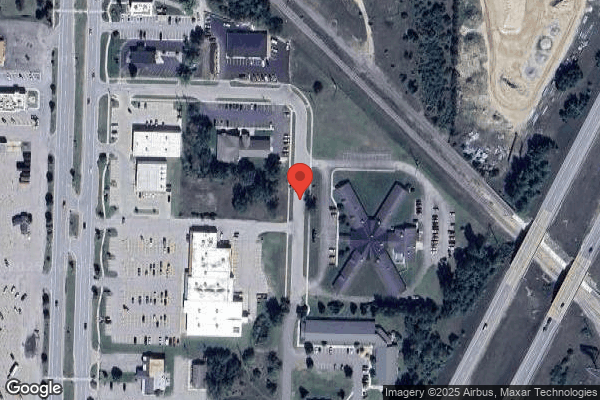
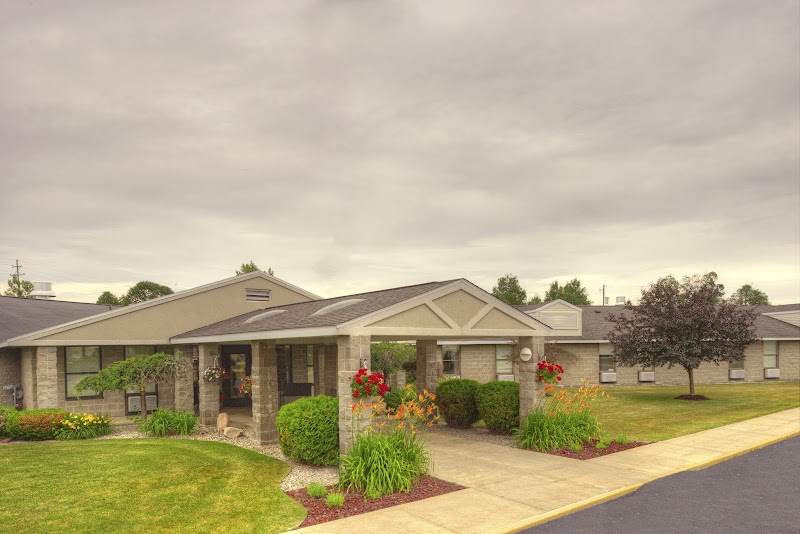
331 Meadows Drive, Grayling, MI 49738 (989) 348-2801
For profit - Corporation 72 Beds ATRIUM CENTERS Data: November 2025
Trust Grade
80/100
#25 of 422 in MI
Last Inspection: January 2025

Within standard 12-15 month inspection cycle. Federal law requires annual inspections.

Overview

Grayling Nursing & Rehabilitation Community has a Trust Grade of B+, which means it is above average and recommended for families considering care options. It ranks #25 out of 422 facilities in Michigan, placing it in the top half, and is the best option in Crawford County. The facility is improving, with issues decreasing from five in 2024 to four in 2025. Staffing is rated at 4 out of 5 stars, and while the turnover rate of 47% is average for Michigan, it still shows that staff members are present long enough to build relationships with residents. Notably, there have been no fines, indicating compliance with regulations. However, there are some concerns. A serious finding indicated that the facility failed to monitor a resident's condition adequately after a fall, leading to a delay in treatment for a hip fracture. Additionally, there were concerns about not following proper infection control measures for several residents, which could pose a risk of spreading illness. Lastly, some resident bathrooms lacked functioning exhaust ventilation, potentially causing unpleasant living conditions. Overall, while there are strengths in staffing and compliance, families should be aware of the specific issues noted in the inspection findings.

Trust Score
B+
80/100
In Michigan
#25/422
Top 5%
Safety Record
Moderate
Needs review
Inspections
Getting Better
5 → 4 violations
Staff Stability
⚠ Watch
47% turnover. Above average. Higher turnover means staff may not know residents' routines.
Penalties
✓ Good
No fines on record. Clean compliance history, better than most Michigan facilities.
Skilled Nurses
✓ Good
Each resident gets 47 minutes of Registered Nurse (RN) attention daily — more than average for Michigan. RNs are trained to catch health problems early.
Violations
⚠ Watch
14 deficiencies on record. Higher than average. Multiple issues found across inspections.
★★★★★
5.0
Overall Rating
★★★★☆
4.0
Staff Levels
★★★★★
5.0
Care Quality
★★★★☆
4.0
Inspection Score
Stable
2024: 5 issues
2025: 4 issues

The Good

  • 4-Star Staffing Rating · Above-average nurse staffing levels
  • 5-Star Quality Measures · Strong clinical quality outcomes
  • Full Sprinkler Coverage · Fire safety systems throughout facility
  • No fines on record

Facility shows strength in staffing levels, quality measures, fire safety.

The Bad

Staff Turnover: 47%

Near Michigan avg (46%)

Higher turnover may affect care consistency

Chain: ATRIUM CENTERS

Part of a multi-facility chain

Ask about local staffing decisions and management

The Ugly 14 deficiencies on record

1 actual harm
Jan 2025 4 deficiencies
CONCERN (D)

Potential for Harm - no one hurt, but risky conditions existed

Deficiency F0552 (Tag F0552)

Could have caused harm · This affected 1 resident

**NOTE- TERMS IN BRACKETS HAVE BEEN EDITED TO PROTECT CONFIDENTIALITY** Based on interview and record review, the facility failed to obtain consent for a psychotropic medication prior to initiation fo...

Read full inspector narrative →
**NOTE- TERMS IN BRACKETS HAVE BEEN EDITED TO PROTECT CONFIDENTIALITY** Based on interview and record review, the facility failed to obtain consent for a psychotropic medication prior to initiation for one Resident (#31) of five residents reviewed for psychoactive medications. Findings include: Resident #31 (R31) Review of R31's electronic medical record (EMR) revealed initial admission to the facility on [DATE] with diagnoses including cerebral infarction (stroke) and cognitive communication deficit. Review of R31's most recent Minimum Data Set (MDS) assessment, dated 1/9/25, revealed a Brief Interview for Mental Status (BIMS) score of 3, indicative of severe cognitive impairment. Review of R31's EMR revealed the following pharmacy order, initiated 1/10/25: Venlafaxine oral capsule [an antidepressant (psychotropic) medication], 112.5 mg (milligram), give 1 capsule, one time per day. On 1/15/25 at 8:37 AM, a phone interview was conducted with R31's legal guardian [Guardian D] who stated she had not signed a consent for psychotropic medication use nor was she educated on the risk and benefits. On 1/16/25 at 10:31 AM, an interview was conducted with Social Worker C who confirmed a psychotropic consent form for R31 had been, missed. On 1/16/25 at 1:00 PM, an interview was conducted with the Nursing Home Administrator (NHA) who confirmed residents who are prescribed a psychotropic medication should have a signed consent. Review of the facility policy titled, Psychotropic Medication Use, reviewed 1/2025, read, in part: .Residents and/or representatives will be educated on the risks and benefits of psychotropic medication use, as well as alternative treatments/non-pharmacological interventions .
CONCERN (D)

Potential for Harm - no one hurt, but risky conditions existed

Transfer Notice (Tag F0623)

Could have caused harm · This affected 1 resident

**NOTE- TERMS IN BRACKETS HAVE BEEN EDITED TO PROTECT CONFIDENTIALITY** Based on interview and record review, the facility failed to notify the resident and/or resident representative in writing with ...

Read full inspector narrative →
**NOTE- TERMS IN BRACKETS HAVE BEEN EDITED TO PROTECT CONFIDENTIALITY** Based on interview and record review, the facility failed to notify the resident and/or resident representative in writing with the reason for a transfer out of the facility for one Resident (#35) of five residents reviewed for transfer and/or discharge. Findings include: Resident #35 (R35) Review of R35's electronic medical record (EMR) revealed initial admission to the facility on 7/5/2021 with diagnoses including dementia and cognitive communication deficit. Review of R35's most recent Minimum Data Set (MDS) assessment, dated 1/5/25, revealed a Brief Interview for Mental Status (BIMS) score of 7, indicative of severe cognitive impairment. Review of the facility census report revealed R35 was hospitalized from [DATE] - 12/27/24 following a fall at the facility. On 1/16/25 at 10:38 AM, an interview was conducted with Business Office Manager (BOM) E who verified she was responsible for completing the necessary paperwork in the event a resident was transferred or discharged . BOM E confirmed R35 was hospitalized from [DATE] - 12/27/24 after a fall in the facility. BOM E stated a transfer notification had not completed for R35 as she was unaware of this requirement. On 1/16/25 at 1:00 PM, an interview was conducted with the Nursing Home Administrator (NHA) who verified the transfer notification process was not conducted in the facility as she was unfamiliar with the requirement. Review of the facility policy titled, Transfer and Discharge, reviewed 1/2025, read, in part: .when the transfer is initiated for the right reason, proper written notice will be provided to the resident. Written notice will contain the following content: Date notice is given to the Resident and Resident Representative, date of anticipated move, reason for the move, where the resident is to be moved, name, address, and telephone number of the ombudsman or other protection and advocacy agency as required or indicated by diagnosis, explanation of their right to appeal the transfer .
CONCERN (D)

Potential for Harm - no one hurt, but risky conditions existed

Quality of Care (Tag F0684)

Could have caused harm · This affected 1 resident

**NOTE- TERMS IN BRACKETS HAVE BEEN EDITED TO PROTECT CONFIDENTIALITY** Based on observation, interview and record review, the facility failed to provide a physician order, care plan, and implement in...

Read full inspector narrative →
**NOTE- TERMS IN BRACKETS HAVE BEEN EDITED TO PROTECT CONFIDENTIALITY** Based on observation, interview and record review, the facility failed to provide a physician order, care plan, and implement interventions to aide with edema (swelling due to excess fluid trapped in the body tissues) for one Resident (#12) of two residents reviewed for non-pressure related skin conditions. This deficient practice resulted in the potential for increase pain, swelling, and increase risk of skin ulcers. Findings include: Review of R12's Electronic Medical Record (EMR) revealed admission to the facility on 2/7/23 with readmission on [DATE] and diagnosis including acute respiratory failure, type 2 diabetes, kidney failure, and muscle weakness. Review of R12's 12/15/24 Minimum Data Set (MDS) assessment revealed a score of 12/15 on the Brief Interview for Mental Status (BIMS) score indicating R12 was cognitively intact. In Section M of R12's 12/15/24 MDS assessment, R12 was marked as having Moisture Associated Skin Damage (MASD). An observation on 1/14/25 at 11:34 a.m. revealed R12 sitting in his recliner chair with his feet elevated using the footrest. R12's lower legs and shins were noted to be deep purple in color and swollen. An interview with R12 was conducted to which he stated that his legs can become very swollen and painful. There was no type of wrapping noted on his lower legs. An observation on 1/15/25 at 9:32 a.m. revealed R12 sitting in his recliner chair with his feet elevated watching television. R12's lower legs were a deep purple color and swollen. There was no wrapping noted on his lower legs. An observation on 1/16/25 at 11:00 a.m. revealed R12 sitting in his recliner chair with his feet elevated. R12 had an ACE wrap on his right lower leg and his left leg had no wrap and was deep purple and swollen. An interview was conducted with R12 who stated that sometimes the nurses will wrap his legs, but it doesn't happen very often. An interview was conducted with Licensed Practical Nurse (LPN) F on 1/16/25 at 11:10 a.m. LPN F stated that she did wrap R12's right leg as it appeared swollen. When asked if there was a physician order to wrap R12's legs with ACE wraps, LPN F reviewed R12's EMR and stated that there was not. Review of R12's Care Plans read, in part, .Problem Start Date: 12/21/23 Potential for fluid imbalance, fluctuating weights and edema r/t (related to) diuretic medication . There were no interventions to wrap R12's legs using ACE wraps. An interview was conducted with the Director of Nursing (DON) on 1/16/25 at 12:59 p.m. The DON confirmed that R12's legs should be wrapped daily with ACE wraps to help with his lower leg edema.
CONCERN (D)

Potential for Harm - no one hurt, but risky conditions existed

Accident Prevention (Tag F0689)

Could have caused harm · This affected 1 resident

**NOTE- TERMS IN BRACKETS HAVE BEEN EDITED TO PROTECT CONFIDENTIALITY** Based on observation, interview, and record review, the facility failed to ensure appropriate assessment, interventions, and sup...

Read full inspector narrative →
**NOTE- TERMS IN BRACKETS HAVE BEEN EDITED TO PROTECT CONFIDENTIALITY** Based on observation, interview, and record review, the facility failed to ensure appropriate assessment, interventions, and supervision were in place after a hot liquid spill for one Resident (#48) of 7 residents reviewed for accidents and hazards. This deficient practice resulted in the potential for continued spills and subsequent burns. Findings include: Resident #48 (R48) Review of R48's electronic medical record (EMR) revealed initial admission to the facility on 3/12/24 with diagnoses including stroke, dementia, and osteoarthritis of both the left and right hands. Review of R48's most recent Minimum Data Set (MDS) assessment, dated 9/25/24, revealed a Brief Interview for Mental Status (BIMS) score of 10, indicative of moderate cognitive impairment. On 1/14/25 at 12:22 PM, R48 was observed at the lunch time meal consuming hot coffee out of a mug without a lid. Review of R48's EMR revealed the following progress note written by Registered Nurse (RN) G on 1/6/25 at 3:54 PM: Resident spilt hot coffee on his abdomen at breakfast . Abdomen slightly red . On 1/15/25 at 12:32 PM, R48 was observed at the lunch meal drinking coffee out of a mug without lid. R48 experienced difficulty grasping the mug handle as well as the fork, dropping yellow cake to the floor. On 1/16/25, at 8:40 AM, R48 was again observed drinking coffee out of a mug at the breakfast meal without a lid. On 1/16/25 at 10:48 AM, a telephone interview was conducted with RN G who verified she was working on 1/6/25 when R48 spilled hot coffee on his abdomen. When asked about typical facility procedure following a hot beverage spill, RN G stated, I should have completed an accident and incident report. RN G continued that typically, when a resident experiences a spill, a hot beverage assessment is conducted to assess if they require a lid or any other adaptive equipment to prevent future burns. When asked if this was completed after R48 experienced a spill, RN G replied, Not that I'm aware. Review of R48's EMR revealed the most recent Hot Food/Liquid Assessment was completed on 12/27/24. Review of R48's Occupational Therapy (OT) Evaluation, dated 1/8/25, revealed the following goal: Patient will exhibit improved fine motor coordination skills to facilitate patient's ability to perform functional grasp/release of daily living items .in order to facilitate follow-through with techniques and strategies and perform UB [upper body] ADLs [activities of daily living] with increased independence and safety with a baseline assistance level of, partial/moderate assistance. On 1/16/25 at 11:05 AM, an interview was conducted with the Director of Rehabilitation (DOR) H regarding R48's OT goals. DOR H stated R48 has really arthritic hands which contributed to R48 difficulty grasping and releasing daily living items including eating utensils, buttons, as well as cups and coffee mugs. On 1/16/25 at 11:26 AM, an interview with conducted with R48 who verified he experienced a coffee spill on 1/6/25. R48 stated, I have arthritis .my hands don't work! R48 confirmed he had difficulty holding on to eating utensils and coffee mugs stating, It's so painful. On 1/16/25 at 11:15 AM, an interview was conducted with the Director of Nursing (DON) who stated an accident and incident report was not completed because no injury occurred following the hot beverage spill despite the documented presence of skin redness. The DON confirmed R48 was not re-evaluated with a Hot Food/Liquid Assessment following the incident. After review of the OT assessment dated [DATE], the DON stated, He [R48] should probably have a lid. On 1/16/25 at approximately 1:00 PM, an interview was conducted with the Nursing Home Administrator (NHA) regarding R48's future safety with hot beverages. The NHA stated a Hot Food/Liquid Assessment was not completed following the coffee spill on 1/6/25 because the event was a, one-off. When asked how R48 was determined to not be at further risk of burn if a follow-up assessment was not completed, the NHA replied, It was discussed in IDT [interdisciplinary team meetings]. IDT meeting notes regarding R48's coffee spill incident was not provided to this Surveyor by survey exit. Review of the facility policy titled, Hot/Liquid Food Management, reviewed 1/2025, read, in part: It is the policy of this facility to manage resident consumption of hot liquids in order to prevent burns or resident injury . Residents will be evaluated upon admission, quarterly, and with change in condition for hot liquids and food spills . In the event of a burn event the following actions will be followed: . complete a 'Skin Incident Event' observation in the electronic medical record .
Feb 2024 3 deficiencies
CONCERN (D)

Potential for Harm - no one hurt, but risky conditions existed

Accident Prevention (Tag F0689)

Could have caused harm · This affected 1 resident

Based on observation, interview, and record review, the facility failed to properly secure an oxygen tank (a metal cylinder that stores oxygen under pressure) for one Resident (#26) of two residents r...

Read full inspector narrative →
Based on observation, interview, and record review, the facility failed to properly secure an oxygen tank (a metal cylinder that stores oxygen under pressure) for one Resident (#26) of two residents reviewed for oxygen services. This deficient practice resulted in the potential for an oxygen tank valve to become damaged and turn into a projectile with the potential for serious injury, harm, or death. Findings include: Resident #26 (R26): Review of R26's electronic medical record (EMR) revealed initial admission to the facility on 1/10/24 with diagnoses that included chronic obstructive pulmonary disease (a disease that causes airflow limitation to the lungs). Review of R26's orders indicated, oxygen per Nasal Cannula at 2 liters continuous . On 2/12/24 at 9:24AM, R26 was observed sitting in a wheelchair in her room with an oxygen tank in a carrier pouch that was looped over the wheelchair push handles. The loops were observed hanging on the flat part of the handles where the loops could easily slip off. R26 was observed turning her wheelchair to navigate the room when the carrier pouch loops slipped off the wheelchair push handles causing the oxygen tank to crash to the floor. R26 was startled and immediately stated, How did that happen? Why wasn't it [the oxygen tank] secured? On 2/12/24 at 9:27AM, Certified Nursing Assistant (CNA) J entered R26's room and observed the oxygen tank on the floor. CNA J stated, I don't know why that thing fell, that's dangerous. Review of facility policy titled, Oxygen Therapy reviewed 1/2024 read, in part: .Facility will ensure that oxygen will comply with State and National Fire Safety Requirements. Review of the National Fire Protection Association (NFPA) Health Facilites code read in, part: .oxygen cylinders shall be protected from abnormal mechanical shock, which is liable to damage the cylinder, valve or safety device . Review of Oxygen Cylinders: Storage and Handling by [Name Brand] Medical Equipment & Supply read, in part: .cylinders should be stored with valves closed and their protective caps in place, and they must be secured to prevent tipping .if the cylinder valve is damaged when a cylinder falls, the cylinder can become a missile with a 1 ton thrust .Be sure the cylinder is secured in a pouch, use a cylinder stand, chain, rope or other device to keep the cylinder from falling over .
CONCERN (D)

Potential for Harm - no one hurt, but risky conditions existed

Incontinence Care (Tag F0690)

Could have caused harm · This affected 1 resident

Based on observation, interview, and record review, the facility failed to provide proper infection control measures pertaining to indwelling catheters (a tube inserted into the bladder to accommodate...

Read full inspector narrative →
Based on observation, interview, and record review, the facility failed to provide proper infection control measures pertaining to indwelling catheters (a tube inserted into the bladder to accommodate emptying of the bladder) for two Residents (#2, #50) of three residents reviewed for indwelling catheters. This deficient practice resulted in the potential for infections and illness due to improper catheter care. Findings include: Resident #2 (R2) Review of R2's Electronic Medical Record (EMR) revealed an admission date of 12/31/23 with diagnoses including cerebral palsy and overactive bladder. R2's 1/5/24 Minimum Data Set (MDS) assessment revealed a Brief Interview for Mental Status (BIMS) score of 14/15 indicating she was cognitively intact. R2 was also marked yes for the use of an indwelling catheter. On 2/12/24 at 9:00 a.m., 10:20 a.m., and 1:45 p.m., R2 was observed sitting in her wheelchair in her room with her door open leading to the hallway. R2's catheter tubing was observed touching the floor underneath her wheelchair and loosely attached to R2's leg. On 2/13/24 at 9:44 a.m. and 10:36 a.m., R2 was observed sitting in her wheelchair in her room. R2's catheter tubing was observed touching the floor underneath her wheelchair and loosely attached to R2's leg. Review of R2's Care Plan dated 1/19/24 read, in part, (R2) requires an indwelling catheter r/t (related to) urinary retention .approach start date: 1/19/24 Do not allow tubing or any part of the drainage system to touch the floor. An interview was conducted with Infection Preventionist (IP) /Assistant Director of Nursing (ADON) M on 2/14/23 at approximately 9:30 a.m. IP/ADON M stated that she observed R2's catheter tubing being on the floor underneath her wheelchair and this morning was able to securely clip the tubing so that it wouldn't be on the floor anymore. IP/ADON M confirmed that the catheter tubing on the floor could lead to a potential infection. Resident #50 (R50) Review of R50's EMR revealed an admission date of 1/18/24 with diagnoses including acute kidney failure and benign prostatic hyperplasia. R50's 1/23/24 MDS assessment revealed a BIMS score of 13/15 indicating he was cognitively intact. R50 was also marked yes for the use of an indwelling catheter. On 2/12/24 at 11:03 a.m., R50 was observed laying in his bed asleep. R50's catheter tubing was observed to be on the floor and draped over the bed side table wheels. R50's catheter bag was out of its privacy bag laying on the floor. Two unidentified staff members walked past R50's room without assisting R50. This observation lasted approximately 20 minutes before a staff member went into R50's room to assist him. Review of R50's Care Plan dated 1/18/24 read, in part, .(R50) requires an indwelling catheter r/t urinary retention. (R50) will take his drainage bag out of dignity bag at times .approach start date: 2/12/24 Remind (R50) to leave drainage bag in dignity bag. If noticed out on the floor put back into dignity bag .approach start date: 1/18/24 Do not allow tubing or any part of the drainage system to touch the floor . An interview was conducted with the Nursing Home Administrator (NHA) on 2/14/24 at 9:00 a.m. The NHA stated that R50 was known to take his catheter bag and place it on the floor and that it he was care planned for this behavior. This Surveyor was not made aware that this intervention was added the day of the 20-minute observation. A request was made for the facility catheter policy on 2/13/24. The facility provided a checklist for Giving Catheter Care and Emptying a Urinary Drainage Bag. There was nothing in the policies regarding keeping catheter tubing off the floor.
CONCERN (F)

Potential for Harm - no one hurt, but risky conditions existed

Infection Control (Tag F0880)

Could have caused harm · This affected most or all residents

**NOTE- TERMS IN BRACKETS HAVE BEEN EDITED TO PROTECT CONFIDENTIALITY** Based on observation, interview, and record review, the facility failed to follow transmission-based precautions for five (Resid...

Read full inspector narrative →
**NOTE- TERMS IN BRACKETS HAVE BEEN EDITED TO PROTECT CONFIDENTIALITY** Based on observation, interview, and record review, the facility failed to follow transmission-based precautions for five (Residents #3, #5, #14, #35, and #41) of 14 residents reviewed for a gastrointestinal illness. This deficient practice resulted in the potential for transmission of infectious organisms to all 56 residents of the facility. Findings include: On 2/12/24 at approximately 9:30AM, an observation of contact and droplet isolation precaution signage was noted on the door of room numbers 18, 19, and 20. The contact precaution signage read, in part: EVERYONE MUST: Clean their hands, including before entering and when leaving the room. PROVIDERS AND STAFF MUST ALSO: Put on gloves before room entry. Discard gloves before room exit. Put on gown before room entry. Discard gown before room exit . The droplet precaution signage read, in part: EVERYONE MUST: Clean their hands, including before entering and when leaving the room. Make sure their eyes, nose and mouth are fully covered before room entry . On 2/12/24 at 9:35AM, an interview was conducted with Certified Nursing Assistant (CNA) J. CNA J was asked why transmission-based precaution signage was posted on rooms [ROOM NUMBER] (R14). CNA J' indicated those residents had started experiencing gastrointestinal signs and symptoms including nausea, diarrhea, and vomiting which started the night before (2/11/24). On 2/12/24 at approximately 9:55AM an interview was conducted with Registered Nurse (RN) I. RN I indicated that R3, R29, R41, and R35 had just been placed on contact and droplet precautions due to new symptoms of nausea, vomiting, and diarrhea. Contact and droplet precautions signage was observed to be added to their respective doors. The following observations demonstrated breaches of the posted transmission-based precautions: On 2/12/24 at 9:58AM, RN I was observed entering R3's room for medication administration without personal protective equipment (PPE) indicated on signage including gloves, a gown, or eye protection. On 2/12/24 at 10:05AM, Nurse Practitioner (NP) L was observed entering R35's room without the indicated PPE. NP L was observed exiting R35's room several minutes later and entering R41's room without donning PPE indicated on the posted signage. On 2/12/24 at 12:55PM, RN I was observed entering R14's room without the PPE indicated on posted signage. On 2/12/24 at 1:13PM, lunch tray pass was observed on A Hall. CNA J was observed doffing PPE in R14's room, exiting the room without hand hygiene, and rolling the lunch cart down the hall. CNA J then delivered a lunch tray to an asymptomatic resident, R36, without hand hygiene upon entrance. On 2/12/24 at approximately 1:29PM, isolation and droplet precautions signs were noted on two additional doors, rooms 21 (R5) and 26. R5 was observed sitting in a recliner with a pink emesis basin in her lap. R5 was observed retching (dry heaving) into the emesis basin. On 2/12/24 at 1:30PM, the social services director (SSD) K was observed entering R5's room with only a surgical mask despite posted PPE signage. On 2/12/24 at 1:31PM, the Nursing Home Administrator (NHA) walked by R5's room. The NHA confirmed that R5's door signage indicated she was on droplet and contact precautions. The NHA indicated that SSD K should have gowned up prior to entering R5's room. The NHA stated, [SSD K], you're a department head. You should know better. SSD K acknowledged she should have donned PPE prior to entering R5's room. An interview was conducted with Infection Preventionist (IP)/Assistant Director of Nursing (ADON) M on 2/12/24 at 10:05 a.m. IP/ADON M stated that the GI issues started yesterday on 2/11/24 with 14 residents feeling symptomatic. An interview was conducted with the NHA on 2/12/24 at 10:15 a.m. The NHA stated she was made aware of residents coming down with illness the night of 2/11/24 and initiated for staff to wear PPE on 2/11/24. On 2/12/24 at 12:55 p.m. CNA N was observed passing meal trays in the hallway. CNA N entered room [ROOM NUMBER] with their meal and exited without washing or sanitizing her hands. CNA N entered room [ROOM NUMBER] with their meal and exited without washing or sanitizing her hands. CNA N then entered room [ROOM NUMBER] with their meal and exited without washing or sanitizing her hands. On 2/12/24 at 1:02 p.m. CNA N was observed walking into a Transmisison Based Precaution room without wearing the appropriate PPE. On 2/12/24 at approximately 10:10 AM, an interview with Certified Dietary Manager (CDM) F was conducted. It was learned at this time Kitchen Staff (KS) G had called in and reported experiencing symptoms of Gastrointestinal (GI) distress, including vomiting and diarrhea. KS G did not report for work on this day. CDM F stated KS G had last worked in the kitchen on the previous Friday (2/9/24) and had not reported any GI symptoms at that time. On 2/12/24 between approximately 9:15 AM and 10:00 AM, morning meal trays were observed being removed from resident rooms 18, 19, 20, 25, 27, 31, & 32. These rooms were posted with Contact Precautions signage due to residents exhibiting GI symptoms of vomiting, nausea and diarrhea. All trays were observed to have plates, glasses, cups and flatware and open to the air. At approximately 12:15 PM the same day, trays were being collected from residents' rooms following the noon meal. No isolation were being implemented to ensure the dishes and trays being removed from the posted rooms. At approximately 1:00 PM an interview with the Nursing Home Administrator (NHA) was conducted related to the collection of food delivery trays to residents' rooms posted as isolation. The NHA stated that she had just spoken with the corporate consultant and had been informed that all dietary items removed from the isolation rooms identified with contact Precautions were to be bagged before being returned to the kitchen. Staff then began using plastic bags to collect and transport dietary trays. On 2/12/24 a review of the dietary Food Usage/Temperature sheet was conducted. During this review it was learned that documentation of temperatures for food served on 2/10/24 and 2/11/24 were blank. These log sheets are used to document food met temperature requirements (greater than 135°F for hot food and below 41°F for cold food) for the control of pathogenic organisms. On 2/12/24 at approximately 11:30 AM, CDM F confirmed the log sheets are to be completed by cooks and the ones provided were missing the documentation for proper food safety. DPS B Based on observation and interview the facility failed to ensure that staff followed proper infection control per standards of practice with dressing changes for one (Resident #47) of one resident reviewed for wound care. This deficient practice resulted in the potential for the spread of infectious organisms into the wound environment. Findings include: Resident #47 (R47) Review of R47's MDS indicated resident is in facility due to recent surgery to repair fracture of pelvis and/or hip. On 2/12/24 at approximately 10:22 AM, LPN H was observed changing the wound dressing of R47. LPN H donned a pair of gloves, then removed the dirty bandage from R47's wound. LPN H proceeded to wear the same gloves to cleanse, wipe off wound, and place a clean bandage to incision site. One pair of gloves were worn from the beginning of the wound care treatment to the end. When asked about process of changing of gloves during wound care, LPN H felt the steps they followed for this dressing change were correct. This breach in infection control practices increased the risk of cross-contamination and surgical wound infection. LPN H was unaware of the requirement to change gloves and perform hand hygiene between old dressing removal and cleansing/application of a new wound dressing per standards of practice.
Jan 2024 2 deficiencies 1 Harm
SERIOUS (G) 📢 Someone Reported This

A family member, employee, or ombudsman was alarmed enough to file a formal complaint

Actual Harm - a resident was hurt due to facility failures

Quality of Care (Tag F0684)

A resident was harmed · This affected 1 resident

**NOTE- TERMS IN BRACKETS HAVE BEEN EDITED TO PROTECT CONFIDENTIALITY** Based on observation, interview, and record review, the facility failed to adequately monitor a change in condition after a fall...

Read full inspector narrative →
**NOTE- TERMS IN BRACKETS HAVE BEEN EDITED TO PROTECT CONFIDENTIALITY** Based on observation, interview, and record review, the facility failed to adequately monitor a change in condition after a fall for one (Resident #1) of three residents reviewed for a fall with injury. This deficient practice resulted in a delay in the treatment of a hip fracture and a prolonged period of sustained intractable pain. Findings include: This citation pertains to intake MI00142046. Resident #1 (R1) Review of R1's electronic medical record (EMR) revealed admission to the facility on 9/2/23 with diagnoses including age-related osteoporosis (a condition in which bones become weak and brittle), fracture of first lumbar vertebra (a bone in the lower spine), and ankylosing spondylitis of the thoracic region (a type of arthritis that causes stiff, painful joints in the mid-back). Record review of R1's most recent Minimum Data Set (MDS) revealed a Brief Interview for Mental Status (BIMS) score of 14, indicative of intact cognition. On 1/16/24 at approximately 11:33 AM, R1 was observed sitting in a wheelchair with a [Name Brand] total lift sling placed underneath him. On 1/16/24 at approximately 11:35 AM, an interview was conducted with R1. R1 reported on 12/29/23, certified nursing assistant (CNA), F assisted him with a transfer using a walker to the edge of the bed. R1 stated that CNA F left him unattended at the edge of the bed when she walked around the opposite side of the bed to retrieve an item. R1 reported falling off the side of the bed and landing on his left side and immediately experienced excruciating low back pain and pain in his left leg. R1 reported he required a mechanical lift to be transferred off the floor. Review of a Fall Statement dated 12/19/23, by CNA F read in part, I witnessed his fall and was behind him. I was leaning across the bed to adjust its height and he went backwards. I tried catching him but he fell too fast. On 1/16/24 at approximately 11:45 AM, an interview was conducted with R1's Family Member (FM) A, who verified that facility staff had notified FM A of R1's fall and reported R1 was unharmed. FM A reported when she arrived to visit the next morning (12/30/23) she found R1 in extreme pain in his hip and low back. FM A subsequently located the floor nurse and requested pain medication. On 1/16/24 at approximately 12:25 PM, an interview was conducted with Physical Therapist (PT), I, who reported he attempted to treat R1 on 12/31/23 for a scheduled therapy session but elected to move his session to a different day due to R1's reports of intense pain. Review of documentation provided to this Surveyor described as a therapy communication from PT I to Director of Rehabilitation (DOR), J on 12/31/23 at 1:39 PM which read, [R1] had a fall on 12/29/23. I was supposed to see him today for a progress note but he stated that he is still in so much pain in his L (left) side this time (sic) . PT I reported on 1/2/24, he followed up with R1 and was concerned that R1 required an assist of two staff members for bed mobility and was unable to complete a sit to stand transfer at a walker due to low back and left groin pain. PT I indicated R1 was able to perform the same functional tasks with supervision prior to the fall on 12/29/23. Review of Physical Therapy Treatment Encounter Note dated 1/2/23 read, in part: Attempted sit to stand @ (at) FWW (front wheeled walker) and with therapist in front of him from bed with height of bed raised and patient was unable to complete due to 10/10 pain in low back and L groin .Nurse [Licensed Practice Nurse (LPN) H] made aware of patient's complaint of L groin pain. Recommended use of total lift for w/c<>bed (wheelchair to/from bed) transfer .Patient reported 7/10 pain in low back and L groin while he was in bed and 10/10 pain in B (both) areas with movement prior to taking pain medication. He reported 5/10 pain in low back at rest and 10/10 pain in L groin with movement after taking pain medication at least 1 hour prior. Patient declined to participate in functional activities .due to pain. Review of progress note documented by LPN H dated 1/2/24 at 6:15 PM revealed, Resident had fall on 12/29/23, he has increase pain in his lower back today. On call provider was notified, she ordered an x-ray of the sacral coccyx (area of the low back frequently referred to as tailbone) area. On 1/16/24 at 3:29 PM, a phone interview was conducted with LPN H. LPN H verified she received a report from PT I that patient was experiencing increased pain in his low back and left groin. LPN H reported she notified the on-call provider. When asked why the report of pain in R1's left groin was not documented or reported to the on-call provider, LPN H was unable to provide a reason and acknowledged it was, probably overlooked. LPN H acknowledged that groin pain could be indicative of possible hip fracture. Review of R1's orders revealed a STAT (immediate) radiology order for lumbar, sacrum, and coccyx x-rays on 1/3/24. Review of facility fax, dated 1/4/24 at 12:36 AM from [contracted radiology service], revealed an amended report which read, in part, .IMPRESSION LUMBAR SPINE .no recent fracture or dislocation .IMPRESSION: SACRUM and COCCYX: No recent fracture or dislocation . On 1/16/24 at approximately 4:15 PM, an interview was conducted with the DON. The DON was asked what her expectation would be if a resident with osteoporosis reported pain in new location after a fall. The DON replied, My expectation would be for it to be x-rayed. The DON confirmed the radiology order on 1/3/24 included lumbar, sacrum, and coccyx x-rays. The DON was asked why a hip x-ray was not ordered for R1 immediately after complaints of left groin pain and stated, I don't know. I can't answer that. Review of skilled therapy documentation read, in part: 1. Occupational Therapy Treatment Encounter Note, 1/2/24: Patient in pain w/ (with) pain med (medication) already administered .required max assist (caregiver assists with approximately 75% of task) to lift BLE (bilateral lower extremities) off of foot-rest . 2. Physical Therapy Progress Note, 12/11/23 - 1/2/24: Patient is currently needing total lif (sic) for transfers related to increased pain in his low back and L groin area related to a fall on 12/29/23. 3. Occupational Therapy Treatment Encounter Note, 1/4/24: Patient experiencing increased pain in LLE (left lower extremity) from prior fall. X-ray indicated. 4. Physical Therapy Treatment Encounter Note, 1/4/24: No transfers done today secondary to increased pain in LLE. On 1/16/24 at approximately 12:45 PM, an interview was conducted with DOR J. DOR J reported during a morning managerial meeting on 1/2/24, it was conveyed to the interdisciplinary team concerns of functional regression related to pain in his left groin. Review of R1's orders on 1/5/24 revealed a STAT (immediate) radiology for a left hip and pelvis x-ray approximately five days after R1's initial report of left sided pain to PT I and approximately three days following reports of left groin pain to LPN H. Review of facility fax, dated 1/6/24 at 12:04 PM from [contracted radiology service], revealed an amended report which read in part, .IMPRESSION LEFT HIP: Possible impacted intertrochanteric fracture (fracture of the hip) with follow-up for confirmation .IMPRESSION PELVIS: Possible impacted intertrochanteric fracture of the proximal left femur with follow-up for confirmation. Review of a Root Cause Analysis, dated 1/10/24, documented by the Director of Nursing (DON) read, in part, Once this report was received [radiology report], the on-call provider was notified .gave verbal orders to the nursing staff to send [R1] to the [facility name] Emergency Department for further evaluation . [local hospital] ER (emergency room) did confirm a left hip fracture and [R1] was sent to [higher level of care hospital] for surgical intervention. Further review of R1's orders revealed the following: 1.Oxycodone - schedule II (a narcotic used to treat moderate to severe pain) tablet, 5 mg (milligrams), one tab (tablet) every 6 hours as needed for severe pain. 2.Tramadol - Schedule IV (an opiate used to treat moderate to severe pain), tablet, 50 mg, 1 tab, take every 6 hours as needed for moderate pain. Review of the Medication Administration Record (MAR) and controlled substance sign-out documentation from 12/1/23-12/28/23 (prior to R1's fall on 12/29/23) revealed R1 rarely requested more than two doses of oxycodone. Except for 2 out of 28 days when R1 requested three doses of oxycodone on 12/1/23 and 12/21/23. Further review of R1's MAR and controlled substance sigh-out documentation from 12/30/23 -1/5/24 (the day after R1 fell on [DATE] until R1 was sent to the emergency room on 1/5/24), revealed R1 requested more than two doses of oxycodone on 4 out of 6 days as follows: A. On 1/30/23 and 1/4/24, R1 requested 3 doses of oxycodone. B. On 1/2/24 and 1/3/24, R1 requested 4 doses of oxycodone (2 of which were documented as not effective). Review of R1's MAR and controlled substance sign-out documentation dated 12/1/23-12/28/23 (prior to R1's fall on 12/29/23) revealed, R1 requested tramadol on 11 days out of 28 days. R1 also requested more than one dose on only two days (12/8/23 and 12/28/23). Further review of R1's MAR and controlled substance sigh-out documentation from 12/30/23 -1/5/24 (the day after R1 fell on [DATE] until R1 was sent to the emergency room on 1/5/24), revealed R1 requested at least one dose of tramadol on 7 out of 7 days. R1 also requested two doses of tramadol on 4 of 7 days (12/30/23, 12/31/23, 1/1/24, and 1/4/24). On 1/16/24 at approximately 4:15 PM, an interview was conducted with the DON regarding R1's pain management. The DON confirmed there was in increase in R1's pain medication usage after his fall. On 1/16/24 at approximately 4:30 PM, an interview was conducted with the DON regarding R1's change in pain characteristics and subsequent delay in receiving a diagnostic x-ray. The DON acknowledged there was a breakdown in communication between the therapy department, floor nursing staff, the interdisciplinary team, and the physician. Review of facility policy titled, Pain Management Policy reviewed 1/2024, read in part, .7. The provider will be notified if comfort is not achieved following pain management interventions, for changes in pain characteristics, and/or with new onset pain or breakthrough pain.
CONCERN (D) 📢 Someone Reported This

A family member, employee, or ombudsman was alarmed enough to file a formal complaint

Potential for Harm - no one hurt, but risky conditions existed

Pharmacy Services (Tag F0755)

Could have caused harm · This affected 1 resident

This citation pertains to intake MI00142046 Based on observation, interview, and record review the facility failed to establish a system of records of receipt and disposition of all controlled drugs i...

Read full inspector narrative →
This citation pertains to intake MI00142046 Based on observation, interview, and record review the facility failed to establish a system of records of receipt and disposition of all controlled drugs in sufficient detail to enable an accurate reconciliation for one (Resident #1) of three residents reviewed. Findings include: Resident #1 (R1) Review of R1's physician's orders revealed Tramadol 50 mg (milligrams) oral tablet give 1 tablet every 6 hours as needed for moderate pain and Oxycodone 5 mg oral tablet give 1 tab every 6 hours as needed for severe pain. Review of R1's controlled substance proof of use sheets for oxycodone dated 11/26/23, 12/3/23, 12/13/23, 12/20/23, 1/1/24, and 1/2/24 and R1's E-Mar for the months of December 2023 and January 2024, revealed that during the following dates and times nursing staff failed to sign out R1's oxycodone in both documentation areas per facility policy on: 1. 12/6/2023 at 7:20 p.m., one tab dispensed. 2. 12/9/2023 at 8:00 a.m., one tab dispensed. 3. 12/17/2023 at 8:00 a.m. and 7:00 p.m., one tab dispensed. 4. 12/22/2023 at 7:45 a.m., one tab dispensed. 5. 1/1/2024 at 10:45 a.m., one tab dispensed. 6. 1/6/2024 at 8:00 a.m., one tab dispensed. 7. 1/13/2024 at 8:30 p.m., one tab dispensed. 8. 1/14/2024 at 9:00 p.m., one tab dispensed. 9. 1/2/2024 at 10:03 p.m., one tab dispensed. 10. 1/2/2024 at 10:05 p.m., one tab dispensed. Review of R1's-controlled substance proof of use sheets for tramadol dated 11/17/23 and 12/3/23 and R1's E-Mar for the month of December 2023, revealed that during the following dates and times nursing staff failed to sign out R1's tramadol in both documentation areas per facility policy on: 1. 12/16/2023 at 8:17 p.m., one tab dispensed. 2. 12/28/23 at 3:08 a.m., one tab dispensed. These discrepancies in documentation made it difficult to evaluate if R1 had pain adequately controlled, both prior to R1's facility fall on December 29, 2023, and after. On 1/16/24 at 11:30 a.m., Rl was observed in their room visiting with their spouse. R1 was in a wheelchair with mechanical lift sling in place between R1 and the wheelchair. During an interview at the time of this observation, R1 stated they experienced increased pain compared to their typical back pain after the fall on December 29, 2023. R1 stated, the next morning when staff attempted to them up, R1 indicated they could not sit up to the edge of the bed due to the level of pain. R1's spouse stated when they arrived that morning R1 was screaming in pain. On 1/16/24 at 4:15 p.m. during an interview with the assistant director of nursing (ADON) and the director of nursing (DON), they stated the controlled substance proof of use sheet and the E-MAR were correct as far as they knew; they stated it was expected that both documents should be signed out at the time controlled medications are dispensed. The ADON and DON were presented with the documentation concern by this Surveyor and confirmed nursing staff were not signing out controlled medications correctly per facility policy including not consistently providing before and/or after pain ratings following administration. Review of (facility) policy, controlled substances standards of practice, dated 9/2022, read in part that a proof of use sheet should be received for each form of controlled substances. Nurses removing controlled substances from the narcotic storage require documentation on the proof of use sheet, amount removed using last name and signature. Once the nurse completes the administration, then the nurse is to document on the electronic medical administration record (E-Mar). If PRN (as needed) medication is administered, additional documentation regarding reason, result, time, and initials are required. If documentation is not provided on E-Mar, medication will be considered not given. E-Mar is record of administration NOT the proof of use sheet .
Jan 2023 5 deficiencies
CONCERN (D)

Potential for Harm - no one hurt, but risky conditions existed

Deficiency F0657 (Tag F0657)

Could have caused harm · This affected 1 resident

**NOTE- TERMS IN BRACKETS HAVE BEEN EDITED TO PROTECT CONFIDENTIALITY** Based on observation, interview, and record review, the facility failed to ensure care plans were updated and revised appropriat...

Read full inspector narrative →
**NOTE- TERMS IN BRACKETS HAVE BEEN EDITED TO PROTECT CONFIDENTIALITY** Based on observation, interview, and record review, the facility failed to ensure care plans were updated and revised appropriately for two Residents (#39 and #15) out of 14 Resident care plans reviewed. This deficient practice resulted in care plans which did not reflect resident needs. Findings include: Resident #39 Resident #39 was admitted to the facility on [DATE] with diagnoses including hypertensive heart disease, depression, and existing pressure ulcers. The Minimum Data Set (MDS) assessment dated [DATE] and 11/15/22 both reflected: - Section C: a Brief Interview for Mental Status (BIMS) score of 13 indicative of intact cognition, - Section M: One pressure ulcer recorded as a stage two (a wound presenting as a shallow open ulcer with a red or pink wound bed) and two pressure ulcers recorded as unstageable wounds (known but wound beds covered) - Section E: Recorded as Resident #39 did not reject evaluation or care necessary to achieve goals for health and wellbeing. On 1/03/23 at 10:52 AM, Resident #39 was observed watching TV in his room sitting in his recliner with a protective cloth covering the chair, and with his stocking feet resting on the footrest. (No additional cushion was observed in the chair and no other foot protection was noted on the resident's feet.) He stated he had sores and was in pain. Registered Nurse (RN) B acknowledged Resident #39 had pressure ulcers on his heels which had been present on admission. RN B said this resident preferred to sit in his recliner. On 1/04/23 at 9:52 AM, Resident #39 was observed in his recliner watching TV in his room. While a pillow had been placed under his calves, Resident #39's stocking feet were not floating but were resting on the footrest. No additional cushion was observed under the resident, and he declined knowing about any cushion. No additional heel protection was observed. On 1/4/22, the Electronic Medical Record (EMR) was reviewed. The Care Plan on this date included two problems regarding skin breakdown. One problem with a start date of 8/3/22, revealed Resident #39 was at risk for skin breakdown and listed a goal for the skin to remain intact even though the resident had current skin breakdown. Another problem, also with a start date of 8/3/22, read (Resident #39) has an unstageable (pressure area) to right heel with potential for infection and discomfort to area . For this care plan problem, the interventions/approaches included: - Approach Start Date: 08/03/2022 heel protectors on at all times except for showers. - Approach Start Date: 08/03/2022 Pressure reduction cushion. - Approach Start Date: 08/03/2022 .Keep (Resident #39) off affected area as much as possible. - Approach Start Date: 08/03/2022 Use pressure reduction devices PRN (As Needed) for elevation of lower extremities/heels. During an interview on 1/04/23 at 10:28 AM, Certified Nursing Assistant (CNA) N stated, I do nothing special for (Resident #39's) feet. During an interview on 1/04/23 at 10:40 AM, CNA I was asked about care provided for Resident #39. CNA I stated, We get him up out of bed each morning and dressed. He likes his recliner. CNA I indicated Resident #39 was sitting on a protective cloth but nothing special was done for his feet. During an interview on 1/04/23 at 10:43 AM, RN B said there were no heel protectors or cushions needed for Resident #39 although he had them when he first came in. During an interview on 1/04/23 at 1:16 PM, the Director of Nursing (DON) confirmed the heel protectors had been discontinued. Resident #15 Resident #15's EMR revealed an admission date of 11/27/17 and medical diagnoses which included dementia, depression, and anxiety. Resident #15's MDS assessment dated [DATE] revealed a BIMS score of 3/15, which indicated Resident #15 was severely cognitively impaired. The functional assessment portion of Resident #15's MDS assessment indicated Resident #15 could ambulate independently in the facility. An Elopement Risk Assessment dated 11/2/22 contained the following information, in part, Is resident physically capable of eloping out of facility by walking or using an assistive device such as a wheelchair? [response to the question was yes]. If the answer to question 1 is yes, then continue with the assessment .Does the resident verbalize the desire to leave the facility or return home? [response was no] .Has the resident stood or sat at a locked door waiting for someone to let them out' when they go through the door? [response was no]. If the answer to last question is yes, has the resident attempted to go out the door unattended, [response was no]? A nurse's note written on 12/24/22 at 1:12 p.m. contained the following information, in part, Another resident was crying out and resident stated, you better not hurt my babies, or I will kill you. RN took her down to her room and resident told her that that man killed her 2 babies, and she will get him for that. Resident came back up to the nurse's station again and asked this writer to open the [expletives] door. I told resident I would not as it is bitter cold out and you would freeze. Resident then asked the RN and CNA to open the [expletives] door, both told her it was too cold to go outside. Resident then went to the front door trying to push door open . Resident#15's EMR indicated no additional Elopement Risk Assessment had been performed after the attempted elopement. Resident #15's care plan did not identify her as an elopement risk or include any interventions to reduce the risk of elopement. On 01/04/23 at 3:51 p.m. the DON reviewed the 11/2/22 Elopement Risk Assessment and said Resident #15 would have been higher risk for elopement because she was able to ambulate and potentially leave the facility. The DON said Resident #15 should have been identified at high risk for elopement because the response to question 1 (Is resident physically capable of eloping out of facility by walking or using an assistive device such as a wheelchair?) was yes. The facility's Elopement Prevention And Management Program policy dated 11/2018 contained the following information, in part, Indications of Resident Elopement, when a resident is observed to be actively exit seeking, then the resident will be placed on one to one supervision until the Interdisciplinary team can meet with responsible party/resident representative to discuss risks and appropriate interventions to ensure resident safety. Active Exit Seeking is defined as have the below behaviors at exits and attempting to open door and leave the facility. Resident that has the ability to independently exit, voicing they are leaving without physician orders and/or discharge planning . The facility policy titled: Resident Assessment Comprehensive Care Plans and dated as updated 11/26/2017 read in part, The facility must develop and implement a comprehensive person-centered care plan for each resident . the facility must establish, document, and implement the care and services to be provided to each resident to assist in attaining and maintaining his or her highest practicable quality of life. Care planning drives the type of care and services that a resident receives . Updates will be made to this printed comprehensive care plan as needed.
CONCERN (D)

Potential for Harm - no one hurt, but risky conditions existed

Accident Prevention (Tag F0689)

Could have caused harm · This affected 1 resident

**NOTE- TERMS IN BRACKETS HAVE BEEN EDITED TO PROTECT CONFIDENTIALITY** Based on interview, and record review, the facility failed to reevaluate and implement elopement precautions and elopement polic...

Read full inspector narrative →
**NOTE- TERMS IN BRACKETS HAVE BEEN EDITED TO PROTECT CONFIDENTIALITY** Based on interview, and record review, the facility failed to reevaluate and implement elopement precautions and elopement policy for one (Resident #15) of one resident reviewed for risk of elopement. This deficient practice resulted in the potential for residents at risk for elopement to remain undetected. Findings include: Resident #15 Resident #15's Electronic Medical Record (EMR) revealed an admission date of 11/27/17 and medical diagnoses which included dementia, depression, and anxiety. Resident #15's Minimum Data Set (MDS) assessment dated [DATE] revealed a Brief Interview for Mental Status (BIMS) score of 3/15, which indicated Resident #15 was severely cognitively impaired. The functional assessment portion of Resident #15's MDS assessment indicated Resident #15 could ambulate independently in the facility. An Elopement Risk Assessment dated 11/2/22 contained the following information, in part, Is resident physically capable of eloping out of facility by walking or using an assistive device such as a wheelchair? [response to the question was yes]. If the answer to question 1 is yes, then continue with the assessment .Does the resident verbalize the desire to leave the facility or return home? [response was no] .Has the resident stood or sat at a locked door waiting for someone to let them out' when they go through the door? [response was no]. If the answer to last question is yes, has the resident attempted to go out the door unattended, [response was no]? A nurse's note written on 12/24/22 at 1:12 p.m. contained the following information, in part, Another resident was crying out and resident stated, you better not hurt my babies, or I will kill you. RN [Registered Nurse] took her down to her room and resident told her that that man killed her 2 babies, and she will get him for that. Resident came back up to the nurse's station again and asked this writer to open the [expletive] door. I told resident I would not as it is bitter cold out and you would freeze. Resident then asked the RN and CNA [Certified Nurse Aide] to open the [explitive] door, both told her it was too cold to go outside. Resident then went to the front door trying to push door open . Resident#15's EMR did not indicate an additional Elopement Risk Assessment had been performed after she had attempted to elope. On 01/04/23 at 3:51 p.m., the Director of Nursing (DON) reviewed the 11/2/22 elopement risk assessment and said Resident #15 would have been higher risk for elopement because she was able to ambulate and potentially leave the facility. The DON said Resident #15 should have been identified at high risk for elopement because the response to question 1 (Is resident physically capable of eloping out of facility by walking or using an assistive device such as a wheelchair?) was yes. The DON explained Resident #15's information including a photo and physical description would be placed in a binder at the nurse's station which included information of residents who had a history of wandering and were at risk for elopement to assist staff in identifying residents who may try to elope. On at 01/04/23 04:00 p.m., the DON reported she had called the social worker for additional information and had been informed Resident #15 was no longer identified as being at risk for elopement. The DON could not provide any additional explanation as to why Resident #15 would not be considered at risk for elopement. On 01/04/23 at 04:12 p.m., the Nursing Home Administrator (NHA) reviewed Resident #15's Elopement Risk Assessent and reported the answer to question 1(Resident #15 was physically capable of eloping out of the facility by walking or using an assistive device such as a wheelchair). When asked if Resident #15 should have been evalutated after her attempted elopement, the said no because it was beleived to be an isolated incident and she was easily redirected. The NHA reported Resident #15 had been confused and was cognitively impaired and that is why she tried to leave the facility. When asked if there would be any harm to placing her under elopement risk NHA said no. A review of the elopement risk resident binder at the nurse's station on 01/05/23 at 08:23 a.m., revealed Resident #15's information had been placed in the elopement risk binder, identifying Resident #15 as an elopement risk. The facility policy titled Elopement Prevention And Management Program Policy dated 11/2018 contained the following information, in part, Indications of Resident Elopement, when a resident is observed to be actively exit seeking, then the resident will be placed on one to one supervision until the Interdisciplinary team can meet with responsible party/resident representative to discuss risks and appropriate interventions to ensure resident safety. Active Exit Seeking is defined as have the below behaviors at exits and attempting to open door and leave the facility. Resident that has the ability to independently exit, voicing they are leaving without physician orders and/or discharge planning.
CONCERN (D)

Potential for Harm - no one hurt, but risky conditions existed

Deficiency F0761 (Tag F0761)

Could have caused harm · This affected 1 resident

Based on observation, interview, and record review, the facility failed to ensure medication was stored in a secure manner and labeled for one Resident (#14) out of fifty-six reviewed for medication s...

Read full inspector narrative →
Based on observation, interview, and record review, the facility failed to ensure medication was stored in a secure manner and labeled for one Resident (#14) out of fifty-six reviewed for medication storage. This deficient practice had the potential for consumption, improper use, loss, unwanted side effect(s), and allergic reaction. Findings include: On 1/3/22 at 10:16 AM, an observation was made of Resident #14 sitting in her wheelchair in her room. A tube of Triamcinolone Acetonide cream 0.5% was observed on a bedside table next to her. The cream was not labeled with a prescription label indicating it belonged to her. Resident #14 was asked why she had the cream on her bedside table and responded, It is mine. I use it for my eye lids when they get itchy. Resident #14 was asked how long she has had the cream and responded, A week or two. My daughter brought it in from home for me. Resident #14 was then asked if she had used the cream recently and responded, I used it yesterday. On 1/3/22 at 12:20 PM, an observation was made of Resident #14's room, the cream remained on the bedside table. An observation was made on 1/4/22 at 8:55 AM, of Resident #14's bedside table in her room and the cream remained on the bedside table. A second observation was made on 1/4/22 at 10:20 AM, of R14's bedside table in her room and the cream remained on the bedside table. On 1/4/22 at 10:30 AM, an interview was conducted with Registered Nurse (RN) B. RN B was asked if Resident #14 should have the cream in her room on her bedside table and be using the cream and responded, No. Residents are not allowed to have any medications in their rooms without a physician's order. RN B was asked if Resident #14 had an order for the cream and responded, No. On 1/4/22 at 12:40 PM, an interview was conducted with the Director of Nursing (DON). The DON confirmed that residents are not to have any medications in their rooms and need an assessment to self-administer any medications. The DON referred this Surveyor to the Minimal Data Set (MDS) coordinator for further direction on resident self-administration of medications. On 1/4/22 at 12:45 PM an interview was conducted with MDS coordinator F. MDS coordinator F confirmed the process for resident self-administration of medication. Review of Resident #14's medical records, revealed the lack of a physician order for the cream, the lack of a physician order for medication self-administration, the lack of a care plan for medication self-administration, and the lack of a nursing observation assessment for medication self-administration. Review of facility policy titled, Maintenance of Medication Storage Areas, dated 5/2019, read in part, .C. PATIENT/RESIDENT ROOM .2. Living areas should be free of drugs brought in from any source. No solutions/creams/OTC's (over the counter) at bedside, and no medication at bedside without physician's order may be keep at bedside in patient's/resident's orders. The security of these medications is required and is the responsibility of the facility, the Director of Nursing as well as the resident/resident representative is to be included in the decision to have medications at the bedside. This should be reviewed quarterly and the care plan updated . Review of facility policy titled, Self Administration, dated 11/2019, read in part, .Procedure: 1 .a licensed nurse will complete the Self-Administration of Medication observation in the electronic health record. 2. The IDT (Interdisciplinary Team) will review the Self-Administration of Medication observation during morning meeting on the first business day after the observation has been completed to determine if the resident is safe to self-administer medications. 3. Residents may not exercise the right to self-administer medications until the IDT has determined if the resident is safe to self-administer medications, and which may be self-administered .5. A care plan will be initiated for residents who can safely self-administer medications. 6. A physicians order will be obtained for residents who can safely self-administer medications .8. Medications will be stored in a secure location, in resident room in a locked area or with the medication cart until dispensed to the resident for self-administration.
CONCERN (E)

Potential for Harm - no one hurt, but risky conditions existed

Infection Control (Tag F0880)

Could have caused harm · This affected multiple residents

Based on observation, interview and record review, the facility failed to ensure an effective infection prevention and control program to include complete and accurate surveillance of an outbreak of r...

Read full inspector narrative →
Based on observation, interview and record review, the facility failed to ensure an effective infection prevention and control program to include complete and accurate surveillance of an outbreak of respiratory illness affecting six Residents (#4, #9, #6, #2, #23 and #28) of seven residents reviewed for infections. This deficient practice resulted in the potential for transmission of respiratory illness and delay of treatment. Findings include: Resident #4 An observation on 1/3/2022 at 10:08 a.m., revealed Resident #4 resting in a recliner in her room. Resident #4 was wearing a nasal cannula with tubing leading to a portable oxygen concentrator positioned on the left side of the Resident's recliner. Further observation of the oxygen concentrator revealed the Resident was receiving supplemental oxygen at two liters per minute (2L/min). During an interview at the time of the observation, Resident #4 reported she felt terrible and suffered from a bothersome cough. Resident #4 was observed to forcefully cough intermittently throughout the interview. A review of Resident #4's electronic medical record (EMR) revealed the following progress note, dated 12/28/2022 at 5:48 p.m. and signed by Nurse Practitioner (NP): Nursing staff called to report development of a wet cough, verbal orders given to administer 400 mg (milligrams) of (guaifenesin) (medication used to loosen mucous making it easier to expel with cough) PO BID (orally, twice daily) x 5 days . Further review of Resident #4's EMR revealed the following documentation: 1/03/2023 at 3:28 a.m. - She is very lethargic this evening. 1/03/2023 at 3:43 p.m. - Resident (complains of) coughing and SOB (shortness of breath) . lungs sounds are diminished . 1/03/2023 at 4:02 p.m. - Nursing staff called to report that the patient is starting to cough again . 1/04/2023 at 5:02 a.m. - She continues to have a cough and is on (guaifenesin) for another 3 days . On 1/03/2023 at approximately 3:00 p.m., the Assistant Director of Nursing (ADON) presented a binder containing the facility infection surveillance documents to include January 2022 through January 2023. A review of the facility's December 2022 infection surveillance as provided by the ADON revealed no documentation of Resident #4's upper respiratory illness included on the infection line listing (tracking list of infections) or mapping. The ADON reported she was training in the role of Infection Preventionist and worked on the December infection surveillance with the Director of Nursing (DON), who was not present in the facility on 1/03/2023. During an interview on 1/4/2023 at 1:01 p.m., NP O reported a recent outbreak of respiratory illness in the facility in December 2022. NP O stated resident's exhibiting signs and symptoms of respiratory illness were tested for Covid -19 and found to be negative. When asked if residents with signs and symptoms of respiratory illness were tested for influenza, NP O reported residents were not tested for influenza because they did not exhibit typical signs of influenza such as fever, lethargy and body aches in addition to cough and sore throat. NP O stated she was aware of an unidentified respiratory virus circulating within the surrounding communities and believed the outbreak in the facility to be related to the same. Resident #9 12/02/2022 at 11:54 a.m. - (Resident) had c/o (complaints of) feeling weak and SOB (shortness of breath at times) . stated he felt head congestion . 12/05/2022 at 6:29 p.m. - Patient is being seen today for follow-up of cough . he does report non-productive cough is lingering and feels sinus congestion/pressure with occasional clear nasal discharge . Influenza A and B are both negative . Review of Systems: Ears/Nose/Mouth/Throat - Positive: Congestion . Respiratory - Positive: Cough . Assessment and Plans - Cough, unspecified . start 200 mg (guaifenesin) (every 4 hours) x 5 days . 12/12/2022 at 6:04 p.m. - Patient has been using his wheelchair to ambulate more as he is still feeling a little weak after his upper respiratory infection last week . Resident #6 12/06/2022 at 1:01 a.m. - (resident) is (complaining of) sore throat . (respirations) are labored . Covid test done with negative results. 12/07/2022 at 7:20 p.m. - Rhonchi (lung sounds characterized by gurgling or bubbling, indicative of fluid in airway often caused by viral upper, respiratory infections) heard bilaterally (right and left lungs) cleared with some coughing. Resident has an ongoing sickness and was given an order for (guaifenesin) today . 12/08/2022 at 6:54 p.m. - Resident remains on (guaifenesin) for congestion and cough . her lung sounds are diminished and course crackles (lung sound indicative of fluid in the small air sacs in the lungs) on inhalation and expiration . 12/10/2022 at 11:04 a.m. - Patient is being seen today for follow up of telehealth reports of a cough, congestion and sore throat . Rapid Covid-19 swab ordered and was negative . she reports coughing less than yesterday . Review of Systems - General: Positive fatigue . positive congestions . positive cough . Assessments and Plans: Cough, unspecified . Nasal congestions . Acute pharyngitis (inflammation of the throat typically caused by respiratory viruses) . Resident #2 12/12/2022 at 6:14 p.m. - notified resident's guardian that he has started with a cough and some congestion, provider ordered a chest x-ray and (mucous) relief for 7 days . Resident #23 12/29/2022 at 5:41 a.m. - (resident temperature) 101.2 (degrees Fahrenheit). Tylenol . for elevated temp . 12/29/2022 at 11:19 a.m. - Nursing staff called to report fevers, wet cough and sore throat . routine covid-19 viral testing negative . start 400 mg (guaifenesin) (orally, twice daily) x 5 days . 12/30/2022 at 3:29 a.m. - she continues to have a cough and is receiving (guaifenesin) . Resident #28 1/03/2023 at 3:53 p.m. - Resident did run a low grade temp this morning, 100.7 (degrees Fahrenheit) . resident has increased coughing and congestion . (lung sounds) are crackles . resident has been resting in bed) . 1/03/2023 at 3:50 p.m. - Nursing staff called to report cough, congestion and fever . administer (guaifenesin) 400 mg (orally, twice daily) x 5 days . Assessments and Plans - Cough, unspecified. A review of the facility infection surveillance for December 2022 and January 2023 (as of 1/03/2023 at 3:00 p.m.) revealed no documentation of respiratory illness for Residents #9, #6, #2, #23 or #28. There was no record of the Resident's symptom onset, treatment course or symptom resolution included in the December 2022 and January 2023 infection line listing or infection mapping documents. There was no record of Resident #9 being tested for Influenza A and B in December 2022, as stated in the Resident's 12/05/2022 progress note. A review of the December 2022 Resident Infection Control Monthly report revealed the following, in part: 11 residents (with) 12 infections . Process Surveillance: no concerns identified during rounds, ongoing surveillance for Covid-19 . It was noted no inclusion of respiratory illness in December 2022 was listed in the report. During an interview on 1/04/2023 at 1:01 p.m., the ADON reported the residents presenting with signs and symptoms of respiratory illness in December 2022 were not included in the December infection surveillance due to the Residents only exhibiting signs and symptoms and not having a diagnosed respiratory illness. The ADON was unsure if the DON contacted the local health department for guidance related to multiple residents in the facility presenting with signs and symptoms of respiratory illness. During a telephone interview on 1/05/2023 at 10:58 a.m., the DON reported she did not review the infection surveillance for December 2022. The DON reported she was aware several residents exhibited signs and symptoms of respiratory illness in December 2022 but did not consider the illness an outbreak. When asked if she contacted the local health department for guidance related to multiple residents exhibiting signs and symptoms of respiratory illness in December 2022, the DON stated the Nursing Home Administrator (NHA) initiated all contact with the health department. During an interview on 1/05/2023 at 11:07 a.m., the NHA reported she was unaware several residents in the facility were treated for a respiratory illness in December 2022. A review of the Centers for Disease Control and Prevention (CDC) guidance titled Interim Guidance for Influenza outbreak management in Long-Term Care and Post-Acute Care Facilities, last reviewed 11/21/2022, revealed the following, in part: Surveillance: Older adults and other long-term care residents, including those who are medically fragile and those with neurological or neurocognitive conditions, may manifest atypical signs and symptoms of influenza virus infections (e.g., behavior change) and may not have a fever . influenza testing should occur when any resident has signs and symptoms of acute respiratory illness or influenza-like illness . A review of the facility policy titled Infection Control Program, reviewed 1/2022, revealed the following, in part: Infectious outbreaks are infrequent but can be potentially devastating. The two most likely and potentially most dangerous categories of epidemics and outbreaks are respiratory infections and gastrointestinal infections . Surveillance refers to a system for recognizing the occurrence of infections, recording their number and frequency, detecting outbreaks and epidemics . Prevention and treatment begin with recognizing the kinds of infections that occur and the signs and symptoms of their onset. Infections among the residents are not always obvious. A review of the facility policy titled Influenza Prevention and Control, reviewed 1/2022, revealed the following, in part: 'A resident demonstrating symptoms of influenza require the following: . request order for laboratory testing to determine specific strain and antiviral susceptibility . conduce surveillance of other residents and staff for signs/symptoms .
CONCERN (F)

Potential for Harm - no one hurt, but risky conditions existed

Deficiency F0923 (Tag F0923)

Could have caused harm · This affected most or all residents

Based on observation and interview, the facility failed to ensure exhaust ventilation was functioning in 20 sampled resident bathrooms, serving 36 of a total 58 resident rooms. This deficient practice...

Read full inspector narrative →
Based on observation and interview, the facility failed to ensure exhaust ventilation was functioning in 20 sampled resident bathrooms, serving 36 of a total 58 resident rooms. This deficient practice has the potential to result in noxious odors permeating the resident environment rendering the living conditions unpleasant and uncomfortable. Findings include: On 11/15/21 at 12:30 PM, in response to the presence of noxious odors on the A wing, an investigation was initiated into determining the functioning of the exhaust ventilation system for resident bathrooms. The bathrooms serving the following rooms were inspected for functioning exhaust by placing a paper towel over the ceiling mounted duct cover and determining if there was adequate negative pressure to hold the paper in place. The failure to hold the towel in place was deemed a failure for that bathroom's exhaust system. This failure was noted in the bathrooms serving the following resident rooms: A: 10/12; 9/11; 5/7; 8, 4 B: 21/23; 22/24; 29/31; 30/32; 25/27; 26/28 C: 38/40; 37/39; 41/43; 45/47; 42/44; 46/48 D; 55/57; 58/60 On 1/04/23 at 11:45 AM, an interview was conducted with Maintenance Director (MD) A. MD A conducted a similar test for bathroom exhaust function and confirmed there was not any negative pressure in the duct resulting in no exhaust from the bathroom. MD A stated he was unaware of the non-functioning exhaust system. When asked about the frequency of testing and observing for the functioning of the exhaust, MD A stated he observed the exhaust system motors once every three months and tested on e bathroom exhaust at the same time.
Understanding Severity Codes (click to expand)
Life-Threatening (Immediate Jeopardy)
J - Isolated K - Pattern L - Widespread
Actual Harm
G - Isolated H - Pattern I - Widespread
Potential for Harm
D - Isolated E - Pattern F - Widespread
No Harm (Minor)
A - Isolated B - Pattern C - Widespread

Questions to Ask on Your Visit

  • "Can I speak with families of current residents?"
  • "What's your RN coverage like on weekends and overnight?"

Our Honest Assessment

Strengths
  • • Grade B+ (80/100). Above average facility, better than most options in Michigan.
  • • No fines on record. Clean compliance history, better than most Michigan facilities.
Concerns
  • • 14 deficiencies on record, including 1 serious (caused harm) violation. Ask about corrective actions taken.
Bottom line: Generally positive indicators. Standard due diligence and a personal visit recommended.

About This Facility

What is Grayling Nursing & Rehabilitation Community's CMS Rating?

CMS assigns Grayling Nursing & Rehabilitation Community an overall rating of 5 out of 5 stars, which is considered much above average nationally. Within Michigan, this rating places the facility higher than 99% of the state's 100 nursing homes. This rating reflects solid performance across the metrics CMS uses to evaluate nursing home quality.

How is Grayling Nursing & Rehabilitation Community Staffed?

CMS rates Grayling Nursing & Rehabilitation Community's staffing level at 4 out of 5 stars, which is above average compared to other nursing homes. Staff turnover is 47%, compared to the Michigan average of 46%.

What Have Inspectors Found at Grayling Nursing & Rehabilitation Community?

State health inspectors documented 14 deficiencies at Grayling Nursing & Rehabilitation Community during 2023 to 2025. These included: 1 that caused actual resident harm and 13 with potential for harm. Deficiencies causing actual harm indicate documented cases where residents experienced negative health consequences.

Who Owns and Operates Grayling Nursing & Rehabilitation Community?

Grayling Nursing & Rehabilitation Community is owned by a for-profit company. For-profit facilities operate as businesses with obligations to shareholders or private owners. The facility is operated by ATRIUM CENTERS, a chain that manages multiple nursing homes. With 72 certified beds and approximately 53 residents (about 74% occupancy), it is a smaller facility located in Grayling, Michigan.

How Does Grayling Nursing & Rehabilitation Community Compare to Other Michigan Nursing Homes?

Compared to the 100 nursing homes in Michigan, Grayling Nursing & Rehabilitation Community's overall rating (5 stars) is above the state average of 3.2, staff turnover (47%) is near the state average of 46%, and health inspection rating (4 stars) is above the national benchmark.

What Should Families Ask When Visiting Grayling Nursing & Rehabilitation Community?

Based on this facility's data, families visiting should ask: "Can I visit during a mealtime to observe dining assistance and food quality?" "How do you handle medical emergencies, and what is your hospital transfer rate?" "Can I speak with family members of current residents about their experience?"

Is Grayling Nursing & Rehabilitation Community Safe?

Based on CMS inspection data, Grayling Nursing & Rehabilitation Community has a clean safety record: no substantiated abuse findings (meaning no confirmed cases of resident harm), no Immediate Jeopardy citations (the most serious violation level indicating risk of serious injury or death), and is not on the Special Focus Facility watch list (a federal program monitoring the lowest-performing 1% of nursing homes). The facility has a 5-star overall rating and ranks #1 of 100 nursing homes in Michigan. While no facility is perfect, families should still ask about staff-to-resident ratios and recent inspection results during their visit.

Do Nurses at Grayling Nursing & Rehabilitation Community Stick Around?

Grayling Nursing & Rehabilitation Community has a staff turnover rate of 47%, which is about average for Michigan nursing homes (state average: 46%). Moderate turnover is common in nursing homes, but families should still ask about staff tenure and how the facility maintains care continuity when employees leave.

Was Grayling Nursing & Rehabilitation Community Ever Fined?

Grayling Nursing & Rehabilitation Community has no federal fines on record. CMS issues fines when nursing homes fail to meet care standards or don't correct problems found during inspections. The absence of fines suggests the facility has either maintained compliance or corrected any issues before penalties were assessed. This is a positive indicator, though families should still review recent inspection reports for the full picture.

Is Grayling Nursing & Rehabilitation Community on Any Federal Watch List?

Grayling Nursing & Rehabilitation Community is not on any federal watch list. The most significant is the Special Focus Facility (SFF) program, which identifies the bottom 1% of nursing homes nationally based on persistent, serious quality problems. Not being on this list means the facility has avoided the pattern of deficiencies that triggers enhanced federal oversight. This is a positive indicator, though families should still review the facility's inspection history directly.