PortagePointe

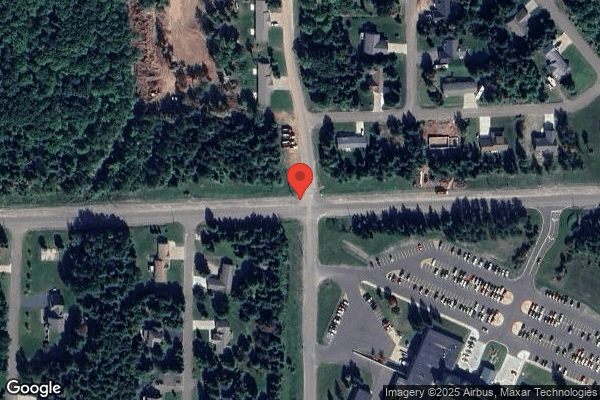
500 Campus Drive, Hancock, MI 49930 (906) 483-1000
For profit - Corporation 60 Beds LIFEPOINT HEALTH Data: November 2025
Trust Grade
80/100
#165 of 422 in MI
Last Inspection: May 2025

Inspected within the last 6 months. Data reflects current conditions.

Overview

PortagePointe in Hancock, Michigan has a Trust Grade of B+, which means it is above average and generally recommended for families considering options for their loved ones. It ranks #165 out of 422 facilities in Michigan, placing it in the top half of all state options, and it is the best choice among the four facilities in Houghton County. The facility's performance trend is stable, with 14 issues identified, but no critical or serious problems were reported, indicating minor concerns. Staffing is a strong point, rated 5 out of 5 stars with a low turnover rate of 22%, suggesting that staff members are experienced and familiar with the residents. However, the facility has faced some concerns, including inadequate training for dietary staff, issues with food storage and labeling, and the presence of unmarked food in resident refrigerators, which could potentially lead to health risks. Overall, while there are strengths in staffing and a solid trust grade, families should be aware of the concerns regarding food safety and dietary management.

Trust Score
B+
80/100
In Michigan
#165/422
Top 39%
Safety Record
Low Risk
No red flags
Inspections
Holding Steady
4 → 4 violations
Staff Stability
✓ Good
22% annual turnover. Excellent stability, 26 points below Michigan's 48% average. Staff who stay learn residents' needs.
Penalties
✓ Good
No fines on record. Clean compliance history, better than most Michigan facilities.
Skilled Nurses
✓ Good
Each resident gets 66 minutes of Registered Nurse (RN) attention daily — more than 97% of Michigan nursing homes. RNs are the most trained staff who catch health problems before they become serious.
Violations
⚠ Watch
14 deficiencies on record. Higher than average. Multiple issues found across inspections.
★★★★☆
4.0
Overall Rating
★★★★★
5.0
Staff Levels
★★★☆☆
3.0
Care Quality
★★★☆☆
3.0
Inspection Score
Stable
2024: 4 issues
2025: 4 issues

The Good

  • 5-Star Staffing Rating · Excellent nurse staffing levels
  • Low Staff Turnover (22%) · Staff stability means consistent care
  • Full Sprinkler Coverage · Fire safety systems throughout facility
  • No fines on record
  • Staff turnover is low (22%)

    26 points below Michigan average of 48%

Facility shows strength in staffing levels, staff retention, fire safety.

The Bad

Chain: LIFEPOINT HEALTH

Part of a multi-facility chain

Ask about local staffing decisions and management

The Ugly 14 deficiencies on record

May 2025 4 deficiencies
CONCERN (D)

Potential for Harm - no one hurt, but risky conditions existed

Incontinence Care (Tag F0690)

Could have caused harm · This affected 1 resident

**NOTE- TERMS IN BRACKETS HAVE BEEN EDITED TO PROTECT CONFIDENTIALITY** Based on interview and record review, the facility failed to ensure physician orders were in place for a resident with a foley c...

Read full inspector narrative →
**NOTE- TERMS IN BRACKETS HAVE BEEN EDITED TO PROTECT CONFIDENTIALITY** Based on interview and record review, the facility failed to ensure physician orders were in place for a resident with a foley catheter (a tube inserted through the urethra to drain urine out of the body from the bladder) for one Resident (#26) of two residents reviewed for catheter care resulting in the potential for unnecessary catheter usage and increased potential for urinary tract infection. Findings include: Resident #26 (R26) Review of the Minimum Data Set (MDS) assessment dated [DATE], revealed admission to the facility on 2/9/21, with active diagnoses that included: history of Urinary Tract Infections (UTI), Alzheimer's Disease, dementia, and anxiety disorder. MDS Section C revealed R26's cognitive skills were severely impaired and R26 rarely or never made decisions. During a phone interview on 5/27/25 at 2:09 p.m., Family Member (FM) B reported she was the responsible party for R26 and the facility did not call her to obtain permission for the foley catheter to be placed in R26's bladder. FM B stated, I want to call the facility right away to find out why (R26) has a catheter. During an interview on 5/29/25 at 8:33 a.m., the Director of Nursing (DON) acknowledged the physician was not called to obtain doctors orders to insert a catheter into R26, and conceded there was no diagnosis that would necessitate the use of a urinary catheter. The DON acknowledged the responsible party for R26 was not notified. The DON reported Registered Nurse (RN) A had inserted the catheter into R26 and should have called the physician to obtain an order for the insertion of the catheter. During a phone interview on 5/29/25 at 8:53 a.m., RN A reported, R26 was seeping urine, and I decided to put the catheter into the resident. RN A acknowledged she did not call the physician and did not call the responsible party. Review of facility policy titled Long Term Care (LTC) Indwelling Catheter Maintenance and Care last revised 3/5/24, read in part .These guidelines are related to .appropriate use of indwelling catheters .insert catheters only for appropriate indications. Avoid use of urinary catheters in elders for management of incontinence .confirm provider's (physician) order. Confirm appropriate diagnosis for insertion of foley catheter .
CONCERN (F)

Potential for Harm - no one hurt, but risky conditions existed

Deficiency F0801 (Tag F0801)

Could have caused harm · This affected most or all residents

Based on interview and record review, the facility failed to ensure the dietary department was provided with sufficient and properly trained staff to carry out the functions and duties of the nutritio...

Read full inspector narrative →
Based on interview and record review, the facility failed to ensure the dietary department was provided with sufficient and properly trained staff to carry out the functions and duties of the nutritional services department. This deficient practice has the potential to result in inadequate nutrition for all 56 residents. Findings include: On 5/28/25 at approximately 12:50 PM, an interview with Kitchen Manager (KM) C was conducted. It was learned KM C had not completed the Certified Dietary Manager's (CDM) exam and had been in this position for over a year. KM C stated he had completed the CDM coursework but was waiting to schedule his exam date. KM C confirmed he is completing resident nutritional assessments despite not taking his exam. The FDA Food Code 2017 states: Knowledge 2-102.11 Demonstration. Based on the RISKS inherent to the FOOD operation, during inspections and upon request the PERSON IN CHARGE shall demonstrate to the REGULATORY AUTHORITY knowledge of foodborne disease prevention, application of the HAZARD Analysis and CRITICAL CONTROL POINT principles, and the requirements of this Code. The PERSON IN CHARGE shall demonstrate this knowledge by: (A) Complying with this Code by having no violations of PRIORITY ITEMS during the current inspection; Pf (B) Being a certified FOOD protection manager who has shown proficiency of required information through passing a test that is part of an ACCREDITED PROGRAM;Pf or (C) Responding correctly to the inspector's questions as they relate to the specific FOOD operation. The areas of knowledge include: (11) Explaining correct procedures for cleaning and SANITIZING UTENSILS and FOOD-CONTACT SURFACES of EQUIPMENT; 2-102.12 Certified Food Protection Manager (A) The PERSON IN CHARGE shall be a certified FOOD protection manager who has shown proficiency of required information through passing a test that is part of an ACCREDITED PROGRAM. (B) This section does not apply to certain types of FOOD ESTABLISHMENTS deemed by the REGULATORY AUTHORITY to pose minimal risk of causing, or contributing to, foodborne illness based on the nature of the operation and extent of FOOD preparation. 2-102.20 Food Protection Manager Certification. (A) A PERSON IN CHARGE who demonstrates knowledge by being a FOOD protection manager that is certified by a FOOD protection manager certification program that is evaluated and listed by a Conference for Food Protection-recognized accrediting agency as conforming to the Conference for Food Protection Standards for Accreditation of FOOD Protection Manager Certification Programs is deemed to comply with 2-102.11(B). (B) A FOOD ESTABLISHMENT that has a PERSON IN CHARGE that is certified by a FOOD protection manager certification program that is evaluated and listed by a Conference for FOOD Protection recognized accrediting agency as conforming to the Conference for FOOD Protection Standards for Accreditation of FOOD Protection Manager Certification Programs is deemed to comply with §2 102.12.
CONCERN (F)

Potential for Harm - no one hurt, but risky conditions existed

Food Safety (Tag F0812)

Could have caused harm · This affected most or all residents

**NOTE- TERMS IN BRACKETS HAVE BEEN EDITED TO PROTECT CONFIDENTIALITY** Based on observation, interview, and record review, the facility failed to store, prepare, distribute, and serve food in accorda...

Read full inspector narrative →
**NOTE- TERMS IN BRACKETS HAVE BEEN EDITED TO PROTECT CONFIDENTIALITY** Based on observation, interview, and record review, the facility failed to store, prepare, distribute, and serve food in accordance with professional standards for food service safety as evidenced by: A. Failure to properly label and date food products. B. Failure to ensure expired foods were discarded on or before the identified expiration date. C. Failure to ensure high temperature dish machines were routinely tested for proper sanitizing of food contact surfaces. These deficient practices had the potential to result in food borne illness among any or all the 56 residents in the facility. Findings include: The following were observed during the initial kitchen tour on 5/27/25 at 3:50 p.m. with Kitchen Manager (KM) C [NAME] House - 13 expired foods located in three refrigerators Delaware House - Four expired foods and three Potentially Hazardous Foods (PHF) not labeled with an open date located in the white refrigerator Bath House (currently used as storage and room for kitchen that is under construction) - 3 PHF not labeled with an open date located in the white refrigerator Wiona House - One expired food and One food not labeled with an open date located in the refrigerator Medora - One expired food located in the refrigerator. An interview was conducted with KM C who confirmed all opened food products should be labeled with a use-by date and expired items should be discarded. The Food and Drug Administration (FDA) 2022 Food Code states: 3-501.17 Ready-to-Eat, Time/Temperature Control for Safety Food, Date Marking (B) Except as specified in (E) -(G) of this section, refrigerated, READY-TO-EAT TIME/TEMPERATURE CONTROL FOR SAFETY FOOD prepared and PACKAGED by a FOOD PROCESSING PLANT shall be clearly marked, at the time the original container is opened in a FOOD ESTABLISHMENT and if the FOOD is held for more than 24 hours, to indicate the date or day by which the FOOD shall be consumed on the PREMISES, sold, or discarded, based on the temperature and time combinations specified in (A) of this section and: (1) The day the original container is opened in the FOOD ESTABLISHMENT shall be counted as Day 1; (2) The day or date marked by the FOOD ESTABLISHMENT may not exceed a manufacturer's use-by date if the manufacturer determined the use-by date based on FOOD safety. On 5/28/25 at 7:15 a.m., the high-temperature dishwasher in the Pewabic Kitchen was observed for appropriate sanitation temperatures. KM C stated that this dishwasher does not get to the correct wash temperature, Our [Company Name] representative said if this strip turns black then it was fine despite the temperature it is saying on the dish machine. A sanitization strip was placed on a clean plate and KM C began a cycle. The final rinse temperature was 137 degrees Fahrenheit (°F), and the sanitization strip did not turn black to indicate that the dishes was properly sanitized. On 5/28/25 at 12:15 p.m. Dietary Aide (DA) D was observed using the Pewabic dish machine. DA A was first observed taking a pitcher and scooping out water in the bottom of the dish machine. Then placing dishes into the machine, closing the door and having to hold the door shut so the dish machine would run. A towel was observed near the bottom of the dish machine to collect water. The final rinse temperature of the dish machine was 117 °F. The FDA 2022 Food Code states: 4-703.11 Hot Water and Chemical. After being cleaned, equipment food-contact surfaces and utensils shall be sanitized in: (A) Hot water manual operations by immersion for at least 30 seconds and as specified under § 4-501.111; P (B) Hot water mechanical operations by being cycled through EQUIPMENT that is set up as specified under §§ 4-501.15, 4-501.112, and 4-501.113 and achieving a UTENSIL surface temperature of 71°C (160°F) as measured by an irreversible registering temperature indicator.
CONCERN (F)

Potential for Harm - no one hurt, but risky conditions existed

Deficiency F0813 (Tag F0813)

Could have caused harm · This affected most or all residents

Based on observation, interview and record review, the facility failed to implement its policy and procedure related to monitoring food brought in by visitors for residents and stored in refrigerators...

Read full inspector narrative →
Based on observation, interview and record review, the facility failed to implement its policy and procedure related to monitoring food brought in by visitors for residents and stored in refrigerators. This failure allowed unmarked and out dated food to be present in the refrigerator units potentially contributing to illness of any or all 56 residents using the units to store food. Findings include: On 5/27/25 at 3:50 p.m. an initial kitchen tour was conducted with Kitchen Manager (KM) C. The following items were observed throughout the tour: A. A glass pickle jar containing pickles and no label with a name, date, or any other identifying information B. Two health shakes, not purchased by the facility and no label with a name, date, or any other identifying information. An interview was conducted with KM C who confirmed that items brought into the facility should contain the residents name and date they were brought into the facility. Review of the facility's LTC (long term care) Food Brought in from Outside Sources Revised 1/13/23 read, in part, .Family/friends are to inform the nurse and/or elder associates of any food or beverages brought into the House for elder consumption .Perishable food from outside sources should be stored in the refrigerator. The items is to be labeled with the Elder's name, and date. Prepared food items are to be discarded within 72 hours if not consumed. Shelf stable food items will be stored for up to 7 days .
May 2024 4 deficiencies
CONCERN (D)

Potential for Harm - no one hurt, but risky conditions existed

Quality of Care (Tag F0684)

Could have caused harm · This affected 1 resident

**NOTE- TERMS IN BRACKETS HAVE BEEN EDITED TO PROTECT CONFIDENTIALITY** Based on observation, interview, and record review, the facility failed to ensure timely monitoring of blood glucose and adminis...

Read full inspector narrative →
**NOTE- TERMS IN BRACKETS HAVE BEEN EDITED TO PROTECT CONFIDENTIALITY** Based on observation, interview, and record review, the facility failed to ensure timely monitoring of blood glucose and administration of glucagon (emergency blood glucose elevating medication) for one Resident (R59) of five residents who were prescribed insulin and/or other blood glucose lowering medications. This deficient practice resulted in a delay in treatment for severe hypoglycemia (low blood sugar), and the potential for adverse neurological and physical outcomes for R59. Findings include: Review of R59's Minimum Data Set (MDS) assessment, dated 2/2/24, revealed R59 was admitted to the facility on [DATE] with active diagnoses that included: stroke, end stage renal disease (ESRD), diabetes mellitus, and hemiplegia (paralysis of one side of the body). R59 scored 12 of 15 on the Brief Interview for Mental Status (BIMS) reflective of moderate cognitive impairment, with the ability to understand others and be understood by others. Review of R59's care plans revealed the following focus and interventions: Endocrine: The Elder has Diabetes Mellitus type II, date initiated: 2-23-2023 . Report to RN any s/sx (signs/symptoms) of hypoglycemia: sweating, tremor, increased heart rate, pallor, nervousness, confusion, slurred speech, etc., date initiated: 2/23/2023. Review of R59's Physician Order Recap Report found no physician prescribed order for the injection of glucagon for treatment of severe hypoglycemia, when R59 was unable to ingest food or drink. Review of LTC (Long-Term Care) Standing Orders - [Facility Name], last revised 1/11/2024, revealed the following, in part: Hypoglycemic Reaction: Follow [Facility Name] Hypoglycemic Protocol. Review of the facility LTC Hypoglycemic Protocol, last revised 3/9/2018, revealed the following, in part: Expected Outcome: Elder's blood sugar will remain in the target goal range. Elder complications from blood sugar changes will be minimized or managed. Assessment: Check the elder's medical record for their target (goal) blood glucose range. If no target has been established, assume 70 mg/dl (milligrams per deciliter) as the lower threshold of the target . Assess the elder with a change in condition for the following . Severe hypoglycemia: Symptoms may include loss of consciousness, inability to awaken, seizure activity or disoriented behavior with inability to take oral carbohydrate . Interventions: . Treatment of Severe Hypoglycemia: 1. Recognize signs/symptoms of severe hypoglycemia. Check blood glucose via home's monitor and if < (less than) target blood sugar [70 mg/dl] then: - administer 25 gms (grams) of 50% Dextrose intravenously or - administer 1 mg of glucagon via IM (intramuscular) (if unable to obtain venous (IV) access) - notify MD - Check blood glucose 15 minutes after carbohydrate administration - repeat treatment until blood glucose is within target range . Review of R59's progress notes revealed the following, in part: Focus: hypoglycemic (low blood glucose). This evening shift (3/16/24), around 1640 (4:40 p.m.) staff was aware elder (R59) was lethargic and less responsive. This nurse was notified. Elder (R59) briefly opened eyes and closed them, but unable to respond to staff after saying her name loudly and physical stimulation. Elder had secretions in her mouth and throat, audible gurgling, unable to clear secretions, and mouth breathing. VS (vital signs) at 1700 (5:00 p.m.): T (temperature) 97.0, BP (blood pressure) 195/81, P (pulse) 71, O2 (oxygen saturation) 80% RA (on room air), R [respirations 28 (labored)]. HOB (head of bed) elevated. O2 NC 2L (supplemental oxygen applied via nasal cannula at 2 liters). Morphine 0.25 ml (milliliters given) at 1723 (5:23 p.m.). Shallow oral suction with [NAME], unable to hear lung sounds over audible gurgling. BG (Blood Glucose) 23 (severe hypoglycemia) at 1734 (5:34 p.m.) (assessed 54 minutes after finding R59 lethargic and less responsive). Standing order IM glucagon injection at 1740 (5:40 p.m.), elder unable to take anything PO (by mouth). BG 40 at 1751, standing order IM glucagon injection at 1755 (5:55 p.m.). Elder more alert, continues to open eyes briefly, moves head to voice. Doesn't answer yes/no questions, not safe to swallow. Called [Physician H] at 1809 (6:09 p.m.). BG 72 at 1813, he (Physician H) ordered, give another IM glucagon injection and call back with BG update . IM glucagon injection at 1823 . BG 94 at 1840 . During an interview on 5/7/24 at 2:27 p.m., when asked when blood sugar should be assessed when finding a diabetic resident (such as R59) lethargic and unresponsive, Registered Nurse (RN) I said blood sugar should be considered a vital sign and should be assessed with other vitals during a period of decline to determine the cause of the resident's change in condition. RN I said glucagon should be administered promptly after identifying that the blood sugar was low, and the resident was unable to consume foods or beverages (was unresponsive). Observation of the [Hall Name] on 5/8/24 at 7:40 a.m., with RN K found no emergency glucagon in the medication storage cabinet located on the Hall. When asked if any residents may need emergency glucagon, RN K stated, I do have residents who may need glucagon as a standing order. There was none in the cabinet in [different Hall Name] . RN K said she did not know where the glucagon was stored. The Director of Nursing (DON) approached during this interview and reported that there were two emergency glucagon kits in the facility: one each in two of five facility halls. During an interview on 5/8/24 at 8:41 a.m., the DON was asked about the lack of glucagon on all facility halls that housed diabetic residents. The DON stated, We will have them in all of the halls. And I agree with you they should be in all the halls. The DON acknowledged that only two of five halls in the facility had glucagon readily available, and with a resident in the past several months needing three injections of glucagon to raise their blood glucose levels sufficiently, they (emergency glucagon) should be on all the halls and the nursing staff should know where they are located. During a telephone interview on 5/8/24 at 9:27 a.m., RN J confirmed she was providing care to R59 on 3/16/24 when R59 was found lethargic and unresponsive. RN J stated, [R59] was breathing really heavy that day. She was less awake this time. She has had exacerbations of . heart failure - we tried morphine to help with her tachypnea (rapid, labored breathing). It was right at supper time, and it was chaotic. I called the other nurse (on duty on another hall) and she said, 'Did you check her sugar?' I said, 'Oh no, I did not. RN J confirmed R59's blood glucose was 23 mg/dL (milligrams per deciliter) (severe hypoglycemia) when first assessed 54 minutes after being found lethargic and unresponsive. When asked where emergency glucagon was found to administer to R59, RN J stated, I looked in [Hall Name] and there was none (hall were R59 resided) . I called the other nurse, and she ran to [Another Hall Name] and she had two or three of them (emergency glucagon kits). We had three total (that they found in the facility) . We had refill request sheets, and I did one for a couple of emergency glucagon kits for each house. I have never needed to provide glucagon . I did give her three injections. First off, we gave the first one and I was trying to find the policy with all of the details, and I waited another 10-15 minutes checked her sugar it was 43, then I called Physician H, and he gave me the order to give her the third one at a certain time . It took a while to find the glucagon and set it up with the kit . During an interview on 5/7/24 at 1:47 p.m., the Nursing Home Administrator (NHA) was asked if she understood this Surveyor's concern with the delay in blood sugar monitoring and administration of emergency glucagon to raise R59's blood glucose levels after R59 was found lethargic and less responsive. The NHA agreed the delay in assessment and the delay in administration of glucagon to R59, on 3/16/24, after being found with severe hypoglycemia (low blood sugar) was a concern. The NHA stated, I would be concerned if you were not concerned. The NHA said she would expect glucagon be administered within 10 minutes of finding a diabetic resident lethargic and unresponsive.
CONCERN (F)

Potential for Harm - no one hurt, but risky conditions existed

Drug Regimen Review (Tag F0756)

Could have caused harm · This affected most or all residents

**NOTE- TERMS IN BRACKETS HAVE BEEN EDITED TO PROTECT CONFIDENTIALITY** Based on interview and record review the facility failed to ensure timely physician response to Medication Regimen Review (MRR) ...

Read full inspector narrative →
**NOTE- TERMS IN BRACKETS HAVE BEEN EDITED TO PROTECT CONFIDENTIALITY** Based on interview and record review the facility failed to ensure timely physician response to Medication Regimen Review (MRR) pharmacy recommendations for two Residents (R19 and R52) of five residents reviewed for MRR. This deficient practice has the potential to result in medication irregularities, excessive dosage, side effects, and adverse reactions. Findings include: Resident #19 (R19) A review of R19's Minimum Data Set (MDS) assessment, dated 12/5/23, revealed admission to the facility on [DATE], with active diagnoses that included: progressive neurological conditions, heart failure, hypertension, multiple sclerosis, anxiety, chronic pain, and depression. R19 scored 15 of 15 on the Brief Interview for Mental Status (BIMS) reflective of intact cognition. A review of care plan for R19 read in part, . medications sertraline (zoloft) and bupropion (wellbutrin) (psychotropic medications) used simultaneously may increase risk of side effects. A review of R19's monthly MRR by a Registered Pharmacist (RPh) G, dated January 2024, read in part, A Federal Regulation requires Gradual Dose Reduction (GDR) attempts of psychotropic medications in two separate quarters within the first year . RPh G asked the physician to: Please evaluate if a Gradual Dose Reduction can be attempted for R19 at this time. Physician did not sign the MRR until March of 2024. During a phone interview at 10:08 a.m., RPh G said recommendations for MRR are provided to physician for review every month. RPh G provided a Pharmacy Procedure, titled Drug Regimen Review Procedure, to the facility read in part: The pharmacist will complete each of the resident's MRR every month .any irregularities will be available for review by the medical director and must consistently demonstrate a timely and appropriate response from the attending physician. During an interview on 5/8/24 at 10:39 a.m., the Nursing Home Administrator NHA acknowledged the facility did not have a policy for MRR and the Drug Regimen Review Procedure was a Pharmacy procedure given to the DON by the Pharmacist. During the same interview the Director of Nursing DON said, the facility never put a policy together for MRR or timeframe's for physician response regarding MRR. Resident 52 (R52) A review of R52's MDS assessment, dated 1/30/2024, revealed R52 was admitted to the facility on [DATE], with active diagnoses that included: non-traumatic brain dysfunction, diabetes mellitus, other fracture, Alzheimer's disease, non-Alzheimer's dementia, anxiety disorder, depression. and adjustment disorder with mixed disturbance of emotions and conduct. R52 scored 11 of 15 on the BIMS reflective of moderately impaired cognition. A review of R52's monthly MRR prepared by RPh G, dated September 2023, and submitted For Physician Review and Signature, read in part, A Federal Regulation F-758 requires gradual dose reduction attempts of psychotropic medications in two separate quarters within the first year of use and annually thereafter, unless clinically contraindicated. Please evaluate if a gradual dose reduction can be attempted for this elder (R52) at this time. Physician H declined the recommended GDR with a signature dated 11/21/23; approximately 2 months later. Another review of R52's MRR recommendation For Physician Review and Signature, dated December 2023 and prepared by RPh G read in part: Periodic review of full anti-coagulation is recommended for patients without a specified end-date following acute DVT (deep vein thrombosis)/PE (pulmonary embolism) treatment. Elder currently takes xarelto (anticoagulant medication) 20 mg (milligrams) PO (by mouth) Q (every) daily. Her diagnosis list includes acute embolism and thrombosis of unspecified deep veins of right lower extremity (date of event unknown to writer) Please assess if indefinite full anti-coagulation is still indicated. Physician H replied indefinite anticoag (anticoagulation) indicated, signed, and dated 3/1/24; approximately 3 months following RPh G's written recommendation. During an interview on 5/07/24 at 2:40 p.m., when asked if there was a reason for the delay in signing of the pharmacy recommendations for December 2023 and September 2023, Physician H asked to look at the specific documents and stated, I don't know (why there was a delay). I am not in the habit of sitting on those things. He did then state, if they came to my folder here at the long-term care facility, I am here twice a week and I would have signed them. Physician H said if the documents had been sent to his office, that may have resulted in a delay. During a telephone interview on 5/8/24 at 9:58 a.m., the Nursing Home Administrator (NHA) was asked what she considered timely, per the MRR policy, for the physician to address pharmacy recommendations? The NHA said she would expect them addressed by the time the physician next sees them. When asked directly if waiting for two to three months would be considered timely for the physician to sign the pharmacy recommendations, the NHA stated, No that is not timely. The NHA said one month would be considered timely in her estimation. Review of the Drug Regimen Review Procedure, unsigned and undated, revealed the following, in part: . When requested, the attending physician/mid-level practitioner must document in the resident's medical record that an identified irregularity has been reviewed, and what if any action has been taken to address it. The method for notification of irregularities will be determined by the consultant pharmacist and facility, but must consistently demonstrate a timely and appropriate response from the attending physician/mid-level practitioner .
CONCERN (F)

Potential for Harm - no one hurt, but risky conditions existed

Food Safety (Tag F0812)

Could have caused harm · This affected most or all residents

**NOTE- TERMS IN BRACKETS HAVE BEEN EDITED TO PROTECT CONFIDENTIALITY** Based on observation, interview and record review, the facility failed to 1. Identify and implement corrective action in respon...

Read full inspector narrative →
**NOTE- TERMS IN BRACKETS HAVE BEEN EDITED TO PROTECT CONFIDENTIALITY** Based on observation, interview and record review, the facility failed to 1. Identify and implement corrective action in response to the mechanical dish machine's failure to demonstrate proper sanitizing, 2. Ensure proper air gaps were installed to avoid waste water backflow, 3. Ensure outdated time/temperature controlled food was was not accessible for use, 4. Ensure food trays being prepared for meal service did not become contaminated, 5. Demonstrate proper testing of sanitizing solution for meal preparation conutertops, and 6. Ensure dirty dishes and untensils following meal service were properly stowed in accordance with professional standards for food service safety potentially resulting in food borne illness among any and all 59 residents. Findings include: On 5/6/24 at approximately 3:00 PM, the three compartment sink in the Medora kitchen was observed to have all three sink compartments draining directly to the sanitary sewer, without an air gap or air break to prevent the back flow of contaminated waste water into the sinks. On 5/7/24 at approximately 9:00 AM the high temperature under- the- counter dish machine was observed to have the drain line directly connected horizontally to the waste trap T of the adjacent three compartment sink. This direct connection could force waste water into the three compartment sink or allow waste water to gain entrance to the dish machine, un-noticed. The FDA Food Code 2017 states: 5-402.11 Backflow Prevention. (A) Except as specified in ¶¶ (B), (C), and (D) of this section, a direct connection may not exist between the SEWAGE system and a drain originating from EQUIPMENT in which FOOD, portable EQUIPMENT, or UTENSILS are placed. On 5/8/24 at approximately 8:00 AM, a container of Ham soup base was observed in one of the residential type refrigerators in the Medora kitchen. The soup base container had a facility placed sticker which identified the product to have been received on May 6, 2023. No expiration date was located. On the bottom of the container was a [NAME] calendar code (0063) which identified the product as having been manufactured on January 6, 2023. The vendor's product life is known to be 360 days for the product, which would have then expired on 1/1/24. An interview with Kitchen Manager (KM) A and [NAME] B was conducted on 5/8/24 at approximately 10:30 AM and it was learned the facility did not have a system to address products delivered to the kitchen without expiration dates, by vendors. KM A stated he was not aware of how the [NAME] calendar worked or how the dating system on the bottom of the containers were to be read and expired food identified. The FDA Food Code 2017 states: 3-501.17 Ready-to-Eat, Time/Temperature Control for Safety Food, Date Marking (B) Except as specified in (E) -(G) of this section, refrigerated, READY-TO-EAT TIME/TEMPERATURE CONTROL FOR SAFETY FOOD prepared and PACKAGED by a FOOD PROCESSING PLANT shall be clearly marked, at the time the original container is opened in a FOOD ESTABLISHMENT and if the FOOD is held for more than 24 hours, to indicate the date or day by which the FOOD shall be consumed on the PREMISES, sold, or discarded, based on the temperature and time combinations specified in (A) of this section and: Pf (1) The day the original container is opened in the FOOD ESTABLISHMENT shall be counted as Day 1; Pf and (2) The day or date marked by the FOOD ESTABLISHMENT may not exceed a manufacturer's use-by date if the manufacturer determined the use-by date based on FOOD safety. Pf On 5/7/24 at approximately 12:15 PM, two resident trays were observed on the counter adjacent to the hand sink in the Delaware dining room. As the hand sink was used, water was observed splashing onto the trays which had been set up with beverages and utensils. The FDA Food Code 2017 states: 3-307.11 Miscellaneous Sources of Contamination. FOOD shall be protected from contamination that may result from a factor or source not specified under Subparts 3-301 - 3-306. On 5/7/24 at 7:30 AM an interview was conducted with [NAME] C. It was learned during this interview the facility uses soap and water in the wiping rag buckets, used for wiping counter tops. A spray bottle containing a quaternary ammonium (aka Quat)) sanitizing solution is then used to sanitize the counter tops. On 5/8/24 at approximately 8:45 AM, an interview was conducted with KM A and [NAME] B regarding the testing of the Quat solution in the spray bottles. [NAME] B demonstrated the testing by pouring out a sample from a spray bottle into a small glass. Using test strips QT 40, the strip was dipped into the solution and held for 10 seconds then reported to be in excess of 300 PPM (Parts Per Million). [NAME] B was requested to measure the temperature of the solution, which was then reported to be 92°F. A review of the package directions for the QT 40 strips, directed the user that the acceptable temperature range for accuracy of the strips was between 65°F and 75°F) KM A and [NAME] B stated they were not aware of that restriction of the use of the strips. On 5/6/24 between 1:00 PM and 2:00 PM, and following each of the meals on 5/7/24 and 5/8/24, soiled resident meal dishes, pans from cooking and other preparation cookware were observed to be piled on the raised counter near the two compartment sink and under-the-counter dish machine in the [NAME] Dining room. These soiled dishes were accessible to residents and guests visiting the facility and the dining room. The FDA Food Code 2017 states: 4-301.13 Drainboards. Drainboards, UTENSIL racks, or tables large enough to accommodate all soiled and cleaned items that may accumulate during hours of operation shall be provided for necessary UTENSIL holding before cleaning and after SANITIZING.
CONCERN (F)

Potential for Harm - no one hurt, but risky conditions existed

Safe Environment (Tag F0921)

Could have caused harm · This affected most or all residents

**NOTE- TERMS IN BRACKETS HAVE BEEN EDITED TO PROTECT CONFIDENTIALITY** Based on observation, interview and record review, the facility failed to provide an environment which was safe, functional and ...

Read full inspector narrative →
**NOTE- TERMS IN BRACKETS HAVE BEEN EDITED TO PROTECT CONFIDENTIALITY** Based on observation, interview and record review, the facility failed to provide an environment which was safe, functional and sanitary for residents, staff and visitors, as evidenced by the failure to provide adequate kitchen facilities for the storage, preparation and delivery of food for all 59 residents. This deficient practice resulted in kitchen space which was not equipped with food service equipment and space to meet minimum standards to provide for the dietary needs of the residents and had the potential to result in negative environmental impacts to residents, employees and visitors due to lack of appropriate ventilation, space and storage needs. Findings include: On 5/6/24 at 1:45 PM then throughout the remaining survey time (5/6/24 to 5/8/24), the dietary facilities were observed to be inadequate and dysfunctional for the storage, preparation and delivery of food. This deficient practice has the potential to affect all 59 residents. Observations included: 1. The main preparation kitchen had been located in an originally designed and constructed [NAME] household kitchen/dining identified by the facility as the Medora household. Food was prepared in this space for all five households of the facility. This kitchen space originally included space for dining, now designated for refrigerator/freezer and mixing equipment. 2. The main kitchen lacked minimum approved equipment, including commercial cooking/baking ovens, refrigeration units, and appropriate storage space in accordance with design standards. Four of the refrigeration/freezer units were non-commercial construction. 3. The small three compartment sink had waste lines directly connected to the sanitary sewer lines, lacking the required air gaps from the rinse and sanitize compartments. 4. The small three compartment sink did not have compartments large enough to handle the large baking and cooking dishes. 5. The preparation kitchen did not have a food preparation sink to allow staff to properly wash produce and other foods needing to be washed prior to service. 6. The under-the-counter dish machine waste line was not installed according to manufacturer's requirements. 7. Counter tops in Medora kitchen had been replaced with non-commercial plastic laminate (Formica) covered tops. 8. The [NAME] dining room kitchen, which had also been designed and constructed as an [NAME] household kitchen was being used for cooking the hot food prior to distributing to the other households. This kitchen did not have adequate space to store soiled dishes from the cooking process as well as the dishes being returned to area required to be washed in the under-counter dish washer. Cooking equipment, returning soiled resident meal dishes and utensils were observed piled on the raised counter, over the two compartment sink facing the dining room where residents ate their meals. 9. The two compartment kitchen sink in the [NAME] Dining room was observed to be discolored, stained and pitted, and unable to be cleaned. 10. The [NAME] dining room staff were removing wet dishes from the dish machine and placing them on wheeled carts, located over a carpeted area making it wet and unable to be properly cleaned. 11. The interior of the sink base cabinet for the two compartment sink in the [NAME] dining room was deteriorating and in poor condition. 12. The facility had placed temporary vertical fabric covered barriers in the [NAME] dining room to segregate the area used to drain and dry wet dishes on the racks and the dining room area. This removed approximately 120 square feet (10' x 12') of useable dining room space. These temporary barriers had been in place since July 2023. 13. The dish machine in the [NAME] Dining room was observed to be leaking onto the floor when operating and opened following a cycle of use. An interview with [NAME] C on 5/7/24 at approximately 9:15 AM confirmed this condition had been an ongoing problem for months. 14. The kitchen was not provided with a designated housekeeping closet, including a mop sink, mop storage area and cleaning chemical storage. On 5/8/24 at approximately 10:20 AM, an interview was conducted with [NAME] C concerning the functionality of the space and equipment in the [NAME] kitchen/dining room. [NAME] C stated the ovens don't always work correctly, making it difficult to properly heat food, and though, food preparation was conducted in the Medora kitchen, all cooking, for the entire population of residents occurred in the two small non-commercial style ovens. [NAME] C also stated there was not adequate space to store the soiled dishes coming back from the residents' meals. [NAME] C continued that the small under counter dish machine leaked water onto the floor regularly, and staff were required to conduct all dish washing activities for cooking equipment and residents' soiled dishes in the machine. [NAME] C also shared that there was not an acceptable location to place racks of wet dishes after being removed from the dish machine. [NAME] C stated placing the wet trays on the wheeled carts behind a temporary make-shift wall, and allowing them to drip and dry over carpeting, deemed inappropriate. These same sentiments were shared by Kitchen Manager A and the Nursing Home Administrator. On 5/6/24 at approximately 2:30 PM an interview with the Nursing Home Administrator (NHA) was conducted concerning the kitchen facilities. The NHA confirmed the facility had agreed to the commencement of the construction of new kitchen facilities, following the previous year's survey. The NHA confirmed that contracts had not been signed or any construction begun to correct the same issues as identified during the previous survey and documented on the current survey.
May 2023 2 deficiencies
CONCERN (F)

Potential for Harm - no one hurt, but risky conditions existed

Food Safety (Tag F0812)

Could have caused harm · This affected most or all residents

**NOTE- TERMS IN BRACKETS HAVE BEEN EDITED TO PROTECT CONFIDENTIALITY** Based on observation, interview and record review, the facility failed to store, prepare, distribute, and serve food in accordan...

Read full inspector narrative →
**NOTE- TERMS IN BRACKETS HAVE BEEN EDITED TO PROTECT CONFIDENTIALITY** Based on observation, interview and record review, the facility failed to store, prepare, distribute, and serve food in accordance with professional standards for food service safety as evidenced by: 1. Failing to properly store food at proper temperature while waiting to be served. 2. Failing to properly store clean dishes, cooking equipment and utensils. 3. Failing to ensure one dish machine was operating according to manufacturer's standards. 4. Failing to dispense hand towels in a sanitary manner to prevent cross contamination. 5. Failing to maintain cooking equipment in a clean condition. 6. Failing to maintain drawer storage areas for utensils in a clean condition. 7. Failing to properly post signage at all handwash sinks in the kitchens and dining rooms. 8. Failing to provide appropriate shielded lighting fixtures over food preparation and service areas. 9. Failing to maintain cooking equipment, food preparation surfaces and freezers in good repair. 10. Failing to provide a three compartment sink for the washing, rinsing and sanitizing of food contact surfaces. 11. Failing to provide minimum operating and commercially approved equipment for cooking, refrigeration and preparation activities. These deficient practices have the potential to result in food borne illness among any and all 59 residents of the facility. Findings include: 1. On 5/16/23 between approximately 12:10 PM and 12:45 PM, the noon meal was observed being served to residents in four different locations. These included the [NAME], Pewabic, [NAME], and Delaware (as named by the facility) dining rooms and associated kitchen stations. Stainless steel pans of egg salad sandwiches were observed in each of the kitchen areas. The internal temperature of the sandwiches, focusing on the egg salad filling, was measured with a metal probe thermometer. Temperatures varied between 55°F and 77°F. At 12:30 PM, on the [NAME] unit, the sandwiches in the pan were measured to be 62°F. An interview with Certified Dietary Aid (CNA) D was conducted at this time and stated she received food from the dietary department and was responsible for serving it to the residents. Staff D also stated she had measured the temperature just 2 minutes before and recorded the sandwiches were at 38F. When asked how it was possible for the temperature to increase 24 degrees, Staff D stated I don't know'. At approximately 12:35 PM the temperature of egg salad sandwiches in the Delaware kitchen were measured using the same metal stem thermometer. The egg salad filling was measured to be 57°F. At approximately 12:40 PM sandwiches in the [NAME] unit were measured at 59°F. At 12:50 PM, the temperatures of the sandwiches were confirmed with Dietary Manager (DM) A. DM A stated I don't know how that happened. DM A acknowledged it was unlikely the temperature of the sandwiches had increased and the sandwiches most likely left the main kitchen above the maximum holding temperature of 41°F. The FDA Food Code 2017 states: 3-501.16 Time/Temperature Control for Safety Food, Hot and Cold Holding. (A) Except during preparation, cooking, or cooling, or when time is used as the public health control as specified under §3-501.19, and except as specified under (B) and in (C ) of this section, TIME/TEMPERATURE CONTROL FOR SAFETY FOOD shall be maintained: (1) At 57°C (135°F) or above, except that roasts cooked to a temperature and for a time specified in 3-401.11(B) or reheated as specified in 3-403.11(E) may be held at a temperature of 54°C (130°F) or above; 2. On all days of the survey, 5/16/23 through 5/18/23, clean dishes, cups, drinking glasses and cooking equipment were observed being stored on four wire racks in the [NAME] dining room adjacent to the hand sink and near the windows, over a carpet floor. On 5/17/23 at 10:30 AM, an interview was conducted with [NAME] B regarding the storage of clean equipment in the dining room. [NAME] B stated that the dishes were removed from the dish washer, then taken to the racks to drain, dry and store until needed again. [NAME] B stated that there was no other location where these clean dishes could be stored, as the kitchen area was too small to accommodate this function. The FDA Food Code 2017 states: 4-903.11 Equipment, Utensils, Linens, and Single-Service and Single-Use Articles. (A) Except as specified in ¶ (D) of this section, cleaned EQUIPMENT and UTENSILS, laundered LINENS, and SINGLE-SERVICE and SINGLEUSE ARTICLES shall be stored: (1) In a clean, dry location; (2) Where they are not exposed to splash, dust, or other contamination; 3. On 5/17/23 at approximately 10:40 AM, observations of the the dish machine operation, in the [NAME] kitchen were made. Five cycles were operated at this time, with none of the wash cycles, during this observation period, reaching the minimum threshold of 150°F, varying between 138°F and 143°F. An interview was conducted with Staff D, at this time, who stated they had to run water at the adjacent sink for a long period of time to get hot water. Additionally, Staff D stated the vendor had told them that it did not matter if the wash temperature did not reach 150°F, as long as the final rinse reached 180°F. A review of the manufacturer's stamp specification plate, mounted at the bottom of the dish machine was conducted. The specifications for the machine, by the manufacturer, stated the minimum wash temperature was 150°F. A review of the log book, kept by the facility for recording the testing of the dish machine, revealed sporadic examples of the irreversible color indicator failing to show the dish machine was properly sanitizing food contact surfaces in this machine. The FDA Food Code 2017 states: 4-501.15 Warewashing Machines, Manufacturers' Operating Instructions. (A) A WAREWASHING machine and its auxiliary components shall be operated in accordance with the machine's data plate and other manufacturer's instructions. 4. On all days of the survey, May 16 to 18, 2023, hand towels were observed next to hand sinks in all kitchen/dining rooms. The hand towels were rolls, standing vertically on upright holders, and subject to splash from the sinks, and other sources of contamination. No wall mounted, sanitary dispensers were observed for food service staff to dry their hands in a sanitary manner. The FDA Food Code 2017 states: 4-903.11 Equipment, Utensils, Linens, and Single-Service and Single-Use Articles. (A) Except as specified in ¶ (D) of this section, cleaned EQUIPMENT and UTENSILS, laundered LINENS, and SINGLE-SERVICE and SINGLEUSE ARTICLES shall be stored: (1) In a clean, dry location; (2) Where they are not exposed to splash, dust, or other contamination; 5. On 5/18/23 bewteen 8:30 AM and 9:30 AM, observations were conducted of all kitchen areas. The interior of the ovens in the Medora, [NAME], [NAME] and Delaware kitchens were observed to have grease and grime burned to the bottom and front doors of the units. Caulked seals behind the sinks, between the 4 back splash and counter tops were observed to be blackened with mold like substance. This was observed in the [NAME], Medora, [NAME], Pewabic and Delaware kitchens and hand sinks. The FDA Food Code 2017 states: 4-501.11 Good Repair and Proper Adjustment. (A) EQUIPMENT shall be maintained in a state of repair and condition that meets the requirements specified under Parts 4-1 and 4-2. 6. On 5/18/23 bewteen 8:30 AM and 9:30 AM, observations were conducted of all kitchen areas. Drawers with plastic dividers, used to store food service utensils were observed to be dirty. These observations were made on the [NAME] and Delaware units. The FDA Food Code 2017 states: 4-602.13 Nonfood-Contact Surfaces. NonFOOD-CONTACT SURFACES of EQUIPMENT shall be cleaned at a frequency necessary to preclude accumulation of soil residues 7. On 5/18/23 bewteen 8:30 AM and 9:30 AM, observations were conducted of all kitchen areas. None of the hand sinks, used by food service staff, in any of the kitchens, were provided with proper signage directing staff to wash their hands. The FDA Food Code 2017 states: 6-301.14 Handwashing Signage. A sign or poster that notifies FOOD EMPLOYEES to wash their hands shall be provided at all HANDWASHING SINKS used by FOODEMPLOYEES and shall be clearly visible to FOOD EMPLOYEES. 8. On all days of the survey, all kitchens in all units were observed to have Pendant type light fixtures hanging from the ceiling, directly over the food preparation and service areas. These light fixtures were glass, with no protective shield surrounding the glass to prevent them from breakage and glass falling onto the food preparation and service areas. This was observed in the [NAME], Medora, Pewabic, Delaware, and [NAME] kitchen units. The FDA Food Code 2017 states: 6-202.11 Light Bulbs, Protective Shielding. (A) Except as specified in ¶ (B) of this section, light bulbs shall be shielded, coated, or otherwise shatter-resistant in areas wherethere is exposed FOOD; clean EQUIPMENT, UTENSILS, and LINENS; or unwrapped SINGLE-SERVICE and SINGLE-USE ARTICLES. 9. On 5/18/23 between 8:00 AM and 11:00 AM, observations were made of kitchen equipment and food preparation surfaces. The white horizontal chest freezer, located in the Medora kitchen was observed to be in poor condition, with broken seals, cracked and broken plastic areas on the lid and main chest areas. The Corian-like countertop in the Medora kitchen was observed to have a major break, running from the front to the back of the counter, directly adjacent to the undercounter oven. Cracks in the counter were also observed near the residential stove/oven as well in a corner area of the counter. The fiberglass roping oven door seals were observed to be ripped, torn or otherwise in poor condition. This was observed on the residential type ovens in the [NAME], Medora, [NAME] and Delaware kitchen units. The two compartment composite constructed sinks in the [NAME], Medora and Delaware kitchens were pitted, stained and uncleanable. The hand sink in the [NAME] dining room did not drain appropriately, with water standing in the bottom and splashing onto the adjacent surfaces when being use. The FDA Food Code 2017 states: 4-501.11 Good Repair and Proper Adjustment. (A) EQUIPMENT shall be maintained in a state of repair and condition that meets the requirements specified under Parts 4-1 and 4-2. 10. On 5/16/23 at approximately 12:15 PM, during the initial tour of the dietary department, it was observed that staff did not have access to a three compartment sink for the washing, rinsing and sanitizing of food contact surfaces. An interview at this same time with DM A confirmed that the dietary department did not have a three compartment sink. The FDA Food Code 2017 states: 4-301.12 Manual Warewashing, Sink Compartment Requirements. (A) Except as specified in (C) of this section, a sink with at least 3 compartments shall be provided for manually washing, rinsing, and SANITIZING EQUIPMENT and UTENSILS. (B) Sink compartments shall be large enough to accommodate immersion of the largest EQUIPMENT and UTENSILS. If EQUIPMENT or UTENSILS are too large for the WAREWASHING sink, a WAREWASHING machine or alternative EQUIPMENT as specified in (C) of this section shall be used. 11. On 5/16/23 at 1:30 PM an interview with DM A was conducted. It was learned that the green house style residential kitchen on the Medora unit had been converted into the main food preparation kitchen for the entire facility resident population. The facility was not provided with the minimum equipment necessary to operate a commercial kitchen. Included in these deficient operational necessities were: A. Proper cooking equipment. All cooking equipment consisted of stoves/ovens which were residential type, not designed for commercial food preparation. B. Dish washing equipment was not sufficient for the operations. There was not a three compartment sink, for the washing, rinsing and sanitizing of large food service equipment, the single compartment under counter dish washers did not have the capacity to accommodate all dish washing activities. C. Refrigeration units included four upright residential type refrigerator/freezer units in the Medora kitchen; each household ([NAME], Delaware, Pewabic and [NAME]) had only residential type refrigerator/freezer units; the large chest freezer in the Medora (main) kitchen was a non-commercial type unit, with non of the aforementioned equipment meeting the NSF (National Sanitation Foundation) standards for food service safety. D. Proper storage of single service food service materials was haphazard in the Medora kitchen, using tables and any other horizontal surface to place packages and cartons. E. Food preparation equipment, including stand up mixers were in among storage of paper products and one adjacent to a hand sink in the Medora kitchen.
CONCERN (F)

Potential for Harm - no one hurt, but risky conditions existed

Safe Environment (Tag F0921)

Could have caused harm · This affected most or all residents

**NOTE- TERMS IN BRACKETS HAVE BEEN EDITED TO PROTECT CONFIDENTIALITY** Based on observation, interview and record review, the facility failed to provide an environment which was safe, functional and ...

Read full inspector narrative →
**NOTE- TERMS IN BRACKETS HAVE BEEN EDITED TO PROTECT CONFIDENTIALITY** Based on observation, interview and record review, the facility failed to provide an environment which was safe, functional and sanitary for residents, staff and visitors, as evidenced by the failure to provide adequate kitchen facilities for the storage, preparation and delivery of food for all 59 residents. This deficient practice has resulted in kitchen space which is not equipped with minimum standard food service equipment and space to provide for the dietary needs of the residents and has the potential to result in negative environmental impacts to residents, employees and visitors due to the lack of appropriate ventilation, space and storage needs. Findings include: On 5/16/23 at 11:45 AM, the dietary facilities were observed to be dysfunctional and unsanitary for the storage, preparation and delivery of food to residents. Observations included: 1. The main preparation kitchen had been located in an Eden household kitchen/dining room designed space identified by the facility as the Medora household. Food was prepared in this space for all five households of the facility. This kitchen space originally included space for dining, now designated for refrigerator/freezer and mixing equipment, 2. The main kitchen lacked minimum approved equipment, including commercial cooking and baking ovens, refrigeration units, appropriate storage space in accordance with design standards. Four of the refrigeration/freezer units were non-commercial construction, and one chest freezer was a non-commercial residential type in poor condition. Counter tops were constructed of residential type Corian material which was cracked and broken. Food service supplies, including paper goods, disposable utensils, and other equipment was stacked on tables in the area which was originally planned, designed and constructed as a resident dining room. 3. Lighting over the cooking area consisted of hanging pendant type light fixtures, with glass globes and bulbs which were not properly shielded against breakage. 4. The hand wash sink for the Medora kitchen was located in the designated storage area and not the food preparation area. There were not hand towel dispensers, rather, rolls of paper towel situated on vertical household holders which required staff to contact the entire roll with wet hands in order to tear off the towels. 5. There was no exhaust ventilation to capture and remove the excessive steam emanating from the under the counter type single compartment dish washer. There was no fresh make up air for the food service area. 6. Non commercial equipment, not meeting NSF (National Sanitation Foundation), or equivalent, standards were used throughout the kitchen, including mixers, ovens, and cooling units. 7. The kitchen was not provided with a designated housekeeping closet, including a mop sink, mop storage area and cleaning chemical storage. On 5/17/23 at approximately 3:45 PM, an interview was conducted with [NAME] B in the Medora preparation kitchen. The functionality of the kitchen was discussed, with [NAME] B stating that the kitchen was not functional. [NAME] B referenced the lack of commercial kitchen equipment, including refrigeration, dish washing, ventilation and storage, as well as the lack of a three compartment sink, food preparation tables/surfaces, hand washing and housekeeping (mops, chemicals, sinks, etc) facilities. On 5/18/23 at approximately 10:45 AM, an interview was conducted with [NAME] L in the [NAME] kitchen. [NAME] L was asked about using the kitchen for preparation, storage and service to the residents. [NAME] L described the lack of usable area, pointing to the counter tops and stated there was less than 36 of space to conduct any preparation activities. The rest was consumed by table top [NAME]-[NAME] devices used to hold hot food. With respect to the storage of clean dishes, cooking equipment and utensils, [NAME] L pointed at the rolling racks, on wheels, located in the dining room, and explained that the clean dishes, after being removed from the dish machine, had to drain, dry and be stored in the dining room due to the lack of any other space available for such purpose. On 5/17/23 at 10:30 AM, an interview was conducted with the non-certified Dietary Manager (DM) A regarding the functionality of the kitchen. DM A acknowledged dietary staff had many problems with using the allocated space for the preparation, storage, and service of the residents' food needs. DM A acknowledged the lack of approved equipment and lack of meeting the minimum standards for the operation of a dietary department. DM A explained that the nursing home dietary functions had been totally disassociated with the attached acute care hospital's dietary department and the hospital's kitchen facilities were no longer accessible to the nursing home. On 5/18/23 at 11:30 AM, an interview with the Nursing Home Administrator (NHA) was conducted. The NHA stated the facility had been planning to construct new kitchen facilities for over two years, but nothing had occurred to commence the construction project.
Apr 2023 2 deficiencies
CONCERN (D) 📢 Someone Reported This

A family member, employee, or ombudsman was alarmed enough to file a formal complaint

Potential for Harm - no one hurt, but risky conditions existed

Accident Prevention (Tag F0689)

Could have caused harm · This affected 1 resident

Based on observation, interview, and record review, the facility failed to ensure adequate supervision and active/functioning door alarms to prevent the elopement of one Resident (R1), out of eight re...

Read full inspector narrative →
Based on observation, interview, and record review, the facility failed to ensure adequate supervision and active/functioning door alarms to prevent the elopement of one Resident (R1), out of eight residents reviewed for safety and supervision. This deficient practice resulted in R1's unsupervised and unobserved elopement from the building and the potential for injury due to decreased safety awareness. Findings include: Review of R1's Minimum Data Set (MDS) assessment, dated 6/14/22, revealed R1 scored 3 of 15 on the Brief Interview for Mental Status (BIMS) reflective of severely impaired cognition. R1 ambulated independently and wore a code alert bracelet (alarmed bracelet) to prevent unnoticed elopement from the facility. R1 had the following active diagnoses, in part: Alzheimer's disease, dementia, and history of falling. Review of the Incident Summary submitted to the State Agency on 7/3/22 at 9:00 p.m., revealed the following, in part: . On Saturday 7/2 around 11:32 a.m., [Nursing Home Administrator (NHA)] was notified that R1 had eloped from the facility. Upon interviewing Elder Associate [(CNA) D], [CNA D] states that R1 had been at the emergency exit in [facility hall] multiple times that morning pushing on the door to get out and the door was alarming. [CNA D] put her key into the lock to shut off the alarm. Later, [CNA D] was sitting in the [facility hall] nurses office and was informed that Elder [Resident Name] who was out on the Delaware patio saw R1 walking in the parking lot outside of [Name of Unit] house and he waved for [CNA I] Elder Associate to come and help. [Resident Name] reported to [CNA I] that R1 was out walking and [CNA I] jumped the fence from the [Name of Unit] garden and got R1, bringing her back into the facility. R1's code alert alarmed when coming back into the facility indicating that the code alert was working When the [Name of Unit] emergency door was assessed after the incident, the light was green which indicates the door was not locked. Door subsequently locked by Assistant Director of Nursing (ADON)/Registered Nurse (RN) and light noted to be red . Review of R1's Progress Notes revealed the following 7/2/22 at 12:15 p.m. Nurse Note: Elder was found an estimated 150 ft outside of [Name of Unit] house at 1125 (11:25 a.m.) Elder on patio notified [CNA I], EA (Elder Associate) who walked Elder (R1) back to the front of the building. When briefing about the situation, elder (R1) had set off alarm to emergency door and [CNA D] EA, unlocked door to turn alarm off. EA (CNA D) reports that she thought she re-locked the door, but it was unlocked when inspected. Elder's (R1's) code alert went off when returning to the building, so that is intact and in working condition . During an interview on 4/25/23 at 11:56 a.m., CNA D confirmed R1's had activated the exit door alarm on 7/2/22 in the unit she was working on. CNA D stated, It was beautiful (outside), and she (R1) was trying to get out. The (door) alarm went off. I put the key in the door (lock) to turn the alarm off and I took her (R1) back to [her unit] . She (R1) had come back down (to CNA D's unit), and I did not turn it (the door alarm) back to the red light (to show the alarm was active). It was my fault . [R1] came back (to the exit door) and I had not turned the alarm back on . During an observation on 4/25/23 at approximately 12:05 p.m., CNA D demonstrated how the exit alarm had been disabled with a key on 7/2/22 turning the light green and reactivated with a turn of the key to a red light. An Emergency Exit Door Lock Monitoring tool was placed on the wall next to the door with staff signatures present to show door lock assessments were being completed. A red card was visible over the light, that required staff to move the card to assess the color of the light. Review of the facility LTC Missing Elders - Elopement policy, last revised 2/28/23, revealed the following, in part: The safety of every Elder is of prime concern to the organization . Procedure . Every exit door is to be checked to determine that they are locked and if there is any evidence that the Elder may have exited by any of these doors . The facility self-identified the deficiency and re-educated all facility staff on 7/5/22 regarding the importance of relocking the emergency doors when turning off the exit alarm and how to do this. Education was provided to staff via email and further education was provided during NHA rounds. An Emergency Exit Door Lock Monitoring tool was placed in each house (unit). Tool provided instructions to staff to check that emergency doors are locked and that this should be done twice per shift, once in the first half of the shift and once in the second half of the shift. Monitoring tool also provided re-education that the door is locked when the red light is on and instructs staff to complete the tool upon each check. NHA randomly spot-checked tool to ensure it was being completed and to continue to educate staff. NHA checks of tool completion were done approximately twice per week. Intervention also included placement of red card over lock/light so that staff are required to physically go to the emergency door lock to see the light and lift the sign to check the color of the light. Monitoring tool was placed next to the lock so staff could document their lock check at the time of checking the lock. NHA twice weekly checks of monitoring tool completion noted staff were completing door checks and monitoring tool as required. No additional resident elopements occurred since R1's elopement on 7/2/22. The facility was determined to be compliant with the requirements of Past Noncompliance at F689 as of 7/25/22 following review of the deficiency identification, immediate action to correct the deficiency, education of staff, and continued monitoring to ensure compliance.
CONCERN (E) 📢 Someone Reported This

A family member, employee, or ombudsman was alarmed enough to file a formal complaint

Potential for Harm - no one hurt, but risky conditions existed

Report Alleged Abuse (Tag F0609)

Could have caused harm · This affected multiple residents

**NOTE- TERMS IN BRACKETS HAVE BEEN EDITED TO PROTECT CONFIDENTIALITY** Based on interview and record review, the facility failed to implement their abuse policy to ensure timely reporting of allegati...

Read full inspector narrative →
**NOTE- TERMS IN BRACKETS HAVE BEEN EDITED TO PROTECT CONFIDENTIALITY** Based on interview and record review, the facility failed to implement their abuse policy to ensure timely reporting of allegations of potential abuse for four Residents (R2, R5, R6, and R9) out of nine sampled residents reviewed for abuse. This deficient practice resulted in a delay in reporting of potential abuse allegations to the State Agency and the possibility of continued resident mistreatment. Findings include: The following Facility Reported Incidents (FRIs), and associated Residents, were investigated during an abbreviated survey on 4/26/23. R2 Review of a facility Investigation File revealed R2 had an unwitnessed fall with major injury (pelvic fracture and head laceration) that occurred on 8/12/22 at 9:15 p.m. Review of an 8/13/22, 8:53 a.m. typed timeline, completed by the NHA, revealed the following: [Nursing Home Administrator (NHA)] notified by [on-call manager] on 8/13/22 at 8:53 a.m., of [R2's] fall and ED (emergency department) visit . Elder's fall occurred prior evening 8/12/22 around 9:00 p.m., Elder returned from ED at 2:30 a.m. on 8/13/22. [NHA] submitted [State Agency] 2-hour report via app (application) on cell phone at 9:45 a.m. (on 8/13/22) . The 24-hour report was submitted on 8/14/23 at 4:16 p.m. During an interview on 4/26/23 at 1:13 p.m., when asked when potential allegations of abuse were to be reported to the State Agency, facility Supervisor J stated, Abuse needs to be reported immediately. Supervisor J acknowledged there was a 2-hour time limit from the time of the event for the incident/allegation to be reported. When asked about the delay in reporting of R2's unwitnessed fall with pelvic fracture and head laceration that required ED evaluation and treatment, Supervisor J confirmed they had reported the incident the following morning (8/13/22) to the NHA. R5 Review of the incident Investigation Summary submitted to the State Agency revealed R5 had an unwitnessed fall with transfer to the ED on 4/3/23 at 5:00 p.m. The summary noted, .NHA was notified at 2117 (9:17 p.m.) (more than four hours later) that elder was in wheelchair in doorway of her room and fell . Fall unwitnessed but nurse heard fall from dining room and responded to assist elder . The 2-hour report for potential abuse/serious bodily injury was submitted at 4/3/23 at 10:01 p.m. R6 Review of the incident Investigation Summary submitted to the State Agency revealed R6 had an unwitnessed fall with a right femoral neck fracture (hip fracture) on 2/3/23 at approximately 9:30 p.m. A 24-hour report was submitted on 2/6/23 at 2:46 p.m.; three days later. During an interview on 4/26/23 at 4:17 p.m., the NHA in the presence of the Director of Nursing (DON), confirmed reporting of this incident involving R6 to the State Agency was completed late, and not within a 2-hour or a 24-hour period. R9 Review of the incident Investigation Summary submitted to the State Agency revealed R9 was found with the imprint of a hand on the left hip, discovered on 4/10/23 at 3:16 a.m. during night shift. The Summary noted the NHA and DON assessed the marking on 4/10/23 at 11:00 a.m., and the marking appeared to be that of a right hand. The NHA documented in the summary, . 2-hour report was not done because NHA was not notified at the time the markings were found (3:16 a.m.) . The incident was initially reported to the State Agency on 4/10/23 at 12:21 p.m. During an interview on 4/26/23 at 4:00 p.m., the NHA confirmed she did not complete a 2-hour potential abuse report to the State Agency. Review of the facility LTC (Long Term Care) Breech of Elder's Rights policy, last revised 3/8/23, revealed the following, in part: .All members of the healthcare team, volunteers, family members, and others are encouraged to report any incidents of abuse or suspected abuse immediately to the Manager on call and to licensed staff on duty, ultimately to be reported to the Nursing Home Administrator immediately . If the manager on call is not the Nursing Home Administrator, the manager who is on call will immediately notify the Nursing Home Administrator . Failure to comply with keeping the Elder safe and/or immediate reporting will result in corrective action . 9. All incidents/allegations involving suspected abuse will be reported to the manager on call immediately and then to the Administrator, but no later than 2 hours after the allegation is made. The Administrator will have the nurse initiate LTC Suspicion of Abuse protocol. The Administrator will complete a 2-hour notification to the State of [Name], initiate investigation, and complete a 24-hour report to the State of [Name] . During an interview on 4/26/23 at 3:39 p.m., the NHA, DON, and Assistant Director of Nursing (ADON) were asked to review the timeframes of the eight FRIs reviewed during the abbreviated survey, and the timeliness of reporting allegations of potential abuse. The DON acknowledged the facility management team believed the 2-hour reporting timeframe began when the abuse coordinator/NHA was notified by facility staff of each incident. They were unaware the 2-hour timeframe began when the incident was discovered by facility staff. The NHA acknowledged the absence of, or late submission of the above potential abuse allegation reports to the State Agency.
Dec 2022 2 deficiencies
CONCERN (D) 📢 Someone Reported This

A family member, employee, or ombudsman was alarmed enough to file a formal complaint

Potential for Harm - no one hurt, but risky conditions existed

Resident Rights (Tag F0550)

Could have caused harm · This affected 1 resident

This deficiency pertains to Intake #MI00132877. Based on interview and record review the facility failed to ensure the provision of dignified and respectful care and communication for one Resident (#9...

Read full inspector narrative →
This deficiency pertains to Intake #MI00132877. Based on interview and record review the facility failed to ensure the provision of dignified and respectful care and communication for one Resident (#9) of ten residents reviewed for resident rights. This deficient practice resulted in feelings of fear, anxiety, and disrespect for Resident #9. Findings include: During an interview on 12/28/22 at 10:15 a.m., Resident #9 was asked about any problems she may have had with facility staff or residents. Resident #9 said there was one aide (unidentified Certified Nurse Aide/CNA), who stood on the opposite side of her bed, pounded on the bed, and told her that she needed to stop making so much noise (with the alarms), because she wasn't supposed to do that. Resident #9 said the staff member appeared angry and spoke harshly as she pounded on the Residents bed. Resident #9 said she was afraid of the CNA and didn't want to go to sleep when she was working on the hall. Review of the Facility Reported Incident (FRI) investigative summary revealed the following, in part: About 9:00 a.m. on 11/2/22 Physical Therapy Assistant (PTA) J reported to the Director of Nursing (DON) that [Resident #9] had stated an EA (Elder Associate/CNA) was mean to her while PTA J was ambulating the Elder in the hallway . The CNA identified as treating Resident #9 meanly in a disrespectful and undignified manner was EA/CNA. On 11/2/22 between 9:00 a.m. and 11:00 a.m., Resident #9 was interviewed by unidentified facility staff. Resident #9 stated the EA (CNA) told her You are always ringing your buzzer', 'the TV is too loud', and that the EA 'punched' at the bed and that this scared the Elder. On 11/2/22 during dayshift (unidentified time), Resident #9 told Registered Nurse (RN) L she was afraid to sit in her recliner with the alarm. Resident #9 told RN L that CNA K had said, why do you keep standing up. You keep setting off your alarm . RN L said she hugged Resident #9 because she was sad and upset . Review of Resident #9's progress notes revealed the following, in part: 11/10/22 16:47 (4:47 p.m.): Writer spoke with DPOA (Durable Power of Attorney) . regarding situation with Elder and staff member that occurred last Tuesday evening 11/1/22 . Elder continues to be upset. Writer explained that a permanent plan needs to be developed. Writer and SW will talk with Elder (Resident #9) tomorrow and see if she is agreeable to staff member working, but not caring for Elder (Resident #9) . Author: DON. 11/11/22 15:06 (3:06 p.m.); . [Resident #9] began to reiterate how awful the interaction was with this EA (CNA) and that she had never been talked to like this before in her entire life . [Resident #9] became upset, tearful, shaking her head no, and said 'no, no she can't be here. I don't want her working in this hall. Have her work in another hall. [Resident #9] was visibly upset and in distress . Review of CNA K's Witness Statement, pertaining to Tuesday 11/1/22 at 7:45 p.m., revealed the following, in part: .Alarms were triggered. I went to answer. She (Resident #9) was very upset because her favorite pajamas weren't in her room . I reset her bed alarm on her bed for the night (the only time I touched her bed - she opens it up herself) . CNA K did not acknowledge any verbal or physical altercation with Resident #9. During a telephone interview on 12/28/22 at 1:51 p.m., CNA C was asked about knowledge of the incident between CNA K and Resident #9. CNA C stated, I was there when [Resident #9] said . I am never sitting on my bed again. That lady comes and pounds on my bed and said, 'all you do is make noise'. During an interview on 12/28/22 at 2:20 p.m., the Nursing Home Administrator (NHA) confirmed CNA K was moved off the Hall where Resident #9 resided following the allegation of Resident #9 being treated with disrespect. When asked if the work patterns of CNA K had been monitored on the new hall, the NHA said monitoring had not been performed. When asked if other residents had been interviewed related to CNA K's work behaviors, the NHA said other residents had not been interviewed. No formal Corrective Counseling or Disciplinary Action was documented for CNA K. Review of the facility LTC (long term care) Elder's Rights Policy, revision date: 6/2018, revealed the following, in part: .The elder has the right to considerate care and treatment that respects his personal values, beliefs, cultural and spiritual preferences and life-long patterns of living .
CONCERN (E) 📢 Someone Reported This

A family member, employee, or ombudsman was alarmed enough to file a formal complaint

Potential for Harm - no one hurt, but risky conditions existed

Medical Records (Tag F0842)

Could have caused harm · This affected multiple residents

This deficiency pertains to Facility Report Incident (FRI) #MI00133439. Based on interview and record review, the facility failed to ensure turning and repositioning was documented in the electronic m...

Read full inspector narrative →
This deficiency pertains to Facility Report Incident (FRI) #MI00133439. Based on interview and record review, the facility failed to ensure turning and repositioning was documented in the electronic medical record for eight Residents (#1, #2, #3, #4, #5, #6, #7, and #8) of eight residents reviewed for a complete and accurate medical record. This deficient practice resulted in lack of documentation to determine resident care consistent with individual care plans was completed, and the potential for discomfort and deterioration of condition. Findings include: Review of the facility's investigation summary submitted to the State Agency as the Five-Day Report revealed the following, in part: .[Registered Nurse E] had reported . concerns about the care that was provided/not provided to Resident #1 during the night shift of 12/7/22 by Certified Nurse Aide (CNA) B working . that night. [RN E] reported . [Residents] were not turned per the turn schedule during the night shift when CNA B was working and that [Resident #1] was also found soaked in urine . The investigation summary noted missing documentation included the following that should have been completed by CNA B and entered into the electronic medical record (EMR): Resident #1: 0200 (2:00 a.m.) alarm check and 0200 turn and reposition. Resident #2: 0200 alarm check and 0200 turn and reposition. Resident #3: 0200 alarm check. Resident #4: 0200 turn and reposition. Resident #5: 0200 turn and reposition. Resident #6; 0200 alarm check. Resident #7: 0200 turn and reposition. Resident #8: 0100 (1:00 a.m.) alarm check. Review of the Point of Care: Resident Detail reports for Residents #1 through #8 confirmed the absence of the above documentation in the electronic medical record on 12/6/22 night shift. Review of Resident Care Plans revealed the following Resident specific interventions: Resident #1: .needs assist to turn and reposition in bed or recliner every 2 hours . Resident #2: .Two assist for turning and repositioning . Resident #3: .reposition every 1-2 hours as needed . Resident #4: .reposition every 1-2 hours as needed . Resident #5: .The elder 2-person extensive assistance by staff to turn and reposition in bed every 2 hours . Resident #6: .Please be sure to be doing every half hour checks as per our protocol . Resident #7: .Use two-person assist for bed mobility . During an interview on 12/28/22 at 10:23 a.m., Resident #1 was unable to recall any lack of care provided by facility staff and expressed satisfaction with facility staff. During a telephone interview on 12/28/22 at 12:55 p.m., when asked about allegations of residents not being turned and repositioned on 12/6/22 - 12/7/22, CNA F stated, At 4:00 a.m., my helped from [Another Hall] came down about 4:15 a.m., and we started turns, and I didn't see nothing out of the ordinary. Coming to do charting around 5:00 a.m., I charted on my turns, and I realized all the 1:00 checks and 2:00 turns were not charted on . CNA F confirmed only one resident was found saturated in urine. All other residents were found during wet checks as anticipated. During a telephone interview on 12/28/22 at 3:24 p.m., CNA B was asked about the alleged failure to turn and reposition residents. CNA B stated, It is not true. I did turn and reposition, I just forgot to document it .Because I didn't document she put me down for not turning the residents, which is far from the truth . When asked about the Resident #1 being found wet, CNA B stated, The one Resident that wasn't toileted was [Resident #1], and she usually rings when she has to go to the bathroom. Apparently, she didn't ring, and she was found wet . We were told to check on her, make sure she is breathing, and she will call if she has to go to the bathroom .She was the only one that was found wet . During an interview on 12/28/22 at 2:20 p.m., when asked about any negative outcome experienced by facility residents specific to checking of alarms or turning and repositioning, the Nursing Home Administrator acknowledged no resident suffered any adverse effect from the allegations made and substantiated by the facility on 12/6/22.
Understanding Severity Codes (click to expand)
Life-Threatening (Immediate Jeopardy)
J - Isolated K - Pattern L - Widespread
Actual Harm
G - Isolated H - Pattern I - Widespread
Potential for Harm
D - Isolated E - Pattern F - Widespread
No Harm (Minor)
A - Isolated B - Pattern C - Widespread

Questions to Ask on Your Visit

  • "Can I speak with families of current residents?"
  • "What's your RN coverage like on weekends and overnight?"

Our Honest Assessment

Strengths
  • • Grade B+ (80/100). Above average facility, better than most options in Michigan.
  • • No major safety red flags. No abuse findings, life-threatening violations, or SFF status.
  • • No fines on record. Clean compliance history, better than most Michigan facilities.
  • • 22% annual turnover. Excellent stability, 26 points below Michigan's 48% average. Staff who stay learn residents' needs.
Concerns
  • • 14 deficiencies on record. Higher than average. Multiple issues found across inspections.
Bottom line: Generally positive indicators. Standard due diligence and a personal visit recommended.

About This Facility

What is Portagepointe's CMS Rating?

CMS assigns PortagePointe an overall rating of 4 out of 5 stars, which is considered above average nationally. Within Michigan, this rating places the facility higher than 99% of the state's 100 nursing homes. This rating reflects solid performance across the metrics CMS uses to evaluate nursing home quality.

How is Portagepointe Staffed?

CMS rates PortagePointe's staffing level at 5 out of 5 stars, which is much above average compared to other nursing homes. Staff turnover is 22%, compared to the Michigan average of 46%. This relatively stable workforce can support continuity of care.

What Have Inspectors Found at Portagepointe?

State health inspectors documented 14 deficiencies at PortagePointe during 2022 to 2025. These included: 14 with potential for harm.

Who Owns and Operates Portagepointe?

PortagePointe is owned by a for-profit company. For-profit facilities operate as businesses with obligations to shareholders or private owners. The facility is operated by LIFEPOINT HEALTH, a chain that manages multiple nursing homes. With 60 certified beds and approximately 57 residents (about 95% occupancy), it is a smaller facility located in Hancock, Michigan.

How Does Portagepointe Compare to Other Michigan Nursing Homes?

Compared to the 100 nursing homes in Michigan, PortagePointe's overall rating (4 stars) is above the state average of 3.1, staff turnover (22%) is significantly lower than the state average of 46%, and health inspection rating (3 stars) is at the national benchmark.

What Should Families Ask When Visiting Portagepointe?

Based on this facility's data, families visiting should ask: "Can I visit during a mealtime to observe dining assistance and food quality?" "How do you handle medical emergencies, and what is your hospital transfer rate?" "Can I speak with family members of current residents about their experience?"

Is Portagepointe Safe?

Based on CMS inspection data, PortagePointe has a clean safety record: no substantiated abuse findings (meaning no confirmed cases of resident harm), no Immediate Jeopardy citations (the most serious violation level indicating risk of serious injury or death), and is not on the Special Focus Facility watch list (a federal program monitoring the lowest-performing 1% of nursing homes). The facility has a 4-star overall rating and ranks #1 of 100 nursing homes in Michigan. While no facility is perfect, families should still ask about staff-to-resident ratios and recent inspection results during their visit.

Do Nurses at Portagepointe Stick Around?

Staff at PortagePointe tend to stick around. With a turnover rate of 22%, the facility is 23 percentage points below the Michigan average of 46%. Low turnover is a positive sign. It means caregivers have time to learn each resident's needs, medications, and personal preferences. Consistent staff also notice subtle changes in a resident's condition more quickly. Registered Nurse turnover is also low at 6%, meaning experienced RNs are available to handle complex medical needs.

Was Portagepointe Ever Fined?

PortagePointe has no federal fines on record. CMS issues fines when nursing homes fail to meet care standards or don't correct problems found during inspections. The absence of fines suggests the facility has either maintained compliance or corrected any issues before penalties were assessed. This is a positive indicator, though families should still review recent inspection reports for the full picture.

Is Portagepointe on Any Federal Watch List?

PortagePointe is not on any federal watch list. The most significant is the Special Focus Facility (SFF) program, which identifies the bottom 1% of nursing homes nationally based on persistent, serious quality problems. Not being on this list means the facility has avoided the pattern of deficiencies that triggers enhanced federal oversight. This is a positive indicator, though families should still review the facility's inspection history directly.