Clearstream Rehabilitation and Nursing Center
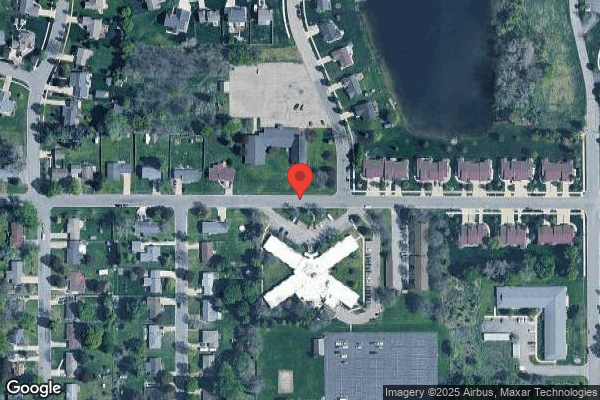
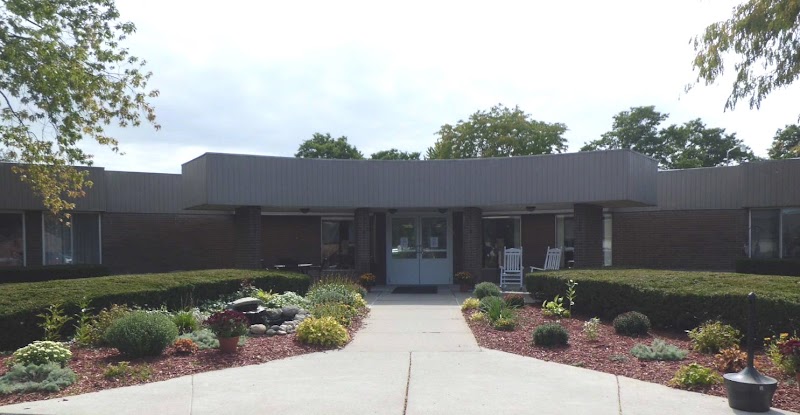
240 E NORTH ST, HASTINGS, MI 49058 (269) 945-9564
For profit - Individual 98 Beds Independent Data: November 2025 1 Immediate Jeopardy citation
Trust Grade
0/100
#271 of 422 in MI
Last Inspection: April 2025

Within standard 12-15 month inspection cycle. Federal law requires annual inspections.

Overview

Clearstream Rehabilitation and Nursing Center has received a Trust Grade of F, indicating significant concerns about the facility's care and operations. Ranking #271 out of 422 facilities in Michigan places it in the bottom half, and it is the second of two options in Barry County, meaning there is only one local facility rated higher. While the overall trend shows improvement from 20 issues in 2024 to 16 in 2025, the facility still has a concerning staffing turnover rate of 63%, much higher than the state average of 44%, reflecting instability among caregivers. Specific incidents include a critical failure to ensure resident safety, leading to two residents eloping from the facility without staff knowledge, and a serious case of resident-to-resident abuse that compromised safety. Additionally, the facility has $35,416 in fines, which raises concerns about compliance with safety regulations, and it offers less RN coverage than 82% of Michigan facilities, suggesting potential gaps in critical nursing support.
Trust Score
F
0/100
In Michigan
#271/422
Bottom 36%
Safety Record
High Risk
Review needed
Inspections
Getting Better
20 → 16 violations
Staff Stability
⚠ Watch
63% turnover. Above average. Higher turnover means staff may not know residents' routines.
Penalties
✓ Good
$35,416 in fines. Lower than most Michigan facilities. Relatively clean record.
Skilled Nurses
⚠ Watch
Each resident gets only 21 minutes of Registered Nurse (RN) attention daily — below average for Michigan. Fewer RN minutes means fewer trained eyes watching for problems.
Violations
⚠ Watch
44 deficiencies on record. Higher than average. Multiple issues found across inspections.
★★☆☆☆
2.0
Overall Rating
★★☆☆☆
2.0
Staff Levels
★★★★★
5.0
Care Quality
★☆☆☆☆
1.0
Inspection Score
Stable
2024: 20 issues
2025: 16 issues

The Good

  • 5-Star Quality Measures · Strong clinical quality outcomes
  • Full Sprinkler Coverage · Fire safety systems throughout facility
  • No fines on record

Facility shows strength in quality measures, fire safety.

The Bad

2-Star Overall Rating

Below Michigan average (3.1)

Below average - review inspection findings carefully

Staff Turnover: 63%

17pts above Michigan avg (46%)

Frequent staff changes - ask about care continuity

Federal Fines: $35,416

Above median ($33,413)

Moderate penalties - review what triggered them

Staff turnover is elevated (63%)

15 points above Michigan average of 48%

The Ugly 44 deficiencies on record

1 life-threatening 3 actual harm
Apr 2025 16 deficiencies
CONCERN (D)

Potential for Harm - no one hurt, but risky conditions existed

Resident Rights (Tag F0550)

Could have caused harm · This affected 1 resident

**NOTE- TERMS IN BRACKETS HAVE BEEN EDITED TO PROTECT CONFIDENTIALITY** Based on interview and record review, the facility failed to ensure residents were cared for with dignity and respect for 1 (Res...

Read full inspector narrative →
**NOTE- TERMS IN BRACKETS HAVE BEEN EDITED TO PROTECT CONFIDENTIALITY** Based on interview and record review, the facility failed to ensure residents were cared for with dignity and respect for 1 (Resident #54) of 2 residents reviewed for dignity, resulting in the potential for feelings of embarrassment, frustration, depression, and loss of self-worth and an overall deterioration of psychological well-being. Findings include: Resident #54 Review of an Minimum Data Set (MDS) assessment revealed Resident #54 was originally admitted to the facility on [DATE] with pertinent diagnoses which included diabetes. Review of an MDS assessment for Resident #54, with a reference date of 2/25/25 revealed a Brief Interview for Mental Status (BIMS) score of 15/15 which indicated Resident #54 was cognitively intact. During an interview on 3/31/25 at 1:48 PM, Resident #54 reported that she was frustrated with how some of the staff interacted with and talked about residents. Resident #54 reported that a few days ago, she had overheard Certified Nursing Assistants (CNA) P and Q in the hallway making fun of a resident. Resident #54 reported that she had heard one of the CNA's ask the resident if he ever showered, and that the resident smelled like fish. Resident #54 reported that she was very upset by this so she reported it immediately to Unit Manager (UM) CC. Resident #54 was not able to confirm which resident staff were talking to, since she overheard it from her room, but she reported that she was still very upset because it just bothered me hearing staff talk about us like that. Resident #54 reported that the way that staff interacted with residents was on ongoing problem, and that she had reported it to management on several occasions. During an interview on 4/2/25 at 10:29 AM, Social Services Director (SSD) GG reported that Resident #54 had reported concerns to her before about the way that staff treated her. SSD GG reported that she felt like Resident #54 typically had concerns with agency staff, and she had never looked into the concerns reported to her by Resident #54 before because usually the agency staff never come back after the concerns are reported. SSD GG confirmed that Resident #54 had reported concerns to her related to overhearing staff talk about residents in the hallway. SSD GG reported that she thought that those concerns were being addressed by the nursing team. During an interview on 4/2/25 at 12:28 PM, UM CC reported that Resident #54 did recently report concerns related to how staff were talking about a resident. UM CC reported that Resident #54 was unable to report the correct name of the resident that she thought staff were talking about, so she did not investigate that concern further. UM CC confirmed that Resident #54 had overheard the staff talking from her room, so she did not see which resident room the staff were in at the time. UM CC reported that she had talked to CNA P and Q that night and told them to keep their voices down and make sure that people could not hear them. UM CC confirmed that she did follow up with any of the residents on the hall to see if they had concerns with how staff were treating them, or investigate the concern further. UM CC confirmed that she did not report this concern to the Nursing Home Administrator (NHA) or the Director of Nursing (DON), but that she did report the concern to the Assistant Director of Nursing (ADON). During an interview on 4/02/25 at 2:12 PM, CNA P reported that she had been accused of talking loudly and inappropriately in front of residents recently and had been talked to by UM CC about this. CNA P reported that UM CC had told her that she needed to be quiet, and that she needed to stop talking about residents. CNA P reported that she did not know why UM CC had talked to her, and that she did not elaborate on what had been reported to her. CNA P reported that she had ongoing concerns with how staff treated residents. CNA P reported that she did not say anything that she felt was inappropriate on the night that UM CC talked to her. CNA P reported that she had ongoing issues with Resident #54, and that Resident #54 had reported concerns about her to the nurse that night, but she did not know why. During an interview on 4/2/25 at 2:23 PM, CNA Q reported that she had recently been talked to by UM CC along with two other CNA's about being quiet and not talking about residents. CNA Q reported that she had overheard CNA P and CNA WW talking about a resident while in a resident room. CNA Q reported that she heard one of the CNA's discussing that the resident was incontinent (lack of control of bladder or bowels), being lazy, and that the resident smelled bad. CNA Q reported that she was not sure which staff member said this about the resident, but that one CNA said it and the other agreed. CNA Q was unable to confirm which resident room the staff were in so she did not know which resident the CNA's were discussing. During an interview on 4/2/25 at 2:29 PM, ADON C reported that she had been made aware of Resident #54 reporting a concern to UM CC. ADON C reported that she was unaware of the details of the concerns reported to UM CC. ADON C reported that she did not investigate the concern further because she thought that UM CC had handled it. ADON C confirmed that she had issues with CNA P and CNA WW in the past related to how they were caring for residents. During an interview on 4/2/25 at 3:25 PM, DON B reported that he had not been aware of the concern that Resident #54 had reported to UM CC. DON B confirmed that UM CC should have reported this concern to him, and that the facility should have looked into this concern further. On 4/1/2025 at 1:43 PM, this writer requested grievance forms from Resident #54 from the last 3 months. The facility did not provide any grievance forms for Resident #54 prior to survey exit. Review of an Educational Opportunity form dated 4/26/18 for CNA P revealed, Educational Prompt: (CNA P) raised voice at a resident stated If you want my job stay here until 10. I'm not dealing with it. Then slammed the door
CONCERN (D)

Potential for Harm - no one hurt, but risky conditions existed

Deficiency F0578 (Tag F0578)

Could have caused harm · This affected 1 resident

**NOTE- TERMS IN BRACKETS HAVE BEEN EDITED TO PROTECT CONFIDENTIALITY** Based on interview and record review, the facility failed to ensure an updated and accurate advanced directive information was i...

Read full inspector narrative →
**NOTE- TERMS IN BRACKETS HAVE BEEN EDITED TO PROTECT CONFIDENTIALITY** Based on interview and record review, the facility failed to ensure an updated and accurate advanced directive information was in place for 1 of 19 residents (Resident #338) reviewed for advanced directives (legal documents that allow a person to identify decisions about end-of-life care ahead of time), resulting in the potential for a resident's preferences for medical care to not be followed by the facility, or other healthcare providers. Findings include: Resident #338 Review of an admission Record revealed Resident #338 was originally admitted to the facility on [DATE] with pertinent diagnoses which included hypertension (high blood pressure). Review of Resident #338's Designation of Patient Advocate Form dated 7/23/24 revealed Resident #338 had designated Family Member (FM) RR as her patient advocate to act in accordance with her end of life decisions .2. Specific Instructions Regarding Life-Sustaining Treatment: I understand I do not have to choose one of the instructions regarding life sustaining treatment listed below. If I choose one, I will sign below mu choice. Choice 1: I do not want my life to be prolonged by providing or continuing life sustaining treatment if any of the following medical conditions exist: I am in an irreversible coma or persistent vegetative state. I am terminally ill and life-sustaining procedures would serve only to artificially delay my death. Under any circumstances where my medical condition is such that the burdens of treatment outweigh the expected benefits. In weighing the burdens and benefit of treatment, I want my Patient Advocate to consider the relief of suffering and the quality of my life as well as the extent of possibly prolonging my life. I understand that this decision could or would allow me to die. If this statement reflects your desires, sign here. This was signed by Resident #338. Review of Resident #338's Determination of Inability to Participate in Complex Decision Making form dated 8/28/24 indicated that Resident #338 had been evaluated and was deemed unable to make medical treatment decisions, and that FM RR Durable Power of Attorney (DPOA) was activated, and FM RR would be responsible for making medical treatment decisions. It was noted that Resident #338 was listed as a Full Code at the facility. Indicating that all life sustaining treatment would be performed on Resident #338 if needed. Review of Interdisciplinary Team (IDT) Progress Note dated 11/5/24 revealed, .Quarterly Care Conference held for Resident. Resident is in facility for long term care. Resident is a Full Code but DPOA would like to change code status to DNR (Do Not Resuscitate) . Review of Resident #338's Progress Note dated 1/24/2025 revealed, Contacted FM RR and does not want any part of medical decision making for resident any longer. Social services notified to address this concern. Review of Interdisciplinary Team (IDT) Progress Note dated 2/4/25 revealed, Resident's DPOA is active and (FM RR) does not want to continue taking responsibility and the process for guardianship will be started . During an interview on 4/2/25 at 8:18 AM, FM RR reported that he had informed the facility that he wanted Resident #338's code status to be DNR. FM RR reported that the facility was supposed to send him the paperwork to change Resident #338's code status, but he never received it. FM RR reported that he had been making the medical treatment decisions for Resident #338, but he lived in another state and it made it hard for him, so he had requested the facility obtain a guardian for Resident #338. During an interview on 4/2/25 at 10:08, Social Services Director (SSD) GG reported that she had been made aware in November 2024 that FM RR wanted Resident #338's code status changed to DNR. SSD GG reported that the facility was supposed to send him the paperwork to sign, but that they did not do this. SSD GG was unable to report why the facility had not sent the paperwork. SSD GG reported that she was also aware that FM RR no longer wanted to make medical treatment decisions for Resident #338. SSD GG reported that the facility had not started the process of obtaining a legal guardian for Resident #338 because she had been sent to the hospital on 2/18/25 and recently returned to the facility. SSD GG reviewed Resident #338's Designation of Patient Advocate Form dated 7/23/24 with this writer and confirmed that Resident #338 did not want life sustaining treatment, which would be indicated under the full code status.
CONCERN (D)

Potential for Harm - no one hurt, but risky conditions existed

Notification of Changes (Tag F0580)

Could have caused harm · This affected 1 resident

**NOTE- TERMS IN BRACKETS HAVE BEEN EDITED TO PROTECT CONFIDENTIALITY** Based on interview, and record review, the facility failed to notify the responsible party of a change in resident condition in ...

Read full inspector narrative →
**NOTE- TERMS IN BRACKETS HAVE BEEN EDITED TO PROTECT CONFIDENTIALITY** Based on interview, and record review, the facility failed to notify the responsible party of a change in resident condition in 1 of 2 residents (R7) reviewed for notification of changes, resulting in the guardian/emergency contact not being made aware of an injury of unknown origin (R7) causing the inability to participate in timely medical decision-making. Findings include: According to the Minimum Data Set (MDS) dated [DATE], R7 was moderately cognitively impaired as evidenced by her BIMS (Brief Interview Mental Status) score of 10/15. Her diagnoses included dementia and Alzheimer's disease with no mention of intermittent urinary catheterization. Review of R7's Progress Note dated 3/15/2025 at 00:30 (AM) revealed, . When doing straight cath at this time noted that her labia (inner and outer folds of vulva at either side of vagina) was bruised bilaterally (both sides) and swollen. Had 1/4-inch laceration above urethra (duct that drains urine from body) . During an interview on 4/2/25 at 12:27 PM, Registered Nurse (RN) EE stated, (R7) on 3/15/25 she had to be cathed, when I separated the labia, it was swollen and black and blue and a small scratch like thing above the labia. I asked the nurse from the shift before me about it and said yes the area was swollen and bruised and had not told anyone about it, including family. I told the ADON (Assistant Director of Nursing), who asked me if I had called the family. I did not contact the family. During an interview on 4/2/25 at 12:15 PM, Director of Nursing (DON) B stated,(R7's) Emergency Contact/Resident Representative was not notified on 3/15/25 when the bruising and tear were found.
CONCERN (D) 📢 Someone Reported This

A family member, employee, or ombudsman was alarmed enough to file a formal complaint

Potential for Harm - no one hurt, but risky conditions existed

Deficiency F0602 (Tag F0602)

Could have caused harm · This affected 1 resident

**NOTE- TERMS IN BRACKETS HAVE BEEN EDITED TO PROTECT CONFIDENTIALITY** This citation pertains to intake MI00150533 Based on interview, and record review, the facility failed to prevent the misappropr...

Read full inspector narrative →
**NOTE- TERMS IN BRACKETS HAVE BEEN EDITED TO PROTECT CONFIDENTIALITY** This citation pertains to intake MI00150533 Based on interview, and record review, the facility failed to prevent the misappropriation of resident narcotic medications in 1 of 1 residents (Resident #64) reviewed for misappropriation of property, resulting in loss of resident's pain medication, and the potential for uncontrolled pain and discomfort. Findings include: Resident #64 Review of an admission Record revealed Resident #64 was originally admitted to the facility on [DATE] with pertinent diagnoses which included muscle weakness. Review of the facility's Drug Diversion Investigation revealed, On Thursday January 23rd at approximately 4:30 PM (Director of Nursing B) received a phone call from (Facility pharmacy) regarding a narcotic discrepancy regarding (Resident #64) Percocet (narcotic) script (prescription) . The pharmacy stated that they had a discrepancy for 20 unaccounted for Percocet . (DON B) was also unable to locate the shift narcotic count sheet for same said script. There was no line item on the count sheet where the medication was removed from count. An audit of all medication carts and their narcotic drawers took place. A Chart review for (Resident #64) was completed looking for the narcotic count sheet. All four medication carts in the building were audited along with the medication room. The medication in question remained unable to be located. On Friday January 24th, 2025, a police report was filed . An audit of all controlled substances on (Facility unit) was conducted to compare narcotic sheet sign outs with MAR charting. Based on this audit, interviews were conducted with two nurses, (Registered Nurse (RN) XX) and (Licensed Practical Nurse (LPN) AA) .(RN XX) was interviewed on Friday January 24th, 2025, at 3 pm. (RN XX) stated that she was unaware of any missing narcotic medications or narcotic count sheets. She was unable to recall what narcotic sheet she signed out the January 17th, 2025, 1900 dose of Percocet that she administered to (Resident #64). (RN XX) was not (sic) on duty when the missing medication was signed in at the facility and she is unable to account for its where about at this time. After the interview (RN XX) took a drug test. It was positive for opioids and oxycodone. At this time (RN XX) was suspended pending further investigation. (LPN AA) was interviewed on Friday January 24th at 3:30 pm. She had not worked on or around the date of the missing medication coming into the facility . At the end of the interview (LPN AA) took a urine drug screen and it was negative. During the investigation it was discovered that on January 20th, 2025, (Facility Medical Doctor (FMD)YY) had sent a script for (Resident #64) Norco (narcotic medication) to the Pharmacy. The Norco script arrived later that evening and was signed for by (RN XX). It was further determined that she failed to add this medication to the shift-to-shift narcotic count sheet. She should have had a narcotic card count of 35 scripts at this time, but she only accounted for 34. On Monday January 27th, 2025, (RN XX) was asked to provide a valid script for her controlled substance, and to come in for a few more questions. (RN XX) provided an undated script for Norco. (DON B) asked if her initials (initials redacted) were the ones on the Norco Narcotic Count sheet for (Resident #64) dated 1/20/25 and she said, yes. When asked why the medication and script was not logged onto her shift-to-shift count sheet, she was unable to provide an explanation and continued to deny having taken any medications from the facility . Conclusion: While the medication is still unable to be located. It is suspected that on January 20th to January 21st during (RN XX) shift she pulled the Percocet card out of the Narc (narcotic) drawer and replaced it with the Norco card script that had just arrived from Pharmacy. This kept the narcotic card count correct, but failed to reflect the addition of the Norco Script and removal of the Percocet Script. Due to the nurse not being able to produce a script for oxycodone, not having an explanation for the missing narcotic card and narcotic sheet and not following procedure with the adding of the Norco script to the narcotic count log, the facility has concluded that the diversion was substantiated.(RN XX) submitted a letter of resignation to (DON B) on Monday January 27th, 2025, effective immediately prior to (the facility) separating employment with (RNXX) . Review of Resident #64's Medication Administration Record revealed that RN XX was the last nurse to document the administration of Percocet for Resident #64 on 1/17/25. During an interview on 4/2/25 at 1:46 PM, LPN AA reported that she had been questioned by DON B regarding missing narcotic medications for Resident #64. LPN AA reported that had talked to Medical Doctor (MD) YY about changing Resident #64's pain medication from Percocet to Norco because in the past the facility had used Norco to treat Resident #64's pain prior to dressing changes, and it always seemed to work well for him. LPN AA reported that Resident #64 had been in and out of hospital a few times around that time with different issues and her first thought was that maybe there was a new medication that was causing some of the side effects Resident #64 reported, so she talked to MD YY and asked to discontinue the Percocet for Resident #64 and try Norco again, which he agreed to do. LPN AA reported that when the Norco prescription was delivered, the nurse that received it should have added the Norco to the count log and then removed the Percocet to destroy. LPN AA reported that the new Norco prescription for Resident #64 was delivered on 1/11/25 and she was not at the facility that day so she did not know what had happened. LPN AA confirmed that she took a drug test at the facility and her drug screen was negative. During an interview on 4/2/25 at 7:49 AM, RN XX reported that she was questioned by DON B in January 2025 because the pharmacy had reported missing medications. RN XX reported that DON B went over the narcotic count sheet with her and asked her if she knew why the medications were missing. RN XX reported that she was unable to answer why there were missing narcotic medications and she did not know what had happened. RN XX was unable to report why the narcotic count card was noted at 34 instead of 35. RN XX confirmed that the facility did ask her take a drug test. RN XX reported that she thought her drug test was only positive for opioids, which was a medication she was prescribed. RN XX reported that she did provide the facility with a prescription for the opioid medication that she took. RN XX reported that she did not know anything else about the investigation because she chose to resign on 1/27/25. RN XX reported that she did not resign because she was being investigated for possible drug diversion. It was noted that the facility had provided photos of RN XX and LPN AA urine drug screen results in the drug diversion investigation folder. The photos noted that RN XX' urine drug screen showed positive results for opioids and oxycodone and LPN AA urine drug screen was negative. During an interview on 4/2/25 at 2:45 PM, DON B reported that he had completed the investigation into the missing narcotic medications. DON B reported that when he was notified by the pharmacy that there was a discrepancy in the narcotics, he immediately audited the facility carts to try to find the missing medication. DON B reported that when he was unable to locate the missing narcotic, he began an drug diversion investigation. DON B reported that he had noted when he reviewed the narcotic count logs and discovered that RN XX had signed for the the new prescription of Norco for Resident #64, but did not add the new prescription to the count, so the count remained at 34, when it should have been 35. DON BB reviewed the investigation file with this writer and showed this writer the count sheets and where RN XX failed to document the new norco prescription and the removal of the percocet prescription on the narcotic count sheet. DON B reported that Resident #64's order had been changed from Percocet to Norco, so the Percocet should have been removed from the cart, and destroyed by two nurses together. DON B reported that since RN XX could not report why she did not remove the Percocet card from the cart, and since she was the nurse that had signed for the delievery of the Norco, tested positive for opioids and oxycodone and was unable to provide a valid script to support the use of those medications, it was determined that RN XX had diverted the percocet from Resident #64. During an interview on 4/2/25 at 1:13 PM, Consulting Pharmacist (CP) OO reported that she had been notified about the missing narcotics in January 2025. CP OO confirmed that the facility was not able to locate the missing narcotic medication. CP OO reported that nurses were supposed document all new narcotics delivered and removed from the count log, and RN XX had failed to document the delivery of the norco prescription and the removal of the percocet narcotic. CP OO reported that is was pretty easy to track RN XX on the missing narcotics, because she had signed for the delivery of the norco prescription, and she was the last to document the administration of Percocet to Resident #64. CP OO confirmed that she audited the narcotic count logs every month and frequently noted discrepancies in nurses documenting administration of narcotics on the count log but not in the resident's medication administration record. Review of an Disciplinary Action Report for RN XX dated 7/26/24 revealed, Rule Violated: Following Department Policies and Procedures. Describe what happened: Medication were signed out of the narcotic book as given, but were not signed out in the MAR as given. These PRN (as needed) medications must be signed out to ensure the safety for the residents .
CONCERN (D)

Potential for Harm - no one hurt, but risky conditions existed

Abuse Prevention Policies (Tag F0607)

Could have caused harm · This affected 1 resident

**NOTE- TERMS IN BRACKETS HAVE BEEN EDITED TO PROTECT CONFIDENTIALITY** Based on interview and record review, the facility failed to operationalize its abuse policy and procedure for 1 resident (R7) o...

Read full inspector narrative →
**NOTE- TERMS IN BRACKETS HAVE BEEN EDITED TO PROTECT CONFIDENTIALITY** Based on interview and record review, the facility failed to operationalize its abuse policy and procedure for 1 resident (R7) of 2 residents reviewed for potential sexual abuse, resulting in staff not reporting observations of abuse to the Nursing Home Administrator immediately, potential for further resident to resident observations of abuse to go unreported and uninvestigated. Findings include: According to the Minimum Data Set (MDS) dated [DATE], R7 was moderately cognitively impaired as evidenced by her BIMS (Brief Interview Mental Status) score of 10/15. Her diagnoses included dementia and Alzheimer's disease with no mention of intermittent urinary catheterization. Review of R7's Progress Note dated 3/15/2025 at 00:30 (AM) revealed, . When doing straight cathed (using a device to drain urine from bladder) at this time noted that her labia (inner and outer folds of vulva at either side of vagina) was bruised bilaterally (both sides) and swollen. Had 1/4-inch laceration above urethra (duct that drains urine from body) . During an interview on 4/1/25 at 4:22 PM, Nursing Home Administrator (NHA) A stated, I am the Abuse Coordinator. Today (4/1/25) was the first day I heard about the injury to (R7). (ADON) (Assistant Director of Nursing) C) brought it to my attention. The first staff heard about injury of unknown origin to (R7) was a progress note written 3/15/25. An injury of unknown origin should be reported to me immediately if suspicious in nature. During an interview on 4/1/25 at 4:25 PM, Director of Nursing (DON) B stated, I was called on 3/15/25 at 5:30 AM by the ADON telling me (R7) she read a progress note about (R7) having a bruised swollen labia with a tear. The NHA was not notified by the ADON or myself. During an interview on 4/1/25 at 5:20 PM, Licensed Practical Nurse (LPN) Y stated, I got an order from (Physician KK) to straight cath (R7). While straight cathing (R7), I noticed a red mark by her clitoris (female genital organ) and slight swelling. I told the oncoming nurse (RN EE). I did not report what I saw to the Abuse Coordinator I just talked to the ADON the next morning. During an interview on 4/2/25 at 12:27 PM, Registered Nurse (RN) EE stated, (R7) on 3/15/25 she had to be cathed, when I separated the labia, it was swollen and black and blue and a small scratch like thing above the labia. I asked the nurse from the shift before me about it and said yes, the area was swollen and bruised and had not told anyone about it, including the Nursing Home Administrator/Abuse Coordinator. I told the ADON (Assistant Director of Nursing), who asked me if I had notified anyone, and I did not. Review of facility Abuse Training completion signature page, dated December 2024, RN EE and LPN Y acknowledged they received the training including types of abuse/neglect and to report all allegations and/or suspicions of abuse must be reported to the Administrator or designee immediately. Review of facility policy Abuse and Neglect dated 7/11/2018, revealed, .It is the policy of this facility to provide professional care and services in an environment that is free from any type of abuse . or mistreatment. The facility follows the federal guidelines dedicated to prevention of abuse and timely and thorough investigations of allegations . The administrator is the abuse coordinator in this facility, and is responsible for developing and implementing abuse prevention training curriculum . Identify events, such as suspicious bruising of residents . An injury should be classified as an injury of unknown source when both of the following conditions are met: -The source of injury was not observed by any person, or the source of injury could not be explained by the resident; and -The injury is suspicious because of the extent of the injury or the location of the injury (example: the injury is located in an area not generally vulnerable to trauma) . All allegations and/or suspicions of abuse must be reported to the Administrator immediately. If the Administrator is not present, the report must be made to the Administrator's Designee .REPORTING: all allegations and/or suspicions of abuse/neglect must be immediately reported to the facility Administrator or designee in the absence of the administrator.
CONCERN (D)

Potential for Harm - no one hurt, but risky conditions existed

Deficiency F0657 (Tag F0657)

Could have caused harm · This affected 1 resident

**NOTE- TERMS IN BRACKETS HAVE BEEN EDITED TO PROTECT CONFIDENTIALITY** Based on observation, interview, and record review, the facility failed to update and revise the person centered care plan in a ...

Read full inspector narrative →
**NOTE- TERMS IN BRACKETS HAVE BEEN EDITED TO PROTECT CONFIDENTIALITY** Based on observation, interview, and record review, the facility failed to update and revise the person centered care plan in a timely manner with appropriate interventions for the prevention of falls for 1 resident (#43) from a total sample of 19 residents, with the potential for physical, mental, and psychosocial unmet care needs and harm. Findings include: .One of the biggest safety challenges is preventing falls .3 of every 4 nursing center residents fall each year .Nursing staff must have the knowledge and skills to prevent injury from falls .Previous falls, diminished strength, gait and balance impairments, medications, Alzheimer's disease or dementia, vision impairment and environmental risk factors .Staffing and organization of care. Inadequate staffing may leave residents who are likely to fall without proper supervision . https://www.ahrq.gov/patient-safety/settings/long-term-care/resource/facilities/ltc/mod3sess3.html Resident #43: Review of an admission Record revealed Resident #43 was a male with pertinent diagnoses which included lack of coordination, muscle weakness, dementia, and Alzheimer's disease. Review of Care Plan for Resident #43 revised on 12/30/24, revealed, .Resident at risk for falls r/t (related to) stroke, lack of coordination, muscle weakness . with the intervention .Dycem placed under wheelchair cushion for positioning .encourage resident to be in high traffic area when not in bed .Encourage the use of call light. Place call light on edge of bed for placement when up in chair .Administer medications as directed. Refer to current physician orders and/or medication administration record (MAR). Report any abnormal s/sx (signs & symptoms) and adjust plan of care as directed .Keep bed in lowest position when not performing mobility and/or care tasks .Anticipate and meet resident's needs .Ensure Pressure Pad call light is within reach, provide cueing and reminders for use as appropriate with level of cognition .ACTIVITY REVIEW for diversional activities .DROP SEAT (TILT BACK) WHEELCHAIR SEAT to assist in lowering center of gravity .FOOTRESTS ON WHEELCHAIR: RIGHT SIDE .ROOM NEARER TO NURSING STATION . Review of General Progress Note dated 3/11/25 at 12:46 PM, revealed, .This writer was notified by NHA (nursing home administrator) that there was a fall on A Hall. This writer walked into residents' room and observed resident laying on the floor on his Right side next to his bed. Resident was wearing nonskid socks; floor was dry and free of clutter. Was attempting to self-transfer from bed to wheelchair. Asked resident if he was hurting anywhere, denied pain. ROM (range of motion) in all extremities WNL (within normal limits). (Resident #43) was assisted to a sitting position, and head to toe assessment was performed. This writer and CNA assisted resident to standing position, and into his wheelchair. V/S obtained; neuros initiated. PCP, Guardian, and Hospice to be notified . Review of Incident Report dated 3/11/25 at 12:40 PM, revealed, .This writer was notified by NHA (Nursing Home Administrator) that there was a fall on (Resident #43's) Hall. This writer walked into resident's room and observed resident laying on the floor on his Right side next to his bed. Resident was wearing nonskid socks; floor was dry and free of clutter. Was attempting to self-transfer from bed to wheelchair . Review of Post Fall Assessment dated 3/11/25, revealed, .IMMEDIATE care plan intervention put in place at time of incident: place w/c (wheelchair) at ft (foot) of bed when not in use and be sure floor mat is in place . Review of Fall Risk Assessment dated 3/11/25 at 6:28 PM, revealed, .A. History of Falling: Has the resident ever fallen before? Yes .Impaired Mobility .2. Overestimates or forgets limits .Score: 75 . Note Score of 45 or greater indicated resident was a high risk for falls. Review of General Progress Note dated 3/23/2025 at 11:29 AM, revealed, .Floor nurse reported the following: Happened in resident room CNA passing door observed resident sitting on floor in front of room door. assessed resident. no visible injury noted. denies pain other than usual pain. vs 94/59, 98.8, 113, 20, po2 89% on RA. Active and Passive ROM (range of motion) per usually. Right side upper and lower extremities non-moveable. Left side Active and Passive without pain. assisted resident to standing position, into w\c PCP, POA, and Hospice were notified of the fall. During an observation on 04/01/25 at 08:54 AM, Resident #43 was observed lying in bed, he did not have the fall mat next to the side of his bed. During an observation on 04/02/25 at 09:39 AM, Resident #43 was observed lying in his bed, lights off, and his fall mat was placed in the far right corner of his room folded up near his closet area. Resident #43 was lying sideways in the bed left foot off the side the bed and had his pillow against the window. During an observation on 04/02/25 at 09:59 AM, Resident #43 was observed in bed his fall mat was over in the right far corner still by his closet. In an interview on 04/02/25 at 02:06 PM, Certified Nursing Assistant (CNA) UU reported the CNAs would look at the [NAME]. This writer and CNA UU reviewed the [NAME] for Resident #43's safety section there was no intervention for a fall mat. Reviewed the whole [NAME] and there was no intervention for a fall mat to be used while the resident was in bed. In an interview on 04/02/25 at 10:08 AM, Licensed Practical Nurse (LPN) W reported the fall mat should have been on the side of the bed as he does self-transfer and has had falls previously. In an interview on 04/02/25 02:12 PM, Director of Nursing (DON) B reported he was called to the room by the Nursing Home Administrator as the nurse was on a break. DON B reported it would be ideal for the care plan to be updated by nurse as they were given access to update the care plans. DON B reported the interdisciplinary team (IDT) also met on Fridays each week to review all the falls for the week and the team would review orders, care plans, interventions and determine if therapy needed to get involved, and tried to determine the root cause of the fall. DON B reported he does frequent rounding on the units and checked in with staff and residents to ensure the care plan interventions were being implemented. DON B reviewed the medical record for Resident #43 and determined the intervention for a fall mat to be in place was not in Resident #43's care plan.
CONCERN (D)

Potential for Harm - no one hurt, but risky conditions existed

Pressure Ulcer Prevention (Tag F0686)

Could have caused harm · This affected 1 resident

**NOTE- TERMS IN BRACKETS HAVE BEEN EDITED TO PROTECT CONFIDENTIALITY** Based on observation, interview, and record review, the facility failed to provide the necessary care and services to prevent, t...

Read full inspector narrative →
**NOTE- TERMS IN BRACKETS HAVE BEEN EDITED TO PROTECT CONFIDENTIALITY** Based on observation, interview, and record review, the facility failed to provide the necessary care and services to prevent, treat, and promote healing of pressure ulcers in 1 of 1 residents (Resident #288) reviewed pressure ulcers, resulting in the potential for delayed healing of pressure ulcers, infection and the development of new ulcers. Findings include: Review of an admission Record revealed Resident #288 was a female with pertinent diagnoses which included pressure ulcer of right buttock stage 3, pressure ulcer of left ankle unstageable, pressure ulcer of left heel stage 3, chronic venous hypertension with ulcer of bilateral lower extremity (sustained high blood pressure in leg veins leading to open sores or wounds that are slow to heal), and pressure ulcer of other site stage 3. Review of Care Plan for Resident #288 with an initiation date of 3/25/25, revealed the focus, .The resident has cellulitis of the (SPECIFY) r/t (related to) Fragile skin .RLE lymphatic generalized vascular ulcer admission 03.25.25 .LLE lymphatic generalized vascular ulcer admission 03.25.25 .Left lateral foot Unstageable admission 03.25.25 .Right posterior thigh Stage III pressure admission 03.25.25 .Right middle thigh stage III pressure 03.25.25 .Right distal thigh stage III Pressure03.25.25 .Left heel stage III pressure admission 03.25.25 .Right gluteal cleft stage III pressure 03.25.25 admission . with the intervention .Educate the resident that prevention of cellulitis starts with good hygiene. Any breaks in the skin should be reported to staff/MD immediately Give antibiotics for infection and mild analgesics to relieve discomfort as prescribed by Physician. Monitor/document side effects and effectiveness .Identify and document risk factors; peripheral arterial disease, chronic use of steroids, weakened immune system, chickenpox, shingles, or chronic edema . Review of Nursing admission Screening/History dated 3/20/25 at 4:16 PM, revealed, .L. Skin: 31. Right buttock Pressure .8.0 L x 1.0 W x 0.5 D .35. Right thigh (rear) Pressure .1.5x1.5x0.2 .35. Right thigh (rear) Pressure .2.0x2.5x0.2 .35. Right thigh (rear) Pressure .1.5x 1.5x0.2 .43. Right lower leg (rear) Pressure (no measurements) .50. Left Heel Pressure .0.3x0.3x0.1 .46. Left ankle (inner) Pressure .2.0x2.0 Unstageable . Review of Nursing admission Screening/History dated 3/20/25 at 4:16 PM, revealed, .M. ADL's/Functional Devices: 1a. Bed Mobility: 2. Assistance of staff . Review of Skin Observation Tool dated 3/31/24 at 9:21 PM, revealed, .4. Patient has NEW alteration in skin integrity? .Yes .Other Specify Pressure Bilateral Lower extre .50. Left heel pressure .32. Left Buttock Pressure .Other Pressure Under Abd Fold .Other Specify Pressure Other Left foot . No measurements were noted in the assessment. Review of Order dated 3/21/25, revealed, .Bilateral boots on while in bed and up in chair as she allows .every day and night shift for Wounds assess skin prior to application and after removal . Review of [NAME] dated 4/1/25 at 9:48 AM, revealed, no intervention for bilateral boots. During an observation on 03/31/25 at 11:09 AM, Resident #288 was observed in her room, lying in her bed in a supine position. During an observation and interview on 03/31/25 at 02:38 PM, Resident #288 reported the facility had not gotten her up out of bed today, she reported the facility had not gotten her up since her admission, and the staff did not take her to the bathroom even though she was continent; the staff had her use the bed pan. This writer observed Resident #288's feet, and she did not have on bilateral boots for offloading, her legs and feet were placed directly on the bed. Observed both lower legs from just below the knee down to the ankle, both lower legs, heels and feet were wrapped in kerlix gauze dated 3/30/25. In an interview and observation on 04/01/25 09:36 AM, Resident #288 was observed lying in bed, supine position, head of the bed was approximately 60 degrees, and she did not have the bilateral boots on for offloading and her legs were directly on the bed. Resident #288 reported the staff had not placed the bilateral boots on her last night as well. During an observation on 04/01/25 at 1:45 PM, Resident #288 was not observed up in her room, not observed in the hallway or participated in an activity. During an observation on 04/02/25 09:34 AM, Resident #288 was observed lying in bed, she was in supine position, she had her head of bed up approximately 80 degrees and she was eating her breakfast, she had on a gown, and a stocking winter hat. Observed she had her legs on the bed, no bilateral boots, pillows, or other offloading device was noted under her legs/heels. This writer observed light blue boots on the chair by her wheelchair. Resident #288 reported the facility staff did not place the blue boots on her feet last night. Review of General Progress Note dated 3/22/2025 at 12:53 PM, revealed, .Resident with purulent drainage from wounds on left lower leg and left thigh red and warm to touch, also had low grade temp this morning . Review of General Progress Note dated 3/22/2025 at 2:50 PM, revealed, .Talked with (First Name) at (Medical Provider Service) and notified her of purulent drainage and temp. Received order for Keflex 500mg TID (three times a day) x7days . During an observation on 04/02/25 at 11:24 AM, Unit Manager BB performed a dressing change on Resident #288's right lower leg. Resident #288 was observed to not have pillows under her legs and the bilateral boots for offloading were on the chair in her room. Resident #288 raised her leg and UM BB cut the tape and removed the kerlix and ABD pad, the leg was placed back down on the protective pad, and when she lifted the leg up, the pad underneath was spotted with multiple spots of bright red blood. UM BB had to removed multiple little pieces of bandage/gauze that were stuck underneath the back of her leg, on her calf, which were covered it dried blood and exudate. During an observation of Resident #288's right lateral lower leg there were multiple open sores running the length of her lower leg, skin was pink/reddish appearing with open weeping areas. On the lateral side of her right foot, she had a dark brown spot which appeared to possibly be a scab with multiple areas of dry flaky skin. Resident #288 had a scab located above the outer ankle area; her toenails have the appearance of a severe fungal toenail infection with brown, crumbly nails. UM BB cleaned the calf with normal saline and the lateral outer side of her right lower leg with saline, opened TAO (triple antibiotic ointment) and applied to the wounds. UM BB reported she had 4 spots right now, but this writer observed multiple open spots on the lateral lower leg and on the back of the leg on the calf. This writer observed drainage has wept through the kerlix on the left inner lower leg and UM BB reported there was a pad underneath her leg on the bed due to the left leg weeping. When finished UM BB did not reapply the bilateral boots for offloading and neither did Certified Nursing Assistant (CNA) M who had assisted with supporting Resident #288's leg and foot during the application of the treatment and dressing. Review of Medication Administration Record/Treatment Administration Record (MAR/TAR) for March 25, revealed, .Bilateral boots on while in bed and up in chair as she allows .every day and night shift for Wounds assess skin prior to application and after removal . Review of dates 3/21/25-PM noted with initials; 3/22/25 -3/31/25: 6AM and 6PM noted with initials indicated Resident #288 had the bilateral boots on. Review of MAR/TAR for April 25 revealed, .Bilateral boots on while in bed and up in chair as she allows .every day and night shift for Wounds assess skin prior to application and after removal . Review of 6AM for 4/1/25, 4/2/25 with initials and 6 PM for 4/1/25, 4/2/25 with initials indicated Resident #288 had the bilateral boots on. During an observation on 04/02/25 at 02:54 PM, Resident #288 was lying supine in her bed, head of the bed was approximately 75 degrees, her legs were straight out in front of her, bilateral boots for offloading were observed on the chair in the same position they were earlier. Resident #288 reported the staff had not placed the bilateral boots for offloading on her today. In an interview on 04/02/25 at 02:55 PM, Certified Nursing Assistant (CNA) M reviewed Resident #288's [NAME] (care interventions) in the medical record for the intervention of bilateral boots. CNA M was unable to find the intervention for bilateral boots for offloading in the [NAME]. In an interview on 04/02/25 at 02:58 PM, Licensed Practical Nurse (LPN) CC reported for Resident #288 they would float her heels as she allows, and she had an order offloading boots. LPN CC reported if the resident refused to offload, she would provide encouragement and would educate the resident on what could happen if the resident refused the offloading. LPN CC reported she would stress the importance of doing so. LPN CC reported if the resident still refused, she would create a progress note in the record which reported the refusal. In an interview on 04/02/25 at 03:06 PM, Assistant Director of Nursing (ADON) C reported her expectation would be documented in the MAR/TAR as a refusal as it was an order for the intervention. ADON C reported there would also be a progress note entered into the medical record for the refusal. In an interview on 04/02/25 at 3:43 PM, ADON C reported the nurses would complete a weekly skin observation and if there were any changes those would be noted on the assessment. ADON C reported UM BB also did her observation and measurements of the wounds and would put a note in the medical record. Review of Skin & Wound Management revised 7/22/24, revealed, .Licensed Nurse skin observation is completed based on policy, which includes upon admission, readmission, weekly, and as needed. Results of skin observation will be documented by following methods: Upon admission and/or readmission: .Complete skin section within the Nursing admission Screening/History to document all areas of breakdown, excoriation, discoloration, and/or other unusual findings in skin condition with initial set of measurements .Will include location, initial set of measurements and description of skin condition .Care plan will be developed for skin potential and actual via AVHS.IDT- Baseline/Interim Care Plan UDA within the first 48 hours .
CONCERN (D)

Potential for Harm - no one hurt, but risky conditions existed

Accident Prevention (Tag F0689)

Could have caused harm · This affected 1 resident

**NOTE- TERMS IN BRACKETS HAVE BEEN EDITED TO PROTECT CONFIDENTIALITY** Based on observation, interview and record review, the facility failed to ensure safety precautions and use of assistive devices...

Read full inspector narrative →
**NOTE- TERMS IN BRACKETS HAVE BEEN EDITED TO PROTECT CONFIDENTIALITY** Based on observation, interview and record review, the facility failed to ensure safety precautions and use of assistive devices for 1 (Resident #33) of 4 residents which have the potential to negatively affect the residents highest practicable physical, mental, and psychosocial well-being. Findings include: Resident #33: Review of an admission Record revealed Resident #33 was a male with pertinent diagnoses which included acquired absence of right leg above the knee, multiple sclerosis (immune system eats away at the protective covering of the nerve fibers and interrupts communication between the brain and the rest of the body), blindness left eye, and muscle wasting and atrophy (loss of muscle mass and strength). Review of Care Plan for Resident #33 revealed the focus, .(Resident #33) is at risk for falls r/t (related to) blind in left eye/low vision, medication use . with intervention .Transfer: Resident is able to use slide board . Review of General Progress Notes dated 6/7/2024 at 7:51 PM, revealed, .Writer observe resident laying on back on floor in bedroom. Assessed .CNA express that she slid patient to floor while transferring client from bed to wheelchair no injuries all extremities in ROM denies pain denies hitting head vitals 159/77, 88, 96, 98.2, 18 . Review of General Progress Note dated 6/10/2024 at 4:15 PM, revealed, .The floor nurse reported the following regarding the incident, Writer observe resident laying on back on floor in bedroom. Assessed CNA express that she slid patient to floor while transferring client from bed to wheelchair no injuries all extremities in ROM (range of motion) denies pain denies hitting head vitals 159/77, 88, 96, 98.2, 18 . Review of Incident Report dated 6/7/24 at 7:00 PM, revealed, .Nurse alerted to resident room by assigned CNA. Writer observed resident laying on back in bedroom .Patient Description: Patient express he fell during assisted transfer .Client assessed by nurse, used hoyer lift until re-evaluated by therapy .Statement: CNA expressed she attempted to pivot transfer patient when fall occurred. As He stood up the transfer to chair, he did not help stand up he was set back on side of bed and his butt and bed pad slid right off the bed onto the floor. I set him down and made sure he was safe and notified the nurse .Gait belt was being used. Resident was sitting up on the edge of the bed. Bed was a little higher than the level of the chair seat to facilitate safe transfer. Resident was Dead weight and no assist during the transfer once resident was off of the bed . Review of Fall Risk Assessment dated 6/7/24 at 7:04 PM, .Morse Fall Risk Scale: Score of 60 . which indicated the resident was high risk for falls. Review of Incident Report dated 2/18/25 at 9:45 PM, revealed, .This nurse was notified by A Hall CNA that help was needed to get this resident off the floor. When this nurse walked in resident was sitting on his butt next to his bed facing the dresser with his wheelchair behind him. Resident denied hitting his head and denied any pain or discomfort. Resident was helped off the floor and into resident's bed by this nurse and A Hall CNA .Patient Description: Resident stated I told her that she had to use the slide board, and she did not use the slide board. She lifted me up by herself and then had to sit me down on the floor .Immediate Action Taken: A Hall CNA was educated on the importance of using the slide board for resident transfers. This showed where to obtain the [NAME] (care interventions) for transfer status of residents and stated if there are any questions or concerns to ask this nurse for help with transfers or where to find information regarding resident . Review of General Progress Note dated 2/18/2025 at 9:45 PM, revealed, .This nurse was notified by A Hall CNA that help was needed to get this resident off the floor. When this nurse walked in resident was sitting on his butt next to his bed facing the dresser with his wheelchair behind him. Resident denied hitting his head and denied any pain or discomfort. Full head to toe assessment was completed. No noted injuries. Vital signs obtained. Resident was helped off the floor and onto resident's bed by this nurse and A Hall CNA . Review of Fall Risk Assessment dated 2/18/25 at 9:45 PM, revealed, .Morse Fall Risk Scale: Score of 60, High Risk of Falling .Has the resident ever fallen before .Yes .Know the limits of their abilities to ambulate safely? .Knows own limits . This writer attempted to contact CNA JJ and did hear back from her prior to exit. Review of CNA Clinical Orientation Checklist dated 1/29/25, revealed, CNA JJ completed training for Fall Prevention and Use of Slide Rails/Padding/Floor mats and was signed off she had received the training. In an interview on 04/02/25 at 7:35 AM, Licensed Practical Nurse (LPN) Z reported when she went to assist the CNA JJ, the resident was by his nightstand with his leg out in front of him, she assessed him, and he was fine. LPN Z reported CNA JJ reported he was on the floor, and she had to lower him the floor as she was transferring him. LPN Z reported CNA JJ told her she had used the board, but she provided education to the CNA on where to find transfer status. LPN Z reported Resident #33 had reported to her, CNA JJ did not use a slide board and there was no gait belt used. In an interview on 04/01/25 at 02:40 PM, Resident #33 reported he was transferred from his wheelchair to his bed, and the Certified Nursing Assistant (CNA) didn't use the slide board and did not have a gait belt on him. Resident #33 reported he fell from the height of his wheelchair seat to the floor. Resident #33 reported the CNA must've thought she was strong enough. Resident #33 reported his slide board was normally placed against the foot board of his bed, leaning up against it. In an interview on 04/02/25 at 02:25 PM, Director of Nursing (DON) B reported he was at times to transfer independently but Resident #33 should have staff assistance for safety concerns with him for transfers. DON B reported he should have one person staff assist with the slide board and a gait belt should be used.
CONCERN (D)

Potential for Harm - no one hurt, but risky conditions existed

Deficiency F0713 (Tag F0713)

Could have caused harm · This affected 1 resident

**NOTE- TERMS IN BRACKETS HAVE BEEN EDITED TO PROTECT CONFIDENTIALITY** Based on interview and record review, the facility failed to ensure emergency physician services were utilized by facility staff...

Read full inspector narrative →
**NOTE- TERMS IN BRACKETS HAVE BEEN EDITED TO PROTECT CONFIDENTIALITY** Based on interview and record review, the facility failed to ensure emergency physician services were utilized by facility staff for one resident (R7) of 19 reviewed for emergency physician care needs, resulting in not receiving prompt physician emergency services and the increased potential for complications to a serious health condition. Findings include: According to the Minimum Data Set (MDS) dated [DATE], R7 was moderately cognitively impaired as evidenced by her BIMS (Brief Interview Mental Status) score of 10/15. Her diagnoses included morbid obesity, anxiety disorder, metabolic encephalopathy, chronic obstructive pulmonary disease (COPD), and chronic respiratory failure. Review of R7's Progress Note dated 3/19/25 at 14:45 (2:45 PM) indicated R7 had returned from the hospital at this time. Review of R7's Progress Note dated 3/20/2025 at 4:13 (AM) revealed, Patient still has yet to void since returning from the hospital the evening of 3/19. This writer called patients provider (Physician KK) afterhours line at approximately 1:10 AM and left a message. Still no response from (Physician KK) at 2:30 AM. This writer called (facility's medical provider name) on-call and left a message at approximately 2:35 AM for the on-call provider to call back. After no returned call this writer called (facility's medical provider name) on-call again at approximately 3:30 AM and a message was left. At 3:40 AM this writer called (Medical Director YY) personal number after getting no response from (facility's medical provider name) or (Physician KK). At 3:45 AM (facility's medical provider name) nurse practitioner (NP) called back, and this writer explained to the provider that the patient had not voided since returning from the hospital last evening 3/19. I also informed the NP that the patient is not a (facility medical provider name) patient and that patient's doctor (Physician KK) hadn't responded to my message. I informed the NP that I was calling to get an order to straight cath the patient and the NP informed this writer that she could not give the order to do so because the patient is not a patient of the facility's medical provider. It was noted the resident had not been relieved of urine for approximately 13 since returning from the hospital. It was not documented if R7 had been relieved of urine while at the hospital. During an interview on 4/2/25 at 10:32 AM, Director of Nursing (DON) B stated, There is no plan for (Physician KK's) residents if he does not call back or comes in to see his patients that reside in the facility. During an interview on 4/2/25 at 10:52 AM, Receptionist MM stated, (Physician KK) is independent and does his own calls. An answering machine gives a number to call if after-hours. If the call is a true emergency (Physician KK) would call the person back. Review of R7's Progress Note dated 3/20/2025 at 9:42 (AM) revealed, .just back from (name of hospital) stay (3/16 - 3/19/25) .Unable to void yesterday and this AM straight cath for 600cc .No void on 3/20 at 0100 (AM) with bladder scan 400cc, and straight cath on 3/20 at 0700 (AM) with 600cc out 8. Urine Retention According to https://www.ncbi.nlm.nih.gov/, The urinary bladder can store up to 500 ml of urine in women .People already feel the need to urinate (pee) when their bladder has between 150 and 250 ml of urine in it. Age: Bladder capacity tends to decrease with age. Attempts were made on 4/1/25 at 3:59 PM and 4/2/25 at 10:18 AM to contact LPN ZZ with no return call by end of survey 4/2/25 at 5:30 PM.
CONCERN (D)

Potential for Harm - no one hurt, but risky conditions existed

Unnecessary Medications (Tag F0759)

Could have caused harm · This affected 1 resident

**NOTE- TERMS IN BRACKETS HAVE BEEN EDITED TO PROTECT CONFIDENTIALITY** Based on observation, interview, and record review, the facility failed to maintain a medication error rate of less than five pe...

Read full inspector narrative →
**NOTE- TERMS IN BRACKETS HAVE BEEN EDITED TO PROTECT CONFIDENTIALITY** Based on observation, interview, and record review, the facility failed to maintain a medication error rate of less than five percent in 2 of 11 residents (Resident #338 and #6) reviewed for medication administration, resulting in a medication error rate 12% and the potential for adverse effects. Findings include: Resident #338 Review of an admission Record revealed Resident #338 was originally admitted to the facility on [DATE] with pertinent diagnoses which included hypertension (high blood pressure). Review of Resident #338's MAR revealed, Coreg Oral Tablet 3.125 MG (Carvedilol) (blood pressure medication). Give 1 tablet by mouth two times a day for HTN (hypertension) hold dose if SBP (systolic blood pressure) less than 90 or HR (heart rate) less than 50. Review of Resident #338's MAR revealed, Depakote (antipsychotic medication) ER Oral Tablet Extended Release 24 Hour (Divalproex Sodium) Give 1 tablet by mouth two times a day related to bipolar disorder Review of Resident #338's MAR revealed, Depakote ER Oral Tablet Extended Release 24 Hour 500 MG (Divalproex Sodium) Give 1 tablet by mouth every morning and at bedtime related to bipolar disorder . During a medication administration observation on 4/1/25 at 8:19 AM, Licensed Practical Nurse (LPN) Y reported prepared Resident #338 's medications. LPN Y reported that Resident #338 was readmitted to the facility the night before, and her medications had not been ordered from the pharmacy yet, so she would need to pull them from the facility's pyxis (machine that stores and dispenses medications). LPN Y pulled two Depakote pills from the Pyxis. It was noted that the Depakote pills were 125 mg (milligrams) each. LPN Y returned to her medication cart and placed one 125 mg pill in a cup to administer to Resident #338. LPN Y reported that she would need to return the second 125 mg pill to the pyxis because she did not need it. LPN Y was observed returning the Depakote pill with the assistance of Director of Nursing (DON) B. LPN Y returned to the medication cart and reported that the facility did not have Resident #338's morning dose of Coreg 3.125 mg available, so she would have to omit this medication dose. LPN Y then finished opening the remainder of Resident #338's medications and entered Resident #338's room and administered the medications to her. It was noted that Resident #338 took the 125 mg Depakote pill. LPN Y then returned to the medication cart and documented the medications as given, except for the Coreg, which was documented as not given. During medication reconciliation, this writer noted that LPN Y had documented the Depakote medication as administered under the order Depakote (antipsychotic medication) ER Oral Tablet Extended Release 24 Hour (Divalproex Sodium) Give 1 tablet by mouth two times a day related to bipolar disorder which did not indicate what dose of Depakote should have been administered. During an interview and observation on 4/1/25 at 1:10 PM, Director of Nursing (DON) B confirmed that he had assisted LPN Y in returning the 125 mg Depakote pill to the pyxis. DON B went to the medication storage room with this writer and showed this writer the Depakote pill that had been returned. DON B confirmed that the dose of the Depakote pill was 125 mg. DON B reported that he had just entered a new order for Resident #338's Depakote because he had been notified by the facility pharmacy that Resident #338's Depakote order did not include a dose. DON B reported that Resident #338's Depakote order was supposed to be 500 mg twice a day. DON B reviewed Resident #338's MAR with this writer and confirmed that LPN Y had documented that she had administered the Depakote on the order which did not indicate a dose. DON B confirmed that one 125 mg pill was not the accurate dose, and LPN Y missed this. DON B confirmed that nurses were expected to follow the rights of medication administration, which includes verifying the order, prior to administering medication, and this was missed. During an interview on 4/2/25 at 1:27 PM, LPN Y reported that she did not realize that Resident #338's order did not indicate a dose, and she did not know why she administered 125 mg of Depakote. LPN Y confirmed that she had made a medication error and did not follow Resident #338's order. Resident #6 Review of an admission Record revealed Resident #6 was originally admitted to the facility on [DATE] with pertinent diagnoses which included atrial fibrillation (irregular rapid heart rate that commonly causes poor blood flow). Review of Resident #6's Medication Administration Orders (MAR) revealed, Symbicort Inhalation Aerosol 160-4.5 MCG/ACT (Budesonide-Formoterol Fumarate Dihydrate) (combination inhaler used to treat asthma and chronic obstructive pulmonary disease) 2 puff inhale orally every morning and at bedtime . During a medication administration observation on 4/1/25 at 8:19 AM, Licensed Practical Nurse (LPN) Y was preparing Resident #6's morning medications and reported that she could not find Resident #6's inhaler. LPN Y reported that the inhaler must not have been re-ordered so she would need to omit Resident #6's ordered morning dose of the symbicort as the facility did not have it available. Review of the facility's Administration of Drugs policy last reviewed 8/1/24 revealed, POLICY: It is the policy of this facility that medications shall be administered as prescribed by the attending physician. Procedures: .14. Prior to administering the resident's medication, the nurse should compare the drug and dosage schedule on the resident's MAR with the drug label. NOTE: If there is any reason to question the dosage or the schedule, the nurse should check the physician's orders .
CONCERN (D)

Potential for Harm - no one hurt, but risky conditions existed

Deficiency F0761 (Tag F0761)

Could have caused harm · This affected 1 resident

Based on observation, interview, and record review, the facility failed to properly label, date, and store medications in 1 out of 1 medication carts resulting in the potential for decreased efficacy ...

Read full inspector narrative →
Based on observation, interview, and record review, the facility failed to properly label, date, and store medications in 1 out of 1 medication carts resulting in the potential for decreased efficacy of medications and the exacerbation of medical conditions. Findings include: During an observation of the B hall medication cart with Registered Nurse (RN) FF on 4/1/25 at 12:48 PM, one opened insulin lispro (Humalog) pen was noted in the top shelf of the cart. The pen was labeled with the resident's name, but the date the medication was opened was missing. RN FF confirmed that nurses were suppose to label the insulin pens when they open them, and this was missed. In the stock meds (medications used for multiple residents) area of the cart there was one opened bottle of Mucus ER (Medication to help thin mucus) which did not have an open date, and one opened bottle of Cetirizine 10 mg (Allergy medication) that also did not include an opened date. RN FF reported that nurses were suppose to label the medications when they were opened, and this was missed. During an interview on 4/2/25 at 2:45 PM, Director of Nursing (DON) B reported that the night shift nursing staff were expected to review the medication carts and ensure that all medications were labeled with open dates, and that nurses should label medications when they are opened.
CONCERN (D)

Potential for Harm - no one hurt, but risky conditions existed

Infection Control (Tag F0880)

Could have caused harm · This affected 1 resident

**NOTE- TERMS IN BRACKETS HAVE BEEN EDITED TO PROTECT CONFIDENTIALITY** Based on observation, interview, and record review the facility failed to effectively implement infection control measures that ...

Read full inspector narrative →
**NOTE- TERMS IN BRACKETS HAVE BEEN EDITED TO PROTECT CONFIDENTIALITY** Based on observation, interview, and record review the facility failed to effectively implement infection control measures that included: 1.) effective implementation of Enhanced Barrier Precautions (EBP) for 2 residents (R7 and R338) 19 residents reviewed for infection control, resulting in the potential for cross contamination of infection to a vulnerable population. Findings include: R7 According to R7's medical records, an Order Summary dated 3/23/25, indicated R7 Maintain foley catheter with 18 Fr 10 cc balloon (size) for urinary retention (diagnosis). Further review of R7's Order Summary on 3/31/25, did not indicate the resident was placed on EBP. Review of R7's Care Plan did not indicate a resident-specific treatment plan for Enhanced Barrier Precautions. Review of R7's Progress Note dated 3/22/2025 at 22:45 (10:45 PM) revealed, .Foley catheter 16FR (french) 10cc balloon inserted. Observed on 3/31/25 at 11:52 AM, R7 lying in bed with a urinary catheter bag attached to her bed. During an interview on 3/31/25 at 11:58 AM Housekeeping (HSKG) E stated, I am a newer employee. The only way I know if a resident is on any type of Transmission-Based Precautions is the signage that is posted on the door before I enter it. During an observation and interview on 4/1/25 at 8:15 AM, there was no EBP signage/notification or PPE (Personal Protection Equipment) on or by R7's door or room to indicate the resident should be on EBP. R7 was in bed awake with an urinary catheter bag attached to her bed frame and visible from doorway. R7 was wearing oxygen via nasal cannula (NC). Unit Manager (UM) CC entered R7's room and with bare hands untangled the resident's foley tubing and oxygen tubing. UM CC stated, (R7) went out to the hospital for a few days and came back with the urinary catheter because she was unable to void. I'm not sure if she has a leg strap for the catheter tubing. Without donning the appropriate PPE, UM CC moved aside R7's bedding and touched the resident's inner right thigh with bare hands moving aside what she described as a leg strap holding the urinary catheter tubing close to the insertion site. UM CC reported the leg strap was peeling away. During an interview on 4/1/25 at 5:03 PM, Director of Nursing (DON) B stated, A resident that has a urinary catheter should be placed on Enhanced Barrier Precautions for infection control purposes. (R7) was not placed on EBP until today 4/1/25. I expect all nursing staff to know to wear PPE when touching catheter tubing. According to the U.S. Department of Health and Human Services Centers for Disease control and Prevention (CDC), Providers (medical staff) and staff (facility) must wear gloves and a gown for High-Contact resident care activities including device-care or use of urinary catheters. Resident #338 Review of an admission Record revealed Resident #338 was originally admitted to the facility on [DATE] with pertinent diagnoses which included hypertension (high blood pressure). Review of Resident #338's Care Plan revealed, (Resident #338) has an enteral feeding tube (tube that delivers liquid nutrition directly to the stomach or small intestine) .Physician order to feeding tube patent. Date Initiated: 04/02/2025 . During an observation on 4/1/25 at 11:51 AM, Resident #338 was sitting in a wheelchair in her room. Certified Nursing Assistant (CNA) AAA was making Resident #338's bed. It was noted that CNA AAA did not have on a gown or gloves. CNA AAA then applied gloves and assisted Resident #338 to brush her teeth. It was noted that CNA AAA did not have a gown on. It was noted that there was a sign outside of Resident #338's door which indicated that she was enhanced barrier precautions, and gowns and gloves were required for direct care activities with Resident #338. During an interview on 4/1/25 at 11:53 AM, LPN Y confirmed that Resident #338 was on enhanced barrier precautions because she had a feeding tube.
CONCERN (E)

Potential for Harm - no one hurt, but risky conditions existed

Safe Environment (Tag F0584)

Could have caused harm · This affected multiple residents

**NOTE- TERMS IN BRACKETS HAVE BEEN EDITED TO PROTECT CONFIDENTIALITY** R61 According to the Minimum Data Set (MDS) dated [DATE], R61 was cognitively intact as evidenced by her BIMS (Brief Interview M...

Read full inspector narrative →
**NOTE- TERMS IN BRACKETS HAVE BEEN EDITED TO PROTECT CONFIDENTIALITY** R61 According to the Minimum Data Set (MDS) dated [DATE], R61 was cognitively intact as evidenced by her BIMS (Brief Interview Mental Status) score of 14/15. During an observation and interview on 3/31/25 at 12:15 PM, R61 was awake in bed with her head-of-bed (HOB) at the window. The windowsill track was littered with dead bugs, dust, and debris. The tile sill was cracked and chipped with a large chunk of it missing. The veneer around the bed head board was pulled away from the wood leaving an area large enough to put a hand through. R61 stated, I keep my house neat, tidy, and clean. I would never have my house like this. I have a handyman that helps me at home to keep things fixed. I'm glad I'm going home tomorrow. During an observation and interview on 4/1/25 at 8:00 AM, the window curtain at R61's HOB had a stain the size of a saucer cup at eye level of the resident. R61 stated, I'll be glad when I go home today. I would have stains like this cleaned up. Based on observation, interview, and record review the facility failed to ensure 2 rooms (Resident #61's room and the Spa room between C and D hall) were maintained in a sanitary and orderly manner and failed to ensure a home-like dining environment for 1 (the locked memory care unit's dining room; Living Moments Lane) of 2 dining rooms resulting in being unsatisfied, having a dining experience with an institutionalized practice rather than home-like, and the potential for feelings of sadness and/or discontent with one's living environment. Findings include: During an observation on 04/01/25 at 08:36 AM, in the locked memory care unit, residents dining in the unit's dining room at all tables were served their breakfast meals on top of trays that were placed on top of the dining table and left there for the duration of the meal. During an observation on 04/01/25 at 01:14 PM, in the locked memory care unit, residents dining in the unit's dining room at all tables were served their lunch meals on top of trays that were placed on top of the dining table and left there for the duration of the meal. During an observation on 04/02/25 at 08:15 AM, residents were observed in the facility's main dining room (where resident's from the three of the four units could dine at; the other unit is the locked memory care unit) eating breakfast, and meals were not left on the tray. Instead of placing the meal trays on the dining table that held the cup, bowl, plate, and silverware the dining ware items were taken off the tray and placed in front of the resident directly onto the dining table in front of residents. During an observation on 04/02/25 at 08:32 AM, in the locked memory care unit, residents dining in the unit's dining room at all tables were served their breakfast meals on top of trays that were placed on top of the dining table and left there for the duration of the meal. During an interview on 04/02/25 at 09:08 AM, Dietary Director UU reported she doesn't know why the locked memory care unit served the meals on the trays in the dining room but the main dining room doesn't serve that way. Dietary Director UU reported the dietary staff put the food on the trays to be placed in the meal carts to be taken to the units/dining rooms and then nursing staff handle the trays from there. During an interview on 04/02/25 at 09:45 AM, Director of Nursing (DON) B reported meals should not be served on trays on the table in the dining rooms within the facility. DON B confirmed the meals shouldn't be served differently, on the trays on the table in the dining room, of the locked memory care unit. During an interview on 04/02/25 at 10:07 AM, Certified Nurse Aide (CNA) VV reported in the locked memory care unit staff served residents' meals on the trays on the dining room's tables, but in the other part of the building (the dining room where the other three units' residents can dine) food is taken off the trays and put on the table in front of the residents. CNA VV reported this way of serving differently based on the unit was how it has been done and stated, Just doing what I'm told. CNA VV reported she doesn't know why it is done this way in the locked unit but not out in the non-locked dining area of the building. Review of the facility's Meal Service, Nursing Responsibility policy, adopted 7/11/2018, stated, Be courteous and encourage an enhanced, pleasant dining atmosphere. Resident's in the facility's locked memory care unit's are placed there due to impaired cognitive status and therefore during interviews were unable to report if being fed on trays on the dining table bothered them or not, or how they had dined at home prior to admission to the unit. Applying the reasonable person concept, meals served on trays which are placed on the table in front of the diner can increase the institutional feel of the dining environment and make it less home-like. A reasonable person likely would choose to not be served meals on trays in a dining room. During a tour of the spa room between the C hall and D hall, with Maintenance Director (MD) DD, at 2:46 PM on 3/31/25, observation found a padded shower chair with stuck on and smeared brown debris. When asked if he could see the accumulation, MD DD, stated yes. Observation of the supply and stock cabinet in the spa room, found black spotted debris on the inside walls of the top left door of the cabinet. Further interview with MD DD found that the facility is planning to do some renovations in the spa room and remove the cabinet at some point.
CONCERN (E)

Potential for Harm - no one hurt, but risky conditions existed

Deficiency F0658 (Tag F0658)

Could have caused harm · This affected multiple residents

**NOTE- TERMS IN BRACKETS HAVE BEEN EDITED TO PROTECT CONFIDENTIALITY** Based on observation, interview, and record review, the facility failed to maintain professional standards of nursing practice a...

Read full inspector narrative →
**NOTE- TERMS IN BRACKETS HAVE BEEN EDITED TO PROTECT CONFIDENTIALITY** Based on observation, interview, and record review, the facility failed to maintain professional standards of nursing practice and notify the provider of missed medication doses, 2 of 19 residents (Resident #6 and Resident #338) reviewed for professional standards, resulting in missed medications and treatments, and the potential for the worsening of a condition and a delay in treatment. Findings include:Resident #6 Review of an admission Record revealed Resident #6 was originally admitted to the facility on [DATE] with pertinent diagnoses which included atrial fibrillation (irregular rapid heart rate that commonly causes poor blood flow). Review of Resident #6's Medication Administration Orders (MAR) revealed, Symbicort Inhalation Aerosol 160-4.5 MCG/ACT (Budesonide-Formoterol Fumarate Dihydrate) (combination inhaler used to treat asthma and chronic obstructive pulmonary disease) 2 puff inhale orally every morning and at bedtime . During a medication administration observation on 4/1/25 at 8:19 AM, Licensed Practical Nurse (LPN) Y was preparing Resident #6's morning medications and reported that she could not find Resident #6's inhaler. LPN Y reported that the inhaler must not have been re-ordered so she would not be able to give Resident #6 her ordered morning dose of the inhaler medication. LPN Y reported that nurses were responsible for re-ordering medications when they were low, and that many of the staff were not good at re-ordering medications. LPN Y reported that is was common for residents to miss medications when they were not re-ordered timely and that she would need to order the medication. During a follow up interview on 4/1/25 at 12:11 PM, LPN Y reported that she did not notify the facility's medical doctor that Resident #6 had missed her morning dose of Symbicort. LPN Y reported that she didn't think it was necessary to contact the facility's medical doctor because it was just an inhaler. Resident #338 Review of an admission Record revealed Resident #338 was originally admitted to the facility on [DATE] with pertinent diagnoses which included hypertension (high blood pressure). Review of Resident #338's MAR revealed, Coreg Oral Tablet 3.125 MG (Carvedilol) (blood pressure medication). Give 1 tablet by mouth two times a day for HTN (hypertension) hold dose if SBP (systolic blood pressure) less than 90 or HR (heart rate) less than 50. Review of Resident #338's MAR revealed, Enteral Feed Order two times a day for prevent clogging. Flush q12 hours with 60 ml water via PEG (tube inserted into the stomach and used to provide medication and nutrition when a person is unable to eat or drink normally). Start date 4/1/25 During an medication administration observation and interview on 04/01/25 08:00 AM, LPN Y reported that the facility did not have any of Resident #338's medications available because Resident #338 was readmitted to the facility the day before, and she did not know if the nurse that readmitted Resident #338 yesterday had ordered the medications. LPN Y also reported that Resident #338 was readmitted with a peg tube used for tube feeding, but Resident #338 did not have feeding tube orders in place. LPN Y reported that she did not know if Resident #338 was supposed to receive enteral feedings, or flushes for her peg tube, and that she was going to have to ask the Unit Manager about Resident #338's feeding tube. LPN Y reported that she was able to obtain most of Resident #338's medications from the facility's Pyxis (automated medication dispensing system), but that the facility did not have Resident #338's Coreg medication, so Resident #338 would miss her morning dose of Coreg. LPN Y reported that nurses were responsible for ordering medications for residents when they were admitted to the facility as well as re-ordering medications before a resident ran out. LPN Y did not know the process for when nurses were expected to re-order resident medications, and reported she would typically reorder medications when there were 2-3 days of the medication left. During an interview on 4/02/25 at 12:06 PM, Registered Nurse (RN) FF reported that nursing staff at the facility were not good at reordering medications, and residents often missed medications because the facility did not have them. RN FF confirmed that she did not know the policy for re-ordering medications, but that she would reorder them when there were 3-4 days left. RN FF reported that when a resident missed a medication she would use her judgement on if she should notify the provider or not. During an interview on 4/2/25 at 12:12 PM, Unit Manager (UM) BB reported that nurses were responsible for calling the pharmacy when a resident is admitted to the facility to ensure that the medications would be delivered before their next dose is due. UM BB confirmed that nurses were also responsible for reordering medications for residents, and were suppose to order them when the resident had 5 doses remaining. UM BB confirmed that nurses were expected to notify the provider anytime a resident missed a medication. UM BB reported that two nurses were supposed to be review admission orders with a second nurse to ensure accuracy of orders. During an interview on 4/2/25 at 12:36 PM, UM CC confirmed that she was the Unit Manager for the unit that Resident #338 resided on. UM CC reported that she had not been notified by LPN Y that Resident #338 did not have orders in place for her feeding tube. UM CC reviewed Resident #338's electronic medical record (EMR) with this writer and confirmed that the facility had not put orders in place for Resident #338's feeding tube until 4/1/25, which was 24 hours after she was admitted . UM CC confirmed that Resident #338 had missed her feeding tube being flushed on 3/31/25 and the morning flush on 4/1/25. UM CC reported that nursing staff should have followed the hospital discharge orders for Resident #338, and she should have not missed any care for her feeding tube. UM CC confirmed that two nurses were suppose to verify new admission orders for accuracy and to ensure all orders were in place. During an interview on 4/2/25 at 1:46 PM, LPN AA reported that she was the nurse that readmitted Resident #338 to the facility. LPN AA confirmed that she had not put in orders for Resident #338's peg tube, and that she had just looked at the medication orders for Resident #338. LPN AA reported that Resident #338 was admitted back to the facility late in her shift, and she probably missed a few things with Resident #338's admission. During an interview on 4/2/25 at 11:38 AM, Pharmacist PP reported that the pharmacy delivered medications to the facility twice and day, and that they were also available 24 hours a day to drop ship urgent medications the same day. Pharmacist PP confirmed that the pharmacy was able to provide medications via drop ship if the nursing staff called and requested it. Pharmacist PP reported that if a resident was admitted after the cut off times for the daily deliveries, the nurse could call and request a drop shipment to ensure that the resident did not miss any medication doses. During an interview on 4/2/25 at 2:45 PM, Director of Nursing (DON) B reported that the night shift nurses were expected to review the facility's medication carts nightly and reorder any medications that were low. DON B reported nurses were expected to reorder medications when there were 7 doses remaining. DON B reported that nurses were expected to notify the provider anytime a resident missed a medication dose. DON B confirmed that residents should never miss a medication dose because the facility failed to reorder it timely. DON B reported that nurses were expected to ensure medications were ordered for a new admission by requesting a pharmacy drop shipment if needed. DON B reported that nurses were supposed to verify admission orders with a second nurse to ensure accuracy. DON B confirmed that he had several concerns with Resident #338 readmission orders. DON B confirmed that the nurse did not have a second nurse verify the orders, and that tube feed orders were not in place for Resident #338. DON B confirmed that the facility provider should have been notified about Resident #6 missing a dose of her symbicort inhaler. Review of the facility's Medication Order policy last reviewed 8/1/24 revealed, POLICY: It is the policy of this facility that medications are administered only upon the clear, complete, and signed order of a person lawfully authorized to prescribe. Verbal orders are received only by licensed nurses or pharmacists and confirmed in writing by the prescriber. Procedure: .3. If the prescribed medication is not available: Attempt to pull the medication from the Back-up box. If the medication is not available in the back-up box, notify the provider and follow up with directives given.
CONCERN (E)

Potential for Harm - no one hurt, but risky conditions existed

ADL Care (Tag F0677)

Could have caused harm · This affected multiple residents

Based on observation, interview, and record review the facility failed to ensure facial hair grooming was offered and/or provided and/or clean hair was maintained for 4 (Residents #12, 14, 17, 53) of ...

Read full inspector narrative →
Based on observation, interview, and record review the facility failed to ensure facial hair grooming was offered and/or provided and/or clean hair was maintained for 4 (Residents #12, 14, 17, 53) of 6 residents reviewed that were dependent on staff for activities of daily living resulting in unwanted facial hair, debris in hair, appearing unkempt, and the potential for feeling embarrassed or having decreased self-worth. Findings include: Resident #12 Review of Resident #12's most recent brief interview for mental status score, dated 2/19/2025, was scored 5 which indicated Resident #12 had severe cognitive impairment. During an observation and interview on 03/31/25 at 10:57 AM, Resident #12 was seated in her wheelchair in the dining/activity room of the locked memory care unit of the facility, appeared confused, and was unable to answer questions asked by the surveyor. Resident #12 had long white facial hairs over the surface of her chin. The hairs' lengths varied, but many were approximately half an inch in length. During an observation on 03/31/25 at 03:49 PM, Resident #12 was seated in her wheelchair facing the television in the activity/dining room of the memory care unit and her white chin hairs observed remained the same as they had appeared on 03/31/25 at 10:57 AM. During an observation on 04/01/25 at 08:27 AM, Resident #12 was seated in her wheelchair at a table in the activity/dining room of the memory care unit and was observed to have facial hair that presented the way it had during observations made the day prior, 03/31/2025. During an observation on 04/01/25 at 01:34 PM, Resident #12's facial hair remained on her face unshaven and was in the activity/dining room. During an interview on 04/02/25 at 09:30 AM, Director of Nursing B was asked to provide any documentation that would explain why Resident #12's facial hair was not shaven, and no documentation was received before the end of the survey. Review of Resident #12's activity of daily living (ADL) care plan, revised 4/2/25, stated, Resident (#12) has an ADL self-care performance deficit .The resident is Dependent requiring assistance by 1 staff with personal hygiene .This also includes shaving of facial hair . Resident #14 Review of Resident #14's most recent brief interview for mental status score, dated 2/1/25, was scored 3 which indicated Resident #14 had severe cognitive impairment. During an observation and interview on 03/31/25 at 10:50 AM, Resident #14 was seated upright in her wheelchair in the dining/activity room of the locked memory care unit of the facility, appeared confused, and was unable to answer questions asked by the surveyor. Resident #12 had long white facial hairs over the surface of her chin and across her entire top lip. The hairs of the upper lip were the length and quantity that presented like a mustache. Facial hair lengths varied, but many were approximately half an inch in length on the chin. During an observation on 03/31/25 at 03:48 PM, Resident #14 was seated in the dining room of the memory care unit and her facial hair presented the same way it had on 3/31/25 at 10:50 AM. During an observation on 04/01/25 at 08:46 AM, Resident #14 was eating breakfast in the dining room of the memory care unit. Resident #14's facial hair presented the same it had as the day prior, 03/31/25. Standing at the entrance to the dining room with Resident #14 approximately 10 feet away at a table her facial hair was clearly visible. During an observation on 04/01/25 at 01:31 PM, Resident #14 was eating lunch in the dining room of the memory care unit. Resident #14's facial hair presented the same it had as earlier that day; 04/01/25 at 08:46 AM. During an observation on 04/02/25 at 08:39 AM, Resident #14 was eating breakfast in the dining room of the memory care unit. Resident #14's facial hair presented the same as it had on 03/31/25 and 04/01/25. During an interview on 04/02/25 at 09:30 AM, Director of Nursing B was asked to provide any documentation that would explain why Resident #14's facial hair was not shaven, and no documentation was received before the end of the survey. Review of Resident #14's activities of daily living (ADL) care plan, revised 9/17/2019, stated, (Resident #14) requires assistance with ADL's. An intervention, dated 4/2/25, stated, PERSONAL HYGIENE: The resident requires hand over hand/Dependent assistance by 1 staff with personal hygiene and oral care. This also includes shaving of facial hair as needed with shower days. During an interview on 04/02/25 at 12:35 PM, family member NN of Resident #14 reported Resident #14 would not have wanted facial hair, would have wanted it shaved, and she had observed Resident #14 ask staff to shave her during a visit in the past, but couldn't recall the date of that occurrence. Resident #17 Review of Resident #17's most recent brief interview for mental status score, dated 2/28/25, was scored 0 which indicated Resident #17 had severe cognitive impairment. During an observation and interview on 03/31/25 at 11:05 AM, Resident #17 was seated in her wheelchair in the memory care unit's activity/dining room. She was confused and unable to answer questions asked by the surveyor. Resident #17 had a visible black mustache across the upper lip and long hairs on her chin with varying length. Some chin hairs were approximately one half inch in length. Resident #17 also had brown debris, unknown material, in various areas on the top of her head's hair with most accumulated towards the front of the head. The brown material was on top of the hair and not down at the scalp area. At approximately 8 feet away the brown material across the top of her hair was visible. During an observation on 04/01/25 at 09:11 AM, Resident #17 was asleep in her bed. The facial hair and brown flakes on top of her head's hair was still present as it was observed on 03/31/25 at 11:05 AM. During an observation on 04/02/25 at 08:38 AM, Resident #17 was seated in her wheelchair in the memory care unit's dining room eating breakfast. Her facial hair and debris in her head's hair presented as they had on 03/31/25 and 04/01/25. During an interview on 04/02/25 at 09:30 AM, Director of Nursing B was asked to provide any documentation that would explain why Resident #14's facial hair was not shaven, and no documentation was received before the end of the survey. Review of Resident #17's activities of daily living (ADL) care plan, created 11/27/2024, stated, Resident (#17) has an ADL self-care performance deficit r/t Pervasive Developmental Disorder (also known as autism spectrum disorder; group of developmental delays). Resident #53 Review of Resident #53's most recent brief interview for mental status score, dated 3/26/25, was scored 0 which indicated Resident #53 had severe cognitive impairment. During an observation and interview on 04/01/25 at 08:26 AM, Resident # 53 was seated in her wheelchair in the activity room waiting for breakfast in the locked memory care unit. Resident #53 had many long chin hairs of varying length, with the longest one being approximately an inch in length. The resident was confused and unable to answer questions asked by the surveyor. During an observation on 04/02/25 at 08:39 AM, Resident #53 was eating breakfast in the dining room, seated upright in her wheelchair, and her chin hairs presented as they had on 04/01/25 at 08:26 AM. Review of Resident #53's activities of daily living (ADL) care plan, revised 3/10/2021, stated, Resident (#53) has an ADL self-care performance deficit r/t (related to) dementia. During an interview on 04/02/25 at 08:48 AM, Registered Nurse (RN) FF reported she wasn't aware if Residents #12, 14, 17, and 53 desired having facial hair or not. RN FF reported the staff focus first on getting the bath done and sometimes the facial hair doesn't get addressed. RN FF reported she wasn't aware of any documentation that would have shown refusals/choosing not to have facial hair grooming completed or that would have indicated a preference to have facial hair for Residents #12, 14, 17, and 53. Review of the facility's Shaving policy, adopted 7/11/2018, stated, It is the policy of this facility to improve the resident's appearance. In accordance with the resident's preference. Residents #12, 14, 17, and 53 had severe cognitive impairment and couldn't answer questions regarding if they wanted facial hair or how it made them feel. Applying the reasonable person concept, a female resident, not always but often, wouldn't desire to have facial hair and it potentially could be bothersome and/or cause feelings of embarrassment.
CONCERN (E)

Potential for Harm - no one hurt, but risky conditions existed

Deficiency F0806 (Tag F0806)

Could have caused harm · This affected multiple residents

Based on observation, interview, and record review the facility failed to consistently provide residents with their food and beverage preferences for 12 residents (Residents #17, 53, 65, 2, 64, 85, 12...

Read full inspector narrative →
Based on observation, interview, and record review the facility failed to consistently provide residents with their food and beverage preferences for 12 residents (Residents #17, 53, 65, 2, 64, 85, 12, 14, 76, 22, 24, and 338) out of a facility census of 88 resulting in incorrect items provided, decreased satisfaction, and the potential for frustration, weight loss, and/or dehydration. Findings include: During an observation on 04/01/25 at 08:55 AM, Resident #17's breakfast tray was delivered to the dining room of the locked memory care unit and the meal ticket stated, Beverages Apple Juice, Chocolate Boost (nutritional supplement drink), . She was provided a red beverage (not apple juice) and was given a Vanilla Ensure Plus nutritional supplement drink (this is not a comparative product as it contains 110 calories more than an original Boost drink). Additionally, the alternate product provided was vanilla, when her meal ticket preference indicated the Chocolate flavor should be provided. During an interview on 04/01/25 at 08:59 AM, Registered Nurse FF reported if Resident #17 sleeps through breakfast when she wakes up they offer her an ensure. Review of Resident #17's nutrition care plan, revised 2/14/25, stated, Resident (#17) has nutritional problem or potential nutritional problem .Supplements as ordered . During an observation on 04/01/25 at 09:02 AM, Resident #53 was served a vanilla Ensure Plus, but her meal ticket stated, Boost. The products are not the similar in nutrive value as Ensure Plus contains 110 more calories than a Boost. During an observation on 04/01/25 at 09:04 AM, Resident #65 had consumed 100% of his solid foods, but his red beverage (not apple juice) cup appeared to have little to none consumed. His meal ticket on the table stated, Beverages Apple Juice . During an observation on 04/01/25 at 09:16 AM, Resident #2's meal was served with a red beverage (not apple juice) and an Ensure Plus nutrition supplement. Resident #2's meal ticket stated, Beverages Apple Juice, Boost, ., however she was given a red juice and an Ensure Plus. Observed in her room was an unopened Chocolate Boost dated 3/31/25 which indicated Boost was available, but she was served an Ensure Plus at this meal. The meal ticket also stated, Note Likes the sweet breakfasts. Please send TWO when having Pancakes, French Toast, and Waffles. Resident #2 was served only one portion of French toast; not a double portion. During an interview on 04/01/25 at 09:18 AM, Certified Nurse Aide (CNA) VV entered Resident #2's room and confirmed Resident #2 likes the sweet breakfasts and will often eat a double portion. CNA VV confirmed Resident #2 was only served one portion and not a double portion of the French toast and reported it depends if they (the kitchen) have enough or who is serving regarding if Resident #2 received double portions. During an observation on 04/01/25 at 01:04 PM, Resident #64's lunch meal in the facility's main dining room had broccoli served on the plate. The meal ticket for Resident #64 stated, Dislikes Broccoli .Note Will only eat these Vegetables. Cream corn, carrots, green beans, salad, and COLD beets. During an observation on 04/01/25 at 01:08 PM, Resident #85's lunch meal served in the facility's main dining room had a vanilla Ensure Plus, but the meal ticket stated, Supplements BOOST. Vanilla Ensure Plus is a different product than boost and contained 110 more calories than Boost. During an observation on 04/01/25 at 01:14 PM, Resident #17 was eating lunch in the dining room of the locked memory care unit of the facility near the back door. Resident #17 was served a vanilla Ensure Plus and a red beverage (not apple juice). Resident #17's meal ticket stated, Beverages . Apple Juice, Chocolate Boost . At the same table, Resident #12 was served a vanilla Ensure Plus, but her meal ticket stated, Boost. At the table closest to the dining room entrance Resident #14 was served mashed potatoes and gravy but in her dislikes section of the meal ticket it stated, Dislikes .Gravies . During an observation and interview on 04/01/25 at 01:24 PM, Resident #2 was served lunch in the locked memory care unit's dining room which included a vanilla Ensure Plus supplement drink, but her meal ticket stated, Beverages .Boost. Certified Nurse Aides VV and N reported the beverages and supplements come on the trays from the dietary department. CNA N confirmed they had Boost drinks in their unit's refrigerator. During an observation on 04/01/25 at 01:28 PM, Resident #76 was eating lunch in a chair in front of the television of the locked memory care unit's activity/dining room. Resident #76's lunch meal was served with a vanilla Ensure Plus, but his meal ticket stated, Beverages boost . During an observation and interview on 04/02/25 at 08:15 AM, Resident #22 was eating breakfast in the facility's main dining room. Resident #22 was served a red beverage (not apple juice) and reported he doesn't like the red beverage and prefers apple juice. Resident #22 reported he only gets apple juice served sometimes. Resident #22's meal ticket stated, Beverages .4 oz (ounce) Apple Juice. During an observation on 04/02/25 at 08:19 AM, Resident #24 was eating breakfast in the facility's main dining room. Resident #24 reported she is a diabetic and prefers sugar free condiments and estimated she receives sugar free condiments/jellies twice a week. Resident #24 was served regular/non-sugar free strawberry jam and grape jelly. Resident #24's meal ticket stated, CCHO - NAS (consistent carbohydrate (a diabetic diet intervention) no added salt diet) .Note Sugar Free Condiments .Would like Hot Cereal: Sunday, Tuesday, Thursday, Saturday .Would Like Fruit Loops: Monday, Wednesday, and Friday. This meal observed was on a Wednesday, and Resident #24 was served oatmeal and not fruit loops. During an observation and interview on 04/02/25 at 08:24 AM, Resident #338 was eating independently in the main dining room of the facility. Resident #338 was served a red beverage (not apple juice or orange juice). During an interview at the meal Resident #338 reported she couldn't drink it asked the surveyor what the red beverage was. Resident #338's meal ticket stated, Beverages 4 oz Apple of (or) Orange Juice). Resident #338 proceeded to ask facility staff for an apple or orange juice. During an observation on 04/02/25 at 08:30 AM, Resident #2's breakfast was served in her room of the locked memory care unit. Resident #2 was served a red beverage (not apple juice) and a strawberry Mightyshake nutritional drink. Resident #2's meal ticket stated, Beverages Apple Juice, Boost. The Mightyshake (4 fluid ounces) is a different drink than Boost (8 fluid ounces) and has a different fluid content. During an observation on 04/02/25 at 08:32 AM, Resident #17 on the locked memory care unit was served a strawberry Mightyshake nutritional drink and a red beverage (not apple juice). Resident #17's meal ticket stated, Beverages Apple Juice, Chocolate Boost . During an observation on 04/02/25 at 08:34 AM, Resident #53 was eating in the locked memory care unit's dining room. Her meal ticket stated, Beverages Boost . but was provided a strawberry mighty shake nutritional drink. During an interview on 04/02/25 at 09:09 AM, Dietary Director UU confirmed the beverage line on residents' meal tickets were based on preferences and stated. Dietary Director UU reported whatever the resident or the family had reported as a preference is what is displayed on the meal tickets. Dietary Director UU confirmed the only red colored drinks were punch, cranberry, or Boost breeze (a nutritional drink supplement) and not apple juice or an apple juice blend. Dietary Director UU reported the facility's Registered Dietitian reported they could swap Boost for Ensure, and vice versa, and confirmed this was for the regular versions and not the Plus versions. Dietary Director UU reported the Ensure Plus version of ensure is newer to the facility. Dietary Director UU reported she she doesn't order the nutrition drink supplements and they (the kitchen/dietary department) give what they have when serving the meals/beverages. Review of the facility's Food Refusals, Substitutes for policy, adopted 7/11/2018, stated, Purpose: To provide an adequate diet within the food preferences of the residents .Every effort will be made to ascertain individual food preferences upon admission and at quarterly resident interviews so that equivalent food substitutes can be prepared in advance of meal service . Substitutes provided should be from the same food group and nutritionally equivalent . Per the nutritional drinks/supplements' manufacturer websites, Ensure Plus, 8 fluid ounces, is 350 calories and 13 grams of protein. Original Ensure, 8 fluid ounces, is 250 calories and 9 grams of protein. Boost original, 8 fluid ounces, is 240 calories and 10 grams of protein. Boost is available in a Plus version which is 360 calories and 14 grams of protein Mightyshake (strawberry), 4 onces (not 8 and therefore contained a different quantity of fluid), is 220 calories and 6 grams of protein. When Ensure Plus was provided instead of Boost original it was not of similar nutritive value; a 110 calorie differential. Applying the reasonable person concept, in regards to preferences, someone likely would prefer the taste of one nutritional supplement over the other. The residents observed on the locked memory care unit were unable to vocalize how being given the incorrect items made them feel or the impact it had on their consumption for nutritional drinks, other beverages, and foods.
Sept 2024 3 deficiencies 1 IJ
CRITICAL (J) 📢 Someone Reported This

A family member, employee, or ombudsman was alarmed enough to file a formal complaint

Immediate Jeopardy (IJ) - the most serious Medicare violation

Accident Prevention (Tag F0689)

Someone could have died · This affected 1 resident

**NOTE- TERMS IN BRACKETS HAVE BEEN EDITED TO PROTECT CONFIDENTIALITY** This citation pertains to intakes: MI00146150, MI00146185, MI00146924 This citation has 2 deficient practice statements. DPS #1...

Read full inspector narrative →
**NOTE- TERMS IN BRACKETS HAVE BEEN EDITED TO PROTECT CONFIDENTIALITY** This citation pertains to intakes: MI00146150, MI00146185, MI00146924 This citation has 2 deficient practice statements. DPS #1: Based on observation, interview, and record review, the facility failed to ensure the safety and prevent elopement for 3 (Resident#100, Resident #101, Resident #105) of 5 residents reviewed for elopement, resulting in an Immediate Jeopardy when Resident #100 and Resident #101 left the premises alone, unbeknownst to staff, for an extended period, and were later found in the community and the likelihood for serious harm and/or injury for Resident #105. Findings include: Review of the facility Elopment Policy dated [DATE] and revised [DATE] revealed, Policy: It is the policy of this facility that all residents are afforded adequate supervision to provide the safest environment possible. All residents will be assessed for behaviors or conditions that put them at risk for wandering/elopement. All residents so identified will have these issues addressed in their individual plan of care. Procedure: 1. Residents who have been assessed at risk for elopement/wandering shall be provided at least one of the following safety precautions by the facility: a. An adult electronic monitoring safety device will be used to notify/alert staff by sounding an alarm when the resident enters the perimeter around an alarmed door. b. Door alarms placed on facility exits. c. Keypad controlled elevators. d. Resident will be listed in the Elopement Book, which will be located at the reception desk and each nursing station. 1. As part of the facility ' s Preventative Maintenance Program, all doors and elevator keypads will be checked for proper function on a weekly basis by the Maintenance department/designee. These checks will be documented with date and time completed. 2. Residents with an adult electronic monitoring safety device will be checked every shift to ensure device is in place. 3. Adult electronic monitoring safety device will be checked weekly to ensure the device is functioning properly and is not expired. 4. At no time shall a door alarm be turned off, without the continual supervision of the exit. *If the alarm must be turned off, it is the responsibility of the person disarming it to make sure it is functioning properly once the alarm is turned back on. Residents/Elopement : 1. All residents shall be reviewed for safety awareness impairment and elopement/wandering concerns upon admission, readmission, quarterly, significant change in condition and as needed. 2. Residents identified as at risk for elopement/wandering will have a plan of care implemented to address their elopement/wandering behaviors. 3. All residents who are at risk for possible elopement/wandering shall be accompanied by staff or responsible party when leaving the residents unit and/or facility grounds 5. When the door alarm sounds, staff members shall immediately respond to determine the cause of the alarm. Review of Elopement: Assessment and Safety Essentials by [NAME] Struck, RN, published [DATE], Provider Magazine revealed While wandering in a facility can present harmful situations .the opportunities for injury multiply after a resident elopes from the nursing facility. Additional risk assessment should be performed after there is any change in the resident's condition .(assessment) should include physical, psychological and historical factors .a resident's history is of paramount importance in the assessment process .factors that signal concern include .problem with adjustment to the facility .stating a desire to go home or feeling imprisoned .hovering near exits . Resident #100 Review of an admission Record revealed Resident #100, was originally admitted to the facility on [DATE] with pertinent diagnoses which included: cerebral infarction (stroke), peripheral vascular disease (disease causing reduced blood flow), muscle weakness, and cognitive communication deficit(difficulty communicating related to disruption in cognitive processes, such as memory, attention, or problem solving). Review of a Minimum Data Set (MDS) assessment for Resident #100, with a reference date of [DATE] revealed a Brief Interview for Mental Status (BIMS) score of 11/15 which indicated Resident #100 was moderately cognitively impaired. Section GG of the MDS revealed Resident #100 could propel his wheelchair 150 feet independently. Review of a Care Plan for Resident #100, with a reference date of [DATE], revealed focuses/goals/interventions of: 1. Focus: Resident has limited physical mobility r/t bilateral amputation of all toes. Goal: Resident will remain free of complications related to immobility, such as .skin-breakdown, fall related injury through the next review date. Interventions: .Resident is NON-WEIGHT BEARING .due to bilateral toe amputation of all toes .total mechanical lift .however resident is non-compliant . 2. Focus: Resident at risk for falls .Goal: Resident will remain free from fall related injury .Interventions: provide assistance as needed for mobility .assure utilization of appropriate devices .assistive device: wheelchair . Resident had no care plan related to elopement concerns at the time of his elopement. Review of a Fall Risk Assessment for Resident #100, with a reference date of [DATE] revealed the resident was at a high risk for falling. Review of a Wandering Risk Scale assessment for Resident #100, with a reference date of [DATE], revealed the assessment was deemed not applicable because Resident is ONE OF THE FOLLOWING: comatose, dependent on ADL and cannot move without assistance, and/or stuporous. As a result, Resident #100 scored 0 (low risk) for elopement. Review of a Certification of Incapacity for Resident #100, with a reference date of [DATE], revealed the resident was deemed unable to make medical decisions for himself based on a lack of awareness of risks/benefits, and an inability to develop a reasonable rationale for decisions. Review of a Nursing Progress Note for Resident #100, with a reference date of [DATE] revealed Resident oriented to his room. He states he is frustrated with the facility and feels like a prisoner. He would like to go home. Review of a Physical Therapy Progress Note for Resident #100, with a reference date of [DATE], revealed the resident was already able to transfer and walk without assistance but in doing so, was noncompliant with his weightbearing restrictions. Review of a Behavior Health Assessment for Resident #100, with a reference date of [DATE] revealed the resident was diagnosed with adjustment disorder with depressed mood on this date. Review of a Nursing Progress Note for Resident #100, with a reference date of [DATE] revealed Resident not following fluid restriction, self-transfers to bathroom to fill cup. Resident states he is leaving tomorrow. In an interview on [DATE] at 1:47pm, Certified Nursing Assistant (CNA) N reported Resident #100 expressed his desire to go home almost every day, resisted any assistance with cares, refused to follow his non-weightbearing status on his feet, and hovered by various doors frequently. In an interview on [DATE] at 9:31am, Resident #109 reported on [DATE] at approximately 8:30pm, the door alarm for the front door of the facility was sounding for nearly 20 minutes and she went to investigate the situation. Resident #109 reported she arrived at the lobby near the front door, the alarmed continued to sound and she was not able to locate any staff. Resident #109 reported she did not see anyone outside and opted to turn off the alarm herself. Resident #109 reported there was a reset button for the alarm that was easily accessible to everyone, and she pushed it to turn off the alarm. Resident #109 reported she learned later that a resident had eloped that evening. Resident #109 also reported that she and other independent residents had a code to use to exit the building without activating the alarm. Review of a Nursing Progress Note for Resident #100, with a reference date of [DATE] revealed This resident was last observed by nurse around 19:30 (7:30pm) .Resident found at 21:42 (9:42pm) at (local business 0.25 miles from facility). Resident states he wants to go home and that's why he left. In an interview on [DATE], at 11:41am, family member/durable power of attorney (FM) AA for Resident #100 reported Resident #100 had expressed a desire to leave the facility repeatedly since his admission and was calling anyone who'd answer the phone demanding they come pick him up. FM AA reported Resident #100 had a long history of not complying with medical recommendations and rules put in place by others. FM AA reported he was not surprised when the facility called him on [DATE] and reported Resident #100 left the building because the resident had been saying for weeks that he wanted to leave, and the facility was aware of this as well. FM AA reported he did not believe Resident #100 was safe to leave the facility alone because his mental capacity had worsened in recent months. In an interview on [DATE] at 11:26am, Nursing Home Administrator (NHA) A reported Resident #100 repeatedly expressed a desire to go home within a few days of his arrival and had been assessed as a low risk for elopement at the time of his admission but had not been reassessed until after he eloped on [DATE]. NHA A also reported the resident had a long history of noncompliance and poor decision making. NHA A confirmed at the time of his elopement, Resident #100's care plan had no interventions in place to reduce his risk of elopement, but a care plan would have been generated had he been reassessed and deemed at risk. Resident #100 no longer resided in the facility. An effort to contact Resident #100 was made on [DATE] at 11:49am. The telephone number provided had been disconnected. Resident #101 Review of an admission Record revealed Resident #101, was originally admitted to the facility on [DATE] with pertinent diagnoses which included: dementia, fracture of unspecified part of right clavicle, repeated falls, and age-related osteoporosis (disease that causes bones to become weak and more likely to break). Review of a Minimum Data Set (MDS) assessment for Resident #101, with a reference date of [DATE] revealed a Brief Interview for Mental Status (BIMS) score of 10/15 which indicated Resident #101 was moderately cognitively impaired. Section GG of the MDS revealed Resident #101 required supervision and/or steadying assistance to walk 150'. Review of a Care Plan for Resident # 101, with a reference date of [DATE], revealed a focus/goal/interventions of: Resident is an elopement risk .Goal: Minimize risk of elopement .Interventions: Distract resident when increased wandering by offering pleasant diversions .encourage family visits during peak exit-seeking times . Review of a Physician's Progress Note from another facility dated [DATE], located in Resident #101's current medical record, revealed SW (social worker) working with locked unit facility for increased risk of elopement with patterns of wandering and exit seeking behaviors . Review of a Federally Mandated Visit physician note for Resident #101, with a reference date of [DATE] revealed: Patient .previously presented to (name of another skilled nursing facility) for rehab .he required further oversight due to increased risk of elopement .and exit seeking . and was transferred to this facility. In an interview on [DATE], at 3:02pm, Certified Nursing Assistant (CNA) C reported she regularly cared for Resident #101 and to her knowledge, he had no history of exit seeking prior to [DATE]. CNA C reported when she went to retrieve Resident #101's lunch tray from his room on [DATE] at approximately 12:30pm, she became concerned because the resident was not in his room and was not on the locked memory care in which he resided. CNA C reported a search began. CNA C reported the door alarms were not sounding at that time. CNA C reported she later cared for Resident #101 when he was returned to the unit. CNA C described Resident #101 as tired and thirsty upon his return. Review of a General Progress Note for Resident #101 with a reference date of [DATE] revealed .after lunch staff began to pick up trays .Resident (#101's) tray had not been touched .all staff began checking all rooms .staff exited building .Resident was observed standing at mail truck, a police car on scene .Resident appeared out of breath and was holding onto the mail truck . In an interview on [DATE] at 12:49pm, Postal Carrier (PC) Z reported she was driving on the facility street, going west when she saw an elderly man walking on the side of the road. PC Z reported she was concerned the man's safety because he looked lost, was dressed too warmly for the weather, the road was heavily trafficked, and she stopped to assist him. PC Z reported the man was Resident #101 and he was more than a block away from the facility. PC Z described Resident #101 as thirsty, tired, winded, and disoriented. PC Z reported Resident #101 was clothed in unseasonably warm clothes with long sleeves and a jacket. In an observation on [DATE] at 1:00pm, it was determined that the roadway on which Resident #101 was found, had a speed limit of 25mph and there was no sidewalk for pedestrians. The road surface was uneven, and the road was frequently used by vehicles as it led from a large residential area to main thoroughfare of the city. In an interview, Legal Guardian (LG) BB for Resident #101 reported the resident transferred to this facility from another facility on [DATE] after the first facility couldn't give him what needed because he was trying to leave the facility. LG BB reported the transition to a nursing facility had been very stressful and confusing for Resident #101 and she worried about his well being if he eloped since he did not know where he was and would not be able to maintain his own safety. LG BB reported Resident #101 had no family members involved in his life. In an interview on [DATE] at 8:21am, Maintenance Supervisor (MS) L reported prior to [DATE], the facility did not have a followed schedule for checking door alarms and there was a bypass button accessible to anyone in the lobby area that would shut off the alarm. MS L reported some doors in the facility had personal alarm monitors, including the exit door in the locked memory care unit but personal alarms were not used for resident's in the memory care unit. MS L reported he worked at the facility for 4 years but had no documentation of door alarm checks prior to 6/24. Resident #105 Review of an admission Record revealed Resident #105, was originally admitted to the facility on [DATE] with pertinent diagnoses which included: vascular dementia(chronic condition that affects thinking, reasoning, and memory)major depressive disorder, and psychotic disorder (mental disorder characterized by disconnect with reality). Review of a Minimum Data Set (MDS) assessment for Resident #105, with a reference date of [DATE] revealed a Brief Interview for Mental Status (BIMS) score of 13/15 which indicated Resident #105 was cognitively intact. Review of a Care Plan for Resident # 105, with a reference date of [DATE], revealed a focus/goal/interventions of: Focus: Resident is a smoker .Goal: Resident will not suffer injury from unsafe smoking practices .Interventions: Resident must have supervision with smoking . Resident #105 had no care plan related to elopement as of [DATE] at 3:08pm. Review of a Wandering Risk Scale assessment for Resident #105, with a reference date of [DATE] revealed the resident was deemed at risk for wandering/elopement on this date. In an interview on [DATE] at 1:34pm, Certified Nursing Assistant (CNA) F reported Resident #105 left the building unsupervised several times during the period of 8/31/-[DATE]. CNA F reported the resident was supposed to be supervised any time she left the building now because she was recently deemed not her own person and was no longer safe. CNA F reported she was unsure how or when the resident left the facility, that no alarms sounded until the resident triggered the alarm while trying to re-enter the facility. In an interview on [DATE] at 9:42 am, Certified Nursing Assistant (CNA) S reported until [DATE], Resident #105 and several other used the alarm code to go outside alone and smoke. CNA S reported having the alarm code would allow residents to open exterior doors without an alarm sounding. Review of a Nursing Progress Note for Resident #105, with a reference date of [DATE] revealed: Resident went outside this am and knew the code to get out of the door. In an interview on [DATE], at 9:51am, Resident #105 reported she knew the alarm code for the exterior doors until about a week ago and stated, It was 1 2 3 4 for a long time and we would go out alone to smoke. In an interview on [DATE] at 10:41am, Social Services Coordinator (SS) GG reported at around 8:00am on this date, she heard the door alarm sounding, responded, and found Resident #105 outside alone, raking leaves. In an interview on [DATE] at 11:01am, MDS Coordinator (MDS/RN) O reported Resident #105 was deemed at risk for wandering/elopement on [DATE] and should have had a personal alarm bracelet placed at that time but did not have one until [DATE]. MDS/RN O confirmed Resident #105 went outdoors to smoke regularly. MDS/RN O also confirmed there was no record of staff checking the personal alarm to ensure it was functioning properly. MDS/RN O confirmed that Resident #105 was not safe to go outdoors alone. In an interview on [DATE] at 11:26am, Registered Nurse/Staff Development Coordinator (RN) D reported there was no physician order for the use of a personal alarm that had been placed on Resident #105 on [DATE] or to check the device daily. RN D also confirmed the resident did not have an active care plan in place for her risk of elopement until [DATE]. When further queried, RN D reported she believed she told staff to place a personal alarm on Resident #105 over the weekend after they reported the resident left to building without supervision. Review of a Wandering Risk Scale assessment for Resident #105, with a reference date of [DATE] revealed the resident was deemed high risk for wandering/elopement and had wandered in the past month. In an interview on [DATE] at 11:30am, Nursing Home Administrator (NHA) A confirmed that the facility's policy was for all residents who were at risk for elopement/wandering to be accompanied by staff or a responsible party when leaving the residents unit and/or facility grounds. NHA A also confirmed residents identified at risk for elopement/wandering should have a plan of care to address their safety needs. On [DATE] at 1:57 PM, Nursing Home Administrator (NHA) A was verbally notified and received written notification of the Immediate Jeopardy that began on [DATE] due to the facility's failure to prevent the elopement of Resident #100 and Resident #101 and Resident #105. A written plan for removal for the Immediate Jeopardy was received on [DATE] at and the following was verified on [DATE]: On [DATE], all licensed nurses present in the facility were re-educated on warning signs of elopement, reassessing residents to determine their risk of elopement and development of an elopement care plan and communicating new resident needs related to elopement to the interdisciplinary team. Non licensed staff were educated on resident warning signs for elopement and need to report signs to the nurse immediately. Plan put in place to educate every staff member prior to their next working shift. On [DATE], Facility confirmed all at risk residents had a care plan to address their needs related to their risk of elopement as well as a functioning personal alarm. On [DATE], Facility confirmed all door alarms and personal safety alarms were in working order and were monitored for functionality daily. On [DATE], Resident #101 was placed on 15-minute checks until a personal safety alarm was placed on him. On [DATE], Facility ensured the door codes were changed. On [DATE], Facility ensured elopement drills will be conducted on a weekly basis. On [DATE], Facility ensured signs were posted to educate visitors on the need to avoid assisting any resident through a door and to have staff escort visitors out of the building. On [DATE], Facility ensured the elopement book was reviewed and up to date. On [DATE], Facility reviewed the elopement policy and deemed it was appropriate. On [DATE], Facility ensured all windows were functioning properly. On [DATE], Facility ensured behavior tracking orders for elopement tendencies were added to all residents at risk. Although the Immediate Jeopardy was removed on [DATE], the facility remained out of compliance at a scope of isolated and severity of harm due to:1. the fact that not all facility staff have received the education and sustained compliance has not been verified by the State Agency and 2. Resident #106 had sustained harm in a fall. DPS #2: Based on observation, interview, and record review, the facility failed to minimize the risk of injury during mechanical lift transfers for 1 (Resident #106) of 3 residents reviewed for falls, with a potential to impact 19 residents who rely on the use of a mechanical lift for transfers. Findings include: Review of a (product name and brand omitted) Operating and Product Care Instructions manual, with a reference date of 8/2006, pg. 4 revealed: (product name omitted) is intended to be used with (brand name omitted) slings. Only use (brand name omitted) supplied slings and stretchers that designed to be used with (product name omitted) .the expected operational life for fabric slings is approximately 2 years from the date of purchase. Review of a (Product Brand Omitted) Slings User Guide, with a reference date of 3/2005, provided by the facility revealed: Operating instructions .always check that the sling attachment clips are fully in position before and during the commencement of the lifting cycle .Care for your slings .if the sling label is missing or cannot be read the sling should also be withdrawn from use. Review of an admission Record revealed Resident #106, was originally admitted to the facility on [DATE] with pertinent diagnoses which included: cerebral infarction (stroke), major depressive disorder, unspecified dementia, and anxiety disorder. Review of a Minimum Data Set (MDS) assessment for Resident #106, with a reference date of [DATE] revealed Resident #106 could not complete a Brief Interview for Mental Status due to her level of dementia. Section GG of the MDS revealed Resident #106 required maximal assistance (helper does more than half the effort) to transfer from bed to wheelchair. Section K of the MDS revealed Resident #106 weighed 126 pounds. Review of a Care Plan for Resident # 106, with a reference date of [DATE], revealed a focus/goal/interventions of: Resident has an ADL (activities of daily living) self-care performance deficit r/t (related to) end stage dementia. Goal: Resident will participate in ADL tasks with therapy services as ordered .Interventions: TRANSFER: TOTAL Mechanical lift-yellow sling 2 person assist with all transfers .([DATE]). Review of an Investigation Summary with a reference date of [DATE] revealed: (Resident #106) was being transferred via lift following care plan with proper sling .the lift sling came detached and resident fell to floor .(Resident #106) sent to hospital .returned .with stitches to the laceration to the back of her head and a hematoma. Conclusion: it was concluded that due to size of resident (weight 125#) the connectors did not seat completely causing them to disconnect from the securement pegs .Pt (patient) will be a two person assist with all transfers needs going forward. Review of an Emergency Department Progress Note for Resident #106, with a reference date of [DATE] revealed: Diagnosis: injury of the head .patient .presents after falling from (name of device) lift, has a cervical collar on .spoke with her durable power of attorney and he does not want any imaging done .the patient did have significant bleeding from her head wound .I did place several deep and wide sutures pulled tight around this area .ultimately 4 sutures placed in total . In an interview on [DATE], at 9:33am, Agency Certified Nursing Assistant (CNA) X reported on [DATE] as she was transferring Resident #106 from her bed to the wheelchair, 2 of the 4 straps (both on the resident's right side) became unclipped from the fastening pins of the device, which caused Resident #106 to fall to the floor. CNA X reported she had been trained to use that type of lift at another facility. CNA X reported she attached the sling clips while Resident #106 laid in bed, assisted the resident into a seated position and then initiated lifting the resident with the device. CNA X reported Resident #106 fell as the device was moving her off the bed. In an interview on [DATE] at 1:39pm, Certified Nursing Assistant (CNA) G reported she used the mechanical lift to transfer residents several times a day and had experienced the sling clips popping off the placement pins at times. As a result, CNA G reported she always checked the placement of the clips as the resident began to be lifted from a surface. In an interview on [DATE] at 2:14pm, Certified Nursing Assistant (CNA) G reported she transferred Resident #106 regularly using the mechanical lift and had learned it was important to use the device slowly and double check the clips to ensure they stayed in place. In an interview on [DATE] at 2:44pm, Physical Therapist (DPT) Y, movement specialist consultant from the mechanical lift company, reported a facility should have their lift slings evaluated every 3-6 months by a qualified personnel. DPT Y reported it was a safety concern to use a sling that did not have a manufacturer's tag because the age of the sling could not be determined. DPT Y reported the slings were only designed to be safely used for approximately 2 years before the wear experienced during normal use would make them no longer effective. DPT Y reported the composite material clips may experience slight changes in opening on the clip that would not appear significant but could reduce their effectiveness with remaining snapped on the lift pins. DPT Y reported facility's must schedule preventative maintenance appointments specifically for the slings because the facility's entire sling inventory would not be inspected when the company provide maintenance for the mechanical lift machines. DPT Y reported based on Resident #106's weight of 126 pounds, the sling used to transfer her was the correct size. In an interview on [DATE] at 2:56pm, Nursing Home Administrator (NHA) A reported the facility had not done routine inspections of the mechanical lift slings until a new process was implemented on [DATE]. NHA A reported the facility planned to have laundry staff inspect the slings for holes and fraying in the soft materials. When further queried, NHA A reported the facility did not reach out to the manufacturer regarding Resident #106's fall during the use of their mechanical lift and did not seek guidance regarding sling maintenance. NHA A did not voice a plan to have the slings professionally inspected. NHA A provided the sling that was used for the transfer during Resident #106's fall. During an observation on [DATE] at 3:05pm, the sling NHA A provided, it was noted that a manufacturer's tag was not present. The sling was a lavender color with green trim and had four black composite material clips. The edges of the opening on the clips appeared somewhat worn. When the sling clips were placed on the pins of the mechanical lift, they unsnapped from the pins when light pressure was applied. During an interview on [DATE] at 4:09pm, Director of Nursing (DON) B examined the sling that was used for the transfer during which Resident #106 fell. DON B confirmed the brand and age of the sling could not be confirmed because the sling did not have a manufacturer's tag. The facility was not able to provide an invoice to determine the age of the sling used for Resident #106. During an observation on [DATE] at 9:03am, Certified Nursing Assistant (CNA) J was alone with Resident #106, in the resident's room. Resident #106 sat in her wheelchair with the mechanical lift sling under here. CNA J reported she was going to transfer Resident #106 to bed. CNA J fastened the sling clips to the securement pins on the mechanical lift and pushed the controller that activated the lift. As Resident #106 began to rise from her chair, the surveyor asked the CNA to stop and return the resident to her wheelchair. CNA J was asked to review Resident #106's plan of care regarding her needs for transfers. Upon reviewing the plan of care, CNA J confirmed that Resident #106 needed 2 staff members present for transfers. When further queried about why she initiated a transfer for Resident #106 with only one staff member, CNA J reported she was not aware the resident needed 2 staff members present for transfers.
SERIOUS (G) 📢 Someone Reported This

A family member, employee, or ombudsman was alarmed enough to file a formal complaint

Actual Harm - a resident was hurt due to facility failures

Free from Abuse/Neglect (Tag F0600)

A resident was harmed · This affected 1 resident

**NOTE- TERMS IN BRACKETS HAVE BEEN EDITED TO PROTECT CONFIDENTIALITY** This citation pertains to intakes MI00146152, MI00146926 Based on interview, and record review, the facility failed to protect t...

Read full inspector narrative →
**NOTE- TERMS IN BRACKETS HAVE BEEN EDITED TO PROTECT CONFIDENTIALITY** This citation pertains to intakes MI00146152, MI00146926 Based on interview, and record review, the facility failed to protect the residents right to be free from resident to resident abuse for 4 (Resident #102, Resident #103, Resident #107 and Resident #108) of 5 residents reviewed for abuse, resulting in Resident #102 physically assaulting Resident #103, and Resident #107 grabbing Resident #108 in a sexual manner. Findings include: Resident #102 Review of an admission Record revealed Resident #102 was originally admitted to the facility on [DATE] with pertinent diagnoses which included: unspecified dementia (a group of thinking and social symptoms that interfere with daily functioning). Review of a Minimum Data Set (MDS) assessment for Resident #102, with a reference date of 6/11/24 revealed a Brief Interview for Mental Status (BIMS) score of 3/15 which indicated Resident #102 was severely cognitively impaired. Section E revealed Resident #102 exhibited physical behavioral symptoms directed toward others during 1-3 days of the assessment period and wandered daily. Review of a Care Plan for Resident # 102, with a reference date of 7/10/24, revealed a focus/goal/interventions of: Focus: Resident has potential to be physically aggressive r/t (related to) Dementia with behavioral disturbances .Goal: Resident will not harm self or others .Interventions: When resident becomes agitated: intervene before agitation escalates; guid away from source of distress .report IMMEDIATELY any s/sx (signs and symptoms) of resident posing danger .to others. Review of a Behavior Log revealed Resident #102 exhibited wandering, abusive language, and threatening behavior in the days prior to the assault on Resident #103 on 7/9/24. In an interview on 9/11/24 at 9:16am, Family Member (FM) CC reported Resident #102 had several episodes of physical aggression that were directed toward staff and other residents. FM CC reported she and her daughter asked the facility to evaluate and change Resident #102's medications to reduce his physically aggressive behaviors. Resident #103 Review of an admission Record revealed Resident #103, was originally admitted to the facility on [DATE] with pertinent diagnoses which included: unspecified intellectual disability, adjustment disorder with depression (strong emotional reaction to a change in life), and dementia. Review of a Minimum Data Set (MDS) assessment for Resident #103, with a reference date of 8/19/24 revealed Resident #103 could not complete a Brief Interview for Mental Status due to his cognitive limitations. Section C revealed Resident #103 had short- and long-term memory issues but could recall the location of his room and the names and faces of staff. Section E revealed the resident had no behavioral issues during the 14-day assessment period. Review of a Care Plan for Resident # 103, with a reference date of 8/23/22, revealed a focus/goal/interventions of: Focus: Resident has mood concern r/t (related to) intellectual disability. Goal: Resident will exhibit indicators of depression, mania, anxiety or sad mood less than daily by next review. Interventions: When conflict arise, remove resident to a calm safe environment and allow to vent/share feelings .behavioral health consults as needed .monitor/record/report mood to MD (Doctor of Medicine) . Review of a Incident Investigation Report with a reference date of 7/9/24 revealed while in his room, Resident #103 was struck with a closed fist several times by Resident #102. Review of a History of Present Illness report from the contractual behavioral health services for the facility, with a reference date of 7/10/24, revealed Behavior log over the past month is unremarkable. Yesterday he was physically attacked by another resident when he was sleeping in bed .complained of left should pain and was scared and sad after the event. In an interview on 9/11/24 at 3:26pm, Certified Nursing Assistant (CNA) E reported on 7/9/24 at approximately 10:45am, she was assisting a resident with a shower in the shower room that shares a wall with Resident #103's room. CNA E reported she heard blood curdling screams coming through the wall and ran to help. CNA E reported she was the first staff member to arrive and saw Resident #102 standing over Resident #103, who was sat on the end of his bed. CNA E reported she saw Resident #102 strike Resident #103 on both sides of his upper body at least 5 times with a closed fist. Resident #103 had his arms up over his face and was slumped forward. CNA E got in between the 2 residents and when she did, Resident #103 clung to her. Additional staff arrived and CNA E removed Resident #103 from the room. CNA E reported Resident #103 sobbed after the incident and even after he stopped crying, he appeared scared. In an interview on 9/12/24 at 3:05pm, Certified Nursing Assistant (CNA) M reported she responded to the altercation between Resident #102 and Resident #103 and saw Resident #103 with his arms up covering his face. CNA M reported Resident #103 emotional upset, crying and had reddened areas on his upper torso. Review of a Social Services Progress Note with a reference date of 7/9/24, at 13:10pm, revealed when asked if he was alright, Resident #103 rubbed his left shoulder and indicated he was in pain. Review of a Skin Observation Shower Sheet for Resident #103, with a reference date of 7/15/24, revealed he had a fading yellowish bruise on his left shoulder. Resident #103 was not able to answer questions during an attempted interview on 9/11/24 at 9:16am. In an interview on 9/11/24 at 3:17pm, Legal Guardian (LG) FF reported she received a telephone call on 7/9/24 from the facility and was told Resident #103 was hit by another resident several times. LG FF reported Resident #103 was not able to expressive his thoughts and feelings well, but no one would want to be treated that way and it was the facility' responsible to maintain his safety, and ensure he was not abused. LG FF reported she wondered if Resident #103 should move to another facility after that incident. Using the reasonable person concept, though Resident #103 had decreased ability to verbally express his own thoughts due to his cognitive deficits, he clearly experienced emotional distress and pain following the physical abuse that occurred on 7/9/24. This emotional distress has the potential to continue well past the date of the incident based on the reasonable person concept. Resident #107 Review of an admission Record revealed Resident #107, was originally admitted to the facility on [DATE] with pertinent diagnoses which included: dementia (a group of thinking and social problems that interfere with daily functioning), and cognitive communication deficit (difficulty with communication caused by a disruption in cognitive processes, such as memory, attention, or problem solving). Review of a Minimum Data Set (MDS) assessment for Resident #107, with a reference date of 9/13/24 revealed a Brief Interview for Mental Status (BIMS) score of 7/15 which indicated Resident #107 was severely cognitively impaired. Section E revealed Resident #107 exhibited physical behavioral symptoms directed toward others (e.g hitting, kicking .grabbing, abusing others sexually) during 1-3 days of the assessment period. Review of a Care Plan for Resident #107, with a reference date of 6/18/19, revealed a focus/goal/interventions of: Focus: (Resident #107) has potential to be .socially inappropriate .has the potential to be inappropriate with touch towards other residents. Goal: (Resident #107) will verbalize understanding of need to control .behavior through the review date as well as not touch other residents. Interventions: Encourage resident to sit at table with men for meals .monitor behaviors. Review of an Incident Investigation Report with a reference date of 9/10/24, revealed CNA (Certified Nursing Assistant U) witnessed (Resident #107) reach out and grab (Resident #108's) bottom as she was walking past him in the dining room. Attempts to contact CNA U were not successful during the survey. Resident #108 Review of an admission Record revealed Resident #108, was originally admitted to the facility on [DATE] with pertinent diagnoses which included: mild intellectual disabilities (developmental disorder that affects a person's intellectual functioning and adaptive behaviors). Review of a Minimum Data Set (MDS) assessment for Resident #108, with a reference date of 8/2/24 revealed a Brief Interview for Mental Status (BIMS) score of 10/15 which indicated Resident #108 was moderately cognitively impaired. Section I of the MDS revealed Resident #108 was diagnosed with bipolar disorder (disorder associated with mood swings ranging from depressive lows to manic highs) and major depressive disorder (persistent depressed mood). Review of a Care Plan for Resident #108, with a reference date of 10/31/23, revealed a focus/goal/interventions of: Focus: Resident has mood concern r/t (related to) depression. Goal: Resident will participate in decision making and care activities as able .Intervention: Administer medications as ordered, monitor/document .effectiveness. Review of a General Progress Note for Resident #108, written by Registered Nurse (RN) Q on 9/10/24 at 7:00pm, revealed This resident was taken to a private room and asked what happened. She stated that a man had grabbed her butt. This staff nurse asked if she was ok, and she stated no. Resident #108 reported she did not feel safe and did not want to see the man again. The resident was moved to a private room on another unit for the night. Review of a Social Services note for Resident #108 dated 9/11/24 at 5:15pm, revealed a day after Resident #107 grabbed Resident #108, she remained upset, was concerned the resident was looking into her room and decided she wanted to move to another hallway. In an interview on 9/17/24 at 9:36am, Resident #108 a man (named Resident #107) recently grabbed her bottom while she was in the dining room and the incident made her angry enough that I wanted to fight back. Resident #108 reported she cried after the incident because she was very stressed. Resident #108 reported when the incident happened, she felt scared and sad as well. Resident #108 reported after the incident, she decided to move to a different hallway permanently, and to change her seating assignment in the dining room so she wouldn't be close to Resident #107. In an interview on 9/17/24 at 12:15pm, Registered Nurse (RN) Q reported she went to Resident #108 immediately after Certified Nursing Assistant (CNA) Q told her about the incident involving Resident #107 grabbing Resident #108's bottom. RN Q described Resident #108 as pretty shaken up at the time. RN Q reported Resident #108 told her she did not feel safe, was scared to see Resident #107 and ultimately was assisted with going to another room for the night. RN Q reported she had cared for Resident #107 for nearly 2 years and had seen the resident exhibit sexually inappropriate behaviors toward others when he had an acute illness. When further queried, RN Q reported Resident #107 who was acutely ill at the time of the incident, grabbed RN Q in a sexually inappropriate manner prior to the resident's dinner time on 9/10/24. When further queried, RN Q reported she was not aware of any steps that were been taken to ensure the safety of the female residents that Resident #107 would encounter in the dining room that evening. Review of the facility's Abuse and Neglect policy with a reference date of 7/11/18 revealed: POLICY: It is the policy of this facility to provide professional care and services in an environment that is free from any type of abuse .Definitions of Abuse .Physical: Physical abuse includes but not limited to infliction of injury that occur other than by accidental means, examples: hitting .grabbing .punching .Sexual: Sexual abuse includes but is not limited to harassment .or sexual assault.
CONCERN (D) 📢 Someone Reported This

A family member, employee, or ombudsman was alarmed enough to file a formal complaint

Potential for Harm - no one hurt, but risky conditions existed

Quality of Care (Tag F0684)

Could have caused harm · This affected 1 resident

**NOTE- TERMS IN BRACKETS HAVE BEEN EDITED TO PROTECT CONFIDENTIALITY** This citation pertains to intake # MI00146924. Based on interview and record review, the facility failed to ensure proper post-f...

Read full inspector narrative →
**NOTE- TERMS IN BRACKETS HAVE BEEN EDITED TO PROTECT CONFIDENTIALITY** This citation pertains to intake # MI00146924. Based on interview and record review, the facility failed to ensure proper post-fall care and assessment for 1 (Resident #106) of 3 residents reviewed for falls, resulting in the potential for serious injury. Findings include: Review of the facility's Fall-Care and Treatment policy with a reference date of 7/11/18 revealed Policy: It is the policy of this facility to evaluate extent of injury after a fall, prevent complications and to provide emergency care. Procedure: 1. Resident will not be moved until a nurse evaluates the resident's condition. Review of Post-Fall Assessments, published by the American Association of Post-Acute Care Nursing, August 2021, revealed Before a resident can be moved, the nurse must assess them for an injury to the spinal column, obvious fractures, significant bleeding . Review of an admission Record revealed Resident #106, was originally admitted to the facility on [DATE] with pertinent diagnoses which included: cerebral infarction (stroke), major depressive disorder, unspecified dementia, and anxiety disorder. Review of a Minimum Data Set (MDS) assessment for Resident #106, with a reference date of 7/16/24 revealed Resident #106 could not complete a Brief Interview for Mental Status due to her level of dementia. Section GG of the MDS revealed Resident #106 required maximal assistance (helper does more than half the effort) to transfer from bed to wheelchair. Review of a Care Plan for Resident # 106, with a reference date of 1/12/21, revealed a focus/goal/interventions of: Focus: Resident at risk for falls r/t (related to) end stage dementia. Goal: Resident will remain free from fall related injury .Interventions .follow fall protocol . Review of an Investigation Summary with a reference date of 8/28/24 revealed: (Resident #106) was being transferred via lift following care plan with proper sling .the lift sling came detached and resident fell to floor . (Resident #106) sent to hospital .returned .with stitches to the laceration to the back of her head and a hematoma. In an interview on 9/13/24 at 9:33am Certified Nursing Assistant (CNA) X reported on 8/28/24 Resident #108 fell from sling of the mechanical lift during a transfer and hit her head twice. CNA X reported as Resident #108 laid on the floor with a significant amount of blood coming from a head wound, she panicked and picked the resident up and placed her back in bed. CNA X stated I never should have done that because I could have made her injuries worse. When further queried, CNA X confirmed that a nurse had not assessed Resident #106 for injuries prior to her lifting the resident off the floor. In an interview on 9/13/24 at 11:30am, Licensed Practical Nurse (LPN) V reported she responded to Resident #108's room on 8/28/24 after the resident fell. LPN V reported Resident #108 was lying on her back in her bed when she arrived. Blood was pooled on Resident #108's pillow under her head and there was blood all over the room. LPN V confirmed at that time that Resident #108 had been moved off the floor before she was properly assessed by a nurse. LPN V reported proper post-fall care included not moving the resident after a fall until a nurse assessed their injuries because moving a resident immediately after a fall could result in a worsening of their injuries, especially after a fall with a head injury because there's a greater likelihood of a spinal cord injury. In an interview on 9/13/24 at 2:14pm, Certified Nursing Assistant (CNA) T reported she was the first staff member to respond on 8/28/24 after Resident #108 fell and CNA X began yelling for help. CNA T reported when she arrived, Resident #108 was lying in bed on her back. CNA T reported there was a significant amount of blood on the floor as well as on the pillow under Resident #108's head. CNA T reported she asked CNA Q what happened, and CNA Q said the resident fell on the floor and she picked the resident up and placed her in bed. CNA T reported the proper protocol to follow when a resident fell, was to leave them in the position they were in and allow a nurse to assess them for injuries before attempting to move them. In an interview on 9/17/24 at 4:09pm, Director of Nursing (DON) B reported it was crucial during post-fall care to leave a resident in the position in which they were found after a fall until they were assessed by a nurse. DON B confirmed that a resident who was moved prior to proper assessment, could suffer complications of their injuries.
Jun 2024 5 deficiencies 1 Harm
SERIOUS (G) 📢 Someone Reported This

A family member, employee, or ombudsman was alarmed enough to file a formal complaint

Actual Harm - a resident was hurt due to facility failures

Accident Prevention (Tag F0689)

A resident was harmed · This affected 1 resident

This citation pertains to intake #MI00143822. Based on interview and record review, the facility failed to use a sit-to-stand lift (a medical device used to assist individuals in transitioning from a ...

Read full inspector narrative →
This citation pertains to intake #MI00143822. Based on interview and record review, the facility failed to use a sit-to-stand lift (a medical device used to assist individuals in transitioning from a seated to a standing position), as recommended by therapy and per care plan, during a transfer from the resident's bed to wheelchair in 1 (Resident #100) of 3 residents reviewed for safety, resulting in the resident sustaining a laceration requiring sutures. Findings include: Review of an admission Record revealed Resident #100 was a female, originally admitted to the facility 3/6/24, with pertinent diagnoses which included: muscle weakness (generalized), and cognitive communication deficit. Review of a Minimum Data Set (MDS) assessment for Resident #100, with a reference date of 3/11/24 revealed a Brief Interview for Mental Status (BIMS) score of 5, out of a total possible score of 15, which indicated Resident #100 was severely cognitively impaired. Review of a General Progress Note dated 3/11/24 at 7:38 PM revealed, Note Text: CNA (certified nurse aide) reported to writer that pt (patient) had sustained an injury to the right leg. CNA was transferring pt from bed to chair and pt said ow after CNA placed pt into w/c (wheelchair) and noticed injury notified charge nurse. Writer assessed wound to RLL (right lower leg) right of shin and was foundto (sic) be a laceration. d/t (due to) cognitive decline pt was not able to described (sic) what happened. (ambulance company name omitted) was notified and sent to (hospital name omitted) ER (emergency room) for evaluation . Review of a Physician's Order for Resident #100 revealed, Send to ER (emergency room) for evaluation of RLE (right lower extremity) d/t (due to) laceration to RLE Verbal .3/11/24 Review of Resident #100's Care Plan in place at the time of the injury revealed a focus of, Resident has limited physical mobility r/t (related to) (r/t was left blank) Date Initiated: 3/7/24 and care planned interventions which included: Resident is PARTIAL WEIGHT BEARING with a date created and initiated on 3/7/24 and Sit to stand for transfers with a date created and initiated on 3/11/24. Review of a General Progress Note dated 3/11/24 at 2:04 PM revealed, Note Text: resident is A&O (alert and oriented) x1 to her self (sic), resident is very weak and difficult to get out of bed, resident will yell out while just laying in her bed c/o (complain of) pain, staff barely touch her and she will yell out. PRN (as needed) Tylenol given so by the time therapy worked with her around 1300 (1:00 PM) resident still yelled out but her daughter was at bedside and kept encouraging resident to keep pushing that she needed to get up and out of bed. therapy has given the okay to use the sit to stand with this resident and to really work on getting her up for meals . Review of Resident #100's Emergency Department hospital records revealed, .female presenting to the emergency department today .Per nursing home report, EMS (emergency medical services) reports and patient reports there is an unknown mechanism of injury. They initially had said it was an abrasion but upon further investigation they noted it was more of a laceration that needed stitches therefore they sent her in for evaluation .Patient has a 9.9 cm (centimeter) laceration to her right lower extremity laterally. This does have subcutaneous fat exposed throughout laceration. There is no muscle damage. It is very tender to palpation .Laceration Repair .Repair method: Sutures .Number of sutures: 10 (7 simple interrupted, 3 mattress) . In an interview on 6/20/24 at 3:49 PM, Certified Nurse Aide (CNA) W reported she had been the CNA who transferred Resident #100 when she had sustained a laceration to her leg. CNA W reported she had heard Resident #100 yelling that she had to go to the bathroom. CNA W reported she went into Resident #100's room and tried to get her in her wheelchair. CNA W reported she had not checked Resident #100's care plan prior to assisting her. CNA W stated, I just stood her up unfortunately. CNA W reported she had not used a gait belt (a safety device used when transferring a patient), nor had she used the sit-to-stand lift during the transfer. CNA W reported during the transfer, she had stood Resident #100 up and twisted her to try to get her (Resident #100) into the wheelchair and Resident #100 said ouch. CNA W reported when she looked down, she saw a massive cut on Resident #100's leg. CNA W reported that after it happened, first the nurse came in to assess the wound and then Director of Nursing (DON) came in to assess the wound. CNA W reported she told both the nurse and the DON that she had transferred Resident #100 without the sit-to stand and that she had not used the gait belt. In an interview on 6/21/24 at 10:47 AM, DON B reported he had been at the facility at the time Resident #100 received the injury during the transfer and had conducted his investigation immediately. DON B reported he had asked CNA W what had happened to which CNA W had reported that she stood Resident #100 up and pivoted her to her wheelchair. DON B confirmed that CNA W had transferred Resident #100 incorrectly in that she should have used the sit-to-stand lift during the transfer but had not.
CONCERN (D) 📢 Someone Reported This

A family member, employee, or ombudsman was alarmed enough to file a formal complaint

Potential for Harm - no one hurt, but risky conditions existed

Notification of Changes (Tag F0580)

Could have caused harm · This affected 1 resident

**NOTE- TERMS IN BRACKETS HAVE BEEN EDITED TO PROTECT CONFIDENTIALITY** Based on interview and record review, the facility failed to immediately notify the resident's physician of a change in conditio...

Read full inspector narrative →
**NOTE- TERMS IN BRACKETS HAVE BEEN EDITED TO PROTECT CONFIDENTIALITY** Based on interview and record review, the facility failed to immediately notify the resident's physician of a change in condition in 1 of 4 residents (Resident #103) reviewed for physician notification, resulting in lack of assessment and physician involvement following two unwitnessed falls, with known head trauma. Findings include: Review of an admission Record revealed Resident #103 was originally admitted to the facility on [DATE], with pertinent diagnoses which included dementia. Review of Resident #103's Nurse's Note dated 4/13/24 at 11:15 PM written by Registered Nurse (RN) N revealed, Resident kneeling at side of bed with forehead touching the floor .Resident does not know what happened. VSS (vital signs stable) and denies pain. Resident placed in wheelchair and brought to common area to observe. Hospice notified, (Director of Nursing (DON) B) notified and Guardian notified. At 11:45 PM while charting above note, this nurse heard sound behind and turned to find same resident on the floor. Raised bump at right temple with purple center. No open abrasion. Placed in recliner in common area to continue to watch. In an interview on 6/25/24 at 2:06 PM, RN N reported that a physician should be notified of a fall if the resident sustained an injury, and/or hits their head. RN N reported that she does not always notify a physician when a resident falls. In an interview on 6/25/24 at 6:00 PM, Nursing Home Administrator (NHA) A reported that the facility did not notify the physician of Resident #103's fall on 4/13/24 because Resident #103 was a hospice resident. NHA A reported that the facility nurse notified the hospice nurse, and that NHA A would expect that the hospice nurse would communicate with the hospice physician. In an interview on 6/25/24 at 6:00 PM, Regional Nurse Consultant (RNC) II reported that it was the responsibility of the hospice nurse to communicate with the hospice physician regarding Resident #103's fall. In an interview on 6/25/24 at 6:34 PM, Hospice Registered Nurse (HRN) HH reported that Resident #103 had signed onto hospice on 4/13/24 (less than 24 hours prior to the fall) and had an initial admission's assessment on 4/14/24. HRN HH reported that a call had came in on 4/14/24 at 12:04 AM from the facility, reporting that Resident #103 had fallen twice and had a bump on her head. HRN HH reported that a Registered Nurse (RN) visit was offered to examine Resident #103, but that the facility declined the offer. HRN HH reported that the hospice company would expect the facility nurse to contact the resident's physician to notify them of the fall and provide further recommendations. HRN HH reported that the hospice nurse would notify the hospice physician, only if a physical examination was performed by the hospice nurse. Review of Resident #103's Provider Follow Up Visit Note dated 4/15/24 at 1:00 AM indicated that the resident was seen to follow-up from a UTI (urinary tract infection). There was no mention of the resident's fall. The note indicated that the nursing staff had no concerns. The physical exam indicated generalized weakness and full range of motion (ROM).
CONCERN (D) 📢 Someone Reported This

A family member, employee, or ombudsman was alarmed enough to file a formal complaint

Potential for Harm - no one hurt, but risky conditions existed

Free from Abuse/Neglect (Tag F0600)

Could have caused harm · This affected 1 resident

**NOTE- TERMS IN BRACKETS HAVE BEEN EDITED TO PROTECT CONFIDENTIALITY** This citation pertains to intake #'s MI00144035 and MI00144038. Based on observation, interview, and record review the facility...

Read full inspector narrative →
**NOTE- TERMS IN BRACKETS HAVE BEEN EDITED TO PROTECT CONFIDENTIALITY** This citation pertains to intake #'s MI00144035 and MI00144038. Based on observation, interview, and record review the facility failed to protect the resident's right to be free from resident to resident physical abuse in 2 of 4 residents (Resident #105 and #104) reviewed for abuse, resulting in Resident #104 being physically abuse by Resident #105 twice in an 8 day period. Findings include: Review of a Facility Reported Incident dated 4/1/24 at 1:30 PM revealed, .Multiple staff witnessed (Resident #105) have her hands on (Resident #104's) shoulders. (Resident #105) was walking past (Resident #104) and stopped behind her, then placed her hands on (Resident #104's) shoulders .Investigation: .When asked why (Resident #105) touched (Resident #104) she stated, because she wanted (Resident #104) to know that people were watching her. (Resident #105) stated that she came behind (Resident #104) and placed her hands on (Resident #104's) shoulders and gave a little squeeze .When asked why (Resident #105) did this, (Resident #105) said, She was saying things about me, and I did not like it .Encourage after lunch activity participation for both residents. When residents are in common areas, the residents will be encouraged to keep separate from each other to avoid further incident . Review of a Facility Reported Incident dated 4/9/24 at 8:50 AM revealed, .(RN FF) reports (Resident #105) took a hold of (Resident #104's) and bent them back. (Resident #105) reports (Resident #104) threw another resident's cookies on the floor and that resident wasn't there to defend her cookies. So, she stated she had to address it .Redness noted on (Resident #104's) finger area immediately following incident .Investigation: .An X-Ray was ordered for (Resident #104) .of the Right hand. The impression was, No recent fracture or dislocation . (Resident #105) was transferred to (name omitted) NeuroPsych Hospital for evaluation & Treatment . Resident #105 Review of an admission Record revealed Resident #105 was originally admitted to the facility on [DATE], with pertinent diagnoses which included: dementia and psychosis. Review of a Minimum Data Set (MDS) assessment for Resident #105, with a reference date of 3/15/24 revealed a Brief Interview for Mental Status (BIMS) score of 12, out of a total possible score of 15, which indicated Resident #105 was cognitively impaired. Review of Resident #105's Care Plan revealed, .FOCUS: Resident has potential to be physically aggressive r/t (related to) anger, dementia, depression, history of harm to others, poor impulse control. Date Initiated 1/5/24 .INTERVENTIONS: .Assess the impact of powerlessness on the resident's physical condition .Give the resident control over her environment. Encourage the resident to furnish the environment with those things that she finds comforting. Date initiated: 4/1/24. Revision on: 4/16/24 .When the resident becomes agitated: Intervene before agitation escalate; guide away from source of distress; engage calmly in conversation; if response is aggressive, staff to walk calmly away, and approach later. Date initiated: 1/5/24 . FOCUS: Resident has potential to be verbally aggressive, and confabulation of events. r/t mental/emotional illness. Date initiated: 1/29/24 .INTERVENTIONS: .Give the resident as many choices as possible about care and activities, Analyze of key times, places, circumstances, triggers, and what de-escalates behavior and document .Date initiated: 1/29/24 . During an observation on 6/25/24 at 10:12 AM Resident #105 was awake, lying in her bed, with her door open to the hall. There was no one interacting with the resident, and there was no one from the activity department on the unit. During an observation on 6/25/24 at 4:34 PM Resident #105 was awake, lying in her bed, with the door open. There was no one interacting with the resident, and there was no one from the activity department on the unit. In an interview on 6/25/24 at 4:58 PM, Director of Nursing (DON) B reported that following the recent resident to resident incidents, the facility had tried to keep Resident #105 busy with activities, and gave her a private room. DON B reported that there was supposed to be someone from activities present on the locked dementia unit for 6 hours a day. DON B reported that Resident #105 had a previous incident in November 2023, and at that time an intervention was put in place to have an alarm in the room, so that staff were made aware when the Resident #105 was out of bed, and could provide supervision. DON B reported that the intervention was still in place during the incidents that occurred in April 2024, and staff should have been alerted to her being out of her room. In an interview on 6/25/24 at 5:16 PM, Social Worker (SW) P reported that the interventions in place for Resident #105's behaviors, are to keep activities staff on the locked dementia unit, talking to her, one to one activities with her, something to keep her engaged and not bored. In an interview on 6/25/24 at 5:21, Activities Director (AD) C reported that activity staff work on the locked dementia unit daily from 1:30-2:30 PM doing one on one activities, and also try to bring those residents to regular activities off of the locked unit. AD C reported that there is staff almost everyday on that unit, but that the weekends are rough because there is only 1 activity aide working for the entire facility from 8:00 AM to 4:30 PM. AD C reported that for Resident #105, they mainly walk with her. Resident #104 Review of an admission Record revealed Resident #104 was originally admitted to the facility on [DATE], with pertinent diagnoses which included: dementia. Review of a Minimum Data Set (MDS) assessment for Resident #104, with a reference date of 3/11/24 revealed a Brief Interview for Mental Status (BIMS) score of 5, out of a total possible score of 15, which indicated Resident #104 was cognitively impaired. Review of Resident #104's Care Plan revealed, .FOCUS: Resident is/has potential to be physically aggressive when she feels like someone is invading her space r/t dementia with behavioral disturbances. Date initiated: 6/18/24 .INTERVENTIONS: Resident's triggers for physical aggression are someone invading her space or the space of her friends. The resident's behaviors are de-escalated by removing her from the situation or removing the invader, Give the resident as many choices as possible .Administer medications .Administer antipsychotic medications .Date initiated: 6/18/24 . There was no information regarding the resident's tendencies for making verbally inappropriate comments. In an interview on 6/25/24 at 11:57 AM RN O reported that Resident #104 is known to make rude comments to other residents, and was almost always sitting in the common area. RN O reported that the facility needs more activities, and an extra person to help supervise, and redirect residents when they are bored and/or become agitated. RN O reported that the only dementia training they have had was the monthly computer tests, and that there had been no focused dementia training for staff that work in the locked unit. In an interview on 6/25/24 at 1:59 PM, Director of Nursing (DON) B reported that Resident #104 had no filter and frequently verbalized inappropriate things about other residents. DON B reported that all residents that reside in the locked dementia unit required close supervision and therefore the facility ensures the unit is always full staffed, and if there is a call in, they will pull from another area in the facility. During an observation on 6/25/24 at 4:54 PM in the common area, Resident #104 is sitting in an easy chair, making frequent comments to and about other residents that are walking around the room. Resident #104 became agitated when this surveyor attempts to interview her. Staff were in the area charting in, but there was no one interacting with the residents. In an interview on 6/25/24 at 10:16 AM, CNA F reported that Resident #105 is triggered easily by certain people and loud noises. CNA F reported that Resident #105 and Resident #104 do not get along. CNA F reported that Resident #105 gets very agitated when Resident #104 is talking and lashes out at her. In an interview on 6/25/24 at 11:25, CNA E reported that Resident #105 and Resident #104 argued frequently, and if staff were present, they would redirect the residents. CNA E reported that it was normal for Resident #104 to make rude comments to Resident #105, and for Resident #105 to be abusive. CNA E reported that Resident #105 had injured Resident #104's hand and also tried to choke her. CNA E reported that staff that work in the locked unit do not receive any focused dementia training, and the only training related to dementia that she had received was when it popped up on a computer quiz. CNA E reported that there was rarely staff from activities present in the evening and/or on weekends, but when activities staff were present, there were less issues with behaviors. In an interview on 6/25/24 at 2:15 PM, RN N reported that Resident #105 had always been physically abusive to staff, and had multiple occasions where she had become physically aggressive with other residents. RN N reported that Resident #105 did not get along with Resident #104, and would become agitated very quickly if Resident #104 started talking. RN N reported that Resident #105 had been sent out to inpatient psychiatric services on two occasions, and was usually less agitated for a while after she returned to the facility. In an interview on 6/25/24 at 4:01 PM, RN FF reported that Resident #105 was very physically abusive to staff and residents, and required close supervision at all times when she was out of her room. RN FF reported that on 4/1/24 Resident #105 grabbed Resident #104 and was bending her fingers back, everyone was busy passing breakfast trays and not able to get there in time. RN FF reported that she, herself did not even know Resident #105 was out of her room until Resident #104 started yelling. RN FF reported that Resident #104 was complaining of pain in her hand, and an x-ray was ordered. RN FF reported that Resident #105 also had incident on 4/9/24 where she was trying to choke Resident #104. Review of Resident #104's X-Ray dated 4/9/24 revealed, .Findings Right hand: Examination reveals mild soft tissue swelling .
CONCERN (D) 📢 Someone Reported This

A family member, employee, or ombudsman was alarmed enough to file a formal complaint

Potential for Harm - no one hurt, but risky conditions existed

Report Alleged Abuse (Tag F0609)

Could have caused harm · This affected 1 resident

**NOTE- TERMS IN BRACKETS HAVE BEEN EDITED TO PROTECT CONFIDENTIALITY** Based on interview and record review, the facility failed to recognize and report an injury of unknown origin for 1 resident (Re...

Read full inspector narrative →
**NOTE- TERMS IN BRACKETS HAVE BEEN EDITED TO PROTECT CONFIDENTIALITY** Based on interview and record review, the facility failed to recognize and report an injury of unknown origin for 1 resident (Resident #103) of 4 residents, reviewed for reporting, resulting in the lack of reporting and the potential for a delay in the investigation. Findings include: Review of an admission Record revealed Resident #103 was originally admitted to the facility on [DATE], with pertinent diagnoses which included dementia. Review of Resident #103's Hospice Phone Communication Records dated 4/15/24 revealed, .facility stating patient woke up this morning complaining of right hip pain and they want to get an x-ray. I asked if they had some pain medication to treat the pain and she does so she will give the pain medication. I asked if she has fallen or injured her hip in any way and the CG (caregiver) is not aware of any injury. So at this time we will not order an X-ray but treat the pain and will let RNCM (registered nurse case manager) know of the request. Review of Resident #103's Progress Note dated 4/15/24 at 3:33 PM revealed, .Received order for X-ray of right leg and hip. medical diagnostic notified. Review of Resident #103's Right hip X-Ray revealed, .Examination date: 4/15/24 at 12:40 PM, Reported date: 4/15/24 at 3:27 PM .Impression Right Hip: Impacted intertrochanteric (hip) fracture with varus (towards the body's midline) deformity . This document indicated that the results were reported on 4/15/24. Review of Resident #103's Progress Note dated 4/16/24 at 5:14 PM written by Director of Nursing (DON) B revealed, X-ray of right hip .was ordered on 4/15/24; Results indicated: .Impacted intertrochanteric fracture with varus deformity .Care Plan has been reviewed and updated. There was no indication of the cause for the fracture, and no indication of when the results of the X-ray were received. In an interview on 6/25/24 at 1:41 PM, DON B reported that Resident #103's right hip fracture was not reported to the state as an injury of unknown origin, because the facility had traced it back to her fall on 4/13/24. DON B reported that initially Resident #103 did not have any complaints of pain, and there was no concern with range of motion. DON B reported that a post fall assessment had not been documented in Resident #103's record. DON B reported that on 4/15/24 the resident woke up complaining of right leg pain and was not able to bear weight, and that was when an X-ray was obtained, which ultimately revealed the hip fracture. DON B reported that he was not able to find the documentation to show when the IDT (interdisciplinary team) determined that the hip fracture was a result of Resident #103's falls. In an interview on 6/25/24 at 6:00 PM, Nursing Home Administrator (NHA) A reported that Resident #103's fall and hip fracture were discussed and documented on the incident report from her fall. NHA A reported that the right hip fracture was determined to be the result of the fall because Resident #103 had fallen on the right side of her body. Review of Resident #103's Incident Report dated 4/13/24 at 11:35 PM and completed by Registered Nurse (RN) N revealed, .Resident had fall getting out of wheelchair and landed on her right side .Resident was assisted up and placed in wheelchair and then into recliner in common room. Has hematoma (swollen bruise) on right temple .Resident stood without any indications of pain or discomfort . The following entries were made by DON B under the NOTES section on the incident report: On 4/18/24: IDT met to review this residents fall. New intervention will be to have anti roll backs installed onto her chair . On 4/19/24: IDT reviewed recent falls .Resident assisted up .Had no display of injury or pain during transfers. Resident had no documented changes in locomotion, movement or change in pain levels on 4/14/24. Resident was evaluated on 4/15/24 due to recent hospital visit and dx (diagnosis) of UTI . On 4/19/24: On 4/15/24 at 7:55 AM, nurse noted pain in the right hip when bearing weight. Hospice was notified. RN from hospice visited resident at 11:51 AM with findings of pain . X-ray ordered at 3:33 PM as resident continued to have difficulty walking. Results of X-ray received 4/16/24 with findings of right impacted intertrochanteric fracture with varus deformity .Fracture is being correlated to the recent falls as a latent injury . The report indicated that that facility was aware of Resident #103's right hip fracture on 4/16/24, and then on 4/19/24 (3 days later) made a determination that the hip fracture was related to Resident #103's fall on 4/13/24. In an interview on 6/25/24 at 2:06 PM, RN N reported that following Resident #103's fall there was no indication that she had broken her hip and stated, .(Resident #103) had no pain and full range of motion . Review of Resident #103's Nurse's Note dated 4/13/24 at 11:15 PM revealed, Resident kneeling at side of bed with forehead touching the floor .Resident does not know what happened. VSS (vital signs stable) and denies pain. Resident placed in wheelchair and brought to common area to observe. Hospice notified, DON notified and Guardian notified. At 11:45 PM while charting above note, this nurse heard sound behind and turned to find same resident on the floor. Raised bump at right temple with purple center. No open abrasion. Placed in recliner in common area to continue to watch. Review of Resident #103's Hospice Phone Communication Records dated 4/14/24 at 12:18 AM revealed, Received call from (RN N) reporting (Resident #103) has fallen XS2 (twice) in last 5 minutes. First time in her room on her knees no injury, was in her wheelchair out in common area and fell and has small knot to right side of head. vital signs wnl (within normal limits). (Resident #103) denies pain. This RN offered visit, visit declined by (RN N). This RN instructed a follow up visit for admission is already on schedule for day shift and to call (hospice) with any changes or concerns. (RN N) verbalized understanding and is in agreement with POC (plan of care). Review of Resident #103's Post Fall Neurological Check Record dated 4/13/24 at 11:15 PM through 4/17/24 at 8:45 PM indicated no abnormalities and/or changes with range of motion (ROM). Review of Resident #103's Hospice Nurse Visit Records dated 4/14/24 at 2:43 PM revealed, .Patient was lying in recliner chair when hospice nurse arrived. Caregiver states patient had 2 falls last night. One fall resulted in bruising to right forehead. Patient slept through nurse visit . Review of Resident #103's Provider Follow Up Visit Note dated 4/15/24 at 1:00 AM indicated that the resident was seen to follow-up from a UTI (urinary tract infection). There was no mention of the resident's fall. The note indicated that the nursing staff had no concerns. The physical exam indicated generalized weakness and full range of motion (ROM). Review of Resident #103's Provider Visit Note dated 4/19/24 at 1:00 AM revealed, .Chief Complaint/Nature of Presenting Problem: hip fracture/agitation/UTI .Of note she also has had a right hip fracture . There was no mention of a fall in the note.
CONCERN (D) 📢 Someone Reported This

A family member, employee, or ombudsman was alarmed enough to file a formal complaint

Potential for Harm - no one hurt, but risky conditions existed

Medical Records (Tag F0842)

Could have caused harm · This affected 1 resident

**NOTE- TERMS IN BRACKETS HAVE BEEN EDITED TO PROTECT CONFIDENTIALITY** Based on interview, and record review, the facility failed to ensure complete and accurate documentation of post fall assessment...

Read full inspector narrative →
**NOTE- TERMS IN BRACKETS HAVE BEEN EDITED TO PROTECT CONFIDENTIALITY** Based on interview, and record review, the facility failed to ensure complete and accurate documentation of post fall assessments for 1 of 12 residents (Resident #103) reviewed for complete and accurate medical documentation, resulting in the potential for insufficient follow up and lack of necessary interventions. Findings include: Review of an admission Record revealed Resident #103 was originally admitted to the facility on [DATE], with pertinent diagnoses which included dementia. Review of Resident #103's Nurse's Note dated 4/13/24 at 11:15 PM revealed, Resident kneeling at side of bed with forehead touching the floor .Resident does not know what happened. VSS (vital signs stable) and denies pain. Resident placed in wheelchair and brought to common area to observe. Hospice notified, DON notified and Guardian notified. At 11:45 PM while charting above note, this nurse heard sound behind and turned to find same resident on the floor. Raised bump at right temple with purple center. No open abrasion. Placed in recliner in common area to continue to watch. Review of Resident #103's Post Fall Neurological Check Record dated 4/13/24 at 11:15 PM through 4/17/24 at 8:45 PM indicated no abnormalities and/or changes with range of motion (ROM). In an interview on 6/25/24 at 1:41 PM, Director of Nursing (DON) B that a post fall nursing assessment had not been documented in Resident #103's health record. DON B reported that by initiating a post fall assessment in the computer, that in turn would trigger the follow up nursings assessments for several days following a fall. DON B reported that on 4/15/24 the resident woke up complaining of right leg pain and was not able to bear weight, which ultimately revealed the hip fracture, which was traced back to the resident's fall. According to Legal and Ethical Issues in Nursing, 4th Edition, ([NAME], G, 2006), a major responsibility of all health care providers is that they keep accurate and complete medical records. From a nursing perspective, the most important purpose of documentation is communication. The standards for record keeping attempt to ensure, patient identification, medical support for the selected diagnoses, justification of the medical therapies used, accurate documentation of that which has transpired, and preservation of the record for a reasonable time period. Documentation must show continuity of care, interventions used, and patient responses. Nurses' notes are to be concise, clear, timely, and complete.
Mar 2024 12 deficiencies 1 Harm
SERIOUS (G)

Actual Harm - a resident was hurt due to facility failures

Accident Prevention (Tag F0689)

A resident was harmed · This affected 1 resident

**NOTE- TERMS IN BRACKETS HAVE BEEN EDITED TO PROTECT CONFIDENTIALITY** Resident #64 Review of an admission Record revealed Resident #64 was originally admitted to the facility on [DATE] with pertine...

Read full inspector narrative →
**NOTE- TERMS IN BRACKETS HAVE BEEN EDITED TO PROTECT CONFIDENTIALITY** Resident #64 Review of an admission Record revealed Resident #64 was originally admitted to the facility on [DATE] with pertinent diagnoses which included dementia. Review of a Minimum Data Set (MDS) assessment for Resident #64, with a reference date of 1/17/24 revealed a Brief Interview for Mental Status (BIMS) score of 7/15 which indicated Resident #64 was severely cognitively impaired. Review of Resident #64's Care Plan revealed, Resident at risk for falls r/t (related to) dx (diagnosis) of dementia Date Initiated: 07/19/2022. Interventions: Anti Thrust Cushion to W/C (wheelchair) for positioning and comfort. Date Initiated: 02/01/2024 .Encourage the resident to participate in activities that promote physical activity for strengthening and improved mobility such as: Schedule walks for resident three times a day. Date Initiated: 01/19/2024 . NON-SLIP GRIP PAD: between cushion and w/c to aide with cushion not sliding Date Initiated: 12/27/2023. Review of Resident #64's Incident/accident reports indicated that Resident #64 had 8 falls between 10/2023 and 3/2024. It was noted that 5 of the 8 incident/accident reports did not include updated interventions to prevent further occurrences of falls. During an observation on 3/24/24 at 10:06 AM, Resident #64 and 10 other residents were in the main living room area on the unit with Certified Nursing Assistant's (CNA) G and N. At 10:09 AM, CNA G and N left the main living room area to complete care for a resident, which left Resident #64 and 10 other residents unsupervised in the main living room area. At 10:11 AM, Resident #64 was observed attempting to stand up get out of his wheelchair. At 10:18 AM, Resident #64 stood up and began walking away from his wheelchair. Resident # 64's gait was noted to be shuffled. Resident #64 walked about 15 feet and was noticed by a facility maintenance worker that was in the hallway. The maintenance worker intervened and assisted Resident #64 back to his wheelchair and then left the living room area, where Resident #64 remained unsupervised. Resident #64 continued to attempt to stand up and walk away from his wheelchair. At 10:22 AM, CNA N returned to the living room area and assisted Resident #64 to the restroom. At 10:41 AM, Resident #64 began to attempt to stand up and walk from his wheelchair. At 10:48 AM, CNA N left the main living room area which left Resident #64 and 10 other residents unsupervised. It was noted that Resident #64 continued to attempt to stand up out of his wheelchair and attempt to walk. During an interview on 3/26/24 at 12:03 PM, CNA E reported that staff were not supposed to leave the residents unsupervised in the main living area, but sometimes that was impossible as there were residents in their rooms that also needed assistance. CNA E reported that Resident #64 was a major fall risk, and he needed constant supervision which was not possible when there was only one or two CNA's on the unit, which was the typical staff ratio on the unit. During an interview on 3/24/24 at 1:01 PM, Registered Nurse (RN) KK reported that typical staffing for the unit included two CNA's and one nurse, but the nurse had to float to another unit throughout the day. RN KK reported that staff were not supposed to leave residents in the main living room area unsupervised, but that it was not always possible because of staffing. RN KK reported that Resident #64 was a major fall risk and required constant supervision. RN KK reported that staffing on the unit was dangerous for the residents on the unit, and that staff could not supervise the residents as they were supposed to. During an interview on 3/25/24 at 8:38 AM, Licensed Practical Nurse (LPN) BB reported that one staff member was always supposed to be in the main living room area of the unit. LPN BB reported that Resident #64 was a major fall risk and that he had experienced multiple falls in the facility. LPN BB reported that Resident #64 required constant supervision. LPN BB was unaware of any interventions that the facility had tried to help Resident #64 with his frequent attempts to self transfer and decrease falls. During an interview on 3/25/24 at 11:34 AM, LPN DD reported that Resident #64 frequently attempted to self transfer out of his wheelchair and required constant supervision. LPN DD reported that one staff member was required to remain in the main living room area and supervise residents at all times. LPN DD was unaware of any interventions that the facility had tried to help Resident #64 with his frequent attempts to self transfer and decrease falls. During an interview on 3/25/24 at 11:59 AM, CNA G reported that staffing on the unit made it hard for staff to constantly supervise all residents and complete resident care. CNA G reported that Resident #64 was a fall risk, and frequently attempted to self transfer out of his wheelchair. CNA G was unaware of any interventions that the facility had tried to help Resident #64 with his frequent attempts to self transfer and decrease falls. During an interview on 3/25/24 at 12:09 PM, CNA N reported that staffing on the unit made it impossible to supervise the residents as required and keep up with resident care. CNA N reported that staff tried to not leave residents unsupervised, but they often had to. CNA N reported that Resident #64 was a fall risk, and he had fallen frequently at the facility. CNA N was unaware of any interventions that the facility had tried to help Resident #64 with his frequent attempts to self transfer and decrease falls. During an interview on 3/25/24 at 2:27 PM, CNA C reported that Resident #64 was a major fall risk and required constant staff supervision. CNA C was unaware of any interventions that the facility had tried to help Resident #64 with his frequent attempts to self transfer and decrease falls. During an interview on 3/26/24 at 1:52 PM, CNA D reported that Resident #64 was a fall risk and had fallen at the facility several times. CNA D that the unit did not have enough staff to provide to constant supervision that the residents on the unit required, especially for Resident #64. CNA D unaware of any interventions that the facility had tried to help Resident #64 with his frequent attempts to self transfer and decrease falls. During an interview on 3/26/24 at 10:45 AM, Family Member (FM) RR reported that Resident #64 was supposed to be walked at least three times a day by staff to reduce his anxiety and prevent falls, but that the facility was not walking Resident #64 regularly. FM RR reported that they felt that the facility did not seem to have the staff to monitor the residents on the unit like they needed. FM RR reported that they had voiced their concerns to the facility, but they did not feel that the facility had addressed their concerns. During an interview on 3/26/24 09:49 AM, Director of Nursing (DON) B reported that the fall interventions in place for Resident #64 included daily walks and constant supervision. DON B reported that it was his expectation that staff never leave the main living room area of the unit unsupervised. DON B did not elaborate on how the nursing staff were to complete their work and provide the necessary supervision at the same time with only 2 CNA's on the unit. Review of a facility Policy / Procedure titled Fall Prevention dated 7/11/2018 revealed: POLICY: It is the policy of this facility that the Fall Prevention Program is designed to ensure a safe environment for all residents. Each resident will be evaluated upon admission, quarterly and as needed by an RN/LPN to assess his/her individual level of risk. The Interdisciplinary Team will review the Fall Risk Assessment completed by the nursing department and if appropriate, a fall prevention protocol will be initiated. PURPOSE: 1 .To identify residents at risk in a timely manner. 2 . To gather accurate, objective and consistent data for the purpose of implementing and individualized plan of care designated to meet the resident's needs 3 . To ensure consistency in the implementation of preventive measures to assist with the reduction of falls .4. To evaluate outcomes .5. The Director of Nursing/designee will be responsible for tracking resident falls. 6. The Director of Nursing/designee will be responsible for ensuring that residents who have been identified at risk or who have experienced a recent fall have all recommended interventions in place as well as current assessments and documentation reflecting family/responsible party. 7. The Director of Nursing/designee will conduct a weekly Fall Committee Meeting consisting of Interdisciplinary Team members. They will review the falls for the week to identify issues and/or trends Review of a facility Policy / Procedure titled Gait Belt-Transfer Belt dated 7/11/2018 revealed: POLICY: It is the policy of this facility to: Provide safety for the unsteady and/or confused resident. Aid in the transfer of the dependent resident. Prevent injuries to employees and residents (i.e. back strain or potential for chronic disability, resident falls, or fractures). Allow the resident and aide to feel more secure during a transfer. PROCEDURE: Supplies: Gait belt/ Transfer belt Gather supplies. Explain procedure to resident. Provide privacy. Wash hands. AMBULATION .1. Place gait belt around resident's waist. 2. Assist with non-slip shoes and any prescribed brace. 3. Assist resident to standing position. 4. Grasp belt at the back. 5. Walk on resident weak side and a little to the back. 6. Observe face for: A. Signs of pain B. Perspiration C. Pallor D. Cyanosis 7. Observe for general weakness in body and gait. 8. Know and respect residents' limitations. 9. Discard equipment or return it to the appropriate location. 10. Wash hands. 11. Document all appropriate information in medical record Based on observation, interview, and record review, the facility failed to implement facility fall protocols and utilize gait-transfer belts/implement interventions before and after falls and provide adequate supervision for 2 residents (Resident #65 & #64) of 3 reviewed for falls/supervision resulting in a fall with a fracture needing surgical repair for Resident #65 and the potential for accidents and injuries to residents at risk for falls. Findings include: Resident #65 Review of an admission Record revealed Resident #65, was originally admitted to the facility on [DATE] with pertinent diagnoses which included: muscle weakness. Review of a Minimum Data Set (MDS) assessment for Resident #65, with a reference date of 2/16/24 revealed a Brief Interview for Mental Status (BIMS) score of 14/15 which indicated Resident #65 was cognitively intact. Review of Resident #65's MDS assessment dated [DATE] revealed: Section GG - Functional Abilities and Goals - Coding: Safety and Quality of Performance - If helper assistance is required because resident's performance is unsafe or of poor quality, score according to amount of assistance provided resident Resident #65 was Coded .2 for transfers/toileting .which the MDS assessment revealed: 02. Substantial/maximal assistance - Helper does MORE THAN HALF the effort. Helper lifts or holds trunk or limbs and provides more than half the effort Review of Resident #65's Incident-Accident dated 11/19/23 revealed: Incident Description-Nursing Description: (Certified Nurse Aide-CNA TT) had returned with (Resident #65) to his room after going for a walk. (Resident #65) needed to use the restroom, he was standing in the doorway of his bathroom with his walker and shoes on. He stepped forward and his left foot got tangled up and he fell. Patient Description: His feet got tangled and he fell over Immediate Action Taken. Description: Vitals taken, patient observed for injuries, neuro not started as CNA in the room, and it was observed. (Resident #65) was assisted into bed with the assistance of 2 staff members. Patient Taken to Hospital? No . During an interview on 3/24/24 at 2:03 PM., CNA TT reported I was assisting Resident #65 on his daily walk, when he needed to use the bathroom. CNA TT reported as they (CNA TT & Resident #65) walked from the unit to his room, and towards the bathroom she allowed him to enter into the bathroom unattended and he then tripped over his foot and fell. CNA TT reported at the time Resident #65 was using a 4-wheeled walker. CNA TT reported Resident #65 was a 1-person assist with ambulation (walking). CNA TT reported it happened very quickly, he (Resident #65) just went down to the floor, and she (CNA TT) attempted to grab his pants reaching as he was falling but could not catch or break his fall. CNA TT reported Resident #65 did end up with a broken hip and needing a surgical repair. CNA TT reported it was not noticed immediately that he had an injury it was the following day (Resident #65) started to complain of pain. CNA TT reports he had an X-ray completed and was sent out to the hospital after the results were noted he had a fractured hip. CNA TT reported she did not use a gait belt around (Resident #65's) waist, and should have because all residents who are an assist with ambulation are require to have a gait belt in use with all transfers, and ambulation. Review of Resident #65's Care Plan revealed: Focus- (Resident #65) at risk for falls r/t (related to) late effects of CVA (stroke) Date Initiated: 08/11/2022 .(with a revision date of 11/27/23) .Interventions- Follow facility fall protocol .Date Initiated: 09/08/2022 Weight bearing as tolerated Date Initiated: 11/24/2023 . During an interview on 3/26/24 at 1:48 PM., Resident #65 reported when he broke his hip a back in November 2023 he was on his way to use the bathroom after his daily walk with (CNA TT). Resident #65 reported when they got to the doorway of the bathroom (CNA TT) had let him enter the bathroom alone, and he tripped over his own feet, then falling into the bathroom. Resident #65 reported (CNA TT) did not happen to be using a gait-transfer belt that day. Resident #65 reported he since has not been walking daily as he was with (CNA TT), but he is still able to walk with a walker and assistance. Resident #65 reported he misses his daily walks, and walking in general. Resident #65 reported he is now basically wheelchair bound, and (CNA TT) nor any other CNA assist him with a regular walking routine, and also started using a lift at times to transfer him to and from his bed to wheelchair, and back. Resident #65 reported he does not feel the lift is necessary, and would much rather be assisted using a gait belt like many of the CNA's still use currently use. Resident #65 reported he really enjoyed his time walking with (CNA TT) and hopes that she is not avoiding walking him out of guilt. Resident #65 reported had (CNATT) used the gait belt that day she would have been able to at least lessen the impact of the fall. During an interview on 3/26/24 at 2:02 PM., Director of Nursing (DON) B reported he was made aware of Resident #65's fall which resulted in a fractured hip. DON B reported he was unsure if the CNA (CNA TT) had used a gait-transfer belt. DON B reported it is required and facility practice and policy to use a gait-transfer belt with all dependant residents with all transfers, ambulation and toileting. DON B and this surveyor discussed if any investigation and or education were offered to nursing staff about safe transfers, gait belt use, and falls protocols were completed. DON B reported he and/or the Interdisciplinary Team (IDT) had not done any of those things for nursing staff.
CONCERN (D)

Potential for Harm - no one hurt, but risky conditions existed

Deficiency F0604 (Tag F0604)

Could have caused harm · This affected 1 resident

**NOTE- TERMS IN BRACKETS HAVE BEEN EDITED TO PROTECT CONFIDENTIALITY** Based on observation, interview, and record review the facility failed to ensure residents were free from physical restraints fo...

Read full inspector narrative →
**NOTE- TERMS IN BRACKETS HAVE BEEN EDITED TO PROTECT CONFIDENTIALITY** Based on observation, interview, and record review the facility failed to ensure residents were free from physical restraints for staff convenience in 1 (Resident #60) of 3 residents reviewed for restraint use, resulting in potential for injury, and/or psychological harm. Findings include: Resident #60 Review of an admission Record revealed Resident #60 was originally admitted to the facility on [DATE] with pertinent diagnoses which included alzheimer's disease with late onset. Review of a Minimum Data Set (MDS) assessment for Resident #60, with a reference date of 2/8/24, revealed a Staff Assessment for Mental Status indicated that Resident #60 had short and long term memory problems, and her cognitive skills for daily decision making were severely impaired. Review of Resident #60's Orders revealed, Geri- chair (specialized recliner chair that is designed to assist with limited mobility) tray table for increased positioning. Start date: 9/7/23. During an observation on 3/24/24 at 11:56 AM, Resident #60 was sitting in the geri-chair with the tray table attached. Resident #60 was anxious and attempting to pull at the tray. Resident #60's body was slouched in the geri-chair with her legs dangling as she hit at the tray and moved her body around. It was noted that there was nothing on the tray table. During an observation on 3/25/24 at 9:37 AM, Resident #60 was sitting in the geri-chair resting her eyes. It was noted that there was nothing on the tray table. During an observation on 3/26/24 at 9:10 AM, Resident #60 was sitting in her geri-chair at the dining room table with staff eating breakfast. It was noted that Resident #60's tray table was attached to the geri-chair. During an observation on 3/26/24 at 10:54 AM, Resident #60 was in a facility music activity. Resident #60 was sitting in her geri-chair with the tray table attached. It was noted that she had a quilt on her tray table that she was not fidgeting with. There was a staff member next to her holding her hand. During an observation on 3/26/24 at 12:03 PM, Resident #60 was sitting in her geri-chair with the tray table attached. It was noted that Resident #60 was resting her eyes, and that the tray table did not have any activity items on it. During an observation on 3/26/24 at 2:47 PM, Resident #60 was sitting in her geri-chair with the tray table attached to the chair. It was noted that Resident #60 was resting her eyes, and the tray table did not have any activity items on it. During an interview on 3/25/24 at 11:34 AM, Licensed Practical Nurse (LPN) DD reported that the facility used the tray table on Resident #60's geri-chair for activities. LPN DD reported that the staff were to place items on the tray table to fold, stack, or sort, which would help with Resident #60's anxiety. LPN DD reported that staff always kept the tray table on Resident #60 when she was in the geri-chair. LPN DD reported that Resident #60 was not able to remove the tray table herself. During an interview on 3/25/24 at 11:59 AM, Certified Nursing Assistant (CNA) G reported that the facility used the tray table on Resident #60's geri-chair for safety. CNA G reported that if the facility did not use the tray table that Resident #60 would come right out of the chair and she would fall. CNA G reported that staff tried to place activities on the tray table to keep Resident #60 occupied when she was sitting in the geri-tray. During an interview on 3/25/24 at 12:09 PM, CNA N reported that the facility used the tray table for Resident #60 for activities and positioning because she would scoot out of the chair if she did not have the tray table. During an interview on 3/25/24 at 3:09 PM, Registered Nurse (RN) KK reported that Resident #60 flails around a lot, and the tray table was a way to give her activities to keep her occupied, but the items given to Resident #60 often ended up on the floor. During an interview on 3/25/24 at 1:08 PM, CNA I reported that she had never observed Resident #60 in her geri-chair without the tray table attached. CNA I reported that she had been told that staff were to try and have an activity on Resident #60's tray table at all times, but Resident #60 would just throw the activity on the floor. CNA I reported that the facility had tried to velcro activities on there, but it did not help help. CNA I reported that she had observed Resident #60 sit in her geri-chair and juggle at the tray frequently. CNA I reported that it would be scary for Resident #60 to be in her geri-chair without the tray table because Resident #60 would just fall out of the geri-chair without the tray table attached. CNA I reported that Resident #60 was able to spin around and get out of the geri-chair without the tray table attached. CNA I was not aware of anything else that the facility had tried to keep Resident #60 in her geri-chair other than the tray, and that staff would have to watch her real good if she did not have the tray table on her chair because she would scoot out of it right away. During an interview on 3/25/24 at 1:03 PM, Certified Occupational Therapy Assistant (COTA) SS reported that the tray table used for Resident #60 was used for positioning and fall prevention because Resident #60 liked to move around a lot. COTA SS reported that the tray table was also supposed to be used to provide Resident #60 with activities for fidgeting. COTA SS reported that staff should be removing the tray table at meal times, but that the tray table should remain on Resident #60 at all other times. COTA SS confirmed that Resident #60 was not able to remove the tray table by herself. COTA SS reported that the facility had not completed a restraint assessment for Resident #60's tray table. During an interview on 3/25/24 at 1:29 PM, Director of Nursing (DON) B reported that the tray table for Resident #60 was only to be used for activities. DON B reported that Resident #60 was not able to remove the tray. DON B reported that a restraint assessment had not been completed for Resident #60's tray because the facility did not use restraints. DON B reported that he did not know how long Resident #60 's tray table was in use every day, or how often staff were removing the tray table. DON B reported that it was his expectation that if Resident #60 appeared anxious and grabbing at the tray table, that staff would assess her and remove the tray table as Resident #60 could be at risk for hurting herself. Review of the facility's Restraint Policy last revised 2/28/20 revealed, POLICY: It is the policy of this facility that the resident has the right to be free from any physical or chemical restraints imposed for purposes of discipline or convenience, and not required to treat the resident ' s medical symptoms. PURPOSE: To attain and maintain his/her highest practicable well-being in an environment that prohibits the use of restraints for discipline or convenience and limits restraint use to circumstances in which the resident has medical symptoms that warrant the use of restraints. DEFINITION: Physical Restraints- Defined as any manual method or physical or mechanical device, material, or equipment attached or adjacent to the resident ' s body that the individual cannot remove easily which restricts freedom of movement or normal access to one ' s body . Convenience- Defined as any action taken by the facility to control a resident ' s behavior or manage a resident ' s behavior with a lesser amount of effort by the facility and not in the resident ' s best interest . PROCEDURE: 1. A physician ' s order is necessary for the use of a physical restraint. 2. The use of the restraining device must first be explained to the resident, family member, or legal representative. Each resident requiring physical restraints shall have the restraint released every two (2) hours. Each resident requiring physical restraints shall be checked by a staff member at least every thirty (30) minutes. 3. The facility must explain, in the context of the individual resident ' s condition and circumstances, the potential risks and benefits of all options under consideration including using a restraint, not using a restraint, and alternatives to restraint use. 4. Explain the potential negative outcomes of restraint use which include, but are not limited to, declines in the resident ' s physical functioning (ability to ambulate) and muscle condition, contractures, increased incidence of infections and development of pressure ulcers, delirium, agitation, and incontinence. Resident may also face a loss of autonomy, dignity and self-respect, and may show symptoms of withdrawal, depression, or reduced social contact .6. Medical symptoms that warrant the use of restraints must be documented in the resident ' s medical record, ongoing assessments, and care plans .
CONCERN (D)

Potential for Harm - no one hurt, but risky conditions existed

Report Alleged Abuse (Tag F0609)

Could have caused harm · This affected 1 resident

**NOTE- TERMS IN BRACKETS HAVE BEEN EDITED TO PROTECT CONFIDENTIALITY** Based on interview and record review, the facility failed to implement policies and procedures for reporting an allegation for p...

Read full inspector narrative →
**NOTE- TERMS IN BRACKETS HAVE BEEN EDITED TO PROTECT CONFIDENTIALITY** Based on interview and record review, the facility failed to implement policies and procedures for reporting an allegation for potential abuse for 1 (Resident #64) of 18 residents reviewed for reporting, resulting in the potential for continued unidentified, unreported neglect to occur. Findings include: Review of an admission Record revealed Resident #64 was originally admitted to the facility on [DATE] with pertinent diagnoses which included dementia. Review of a Minimum Data Set (MDS) assessment for Resident #64, with a reference date of 1/17/24 revealed a Brief Interview for Mental Status (BIMS) score of 7/15 which indicated Resident #64 was severely cognitively impaired. During an interview on 3/25/24 at 11:59 AM, Certified Nursing Assistant (CNA) G reported that she had been made aware of an allegation that a staff member had used a gait belt to restrain Resident #64 in his wheelchair. CNA G reported that she believed the incident had been reported to management at the facility, because she recalled staff being questioned about it by the Director of Nursing (DON) B. During an interview on 3/25/24 at 12:09 PM, CNA N reported that she had been interviewed by the DON B some time in the month of February 2024 regarding an allegation of neglect pertaining to Resident #64. CNA N reported that someone in the facility had reported that Resident #64 was observed as restrained in his wheelchair with a gait belt. CNA N reported that DON B had questioned her and then provided education that staff were not to use belts to restrain residents in their wheelchairs. During an interview on 3/25/24 at 1:08 PM, CNA I reported that she had been informed of the allegation that a staff member had restrained Resident #64 in his wheelchair during a staff meeting where education was provided on the alleged incident. CNA I reported that DON B and Nursing Home Administrator (NHA) A had provided the education to the staff during the meeting. During an interview on 3/25/24 at 2:27 PM, CNA C reported that he had been interviewed regarding the allegation of Resident #64 being restrained into a wheelchair. CNA C reported that it was his understanding from being interviewed by DON B, that someone had used a gait belt on Resident #64 to restrain him to his wheelchair, but he had not observed this, and he did not know what the outcome of the allegation was. During an interview on 3/26/24 at 10:45 AM, Family Member (FM) RR reported that they had observed a gait belt around Resident #64 several times, and they were not sure if the facility was using the gait belt to keep Resident #64 in his wheelchair. FM RR reported that there had been multiple occasions where they had attempted to remove the belt from Resident #64 and had been told by staff not to remove the gait belt because it needed to remain on Resident #64. FM RR reported that they had reported their concerns to the facility several times, but that the concerns were falling on deaf ears. During an interview on 3/26/24 at 9:49 AM, DON B reported that he had been made aware in February 2024 that Resident #64's family member had reported that Resident #64 was observed restrained in his wheelchair with a gait belt. DON B reported that he could not recall who reported this allegation to him. DON B reported that he did not report the allegation to the state agency. During an interview on 3/26/24 at 10:22 AM, NHA A reported that she had been made aware of the allegation for Resident #64 in February 2024, but she could not recall the exact date. NHA A reported that she had learned of the allegation after DON B and that DON B had handled the allegation and investigation. NHA A reported that as the abuse coordinator, she chose not to report the incident to the state agency because there was no intent to do harm, but the staff member chose the wrong path for intervention and was educated therefore she did not deem the allegation of neglect as reportable to the state agency. The NHA did not elaborate on Review of the facility's Abuse and Neglect policy, last revised on 7/11/18 revealed, POLICY: It is the policy of this facility to provide professional care and services in an environment that is free from any type of abuse, corporal punishment, involuntary seclusion, misappropriation of property, exploitation, neglect or mistreatment. The facility follows the federal guidelines dedicated to prevention of abuse and timely and thorough investigations of allegations .If abuse/neglect is suspected the facility will: . 2. Notify the appropriate/designated organization/authority (State Agencies) that an investigation is being initiated immediately following intervention for the resident's safety VI. Reporting/Response: Have procedures to: All allegations and/or suspicions of abuse must be reported to the Administrator immediately. If the Administrator is not present, the report must be made to the Administrator ' s Designee. All allegations of abuse will be reported to the appropriate State Agencies immediately after the initial allegation is received .
CONCERN (D)

Potential for Harm - no one hurt, but risky conditions existed

Investigate Abuse (Tag F0610)

Could have caused harm · This affected 1 resident

**NOTE- TERMS IN BRACKETS HAVE BEEN EDITED TO PROTECT CONFIDENTIALITY** Based on obsevation, interview and record review, the facility failed to conduct a thorough investigation into an alleged staff ...

Read full inspector narrative →
**NOTE- TERMS IN BRACKETS HAVE BEEN EDITED TO PROTECT CONFIDENTIALITY** Based on obsevation, interview and record review, the facility failed to conduct a thorough investigation into an alleged staff to resident abuse (restraint with gait belt to a wheelchair) for 1 (Resident #64) of 18 residents reviewed for abuse/neglect, resulting in an incomplete and thorough investigation and the potential for abuse to continue. Findings include: Review of an admission Record revealed Resident #64 was originally admitted to the facility on [DATE] with pertinent diagnoses which included dementia. Review of a Minimum Data Set (MDS) assessment for Resident #64, with a reference date of 1/17/24, revealed a Brief Interview for Mental Status (BIMS) score of 7/15 which indicated Resident #64 was severely cognitively impaired. During an observation on 3/24/24 at 10:06 AM, Resident #64 was sitting in the main living room area on the unit in his wheelchair. Resident #64 was restless and attempted to stand up out of his wheelchair multiple times. It was noted that Resident #64 did not have a gait belt on. During an interview on 3/25/24 at 12:09 PM, CNA N reported that she had been interviewed by Director of Nursing (DON) B some time in the month of February 2024 regarding an allegation of neglect pertaining to Resident #64. CNA N reported that someone in the facility had reported that Resident #64 was observed as restrained in his wheelchair with a gait belt. CNA N reported that DON B had questioned her and then provided verbal education that staff were not to use belts to restrain residents in their wheelchairs. During an interview on 3/25/24 at 1:08 PM, CNA I reported that she had been informed of the allegation that a staff member had restrained Resident #64 in his wheelchair during a staff meeting where education was provided on the alleged incident. CNA I reported that DON B and Nursing Home Administrator (NHA) A had provided the education to the staff during the meeting. During an interview on 3/25/24 at 2:27 PM, CNA C reported that he had been interviewed regarding the allegation of Resident #64 being restrained into a wheelchair by DON B and that someone had used a gait belt on Resident #64 to restrain him to his wheelchair, but he had not observed this, and he did not know what the outcome of the allegation was. During an interview on 3/26/24 at 10:45 AM, Family Member (FM) RR reported that they had observed a gait belt around Resident #64 several times, and they were not sure if the facility was using the gait belt to keep Resident #64 in his wheelchair. FM RR reported that there had been multiple occasions where they had attempted to remove the belt from Resident #64 and had been told by staff not to remove the gait belt because it needed to remain on Resident #64. FM RR reported that they had reported their concerns to the facility several times, but that the concerns were falling on deaf ears. During an interview on 3/26/24 at 9:49 AM, DON B reported that he had been made aware of the allegation that Resident #64 had been restrained to his wheelchair by a gait belt sometime in February 2024, but he did not know the exact date. DON B was unable to recall who had reported the allegation to him. DON B reported that he had interviewed the two CNA's that had worked the day the allegation had occurred. DON B reported that he did not interview the person that had made the allegation. DON B was not able to provide any documented evidence of the investigation he completed. DON B reported that he completed verbal education with the staff he interviewed, but that he did not provide any other education for other staff. DON B reported that he did not submit an investigation to the state agency because he did not think that this was something that needed to be completed. During an interview on 3/26/24 at 10:22 AM, Nursing Home Administrator (NHA) A reported that she had been made aware of the allegation that Resident #64 was restrained to his wheelchair with a gait belt sometime in February 2024, but she could not recall the exact date. NHA A reported that she did not submit the investigation to the state agency as the facility's abuse coordinator because the investigation had determined that there was no intent to do harm by the staff member, but the staff member chose the wrong path for intervention, and education was provided to the staff member. NHA A was not able to report who the staff member was the facility had determined required education regarding the alleged incident and had no documentation of an investigation or education. NHA A was not able to provide any further details related to what steps were taken during the investigation, and reported that DON B had conducted the investigation, and knew more about it than she did. Review of the facility's Abuse and Neglect policy, last revised on 7/11/18 revealed, POLICY: It is the policy of this facility to provide professional care and services in an environment that is free from any type of abuse, corporal punishment, involuntary seclusion, misappropriation of property, exploitation, neglect or mistreatment. The facility follows the federal guidelines dedicated to prevention of abuse and timely and thorough investigations of allegations . If abuse/neglect is suspected the facility will: 3. Conduct a care and deliberate investigation centering on facts, observations, and statements from the alleged victim and witnesses .5. Report the investigation findings to the appropriate State Agencies, as required by law .
CONCERN (D)

Potential for Harm - no one hurt, but risky conditions existed

Comprehensive Care Plan (Tag F0656)

Could have caused harm · This affected 1 resident

**NOTE- TERMS IN BRACKETS HAVE BEEN EDITED TO PROTECT CONFIDENTIALITY** Based on interview and record review, the facility failed to develop and implement person centered comprehensive care plans for ...

Read full inspector narrative →
**NOTE- TERMS IN BRACKETS HAVE BEEN EDITED TO PROTECT CONFIDENTIALITY** Based on interview and record review, the facility failed to develop and implement person centered comprehensive care plans for 1 (Resident #33) of 18 residents reviewed for care plans, resulting in missed assessments and monitoring for potential side effects related to use of psychotropic medications. Findings include: Review of an admission Record revealed Resident #33 was originally admitted to the facility on [DATE] with pertinent diagnoses which included anxiety and major depression disorder. Review of Resident #33's Orders revealed, QUEtiapine Fumarate Oral Tablet 300 MG (Antipsychotic medication). Give 1 tablet by mouth at bedtime related to unspecified psychosis not due to a substance or known physiological condition. Start date: 2/29/24. Review of Resident #33's Orders on 3/24/24 did not reveal orders in place for monitoring of psychotropic medication side effects or antipsychotic behavior tracking. Review of Resident #33's Care Plan on 3/24/24 did not reveal a psychotropic medication use care plan. During an interview on 3/25/24 at 1:29 PM, Director of Nursing (DON) B reported that Resident #33 did not have orders in place for nursing to assess and monitor for potential side effects related to the use of psychotropic medications. DON B reported that staff had missed ensuring orders were in place for monitoring when Resident #33 was readmitted to the facility.
CONCERN (D)

Potential for Harm - no one hurt, but risky conditions existed

ADL Care (Tag F0677)

Could have caused harm · This affected 1 resident

**NOTE- TERMS IN BRACKETS HAVE BEEN EDITED TO PROTECT CONFIDENTIALITY** Based on observation, interview, and record review, the facility failed to provide routine showers to dependent residents for 2 ...

Read full inspector narrative →
**NOTE- TERMS IN BRACKETS HAVE BEEN EDITED TO PROTECT CONFIDENTIALITY** Based on observation, interview, and record review, the facility failed to provide routine showers to dependent residents for 2 or 4 residents (Resident #45 and #59) reviewed for activities of daily living, resulting in residents feeling dirty and the potential for residents to not meet their highest practicable physical, mental, and psychosocial well-being. Findings include: Resident #45 Review of an admission Record revealed Resident #45 admitted to the facility on [DATE] with pertinent diagnoses which included urinary incontinence, muscle weakness, and alzheimers disease. Review of a Minimum Data Set (MDS) assessment for Resident #45, with a reference date of 12/14/2023 revealed a Brief Interview for Mental Status (BIMS) score of 6, out of a total possible score of 15, which indicated Resident #45 was severely cognitively impaired. Further review of the same MDS assessment revealed Resident #45 required substantial assistance with bathing. In an interview on 3/26/2024 at 9:47 AM, Regional Nurse Consultant VV reported shower preference was discussed with residents at admission and documented in the electronic medical record under the shower task. Review of Resident #45's shower preferences under tasks, active 3/26/2024, revealed Resident #45 preferred to be showered twice a week on Wednesdays and Saturdays. Review of the facility shower schedule, active 3/26/24, revealed Resident #45 was scheduled to receive showers on Wednesday and Saturday evenings. In an observation and interview on 3/24/2024 at 12:31 PM in resident #45's room, Resident #45 reported she did not always receive her showers, which could make her feel dirty. In an interview on 3/26/2024 at 8:26 AM, Resident #45 reported she never refused her showers. Resident #45 reported she sometimes received bed baths instead of showers, but prefered showers. In an interview on 3/26/2024 at 9:10 AM, Director of Nursing (DON) B reported there should be a shower sheet for every corresponding documented shower or bed bath. DON B reported staff should not document N/A when a shower is scheduled. DON B reported if a shower was refused, this should be documented on the shower sheet and the nurse should sign the shower sheet to verify the refusal. DON B reported residents should not receive bed baths instead of showers unless this was the resident's choice. DON B reported aides sometimes reported that they did bed baths instead of showers when staffing was short due to time constraints. In an interview on 3/26/2024 at 12:25 PM, DON B reported a bed bath was documented as being given on 3/21/2024, but there was no corresponding shower sheet. Review of Resident #45's shower documentation from January 2024 through March 2024 revealed the following: -shower/bath documented as refused, N/A on 1/10/24 with no corresponding shower sheet- -shower/bath documented as refused, N/A on 1/17/24 with no corresponding shower sheet- -bed bath documented as given on 1/20/24 with no reason why a shower was not given- -shower/bath documented as given on 1/27/24 with no corresponding shower sheet- -bed bath documented as given on 1/31/24 with no reason why a shower was not given- -shower/bath documented as N/A on 2/7/24 with no corresponding shower sheet- -documentation for schedule shower was blank on 2/14/24 with no corresponding shower sheet- -bed bath was documented on 2/17/24 with no reason why a shower was not given- -documentation for scheduled shower on 3/16/24 was blank with no corresponding shower sheet- -shower/bath documented as N/A on 3/17/24 with no corresponding shower sheet- -bed bath documented as given on 3/21/24 with no corresponding shower sheet- In an interview on 3/26/2024 at 8:42 AM, Certified Nursing Assistant (CNA) O reported showers were missed at times when staffing was short. CNA O reported a bed bath would at times be given instead of a shower. CNA O reported resident showers were the first thing to suffer if staffing was not good. CNA O reported Resident #45's hall would drop down to 2 CNA's if they were short a CNA, and they needed 3 CNAs on the hall to ensure all resident showers were given. In an interview on 3/26/24 at 8:51 AM, Licensed Practical Nurse (LPN) AA reported when staffing was short, CNAs probably would not be able to get to all of the scheduled showers. LPN AA reported CNAs would sometimes give bed baths instead of showers when they were short of staff. According to [NAME], [NAME] A.; [NAME], [NAME] Griffin; Stockert, [NAME]; Hall, [NAME]. Fundamentals of Nursing - E-Book (Kindle Locations 50742-50744). Elsevier Health Sciences. Kindle Edition.Personal hygiene affects patients' comfort, safety, and well-being. Hygiene care includes cleaning and grooming activities that maintain personal body cleanliness and appearance. Personal hygiene activities such as taking a bath or shower and brushing and flossing the teeth also promote comfort and relaxation, foster a positive self-image, promote healthy skin, and help prevent infection and disease . Review of facility policy/procedure Bath, Shower, dated 7/11/2028, revealed .It is the policy of this facility to promote cleanliness, stimulate circulation and assist in relaxation .Resident #59 Review of an admission Record revealed Resident #59 was a female, with pertinent diagnoses which included obesity, kidney failure, muscle weakness, arthritis, liver disease, and anxiety. Review of a Minimum Data Set (MDS) assessment for Resident #59, with a reference date of 3/5/24, revealed a Brief Interview for Mental Status (BIMS) score of 15, out of a total possible score of 15, which indicated she was cognitively intact. Review of a current Care Plan for Resident #59 revealed the focus .Resident has an ADL (Activities of Daily Living) self-care performance deficit . revised 3/12/24, with interventions which included .BATHING/SHOWERING: Check nail length and trim and clean on bath day and as necessary. Report any changes to the nurse . initiated 3/12/24. In an interview on 3/24/24 at 1:30 PM, Resident #59 reported her scheduled shower days were Tuesdays and Fridays, and stated .but it seems like they just (assist with a shower) when they can . Resident #59 reported the last couple of weeks she has only received one shower per week, and would prefer two showers as scheduled. Resident #59 stated .my hair doesn't stay clean past three or four days . Review of the facility Shower Assignments sheet revealed Resident #59 was scheduled for a shower every Tuesday and Friday, on day shift. Review of Resident #59's SHOWER/BATH documentation for the past 30 days revealed her scheduled showers on 3/8/24 and 3/22/24 were documented as Resident Refused, and her scheduled shower on 3/15/24 was documented as Not Applicable. Further review of this documentation revealed that Resident #59 was dependent on staff for showering/bathing. Review of Resident #59's Skin Observation Shower sheets for the past 30 days revealed no shower sheets dated 3/8/24, 3/15/24, or 3/22/24, all of which were her scheduled shower days. Review of Resident #59's Progress Notes for the past 30 days revealed no documentation related to refusals of showers/baths on 3/8/24, 3/15/24, or 3/22/24. In an interview on 3/26/24 at 10:13 AM, Resident #59 reported today (Tuesday) was her scheduled shower day. Resident #59 reported last week she only received one of her two scheduled showers. Resident #59 reported she has only ever refused one shower while at the facility, and stated this refusal was not during the prior week.
CONCERN (D)

Potential for Harm - no one hurt, but risky conditions existed

Respiratory Care (Tag F0695)

Could have caused harm · This affected 1 resident

**NOTE- TERMS IN BRACKETS HAVE BEEN EDITED TO PROTECT CONFIDENTIALITY** Resident #13 Review of an admission Record revealed Resident #13, was originally admitted to the facility on [DATE] with pertine...

Read full inspector narrative →
**NOTE- TERMS IN BRACKETS HAVE BEEN EDITED TO PROTECT CONFIDENTIALITY** Resident #13 Review of an admission Record revealed Resident #13, was originally admitted to the facility on [DATE] with pertinent diagnoses which included: chronic obstructive pulmonary disease (COPD). Review of a Minimum Data Set (MDS) assessment for Resident #13, with a reference date of 2/9/24 revealed a Brief Interview for Mental Status (BIMS) score of 08/15 which indicated Resident #13 was cognitively impaired. Review of Resident #13's Orders revealed, Albuterol Sulfate Inhalation Nebulization Solution (2.5 MG/3ML) 0.083% (Albuterol Sulfate) 3 ml inhale orally via nebulizer two times a day for wheezing/cough for 4 Days. During an observation on 3/25/24 at 9:08 AM , Licensed Practical Nurse (LPN) X entered Resident #13's room with her medications. Resident #13's nebulizer mask was noted to be sitting on her side table on top of a radio that was covered with dust. LPN X reported that Resident #13's nebuilzer mask should have been washed, dried out, and placed on a barrier to keep clean after the last albuerol administration, but that the mask had not been cleaned. LPN X then entered Resident #13's restroom to wash her hands, and returned to prepare the albuterol solution into Resident #13's nebulizer. After preparing the solution, LPN X placed the nebulizer mask on Resident #13 and began the treatment. It was noted that LPN X did not wash and dry Resident #13's nebulizer mask prior to administering the albuterol treatment or assess Resident #13's breath sounds, heart or respiratory rate before initiating the albuterol treatment. Review of the facility's Respiratory Procedures policy dated 7/11/2018 revealed, POLICY: It is the policy of this facility that the vent unit will utilize these procedures by which medication is delivered to the tracheobronchial tree and lung parenchyma .PROCEDURE: . 8. Assess the patient for heart, respiratory rate and breath sounds before initiating treatment . Based on observation, interview, and record review, the facility failed to appropriately maintain, store and label respiratory treatment supplies for 3 residents (Resident #8, #76 & #13) reviewed for respiratory care, resulting in the potential for respiratory infections and the exacerbation of respiratory conditions cross-contamination of respiratory equipment, and growth of infectious microorganisms. Findings include: Resident #8 Review of an admission Record revealed Resident #8, was originally admitted to the facility on [DATE] with pertinent diagnoses which included: chronic obstructive pulmonary disease (COPD). Review of a Minimum Data Set (MDS) assessment for Resident #8, with a reference date of 1/25/24 revealed a Brief Interview for Mental Status (BIMS) score of 7/15 which indicated Resident #8 was cognitively impaired. In an observation on 3/24/24 at 1:25 PM., Resident #8 was noted in her room sitting up on the side of her bed. Resident #8's nebulizer machine (delivers medications for respiratory symptoms) with attached breathing apparatus was placed on the end of Resident #8's mattress. The mouth piece that delivers the medication via inhalation was noted to have condensation in the tubing/mouthpiece, and noted to be soiled. The machine was not in use, and the mouthpiece was not dated, or placed in and/or on a clean surface, or clear plastic bag/storage package. The tubing was also not dated. In an observation on 3/25/24 at 9:53 AM., Resident #8 was noted in her room sitting up on the side of her bed. Resident #8's nebulizer machine (delivers medications for respiratory symptoms) with attached breathing apparatus was placed on the end of Resident #8's mattress. The mouth piece that delivers the medication via inhalation was noted to have condensation in the tubing/mouthpiece, and noted to be soiled. The machine was not in use, and the mouthpiece was not dated, or placed in and/or on a clean surface, or clear plastic bag/storage package. The tubing was also not dated. In an observation on 3/26/24 at 12:00 PM., Resident #8's nebulizer breathing apparatus/mouth piece was laying across her night stand on a piece of paper towel. The mouth piece was noted to be touching the surface of the night stand, which was visibly soiled with dried crusted substances, and water markings from what appeared to be a coffee cup stains. The tubing for the machine was also not dated. Review of Resident #8's Physicians Orders revealed: Summary: 3/21/24 Albuterol Sulfate Inhalation Nebulization Solution (2.5 MG/3 ML) 0.083% (Albuterol Sulfate) 3 ml inhale orally via nebulizer two times a day for wheezing/cough for 4 Days . further review of Resident #8's physicians order had no Oxygen equipment management order. Resident #76 Review of an admission Record revealed Resident #76 was originally admitted to the facility on [DATE] with pertinent diagnoses which included: chronic obstructive pulmonary disease (COPD). Review of a Minimum Data Set (MDS) assessment for Resident #76, with a reference date of 1/22/24 revealed a Brief Interview for Mental Status (BIMS) score of 15/15 which indicated Resident #76 was cognitively intact. Review of Resident #76's Physicians orders revealed: 3/5/24 Order Summary: (Oxygen O2) O2 at 2 liters per minute via nasal every shift for SOB (shortness of breath) Titrate up if stats are lower than 88 Review of Resident #76's Physicians orders revealed: 3/5/24 Order Summary: Oxygen Equipment Management--change out, date & label all tubing/bags/set ups .clean filter and wipe down machine, as applicable . every night shift- every Sunday for routine . Review of Resident #76's Physicians orders revealed: 2/15/24 Order Summary: Albuterol Sulfate Nebulization Solution (2.5 MG/3 ML) 0.083% 3 ml inhale orally via nebulizer every 4 hours as needed for SOB or wheezing . In an observation on 3/24/24 at 11:57 AM., Resident #76 nebulizer machine was placed on the end of his mattress partially covered with the blanket, next to Resident #76's feet. The oxygen concentrator was near the end of his bed, with tubing dated 3/7/24, which was heavily soiled near the nasal cannula (portion of tubing which goes into the residents nostrils administering oxygen). During an observation/interview on 3/24/24 at 12:04 PM., Resident #76 was awake lying in his bed. Resident #76 was noted to be holding a basin tub which had used tissues, and both wet and dried phlegm in the basin. Resident #76 was noted coughing during the interview and spitting copious amounts of respiratory secretions and phlegm into the basin. Resident #76 reported the nebulizer machine has been at the end of his bed since he started on it. Resident #76 reported he does not see nurses clean the nebulizer, or his equipment for oxygen very often. Resident #76 reported he has difficulty breathing and was short of breath (SOB) most of the time, and during conversations. (this surveyor cut the interview short as Resident #76 was noted to be SOB and coughing up phlegm, and spitting into the basin). In an observation on 3/25/24 at 1:10 PM., Resident #76 nebulizer machine was placed on the end of his mattress partially covered with the blanket, next to Resident #76's feet. The oxygen concentrator was near the end of his bed, with tubing dated 3/7/24, which was heavily soiled near the nasal cannula (portion of tubing which goes into the residents nostrils administering oxygen). In an observation on 3/26/24 at 12:24 PM., Resident #76 was awake in his bed, noted his nebulizaer machine was at the end of the bed near his feet underneath the blankets. The tubing for the machine was not dated, and the end of the tubing that connects to the mask/mouthpiece was draped over the end of his bed with the attachment portion touching the floor which was noted to be soiled with dust and debris. Review of Resident #76 Care Plan revealed: Focus·( Resident #76) has altered respiratory functioning and/or difficulty breathing r/t COPD. Date Initiated: 02/20/2024 .Interventions Administer medication(s) as ordered by doctor. Refer to physician orders or eMAR (electronic medication administration record) for current. Monitor/document for side effects and effectiveness. Adjust as directed by physician . Review of Resident #76's progress notes dated 3/14/2024 at 1:00 PM., revealed: Encounter Date of Service: 03/14/2024-Chief Complaint / Nature of Presenting Problem: (chronic obstructive pulmonary disease) COPD exacerbation History Of Present Illness: being seen today for a follow up. He had persistent cough, increased (oxygen) O2 requirements, and low grade fever. CXR (chest x-ray) negative for acute cardiopulmonary process. (Resident #76) has advanced COPD and he was subsequently started on COPD exacerbation treatment. He (Resident #76) has now had 2 days of the medications. During evaluation, patient reports he is feeling about the same. He reports his cough is still present
CONCERN (E)

Potential for Harm - no one hurt, but risky conditions existed

Deficiency F0658 (Tag F0658)

Could have caused harm · This affected multiple residents

**NOTE- TERMS IN BRACKETS HAVE BEEN EDITED TO PROTECT CONFIDENTIALITY** Resident #24 Review of an admission Record revealed Resident #24 was originally admitted to the facility on [DATE] with pertinen...

Read full inspector narrative →
**NOTE- TERMS IN BRACKETS HAVE BEEN EDITED TO PROTECT CONFIDENTIALITY** Resident #24 Review of an admission Record revealed Resident #24 was originally admitted to the facility on [DATE] with pertinent diagnoses which included dementia. Review of Resident #24's Medication Administration Record (MAR) revealed the following Medications: Citalopram Hydrobromide Tablet 10 MG (antidepressant medication). Give 1 tablet by mouth in the morning for depression. This was order was documented as administered by Licensed Practical Nurse (LPN) BB on 3/25/24 at 6:45 AM. MiraLax (laxative medication) Oral Powder 17 GM/SCOOP. Give 1 scoop by mouth in the morning for constipation. This order was documented as administered by LPN BB on 3/25/24 at 6:45 AM. Carbidopa-Levodopa Oral Tablet 25-100 MG (Medication used to treat Parkinson's disease). Give 2.5 tablet by mouth four times a day for parkinson. This order was documented as administered by LPN BB on 3/25/24 at 7:42 AM. Resident #56 Review of an admission Record revealed Resident #56 was originally admitted to the facility on [DATE] with pertinent diagnoses which included alzheimer's disease with late onset. Review of Resident #56's MAR revealed the following Medications: amLODIPine Besylate Oral Tablet 5 MG. (Medication used to treat high blood pressure) Give 1 tablet by mouth in the morning for HTN (hypertension). This order was documented as administered by LPN BB on 3/25/24 at 6:53 AM. RisperDAL Oral Tablet 0.5 MG (Ri(antipsychotic medication). Give 1 tablet by mouth in the morning for bipolor (sic). This order was documented as administered by LPN BB on 3/25/24 at 6:53 AM. Losartan Potassium Oral Tablet 50 mg. (Medication used to treat high blood pressure). Give 1 tablet by mouth in the morning for HTN. This order was documented as administered by LPN BB on 3/25/24 at 6:53 AM. Senna Oral Tablet 8.6 MG (Medication used to treat constipation). Give 1 tablet by mouth two times a day related to CONSTIPATION. This order was documented as administered by LPN BB on 3/25/24 at 6:53 AM. Ferrous Sulfate Tablet 325 (65 Fe) MG (iron supplement). Give 1 tablet by mouth in the morning for supplementation. This order was documented as administered by LPN BB on 3/25/24 at 6:53 AM. Thera-M Tablet (Multiple Vitamins-Minerals) Give 1 tablet by mouth in the morning for supplementation. This order was documented as administered by LPN BB on 3/25/24 at 6:53 AM. MiraLax Oral Powder 17 GM/SCOOP. Give 17 gram by mouth in the morning for Constipation. This order was documented as administered by LPN BB on 3/25/24 at 6:54 AM. Resident #77 Review of an admission Record revealed Resident #77 was originally admitted to the facility on [DATE] with pertinent diagnoses which included alzheimer's disease. Review of Resident #77's MAR revealed the following Medications: Zoloft Oral Tablet 100 MG (Antidepressant medication) Give 1 tablet by mouth in the morning for depression. This order was documented as administered by LPN BB on 3/25/24 at 6:46 AM. Aspirin Oral Tablet 325 MG. Give 1 tablet by mouth in the morning for CAD (Coronary Artery Disease). This order was documented as administered by LPN BB on 3/25/24 at 6:46 AM. Norvasc Oral Tablet 5 MG (Medication used to treat blood pressure). Give 1 tablet by mouth in the morning for HTN. This order was documented as administered by LPN BB on 3/25/24 at 6:46 AM. Resident #78 Review of an admission Record revealed Resident #78 was originally admitted to the facility on [DATE] with pertinent diagnoses which included muscle weakness. Review of Resident #78's MAR revealed the following Medications: Midodrine HCl Oral Tablet 5 MG (medication used to treat low blood pressure). Give 5 mg by mouth two times a day for BP (blood pressure). This order was documented as administered by LPN BB on 3/25/24 at 6:49 AM. Furosemide Oral Tablet 40 MG (diuretic medication).Give 40 mg by mouth two times a day for edematous (swelling). This order was documented as administered by LPN BB on 3/25/24 at 6:49 AM. Protonix Tablet Delayed Release 40 MG (Medication used to treat heartburn). Give 1 tablet by mouth two times a day for Heartburn This order was documented as administered by LPN BB on 3/25/24 at 6:48 AM. Dicyclomine HCl Oral Capsule (medication used to treat intestinal conditions). Give 10 mg by mouth four times a day for cramping give 30 minutes before meals. This order was documented as administered by LPN BB on 3/25/24 at 6:48 AM. Loperamide HCl Oral Capsule 2 MG (Medication used to treat diarrhea). Give 4 mg by mouth four times a day for ulcerative colitis with diarrhea (inflammatory bowel disease). This order was documented as administered by LPN BB on 3/25/24 at 6:48 AM. valGANciclovir HCl Oral Tablet 450 MG (Medication used to treat cytomegalovirus). Give 1 tablet by mouth every morning and at bedtime for CMV (cytomegalovirus- virus related to herpes virus groups of infections) for 18 Days. Take medication with food . This order was documented as administered by LPN BB on 3/25/24 at 7:42 AM. Budesonide Oral Capsule Delayed Release (Medication used to treat ulcerative colitis). Give 9 mg orally one time a day for ulcerative colitis for 45 Days. This order was documented as administered by LPN BB on 3/25/24 at 7:42 AM. Potassium Chloride ER Tablet Extended Release 10 MEQ (Supplement). Give 2 tablet by mouth one time a day for hypokalemia (low potassium levels). This order was documented as administered by LPN BB on 3/25/24 at 7:42 AM. Ferrous Sulfate Oral Tablet 325 (65 Fe) MG (supplement). Give 1 tablet by mouth one time a day for Supplement. This order was documented as administered by LPN BB on 3/25/24 at 7:42 AM. During an observation and interview on 3/25/24 at 8:43 AM, inspection of A Hall medication cart accompanied by LPN BB revealed 4 medication cups sitting in the top drawer of the cart with medications in each cup. Each cup was noted to have the first initial and last name of four residents (Resident #24, #47, #77 and #78) noted on the cups. LPN BB reported that she had pre-set the resident's morning medications because she was trying to get ahead with the medication administration pass. LPN BB reported that the facility did not allow nurses to pre-set medications, and that this was not best practice and against the rights of medication administration. During an interview on 3/26/24 9:49 AM, Director of Nursing (DON) B reported that nurses were expected to pull medications as they were administering the medications, and that they should never pre-set medications or document medications as administered prior to the resident taking the medication. DON B confirmed that pre-setting medications was against the rights of medication administration, and placed residents at risks for medication errors. Review of the facility's Medication Administration policy, last revised 12/11/2019 revealed, POLICY: It is the policy of this facility that medications shall be administered as prescribed by the attending physician. PROCEDURE: . 5. Identification of the resident must be made prior to administering medications to the resident .7. Medications should be administered in accordance to meet the needs of the resident. Facilities that follow standard med pass models, medications may not be set up in advance and must be administered within one (1) hour before or after their prescribed time. NOTE: Before and/or after meal orders must be administered as ordered . 8. Unless otherwise specified by the resident ' s ordering/prescribing physician, routine medications should be administered as scheduled. 9. The nurse administering the medication must record such information on the resident ' s MAR before administering the next resident 's medication . Resident #47 Review of an admission Record revealed Resident #47 was originally admitted to the facility on [DATE] with pertinent diagnoses which included alzheimer's disease with late onset. Review of a Minimum Data Set (MDS) assessment for Resident #47, with a reference date of 2/23/24 revealed a Brief Interview for Mental Status (BIMS) score of 3/15 which indicated Resident #47 was severely cognitively impaired. Review of Resident # 47's Incident Report dated 11/4/23 revealed, Incident Description: Nursing Description: Nurse notified by CNA that Resident #47 was on the floor of the dining hall. Nurse observed resident on the hall crying. Before assisting Resident #47 to chair, nurse assessed Resident #37's LOC (level of consciousness) and pain level. Nurse observed Resident #47 for cuts and bruising. Resident #47 has 3 small lacerations to her lower left face (above chin area). Also, she has a small lump on her scalp, no blood or cuts. Patient Description: Resident #47 stated that she wasn't confused, had no blurry vision, or loss of consciousness. Resident #47 stated that she hit her head and had a pain level of 6/10. Immediate Action Taken: Resident #47 was assisted back to wheelchair and taken back to her room. Nurse cleaned area and applied steri strips to Resident #47's wound. Resident #47 was assessed for any neurological changes. Once evaluations were complete resident was given pain medication and placed in bed . On 3/25/2024 at 10:28 AM, This surveyor requested documentation of neurological (neuro) assessments that were to be completed by nursing staff for Resident #47. During an interview on 3/25/24 at 1:29 PM, DON B reported that the facility was not able to provide documentation of the neuro assessments for Resident #47. DON B reported that the nurse that was scheduled the day that Resident #47 fell did not initiate neuro assessments, so Resident #47 did not have any neuro assessments completed after the fall. Review of the facility's Neurological Evaluations policy last updated 2/16/24 revealed, POLICY: It is the policy of this facility to gather accurate nursing data necessary for a comprehensive neurological evaluation. All incidents involving head trauma will result in a comprehensive neurological evaluation for at least seventy-two (72) hours. PROCEDURE: A neurological evaluation flow sheet will be utilized for all residents sustaining head trauma due to fall or other incidents. POLICY: This facility's policy is that a licensed nurse will complete neurological evaluations. The first examination of the resident is important to establish a baseline for future assessments. Any resident having an injury involving the head or an unobserved fall will have neuro checks and vital signs taken at least every eight (8) hours for twentyfour (24) hours or per specific facility policy or physician's order. A comprehensive neurological evaluation will be done as follows: every 30 minutes X4 (two hours), every hour x 4 (four hours), every shift x 72 hours . Based on observation, interview, and record review, the facility failed to follow professional standards of practice for medication administration and post-fall assessments in 6 of 11 residents (Resident #135, #56, #77, #24, #78, & #65) reviewed for medication administration, and 1 of 3 residents (Resident #47) reviewed for falls, resulting in medications left unattended at the bedside, medications being pre-set for administration with the potential for medication errors and adverse effects, ordered medications not being delivered and administered, and neurological checks not being completed after an unwitnessed fall. Findings include: Review of the policy/procedure Medication Access and Storage, dated 7/11/18, revealed .It is the policy of this facility to store all drugs and biological in locked compartments under proper temperature controls. The medication supply is accessible only to licensed nursing personnel, pharmacy personnel, or staff members lawfully authorized to administer medications .Only licensed nurses, the consultant pharmacist and those lawfully authorized to administer medications (e.g., medication aides) are allowed access to medications . Resident #135 Review of an admission Record revealed Resident #135 was a female, with pertinent diagnoses which included high blood pressure, need for assistance with personal care, dysphagia (difficulty swallowing), heartburn, difficulty with communicating, and lack of coordination. Review of an Order Summary Report for Resident #135 revealed physician orders for Benadryl Allergy Oral Tablet 25 MG (Diphenhydramine HCl) Give 1 tablet by mouth one time a day for allergies . with a start date of 3/13/24, and Potassium Chloride ER Tablet Extended Release 20 MEQ Give 2 tablet by mouth every morning and at bedtime for supplement . with a start date of 3/19/24. No physician order noted related to self-administration of medication. In an observation and interview on 3/24/24 at 10:04 AM, Resident #135 was observed in bed in her room. Observed Registered Nurse (RN) KK enter Resident #135's room to administer her morning medications and assist Resident #135 with repositioning in her bed. RN KK then exited the room, leaving Resident #135 with several medications in a cup on her bedside. No staff were present in the room as Resident #135 continued to take her medications. Resident #135 reported the pills remaining were her potassium pills (which had been broken in half) and a Benadryl. Resident #135 reported she was not going to take the Benadryl, and set it aside on her tray table. Resident #135 then began to take her potassium pills, and reported these were hard to swallow. Resident #135 reported it takes her a while to swallow her potassium pills, which is why the nurse left them at the bedside. In an observation and interview on 3/24/24 at 1:09 PM, Resident #135 was observed in bed in her room. Resident #135 reported she had an issue swallowing one of the potassium pills earlier this morning and stated she had one of the potassium pills .get stuck . in her throat. Resident #135 reported she gave the Benadryl pill back to the nurse. In an interview on 3/25/24 at 11:54 AM, Agency Licensed Practical Nurse (LPN) DD reported medications should not be left unattended at the bedside. In an interview on 3/25/24 at 12:06 PM, Director of Nursing (DON) B reported no medications should be left at the bedside unattended. DON B reported the expectation is for the nurse to stay with the resident until all medications are administered. DON B reported for a resident to self-administer medications, an assessment is required, along with a physician order. In an interview on 3/25/24 at 3:09 PM, RN KK reported medications are not generally left at the bedside unattended. RN KK stated in regard to Resident #135's morning medications on 3/24/24 .I did leave them with her and ask her to take them .The potassium (pills) are hard for her to get down .
CONCERN (E)

Potential for Harm - no one hurt, but risky conditions existed

Deficiency F0725 (Tag F0725)

Could have caused harm · This affected multiple residents

**NOTE- TERMS IN BRACKETS HAVE BEEN EDITED TO PROTECT CONFIDENTIALITY** During an observation on 3/24/24 at 10:06 AM, 11 residents were observed in the main living room area on the unit with Certified...

Read full inspector narrative →
**NOTE- TERMS IN BRACKETS HAVE BEEN EDITED TO PROTECT CONFIDENTIALITY** During an observation on 3/24/24 at 10:06 AM, 11 residents were observed in the main living room area on the unit with Certified Nursing Assistant (CNA) G and N. At 10:09 AM, CNA G and N left the main living room area to complete care for a resident, which left 11 residents unsupervised in the main living room area. At 10:11 AM, Resident #64 was observed attempting to stand up get out of his wheelchair. At 10:18 AM, Resident #64 stood up and began walking away from his wheelchair. Resident # 64's gait was noted to be shuffled. Resident #64 walked about 15 feet and was noticed by a facility maintenance worker that was in the hallway. The maintenance worker intervened and assisted Resident #64 back to his wheelchair and then left the living room area. Resident #64 continued to attempt to stand up and walk away from his wheelchair. At 10:22 AM, CNA N returned to the living room area and assisted Resident #64 to the restroom. At 10:41 AM, Resident #64 began to attempt to stand up and walk away from his wheelchair multiple times. At 10:48 AM, CNA N left the main living room area which left 11 residents unsupervised. It was noted that Resident #64 continued to attempt to stand up out of his wheelchair and attempt to walk. During an observation and interview on 3/26/24 at 12:03 PM, 12 Residents were noted to be unsupervised in the main living room area. CNA E was was noted to be on the opposite end of hall, away from the 12 residents in the main living room area. CNA E reported that she was the only staff member caring for the entire unit. CNA E reported the other CNA was on her lunch break, and the nurse on the unit had to float to another unit. CNA E reported that staff were not supposed to leave the residents unsupervised in the main living area, but sometimes that was impossible as there were residents in their rooms that also needed assistance. CNA E reported that is was common for there to only be one or two CNA's on the unit. CNA E reported that most of the residents on the unit were at risks for falls and elopement, and that several of the residents also required two person staff assistance for cares. CNA E reported that the staff just did the best they could with managing the unit needs when they were alone, but often had to wait to care for residents or leave them unsupervised to provide care for other residents. CNA E reported that staffing had gotten much worse at the facility, and the unit needed more than two CNA's to complete cares and provide adequate supervision to all residents on the unit. During an interview on 3/24/24 at 1:01 PM, Registered Nurse (RN) KK reported that typical staffing for the unit included two CNA's and one nurse, but the nurse had to float to another unit throughout the day. RN KK reported that six residents on the unit required assistance with feeding, which was difficult for the two CNA's to manage. RN KK reported that several of the residents on the unit required two staff member assistance for cares, and when those residents needed care, the remaining residents would be left unsupervised in the main area even though staff were not supposed to leave the unit unsupervised. RN KK reported that there were only two residents on the unit that were not fall risks, and that most of the residents on the unit were at risk for elopement and wandering. RN KK reported that staffing on the unit felt dangerous, and that staff could not supervise the residents like they needed to. RN KK reported that the facility utilized agency staff but that the agency staff would frequently not show up, and that staff were then forced to work short. During an interview on 3/25/24 at 8:38 AM, Licensed Practical Nurse (LPN) BB reported that one staff member was supposed to be in the main living room area of the unit at all times supervising the residents because most of the residents on that unit were at risks for falls and elopement. During an interview on 3/25/24 at 11:34 AM, LPN DD reported that one staff member was required to remain in the main living room area and supervise residents at all times. LPN DD reported that the unit had 8 residents which required two person assistance with cares. LPN DD reported that all of the residents, which was a total of 19, on the unit were fall risks and several of the residents were at risk for elopement. LPN DD reported that the unit typically had one to two CNA's and a nurse, but that the nurse had to float to another unit throughout the shift. LPN DD reported that staff did the best they could to supervise all the residents and provide resident care with two CNA's. During an interview on 3/25/24 at 11:59 AM, CNA G reported that staffing on the unit made it hard for staff to constantly supervise all residents and complete care. CNA G reported that the unit was supposed to be staffed with two CNA's but if there was a call in or a no show then the unit would only have one CNA. CNA G reported that most of the residents required constant supervision and were fall and elopement risks. CNA G reported that the staff tried to monitor the residents as best they could, but many of the residents required two person assistance with cares, and they couldn't complete care and supervise the residents at the same time. During an interview on 3/25/24 at 12:09 PM, CNA N reported that staffing on the unit made it impossible to supervise the residents as required as keep up with resident care. CNA N reported that staff were not supposed to leave the residents in the main living room area unsupervised, but that they often had to so they could complete care for other residents. CNA N reported that most of the residents on the unit were at risk for falls and elopement. During an interview on 3/26/24 at 1:52 PM, CNA D reported that the unit did not have enough staff to provide to constant supervision that the residents on the unit required. CNA D reported that it was common for the unit to only have one CNA and a nurse, but the nurse had to float to another unit, so the CNA would be responsible for all 19 residents on the unit. CNA D reported that most of the residents on the unit were a fall and elopement risk. CNA D reported that they had voiced concerns over the staffing on the unit, and how unsafe they felt caring for that many residents that required supervision, but management did not seem concerned and had not worked to improve the staffing concerns. Resident #45 Review of an admission Record revealed Resident #45 admitted to the facility on [DATE] with pertinent diagnoses which included urinary incontinence, muscle weakness, and alzheimers disease. Review of a Minimum Data Set (MDS) assessment for Resident #45, with a reference date of 12/14/2023 revealed a Brief Interview for Mental Status (BIMS) score of 6, out of a total possible score of 15, which indicated Resident #45 was severely cognitively impaired. Further review of the same MDS assessment revealed Resident #45 required substantial assistance with bathing. In an observation and interview on 3/24/2024 at 12:31 PM in room [ROOM NUMBER], Resident #45 reported she did not always receive her showers, which could make her feel dirty. In an interview on 3/26/2024 at 8:26 AM, Resident #45 reported she never refused her showers. Resident #45 reported she sometimes received bed baths instead of showers, but prefered showers. In an interview on 3/26/2024 at 8:42 AM, Certified Nursing Assistant (CNA) O reported showers were missed at times when staffing was short. CNA O reported a bed bath would at times be given instead of a shower. CNA O reported resident showers were the first thing to suffer if staffing was not good or if there was a call in. CNA O reported Resident #45's hall, A hall, dropped down to 2 CNA's if the facility was short a CNA, and they needed 3 CNA's on A hall to ensure all resident showers were given. In an interview on 3/26/24 at 8:51 AM, Licensed Practical Nurse (LPN) AA reported when staffing was short, CNA's probably would not be able to get to all of the scheduled showers. LPN AA reported CNAs would sometimes give bed baths instead of showers when they were short of staff. LPN AA reported call light wait times would also suffer when staffing was short. In an interview on 3/26/2024 at 9:10 AM, Director of Nursing (DON) B reported aides sometimes reported that they did bed baths instead of showers when staffing was short due to time constraints. DON B reported the Per Patient Day (ratio used to determine the hours of care patients received in a day) allowed for 9 CNAs to be scheduled on day shift. DON B reported he would prefer 10 CNAs to be scheduled on day shift. DON B reported this would allow 3 CNAs to be schedule on the Living Moments hall instead of 2. DON B reported he thought it was difficult to provide adequate care and supervision to the residents on the Living Moments hall with the 2 CNAs currently allowed by the Per Patient Day. DON B did not address how the facility provided sufficient staffing to meet the residents needs instead of the per patient day ration utilized by the facility. Based on observation, interview, and record review, the facility failed to provide sufficient staff to meet resident needs in 2 of 5 residents (Resident #59 & #45) reviewed for sufficient staffing, with the potential for all residents to be affected, resulting in missed showers/baths, a lack of supervision of residents at risk for falls and elopement, and long call light wait times. For additional information see citations F677 and F689. Findings include: According to [NAME], [NAME] A.; [NAME], [NAME] Griffin; Stockert, [NAME]; Hall, [NAME]. Fundamentals of Nursing - E-Book (Kindle Locations 1589-1592). Elsevier Health Sciences. Kindle Edition.Time management, therapeutic communication, patient education, and compassionate implementation of bedside skills are just a few of the essential skills you need. It is important for your patients to leave the health care setting with a positive image of nursing and a feeling that they received quality care. Your patients should never feel rushed. They need to feel that they are important and are involved in decisions and that their needs are met . Review of the policy/procedure Staffing, dated 7/11/18, revealed .Our facility provides adequate staffing to meet needed care and services for our resident population .Our facility maintains adequate staffing on each shift to ensure that our resident's needs and services are met. Licensed registered nursing and licensed nursing staff are available to provide and monitor the delivery of resident care services. Certified Nursing Assistants are available on each shift to provide the needed care and services of each resident as outlined on the resident's comprehensive care plan . In an interview on 3/24/24 at 9:15 AM, Certified Nursing Assistant (CNA) M reported there were three CNA's on D Wing today on day shift. CNA M reported the facility attempts to routinely staff three CNA's on D Wing on day shift, but it doesn't always work out due to call-ins or no-shows. CNA M reported there was an Agency CNA scheduled on B Wing today, but they did not show up for the shift, so the CNA's on D Wing also have to cover B Wing. In an interview on 3/24/24 at 9:53 AM, CNA J reported there were three CNA's on D Wing today on day shift. CNA J reported sometimes the facility only has two CNA's on D Wing for day shift, and stated .That is really busy . CNA J reported it is hard to answer call lights timely or get showers done with only two CNA's on D Wing. Resident #59 Review of an admission Record revealed Resident #59 was a female, with pertinent diagnoses which included obesity, kidney failure, muscle weakness, arthritis, liver disease, and anxiety. Review of a Minimum Data Set (MDS) assessment for Resident #59, with a reference date of 3/5/24, revealed a Brief Interview for Mental Status (BIMS) score of 15, out of a total possible score of 15, which indicated she was cognitively intact. In an interview on 3/24/24 at 1:30 PM, Resident #59 reported the facility has been short-handed for the last couple weeks, and stated .I've missed a couple showers because of staffing . In an interview on 3/26/24 at 10:13 AM, Resident #59 reported last week she only received one of her two scheduled showers, and stated .They were very short-handed last week . Resident #59 reported she will often ask about her showers on her scheduled days, and the response from the nursing staff is often .If we have time . or .but there is only two of us . During an interview on 3/24/24 at 12:25 PM., Certified Nurse Aide (CNA) G reported staffing on the memory care unit was a struggle. CNA G reported most days there are a lot of call ins and no shows. CNA G reported the facility uses agency staffing quite a bit. CNA G reported it was tough to work through, especially for the residents because many of them do not know the residents routines, lets alone the building. CNA G reported some of the agency staff that pick up are here a lot, so they know the routines, but they also do not always show up on time, and they are tend to be bit slower to answer call lights and resident needs. During an interview on 03/24/24 02:23 PM Licensed Practical Nurse (LPN) CC reported it was difficult to get everyone's medications passed in a timely manner because the facility was very short staffed and a lot of times the CNA's are short staffed, so nurses are called into rooms to assist with resident care, assist with feeding and transfers. During an interview on 3/26/24 at 12:54 PM., Staffing Coordinator (SC) UU reported the facility was short staffed and utilizes agency staff regularly with one staffing agency. SC UU reported there have been challenges with staffing, and the facility has had a recent increase in their census due to a lot of newly admitted residents. SC UU reported the facility needed 2 full time day shift Registered Nurses (RN)/LPN's, as well as 3 full-time night shift RN/LPN's. SC UU reported there were approximately 10-12 full time openings for CNA's across all shifts. SC UU reported with many new changes at the facility, short staffing, call ins, no shows it has been difficult to recruit and retain new staff. SC UU reported the facility no longer has the 1-2 staff (CNAs) for showers as shower aide-positions were eliminated. SC UU reported she was aware that residents/families have had concerns with short staffing and missed showers and overall grooming. SC UU reported management and the Interdisciplinary Team (IDT) are aware of the resident/family concerns with residents missing their showers and some grooming.
CONCERN (F)

Potential for Harm - no one hurt, but risky conditions existed

Deficiency F0801 (Tag F0801)

Could have caused harm · This affected most or all residents

Based on interview and record review, the facility failed to employ either a full time Registered Dietitian or Certified Dietary Manager to provide oversight of kitchen and clinical nutritional servic...

Read full inspector narrative →
Based on interview and record review, the facility failed to employ either a full time Registered Dietitian or Certified Dietary Manager to provide oversight of kitchen and clinical nutritional services. This deficient practice has the increased potential to result in food service sanitation failures, food borne illness, or inadequate assessment of high-risk residents. Findings include: During an interview with Dietary Director (DD) W, at 8:58 AM on 3/25/24, it was found that she took over the position two to three years ago. When asked if she was a Certified Dietary Manager, DD W stated that she enrolled in the course in February of this year, but has had a hard time finding the time to take the classes outside of work, as she has been filling in spots where they have open positions or staff call ins. When asked how often there is a dietitian onsite, DD W stated that the dietitian comes here regularly, but she has a couple other buildings she goes to as well. Record review at this time confirmed that there was no Certified Dietary Manager records for DD W.
CONCERN (F)

Potential for Harm - no one hurt, but risky conditions existed

Food Safety (Tag F0812)

Could have caused harm · This affected most or all residents

**NOTE- TERMS IN BRACKETS HAVE BEEN EDITED TO PROTECT CONFIDENTIALITY** Based on observation, interview, and record review the facility failed to: 1. Clean food and non-food contact surfaces to sight ...

Read full inspector narrative →
**NOTE- TERMS IN BRACKETS HAVE BEEN EDITED TO PROTECT CONFIDENTIALITY** Based on observation, interview, and record review the facility failed to: 1. Clean food and non-food contact surfaces to sight and touch; 2. Ensure proper cooling of potentially hazardous foods; 3. Ensure proper working order of the dish machine; 4. Provide accurate sanitizer test strips; 5. Maintain equipment in good repair; 6. Ensure general cleaning of the kitchen; 7. Properly wash hands and protect food from contamination; and 8. Properly date mark and discard food product. These conditions resulted in an increased risk of contaminated foods and an increased risk of food borne illness that affected 83 residents who consume food from the kitchen. Findings Include: 1. During a tour of the kitchen, at 9:14 AM on 3/25/24, observation of the top gaskets on unit #4 and unit #2 were observed with an accumulation of debris. During a tour of the kitchen, at 9:28 AM on 3/25/24, it was observed that the clean utensil drawer, containing mechanical scoops, was found with an accumulation of food debris and crumbs in a plastic container holding the scoops. Further observation found that three of the scoops contain stuck of food debris in the metal scoop portion and the plastic portion of the handle. When asked how often this drawer should get cleaned, Dining Director (DD) W stated it's on a weekly cleaning list. During a tour of the dining room, at 12:44 PM on 3/25/24, observation of the ice machine found an accumulation of pink residue on the inside lip of the machine. An interview with DD W found that maintenance takes care of the ice machine cleaning. During a revisit to the ice machine, at 10:20 AM on 3/26/24, with Maintenance Director (MD) GG, it was found that the unit gets cleaned every month where it gets drained, sanitized, and refilled. The surveyor was able to grab a clean paper towel and run along the bottom lip inside the unit to wipe off a slimy pink accumulation on the paper towel. Observation of the ice machine lip found further pink streaking and accumulation. Filters were changed on 1/31/24. MD GG stated he thinks the city water does not help the unit. During a tour of the C hall unit refrigerator, at 10:03 AM on 3/26/24, the unit was found with excess accumulation and debris on the top gasket. Further observation inside the unit found orange staining and sticky accumulation on the inside of the door and shelves of the unit. Pulling out the bottom drawers found moisture accumulation and further debris behind the bottom drawers. According to the 2017 FDA Food Code section 4-601.11 Equipment, Food-Contact Surfaces, Nonfood-Contact Surfaces, and Utensils. (A) EQUIPMENT FOOD-CONTACT SURFACES and UTENSILS shall be clean to sight and touch. (B) The FOOD-CONTACT SURFACES of cooking EQUIPMENT and pans shall be kept free of encrusted grease deposits and other soil accumulations. (C) NonFOOD-CONTACT SURFACES of EQUIPMENT shall be kept free of an accumulation of dust, dirt, FOOD residue, and other debris. 2. During an interview with DD W at 9:30 AM on 3/25/24, it was found that staff only cool a couple times a month and that she is making a roast today that will be used for Wednesday, and will be cooled after cooking. During an interview with DD W at 4:05 PM on 3/25/24, it was found that the roast was still cooking at this time. When asked how the item was going to be cooled, DD W stated that after it gets done cooking it will be pulled out, broken into pieces, and cooled to 70F within two hours. When asked what steps were going to be carried out to properly cool the roast, DD W stated that sometimes she would put it on an ice bath, but that breaking the roast up and letting it sit out and vent would generally get it to temperature at time. During a follow up tour of the kitchen, at 7:45 AM on 3/26/24, it was found that the roast was covered with tin foil in the reach in cooler and found to be 66F. The underside of the tin foil had heavy accumulation of condensation and that the two large roasts were still intact and not broken up into smaller pieces. When asked if she was aware of the issue with improper cooling of the roast, DD W stated that she was, and that the individual she left to finish cooling the roast did not follow the process they were supposed to. According to the 2017 FDA Food Code section 3-501.14 Cooling. (A) Cooked TIME/TEMPERATURE CONTROL FOR SAFETY FOOD shall be cooled: (1) Within 2 hours from 57ºC (135ºF) to 21ºC (70°F); and (2) Within a total of 6 hours from 57ºC (135ºF) to 5ºC (41°F) or less . According to the 2017 FDA Food Code section 3-501.15 Cooling Methods. (A) Cooling shall be accomplished in accordance with the time and temperature criteria specified under § 3-501.14 by using one or more of the following methods based on the type of FOOD being cooled: (1) Placing the FOOD in shallow pans; (2) Separating the FOOD into smaller or thinner portions; (3)Using rapid cooling EQUIPMENT; (4) Stirring the FOOD in a container placed in an ice water bath; (5) Using containers that facilitate heat transfer; (6) Adding ice as an ingredient; or (7) Other effective methods. (B) When placed in cooling or cold holding EQUIPMENT, FOOD containers in which FOOD is being cooled shall be: .(2) Loosely covered, or uncovered . 3. During a tour of the dish machine area, at 9:45 AM on 3/25/24, it was found that the dish machine's data plate stated that the wash temperature needed to be above 150F. A review of the March 2024 dish machine log, found numerous temperatures recorded for the wash cycle below the required 150F or higher. The rinse pressure gauge on the machine was also found to not move or fluctuate, showing a steady 33 pounds per square inch (psi) with no indication of a pressure pump to ensure proper rinse flow. When asked if there has been anyone who has worked on the machine in a while, DD W said that there is not a vendor that regularly comes out to service the machine and our Maintenance Director typically looks over the machine when an issue comes up. According to the 2017 FDA Food Code section 4-501.110 Mechanical Warewashing Equipment, Wash Solution Temperature. (A) The temperature of the wash solution in spray type warewashers that use hot water to SANITIZE may not be less than: .(2) For a stationary rack, dual temperature machine, 66C (150F) . According to the 2017 FDA Food Code section 4-501.113 Mechanical Warewashing Equipment, Sanitization Pressure. The flow pressure of the fresh hot water SANITIZING rinse in a WAREWASHING machine, as measured in the water line immediately downstream or upstream from the fresh hot water SANITIZING rinse control value, shall be within the range specified on the machine manufacturer's data plate and may not be less than 35 kilopascals (5 pounds per square inch) or more than 200 kilopascals (30 pounds per square inch). 4. During a tour of the kitchen, at 9:51 AM on 3/25/24, it was found that the test strips used to test the kitchen's quaternary ammonium sanitizer, had expired in October of 2020. When asked if there were more test strips available, DD W provided a bag of new test strips that all had expired in October of 2020. According to the 2017 FDA Food Code section 4-302.14 Sanitizing Solutions, Testing Devices. A test kit or other device that accurately measures the concentration in MG/L of SANITIZING solutions shall be provided. 5. During a tour of the kitchen, at 9:25 AM on 3/25/24, it was found that the only two saucepans in the kitchen were observed heavily scorn and encrusted with a layer of black carbon. When asked if these pans are used regularly, DD W stated yes. During a tour of the kitchen, at 9:55 AM on 3/25/24, an interview with DD W found that the toaster the facility uses has been working irregularly. DD W stated that the unit seems to either burn the toast or not toast enough. The front grate is missing from the unit so that bread can't be stacked up to flow into the machine and instead the bread has to be placed individually as the machine slowly conveyors the slices of bread inside. Observation of the machine found a missing dial on the front. When asked if there have been resident complaints of toast due to the toaster's irregularity, DD W stated yes. According to the 2017 FDA Food Code section 4-501.11 Good Repair and Proper Adjustment. (A) EQUIPMENT shall be maintained in a state of repair and condition that meets the requirements specified under Parts 4-1 and 4-2. 6. During an observation of the dish area, at 9:44 AM on 3/25/24, it was observed that a running fan was found with an increased accumulation of dust and debris on the front grate of the fan. During a tour of the dry storage room, at 11:45 AM on 3/25/24, it was observed that heavy accumulation was found under the wire racks and around the perimeter of the room, most notably around rack wheels and in corner crevices. Further observation found onion peels, a small container of Italian dressing, a potato that had sprouted, and a cardboard container, all under the three-door refrigeration unit in dry storage. During an observation of the kitchen, at 12:25 PM on 3/25/24, it was observed that the top inside portion of the dish machine doors were found with an accumulation of white debris. This debris was also evident on the inside top sprayer arm of the unit. According to the 2017 FDA Food Code section 6-501.12 Cleaning, Frequency and Restrictions. (A)PHYSICAL FACILITIES shall be cleaned as often as necessary to keep them clean . 7. During an observation of meal service, at 12:03 PM on 3/25/24, it was observed that Dietary Aide S came in from the dining room to help on the service line. DD W was heard and observed telling Dietary Aide S that he needed to wash his hands, Dietary Aide S stated he would hit the sanitizer. Dietary Aide S walked over the three-compartment sink, dunked his hands in the quaternary ammonium sanitizer, wiped them off with a paper towel, and started helping with trays on the service line. During an observation at 12:05 PM on 3/25/24, Dietary Aide S was observed grabbing a bowl with his hand over the top of the bowl, touching the breadstick sticking out of the bowl, with the inside of his palm as he placed the bowl on the tray. According to the 2017 FDA Food Code section 2-301.12 Cleaning Procedure. (A) Except as specified in (D) of this section, FOOD EMPLOYEES shall clean their hands and exposed portions of their arms, including surrogate prosthetic devices for hands or arms for at least 20 seconds, using a cleaning compound in a HANDWASHING SINK that is equipped as specified under § 5-202.12 and Subpart 6-301.(B) FOOD EMPLOYEES shall use the following cleaning procedure in the order stated to clean their hands and exposed portions of their arms, including surrogate prosthetic devices for hands and arms: (1) Rinse under clean, running warm water; (2) Apply an amount of cleaning compound recommended by the cleaning compound manufacturer; (3) Rub together vigorously for at least 10 to 15 seconds while: (a) Paying particular attention to removing soil from underneath the fingernails during the cleaning procedure, and (b) Creating friction on the surfaces of the hands and arms or surrogate prosthetic devices for hands and arms, finger tips, and areas between the fingers; (4) Thoroughly rinse under clean, running warm water; and (5) Immediately follow the cleaning procedure with thorough drying using a method as specified under § 6-301.12 . According to the 2017 FDA Food Code section 3-301.11 Preventing Contamination from Hands. (A) FOOD EMPLOYEES shall wash their hands as specified under § 2-301.12. (B) Except when washing fruits and vegetables as specified under §3-302.15 or as specified in (D) and (E) of this section, FOOD EMPLOYEES may not contact exposed, READY-TO-EAT FOOD with their bare hands and shall use suitable UTENSILS such as deli tissue, spatulas, tongs, single-use gloves, or dispensing EQUIPMENT . According to the 2017 FDA Food Code section 2-301.15 Where to Wash. FOOD EMPLOYEES shall clean their hands in a HANDWASHING SINK or APPROVED automatic handwashing facility and may not clean their hands in a sink used for FOOD preparation or WAREWASHING, or in a service sink or a curbed cleaning facility used for the disposal of mop water and similar liquid waste. 8. During a tour of the C hall unit refrigerator, starting at 10:03 AM on 3/26/24, found the following food items expired or not dated: six vanilla ready shakes with no date (manufactures directions state the item is good 14 days from thaw), two strawberry juice shakes not dated (good 14 days from thaw), two snack pack jellos with best by dates of 8-28-23, three cottage cheese fruit cups with use by dates of 22 [DATE] and 19 [DATE], a container of chopped tomatoes and onions not dated, and a quart container of discolored mayo with no date. According to the 2017 FDA Food Code section 3-501.17 Ready-to-Eat, Time/Temperature Control for Safety Food, Date Marking. (A) Except when PACKAGING FOOD using a REDUCED OXYGEN PACKAGING method as specified under § 3-502.12, and except as specified in (E) and (F) of this section, refrigerated, READY-TO EAT, TIME/TEMPERATURE CONTROL FOR SAFETY FOOD prepared and held in a FOOD ESTABLISHMENT for more than 24 hours shall be clearly marked to indicate the date or day by which the FOOD shall be consumed on the PREMISES, sold, or discarded when held at a temperature of 5ºC (41ºF) or less for a maximum of 7 days. The day of preparation shall be counted as Day 1. (B) Except as specified in (E) -(G) of this section, refrigerated, READY-TO-EAT TIME/TEMPERATURE CONTROL FOR SAFETY FOOD prepared and PACKAGED by a FOOD PROCESSING PLANT shall be clearly marked, at the time the original container is opened in a FOOD ESTABLISHMENT and if the FOOD is held for more than 24 hours, to indicate the date or day by which the FOOD shall be consumed on the PREMISES, sold, or discarded, based on the temperature and time combinations specified in (A) of this section and: (1) The day the original container is opened in the FOOD ESTABLISHMENT shall be counted as Day 1; and (2) The day or date marked by the FOOD ESTABLISHMENT may not exceed a manufacturer's use-by date if the manufacturer determined the use-by date based on FOOD safety . According to the 2017 FDA Food Code section 3-501.18 Ready-to-Eat, Time/Temperature Control for Safety Food, Disposition. (A) A FOOD specified in 3-501.17(A) or (B) shall be discarded if it: (1) Exceeds the temperature and time combination specified in 3-501.17(A), except time that the product is frozen; (2) Is in a container or PACKAGE that does not bear a date or day; or (3) Is inappropriately marked with a date or day that exceeds a temperature and time combination as specified in 3501.17(A) .
CONCERN (F)

Potential for Harm - no one hurt, but risky conditions existed

Infection Control (Tag F0880)

Could have caused harm · This affected most or all residents

**NOTE- TERMS IN BRACKETS HAVE BEEN EDITED TO PROTECT CONFIDENTIALITY** Shared Medical Equipment In an observation and interview on 3/24/2024 at 12:48 PM in room [ROOM NUMBER], Certified Nursing Assis...

Read full inspector narrative →
**NOTE- TERMS IN BRACKETS HAVE BEEN EDITED TO PROTECT CONFIDENTIALITY** Shared Medical Equipment In an observation and interview on 3/24/2024 at 12:48 PM in room [ROOM NUMBER], Certified Nursing Assistant (CNA) Q and CNA O used a hoyer lift to assist the resident in room [ROOM NUMBER] bed 2 from her chair into bed. Directly after, CNA Q connected the lift to the resident in bed 1 and staff transferred this resident from her chair to her bed, without sanitizing the lift in between resident use. After care was completed, CNA Q reported she should have sanitized the lift in between the two residents. CNA Q stated, I forgot. In an interview on 3/26/2024 at 10:59 AM, Nursing Home Administrator A reported shared medical equipment must be sanitized after use and in between every resident use. Review of policy/procedure Cleaning, Disinfection and Sterilization, dated 7/11/2018, revealed .It is the policy of this facility to provide supplies and equipment that are adequately cleaned, disinfected or sterilized . Supplies and equipment will be cleaned immediately after use . During a tour of the facility, at 1:57 PM on 3/25/24, it was observed that the shared bathroom of A-12 and A-14 was found with multiple briefs pulled out and stacked open and exposed above the commode. An interview with CNA L, at 2:14 PM on 3/25/24, found that the p.m. shift tends to unpackage briefs and add them to the resident bathrooms, but is pretty sure that management has told us not to do that. During a tour of the main shower room, at 2:00 PM on 3/25/24, it was observed that a used wet washcloth with black and brown staining was found in the corner of the shower floor on D hall side. During a tour of the laundry room, at 2:16 PM on 3/25/24, it was observed that two clean carts with false bottoms were stored in front of each dryer. Further observation found that under the false bottoms were paper trash, dirt and debris, with one of the carts also being used to store bulk clean linen. When asked why the clean linen was being stored on the underside of the false bottom of the cart, Housekeeping X stated that its because they are low on storage spots in laundry. During a tour of the facility, with Maintenance Director (MD) GG, at 9:40 AM on 3/26/24, it was observed that the janitors sink in the housekeeping office was found with the water supply left on, putting undue constant back pressure on the plumbing fixtures' atmospheric vacuum breaker (AVB). This increases the risk of contamination in the potable water supply, with the AVB being subject to constant pressure, which it is not designed for, and creating a cross-connection of the plumbing system. During a tour of the facility with MD GG, at 9:56 AM on 3/26/24, it was observed that the C hall soiled utility closet was found with a spray hose sunk into the drain of the sink (below the overflow rim) and did not have a visible backflow prevention device, such as an atmospheric vacuum breaker to protect the potable water supply. During a tour of the C hall lounge, at 10:12 AM on 3/26/24, it was observed that new soap bags, trash bags, and paper towels (discolored with previous moisture) were found stored underneath the waste water line of the sink next to the resident fridge. Based on observation, interview, and record review, the facility failed to implement an effective infection control surveillance plan, ensure cleaning of shared equipment between residents, maintain resident equipment in clean condition, store resident care supplies in a manner to prevent the spread of infection, and prevent cross-connections for plumbing fixtures, with the potential to affect all 83 residents who reside at the facility, resulting in the potential for the spread of infection without timely identification and response, disease exposure, cross-contamination, and the development and spread of infection to a vulnerable population. Findings include: Review of the policy/procedure Infection Prevention and Control Program Overview, dated 7/11/18, revealed .The goals of the infection prevention and control program are to: A. Decrease the risk of infections and communicable diseases to residents, employees, volunteers and visitors. B. Monitor for occurrence of infection and communicable diseases and implement appropriate prevention and control measures. C. Identify and correct problems relating to infection prevention and control practices. D. Maintain compliance with state and federal regulations relating to infection prevention and control .The infection prevention and control program is comprehensive in that it addresses the prevention, identification, reporting, investigation and controlling of infections and communicable diseases among residents, employees, volunteers and visitors .THE MAJOR ACTIVITIES OF THE PROGRAM ARE .SURVEILLANCE OF INFECTIONS WITH IMPLEMENTATION OF CONTROL MEASURES AND PREVENTION OF INFECTIONS There is on-going monitoring for infections among residents, employees, volunteers and visitors and subsequent documentation of infections that occur .Systems are in place to facilitate recognition of increases in infections as well as clusters and outbreaks .Resident infection cases are monitored by the IP (Infection Preventionist). The IP completes the line listing of infections and the monthly report forms .Employee infections and exposures to bloodborne pathogens or communicable diseases are reported by the employee to the employee's supervisor, then to the IP or Occupational Health Nurse (OHN) or designee. The IP/OHN/designee completes the employee infection report form . Review of the policy/procedure Infection Prevention and Control Surveillance, dated 7/11/18, revealed .The Infection Preventionist/designee does surveillance of infections among residents, employees, volunteers and visitors. I. The Infection Preventionist/designee does surveillance of healthcare-associated infections by: A. Review of culture reports and other pertinent lab data B. Nurse consultation and referral C. Chart review D. Review of the Infection Report Form, 24 Hour Report, or morning clinical/stand-up meeting E. Personal consultation with volunteers, employees and visitors F. Follow-up on communicable disease exposure G. Maintenance of the employee infection record H. Physician consultation .Surveillance documentation is maintained on the .A. Line Listing of the Monthly Infection Surveillance Log .B. Log of Employee/Volunteer/Visitor Infections . In an interview on 3/26/24 at 11:06 AM, Director of Nursing (DON) B reported he is currently the designated Infection Preventionist (IP). DON B reported potential illnesses/infections are identified through various sources, which include documentation on the 24-hour report, nurses notes, vital signs, clinical meetings, and infection reports generated through the system for electronic medical records. DON B reported a line listing of infections is maintained on the Monthly Infection Surveillance Log, and an Infection Report Form is completed for each instance. DON B reported infections are tracked using a map with color coding for each type of infection, to identify trends. DON B reported the map is updated with each addition to the Monthly Infection Surveillance Log. DON B reported he tries to stay on top of both forms, and update the documents at least weekly. Reviewed the March Monthly Infection Surveillance Log for 2024 and noted the log was only completed through 3/7/24. DON B reported he was in the process of updating the form at this time. DON B reported he was using a report of residents who took antibiotic medications in March 2024, generated through the electronic medical record system, to fill out the Monthly Infection Surveillance Log. DON B was asked about how viral illness are added to the Monthly Infection Surveillance Log and stated .We don't have a tracking in place for that . with the exception of COVID-19 which is tracked on a separate form. DON B reported a color coded map to identify infection trends was not completed for January, February, or March 2024. DON B was asked how infection trends are monitored if no map was completed, and stated through .daily discussion in clinical and keeping a running list . DON B reported he would .have to find . the current list. DON B reported he was not aware of the current resident infections. DON B reported the only employee infection that is tracked is COVID-19. No other log of employee infections is maintained. A current list of resident infections was not provided prior to survey exit. In an observation on 3/24/24 at 11:59 AM., noted a sit to stand lift parked next to room D-10. The base of the lift (where residents plant their feet) was soiled with dust, debris and food crumbs. Noted the blue knee pad area (where residents stabilize their legs to be lifted) was visibly soiled with a dark/grimy substance. The lift sling was noted to be soiled on the fabric belts on various areas of the sling. In an observation on 3/24/24 at 12:18 PM., noted a sit to stand lift on the memory care unit parked next to room [ROOM NUMBER]. The base of the lift was noted to be heavily soiled with dust, debris and food crumbs. The knee pad was visibly soiled on various area of it, with dried crusted substances. (reddish-brown tinged spots) During an interview on 3/24/24 at 12:25 PM., Certified Nurse Aide (CNA) G we are suppose to wipe the lifts before and after each use. there are sanitizing wipes attached to the lifts in the bags. CNA G reported she was unsure why the lifts were soiled.
Apr 2023 8 deficiencies
CONCERN (D)

Potential for Harm - no one hurt, but risky conditions existed

Deficiency F0578 (Tag F0578)

Could have caused harm · This affected 1 resident

**NOTE- TERMS IN BRACKETS HAVE BEEN EDITED TO PROTECT CONFIDENTIALITY** Based on interview and record review, the facility failed to update advance directive status in the electronic health record of ...

Read full inspector narrative →
**NOTE- TERMS IN BRACKETS HAVE BEEN EDITED TO PROTECT CONFIDENTIALITY** Based on interview and record review, the facility failed to update advance directive status in the electronic health record of one resident (Resident #25) of 2 residents reviewed for advance directives, resulting in the potential for end of life choices not being honored. Findings include: Resident #25 Review of an admission Record revealed Resident #25 admitted to the facility on [DATE] with pertinent diagnoses which included Parkinson's Disease and dementia. Review of a Minimum Data Set (MDS) assessment for Resident #25, with a reference date of [DATE] revealed a Brief Interview for Mental Status (BIMS) score of 6, out of a total possible score of 15, which indicated Resident #25 was severely cognitively impaired. Review of Resident #25's Physician's Orders in the electronic medical record on [DATE] at 2:24 PM revealed Resident #25 had an active alert and order to be DNR (do not resuscitate). Review of Resident #25's Advance Directives signed on [DATE] by her Durable Power of Attorney revealed Resident #25's desire to receive cardiopulmonary resuscitation (CPR). In an interview on [DATE] at 10:35 AM, Social Services Director H reported Resident #25's Durable Power of Attorney intended to change her code status from DNR to CPR on [DATE]. Social Services Director H reported that she was not aware that this was a change and did not communicate this to the team to be updated in the electronic medical record.
CONCERN (D)

Potential for Harm - no one hurt, but risky conditions existed

Deficiency F0645 (Tag F0645)

Could have caused harm · This affected 1 resident

Based on interview and record review, the facility failed to ensure a Pre-admission Screening Annual Resident Review (PASARR) screening for a level two OBRA evaluation (DCH-3878) was completed for one...

Read full inspector narrative →
Based on interview and record review, the facility failed to ensure a Pre-admission Screening Annual Resident Review (PASARR) screening for a level two OBRA evaluation (DCH-3878) was completed for one resident (Resident #5) of 4 residents reviewed for PASARR, resulting in the potential for the resident to not receive appropriate mental health treatment and services. Findings include: Resident #5 Review of the electronic medical record on 4/24/2023 at 3:24 PM revealed Resident #5 had active diagnoses of schizoaffective disorder, anxiety, depression, and dementia with no PASARR Level II screening. Review of Resident #5's PASARR Level 1 screening form, dated 6/16/2022, revealed Resident #5 had received treatment for depression, schizoaffective disorder, anxiety, and dementia, had routinely received one or more antipsychotic or antidepressant medications in the last 14 days, and had evidence of mental illness or dementia (indicated by checking Yes for those items in Section two of the form). Further review of the PASARR Level 1 form revealed .If any answer to items 1-6 in SECTION II is yes, send ONE copy to the local Community Mental Health Services Program (CMHSP), with a copy of form DCH-3878 if an exemption is requested. In an interview on 4/26/2023 at 1:33 PM, DON B reported that she is responsible for handling PASARR screenings at the facility. DON B reported that Resident #5 should have had level II screenings the last three years but did not. DON B reported that she completed the last PASARR level I screening on 6/16/2022 and this should have automatically prompted the facility medical provider to complete the level II screening (DCH-3878). DON B reported this did not occur. DON B reported that Resident #5 did not have a level II screening exemption letter on file.
CONCERN (D)

Potential for Harm - no one hurt, but risky conditions existed

Comprehensive Care Plan (Tag F0656)

Could have caused harm · This affected 1 resident

Based on interviews and record review, the facility failed develop and implement a comprehensive, person-centered care plan for 1 Resident (Resident #47) of 18 Resident reviewed for care planning, res...

Read full inspector narrative →
Based on interviews and record review, the facility failed develop and implement a comprehensive, person-centered care plan for 1 Resident (Resident #47) of 18 Resident reviewed for care planning, resulting in a potential for unmet care needs and an unsafe environment. Findings include: A review of an admission Record for Resident #47 dated 8/31/20 revealed the following pertinent diagnoses: Parkinson's Disease (brain disorder that causes unintended or uncontrolled movements), Vascular Dementia (decline in thinking skills, physical abilities as the result of reduced blood flow to the brain), history of falling. In an interview on 4/26/23 at 1:30pm, Certified Nursing Assistant (CENA) L reported she found Resident #47 in bed with his head and left arm wedged between the bed and the wall on 4/19/23 at approximately 12am. CENA L described Resident #47 as being face down, unable to turn his head. CENA L reported Resident #47 could not get himself out of the position he was in. CENA L reported Resident #47's head was against the stucco finish on the wall, and she was afraid any attempt to move the Resident would result in injuring the skin on his head, so she ran and got the nurse on duty to assist. CENA L reported it took 2 staff members to safely get Resident #47 out of the position he was in. CENA L held Resident #47 while the nurse moved the bed away from the wall to create enough space to for CENA L to roll Resident #47 to a supine position (lying on his back). CENA L reported Resident #47's face puffed up immediately and was swollen for days. In an interview on 4/26/23 at 10:39am, Certified Nursing Assistant (CENA) W confirmed she was told Resident #47 was found with his head wedged between the wall and the bed during a shift change report the week of 4/17/23. CENA W reported that because of the incident, a mat was hung on the wall and the Resident now has a bolster that should be placed between the Resident and the wall when in bed. A review of nursing progress note dated 4/20/23, authored by Director of Nursing (DON) B revealed Resident #47 had edema (swelling) to upper and lower eye lids following being found in a face down, dependent position between the bed and the wall. The note indicated a bed extender would be in use and that a mat would be placed on the wall. During on observation on 4/26/23 at 2:01pm, Resident #47's bed was against the wall, a bed length, loosely stuffed, vinyl covered mat was affixed to the wall, covering an area approximately 2'x6' in size. A vinyl covered, 5' bolster pillow was on the bed. A review of a care plan dated for Resident #47 dated 4/26/23, revealed no Focus related to the Resident's risk of entrapment, no goals of care related to accidents and no interventions to use to maintain a hazard free environment, including proper use of the bolster pillow. Review of the Long-Term Care Facility Resident Assessment Instrument 3.0 User's Manual, v1.16, Chapter 2: Assessments for the Resident Assessment Instrument (RAI), revealed .the resident ' s care plan must be reviewed after each assessment .and revised based on changing goals, preferences and needs of the resident and in response to current interventions .Residents' preferences and goals may change throughout their stay, so facilities should have ongoing discussions with the resident and resident representative, if applicable, so that changes can be reflected in the comprehensive care plan .
CONCERN (D)

Potential for Harm - no one hurt, but risky conditions existed

Deficiency F0657 (Tag F0657)

Could have caused harm · This affected 1 resident

**NOTE- TERMS IN BRACKETS HAVE BEEN EDITED TO PROTECT CONFIDENTIALITY** Based on observation, interview and record review, the facility failed to review and revise a comprehensive, individualized plan...

Read full inspector narrative →
**NOTE- TERMS IN BRACKETS HAVE BEEN EDITED TO PROTECT CONFIDENTIALITY** Based on observation, interview and record review, the facility failed to review and revise a comprehensive, individualized plan of care for 1 of 4 residents (Resident #65) reviewed for care plans, resulting in the potential for inconsistent wound treatments and services, and the potential for impaired physical, mental, and psychosocial well-being. Findings include: Resident #65 Review of an admission Record revealed Resident #65, was originally admitted to the facility on [DATE] with pertinent diagnoses which included: type 2 diabetes. Review of a Minimum Data Set (MDS) assessment for Resident #65, with a reference date of 2/17/23 revealed a Brief Interview for Mental Status (BIMS) score of 13/15 which indicated Resident #65 was cognitively intact. In an interview 4/26/23 at 9:15 AM., Resident #65 reported he has vascular skin ulcers/wounds on his right heel, and his left great toe. Resident #65 reported he had a wound on his left heel at one point but it has since healed, and the great toe ulcer was recently noted by the nursing staff that changes his wound dressings. Review of Resident #65's physicians orders revealed: 4/26/23 Order Summary: RIGHT HEEL: Cleanse with NS (normal saline). Apply santyl. Apply skin prep to periwound. Cover with Mepilex. May wrap with kerlix if needed. Change daily .every night shift 4/23/23 Order Summary: LEFT GREAT TOE: Cleanse with normal saline. Apply medihoney and cover with gauze and reinforce with tape daily every night shift . Review of Resident #65's Care Plan revealed: Focus-(Resident #65) has actual impairment to skin integrity r/t (related to) bilateral heel wounds .Date Initiated: 08/11/2022 .Created on: 08/11/2022 .Revision on: 08/22/2022 In an interview on 4/26/23 at 9:24 AM., Unit Manager/Licensed Practical Nurse (LPN) R reported Resident #65's wounds are located on his right heel, and left great toe. LPN R reported the wound on Resident #65's left heel has been healed for quite some time. LPN R reported she typically updates resident care plans. LPN R reported Resident #65's care plan should reflect his actual focus as his wounds are currently. LPN R reported Resident #65's care plan should have been updated/revised throughout the past 8 months since his admission to reflect his current wound conditions. LPN R reported she did not update/revise Resident #65's care plan once his left heel wound had healed, and the new left great toe wound became an actual problem/focus.
CONCERN (D)

Potential for Harm - no one hurt, but risky conditions existed

Accident Prevention (Tag F0689)

Could have caused harm · This affected 1 resident

Based on observation, interview and record review, the facility failed to operationalize their Risk Management Report policy to ensure reassessment was completed after an incident of entrapment, and t...

Read full inspector narrative →
Based on observation, interview and record review, the facility failed to operationalize their Risk Management Report policy to ensure reassessment was completed after an incident of entrapment, and that interventions were enacted to negate potential hazards for 1 Resident (Resident # 47) of 18 reviewed for accidents, resulting in Resident #47 not be properly assessed for potential injuries and a risk for future episodes of entrapment. Findings include: A review of an admission Record for Resident #47 dated 8/31/20 revealed the following pertinent diagnoses: Parkinson's Disease (brain disorder that causes unintended or uncontrolled movements), Vascular Dementia (decline in thinking skills and physical abilities as the result of reduced blood flow to the brain), history of falling. A review of a Minimum Data Set (MDS) assessment for Resident #47, dated 3/3/23 revealed a Brief Inventory of Mental Status (BIMS) score of 1/15 indicating Resident #47 was severely cognitively impaired. Section G of the MDS revealed Resident #47 required limited assistance (staff provide guided maneuvering of limbs) for bed mobility (turning side to side). Section GG of the MDS revealed Resident #47 required maximal assistance (helper does more than half the effort) to move from a lying to sitting position in bed. A review of a nursing progress note dated 4/19/23 revealed the nurse practitioner was notified at 6:15am that Resident #47 had a swollen right eye with worsening redness. A review of nursing progress note dated 4/20/23, authored by Director of Nursing (DON) B revealed Resident #47 had edema (swelling) to upper and lower eye lids. The note indicated a bed extender was placed between the mattress and the wall space and that a mat would be placed on the wall. A review of all nursing progress notes from 4/17/23-4/26/23 revealed no mention of Resident #47 having skin tears on the left arm or the incident that occurred on 4/19/23 in which Resident #47 was found face down between the wall and the bed. A review of the physician orders with a start date of 4/25/23 for Resident #47 stated: Cleanse wounds x2 to left upper arm with normal saline, pat dry, apply TAO and cover with xeroform and silicone foam dressing. During on observation on 4/24/23 at 11:19am, Resident #47 was sitting in a specialty wheelchair in the common area of the memory care unit, wearing a short sleeve shirt, 2 wounds were noted on the Resident's left arm. During on observation on 4/26/23 at 2:01pm, Resident #47's bed was against the wall, a bed length, loosely stuffed, vinyl covered mat was affixed to the wall, covering an area approximately 2'x6' in size above Resident # 47's bed. A vinyl covered, 5' bolster pillow was on the bed. The mattress on Resident #47's bed easily slid across the bed frame when pulled with minimal force, which continued to provide a threat for a gap to develop between the mattress and the wall, or between the mattress and the bolster pillow. The wall surface behind the mat was finished with a stucco texture. In an interview on 4/24/23 at 12:05pm, Family Member (FM) Y was tearful and reported she was just told by Registered Nurse (RN) Z that Resident #47 had been found with his head wedged between the bed and the wall sometime during the past week. FM Y reported she was angry because she had not been notified of the incident when it occurred and had not been informed of any interventions put in place to reduce the risk of future injuries. FM Y reported Resident #47 had 2 new skin tears on his left arm since she her last visit approximately one week ago. FM Y stated she had not been informed of the skin tear injuries either and did not know how they happened, but that RN Z said the skin tear probably happened when Resident #47 was entrapped between the wall and the bed. In an interview on 4/26/23 at 10:27am, Registered Nurse (RN) Z reported she was told during a shift change report that Resident #47 was found with his head wedged between the wall and the bed sometime during the week of 4/17/23. When asked if a risk management report had been filed, RN Z looked through the electronic medical record and stated, I hate to be the one to say this, but no report was filed. RN Z reported that normally and event like this would result in a nursing assessment for injuries, completion of a risk management report and close monitoring of the Resident for 3 days, as well as family and provider notification. In an interview on 4/26/23 at 10:39am, Certified Nursing Assistant (CENA) W confirmed she was told Resident #47 was found with his head wedged between the wall and the bed during a shift change report the week of 4/17/23. CENA W reported that because of the incident, a mat was hung on the wall and the Resident now has a bolster that should be placed between the Resident and the wall when in bed. In an interview on 4/26/23 at 1:15pm, Director of Nursing (DON) B reported a risk management report had not been filed regarding Resident #47's incident that occurred on 4/19/23, because there was no injury other than the facial swelling around his eyes from being in a dependent position. DON B also reported she was unaware of Resident #47 having 2 skin tears on his left arm, reported no risk management report had been filed related to the skin tears and she was unaware of how the injuries occurred or if any treatment had been initiated. In an interview on 4/26/23 at 1:30pm, Certified Nursing Assistant (CENA) L reported she found Resident #47 in bed with his head and left arm wedged between the bed and the wall on 4/19/23 at approximately 12am. CENA L described Resident #47 as being face down, unable to turn his head, and reported she was fearful for his well being. CENA L reported Resident #47 could not get himself out of the position he was in. CENA L reported Resident #47's head was against the stucco finish on the wall, and she was afraid any attempt to move the Resident would result in injuring the skin on his head, so she ran and got the nurse on duty to assist. CENA L reported it took 2 staff members to safely get Resident #47 out of the position he was in. CENA L held Resident #47 while the nurse moved the bed away from the wall to create enough space to for CENA L to roll Resident #47 to a supine position (lying on his back). CENA L reported Resident #47's face puffed up immediately and was swollen for days. CENA L reported she was not aware if the risk management process (including a nursing assessment) had been implemented because that was the responsibility of the nurse. A review of a facility policy titled Risk Management Report, the section labeled POLICY stated: It is the policy of this facility to provide a monitoring and tracking system that assists the facility in providing an environment that is free from hazards. A section labeled DEFINITION defined an incident as an unexpected, unintended event that can cause a resident bodily injury. An incident does not include adverse outcomes associated as a direct consequence of treatment but can be an unintended side effect. Step 1 under the section labeled PROCEDURE stated: Following any incident, a complete head to toe assessment should be completed prior to completing the Risk Management Report.
CONCERN (E)

Potential for Harm - no one hurt, but risky conditions existed

Deficiency F0887 (Tag F0887)

Could have caused harm · This affected multiple residents

**NOTE- TERMS IN BRACKETS HAVE BEEN EDITED TO PROTECT CONFIDENTIALITY** Based on interview and record review, the facility failed to offer the Bivalent COVID-19 booster timely to the entire resident p...

Read full inspector narrative →
**NOTE- TERMS IN BRACKETS HAVE BEEN EDITED TO PROTECT CONFIDENTIALITY** Based on interview and record review, the facility failed to offer the Bivalent COVID-19 booster timely to the entire resident population, resulting in the higher likelihood of infection and complications from COVID-19. Findings include: Review of the facility's resident vaccination matrix on 4/25/2023 at 12:00 PM revealed that the resident population had not received the Bivalent COVID-19 booster. In on interview on 4/25/2023 at 12:57 PM, LPN IP (Licensed Practical Nurse Infection Preventionist) C reported that the Bivalent COVID-19 booster was available in September of 2022 but has not yet been administered to residents at the facility. LPN IP C reported that the facility had a COVID outbreak in October and they were required to wait 90 days, until late January, to offer the booster to residents who had contracted COVID. LPN IP C reported that residents that did not contract COVID-19 during the outbreak could have received the booster without waiting, but this would have required setting up multiple smaller clinics and she decided to wait until one clinic could be set up to vaccinate the entire facility. LPN IP C reported that the facility decided to use their contract pharmacy to order the Bivalent booster rather that setting up clinics through the health department, and she has been working on filling out consents since the middle of March but has not finished this process. Review of email correspondence between LPN IP C and [NAME]-[NAME] District Health Department revealed the Health Department was ready to assist the facility with Bivalent COVID-19 booster clinics from September 2022. In an interview on 4/26/2023 at 4:43 PM, [NAME]-[NAME] County Health Department Supervisor CC reported residents that did not contract COVID-19 during the facility outbreak would not have been required to wait 90 days to receive the Bivalent COVID-19 booster. Review of facility policy/procedure Infection Prevention and Control COVID-19 Vaccine, updated 11/19/2021, revealed .When the COVID19 vaccine is available to the facility, residents will be assessed for eligibility to receive the COVID19 vaccines and when indicated, will be offered the vaccinations, unless medically contraindicated or the resident has already been vaccinated .
CONCERN (E)

Potential for Harm - no one hurt, but risky conditions existed

Safe Environment (Tag F0921)

Could have caused harm · This affected multiple residents

**NOTE- TERMS IN BRACKETS HAVE BEEN EDITED TO PROTECT CONFIDENTIALITY** Based on observation, and interview, the facility failed to maintain a sanitary, home-like environment, resulting in potential p...

Read full inspector narrative →
**NOTE- TERMS IN BRACKETS HAVE BEEN EDITED TO PROTECT CONFIDENTIALITY** Based on observation, and interview, the facility failed to maintain a sanitary, home-like environment, resulting in potential pest harborage conditions and a non-home-like environment, affecting all residents in Dogwood Lane, Apple Blossom Lane, and Living Moments Hall. Findings include: On 4/24/23, between 10:53 AM to 1:28 PM, the following observation were made during an environmental tour: Dogwood Lane; 10:54 AM, storage room floor observed to be soiled with food debris and dirt. Additionally, a spray bottle was observed to not have a label to identify the contents. 10:56 AM, a ceiling tile in the hall by room D5 was observed to have two large stains. Additionally, two stains were observed in a ceiling tile by the storage room. 10:59 AM, the floor of the clean utility room was observed to be soiled with food debris, dust, and dirt. Apple Blossom Lane; 11:01 AM, the floor of the storage closet was observed to be soiled with dirt and food debris. Additionally, a ceiling tile in the hall by room A10 and a ceiling tile in the hall by the soiled linen closet were observed to be stained. 11:06 AM, the floor of the storage closet, closest to the hall entrance, was observed to be soiled with dirt, food debris, and dust. 11:09 AM, the shower room by the Beechwood hall was observed to have a working spray container with no label to identify the contents. Additionally, four pieces of tile were observed to be missing from the right side shower floor. The same shower was observed to have a patch of paint, approximately 4 inches in length, that was peeling, exposing a surface that is not easily cleanable. Lastly, the shower room hand sink was observed to be clogged. On 4/26/23 at 12:45 PM Maintenance Director DD stated that he had unclogged the hand sink drain line and cleared out multiple items. Living Moments Hall; 11:12 AM, a ceiling tile in the hall by room [ROOM NUMBER] was observed to be stained. 11:16 AM, the floor of the storage room, next to room [ROOM NUMBER], was observed to be soiled with food debris, and dirt. 1:23 PM, the wall at the back right corner of the dining/activity room was observed to have bubbling paint, and portions of the wall that were patched and not finished. 1:24 PM, the bathroom door of room [ROOM NUMBER] was observed to be heavily etched paint. Additionally, the closet door was observed to have a small two inch hole. 1:28 PM, the closet door of room [ROOM NUMBER] was observed to have a small two inch hole. During an interview on 4/26/23 at 12:09 PM, Resident #12 stated that the condition of the wall and door paint bothersome, It looks grubby. Peeling paint was observed on the wall by Bed 1 and Bed 2 in Room D4. The doors were observed to have scraped paint. On 4/26/23 at 12:11 PM, the wall paint by Bed 1 in Room D3 was observed to have peeling paint. Additionally, the back wall by the closet was observed to have crumbling drywall.
CONCERN (F)

Potential for Harm - no one hurt, but risky conditions existed

Deficiency F0847 (Tag F0847)

Could have caused harm · This affected most or all residents

**NOTE- TERMS IN BRACKETS HAVE BEEN EDITED TO PROTECT CONFIDENTIALITY** Based on observation, interview and record review the facility failed to ensure residents admitted to the facility, 1.) received...

Read full inspector narrative →
**NOTE- TERMS IN BRACKETS HAVE BEEN EDITED TO PROTECT CONFIDENTIALITY** Based on observation, interview and record review the facility failed to ensure residents admitted to the facility, 1.) received a clear understanding of the facility's binding arbitration agreement, 2.) that the policy indicated the right to not enter into the agreement as a condition of admission, and 3.) the policy indicated the right to rescind the agreement within 30 days of signing it in 3 of 3 residents (Resident #16, Resident #75, and Resident #231) reviewed for arbitration agreements, resulting in 3 residents and/or their representatives not having a clear understanding of their rights and potentially affecting all residents residing or admitting into the facility . Findings include: A review of the facility document titled Binding Arbitration Agreement (undated) documented, in part, the following In consideration for your receipt of services from (name of facility), you (the resident) agree to the following .the parties agree that any and all claims and disputes arising of or relating to Resident's stay or receipt of services at Facility .will be resolved through the dispute resolution process . Resident understands that by agreeing to the dispute resolution process set forth in this agreement, Resident is waiving the to have any covered claims adjudicated in a court or other governmental tribunal as well as .decided by a jury. The document did not include the federal requirements that The agreement must explicitly state that neither the resident nor his or her representative is required to sign an agreement for binding arbitration as a condition of admission to, or as a requirement to continue to receive care at, the facility. and The agreement must explicitly grant the resident or his or her representative the right to rescind the agreement within 30 calendar days of signing it. The facility provided a list of Residents currently in the building who had entered binding arbitration as noted above. The list consisted every resident who was admitted within the last year, including Resident #16, Resident #75, and Resident #231. During an interview on 4/25/23 at 4:01pm, Nursing Home Administrator A reported the admission Coordinator reviewed the binding arbitration agreement with residents at the time of their admission. During an interview on 4/26/23 at 8:15am, Admissions Coordinator S reported she presented the binding arbitration agreement to each Resident or their representative at the time of admission. Admissions Coordinator S reported Residents and/or their representatives usually did not have questions about the form and that she (admission Coordinator S) did not know too much about it. Admissions Coordinator S reported if asked, she explained to the Resident/Representative that the agreement gave them the right to sue the facility. Admissions Coordinator S reported she was not aware of the Resident/Representative having the right to rescind their agreement within 30 days of signing it. Admissions Coordinator S reported that if individuals had questions about binding arbitration that she could not answer, they were referred to the Business Manager. In an interview on 4/26/23 at 8:33am Business Manager P reported that the Resident/Representative had the right to refuse to sign the Binding Arbitration Agreement although none had done so in the past year. When asked if the Resident/Representative had the right to rescind their agreement within 30 days, Business Manager P stated not to my knowledge. Resident #16 Review of an admission Record revealed Resident #16 was admitted to the facility on [DATE]. In an interview on 4/26/23 at 8:53am, Family Member (FM) AA reported she was the activated durable power of attorney for Resident #16 and signed the paperwork at the time of admission to the facility. FM AA reported she did not recall anyone explaining the binding arbitration agreement to her and was not told she had 30 days to rescind the agreement. Resident #75 A review of an admission Record for Resident #75 revealed the Resident was admitted to the facility on [DATE]. In an interview on 4/26/23 at 9:35am Family Member (FM) BB she was the activated DPOA for Resident #75 and reported nothing was explained about the binding arbitration agreement at the time it was signed and that she was not aware of what it was. FM BB denied any knowledge of the right to rescind the signing of the agreement within 30 days. Resident #231 Review of an Admissions Record revealed Resident #231 was admitted to the facility on [DATE] and was able to make his own decisions related to health care. Resident #231's name appeared on the list of Residents who had agreed to binding arbitration. In an interview on 4/26/23 at 9:43am, Resident #231 was asked if anyone explained the binding arbitration agreement at the time of his admission. Resident #231 reported binding arbitration was not explained and that he did not know what that was. Resident #231 reported he was also not aware of the right to rescind the agreement within 30 days of signing it.
Understanding Severity Codes (click to expand)
Life-Threatening (Immediate Jeopardy)
J - Isolated K - Pattern L - Widespread
Actual Harm
G - Isolated H - Pattern I - Widespread
Potential for Harm
D - Isolated E - Pattern F - Widespread
No Harm (Minor)
A - Isolated B - Pattern C - Widespread

Questions to Ask on Your Visit

  • "What changes have you made since the serious inspection findings?"
  • "What safeguards are in place to prevent abuse and neglect?"
  • "Why is there high staff turnover? How do you retain staff?"
  • "Can I speak with families of current residents?"
  • "What's your RN coverage like on weekends and overnight?"

Our Honest Assessment

Strengths
  • • Licensed and certified facility. Meets minimum state requirements.
Concerns
  • • Multiple safety concerns identified: Federal abuse finding, 1 life-threatening violation(s), 3 harm violation(s), $35,416 in fines. Review inspection reports carefully.
  • • 44 deficiencies on record, including 1 critical (life-threatening) violation. These warrant careful review before choosing this facility.
  • • $35,416 in fines. Higher than 94% of Michigan facilities, suggesting repeated compliance issues.
  • • Grade F (0/100). Below average facility with significant concerns.
Bottom line: This facility has a substantiated abuse finding. Extreme caution advised. Explore alternatives.

About This Facility

What is Clearstream Rehabilitation And Nursing Center's CMS Rating?

CMS assigns Clearstream Rehabilitation and Nursing Center an overall rating of 2 out of 5 stars, which is considered below average nationally. Within Michigan, this rating places the facility higher than 0% of the state's 100 nursing homes. A rating at this level reflects concerns identified through health inspections, staffing assessments, or quality measures that families should carefully consider.
How is Clearstream Rehabilitation And Nursing Center Staffed?

CMS rates Clearstream Rehabilitation and Nursing Center's staffing level at 2 out of 5 stars, which is below average compared to other nursing homes. Staff turnover is 63%, which is 17 percentage points above the Michigan average of 46%. High turnover can affect care consistency as new staff learn residents' individual needs. RN turnover specifically is 67%, which is notably high. RNs provide skilled clinical oversight, so turnover in this role can affect medical care quality.

What Have Inspectors Found at Clearstream Rehabilitation And Nursing Center?

State health inspectors documented 44 deficiencies at Clearstream Rehabilitation and Nursing Center during 2023 to 2025. These included: 1 Immediate Jeopardy (the most serious level, indicating potential for serious harm or death), 3 that caused actual resident harm, and 40 with potential for harm. Immediate Jeopardy findings are rare and represent the most serious regulatory concerns. They require immediate corrective action.

Who Owns and Operates Clearstream Rehabilitation And Nursing Center?

Clearstream Rehabilitation and Nursing Center is owned by a for-profit company. For-profit facilities operate as businesses with obligations to shareholders or private owners. The facility operates independently rather than as part of a larger chain. With 98 certified beds and approximately 84 residents (about 86% occupancy), it is a smaller facility located in HASTINGS, Michigan.

How Does Clearstream Rehabilitation And Nursing Center Compare to Other Michigan Nursing Homes?

Compared to the 100 nursing homes in Michigan, Clearstream Rehabilitation and Nursing Center's overall rating (2 stars) is below the state average of 3.1, staff turnover (63%) is significantly higher than the state average of 46%, and health inspection rating (1 stars) is much below the national benchmark.

What Should Families Ask When Visiting Clearstream Rehabilitation And Nursing Center?

Based on this facility's data, families visiting should ask: "What changes have been made since the serious inspection findings, and how are you preventing similar issues?" "What safeguards and monitoring systems are in place to protect residents from abuse or neglect?" "How do you ensure continuity of care given staff turnover, and what is your staff retention strategy?" "Can you walk me through typical staffing levels on day, evening, and night shifts?" These questions are particularly relevant given the facility's Immediate Jeopardy citations, the substantiated abuse finding on record, the facility's high staff turnover rate, and the below-average staffing rating.

Is Clearstream Rehabilitation And Nursing Center Safe?

Based on CMS inspection data, Clearstream Rehabilitation and Nursing Center has documented safety concerns. The facility has 1 substantiated abuse finding (meaning confirmed case of resident harm by staff or other residents). Inspectors have issued 1 Immediate Jeopardy citation (the most serious violation level indicating risk of serious injury or death). The facility has a 2-star overall rating and ranks #100 of 100 nursing homes in Michigan. Families considering this facility should ask detailed questions about what corrective actions have been taken since these incidents.

Do Nurses at Clearstream Rehabilitation And Nursing Center Stick Around?

Staff turnover at Clearstream Rehabilitation and Nursing Center is high. At 63%, the facility is 17 percentage points above the Michigan average of 46%. Registered Nurse turnover is particularly concerning at 67%. RNs handle complex medical decisions and coordinate care — frequent RN changes can directly impact care quality. High turnover means new staff may not know residents' individual needs, medications, or preferences. It can also be disorienting for residents, especially those with dementia who rely on familiar faces. Families should ask: What is causing the turnover? What retention programs are in place? How do you ensure care continuity during staff transitions?

Was Clearstream Rehabilitation And Nursing Center Ever Fined?

Clearstream Rehabilitation and Nursing Center has been fined $35,416 across 2 penalty actions. The Michigan average is $33,433. While any fine indicates a compliance issue, fines under $50,000 are relatively common and typically reflect isolated problems that were subsequently corrected. Families should ask what specific issues led to these fines and confirm they've been resolved.

Is Clearstream Rehabilitation And Nursing Center on Any Federal Watch List?

Clearstream Rehabilitation and Nursing Center is not on any federal watch list. The most significant is the Special Focus Facility (SFF) program, which identifies the bottom 1% of nursing homes nationally based on persistent, serious quality problems. Not being on this list means the facility has avoided the pattern of deficiencies that triggers enhanced federal oversight. This is a positive indicator, though families should still review the facility's inspection history directly.