Hillsdale Hospital McGuire & Macritchie Long Term
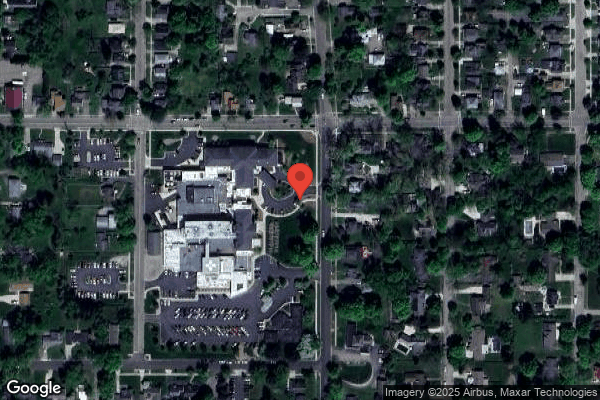
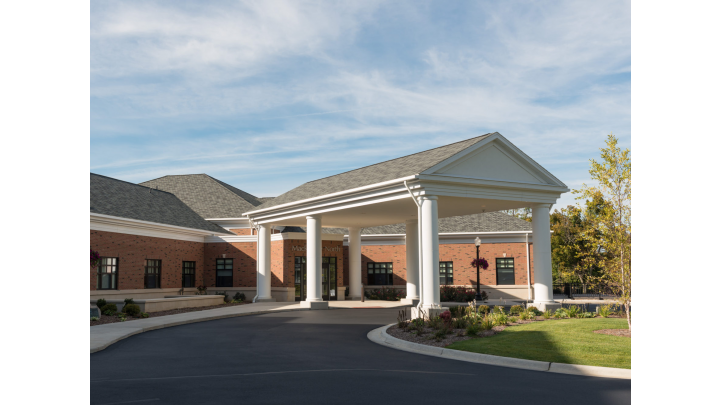
168 South Howell Street, Hillsdale, MI 49242 (517) 437-5440
Non profit - Other 38 Beds Independent Data: November 2025
Trust Grade
80/100
#27 of 422 in MI
Last Inspection: October 2024

Within standard 12-15 month inspection cycle. Federal law requires annual inspections.

Overview

Hillsdale Hospital McGuire & Macritchie Long Term has a Trust Grade of B+, which means it is recommended and above average in quality. It ranks #27 out of 422 nursing homes in Michigan, placing it in the top half of facilities statewide, and it is the best option among the two homes in Hillsdale County. However, the facility is experiencing a worsening trend in issues, increasing from 2 incidents in 2023 to 5 in 2024. Staffing is a strong point here, with a 5-star rating, though the turnover rate is average at 45%. Notably, there have been serious concerns, such as a resident sustaining a fractured femur during a transfer due to inadequate assistance, and multiple incidents of poor cleaning practices in the kitchen that could lead to contamination. Although there are strengths like excellent staffing and no fines, families should weigh these against the increasing number of safety incidents.

Trust Score
B+
80/100
In Michigan
#27/422
Top 6%
Safety Record
Moderate
Needs review
Inspections
Getting Worse
2 → 5 violations
Staff Stability
⚠ Watch
45% turnover. Above average. Higher turnover means staff may not know residents' routines.
Penalties
✓ Good
No fines on record. Clean compliance history, better than most Michigan facilities.
Skilled Nurses
✓ Good
Each resident gets 74 minutes of Registered Nurse (RN) attention daily — more than 97% of Michigan nursing homes. RNs are the most trained staff who catch health problems before they become serious.
Violations
⚠ Watch
13 deficiencies on record. Higher than average. Multiple issues found across inspections.
★★★★★
5.0
Overall Rating
★★★★★
5.0
Staff Levels
★★☆☆☆
2.0
Care Quality
★★★★☆
4.0
Inspection Score
Stable
2023: 2 issues
2024: 5 issues

The Good

  • 5-Star Staffing Rating · Excellent nurse staffing levels
  • Full Sprinkler Coverage · Fire safety systems throughout facility
  • No fines on record

Facility shows strength in staffing levels, fire safety.

The Bad

Staff Turnover: 45%

Near Michigan avg (46%)

Higher turnover may affect care consistency

The Ugly 13 deficiencies on record

1 actual harm
Oct 2024 5 deficiencies 1 Harm
SERIOUS (G)

Actual Harm - a resident was hurt due to facility failures

Accident Prevention (Tag F0689)

A resident was harmed · This affected 1 resident

**NOTE- TERMS IN BRACKETS HAVE BEEN EDITED TO PROTECT CONFIDENTIALITY** Based on observation, interview and record review the facility failed to: 1.) ensure the safety of resident during staff assiste...

Read full inspector narrative →
**NOTE- TERMS IN BRACKETS HAVE BEEN EDITED TO PROTECT CONFIDENTIALITY** Based on observation, interview and record review the facility failed to: 1.) ensure the safety of resident during staff assisted transfer, 2.) implement care-planned interventions, and 3.) provide timely assessment and treatment for 1 of 3 sampled residents (R3) reviewed for accidents, resulting in actual harm for R3's fall during staff assisted transfer with displaced right femur spiral fracture on 3/31/24, delay in assessment and treatment, pain, and transfer to the hospital for surgical repair of right femur and treatment for multiple pulmonary emboli. Findings include: Review of the Face Sheet and Minimum Data Set (MDS) dated [DATE], reflected R3 was a [AGE] year old female admitted to the facility on [DATE], with re-admission post hospital admission 4/18/24 following displaced spiral fracture of the right femur and multiple pulmonary emboli with other diagnoses that included muscle weakness, repeat falls, history right hip replacement, lumbar vertebra fracture(low back), heart failure, hypertension(high blood pressure), and developmental delay. The MDS reflected R3 had a BIM (assessment tool) score of 13 which indicated her ability to make daily decisions was cognitively intact with no behaviors including rejection of care. Continued review of the significant change MDS, dated [DATE], reflected R3 dependent on staff for transfers, bed mobility, dressing, bathing, and toileting. Review of R3 Fall Care Plan, dated 10/19/2022, reflected intervention that included,Transfer via EZ stand lift and 2 extensive assist. The intervention reflected resolve date of 6/3/24. During an observation on 10/01/24 at 10:47 AM, R3 was observed self propelling wheelchair in hall with bilateral arms with bilateral feet resting on foot pedals. During an observation on 10/01/24 at 12:40 PM, R3 was again self propelling wheelchair out to patio. R3 appeared in pleasant mood with minimal difficulty answering questions. R3 reported did not recall recent hospital transfer. Review of the Electronic Medical Record(EMR), dated 4/18/24 to current, reflected readmission with new diagnosis that included displaced spiral fracture of shaft of right femur. Review of R3 Nurse Progress Note, entered as LATE ENTRY on 4/3/24 at 9:39 p.m., with effective date 3/31/24 at 6:55 p.m., reflected, Responded to CNA[certified nurse aide] call for assistance with Resident mid-shift change. Writer, followed by Day-shift nurse, walked into Resident room to discover Resident holstered upward suspended by arms in sling on sit-to-stand in upright position with bilateral legs bent down toward the floor. For safety, Writer and Day-shift nurse agreed to lower Resident down to the floor due to visible discomfort evidenced by Resident's bilateral arms noted holstered up in sling while suspended in sit-to-stand for greater than 10 minutes. Once lowered to the floor, pillows were placed under Resident for comfort while lying down on the floor until CNA returned with Hoyer lift. When Hoyer lift arrived, Writer, Day-shift nurse, and CNA worked together to place the sling under Resident, carefully lift Resident from the floor, and transfer Resident to the bed. No immediate signs or symptoms of injury were noted after Resident was positioned for safety and comfort while lying in bed. Resident admitted to pain present, stating, I hurt allover. Refused PRN Tylenol offered stating, It doesn't work. Agreeable to waiting for scheduled pain patch replacement. Sling removed; call light placed within reach. Plan of care followed with monitoring continued throughout shift. Note was completed by Licensed Practical Nurse (LPN) N. Review of R3 Nurse Note, dated 4/1/2024 at 1:35 a.m., reflected, Late Entry[4/3/24] Note Text: Responded to CNA report of change noted to Resident skin at right outer thigh. Reddened area appearing bruised noted at right outer thigh. Admits to soreness to touch at the site. Agreeable to ice placed on affected area at the time. Small, reddened area appearing bruised noted to front left knee. Admits to tolerating pain at left knee. Responding well as possible to pain patch replaced as scheduled during this shift AEB uninterrupted sleep continued through the night. POC followed with monitoring continued throughout shift. Note was completed by LPN N. Review of R3 Nurse Progress note, dated 4/3/2024 at 9:39 a.m., reflected, New skin condition. Large bruise noted on lateral right thigh and knee. Right knee swollen [named Medical Director O] notified and XR ordered.' Note completed by Registered Nurse(RN) D. Review of R3 Nurse Progress Note, dated 4/3/24 at 1:25 PM, reflected, Right femur XR results: Severely displaced spiral fracture of the distal femoral diaphysis. [named MD O] and [named] (guardian) made aware. Resident is being transferred to ER. During an observation and interview on 10/02/24 at 9:55 AM, R3 was self propelling wheelchair down hall and reported was in pain all over and staff had given scheduled pain medications. During an interview on 10/02/24 at 2:54 PM, Medical Director(MD) O reported was unable to recall when he was notified of R3 fall that resulted in right femur fracture on 4/3/24. MD O reported would expect staff to call and notify him of all falls at the time fall. During an interview on 10/02/24 at 3:50 PM, Nurse Manager B reported would expect nurse staff to assess resident post fall including pain and skin and document in progress notes and complete risk management form(Incident/Accident form) at the time of the fall. During an interview on 10/2/24 at 4:40 PM, LPN F reported worked 4/1/24 days shift and was told in report about R3 fall from 3/31/24 from the sit-to-stand by RN N. LPN F reported R3 used sit-to-stand 4/1/24 with no more pain than resident usually reported. LPN F reported was under the impression the physician had already been contacted. LPN F reported after fall staff expected to complete fall check list including risk management form(Incident/accident form), along with progress note that includes details of fall and what was done,according to check list, for 24 and 48 hours. LPN F reported after fall staff expected to contact physician and responsible party and document details. During a telephone interview on 10/03/24 at 10:03 AM, RN P reported encouraged staff to use two staff for transfers because R3 and was unsure if anyone told CNA Q who was newer a newer staff. RN P reported CNA Q had transferred R3 on 3/31/24 with 1 person assist with use of sit-to-stand. RN P reported her and night shift nurse entered R3 room about 7:00 p.m. and observed CNA Q attempting to lower R3 to the ground with R3 in a squatted position. The three staff lowered R3 to the ground and R3's right leg was tucked under left leg and RN P was unable to recall who disconnected or how, when sit-to-stand straps were disconnected. RN P reported LPN N completed assessment. LPN P reported was not in room when R3 was transferred back to bed. RN P reported management provided staff education after R3 fall that included sit-to-stand training, fall process including to follow Post Fall Checklist that included assessment, notify physician, house manager, responsible party, document in EMR assessment including pain, location, when, how, who notified, new orders, and add order for every shift charting for 48 hours. Review of R3 Hospital History and Physical(H&P), dated 4/3/24, reflected chief complaint was leg pain. The document reflected, History of Present Illness .She presents here, transferred from [named facility Hospital] for RIGHT femoral fracture s/p a reported fall at the SNF .[named R3] reportedly lives at [named facility]; she is wheelchair/bed-bound at baseline requiring multiple people to assist with transfers to and from her chair/bed, but she reportedly fell out of bed 2-3 days ago. She was brought to the [named local] ER earlier today where it was discovered that she had suffered a RIGHT femoral fracture and was thus transferred to our ER. Per the ED physician, she arrived in no acute distress and hemodynamically stable (apart from tachycardia), saturating well on room air; patient's presentation was suspicious for potential thrombotic/embolic process due to evidence that the extended femoral fracture had not been reduced, thus patient was pan scanned with a CT chest revealing evidence concerning for multiple bilateral pulmonary emboli . Continued review of the H&P reflected, Physical exam: Marked swelling to right proximal lower extremity, with obvious shortening and deformity .Bruising and ecchymosis present on the lateral aspect of the RIGHT lower extremity extending from the hip/upper thigh through the knee .Plan .heparin infusion .closed displaced spiral fracture of diaphysis of RIGHT femur, acute blood loss anemia .Trauma services will follow along during admission for management of Bucks Traction and further collaboration with Orthopedic surgery. Due to diagnosis of PE, [named](ortho surgery) reports he will fix patient once appropriate . Review of R3 Hospital Trauma Evaluation, dated 4/3/24, reflected R3 arrived at 5:19 p.m. by Emergency Medical Services. Continued review of evaluation reflected R3 received 2 units packed red blood cells in emergency room for Hemoglobin of 7.5. Review of the Hospital Operative Report, dated 4/9/24, reflected R3 had Open Reduction Internal Fixation periprosthetic right Femur fracture. Continued review of the report reflected, Indications for procedure: The patient is a [AGE] year old female was found to have right periprosthetic femoral shaft fracture. She was diagnosed with bilateral pulmonary emboli. We attempted to do her surgery 5 days ago but she was not cleared by pulmonology or the medical team. We boarded her for open reduction internal fixation today after clearance . During a telephone interview on 10/03/24 at 11:35 AM, Licensed Practical Nurse (LPN) N reported was just coming in for night shift on 3/31/24 and finishing up shift report with day nurse RN P when heard R3 call light and call for help. LPN N reported entered R3's room and observed R3 was on sit-to-stand yelling in agony, help me and crying with lift belt around chest, under arms, suspended. LPN N stated, visual you can't unsee. LPN N reported R3 feet were not on the lift platform and there was no strap behind R3 legs. LPN N reported R3 left knee was out of the machine but bent with foot off platform and right knee was bent with foot partially off side of platform and was unable to recall if R3 had shoes on. LPN N reported both her and RN P had to reposition R3 legs away from the machine to lower R3 to the floor. LPN N reported R3 did not appear to have any new indication of pain. LPN N reported did not consider R3 incident as fall because she was lowered to the floor and did not complete fall checklist or contact physician for that reason. LNP N reported around 3:00 am CNA staff reported R3's knee, just didn't look right. LPN N reported completed assessment and reported R3 right knee was swollen, red and warm to touch and applied. LPN N reported was contacted 4/1/24 by Nurse Manager B about R3 fall from sit-to-stand and advised to completed fall report after reporting what took place. LPN N report completed Fall Incident/Accident report next shift worked on 4/3/24 along with late progress notes. LPN N reported NHA A and Nurse Manager both contacted her about the incident and asked several questions but never asked if the sit-to-stand leg strap was in place even though she had told them R3 knees were going in different directions. Review of R3 Physician orders, dated 3/11/24, reflected, Skilled note/night skilled charting Q shift every day and night shift for skilled. During an interview on 10/03/24 at 1:40 PM, RN D reported observed R3 had very large bruise right lateral knee to hip that was dark purple in color on 4/3/24 and notified Medical Director O who ordered Xrays. RN D reported was the first time seeing that bruise and the only thing that could possible be from was fall 3/31/24. RN D reported was told by radiology staff R3 right femur fracture was seen at bedside. RN D reported to physician and R3 sent to Emergency Room. RN D reported management provided fall education after incident. During an interview on 10/04/24 at 9:00 AM, CNA R reported was a casual employee and knows if residents have changes or what care needs are by verbal report and asking the nurse. CNA R reported was unsure if they use [NAME]. During an interview on 10/04/24 at 11:53 AM, Nurse Manager B reported would expect staff to follow facility fall policy and checklist that included assessment, notify physician/responsible party, maybe nurse manager/NHA A, implement new interventions, complete risk management form(incident/accident report), document every shift for 48 hours in Nurse Progress note. Nurse Manager B reported every shift Nurse Progress Notes should include details of assessment, pain, skin, resident reports, interventions in place, and any changes and notify physician with any changes. Nurse Manager B reported was notified of R3 fall incident from 3/31/24 on 4/1/24 during morning huddle when told R3 had to be assisted off the floor post Sara lift transfer. Nurse Manager B reported she contacted Medical Director O at that time and notified of incident. Nurse Manager B reported placed call to LPN N(night shift staff at time of fall) and discussed R3 fall incident from 3/31/24 and was told LPN N did not complete fall check list because she did not consider incident a fall and provided staff education that R3 incident was a fall because it was an unplanned changed in elevation and a risk management form needed to be completed. Nurse Manager B verified LPN N completed documentation 4/3/24 and was unable to say why every shift Nurse Progress Notes that included detailed assessment were not completed 4/1/24 and 4/2/24. Nurse Manager B reported on 4/1/24 R3 was changed to hoyer lift related to R3 not tolerating sit-to-stand well. Nurse Manager B reported expected staff to follow Care Plan and [NAME] interventions and reported R3 fall was not reported to the State of Michigan because they knew bruise and fracture were related to fall. Nurse Manager B reported was unable to locate Lift education for CNA Q, RN P or LPN N prior to R3 staff assisted fall from sit-to-stand lift on 3/31/24.
CONCERN (D)

Potential for Harm - no one hurt, but risky conditions existed

Notification of Changes (Tag F0580)

Could have caused harm · This affected 1 resident

**NOTE- TERMS IN BRACKETS HAVE BEEN EDITED TO PROTECT CONFIDENTIALITY** Based on observation, interview and record review, the facility failed to competently assess and monitor for changes in conditio...

Read full inspector narrative →
**NOTE- TERMS IN BRACKETS HAVE BEEN EDITED TO PROTECT CONFIDENTIALITY** Based on observation, interview and record review, the facility failed to competently assess and monitor for changes in condition and notify the physician of pertinent findings in a timely manner for 1 residents (Resident #3) resulting in potential for unrecognized, clinically significant changes in condition. Findings include: Review of the Face Sheet and Minimum Data Set (MDS) dated [DATE], reflected R3 was a [AGE] year old female admitted to the facility on [DATE], with re-admission post hospital admission 4/18/24 following displaced spiral fracture of the right femur and multiple pulmonary emboli with other diagnoses that included muscle weakness, repeat falls, history right hip replacement, lumbar vertebra fracture(low back), heart failure, hypertension(high blood pressure), and developmental delay. The MDS reflected R3 had a BIM (assessment tool) score of 13 which indicated her ability to make daily decisions was cognitively intact with no behaviors including rejection of care. Continued review of the significant change MDS, dated [DATE], reflected R3 dependent on staff for transfers, bed mobility, dressing, bathing, and toileting. During an observation on 10/01/24 at 10:47 AM, R3 was observed self propelling wheelchair in hall with bilateral arms with bilateral feet resting on foot pedals. During an observation on 10/01/24 at 12:40 PM, R3 was again self propelling wheelchair out to patio. R3 appeared in pleasant mood with minimal difficulty answering questions. R3 reported did not recall recent hospital transfer. Review of the Electronic Medical Record(EMR), dated 4/18/24 to current, reflected readmission with new diagnosis that included displaced spiral fracture of shaft of right femur. Review of R3 Nurse Progress Note, entered as LATE ENTRY on 4/3/24 at 9:39 p.m., with effective date 3/31/24 at 6:55 p.m., reflected, Responded to CNA[certified nurse aide] call for assistance with Resident mid-shift change. Writer, followed by Day-shift nurse, walked into Resident room to discover Resident holstered upward suspended by arms in sling on sit-to-stand in upright position with bilateral legs bent down toward the floor. For safety, Writer and Day-shift nurse agreed to lower Resident down to the floor due to visible discomfort evidenced by Resident's bilateral arms noted holstered up in sling while suspended in sit-to-stand for greater than 10 minutes. Once lowered to the floor, pillows were placed under Resident for comfort while lying down on the floor until CNA returned with Hoyer lift. When Hoyer lift arrived, Writer, Day-shift nurse, and CNA worked together to place the sling under Resident, carefully lift Resident from the floor, and transfer Resident to the bed. No immediate signs or symptoms of injury were noted after Resident was positioned for safety and comfort while lying in bed. Resident admitted to pain present, stating, I hurt allover. Refused PRN Tylenol offered stating, It doesn't work. Agreeable to waiting for scheduled pain patch replacement. Sling removed; call light placed within reach. Plan of care followed with monitoring continued throughout shift. Note was completed by Licensed Practical Nurse (LPN) N. Review of R3 Nurse Note, dated 4/1/2024 at 1:35 a.m., reflected, Late Entry[4/3/24] Note Text: Responded to CNA report of change noted to Resident skin at right outer thigh. Reddened area appearing bruised noted at right outer thigh. Admits to soreness to touch at the site. Agreeable to ice placed on affected area at the time. Small, reddened area appearing bruised noted to front left knee. Admits to tolerating pain at left knee. Responding well as possible to pain patch replaced as scheduled during this shift AEB uninterrupted sleep continued through the night. POC followed with monitoring continued throughout shift. Note was completed by LPN N. Review of R3 Nurse Progress note, dated 4/3/2024 at 9:39 a.m., reflected, New skin condition. Large bruise noted on lateral right thigh and knee. Right knee swollen [named Medical Director O] notified and XR ordered.' Note completed by Registered Nurse(RN) D. Review of R3 Nurse Progress Note, dated 4/3/24 at 1:25 PM, reflected, Right femur XR results: Severely displaced spiral fracture of the distal femoral diaphysis. [named MD O] and [named] (guardian) made aware. Resident is being transferred to ER. During an observation and interview on 10/02/24 at 9:55 AM, R3 was self propelling wheelchair down hall and reported was in pain all over and staff had given scheduled pain medications. NHA A provided one Incident Accident Report for R3 on 10/02/24 at 1:55 PM, dated 4/3/24 at 8:25 p.m.(incident actually occured 3/31/24). Review of the report titled, Fall During Staff Assist, reflected, Incident Description .In response to CNA call for assistance the Resident Writer walked into Resident room followed by Day-shift nurse to discover Resident suspended by arms in sling on sit-to-stand in upright position with bilateral legs bend to the downwards. Continued review of the incident report reflected, Reported by CNA, Resident let go of sit-to-stand bar during transfer, knees together and bent over to one side. The report reflected R3 responsible party was notified 4/3/24(three days after fall), and physician was notified 4/1/24(12 hours after fall). The report included summary of investigation completed by Nurse Manager B. The reported included, Deficiencies: Education for CNAs and reporting, Education thinking things are normal passing on as abnormal, Understanding of what need reported by agency staff During an interview on 10/02/24 at 2:54 PM, Medical Director(MD) O reported was unable to recall when he was notified of R3 fall that resulted in right femur fracture on 4/3/24. MD O reported would expect staff to call and notify him of all falls at the time fall. During an interview on 10/02/24 at 3:27 PM, Nurse Manager B Reported was responsible for staff education. Requested evidence of staff education for sit-to-stand prior to R3 incident 3/31/24. During an interview on 10/02/24 at 3:50 PM, Nurse Manager B reported would expect nurse staff to assess resident post fall including pain and skin and document in progress notes and complete risk management form(Incident/Accident form) at the time of the fall. During an interview on 10/2/24 at 4:40 PM, LPN F reported worked 4/1/24 days shift and was told in report about R3 fall from 3/31/24 from the sit-to-stand by RN N. LPN F reported R3 used sit-to-stand 4/1/24 with no more pain than resident usually reported. LPN F reported was under the impression the physician had already been contacted. LPN F reported after fall staff expected to complete fall check list including risk management form(Incident/accident form), along with progress note that includes details of fall and what was done,according to check list, for 24 and 48 hours. LPN F reported after fall staff expected to contact physician and responsible party and document details. During a telephone interview on 10/03/24 at 10:03 AM, RN P reported encouraged staff to use two staff for transfers because R3 and was unsure if anyone told CNA Q who was newer a newer staff. RN P reported CNA Q had transferred R3 on 3/31/24 with 1 person assist with use of sit-to-stand. RN P reported her and night shift nurse entered R3 room about 7:00 p.m. and observed CNA Q attempting to lower R3 to the ground with R3 in a squatted position. The three staff lowered R3 to the ground and R3's right leg was tucked under left leg and RN P was unable to recall who disconnected or how, when sit-to-stand straps were disconnected. RN P reported LPN N completed assessment. LPN P reported was not in room when R3 was transferred back to bed. RN P reported management provided staff education after R3 fall that included sit-to-stand training, fall process including to follow Post Fall Checklist that included assessment, notify physician, house manager, responsible party, document in EMR assessment including pain, location, when, how, who notified, new orders, and add order for every shift charting for 48 hours. Review of R3 Hospital History and Physical(H&P), dated 4/3/24, reflected chief complaint was leg pain. The document reflected, History of Present Illness .She presents here, transferred from [named facility Hospital] for RIGHT femoral fracture s/p a reported fall at the SNF .[named R3] reportedly lives at [named facility]; she is wheelchair/bed-bound at baseline requiring multiple people to assist with transfers to and from her chair/bed, but she reportedly fell out of bed 2-3 days ago. She was brought to the [named local] ER earlier today where it was discovered that she had suffered a RIGHT femoral fracture and was thus transferred to our ER. Per the ED physician, she arrived in no acute distress and hemodynamically stable (apart from tachycardia), saturating well on room air; patient's presentation was suspicious for potential thrombotic/embolic process due to evidence that the extended femoral fracture had not been reduced, thus patient was pan scanned with a CT chest revealing evidence concerning for multiple bilateral pulmonary emboli . Continued review of the H&P reflected, Physical exam: Marked swelling to right proximal lower extremity, with obvious shortening and deformity .Bruising and ecchymosis present on the lateral aspect of the RIGHT lower extremity extending from the hip/upper thigh through the knee .Plan .heparin infusion .closed displaced spiral fracture of diaphysis of RIGHT femur, acute blood loss anemia .Trauma services will follow along during admission for management of Bucks Traction and further collaboration with Orthopedic surgery. Due to diagnosis of PE, [named](ortho surgery) reports he will fix patient once appropriate . Review of R3 Hospital Trauma Evaluation, dated 4/3/24, reflected R3 arrived at 5:19 p.m. by Emergency Medical Services. Continued review of evaluation reflected R3 received 2 units packed red blood cells in emergency room for Hemoglobin of 7.5. Review of the Hospital Operative Report, dated 4/9/24, reflected R3 had Open Reduction Internal Fixation periprosthetic right Femur fracture. Continued review of the report reflected, Indications for procedure: The patient is a [AGE] year old female was found to have right periprosthetic femoral shaft fracture. She was diagnosed with bilateral pulmonary emboli. We attempted to do her surgery 5 days ago but she was not cleared by pulmonology or the medical team. We boarded her for open reduction internal fixation today after clearance . Review of R3 Hospital Discharge summary, dated [DATE], reflected, Problem List .#acute hypoxic respiratory failure #iron deficiency anemia #acute bilateral pulmonary emboli .On admission Hb 7.6; s/p 2 units PRBCs, and today her Hb is 8.4; s/p another unit of PRBCs on 4/8 .# closed displaced spiral fracture of diaphysis of RIGHT femur # iron deficiency anemia # history of compression fracture of L2 . # protein calorie malnutrition .# diastolic congestive heart failure # primary hypertension # mixed hyperlipidemia . Continued review of Summary reflected R3 reported right hip throughout hospitalization. Continued review reflected, 4/18 On the day of discharge, patient was medically stable. There were no further episodes of bleeding, and the patient's hemoglobin remained stable. Symptomatically, her pain was improving and she continues to require pain medications less frequently than previously. Patient will be discharged today to [named facility]. We explained to patient that she will be receiving Lovenox injections 70 mg every 12 hours until 5/8/2024. Starting on 5/9/2024, she will start taking oral eliquis 5 mg two times daily. She will also obtain a complete blood count in one week and will follow-up with the orthopedic specialists on April 23rd, 2024 (appointment already scheduled). We told the patient that she will need to come back to the emergency department if she falls again or if she notices bleeding, foul discharge, redness, increased warmth, or swelling from the operative site. She should also return to the ED if she experiences symptoms of anemia including dizziness, headache, fatigue, etc . During a telephone interview on 10/03/24 at 11:35 AM, Licensed Practical Nurse (LPN) N reported was just coming in for night shift on 3/31/24 and finishing up shift report with day nurse RN P when heard R3 call light and call for help. LPN N reported entered R3's room and observed R3 was on sit-to-stand yelling in agony, help me and crying with lift belt around chest, under under arms, suspended. LPN N stated, visual you can't unsee. LPN N reported R3 feet were not on the lift platform and there was no strap behind R3 legs. LPN N reported R3 left knee was out of the machine but bent with foot off platform and right knee was bent with foot partially off side of platform and was unable to recall if R3 had shoes on. LPN N reported both her and RN P had to reposition R3 legs away from the machine to lower R3 to the floor. LPN N reported R3 did not appear to have any new indication of pain. LPN N reported did not consider R3 incident as fall because she was lowered to the floor and did not complete fall checklist or contact physician for that reason. LNP N reported around 3:00 am cna staff reported R3's knee, just didn't look right. LPN N reported completed assessment and reported R3 right knee was swollen, red and warm to touch and applied ice and reported did not notify Physician related to change. LPN N reported was contacted 4/1/24 by Nurse Manager B about R3 fall from sit-to-stand and advised to completed fall report after reporting what took place. LPN N report completed Fall Incident/Accident report next shift worked on 4/3/24 along with late progress notes. LPN N reported NHA A and Nurse Manager both contacted her about the incident and asked several questions but never asked if the sit-to-stand leg strap was in place even though she had told them R3 knees were going in different directions. Review of R3 Fall Care Plan, dated 10/19/2022, reflected intervention that included,Transfer via EZ stand lift and 2 extensive assist. The intervention reflected resolve date of 6/3/24. (R3 fall with fracture during one staff assisted transfer was on 3/31/24.) Review of R3 Physician orders, dated 3/11/24, reflected, Skilled note/night skilled charting Q shift every day and night shift for skilled. During an interview on 10/03/24 at 1:40 PM, RN D reported observed R3 had very large bruise right lateral knee to hip that was dark purple in color on 4/3/24 and notified Medical Director O who ordered Xrays. RN D reported was the first time seeing that bruise and the only thing that could possible be from was fall 3/31/24. RN D reported was told by radiology staff R3 right femur fracture was seen at bedside. RN D reported to physician and R3 sent to Emergency Room. RN D reported management provided fall education after incident. During an interview on 10/04/24 at 11:53 AM, Nurse Manager B reported would expect staff to follow facility fall policy and checklist that included assessment, notify physician/responsible party, maybe nurse manager/NHA A, implement new interventions, complete risk management form(incident/accident report), document every shift for 48 hours in Nurse Progress note. Nurse Manager B reported every shift Nurse Progress Notes should include details of assessment, pain, skin, resident reports, interventions in place, and any changes and notify physician with any changes. Nurse Manager B reported was notified of R3 fall incident from 3/31/24 on 4/1/24 during morning huddle when told R3 had to be assisted off the floor post Sara lift transfer. Nurse Manager B reported she contacted Medical Director O at that time and notified of incident. Nurse Manager B reported placed call to LPN N(night shift staff at time of fall) and discussed R3 fall incident from 3/31/24 and was told LPN N did not complete fall check list because she did not consider incident a fall and provided staff education that R3 incident was a fall because it was an unplanned changed in elevation and a risk management form needed to be completed. Nurse Manager B verified LPN N completed documentation 4/3/24 and was unable to say why every shift Nurse Progress Notes that included detailed assessment were not completed 4/1/24 and 4/2/24.
CONCERN (D)

Potential for Harm - no one hurt, but risky conditions existed

Transfer Notice (Tag F0623)

Could have caused harm · This affected 1 resident

Based on interview and record review, the facility failed to provide written notification to the State Long-Term Care (LTC) Ombudsman of facility-initiated transfers/discharges over past 12 months, re...

Read full inspector narrative →
Based on interview and record review, the facility failed to provide written notification to the State Long-Term Care (LTC) Ombudsman of facility-initiated transfers/discharges over past 12 months, resulting in the potential for all residents to be discharged without an advocate who can inform them of their options and rights. Findings include: During an interview on 10/04/24 at 11:00 AM, Admission/Discharge (ADM) staff T responsible for providing residents and or responsible party discharge/transfer documents with Ombudsman and facility contact information at time of discharge or transfer. Reported no knowledge of communication with Ombusdman related to resident discharges. During an interview on 10/04/24 at 11:40 AM, Nurse Manager B reported not aware of system in place to report resident transfers and/or discharges to the State Long-Term Care Ombudsman on a routine basis and not aware of regulation.
CONCERN (D)

Potential for Harm - no one hurt, but risky conditions existed

Pressure Ulcer Prevention (Tag F0686)

Could have caused harm · This affected 1 resident

**NOTE- TERMS IN BRACKETS HAVE BEEN EDITED TO PROTECT CONFIDENTIALITY** Based on observation, interview, and record review, the facility failed to 1) accurately assess pressure ulcers (Resident #6) an...

Read full inspector narrative →
**NOTE- TERMS IN BRACKETS HAVE BEEN EDITED TO PROTECT CONFIDENTIALITY** Based on observation, interview, and record review, the facility failed to 1) accurately assess pressure ulcers (Resident #6) and 2) failed to prevent a pressure ulcer (Resident #27) in 2 of 2 residents reviewed for pressure ulcers resulting in the development of a pressure ulcer and inaccurate assessments. Findings include: Resident #6 (R6) Review of the medical record revealed Resident #6 (R6) was admitted to the facility on [DATE] with diagnoses that included dementia, type 2 diabetes and heart failure. Review of the Quarterly Minimum Data Set (MDS) dated [DATE] revealed R6 had severe cognitive impairment. On 10/01/24 at 10:41 AM, R6 was observed in bed, dressed in a nightgown, and listening to the television. R6 smiled and interacted when interviewed. R6 acknowledged that she had a wound (pressure ulcer) on her bottom, however, reported that her memory was not good therefore, could not recall any details regarding the pressure ulcer. Review of the facility provided Pressure Ulcer history timeline revealed R6 developed an opening on the skin on her coccyx on 1/6/24. Further review of the same Pressure Ulcer history timeline and a skin assessment dated [DATE] revealed that R6 currently had the same pressure ulcer on her coccyx, however, the pressure ulcer was described as a stage 3 (Full-thickness loss of skin). Review of R6's skin assessments revealed that many of the skin assessments lacked documentation of the description of the pressure ulcer, including size and wound characteristic. In an interview on 10/03/24 at 3:41 PM, Registered Nurse (RN) C reported that the assessments of the pressure ulcers, including wound size and characteristics, are included on the weekly skin assessments. Review of R6's weekly skin assessments and the Pressure Ulcer history timeline, dated back to 1/6/24 revealed R6 had thorough pressure ulcer assessments on the following dates; 2/6/24 5/29/24 10/3/24 The remainder of the weekly skin assessments did not contain measurements and/or description of the wound. Several skin assessments did not identify the staging of the pressure ulcer, rather, identifying the pressure ulcer as an open area. In an interview on 10/04/24 at 10:49 AM, Licensed Practical Nurse (LPN) G reported that the skin assessments had recently changed. LPN G reported that the skin assessment was to be completed at the time of the pressure ulcer dressing change. LPN G explained that the old skin assessments contained an assessment form that contained wound descriptions that you could click to select the characteristics of the pressure ulcer, however, the new skin assessment form required staff to fill out the description and measurements of the pressure ulcer prior to completing the assessment. In an interview on 10/04/24 at 11:16 AM, Nurse Manager (NM) B stated that the pressure ulcer documentation should be completed every time there is a pressure ulcer dressing change and should include the characteristics of the pressure ulcer and measurements. NM B reported that she had noticed the lack of wound assessments and stated that expectation and education will be discussed at the next nurses meeting. Resident #27 (R27) Review of the Face Sheet revealed Resident #27 (R27) was admitted to the facility on [DATE] with diagnoses that included type two diabetes and muscle weakness. Review of the Minimum Data Set (MDS) dated [DATE], revealed R1 scored 15 out of 15 (cognitively intact) on the Brief Interview for Mental Status (BIMS). On 10/02/24 on 8:38 AM, R27 was observed seated in her recliner chair. R27 reported that she had had some pain in her hip and on her bottom. When queried about the source of pain on her bottom, R27 stated that the pain was from a bedsore. Review of R27 admission assessment revealed that R27 admitted to the facility with blanchable redness (skin that is red however, turns to white when pressure is applied) to her coccyx. Review of R27's Risk for Skin Breakdown Care Plan initiated on 8/26/24 included interventions such as reposition every 2 to 3 hours and daily skin checks. Review of the Physician Order's revealed an order initiated on 8/13/24 which stated Allyvn to Coccyx for protection, one time a day every 7 day(s) AND as needed. The order was discontinued on 8/20/24. Review of the Treatment Administration record for August 2024 revealed the one-time Physician Order dated 8/20/24 for applying Allyvn (foam dressing) to R27's coccyx was never signed off as completed. No other preventative or protective Physician Orders for R27's blanchable redness area to the coccyx were in the electronic medical record. In an interview on 10/03/24 at 9:54 AM, Certified Nursing Assistant (CNA) H reported that R27 sits in her chair the majority of the time and requires the assistance of one staff for turning and repositioning. Review of Nurse's note dated 9/9/2024 at 10:21 AM revealed Duoderm [hydrocolloid dressing] placed to pea-sized opened area to sacrum. Slough [dead tissue within a wound, often appearing as a yellow, tan, or white] noted. Duoderm ordered to be changed Q5D/PRN [every 5 days and as needed]. Encouraged to reposition frequently to prevent further skin breakdown. On 9/12/24 a Roho cushion [specialized type of cushion designed to relieve pressure with the use of air cells that are located in the cushion] was added to R27's recliner. Review of R27's skin assessments revealed on skin assessment with the date of 9/24/24 that contained measurements and characteristics of R27's wound. In an interview on 10/04/24 at 11:16 AM, Nurse Manager (NM) B stated that the pressure ulcer documentation should be completed every time there is a pressure ulcer dressing change and should include the characteristics of the pressure ulcer and measurements. NM B reported that she had noticed the lack of wound assessments and stated that expectation and education will be discussed at the next nurses meeting. Regarding the development of R27's coccyx pressure ulcer, N, B stated that she would have preferred more pressure ulcer preventions would have been implemented prior to R27's development of her pressure ulcer.
CONCERN (D)

Potential for Harm - no one hurt, but risky conditions existed

Deficiency F0726 (Tag F0726)

Could have caused harm · This affected 1 resident

Based on interview and record review the facility failed to ensure the nursing staff was evaluated for appropriate competencies and skill sets resulting in the potential for residents of the facility ...

Read full inspector narrative →
Based on interview and record review the facility failed to ensure the nursing staff was evaluated for appropriate competencies and skill sets resulting in the potential for residents of the facility to be unable to maintain the highest practicable physical, mental, and psychosocial well-being and the potential for decreased resident safety for all residents who resided in the facility. Findings include: NHA A provided one Incident Accident Report for R3 on 10/02/24 at 1:55 PM, dated 4/3/24 at 8:25 p.m. Review of the report titled, Fall During Staff Assist, reflected, Incident Description .In response to CNA[Certified Nurse Aide] call for assistance the Resident Writer walked into Resident room followed by Day-shift nurse to discover Resident suspended by arms in sling on sit-to-stand in upright position with bilateral legs bend to the downwards. Continued review of the incident report reflected, Reported by CNA, Resident let go of sit-to-stand bar during transfer, knees together and bent over to one side. The report reflected R3 responsible party was notified 4/3/24(three days after fall), and physician was notified 4/1/24(12 hours after fall). The report included summary of investigation completed by Nurse Manager B. The reported included, Deficiencies: Education for CNAs and reporting, Education thinking things are normal passing on as abnormal, Understanding of what need reported by agency staff During an interview on 10/04/24 at 9:50 AM Human Resource Staff (HR) reported Certified Nurse Aide(CNA) Q was hired 11/2023 and did not have Nurse Assistance Competency completed until 4/1/24 including mechanical lifts(after R3 fall during staff assisted transfer with mechanical lift on 3/31/24). HR Q reported Licensed Practical Nurse (LPN) N was hired 3/5/24 through 6/1/24 and did not have evidence of completed Competency Checklist in file. HR Q reported Registered Nurse (RN) P most recent mechanical lift training was 1/2023(greater than 1 year prior to R3 fall during staff assisted transfer with mechanical lift). During an interview on 10/04/24 at 11:53 AM, Nurse Manager B reported Nurse Manager B reported was unable to locate Lift education for CNA Q, Registered Nurse (RN) P or Licensed Practical Nurse (LPN) N prior to R3 staff assisted fall from sit-to-stand lift on 3/31/24.
Oct 2023 2 deficiencies
CONCERN (D)

Potential for Harm - no one hurt, but risky conditions existed

Deficiency F0578 (Tag F0578)

Could have caused harm · This affected 1 resident

**NOTE- TERMS IN BRACKETS HAVE BEEN EDITED TO PROTECT CONFIDENTIALITY** Based on interview and record review, the facility failed to ensure a Do-Not-Resuscitate (DNR) document was signed by the physic...

Read full inspector narrative →
**NOTE- TERMS IN BRACKETS HAVE BEEN EDITED TO PROTECT CONFIDENTIALITY** Based on interview and record review, the facility failed to ensure a Do-Not-Resuscitate (DNR) document was signed by the physician for one (Resident #12) of three reviewed for Advance Directives, resulting in the potential for code status wishes not being followed in an emergency situation. Findings include: Review of the medical record reflected Resident #12 (R12) admitted to the facility on [DATE], with diagnoses that included Alzheimer's, chronic obstructive pulmonary disease (COPD), chronic kidney disease, diabetes and heart failure. The annual Minimum Data Set (MDS), with an Assessment Reference Date (ARD) of 8/3/23, reflected R12 scored 12 out of 15 (moderate cognitive impairment) on the Brief Interview for Mental Status (BIMS-a cognitive screening tool). R12's electronic medical record (EMR) reflected a DNR Physician Order, with a revision date of 3/1/21. Review of R12's DNR form reflected it was signed by a resident representative and two witnesses on 3/5/21. There was no physician signature on the document. During an interview on 10/03/23 at 09:57 AM, Licensed Practical Nurse (LPN) D reported in order to make someone a DNR, two witnesses and the resident or their representative had to sign the form. LPN D reported if a physician had not yet signed the DNR form, the resident would still be a full code. When asked if R12's DNR was valid, LPN D then stated it was because there was a signed (electronic) order in R12's EMR. During an interview with Registered Nurse (RN) G and RN H on 10/03/23 at 10:57 AM, it was reported that the physician did not have to sign the DNR form before a resident was made a DNR. It was reported that the physician signed the (electronic) order in the EMR, so they would not sign the DNR form. Review of the MICHIGAN DO-NOT-RESUSCITATE PROCEDURE ACT, Act 193 of 1996 reflected, .An order executed under this section shall be on a form described in section 4. The order shall be dated and executed voluntarily and signed by each of the following persons: (a) The declarant, the declarant's patient advocate, or another person who, at the time of the signing, is in the presence of the declarant and acting pursuant to the directions of the declarant. (b) The declarant's attending physician. (c) Two witnesses [AGE] years of age or older, at least 1 of whom is not the declarant's spouse, parent, child, grandchild, sibling, or presumptive heir. (3) The names of all signatories shall be printed or typed below the corresponding signatures. A witness shall not sign an order unless the declarant or the declarant's patient advocate appears to the witness to be of sound mind and under no duress, fraud, or undue influence . Further review of this Act reflected, .Sec. 4. A do-not-resuscitate order executed under section 3, 3a, or 3b must include, but is not limited to, the following language, and must be in substantially the following form: DO-NOT-RESUSCITATE ORDER This do-not-resuscitate order is issued by _______________________________________, attending physician for _________________________________________. (Type or print declarant's, ward's, or minor child's name) Use the appropriate consent section below: A. DECLARANT CONSENT I have discussed my health status with my physician named above. I request that in the event my heart and breathing should stop, no person shall attempt to resuscitate me. This order will remain in effect until it is revoked as provided by law. Being of sound mind, I voluntarily execute this order, and I understand its full import. _______________________________________ _______________ (Declarant's signature) (Date) _______________________________________ _______________ (Signature of person who signed for declarant, if applicable) (Date) _______________________________________ (Type or print full name) B. PATIENT ADVOCATE CONSENT I authorize that in the event the declarant's heart and breathing should stop, no person shall attempt to resuscitate the declarant. I understand the full import of this order and assume responsibility for its execution. This order will remain in effect until it is revoked as provided by law. _______________________________________ _______________ (Patient advocate's signature) (Date) _______________________________________ (Type or print patient advocate's name) . D. GUARDIAN CONSENT I authorize that in the event the ward's heart and breathing should stop, no person shall attempt to resuscitate the ward. I understand the full import of this order and assume responsibility for its execution. This order will remain in effect until it is revoked as provided by law. _______________________________________ _______________ (Guardian's signature) (Date) _______________________________________ (Type or print guardian's name) _______________________________________ _______________ (Physician's signature) (Date) _______________________________________ (Type or print physician's full name) ATTESTATION OF WITNESSES The individual who has executed this order appears to be of sound mind, and under no duress, fraud, or undue influence. Upon executing this order, the declarant has (has not)received an identification bracelet. ________________________________ ________________________________ (Witness signature) (Date) (Witness signature) (Date) ________________________________ ________________________________ (Type or print witness's name) (Type or print witness's name) THIS FORM WAS PREPARED PURSUANT TO, AND IS IN COMPLIANCE WITH, THE MICHIGAN DO-NOT-RESUSCITATE PROCEDURE ACT . (https://www.legislature.mi.gov/(S(izncxegpu4xl2mqzb3v3ru45))/documents/mcl/pdf/mcl-Act-193-of-1996.pdf)
CONCERN (F)

Potential for Harm - no one hurt, but risky conditions existed

Food Safety (Tag F0812)

Could have caused harm · This affected most or all residents

**NOTE- TERMS IN BRACKETS HAVE BEEN EDITED TO PROTECT CONFIDENTIALITY** Based on observations, interviews, and record reviews, the facility failed to effectively clean and maintain food service equipm...

Read full inspector narrative →
**NOTE- TERMS IN BRACKETS HAVE BEEN EDITED TO PROTECT CONFIDENTIALITY** Based on observations, interviews, and record reviews, the facility failed to effectively clean and maintain food service equipment effecting 31 residents, resulting in the increased likelihood for cross-contamination, bacterial harborage, and decreased warewashing sanitization. Findings include: On 10/02/23 at 10:17 A.M., An initial tour of the food service was conducted with Director of Food Service (Registered Dietician) I. The following items were noted: The Walk-In Freezer was observed with ice [NAME] protruding from the ceiling and side wall surfaces. Director of Food Service (RD) I indicated she would contact maintenance for necessary repairs. The cafeteria microwave oven interior surfaces were observed soiled with accumulated and encrusted food residue. The 2017 FDA Model Food Code section 4-601.11 states: (A) EQUIPMENT FOOD-CONTACT SURFACES and UTENSILS shall be clean to sight and touch. (B) The FOOD-CONTACT SURFACES of cooking EQUIPMENT and pans shall be kept free of encrusted grease deposits and other soil accumulations. (C) NonFOOD-CONTACT SURFACES of EQUIPMENT shall be kept free of an accumulation of dust, dirt, FOOD residue, and other debris. The mechanical dish machine final rinse pounds per square inch (psi) gauge was observed reading 37 during the final rinse cycle. Director of Food Service (RD) I stated: We have a contract with [NAME] for repairs. The 2017 FDA Model Food Code section 4-501.113 states: The flow pressure of the fresh hot water SANITIZING rinse in a WAREWASHING machine, as measured in the water line immediately downstream or upstream from the fresh hot water SANITIZING rinse control value, shall be within the range specified on the machine manufacturer's data plate and may not be less than 35 kilopascals (5 pounds per square inch) or more than 200 kilopascals (30 pounds per square inch). The mechanical return-air-exhaust grill was observed heavily soiled with accumulated dust and dirt deposits, adjacent to the mechanical dish machine. The 2017 FDA Model Food Code section 6-501.12 states: (A) PHYSICAL FACILITIES shall be cleaned as often as necessary to keep them clean. (B) Except for cleaning that is necessary due to a spill or other accident, cleaning shall be done during periods when the least amount of FOOD is exposed such as after closing. One of three overhead light glass globes were observed missing, within the convection oven bank ventilation hood assembly. The 2017 FDA Model Food Code section 6-202.11 states: (A) Except as specified in (B) of this section, light bulbs shall be shielded, coated, or otherwise shatter-resistant in areas where there is exposed FOOD; clean EQUIPMENT, UTENSILS, and LINENS; or unwrapped SINGLE-SERVICE and SINGLE-USE ARTICLES. (B) Shielded, coated, or otherwise shatter-resistant bulbs need not be used in areas used only for storing FOOD in unopened packages, if: (1) The integrity of the packages cannot be affected by broken glass falling onto them; and (2) The packages are capable of being cleaned of debris from broken bulbs before the packages are opened. (C) An infrared or other heat lamp shall be protected against breakage by a shield surrounding and extending beyond the bulb so that only the face of the bulb is exposed. On 10/02/23 at 11:24 A.M., A tour of the [NAME] Unit Nutrition Room was conducted with Director of Food Service (RD) I. The following items were noted: The ice machine dispensing spout, backsplash, and drip tray assembly were observed mineralized with lime and calcium deposits. The microwave oven interior surfaces were observed soiled with accumulated and encrusted food residue. The 2017 FDA Model Food Code section 4-601.11 states: (A) EQUIPMENT FOOD-CONTACT SURFACES and UTENSILS shall be clean to sight and touch. (B) The FOOD-CONTACT SURFACES of cooking EQUIPMENT and pans shall be kept free of encrusted grease deposits and other soil accumulations. (C) NonFOOD-CONTACT SURFACES of EQUIPMENT shall be kept free of an accumulation of dust, dirt, FOOD residue, and other debris. On 10/02/23 at 11:37 A.M., A tour of the [NAME] Unit Kitchenette was conducted with Director of Food Service (RD) I. The following item was noted: The microwave oven interior surfaces were observed soiled with accumulated and encrusted food residue. The 2017 FDA Model Food Code section 4-601.11 states: (A) EQUIPMENT FOOD-CONTACT SURFACES and UTENSILS shall be clean to sight and touch. (B) The FOOD-CONTACT SURFACES of cooking EQUIPMENT and pans shall be kept free of encrusted grease deposits and other soil accumulations. (C) NonFOOD-CONTACT SURFACES of EQUIPMENT shall be kept free of an accumulation of dust, dirt, FOOD residue, and other debris. On 10/03/23 at 01:30 P.M., Record review of the Policy/Procedure entitled: Physical Environment of Kitchen/Safety dated 01/19/21 revealed under Purpose: The physical environment of the kitchen provides for safe, sanitary production and serving of food. On 10/03/23 at 01:45 P.M., Record review of the Policy/Procedure entitled: Ice Machines and Ice Chests dated 01/19/21 revealed under Purpose: The following procedures should be followed to reduce the likelihood of contamination of ice storage compartments and ice machines. Record review of the Policy/Procedure entitled: Ice Machines and Ice Chests dated 01/19/21 further revealed under Procedure: (6) Environmental services clean ice machines on nursing units daily per environmental services policy. On 10/3/23 at 02:00 P.M., Record review of the Policy/Procedure entitled: Preparation and Storage in Nursing Kitchenettes dated 01/19/21 revealed under Policy: Nursing unit kitchenettes are available to stock beverages and food items for patient consumption and to store foods brought in from the patient's home for their personal use. Unit kitchens in the Skilled Nursing Facility and Behavioral Health Unit are also used for activities or therapy which involves cooking. Record review of the Policy/Procedure entitled: Preparation and Storage in Nursing Kitchenettes dated 01/19/21 further revealed under Procedure: (1) Nursing unit kitchenettes are cleaned daily by Environmental Services. Daily cleaning includes: empty wastebasket; clean and disinfect countertops and surfaces, sink, coffee maker, microwave, toasters, and refrigerators (wipe down). Refrigerators will be cleaned weekly with soap and water by Environmental Services. Freezers will be defrosted monthly by Environmental Services.
Aug 2022 6 deficiencies
CONCERN (D)

Potential for Harm - no one hurt, but risky conditions existed

Comprehensive Assessments (Tag F0636)

Could have caused harm · This affected 1 resident

**NOTE- TERMS IN BRACKETS HAVE BEEN EDITED TO PROTECT CONFIDENTIALITY** Based on interview and record review, the facility failed to complete a comprehensive Minimum Data Set assessment timely in one ...

Read full inspector narrative →
**NOTE- TERMS IN BRACKETS HAVE BEEN EDITED TO PROTECT CONFIDENTIALITY** Based on interview and record review, the facility failed to complete a comprehensive Minimum Data Set assessment timely in one of 12 reviewed for timely assessments (Resident #31), resulting in the potential for unmet needs. Findings include: Resident #31 (R31) According to the facility's admission record, R31 was admitted to the facility on 04/24/22 with diagnosis of fracture of the left hip, fracture of the left arm, Alzheimer's disease, Dementia, cognitive communication deficit, altered mental status, muscle weakness and pain in left hip. A review of the MDS (Minimum Data Set), dated 04/29/22, reflected R31 had a brief interview for mental status (BIMS) score of 04 out of 0-15, meaning she could not answer any of the questions. R31 required the assistance of 1-2 staff for all care and has decreased use of left side due to fractures of the left hip and left arm. During an interview on 08/12/22 at 09:43 AM certified nursing assistant (CAN) D reported, I asked her if she were in pain, she would say [God yes, that hurts] I would go tell the nurse, so she could get medication for her pain. Discussion on the documentation of that task. We document on the sheets behind the desk, marking if they void (urinate), had a bowel movement, last time was repositioned, we do not keep these sheets, they are just used from shift to shift. R31 will not complain of pain, just moan out with any movement or repositioning. She usually enjoyed sitting in the dining room watching TV with other residents. Not so much now. During an interview on 08/16/22 at 09:57 AM, with licensed practical nurse (LPN) I discussion on pain assessments, They are done monthly and quarterly and whenever needed. R31 cannot say a pain level, if you touch her hand, she will wince (give a slight involuntary grimace or shrinking movement of the body out of or in anticipation of pain or distress.) sometimes would say her butt hurts, may pull away. Continued discussion on pain assessments and documenting when completed. A lot of pain medication that a pain level above the name to rate the pain at the time of giving the medication. Then it requires a follow up after medication administration. It uses both numbers and faces to rate pain level. I pop in and ask her if she was in pain. She can answer if she is in pain. If CNA's notice verbal or non-verbal signs of pain, they were to get the nurse. We did our rounding, every 2 hours by charting. We do not always chart it. Pain assessment is not on the care plan because she is not in pain. During an interview on 08/16/22 at 10:09 AM, with unit manager E regarding pain assessments. Pain assessments are not scheduled with residents. R31 tends to be a wiggler, we ask her about pain. Sometimes she can answer or moan out, say yes, or no. Everyone assesses, if she was moaning, they got nurse. When we were changing them, showering them, we are assessing. Pain is not on the care plan. I feel it is a nursing skill to assess your patient. Inquired about where this information would be documented. We are playing with Point Click Care (electronic medical record) to come up with a skin assessment that tells if they are repositioned under the task section on their charting. Yes, we care plan pain, but not the assessment of pain. On 08/16/22 during record review, R31 did not have her pain assessment on her care plan or [NAME]. Documentation does not show that R31 is being assessed for pain related to her fractures. R31 has Ultram 50 mg tablets ordered to give as needed for pain. Review of the May, June, July and August mediation administration records, R31 has not received anything for her pain. Documentation did not reflect that pain was being addressed.
CONCERN (D)

Potential for Harm - no one hurt, but risky conditions existed

Assessment Accuracy (Tag F0641)

Could have caused harm · This affected 1 resident

**NOTE- TERMS IN BRACKETS HAVE BEEN EDITED TO PROTECT CONFIDENTIALITY** Resident #6 (R6) According to the facility's admission record, R6 was admitted to the facility on 11/19/21 with diagnosis of ch...

Read full inspector narrative →
**NOTE- TERMS IN BRACKETS HAVE BEEN EDITED TO PROTECT CONFIDENTIALITY** Resident #6 (R6) According to the facility's admission record, R6 was admitted to the facility on 11/19/21 with diagnosis of chronic kidney disease, stroke causing weakness to right side of the body, diabetes, dementia, schizophrenia, heart disease and history of falling. A review of the MDS (Minimum Data Set), dated 11/19/21, reflected R6 had a brief interview for mental status (BIMS) score of 99 out of 0-15, meaning she could not answer any of the questions. R6 required the assistance of 1-2 staff for all care and has decreased use of right side due to stroke. On 05/03/2022, record review reflected R6 weighed 142.4 lbs. Quarterly MDS assessment dated [DATE] reflected a weight of 163 lbs. On 06/01/22, record review reflected R6 weighed 134.8 lbs. On 07/03/22 R6 weighed 134 lbs. On 08/01/22 R6 weighed 132.8 lbs. On 08/01/2022, resident weighed 132.8 pounds which is a -6.74 % Loss. On 08/12/22 at 08:33 AM R6 was observed finishing her breakfast in the dining room sitting in her wheelchair. Diet order is a purred texture, regular/thin consistency, with use of double handle specialty cup or cup with lid. During an interview on 08/12/22 at 12:58 PM with minimum data set (MDS) nurse G regarding the nutrition status section KO300 documenting weight loss or gain of the MDS. The registered dietician (RD) or I do them. We talked about the residents, and I made sure they are finished. Continued conversation if she recalled weight discrepancy on quarterly assessment on 05/20/22. No, I do not recall weight issues. Reviewed the assessment on 05/20/22 of 163 lbs. Monthly weight on 05/03/22 was documented as 142.4 lbs. I do not recall her having a weight loss, I do not know what happened with that weight. I sent out an email reminder to everyone that a quarterly assessment was coming up, they are to do their portion and then I finished it up. Inquired about where the data or information comes from to complete the MDS assessments. From the nurses notes mainly. On 08/16/22 record review reflected a 12.88% weight difference on the same date of 05/03/22 and was not identified and R6 was not reweighed for clarification. MDS assessment did not reflect the accurate weight of resident. Resident #35 (R35) Review of the medical record revealed R35 was admitted to the facility on [DATE] with diagnoses that included myocardial infarction, glaucoma, chronic kidney disease, chronic obstructive pulmonary disease, and diabetes. Review of the Nurses' Note dated 6/6/22 revealed R35 discharged home. Review of the Discharge Minimum Data Set (MDS) with an Assessment Reference Date (ARD of 6/6/22 revealed R35 discharged to the hospital. In a telephone interview on 08/12/22 at 12:58 PM, MDS Nurse G reported she did not recall R35 ever discharging to the hospital during his stay. MDS Nurse G reported discharge to hospital must have been marked in error on the discharge MDS. Based on observation, interview, and record review the facility failed to ensure three out of 13 residents (Resident #'s 4, 6, & 35) received an accurate Minimum Data Set (MDS) assessment that reflected relevant care areas, resulting in the potential for unmet care needs. Findings Included: Resident #4 (R4): Review of R4's Electronic Medical Record (EMR) revealed R4 was admitted to the facility on [DATE]. Record review of a HOSPICE CERTIFICATION AND PLAN OF CARE documentation revealed R4 started receiving Hospice services on 8/18/2021. Review of a SNF (skilled nursing facility)-HOSPICE STAFF COLLABORATION LOG, revealed R4 had been seen by Hospice staff on 8/16/2022, and therefore remained on Hospice services. In an interview on 8/16/2022, at 8:50 AM, Administrator A stated R4 remained on Hospice services as of 8/16/2022. Record review of an MDS dated [DATE], revealed R4 was assessed under section O to have received Hospice services, as indicated with a check mark that R4 received Hospice services while a resident at the facility. Review of an MDS dated [DATE], revealed R4 was assessed, under section O to have received Hospice services, as indicated with a check mark that R4 received Hospice services while a resident at the facility. Review of an MDS dated [DATE], revealed R4 was assessed under section O to have received Hospice services, as indicated with a check mark that R4 received Hospice services while a resident at the facility. Review of an MDS dated [DATE], revealed R4 had was not receiving Hospice services at the time of the assessment, and therefore resulted in R4's Hospice care planning to potentially not be review for any needed revisions, and updated target goal dates. In an interview on 8/16/2022, at 10:31 AM, Registered Nurse (RN) G, who performed MDS assessments, acknowledged that R4 MDS assessment dated [DATE] was not coded correctly under section O to have been receiving Hospice services at the time of the assessment
CONCERN (D)

Potential for Harm - no one hurt, but risky conditions existed

Comprehensive Care Plan (Tag F0656)

Could have caused harm · This affected 1 resident

**NOTE- TERMS IN BRACKETS HAVE BEEN EDITED TO PROTECT CONFIDENTIALITY** Resident #6 (R6) According to the facility's admission record, R6 was admitted to the facility on 11/19/21 with diagnosis of c...

Read full inspector narrative →
**NOTE- TERMS IN BRACKETS HAVE BEEN EDITED TO PROTECT CONFIDENTIALITY** Resident #6 (R6) According to the facility's admission record, R6 was admitted to the facility on 11/19/21 with diagnosis of chronic kidney disease, stroke causing weakness to right side of the body, diabetes, dementia, schizophrenia, heart disease, history of falling and arthritis. A review of the MDS (Minimum Data Set), dated 11/19/21, reflected R6 had a brief interview for mental status (BIMS) score of 99 out of 0-15, meaning she could not answer any of the questions. R6 required the assistance of 1-2 staff for all care and has decreased use of right side due to stroke. During an interview on 08/12/22 at 08:30 AM, with certified nursing assistant (CNA) J. We put Voltarin cream in between her pain medication schedule. OT had up a hand/puppet to help with her affected hand/hand. I don't think she is having any pain, no signs or moaning out with discomfort. Inquired if her pain was part of the care plan and [NAME]. No.' On 08/12/22 08:33 AM, R6 was observed finishing her breakfast, drank her milk independently with a straw. During an interview on 08/16/22 at 09:57 AM, with licensed practical nurse (LPN) I regarding pain assessments. Pain assessments are done monthly or quarterly. She does receive scheduled Norco tablet 5-325 milligram, scheduled 4 times a day, and Voltarin cream four times a day. R6 cannot say pain level, if you touch her hand she will wince (give a slight involuntary grimace or shrinking movement of the body out of or in anticipation of pain or distress), sometimes will say her butt hurts, may pull away. A lot of pain medications have a pain rating spot to document when giving the medication. Then it requires a follow up pain rating after medication has been given to show if it is effective. You can use numbers (0-10) or faces (5 faces) to evaluate pain. I pop in and ask her if she is having any pain. She can answer if she is in pain. If CNA's notice non- verbal or signs of pain, they are to get the nurse. We do our rounding, every 2 hours, but do not always chart it. Pain assessment is not on the care plan because she is not in pain. During an interview on 08/16/22 at 10:09 AM, with unit manager E. Pain assessments are not scheduled with residents. R6 tends to be a wiggler, we ask her about pain. Sometimes she can answer or moan out, say yes, or no. Everyone observed for pain, if she moans out, they get the nurse. CNA's watch when changing them, showering them, we are assessing. Inquired about pain being part of her care plan. No, I feel it is a nursing skill to assess your patient. We are playing with Point Click Care (electronic medical record) to use the skin assessment, tells if they are repositioned under their task on their charting. Yes, we care plan pain by doing it, but not the assessment of pain. We go above and beyond in the rounding. I feel we are small enough; we do not take credit for what we are doing. On 08/16/22 during record review, it did not reflect any pain assessments to show the effectiveness of the pain medication being given. Pain was not added to the care plan or [NAME]. Documentation does not reflect identifying non-verbal signs of pain or discomfort with follow through to the nurse. Resident #31 (R31) According to the facility's admission record, R31 was admitted to the facility on 04/24/22 with diagnosis of fracture of the left hip, fracture of the left arm, Alzheimer's disease, Dementia, cognitive communication deficit, altered mental status, muscle weakness and pain in left hip. A review of the MDS (Minimum Data Set), dated 04/29/22, reflected R31 had a brief interview for mental status (BIMS) score of 04 out of 0-15, meaning she could not answer any of the questions. R31 required the assistance of 1-2 staff for all care and has decreased use of left side due to fractures of the left hip and left arm. During an interview on 08/12/22 at 09:43 AM certified nursing assistant (CAN) D reported, I asked her if she were in pain, she would say [God yes, that hurts] I would go tell the nurse, so she could get medication for her pain. Discussion on the documentation of that task. We document on the sheets behind the desk, marking if they void (urinate), had a bowel movement, last time was repositioned, we do not keep these sheets, they are just used from shift to shift. R31 will not complain of pain, just moan out with any movement or repositioning. She usually enjoyed sitting in the dining room watching TV with other residents. Not so much now. During an interview on 08/16/22 at 09:57 AM, with licensed practical nurse (LPN) I discussion on pain assessments, They are done monthly and quarterly and whenever needed. R31 cannot say a pain level, if you touch her hand, she will wince (give a slight involuntary grimace or shrinking movement of the body out of or in anticipation of pain or distress.) sometimes would say her butt hurts, may pull away. Continued discussion on pain assessments and documenting when completed. A lot of pain medication that a pain level above the name to rate the pain at the time of giving the medication. Then it requires a follow up after medication administration. It uses both numbers and faces to rate pain level. I pop in and ask her if she was in pain. She can answer if she is in pain. If CNA's notice verbal or non-verbal signs of pain, they were to get the nurse. We did our rounding, every 2 hours by charting. We do not always chart it. Pain assessment is not on the care plan because she is not in pain. During an interview on 08/16/22 at 10:09 AM, with unit manager E regarding pain assessments. Pain assessments are not scheduled with residents. R31 tends to be a wiggler, we ask her about pain. Sometimes she can answer or moan out, say yes, or no. Everyone assesses, if she was moaning, they got nurse. When we were changing them, showering them, we are assessing. Pain is not on the care plan. I feel it is a nursing skill to assess your patient. Inquired about where this information would be documented. We are playing with Point Click Care (electronic medical record) to come up with a skin assessment that tells if they are repositioned under the task section on their charting. Yes, we assess pain, but not the care plan. On 08/16/22 during record review, R31 did not have her pain assessment on her care plan or [NAME]. Documentation does not show that R31 is being assessed for pain related to her fractures. R31 has Ultram 50 mg tablets ordered to give as needed for pain. Review of the May, June, July and August mediation administration records, R31 has not received anything for her pain. Documentation did not reflect that pain was being addressed. Based on observation, interview, and record review the facility failed to ensure three out of 12 residents (Resident #'s 4, 6, & 31) had person-centered comprehensive care plans developed and implemented, resulting in the potential for identified care needs, interventions and goals to not be met. Findings Included: Resident #4 (R4): Review of R4's Electronic Medical Record (EMR) revealed R4 was admitted to the facility on [DATE]. Review of an Minimum Data Set, (MDS), dated [DATE] revealed R4 was assessed to be totally dependent on staff for dressing, hygiene, and bathing. Review of R4's care plans that were in place as of 8/12/2022, revealed no care plan was in place that addressed R4's activities of daily living (ADL) needs for total staff dependency for dressing, hygiene , and bathing, 5/12/2022 at the time of R4's MDS assessment. Review of R4's care plans that were in place revealed a Focus of Resident (R4) has been admitted to Hospice services through (name of Hospice company) and will reside in (names unit at the facility), dated 8/18/2021. The care plan revealed an intervention of, SNF (skilled nursing facility) will provide 24 hour care and meet personal care needs, dated 8/20/2021, and an intervention of, SNF will provide personal care services, ADL assist , dated 8/20/2021 was in place. However, the care plan did not reveal or address R4's care needs for total staff dependency for dressing, hygiene , and bathing, 5/12/2022 at the time of R4's MDS assessment.
CONCERN (D)

Potential for Harm - no one hurt, but risky conditions existed

Deficiency F0657 (Tag F0657)

Could have caused harm · This affected 1 resident

**NOTE- TERMS IN BRACKETS HAVE BEEN EDITED TO PROTECT CONFIDENTIALITY** Resident #6 (R6) According to the facility's admission record, R6 was admitted to the facility on [DATE] with diagnosis of chr...

Read full inspector narrative →
**NOTE- TERMS IN BRACKETS HAVE BEEN EDITED TO PROTECT CONFIDENTIALITY** Resident #6 (R6) According to the facility's admission record, R6 was admitted to the facility on [DATE] with diagnosis of chronic kidney disease, stroke causing weakness to right side of the body, diabetes, dementia, schizophrenia, heart disease, history of falling and arthritis. A review of the MDS (Minimum Data Set), dated 11/19/21, reflected R6 had a brief interview for mental status (BIMS) score of 99 out of 0-15, meaning she could not answer any of the questions. R6 required the assistance of 1-2 staff for all care and has decreased use of right side due to stroke. During an interview on 08/16/22 at 09:57 AM, with licensed practical nurse (LPN) I regarding pain assessments. She does receive scheduled Norco tablet 5-325 milligram, scheduled 4 times a day, and Voltarin cream four times a day. R6 cannot say pain level, if you touch her hand she will wince (give a slight involuntary grimace or shrinking movement of the body out of or in anticipation of pain or distress), sometimes will say her butt hurts, may pull away. A lot of pain medications have a pain rating spot to document when giving the medication. Then it requires a follow up pain rating after medication has been given to show if it is effective. You can use numbers (0-10) or faces (5 faces) to evaluate pain. We do our rounding, every 2 hours, but do not always chart it. Pain assessment is not on the care plan because she is not in pain. Inquired about why the pain is not part of the care plan. Well we pop in and check on her, so we are assessing her. Inquired how they would know if the current regimen was effective, if not part of the care plan and [NAME]. The CNA's write it down on a paper behind the nurses station to report off to the next shift. It doesnt go into the chart or anything. During an interview on 08/16/22 at 10:09 AM, with unit manager E. Pain assessments are not scheduled with residents. R6 tends to be a wiggler, we ask her about pain. Sometimes she can answer or moan out, say yes, or no. Everyone observed for pain, if she moans out, they get the nurse. CNA's watch when changing them, showering them, we are assessing. Inquired about pain being part of her care plan. No, I feel it is a nursing skill to assess your patient. Resident #31 (R31) According to the facility's admission record, R31 was admitted to the facility on 04/24/22 with diagnosis of fracture of the left hip, fracture of the left arm, Alzheimer's disease, Dementia, cognitive communication deficit, altered mental status, muscle weakness and pain in left hip. A review of the MDS (Minimum Data Set), dated 04/29/22, reflected R31 had a brief interview for mental status (BIMS) score of 04 out of 0-15, meaning she could not answer any of the questions. R31 required the assistance of 1-2 staff for all care and has decreased use of left side due to fractures of the left hip and left arm. During an interview on 08/16/22 at 10:09 AM, with unit manager E regarding pain assessments. Pain assessments are not scheduled with residents. R31 tends to be a wiggler, we ask her about pain. Sometimes she can answer or moan out, say yes, or no. Everyone assesses, if she was moaning, they got nurse. When we were changing them, showering them, we are assessing. Pain is not on the care plan. I feel it is a nursing skill to assess your patient. Yes, we assess pain, but not the care plan. On 08/16/22 during record review, R31 did not have her pain assessment on her care plan or [NAME]. Documentation does not show that R31 is being assessed for pain related to her fractures. R31 has Ultram 50 mg tablets ordered to give as needed for pain. Review of the May, June, July and August mediation administration records, R31 has not received anything for her pain. Documentation did not reflect that pain was being addressed. Based on observation, interview and record review the facility failed to update and revise and implement interventions for care plans for 3 of 12 residents (#'s 13, 31 and 6), resulting in the potential for mismanaged care. Findings include: Resident #13 According to the clinical record, including the Minimum Data Set (MDS) dated [DATE] , Resident 13 (R13) was a [AGE] year old male admitted to the facility on [DATE] with diagnoses that included diabetes and dementia. R13 scored 12 out of 15 (cognitively intact) on the Brief Interview Status (BIMS). On 08/11/22 at 01:45 PM, during an interview /screening process with R13, he reported his only complaint was unmanaged pain. R13 stated he does not get pain medications as he should and his pain was not controlled, he further stated he frequently will request ice packs to help manage his pain and does not always get that either. On the same day, R13 returned to the conference room approximately 15 minutes later, questioning what he should do about his uncontrolled pain, stating it was all he could think about, facial grimacing was observed and wincing when R13 attempted to propel his wheelchair out of the conference room On 08/12/22 at 8:20 am R13 was observed in the dining room, facial grimacing observed when moving his wheelchair. Review of R13's clinical record reflected he fell on 6/23/2022 and sustained a fractured pelvis. Review of the MDS prior (4/18/22) to the fractured pelvis reflected he did not have pain. Review of R13's July 1, 2022 MDS , section J, question 0300 revealed R13 had pain within the last 5 days. Question 0400 How much of the time have you experienced pain or hurting over the last 5 days? Frequently was coded. Question 0500 A Over the past 5 days, has pain made it hard for you to sleep at night? Yes Question J0500 B. Over the past 5 days, have you limited your day-to-day activities because of pain? Yes was coded. Question J0600 A Numeric Rating Scale (00-10) Ask resident: Please rate your worst pain over the last 5 days on a zero to ten scale, with zero being no pain and ten as the worst pain you can imagine. 8 Review of R13's pain care plan 9/18/2019 reflected administer pain medication as ordered, administer pain medication as needed, apply ice to affected area as needed, assess pain with each encounter. There was no evidence that these interventions were implemented/offered to R13. Review of R13's [NAME] (CNA care guide) dated 8/12/22 reflected R13's pain was to be managed by heat (K-pad) to affected area, ice pack to affected area, assess pain with each encounter, assist with repositioning. Further review of the CNA tasks completed on 8/12/22 reflected icereview of the task reflected R13 had not received ice pack in the last 30 days, there was no documentation that R13 had received heat to manage his pain. Review of 13's Physician orders reflected he received a scheduled pain medication 3 times a day. There were two as needed orders for pain medication, 1 was a narcotic that was ordered 6/28/2022 1 tablet 3 times daily as needed, the other acetaminophen every 6 hours as needed. Review of the July and August medication administration record reflected the narcotic medication was never administered and there was no evidence that it was offered and refused. There was one administration of the acetaminophen on 07/01/2022. On 08/12/22 at 08:25 AM, during an interview with Certified Nursing Assistant (CNA) D she reported working at the facility for several years and routinely took care of R13. When queried if R13 ever complained of pain, CNA Dstated all day everyday further elaborating that R13 consistently asks for ice packs and will apply neck, shoulder, hips and legs. It seems he wants the ice packs everywhere. CNA D reported that the application of ice packs were documented on a communication sheet that is kept and discarded each shift. There was no documentation in the medical record that pertained to applying ice packs. On 08/12/22 at 09:32 AM, during an interview with Registered Nurse (RN) C she reported R13 had chronic pain that it varied but had worsened due to his fall with fractured pelvis, RN C stated R13's scheduled pain medication was increased and in her opinion was effective. When queried about pain scale and pain assessment documentation for R13, RN C stated they only assess for pain on a quarterly basis and sometimes when as needed pain medications are administered, RN C was not able to provide evidence on how her opinion was formulated to determine R13's pain medication regemin was effective. RN C acknowledged R13 routinely complained of pain and there was no evidence the as needed pain medications, heat or ice was offered in attempts to control R13's pain. During an interview with Unit Manager/Registered Nurse (UM/RN) E on 08/12/22 at 12:43 PM, she reported R13's pain was chronic and acute at times. RN E stated she believed R13's pain was real but and he could get fixated on it, UM/RN E elaborated that R13 could at times be distracted from his pain by engaging him conversation that pertained to his former employment and family in Chicago. UM/ RN E offered no explanation as to why the distraction piece was not part of R13's pain care plan and further stated interventions for pain management on R13's behalf were implemented but probably not documented.
CONCERN (D)

Potential for Harm - no one hurt, but risky conditions existed

Deficiency F0697 (Tag F0697)

Could have caused harm · This affected 1 resident

**NOTE- TERMS IN BRACKETS HAVE BEEN EDITED TO PROTECT CONFIDENTIALITY** Based on observation, interview, and record review, the facility failed to offer and provide adequate/appropriate non-pharmacolo...

Read full inspector narrative →
**NOTE- TERMS IN BRACKETS HAVE BEEN EDITED TO PROTECT CONFIDENTIALITY** Based on observation, interview, and record review, the facility failed to offer and provide adequate/appropriate non-pharmacological approaches to care related to pain for 3 out of 4 (#13, #31 and #6) reviewed for pain management, from a total of 12 sampled residents, resulting in the potential for unnecessary pain and these residents not achieving and/or maintaining their highest practicable well-being. Findings include: Resident #31 (R31) According to the facility's admission record, R31 was admitted to the facility on 04/24/22 with diagnosis of fracture of the left hip, fracture of the left arm, Alzheimer's disease, Dementia, cognitive communication deficit, altered mental status, muscle weakness and pain in left hip. A review of the MDS (Minimum Data Set), dated 04/29/22, reflected R31 had a brief interview for mental status (BIMS) score of 04 out of 0-15, meaning she could not answer any of the questions. R31 required the assistance of 1-2 staff for all care and has decreased use of left side due to fractures of the left hip and left arm. During an interview on 08/12/22 at 09:43 AM certified nursing assistant (CNA) D reported, I asked her if she were in pain, she would say [God yes, that hurts] I would go tell the nurse, so she could get medication for her pain. On 08/12/22 record review does not reflect pain or any non-pharmacological interventions being part of the care plan or [NAME]. During an interview on 08/16/22 at 09:57 AM, with licensed practical nurse (LPN) I. R31 cannot say a pain level, if you touch her hand, she will wince (give a slight involuntary grimace or shrinking movement of the body out of or in anticipation of pain or distress.) sometimes would say her butt hurts, may pull away. During an interview on 08/16/22 at 10:09 AM, with unit manager E regarding pain assessments. Pain assessments are not scheduled with residents. R31 tends to be a wiggler, we ask her about pain. Sometimes she can answer or moan out, say yes, or no. On 08/16/22 during record review, documentation does not reflect R31 being assessed for pain related to her fractures. R31 had Ultram 50 mg tablets ordered to give as needed for pain. Review of the May, June, July and August mediation administration records, R31 had not received anything for her pain. Documentation did not reflect that pain was being addressed with medication or non-pharmacological interventions. Resident #6 (R6) According to the facility's admission record, R6 was admitted to the facility on 11/19/21 with diagnosis of chronic kidney disease, stroke causing weakness to right side of the body, diabetes, dementia, schizophrenia, heart disease, history of falling and arthritis. A review of the MDS (Minimum Data Set), dated 11/19/21, reflected R6 had a brief interview for mental status (BIMS) score of 99 out of 0-15, meaning she could not answer any of the questions. R6 required the assistance of 1-2 staff for all care and has decreased use of right side due to stroke. During an interview on 08/12/22 at 08:30 AM, with certified nursing assistant (CNA) J. We put Voltarin cream in between her pain medication schedule. During an interview on 08/16/22 at 09:57 AM, with licensed practical nurse (LPN) I regarding pain assessments. She does receive scheduled Norco tablet 5-325 milligram, scheduled 4 times a day, and Voltarin cream four times a day. R6 cannot say pain level, if you touch her hand she will wince (give a slight involuntary grimace or shrinking movement of the body out of or in anticipation of pain or distress), sometimes will say her butt hurts, may pull away. During an interview on 08/16/22 at 10:09 AM, with unit manager E. Pain assessments are not scheduled with residents. R6 tends to be a wiggler, we ask her about pain. Sometimes she can answer or moan out, say yes, or no. Everyone observed for pain, if she moans out, they get the nurse. Conversation continued about pain management. R6 gets scheduled pain medication for her pain. Asked about the breakthrough pain, moaning when touch, or the wincing R6 is still doing while receiving medications. Monitoring it. Record review on 09/16/22 do not reflect any actions taken for the break through pain. Resident #13 According to the clinical record, including the Minimum Data Set (MDS) dated [DATE] , Resident 13 (R13) was a [AGE] year old male admitted to the facility on [DATE] with diagnoses that included diabetes and dementia. R13 scored 12 out of 15 (cognitively intact) on the Brief Interview Status (BIMS). On 08/11/22 at 01:45 PM, during an interview /screening process with R13, he reported his only complaint was unmanaged pain. R13 stated he does not get pain medications as he should and his pain was not controlled, he further stated he frequently will request ice packs to help manage his pain and does not always get that either. On the same day, R13 returned to the conference room approximately 15 minutes later, questioning what he should do about his uncontrolled pain, stating it was all he could think about, facial grimacing was observed and wincing when R13 attempted to propel his wheelchair out of the conference room On 08/12/22 at 8:20 am R13 was observed in the dining room, facial grimacing observed when moving his wheelchair. Review of R13's clinical record reflected he fell on 6/23/2022 and sustained a fractured pelvis. Review of the MDS prior (4/18/22) to the fractured pelvis reflected he did not have pain. Review of R13's July 1, 2022 MDS , section J, question 0300 revealed R13 had pain within the last 5 days. Question 0400 How much of the time have you experienced pain or hurting over the last 5 days? Frequently was coded. Question 0500 A Over the past 5 days, has pain made it hard for you to sleep at night? Yes Question J0500 B. Over the past 5 days, have you limited your day-to-day activities because of pain? Yes was coded. Question J0600 A Numeric Rating Scale (00-10) Ask resident: Please rate your worst pain over the last 5 days on a zero to ten scale, with zero being no pain and ten as the worst pain you can imagine. 8 Review of R13's [NAME] (CNA care guide) dated 8/12/22 reflected R13's pain was to be managed by heat (K-pad) to affected area, ice pack to affected area, assess pain with each encounter, assist with repositioning. Further review of the CNA tasks completed on 8/12/22 reflected ice review of the task reflected R13 had not received ice pack in the last 30 days, there was no documentation that R13 had received heat to manage his pain. Review of R13's pain care plan 9/18/2019 reflected administer pain medication as ordered, administer pain medication as needed, apply ice to affected area as needed, assess pain with each encounter. Review of 13's Physician orders reflected he received a scheduled pain medication 3 times a day. There were two as needed orders for pain medication, 1 was a narcotic, the other acetaminophen. Review of the July and August medication administration record reflected the narcotic medication was never administered and there was no evidence that it was offered and refused. There was one administration of the acetaminophen. On 08/12/22 at 08:25 AM, during an interview with Certified Nursing Assistant (CNA) D she reported working at the facility for several years and routinely took care of R13. When queried if R13 ever complained of pain, CNA D stated all day everyday further elaborating that R13 consistently asks for ice packs and will apply neck, shoulder, hips and legs. It seems he wants the ice packs everywhere. CNA D reported that the application of ice packs were documented on a communication sheet that is kept and discarded each shift. There was no documentation in the medical record that pertained to applying ice packs. On 08/12/22 at 09:32 AM, during an interview with Registered Nurse (RN) C she reported R13 had chronic pain that it varied but had worsened due to his fall with fractured pelvis, RN C stated R13's scheduled pain medication was increased and in her opinion was working. When queried about pain scale and pain assessment documentation for R13, RN C stated they only assess for pain on a quarterly basis and sometimes when as needed pain medications are administered. RN C acknowledged R13 routinely complained of pain and there was no evidence as needed pain medications, heat or ice was offered in attempts to control R13's pain. During an interview with Unit Manager/Registered Nurse E on 08/12/22 at 12:43 PM, she reported R13's pain was chronic and acute at times. RN E stated she believed R13's pain was real but and he could get fixated on it. On 8/12/2022 at 1:40 PM a copy of the facility's policy and procedure for pain management was requested. Nursing Home Administrator A stated she was not able to locate a policy on pain management and none was provided by the survey exit date of 8/16/2022.
CONCERN (E)

Potential for Harm - no one hurt, but risky conditions existed

Deficiency F0887 (Tag F0887)

Could have caused harm · This affected multiple residents

**NOTE- TERMS IN BRACKETS HAVE BEEN EDITED TO PROTECT CONFIDENTIALITY** Based on interview and record review, the facility failed to ensure medical records included education regarding the benefits an...

Read full inspector narrative →
**NOTE- TERMS IN BRACKETS HAVE BEEN EDITED TO PROTECT CONFIDENTIALITY** Based on interview and record review, the facility failed to ensure medical records included education regarding the benefits and potential risks associated with the COVID-19 vaccine and/or the refusal of the COVID-19 vaccine for four (Resident #6, #34, #184, and #186) of five reviewed, resulting in the potential for residents and/or resident representatives to not be fully informed of the benefits and potential risks associated with the COVID-19 vaccine. Findings include: Resident #6 (R6) Review of the medical record revealed R6 was admitted to the facility on [DATE] with diagnoses that included cerebral infarction, chronic kidney disease, diabetes, Parkinson's Disease, and dementia. Review of the Minimum Data Set (MDS) with an Assessment Reference Date (ARD) of 5/19/22 revealed R6 was severely cognitively impaired. Review of the facility's COVID Vaccination Status list revealed R6 was only vaccinated with one dose and that R6's family refused to finish. Review of R6's immunization history revealed R6 received one dose of a two dose COVID-19 vaccine series on 7/12/21. The medical record did not contain documentation that R6's responsible party was educated on the benefits and risks of completing the COVID-19 vaccine series. Declination of the vaccine was not documented in the medical record. Resident #34 (R34) Review of the medical record revealed R34 was admitted to the facility on [DATE] with diagnoses that included surgical aftercare and atrial fibrillation. Review of the facility's COVID Vaccination Status list revealed R34 was not vaccinated for COVID-19 and declined. The medical record did not contain documentation that R34 was educated on the benefits and risks of the COVID-19 vaccine. Declination of the vaccine was not documented in the medical record. Resident #184 (R184) Review of the medical record revealed R184 was admitted to the facility on [DATE] with diagnoses that included cerebral infarction, hypertension, atrial fibrillation, and depression. Review of the facility's COVID Vaccination Status list revealed R184 was not vaccinated for COVID-19 and declined. The medical record did not contain documentation that R184 was educated on the benefits and risks of the COVID-19 vaccine. Declination of the vaccine was not documented in the medical record. Resident #186 (R186) Review of the medical record revealed R186 was admitted to the facility on [DATE] with diagnoses that included traumatic subarachnoid hemorrhage, atrial fibrillation, chronic kidney disease, and congestive heart failure. Review of the facility's COVID Vaccination Status list revealed R186 declined the COVID-19 booster. Review of R186's vaccine history revealed R186 received two doses of a two dose COVID-19 vaccination series on 2/25/21 and 3/25/21. The medical record did not contain documentation that R186 was educated on the benefits and risks of a COVID-19 vaccine booster. Declination of the vaccine was not documented in the medical record. In an interview on 08/12/22 at 1:06 PM, Infection Preventionist (IP) H reported nursing staff was in charge of obtaining vaccination history, educating, and documenting in the medical record whether vaccines were declined. On 8/12/22 at 3:10 PM, Nursing Home Administrator (NHA) A/Director of Nursing (DON) B reported the facility did not have the consent or declination of the COVID-19 vaccine included on their vaccine consent/refusal form. On 08/16/22 at 8:45 AM, NHA A/DON B reported she did not have any documentation for R6, R34, R184, and R186 regarding the education and declination of the COVID-19 vaccines.
Understanding Severity Codes (click to expand)
Life-Threatening (Immediate Jeopardy)
J - Isolated K - Pattern L - Widespread
Actual Harm
G - Isolated H - Pattern I - Widespread
Potential for Harm
D - Isolated E - Pattern F - Widespread
No Harm (Minor)
A - Isolated B - Pattern C - Widespread

Questions to Ask on Your Visit

  • "Can I speak with families of current residents?"
  • "What's your RN coverage like on weekends and overnight?"

Our Honest Assessment

Strengths
  • • Grade B+ (80/100). Above average facility, better than most options in Michigan.
  • • No fines on record. Clean compliance history, better than most Michigan facilities.
Concerns
  • • 13 deficiencies on record, including 1 serious (caused harm) violation. Ask about corrective actions taken.
Bottom line: Generally positive indicators. Standard due diligence and a personal visit recommended.

About This Facility

What is Hillsdale Hospital Mcguire & Macritchie Long Term's CMS Rating?

CMS assigns Hillsdale Hospital McGuire & Macritchie Long Term an overall rating of 5 out of 5 stars, which is considered much above average nationally. Within Michigan, this rating places the facility higher than 99% of the state's 100 nursing homes. This rating reflects solid performance across the metrics CMS uses to evaluate nursing home quality.

How is Hillsdale Hospital Mcguire & Macritchie Long Term Staffed?

CMS rates Hillsdale Hospital McGuire & Macritchie Long Term's staffing level at 5 out of 5 stars, which is much above average compared to other nursing homes. Staff turnover is 45%, compared to the Michigan average of 46%. This relatively stable workforce can support continuity of care.

What Have Inspectors Found at Hillsdale Hospital Mcguire & Macritchie Long Term?

State health inspectors documented 13 deficiencies at Hillsdale Hospital McGuire & Macritchie Long Term during 2022 to 2024. These included: 1 that caused actual resident harm and 12 with potential for harm. Deficiencies causing actual harm indicate documented cases where residents experienced negative health consequences.

Who Owns and Operates Hillsdale Hospital Mcguire & Macritchie Long Term?

Hillsdale Hospital McGuire & Macritchie Long Term is owned by a non-profit organization. Non-profit facilities reinvest revenue into operations rather than distributing to shareholders. The facility operates independently rather than as part of a larger chain. With 38 certified beds and approximately 32 residents (about 84% occupancy), it is a smaller facility located in Hillsdale, Michigan.

How Does Hillsdale Hospital Mcguire & Macritchie Long Term Compare to Other Michigan Nursing Homes?

Compared to the 100 nursing homes in Michigan, Hillsdale Hospital McGuire & Macritchie Long Term's overall rating (5 stars) is above the state average of 3.2, staff turnover (45%) is near the state average of 46%, and health inspection rating (4 stars) is above the national benchmark.

What Should Families Ask When Visiting Hillsdale Hospital Mcguire & Macritchie Long Term?

Based on this facility's data, families visiting should ask: "Can I visit during a mealtime to observe dining assistance and food quality?" "How do you handle medical emergencies, and what is your hospital transfer rate?" "Can I speak with family members of current residents about their experience?"

Is Hillsdale Hospital Mcguire & Macritchie Long Term Safe?

Based on CMS inspection data, Hillsdale Hospital McGuire & Macritchie Long Term has a clean safety record: no substantiated abuse findings (meaning no confirmed cases of resident harm), no Immediate Jeopardy citations (the most serious violation level indicating risk of serious injury or death), and is not on the Special Focus Facility watch list (a federal program monitoring the lowest-performing 1% of nursing homes). The facility has a 5-star overall rating and ranks #1 of 100 nursing homes in Michigan. While no facility is perfect, families should still ask about staff-to-resident ratios and recent inspection results during their visit.

Do Nurses at Hillsdale Hospital Mcguire & Macritchie Long Term Stick Around?

Hillsdale Hospital McGuire & Macritchie Long Term has a staff turnover rate of 45%, which is about average for Michigan nursing homes (state average: 46%). Moderate turnover is common in nursing homes, but families should still ask about staff tenure and how the facility maintains care continuity when employees leave.

Was Hillsdale Hospital Mcguire & Macritchie Long Term Ever Fined?

Hillsdale Hospital McGuire & Macritchie Long Term has no federal fines on record. CMS issues fines when nursing homes fail to meet care standards or don't correct problems found during inspections. The absence of fines suggests the facility has either maintained compliance or corrected any issues before penalties were assessed. This is a positive indicator, though families should still review recent inspection reports for the full picture.

Is Hillsdale Hospital Mcguire & Macritchie Long Term on Any Federal Watch List?

Hillsdale Hospital McGuire & Macritchie Long Term is not on any federal watch list. The most significant is the Special Focus Facility (SFF) program, which identifies the bottom 1% of nursing homes nationally based on persistent, serious quality problems. Not being on this list means the facility has avoided the pattern of deficiencies that triggers enhanced federal oversight. This is a positive indicator, though families should still review the facility's inspection history directly.