Medilodge of Holland
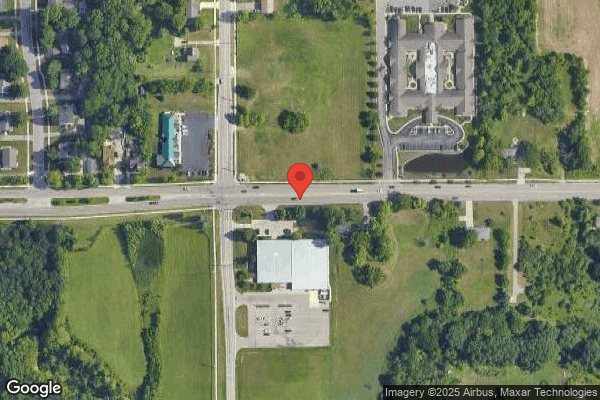
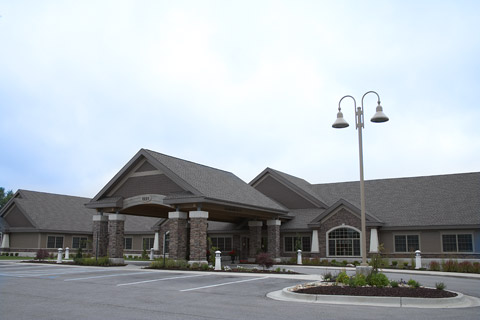
1221 East 16th, Holland, MI 49423 (616) 396-7095
For profit - Limited Liability company 77 Beds MEDILODGE Data: November 2025
Trust Grade
60/100
#145 of 422 in MI
Last Inspection: May 2025

Inspected within the last 6 months. Data reflects current conditions.

Overview

Medilodge of Holland has a Trust Grade of C+, indicating it's slightly above average but not exceptional. It ranks #145 out of 422 facilities in Michigan, placing it in the top half, and #3 out of 11 in Ottawa County, meaning only two local options are better. Unfortunately, the trend is worsening, with issues increasing from 1 in 2024 to 2 in 2025. Staffing is rated 4 out of 5 stars, which is a strength, but the turnover rate is 46%, which is on par with the state average. The facility has concerning fines totaling $139,425, which is higher than 93% of Michigan facilities, reflecting potential compliance issues. There is an average level of RN coverage, but the facility has faced serious deficiencies. For instance, one incident involved inadequate fall assessments and care planning for a resident with dementia, which led to falls resulting in serious injury and death. Another issue was the failure to properly manage controlled substances, risking both medication safety and accountability. While Medilodge of Holland has some strengths, such as good staffing ratings, families should be cautious about the recent trend of increasing issues and the significant fines.
Trust Score
C+
60/100
In Michigan
#145/422
Top 34%
Safety Record
High Risk
Review needed
Inspections
Getting Worse
1 → 2 violations
Staff Stability
⚠ Watch
46% turnover. Above average. Higher turnover means staff may not know residents' routines.
Penalties
⚠ Watch
$139,425 in fines. Higher than 86% of Michigan facilities, suggesting repeated compliance issues.
Skilled Nurses
✓ Good
Each resident gets 47 minutes of Registered Nurse (RN) attention daily — more than average for Michigan. RNs are trained to catch health problems early.
Violations
⚠ Watch
11 deficiencies on record. Higher than average. Multiple issues found across inspections.
★★★★☆
4.0
Overall Rating
★★★★☆
4.0
Staff Levels
★★★☆☆
3.0
Care Quality
★★★★☆
4.0
Inspection Score
Stable
2024: 1 issues
2025: 2 issues

The Good

  • 4-Star Staffing Rating · Above-average nurse staffing levels
  • Full Sprinkler Coverage · Fire safety systems throughout facility
  • No fines on record

Facility shows strength in staffing levels, fire safety.

The Bad

Staff Turnover: 46%

Near Michigan avg (46%)

Higher turnover may affect care consistency

Federal Fines: $139,425

Well above median ($33,413)

Significant penalties indicating serious issues

Chain: MEDILODGE

Part of a multi-facility chain

Ask about local staffing decisions and management

The Ugly 11 deficiencies on record

1 actual harm
May 2025 2 deficiencies
CONCERN (D)

Potential for Harm - no one hurt, but risky conditions existed

Accident Prevention (Tag F0689)

Could have caused harm · This affected 1 resident

**NOTE- TERMS IN BRACKETS HAVE BEEN EDITED TO PROTECT CONFIDENTIALITY** Based on observation, interview, and record review, the facility failed to position two of two resident's (Resident #37 and Resi...

Read full inspector narrative →
**NOTE- TERMS IN BRACKETS HAVE BEEN EDITED TO PROTECT CONFIDENTIALITY** Based on observation, interview, and record review, the facility failed to position two of two resident's (Resident #37 and Resident #49) in a manner to reduce the likelihood of choking or aspirating. Findings: Resident #37 (R37) Review of an admission Record revealed R37 was a [AGE] year-old female, last admitted to the facility on [DATE], with pertinent diagnoses of dementia, epilepsy, cognitive communication deficit, generalized muscle weakness, and the need for assistance with personal care. R37 utilized a tube feed to assist with nutrition and hydration and required assistance from 1 staff person for bed mobility and eating. During an observation on 05/08/25 at 9:03 AM, R37 (a) laid in bed awake with the head of the bed at 14 degrees, (b) held an emesis basin with both hands and it sat on her chest touching her chin and bottom lip, (c) had a white cloth that sat under the basin and was saturated with emesis. R37 stated I'm sick a lot. R37 had 2 glasses of nectar thick fluids bedside and within reach. During an interview on 05/08/25 at 9:13 AM, Unit Manager-Licensed Practical Nurse (UM-LPN) E reported that R37 reported feeling sick most everyday and R37 held onto the emesis basis like a security blanket. It's a comfort thing for her, she doesn't get sick though. During an interview on 05/08/25 at 9:26 AM, certified nurse aide (CNA) K indicated that she had last observed R37 at approximately 7:30 that morning, provided morning cares, and R37 had asked CNA K for an emesis basin. CNA K was not aware that R37 had vomited. Resident #49 (R49) Review of an admission Record revealed R49 was a [AGE] year-old female, last admitted the facility on 02/06/25, with pertinent diagnoses of a stroke, dementia, seizure disorder, and the need for a tube feed for nutrition and hydration. During an observation on 05/08/25 at 9:45 AM, R49 laid in bed, the tube feed was running, and the resident's upper body was positioned at 20 degrees. During an interview on 05/08/25 at 9:50 AM, the Director of Nursing (DON) came to R49's room and stated that she could not say for sure if the head of the bed was below 30 degrees. The DON stated that there had been a level attached to the side of the bed to assist staff with making sure the bed was at elevated to at least 30 degrees when the tube feed was running, but it was missing from the bed. The DON also indicated that a sign was supposed to hang on the wall at the head of the bed to show staff visually what the head of the bed would look like at 30 degrees, but it was missing from the wall. During the same interview, LPN F appeared at the doorway, the DON remained LPN F that the head of the bed should be at least 30 degrees when the tube feed was running. LPN F stated that she had tried to raise the head of the bed earlier that morning, but R49 seemed uncomfortable, and so LPN F left the head of the bed lowered with the tube feed running. Review of Care Plans for R49 revealed that for the focus areas at risk for altered nutrition, impaired gastrointestinal status, impaired communication, and impaired cognitive function, none of the care plans included safety interventions related to maintaining the head of the bed at 30 degrees or more when the tube feed ran and 30 minutes following. During an interview on 05/08/25 at 10:40 AM, the DON reported that the facility did not have a policy and procedure related to tube feedings that directed staff to maintain the head of the bed at 30 degrees or more when a tube feed ran. Review of the Fundamentals of Nursing revealed, Enteral Feedings .To reduce the risk for aspiration, nurses follow several practices, such as keeping the head of bed elevated at 30 to 45 degrees .Potter, [NAME] A.; [NAME], [NAME] Griffin; Stockert, [NAME] A.; Hall, [NAME]. Fundamentals of Nursing - E-Book (p. 1121). Elsevier Health Sciences. Kindle Edition.
CONCERN (F)

Potential for Harm - no one hurt, but risky conditions existed

Infection Control (Tag F0880)

Could have caused harm · This affected most or all residents

**NOTE- TERMS IN BRACKETS HAVE BEEN EDITED TO PROTECT CONFIDENTIALITY** DPS B Based on interview and record review the facility failed to implement its Water Management Program according to facility p...

Read full inspector narrative →
**NOTE- TERMS IN BRACKETS HAVE BEEN EDITED TO PROTECT CONFIDENTIALITY** DPS B Based on interview and record review the facility failed to implement its Water Management Program according to facility policy. Findings: During an interview on 5/7/2025 at 2:30 PM, the facility Water Management Program Plan and Policy were requested along with monthly water assessments from the Nursing Home Administrator (NHA). On Wednesday 5/7/25 the Water Management Program was received along with the facility policy and the January 2025 water monitoring log. During an interview on 5/8/2025 at 1:06 PM, the NHA reported that the facility had not been completing the monthly water assessments for chlorine as the policy required for the months of February, March and April 2025 as the policy required. According to the NHA, It just fell off the radar due to a transition in maintenance staff at the facility. At this time, the monthly water assessments for 2024 were requested. As of the time of exit, 5/8/2025 at 12:30 PM, no documentation was received. Review of the facility policy Water Management Program implemented 1/1/2021, last reviewed/revised 7/14/2020, indicated It is the policy of this facility to establish water management plans for reducing the risk of Legionella and other opportunistic pathogens (e.g. Pseudomonas, Acinetobacter, Burkholderia, Stenotrophomonas, nontuberculous, mycobacteria, and fungi) in the facility's water systems. The policy specified 7. Testing protocols and control limits will be established for each control measure. A. individuals responsible for testing or visual inspections will document findings, b. When control limits are not maintained, corrective actions will be taken and documented accordingly.; c. Protocols and corrective actions will reflect current industry guidelines (i.e. ASHRAE, OSHA, CDC). 8. The water management team shall regularly verify that the water management program is being implemented as designed. Auditing assignments will reflect that individuals will verify the program activity for which they are responsible. 9. The effectiveness of the water management program shall be evaluated no less than annually. Routine infection control surveillance data, water quality data, and rounding data shall be utilized to validate the effectiveness. This citation has two deficient practice statements. DPS A Based on observation, interview, and record review, the facility failed to follow standards of practice when caring for peripherally inserted central catheter (PICC) lines for two of two resident's (Resident #230 and Resident #224) reviewed. Findings: Resident #230 (R230) Review of an admission Record revealed R230 was a [AGE] year old Spanish speaking male, admitted to the facility on [DATE], with pertinent diagnoses of recent surgical removal of the right great toe due to osteomyelitis and the need for IV (intravenous) antibiotics. During an observation on 05/06/25 at 11:42 AM, Registered Nurse (RN) D entered R230's room to hang antibiotics and administer them through the PICC line. The PICC line did not have an end cap on it. RN D correctly cleaned the end of the PICC line with an alcohol wipe and then laid the end of the PICC line on R230's blanket. RN D prepared the antibiotic and connected the tubing to the end of the PICC line without cleaning the end of the PICC line again. During an observation on 05/07/25 at 3:04 PM, R230's PICC line did not have an end cap on it. Resident #224 (R224) Review of an admission Record revealed R224 was a [AGE] year old female, last admitted to the facility on [DATE], with pertinent diagnoses of peritoneal abscess (an infection in the digestive system) caused by methicillin resistant staphlococcus aureus (MRSA). During an observation on 05/06/25 at 09:30 AM, RN C prepared the PICC for administration of antibiotics and the line did not have an end cap on it. During an observation on 05/07/25 at 3:27 PM, R224's PICC line did not have an end cap on it. During an interview on 05/07/25 at 2:14 PM, Infection Control Nurse (ICN) A stated that PICC lines should be capped for infection control prevention. During an interview on 05/08/25 at 10:20 AM, the Director of Nursing (DON) stated that PICC lines should have end caps on them and they sometimes come to (the facility) without them placed at the hospital. The DON was not sure if they had a current supply of end caps for the PICC lines available in the facility. Proper care of central line insertion sites is critical for the prevention of central line- associated bloodstream infection (CLABSI) (Box 42.6) (CDC, 2017; INS, 2016a). Nurses and health care providers must have specialized education regarding care of CVCs and implanted infusion ports (TJC, 2018). Nursing responsibilities for central lines include careful monitoring, flushing to keep the line patent, and site care and dressing changes to prevent CLABSIs (INS, 2016a). [NAME], [NAME] A.; [NAME], [NAME] Griffin; Stockert, [NAME] A.; Hall, [NAME]. Fundamentals of Nursing - E-Book (p. 1001). Elsevier Health Sciences. Kindle Edition.
Jun 2024 1 deficiency
MINOR (C)

Minor Issue - procedural, no safety impact

Infection Control (Tag F0880)

Minor procedural issue · This affected most or all residents

**NOTE- TERMS IN BRACKETS HAVE BEEN EDITED TO PROTECT CONFIDENTIALITY** Based on observation, interview and record review, the facility failed to have an active plan for reducing the risk of Legionell...

Read full inspector narrative →
**NOTE- TERMS IN BRACKETS HAVE BEEN EDITED TO PROTECT CONFIDENTIALITY** Based on observation, interview and record review, the facility failed to have an active plan for reducing the risk of Legionella and other opportunistic pathogens of premise plumbing. Findings include: During an interview with Maintenance Director (MD) C, at 1:02 PM on [DATE], it was found that he mostly takes care of the Water Management Plan (WMP). When asked if there was a team that he would meet with to go over the plan, MD C stated only if things go wrong. When asked what kind of tests are performed on the facilities water supply? MD C stated he tests for free chlorine monthly and a Legionella test every six months. When asked when the last Legionella sample had been done, MD C stated it had been over 6 months due to a staff leaving and the bottles not getting ordered. When asked what was used to test for free chlorine in the water supply, MD C handed the surveyor free chlorine test strips. MD C stated the test strips had expired and that he needed to get more. Observation found that the test strips used a color gradient and went from 0-120 parts per million (ppm) with no accurate way to get a concentration to the tenth of a ppm. Further observation found the test strips had expired on 10/22. All logged chlorine test samples were found to be .25 ppm. When asked what the facility uses as a control limit, MD C, stated .25 ppm. A record review of the facilities Water Management Program policy, not dated, found that section one under Policy Explanation and Compliance Guidelines states I. A water management team has been established to develop and implement the facility's water management program, including facility leadership, the Infection Preventionist, maintenance employees, safety officers, risk and quality management staff, and Director of Nursing. The policy goes on to state 8. The water management team shall regularly verify that the water management program is being implemented as designed. Auditing assignments will reflect that individuals will not verify the program activity for which they are responsible. 9. The effectiveness of the water management program shall be evaluated no less than annually. Routine infection control surveillance data, water quality data, and rounding data shall be utilized to validate the effectiveness.
May 2023 6 deficiencies
CONCERN (D) 📢 Someone Reported This

A family member, employee, or ombudsman was alarmed enough to file a formal complaint

Potential for Harm - no one hurt, but risky conditions existed

Report Alleged Abuse (Tag F0609)

Could have caused harm · This affected 1 resident

**NOTE- TERMS IN BRACKETS HAVE BEEN EDITED TO PROTECT CONFIDENTIALITY** This citation refers to intake M100134981. Based on interview and record review, the facility failed to report and thoroughly in...

Read full inspector narrative →
**NOTE- TERMS IN BRACKETS HAVE BEEN EDITED TO PROTECT CONFIDENTIALITY** This citation refers to intake M100134981. Based on interview and record review, the facility failed to report and thoroughly investigate an allegation of valued ring missing for 1 (Resident #423), resulting in the State Agency not being notified of a potential misappropriation of property. Findings include: Resident #423 Review of a Face Sheet revealed R423 originally admitted to the facility on [DATE] with pertinent diagnoses of hemiplegia and hemiparesis (one sided weakness), vascular dementia, and a right above the knee amputation. In an interview on 5/10/23 at 10:35 AM, R423's wife (Family Member) FM M reported the resident had a gold ring with a diamond on it that was tight on his finger that was missing since around September of last year. FM M reported she told the Nursing Home Administrator (NHA) and the Social Worker (SW). In an interview on 5/11/23 at 8:09 AM, the NHA reported he did not report the ring was missing for R423 because they were doing Caring Partner rounds and was not updated that the ring was still missing. His last communication with the resident's wife was that she was going to check with her sons and the van they transport him in to make sure they did not have it. Review of a Quality Assistance Form received 11/9/22 revealed a concern from R423's wife that a gold banded rings is not on the resident, and she last saw the ring 11/4/23. The findings revealed they searched the facility and sent a message to all staff. FM M is to ask her sons and search the van to see if they have it. Review of a policy titled Abuse, Neglect and Exploitation revised 10/24/22 revealed: It is the policy of this facility to provide protections for health, welfare, and rights of each resident by developing and implementing written policies and procedures that prohibit and prevent abuse, neglect, exploitation, and misappropriation of resident property.
CONCERN (D)

Potential for Harm - no one hurt, but risky conditions existed

Deficiency F0688 (Tag F0688)

Could have caused harm · This affected 1 resident

**NOTE- TERMS IN BRACKETS HAVE BEEN EDITED TO PROTECT CONFIDENTIALITY** Based on observation, interview and record review, the facility failed to assess and implement care and services for 1 (Resident...

Read full inspector narrative →
**NOTE- TERMS IN BRACKETS HAVE BEEN EDITED TO PROTECT CONFIDENTIALITY** Based on observation, interview and record review, the facility failed to assess and implement care and services for 1 (Resident #53), reviewed for range of motion, resulting in a resident not receiving appropriate care for contractures and the potential for worsening. Findings include: Resident #53 (R53) Review of a Face Sheet revealed R53 originally admitted to the facility on [DATE] with pertinent diagnoses of hemiplegia and hemiparesis (one sided weakness), epilepsy, and a left femur fracture. Review of the Minimum Data Set (MDS) dated [DATE] revealed R53 is cognitively intact and requires extensive assistance of one staff for bed mobility and transfers did not occur. She has limited range of motion on one side of her upper and lower extremities, and no behaviors of rejecting care. During an observation and an interview on 5/9/23 at 2:19 PM, R53 was in bed and reported she is weak on the left side of her body and complained she did get therapy off and on. Her left hand is contracted with her fingers folded at a 90-degree angle at her knuckles. She denied wearing or having any splints for her hands. Her left arm was not supported or elevated. During an observation and an interview on 5/11/23 at 9:00 AM, Occupational Therapist (OT) H reported R53 has severe contractures, and the facility was going to start contracture care on R53 starting the following week. R53s insurance would not allow therapy to have more treatments with them but did do some passive range of motion in the past. OT H is motivated to have therapy and needs some encouragement. R53 currently has a brace for her hand and should be care planned for a wearing schedule. R53 has had a brace that OT H knew of since she started at the facility last spring. OT H went to R53's room and asked the resident where her hand splints/braces were, and the resident did not know. After searching R53's room she found 2 different hand splints and said she could wear either one. OT H had a challenging time putting the splint on to fit the residents' hand and said R53's contractures are definitely worse than before. R53 was complaining her left shoulder was having some pain and OT H reported R53 was to wear a sling as well. R53 reported she asked staff to put on her braces a while ago, but the staff was not sure if they should, so they left to room to ask someone and never came back. R53 reported the staff did not want to take her word for it. OT H reported the nursing staff are notified of therapy recommendations/treatments by a Therapy Communication to Nursing form that is kept in a binder in the gym and is also told to the Director of Nursing (DON), Unit Managers (UM), and the floor nurse. Review of the Therapy Communication to Nursing document dated 7/14/21 for R53 revealed: Subluxation sling and resting hand splint to be worn as tolerated throughout the day. Review of an Occupational Therapy Encounter dated 7/13/22 for R53 revealed: Patient also placed (left) splint on (left) hand and encouraged to wear for 2 hours. Review of the Care Plan for R53 revealed a focus of Monitor/document/report to Nurse/MD (As needed/signs or symptoms) or complications related to arthritis: Joint pain; Joint stiffness, usually worse on wakening; Swelling; Decline in mobility; Decline in self-care ability; Contracture formation/joint shape changes; Crepitus (creaking or clicking with joint movement); pain after exercise or weight bearing, Initiated: 01/25/202. Interventions included: Position flaccid left upper and lower extremity so they are supported, as she tolerates, initiated: 06/28/2022. No interventions for braces, splints, or slings.
CONCERN (D) 📢 Someone Reported This

A family member, employee, or ombudsman was alarmed enough to file a formal complaint

Potential for Harm - no one hurt, but risky conditions existed

Respiratory Care (Tag F0695)

Could have caused harm · This affected 1 resident

**NOTE- TERMS IN BRACKETS HAVE BEEN EDITED TO PROTECT CONFIDENTIALITY** Based on observation, interview, and record review, the facility failed to provide necessary respiratory care and services for 1...

Read full inspector narrative →
**NOTE- TERMS IN BRACKETS HAVE BEEN EDITED TO PROTECT CONFIDENTIALITY** Based on observation, interview, and record review, the facility failed to provide necessary respiratory care and services for 1 of 3 residents (R44) utilizing a CPAP (continuous positive airway pressure) machine, resulting in R44's CPAP equipment not being cleaned per facility policy and the potential for the spread of illness and disease. Findings include: Resident #44 A review of R44's admission Record, dated 5/10/23, revealed R44 was a [AGE] year-old resident admitted to the facility on [DATE]. In addition, Resident 44's admission Record revealed multiple diagnoses that included heart failure, atrial fibrillation (an irregular heart rhythm), insomnia, and sleep apnea. A review of R44's Minimum Data Set (MDS) (a tool used for assessing a resident's care needs), dated 2/10/23, revealed a Brief Interview for Mental Status (BIMS) (a scale used to determine a resident's cognitive status) score of 15 which revealed R44 was cognitively intact. During an observation and interview on 5/10/23 at 10:20 AM in R44's room, R44's CPAP (continuous positive airway pressure) mask was observed hanging from the side of the machine. The mask was not bagged. R44 stated the staff do not clean his CPAP equipment. He stated no one has ever cleaned the removable humidifier chamber or facial pillow/ mask or headgear. R44 stated the only people who have touched his CPAP machine or equipment was the medical equipment company that comes in weekly to change his CPAP tubing and check his machine's functionality. A review of R44's Treatment Administration Record (TAR), dated 2/1/23 to 5/10/23, failed to reveal any entries that indicated R44's CPAP mask, tubing, removable humidifier chamber, and/or headgear and straps had been cleaned. A review of R44's care plans failed to reveal any interventions that included the cleaning of R44's CPAP equipment (i.e., mask, tubing, removable humidifier chamber, headgear, and straps). The only mention of R44's CPAP usage were two interventions (one in the alteration in sleep care plan and one in the altered respiratory status care plan) that revealed R44 used a CPAP machine with the settings listed and that he was independent with putting on/taking it off the headgear and mask. During an interview on 05/11/23 at 08:10 AM, Licensed Practical Nurse (LPN) E stated the nurses wash the residents' face masks and removable humidifier chamber daily on the Day shift for those on CPAP machines. She stated sometimes she has to do it twice a shift because some of the residents will take a nap during the day and use their machines. LPN E stated after the nurses wash/clean a resident's face mask and removable humidifier chamber, they document it in the TAR. During an interview on 05/11/23 at 09:07 AM, Registered Nurse (RN) F stated the nurses clean residents' CPAP masks and tubing daily on the Day shift. She stated the cleaning is documented in the TAR. During an interview on 05/11/23 at 09:20 AM, LPN G stated residents' CPAP masks and tubing are cleaned daily on the Night shift. She stated it is then documented in the TAR. During an interview on 5/11/23 at 2:30 PM, the Director of Nursing (DON) stated the facility obtained a physician's order to clean R44's headgear and straps, tubing, and mask yesterday (5/10/23). This was confirmed with a review of R44's physician orders. A review of R44's physician orders, dated 6/29/22 to 5/11/23, failed to reveal any physician orders instructing the facility staff to clean R44's CPAP removable humidifier chamber. A second review of R44's May 2023 TAR revealed R44's mask was cleaned on 5/11/23 during the Day shift (probably after 9:20 AM since LPN G was R44's nurse on that shift and did not know she needed to clean his mask when interviewed). A review of the facility's CPAP/BiPAP (continuous positive airway pressure/bi-level positive airway pressure) Cleaning policy and procedure, reviewed/revised 1/1/22, revealed, 1. CPAP/BiPAP equipment may vary by manufacturer. Common equipment includes the machine, tubing, mask, headgear/strap, disposable/nondisposable filters, and humidifier chamber. 2. Respiratory therapy equipment can become colonized with infectious organisms and serve as a source of respiratory infections . 5. Clean mask frame daily after use with CPAP cleaning wipe or soap and water. Dry well. Cover with plastic bag or completely enclose in machine storage when not in use. 6. Weekly cleaning activities: a. Wash headgear/straps in warm, soapy water and air dry. b. Wash tubing with warm, soapy water and air dry . However, the facility's policy did not address the cleaning of the removable humidifier chamber that contains water to provide humidification while the CPAP is in use. The humidifier chamber may contain standing water when not in use that can harbor bacteria and other organisms which serve as a source of respiratory infections.
CONCERN (D)

Potential for Harm - no one hurt, but risky conditions existed

Unnecessary Medications (Tag F0759)

Could have caused harm · This affected 1 resident

Based on observation, interview, and record review, the facility failed to ensure medications were administered in accordance with Doctor's Orders and Manufacturer's recommendations for two Residents ...

Read full inspector narrative →
Based on observation, interview, and record review, the facility failed to ensure medications were administered in accordance with Doctor's Orders and Manufacturer's recommendations for two Residents (R62 and R41) resulting in a medication error rate of greater than five percent, ineffective and reduced efficacy of the medications administered, and the potential for all facility residents to receive medication incorrectly. R62 Review of the Electronic Medical Record (EMR) reflected R62 originally admitted to the facility 1/22/2022 with pertinent diagnoses that included End Stage Renal Disease (ESRD) and Dependence on Renal Dialysis. On 5/11/2023 at 8:52 AM a medication administration observation was conducted with Licensed Practical Nurse (LPN) E and R62 in his room. LPN E was observed administering oral medication to R62. The medications included sevelamer carbonate 800 mg, three tabs with the direction for the medications to be administered with meals. In an interview conducted 5/11/2023 at 10:55 AM R62 reported that he ate breakfast approximately 8:00 AM. Review of the EMR Physicians Orders reflected an Order dated 4/25/2023 for the medication Sevelamer Carbonate Tablet 800 mg, Give 3 tablets by mouth with meals related to End Stage Renal Disease, and Give 1 tablet by mouth at bedtime related to End Stage Renal Disease Give with Food. Review of the manufacturer's package insert for the medication sevelamer carbonate revealed that the medication is a phosphate binder indicated for the control of serum (blood) phosphorus in patients with chronic kidney disease on dialysis. The manufacturer's directions on Dosage and Administration reflected the medication is to be taken with meals and is titrated (dosing adjustments) based on serum phosphorus levels. This revealed that changes in dosing with proper administration may be necessary to achieve desired phosphorus levels. Laboratory testing of blood is necessary to determine if dosing must be adjusted. Review of the laboratory test results of Phosphorus levels for R62 are as follows: -2/20/2023 - 7.8 High with a reference range (normal levels) 2.6 to 4.5. -3/08/2023 - 7.3 High -3/20/2023 - 7.6 High -4/17/2023 - 7.8 High Review of the EMR Doctor Order's history for R62 for the medication sevelamer carbonate reflected increasing dosing since 4/22/2022. On 4/22/2022 R62 received one tab with meals then later this was increased to two tabs with meals. On 8/19/2022 the dose of sevelamer carbonate was increased to three tabs with meals. The latest Doctors Order of 4/25/2023 reflected the dose increased to three tabs with meals and one tab with a nighttime snack. Documents provided by the facility titled Hemodialysis Communication Record are a record of communications from the dialysis center to the facility each time R62 had dialysis. The Hemodialysis Communication Record returned to the facility 2/8/23 was reviewed. The section with the heading To be completed by dialysis center reflected please give three tablets of (sevelamer carbonate) with each meal. (Patient) needs to take with first bite of food. On 5/12/2023 at 10:14 AM a telephone interview was conducted with Dialysis Clinical Manager (DCM) I at the dialysis center that performs renal dialysis for R62. DCM I reported that sevelamer carbonate should be taken literally with meals as the medication physically binds with the phosphorus in the food. DCM I reported that if the medication is not administered exactly as ordered it does not remove the phosphorus and that dialysis does not remove phosphorus from the body. DCM I reported that too much phosphorus in the system can cause calciphylaxis. DCM I explained that this condition is deposits of calcium where it shouldn't be, like under the skin or around blood vessels. DCM I was informed of the history of R62 of essentially unchanging serum phosphorus levels but multiple dose increases of sevelamer carbonate doses over time. DCM I reported that there is no benefit if sevelamer carbonate is not taken with the food which indicated prolonged incorrect medication administration to a compromised Resident. R41 Review of the medical record reflected that R41 initially admitted to the facility 3/11/22 with a pertinent diagnosis of Autoimmune Thyroiditis. This is an inflammatory condition that prevents the thyroid gland from producing enough hormones resulting in hypothyroidism (low thyroid hormone). Review of the Doctor's Orders for R41 reflected an order for Levoxyl tablet 50 micrograms (mcg), Give 1 tablet by mouth in the morning for low thyroid hormone. Give 30 minutes before food or other meds. On 5/11/23 at 8:05 AM a medication administration was observed with Registered Nurse (RN) F. RN F was observed to administer eight oral medications to R41 in her room. The medication Levoxyl 50 mcg was included with the other medications. On 5/11/23 at 10:01 AM an interview was conducted with R41 in her room. R41 reported she did eat breakfast prior to receiving the morning oral medications. Review of the manufacturer's package insert for the medication Levoxyl reflected, Administer once daily, on an empty stomach one-half to one hour before breakfast with a full glass of water. And Administer at least 4 hours before or after drugs that are known to interfere with absorption.
CONCERN (D)

Potential for Harm - no one hurt, but risky conditions existed

Deficiency F0883 (Tag F0883)

Could have caused harm · This affected 1 resident

**NOTE- TERMS IN BRACKETS HAVE BEEN EDITED TO PROTECT CONFIDENTIALITY** Based on interview and record review, the facility failed to track the vaccination status and provide the pneumococcal vaccine f...

Read full inspector narrative →
**NOTE- TERMS IN BRACKETS HAVE BEEN EDITED TO PROTECT CONFIDENTIALITY** Based on interview and record review, the facility failed to track the vaccination status and provide the pneumococcal vaccine for 2 of 5 residents (R24 and R223) reviewed, resulting in a delay in R24 and R223 receiving their requested pneumococcal vaccines. Findings include: R24 A review of R24's admission Record, dated 5/11/23, revealed R24 was an [AGE] year-old resident admitted to the facility on [DATE]. In addition, Resident 24's admission Record revealed multiple diagnoses that included congestive heart failure, diabetes, and weakness. A review of R24's Minimum Data Set (MDS) (a tool used for assessing a resident's care needs), dated 3/14/23, revealed a Brief Interview for Mental Status (BIMS) (a scale used to determine a resident's cognitive status) score of 15 which revealed R24 was cognitively intact. A review of R24's Pneumococcal Vaccine Consent Form, dated 3/8/23, revealed R24 requested to be given the pneumococcal vaccine. A review of R24's facility immunization records revealed R24 had received the PCV23 (pneumococcal conjugated vaccine 23) on 4/10/15. However, R24 had not received any other pneumococcal vaccines. A review of R24's Medication Administration Records (MAR's), dated 3/8/23 to 5/11/23, failed to reveal that R24 had been given the requested pneumococcal vaccine. R223 A review of R223's admission Record, dated 5/11/23, revealed R223 was a [AGE] year-old resident admitted to the facility on [DATE]. In addition, Resident 223's admission Record revealed multiple diagnoses that included chronic obstructive pulmonary disease (COPD- a lung disease). A review of R223's Minimum Data Set (MDS) (a tool used for assessing a resident's care needs), dated 3/3/23, revealed a Brief Interview for Mental Status (BIMS) (a scale used to determine a resident's cognitive status) score of 14 which revealed R223 was cognitively intact. A review of R223's Pneumococcal Vaccine Consent Form, dated 4/27/23, revealed R223 requested to be given the pneumococcal vaccine. A review of R223's facility immunization records failed to reveal if R223 had ever received a pneumococcal vaccine. A review of R223's Medication Administration Records (MAR's), dated 4/27/23 to 5/11/23, failed to reveal that R223 had been given the requested pneumococcal vaccine. During the infection control program review on 05/11/23 at 01:00 PM with the Director of Nursing (DON), a request was made for copies of documentation that indicated R24 and R223 had received their requested pneumococcal vaccines. During an interview on 05/11/23 at 02:30 PM, the DON confirmed R24 and R223 had signed consents to receive the pneumococcal vaccine. She stated neither resident had received the vaccine because they were both Veterans Administration (VA) patients and the facility did not have their immunization records from the VA. She stated the VA does not always add resident vaccine information to the state immunization database. The DON stated the facility had sent requests to the VA to see what pneumococcal vaccine R24 and R223 required and/or which one(s) they had already received and when. The DON stated she has not heard back from the VA regarding their requests. A copy of any documentation that would reveal when the requests for R24's and R223's were sent to the VA was requested from the DON. During a second interview on 05/11/23 at 03:16 PM, a copy of any documentation that would reveal when the requests for R24's and R223's were sent to the VA was requested from the DON. During a third interview on 5/12/23 at 10:30 AM, a copy of any documentation that would reveal when the requests for R24's and R223's were sent to the VA was requested from the DON. The DON stated she had forgotten about the earlier requests, but would get the requested documentation from facility's medical records person right away. During a fourth interview on 5/13/23 at 11:00 AM, the DON provided fax machine confirmation, dated 5/10/23 at 2:22 PM, that the facility had requested R24's and R223's immunization records from the VA. The DON stated she had thought the facility had sent a request to the VA for R24's and R223's immunization records, but when she spoke to the facility's medical records person, she found out that they had not sent one until 5/10/23 (2 months after R24 had requested the pneumococcal vaccine and 2 weeks after R223 had requested the pneumococcal vaccine). A review of the Centers for Disease Control and Prevention (CDC) Pneumococcal Vaccination: Summary of Who and When to Vaccinate information, dated 2/13/23, revealed the CDC recommends pneumococcal vaccination for all adults 65 years or older. The CDC recommends routine administration of pneumococcal conjugate vaccine (PCV15 or PCV20) for all adults 65 years or older who have never received any pneumococcal conjugate vaccine or whose previous vaccination history is unknown. The CDC also stated adults 65 years or older have the option to get PCV20 if they have received the PCV13 (but not PCV15 or PCV20) at any age and the PPSV23 at or after the age of [AGE] years old (https://www.cdc.gov/vaccines/vpd/pneumo/hcp/recommendations).
CONCERN (F)

Potential for Harm - no one hurt, but risky conditions existed

Deficiency F0761 (Tag F0761)

Could have caused harm · This affected most or all residents

Based on observation, interview, and record review, the facility failed to ensure proper accountability and storage of controlled substances and medications resulting in controlled substance verifying...

Read full inspector narrative →
Based on observation, interview, and record review, the facility failed to ensure proper accountability and storage of controlled substances and medications resulting in controlled substance verifying counts not conducted on the Lodge Hall, an unaccounted for controlled substance for one resident (R25), and an outdated and in use medication with a shortened shelf life after opening, and the potential for controlled substance diversion and administration of outdated medication with decreased efficacy. Findings: On 5/9/23 at approximately 11:12 AM an observation and interview were conducted with Licensed Practical Nurse (LPN) E at the Lodge Hall medication cart. It was also observed that the Electronic Medical Record (EMR) displayed a list of seven resident names in a bright pink color. LPN E reported that the resident names in the bright pink color displayed by the EMR system indicated the medications were late for administration. LPN E reported that although the system indicated the medications were late the facility had a liberalized med pass providing a widened administration time frame. LPN E reported that, because the nurse assigned the Lodge Hall did not report for work, the Lodge Hall residents were split up amongst the remaining three nurses assigned to other halls and shared in the medication administration on the Lodge Hall. In a follow up interview on 5/9/23 at 3:12 PM, LPN E reported that the four medication carts used on the four separate halls all have a universal key. That is, any one medication cart key can open any of the four medication carts. LPN E reported that while any nurse with any medication cart key can open any cart, the keys for the controlled substances drawer is specific to each cart. LPN E reported that when medication administration on a unit is split amongst three different nurses the controlled substance key is locked in the top drawer of the cart on the shared hall. LPN E reported this makes the controlled substance key for the shared hall available to any of the nurses from the other halls. LPN E indicated that after the nurse passes medications to their split of residents for the shared hall the controlled substance key is again locked in the top drawer for the next nurse. LPN E reported that there is not a count and verification of the controlled substances in the shared cart when the responsibility of this cart changes between the three different nurses. On 5/9/23 at 11:55 AM an interview was conducted with Registered Nurse (RN) F on the Great Lakes Hall. RN F reported that when three nurses share in a medication pass on another hall that she will pass medications on her hall first before going to the unstaffed nurse hall. RN F reported the nurses split the residents up and that the controlled substance key is locked in the top drawer, making it available for the next nurse. RN F did not indicate that the controlled substances count is verified between all the nurses sharing the medication cart. On 5/11/23 at 2:59 PM an interview was conducted with the Director of Nursing (DON). The DON reported that when three halls have nurse coverage but the fourth does not, the three nurses will split up the residents for the fourth hall medication pass. The DON reported it varies on what time each nurse will be able to medications to the residents on the hall not staffed with a nurse. The DON reported that all medication cart keys work to open any medication cart but indicated the controlled substance drawer key is specific to that cart. The DON reported that this key is locked in the unstaffed nurse hall medication cart. The DON reported that this gives each of the nurses access to the controlled substances. The DON reported that the controlled substances are not counted each time a different nurse assumes responsibility of the medication cart. Review of the facility document titled Narcotic Shift Count labeled for the Lodge Hall was reviewed. The document reflected on 5/9/23 at 6:00 AM the written initials of the Off Going Nurse were documented but the slot for the On Coming Nurse was blank. This indicated that the end and the beginning of shift narcotic count was not conducted with two nurses. The Narcotic Shift Count log did not display the initials of any of the three nurses that had divided the Lodge Hall residents for medication pass and had singular access to the locked controlled substance drawer. These included LPN E scheduled for the Windmill Island Hall, LPN F on the Great Lakes Hall, and LPN K scheduled on the [NAME] Pines Hall. The Narcotic Shift Count log reflected that the next narcotic count after the initials of the off-going nurse at 6:00 AM was conducted on 5/9/23 at 10:21 AM by LPN J and LPN L. In an interview conducted 5/11/23 at 4:08 PM the DON reported that LPN J counted narcotics with the off going nurse on the Lodge Hall as the oncoming nurse at 6:00 AM on 5/9/23 but failed to initial the Narcotic Shift Count log leaving that section blank. The DON did not provide any further information on verification of accuracy of narcotic counts between the three nurses that shared the medication cart on the morning of 5/9/23. The policy provided by the facility titled Controlled Substance Administration and Accountability, last revised 1/1/2022 was reviewed. The facility document reflected, Policy: It is the policy of this facility to promote safe, high quality patient care, compliant with state and federal regulations regarding monitoring the use of controlled substances. The facility will have safeguards in place in order to prevent loss, diversion, or accidental exposure. In this policy under the heading Policy Explanation and Compliance Guidelines included 8. The Charge Nurse on duty will maintain the keys to controlled substance containers. The keys to this container should not be shared with other staff, including licensed staff without first conducting a complete controlled substance count. R25 Review of the EMR reflected R25 was admitted to the facility 10/28/22 with diagnoses that included Dementia and Anxiety Disorder. The EMR reflected that R25 had a current order for the controlled substance Alprazolam, 1 milligram (mg) every six hours and this had been administered to her on 5/11/23 at 12:00 PM. On 5/11/23 at 12:37 PM a review was conducted of the Great Lakes Hall medication cart locked controlled substance drawer with LPN F. The review revealed that the medication blister card for Alprazolam 1 mg for R25 contained 7 tablets, but the Control Substance Record (aka controlled substance proof of use log) reflected 8 tablets remained after the dose administered by LPN F at 12:00 PM on 5/11/23. This indicated that one dose of the controlled substance Alprazolam was unaccounted for. LPN F acknowledged a discrepancy between the documented amount remaining and the actual amount remaining. On 5/11/23 at 2:59 PM an interview was conducted the Director of Nursing (DON). The DON was asked what actions were taken regarding the discrepancy noted on the Great Lakes Hall medication cart controlled substance drawer for the medication Alprazolam for R25. The DON reported the discrepancy was a medication error. The DON was asked if the rest of the controlled substances on the Great Lakes medication cart were counted to ensure no other discrepancies existed. The DON reported a count of the Great Lakes Hall controlled substances had not been conducted. On 5/11/23 at approximately 12:45 PM a review was conducted of the medication room refrigerator on the Great Lakes Hall with LPN F. The review revealed an opened and in use multidose vial of Purified Protein Derivative (PPD) solution dated 4/7/23. LPN F reported that the medication is only good for 30 days once it is open and indicated it should have been discarded. Review of the manufacturer's package insert for PPD solution reflected Storage: A vial of (PPD solution) which has been entered and in use for 30 days should be discarded. Do not use after expiration date. The manufacturer's recommendations reflected the vial of PPD solution dated 4/7/23 found in the refrigerator of the Great Lakes Hall should have been discarded 5/6/23 but had remained available for use at least until it's discovery on 5/11/23.
Dec 2022 2 deficiencies 1 Harm
SERIOUS (G) 📢 Someone Reported This

A family member, employee, or ombudsman was alarmed enough to file a formal complaint

Actual Harm - a resident was hurt due to facility failures

Accident Prevention (Tag F0689)

A resident was harmed · This affected 1 resident

**NOTE- TERMS IN BRACKETS HAVE BEEN EDITED TO PROTECT CONFIDENTIALITY** This citation pertains to intake M100132402. Based on interview and record review, the facility failed to operationalize policie...

Read full inspector narrative →
**NOTE- TERMS IN BRACKETS HAVE BEEN EDITED TO PROTECT CONFIDENTIALITY** This citation pertains to intake M100132402. Based on interview and record review, the facility failed to operationalize policies and procedures, appropriately assess, monitor, notify pertinent parties, implement meaningful care plans, and thoroughly investigate falls, for 1 (Resident #1), resulting in an inappropriate root cause analysis and interventions that lead to subsequent falls causing harm, serious injury and death. Findings include: Resident #1 (R1) Review of a Face Sheet revealed R1 is an [AGE] year-old female who admitted to the facility on [DATE] with pertinent diagnoses of dementia, cognitive communication deficit, falls and Parkinson's disease. Review of the Admission Minimum Data Set (MDS) dated [DATE] revealed R1 was moderately cognitively impaired and required extensive assistance of 1 staff for transfers, toileting, and personal hygiene. She was not steady without human assistance and had limited range of motion on one lower extremity. R1 had a history of falls upon admission and had falls since admission with a non-major injury. She was not on a toileting program and was frequently incontinent of urine and always incontinent of stool. Review of the Significant Change of Condition MDS dated [DATE] revealed R1 was severely cognitively impaired and required extensive assistance of 1 staff for transfers, toileting, and personal hygiene. She was not steady without human assistance and had no range of motion impairments on any extremity. R1 had falls since admission that consisted of one fall with no injury and one fall with injury. Review of a Fall Prevention Program policy last revised 1/1/22 revealed: Each resident will be assessed for the risks of falling and will receive care and services in accordance with the level of risk to minimize the likelihood of falls. 3. The nurse will indicate the resident's fall risk and initiate interventions on the resident's baseline care plan, in accordance with the resident's level of risk. 5. Each resident's risk factors, and environmental hazards will be evaluated when developing the resident's comprehensive plan of care. a.) Interventions will be monitored for effectiveness. 6. When any resident experiences a fall, the facility will: .d) Notify physician and family. e) Review the resident's care plan and update as indicated. f) Document all assessments and actions. g) Obtain witness statements in the case of injury. Review of a Falls - Clinical Protocol policy last revised 1/1/22 revealed: 1. As part of an initial and ongoing resident assessment, the staff will help identify individuals with a history of falls and risk factors for subsequent falling . 2. Based on the assessment an initial plan of care will be developed and implemented to address identified risk. This will be revised as necessary. 3. The Minimum Data Set (MDS) and subsequent CAAs (Care assessment areas) will be utilized to develop the comprehensive plan of care to minimize fall and injuries from falls. 5. Interventions should be developed and implemented per the assessed needs. Additional items to remember when developing the plan of care include Resident's abilities and deficits, Balance (sitting/standing), Adaptive equipment needs, Proper use of . bathroom safety. 6. In addition, interventions for direct care givers should be placed on the CNA care card or similar format. 8. For an individual who has fallen, staff should attempt to define possible causes within 24 hours of the fall. Review of a Nursing admission Evaluation dated 1/11/22 for R1 indicated the resident was at high risk for falls. Review of the Physical Therapy (PT) Evaluation and Plan of Treatment document for R1 revealed she started care on 1/12/22 for strain of muscle, fascia and tendon of left hip as well and abnormal gait and mobility. The resident could walk 10 feet with supervision and not attempted to walk 50 feet with two turns due to being in an isolation room and unwilling to do laps in her room. The resident was unable to stand without support as needed for 10 seconds and was able to sit unsupported for 30 seconds with no back support. Patient could not stand without upper extremity support with AD as needed for 10 seconds. She was moderately impaired for decision making ability for routine activities. Review of a Practitioner Progress note date 1/12/22 for R1 revealed: Per notes, she has had multiple falls over the last month. Provide a safe and supportive environment. Remind patient to call for help before ambulation. Review of an Incident Report dated 1/17/22 at 10:00 PM revealed R1 had an observed fall when she was found standing with her walker in front of her bathroom and fell backwards when the Certified Nursing Assistant (CNA) stepped towards her. There is suspicion her head was impacted. R1 did not know what happened and was documented as last observed at 9:45 PM sleeping. No documentation indicating other staff who worked this day were interviewed. Another resident name is documented as interviewed but no statement provided. The investigation results indicated the resident was self-ambulating and did not call for assistance. The resident had an abrasion, neurological checks were started, and all notifications were completed. Interventions included encouraging the resident to wear nonskid footwear when out of bed. The physician was notified and the Power of Attorney (POA). The Director of Nursing (DON) and Nursing Home Administrator (NHA) were not notified. Review of an Incident Report dated 1/23/22 at 9:00 PM for R1 revealed she had an observed fall while being toileted. She had a syncope (blacking out or fainting) episode and unable to transfer to the wheelchair and was lowered to the floor. The Environmental Factors documented reports the resident was being transferred to the bathroom when she became weak. She was last seen at 8:30 PM in bed. Immediate interventions were for a Physical Therapy (PT) referral and to wear nonskid footwear. The investigation results documented the resident was being toileted and was noted to sycopole (sic) episode and was lowered to the floor. The resident was noted to have an injury and denied pain/discomfort. The resident had a PT referral and encouraged to wear nonskid footwear while up. The only statement noted is from an unidentified staff member that revealed the Resident being toileted and had syncope episode. She was in and out of being awake and fell asleep. CNA and myself tried to transfer her to wheelchair once she came to, but she was dead weight and difficult to move. We laid her down to the floor and hoyered her to her bed. She was smiling and said she couldn't remember what happened. A brief objective description of the alleged incident revealed Resident had syncope episode on toilet and had to be laid to floor in order to be hoyered. Report is conflicting about the resident being toileted in the bathroom or being transferred to the bathroom. No neurological checks post fall noted. The name of the physician allegedly notified has a first name written with (on call) next to the name. Review of the Electronic Medical Records (EMR) for R1 revealed no progress notes dated for 1/23/22 indicating the resident had a fall and any follow up. No Neurological checks noted. Review of a Practitioner Progress Note dated 1/24/22 for R1 revealed the resident was seen for a follow up of medical conditions and physical therapy progression. This is a frail, elderly individual. She is currently lying in bed resting. She reports mild pain to her left hip. Assessment and Plan: . Frequent falls: Provide a safe and supportive environment. Remind patient to call for help before ambulation. Debility: Encourage participation with therapy as tolerated. Continue to assist with ADLs as needed and provide a safe environment. No documentation acknowledging R1 fell on 1/23/22 or the practitioner was aware. Review of a Practitioner Progress Note dated 2/4/22 for R1 revealed: . 4. Frequent falls: She continues to have episodes of weakness with nursing staff and therapy. Provide a safe and supportive environment. Monitor vital signs. 5. Debility: Assist with ADL's as needed and provide a safe environment Review of a Practitioner Progress Note dated 2/7/22 at 10:32 AM for R1 revealed: She has had episodes of weakness periodically where she loses her balance. This afternoon, she got up from the toilet unassisted and fell forward, hitting the back of her head on the door frame. She did not lose consciousness. She has a laceration about two inches in length on the back of her head that will need stitches. She will be sent to the hospital for this. Review of an Incident Report dated 2/7/22 at 3:30 PM for R1 revealed she had an unobserved fall when she transferred herself off of the toilet and fell. Immediate intervention was to add grip tape to the floor and a physical therapy referral. One staff members' name was written down as interviewed but no statement provided from that staff member or any other staff who worked. The results from their investigation included: Res was observed on the floor of her bathroom by staff with (wheelchair) next to her footwear in place, call light (within) reach (not) in use. There is a laceration to back of head (with two) staples placed (at emergency room). (No) further (complaints of) pain/discomfort at this time. At baseline res is A&O (alert and oriented) X 1-2 with poor safety awareness and syncopale (sic) episodes. At this time res is to have grip tape placed to floor and Pt referral made. Will continue to monitor through [NAME]-charting, neuro-checks, (vital signs) and SOC (standard of care). No documentation reflecting how the resident ended up on the toilet and was documented as last seen at 3:30 PM which is the time of this incident. Review of a Hospital emergency room Discharge summary dated [DATE] at 4:34 PM for R1 revealed the resident arrived with a laceration to the back of her head after a ground level fall while transferring to the toilet. It is unclear whether it was witnessed or not . paramedics reported that she fell in the bathroom while trying to transfer from the toilet. The resident received staples to the 2-centimeter laceration on her scalp. Review of a Nursing Progress note dated 2/17/22 for R1 revealed the daughter of R1 had concerns the resident keeps slipping down in the wheelchair and a request for a wedge cushion. PT recommended a (dycem) to be applied the residents seat on the wheelchair. Review of a Standard of Care (SOC) progress note dated 2/24/22 for R1 revealed: New Fall/Follow-Up: IDT (interdisciplinary team) met to discuss week 2 after recent fall 2/18/22 and assess interventions currently in place. Situation (where/when/what/who): Res was observed on the floor of her bathroom with (wheelchair) next to her and call light within reach and not in use. Injury/No injury: Laceration to head was healed with no recent (complaints of) pain. Bruise right hip that has healed as well. Factors involved (acute condition/environment, ect.): Resident is alert and oriented x 1-2 with poor safety awareness and chooses not to put her call light on for transfers. Notifications: Resident, family, and facility aware at this time. Analysis of intervention to implement new interventions include grip tape was added to the floor and resident has not had another fall since 2/18/22. Referrals: Resident was signed on with Hospice since fall. No incident report provided for 2/18/22 fall. Review of an Incident Report dated 2/26/22 at 6:30 PM for R1 revealed she had an unobserved fall and was found on her left side by her wheelchair in the dayroom. The physician documented as notified is on call. The resident reported she tried to walk or stand to go back to her room. The immediate interventions were to keep her comfortable through the transition process. No staff statements provided. Investigation results are the resident was in the dayroom and wanted to go back to her room after dinner. No complaints of pain initially so resident was assisted to wheelchair with the hoyer lift and then into her bed. When resident was in her bed she complained of pain in left hip/thigh. Xray ordered and showed a non-displaced left femoral neck fracture. Resident has a history of dementia and poor safety awareness and does not remember to ask for assistance with transfers. Declination to transfer to hospital due to hospice status and implemented comfort measures. Review of a Radiology Report dated 2/26/22 at 9:49 PM for R1 revealed she had a nondisplaced left femoral neck fracture. Review of a Hospice Progress Note dated 2/26/22 for R1 revealed Fall Event. A call was placed to Hospice on 2/26/22 at 11:20 PM to notify them the resident had an unwitnessed fall in her room around 6:30 PM. they found pt on the floor, it appears that she had tried to get up from her wheelchair. Pt was complaining of hip pain, so facility did X-rays and found a non-displaced fracture. Also advised that in the future it is best to call near time of fall and before X-rays so they can be discussed with our provider. Review of a Hospice Progress note dated 2/27/22 at 10:15 AM for R1 revealed the Nurse from the facility notified hospice that the resident is reporting nausea and started to vomit and is shaky. She fell and broke her hip yesterday. Review of a Care Plan for R1 revealed on 1/12/22 she is to be toileted with the assistance of one staff member and personal hygiene. On 1/11/22 she is to transfer with the assistance of one staff with walker and gait belt. On 1/12/22, reposition/ambulate as tolerated. On 1/25/22, Up in wheelchair for meals and by the nurses station for supervision and cues. On 1/28/22 a focus for the residents impaired cognitive function was initiated. On 1/28/22, the Resident uses wheelchair to move around room and facility. Review of the Respiratory Care Plan for R1 revealed she has altered respiratory status/difficulty breathing related to chronic respiratory failure with hypoxia initiated 1/12/22 Review of a fall care plan initiated on 1/11/22 revealed: The resident is at risk for falls related to history of multiple falls while at home, chronic respiratory failure, muscle strain, contusion of left hip, Parkinson's, history of right knee replacement, spinal stenosis, anemia, resident will attempt self-transferring without calling for assistance, resident will excuse staff for privacy while in the bathroom. Interventions as follows: 1/11/22- Encourage rest periods as needed to avoid overtiring. 1/12/22- Physical Therapy/Occupational Therapy to evaluate and treat as ordered or as needed. 1/12/22- Provide activities of interest. 1/12/22- Provide activities of daily living such as incontinence care, transfers, ambulation, as written in the activities of daily living plan of care. 1/12/22- anticipate and meet the resident's needs based on nursing assessments. 1/12/22- Determine causative factors of fall and resolve or minimize. 1/12/22- Use gait belt for transfers and walking. 1/12/22- Review information on past falls and attempt to determine cause of falls 1/17/22- Bed in low position when not providing care. 1/17/22- Bed wheels locked at all times, unless transporting or moving. 1/18/22- Encourage resident to wear nonskid footwear on when out of bed. 2/7/22- Grip tape to bathroom floor. Review of a Death Certificate dated 3/4/22 for R1 revealed the cause of death is from a) Medical decompensation following left femur fracture b) fall approximate interval between onset and death was 1 week. Manner of death is Accident from 2/26/22 at unknown time from an unwitnessed fall from standing height. In an interview on 11/29/22 at 1:51 PM, Licensed Practical Nurse (LPN) G reported that on 2/26/22 at 6:30 PM she was first coming to the unit to start working that evening. She remembers being frustrated that the facility left R1 in the day room behind the nurses' station alone because she needed supervision. R1 was so confused and would keep trying to get up from her wheelchair. R1 would try to stand up and walk. She remembers she heard some noise coming from the room behind the nurses' station and when she went to see what the noise was, she saw R1 laying on the floor. LPN G reported she made sure she was alright and then used a mechanical lift to get her off the floor. Then gave her pain medication and put her in bed. When queried if she notified the physician the day of 2/26/22 when R1 fell, LPN G reported she thinks she made several calls to the on call practitioner but not sure if she got a call back, which may be why she just wrote on call under the name of the physician notified. She does remember calling the residents daughter discussing whether or not to do x-rays as well as the Unit Manger who is no longer working at the facility. In an interview on 11/29/22 at 3:30 PM, the Director of Nursing (DON) reported R1 had 19 visits from their practitioners for various reasons from 1/12/22 to 2/9/22. She was having hypotensive episodes and her diuretics and blood pressure medications were discontinued or adjusted. On 1/17/22 she had a witnessed fall, and she was seen by therapy for falls and encouraged to wear nonskid socks. On 1/23/22 the resident had a syncope episode and did not consider lowering the resident to floor as a fall. On 2/7/22, based on the progress note, the resident's niece was present, but did not include that in the fall investigation. This day she went to the hospital and encouraged her wheelchair to be close and in a locked position. Grip tape was also added to the floor and the Nurse Practitioner made some medication changes as well. When asked to clarify the actual events, the DON reported she needed to call the Certified Nursing Assistant (CNA) to find out what actually occurred. No statements from the staff were provided. The DON reported the resident excused the staff from the bathroom for privacy while in the bathroom. When asked to clarify if residents who were high risk for falls could be left alone in the bathroom when they are care planned to be a one person assist, she answered yes. On 2/26/22 the resident was observed in the day room behind the nurses' station on the floor around 6:30 PM and was last seen at 5:55 PM during her meal. The DON expects the staff to call hospice, the physician, and family after a fall incident within a reasonable time. The resident did not complain of pain right away but did have pain after she went to bed. No documentation in the EMR indicating R1 was assessed and educated with comprehension about how to use a call light.
CONCERN (D) 📢 Someone Reported This

A family member, employee, or ombudsman was alarmed enough to file a formal complaint

Potential for Harm - no one hurt, but risky conditions existed

Quality of Care (Tag F0684)

Could have caused harm · This affected 1 resident

**NOTE- TERMS IN BRACKETS HAVE BEEN EDITED TO PROTECT CONFIDENTIALITY** This citation pertains to intake M100132896. Based on observation, interview, and record review, the facility failed to address ...

Read full inspector narrative →
**NOTE- TERMS IN BRACKETS HAVE BEEN EDITED TO PROTECT CONFIDENTIALITY** This citation pertains to intake M100132896. Based on observation, interview, and record review, the facility failed to address a wound on the coccyx for 1 (Resident #7), resulting in a wound to be untreated, undiagnosed, and the potential for an infection. Findings include: Resident #7 (R7) Review of a Face Sheet revealed R7 is a [AGE] year-old male who admitted to the facility on [DATE] with pertinent diagnoses of Parkinson's disease, prostate cancer, and bone cancer. Review of the Minimum Data Set (MDS) dated [DATE] R7 is cognitively intact and required limited assistance of one staff for transfers, toileting, and personal hygiene. The resident is always continent of bowel and bladder and had no pressure ulcers and not at risk for pressure ulcers. MDS dated [DATE] revealed R7 is cognitively intact and required limited assistance of one staff for transfers, toileting, and personal hygiene. The resident is occasionally incontinent of bladder, always continent of bowel and is at risk for pressure ulcers and currently did not have any pressure ulcers. He is 74 inches tall and weighs 297 pounds. In an interview on 11/30/22 at 9:00 AM, Family Member (FM) #2 reported that R7 has cancer that he takes medications for and needs to avoid infections and now has a pressure ulcer on his backside that she knew about a week ago. During an observation and an interview on 11/29/22 at 9:10 AM, R7 was sitting up in his recliner and reported he had cancer and was concerned about getting an infection. R7 had complaints about staff not always being timely for incontinence care. The resident reported he sleeps in his recliner because the bed is too small, and he cannot get out of it very easy. The bed looked like an extra long twin bed and did not have a pressure reducing mattress. Review of a document with the dimensions of R7s bed revealed the sleep surface was 80 inches long and 36 inches wide. The weight capacity was up to 350 pounds. During an observation on 11/30/22 at 8:24 AM, R7 observed in his room sitting in his recliner while the nurse was taking his vital signs. During an observation and an interview on 11/30/22 at 10:51 AM, R7 was sitting in his recliner and reported he has a wound on his right cheek (buttocks) and the staff will sometimes put a white cream on it that he thinks is ordered for twice a day. During an observation and an interview on 12/1/22 at 9:32 AM, Registered Nurse (RN) C reported that she was unaware of R7 having any wounds or pressure wounds on his coccyx and agreed to get this surveyor when it is time for morning care. R7 was observed sleeping in his recliner. In an interview on 12/1/22 at approximately 10:15 AM, Certified Nursing Assistant (CNA) O reported R7 does have a sore on his bottom but not sure how old it is. When residents get showers, they fill out the shower sheets then give them to the nurse to review. The CNA is to get this surveyor when the resident wakes up from napping and before they provide care. During an observation and an interview on 12/1/22 at approximately 11:00 AM, R7 was ambulating to the bathroom via walker for toileting. CNA P reported she is not his normal aide and is unaware of any wounds on him. When R7 entered the bathroom, a large dark purple area on the right side of his buttock was the approximate width of a golf ball. CNA P pressed purple areas of his skin and was observed to be non-blanchable with several raw micro skin breaks within the purple area. The resident reported the wound is uncomfortable, but the nurse provides cream to apply a couple times a day that helps with the pain. R7 reported he got a bed bath last night by a CNA. CNA P left the room to let the nurse know she needed some cream for the resident. The nurse came in the room to apply cream on the wound of R7s buttock and asked the resident how long the wound had been there, and he said it was about one week. The nurse then educated the resident about changing positions. In an interview on 12/1/22 at approximately 11:30 AM, the Director of Nursing (DON) and the Unit Manager (UM) Q reported that if an aide notices any skin changes in the residents, they are to report them to the nurses, then the nurses assess them and report them to the physician. The nurses are to measure the wound. Then an interdisciplinary approach to the residents' care would be implemented. When queried if they were aware of R7 having a wound on his buttocks, the DON reported UM Q did an assessment this day right before this interview. UM Q reported she just notices some shearing and the area was blanchable and ruled out a pressure ulcer. Informed the UM that this surveyor witnessed the area being purple, non-blanchable, with opened areas. The DON reported any nurse can stage a wound on a resident. The DON reported she was wound certified and will go assess the wound after this interview and reported she was not aware of any wounds until today. The DON reported R7 can do all his own self cares and got a shower on Tuesday (11/29/22) and was not aware of any wounds until this day. Informed the DON that the resident told this surveyor he had a wound on his backside on 11/29/22. Review of a Shower Sheet dated 11/24/22 for R7 revealed no areas of concern documented. Review of a Shower Sheet dated 11/26/22 for R7 revealed he had a shower/tub bath given and a red area on his sacral/coccygeal area that was not open, and cream applied. Document signed by a nurse. Review of the Electronic Medical Records (EMR) for R7 revealed no Nursing Skin Assessment documented to reflect the reddened area documented on the 11/26/22 shower sheet. Review of a Shower Sheet dated 11/29/22 for R7 revealed no areas of concern documented. Review of a nursing Skin and Wound Evaluation for R7 dated 12/1/22 at 11:47 AM revealed a new moisture associated skin damage (MASD) on coccyx not incontinence associated, acquired in house that measured 1.6 square centimeters (cm) X 0.9 cm X 1.3 cm with a depth of <0.1 cm. The wound bed had granulation with 100% of the wound filled and islands of epithelium. The periwound is attached: Edge appears flush with wound bed or as a sloping edge. The surrounding tissue has blanching and denuded- loss of epidermis caused by exposure to urine, feces, body fluids, wound exudate, or friction. Skin is fragile- at risk for breakdown. Pain frequency is intermittent Review of the Activities of Daily Living (ADL) Care Plan for R7 revealed he can toilet himself in the room independently with a walker. Review of a Pressure Ulcer Care Plan for R7 revealed he is at risk for pressure ulcers to the lower extremities and dependent areas given poor vascular status and several other comorbidities. Interventions included educating the resident for frequent position changes. Pressure reducing mattress.
Understanding Severity Codes (click to expand)
Life-Threatening (Immediate Jeopardy)
J - Isolated K - Pattern L - Widespread
Actual Harm
G - Isolated H - Pattern I - Widespread
Potential for Harm
D - Isolated E - Pattern F - Widespread
No Harm (Minor)
A - Isolated B - Pattern C - Widespread

Questions to Ask on Your Visit

  • "Can I speak with families of current residents?"
  • "What's your RN coverage like on weekends and overnight?"

Our Honest Assessment

Strengths
  • • Licensed and certified facility. Meets minimum state requirements.
Concerns
  • • Multiple safety concerns identified: 1 harm violation(s), $139,425 in fines. Review inspection reports carefully.
  • • 11 deficiencies on record, including 1 serious (caused harm) violation. Ask about corrective actions taken.
  • • $139,425 in fines. Extremely high, among the most fined facilities in Michigan. Major compliance failures.
Bottom line: Mixed indicators with Trust Score of 60/100. Visit in person and ask pointed questions.

About This Facility

What is Medilodge Of Holland's CMS Rating?

CMS assigns Medilodge of Holland an overall rating of 4 out of 5 stars, which is considered above average nationally. Within Michigan, this rating places the facility higher than 99% of the state's 100 nursing homes. This rating reflects solid performance across the metrics CMS uses to evaluate nursing home quality.
How is Medilodge Of Holland Staffed?

CMS rates Medilodge of Holland's staffing level at 4 out of 5 stars, which is above average compared to other nursing homes. Staff turnover is 46%, compared to the Michigan average of 46%.

What Have Inspectors Found at Medilodge Of Holland?

State health inspectors documented 11 deficiencies at Medilodge of Holland during 2022 to 2025. These included: 1 that caused actual resident harm, 9 with potential for harm, and 1 minor or isolated issues. Deficiencies causing actual harm indicate documented cases where residents experienced negative health consequences.

Who Owns and Operates Medilodge Of Holland?

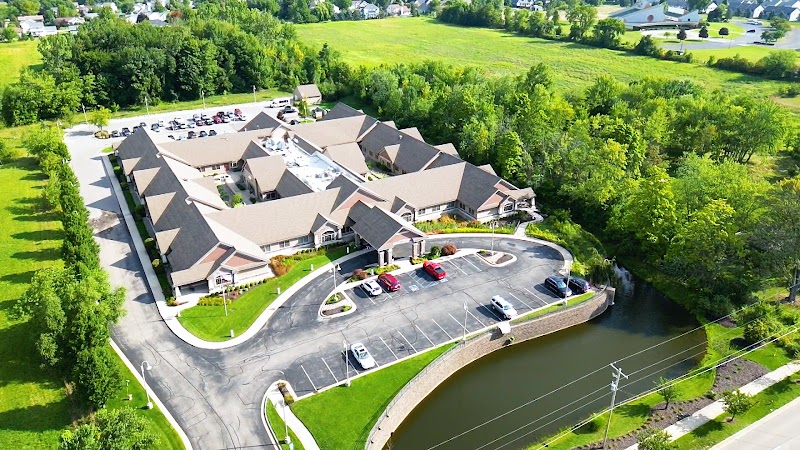
Medilodge of Holland is owned by a for-profit company. For-profit facilities operate as businesses with obligations to shareholders or private owners. The facility is operated by MEDILODGE, a chain that manages multiple nursing homes. With 77 certified beds and approximately 72 residents (about 94% occupancy), it is a smaller facility located in Holland, Michigan.

How Does Medilodge Of Holland Compare to Other Michigan Nursing Homes?

Compared to the 100 nursing homes in Michigan, Medilodge of Holland's overall rating (4 stars) is above the state average of 3.1, staff turnover (46%) is near the state average of 46%, and health inspection rating (4 stars) is above the national benchmark.

What Should Families Ask When Visiting Medilodge Of Holland?

Based on this facility's data, families visiting should ask: "Can I visit during a mealtime to observe dining assistance and food quality?" "How do you handle medical emergencies, and what is your hospital transfer rate?" "Can I speak with family members of current residents about their experience?"

Is Medilodge Of Holland Safe?

Based on CMS inspection data, Medilodge of Holland has a clean safety record: no substantiated abuse findings (meaning no confirmed cases of resident harm), no Immediate Jeopardy citations (the most serious violation level indicating risk of serious injury or death), and is not on the Special Focus Facility watch list (a federal program monitoring the lowest-performing 1% of nursing homes). The facility has a 4-star overall rating and ranks #1 of 100 nursing homes in Michigan. While no facility is perfect, families should still ask about staff-to-resident ratios and recent inspection results during their visit.

Do Nurses at Medilodge Of Holland Stick Around?

Medilodge of Holland has a staff turnover rate of 46%, which is about average for Michigan nursing homes (state average: 46%). Moderate turnover is common in nursing homes, but families should still ask about staff tenure and how the facility maintains care continuity when employees leave.

Was Medilodge Of Holland Ever Fined?

Medilodge of Holland has been fined $139,425 across 1 penalty action. This is 4.0x the Michigan average of $34,473. Fines at this level are uncommon and typically indicate a pattern of serious deficiencies, repeated violations, or failure to correct problems promptly. CMS reserves penalties of this magnitude for facilities that pose significant, documented risk to resident health or safety. Families should request specific documentation of what issues led to these fines and what systemic changes have been implemented.

Is Medilodge Of Holland on Any Federal Watch List?

Medilodge of Holland is not on any federal watch list. The most significant is the Special Focus Facility (SFF) program, which identifies the bottom 1% of nursing homes nationally based on persistent, serious quality problems. Not being on this list means the facility has avoided the pattern of deficiencies that triggers enhanced federal oversight. This is a positive indicator, though families should still review the facility's inspection history directly.