The Inn at Freedom Village
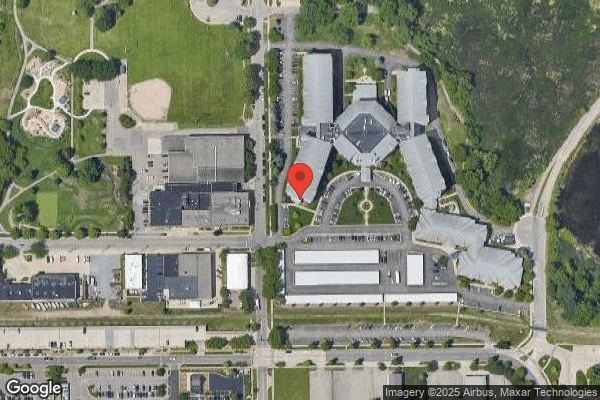

145 Columbia Avenue, Holland, MI 49423 (616) 820-7600
For profit - Corporation 39 Beds HEALTHPEAK PROPERTIES, INC. Data: November 2025
Trust Grade
80/100
#175 of 422 in MI
Last Inspection: January 2025

Within standard 12-15 month inspection cycle. Federal law requires annual inspections.

Overview

The Inn at Freedom Village has a Trust Grade of B+, indicating it is above average and recommended for families seeking care. With a state rank of #175 out of 422 facilities, it places in the top half of Michigan nursing homes, and #5 out of 11 in Ottawa County, suggesting limited but competitive options nearby. The facility has shown improvement, decreasing from 4 issues in 2024 to 3 in 2025, and it boasts a strong staffing rating with 0% turnover, significantly below the Michigan average of 44%. There have been no fines reported, which is a positive sign, and the facility offers better RN coverage than 92% of state facilities, ensuring more thorough care. However, there are some concerns, including a failure to maintain proper kitchen hygiene, inadequate tracking of resident illnesses, and not completing a facility-wide assessment, which could affect care quality. Overall, while there are strengths in staffing and compliance history, the facility still has areas that need improvement to ensure resident safety and care.
Trust Score
B+
80/100
In Michigan
#175/422
Top 41%
Safety Record
Low Risk
No red flags
Inspections
Getting Better
4 → 3 violations
Staff Stability
○ Average
Turnover data not reported for this facility.
Penalties
✓ Good
No fines on record. Clean compliance history, better than most Michigan facilities.
Skilled Nurses
✓ Good
Each resident gets 104 minutes of Registered Nurse (RN) attention daily — more than 97% of Michigan nursing homes. RNs are the most trained staff who catch health problems before they become serious.
Violations
⚠ Watch
12 deficiencies on record. Higher than average. Multiple issues found across inspections.
★★★★☆
4.0
Overall Rating
★★★★☆
4.0
Staff Levels
★★★☆☆
3.0
Care Quality
★★★★☆
4.0
Inspection Score
Stable
2024: 4 issues
2025: 3 issues

The Good

  • 4-Star Staffing Rating · Above-average nurse staffing levels
  • Full Sprinkler Coverage · Fire safety systems throughout facility
  • No fines on record

Facility shows strength in staffing levels, fire safety.

The Bad

Chain: HEALTHPEAK PROPERTIES, INC.

Part of a multi-facility chain

Ask about local staffing decisions and management

The Ugly 12 deficiencies on record

Jan 2025 3 deficiencies
CONCERN (D)

Potential for Harm - no one hurt, but risky conditions existed

Deficiency F0658 (Tag F0658)

Could have caused harm · This affected 1 resident

**NOTE- TERMS IN BRACKETS HAVE BEEN EDITED TO PROTECT CONFIDENTIALITY** Based on interview and record review, the facility failed to document vital signs before witholding a medication with parameters...

Read full inspector narrative →
**NOTE- TERMS IN BRACKETS HAVE BEEN EDITED TO PROTECT CONFIDENTIALITY** Based on interview and record review, the facility failed to document vital signs before witholding a medication with parameters ordered for 1 resident (Resident #83) out of 12 residents reviewed for professional standards. Findings: Resident #83 (R83) Review of an admission Record indicates R83 admitted to the facility with diagnoses that included hypertensive (high blood pressure) chronic kidney disease, supraventricular tachycardia (an irregular heart rhythm), and nonrheumatic mitral valve insufficiency (a condition affecting blood flow in the heart). Review of the January 2025 Medication Administration Record (MAR) reflected an order for Midodrine HCl Oral Tablet 5 MG (milligram) Give 2 tablets by mouth two times a day for low blood pressures Hold if SBP (systolic blood pressure) is more than >140 -Start Date- 01/28/2025 0800 (8:00 AM). The document reflected R83 did NOT receive a dose of the prescribed medication on 1/28/25 at 8:00 AM or 5:00 PM as evidenced by a 4 in the dose record which indicates Vital sign out of parameter. Review of all Progress Notes dated 1/28/25 did not reflect a record of blood pressures that exceeded the parameter set by the prescribing physician. Review of a Blood Pressure Summary reflected that on 1/28/2025 at 5:54 AM, R83's blood pressure was 133/72 mmHg (millimeters of column mercury, a unit of pressure measurement). No other blood pressure readings were documented on this day. During an interview on 1/30/2025 at 9:53 AM, the Director of Nursing (DON) reviewed the clinical record and said the blood pressure recorded in the morning of 1/28/2025 would have indicated the Midodrine could have been given as ordered. The DON reported that it is the professional standard that a vital sign should be recorded in the clinical record when there are parameters set by the physician. Review of the Fundamentals of Nursing revealed, The health care provider is responsible to provide accurate, complete, and understandable medication orders .also responsible for documenting any preassessment data required of certain medications such as a blood pressure measurement for antihypertensive medications or laboratory values, as in the case of warfarin, before giving the medication. After administering a medication, immediately document which medication was given on a patient's MAR per agency policy to verify that it was given as ordered. Inaccurate documentation, such as failing to document giving a medication or documenting an incorrect dose, leads to errors in subsequent decisions about patient care. For example, errors in documentation about insulin often result in negative patient outcomes. [NAME], [NAME] A.; [NAME], [NAME] Griffin; Stockert, [NAME] A.; Hall, [NAME]. Fundamentals of Nursing - E-Book (p. 609). Elsevier Health Sciences. Kindle Edition.
CONCERN (D)

Potential for Harm - no one hurt, but risky conditions existed

Accident Prevention (Tag F0689)

Could have caused harm · This affected 1 resident

Based on observation, interview, and record review, the facility failed to implement its Hot Liquid Protocol for one resident (Resident #85) at risk for injury from hot liquids, out of 2 residents rev...

Read full inspector narrative →
Based on observation, interview, and record review, the facility failed to implement its Hot Liquid Protocol for one resident (Resident #85) at risk for injury from hot liquids, out of 2 residents reviewed for accidents. Findings: Resident #85 (R85) Review of an admission Record reflected R85 admitted to the facility from a hospital for rehabilitation. Review of a Hot Liquid Safety Data Collection dated 1/27/2025 reflected R85 had observed tremors in upper extremities and weakness/paresis in upper extremities which placed R85 at risk for hot liquid injuries. Review of a Care Plan initiated on 1/27/2025 indicated R85 was at risk for hot liquid injury. Interventions identified to prevent hot liquid injuries included Assist resident with hot liquids; (R85) to use cup with lid; (R85) to use splint for wrist stability; (R85) to wear clothing/lap protector; Encourage resident to drink hot liquids while sitting at the table. During an observation on 1/28/2025 at 1:52 PM, R85 was given a cup of coffee by a dietary aide. R85 had removed the lid and was drinking the coffee with a straw while in bed. R85 did not have a clothing protector in place and was not wearing a splint on his wrist for stability. Review of a dietary menu reflected R85 was to follow the Hot Liquid Protocol. Review of the Safety of Hot Liquids policy last revised 10/2014 reflected Residents will be evaluated for safety concerns and potential for injury from hot liquids upon admission, readmission and on change of condition. Appropriate precautions will be implemented to maximize choice of beverages while minimizing the potential for injury. During an interview on 1/30/2025 at 9:27 AM, the Director of Nursing (DON) reported that it is her expectation that all staff follow the care plan and hot liquid protocol.
CONCERN (F)

Potential for Harm - no one hurt, but risky conditions existed

Food Safety (Tag F0812)

Could have caused harm · This affected most or all residents

**NOTE- TERMS IN BRACKETS HAVE BEEN EDITED TO PROTECT CONFIDENTIALITY** Based on observation, interview, and record review, the failed to maintain the kitchen/facilities equipment and fixtures in prop...

Read full inspector narrative →
**NOTE- TERMS IN BRACKETS HAVE BEEN EDITED TO PROTECT CONFIDENTIALITY** Based on observation, interview, and record review, the failed to maintain the kitchen/facilities equipment and fixtures in proper working order potentially affecting all residents that receive food from the kitchen. Findings include: The following observations were observed on 01/28/25 from 9:15 AM to 10:25 AM, during the initial tour of the kitchen/facility with Dining Manager (DM) A and Kitchen Supervisor (KS) B. Observation of the paper towel dispenser located above the hand sink (on the wall closest to the hood system) was out of paper towels. Review of the FDA 2017 Food Code Section, 6-301.12 Hand Drying Provision. Reflects the following, Each HANDWASHING SINK or group of adjacent HANDWASHING SINKS shall be provided with: (A.) Individual, disposable towels; . Observation of the inside of the True Refrigerator Unit revealed a build-up of food residue, debris and grime on the sides, bottom, and door seal. Review of the FDA 2017 Food Code Section, 4-601.11 Equipment, Food-Contact Surfaces, Nonfood-Contact Surfaces, and Utensils. Reflects the following, . (C) NONFOOD-CONTACT SURFACES of EQUIPMENT shall be kept free of an accumulation of dust, dirt, FOOD residue, and other debris. Observation of the large 2 Door [NAME] Cooler was found to be out of order. The unit is needed for cold holding food storage and ensuring safe food service operations. During the observation DM A and KS B revealed that the cooler had quit working a couple of weeks ago and were waiting to see if the facility was going to repair or replace the unit. Review of the FDA 2017 Food Code Section, 4-501.11 Good Repair and Proper Adjustment. Reflects the following, (A) Equipment shall be maintained in a state of repair and condition that meets the requirements under 4-1 and 4-2. Review of the FDA 2017 Food Code Section, 4-301.11 Cooling, Heating, and Holding Capacities. Reflects the following, EQUIPMENT for cooling and heating FOOD, and holding cold and hot FOOD, shall be sufficient in number and capacity to provide FOOD temperatures as specified under Chapter 3. Observation of the hand sink located the in the dish washing area needed to be recalked/resealed to the wall. Review of the FDA 2017 Food Code Section, 4-402.11 Fixed Equipment, Spacing or Sealing. Reflects the following, (A) Equipment that is fixed because it is not EASILY MOVEABLE shall be installed so that it is: . (3) SEALED to adjoining EQUIPMENT or walls, if the EQUIPMENT is exposed to spillage or seepage. Observation of the 3 Compartment Sink Area revealed the nozzle of the spray arm was submerged in the first sinks basin that contained soiled soaking dishes. Further observation of the area revealed that the plumbing fixture the spray arm was attached to (including the water lines, pipes, the hot and cold-water handles) were no longer attached to the wall, sink, or plumbing. The disconnected plumbing fixture was resting on drain board to the left of the soiled dish sinks basin. Review of the FDA 2017 Food Code Section, 5-205.15 System Maintained in Good Repair Reflects the following, A PLUMBING SYSTEM shall be: (A) Repaired according to LAW; and (B) Maintained in good repair. Observation of the dish machine area revealed hot water was continuously leaking from the hot water handle for the spray arm fixture. The hose on the spray arm was worn/stretched-out an allowed the spray arms nozzle to be just above the flood rim of the spray basin. Resulting in the potential that the nozzle on the spray arm could easily become submerged in any pots and pans were being stored below the spray arm, causing a potential back-siphonage concern with the fresh water supply line. Review of the FDA 2017 Food Code Section, 5-205.15 System Maintained in Good Repair Reflects the following, A PLUMBING SYSTEM shall be: (A) Repaired according to LAW; and (B) Maintained in good repair. Review of the FDA 2017 Food Code Section, 5-202.13 Backflow Prevention, Air Gap. Reflects the following, an air gap between the water supply inlet and the flood level rim of the PLUMBING FIXTURE, EQUIPMENT, or nonFOOD EQUIPMENT shall be at least twice the diameter of the water supply inlet and may not be less than 25 mm (1 inch). Observation of the Walk In Freezer revealed the flooring was buckling up and down along the seams and would move while walking on them. Review of the FDA 2017 Food Code Section, 6-501.11 Repairing. Reflects the following, PHYSICAL FACILITIES shall be maintained in good repair. Observation of the door leading to the dumpster area reflected a large gap along the bottom of the door and the flooring. Review of the FDA 2017 Food Code Section, 6-202.15 Outer Openings, Protected. Reflects the following, (A) Except as specified in paragraph (B), (C), and (E) and under paragraph (D) of this section, outer openings of FOOD ESTABLISHMENT shall be protected against the entry of insects and rodents by: (1) Filling or closing holes and other gaps along floors, walls and ceilings; (2) Closed, tight-fitting windows; and (3) Solid, self-closing, tight-fitting doors.
Feb 2024 4 deficiencies
CONCERN (D)

Potential for Harm - no one hurt, but risky conditions existed

Deficiency F0658 (Tag F0658)

Could have caused harm · This affected 1 resident

**NOTE- TERMS IN BRACKETS HAVE BEEN EDITED TO PROTECT CONFIDENTIALITY** Based on interview and record review, the facility failed follow professional standards of nursing practice for medication admin...

Read full inspector narrative →
**NOTE- TERMS IN BRACKETS HAVE BEEN EDITED TO PROTECT CONFIDENTIALITY** Based on interview and record review, the facility failed follow professional standards of nursing practice for medication administration for 1 resident (Resident #226) out of 8 residents reviewed, resulting in a medication error (incorrect dose of medication administered). Findings: Resident #226 (R226) Review of an admission Record revealed R226 was a [AGE] year-old male, originally admitted to the facility on [DATE], with pertinent diagnoses which included: polyneuropathy (nerve pain). Review of R226's Order Summary revealed: *Gabapentin Oral Capsule 300 MG (Gabapentin) Give 1 capsule by mouth in the morning related to POLYNEUROPATHY (start date 2/10/24). *Gabapentin Oral Tablet 600 MG (Gabapentin) Give 1 tablet by mouth at bedtime related to POLYNEUROPATHY (start date 2/11/24). Review of R226's Controlled Substances Proof of Use form for the evening gabapentin (600mg) administration revealed that on 2/12/24 the gabapentin was not signed out/administered but was documented as administered in the electronic Medication Administration Record. Review of R226's Controlled Substances Proof of Use form for the morning gabapentin (300mg) administration revealed that on 2/12/24 at 11:15 PM, 1 capsule of gabapentin 300mg was administered to R226 (indicated by the licensed nurse's signature.) During an interview on 2/21/24 at 7:30 AM, Registered Nurse (RN) A reported that when administering controlled medications/narcotics, the Controlled Substance Proof of Use form should be compared to the order summary/electronic Medication Administration Record to confirm the correct dose/time prior to the administration of the controlled medication. RN A reported that R226 had recently had multiple medication changes to control his pain. RN A reported that it was important to ensure that R226's morning dose of gabapentin and/or evening dose of gabapentin was obtained from the correct blister pack to avoid a medication error. During an interview on 2/21/24 at 1:11 PM, Director of Nursing (DON) confirmed the medication error for R226. DON reported that on the evening of 2/12/24, R226 received the morning dose of gabapentin (300mg) and not the evening dose of gabapentin (600mg) due to the facility nurse obtaining the gabapentin from the incorrect blister pack (contains medication) and R226 was underdosed. DON reported that all staff would be educated on properly administering medications. Review of Fundamentals of Nursing ([NAME] and [NAME]) 10th edition revealed, The seven rights of medication administration include the right medication, right dose, right patient, right route, right time, right documentation, and right indication. [NAME], [NAME] A.; [NAME], [NAME] Griffin; Stockert, [NAME] A.; Hall, [NAME]. Fundamentals of Nursing - E-Book (p. 672). Elsevier Health Sciences. Kindle Edition.
CONCERN (D)

Potential for Harm - no one hurt, but risky conditions existed

Deficiency F0804 (Tag F0804)

Could have caused harm · This affected 1 resident

**NOTE- TERMS IN BRACKETS HAVE BEEN EDITED TO PROTECT CONFIDENTIALITY** Resident #225 (R225) Review of an admission Record revealed R225 was an [AGE] year-old male, originally admitted to the facility...

Read full inspector narrative →
**NOTE- TERMS IN BRACKETS HAVE BEEN EDITED TO PROTECT CONFIDENTIALITY** Resident #225 (R225) Review of an admission Record revealed R225 was an [AGE] year-old male, originally admitted to the facility on [DATE]. R225 was his own responsible party/decision maker (cognitively intact) and able to make needs known. During an interview on 02/20/24 at 10:11 AM, R225 reported that the meals served to the residents were cold, all of them (breakfast, lunch, and dinner). Resident #14 (R14) Review of an admission Record revealed R14 was a [AGE] year-old female, originally admitted to the facility on [DATE]. Review of a Minimum Data Set (MDS) assessment for R14, with a reference date of 12/17/23 revealed a Brief Interview for Mental Status (BIMS) score of 15, out of a total possible score of 15, which indicated R14 was cognitively intact. During an interview on 02/20/24 at 09:51 AM, R14 reported that the meals served to the residents were cold, not even warm, just cold. On 2/21/2024 at 7:10 AM, a test tray for the lunch service was requested from Dietary Aide (DA) G. On 2/21/24 at 12:41 PM, DA G delivered a test tray to the conference room. DA G said the tray was plated at 12:31 PM. DA was told a surveyor was looking for the test tray along with the resident meals on the unit. DA G reported she did not want to make the surveyor wait for all the trays to be delivered on the unit and brought the test tray directly to the survey team, contrary to the survey process of obtaining a test tray once the last resident meal was served. During an observation on 2/21/24 at 12:48 PM, a surveyor was on the unit looking for the test tray that had been requested. No test tray was on the expediting cart (a metal rack that was not covered or insulated and held resident meal trays). The last tray was taken from the cart at this time and the surveyor requested a meal be prepared for the resident who was last to be served. During an observation on 2/21/24 at 12:50 PM, the temperature of the resident meal of 2 soft shell tortillas filled with seasoned ground beef was measured with an instant read thermometer. The internal temperature of the ground beef mixture was 108F. The tortilla was cool to touch and not warm when tasted. During an observation on 2/21/24 at 12:50 PM, the temperature of the test tray brought directly to the conference room by DAG was tested. The temperature of the shrimp enchilada was 155F. The temperature of the soup served with the meal was 160F. During an interview on 2/21/24 at 12:51 PM, Dietary Manager (DM) H reported the difference between the resident meal and the test tray was significant. DM H was informed at this time the food served to the residents was cold. Based on observation, interview and record review, the facility failed to provide food served at a palatable temperature for 3 of 19 residents (Resident #10, #14 and #225) reviewed for dining, resulting in dissatisfaction with the food served and the potential for decreased intake and weight loss. Findings Include: During an interview with Dietary Aide G, at 11:55 AM on 2/20/24, it was found that staff prefer hot food on the steam table be 140F or higher, preferably in the 160's. At 12:22 PM on 2/20/24, a test tray was plated and placed on the expediting cart as the last tray out. The surveyor followed the cart and waited for all eight resident trays to be passed out before heading to the conference room. At 12:35 PM on 2/20/24 the following temperatures were taken with a rapid read digital thermometer: Patty melt was 149F and Fries 115F. Resident #10 (R10) Review of an admission Record reflected R10 admitted to the facility on [DATE] with diagnoses that included a muscle weakness and gastro-esophageal reflux disease without esophagitis (GERD). Review of an annual Minimum Data Set (MDS) assessment dated [DATE] reflected R10 was cognitively intact as evidenced by a Brief Interview for Mental Status (BIMS) score of 15/15. During an interview on 2/20/24 at 11:00 AM, R10 reported that she took her meals in her room and the hot food selections were not very warm. R10 also reported that the meat selections were not very tender and she would often order chicken rather than beef or pork because of this.
CONCERN (F)

Potential for Harm - no one hurt, but risky conditions existed

Deficiency F0838 (Tag F0838)

Could have caused harm · This affected most or all residents

Based on interview and record review, the facility failed to perform a facility-wide assessment to identify and determine the necessary resources to provide competent care for its residents, resulting...

Read full inspector narrative →
Based on interview and record review, the facility failed to perform a facility-wide assessment to identify and determine the necessary resources to provide competent care for its residents, resulting in inadequate knowledge of the facility population and inadequate resources to care for residents and unmet care needs potentially affecting all 19 residents of the facility. Findings include: During the Entrance Conference interview conducted at the start of the annual recertification survey on 2/20/24 at 9:27 a.m., Information Needed from Facility Within Four Hours of Entrance was reviewed and included a request for the Facility Assessment. The facility assessment was not provided to the survey team prior to the end of the first day of the survey. The Nursing Home Administrator (NHA) submitted a facility assessment for review on 2/21/24 at 9:30 AM. The Facility Assessment Tool was dated 2/21/24 and had not been reviewed by the QAPI (Quality Assurance Process Improvement) committee for approval. Any record of a previous Facility Assessment was requested from the staff member E on 2/21/23 at 10:23 AM. Review of a Community Functional Assessment Binder reflected a facility assessment was last reviewed and updated on 11/5/2021. The assessment details did not reflect the current NHA or Director of Nursing (DON) and the average daily census was 10 (ten) residents. During a telephone interview on 2/21/24 at 2:10 PM, the NHA reported that she did not know she had to complete an annual facility assessment or update a facility assessment when necessary, and had not completed one since she started working at the facility. Review of Administration details in the ASPEN Central Office (ACO) database reflected the current NHA had been in place at the facility since 1/26/2022.
CONCERN (F)

Potential for Harm - no one hurt, but risky conditions existed

Infection Control (Tag F0880)

Could have caused harm · This affected most or all residents

**NOTE- TERMS IN BRACKETS HAVE BEEN EDITED TO PROTECT CONFIDENTIALITY** Based on interview and record review, the facility failed to implement an effective and current system of surveillance of staff ...

Read full inspector narrative →
**NOTE- TERMS IN BRACKETS HAVE BEEN EDITED TO PROTECT CONFIDENTIALITY** Based on interview and record review, the facility failed to implement an effective and current system of surveillance of staff and resident illnesses to identify possible communicable diseases and infections to prevent the spread of an illness/outbreak, resulting in the potential for an outbreak to go undetected. Findings: On 2/20/24 at 2:35 PM the last 3 months of infection surveillance/tracking for staff and residents was requested. Review of the resident illness tracking revealed a spreadsheet of residents that were prescribed antibiotics. There was a line list for residents that had tested positive for COVID. There was no other illness tracking for residents not prescribed antibiotics but had symptoms of infection (respiratory, integumentary, gastrointestinal, genitourinary, etc.) Review of the documentation received regarding employee illness tracking revealed Call-In Sheets and a line list for employees that had tested positive for COVID. The Call-In Sheets were not all thoroughly completed. During an interview on 2/21/24 at 11:00 AM, Director of Nursing (DON) and Clinical Support Nurse (CSN) F reported DON was the Infection Control Preventionist for the facility. DON reported that only residents that were ordered antibiotics were placed on the tracking tool. DON confirmed that the only other illness for staff and residents that was tracked/trended was COVID. DON reported that when an employee called off of work the Call-In Sheet would be completed by the staff member taking the call and would then be submitted to the scheduler. DON did not receive a copy of the slip and did not follow up with the employee to ensure they were symptom free with a date the employee could safely return to work (without exposing other residents and staff members to communicable disease and/or infection). DON confirmed that early identification of an outbreak and the prevention of the spread of an outbreak would require not only resident infections to be tracked but also employee illness. Employee illness tracking would require information such as the department worked, symptoms, symptom onset, testing if applicable, return to work date, etc. Review of the facility Infection Control Program revealed no policies and/or procedures for employee illness tracking/surveillance. Following the interview with DON and CSN F a policy for employee illness tracking/surveillance was requested. On 2/21/24 at 12:27 PM a copy of the Employee Health Program and Illness policy were received. Review of the facility policy Employee Health Program last revised January 2012 and the Illness policy last revised January 2008 did not contain an employee illness surveillance/tracking procedure. Review of the Facility Assessment Tool dated 11/5/21 did not include a system for surveillance for the prevention, identification, reporting, investigation and control of infections and communicable diseases of residents and staff. Review of the Facility Assessment Tool dated 2/21/24 (to be reviewed and/or adopted by the Quality Assessment and Performance Improvement in March 2024) revealed, 3.11 The infection prevention and control program at The Inn at Freedom Village [NAME] applies effective systems for preventing, identifying, reporting, investigating, and controlling infections and communicable diseases for all residents, staff, volunteers, visitors, and other individuals providing services under a contractual arrangement. Policies and Procedures follow accepted national standards. Education occurs one-to-one, through staff huddles, in-services, and monthly meetings. Infection surveillance is kept through tracking, reporting, and managing infections, as evaluated by McGreers criteria. Staff surveillance on appropriate infection control measures is closely monitored for compliance and further education needs. Through the antibiotic stewardship program, we apply protocols for monitoring to prevent antibiotic resistance and C-diff. Infection trends are reported at monthly QAPI meetings. For policies and procedures specific to COVID-19, refer to these binders. Review of the State Operations Manual revealed the facility Establishes facility-wide systems for the prevention, identification, reporting, investigation and control of infections and communicable diseases of residents, staff, and visitors. It must include an ongoing system of surveillance designed to identify possible communicable diseases and infections before they can spread to other persons in the facility and procedures for reporting possible incidents of communicable disease or infections.
Aug 2023 2 deficiencies
CONCERN (D) 📢 Someone Reported This

A family member, employee, or ombudsman was alarmed enough to file a formal complaint

Potential for Harm - no one hurt, but risky conditions existed

Resident Rights (Tag F0550)

Could have caused harm · This affected 1 resident

**NOTE- TERMS IN BRACKETS HAVE BEEN EDITED TO PROTECT CONFIDENTIALITY** Based on interview and record review, the facility failed to treat 1 of 3 residents (R1) with respect and dignity and care for t...

Read full inspector narrative →
**NOTE- TERMS IN BRACKETS HAVE BEEN EDITED TO PROTECT CONFIDENTIALITY** Based on interview and record review, the facility failed to treat 1 of 3 residents (R1) with respect and dignity and care for the resident in a manner that promotes maintenance or enhancement of his or her quality of life, resulting in R1 being treated in a disrespectful and undignified manner that caused embarrassment, fear, and/or emotional distress. Findings include: A review off the facility's Resident Rights policy, revised December 2016, revealed, Employees shall treat all residents with kindness, respect, and dignity . Federal and state laws guarantee certain basic rights to all residents of this facility. The rights include the resident's right to: a. a dignified existence; b. be treated with respect, kindness, and dignity; c. be free from abuse, neglect, misappropriation of property, and exploitation . e. self-determination . A review of R1's admission Record, dated 8/9/23, revealed R1 was a [AGE] year-old resident admitted to the facility on [DATE] and re-admitted on [DATE]. In addition, R1's admission Record revealed multiple diagnoses that included a right femur (leg bone) fracture, a history of falling, difficulty walking, generalized muscle weakness, right hip pain, and left hip pain. A review of R1's Minimum Data Set (MDS) (a tool used for assessing a resident's care needs), dated 8/4/23, revealed a Brief Interview for Mental Status (BIMS) (a scale used to determine a resident's cognitive status) score of 13 which revealed she was cognitively intact. A review of the facility's self-reported Intake Information, dated 8/4/23, revealed on 7/30/23 at 5:10 AM, R1 pushed the call light to use the restroom. After several attempts to get R1 out of bed, R1 requested to use the bedpan because she was feeling too weak to stand. Instead of getting R1 the bedpan to use, the staff member (a certified nursing assistant) told her she could wet herself in her brief and then she could be changed. A review of R1's Nurse Practitioner note, dated 7/31/23, revealed R1 has been painful and not wanting to get up to use the bathroom, instead using bed pan. A review of the facility's investigative documentation revealed the following: - Certified Nursing Assistant (CNA) B's written statement, dated 7/30/23, revealed she answered R1's call light and R1 requested to use the bathroom. CNA B stated at about that time she heard yelling in the common area and asked R1 if she could wait while she went to see what the yelling was about. R1 told her that was fine. CNA B stated when she went into the hallway, she saw CNA A and asked him to help R1 while she assisted the nurse [with whoever was yelling]. CNA B stated a short time later, CNA A told her he gave R1 three times to stand up without his help. She stated CNA A told her after three unsuccessful tries for R1 to stand up on her own, he told R1 then you can just pee in your brief and then he left her room. - Registered Nurse (RN) C's written statement, dated 7/30/23, revealed at 5:10 AM, he and a female CNA went to R1's room to check on her. R1 told him that a male [CNA] had left her in bed, would not let her use a bed pan, and told her to just pee your pants. RN C stated he assured R1 she could always use a bed pan, if needed. He then assured R1 that the male CNA would not take care of her again and R1 was thankful. RN C stated both he and the female CNA then changed R1's brief and he reassured her again that the male CNA would not take care of her again. RN C asked R1 if she felt safe and she said she did as long as the male CNA did not come back into her room. After the brief change, RN C called the house supervisor and reported R1's allegation to her. RN C stated when the house supervisor came to talk to R1, he (RN C) was also present. He stated R1 told the house supervisor that the male CNA had said, If you can't get up you will have to wet [your]self. R1 told the house supervisor and RN C that the male aide did not offer her the bed pan. R1 told them after this happened she was scared to call and just laid in bed. RN C stated he and the house supervisor then reassured R1 that she could use the bed pan, if she needed, and that she was safe. RN C stated 10 minutes later, R1 called to use the bed pan and he and a female CNA assisted her. - Registered Nurse House Supervisor (RNHS) E's written statement, dated 7/30/23, revealed she received a call from RN C at 5:10 AM regarding an allegation of possible neglect for R1. She stated she spoke with R1 and R1 told her that a male aide was helping her to go to the bathroom. R1 told her when she could not get up, the male aide told her to just wet herself in the bed. At this point, R1 started crying and stated she had held it all night. RNHS E asked R1 if the aide had offered her a bed pan. R1 stated he had not, but she would have used one if he had. R1 stated she did not report the incident earlier when it happened because she was scared. RNHS E stated she and RN C assured R1 that she could use a bed pan, if she wanted to. RNHS E stated she went to get a bed pan for R1 to use, if she needed to. When RNHS E was returning to R1's room with the bed pan, CNA A saw her and asked where was she going with the bed pan. RNHS E stated she told him she was taking it to R1 and CNA A told her that R1 could not use one. RNHS E stated about 5 to 10 minutes later, R1 called for assistance and used the bed pan. - CNA A's typed statement, dated 7/30/23 at 3:22 PM, revealed CNA B had told him that R1 was sitting up with a gait belt (a belt used by staff to assist residents get get up and walk) and she needed assistance getting her up. CNA A stated he was watching another resident at the time. He stated the resident he was watching became confused, got angry, and tried to stand up. CNA A stated he and CNA B sat the other resident down and he then went into R1's room. CNA A stated he apologized to R1 for it taking so long to assist her. He stated he tried to get RN C or CNA B to help him transfer R1 to the restroom, but they were both busy. CNA A stated he told R1 that RN C and CNA B were busy and we can sit and wait for them to not be busy and I will stay here with you till then or I can lay you back down and check and change (check to see if the resident is wet and/or soiled and change them if they are) you or when you call. He stated CNA B then came in the room and he asked R1 if she wanted to get up to the bathroom. He stated R1 told him to lay her back down and she stated she understood she could call when she needed to be changed. He stated after this he left the room and did not go back into R1's room for the rest of the shift. - CNA A's, second typed statement, dated 7/30/23 at 3:35 PM, revealed he told R1 that using a bed pan was not an option. He stated he had been told by the previous shift staff that therapy had said R1 was not to use the bed pan and that she needed to either use the bathroom with an extensive assist of two staff members and her wheelchair or she was to just be a check and change. CNA A stated R1 was upset and angry when he told her this. He stated he apologized, but said the instructions for her to not use a bed pan came from therapy. CNA A stated he told R1 that he could leave a note for the therapists and they could come and talk to her about it. - Physical Therapist (PT) D's written statement, dated 7/31/23, revealed she had evaluated R1 on 7/29/23. She stated during her evaluation she assessed R1's bed mobility, transfer ability, and gait skills. She also stated R1 needed encouragement and rest breaks during the evaluation. PT D stated R1 could transfer from the bed to the wheelchair with two staff members assistance using her wheeled walker and could transfer to the toilet using one staff member's assistance and the grab bar next to the toilet. She stated she educated R1 on getting out of bed to use the bathroom with staff assistance to prevent skin breakdown. PT D stated she also told R1 that getting up with staff to use the bathroom would be therapeutically beneficial and would help her to work towards her goals. She stated she also instructed staff to use two people to help R1 transfer to the toilet for safety reasons and to encourage her to use the toilet, as able. - R1's typed interview, dated 7/31/23 and conducted by the Nursing Home Administrator (NHA), revealed, A conversation was had with [name of R1] in regards to last night's events with the aide on duty. [Name of R1] stated that the male aide who responded to her call light was not kind to her and told her that he would not get her the bed pan. She also stated that the male aide told her that once she went in her brief he would then change her. Administrator apologized to [name of R1] for the individuals (sic) actions and explained that this was inappropriate and assured [name of R1] that the individual would not be in her room again. [Name of R1] was thankful. A review of CNA A's Behavioral Change Notice, dated 8/1/23, revealed he was terminated because on 7/30/23, he refused to give a resident (R1) a bed pan and instead insisted that they use a brief. You stated that you would change that brief instead of using the bedpan. This violated the resident's (R1's) rights and does not corelate (sic) with [name of facility company's policies].
CONCERN (D) 📢 Someone Reported This

A family member, employee, or ombudsman was alarmed enough to file a formal complaint

Potential for Harm - no one hurt, but risky conditions existed

Medical Records (Tag F0842)

Could have caused harm · This affected 1 resident

**NOTE- TERMS IN BRACKETS HAVE BEEN EDITED TO PROTECT CONFIDENTIALITY** Based on interview and record review, the facility failed to maintain complete and accurate medical records for 1 of 3 residents...

Read full inspector narrative →
**NOTE- TERMS IN BRACKETS HAVE BEEN EDITED TO PROTECT CONFIDENTIALITY** Based on interview and record review, the facility failed to maintain complete and accurate medical records for 1 of 3 residents (R1), resulting in incomplete medical records and inaccurate medical records; the potential for providers not having an accurate and complete picture of the resident's stay at the facility; and for providers not being aware of possible changes to the resident's mental, emotional, and/or physical well-being. Findings include: Clear, accurate, and accessible documentation is an essential element of safe, quality, evidence-based nursing practice . Documentation of nurses' work is critical as well for effective communication with each other and with other disciplines. It is how nurses create a record of their services for use by payors, the legal system, government agencies, accrediting bodies, researchers, and other groups and individuals directly or indirectly involved with health care. It also provides a basis for demonstrating and understanding nursing's contributions both to patient care outcomes and to the viability and effectiveness of the organizations that provide and support quality patient care . Documentation is sometimes viewed as burdensome and even as a distraction from patient care. High quality documentation, however, is a necessary and integral aspect of the work of registered nurses in all roles and settings . (ANA's (American Nursing Association) Principles for Nursing Documentation- Guidance for Registered Nurses, 2010, www.nursingworld.org). Timely documentation of the following types of information should be made and maintained in a patient's EHR (electronic health record) to support the ability of the health care team to ensure informed decisions and high quality care in the continuity of patient care- Assessments; Clinical problems; Communications with other health care professionals regarding the patient . Patient responses and outcomes, including changes in the patient's status; and Plans of care that reflect the social and cultural framework of the patient . Patient documentation frequently is used by professionals who are not directly involved with the patient's care. If patient documentation is not timely, accurate, accessible, complete, legible, readable, and standardized, it will interfere with the ability of those who were not involved in and are not familiar with the patient's care to use the documentation. (ANA's (American Nursing Association) Principles for Nursing Documentation- Guidance for Registered Nurses, 2010, www.nursingworld.org). A review of R1's admission Record, dated 8/9/23, revealed R1 was a [AGE] year-old resident admitted to the facility on [DATE] and re-admitted on [DATE]. In addition, R1's admission Record revealed multiple diagnoses that included a right femur (leg bone) fracture, a history of falling, difficulty walking, generalized muscle weakness, right hip pain, and left hip pain. A review of R1's Minimum Data Set (MDS) (a tool used for assessing a resident's care needs), dated 8/4/23, revealed a Brief Interview for Mental Status (BIMS) (a scale used to determine a resident's cognitive status) score of 13 which revealed she was cognitively intact. A review of the facility's self-reported Intake Information, dated 8/4/23, revealed on 7/30/23 at 5:10 AM, R1 pushed the call light to use the restroom. After several attempts to get R1 out of bed, R1 requested to use the bedpan because she was feeling too weak to stand. Instead of getting R1 the bedpan to use, the staff member (a certified nursing assistant) told her she could wet herself in her brief and then she could be changed. A nurse and another certified nursing assistant on the unit attended to R1's needs per her request and assisted her. R1 was assured that the staff member would not be back in her room and she stated she felt safe at the facility. The facility then began an investigation for possible neglect. A review of R1's electronic medical record (or electronic health record- EHR), dated 7/23/23 to 8/9/23, failed to reveal any mention of this incident and/or any follow-up to the incident (except possibly a Social Services Progress Note on 8/1/23 that refers to a second follow-up for a grievance without any indication of what the grievance was). During an interview on 8/9/3 at 2:50 PM, Registered Nurse (RN) F stated if a resident makes an allegation of abuse/neglect (e.g., a certified nursing assistant refused to help them with toileting or told them to just wet their brief and they would change them later), she would write a progress note, immediately address the allegation, talk to the certified nursing assistant to get their side of the story, and report it to Director of Nursing (DON) and Nursing Home Administrator (NHA), or whoever is on-call if it is after hours. RN F stated she would also make sure the resident was taken care of (changed, placed on a bedpan, or assisted to the toilet). During an interview on 8/9/23 at RN H stated if she was told by a resident that a staff member refused to change them or help them to the bathroom and told them to wet their pants and the staff member will change them later, she would apologize to the resident, talk to the staff member to get their side of the story, and notify her supervisor. She stated she would also document the accusation/incident in a progress note and that she notified the administrator and/or her supervisor in that same progress note. During an interview on 8/9/23 at 5:15 PM with the NHA and DON, they both stated that staff should have put a note in R1's progress note at least documenting that an allegation was made on 7/30/23 (even if it was in general terms), who was notified, and what was done (e.g., ensured R1 was safe and her needs were met). They both verbally acknowledged that it was concerning that a progress note was not entered into R1's electronic medical record and stated they would be educating staff on the expectation of documenting all incidents and/or allegations.
Nov 2022 3 deficiencies
CONCERN (D) 📢 Someone Reported This

A family member, employee, or ombudsman was alarmed enough to file a formal complaint

Potential for Harm - no one hurt, but risky conditions existed

Report Alleged Abuse (Tag F0609)

Could have caused harm · This affected 1 resident

This citation pertains to intake MI000131154 Based on interview and record review, the facility failed to report an allegation of misappropriation of prescription medication to the State Agency, resul...

Read full inspector narrative →
This citation pertains to intake MI000131154 Based on interview and record review, the facility failed to report an allegation of misappropriation of prescription medication to the State Agency, resulting in the potential for ongoing diversion, abuse and neglect. Findings: Review of a facility policy Abuse Investigation and Reporting revised July 2017 reflected All reports of resident abuse, neglect, exploitation, misappropriation of resident property, mistreatment and/or injuries of unknown source (abuse) shall be promptly reported to local, state and federal agencies (as defined by current regulations) and thoroughly investigated by facility management. Findings of abuse investigations will also be reported. The policy specified that the Administrator or designee was responsible for making the appropriate reports and specified the timeframe for reporting according to the regulation. During an interview on 11/21/22 at 1:45 PM, the Nursing Home Administrator (NHA) along with Assisted Living Director (ALD) J confirmed that in May or June 2022, insulin pens belonging to residents who lived in the Skilled Nursing Facility (SNF) had been discovered in a refrigerator in a basement employee lounge by House Supervisor (HS) K. According to ALD J, HS K was cleaning the employee fridge when she found a plastic grocery bag wrapped around 5 insulin pens belonging to at least 3 different residents. ALD J reported the plastic grocery bag was labeled with Certified Nurse Aide (CNA) L's name. ALD J said that when HS K brought the prescription medication to her she was able to identify that the drugs belonged to residents who lived in the SNF portion of the facility and never in the Assisted Living or Independent Living areas, thus reported the discovery to the SNF NHA. The NHA said that when she was first made aware of the discovery, she intended to make a report to the State Agency but was ultimately told not to do so by the Regional Clinical Operations Specialist, Registered Nurse (RN) O. The NHA said that CNA L had resigned long before the insulin pens were discovered, and she did not have a documented investigation related to the discovery of prescription drugs in an unauthorized area. During a telephone interview on 11/22/22 at 9:17 AM, RN O said she vaguely recalled the discovery of insulin pens belonging to residents who lived in the SNF in an employee refrigerator. According to RN O, she reviewed the matter with the NHA and advised her not to report to the State Agency because she was somehow able to determine that the residents did not miss doses of medication and the SNF had paid for the drugs, therefore no harm had come to residents. RN O said she did not have any documentation related to the drug diversion and assumed the NHA had completed an investigation.
CONCERN (D) 📢 Someone Reported This

A family member, employee, or ombudsman was alarmed enough to file a formal complaint

Potential for Harm - no one hurt, but risky conditions existed

Investigate Abuse (Tag F0610)

Could have caused harm · This affected 1 resident

This citation pertains to intake MI000131154 Based on interview and record review, the facility failed to investigate an allegation of misappropriation of prescription medication to the State Agency r...

Read full inspector narrative →
This citation pertains to intake MI000131154 Based on interview and record review, the facility failed to investigate an allegation of misappropriation of prescription medication to the State Agency resulting in the potential for ongoing diversion, abuse and neglect. Findings: Review of a facility policy Abuse Investigation and Reporting revised July 2017 reflected All reports of resident abuse, neglect, exploitation, misappropriation of resident property, mistreatment and/or injuries of unknown source (abuse) shall be promptly reported to local, state and federal agencies (as defined by current regulations) and thoroughly investigated by facility management. Findings of abuse investigations will also be reported. The policy specified the actions necessary to facilitate and conduct investigations and ensure further potential abuse, neglect, exploitation or mistreatment is prevented. During an interview on 11/21/22 at 1:45 PM, the Nursing Home Administrator (NHA) along with Assisted Living Director (ALD) J confirmed that in May or June 2022, insulin pens belonging to residents who lived in the Skilled Nursing Facility (SNF) had been discovered in a refrigerator in a basement employee lounge by House Supervisor (HS) K. According to ALD J, HS K was cleaning the employee fridge when she found a plastic grocery bag wrapped around 5 insulin pens belonging to at least 3 different residents. ALD J reported the plastic grocery bag was labeled with Certified Nurse Aide (CNA) L's name. ALD J said that when HS K brought the prescription medication to her she was able to identify that the drugs belonged to residents who lived in the SNF portion of the facility and never in the Assisted Living or Independent Living areas, thus reported the discovery to the SNF NHA. The NHA said that when she was first made aware of the discovery, she intended to report the discovery to the State Agency but was ultimately told not to do so by the Regional Clinical Operations Specialist, Registered Nurse (RN) O. The NHA said that CNA L had resigned long before the insulin pens were discovered, and she did not have any documentation related to investigating the discovery of prescription drugs in an unauthorized area. The NHA explained that she did not note who the residents were, did not recall investigating whether the residents were given prescription medication as ordered and did not interview the former employee or other staff at the facility related to the diversion. The NHA also confirmed that she did not direct anyone to audit the medication storage or prescription accounting systems that may have been breached. During a telephone interview on 11/22/22 at 9:17 AM, RN O said she vaguely recalled the discovery of insulin pens belonging to residents who lived in the SNF in an employee refrigerator. According to RN O, she reviewed the matter with the NHA and advised her not to report to the State Agency because she was somehow able to determine that the residents did not miss doses of medication and the SNF had paid for the drugs, therefore no harm had come to residents. RN O said she did not have any documentation related to the drug diversion and assumed the NHA had completed an investigation.
CONCERN (D) 📢 Someone Reported This

A family member, employee, or ombudsman was alarmed enough to file a formal complaint

Potential for Harm - no one hurt, but risky conditions existed

Quality of Care (Tag F0684)

Could have caused harm · This affected 1 resident

**NOTE- TERMS IN BRACKETS HAVE BEEN EDITED TO PROTECT CONFIDENTIALITY** This citation pertains to intake MI000130760 Based on interview and record review, the facility failed to ensure physician order...

Read full inspector narrative →
**NOTE- TERMS IN BRACKETS HAVE BEEN EDITED TO PROTECT CONFIDENTIALITY** This citation pertains to intake MI000130760 Based on interview and record review, the facility failed to ensure physician orders received after an outside appointment were reviewed and implemented as directed for one resident (Resident #3), resulting in discontinuity of care and potentially avoidable death. Findings: Resident #3 (R3) Review of an admission Record reflected R3 admitted to the facility on [DATE] with diagnoses that included acute respiratory failure with hypoxia, acute on chronic combined systolic (congestive) and diastolic (congestive) heart failure (CHF), orthostatic hypotension (low blood pressure), chronic kidney disease, pleural effusion, permanent atrial fibrillation, shortness of breath, muscle weakness and difficulty in walking. Review of a Care Plan initiated on 7/11/22 reflected R3 had orthostatic hypotension (low blood pressure). The goal of the care plan was for R3 to remain free from complications related to the condition through the next review date (10/06/2022). Interventions specified on the care plan to meet the goal included: Encourage (R3) to get up slowly, sit on side of bed before standing; Give medications as ordered, Monitor for side effects and effectiveness; Monitor labs, radiologic studies, cardiac testing results and other studies to determine causative factors of hypotension and report abnormal findings to physician; Monitor vital signs as ordered and record. Report significant abnormalities to MD (physician); Monitor/document/report to MD any s/sx (signs/symptoms) of hypotension: dizziness, Fainting, Syncope, blurred vision, lack of concentration, nausea, fatigue, cold, clammy, pale skin. Review of a provider Progress Notes dated 7/11/22 reflected [R3] who has had multiple hospitalizations recently due to CHF (congestive heart failure). Most recently admitted 6/29-7/8/22 at (name of local hospital) with acute hypoxic respiratory failure and acute on chronic CHF. She has had a long history of low blood pressures and difficulty tolerating her diuretics. She had significant orthostatic hypotension with systolic blood pressures down in the 60s and near syncope, so severe she was unable to stand, she was started first on Midodrine (a drug used to treat low blood pressure), and then Fluorinef (a corticosteroid used to treat postural hypotension) was added. Ultimately her diuretics were held and she was given IVF (Intravenous fluid) bolus x3 in attempts to improve her orthostasis without success. She is very dizzy with standing and is only able to transfer briefly to BSC (bedside commode). Previously independent with using her walker. She was started on continuous oxygen to maintain sats. Plan to hold off diuretics until her weight begins to climb and resume on a prn (as needed) basis. However this was tried in assisted living and was not very successful. Today patient is seen in her room at SAR (sub-acute rehab). Able to give hx (history), report no cough, is still on O2 (oxygen) NC (nasal cannula). Exam with crackles on the left lung field. Weight remains stable at 120 pounds. BP (blood pressure) remains lower due to her hx of orthostatic. Instructions in the note were for R3 to follow up with cardiology. Review of an After Visit Summary reflected R3 had an outside appointment with a cardiologist on 7/14/22. The instructions on the document directed R3 to CHANGE how you take midodrine (proamatine); STOP taking fludrocortisone 0.1 MG tablet (FLORINEFF); CONTINUE taking your other medications. Review of a Telephone Order (a triplicate paper form used to write physician orders) for R3 dated 7/14/22 reflected Stop (d/c discontinue) Floinef (sic) Increase Midodrine to 10 mg TID (three times a day) BMP (basic metabolic panel) and NT-proBNP (N-terminal pro hormone brain natriuretic peptide) in 1 week. The order form was signed by the cardiologist R3 had visited on 7/14/2022. No other notations were made on the telephone order indicating the order had been noted by nurses. Review of the July 2022 Medication Administration Record (MAR) and Treatment Administration Record (TAR) reflected the following pertinent orders: Midordrine HCl Tablet 2.5 MG Give 1 table by mouth three times a day for orthostatic hypotension-Start Date 7/08/2022 1700 (5:00 PM)-D/C Date-7/17/2022 1237 (12:37 PM); Fludrocortisone Acetate Tablet 0.1 MG Give 1 tablet by mouth one time a day related to ACUTE RESPIRATORY FAILURE WITH HYPOXIA (J96.01) for 10 Days-Start Date-07/09/2022 0800 (8:00 AM)-D/C Date-7/17/2022 1237 (12:37 PM). Further review of the July 2022 MAR/TAR did not reflect that the cardiologist prescribed medication changes written out on the telephone order form dated 7/14/2022 had been made. Review of an Order Recap Report for R3 for the date range 07/01/2022 - 11/30/2022 did not reflect the cardiologist prescribed medication changes written out on the telephone order form dated 7/14/2022 had been made. Review of a Late Entry Comprehensive Nursing Note dated 7/14/2022 at 16:13 (4:13 PM) documented by Licensed Practical Nurse (LPN) C reflected [R3] limited one person assist to standby assist, no current c/o pain, continues to work with therapy. The note did not indicate R3 had been out to a cardiology appointment that day and did not reflect new orders had been received. Review of a Nursing Narrative Note dated 7/17/2022 at 7:47 AM reflected At 0633 (6:33 AM) resident (R3) vitals were taken 82/55 (blood pressure), 60 HR (heart rate), 16 respirations, 97.7 temp, 87% on 1L of O2 via NC. Resident was encouraged to sit up and told staff she wanted to use bathroom. Resident then ambulated to the bathroom. She then stated she wanted to lay down and take a nap. No SOB (shortness of breath) reported but she was tired. After good deep breaths was able to bring oxygen up to 88%. Res stated she felt comfortable. Nurse left and later brought in medicine but resident did not wake up. Code status was confirmed and 911 was called. [Name of physician], administrator and family. [Name of R3's son and daughter-in law] stated for me to call [name of funeral home]. During a telephone interview on 11/22/22 at 10:50 AM, LPN C said she could not recall R3's cardiology appointment from 7/14/2022. According to LPN C, when a resident leaves the facility for an appointment, they are handed a packet of information that includes the admission record, current medication list, a physician order form and a blank physician progress note. When a resident returns from an appointment, the nurse is to receive any paperwork as soon as possible for processing. LPN C described a filing system to ensure every order is triple checked. LPN C said that if there were no nurse signatures on the telephone order form that had been scanned into R3's electronic health record, she likely never saw it or any other paperwork after R3's cardiology appointment. LPN C reported the system in place for collecting documentation after outside appointments varies depending on circumstances.
Understanding Severity Codes (click to expand)
Life-Threatening (Immediate Jeopardy)
J - Isolated K - Pattern L - Widespread
Actual Harm
G - Isolated H - Pattern I - Widespread
Potential for Harm
D - Isolated E - Pattern F - Widespread
No Harm (Minor)
A - Isolated B - Pattern C - Widespread

Questions to Ask on Your Visit

  • "Can I speak with families of current residents?"
  • "What's your RN coverage like on weekends and overnight?"

Our Honest Assessment

Strengths
  • • Grade B+ (80/100). Above average facility, better than most options in Michigan.
  • • No major safety red flags. No abuse findings, life-threatening violations, or SFF status.
  • • No fines on record. Clean compliance history, better than most Michigan facilities.
Concerns
  • • 12 deficiencies on record. Higher than average. Multiple issues found across inspections.
Bottom line: Generally positive indicators. Standard due diligence and a personal visit recommended.

About This Facility

What is The Inn At Freedom Village's CMS Rating?

CMS assigns The Inn at Freedom Village an overall rating of 4 out of 5 stars, which is considered above average nationally. Within Michigan, this rating places the facility higher than 99% of the state's 100 nursing homes. This rating reflects solid performance across the metrics CMS uses to evaluate nursing home quality.

How is The Inn At Freedom Village Staffed?

CMS rates The Inn at Freedom Village's staffing level at 4 out of 5 stars, which is above average compared to other nursing homes.

What Have Inspectors Found at The Inn At Freedom Village?

State health inspectors documented 12 deficiencies at The Inn at Freedom Village during 2022 to 2025. These included: 12 with potential for harm.

Who Owns and Operates The Inn At Freedom Village?

The Inn at Freedom Village is owned by a for-profit company. For-profit facilities operate as businesses with obligations to shareholders or private owners. The facility is operated by HEALTHPEAK PROPERTIES, INC., a chain that manages multiple nursing homes. With 39 certified beds and approximately 24 residents (about 62% occupancy), it is a smaller facility located in Holland, Michigan.

How Does The Inn At Freedom Village Compare to Other Michigan Nursing Homes?

Compared to the 100 nursing homes in Michigan, The Inn at Freedom Village's overall rating (4 stars) is above the state average of 3.1 and health inspection rating (4 stars) is above the national benchmark.

What Should Families Ask When Visiting The Inn At Freedom Village?

Based on this facility's data, families visiting should ask: "Can I visit during a mealtime to observe dining assistance and food quality?" "How do you handle medical emergencies, and what is your hospital transfer rate?" "Can I speak with family members of current residents about their experience?"

Is The Inn At Freedom Village Safe?

Based on CMS inspection data, The Inn at Freedom Village has a clean safety record: no substantiated abuse findings (meaning no confirmed cases of resident harm), no Immediate Jeopardy citations (the most serious violation level indicating risk of serious injury or death), and is not on the Special Focus Facility watch list (a federal program monitoring the lowest-performing 1% of nursing homes). The facility has a 4-star overall rating and ranks #1 of 100 nursing homes in Michigan. While no facility is perfect, families should still ask about staff-to-resident ratios and recent inspection results during their visit.

Do Nurses at The Inn At Freedom Village Stick Around?

The Inn at Freedom Village has not reported staff turnover data to CMS. Staff turnover matters because consistent caregivers learn residents' individual needs, medications, and preferences. When staff frequently change, this institutional knowledge is lost. Families should ask the facility directly about their staff retention rates and average employee tenure.

Was The Inn At Freedom Village Ever Fined?

The Inn at Freedom Village has no federal fines on record. CMS issues fines when nursing homes fail to meet care standards or don't correct problems found during inspections. The absence of fines suggests the facility has either maintained compliance or corrected any issues before penalties were assessed. This is a positive indicator, though families should still review recent inspection reports for the full picture.

Is The Inn At Freedom Village on Any Federal Watch List?

The Inn at Freedom Village is not on any federal watch list. The most significant is the Special Focus Facility (SFF) program, which identifies the bottom 1% of nursing homes nationally based on persistent, serious quality problems. Not being on this list means the facility has avoided the pattern of deficiencies that triggers enhanced federal oversight. This is a positive indicator, though families should still review the facility's inspection history directly.