Mission Point Nursing & Physical Rehabilitation Ce
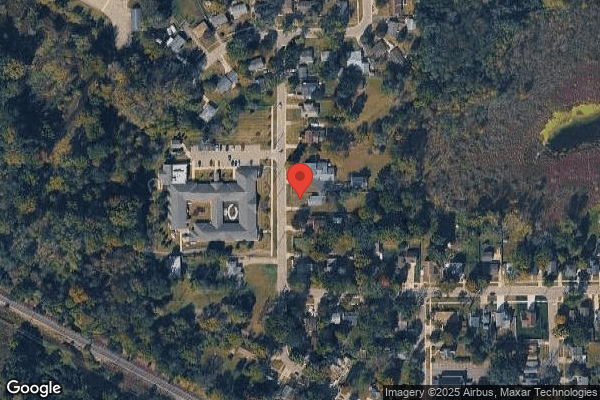
313 Sherwood Street, Holly, MI 48442 (248) 708-3100
For profit - Partnership 66 Beds MISSION POINT HEALTHCARE SERVICES Data: November 2025
Trust Grade
35/100
#314 of 422 in MI
Last Inspection: February 2025

Within standard 12-15 month inspection cycle. Federal law requires annual inspections.

Overview

Mission Point Nursing & Physical Rehabilitation Center in Holly, Michigan, has a Trust Grade of F, indicating significant concerns about the quality of care provided. With a state rank of #313 out of 422 facilities, they fall in the bottom half of nursing homes in Michigan, and rank #22 out of 43 in Oakland County, meaning there are many better options nearby. Although the facility is reportedly improving, with a decrease in issues from 19 to 16 over the past year, it still has a concerning number of fines totaling $95,194, which is higher than 91% of Michigan facilities. Staffing is a weak point, with a poor rating of 1 out of 5, although turnover is at 44%, which is on par with the state average. Significant incidents include a case of physical abuse between residents that left others feeling unsafe, as well as ongoing issues with the proper handling of controlled substances and unsanitary conditions in the kitchen, raising serious concerns about residents' safety and well-being.

Trust Score
F
35/100
In Michigan
#314/422
Bottom 26%
Safety Record
Moderate
Needs review
Inspections
Getting Better
19 → 16 violations
Staff Stability
○ Average
44% turnover. Near Michigan's 48% average. Typical for the industry.
Penalties
⚠ Watch
$95,194 in fines. Higher than 97% of Michigan facilities. Major compliance failures.
Skilled Nurses
○ Average
RN staffing data not reported for this facility.
Violations
⚠ Watch
53 deficiencies on record. Higher than average. Multiple issues found across inspections.
★★☆☆☆
2.0
Overall Rating
★☆☆☆☆
1.0
Staff Levels
★★★★★
5.0
Care Quality
★☆☆☆☆
1.0
Inspection Score
Stable
2024: 19 issues
2025: 16 issues

The Good

  • 5-Star Quality Measures · Strong clinical quality outcomes
  • Full Sprinkler Coverage · Fire safety systems throughout facility
  • No fines on record
  • Staff turnover below average (44%)

    4 points below Michigan average of 48%

Facility shows strength in quality measures, fire safety.

The Bad

2-Star Overall Rating

Below Michigan average (3.1)

Below average - review inspection findings carefully

Staff Turnover: 44%

Near Michigan avg (46%)

Typical for the industry

Federal Fines: $95,194

Well above median ($33,413)

Moderate penalties - review what triggered them

Chain: MISSION POINT HEALTHCARE SERVICES

Part of a multi-facility chain

Ask about local staffing decisions and management

The Ugly 53 deficiencies on record

1 actual harm
Aug 2025 7 deficiencies
CONCERN (D) 📢 Someone Reported This

A family member, employee, or ombudsman was alarmed enough to file a formal complaint

Potential for Harm - no one hurt, but risky conditions existed

Free from Abuse/Neglect (Tag F0600)

Could have caused harm · This affected 1 resident

**NOTE- TERMS IN BRACKETS HAVE BEEN EDITED TO PROTECT CONFIDENTIALITY** This citation pertains to intake: 2583159. Based on interview and record reviews, the facility failed to protect the resident's ...

Read full inspector narrative →
**NOTE- TERMS IN BRACKETS HAVE BEEN EDITED TO PROTECT CONFIDENTIALITY** This citation pertains to intake: 2583159. Based on interview and record reviews, the facility failed to protect the resident's right to be free from mistreatment by a staff member for one resident (R303) of two residents reviewed for neglect/abuse. Findings include:A review of a Incident Summary submitted by the facility to the State Agency (SA) documented in part . A Nursing Manager reported to this Administrator that an allegation of staff abuse against (R303's name). was brought to his attention at 11:30am on 7/30/2025. The allegation was made by a Certified Nurse's Aide (CNA- CNA J) who informed the nurse manager that another CNA (CNA I) held her hand over the resident's mouth because the resident was yelling. The alleged Perpetrator was suspended immediately pending a facility investigation. (Police department name) was contacted and an officer arrived at the facility to investigate the report.A review of the medical record revealed R303 was admitted to the facility on [DATE] with diagnoses that included: parkinsonism, bipolar disorder with severe psychotic features, and schizoaffective disorder.On 8/13/25 at 2:14 PM, CNA J was interviewed and asked about the incident that occurred with CNA I and R303. CNA J explained that CNA I was helping them change the brief of R303. CNA J stated they rolled (R303) towards CNA I and heard (R303) voice to be muffled. CNA J stated they looked over and observed CNA I 's hand over R303's mouth. CNA J stated they told CNA I not to do that and CNA I responded . she (R303) shouldn't be here she should be in a fu**ing psych ward. CNA J stated that CNA I said they were tired of hearing (R303) screaming. CNA J stated after the incident they went outside to take a few minutes to rethink the situation and returned and reported it to Nurse Manager (NM K). CNA J stated that CNA I was asked to leave the facility and the Administrator followed up with them regarding the incident. (Nurse Manager) NM K was on leave at the time of the survey and was not interviewed. Review of a written statement documented by NM K confirmed CNA J reported to them the incident with CNA I and R303. NM K documented they notified the Administrator after it was reported to them. A review of a written statement conducted with CNA I documented in part . (R303 name) was yelling right in our faces even when we were helping her. (CNA I) reported that she placed one finger over the resident's mouth and shussed <sic> her. R303 denied stating that R303 belonged in a psych ward. A review of the time sheet for CNA I verified their last day on site at the facility was 7/30/25 at 12:17 PM, when they were instructed to leave the facility. A review of a termination letter dated 8/6/25, revealed the alleged perpetrator (CNA I) was terminated due to the incident on 8/6/25. A review of a facility policy titled Abuse, Neglect and Exploitation dated 3/28/22, documented in part . It is the policy of. to follow facility protocol to provide protections for the health, welfare and right of each resident by developing and implementing written policies and procedures that prohibit and prevent abuse. Mistreatment means inappropriate treatment or exploitation of a resident. An immediate investigation is warranted when suspicion of abuse, neglect or exploitation, or reports of. efforts to ensure all residents are protected from physical and psychosocial harm during and after the investigation. Reporting of all alleged violations to the Administrator, state agency. law enforcement when applicable.
CONCERN (D) 📢 Someone Reported This

A family member, employee, or ombudsman was alarmed enough to file a formal complaint

Potential for Harm - no one hurt, but risky conditions existed

Investigate Abuse (Tag F0610)

Could have caused harm · This affected 1 resident

**NOTE- TERMS IN BRACKETS HAVE BEEN EDITED TO PROTECT CONFIDENTIALITY** This citation pertains to intake: 2582047. Based on interviews and record reviews the facility failed to complete a thorough inv...

Read full inspector narrative →
**NOTE- TERMS IN BRACKETS HAVE BEEN EDITED TO PROTECT CONFIDENTIALITY** This citation pertains to intake: 2582047. Based on interviews and record reviews the facility failed to complete a thorough investigation for an elopement and failed to submit accurate details to the State Agency (SA) regarding the elopement incident for one (R302) of one resident reviewed for an elopement. Findings include: Review of an Incident Summary submitted to the SA documented in part . At approximately 9:45pm on Friday 7/25/2025, the Administrator was notified by a facility nurse that a nearby neighbor of the facility contacted her via phone and told her that a resident had approached their house and was asking for a ride. This nurse reported that she and a Certified Nurses Aide went outside the building, found the resident and returned him safely to his room. The resident was in no physical distress.Review of an Investigation Summary documented in part . Time of Occurrence: Approximately 7:35 pm. At 9:15pm, on the day of the incident (Registered Nurse - RN C) was notified by a Certified Nurses Aide (aide) (CNA), that a distressed neighbor was on the phone. (RN C) answered the phone and was informed by the neighbor that one of the facility residents was causing a disturbance outside of the facility. Accompanied by (Aide name), CNA (CNA E), (RN C) immediately went outside to evaluate the situation. Resident (initials) was found standing outside the facility door. It was reported by the neighbors that (R302's initials) had knocked on their door and asked for something to drink. Gatorade was offered but decline by. did trigger for elopement risk as a result of his leaving the premises unsupervised for a period of 2.5 hours. Conclusion: Based on interviews and record reviews. Once elopement was identified as a risk on 7/26/2025, Care Plan was updated. The resident demanded to the leave the facility the following day against medical advice and did so.A review of the medical record revealed R302 was admitted to the facility on [DATE] with a primary admitting diagnosis of alcohol dependence with withdrawal. A review of the admission Elopement Risk Assessment dated 7/17/25 at 1:50 PM, noted . Resident Is Not At Risk for Elopement. The assessment failed to identify the residents substance use disorder (alcohol). Review of a Nursing note created on 7/26/25 and back dated to 7/25/25 at 9:15 PM, documented in part . Notified by CNA to accept phone call from a distressed neighbor of the facility. This nurse informed by neighbor that a resident was causing a disturbance outside of the facility. Accompanied by a CNA, this nurse immediately went outside to evaluate the situation. found standing outside facility door. He explained that he needed to leave to attend to personal matters. Resident escorted into building by CNA. This nurse spoke with neighbors concerning the residents behaviors and disturbance created. This note was documented by RN C. RN C was not the assigned nurse for R302 at the time of the elopement incident. Review of an assignment sheet provided by the facility's Administrator revealed RN D was the assigned nurse for R302 at the time of the elopement incident. On 8/14/25 at 11:55 AM, a telephone interview was conducted with RN D. RN D was asked about being the assigned nurse to R302 when the elopement incident occurred and RN D replied . No, I was not. He (R302) got out sometime between 3:30 to 4 PM. RN D explained that was the time of the dayshift nurse shift and upon receiving report at 6 PM when they came on duty nothing was said about R302 to have been missing. RN D confirmed they had not seen R302 their shift until they were brought back to the facility. RN D read the investigation summary details regarding the resident to have been missing for a little over two hours and RN D replied .What was reported was not correct. RN D explained how the neighbors who informed the staff that R302 was at their house stated that the resident was out there for more than six hours. RN D explained they had no CNA to help with their assignment until 7 PM, when CNA E came on duty. RN D stated it was RN C and CNA E who went to get the resident on the night of 7/25/25 from the neighbor's house. On 8/14/25 at 12:47 PM, a telephone interview was conducted with RN C. When asked, RN C stated R302 was not outside the facility door, the male neighbor was outside the facility's door as they (RN C and CNA E) were leaving the facility to go to the neighbor's house to get R302. RN C explained how they (along with CNA E) went to the neighbor's house where R302 and a female neighbor were observed yelling at each other. RN C stated initially R302 refused to go back to the facility, however after talking to the resident R302 agreed to go back. RN C stated several neighbors had informed them that R302 was observed outside of the facility since 4 PM. RN C stated the resident also confirmed they had been out of the facility since 4 PM. RN C stated R302 was starving so CNA E went to McDonalds to get them some food, which helped to calm the resident down. RN C stated R302 verbalized that he wanted to get cocktails and still be able to work while admitted to the facility. RN C was asked about the discrepancies regarding their documented note and what was submitted to the SA and RN C stated they informed the Administrator that if the SA questioned them about the elopement incident that they were not going to lie. RN C feared retaliation from the Administration for being truthful with the surveyor. RN C was asked if they reported the same details in its entirety to the Administrator during the investigation and RN C confirmed they reported everything to the Administrator.On 8/14/25 at 1:20 PM, a telephone interview was conducted with CNA E. When asked, CNA E confirmed they arrived to start their shift at 7 PM on 7/25/25. CNA E stated there was no CNA to give them report and the nurse was administering the resident's medications. CNA E explained several incidents that had occurred which caused it to be a busy shift with multiple residents to have required their attention. CNA E stated they did check in R302's room and saw that their dinner tray was untouched. CNA E stated they figured R302 was out on a LOA (leave of absence). CNA E explained it was after 9 PM and they were on their way to the kitchen to make waters and saw a man at the door. CNA E stated the man outside of the facility door informed them that a resident was sitting out in front of their house and had been since 4 PM. CNA E explained at that time RN C had approached the front door of the facility and explained how they received a call from a female neighbor who informed them that R302 was outside of their house. CNA E explained that they along with RN C went to the neighbors house. CNA E stated R302 was agitated because . him and the neighbor was going back and forth. CNA E stated the neighbors reported that (R302) had asked for beer, an alcoholic drink or a ride. CNA E confirmed that they along with RN C was able to calm the resident down and get R302 back into the facility. CNA E was asked if they reported the same details to the Administrator during the investigation and CNA E confirmed they reported the same details to the Administrator. On 8/14/25 at 2:42 PM, a telephone interview was conducted with R302. When asked, R302 confirmed they had left the facility by following another person out. R302 also confirmed the dinner tray had not been delivered to them before they left the facility. R302 admitted to having a . rough couple of weeks. and stated . I was not in a good space when I was there.R302 also confirmed that staff came to the neighbor's house and talked them into going back to the facility. On 8/14/25 at 1:55 PM, Licensed Practical Nurse (LPN) G (the dayshift nurse assigned to R302) was interviewed. When asked LPN G could not recall the exact time R302 was last seen by them, but stated the resident was observed several times throughout their shift. When asked if any of the Administration staff and/or anyone had followed up with them regarding the elopement of R302, LPN G stated . No, no one.A review of the employee statements revealed no statement obtained from the dayshift nurse for R302 on 7/25/25. This is the shift the resident allegedly eloped on. Further review revealed statements from RN C and CNA E that reflected the investigation summary submitted to the SA, however, lacked the details provided to the surveyor and the Administrator as verbalized by the staff. The investigation did not contain a statement from R302 who was documented to have been cognitively intact. On 8/14/25 at 2:05 PM, the Administrator was asked to provide the name of the CNA that was assigned to R302 from 3PM (when the dayshift CNA went off duty) to 7 PM (when CNA E came on duty). The Administrator did not provide a response. On 8/14/25 at 2:49 PM, the Administrator was interviewed and confirmed they were the Abuse Coordinator for the facility and had conducted R302's elopement investigation. The Administrator was asked about the discrepancy of the duration of time the resident had eloped from the facility. The Administrator denied to have been informed by the multiple staff members of the neighbors observation to have seen the resident outside of their home since 4 PM. The Administrator was asked if they had interviewed the neighbor during their investigation and the Administrator stated they did not. The multiple discrepancies with their investigation was discussed and compared with what was submitted to the SA. When asked why a statement had not been obtained by the assigned nurse to R302 for the day shift of 7/25/25, the Administrator stated he did not have an answer for that. No further explanation or documentation was provided by the end of the survey.
CONCERN (D) 📢 Someone Reported This

A family member, employee, or ombudsman was alarmed enough to file a formal complaint

Potential for Harm - no one hurt, but risky conditions existed

Deficiency F0635 (Tag F0635)

Could have caused harm · This affected 1 resident

**NOTE- TERMS IN BRACKETS HAVE BEEN EDITED TO PROTECT CONFIDENTIALITY** Based on interviews and record reviews the facility failed to ensure all admission orders were reported and reconciled with the ...

Read full inspector narrative →
**NOTE- TERMS IN BRACKETS HAVE BEEN EDITED TO PROTECT CONFIDENTIALITY** Based on interviews and record reviews the facility failed to ensure all admission orders were reported and reconciled with the Physician for one (R302) of one resident reviewed for an elopement. Findings include: A review of the medical record revealed R302 was admitted to the facility on [DATE] with a primary admitting diagnosis of alcohol dependence with withdrawal and was documented to have intact cognition. A review of R302's hospital discharge medications revealed the following:Lorazepam tablet sliding scale. If CIWA-Ar (Clinical Institute Withdrawal Assessment for Alcohol) is 0-7: No Benzodiazepine dose indicated. 1 mg (milligram) if CIWA-AR Mild - MOD 8 -15. 2 mg if CIWA - AR Mild - MOD 16-67. Greater than 35, Notify Provider. PO (by mouth), every 2 hours PRN (as needed) for Per CIWA Scale. If CIWA-Ar is 0-7: No Benzodiazepine dose indicated. If CIWA-Ar is 8-15, give 1mg then reassess 2hrs after dose given. If CIWA-Ar >15, give 2mg then reassess 1 hr after dose given (Maximum dose 12mg/day). If score > 35 give dose indicated and notify provider; IV (intravenous) if unable to take PO. A review of the medical record and Physician orders revealed the as needed CIWA protocol was not reconciled or implemented like the rest of the medications documented on the hospital discharge medication report. On 8/14/25 at approximately 9:10 AM, the Director of Nursing (DON) was interviewed and asked why the CIWA alcohol withdrawal protocol was not implemented like the rest of the medications on the hospital discharge document. The DON stated they would look into it and follow back up. At 10:44 AM, the DON returned with Physician F (the assigned Physician to R302). Physician F was asked if they were informed of the as needed CIWA protocol that was on the discharge medication list from the hospital and Physician F stated they were not informed. The DON stated they were also unaware of the hospital discharge medication list that noted the CIWA protocol. The DON and Physician F stated they would start education with their staff. No further explanation or documentation was provided by the end of the survey.
CONCERN (D) 📢 Someone Reported This

A family member, employee, or ombudsman was alarmed enough to file a formal complaint

Potential for Harm - no one hurt, but risky conditions existed

Pressure Ulcer Prevention (Tag F0686)

Could have caused harm · This affected 1 resident

**NOTE- TERMS IN BRACKETS HAVE BEEN EDITED TO PROTECT CONFIDENTIALITY** This citation pertains to intake: 2570372.Based on interview and record reviews the facility failed to accurately identify a pre...

Read full inspector narrative →
**NOTE- TERMS IN BRACKETS HAVE BEEN EDITED TO PROTECT CONFIDENTIALITY** This citation pertains to intake: 2570372.Based on interview and record reviews the facility failed to accurately identify a pressure wound, accurately documented the worsening and correct staging of a coccyx wound for one (R301) of one resident reviewed for pressure wounds. Findings include:Based on interview and record reviews the facility failed to accurately identify a pressure wound, accurately documented the worsening and correct staging of a coccyx wound for one (R301) of one resident reviewed for pressure wounds. Findings include:A review of a complaint submitted to the State Agency (SA) documented concerns regarding the accurate assessment and description of the resident's pressure wound. A review of the medical record revealed R301 was admitted to the facility on [DATE] with a primary diagnosis of dementia and required staff assistance with all Activities of Daily Living (ADLs). A Nursing note dated 6/25/25 at 3:55 PM, documented in part . This writer was informed by resident's aide that resident had an opening located on the coccyx (L). This writer went to assess resident and see in fact there an <sic> opening on her coccyx. This writer. wound care nurse. Wound care nurse came to assess. DX (diagnosis):MASD (moisture associated skin damage). This writer was cleanse <sic> Coccyx w (with)/N.S. (normal saline) Pat dry. Apply Medihoney to wound bed. Cover with ABD (abdominal) and tape closed. This will be the treatment in place for the MASD. This note was documented by Licensed Practical Nurse (LPN) A.A review of the wound consultation reports completed by the facility's third party wound clinic revealed the following: A wound consult dated 7/2/25, documented in part . Wound #1 Coccyx is an acute Partial Thickness MASD and has received a status of Not Heal. Initial wound encounter measurements are 2.5cm (centimeters) length x 1.3 cm width x 0.1 cm depth, with an area of 3.25 sq (square) cm and a volume of 0.325 cubic cm. Wound bed has 100%, pink, granulation. Irritant contact dermatitis due to friction or contact with body fluids.A wound consult dated 7/9/25, documented in part . This patient seen today for a follow-up visit for the management of the patient's wound. Wound #1 coccyx is an acute Partial thickness MASD and has received a status of Not Healed. Subsequent wound encounter measurements are 2.3cm length x 1.5cm width with no measurable depth, with an area of 3.45 sq. cm. There is scant amount of sero-sanguineous drainage noted. The wound margin is well defined Wound bed has no granulation, 100% slough (non-viable yellow, tan, gray, green or brown tissue. Maybe adherent to the base of the wound or present in clumps throughout the wound bed).A wound consult dated 7/16/25, documented in part . Coccyx is an acute Partial Thickness MASD and has received a status of Not Healed. Subsequent wound encounter measurements are 2.5cm length x 2.3 cm width with no measurable depth, with an area of 5.75 sq cm. There is scant amount of sero-sanguineous drainage noted which has no odor. The wound margin is well defined Wound bed has no, granulation. 100% slough.A stage 2 pressure ulcer is identified as a partial-thickness loss of skin with exposed dermis. A progress note dated 7/17/25 at 9:04 AM, documented . Pt (patient) was taken to hospital by granddaughter on 7/16/25.A review of the hospital documentation (7/16/25) to revealed the following in part . presenting from her living facility. per request of granddaughter who is patient's guardian for change in patient's mentation as well as a suppose it new bedsore that was 'extremely dirty and contaminated.' . Stage 3 pressure ulcer of coccyx (Stage 3 Pressure Ulcer: Full-thickness loss of skin, in which subcutaneous fat may be visible in the ulcer and granulation tissue and rolled wound edges are often present. Slough maybe visible but does not obscure the depth of tissue loss). Tissue trauma consult. Present on admission.On 8/13/25 at 1:17 PM, LPN A was interviewed and asked to review their note documented on 6/25/25. LPN A stated they remembered the observation. LPN A was asked to describe the wound. LPN A confirmed the wound to be circular and stated the . hole was not bigger than a nickel. LPN A confirmed the loss of the top layer of the skin for the wound. The facility wound nurse was not present for the duration of the survey and was not interviewed. On 8/13/25 at 1:41 PM, the Director of Nursing (DON) was interviewed and questioned about the accuracy of the wound assessments for R301 on 7/2/25, 7/9/25 and 7/16/25. The review of the hospital diagnosis of the wound on the same day the resident was last assessed in the facility on 7/16/25, was reviewed. The DON stated they would look into it and follow back up. On 8/13/25 at 3:34 PM, the DON returned with the Wound Physician (WP) B on the phone for an interview. The connection of the call was bad and the interview was not conducted at that time. On 8/14/25 at 3:14 PM, a telephone interview was conducted with WP B the concern of the accuracy of the staging of the wound compared to the documented assessment of the wound was discussed. WP B acknowledged the wound initially started as MASD. WP B stated they could have changed the documentation of the staging of the wound as it worsened. WP B stated their assessment noted the exact description of the wound, however acknowledged the wound staging documentation should have been updated. No further information or documentation was provided before the end of the survey.
CONCERN (D) 📢 Someone Reported This

A family member, employee, or ombudsman was alarmed enough to file a formal complaint

Potential for Harm - no one hurt, but risky conditions existed

Incontinence Care (Tag F0690)

Could have caused harm · This affected 1 resident

**NOTE- TERMS IN BRACKETS HAVE BEEN EDITED TO PROTECT CONFIDENTIALITY** This citation pertains to intake: 2570372.Based on interview and record reviews the facility staff failed to follow the recommen...

Read full inspector narrative →
**NOTE- TERMS IN BRACKETS HAVE BEEN EDITED TO PROTECT CONFIDENTIALITY** This citation pertains to intake: 2570372.Based on interview and record reviews the facility staff failed to follow the recommendation of the psych nurse practitioner (NP) and failed to identify a change of condition (urinary tract infection - uti) as the cause of a mental status/behavioral changes for one (R301) of two residents' reviewed for neglect/abuse. Findings include:A review of the medical record revealed R301 was admitted to the facility on [DATE] with a primary diagnosis of dementia and required staff assistance with all Activities of Daily Living (ADLs). A Social Service Progress Note dated 6/26/25 at 8:03 AM, recapped the recommendations from a psych consultation which documented the following . Seen 6/25/25 by (psych clinician name), NP (nurse practitioner) with psych services. Consult states the following. Patient presents with increased anxiety, agitation, and aggression. Emphasis should be placed on ruling out underlying medical or environmental contributors. Patient has a known and established history of significant agitation in the presence of acute etiologies, particularly UTIs. If behavioral changes continue to persist, would advise consideration to repeat urine analysis.A Nursing progress note dated 7/16/25 at 4:31 PM, documented in part . This writer contacted the guardian because the patient was having a behavior with another resident. The resident was heard and seen calling the resident a whore hopper and a Bitch, The granddaughter asked to speak with her. The resident did speak with her. The writer was asked to take the phone and speak with (guardian name). she told me she was having a NP (nurse practitioner) look over the resident medications. And she will be here later to see (R301's name).A Nursing progress note dated 7/16/25 at 5:28 PM, documented in part . the resident has been sitting at the nurse station for the past hour. She has been singing and to <sic> talking with this writer and other staff. The resident mood back at baseline with no memory of the previous behavior.A review of the medical record revealed a repeat urinalysis was not considered, ordered or obtained, as the recommended documentation by the psych NP on 6/26/25. A discharge emergent note dated 7/16/25 at 11:08 PM, documented the family of R301 called emergency medical services to transport R301 to the hospital regarding medical concerns with the resident. A review of the hospital documents revealed the following: . presenting from her living facility. per request of granddaughter who is patient's guardian for change in patient's mentation. Family is concerned that patient has a urinary tract infection due to her change from [NAME] <sic> (alert and oriented) to self and place to [NAME] to self. Patient was combative on July 16, 2025. Mentation was worsening from her baseline. Further review of the hospital documents revealed the identification of . Sepsis due to Enterobacter species (type of bacteria). Enterobacter cloacae complex bacteremia (presence of bacteria in the bloodstream) secondary to a urinary tract infection. On IV (intravenous) cefepime (antibiotic) and plan a 14-day course of therapy. Urinary tract infection. ID (infectious disease) on case. present on admission.The facility staff failed in following the recommendation of the psych nurse practitioner and failed to identify R301's urinary tract infection. On 8/13/25 at 1:41 PM, the Director of Nursing (DON) was asked about the mental and behavioral changes documented for R301 and why follow-up testing to rule out a UTI was not completed as recommended by the psych NP. The DON stated they were unaware of the psych NP recommendation and would look into it and follow back up. On 8/14/25 at 9:05 AM, the DON returned and stated they had missed the repeat urinalysis recommendation. No further explanation or documentation was provided by the end of the survey.
CONCERN (D) 📢 Someone Reported This

A family member, employee, or ombudsman was alarmed enough to file a formal complaint

Potential for Harm - no one hurt, but risky conditions existed

Deficiency F0692 (Tag F0692)

Could have caused harm · This affected 1 resident

**NOTE- TERMS IN BRACKETS HAVE BEEN EDITED TO PROTECT CONFIDENTIALITY** This citation pertains to intake: 2570372.Based on interview and record reviews the facility failed to identify, follow up and f...

Read full inspector narrative →
**NOTE- TERMS IN BRACKETS HAVE BEEN EDITED TO PROTECT CONFIDENTIALITY** This citation pertains to intake: 2570372.Based on interview and record reviews the facility failed to identify, follow up and follow the facility policy on weight loss for one (R301) of one resident reviewed for weight loss. Findings include: A review of the medical record revealed R301 was admitted to the facility on [DATE] with a primary diagnosis of dementia and required staff assistance with all Activities of Daily Living (ADLs). A review of the resident Weight Summary documented the following: 7/3/25 at 1:25 PM- 134.4 lbs (pounds)6/5/25 at 3:04 PM- 150.8 lbs This indicates a -10.88 loss in less than a month. There was no recorded re-weight to confirm the weight loss documented. A record review of the Electronic Medical Record (EMR) and Nutrition assessments/notes were all reviewed, and none identified the clarification of the 7/3/25 recorded weight, notification to the dietician/physician, monitoring, interventions or modifications to the resident's nutrition plan of care. A review of the facility policy titled Weight Monitoring revised 01/21 documented in part .Weight Analysis: The newly recorded resident weight should be compared to the previous recorded weight to determine if a re-weight is necessary.On 8/13/25 at 1:41 PM, the Director of Nursing (DON) was interviewed and asked about the recorded weight loss on 7/3/25 and the lack of follow up. The DON replied the staff should have notified them, and a re-weight should have been obtained. The DON confirmed they were not notified of the recorded weight loss. The DON stated they would look into it further and follow back up. On 8/14/25 at 9:05 AM, the DON returned and stated the therapy staff obtained both weights in June and July 2025, however failed to inform them of the recorded weight loss. The DON stated education will be conducted with the therapy staff. No further explanation or documentation was provided by the end of the survey.
CONCERN (E) 📢 Someone Reported This

A family member, employee, or ombudsman was alarmed enough to file a formal complaint

Potential for Harm - no one hurt, but risky conditions existed

Accident Prevention (Tag F0689)

Could have caused harm · This affected multiple residents

**NOTE- TERMS IN BRACKETS HAVE BEEN EDITED TO PROTECT CONFIDENTIALITY** This citation pertains to intake: 2582047. Based on interviews and record reviews the facility failed to identify a substance us...

Read full inspector narrative →
**NOTE- TERMS IN BRACKETS HAVE BEEN EDITED TO PROTECT CONFIDENTIALITY** This citation pertains to intake: 2582047. Based on interviews and record reviews the facility failed to identify a substance use disorder (sud) -alcohol, and failed to implement a care plan/interventions for the sud, for one (R302) of one resident reviewed for elopements, resulting in R302 having left the facility without the knowledge of staff. Findings include: A review of the medical record revealed R302 was admitted to the facility on [DATE] with a primary admitting diagnosis of alcohol dependence with withdrawal and was documented to have intact cognition. Further review of the medical record revealed no plan of care or implemented care plan for R302's primary diagnosis of alcohol dependence or withdrawal. A review of the medical record revealed no interventions implemented to ensure the safety of the resident. On 7/25/25 R302 was reported to the State Agency (SA) to have eloped from the facility. On 8/14/25 at 11:55 AM, a telephone interview was conducted with RN D. RN D was asked about being the assigned nurse to R302 when the elopement incident occurred (on 7/25/25) and RN D replied . No, I was not. He (R302) got out sometime between 3:30 to 4 PM. RN D explained that was the time of the dayshift nurse shift and upon receiving report at 6 PM when they came on duty nothing was said about R302 to have been missing. RN D confirmed they had not seen R302 on their shift until they were brought back to the facility by RN C and CNA E.A telephone interview was conducted with Registered Nurse (RN) C on 8/14/25 at 12:47 PM. RN C was asked to recall the elopement incident with R302. RN C stated they received a phone call from a female neighbor of the facility stating a man had been outside of their house since 4 PM. RN C explained how they (along with Certified Nursing Assistant- CNA E) went to the neighbor's house where R302 and a female neighbor were observed yelling at each other. RN C stated initially R302 refused to go back to the facility, however after talking to the resident R302 agreed to go back. RN C stated several neighbors had informed them that R302 was observed outside of the facility since 4 PM. RN C stated the resident also confirmed they had been out of the facility since 4 PM. RN C stated R302 was starving so CNA E went to McDonalds to get them some food, which helped to calm the resident down. RN C stated R302 verbalized that he wanted to get cocktails and still be able to work while admitted to the facility. On 8/14/25 at 1:20 PM, a telephone interview was conducted with CNA E. When asked, CNA E confirmed they arrived to start their shift at 7 PM on 7/25/25. CNA E stated there was no CNA to give them report and the nurse was administering the resident's medications. CNA E explained several incidents that had occurred which caused it to be a busy shift with multiple residents to have required their attention. CNA E stated they did check in R302's room and saw that their dinner tray was untouched. CNA E stated they figured R302 was out on a LOA (leave of absence). CNA E explained it was after 9 PM and they were on their way to the kitchen to make waters and saw a man at the door. CNA E stated the man outside of the facility door informed them that a resident was sitting out in front of their house and had been since 4 PM. CNA E explained at that time RN C had approached the front door of the facility and explained how they received a call from a female neighbor who informed them that R302 was outside of their house. CNA E explained that they along with RN C went to the neighbor's house. CNA E stated R302 was agitated because . him and the neighbor was going back and forth. CNA E stated the neighbors reported that (R302) had asked for beer, an alcoholic drink or a ride. CNA E confirmed that they along with RN C was able to calm the resident down and get R302 back into the facility. On 8/14/25 at 2:42 PM, a telephone interview was conducted with R302. When asked, R302 confirmed they had left the facility by following another person out. R302 also confirmed the dinner tray had not been delivered to them before they left the facility. R302 admitted to having a . rough couple of weeks. and stated . I was not in a good space when I was there.R302 also confirmed that staff came to the neighbor's house and talked them into going back to the facility. On 8/14/25 at 2:05 PM, the Administrator was asked to provide the name of the CNA that was assigned to R302 from 3PM (when the dayshift CNA went off duty) to 7 PM (when CNA E came on duty). The Administrator did not provide a response. It was identified that the staff were unaware of the resident's departure and/or whereabouts from approximately 4 PM until approximately 9:15 PM (the approximate time RN C received the phone call from the reporting neighbor), more than five hours. The facility failed to develop and implement a substance use disorder plan of care and/or care plan for R302's alcohol dependence, resulting in the R302 to have eloped from the facility undetected for several hours in attempts to satisfy their addiction to alcohol. A review of the facility policy titled Behavioral Health Services dated 6/1/23, documented in part . Substance use disorder (SUD) is defined as recurrent use of alcohol and/or drugs that causes clinically and functionally significant impairment, such as health problems, disability, and failure to meet major responsibilities at work, school, or home. Behavioral health encompasses a resident's whole emotional and mental well-being, which includes, but is not limited to, the prevention and treatment of mental and substance use disorders. The facility utilizes the comprehensive assessment process for identifying and assessing a resident's mental and psychosocial status and providing person-centered care. The assessment and care plan will include goals that are person-centered and individualized to reflect and maximize the resident's dignity, autonomy, privacy, socialization, independence, choice, and safety. Facility efforts to help residents with. SUD , such as individual counseling services, access to group counseling or access to a Medication Assisted Treatment program.On 8/13/25 at 3:50 PM, Social Worker (SW) H was interviewed and asked their involvement in the implementation of a plan of care and/or care plan for R302's substance use disorder for alcohol dependence. SW H explained they typically have not created a care plan for substance use disorder. SW H stated they would review the facility policy and talk with the Administrator. SW H stated . I honestly didn't know we had that policy.On 8/14/25 at approximately 8:30 AM, the Administrator was interviewed and asked about the failure to implement a care plan and/or interventions for R302, a resident with a primary admitting diagnosis of alcohol dependence and withdrawal. The Administrator acknowledged the concern. The concern was discussed regarding the lack of a plan of care for the resident substance use disorder (alcohol) that ultimately resulted in the resident to have eloped from the facility undetected for hours to satisfy their addiction. The Administrator stated the facility staff had been re-educated on the elopement policy. The Administration team failed to re-educate the facility staff on the substance use disorder policy. On 8/14/25 at approximately 9:10 AM, the Director of Nursing (DON) was interviewed and asked why a substance use disorder plan or care and/or care plan was not implemented for R302's alcohol addiction. The DON stated usually the social worker completed those types of care plans, however, would look into it. Shortly after the DON confirmed they could not find anything implemented for R302's substance use disorder. The DON stated they would start education with their staff. No further explanation or documentation was provided by the end of the survey.
Jul 2025 2 deficiencies
CONCERN (E) 📢 Someone Reported This

A family member, employee, or ombudsman was alarmed enough to file a formal complaint

Potential for Harm - no one hurt, but risky conditions existed

Pharmacy Services (Tag F0755)

Could have caused harm · This affected multiple residents

**NOTE- TERMS IN BRACKETS HAVE BEEN EDITED TO PROTECT CONFIDENTIALITY** This citation pertains to intake #s MI00150458 and MI00152210. Based on interview and record review, the facility failed to ensu...

Read full inspector narrative →
**NOTE- TERMS IN BRACKETS HAVE BEEN EDITED TO PROTECT CONFIDENTIALITY** This citation pertains to intake #s MI00150458 and MI00152210. Based on interview and record review, the facility failed to ensure appropriate documentation of administration and accountability of controlled substances for one (R704), of four residents reviewed for medication administration. Findings include: Review of complaints reported to the State Agency included allegations that residents were not receiving their medication as ordered, and concerns with controlled substances. Review of the clinical record revealed R704 was admitted into the facility on 5/1/20, readmitted on [DATE] and signed onto hospice on 5/5/25. Diagnoses included: fibromyalgia, cerebral atherosclerosis, and unspecified dementia with agitation. According to the Minimum Data Set (MDS) assessment dated [DATE], R704 had severe cognitive impairment, received scheduled and as needed (PRN) pain medication, had occasional pain and was taking opioid medication. Review of the Medication Administration Records (MARs) and the corresponding Control Substance Records (CS) revealed multiple discrepancies in which the medication was documented as administered on the MAR, but not reflected as such on the CS record. The following discrepancies for R704's controlled substances included: For the order Hydrocodone-Acetaminophen Tablet 10-325 MG (Milligram) Give 1 tablet by mouth four times a day for Pain, this medication was scheduled to be administered at 0500 (5:00 AM), 1100 (11:00 AM), 1700 (5:00 PM), and 2300 (11:00 PM). On 6/7/25 at 1700, the MAR documented with a check mark (which indicated the medication was administered) by Nurse 'A', however there was no entry of this administration on the CS form. There was no documented refusal on the MAR, CS form, or progress notes for this administration. The CS form documented this medication was only removed for administration on 6/7/25 at 0500, 1100 and 2300. On 6/12/25 at 2300, the MAR documented with a check mark by Nurse 'B', however there was no entry of administration on the CS form. There was no documented refusal on the MAR, CS form, or progress notes for this administration. The CS form documented this medication was only removed for administration on 6/12/25 at 0500, 1100 and 1700. On 6/13/25 at 1700, the MAR documented with a check mark by Nurse 'C', however there was no entry of administration on the CS form. There was no documented refusal on the MAR, CS form, or progress notes for this administration. The CS form documented this medication was only removed for administration on 6/13/25 at 0500, 1600 and 2200. On 6/20/25 at 0500, the MAR documented with a check mark by Nurse 'C', however there was no entry of administration on the CS form. There was no documented refusal on the MAR, CS form, or progress notes for this administration. The CS form documented this was only removed for administration on 6/20/25 at 1100, 1700 and 2300. On 6/22/25 at 1700, the MAR documented with a check mark by Nurse 'A', however there was no entry of administration on the CS form. There was no documented refusal on the MAR, CS form, or progress notes for this administration. The CS form documented this was only removed for administration on 6/22/25 at 0500, 1100 and 2300. For the order, Morphine Sulfate (Concentrate) Solution 20MG/ML give 0.25 ml sublingually three times a day for pain scheduled for 5 AM, 1 PM and 9 PM, the following discrepancies were identified between the MAR and CS form: 5/22/25 documented on the MAR as given at 5 AM, 1 PM, and 9 PM, signed out on the CS form for only 1 PM and 9 PM. 5/26/25 documented on the MAR as given at 5 AM 1 PM, and 9 PM, signed out on the CS form for only 5 AM and 9 PM. 5/28/25 documented on the MAR as given at 5 AM, 1 PM, and 9 PM, signed out on the CS form as given at 5 AM, 12 PM, 6 PM and 8 PM. 6/1/25 documented on the MAR as given at 5 AM, 1 PM, and 9 PM, signed out on the CS form for only 5 PM and 9 PM. 6/5/25 documented on the MAR as given at 5 AM, 1 PM, and 9 PM, signed out on the CS form for only 5 PM and 9 PM. 6/11/25 documented on the MAR as given at 5 AM, 1 PM, and 9 PM, signed out on the CS form for only 5 AM. 6/12/25 documented on the MAR as given at 5 AM and 1 PM, signed out on the CS form as given at 8 AM, 1 PM, an illegible time, and 1 PM. 6/15/25 documented on the MAR as given at 1 PM and 9 PM, signed out on the CS form as given at 9 PM and again at 9 PM. 6/16/25 documented on the MAR as given at 1 PM and 9 PM, no documentation on the CS form for 6/16/25. 6/17/25 documented on the MAR as given at 1 PM and 9 PM, signed out on the CS form as given at 9 PM and again at 9 PM. 6/20/25 documented on the MAR as given at 5 AM and 1 PM, signed out on the CS form for only 5 AM. 6/22/25 all three doses were held on the MAR, however the CS form documented a dose pulled at 10:29 PM. 6/30/25 documented on the MAR as given at 5 AM, 1 PM and 9 PM, signed out on the CS form as given at 8 AM and 9 PM. 7/1/25 documented on the MAR as given at 5 AM and 1 PM, signed out on the CS form for only 1 PM. 7/4/25 documented on the MAR as given at 1 PM and 9 PM, signed out on the CS form for only 9 PM. 7/5/25 signed out on the MAR as given at 5 AM and 1 PM, no documentation on the CS form for 7/5/25. 7/6/25 signed out on the MAR as given at 1 PM, no documentation on the CS form for 7/6/25. 7/7/25 signed out on the MAR as given at 5 AM, 1 PM, and 9 PM, signed out on the CS form for only 1 PM and 9 PM. On 7/8/25 at 3:51 PM, an interview was conducted with the Director of Nursing (DON). The DON reported they had identified a concern with a diversion issue with controlled substances in February 2025 and had revised their auditing of this process. The DON acknowledged they only looked for holes in the CS forms and did not verify if there were any missed opportunities for administration. The DON further reported when Nurses administered a narcotic (controlled substance), both the MAR and CS forms should match. A review of a facility provided policy titled, Storage of Controlled Substances was conducted and read, .4. A controlled substance accountability record is prepared by the pharmacy/facility for all Schedule II, III, IV, and V medication .7. Controlled substance inventory is regularly reconciled to the Medication Administration Record (MAR) and documented on a Control Count Sheet (or similar form) or in accordance with facility policy .
CONCERN (F) 📢 Someone Reported This

A family member, employee, or ombudsman was alarmed enough to file a formal complaint

Potential for Harm - no one hurt, but risky conditions existed

QAPI Program (Tag F0867)

Could have caused harm · This affected most or all residents

Based on observation, interview, and record review, the facility failed to implement an effective plan of action to correct identified quality deficiencies related to controlled substances (medication...

Read full inspector narrative →
Based on observation, interview, and record review, the facility failed to implement an effective plan of action to correct identified quality deficiencies related to controlled substances (medications regulated by the government due to having a high risk of abuse and/or addiction), resulting in the continuation of deficient practices related to having an effective process to accurately account for all controlled substances for six (R704, R705, R706, R707, R709, and R710) of seven residents reviewed. This had the potential to affect all residents who resided in the facility who were prescribed controlled substances. Findings include: On 8/12/25, a revisit survey was conducted to determine compliance with deficiencies identified during the facility's recertification survey completed on 7/8/25According to a CMS (Center for Medicare and Medicaid) 2567 form dated 7/8/25, the facility was found to be noncompliant with regulatory requirements related to pharmacy services/controlled substances, specifically the failed to ensure appropriate documentation of administration and accountability of controlled substances. A review of the facility's Plan of Correction (POC) with an alleged compliance date of 8/2/25 revealed the facility would do the following to correct the deficient practice: .An audit was conducted of all current narcotic count sheets, for Norco and/or Morphine, to identify any discrepancies. This audit was completed on 7/8/25 .Training for all nursing staff involved in handling narcotics, focusing on proper documentation practices and the importance of legible handwriting was conducted. A segment on managing and counting liquid narcotics accurately, addressing common pitfalls and best practices was included. A system of accountability was established where repeated errors in narcotic counts or documentation will lead to further training or potential disciplinary actions based on the severity and frequency of the errors and was completed by 8-2-2025 . (Contracted pharmacy) was contacted to request additional tracking-controlled substance records be sent with Morphine orders to improve the reliability of Morphine tracking by providing sufficient documentation space. Requirements were added to document the tracking-controlled substance records using black ink, writing legibly and documenting immediately after administration of the medication .The Director of Nursing (DON) or designee under the direction of the Consulting Pharmacist will complete weekly audits x 6 weeks of narcotic count sheets to ensure compliance with new documentation standards and accuracy in narcotic counts and that all issues identified have been addressed and are appropriate. The findings will be submitted to Quality Assurance and Performance Improvement (QAPI). Any concerns identified will be addressed immediately .On 8/12/25, it was identified that there were concerns with 1. accurately accounting for liquid morphine (not recording the actual amount when received from the pharmacy and documenting conflicting amounts used versus what was remaining in the bottle), 2. conducting an inventory count for the medication carts according to proper procedures (counting done with the incoming and outgoing nurse and both nurse's signing off at the time of the count), and 3. documenting on the controlled substance records when a medication was used from the supply. A review of facility audits implemented and initiated due to the prior identified deficiency with controlled substances revealed the first audit was completed on 8/4/25 (two days after the facility's alleged compliance date according to their POC. The 8/4/25 audit was conducted by Unit Manager, Licensed Practical Nurse (LPN) 'F' and included the resident who was the subject of the deficiency (R704) during the abbreviated survey on 7/8/25. The audit included a section that asked, Is the resident receiving scheduled Norco or Morphine Y (yes)/N (no) and a second section that asked, Did the scheduled doses in the MAR (Medication Administration Record) match the control substance record? Y/N Both sections were marked Y for R704 who was originally cited on 7/8/25, despite identified deficiencies with accurate documentation and counting of R704's Morphine. A second audit was conducted by LPN 'F' on 8/6/25 and included R709, a resident sampled on the 8/12/25 survey who deficiencies were identified related to accurate counting of liquid morphine upon receipt from the pharmacy and after use. The audit indicated there were no issues with R709. On 8/12/25 at 12:05 PM, the DON was asked about the auditing process implemented to correct the deficient practice identified on 7/8/25. The DON reported LPN 'F' was assigned to complete the audits and she did not receive any report of identified issues and did not conduct any audits herself. The DON reported the only audits they had were the ones completed by LPN 'F' on 8/4/25 and 8/6/25. At approximately 12:30 PM, the DON was further interviewed regarding R704 and the deficiencies identified. When queried about whether the items on the audit forms captured all the elements of compliance with controlled substances, the DON reported more was supposed to be audited besides comparing the controlled substance record to the MAR. On 8/12/25 at 3:55 PM, an interview was conducted with the Administrator. The Administrator reported they held a QAPI meeting on 7/30/25 and no concerns were brought up. When queried about whether he was aware that audits were not started until after 8/2/25, their POC date, the Administrator reported he was not aware. When queried about how it was determined the plan of action implemented to correct the identified deficiency related to controlled substances was effective, the Administrator did not offer a response. The Administrator was not aware of ongoing deficiencies related to controlled substances and therefore had not implemented any new action plans to correct them. A policy regarding the facility's QAPI program was requested. However, the policy provided only included information on data collection and not the facility's QAPI program.
Feb 2025 7 deficiencies
CONCERN (D)

Potential for Harm - no one hurt, but risky conditions existed

Assessment Accuracy (Tag F0641)

Could have caused harm · This affected 1 resident

**NOTE- TERMS IN BRACKETS HAVE BEEN EDITED TO PROTECT CONFIDENTIALITY** Based on interview and record review, the facility failed to ensure accurate assessments were completed for two (R26 and R58) of...

Read full inspector narrative →
**NOTE- TERMS IN BRACKETS HAVE BEEN EDITED TO PROTECT CONFIDENTIALITY** Based on interview and record review, the facility failed to ensure accurate assessments were completed for two (R26 and R58) of 17 residents reviewed for Minimum Data Set (MDS) assessments. Findings include: According to the Long-Term Care Facility Resident Assessment Instrument (RAI) 3.0 User's Manual. Link to the LTCF RAI User's Manual: https://www.cms.gov/files/document/finalmds-30-rai-manual-v1191october2024.pdf: .an accurate assessment requires collecting information from multiple sources .Those sources must include the resident and direct care staff on all shifts, and should also include the resident's medical record, physician . R26 Review of the clinical record revealed R26 was admitted into the facility on [DATE] with diagnoses that included: acute kidney failure, end stage kidney disease (ESRD), and dependence on renal dialysis. According to the Minimum Data Set (MDS) assessment dated [DATE], section O0110J1 which prompted the staff completing the assessment to answer yes or no if the resident received dialysis was incorrectly marked as No. Review of R26's physician's orders identified the resident had been scheduled for dialysis every Tuesday and Saturday since their admission into the facility. On 2/4/25 at 3:50 PM, an interview was conducted with the MDS Coordinator (Nurse 'E'). When asked about why they documented R26 as No for dialysis, when they had been on dialysis prior to and since admission into the facility, Nurse 'E' reported they didn't think she was on dialysis. When asked how that was not identified if during their assessment of reviewing orders, assessments, and progress notes, those documents all indicated R26 was on dialysis, Nurse 'E' reported that was missed and would have to complete a MDS correction. R58 Review of the closed record revealed R58 was admitted into the facility on [DATE] with diagnoses that included: dementia, atrial fibrillation and hypertension. According to the MDS assessment dated [DATE], section A2105 which prompted the staff completing the assessment to pick where the resident was discharged to, the choice of Short-Term General Hospital (acute hospital, IPPS {Acute Inpatient Prospective Payment System Hospital}) was incorrectly marked. On 2/4/25 at 3:51 PM, Nurse 'E' was interviewed and asked why it was documented R58 went to a hospital when it was documented R58 went to an assisted living facility. Nurse 'E' explained she knew R58 went to assisted living and must have hit the wrong button.
CONCERN (D)

Potential for Harm - no one hurt, but risky conditions existed

Quality of Care (Tag F0684)

Could have caused harm · This affected 1 resident

**NOTE- TERMS IN BRACKETS HAVE BEEN EDITED TO PROTECT CONFIDENTIALITY** Based on observation, interview and record review, the facility failed to ensure assessments, monitoring and treatments were pro...

Read full inspector narrative →
**NOTE- TERMS IN BRACKETS HAVE BEEN EDITED TO PROTECT CONFIDENTIALITY** Based on observation, interview and record review, the facility failed to ensure assessments, monitoring and treatments were provided for one (R27) of two residents reviewed for non-pressure wound care. Findings include: On 2/4/25 at 9:59 AM, R27 was observed lying in their bed. A bordered gauze dressing was observed on R27's left forearm. The dressing was undated and had serosanguineous (fluids containing blood and the liquid part of blood) drainage visible approximately 1-1.5 centimeters (cm) in diameter. Another gauze dressing was observed taped to R27's left upper arm, directly above the elbow and was dated 2/2/25. R27 was asked about the bandages on their left arm. R27 explained they were not sure why the bandages were there, but had been there a while. Review of the clinical record revealed R27 was admitted into the facility on [DATE] and readmitted [DATE] with diagnoses that included: metabolic encephalopathy, heart failure and diabetes. According to the Minimum Data Set (MDS) assessment dated [DATE], R27 had moderately impaired cognition and required the assistance of staff for all activities of daily living (ADL's). Review of R27's February 2025 Medication Administration Record (MAR) and Treatment Administration Record (TAR) revealed no orders for wound care/dressing changes. Review of R27's progress notes revealed a Nursing Note dated 2/1/25 at 4:21 AM by Licensed Practical Nurse (LPN) D that read in part, resident rolled at [sic] of bed at 3am . assess for injuries. skin [sic] tear on left forearm noted. Review of a facility provided INTERDISCIPLINARY POST FALL REVIEW dated 2/1/25 read in part, .Injury: No Injury .If injury occurred specify: skin tear left forearm . Injury Type: Unable to determine .Injury Location: Left antecubital (inner elbow) . Review of a Weekly Skin Sweep dated 2/1/25 at 11:42 AM read in part, .Please choose the skin condition that was observed: Rash/excoriation .Site: left blank .Description: left blank . No further skin conditions were documented. Review of R27's assessments revealed no additional Weekly Skin Sweeps or wound assessments. On 2/5/25 at approximately 9:15 AM, LPN A, who served as the Wound Care Nurse, and Dr. B, a Consultant Wound Provider, were observed preparing to enter a resident room near R27's room. LPN A explained they had just finished with R27's wounds. LPN A and Dr. B were asked about the dressings on R27's wounds. LPN A explained they did not know anything about R27's left arm dressings. It was explained there was an undated dressing with visible drainage on R27's left forearm and gauze taped to R27's left upper arm dated 2/2/25. Dr. B explained they would go back to R27's room after finishing up the room they were about to enter. On 2/5/25 at 9:27 AM, Dr. B was observed removing R27's left forearm dressing, measured the wound as 1 cm x 0.6 cm x 0.2 cm, and explained it was a skin tear. Dr. B then removed the gauze from R27's left upper arm, measured the wound as 1.6 cm x 1 cm and 100% covered by slough (non-viable tissue), and could not explained the etiology (cause) of the wound but suspected it was from a trauma. R27 was asked how long the dressings had been on their left arm. R27 explained the dressing were put on when they got to the facility, and had been there ever since. On 2/5/25 at 10:25 AM, LPN D was interviewed by phone and asked if he had put a dressing on R27's left arm after their fall on 2/1/25. LPN D explained he had put a dressing on a skin tear on R27's forearm, but did not know about a dressing on R27's left upper arm. LPN D was asked if he had called the doctor and put an order in for dressing changes. LPN D explained he remembered calling the doctor, but could not remember if he had put an order in for dressing changes or not. On 2/5/25 at 1:11 PM, the Director of Nursing (DON) was interviewed and asked about R27 having one undated dressing and one dated 2/2/25 with no physician orders. The DON explained if a nurse is putting a dressing on a resident, they should ensure they are calling the physician to get a correct treatment and put an order in for dressing changes. The DON was asked what should happen if a nurse notices a dressing on a resident. The DON explained if a nurse sees a dressing, they should ensure an order is in place and if not, what is under the dressing. Review of a facility policy titled, Wound Treatment Management and Documentation revised 2/2024 read in part, .Wound treatments will be provided in accordance with physician orders .In the absence of treatment orders, the licensed nurse will notify the physician to obtain treatment orders . Treatments will be documented on the Treatment Administration Record .Wound assessments are documented upon admission, weekly, and as needed if the resident or wound condition deteriorates. Wound treatments are documented at the time of each treatment .
CONCERN (D)

Potential for Harm - no one hurt, but risky conditions existed

Infection Control (Tag F0880)

Could have caused harm · This affected 1 resident

Based on observation and interview, the facility failed ensure appropriate infection control practices (handwashing and/or use of hand sanitizer) for two residents (R48, R9) out of four observed for m...

Read full inspector narrative →
Based on observation and interview, the facility failed ensure appropriate infection control practices (handwashing and/or use of hand sanitizer) for two residents (R48, R9) out of four observed for medication administration. This deficient practice has the potential for spread of infection that could potentially affect all residents residing in the D Hall. Findings include: On 2/5/25 at 8:37 AM, a medication administration was conducted with Licensed Practical Nurse (LPN) H for R48. Hand hygiene was not observed prior to preparation, administration, and after administration of four ordered oral medications. LPN H was observed returning to the medication cart and retrieved an unopened box of ordered Artificial Tears (lubricating eye drops). The unopened box of medication was taken back to R48, hand hygiene was not observed, LPN H donned a pair of clear disposable gloves, proceeded to open the box of medication and remove the safety seal on the bottle gloved, then administered one drop into each eye of R48. After administration, LPN H voluntarily admitted that they realized they had not performed hand hygiene. On 2/5/25 at 9:02 AM, LPN H was observed for medication administration to R9. The ordered Gabapentin (an anticonvulsant medication) was not available in the medication cart and required LPN H to retrieve from a medication room off the unit. After retrieval of the medication, the medication was observed being administered without hand hygiene. On 2/5/25 at 1:11 PM, an interview was conducted with the Director of Nursing (DON). When the DON was informed of the concerns with lack of proper hand hygiene during medication administration, the DON acknowledged the concerns and reported hand hygiene should be performed prior and post medication administration. Review of the facility's policy titled; Hand Hygiene dated 1/2024 documented: .Staff will perform hand hygiene when indicated, using proper technique consistent with accepted standards of practice .
CONCERN (E)

Potential for Harm - no one hurt, but risky conditions existed

Safe Environment (Tag F0584)

Could have caused harm · This affected multiple residents

**NOTE- TERMS IN BRACKETS HAVE BEEN EDITED TO PROTECT CONFIDENTIALITY** On 2/4/25 at 9:32 AM, Room D151-1 was observed to have privacy curtains soiled with dark brown debris. On 2/4/25 at 10:00 AM, Ro...

Read full inspector narrative →
**NOTE- TERMS IN BRACKETS HAVE BEEN EDITED TO PROTECT CONFIDENTIALITY** On 2/4/25 at 9:32 AM, Room D151-1 was observed to have privacy curtains soiled with dark brown debris. On 2/4/25 at 10:00 AM, Room D148-1 was observed to have an overbed tray table that had peeled away edges which exposed the particle board (porous material) underneath. Observations from 2/4/25 - 2/5/25 also identified concerns in the fishbowl lounge which had a large ceiling vent (approximately 3 feet x 3 feet) which had a thick layer of dusty build-up on the outside grid covering. The bathroom in the hallway just outside of the fishbowl lounge was observed to have a ceiling fan that was covered in thick, stringy, heavy dust build-up on the outside of the vent grid. On 2/5/25 at 1:30 PM, an interview was conducted with the Maintenance & Housekeeping Manager (Staff 'I'). When asked about their staffing for both housekeeping and maintenance staff, Staff 'I' reported they were fully staffed and had staff at the facility seven days a week and typically staggered the schedule either 7:00 AM to 3:00 PM or 8:00 AM to 4:00 PM. When asked if housekeeping would be responsible for maintenance/cleaning of the vents such as in the bathrooms and lounges, Staff 'I' did not give a clear response but reported the facility had contracted with a new company that would take care of the vents three times a year. When asked about routine cleaning/maintenance more frequently, Staff 'I' did not offer any further response. When asked about the soiled privacy curtains and what the process would be if they were identified by staff they were soiled, Staff 'I' reported they used an electronic reporting system called Maintenance Care that anyone can go in and put in but denied any concerns with privacy curtains. When asked about the overbed tray tables, Staff 'I' reported they had previously identified the need to replace those items, but currently they were only able to replace two tables a month. When asked about the concerns with residents eating on these tables and inability to properly sanitize due to porous surfaces exposed, Staff 'I' acknowledged the concern but reported currently they were only able to replace two a month. Based on observation and interview, the facility failed to maintain resident overbed tray tables in resident rooms (rm) C137, D144, D148, D150, D151 and D156, failed to maintain the sink vanity in rooms C138, C142, and C143, failed to maintain the privacy curtain in room D151, and failed to maintain the ceiling ventilation covers in the main dining room and the fishbowl lounge. Findings include: On 2/4/25 at 9:30 AM, there were 3 ceiling vent covers located in the main dining room that were coated with dust. In addition, there were black mold-like stains on the ceiling surrounding one of the ceiling vents. When queried at that time, Maintenance Manager I provided no explanation. On 2/4/25 between 9:35 AM-9:45 AM, there were overbed tray tables observed with missing plastic edging and exposed rough particle board in Rms D150, D151, D156, in the hallway being utilized for a breakfast tray for the resident in Rm D148-2, in the hallway being utilized for paperwork for the resident in RM [ROOM NUMBER]-1, and a tray table in the hall by the nurse's station, with the top surface covered in contact paper that was peeling off in large sections. On 2/4/25 between 9:45 AM-9:50 AM, rooms C138, C142, C143 were observed with sharp edges on the sink vanity corners, with missing laminate and rough, exposed particle board. On 2/4/25 at 2:45 PM, Maintenance Manager I was queried about the overbed tray tables, and stated that he was aware of the problem, but that the facility was only able to replace 2 tables per month. When queried about the sharp edges on the sink counters, Maintenance Manager I stated they would be fixed.
CONCERN (E)

Potential for Harm - no one hurt, but risky conditions existed

Deficiency F0698 (Tag F0698)

Could have caused harm · This affected multiple residents

**NOTE- TERMS IN BRACKETS HAVE BEEN EDITED TO PROTECT CONFIDENTIALITY** Based on interview and record review, the facility failed to ensure consistent dialysis communication documentation and assessme...

Read full inspector narrative →
**NOTE- TERMS IN BRACKETS HAVE BEEN EDITED TO PROTECT CONFIDENTIALITY** Based on interview and record review, the facility failed to ensure consistent dialysis communication documentation and assessments were completed for one (R26) of one resident reviewed for dialysis. Findings include: Review of the clinical record revealed R26 was admitted into the facility on [DATE] with diagnoses that included: acute kidney failure, end stage kidney disease (ESRD), and dependence on renal dialysis. According to the Minimum Data Set (MDS) assessment dated [DATE], this assessment failed to identify the resident was currently receiving dialysis services. Review of R26's physician's orders identified the resident had been scheduled for dialysis every Tuesday and Saturday since their admission into the facility. A physician order started on 12/10/24 documented the nursing staff were to .in the morning every Tue, Sat for ESRD please send dialysis communication sheet. Review of the resident's dialysis communication documentation which included both the electronic medical record (EMR) assessments, progress notes, and the hard copy/handwritten documentation scanned into the EMR revealed concerns with the lack of documentation of the facility's communication and/or assessment of R26 pre and post dialysis for six dialysis treatments on 12/14/24, 12/21/24, 12/28/24, 1/4/25, 1/11/25, and 1/18/25. There was a progress note on 1/18/25 at 6:45 PM which read, Paperwork sent with resident to dialysis was not returned with resident after dialysis. However, there was no documentation that the facility had attempted to follow-up (communicate) with the dialysis center for further details. On 2/4/25 at 4:00 PM, an interview was conducted with the Director of Nursing (DON). When asked about the facility's process for dialysis communication and assessment, the DON reported there were assessments in the EMR as well as communication sheets that were sent with the resident. The DON was informed there were only three dialysis communication forms scanned into the EMR for review and was requested to provide any additional documentation. On 2/5/25 at 8:30 AM, the DON was asked about any additional dialysis documentation for R26 and they reported that was a concern and confirmed assessments and documentation were missing and would be working on revamping the process and educating staff. According to the facility's policy titled, Dialysis Special Needs Care Plan dated 6/2023: .Nursing staff will provide a report to the dialysis provider regarding the resident's condition and treatment provisions each dialysis treatment day, and as needed .If no written report is received upon return from dialysis, nursing staff will call the dialysis provider to receive a report .
CONCERN (E)

Potential for Harm - no one hurt, but risky conditions existed

Deficiency F0761 (Tag F0761)

Could have caused harm · This affected multiple residents

Based on observation, interview and record review, the facility failed to ensure appropriate storage of medications and treatments/biologicals in two of three medication rooms, one of one treatment ca...

Read full inspector narrative →
Based on observation, interview and record review, the facility failed to ensure appropriate storage of medications and treatments/biologicals in two of three medication rooms, one of one treatment cart, and one of four medication carts, resulting in potential for unauthorized entry, misuse, and contamination. This deficient practice has the potential to affect all residents. Findings include: On 2/5/25 at 8:37 AM, during a medication administration observation with Licensed Practical Nurse (LPN) H retrieval of medication was required from the medication room on the A/B Hallway. The medication storage room door was opened by LPN H and they proceeded to prop the door open with a red emergency (crash) cart. After retrieving medication from the A/B medication storage room, LPN H exited the medication room leaving the door propped open. On 2/5/25 at 9:07 AM, an observation of the A/B medication room remained unlocked and propped open by the emergency (crash) cart. No nursing staff was observed present in the area. On 2/5/25 at 9:24 AM, an observation of medication cart on A hall was conducted with LPN D. The following medications were observed in drawer: there were two loose pills that were not in a package and had no patient identifiers. Additionally, there was one yellow round tablet, one yellow capsule, one blue/white capsule, and one oblong pink pill. LPN D acknowledged the medications were not stored properly and was observed disposing them into the sharps container on the cart. On 2/5/25 at 11:42 AM, the medication storage room on D hall was observed with LPN H. Upon opening the refrigerator, there were numerous bags of unopened insulin pens for multiple residents stored inside. Many insulin pens were observed stored in a purple plastic bowl, next to a large opened container of applesauce. There was a half-opened container of orange juice stored on the door, and the covered door shelf was opened and revealed four individually wrapped packages of red grapes that were covered in a white mold-like substance. On 2/5/25 at 1:11 PM, an interview with the Director of Nursing (DON). When informed of the concerns regarding the observations of the medication storage, the DON acknowledged staff had brought the findings to their attention. The DON confirmed the medication rooms were not to be propped open or left opened. The DON further reported that the condition of the refrigerator on D hall was unacceptable and medications and food were to be stored separately. On 2/5/25 at 9:52 AM, observation of the D hall revealed the treatment cart was unlocked and unsupervised (there was no Nurse or staff in the hallway and/or view of the cart). There were three residents seated in the hallway near the cart. On 2/5/25 at 9:56 AM, Nurse 'H' returned to the medication cart which was stored right next to the treatment cart. When asked about whether they were aware the treatment cart was unlocked, Nurse 'H' reported they didn't notice that. When asked if they had used the treatment cart today, Nurse 'H' reported they did not use it at all today and proceeded to access the laptop on the medication cart without securing the treatment cart. The Nurse did not secure the treatment cart until prompted by this surveyor. According to the facility's policy titled, Medication Storage in the Facility dated June 2019: .Only nurses, pharmacists, and pharmacy technicians are permitted to access medications. Medication rooms, carts, and medication supplies are locked when not attended by persons with authorized access .Refrigerated medications are kept in closed and labeled containers and separate from fruit juices, applesauce, and other foods used in administering medications .
CONCERN (F)

Potential for Harm - no one hurt, but risky conditions existed

Food Safety (Tag F0812)

Could have caused harm · This affected most or all residents

Based on observation, interview, and record review, the facility failed to maintain the kitchen in a sanitary manner. This deficient practice had the potential to affect all residents that consume foo...

Read full inspector narrative →
Based on observation, interview, and record review, the facility failed to maintain the kitchen in a sanitary manner. This deficient practice had the potential to affect all residents that consume food from the kitchen. Findings include: On 2/4/25 between 9:00 AM-9:30 AM, during an initial observation of the kitchen with Dietary Manager (DM) J, the following items were observed: In the Traulsen reach-in cooler, there was a pan of raw chicken stored directly on top of a box of cooked diced chicken, and raw pork stored on top of a box of corn chowder soup. DM J confirmed the food items were not stored properly. According to the 2017 FDA Food Code section 3-302.11 Packaged and Unpackaged Food - Separation, Packaging, and Segregation, (A) Food shall be protected from cross contamination by: .(2) Except when combined as ingredients, separating types of raw animal foods from each other such as beef, fish, lamb, pork, and poultry during storage, preparation, holding, and display by: .(b) Arranging each type of food in equipment so that cross contamination of one type with another is prevented,. The ice scoop holder was observed with black debris on the inside bottom surface. DM J stated it would be run through the dish machine. According to the Food & Drug administration (FDA) 2017 Model Food Code, Section 3-304.12 In-Use Utensils, Between-Use Storage, During pauses in food preparation or dispensing, food preparation and dispensing utensils shall be stored: .(E) In a clean, protected location if the utensils, such as ice scoops, are used only with a food that is not potentially hazardous (time/temperature control for safety food) . The hose sprayer at the soiled side of the dish machine was observed hanging down and touching the soiled drain board. DM J stated he would have Maintenance turn the spring around. According to the 2017 FDA Food Code section 5-202.13 Backflow Prevention, Air Gap. An air gap between the water supply inlet and the flood level rim of the PLUMBING FIXTURE, EQUIPMENT, or nonFOOD EQUIPMENT shall be at least twice the diameter of the water supply inlet and may not be less than 25 mm (1 inch).
Jul 2024 2 deficiencies
CONCERN (D) 📢 Someone Reported This

A family member, employee, or ombudsman was alarmed enough to file a formal complaint

Potential for Harm - no one hurt, but risky conditions existed

ADL Care (Tag F0677)

Could have caused harm · This affected 1 resident

**NOTE- TERMS IN BRACKETS HAVE BEEN EDITED TO PROTECT CONFIDENTIALITY** This citation pertains to Intake Number(s): MI00145115. Based on interview and record review, the facility failed to provide ass...

Read full inspector narrative →
**NOTE- TERMS IN BRACKETS HAVE BEEN EDITED TO PROTECT CONFIDENTIALITY** This citation pertains to Intake Number(s): MI00145115. Based on interview and record review, the facility failed to provide assistance with dressing for one (R801) of three residents reviewed for activities of daily living (ADLs). Findings include: A review of a complaint submitted to the State Agency alleged R801's clothing was not changed for two days between 6/7/24 and 6/9/24. On 7/15/24, an onsite, unannounced investigation was conducted. A review of R801's clinical record revealed R801 was admitted into the facility on 6/6/24 for hospice respite (short term placement to provide a temporary break for caregivers) and discharge home on 6/11/24 with diagnoses that included: heart failure and dementia. A review of R801's discharge Minimum Data Set (MDS) assessment dated [DATE] revealed R801 had severely impaired cognition. A review of an Admission/readmission Assessment for R801 dated 6/6/24 revealed they were totally dependent on staff for bed mobility, transfers, and ADLs. A review of a Functional Abilities Assessment dated 6/11/24 revealed R801 was dependent on staff for upper and lower body dressing. A review of a (Facility Name) Resident Assistance Form dated 6/9/24 revealed a concern was expressed by a family member regarding clean clothes on (R801) each day and a nightgown at night. It was documented that the DON spoke with the staff and hospice nurse caring for R801. It was documented that it was found that the care plans and tasks for R801 were not updated. On 7/15/24 at approximately 4:45 PM, an interview was conducted with the DON. When queried about the grievance for R801 regarding changing the resident's clothing, the DON confirmed it was substantiated that R801's clothing was not changed for two days. The DON reported R801's family provided clothing and a nightgown for each day of R801's respite stay at the facility and it was the expectation that residents' clothing was changed each day. The DON reported the care plan was not updated timely to ensure there was a task to inform CNAs to change the resident's clothing and nightgown each day. When queried if a care plan was needed and if assisting with clothing changes was part of basic daily care, the DON reported it was part of daily care. A review of R801's care plans revealed an intervention initiated on 6/6/24 that noted, Assist resident with .dressing . On 6/9/24, the following interventions were added, The resident is totally dependent x 1 staff member for dressing and Change residents' clothes every morning and replace each outfit with the new outfit in the armoire that has the correct day of the week on the post in note.
CONCERN (F) 📢 Someone Reported This

A family member, employee, or ombudsman was alarmed enough to file a formal complaint

Potential for Harm - no one hurt, but risky conditions existed

Food Safety (Tag F0812)

Could have caused harm · This affected most or all residents

This citation pertains to Intake Number MI00145053. Based on observation, interview, and record review, the facility failed to ensure proper sanitizing and washing practices were used to clean dishes ...

Read full inspector narrative →
This citation pertains to Intake Number MI00145053. Based on observation, interview, and record review, the facility failed to ensure proper sanitizing and washing practices were used to clean dishes and utensils, and failed to provide proper hand washing facilities in the kitchen. This has the potential to affect all residents who eat from the kitchen. Findings include: A review of a complaint submitted to the State Agency on 6/12/24 revealed an allegation that the facility was without hot water in the kitchen. On 7/15/24 at 9:00 AM, multiple rolling carts with meal trays were observed in the hallway. The trays contained disposable foam food containers, plastic cutlery, and reusable cups and mugs. At that time, an observation was made of the facility's kitchen. Instructions for hand washing were posted above the hand washing sink that noted Wet your hands with hot running water (at least 100 degrees F - Fahrenheit) . After several minutes of running the hot water in the sink, the water remained cold. At that time, an interview was conducted with [NAME] 'A'. [NAME] 'A' reported there was no hot water in the kitchen. When queried about how the dishes were washed, [NAME] 'A' reported they were washed with boiling water, then rinsed and sanitized in the three compartment sink. When queried about how long the kitchen had been without hot water, [NAME] 'A' stated, weeks to months. On 7/15/24 at 9:34 AM, an interview was conducted with the Administrator. When queried about what was happening with the hot water, the Administrator reported the facility was still figuring out what was wrong and was working with a company to fix it. The Administrator reported it had been going on for a while and said Environmental Services Manager (EMS) 'E' would have more information. When queried about how the facility was ensuring dishware was properly sanitized, ESM 'E' reported food was served in foam containers and plastic cutlery was used and other dishes were cleaned with boiling water. On 7/15/24 at 9:55 AM, [NAME] 'C' and Dietary Aide 'G' were observed scraping food off of cooking utensils and pots and pans and pouring boiling water on the dishes. Afterward, [NAME] 'C' brought the dishes to the three compartment sink. After rinsing a metal pot, [NAME] 'C' submerged the pot in the sanitizing compartment for approximately one second and placed it on the drying rack. [NAME] 'C' reported the sanitation was checked to ensure it was at the proper sanitation level by using test strips. A review of the test strip package that contained the test strips used by [NAME] 'C' to check the sanitation level revealed they expired on 6/15/24 and included the following instructions: Dip paper in quat (quaternary) solution for 10 seconds .Testing solution should be between 65-75 degrees F . An observation of the bottle of sanitizing solution used in the three compartment since revealed it was a quat sanitizing solution. A review of instructions posted above the three compartment sink titled, Sanitizer Test Procedures noted, .Dip 1.5 inch strip in clean, fresh, room temperature sanitizer solution. Hold for required time on container .Immediately compare .Quat check label .Strip immersion .10 seconds .Dishware .Immersion time .1 minute . When queried about why she did not submerge the pot in the sanitizing solution for 1 minute per the instructions, [NAME] 'C' stated, That's how I always do it (submerging for one second). When queried about the temperature of the water in the sanitizing compartment, [NAME] 'C' reported she was unaware it needed to be at room temperature (65-75 degrees F). On 7/15/24 at 10:34 AM, an interview was conducted with Dietary Manager 'D'. Dietary Manager 'D' reported he was concerned about the kitchen not having hot water for so long and they were doing what they could to ensure the dishes were properly sanitized. Dietary Manager 'D' reported staff washed the dishware with boiling water, then used the three compartment sink to rinse and sanitize. When queried about how long the dishes needed to be submerged in the sanitizing solution to ensure proper sanitation, Dietary Manager 'D' reported they must submerge for one minute. On 7/15/24 at 1:14 PM, [NAME] 'B' was observed preparing the three compartment sink and boiling water on the stovetop. [NAME] 'B' was filling the rinse compartment of the sink and turned on the sanitizer dispenser to dispense sanitizer liquid into the sanitize compartment. [NAME] 'B' reported it was going to take a long time because she had to boil water for the sanitizing compartment (it should be noted that the temperature of that compartment should be room temperature). At 2:45 PM, [NAME] 'B' was asked if she tested the sanitization level of the sanitizing compartment prior to washing dishes. [NAME] 'B' said she did not, but that the water was measured at 92 degrees F in the sanitizing compartment prior to sanitizing the dishes (Cook 'B' showed a photo of the temperature that was taken prior to washing the dishes). At that time, [NAME] 'B' obtained a test strip and held it in the liquid for over 30 seconds which revealed a blue color which was not consistent with proper levels of sanitation. When queried, [NAME] 'B' reported it had to be submerged for one minute (instead of the required 10 seconds). When queried about why she was trying to bring the temperature up in the sanitizing compartment, [NAME] 'B' did not have an explanation. A review of a facility policy titled, Three Compartment Sink, revised 1/5/21, revealed, in part, the following: .The sanitizer sink: a. Quaternary sanitizer solution will be used at the PPM (parts per million) per manufacturers guidelines b. Water temperatures must be cool, between 65-75 degrees to minimize the evaporation of sanitizer solution c. Sanitizing sink will be tested for appropriate PPM concentration before using .Sanitizing solution will be recorded on facility approved log for each use . According to the Food and Drug Administration (FDA) 2022 Food Code, Section 2-301.12, Cleaning Procedure (A), .FOOD EMPLOYEES shall clean their hands and exposed portions of their arms .for at least 20 seconds, using a cleaning compound in a HANDWASHING SINK that is equipped as specified under (section) 5-202.12 and Subpart 6-301. (B) FOOD EMPLOYEES shall use the following cleaning procedure in the order state to clean their hands and exposed portions of their arms .(1) Rinse under clean, running warm water .(4) Thoroughly rinse under clean, running warm water . According to the FDA 2022 Food Code, Section 5-202.12, Handwashing Sink Installation .(A) A HANDWASHING SINK shall be equipped to provide water at a temperature of at least (85 degrees F) . According to the FDA 2022 Food Code, Section 4-501.114 (C) A quaternary ammonium compound solution shall: (1) Have a minimum temperature of (75 degrees F) (2) have a concentration as specified under (section) 7-204.11 and as indicated by the manufacturer's use directions included in the labeling .4-501.116 .Concentration of the SANITIZING solution shall be accurately determined by using a test kit or other device .
Jun 2024 1 deficiency
CONCERN (D) 📢 Someone Reported This

A family member, employee, or ombudsman was alarmed enough to file a formal complaint

Potential for Harm - no one hurt, but risky conditions existed

Transfer Requirements (Tag F0622)

Could have caused harm · This affected 1 resident

**NOTE- TERMS IN BRACKETS HAVE BEEN EDITED TO PROTECT CONFIDENTIALITY** This citation pertains to Intake MI00142895. Based on interview and record review, the facility failed to permit one (R902) of o...

Read full inspector narrative →
**NOTE- TERMS IN BRACKETS HAVE BEEN EDITED TO PROTECT CONFIDENTIALITY** This citation pertains to Intake MI00142895. Based on interview and record review, the facility failed to permit one (R902) of one residents reviewed for discharge, to return to the facility following a transfer to the hospital. Findings include: On 6/4/24 a complaint received by the State Agency (SA) was reviewed alleging the facility refused to readmit one resident (R902) once medically cleared from the hospital. A clinical record review revealed R902 was admitted to the facility on [DATE] from the hospital with altered mental status, psychotic disorder with delusions, delirium, restlessness, dementia with severe agitation. A review of two Brief Interview for Mental Status (BIMS) exams calculated a score of 8/15 in January (2024) and a second BIMS of 5/15 in February (2024) indicating severe cognitive impairment for both scores. A review of an initial progress note from 1/18/24 documented R902 was living at home with their spouse and one night wandered out from the home and entered a neighbor's residence. Hospital records stated R902 beat up a neighbor but family denied and indicated no altercation. Family acknowledged that R902 had an episode of punching a family member in the chest and on most recent admission to the hospital, required four-point restraints. Progress notes on 1/18/24 documented .Family is no longer able to mange his care and he <sic> admitted here for long term care . (Facility was aware prior to admission of R902's behaviors as this was the same documentation available for review, and accepted R902 as a resident.) A review of R902's second admission assessment dated [DATE] documented R902 is easily distracted, has a history of wandering at previous residence, intrudes into other rooms, has excessive motor activity, has wandering behaviors and is at risk for elopement. Current medication regimen include antipsychotics, antidepressants, and hypnotics. An entry on 2/16/24 documented the facility's attending provider was notified that R902 was wandering into residents' rooms, was aggressive with the staff and was trying to elope from the building. Orders were received to transfer R902 to the hospital for further evaluation. According to the documentation reported to the State Agency, on 2/16/24 at 5:30 PM, the hospital called the Nursing Home Administrator (NHA) indicating R902 was medically cleared to be discharged and showed no aggression of behaviors in the emergency department. The NHA indicated a Corporate decision was made to not readmit R902. On 6/4/24 at 4:00 PM, an interview was conducted with the NHA and the Director of Nursing (DON). When inquired why R902 was not permitted to return to the facility, the NHA and DON indicated on many occasions, R902 was physical with the staff causing injury, intruded into other residence rooms, and attempts to elope. When inquired why the facility admitted R902 knowing such behaviors were transparent prior to admission and the NHA stated there were changes in the admissions process at the time R902 was admitted and further acknowledged R902 was not an appropriate admission for the facility. The NHA further revealed a notice of an involuntary transfer or discharge form was initiated, however, the family never came to sign the documents. The documents provided by the NHA did not have a date, intention to transfer or discharge, nor any documentation that family was aware R902 would not be readmitted back to the facility. Review of the facility policy titled; 30 Day Discharge Notice dated 1/4/21 documented: The facility must give the resident at least a 30-day written notice before a resident is involuntarily transferred or discharged . The notice must state the intention to transfer or discharge a resident and notify the resident the right to appeal . On 6/4/24 at 4:19 PM, an interview was conducted the Admissions Director (Staff C). When asked what changes took place regarding the facility admission process, Staff C replied that after the holidays, in January and February 2024, the census took a dip and Corporate instructed the facility to take on anybody or anything to bump up the admissions. Staff C stated R902 was not an appropriate admission and was just abiding by what Corporate instructed. Review of the facility policy titled; Admissions dated 9/23 documented: .The Facility will maintain an admissions policy governing admission to the facility to ensure fair and impartial admission practices .A nursing facility must disclose and provide to a resident, prior to admission, notice of special characteristics (dementia) or service limitations of the facility .
Jan 2024 15 deficiencies
CONCERN (D) 📢 Someone Reported This

A family member, employee, or ombudsman was alarmed enough to file a formal complaint

Potential for Harm - no one hurt, but risky conditions existed

Deficiency F0604 (Tag F0604)

Could have caused harm · This affected 1 resident

**NOTE- TERMS IN BRACKETS HAVE BEEN EDITED TO PROTECT CONFIDENTIALITY** This citation pertains to intake #MI00141722 Based on interview and record review, the facility failed to ensure an environment ...

Read full inspector narrative →
**NOTE- TERMS IN BRACKETS HAVE BEEN EDITED TO PROTECT CONFIDENTIALITY** This citation pertains to intake #MI00141722 Based on interview and record review, the facility failed to ensure an environment free from physical restraints for one resident (R299) of one resident reviewed for Restraints. Findings include: On 1/21/24 a facility reported incident (FRI) was reviewed in which R299 was physically restrained to a chair on 12/9/23 and to their bed on 12/12/23. On 1/21/24 the medical record for R299 was reviewed and revealed the following: R299 was admitted to the facility on [DATE] and had diagnoses including Dementia and Psychotic disorder with hallucinations. A review of R299's MDS (minimum data set) with an ARD (assessment reference date) of 12/13/23 revealed R299's BIMS score (brief interview for mental status) was 10 indicating moderately impaired cognition. A facility reported incident and investigation pertaining to R299 being physically restrained was reviewed and revealed the following: Report date-12/13/23 .Description of Incident: At 10:00 AM on Tuesday 12/13/2023, this Administrator was notified by a staff member that a bed sheet was observed tied around the frame of [R299's] bed, this resident has a Brief Mental Status (BIMs) of 10. Diagnoses include dementia, adult failure to thrive, altered mental status . Action taken for the resident involved: On 12/13/2023, the Administrator entered [R299's] room and did not observe the resident in bed. A bed sheet was observed tied to the bed frame and was immediately removed by the Administrator. The resident was found in the hallway walking and was assessed by the clinical team-completing a skin assessment and pain assessment. There was no evidence of any physical injury to the resident, nor did she verbalize or demonstrate any signs and symptoms of pain. The resident's physician was notified. [R299's] Medical Durable Power of Attorney (MDPOA) was notified. She is receiving increased monitoring every 72 hours for any changes in her baseline. At this time, she continues at her baseline . Action is taken for the employees involved: Various staff members were interviewed. During the staff interviews, a nurse admitted to applying a bed sheet to a chair that the resident was sitting in on 12/9/2023 to deter the resident from getting up and wandering. The nurse also admitted to applying a bed sheet to the resident's bed on 12/12/2023 while she was in it to deter the resident from getting out of bed. The nurse was immediately suspended and has since been terminated A witness statement by Certified Nursing Assistant E (CNA E) with an incident date of 12/9/23 was reviewed and revealed the following: Statement-Witnessed [Nurse D] place a sheet over [R299]'s body and secure it to the chair. The residents brother was there and said it was ok . A witness statement by R299's brother revealed the following Statement-He was not asked for permission for his sister to be tied up in the chair. He stated that it was not malicious, without intent of harm and it was loosely tied. He saw that it was working to deter resident from getting up and walking into other resident rooms or falling . On 1/23/24 at approximately 12:19 p.m., during a conversation with the facility Administrator, the Administrator was queried regarding how they were informed of the incidents of R299 being physically restrained. They reported that on 12/13/23 CAN C had asked them to come down to the C-hall unit and they observed a bed sheet tied to the bed frame of R299's bed. The Administrator stated they removed the bed sheet from the bed frame and began their investigation in which led to Nurse D admitting to using the sheet to confine R299 to their bed during the night shift on 12/12/23 and to a chair on 12/9/23 in order to prevent them from getting up and falling. The Administrator reported that was not proper procedure to prevent falls and that Nurse D was terminated as a result of applying the non-approved restraints. The Administrator further reported that they did a house wide in-service on restraints and that a pain and skin assessment were completed for R299 which were negative. The Administrator indicated that they were back in compliance with restraint education on 12/18/23 with audits having been completed and an Ad-hoc APIA meeting being conducted. On 1/23/24 at 1:25 p.m., Nurse D was queried via phone regarding their use of restraints for R299. Nurse D indicated that R299 had previously fallen in the facility and needed frequent monitoring that they were unable to provide to the staffing shortage at the facility. Nurse D reported they did restrain R299 to a chair on 12/9/23 and the bed on 12/12/23 because they were afraid they would self-ambulate and fall again. Nurse D reported they knew that they were not supposed to use restraints but that they felt they had no other options to keep R299 safe. On 1/23/24 at approximately 1:46 p.m., CAN C was queried regarding their observation of the restraint on R299's bed. They indicated that they came on shift and had started their rounds and that when they went in to R299's room they observed the sheet tied around the midsection of the bed frame. CAN C reported that they went and notified the Administrator. On 1/23/24 a facility document titled Restraint Free Environment was reviewed and revealed the following: Policy: Each resident shall attain and maintain his/her highest practicable well-being in an environment that prohibits the use of restraints for discipline or convenience and limits restraint use to circumstances in which the resident has medical symptoms that warrant the use of restraints. 1. A physical restraint is defined as any manual method or physical or mechanical device, material, or equipment attached or adjacent to the resident's body that the individual cannot remove easily, which restricts freedom of movement or normal access to one's body. Physical restraints may include, but are not limited to: a. Applying leg or arm restraints, hand mitts, soft ties, or vests that the resident cannot remove. B. Using bed rails to keep the resident from voluntarily getting out of bed. C. Tucking in a sheet tightly so that the resident cannot get out of bed, or fastening fabric or clothing so that a resident's freedom of movement is restricted. d. Using devices in conjunction with a chair, such as trays, tables, cushions, bars or belts, that the resident cannot remove and prevents the resident from rising .
CONCERN (D)

Potential for Harm - no one hurt, but risky conditions existed

ADL Care (Tag F0677)

Could have caused harm · This affected 1 resident

**NOTE- TERMS IN BRACKETS HAVE BEEN EDITED TO PROTECT CONFIDENTIALITY** Based on observations, interviews, and record reviews the facility failed to consistently provide bathing and grooming needs for...

Read full inspector narrative →
**NOTE- TERMS IN BRACKETS HAVE BEEN EDITED TO PROTECT CONFIDENTIALITY** Based on observations, interviews, and record reviews the facility failed to consistently provide bathing and grooming needs for one dependent resident (R249) of two residents reviewed for Activities of Daily Living (ADLs). Findings include: Review of the medical record revealed R249 was admitted to the facility on [DATE] with diagnoses that included: injured in collision motor vehicles, fractures of ilium, lower end of left radius, ribs right side, shaft of right tibia, shaft of right fibula, sacrum, surgical neck of right humerus, injury of intra-abdominal organ, laceration of liver, spleen, and part of small intestine. R249 was dependent on the facility staff for all ADLs. On 1/21/24 at 11:20 AM, R249 was observed laying on their back in bed. R249 stated they were in a car accident five weeks ago and was unsure if they were going to survive. R249 stated they were transferred from the hospital to the facility for further care. The resident explained how they were currently non weight bearing and could not attempt to stand until cleared by the orthopedic doctor. They stated their dominant hand was in a cast, and they were unable to utilize it. R249 stated they were fiercely independent just a few weeks ago before the crash and now they are dependent on others to provide all of their care. The resident then verbalized their frustration of having to ask staff for a rag and warm water to try and bathe with their one non dominant hand. R249 stated they are unable to move or really wash any parts of their body and stated staff had not provided them with a bed bath since they were admitted to the facility. Review of the Shower/Bathing/Bed Bath task schedule documented that R249 was supposed to receive a bed bath on Tuesdays and Friday nights. When asked, R249 stated the staff had not provided them with a bed bath on either night. This indicated the resident did not receive a bath on 1/12/24, 1/16/24, or 1/19/24. Further review of the Shower/Bathing/Bed Bath task revealed no documentation of staff to have provided bathing services to R249 since their admission into the facility. On 1/22/24 at approximately 3:55 PM, the Administrator and Director of Nursing (DON) was interviewed and asked why R249 had not received bathing services as documented in the plan of care since their admission into the facility and the DON stated they would look into it and follow back up. No further explanation or documentation was provided before the end of the survey.
CONCERN (D)

Potential for Harm - no one hurt, but risky conditions existed

Quality of Care (Tag F0684)

Could have caused harm · This affected 1 resident

**NOTE- TERMS IN BRACKETS HAVE BEEN EDITED TO PROTECT CONFIDENTIALITY** Based on observation, interview and record review the facility failed to ensure treatment was provided for a venous ulcer for on...

Read full inspector narrative →
**NOTE- TERMS IN BRACKETS HAVE BEEN EDITED TO PROTECT CONFIDENTIALITY** Based on observation, interview and record review the facility failed to ensure treatment was provided for a venous ulcer for one resident (R7) of one residents reviewed for non-pressure wound care, resulting in the potential for the wound to deteriorate/worsen. Findings include: On 1/21/24 at approximately 9:38 a.m., R7 was observed in their room laying in their bed in the supine position and appeared to be frail/vulnerable. On 1/22/24 at approximately 2:37 p.m., R7's right ankle wound was observed with Nurse G. The wound was an irregular border size with the perimeter appearing light white in color. The circumference was noted to be approximately a ½ dollar size with exposed dermis and appearing to have moist pink flesh in color. R7's right ankle wound was observed to not have any treatments applied to it nor did it have any dressing in place protecting it. Located right above the wound was another wound on the lower right extremity which had a treatment that was covered with padding and wrapped in gauze. Nurse G indicated that the ankle wound should have had a dressing with a treatment on it as well and they would have to check the Physician orders for it. At that time, Nurse G indicated that the Physician order for R7's wounds would have to be clarified and it was confusing because it indicated that the wound treatment was for the right lower extremity and did not specify the right ankle wound. On 1/22/24 the medical record for R7 was reviewed and revealed the following: R7 was initially admitted to the facility on [DATE] and had diagnoses including Peripheral vascular disease (PVD) and Venous insufficiency. A review of R7's comprehensive plan of care revealed the following: Focus-Wound Management: Wounds on the Bilateral LE (lower extremity) Vascular wounds. Date Initiated: 7/22/2022 .Interventions-Cleanse bilateral LE w/N.S (normal saline). Pat dry. Apply thin layer of silvadene cream, Cover with ABD (abdominal) pads, wrap with kerlix and secure w/tape. Date Initiated: 12/22/2023 . A review of R7's Physician orders revealed the following: Start date-12/22/23-Silvadene External Cream 1 % (Silver Sulfadiazine) Apply to RLE (right lower extremity) topically every night shift for Vascular wound Cleanse w/N.S. Pat dry. Apply thin layer of silvadene cream, Cover with ABD pads, wrap with kerlix and secure w/tape. Further review of R7's Physician orders did not reveal any orders to treat the right ankle wound. A Wound Evaluation dated 12/22/23 completed by the Wound medical provider revealed the following: .Wound #2 Right, Lateral Ankle is a chronic Partial Thickness Vasculitic Ulcer and has received a status of Not Healed. Subsequent wound encounter measurements are 3cm (centimeters)- length x 2.5cm-width x 0.01 cm-depth, with an area of 7.5 sq cm and a volume of 0.075 cubic cm. No tunneling has been noted. No sinus tract has been noted. No undermining has been noted. There is a Moderate amount of sero-sanguineous drainage noted which has no odor. The patient reports a wound pain of level 0/10. The wound margin is undefined Wound bed has 100%, pink, granulation, The wound is stable. The periwound skin did not exhibit maceration. The periwound skin was dry/scaly. The periwound skin was not moist. The temperature of the periwound skin is WNL (within normal limits) .Additional orders: Wound Cleansing-Cleanse wound with Normal Saline. Treatment(s) Apply Silavdene (on ABD direct) QDay (every day)/ PRN (as needed) - R (right) Posterior Leg, R Lateral Ankle, L (left) Posterior Leg .Secondary Dressing(s)-Cover with secondary dressing(s) A Wound Assessment completed by facility Wound Nurse I (WN I) with an effective date of 1/12/24 revealed the following: 3b. Wound #3 Assessment-47) Right ankle (outer) Vascular. Length- 3cm. Width-2.5cm. Depth-0.01cm. Stage-N/A .Treatment/changes/notifications: No change in treatment at this time per hospice nurse/wound care NP (Nurse Practitioner) . On 1/22/24 at approximately 3:10 p.m., The observation of R7's ankle wound with no treatments or dressings applied to it was reviewed with the Director of Nursing (DON), the DON stated that the ankle wound treatment and dressing should have been completed. On 1/22/24 at approximately 3:32 p.m., WN I was informed of the observation of R7's ankle wound and they indicated that they would have to review the order to see if it included the right ankle wound. WN I indicated that their should have been three separate orders for each of the lower left extremity, lower right extremity and the right ankle. On 1/23/24 at approximately 3:42 p.m., during a follow-up conversation with WN I, WN I reported that they reviewed R7's wound orders and that they missed putting in the order for treatment for the right ankle. WN I indicated that they had added a new treatment order which included treatment and dressings for R7's right ankle wound. On 1/23/24 a facility document titled Wound Treatment Management and Documentation was reviewed and revealed the following: Policy: To promote wound healing of various types of wounds, it is the policy of this facility to provide evidence based treatments in accordance with current standards of practice and physician orders. Mission Point Health Systems utilizes the [NAME] & [NAME] Clinical Nursing Skills/Techniques and National Pressure Ulcer Advisory Panel. Policy Explanation and Compliance Guidelines: 1. Wound treatments will be provided in accordance with physician orders. 2. In the absence of treatment orders, the licensed nurse will notify the physician to obtain treatment orders .
CONCERN (D)

Potential for Harm - no one hurt, but risky conditions existed

Accident Prevention (Tag F0689)

Could have caused harm · This affected 1 resident

**NOTE- TERMS IN BRACKETS HAVE BEEN EDITED TO PROTECT CONFIDENTIALITY** Based on observation, interview and record review the facility failed to ensure interventions to prevent injury from falls were ...

Read full inspector narrative →
**NOTE- TERMS IN BRACKETS HAVE BEEN EDITED TO PROTECT CONFIDENTIALITY** Based on observation, interview and record review the facility failed to ensure interventions to prevent injury from falls were in place for one resident (R3) of three residents reviewed for accidents/hazards. Findings include: On 1/21/24 at approximately 9:12 a.m., and 1:57 p.m., R3 was observed in their room, laying in their bed. A mat was observed folded up against the wall without any mats next to R3's bed. At 1:57 p.m., R3 was queried if they were at risk of falling out of the bed and they stated Plenty, I have seizures and might roll out. That mat does not do me any good rolled up. On 1/22/24 at approximately 8:44 a.m., and 10:04 a.m., R3 was still observed in their room, laying in their bed. R3 was still observed to have their mat folded up against the wall. No mats were observed on the floor next to bed to prevent any injuries from falling. On 1/23/24 at approximately 9:09 a.m., R3 was observed in their room, laying in their bed. R3 was observed without any mats next to their bed. R3's mat was still observed folded up behind against the wall, in the same position as the previous observations on 1/21/24 and 1/22/24. On 1/21/24 the medical record for R3 was reviewed and revealed the following: R3 was initially admitted to the facility on [DATE] and had diagnoses including Repeated falls, Obesity and Chronic pain. A review of R3's MDS (minimum data set) with an ARD (assessment reference date) of 10/4/23 revealed revealed R3 had a BIMS score (brief interview for mental status) of 12 indicating moderately impaired cognition. A review of R3's comprehensive plan of care revealed the following: Focus-potential for injury R/T (related to): repeated falls, debility, fluctuating mental status, trunk instability, psychotropic medications (antipsychotic & antidepressant) Date Initiated: 04/09/2021 .Interventions-change in elevation: mats on floor next to bed while in bed. Date Initiated: 01/04/2022 . On 1/23/24 at approximately 9:12 a.m., Nurse M was queried regarding R3's need for mats to be next to their bed when they are in the bed. Nurse M indicated they did not know if R3 needed mats and would have to check the plan of care. On 1/23/24 at approximately 3:42 p.m., during a conversation with the Director of Nursing (DON), the DON was queried regarding the need for mats on the floor next to R3's bed and they indicated that if mats were on the plan of care then they should implemented. On 1/23/24 a facility document titled Fall Reduction Policy was reviewed and revealed the following: Policy: Our residents have the right to be free from falls, or to sustain no or minimal injury from falls .2. The nurse will initiate interventions on the resident's baseline care plan, in accordance with the resident's identified risks. 3. Each identified resident risk factor and potential environmental hazards will be evaluated when developing the resident's comprehensive plan of care. a. Interventions will be monitored for effectiveness. B. The plan of care will be revised as needed .
CONCERN (D)

Potential for Harm - no one hurt, but risky conditions existed

Incontinence Care (Tag F0690)

Could have caused harm · This affected 1 resident

**NOTE- TERMS IN BRACKETS HAVE BEEN EDITED TO PROTECT CONFIDENTIALITY** Based on observation, interview, and record review, the facility failed to ensure catheter care was completed per plan of care a...

Read full inspector narrative →
**NOTE- TERMS IN BRACKETS HAVE BEEN EDITED TO PROTECT CONFIDENTIALITY** Based on observation, interview, and record review, the facility failed to ensure catheter care was completed per plan of care and coordination of surgical follow-up for one (R25) of two residents reviewed for urinary catheter care. Findings include: On 1/21/24 at 9:05 AM, an interview was conducted with R25 at bedside. During that time, the resident was asked about their urinary catheter and when they pulled the drainage bag from the walker beside the bed, the bag was completely full and urine was backing up the tubing. R25 reported a history of frequent urinary tract infections (UTI), and a prolapsed uterus and bowel. When asked about how often the staff checked on the amount in the drainage bag, R25 reported the staff rarely did that and most of the time they took care of emptying it themselves. Review of the clinical record revealed R25 was initially admitted into the facility on [DATE] and readmitted on [DATE] with diagnoses that included: Grade IV Rectocele (pelvic organ prolapse) and neuromuscular dysfunction of bladder. According to the quarterly Minimum Data Set (MDS) assessment dated [DATE], R25 had intact cognition, had no mood or behavior concerns, and had an indwelling urinary catheter. Review of the care plans included: I have a supra-pubic catheter r/t (related to) neurogenic bladder. This had been initiated on 1/29/23 and revised on 1/3/24 which included only three interventions. These interventions read: CATHETER: Position catheter bag and tubing below the level of the bladder and covered for dignity. Monitor and document intake and output as per facility policy. My Catheter is a 18french with a 10cc (cubic centimeter) balloon. The only revision was done on 1/22/24 to change from 16french to 18french (size of catheter tubing). Review of R25's physician orders included: Empty foley/bag every shift and PRN - ordered 1/29/23. Change 18f Foley/ 30cc balloon Q (every) monthly. every day shift every 1 month(s) starting on the 21st for 1 day(s). This order started on 1/20/24. The previous order from 9/19/23 to 1/20/24 read, Change suprapubic catheter on Wednesday 9/20/2023. Change 18f Foley for occlusion or leakage as needed. every 24 hours as needed. This order started on 6/7/23. Clean exit site with soap and water , pat dry every morning and at bedtime. This order started on 1/29/23 and did not identify the location of the site to clean. Review of the Treatment Administration Records (TARs) revealed multiple missing (blank) documentation for the physician order to empty the foley/bag every shift and prn (as needed). The total volume documented in milliliters (ML) ranged from 100 to 4500. According to the January 2023 TAR, there was no documentation this had been completed on: 1/1 night shift; 1/3 day shift/ 1/8 night shift; 1/13 day shift/ 1/14 day shift; 1/16 night shift. Review of a urology consultation dated 11/28/23 documented, .Reason for Consultation: Prolapsed bladder .Findings and Recommended Treatment .s/p (status post) catheter to be exchanged every 30 days; suprapubic catheter neglected. Last exchange >3 months. Exchanged in office today; cloudy urine w/sediment .Bilateral flank pain .Grade IV Rectocele Recommend Gyn (Gynecologist) f/u (follow up) for surgical repair. On 1/22/24 at 11:15 AM, an interview was completed with the Director of Nursing (DON). When asked about who was responsible for emptying and monitoring urine output for residents with urinary catheters, the DON reported that should be done by the nurse's. When asked if residents should be doing that, they reported no. The DON was informed of the concerns with multiple missed documentation of monitoring R25's output and they reported they were not able to offer any explanation at that time. The DON was asked about the urologist's recommendation for R25 to have an appointment with gynecology and whether the attending physician (Physician 'O') had been notified, the DON reported the consult was never signed by Physician 'O' to indicate it had been reviewed and would have to follow-up. The DON further reported that this was being handled by a former Nurse Manager that abruptly left employment without notice on 1/5/24 and would try to find additional documentation. On 1/23/24 at 10:18 AM, a phone interview was conducted with the DON. The DON reported the resident's family was supposed to be arranging the appointment and reported the facility had been able to get an appointment for R25 at another hospital system on 6/14/24. The DON denied the concern as documented on the urology consult with the suprapubic catheter not being changed for that long and reported that consult should've been discussed with the physician to make them aware, then put in the book to sign, and then it would eventually be scanned into the clinical record with the physician's signature. The DON was unable to offer any further explanation. According to the facility, they do not have an actual policy on suprapubic catheters and provided documentation from a skills and procedures guide for Ostomy Care which documented, .Because urine flows more frequently from a urinary diversion, placement of a pouch is more challenging than a fecal diversion. It can be difficult keeping the skin dry as you prepare a pouch application .Incorrect pouch placement, large volumes of urine in the pouch .promote reflux of urine back into the ostomy and ureters, increasing risk of infection. You reduce the risk of reflux by attaching a urinary pouch to straight drainage when high urinary output is expected .
CONCERN (D)

Potential for Harm - no one hurt, but risky conditions existed

Deficiency F0691 (Tag F0691)

Could have caused harm · This affected 1 resident

Based on observations and interviews, the facility failed to provide consistent professional standards of practice regarding colostomy care for one (R249) of one resident reviewed for colostomy care. ...

Read full inspector narrative →
Based on observations and interviews, the facility failed to provide consistent professional standards of practice regarding colostomy care for one (R249) of one resident reviewed for colostomy care. Findings include: On 1/21/24 at 11:20 AM, R249 was observed lying on their back in bed. R249 stated they were in a car accident five weeks ago and was unsure if they were going to survive the accident. R249 stated they woke up in the Intensive Care Unit (ICU) of the hospital post multiple surgeries and had obtained multiple fractures throughout their body as a result of the motor vehicle accident. R249 stated their colostomy bag was a result of one of the many surgeries they endured while hospitalized . R249 began to verbalize their frustration with the facility care stating . they're not consistent. One day it could be great and the next could be the worse day ever . R249 stated how they were informed that if they observed their colostomy bag getting bigger in size, they needed to alert staff, so that the bag could be emptied. R249 stated a few days ago they noticed their colostomy bag was increasing in size and they pressed their call bell button and waited for over an hour with no response from the facility staff. R249 stated their best friend was present in the room visiting them and they had to verbally tell them step by step on how to empty their colostomy bag. R249 began to get emotional, and tears were observed falling down their face. R249 stated in part . Do you know how embarrassing that was for me? That's like my best friend watching over me while I am using the bathroom, you know? . R249 went on to state their best friend emptied their colostomy bag with R249's instructions and put the bag out in the hallway by their room door. R249 stated no staff came to answer the call bell until hours after. R249 then stated they had another incident when they observed their colostomy bag getting bigger and they pressed the call bell, and no one came. R249 stated it was over an hour before a nurse (later identified as Registered Nurse- RN N answered the call bell and by that time their colostomy bag had burst, and they had been sitting in their feces for more than 45 minutes. R249 stated what could I do? I can't move. All I could do was call my family. R249 stated when RN N did eventually answer the call light they came in their room with R249's morning medications. R249 stated they were furious and admitted to cursing at RN N stating in part . I don't give a fu** about medicine I have sh** all over me and you're trying to get me to take medicine . R249 stated they asked RN N to clean them up before they took their medications and the nurse stated they had other residents and wasn't dealing with this. R249 stated RN N walked out the room without cleaning them. R249 stated the dayshift nurse entered the room with the aide shortly after to clean and change their colostomy bag. R249 stated they reported this to the Unit Manager (UM I) because the care at the facility is unacceptable. On 1/22/24 at 3:49 PM, a telephone interview was conducted with UM I when asked, UM I confirmed R249's description of events regarding their colostomy care. UM I stated they had talk to the dayshift nurse who had R249 who confirmed the resident was cleaned and the colostomy bag was changed so they felt like they had taken care of the situation. On 1/23/24 at 12:37 PM, a telephone interview was conducted with RN N. RN N was asked about the colostomy incident with R249, and RN N stated they had seen that R249's call light had been on for some time. When they went in to answer it and to give the resident their morning medications R249 began yelling at them and they felt it would be a disservice to R249 to remain in their room and get them more upset. RN N stated they left the R249's room and went to the dayshift nurse and explained what had happened with R249 and asked the nurse to go in and clean the resident and change their colostomy bag. On 1/22/24 at 3:49 PM, the Administrator and Director of Nursing (DON) was interviewed and asked about the concerns regarding the care of R249's colostomy. The Administrator and DON stated they would look into it and follow back up. On 1/23/24 at 10:27 AM, the DON stated they were looking into the concerns and planned to conduct additional education to their staff.
CONCERN (D)

Potential for Harm - no one hurt, but risky conditions existed

Deficiency F0760 (Tag F0760)

Could have caused harm · This affected 1 resident

Based on observation, interview, and record review, the facility failed to ensure freedom from significant medication errors for one two residents (R#'s 705 and 706) of four residents reviewed for med...

Read full inspector narrative →
Based on observation, interview, and record review, the facility failed to ensure freedom from significant medication errors for one two residents (R#'s 705 and 706) of four residents reviewed for medications, resulting in R705 receiving R706's narcotic medications requiring the use of narcan (an opioid reversal treatment). Findings include: On 3/11/24 at 11:20 AM, a review of R705's clinical record revealed an incident note dated 3/5/24 entered into the record by Nurse 'J' that read, .Resident received Oxycodone (opioid pain medication) .and gabapentin (controlled substance for the treatment of neuropathy) .at 1300 (1PM). The error was not identified until 1700 (5 PM) when the nurse went to the resident's room and observed the resident very drowsy while sitting up his wheelchair .narcan .via IM (intramuscular) injection & vitals every 30 minutes . A review of a facility provided Incident/Accident Report dated 3/5/24 was reviewed and also documented the medication error. On 3/11/24 at 11:35 AM, a review of R705's physician's orders was conducted and revealed R705 did not have orders for oxycodone or gabapentin. On 3/11/24 at 11:40 AM, an interview was conducted with R705, they were asked if they ever received anyone else's medications in error and said they did not think so. On 3/11/24 at 11:59 AM, a phone call to Nurse 'J' was attempted and a voicemail was left. On 3/11/24 at 12:15 PM, a review of the controlled substance logs on the medication cart for residents in the B-unit. It was discovered R706 had a prescription for both oxycodone and gabapentin. On 3/12/24 at 11:32 AM, an interview as conducted with Nurse/Unit Manager 'I' who was filling in for the Director of Nursing. They were asked about their knowledge of the incident and said they were working that day and thought Nurse 'J' had accidentally administered R706's narcotic medications to R705. They had no additional information on the incident and said the Director of Nursing conducted the investigation. On 3/12/24 at 11:47 AM, Nurse 'J' returned the phone call from 3/11/24. They were asked about the incident and admitted they had mistakenly administered R706's oxycodone and gabapentin to R705. They were asked how they realized they made the mistake and said they noticed R705 acting much sleepier than usual and said, it just clicked. They further indicated the physician ordered IM narcan for the resident. The Director of Nursing was not available for interview during the investigation. A request for a policy for medication administration was made and several policies concerning medications were provided, however; none of the policies provided outlined the proper steps for medication administration. A review of the National Institute of Health website at https://www.ncbi.nlm.nih.gov/books/NBK560654/ was reviewed and read, It is standard during nursing education to receive instruction on a guide to clinical medication administration and upholding patient safety known as the ' five rights ' or ' five R ' s ' of medication administration .The five traditional rights in the traditional sequence include: 'Right Patient' .'Right drug' .'Right Route' .'Right Time' .'Right dose' .
CONCERN (D)

Potential for Harm - no one hurt, but risky conditions existed

Deficiency F0810 (Tag F0810)

Could have caused harm · This affected 1 resident

**NOTE- TERMS IN BRACKETS HAVE BEEN EDITED TO PROTECT CONFIDENTIALITY** Based on observation, interview and record review the facility failed to ensure built-up utensils were provided during meals for...

Read full inspector narrative →
**NOTE- TERMS IN BRACKETS HAVE BEEN EDITED TO PROTECT CONFIDENTIALITY** Based on observation, interview and record review the facility failed to ensure built-up utensils were provided during meals for one resident (R3) of five residents reviewed for dining. Findings include: On 1/21/24 at approximately 9:12 a.m., R3 was observed in their room, laying in bed attempting to eat the breakfast meal with their fingers. R3 was observed to have regular plastic silverware. At that time, R3's meal ticket was observed which documented they were supposed to have been provided built-up utensils. On 1/21/24 at approximately 1:31 p.m. R3 was observed in their room, attempting to eat the lunch meal. R3 was observed to still have standard plastic silverware. No built-up utensils were provided during the meal. On 1/22/24 at approximately 1:19 p.m. R3 was observed in their room, attempting to eat lunch. R3 was observed to be using their hands to eat and was queried if they had any built-up utensils and they reported the facility does not remember they needed to have those utenils, but indicated they (the utensils) would help with eating the meal because they have problems with their hands and holding regular silverware. On 1/23/24 at approximately 9:09 a.m. R3 was observed in their room, laying in their bed eating the breakfast meal. R3 was observed to be eating with their hands. R3 did not have any built-up utensils as indicated on their meal ticket. On 1/21/24 the medical record for R3 was reviewed and revealed the following: R3 was initially admitted to the facility on [DATE] and had diagnoses including Repeated falls, Obesity and Chronic pain. A review of R3's MDS (minimum data set) with an ARD (assessment reference date) of 10/4/23 revealed revealed R3 had a BIMS score (brief interview for mental status) of 12 indicating moderately impaired cognition. A Physician's order dated 9/27/22 revealed the following: Built up utensils with all meals per OT (Occupational Therapy) A dietary note dated 2/6/2023 revealed the following: Summary Note Note Text: [R3] nutritional status was evaluated and food preferences were obtained .I have difficulty chewing/swallowing. My appetite/intake has been Good, PO (by mouth) intake 75-100% of most meals .I am at nutritional risk d/t (do to): PMHx (past medical history): Pneumonia, cerebral palsy, schizophrenia, asthma, respiratory failure, bipolar, dysphagia, dementia, falls, cognitive decline, dysphagia, heart failure, obesity, anxiety, epilepsy, hypertension .Observed res (resident) eating lunch in the dining room and visited bedside. Uses built up utensils to feed self meals . A review of R3's comprehensive plan of care was reviewed and revealed the following: Focus-I have the potential for a nutritional/hydration problem r/t (related to) Cerebral palsy, schizophrenia, asthma, epilepsy, bipolar, chronic pain, obesity, major depressive disorder, GERD (Gstro-espophageal reflux disease). At risk for wt (weight) fluctuations r/t dx (diagnoses): CHF (Congestive Heart Disease)/diuretic use. BMI (body mass index) 27 Overweight .resident with Malnutrition Date Initiated: 07/09/2021 .Interventions-Adaptive Equipment I require: built-up utensils Date Initiated: 2/08/2023 . On 1/23/24 at approximately 9:12 a.m. Nurse M was queried why R3 was not provided any built-up utensils for their meal and they indicated that they should have them and would have to go to kitchen to get some. On 1/23/24 at approximately 3:42 p.m., during a conversation with the Director of Nursing (DON), the DON was informed of the observations of R3 attempting to eat their meals with their hands and not being provided the built-up utensils. The DON indicated that if there was an order or it was on the careplan then it should be provided.
CONCERN (D)

Potential for Harm - no one hurt, but risky conditions existed

Deficiency F0887 (Tag F0887)

Could have caused harm · This affected 1 resident

Based on interview and record review the facility failed to educate, offer and/or maintain the COVID-19 vaccination status for one staff (Certified Nursing Assistant - CNA K) of one staff reviewed for...

Read full inspector narrative →
Based on interview and record review the facility failed to educate, offer and/or maintain the COVID-19 vaccination status for one staff (Certified Nursing Assistant - CNA K) of one staff reviewed for the COVID-19 vaccine. Findings include: On 1/23/24 at 12:33 PM, the Director of Nursing (DON) who also serves as the facility's Infection Control Nurse and Preventionist (ICNP) was asked to provide the education and the consent for the offering and/or refusal of the COVID-19 vaccination for (CNA) K. At approximately 1:10 PM, the DON returned and stated they could not provide the documentation of the facility to have educated or offer CNA K on the COVID-19 vaccine. The DON stated the facility is not currently offering the COVID-19 vaccine to any of their staff. A COVID-19 immunization policy was requested at the start of survey and again on 1/21/23 at 2:43 PM, however a policy was not provided by the end of the survey.
CONCERN (D)

Potential for Harm - no one hurt, but risky conditions existed

Deficiency F0925 (Tag F0925)

Could have caused harm · This affected 1 resident

Based on observation, interview, and record review, the facility failed to maintain an effective pest control program to timely address an infestation of ants in the room occupied by R18, resulting in...

Read full inspector narrative →
Based on observation, interview, and record review, the facility failed to maintain an effective pest control program to timely address an infestation of ants in the room occupied by R18, resulting in uncomfortable living conditions. Findings include: On 1/21/24 at 10:30 AM, an interview was conducted with R18 in their room at bedside. The resident was observed to be wearing oxygen via a nasal cannula that was connected to an oxygen concentrator. Next to this oxygen concentrator, a nebulizer machine was observed stored on the floor which had a folded up towel underneath and the nebulizer mask was observed hooked around and resting on the portion of the power supply cord that was near the wall outlet it was plugged into. There were multiple ants observed on the surrounding floor. When asked about the ants, R18 reported they had concerns with ants and the staff had been aware of this since last Saturday (1/13/24). The resident showed pictures they had taken on their cell phone and confirmed there were ants on the floor as well as on the bed linens. R18 stated, I feel them crawling on me at night .I'm worried about ants crawling in that (pointed to nebulizer). When asked what the facility told them when they reported it to staff over a week ago, R18 reported, On person told me the people that come in a spray will be here, but they said that about a week ago and nothing yet. On 1/21/24 at 3:00 PM, it was reported by the Maintenance Director that they were not aware of any issues with ants in R18's room. Review of the pest control contract dated 3/20/17 documented visits were to be done every 30 days. Review of the pest control log revealed the last documented entry of any concerns/visits was on 11/22/23 and did not include any documentation about recent concerns with R18's room. The facility reported they had recent changes in their Maintenance staff and the current Maintenance Director had only been in their role for about a month.
CONCERN (E)

Potential for Harm - no one hurt, but risky conditions existed

Safe Environment (Tag F0584)

Could have caused harm · This affected multiple residents

On 1/21/24 at 8:59 AM, a walk through was completed on the facility's C unit. The temperature was cold and found to be abnormally colder than the facility's other units. The nurses, aides and housekee...

Read full inspector narrative →
On 1/21/24 at 8:59 AM, a walk through was completed on the facility's C unit. The temperature was cold and found to be abnormally colder than the facility's other units. The nurses, aides and housekeeping staff observed on the unit was observed wearing their coats as they worked. When asked, the housekeeping staff stated it's been cold on the unit for a few days now. At 9:02 AM, upon entry into R29's room, R29 yelled to the surveyor to hurry up and close their door to help keep whatever heat they had left in the room. R29 stated how their room has been so cold now for a week. They stated staff brought in small heaters to help warm their room but removed them once the State surveyors entered into the facility. R29 lifted their hands to reveal contracted fingers on their hands and stated, their hands stiffened and were numb because of the cold. R29 stated when the room was warmer, they were able to grip their call bell light, but since it's been so cold in their room, they were unable to do so. At 10:04 AM, upon entry into R251's room, R251 stated their only concern about the facility was the heat. R251 stated since the staff took away the small heaters this morning their room was getting cold again. Review of the room thermometer was set at 74 however the room temperature was noted at 62 degrees F. At 10:14 AM, upon entry into R250's room, a visitor of R250 was observed sitting in a chair next to R250's bed with a coat and scarf on. The visitor stated they were concerned about how cold R250's room was and if the facility was going to fix the heat. Review of the room thermostat was noted to have the heat set at 74, however the room temperature read 58 degrees F. At 10:47 AM, the facility's Administrator was interviewed and asked why the C and partially the B units had no heat and the Administrator replied that exactly one week ago power was knocked out of one of their units and they have been working to get it fixed. The Administrator was asked why it's been a total of seven days without the unit being fixed and the status on the work order to have the heat fixed, especially considering multiple residents reside on the affected units and the weather temperatures to have been abnormally low for the prior seven days. The Administrator began to explain how multiple companies came to review the system and attempted to fix it, however, was unable to state why the unit had not been fixed and provide the current status of the work order to fix the unit. The Administrator was asked to provide all invoices for every company that entered the facility in attempts to fix the heating unit. The Administrator was then asked about the portable heaters that were removed from multiple resident rooms upon the surveyors' entrance into the facility and the Administrator stated they were using them because some of the room's temperatures were dropping, and they used the heaters to get the residents warm and comfortable. Review of an email provided by the Administrator documented in part, . (1st heating company name) was called on Sunday Jan (January) 14 to service the system that is currently down on one of the halls at the facility. After arriving they found that they are not capable of working on this system. (2nd heating company name) was then called on Monday the 15th. (2nd heating company name) whom originally installed the system .After getting on site at the facility, they learned that they are not capable of working on the system. We then contacted (3rd heating company name) on the 15th who said they would probably be able to work on this system, they were out Friday the 19th, and it appears they were not able to totally rectify the situation. We have also called (4th heating company name) .as well as (5th heating company name) and have been unable to get something scheduled with either yet. We will continue to try and schedule with a vendor to get this situation resolved . This email was sent to the Administrator from the Director of Plant Operations (Staff 'H'). No invoices were provided to confirm the attempts that was documented in the email regarding the numerous third-party companies that were allegedly contacted to fix the facility's heating system. At 11:20 AM, an observation of R249's room was completed. The thermostat was observed to be set at 77 and the room temperature was noted at 60 degrees F. R249 stated how uncomfortable they had been for the last week due to their being so cold. R249 stated they said the heat would be fixed in a few days, so they didn't want to move from a single room to a shared room with all of their belongings, but it's been a week. R249 stated they are trying to focus on their healing and they shouldn't have to worry about staying warm too. On 1/22/23 at 7:15 AM, the Administrator provided a second email from the director of plant operations that documented in part .To whom it may concern (3rd heating company name) is working with (facility name) to resolve their current heat issue on C hall. (3rd heating company name) was on site at (facility name) on January 19th and have been in continued contact since. The manufacturer will be involved to help facilitate restoration of this particular section of the system . This email was signed by a Service Sales Manager for the 3rd heating company. On 1/23/24 at 4:06 PM, a receipt was provided from a 6th heating company for a transaction date of 1/23/24. Shortly after a walkthrough was completed on the C hall and improvement with the temperatures were noted. It was noted to be a little warmer and comfortable on the B and C halls. Review of a facility policy titled Safe and Homelike Environment dated 1/11/21, documented in part .In accordance with residents' rights, the facility will provide a safe, clean, comfortable and homelike environment .Comfortable and safe temperature levels means that the ambient temperature should be in a relatively narrow range that minimizes residents' susceptibility to loss of body heat and risk of hypothermia .and is comfortable for the residents .Report any unresolved environmental concerns to the Administrator . Based on observation, interview and record review, the facility failed to ensure handrails in main hallways were maintained in a safe condition, and ensure a fully functioning heating system to maintain comfortable temperatures (for residents R18, R25, R19, R29, R251, R250, R249), which affected multiple residents residing on the A, B and C hallways. Findings include: Handrails: On 1/21/24 at 12:17 PM, the handrail (plastic light brown colored) across from the nursing desk (in main area to go from A hall to B hall was observed to be broken with exposed sharp plastic pieces. The handrail outside the fishbowl room was also observed to be broken with exposed, sharp, plastic pieces. On 1/22/24 at 3:30 PM, the handrails remained in the same broken condition. On 1/23/24 at 12:09 PM, the Administrator was requested to provide any documentation of handrail audits, including the facility's policy on maintaining handrails in safe condition. Review of the documentation provided by the facility for the above request included only a policy titled, Handrails dated 1/11/2021 which read, .Routine maintenance on handrails will be completed by the maintenance department .Handrails that are loose or incorrect in any way can be reported by visitors, residents, staff, etc. to any staff member .Staff members will report all handrail issues to the maintenance department. Temperatures: On 1/21/23 at 8:30 AM, the temperature on the B hallway that connected to the C hallway was observed to feel very cold. Most resident rooms were observed to have the doors closed. On 1/21/24 at 9:02 AM, upon entering the closed door of the room occupied by R25, the room was observed to be cold. When asked about the colder room temperature, R25 reported the heat had been out on C hall for over a week now, but they were trying to use blankets to stay warm. They reported it was important to stay warm because when they got cold, their pain increased. On 1/21/24 at 10:30 AM, during an interview with R18, they reported concerns that the facility's heating system had not been working for about eight to nine days now and that was the reason they kept their door closed, so that the cold air wouldn't come in. On 1/21/24 at 10:58 AM, during an interview with R19, they reported concerns that the facility's heat was not working and it had been a while now. The thermostat near the door was set to 74 degrees Fahrenheit (F), but the actual temperature read 58. Throughout this interview, R19 became very tearful and sobbing at times and reported they were just very frustrated with their current situation. At approximately 11:15 AM, Certified Nursing Assistant, (CNA 'C') entered the room and upon observing R18 sobbing, stated they had never seen the resident like that before. CNA 'C' reported the heating was not working properly for over a week, but they tried to provide blankets to the residents. On 1/22/24 at 8:34 AM, R19's room remained at 58 degrees. On 1/22/24 at 9:16 AM, the Administrator was asked about the documentation provided which addressed a concern with the facility's heating system to only 'C' hall. The Administrator reported they were not aware of concerns to other areas of the facility and was then asked to provide any documentation of what the facility had been doing to address and monitor the facility's temperatures to ensure safe, comfortable temperatures were maintained. The Administrator reported they would follow up with their Director of Plant Operations (Staff 'H'). On 1/22/24 at 9:24 AM, a phone interview was conducted with Staff 'H'. When asked about the issue with the facility's heating system, they reported they were currently working at a sister facility but reported issues with finding a company to address their specific heating unit, including the one that originally installed the unit. They reported they were doing everything they could, but were totally reliant on a vendor that could service their specific heating unit. Staff 'H' further reported their understanding was it was only an issue on C hall, for about eight residents and that the other rooms were maintaining temperatures between 71 to 74. On 1/22/24 at approximately 9:45 AM, the Administrator reported their Maintenance Director was currently obtaining room temperatures and had no additional documentation to provide that any had been completed prior.
CONCERN (E)

Potential for Harm - no one hurt, but risky conditions existed

Deficiency F0658 (Tag F0658)

Could have caused harm · This affected multiple residents

**NOTE- TERMS IN BRACKETS HAVE BEEN EDITED TO PROTECT CONFIDENTIALITY** Based on observations, interviews, and record reviews the facility failed to ensure medications were consistently administered a...

Read full inspector narrative →
**NOTE- TERMS IN BRACKETS HAVE BEEN EDITED TO PROTECT CONFIDENTIALITY** Based on observations, interviews, and record reviews the facility failed to ensure medications were consistently administered according to professional standards of practice for three (R's 249, 18 & 25) of three residents reviewed for professional standards of practice for nurses. Findings include: R249 On 1/21/24 at 11:20 AM, R249 was observed laying on their back in bed. R249 stated how they were frustrated because they did not receive the previous day (1/20/24) evening medications until after 2AM this morning. R249 verbalized their frustration of their delayed medications and having to endure unmanaged pain all night and to have not received their sleep medication timely. Review of the medical record revealed R249 was admitted to the facility on [DATE] with diagnoses that included: injured in collision motor vehicles, fractures of ilium, lower end of left radius, ribs right side, shaft of right tibia, shaft of right fibula, sacrum, surgical neck of right humerus, injury of intra-abdominal organ, laceration of liver, spleen, and part of small intestine. Review of the medication audit for R249 revealed the following: Ramelteon 8 MG (milligram) for insomnia (scheduled at 7PM & administered at 2:22 AM) Senna 8.6 MG for constipation (scheduled at 7PM & administered at 2:22 AM) Acetaminophen 500 mg for pain (scheduled at 7PM & administered at 2:21 AM) Assess residents pain level every shift (scheduled at 7PM & not completed until 2:25 AM) Methocarbamol 500 MG for muscle spasms (8PM dose was skipped, and the nurse administered the 2 AM dose at timely). Hydrocodone-Acetaminophen 7.5-325 MG for pain an as needed medication was administered after 2 AM, however the resident stated they requested this medication multiple times from the staff on the evening shift of 1/20/24 and the nurse did not come to their room until after 2 AM on 1/21/24. These medications were delayed and administered by Nurse L. Review of a facility concern form dated 1/21/24, documented R249's concerns of not receiving their evening medications and as needed medication when asked until after 2 AM. The findings and conclusions of the concern was that Nurse L will not be able to return for employment back to the facility. On 1/22/23 at 2:17 PM, the Administrator and Director of Nursing (DON) was interviewed and asked why Nurse L administered R249's medications so late and the DON stated they could not provide the answer to that question. The DON stated they reached out to Nurse L to investigate the matter and Nurse L did not answer or return their call. The Administrator then stated Nurse L would not be returning back to the facility. No further explanation was provided by the end of the survey. R18 On 1/21/24 at 10:30 AM, an interview was conducted with R18 at bedside. When asked about whether they had any concerns regarding their medication, R18 reported they were supposed to get their pain medication every four hours scheduled and last night they didn't receive their medicine until 10:15 PM, when it was due at 8:00 PM. R18 stated, That's important because of chronic pain I have scoliosis and arthritis. It's in my ankles, knees, all of my joints and in my back is more severe because of the scoliosis. R18 further reported they got oxycodone for severe pain every four hours as recommended by hospice and the Physician and they got Norco every 12 hours for breakthrough pain and because it was so late last night, they asked for norco the same time as the oxycodone and it took about 45 minutes until it they felt better, but it took a lot out of them. They also reported this wasn't the first time this happened, but that hospice was helping them work on that with the facility. Review of the clinical record revealed R18 was admitted into the facility on 9/22/23, and signed onto hospice on 11/2/23 with diagnoses that included: chronic obstructive pulmonary disease, burn of unspecified body region, unspecified degree, chronic systolic heart failure, and anxiety disorder. The profile information of the medical record identified R18 was their own responsible party. According to the significant change MDS assessment dated [DATE], R18 had intact cognition and was on scheduled pain management with scheduled and prn pain medication. On 1/22/24 at 11:15 AM, the Director of Nursing (DON) was requested to provide the actual time of medication administration. Review of the documentation of the actual administration times on the Medication Administration Records (MARs) revealed four sections which identified Schedule Date, Administration Time, Documented Time, and Documented by. Review of R18's physician orders compared to the actual time the medication was administered per the Medication Administration Record (MAR) revealed the following late medication administrations: Oxycodone HCl oral tablet 20 MG give 1 tablet by mouth every 4 hours for pain. This was scheduled to be given on 1/20/24 at 8:00 PM and was documented as not administered until 10:11 PM. Hydrocodone-Acetaminophen (Norco) oral tablet 10-325 MG give 1 tablet by mouth every 12 hours as needed for pain. This was documented as given at 10:31 PM (in addition to the other scheduled pain medication). Lorazepam tablet 0.5 MG (milligrams) give 1 tablet by mouth at bedtime for anxiety. This was scheduled to be given at 7:00 PM and was documented as not administered until 10:14 PM. Gabapentin Oral tablet 600 MG give 1 tablet by mouth at bedtime for nerve pain. This was scheduled to be given at 7:00 PM and was documented as not administered until 10:24 PM. Requip tablet 1 MG give 1 MG by mouth at bedtime for restless leg syndrome or Parkinson Disease. This was scheduled to be given at 7:00 PM and was documented as not administered until 10:24 PM. Trazodone HCl oral tablet 50 MG give 1 tablet by mouth at bedtime for insomnia. This was scheduled to be given at 7:00 PM and was documented as not administered until 10:25 PM. R25 On 1/21/24 at 9:05 AM, an observation and interview was conducted with R25 at bedside. When asked about whether they had any concerns regarding their medication, R25 reported they were two hours late for their medication that was due at 4:00 AM but didn't get until 5:45 AM this morning. R25 reported they had chronic nerve pain, a prolapsed uterus and bowel and it's very uncomfortable once your pain level gets so high, it takes so much longer to get it back to a more normal level. Review of the clinical record revealed R25 was initially admitted into the facility on [DATE] and readmitted on [DATE] with diagnoses that included: type 2 diabetes mellitus with hyperglycemia and diabetic retinopathy without macular edema, major depressive disorder recurrent, chronic obstructive pulmonary disease, complex regional pain syndrome I unspecified, neuromuscular dysfunction of bladder, fibromyalgia, and opioid dependence uncomplicated. According to the quarterly MDS assessment dated [DATE], R25 had intact cognition, had no mood or behavior concerns, had an indwelling catheter and had no pain. Review of R25's physician orders compared to the actual time the medication was administered per the Medication Administration Record (MAR) revealed the following late medication administrations: Oxycodone HCl Oral Tablet 20 MG give 20 mg by mouth every 4 hours for pain. This medication was ordered on 1/8/24 and was scheduled to be given at 12:00 AM, 4:00 AM, 8:00 AM, 12:00 PM, 4:00 PM, 8:00 PM. On 1/19/24 the 4:00 PM dose was not documented as administered until 5:19 PM; on 1/20/24 the 8:00 AM dose was not documented as administered until 9:30 AM. Cymbalta Oral Capsule Delayed Release Particles 30 MG give 30 mg by mouth one time a day for depression. This was scheduled to be given on 1/20/24 at 7:00 AM and was documented as not administered until 9:30 AM; on 1/20/24 was scheduled to be given at 9:00 PM and was documented as not administered until 1/21/24 at 12:16 AM. Novolog FlexPen Subcutaneous Solution Pen-injector 100 UNIT/ML (units per milliliter) inject as per sliding scale. This was scheduled to be given on 1/19/24 at 11:00 PM and was not documented as administered until 1/20/24 at 4:09 AM. Basaglar KwikPen 100 UNIT/ML Solution pen-injector Inject 34 unit subcutaneously every night shift for dm (diabetes mellitus). This was scheduled to be given on 1/19/24 at 11:00 PM and was documented as not administered until 1/20/24 at 5:30 AM. Accuchecks (blood sugar checks) prior to meals and prior to bed four times a day for dm (Diabetes Mellitus). This was scheduled to be done on 1/19/24 at 9:00 PM and was documented as not completed until 1/20/24 at 2:14 AM; to be done on 1/20/24 at 9:00 PM and was documented as not completed until 1/21/24 at 12:26 AM. Midodrine HCl Oral Tablet 5 MG give 1 tablet by mouth three times a day for hypotension hold if systolic is over 130. This was scheduled to be done on 1/19/24 at 1:00 PM and was documented as not administered until 5:19 PM; on 1/20/24 at 9:00 PM and was documented as not completed until 1/21/24 at 12:31 AM. Methenamine Hippurate Oral Tablet 1 GM (Gram) give 1 tablet by mouth two times a day for UTI (Urinary Tract Infection) prevention. This was scheduled to be given on 1/20/24 at 7:00 AM and was documented as not administered until 9:32 AM; on 1/20/24 at 7:00 PM and was not documented as not administered until 1/21/24 at 12:34 AM. Atorvastatin Calcium Oral Tablet 20 MG give 1 tablet by mouth at bedtime for hyperlipidemia. This was scheduled to be given on 1/20/24 at 7:00 PM and was not documented as administered until 1/21/24 at 12:30 AM. Claritin Oral Capsule give 1 tablet by mouth one time a day for seasonal allergies. This was scheduled to be given on 1/20/24 at 7:00 AM and was documented as not administered until 9:29 AM. UTI-Stat Oral Liquid (Cranberry-Vitamin C-Inulin) give 30 ml (milliliters) by mouth one time a day for UTI prevention. This was scheduled to be given on 1/20/24 at 7:00 AM and was documented as not administered until 9:29 AM. Aspirin 81 Oral tablet delayed release give 1 tablet by mouth one time a day for prophylaxis. This was scheduled to be given on 1/20/24 at 7:00 AM and was documented as not administered until 9:29 AM. Multi-Day Oral Tablet (Multiple Vitamin) give 1 tablet by mouth one time a day for prophylaxis. This was scheduled to be given on 1/20/24 at 7:00 AM and was documented as not administered until 9:29 AM. On 1/22/23 at 2:20 PM, the Administrator and DON were interviewed and asked why R18 and R25's medications were administered late. The DON reported they could not provide an answer to that question. The DON stated they reached out to Nurse L to investigate the matter and Nurse L did not answer or return their call. The Administrator then stated Nurse L would not be returning back to the facility. No further explanation was provided by the end of the survey.
CONCERN (E)

Potential for Harm - no one hurt, but risky conditions existed

Deficiency F0761 (Tag F0761)

Could have caused harm · This affected multiple residents

Based on observation, interview and record review the facility failed to ensure medications were properly labeled, stored and secured in one medication cart and three treatment carts of two medication...

Read full inspector narrative →
Based on observation, interview and record review the facility failed to ensure medications were properly labeled, stored and secured in one medication cart and three treatment carts of two medication carts and two medication storage rooms reviewed for medication labeling and storage. Findings include: On 1/21/24 at approximately 9:05 a.m. a treatment cart in the B hall was observed unlocked and unattended by any Nursing staff. On 1/21/24 at approximately 9:08 a.m., a treatment cart in the C hall was observed to be unlocked and unattended by Nursing staff. On 1/21/24 at approximately 9:21 a.m., a treatment cart in the D hall was observed to be unlocked and unattended by any Nursing staff. On 1/22/24 at approximately 12:27 p.m., the medication cart on D-Hall was reviewed with Nurse G and revealed the following: 1. opened and undated insulin flex pen. A Solostar Tougeo pen that contained no resident name and a Solostar Apidra pen that had no resident name and 3 bottles of opened and undated artificial tears. On 1/23/24 at approximately 9:07 a.m. The medication cart on D-Hall was observed to be unlocked an unattended by any Nursing staff. Nurse M was observed coming out of a room at end of the hall and was queried if the cart should be unlocked when not attended and he indicated it should not and was then observed locking the cart. On 1/21/24 at 9:00 AM, the treatment cart located in the middle of the B hall was observed unlocked and all of the drawers were able to be opened. The cart contained multiple treatment supplies and biologicals. There were no nursing staff observed in the hallway. On 1/21/24 at 9:10 AM, Nurse 'A' was observed to walk by the cart. At that time, when asked about the unlocked cart, Nurse 'A' reported it should've been locked but they hadn't used it and further reported the nurse from last night should've used it since there were treatments to be done at night on this hallway. According to the facility's policy titled, Storage of Medications dated 8/2020: .Medication rooms, carts, and medication supplies are locked when they are not attended by persons with authorized access .
CONCERN (F)

Potential for Harm - no one hurt, but risky conditions existed

Deficiency F0725 (Tag F0725)

Could have caused harm · This affected most or all residents

**NOTE- TERMS IN BRACKETS HAVE BEEN EDITED TO PROTECT CONFIDENTIALITY** Based on observation, interview, and record review, the facility failed to ensure adequate nursing staff to meet resident needs ...

Read full inspector narrative →
**NOTE- TERMS IN BRACKETS HAVE BEEN EDITED TO PROTECT CONFIDENTIALITY** Based on observation, interview, and record review, the facility failed to ensure adequate nursing staff to meet resident needs (including for Resident 17, R18 and R40), resulting in complaints of delay in care and meal delivery. This deficient practice has the potential to affect all residents within the facility. Findings include: On 01/21/2024 at 09:53AM, Initial interview with R17 was observed up in chair, watching television, appropriately dressed. This surveyor pronounced residents name, as overheard by Certified Nurse Assistant (CNA) G. R17 rolled her eyes, appeared upset and corrected this surveyor on pronunciation of first name. R17 stated the staff always pronounce my name wrong, I have told them, and they don't pay attention to what I say, and they are never around anyways. They are always short staffed. They probably just came in here now because you are here. Inquired response time when using the call light and R17 replied I gave up on that. I don't even bother using it anymore, they never respond. This surveyor continued to inquire about the meals served. R17 stated. The food is wretched and cold, and it is always late. Thank God I can do most things for myself. I feel sorry for the others here that rely on the nurses for everything. On 01/23/2024 at 12:10 PM, A second interview was conducted with R17 regarding staffing. This surveyor inquired how she knows the facility is short staffed with nursing. R17 replied, They tell me they are. They openly admit that they are short staffed. If there is a higher need for another resident, the rest of us must wait. There is a lot of turn over with staff here. I can tell they (nursing staff) are run ragged. On 01/23/2024 at 15:10 PM, Record review revealed R17 was initially admitted to this facility on 04/06/2021 with most recent admission on [DATE]. The medical diagnosis includes chronic obstructive pulmonary disease (COPD), osteoarthritis, and heart disease. The Minimum Data Set (MDS) dated [DATE] revealed R17's Brief Interview for Mental Status (BIMS) score totaled 15 indicating cognitively intact. Care plan dated 01/01/2024 identifies R17 as independent with activities and is a potential risk for injury related to repeated falls. On 01/23/2024 at 11:45AM, An interview with the facility scheduler, central supply, and certified nursing assistant (CNA) F was conducted. CNA F entered the room appearing flustered and stated that it was nice to take a seat and has been running around since start of shift. CNA F specified today there were CNA's who called off and she was pulled from their primary role as scheduler, central supply, to work as a CNA. CNA F further stated it was close to lunch time and still needed to get residents out from bed and dressed. CNA F further revealed it takes much more time and it is difficult due to the high acuity of some residents. Per CNA F, staffing was not assigned based on acuity stating, I have to follow a PPD (Per Patient Day) ladder with the budget. The acuity levels are higher and spread out amongst the facility. CNA F further explained it would be great if the facility had more staff on days because day staff has the responsibility of getting residents out of bed, dressed, and providing breakfast, lunch, and dinner. On 01/23/2024 at 12:17PM, Observed R40 sitting alone quietly in a wheelchair across from B Unit nursing desk. As this surveyor stood at the vacant nursing station making notes, R40 was observed intensely shouting unrecognizable words to self. The yelling from R40 was so evident, residents in their rooms were observed yelling back. At 12:20 PM, R18 was observed with their door open, proceeded to walk halfway out in the hall toward R40, addressed R40 by their first name, and was able to stop R40 from yelling. R18 then looked at this surveyor and said, Once again, nobody around. On 01/23/2024, A clinical record review revealed R40 was admitted to this facility on 09/13/2023. Medical diagnoses include developmental disorder, behavioral disturbance, dementia schizoaffective disorder and bipolar. The Minimum Data Set (MDS) dated [DATE] revealed R40's Brief Interview for Mental Status (BIMS) score was not conducted as identified as being severely cognitively impaired. On 01/23/2024 at 12:27PM, R18 requested this surveyor come into their room. R18 further revealed he is thankful he can still take care of himself and feels bad for the residents that need more nursing care than him. R18 stated I have been here since September, and I rarely have contact with the nursing staff. If I need a nurse, I usually must go looking for one because call lights are never answered. R18 further revealed that Nurse D and Nurse E openly admit to me they are short staff. Since you (State of Michigan) showed up, it is the first time I had my medications on time. The meals are horrible. They are always late in passing them to us and cold. R18 showed this surveyor a picture from cell phone of ice cream that was recently served and stated, Look at this, they serve us melted ice cream. On 01/23/2024 record review revealed R18 was admitted to this facility on 09/22/2023 with most recent hospice care since November 2023. Medical diagnoses include chronic obstructive pulmonary disease (COPD), congestive heart failure heart, and diabetes. The Minimum Data Set (MDS) dated [DATE] revealed R18 Brief Interview for Mental Status (BIMS) score and totaled 15 indicating cognitively intact. Further review of care plan dated 11/01/2024 identifies R18 independent with activities, potential for acute pain related to chronic disease process, and requiring oxygen related to altered respiratory status. On 01/23/2024 at 04:12PM, facility staffing policy was requested, per the Nursing Home Administrator, they indicated the facility does not have a staffing policy. On 1/23/24 at 1:25 p.m., Nurse D was queried via phone regarding their use of a physical restraint for R299 on 12/9/23 and 12/12/23. Nurse D indicated that R299 had previously fallen multiple times in the facility and needed frequent monitoring that they were unable to provide to the staffing shortage at the facility during those shifts. Nurse D reported they needed additional staff to watch R299 and did not have any so they felt they had to restrain R299 to the chair on 12/9/23 and the bed on 12/12/23 because they were afraid they would self-ambulate and fall again and they could be be watched.
CONCERN (F)

Potential for Harm - no one hurt, but risky conditions existed

Food Safety (Tag F0812)

Could have caused harm · This affected most or all residents

Based on observation, interview, and record review, the facility failed to maintain sanitary conditions in the kitchen. This deficient practice had the potential to affect all residents that consume f...

Read full inspector narrative →
Based on observation, interview, and record review, the facility failed to maintain sanitary conditions in the kitchen. This deficient practice had the potential to affect all residents that consume food from the kitchen. Findings include: On 1/21/24 between 8:40 AM-9:20 AM, during an initial tour of the kitchen, the following items were observed: There was a personal cell phone observed on the food preparation table next to the robot coupe food processor. According to the 2017 FDA food code, Section 7-209.11 Storage, Except as specified under §§ 7-207.12 and 7-208.11, Employees shall store their personal care items in facilities as specified under 6-305.11(B), and Section 6-403.11 Designated Areas, .(B) Lockers or other suitable facilities shall be located in a designated room or area where contamination of food, equipment, utensils, linens, and single-service and single use articles can not occur. In the dish machine room, the white caulk along where the soiled drain board meets the backsplash, was observed to be heavily soiled with a black mold-like substance. According to the 2017 FDA Food Code section 4-602.13 Nonfood-Contact Surface, Nonfood-contact surfaces of equipment shall be cleaned at a frequency necessary to preclude accumulation of soil residues. On the dish machine drainboard, there were 2 dishware racks observed with black rubber floor mats folded up inside the racks. When queried, Dietary Staff P stated that they run the floor mats through the dish machine every night to clean them. According to the 2017 FDA Food Code section 3-302.11 Packaged and Unpackaged Food - Separation, Packaging, and Segregation, (A) FOOD shall be protected from cross contamination by: .(3) Cleaning EQUIPMENT and UTENSILS as specified under ¶ 4-602.11(A) and SANITIZING as specified under § 4-703.11
Jan 2024 1 deficiency
CONCERN (E) 📢 Someone Reported This

A family member, employee, or ombudsman was alarmed enough to file a formal complaint

Potential for Harm - no one hurt, but risky conditions existed

Room Equipment (Tag F0908)

Could have caused harm · This affected multiple residents

This citation pertains to intake MI00142175 Based on observation and interview, the facility failed to maintain the heating units on the C hall, resulting in cold ambient air temperatures in the build...

Read full inspector narrative →
This citation pertains to intake MI00142175 Based on observation and interview, the facility failed to maintain the heating units on the C hall, resulting in cold ambient air temperatures in the building and resident complaints. Findings include: On 1/18/24 at 11:00 AM, the facility Administrator was queried about the alleged complaint that the heating units were not functioning properly. The Administrator confirmed that the units on the C unit were blowing some air, but that they would frequently go into standby mode, so they were not able to maintain the temperatures in the resident rooms. The Administrator further stated that they had offered the residents on the C unit the opportunity to change rooms until the problem could be fixed, but that they all refused a room transfer. On 1/18/24 at 11:15 AM, Maintenance Supervisor A was queried about the heating units in the building. Maintenance Supervisor A stated that on 1/14/23, he received a call from the facility that the heating units on the C unit were not functioning properly. Maintenance Supervisor A stated that a repair company came into the building on 1/15/24, but that they technician was not certified to work on their system, so was unable to perform any repairs or diagnostics. Maintenance Supervisor A stated that another repair company came into the building on 1/18/24 in the A.M., but that the technician told him his boss didn't want him working at this facility, and so he left. Maintenance Supervisor A further stated that this building was on a contractor hold which was making it difficult to get someone in the building to perform the necessary repairs. When queried about how often he was monitoring the air temperatures in the resident rooms, Maintenance Supervisor A stated about every half hour. When queried if there was a log of the recorded temperatures, Maintenance Supervisor A stated, No. Maintenance Supervisor A stated that he was using the wall thermostat in the rooms to monitor the room temperature. On 1/18/24, between 11:30 AM-11:45 AM, the following ambient air temperatures were measured on the C unit: Therapy Room: 59 degrees Fahrenheit C Hallway: 60 degrees Fahrenheit C Shower/Tub room: 61 degrees Fahrenheit C128: 65 degrees Fahrenheit C131: 64 degrees Fahrenheit C132: 62 degrees Fahrenheit During an interview at this time, Resident in room C132 stated they would have changed rooms if they had known it would take this long to fix the problem. C134: 66 degrees Fahrenheit During an interview at this time, Resident in room C134 stated It could be warmer . C135: 56 degrees Fahrenheit C137: 63.5 degrees Fahrenheit C138: 63 degrees Fahrenheit C139: 64.5 degrees Fahrenheit B126: 62 degrees Fahrenheit During an interview at this time, Resident in room B126 stated it was cold, but she had 2 blankets. Stated they had brought a space heater into her room, which made it toasty, but that someone had come in and taken it this morning.
Sept 2023 3 deficiencies
CONCERN (D) 📢 Someone Reported This

A family member, employee, or ombudsman was alarmed enough to file a formal complaint

Potential for Harm - no one hurt, but risky conditions existed

Deficiency F0658 (Tag F0658)

Could have caused harm · This affected 1 resident

This citation pertains to intake #MI00139331 Based on interview and record review, the facility failed to ensure services met professional standards for medication administration and proper disposal o...

Read full inspector narrative →
This citation pertains to intake #MI00139331 Based on interview and record review, the facility failed to ensure services met professional standards for medication administration and proper disposal of a fentanyl pain patch for one resident (R502) of two residents reviewed for administration and disposal of fentanyl patches, resulting in verbalized complaints and feelings of frustration. Findings include: A complaint was received by the State Agency that alleged R502's fentanyl patches were inappropriately applied. On 9/19/23 at 1:10 PM A review of R502's closed clinical record was conducted and revealed a progress note dated 8/30/23 that read, .Notified by nurse that resident's (family) wished to speak to manager and stated that there was an old Fentanyl patch stuck by tape to the right side/armpit area of resident. Upon examination we found that the patch was an old patch folded over and stuck to her underarm with medical tape .Nurse manager writer spoke with (family) informing (them) that the old patch should in-fact have been discarded properly . On 9/19/23 at 3:07 PM, an interview was conducted with the facility's Director of Nursing and they were aware of the incident where R502 had been found with an improperly discarded Fentanyl patch. At that time, they provided an investigation into the concern and a ONE-ON-ONE INSERVICE RECORD for nurse 'E' that indicated they had been educated on the proper disposal of fentanyl patches. A review of a facility provided policy titled, Transdermal Drug Deliver System (Patch) Administration revised 8/2020 was conducted and read, .3. Remove the old patch from the body. Fold the old patch in half with the adhesive sides together. Discard the patch according to facility policy . During the onsite survey, past noncompliance (PNC) was cited after the facility implemented actions to correct the noncompliance which included education, auditing, and quality improvement activities to correct the past noncompliance. The facility was able to demonstrate monitoring of the corrective action and maintained compliance.
CONCERN (D) 📢 Someone Reported This

A family member, employee, or ombudsman was alarmed enough to file a formal complaint

Potential for Harm - no one hurt, but risky conditions existed

Quality of Care (Tag F0684)

Could have caused harm · This affected 1 resident

This citation pertains to intake #MI00138844. Based on observation, interview, and record review, the facility failed to ensure timely answering of a call light for one resident (R501) of three reside...

Read full inspector narrative →
This citation pertains to intake #MI00138844. Based on observation, interview, and record review, the facility failed to ensure timely answering of a call light for one resident (R501) of three residents reviewed for call lights, resulting in complaints of frustration and unmet resident care needs. Findings include: A complaint was received by the State Agency that alleged staff were not answering the call lights in a timely manner. On 9/19/23 at 11:00 AM, an interview was conducted with R501. During the interview R501 said their call light had been on for a half an hour and no one had answered it. R501 said they wanted the nurse to bring them some ibuprofen. On 9/19/23 at 11:05 AM, the call light monitoring system at the nursing station was reviewed. It indicated R501's call light had been activated at 10:35 AM and had not been answered. It was observed multiple staff members were up and down the halls and around the nursing station at the time R501's call light was activated, but no one was observed to check the monitor for active call lights. At that time, an interview was conducted with Unit Manager 'A' regarding the facility's call light system and how staff were to monitor it. Unit Manager 'A' explained, when a resident activated their call light it showed up on the monitor and staff were responsible to be constantly checking the monitors and responding to the call lights. At that time, they were asked why no staff were observed checking the monitor and it was brought to their attention by the Surveyor that R501's call light had been on for approximately a half an hour; Unit Manager 'A' had no explanation. Unit Manager 'A' continued to explain the call light system had been an issue because there were no lights outside the resident rooms that indicated a call light was on, and staff had the ability to use pagers but they did not use them because the pagers were set up to receive a signal for every call light that was activated throughout the whole building and could not be programmed to receive a page for assigned rooms or units. On 9/19/23 at 2:45 PM, an interview was conducted with the facility's Director of Nursing regarding the call light system. They admitted they were aware of problems with the facility's system and they had done education and made rounds to ensure call lights were being answered. A review of a facility provided policy titled, Call Lights System reviewed/revised 6/2023 was conducted and read, .8. All staff members who see or hear an activated call light are responsible for responding .
CONCERN (D) 📢 Someone Reported This

A family member, employee, or ombudsman was alarmed enough to file a formal complaint

Potential for Harm - no one hurt, but risky conditions existed

Deficiency F0745 (Tag F0745)

Could have caused harm · This affected 1 resident

**NOTE- TERMS IN BRACKETS HAVE BEEN EDITED TO PROTECT CONFIDENTIALITY** This citation pertains to intake #MI00138844 Based on observation, interview and record review, the facility failed to ensure a...

Read full inspector narrative →
**NOTE- TERMS IN BRACKETS HAVE BEEN EDITED TO PROTECT CONFIDENTIALITY** This citation pertains to intake #MI00138844 Based on observation, interview and record review, the facility failed to ensure a transportation to an outside consultation appointment for one resident (R501) of three resident's reviewed for outside appointments, resulting in the cancellation of the appointment and feelings of frustration. Findings include: A complaint was received by the State Agency that alleged R501 missed an outside consultation appointment because no transportation was available. On 9/19/23 at 11:00 AM, 501 was observed in their room. R501 was observed to be involuntarily tapping their legs and had a pronounced tremor in their hands and arms. At that time, R501 was asked if they had any concerns and said they had missed a scheduled neurology appointment to be assessed for Parkinson's Disease on 9/6/23 because transportation had not been set up. A review of R501's progress notes was conducted and revealed a note dated 8/1/23 that read, .This writer contacted (Dr. 'B') per resident and family request regarding securing an appt (appointment) for a neurologist r/t (related to) resident's Tremors .(Dr. 'B') recommended appt be made for (Dr. 'C') out of (facility name) neurology. Writer contacted office and secured resident an appt at 12pm on [DATE]th .Transportation to be scheduled . Continued review of R501's progress notes was conducted and documentation of R501 having made or missed the neurology appointment on 9/6/23 was not present in the record. On 9/19/23 at 11:42 AM an interview was conducted with Health Information Coordinator 'D' who reported they were the one responsible for setting up transportation to outside appointments. They were asked about R501's missed neurology appointment on 9/6/23 and said they were not able to obtain transportation so they canceled the appointment and rescheduled it. They were asked about transportation availability and said they could use two sister facility's busses or they could use their one contract company, but none of them were available for that date. They were then asked when they attempted to schedule transportation and said they did not know, and did not have documentation but thought they did it at the beginning of September. Staff 'D' was then asked if they only coordinated with one outside transportation company (aside from their sister facility busses) and said they actually used two, but one would not take R501 because they only transported residents who were required to use a stretcher and R501 did not require a stretcher. On 9/19/23 at 2:45 PM, an interview was conducted with the facility's Director of Nursing (DON) regarding R501's missed appointment. The DON said they were not aware of the missed appointment and did not know when Staff 'D' attempted to schedule the transportation. The DON was asked if anyone reached out to family to possibly take the resident to their appointment as R501 frequently went out on leaves of absence with family and said they did not know, but said it would have been another option. On 9/19/23 at 3:18 PM, the Administrator reported the facility did not have a policy for coordinating transportation to outside appointments.
Aug 2023 3 deficiencies 1 Harm
SERIOUS (G) 📢 Someone Reported This

A family member, employee, or ombudsman was alarmed enough to file a formal complaint

Actual Harm - a resident was hurt due to facility failures

Free from Abuse/Neglect (Tag F0600)

A resident was harmed · This affected 1 resident

**NOTE- TERMS IN BRACKETS HAVE BEEN EDITED TO PROTECT CONFIDENTIALITY** This citation pertains to Intake Number(s): MI00138552. Based on observation, interview, and record review, the facility failed ...

Read full inspector narrative →
**NOTE- TERMS IN BRACKETS HAVE BEEN EDITED TO PROTECT CONFIDENTIALITY** This citation pertains to Intake Number(s): MI00138552. Based on observation, interview, and record review, the facility failed to ensure physical abuse did not occur for two (R804 and R805) of five residents reviewed for abuse, resulting in R804 choking R805, and other residents reported feeling scared, unsafe, and/or had nightmares after the abuse occurred (R807, R808, R809). Findings include: Review of a Facility Reported Incident (FRI) was submitted to the State Agency on 7/15/23 revealed the facility reported a physical abuse incident that occurred between R804 and R805. An unannounced, onsite investigation was conducted from 8/1/23 through 8/2/23. Review of R804's clinical record revealed R804 was admitted into the facility on 3/9/22, was discharged to the hospital on 7/15/23, and readmitted on [DATE] with diagnoses that included: schizoaffective disorder bipolar type, post traumatic stress disorder (PTSD), and dementia. Review of a Minimum Data Set (MDS) assessment dated [DATE] revealed R804 had intact cognition and verbal behaviors. Review of a care plan initiated on 3/10/22 revealed, (R804) at risk for changes in mood/behav (behavior) r/t (related to) dx (diagnoses) depress (depression)/[NAME] d/o (delusional disorder), schizoaffective d/o bipolar type .He can be paranoid/short tempered/easily angered, not tolerant of alternative lifestyles . Review of R804's progress notes revealed the following documentation: 7/12/23 at 7:46 PM, Nursing Progress Note written by Nurse 'K' - Late Entry: .around 730pm, writer sitting at nursing station, could hear resident yelling in room with closed door, after knocking, resident refused entrance but after being unable to hear what writer was saying resident allowed writer in room, multiple items on floor, question what happened, resident yelled I hate this place, I hate my stuff, I hate being here, confirmed that he through <sic> items on floor, pushing walker, punching table, cont (continued) to yell, writer stated, you need to stop, resident through <sic> self into chair, sliding chair back and almost falling out, writer about to calm resident with 5 sensed calming tech, resident started talking about topics that anger resident, politic, religion, gay people, his lawyer, his brother, able to redirect, to find out that his phone was not working properly, writer assisted with phone, needs to be changed. assisted resident with calling brother in meeting room called the fishbowl, he left message, resident calmer with no yelling however clear unlined agitation. 7/13/23 at 12:05 PM Nursing Progress Note written by Nurse 'K' - .around 1030am, resident in hallway coming back from dayroom, resident talking to self with agitation, I'm never going to that room again (dayroom), I hate this place, I hate my life, I hate everything, writer overheard resident, question if resident needed anything, resident yelled, (Nurse 'K') there is no point to this or anything, picking up handles of walker and slamming walker down, resident walked quickly away, able to stop resident with calm words, resident sat with nurse doing breathing exercises, effective, discussed what resident needed, resident mad about other resident being 'babied', discussed how everyone is here for a reason and the staff are using their skilled <sic> to help everyone based on their dx (diagnosis), resident pleased with answer and able to move pass challenging moment, resident wanted to call brother, assisted, effective. 7/14/23 at 9:48 PM Physician's Progress Notes - Patient has an episode of severe agitation and staff is worried for his safety .Response: 1- anxiety and depression worsening- discussed with NP (Nurse Practitioner) and DON (Director of Nursing). Will add Abilify (an antipsychotic medication) 5mg (milligrams) for two weeks and if not enough change increase to 10 (mg). DC (discontinue) seroquel (an antipsychotic medication) as it has not helped . 7/15/23 at 2:36 PM Nursing Progress Note - resident lost control of himself and choked another resident in the dining room Responsible party notified , Physician notified, Administrator notified , DON notified . Immediate intervention implemented: resident transferred to (hospital) for psych (psychiatric) eval (evaluation) . Further review of R804's progress notes revealed the following: On 10/25/22, a Social Services Progress Note documented, .We received his notes today. He told him that he was 'mood swings' and a bad temper, but claimed he was not aggressive . On 12/15/22, an Activity Progress Note documented, Resident has become frequently anxious about other residents' involvement in activities .expressed frustration not being able to sit by certain residents, have other residents' attention, and expresses anxiousness about other residents possibly bumping into others . On 12/15/22, a Nursing Progress Note documented, resident had difficulty in dayroom on 12/14/22, Resident stated, I don't want some of the other resident around, they don't need to be in there, they are nothing but stupid .Resident stated that the other people give him anxiety . On 3/6/23, a Nursing Progress Note documented, .social with staff and other resident, in dayroom, resident complaining about other resident volume and dementia behaviors happening on other side of room . On 3/9/23, a Nursing Progress Note documented, during morning meds resident stated that he was feeling so angry and discussed <sic> with this world, resident was watching TV, resident stated he was watching the news ad <sic> they were talking about people choosing to change to become the opposite sex, resident shaking fist, face turning red . On 3/30/23, a Physician's Progress Notes documented, Pts (patient's) anxiety does not seem to be improving - nursing reports he gets very riled up by a few other residents . On 4/5/23, a Physician's Progress Notes documented, Per nursing pt has been having more increased anxiety .they report small incidents will set him off and he gets worked up easily. On 4/13/23, a Nursing Progress Note documented, at shift change, resident self propelled in w/c (wheelchair) from room to day room multiple time with hurried fashion, stopping to say something to nursing staff .upon last lap, resident stopped for shortly, then continued to room, slammed door and yelled loud being heard at nursing station . On 4/17/23, a Nursing Progress Note documented, during am (AM) med pass, resident shaking head, shaking fist, yelling about how other residents were taking the seat that his friend .normally sits in during activities .BP (blood pressure) elevated, face red . On 4/22/23, a Nursing Progress Note documented, Resident has been anxious and crying intermittently for 2 days. He stated, 'I have very angry thoughts. On 5/1/23, a Nursing Progress Note documented, resident has been having difficulty tolerating certain residents in the dining room during activities and at other times too. resident will get very anxious and upset and taking himself out of the situation . On 5/3/23, a Physician's Progress Notes documented, Pts (patients) anxiety does not seem better controlled even with adjustment and <sic> med (medication) .he discussed with me some things that were making him anxious .he does have anxiety about 2 residents in the facility and he does not like their behaviors . On 6/1/23, a Physician's Progress Notes documented, Pt continues to have anxiety that waxes and wanes. It is more situational and he is more agitated when around certain residents . On 7/3/23, a Nursing Progress note documented, Resident tries to get residents/staff to engage in conversation about religion and politics. When someone refuses or states I don't want to talk about the subject he gets upset . On 7/4/23, a Nursing Progress Note documented, resident having increased behavior, easy to anger, such as when his BP is higher than expected, no extra straw for drink, when someone doesn't say hello back to him. Resident pounds fist on table to chair, slamming his door, quickly ambulating in hallways multiple laps. When talking to resident in general conversation resident turns conversation political or religion. these topics cause him to become agitated . On 7/7/23, a Nursing Progress Note documented, around 730am, resident at desk asking for ice cup, writer on phone call, indicated to resident to wait a minute, resident hit walker with closed fist, stormed off yelling that no one ever does what I need, slamming door . On 8/2/23 at 9:50 AM, an interview as conducted with R805. When queried about what happened in the dining room on 7/15/23, R805 reported he was in the dining room listening to music and R804 came into the room and started yelling at him to turn it off. R805 reported he was trying to turn the music off and R804 lunged toward me and started strangling me. R805 reported it was really scary and he was note sure if I would feel safe if he returned. R805 reported he was told R804's medication was wrong but stated, That's no reason to attack someone!. Review of R805's clinical record revealed R805 was admitted into the facility on 2/2/23 and readmitted on [DATE] with diagnoses that included: Parkinson's Disease, PTSD, and schizoaffective disorder. Review of R805's MDS assessment dated [DATE] revealed R805 had intact cognition and verbal behaviors that significantly intruded on the privacy or activities of others and significantly disrupted the care or living environment. Further review of R805's clinical record revealed progress notes on 5/26/23, 5/27/23, and 5/29/23 that indicated R805 had verbal altercations with other residents in the dining room during activities. Review of R805's care plans revealed there was no care plan regarding the documented verbal aggression displayed toward other residents. Review of an investigation conducted by the facility and submitted to the State Agency regarding the incident of R804 choking R805, revealed the following: Incident Summary: The Administrator was notified today at 12:09 pm that (R804) approached (R805) in the Dining room, who was playing music from his phone to a speaker, and voiced to (R805) to turn that music off, 'No one wants to hear it'. (R804) then allegedly attempted to choke (R805) .Minor scratch was noted on (R804) and Redness in skin tone was noted on (R805's) Face and neck . .Investigation Summary/Actions Taken: .Resident #1 (R804) .(R804) was most often extremely pleasant toward staff and residents. (R804) frequently struggled with his anxiety and therefore had many medication adjustments (It should be noted that there were multiple documentations in R804's progress notes about their anger and negative feelings toward some of the other residents who were in the dining room dating back to 10/2022) .Resident #2 (R805) .(R805) loves to listen to music and interact with other residents in the facility . .Summary of Incident: The administrator was informed by the Registered Nurse (RN) on duty (Nurse 'J') that, at or about 12:00pm on 7-15-23, (R804) (alleged perpetrator), was in the resident dining room. Other resident in the dining room were: (R805 - alleged victim), (R809) BIMS (Brief Interview of Mental Status - an evaluation to determine cognition) of 15 (A score of 13 to 15 indicates intact cognition), (R808), BIMS of 14, also (two residents who were either non-verbal or had severely impaired cognition). (Nurse 'D') (RN) was passing medication outside the dining room. (R805) (victim) was listening to music on his phone. (Nurse 'D') stated that she saw (R804) quickly move towards (R805) and grabbed him by the throat. (Nurse 'D') quickly intervened, telling (R804) to stop and removed his hands from (R805's) throat. (R805 also grabbed (R804's) hands and tried to assist in removing them from his throat. (R804) was escorted from the dining room. At this time (R804) repeatedly informed (Nurse 'D') that he was sorry and did not know what came over him. It was also noted that (R804) reported that he was worried that other residents would no longer like him and not want him around them. He feared he was going to jail and reported that he couldn't be trusted and that he needed to go somewhere else .(R805) reported he was afraid and did not want (R804) around him anymore .Police were called at 12:23pm and arrived at 12:45pm .(R804) was observed, on 1:1 (one to one), until 3:00 PM when he was sent for psychiatric evaluation at (local hospital) . Interviews: (R804) .Its all my fault. Just put me in jail. I need to go somewhere else . (R805) .I was playing the radio in the dining room. (R804) asked me to turn off my (expletive) music and next thing I knew, he was choking me .Do you feel safe in the facility? .Yes if (R804) isn't here anymore . (R809) .(R804) came into the dining room and verbalized, turn off your (expletive) music. (R805) was trying to turn his music off and (R804) lunged at him and started choking him . (R808) .(R804) started yelling and caught (R805) by the throat. I don't want him to do that to me .Do you feel safe in the facility? .Not with him, (R804) . .In Conclusion: The facility has determined that (R804) made physical contact with (R805) by placing his hands on (R805's) throat and trying to choke him. (R804) was undergoing a medication change, which likely was a contributing factor to the unexplained behavior (It should be noted that R804 had several medication changes throughout their admission due to anxiety, anger, and agitation, as well as documented incidents of issues with other residents in the dining room). The Investigation substantiated the incident occurred as described by all parties however, it does not substantiate willful physical abuse. (R804) was extremely remorseful immediately after the incident and he voiced that he did not know what came over him. (R804) further voiced that he needed to sent somewhere else because he could not trust himself. The investigator finds that (R804) was not acting deliberately when he acted out and therefore finds the allegation of physical abuse to be unsubstantiated. The administrator met with (R805) who voiced that he felt safe in the facility but that he would not feel safe if (R804) was returned to the facility. (R804) was sent to (local hospital) for evaluation and treatment. After consultation with the Interdisciplinary team, the Residents physician as well as the medical director, it was determined that (R804) will not be readmitted to the facility at this time, and until the facility can be assured his plan of care has been altered to ensure the safety of other residents with whom he encounters. The risk to the safety and security of our resident population, along with signed statements attesting to the fear and anxiety that would be caused by (R804's) return has made his, (R804's) readmission unadvisable at this time . Further review of the facility's investigation revealed the following: A signed statement by R809 that documented they feel safe in the facility, although she is worried about him (R804) coming back. A second signed statement by R805 dated 7/15/23 that documented, Yes I feel safe here but that does not meant I want you to bring (R804) back because I don't. He will just go off and do the same thing. I won't feel safe if he is here. A signed statement by a resident who resided in the facility, R807, that documented the following in response to being asked if they felt safe at the facility: With exception of (R804). He should never come back. He flies off the handle. On 8/2/23 at 8:10 AM, R804 was observed in their room laying on the bed with the door closed. CNA 'B' was seated in a chair in the resident's room. R804 got out of bed and into the wheelchair. R804 reported CNA 'B' would know more than he would about why she had to sit in the room with him. Throughout the day, R804 was observed walking around the facility with CNA 'B'. On 8/2/23 8:20 AM, R809, who witnessed the altercation between R804 and R805, was observed lying in bed. Their hands appeared contracted. R809 reported they are dependent on staff for activities of daily living (ADLs). When queried about any witnessed altercations between residents in the facility, R804 reported they witnessed R805 playing music on their phone, R804 came in the dining room and told R805 to turn the music off because it was bothering everyone. R809 explained that nobody else in the dining room was bothered by R805's music and R804 was not in the room when he turned it on. R808 further explained that R805 was trying to turn the music off and R805 came back into the dining room, yelled, and then lunged at R805 and started choking him. R809 stated, It was terrifying. I felt helpless because I could not help (R805). R809 reported R805 appeared to be in shock and was trying to take R804's hands off of his neck. R809 stated, I don't feel safe around him (R804) anymore. He was always up and down. I didn't feel unsafe before and now I do. R809 reported she was told R804 was readmitted into the facility and that she was very unhappy about it. R809 stated, I don't feel safe. (R804) is a ticking time bomb. Review of R809's clinical record revealed R809 was admitted on [DATE] and readmitted on [DATE] with diagnoses that included: multiple sclerosis and quadriplegia. Review of a Minimum Data Set (MDS) assessment dated [DATE] revealed R809 had intact cognition and was totally dependent on staff for ADLs, bed mobility, and transfers. BIMS = 15, total dependence on staff for ADLs, bed mobility and transfers. Review of R809's progress notes revealed a Social Services Progress Note dated 7/20/23 that read, (R809) was witness to an incident between 2 residents on 7/15/23 in which one of the residents but <sic> his hands on the others throat .When I spoke with her today, I asked how she would feel if the resident who had put his hands on the other resident returned to us, She stated, 'It won't be good because he likes to instigate stuff, nobody will be happy'. I asked if she would feel safe here if he returned, She stated, 'No, he's a ticking time bomb, no one knows what to say to him because he can blow up any time, you never know with him. On 8/2/23 at 8:30 AM, R807, who was interviewed as part of the facility's investigation and expressed feeling unsafe around R804, was interviewed. R807 stated, I heard they brought (R804) back last night. I'm really upset about it. We made it clear that we felt unsafe around him and they said he wouldn't be coming back. Review of R807's clinical record revealed R807 was admitted into the facility on 9/28/22 and readmitted on [DATE] with diagnoses that included: osteoarthritis and type 2 diabetes. Review of a MDS assessment dated [DATE] revealed R807 had intact cognition and no behaviors. On 8/2/23 at 8:36 AM, R808, who witnessed the altercation between R804 and R805, was observed seated in a wheelchair in her room. When asked about what she witnessed in the dining room on 7/15/23, R808 reported R804 was yelling at R805 and then grabbed his throat and started choking him. R808 stated, It was so scary. Review of R808's clinical record revealed R808 was admitted into the facility on 2/17/21 with diagnoses that included: Alzheimer's disease. Review of a MDS assessment dated [DATE] revealed R808 had intact cognition. Review of a Social Service Progress Note dated 7/20/23, revealed, (R808) was witness to an incident on 7/15/23 between 2 residents in the dining room where one resident had placed his hands around the others neck .I met with her again today and asked her how she would feel if the resident that had grabbed the other returned to us. She stated 'I don't want him coming after me, he don't like me either. He never liked (R805), I don't know why, (R805) never did nothing to him'. I then asked her if she would feel safe here if he did return, she stated 'I don't know, I would feel on edge like he would grab my throat, I laugh too much, he doesn't like my laughing. On 8/2/23 at 9:03 AM, a phone call was made to Nurse 'D'. Nurse 'D' was interviewed via telephone. When queried about what happened on 7/15/23 between R804 and R805, Nurse 'D' reported R804 tried to strangle R805. Nurse 'D' explained they were walking into the dining room and R804 had a walker and was to the left of them and R805 was on the right, R804 became enraged and went for (R805's) neck and latched on. Nurse 'D' had to assist with getting R804's hands off of R805's neck. Nurse 'D' reported R809 was traumatized and Nurse 'D' no longer feels safe working with R804. On 8/2/23 at 10:05 AM, an interview was conducted with Nurse 'M. When queried about what occurred on 7/15/23 between R804 and R805, Nurse 'M' reported on that day, they were assigned to R805 and R805 reported that R804 tried to choke him because he was upset about R805's music. R805 reported they were trying to assess R805 and he was pretty shook up. When queried about R804 and any known behaviors, Nurse 'M' reported R804 was very anxious and would get upset over nothing. Nurse 'M' reported R804 usually calmed down after you talked to him. Nurse 'M' further reported that R805 and R807 antagonized R804 and said mean stuff to him (R804). On 8/2/23 at 11:55 AM, an interview was conducted with Nurse 'K' who documented about R804 being agitated and angry when leaving the day room on 7/12/23 and 7/13/23. When queried about why R804 was so upset about the day room, Nurse 'K' stated, He was just agitated. Nurse 'K' reported they sat with R804 and worked with R804 through his feelings and discussed ways to deescalate. When queried about any problems R805 had with other residents in the facility, Nurse 'K' reported R804 did not like some of the residents, but never saw him interact with them. On 8/2/23 at 11:30 AM, an interview was conducted with Unit Manager, Nurse 'J'. Nurse 'J' was queried about the other residents involved in the progress notes she documented on 5/29/23 in R804's clinical record that read, This resident approached another resident to attempt to stop negative disrespectful behavior toward others. He was then called names and talked to disrespectfully by resident. He then was told to shut up and mind his own business and some other curse words .activities coordinator was in charge at the time of this event and deescalated the situation to ceasing it. and the note on 5/1/23 that read, resident has been having difficulty tolerating certain resident in the dining room during activities and at other times too. Resident will get very anxious and upset and take himself out of the situation . Nurse 'J' reported on 5/29/23 she documented for Activities Aide 'G' but was not present during the incident. Nurse 'J' could not recall the incidents that triggered the progress notes on 5/29/23 and 5/1/23. When queried about any known issues with R805 and other residents, Nurse 'J' reported R804, R807, and R805 have issues. R807 feeds into it all and takes sides and R804 has a long history of mental issues and has not made friends with anyone .He is bugged by everything and gets upset about a lot of stuff. When queried about how other residents feel about R804, Nurse 'J' reported R809 is very scared and R808 had a nightmare the next night because she was afraid (R804) would choke her too. Nurse 'J' reported R805 and R807 were afraid initially but now they said they are not. On 8/2/23 at 12:02 PM, Activities Aide 'G' was interviewed by telephone. Activities Aide 'G' reported there were a couple of incidents that involved verbal altercations between R804 and other residents. Activities Aide 'G' reported most were fairly unprompted and due to miscommunication. Activities Aide 'G' explained on 5/29/23 she had Nurse 'J' write a note for her because she doesn't have access to charting and she thought R804 was under the impression another resident was being disrespectful which led to verbal altercations including yelling and swearing and saying shut up. Thinks it was between R804 and R805. On 8/2/23 at 1:27 PM, an interview was conducted with the Administrator, who was the facility's Abuse Coordinator. When queried about whether he was aware of any ongoing tension or problems between R804 and other residents, specifically R804 and R805 as documented in their clinical records, the Administrator reported he was not. He was aware that R804 was going through some medication changes due to anxiety, but not aware of any abuse situations. The Administrator reported he was aware that R804 would do things such as slam his walker down. When queried about what was in place to prevent resident to resident incidents between R804 and other residents prior to the day when R804 tried to choke R805, the Administrator reported R804 was followed by behavioral health and they were trying different medications and monitoring him. Review of a facility policy titled, Abuse, Neglect and Exploitation, revised 6/2023, revealed, in part, the following: It is the policy of this facility to provide protections for the health, welfare and rights of each resident by developing and implementing written policies and procedures that prohibit and prevent abuse .The facility will identify, correct, and intervene in situations in which abuse .is more likely to occur .The facility will identify by ongoing assessment, care planning for appropriate interventions and monitoring of residents with needs and behaviors which might lead to conflict .
CONCERN (D) 📢 Someone Reported This

A family member, employee, or ombudsman was alarmed enough to file a formal complaint

Potential for Harm - no one hurt, but risky conditions existed

Report Alleged Abuse (Tag F0609)

Could have caused harm · This affected 1 resident

**NOTE- TERMS IN BRACKETS HAVE BEEN EDITED TO PROTECT CONFIDENTIALITY** This citation pertains to Intake Number(s): MI00138552. Based on interview and record review, the facility failed to report an i...

Read full inspector narrative →
**NOTE- TERMS IN BRACKETS HAVE BEEN EDITED TO PROTECT CONFIDENTIALITY** This citation pertains to Intake Number(s): MI00138552. Based on interview and record review, the facility failed to report an incident of resident to resident verbal abuse to the Abuse Coordinator for two (R804 and R805) of five residents reviewed for abuse. Findings include: Review of R804's clinical record revealed R804 was admitted into the facility on 3/9/22, was discharged to the hospital on 7/15/23, and readmitted on [DATE] with diagnoses that included: schizoaffective disorder bipolar type, post traumatic stress disorder, and dementia. Review of a Minimum Data Set (MDS) assessment dated [DATE] revealed R804 had intact cognition and verbal behaviors. Review of a Nursing Progress Note dated 5/29/23 and written by Unit Manager, Nurse 'J', revealed, LATE ENTRY: .the resident approached another resident to attempt to stop negative disrespectful behavior toward others. he was then called names and talked to disrespectfully by resident. he then was told to shut up and mind his own business and some other curse words .activities coordinator was in charge at the time of this event and deescalated the situation to ceasing it. Review of R805's clinical record revealed R805 was admitted on [DATE], and readmitted on [DATE] with diagnoses of Parkinson's Disease, Post Traumatic Stress Disorder (PTSD), and schizoaffective disorder. Review of a MDS assessment dated [DATE] revealed R805 exhibited verbal behaviors that significantly intruded on the privacy or activities of others and significantly disrupted the care or living environment. Review of R805's progress notes revealed the following: A Nursing Progress Note written on 5/26/23 that read, Resident became agitated during while playing bingo during activities, became verbally aggressive and shouting that he 'doesn't even want to play anymore' and told this nurse to 'buzz off' when I attempted to redirect him by explaining that he does not need to shout because other residents want to hear the numbers being called. A Behavior Note written on 5/27/23 that read, .Per activity aide resident is in dining room with other residents and is cursing at other residents . A Nursing Progress Note dated 5/29/23, written by Nurse 'J', that read, Late Entry: Note Text: resident causing verbal problems in the dining room with other residents. he was approached to calm down by other residents and activities coordinator to not name call and swear, which, in turn, made the behaviors worse than initially. despite redirection, this resident continued to name call and swear as if he was trying to get the last word in. the other residents dissipated from the dining room and were redirected to other activities. On 8/2/23 at 11:30 AM, an interview was conducted with Nurse 'J'. When queried about the progress notes written by her on 5/29/23 in R804 and R805's clinical record, Nurse 'J' explained she wrote the notes for Activities Aide 'G' because they did not have access to charting in the electronic medical record. Nurse 'J' did not remember details of the incident and did not report it because it was witnessed by Activities Aide 'G'. On 8/2/23 at approximately 12:00 PM, an interview was conducted with Activities Coordinator 'L'. When queried about the incident of verbal abuse documented by Nurse 'J' on 5/29/23 and whether she was aware, Activities Coordinator 'L' reported she could not remember. On 8/2/23 at 12:10 PM, a phone interview was conducted with Activities Aide 'G'. When queried about what occurred in the dining room on 5/29/23, Activities Aide 'G' reported there was more than one incident in the dining room that resulted in verbal altercations that were fairly unprompted. Activities Aide 'G' reported the incidents occurred between R804 and R805 and resulted in both residents saying 'shut up' and there was cussing between the residents. When queried about whether it was reported to the Abuse Coordinator, Activities Aide 'G' reported they were instructed to first try to resolve the conflict and make sure everyone was safe, then tell their manager (Activities Coordinator 'L') and report to the assigned nurse so that the incident was documented in the clinical record. Activities Aide 'G' reported the Abuse Coordinator was the Administrator and that Activities Coordinator 'L' explained if it was reported to her, she would ensure it was reported to the Administrator. Activities Aide 'G' reported she texted Activities Coordinator 'L' and told Nurse 'J' who was at the nurses station, but did not report it to the Administrator. On 8/2/23 at 1:27 PM, an interview was conducted with the Administrator. When queried about the facility's protocol when abuse was alleged or witnessed, the Administrator reported if staff witnessed or discovered an allegation of abuse, it was to be reported to the Administrator. When queried about what screaming, cussing, and saying shut up would be considered, the Administrator reported it could be verbal abuse and should be reported to him. When queried about the documented incidents of verbal altercations in R804 and R805's clinical record on 5/29/23 and whether he was aware of them, the Administrator reported they were not reported to him and they should have been so that they could be investigated and interventions put into place. Review of a facility policy titled, Abuse, Neglect and Exploitation, revised 6/2023, revealed, in part, the following: .Reporting/Response .Reporting of all alleged violations to the Administrator .within specified time frames: .Immediately, but not later than 2 hours after the allegation is made, if the events that cause the allegation involve abuse .
CONCERN (F) 📢 Someone Reported This

A family member, employee, or ombudsman was alarmed enough to file a formal complaint

Potential for Harm - no one hurt, but risky conditions existed

Safe Environment (Tag F0584)

Could have caused harm · This affected most or all residents

This citation pertains to Intake Number(s): MI00136539. Based on observation, interview, and record review, the facility failed to ensure the resident's environment was maintained in a clean and comfo...

Read full inspector narrative →
This citation pertains to Intake Number(s): MI00136539. Based on observation, interview, and record review, the facility failed to ensure the resident's environment was maintained in a clean and comfortable manner, ensure there was an adequate supply of linens (towels, wash cloths, and bed sheets), and ensure resident's clothing was not damaged when laundered resulting in odors, damaged clothing, towels and washcloths not being available for resident care, and residents' bed sheets not being changed regularly. This affected five (R805, R807, R810, R811, R812, R813) of seven residents reviewed for a clean and comfortable environment and had the potential to affect all residents who resided in the facility. Findings include: On 8/1/23 at 8:39 AM, an observation of the D Unit was conducted. The following was observed: 1. A plastic bag full of dirty incontinence briefs and linens was observed on the floor in the hallway where three residents, including R811, were seated in their wheelchairs, eating breakfast. 2. The trash can in the D Hall shower room was over flowing with trash and was observed to have a foul odor. 3. Upon entrance to the D Unit, a strong, stale, foul odor was observed on the unit. On 8/1/23 at 8:43 AM, an interview was conducted with Unit Manager, Nurse 'A'. Nurse 'A' reported bags of dirty briefs and/or linens should not be left out in the hallway. On 8/1/23 at 9:35 AM, a plastic bag that contained dirty briefs and linens was observed on the floor of a resident's room on the A Hall. At that time, Nurse 'A' was interviewed and Nurse 'A' reported the bag should not be on the floor in the resident's room. On 8/1/23 at 11:20 AM, a plastic bag with dirty clothing was placed on the bench outside of a resident's room and a bag of trash was on the floor in the hallway on the C Hall. On 8/2/23 at 8:40 AM, a strong, stale, foul odor remained on D Hall. At that time, an interview was conducted with Director of Environmental Services (ES) 'O'. When queried about what the odor was, ES 'O' reported they were not sure and they were still trying to figure it out. ES 'O' reported the carpet was cleaned the other day, but the odor remained. Review of a complaint submitted to the State Agency on 4/2/23 revealed an allegation that the facility did not maintain enough care supplies, including towels, wash cloths, and bed sheets, to meet the residents' needs. Review of Resident Council Meeting Minutes for the past six months revealed the following: During a meeting held on 1/25/23, residents reported there were issues with wash cloths and it was documented that the Maintenance Director had since ordered extensive linen and towels. During a meeting held on 3/8/23, it was reported by R805 and R807 that their clothes were ruined from laundry. During a meeting held on 5/31/23, it was reported that there was a shortage of towels and washcloths. During a meeting held on 6/28/23, R812 reported issues with their bed not being made regularly. During a meeting held on 7/26/23, it was reported that R805's bed was not being changed. Two residents (R807 and R813) reported they were frequently running out of linens. It was documented that Activity Director 'L' told the resident council that maintenance is looking at bidding vendors (for laundry). On 8/1/23 at 11:06 AM, an interview was conducted with Housekeeper (HK) 'E'. When queried about who was responsible to wash and supply linens such as towels, washcloths and bed sheets, HK 'E' reported the facility utilized an outside laundry facility. HK 'E' reported the outside facility picked up laundry from the facility (all linens and resident clothing) on Mondays, Wednesdays, and Fridays and then delivered the clean items to the facility and picked up the next load. At that time, an observation of the Clean Linen closet located on the B Hall was conducted with HK 'E'. HK 'E' explained that was the main supply closet for linens and each hallway had individual carts of linens. In the clean linen closet there were 23 towels and no wash cloths. Review of a census of residents provided by the facility on 8/1/23, which was a Tuesday, there were 57 residents who resided in the facility. On 8/1/23 at 11:14 AM, an interview was conducted with Nurse 'N' who was assigned to Unit D. When queried about any known issues with availability of linens, Nurse 'N' stated, I don't know the specifics, but we have linen issues. On 8/1/23 at 11:22 AM, an interview was conducted with Nurse 'I' who was assigned to Unit C. When queried about any concerns with the availability of linens, Nurse 'I' reported the facility sent linens and clothing out to be laundered by an outside company and when it was delivered back to the facility, only half was returned. On 8/1/23 at 11:35 AM, an interview was conducted with R807. When queried about the availability of linens in the facility, R807 reported there was an ongoing problem with the shortage of linens. When queried about what the ongoing problem was, R807 stated, They run out. When queried about what happens when they run out, R807 stated, If they are short, they are short. There's nothing you can do about it. R807 reported if there are no towels or washcloths you cannot wash up and if there are no sheets, your bed cannot be made. R807 further reported that the facility put dirty clothing in with urine soaked linens (sheets and/or pads for the bed) and their clothing comes back ruined and bleached. R807 was observed to wear a shirt that had multiple discolored/bleach areas on it. R807 reported they had a pair of pants that turned reddish pink because they were bleached either by being mixed with urine or how they wash the clothing. R807 further reported that clothing comes back missing. R807's laundry is done by the facility. R807 reported the clothing they have were gifts and therefore they do not have a receipt to provide to the facility for reimbursement. On 8/1/23 at 11:55 AM, an interview was conducted with ES 'O'. When queried about how the facility washed linens and resident clothing, ES 'O' reported the facility used an outside company and has done so for about four to five years. The facility bought their own linen (towels, wash cloths, sheets, gowns, and bed pads) and they were sent out to be laundered on Mondays, Wednesdays, and Fridays. If they are sent out on Monday, the clean items were delivered on Wednesday and the next load of dirty linens/clothing was picked up. At that time, an observation of all available linens on linen carts and in the clean linen storage was conducted with ES 'O' and the following was observed: A Hall - Six towels, four wash cloths, three bed sheets, and six pillow cases were observed on the linen cart. 11 residents resided on A Hall. B Hall - 23 towels, 15 washcloths, 17 bed sheets, and eight pillow cases were observed in the clean linen closet that held linens that could be used by all units in the facility. 15 residents resided on B Hall. C Hall - Three towels, no wash cloths, three bed sheets, and three pillow cases were observed on the linen cart. 12 residents resided on C Hall. D Hall - Seven towels, 13 wash cloths, eight sheets, and seven pillow cases were observed on the linen cart. 19 residents resided on D Hall. The total number of residents who resided in the facility on 8/1/23 was 57. There was a total of 39 towels, 32 wash cloths, 31 sheets (total - some fitted and some flat), and 24 pillowcases. When queried about whether that was enough linen for the 57 residents who resided in the facility, ES 'O' reported it was not. ES 'O' explained the laundry service they used does not always send back all the linens that they pick up from the facility. When queried about what the facility was doing about it, ES 'O' reported they were working on getting a new bid but have not secured anything yet. ES 'O' reported they continuously purchase new linen, but it goes missing when it was sent to the outside laundry facility. On 8/1/23 at approximately 12:15 PM, an interview was conducted with R810. When queried about availability of linen in the facility, R810 reported the facility was constantly running out. When queried about what happened if there were no towels or wash cloths available, R810 stated, If they run out, they run out. When queried about the condition of their clothing after it was laundered, R810 stated, I would never allow the facility to do my laundry. On 8/1/23 at 12:25 PM, an interview was conducted with Certified Nursing Assistant (CNA) 'F' who reported they have worked in the facility for approximately six years. When queried about the availability of linens in the facility, CNA 'F' reported there was a shortage. CNA 'F' explained that what was sent out, the facility did not get back and as a result there are not enough towels and wash cloths to use for resident showers and to wash up and there are not enough bed sheets to ensure the residents have clean beds. CNA 'F' reported the weekends are worse because there is more time between when the linens are picked up from the laundry service on Fridays and returned on Mondays. CNA 'F' reported when laundry is delivered they try to hurry and change all the sheets on their assigned unit before they run out. CNA 'F' reported they have had to run out to buy towels at the store before. When queried about the condition of resident clothing when it was returned from the laundry service, CNA 'F' reported R807's clothing came back damaged and bleached and was discolored. On 8/2/23 at 1:30 PM, an interview was conducted with the Administrator. When queried about what the facility was doing to address the shortage of linens in the facility, the Administrator reported they were looking for a new place to provide laundry services but had not secured anything yet. When queried about whether he was aware that some residents' clothing was being damaged when laundered, the Administrator reported that he was aware that some clothing was coming back bleached. The Administrator reported R807's damaged clothing had not been replaced. Review of a facility policy titled, Safe and Homelike Environment, dated 1/11/21, revealed, in part, the following: .the facility will provide a safe, clean, comfortable and homelike environment .Housekeeping and maintenance services will be provided as necessary to maintain a sanitary, orderly and comfortable environment .Minimize odors by disposing of soiled linens promptly and reporting lingering odors .
Mar 2023 1 deficiency
CONCERN (D) 📢 Someone Reported This

A family member, employee, or ombudsman was alarmed enough to file a formal complaint

Potential for Harm - no one hurt, but risky conditions existed

Medical Records (Tag F0842)

Could have caused harm · This affected 1 resident

**NOTE- TERMS IN BRACKETS HAVE BEEN EDITED TO PROTECT CONFIDENTIALITY** This citation pertains to Intake MI00134702. Based on interview and record review the facility failed to ensure the accepted pro...

Read full inspector narrative →
**NOTE- TERMS IN BRACKETS HAVE BEEN EDITED TO PROTECT CONFIDENTIALITY** This citation pertains to Intake MI00134702. Based on interview and record review the facility failed to ensure the accepted professional standards and practices to retain and maintain ready access to medical records for one (R501) of one resident reviewed for medical records, resulting in the inability to access resident's Electronic Medical Record (EMR). Findings include: R501 was admitted to the facility on [DATE], most recently on 1/17/22 after hospitalization. R501's diagnoses included: Fracture of distal end of right femur status post intra medullary nailing, osteopenia, chronic respiratory failure, chronic kidney disease, legally blind, multiple myeloma, and spinal stenosis. R501 was admitted with a knee brace to right knee. R501's EMR were reviewed for rehabilitation services during their stay at the facility. R501's physician order dated 8/18/21 revealed, PT (Physical Therapy), OT (Occupational Therapy, ST (Speech Therapy) to evaluate and treat. Further review of physician orders also revealed, Resident to receive skilled OT services 5-7 times/week for 12 weeks to address ADL (activities of daily living)training, therapeutic exercises, therapeutic activities, neuromuscular education, resident/care giver training, hot/cold modalities, physical agent modalities. I have reviewed the OT plan of care and certify that these services are reasonable and medically necessary while the resident is under my care and Resident to receive skilled Physical Therapy services 5-7 times/week for 12 weeks to address therapeutic exercises, therapeutic activities, neuromuscular education, resident/care giver training, hot/cold modalities, physical agent modalities. I have reviewed the PT plan of care and certify that these services are reasonable and medically necessary while the resident is under my care. R501's EMR did not contain the PT and OT evaluation documents, therapy progress notes, treatment logs, and therapy discharge summaries from 8/18/21. Staff member A was requested to provide all therapy documents for R501 from 8/18/21. The facility did not provide the requested therapy documents for R501. An interview was completed with Staff member D on 3/22/23 at approximately 1:05 PM regarding R501's therapy documentation that were unavailable in the EMR. Staff member D reported that the facility's contract with the therapy providers had changed, and they were under a new provider. The Staff member also reported that they were not able to access the requested records as services were provided under different therapy provider. Staff member D also reported that therapy records that available for R501's EMR are the only records that the facility had access to. Staff member reported that they would follow up with the business office and facility administration to see if they could access R501's therapy records. An interview was completed with the Administrator on 3/22/23 at approximately 1:45 PM, regarding the access to therapy records for R501. Staff member D was present during the interview. The Administrator reported the facility did not have access to R501's therapy records due to the change in the therapy contract providers. When queried on the compliance and how the facility would access resident therapy records, no further explanation was provided. Staff member reported that they were able to access therapy records from February 2022, after the change in contract with the facility's therapy provider. On 3/22/23, at approximately, 2:50 PM, the Administrator was interviewed to confirm the facility's access to therapy records for R501. During the interview, the Regional Director was present. The Administrator confirmed that the facility did not have ready access to R501's requested therapy records. Regional Director reported that they were working on getting access to the therapy records for all residents from the previous therapy provider. Facility policy titled Retention of Medical records revised on 1/21 read in part To retain resident records for ten (10) years following discharge .After ten (10) years, records are destroyed according to the following: Record Retention and Destruction P&P. The facility policy did not address retention and access of residents' EMR.
Feb 2023 11 deficiencies
CONCERN (D)

Potential for Harm - no one hurt, but risky conditions existed

Comprehensive Care Plan (Tag F0656)

Could have caused harm · This affected 1 resident

**NOTE- TERMS IN BRACKETS HAVE BEEN EDITED TO PROTECT CONFIDENTIALITY** Based on observation, interview and record review the facility failed to develop and implement a care plan for oxygen administra...

Read full inspector narrative →
**NOTE- TERMS IN BRACKETS HAVE BEEN EDITED TO PROTECT CONFIDENTIALITY** Based on observation, interview and record review the facility failed to develop and implement a care plan for oxygen administration and suctioning for one (R32) of four resident reviewed for oxygen therapy. Findings include: On 2/7/23 at 8:34 AM, R32 was observed lying on their back in bed sleeping. The resident did not awake with verbal stimuli. The resident was observed to have 02 (oxygen) being administered at 2 L (liters) via nasal cannula. Observed on the bedside table was a suctioning machine and tubing as well as a nebulizer machine. None of the oxygen tubing were dated. On 2/8/23 at 10:36 AM, R32 was observed in the therapy room completing arm exercises with 02 being administered via NC (nasal cannula) which was attached to an oxygen tank on the back of R32's wheelchair. The 02 was being administered at 2 L. Review of the medical record revealed R32 was readmitted to the facility on [DATE] with diagnoses that included Parkinson's disease and dementia. A Minimum Data Set (MDS) assessment dated [DATE], documented R32 required assistance from staff for all Activities of Daily Living (ADLs). Review of the medical record revealed no physician orders or care plans implemented for oxygen administration or suctioning. On 2/6/23 at 9:38 AM, a PROVIDER FOLLOW UP note documented in part . the patient was recently hospitalized secondary to increased weakness and left facial droop. In the hospital, pt (patient) was treated for suspected recurrence of recent CVA (Cerebrovascular Accident) . Pt is on 02 via NC (nasal cannula) . Dependence on 02 . 02 via NC prn (as needed) to maintain SpO2>92% . On 2/8/23 at 11:32 AM, the Director of Nursing (DON) was interviewed and asked if a care plan is required for residents who receive oxygen administration or suctioning, and the DON stated a care plan should be implemented. When asked why R32 had no care plans developed for oxygen administration or suctioning, the DON stated they would look into it. No further explanation or documentation was provided by the end of survey.
CONCERN (D) 📢 Someone Reported This

A family member, employee, or ombudsman was alarmed enough to file a formal complaint

Potential for Harm - no one hurt, but risky conditions existed

Deficiency F0658 (Tag F0658)

Could have caused harm · This affected 1 resident

**NOTE- TERMS IN BRACKETS HAVE BEEN EDITED TO PROTECT CONFIDENTIALITY** This citation pertains to Intake MI00132742 Based on observation, interview and record review, the facility failed to ensure me...

Read full inspector narrative →
**NOTE- TERMS IN BRACKETS HAVE BEEN EDITED TO PROTECT CONFIDENTIALITY** This citation pertains to Intake MI00132742 Based on observation, interview and record review, the facility failed to ensure medications were administered per physician orders and wound care was documented per professional standards of practice for two (R64 and R112) of two residents reviewed for professional standards. Findings include: R64 A complaint was filed with the State Agency on 10/25/22 that alleged in part, .during that time, (R64) was . not provided medications properly or not at all . Review of the closed record revealed R64 was admitted into the facility on 9/6/22 with diagnoses that included: vertigo, anxiety and gastro-esophageal reflux disease (GERD). According to the Minimum Data Set (MDS) assessment dated [DATE], R64 was cognitively intact and required the extensive assistance of staff for activities of daily living (ADL's). Review of R64's September 2022 Medication Administration Record (MAR) revealed a physician order for, Esomeprazole Magnesium Capsule Delayed Release 20 MG (milligrams) Give 1 capsule by mouth one time a day for GERD. The MAR was marked as not given with a code 9, which was for Other/See Nurse Notes on 9/9/22, 9/15/22, 9/16/22, 9/17/22 and 9/18/22. Review of R64's medication administration progress notes for the Esomeprazole revealed: 9/9/22 at 5:42 AM, .On order 9/16/22 at 5:13 AM, .On order 9/17/22 at 5:34 AM, .On order' 9/18/22 at 5:39 AM, not available, re-ordered med (medication) On 2/8/22 at 8:08 AM, Registered Nurse (RN) C was interviewed and asked about reordering medications from the pharmacy. RN C explained the pharmacy would send a 30 day supply of medications automatically, but if a medication would run out before the 30 day resupply, they would have to call pharmacy and asked the the specific number of pills needed to get them to the resupply date. RN C was asked if they could just send a reorder request through the MAR program on the computer. RN C explained if they did that, the pharmacy would reject the request because it was not at the correct reorder time, the nurses had to call and ask for the specific number of pills needed, then the pharmacy would send that number of pills. On 2/9/22 at 9:20 AM, the Director of Nursing (DON) was interviewed and asked about R64 not receiving the Esomeprazole. The DON explained she had not known about R64 not getting the medication, no one had told her, but since it was an over-the-counter medication, if there had been a problem getting it from pharmacy, they could have gotten a bottle from a local pharmacy to use. R112 On 2/8/22 at 8:26 AM, R112 was observed lying in bed with a dressing on his right foot. The dressing was dated 2/4/22. R112 was asked how often the dressing was changed. R112 explained he was not sure. Review of the clinical record revealed R112 was admitted into the facility on 1/22/23 with diagnoses that included: skin cancer, paraplegia and anxiety. According to a Social Service admission assessment dated [DATE], R112 was cognitively intact. Review of R112's February 2023 MAR revealed an order for, Medihoney Wound/Burn Dressing External Gel (Wound Dressings) Apply to R (right) lateral ankle topically every day shift for vascular wound Cleanse w/N.S. (with normal saline). Pat dry. Apply medihoney to wound bed. Cover abd (abdominal) pad, wrap with kerlix and secure w/tape. The MAR documented the wound treatment was not completed on 2/5/23 with a code 9, and was documented as completed on 9/6/23 by RN E. Review of R112's progress notes revealed on 9/5/23 at 5:04 PM, a medication administration note documented, .Wound care not performed due torapid [sic] decline. No progress note regarding R112's wound dressing on 9/6/23 was found. On 2/7/23 at 9:58 AM, Licensed Practical Nurse (LPN) F, R112's assigned nurse, was asked what date was on R112's right ankle dressing. LPN F explained the dressing was dated 2/4/23. On 2/7/23 at 10:00 AM, RN G, R112's Hospice nurse, was interviewed and asked who changed R112's dressings, hospice or the facility. RN G explained she would change R112's dressing on the days she came, but the facility changed them on the days she was not there. RN G was asked if she had changed the dressing on 2/6/23. RN G explained she had been there, but R112 had refused to have it changed, she had told R112's nurse that he had refused to have it changed. Further review of R112's progress notes revealed a late entry note for 2/6/23, created 2/7/23 at 10:17 AM by LPN H read in part, Per hospice nurse . Resident refused tx (treatment) to his bilateral foot. Writer attempted to complete tx later in the day resident refused. Hospice updated of refusal. On 2/8/23 at 4:23 PM, RN E was asked about documenting she had done wound care on R112's right ankle on 2/6/23 when the dressing was dated 2/4/23. RN E explained she had been covering the floor that morning and that Hospice had been there to see R112 and she assumed RN G had done the dressing and marked it as completed. When asked if she had verified the dressing had been done before documenting it as completed, RN E explained she had not. On 2/8/23 at 4:30 PM, LPN H was interviewed and asked about the late entry progress note she had written. LPN H explained she had taken over the assignment for RN E on 2/6/23 and RN G had told her she did not complete the dressing on R112, but had forgotten to write a progress note about it. On 2/8/23 at 4:34 PM, the DON was interviewed and asked if a nurse could document a treatment was done without verifying it had been completed first. The DON explained a nurse should not document anything was done without either doing it, or verifying it was done.
CONCERN (D) 📢 Someone Reported This

A family member, employee, or ombudsman was alarmed enough to file a formal complaint

Potential for Harm - no one hurt, but risky conditions existed

Accident Prevention (Tag F0689)

Could have caused harm · This affected 1 resident

**NOTE- TERMS IN BRACKETS HAVE BEEN EDITED TO PROTECT CONFIDENTIALITY** Based on observation, interview and record review the facility failed to implement adequate and effective interventions upon adm...

Read full inspector narrative →
**NOTE- TERMS IN BRACKETS HAVE BEEN EDITED TO PROTECT CONFIDENTIALITY** Based on observation, interview and record review the facility failed to implement adequate and effective interventions upon admission to prevent falls for one (R56) of four residents reviewed for falls. Findings include: On 2/7/23 at 7 AM, R56 was observed sleeping in a geri chair positioned in front of the nurse's station. At 8:36 AM, R56 was observed again in the same position in front of the nurse's station sleeping in a geri chair. At 11:13 AM, despite the hallway lights to have been on and the commotion in the hallway, R56 was observed sleeping in the geri chair positioned at the same spot in front of the nurse's station. Review of the medical record revealed R56 was admitted to the facility on [DATE] with a readmission date of 12/21/22 and diagnoses that included: intracranial abscess and granuloma and down syndrome. A Minimum Data Set (MDS) assessment dated [DATE] documented severely impaired cognition skills for daily decision making and required staff assistance for all Activities of Daily Living (ADLs). Review of the preadmission paperwork provided to the facility on R56 admission documented the resident was an extreme high fall risk and was status post-surgery for a brain abscess. Review of the progress notes revealed the following: On 12/7/22 at 2:35 PM, a Nursing note documented in part . resident resting in bed. Resident slide <sic> to floor from bed. Sitting with back leaning on bed facing window. EMT (Emergency Medical Technician) notified nursing staff when attempting to p/u (pick up) for apt (appointment), resident assessed, able to move at baseline level . On 12/14/22 at 3:00 PM, a Nursing note documented in part . Falls . resident was observed on the floor lying on her left side next to the bed. Keep within close visual proximity of staff between lunch & dinner & prn (as needed) & mattress next to bed . On 1/11/23 at 6:58 AM, a Nursing note documented in part . Resident spent all night in Geri-chair by nurse's station. When transferred to bed while sleeping, she woke within one hour and tried to get out of bed. Resident returned to Geri-chair at nurse's station and slept well through the night . Review of R56 care plans revealed no fall care plan implemented, however a care plan titled Potential for injury R/T (related to): unsteadiness, debility, weakness, co-morbidities (craniotomy s/p (status post) frontal tumor removal & abscess & Down Syndrome), medications, poor safety awareness, impulsiveness, & fluctuating mental status . was initiated on 11/4/22 and documented the following interventions, . Call light within residents reach, encourage resident to ask for assistance . Individual education as needed for safety awareness . Observe for potential medication related causes, notify pharmacy for medication review as needed . Refer to therapy services as indicated . The interventions of encouraging the resident to use the call light to ask for assistance and education of safety awareness are not effective interventions for a resident who has severely impaired cognition. The care plan lacked adequate interventions to prevent falls for R56. On 2/9/23 at 12:33 PM, the Director of Nursing (DON) was interviewed and asked about the lack of effective and adequate interventions implemented to prevent falls for R56 upon admission and the DON began to look into R56's medical record on their laptop. The DON stated in part . there is no way you can teach (R56), (R56) would not be able to comprehend it . The DON acknowledged the concern and stated they revised the care plan on 12/21/22. The DON was then asked about R56 to have been observed sleeping in a geri chair by the nurse's station and asked if the facility staff were able to provide adequate supervision for the resident to prevent further falls and the DON stated they would look into it. No further information or documentation was provided by the end of survey.
CONCERN (D)

Potential for Harm - no one hurt, but risky conditions existed

Respiratory Care (Tag F0695)

Could have caused harm · This affected 1 resident

**NOTE- TERMS IN BRACKETS HAVE BEEN EDITED TO PROTECT CONFIDENTIALITY** Based on observation, interview and record review the facility failed to ensure physician orders were implemented for oxygen adm...

Read full inspector narrative →
**NOTE- TERMS IN BRACKETS HAVE BEEN EDITED TO PROTECT CONFIDENTIALITY** Based on observation, interview and record review the facility failed to ensure physician orders were implemented for oxygen administration and suctioning for one (R32) of four residents reviewed for oxygen administration. Findings include: On 2/7/23 at 8:34 AM, R32 was observed lying on their back in bed sleeping. The resident did not awake with verbal stimuli. The resident was observed to 02 (oxygen) being administered at 2 L (liters) via nasal cannula. Observed on the bedside table was a suctioning machine and tubing as well as a nebulizer machine. None of the oxygen tubing were dated. On 2/8/23 at 10:36 AM, R32 was observed in the therapy room completing arm exercises with 02 being administered via NC which was attached to an oxygen tank on the back of R32's wheelchair. The 02 was being administered at 2 L. Review of the medical record revealed R32 was readmitted to the facility on [DATE] with diagnoses that included Parkinson's disease and dementia. A Minimum Data Set (MDS) assessment dated [DATE], documented R32 required assistance from staff for all Activities of Daily Living (ADLs). Review of the physician orders revealed no order implemented for oxygen administration or suctioning. Review of a facility policy titled Oxygen Administration and Concentrator Policy last revised 12/20, documented in part . Oxygen is administered to resident who need it, consistent with professional standards of practice, the comprehensive person-centered care plans, and the residents' goals and preferences . Oxygen is administered under orders of a physician, except in the case of an emergency. In such case, oxygen is administered and orders for oxygen are obtained as soon as practicable when the situation is under control . Change oxygen tubing and mask/cannula weekly and as needed if it becomes soiled or contaminated and document in the electronic health record . Review of the progress notes revealed the following: On 2/6/23 at 9:38 AM, a PROVIDER FOLLOW UP note documented in part . the patient was recently hospitalized secondary to increased weakness and left facial droop. In the hospital, pt (patient) was treated for suspected recurrence of recent CVA (Cerebrovascular Accident) . Pt is on 02 via NC (nasal cannula) . Dependence on 02 . 02 via NC prn (as needed) to maintain SpO2>92% . On 2/8/23 at 11:32 AM, the Director of Nursing (DON) was interviewed and asked if residents who require oxygen administration or suctioning should have an order from the physician and the DON stated all residents receiving oxygen or suctioning should have an order in their record from the physician. When asked about R32 physician orders for oxygen and suctioning, the DON stated they would look into it. No further explanation or documentation was provided by the end of survey.
CONCERN (D) 📢 Someone Reported This

A family member, employee, or ombudsman was alarmed enough to file a formal complaint

Potential for Harm - no one hurt, but risky conditions existed

Deficiency F0698 (Tag F0698)

Could have caused harm · This affected 1 resident

**NOTE- TERMS IN BRACKETS HAVE BEEN EDITED TO PROTECT CONFIDENTIALITY** This citation pertains to intake: MI00131230. Based on interview and record review the facility failed to ensure consistent and...

Read full inspector narrative →
**NOTE- TERMS IN BRACKETS HAVE BEEN EDITED TO PROTECT CONFIDENTIALITY** This citation pertains to intake: MI00131230. Based on interview and record review the facility failed to ensure consistent and reliable transportation to and from the dialysis facility for a resident who had resided in the facility since 2018, which resulted in the facility to discharge the resident to a new facility against the wishes of the resident and the resident's guardian, for one (R62) of two residents reviewed for dialysis services. Findings include: Review of a complaint submitted to the State Agency (SA) documented in part, . the resident has been at the facility for 4 years, she is blind, has dementia, is a double amputee and requires dialysis 3x per week . Complainant states on 07/29/2022 . received a call from the Director of Nursing stating the resident didn't have transport to dialysis because the facility no longer had a signed contract with the EMS (emergency medical services) company . 09/2/2022 when (complainant) received a call from (facility administrator name) stating that (administrator) needed to find placement for the resident ASAP (as soon as possible) at a different facility because they could no longer transport (R62) to dialysis. The complainant states (administrator name) said (administrator) <sic> be discharging the resident and sending (R62) to (hospital name) if (administrator) couldn't get (R62) moved. The complainant states this was shocking news to (complainant), and (complainant) didn't know why (complainant) wasn't informed of any issues regarding transport . and didn't communicate with (complainant) until the last minute, putting the resident in jeopardy . Complainant states the resident doesn't want to move and the facility failed (R62) by their actions . Complainant states upon discharge it was noted under reason of discharge was family requested. Complainant states that was not the truth. Complainant states the facility did not have transportation for the resident to dialysis. Complainant states (complainant) has a text from the administrator telling (complainant) if they did not move (R62) they would be sent to (hospital name). Complainant refused to sign the discharge paperwork without an addendum stating that the facility could not provide transport . the facility is refusing to acknowledge the reasoning for discharge and is removing the addendum portion she wrote in . Review of the medical record revealed R62 was admitted to the facility on [DATE] with a readmission date of 5/19/21 and diagnoses that included: dementia, end stage renal disease, dependence on renal dialysis, type 2 diabetes mellitus, chronic diastolic heart failure, absence of left leg above knee, absence of right leg below knee, hypertension and narcolepsy. Review of the medical record revealed the following: On 9/19/22 at 11:36 AM, a Nursing note documented in part . (R62) was discharged to another LTC (Long Term Care) facility due to Medicare denying authorization for (R62) to be transported to dialysis via stretcher transportation. (Transportation company name) notified . that they would no longer be able to transport (R62) to dialysis, upon being notified regarding this matter, multiple transportation companies were called to obtain transportation for (R62). These attempts were unsuccessful for the dates and times that (R62) was scheduled to receive dialysis) . (facility name) was unable to meet (R62) needs . was upset about this and stated that this was an issue that the facility dropped the ball on . then reluctantly approved (R62) to be moved to (another facility name) . On 9/19/22 at 11:22 AM, a Social Services note documented in part . Received a call today from sister/guardian (to R62) . was very upset with me regarding one of the boxes that I marked on (R62) DC (discharge) paperwork, specifically under the Demographic section regarding reason for discharge. I marked the box Resident and/or family requests transfer to another long-term care facility for personal reasons . was upset with this choice . issue with this was the part indicating the move was for personal reasons as (sister/guardian) stated (R62) did not want to move nor did (sister/guardian) want (R62) to move. However, my understanding was that we were no longer able to meet her needs in our facility due to transportation issues/Medicare authorization denial, to dialysis . (sister/guardian) remained very upset with me and told me that I was falsifying documentation . On 9/2/22 at 2:54 PM, a Social Services note documented in part . I was asked to fax a referral to (another facility name) today for possible transfer. There are reportedly transportation issues to dialysis and this facility reportedly has in house dialysis . On 2/7/23 at 9:34 AM, the facility's dialysis transportation policy was requested from the Administrator and Director of Nursing (DON). At 6:33 PM, the DON responded the facility did not have specific Dialysis policies and procedures and did not have a policy regarding transportation services to dialysis. The DON did provide one policy. Review of the policy provided titled Care Planning Special Needs - Dialysis revised 12/20, documented in part . This facility will provide the necessary care and treatment, consistent with professional standards of practice, physician orders, the comprehensive person-centered care plan, and the resident's goals and preferences, to meet the special medical, nursing, mental, and psychosocial needs of residents receiving dialysis . Further review of the policy revealed no guidance regarding the transportation services to and from the dialysis center. On 2/9/23 at 9:36 AM, Social Worker (SW) Q was interviewed and asked about the issue with transportation to dialysis and the reason the resident had to discharge to another facility, the SW Q replied they were not really involved in the scheduling of the dialysis transportation for R62. SW Q stated they did send a referral to another facility with a in house dialysis for R62, although the resident and their guardian did not want them to transfer to another facility but due to a transportation issue the facility had to transfer the patient to another facility. The SW Q stated they weren't really involved in the whole situation it was more so the Administration team for the facility. SW Q was then asked why the facility was not able to provide transportation services to R62 when there was one other dialysis resident in the facility who went to the same dialysis center as R62, and the other dialysis resident is still currently in the facility and SW Q stated they were unaware of the other dialysis resident that resided in the facility. SW Q then stated transportation services are scheduled by the secretary in the front office. On 2/9/23 at 9:45 AM, an interview was held with the secretary from the front office who was identified as Medical Records (MR) R (who also served as the front desk personnel). MR R was asked about the issue that involved with the transportation services for R62's dialysis and MR R stated they called the transportation services to set up the dialysis transport for R62 and they informed them that they were no longer going to transport R62, due to a payment issue. MR R stated they immediately notified the Administrator (who was no longer employed at the facility at the time of survey) and from there the Administration team handled the situation. MR R denied any further involvement. When asked why R62 discharged from the facility MR R replied they didn't want to discharge from the facility and stated the resident had lived at the facility for a long time, but the facility could not provide transportation services for R62. When asked why the facility was able to still provide transportation services for the only other dialysis resident who is currently residing in the facility and who had gone to the same dialysis center as R62, MR R stated they have a contract with a new transportation service that transports that resident. On 2/9/23 at 10:14 AM, the Director of Nursing (DON) was interviewed and asked about the issue with transportation services to dialysis for R62 and asked the reason why R62 had to be transferred to another facility after living at the facility since 2018 and had received dialysis services for years with no issues or interruption of services and the DON stated in part that the facility had utilized an EMS (emergency medical services) service for years to transport R62 to dialysis because the resident had to be transported by stretcher due to their condition. The DON then stated the transport company stated that the facility missed the deadline to submit the signed contract to continue services and they could no longer provide transportation services for R62 to the dialysis center. When asked how the only other dialysis resident in the facility who attends the same dialysis center as R62 was able to have their transportation services continued and remained in the facility but R62 had to be transferred to another facility due to the issue the facility had with transporting the resident to and from dialysis, the DON stated R62 needed a stretcher for transport and the other dialysis resident uses a wheelchair and the facility had a hard time finding a company that would transport R62 by stretcher. The DON went on to explain that they eventually had the contract signed and submitted however the deadline was missed and the county canceled the contract. The DON stated they tried everything because R62 did not want to leave the facility and R62's guardian didn't want the resident to have to be transferred to a different facility. The DON was asked exactly what it was that the facility did because the medical record lacked the documentation of any attempts made to other transportation services, and the DON repeated that the facility did a lot, but they didn't really have a choice and the situation was out of the facility's control. When asked how the facility missed the deadline to submit their contract for transportation services, the DON stated the Administrator at the time (who was no longer employed at the facility at the time of survey) was on vacation and the contract was found on the Administrator's desk in a pile of papers. The DON stated they did their best to get the contract signed and submitted back when they learned that the transportation company would not transfer the resident anymore, however the deadline was missed.
CONCERN (D) 📢 Someone Reported This

A family member, employee, or ombudsman was alarmed enough to file a formal complaint

Potential for Harm - no one hurt, but risky conditions existed

Unnecessary Medications (Tag F0759)

Could have caused harm · This affected 1 resident

R12 On 2/8/23 at 8:21 AM, a medication administration observation was conducted with Licensed Practical Nurse (LPN) H. LPN H was observed to have prepared Pepcid 10 MG (milligram) one tablet with R12...

Read full inspector narrative →
R12 On 2/8/23 at 8:21 AM, a medication administration observation was conducted with Licensed Practical Nurse (LPN) H. LPN H was observed to have prepared Pepcid 10 MG (milligram) one tablet with R12's morning medications. LPN H was observed to have not completed a triple check to confirm the accuracy of the medications being prepared. At 8:31 AM, LPN H was observed to have administered the medications to R12. Review of R12's February 2023 Medication Administration Record (MAR) documented the following, . Famotidine Tablet 20 MG, Give 1 tablet by mouth two times a day for acid indigestion . This medication was signed by LPN H as administered for the 2/8/23 morning administration. Review of the physician orders documented Famotidine 20 MG by mouth twice a day. Review of a facility policy titled Medication Administration dated June 2019, documented in part . Medications are administered as prescribed in accordance with good nursing principles and practices and only by persons legally authorized to do so . The facility has sufficient staff and a medication distribution system to ensure safe administration of medications without unnecessary interruptions . The Five Rights (Right Resident, Right Drug, Right Dose, Right Route, and Right Time) are applied for each medication being administered. A triple check of these Five Rights is recommended at three steps in the process of preparation of a medication for administration . When the medication is selected, the label, container, and contents are checked for integrity and compared against the Medication Administration Record (MAR) by reviewing the Five Rights . When the dose is removed from the container, it is verified against the label and the MAR by reviewing the Five Rights . Immediately after the dose is prepared and the medication is put away, the label is reverified against the MAR by reviewing the Five Rights . If the medication and/or dosage schedule on the label and the MAR are different, and the container had not already been flagged indicating a change in directions, or if there is any other reason to question the dosage or directions, the physician's orders are checked for the correct dosage schedule . On 2/9/23 the Director of Nursing (DON) was informed of the medication administration concerns and stated they would look into it and provide the staff with additional education. Based on observation, interview and record review, the facility failed to ensure it was free of a medication error rate greater than 5% with two medication errors out of 36 opportunities for error, resulting in a 8.33% error rate. This deficient practice affected two (R40 and R12) of three residents observed for medication administration. Findings include: R40 On 2/8/23 at 8:25 AM, Registered Nurse (RN) D was observed preparing morning medications for R40. RN D prepared 10 medications, a pain patch and a nutritional supplement. RN D was observed to enter R40's room and administer all medications. RN D was asked if that was all the medications R40 was scheduled to get at that time. RN D explained that was everything R40 received for morning medications. On 2/8/23 at 9:32 AM, a reconciliation of R40's medications revealed along with the 10 medications RN D was observed giving, there were two additional medications R40 was scheduled to receive with morning medications: Prednisone 10 mg and Robaxin 750 mg. RN D had documented on the February 2023 MAR that she gave R40 the Prednisone and Robaxin. Neither medication was observed to have been given to R40 during morning medication pass. On 2/9/23 at 9:25 AM, the Director of Nursing (DON) was about the nurse's responsibility for administering medications. The DON explained that the nurse's were expected to give the medications per the physician orders.
CONCERN (D) 📢 Someone Reported This

A family member, employee, or ombudsman was alarmed enough to file a formal complaint

Potential for Harm - no one hurt, but risky conditions existed

Deficiency F0888 (Tag F0888)

Could have caused harm · This affected 1 resident

Based on interview and record review, the facility failed to ensure a process that ensured all documentation submitted by staff that were granted a medical exemption for the COVID-19 vaccination had a...

Read full inspector narrative →
Based on interview and record review, the facility failed to ensure a process that ensured all documentation submitted by staff that were granted a medical exemption for the COVID-19 vaccination had a recognized clinical contraindication as documented by the Centers for Disease Control and Prevention (CDC) guidance and contained which COVID-19 vaccines were clinically contraindicated with recognized clinical reasons for the contraindications as required by the Centers For Medicare & Medicaid Services (CMS) guidance for staff COVID-19 vaccination for one Certified Nursing Assistant (CNA) A of two facility staff reviewed for a medical exemption from the COVID-19 vaccine. Findings include: Review of a facility's COVID-19 Staff Vaccination Status for Providers matrix provided documented CNA A as GM (Granted Medical exemption). On 2/8/23 at 11:42 AM, the medical exemption documentation was requested for CNA A from the Director of Nursing (DON). At 12:28 PM, the DON provided a facility form for CNA A that documented the facility acknowledged the approved medical exemption for the COVID-19 vaccine. The form did not contain the clinical contraindication to the COVID-19 vaccine, which COVID-19 vaccine is clinically contraindicated and did not contain a signature by the licensed practitioner that completed the form. At approximately 1:30 PM, the DON accompanied by the personnel for the facility's Human Resource department (HR) T entered the conference room and HR T stated per their corporate administration the facility will not provide CNA A medical exemption documentation for the granted exemption for the COVID-19 vaccine. HR T went on to say how it was against HIPAA (Health Insurance Portability and Accountability Act) and the facility will not provide the requested documentation. At that time both HR T and the DON was informed the facility will be issued a citation per the regulations. At 2:05 PM, the DON provided the medical exemption documentation and noted CNA A gave verbal consent for their exemption to be reviewed by the State Agency (SA). Review of the medical exemption documentation provided for CNA A documented a medical condition (coronary artery disease with past Myocardial infarction) that is not recognized by CDC as a clinical reason for contraindications for the COVID-19 vaccine. Further review of CNA A medical exemption documentation failed to specify which COVID-19 vaccine are clinically contraindicated for CNA A to receive and the recognized clinical reasons for the contraindications. Review of the CDC Contraindications and precautions to COVID-19 vaccination documented in part, . History of a severe allergic reaction (e.g., anaphylaxis) after a previous dose or to a component of the COVID-19 vaccine - Contraindication . History of a known diagnosed allergy to a component of the COVID-19 vaccine - Contraindication . Clinical Guidance for COVID-19 Vaccination | CDC. Review of the CMS memo (QSO-23-02-ALL) titled Revised Guidance for Staff Vaccination Requirements dated 10/26/22, documented in part . A process for ensuring that all documentation, which confirms recognized clinical contraindications to COVID-19 vaccines and which supports staff requests for medical exemptions from vaccination, has been signed and dated by a licensed practitioner, who is not the individual requesting the exemption, and who is acting within their respective scope of practice as defined by, and in accordance with, all applicable State and local laws, and for further ensuring that such documentation contains . (A) All information specifying which of the authorized COVID-19 vaccines are clinically contraindicated for the staff member to receive and the recognized clinical reasons for the contraindications; and (B) A statement by the authenticating practitioner recommending that the staff member be exempted from the facility's COVID-19 vaccination requirements for staff based on the recognized clinical contraindications . The facility failed to ensure a process to ensure all medically exempt staff documentation contained all the required components for exemption. On 2/9/23 at 9:06 AM, HR T was interviewed and asked about the facility process for staff that request a medical exemption. HR T replied staff are provided the documentation for the medical exemption and educated on the facility's medical exemption process and requirements of an unvaccinated staff while working at the facility. HR T stated the staff are then instructed to have their physician complete their section and return it to the HR department who then submits all provided documentation to an outside third-party company. HR T stated after the documentation is reviewed by the third-party company the facility's HR department and the staff who requested the exemption is notified of the result. When asked the criteria that the facility's third party utilizes to determine if a staff member exemption is approved or not, HR T stated they did not know, and they are not involved in the decision of the exemption. On 2/9/23 at 2:44 PM, the Administrator and DON were both informed of the concern of the facility's process and decision criteria for staff that have submitted a medical exemption. Neither provided any additional information, documentation or response regarding the concern.
CONCERN (E) 📢 Someone Reported This

A family member, employee, or ombudsman was alarmed enough to file a formal complaint

Potential for Harm - no one hurt, but risky conditions existed

Deficiency F0565 (Tag F0565)

Could have caused harm · This affected multiple residents

Based on interview and record review, the facility failed to thoroughly follow up and communicate resolution on grievances expressed by six of fourteen residents during confidential resident council i...

Read full inspector narrative →
Based on interview and record review, the facility failed to thoroughly follow up and communicate resolution on grievances expressed by six of fourteen residents during confidential resident council interview resulting in ongoing concerns, unmet needs, and frustration. Findings include: A confidential residential council meeting was held on 2/8/23 at 11 AM. Six out of fourteen residents expressed concerns related to staff attitude and call light response. When queried on specifics, it was reported that the response time is worse during late afternoon shifts, on night shifts, and on weekends. One anonymous resident reported that it can take up to two hours to get staff assistance. Two other anonymous residents reported that it had taken three to four hours to get staff assistance during some instances. Several residents reported that the staff members did not carry their pagers, that alerted staff when a call light was on. Also reported were concerns that staff had to go to the nursing station computer to check if any call light is on when they did not carry the pagers. When queried if this concern was brought up before, residents replied that they had brought up these concerns on multiple council meetings. Residents were queried on staff attitude concern. Two anonymous residents reported that they think we are babies. Another anonymous resident reported that some of them (staff) need a better attitude. Three anonymous residents reported staff using cell phones and earpieces continued to be an issue. One anonymous resident noted that they should not be discussing their personal problems while providing care. They are not paying attention to our needs. Residents were queried on the facility's leadership team follow-up from the council meeting. Residents reported that they get a response during the next meeting that the concerns were followed up by the facility. Residents reported that they did not get specifics on follow up on group concerns from the facility's grievance officer during the council meetings. Review of grievance forms and Resident council meeting minutes dated 10/26/22, 11/30/22, and 12/28/22 revealed concerns with call lights answering times, staff not using their pagers, and staff attitude were ongoing concerns. Summary of findings or conclusion regarding the concerns section on page 2 of Resident Assistance Forms from November 2022 and December 2022 states educate staff, spoke with CNAs with no corrective actions for ongoing resident concerns. Requested facility to provide evidence of staff education and training from October 2022 to till date for ongoing resident concerns. Facility provided staff education and sign in sheets from 1/6/23, 1/8/23 and 2/2/23 for ongoing concerns from October 2022. Facility did not provide any additional documentation on education or training and follow up with the staff from October 2022 through December 2022. Interviewed staff member Von 2/2/23 at approximately 12:20 PM regarding the grievance follow up process from resident council. Staff member V noted that they completed the grievance form and gave it to the Administrator or Director of Nursing (DON) for follow up. When asked about the follow up process on group concerns, staff member V noted that they brought up during the next council meeting and asked if it were resolved and moved to new business. When asked if they received the specifics on resolution or the completed form back to share with the council during next meeting, they stated no. Interviewed the DON on 2/9/23 at approximately 9:20 AM regarding the ongoing concerns since October 2022 and follow up with the staff. DON noted that concerns related to customer service, call lights, and cell phone use were brought up and staff education had been done. When queried on documentation that states no corrective action for ongoing concerns on page 2 of the Resident Assistance form, DON reported that they have some documentation for education. When queried on their Quality Assurance and Process Improvement (QAPI) for ongoing concerns, DON noted that ongoing concerns should have a corrective action. Also noted that the facility should have included ongoing concerns on the facility's QAPI process and followed up with a plan.
CONCERN (E) 📢 Someone Reported This

A family member, employee, or ombudsman was alarmed enough to file a formal complaint

Potential for Harm - no one hurt, but risky conditions existed

ADL Care (Tag F0677)

Could have caused harm · This affected multiple residents

**NOTE- TERMS IN BRACKETS HAVE BEEN EDITED TO PROTECT CONFIDENTIALITY** This citation pertains to MI00132725 Based on observation, interview and record review the facility failed to ensure a dependent...

Read full inspector narrative →
**NOTE- TERMS IN BRACKETS HAVE BEEN EDITED TO PROTECT CONFIDENTIALITY** This citation pertains to MI00132725 Based on observation, interview and record review the facility failed to ensure a dependent resident was consistently provided routine showers/baths for one (R13) of three residents reviewed for activities of daily living (ADL's). Findings include: A complaint was filed with the State Agency on 11/8/22 that alleged in part, .(R13) was admitted to the hospital . (R13) was disheveled and dirty . On 2/7/23 at 9:15 AM, R13 was observed sitting in a recliner in her room. R13 was asked how often she gets showers or baths at the facility. R13 explained she did not like showers because she felt she did not get clean enough in a shower, she preferred baths, but the bathtub was broken. Review of the clinical record revealed R13 was admitted into the facility on 8/26/18 and readmitted [DATE] with diagnoses that included: diabetes, asthma and heart failure. According to the Minimum Data Set (MDS) assessment dated [DATE], R13 was cognitively intact and required the assistance of staff for ADL's. Review of R13's ADL care plan revealed interventions that read in part, .BATHING-setup . Revision on: 12/14/2022 . Resident prefers to take a SPA bath on Wed & Sat AM . Revision on: 01/22/2021 . Review of R13's census record revealed R13 was discharged to the hospital on [DATE] and readmitted [DATE]. Review of R13's Certified Nursing Assistant (CNA) documentation for October 2022 revealed out of nine scheduled Shower/Bathing/Bed Bath tasks, only one, on 10/27/22, had any documentation, indicating eight were not done. Review of R13's CNA documentation for November 2022 revealed out of five scheduled Shower/Bathing/Bed Bath tasks, none were documented, indicating none were done. Review of the 30-day look back for CNA documentation revealed from R13's readmission on [DATE], there were five scheduled Shower/Bathing/Bed Bath tasks, three had no documentation, indicating they were not done. On 2/8/23 at 10:40 AM, CNA I was interviewed and asked how showers/baths were documented. CNA I explained all showers/baths were documented in the computer when they were done. On 2/8/23 at 11:10 AM, the Director of Nursing (DON) was interviewed and asked about R13's lack of showers/baths in October and November 2022. The DON explained that was when R13 went to the hospital, and that she was funky. When asked why R13 was funky, the DON explained they did not know why, but they had to deep clean her room while she was in the hospital. The DON was asked about the lack of showers/baths since R13's readmission. The DON explained R13 would refuse showers because she preferred baths, and the bathtub was broken. When asked about the lack of documentation, the DON had no explanation. Review of a facility provided Skills and Procedures manual, undated read in part, .Hygiene is important for promoting and preserving physical and mental health . Providing personal hygiene is also necessary for an individual's comfort, safety, and sense of well-being . Regular bathing of all patients is essential to maintain skin integrity by promoting circulation and hydration .
CONCERN (E)

Potential for Harm - no one hurt, but risky conditions existed

Deficiency F0761 (Tag F0761)

Could have caused harm · This affected multiple residents

Based on observation, interview and record review, the facility failed to ensure medications were stored appropriately for one medication cart (medication cart C) and one medication storage room (stor...

Read full inspector narrative →
Based on observation, interview and record review, the facility failed to ensure medications were stored appropriately for one medication cart (medication cart C) and one medication storage room (storage room C) of four medication carts and two storage rooms reviewed for medication storage and labeling. Findings include: On 2/09/23 at approximately 12:56 p.m., the C hall medication storage room was reviewed with Nurse S in which a bottle of Folic Acid 400 mcg (micrograms) tablets with a manufactures expiration date of 1/2023 was observed in the medication cabinet along with the other OTC (over the counter) bottles of medication. Nurse S was queried why the expired medication was in the medication cabinet and they reported that it should not be in the cabinet, and should have been thrown away. On 2/9/23 at approximately 1:02 p.m., an opened bottle of Acidophilus (Lactobacillus acidophilus) was observed in medication cart C The bottle had the words must be refrigerated written on it. Nurse S was queried why the Acidophilus was in the medication cart when it was supposed to be refrigerated and they indicated it should be not be and that it should have been put back in the the refrigerator after administration, but that it had to be discarded at that time. On 2/9/23 at approximately 1:04 p.m., an opened Novolog flex pen was observed in medication cart C with an opened date of 1/1/23 written on it. Nurse S was shown the medication in the cart and reported flex pens were only good for thirty days after opening and that the medication should have been thrown away. A facility document titled Medication Storage in the facility was reviewed and revealed the following: Policy Medications and biological's are stored safely, securely, and properly, following manufacturer ' s recommendations or those of the supplier. The medication supply is accessible only to nurses, pharmacists, and pharmacy technicians .Outdated, contaminated, or deteriorated medications and those in containers that are cracked, soiled, or without secure closures are immediately removed from the medication supply, disposed of according to procedures for medication disposal, and reordered from OneCare Pharmacy. (See IE: Disposal of Medications and Medication-Related Supplies and IC3: Ordering and Receiving Non-Controlled Medications from OneCare Pharmacy.) .Medications requiring refrigeration are kept in a refrigerator at temperatures between 36ºF to 46ºF (2ºC to 8ºC) with a thermometer to allow temperature monitoring. Medications requiring storage in a cool place are refrigerated unless otherwise directed on the label. Controlled substances requiring refrigeration are stored in a locked box within the refrigerator. This box must be attached to the inside of the refrigerator .Medications will be considered acceptable for use until the stated expiration date on the individual product. The date will be the lesser of the manufacturer ' s expiration date or the date indicated by OneCare Pharmacy .All expired medications will be removed from the active supply and destroyed in the facility or returned to OneCare Pharmacy for destruction .
CONCERN (E) 📢 Someone Reported This

A family member, employee, or ombudsman was alarmed enough to file a formal complaint

Potential for Harm - no one hurt, but risky conditions existed

Safe Environment (Tag F0921)

Could have caused harm · This affected multiple residents

**NOTE- TERMS IN BRACKETS HAVE BEEN EDITED TO PROTECT CONFIDENTIALITY** Based on observation, interview and record review, the facility failed to provide maintenance on the only facility bathtub, resu...

Read full inspector narrative →
**NOTE- TERMS IN BRACKETS HAVE BEEN EDITED TO PROTECT CONFIDENTIALITY** Based on observation, interview and record review, the facility failed to provide maintenance on the only facility bathtub, resulting in one (R13) of three residents reviewed for showers/baths being unable to take a bath per resident preference. Findings include: On 2/7/23 at 9:15 AM, R13 was observed sitting in a recliner in her room. R13 was asked how often she gets showers or baths at the facility. R13 explained she did not like showers because she felt she did not get clean enough in a shower, she preferred baths, but the bathtub had been broken for a long time. Review of the clinical record revealed R13 was admitted into the facility on 8/26/18 and readmitted [DATE] with diagnoses that included: diabetes, asthma and heart failure. According to the Minimum Data Set (MDS) assessment dated [DATE], R13 was cognitively intact and required the assistance of staff for activities of daily living (ADL's). Review of R13's ADL care plan revealed interventions that read in part, .BATHING-setup . Revision on: 12/14/2022 . Resident prefers to take a SPA bath on Wed & Sat AM . Revision on: 01/22/2021 . On 2/8/23 at 10:38 AM, Certified Nursing Assistant (CNA) J was interviewed and asked about the facility's bathtub. CNA J explained there was one bathtub, but it was not working. CNA J was asked how long had it not been working. CNA J explained she had started in December 2022, and it had not worked since she had started. When asked if any residents requested baths, CNA J explained R13 preferred to use the bathtub. On 2/8/23 at 11:33 AM, the Director of Nursing (DON) was asked about the facility's bathtub. The DON explained she thought maybe the bathtub broke in November 2022. On 2/8/22 at 12:33 PM, Environmental Technician (ET) K was interviewed by phone and asked when the bathtub stopped working. ET K explained it had been quite a while, maybe 5-6 months. When asked what the issue was with the bathtub, ET K explained he did not know for sure. On 2/9/23 at 8:27 AM, Environmental Director (ED) M was asked about the bathtub. ED M explained they were waiting on parts for the bathtub. ED M was asked for documentation on how long the bathtub had been broken, and when the parts were ordered. On 2/9/23 at 8:56 AM, CNA N was interviewed and asked how long the bathtub had been broken. CNA N explained she had started in September 2022, it was working when she started, but had broken not long after, and still was not working. On 2/9/23 at 9:18 AM, CNA O was interviewed and asked how long the bathtub had been broken. CNA O explained she had started in late October 2022, and it was broken when she started. CNA O was asked if any residents wanted to take a bath. CNA O explained R13 always wanted to take a bath, they had to tell her every time that there was a part on order. On 2/9/23 at 10:20 AM, Regional Director of Operations (RDO) U, who served as the Interim Administrator from mid November 2022, was interviewed and asked when he had learned the bathtub was broken. RDO U explained he had heard about it a couple of weeks ago. On 2/9/23 at 12:44 PM, Therapy Director (TD) P was interviewed and asked about the bathtub. TD P explained it had been broken for quite a while. TD P was asked if there were any residents who preferred baths. TD P explained R13 would refuse showers because she only wanted to take baths. On 2/9/23 at 12:50 PM, ED M provided documentation from a service vendor dated 2/1/23 that read in part, .Diaged [sic] jacuzzi tub and found bad control board. Working on finding a replacement . ED M explained that was from the second vendor he had contacted about the bathtub. When asked if there was any documentation from the first vendor, ED M explained there was not. ED M was asked what was the problem with the bathtub. ED M explained the control module was not working, so the tub would not fill with water. ED M was asked how long the bathtub had been broken. ED M explained it had been a while. When asked why it had taken so long to get the bathtub repaired, ED M had no answer.
Understanding Severity Codes (click to expand)
Life-Threatening (Immediate Jeopardy)
J - Isolated K - Pattern L - Widespread
Actual Harm
G - Isolated H - Pattern I - Widespread
Potential for Harm
D - Isolated E - Pattern F - Widespread
No Harm (Minor)
A - Isolated B - Pattern C - Widespread

Questions to Ask on Your Visit

  • "Can I speak with families of current residents?"
  • "What's your RN coverage like on weekends and overnight?"

Our Honest Assessment

Strengths
  • • 44% turnover. Below Michigan's 48% average. Good staff retention means consistent care.
Concerns
  • • Multiple safety concerns identified: 1 harm violation(s), $95,194 in fines, Payment denial on record. Review inspection reports carefully.
  • • 53 deficiencies on record, including 1 serious (caused harm) violation. Ask about corrective actions taken.
  • • $95,194 in fines. Extremely high, among the most fined facilities in Michigan. Major compliance failures.
  • • Grade F (35/100). Below average facility with significant concerns.
Bottom line: Trust Score of 35/100 indicates significant concerns. Thoroughly evaluate alternatives.

About This Facility

What is Mission Point Nursing & Physical Rehabilitation Ce's CMS Rating?

CMS assigns Mission Point Nursing & Physical Rehabilitation Ce an overall rating of 2 out of 5 stars, which is considered below average nationally. Within Michigan, this rating places the facility higher than 0% of the state's 100 nursing homes. A rating at this level reflects concerns identified through health inspections, staffing assessments, or quality measures that families should carefully consider.
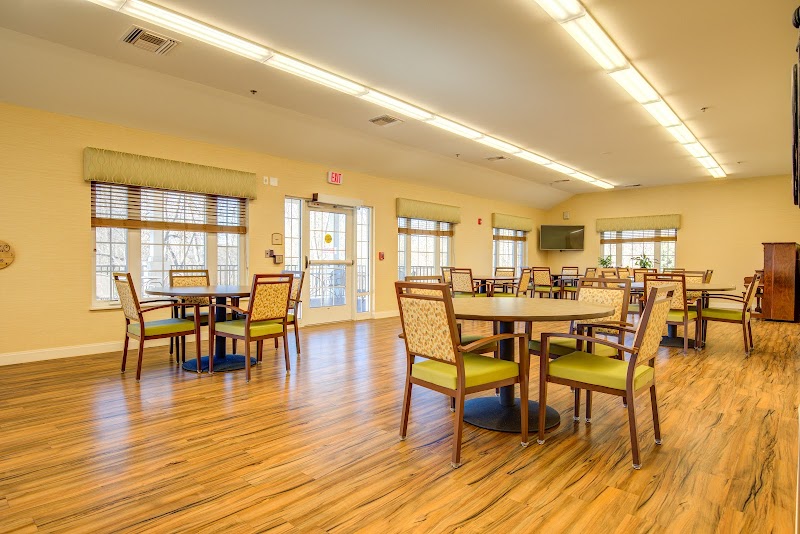
How is Mission Point Nursing & Physical Rehabilitation Ce Staffed?
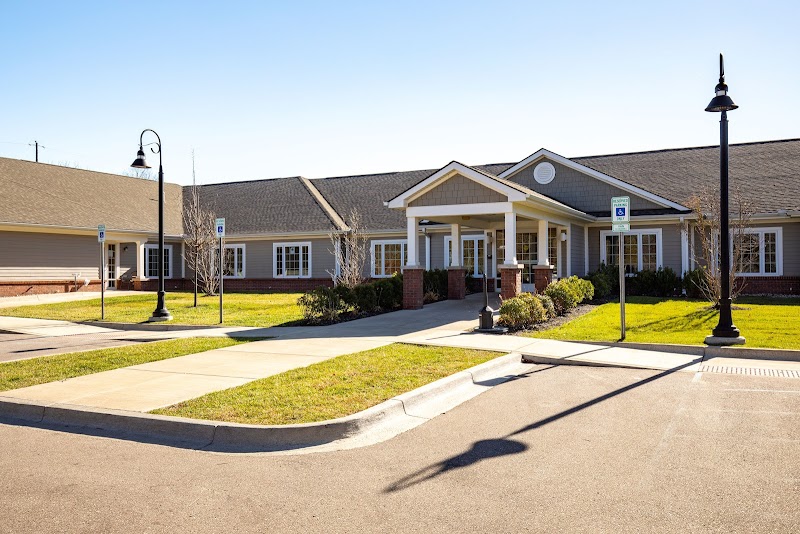
CMS rates Mission Point Nursing & Physical Rehabilitation Ce's staffing level at 1 out of 5 stars, which is much below average compared to other nursing homes. Staff turnover is 44%, compared to the Michigan average of 46%. This relatively stable workforce can support continuity of care.

What Have Inspectors Found at Mission Point Nursing & Physical Rehabilitation Ce?

State health inspectors documented 53 deficiencies at Mission Point Nursing & Physical Rehabilitation Ce during 2023 to 2025. These included: 1 that caused actual resident harm and 52 with potential for harm. Deficiencies causing actual harm indicate documented cases where residents experienced negative health consequences.
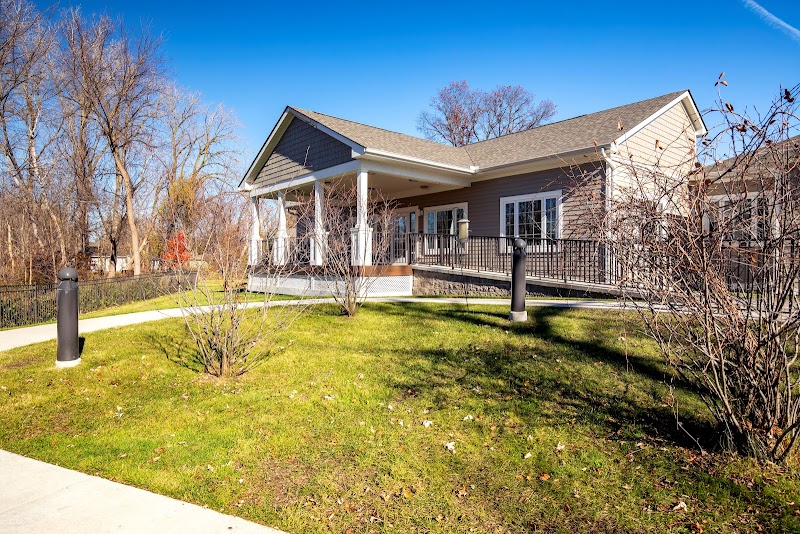
Who Owns and Operates Mission Point Nursing & Physical Rehabilitation Ce?

Mission Point Nursing & Physical Rehabilitation Ce is owned by a for-profit company. For-profit facilities operate as businesses with obligations to shareholders or private owners. The facility is operated by MISSION POINT HEALTHCARE SERVICES, a chain that manages multiple nursing homes. With 66 certified beds and approximately 62 residents (about 94% occupancy), it is a smaller facility located in Holly, Michigan.

How Does Mission Point Nursing & Physical Rehabilitation Ce Compare to Other Michigan Nursing Homes?

Compared to the 100 nursing homes in Michigan, Mission Point Nursing & Physical Rehabilitation Ce's overall rating (2 stars) is below the state average of 3.1, staff turnover (44%) is near the state average of 46%, and health inspection rating (1 stars) is much below the national benchmark.

What Should Families Ask When Visiting Mission Point Nursing & Physical Rehabilitation Ce?

Based on this facility's data, families visiting should ask: "Can you walk me through typical staffing levels on day, evening, and night shifts?" "Can I visit during a mealtime to observe dining assistance and food quality?" "How do you handle medical emergencies, and what is your hospital transfer rate?" "Can I speak with family members of current residents about their experience?" These questions are particularly relevant given the below-average staffing rating.

Is Mission Point Nursing & Physical Rehabilitation Ce Safe?

Based on CMS inspection data, Mission Point Nursing & Physical Rehabilitation Ce has a clean safety record: no substantiated abuse findings (meaning no confirmed cases of resident harm), no Immediate Jeopardy citations (the most serious violation level indicating risk of serious injury or death), and is not on the Special Focus Facility watch list (a federal program monitoring the lowest-performing 1% of nursing homes). The facility has a 2-star overall rating and ranks #100 of 100 nursing homes in Michigan. While no facility is perfect, families should still ask about staff-to-resident ratios and recent inspection results during their visit.

Do Nurses at Mission Point Nursing & Physical Rehabilitation Ce Stick Around?

Mission Point Nursing & Physical Rehabilitation Ce has a staff turnover rate of 44%, which is about average for Michigan nursing homes (state average: 46%). Moderate turnover is common in nursing homes, but families should still ask about staff tenure and how the facility maintains care continuity when employees leave.

Was Mission Point Nursing & Physical Rehabilitation Ce Ever Fined?

Mission Point Nursing & Physical Rehabilitation Ce has been fined $95,194 across 3 penalty actions. This is above the Michigan average of $34,031. Fines in this range indicate compliance issues significant enough for CMS to impose meaningful financial consequences. Common causes include delayed correction of deficiencies, repeat violations, or care failures affecting resident safety. Families should ask facility leadership what changes have been made since these penalties.

Is Mission Point Nursing & Physical Rehabilitation Ce on Any Federal Watch List?

Mission Point Nursing & Physical Rehabilitation Ce is not on any federal watch list. The most significant is the Special Focus Facility (SFF) program, which identifies the bottom 1% of nursing homes nationally based on persistent, serious quality problems. Not being on this list means the facility has avoided the pattern of deficiencies that triggers enhanced federal oversight. This is a positive indicator, though families should still review the facility's inspection history directly.