The Laurels of Hudsonville
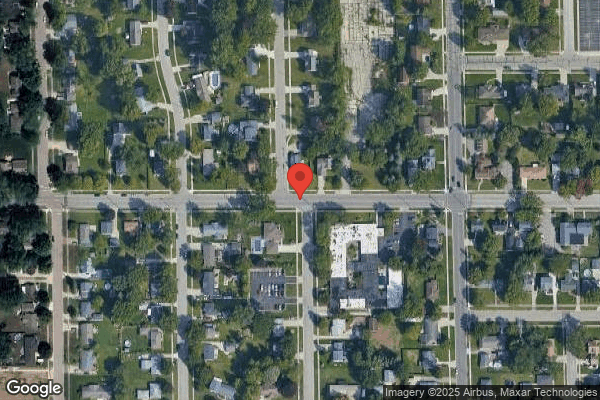

3650 Van Buren, Hudsonville, MI 49426 (616) 669-1520
For profit - Corporation 108 Beds CIENA HEALTHCARE/LAUREL HEALTH CARE Data: November 2025
Trust Grade
55/100
#242 of 422 in MI
Last Inspection: August 2025

Inspected within the last 6 months. Data reflects current conditions.

Overview

The Laurels of Hudsonville has a Trust Grade of C, which means it is average and sits in the middle of the pack compared to other facilities. It ranks #242 out of 422 in Michigan, placing it in the bottom half of the state, and #7 out of 11 in Ottawa County, indicating that there are only a few local options that are better. The facility is improving, having reduced its reported issues from 15 in 2024 to just 3 in 2025. Staffing is a strong point here, with a 4 out of 5 star rating and a turnover rate of 40%, which is below the state average, suggesting staff stability. However, the facility has had concerning incidents; for example, one resident developed worsening pressure injuries due to inadequate care, and staff failed to follow proper hand hygiene protocols during patient assessments, increasing infection risk. Overall, while there are strengths in staffing and an improving trend, families should be aware of the facility's past issues and take them into consideration.
Trust Score
C
55/100
In Michigan
#242/422
Bottom 43%
Safety Record
Moderate
Needs review
Inspections
Getting Better
15 → 3 violations
Staff Stability
○ Average
40% turnover. Near Michigan's 48% average. Typical for the industry.
Penalties
✓ Good
No fines on record. Clean compliance history, better than most Michigan facilities.
Skilled Nurses
✓ Good
Each resident gets 47 minutes of Registered Nurse (RN) attention daily — more than average for Michigan. RNs are trained to catch health problems early.
Violations
⚠ Watch
24 deficiencies on record. Higher than average. Multiple issues found across inspections.
★★★☆☆
3.0
Overall Rating
★★★★☆
4.0
Staff Levels
★★★★★
5.0
Care Quality
★★☆☆☆
2.0
Inspection Score
Stable
2024: 15 issues
2025: 3 issues

The Good

  • 4-Star Staffing Rating · Above-average nurse staffing levels
  • 5-Star Quality Measures · Strong clinical quality outcomes
  • Full Sprinkler Coverage · Fire safety systems throughout facility
  • No fines on record
  • Staff turnover below average (40%)

    8 points below Michigan average of 48%

Facility shows strength in staffing levels, quality measures, fire safety.

The Bad

3-Star Overall Rating

Near Michigan average (3.1)

Meets federal standards, typical of most facilities

Staff Turnover: 40%

Near Michigan avg (46%)

Typical for the industry

Chain: CIENA HEALTHCARE/LAUREL HEALTH CARE

Part of a multi-facility chain

Ask about local staffing decisions and management

The Ugly 24 deficiencies on record

1 actual harm
Aug 2025 1 deficiency
CONCERN (D) 📢 Someone Reported This

A family member, employee, or ombudsman was alarmed enough to file a formal complaint

Potential for Harm - no one hurt, but risky conditions existed

Report Alleged Abuse (Tag F0609)

Could have caused harm · This affected 1 resident

**NOTE- TERMS IN BRACKETS HAVE BEEN EDITED TO PROTECT CONFIDENTIALITY** Based on interview and record review the facility failed to report an allegation of abuse to the State Agency for one of four re...

Read full inspector narrative →
**NOTE- TERMS IN BRACKETS HAVE BEEN EDITED TO PROTECT CONFIDENTIALITY** Based on interview and record review the facility failed to report an allegation of abuse to the State Agency for one of four residents (Resident #1) reviewed. Findings:Resident #1(R1)Review of an admission Record revealed R1 was a [AGE] year-old female who was admitted to the facility on [DATE].Review of a Nursing Progress Note dated 08/24/25 revealed .Resident used her phone and called 911. CNA (certified nurse aide) walking by saw her on her phone and went in to investigate and noticed 911 was talking to her. CNA explained (to 911 dispatch) that resident was confused, and the call was an accident. Dispatch stated they needed to send an officer out to do a well-check. During an interview on 08/26/25 at 12:10 PM, the Administrator/Abuse Coordinator stated that she was not aware that R1 had called 911 on 08/24/25 nor was she aware that police came to the facility to interview R1 shortly after the call to 911. During an interview on 08/26/25 at 1:35 PM, Ottawa County Sherrif Deputy G reported that the narrative of the call made by R1 to 911 on 08/24/25 included the following: the resident stated she was being held against her will, resident stated she had been assaulted by staff, resident stated staff would not allow her to make phone calls, and the resident implied that she had been sexually assaulted by staff at the facility. During an interview on 08/26/25 at 1:00 PM, CNA B indicated her recollection of events on 08/24/25 that involved R1 were as follows: she (CNA B) was walking down the hallway and saw that R1 was in her room on the phone, CNA B went into R1's room and asked who she was talking to and R1 handed CNA B the phone. CNA B stated that 911 dispatch was on the phone and dispatch told CNA B that R1 reported being abuse by a staff person in the facility. CNA B told 911 dispatch that R1 was confused, R1 was ok, and the call was a mistake. CNA B also stated that she should have notified the Abuse Coordinator but didn't. During an interview on 08/26/25 at 12:51 PM, CNA A stated that she was working the evening of 08/24/25, was aware that R1 had called 911, and was told by CNA B that R1 had told 911 dispatch that she was being abused. CNA A also stated that she did not report the allegation of abuse to the Administrator/Abuse Coordinator because I assumed the nurse would take care of it.Review of the facility policy Abuse Prohibition Policy revealed .allegations of guest/resident abuse .shall be thoroughly investigated by the Administrator and reported to appropriate state agencies .allegations by anyone .must be immediately reported to the Administrator.
Mar 2025 2 deficiencies
CONCERN (D) 📢 Someone Reported This

A family member, employee, or ombudsman was alarmed enough to file a formal complaint

Potential for Harm - no one hurt, but risky conditions existed

Deficiency F0658 (Tag F0658)

Could have caused harm · This affected 1 resident

**NOTE- TERMS IN BRACKETS HAVE BEEN EDITED TO PROTECT CONFIDENTIALITY** This citation is related to intake # MI00151285 Based on interview and record review, the facility failed to administer medicati...

Read full inspector narrative →
**NOTE- TERMS IN BRACKETS HAVE BEEN EDITED TO PROTECT CONFIDENTIALITY** This citation is related to intake # MI00151285 Based on interview and record review, the facility failed to administer medications according to professional standards for one (Resident #1) of three residents reviewed. Findings: Resident #1 (R1) Review of an admission Record revealed R1 was a [AGE] year old female, last admitted to the facility on [DATE], with pertinent diagnoses of a stroke causing paralysis and weakness to the right side of the body, blindness in one eye, and dependent of staff for all daily cares. Review of an electronic medication administration record (Emar) for R1, dated February 2025, reflected an order for Methocarbamol (a muscle relaxer) 500 mg (milligrams) one tab three times daily for muscle spasm's (start date 11-27-24) and an order for Methocarbamol 750 mg one tab in the morning for muscle spasm's (start date 01/24/25). Review of the same Emar for R1 revealed an order for Baclofen (a muscle relaxer) 10 mg one tab three times daily for muscle spasm's (start date 02/17/25). The first dose of Baclofen was signed out as given at noon on 02/17/25. Review of hospital records for R1 dated 02/18/25 reflected the following: (a) patient is somnolent (sleepy) and unarousable, (b) patient came to the emergency department (ER) from dialysis following unusual behavior and unresponsiveness, (c) the ER nurse reported that the nursing home staff had been accidentally giving (R1) both Baclofen and Methocarbamol at the same time, and (d) an ER nurse also reported that the facility prescriber reported starting the Baclofen but had not yet discontinued the Methocarbamol. During an interview on 03/27/25 at 12:45 PM, the Director of Nursing confirmed that R1 had in fact been administered two muscle relaxer's at the same time and the medication error was not recognized by nursing.
CONCERN (E) 📢 Someone Reported This

A family member, employee, or ombudsman was alarmed enough to file a formal complaint

Potential for Harm - no one hurt, but risky conditions existed

Tube Feeding (Tag F0693)

Could have caused harm · This affected multiple residents

**NOTE- TERMS IN BRACKETS HAVE BEEN EDITED TO PROTECT CONFIDENTIALITY** This citation pertains to intake # MI00149246 Based on observation, interview, and record review, the facility failed to follow ...

Read full inspector narrative →
**NOTE- TERMS IN BRACKETS HAVE BEEN EDITED TO PROTECT CONFIDENTIALITY** This citation pertains to intake # MI00149246 Based on observation, interview, and record review, the facility failed to follow professional guidelines for three residents (Resident #4, Resident #5, and Resident #9) out of 4 residents reviewed for tube feeding. Findings: Resident #4 (R4) Review of an admission Record revealed R4 was a [AGE] year old female, last admitted to the facility on [DATE] with pertinent diagnoses of cerebral palsy. R4 was completely dependent on staff to have all of her needs met and received nutrition and hydration through a tube feed. During an observation on 03/26/25 at 8:30 AM, R4 laid in bed resting with her eyes closed with the tube feed running. R4's lips were dry and cracked and the head of the bed was positioned at 20 degrees with the resident slid down in the bed and R4's head was positioned at 10 degrees. During an observation on 03/27/25 at 8:03 AM, R4 laid in bed with her eyes closed and the tube feed running. The head of the bed was elevated to 12 degrees. During an observation on 03/27/25 at 8:35 AM, certified nurse aide (CNA) M exited R4's room. R4 was observed laying in bed resting with her eyes closed and the head of the bed remained at 12 degrees. During an interview at the same time, CNA M reported having been in the room to check on R4. When asked at what level the head of the bed should be. CNA M stated that she did not know. Review of a Care Plan for R4 reflected .elevate head of bed to 30 degrees during and 30 minutes after tube feed. Resident #5 (R5) Review of an admission Record revealed R5 was an [AGE] year old male, last admitted to the facility on [DATE], with pertinent diagnoses of cognitive communication deficit, pneumonitis due to inhalation of food and vomit, and acute respiratory failure. R5 received nutrition and hydration through a tube feed. During an observation on 03/26/25 at 8:35 AM, R5 laid in bed resting with his eyes closed and the tube feed was running. The head of the bed was raised to 22 degrees and the Osmolite 1.5 did not have a time on the label indicating when it was initiated. During an observation on 03/27/25 at 8:15 AM, R5 laid in bed resting with his eyes closed and the tube feed was running. R5's head was elevated to 20 degrees and the kangaroo flush bag that was dated 03/26/25 did not have a start time indicated. Review of a Care Plan for R5 revealed .elevate the head of bed to semi-Fowlers position (head of the bed position at 30 to 45 degrees) during and 30 minutes after tube feed. Resident #9 (R9) Review of an admission Record revealed R9 was an [AGE] year old male, last admitted to the facility on [DATE], with pertinent diagnoses of Parkinson's Disease, cancer of the mouth and throat, and Alzheimer's. During an observation on 03/26/25 at 8:20 AM, R9 laid in bed resting with his eyes closed and the tube feed running. The kangaroo flush bag that provided hydration to R9 was not labeled with a date and time that it was initiated. During an interview on 03/27/25 at 9:00 AM, the Director of Nursing indicated that the standard of practice for the facility regarding tube feeding practices was to (a) elevate the head of the bed to 30-45 degrees when the tube feed was running, (b) to label the tube feed solution and kangaroo flush bag with the date and time each was initiated. Review of the facility policy Enteral Nutrition reflected .(8) the resident should be in the semi-Fowlers position during administration and for 30 minutes to one hour afterward to prevent aspiration.
Nov 2024 2 deficiencies 1 Harm
SERIOUS (G) 📢 Someone Reported This

A family member, employee, or ombudsman was alarmed enough to file a formal complaint

Actual Harm - a resident was hurt due to facility failures

Pressure Ulcer Prevention (Tag F0686)

A resident was harmed · This affected 1 resident

**NOTE- TERMS IN BRACKETS HAVE BEEN EDITED TO PROTECT CONFIDENTIALITY** This citation pertains to intake MI00147718 Based on observation, interview, and record review, the facility failed to prevent t...

Read full inspector narrative →
**NOTE- TERMS IN BRACKETS HAVE BEEN EDITED TO PROTECT CONFIDENTIALITY** This citation pertains to intake MI00147718 Based on observation, interview, and record review, the facility failed to prevent the development and worsening of pressure injuries for one resident (Resident #1) out of 4 residents reviewed for pressure injury, resulting in worsening of pressure injury, serious infection, and delayed wound healing. Findings include: Resident #1 (R1) Review of an admission Record reflected R1 admitted to the facility on [DATE] with diagnoses that included enterovirus, anemia, high blood pressure, chronic kidney disease, chronic congestive heart failure (CHF), atrial fibrillation with the presence of automatic (implantable) cardiac defibrillator, history of stroke, cognitive communication deficit, and muscle weakness. Review of a Minimum Data Set (MDS) admission assessment dated [DATE] reflected R1 was cognitively intact as evidenced by a Brief Interview for Mental Status (BIMS) assessment score of 13/15. R1 required partial to moderate assistance with rolling left and right, sitting to lying, lying to sitting on the side of the bed. R1 needed substantial/maximal assistance (helper does more than half of the effort) for sitting to standing and chair/bed-to-chair transfer. Section M - Skin Conditions reflected R1 was at risk for development of pressure ulcers and did not have any unhealed pressure ulcers or other skin conditions. Review of a Nursing Comprehensive Evaluation dated 9/12/24 (admission assessment) reflected R1 admitted to the facility with scattered bruising to the back of the right hand, a dark purple dot under an unspecified right toe, recent left arm cellulitis per hospital report. Swelling noted, no pain, no redness. No other skin alterations were noted in the admission assessment. Review of a Care Plan initiated on 9/12/24 reflected R1 was AT RISK for impaired skin integrity/pressure injury. The goal was to Minimize risk in an effort to reduce likelihood of pressure injury development. Interventions included cueing R1 to reposition self as needed and Follow facility policies/protocols for the prevention/treatment of impaired skin integrity. During an interview on 11/13/24 at 10:43 AM, R1 reported he had some difficulty at the facility. R1 explained that he had gout, cellulitis and wounds on his feet which impacted his ability to participate with physical therapy. During an observation on 11/13/24 at 1:14 PM, R1 was lying in bed on a standard mattress, a standard pillow under his feet, however, the pillow had compressed and R1's feet were resting on the mattress. RN C assembled supplies and explained the dressing change to R1, who agreed to the observation. RN C removed the dressings, dated 11/11/24, on R1's left foot which were saturated with serosanguinous drainage. Three separate areas were noted along the lateral aspect of R1's left foot and heel which presented as unstageable wounds due to eschar covered most of the wound beds, with slough at the rolled edges. RN C cleansed and redressed each wound. RN C then removed the dressing on R1's right heel, dated 11/11/24, with moderate serous exudate present. The right heel wound was also unstageable due to the presence of eschar and slough. R1 winced in pain during the procedure. It was noted that the sheet at the foot of the bed was streaked with what appeared to be dried bloody/serous drainage. During the observation of wound care on 11/13/24 at 1:14 PM, R1 reported that he tried to elevate his feet off the bed, but the pillow kept slipping away. R1 again reported he was having a hard time working with physical therapy due to the wounds on his feet which was a frustrating set-back as he was looking forward to going home. During an observation on 11/13/24 at 3:27 PM, R1 was observed resting in bed, his heels resting directly on the mattress. Review of a Skin & Wound - Total Body Skin Assessment dated 9/13/24 (the day after R1 admitted to the facility) reflected R1's did not have any wounds. Review of Progress Notes dated 9/25/24, documented by CNS A reflected Per nursing, back wound noted, and excoriation noted on bottom. For back care, cleanse with wound cleanser daily and cover with border gauze. For excoriation: do pericare daily with mild soap and water, apply zinc barrier cream BID (twice a day) and PRN (as needed). Swelling persists in LLE (left lower extremity). The extremity appears shiny and swollen with redness discoloration noted near the posterior malleolus. Encouraged patient to elevate. Continue with torsemide (diuretic) 20 mg (milligrams) daily. As previously mentioned, patient states he thinks he has gout but has never been evaluated by his primary care provider for this condition. Symptoms do appear to be consistent with gout diagnosis. If no improvement noted with consistent elevation, will consider trialing of indomethacin or colchicine and monitor for improvement. Uric acid level and BMP (basic metabolic panel) level due on 9/30 (2024). Will continue to monitor. Review of a Skin & Wound - Total Body Skin Assessment dated 9/26/24 (13 days after the previous assessment) reflected R1 had 4 New Wounds. Review of a Nurses Notes dated 9/26/24 reflects, (R1) has four new wounds to his feet. To his left heel he had a popped (open) blister that measures 3.7 x 2.0 cm (centimeters). He has blisters on the lateral side of his right foot that go from heel to toes. The heel measures 4.9 x 3.5, mid lateral foot is 3.3 x 2.2 cm and toward the toes was 2.2 x 2.2 cm. (Note: this progress notes incorrectly identified the location of R1's wounds, clarified with CNS A during an interview on 11/14/24 at 8:30 AM. R1 has one wound on his RIGHT heel, and three wounds on his LEFT foot.) Review of Progress Notes dated 9/27/24 documented by Clinical Nurse Specialist (CNS) A reflected (R1) seen for a possible gout (a type of arthritis that occurs when the body has too much uric acid, which causes crystals to form in the joints. Gout causes sudden, severe pain, swelling, redness, and warmth in the affected joint) flare, pain, and PT/OT (Physical Therapy/Occupational Therapy) tolerance. Patient stated he is having a hard time working with therapy because of his chronic left foot and left knee pain. Patient stated it was gout today and not arthritis. Had at length conversation to clarify if patient had ever formally been diagnosed with gout. Patient stated no. LLE (left lower extremity) does appear consistent with gout with swelling, erythema (redness), and shiny skin. Some blisters noted on LLE, hard to distinguish if blisters are related to tophi (a deposit of uric acid crystals that form under the skin in joints, tendons, and soft tissues). Will continue to monitor and order wound care . The progress note did not mention the opened blister on the right foot. Review of R1's September 2024 Treatment Administration Record (TAR) reflected the order L (left) foot blister care: daily for night shift. Cleanse foot daily with mild soap and water. If blisters are intact apply skin prep. If not intact, apply A & D and cover with gauze. May apply roll gauze to keep in place every night shift for L foot blister care. -Start Date- 9/28/24 11:00 PM. Further review of the September 2024 TAR did NOT reflect a treatment order to treat the open blister on R1's right foot. Review of a Skin & Wound - Total Body Skin Assessment dated 9/28/2024 reflected R1 had 3 New Wounds. No further documentation related to the new wounds were found in the clinical record. Review of a Progress Notes dated 10/01/24 documented by CNS A reflected Foot examined. 1+ swelling noted, nonpitting, three blood blisters present and intact. The note indicates R1 is still being evaluated for gout and is having trouble tolerating therapy due to pain in foot. The progress note does not address the condition of R1's right heel. Review of Progress Notes dated 10/03/24 documented by CNS A reflects New unstageable pressure wound found on R (right heel). Unsure of origin. Slough (dead tissue that can impede wound healing and increase risk of infection) and Eschar (a collection of dry, dead tissue within the wound) present at base. Wound consult updated. Wound care ordered as Right heel pressure ulcer care: Cleanse daily with wound cleanser, apply calcium alginate cut to fit area, and cover with bordered gauze daily. Date and initial. Weight bearing as tolerated for RLE (right lower extremity) to promote wound healing. Wound (wound care consultant) to see 10/07 (2024) . Review of the EMR reflected R1 signed a consent to be treated by the wound care consultant upon admission as evidenced by a Wound Care Patient Consent Form document signed by R1 on 9/12/24. Review of Progress Notes dated 10/28/24 for Wound Care indicates Wound care consulted for follow-up, evaluation, and treatment on bilateral foot wounds. The note revealed 1. (1) Right Heel Pressure Unstageable - This wound measures 3.18 x 1.84 cm with a depth of 0.1 cm. This wound is full thickness. There is a moderate amount of serous drainage from the area. Wound bed consists of 50% eschar and 50% slough tissue. Edges are attached and there is no tunneling, undermining, or odor. The surrounding tissue is fragile but without redness, warmth, swelling, pain induration or sign of infection. 2. (2) Left Lateral Midfoot Blister - This wound measures 12.48 x 2.68 centimeters with a depth of 0.1 centimeters. This wound is partial thickness. There is a moderate amount of serosanguinous drainage from this area. Wound bed consists of 90% epithelial and 10% granulation tissue. Edges are attached and there is no slough, eschar, tunneling, undermining or odor. The surrounding tissue is fragile but without redness, warmth, swelling, pain, induration, or sign of infection. The wound care note does not specify R1 had three blistered areas on the left foot as had been previously documented. This note indicates the first time R1 is evaluated by the wound care consultant, three weeks from the time CNS A indicated R1 would be seen. Review of Nurses Notes dated 10/29/24 reflects Wound an R (right) heel noted to have strong foul odor and excessive amount of purulent drainage. (R1) c/o (complains of) chills. Res (resident) noted to have fever, elevated pulse, and BP (blood pressure) lower than baseline. On-call provider notified and orders were obtained for midodrine (treats low blood pressure) and Rocephin (broad-spectrum antibiotic). Orders administered. On-call provider then told this nurse that she would like the res sent to ED (Emergency Department) for eval (evaluation). Res refusing to go to the hospital at this time-on-call provider notified of refusal. Review of Progress Notes dated 10/30/24 reflected .Patient is lethargic. Blood pressure is still running in 90s this morning. Educated patient that he did meet all the criteria for sepsis and is may have been beneficial for patient to go to hospital for further evaluation. R heel wound examined, purulent and foul odor drainage noted. Wound base with eschar spreading around site. I will order a wound culture and empiric antibiotic treatment until wound culture results. Per up-to-date recommendations, empiric antibiotic therapy stated into Amoxicillin-Pot Clavulanate Oral Tablet 875-125 MG BID for 5 days and doxycycline 1-mg tablet BID for 5 days or longer pending result of wound culture. As patient was meeting criteria for sepsis, the benefit of starting empiric antibiotic therapy outweighs the risk to prevent hospitalization or further deterioration. Review of an Order Recap Report for all R1's orders from admission to 11/13/2024 did not reflect a wound culture had been ordered. During an interview on 11/14/24 at 8:30 AM, CNS A reported she had been following R1's wounds and acknowledged the first order in place to treat the blister was for closed blisters, not open wounds. CNS A said she did not know R1 had an open wound on the right heel. CNS A said when R1 developed signs and symptoms of sepsis she was very worried and wanted R1 to go to the hospital. When R1 refused hospitalization, CNS A ordered medication to support his blood pressure, an empiric antibiotic and wanted a wound culture to ensure the antibiotic therapy ordered was appropriate. CNS A said she kept looking for the wound culture results, and it was discovered the wound culture was never ordered or obtained. CNS A said she was concerned R1 may have MRSA (Methicillin-resistant Staphylococcus aureus) which would not have been treated with the antibiotic ordered. CNS A reported she did not know why the wound care consultant did not evaluate, treat and monitor R1's wounds until 10/28/24 (three weeks after the consultation was requested). According to CNS A, regardless of how the wounds developed, the lack of pressure reducing interventions did not promote healing. Review of Skin & Wound Evaluation reports, dated 11/11/2024 (entered 2 weeks after the wounds were assessed) reflected R1's wounds were first evaluated on 10/28/24. As of 11/14/2024 NO other wound measurements and descriptions were found in the EMR. The wounds were described as follows: 1. Left lateral midfoot, pressure, unstageable: obscured full-thickness skin and tissue loss due to slough and/or eschar, in house acquired; Length 2.2 cm, Width 1.2 cm, Depth 0.1 cm; wound bed-slough, 50% of wound filled, eschar, 50% of wound filled. Additional Care specified R1 needed Heel Suspension/Protection device, mattress with pump, nutritional/dietary supplementation. 2. Left Lateral Foot, pressure, unstageable: obscured full-thickness skin and tissue loss due to slough and/or eschar, in house acquired; Length 3.8 cm, Width 2.7 cm, Depth 0.1 cm; Wound bed-slough 10% of wound filled, Eschar, 50% of wound filled. Additional Care specified R1 needed Heel Suspension/Protection device, mattress with pump, nutritional/dietary supplementation. 3. Left Lateral Foot, Distal, pressure, unstageable: obscured full-thickness skin and tissue loss due to slough and/or eschar, in house acquired; Length 1.0 cm, Width 0.9 cm, Depth 0.1 cm; Wound bed 100% eschar. Additional Care specified R1 needed Heel Suspension/Protection device, mattress with pump, nutritional/dietary supplementation. 4. Right Heel, pressure, present on admission (this is incorrect, as evidenced by the admission assessment and subsequent total body skin assessments); Length 2.0 cm, Width 1.4 cm, Depth 0.2 cm, wound bed-slough 50%, eschar 50%. Additional Care specified R1 needed Heel Suspension/Protection device, mattress with pump, nutritional/dietary supplementation.
CONCERN (D) 📢 Someone Reported This

A family member, employee, or ombudsman was alarmed enough to file a formal complaint

Potential for Harm - no one hurt, but risky conditions existed

Infection Control (Tag F0880)

Could have caused harm · This affected 1 resident

This citation pertains to intake MI00147718 Based on observation, interview, and record review, the facility failed to implement Enhanced Barrier Precautions (EBP) for one resident (Resident #1) out o...

Read full inspector narrative →
This citation pertains to intake MI00147718 Based on observation, interview, and record review, the facility failed to implement Enhanced Barrier Precautions (EBP) for one resident (Resident #1) out of 4 residents reviewed for infection control. Findings: Review of a policy Enhanced Barrier Precautions effective 4/1/2024 reflects It is the intent of this facility to use Enhanced Barrier Precautions (EBP) in addition to Standard Precautions for preventing the transmission of CDC targeted multidrug-resistant organisms (MDROs). Enhanced Barrier Precautions are indicated for residents with any of the following: 1) infection or colonization with a CDC-targeted MDRO when contact precautions do not otherwise apply or 2) a wound or indwelling medical device, even if the resident is not known to be infected or colonized with a MDRO and should remain in place for the duration of a resident's stay or until resolution of the wound or discontinuation of the indwelling medical device that place them at higher risk. The policy specified that signage would be placed on the door to indicate the resident required EBP and Personal Protective Equipment (PPE) would be readily available to staff. EBP are to be implemented for high-contact resident care. During an observation on 11/13/24 at 10:50 AM, No signage or PPE were available on Resident #1 (R1) door or in the resident's room. Certified Nurse Aide (CNA) D and an unknown CNA entered R1's room to assist the resident to the commode. Neither CNA donned the required PPE for the high contact resident care. During an observation on 11/13/24 at 1:14 PM, R1 was lying in bed on a standard mattress, a standard pillow under his feet, however, the pillow had compressed and R1's feet were resting on the mattress. Registered Nurse (RN) C assembled supplies and explained the dressing change to R1, who agreed to the observation. RN C removed the dressings, dated 11/11/24, on R1's left foot which were saturated with serosanguinous drainage. Three separate areas were noted along the lateral aspect of R1's left foot and heel which presented as unstageable wounds due to eschar covered most of the wound beds, with slough at the rolled edges. RN C cleansed and redressed each wound. RN C then removed the dressing on R1's right heel, dated 11/11/24, with moderate serous exudate present. The right heel wound was also unstageable due to the presence of eschar and slough. R1 winced in pain during the procedure. It was noted that the sheet at the foot of the bed was streaked with what appeared to be dried bloody/serous drainage. RN C donned gloves for the procedure but did not don a gown as would be required for a resident who needed EBP. Review of an Order Recap Report for the date range 9/01/2024-11/13/2024 did not reflect EBP had been ordered for R1. Review of a Care Plan initiated on 9/12/2024 did not reflect R1 required EBP. During an interview on 11/13/24 at 2:27 PM, RN C reported she was new to the facility and had heard about EBP but did not know EBP's were needed for the wound care.
Oct 2024 3 deficiencies
CONCERN (E) 📢 Someone Reported This

A family member, employee, or ombudsman was alarmed enough to file a formal complaint

Potential for Harm - no one hurt, but risky conditions existed

Quality of Care (Tag F0684)

Could have caused harm · This affected multiple residents

This citation pertains to intake M100147026 and M100146967. Based on interview and record review, the facility failed to provide daily medications for 1 (R2) of 3 residents reviewed for medication adm...

Read full inspector narrative →
This citation pertains to intake M100147026 and M100146967. Based on interview and record review, the facility failed to provide daily medications for 1 (R2) of 3 residents reviewed for medication administration, resulting in the resident not receiving medications three times a week when they have dialysis in the mornings. Findings include: Review of a Face Sheet revealed R2 had pertinent diagnoses of hemiplegia and hemiparesis (one sided weakness), gastroparesis, and end stage renal disease. In an interview on 10/22/24 at 8:30 AM, Licensed Practical Nurse (LPN) B reported R2 was at dialysis at this time and will be back after noon. R2 has dialysis every Tuesday, Thursday, and Saturday mornings. The resident usually returns to the facility around noon time. Review of the Order Summary for R2 revealed no orders for dialysis. Review of the August 2024 Medication Administration Record (MAR) for R2 revealed she has the following medications ordered for 8:00 AM every day and did not receive them at all on the days she received dialysis (Tuesdays, Thursdays, and Saturdays) for the whole month. 1. 5 mg (milligrams) Amlodipine (blood pressure medication) 2. 300 mg Lamotrigine (bipolar medication) 3. 10 mg Lisinopril (blood pressure medication) 4. Multivitamin 5. 2.5 ml (milliliters) Famotidine (acid reflux) 6. 10 mg Claritin (allergy medication) 7. 7.5 ml Ferrous Sulfate Elixir 220 (44 Fe) (iron supplement) 8. 30 ml Fiber-Stat (constipation) 9. 5 mg Buspirone (anxiety), to be given three times a day and not given the morning dose. 10. 9000 units of Lactaid (lactose intolerant) 11. 300 mg Tigan (antiemetic) 12. 80 mg Simethicone (anti-flatulent), to be given three times a day and not given the morning dose. Review of the September MAR for R2 revealed the following medications ordered in the morning and not given on the days she received dialysis: 1. Amlodipine 2. 300 mg Lamotrigine (bipolar medication) to be given daily plus another order for 300 mg to be given on dialysis days starting 8/30/24. Missing additional doses on 9/4/24, 9/8/24, and 9/23/24. 3. Lisinopril 4. Multivitamin 5. Famotidine 6. Claritin 7. Ferrous Sulfate Elixir 220 (44 Fe) 8. Fiber-Stat 9. Buspirone 10. 5 ml Vitamin D3 10 mcg/ml (micrograms/ml) to be given twice daily at 8:00 AM and 4:00 PM and received a total of 9 doses out of 60 opportunities. 11. Metoclopramide 12. Tigan 13. Naphazoline-Pheniramine ophthalmic solution (for blepharitis- eye inflammation), 1 drop in each eye 4 times a day from 9/10/24 to 9/17/24 and missed 13 doses. 14. Simethicone Review of the October MAR for R2 revealed she did not receive her Claritin, ferrous sulfate, Fiber-stat, Lamotrigine, multivitamin, famotidine, vitamin D3, Buspirone, Lactaid, metoclopramide, Tigan, or Simethicone on her dialysis days of Tuesday, Thursday, and Saturday. In an interview on 10/23/24 at 2:15 PM, the Director of Nursing (DON) and Assistant Director of Nursing (ADON) reported they did not know why R2's once day medications were not given after dialysis or why a physician was not notified. They reported R2 should have received her daily medications after dialysis and will change the time of day she receives these medications.
CONCERN (E) 📢 Someone Reported This

A family member, employee, or ombudsman was alarmed enough to file a formal complaint

Potential for Harm - no one hurt, but risky conditions existed

Tube Feeding (Tag F0693)

Could have caused harm · This affected multiple residents

This citation pertains to intake M100147026 and M100147319. Based on interview and record review, the facility failed to ensure appropriate measures were taken to maintain the patency of a Percutaneou...

Read full inspector narrative →
This citation pertains to intake M100147026 and M100147319. Based on interview and record review, the facility failed to ensure appropriate measures were taken to maintain the patency of a Percutaneous Endoscopic Gastric/Jejunum (PEG/PEG/J) tube (a tube that enters the stomach/jejunum through the abdominal wall) and flushes administered as ordered, for 1 (R2), of 3 residents reviewed for PEG/J tube care, resulting in multiple PEG/J tube clogging incidents, several visits to the Emergency Department (ED), not following post hospital care instructions to ensure patency, and have a system in place to provide the continuity of care. Findings include: Review of a Face Sheet revealed R2 had pertinent diagnoses of hemiplegia and hemiparesis (one sided weakness), gastroparesis, and end stage renal disease. Review of Physician Progress notes dated 7/15/24 for R2 revealed: Abdominal exam revealed significant distention and general tenderness, with green bilious discharge leaking with some erythema noted surrounding tube insertion site. Concern for possible obstruction, perforation, tube dislodgement with order for [patient] to be sent to [Hospital]. Review of the electronic medical records (EMR) for R2 revealed the following: On 7/15/24, R2 went to the hospital for feeding tube problem (Per EMS (Emergency Medical Services)- Abd (abdominal) distention since Friday, bile leaking around J tube.) ED (emergency department) notes revealed: Drainage was likely due to the fact that the outer brace for the tube was not cinched tightly. Review of a Practitioner Progress note for R2, on 8/3/24 revealed, Nursing reports Resident PEG tube clogged. At first it was only the J port but after giving meds once through the Gastric tube and trying to give meds a second time, I was meeting resistance. I've tried aspirating both ports and I'm not getting anything. I've tried warm water for both ports but it's creating a bubble near the ports so I don't want to keep putting pressure on it. Review of the Hospital Records for R2 revealed on 8/3/24, R2 went to the ED and had the GJ tube replaced due to the tube being completely clogged and attempts to pass a wire through it was unsuccessful. Discharge instructions were sent home for care of the feeding tube that included to FLUSH TUBE WITH 50 mL OF WARM WATER AFTER ALL TUBE FEEDS AND MEDICATIONS TO PREVENT CLOGGING, flush the tube with water (any drinkable water is fine) before and after each feeding as well as between medications, medications in liquid form are safest, make sure crushed medications are totally dissolved, if not dissolved the tube may be clogged. The feeding tube will be regularly changed every 6 months. Review of the Nursing Progress notes dated 8/6/24 at 10:27 AM for R2 revealed: Spoke to resident POA (Power of Attorney) with concerns on clogged tube. after looking into closed loop communication I believe (nurse) did not leave a note due to the 50 cc flush recommendation being input on 8/5/24 @ 11:04 PM . I then followed up with [Physician Assistant] regarding medication list to have non liquid medications to be changed to liquid form to prevent resident peg tube from clogging. I will continue to educate on the importance of properly crushing meds that are applicable and utilizing appropriate flushes to prevent clogging the peg tube. No documentation for educating nurses for care of R2's PEG tube was done. Review of the August Medication Administration Record (MAR) for R2 revealed an order to flush GJ tube every shift with 50 ml (milliliters) of warm water after all tube feeds and medication to prevent clogging started on 8/8/24. (5 days after last ED visit.) Review of the Nursing Progress notes for R2 dated 8/14/24 at 3:32 AM revealed: J-tube clogged, multiple attempts to unclog unsuccessful and sent to the ED. At 7:24 AM, Nursing Progress notes stated R2s GJ tube was clogged and flushed with a clog buster medication (at the hospital) and interventional radiology was not needed. Review of the Nursing Progress notes dated 8/14/24 at 7:45 AM for R2 revealed: HAD A MEETING WITH THE CLINICAL TEAM PER RESIDENT BEING SENT OUT TO UNCLOG G/J TUBE. AN INQUIRY ON GETTING SOME MEDICATIONS CHANGED TO LIQUID FORM WHERE APPLICABLE WAS DISCUSSED. AWAITING AN UPDATE. Review of the Practitioner Progress notes dated 8/14/24 at 00:00 for R2 revealed: Patient is seen to today for PEG tube clogging last PM [follow up]. Nursing reports [patient] has been frequently sent out to the ED over the past weeks overnight for clogged PEG tube site. Based on nursing, family reports and staffing, appears this likely related to training and education of PEG tube medication administration, with nursing team aware. Family reports ED suggested formulation change from tablet to liquid formulation. No documentation to show staff was educated. Review of the Nursing Progress notes for R2 dated 8/17/24 at 3:01 AM revealed: J-tube split when attempting to flush. It was decided by guardian and the DON (Director of Nursing) that tube would be taped and would have her tube stay that way until Monday when IR (interventional radiology) will be available in hospitals. 7:03 AM, J tube leaking continuously. Guardian did not want to send resident to the ER . Tube feeding was then infusing in the G tube for 4 hours and alternating to the drainage bag for 4 hours. No documentation that the physician was notified. 6:29 PM, The dietician was notified about changing tube feeding and orders a bolus of 160 mL's every 4 hours until tube is replaced. Review of the Nursing Progress notes dated 8/18/24 at 6:03 PM for R2 revealed: Contacted resident guardian about bolus feed d/t (due to) resident not tolerating them d/t pain, ABD (abdominal) distension and feed coming out through gastric bag. Guardian verbalized to not give 2000 bolus feed. A 2000 bolus feed is not what was ordered on 8/17/24. Review of the Nursing Progress notes dated 8/19/24 at 7:32 AM for R2 revealed Spoke with PA (Physician Assistant) about revising any of the medications that can be switched to liquids. Spoke about putting in orders before 5pm today so that mediations could be sent in medication tote for delivery. Liquid medications still addressed/implemented since the 8/3/24 ED visit. At 8:27 AM, res transported to [ED] for tube replacement. Review of the Hospital Records dated 8/19/24 for R2 revealed: Pt's G/J tube is split and leaking; tube is taped together. Clogged GJ tube Review of a Physician Order dated 8/19/24 for R2 revealed an order for Pancrelipase tablet (as needed for Occluded enteral feeding tube with instructions. Not documented as used on the August MAR (Medication Administration Record). Several medications were ordered in liquid form on 8/19/24 and 8/20/24. Review of a Nursing Progress note dated 8/31/24 at 5:22 AM for R2 revealed: Noticed tube feed had bubbles in the container. I inquired with the night nurse and asked why are there bubbles in the tube feed container? He stated he did not know. I noticed that the G-Tube flushed great by gravity but the J-Tube did not by gravity so I notified the night nurse upon my findings. When I returned to the room I noticed the night nurse tried soft pulses with a syringe and warm water, I stated if resistance is met, stop immediately and told him I seen a clot buster in cart a few days ago. He retrieved the clot buster stated he understood the directions and administered it. 7:26 AM- Clogged J-tube would not flush 45 minutes after administering clot buster. 7:42 AM- Spoke to [Nurse Practitioner] I inquired as to what possibilities could clog the J tube she stated if the feeding stopped or did not flush could cause a clog. She recommended a manual flush every 4-6 hours to ensure it was working. 1:34 PM- Family came to the facility and got the J tube to work. Review of the Nursing Progress notes dated 9/13/24 at 2:02 PM for R2 revealed: Resident J tube clogged. Creon (clot buster) administered four times per orders and per facility provider. Sent to ED. Review of the Hospital Records dated 9/13/24 for R2 revealed: Gastrojejunostomy tube exchange. The patient's gastrojejunostomy tube s continuously needing exchange due to persistently being clogged by tube feeds and what appear to be crushed pills at her facility. Clear instructions were given to the facility on the discharge paperwork as to how to properly care for the tube and prevent continued clogging. Additionally, the gastric port should be used for decompression as there is a massive amount of retained gastric contents in the stomach. Review of a Nursing Progress note dated 9/29/24 at 10:30 PM revealed: Res daughter arrived to facility while this nurse was counting off the narcotic box with oncoming nurse. Daughter entered res room Daughter came out of room a few minutes later and informed both nurses that she had unclogged res feeding. Both nurses entered the room with daughter to observe tube. Daughter explained to both nurses that very hot water must be used in order to unclog the J tube, and further explained that she used water as hot as she could get it from the faucet.(sic) No documentation showing the physician was notified or the resident was assessed. Review of a Nursing Progress note dated 10/1/24 at 2:30 PM for R2 revealed: DPOA stated that she had flushed both ports of the feeding tube without any staff present and observed fluid coming into the gastric bag from the J-port. Both myself and the Unit Manager went into residents room upon dpoa request in regards to the gastric bag and the J-port. No documentation indicating the physician was notified. In an interview on 10/23/24 at 9:32 AM, Registered Nurse (RN) I reported the PEG/J tube for R2 got clogged a couple of times for him. He did not know why the tubing would get clogged and suggested the tube feeding may have stopped for cares and not restarted timely. He reported he tried to flush the tubing and noticed there was some residual. When the tubing split on 8/13/24, RN I reported he must have pushed a little harder than he should have. RN I reported he did not know there was Creon at the facility to help unclog the tubing the first couple of times R2's PEG tubing was clogged. When he did use it, he realized he did not clamp the tubing after instilling the Creon, which caused the medication to not be effective because it would backflow to the other end of the tubing, away from the blockage. He reported he did not have a skills competency evaluation when he was hired earlier this year. On 8/19/24, RN I received education via Policy and Procedure for Medication Administration-Enteral Tube Feeding. No other nurses were educated on PEG/J tube care. In an interview on 10/22/24 at 11:30 AM, the Assistant Director of Nursing (ADON) reported RN I was re-educated about PEG/J tube care because the tubing kept getting clogged the POA (Power of Attorney) for R2 did not want him providing care for her until he was reeducated. The POA then wanted him removed from caring for R2. The ADON and the Director of Nursing (DON) did not know why the tubing kept getting clogged. When asked if they had the hospital records from each time R2 went to get a new PEG/J tube or was sent out to get her tubing unclogged, they denied having that information. No hospital records were in the EMR. The ADON reported the previous Unit Manager may have them in his office in a soft file. She later provided the information from the visit on 8/3/24 which only had the discharge instructions. She also had some information from the 9/13/24 and 9/23/24 hospital visits. There is no indication the floor staff were informed of hospital instructions.
CONCERN (E) 📢 Someone Reported This

A family member, employee, or ombudsman was alarmed enough to file a formal complaint

Potential for Harm - no one hurt, but risky conditions existed

Deficiency F0726 (Tag F0726)

Could have caused harm · This affected multiple residents

This citation pertains to intake M100147026 and M100147319. Based on interview and record review, the facility failed to ensure appropriate competencies and skill sets were provided to care for one (R...

Read full inspector narrative →
This citation pertains to intake M100147026 and M100147319. Based on interview and record review, the facility failed to ensure appropriate competencies and skill sets were provided to care for one (R2) of 3 residents reviewed for Percutaneous Endoscopic Gastric/Jejunum (PEG/PEGJ) (a tube that enters the stomach/jejunum through the abdominal wall) tube care, resulting in repeated clogged tubes and several hospital trips. Findings include: Review of 5 Nursing Staff files revealed they had no current competency skills and assessments of nursing care, including residents with PEG/PEGJ tubes. 1. Registered Nurse (RN) I hired 2/7/24, 2. RN K hired 5/15/24, 3. RN A hired 8/8/24, 4. Licensed Practical Nurse (LPN) G hired 8/16/23, 5. LPN B had her last skills competency assessment done on 3/25/22. Review of a Face Sheet revealed R2 had pertinent diagnoses of hemiplegia and hemiparesis (one sided weakness), gastroparesis, and end stage renal disease. She also had a Percutaneous Endoscopic Gastric/Jejunum (PEG/PEG/J) tube. Review of the Electronic Medical Records (EMR) for R2 revealed she went went to the hospital on the following dates: 8/3/24 PEG/J tube clogged, went to ED to have it replaced. 8/14/24 PEG/J tube clogged went to ED and hospital unclogged it. 8/17/24 PEG/J tube split due to forced pressure, went to hospital on 8/19/24 for a new tube. 9/13/24 PEG/J tube clogged, went to ED to have it replaced. Review of the Nursing Progress notes dated 8/6/24 at 10:27 AM for R2 revealed: Spoke to resident POA (Power of Attorney) with concerns on clogged tube. after looking into closed loop communication I believe (nurse) did not leave a note due to the 50 cc flush recommendation being input on 8/5/24 @ 11:04 PM . I then followed up with [Physician Assistant] regarding medication list to have non liquid medications to be changed to liquid form to prevent resident peg tube from clogging. I will continue to educate on the importance of properly crushing meds that are applicable and utilizing appropriate flushes to prevent clogging the peg tube. No nursing education was documented as done. Review of the Practitioner Progress notes dated 8/14/24 at 00:00 for R2 revealed: Patient is seen to today for PEG tube clogging last PM [follow up]. Nursing reports [patient] has been frequently sent out to the ED over the past weeks overnight for clogged PEG tube site. Based on nursing, family reports and staffing, appears this likely related to training and education of PEG tube medication administration, with nursing team aware. Family reports ED suggested formulation change from tablet to liquid formulation. In an interview on 10/23/24 at 9:32 AM, Registered Nurse (RN) I reported the PEG/J tube for R2 got clogged a couple of times for him. He did not know why the tubing would get clogged and suggested the tube feeding may have stopped for cares and not restarted timely. He reported he tried to flush the tubing and noticed there was some residual. When the tubing split on 8/13/24, RN I reported he must have pushed a little harder than he should have. RN I reported he did not know there was Creon at the facility to help unclogged the tubing at the time when he was caring for R2. When he did use it, he realized he did not clamp the tubing after instilling the Creon and the medication would not be effective because it would backflow to the other end of the tubing. He reported he did not have a skills competency evaluation when he was hired earlier this year. In an interview on 10/22/24 at 11:30 AM, the Assistant Director of Nursing (ADON) reported RN I was re-educated about PEG/J tube care because the tubing kept getting clogged the POA (Power of Attorney) for R2 did not want RN I providing care for her until he was reeducated. The POA then wanted him removed from caring for R2. The ADON and the Director of Nursing (DON) did not know why the tubing kept getting clogged. On 8/19/24, RN I received education via Policy and Procedure for Medication Administration-Enteral Tube Feeding. No other nurses were educated on PEG/J tube care.
Aug 2024 10 deficiencies
CONCERN (D) 📢 Someone Reported This

A family member, employee, or ombudsman was alarmed enough to file a formal complaint

Potential for Harm - no one hurt, but risky conditions existed

Deficiency F0551 (Tag F0551)

Could have caused harm · This affected 1 resident

**NOTE- TERMS IN BRACKETS HAVE BEEN EDITED TO PROTECT CONFIDENTIALITY** Based on interview and record review, the facility failed to designate a legal surrogate for the purpose of healthcare decision-...

Read full inspector narrative →
**NOTE- TERMS IN BRACKETS HAVE BEEN EDITED TO PROTECT CONFIDENTIALITY** Based on interview and record review, the facility failed to designate a legal surrogate for the purpose of healthcare decision-making for one (Resident #82) of 2 residents reviewed for advance directives. Findings include: Review of a Face Sheet revealed R82 admitted to the facility on [DATE]. Review of a Statement of Capacity signed by two different physicians on 6/10/24 and 6/17/24 for R82 revealed the resident is incapable and unable to make her own informed medical decisions. Review of the Electronic Medical Records for R82 revealed there is no legal surrogate appointed to represent the resident. In an interview on 8/13/24 at 11:53 AM, the Director of Social Services (SW) H reported R82's daughter is to bring in paperwork showing she is the legal guardian. She is here all the time visiting R82 but still has not brought it in. SW H reported it is a concern and if they don't have the appropriate documentation, they need to pursue a court appointed guardian.
CONCERN (D)

Potential for Harm - no one hurt, but risky conditions existed

Deficiency F0552 (Tag F0552)

Could have caused harm · This affected 1 resident

Based on interview and record review, the facility failed to ensure the responsible party for one cognitively impaired resident (R38) of five residents reviewed for antipsychotic medication had been i...

Read full inspector narrative →
Based on interview and record review, the facility failed to ensure the responsible party for one cognitively impaired resident (R38) of five residents reviewed for antipsychotic medication had been informed of the risks and benefits of an antipsychotic medication and consented to its administration. Findings: R38 originally admitted to the facility 10/5/23 with diagnoses that included bipolar disorder and dementia with psychotic disturbance. The Electronic Medical Record (EMR) reflected a Power of Attorney (POA) for care was in place as R38 was not able to make any medical decisions. Review of the Doctor's Orders for R38 revealed a current order for the antipsychotic medication Lurasidone with a start date of 3/6/24. During a review of the EMR no documentation was located that a Risk versus Benefit for this medication had been completed and conveyed to the Resident's POA. No documentation was found that reflected the POA had consented to the administration of this antipsychotic medication to R38. On 8/14/24 at 10:34 AM the Director of Nursing (DON) was asked for documentation that the POA for R38 had been informed of the risks and benefits and had consented to the use of Lurasidone. On 8/14/24 at 11:48 AM the facility provided documentation from the physician dated 7/17/24 (untimed) that reflected The black box warning for this class of medication has been reviewed and based upon a risk/benefit analysis continued use of this medication is indicated at this time. The Physician's entry did not reflect the POA had been informed of the risks and benefits and had consented to the use of this antipsychotic medication when the medication was started on 3/6/24. On 8/14/24 at 1:23 PM the DON was informed that the documentation provided did not reflect the POA for R38 had been informed or consented to the use of Lurasidone at the onset of the Doctor's Order. The DON indicated further review would be conducted. On 8/14/24 at 2:17 PM the Nursing Home Administrator (NHA) was informed that the requested documentation of a Risk versus Benefit and consent from the POA regarding the antipsychotic use for R38 had not yet been provided. The NHA reported research for this documentation was in progress. As of survey exit on 8/14/24 at 4:35 PM no further documentation had been provided by the facility.
CONCERN (D)

Potential for Harm - no one hurt, but risky conditions existed

Deficiency F0657 (Tag F0657)

Could have caused harm · This affected 1 resident

**NOTE- TERMS IN BRACKETS HAVE BEEN EDITED TO PROTECT CONFIDENTIALITY** Based on interview and record review, the facility failed to update a care plan for an active skin condition for 1 resident (Res...

Read full inspector narrative →
**NOTE- TERMS IN BRACKETS HAVE BEEN EDITED TO PROTECT CONFIDENTIALITY** Based on interview and record review, the facility failed to update a care plan for an active skin condition for 1 resident (Resident #5), of 22 residents reviewed for accuracy of care plans, resulting in the potential for staff to provide care that is inconsistent with the needs of the resident. Findings include: Review of an admission Record revealed Resident #5 admitted to the facility on [DATE] with pertinent diagnoses which included dementia, diabetes, and need of assistance with personal care. Review of a Minimum Data Set (MDS) assessment for Resident #5, with a reference date of 5/21/2024 revealed a Brief Interview for Mental Status (BIMS) score of 15, out of a total possible score of 15, which indicated Resident #5 was cognitively intact. Review of the current Care Plan for Resident #5, revised 6/6/2023, revealed Resident #5 had potential for impaired skin integrity but no care plan for active skin impairment. In an interview on 8/14/2024 at 10:30 AM, Licensed Practical Nurse (LPN) A reported Resident #5 was currently being treated for an infection of his lower legs. In an interview on 8/14/2024 at 11:32 AM, LPN E reported the unit manager typically updated care plans but had recently quit. LPN E reported she believed the Director of Nursing (DON) and MDS nurse were now responsible for keeping up care plans. In an interview on 8/14/2024 at 11:34 AM, Assistant Director of Nursing (ADON) C reviewed Resident #5's care plan and reported it had not been updated to reflect the active leg infection. ADON C reported care plans were usually updated during the morning clinical meeting, but Resident #5's leg infection had not been discussed at the clinical meeting yet. ADON C reported the Physician's Assistant (PA) did not notify the team that she was treating this infection. In an interview on 8/14/2024 at 12:13 PM, PA D reported she had notified a floor nurse that she initiated antibiotics for Resident #5's leg infection on 8/12/2024 but had not yet discussed this with the interdisciplinary team. Review of facility policy/procedure Care Planning, revised 6/24/2021, revealed .The results of interdisciplinary assessments will be used to develop, review and revise the resident's comprehensive care plans . The care plan and resident [NAME] will be updated on Admission, Quarterly, Annually and with significant changes .
CONCERN (D)

Potential for Harm - no one hurt, but risky conditions existed

Quality of Care (Tag F0684)

Could have caused harm · This affected 1 resident

**NOTE- TERMS IN BRACKETS HAVE BEEN EDITED TO PROTECT CONFIDENTIALITY** DPS B Based on observation, interview, and record review, the facility failed to identify and treat wounds and skin conditions f...

Read full inspector narrative →
**NOTE- TERMS IN BRACKETS HAVE BEEN EDITED TO PROTECT CONFIDENTIALITY** DPS B Based on observation, interview, and record review, the facility failed to identify and treat wounds and skin conditions for 1 resident (Resident #5) of 2 residents reviewed for skin conditions, resulting in the potential for deterioration of skin conditions and the potential for residents to not meet their highest practicable physical, mental, and psychosocial well-being. Findings include: Resident #5 Review of an admission Record revealed Resident #5 admitted to the facility on [DATE] with pertinent diagnoses which included dementia, diabetes, and need of assistance with personal care. Review of a Minimum Data Set (MDS) assessment for Resident #5, with a reference date of 5/21/2024 revealed a Brief Interview for Mental Status (BIMS) score of 15, out of a total possible score of 15, which indicated Resident #5 was cognitively intact. Further review of same MDS assessment revealed Resident #5 required assistance with personal hygiene and toileting. Review of Resident #5's Total Body Skin Assessment, dated 8/12/2024, revealed no new wounds were identified. In an observation and interview on 8/14/2024 at 10:30 AM in Resident #5's room, Resident #5 reported he had skin issues that had not been evaluated that needed to be addressed. Resident #5 reported areas on his inner thighs that were painful from chaffing, areas in the folds of his abdomen that were painful, and an area near his anus that had been hurting for months. Resident #5 reported often the care provided by Certified Nursing Assistants (CNA's) was not thorough and did not clean him well. Licensed Practical Nurse (LPN) A evaluated Resident #5's skin concerns. Resident #5 had an approximately two-inch area on his inner thigh near his groin that was reddened, his skin was split near his posterior rectum in the crease of the buttocks and was painful during evaluation, and he had reddened areas in his abdominal folds that appeared raw. These abdominal folds had a gummed up white substance in them that LPN A was unable to identify. LPN A reported she was not aware Resident #5 had these skin concerns. LPN A reported she would expect these conditions to be identified either during the weekly skin assessment or during care provided by CNA's. In an interview on 8/14/2024 at 12:13 PM, Physician's Assistant (PA) D reported she began treating Resident #5 with antibiotics on 8/12/2024 for his chronic lower leg venous stasis dermatitis but she was not aware of his other skin concerns. PA D reported she expected nursing staff to notify the medical providers with any new skin conditions or concerns. In an observation and interview on 8/14/2024 at 12:32 PM in Resident #5's room, PA D evaluated Resident #5's skin concerns on his inner thigh, buttocks, and abdominal folds. PA D reported these skin concerns appeared to have been there for a while and should have been identified during the weekly skin assessment that was performed on 8/12/2024 or during care and referred to the medical providers. In an interview on 8/14/2024 at 1:23 PM, the Nursing Home Administrator reported the facility could not find any documentation that Resident #5's skin concerns on his inner thigh, buttocks, and abdominal folds had been identified or treated prior to 8/14/2024. Review of the facility Skin Management Flow Chart, revised 10/2019, revealed .weekly skin checks by the licensed nurse . Review of the facility policy/procedure Skin Management, revised 7/19/2024, revealed .Residents with wounds and/or pressure injury and those at risk for skin compromise are identified, evaluated and provided appropriate treatment to promote prevention and healing . A skin and wound total body skin evaluation is completed for each resident by the licensed nurse. The licensed nurse will document findings of the skin evaluation. The (Certified Nursing Assistant) will report any new skin impairment to the licensed nurse that is identified during daily care . If a new area of skin impairment is identified, notify the resident, responsible party, practitioner, DON/designee and treatment team . This citation pertains to intake M100144434. This citation has 2 Deficient Practice Statements (DPS). DPS A Based on observation, interview and record review, the facility failed to assess, monitor, document, and notify physician of changes in condition, and follow physician orders for 1 (Resident #82) of 1 resident reviewed for quality of care, resulting in R82 admitted to the hospital. Findings include: Resident #82 (R82) Review of a Face Sheet revealed R82 admitted to the facility on [DATE] with pertinent diagnoses of chronic kidney disease, overactive bladder. In an interview on 8/13/24 at 3:36 PM, the Family Member (FM) of R82 reported she visited R82 on Friday 4/26/24 and saw the resident with her clothes on backwards and was shaking. R82 has an extensive kidney disease history and always had a foley urine catheter in place. FM of R82 requested the facility to test the resident for a urinary tract infection (UTI) and the nurse told her she would need an order from the physician. When another family member visited R82 on the following Sunday, the resident was so confused the family took her to the hospital themselves. The family thinks the hospitalization could have been avoided had they facility checked the resident for a UTI sooner and treated her. Review of Nursing Progress note dated 4/27/24 at 5:35 PM for R82 revealed she was crying with high anxiety and confusion. She was unusually incontinent of bowel and said staff members were trying to convince her she was crazy. The nurse contacted the nurse manager on duty that night and documented that a urinalysis could be taken to the hospital by the family. Review of a Nursing Progress note dated 4/28/24 at 2:34 PM for R82 revealed the facility staff were unable to obtain a urine sample. Review of a Nursing Progress note dated 4/28/24 at 6:07 PM for R82 revealed a small amount of urine was collected and the urine dip tested positive for leukocytes and nitrates. The daughter took R82 to the hospital because she was worried about a urinary tract infection (UTI). Review of a Nursing Progress note dated 4/28/24 at 8:49 PM for R82 revealed the daughter of R82 called the facility to let them know she was admitted to the hospital. Review of the Electronic Medical Records (EMR) for R82 revealed there were no nursing assessments or pertinent vital signs documented. The last temperature was checked on 4/21/24. In an interview on 8/13/24 at 4:46 PM, the Assistant Director of Nursing (ADON) reported she was the on-call nurse manager on 4/27/24 when she was notified of R82 potentially having a UTI. She reported she told the nurse to take a urine sample to the hospital on her way home that night because the lab the facility uses does not do labs on the weekends, so they must take it to the hospital. The ADON reported she would never tell the family to do this. The ADON reported she would expect the nurse to assess the resident, obtain vital signs, document the findings, and notify the physician of any concerns in changes of condition and verified this was not done. Review of the August 2024 Medication Administration Record (MAR) for R82 on 8/14/24 revealed an order for a foley catheter change once a month and was due to be changed on 8/11/24 and not documented it was done. In an interview on 8/14/24 at 2:36 PM, Licensed Practical Nurse (LPN) A reported she is taking care of R82 this day and was not aware that the resident did not have her catheter changed on 8/11/24. LPN A reported she was not told in report and the EMR did not alert her that the catheter needed to be changed because it did not show up in red. When she changed the search by dates, the task was in red and verified R82 did not get her catheter changed on 8/11/24 as ordered. LPN A reported the changing of R82s catheter should have been done to help prevent infections.
CONCERN (D)

Potential for Harm - no one hurt, but risky conditions existed

Deficiency F0692 (Tag F0692)

Could have caused harm · This affected 1 resident

Based on interview and record review, the facility failed to assess and monitor one Resident (R38) of two residents reviewed for nutrition that experienced a significant weight loss. Findings: R38 ori...

Read full inspector narrative →
Based on interview and record review, the facility failed to assess and monitor one Resident (R38) of two residents reviewed for nutrition that experienced a significant weight loss. Findings: R38 originally admitted to the facility 10/5/23 with pertinent diagnoses that included: Dementia, Morbid Obesity, Vitamin Deficiency, and Dysphagia (difficulty in swallowing). Review of the EMR weight history for R38 revealed from the date of admission, 10/5/23 to 11/1/23 a weight change from 270 pounds (lbs.) to 236.8 lbs. This reflects a loss of 33 lbs. or 12.3%. The EMR weight history reflected a six-month weight loss of 28.8 lbs. (12.16%) from 11/1/23 to 5/6/24 when the Resident weighed 208 lbs. This reflected a total weight loss since admission of 62 lbs. or 22.69%. Review of the EMR Reentry Nutritional Evaluation dated 12/7/23 reflected continued significant weight losses since admission. The documentation reflected the addition of a nutritional supplement to the Resident's diet but did not reveal a referral to the Medical Provider. The entry reflected weekly weights but the EMR did not reveal this had been implemented as the next weight after the 12/4/23 encounter is documented as 1/25/24. The entry did not reflect any further monitoring was implemented. Review of the Care Plan for R38 did not reveal a Care Planned area specifically for weight loss despite the significant change in weight. However, the Care Plan reflected the Need that (R38) is at risk for nutritional decline related to dysphagia with a Goal of .maintain weight at 227 lbs. (times) 90 days initiated 11/23/23 and revised on 12/15/23. A Care Plan intervention for this Need initiated 11/23/23 reflected Observe and evaluate weight and weight changes. Review of the EMR revealed continued weight loss beyond the initiation date of this intervention but did not reflect any further evaluations until eight months later on 7/4/24. On 8/13/24 at 4:30 PM a request was made to the Nursing Home Administrator (NHA) and the Director of Nursing (DON) for documentation the facility had identified and appropriately addressed the weight loss of R38. During an interview conducted 8/14/24 at 10:44 AM the DON reported that the weight loss experienced by R38 was desirable. The DON was asked for this documentation. On 8/14/24 at 1:18 the NHA reiterated that the weight loss of R38 was desirable. This documentation was requested. On 8/14/24 at 2:20 PM the NHA provided a Registered Dietician (RD) Progress Note dated 7/4/24 at 3:40 PM. The documentation reflected Resident triggers for significant weight loss. The Progress Note did not reflect a referral to the Medical Provider. Review of the EMR documentation from 10/13/23 to 8/14/24 was reviewed. Over this span of time the review did not reveal ongoing nutritional monitoring or nursing documentation of a referral for weight loss to the Medical Provider. As of survey exit no further documentation was provided by the facility.
CONCERN (D)

Potential for Harm - no one hurt, but risky conditions existed

Tube Feeding (Tag F0693)

Could have caused harm · This affected 1 resident

**NOTE- TERMS IN BRACKETS HAVE BEEN EDITED TO PROTECT CONFIDENTIALITY** Based on observation, interview, and record review, the facility failed to ensure verification of feeding tube placement prior t...

Read full inspector narrative →
**NOTE- TERMS IN BRACKETS HAVE BEEN EDITED TO PROTECT CONFIDENTIALITY** Based on observation, interview, and record review, the facility failed to ensure verification of feeding tube placement prior to medication administration according to professional standards of practice and facility policy for one resident (Resident #72), of 2 residents reviewed for care of feeding tubes, resulting in the potential for aspiration pneumonia and the potential for residents to not meet their highest practicable physical, mental, and psychosocial well-being. Findings include: Review of an admission Record revealed Resident #72 admitted to the facility on [DATE] with pertinent diagnoses which included dementia and dysphagia (difficulty swallowing). Review of a current risk for nutritional decline Care Plan for Resident #72, with a revision date of 7/20/2023, revealed Resident #72 was dependent on percutaneous endoscopic gastrostomy (PEG, a surgical procedure that involves inserting a feeding tube directly into the stomach through the skin and stomach wall) for nutrition related to his dysphagia. Review of Resident #72's Physician's Orders, active 8/13/2024, revealed Resident #72 received periodic feedings through his PEG tube throughout the day. Review of facility policy/procedure Medications Administration-Enteral, revised 10/17/2023, revealed .To administer medications through a . G-tube . in an accurate, safe, timely, and sanitary manner . Verify placement of tube by using a piston syringe to aspirate stomach contents. Replace gastric contents after aspirating. If unable to obtain gastric secretions, hold medication and tube feeding and notify physician for further orders . In an observation on 8/13/2024 at 3:31 PM, Resident #72 was lying on his bed with the head of bed elevated and his PEG tube was clamped. Licensed Practical Nurse (LPN) B administered flushes and medication to Resident #72 via his PEG tube without first verifying tube placement by aspirating stomach contents. In an interview on 8/13/2024 at 3:35 PM, LPN B reported she checked placement of Resident #72's PEG tube earlier in the day but did not check placement prior to giving medications during this observation. LPN B reported she typically listened while flushing the line to verify placement and sometimes air bubbles come out. In an interview on 8/13/2024 at 4:00 PM, LPN B reported she reviewed the facility policy and was required to confirm placement of the PEG tube by aspirating for stomach contents prior to giving medication through the tube. In an interview on 8/13/2024 at 4:10 PM, Assistant Director of Nursing C was not able to confirm the current facility policy or procedure regarding verification of PEG tube placement prior to medication administration. Review of Fundamentals of Nursing ([NAME] and [NAME]) 11th edition revealed, PROCEDURAL GUIDELINES Administering Medications Through an Enteral Tube (Nasogastric Tube, G-Tube, J-Tube, or Small-Bore Feeding Tube) .10. Before administration of enteral medications, verify placement of feeding tube according to agency policy and determine that tube is placed in the stomach or small intestine correctly .19. Help patient to sitting position. Elevate head of bed to minimum of 30 degrees and preferably 45 degrees (unless contraindicated) or sit patient up in a chair (Boullata et al., 2017). 20. If continuous enteral tube feeding is infusing, adjust infusion pump setting to hold tube feeding. 21. Perform hand hygiene. Apply clean gloves. Check placement of feeding tube by observing gastric contents and checking pH of aspirate contents. Gastric pH less than 5.0 is a good indicator that tip of tube is correctly placed in stomach (Boullata et al., 2017; [NAME], 2020). 22. Check for gastric residual volume (GRV). Draw up 10 to 30 mL of air into a 60-mL syringe and connect syringe to feeding tube. Flush tube with air and pull back slowly to aspirate gastric contents. Determine GRV using either scale on syringe or a graduated container. If GRV exceeds 500 mL, hold feeding for 2 hours and recheck (Boullata et al., 2017) (check agency policy). When GRV is excessive, hold medication and contact health care provider. Some health care agencies prohibit measurement of GRV for small-bore feeding tubes ([NAME], 2020) . [NAME], [NAME] A.; [NAME], [NAME] G.; Stockert, [NAME] A.; Hall, [NAME]. Fundamentals of Nursing - E-Book (p. 651-652). Elsevier Health Sciences. Kindle Edition. Review of Fundamentals of Nursing ([NAME] and [NAME]) 11th edition revealed, A serious complication associated with enteral feedings is aspiration of formula into the tracheobronchial tree. Aspiration of enteral formula into the lungs irritates the bronchial mucosa, resulting in decreased blood supply to affected pulmonary tissue ([NAME] et al., 2020). This leads to necrotizing infection, pneumonia, and potential abscess formation. The high glucose content of a feeding serves as a bacterial medium for growth, promoting infection. Acute respiratory distress syndrome (ARDS) is also an outcome frequently associated with pulmonary aspiration. Some of the common conditions that increase the risk of aspiration include coughing, gastroesophageal reflux disease (GERD), cerebrovascular accident (CVA), Parkinson disease, nasotracheal suctioning, an artificial airway, decreased level of consciousness, and lying flat. Prokinetic medications such as metoclopramide, erythromycin, or cisapride promote gastric emptying and decrease the risk of aspiration (Tatsumi, 2019). Keep the head of the bed elevated a minimum of 30 degrees, preferably 45 degrees, unless medically contraindicated, during feedings and for 30 to 60 minutes after feeding ([NAME], 2018). Many institutional policies still require you to measure gastric residual volumes (GRVs) every 4 to 6 hours in patients receiving continuous feedings and immediately before the feeding in patients receiving intermittent feedings (Boullata et al., 2017). A GRV of between 250 and 500 mL could indicate delayed gastric emptying and may require you to implement measures to reduce the risk of aspiration (Boullata et al., 2017). A literature review found that enteral feedings were typically not held if the GRV was 500 mL or less ([NAME] and [NAME], 2020); however, follow your institution's policy. The North American Summit on Aspiration in the Critically Ill Patient recommends the following: (1) stop feedings immediately if aspiration occurs; (2) withhold feedings and reassess patient tolerance to feedings if GRV is over 500 mL; (3) routinely evaluate the patient for aspiration; and (4) use nursing measures to reduce the risk of aspiration if GRV is between 250 and 500 mL (Boullata et al., 2017). [NAME], [NAME] A.; [NAME], [NAME] G.; Stockert, [NAME] A.; Hall, [NAME]. Fundamentals of Nursing - E-Book (p. 1196). Elsevier Health Sciences. Kindle Edition.
CONCERN (D)

Potential for Harm - no one hurt, but risky conditions existed

Deficiency F0710 (Tag F0710)

Could have caused harm · This affected 1 resident

Based on interview and record review, the facility failed to identify a significant weight loss for one Resident (Resident #38 (R38) of two residents reviewed for nutrition and failed to ensure the Re...

Read full inspector narrative →
Based on interview and record review, the facility failed to identify a significant weight loss for one Resident (Resident #38 (R38) of two residents reviewed for nutrition and failed to ensure the Resident was evaluated for this weight loss by the Medical Provider. Findings: R38 originally admitted to the facility 10/5/23 with pertinent diagnoses that included: Dementia, Morbid Obesity, Vitamin Deficiency, and Dysphagia (difficulty in swallowing). Review of the Electronic Medical Record (EMR) weight history for R38 revealed from the date of admission, 10/5/23 to 11/1/23 a weight change from 270 pounds (lbs.) to 236.8 lbs. This reflects a loss of 33 lbs. or 12.3% in less than one month. Review of the EMR Progress Notes do not reflect any documentation by staff that a significant weight change was identified and reported to the Medical Provider. Further review of the EMR weight history for R38 reflected eleven weight checks with weight loss from 236.8 lbs. on 11/1/23 to 200.2 lbs. on 6/13/24. This value reflected a weight loss since admission of 69.8 lbs. or 25.85 %. Review of the EMR documentation from 10/13/23 to 7/17/24 was reviewed. Over this span of time the review revealed twenty Medical Provider encounter Progress Notes that included the Resident's current weight and the statement negative for weight loss. While these documented statements reflect that weight loss was addressed the entries are inconsistent with the Resident's weight history. No documentation was found in the Medical Provider's Progress Notes that acknowledged the significant weight loss or how this change impacted the Resident's health. On 8/13/24 at 4:30 PM a record request was made to the Nursing Home Administrator (NHA) and the Director of Nursing (DON) regarding the facility efforts to address the weight loss of R38. During an interview conducted 8/14/24 at 10:44 AM the DON reported that the weight loss for R38 had been desirable but did not provide any documentation to support this. On 8/14/24 at 1:18 PM the NHA reiterated that the weight loss of R38 was desirable. Documentation that the facility addressed this concern was requested. Review of the EMR Reentry Nutritional Evaluation dated 12/7/23 reflected continued significant weight losses since admission. The documentation reflected the addition of a nutritional supplement to the Residents diet. The entry also reflected weekly weights but the EMR did not reveal this had been implemented as the next weight after the 12/4/23 encounter is documented as 1/25/24. The entry did not reflect a referral had been made to the Medical Provider. On 8/14/24 at 2:20 PM the NHA provided a Registered Dietician (RD) Progress Note dated eight months after the previous nutrition note on 7/4/24 at 3:40 PM. The documentation reflected Resident triggers for significant weight loss. The Progress Note did not reflect a referral to the Medical Provider. Other than the above documentation the EMR did not reveal any additional documentation the significant weight change of R38 had been identified, monitored, or addressed by the Medical Provider in a timely manner. As of survey exit no additional information was provided by the facility.
CONCERN (D)

Potential for Harm - no one hurt, but risky conditions existed

Drug Regimen Review (Tag F0756)

Could have caused harm · This affected 1 resident

**NOTE- TERMS IN BRACKETS HAVE BEEN EDITED TO PROTECT CONFIDENTIALITY** Based on interview and record review, the facility failed to address pharmacy recommendations for two Residents (R38) and (R59) ...

Read full inspector narrative →
**NOTE- TERMS IN BRACKETS HAVE BEEN EDITED TO PROTECT CONFIDENTIALITY** Based on interview and record review, the facility failed to address pharmacy recommendations for two Residents (R38) and (R59) of four residents reviewed for medications. R38 Review of the Electronic Medical Record (EMR) admission Record revealed R38 originally admitted to the facility 10/5/23 with pertinent diagnoses that included dementia, dysphagia (difficulty in swallowing), and bipolar disorder. Review of the EMR reflected Pharmacy Medication Reviews with recommendations had been conducted in January and July of 2024. The EMR did not reflect these recommendations had been reviewed by the Physician. On 8/14/24 at 1:44 PM a records request was submitted to the Nursing Home Administrator (NHA) for the Pharmacy Review recommendations for R38 for January and July of 2024. In an interview and record review on 8/14/24 at 4:06 PM the Director of Nursing (DON) reported the Pharmacy recommendation of 1/3/24 for lab values to be obtained for R38 had not been reviewed by the Physician prior to the surveyor request. The DON reported that the Pharmacy recommendation of 7/8/24 for an updated Abnormal Involuntary Movement Scale (AIMS) or other appropriate assessment be completed and documented in the medical record also had not been reviewed by the Physician prior to the surveyor's request. The DON reported that orders to implement these recommendations were now in place. R59 Review of the Minimum Data Set (MDS) dated [DATE] reflected R59 admitted to the facility 3/20/23 with a pertinent diagnosis of history of a stroke. Review of the Electronic Medical Record (EMR) reflected Pharmacy Medication Reviews with recommendations for R59 had been conducted in July and August of 2024. The EMR did not reflect these recommendations were reviewed by the Physician. On 8/14/24 at 1:44 PM a records request was submitted to the Nursing Home Administrator (NHA) for the Pharmacy Review recommendations for R59 for July and August of 2024. During an interview and record review conducted with the DON on 8/14/24 at 4:06 PM it was reported the facility process for review of Pharmacy recommendations needed revision. The DON reported the Pharmacy recommendations of July and August 2024 for R59 were not slated for review by the Physician prior to the surveyor's request. Review of these Pharmacy recommendations for R59 reflected one recommendation dated 7/8/24 for reduce the dosage of an anticoagulant. A second Pharmacy recommendation dated 8/7/24 reflected a recommendation questioning the continued need for a nutritional supplement to manage to an iron deficiency based on a lab value. The DON reported these have since been acted upon. The policy provided by the facility titled (Long Term Care) Facility Pharmacy Services and Procedure Manual , 9.1 Medication Regimen Review (MRR) last revised 6/1/24 was reviewed. The policy reflected: 8. The consultant pharmacist will provide required recipients of residents' MRRs on the MRR report to the Director of Nursing and/or the attending physician, and to the Medical Director. Facility staff should ensure that the attending physician, medical director, and director of nursing are provided with copies of the MRRs 9. Facility should encourage physician/prescriber or other responsible parties receiving the MRR and the director of nursing to act upon the recommendations contained in the MRR. And 9.1 For those issues that require physician/prescriber intervention, facility should encourage physician/prescriber to either accept and act upon the recommendations contained within the MRR or reject all or some of the recommendations contained in the MRR and provide an explanation as to why the recommendation was rejected, as outlined in the State Operations Manual Appendix PP. And 9.2 The attending physician should document in the residents' health record that the identified irregularity has been reviewed and what, if any, action has been taken to address it 9.2.1 If the attending physician/prescriber has decided to make no change in the medication, the attending physician should document the rationale in the residents' health record. 10. Facility should alert the medical director where MRRs are not addressed by the attending physician in a timely manner.
CONCERN (D)

Potential for Harm - no one hurt, but risky conditions existed

Medical Records (Tag F0842)

Could have caused harm · This affected 1 resident

**NOTE- TERMS IN BRACKETS HAVE BEEN EDITED TO PROTECT CONFIDENTIALITY** Based on interview and record review, the facility failed to maintain complete and accurate medical records for 1 resident (Resi...

Read full inspector narrative →
**NOTE- TERMS IN BRACKETS HAVE BEEN EDITED TO PROTECT CONFIDENTIALITY** Based on interview and record review, the facility failed to maintain complete and accurate medical records for 1 resident (Resident #5) of 22 residents reviewed for accuracy of medical records, resulting in the potential for miscommunication and an unclear picture of the resident's health care status. Findings include: Resident #5 Review of Resident #5's Electronic Health Record (EHR) on 8/14/2024 at 10:20 AM revealed an antibiotic order to treat Resident 5's lower legs but no further documentation from nursing staff or medical providers regarding this skin condition. In an interview on 8/14/2024 at 11:34 AM, Assistant Director of Nursing (ADON) C reported there should be documentation in Resident #5's EHR from Physician's Assistant (PA) D regarding his lower leg infection and evaluation. ADON C reported she did not currently have documentation available regarding why antibiotics were started for Resident #5. ADON C reported PA D was pulled to another facility on 8/12/2024 and might not have been able to complete documentation. In an interview on 8/14/2024 at 12:13 PM, PA D reported she began treating Resident #5 with antibiotics on 8/12/2024 for chronic lower leg venous stasis dermatitis. PA D reported she had not yet finished documenting in the electronic medical record regarding this encounter with Resident #5. PA D reported she tried to complete documentation within two days. Review of facility policy/procedure Documentation Expectations, revised 6/21/2023, revealed .All facts and pertinent information related to an event, course of treatment, resident condition . must be documented . chart events as they occur and maintain chronological order . According to [NAME], [NAME] A.; [NAME], [NAME] Griffin; Stockert, [NAME]; Hall, [NAME]. Fundamentals of Nursing.High-quality documentation is necessary to enhance efficient, individualized patient care. Quality documentation has five important characteristics: it is factual, accurate, complete, current, and organized . Accessed from: Kindle Locations 24106-24108). Elsevier Health Sciences. Kindle Edition.
CONCERN (F)

Potential for Harm - no one hurt, but risky conditions existed

Infection Control (Tag F0880)

Could have caused harm · This affected most or all residents

Resident #5 In an observation and interview on 8/14/2024 at 10:30 AM in Resident #5's room, Licensed Practical Nurse (LPN) A assessed Resident #5's skin. LPN A performed hand hygiene and donned gloves...

Read full inspector narrative →
Resident #5 In an observation and interview on 8/14/2024 at 10:30 AM in Resident #5's room, Licensed Practical Nurse (LPN) A assessed Resident #5's skin. LPN A performed hand hygiene and donned gloves before evaluating Resident #5' inner thigh. LPN A then evaluated Resident #5's rectal area, directly touching stool covered areas with gloved hands. Without removing her gloves, LPN A then assessed Resident #5's legs, directly touching reddened and scabbed areas with the contaminated gloves. With the same gloves, LPN A then assessed Resident #5's abdominal folds, touching contaminated gloves to abdominal folds with reddened and raw areas. After care was complete, LPN A reported she should have removed gloves and performed hand hygiene after touching Resident #5's anal area. Based on observation, interview and record review, the facility failed to 1) have an appropriate infection surveillance program for tracking and trending infections. This deficient practice can affect all 89 residents in the facility. And 2) provide appropriate hand hygiene during a wound assessment for 1 (Resident #5) of 2 residents reviewed for skin conditions Findings include: In an interview and record review on 8/14/24 at 8:52 AM, the Director of Nursing (DON) and the Infection Preventionist/Assistant Director of Nursing (ADON) C provided their infection control surveillance tracking book. During the time of this review, the July 2024 resident infection tracking was not available because it was not done. She had a pharmacy printout of antibiotics that was ordered from the pharmacy and reported she prints out the list at the beginning of the following month to cross reference her list of residents on antibiotics. At this time, she did not have a line listing of resident infections that was current up to this date. When asked for a current list of residents on antibiotics, the ADON did not know how to collect the data. The ADON reported they have a new infection control system that is hard to explain and is non sensical. She had a map of the facility but did not track the infections and resident locations on it. The ADON confirmed that as of the time of this interview, there is no infection control tracking and trending report for July and August. Review of a Month End Operations / Antibiotics Pharmacy report for June revealed a 5-page report of residents with more than 50 orders for antibiotics, antivirals, antifungals, and anti-effectives. July 2024 revealed a six-page list of residents with more than 60 orders for antibiotics, antivirals, antifungals, and anti-effectives. The ADON reported she cross references this list to make sure all the antibiotics are accounted for in her infection control report. Review of a resident line listing Infection Surveillance Monthly Report for June 2024 revealed incomplete data collection of residents and the type of infections. The facility mapping of infections does not correlate to the line listing of resident infections. The ADON did not have an answer for why this mapping was not completed. Review of an Employee Call Off Report for June and July 2024 revealed there were more than 70 front line staff who called in sick and no tracking of what type of illness. The ADON reported she did not track and trend employee illnesses. Upon entrance to the facility on 8/12/24 at approximately 9:00 AM, the facility reported they had one resident in COVID isolation that was to come off isolation later this day. The DON reported a staff member came to work tested positive for COVID on 7/26/24 and waited until the end of her shift to tell the DON she was positive for COVID. The facility still uses a screening kiosk for staff to screen themselves before working. On 7/31/24 there was one resident who tested positive for COVID who was also cared for by the COVID positive staff member. There has been no other COVID positive staff or residents. The ADON could not verify what illnesses the staff who called in June and July had. Review of the Infection Prevention Program Overview policy last revised 10/11/23 revealed: The infection prevention and control program (IPCP) must include, at minimum, the following elements: The facility establishes a program under which it: -Investigates, identifies, prevents, reports and controls infections and communicable diseases for all residents, staff, contractors, consultants, volunteers, visitors and others who provided care and services to the residents on behalf of the facility . maintains a record of incidents and corrective actions related to infections. Antibiotic Stewardship is addressed and maintained. The major activities of the program are: A. Surveillance of infections with implementation of control measures and prevention of infections. - There is ongoing monitoring to identify possible communicable diseases or infections among residents and personnel and subsequent documentation of infections that occur. - Preventing the spread of infections is accomplished by use of standard precautions and other barriers, appropriate treatment and follow-up, and employee work restrictions for illness. - Staff and resident education will focus on risk of infection and practices to decrease the risk. Policies, procedures and aseptic practices are followed by personnel in performing procedures and in disinfection of equipment. Immunizations are offered as appropriate to residents and personnel to decrease the incidence of preventable infectious diseases. B. Policy and Procedure Review and Revision - Policies and procedures for infection prevention are reviewed annually and updated as needed. Review of an Infection Prevention Surveillance policy dated 9/29/23 revealed: The Infection Preventionist does surveillance of infections among residents and employees. I. The Infection Preventionist does surveillance of healthcare-associated infections and community acquired infections by: A. Review of culture reports and other pertinent lab data. B. Chart review C. Review of the 24-hour report, or morning stand-up meeting and walking rounds throughout the facility. F. Maintenance of the employee infection record. J. Interdepartmental Surveillance.
Jul 2023 6 deficiencies
CONCERN (D) 📢 Someone Reported This

A family member, employee, or ombudsman was alarmed enough to file a formal complaint

Potential for Harm - no one hurt, but risky conditions existed

Investigate Abuse (Tag F0610)

Could have caused harm · This affected 1 resident

**NOTE- TERMS IN BRACKETS HAVE BEEN EDITED TO PROTECT CONFIDENTIALITY** Based on observation, interview, and record review, the facility failed to timely and thoroughly investigate an injury of unknow...

Read full inspector narrative →
**NOTE- TERMS IN BRACKETS HAVE BEEN EDITED TO PROTECT CONFIDENTIALITY** Based on observation, interview, and record review, the facility failed to timely and thoroughly investigate an injury of unknown origin for one resident, Resident #14 (R14) reviewed for injuries. This deficient practice resulted in R14 sustaining a second degree burn to the hand that was not reported nor investigated timely with the potential for repeated injuries to occur. Findings include: The facility provided the policy for Hot Liquids and Foods dated 8/1/2011, last revised on 11/1/2011 for review. The policy reflected, 4. If a spill occurs the following procedure will be followed: Cool the area as quickly as possible by flushing with cold water immediately .Follow facility procedure for incident reporting . The facility provided the policy for Abuse Prohibition Policy dated 12/1/2012, last revised on 10/14/2022 for review. The policy reflected, the definition of, Injuries of unknown source - An injury should be classified as an injury of unknown source when ALL of the following criteria are met: The source of the injury was not observed by any person; and the source of the injury could not be explained by the guest/resident; and the injury is suspicious because of the extent of the injury or the location of the injury (e.g., the extent of the injury, or the injury is located in an area not generally vulnerable to trauma), or the number of injuries observed at one particular point in time of the incidence of injuries over time .E. Investigation .3. An Incident Report (and/or grievance forms per state specific requirements) will be completed .5. A preliminary, on-site investigation will be initiated within twenty-four (24) hours of any report . R14 Review of the Face Sheet and Minimum Data Set (MDS) dated [DATE] revealed R14 admitted to the facility on [DATE], with diagnosis of (but not limited to) cerebral palsy, epilepsy, and intellectual disability. Brief Interview for Mental Status (BIMS) reflected a score of 6 out of 15 which represented R14 had severe cognitive impairment. R14 required staff assistance with all activities of daily living. During an observation and interview on 7/12/23 at 11:14 AM, R14 reported to the Surveyor that she had burned her hand last week while in her room. R14 stated she is taking capsules for the pain and removed the dressing to show the Surveyor the burn. A reddened area was observed to the left dorsal hand that was missing the top layer of skin and was approximately 2 inches in length with an hourglass shape to it. The progress notes were reviewed on 7/13/23 at 12:00 PM regarding the injury. There was one note dated 7/11/23 at 9:58 AM that reflected, Resident came to nurse office stated her wrist hurt, stated she thinks she spilt hot coffee this a.m. Area on top of wrist was burned. Resident is at her baseline. Unit Manager dressed the area. The Hot Liquid Safety Assessment completed by the facility on 5/15/23 reflected, Resident may drink hot liquids with supervision with 2 handled mugs with lid and straw. The Skin and Wound Evaluation dated 7/11/23 at 9:38 AM was reviewed on 7/13/23 at 9:45 AM. The evaluation reflected a second degree burn that measured 2.5 cm x 1.5 cm. The wound evaluation had multiple areas not completed such as the wound bed, wound pain, treatment, nor the notification of the physician or guardian sections. The wound evaluation was not locked at the time of this review (over 48 hours after the incident occurred). The facility failed to complete a thorough and timely wound evaluation. On 7/13/23 the DON provided a copy of the IDT noted dated 7/13/23 at 1:39 PM (over 48 hours after the burn occurred) that reflected, IDT note following burn to left top dorsum 1st digit. Resident to have hot liquids with supervision in activities with a Kennedy cup only, care plan updated. On 7/13/23 the DON provided a copy of the Incident Report dated 7/11/23 at 9:47 AM that reflected, Resident came up to Unit managers office and stated her left wrist hurt. Noted a small burn area on top of wrist area .Resident stated she thinks she spilt hot coffee on her wrist. The boxes for confused and impaired memory were checked. Under Predisposing Situation Factors the other box was checked but no description was listed. When asked where and how the incident occurred, the DON stated, It doesn't say. When asked if there were any witnesses to the event, the DON stated, I don't think so. During an interview on 7/13/23 at approximately 2:00 PM, the NHA stated that she spoke with R14 today (7/13/23) and R14 told her that she reached into the food cart in the hall and spilled hot coffee on herself. When asked about the R14's severe memory impairment and ability to recall an event that happened over 48 hours ago, the NHA stated that is what she is recalling now. The facility failed to complete a thorough and timely incident report and investigation of an injury of unknown origin to facilitate a plan of care for preventing a reoccurrence.
CONCERN (D) 📢 Someone Reported This

A family member, employee, or ombudsman was alarmed enough to file a formal complaint

Potential for Harm - no one hurt, but risky conditions existed

Comprehensive Care Plan (Tag F0656)

Could have caused harm · This affected 1 resident

Based on interview and record review, the facility failed to develop a dietary care plan for 1 (Resident #69), resulting in the potential for confusion for a resident with dysphagia to not have the ap...

Read full inspector narrative →
Based on interview and record review, the facility failed to develop a dietary care plan for 1 (Resident #69), resulting in the potential for confusion for a resident with dysphagia to not have the appropriate care needed for meals. Findings include: Review of the Orders for R69 revealed orders dated 6/15/23 for Nepro (enteral nutrition via tube feeding) and for a mechanical soft diet, mechanical soft texture, and thin liquids. In an interview on 7/13/23 at 8:00 AM, Speech Therapist (ST) K reported R69 is on a mechanical soft diet with thin liquids for dysphagia and does require supervision with meals. She recommended that medications be crushed and pureed for safety. The physician can have the final say to change the diet but would not recommend swallowing whole pills. Review of the Care Plan for R69 revealed Provide diet as ordered: NPO (nothing by mouth). Another intervention included the resident is to have a Kennedy cup and built-up utensils during meal with supervision from caregivers. There are no interventions in the care plan indicating a mechanical soft diet, mechanical soft texture, and thin liquids were appropriate for the resident.
CONCERN (D) 📢 Someone Reported This

A family member, employee, or ombudsman was alarmed enough to file a formal complaint

Potential for Harm - no one hurt, but risky conditions existed

Quality of Care (Tag F0684)

Could have caused harm · This affected 1 resident

**NOTE- TERMS IN BRACKETS HAVE BEEN EDITED TO PROTECT CONFIDENTIALITY** This citation pertains to intake M100136178 & MI00132675 Based on observation, interview and record review, the facility failed...

Read full inspector narrative →
**NOTE- TERMS IN BRACKETS HAVE BEEN EDITED TO PROTECT CONFIDENTIALITY** This citation pertains to intake M100136178 & MI00132675 Based on observation, interview and record review, the facility failed to assess, monitor, treat and coordinate care for 2 (Resident #69, Resident #87), resulting in the lack of coordination in treatment for altered skin integrity for R69 and skin breakdown for R87. Findings include: Resident #69 (R69) Review of a Face Sheet revealed R69 originally admitted to the facility on [DATE] with pertinent diagnoses of an intracerebral hemorrhage, hemiplegia, and hemiparesis (one sided weakness), and diabetes. Review of the Minimum Data Set (MDS) dated [DATE] revealed she is severely cognitively impaired and requires extensive assistance of two staff for transfers and one staff for cares. Review of a Care Plan for R69 revealed weekly head to toe skin assessments are to be done and to report new/abnormal findings to physicians as needed. A revision to the Care Plan on 4/26/23 revealed that she is also at risk for impairment to skin integrity due to incontinence. Review of a Nursing Progress note dated 6/26/23 for R69 revealed the daughter noticed the resident buttock wounds appeared to be more moist and excoriated and requested a triad (topical cream) to be discontinued and a new treatment ordered. The unit manager will add the resident to weekly wound rounds. An order for foam dressings was placed. (order was placed for daughter's benefit). No nursing assessment documented. Review of the Treatment Administration Record (TAR) for R69 revealed an order dated 6/26/23 to cleanse bilateral buttock wounds with normal saline and apply a foam dressing every 72 hours for wound care. Review of Skin Assessments dated 6/28/23 and 7/5/23 revealed no new wounds. In an interview on 7/12/23 at 10:00 AM, Family Member (FM) J reported the dressing changes for R69 was supposed to be stopped and this past Sunday (7/9/23) the resident had a mepilex dressing in place. The resident had two opened sores 3 weeks ago that healed. During an observation on 7/13/23 at 12:08 PM, R69 was in bed and staff were providing incontinence care. R69 had an undated 2X2 gauze covered with a clear telfa dressing on both the right and left buttock. Registered Nurse (RN) F reported she had already done a dressing change for R69 earlier this day. RN F removed the dressings and approximately a golf ball sized pink, un-blanchable area near the inner cleft of the buttock near the anus on both sides was noticed. There was a small slit/open area approximately the size of a pencil eraser observed. The surrounding skin was blanchable. RN F cleansed the skin with normal saline and redressed both sides of the buttocks with the 2X2 gauze covered with a telfa dressing. There were no orders for telfa dressings noted. In an interview on 7/13/23 at 1:05 PM, the Physician (MD) I reported there were no notes for R69 indicating a need for wound care and he was not notified of any wounds. The physician then assessed R69 and confirmed she did not have a pressure ulcer but did have Moisture Associated Skin Damage (MASD) and discontinued the dressing changes in the computer. MD I reported the adhesive from the dressing changes could be pulling at the skin and make the outer edges fray. He is going to change the orders in the computer that the Physician Assistant ordered for a barrier cream. MD I could not find any documentation to justify the dressing order. The daughter who was DPOA insisted the order to be placed and the facility staff implemented the orders based on her request. Resident #87 (R87) Review of R87's face sheet dated, 7/12/23 revealed he was a [AGE] year-old male, admitted to the facility on [DATE] and had diagnoses that included: quadriplegia (loss of movement of arms and legs), neuromuscular dysfunction of bladder (loss of bladder function) and dysphagia (difficulty swallowing). R87 was his own responsible party. Review of the facility Skin Management policy dated, last revised 7/14/21 revealed, It is the policy that the facility should identify and implement interventions to prevent development of clinically unavoidable pressure injuries. 4. Guests/residents admitted with any skin impairment will have: Appropriate interventions implemented to promote healing. A physician order for treatment, and wound location, measurements and characteristics documented. 8. The licensed nurse will document preventative measures on the care plan/[NAME]. 11. A weekly total body skin evaluation is completed for each guest/resident by the licensed nurse. The licensed nurse with document findings of the skin evaluation. The CNA's will report any new skin impairment to the licensed nurse that is identified during daily care. Review of R87's Nursing Comprehensive Evaluation dated 7/20/22 revealed he was admitted to the facility on [DATE]. R87 had an indwelling catheter and was incontinent of bowel and bladder. R87 required the assistance of two people for transfers, bed mobility, toileting, he could not walk. Skin section revealed, R87 has actual impairment to skin integrity r/t (related to) incision site to Lt (left) mid scalp, abrasion t Rt (right) leg/knee and C4 spine region. Under site revealed, right scapula, right lower leg front, back of head, C4 region, dressing clean, dry and intact to Rt (right) side, abrasion noted, OTA (unknown), Lt mid scalp healing incision site. No description additional description of skin abnormalities could be located. There was no indication of any skin issues on R87's buttock. Review of R87's Skin & Wound - Total body Skin Assessment dated 9/21/22 at 6:00 AM revealed no skin break down or skin concerns. During an interview with the Director of Nursing (DON) on 7/13/23 the DON said she reviewed R87's medical record and found no indication he had any skin break down or skin concerns on his buttock while he was in the facility. DON said the last skin assessment was completed on 9/21/22 and they do not document the residents skin condition when they send someone to the emergency room. The Surveyor shared the emergency room skin assessment. The DON responded you can get a full thickness skin injury within 2 hours. The DON verified there was no indication the facility was aware of skin breakdown and had no treatment in place for moisture associated skin breakdown on R87 buttock prior to his discharge on [DATE]. Review of R87's [NAME] dated admission 7/20/22, as of 7/13/23 revealed no indication any preventative treatment was in place of moisture associated skin issues on R87's buttock. Review of R87's care plan revealed, R87 is incontinent of bladder and bowel R/T (related to) C4 Spinal cord injury. Date initiated 7/20/22. Interventions included: Brief usage, check q 2 hr (hour) and prn (as needed) for incontinence. Wash, rinse, and dry perineum. Change clothing after incontinence care as need. Foley catheter. Review of R87's transfer form dated 9/23/22 revealed he was transferred to the hospital on 9/23/22 at 8:00 AM. Review of R87's hospital emergency room face sheet dated 9/23/22 revealed he arrived in the emergency room on 9/23/22 at 8:49 AM and he was admitted at the same time. Review of R87's emergency room skin assessment revealed he had a 4 cm linear full thickness wound in the gluteal cleft with beefy red base and peeling edges and a partial thickness wound with a pink base that was 2 cm in diameter with irregular edges on his right buttock. The emergency room report included photographs of these wounds found on admission. Under diagnosis revealed, moisture associated skin damage from stool incontinence. At risk for pressure injuries. Under Assessment/Plan, revealed, Cannot exclude underlying pressure but given multiple liquid stools there is more likely hood of moisture etiology to these denuded areas of gluteal cleft and right buttock. Recommend zinc barrier (orange top) for gluteal cleft/buttock wounds and to protect scrotum from frequent clean ups recommend Vaseline skin protectant (blue top).
CONCERN (D) 📢 Someone Reported This

A family member, employee, or ombudsman was alarmed enough to file a formal complaint

Potential for Harm - no one hurt, but risky conditions existed

Accident Prevention (Tag F0689)

Could have caused harm · This affected 1 resident

**NOTE- TERMS IN BRACKETS HAVE BEEN EDITED TO PROTECT CONFIDENTIALITY** Based on observation, interview, and record review, the facility failed to safely transport a resident (R185) in a wheelchair, r...

Read full inspector narrative →
**NOTE- TERMS IN BRACKETS HAVE BEEN EDITED TO PROTECT CONFIDENTIALITY** Based on observation, interview, and record review, the facility failed to safely transport a resident (R185) in a wheelchair, resulting in the potential for serious injury. Findings include: A review of R185's admission Record, dated 7/12/23, revealed R185 was a [AGE] year-old resident admitted to the facility on [DATE]. In addition, R185's admission Record revealed multiple diagnoses that included generalized muscle weakness, abnormal gait and mobility, and weakness. A review of R185's fall risk care plan, dated 7/10/23 and revised on 7/11/23, revealed R185 was at risk for falls and fall-related injuries due to bilateral lower extremity (both legs) weakness. On 7/12/23 at 9:16 AM, R185 was observed in the hall in a wheelchair without foot pedals. The wheelchair was being propelled forward by a visitor as the Resident held her feet off floor. Staff were observed walking past R185 being pushed without stopping to attach foot pedals to the wheelchair or attempting to assure the Resident's safety. During an observation on 07/13/23 at 9:50 AM, a visitor was pushing R185 down the 400 Hall toward the nurse's station without foot pedals on the wheelchair. R185's feet were occasionally touching the floor and she would lift them up again. As the visitor was pushing R185 down the hallway, they passed pushed past Staff Development/Inservice Director (SDID) C. The surveyor pointed out the visitor pushing R185 to SDID C, SDID C confirmed that the resident was R185, and then SDID C walked away from the surveyor to go into the Director of Nursing (DON) office without saying anything to the visitor or stopping the visitor from pushing R185 in her wheelchair without foot pedals. During an interview on 07/13/23 at 10:45 AM, the facility's policy and procedure on transporting residents in a wheelchair was requested from the DON. The surveyor also asked the DON if a resident should have foot pedals on their wheelchair when being pushed down the hallway and she stated yes. During an interview on 07/13/23 at 10:55 AM, Licensed Practical Nurse (LPN) A stated residents are supposed to have foot pedals on their wheelchairs when they are being pushed by staff or visitors. She stated, It shouldn't happen, but I know it does. LPN A also stated if she sees someone pushing a resident's wheelchair without foot pedals, she will stop them and tell them they need to get foot pedals on the wheelchair before they continue pushing them. LPN A shared with the surveyor that during her nursing career she had seen residents in the past who were pushed without foot pedals, their feet caught on the ground, and they flipped forward out of the wheelchair. She stated some of those residents sustained serious injuries. During an interview on 07/13/23 at 11:00 AM, housekeeper (HSK) B stated residents should have foot pedals on their wheelchairs when they are being pushed. She stated if she saw a resident being pushed without foot pedals, she would stop them and have whoever was pushing the resident get foot pedals before continuing on. During an observation on 07/13/23 at 11:10 AM, R185 was sitting on her bed and was having a discussion with a therapy professional. R185's wheelchair was observed without foot pedals attached next to her bed. Therefore, R185's wheelchair clearly did not have foot pedals that were being used. During an interview on 07/13/23 at 02:26 PM, the DON stated the facility does not have a policy or procedure on how to transport a resident in a wheelchair. She stated they do not have any documentation that staff are educated on how to transport residents in wheelchairs, including not to push residents in wheelchairs without foot pedals. In addition, the DON stated the facility also does not have competency skills checklists that include wheelchair transportation.
CONCERN (D) 📢 Someone Reported This

A family member, employee, or ombudsman was alarmed enough to file a formal complaint

Potential for Harm - no one hurt, but risky conditions existed

Infection Control (Tag F0880)

Could have caused harm · This affected 1 resident

**NOTE- TERMS IN BRACKETS HAVE BEEN EDITED TO PROTECT CONFIDENTIALITY** Based on observation, interview and record review, the facility failed to implement best infection control practices after provi...

Read full inspector narrative →
**NOTE- TERMS IN BRACKETS HAVE BEEN EDITED TO PROTECT CONFIDENTIALITY** Based on observation, interview and record review, the facility failed to implement best infection control practices after providing care for 1 (Resident #69), resulting in the potential for spreading infection. Findings include: Resident #69 (R69) Review of a Face Sheet revealed R69 originally admitted to the facility on [DATE] with pertinent diagnoses of an intracerebral hemorrhage, hemiplegia, and hemiparesis (one sided weakness), and diabetes. During an observation on 7/13/23 at 12:08 PM, R69 was in bed and staff were providing incontinence care. Registered Nurse (RN) F completed a dressing change on the resident's buttocks and left the room after ungloving her hands and carried a half empty bottle of normal saline down the hall to the medication cart where she disposed of the bottle and continued down the with no hand hygiene. In an interview on 7/13/23 at approximately 1:30 PM, RN F confirmed she did not perform hand hygiene after performing a dressing change on R69, before leaving the room, or after the disposal fo wound supplies in the hallway.
CONCERN (F)

Potential for Harm - no one hurt, but risky conditions existed

Food Safety (Tag F0812)

Could have caused harm · This affected most or all residents

Based on observation, interview and record review, the facility failed to ensure that the kitchen and the equipment were being maintained free of dust, dirt, food residues and other contaminates, and ...

Read full inspector narrative →
Based on observation, interview and record review, the facility failed to ensure that the kitchen and the equipment were being maintained free of dust, dirt, food residues and other contaminates, and that the equipment was maintained in proper working order, resulting in the potential to affect all residents that receive food and beverages from the kitchen. Findings included: During a follow-up tour of the kitchen on 7/13/23 at 10:21 AM, the following physical facility and equipment observations were found in the kitchen and storage areas: 1.) The floors in the kitchen, dry storage area, and Walk-In- Units including under equipment, storage racks and along the floor/wall junctures had an accumulation of dust, dirt, dead bugs, ice, food residues and other debris. 2.) The walls in these areas were found to have stuck on food residues, dust, dirt, mold, mildew, dust, and other debris. 3.) Observation of the Walk-In-Units reflected dust, dirt, ice, mold, mildew and food debris on the compressor unit's grates and fans and on the shelving units. 4.) The large fans located in the dish area and kitchen were dusty and dirty. 5.) The clean dish storage shelving was dusty, dirty and had cobwebs. According to the 2017 FDA Food Code section 6-501.12 Cleaning, Frequency and Restrictions. (A) PHYSICAL FACILITIES shall be cleaned as often as necessary to keep them clean. According to the 2017 FDA Food Code section 4-601.11 Equipment, Food-Contact Surfaces, Nonfood-Contact Surfaces, and Utensils. (C) NONFOOD-CONTACT SURFACES of EQUIPMENT shall be kept free of an accumulation of dust, dirt, FOOD residue, and other debris. During the follow-up tour the following equipment was observed not being properly maintained: 1.) the leaking water lines on the coffee machine. 2.) The end well (left side) on the steamer unit was observed not maintaining the water/temperature and was leaking onto a saturated blanket located on the shelf directly below the steam wells . According to the 2017 FDA Food Code section 5-205.15 System Maintained in Good Repair. A PLUMBING SYSTEM shall be: (A) Repaired according to LAW; P and (B) Maintained in good repair. According to the 2017 FDA Food Code section 4-501.11 Good Repair and Proper Adjustment. (A) Equipment shall be maintained in a state of repair and condition that meets the requirements specified under Parts 4-1 and 4-2. An initial tour of the kitchen was conducted on 7/11/23 at approximately 10:00 am with the Certified Dietary Manager (CDM) D. At the start of the tour the CDM D stated that he had submitted a work order for the freezer because it was leaking. Upon inspection of the freezer, it was noted the compressor mounted to the ceiling was leaking frozen fluid onto a box of food stored directly under it. The CDM D stated the food in the box could not be served and stated it needed to be removed. A box of chicken nuggets was observed to be turned on its side and 5-6 nuggets had spilled on to the storage shelf and an ice cream cup was on the floor of the freezer.
Understanding Severity Codes (click to expand)
Life-Threatening (Immediate Jeopardy)
J - Isolated K - Pattern L - Widespread
Actual Harm
G - Isolated H - Pattern I - Widespread
Potential for Harm
D - Isolated E - Pattern F - Widespread
No Harm (Minor)
A - Isolated B - Pattern C - Widespread

Questions to Ask on Your Visit

  • "Can I speak with families of current residents?"
  • "What's your RN coverage like on weekends and overnight?"

Our Honest Assessment

Strengths
  • • No fines on record. Clean compliance history, better than most Michigan facilities.
  • • 40% turnover. Below Michigan's 48% average. Good staff retention means consistent care.
Concerns
  • • 24 deficiencies on record, including 1 serious (caused harm) violation. Ask about corrective actions taken.
  • • Grade C (55/100). Below average facility with significant concerns.
Bottom line: Mixed indicators with Trust Score of 55/100. Visit in person and ask pointed questions.

About This Facility

What is The Laurels Of Hudsonville's CMS Rating?

CMS assigns The Laurels of Hudsonville an overall rating of 3 out of 5 stars, which is considered average nationally. Within Michigan, this rating places the facility higher than 0% of the state's 100 nursing homes. This mid-range rating indicates the facility meets federal standards but may have areas for improvement.
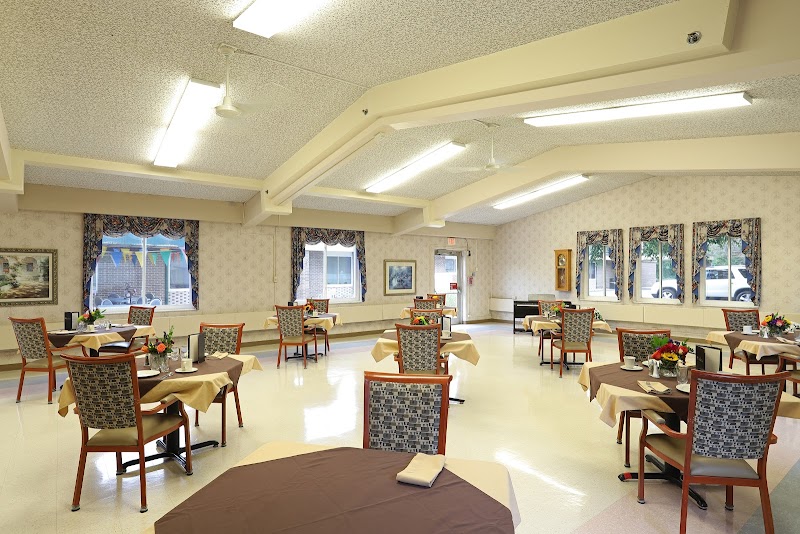
How is The Laurels Of Hudsonville Staffed?

CMS rates The Laurels of Hudsonville's staffing level at 4 out of 5 stars, which is above average compared to other nursing homes. Staff turnover is 40%, compared to the Michigan average of 46%. This relatively stable workforce can support continuity of care.

What Have Inspectors Found at The Laurels Of Hudsonville?

State health inspectors documented 24 deficiencies at The Laurels of Hudsonville during 2023 to 2025. These included: 1 that caused actual resident harm and 23 with potential for harm. Deficiencies causing actual harm indicate documented cases where residents experienced negative health consequences.
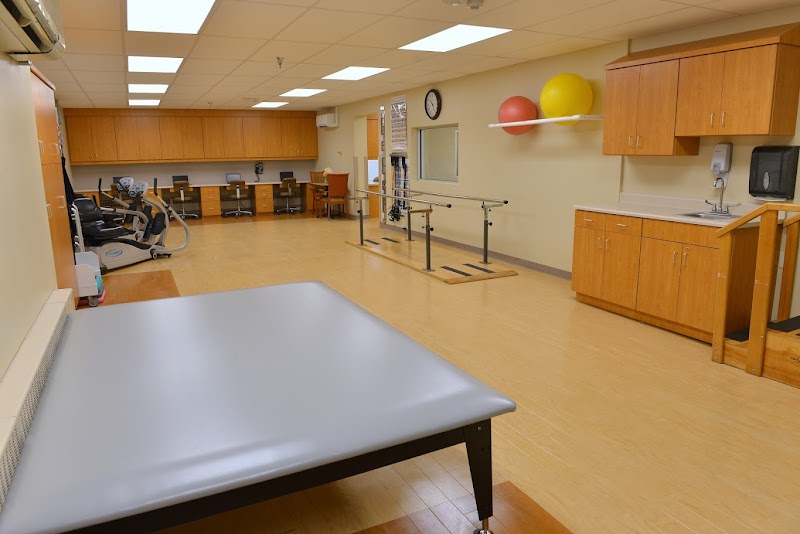
Who Owns and Operates The Laurels Of Hudsonville?

The Laurels of Hudsonville is owned by a for-profit company. For-profit facilities operate as businesses with obligations to shareholders or private owners. The facility is operated by CIENA HEALTHCARE/LAUREL HEALTH CARE, a chain that manages multiple nursing homes. With 108 certified beds and approximately 88 residents (about 81% occupancy), it is a mid-sized facility located in Hudsonville, Michigan.

How Does The Laurels Of Hudsonville Compare to Other Michigan Nursing Homes?

Compared to the 100 nursing homes in Michigan, The Laurels of Hudsonville's overall rating (3 stars) is below the state average of 3.1, staff turnover (40%) is near the state average of 46%, and health inspection rating (2 stars) is below the national benchmark.

What Should Families Ask When Visiting The Laurels Of Hudsonville?

Based on this facility's data, families visiting should ask: "Can I visit during a mealtime to observe dining assistance and food quality?" "How do you handle medical emergencies, and what is your hospital transfer rate?" "Can I speak with family members of current residents about their experience?"

Is The Laurels Of Hudsonville Safe?

Based on CMS inspection data, The Laurels of Hudsonville has a clean safety record: no substantiated abuse findings (meaning no confirmed cases of resident harm), no Immediate Jeopardy citations (the most serious violation level indicating risk of serious injury or death), and is not on the Special Focus Facility watch list (a federal program monitoring the lowest-performing 1% of nursing homes). The facility has a 3-star overall rating and ranks #100 of 100 nursing homes in Michigan. While no facility is perfect, families should still ask about staff-to-resident ratios and recent inspection results during their visit.

Do Nurses at The Laurels Of Hudsonville Stick Around?

The Laurels of Hudsonville has a staff turnover rate of 40%, which is about average for Michigan nursing homes (state average: 46%). Moderate turnover is common in nursing homes, but families should still ask about staff tenure and how the facility maintains care continuity when employees leave.

Was The Laurels Of Hudsonville Ever Fined?

The Laurels of Hudsonville has no federal fines on record. CMS issues fines when nursing homes fail to meet care standards or don't correct problems found during inspections. The absence of fines suggests the facility has either maintained compliance or corrected any issues before penalties were assessed. This is a positive indicator, though families should still review recent inspection reports for the full picture.

Is The Laurels Of Hudsonville on Any Federal Watch List?

The Laurels of Hudsonville is not on any federal watch list. The most significant is the Special Focus Facility (SFF) program, which identifies the bottom 1% of nursing homes nationally based on persistent, serious quality problems. Not being on this list means the facility has avoided the pattern of deficiencies that triggers enhanced federal oversight. This is a positive indicator, though families should still review the facility's inspection history directly.