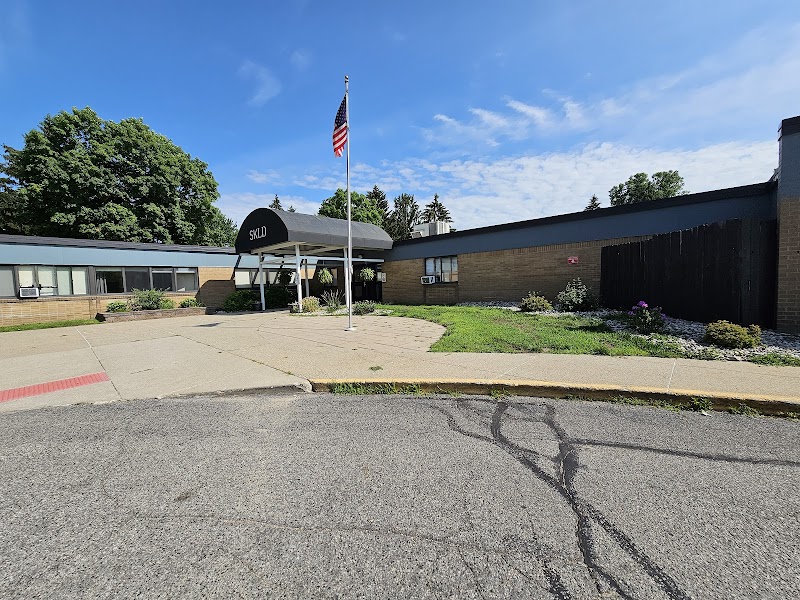
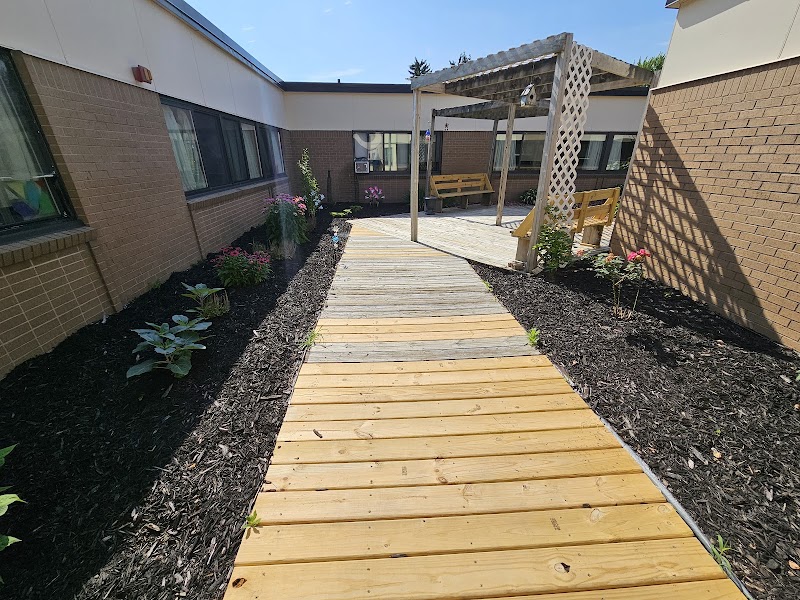
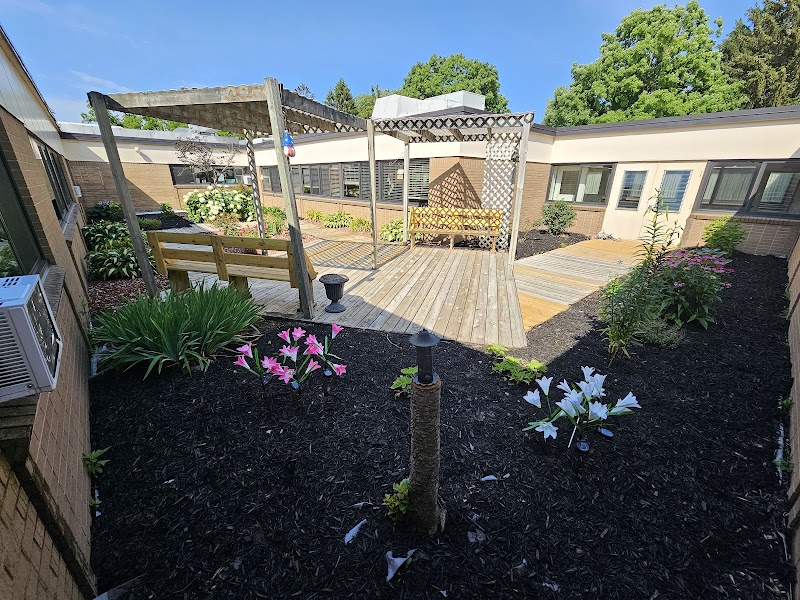
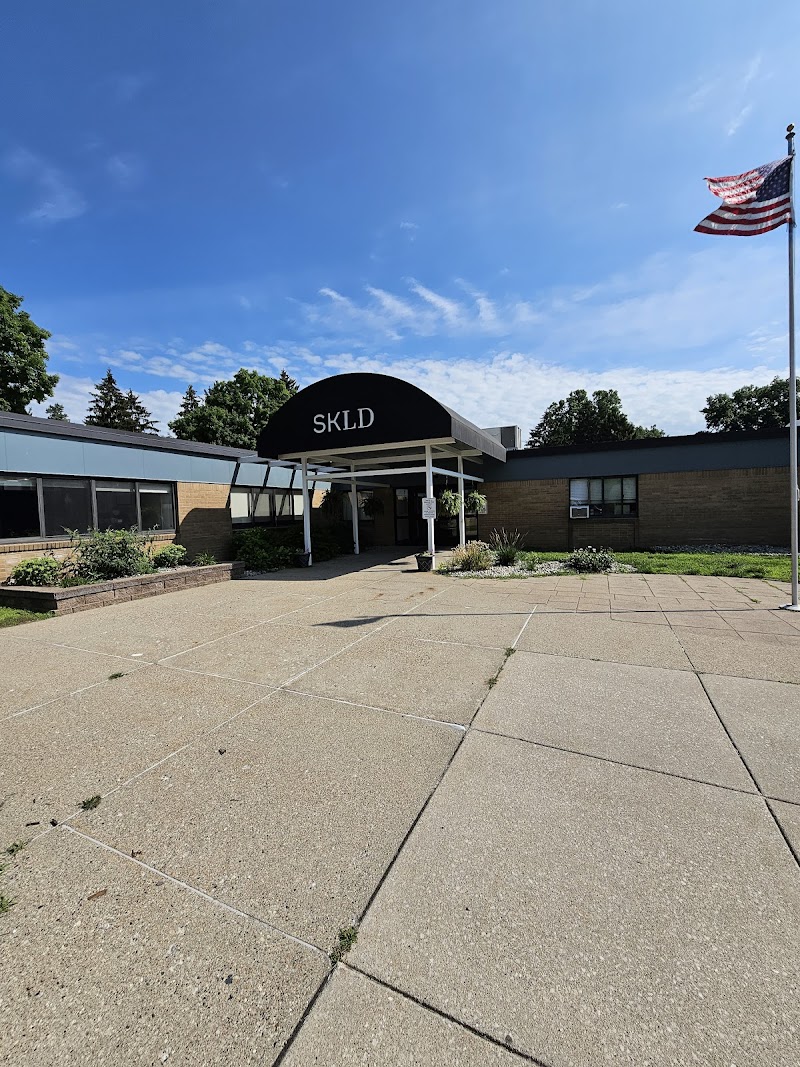
SKLD Ionia

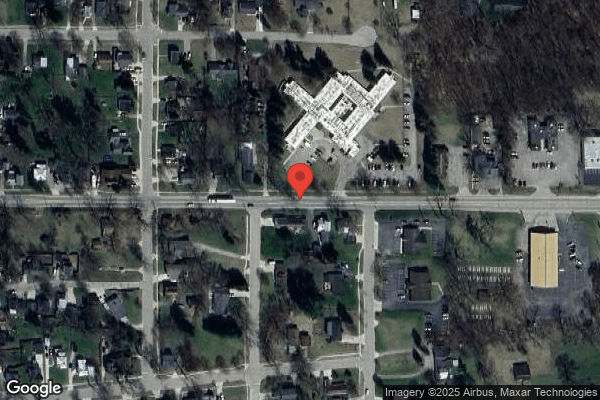
814 East Lincoln Avenue, Ionia, MI 48846 (616) 527-0080
For profit - Limited Liability company 107 Beds SKLD Data: November 2025
Trust Grade
80/100
#171 of 422 in MI
Last Inspection: March 2025

Within standard 12-15 month inspection cycle. Federal law requires annual inspections.

Overview

SKLD Ionia has a Trust Grade of B+, which means it is recommended and performs above average compared to other nursing homes. It ranks #171 out of 422 facilities in Michigan, placing it in the top half, and it is the best option in Ionia County with only one other facility available. However, the trend is worsening, as the number of issues identified has increased from 4 to 6 over the past year. The staffing rating is average with a turnover rate of 36%, which is better than the Michigan average of 44%, indicating that staff generally stay longer and provide continuity of care. On the positive side, there have been no fines reported, but the facility has been cited for several concerns, including inadequate infection control procedures and improper storage practices, which can potentially compromise resident safety.

Trust Score
B+
80/100
In Michigan
#171/422
Top 40%
Safety Record
Low Risk
No red flags
Inspections
Getting Worse
4 → 6 violations
Staff Stability
○ Average
36% turnover. Near Michigan's 48% average. Typical for the industry.
Penalties
✓ Good
No fines on record. Clean compliance history, better than most Michigan facilities.
Skilled Nurses
○ Average
Each resident gets 32 minutes of Registered Nurse (RN) attention daily — about average for Michigan. RNs are the most trained staff who monitor for health changes.
Violations
⚠ Watch
12 deficiencies on record. Higher than average. Multiple issues found across inspections.
★★★★☆
4.0
Overall Rating
★★★☆☆
3.0
Staff Levels
★★★☆☆
3.0
Care Quality
★★★★☆
4.0
Inspection Score
Stable
2024: 4 issues
2025: 6 issues

The Good

  • Full Sprinkler Coverage · Fire safety systems throughout facility
  • No fines on record
  • Staff turnover below average (36%)

    12 points below Michigan average of 48%

Facility shows strength in fire safety.

The Bad

Staff Turnover: 36%

Near Michigan avg (46%)

Typical for the industry

Chain: SKLD

Part of a multi-facility chain

Ask about local staffing decisions and management

The Ugly 12 deficiencies on record

Aug 2025 2 deficiencies
CONCERN (D) 📢 Someone Reported This

A family member, employee, or ombudsman was alarmed enough to file a formal complaint

Potential for Harm - no one hurt, but risky conditions existed

Resident Rights (Tag F0550)

Could have caused harm · This affected 1 resident

**NOTE- TERMS IN BRACKETS HAVE BEEN EDITED TO PROTECT CONFIDENTIALITY** This citation pertains to Intake #2566577 and #2575897. Based on interview and record review, the facility failed to ensure dign...

Read full inspector narrative →
**NOTE- TERMS IN BRACKETS HAVE BEEN EDITED TO PROTECT CONFIDENTIALITY** This citation pertains to Intake #2566577 and #2575897. Based on interview and record review, the facility failed to ensure dignified care was provided for 2 residents (R100 and R101) of 4 residents reviewed for dignity. Findings include:R100 Review of an admission Record revealed R100 admitted to the facility on [DATE] with pertinent diagnoses which included fibromyalgia, difficulty in walking, and left hip contusion. Review of a Minimum Data Set (MDS) (a tool used for assessing a resident's care needs) assessment for R100, with a reference date of 7/8/2025 revealed a Brief Interview for Mental Status (BIMS) (a scale used to determine a resident's cognitive status) score of 15, out of a total possible score of 15, which indicated R100 was cognitively intact. Further review of the same MDS assessment revealed R100 was occasionally incontinent of urine and required staff assistance with toileting. Review of a current activities of daily living (ADL) Care Plan intervention for R100, initiated 7/7/2025, revealed resident required the assistance of 1 staff with ADLs. In a telephone interview on 8/21/2025 at 11:13 AM, R100 reported when Competency Evaluated Nursing Assistant (CENA) A awaked her for a meal she realized that she had been incontinent of urine and requested assistance to be changed. R100 reported CENA A stated maybe you should have gotten up before you wet yourself. CENA A left the room and told R100 she would return after she finished passing meal trays. R100 reported CENA A never returned to the room to assist and she ended up getting up and changing herself an hour later, knowing that she was not supposed to do this without assistance. R100 reported this event made her feel frustrated, helpless, and depressed. R100 stated It seemed like they didn't want to take care of me, I called my mom crying multiple times. In an interview on 8/26/2025 at 2:35 PM, CENA A reported she went into R100's room with a meal tray and R100 reported she was wet. CENA A reported she told R100 that she would return after she finished passing trays but forgot to return. CENA A reported she did this with another resident at a later date and a supervisor told her that she needed to stop passing meal trays to clean up a wet or soiled resident rather than waiting until she was done passing trays. In an interview on 8/29/2025 at 9:10 AM, the Director of Nursing (DON) reported CENAs should stop passing meal trays to assist residents that are wet or soiled to provide care. R101 Review of an admission Record revealed R101 admitted to the facility on [DATE] with pertinent diagnoses which included depression and apraxia (difficulty with skilled movement). Review of a Minimum Data Set (MDS) (a tool used for assessing a resident's care needs) assessment for R101, with a reference date of 7/10/2025 revealed a Brief Interview for Mental Status (BIMS) (a scale used to determine a resident's cognitive status) score of 15, out of a total possible score of 15, which indicated R101 was cognitively intact. Further review of the same MDS assessment revealed R101 required staff assistance with toileting. Review of a current ADL Care Plan intervention for R101, initiated 2/3/2022, revealed R101 required the assistance of 1 staff for toileting. In an interview on 8/26/2025 at 9:30 AM, R101 reported she waited up to 30 minutes for help after pressing the call light. R101 reported the previous week that she pressed her call light and waited over 20 minutes for staff to respond. R101 reported she wet herself while waiting and this made her feel dehumanized. Review of facility/procedure Resident Rights, issued 11/12/2024, revealed residents have a right to a dignified existence including to .be treated with dignity and respect. reasonable accommodation of needs and preferences.
CONCERN (D) 📢 Someone Reported This

A family member, employee, or ombudsman was alarmed enough to file a formal complaint

Potential for Harm - no one hurt, but risky conditions existed

ADL Care (Tag F0677)

Could have caused harm · This affected 1 resident

**NOTE- TERMS IN BRACKETS HAVE BEEN EDITED TO PROTECT CONFIDENTIALITY** This citation pertains to Intake #2575897. Based on interview and record review, the facility failed to provide showers for 2 de...

Read full inspector narrative →
**NOTE- TERMS IN BRACKETS HAVE BEEN EDITED TO PROTECT CONFIDENTIALITY** This citation pertains to Intake #2575897. Based on interview and record review, the facility failed to provide showers for 2 dependent residents (R101 and R103) of 4 residents reviewed for accommodation of needs. Findings include:R101 Review of an admission Record revealed R101 admitted to the facility on [DATE] with pertinent diagnoses which included depression and apraxia (difficulty with skilled movement). Review of a Minimum Data Set (MDS) (a tool used for assessing a resident's care needs) assessment for R101, with a reference date of 7/10/2025 revealed a Brief Interview for Mental Status (BIMS) (a scale used to determine a resident's cognitive status) score of 15, out of a total possible score of 15, which indicated R101 was cognitively intact. Further review of same MDS assessment revealed R101 required staff assistance with showering. Review of a current ADL Care Plan intervention for R101, initiated 2/3/2022, revealed R101 required the assistance of 1 staff with showering. Review of the facility Back Unit Shower List revealed R101 was scheduled to receive showers on Sunday and Thursday evenings. In an interview on 8/29/2025 at 9:36 AM, R101 reported she went for a couple weeks in July without receiving her scheduled shower. R101 reported this made her feel dirty. Review of R101's shower documentation revealed she received a bed bath instead of a shower on scheduled shower days on 7/10/2025, 7/17/2025, 7/24/2025, 7/31/2025, 8/7/2025, and 8/17/2025. Further review revealed R101 went without a shower for two weeks from 7/13/2025 until 7/27/2025. Review of R101's Concern Form, dated 7/31/25, revealed .No shower for two weeks July 14th through July 26th. R103 Review of an admission Record revealed R103 admitted to the facility on [DATE] with pertinent diagnoses which included depression, anxiety, and history of falling. Review of a Minimum Data Set (MDS) (a tool used for assessing a resident's care needs) assessment for R103, with a reference date of 7/12/2025 revealed a Brief Interview for Mental Status (BIMS) (a scale used to determine a resident's cognitive status) score of 14, out of a total possible score of 15, which indicated R103 was cognitively intact. Further review of the same MDS assessment revealed R103 required staff assistance with showering. Review of a current ADL Care Plan intervention for R103, initiated 1/3/2023, revealed R103 required the assistance of 1 staff with showering. Review of the facility Back Unit Shower List revealed R103 was scheduled to receive showers on Monday and Friday evenings. In an interview on 8/26/2025 at 2:10 PM, R103 reported she preferred to receive showers and not bed baths but about 3 times a month she received bed baths instead of showers. R103 reported receiving bed baths instead of showers made her feel dirty and like her hair wasn't clean. Review of R103's shower documentation revealed she did not receive a shower or bed bath on 8/1/2025. Further review revealed R103 received a bed bath instead of a shower on scheduled shower days on 8/15/2025, 8/18/2025, and 8/25/2025. In a telephone interview on 8/29/2025 at 8:05 AM, Competency Evaluated Nursing Assistant (CENA) G reported staff try to give scheduled showers instead of bed baths but sometimes they have staffing issues or resident care issues that prevent them from being tied up in the shower. CENA G reported staff will give bed baths instead of showers in these circumstances. In an interview on 8/29/2025 at 9:45 AM, CENA J reviewed R103's shower documentation from 8/18/2025 and reported she was working a double that day, staffing was short, and sometimes she will provide a bed bath instead of a shower if there is not enough time to provide a shower. In an interview on 8/29/2025 at 9:10 AM, the Director of Nursing (DON) reported resident preference for showers over bed baths should be met. Review of facility/procedure Resident Rights, issued 11/12/2024, revealed residents have a right to a dignified existence including to .be treated with dignity and respect. reasonable accommodation of needs and preferences.
Mar 2025 4 deficiencies
CONCERN (D)

Potential for Harm - no one hurt, but risky conditions existed

Antibiotic Stewardship (Tag F0881)

Could have caused harm · This affected 1 resident

**NOTE- TERMS IN BRACKETS HAVE BEEN EDITED TO PROTECT CONFIDENTIALITY** Based on interview and record review, the facility failed to follow it's Antibiotic Stewardship policy for two residents (R1 & R...

Read full inspector narrative →
**NOTE- TERMS IN BRACKETS HAVE BEEN EDITED TO PROTECT CONFIDENTIALITY** Based on interview and record review, the facility failed to follow it's Antibiotic Stewardship policy for two residents (R1 & R64) out of 16 residents reviewed for antibiotic stewardship. Findings: R1 Review of an admission Record reflected R1 originally admitted to the facility on [DATE] and readmitted to the facility after a hospitalization on 1/10/2025. Review of an Infection Report Form completed by LPN/IC C reflected R1's suspected infection was urinary tract as evidenced by confusion, dysuria, increased (up arrow) incont. (incontinence). The report indicated a UA was obtained and the culture showed no bacterial growth, however R1 was prescribed Keflex (antibiotic) 500 mg (milligram)/TID (three times a day)/PO (per os, orally) - Start date: 1/10/25 - Stop Date: 1/18/25. Further review of the documentation revealed Resident (R1) sent to the ED (Emergency Department) per family request r/t confusion. ED dx (diagnosed) PNA (pneumonia) & UTI (Urinary Tract Infection) & ordered antibiotics x (times) 8 days. Following the notes and a review of McGeer Criteria (a set of clinical laboratory definitions used to diagnose and monitor infections in long-term care facilities), were UA culture results from the hospital and a chest x-ray. The urine culture resulted in Mixed flora. No significant pathogens isolated. The chest-ray result indicated R1 had Interstitial as well as hazy opacities in both lungs. The chest x-ray result was followed by a Physical Exam Subjective: (R1) denies SOB (shortness of breath), chest pain, pressure/pleuritis/nausea/vomiting/constipation/diarrhea . The Objective exam revealed R1's lungs were clear to auscultation (listening to internal sounds), no wheezed or crackles. R64 Review of an admission Record indicated R64 readmitted to the facility from a hospital on 1/26/2025 diagnosed with Infection and Inflammatory Reaction. Review of an Infection Report Form reflected R64 was admitted with a diagnosis of UTI and was prescribed Amoxicillin 500 mg/TID/PO - Start Date: 1/26/25 - Stop Date- 1/30/25. The report indicated the U/A (urinalysis) '-' (negative). Hospital documentation reflected a urinalysis that did not indicate R64 had white blood cells count that would indicate a treatable infection, and few bacteria were identified. No culture was attempted based on the urinalysis. R64's blood was cultured in the hospital and showed No organism isolated. During an interview on 3/6/25 at 9:30 AM, Infection Control (IC)/Licensed Practical Nurse (LPN) C reported that for both R1 and R64, the hospital sent the residents back with orders for antibiotics which were continued in the facility despite laboratory and x-ray analysis that would not indicate either resident had an infection. IC/LPN C reviewed the Electronic Medical Record (EMR) for each resident and did not identify evidence the facility provider documented a rationale for continuing the antibiotic treatment. Review of the facility Antibiotic Stewardship policy adopted 7/11/18 reflected It is the policy of this facility that antibiotics will be prescribed and administered to residents under the guidance of the facility's Antibiotic Stewardship Program. The policy specifies 10. When a culture and sensitivity (C&S) is ordered lab results and the current clinical situation will be communicated to the prescriber as soon as available to determine if antibiotic therapy should be started, continued, modified, or discontinued.
CONCERN (D)

Potential for Harm - no one hurt, but risky conditions existed

Deficiency F0887 (Tag F0887)

Could have caused harm · This affected 1 resident

**NOTE- TERMS IN BRACKETS HAVE BEEN EDITED TO PROTECT CONFIDENTIALITY** Based on interview and record review, the facility failed to administer a COVID-19 vaccine after receiving consent for the vacci...

Read full inspector narrative →
**NOTE- TERMS IN BRACKETS HAVE BEEN EDITED TO PROTECT CONFIDENTIALITY** Based on interview and record review, the facility failed to administer a COVID-19 vaccine after receiving consent for the vaccine for two residents (R12 and R29), out of 5 residents reviewed for immunizations. Findings: R12 Review of an admission Record reflected R12 admitted to the facility on [DATE] and was their own responsible party. Review of a COVID-19 Vaccine Consent Form reflected CONSENT FOR VACCINATION: I have been educated on and understand the risks, benefits and potential side effects of the updated COVID-19 vaccine and hereby give consent to receive the Spikevax Moderna COVID-19 vaccine. The consent for vaccination was signed by R12 on 1/17/2025. R29 Review of an admission Record reflected R29 readmitted to the facility on [DATE] and was not their own responsible party. Review of a pharmacy Immunization Consent Form for the Updated (2023-2024 Formula) Covid-19 Vaccine reflected I/responsible party attest that all criteria defined by the CDC (Centers for Disease Control and Prevention) have been net to receive a COVID-19 vaccine on this day, and consent to receiving the COVID-19 vaccine. The consent form was signed by R29's Durable Power of Attorney (DPOA) on 5/24/2024. During an interview on 3/4/25 at 9:30 AM, the Infection Control (IC) Licensed Practical Nurse (LPN) C reported that when an immunization is consented to by a resident/responsible party, the order for the vaccine should be entered into the Electronic Medical Record (EMR) and the vaccine should be administered shortly thereafter. IC/LPN C reviewed the clinical record for both R12 and R29 and could see the COVID-19 vaccine had NOT been administered to either resident, there was no supporting documentation explaining why the vaccine was not given and was an oversight. Review of the facility policy Immunizations-COVID-19 Vaccine updated 11/1/2024 reflected It is the policy of this facility, that in collaboration with the medical director, to have an immunization program against COVID-19 in accordance with national standards of practice.
CONCERN (E)

Potential for Harm - no one hurt, but risky conditions existed

Accident Prevention (Tag F0689)

Could have caused harm · This affected multiple residents

**NOTE- TERMS IN BRACKETS HAVE BEEN EDITED TO PROTECT CONFIDENTIALITY** Based on observation, interview, and record review, the facility failed to investigate, analyze, and implement meaningful interv...

Read full inspector narrative →
**NOTE- TERMS IN BRACKETS HAVE BEEN EDITED TO PROTECT CONFIDENTIALITY** Based on observation, interview, and record review, the facility failed to investigate, analyze, and implement meaningful interventions to prevent repeated falls for two Residents (R32 and R117) of three residents reviewed for accident hazards. Findings include: R32 Review of R32's face sheet dated 3/5/25 revealed she was an [AGE] year-old female admitted to the facility on [DATE] with diagnoses that included dementia, lack of coordination, falls, restlessness and agitation. She was not her own responsible party. R32 was observed in bed on 03/04/25 at 10:04 AM. R32 had her eyes open, she was holding a hairbrush. R32 did not respond to her name or any questions. R32 had bruises covering a large portion of her face and forehead. R32 was observed on 3/5/25 at 9:12 AM up in her wheelchair in a hall in the facility. She was not near her room and there were no staff in sight of her location. R32 did not have a comb or brush in her hand. R32 did not respond to any questions. Review of R32's care plan, initiated on 11/8/2019, revised 9/30/2024 revealed R32 had the cognitive capacity of a 2-year-old. Review of R32's fall care plan dated 8/31/22 revealed, Potential for injury to falls d/t (due to) developmental delayed (functional age of 2 yo (year old) dementia, no safety awareness, impulsive, little to no ability to communicate needs, needs for assistance for safe transfers, psychotropic medications, seizures, hx (history) of falls, attempts to reach things on the floor, place self on floor to retrieve dropped items and returns unassisted to w/c (wheelchair). There were no interventions to provide supervision or to offer supervised activities when R32 was awake located in R32's medical record. During an interview with the Director of Nursing (DON) on 3/5/25 at 4:23 PM, the surveyor questioned if all the information related to R32's falls was provided as requested. The only documentation that was received was incident and accident reports. The reports did not include any investigation, interventions, staff statements, analysis or interventions placed after the fall. The incident and accidents were just a summary of what the nurse saw when R32 was found on the floor and any initial injuries noted. There was no indication of R32's care or condition prior to the fall. The DON said she had some statements and a post fall tool for some of the falls, however the Certified Nurse Aides (CNA's) were not consistent at filling out the post fall tool. The DON said the post fall Interdisciplinary (IDT) notes would have more information. The surveyor asked where the IDT was getting the information to implement interventions if they did not have information on the resident's condition prior to the fall and the DON did not have any information. The DON said she would look for all additional information. Review of R32's incident and accident report dated 12/22/24 at 18:00 (6:00 PM) revealed the resident was found on the floor in her room next to her toy box and her toys were scattered throughout the room. No injury noted. Review of R32's Interdisciplinary Team (IDT) Note dated 12/23/24 at 9:25 AM revealed the same information as the incident report dated 12/22/24 at 6:00 PM with the additional information that R32 was sent to the Emergency Department (ED) for treatment of an acute condition. No information on the acute condition was provided. No information on fall prevention was provided. Review of R32's incident and accident report dated 1/3/25 at 19:30 (7:30 PM) revealed. This nurse was standing at med (medication) cart in the hallway when I heard a crash, went to check on it an observed patient on the floor in her room just inside the doorway, I want a coke. Resident had a bruise on her forehead and was sent to the ED (emergency department) for evaluation. Review of R32's incident and accident report dated 2/22/25 at 00:00 (midnight) revealed, CNA (certified nurse aide) yelled out that she needed help in pt's (patients) room. Upon arrival pt (patient) was lying on the floor bleeding from above her left eye. Pt (patient) states that she dropped her combs and was trying to pick them up. Vital signs obtained and abrasion cleaned. No CNA statement found or information on R32's condition prior to the fall was located. Review of a late IDT note dated 2/24/25 at 13:21 (1:21 PM) revealed the same information in this note as the incident and accident report dated 2/22/24 at midnight and additional information of R32 being sent to the emergency department at 18:50 (6:50 PM). 18.5 hours after the fall with injury because R32 required treatment for a laceration. No indication of the size or location of the laceration was documented. The only intervention was emergency treatment of the laceration. No future fall prevention interventions were located. Review of a Post incident CNA report for R32 dated 2/22/25 reflected R32 was weak from being sick and the CNA (Certified Nurse Aide) recommended R32 be supervised in her room when she was in her wheelchair. Review of R32's fall care plan revealed no supervision intervention in place when resident is up in her wheelchair. Review of R32's incident and accident report dated 3/1/25 at 18:00 (6:00 PM) revealed, summons to room by staff pt (patient) was lying near her activity table, toys were scattered, pt (patient) Comb comb Combs were in her hand, pt (patient) was assessed to no apparent injuries, hips palpated symmetrical, no internal or external rotation was noted, no change in LOC (level of consciousness) or Neuro's (neurological), resident was clean and dry, gripper socks on, no environmental factors involved, CNA (Certified Nurse Aide) was with bed 1 and was not witnessed, pt (patient) was assisted to bed by staff, on call provider and DPOA (durable power of attorney) was notified, table to be removed as had previous incidents with her table and toys, staff to ensure she has her combs, toy table to be assessed by therapy for safety concerns. The DON provided one post incident CNA report dated 3/1/25 and revealed resident was last observed on 3/1/25 at 4:55 PM and R32 was in her room at that time. The floor was clean, and no toys were dropped. No recommendations were made for prevention of future falls. Review of R32's IDT note dated 3/3/25 at 9:19 AM revealed the same information that was in the incident report dated 3/1/25 at 6:00 PM with the additional information of limiting combs and attaching the activity table to the wall. No intervention for supervision on increased assistance was located. During an interview with the DON and Nursing Home Administrator (NHA) on 3/6/25 at 9:45 AM. The facility policy and procedure for Falls was reviewed. The policy did not provide any information on investigation, analysis, or care planning of meaningful interventions after a fall. The focus of the policy was with dealing with injuries related to assessing the resident for injuries after a fall. There was no mention of prevention of further falls. The 4 falls R32 had from 12/22/24 to 3/1/25 were reviewed and they said they had provided all information they had related to those falls. They confirmed that R32 was severely cognitively impaired and had no safety awareness. They could not locate any interventions for supervision when she was up in her wheelchair or any supervised activities. They said at one point her toys were placed in the hall but that became a concern for another resident. No other activity or supervision was placed after R32's toy were placed in her room. R117 Review of R117's Minimum Data Set (MDS) dated [DATE] revealed R117 was [AGE] years old and was admitted to the facility on [DATE] with diagnoses that included stroke and dementia. R117 had a Brief Interview of Mental Status (BIMS) score of 15/15 indicating normal cognitive status. R117 was observed sleeping in bed on multiple occasions on 3/4/25 and did not awaken to calling her name. R117 was observed in bed on 3/5/25 at 12:20 PM and confirmed she slept most of the day 3/4/25 stating she has been ill and was still tired. R117 had no recall of falling on 3/1/25. The only fall she could recall was falling in the therapy department but was not sure how long ago. R117 did not have any walking assistive devices in the room and said she cannot walk anymore without help. R117's wheelchair was next to her bed. The wheelchair had standard brakes, and they were in the locked position. R117 could not think of anything the facility could do to keep her safe from falling. Review of R117 incident and accident report dated 9/26/24 at 10:45 AM revealed R117 fell in the therapy room. The therapist was in the room and observed R117 walking fast with a walker, R117 sat at the side of the chair. The plan was to have R117 continue to work with Occupational Therapy to improve safety awareness. Review of the IDT note dated 9/27/24 at 9:21 AM revealed the same information as the incident and accident report along with vital sign monitoring and follow-up with Cardiology. No mention of increased assistance or supervision. Review of R117's incident and accident report dated 1/12/25 at 17:00 (5:00 PM) revealed R117 was found lying on the floor in her room. R117 said she was trying to get dressed, and her left leg gave out. No indication of resident's status prior to the fall was located. Review of the IDT meeting note for R117 dated 1/13/25 at 9:34 AM revealed the same information as the incident and accident report dated 1/12/125 at 5:00 PM with the additional information of physical therapy was to evaluate. No increase in supervision or assistance was mentioned. Review of R117's incident and accident report dated 1/27/25 at 6:45 AM revealed, R117 was found on the floor. She reported that she was trying to get into her wheelchair to go to the restroom, but she felt weak and lowered herself to the floor. The room had poor lighting and resident was drowsy. No new interventions were mentioned, no staff statements were located. No additional assistance or supervision were mentioned. Review of R117's IDT noted dated 1/27/25 at 9:29 AM revealed the same information along with ruling out any acute condition and continue therapy. No new intervention for increased assistance or supervision were located. Review of R117's incident and accident report dated 3/1/25 at 8:00 AM revealed R117 was found on the floor in her room near the foot of her bed. R117 had oxygen tubing along the bed and under her along with 4 shoes and a pillowcase were found next to the bed. The wheelchair brakes were locked. R117's call light was not in use. Predisposing Physiological Factors included: incontinent, gait imbalance and impaired memory. Review of R117's IDT note dated 3/3/25 at 9:10 AM revealed the same information that was in the incident and accident report dated 3/1/25 at 8:00 AM with the addition of a wheelchair with auto locking brakes. (observation on 3/5/25 at 12:20 PM revealed this intervention was not in place). The reports also documented R117's wheelchair brakes where functioning and locked at the time of the incident. No new interventions for increased assistance or supervision were located. Review of R117's fall care plan dated revision on 12/12/24 revealed auto-locking wheelchair brakes were to be placed on 3/3/25 (observed not in place 3/5/25). No interventions for assistance with any activities of daily living or any supervision. During an interview with the facility Social Worker (SW) D on 3/5/25 at 12:28 PM, SW D confirmed R117 was her own responsible party. This surveyor informed her that R117 had no recall of the fall she had on 3/1/25 (4 days ago) and reported that she had dementia. SW D confirmed that R117 did have dementia, and she was aware of fluctuations in R117 mental status. SW D confirmed that she saw R117 on 3/1/25 and confirmed that R117's wheelchair brakes were functional. SW was not aware of any increased supervision or assistance implemented for R117 after her fall on 3/1/25. During an interview with the DON and NHA on 3/6/25 at 9:50 AM they confirmed they had provided me with all R117's fall information for her falls from 9/27/24 to 3/1/25. They were aware of R117's mental status fluctuations. They were not able to locate any information on increased assistance with activities of daily living or of any increased supervision being provided for R117.
CONCERN (F)

Potential for Harm - no one hurt, but risky conditions existed

Infection Control (Tag F0880)

Could have caused harm · This affected most or all residents

Based on observation, interview, and record review, the facility failed to implement a) Accurate monthly infection surveillance, b) Conduct an outbreak investigation, and c) Properly store oxygen supp...

Read full inspector narrative →
Based on observation, interview, and record review, the facility failed to implement a) Accurate monthly infection surveillance, b) Conduct an outbreak investigation, and c) Properly store oxygen supplies according to the facility Infection Control plan, program and policies for one resident (R25) of six residents reviewed for Infection Control. Findings: During a comprehensive interview pertaining to the facility Infection Control Program, on 3/6/25 beginning at 9:30 AM, Infection Control (IC)/Licensed Practical Nurse (LPN) reported that he organized a monthly infection report and presented the findings during the monthly Quality Assurance Process Improvement (QAPI) meetings. A review of the IC process revealed that when a resident is prescribed an antibiotic, a review of McGeer's criteria (a set of clinical laboratory definitions used to diagnose and monitor infections in long-term care facilities) is conducted and supporting documentation is obtained and/or validated. Once a diagnosed infection is identified, IC/LPN C maps the infections and includes the infections on a line listing. During an interview on 3/6/25 at 9:30 AM, Infection Control (IC)/Licensed Practical Nurse (LPN) C reported that in January 2025 both R1 and R64 had been sent to the hospital for suspected infections. IC/LPN C reported the hospital sent the residents back with orders for antibiotics which were continued in the facility despite laboratory and x-ray analysis that would not indicate either resident had an infection. IC/LPN C reviewed the Electronic Medical Record (EMR) for each resident and did not identify evidence the facility provider documented a rationale for continuing the antibiotic treatment. The facility infection mapping and infection line list reflected that despite neither resident having an infection, the residents were included in the overall rate of infection for the month of January, 2025. During the Infection Control interview on 3/6/25 beginning at 9:30 AM, IC/LPN C reported the facility had a COVID-19 outbreak in December of 2024. IC/LPN C reported they had not conducted an Outbreak Investigation per policy and had not incorporated an investigation into employee illnesses that may have impacted the spread of COVID-19 amongst residents. IC/LPN C said they did not distinguish COVID-19 from other respiratory illness on the mapping tool used to identify trends, cluster and/or outbreaks at the facility. Review of the facility policy Outbreak Investigation reflected C. The Infection Preventionist will gather and compile date related to the infection(s) as follows: 1. Conduct case finding (review ongoing surveillance charts of other patients at risk and microbiology reports) to determine whether there have been other cases of infection. 2. Evaluate previous experience with the infection. 3. Prepare a line listing of cases to include: resident, room number, date of admission, date of infection onset, site culture results, and physician. 4. Plot number of cases by date of onset (epidemic curve). 5. Review charts of cases and interview involved personnel for various factors that conceivably may have played a role in transmission of an infection, e.g., geographic locations of residents, specific personnel having contact with residents, medications and treatments administered. 6. Review various infection prevention techniques (hand hygiene, use of standard precautions, etc.) as actually practiced in the facility. 7. Maintain surveillance for occurrence of any further infections. VII. ANALYSIS OF DATA - The data collected in the preliminary investigation are reviewed by the investigators to determine whether a common source of infection, break in technique, etc., can be implicated as a cause of the epidemic. A preliminary written report will be prepared. A final written report of the investigation, outlining findings and recommendations, is prepared by the investigation coordinator and issued to the infection prevention committee, others participating in the investigation, medical director, attending physician(s), director of nursing, and others as needed. Resident #25 R25 Review of the medical record reflects R25 admitted to the facility 4/21/21 and has pertinent diagnoses that include heart failure, chronic obstructive pulmonary disease (COPD) and pneumonia. On 3/4/25 at 9:59 AM an observation and interview were conducted with R25 in his room. R25 reported he uses oxygen all of the time and has a tank on his wheelchair to use when he is out of bed. An oxygen tank was observed in a holder on his wheelchair. The tank had nasal cannula tubing attached and was draped over his wheelchair. Next to the bed on a chair a nebulizer machine was noted with a nebulizer mask laid on a paper towel and rested on a depression on the top of the nebulizer machine. An empty clear plastic storage bag was observed tied to the handle of the nebulizer machine. Review of the Medication Administration Record (MAR) for March 2025 for R25 reflected a nebulizer treatment was administered 3/3/25 at 8:54 PM and the mask remained un-stored as of the observation on 3/4/25 at 9:59 AM. On 3/5/25 at 9:28 AM an observation was made in the room of R25 that the nasal canula tubing and the nebulizer mask remained un-stored and open to air as observed on 3/4/24 at 9:59 AM. Review of MAR for March 2025 for R25 reflected the Resident has received a nebulizer treatment by third shift on 3/5/25 at 5:30 AM and the nebulizer mask remained un-stored as of 9:28 AM, as noted. On 3/5/25 at 2:24 PM in an interview was conducted with the Director of Nursing (DON) in her office. The DON reported an expectation that oxygen tubing and devices are to be stored in a plastic bag when not in use. On 3/5/25 at 2:39 PM an interview was conducted with Infection Control Preventionist (ICP) C. ICP C reported that from an infection control perspective oxygen equipment should be stored in the clear plastics storage bags when not in use. ICP C reported nebulizer masks are cleaned following a nebulizer treatment and air dried first but should be stored in the clear storage bags shortly after cleaning. On 3/6/25 at 7:40 AM the nasal cannula tubing attached to the oxygen tank on the wheelchair of R25 was observed to be draped over the chair and not stored in a clear plastic bag. On 3/5/25 at 10:03 AM a request was emailed the Nursing Home Administrator (NHA) for the facility policies for Oxygen, Oxygen Devices - CPAP, tubing, etc. The policy provided by the facility titled Subject: Oxygen Therapy dated 7/11/2018 was reviewed. This policy reflected Precautions and/or possible complications . 5. Bacterial contamination associated with certain nebulizers and humidifiers may occur And All O2 equipment will be checked daily by Respiratory Therapist/Nurse for proper function, prescribed flow rate. However, this policy does not provide direction for safe storage of O2 equipment when not in use. The policies provided by the facility titled CPAP/BIPAP Support (oxygen devices used primarily while sleeping) dated 7/26/2018 and the facility policy titled Infection Prevention and Control .Subject: Oxygen Use revised 9/24/2018 were reviewed and neither policy provided direction on the safe storage of oxygen equipment when not in use. No other oxygen care related policies were provided by the facility. On 3/6/25 at 10:52 AM during an interview Licensed Practical Nurse (LPN) E indicated oxygen tubing and devices must be stored in the plastic bags when not in use and are changed out weekly usually by third shift. LPN E was informed that none of the policies provided by the facility provided instruction on the proper storage of oxygen devices and was asked how she knew to do this? LPN E reported she knows how to properly store oxygen equipment because of years of being a nurse and indicated this is a infection prevention practice.
Mar 2024 4 deficiencies
CONCERN (D)

Potential for Harm - no one hurt, but risky conditions existed

Pressure Ulcer Prevention (Tag F0686)

Could have caused harm · This affected 1 resident

**NOTE- TERMS IN BRACKETS HAVE BEEN EDITED TO PROTECT CONFIDENTIALITY** Based on interview and record review, the facility failed to follow the facility policy for pressure injury/wound management for...

Read full inspector narrative →
**NOTE- TERMS IN BRACKETS HAVE BEEN EDITED TO PROTECT CONFIDENTIALITY** Based on interview and record review, the facility failed to follow the facility policy for pressure injury/wound management for 1 out of 6 residents (Resident #41) reviewed for pressure injury monitoring and treatment, resulting in incomplete and late wound assessments. Findings: Resident #41 (R41) Review of an admission Record revealed R41 was a [AGE] year-old male, originally admitted to the facility on [DATE], with pertinent diagnoses which included: acute cerebrovascular insufficiency (affects blood flow to the brain). Review of R41's General Progress Note dated 1/30/24 revealed, pt (patient) has a 2.5x3 (cm) shearing to left buttock, pt had been previously sitting at side of bed with therapy, triad cream applied. Review of R41's Skin Progress Note dated 2/3/24 revealed, Location: B/L (bilateral) buttocks Type of Skin Change/Impairment: MASD (moisture associated skin damage) Measurement(s): Left outer 3.5x2 (cm) Left inner 2x1.5 Right 1x0.7 Description .wound beds are red in color, scant bleeding noted, surrounding skin is pink and flaky, blanchable Current Treatment(s):: cleanse with NS/WC (normal saline/wound cleanser), pat dry, apply collagen to wound bed, cover with silicone foam dressing, change daily . The measurement did not identify the shearing injury identified on 1/30/24. There were no wound measurements completed on 2/6/24 (7 days from the identification/measurements of shearing on 1/30/24) or on 2/10/24 (7 days from the MASD measurements) per the facility policy. Review of R41's Skin Progress Note dated 2/14/24 revealed, Location: Left and right buttock Type of Skin Change/Impairment: (blank) Measurement(s): Left Outer: 3.3 x 2 (cm) Left Inner 2 x 1.4 Right .9 x1 Description .Red wound beds scaley around Current Treatment(s): cleanse with NS/WC, pat dry, apply collagen to wound bed, cover with silicone foam dressing, change daily . The type of impairment (MASD and/or shearing) was not identified in the assessment. There were no wound measurements completed on 2/21/24, 2/28/24, or 3/6/24 (as of 1:00 PM). During an interview on 3/6/24 at 1:07 PM, Unit Manager/Wound Care Nurse (UM/WCN) A reported that shearing wounds and MASD should be measured weekly. UM/WCN A reported that R41 moved from the Front Unit to the Back Unit on 2/14/24 and the wound tracking was unintentionally discontinued at that time. UM/WCN A reported a wound assessment would be completed and documented immediately. Review of the facility policy Skin Monitoring and Management-Pressure Ulcer adopted 7/11/18 revealed, .Assessment of wounds on admission, readmission AND discharge: *A licensed nurse (which may be the Wound Nurse) must assess/evaluate a resident's skin on admission. All areas of breakdown, excoriation, or discoloration, or other unusual findings, must be documented in the admission Assessment. *A licensed nurse (which may be the Wound Nurse) must assess/evaluate each wound that exists on the resident. This assessment/evaluation should include but not be limited to: *Measuring the wound *Staging the wound *Describing the nature of the wound (e.g., pressure, stasis, surgical wound) *Describing the location of the wound *Describing the characteristics of the wound A. Assessment of wounds identified after admission: *A licensed nurse (which may be the facility Wound Nurse) must assess/evaluate a resident's skin at least weekly. All areas of breakdown, excoriation, or discoloration, or other unusual findings must be documented in the resident's clinical record. B. A licensed nurse (which can be the facility Wound Nurse) must assess/evaluate at least weekly each wound, whether present on admission or developed after admission, which exists on the resident. This assessment/evaluation should include but not be limited to: *Measuring the wound *Staging the wound *Describing the nature of the wound (e.g., pressure, stasis, surgical wound) *Describing the location of the wound *Describing the characteristics of the wound *Describing the progress with healing, and any barriers to healing which may exist *Identifying any possible complications or signs/symptoms consistent with the possibility of infection .
CONCERN (D)

Potential for Harm - no one hurt, but risky conditions existed

Unnecessary Medications (Tag F0759)

Could have caused harm · This affected 1 resident

Based on observation, interview, and record review, the facility failed to ensure adherence to proper medication administration guidelines for two Residents (R15 and R62) resulting in a medication adm...

Read full inspector narrative →
Based on observation, interview, and record review, the facility failed to ensure adherence to proper medication administration guidelines for two Residents (R15 and R62) resulting in a medication administration error rate of greater than five percent. Findings Resident #15 (R15) Review of the medical record reflected R15 originally admitted to the facility 7/28/19 and a pertinent diagnosis of End Stage Renal Disease (ERSD) and is on Hemodialysis. Review of the Doctor's Orders for R15 revealed an order for Sevelamer Oral Tablets 800 milligram (mg) Give 2 tablet by mouth before meals for high phosphorous levels. On 3/5/24 at 8:10 AM a medication administration observation was conducted with Licensed Practical Nurse (LPN) F. LPN F was observed to administer 2 tabs of Sevelamer 800 milligrams ordered to be given before meals to R15. R15 reported she had eaten her breakfast earlier. Review of the manufacturer's product information sheet reflects sevelamer is to be taken with meals. The section titled Clinical Pharmacology reflects that taken with meals (the medication) has been shown to decrease serum phosphorus concentrations in patients with ESRD who are on hemodialysis. Under the Patient Counseling section of the manufacturer's literature it is reinforced to Inform patients to take (sevelamer) with meals. Resident #62 (R62) Review of the medical record reflects R62 admitted to the facility 6/6/23 with pertinent diagnoses that included Blindness, History of Stroke, and Hemiplegia/Hemiparesis (weakness or paralysis to one side of the body). Review of the Doctor's Orders for R62 reflected an active order for Fluticasone Propionate Nasal Suspension 50 micrograms (mcg) 2 sprays in each nostril in the morning. The manufacturer's product information sheet instructions for use for fluticasone propionate nasal spray was reviewed. The instructions for use reflect Step 1. Blow your nose to clear your nostrils. Step 2. Close 1 nostril, Tilt your head forward slightly . The direction for use included an illustration of one nostril being held closed and the nasal spray applicator inserted into the other nostril. On 3/6/24 at 8:04 AM a medication administration observation was conducted with Registered Nurse (RN) E in the room of R62. Upon entry to the room R62 was in bed lying back at approximately a forty-five-degree angle. RN E administered oral medication to the resident. RN E then placed the nasal applicator in the left nares of the Resident and gave three successive sprays of Fluticasone Nasal Suspension 50 mcg. R62 appeared to flinch with the insertion of nasal applicator and the sudden administration of sprays as if unprepared. Three sprays of the medication were then administrated into the R nares which R62 appeared to tolerate well. RN E did not have R62 tip her head forward or ask R62 to blow her nose prior to the administration. RN E did not hold closed the opposite nares when the nasal spray was administered. On 3/6/24 at 11:35 AM a follow up interview was conducted with R62 in her room. R62 indicated she doesn't recall ever being asked to blow her nose prior to the administration of the nasal spray but reported that she often does have a stuffy nose. R62 reported that staff administer the nasal spray to her because she doesn't have the hand strength to do so. R62 indicated that she is not always prepared for the sudden spray up her nose stating,, it does catch me by surprise sometimes.
CONCERN (E)

Potential for Harm - no one hurt, but risky conditions existed

Deficiency F0658 (Tag F0658)

Could have caused harm · This affected multiple residents

**NOTE- TERMS IN BRACKETS HAVE BEEN EDITED TO PROTECT CONFIDENTIALITY** Based on interview and record review, the facility failed to follow professional standards of nursing practice for medication ad...

Read full inspector narrative →
**NOTE- TERMS IN BRACKETS HAVE BEEN EDITED TO PROTECT CONFIDENTIALITY** Based on interview and record review, the facility failed to follow professional standards of nursing practice for medication administration for 5 of 8 residents (Resident #17, #23, #43, #46, and #62), reviewed for the provision of nursing services, resulting in lack of vital sign and blood sugar assessments prior to medication administration, medications improperly administered, and management of controlled substances. Finding: Resident #17 (R17) Review of an admission Record revealed R17 was a [AGE] year-old female, originally admitted to the facility on [DATE], with pertinent diagnoses which included: seizure disorder. Review of R17's Order Summary revealed, Lacosamide Oral Tablet 50 MG (Lacosamide) Give 1 tablet by mouth every 12 hours for seizures. Review of R17's Controlled Substance Proof of Use form revealed on 3/2/24 a dose of lacosamide was administered at 8:20 AM. There was no evening dose documented as pulled/administered. Review of R17's March Medication Administration Record revealed on 3/2/24, 2 doses of lacosamide was documented as administered. During an interview on 3/6/24 at 12:32 PM, Director of Nursing (DON) confirmed that there was a medication error and R17 received only received 1 dose of lacosamide on 3/2/24. Resident #23 (R23) Review of an admission Record revealed R23 was a [AGE] year-old male, originally admitted to the facility on [DATE], with pertinent diagnoses which included: hypertension. Review of R23's Order Summary revealed, Lisinopril Tablet 10 MG Give 1 tablet by mouth in the morning for hypertension Hold if SBP <90 (systolic blood pressure/top number is less than 90). Review of R23's February Medication Administration Record revealed all 29 doses of lisinopril were administered. Review of R23's March Medication Administration Record (reviewed on 3/5/24 at 12:00 PM) revealed all 5 doses of lisinopril were administered. Review of R23's Blood Pressure Summary revealed R23's blood pressure was not assessed on 2/10/24, 2/15/24, 2/17/24-3/1/24, and 3/3/24-3/5/24. Indicating a blood pressure assessment was not completed prior to the administration of the lisinopril to ensure R23's blood pressure was within the provider ordered parameters. Resident #43 (R43) Review of an admission Record revealed R43 was a [AGE] year-old female, originally admitted to the facility on [DATE], with pertinent diagnoses which included: hypertension. Review of R43's Order Summary revealed, Metoprolol Succinate ER Tablet Extended Release 24 Hour 25 MG-Give 1 tablet by mouth in the morning related to ESSENTIAL (PRIMARY) HYPERTENSION (I10) hold for SBP<100 P<60 (systolic blood pressure less than 100 and pulse less than 60). Review of R43's February Medication Administration Record revealed all 29 doses of metoprolol were administered. Review of R43's March Medication Administration Record (reviewed on 3/4/24 at 12:00 PM) revealed all 4 doses of metoprolol were administered. Review of R43's Pulse Summary revealed R43's pulse was not assessed on 2/15/24, 2/16/24, 2/18/24-2/24/24, 2/26/24, 3/1/24, and 3/3/24. Indicating a pulse assessment was not completed prior to the administration of the metoprolol to ensure R43's pulse was within the provider ordered parameters. Resident #46 (R46) Review of an admission Record revealed R46 was a [AGE] year-old female, originally admitted to the facility on [DATE], with pertinent diagnoses which included: diabetes. Review of R46's Order Summary revealed, LANTUS SOLOSTAR 100U/ML-Inject 16 unit subcutaneously in the morning for DM hold for BS<100 (for diabetes mellitus. Hold for blood sugar less than 100). Review of R46's February Medication Administration Record revealed all 29 doses of Lantus were administered. Review of R46's March Medication Administration Record (reviewed on 3/4/24 at 12:00 PM) revealed all 4 doses of Lantus were administered. Review of R46's Blood Sugar Summary revealed R46's blood sugar was not assessed from 2/1/24-2/4/24, 2/6/24-2/11/24, 2/13/24-2/18/24, 2/20/24-2/25/24, and from 2/27/24-3/3/24. Indicating a blood sugar assessment was not completed prior to the administration of the Lantus to ensure R46's blood sugar was within the provider ordered parameters. During an interview on 03/06/2024 at 10:26 AM, Director of Nursing (DON) reported that any narcotic administration errors would be immediately reported to her. If there are errors identified randomized audits would be completed to ensure nursing compliance with medication administration. Unit Manager (UM) B reported that the facility nurses should be administering medications as ordered by the provider which would include assessing vital signs and blood sugars prior to the administration of medications that had ordered parameters. DON and UM B were notified of the medication administration concerns for 8 residents on 3/6/24 at 10:44 AM. At the time of survey exit there was no documentation provided reflecting R23, R43, and R46 had had vital signs/blood sugar assessments prior to the medication administration listed above. Review of the facility policy Medication Administration subject Administration of Drugs last updated 12/19/19 revealed, POLICY: It is the policy of this facility that medications shall be administered as prescribed by the attending physician. Procedure .2. Medications must be administered in accordance with the written orders of the ordering/prescribing physician. R62 R62 was originally admitted to the facility 6/6/23. Review of the medical record reflected R62 had current Doctors Orders for two types of insulin and an order for a fentanyl transdermal patch that is to be changed every 72 hours. On 3/6/24 at 8:04 AM an observation was conducted with Registered Nurse (RN) E who was preparing medication for R62. In addition to oral medication, this preparation included two types of insulin and a fentanyl patch. After entering the room of R62 the oral medications were administered to the Resident. To administer the insulin RN E first exposed the abdomen of R62 and cleansed an administration site. When it was observed that RN E was proceeding to the injection of insulin the RN was asked if gloves were available. RN E pointed to a glove dispenser mounted on the wall above the nightstand of R62 and stated Right there. All the rooms have them. RN E continued, without gloves, to administer the two types of insulin near one another to the left of the Resident's umbilicus. It was observed that that first site bled. RN E immediately covered both sites by the Resident's clothing after the second injection was administered without observing for bleeding or addressing the bleeding from the first injection. RN E then removed a dated fentanyl patch from right upper chest and applied a new fentanyl patch to the area that was prepped on the left upper chest. The discarded patch had been crumpled and placed in a medication cup. Upon returning to the medication cart RN E was asked if she wears gloves when administering insulin. RN E stated No. RN E was then observed to place the medication cup containing the discarded fentanyl patch into the top drawer of the medication cart which is not equipped to be double locked. RN E reported when she completes her morning medication pass, she will discard the old fentanyl patch with another nurse. On 3/6/24 at 10:54 AM an interview was conducted with the Director of Nursing (DON) in her office. The medication administration and post- administration observations of RN E were discussed with the DON. The DON reported that gloves are expected to be worn when a administrating injections. The DON reported that the discarded fentanyl patch should immediately destroyed with another nurse and not left in the medication cart. The DON reported that a used/ dirty patch should not be placed in a clean drawer. The DON acknowledged that controlled substances are to be securely stored. The policy provided by the facility titled Licensed Nursing Procedures, Subject: Injections Insulin last updated 4/19/22 was reviewed. The Procedure reflected 13. Wash hands. Apply gloves. And 20. Apply firm pressure over the site with alcohol pad or cotton ball. And #23. Remove gloves, wash hands. The policy provide by the facility titled Medication Administration, Subject: Controlled Drugs last updated 5/14/20 was reviewed. The policy reflected, Procedure: Narcotic Box: A separate locked compartment for controlled drugs is provided within a locked cabinet .
CONCERN (F)

Potential for Harm - no one hurt, but risky conditions existed

Infection Control (Tag F0880)

Could have caused harm · This affected most or all residents

This citation has 2 Deficient Practice Statements (DPS) DPS 1 Based on interview and record review, the facility failed to implement an effective and current system of surveillance of staff illnesses ...

Read full inspector narrative →
This citation has 2 Deficient Practice Statements (DPS) DPS 1 Based on interview and record review, the facility failed to implement an effective and current system of surveillance of staff illnesses to identify possible communicable diseases and infections to prevent the spread of an illness/outbreak. Findings: An infection control program interview on 3/6/24 at 10:07 AM with Unit Manager/Infection Control Preventionist (UM/ICP) B and Director of Nursing (DON) revealed the following: DON reported that she was responsible for the tracking/surveillance of facility employee illnesses. DON reported that employee illnesses were tracked on the Respiratory Surveillance Line List only if they tested positive for COVID. No other Surveillance Line Lists were utilized. DON reported that employee illnesses were tracked via the Employee Absence Form. All staff include maintenance, housekeeping, nursing, dietary, management, reception, and activity staff. Review of the Employee Absence Forms tracked in the Infection Control Program for employee surveillance from December 2023-present (3/6/24) revealed: 5 Employee Absence Forms for December 2023 2 Employee Absence Forms for January 2024 1 Employee Absence Forms for February 2024 DON reported that when staff called off of work the Employee Absence Form was completed by the person who took the call, sent to the scheduler, and then forwarded by the scheduler to the DON. DON reported that if a staff member had 2 symptoms present (elevated temperature, vomiting, cough, sore throat, diarrhea, open wound, swelling, muscle/joint soreness), they were then tested for COVID. If the COVID test was negative, they could return to work when symptoms resolved. DON reported if a staff member reported a fever, they could not return to work until they were 24 hours fever free without the use of an antipyretic. There were no criteria for staff to return to work following nausea, vomiting, and/or diarrhea. DON reported that employees were tracked for COVID and confirmed no other illnesses were included such as gastrointestinal (norovirus), respiratory (influenza and/or RSV), contagious skin conditions, etc. During an interview on 3/6/24 at 11:30 AM, Scheduler (S) C reported that she would receive the Employee Absence Forms and forward the form to the DON only if the employee had 2 symptoms present or had called off of work 2 days in a row. If those criteria were met the employee was to report to the facility parking lot for COVID testing. S C reported if the employee only exhibited 1 symptom, and/or called in for 1 shift, they were not required to test. S C confirmed there was no required return to work date/time for employees who exhibited symptoms of other respiratory or gastrointestinal illnesses. S C reported employees were aware of the criteria and would often report only 1 symptom in order to avoid COVID testing. A copy of all Employee Absence Forms for the month of February 2024 was requested and received. On 2/3/24 a CNA (Certified Nursing Assistant) was sent home for vomiting. On 2/4/24 that CNA called off of work due to her children are vomiting indicating the possible exposure to residents of a contagious gastrointestinal illness. CNAs provide direct care to residents which increases the risk of the spread of an illness to the vulnerable population. On 2/10/24-2/11/24 a CNA called off of work for throwing up. The form did not include a date she could return to work without the risk of the spread of a gastrointestinal illness. On 2/18/24 and 2/19/24 a nurse called off of work for elevated temperature, sore throat, and muscle pain. On 2/21/24 the nurse called off for bronchitis, blood nose, fever. There was no return to work date documented. On 3/6/24 at 2:00 PM Nursing Home Administrator reported that the nurse returned to work on 2/22/24. There was no indication that the DON ensure she was 24 hours fever free prior to returning to work. On 2/22/24 a CNA called off of work for throwing up. The form did not include a date she could return to work without the risk of the spread of a gastrointestinal illness. On 2/29/24 a housekeeping employee called off of work for vomiting. The form did not include a date she could return to work without the risk of the spread of a gastrointestinal illness. On 2/29/24 and 3/1/24 a confidential staff member called off of work for a cough and sore throat. It was identified on 3/1/24 at 10:15 PM that the staff member tested positive for influenza A. This employee was not included in the Infection Control Program/employee surveillance reviewed with the DON and was not listed on the Respiratory Surveillance Line List. On 2/28/24 and 2/29/24 a CNA had called in for vomiting. This employee was not included in the Infection Control Program/employee surveillance reviewed with the DON. There were 24 employee call-offs for sick for the month of February 2024. Review of the facility policy, Infection Prevention and Control Surveillance adopted 7/11/18revealed, PURPOSE: To conduct surveillance of resident and employee infections to guide prevention activities. POLICY: The Infection Preventionist/designee does surveillance of infections among residents, employees, volunteers and visitors. I. The Infection Preventionist/designee does surveillance of healthcare-associated infections by .D. Review of the Infection Report Form, 24 Hour Report, or morning clinical/stand-up meeting E. Personal consultation with volunteers, employees and visitors F. Follow-up on communicable disease exposure G. Maintenance of the employee infection record . Surveillance documentation is maintained on the: A. Line Listing of the Monthly Infection Surveillance Log *Monthly Infection Surveillance Summary Report *Monthly Summary Infection Control Graph B. Log of Employee/Volunteer/Visitor Infections. DPS 2 Based on interview and record review, the facility failed to have an active and ongoing plan for reducing the risk of Legionella and other opportunistic pathogens of premise plumbing (OPPP). This deficient practice has the increased potential to result in water borne pathogens to exist and spread in the facility's plumbing system and an increased risk of respiratory infection among any or all of the residents in the facility. Findings include: During a review of the facilities documentation of their Water Management Plan, provided by Maintenance Director D, at 12:55 PM on 3/4/24 it was found that the facility tests for free chlorine every two weeks and flushes some minimum use fixtures weekly. Further review of the total free chlorine checks found numerous results of 0.00 parts per million (ppm) from tested hot water samples over the last year. When asked what was to be done if any of the samples came back as 0.00 ppm, DM D stated that he was just told to document the results and was not sure if there was any corrective action. An interview with MD D, at 10:30 AM on 3/5/24, found that the facilities policy and procedure was pretty short and that it didn't give much guidance on how to carry out the Water Management Plan. The facility was not able to provide a completed CDC toolkit, and provided no reference to following: the American Society of Heating, Refrigeration, and Air Conditioning Engineers (ASHRAE) Guidelines for the reduction of Legionella, having done an annual assessment, or documentation of having a water management team assigned.
Mar 2023 2 deficiencies
CONCERN (E)

Potential for Harm - no one hurt, but risky conditions existed

Safe Environment (Tag F0921)

Could have caused harm · This affected multiple residents

**NOTE- TERMS IN BRACKETS HAVE BEEN EDITED TO PROTECT CONFIDENTIALITY** Based on observation, interview, and record review, the facility failed to store equipment and supplies safely, maintain ventila...

Read full inspector narrative →
**NOTE- TERMS IN BRACKETS HAVE BEEN EDITED TO PROTECT CONFIDENTIALITY** Based on observation, interview, and record review, the facility failed to store equipment and supplies safely, maintain ventilation systems, and provide backflow protection devices to control pluming cross connections, resulting in the potential contamination of equipment and the domestic water supply, and potential for odors, affecting all residents in the facility. Findings include: On 3/21/23 at 6:27 AM, a box of toilet paper was observed to be stored on the floor in the housekeeping closet next to resident room [ROOM NUMBER]. On 3/21/23 at 6:30 AM, a box of toilet paper was observed to be stored on the floor in the storage room next to resident room [ROOM NUMBER]. On 3/21/23 at 6:31 AM, the fish tank in the B South Dining Room was observed to have significant algae accumulation. At 10:15 AM, the Administrator stated that a few specific facility staff are responsible for maintaining the fish tank. On 3/21/23 at 6:35 AM, the exhaust vent in the B South Spa was observed to not be working, tested with a paper towel to determine if exhaust force is adequate. The exhaust vent was not able to pull the paper towel. Additionally, the light shield for the florescent lights in the Spa was observed to be missing. At 10:20 AM, Maintenance Director D said that he knew the motor burnt out last week and hasn't had a chance to replace it. On 3/21/23 at 6:37 AM, two boxes of air life prefilled humidifier systems were observed to be stored on the floor in the nursing supply storage room on B South. On 3/21/23 at 10:25 AM, the B South Storage room was observed to have a box of cups stored on the floor. On 3/21/23 at 10:40 AM, a hose fixture, located behind the laundry washers, was observed to not be provided with a backflow prevention device to prevent any backflow of solid, liquid, or gas contaminants into the domestic water supply. At this time, Maintenance Director D stated that he will remove the hose from the fixture. During an interview on 3/22/23 at 10:19 AM, the Administrator said that the motor for the Roof Top Unit providing exhaust ventilation for the B South hall was ordered on 3/21/23, as noted on a shipping confirmation document provided by the facility.
CONCERN (F)

Potential for Harm - no one hurt, but risky conditions existed

Food Safety (Tag F0812)

Could have caused harm · This affected most or all residents

Based on observation, interview, and record review, the facility failed to properly label and store chemicals, properly store personal items, and maintain clean food contact surfaces, resulting in the...

Read full inspector narrative →
Based on observation, interview, and record review, the facility failed to properly label and store chemicals, properly store personal items, and maintain clean food contact surfaces, resulting in the potential contamination on equipment and food, affecting all residents in the facility. Findings include: On 3/21/23 at 5:54 AM, a water pitcher was observed to be sitting in the sink basin of the handwashing sink, located next to the walk-in cooler. According to the 2017 FDA Food Code Section 5-205.11 Using a Handwashing Sink. (A) A HANDWASHING SINK shall be maintained so that it is accessible at all times for EMPLOYEE use. Pf (B) A HANDWASHING SINK may not be used for purposes other than handwashing. Pf (C) An automatic handwashing facility shall be used in accordance with manufacturer's instructions. Pf On 3/21/23 at 6:04 AM, two working spray bottles were observed in the dish washing area with no label to identify the contents. One spray bottle was observed on the drying rack, stored above clean equipment. At 7:10 AM, Dietary Manager C was observed to move the spray bottles to the dish machine drain board. According to the 2017 FDA Food Code Section 7-102.11 Common Name. Working containers used for storing POISONOUS OR TOXIC MATERIALS such as cleaners and SANITIZERS taken from bulk supplies shall be clearly and individually identified with the common name of the material. On 3/21/23 at 6:05 AM, three employee jackets were observed to be stored on three different rolling carts, all located in food prep areas. One cart was located on the cook line, directly next to the stove top/oven. At 7:10 AM, Dietary Manager C stated that the staff have a separate area to store their personal belongings. According to the 2017 FDA Food Code Section 7-209.11 Storage. Except as specified under §§ 7-207.12 and 7-208.11, EMPLOYEES shall store their PERSONAL CARE ITEMS in facilities as specified under 6-305.11(B). On 3/21/23 at 6:06 AM, the can opener blade was observed to be soiled with food debris accumulation. According to the 2017 FDA Food Code Section 4-601.11 Equipment, Food-Contact Surfaces, Nonfood-Contact Surfaces, and Utensils. (A) EQUIPMENT FOOD-CONTACT SURFACES and UTENSILS shall be clean to sight and touch. Pf (B) The FOOD-CONTACT SURFACES of cooking EQUIPMENT and pans shall be kept free of encrusted grease deposits and other soil accumulations. (C) NonFOOD-CONTACT SURFACES of EQUIPMENT shall be kept free of an accumulation of dust, dirt, FOOD residue, and other debris.
Understanding Severity Codes (click to expand)
Life-Threatening (Immediate Jeopardy)
J - Isolated K - Pattern L - Widespread
Actual Harm
G - Isolated H - Pattern I - Widespread
Potential for Harm
D - Isolated E - Pattern F - Widespread
No Harm (Minor)
A - Isolated B - Pattern C - Widespread

Questions to Ask on Your Visit

  • "Can I speak with families of current residents?"
  • "What's your RN coverage like on weekends and overnight?"

Our Honest Assessment

Strengths
  • • Grade B+ (80/100). Above average facility, better than most options in Michigan.
  • • No major safety red flags. No abuse findings, life-threatening violations, or SFF status.
  • • No fines on record. Clean compliance history, better than most Michigan facilities.
  • • 36% turnover. Below Michigan's 48% average. Good staff retention means consistent care.
Concerns
  • • 12 deficiencies on record. Higher than average. Multiple issues found across inspections.
Bottom line: Generally positive indicators. Standard due diligence and a personal visit recommended.

About This Facility

What is Skld Ionia's CMS Rating?

CMS assigns SKLD Ionia an overall rating of 4 out of 5 stars, which is considered above average nationally. Within Michigan, this rating places the facility higher than 99% of the state's 100 nursing homes. This rating reflects solid performance across the metrics CMS uses to evaluate nursing home quality.

How is Skld Ionia Staffed?

CMS rates SKLD Ionia's staffing level at 3 out of 5 stars, which is average compared to other nursing homes. Staff turnover is 36%, compared to the Michigan average of 46%. This relatively stable workforce can support continuity of care.

What Have Inspectors Found at Skld Ionia?

State health inspectors documented 12 deficiencies at SKLD Ionia during 2023 to 2025. These included: 12 with potential for harm.

Who Owns and Operates Skld Ionia?

SKLD Ionia is owned by a for-profit company. For-profit facilities operate as businesses with obligations to shareholders or private owners. The facility is operated by SKLD, a chain that manages multiple nursing homes. With 107 certified beds and approximately 65 residents (about 61% occupancy), it is a mid-sized facility located in Ionia, Michigan.

How Does Skld Ionia Compare to Other Michigan Nursing Homes?

Compared to the 100 nursing homes in Michigan, SKLD Ionia's overall rating (4 stars) is above the state average of 3.1, staff turnover (36%) is near the state average of 46%, and health inspection rating (4 stars) is above the national benchmark.

What Should Families Ask When Visiting Skld Ionia?

Based on this facility's data, families visiting should ask: "Can I visit during a mealtime to observe dining assistance and food quality?" "How do you handle medical emergencies, and what is your hospital transfer rate?" "Can I speak with family members of current residents about their experience?"

Is Skld Ionia Safe?

Based on CMS inspection data, SKLD Ionia has a clean safety record: no substantiated abuse findings (meaning no confirmed cases of resident harm), no Immediate Jeopardy citations (the most serious violation level indicating risk of serious injury or death), and is not on the Special Focus Facility watch list (a federal program monitoring the lowest-performing 1% of nursing homes). The facility has a 4-star overall rating and ranks #1 of 100 nursing homes in Michigan. While no facility is perfect, families should still ask about staff-to-resident ratios and recent inspection results during their visit.

Do Nurses at Skld Ionia Stick Around?

SKLD Ionia has a staff turnover rate of 36%, which is about average for Michigan nursing homes (state average: 46%). Moderate turnover is common in nursing homes, but families should still ask about staff tenure and how the facility maintains care continuity when employees leave.

Was Skld Ionia Ever Fined?

SKLD Ionia has no federal fines on record. CMS issues fines when nursing homes fail to meet care standards or don't correct problems found during inspections. The absence of fines suggests the facility has either maintained compliance or corrected any issues before penalties were assessed. This is a positive indicator, though families should still review recent inspection reports for the full picture.

Is Skld Ionia on Any Federal Watch List?

SKLD Ionia is not on any federal watch list. The most significant is the Special Focus Facility (SFF) program, which identifies the bottom 1% of nursing homes nationally based on persistent, serious quality problems. Not being on this list means the facility has avoided the pattern of deficiencies that triggers enhanced federal oversight. This is a positive indicator, though families should still review the facility's inspection history directly.