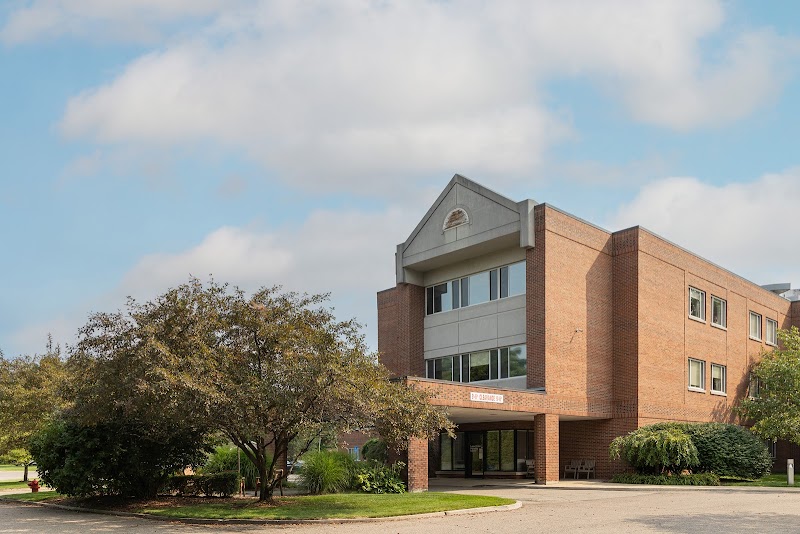
Lake Orion Nursing Center
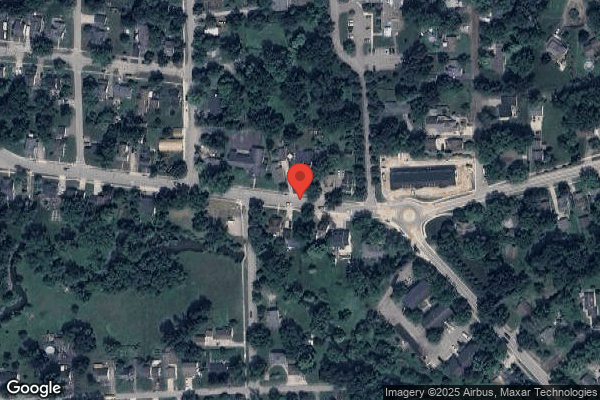

585 East Flint Street, Lake Orion, MI 48362 (248) 693-0505
Non profit - Corporation 120 Beds Independent Data: November 2025
Trust Grade
8/100
#289 of 422 in MI
Last Inspection: May 2025

Inspected within the last 6 months. Data reflects current conditions.

Overview

Lake Orion Nursing Center has received an F grade for its trust score, indicating significant concerns about the quality of care provided. It ranks #289 out of 422 facilities in Michigan, placing it in the bottom half of all nursing homes in the state, and #20 out of 43 in Oakland County, meaning only a few local options are better. The facility is currently worsening, with issues increasing from five in 2024 to nine in 2025. While staffing is a relative strength, rated at 4 out of 5 stars, the turnover rate is average at 51%. However, the facility has faced serious incidents, such as a resident being hospitalized after being allowed to leave with an unknown individual and another resident sustaining a fatal injury due to inadequate supervision, highlighting critical safety concerns.
Trust Score
F
8/100
In Michigan
#289/422
Bottom 32%
Safety Record
High Risk
Review needed
Inspections
Getting Worse
5 → 9 violations
Staff Stability
⚠ Watch
51% turnover. Above average. Higher turnover means staff may not know residents' routines.
Penalties
○ Average
$18,843 in fines. Higher than 58% of Michigan facilities. Some compliance issues.
Skilled Nurses
○ Average
Each resident gets 39 minutes of Registered Nurse (RN) attention daily — about average for Michigan. RNs are the most trained staff who monitor for health changes.
Violations
⚠ Watch
26 deficiencies on record. Higher than average. Multiple issues found across inspections.
★★☆☆☆
2.0
Overall Rating
★★★★☆
4.0
Staff Levels
★★★★☆
4.0
Care Quality
★★☆☆☆
2.0
Inspection Score
Stable
2024: 5 issues
2025: 9 issues

The Good

  • 4-Star Staffing Rating · Above-average nurse staffing levels
  • 4-Star Quality Measures · Strong clinical quality outcomes
  • Full Sprinkler Coverage · Fire safety systems throughout facility
  • No fines on record

Facility shows strength in staffing levels, quality measures, fire safety.

The Bad

2-Star Overall Rating

Below Michigan average (3.1)

Below average - review inspection findings carefully

Staff Turnover: 51%

Near Michigan avg (46%)

Higher turnover may affect care consistency

Federal Fines: $18,843

Below median ($33,413)

Minor penalties assessed

The Ugly 26 deficiencies on record

5 actual harm
Sept 2025 2 deficiencies 1 Harm
SERIOUS (G) 📢 Someone Reported This

A family member, employee, or ombudsman was alarmed enough to file a formal complaint

Actual Harm - a resident was hurt due to facility failures

Free from Abuse/Neglect (Tag F0600)

A resident was harmed · This affected 1 resident

**NOTE- TERMS IN BRACKETS HAVE BEEN EDITED TO PROTECT CONFIDENTIALITY** This citation pertains to Complaint #1337621.Based on observation, interview, and record review, the facility failed to protect ...

Read full inspector narrative →
**NOTE- TERMS IN BRACKETS HAVE BEEN EDITED TO PROTECT CONFIDENTIALITY** This citation pertains to Complaint #1337621.Based on observation, interview, and record review, the facility failed to protect the resident's right to be free from neglect for one (R801) of three residents reviewed for accidents and supervision, resulting in the resident being hospitalized for alcoholic ketosis due to alcohol ingestion and lactic acidosis due to walking in 94 degree Fahrenheit (F) temperatures after staff allowed him to go on a leave of absence (LOA) with an unknown individual without consent from the legal guardian and did not identify he had not returned for approximately 30 hours. Findings include: A review of a complaint submitted to the State Agency revealed an allegation that noted the following, .two days ago a male resident left the facility and no one knew where he was at for 1.5 days .Someone signed him out but they can't read who it was. The police were contacted. The resident was found at (hospital name) and is still there at this time .On 9/9/25 to 9/10/25, an unannounced onsite investigation was conducted.A review of R801's clinical record revealed R801 was admitted into the facility on [DATE] and readmitted on [DATE] with diagnoses that included: hemiplegia and hemiparesis following a stroke, alcohol dependence with withdrawal (as of 6/30/25), type 2 diabetes mellitus, and schizoaffective disorder bipolar type. It was indicated on R801's face sheet that he had a legal guardian. A review of R801's Minimum Data Set (MDS) assessment dated [DATE] revealed R801 had intact cognition. A review of a Letters of Guardianship form revealed R801 was appointed a legal guardian with an expiration date of 11/10/25. The letter noted, Having filed an acceptance of appointment, you have the care, custody, and control of that individual .as to the following powers and responsibilities only: MEDICAL, PHYSICAL & PLACEMENT .A review of a Physician's Statement Attesting to Decision making Capacity revealed two physicians signed the form on 10/25/24 and 11/4/24 and indicated Resident does not have the capacity to make informed medical decisions and had a legal guardian.A review of R801's hospital records revealed the following:A review of an Emergency Documentation note revealed R801 was admitted to the emergency room (ER) on 6/23/25 at 1:57 PM (21.5 hours after R801 was signed out of the facility by an unknown person saying he was going to a restaurant). The following was documented in the note, .presents to (hospital) Emergency Department (ED) via EMS (Emergency Medical Services) due to chest pain, pain all over his body, heat exposure (It was a high of 94 degrees F on 6/23/25). EMS reports they were called for chest pain and when they got to the scene the patient seemed to have been drinking and was complaining of pain all over his body. Patient does have a significant cardiac history with CABG (coronary artery bypass surgery) and MI (myocardial infarction - heart attack) .Patient reassessed numerous time throughout his ED stay. he continued to complain of chest pain and pain all over his body .troponin only mildly elevated, likely type II MI due to acidosis and dehydration. Patient was given Versed push for alcohol withdrawal and copious IV (intravenous) fluids .Lab derangements likely due to dehydration and alcohol use disorder .Due to significant lactic acidosis and need for CIWA (Clinical Institute Withdrawal Assessment of Alcohol Scale) protocol patient will be admitted to the stepdown unit for further evaluation and treatment .A History and Physical Report dated 6/23/25 that read, .presents with chest pain, generalized pain, heat exposure .He endorses prolonged heat exposure while being outside and walking as well as feeling dehydrated from multiple episodes of vomiting. Patient is concerned for alcohol withdrawal symptoms as well .admitted to stepdown unit for alcoholic ketosis (A condition that can occur when a person consumes alcohol and does not consume enough food or water to compensate for the alcohol intake and lactic acidosis/a buildup of lactic acid in your bloodstream when your body produces too much lactic acid and/or cannot metabolize the lactic acid it produces) .2/2 (secondary to) starvation and heat exposure .A review of a Consultation Note from the hospital dated 6/24/25 at 2:16 AM revealed, .complaining of chest pain, pain all over his body, heat exposure. He is having difficulty answering questions. Endorses having multiple episodes of emesis (vomiting) today after being outside and walking. He indicates he had 3 beers today. He is requesting medication for alcohol withdrawal .On 9/9/25 at 12:01 PM, an interview was conducted with Unit Clerk 'A'. When queried about the procedures when a resident went on a LOA, Unit Clerk 'A' reported there was a log book that the resident signed out in. If the residents sign themselves out, a contact number was requested. If someone else signed the resident out and they were not recognized, they ask who they are and request a contact number. When queried about the process when a resident had a legal guardian, Unit Clerk 'A' reported residents with legal guardians were permitted to leave with the guardian or others approved by the guardian. Unit Clerk 'A' reported any restrictions on who a resident was permitted to leave with would be indicated on the face sheet.On 9/9/25 at 12:50 PM, R801 was observed seated on the side of the bed. R801 was pleasant and able to participate in an interview. When queried about his hospitalization in June 2025, R801 said a buddy named (R801's friend's name) came to the facility to pick him up, he went to the person's house in (a local city approximately 10 to 12 miles away from the facility). R801 explained he was left with no ride back to the facility, walked to a store, realized it was very hot outside, tried walking back to his friend's house to see if he could get a ride, but got overheated and passed out on the street. According to R801, a bystander saw him and called an ambulance, and he was taken to the hospital. When queried about whether the staff knew that he left the facility, R801 reported his friend arrived at the facility and said he got me a ride so I went with him. We had to go back upstairs, and the nurse told him to sign me out. R801 reported he had a legal guardian and a brother that he was in contact with. R801 did not reveal any additional information. A review of a Release of Responsibility for Leave of Absence form that noted, Authorization must be signed by the patient or by the nearest relative when a patient is physically or mentally incompetent. An entry dated 6/22/25 at 4:30 PM revealed R801 was signed out by an unknown person (signature was illegible). The address and phone number of the destination was only the name of a restaurant with no address or phone number.A review of a progress note dated 6/23/25 at 9:19 PM, written by Registered Nurse (RN) 'B', noted, 2 North nurse assigned to work the 2nd shift informed the other supervisor part that resident (R801) hasn't returned from going on LOA yesterday .preceded to start trying to get in contact with residents family and guardian .the DON (Director of Nursing) and another arrived and preceded to contact the police and gave report regarding the resident being missing since yesterday .Further review of R801's progress notes revealed the following Nursing notes entered as late entries:On 6/22/25 at 7:30 PM (Recorded as a late entry on 6/23/25 at 9:11 PM), Licensed Practical Nurse (LPN) 'C' wrote a note that read, Oncoming nurse was notified about resident going out to (restaurant name).On 6/22/25 at 9:05 PM (Recorded as a late entry on 6/23/25 at 9:09 PM), LPN 'C' wrote a note that read, Resident left to go out to (restaurant name). Resident was signed out in sign out book at the nurses station.On 6/23/25 at 6:35 AM (Recorded as a late entry on 6/23/25 at 8:37 PM), LPN 'D' wrote a note that read, Received report from dayshift Nurse that resident was on LOA with family. Resident did not return to facility during shift. It should be noted that nurses worked 12 hour shifts at the facility. A review of nursing staff assignment sheets for 6/22/25 and 6/23/25 revealed LPN 'E' was R801's assigned nurse on the first shift (7:00 AM to 7:00 PM) on 6/23/25. There were no progress notes regarding R801 not yet returning to the facility during that shift. A review of a progress note dated 6/24/25 at 2:14 AM revealed a police officer returned to the facility and reported R801 was admitted into the hospital.A review of a progress note dated 6/24/25 at 11:18 AM revealed a note written by LPN 'E' that read, Resident's brother called and informed writer that no one besides himself .his brother (name redacted), or his guardian should be able to pick resident up saying 'Anyone else who comes to take him is up to no good'.On 9/9/25 at 1:05 PM, a telephone interview was conducted with LPN 'C', who was assigned to R801 on first shift on 6/22/25. When queried about R801's LOA, LPN 'C' reported R801 was alert and oriented and had been leaving the facility with unknown people in the past. On 6/22/25, LPN 'C' explained R801 asked to leave so she told him to go see the receptionist and sign out before leaving. R801 came back to the unit and LPN 'C' stated, I was really busy so I just told the person to sign him out. LPN 'C' reported it was around 4:30 PM when R801 left the building and the person who picked him up said they were going to a restaurant. LPN 'C' reported she had not recognized the person, but because she knew he had gone out before and she was very busy, she just asked him to sign R801 out before leaving. LPN 'C' further reported she was unaware of any facility policy at that time and did not know she should have also obtained a contact number of the person who picked R801 up and did not ask when he would be expected back. When queried about whether R801's legal guardian permitted R801 to go out with unknown individuals, LPN 'C' said at the time she was not aware of a LOA policy so she did not contact the guardian. LPN 'C' reported R801 did not return before she left from her shift around 7:00 PM so she notified the incoming nurse that R801 was on LOA and had not returned yet. On 9/9/25 at 2:00 PM, a telephone interview was conducted with LPN 'B' who was the second shift (7:00 PM to 7:00 AM) nurse supervisor on 6/23/25. When queried about what happened with R801, LPN 'B' reported a nurse came to them and another nurse supervisor and said she could not find R801. LPN 'B' reported they looked around the whole facility and could not find him. They looked in the LOA logbook and saw that there was something in the log from the previous day at 4:30 PM, but could not read the signature of who signed him out. LPN 'B' explained it was not reported to second shift that R801 was on LOA or that he was not in the building. LPN 'B' further reported it was discovered R801 was admitted to the hospital. When queried about R801 and whether he was safe to be out on LOA with an unknown individual, LPN 'B' stated, All I will say is that he is very lucky! LPN 'B' reported it was known that at least one other time R801 went on LOA with a friend. LPN 'B' reported they felt R801 required more supervision related to going on LOA and did not feel it was in his best interest for unknown friends to pick him up. LPN 'B' said he contacted R801's legal guardian but she did not answer. A review of an investigation conducted by the facility revealed the following:A Quality Improvement Communication and Education Documentation .Staff Education/In-Service Documentation form for LPN 'C' indicated they were in-serviced on LOA Documentation and Assessment. The form noted, It is imperative that nurses document the activity of our residents. In the case of a LOA the documentation must include who the resident is leaving with, where, and when do we expect the residents return. The nurse must also assess if the person can leave with the party. Does the resident have a legal guardian? Does the guardian give their permission for the LOA? The form was signed by LPN 'C' and LPN 'B' (nurse supervisor) on 6/23/25.A copy of an e-mail sent to the DON by LPN 'D' on 6/23/25 documented, Received report from dayshift Nurse that resident (R801) was on LOA with family. Resident did not return to facility during shift.A handwritten statement by LPN 'E' on 6/24/25 documented, I was told that he was not here, family took him out and he hasn't come back yet. The report sheet said LOA. I didn't write a note because I was told he was gone with family. I assumed the nurse whose shift he left on would have reported/made a note about it. I've never wrote a progress note about someone who was already gone with family before I arrived.An In Service document regarding LOA documented, It is imperative that nurses document the activity of our residents. In the case of LOA, the documentation must include: Resident name and room number .Who the resident is leaving with (The name on the log must be legible and with a WORKING phone number) .Where is the resident going and when do we expect them to return .Dose <sic< the resident have a legal guardian? If so, did the guardian give permission? .There must be a doctor's order if the LOA is overnight to leave the facility .Documentation should be in the logbook at the nurses station and a progress note should be written. LOA need to be reported to the oncoming shift and nurses need to notify supervisors if the resident has not returned at the expected time.On 9/9/25 at 3:37 PM, an interview was conducted with the DON, who was the person the Administrator said conducted the investigation into R801's extended LOA. When queried about the facility's protocol for residents going on LOA, the DON reported there should be a doctor's order that says they are allowed to go out. The resident should alert the nurse if they wanted to go on LOA and the nurse should have the resident or the person signing them out sign the log with their name, a contact number for the person taking them out, where they were going, and the time they were expected back. When queried about how the nurses would know who the residents were permitted to leave with if they had a legal guardian who made decisions for them, the DON reported they would not know unless they contacted the guardian or if something was flagged in the medical record. The DON said if a resident had a legal guardian, the nurse needed to obtain consent prior to allowing the resident to leave. When queried about what staff should do if the resident did not return to the facility, the DON reported they should call the resident, the family, the guardian if they were not back by midnight.At that time, the DON was queried about the investigation into R801's LOA. The DON reported she received a call from one of the nurses around 11:00 PM on Monday night (6/23/25) and they said R801 had not returned from LOA since Sunday afternoon, 6/22/25. The DON asked if R801 was signed out on the LOA log and they said he was signed out in the afternoon on 6/22/25, but it was unknown who signed him out. They started calling family and the guardian and neither picked up the phone. They tried to call the resident and he did not answer. The DON explained the police were called to report R801 as a missing person. The DON contacted the nurse who worked on 6/22/25 when R801 left the building on LOA (LPN 'C') and asked her who he left with and when was he expected to return and she did not know and notified the nurse on the second shift that he had not yet returned from LOA. The DON said she called the second shift nurse (LPN 'D') from 6/22/25 and she said LPN 'C' told her he was on LOA, but she did not do anything further on her shift (from 7:00 PM to 7:00 AM) to check to see where the resident was. The DON said she called the first shift nurse from 6/23/25 (LPN 'E') and she told her she did not see R801 during her shift and did not notify anyone. The DON reported both LPN 'D' and LPN 'E' who were contracted through a staffing agency were no longer scheduled to work at the facility because they did not continue to check for R801's return or notify anyone when he had not returned. When queried about whether she interviewed the resident to determine where he had gone and what happened, the DON stated, No. I just left him alone. When queried about what the legal guardian's response was and what additional interventions were put in place for R801 were, the DON said the legal guardian did not call back. When queried about whether any attempts were made other than the night when LPN 'B' realized he had not returned, the DON did not know and said that guardian was difficult to get a hold of. When queried about whether the guardian was unable to be contacted for almost three months, the DON did not offer a response. The DON said no additional interventions were put in place for R801 and there was nothing in place to prevent him from leaving with an unknown person again, other than staff were educated in general on the LOA policy and the form in the logbook were updated to get a contact number. When queried about whether R801 could leave with the unknown person he left with before, the DON stated, Technically he can.A review of R801's Physician's Orders revealed an order since 4/16/25 that noted, MAY LEAVE ON FACILITY SPONSORED TRIPS IF DEEMED MEDICALLY STABLE. There were no other orders regarding LOA. On 9/9/25 at 4:14 PM, an interview was conducted with Social Worker (SW) 'G'. When queried about R801's legal guardian and whether she was able to get in contact with her, SW 'G' said sometimes, but is not too bad to work with. SW 'G' reported she last talked to her a few weeks ago but never discussed anything regarding LOA with her. On 9/10/25 at 9:36 AM, a telephone interview was attempted with LPN 'D'. LPN 'D' was not available for interview prior to the end of the survey.On 9/10/25 at 9:37 AM, a telephone interview was conducted with R801's legal guardian. When queried about R801's LOA and hospitalization in June 2025, the legal guardian said nobody called her and she was unaware that he went on LOA or was in the hospital. The legal guardian explained that anyone other than his brothers would require getting consent from her before allowing R801 to leave the facility. On 9/10/25 at 9:48 AM, an interview was conducted with R801's brother. R801's brother was aware of R801's hospitalization and when asked if he knew what happened said R801 had a bunch of friends in (city name) and if he was with them they will not be doing anything good. R801's brother said the friends find out R801 has some money and they will pick him up and take him out. He said, Nothing good will ever come of it, if he goes with those friends. R801's brother said he let a nurse at the facility know R801 should only go out with him, his other brother, or the guardian.On 9/10/25 at 1:45 PM, an interview was conducted with the Administrator. The Administrator reported it was her first week working in the facility when the incident with R801's LOA occurred. The Administrator reported the DON was responsible to do the investigation. When queried about why no additional interventions were put in place for R801 after he went on LOA with an unknown person and did not come back to the facility and ended up in the stepdown unit at the hospital, the Administrator reported R801 did not have limitations on who he could go out with. When queried about any discussions with the legal guardian about LOAs since R801 returned to the facility on 6/30/25, the Administrator reported the guardian did not call back. When queried about any monitoring that was put in place to ensure the staff followed the policy they were educated on and what was done to ensure other residents did not experience the same type of incident, the Administrator said the staff were educated and that was it. The Administrator said R801 still goes out all the time. A review of a facility policy titled Signing Out Residents, revised 3/15/14, revealed, in part, the following, Each resident leaving the premises must be signed out .If necessary, medications that must be administered while the resident is out will be given to the resident or the person signing the resident out .Restrictions noted on the resident's chart concerning who may not sign the resident out must be honored. Such restrictions may only be placed on the medical record of each resident declared 'medically incapable' by his or her attending physician, and will be designated by the resident's legal representative .Residents must be signed in by a nurse upon return to the facility .
CONCERN (D) 📢 Someone Reported This

A family member, employee, or ombudsman was alarmed enough to file a formal complaint

Potential for Harm - no one hurt, but risky conditions existed

Deficiency F0740 (Tag F0740)

Could have caused harm · This affected 1 resident

**NOTE- TERMS IN BRACKETS HAVE BEEN EDITED TO PROTECT CONFIDENTIALITY** This citation pertains to Complaint #1337621.Based on interview and record review, the facility failed to ensure a resident with...

Read full inspector narrative →
**NOTE- TERMS IN BRACKETS HAVE BEEN EDITED TO PROTECT CONFIDENTIALITY** This citation pertains to Complaint #1337621.Based on interview and record review, the facility failed to ensure a resident with a substance abuse disorder was assessed and interventions put in place for one (R801) of one resident reviewed for behavioral health services, after it was discovered he went on a leave of absence (LOA), consumed alcohol, and was treated for alcoholic ketosis and withdrawal in the hospital. Findings include: A review of a complaint submitted to the State Agency revealed an allegation that noted the following, .two days ago a male resident left the facility and no one knew where he was at for 1.5 days .The resident was found at (hospital name) .On 9/9/25 to 9/10/25, an unannounced onsite investigation was conducted.A review of R801's clinical record revealed R801 was admitted into the facility on [DATE] and readmitted on [DATE] with diagnoses that included: alcohol dependence with withdrawal (as of 6/30/25). It was indicated on R801's face sheet that he had a legal guardian. A review of R801's Minimum Data Set (MDS) assessment dated [DATE] revealed R801 had intact cognition. A review of a Letters of Guardianship form revealed R801 was appointed a legal guardian with an expiration date of 11/10/25. The letter noted, Having filed an acceptance of appointment, you have the care, custody, and control of that individual .as to the following powers and responsibilities only: MEDICAL, PHYSICAL & PLACEMENT .A review of a Physician's Statement Attesting to Decision making Capacity revealed two physicians signed the form on 10/25/24 and 11/4/24 and indicated Resident does not have the capacity to make informed medical decisions and had a legal guardian.A review of R801's hospital records revealed the following:A review of an Emergency Documentation note revealed R801 was admitted to the emergency room (ER) on 6/23/25 at 1:57 PM (21.5 hours after R801 was signed out of the facility by an unknown person saying he was going to a restaurant). The following was documented in the note, .presents to (hospital) Emergency Department (ED) via EMS (Emergency Medical Services) due to chest pain, pain all over his body, heat exposure (It was a high of 94 degrees F on 6/23/25). EMS reports they were called for chest pain and when they got to the scene the patient seemed to have been drinking and was complaining of pain all over his body .Patient reassessed numerous times throughout his ED stay .Patient was given Versed push for alcohol withdrawal and copious IV (intravenous) fluids .Lab derangements likely due to dehydration and alcohol use disorder .Due to significant lactic acidosis and need for CIWA (Clinical Institute Withdrawal Assessment of Alcohol Scale) protocol patient will be admitted to the stepdown unit for further evaluation and treatment .A History and Physical Report dated 6/23/25 that read, .presents with chest pain, generalized pain, heat exposure .He endorses prolonged heat exposure while being outside and walking as well as feeling dehydrated from multiple episodes of vomiting. Patient is concerned for alcohol withdrawal symptoms as well .admitted to stepdown unit for alcoholic ketosis (A condition that can occur when a person consumes alcohol and does not consume enough food or water to compensate for the alcohol intake and lactic acidosis (a buildup of lactic acid in your bloodstream when your body produces too much lactic acid and/or cannot metabolize the lactic acid it produces) .2/2 (secondary to) starvation and heat exposure .A review of a Consultation Note from the hospital dated 6/24/25 at 2:16 AM revealed, .complaining of chest pain, pain all over his body, heat exposure. He is having difficulty answering questions. Endorses having multiple episodes of emesis (vomiting) today after being outside and walking. He indicates he had 3 beers today. He is requesting medication for alcohol withdrawal .A review of R801's Psychiatry Follow Up note dated 6/19/25, completed by the contracted behavioral health provider revealed, 5/8/25 History of ETOH (alcohol) abuse. Patient currently does not drink alcohol.A review of a Psychiatry Follow Up note dated 8/7/25 (after R801's hospitalization mentioned above) revealed, .Patient was readmitted from (hospital name) on 6/30/25 with diagnosis of alcoholic ketosis .History of alcohol abuse. Patient currently does not drink alcohol. (It should be noted that it was documented in the hospital record that R801 had consumed alcohol which contributed to his admission into the hospital. A review of a History and Physical dated 7/2/25, written by Physician 'G' revealed, .Patient was concern for alcohol withdrawal symptoms as well .When I asked the patient if he was drinking alcohol while is was on his trip outside he denied it in spite of the hospital record showed elevated alcohol level .Diagnosis and Assessment .Alcohol withdrawal syndrome with complication .Treated in the hospital .Lactic acidosis .Due to alcohol intoxication .Alcohol use disorder .Counseled the patient about alcohol use especially while taking narcotics and being diabetic .A review of R801's social services progress notes revealed no documented discussion regarding R801's alcohol abuse disorder.A review of R801's care plans revealed no care plan to address R801 having a substance use disorder (alcohol). On 9/9/25 at 4:14 PM, an interview was conducted with Social Worker (SW) 'F'. When queried about R801 having an alcohol abuse disorder and what interventions were in place to address it, SW 'F' confirmed there was no care plan in place. On 9/10/25 at 1:45 PM, an interview was conducted with the Administrator. When queried about whether R801 should have interventions in place to address R801 having an alcohol abuse disorder, the Administrator reported there should be a care plan in place. A facility policy was requested regarding residents with substance abuse disorders. A policy was not provided prior to the end of the survey.
Jun 2025 1 deficiency 1 Harm
SERIOUS (G) 📢 Someone Reported This

A family member, employee, or ombudsman was alarmed enough to file a formal complaint

Actual Harm - a resident was hurt due to facility failures

Accident Prevention (Tag F0689)

A resident was harmed · This affected 1 resident

**NOTE- TERMS IN BRACKETS HAVE BEEN EDITED TO PROTECT CONFIDENTIALITY** This citation pertains to Intake Number(s): MI00153580. Based on interview and record review, the facility failed to provide sup...

Read full inspector narrative →
**NOTE- TERMS IN BRACKETS HAVE BEEN EDITED TO PROTECT CONFIDENTIALITY** This citation pertains to Intake Number(s): MI00153580. Based on interview and record review, the facility failed to provide supervision according to the individualized plan of care for one (R801) of three residents reviewed for falls, resulting in an acute intertrochanteric fracture of the left femur (hip) and an acute subdural hematoma (bleeding between the brain and the skull that ultimately resulted in the resident's death after R801 was left unsupervised on the toilet and sustained a fall. Findings include: A review of R801's hospital records revealed the following: A Discharge summary dated [DATE] documented, Discharge Final Diagnosis: Subdural hematoma .(R801) .presented to hospital on [DATE] s/p (status post) unwitnessed fall at her assisted living facility (nursing home). Pt (patient) unresponsive on arrival and not protecting her airway. Pt intubated in the ED (Emergency Department) and taken for CT (Computed Tomography) imaging. Imaging showed acute subdural hematoma measuring 3.6 cm (centimeters) with mass effect, 2.8 cm midline shift, and subfalcine and uncal herniation (a critical condition where accumulating blood compresses and displaces the brain structure causing herniation). Extensive discussion had with family regarding goals of care and comfort measures elected. Pt compassionately extubated on [DATE]. Patient condition continued to decline after extubation. (R801) died on [DATE] at 9:39 . (It should be noted that R801 died on [DATE] at 9:39 per the discharge summary date). A H&P (history and physical) Trauma note documented R801 had a CT of the chest/abdomen/pelvis on [DATE] which revealed an acute intertrochanteric fracture of the left femur and that R801 was unresponsive on evaluation, absent brainstem reflexes. On [DATE], an unannounced, onsite investigation was conducted. A review of R801's clinical record revealed R801 was admitted into the facility on [DATE] and discharged to the hospital on [DATE] with diagnoses that included: hypovolemic shock (a condition caused by severe loss of blood of fluids), dementia with behavioral disturbances, and psychotic disorder. A review of a Minimum Data Set (MDS) assessment dated [DATE] revealed R801 had intact cognition, no behaviors, required supervision or touching assistance for toilet transfers, and did not have any falls during the assessment period. A review of R801's progress notes from 3/2025 through 5/2025 revealed the following: On [DATE] R801 was observed on the floor on the right side of her bed. R801 reported she slipped while sitting up on the side of her bed and then reaching for her shoes to put on to prepare for a shower. On [DATE], R801 was observed sitting on the floor mat next to the bed. R801 reported she was trying to reach the wash basin and the wheelchair and slid off the bed. R801 was encouraged to use the call light for assistance. On [DATE], R801 was observed on the floor. R801 reported she leaned forward to reach for the wheelchair that was placed by the window. It was documented R801 attempted to self transfer to wheelchair, was a 1 person assist for transfers, but had poor safety awareness and often attempted to transfer independently. It was documented R801's call light was activated at the time of the fall, but R801 did not wait for assistance. On [DATE] at 5:00 AM, R801 was observed on the floor in her room. R801 said she wanted to get to the bathroom and said she did not fall, but sat on the floor mat to prevent herself from falling. The call light was within reach and activated, but R801 did not wait for help. R801 was encouraged to use the call light for assistance. On [DATE] at 2:50 PM, R801 was observed on the floor a second time and said she was trying to go to the bathroom and fell and hit her head on the floor. R801 had a hematoma on the left side of her forehead and was transferred to the hospital in accordance with the physician's orders. R801 returned to the facility at 10:26 PM the same day. On [DATE] at 11:35 PM, R801 was observed on the floor a third time, approximately one hour after returning to the facility from the hospital. R801 reported she did not know what happened and safety checks every hour were implemented for the next 24 hours. On [DATE] at 1:50 AM, R801 was observed on the floor for the fourth time within less than 24 hours. R801 reported she was trying to get cream to put on herself. However the Certified Nursing Assistant (CNA) had already put the cream on a few minutes ago. On [DATE] at 9:30 AM, R801 was observed on the floor by the nurse's station with her wheelchair in front of her. R801 was referred for physical therapy. On [DATE] at 11:15 AM. R801 was observed attempting to self transfer from bed and was placed on one to one supervision. At 11:22 PM, while at the nurse's station, R801 told the nurse she saw a gorilla in her room who almost hit her in the head. At 4:25 PM, R801 was observed on the toilet in her room. R801 reported she transferred herself from the bed to the wheelchair and to the toilet and said she forgot to activate the call light. It was documented that the CNA waited with R801 until she was finished using the toilet and then provided assistance. On [DATE] at 10:13 AM, R801 was observed in her wheelchair. R801 reported she transferred herself and took herself to the bathroom and reported she forgot to use the call light. It was noted R801 refused to wear non-slip socks. On [DATE], R801 took herself to the bathroom and the nurse reminded her to use the call light. R801 said she did not have time to wait. A review of a progress note dated [DATE] at 2:41 PM documented as a late entry (on [DATE] at 8:33 AM) by Licensed Practical Nurse (LPN) 'A' revealed, Writer called in room by 2N (2 North Unit) nurse stating that resident (R801) was on the floor in the bathroom. Writer went in to assess resident and observed resident positioned on laying on her back positioned between wall and toilet. Resident assessed and noted to have left temple with large hematoma and c/o (complained of) pain to her L (left) hip. Resident was assisted back to bed via 2 person manual lift .NP (Nurse Practitioner) present at facility and called to assess. Orders were placed for STAT (right away) X-ray to left hip .Neuro checks initiated . A review of a progress note dated [DATE] at 3:03 PM documented by LPN 'D' revealed, Writer called room for reports of resident on floor in bathroom. Res (resident) positioned on buttocks leaning backwards against toilet seat, positioned between wall and toilet. left temple with large hematoma. Reports pain to left him. Pain with attempts to perform ROM (range of motion). Resident was assisted back to bed via 2 person manual lift .NP present at facility and called to assess .Resident reports that she had been seated on toilet and had 'tried to get my wheelchair' and 'slipped off' toilet. CNA assigned to resident was in 2 [NAME] hallway where a majority of residents are assigned, providing care. Was unaware that resident was on the toilet . A review of a progress note dated [DATE] at 4:35 PM documented by LPN 'D' revealed, Writer called room for reports of res (resident) lethargic. Observed in bed, not responding to verbal or tactile stimuli. Diaphoretic (excessive sweating). BP (blood pressure) 200/88. 911 called and notified need to transfer to (hospital) . A review of an investigation conducted by the facility revealed the following: An Investigation Summary that was also submitted to the State Agency (SA) noted, On the afternoon of [DATE], (R801) was placed on toilet by assigned nurse, (LPN 'A'). Resident was within reach of call light, and able to utilize. (LPN 'A') reported that she had exited room to request that CNA assist with toileting. A short time later it was reported that light was observed to be turned on. Nursing, upon entering room observed (R801) on the floor in the bathroom; nurse proceeded to request assistance of additional nursing staff to assist with assessment and transfer. Three nurses entered room; (LPN 'A'), (LPN 'B') and (LPN 'D'). At that time (R801) was yelling out, in discomfort, holding left hip/sacrum area, reporting pain to area. (NP 'E') was at desk and was notified of concerns with left hip pain and likelihood of fracture, prior to attempting anticipated transfer to bed. Verbal orders obtained to perform STAT X-ray to area .Upon assessment a large hematoma was noted to be developing to left forehead/temple. (R801) reported to have been insisting she 'didn't hit my head'. Nurse Practitioner was then called in to assess the injury .ordered Neuro checks per facility policy for head injuries. Nurses continued neuro checks as ordered, although later in afternoon, during an assessment it was noted that (R801) became unresponsive; pupils dilated. 911 was called and sent to hospital. Later determined that resident had sustained a hip fracture and a subdural hematoma; it was reported by hospital that resident had been vented and then placed on comfort care, and passed away .Written statements of involved parties were taken, cameras were surveyed at time of incident. Residents fall interventions were reviewed. Fall care plan in place and approaches were appropriate. It was noted that (R801) was a Falling Star (a facility program for residents at high risk for falls) due to having sustained a recent increase in impulsive behavior and fall trend in weeks leading up to incident; Part of Falling Star policy involved not leaving a resident unattended on toilet. (LPN 'A') insisted that she had observed (CNA 'C') in hallway and asked her to assist with care of resident. (LPN 'A') reported that she would have remained with resident if she had felt that (CNA 'C') was not going to perform delegated task. Management, during watching the cameras noted that interaction with (CNA 'C'), was not observed to have transpired. Bathroom light was seen for 8 minutes before staff entered room, at which time (R801) has sustained the reported fall .Upon investigation, it was determined involved staff were aware of the facility's star protocol and that (R801) was determined to be a falling star. As a result of this investigation (LPN 'A')'s contract with (facility name) was terminated. (CNA 'C') .was also terminated . A review of R801's care plans revealed the following: A Cognitive Loss/Dementia care plan initiated on [DATE] that read, Resident has a memory/recall problem r/t (related to) dementia. A Falls care plan initiated on [DATE] and edited on [DATE] that read, Resident at risk for falling r/t decreased mobility, keeps door closed for privacy causing staff difficulty visualizing attempts to self transfer; takes medications that can cause falls; falls hx (history); debility from recent hospital stay. The care plan noted multiple interventions initiated on [DATE] (after R801 had five falls within 24 hours between [DATE] and [DATE]) that included: Falling star protocol. A review of the facility's policy and procedure for Falling Star Protocol revealed, in part, the following, Purpose .To identify residents who are at high risk for falls and provide visual awareness to all employees at (facility), so that they can participate as a team in an effort to prevent falls from occurring and reduce the risk for injury. All staff are educated on the falling star program .Procedure .Staff must remain in attendance of resident while toileting, either in the bathroom with the resident or just outside the door . Further review of R801's clinical record revealed Physician's Statement Attesting to Decision Making Capacity forms from [DATE] and [DATE] that indicated R801 does not have the capacity for make informed medical decisions. A review of the camera footage from outside of R801's room on [DATE] between 1:26 PM and 2:32 PM revealed R801's call light was activated at 1:26 PM. At 1:37 PM, LPN 'A' entered R801's room and exited at 1:40 PM. At 1:43 PM, R801's bathroom call light was activated. At 1:48 PM, CNA 'C' walked by R801's room, looked at call light, and did not enter. At 1:50 PM, CNA 'C' walked by R801's room and did not answer the call light or enter the room. R801's call light is no longer lit up at 1:51 PM, but nobody was observed to enter the room. At that time, it was explained by the Director of Nursing (DON) that R801 might have turned the call light off herself. At 1:55 PM, LPN 'B' entered R801's room and exited again. LPN 'B' reentered R801's room at 1:56 PM, followed by LPN 'D' and LPN 'A'. Several other staff members were observed to enter the room, including CNA 'C'. NP 'E' entered R801's room at 2:11 PM. On [DATE] at 11:33 AM, an interview was attempted with LPN 'A' via the telephone. A message was left, but LPN 'A' was not available for interview prior to the end of the survey. On [DATE] at 12:18 PM, an interview was attempted with LPN 'B' via the telephone. LPN 'B' was not available for interview prior to the end of the survey. On [DATE] at 12:22 PM, an interview was conducted with CNA 'C' via the telephone. When queried about what occurred with R801 on [DATE], CNA 'C' reported she was not assigned to R801 that day but was assigned to that hallway. R801's assigned CNA had to work on another hallway as well. CNA 'C' reported she did not witness R801's fall or provide any care to the resident. CNA 'C' recalled seeing R801's call light, but was the only person on the hall at the time and there were other call lights going off so she tried to find someone else to help answer it. CNA 'C' reported at some point the call light was no longer activated and she went into another resident's room. When she came out of the other resident's room, someone told her R801 had fallen. When queried about whether anyone asked her to assist R801 in the bathroom, CNA 'C' reported nobody asked her to assist and it was her understanding someone left R801 in the bathroom. CNA 'C' reported she had been assigned to R801 in the past and she was usually mentally aware and often self transferred, but after a recent hospitalization R801's mental status seemed altered and explained the resident became more anxious and fixated on medical issues and other things. On [DATE] at 2:17 PM, an interview with the DON was conducted. When queried about R801's fall and what the conclusion of the facility's investigation was, the DON reported R801 was a frequent faller and that her cognition teeters. The DON reported LPN 'A' explained to her that she entered R801's room to answer the call light and assisted her onto the toilet. LPN 'A' left the room and explained to the DON that CNA 'C' was outside of the room and she told CNA 'C' to look for R801's call light and when it was activated to help her off the toilet. The DON reported when the facility reviewed the camera footage, LPN 'A' was observed leaving the room and CNA 'C' was not outside of the room and LPN 'A' was not observed talking to CNA 'C'. The DON reported LPN 'A' should have stayed in R801's room until she was done using the toilet. The DON further explained that all staff should answer resident's call lights regardless if they were assigned to that resident, especially when it was blinking which indicated they activated the call light in the bathroom.
May 2025 4 deficiencies
CONCERN (D)

Potential for Harm - no one hurt, but risky conditions existed

Comprehensive Care Plan (Tag F0656)

Could have caused harm · This affected 1 resident

**NOTE- TERMS IN BRACKETS HAVE BEEN EDITED TO PROTECT CONFIDENTIALITY** Based on observation, interview and record review, the facility failed to develop comprehensive care plans per residents' assess...

Read full inspector narrative →
**NOTE- TERMS IN BRACKETS HAVE BEEN EDITED TO PROTECT CONFIDENTIALITY** Based on observation, interview and record review, the facility failed to develop comprehensive care plans per residents' assessed needs for two (R72 and R31) of 18 residents reviewed for care planning. Findings include: R72: On 4/29/25 at 10:18 AM, a housekeeper was observed talking to R72 about the bathroom towel bar being ripped off the bathroom wall from a fall the resident had the night before. On 4/29/25 at 10:31 AM, R72 was observed lying in bed with their feet propped up on a wheelchair placed next to the bed. There was a large, white, undated bandage to their left elbow. When asked how they were doing, R72 reported they were doing good and was almost ready to go home but had a bad fall in the bathroom and hit their left elbow and cut it and hit their head. They reported their head was not too bad, but their elbow was the worst. The resident further reported they should've been wearing their grippy socks, they were barefoot and knew better. When asked about the bar if that was broken from the fall, they thought it did but they couldn't remember exactly where/how they fell - they just recall saying 'oh sh** ' and falling down quickly. Resident currently wearing yellow grippy socks. R72 also reported they had ongoing pain with their right shoulder which was the main focus with therapy. On 4/30/25 at 8:46 AM, R72 had the same undated bandage to their left elbow. When asked if they were having any pain or changes in their pain since the fall, R72 reported their pain level was about a seven or eight out of ten (using a 0-10 pain scale, with 10 being the most severe pain level) . They also reported visual hallucinations and thought they saw a [NAME] in the hallway on the floor and it turned out it was a potato chip. They reported they had visual hallucinations prior to coming to the facility that started with the first fall prior to admission. Review of the clinical record revealed R72 was admitted into the facility on 4/3/25 with diagnoses that included: type 2 diabetes mellitus without complications, depression, syncope and collapse, unspecified fall, and pain in right shoulder. According to the Minimum Data Set (MDS) assessment dated [DATE], R72 scored 11/15 on the Brief Interview for Mental Status Exam (BIMS) which indicated moderately impaired cognition, received scheduled and prn (as needed) pain medication, the pain assessment interview confirmed pain presence and for how much of the time have you experienced pain or hurting over the last 5 days? was marked 3. Frequently, the pain intensity numeric rating scale (00-10) asked the resident: Please rate your worst pain over the last 5 days on a zero to ten scale, with zero being no pain and ten as the worst pain you can imagine. this was marked as 08. The section for falls noted fall in the last month prior to admission yes, fall any time in the last 2-6 months prior to admission yes, any falls since admission - no. Review of the care plans revealed there were none initiated for fall risk, diabetes, pain, or skin condition. The baseline care plan mentioned the resident will be free from falls. On 4/30/25 at 8:55 AM, an interview was conducted with Nurse Supervisor (Nurse 'A'). When asked who was responsible for initiating care plans Nurse 'A' reported they thought restorative started them, but also thought the MDS Nurse did as well and further reported they didn't do the care plans. On 4/30/25 at 1:05 PM, an interview was conducted with the Director of Nursing (DON). When asked who was responsible for completing care plans, especially for residents at risk for falls, skin concerns, and pain, the DON reported the MDS Nurse was responsible for that. They acknowledged R72 did not have these care plans and further reported they would have to revisit their facility's practices so that care plans were implemented timely and addressed specific care needs. On 4/30/25 at 2:14 PM, the facility was requested to speak with the MDS Coordinator and the Administrator reported the previous MDS Coordinator's last day was 4/18/25 and they were using a consultant as they looked for a new one. R31 On 4/29/25 at 10:36 AM, R31 was observed sitting in a wheelchair in his room with no oxygen on. An oxygen tank was attached to the back of R31's wheelchair and the oxygen tubing was coiled up and in a canvas bag hanging from the handle of the wheelchair. An oxygen concentrator was observed in R31's room with the oxygen tubing coiled around it. Review of the clinical record revealed R31 was admitted into the facility on 9/8/23 and readmitted [DATE] with diagnoses that included: acute respiratory failure with hypoxia (low level of oxygen in body tissues), pulmonary fibrosis and anemia. According to the Minimum Data Set (MDS) assessment dated [DATE], R31 had moderately impaired cognition, and was on continuous oxygen therapy. Review of R31's physician orders revealed an active order for, OXYGEN 2_L (liters)/NASAL CANNULA CONTINUOUS. Every Shift Day, Night. Review of R31's care plans revealed there were none initiated for oxygen therapy. On 5/1/25 at 10:47 AM, Registered Nurse (RN) D was interviewed and asked about R31's oxygen that was not on. RN D explained R31 usually refused his oxygen. On 5/1/25 at 11:20 AM, the DON was interviewed and asked if R31 should have a care plan for oxygen therapy. The DON explained that yes, R31 should have a care plan for oxygen therapy. When asked if R31's refusals to wear oxygen should also be care planned, the DON said, Yes. According to the facility's POLICY AND PROCEDURE FOR CARE PLANS dated 4/28/25: .The following steps will be implemented in developing comprehensive care plans for the residents to ensure that their ADL, cognitive, communication, psychosocial, mood, activity and health condition needs are adequately being met .Identify problems or needs or etiologies - specific statements that list anything that causes concern to the resident .Problem/need statements refer to anything of concern to the resident .Evaluation and reassessment will determine whether the goal has been met .All care plans will be re-evaluated as outlined in the MDS Process Policy . '
CONCERN (D)

Potential for Harm - no one hurt, but risky conditions existed

Quality of Care (Tag F0684)

Could have caused harm · This affected 1 resident

**NOTE- TERMS IN BRACKETS HAVE BEEN EDITED TO PROTECT CONFIDENTIALITY** Based on observation, interview and record review, the facility failed to ensure a resident's physician ordered treatment was da...

Read full inspector narrative →
**NOTE- TERMS IN BRACKETS HAVE BEEN EDITED TO PROTECT CONFIDENTIALITY** Based on observation, interview and record review, the facility failed to ensure a resident's physician ordered treatment was dated and timely provided for one (R23) of two residents reviewed for skin care management. Findings include: On 4/28/25 at approximately 11:25 AM, R23 was observed lying in bed, their right ankle/foot was wrapped with what appeared to be white gauze. There was no date on the wrapped gauze on their ankle. The resident, who was alert and able to answer all questions was asked as to why their left ankle was wrapped and when was the last time nursing staff wrapped it. The resident reported that they had a very deep pressure ulcer on their heel/ankle that was mostly resolved however, they still suffered from what they believed was caused by nerve issues from their wound, and having their heel wrapped helped to lessen the pain. R23 was asked when the last time it was wrapped and their ankle was observed, the resident responded it was several days ago and was believed it should have been removed, and another wrap should have been placed on the ankle a few days ago. Following the interview with R23, Nurse I who was assigned to R23 was asked about the resident and their right ankle treatment. Nurse I reported that they had not done any treatment for the resident. They noted that they did not work directly for the facility but employed through an Agency and had only worked at the facility for two days. Nurse I reported that they had not changed the resident's wrap. Nurse I then went and viewed R23's clinical record and reported that the last treatment was completed on 4/25/25. A review of R23's clinical record revealed the resident was initially admitted to the facility on [DATE] with diagnoses that included: Type II diabetes, cellulitis of left and right lower limb, and generalized anxiety disorder. The resident's Minimum Data Set (MDS) revealed the resident has a Brief Interview for Mental Status (BIMS) score of 14/15 (which indicates intact cognition). Further review of R23's clinical record revealed the following: An order on 4/6/25, Apply Kerlix (Gauze bandage wrap) and abdominal pads(ABD) (gauze used for draining wounds) to right heel, prophylactic PRN (as needed). A progress note on 5/1/25, Res (resident) continues to report tenderness to Right heel. Area of resolved pressure ulcer prior to admission; remains closed .prefers ABD, kerlix wrap for comfort, will continue to monitor . *It should be noted that there were no additional notes pertaining to the resident's Kerlix wrap noted in their clinical record and/or care plan. The Medication Administration Record (MAR) was reviewed for the month of April 2025 and noted the resident received Kerlix and ABD pad to their right heel on 4/22/25 (2:55 AM) and 4/25/25 (7:15 AM) with notes that indicated the PRN reason as completed and noted as effective. On 5/1/25 at approximately 10:58 AM, an interview was conducted with the Director of Nursing (DON) regarding R23. The DON was asked as to the facility's policy/protocol regarding dating and labeling treatment orders. The DON reported that all treatments including R23's Kerlix wrap should be dated. The DON was further asked about the PRN order for R23 and reported that the resident did not like wearing heel protectors but was not clear as to when they wanted their Kerlix changed.
CONCERN (D)

Potential for Harm - no one hurt, but risky conditions existed

Incontinence Care (Tag F0690)

Could have caused harm · This affected 1 resident

**NOTE- TERMS IN BRACKETS HAVE BEEN EDITED TO PROTECT CONFIDENTIALITY** Based on observations, interviews and record reviews, the facility failed to monitor bowel movement and initiated facilities bow...

Read full inspector narrative →
**NOTE- TERMS IN BRACKETS HAVE BEEN EDITED TO PROTECT CONFIDENTIALITY** Based on observations, interviews and record reviews, the facility failed to monitor bowel movement and initiated facilities bowel protocol for one (R19) resident reviewed for bowel and bladder. Findings include: On 4/29/25 at 1:34 PM, R19 was observed in room sitting in a wheelchair. R19 was asked how their stay was at the facility, R19 replied that they enjoyed the facility, but they needed to have a bowel movement, and the facility was refusing to give them prune juice. R19 was asked when their last bowel movement was. R19 reported, two or three days ago, and that their stomach had started to experience abdominal discomfort. A record review revealed that R19 was admitted to the facility on [DATE] with medical diagnoses of hemiplegia, cognitive communication deficit and constipation. Review of the minimum data set(MDS) for brief interview for mental status score (BIMs) revealed a 13, which indicated intact cognition. On 4/30/25 at 11:22 AM, a review of the medical record revealed that on 4/26/25 at 11:08 AM, R19 had a medium sized bowel movement, there were no additional bowel movements documented in the clinical record. On 4/30/25 at 12:12 PM, an interview was conducted with the Director of Nursing (DON). When asked, does the facility have a bowel protocol, the DON reported that the nurse managers are to look at the medical record to find the residents who have not had a bowel movement and follow up to see if it's accurate or not. Then, the nurse would start the bowel protocol according to the standing orders. If after everything had been administered and still no bowel movements, the provider will be contacted for further instructions. Everything is to start on day three of no recorded bowel movement. On 5/01/25 at 11:00 AM, an interview was conducted with the DON. When asked when staff should have started the bowel protocol for R19, the DON reported the bowel protocol should have started on 4/29/25 and milk of magnesium should have been administered to the resident. The DON further reported, the managers and nurses should have assessed the resident for a bowel movement. A review of the facility's undated policy titled Bowel Protocol documented .Analyze report to include any residents who have not had a bowel movement in 72 hours. 2. If a resident has not had a bowel movement in 3 days, start protocol. a. Order Milk of Magnesia b. If no results after 8 hours, order Bisacodyl Suppository. There was no additional information provided by the exit of the survey.
CONCERN (D)

Potential for Harm - no one hurt, but risky conditions existed

Respiratory Care (Tag F0695)

Could have caused harm · This affected 1 resident

**NOTE- TERMS IN BRACKETS HAVE BEEN EDITED TO PROTECT CONFIDENTIALITY** Based on observation, interview and record review, the facility failed to ensure continuous oxygen therapy was accurately docume...

Read full inspector narrative →
**NOTE- TERMS IN BRACKETS HAVE BEEN EDITED TO PROTECT CONFIDENTIALITY** Based on observation, interview and record review, the facility failed to ensure continuous oxygen therapy was accurately documented and administered per physician orders for two (R31 and R4) of two residents reviewed for respiratory care. Findings include: R31 On 4/29/25 at 10:36 AM, R31 was observed sitting in a wheelchair in his room with no oxygen on. An oxygen tank was attached to the back of R31's wheelchair and the oxygen tubing was coiled up and in a canvas bag hanging from the handle of the wheelchair. The pressure gauge on the oxygen tank showed the needle between the 1000 and 2000 PSI (pounds per square inch) markings. An oxygen concentrator was observed in R31's room with the oxygen tubing coiled around it. R31 was asked if he usually wore oxygen. R31 explained he had been told he only needed oxygen at night and did not wear it during the day. Review of the clinical record revealed R31 was admitted into the facility on 9/8/23 and readmitted on [DATE] with diagnoses that included: acute respiratory failure with hypoxia (low level of oxygen in body tissues), pulmonary fibrosis and anemia. According to the Minimum Data Set (MDS) assessment dated [DATE], R31 had moderately impaired cognition, and was on continuous oxygen therapy. Review of R31's physician orders revealed an active order for, OXYGEN 2_L (liters)/NASAL CANNULA CONTINUOUS. Every Shift Day, Night. On 4/30/25 at 8:31 AM, R31 was observed sitting in a wheelchair in his room with no oxygen on. The pressure gauge on the oxygen tank, attached to the back of the wheelchair, was at exactly the same level as on the previous day. On 4/30/25 at 3:53 PM, R31 was observed propelling himself in a wheelchair out of the first floor activity room after playing Bingo to the patio to sit outside. R31 was not wearing the oxygen tubing, it was still coiled in the canvas bag on the handle of the wheelchair. Review of R31's April 2025 Medication Administration Record (MAR) revealed the physician order for 2L continuous oxygen was being marked as completed twice a day for the entire month with no blank spaces including 4/29/25 and 4/30/25. On 5/1/25 at 8:20 AM, R31 was observed sitting in a wheelchair in his room with no oxygen on. The pressure gauge on the oxygen tank was still on the same marking as observed on 4/29/25 and 4/30/25. On 5/1/25 at 10:47 AM, Registered Nurse (RN) D was interviewed and asked if R31 wore oxygen. RN D explained R31 had an order for 2L, but would usually not wear it. RN D walked to R31's room and asked him if he wanted his oxygen on. R31 explained they told him to only wear it at night. When asked who they were, R31 did not know. On 5/1/25 at 11:20 AM, the Director of Nursing (DON) was interviewed and informed of the observations on 4/29/25, 4/30/25 and 5/1/25 of R31 not wearing oxygen and the pressure gauge at the same level. The DON explained R31 would usually refuse to wear the oxygen. The DON was asked about the MAR being marked as completed twice a day for the entire month. The DON explained if R31 had refused the oxygen, the MAR should have been marked as refused and not as completed. R4 On 4/29/25 at 10:40 AM, R4 was observed sitting in a wheelchair in his room wearing nasal cannula tubing that was connected to an oxygen concentrator. The concentrator was observed set at 5L. R4 was asked how much oxygen they were supposed to be getting. R4 explained he was supposed to get 2L, but found it at 6L one time and said I guess I don't have to breath as often when it's like that and laughed. Review of the clinical record revealed R4 was admitted into the facility on 1/11/23 and readmitted [DATE] with diagnoses that included: pulmonary fibrosis, chronic respiratory failure with hypoxia and dependence on supplemental oxygen. According to the MDS assessment dated [DATE], R4 was cognitively intact and was on continuous oxygen. Review of R4's physician orders revealed an active order for, OXYGEN_2_L/NASAL CANNULA CONTINUOUS. Every Shift Day, Night. Review of R4's oxygen care plan revealed with an intervention created on 2/2/25 that read in part, Administer oxygen as directed . On 4/30/25 at 8:33 AM and 5/1/25 at 8:20 AM, R4's oxygen concentrator was set on 5L. Review of R4's O2 (oxygen) Saturation documentation revealed: .Oxygen Use: Yes - Liter flow - 2 . 04/29/2025 09:42 AM . .Oxygen Use: Yes - Liter flow - 2 . 04/29/2025 09:15 PM . .Oxygen Use: Yes - Liter flow - 2 . 04/30/2025 08:00 AM . .Oxygen Use: Yes - Liter flow - 2 . 04/30/2025 07:38 PM . .Oxygen Use: Yes - Liter flow - 2 . 05/01/2025 09:51 AM . On 5/1/25 at 10:51 AM, RN D was asked how much oxygen was ordered for R4. RN D explained the order was for 2L. When RN D observed R4's concentrator set at 5L, RN D changed the concentrator to 2L. RN D was asked who was supposed to check to ensure the oxygen was set correctly and RN D explained sometimes the nurses were so busy when passing medications, the concentrators were not checked. On 5/1/25 at 11:20 AM, the DON was informed of the observations on 4/29/25, 4/30/25 and 5/1/25 of R4's oxygen concentrator being set for 5L. The DON explained the nurses should be checking the concentrators when they were in the rooms. When asked about the documentation on R4's O2 Saturations being marked as 2L when observations of the concentrator was set at 5L, the DON offered no further explanation. Review of a facility policy titled, Oxygen Administration revised 1/9/24 read in part, .10. Turn on the oxygen. Start the flow of oxygen at the rate ordered by the physician. Oxygen rate is located on care card and in resident's chart .The following information should be reported to the staff/charge nurse and should be documented in the resident's medical record: .3. The rate of flow, route, and rationale . 8. If the resident refused the procedure, the reason(s) why .
Mar 2025 1 deficiency 1 Harm
SERIOUS (G) 📢 Someone Reported This

A family member, employee, or ombudsman was alarmed enough to file a formal complaint

Actual Harm - a resident was hurt due to facility failures

Accident Prevention (Tag F0689)

A resident was harmed · This affected 1 resident

**NOTE- TERMS IN BRACKETS HAVE BEEN EDITED TO PROTECT CONFIDENTIALITY** This citation pertains to Intake Number(s): MI00150810, MI00150926, MI00151349 Based on interview and record review, the facilit...

Read full inspector narrative →
**NOTE- TERMS IN BRACKETS HAVE BEEN EDITED TO PROTECT CONFIDENTIALITY** This citation pertains to Intake Number(s): MI00150810, MI00150926, MI00151349 Based on interview and record review, the facility failed to ensure one (R801) of three residents reviewed for accidents, was transferred in a safe manner with fully functioning equipment and with the proper level of assistance, resulting in the resident falling out of the mechanical lift sling and sustaining an acute impacted fracture (fracture typically caused by force or trauma) of the right hip, a distal intertrochanteric fracture (fracture between the bony protrusion of the thighbone) of the right hip, an acute intertrochanteric fracture of the left hip, and Focal round hyperdensity (spot brighter than the surrounding brain indicating an abnormality) within the right sylvian fissure (part of the brain) measuring approximately 5 mm (millimeters) .potentially representing aneurysm (bulging blood vessel) or hemorrhage (bleeding). Findings include: A review of a complaint submitted to the State Agency revealed an allegation that on [DATE], R801 was dropped out the (brand name for mechanical lift). There was only one care giver moving the resident. It was noted R801 was transferred to the hospital where it was determined she had broken both femurs (hips), left wrist, had a brain bleed, and heart stress. R801 had surgery on the femurs, was in the intensive care unit (ICU), and signed onto hospice services on [DATE]. On [DATE] at 10:58 AM, the complainant provided additional information. It was reported R801 died on [DATE] and the death was deemed accidental according to the medical examiner. At that time, a copy of the death certificate was requested. A review of a second complaint submitted to the State Agency revealed an allegation that Certified Nursing Assistant (CNA) 'A' transferred R801 with a mechanical lift without the assistance of another CNA, did not have the sling under the resident appropriately, and R801 was dropped from the mechanical lift. It was alleged R801 had broken femur bones, a hematoma, a brain bleed, and remained hospitalized . It was further alleged CNA 'A' reported the mechanical lift was missing clamps. A review of a Facility Reported Incident (FRI) submitted to the State Agency revealed R801 slipped out of the mechanical lift while being transferred and sustained injuries. An unannounced, onsite investigation was conducted on [DATE]. A review of R801's clinical record revealed the following: R801 was admitted into the facility on [DATE], readmitted on [DATE], and discharged to the hospital on [DATE] with diagnoses that included: Multiple Sclerosis (MS). A review of a Minimum Data Set (MDS) assessment dated [DATE] revealed R801 had moderately impaired cognition and was dependent on staff for transfers and all activities of daily living. A progress note dated [DATE] at 12:45 PM, written by Licensed Practical Nurse (LPN) 'C', noted, Writer called into room and upon arrival writer observed resident on floor. (CNA) stated that she was getting resident up in chair for lunch and bingo with the lift and a second person. She stated when she went to lift her up and move her she began to slide out of the sling and hit the floor. (CNA) was unable to tell if resident hit her head stating everything happen so fast. Writer assessed resident and noted large hematoma on top of resident L (left) hand, no lumps or bruises were noted to resident head at the time and resident had no c/o (complaints of) pain to her head .Resident communicating at baseline with staff. Due to the extent of resident fall a pillow was placed under resident head for comfort and resident was not moved , writer remained at resident side and sent for supervisor. Supervisor came to room and began the process of sending resident out 911. EMS (Emergency Medical Services) arrived to facility around 11:30 (AM) and resident was sent to (hospital) . A review of R801's care plans revealed care plan initiated on [DATE] that noted the following intervention: TF (transfer) with (brand name mechanical lift - a lift used to transfer residents who are unable to stand or assist with transfers). A review of R801's Imaging results from the hospital revealed the following: A CT (Computed Tomography) CHEST/ABDOMEN/PELVIS . completed [DATE] at 4:15 PM revealed, .REASON FOR EXAM: trauma, dropped from (mechanical lift) .Impression: 1. Acute impacted fracture in the subcapital region of the right hip. Additional distal intertrochanteric right hip fracture. 2. Acute intertrochanteric fracture of the left hip extending into the proximal left femoral shaft, incompletely visualized .4. Suspect mildly impacted acute fracture of the distal left radius (wrist) . A CT HEAD WO (without) CONTRAST completed [DATE] at 4:15 PM revealed, .REASON FOR EXAM: trauma .Impression: Focal round hyperdensity within the right sylvian fissure measuring 5 mm. This appears new from prior study and is nonspecific, potentially representing aneurysm or hemorrhage . A review of an investigation conducted by the facility revealed the following: (R801) was being transferred in a (mechanical lift) by (CNA 'A'). One of the sling's loops in the arm of the lift slipped off and (R801) slid to the floor during a transfer from her bed to her wheelchair. 911 was called after complaints of leg pain. Administrator notified on 2/27 that (R801) has an acute displaced spiral fracture of bilateral femoral metadiaphysis and mild foreshortening of the right femur. She has also a suspected nondisplaced radial styloid fracture. She is currently in the hospital. The lift was immediately pulled from the floor and inspected. It appeared to be in good working order however a safety clip on the arm was not present . .Investigation Summary/Actions Taken .(R801) .has been bed bound for a number of years .The Administrator and Director of Nursing (DON) met with (CNA 'A') and reenacted the incident with the same lift to determine the root cause. (CNA 'A') was using the (mechanical lift) to transfer (R801) from her bed to her wheelchair. She had another staff member present (Housekeeper 'B') .(CNA 'A') lifted her off the bed and then moved the lift away from the bed. She began to turn it towards her wheelchair, which was placed at the foot of her bed. As she was turning the lift, (R801's) body weight shifted, and the sling swung out. The legs of the lift were extended but the motion moved one of the slings loops off the arm of the lift and (R801) slid out of the sling and onto the floor. She began to complain of pain in her left hip and had a large hematoma on top of her left hand .She was immediately sent to (hospital) for evaluation . .It was determined the next day, while reviewed hospital paperwork, that she was diagnosed with Bilateral femur fractures and suspected left radial styloid fracture .Her initial CT of her head was negative. Repeat imaging was completed and neurosurgery stated that she likely sustained a mild traumatic brain injury with the development of a very small acute subarachnoid hemorrhage (brain bleed). (R801) is set to have surgery on 3/3 to repair her fractures .The family has decided to pursue palliative care and will not be returning to (facility) . .Investigation showed that preventative maintenance was completed quarterly on the lift and was just serviced on [DATE] .A post incident evaluation of the lift was completed and found that the only concern was a safety clip missing from one arm .It appears that the sling loop slipped out of the arm due to the safety clip not being present .At this time, it appears the missing safety clip played a pivotal role in (R801's) fall. A full nursing staff education is being completed .This education will be focused on the proper assessment of lift equipment prior to use, how to determine what type of transfer status a resident has been approved for . On [DATE] at 11:19 AM, an interview was conducted with Housekeeper 'B' via the telephone. When queried about what happened to R801 on [DATE], Housekeeper 'B' explained she went into R801's room and CNA 'A' was getting R801 ready for lunch. The sling for the mechanical lift was underneath R801 and R801 was lying in bed. When CNA 'A' lifted R801 up using the lift, R801 fell out of the sling and onto the floor. Housekeeper 'B' reported there were no other staff members in the room during the transfer. When queried about whether they were cleaning R801's room at the time, Housekeeper 'B' stated, I guess I was just in there. Housekeeper 'B' reported CNA 'A' asked her to come into the room to spot her with (R801). Housekeeper 'B' explained she was just in the room and did not provide any assistance to CNA 'A' during the mechanical lift transfer of R801. Housekeeper 'B' went to get the nurse after R801 fell. On [DATE] at 11:25 AM, an interview was conducted with CNA 'A'. CNA 'A' reported she began working in the facility in [DATE] and had been a CNA for 22 years. When queried about how R801 fell on [DATE], CNA 'A' explained she was getting R801 up for lunch and bingo afterwards. She got R801 dressed and did her hair and placed the sling (for the mechanical lift) underneath the resident who was on the bed. CNA 'A' reported she checked the battery for the lift and that the feet of the lift were fully expanded. CNA 'A' said she had a spotter in the room with her. CNA 'A' explained she got the sling hooked up to the lift, raised the resident up in the sling, turned the resident to position her over the wheelchair, and when she did that, R801's weight shifted and she fell out of the sling from the lift and onto the floor. When queried about who was assisting her with the transfer, CNA 'A' reported Housekeeper 'B' came in to spot. When queried about why she asked a housekeeper to spot and did not get a nurse or a CNA to assist with the transfer, CNA 'A' reported the other CNA assigned to the hall was in with another resident, the CNA orientee was showering a resident, she did not know where the other CNA was, and the nurse was busy passing medications. According to CNA 'A', the paper she received during orientation regarding mechanical lift transfers only mentioned having a second person in the room as a spotter and she understood that to mean another set of eyes and not actually assisting with the transfer. CNA 'A' further reported one of the clips on the hanger bar to the lift (the part where the sling is clipped too) was missing. CNA 'A' explained that the sling is hooked onto the bar and a clip locks the sling in place. CNA 'A' reported she noticed it was missing on the hook located by R801's right leg and stated, It is what we had available and explained she continued to transfer the resident with the missing clip. CNA 'A' explained she did not think the sling would come off the hook with or without the clip because everyone had been using the mechanical lifts with missing clips, but she could see how that may have contributed to her fall because it was the side R801 fell from. On [DATE] at 12:58 PM, an interview was conducted with the Administrator. When queried about what was discovered through the facility's investigation into R801's fall, the Administrator reported CNA 'A' walked her through what happened and explained after examining the sling and the lift, the side R801 slipped out of was the side with the missing safety clip so they determined that to be the likely cause of R801's fall from the lift. The Administrator further reported after reviewing the facility policy regarding mechanical lift transfers at the time of R801's fall, it was discovered it said two people were required, but did not specify what that meant. It was further reported that the manufacturer's manual for the mechanical lift did not mention the safety clips so it was unclear if it was important. When queried about the purpose of the clips, the Administrator reported the clip locked the sling into place on the hook but that the importance of them was likely not clearly communicated to nursing staff. When queried about CNA 'A' asking a Housekeeper to spot during a mechanical lift transfer requiring two people to assist, the Administrator reported CNA 'A' made a bad decision and should have waited for a member of the nursing staff team to assist. On [DATE] at approximately 3:30 PM, an observation of the type of mechanical lift used on [DATE] with R801 was conducted. On each end of the hanger bars were hooks that secured with a metal clip. At that time, CNA 'D' was interviewed regarding the safety clips on the mechanical lifts. CNA 'D' explained before a month ago, there were times where they would be missing from the lift. CNA 'D' further said they were easy to remove and demonstrated how to remove them and stated, I have never done it, but could see someone taking the clip off because it would be easier to get the sling off the hook after the transfer. On [DATE] at 4:45 PM, an interview was conducted with LPN 'C'. When queried about what happened to R801, LPN 'C' reported she was notified by Housekeeper 'B' that R801 fell from the mechanical lift. LPN 'C' was not in the room when in happened, but assessed R801 after the fall. When queried about whether CNA 'A' requested assistance with transferring R801, LPN 'C' reported she did ask for assistance, but she was in the middle of administering medication. LPN 'C' reported CNA 'A' said she needed assistance, but after LPN 'C' passed the medication, CNA 'A' was in the resident's room and did not return to ask for help. A review of a .Discipline Employee Counseling Report dated [DATE] revealed CNA 'A' received counseling regarding not following the policy regarding lift safety and have a second person during a mechanical lift that was a trained caregiver. A review of a form titled, Orientation - CNA Expectations signed by CNA 'A' upon hire on [DATE] revealed, .Lifts demonstrated first time as 'spotter'/second person . A review of an undated facility policy titled, Resident Transfers revealed, in part, the following, .Prior to transferring the resident, refer to the Care Card for the appropriate transfer status .Safety is our primary concern with transfers . During the onsite survey, past noncompliance (PNC) was cited after the facility implemented actions to correct the noncompliance which included inspection of all mechanical lifts to ensure they were in working order and updated the policy to include ensuring safety clips were part of the safety check process, education was provided to all licensed nursing staff to include proper safety checks of the mechanical lifts and to ensure appropriate assistance is provided according to the resident's plan of care. The facility conducted audits of staff who provide transfers using a mechanical lift to ensure they were used in a safe manner and audits of the mechanical lifts to ensure they were inspected and in proper working order. The facility was able to demonstrate monitoring of the corrective action and maintained compliance.
Jan 2025 1 deficiency
CONCERN (D) 📢 Someone Reported This

A family member, employee, or ombudsman was alarmed enough to file a formal complaint

Potential for Harm - no one hurt, but risky conditions existed

Accident Prevention (Tag F0689)

Could have caused harm · This affected 1 resident

**NOTE- TERMS IN BRACKETS HAVE BEEN EDITED TO PROTECT CONFIDENTIALITY** This citation pertains to Intake MI00148758. Based on observation, interview and record review, the facility failed to safely se...

Read full inspector narrative →
**NOTE- TERMS IN BRACKETS HAVE BEEN EDITED TO PROTECT CONFIDENTIALITY** This citation pertains to Intake MI00148758. Based on observation, interview and record review, the facility failed to safely serve a hot beverage for one Resident (R908) of one reviewed for hot beverages, resulting in first-degree burns (superficial burn or wound that affects the first layer of the skin) on their abdomen and chest. Findings include: A review of a Facility Reported Incident (FRI) Intake MI00148758 revealed on 11/27/24 at 6:43 AM, The facility provided R908 a cup of hot coffee without proper containment to prevent spilling and R908 sustained a liquid burn to their chest and abdomen. Clinical record review revealed R908 was admitted to the facility on [DATE] with a history of heart disease, and TIA (Transient Ischemic Attack also known as a mini stroke caused by brief blockage of blood flow to the brain) with intracranial injury which resulted in R908 having functional decline with fine motor skills and weakness. R908's most recent BIMS (Brief Interview for Mental Status) scored 15/15 indicating R908 was cognitively intact. On 1/29/25 at 9:30 AM, during initial introduction and interview, R908 recalled the incident and acknowledged when handed a cup of coffee, it spilled on them (they were not able to grip the cup). R908 exposed and pointed to their upper abdomen commenting the area got red after the spill. Record review of the post incident medical assessment performed on 12/2/24 revealed R908 was diagnosed with first degree burns on the abdomen and chest requiring treatment with Silvadene cream (a prescription medication used in the treatment of burn wounds). On 1/29/25 at 2:30 PM, an interview with the Nursing Home Administrator acknowledged during their investigation, R908 was passed a cup of hot coffee by Dietary Aide A without it being covered as per their protocol and the hot liquid spilled onto R908. On 1/29/25 at 2:40 PM, an interview was conducted with Dietary Aide A and confirmed they poured a hot cup of coffee for R908, passed it to them without it being covered and when R908 went to grab the cup handle, R908 did not have a firm grip resulting in the coffee spilling onto them. Dietary A confirmed they did not cover the coffee and did not follow the hot beverage procedure policy. During the onsite survey, past noncompliance (PNC) was cited after the facility implemented actions to correct the noncompliance which included .(education to staff, immediate staff one to one of dietary staff, updated individual resident care plan, etc.). The facility was able to demonstrate monitoring of the corrective action and maintained compliance.
Mar 2024 5 deficiencies
CONCERN (D) 📢 Someone Reported This

A family member, employee, or ombudsman was alarmed enough to file a formal complaint

Potential for Harm - no one hurt, but risky conditions existed

Resident Rights (Tag F0550)

Could have caused harm · This affected 1 resident

**NOTE- TERMS IN BRACKETS HAVE BEEN EDITED TO PROTECT CONFIDENTIALITY** This citation pertains to Intake #MI00139234 Based on observation, interview and record review the facility failed to ensure a r...

Read full inspector narrative →
**NOTE- TERMS IN BRACKETS HAVE BEEN EDITED TO PROTECT CONFIDENTIALITY** This citation pertains to Intake #MI00139234 Based on observation, interview and record review the facility failed to ensure a resident received their soup in dignified manor for one (R24) of 10 resident's reviewed for accidents. Findings include: A Facility Reported Incident (FRI) was reported to the State Agency (SA) that alleged R24 spilled their soup causing burns/blisters to the upper chest area. Following their investigation, the facility's intervention was to ensure the resident received all their soup in a two handled cup, not a bowl. On 3/24/24 at approximately 10:40 AM, R24 was observed lying in bed. The resident was alert and able to answer all questions asked. R24 was asked about the incident that led to burns/blisters on their upper chest in July 2023. R24 reported that they had been a resident at the facility for over three years following a fall at home that led to severe back issues with pain. The resident noted that in July they were served soup in their room while in bed, they spilled the soup and received burns/blisters to their chest. The resident stated that following the incident, the facility only serves them soup in a sippy cup ( a cup that has a detachable lid with a protecting hole designed to help a young child sip liquid from the cup without spilling). The resident noted that it makes them feel disrespected, like they were insinuating that they caused the burns themselves when actually the soup was just served too hot. The resident reported that prior to the incident they never wore a clothing protector and was able to eat soup out of bowl without incident. A review of R24 clinical record revealed the resident was initially admitted to the facility on [DATE] with diagnoses that included: encephalopathy (brain injury), type II diabetes, dysthymic disorder (major depression) and anxiety disorder. A review of the resident's Minimum Data Status (MDS) noted the resident had a Brief Interview for Mental Status (BIMS) score of 15/15 (cognitively intact cognition). A review of the facility's Investigation/Accident (IA) report documented, in part, the following: .(R24) .BIMS Score: 15 .Date/Time Discovered: 7/11/23 -3:52 PM .Incident Summary: (R24) did not eat lunch .requested soup was brought up to the floor at 1:40 PM .when soup was presented to her she refused to use the clothing protector .(R24) was found to have three different burn blisters on her right chest .(R24) did not notify her nurse until 3:52 PM .Upon interview (R24) stated she has a routine for eating soup .she never wants to use the clothing protector because she feels her napkin is sufficient .Investigation Summary: (R24) reported she spilled soup on herself while eating it .while reviewing the incident with (R24) this writer re-educated the resident about the risk of further injury however she became upset and said this writer was 'blaming her' .An intervention to minimize risk is that all her soups will be provided in a two handled cup . A Resident Concern form dated 12/27/23 documented, in part, the following: Resident insists that she does not want the double handed cup anymore in which soup and oatmeal are served because she feels it is a dignity issue Follow up: OT (occupational therapy) to try to see if there is any other adaptive equipment that would work for her .Resident aware of resolution however not agreeable to interventions . R24's Care Plan documented, Category: ADL's (activities of daily living) Functional Status .Noncompliance R/T (related to) nonuse of clothing protector to protect from liquid spills (12/30/23) .Category: Nutritional Status (Edited 7/26/23) .Approach: All soups will be served in double handled cup with lid for safety . On 3/24/24 at approximately 12:15 PM, an interview was conducted with Dietary Manager (DM) F. When asked about R24's soup that was going to be served to the resident, DM F reported that the resident does receive all their soup in a two handled sippy cup. DM F reported that the resident had tried to eat their soup while lying in bed and had spilled it down her front. They then stated, It's not her preference, but it's a safety issue . On 3/26/24 at approximately 9:54 AM, an interview was conducted with the Administrator. When asked about R24's concern that eating soup from a sippy cup is a dignity issue, the Administrator reported that we initiated the cup to ensure her safety as she refused to wear clothing protectors and does not seem interested in any other forms of adaptive equipment. The Administrator reported that since the incident on 7/11/23, the resident has not received soup in a facility soup bowl. A review of the facility policy titled: Resident Rights (11/28/16 ) read, in part: It is the policy of the facility that all residents are afforded their Rights as guaranteed under Federal and State Law .As a basic premise, all residents have the right to a dignified existence .You have the right to participate in the development and implementation of your person centered plan of care .the right to request, refuse and/or discontinue treatment .You have the right to be treated with respect and dignity Self Determination .You have the right to right to make choices about aspects of your life in the facility that are significant to you .
CONCERN (D)

Potential for Harm - no one hurt, but risky conditions existed

Deficiency F0552 (Tag F0552)

Could have caused harm · This affected 1 resident

Based on interview and record review the facility failed to ensure consent for vaccines were obtained by the appropriate authority for one resident (R29), of two residents reviewed for choices. Findin...

Read full inspector narrative →
Based on interview and record review the facility failed to ensure consent for vaccines were obtained by the appropriate authority for one resident (R29), of two residents reviewed for choices. Findings include: On 3/24/24 at 2:51 PM, a review of R29's clinical record revealed documents titled PHYSICIAN'S STATEMENT ATTESTING TO DECISION MAKING AUTHORITY dated 10/21/22 and 1/8/24 were reviewed and indicated R29 had the capacity to make their own informed medical decisions and their Durable Power of Attorney (DPOA) for Healthcare had not been activated. R29's Durable Power of Attorney for Healthcare was reviewed and revealed R29's sister had been named as their Durable Power of Attorney. Continued review of R29's consents for vaccines was conducted and revealed the following: a consent to receive the influenza vaccine dated 11/13/23 signed by R29's sister, a declination for a COVID-19 vaccine dated 1/3/24 signed by R29, and a consent to receive a COVID-19 vaccine dated 2/3/24 signed by R29's sister. DPOA. On 3/25/23 at 12:30 PM, an interview was conducted with Social Worker 'A', they indicated R29 was their own responsible party and their DPOA for healthcare had not been activated. On 3/26/24 at 10:16 AM, an interview was conducted with the facility's Administrator. They were asked about R29's sister signing their consents and said R29 should be signing their own as they were their own responsible party. A review of a facility provided policy titled, Resident Rights was conducted and read, .You have the right to designate a representative .If you designate a representative, that representative has the right to exercise your rights to the extent you have delegated them, in accordance with applicable law. You retain the right to exercise those rights not delegated to a resident representative .
CONCERN (D)

Potential for Harm - no one hurt, but risky conditions existed

Deficiency F0688 (Tag F0688)

Could have caused harm · This affected 1 resident

**NOTE- TERMS IN BRACKETS HAVE BEEN EDITED TO PROTECT CONFIDENTIALITY** Based on observation, interview, and record review, the facility failed to follow the recommendations and physician orders for a...

Read full inspector narrative →
**NOTE- TERMS IN BRACKETS HAVE BEEN EDITED TO PROTECT CONFIDENTIALITY** Based on observation, interview, and record review, the facility failed to follow the recommendations and physician orders for assistive devices to maintain range of motion and positioning for one (R19) of three residents reviewed for positioning resulting in the potential for a decline in range of motion and worsening of contractures. Findings include: R19 A record review revealed that R19 was a long-term resident of the facility, originally admitted on [DATE]. Based on the Minimum Data Set (MDS) assessment dated [DATE], R19 had severe cognitive deficits and they were non-verbal. R19's admitting diagnoses included contracture of left hand, stiffness of right and left hip, poly-osteoarthritis, stroke, and dementia. R19 was totally dependent for staff assistance with mobility and positioning in bed. R19 received their nutrition and hydration through a Percutaneous Endoscopic Gastrostomy (PEG) tube (A tube inserted through the wall of the abdomen directly into the stomach surgically to administer nutrition and hydration). An initial observation was completed on 3/24/23, at approximately 10:40 AM. R19 was observed sitting up in their wheelchair. R19 did not respond to any of the questions. R19 was sitting with both arms close to their chest, both elbows bent and both hands in almost full fist position, the left hand more than the right. R19 was not able follow any directions. The fingertips on both hands were in contact with the palm of the hands and they were in a closed fist position. A palm protector (a small cushion that can be used for in hand contractures to help prevent skin breakdown in the palm) and blue wrist/hand splint (brace) was sitting on top of chest across the bed. Later that day a second observation was completed at approximately 1:50 PM. R19 was observed in their bed. Both hands were in a closed fist position with elbows bent across their chest. R19 did not have the palm protector on. The palm protector and the hand splint were observed on top of the cabinet across the bed. R19 also had two assist bars on either side of their bed. The bar on the left side was padded (had a green cover) and the bar on the right side was left open. On 3/25/24, at approximately 9:10 AM, R19 was observed sitting in their wheelchair. R19's both elbows were bent, and hands were in a closed fist position. R19's palm protector was observed on top of the chest and the hand brace was observed on a stand on the corner of the room. Later during the rounds at approximately 10:15 AM the surveyor observed R19 from the hallway, sitting in their wheelchair and did not have the brace or the palm protector on. A follow up observation was completed later that day, at approximately 11:30 AM. R19 was observed in their bed. Both elbows were bent, and both hands were in a closed fist position. The padding on the right side of the assist bar was not in place. The palm protector and the hand brace were observed on top of the chest/stand. At approximately 1:50 PM, R19 was observed on their bed, in the same position with no palm protector on their hand. A bedside care plan was located on R19's room in a binder that had a right hand brace, left palm protector and right PRAFO (Plantar Resist Ankle Foot Orthosis) boot (a boot to take the pressure off the heel and to maintain the foot/ankle in a neutral position) while in bed were checked off with details. R19 did not have any boot on their right foot. The restorative nurse LPN B was in R19's room with the surveyor. R19 was in their bed with no braces on and they witnessed the brace/palm protector on the chest/stand and R19 did not have any PRAFO boot on. There was no PRAFO boot that was visible, and LPN was checking the room for their PRAFO boot. Review of R19's Electronic Medical Record (EMR) revealed physician orders that included, Padded assist bars - check placement every shift; patient to wear palm protector to left upper extremity per splint plan of care day and night to patient tolerance; PRAFO to right foot/ankle as tolerated; provide right upper extremity splint per splint plan of care during night to patient tolerance. Review of R19's care plan for assistive devices/braces revealed a (most) recent update dated 9/30/2020 (reviewed and updated over three years ago) read, Bilateral (both sides) padded bars; right- and left-hand splint per splint plan of care. There were no care plan updates for the palm protector or PRAFO boot. A review of the CNA (Certified Nursing Assistant) plan of care/task response report included the communication for padded assist bars - check placement every shift; patient to wear palm protector to left upper extremity per splint plan of care day and night to patient tolerance; PRAFO to right foot/ankle as tolerated; provide right upper extremity splint per splint plan of care during night to patient tolerance. An interview with restorative nurse LPN B was completed on 3/25/24, at approximately 1:45 PM. LPN B was queried about the splint/brace application process and oversight for residents with and or at risk of limitation for range of motion. LPN B reported that they received the orders for braces based on the recommendations from the therapists. They did not have any restorative aides currently and they were in the process of hiring. CNAs who were assigned to care for the resident were responsible to follow the plan of care and apply the braces. LPN B was queried on the facility process to ensure that the CNAs were following the plan of care, they had reported that currently they did not have way to document and ensure that the braces were applied or not and they were looking into a process. LPN B reported they had checked during rounds in addition to the other nurse supervisors. LPN B was notified of the observations for R19 on 3/24/24 and 3/25/24. LPN B reported they understood the concern and they would follow-up with the facility leadership. An interview with the Director of Nursing (DON) was completed on 3/26/24, at approximately 9:45 AM. During the interview, the DON was queried about the facility process to ensure how CNAs were following the plan of care for braces and assistive devices for residents. The DON reported that they currently did not have a process in place and they were discussing with their team to come up with a plan. Observations for R19 and the interview with LPN B were shared with the DON. The DON reported that they understood the concern and they were working on a plan. A policy for splints/braces/positioning devices etc. that covers application, monitoring of application to ensure that the ordered plan of care was followed by the floor staff/CNAs was requested via e-mail on 3/26/24. The facility provided document titled Splinting/Orthosis did not address the component to monitor and ensure compliance with the recommend plan of care for brace/assistive devices.
CONCERN (D)

Potential for Harm - no one hurt, but risky conditions existed

Deficiency F0883 (Tag F0883)

Could have caused harm · This affected 1 resident

Based on interview and record review, the facility failed to ensure the offering of pneumococcal (pneumonia) vaccines to one resident (R29), of five residents reviewed for pneumococcal vaccines. Findi...

Read full inspector narrative →
Based on interview and record review, the facility failed to ensure the offering of pneumococcal (pneumonia) vaccines to one resident (R29), of five residents reviewed for pneumococcal vaccines. Findings include: On 3/25/24 at 2:38 PM, a review of R29's clinical record was conducted and evidence they had been offered pneumococcal vaccines was not contained in the record. On 3/25/24 at 3:20 PM, the facility's Infection Control Preventionist, Nurse 'E' was asked to provide evidence R29 had been offered the pneumococcal vaccine. On 3/26/24 at 9:47 AM, Nurse 'E' reported they were unable to locate any evidence R29 had been offered the vaccine. A review of a facility provided policy titled, Pneumococcal Protocol was reviewed and read, At the time of admission, the Resident or responsible party is given a consent to sign either granting permission to administer pneumococcal vaccine per physician's order, stating prior vaccination, or declining the vaccine. The consent form states possible side effects of the vaccine. Signed consent is maintained in the EHR (electronic health record).
CONCERN (F)

Potential for Harm - no one hurt, but risky conditions existed

Infection Control (Tag F0880)

Could have caused harm · This affected most or all residents

Based on interview and record review the facility failed to ensure a comprehensive infection control program that consistently identified infections based on symptoms and justified the use of antibiot...

Read full inspector narrative →
Based on interview and record review the facility failed to ensure a comprehensive infection control program that consistently identified infections based on symptoms and justified the use of antibiotics, (Using McGeer's Criteria for the definition of infections), as well as calculated infection rates, demonstrated on-going tracking, trending, in-services, education, and environmental rounding. Findings include: On 3/25/24 at 3:18 PM a review of the facility's infection control program data was reviewed and revealed the following: August 2023: A document titled Antibiotic Usage Log revealed resident infections both facility acquired and community acquired, however; the data did not include any identification of symptoms or consistent usage of labs or imaging to justify the use of antibiotic therapies. September 2023: There was no monthly summary included with the data, nor did the monthly data contain a calculated infection rate. A review of the Antibiotic Usage Log revealed resident infections both facility acquired and community acquired, however; the data did not include any identification of symptoms or consistent usage of labs or imaging to justify the use of antibiotic therapies. A review of the facility mapping of infections only contained a map of the second floor (the building has two floors with residents) with 11 rooms identified with a pink high-lighted mark, however; the key on the mapping did not identify what type of infection was denoted by a pink mark. October 2023: A summary within the monthly data did not show a break-down of the different types of infections and the Antibiotic Usage Log only documented COVID-19 infections despite an Antibiotic Usage report that documented and identified antibiotics had been prescribed for other types of infection including: respiratory, skin, and urinary tract infections. The only map contained in the monthly data was for the second floor with 10 rooms identified with a pink high-lighted mark, however; the key on the mapping did not identify what type of infection was denoted by a pink mark. November 2023: The Antibiotic Usage Log revealed resident infections both facility acquired and community acquired, however; the data did not include any identification of symptoms or consistent usage of labs or imaging to justify the use of antibiotic therapies. It was further noted no evidence of environmental or department rounding for infection control had been completed. December 2023: The Antibiotic Usage Log revealed resident infections both facility acquired and community acquired, however; the data did not include any identification of symptoms or consistent usage of labs or imaging to justify the use of antibiotic therapies. It was further noted no evidence of environmental or department rounding, or in-services or education for infection control. January 2024: The Antibiotic Usage Log revealed resident infections both facility acquired and community acquired, however; the data did not include any identification of symptoms or consistent usage of labs or imaging to justify the use of antibiotic therapies. It was further noted no evidence of environmental or department rounding, or in-services or education for infection control. February 2024: The Antibiotic Usage Log revealed resident infections both facility acquired and community acquired, however; the data did not include any identification of symptoms or consistent usage of labs or imaging to justify the use of antibiotic therapies. It was further noted no evidence of environmental or department rounding, or in-services or education for infection control. On 3/26/24 at 9:47 AM, an interview was conducted with Nurse 'E', the facility's Infection Control Preventionist. They said they had been in the role since January 2024 and the facility had several different people over the last year overseeing the program. Nurse 'E' acknowledged concerns identified within the program with regards to antibiotic stewardship, mapping trends, education, and environmental rounding. On 3/26/24 at 10:09 AM, an interview with the facility's Administrator was conducted and they acknowledged concerns identified with the facility's infection control program. A review of a facility provided document titled, Surveillance for Infections was conducted and read, The Infection Preventionist will conduct ongoing surveillance for Healthcare-Associated Infections (HAIs) an other epidemiologically significant infections .The purpose of the surveillance of infections is to identify both individual cases and trends of epidemiologically significant organisms for Healthcare-Associated Infections, to guide appropriate interventions, and to prevent future infections. 1. The criteria for infections are based on McGeer's Criteria definitions of infections .
Jun 2023 1 deficiency
CONCERN (D) 📢 Someone Reported This

A family member, employee, or ombudsman was alarmed enough to file a formal complaint

Potential for Harm - no one hurt, but risky conditions existed

Report Alleged Abuse (Tag F0609)

Could have caused harm · This affected 1 resident

Based on interview and record review the facility failed to ensure staff members timely reported allegation of Abuse/Restraints for one (R701) out of three residents reviewed for Abuse/Restraints. Fin...

Read full inspector narrative →
Based on interview and record review the facility failed to ensure staff members timely reported allegation of Abuse/Restraints for one (R701) out of three residents reviewed for Abuse/Restraints. Findings include: A Facility Reported Incident (FRI) was submitted to the State Agency (SA) on 5/25/23 that reported they were informed that R701 was observed restrained by a gait belt around their chest and tied behind their wheelchair. The facility policy titled, Abuse Program Policy and Procedure was reviewed and documented, in part: Policy Statement: It is the policy of this facility to maintain an environment free of abuse and neglect .This includes but is not limited to freedom from .physical or chemical restraint .All allegations of abuse are to be reported immediately to the administrator of her designee. All any <sic> allegations involving abuse .are to be reported immediately, but not later than 2 hours after the allegation is made . A review of the Incident/Accident (IA) documentation revealed, in part, the following: Administrator was notified by Nurse C, that day Certified Nursing Assistant (CNA) D, reported that the midnight CNA A, found R701 with a gait belt around her chest, under her arms, and buckled in the back of her wheelchair when she started her shift .Investigation Summary: .R701 was allegedly found by midnight CNA A with a gait belt around her chest and under her arms with it buckled behind the wheelchair. According to CNA A she was told by afternoon CNA B that she did it to keep her from falling out of the chair. CNA A stated she put her into bed when she found her. Upon interview with CNA B she denied using a gait belt to secure R701 from falling out of her wheelchair .This writer attempted to complete a new BIMS (Brief Interview for Mental Status) multiple times however she refused. When questioned if anyone used a gait belt to keep her in her wheelchair she stated no. Will continue to try to obtain her current cognitive status . Continued review of the investigation documents, noted the following: A handwritten signed Statement by CNA A (dated 5-27-23): During the week of 5-15, I came in a got verbal report. I saw R701 in her chair with a gait belt wrapped around her chest and chair. It was buckled in the back. Afternoon staff stated she kept falling out of her chair that's why the gait belt was around R701. I started to take the belt off R701, and I put her to bed. On 6/15/23 at approximately 11:11 AM, a phone interview was conducted with CNA A. CNA A was queried as to the incident involving R701 being restrained by a gait belt. CNA A reported that they worked the week of 5/15/23 and on one of those dates they started work at the facility at or about 11 PM and observed R701 had a gait belt wrapped around their chest and hooked to the back of the wheelchair. They stated that that CNA B admitted to tying the gait belt around R701 to prevent them from falling. When asked if the facility policy allowed residents to be restrained, CNA A stated they were aware that staff were not to restrain residents. CNA A stated that they forgot about it for about a week or so and during a shift change with CNA D on the morning of 5/25/23 they discussed that R701 was attempting to get up more and was a fall risk and then they recalled what had happened the week prior (using a gait belt to keep from falling) and wanted CNA D to know about it. CNA A noted that they received a warning based on their failure to report the incident to the Administrator. On 6/15/23 at approximately 2:00 PM, an interview was conducted with the Administrator/Abuse Coordinator. The Administrator reported that they became aware of the incident via an e-mail on 5/25/23 from Nurse C. They then reported the allegation to the SA. When asked as to CNA A not reporting timely, the Administrator reported that CNA A should have immediately reported their observation to them and/or a Staff member. The Administrator stated that CNA A was given a warning and received additional education.
May 2023 3 deficiencies
CONCERN (D) 📢 Someone Reported This

A family member, employee, or ombudsman was alarmed enough to file a formal complaint

Potential for Harm - no one hurt, but risky conditions existed

Free from Abuse/Neglect (Tag F0600)

Could have caused harm · This affected 1 resident

**NOTE- TERMS IN BRACKETS HAVE BEEN EDITED TO PROTECT CONFIDENTIALITY** This Citation pertains to Intake #MI00136065 Based on observation, interview and record review the facility failed to protect on...

Read full inspector narrative →
**NOTE- TERMS IN BRACKETS HAVE BEEN EDITED TO PROTECT CONFIDENTIALITY** This Citation pertains to Intake #MI00136065 Based on observation, interview and record review the facility failed to protect one resident (R702) from physical abuse by another resident (R701) with known physical behavior history. This involved (R701 and R702) of three residents reviewed for abuse. Findings include: On 3/31/23 the facility reported to the State Agency (SA) that R701 was witnessed kicking R702 in the leg causing a bruise to the lower right leg. A review of the facility policy titled, Abuse Program Policy and Procedure documented, in part: .Policy Statement: It is the policy of this facility to maintain an environment free of abuse and neglect. The resident has a right to free <sic> from abuse .Residents will not be subjected to abuse by anyone including, but not limited to, .other residents .Abuse: The willful infliction of injury .Physical Abuse: includes .hitting slapping, pinching, and kicking . A review of the facility Incident and Accident (IA) report revealed: .Unusual Occurrence Report .Resident Name: R702 .Date of Occurrence: 3/31/23 .Time of Occurrence: 4:40 PM .List witness(es) .Nurse A What Happened .Resident was heard yelling/arguing with another resident. Nurse writer came running to observe situation. Another resident (R701) kicked R702 on the R (right) leg below the knee, half dollar in size . On 5/23/23 at approximately 3:00 PM, R701 was observed sitting by the Nurse's station. The resident was alert, but not able to answer most questions asked. A review of R701's clinical record revealed R701 was initially admitted to the facility on [DATE] with diagnoses that included: Delusional Disorder, Anxiety and Depression. Review of the resident's Minimum Data Set (MDS) indicated the resident had a Brief Interview for Mental Status (BIMS) of 6/15 (severely cognitively impaired). Continued review of R701's clinical record documented, in part: 1/18/23: Resident is super fixated on another female resident. He is expressing concern for her and yelling out . 1/20/23: R701 is aggravated. Throwing chairs, punching, hitting, scratching. He scratched the nurse .He is threatening to break legs and arms . 2/5/23: .resident combative, hitting and swinging at writer . 2/6/23: Resident has been rolling around the unit in rolling wheelchair, have been exhibiting some behaviors throughout the shift, very aggressive with staff, walking into other resident's rooms attempting to be violent .resident took the top of his dinner tray and tossed it to the floor of another residents room . 2/13/23: Resident had aggressive behavior during morning brief change . 2/14/23: Resident agitated and aggressive .went into another resident room . 3/28/23: Resident has been combative with staff .tried to swing at staff and kick staff . 3/31/23: 8:00 PM . Resident .strolling up and down halls, trying to hit residents . On 5/23/23 at approximately 10:50 AM, R702 was observed in their room in a wheelchair. The resident was alert, but not able to answer questions pertaining to the 3/31/23 incident. A review of R702's clinical record was last admitted to the facility on [DATE] with diagnoses that included: chronic pulmonary embolism, chronic kidney disease and unspecified dementia. A review of R702's MDS noted the resident had a BIMS score of 8/15 (moderate cognition). On 5/23/23 at approximately 1:36 PM an interview was conduced with Nurse A. When queried as to the incident that occurred on 3/31/23, Nurse A reported that they were working the day shift, heard some yelling down the hallway on the 2nd floor, and noted that R701 kicked R702 in the shin causing a bruise. When asked if they were familiar with R701, Nurse A reported that R701 had a history of physical and verbal abuse towards others. On 5/23/23 at approximately 2:25 PM an interview was conducted with the Director of Nursing (DON). When asked as to incident between R701 and R702, the DON confirmed that the incident occurred and noted that R701 did have a history of physical abuse behaviors towards others.
CONCERN (D) 📢 Someone Reported This

A family member, employee, or ombudsman was alarmed enough to file a formal complaint

Potential for Harm - no one hurt, but risky conditions existed

Deficiency F0604 (Tag F0604)

Could have caused harm · This affected 1 resident

**NOTE- TERMS IN BRACKETS HAVE BEEN EDITED TO PROTECT CONFIDENTIALITY** This Citation pertains to Intake #MI00136664 and MI00136677 Based on observation, interview and record review the facility faile...

Read full inspector narrative →
**NOTE- TERMS IN BRACKETS HAVE BEEN EDITED TO PROTECT CONFIDENTIALITY** This Citation pertains to Intake #MI00136664 and MI00136677 Based on observation, interview and record review the facility failed to ensure physical restraints were not used for one (R703) of three residents reviewed for restraints/abuse. Findings include: A Facility Reported Incident (FRI) was provided to the State Agency (SA). The FRI documented, in part: Resident (R703) in his room and housekeeper observed resident with his own blanket tied around him. Housekeeper informed nurse and she immediately went in and untied the blanket. She brought him out to nurses' station and asked if his CNA (certified nursing assistant) if she had tied the blanket on him which she denied . The facility policy titled, Restraint Usage Procedure was reviewed and read, .It is the policy of (name redacted) Facility to keep resident's restraint free, except in those instances where it is necessary. In these cases, the following procedure shall be followed . admission Coordinator assures that acknowledgement of restraint policy is explained, understood, signed and dated upon admission . If evaluation indicates usage of restraint for medical necessity, informed consent will be requested from resident and/or responsible party .after the evaluation . The facility policy titled, Abuse Program Policy and Procedure was reviewed and read, .It is the policy of this facility to maintain an environment free of abuse and neglect this includes .any physical .restraint not required to treat medical symptoms . The facility Incident and Accident (IA) report and supporting documents pertaining to R703 was reviewed and documented, in part: .Incident Summary: Resident in his room and housekeeper observed resident with his own blanket tied around him . Housekeeper statement: Approx (approximately) 10. I walked into .room to clean, resident was saying Get me outta here .When I went to talk to him, I noticed a blanket tied around him and his w/c. I walked out, went to get Nurse C to have her come look at it. She came right in and took it off .CNA D statement: Nurse C was in R703's room and called me in their to ask me did I tie him up. I told her no and she explained to me how that should never happen then told me to keep an eye on him and I explained that I can't watch him, so she told me to take him to the nurse's station and I did . On 5/23/23 at approximately 1:00 PM, R703 was observed in their room. The resident was alert, but not able to answer questions asked. R703's wife was in the room with the resident and reported that she was aware that someone had tied the resident's blanket around him in his wheelchair. She noted that to her knowledge it has not happened again. A review of R703's clinical record revealed the resident was admitted to the facility on [DATE] with diagnoses that included: Parkinson's Disease, Altered Mental State, Neurocognitive disorder with Lewy bodies. A review of the resident's Minimum Data Set (MDS) noted the resident was severely cognitively impaired and required extensive two person assist for transfers. On 5/23/23 at approximately 1:09 PM a phone interview was conducted with CNA F regarding R703 being restrained by a blanket. CNA F reported that they were working the day shift on 5/7/23 and were assigned to R703. When asked if they restrained R703, they reported that they did not. They further noted that they continued to work their assigned shift on 5/7/23 and the next day (5/8/23) they were interviewed and received education on restraints. On 5/23/23 at approximately 1:14 PM a phone interview was conducted with Housekeeper D. When queried as to the incident that occurred on 5/7/23, Housekeeper D reported that they entered R703's room and noticed that R703 was sitting in their wheelchair and had a blanket that covered the front of him and was tied up in the back. They heard the resident yelling get me out of here. Housekeeper D further noted that they left the room and told Nurse C that the resident was tied up. When asked if they reported the observation to the Administrator, they noted the incident occurred on a Sunday and the Administrator was not present. On 5/23/23 at approximately 1:18 PM a phone interview was conducted with Nurse C. When asked as to the incident involving R703, Nurse C reported that they were working the day shift on 5/7/23 and Housekeeper D approached her and stated that she saw R703 tied up in his chair. Nurse C entered the room and saw the resident had his personal fleece blanket tied around him. Nurse C noted that she untied the resident. Nurse C reported that they were uncertain as to who tied the resident up. On 5/23/23 at approximately 2:48 PM an interview was conducted with the Administrator/Abuse Coordinator. When queried as to the restraining incident pertaining to R703, the Administrator reported that the facility did confirm that the resident was restrained against his wishes. However, they were not able to confirm the person who restrained him.
CONCERN (D) 📢 Someone Reported This

A family member, employee, or ombudsman was alarmed enough to file a formal complaint

Potential for Harm - no one hurt, but risky conditions existed

Accident Prevention (Tag F0689)

Could have caused harm · This affected 1 resident

**NOTE- TERMS IN BRACKETS HAVE BEEN EDITED TO PROTECT CONFIDENTIALITY** Based on observation, interview and record review the facility failed to ensure proper transfer for one (R704) of two residents ...

Read full inspector narrative →
**NOTE- TERMS IN BRACKETS HAVE BEEN EDITED TO PROTECT CONFIDENTIALITY** Based on observation, interview and record review the facility failed to ensure proper transfer for one (R704) of two residents reviewed for falls. Finding include: On 5/23/23 at approximately 10:50 AM the Surveyor attempted to enter R704's room. After knocking, R704's family member opened the door and reported that R704 was siting on the toilet and had been transferred by CNA (certified nursing assistant) G who was still in the room. R704's family member reported that the resident was recently placed on Hospice, was showing signs of decline and as such was a two person assist and should not be transferred by just one person. CNA G was interviewed and asked if they were aware of the resident's transfer status, and they replied that they were. CNA G then went back into R704's room and transferred the resident off the toilet on their own. CNA G was then queried as to why they transferred the resident without assistant, and they stated that there were no other CNAs on the floor to assist them. A review of R704's clinical record revealed the resident was initially admitted to the facility on [DATE] and had diagnoses that included: chronic kidney disease, heart disease, chronic pain, agoraphobia and unspecified dementia. Review of the residents Minimum Data Set (MDS) documented the resident had a Brief Interview for Mental Status (BIMS) score of 14/15 (intact cognition) and required extensive two person assist for transfers. Continued review of R704's clinical record documented, in part, the following: 5/22/23: Observation Detail List Report: .Observation of Health Status .Alert-Yes .Verbalizes needs actively by self - No .Motor Function . Ambulates Independently .No . Wheelchair: Self Propel .Staff Propel . Transfer. Assist - 2 . 5/22/23: Progress Note: .writer asked if resident would like to get up in wheelchair. Assisted aid to transfer resident . On 5/23/23 at approximately 2:30 PM an interview was conducted with the Director of Nursing (DON). The DON was queried as to R704's transfer status. The DON reported that the resident was a two person assist transfer. When it was reported that the resident was observed being transferred by one CNA as the CNA noted that there was nobody able to assist, the DON reported that there were four CNAs (two in training and two licensed) assigned to the resident's hall and CNA G could have asked for assistance. A facility policy titled, Resident Transfers was reviewed and documented, in part: .Policy: It is the policy of (name redacted) facility to allow for safe transferring of the resident .2. Prior to transferring the resident, refer to the Care Card for the appropriate transfer status .Safety is our primary concern with transfers; when in doubt always get help.
Apr 2023 6 deficiencies 1 Harm
SERIOUS (G) 📢 Someone Reported This

A family member, employee, or ombudsman was alarmed enough to file a formal complaint

Actual Harm - a resident was hurt due to facility failures

Pressure Ulcer Prevention (Tag F0686)

A resident was harmed · This affected 1 resident

**NOTE- TERMS IN BRACKETS HAVE BEEN EDITED TO PROTECT CONFIDENTIALITY** This citation pertains to intake: MI00133899. Based on interview and record review the facility failed to timely assess, identi...

Read full inspector narrative →
**NOTE- TERMS IN BRACKETS HAVE BEEN EDITED TO PROTECT CONFIDENTIALITY** This citation pertains to intake: MI00133899. Based on interview and record review the facility failed to timely assess, identify and notify the physician of the worsening of the sacrum wound and consistently implement and apply adequate treatment and interventions for one (R69) of three residents reviewed for pressure ulcers, resulting in the development of an infected stage IV pressure ulcer (Stage 4 Pressure Ulcer- Full-thickness skin and tissue loss with exposed or directly palpable fascia, muscle, tendon, ligament, cartilage, or bone in the ulcer). Findings include: Review of the medical record revealed R69 was admitted to the facility on [DATE] with a readmission date of 9/7/22 and diagnoses that included: dementia, chronic kidney disease, difficulty walking and muscle weakness. A Minimum Data Set (MDS) assessment dated [DATE] documented Moderately impaired cognitive skills for daily decision making and required staff assistance for all Activities of Daily Living (ADLs). Review of the progress notes documented on 9/2/22 revealed the resident fell, complained of pain, and an x-ray revealed an intermediate central left inferior pubic ramus and lateral left superior pubic ramus/acetabular fractures. The resident was transferred to the hospital for a higher level of care. Review of a Social Worker note dated 9/7/22 at 1:31 PM, documented the resident was readmitted with a diagnosis of a left inferior pubic ramus fracture after a fall. Review of the medical record revealed a Braden Scale for Predicting Pressure Sore Risk was not completed upon readmission back to the facility on 9/7/22. Further review of the medical record documented the last Braden assessment completed was on 6/29/22 at 1:47 PM, which indicated the resident was At Risk with a score of 16.00. This was not an accurate score to reflect R69's status and change of condition upon readmission into the facility on 9/7/22 after their fall. Review of the September 2022 Medication and Treatment Administration Record (MAR/TAR) documented the following order in part, . Remedy Phytoplex Z-Guard . zinc oxide-white petrolatum . OTC (Over The Counter) paste; 15-57 % . apply liberal amount to excoriation to anus every shift until healed . This order started on 9/7/22, the day R69 was readmitted back to the facility. Review of a Shower Sheet dated 9/8/22 at 5:57 PM, documented in part . Discolored/bruised skin area on buttocks. Excoriated area noted on buttocks . Review of a Nurse Practitioner (NP) note dated 9/8/22 at 6:37 PM, documented in part . complaints of left hip pain and inability to ambulate s/p (status post) fall 9/2/22 . Therapy reports significant decline from prior level of function. Was ambulating . with 2WW (two-wheel walker) and now a lift (hoyer). Therapy reports uncontrolled pain with any LE (lower extremity) movement as does nursing . This reflected the decline identified with R69 after readmitting back to the facility. Review of a Shower Sheet dated 9/10/22 at 5:41 PM, documented in part . Discolored/bruised skin area on buttocks. Excoriated area noted on buttocks . Review of a NP note dated 9/13/22 at 4:42 PM, documented in part . left hip pain and inability to ambulate s/p fall 9/2/22 . Therapy reports need for pressure relieving mattress - starting to get skin breakdown at coccyx per staff . breakdown to coccyx - not assessed . Further review of the medical record revealed no documentation of any assessment, measurements, or characteristics to the skin breakdown on the coccyx. Review of a NP note dated 9/15/22 at 11:07 AM, documented in part . Nursing reports patient not eating . Down 8 pounds in the last week . breakdown to coccyx - not assessed . Decline in function / gait impairment 2/2 (secondary to) fall . Review of a Shower Sheet dated 9/15/22 at 3:26 PM, documented in part . Buttocks area excoriated. Cream applied as ordered . Review of a NP note dated 9/20/22 at 6:15 PM, documented in part . Skin changes to BLE (Bilateral Lower Extremities); breakdown to coccyx - not assessed . Review of a Registered Nurse RN note dated 9/21/22 at 6:10 AM, documented in part . 10x3.8 cm (centimeters) wound to sacrum with 6x3cm slough (slough- non-viable yellow, tan, gray, green or brown tissue; usually moist can be soft, stringy and mucinous in texture. Slough may be adherent to the base of the wound or present in clumps throughout the wound bed) to wound center. Surrounding skin is pink and intact. Initiated treatment: Santyl, NS (Normal Saline) damp gauze, Foam dressing-change Q (every day) . Alternating airflow mattress in place. Roho cushion to wc (wheelchair) . repositioned frequently/side to side only. Will continue to monitor and adjust care plan as appropriate. Further review of the medical record revealed no documentation of identification of worsening to the sacrum wound prior to 9/21/22 or that appropriate treatment was implemented timely to prevent worsening of the coccyx/sacrum area. Review of R69's care plans documented the following interventions implemented prior to 9/21/22, . BLE (bilateral lower extremity) tubigrips; on in am, off at hs (hour of sleep) . A&D to heels q (every) HS . Adequate fluid and food intake . Assist bar to bed for bed mobility . Assist with toileting and repositioning . Body/skin audit at least weekly . Braden scale quarterly and PRN (as needed) . give incontinence care after each episode . Hydraguard protectant cream to buttocks and peri area after each incontinent episode . keep call light within easy reach . keep closet stocked with briefs . maintain good body alignment w/ weight distributed evenly . Nystatin powder under B (both) breast prn . Report any red or open areas . ROHO cushion to wc, check inflation qs (every shift) . Further review of the care plans revealed on 9/21/22 the facility implemented the following intervention- Santyl, NS damp gauze, Foam dressing- change Q day, No further interventions were implemented. Review of the September 2022 MAR and TAR documented an order to Reposition side to side Q 2 hours - keep pressure off of coccyx area . every shift with a start date of 9/21/22. Review of the medical record revealed the initial physician assessment of the sacral ulcer was on 10/10/22, more than two weeks after the identification of the wound worsening. Review of a physician consult dated 10/10/22, documented in part . sacral ulcer . Continue Santyl daily . see (physician name) . for deep debridement . follow up with me in 2 weeks . Review of a RN note dated 10/10/22 at 9:37 AM, documented in part . Sacrum, unstageable (unstageable- Full-thickness skin and tissue loss in which the extent of tissue damage within the ulcer cannot be confirmed because the wound bed is obscured by slough or eschar) - 3.0x8.0cm - Dry wound bed with 70% thick, spongey, yellow-green slough/ 5% necrosis to center of slough/ 25% pearly pink bed. Santyl appears to be effectively debriding wound, irregularly shaped . mild pungent odor . Review of a RN note dated 10/18/22 at 3:59 AM, documented in part . Sacrum, unstageable- 7.5x3.0cm - Dry wound bed with 30% thick, spongey yellow-green slough to center of wound/ 70% pearly pink bed surrounding slough, Santyl appears to be effectively debriding wound . Scant exudate. Moderately pungent odor . Painful with dressing change . Review of the October 2022 MAR and TAR documented staff continued to apply the Zinc oxide-white petrolatum paste liberally to the excoriation to anus every shift with the Santyl ointment that was applied to the sacrum daily. Review of a physician consult dated 10/26/22, documented in part . significant stage IV pressure ulcer (Stage 4 Pressure Ulcer- Full-thickness skin and tissue loss with exposed or directly palpable fascia, muscle, tendon, ligament, cartilage, or bone in the ulcer. Slough and/or eschar may be visible on some parts of the wound bed .) sacrum with exposed bone with extensive necrotic tissue. Unable to debride at bedside. Will require O.R. (operating room) debridement. Discussed palliative vs active care with daughter . Santyl to ulcer daily . Turn Q2 (every two) side to side . Palliative/hospice consult . If active treatment, will require . ostomy, OR debridement, PEG with tube feeding . Doxycycline 100 mg (milligram) BID (twice a day) x 14 days . Cipro 500 mg BID x 14 days . Review of the medical record revealed no documentation of the staff to identify the worsening of the sacrum wound prior to the physician assessment on 10/26/22. Review of a Licensed Practical Nurse (LPN) note dated 10/26/22 at 7:03 PM, documented in part . Treatment in place <sic> coccyx wound. Oral ABT (antibiotics) ordered for wound infection . Review of the October 2022 MAR and TAR documented the Santyl ointment was discontinued on 10/31/22. Review of the medical record revealed no documentation on why the Santyl ointment was discontinued on 10/31/22, despite the physician ordering the Santyl treatment to continue on 10/26/22. Review of the November 2022 MAR and TAR documented the following order . mild soap and water, pat dry, cover wound cover <sic> with foam dressing. Change Q day and PRN this order started on 10/31/22 and was discontinued on 11/1/22. This is not an appropriate treatment for a stage IV pressure ulcer. Review of the medical record revealed no documentation on why the Santyl treatment was stopped on 10/31/22 and why the soap and water treatment started on 10/31/22 and was discontinued on 11/1/22. Further review of the November 2022 MAR and TAR revealed no treatment to have been applied to the sacrum wound from 11/1/22 until the date of R69's death on 11/4/22. Review of the medical record revealed no documentation on why the wound treatment to the sacrum was stopped. Review of the medical record revealed R69 was admitted to hospice care on 10/27/22 and was pronounced deceased on [DATE]. On 4/5/23 at 2:31 PM, the Director of Nursing (DON) was interviewed and asked why there was no timely physician assessment of the sacrum wound, no timely identification of the worsening of the wound, no timely and adequate interventions and treatment implemented for the sacrum wound, completion of a readmission Braden assessment, and why the treatment for the sacrum wound was stopped on 10/31/22 and an order for soap and water started and was stopped on 11/1/22 with no further treatment to the wound until the resident's death. The DON stated they would look into it and follow back up. On 4/6/22 at 8:32 AM, the DON returned for a follow up interview and stated the June 2022 Braden assessment was an inaccurate reflection of R69's status upon readmission on [DATE], a new Braden should have been completed. The DON was unsure on why the Santyl treatment was discontinued but believe hospice implemented the soap and water treatment. The DON stated they found orders that was supposed to be implemented for the sacrum wound, however reviewed the MAR's and TAR's, and found the orders was never implemented for staff to apply to R69's sacrum wound once it was discontinued. The DON stated staff should have notified the physician and documented in the progress notes regarding the worsening of the wound. The DON stated they would start education with their staff immediately. No further explanation or documentation was provided by the end of survey.
CONCERN (D)

Potential for Harm - no one hurt, but risky conditions existed

Report Alleged Abuse (Tag F0609)

Could have caused harm · This affected 1 resident

**NOTE- TERMS IN BRACKETS HAVE BEEN EDITED TO PROTECT CONFIDENTIALITY** Based on interview and record review the facility staff failed to ensure an allegation of abuse was immediately reported to the ...

Read full inspector narrative →
**NOTE- TERMS IN BRACKETS HAVE BEEN EDITED TO PROTECT CONFIDENTIALITY** Based on interview and record review the facility staff failed to ensure an allegation of abuse was immediately reported to the facility abuse coordinator and to the State Agency for one resident (R14) of two residents reviewed for abuse. Findings include: On 4/4/23 at approximately 9:44 a.m., R14 was observed in their room, laying in their bed. R14 was queried regarding the care they have received in the facility and they indicated that the staff do not treat them good. On 4/04/23 the medical record for R14 was reviewed and revealed the following: R14 was initially admitted to the facility on [DATE] and had diagnoses including Hemiplegia and hemiparesis following cerebral infarction affecting left dominant side and Hypertension. A review of R14's MDS (Minimum Data Set) with an ARD (assessment reference date) of 3/7/23 revealed R14 needed extensive assistance from facility staff with most of their activities of daily living. R14's BIMS score (brief interview for mental status) was nine, indicating a moderately impaired cognition. A Progress note dated 2/4/23 revealed the following, [R14] has stated numerous times to numerous people that an employee entered his room and tried to strangle him and tried to get in bed with him. He doesn't recall the employees name. States he wears white shoes. [R14] also states that he is going to leave and get some White Castle sliders. [R14] was speaking matter of factly regarding the alleged incident. [R14] was not angry nor upset during our conversation. [R14] has a history of making allegation against male CNA's (Certified Nursing Assistant). Supervisor notified of [R14's] allegations. Male CNA's will not be assigned for his care. On 4/6/23 a facility investigation was reviewed pertaining to the allegation documented in R14's record on 2/4/23 which revealed the following: Upon a review of the progress notes for the weekend of 2/4/23-2-5-23, it was found that resident [R14] on <sic> had made an allegation that someone had tried to strangle him and get into bed with him to a nurse. The only description he gave was that the man had white shoes. Social work went and reviewed this incident with him and he stated that a bald black man who wears a white head band sits in his room and watches TV with him and asks him is he ready for bed. He stated that he also pulled him out of bed three times other night .Upon investigation, it was determined that there were not staff that matched the description. Also if he was pulled out of bed, he would need a lift to get up and an incident report would have been completed. there were no incident reports done for that time frame .A verbal education was given to the nurse that did not report the allegation immediately by <sic> myself. On 4/6/23 at approximately 10:37 a.m., during a conversation with the facility Administrator (who also served as the facility's Abuse Coordinator), The Administrator was queried pertaining to the allegation of R14 being strangled by an employee that R14 had made on 2/4/23. The Administrator reported that they had not been made aware of the allegation until the following week when a review of R14's progress notes was completed on 2/7/23. At that time, they initiated an investigation into the allegation. The Administrator indicated that R14's descriptions of the perpetrator did not match any staff members that had recently cared for R14 and the facility was not able to substantiate the allegation. The Administrator was queried if the Nurse who had documented the allegation should have reported the allegation to the Administrator when they became of aware of it and they indicated they should have. The Administrator was queried if they had reported the allegation of being strangled to the State Agency for review and they reported they did not. The Administrator was queried why they did not report the allegation and they indicated that it was a busy week that week but that it should have been reported. The Administrator was queried regarding education provided to the facility Nurse regarding the policy to report all allegations of abuse to the facility abuse coordinator and they indicated that verbal education had been provided to the Nurse pertaining to reporting all allegations of abuse. On 4/6/23, a facility document titled Abuse Program Policy and Procedure was reviewed and revealed the following: Policy Statement: It is the policy of this facility to maintain an environment free of abuse and neglect. The resident has the right to free from abuse, neglect, misappropriation of resident property, and exploitation. This includes but is not limited to freedom from corporal punishment, involuntary seclusion and any physical or chemical restraint not required to treat medical symptoms. Residents will not be subjected to abuse by anyone including, but not limited to, facility staff, other residents, consultants or volunteers, staff or other agencies serving the resident, family members or legal guardians, friends or other individuals .7. All allegations of abuse are to be reported immediately to the administrator or her designee. All any allegations involving abuse, neglect, exploitation or mistreatment, including injuries of unknown source and misappropriation of resident's property are to be reported immediately, but not later than 2 hours after the allegation is made if the events that cause the allegation involve abuse or result in serious bodily injury, or not later than 24 hours if the events that cause the allegation do not result in abuse or serious bodily injury, to other officials (including to the State Survey Agency and adult protective services where state law provides for jurisdiction in long-term care facilities) in accordance with State law .
CONCERN (D)

Potential for Harm - no one hurt, but risky conditions existed

Deficiency F0658 (Tag F0658)

Could have caused harm · This affected 1 resident

**NOTE- TERMS IN BRACKETS HAVE BEEN EDITED TO PROTECT CONFIDENTIALITY** Based on observation, interview, and record review, the facility failed to record and administer a controlled medication accordi...

Read full inspector narrative →
**NOTE- TERMS IN BRACKETS HAVE BEEN EDITED TO PROTECT CONFIDENTIALITY** Based on observation, interview, and record review, the facility failed to record and administer a controlled medication according to professional standards of practice for one (R25) resident. Findings include: On 4/6/23 at 10:20 AM, an observation of the 2nd floor South wing medication cart was made with Nurse 'F'. A review of R25's Controlled Drug Receipt/Record/Disposition Form for Oxycontin Extended Release (ER) 15 milligrams (MG) every eight hours revealed Nurse 'F' signed off that one tablet was removed from the supply at 8:26 AM which resulted in a documented count of 7 tablets. An observation of the blister pack that contained R25's oxycontin 15 mg tablets revealed there were eight tablets remaining. When queried about the discrepancy, Nurse 'F' reported they signed the controlled substance log at 8:26 AM without actually pulling the tablet from the supply and did not yet administer the medication to R25. Review of R25's Medication Administration Record (MAR) revealed Nurse 'FF' signed off that the 8:00 AM dose had already been given when it had not. Nurse 'F' reported they signed the tablet out on the controlled substance form before they pulled it and forgot to give it to R25. Nurse 'F' explained they should not have signed off the the medication was pulled from the supply until it was actually pulled and should not have documented it was given on the MAR until it was administered to the resident. On 4/6/23 at 11:59 AM, an interview was conducted with the Director of Nursing (DON). When queried about the process for recording and administering controlled substances, the DON reported the nurse verified the order, signed it off on the Controlled Drug Receipt/Record/Disposition Form when the medication was pulled from the supply and on the MAR when administered to the resident. The above observation was shared with the DON. When queried about whether Nurse 'F' followed the proper protocol for recording and administering controlled substance, the DON reported she did not follow standard protocols for passing controlled substances. Review of R25's clinical record revealed R25 was admitted into the facility on [DATE] with diagnoses that included: spinal stenosis and cancer. Review of a Minimum Data Set (MDS) assessment dated [DATE] revealed R25 had intact cognition and received scheduled and as needed pain medication.
CONCERN (D) 📢 Someone Reported This

A family member, employee, or ombudsman was alarmed enough to file a formal complaint

Potential for Harm - no one hurt, but risky conditions existed

Accident Prevention (Tag F0689)

Could have caused harm · This affected 1 resident

**NOTE- TERMS IN BRACKETS HAVE BEEN EDITED TO PROTECT CONFIDENTIALITY** Based on observation, interview and record review the facility failed to ensure a resident was free from an avoidable fall for o...

Read full inspector narrative →
**NOTE- TERMS IN BRACKETS HAVE BEEN EDITED TO PROTECT CONFIDENTIALITY** Based on observation, interview and record review the facility failed to ensure a resident was free from an avoidable fall for one (R4) of three residents reviewed for falls. Findings include: On 4/4/23 at approximately 9:15 AM, R4 was observed sleeping in a tilt back wheelchair. Review of R4's clinical record revealed the resident was initially admitted to the facility on [DATE] with diagnoses that included, in part: chronic kidney disease, dementia, COPD (chronic obstructive pulmonary disease) and anxiety disorder. A review of R4's Minimum Data Set (MDS) documented the resident was severely cognitively impaired and required two person extensive/total assist for most Activities of Daily Living (ADLS). Continued review of R4's clinical record documentation noted the following: A fall risk assessment dated [DATE] noted the resident was high risk for falls. Care Plan: Category: Falls: Resident at risk for falling impaired LE ( . strength, impaired vision, impaired balance and cognition . Approach: 2 PA (person assist) with adls as needed with behavior .Tilt in space w/c (a wheelchair that provides a tilt motion either vertical or horizontal angle adjustment to achieve the proper support for the resident) for mobility (1/13/22). Progress Note (3/25/23 -12:00 PM): Residents alarm sounding. CENA/CNA (certified nursing assistant) notified nurse writer that resident was on the floor. Resident laying on floor in 2 south dining room .Resident stated I slipped out of my wheelchair. Residents' w/c was not reclined back .Resident assisted back to w/c by staff. Resident has c/o (complaints of) hip pain, unable to describe what hip. Resident also has c/o back pain .Dr. (name redacted) paged .STAT XRY b/l (bilateral) hips and pelvis .noted bruising to BUE (bilateral upper extremities), slight redness to back observed . A facility Unusual Occurrence Report dated 3/25/23 was reviewed and documented, in part: Area: 2 South dining room .Time .12:15 PM .Assigned Certified Nursing Assistant (CNA) A . Assigned Nurse: Nurse B .observed on floor .CNA notified Nurse B that resident was observed on floor .Resident has c/o hip pain unable to say what hip c/o back pain .Describe Actions: Staff educated on reclining resident's tilt and space w/c .Follow-up: Individual education re: position of tilt in space wc .Post Huddle Fall Form .What could have been done to prevent the fall? Residents w/c was not reclined back far enough .What could have been done to prevent the fall? Reclining resident w/c .activity staff being present . On 4/6/23 at approximately 12:11 PM, an interview was conducted with CNA C. CNA C reported that they were not present at the time the resident fell but were informed that the resident was sitting too upright, not tilted back enough and slipped out of their wheelchair. When asked if R4 was usually left alone in the dining room, CNA C reported that they were educated that no residents should be left alone in a dining room. On 4/6/23 at approximately 12:22 PM, a phone call was made to CNA A. No return call was made by the end of the survey. On 4/6/23 at approximately 12:29 PM a phone interview was conducted with Nurse B. Nurse B was queried as to the incident involving R4 on 3/25/23. Nurse B reported that R4 had a history of falls and noted the resident required two person assist for transfers and utilized a tilt wheelchair. With respect to the fall on 3/25/23, Nurse B stated that they were working with CNA A and got R4 up in their wheelchair and placed them in the small dining room. They both left the room to get other residents into the dining room and when CNA A returned they observed R4 lying on the floor. Nurse B noted the resident stated they were experiencing pain in their hips and back and they were assessed and an order for an x-ray was obtained. When asked as to the root cause of R4's fall, Nurse B reported that the resident's wheelchair was not tilted back enough, and the resident slide out of the chair. On 4/6/23 at approximately 12:43 PM an interview was conducted with the Director of Nursing (DON). The DON was queried as to R4's fall on 3/25/23. The DON reported that they determined that the resident's tilt chair was not reclined properly, and the resident slid to the floor. The facility policy titled, Policy and Procedure was reviewed and documented, .Policy: It is out policy that residents are able to maintain as great an amount of independence mobility as possible, while maintaining their safety .Purpose: Prevent falls and promote safety .
CONCERN (D)

Potential for Harm - no one hurt, but risky conditions existed

Respiratory Care (Tag F0695)

Could have caused harm · This affected 1 resident

**NOTE- TERMS IN BRACKETS HAVE BEEN EDITED TO PROTECT CONFIDENTIALITY** Based on observation, interview and record review the facility failed to ensure a CPAP device (continuous positive airway pressu...

Read full inspector narrative →
**NOTE- TERMS IN BRACKETS HAVE BEEN EDITED TO PROTECT CONFIDENTIALITY** Based on observation, interview and record review the facility failed to ensure a CPAP device (continuous positive airway pressure machine that uses mild air pressure to keep breathing airways open while sleeping) was provided in a timely manner for one resident (R370) of two residents reviewed for respiratory care. Findings include: On 4/04/23 at approximately 1:08 p.m., R370 was observed in their room, sitting up in their bed. R370 was queried how their admission process went when being admitted to the facility. R370 indicated that they have not slept good because they still don't have a CPAP machine. R370 reported they had a CPAP at home and in the hospital and they were supposed to have it at the facility but the person that was responsible for it ensuring it was ordered and ready for them called off and does not work on weekends so they have still not gotten it. R370 further indicated that they felt tired because they were not sleeping well. R370's room was observed to not contain a CPAP machine. On 4/5/23 at approximately 12:45 p.m., R370 was observed in their room, sitting on their bed. R370 was queried if the facility had provided them a CPAP and they indicated that nobody had. R370 reported that a staff member had came in and asked about their settings but that they were unsure about the stetting's. R370 indicated they were still not sleeping well and their room was still observed to not contain a CPAP machine. On 4/5/23 the medical record for R370 was reviewed and revealed the following: R370 was initially admitted to the facility on [DATE] and had a diagnosis including Urinary Tract Infection. A hospital document titled after visit summary dated 3/29/23 revealed the following: Obstructive Sleep Apnea Syndrome-On CPAP-Continue CPAP in the hospital . An admission observation report dated 3/30/23 revealed the following: Resident History .Respiratory equipment used: CPAP device . A progress note dated 3/30/23 at 10:25 p.m., revealed the following: Resident stated CPAP machine from home got damaged and no longer works. Resident stated he could not get in contact with prescribing doctor to get an order for a new one. Writer informed afternoon supervisor of this matter. On 04/05/23 at approximately 2:30 p.m., during a conversation with the Director of Nursing (DON), the DON was queried who was responsible for ensuring equipment is ready upon admission for residents requiring CPAP machines. The DON indicated that equipment such as a CPAP is a team effort and that staff member D was responsible for ordering it if residents were not able to bring their own from home. The DON was queried why R370 had not been provided a CPAP machine upon admission and they indicated they were aware of that need and had started working on it a few days ago because they had thought that R370 had their personal CPAP from home. The DON indicated they had not been made aware that R370 needed a CPAP until a few days ago, but would follow up with the concern. On 4/6/23 at 12:38 p.m., during a conversation with the DON and staff member D (SM D), SM D was queried regarding the ordering of R370's CPAP machine. SM D indicated that they were not informed that R370 needed a CPAP until after the weekend on Monday 4/3/23. SM D indicated that on 4/3/23 they spoke with R370 and called R370's personal Physician on Monday and Tuesday (4/4/23). SM D reported the Physicians office got back to them on Wednesday (4/5) and informed them of the required settings which enabled them to complete the order for the CPAP from their equipment supplier. SM D was queried had they been informed of the need for the CPAP to be provided on Friday (3/31) could they have called R370's Physician for the settings and order the CPAP that day so R370 would not have to go four days without having it, and they indicated that they could have if they they had been informed about the need. SM D was queried who handled the processing of equipment needs when they were not available/not working such as weekends and they indicated they currently do not have a solution for that and have had no backup to handle those requests. SM D and the DON indicated they were trying to figure out a solution to that issue. On 4/6/23 a facility document titled Admitting the Resident was reviewed and revealed the following: Purpose: The purposes of this procedure are to assist the resident to his/her room and to help reduce any fears or worries that the resident and family may have. Preparing the Room for a New admission: To prepare the room for a new admission, you should: 6. Report any equipment, supply, or housekeeping needs to the staff/charge nurse .
CONCERN (F)

Potential for Harm - no one hurt, but risky conditions existed

Infection Control (Tag F0880)

Could have caused harm · This affected most or all residents

**NOTE- TERMS IN BRACKETS HAVE BEEN EDITED TO PROTECT CONFIDENTIALITY** Based on interview and record review, the facility failed to implement an active water management plan for reducing the risk of ...

Read full inspector narrative →
**NOTE- TERMS IN BRACKETS HAVE BEEN EDITED TO PROTECT CONFIDENTIALITY** Based on interview and record review, the facility failed to implement an active water management plan for reducing the risk of Legionella and other opportunistic pathogens of premise plumbing (OPPP). This deficient practice has the increased potential to result in water borne pathogens to exist and spread in the facility's plumbing system and an increased risk of respiratory infection among any or all of the 63 residents in the facility. Findings include: On 4/4/23 at approximately 1:00 PM, the building water management plan was requested from Director of Environmental Services E. On 4/4/23 at approximately 1:45 PM, Director of Environmental Services E provided a water flow diagram for the facility, and a monthly checklist for checking the flow of hot and cold water in the tubs located in rooms [ROOM NUMBERS]. When queried if the facility had any additional documentation related to a water management plan, Director of Environmental Services E stated they did not. When queried if the facility has an active water management team, Director of Environmental Services E stated they did not. On 04/06/23 at 12:55 PM, the Facility Administrator acknowledged that the facility does not have a water management team.
Jan 2023 2 deficiencies 1 Harm
SERIOUS (G) 📢 Someone Reported This

A family member, employee, or ombudsman was alarmed enough to file a formal complaint

Actual Harm - a resident was hurt due to facility failures

Accident Prevention (Tag F0689)

A resident was harmed · This affected 1 resident

**NOTE- TERMS IN BRACKETS HAVE BEEN EDITED TO PROTECT CONFIDENTIALITY** This citation pertains to Intake MI00133679 Based on observation, interview and record review, the facility failed to ensure one...

Read full inspector narrative →
**NOTE- TERMS IN BRACKETS HAVE BEEN EDITED TO PROTECT CONFIDENTIALITY** This citation pertains to Intake MI00133679 Based on observation, interview and record review, the facility failed to ensure one (R707) of two residents reviewed for accidents was transferred in a manner consistent with their plan of care, resulting in a fracture to R707's left humerus (long bone in the arm that runs from the shoulder to the elbow). Findings include: Review of a Facility Reported Incident (FRI) read in part, .(R707) had an increase in pain after a transfer on 12/12/22 . a follow up x-ray was completed 12/27/22 . left proximal humerus fracture . On 1/18/23 at 10:32 AM, R707 was observed lying in bed. R707 was asked how her left arm was injured. R707 explained it was her shower day and the Certified Nursing Assistant (CNA) came in to give her a shower, she told him she needed a mechanical lift, but he told her he was strong enough to pick her up, he then put the shower chair up close to the bed and lifted her up by putting his arms under her arms and lifted her up and put her in the shower chair . he lifted her left arm higher than her right arm. R707 explained she told the CNA, well, that was uncomfortable, and that she did not want to have a shower, so he picked her up again and put her in the bed and gave her a bed bath. When asked if she told anyone about her arm injury, R707 explained she told the nurse during the night because her arm was hurting so bad she needed a pain pill. In R707's room, a blue binder was observed on the wall in a vertical wall file with R707's bed number on it. Upon opening the binder, a bedside care plan documented R707's transfers as, [NAME] or [NAME] II (mechanical lift), 2 assist. R707 asked what was in the blue binder as she had never seen anyone look at it before. R707 was asked how staff transferred her. R707 explained they used a mechanical lift. When asked how many staff transferred her with the mechanical lift, R707 explained she knew there were supposed to be two staff, but a lot of the time there was only one staff member that would transfer her. Review of the clinical record revealed R707 was admitted into the facility on [DATE] and readmitted on [DATE] with diagnoses that included: stroke affecting the left side, diabetes and heart failure. According to the Minimum Data Set (MDS) assessment dated [DATE], R707 was cognitively intact and required the extensive to total assistance of staff for all activities of daily living (ADL's). Review of R707's ADL care plan revealed an approach edited 12/10/20 that read, TF (transfer) = vanderlift x 2PA (two person) with sling wrapped as cocoon. Review of R707's progress notes revealed: A nursing note by Licensed Practical Nurse (LPN) D dated 12/13/22 at 1:51 AM that read in part, 1:39 am Resident c/o (complaining of) pain on left shoulder, when asked why her shoulder hurt stated It hurts when I move it, the big black man picked me up today for a shower and told him that he can't do that because it hurt, so he put me down and end up giving a bed bath. Resident was given norco (pain medication) . A physician note dated 12/13/22 at 3:54 PM read in part, .patient complained of pain to left shoulder after attempted transfer for shower . Patient is irritable today and reports pain to shoulder with any movement or touch . A nursing note by LPN E dated 12/13/22 at 7:06 PM read in part, Resident has been complaining of L (left) shoulder pain, prn (as needed) pain medication given, appetite poor during dinner . A physician note dated 12/15/22 at 4:43 PM read in part, Patient seen in follow up of left shoulder pain . Patient reports that her left shoulder continues to hurt . patient remains tender to touch. Patient reports shoulder pain is acute. No prior history of shoulder pain. Pain is worse with movement and increased with log rolling for brief changes. Patient reports difficulty sleeping secondary to pain . A physician note dated 12/20/22 at 4:19 PM read in part, .Patient reports continued left shoulder pain. Reports of increased pain with movement of any part of left arm . A physician note dated 12/27/22 at 2:26 PM read in part, .Patient seen in follow up of left shoulder pain . Repeat left 2 view x-ray done today showing: Acute appearing fracture of the surgical neck as noted . On 1/18/22 at 3:35 PM, CNA B, R707's assigned CNA on 12/12/22, was interviewed and asked what happened with R707 on 12/12/22. CNA B explained he was going to give R707 a shower, he sat her up on the side of the bed, pulled the shower chair up to the bed and did a stand a pivot and put her in the shower chair. CNA B was asked if he knew what R707's transfer status was before he transferred her. CNA B explained she was a mechanical lift, but sometimes R707 would stiffen up when using the lift and he knew he could lift residents up and they would not fall. CNA B was asked what happened after he got R707 into the shower chair. CNA B explained R707 objected and said it was uncomfortable and wanted to be put back in bed, so he put her back into the bed and gave her a bed bath. When asked if R707 ever told him her left arm or shoulder hurt, CNA B explained R707 did not say anything hurt. On 1/18/23 at 4:00 PM and 1/19/23 at 8:00 AM, CNA E, R707's assigned midnight CNA, was called and a message was left. No return phone call was received by the end of the survey. On 1/19/22 at 9:12 AM, LPN D was interviewed by phone and asked about R707's left arm. LPN D explained sometime after 1:00 AM, CNA E came to her and said R707 was complaining of arm pain, so she went in and R707 told her the big black man picked her up and it hurt, so he put her back in bed and gave her a bed bath. LPN D was asked if she knew if R707 had gotten a shower the day before. LPN D explained it was documented that CNA B had given R707 a shower on 12/12/22. On 1/19/23 at 10:50 AM, the Director of Nursing (DON) was interviewed and asked if staff could pick up a resident and do a stand and pivot on someone that was a two person mechanical lift. The DON explained residents should always be transferred per their transfer status. Review of a facility policy titled, Resident Bedside Care Plans dated 1/15/14 read in part, It is the policy of [Facility] to use a Resident Bedside Care Plan Cart to communicate to direct caregiver's the information needed to care for the resident . Information on the Resident Bedside Care Plan will include, but not be limited to, .transfer status . The Resident Bedside Care Plan will be placed in each resident's room for easy access .
CONCERN (D) 📢 Someone Reported This

A family member, employee, or ombudsman was alarmed enough to file a formal complaint

Potential for Harm - no one hurt, but risky conditions existed

Infection Control (Tag F0880)

Could have caused harm · This affected 1 resident

**NOTE- TERMS IN BRACKETS HAVE BEEN EDITED TO PROTECT CONFIDENTIALITY** This citation pertains to Intakes MI00130082 and MI00131176 Based on interview and record review the facility failed to ensure a...

Read full inspector narrative →
**NOTE- TERMS IN BRACKETS HAVE BEEN EDITED TO PROTECT CONFIDENTIALITY** This citation pertains to Intakes MI00130082 and MI00131176 Based on interview and record review the facility failed to ensure appropriate infection control standards and practices were utilized in implementing transmission-based precautions for two (R702 and R703) of three residents reviewed for infection control. Findings include: Multiple complaints were filed with the State Agency that alleged R702 was moved into a room with R703, and that R703 had Methicillin-resistant Staphylococcus aureus (MRSA) and R702 did not. R702 Review of the closed record revealed R702 was admitted into the facility on 8/25/22 with diagnoses that included: seizures, traumatic subdural hemorrhage (brain bleed) and diabetes. According to the Minimum Data Set Assessment (MDS) dated [DATE], R702 was cognitively intact and required the extensive assistance of staff for activities of daily living (ADL's). Review of the census record revealed R702 was admitted into room [ROOM NUMBER] on 8/25/22, then moved to room [ROOM NUMBER] on 9/8/22. Review of physician orders revealed R702 was never placed on contact precautions while a resident at the facility. R703 Review of the closed record revealed R703 was admitted into the facility on 8/31/22 with diagnoses that included: orthopedic aftercare following surgical amputation of right second toe (related to MRSA), Methicillin resistant Staphylococcus aureus infection and pneumonia. According to the MDS assessment dated [DATE], R703 was cognitively intact and required the limited assistance of staff for ADL's. Review of the census record revealed R703 was admitted into room [ROOM NUMBER] and was moved to room [ROOM NUMBER] on 9/8/22. Review of R703's physician orders revealed an order dated 9/7/22 that read, Place resident on Contact Precautions, Special Instructions: MRSA Infection . On 1/19/23 at 10:11 AM, Infection Preventionist (IP) A was interviewed and asked why R702, who was not on contact precautions, and R703, who was on contact precautions, were moved into the same room. IP A explained he had not been the IP at the facility at that time, but he understood the facility was having staffing concerns, so had placed R702 and R703 together because according to their policy, they could cohort them if they did not think the other resident was at risk. Review of a facility policy titled, Transmission-Based Precautions dated 5/2020 read in part, .Contact Precautions: Private room is preferred, the door may remain open. If a private room is not available, place the resident in a room with another resident with the same type of infection (cohorting). When cohorting is not achievable: Maintain a separation of at least 3 feet between the infected resident and other residents, staff and visitors; Place resident in a room with a resident who is at low risk of acquiring infection (i.e., without open wounds, without surgical incisions, without invasive devices) . Review of a Resident Bed List Report dated 9/9/22 revealed R702 and R703 were together in room [ROOM NUMBER] on the North Hall. Both R702 and R703's previous rooms had been on the [NAME] Hall. The [NAME] Hall was comprised of rooms 220-227. On 9/9/22 there were residents residing in the [NAME] Hall in rooms [ROOM NUMBER]. Further review of the clinical record revealed: R702 A nursing progress note dated 9/8/22 at 5:03 PM read, Resident moved to room [ROOM NUMBER]-1 with all belongings and meds. Resident not happy with move says 'there's no room to turn around' in 204-1. R703 A nursing progress note dated 9/10/22 at 7:11 AM read in part, Dressing changed to right 2nd toe amputation site . small amount of serosanguineous drainage . It should be noted the wound drainage was documented two days after R702 and R703 were moved into a room together. On 1/19/23 at 2:30 PM, the Director of Nursing (DON) was interviewed and asked why R702 and R703 were allowed to share a room. The DON explained at that time did not have any available rooms, and their policy provided for placing the residents together if there were no available rooms. The DON was asked about all the empty beds in the [NAME] Hall. The DON explained they were having staffing concerns, and they were trying to consolidate residents. The DON was asked how could they say they had no available room when there were other residents on the [NAME] Hall, and the staff would have the same number of residents, they would just have to walk around the corner for one resident. The DON explained they did not have enough staff to accommodate them having separate rooms. The DON was asked about the three foot distance between residents and the progress note about R702 saying there was not enough room to turn around in. The DON explained some people just do not like having a roommate. The DON was asked about the documentation of R703 having drainage from the surgical site two days after R702 was moved in with him. The DON explained there had been an Interdiscipline Team (IDT) meeting about the issue and it was decided to room R702 and R703 together. Review of a Centers for Disease Control and Prevention (CDC) guideline titled, Isolation Precautions reviewed 7/22/19 read in part, .Patient placement: Include the potential for transmission of infectious agents in patient-placement decisions. Place patients who pose a risk for transmission to others (e.g., . excretions or wound drainage .) in a single-patient room when available .
Understanding Severity Codes (click to expand)
Life-Threatening (Immediate Jeopardy)
J - Isolated K - Pattern L - Widespread
Actual Harm
G - Isolated H - Pattern I - Widespread
Potential for Harm
D - Isolated E - Pattern F - Widespread
No Harm (Minor)
A - Isolated B - Pattern C - Widespread

Questions to Ask on Your Visit

  • "What safeguards are in place to prevent abuse and neglect?"
  • "Can I speak with families of current residents?"
  • "What's your RN coverage like on weekends and overnight?"

Our Honest Assessment

Strengths
  • • Licensed and certified facility. Meets minimum state requirements.
Concerns
  • • Multiple safety concerns identified: Federal abuse finding, 5 harm violation(s). Review inspection reports carefully.
  • • 26 deficiencies on record, including 5 serious (caused harm) violations. Ask about corrective actions taken.
  • • $18,843 in fines. Above average for Michigan. Some compliance problems on record.
  • • Grade F (8/100). Below average facility with significant concerns.
Bottom line: This facility has a substantiated abuse finding. Extreme caution advised. Explore alternatives.

About This Facility

What is Lake Orion Nursing Center's CMS Rating?

CMS assigns Lake Orion Nursing Center an overall rating of 2 out of 5 stars, which is considered below average nationally. Within Michigan, this rating places the facility higher than 0% of the state's 100 nursing homes. A rating at this level reflects concerns identified through health inspections, staffing assessments, or quality measures that families should carefully consider.
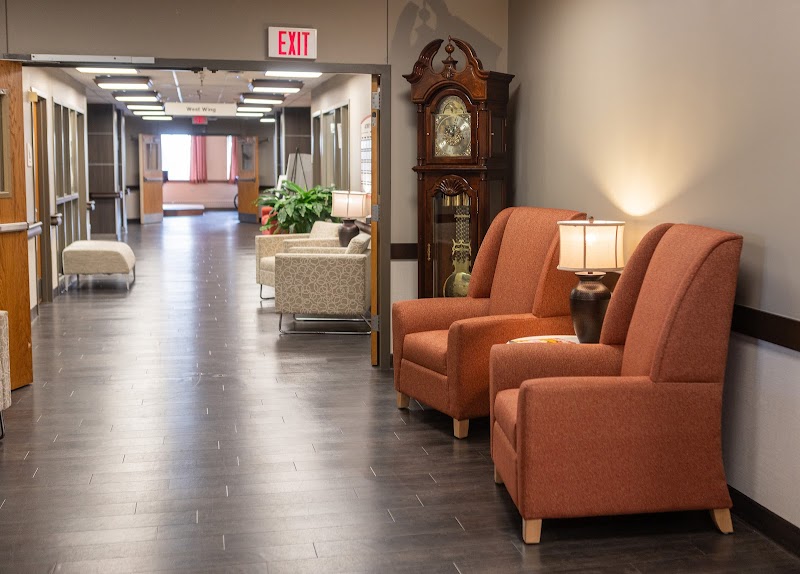
How is Lake Orion Nursing Center Staffed?
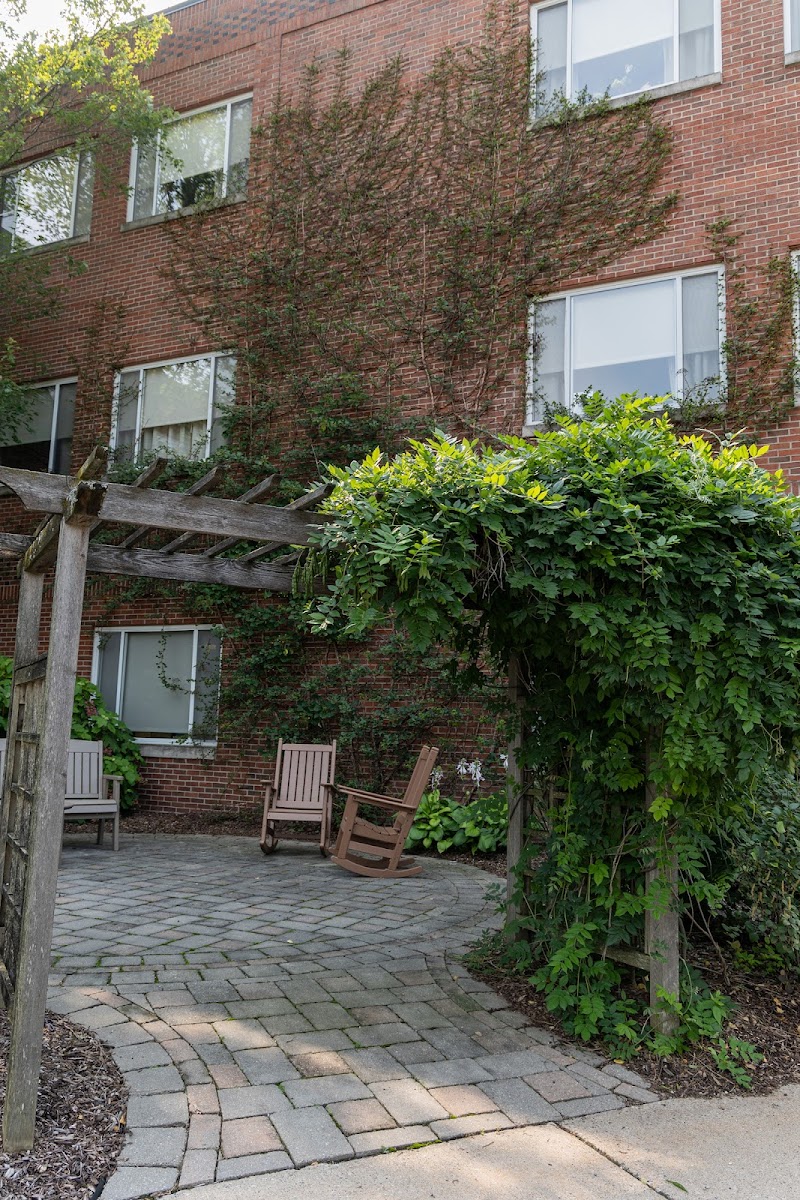
CMS rates Lake Orion Nursing Center's staffing level at 4 out of 5 stars, which is above average compared to other nursing homes. Staff turnover is 51%, compared to the Michigan average of 46%.

What Have Inspectors Found at Lake Orion Nursing Center?

State health inspectors documented 26 deficiencies at Lake Orion Nursing Center during 2023 to 2025. These included: 5 that caused actual resident harm and 21 with potential for harm. Deficiencies causing actual harm indicate documented cases where residents experienced negative health consequences.

Who Owns and Operates Lake Orion Nursing Center?

Lake Orion Nursing Center is owned by a non-profit organization. Non-profit facilities reinvest revenue into operations rather than distributing to shareholders. The facility operates independently rather than as part of a larger chain. With 120 certified beds and approximately 86 residents (about 72% occupancy), it is a mid-sized facility located in Lake Orion, Michigan.

How Does Lake Orion Nursing Center Compare to Other Michigan Nursing Homes?

Compared to the 100 nursing homes in Michigan, Lake Orion Nursing Center's overall rating (2 stars) is below the state average of 3.1, staff turnover (51%) is near the state average of 46%, and health inspection rating (2 stars) is below the national benchmark.

What Should Families Ask When Visiting Lake Orion Nursing Center?

Based on this facility's data, families visiting should ask: "What safeguards and monitoring systems are in place to protect residents from abuse or neglect?" "Can I visit during a mealtime to observe dining assistance and food quality?" "How do you handle medical emergencies, and what is your hospital transfer rate?" "Can I speak with family members of current residents about their experience?" These questions are particularly relevant given the substantiated abuse finding on record.

Is Lake Orion Nursing Center Safe?

Based on CMS inspection data, Lake Orion Nursing Center has documented safety concerns. The facility has 1 substantiated abuse finding (meaning confirmed case of resident harm by staff or other residents). The facility has a 2-star overall rating and ranks #100 of 100 nursing homes in Michigan. Families considering this facility should ask detailed questions about what corrective actions have been taken since these incidents.

Do Nurses at Lake Orion Nursing Center Stick Around?

Lake Orion Nursing Center has a staff turnover rate of 51%, which is about average for Michigan nursing homes (state average: 46%). Moderate turnover is common in nursing homes, but families should still ask about staff tenure and how the facility maintains care continuity when employees leave.

Was Lake Orion Nursing Center Ever Fined?

Lake Orion Nursing Center has been fined $18,843 across 2 penalty actions. This is below the Michigan average of $33,267. While any fine indicates a compliance issue, fines under $50,000 are relatively common and typically reflect isolated problems that were subsequently corrected. Families should ask what specific issues led to these fines and confirm they've been resolved.

Is Lake Orion Nursing Center on Any Federal Watch List?

Lake Orion Nursing Center is not on any federal watch list. The most significant is the Special Focus Facility (SFF) program, which identifies the bottom 1% of nursing homes nationally based on persistent, serious quality problems. Not being on this list means the facility has avoided the pattern of deficiencies that triggers enhanced federal oversight. This is a positive indicator, though families should still review the facility's inspection history directly.