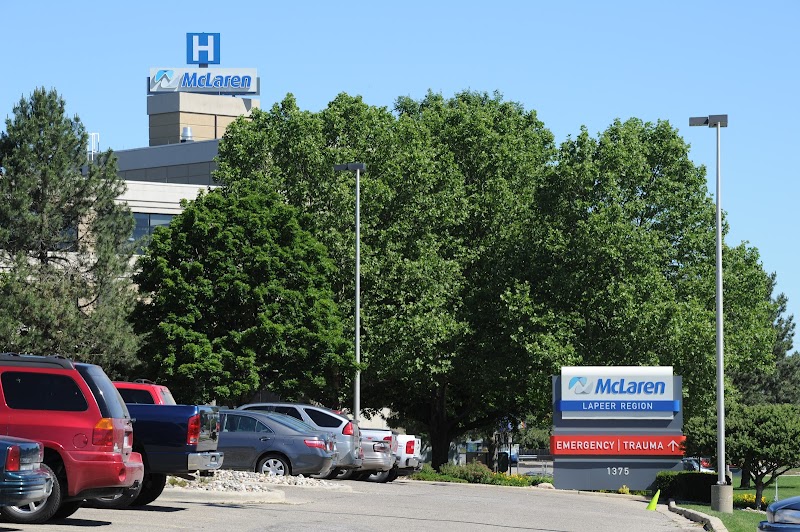
McLaren Lapeer Region
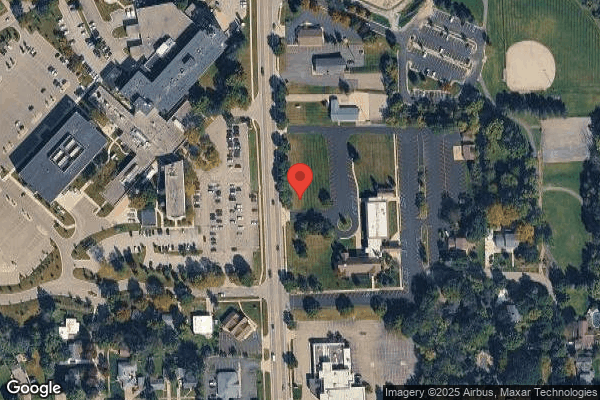

1375 North Main Street, Lapeer, MI 48446 (810) 667-5588
Non profit - Corporation 19 Beds Independent Data: November 2025
Trust Grade
75/100
#46 of 422 in MI
Last Inspection: September 2024

Within standard 12-15 month inspection cycle. Federal law requires annual inspections.

Overview

McLaren Lapeer Region has a Trust Grade of B, indicating it is a good choice for families considering nursing home options. It ranks #46 out of 422 facilities in Michigan, placing it in the top half, and is the best option among four local facilities in Lapeer County. The trend is improving, with reported issues decreasing from 14 in 2023 to just 6 in 2024. Staffing is a strong point, earning a 5 out of 5 stars rating with a turnover rate of 39%, which is better than the state average. However, there have been some concerning incidents, including a failure to ensure safe fall prevention measures for residents, leading to serious injuries, and lapses in food safety and sanitation in the kitchen. Overall, while there are notable strengths, families should be aware of the facility's past issues and the need for ongoing improvements.
Trust Score
B
75/100
In Michigan
#46/422
Top 10%
Safety Record
Moderate
Needs review
Inspections
Getting Better
14 → 6 violations
Staff Stability
○ Average
39% turnover. Near Michigan's 48% average. Typical for the industry.
Penalties
✓ Good
No fines on record. Clean compliance history, better than most Michigan facilities.
Skilled Nurses
✓ Good
Each resident gets 278 minutes of Registered Nurse (RN) attention daily — more than 97% of Michigan nursing homes. RNs are the most trained staff who catch health problems before they become serious.
Violations
⚠ Watch
31 deficiencies on record. Higher than average. Multiple issues found across inspections.
★★★★★
5.0
Overall Rating
★★★★★
5.0
Staff Levels
★★★★☆
4.0
Care Quality
★★★★☆
4.0
Inspection Score
Stable
2023: 14 issues
2024: 6 issues

The Good

  • 5-Star Staffing Rating · Excellent nurse staffing levels
  • 4-Star Quality Measures · Strong clinical quality outcomes
  • Full Sprinkler Coverage · Fire safety systems throughout facility
  • No fines on record
  • Staff turnover below average (39%)

    9 points below Michigan average of 48%

Facility shows strength in staffing levels, quality measures, fire safety.

The Bad

Staff Turnover: 39%

Near Michigan avg (46%)

Typical for the industry

The Ugly 31 deficiencies on record

1 actual harm
Sept 2024 6 deficiencies
CONCERN (D)

Potential for Harm - no one hurt, but risky conditions existed

Deficiency F0558 (Tag F0558)

Could have caused harm · This affected 1 resident

**NOTE- TERMS IN BRACKETS HAVE BEEN EDITED TO PROTECT CONFIDENTIALITY** Resident #70: A record review of the Face sheet and medical record indicated Resident #70 was admitted to the facility on [DATE]...

Read full inspector narrative →
**NOTE- TERMS IN BRACKETS HAVE BEEN EDITED TO PROTECT CONFIDENTIALITY** Resident #70: A record review of the Face sheet and medical record indicated Resident #70 was admitted to the facility on [DATE] with diagnoses: history of a stroke, COPD, and heart disease. On 9/03/24 at 11:40 AM, Resident #70 was observed lying in bed in his room, awake alert and talkative. He said he did not eat breakfast that morning. The resident said he was not hungry, because he was up all night and did not get any sleep. Resident #70 said he didn't sleep because his room was cold; he said he was not sure if he would want to eat lunch. When further questioned Resident #70 said his room was very cold at night. On 9/9/2024 at 1:00 PM, Resident #70 was observed in a different room. He said he was moved into the room that day. When asked how the temperature was he stated, A lot better than the other room. The resident was asked if he had eaten lunch and he said he had. On 9/09/2024 at 3:14 PM, Registered Dietitian/ RD H was interviewed. She noted Resident #70 was weighed weekly and appeared to have lost 6 lbs. since admission. She said the dietitians completed weekly assessments on the resident and reviewed weights, the diet and the residents food intake. Reviewed the resident was satisfied with his room move. A review of the Centers for Medicare and Medicaid Services/CMS document Your Rights and Protections as a Nursing Home Resident, dated 9/6/2023 provided the following, . As a nursing home resident, you have certain rights and protections under Federal and state law that help ensure you get the care and services you need. You have the right to be informed, make your own decisions a, and have your personal information kept private . You have the right to: Be Treated with Respect: You have the right to be treated with dignity and respect . Based on observation, interview, and record review, the facility failed to ensure that needs were being accommodated for three residents [Resident # 70 (R70), Resident #116 (R116), and Resident #120 (R120)], including comfortable room temperatures for Resident #70 and Resident #120, a request for a room change for Resident #116 and a request for a wider bed for Resident #120 of a total sample of 15 residents, resulting in discomfort and being unable to get enough rest and sleep for Resident #116, feeling unsafe to move and afraid of falling out of a narrow bed for Resident #120 and feeling too cold in the room for Resident #70 and Resident #120. Findings include: FACILITY Resident #120 (R120): Environment R120, on 09/03/24 at 11:59 AM, complained about the room being so cold upon admission. R120 complained to staff about the room temperature since admission on [DATE], but nothing has been done. R120's roommate (in room [ROOM NUMBER]), Resident #121, was interviewed on 9/3/24 at 2:30 PM. R121 agreed that the room (1139) was always very cold. An interview with R70, who was in room [ROOM NUMBER] on 9/5/24 at 10:55 am, revealed that he was cold and was freezing in room [ROOM NUMBER]. R70 was observed to have his head wrapped in a towel over his head and his body covered with blankets. On 9/4/24 at 3:30 PM, The maintenance staff was notified of a cold room issue in room [ROOM NUMBER] and other residents' rooms. A recent temperature monitoring was requested. Maintenance staff explained that they only kept a record if staff called them asking to lower the temperature or to increase the room temperature manually. Otherwise, it is set at a specific temperature for all rooms. When examining the request adjustment log, 1139 was not on the request list. The maintenance staff revealed he did not work over the weekend or during the Labor Day holiday. Resident #116 (R116): During the initial tour, R116 was observed talking to her neighbor who was visiting on 09/04/24 11:25 am. R116 complained about not getting enough rest and sleep because her roommate kept her awake all day and night. The roommate's TV was loud. R116 explained that her roommate has behaviors, and at times, R116 has to use the call light for the staff to come. As a result, R116 indicated that she could not rest or sleep because she kept an eye out for her roommate. She had told staff that she wished to be in a different room to get some rest so she could get better, but nothing had been done. On 09/04/24 at 12:05 PM, an electronic medical record review revealed, R116 was [AGE] years old, admitted to the skilled nursing facility on [DATE] with a diagnosis of Fibromyalgia, Chronic Obstructive Pulmonary Disease (COPD), Pneumonia, and Stage 1 pressure ulcer of the right heel in addition to other diagnoses. On 9/05/24 at 1:30 PM, the admission Staff K was interviewed. admission Staff K revealed that she had not heard about this issue and that no one had told her about the complaint. On 09/09/24 at 1:42 PM, R116 was found in a different room. R116 indicated that she had a restful weekend and on the road to recovery. R116 indicated she was pleased with the move and stated: I can now focus on getting better and get home soon. Resident #120 (R120): During an interview with R120 on 09/03/24 at 11:52 am, R120 revealed that the room (#1139) was too cold and they had not done anything to get the room warmer. During the interview, R120 was observed all covered with blanket sheets, and his head wrapped in a towel. R120 had requested a wider bed since admission on [DATE]. He indicated that he felt uncomfortable and unsafe moving side to side because the bed was too narrow, and he could fall anytime. R120 claimed he has a sore on the butt and wishes to take the pressure off to avoid the sore from worsening. On 09/04/24 at 12:00 PM, an electronic medical record review revealed, R120 was [AGE] years old, admitted to a skilled nursing facility on 8/30/24 with a diagnosis of General Muscle Weakness, Type 2 Diabetes Mellitus, and Essential Hypertension in addition to other diagnoses. On 09/05/24 at 11:30 AM, R120 was observed moved to a new room. R120 revealed that the room temperature in the new room is much warmer, and was on a wider bed. He stated that it feels much safer to move from side to side. R120 denied anyone measuring the side rails. The nurse and rehab looked at it but did not measure the bed.
CONCERN (D) 📢 Someone Reported This

A family member, employee, or ombudsman was alarmed enough to file a formal complaint

Potential for Harm - no one hurt, but risky conditions existed

Accident Prevention (Tag F0689)

Could have caused harm · This affected 1 resident

**NOTE- TERMS IN BRACKETS HAVE BEEN EDITED TO PROTECT CONFIDENTIALITY** This Citation pertains to Intake Numbers MI00141690 and MI00145384, Based on observation, interview, and record review, the faci...

Read full inspector narrative →
**NOTE- TERMS IN BRACKETS HAVE BEEN EDITED TO PROTECT CONFIDENTIALITY** This Citation pertains to Intake Numbers MI00141690 and MI00145384, Based on observation, interview, and record review, the facility failed to ensure a safe environment with adequate supervision and implement interventions to prevent a fall for two residents (Resident #14 and Resident #119) and failed to do a complete investigation for both residents resulting in Resident #14 sustaining multiple rib fractures after a fall and a potential for pain and a decline in medical condition and the likelihood of fall with injury to recur due to incomplete investigations for both Resident #14 and Resident #119. Findings include: Accidents Resident #14 (R14): According to the review of electronic medical records (EMR) on 9/4/24 at 1:00 PM, R14 was [AGE] years old and admitted to the skilled nursing facility on [DATE] with a diagnosis of Postoperative (Postop) ORIF (Open Reduction Internal Fixation) of the left trimalleolar fracture with general weakness in addition to other diagnosis. On 5/10/24, the facility assessment deemed R14 alert, oriented X 4, and her own person. R14's Brief Interview for Mental Status (BIMS) Score was 15/15 on 5/10/24. A score of 13 to 15 points suggests that cognition is intact. R14's other assessments, dated 5/10/24, revealed that R14 had a one-sided impairment in both the upper and lower extremities. R14 has typically ambulated using a wheelchair in the last seven days. The plan for R14 's admission at the skilled facility was to receive physical and occupational therapy Postop ORIF. A review of the written summary submitted by the facility was conducted on 9/4/24 at 1:05 PM. Essential details were missing, such as the date and time of the fall, the name of the resident involved, and the writer of the summary. It noted: Resident was in the bathroom with hands-on grab bars and gate belt on. CNA was adjusting and the pant leg caught on the cast. Simultaneously, the resident turned spontaneously, slipping on pant leg and landing on garbage can . Later in the day, resident c/o pain to the left side and x-ray ordered. X-ray showed Acute minimally displaced fractures anterior left rib number seven and six. Treatment with Lidocaine patch improving pain. The investigation did not identify the Certified Nurse Aide (CNA) and the nurses who responded to the incident. There was no contact information available and no interviews or written statements from the staff to indicate that the facility ruled out that abuse or neglect did or did not occur as the final analysis of the investigation. Upon request, the facility did not have an incident report (I/A) of the fall. According to the nurse's progress notes dated 5/8/24, the fall occurred at approximately 1:33 PM. A Diagnostic Radiology (X-ray) Report performed on 5/9/24 at 16:01 revealed that the reason for the exam: (XR Ribs with PA Chest Bilateral) Left Rib pan: Fall .Findings: Acute minimally-displaced fractures anterior left rib number seven and six. A Closed Record Review was conducted on 09/05/24 at 12:45 PM. According to the Nurse's Progress notes dated 5/8/2024 at 1:56 PM, it wrote: While patient was transferring in the bathroom back to wheelchair (w/c) patient left leg got caught on her pant leg and her right leg slipped and patient fell .CNA was in the bathroom at the time of the fall. Patient tried grabbing w/c while falling and hit her left arm and side on the garbage can . In the Nurse's Progress Notes dated 5/8/24 at 1:56 PM, there was no explanation if the CNA was near the resident, assumed a stand-by assist, held the patient (contact guard assist CGA), or was anywhere else when R14 slipped and fell. The May 10, 2024, MDS assessment indicated that R14 showed a one-sided impairment of both upper and lower left extremities. The left lower extremity had a cast (post-surgical cast) at the time of the fall. A Nursing Narrative Note dated 5/9/24 at 3:36 PM revealed that R14 transfer status was changed to two-person assistance (2PA) after the fall: Patient up to wheelchair with 2 PA without difficulty. R14's updated care plan included staff adjusting clothing before standing and transferring. Electronically signed on 5/9/24 at 3:41 PM. The facility did not use an Incident Report nor submitted a facility version of an Investigation/Accident (I/A) Report. There was no summary of the investigation, including the resident's name (or Identifier), date and time of the fall, The staff involved during the incident, and their actual description of what happened. After gathering data, there was no investigative conclusion to rule out abuse or neglect in the incident file. The Registered Physical Therapy RPT M was interviewed on 09/05/24 at 01:05 PM. RPT M revealed that R14 had impaired cognition due to Traumatic Brain Injury (TBI) secondary to Motor Vehicle Accident (MVA), Closed Head Injury with Left Hemiplegia. R14 had Clavicular and left ankle fractures upon admission. R14 was cognitively impaired from admission and had an apparent left-sided upper and lower extremities impairment; therefore, she should not be left unassisted nor unsupervised in the bathroom. According to RPT M, as a result of the fall, R14 sustained a multiple rib fracture. R14 made progress but did not reach her goal. R14 was discharged and transferred to another skilled nursing facility. On 09/05/24 at 01:12 PM, OTR O described R14's Activities of Daily Living ADL, such as dressing/bathing, at 50% assistance upon admission and discharge, required 25% assistance. The left ankle cast was too bulky, huge, and heavy. R14 required maximum assistance for toileting upon admission, with minimum assistance when she was discharged on 5/22/24, requiring 25% minimal help. Initially, the plan was to go home to her apartment, but instead, she was discharged to another facility. According to the Director of Nursing (DON) during the interview on 09/05/24 at 11:18 AM. The DON revealed that she was not the DON when the fall occurred. Therefore, she could not speak for what happened during the fall investigation and what actions post-fall, including staff education. The DON denied access to the Facility Reported Incident file because it was before her time. When asked if there are any details of what happened and who the staff was when the fall sustaining a fracture occurred? She stated, That is all the detail. When asked if they have an investigation form or an incident and accident form where a specific date, time, staff, witness, and event description is written. The DON said, That's all they can provide. The DON submitted a Fall Policy but did not submit the requested policy on Incident and Accident Reporting as requested. The surveyor asked where the I/A reporting Policy was, the DON stated that the investigation policy is included in the fall prevention policy. Resident #119 (R119): Accidents 09/04/24 01:50 PM, a facility's Incident (I/A) Report was requested for R119 Fall on 9/2/24. The DON submitted a notepad sheet with her handwritten notes on it. She revealed that it is not completed and that all she has is a handwritten scribble, and she has yet to interview the nurse and the CNA when they return to work. On 9/4/24 at 2:00 PM, it was observed that there was no investigation nor process of data collection, including interviews completed from R119's fall that happened on 9/2/24 (two days ago). No interviews, no summary or analysis of R119's fall incident to rule out neglect or abuse did or did not occur. According to the electronic Medical Record (EMR), R119 was admitted on [DATE] at 1820 (6:20 PM). Reviewing the notes handwritten on a notepad submitted by the DON on 9/4/24 at 4:35 PM, the fall occurred the following day of admission. On 9/2/24 at 9:59 AM, Slid off the toilet no injury noted; CNA name called phone disconnected to follow-up on Friday 9/6/24. On 09/05/24 at 2:03 PM, Nurse T was interviewed. Nurse T revealed that R119 needed to do number two (bowel movement), so they transferred him to the bathroom and stated: I instructed him to use the call light when he's ready. At that time, Nurse T recalled that R119 was a 2-person assist (2PA) on transfers and had a gait belt on but did not wear the skid socks. The staff left him in the bathroom and instructed him to use his call light when ready. R119 used his call light, but after, he was already on the floor. Nurse T stated, That is when we discovered he had fallen. Nurse T continued by saying that the staff responded to his call light and found him on the floor. When staff arrived, R119 had soiled himself from the toilet seat to the floor, where he slid. He seemed alert and oriented upon admission. Nurse T stated, I trusted him to press the call light. He must have stood up after using the bathroom and fell off the toilet seat. When we got him up, we realized his left hand was weak. Nurse T further indicated that R119 's left hand was on the bar and left knee bent. The doctor responded immediately after R119's fall. Nurse T said, I did not know that he had a stroke in July of 2024 and did not know his cognition at that time. Nurse T continued, saying, It just made sense as to why his speech was slowed. Nurse T continued and described, I think he was trying to get up because of the way the feces markings were all over. It was on the toilet seat and the floor where he slipped and landed. We stood him up maybe two times to wash him. When asked how long he was left alone, Nurse T denied remembering because they waited for him to activate the call light. In his bathroom during the fall, R119's care plan was that he needed supervision and two-person assistance (2PA) with activities of daily living, especially transferring. Nurse T stated she followed the Fall protocol post-fall and filled out the Safety First post-fall on 9/2/24. On 9/4/24 at 2:00 PM, an attempt was made to call the CNA U by phone, but the message said: The call can not be completed as dialed as the person is temporarily unavailable. On 9/4//24 at 2:15 PM, a review of submitted documents for R119's fall investigation showed no I/A report, statements, or investigation summary. No statements from the CNA or the nurse were obtained. R119's fall investigation reviewed on 9/4/24 at 2:45 PM was incomplete. The DON was asked for any other documentation about R119's fall. The DON stated, Safety First is a hospital's internal information. The huddle and safety first were documents that are QA protected and therefore will not be shared with surveyors. On 09/05/24 at 01:27 PM, According to the Registered Physical Therapist M (RPT M), R119's fall was not reported to Therapy. RPT M stated, This is the first time she heard about R119's fall. No one had told us about him falling on 9/2/24. Since 9/2/24 was Labor Day Holiday, we were not here, and there was no one for Therapy that day. RPT M described R119's status upon admission evaluation, requiring moderate assistance in sitting to maintain balance. On 9/3/24, an admission assessment revealed that R119 needed 50% help. RPT M PT notes from 9/5/24 indicated that R119's participation was better in the morning and very challenged in the late afternoon. RPT M denied evaluation was done after the fall on 9/2/24. She stated: It was not done because the therapy department did not receive a report. During an interview conducted on 9/4/24 at 1:50 PM, according to the DON, they use the Fall Prevention Policy for their I/A reporting procedure. After a review of the Fall Prevention Policy, the Fall Huddle was requested, and the Safety First form was requested per their Fall Policy. The DON insisted that they are not to provide the Fall Huddle nor the Safety First information because it is protected by Quality Assurance (QA). The Fall Prevention Policy was reviewed on 9/4/24 at 4:32 PM. The Policy dated May 2022 revealed: Purpose: To evaluate and determine the level of fall risk for all residents, implement safety precautions/ interventions for residents based on criteria for low fall risk, moderate fall risk, and high fall risk. To improve the prevention and management of falls. .l. Complete a Nurse Fall Huddle. Include who fell, when discovered, where, what happened, why, if known, the observer's findings, patient's comments/statements exactly, observation of surroundings for spills, hazards, whether the patient had slippers on, or any other information to prevent future falls. Initiate Safety First. DO NOT refer to the occurrence report in the nursing record. Refer to Quality Management Policy #71:82:08. Occurrence Reporting Process
CONCERN (D)

Potential for Harm - no one hurt, but risky conditions existed

Deficiency F0761 (Tag F0761)

Could have caused harm · This affected 1 resident

**NOTE- TERMS IN BRACKETS HAVE BEEN EDITED TO PROTECT CONFIDENTIALITY** Based on observation, interview and record review the facility failed to appropriately store supplies in one Clean Utility/ Medi...

Read full inspector narrative →
**NOTE- TERMS IN BRACKETS HAVE BEEN EDITED TO PROTECT CONFIDENTIALITY** Based on observation, interview and record review the facility failed to appropriately store supplies in one Clean Utility/ Medication Storage Room of one room reviewed and ensure that one Medication/Treatment Cart of two carts reviewed was properly secured and that confidential resident information was secured, resulting in the potential for use of contaminated and outdated supplies and access to residents' medications and confidential information. Findings Include: FACILITY Medication Storage and Labeling A review of the facility medication carts with Nurse J, on 9/4/2024 at 2:00 PM, identified a medication cart unattended in the hallway outside of the day room with several medication drawers open; the medication cart was unlocked. In addition, resident information was on the computer screen: visible to anyone nearby. Nurse J shut the medication cart drawers, closed the computer screen and ensured the cart was locked. She said she thought Nurse D had stepped away from the cart and was in the medication room down the hallway. On 9/04/2024 at 2:20 PM, the facilities medication room was reviewed with Nurse A. She said the medication room/clean utility room contained a locked medication dispensing machine, a locked medication dispensing refrigerator and new facility supplies. The medication room had a double door cupboard with clear boxes and other equipment inside. Nurse A said the equipment belonged to Occupational Therapy/OT. Upon inspection, the equipment included old metal eating utensils and additional old equipment with opened wrappers. There was a large fingernail brush with hair stuck in it. Nurse A said the therapy department would know about the items. On 9/04/2024 at 2: 35 PM, the medication room cupboards were observed/ reviewed with Occupational Therapist/ OT N. She said the cupboard had OT equipment in them, but she said no one had used it. She said it hadn't been used in the entire time she worked at the facility- about 10 years. On 9/04/2024 at 3:20 PM, the Therapy Manager O was interviewed about the clean utility room/medication room, and said Therapy did not store any equipment in the medication storage/clean utility room. He said he had never seen it. He said they do not store equipment in the medication room, only in the therapy gym. On 9/4/2024 at 4:00 PM, the Director of Nursing/DON was interviewed about the findings in the medication room and said the items would be disposed of. Also reviewed one medication cart was observed to be unlocked with open drawers and resident information unsecured. She said she would handle it. A review of the facility policy titled, Medication Storage Areas and Monthly Pharmacy Inspections/Temperature Monitoring, effective date [DATE] revealed, . Proper storage and accountability are intended to assure the availability of medications for patients that are within the manufacturer's intended potency and safety standards .Each medication storage area shall be locked . Monthly medication checks shall include the pharmacy and all areas where medications are stored .
CONCERN (D)

Potential for Harm - no one hurt, but risky conditions existed

Infection Control (Tag F0880)

Could have caused harm · This affected 1 resident

**NOTE- TERMS IN BRACKETS HAVE BEEN EDITED TO PROTECT CONFIDENTIALITY** Based on observation, interview, and record review, the facility failed to ensure Infection Prevention and Control standards of ...

Read full inspector narrative →
**NOTE- TERMS IN BRACKETS HAVE BEEN EDITED TO PROTECT CONFIDENTIALITY** Based on observation, interview, and record review, the facility failed to ensure Infection Prevention and Control standards of practice were followed for 1). Hand Hygiene and Personal Protective Equipment/PPE use for one resident (Resident #120), 2.) a Water Management program specific to the facility, and 3.) Pneumonia and COVID Vaccination consent was not obtained and administered for one resident (Resident #71), resulting in the potential for the spread of infection, which could cause serious illness. Findings Include: FACILITY Infection Control: On 9/05/2024 at 9:38 AM, during an interview with the Infection Preventionist/IP A she was asked about the facilities Water Management Program. The IP A said the maintenance department in the hospital handled the Legionella water testing for the facility and it was last performed in the summer. She said she had seen the results and had communication with the Maintenance Director. IP A was asked for a copy of the Water Management Plan and she said the hospital Maintenance Director had the plan. Water mgt program for Hospital does not mention the facility TCU (Transitional care unit) LTC- there is water testing for Legionella, test results reviewed, no positive water samples in the TCU, a positive water sample in a closed hospital building, addressed by the hospital, On 9/5/2024 the Legionella water sample testing results for 10/4/2023- 7/12/2024 were reviewed; sampling was completed quarterly. The samples taken in the long-term care facility were of the same 2 rooms each quarter 1137 and 1145 and twice an additional site was added- such as the day room sink. A review of the attached hospital's Water Safety and Management Plan, date issued 1/31/2020 and revised 3/5/2024 revealed the following, . This purpose of this water safety and management plan (WSMP) is to minimize risk for Legionella associated with the building water systems at (the hospital) . Legionella is a bacterium that belongs to the Legionellaceae family . Approximately half of the species have been implicated in human disease. Legionella pneumophila contaminates up to 70% of all building water systems, both potable and non-potable, and is the species responsible for approximately 90% of Legionnaires' disease infections . The hospital's Water Safety and Management Plan, contained a section titled, Building Services Description, that included, List the services provided on each floor or area of the buildings included in this WSMP. For each floor or area describe any infection concerns relative to the services provided. Infection concerns should be based on the types of patients/services provided . The hospital's Long-Term Care unit referred to as TCU (Transitional care unit) provided services to vulnerable patients (residents), many of them elderly, who needed additional medical care. The WSMP Building Services Description did not mention the Long-Term Care unit/TCU. There was quarterly water testing in rooms [ROOM NUMBERS], but there was no mention of the facility or the risk to the residents admitted to the facility. Many of the residents were post-surgical or had wounds of other types and some had infections with Multi-drug resistant organisms (MDRO); this can add to a patient's susceptibility to other infectious organisms. On 9/5/2024 at 11:30 AM, during an interview with the Maintenance Director P he reviewed the hospital's Legionella water samples and the WSMP. The Maintenance Director P was asked why the WSMP did not mention the Long-Term Care unit/TCU, but mentioned other areas of the hospital. He said he wasn't sure why it wasn't included. The Maintenance Director was asked if the Infection Preventionist from the TCU was included in meetings related to the Legionella water testing in the TCU; he said she was not a member of the meeting but could be included. The WSMP was reviewed with the Maintenance Director and he was asked if the TCU Infection Preventionist had any input into the WSMP and he said the hospital IP assisted with the program. Reviewed the IP in the TCU collected Infection Surveillance with monthly summary reports of her findings and could share them to aid in ensuring a Water Management program was specific to the TCU's resident population. Vaccination Resident #71 (R71): R71 was [AGE] years old and admitted to the facility on [DATE]. On 9/9/24 at 2:30 PM, R71's Vaccination Record was reviewed. The Pneumococcal Vaccination Screening form dated 9/3/24 was not completed. R71 or R71's designated representative's consent and signature were not obtained. There was no COVID vaccination screening, and the consent form was not obtained for R71. The designated Infection Control Preventionist (ICP Nurse) was interviewed on 9/9/24 at 2:35 PM. She revealed that she was responsible for the implementation of the facility's Vaccination Program and indicated that it was not done. The ICP Nurse revealed that R71 was deemed unable to consent to the vaccination and had not seen the resident's representative for consent. The influenza vaccine was not offered to residents because it is not flu season yet. Wound Observation Resident #120 (R120): On 09/09/24 at 11:07 AM, a wound care observation was conducted. Resident #120 (R120) had previously told the surveyor that he received treatments on his bottom. Registered Nurse (RN) S was assigned to provide wound care for R120. During an interview on 9/9/24 at 11:15 AM, RN S stated that the treatment would be applying the fungal powder to R120's abdominal fold. The wound observation was conducted on 09/09/24, starting from 11:17 AM up to 11:25 AM. On 9/9/24 at 11:17 AM, RN S put her gloves on, started cleansing the abdominal fold with a wound solution, and later applied the cream on R120's abdominal fold. RN S was observed wearing the same glove from the start of the treatment, removing the dirty incontinence pad, cleansing the abdominal fold using a sponge and wound cleansing solution, applied the prescribed nystatin powder. RN S asked to leave the room to get the nursing assistant at 11:20 AM. Meanwhile, R120 was on his back and abdomen, and his privates were exposed. The nurse left to get the nurse's aide for assistance. RN S returned with a Certified Nursing Assistant CNA T on 09/09/24 at 11:21 AM. RN S returned with fresh gloves. CNA T and the nurse completed the incontinence care. R120's coccyx was observed clear. The skin was intact, and no redness or discoloration was noted on R120's coccyx. After the observation was completed on 9/9/24 at 11:25 AM, the surveyor discussed the observation with Nurse S. Nurse S agreed that she did not change gloves, did not wash hands and did not sanitize hands in between steps and process during the wound care treatment. Nurse S also removed R71's dirty incontinence pad, cleansed the abdominal folds, applied the prescribed treatment, and replaced R120's clean incontinence pad. The nurse agreed she was too focused on the treatment process and forgot the importance of hand washing, hand hygiene techniques, and changing gloves as Personal Protective Equipment when necessary.
CONCERN (E) 📢 Someone Reported This

A family member, employee, or ombudsman was alarmed enough to file a formal complaint

Potential for Harm - no one hurt, but risky conditions existed

Deficiency F0700 (Tag F0700)

Could have caused harm · This affected multiple residents

**NOTE- TERMS IN BRACKETS HAVE BEEN EDITED TO PROTECT CONFIDENTIALITY** This Citation pertains to Intake Number MI00141690. Based on observation, interview and record review, the facility failed to pe...

Read full inspector narrative →
**NOTE- TERMS IN BRACKETS HAVE BEEN EDITED TO PROTECT CONFIDENTIALITY** This Citation pertains to Intake Number MI00141690. Based on observation, interview and record review, the facility failed to perform assessments and perform ongoing monitoring of all bed rails to identify potential areas of entrapment for all facility residents including the following residents: #'65, #70, #115, #116, and #120, resulting in the potential for zones of entrapment to remain unidentified, posing a risk to all 15 residents. Findings Include: Resident #65: A record review of the medical record, indicated Resident #65 was admitted to the facility on [DATE] with diagnoses: history of falls with left knee fracture, arthritis, neck pain, hypertension, atrial fibrillation and macular degeneration. On 9/03/2024 at 11:33 AM, Resident #65 was observed sitting in her wheelchair in the day room waiting for lunch. She said she had a history of falls at home, and her left knee cap had a fracture. She said she was at the facility for therapy. On 9/9/2024 at 11:37 AM, the Maintenance Technician L was interviewed while standing outside Resident #65's room. She was lying in bed and her upper siderails were up. They were observed to have several large openings in the middle of the rails. Maintenance Technician L was asked about the siderails on the bed and he said every bed had siderails. He said the maintenance department would check the siderails if someone complained that they were not functioning properly. Maintenance Technician L was asked if he assessed the gaps in the siderails or gaps between the siderail and headboard or siderail and side of the bed for potential entrapment and safety issues. He said he thought the Biomedical (Biomed) technician did that. On 9/9/2024 at 11:50 AM, the Director of Nursing/DON was interviewed about the siderails on the residents' beds; she was asked if there were documents with the siderail measurements for each bed. The DON stated, I have not seen them. I think Biomed does that if the nurse has a problem with the gap. Reviewed with the DON that the residents had orders for Restorative Program Bed Mobility: bilateral siderails . She said the facility did not have a Restorative Program, as the residents were all receiving Therapy services. She said the only way to input the order into the electronic medical record was to place it under the Restorative program option. Nurse J was interviewed on 9/9/2024 at 12:30 PM about the residents' siderails. She said there were 2 forms the nurse completed for the siderails at the time of the resident's admission. One form was an informed consent for siderail use and the other was a nursing assessment for the siderails. She said the siderails were on all the beds and usually people signed that they wanted them. She said the assessment form asked about a gap between the mattress and the bed, but she said they didn't measure the gap, they eyeballed it and filled out the form. She said if a family member or someone had a question about the siderails, then they would measure the gaps, otherwise they did not. She said she had never measured the gaps. Resident #70: Accidents A review of the medical record for Resident #70 indicated an admission to the facility on 9/2/2024 with diagnoses: history of a stroke, heart disease, hypertension, hypothyroidism and arthritis. On 9/03/2024 at 11:39 AM, Resident #70 was observed in room [ROOM NUMBER]. On 9/4/2024 at 8:00 AM, he was observed in room [ROOM NUMBER] and on 9/9/2024 at 1:00 PM, Resident #70 was observed in room [ROOM NUMBER]. He said they had moved his room the first time because his room was too cold and then the new room (1139) was too cold. He was moved to room [ROOM NUMBER] on 9/9/2024. The resident was moved to each new room without his current bed. He had a new bed with each room move. There were no siderail assessments for each bed. A review of the Care Plans for Resident #70 identified a Baseline Care Plan with Fall risk- interventions, including left and right quarter rails on bed for mobility. A review of the physician orders identified Restorative Program Bed Mobility: . bilateral side rails for bed mobility, strength/condition and increased independence. Dated 9/3/2024 a 8:34 AM. The order did not specify if the resident was to have upper or lower siderails. On 9/9/2024 at 1:15 PM, the DON said the Biomed department did not assess the siderails for the residents' beds. Resident #115 (R115): On 9/9/24 at 12:30 PM, R115 was observed sleeping in bed with both side rails up and her head positioned almost at the edge of the right side, touching the side rails while her body was across the bed and both legs positioned on her left side. R115 was very confused in bed and was not interviewable. Resident #116 (R116): R116 was transferred to another room on 9/5/24 with a different bed with bilateral side rails and bilateral mid-body side rails attached. No new assessments were made, and no measurement of a gap for entrapment was noted. No updates on the care plan were found related to side rail use after R116's room transfer on 9/5/24. Resident #120 (R120): R120 was transferred to another room on 9/4/24 with a different bed with bilateral side rails and mid-body side rails attached. No new assessments were made, and no measurement of a gap for entrapment was noted. There were no updates on his care plan related to side rail use after R120's room transfer was found. Resident #70 (R70): R70 was transferred to another room observation on 9/4/24 with a different bed with bilateral side rails and mid-body bilateral side rails attached. There is no new assessment measurement on the gap for entrapment. There were no updates on his care plan related to side rail use after transfer. The following Assist Bar/Side Rails Assessments were reviewed. Residents: R70, R115, R116, R119, and R120's Assist Bar/Side Rails Assessments did not reflect any measurements with bilateral side rails and mid-body side rails. R116's Side Rail Assessment record was dated 8/16/24. On 9/9/24 at 3 PM, No updated assessment was performed after she transferred to the new room and new bed. R120's Side Rail Assessment record was submitted on 9/9/24 at 3:00 PM, for No updated assessment was performed after R120 transferred to the new room and bed. On 9/9/24 at 3:00 PM, the R70 Side Rail Assessment Record was reviewed. It revealed that the assessment was done on 9/2/24. It was noted that during the assessment on 9/2/24, it indicated: > Is there a measurable gap between the assist bar/side rail and the mattress? YES (was checked) > If the answer to the above question is yes, is the gap less than 2/12 inches? YES (was checked) No updated assessment and further action regarding the measurement of the gap was found and no Biomed referral was noted. No further updates and new assessment was performed after R70 transferred to the new room and new bed on 9/4/24. R120 was interviewed on 09/05/24 at 11:54 AM after the transfer to his new assigned bed. R120 revealed that the bed feels wider and safer on it. Much better. R120 denied seeing staff taking measurements of the side rails. On 09/09/24 at 12:05 PM, During an interview with the Director of Nursing (DON), the Side Rails Policy and the side rail assessments for each of the above residents were requested. The side rails, mattress, and bed measurements were also asked. According to the DON, she revealed that anything over two inches gap between the bed and the rails would require Biomed to measure. Otherwise, the nurses visually measure the gap between the bed and the side rails. No measurements in terms of centimeters or inches were taken using a ruler or tape measure. The DON, 09/09/24 at 12:07 PM, explained that if there's anything more than two inches, Biomed will be notified. Nurses document them in the assessment checklist upon admission. The DON denied any measurement done on R120's bed when he was moved to his new room. On 9/9/24 at 4:00 PM, the Proper Use of Assist Bars /Bed Rails Policy, dated 7/25/2024, was reviewed. The purpose specified: It is the policy of this facility to utilize a person-centered approach when determining the use of assist bar/bed rails. Assistive devices are to be used to enhance the resident's self-performance and promote independence with bed mobility to attain and or maintain the resident's highest practicable level of physician or psychological well-being . .4.1.4. The resident assessment should assess the resident's Risk for entrapment between the mattress and the bed rail or the bed rail itself. 4.1.5. The facility will assess to determine if the bed rail meets the definition of a restraint. A bed rail is considered to be a restraint if the bed rail keeps a resident from voluntarily getting out of bed in a safe manner due to his/her physical or cognitive inability to lower the bedrail independently. If it is determined to be a restraint, the facility will follow their procedures related to physical restraint . .4.3.3 . Assessment of the resident, the bed, the mattress, and rail for entrapment risk (which would include ensuring bed dimensions are appropriate for resident's size/weight), and Risk and benefits were reviewed with the resident or resident representative and informed consent was given before installation or use . .4.5. Ongoing Monitoring and Supervision .4.5.4 . The facility will continue to provide necessary treatment and care to the resident who has bedrails in accordance with professional standards of practice and the resident's choice. This should be evidenced in the resident's records, including the care plan .
CONCERN (F)

Potential for Harm - no one hurt, but risky conditions existed

Deficiency F0868 (Tag F0868)

Could have caused harm · This affected most or all residents

Based on interview and record review the facility failed to ensure that the Quality Assessment and Process Improvement (QAPI) meetings were held quarterly, resulting in the lack of identification of c...

Read full inspector narrative →
Based on interview and record review the facility failed to ensure that the Quality Assessment and Process Improvement (QAPI) meetings were held quarterly, resulting in the lack of identification of concerns in the facility or corrective action being provided and no monitoring of issues, potentially affecting all residents living in the facility. Findings Include: FACILITY QAPI and QAA On 9/09/2024 at 3:54 PM, the Director of Nursing/DON was interviewed about the facility Quality Assurance Process Improvement/ QAPI program. When asked how often the QAPI committee met, the DON said the committee was supposed to meet quarterly and showed 2 meeting sign in sheets for a QAPI meeting in May 2024 and June 2024. She said she started at the facility in June 2024 and when she looked for the QAPI committee meeting minutes and sign in sheets, there were none. The DON said the interim DON had a meeting in May 2024 and she had a meeting in June 2024, but there were no meeting sign in sheets prior to that. The DON said she did not know if the committee met quarterly over the past year. A review of the facility policy titled, (Facility) Quality Assurance Committee, effective date March 2022 provided, Purpose: Identify issues and implement appropriate plan of action to correct identified deficiencies . The Quality Assurance Meetings will be held at least quarterly to identify quality-related issues .
Jul 2023 14 deficiencies
CONCERN (D)

Potential for Harm - no one hurt, but risky conditions existed

Deficiency F0582 (Tag F0582)

Could have caused harm · This affected 1 resident

Based on interview and record review, the facility failed to provide documentation of adequate notice of Medicare Part A benefits of non-coverage for 1 resident (Resident # 63) of 3 Residents that wer...

Read full inspector narrative →
Based on interview and record review, the facility failed to provide documentation of adequate notice of Medicare Part A benefits of non-coverage for 1 resident (Resident # 63) of 3 Residents that were reviewed for notice of non-coverage of Medicare Part A benefits, resulting in the resident's inability to exercise the right to file an appeal in a timely manner. Findings include: During a review of the notice on of non-coverage for Medicare Part A benefits on 7/12/2023 at 10:30 AM, the following was revealed: Resident #63's last covered day of Medicare A benefits was documented on the SNF Beneficiary Protection Notification Review, form as 2/23/2023. The document said it was a facility initiated discharge from Medicare Part A Services when benefit days were not exhausted. There was no Notice of Medicare Non-Coverage form received from the facility. There was no documentation to indicate when Resident #63 was notified that the Medicare Part A Services were going to end. On 7/12/2023 at 11:30 AM, during an interview with Admissions Nurse B related to the lack of a Notice of Medicare Non-Coverage, for Resident #63, she said there was no form in the resident's medical record and she could not find it elsewhere. There was no documentation that the resident received appropriate notification that Medicare Part A Services were to be ending. Admission's Nurse B said that she is the person who provides the Notice of Medicare Non-Coverage form to the residents once she is aware that there skilled coverage will be ending. She is notified by the physician, therapist or insurance when skilled coverage is ending and then takes the notice to the residents. A review of the facility policy titled, Advanced Beneficiary Notice (ABN), date effective July 18, 2013 and revised July 22, 2019 provided, Medicare will only pay for services which it determines to be reasonable, appropriate, and necessary for the diagnosis and treatment of the patient, given his or her clinical condition. This policy is designed to ensure an Advance Beneficiary Notice of Non-coverage is properly obtained . This will be done in accordance with Medicare requirements . Non-covered services may be billed to Medicare patients only if an Advance Beneficiary Notice of Non-coverage (ABN), signed in accordance with Medicare requirements, is obtained . The ABN must be verbal reviewed with the Beneficiary or his/her representative . The review should be done in person when the ABN is delivered to the Beneficiary if possible .
CONCERN (D) 📢 Someone Reported This

A family member, employee, or ombudsman was alarmed enough to file a formal complaint

Potential for Harm - no one hurt, but risky conditions existed

Report Alleged Abuse (Tag F0609)

Could have caused harm · This affected 1 resident

**NOTE- TERMS IN BRACKETS HAVE BEEN EDITED TO PROTECT CONFIDENTIALITY** This Citation Pertains to Intake Number MI00137064. Based on interview and record review, the facility failed to ensure an alleg...

Read full inspector narrative →
**NOTE- TERMS IN BRACKETS HAVE BEEN EDITED TO PROTECT CONFIDENTIALITY** This Citation Pertains to Intake Number MI00137064. Based on interview and record review, the facility failed to ensure an allegation of abuse was reported timely to the State Agency for one resident (Resident #4) of one resident reviewed for Abuse, resulting in the facility reporting an allegation of abuse 5 days after it occurred and the nurse reported the allegation to her supervisor. Findings Include: Resident #4: Abuse: A record review of the Face sheet and Minimum Data Set (MDS) assessment indicated Resident #4 was admitted to the facility on [DATE] and discharged [DATE] with diagnoses: Anoxic brain damage, history of a pulmonary embolism, dysphagia, anemia, thrombocytopenia, schizoaffective disorder, severe intellectual disabilities, conduct disorder, and weakness. The MDS assessment dated [DATE] revealed the resident had cognitive decline and was not able to participate in the Brief Interview for Mental Status assessment. Section E (Behavioral Symptoms) of the MDS indicated Resident #4 had demonstrated behaviors of hitting, scratching, kicking, etc. A review of a Facility Reported Incident (FRI) dated received by the State of Michigan on 01/27/2023, revealed there was an allegation of a physical incident between Staff member F and Resident #4. Per the incident investigation on 1/27/2023, Staff member F was assigned as a Sitter 1:1 with Resident #4 due to the resident's behaviors. On 1/22/2023 Nurse J entered Resident #4's room and thought she observed Staff Member F swatting at Resident #4's arm as the resident tried to hit Staff member F. Nurse J had the Staff member F step out of the resident's room to take a break and the Nurse reported the incident to the Charge Nurse K at 8:30 AM on 1/22/2023, who then notified the hospital House supervisor L. Per the investigation, the hospital House supervisor L came over to the facility on 1/22/2023, walked by the resident's room and returned to the hospital. The Director of Nursing/DON was not notified of the incident until 1/27/2023. The DON at the time of the incident no longer worked at the facility during this survey. The new DON was interviewed about the incident with Resident #4 and Staff member F. She said, the hospital had a computer system for incidents, however this incident was not sent to the then DON. The new DON said she had it set up so that she would receive an email message when the incident system received a new incident. The DON said the DON was the Abuse Coordinator and the reporting was to go to the DON. This incident was not reported to the State of Michigan until 1/27/2023 five days after it occurred. On 7/12/2023 at 12:00 PM, during an interview with the DON she confirmed the incident was not reported as required to the State of Michigan. Allegations of abuse were not reported within 2 hours. This incident was not reported to the staff agency for 5 days after the facility nursing staff were aware of the incident on 1/22/2023. A review of the facility policy titled, Abuse and Neglect, Prevention and Reporting of, dated effective January 2021 and supersedes January 2018 revealed, Purpose: To assist the staff to understand their role in reporting Adult Abuse and Neglect cases and assure that cases are reported as required . Residents must not be subject to abuse by anyone . All staff are required to report abuse, neglect, exploitation or mistreatment, including injuries of unknown source and misappropriation of resident property immediately. If the events that cause the allegation involve abuse or result in serious bodily injury, staff must report the event immediately, but no later than 2 hours after the allegation is made to the Administrator/ DON/Designee . The Administrator/DON/designee is responsible to report the allegation immediately . Allegations that involve abuse or result in serious bodily injury must be reported to the state survey agency within 2 hours of knowledge of the incident .
CONCERN (D) 📢 Someone Reported This

A family member, employee, or ombudsman was alarmed enough to file a formal complaint

Potential for Harm - no one hurt, but risky conditions existed

Investigate Abuse (Tag F0610)

Could have caused harm · This affected 1 resident

**NOTE- TERMS IN BRACKETS HAVE BEEN EDITED TO PROTECT CONFIDENTIALITY** This Citation Pertains to Intake Number MI00137064. Based on interview and record review, the facility failed to investigate an ...

Read full inspector narrative →
**NOTE- TERMS IN BRACKETS HAVE BEEN EDITED TO PROTECT CONFIDENTIALITY** This Citation Pertains to Intake Number MI00137064. Based on interview and record review, the facility failed to investigate an allegation of abuse upon notification of the incident for one resident (Resident #4) of one resident reviewed for abuse, resulting in the potential for ongoing resident abuse. Findings Include: Resident #4: Abuse: A record review of the Face sheet and Minimum Data Set (MDS) assessment indicated Resident #4 was admitted to the facility on [DATE] and discharged [DATE] with diagnoses: Anoxic brain damage, history of a pulmonary embolism, dysphagia, anemia, thrombocytopenia, schizoaffective disorder, severe intellectual disabilities, conduct disorder, and weakness. The MDS assessment dated [DATE] revealed the resident had cognitive decline and was not able to participate in the Brief Interview for Mental Status assessment. Section E (Behavioral Symptoms) of the MDS indicated Resident #4 had demonstrated behaviors of hitting, scratching, kicking, etc. A review of a Facility Reported Incident (FRI) dated received by the State of Michigan on 01/27/2023, revealed there was an allegation of a physical incident between Staff member F and Resident #4. Per the incident investigation on 1/27/2023, Staff member F was assigned as a Sitter 1:1 with Resident #4 due to the resident's behaviors. On 1/22/2023 Nurse J entered Resident #4's room and thought she observed Staff Member F swatting at Resident #4's arm as the resident tried to hit Staff member F. Nurse J had the Staff member F step out of the resident's room to take a break and the Nurse reported the incident to the Charge Nurse K at 8:30 AM on 1/22/2023, who then notified the hospital House supervisor L. Per the FRI investigation initiated on 1/27/2023, the hospital House supervisor L came over to the facility on 1/22/2023, walked by the resident's room and returned to the hospital. An investigation was not initiated at the time the nursing supervisor was notified of the allegation of abuse on 1/22/2023. Per the investigation, Charge Nurse K initially asked the hospital House supervisor L for a different sitter for Resident #4. After discussion, the hospital House supervisor said they only had a male sitter and thought this resident had a previous history with males and could not have a male sitter. Staff member F continued to sit 1:1 with Resident #4. Staff member F was not removed working until the Abuse investigation was concluded. She continued working with Resident #4 after the incident. The abuse investigation did not begin until 1/27/2023 and concluded on 2/1/2023. Further review of the FRI investigation, noted the investigation began on 1/27/2023, as the Director of Nursing/DON was not notified of the incident until 1/27/2023. The DON at the time of the incident no longer worked at the facility during this survey. The new DON was interviewed about the incident with Resident #4 and Staff member F. She said, the hospital had a computer system for incidents, however this incident was not sent to the then DON. The new DON said she had it set up so that she would receive an email message when the incident system received a new incident. This incident was not investigated until 1/27/2023. Statements from staff were taken beginning 1/27/2023 until 2/1/2023. By then, the staff involved had changed their stories, the Nurse J wasn't sure what she had seen and thought the sitter F may have been reaching for the resident's hand/arm to prevent being slapped. The sitter's statement said she was helping the Nurse to keep the resident's hand down, so no one was slapped while the nurse gave the resident her medications. On 7/12/2023 at 12:00 PM, during an interview with the DON she confirmed the incident was not investigated until 1/27/2023. A review of the facility policy titled, Abuse and Neglect, Prevention and Reporting of, dated effective January 2021 and supersedes January 2018 revealed, Purpose: To assist the staff to understand their role in reporting Adult Abuse and Neglect cases and assure that cases are reported as required . Residents must not be subject to abuse by anyone . All staff are required to report abuse, neglect, exploitation or mistreatment, including injuries of unknown source and misappropriation of resident property immediately . Investigation: The Administrator/DON/designee is responsible for the investigation and will notify the hospital's Risk Manager of the issue. The facility will ensure that all alleged violations are thoroughly investigated and will prevent further potential abuse while the investigation is in progress .
CONCERN (D)

Potential for Harm - no one hurt, but risky conditions existed

Comprehensive Care Plan (Tag F0656)

Could have caused harm · This affected 1 resident

Based on interview and record review, the facility failed to develop and implement comprehensive resident-centered care plans for three residents (Resident #108, Resident #110, and Resident #112) of 1...

Read full inspector narrative →
Based on interview and record review, the facility failed to develop and implement comprehensive resident-centered care plans for three residents (Resident #108, Resident #110, and Resident #112) of 12 residents reviewed for care planning, resulting in the potential for unmet care needs and decline in overall health and wellbeing. Findings include: Resident #108: A review of Resident #108's medical record revealed an admission into the facility on 6/26/23 with diagnoses that included multiple fractures of ribs on the right and left sides, depression, contusion of right thigh, atrial fibrillation, weakness, chronic respiratory failure with hypoxia and chronic obstructive pulmonary disease. A review of the Minimum Data Set assessment, dated 6/29/23, revealed the Resident had mild cognitive impairment and needed limited assistance with activities of daily living. Further review of the medical record revealed the Resident was receiving oxygen therapy and aerosol treatments. A review of Resident #108's progress notes revealed a note dated 6/26/23 at 7:42 PM, Resident with a wound vac to right upper thigh. Right thigh is red bruised and swollen. Resident has a scratch on top of left thigh from grinding wheel. Some bruises on upper bilateral arms from blood draws and IV site. Resident has a small needle mark on left lower back from thoracentesis that was done on Friday 6-23-23. Resident has a small scab on her left ear, bruise on top of resident's head, Edema to upper and lower legs with more edema to her right leg and thigh. Small circular scab on top of nose. Scab on right ankle callous to right foot under left toe. Optifoam applied. Elbow to left arm sore covered with Optifoam. Review of the comprehensive care plan for Resident #108 revealed a problem start date on 7/6/23, category: Pressure Ulcer/Injury. Resident is at risk for pressure ulcers R/T (related to) impaired mobility, incontinence, with approaches to Keep clean and dry as possible. Minimize skin exposure to moisture, and Keep linens clean, dry, and wrinkle free. There was a lack of care plan focus, goals, and approaches/interventions to meet the needs of the skin issues documented on 6/26/23 and for the wound and wound vac on the right upper thigh. Further review of the comprehensive care plan revealed a lack of care planning for oxygen therapy or aerosol treatments. Resident #110: A review of Resident #110's medical record revealed an admission into the facility on 6/29/23 with diagnoses that included liver disease, coagulation defect, atrial fibrillation, anxiety disorder, and venous insufficiency. A review of the Minimum Data Set assessment, revealed the Resident had intact cognition and needed limited assistance with transfers, walk in room, dressing and personal hygiene and needed extensive assistance with toilet use. The progress note for Resident #110, dated 6/29/23 at 3:37 PM, revealed, .Skin assessment completed. Right arm with purple bruising from axilla to elbow. Lft (left) chest purplish bruise, bruising to almost entire left leg. All bruising shows no signs of hematoma. Left buttock with blister, intact during assessment. Patient reports wound to top of left foot stating she burned it by dropping boiling water on it about four weeks ago. Scattered areas of raised, dry, flaky, yellowish tissue to top of left foot that stretches down between 1st and 2nd toe. No open wound visualized to left foot, although dry patches of yellow tissue appear to lift at the edges. Clean dry dressing reapplied to prevent sock from catching edge of dry areas. 3+ pitting edema to BLE (bilateral lower extremities). Patient states she has hx (history) of blood clots to LLE, and that it has been edematous ever since . A review of the Consultation Note, dated 6/30/23, of the Wound consult Note, revealed, .Patient was discharged from the general medical hospital for treatment of a burn to dorsum of her left foot that occurred approximately 4 weeks ago. Patient also had a hematoma to her left anterior lower leg from a fall. She had new onset of atrial fibrillation that was converted and medically stabilized. Patient with known history of cirrhosis and peripheral edema who takes Lasix . Since discharge to TCU (Transitional Care Unit) patient has been sitting more and legs have been dependent with increased edema to the lower legs . Orders: . Coflex compression wrap applied to the left lower leg control the edema from the hematoma. TED hose compression stocking to the right lower leg. Advised the patient when not participating in PT/OT (Physical and Occupational Therapy) she should keep her legs elevated horizontal position to help with the swelling . A review of the comprehensive care plan for Resident #110 revealed a problem start date on 7/10/23 with a category: Pressure Ulcer/Injury. Resident has a pressure ulcer R/T impaired mobility, with approaches to Keep clean and dry as possible, Minimize skin exposure to moisture, and Keep linens clean, dry, and wrinkle free. The care plan lacked interventions for the impaired mobility that the pressure ulcer was related to. Further review of the care plan revealed a lack of identification of the concern with edema, with interventions for elevation of the legs and application of the TED hose stocking and Coflex bandages. Resident #112: A review of Resident #112's medical record revealed an admission into the facility on 7/3/23 with diagnoses that included anemia, atrial fibrillation, malignant neoplasm of bone, heart disease, obstructive sleep apnea, and diabetes. A review of the Minimum Data Set assessment revealed the Resident had intact cognition and needed assistance with activities of daily living. On 7/11/23 at 10:56 AM, an observation was made of Resident #112 sitting in his room and an interview was conducted with the Resident and a Visitor S. The Resident had an IV infusing into his right arm. The Resident was asked about the infusion. The Visitor reported that the Resident's blood glucose had gone too low, and they had to start the IV to keep his blood sugar from going too low. A review of Resident #112's progress notes in the medical record revealed the following: -Dated 7/5/23 at 9:13 PM, Blood sugar 68. Gave OJ (orange juice). Then retaken and blood sugar 81 . -Dated 7/9/23 at 12:03 AM, blood glucose level was 45 easily awaken and responsive but diaphoretic. 25g (grams) IV (intravenous) dextrose given to patient. Glucose level rechecked and increased to 128. -Dated 7/9/23 at 5:00 AM, glucose checked again on patient and level decreased from 128 to 42 in less than 4 hours. 1 mg Glucagon ordered and given per (Physician) with recheck result of 111 with instructions to notify him if BG (blood glucose) drops again. Daily glimepiride also discontinued per (Physician). -Dated 7/9/23 at 5:33 AM, Patient blood sugar continues to be low. Peer RN notified (Physician) with return call to the floor. New orders to give 1 X dose 1mg Glucagon IM (intramuscular injection) and to discontinue Glimepiride 2mg. -Dated 7/10/23 at 4:02 AM, patient's blood sugar was continuing to drop even after eating dinner. Started shift with BG of 76 after prior shift nurse gave orange juice. Approximately 2 hrs (hours) later it was down to 58. Orange Juice given and (physician) notified again. Orders given for patient to be started on D5 ½ NS (IV fluid with 5% Dextrose and .45 Normal Saline) at 50 mL/hr (milliliters per hour) and to be given a one time Glucagon IM. Glucose steadily increased and sustaining in 90's overnight. Current level of 96. Review of Resident #112's care plan revealed a lack of problem, goal, and approaches for the hypoglycemic signs and symptoms. On 7/12/23 at 11:57 AM, an interview was conducted with the Director of Nursing (DON) regarding comprehensive care plans. The was asked about Resident #108's lack of a comprehensive care plan for skin issues and wounds. The DON indicated that the comprehensive care plan would be completed in seven days with the MDS (Minimum Data Set) assessment. The DON reported that Resident #108 should have a comprehensive care plan for the wound. When asked about the care plans the DON indicated that they have the care plan that is done with the MDS and stated, once they do the MDS, the care plan is made and put into the binder, that is what we use. The DON also indicated that they also have care plans in the electronic medical record, but the care plans would not be individualized for the Resident's needs and stated, They are just a generic care plan. The care plans for Resident #110 was reviewed with the lack of comprehensive care plan with lack of interventions for the wound in the care plan. The DON indicated that there were interventions for wound care in the electronic medical record that were generated from the wound orders. On 7/13/23 at 12:17 PM, an interview was conducted with the DON regarding Resident #112's hypoglycemia episodes and the lack of a care plan for hypoglycemia. When asked if care for hypoglycemia should be addressed in the care plan the DON indicated it should be addressed. On 7/13/23 at 12:21 PM, an interview was conducted with the MDS Coordinator, Nurse B regarding Resident # 112's lack of care planning for the hypoglycemia. The Nurse indicated that when she hears of a concern, then she will add in a care plan and stated, If I don't hear about it, I don't know to add it. I was not aware of (Resident #112's name) hypoglycemia. The Nurse reported difficulties with being able to run reports from the electronic medical record and get information to formulate the comprehensive care plan. The Nurse indicated that the baseline care plan was completed and put in the binder and once the MDS was done the comprehensive care plan in then put in the binder for the staff. The binder was located at the Nurses' Station. A review of the facility policy titled Comprehensive Care Plan Policy, effective date on 7/2020, revealed, Purpose: Federal regulations require the development of a person-centered Comprehensive Care Plan consistent with resident rights that include measurable objectives and timeframes to meet a resident's medical, nursing, and mental and psychosocial needs that are identified in the comprehensive assessment . Through integration of the Baseline Care Plan and comprehensive assessment, the MDS nurse will create a Comprehensive Care Plan that includes the following: I. Services that are to be furnished to attain or maintain the resident's highest practicable, physical, mental, and psychosocial well-being pertaining to quality of life, quality of care and behavioral health services . VI. Updating Care Plans: A. Care Plans are modified between care plan conference when appropriate to meet the resident's current needs, problems and goals. B. Meeting with the interdisciplinary team may include but is not limited to: Director of Nursing, Social Services Coordinator, MDS Coordinator, . are held to review the current status of skilled residents and determine needed interventions to meet resident and determine needed interventions to meet resident goals. C. the Care Plan will be updated and/or revised for the following reasons: 4. New diagnosis, new medications, or abnormal labs . F. All residents are discussed with the Interdisciplinary Team to provide continued appropriate interventions based on the resident's goals, care needs, and discharge planning .
CONCERN (D) 📢 Someone Reported This

A family member, employee, or ombudsman was alarmed enough to file a formal complaint

Potential for Harm - no one hurt, but risky conditions existed

Accident Prevention (Tag F0689)

Could have caused harm · This affected 1 resident

Based on observation, interview and record review, the facility failed to 1) incorporate the standards of care into the fall policy and operationalize the fall policy for Resident #110, who had a fall...

Read full inspector narrative →
Based on observation, interview and record review, the facility failed to 1) incorporate the standards of care into the fall policy and operationalize the fall policy for Resident #110, who had a fall and hit their head and 2) maintain an environment free of safety hazards for Resident #112, of six residents reviewed for safety and falls, resulting in the failure of communication of a fall for Resident #110 with the potential for continued safety concerns and injury, and the potential of neurological changes to go unidentified and untreated, and Resident #112 obtaining a skin tear on their arm and the potential for further injury with sharp edges of tiles in the bathroom and infection. Findings include: Resident #110: A review of Resident #110's medical record revealed an admission into the facility on 6/29/23 with diagnoses that included liver disease, coagulation defect, atrial fibrillation, anxiety disorder, and venous insufficiency. A review of the Minimum Data Set assessment, revealed the Resident had intact cognition and needed limited assistance with transfers, walk in room, dressing and personal hygiene and needed extensive assistance with toilet use. The Director of Nursing was asked for a list of Residents with recent falls and the accident reports. Resident #110 was not identified as having a fall, but a review of the medical record revealed a fall on 7/3/23. A review of Resident #110's medical record revealed a progress note dated 7/3/23 at 7:07 PM, Patient found by aide on floor, attempting to get up to chair. Patient states that she attempted to get out of chair and fell to ground, hitting head on floor. Patient assisted to wheelchair by nurse and aide. Neuro checks within normal limits, no complaints of pain. Patient had bowel movement. Aide is currently cleaning patient up. Nursing Supervisor notified, (Physician name) paged. Vitals within normal limits. On 7/12/23 at 2:50 PM, the Infection Control/Staff Development, Nurse A was asked about Resident #110's fall on 7/3/23. Nurse A reported that when a Resident has a fall, the Nurse was to do a Safety First document and that document goes to the Director of Nursing as communication regarding the fall. On 7/12/23 at 3:00 PM, the Director of Nursing (DON) was asked about Resident #110's fall on 7/3/23. The DON indicated there was no Safety-First documentation that was to be done when a Resident has a fall. The DON indicated that the Nurse working at that time did not fill out the documentation and the DON was not made aware of the fall for a couple days after the fall. The DON indicated that when the Safety-First documentation was completed, that was communication for the DON regarding the fall for follow-up on the incident. The Nurse had contacted the Supervisor in the hospital, but the fall was not communicated to the DON of the facility. When asked why the documentation on the fall had not been completed, the DON indicated she had reached out to the Supervisor of the Nurse and the Nurse assigned at that time was off work and had not returned to complete the documentation. A review of the fall policy was reviewed, and the DON was asked if the Nurse Fall Huddle was completed. The DON stated, I assume not because then I would have been informed of the fall. The neuro checks had been reviewed in the medical record. The DON was asked when neuro checks were to be completed with an unwitnessed fall with head injury. The DON indicated that neuro checks were to be done hourly for the first two hours unless the physician changes the order. Review of the neuro checks revealed no assessment found of the pupils to be equal, round, and reactive to light and accommodation (PERRLA). The DON was asked if monitoring the pupils were part of the neurological checks after a fall with head injury. The DON was unsure of the neuro check policy. When asked for the neurological assessment policy, Nurse A indicated they did not have a policy for neuro checks, but a review of the policy titled Fall Prevention in the Transitional Care Unit, revealed, .A neurological assessment must be completed upon discovery of an unwitnessed fall or a fall with head injury and a minimum of every 2 hours for 4 hours until physician assessment and orders are given . The DON was asked for the standards of care that the facility followed for neurological assessment after a fall. A review of the standards of care document provided by the facility revealed a document titled, Agency for healthcare Research and Quality, Preventing Falls in Hospitals, Tool 3N: Postfall Assessment, Clinical Review, last reviewed 1/2013. The document revealed, Postfall Assessment, Clinical Review: Note: There is increased risk of intracranial hemorrhage in patients with advanced age; on anticoagulant and/or antiplatelet therapy; and known coagulopathy, including those with alcoholism. In addition, there may be late manifestations of head injury after 24 hours . Observations: record vital signs and neurologic observations at least hourly for 4 hours and then review. Continue observations at least every 4 hours for 24 hours, then as required . The facility policy did not reflect the standard of care for neurological assessment. A review of the facility policy titled, Fall Prevention in the Transitional Care Unit, revealed, . Responding to Falls: .e. A neurological assessment must be completed upon discovery of an unwitnessed fall or a fall with head injury and a minimum of every 2 hours for 4 hours until physician assessment and orders are given . h. Notify the following immediately-DO NOT WAIT UNTIL MORNING. i. Nurse Manager or Nursing Administrative Supervisor . l. Complete a Nurse Fall huddle. Include who fell, when discovered, where, what happened, why if known, observer's findings, patient's comments/statements exactly, observation of surroundings for spills, hazards, whether patient had slippers on and any other information to prevent future falls. Initiate Safety First A review of the facility document titled, Post Fall Huddle Form, revealed an area to document the incident, conditions on the unit and with the Resident at time of the fall, fall risks, recommendation to prevent the fall, disposition of the Resident, and an area for the Supervisor/Charge Nurse Follow-Up. Resident #112: A review of Resident #112's medical record revealed an admission into the facility on 7/3/23 with diagnoses that included anemia, atrial fibrillation, malignant neoplasm of bone, heart disease, obstructive sleep apnea, and diabetes. A review of the Minimum Data Set assessment revealed the Resident had intact cognition and needed assistance with activities of daily living. On 7/11/23 at 10:56 AM, an observation was made of Resident #112 sitting in his room and an interview was conducted with the Resident and a Visitor S. The Resident and Visitor answered questions and conversed in conversation. When asked about a safe environment. The Visitor reported the Resident had cut his arm while in the bathroom but was unsure how the incident occurred besides that it happened while the Resident was on the toilet. The cut was on the Resident's right forearm and appeared to be healing. The Resident indicated he was unsure how he had cut his arm and that it had to do with the grab bar next to the toilet. An observation was made with the visitor of the Resident's bathroom. The grab bar was intact on the wall with the toilet close to the wall and grab bar. Underneath where the grab bar met the wall there was a metal cap that was secure to the wall and underneath the metal cap were tiles that were cracked and sharp to the touch when a finger was rubbed on the area. The Visitor voiced that it was sharp enough to cut the skin and was worried about another accident occurring. On 7/11/23 at 11:11 AM, an interview was conducted with the Manager of Facility Safety and Security V regarding Resident #112's bathroom. An observation was made with the Manager of the sharp tile under the grab bar that was near the toilet in the bathroom. The Manager indicated that the accident had been from the loose plate that was not secured to the wall, staff had sent a work order and the repair had been completed. The Manager indicated that the area of concern would be taken care of. A review of the facility document for facility maintenance of the work order, revealed a requested date on 7/7/23 for the problem of Grab bar coming off wall in bathroom-Room (Resident #112's room number). Patent cut arm on sharp edge. Needs to be repaired ASAP (as soon as possible). The Work Order Activity, dated 7/7/23, with action completed with a note tighten both sides of the hand rail to the wall and re-installed stainless steel escutcheon ring with no sharp edges apparent. A review of Resident #112's medical record revealed the following progress notes: -Progress note, dated 7/7/23 at 5:55 AM, Pt (patient) with 1 cm (centimeter) x 0.5 cm (centimeter) skin tear to right forearm. Pt stated he had scraped arm while being toileted in bathroom few minutes before . -Progress note, dated 7/7/23 at 10:14 AM, Spoke with resident upon return from OR regarding skin tear that resident received while toileting throughout the night. Resident states that he had used the grab bar and something on the wall caused the skin tear. Upon assessment of the wall, call light box likely cause of skin tear. Resident with steri-strips on skin tear at this time . On 7/13/23 at 11:41 AM, an interview was conducted with Nurse A regarding Resident #112's cut to the right arm. The Nurse was asked if there was a Safety First document filled out on the incident. The Nurse reported there was not a Safety First filled out that she was aware of, and that staff should fill out for form.
CONCERN (D)

Potential for Harm - no one hurt, but risky conditions existed

Respiratory Care (Tag F0695)

Could have caused harm · This affected 1 resident

Based on observation, interview and record review, the facility failed to ensure that nebulizer equipment was maintained in a clean and sanitary manner for one resident (Resident #108) of one resident...

Read full inspector narrative →
Based on observation, interview and record review, the facility failed to ensure that nebulizer equipment was maintained in a clean and sanitary manner for one resident (Resident #108) of one resident reviewed for respiratory care and oxygen needs, resulting in the potential for respiratory infections. Findings include: Resident #108: A review of Resident #108's medical record revealed an admission into the facility on 6/26/23 with diagnoses that included multiple fractures of ribs on the right and left sides, depression, contusion of right thigh, atrial fibrillation, weakness, chronic respiratory failure with hypoxia and chronic obstructive pulmonary disease. A review of the Minimum Data Set assessment, dated 6/29/23, revealed the Resident had mild cognitive impairment and needed limited assistance with activities of daily living. A review of Resident #108's orders revealed the Resident was prescribed Ipratropium-albuterol (DuoNeb 0.5 mg(milligram)-2.5 mg/3 mL (milliliters) inhalation solution) three times a day. The nebulizer treatment was scheduled to be given at 7:00 AM, 2:00 PM and 8:00 PM. On 7/11/23 at 9:31 AM, an observation was made of Resident #108's nebulizer equipment in a bag and hanging with the oxygen supply that was connected to the oxygen supply on the wall. The Resident was not in the room at the time. The nebulizer equipment had a face mask connected to the medicine chamber that was connected to the oxygen tubing. The medication chamber of the nebulizer was visibly wet. The mask and nebulizer were assembled and not allowed to air dry. On 7/11/23 at 11:50 AM, an observation was made of Resident #108 sitting on the side of his bed. An interview was conducted, and the Resident answered questions and engaged in limited conversation. An observation was made of the Resident's nebulizer equipment inside the bag that was hanging on the oxygen supply. The Resident was asked how often he received the nebulizer and reported he gets a nebulizer treatment a couple times a day. The Resident was asked if he used a mask or the nebulizer pipe that was also in the bag with the mask. The Resident reported that he uses the mask that fits over his face to get his breathing treatments. On 7/12/23 at 12:40 PM, an observation was made of Resident #108 in his room. The Resident's nebulizer equipment was stored in the bag that hung from the oxygen supply on the wall. The mask and the nebulizer equipment were assembled together in the bag and appeared to be wet inside the mask and medicine chamber. The Resident was asked when he had his last breathing treatment. The Resident reported that he had a breathing treatment this morning. On 7/12/23 at 4:45 PM, an interview was conducted with the Director of Nursing (DON) and Infection Control, Nurse A regarding the storage of Resident #108's nebulizer equipment. The DON and Nurse reported that the Respiratory Department came to do the breathing treatments for Resident #108. Nurse A was asked regarding the storage of nebulizer equipment wet inside a bag and not allowed to air dry. The Nurse indicated that from an infection control standpoint that the nebulizer should not be stored in that way and stated, They would need to clean and dry the one they have or get a new one each time. A review of facility policy titled, Respiratory Equipment Practices, revision date on 12/2020, revealed, I Purpose: To ensure proper practices of Respiratory Care equipment in patient care use and to provide a method for responding to requests for Respiratory Care procedures, equipment, maintenance, storage and cleaning. II. Policy: Respiratory Care personnel will follow practices outlines in infection control policy as well as department specific practices and manufacturer's guidelines. III. Procedure: .B. Supply Change frequency; .6. Small Volume Nebulizers, every Monday, Wednesday, Friday. They will be emptied between each treatment, rinsed with sterile water, placed back in approved patient specific storage with patient bag once dry .
CONCERN (D)

Potential for Harm - no one hurt, but risky conditions existed

Deficiency F0710 (Tag F0710)

Could have caused harm · This affected 1 resident

**NOTE- TERMS IN BRACKETS HAVE BEEN EDITED TO PROTECT CONFIDENTIALITY** Based on interview and record review, the facility failed to ensure that one resident ( Resident #60) of one resident reviewed f...

Read full inspector narrative →
**NOTE- TERMS IN BRACKETS HAVE BEEN EDITED TO PROTECT CONFIDENTIALITY** Based on interview and record review, the facility failed to ensure that one resident ( Resident #60) of one resident reviewed for physician services, had physician's orders for care and treatment upon admission, resulting in the lack of necessary medications, including medication to treat the resident's pain. Findings Include: Resident #60: Pain Management: On 7/11/23 at 11:49 AM, Resident #60 was observed lying in bed in her room with a visitor sitting in a chair beside her. She said she was admitted to the facility from the hospital the day prior 7/10/2023 about 5:00 PM. The resident said she came to the hospital after falling and obtaining a right hip fracture. She said she was having pain, but the nurse told her the physician had not provided orders and the resident could not have any medications including pain medication. Resident #60 said the nurse provided an ice pack to apply to her right hip and it did help some with the pain. The resident said she did not receive pain medication until the next day (7/11/2023) about 9:00 AM. A record review of the Face sheet revealed Resident #60 was admitted to the facility on [DATE] at 5:00 PM with diagnoses: Right hip fracture, End stage renal disease, dialysis, and hypertension. The Minimum Data Set (MDS) assessment was not yet completed as the resident was newly admitted . A review of the Medication Administration Record and Treatment Administration Record/MAR/TAR indicated there was no documented medications given after admission on [DATE] until 7/11/2023 at 9:00 AM, including cardiac and pain medications. The resident had 5 medications that were to be administered the evening of 7/10/2023, but were not provided as there were no physician orders. On 7/12/23 at 12:20 PM, during an interview with the Director of Nursing/DON, she was asked why Resident #60 did not receive any medications after admission on [DATE] at approximately 5:00 PM. The DON said the facilities physician/Medical Director was on vacation and another physician (I) was covering for him. She was asked why there was no Medication Administration Record for 7/10/2023 and provided a document titled Interactive View Print Request, dated 7/10/2023 at 6:13 PM, it said Physician I was notified of the resident's arrival to the facility and no orders were received and at 9:19 PM Physician I responded, Ok. The resident did not have orders until the next day (7/11/2023). A review of the facility policy titled, Physician Services, dated effective August 2019 and reviewed January 2023 provided, The physician will direct the Resident's medical care in the Transitional Care Unit (facility) . Every resident admitted to the Transitional Care Unit will have a written order from a physician. Each resident will be under the care of a managing physician at all times . Physician supervision of care also includes writing orders for all necessary care and treatment, conducting required visits . If a resident's attending physician is not available, another physician will supervise the medical care needs for that resident .
CONCERN (D)

Potential for Harm - no one hurt, but risky conditions existed

Deficiency F0726 (Tag F0726)

Could have caused harm · This affected 1 resident

Based on interview and record review, the facility failed to ensure staff competence and education for abuse for two of five staff members, resulting in the staff lacking necessary qualifications to p...

Read full inspector narrative →
Based on interview and record review, the facility failed to ensure staff competence and education for abuse for two of five staff members, resulting in the staff lacking necessary qualifications to provide safe resident care. Findings Include: FACILITY Sufficient and Competent Nurse Staffing: On 7/13/23 at 3:43 PM, staff education was reviewed with Staff Educator A and the Director of Nursing/DON. The facility is connected to a hospital and staff from the hospital float to the facility from the hospital to work as needed. The staff from the hospital did not all receive Long Term Care required education. A review of the yearly training and competencies revealed some of the competencies did not have a year on them: Staff D and F. Staff H's Yearly competency was dated 10/1/2019; it was her new hire competency. There was no more recent competency received. Staff D, F and G did not have yearly Abuse training. During the interview on 7/13/2023 at 3:45 PM, the DON and Staff Educator were asked about the lack of required staff education, and both said the facility was working to develop a more comprehensive training program to ensure the staff employed by the facility and those from the hospital received the necessary and required mandatory education specific to Long Term Care. A policy for education was requested and not received.
CONCERN (D)

Potential for Harm - no one hurt, but risky conditions existed

Deficiency F0761 (Tag F0761)

Could have caused harm · This affected 1 resident

**NOTE- TERMS IN BRACKETS HAVE BEEN EDITED TO PROTECT CONFIDENTIALITY** Based on observation, interview and record review, the facility failed to 1) Properly store/secure medications for Resident #109...

Read full inspector narrative →
**NOTE- TERMS IN BRACKETS HAVE BEEN EDITED TO PROTECT CONFIDENTIALITY** Based on observation, interview and record review, the facility failed to 1) Properly store/secure medications for Resident #109 and a cart that stored skin/wound treatments and prescribed skin applications and 2) Label intravenous (IV) fluids and IV tubing for Resident #112, of two medication carts, one medication room and one treatment cart reviewed for proper storage and expired medications and one resident with IV infusion, resulting in the potential for drug diversion, ingestion of medicated substances, and phlebitis/infections. Findings include: Resident #109: A review of Resident #109's medical record revealed an admission into the facility on 2/20/23 and re-admission on [DATE] with diagnoses that included acute kidney failure, chronic kidney disease, diabetes, heart disease and glaucoma. A review of the Minimum Data Set assessment revealed the Resident had a Brief Interview of Mental Status score of 11/13 that indicated mild cognitive impairment and needed assistance with activities of daily living. On 7/11/23 at 9:21 AM, an observation was made of Resident #109 in bed. The Resident was interviewed and conversed in conversation. An observation was made in Resident #109's bathroom of a bottle of eye drops, nystatin powder, and zinc ointment on the bathroom shelf with a cup of white powder and a cup of white paste. The eye drops were Brimonidine Ophthalmic solution, with the seal broken and no open date on the bottle. The Resident was asked if she applied the nystatin powder herself and she reported that the staff put it on for her. When asked about eye drops, the Resident indicated she took two different eye drops. When asked if she administered the eye drops herself, the Resident indicated that the Nurse put them in for her. On 7/11/23 at 3:34 PM, an observation was made in Resident #109's bathroom with the medication of nystatin and the eye drops not in the bathroom. Nurse - was interviewed at this time regarding Resident #109's medications in the bathroom. The Nurse was asked about the storage of Resident #109's eye drops, nystatin powders and creams. The Nurse had reported that the eye drops, nystatin powder and zinc cream had been given to her by staff and she had stored them in the medication cart for topical medications and put the eye drops in the bag with the Resident's name in the medication cart. The Nurse indicated that the medication should not be left in the bathroom and that the eye drops were to be dated with an open date on them. Resident #112: A review of Resident #112's medical record revealed an admission into the facility on 7/3/23 with diagnoses that included anemia, atrial fibrillation, malignant neoplasm of bone, heart disease, obstructive sleep apnea, and diabetes. A review of the Minimum Data Set assessment revealed the Resident had intact cognition and needed assistance with activities of daily living. On 7/11/23 at 9:47 AM, an observation was made of Resident #112 in the bathroom with staff. Next to the Resident's bed was an IV bag of D5W .45NS. The IV bag was not labeled with the Resident's name or date/time that the IV had been hung. The fluid in the bag was approximately half gone. The IV tubing was capped on the end of the tubing and was threaded in an IV controller. The tubing was not labeled with a date/time of when the IV was started. On 7/11/23 at 10:56 AM, an observation was made of Resident #112 sitting in a chair next to the bed. The Resident had a Visitor. The Resident was asked questions and both the Visitor and Resident answered questions and engaged in conversation. The Resident had an IV infusing into his arm. The Resident and Visitor were asked about the infusion. The Visitor reported that the Resident's blood glucose had gone too low, and they had to start the IV to keep his blood sugar from going too low. The IV bag was half filled and had 7/11/23 written on the bag but did not indicate a time or initials of the nurse that hung the IV. The IV tubing was labeled on the drip chamber of today's date but did not indicate the time the tubing was hung. On 7/11/23 at 3:38 PM, an interview was conducted with Nurse - regarding Resident #112's IV fluids that were infusing. The Nurse was asked about facility policy on labeling the IV fluids and tubing, the Nurse indicated that the tubing was good for 3 days and should be labeled with a date and time when new tubing was changed. The Nurse reported that the IV fluid was good for 24 hours, and should be labeled with a hanging date and time. When asked when Resident #112's IV fluids were last hung, the Nurse reported the Nurse prior to her coming in had hung the IV but was unsure what time the bag was hung. When asked about writing on the bag and tubing and not use a sticker, the Nurse thought it was okay to write on the bag and tubing but that they usually used stickers. The Nurse indicated that someone else had written the date on the tubing and bag for Resident #112 IV for her this morning. On 7/13/23 at 11:45 AM, an interview was conducted with Infection Control Preventionist, Nurse __ regarding labeling of IV fluids and IV tubing. When asked about facility policy on labeling of IV fluids and tubing, the Nurse reported that both the bag and the tubing was to be labeled and indicated that the tubing was good for 96 hours, the bag of fluid was to be changed every 24 hours and the labeling would include a time and date when hung. On 7/13/23 at 3:46 PM, a review of medication storage was conducted with Nurse -. An observation was made with Nurse - of the topical treatment cart in the shower room. The shower room was not secured with code or lock. The topical cart was unlocked. The cart had dressing supplies. The Nurse reported that the dressing supplies should be in the medication room with the other supplies. The supplies included betadine liquid and betadine swabs, gauze dressings and foam dressings. The cart contained prescription topical medications for Residents that included clotrimazole cream, multiple creams with zinc, and multiple nystatin powder prescriptions. The Nurse was asked about the prescription topical's, and she indicated they needed to be locked in a secured area. The Nurse indicated that the cart had a lock, but she did not have a key and was unsure who had a key. The Nurse stated, The med cart can lock, its just not locked right now. I don't have a key for it. I don't want to lock it unless I know someone has a key. A review of the facility policy titled, Medication Control, Handling, and dispensing of Drugs, effective date 5/2021, revealed, Purpose: To insure proper storage, control, and dispensing of drugs, to comply with State and Laws and accreditation standards . IV. Medication Preparation and Dispensing . J. No medications shall be left at the patient's bedside . A review of the facility policy titled, Intravenous Therapy (Peripheral), effective date: 12/2022, revealed, . II. Administration: A. Solutions: 1. All IV solutions are to be discarded and changed every 24 hours. 2. Solutions will be labeled with the start date and initial time of administration . B. Tubing: 1. Primary administration and secondary IV sets will be changed every 96 hours . 4. Tubing should be labeled according to appropriate change date .
CONCERN (D)

Potential for Harm - no one hurt, but risky conditions existed

Deficiency F0809 (Tag F0809)

Could have caused harm · This affected 1 resident

Based on observation, interview and record review, the facility failed to provide Resident #112, who had signs/symptoms of hypoglycemia and diagnoses of diabetes, with a bedtime (HS) snack and offer H...

Read full inspector narrative →
Based on observation, interview and record review, the facility failed to provide Resident #112, who had signs/symptoms of hypoglycemia and diagnoses of diabetes, with a bedtime (HS) snack and offer HS snacks to a Confidential Group of residents, of three residents reviewed for food services, resulting in the potential for uncontrolled blood glucose levels, signs and symptoms of hypoglycemia, feelings of frustration and hunger. Findings include: Confidential Group: On 7/13/23 at 10:15 AM, a group of two Residents were interviewed for a confidential group of Residents. The Residents were asked if they receive a snack at nighttime or if they request them. Both Residents reported they were not offered a nighttime snack and did not know they could ask for a snack at nighttime or at any time. One Resident reported she would order one but that there was not an option on the menu. A Resident stated, a snack has never been mentioned, and I didn't know it was an option. A Resident reported it was a long time between dinner and breakfast the next day and both Residents reported they wanted to have an HS (nighttime) snack. Resident #112: A review of Resident #112's medical record revealed an admission into the facility on 7/3/23 with diagnoses that included anemia, atrial fibrillation, malignant neoplasm of bone, heart disease, obstructive sleep apnea, and diabetes. A review of the Minimum Data Set assessment revealed the Resident had intact cognition and needed assistance with activities of daily living. On 7/11/23 at 10:56 AM, an observation was made of Resident #112 sitting in his room and an interview was conducted with the Resident and a Visitor S. The Resident had an IV infusing into his right arm. The Resident was asked about the infusion. The Visitor reported that the Resident's blood glucose had gone too low, and they had to start the IV to keep his blood sugar from going too low. A review of Resident #112's progress notes in the medical record revealed the following: -Dated 7/5/23 at 9:13 PM, Blood sugar 68. Gave OJ (orange juice). Then retaken and blood sugar 81 . -Dated 7/9/23 at 12:03 AM, blood glucose level was 45 easily awaken and responsive but diaphoretic. 25g (grams) IV (intravenous) dextrose given to patient. Glucose level rechecked and increased to 128. -Dated 7/9/23 at 5:00 AM, glucose checked again on patient and level decreased from 128 to 42 in less than 4 hours. 1 mg Glucagon ordered and given per (Physician) with recheck result of 111 with instructions to notify him if BG (blood glucose) drops again. Daily glimepiride also discontinued per (Physician). -Dated 7/9/23 at 5:33 AM, Patient blood sugar continues to be low. Peer RN notified (Physician) with return call to the floor. New orders to give 1 X dose 1mg Glucagon IM (intramuscular injection) and to discontinue Glimepiride 2mg. -Dated 7/10/23 at 4:02 AM, patient's blood sugar was continuing to drop even after eating dinner. Started shift with BG of 76 after prior shift nurse gave orange juice. Approximately 2 hrs (hours) later it was down to 58. Orange Juice given and (physician) notified again. Orders given for patient to be started on D5 ½ NS (IV fluid with 5% Dextrose and .45 Normal Saline) at 50 mL/hr (milliliters per hour) and to be given a one time Glucagon IM. Glucose steadily increased and sustaining in 90's overnight. Current level of 96. Review of Resident #112's orders revealed a diet order dated 7/6/23 for Diet Regular. Further review of the medical record revealed a lack of documentation of a nighttime snack ordered or given to Resident #112. On 7/13/23 at 11:45 AM, an interview was conducted with Infection Control/Staff Development Nurse A and the Director of Nursing (DON) regarding Resident #112's low blood glucose results. The Nurse reported the Resident had hypoglycemia and had the IV infusing for the low blood glucose levels. Resident #112's progress notes were reviewed with the Nurse reported the first episode was on 7/5/23. The Nurse was asked if there was documentation of an HS (nighttime) snack ordered and given. The Nurse indicated there was not documentation and that the HS snack should be ordered with a diabetic diet or for anyone who would need an HS snack, but the Resident had been ordered a regular diet. The Nurse reported frustration with the electronic medical record with the inability to order the HS snack for Resident #112. The Director of Nursing was asked if Resident #112 was getting an HS snack and had called the Dietary Manager and the concern was discussed with the Dietician. The DON reported the Resident was not ordered to receive an HS snack and that the Dietician would have to have a note for the snack to be ordered if not on a diabetic diet. The DON reported that the snack would be sent if the Resident was ordered a diabetic diet or through the Dietician notes and stated, Sometimes a diabetic gets a regular diet, indicated all diabetics would need an HS snack and that it was a broken system that will need to be fixed. It was reported to the DON that the group of Confidential Residents had a concern of a lack of a snack offered at nighttime. A policy for HS snacks was requested. Nurse A reported they did not have a policy for HS snacks. The DON indicated that there were cookies and crackers available all the time. The DON was informed that the Residents did not know they were available or that they could ask for certain items and that a snack was not offered at HS by the staff. The DON indicated they would educate the staff and the Residents.
CONCERN (D)

Potential for Harm - no one hurt, but risky conditions existed

Deficiency F0868 (Tag F0868)

Could have caused harm · This affected 1 resident

Based on interview and record review, the facility failed to ensure that the required composition of the Quality Assurance Process Improvement (QAPI) committee members were in attendance for 2 of 4 qu...

Read full inspector narrative →
Based on interview and record review, the facility failed to ensure that the required composition of the Quality Assurance Process Improvement (QAPI) committee members were in attendance for 2 of 4 quarterly meetings, resulting in the potential for impaired resolution of services, unidentified issues or decreased quality of care with the potential to effect all 11 residents in the facility. Findings Include: FACILITY QAPI and QAA: On 7/13/23 at 3:55 PM, during a review of the Quality Assessment Process Improvement/QAPI meetings with the Director of Nursing/DON she said she was new to the facility and had been there since May 1, 2023. She said the committee met quarterly and the next meeting would be the 3rd week in July. During the review, it was noted that the March 2023 and September 2022 meetings lacked the required attendees. Only 5 staff attended the March 28, 2022 meeting. The Administrator did not attend. The September 30, 2022 meeting again had five attendees: the DON, Hospital Chief Nursing Officer filling in for the Administrator, the Medical Director, Social Worker and an RN. The September 2022 meeting did not have the required attendees: The director of nursing, Medical Director, at least three members of the facility staff, at least one of who must be the administrator, owner, a board member or other individual in a leadership role and the Infection Preventionist. The attendees must equal at least six. A review of the facility policy titled, QAPI Process, dated revised 1/15/2022 provided, QAPI meetings to be held at each office January, April, July, October prior to the last week of the month . 1 clinician per discipline to be on QAPI Committee .
CONCERN (D) 📢 Someone Reported This

A family member, employee, or ombudsman was alarmed enough to file a formal complaint

Potential for Harm - no one hurt, but risky conditions existed

Deficiency F0947 (Tag F0947)

Could have caused harm · This affected 1 resident

Based on interview and record review, the facility failed to ensure that 1 of 3 nurse aides, reviewed for mandatory 12 hours of yearly training,, had the required training, resulting in the potential ...

Read full inspector narrative →
Based on interview and record review, the facility failed to ensure that 1 of 3 nurse aides, reviewed for mandatory 12 hours of yearly training,, had the required training, resulting in the potential for the nurse aides to not be able to safely provide the necessary care and services for the residents of the facility. Findings Include: FACILITY Sufficient and Competent Nurse Staffing: During a review of education documents for CNA's working in the facility, it was identified that 1 Certified Nursing Assistant D did not have the mandatory 12 hours of yearly CNA training for Long Term Care. On 7/13/23 at 3:43 PM, staff education was reviewed with Staff Educator A and the Director of Nursing/DON. The facility is connected to a hospital and staff from the hospital float to the facility to work as needed. The DON and Staff Educator were asked if the staff from the hospital receive Long Term Care specific education, they said they did not all have the training. A review of CNA training revealed 1 of 3 CNA's did not have the required 12 hours of CNA training as required. Certified Nursing Assistant D who usually worked in the hospital only had 8.26 CNA hours of training over the last year, but not the required 12 hours. In addition, there was no year listed on the Orientation competency received for CNA D. A policy was requested for Staff Education and not received.
CONCERN (E)

Potential for Harm - no one hurt, but risky conditions existed

Deficiency F0655 (Tag F0655)

Could have caused harm · This affected multiple residents

**NOTE- TERMS IN BRACKETS HAVE BEEN EDITED TO PROTECT CONFIDENTIALITY** Resident #108: A review of Resident #108's medical record revealed an admission into the facility on 6/26/23 with diagnoses that...

Read full inspector narrative →
**NOTE- TERMS IN BRACKETS HAVE BEEN EDITED TO PROTECT CONFIDENTIALITY** Resident #108: A review of Resident #108's medical record revealed an admission into the facility on 6/26/23 with diagnoses that included multiple fractures of ribs on the right and left sides, depression, contusion of right thigh, atrial fibrillation, weakness, chronic respiratory failure with hypoxia and chronic obstructive pulmonary disease. A review of the Minimum Data Set assessment, dated 6/29/23, revealed the Resident had mild cognitive impairment and needed limited assistance with activities of daily living. Further review of the medical record revealed the Resident was receiving oxygen therapy and aerosol treatments. A review of Resident #108's progress notes revealed a note dated 6/26/23 at 7:42 PM, Resident with a wound vac to right upper thigh. Right thigh is red bruised and swollen. Resident has a scratch on top of left thigh from grinding wheel. Some bruises on upper bilateral arms from blood draws and IV site. Resident has a small needle mark on left lower back from thoracentesis that was done on Friday 6-23-23. Resident has a small scab on her left ear, bruise on top of residents head, Edema to upper and lower legs with more edema to her right leg and thigh. Small circular scab on top of nose. Scab on right ankle callous to right foot under left toe. Optifoam applied. Elbow to left arm sore covered with Optifoam. Review of Resident #108's medical record revealed a baseline care plan that identified a skin concern or wound: Right thigh and Skin and wound treatments: wound vac to right leg. The baseline care plan lacked focuses, goals and interventions for the skin conditions and wounds identified on admission. Resident #108 was on oxygen therapy and aerosol treatments, but nether the oxygen therapy or aerosol treatments were identified on the baseline care plan. Resident #110: A review of Resident #110's medical record revealed an admission into the facility on 6/29/23 with diagnoses that included liver disease, coagulation defect, atrial fibrillation, anxiety disorder, and venous insufficiency. A review of the Minimum Data Set assessment, revealed the Resident had intact cognition and needed limited assistance with transfers, walk in room, dressing and personal hygiene and needed extensive assistance with toilet use. The progress note for Resident #110, dated 6/29/23 at 3:37 PM, revealed, .Skin assessment completed. Right arm with purple bruising from axilla to elbow. Lft (left) chest purplish bruise, bruising to almost entire left leg. All bruising shows no signs of hematoma. Left buttock with blister, intact during assessment. Patient reports wound to top of left foot stating she burned it by dropping boiling water on it about four weeks ago. Scattered areas of raised, dry, flaky, yellowish tissue to top of left foot that stretches down between 1st and 2nd toe. No open wound visualized to left foot, although dry patches of yellow tissue appear to lift at the edges. Clean dry dressing reapplied to prevent sock from catching edge of dry areas. 3+ pitting edema to BLE (bilateral lower extremities). Patient states she has hx (history) of blood clots to LLE, and that it has been edematous ever since . A review of the Consultation Note, dated 6/30/23, of the Wound consult Note, revealed, .Patient was discharged from the general medical hospital for treatment of a burn to dorsum of her left foot that occurred approximately 4 weeks ago. Patient also had a hematoma to her left anterior lower leg from a fall. She had new onset of atrial fibrillation that was converted and medically stabilized. Patient with known history of cirrhosis and peripheral edema who takes Lasix . Since discharge to TCU (Transitional Care Unit) patient has been sitting more and legs have been dependent with increased edema to the lower legs . Orders: . Coflex compression wrap applied to the left lower leg control the edema from the hematoma. TED hose compression stocking to the right lower leg. Advised the patient when not participating in PT/OT (Physical and Occupational Therapy) she should keep her legs elevated horizontal position to help with the swelling . A review of the baseline care plan revealed the skin conditions included the left buttock, blister (Stage II), and burn to left foot. The Resident's skin integrity goal remain free from further skin breakdown and the interventions included air mattress and skin and wound treatments was checked but did not identify the treatments to the wound/skin areas. The baseline care plan lacked other interventions for the skin breakdown and lacked identification of the edema of the lower extremities and hematoma. Resident #112: A review of Resident #112's medical record revealed an admission into the facility on 7/3/23 with diagnoses that included anemia, atrial fibrillation, malignant neoplasm of bone, heart disease, obstructive sleep apnea, and diabetes. A review of the Minimum Data Set assessment revealed the Resident had intact cognition and needed assistance with activities of daily living. A review of Resident #112's medical record revealed the Resident had been admitted with a pressure ulcer, Stage II on coccyx area, Foley catheter with irrigation as needed. A review of the baseline care plan revealed that the Resident had a Foley catheter and a pressure ulcer on the coccyx that was a Stage II but lacked interventions for the Foley catheter care and pressure ulcer to the coccyx. On 7/13/23 at 12:29 PM, an interview was conducted with Infection Control/Staff Development, Nurse A regarding catheter care for Resident #112. The care plan was reviewed with the Nurse with a lack of interventions for catheter care and stabilizing the catheter in place. The Nurse indicated these interventions should be on the care plan. A review of the facility policy titled, Baseline Care Plan Policy, effective date 8/2020, revealed, Purpose: Federal regulations require the development of a Baseline Care Plan within 48 hours of admission that includes the following: A. Initial goals based on admission orders, B. Physician orders, C. Dietary orders, D. Therapy services, E. Social Services . Completion and implementation of the baseline care plan within 48 hours of a resident's admission is intended to promote continuity of care and communication among nursing home staff, increase resident safety, and safeguard against adverse events that are most likely to occur right after admission; and to ensure the resident and representative, if applicable, are informed of the initial plan for delivery of care and services by receiving a written summary of the baseline care plan . I. The interdisciplinary team will review admitting information, conduct all admitting assessments, and interview the resident or resident's representative at the time of admission to collect information prior to formulating the Baseline Care Plan. II When available, therapy services will contribute to the Baseline Care Plan by completing Section 3, 4 and 6 . IV. The Baseline Care Plan will be updated as needed to reflect the changes in the resident condition or more current assessment data. All changes will be initiated and dated on the Baseline Care Plan unless the Comprehensive Care Plan is in place . VI. The Baseline Care Plan will be utilized as a care guide by all staff responsible for the resident care. The Baseline Care Plan will remain in full effect until discontinued when it is replaced by the Comprehensive Care Plan . Based on interview and record review, the facility failed to develop and implement baseline care plans to guide the care provided to 8 residents (Resident #7, Resident #58, Resident #59, Resident #60, Resident #62, Resident #108, Resident #110, and Resident #112) of 12 residents reviewed for care plans, resulting in the failure to provide instructions to the staff for effective and person -centered care to promote well-being and manage care needs. Findings Include: Resident #7: Death: A record review of the Face sheet and progress notes indicated Resident #7 was admitted to the facility on [DATE] and died on 6/28/2023 with diagnoses: Myopathy, diabetes, heart failure, thrombocytopenia, candidal esophagitis, gastritis, dysphagia, hypertension, arthritis, and weakness. The Minimum Data Set assessment was not completed, as the resident was only in the facility for a few days. A record review of a Nursing note dated 6/26/2023 at 5:26 PM, revealed Resident #7 spoke with her family and physician and requested Hospice services. She said she had been treated at UM Hospital for her eye condition and was blind in the eye and not feeling well. She was assessed by the physician- refusing medications and food; incontinent of bowel and bladder with reports of flank and lower back pain. A record review of a Nursing note dated 6/27/2023 at 4:18 PM indicated the nurses received Hospice orders and the resident was to receive comfort medications. The resident died in the facility on 6/27/2023 at 5:10 PM. A review of the Baseline Care Plan for Resident #7 revealed there was no date or time that it was initiated. It was not specific to the resident. The resident was admitted to the facility on [DATE] and the Baseline Care Plan had no information on the resident's diet, her visual impairment, psychosocial needs, need for assistance with activities of daily living (ADL), skin care needs or that the resident was experiencing pain. The Comprehensive Care Plan was initiated on 6/27/2023 and only had 2 entries: the resident's name preference and admission to hospice. Resident #58: Accidents: On 7/11/23 at 7:48 AM, during a tour of the facility Resident #58 was observed sitting on the side of her bed requesting assistance to put on her sweater. She said she had previously fallen at home. She said she transfers herself with the walker at times. She said she tries to wait for help, but sometimes takes herself to the bathroom. A record review of the Face sheet and progress notes indicated Resident #58 was admitted to the facility on [DATE] with diagnoses: traumatic brain hemorrhage, amnesia, atrial fibrillation, weakness, hypertension, Parkinson's, cardiac pacemaker, anemia and heart disease. A review of the Base line care plan for Resident #58 revealed the nutrition section was not completed. There was no bowel and bladder information, need for ADL assistance and fall history with need for assistance. The Comprehensive care plan was initiated 7/12/2023 and included: name preference, psychosocial well-being, discharge preference and nutrition. The Nutrition care plan was dated 7/6/2023, but was located in the MDS computer program that all staff did not have access to. Resident Care Plans were noted to be in 4 different locations, the paper chart Base line care plan book at the nurses desk, the computer electronic medical record hospital system, the computer MDS system and the paper care plan book at the nurses desk. The care plans had inconsistencies in information. Resident #59: Accidents: On 7/11/23 at 9:35 AM, Resident #59 was observed sitting on the edge of his bed talking on the phone. He said he had fallen several times at home. He said he was weaker and had been falling more at home. He pointed at his neck and said he had a fracture in his neck at the fifth cervical vertebrae. Resident #59 said he was at the facility for therapy. He said he had some pain in his neck and took Tylenol and it usually helped. A record review of the Face sheet and MDS assessment, indicated Resident #59 was admitted to the facility on [DATE] with diagnoses: displaced fracture of fifth cervical vertebra, injury of left shoulder and upper arm, obesity, hypertension, heart disease, arthritis and weakness. The MDS assessment dated [DATE] revealed the resident had moderate cognitive decline with a BIMS score of 9/15 and needed assistance with all care but eating. A review of the Base line care plan revealed it was undated and did not mention the resident's fall history. On 7/12/2023 at 11:00 AM, the Director of Nursing/DON was interviewed about the resident's Base line care plan and she confirmed the care plan was undated. Resident #60: On 7/11/23 at 11:49 AM, Resident #60 was observed lying in bed in her room with a visitor sitting in a chair beside her. She said she was admitted to the facility from the hospital the day prior 7/10/2023 about 5:00 PM. The resident said she came to the hospital after falling and obtaining a right hip fracture. She said she was having pain, but the nurse told her the physician had not provided orders and the resident could not have any medications including pain medication. Resident #60 said the nurse provided an ice pack to apply to her right hip and it did help some with the pain. A record review of the Face sheet revealed Resident #60 was admitted to the facility on [DATE] at 5:00 PM with diagnoses: Right hip fracture, End stage renal disease, dialysis, and hypertension. The Minimum Data Set (MDS) assessment was not yet completed as the resident was newly admitted . On 7/12/2023 it was noted Resident #60 did not have a base line care plan. On 7/13/2023 at 11:06 AM, the resident still did not have a base line care line. Reviewed this with the MDS Nurse C and she checked and confirmed there was no base line care plan. The MDS Nurse C was asked who was supposed to start the base line care plan and she said the nurses were supposed to start the base line care plan on admission and add to it for 48 hours. The MDS nurse created the comprehensive care plan with the MDS assessment. Resident #60 did not have either care plan. The MDS coordinator said the MDS assessment was to be completed 7/13/2023 and she would complete the comprehensive care plan then. The resident had been in the facility for approximately 3 days. Resident #60 also received dialysis services 3 days a week and had specific nutritional needs. There was no care plan to guide this care or pain management, ADL assistance, and toileting needs. Resident #62: On 7/11/23 at 9:45 AM, Resident #62 was observed sitting in a bedside chair in her room. She pointed at her left leg and was noted to have 2 large incisions on her left leg; one inner thigh and one left calf. Both incisions had staples. The resident said she had vein bypass surgery and previously had right foot amputated toes. More recently left foot 2 amputated toes; she said she has 3 toes left. Resident #62 said she was diabetic and received insulin. A review of the baseline care plan revealed it was not dated. Occupational Therapy had completed a few sections and they were dated 6/30/2023. There was no mention of the residents recent surgery and left leg incisions, left and right foot amputations, or skin condition. The skin condition section of the care plan was blank.
CONCERN (E)

Potential for Harm - no one hurt, but risky conditions existed

Food Safety (Tag F0812)

Could have caused harm · This affected multiple residents

**NOTE- TERMS IN BRACKETS HAVE BEEN EDITED TO PROTECT CONFIDENTIALITY** Based on observation, interview and record review, the facility failed to ensure that food products were properly labeled with a...

Read full inspector narrative →
**NOTE- TERMS IN BRACKETS HAVE BEEN EDITED TO PROTECT CONFIDENTIALITY** Based on observation, interview and record review, the facility failed to ensure that food products were properly labeled with an Opened on and Use by dates and dispose of expired food items, resulting in the potential for bacterial harborage and food borne illness. This deficient practice had the potential to affect all residents that consume food prepared in the kitchen for a census of 11 Residents. Findings include: On 7/11/23 at 7:55 AM, an initial tour of the kitchen was conducted with Dietary Retail Manager (DRM) T. The walk-in refrigerated unit was reviewed with the DRM. An open container of mushrooms were observed with a received date on 6/26/23 and a use by date on 7/3/23. The container had been opened and past the use by date. The DRM removed the mushrooms from the refrigerated unit. Sliced jalapeno peppers had been placed into a plastic container. The container had no open date or use by date on the container. The DRM was questioned about the kitchen policy of labeling food items. The DRM reported that all items were to have a receive by date on them and an open and use by date once the item was opened. The DRM reported the jalapeno peppers should have been dated and removed the container from the cooler. An observation was made of hamburger meat in three packages on a tray to thaw. The tag on the tray had a use by date on 7/9. The DRM reported the packages were just taken out but the tag on the tray was not changed that indicated the meat had been taken out and placed on the tray that other meat had previously been thawed on. The DRM removed the packages of meat and tray from the refrigerated unit. A walk-in refrigerated unit was observed to have produce and some prepared foods. An observation was made of prepared green gelatin that was partially used. There was no date of when the gelatin was prepared or a use by date. An observation was made with the DRM of zucchini that had a received date on 7/10/23. The box was opened and there were multiple zucchini that were expired looking. The DRM indicated that they had just got those in the day before. The DRM removed the bad zucchini. There were green peppers inside a box with a received date on 7/6, a used by date was not located on the packaging, the container was partially full. Three of the green peppers were expired looking and were removed from the container. A package of peeled shallots had an expiration date on 7/8/23. Dietary Director (DD) U arrived and continued with the initial tour of the kitchen. An observation was made with the Dietary Director of the walk-in baker's refrigeration unit. An observation was made of bread sticks in a box and bagged with several bread sticks in a bag. A bag was opened, and the bread sticks were exposed to the air. The DD rolled up the bag that contained the bread sticks. The bag was observed to not have an open date on them. The DD indicated they had just put them out and indicated a tray of bread sticks ready for the oven and covered. An observation of dry ingredients was made with the DD with a bin of sugar with a scoop laid on top of the sugar. The DD indicated that there was a place inside the bin to hold the scooper and reported it should be in the holder. An observation was made of an open bag of Oreo cookie pieces that did not have an open or use by date on the packaging. After the initial tour of the kitchen was completed, the items of concern were reviewed with the Dietary Director. A review of the facility policy titled, Production, Purchasing, Storage; Subject: Food and Supply Storage, revised 1/23, revealed, Policies: All food, non-food items and supplies used in food preparation shall be stored in such a manner as to prevent contamination to maintain the safety and wholesomeness of the food for human consumption .Procedures: .Foods past the use by, sell-by, best-by date should be discarded. Cover, label and date unused portions and open packages. Complete all sections on a [NAME] orange label or use the Medvantage/Freshdate labeling system. Products are good through the close of business on the date noted on the label . Dry Storage: . Scoops may be stored in bins on a scoop holder . Refrigerated Storage: .Sorts produce daily to remove spoiled pieces .
Apr 2022 11 deficiencies 1 Harm
SERIOUS (G)

Actual Harm - a resident was hurt due to facility failures

Accident Prevention (Tag F0689)

A resident was harmed · This affected 1 resident

**NOTE- TERMS IN BRACKETS HAVE BEEN EDITED TO PROTECT CONFIDENTIALITY** Based on observation, interview and record review, the facility 1) Failed to provide a safe environment to prevent falls resulti...

Read full inspector narrative →
**NOTE- TERMS IN BRACKETS HAVE BEEN EDITED TO PROTECT CONFIDENTIALITY** Based on observation, interview and record review, the facility 1) Failed to provide a safe environment to prevent falls resulting in serious injury; 2) Failed to perform Neurological Assessment post-fall; 3) Failed to complete Incident/Accident reports post fall, and 4) Failed to operationalize facility's Falls Policy for 2 residents (Resident #4 and #111) of 2 residents reviewed for falls, resulting in a forehead contusion with bruising, and rib fractures, requiring hospitalization, pain and suffering for Resident #111, leading to the likelihood to not recognize serious changes in Level of Consciousness (LOC) or other Neurological changes post falls and prevent further falls with serious injuries. Findings include: Resident #4: A record review indicated Resident #4 was admitted to the facility on [DATE] with diagnoses: Left shoulder fracture with closed reduction, Muscle weakness, Chronic diastolic (congestive) heart failure, Chronic obstructive pulmonary disease, Diabetes Mellitus, Hypertension, Paroxysmal Atrial fibrillation. The Minimum Data Set (MDS) assessment dated [DATE] revealed the resident was cognitively intact and needed one staff assistance for walking in the room and transfers. During interview with Resident #4 on 4/11/22 at 2:15 PM she was observed sitting in her bed with an over the bed table in front of her. Arm brace was noted on her left arm. When she was asked what happened with her arm, Resident #4 said she felt at home and broke it. Resident stated she also had an assisted fall while in a facility on 4/4/22. Staff left her unassisted while helping her to the bathroom. She lost her balance and started to fall. Staff caught her while falling and assisted her to the floor. On 04/13/22 at 12:06 PM interview with DON revealed that no Incident report for Resident #4 fall was filed in Resident #4's electronic medical record on the day of the fall (on 4/4/22). There is a nursing note in Resident #4 record signed by nurse on 4/14/22 at 6:38 AM Patient's spouse was notified via telephone at 7-45 AM in regards to incident occurred previous night, patient was lowered to floor without injury. No further information pertaining to Resident #4's fall was found in nursing notes. Resident #4 Care Plan was reviewed on 4/13/22 and revealed no changes in care plan after fall on 4/4/22 until 4/12/22. According to facility provided policy Fall Prevention in the Transitional Care Unit effective September 2019 the following must be done as a Response to Falls: A. When a fall occurs, the following measures will be followed: a. DO NOT LEAVE RESIDENT UNATTENDED. Who ever observes the resident is to remain with the resident. Use the call light system to summon assistance. Activate a Code Falling Star. b. A head-to-toe assessment will be completed immediately upon discovery, with supporting documentation placed in nurse's notes. c. Obtain vital signs. d. If resident is a diabetic, a blood glucose must be obtained. e. A neurological assessment must be completed upon discovery of an unwitnessed fall or a fall with head injury and a minimum of every 2 hours for 4 hours until physician assessment and orders are given. f. Complete a Fall Risk Assessment. g. Notify the following immediately- DO NOT WAIT UNTIL MORNING. i. Nurse Manager or Nursing Administrative Supervisor ii. Physician iii. Family h. Review the patient's medication, lab values for abnormal's and address with the Physician. i. Review and revise the care plan, (there must be a change in the care plan). j. Report fall in a shift report. k. Notify the Nurse Manager immediately if a significant injury is sustained. l. Complete an Incident Report. Include who fell, when discovered, where, what happened, why if known, observer's findings, patient's comments/statements exactly, observation of surroundings for spills, hazards, whether patient had slippers on and any other information to prevent future falls. Resident # 111: A record review indicated Resident #111 was re-admitted to the facility on [DATE] with diagnoses: Hypertension, Heart disease, Atrial Fibrillation, Diabetes Mellitus, Obstructive sleep apnea, Parkinson's, UTI, urinary retention, and other complications. Resident had a history of triple coronary bypass surgery, coronary stents, and permanent pacemaker. According to facility initial assessment on 4/8/22 Resident #111 required 1 person assist with Bed Mobility, Toileting and Transfers and was identified as Alert/cognitively intact and confused. On 04/11/22 at 10:40 AM Resident #111 observed in a chair in his room. Approximately 5 cm bruise on the left side of his forehead was noticed. Left elbow large bruise was noted as well. Resident #111 was complaining of discomfort sitting in his chair. When asked if he fell, he confirmed that he did and stated he hit his head in a bathroom here in a facility. He pointed to his right side and said that he also broke his ribs and its painful. During interview with Resident #111's wife on 4/11/22 at 2:10 PM she said that she doesn't know how exactly the fall happened, and who was with her husband at that time. She stated she did not receive any details from the staff when they called her. She was tearful and worried for her husband. She said he was hospitalized right after the fall and admitted to ICU (intensive care unit) due to his heart dysrhythmia. After that he was on a regular floor for observation. She said his is more confused, and she is worried that he is not getting better. On 4/13/22 at 8:07 AM Resident #111 was observed taking his morning medications. Lidocaine patch was also applied to his back. When resident lifted his shirt large bruise (approximately 15 cm in diameter) was seeing on his mid to lower right side of his back. Nurse asked resident if it hurts, and he said that it does, very much. On 04/13/22 at 3:50 PM during follow up interview with Resident #111's wife she stated that when her husband fell in the bathroom in the facility on 4/5/22 no staff was around. She said that day the staff was not familiar to her, not the regular unit staff. She mentioned that staff supposed to supervise her husband and not leave him along. No details were provided to her regarding circumstances of Resident#111's fall. She said it has been very hard to go through this with her husband and see him suffer from pain. Also, it has been very frustrating not knowing how exactly it happened. She mentioned that Resident#111 is still very confused and she was not sure if staff supervising her husband in a bathroom now. During interview with DON on 4/13/22 she stated that she was just coming to work when Resident #111 fell on 4/5/22 in the morning. She remembered staff called Code falling Star and several people were in resident's room. She remembered seeing Resident#111 lying on a bathroom floor. Several nurses were in the bathroom. CENA was in a room. DON said nurse in care were expected to do head-to-toe assessment, check neurons, take vital signs, give report to emergency department staff, as well as notify physician and family. DON also confirmed that day shift staff on 4/5/22 including both nurses and CENA were floating staff from the hospital, not her usual TCU (Transitional Care Unit) facility staff. When questioned if she can provide documentation for Incident report for Resident#111's fall she stated that electronic medical record (EMR) format had been recently changed, Everything should be charted in a nursing progress notes. No Incident report for Resident#111 was found or provided by the facility. No Neuro checks were charted by nurse in care after the fall. No head-to-toe assessment was recorded in Resident#111 chart by nurse in care after the fall. On 4/14/22 at 2:30 PM Nurse A, RN was interviewed. She stated she was taking care of Resident #111 on 4/5/22. She remembered giving medications to Resident #111 that morning. Later she heard the code falling star and went to the resident's room. She does not recall who was a CENA working that shift. Nurse A said she usually floats to different floors in a hospital. She recalled multiple staff members assisting Resident#111 on the floor in his bathroom. She stated she tried to assess him as much as she could. She does not recall taking Resident #111 vital signs, doing neuro checks, or giving report to anyone. Nurse A said she wrote the note in the chart and called the family. Furthermore, she said someone took Resident #111 to the emergency room. When questioned if she is familiar with TCU fall policy she replied no, however she knows how to find it in a computer if needed. There was a note signed by nurse A on 4/5/22 at 12:28 PM in Resident #111 Electronic Medical record (EMR) Resident fell from toilet while trying to have bowel movement. He sustained an abrasion/contusion on his forehead from what appeared to have came from striking his head on the wall. He was transferred to the ER (emergency room) for further evaluation. Resident's spouse was informed via telephone of the fall. A safety first was charted in the computer. No further documentation was found in nursing progress notes by nurse A. Resident#111 medical record review revealed a hospital note Patient [ .] was in TCU, ambulating to the bathroom when he tripped and fell, striking his left head, and back. He was brought into the emergency room as a trauma activation, patient takes Eliquis (blood thinner) for anticoagulation. Denies any loss of consciousness, had episodes of emesis following the trauma. CT scan does not demonstrate any evidence of intracranial bleed. He has several nondisplaced right sided rib fractures. CT scan documentation on 4/5/22 at 12:34 PM has a result note Abnormal study. Nondisplaced right sided rib fractures 6-8. There was a physician note found in medical records of Resident #111 signed and dated on 4/8/22 at 7:37 PM Patient was transferred to medical floor on 4/5/22 after falling in bathroom in TCU hitting his head. He was found to have right side rib fractures. Later he developed atrial fibrillation with RVR (Rapid Ventricular Response). He is started on amiodarone (medication that prescribed to treat irregular heart rhythms) and continues Eliquis. Patient is a poor historian and history obtained from his medical record and his wife on bedside. According to facility provided policy Fall Prevention in the Transitional Care Unit effective September 2019 the following must be done as a Response to Falls: A. When a fall occurs, the following measures will be followed: m. DO NOT LEAVE RESIDENT UNATTENDED. Who ever observes the resident is to remain with the resident. Use the call light system to summon assistance. Activate a Code Falling Star. n. A head-to-toe assessment will be completed immediately upon discovery, with supporting documentation placed in nurse's notes. o. Obtain vital signs. p. If resident is a diabetic, a blood glucose must be obtained. q. A neurological assessment must be completed upon discovery of an unwitnessed fall or a fall with head injury and a minimum of every 2 hours for 4 hours until physician assessment and orders are given. r. Complete a Fall Risk Assessment. s. Notify the following immediately- DO NOT WAIT UNTIL MORNING. i. Nurse Manager or Nursing Administrative Supervisor ii. Physician iii. Family t. Review the patient's medication, lab values for abnormal's and address with the Physician. u. Review and revise the care plan, (there must be a change in the care plan). v. Report fall in a shift report. w. Notify the Nurse Manager immediately if a significant injury is sustained. x. Complete an Incident Report. Include who fell, when discovered, where, what happened, why if known, observer's findings, patient's comments/statements exactly, observation of surroundings for spills, hazards, whether patient had slippers on and any other information to prevent future falls.
CONCERN (D)

Potential for Harm - no one hurt, but risky conditions existed

Deficiency F0678 (Tag F0678)

Could have caused harm · This affected 1 resident

Based on observation, interview, and record review, the facility failed to ensure that an Emergency Crash Cart was inspected daily to ensure the cart was fully operational and ready for use in emergen...

Read full inspector narrative →
Based on observation, interview, and record review, the facility failed to ensure that an Emergency Crash Cart was inspected daily to ensure the cart was fully operational and ready for use in emergent situations, resulting in the potential for not having needed items during a Code/ Emergency Medical event, with the likelihood to affect all the residents deemed with a Full Code status: Findings include: During observation on 4/12/22, in the medication storage room on the unit, with Registered Nurse P the following observation reflected an Emergency Crash Cart located in the medication storage room reflected a clip board log in place for Crash Cart inspection. RN P was asked what the log was for and verbalized to inspect the Crash Cart for needed items. Review of the log, reflected that staff were to check the cart daily, and perform a weekly test, on the Defibrillator machine. Review of the 'Weekday Crash Cart/Defibrillator Log' for the month of April 2022, reflected a form to be completed by staff daily for visual monitoring inspection of the crash cart. On the form, was an area to document: Time, Daily visual inspection, Weekly manual check, Full O2 (oxygen) tank, Cart lock numbers, and initials of the staff completing the visual inspection. Review of the form, with Registered Nurse P, reflected that no visual inspection took place on 4/1/22, 4/2/22, 4/3/22, and 4/4/22. There were no staff initials that the cart was inspected on those days. On 4/8/22, the form was blank as well, for that date, with no staff initialing that a visual inspection took place. On the bottom of the form, documented 'Weekly Manual Test-1st open day of each week.' Perform all functionality tests .' On the form, also documented, a daily visual for 'Defib (Defibrillator) Inspection' as: Device is plugged in to a RED power outlet. All cables, cords, and connectors ., A fully charged battery pack is installed ., R series printer paper installed ., Closed must be clearly noted on ANY days the unit was not opened for patient care. RN P was aware that the log for visual inspection had some days that were blank, and verbalized well look, they are doing it weekly at least (April 1st was left blank for weekly inspection and functionality test.) The DON was made aware on 4/13/22, of the inconsistent monitoring related to the Emergency Crash Cart for April 2022. The DON verbalized she knew it was not being done consistently. The DON was asked who is supposed to be checking the cart. The DON indicated the night nurses are supposed to be checking the cart and performing the needed inspection. The DON indicated she recently placed education material up in the medication room related to inspection of the Crash Cart. The DON was asked for past several months of Crash Cart inspection. The DON provided 12 months of a look back period for review. Review of Crash Cart monitoring logs, dated April 2021, through current April 2022, reflected there was no monitoring performed on 4/13/21, 4/14/21, and 4/15/21. (And as documented above). June 2021,--no monitoring until 6/5/21. July 2021,--missing days, with no monitoring on: 7/6/21, 7/19/21, 7/20/21. August 2021,-- missing days--8/6/21-8/10/21, 8/16/21, and 8/27/21,. October 2021,-- missing days--10/26/21. November 2021,---missing days--11/8/21, 11/16/21, 11/20/21, 11/21/21, and 11/25/21-11/31/21. December 2021's log was blank. (Review of 12 months reflected inconsistent monitoring) On 4/14/22 12:45 PM, an interview was done with the DON related to Crash Cart monitoring not being done consistently over 12 month period. The DON said They are not doing it every night. I put a note up in the medication room for the night nurse to check the crash cart. They are still not consistently performing the check. The DON verbalized she was aware and that it has been an ongoing problem and still is. Review of the Policy 'Crash Cart/Defibrillator --Maintenance' dated January 2022, documented under 'Purpose' as: To assure that each crash cart, airway box, and defibrillator is fully operational, clean, stocked, and ready for use at all times. Under Policy All adult, pediatric, and neonatal resuscitation equipment will be maintained in a state of readiness for emergencies . Under Maintenance The crash cart shall be checked every day to make sure that the top and bottom green breakaway locks are intact. At that time, the lock numbers are noted on the Crash Cart Surveillance Record to document the carts unopened integrity .
CONCERN (D)

Potential for Harm - no one hurt, but risky conditions existed

Respiratory Care (Tag F0695)

Could have caused harm · This affected 1 resident

**NOTE- TERMS IN BRACKETS HAVE BEEN EDITED TO PROTECT CONFIDENTIALITY** Based on observation, interview and record review, the facility failed to maintain and ensure that respiratory equipment (nasal ...

Read full inspector narrative →
**NOTE- TERMS IN BRACKETS HAVE BEEN EDITED TO PROTECT CONFIDENTIALITY** Based on observation, interview and record review, the facility failed to maintain and ensure that respiratory equipment (nasal cannula oxygen tubing) was properly labeled/dated with the next change date of tubing, for two Residents (Resident #1 and Resident #113), and failed to ensure oxygen tubing was stored properly when not in use, for Resident #113, resulting in the potential for contamination of respiratory equipment, unknown tubing change date, and resultant infections. Findings include: Resident #113: According to admission face sheet, Resident #113 was an [AGE] year old female, admitted the the facility on 3/31/22, with diagnoses that included: Weakness related Hyperkalemia (elevated potassium), Cardiac, Diabetes, High Blood Pressure, and other complications. According to Minimum Data Set (MDS) dated [DATE], Resident #113 scored a 15 on the Cognition Assessment, indicating no cognition impairment. The MDS also coded Resident #113 as requiring 1 person assist with Bed Mobility, Toileting and Transfers, and 1 person assist with Personal hygiene (combing hair, brushing teeth, shaving .) The following observation was made during initial screen of Resident #113. Resident #113 was sitting up on the side of bed. Noted to the end of Resident #113's bed, was a portable oxygen tank, attach to a wheelchair. Observation of the back of wheelchair reflected there was not a plastic storage bag or any bag for storage for oxygen tubing, on the chair, to store the oxygen tubing and nasal cannula, when not in use. Further observation reflected the oxygen tubing was coiled around the top of the portable tank several times. The nasal cannula tubing with the prongs (part that goes in the nose) was laying down on the floor, with the prongs touching the floor. Observation of the tubing reflected there was no label with a date to indicate when the tubing had been changed or when the next tubing change was to occur. (The tubing was undated) On 4/12/22, a second observation was done and the tubing was resting in the same place. An Occupational Therapist came in to see Resident #113, and was asked if she knew how the tubing was supposed to be stored. OT verbalized, Not like that, not on the floor OT staff removed the tubing and indicated she would let nursing know it was removed and to get a clean one. Also noted on the tubing was no date for tubing change or when it had been changed last. The DON was asked on 4/14/22, who is supposed to change the oxygen tubing. The DON verbalized it was the nursing assistants responsibility. The DON indicated it was all staff's responsibility to include nurses, and respiratory as well to check while they are in the rooms. The DON was asked how often the tubing is changed. The DON verbalized the tubing is to be changed weekly, and dated when changed. It is changed every Sunday. It is supposed to be labeled and dated for the next 7 days. The DON was asked if the staff are not dating the tubing, how do you know when it is to be changed. The DON said That's a good question. The DON was also made aware of the 2 observations of oxygen tubing down on the floor, and that OT had removed the tubing for Resident #113 after the second observation to prevent someone placing the tubing on Resident #113 after contamination. Review of policy titled 'Oxygen Administration in TCU' dated August 2021, documented under 'Purpose' as: To provide for the safe use of handling of oxygen in the Transitional Care Unit. Under letter F. Oxygen delivery devices will be replaced weekly by the night shift staff. Any oxygen delivery devices that become soiled or contacts the floor will not be used and will be discarded. Document the date the device is changed. ( Review of the policy did not reflect instructions for storage of oxygen tubing when not in use.)
CONCERN (D)

Potential for Harm - no one hurt, but risky conditions existed

Deficiency F0725 (Tag F0725)

Could have caused harm · This affected 1 resident

**NOTE- TERMS IN BRACKETS HAVE BEEN EDITED TO PROTECT CONFIDENTIALITY** This Citation pertains to Intake Number MI00125570 Based on observation, interview and record review the facility failed to ensu...

Read full inspector narrative →
**NOTE- TERMS IN BRACKETS HAVE BEEN EDITED TO PROTECT CONFIDENTIALITY** This Citation pertains to Intake Number MI00125570 Based on observation, interview and record review the facility failed to ensure that there was adequate staff to meets the needs of the residents, resulting in residents waiting for assistance with Activities of Daily Living (ADL), residents not receiving necessary care and a lack of staff to monitor and provide for residents' safety. Findings include: During initial tour of the facility on 4/11/22 at 9:20 AM it was noted that census was 13 residents that day. Staffing was noted to be 2 nurses and 1 CENA for 13 residents. Multiple residents were observed still in bed, 3 female residents had unwanted facial hair, 2 male residents in room [ROOM NUMBER] were not shaved. During interview with Resident #8 in her room on 4/11/22 at 9:30 AM, she said that she knows when facility is short-handed. She stated that today she won't ask to get up in a chair because there is only one nursing aid on the floor, and she feels bad taking her time. During interview with Resident #4 on 4/11/22 at 2:15 PM she stated that staff shortage is a problem in the facility. On multiple occasions she noticed only one nursing aid taking care of all the residents. That means, she emphasized, that only one girl is helping all the residents get dressed and get ready for breakfast. Also, this aid is responsible for helping everyone with cleaning up, bathroom assistance, and getting up in a chair. Resident #4 mentioned that nurses do help the aid, however they are busy with their own tasks, and it just not enough hands for everything to get done. On 04/11/22 at 10:29 AM Resident #111 observed in a chair in his room. Facial hair was noted about half an inch long on his face. Hair in the ears noted as well. During interview with Resident #111's wife on 4/11/22 at 2:10 PM she stated that her husband didn't have a shower since he has been in the facility. She said that family member shaved Resident #111 last time. Wife stated that staff is very kind, but they don't have time to do everything. Wife also was not sure if resident's teeth are being brushed. On 04/13/22 at 08:20 AM Resident #111 was observed in his room, sitting in bed, with the breakfast tray in front of him. Resident was unshaved. Hair in the ears noted. On 04/13/22 at 2:00 PM during follow up interview with Resident #111's wife she stated that when her husband fell in the bathroom in the facility on 4/5/22 no staff was around. She said that day the staff was not familiar to her, not the regular unit staff. She mentioned that staff supposed to supervise her husband and not leave him along. No details were provided to her regarding circumstances of Resident#111 fall. She was not sure if staff supervising her husband in a bathroom now. During interview with DON on 4/13/22 she confirmed that on 4/5/22 when Resident#111 fell both nurses and CENA were floating staff from the hospital. During interview with interim DON on 4/14/22 at 10:15 AM she verbalized that residents are admitted to facility with high acuity (multiple health issues, comorbidities, care needs), which presents challenges with appropriate staffing and care. DON stated facility has a matrix for staffing which requires 1 nurse for up to 8 residents, 2 nurses for 9-16 residents, and 3 nurses for 17-19 residents. For CENA's staffing numbers are as following: 1 CENA for up to 7 residents, 1.5 CENA's for 9-12 residents, 2.5 CENA's for 12-15 residents, and 3.5 CENA's for 15-19 residents. On 04/13/22 at 12:58 PM review of posted staffing sheets for the period from March 2021 to April 2022 revealed many sheets missing staff assignments, some had no RN coverage. The following are examples of the staffing during day shifts for November/December 2021: 11/2/21 Census 13 residents. Days shift: 2 nurses, 1 CENA 11/3/21 Census 13 residents. Days shift: 2 nurses, 1 CENA 11/4/21 Census 14 residents. Days shift: 2 nurses, 1 CENA 11/6/21 Census 12 residents. Days shift: 2 nurses, 1 CENA 11/7/21 Census 12 residents. Days shift: 2 nurses, 1 CENA 11/10/21 Census 13 residents. Days shift: 2 nurses, 1 CENA 11/13/21 Census 14 residents. Days shift: 2 nurses, 1 CENA 11/14/21 Census 14 residents. Days shift: 2 nurses, 1 CENA 11/19/21 Census 15 residents. Days shift: 2 nurses, 1 CENA 12/24/21 Census 11 residents. Days shift: 1 nurse, 1 CENA 12/31/21 Census 11 residents. Days shift: 1 nurse, 1 CENA On 4/14/22 DON was asked to provide staffing policy for the facility. She stated that there is no specific policy for staffing. They are following the grid provided above. According to the Facility Assessment 2022, staff competencies include Activities of daily living (ADLs) like bathing, showers, oral/denture care, eating, support with needs related to hearing/vision/sensory impairment. Also support with transfers, ambulation, restorative nursing
CONCERN (D)

Potential for Harm - no one hurt, but risky conditions existed

Infection Control (Tag F0880)

Could have caused harm · This affected 1 resident

**NOTE- TERMS IN BRACKETS HAVE BEEN EDITED TO PROTECT CONFIDENTIALITY** Based on observation, interview, and record review, the facility failed to follow the standards of infection control practice re...

Read full inspector narrative →
**NOTE- TERMS IN BRACKETS HAVE BEEN EDITED TO PROTECT CONFIDENTIALITY** Based on observation, interview, and record review, the facility failed to follow the standards of infection control practice related handling and cleaning of a Glucometer Monitoring machine (accucheck) during and between use for three residents (#5, #7, and #113), resulting in the likelihood of the transfer of infectious agents and cross contamination between staff and residents. Findings include: During medication administration observation, conducted at 11:30 AM on 4/13/22, observation of Glucometer Monitoring check, performed by Nursing Assistant B , the following observation was made: NA B was going to perform Blood Glucose monitoring for Resident #7, who resided in room [ROOM NUMBER] -A. NA B obtained the Glucometer machine from the clean utility room, placed a cloth barrier on the black cart, and placed the machine on the barrier. NA B push the black cart down to Resident #7's room. NA B hands were sanitized and gloves were donned. NA B placed a barrier of a Kleenex down on the over bed table of Resident #7, scanned Resident #7's wrist, verified date of birth , wiped Resident #7's finger with an alcohol pad. NA B performed fingerstick poke. NA B had to poke Resident #7's finger (chose different finger) for a second time, due to not getting blood sample from the first finger. NA B obtained a blood sample and placed in the machine for a reading of blood glucose. After performing the finger poke, NA B picked up the Glucometer machine and removed it off the barrier and placed the machine directly down on the over bed table, as to clean up supplies that were used. (Off the barrier). NA B removed her gloves and sanitized her hands. NA B took the machine to the black cart, wiped the machine around the outer edges with a small square alcohol pad, and placed the machine on the black cart. NA Bpushed the cart down to room [ROOM NUMBER]- A where Resident #113 resided in. At 11:40 AM, NA B sanitized hands, donned gloves and placed a Kleenex down on the overbed table for Resident #113. NA B cleaned a finger off with alcohol, performed the finger poke, obtained the blood glucose reading. NA B took the machine again, off the Kleenex, and laid it down on the overbed table as to clean up her supplies used. NA B then removed gloves and sanitized hands, took the Glucometer machine, and laid it down on top of the black cart. NA B then wiped the outer edges of the machine with a small alcohol pad, and took the Glucometer Machine back to the clean utility room. The DON was asked for Glucose Machine cleaning Policy and said she did not think there was a specific Policy. The DON was asked how staff were supposed to clean the machine between use and verbalized they are to use the Gray Top sani wipes to clean the machine, and that she goes over it all the time. The DON was asked if an alcohol pad was ok to clean the machine and said No, the Gray Top sani wipes are to be used. They don't have bleach. The machine is then left to dry. The DON verbalized the barrier should be brown paper towel, not a Kleenex. The DON provided instructions for use of Glucometer machine: Number 1-26. -Id patient using 2 identifier . -gather supplies . -perform hand hygiene. Number 23 directs: With new gloves, wipe Glucometer with gray top wipes, orange top for C-diff and allow to dry. Gloves should be worn while using wipes .
CONCERN (E)

Potential for Harm - no one hurt, but risky conditions existed

Comprehensive Care Plan (Tag F0656)

Could have caused harm · This affected multiple residents

**NOTE- TERMS IN BRACKETS HAVE BEEN EDITED TO PROTECT CONFIDENTIALITY** Resident #4: According to admission face sheet, Resident #4 was admitted to the facility on [DATE], with diagnoses that included...

Read full inspector narrative →
**NOTE- TERMS IN BRACKETS HAVE BEEN EDITED TO PROTECT CONFIDENTIALITY** Resident #4: According to admission face sheet, Resident #4 was admitted to the facility on [DATE], with diagnoses that included: Left shoulder fracture with closed reduction, Congestive Heart Failure, Chronic Obstructive Pulmonary Disease, Hypertension, Diabetes Mellitus, Hyperlipidemia, Paroxysmal Atrial fibrillation, and other complications. According to Minimum Data Set (MDS) dated [DATE], Resident #4 was scored 15 on the Cognition Assessment, indicating no cognition impairment. The MDS also coded Resident #4 as requiring 1 person assist with Bed Mobility, Toileting and Transfers, and 1 person assist with personal hygiene (combing hair, brushing teeth, shaving .) During interview with Resident #4 on 4/11/22 at 2:15 PM she was observed sitting in her bed with an over the bed table in front of her. Arm brace was noted on her left arm. When she was asked what happened with her arm, Resident #4 said she fell at home and broke it. Gray facial hair about half an inch to one inch long was noted on her chin. When asked if staff helps her with the hygiene, she said they help with bathing. No one offered her to trim her facial hair. On 04/13/22 at 04:00 PM Resident #4 was observed in her bed resting. Roommate said she just fell asleep. Untrimmed facial gray hair was noticed on resident's chin. Review of the Resident #4 Baseline Care Plan (not dated) revealed Partial assist for grooming/hygiene. and Substantial assist with bathing. Review of Comprehensive Care Plan of Resident #4 dated 3/24/22 under category ADL Functional/Rehabilitation Potential there is a problem description Resident has limited mobility R/T (related to) a left shoulder fracture. In a goal column there is a note Resident will state relief of pain or no pain. No goals or interventions related to resident's grooming/hygiene were noted. The Director of Nursing was asked to provide an ADL care plans for Resident #4, that reflected individualized interventions for hygiene care needs. The DON indicated she was not able to find it. Resident #7: According to Electronic Medical Record, Resident #7 was admitted to the facility on [DATE], with diagnoses: Weakness related to urinary retention, Hypertension, Diabetes Mellitus, Chronic Kidney Disease, Hyperlipidemia, and other complications. According to Minimum Data Set (MDS) dated 4/1//22, Resident #7 was scored 15 on the Cognition Assessment, indicating no cognition impairment. The MDS also coded Resident #7 as requiring 1 person assist with Bed Mobility, Toileting and Transfers, and 1 person assist with personal hygiene (combing hair, brushing teeth, shaving .) During interview with Resident #7 on 4/11/22 at 10:15 AM she was observed in her bed, reading a book. Gray hair was note on her chin about half an inch long. When resident was asked if she would like the chin hair to be trimmed/shaved she said yes. She pointed out that she should have a razor somewhere around, however staff did not offer her to help with it. On observation on 4/12/22 at 1:10 PM Resident #7 was observed in her room lying in bed. Gray untrimmed facial hair was noted on her chin. On 4/13/22 at 08:20 AM Resident#7 was in her room receiving medications. Gray hair was noted on her chin. Review of the Resident #7 Comprehensive Care Plan initiated on 3/29/22 did not reveal goals or interventions related to resident's grooming/hygiene. The Director of Nursing was asked to provide an ADL care plans for Resident #7, that reflected individualized interventions for hygiene care needs. The DON indicated she was not able to find it. Resident #111: A record review indicated Resident #111 was admitted to the facility on [DATE] with diagnoses: Hypertension, Heart disease, Atrial Fibrillation, Diabetes Mellitus, Obstructive sleep apnea, Parkinson's, UTI, urinary retention, and other complications. According to facility initial assessment on 4/8/22 Resident #111 was identified as Alert/cognitively intact and confused. Resident#111 required 1 person assist with Bed Mobility, Toileting and Transfers, and assistance with personal hygiene (combing hair, brushing teeth, shaving .) On 04/11/22 at 10:29 AM Resident #111 observed in a chair in his room. Facial hair was noted about half an inch long on his face. Hair in the ears noted as well. During interview with Resident #111's wife on 4/11/22 at 2:10 PM she stated that her husband didn't have a shower since he has been in the facility. She said that family member shaved Resident #111 last time. Wife stated that staff is very kind, but they don't have time to do everything. Wife also was not sure if resident's teeth are being brushed. On 04/13/22 08:20 AM Resident #111 was observed in his room, sitting in bed, with the breakfast tray in front of him. Resident was unshaved. Hair in the ears noted. Review of Resident #111's Baseline Care Plan dated 4/8/22 revealed Partial assist with grooming/hygiene and Substantial assist with bathing. Review of Comprehensive Care Plan of Resident #111 updated on 4/12/22 (post resident's fall on 4/5/22) under category ADL Functional/Rehabilitation Potential there is a problem description Resident has multiple right rib fractures. In a goal column there is a note resident will state relief of pain. No goals related to ADLs and grooming/hygiene were noted. The Director of Nursing was asked to provide an ADL care plans for Resident #111, that reflected individualized interventions for hygiene care needs. The DON indicated she was not able to find it. On 04/11/22 at 10:40 AM Resident #111 observed in a chair in his room. Approximately 5 cm bruise on the left side of his forehead was noticed. Left elbow large bruise was noted as well. Resident #111 was complaining of discomfort sitting in his chair. When asked if he fell, he confirmed that he did and stated he hit his head in a bathroom here in a facility. He pointed to his right side and said that he also broke his ribs and its painful. During interview with Resident #111's wife on 4/11/22 at 2:10 PM she said that she doesn't know how exactly the fall happened, and who was with her husband at that time. She stated she did not receive any details from the staff when they called her. On 4/13/22 at 8:07 AM Resident #111 was observed taking his morning medications. Lidocaine patch was also applied to his back. When resident lifted his shirt large bruise (approximately 15 cm in diameter) was seeing on his mid to lower right side of his back. Nurse asked resident if it hurts, and he said that it does, very much. Review of Resident #111 Baseline Care Plan dated 4/8/22 revealed Resident #111 required Partial assist with bed mobility, transfer, and walking. Resident #111 was identified as Dependent with toileting. Review of Comprehensive Care Plan of Resident #111 updated on 4/12/22 (post resident's fall on 4/5/22) under category Problem had a description Falls. Resident has history of falling R/T (related to) recent fall. Under category Goal there is a description Resident will remain free from injury. In category Approach there is a note Assure resident is wearing eyeglasses. Assure eyeglasses are clean and in good repair. According to Resident # 111's Baseline Care Plan he had reading glasses at home. In interview with Resident #111 wife on 4/11/22 at 2:10 PM she stated her husband does not wear glasses when ambulating. Further review of Resident #111 Comprehensive Care Plan did not reveal any interventions regarding close supervision while in a bathroom (since the fall on 4/5/22 happened while Resident#111 was left unsupervised in a bathroom). Based on observation, interview and record review, the facility failed to develop and implement Comprehensive person-centered care plans addressing individualized needs for Safety, and Activities of Daily Living (ADL-hygiene/grooming) care, for (Residents #4, #7, #111, #112 and #113), resulting in lack of Safety and Activities of Daily Living (ADL) care interventions, as evidenced by residents with unwanted facial hair, complaints of lack of showers/ grooming by staff, falls, and to meet resident needs. Findings include: Resident #112: According to admission face sheet, Resident #112 was an [AGE] year old female admitted the the facility on 4/2/22, with diagnoses that included: Weakness related to a kidney stone, GI Bleed, Urinary Tract Infection, and other complications. According to Minimum Data Set (MDS) dated [DATE], Resident #112 was not scored on the Cognition Assessment, indicating severe cognition impairment. The MDS also coded Resident #112 as requiring extensive 1 person assist with Bed Mobility, Toileting and Transfers, and 1 person assist with personal hygiene (combing hair, brushing teeth, shaving .) The following observation was made during initial screening of Resident #112, on 4/11/22. Resident #112 was observed to be resting in her bed. Resident #112 was noted to have small gray whiskers on her chin, about 1/4 inch in length. Resident #112 was asked if staff help get her cleaned up and dressed. Resident #112 said sometimes. Resident #112 was asked if any staff help her get the whiskers off her chin and said no, they don't do that. Observation on 4/12/22 at 2:40 PM, during transfer to the bathroom, by staff, reflected that Resident #112 still had whiskers noted on her chin. Resident #113: According to admission face sheet, Resident #113 was an [AGE] year old female admitted the the facility on 3/31/22, with diagnoses that included: Weakness related Hyperkalemia (elevated potassium), Cardiac, Diabetes, High Blood Pressure, and other complications. According to Minimum Data Set (MDS) dated [DATE], Resident #112 scored a 15 on the Cognition Assessment, indicating no cognition impairment. The MDS also coded Resident #113 as requiring 1 person assist with Bed Mobility, Toileting and Transfers, and 1 person assist with Personal hygiene (combing hair, brushing teeth, shaving .) The following observation was made on 4/11/22, during initial screening. Resident #113 was sitting up on the side of her bed, in her room. Resident #113 was asked about the care on the facility. Resident #113 was noted to have approximately 1/2 inch in length of gray whiskers to the underside of her chin. Resident #113 was asked if any staff help set her up or shave her and said no, my granddaughter is the one who has been taking care of that when she can. She comes in every other day to wash me. No one shaves me. The staff here don't do that. They are too busy. Review of Resident #113's [NAME] (Nursing Assistant care guide), dated 3/31 (no year), under ADL's documented: Moderate to Max (for ADL's), also documented was Glucose checks, and oxygen 4L (liters), O2 NC (oxygen nasal cannula). An interview was conducted on 4/11/22, with Family member of Resident #113 related to care and facial hair on Resident's chin. Family member was asked about the care provided to Resident #113 and said most of the time it is good. Sometimes on the night shift, it takes longer for her to get help. My mom stays on some nights. I stay when I can. Someone tries to be her with her as much as possible. The staff do not groom her. We do. Review of facility care plans reflected no care plan implemented to address person- center intervention for management of grooming and hygiene needs. No interventions implemented specifying how to manage ADL care or meet Resident #113 grooming needs. The Director of Nursing was asked to provide an ADL care plans for Resident #112 and #113, that reflected individualized interventions for hygiene care needs. The DON indicated she was not able to find one for either resident. One must not have been created by MDS for both residents. Whatever I gave you, is what I have A second observation was made on 4/12/22 of Resident #113, who was noted to still have whiskers observed on her chin. Resident #113 was noted to have whiskers on her chin 4/11/22, 4/12/22 and 4/13/22. The DON was asked for a Policy related to the implementation for Comprehensive Care Planning. Review of Comprehensive Care Plan Policy, dated July 2020, documented Federal Guidelines require the development of a person-centered Comprehensive Care Plan consistent with resident's rights that include measurable objectives and timeframes to meet the resident's medical, nursing, and psychosocial needs that are identified in the comprehensive assessment. According to 'Basic Nursing' 7th edition [NAME]-[NAME], 2011, chapter 8, page 126, Process in Nursing Care. A nursing care plan reduces the risk for incomplete, incorrect, or inaccurate care. The plan is a guideline for coordinating nursing care, promoting continuity of care, and listing outcome criteria for the evaluation of care. The care plan communicates nursing priorities to other health care professionals, and identifies and coordinates resources for delivering nursing care .The nursing care plan enhances the continuity of care by listing specific nursing actions necessary to achieve goals of care.
CONCERN (E)

Potential for Harm - no one hurt, but risky conditions existed

ADL Care (Tag F0677)

Could have caused harm · This affected multiple residents

**NOTE- TERMS IN BRACKETS HAVE BEEN EDITED TO PROTECT CONFIDENTIALITY** Resident #7: According to Electronic Medical Record, Resident #7 was admitted to the facility on [DATE], with diagnoses: Weaknes...

Read full inspector narrative →
**NOTE- TERMS IN BRACKETS HAVE BEEN EDITED TO PROTECT CONFIDENTIALITY** Resident #7: According to Electronic Medical Record, Resident #7 was admitted to the facility on [DATE], with diagnoses: Weakness related to urinary retention, Hypertension, Diabetes Mellitus, Chronic Kidney Disease, Hyperlipidemia, and other complications. According to Minimum Data Set (MDS) dated 4/1//22, Resident #7 was scored 15 on the Cognition Assessment, indicating no cognition impairment. The MDS also coded Resident #7 as requiring 1 person assist with Bed Mobility, Toileting and Transfers, and 1 person assist with personal hygiene (combing hair, brushing teeth, shaving .) During interview with Resident #7 on 4/11/22 at 10:15 AM, she was observed in her bed, reading a book. Gray hair was noted on her chin about half an inch long. When resident was asked if she would like the chin hair to be trimmed/shaved she said yes. She pointed out that she should have a razor somewhere around, however, staff did not offer her to help with it. On observation on 4/12/22 at 1:10 PM Resident was observed in her room lying in bed. Untrimmed gray facial hair was noted on her chin. On 4/13/22 at 08:20 AM Resident was in her room receiving medications. Gray hair (same as on initial observation) was noted on her chin. Resident #4: According to admission face sheet, Resident #4 was admitted to the facility on [DATE], with diagnoses that included: Left shoulder fracture with closed reduction, Congestive Heart Failure, Chronic Obstructive Pulmonary Disease, Hypertension, Diabetes Mellitus, Hyperlipidemia, Paroxysmal Atrial fibrillation, and other complications. According to Minimum Data Set (MDS) dated [DATE], Resident #4 was scored 15 on the Cognition Assessment, indicating no cognition impairment. The MDS also coded Resident #4 as requiring 1 person assist with Bed Mobility, Toileting and Transfers, and 1 person assist with personal hygiene (combing hair, brushing teeth, shaving .) During interview with Resident #4 on 4/11/22 at 2:15 PM she was observed sitting in her bed with an over the bed table in front of her. Arm brace was noted on her left arm. When she was asked what happened with her arm, Resident #4 said she fell at home and broke it. Gray facial hair about half an inch to one inch long was noted on her chin. When asked if staff helps her with the hygiene, she said they help with bathing. No one offered her to trim her facial hair. On 04/13/22 at 04:00 PM Resident was observed in her bed resting. Roommate said she just fell asleep. Untrimmed facial gray hair was noticed on resident's chin. Resident # 111: A record review indicated Resident #111 was admitted to the facility on [DATE], with diagnoses: Hypertension, Heart disease, Atrial Fibrillation, Diabetes Mellitus, Obstructive sleep apnea, Parkinson's, UTI, urinary retention, and other complications. According to facility initial assessment on 4/8/22, Resident #111 required 1 person assist with Bed Mobility, Toileting and Transfers, and assistance with personal hygiene (combing hair, brushing teeth, shaving .) On 04/11/22 at 10:29 AM, Resident #111 was observed in a chair in his room. Facial hair was noted about half an inch long on his face. Hair in the ears noted as well. During interview with Resident #111's wife on 4/11/22 at 2:10 PM, she stated her husband didn't have a shower since he has been in the facility. She said that a family member shaved Resident #111 last time. Wife stated that staff is very kind, but they don't have time to do everything. Wife also was not sure if resident's teeth are being brushed. On 04/13/22 08:20 AM Resident #111 was observed in his room, sitting in bed, with the breakfast tray in front of him. Resident was unshaved. Hair in the ears noted. Based on observation, interview, and record review, the facility failed to ensure that 5 residents (Residents #4, #7, #111, #112, #113) received and/or were assisted with Activities of Daily Living (ADL) care, out of 8 residents care reviewed, resulting in complaints of unmet needs, lack of showers, and unwanted facial hair. Findings include: Resident #112: According to admission face sheet, Resident #112 was an [AGE] year old female admitted the the facility on 4/2/22, with diagnoses that included: Weakness related to a kidney stone, GI Bleed, Urinary Tract Infection, and other complications. According to Minimum Data Set (MDS) dated [DATE], Resident #112 was not scored on the Cognition Assessment, indicating severe cognition impairment. The MDS also coded Resident #112 as requiring extensive 1 person assist with Bed Mobility, Toileting and Transfers, and 1 person assist with personal hygiene (combing hair, brushing teeth, shaving .) The following observation was made during initial screening of Resident #112, on 4/11/22. Resident #112 was observed to be resting in her bed. Resident #112 was noted to have small gray whiskers on her chin, about 1/4 inch in length. Resident #112 was asked if staff help get her cleaned up and dressed. Resident #112 said sometimes. Resident #112 was asked if any staff help her get the whiskers off her chin and said no, they don't do that. Observation on 4/12/22 at 2:40 PM, during care by staff, reflected that Resident #112 still had whiskers noted on her chin. Resident #113: According to admission face sheet, Resident #113 was an [AGE] year old female admitted the the facility on 3/31/22, with diagnoses that included: Weakness related Hyperkalemia (elevated potassium), Cardiac, Diabetes, High Blood Pressure, and other complications. According to Minimum Data Set (MDS) dated [DATE], Resident #112 scored a 15 on the Cognition Assessment, indicating no cognition impairment. The MDS also coded Resident #113 as requiring 1 person assist with Bed Mobility, Toileting and Transfers, and 1 person assist with Personal hygiene (combing hair, brushing teeth, shaving .) The following observation was made on 4/11/22, during initial screening. Resident #113 was sitting up on the side of her bed, in her room. Resident #113 was asked about the care on the facility. Resident #113 was noted to have approximately 1/2 inch in length of gray whisker to the underside of her chin. Resident #113 was asked if any staff help set her up or shave her and said no, my granddaughter is the one who has been taking care of that when she can. She comes in every other day to wash me. No one shaves me. The staff here don't do that. They are too busy. The Director of Nursing was asked for Policy for Activities of Daily Living (ADL) care related to grooming and hygiene. The DON did not provide one by the end of survey and indicated she could not find a Policy for ADL care. The DON was shown that the MDS for Resident #113 was documented as 1 person assist with grooming and personal hygiene needs.
CONCERN (E)

Potential for Harm - no one hurt, but risky conditions existed

Deficiency F0726 (Tag F0726)

Could have caused harm · This affected multiple residents

Based on interview and record review, the facility failed to ensure that 2 nurses received yearly Competencies/Performance Evaluations, failed to ensure 3 Nursing Assistants receive Dementia training ...

Read full inspector narrative →
Based on interview and record review, the facility failed to ensure that 2 nurses received yearly Competencies/Performance Evaluations, failed to ensure 3 Nursing Assistants receive Dementia training yearly, out of 6 staff reviewed for education, trainings, and yearly competencies; resulting in nursing staff lacking the necessary qualifications, skills set and training's to adequately care for the needs of all residents. Findings include: On 4/14/22, with Clinical Educator S review of training's, competencies, and Performance Evaluations were reviewed for: Registered Nurse D, Licensed Practical Nurse E, Nursing Assistants B, G, and H. Staff S verbalized she had been the Clinical Educator for about 7 years. Staff S also indicated the previous staff member that had been performing the competencies and yearly Performance Evaluations was no longer doing those tasks anymore and currently being completed by another staff member. Review of RN D's Performance Evaluation reflected the last evaluation for performance was completed on 2/16/21. (Greater than 12 months). Review of LPN E's Performance Evaluation reflected the last evaluation for performance was completed on 8/1/2020. (Greater than 12 months) Review of Nursing Assistant B's training's reflected Dementia training had not been completed since March of 2021. (Greater than 12 months.) Review of Nursing Assistant G's training's reflected Dementia training had not been completed since March of 2021. (Greater than 12 months.) Review of Nursing Assistant H's training's reflected Dementia training had not been completed. Staff S was asked to find the training for Dementia for NA H and was not able to provide proof of Dementia training for NA H by the end of Survey. The DON was asked for a Policy related to education requirements and verbalized they did not have one. The DON indicated the staff are to complete the yearly competencies and mandatory training's to include Resident Rights, Abuse, and Dementia training's. Review of Facility Assessment 2022, documented under 'Resident /Care Needs' as Facility is a Hospital Long Term Care Unit with 19 beds. Our census is typical between 10-15 residents. Most of our residents 51.2 percent are female .We specialize in very short term rehab with our average length of stay being 13 days . Under Staff Competencies 'General Care: Activities of Daily Living Care. Specific Care or Practices' as: Bathing, showers, oral/denture care, dressing, eating, support with needs related to hearing . Under 'Mobility with fall/fall with injury prevention' as: Transfer, ambulation, restorative nursing, contracture prevention/care . According to the State Operational Manual (SOM) for competency for Nursing Services documented: The facility must ensure that licensed nurses have the specific competencies and skill sets necessary to care for residents' needs, as identified through resident assessments, and described in the plan of care. Providing care includes, but is not limited to assessing, evaluating, planning and implementing resident care plans and responding to resident needs. The SOM guides under 'Proficiency of nurse aids' documented: The facility must ensure that nurse aids are able to demonstrate competency in skills and techniques necessary to care for residents' needs, as identified through resident assessments, and described in the plan of care. Review of 'Staff Competencies in Identifying Change in Condition' documented: A key component of competency is a nurse's (CNA, LPN, RN) ability to identify and address a resident's change in condition. Facility staff should be aware of each resident's current health status and regular activity, and be able to promptly identify changes that may indicate a change in health status. Once identified, staff should demonstrate effective actions to address a change in condition, which may vary depending on the staff who is involved. For example, a CNA who identifies a change in condition may document the change on a short form and report it to the RN manager. Whereas an RN informed of a change in condition may conduct an in-depth assessment, and then call the attending practitioner. Further guidance in the SOM as All nursing staff must also meet the specific competency requirements as part of their license and certification requirements defined under State law or regulations. Many factors must be considered when determining whether or not facility staff have the specific competencies and skill sets necessary to care for residents ' needs, as identified through the facility assessment, resident-specific assessments, and described in their plan of care. A staff competency deficiency under this requirement may or may not be directly related to an adverse outcome to a resident's care or services. It may also include the potential for physical and psychosocial harm.
CONCERN (E)

Potential for Harm - no one hurt, but risky conditions existed

Deficiency F0727 (Tag F0727)

Could have caused harm · This affected multiple residents

Based on interview and record review, the facility failed to ensure that a Registered Nurse was on duty for 8 consecutive hours a day seven days a week, resulting in the likelihood of inadequate coord...

Read full inspector narrative →
Based on interview and record review, the facility failed to ensure that a Registered Nurse was on duty for 8 consecutive hours a day seven days a week, resulting in the likelihood of inadequate coordination of routine or emergency care with negative clinical outcomes affecting all residents residing in the facility. Findings include: During annual Recertification survey, the Director of Nursing was asked to provide information to verify that an RN was on duty 8 consecutive hours a day for 7 days a week. The DON provided schedules and postings of the licensed staff on duty for a time frame of 10/31/21 through 4/2022. Review of the information provided reflected that there was no RN coverage documented as on duty for the dates of: 10/31/21--no RN coverage documented as on duty. 11/20/21-no RN coverage documented as on duty. 11/22/21-no RN coverage documented as on duty. 12/4/21-no RN coverage documented as on duty. 12/5/21-no RN coverage documented as on duty. 12/10/21-no RN coverage documented as on duty. 12/13/21-no RN coverage documented as on duty. 12/19/21- RN coverage documented for only 4 hours on duty. 12/24/21-no RN coverage documented as on duty. 12/31/21-no RN coverage documented as on duty. 4/8/22-no RN coverage documented as on duty. The DON did not provide information for January, February and March of 2022, for verification of RN coverage. The DON was interview on 4/14/22, related to having an RN for 8 consecutive hours a day 7 days per week. The DON said that there is usually an RN working, and was shown the documentation provided did not reflect such. The DON went over a grid with Surveyor related to staffing and census that reflected for a current census of 13, there should be 2 RN's working. The DON verbalized the unit is not a typical Long Term Care Unit and that the acuity is much higher than in a regular nursing home. The DON indicated that she is included as RN coverage. The DON was shown that the documentation provided did not reflect her counted as RN on duty on any of days documented above.
CONCERN (E)

Potential for Harm - no one hurt, but risky conditions existed

Staffing Information (Tag F0732)

Could have caused harm · This affected multiple residents

Based on observation, interview, and record review, the facility failed to ensure the clinical staff posting of nursing hours was completed and accurate daily, for clinical staff on duty, resulting in...

Read full inspector narrative →
Based on observation, interview, and record review, the facility failed to ensure the clinical staff posting of nursing hours was completed and accurate daily, for clinical staff on duty, resulting in residents and visitors not being informed and unable to determine if a Registered Nurse was on duty, or knowing the actual number of clinical staff working on certain days. Findings include: According to the State Operational Manual (SOM) reflected The facility must post the total number and actual hours worked by Licensed and un-Licensed nursing staff directly responsible for resident care per shift .to include Registered Nurses .Licensed Piratical Nurses .and Certified Nursing Aids . The SOM guides that the facility must, Ensure staffing information was posted in a prominent place ready accessible to residents and visitors . Review of daily staff posting provided by the Director of Nursing reflected inaccurate, and incomplete documentation of Licensed staff and un-Licensed staff on duty for a time frame of March 2021 -through April 2022. Review of staff postings reflected of time frame of 10/31/21 - 12/31/21, and 3/1/22 - 4/8/22, documentation that was incomplete, blank, or inaccurate to reflect what staff were working on certain days. Review of: 11/19/21-incomplete documentation for staff on PM to 7 AM shift. 11/22/21-incomplete data for 7 PM to 7 AM shift. 12/6/21- incomplete data. 12/11/21-missing document. 12/15/21-incomplete data. 12/16/21-incomplete data. 12/20/21-incomplete data. 12/22/21-incomplete data. 12/25/21-missing document. 12/26/21-missing document. 12/29/21-incomplete data. 12/30/21-incomplete data. 12/31/21-incomplete data. Review of March 2022 and April 2022 posting reflected: 3/4/22-incomplete data. 3/5/22-incomplete data. 3/10/22-incomplete data. 3/13/22-incomplete data. 3/15/22-incomplete data. 3/19/22-incomplete data. 3/25/22-incomplete data. 3/27/22-missing document. 4/5/22-missing document. 4/10/22-missing document. The DON was shown the documents that were incomplete, blank on some shifts, not signed or dated on some of the documents. The DON was asked who was supposed to fill the documents out and verbalized the nursing assistant on each shift is supposed to complete the forms and the House Supervisor or Charge Nurse is supposed to sign and date. On the bottom of the daily posting forms was Instructions documented as The facility must post the nurse staffing data listed above on a daily basis at the Beginning of each shift. Data posted must be clear and readable format. And Posted in a prominent place readily accessible to residents and visitors. The facility must maintain the posted daily nurse staffing data for a minimum of 18 months. On the form was also a place that lists persons name that is responsible for any complaints: Day shift and Night Shift. Also for Census, Signature, number of RN's, LPN's, and CNA's on duty, and hours worked.
CONCERN (F)

Potential for Harm - no one hurt, but risky conditions existed

Food Safety (Tag F0812)

Could have caused harm · This affected most or all residents

**NOTE- TERMS IN BRACKETS HAVE BEEN EDITED TO PROTECT CONFIDENTIALITY** On 4/11/22 at 7:05 AM, during kitchen tour box of burger patties were found in a produce refrigerator with expiration date of 4/...

Read full inspector narrative →
**NOTE- TERMS IN BRACKETS HAVE BEEN EDITED TO PROTECT CONFIDENTIALITY** On 4/11/22 at 7:05 AM, during kitchen tour box of burger patties were found in a produce refrigerator with expiration date of 4/10/22. When questioned, kitchen staff (I) said they were for the residents and should have been discarded. Debris on the floor under clean container wrack was noted. At 7:21 AM in produce cooler yellow tortilla chips were found open to air with expiration date 3/25/22. During breakfast plating food server had gloves on while serving residents trays. She touched and pulled her face mask from below her nose to proper position over the nose and mouth wear. After this she proceeded to serve trays without changing gloves and washing her hands. At 7:40 AM in a dry storage room [ROOM NUMBER] packs of the white burger buns were found with no use-by dates on any of them. Based on observation, interview, and record review, the facility failed to 1] Maintain sanitary conditions in the kitchen, 2] Label and store food in refrigerators, freezers and coolers properly, 3] Discard and dispose expired food, 4] Ensure that food preparation/serving equipment was stored clean and dry, resulting in the potential for cross-contamination of food, spoilage and foodbourne illness, to all residents that consume food and beverages from the kitchen, in a census of 13 residents. Findings include: According to the 2013 Food Code, eighth edition, documented that the Food Code is a model code and reference document for state, city, county, and tribal agencies that regulate operations such as restaurants, retail food stores, food vendors, schools, hospitals, assisted living, child care centers and nursing homes. Food safety practices at these facilities play a critical role in preventing foodborne illness .This edition of the Food Code reflects current understanding of evidence-based practices for effective control of microbiological, chemical, and physical hazards in food facilities that can cause foodborne illness .Epidemiological outbreak data repeatedly identify five major risk factors related to employee behaviors and preparation practices in retail and food service establishments as contributing to foodborne illnesses: -improper holding temperatures, -inadequate cooking, (undercooking raw shell eggs) -Contaminated equipment, -Food from unsafe sources, -Poor personal hygiene . During initial inspection of the kitchen, on 4/11/22, from 7 AM -8 AM, the following observations were made, and accompanied by Dietary staff K, Kitchen Manager I, and Food Service Director J. -observation of hands washed by 4 dietary staff. Test strip of the dish machine was obtained and a strip obtained of the 3 compartment sink with sanitizing solution being used. On the metal wire bread wrack, observations of 6 packs of 12 wheat buns stored in each pack of buns, had an expiration date of 4/7/22. The were also 6 more packs of 12 buns per pack, on the wrack that expired on 4/9/22. Staff K said these should have been pulled and not served, days ago. In the 'Meat' walk in cooler, there was a large Pull and Thaw Ham, that was dated as expired on 4/7/22. There was a opened package of hard salami, with no use by date, on the package. Staff I said both of those items were an issue. There was a plastic package of ground beef, that had been opened, and was dated as expired on 4/7/22. Staff I said Tuesday and Fridays, staff check for expired foods and are supposed to remove them. Review of the U.S. Public Health Service 2013 Food Code, as adopted by the Michigan Food Law, Chapter 3-501.17, directs that on-premises or commercially processed foods prepared and held for more than 24 hours shall be clearly marked to indicate the date or day by which the food shall be consumed and foods are to be discarded after this date (use by date). Observation in the Dairy Walk in Cooler, reflected in the far right corner, white spills on the floor. Staff I indicated it look like the gallons of milk were leaking and running out on the floor. There were 3 gallon containers of white milk, that had expiration dates 4/9/22. In the 'Produce Walk in Cooler', was a large box of dried cranberries in a blue bag, that was open to air. Staff K said the bag should have been closed and not left open to air. In the 'Bakers Walk in Freezer', was 5 large metal wracks of buns (20 buns per wrack) ready to be baked, with an expiration date of 4/10/22. There was also one large wrack of brownies ready to be baked, dated as expired on 4/8/22. Staff J pull all the wracks out for discarding. In the 'Grab and Go' refrigerator, was noted to have a large container of cream of mushroom soup, dated as expired on 4/9/22. There were also 4 pieces of Artisan bread, open to air, with no labeled use by date. Staff I said they should be dated. The pop cooler was out of service and Staff I said it went out over the weekend. There was several cans of pop that Staff I said did not have to be stored cold. Staff I said she has a request to Maintenance to get it fixed. Observation of pans, food storage containers, which were resting upside down, on a wrack, clean and ready for use, was observed. Upon observation of a large square pan, white substance was noted in 2 of the 4 corners of the pan. Staff I removed some of the substance with her finger and it rubbed off. The pan was taken out of ready to use area to be cleaned again. Observation of 2 white Cambro's (per Dietary staff) were stored wet and upside down, stored with other containers. Staff I indicated they are supposed to be dry when stored for ready to use. Observation of a medium size metal silver steam pan, was stored upside and ready for use. Further inspection reflected the pan was dripping water upon inspection. Staff I was asked to provide cleaning Policy, and Food label and dating Policy. Review of Policy 'Food and Supply Storage' dated as revised 1/22, documented All food, non-food items and supplies used in food preparation shall be stored in such a manner as to prevent contamination to maintain safety and wholesomeness of the food for human consumption .Most, but not all, products contain an expiration date Cover, label, and date unused portions and open packages . Review of U.S. Public Health Service Food Code , as adopted by Michigan Food Law, effective October 1st, 2013, chapter 4-501.14, reflects that kitchen equipment is to be cleaned and maintained throughout the day at a frequency necessary to prevent recontamination of equipment and utensils, and to ensure that the equipment performs its intended function.
Understanding Severity Codes (click to expand)
Life-Threatening (Immediate Jeopardy)
J - Isolated K - Pattern L - Widespread
Actual Harm
G - Isolated H - Pattern I - Widespread
Potential for Harm
D - Isolated E - Pattern F - Widespread
No Harm (Minor)
A - Isolated B - Pattern C - Widespread

Questions to Ask on Your Visit

  • "Can I speak with families of current residents?"
  • "What's your RN coverage like on weekends and overnight?"

Our Honest Assessment

Strengths
  • • No fines on record. Clean compliance history, better than most Michigan facilities.
  • • 39% turnover. Below Michigan's 48% average. Good staff retention means consistent care.
Concerns
  • • 31 deficiencies on record, including 1 serious (caused harm) violation. Ask about corrective actions taken.
Bottom line: Generally positive indicators. Standard due diligence and a personal visit recommended.

About This Facility

What is Mclaren Lapeer Region's CMS Rating?

CMS assigns McLaren Lapeer Region an overall rating of 5 out of 5 stars, which is considered much above average nationally. Within Michigan, this rating places the facility higher than 99% of the state's 100 nursing homes. This rating reflects solid performance across the metrics CMS uses to evaluate nursing home quality.
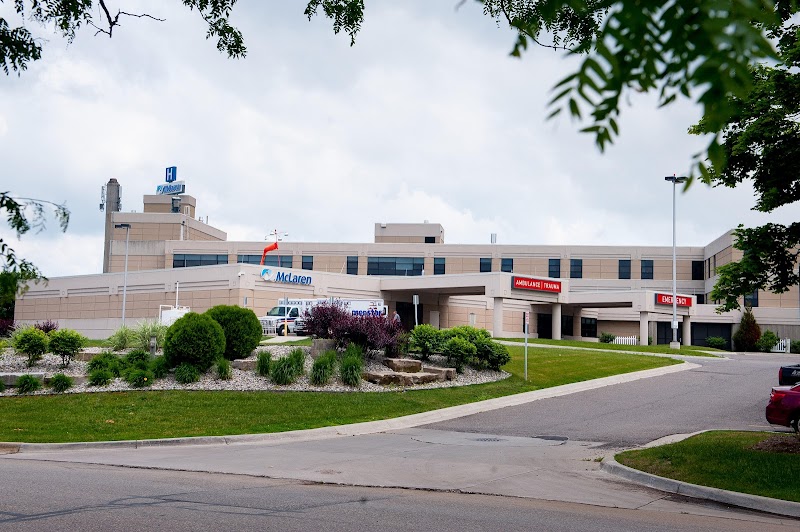
How is Mclaren Lapeer Region Staffed?

CMS rates McLaren Lapeer Region's staffing level at 5 out of 5 stars, which is much above average compared to other nursing homes. Staff turnover is 39%, compared to the Michigan average of 46%. This relatively stable workforce can support continuity of care.

What Have Inspectors Found at Mclaren Lapeer Region?

State health inspectors documented 31 deficiencies at McLaren Lapeer Region during 2022 to 2024. These included: 1 that caused actual resident harm and 30 with potential for harm. Deficiencies causing actual harm indicate documented cases where residents experienced negative health consequences.
Who Owns and Operates Mclaren Lapeer Region?

McLaren Lapeer Region is owned by a non-profit organization. Non-profit facilities reinvest revenue into operations rather than distributing to shareholders. The facility operates independently rather than as part of a larger chain. With 19 certified beds and approximately 16 residents (about 84% occupancy), it is a smaller facility located in Lapeer, Michigan.

How Does Mclaren Lapeer Region Compare to Other Michigan Nursing Homes?

Compared to the 100 nursing homes in Michigan, McLaren Lapeer Region's overall rating (5 stars) is above the state average of 3.2, staff turnover (39%) is near the state average of 46%, and health inspection rating (4 stars) is above the national benchmark.

What Should Families Ask When Visiting Mclaren Lapeer Region?

Based on this facility's data, families visiting should ask: "Can I visit during a mealtime to observe dining assistance and food quality?" "How do you handle medical emergencies, and what is your hospital transfer rate?" "Can I speak with family members of current residents about their experience?"

Is Mclaren Lapeer Region Safe?

Based on CMS inspection data, McLaren Lapeer Region has a clean safety record: no substantiated abuse findings (meaning no confirmed cases of resident harm), no Immediate Jeopardy citations (the most serious violation level indicating risk of serious injury or death), and is not on the Special Focus Facility watch list (a federal program monitoring the lowest-performing 1% of nursing homes). The facility has a 5-star overall rating and ranks #1 of 100 nursing homes in Michigan. While no facility is perfect, families should still ask about staff-to-resident ratios and recent inspection results during their visit.

Do Nurses at Mclaren Lapeer Region Stick Around?

McLaren Lapeer Region has a staff turnover rate of 39%, which is about average for Michigan nursing homes (state average: 46%). Moderate turnover is common in nursing homes, but families should still ask about staff tenure and how the facility maintains care continuity when employees leave.

Was Mclaren Lapeer Region Ever Fined?

McLaren Lapeer Region has no federal fines on record. CMS issues fines when nursing homes fail to meet care standards or don't correct problems found during inspections. The absence of fines suggests the facility has either maintained compliance or corrected any issues before penalties were assessed. This is a positive indicator, though families should still review recent inspection reports for the full picture.

Is Mclaren Lapeer Region on Any Federal Watch List?

McLaren Lapeer Region is not on any federal watch list. The most significant is the Special Focus Facility (SFF) program, which identifies the bottom 1% of nursing homes nationally based on persistent, serious quality problems. Not being on this list means the facility has avoided the pattern of deficiencies that triggers enhanced federal oversight. This is a positive indicator, though families should still review the facility's inspection history directly.