The Orchards at Lapeer

239 South Main Street, Lapeer, MI 48446 (810) 664-6611
For profit - Corporation 87 Beds THE ORCHARDS MICHIGAN Data: November 2025
Trust Grade
45/100
#246 of 422 in MI
Last Inspection: March 2025

Within standard 12-15 month inspection cycle. Federal law requires annual inspections.

Overview

The Orchards at Lapeer has a Trust Grade of D, indicating below-average performance with some concerning issues. Ranked #246 out of 422 facilities in Michigan, they are in the bottom half, and they are last among the four nursing homes in Lapeer County. Although the facility is showing improvement with the number of issues decreasing from 14 in 2024 to 11 in 2025, staffing is a significant concern with a high turnover rate of 91%, far exceeding the state average of 44%. Fortunately, there have been no fines recorded, which is a positive aspect, but RN coverage is only average, meaning that while there are RNs available, they may not be as numerous as in other facilities. Specific incidents reported include a resident who fell out of bed and fractured a femur due to inadequate supervision and interventions, as well as instances of improper infection control practices where staff failed to wash their hands and use protective equipment appropriately. Additionally, there were gaps in care planning, leaving residents without comprehensive plans to address their medical needs. Overall, while the facility has some strengths, such as no fines and a trend towards improvement, these serious concerns about safety and staffing should be carefully considered by families researching options.

Trust Score
D
45/100
In Michigan
#246/422
Bottom 42%
Safety Record
Moderate
Needs review
Inspections
Getting Better
14 → 11 violations
Staff Stability
⚠ Watch
91% turnover. Very high, 43 points above average. Constant new faces learning your loved one's needs.
Penalties
✓ Good
No fines on record. Clean compliance history, better than most Michigan facilities.
Skilled Nurses
○ Average
Each resident gets 34 minutes of Registered Nurse (RN) attention daily — about average for Michigan. RNs are the most trained staff who monitor for health changes.
Violations
⚠ Watch
30 deficiencies on record. Higher than average. Multiple issues found across inspections.
★★★☆☆
3.0
Overall Rating
★★☆☆☆
2.0
Staff Levels
★★★☆☆
3.0
Care Quality
★★★☆☆
3.0
Inspection Score
Stable
2024: 14 issues
2025: 11 issues

The Good

  • Full Sprinkler Coverage · Fire safety systems throughout facility
  • No fines on record

Facility shows strength in fire safety.

The Bad

3-Star Overall Rating

Near Michigan average (3.1)

Meets federal standards, typical of most facilities

Staff Turnover: 91%

44pts above Michigan avg (46%)

Frequent staff changes - ask about care continuity

Chain: THE ORCHARDS MICHIGAN

Part of a multi-facility chain

Ask about local staffing decisions and management

Staff turnover is very high (91%)

43 points above Michigan average of 48%

The Ugly 30 deficiencies on record

1 actual harm
Mar 2025 10 deficiencies
CONCERN (D)

Potential for Harm - no one hurt, but risky conditions existed

Resident Rights (Tag F0550)

Could have caused harm · This affected 1 resident

Based on interview and record review, the facility failed to ensure that residents were treated in a respectful and dignified manner for a Confidential Group of residents, from a facility census of 54...

Read full inspector narrative →
Based on interview and record review, the facility failed to ensure that residents were treated in a respectful and dignified manner for a Confidential Group of residents, from a facility census of 54 residents, resulting in staff talking on personal cell phones while in the residents' rooms and while providing resident care. Findings Include: FACILITY Resident Council: On 3/19/2025 at 3:32 PM, during an interview with a Confidential Group of Residents, they said there was an issue with staff talking on their personal phones while providing care for the residents. The residents said some staff wear ear buds and the staff member will be talking to someone with the ear bud and the resident thinks they are talking to them. The residents' said they were embarrassed and upset when they were answering the staff member and were told, the staff member was not talking to them, they were talking to someone else on the ear bud. During the interview with the Confidential Group of Residents on 3/19/2025 at 3:32 PM, the residents said the staff will bring their personal phone in the residents' room and have personal conversations while they perform care for the residents and ignore the residents. The residents also said they will approach a staff member in the hallway because they need something and the staff will not acknowledge them, because they are having a personal call on their phone. The residents said there are some staff who are repeatedly on their phones and are rude about it. They said it happens on all shifts but is worse on the weekends. On 3/19/2025 at 4:40 PM, during an interview with the Director of Nursing/DON, the residents' concerns about staff using personal cell phones and ear buds in the residents' rooms during care or in the hallways when residents need something was discussed. The DON said it had been an ongoing issue and she was working on it. She believed it was happening more on the off shifts and weekends when administration was not around. Reviewed the residents want this to stop. They feel it is an invasion of their privacy and disrespectful. A review of the facility policy titled, Telephone and Pager Usage, undated provided, It is the policy of this facility that unless specifically designated otherwise, cellular pones and/or pagers are not permitted in resident care areas. Company telephones will be limited to certain areas and times within the workplace . In this age of technology, cellular telephones increase the risk of HIPPA (Health Information privacy law) and resident privacy violations . At no time may employees use personal cellular phones in resident care areas for any purpose . The use of personal cellular telephones and/or pagers are only permitted in the employee designated break room .
CONCERN (D)

Potential for Harm - no one hurt, but risky conditions existed

Assessment Accuracy (Tag F0641)

Could have caused harm · This affected 1 resident

**NOTE- TERMS IN BRACKETS HAVE BEEN EDITED TO PROTECT CONFIDENTIALITY** Based on interview and record review, the facility failed to accurately code a pressure ulcer on the Minimum Data Set (MDS) for ...

Read full inspector narrative →
**NOTE- TERMS IN BRACKETS HAVE BEEN EDITED TO PROTECT CONFIDENTIALITY** Based on interview and record review, the facility failed to accurately code a pressure ulcer on the Minimum Data Set (MDS) for one resident (R44) of one resident reviewed for MDS accuracy. Findings include: Resident #44 (R44): R44 is [AGE] years old and admitted to the facility on [DATE] with diagnosis that include congestive heart failure, major depressive disorder, generalized anxiety disorder and metabolic encephalopathy. On 03/18/25 at 01:04 PM, record review of the CMS-802, resident matrix, revealed that R44 currently had an unstageable pressure ulcer that was facility acquired. The pressure ulcer is located on the right heel. On 03/19/25 at 02:52 PM an interview was conducted with the wound care nurse. Wound Care Nurse C was asked when did R44 acquire the right heel pressure wound. Wound Care Nurse C stated the wound started on 11/19/24, the wound started as a hematoma (a closed wound where blood collects) and then turned into what it is now. On 03/19/25 at 04:06 PM, record review of Section M (skin conditions) of the quarterly MDS Assessment, dated 1/7/25 does not mention the presence of an unstageable pressure ulcer. On 03/20/25 at 11:15 AM, an interview was conducted with the Director of Nursing (DON). The DON was asked if the MDS Nurse should have coded the right heel unstageable pressure wound on the most recent MDS assessment. The DON stated that yes it should have been coded on the MDS. I am not sure why she didn't do it. Record review of the policy titled, MDS Accuracy, revealed: Purpose: The accuracy of the MDS is checked to assure that each resident receives an accurate assessment by staff that are qualified to assess the relevant care areas and are knowledgeable of the resident's status, needs, strengths and areas of potential or actual decline. Procedure: 1. The appropriate health professional completes the designated sections/subsections of the MDS. 2. Ensure that interdisciplinary team members review the entire MDS to validate that the assessment accurately reflects the resident's status as of the assessment reference date, or the discharge or reentry date, as applicable. 3. Following validation of accuracy each interdisciplinary team member who completed a portion of the MDS must sign, date, and indicate the section(s) completed under Section Z, certifying the accuracy of responses and completion of the portion(s) of the assessment, tracking form or face sheet they completed or corrected.
CONCERN (D) 📢 Someone Reported This

A family member, employee, or ombudsman was alarmed enough to file a formal complaint

Potential for Harm - no one hurt, but risky conditions existed

Deficiency F0657 (Tag F0657)

Could have caused harm · This affected 1 resident

**NOTE- TERMS IN BRACKETS HAVE BEEN EDITED TO PROTECT CONFIDENTIALITY** Based on interview and record review the facility failed to revise care plans timely for two residents (R30, R44) of 12 resident...

Read full inspector narrative →
**NOTE- TERMS IN BRACKETS HAVE BEEN EDITED TO PROTECT CONFIDENTIALITY** Based on interview and record review the facility failed to revise care plans timely for two residents (R30, R44) of 12 residents reviewed for care plan revision, resulting in inaccurate care plans. Findings include: Resident #30 (R30): R30 is [AGE] years old and admitted to the facility on [DATE] with diagnoses that include hemiplegia and hemiparesis following a cerebral infarction affecting the left side, hypertension, history of pulmonary embolism and major depressive disorder. R30 has a brief interview for mental status score of 13, indicating they are cognitively intact. On [DATE] at 02:19 PM, record review revealed that R30 had a signed physician's order in place for Advanced Directives-Do Not Resuscitate (DNR), dated [DATE]. Further review of the record revealed a signed document for a DNR Code Status. On [DATE] at 02:25 PM, record review revealed a care plan with a focus that stated, I have chosen full resuscitation dated [DATE]. Interventions in the care plan revealed, If necessary, perform CPR, call 911, call physician and responsible party, prepare discharge papers, dated [DATE]. On [DATE] 10:31 AM, an interview was conducted with Social Service Director B. Social Service Director B was asked who is responsible for updating care plans related to code status. Social Service Director B: stated, that would be me. I update them quarterly or if there is a change in code status. Social Service Director B was asked why the code status care plan for R30 had not been updated since [DATE] despite a change in code status. Social Service Director B stated, We were very busy trying to get everyone updated and it got missed, I am not sure how it got missed but it did. I am currently still auditing charts to ensure the code status matches for the residents. Social Services Director B verified that the care plan had not been updated since [DATE], it was at this time that the Social Service Director updated the care plan to the current code status preference of the resident. Resident #44 (R44): R44 is [AGE] years old and admitted to the facility on [DATE] with diagnosis that include congestive heart failure, major depressive disorder, generalized anxiety disorder and metabolic encephalopathy. R44 has a BIMS score of 6, indicating severe cognitive impairment. On [DATE] at 01:04 PM, record review of the CMS-802, resident matrix, revealed that R44 currently had an unstageable pressure ulcer that was facility acquired. The pressure ulcer is located on the right heel. On [DATE] at 02:52 PM, an interview was conducted with wound care nurse C. Wound care nurse C was asked when did R44 acquire the right heel pressure wound. Wound care nurse C stated that the wound started on [DATE]. Wound care nurse C stated that R44 has boots on, we turn her and keep her up in the chair. Wound care nurse C stated, I believe it (the wound) might have started with her decline overall, it started with a hematoma (a closed wound where blood collects) and then turned into what it is now. On [DATE] at 03:20 PM, record review of an assessment titled, Skin & Wound Evaluation V7.0, revealed that the right heel pressure ulcer was identified on [DATE]. On [DATE] at 03:26 PM, record review revealed a care plan with a focus titled, Wound Management: I have an unstageable pressure injury to right heel, date initiated [DATE]. On [DATE] at 11:15 AM, an interview was conducted with the Director of Nursing (DON). The DON was asked why the care plan for the right heel pressure injury wasn't put in place until [DATE], if the wound was discovered on [DATE]. The DON stated, I am not sure, the wound care nurse is usually very good at updating the care plans. The DON was asked what a reasonable time is to update the care plan related to a pressure ulcer. The DON stated it would be updated as the wound changes or as a wound is identified. The DON stated the wound care nurse usually updates the care plans. Review of the policy titled, Comprehensive Plan of Care, revealed: Fundamental Information -Be periodically reviewed and revised by the interdisciplinary team as changes in the resident's care and treatment occur.
CONCERN (D) 📢 Someone Reported This

A family member, employee, or ombudsman was alarmed enough to file a formal complaint

Potential for Harm - no one hurt, but risky conditions existed

Tube Feeding (Tag F0693)

Could have caused harm · This affected 1 resident

**NOTE- TERMS IN BRACKETS HAVE BEEN EDITED TO PROTECT CONFIDENTIALITY** This Citation Pertains to Intake Number MI00151174. Based on observation, interview and record review, the facility failed to en...

Read full inspector narrative →
**NOTE- TERMS IN BRACKETS HAVE BEEN EDITED TO PROTECT CONFIDENTIALITY** This Citation Pertains to Intake Number MI00151174. Based on observation, interview and record review, the facility failed to ensure 1) Accurate orders for a feeding tube that was not being used, 2) Maintenance of the feeding tube including water flushes and 3) Care of the feeding tube insertion site to prevent redness and bleeding for 1 Resident (#38) of 2 residents reviewed for feeding tubes. Findings Include: Resident #38: Tube Feeding A record review of the Face sheet and Minimum Data Set/MDS assessment indicated Resident #38 was admitted to the facility on [DATE] with diagnoses: debility, feeding tube, depression, hypothyroidism, arthritis, and heart disease. The MDS assessment dated [DATE] revealed the resident had full cognitive abilities with a Brief Interview for Mental Status/BIMS score of 15/15 and needed some assistance with all care. On 3/18/2025 at 11:47 AM, Resident #38 was observed lying in bed. She said she had a feeding tube and showed her abdomen. There was a dressing dated 3/18/2025 at the insertion site. The resident said it gets red and hurts under the dressing; there was some dried red drainage on the tube button. She said they did not routinely flush the tube with water. There was no graduated cylinder or syringe in the resident's room to flush the peg tube with water On 3/19/2025 at 10:05 AM, observed the residents peg tube site, with Nurse D and Nurse Aide/CNA, the nurse said she had just changed the peg tube gauze dressing dated 3/19/2025. The peg tube insertion site was reddened about 1.5 cm around the peg tube; bloody drainage was observed on the gauze dressing and there was some at the insertion site. The resident asked for a paper towel and the nurse said it was for the drainage. The peg tube was discolored dark brownish red inside the tube. The nurse said it was probably from the drainage. The nurse and resident said the tube was scheduled to be removed. Nurse D said the resident took her medications and food/orally by mouth and the tube wasn't being used. Nurse D said the peg tube was supposed to be flushed on her shift with 50 ml of water. There was no graduated cylinder or syringe for administration of the water in the room. On 3/19/2025 at 10:15 AM, the physician orders for Resident #38 were reviewed with Nurse D. The nurse, said the to flush the resident's peg tube with water/50 ml was with the medication pass, but the resident no longer received medications by the peg tube. A review of the Medication Administration Record/Treatment Administration Record (MAR/TAR) for Resident #38 identified the following: Regular diet, Minced texture, Thin Liquid consistency, date ordered and started 10/2/2024. Enteral Feed Order: every evening shift Monitor PEG tube for residual before administering enteral feed, before medication administration and PRN (as needed). Hold tube feed and notify MD if >150 (residual), undated. The nurses had initialed they completed this every day from March 1st- March 18th on the night shift, except for 5 days one nurse documented 2 it was refused. Enteral Feed Order: every day and evening shift Flush tube with 50 ml h2O (water) before and after medication administration and feedings. Check residual and hold if >150. Nine times on day shift and Nine times on night shift, a nurse documented the tube was flushed with 50 ml of water. 19 time between the two shifts, a nurse documented they did not flush the tube: 4 times a 0 was documented and 15 times 2/ refused. There was no additional documentation related to why the resident refused or if the provider was contacted. Cleanse Peg tube site with NS (normal saline), pat dry with gauze, apply TAO (triple antibiotic ointment) to PEG tube site. Every shift for belly redness for 14 days. The treatment was documented from 3/5/2025-3/18/2025. It was not initialed as completed twice. There was no documentation that the resident's peg tube site was still red with drainage after the treatment ended on 3/18/2025. Cleanse peg-tube site with NS daily and PRN. Monitor area for signs and symptoms of infection: redness, swelling, purulent drainage and odor, document Y if area remains free from signs and symptoms of infection . Document N if signs and symptoms of Infection are present, notify physician and document in progress notes every shift for PEG tube care. The nurses initialed the entries on day and night shift, but did not identify Y or N or redness etc. 4 times the entries were blank on night shift. A review of the progress notes identified the following: 3/15/2025 at 4:50 PM, Resident has redness on the left side of the lower abdomen adjacent to the peg tube. The area appears to be irritated and sore. There was no additional follow up after the treatment was completed on 3/18/2025. A review of the Care Plans for Resident #38 identified the following: I have an ADL (activities of daily living) self-care performance deficit related to fall with fracture prior to admit. Surgical of repair of right femoral and right humeral neck fracture, and Diverticulosis, dated initiated, 3/62024 and revised 5/23/2024 including Interventions: Eating: NPO (nothing by mouth)/Dependent on Enteral feeding (tube feeding), date initiated 3/6/2025 and revised 2/7/2025. I have a potential fluid deficit related to history of Nausea, vomiting, history of NPO and dependent on tube feedings for hydration due to dysphagia (difficulty swallowing), I am refusing tube feedings, date initiated 5/28/2024 and revised 10/21/2024 with Interventions including: TF (tube feedings) and water flushes as ordered, dated initiated 5/29/2024 and revised 2/7/2025. The resident no longer received tube feedings. I have a nutritional problem related to history of NPO status and dependent on tube feeding to meet nutritional/hydration needs due to failed (swallow study) at hospital Date initiated 3/12/2024 and revised 9/11/2024 with Interventions including: Tube feedings and water flushes, as ordered, date initiated 5/19/2024 and revised 2/7/2025. The resident's Care Plans did not reflect the resident's current condition and repeatedly referenced that she was still receiving tube feedings. On 3/19/2025 at 11:20 AM, Nurse Manager C was interviewed about Resident #38's peg tube site. She said the site was red, but had been worse. Nurse C said the resident had ongoing complaints of discomfort at the site and her abdomen and was to have the tube removed on 4/1/2025. On 3/19/2025 at 4:30 PM, reviewed with the Director of Nursing, Resident #38 did not have accurate orders or documentation of care of her feeding tube. Also reviewed the Care Plans did not reflect the resident's current status or needs. She said the facility would be working on this.
CONCERN (D)

Potential for Harm - no one hurt, but risky conditions existed

Deficiency F0694 (Tag F0694)

Could have caused harm · This affected 1 resident

**NOTE- TERMS IN BRACKETS HAVE BEEN EDITED TO PROTECT CONFIDENTIALITY** Based on observation, interview and record review, the facility failed to follow standards of practice for assessment, monitorin...

Read full inspector narrative →
**NOTE- TERMS IN BRACKETS HAVE BEEN EDITED TO PROTECT CONFIDENTIALITY** Based on observation, interview and record review, the facility failed to follow standards of practice for assessment, monitoring and dressing changes of a PICC (Peripherally Inserted Central Catheter inserted into a vein for the administration of intravenous (IV) medication and fluids) for one resident (Resident #39), of one resident reviewed for intravenous therapy. Findings include: Resident #39: On 3/18/25 at 10:00 AM, an interview was conducted with Resident #39 who answered questions and conversed in conversation. The Resident was lying in bed. The Resident was asked about his PICC line and the resident pulled up his sleeve to expose the PICC line with a clear dressing over top. The dressing was observed to not have a date of when it was last changed. The Resident was asked and reported the dressing had been changed but was unsure of the date. A review of Resident #39's medical record revealed an admission into the facility on 2/22/25 with diagnoses that included infection and inflammatory reaction due to internal right hip prosthesis, and cellulitis of right lower limb. A review of Resident #39's order for the PICC line care dated 2/24/25, revealed, Change PICC dressing and measure external catheter length and document every 7 days and PRN (as needed). Note any complications. Every day shift every 7 days Change PICC dressing and measure external catheter length and arm document every 7 days and PRN. Note any complications. If any discrepancy in length from any previous measure, stop using line and notify provider immediately. Obtain f/u (follow-up) instructions . A review of the Treatment Administration Record (TAR) for Resident #39 for February 2025 revealed the dressing was documented as changed on 2/28/25 but for the length of the catheter documentation was NA (not applicable). The TAR for March revealed the PICC line dressing was scheduled to be changed on 3/7/25 but was not documented as completed. The PICC line was documented as changed on 3/12/25 but there was no measurement of the PICC line. A review of Resident #39's care plan revealed a focus of I am at risk for complications Central Venous Catheter, date initiated 2/27/25 with an intervention to provide site care and dressing changes per protocol, date initiated 2/27/25. The baseline measurement for the PICC line was not documented in the care plan. There was not a baseline care plan initiated for the PICC line on admission on [DATE]. On 3/19/25 at 11:00 AM, an interview was conducted with the Director of Nursing (DON) and Nurse M regarding Resident #39's PICC line care. When asked when the PICC line dressing was to be changed, Nurse M reported they PICC line dressings were to be changed in 24 hours of admission and then every 7 days. The DON reviewed the Resident's medical record and reported it was changed on 2/28 and that it was not at the 24 hours. It was reviewed with the DON that the next documented dressing change was completed on 3/12 and was not changed on 3/7. When asked if there were any measurements of the PICC line, the DON reviewed the medical record and did not find any measurements for the PICC line. The DON reported that they follow the [NAME] standards of care and did not have a policy for PICC line care. A review of the admission assessment revealed no measurements of the PICC line and the initiation of the care plan on admission was not documented. The Resident was admitted with the PICC line, lacked a baseline care plan, lack dressing changes within 24 hours and every 7 days and there was no documentation of the measurement of the PICC line. A review of the [NAME] manual that the DON indicated they use as the standard of practice, revealed, .Use a sterile tape measure to measure the external length of the catheter from hub to skin entry to make sure that the catheter hasn't migrated . There was not guidance of when the dressing change was to be completed.
CONCERN (D)

Potential for Harm - no one hurt, but risky conditions existed

Pharmacy Services (Tag F0755)

Could have caused harm · This affected 1 resident

Based on interview and record review, the facility failed to ensure the acquisition and administration of medications for two residents (Resident #34 and Resident #56) of eight residents reviewed for ...

Read full inspector narrative →
Based on interview and record review, the facility failed to ensure the acquisition and administration of medications for two residents (Resident #34 and Resident #56) of eight residents reviewed for medication regimen review, resulting in seizures and hospitalization for Resident #34. Findings include: Resident #34: A review of Resident #34's medical record revealed an admission into the facility on 1/30/25 with diagnoses that included fracture of right clavicle and ribs and epilepsy. A review of the Minimum Data Set (MDS) assessment revealed a Brief Interview of Mental Status (BIMS) score of 6/15 that indicated severely impaired cognition. A review of Resident #34's medication orders and Medication Administration Record revealed the following: -For January 2025, the medication Fycompa 10mg, give 1 tablet by mouth at bedtime for seizures, was documented as not given on 1/30 and 1/31. Briviact 100mg, give 1 tablet by mouth every 12 hours for seizures, was documented as not given on 1/30 at 8pm, 1/31 at 8AM and 8PM. -For February 2025, the medication Fycompa 10 mg, give 1 tablet by mouth at bedtime for seizures, was documented as not given for 24 days of the month. Zonisamide 100 mg, give 2 capsule by mouth at bedtime for seizures, was documented as not given on 2/1, 2/2, 2/4 and 2/6. Briviact 100mg, give 1 tablet by mouth every 12 hours for seizures, was documented as not given on 2/1, 2/2, 2/3, 2/4, and 2/5 at 8AM and 8PM. A review of the progress notes revealed the Resident had a fall, was sent out to the hospital on 2/2 at 7:38 PM and returned 2/3/24 at 2:06 am. The progress notes on 2/1/24 indicated that Briviact and Fycompa were on order; on 2/4/25 the progress notes indicated that the Zonisamide, Fycompa and Briviact were on order. -For March 2025, the medication Briviact 100 mg, give one tablet by mouth every 12 hours for seizures was documented as not given on 3/6 at 8PM, 3/7 at 8AM and 3/8 at 8AM. The progress notes on 3/8/25 at 7:51 AM indicated, Briviact .on order, will call pharmacy when they open at 9am. A review of Resident #34's progress note dated 2/24/25 at 10:58 PM revealed, writer was informed resident was having increase in seizure activities. Resident having seizures lasting from 2-6 minutes resident biting tongue two occurrences within several hours. Writer was informed by DON and (Dr. name) was informed and order resident to be sent out to (hospital name) ER via ambulance . On 3/20/25 at 12:21 PM, an interview was conducted with the Director of Nursing (DON) regarding Resident #34 lack of medication Fycompa, Briviact and Zonisamide. The DON reported that the pharmacy was unable to get the medications, the doctor didn't want to discontinue the medication since it was prescribed by the neurologist. The DON stated, it took a long time, and they finally got one in but could not get the other. I had to get him to the neurologist and there was something else ordered. The extended delay in acquiring the medication and/or getting a replacement was reviewed with the DON and that the Resident had seizures and had to be sent to the hospital. A review of the progress notes revealed a lack of documentation that the Resident's Neurologist had been contacted when the medication was not available. Resident #56: A review of Resident #56's medical record revealed an admission into the facility on 1/1/25 with diagnoses that included fracture of the right tibia, convulsions, end stage renal disease, dependence on renal dialysis, restlessness and agitation, depression, anxiety disorder, and pervasive developmental disorder. A review of the MDS revealed the Resident needed substantial/maximal assistance with toileting hygiene, bathing, and lower body dressing, mobility and transfers. Further review of the medical record revealed the Resident went to dialysis appointments that were scheduled on Monday, Wednesday and Friday. On 3/18/24 at 9:56 AM, an observation was made of Resident #56 lying in bed sleeping. The Resident had Confidential Person Q in the room that there to stay with the Resident. An interview was conducted with the Confidential Person. When asked about any issues with care for Resident #56, the Confidential Person reported issues with the Resident receiving medication and gives example of the binder was to be given right before meals and stated, They just don't get it right. The Confidential Person reported the Resident eats dinner when he returns to the facility. A review of Resident #56's orders and MAR for February revealed the following: -For February 2025, the order for Sevelamer Carbonate oral tablet 800 mg, give 3 tables by mouth before meals for renal failure with a start date on 2/10/25. Documented as not given for 18 doses from 2/10 to 2/28 with documentation of 3 that indicated Absent from Home, 9 that indicated Other/see nurses Notes or Other/See Progress Notes, or 1 that indicated Away from home with meds. The Sevelamer Carbonate was scheduled for 1630 (4:30 PM). The Resident was at dialysis appointments but returned and ate dinner at the facility. A review of Resident #56's orders and MAR for March revealed the following: -Amlodipine Besy-Benazepril 5-10 mg, give one capsule by mouth one time a day for high blood pressure, documented as not given for 7 of 18 days from 3/1 to 3/18. -Donepezil 10 mg, give 1 tablet by mouth at bedtime for physco/neuro agent, documented as not given on 3/9, 3/11 and 3/16. -Gabapentin, give 200 mg by mouth at bedtime for anticonvulsants, dermatologicals, chemicals, documented as not given on 3/1, 3/2, and 3/16. -Sevelamer Carbonate 800mg, give 3 tables by mouth before meals for renal failure, documented as not given for 26 doses from 3/1/25 to 3/19/25, The medications had documentation of 3 that indicated Absent from Home or 9 that indicated Other/See Progress Notes. Review of Resident #56's Progress Notes documentation for the Orders-Administration Note included: -2/14/25 at 6:18 PM revealed, Resident returned from dialysis by ambulance at 17:40 (5:40 PM). In good standing. Resident received dinner when returned. -2/16/25 at 11:49 AM, 5:03 PM, Sevelamer . waiting for arrival from pharmacy. -2/20/25 at 8:05 PM, 2/21/25 at 7:52 PM, Amlodipine Besy-Benazepril . awaiting pharmacy delivery -2/24/25 at 10:32 PM, Amlodipine Besy-Benazepril . med not available. -2/25/25 at 8:02 PM, 2/26/25 at 8:03 PM, Amlodipine Besy-Benazepril . awaiting pharmacy delivery. -2/28/25 at 11:01 AM, 3/1/25 at 12:43 PM, Sevelamer . waiting for arrival from pharmacy. -3/2/25 at 2:16 AM and 3/3/25 at 1:08 AM, Amlodipine Besy-Benazepril . on order -3/3/25 at 1:13 AM, Gabapentin . on order -3/3/25 at 1:13 AM, Donepezil . on order -3/6/25 at 5:13 PM, Sevelamer . Awaiting pharmacy delivery unavailable in back up, called pharmacy informed physician medication not available at this time. -3/6/25 at 6:00 PM, Writer called pharmacy talked to (name) about resident order for Sevelamer Carbonate 800mg, she informed me due to government changes with Medicaid they are no longer allowed to fill medication will have to be filled by resident dialysis center. Writer informed Administrator and NOC (night) shift nurse. -3/11/25 at 8:06 PM, Amlodipine Besy-Benazepril . awaiting pharmacy delivery. -3/11/25 at 8:06 PM, Donepezil . awaiting pharmacy delivery. -3/13/25 at 11:44 AM, Called dialysis center for refill on Sevelamer Carbonate. (Nurse name) at (dialysis center) said he will send them back with Pt (patient). -3/15/25 at 7:01 AM, 11:04 AM and 4:52 PM, 3/16/25 at 7:41 AM, 10:52 AM, 5:46 PM, Sevelamer . Dialysis to order medications waiting for arrival from pharmacy. -3/17/25 at 1:18 AM, Amlodipine Besy-Benazepril . on order -3/3/25 at 1:19 AM, Gabapentin . on order -3/3/25 at 1:18 AM, Donepezil . on order On 3/19/25 at 4:38 PM, an interview was conducted with Unit Manager (UM), Nurse N regarding Resident #56's medications that were not administered. The medication for Sevelamer was reviewed and the lack of acquisition of the medication was reviewed. The UM reported that they were unaware of the medication not being available and reported that if she had been notified of the problem, she could have investigated it, but without getting the information, they were unable to remedy the problem. When asked about the facility process to order in medication to ensure they were available, the UM reported that the Nurse should notify pharmacy ahead of time when the medication cards were getting low to have them arrive at the facility timely before the resident runs out of medication and use the back up medication if available. The UM went to check the back supply of medication in the medication room. The Nurse pulled up the available medications. The UM reported that the back-up medication listed Donepezil 5 mg as a medication that should be available, but the computer did not list any available. The UM reported that when the medication is pulled, the Pharmacy was supposed to monitor it and send refills on the next pharmacy delivery and stated, Pharmacy knows when something is used, and they should send something to replace it. The Gabapentin was looked up in the back-up medication, the UM reported that medication was available, but was unable to tell how many were in there. The UM stated, If a card is low, the nurses should reorder when it gets down to 8 tablets, to reorder so it is available before they run out. Sevelamer Carbonate was not in the back-up medication cart. The UM stated, They (nurses) should contact someone when not available or let management know to look into it, and reported that communication with the pharmacy should be documented. A review of facility policy titled 7.0 Medication Shortages/Unavailable Medications, revision date 1/1/13, revealed, .Procedure: 1. Upon discovery that facility has an inadequate supply of a medication to administer to a resident, facility staff should immediately initiate action to obtain the medication from pharmacy. If the medication shortage is discovered at the time of medication administration, facility staff should immediately take the action specified in Sections 2 or 3 of this Policy 7.0, as applicable. 2. If a medication shortage is discovered during normal pharmacy hours: 2.1 Facility nurse should call pharmacy to determine the status of the order. If the medication has not been ordered, the licensed facility nurse should place the order or reorder for the next scheduled delivery. 2.2 If the next available delivery causes delay or a missed dose in the resident's medication schedule, facility nurse should obtain the medication from the Emergency Medication Supply to administer the dose. 2.3 If the medication is not available in the Emergency Medication Supply, facility staff should notify pharmacy and arrange for an emergency delivery. 3. If a medication shortage is discovered after normal pharmacy hours: 3.1 A licensed facility nurse should obtain the ordered medication from the Emergency Medication Supply. 3.2 If the ordered medication is not available in the Emergency Medication Supply, the licensed facility nurse should call pharmacy's emergency answering service and request to speak with the registered pharmacist on duty to manage the plan of action. Action may include: 3.2.1 Emergency delivery; or 3.2.2 Use of an emergency (back-up) third party pharmacy . 8. When a missed dose is unavoidable, facility nurse should document the missed dose and the explanation for such missed dose on the MAR or TAR and in the nurse's notes per facility policy. Such documentation should include the following information: 8.1 A description of the circumstances of the medication shortage; 8.2 A description of pharmacy's response upon notification; and 8.3 Action(s) taken.
CONCERN (D)

Potential for Harm - no one hurt, but risky conditions existed

Deficiency F0806 (Tag F0806)

Could have caused harm · This affected 1 resident

**NOTE- TERMS IN BRACKETS HAVE BEEN EDITED TO PROTECT CONFIDENTIALITY** FACILITY Snacks On 3/19/2025 at 3:32 PM, During an interview with a Confidential Group of Residents, they said they were not alw...

Read full inspector narrative →
**NOTE- TERMS IN BRACKETS HAVE BEEN EDITED TO PROTECT CONFIDENTIALITY** FACILITY Snacks On 3/19/2025 at 3:32 PM, During an interview with a Confidential Group of Residents, they said they were not always receiving their evening snacks. The residents said the kitchen sent up a bag of snacks on a cart each evening, but they were not always passed to the residents. They said sometimes staff and residents would take some of the residents' snacks. The residents said there was confusion and over the last few days, the snacks were not sent up at all. They said they could ask for snacks at other times, but for some residents, they are not able to ask. On 3/19/2025 at 4:05 PM, the Dietary Manager A was interviewed about the resident's snacks. She said the kitchen delivered snacks on a cart each evening. When asked if the residents were receiving the snacks, she said she wasn't sure. Reviewed some of the residents said they have seen staff and some residents taking the snacks from the cart and then they don't receive them. Some of the residents said they are supposed to have very specific snacks, and when they are gone there aren't any more. The Dietary Manager said she would ask the kitchen staff about the snacks. On 3/19/2025 at 4:40 PM, the Director of Nursing/DON was interviewed about the residents' evening (HS) Snacks. The DON said snacks were to come up from kitchen in the evening and the staff were supposed to pass them out to the residents. Reviewed the residents are not consistently receiving them. The Confidential Group of Residents said some residents take snacks off the cart that are intended for other residents and some staff were observed taking snacks for themselves. She said she was going to speak with the Dietary Manager about the Residents' concerns. A review of the facility policy titled, HS Snacks, undated provided, Purpose: HS snacks are offered to residents prior to bedtime . asked if the resident wishes to have a snack. Place the snack within reach of the resident . Assist the resident as necessary . Repeat until all assigned residents are served . When serving is complete, check back with each resident. Observe the amount of the snack eaten . Document in designated area (electronic of form) HS snack. Dining Observation Resident #8: A record review of the Face sheet and Minimum Data Set/MDS assessment indicated Resident #8 was admitted to the facility on [DATE] with diagnoses: Dementia, heart disease, anxiety, depression and peripheral vascular disease. The MDS assessment dated [DATE] indicated the resident had severe cognitive loss with a Brief Interview for Mental Status/BIMS score of 6/15 and needed assistance with care but was able to feed herself. On 3/19/2025 at 1:45 PM, Resident #8 was observed in her room lying in bed. The resident's meal tray was on the bedside table, partially eaten. The resident was yelling that it was left there. The resident's meal ticket was on the tray and reviewed. The resident was supposed to receive a roll and a piece of cake on her tray. There was no evidence she received either. Other residents received their cake on a separate dessert plate. There was no additional plate or evidence of cake. The resident said she did not receive the cake and started yelling about it. When asked if she received a roll she said, No I didn't. Nurse D came into the resident's room and asked an aide to take the resident's tray and get her a piece of cake. The aide was asked if the resident received the cake or roll on her tray, and she said she didn't know. On 3/19/2025 at 4:45 PM, the DON was interviewed about Resident #8 not receiving some of the items on her food tray as indicated on her meal ticket. She said usually the resident doesn't say much and she would speak to the dietary department. Based on observation, interview and record review, the facility failed to provide meals per menu for four residents (Resident #1, Resident #17, Resident #24, Resident #26) of four residents reviewed during dining task, resulting in incomplete meals offered. Findings include: On 3/18/25, at 1:19 PM, Resident # 24 was in their room eating their lunch meal with the assistance of CNA E. There were two bowls; one with dry mashed potatoes and the other one had pureed tan food. CNA E was asked where the rice and vegetable were and CNA E offered, I think they pureed it all together with the chicken. There was no cake. CNA E was asked where the cake was and CNA E offered, he didn't get any cake. Resident #24 was unable to verbalize. On 3/19/25, at 9:00 AM, Resident #1 was resting in their bed with their eyes closed. Their breakfast meal was at their bedside. The meal consisted of two pieces of toast, 3 pieces of bacon and a cup of fluids. On 3/19/25, at 9:01 AM, a record review of the meal ticket on the tray revealed: Menu: Assorted Juice Choice of Hot or Cold Cereal Egg of Choice Breakfast Meat of the Day Hash brown Patty Breakfast Muffin Margarine/Jelly Milk/Beverage There was no hash brown patty, no egg, no cold or hot cereal and no muffin. On 3/19/25, at 9:05 AM, Dietary Manager (DM) A was asked why Resident #1 did not receive their muffin, egg and hash brown patty and DM A offered, that she don't like eggs. DM A was asked why if items were listed on the meal ticket why Resident #1 was not offered those items and DM A offered, the staff usually will ask they day prior and write what she wants on the meal ticket. DM A was asked to review the meal ticket and was asked why nothing was crossed out or changed and DM A offered, they would have wrote on it and did not know why it wasn't on there. On 3/19/25, at 1:03 PM, Resident #26 was eating their lunch meal in their room of ham, carrots and potatoes. There was no roll provided nor dessert. Resident #26 had difficulty with speaking. The resident in bed 1 complained out loud I didn't get a roll either. On 3/19/25, at 1:05 PM, Resident #17 was sitting in their room. CNA F was assisting the resident with their meal. CNA F was asked if Resident #17 received a roll and CNA F no dinner roll. Resident #17 was unable to verbalize. A review of the menu for 3/19/2025 revealed Menu: Baked Ham Baked Potato Candied Carrots Frosted Gelatin Poke Cake Dinner Roll/Margarine Beverage On 3/19/25, at 1:09 PM, while entering the main dining room, a large plastic container was observed full of bagged up single dinner rolls. DM A exited the kitchen area and was asked why residents didn't receive a dinner roll with their lunch meal. DM A pointed to the container of dinner rolls and asked Dietary Aide J what happened and why do we have so many rolls left and Dietary Aide J giggled and said, it's been a long week.
CONCERN (D)

Potential for Harm - no one hurt, but risky conditions existed

Deficiency F0807 (Tag F0807)

Could have caused harm · This affected 1 resident

**NOTE- TERMS IN BRACKETS HAVE BEEN EDITED TO PROTECT CONFIDENTIALITY** Based on observation, interview and record review, the facility failed to ensure that residents were receiving fresh fluids at t...

Read full inspector narrative →
**NOTE- TERMS IN BRACKETS HAVE BEEN EDITED TO PROTECT CONFIDENTIALITY** Based on observation, interview and record review, the facility failed to ensure that residents were receiving fresh fluids at the bedside in a timely manner for one resident (Resident #11) of 18 residents reviewed including a Confidential Group of Residents, resulting in Residents having warm water with no ice. Findings Include: FACILITY A record review of the Face sheet and Minimum Data Set/MDS assessment indicated Resident #11 was admitted to the facility on [DATE] with diagnoses: Traumatic Brain Injury, Dementia, seizure disorder, schizophrenia and peripheral vascular disease. The resident needed some assistance with all care. On 3/19/2025 at 1:55 PM, several residents in the East hallway including Resident #11 did not have fresh water. Resident #11 had a Styrofoam cup on his bedside table dated 3/18/2025. The water was warm and there was no ice. The resident said he didn't know when the facility had provided the water. He said it was not fresh. On 3/19/2025 at 2:00 PM, the residents on the east hall were observed to have either a water cup with no date or a water cup with 3/18/2025 written on it. All of the cups had warm water and no ice. One resident had a water cup dated 3/19/2025 with ice in the cup. On 3/19/2025 at 2:05 PM, Staff member K was observed dating Styrofoam cups at a cart in the hallway. He was asked if he was passing fresh water to the residents and he said he was. Staff member K said the residents received a new cup each day at 2:00 PM and in between the cups were refilled with water and ice from the cart. He said the water was supposed to be refilled in the same cup several times a day. On 3/19/2025 at 3:40 PM, during an interview with a Confidential Group of residents, they said they used to receive water in a washable cup and now they have one Styrofoam cup for a day. The residents said they had observed other residents attempting to get their own water and ice from the water cart that was left in the hallway. They said they did not like this. The residents said they did not always have fresh water, but depending on who their caregivers were, they would get them fresh water if they asked. On 3/19/2025 at 4:50 PM, the Director of Nursing/DON was interviewed about residents having fresh water. The DON was asked if the residents use the same Styrofoam cup for 24 hours and she said that was how it was done. She said the facility used a cart in the hall and aides would refill the water cup using the cup dated from the day before. Reviewed several residents on the east hall had water cups dated 3/18/2025 or undated and the water was warm with no ice at 2:00 PM. The DON said the cups were refilled in the early morning 6:00 -7:00 AM, about 10:00 AM and 2:00 PM and again later. Reviewed the residents did not have fresh water when observed at 2:00 PM. She said she would look into that. Also discussed that residents were observed by other residents attempting to get their own ice and water from the cart in the hallway and this could contaminate the water and ice. The used water cups were brought out to the cart and refilled, potentially contaminating the water, ice and scooper. A review of the facility policy titled, Water Pass Policy, dated January 2025 provided, The first water pass will begin at 2:00 PM and will be refilled each shift. The cups will be changed every 24 hours at 2:00 PM Each shift will refill the cups with ice from the coolers and pitchers on the unit . Coolers and scoops will be washed each morning .
CONCERN (D)

Potential for Harm - no one hurt, but risky conditions existed

Food Safety (Tag F0812)

Could have caused harm · This affected 1 resident

Based on observation, interview and record review, the facility failed to label, date and dispose of expired foods provided by the facility and label, date and dispose of residents' food brought in by...

Read full inspector narrative →
Based on observation, interview and record review, the facility failed to label, date and dispose of expired foods provided by the facility and label, date and dispose of residents' food brought in by outside sources, resulting in the potential for food borne illness. Findings include: On 03/18/25 at 09:00 AM, observations were made in the walk-in refrigerator and the walk-in freezer revealed: -a bag of frozen zucchini squash had no expiration date on it, no label was present on the bag with a received by or opened by date. -a can of french onion dip that had been opened, no open date or expiration date. -a package of hot dogs opened on 3/6/25 with no use by date. -a box of blueberries, a label on the box stated to use them by 3/13/25. -a box of tomatoes, a label on the box stated to use them by 3/11/25. -a box of celery, a label on the box stated to use them by 3/13/25. -a bag of onions, a label on the bag stated to use them by 1/21/25. These findings were verified with the dietary manager. On 03/18/25 at 09:45 AM, observations were made of the resident refrigerator/freezer that is in the dining room: - The Freezer had jam, ice cream and popsicles, there were no resident identifiers, received by dates or expiration dates on these items to know when to throw them out. - The refrigerator had a jar of pickles that was dated 12/10/24 and a jug of oat milk dated 2/12/25. There were no resident identifiers on the items. These findings were verified with the dietary manager. On 03/18/25 at 10:05 AM an interview was conducted with dietary manager A. Dietary manager A was asked who is responsible for going through the refrigerators and freezers in the kitchen to get rid of expired items. Dietary manager A replied that it is everyone's responsibility, but ultimately the dietary aides are responsible for making sure those items are thrown out. Dietary manager A was asked who monitors the resident refrigerator/freezer in the dining room. Dietary manager A stated that the dietary aides are responsible for that too and making sure it is cleaned out. Dietary manager A was asked how long the resident food should stay in the refrigerator/freezer after receiving it. Dietary manager A stated it should be taken out of there(resident refrigerator/freezer) after three days. Dietary manager A was asked if they have a cleaning schedule that makes certain roles responsible for tasks such as disposing of expired items and making sure resident items are labeled and disposed of. Dietary manager A stated, yes, the schedule outlines who is supposed to perform each task in the kitchen. Review of the cleaning schedule revealed that dietary staff members had been signing off that they are checking the fridge and freezer for expired items. Review of the policy titled, Safe Storage and Handling of Outside Food, revealed: Food Receiving and Safe Food Storage -You must check in at the nurses station when you bring food in for a resident. Any food which is not going to be consumed immediately must be covered and labeled with the resident's name, and date the food was brought into the facility and placed in the unit refrigerator. Labels and the location of the refrigerator are available at the nurses station as in the pantry area. -All food that is stored in the refrigerator and not consumed within 3 days will be discarded by facility staff daily. Signage regarding this process is displayed on all fridges, any food without the correct labeling will also be discarded.
CONCERN (E) 📢 Someone Reported This

A family member, employee, or ombudsman was alarmed enough to file a formal complaint

Potential for Harm - no one hurt, but risky conditions existed

Infection Control (Tag F0880)

Could have caused harm · This affected multiple residents

**NOTE- TERMS IN BRACKETS HAVE BEEN EDITED TO PROTECT CONFIDENTIALITY** Based on observation, interview and record review, the facility failed to appropriately clean and store reusable medical equipme...

Read full inspector narrative →
**NOTE- TERMS IN BRACKETS HAVE BEEN EDITED TO PROTECT CONFIDENTIALITY** Based on observation, interview and record review, the facility failed to appropriately clean and store reusable medical equipment, store blood specimens and needles, perform hand hygiene and wear Personal Protective Equipment (PPE) during resident care for four of four residents reviewed for infection control practices, resulting in cross-contamination. Findings include: On 3/18/25, at 1:19 PM, CNA E was observed assisting Resident #24 with their meal. The Resident in bed 1 dropped their pillow which was resting under their head. CNA E set Resident #24's fork down, picked up the pillow and placed back under the head of the resident in bed 1 without replacing the pillow case. CNA E sat back down and continued to feed Resident #24 without performing hand hygiene. On 3/18/25, at 3:25 PM, Upon entry into Resident #25's room, CNA E was observed placing a soiled brief into a clear plastic bag. CNA E was observed performing incontinence care for Resident #25. CNA E was not wearing a protective gown and CNA E's uniform was touching the bed. There was an enhanced barrier precautions sign taped to the front of the door into Resident #25's room. On 3/18/25, at 3:35 PM, Resident #1 was resting in their bed with their oxygen tubing lying on their bed. Nurse I was asked if they had obtained an oxygen saturation recently on Resident #1 and Nurse I offered, no. Nurse I was asked if they could obtain an oxygen saturation as Resident #1 was observed without their oxygen on. Nurse I entered the medication room and grabbed an Choicemed pulse oximetry machine from their personal bag. Nurse I entered Resident #1's room, placed the machine on Resident #1's finger to obtain the result. Upon exiting the room, Nurse I placed the pulse oximetry machine into their pocket without cleaning it. Nurse I was asked why they use their personal machine and Nurse I stated, there was only the one vitals machine because the other one lost a wheel. On 3/19/25, at 8:59 AM, Upon entering Resident #25's room, CNA F and CNA G were observed performing incontinence care with their uniforms leaning on the bed. Both CNA F and CNA G did not have protective gowns on. On 3/19/25, at 10:03 AM, an observation of Resident #25's percutaneous gastrostomy tube insertion site along with Nurse H was conducted. Nurse H was sitting at the nursing station working on the shared computer. Nurse H stood up entered Resident #24's room, grabbed a pair of protective gloves. Nurse H left the gloves in their right hand and did not place the gloves on their hands. Nurse H then walked to the left side of Resident #24's bed, pulled back the blankets, lifted up and pulled back the dressing that was covering the insertion site on Resident #24's abdomen. Nurse H then threw the gloves away, left out of the room and sat back down at the nursing station before answering the shared phone. Nurse H did not perform hand hygiene nor put on a protective gown or gloves. On 3/19/25, at 2:30 PM, a record review of Resident #25's electronic medical record revealed an admission on [DATE] with diagnoses that included Traumatic brain injury and Epilepsy. Resident #25 required extensive assistance with all care and was unresponsive. A review of the Physician Orders revealed Enhanced Barrier Precautions r/t (related to) tube feeding Revision Date 3/20/2024. A review of the facility provided Infection Prevention and Control SOP Enhanced Barrier Precautions (EBP) revealed . refer to the use of gown and gloves for certain residents during specific high-contact resident care activities that have been found to increase risk for transmission of multidrug-resistant organisms . A review of the Infection Prevention and Control SOP Hand Hygiene revealed . All personnel shall follow our established hand hygiene procedures to prevent the spread of infection and disease to other personnel, patients, and visitors . Appropriate hand hygiene must be performed under the following conditions: . before and after entering isolation precaution settings . before and after assisting a resident with meals . before and after changing a dressing . Glucose Monitor: On 3/19/25 at 9:43 AM, an observation was made during medication administration with Nurse L of the Nurse performing glucose monitoring for a Resident. The Nurse and the Resident were in the hallway. The Nurse after donning gloves, performed the finger puncture to get blood for the testing. The Nurse was holding the Resident's hand, completed the puncture, manipulated the Resident's finger to obtained the blood on the test strip that was in the monitor, placed the monitor on top of the medication cart, removed the test strip and wiped the area where the test strip goes in to the monitor with an alcohol swab, and placed the monitor back into the medication drawer without cleaning the monitor or the top of the medication cart. The Nurse was asked about cleaning the monitor between Resident use and the Nurse asked the surveyor if they were supposed to clean the whole monitor. The Nurse when asked about facility policy was unsure what the policy was on cleaning the glucose monitors after Resident use. On 3/19/25 at 11:42, an interview was conducted with the Director of Nursing (DON) regarding cleaning the glucose monitor after resident use. The DON expressed the monitor should be cleaned after resident use, before storage and use the all-purpose wipes that had a one-minute kill time. The DON stated, They should have the purple top container (disinfectant wipes with the 1-minute kill time) on the medication cart. A review of facility policy titled, Cleaning and disinfecting Blood Glucose Meters, revealed, Policy Statement: Each facility will clean and disinfect blood glucose meters between each resident to avoid cross-contamination issues. Equipment: .Materials that the product label instructions recommend for disinfecting the glucose meter or Commercial 1:10 parts bleach wipes or a paper towel dampened with a 1:10 dilution of sodium hypochlorite (1ml of household bleach in 9 ml. water, wrap glucose meter according to guidelines on antiseptic wipe product label instructions. Procedure: .3. Follow label instructions on how to disinfect the product, if indicated. (follow the length of time that the product needs to remain 'wet' when the specified solution is applied.) 4. Care should be taken not to clean the strip port or pour liquid into the strip port or buttons . 6. Follow above procedure when using the same glucose meter between several residents. Blood Draw Equipment On 3/20/25 at 8:20 AM, an observation was made of a treatment cart positioned in the hallway with blood draw equipment in a caddy. There was no staff in the area and the caddy was not directly supervised by staff. The caddy had a bag that was open and had capped needles inside the bag. There were blood specimens in tubes on the treatment cart next to the caddy. An observation was made of a needle, tube holder and blood collection tube lying on the top of the treatment cart. The needle did not have any packaging over it and there was not on a barrier, the needle was capped. On 3/20/25 at 8:26 AM, Nurse D was asked about the storage of blood collection equipment, sharps and blood specimens left on the treatment cart. The Nurse reported that it belonged to the laboratory tech who was drawing blood. The Nurse reported that it should not be left on the treatment cart. The Nurse was unsure where the Lab Tech was, and staff went to find her. The equipment was not supervised by the Lab Tech. Lab Tech P was asked about her equipment and indicated she always left it out and did not take it into the rooms with her. The Lab Tech reported she had no way to secure the sharps and specimens. On 3/20/25 at 8:35 AM, medication administration was observed with Nurse D. Upon returning from the Resident's room that was down another hall from where the lab equipment was left unsupervised on top of the treatment cart, an observation was made of the supplies remaining on the cart and not supervised by the Lab Tech. The Nurse indicated the items should not have been left on the treatment cart unattended.
Mar 2025 1 deficiency
CONCERN (D) 📢 Someone Reported This

A family member, employee, or ombudsman was alarmed enough to file a formal complaint

Potential for Harm - no one hurt, but risky conditions existed

Quality of Care (Tag F0684)

Could have caused harm · This affected 1 resident

**NOTE- TERMS IN BRACKETS HAVE BEEN EDITED TO PROTECT CONFIDENTIALITY** This Citation Pertains to Intake Number MI00150900. Based on interview and record review, the facility failed to ensure that phy...

Read full inspector narrative →
**NOTE- TERMS IN BRACKETS HAVE BEEN EDITED TO PROTECT CONFIDENTIALITY** This Citation Pertains to Intake Number MI00150900. Based on interview and record review, the facility failed to ensure that physician's orders were enacted for one resident (Resident #1) of 3 residents reviewed for a change of condition. Findings Include: Resident #1: A record review of the Face sheet and Minimum Data Set/MDS assessment indicated Resident #1 was admitted to the facility on [DATE] with diagnoses: enlarged heart, anxiety, depression, Barrett's Esophagus, GERD and debility. The MDS assessment dated [DATE] revealed the resident had full cognitive abilities with a Brief Interview for Mental Status/BIMS score of 14/15 and the resident needed some assistance with all care. A record review of the progress notes revealed Resident #1 was transferred to the hospital on [DATE] at 9:30 AM, with a change of condition related to low blood pressure 85/53, a rapid pulse rate 118 beats per minute, a rapid respiratory rate of 30 breaths per minute and very low oxygen saturation of 78% with use of oxygen via nasal cannula. Another progress note on [DATE] at 2:12 PM identified the following: Writer called (the hospital) resident admitted to the ICU with metabolic alkalosis, sepsis, hyperkalemia (high potassium). Further review of the progress notes indicated on [DATE] at 2:54 AM, several hours prior to his transfer to the hospital, Resident #1 began to have shortness of breath. The progress note provided, Writer observed resident with (shortness of breath) and consistent spO2 (oxygen saturation) less than 90% ranging from 82-88 on room air. Notified MD. Received order to start O2 at 2 (liters/minute) to maintain spO2 >90%. Upon further review of the medical record, a physician's note dated [DATE] at 4:02 PM revealed the following, . Chief Complaint: Cough and chest congestion with brown sputum. Episodic Visit . Respiratory: Chest expands symmetrical without effort. Breath sounds decreased, clear. Inspiratory/Expiratory wheezing noted . I evaluated the patient's condition today and found it to be stable. The patient will continue present management. Pain management as needed. Obtain a CXR (chest x-ray) and start Robitussin expectorant. A review of the physician orders for Resident #1 identified the following: [DATE]- Send to hospital for evaluation and treatment. [DATE]- O2 @2L via NC (nasal cannula) to maintain SPO2 >90%. There were no orders for a chest x-ray for Resident #1. There were no new orders from [DATE], the day the physician saw and examined Resident #1 until [DATE]. The resident already had an order for Guaifenesin cough syrup as needed. A review of the Results tab for diagnostics including x-rays and the Miscellaneous tab in the electronic medical record/EMR, indicated there were no results for a Chest x-ray for Resident #1. A review of Resident #1's Medication Administration Record for [DATE] indicated the Guaifenesin cough syrup was not provided to the resident. A review of the Care Plans for Resident #1 revealed there was no Care Plan related to the resident's cough and congestion. There was no respiratory Care Plan. On [DATE] the hospital medical records were obtained and reviewed for Resident #1's hospital admission on [DATE]. The medical records revealed the resident was admitted to the hospital with shortness of breath and hypotension (low blood pressure). The resident was transferred from the Emergency Room/ER to the ICU/Intensive Care Unit. His laboratory results were abnormal showing infection, poor kidney function requiring dialysis and received IV fluids and IV antibiotics. A chest x-ray on [DATE] at the hospital identified the resident had pneumonia. The resident's family chose comfort measures and the resident died on [DATE]. During an interview with Nurse A on [DATE] at 11:48 AM, she was asked about Resident #1. The nurse said she was assigned to care for Resident #1 on the day he was transferred to the hospital on [DATE]. Nurse A stated, I got report that morning. I was told he had shortness of breath and they put oxygen on him. Sometimes his sats (oxygen saturation levels) were in the low 90's. He was not eating a whole lot over the last week. Nurse A said the resident was not doing well on [DATE] and she contacted the provider and the resident was transferred to the hospital. Nurse A was asked if she was aware the Physician had wanted an order for a chest x-ray when he saw the resident on [DATE]; she said she was not aware of that. She did not work on [DATE]. On [DATE] at 12:35 PM during an interview with the Director of Nursing/DON, she was asked about Resident #1 and the order for a chest x-ray the physician wanted when he examined the resident on [DATE]. The DON said the nurses were supposed to round with the physician when he came in to see the residents; she said the physician was usually at the facility twice a week, including one day on the weekend. The DON said the physician would write down what orders he wanted and review them with the nurses, so they could make sure they were enacted. Also reviewed with the DON that Resident #1 was noted to have a cough, congestion and brown sputum on [DATE], but there was no nursing assessment later that day or on [DATE]; not until early on [DATE] was there additional assessment from the nurses when the resident had shortness of breath and oxygen was applied. On [DATE] at 10:03 AM, during an interview with Nurse E, she said she was working at the facility on [DATE] and was assigned to Resident #1. Nurse E was asked if she rounded with the physician on that day and she said she did not round with the physician. She said she was newer to the facility and had never done that. When asked who rounded with the physician she said she thought it was the receptionist. Nurse E was asked if the physician had talked to her about Resident #1 having a cough, congestion, brown sputum and he wanted to order a chest x-ray and begin cough syrup. She said she was not aware of that. During an interview with Physician G on [DATE] at 10:30 AM, he said he was usually at the facility twice a week to see the residents. Physician G was asked if a nurse went with him during his rounds to see the residents and he said he usually rounded with the receptionist because she would locate where the residents were. He said sometimes the residents were not in their rooms and she would help find them. The physician was asked how he made sure his orders were enacted and he said he would take notes and review them with the nurses when he was done seeing the residents. During the interview with Physician G on [DATE] at 10:30 AM, he was asked about Resident #1. He said he recalled seeing the resident on [DATE]. He said the resident told him he had a cough, and brown sputum. The physician said he examined the resident and listened to his lung sounds and recalled he wanted to order a chest x-ray and cough syrup. He said he did not recall if he reviewed this with a nurse. The physician was asked if he knew his orders for Resident #1 had not been enacted and the resident was transferred to the hospital on [DATE] and was diagnosed with pneumonia. He said he was not aware of that. On [DATE] at 11:00 AM, the DON was interviewed and she said she had spoken with Nurse E and the physician and the nurses were receiving education concerning rounding with the physician when he saw the residents and assessments with a change of condition.
May 2024 14 deficiencies 1 Harm
SERIOUS (G) 📢 Someone Reported This

A family member, employee, or ombudsman was alarmed enough to file a formal complaint

Actual Harm - a resident was hurt due to facility failures

Accident Prevention (Tag F0689)

A resident was harmed · This affected 1 resident

**NOTE- TERMS IN BRACKETS HAVE BEEN EDITED TO PROTECT CONFIDENTIALITY** This Citation pertains to Intake Number MI00143170. Based on observation, interview and record review, the facility failed to en...

Read full inspector narrative →
**NOTE- TERMS IN BRACKETS HAVE BEEN EDITED TO PROTECT CONFIDENTIALITY** This Citation pertains to Intake Number MI00143170. Based on observation, interview and record review, the facility failed to ensure appropriate interventions were in place and supervision was provided to prevent a fall with injury for one resident (Resident #56) of 3 residents reviewed for falls, resulting in Resident #56 falling out of bed and suffering a femur fracture. Findings Include: Resident #56: Accidents On 4/29/2024 at 12:15 PM during a tour of the facility, Resident #56 was observed lying in bed, alert and talkative. Her bed was in a very low position near the floor. Her lunch tray was present and sitting on the bedside table, which was positioned much higher than the resident's height in the bed. Resident #56 was observed attempting to roll over in bed to reach her tray that was on the bedside table. She couldn't reach it and continued to lean over and reach up in an attempt to reach the tray. A staff member was notified in the hallway that the resident needed assistance. The resident was identified A record review of the Face sheet and Minimum Data Set (MDS) assessment indicated Resident #56 was admitted to the facility on [DATE] with diagnoses: heart failure, diabetes, atrial fibrillation, hypertension, depression, arthritis, obesity and history of falls. The MDS assessment dated [DATE] revealed a Brief Interview for Mental Status (BIMS) score of 2/15. A review of the progress notes indicated Resident #56 had fallen seven times at the facility from 9/8/2023- 4/29/2024 including: 9/8/2023, 9/14/2023, 9/28/2023, 12/5/2023, 1/23/2023, 4/21/2023, and 4/29/2023. A review of the Incident and Accident Reports for each fall, indicated the falls occurred in the late afternoon, evening and night. 9/8/2023 at 5:09 PM: Was called to room [ROOM NUMBER], observed resident sitting on the floor in front of w/c (wheel chair), legs straight out in front of her . 9/14/2023 at 5:15 PM: Writer called into room regarding resident being observed on the floor. Staff entered room and resident was sitting on her buttocks leaning against her bed with feet in front of her . 9/28/2023 at 5:00 PM: Writer to room rounding on resident, observed resident on floor between beds laying parallel to beds face up flat on back . 12/5/2023 at 5:50 PM: Writer went to dining room after code green called overhead to dining room. Found resident lying on left on the floor in front of wheel chair . small skin tear on left elbow . 1/23/2024 at 12:25 AM revealed the following: Writer called to residents room to find resident on the floor face down. Resident had pulled side rail off of bed prior to falling on the floor. Resident assessed for injuries. Resident noted with edema and bruising to forehead. Small scrape to left knee . abrasion left knee, bruise top of scalp . A record review of the progress notes indicated Resident #56 fell and fractured her left femur on 1/23/2024 at 12:25 AM. She was transferred to the hospital on 1/23/2024 after the fall, for pain in her left knee. She was admitted to the hospital and returned to the facility on 1/25/2024. The resident did not have surgical repair of the fracture and returned with a left knee immobilizer in place. 4/21/2024 at 1:40 AM: Resident sitting on floor next to bed leaning against bed . 4/29/2024 at 10:25 PM: Writer called to resident's room. Resident on floor next to bed. Lying on her side . Each of the falls, that Resident #56 had, were unwitnessed. On 5/6/2024 at 9:56 AM, wound care was observed for Resident #56 with Nurse D. She said the resident had developed a pressure ulcer/ left outer ankle at the facility from the left knee immobilizer not fitting well and on the right outer ankle from immobility and pressure lying in bed. The resident was crying out in pain when turned and repositioned. Nurse D said the resident did not have surgical repair of the left femur fracture and had pain at times. A review of the Care plans for Resident #56 revealed the following: After Resident #56 fell on 9/8/2023 the Care plan was updated with an intervention Anticipate and meet my needs; Be sure my call light is in reach .prompt response. 9/14/2024 I need a safe environment . After the resident fell on 9/28/2023, there was no update to the Care plan. After the resident fell on [DATE], there was no update to the Care plan to aid in preventing future falls. After the resident fell on [DATE], the Care plan was updated with, Educate the resident /family/caregiver about safety reminders and what to do if a fall occurs; dycem to wheelchair. After the resident fell on 1/10/2024 the Care plan was updated with ,PT evaluate and treat as ordered or prn (as needed); Call daughter to try and alleviate resident anxiety. The next fall was on 1/23/2024 and the resident fractured their left femur. The intervention was I am at risk for falls related to confusion and anxiety; Bed to be in low position at all times when care is not being provided; I am at risk for falls rt confusion and anxiety. After the resident fell on 4/21/2024 the Care plan interventions were, Monitor me, due to high fall risk; Encourage resident to keep the bed at 30 degrees related to resident sliding. The resident interventions were basic fall prevention strategies and often not initiated until after the resident had fallen multiple times. The resident was At risk for fall . months before she fell and fractured her left femur, but the intervention was initiated on 4/21/2024. After several of the falls, no new interventions were identified and the resident continued to fall. There was no mention of ensuring supervision for Resident #56 to aid in preventing falls, as each fall was unwitnessed. There was also no mention of the time of day that the falls occurred, many were around meal time or late in the day. On 5/06/24 at 4:16 PM, during an interview with the Director of Nursing/DON and Administrator, Resident #56's falls were reviewed. The fall prevention interventions were reviewed for Resident #56. The DON said she was aware that the resident had multiple falls including the fall with fracture and was looking into it. A review of the facility policy titled, Accidents and Incidents- Investigating and Reporting, dated revised July 2017 provided, All accidents and incidents involving residents . shall be investigated and reported to the Administrator . Incident/Accident reports will be reviewed by the Safety Committee for trends related to accident or safety hazards in the facility and to analyze any individual resident vulnerabilities. A review of the facility policy titled, Safe Environment, dated revised July 2017 provided, . Resident safety and supervision and assistance to prevent accidents are facility- wide priorities . The care team shall target interventions to reduce individual risks related to hazards in the environment, including adequate supervision . Resident supervision is a core component of the systems approach to safety. The type and frequency of resident supervision is determined by the individual resident's assessed needs .
CONCERN (D)

Potential for Harm - no one hurt, but risky conditions existed

PASARR Coordination (Tag F0644)

Could have caused harm · This affected 1 resident

Based on interview and record review, the facility failed to ensure that an annual review for mental disorder, intellectual disability or a related condition was completed with Level II Evaluation doc...

Read full inspector narrative →
Based on interview and record review, the facility failed to ensure that an annual review for mental disorder, intellectual disability or a related condition was completed with Level II Evaluation documentation for one resident (Resident #4) of three residents reviewed for mental disorder screening, resulting in the potential for services and care planning of Level II determination and recommendations not being implemented and a lack of emotional or mental health needs not met. Findings include: Resident #4: On 4/30/24 at 10:49 AM, a review of Resident #4's medical record revealed an admission into the facility on 2/18/22 with diagnoses that included delusional disorders, dementia, psychotic disorder, post-traumatic stress disorder (PTSD), and mood disorder. A review of Resident #4's ARR (Annual Resident Review-Form DCH-3877), dated 4/19/23, revealed the Section II-Screening Criteria that indicated the person has a current diagnoses of Mental Illness and Dementia and received treatment for Mental Illness and Dementia, routinely received one or more prescribed antipsychotic or antidepressant medications within the last 14 days, and there is presenting evidence of mental illness or dementia, including significant disturbances in thought, conduct, emotions, or judgment. The form explained the Resident had MDD (major depressive disorder, PTSD, delusional disorder, dementia, Alcohol dependence - In Remission; the Resident was prescribed Seroquel (antipsychotic medication). According to michigan.gov/mdhhs/keep-mi-healthy/mentalhealth/mentalhealth/obra, 2024, .Under the PASARR program, all persons seeking admission to a nursing facility who are seriously mentally ill and/or have an intellectual/developmental disability are required to be evaluated to determine whether the nursing facility is the most appropriate place for them to receive services and whether they require specialized behavioral/mental health services. In addition, persons residing in a nursing facility who are seriously mentally ill and/or have an intellectual / developmental disability are required to undergo a similar review annually or when there is a significant change in condition to determine whether they continue to require the services of a nursing facility or whether they require specialized mental health services. The Level II evaluation and the evaluator's recommendations are reviewed by the State OBRA office and a final determination is made as to whether the person is appropriate for nursing facility admission/stay and whether specialized services mental health care is required. A review of Resident #4's medical record of PASARR (Preadmission Screening (PAS)/Annual Resident Review (ARR) information revealed a letter from the Department of Health and Human Services, dated April 27, 2022. The letter revealed the following directions: (Area Community Mental Health Department) completed an OBRA (Omnibus Budget Reconciliation Act of 1987-sets federal standards of care for nursing homes) Level II Evaluation on the above-named individual and made a recommendation on placement and services. Based on the information provided by this agency, the State of Michigan Department of Health and Human Services made the following: . If the above-named individual remains in the nursing facility, a Level II Evaluation is needed by April 26, 2023 . Further review of Resident #4's medical record revealed no Level II Evaluation for April 2023 and the last PASARR review completed 4/19/23. An interview was conducted with Social Service Director (SSD) H regarding Resident #4's lack of the OBRA Level II Evaluation needed in April 2023 and lack of knowledge of potential services and care planning of Level II determination and recommendations the evaluation would indicate. The SSD indicated she was not in the SSD role at that time but indicated that Level II should have been done and should have been in the Resident's medical record. During the interview, the SSD phoned the Coordinator for the Michigan Department of Health and Human Services (Z) and questioned if the Level II Evaluation had been completed in April 2023. The Coordinator indicated it had been done, was not sent to the facility and would send a copy to the facility at this time. The Coordinator indicated the next Level II Evaluation was due this May. When queried, the SSD indicated the Level II Evaluation should have been in the Resident's medical record, it had been completed just not sent to us. A review of facility policy titled, admission Policy, revealed, Policy Statement: Our facility admits only residents who's medical and nursing care needs can be met . 9. All new admissions are screened for mental disorders (MD), intellectual disabilities (ID) or related disorders (RD) per the Medicaid Pre-admission Screening and Resident Review (PASARR) process . z. If the level I screen indicates that the individual may meet the criteria for a MD, ID, or RD, he or she is referred to the state PASARR representative for the Level II (evaluation and determination) screening process . aa. Upon completion of the Level II evaluation, the State PASARR representative determines if the individual has a physical or mental condition, what specialized or rehabilitative services he or she needs. bb. The State PASARR representative provides a copy of the report to the facility via email .
CONCERN (D)

Potential for Harm - no one hurt, but risky conditions existed

Deficiency F0655 (Tag F0655)

Could have caused harm · This affected 1 resident

**NOTE- TERMS IN BRACKETS HAVE BEEN EDITED TO PROTECT CONFIDENTIALITY** Based on observation, interview and record review the facility failed to develop and implement a baseline care plan within 72 ho...

Read full inspector narrative →
**NOTE- TERMS IN BRACKETS HAVE BEEN EDITED TO PROTECT CONFIDENTIALITY** Based on observation, interview and record review the facility failed to develop and implement a baseline care plan within 72 hours from admission for one resident (Resident #221) of 29 residents reviewed for baseline care plans, resulting in the potential for unmet care needs and social isolation. Findings include: Resident #221 (R221): R221 was admitted to the facility on [DATE], is [AGE] years old and has diagnoses of hypertension, dementia, Alzheimer's disease and rheumatoid arthritis. On 04/29/24 at 10:30 AM, R221 was observed sleeping in bed, dressed appropriately in pajamas, their hair was messy and there was a smell of urine noted in the room. On 04/30/24 at 09:59 AM , R221 was observed in bed eating breakfast, wearing appropriate clothing, their hair was messy and there was a smell of urine in the room. On 04/30/24 at 10:16 AM, a Wanderguard was observed on the right foot of R221. R221 was interviewed about why they have the Wanderguard on their foot. R221 stated they were unaware of why they have the Wanderguard on and didn't know what it was for. On 04/30/24 at 10:20 AM, record review revealed that R221 was on hospice services, there were no progress notes or rationale why a Wanderguard was placed and an assessment revealed an elopement score of 1.0 on admission (low risk for elopement). On 05/01/24 at 10:51 AM, record review revealed R221 has no care plans in place for Activities of Daily Living (ADL), Wanderguards or hospice care. On 05/01/24 at 11:30 AM, an interview was conducted with the Certified Nursing Assistant (CNA) providing care, CNA 'F' was asked what kind of assistance does R221 need and where would you and other staff look to know how much assistance R221 needs. CNA 'F' replied that R221 is an extensive one assist for dressing, eats independently and is a one assist for showers. CNA 'F' stated they would look in the [NAME](A component of the electronic charting that allows CNA's the ability to see the care needs of the resident, [NAME] is populated from a completed care plan) and that the resident gets showers twice a week but cannot remember the shower days. On 05/01/24 at 11:50 AM, record review revealed no care plans related to ADL's and therefore no [NAME] for the CNA's to reference for care. On 05/01/24 at 02:07 PM, the Director of Nursing (DON) was interviewed about the Wanderguard on R221, the DON was asked if Resident #221 should have a care plan and justification for the Wanderguard. The DON stated yes there should be a care plan and reason for placement of the Wanderguard. The DON was asked if R221 should have a care plan for hospice care. The DON stated that a care plan is produced for hospice in 7-10 days. The DON was asked if hospice care should have a care plan and they stated yes, hospice should have its own care plan for the residents on hospice. On 05/01/24 at 02:14 PM, registered nurse (RN) 'D' was interviewed about R221 and why they had a Wanderguard on. RN 'D' stated that they did the admission and that R221 has the Wanderguard on due to family request because the resident was so close to an exit door. RN 'D' stated that she would go contact the family and see if they still want it in place since the resident was no longer in a room near an exit door. RN 'D' was asked if there should be a care plan, rationale and progress note for the Wanderguard and RN 'D' stated yes. On 05/02/24 at 12:55 PM an interview was conducted with the Minimum Data Set (MDS) Coordinator. The MDS Coordinator was asked why R221 didn't have care plans present in their health record. The MDS Coordinator stated the care plans are present now but isn't sure how they missed them this long. MDS Coordinator stated that a baseline care plan was completed in the assessment section of the health record. The MDS Coordinator was asked if the CNA's would be aware of this assessment and the information within it to provide care. The MDS Coordinator stated this information would not get relayed to the CNA's unless they asked their nurse. Review of the policy entitled Baseline Care Plans revised December 2016 revealed: Policy Statement: A baseline plan of care to meet the resident's immediate needs shall be developed for each resident within Seventy-two (72) hours of admission. Policy Interpretation and Implementation: 1. To assure that the resident's immediate care needs are met and maintained, a baseline care plan will be developed within Seventy-two (72) hours of the resident's admission. 2. The Interdisciplinary Team will review the healthcare practitioner's orders (e.g., dietary needs, medications, routine treatments, etc.) and implement a baseline care plan to meet the resident's immediate care needs including but not limited to: a. Initial goals based on admission orders; b. Physician orders; c. Dietary orders; d. Therapy services; e. Social services; and f. PASARR recommendation, if applicable. 3. The baseline care plan will be used until the staff can conduct the comprehensive assessment and develop an interdisciplinary person-centered care plan. 4. The resident and their representative will be provided a summary of the baseline care plan that includes but is not limited to: a. The initial goals of the resident; b. A summary of the resident's medications and dietary instructions; c. Any services and treatments to be administered by the facility and personnel acting on behalf of the facility; and d. Any updated information based on the details of the comprehensive care plan, as necessary.
CONCERN (D) 📢 Someone Reported This

A family member, employee, or ombudsman was alarmed enough to file a formal complaint

Potential for Harm - no one hurt, but risky conditions existed

Deficiency F0657 (Tag F0657)

Could have caused harm · This affected 1 resident

**NOTE- TERMS IN BRACKETS HAVE BEEN EDITED TO PROTECT CONFIDENTIALITY** This Citation Pertains to Intake Number MI00143170. Based on observation, interview and record review, the facility failed to re...

Read full inspector narrative →
**NOTE- TERMS IN BRACKETS HAVE BEEN EDITED TO PROTECT CONFIDENTIALITY** This Citation Pertains to Intake Number MI00143170. Based on observation, interview and record review, the facility failed to review and revise care plans with resident changes to ensure interventions necessary for care and services were provided for one resident (Resident # 56) of 29 residents reviewed for care plans, resulting in the potential for unmet care needs. Findings Include: Resident #56: Accidents On 4/29/2024 at 12:15 PM during a tour of the facility, Resident #56 was observed lying in bed, alert and talkative. Her bed was in a very low position near the floor. Her lunch tray was present and sitting on the bedside table, which was positioned much higher than the resident's height in the bed. Resident #56 was observed attempting to roll over in bed to reach her tray that was on the bedside table. She couldn't reach it and continued to lean over and reach up in an attempt to reach the tray. A staff member was notified in the hallway that the resident needed assistance. A record review of the Face sheet and Minimum Data Set (MDS) assessment indicated Resident #56 was admitted to the facility on [DATE] with diagnoses: heart failure, diabetes, atrial fibrillation, hypertension, depression, arthritis, obesity and history of falls. The MDS assessment dated [DATE] revealed a Brief Interview for Mental Status (BIMS) score of 2/15. A review of the progress notes indicated Resident #56 had fallen eight times at the facility from 9/2023- 4/29/2024 including: 9/8/2023, 9/28/2023, 10/10/2023, 12/5/2023, 1/10/2023, 1/23/2023, 4/21/2023, 4/29/2023 A record review of the progress notes indicated Resident #56 fell and fractured her left femur on 1/23/2024. She was transferred to the hospital on 1/23/2024 after the fall for pain in her left knee, admitted to the hospital and returned to the facility on 1/25/2024. The resident did not have surgical repair of the fracture and returned with a left knee immobilizer in place. On 5/6/2024 at 9:56 AM, wound care was observed for Resident #56 with Nurse D. She said the resident had developed a pressure ulcer/ left outer ankle at the facility from the left knee immobilizer not fitting well and on the right outer ankle from immobility and pressure lying in bed. A review of the Care plans for Resident #56 revealed the following: After Resident #56 fell on 9/8/2023 the Care plan was updated with an intervention Anticipate and meet my needs; Be sure my call light is in reach .prompt response. 9/14/2024 I need a safe environment . After the resident fell on 9/28/2023, there was no update to the Care plan. After the resident fell on [DATE], there was no update to the Care plan to aid in preventing future falls. After the resident fell on [DATE], the Care plan was updated with, Educate the resident /family/caregiver about safety reminders and what to do if a fall occurs; dycem to wheelchair. After the resident fell on 1/10/2024 the Care plan was updated with ,PT evaluate and treat as ordered or prn (as needed); Call daughter to try and alleviate resident anxiety. The next fall was on 1/23/2024 and the resident fractured their left femur. The intervention was I am at risk for falls related to confusion and anxiety; Bed to be in low position at all times when care is not being provided; I am at risk for falls rt confusion and anxiety. After the resident fell on 4/21/2024 the Care plan interventions were, Monitor me, due to high fall risk; Encourage resident to keep the bed at 30 degrees related to resident sliding. The resident interventions were basic fall prevention strategies and often not initiated until after the resident had fallen multiple times. The resident was At risk for fall . months before she fell and fractured her left femur, but the intervention was initiated on 4/21/2024. After several of the falls, no new interventions were identified and the resident continued to fall. On 5/06/24 at 4:16 PM, during an interview with the Director of Nursing/DON and Administrator, Resident #56's falls were reviewed. The resident's Care plans were reviewed and discussed the lack of interventions to aid in preventing falls. The DON said the Care plans were completed by the MDS coordinator and nurses and she was looking into them. A review of the facility policy titled, Care Plans, Comprehensive Person-Centered, dated December 2016 provided, A comprehensive, person-centered care plan that includes measurable goals, objectives, and timetables to meet the resident's physical, psychosocial and functional needs . The care plan interventions are derived from a thorough analysis of the information gathered as part of the comprehensive assessment . Reflect currently recognized standards of practice for problem areas and conditions . Assessment of residents are ongoing and care plans are revised as information about the residents and the residents conditions change . The Interdisciplinary Team must review and update the care plan: . When the desired outcome is not met .
CONCERN (D)

Potential for Harm - no one hurt, but risky conditions existed

Pressure Ulcer Prevention (Tag F0686)

Could have caused harm · This affected 1 resident

**NOTE- TERMS IN BRACKETS HAVE BEEN EDITED TO PROTECT CONFIDENTIALITY** Based on observation, interview and record review, the facility failed to ensure that interventions were in place to prevent fac...

Read full inspector narrative →
**NOTE- TERMS IN BRACKETS HAVE BEEN EDITED TO PROTECT CONFIDENTIALITY** Based on observation, interview and record review, the facility failed to ensure that interventions were in place to prevent facility-acquired pressure ulcers for one resident (Resident # 56) of four residents reviewed for pressure ulcers, resulting in Resident #56 developing two facility-acquired pressure ulcers. Findings Include: Resident #56: Pressure Ulcer/Injury On 4/29/2024 at 12:15 PM during a tour of the facility, Resident #56 was observed lying in bed, alert and talkative. Her bed was in a very low position near the floor. The resident was asked if she had any wounds and said yes and pointed at her feet. A record review of the Face sheet and Minimum Data Set (MDS) assessment indicated Resident #56 was admitted to the facility on [DATE] with diagnoses: heart failure, diabetes, atrial fibrillation, hypertension, depression, arthritis, obesity and history of falls. The MDS assessment dated [DATE] revealed a Brief Interview for Mental Status (BIMS) score of 2/15. A record review of the progress notes indicated Resident #56 fell and fractured her left femur on 1/23/2024. She was transferred to the hospital on 1/23/2024 after the fall for pain in her left knee, admitted to the hospital and returned to the facility on 1/25/2024. The resident did not have surgical repair of the fracture and returned with a left knee immobilizer in place. On 5/6/2024 at 9:56 AM, wound care was observed for Resident #56 with Nurse D. She said the resident had developed a pressure ulcer/ left outer ankle Stage 2 at the facility from the left knee immobilizer not fitting well and a Stage 2 on the right outer heel from immobility and pressure lying in bed. Both wounds were reddened and with peeling denuded skin. A record review of the progress notes and assessments indicated Resident #56 developed a Stage 2 pressure ulcer on her left lateral malleolus/ankle after wearing a left knee immobilizer due to a fall at the facility that caused a left femur fracture. On 3/7/2024 the resident had a dark scab on the left ankle. A Skin and Wound Evaluation for Resident #56 dated 3/26/2024 identified a Stage 2 facility acquired pressure ulcer on the left lateral malleolus. The wound measured 1.6 cm length x 0.9 cm width. A Skin and Wound Evaluation for Resident #56 dated 4/30/2024 revealed a Stage 2 facility acquired pressure ulcer that measured 1.3 cm length x 0.8 cm width. There was no assessment for the right outer heel wound. A review of the physician orders for Resident #56 identified an order for Heel boots while in bed as tolerated, dated 3/27/2024. They were ordered after the Stage 2 pressure ulcer to the left lateral malleolus had developed. An order for the right heel was dated 4/28/2024, Cleanse right heel with normal saline, pat dry apply optifoam every day shift every 3 days for wound care. There was an order to check circulation of the resident's left lower extremity dated 1/26/2024, but no order to assess and ensure the left knee immobilizer was in proper position to aid in preventing skin breakdown. A review of the facility policy titled, Pressure Ulcer/Injury Risk Assessment, dated revised July 2017 provided, The purpose of this procedure is to provide guidelines for the structured assessment and identification of resident at risk of developing pressure ulcers/injuries . The purpose of a structured risk assessment is to identify all risk factors . Risk factors that increase a resident's susceptibility to develop or to not heal PU/PI (pressure ulcer/pressure injury) include . Impaired/decreased mobility and decreased functional ability . Once the assessment is conducted and risk factors are identified and characterized a resident-centered care plan can be created to address the modifiable risks for pressure ulcers/injuries .
CONCERN (D)

Potential for Harm - no one hurt, but risky conditions existed

Tube Feeding (Tag F0693)

Could have caused harm · This affected 1 resident

**NOTE- TERMS IN BRACKETS HAVE BEEN EDITED TO PROTECT CONFIDENTIALITY** Based on observation, interview and record review the facility failed to ensure the maintenance and removal of a Percutaneuous E...

Read full inspector narrative →
**NOTE- TERMS IN BRACKETS HAVE BEEN EDITED TO PROTECT CONFIDENTIALITY** Based on observation, interview and record review the facility failed to ensure the maintenance and removal of a Percutaneuous Endoscopic Gastrostomy (PEG) Tube for one resident (Resident #59) of one resident reviewed for PEG Tubes, resulting in unmet care needs and feelings of hopelessness. Findings include: Resident #59 (R59): R59 is [AGE] years old, was admitted to the facility on [DATE] with diagnoses of Guillain-Barre syndrome, acute respiratory failure, dysphagia, heart failure and hypertension. On 04/29/24 at 02:07 PM, R59 was observed laying in bed, watching TV, eating snacks and drinking a pop. R59 was asked about their PEG Tube and if there were any plans for removal since they were on a regular diet now and not utilizing it. R59 stated that the tube was supposed to come out but that someone in the facility dropped the ball and no one scheduled transportation for the appointment for removal. R59 stated that now it might be June before the PEG tube is removed. R59 was asked how long they had been waiting for the PEG tube to be removed and they stated it had been since February of this year (2024). R59 stated it seems like this thing (PEG Tube) will never come out. Observation of the room revealed no supplies to flush the PEG tube. On 04/29/24 record review revealed a progress note dated 02/19/24 indicated that the physician gave approval to have the PEG tube removed due to eating whole foods again. On 04/30/24 at 12:01 PM, resident was observed laying in bed and watching TV. R59 was asked if they had their PEG tube flushed last night Resident stated that the nurse on duty last night flushed their PEG tube but that is the first time in weeks since it has been flushed and they didn't want it done since it had been so long, but the nurse insisted. A piston syringe and basin was observed next to the bed dated 04/29/24, these supplies were not present yesterday during rounds and observation. On 05/01/24 at 11:02 AM, the Director of Nursing (DON) approached this surveyor in the hallway and stated that R59 is currently out on an appointment to have her PEG tube removed. On 05/01/24 at 11:24 AM, R59 was observed sitting up in their bed and had just gotten back from their appointment. R59 was asked how the appointment went and did they get the PEG tube removed. R59 states that they went and saw their neurologist today and it was not a GI appointment to get the PEG tube removed. R59 was asked if nursing staff flushed the PEG tube last night. R59 states that nurses did not flush the PEG tube last night, 4/30/24 and there is currently no dressing on it. Observed no dressing over the PEG tube site and no supplies in the room to flush the PEG tube. On 05/01/24 at 11:52 AM, an Interview was conducted with the Registered Dietitian (RD) about the PEG tube for R59 and why they still had a PEG tube in place. RD stated that the resident had an appointment canceled by [NAME] hospital for the removal of the PEG tube and it had to be rescheduled. The RD was asked if they think R59's weights were stable and the RD believes since 02/9/24 they have been stable and R59 has gained weight. The RD was asked if they would feel comfortable if R59 were to have their PEG tube removed. The RD stated they are comfortable with R59 not having a PEG tube in anymore. On 05/01/24 at 11:59 AM, an interview was conducted with the Nursing Home Administrator (NHA). The NHA was asked why R59 still had their PEG tube in, despite R59 wanting it removed and the physician giving an order to remove it. The NHA said R59's appointment is now scheduled for June 4th and that the facility finds it tough to find stretcher transport which is what the resident would need. The NHA stated again that the main reason R59 hasn't gone for the removal of the PEG tube is due to transportation issues. On 05/01/24 at 12:05 PM, an interview was conducted with the DON about why R59 still has their PEG tube in place. The DON stated they told R59 that if the PEG tube is not stitched in they can remove the PEG tube for them. The DON stated the plan as of right now is to pull the PEG tube in the facility if it is cleared by the Gastroinstestinal (GI) physician. The DON stated the main reason the PEG tube has not been removed is because the residents weights have not been stable. On 05/01/24 at 12:14 PM, record review of R59's weights was conducted. 4/25/2024 12:24 138.0 Lbs Mechanical Lift jshapardon (Manual) 4/18/2024 10:32 138.0 Lbs Mechanical Lift (Manual) 3/1/2024 07:43 135.0 Lbs Mechanical Lift (Manual) 2/23/2024 11:44 132.5 Lbs Mechanical Lift (Manual) 2/16/2024 18:23 132.2 Lbs Mechanical Lift (Manual) 2/9/2024 20:08 132.2 Lbs Mechanical Lift (Manual) On 05/06/24 at 02:17 PM, R59 stated her PEG tube removal appointment is scheduled for May 28, 2024. R59 was asked when was the last time someone flushed her PEG tube. R59 stated that the last time it was flushed was last week and not since then. Observation of the room revealed no piston syringe located in the room to flush the PEG tube. On 05/07/24 at 09:43 AM, R59 was asked if the PEG tube was flushed last night or this morning and R59 stated no it wasn't. Observation of the room revealed no piston syringe present to flush the tube. On 05/07/24 at 09:58 AM, record review revealed a progress note from the RD dated 01/23/24 that stated, .resident is transitioning to an all oral diet, so she has declined her enteral feedings over the past week in an attempt to build an appetite. On 05/07/24 at 10:05 AM, record review revealed a progress note from the RD dated 01/31/24 that stated, .most recent wt. shows a wt. gain of 5.8 lbs in the last 6 days. BMI is in a healthy range at 21.2. Resident said she is waiting to hear when they can pull out my PEG tube. On 05/07/24 at 10:10 AM, record review revealed a progress note from the RD dated 02/10/24 that stated, .per nursing and dietary staff observations, resident continues her pattern of grazing throughout the day, which is promoting wt. maintenance/gain. Recommend enteral feeding orders be dc'd and PEG tube pulled as per residents wishes. Medical providers notified via tiger text today. On 05/07/24 at 10:15 AM, record review revealed a progress note from the RD dated 02/18/24 that stated, recommendation sent today via tiger text to medical provider/MD to D/C enteral orders and schedule appmnt. for PEG removal, as per resident's wishes. On 05/07/24 at 10:20 AM, record review revealed physician orders on 02/19/24 and 02/25/24 to discontinue the PEG tube. On 05/01/24 at 11:21 AM, review of the electronic health record (EHR) revealed a physician visit progress note from 03/07/24 that stated to schedule PEG tube removal with GI. Record review of the EHR also revealed R59 was started on an oral diet on 1/28/23 and the last 30 days of food acceptance records (FAR) reveals that R59 consumes 75-100% of meals. Review of the policy entitled Enteral Nutrition revised November 2018 revealed: 7. The decision to continue or discontinue the use of the feeding tube is made through collaboration between the interdisciplinary team, the provider and the resident. 11. The Nurse confirms that orders for enteral nutrition are complete. Complete orders include: a. The enteral nutrition product; b. Delivery site (tip placement); c. The specific enteral access device (nasogastric, gastric, jejunostomy tube, etc.; d. Administration method (continuous, bolus, intermittent); e. Volume and rate of administration; f. The volume/rate goals and recommendations for advancement toward these; and g. Instructions for flushing (solution, volume, frequency, timing and 24-hour volume). 17. Residents receiving enteral nutrition are periodically reassessed for the continued appropriateness and necessity of the feeding tube. Results of these assessments are documented and any changes are made to the care plan. Input from the resident or legal representative is included in the assessment.
CONCERN (D)

Potential for Harm - no one hurt, but risky conditions existed

Deficiency F0849 (Tag F0849)

Could have caused harm · This affected 1 resident

**NOTE- TERMS IN BRACKETS HAVE BEEN EDITED TO PROTECT CONFIDENTIALITY** Based on observation, interview and record review the facility failed to ensure proper communication and documentation of hospic...

Read full inspector narrative →
**NOTE- TERMS IN BRACKETS HAVE BEEN EDITED TO PROTECT CONFIDENTIALITY** Based on observation, interview and record review the facility failed to ensure proper communication and documentation of hospice services for two residents (Resident #38, Resident #221) of three residents reviewed for hospice services, resulting in the absence of progress notes, assessments and care plans in the medical record. Findings include: Resident #221 (R221): R221 was admitted to the facility on [DATE], is [AGE] years old and has diagnoses of hypertension, dementia, Alzheimer's disease and rheumatoid arthritis. R221 is receiving hospice services as of 03/15/24. On 04/30/24 at 09:59 AM , R221 was observed in bed eating breakfast, wearing appropriate clothing, their hair was messy and there was a smell of urine in the room. R221 was asked if they were on hospice services at the facility. R221 replied yes and continued to eat breakfast R221 was asked if anyone from the hospice company came to visit them. R221 replied that they believe people from hospice come to visit them but they are unsure when they come to visit. On 05/01/24 at 01:10 PM, record review of the electronic health record (EHR) revealed there were no hospice care plans, no treatment notes and no progress notes from the hospice company present. R221 has been on hospice services since 03/15/24. On 05/01/24 at 02:04 PM, the social services director (SSD) was interviewed and asked where this surveyor could locate hospice progress notes and care plans for R221. SSD stated that the Hospice Company has their own documentation system and that they will fax over notes and care plans to be scanned in and they should be located in the miscellaneous. tab in the EHR. The SSD reviewed the EHR and stated they could not locate any progress notes or care plans for R221. The SSD was asked why there were no progress notes or care plans from the Hospice Company in the EHR. The SSD did not know why but was going to find out. On 05/01/24 at 02:12 PM, the Director of Nursing (DON) was interviewed and asked when they would expect there to be a hospice care plan in the EHR. The DON stated that the care plan is usually produced for hospice in 7-10 days. The DON was asked when the hospice company would send over treatment notes from their visits with the resident. The DON stated that the hospice company will fax treatment notes to the facility as they are completed and the facility scans them in to the EHR. The DON reviewed the EHR and noted that there were no progress notes, treatment notes or hospice care plans scanned in from the hospice company. The DON stated they would get the progress notes as quickly as possible. On 05/01/24 at 04:00 PM, the DON provided the surveyor with all of the hospice notes that had been faxed over to the facility right then, but not yet uploaded to the EHR. The Hospice Company contract states that: Section 3.5 hospice shall promote open and frequent communication with facility and shall provide the facility with sufficient information to ensure that the provision of facility services under this agreement is in accordance with the hospice patients plan of care, assessments, treatment planning and care coordination. At a minimum hospice shall provide the following to facility for each hospice patient residing at facility: (a) Plan of care, medications and orders: The most recent plan of care, medication information and hospice physician orders specific to each hospice patient residing at the facility. The policy entitled Hospice Program revised July 2017 reads: 12. The facility collaborates with outside Hospice Vendors and is responsible for the following: a. Collaborating with hospice representatives and coordinating facility staff participation in the hospice care planning process for residents receiving these services; b. Communicating with hospice representatives and other healthcare providers participating in the provision of care for the terminal illness, related conditions, and other conditions, to ensure quality of care for the resident and family; c. Ensuring that the LTC facility communicates with the hospice medical director, the resident's attending physician, and other practitioners participating in the provision of care to the resident as needed to coordinate the hospice care with the medical care provided by other physicians; d. Obtaining the following information from the hospice: (1) The most recent hospice plan of care specific to each resident; (2) Hospice election form; (3) Physician certification and recertification of the terminal illness specific to each resident; (4) Names and contact information for hospice personnel involved in hospice care of each resident; (5) Instructions on how to access the hospice's 24-hour on-call system; (6) Hospice medication information specific to each resident; and (7) Hospice physician and attending physician (if any) orders specific to each resident. e. Ensuring that our facility staff provides orientation on the policies and procedures of the facility, including resident rights, appropriate forms, and record keeping requirements, to hospice staff furnishing care to the residents. Resident #38: Hospice and End of Life During a tour of the facility on 4/29/24 at 12:23 PM, Resident #38 was observed sitting in a chair in her room. A family member was at the bedside and said the resident recently began Hospice services for a recent diagnosis of lung and stomach cancer that had metastasized (spread to other areas of the body). Upon review of the Hospice notes for Resident #38 in the medical record it was noted there were some missing notes from 4/11/2024-5/5/2024, specifically the nurses and nurse aide notes that detailed the care provided to the resident. A review of the physician orders for Resident #38 indicated she admitted to Hospice services on 2/27/2023 and admitted to the facility on [DATE]. On 5/2/2024 at 4:00 PM, during an interview with the Director of Nursing, she was asked about the Hospice services for Resident #38. She said the Hospice nurse came to see the resident at least once a week and she would request the Hospice notes to be sent over from the Hospice service. They were not in the medical record. On 5/06/24 at 9:12 AM, the Hospice nurse was observed visiting Resident #38 with the wound nurse. She said the resident had 2 reddened areas on the coccyx. The Nurse said the resident had been bed bound and most recently started sitting up in a Geri chair. The Hospice nurse said she ordered a gel cushion for the resident's and treatment with a barrier cream for the coccyx. On 5/6/2024 at 7:02 AM, the facility received faxed documents from the Hospice service from 4/11/2024-4/30/2024, that included team, nurse and nurse aide separate notes. The notes had not been a part of the resident's facility medical record to ensure coordination of care.
CONCERN (E) 📢 Someone Reported This

A family member, employee, or ombudsman was alarmed enough to file a formal complaint

Potential for Harm - no one hurt, but risky conditions existed

Comprehensive Care Plan (Tag F0656)

Could have caused harm · This affected multiple residents

**NOTE- TERMS IN BRACKETS HAVE BEEN EDITED TO PROTECT CONFIDENTIALITY** Based on observation, interview and record review, the facility failed to develop and implement comprehensive care plans for thr...

Read full inspector narrative →
**NOTE- TERMS IN BRACKETS HAVE BEEN EDITED TO PROTECT CONFIDENTIALITY** Based on observation, interview and record review, the facility failed to develop and implement comprehensive care plans for three residents (Resident #4, Resident #217, Resident #221) of 29 residents reviewed for comprehensive care plans resulting in the potential for unmet care needs, increased pain and pressure injury. Findings include: Resident #217 (R217): R217 was admitted to the facility on [DATE], is [AGE] years old and has diagnoses of weakness, anemia, hypertension, epilepsy and obstructive sleep apnea. On 04/30/24 at 11:01 AM, resident was observed laying in bed, nasal cannula in place and an oxygen concentrator beside the bed and functioning. R217 was asked if he is on oxygen all the time and R217 stated yes, even when they were at home prior to admission. On 04/30/24 at 02:59 PM, record review revealed that R217 did not have a care plan in place for the use of oxygen. On 04/30/24 at 03:00 PM, record review revealed a physicians order to start oxygen at 2L on 4/27/24. On 05/02/24 at 01:00 PM, an interview was conducted with the Minimum Data Set (MDS) Coordinator, the MDS Coordinator was asked who would update or create a care plan if a change was made to the residents care, such as implementing oxygen use. The MDS Coordinator responded that the nurse on the floor making the change would enter a care plan and then let them know so they can review the care plan for accuracy and make changes as necessary. The MDS Coordinator was asked how this care plan entry was missed and the MDS Coordinator replied, honestly it was an oversight but it was missed. Resident #221 (R221): R221 was admitted to the facility on [DATE], is [AGE] years old and has diagnoses of hypertension, dementia, Alzheimer's disease and rheumatoid arthritis. On 04/29/24 at 10:30 AM, R221 was observed sleeping in bed, dressed appropriately in pajamas, their hair was messy and there was a smell of urine noted in the room. On 04/30/24 at 09:59 AM , R221 was observed in bed eating breakfast, wearing appropriate clothing, their hair was messy and there was a smell of urine in the room. On 04/30/24 at 10:16 AM, a Wanderguard was observed on the right foot of R221. R221 was interviewed about why they have the Wanderguard on their foot. R221 stated they were unaware of why they have the Wanderguard on and doesn't know what it's for. On 04/30/24 at 10:20 AM, record review revealed that R221 was on hospice services, there were no progress notes or rationale why a Wanderguard was placed and an assessment revealed an elopement score of 1.0 on admission (low risk for elopement). On 05/01/24 at 10:51 AM, record review revealed R221 has no care plans in place for activities of daily living (ADLs), Wanderguards or hospice care. On 05/01/24 at 11:30 AM, an interview was conducted with the Certified Nursing Assistant (CNA) providing care, CNA 'F' was asked what kind of assistance does R221 need and where would you and other staff look to know how much assistance R221 needs. CNA 'F' replied that R221 is an extensive one assist for dressing, eats independently and is a one assist for showers. CNA 'F' stated they would look in the [NAME](A component of the electronic charting that allows CNA's the ability to see the care needs of the resident, [NAME] is populated from a completed care plan) and that the resident gets showers twice a week but cannot remember the shower days. On 05/01/24 at 11:50 AM, record review revealed no care plans related to ADL's and therefore no [NAME] for the CNA's to reference for care. On 05/01/24 at 02:07 PM, the Director of Nursing (DON) was interviewed about the Wanderguard on R221, the DON was asked if Resident #221 should have a care plan and justification for the Wanderguard. The DON stated yes there should be a care plan and reason for placement of the Wanderguard The DON was asked if R221 should have a care plan for hospice care. The DON stated that a care plan is produced for hospice in 7-10 days. The DON was interviewed and asked if hospice care should have a care plan and they stated yes. Hospice should have its own care plan for the residents on hospice. On 05/01/24 at 02:14 PM, Registered Nurse (RN) 'D' was interviewed about R221 and why they had a Wanderguard on. RN 'D' stated that they did the admission and that R221 has the Wanderguard on due to family request because the resident was so close to an exit door. RN 'D' stated that she would go contact the family and see if they still want it in place. RN 'D' was asked if there should be a care plan, rationale and progress note for the Wanderguard and RN 'D' stated yes. On 05/02/24 at 12:55 PM an interview was conducted with the MDS Coordinator. The MDS Coordinator was asked why R221 didn't have care plans present in their health record. The MDS Coordinator stated the care plans are present now but isn't sure how she missed them this long. MDS Coordinator stated that a baseline care plan was completed in the assessment section of the health record. The MDS Coordinator was asked if the CNA's would be aware of this assessment and the information within it to provide care. The MDS Coordinator stated this information would not get relayed to the CNA's unless they asked their nurse. Resident #4: On 4/30/24 at 10:49 AM, a review of Resident #4's medical record revealed an admission into the facility on 2/18/22 with diagnoses that included delusional disorders, dementia, psychotic disorder, post-traumatic stress disorder (PTSD), and mood disorder. A review of Resident #4's medical record of PASARR (Preadmission Screening (PAS)/Annual Resident Review (ARR) information revealed a letter from the Department of Health and Human Services, dated April 27, 2022. The letter revealed the following directions: (Area Community Mental Health Department) completed an OBRA (Omnibus Budget Reconciliation Act of 1987-sets federal standards of care for nursing homes) Level II Evaluation on the above-named individual and made a recommendation on placement and services. Based on the information provided by this agency, the State of Michigan Department of Health and Human Services made the following: . If the above-named individual remains in the nursing facility, a Level II Evaluation is needed by April 26, 2023 . and Results of the Determination: The individual may continue to reside in a nursing facility and may choose to receive specialized mental health/developmental disabilities services. The local community mental health service agency will discuss with the individual, the individual's legal representative and the nursing facility a plan for the provision of specialized services . Review of Resident #4's medical record revealed a lack of documentation of the Level II Evaluation with determination and recommendations required April 2023. A review of Resident #4's care plan lacked a Focus, Goal and Interventions for care planning for PASARR yearly evaluations, need for Level II Evaluation and/or listed determinations and recommendations from the Level II Evaluations.
CONCERN (E) 📢 Someone Reported This

A family member, employee, or ombudsman was alarmed enough to file a formal complaint

Potential for Harm - no one hurt, but risky conditions existed

Deficiency F0725 (Tag F0725)

Could have caused harm · This affected multiple residents

**NOTE- TERMS IN BRACKETS HAVE BEEN EDITED TO PROTECT CONFIDENTIALITY** Resident #60: On [DATE] ay 01:18 PM, R60 was interviewed about call light response time in the facility. R60 stated that after P...

Read full inspector narrative →
**NOTE- TERMS IN BRACKETS HAVE BEEN EDITED TO PROTECT CONFIDENTIALITY** Resident #60: On [DATE] ay 01:18 PM, R60 was interviewed about call light response time in the facility. R60 stated that after PM it is difficult to get help and after midnight you can forget about getting any help. R60 stated that they believe that if they were to fall out of bed after midnight that they wouldn't be found for a long time. R60 stated that some nursing staff are bad and some are good. R60 wonders what the midnight staff is doing, R60 stated that they never see the nursing staff go by their room at night and If they put their call light on after midnight the minimum wait is 30 minutes. R60 went on to say that nursing staff will speak to them from the door and tells them that they have a lot of people ahead of him and they will get to them when they can. R60 also stated that he calls the NHA at home if he needs any help and staff isn't providing it on midnights. On [DATE] at 02:08 PM, R60 was observed laying in bed watching TV. R60 has not been observed turning his call light on during the survey. R60 was asked if he uses his call light more at night then during the day and he said yes. When R60 was asked why they use their call light more on the night shift then the day shift. R60 stated they don't use their call light much during the day because they are content watching You Tube and don't require much assistance. R60 followed this statement up by stating at night if you want something you are in big trouble, they will not come to help you. Facility A review was conducted of the daily staffing postings for the facility and it revealed inaccuracies in the daily staff posting hours and the actual scheduled/worked hours. On [DATE] the posted working hours for Certified Nursing Assistants (CNA's) was 36 hrs from 6:00 am-6:fpm, a review of the staff sign in sheet revealed that there were only 28 hrs worked in that time frame. One of the three CNA's scheduled worked a 4hr shift but it was counted as 12hrs on the daily posting. On [DATE] the posted working hours for CNA's was 94 hrs from 6:00 am-6:fpm, a review of the staff sign in sheet revealed that there were only 72 hrs worked in that time frame. There were only 6 CNA's scheduled for 12hrs shifts that day. On [DATE] the posted working hours for CNA's was 36 hrs from 6:00 am-6:fpm, a review of the staff sign in sheet revealed that there were only 28 hrs worked in that time frame. On [DATE] the posted working hours for CNA's was 46 hrs from 6:fpm-6:00 am, a review of the staff sign in sheet revealed that there were only 36 hrs worked in that time frame. There were 3 CNA's scheduled for 12hr shifts for that day. On [DATE] the posted working hours for CNA's was 70 hrs from 6:00 am-6:fpm, a review of the staff sign in sheet revealed that there were only 60hrs worked in that time frame. There were 5 CNA's scheduled for 12hr shifts and one restorative CNA scheduled for a 10hr shift, however, the restorative CNA is not on the sign in sheet and did not take an assignment. This Citation Pertains to Intake Numbers MI00137112, MI00139663, MI00140315, and MI00143170. Based on observation, interview and record review, the facility failed to ensure sufficient nursing staff to meet the needs of six residents (Resident #2, Resident #24, Resident #59, Resident #60, Resident #118 and Resident #167), of 11 residents reviewed for staffing, and a Confidential Group of Residents, potentially effecting all 62 residents who reside in the facility, resulting in staff verbalization of being unable to adequately provide timely care and/or supervision, residents' voicing frustration with long call light response times, a lack of supervision for residents' safety and the potential of unmet care needs. Findings include: Resident #2: On [DATE] at 2:46 PM, during the initial tour of the facility, Resident #2 was interviewed. The Resident was asked about concerns they had. The Resident reported not getting the help she needs to eat. The Resident indicated they would put the call light on and doesn't get it answered. Resident #24: A review of Resident #24's medical record revealed an admission into the facility on [DATE] and readmission on [DATE] with diagnoses that included cataracts, dementia, schizophrenia, anxiety disorder, and heart disease. A review of the MDS assessment revealed the Resident had a BIMS score of 7/15 that indicated severely impaired cognition and was independent with eating and oral hygiene and dependent with toileting hygiene, and bathing. On [DATE] at 9:48 AM, an observation was made of Resident #24 lying in bed, no clothes on but had a brief on. The Resident's body was positioned crooked in the bed. The Resident was interviewed and answered limited simple questions. The Resident was asked about their call light, and he indicated he used it all the time. When asked where it was located, the Resident had a cord that was on the wall with the bed next to the wall. The Resident reached for the cord and reported he could not reach for it and stated, It hurts to do that. I can't get it. Does not matter, it doesn't work anyway. The end of the cord with the call light apparatus was observed to be on the floor and not within reach of the Resident. The Resident was asked about the call light not working. The Resident reported that staff don't answer it when he uses it and that he has to wait a long time. Resident #59: On [DATE] at 2:03 PM, during the initial tour of the facility, Resident #59 was asked about concerns they had regarding staffing. The Resident indicated the facility can't seem to keep staff. They bring them in and then they quit. The Resident reported that every shift struggles and it depended on staff call-ins and indicated they believed they were short staffed with CNA's (certified nursing assistants). Resident #167: A review of Resident #167's medical record revealed an admission into the facility on [DATE] with diagnoses that included chronic respiratory failure, weakness, diabetes, heart failure and tracheostomy status. A review of the Minimum Data Set assessment revealed a Brief Interview of Mental Status score of 15/15 that indicated intact cognition. [DATE] 09:35 AM, an interview was conducted with Resident #167. The Resident had a tracheostomy but was able to answer questions and engage in conversation. The Resident complained that the call light when they used it took a long time to answer. When asked if they had to wait more than a half an hour the Resident nodded their head and said yes. Confidential Staff Interviews: An interview was conducted with Confidential Staff (CS) GG regarding sufficient staffing concerns. The CS was asked about sufficient staffing on the day shift. The CS indicated that three nurses were scheduled for the day shift but often they had only two nurses on. The CS indicated that if there was a call in or no show, the position would not be filled, and they would work with the two nurses on. The CS indicated that someone would help with medication pass but then the two nurses on split the Residents with a census in the 60's and stated, It's a lot. They try to get someone to cover, if no on picks it up, they go with just the two nurses, and reported that after about 10:00 AM, there were only two nurses on with difficulty with supervision on Residents, answering the phones, finding coverage for the next shift. When asked if they felt it was safe the CS stated, No, I do not, and indicated issues with falls, hospital transfers, potential choking in the dining room, late medication pass and blood sugar monitoring. The CS was asked about the night shift. The CS indicated that they usually had two nurses on and four CNA's but have had three CNA's and reported it had happened that they only had two CNA's through the night. An interview was conducted with Confidential Staff (CS) HH regarding sufficient staffing concerns. The CS was asked about sufficient staffing on the day shift. The CS indicated that there was not sufficient staffing and stated, They try to hire people, none of them stay. Staff come and see what it is like and then they don't stay. When asked if call-ins were covered, the CS indicated that they usually run short or mandated to stay to cover at least a couple hours of the next shift. The CS reported there had been only two CNA's on the night shift and stated, That has happened with just two CNA's. They had a call in, and no one would pick up. The CS reported issues with not enough staff that include checking and changing incontinence care that was more than two hours or could not get done and then stay to help the next shift, longer call light response. The CS reported the CNA's do their best, care not up to par, they are running all the time. When asked if Nurses assist the CNA's, the CS reported that some try to help but they are swamped with their own work, they don't have time to answer call lights. If something happens, it's a bad night. An interview was conducted with Confidential Staff (CS) X regarding sufficient staffing concerns on the night shift. The CS indicated that four CNA's were staffed but the shift usually had three CNA's and stated, They aim for four, and they had a couple nights where they only had two CNA's. The CS reported that they don't cover the call-ins, all the time. The CS reported difficulties when working short staffed of call lights not answered timely, staff supper busy, check and change rounds get done then it was time to do it again. When asked about call light wait times, the CS reported sometimes call lights were on for more than a half an hour. An interview was conducted with Confidential Staff (CS) II regarding sufficient staffing concerns on the night shift. The CS stated, We could use extra. Staffing is there, but people call in, some will stay over to help. The CS reported the late call-ins or no-call-no-shows were a problem because the shift had already started, and the CNA's would work with only three on instead of the four that they try to schedule. On [DATE] at 3:03 PM, an interview was conducted with Scheduler Q for the sufficient staffing task of the survey. The Scheduler was asked about average census and reported an average of 59 to 63 and up to 66. The Scheduler was asked about the staffing goals for the shifts and the Scheduler reported day shift nurses they schedule three, CNA's five to seven with 5 on assigned units and 2 shower aides with the shifts being from 6 am to PM. If census is below 63 then they will run with 5 aides on the floor once showers are done. Ideal staffing for night shift was two nurses scheduled and if the census was above 65 then two 12 hours from PM to 6:30 am and a nurse for the PM to 1 shift and if census was 66 or higher then run the 3rd nurse for the 12 hours. For CNA's on the night shift, four CNA's for 12-hour shifts. On [DATE] at 11:54 AM, the staffing on the Assignment Sheets and schedule provided by the facility, for the end of February and beginning of March, were reviewed with Scheduler Q. The following was revealed: -[DATE], census 62, had three CNA's from PM to 11 P. -[DATE], census 62, had three CNA's covering the night shift from PM to 6 am. -[DATE], census 62, had one 12-hour CNA and two CNA's split the shift with two other CNA's, giving a total of three CNA's on through the shift that did not meet ideal staffing requirements. -[DATE], census 63, had three CNA's from PM to 10:15 PM. -[DATE], census 62, with 4 CNA's on from 6 am-PM and 3 CNA's from PM-PM. When asked about this day the Scheduler stated, No one to come in and no one to work, and reported that sometimes they will pull the Restorative CNA. When asked how often the Restorative CNA was pulled to take an assignment, the Scheduler reported it depended on staffing and stated, Some weeks none, sometimes two to three times a week. The Scheduler stated that for 2/29 call ins were an issue. Try to find coverage, sometimes able, sometimes not. Four CNA's had called in for day shift and one CNA called in for night shift. There were three CNA's that were assigned an assignment and a fourth CNA on the assignment sheet with two of the CNA's not starting the shift until 8:30 leaving only two CNA's on until 8:30 PM. The Scheduler was asked if the day shift and night shift meet the ideal staffing. The Scheduler indicated no, it did not. -[DATE], census 63, with two CNA's from 1 to 6 am. -[DATE], census 61, with two CNA's from 1 to 6 am. -[DATE], census 62, with three CNA's on from PM to 12 am, two CNA's from 12 am to PM, and three CNA's from 2 am to 6 am. The Scheduler was asked about meeting ideal staffing on multiple days reviewed. The Scheduler reported that call-ins were an issue, and that finding coverage was difficult, day shift could pull a CNA like from Restorative CNA or the office assistant, a Nurse to do medication pass in the morning, and sometimes mandating staff to stay over. The Scheduler indicated that ideal scheduling for night shift CNA's was to have four on for census above 60 and stated, try to find coverage sometimes able sometimes not. A review of the facility policy titled, Safe Environment, dated revised [DATE] provided, . Resident safety and supervision and assistance to prevent accidents are facility- wide priorities . The care team shall target interventions to reduce individual risks related to hazards in the environment, including adequate supervision . Resident supervision is a core component of the systems approach to safety. The type and frequency of resident supervision is determined by the individual resident's assessed needs . Resident #118: A record review of the Face sheet and MDS assessment indicated Resident #118 was admitted to the facility on [DATE] with diagnoses: history of a Stroke, history of falls, weakness, arthritis, dementia, depression, hypertension, history of seizures and atrial fibrillation. The MDS assessment dated [DATE] revealed the resident had severe cognitive decline with a BIMS score of 5/15 and the resident needed assistance with all care. A record review indicated Resident #118 fell on [DATE] at approximately 10:30 AM, in her room, hit her head, and was bleeding. The Emergency Medical Services/EMS was called and the resident was sent to the hospital. On [DATE] at 1:41 PM, the DON and Administrator were interviewed about Resident #118 falling. The DON said the incident was not reported to the State Agency and the facility had a soft file for the investigation. The incident was reviewed during the interview. The DON said the resident fell on [DATE], hit her head, and her roommate called for help. The DON said she was present in the facility and assisted the resident. She said the residents head was bleeding a lot; she held it while the resident was transferred. When the resident was in bed, she wrapped the wound above the right eye with gauze and then EMS came. She said the resident was sent to the hospital and later died. Further review of the Incident Investigation for Resident #118 on [DATE] identified the following: An interview with Occupational Therapy Assistant CC by the DON on [DATE], At about 11:30 AM, resident (roommate of Resident #118) was in the main hall yelling that someone had fallen in her room. Myself and (Nurse Aide) P entered the room to find (Resident #118) laying on the floor next to the side of her bed. (Nurse Aide P) told me to get a nurse because (Resident #118) was bleeding . On [DATE] 03:40 PM, interviewed Nurse BB, she said she was working the day the resident fell on [DATE], she stated, It was tragic, as the resident hurt herself, was bleeding a lot and went to the hospital and died. She said the resident had prior falls. She was unsure of interventions for the resident to prevent falls, she would need to look it up. She said there had been a lot of resident falls. She said that on that day [DATE] there were 2 nurses working on the dayshift. They divided half of the building each and she said it was very busy. The nurse said there were usually 3 nurses assigned on the day shift. A review of the staffing assignments for [DATE] on the day shift indicated 2 nurses were assigned to cover the Main Hall, East Hall and North Halls with another nurse assigned to assist from 2:00 PM-6:30 PM. The wound nurse was assigned to assist on the floor until 11:00 AM. The facility normally had a nurse assigned to each hall on the dayshift 6 AM to 6:30 PM. There was 1 Nurse Aide assigned to the East Hall for approximately 20 residents. Resident #118's room was on the East Hall, and she fell at approximately 10:30 AM.
CONCERN (E)

Potential for Harm - no one hurt, but risky conditions existed

Deficiency F0761 (Tag F0761)

Could have caused harm · This affected multiple residents

**NOTE- TERMS IN BRACKETS HAVE BEEN EDITED TO PROTECT CONFIDENTIALITY** Based on observation, interview and record review, the facility failed to 1) Ensure proper labeling of medical supplies and eye ...

Read full inspector narrative →
**NOTE- TERMS IN BRACKETS HAVE BEEN EDITED TO PROTECT CONFIDENTIALITY** Based on observation, interview and record review, the facility failed to 1) Ensure proper labeling of medical supplies and eye drops, 2) Ensure that treatment carts contained dressing supplies, 3) Ensure that needles and prescription treatment medications were properly secured and 4) Ensure that narcotic medication was properly disposed of, in two of three medication carts, one of one medication rooms and two of two treatment carts reviewed for proper labeling of medications, storage and expired medication/supplies, resulting in the potential for a resident to receive medication or medical supplies with decreased efficacy, drug diversion, ingestion of medicated substances and inaccurate urinalysis results. Findings include: On [DATE] at 8:04 AM, an observation was made of the treatment cart in the Main Hall area that was not attended by a nurse, to be left unlocked and not secured. Nurse EE returned to the area. When queried about the unlocked treatment cart, the Nurse indicated the treatment cart should be locked and secured the treatment cart. The treatment cart had supplies for wound dressings and prescription wound and skin treatments. On [DATE] at 9:16 AM, an observation was made of the treatment cart in the hall near room [ROOM NUMBER]. The Wound Care Nurse D had done a wound treatment in room [ROOM NUMBER] and the cart was left unattended and unlocked. The Wound Care Nurse stated, That's on me. I should have locked it. The cart had supplies for wound dressings and prescription wound and skin treatments. An observation was made of laboratory supplies to draw blood that included needles for blood draws. The supplies had not been secured in the cart. The Nurse reported she was drawing blood and that was the supplies to draw the blood. The Nurse placed the needles inside the treatment cart and secured the lock on the cart. On [DATE] at 9:22 AM, an observation was made of the treatment cart in the Main Hall area that was left unattended and not locked. The Nurse returned to the area and was questioned about the unsecured treatment cart. The Nurse reported that someone else was in the cart and had not locked it. A review of the items in the treatment cart revealed wound packing strips, opened and without an open date. There was no manufactures expiration date on the container. Eucerin cream container was found to be opened with out an expiration date and no open date. When asked the Nurse reported there should be an open date on the container. Peroxide bottle was found to be opened without and open date, manufactures date indicated an expiration date on [DATE]. On [DATE] at 10:33 AM, the North Medication cart was reviewed with Nurse A. An observation was made of Refresh Tears, opened and did not have an open date. The Nurse was unsure when the eye drops had been opened. A review of the North Hall medication room was reviewed with the Nurse. An observation was made of urinalysis test strips opened with a date of [DATE]. The container of the test strips indicated they were good for 90 days once opened. The Nurse indicated she would discard the test strips. On [DATE] at 4:11 PM, an interview was conducted with the Director of Nursing (DON) and a review of the treatment carts left unattended and not secured was reviewed. The DON was asked about the eye drops and reported that the eye drops should be dated with and open date and stated, They are good for 30 days, they should have a date of when opened. Regarding the wound packing strips, the DON stated, When you open them you should have an open date, and reported there were stickers that should be placed with an open date and discard date. On [DATE] at 4:19 PM, the Main Medication cart was reviewed with Nurse DD. Three pills were observed on the side of the narcotic storage of the medication cart. The medication was identified as two oxycodone (an opioid medication to treat pain) and the third medication was identified as Gabapentin (often used to treat neuropathic pain). The three medications were identified to be controlled substances that were to be counted/wasted by two nurses. The DON was notified. On [DATE] at 4:47 PM, the DON reviewed narcotic sheets for recently wasted medications of the medications found on the side of the medication drawer. The DON stated, They should be getting rid of them if they wasted them. A review of facility policy titled, Storage of Medications, revealed, Policy Statement: The facility shall store all drugs and biological's in a safe, secure, and orderly manner . 2. The nursing staff shall be responsible for maintaining medication storage and preparation areas in a clean, safe, and sanitary manner . A review of facility policy titled, Administering Medications, revealed, .9. The expiration/beyond use date on the medication label must be checked prior to administering. When opening a multi-dose container, the date opened shall be recorded on the container . A review of facility policy titled, Discarding and Destroying Medications, revealed, .8. Destruction of a controlled substance must render it non-retrievable, meaning that the process permanently alters the physical or chemical properties of the substance so that it is no longer available or useable, and cannot be illegally diverted .
CONCERN (E)

Potential for Harm - no one hurt, but risky conditions existed

Deficiency F0847 (Tag F0847)

Could have caused harm · This affected multiple residents

On 04/30/24 at 04:32 PM, an interview with R44 was conducted about arbitration agreements at the facility. R44 was asked if they fully understood what an arbitration agreement was and if it was explai...

Read full inspector narrative →
On 04/30/24 at 04:32 PM, an interview with R44 was conducted about arbitration agreements at the facility. R44 was asked if they fully understood what an arbitration agreement was and if it was explained thoroughly to them before they signed it. R44 says they understand what arbitration agreements are and what they mean. R44 was asked if they knew that arbitration agreements were in every admission packet. R44 stated no and that most residents are not in the best shape (state of mind) when they come in to the facility and it should be explained better. R44 was asked if the arbitration agreement was thoroughly explained to them and R44 said no it wasn't. On 05/06/24 at 02:54 PM, an interview was conducted with R62. R62 was asked about the arbitration agreement they signed upon admission to the facility and if they understood what it was. R62 stated that they believed the arbitration agreement was about them having the right to refuse care. R62 was asked if the agreement was explained to them before they signed it. R62 stated that the arbitration agreement was not explained to them before signing. On 05/06/24 at 03:01 PM, an interview was conducted with R47. R47 was interviewed about arbitration agreements, if they had signed one and if they understood what they signed. R47 stated that they didn't believe they had signed an arbitration agreement while in the facility and therefore did not know what they were. Record review of signed arbitration agreements revealed that R47 had signed an arbitration agreement while in the facility. Resident Council: During the resident council meeting, there was a question about arbitration agreements presented to the group. Overall the resident council group seemed confused as to what arbitration agreements are. Some of the residents present remembered signing the agreement but agreed they could not remember what they signed and that it might not have been explained well enough. Multiple other residents had no idea what the surveyor was talking about and had no idea what an arbitration agreement was. Based on interview and record review the facility failed to ensure that residents, responsible parties and staff had a clear understanding of the facility's binding arbitration agreement prior to the resident or responsible party signing it, which could lead to the resident not being fully informed of their rights. Findings Include: Arbitration On 4/29/2024 at 10:08 AM, during Entrance Conference with the Administrator, she was asked if the facility offered Arbitration agreements to the residents. She said the facility did offer them on admission, but she didn't think any resident had signed one or if they had it wasn't many. She said the Admission's department reviewed the Arbitration agreement with the resident or responsible party on admission, but they did not have to sign it. She said as far as she knew there had been no disputes ending in arbitration. On 4/29/2024 at 11:00 AM, the Business office assistant E was interviewed, she said she reviewed arbitration agreements with the residents/responsible parties on admission and thought a couple people had signed them, she said she didn't really understand them, but reviewed the information with the resident/responsible party. Copies of the signed Arbitration agreements was requested at that time. On 4/29/2024 at 1:00 PM, the Business office assistant E provided a large stack of documents and said they were Arbitration agreements and that all residents had signed them: copies of the documents were requested at that time. Upon review of the Arbitration agreements signed by the residents and responsible parties, the document was 4 pages in length and concluded with The undersigned hereby fully understand and agree to the foregoing Notice and Agreement. The individual executing this Notice and Agreement on behalf of Alternate Pharmacy hereby represents and warrants that he/she is duly authorized by Alternate Pharmacy to execute this Notice and Agreement on its behalf. However, the initial beginning of the Arbitration Agreement does not mention a Pharmacy and repeatedly references the facility. The document was confusing in its content. There were 2 versions of the Arbitration agreement: One titled, Voluntary Arbitration Agreement, without a pharmacy reference dated effective March 15, 2019 and One titled, Voluntary Arbitration Agreement, with a pharmacy reference dated effective 5/22/2023. On 5/06/24 at 3:55 PM, the Administrator was interviewed about the arbitration agreements, related to some residents/ families and the staff not fully understanding the Arbitration Agreements. She was also asked how the staff were able to offer explanations if needed to resident or resident representatives if they had questions about the Arbitration agreements. The Administrator said they were discussing posting signs for residents families related to the arbitration agreements. She said there were actually several different staff members that had been presenting the agreements to the residents. This was noted on the signature page of the agreements. The Administrator said the documents were included in the admission packet and there were many documents on the day of admission that were reviewed and some needed signatures. The Administrator was unsure if each staff member who was reviewing the Arbitration agreements with the residents/representatives had received education on the subject. A policy for Arbitration agreements was requested and not received prior to exit.
CONCERN (E)

Potential for Harm - no one hurt, but risky conditions existed

Infection Control (Tag F0880)

Could have caused harm · This affected multiple residents

**NOTE- TERMS IN BRACKETS HAVE BEEN EDITED TO PROTECT CONFIDENTIALITY** Resident #44: Transmission Based Precautions A review of Resident #44's medical record revealed an admission into the facility o...

Read full inspector narrative →
**NOTE- TERMS IN BRACKETS HAVE BEEN EDITED TO PROTECT CONFIDENTIALITY** Resident #44: Transmission Based Precautions A review of Resident #44's medical record revealed an admission into the facility on [DATE] and readmission on [DATE] with diagnoses that included cellulitis of left lower limb, diabetes, sepsis, chronic obstructive pulmonary disease, pressure ulcer Stage IV, colostomy status, and dependence on supplemental oxygen. The Resident had a Foley catheter. The Resident had a transfer to the hospital and returned on [DATE] with a diagnosis of cellulitis in the leg with an intravenous catheter for IV (intravenous) antibiotic treatment. A review of Resident #44's orders in the medical record revealed the Resident had an order for Enhanced Barrier Precautions for wounds/catheter use, with a revision date on [DATE]. On [DATE] at 12:39 PM, an observation was conducted of Resident #44 laying on their bed. A sign on the door indicated the Resident was on transmission-based precautions for Contact Precautions and did not indicate which Resident, bed 1 or bed 2 was assigned Contact Precautions. A caddy was on the door that had PPE (personal protection equipment) of gowns and gloves. Staff was observed to go into the room without putting on a gown and gloves. This surveyor donned the PPE to interview Resident #44 and their roommate. Upon leaving the room, there was no garbage available to dispose of the PPE at or near the exit of the room. The only garbage available in the room was a small garbage on the other side of Resident #44's bed from the doorway and near the bedside table. There was no garbage in the bathroom. Upon leaving the room, there was no hand sanitizer readily available outside the Resident's room. At [DATE] at 12:44 PM, an observation was made of Nurse AA going into Resident #44's room with insulin to be administered. The Nurse entered the room without putting on PPE but had grabbed a gown out of the caddy on the door and shut the door without putting on the PPE prior to entering the room. The Nurse was observed leaving the room with the PPE on, took off the PPE in the hallway and put it into a red bag that was in the caddy. The Nurse took the red bag and the insulin to the medication cart where she opened the drawer and put the insulin into the medication cart drawer. The Nurse was observed to not wash hands or use hand sanitizer after removing the PPE. This surveyor asked a CNA, who was observed to enter and exit the room without putting on or doffing PPE, if one of the Residents were on Contact Precautions as was posted on the door of the room. The CNA reported that they thought it was for the IV and that PPE was not needed to be put on when entering the room. The sign on the door that indicated Contact Precautions was pointed out, but the CNA indicated she didn't know. On [DATE] at 3:59 PM, a review of Resident #44's orders in the medical record revealed the Resident had an order for Enhanced Barrier Precautions for wounds/catheter use, with a revision date on [DATE]. On [DATE] at 11:20 AM, an observation was conducted with Wound Care Nurse D of the dressing change to Resident #44's pressure ulcer to the buttock area. Upon approaching Resident #44's room, the Nurse was asked if the Resident was on Enhanced Barrier Precautions as ordered or on Contact Precautions as the sign on the Resident's door indicated. The Nurse indicated the Resident was on enhanced precautions. When shown the sign on the door that indicated Contact Precautions, the Nurse was unsure and indicated to follow the contact precautions sign posted on the door. After the dressing change was completed, an observation was made of no garbage receptacle readily available prior to exiting the room. There was a garbage that was positioned near the wall between the two Resident beds and had Resident items blocking easy access to the wastebasket. The Nurse doffed her PPE and was given a bag to put the discarded PPE into. The Nurse returned with a waste bag to have this surveyor discard the PPE. There was no hand sanitizer readily available after exiting the room. On [DATE] at 12:13 PM, an interview was conducted with the Director of Nursing regarding Resident #44's confusion on if the Resident was on Enhanced Precautions or Contact Precautions. The DON reviewed the medical record and reported the Resident was not infected with a MDRO (multi-drug resistant organism), had been on antibiotics but completed the course of treatment, and indicated the Resident should have been on Enhanced Precautions not the Contact Precautions. The DON indicated that the Contact Precaution sign was taken down the day before. An observation was made of Resident #44's room with the Contact Precaution sign on the door. The DON removed the sign and put up an Enhanced Precaution sign. When asked what the staff should be following, the DON indicated that staff should be following the directions of the posted signage. Based on observation, interview and record review, the facility failed to ensure Infection Prevention and Control standards of practice were followed for Transmission- Based Precautions (TBP), resulting in the potential for the spread of infection, which could cause serious illness. Findings Include: FACILITY Infection Control On [DATE] at 3:00 PM, during a tour of the facility with Infection Prevention and Control/IPC Nurse JJ, it was identified that several rooms with Enhance Barrier Precautions in place had expired hand sanitizer dated expired on 3/2024 and 11/2023 and one was empty. Also during the tour, the residents on the North Hall had clearly identified precautions in place with available Personal Protective Equipment/PPE, however on the East hall, some rooms with several residents sharing the room had Contact precautions on the door with no indication for which resident was in precautions. The signs did not clearly indicate the necessary PPE needed to care for the residents. For those residents needing Contact precautions, there was no waste receptacle outside the door to dispose of the clear bags holding the isolation gowns. The Infection Prevention Nurse said some of the residents were supposed to be in Enhanced Barrier Precautions and some in Contact. She said she would clarify the precautions. On [DATE] at 11:17 AM, the Infection Prevention and Control program was reviewed with IPC Nurse JJ the Director of Nursing and Nurse A. The IPC Nurse JJ said she had rounded on the halls to ensure PPE and hand sanitizer was available for those residents in precautions. She said education was provided to staff related to which Transmission based precautions the resident was in and what PPE was needed. A review of the facility policy titled, Isolation-Categories of Transmission-Based Precautions, dated revised [DATE] provided, . Transmission-Based Precautions shall be used when caring for residents who are documented or suspected to have communicable diseases or infections that can be transmitted to others . The facility will implement a system to alert staff to the type of precaution resident requires. This facility utilizes the following system for identification of Contact Precautions for staff and visitors: Signage from the CDC indicating both type of precaution and PPE required. The facility will also ensure that the resident's care plan and care specialist communication system indicates the type of precautions implemented for the resident . A review of the facility policy titled, Isolation- Initiating Transmission-Based Precautions, dated revised [DATE], provided, Transmission-Based Precautions will be initiated when there is reason to believe that a resident has a communicable infectious disease .When Transmission-Based Precautions are implemented, The Infection Preventionist (or designee) shall: Ensure that protective equipment (i.e Gloves, gowns, masks, etc.) is maintained near the resident's room . Post the appropriate notice on the room entrance door . Ensure that an appropriate linen barrel/hamper an waste container with appropriate liner are place in or near the resident's room .
CONCERN (E) 📢 Someone Reported This

A family member, employee, or ombudsman was alarmed enough to file a formal complaint

Potential for Harm - no one hurt, but risky conditions existed

Safe Environment (Tag F0921)

Could have caused harm · This affected multiple residents

**NOTE- TERMS IN BRACKETS HAVE BEEN EDITED TO PROTECT CONFIDENTIALITY** Based on observation, interview and record review, the facility failed to ensure that a safe environment was maintained, with ca...

Read full inspector narrative →
**NOTE- TERMS IN BRACKETS HAVE BEEN EDITED TO PROTECT CONFIDENTIALITY** Based on observation, interview and record review, the facility failed to ensure that a safe environment was maintained, with call lights accessible to residents and that an oxygen tank was stored properly for four residents (Resident #4, Resident #12, Resident #24, and Resident #44) of five residents reviewed for safe and sanitary environment and four residents reviewed for respiratory care, resulting in residents' feeling of frustration, the inability to call for assistance, and the potential for unmet care needs. Findings include: Resident #4: On 4/30/24 at 10:49 AM, a review of Resident #4's medical record revealed an admission into the facility on 2/18/22 with diagnoses that included delusional disorders, dementia, psychotic disorder, post-traumatic stress disorder (PTSD), and mood disorder. A review of the Minimum Data Set (MDS) assessment revealed a Brief Interview of Mental Status score of 6/15 that indicated severely impaired cognition, was independent in eating and toileting hygiene and needed supervision or touching assistance for oral hygiene, bathing self, dressing and personal hygiene. On 4/29/24 at 10:08 AM, an observation was made of Resident #4 sleeping on their bed, dressed. The call light device was under the head of the bed near the wall on the floor and not within reach for the Resident. The Resident was then seen after the first observation to be ambulating out of the room and into the hall. On 4/30/24 at 12:13 PM, an observation was conducted of Resident #4 lying in bed, awake. The Resident was asked questions and answered some questions and engaged in limited conversation. An observation was made of the Resident's call light on the floor. The Resident was asked how he was doing and reported he was resting his back. When asked if he used the call light, the Resident reported he uses the call light if he needs something. When queried if he knew where his call was, the Resident indicated he could not find it. CNA (certified nursing assistant) I comes in the room and was asked about the call light. The CNA retrieved it from the floor and reported it falls off the bed, it has no clip. When asked where a clip can be obtained, the CNA reported she would see about getting one and places the call light on the bed within reach of the Resident. On 5/1/24 at 2:22 PM, an observation was made of Resident #4's room with Unit Manager K of the call light on the floor. The call light did not have a clip and the Unit Manager reported she would get a clip for the light to be secured to the bed. The Unit Manager reported the call lights should be in reach for the Residents. Resident #12: A review of Resident #12's medical record revealed an admission on [DATE] with diagnoses that included atrial fibrillation, psychosis, mood disorder, delusional disorders, and diabetes. A review of Resident #12's MDS assessment revealed a BIMS score of 11/15 that indicated moderately impaired cognition. On 4/29/24 at 10:16 AM, an observation was made of Resident #12 dressed and walking into their room while an interview was conducted with the Resident's roommate. The Resident was encouraged into the conversation by the roommate and Resident #12 answered questions and engaged in conversation. The Resident sat on their bed during the conversation facing the roommate towards the window. The Residents were asked if they had a call light within reach. Resident #12 looked at the curtain on the other side of the bed that was partially pulled separating the other roommate's bed. Resident #12 stated, They will clip it on the curtain but it's not there. I don't know where it is. Upon following the cord from the wall, an observation was made of the call light clipped on the privacy curtain on the other side, not visible or in reach for the Resident. On 4/29/24 at 2:08 PM, an observation was made of Resident #12's call light clipped to the privacy curtain on the other side from Resident #12's bed, not visible or within reach for the Resident. A CNA came into the room, was notified of the call light not in reach for Resident #12 and the CNA retrieved it from the other side of the curtain and clipped the call light to the bed that was within reach for the Resident. Resident #24: A review of Resident #24's medical record revealed an admission into the facility on 9/11/19 and readmission on [DATE] with diagnoses that included cataracts, dementia, schizophrenia, anxiety disorder, and heart disease. A review of the MDS assessment revealed the Resident had a BIMS score of 7/15 that indicated severely impaired cognition and was independent with eating and oral hygiene and dependent with toileting hygiene, and bathing. On 4/29/24 at 9:48 AM, an observation was made of Resident #24 laying in bed, no clothes on but had a brief on. The Resident body was positioned crooked in the bed. The Resident was interviewed and answered limited simple questions. The Resident was asked about their call light and he indicated he used it all the time. When asked where it was located, the Resident had a cord that was on the wall with the bed next to the wall. The Resident reached for the cord and reported he could not reach for it and stated, It hurts to do that. I can't get it. Does not matter, it doesn't work anyway. The end of the cord with the call light apparatus was observed to be on the floor and not within reach of the Resident. Resident #44: On 4/29/24 at 1:10 PM, an observation was made of Resident #44's room with a small oxygen tank inside a cloth basket positioned on top of plastic bins. The oxygen tank was laying in the basket with the top of the oxygen tank up and over the top of the basket. The gage on the tank registered there was oxygen in the tank. On 4/29/24 at 4:28 PM, an observation was made with the Director of Nursing (DON) of Resident #44's room with the oxygen tank inside the basket on top of the plastic bins. The DON was queried and reported the tanks, large of small should not be stored like this, and that they should be placed in a holder. The DON and surveyor went to the dining room where Resident #44 was at. The Resident had a large tank on the back of their wheelchair. The DON asked the resident about the smaller tank. The Resident explained that it had been there since he moved to that room, staff had brought it over from his other room and it had been in the basket. A review of Resident #44's progress notes revealed a Room Move Note, dated 4/19/24, that the resident had changed rooms.
MINOR (C) 📢 Someone Reported This

A family member, employee, or ombudsman was alarmed enough to file a formal complaint

Minor Issue - procedural, no safety impact

Staffing Information (Tag F0732)

Minor procedural issue · This affected most or all residents

Based on observation, interview and record review, the facility failed to ensure that the required posting of daily nurse staffing was accurate and updated, resulting in a lack of accurate documentati...

Read full inspector narrative →
Based on observation, interview and record review, the facility failed to ensure that the required posting of daily nurse staffing was accurate and updated, resulting in a lack of accurate documentation of daily staffing and a lack of accurate accessible staffing information availability to all 62 residents residing in the facility, residents' representatives, staff, and visitors. Findings include: On 5/2/24 at 3:03 PM, an interview was conducted with Scheduler/CNA Supervisor Q regarding the required nurse staffing hours postings. Postings for 4/29/24, 4/30/24 and 5/1/24 were reviewed with the Scheduler of the number of CNA's that were indicated on the postings. The Scheduler indicated that the CNA's in the office were counted in the postings but did not have an assignment and would pick up on the floor when tasks were needed to be completed. When questioned if on 5/1/24 the CNA did direct resident care, the Scheduler stated, No, they did not. The Scheduler indicated that they did not have assignments on the floor and helped out when needed or took an assignment when there was a hole in the assignments but were still counted in the direct care staffing hours when they did not take an assignment and worked in the office. A review of the Facility documents identified as BIPA (Benefits Improvement and Protection Act of 2000), was used as the documentation of the required posted nursing staffing hours. Multiple BIPA's reviewed for the accuracy of the required nursing staff hours did not match the assignment sheets that were provided by the facility for accuracy of the required posting of nursing staffing hours. On 5/6/24 at 11:54 AM, a review with Scheduler Q of the inaccuracy of the posted nursing staffing hours compared to the assignments was conducted. The Scheduler reported that the BIPA program they used would not allow certain split shifts to be documented correctly and would document whole shifts hours when there was a partial shift worked that made the document an inaccurate representation of the actual nursing staffing hours. For example, the BIPA on March 2, 2024, showed the hours for the CNA's on PM-6 am as 40 hours. The Scheduler indicated that a CNA had started at 8 PM and reported the program put it in as 12 hours and stated, so the hours are off. This is where the error comes from our system. The Scheduler was asked about a CNA that worked the office that was counted in the direct care staffing hours. The Scheduler reported CNA W was an assistant in the front office, she did not have an assignment but would come out on the floor to assist the staff. The Scheduler indicated that the front office assistant did not always help out on the floor but was counted as direct care staff on the BIPA. On March 1, 2024, the CNA hours for 6 am to 6:30 PM was for the office assistant/CNA and the Scheduler indicated that the CNA did not have an assignment for direct care on that day. On March 1, 2024, the CNA hours on 1 to 6:30 am was listed as 8 hours but review of the assignment with the Scheduler indicated the CNA had only worked 4 hours. On February 29, 2024, the day shift CNA hours were calculated to be about 45 hours total on the assignment sheet, but the BIPA that was used as the required staff posting indicated 48 hours. On February 26, 2024, the CNA's for PM to 6 am were documented as 4 CNA's with a total of 32 hours, but there was a call in for a CNA and the posted nursing staffing hours was not updated to reflect the call in with 3 CNA's working for that time period, with a total of 28 hours. The Scheduler indicated the call-ins, and no shows were not always updated on the BIPA form. Daily Posting On 5/6/24 at 10:00 AM, an observation was made of the nursing hours posting by the front office that was dated for 5/3/24. The posting had not been changed to reflect the staffing for the weekend. On 5/6/24 at 12:38 PM, an interview was conducted with the Scheduler Q and the Director of Nursing (DON). When queried about the required Nursing staff posting, the Scheduler indicated she had left it on her desk for the weekend but that it didn't always get posted on the weekends. The DON indicated that when the Scheduler was not here on the weekends, it has to be posted daily. We have to have a system, so the posting is up daily even on the weekends.
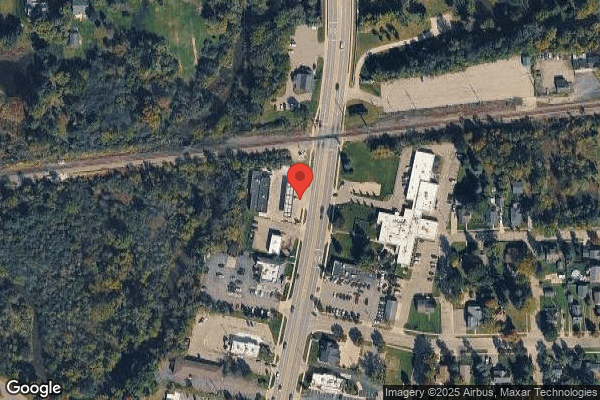
Feb 2023 5 deficiencies
CONCERN (D)

Potential for Harm - no one hurt, but risky conditions existed

Accident Prevention (Tag F0689)

Could have caused harm · This affected 1 resident

**NOTE- TERMS IN BRACKETS HAVE BEEN EDITED TO PROTECT CONFIDENTIALITY** Based on observation, interview and record review, the facility failed to provide a safe environment, monitor/prevent multiple f...

Read full inspector narrative →
**NOTE- TERMS IN BRACKETS HAVE BEEN EDITED TO PROTECT CONFIDENTIALITY** Based on observation, interview and record review, the facility failed to provide a safe environment, monitor/prevent multiple falls, and accurately record timely assessment for one resident (Resident #9) of two residents reviewed for falls, resulting in minor injury, pain, and hospitalization of the resident. Findings include: Resident #9: On 02/01/23 at 02:30 PM Resident #9 was observed in a wheelchair in a hallway. Resident was dressed appropriately. [NAME] dressing was noted on resident's right-side forehead (dated and intact). Resident responded to greeting and was able to answer simple questions, however, he was not able to carry out full conversation due to hearing deficit and confusion. A record review of the Face sheet and Minimum Data Set (MDS) assessment indicated Resident #9 was a [AGE] year-old male admitted to the facility on [DATE] with diagnoses: Acute and Chronic Respiratory failure, Cerebral Palsy, Epilepsy, Dementia, Anemia, Peripheral Vascular disease, Hypertension, Cerebral Infarction (Stroke), Hearing loss, Traumatic brain injury, Chronic Obstructive Pulmonary Disease (COPD), dependence on supplemental oxygen, Major depressive Disorder, Right and Left foot drop. The MDS assessment dated [DATE] revealed the resident had moderate cognitive impairment with a Brief Interview for Mental Status (BIMS) score of 7/15. The resident needed 2-persons assistance with dressing, toileting, hygiene and bathing and 2-persons assistance with transfers, and bed mobility. On 02/03/23 at 09:40 AM during interview with facility nurse C, LPN, she stated that she knows resident well. He usually comes to the dining room and socializes with his friends. He had a history of falling out of the bed due to his confusion and seizures. Most of the day resident spends in his wheelchair being active around the facility. He eats all his meals in a dining room. Resident #9's record review revealed the following: Nursing Note dated 12/23/22 at 02:31 AM- Resident (#9) reports he tried to turn over to his left side when mattress flipped over leaving him on his back face up between window and bed. Resident vital signs full head to toe assessment complete. No pain noted. No injuries noted. Resident assisted back into bed in lowest position. Call light within reach. Nursing Note dated 1/19/23 at 00:00 AM- Resident (#9) observed lying on the floor on his right side. Legs straight. Abrasions noted on his scalp and left knee. Resident states he bumped his head. Resident doesn't know how he got on the floor. Resident denies pain or discomfort. Nursing Note dated 1/23/23 at 08:13 AM (created on 01/25/23- late entry): Resident (#9): At approximately 1540, aide came to this nurse and stated that this resident was laying on the floor. Observed resident laying on his right side by his nightstand. Vitals taken; assessment performed. Bleeding noted to right temple. First aid performed by DON and this nurse. Resident dressed appropriately with appropriate footwear and is observed to be continent. Aide informed nurse that resident was laying on his right side on his bed with his eyes closed prior. Resident is alert and oriented, denies any pain, no s/s distress. Neuro checks initiated. Notified NP and family member. Transfer completed to [NAME] ER (emergency room), report called in to ER RN. Resident expected to return to this facility after sutures and imaging are completed. Will continue neuro checks upon resident's return. Nursing Note dated 2/03/23 at 03:00 PM: Late Entry: Note Text: At approximately 1430 while performing nursing rounds observed patient on the floor in front of his wheelchair. Resident was assisted off the floor by this writer and an aide. Skin assessment was completed no issues at this time. Vitals were WNL and neuro's were started. This writer contacted guardian one and two messages were left on VM. Management and Dr. also notified no new orders. Patient stated he was alright with no pain to report. Resident #9 suffered total of 4 falls in a period from 12/23/22 to 02/03/23. Physician's note dated 01/24/23 had the following: [Resident #9] sustained a hematoma and laceration to the right forehead (post fall). He sustained a right cheek puncture wound. He was transferred to the ER. He returned with 9 to 10 sutures to the forehead laceration on the right. He has right orbital Ecchymosis (bruising). Nursing note created on 01/30/23 at 08:01 AM for effective date 01/23/23 at 11:45 PM indicated: Resident returned from ER via EMS. Received report from EMS that resident received 13 stitches on the right side of his forehead. Vital signs are stable. Resident rates pain 3 on scale 0-10. Dressing changed related to bloody drainage from wound. Incident and Accident Reports for the above falls along with neurological checks were requested and reviewed. Neurological checks were reviewed with DON on 02/07/23. Neurological record sheet dated 1/24/23 had checks initiated at 04:00 AM. After comparing nursing note and neurological record discrepancy was identified (4 hours difference between nurse stating resident returned to facility and first neurological assessment). When questioned, DON stated that Resident #9 returned to facility at 4 AM on 01/24/23. When asked how facility can validate this, she said she was not sure. She stated that nurse charted wrong time due to the late entry. Resident #9 Care Plan was reviewed and had the following documented: FALLS: I am at risk for falls r/t - generalized weakness - Epilepsy - psychotropic medication use - history TBI (traumatic brain injury) - Bilateral foot drop - Cerebral Palsy - Dementia - Urinary incontinence I have a history of falls Date Initiated: 09/16/2020. Revision on: 06/28/2021. Goal: My (Resident's) risk for falls/or falls with injury will be minimized through the next review date. Date Initiated: 09/16/2020. Revision on: 09/28/2022. Interventions: - Anticipate and meet my needs. Date Initiated: 09/16/2020. Revision on: 09/16/2020 - Assure that my mattress is secure, so it does not slide. Date Initiated: 12/29/2022 - Assure to check on me while I am in the dining room, if asleep in the chair offer me to lay down. Date Initiated: 02/06/2023 - Bed in low position when I am in it. Date Initiated: 01/25/2023 - Drop back reclining w/c (wheelchair) with bilateral supports and bilateral leg rest. Date Initiated: 10/01/2020. Revision on: 10/01/2020 - dycem to w/c cushion. Date Initiated: 10/01/2020 - Encourage and assist with repositioning frequently/prn. Date Initiated: 09/16/2020 - Follow facility fall protocol. Date Initiated: 09/23/2020 - I require a safe environment with even floors free from spills and/or clutter. Adequate, glare-free light; a working and reachable call light, and personal items within reach. Date Initiated: 09/16/2020. Revision on: 09/16/2020 - Labs & medication review. Date Initiated: 01/25/2023 - Make sure that my call light is within reach and encourage me to use it for assistance as needed. I require prompt response to all requests for assistance. Date Initiated: 09/16/2020. Revision on: 09/16/2020 - Perimeter LAL mattress. Date Initiated: 01/19/2023 Upon review of the Care Plan no new interventions were noted after Resident #9's falls on 01/19/23 and 01/23/23 regarding increased staff monitoring or frequent/regular checks. Next Focus area was: o NEUROLOGICAL-(Resident) has an alteration in neurological status related to chronic nontraumatic subdural hemorrhage, Cerebral Palsy, history of CVA (stroke), history of TBI (traumatic brain injury), hydrocephalus (a build up fluid within the brain), Intracranial shunt (device implanted to drain fluid away from the brain), Epilepsy. Date Initiated: 09/17/2020. Revision on: 07/27/2022. Facility's Policy for Falls and Fall Risk and Managing was requested and reviewed. Policy, revised 03/2018, indicated: Based on previous evaluations and current data, the staff will identify interventions related to the resident's specific risks and causes to try to prevent the resident from falling and to try to minimize complications from falling. Further it was the following: 1. The staff, with the input of the attending physician, will implement a resident-centered fall prevention plan to reduce the specific risk factor(s) of falls for each resident at risk or with a history of falls. 2. If a systematic evaluation of a resident's fall risk identifies several possible interventions, the staff may choose to prioritize interventions (i.e., to try one or a few at a time, rather than many at once). 5. If falling recurs despite initial interventions, staff will implement additional or different interventions, or indicate why the current approach remains relevant. 6. If underlying causes cannot be readily identified or corrected, staff will try various interventions, based on assessment of the nature or category of falling, until falling is reduced or stopped, or until the reason for the continuation of the falling is identified as unavoidable. Under Monitoring Subsequent Falls and Fall Risk there was: 1. The staff will monitor and document each resident's response to interventions intended to reduce falling or the risks of falling. 2. If interventions have been successful in preventing falling, staff will continue the interventions or reconsider whether these measures are still needed if a problem that required the intervention (e.g., dizziness or weakness) has resolved. 3. If the resident continues to fall, staff will re-evaluate the situation and whether it is appropriate to continue or change current interventions. As needed, the attending physician will help the staff reconsider possible causes that may not previously have been identified.
CONCERN (D)

Potential for Harm - no one hurt, but risky conditions existed

Deficiency F0698 (Tag F0698)

Could have caused harm · This affected 1 resident

**NOTE- TERMS IN BRACKETS HAVE BEEN EDITED TO PROTECT CONFIDENTIALITY** Based on interview and record review, the facility failed to assess a resident's condition/vital signs upon return to the facili...

Read full inspector narrative →
**NOTE- TERMS IN BRACKETS HAVE BEEN EDITED TO PROTECT CONFIDENTIALITY** Based on interview and record review, the facility failed to assess a resident's condition/vital signs upon return to the facility after dialysis treatments for one resident (Resident #23) of one resident reviewed for dialysis, resulting in the potential for the adverse effects of receiving dialysis treatments to go unrecognized and untreated. Findings include: Resident #23: A review of Resident #23's medical record revealed an admission into the facility on 1/18/21 and readmission on [DATE] with diagnoses that included epilepsy, dysphagia, heart failure, atrial fibrillation, diabetes, hypertension (high blood pressure), cognitive communication deficit, syncope and collapse, dementia, hypotension (low blood pressure), end stage renal disease and dependence on renal dialysis. A review of the Minimum Data Set assessment, dated 12/17/22, revealed a Brief Interview of Mental Status score of 4/15 that indicated severe cognitive impairment and the Resident needed extensive assistance with bed mobility, dressing, eating and personal hygiene and was total dependent on staff for transfers and toilet use. Further review of the medical record revealed the Resident went out of the facility for dialysis treatments. A review of Resident #23's Hemodialysis Communication documents in the medical record revealed a section for the facility to complete and an area for the dialysis unit to complete. The area for the care center to complete included and area for vital signs pre treatment and post treatment, vascular access assessment, incidents/new acute problems since last treatment, medication changes, nutritional concerns, social changes, laboratory tests and an area for additional questions or concerns. The area for the dialysis unit to complete had areas for pre and post treatment weights, blood pressure and temperature, vascular access information, medications given during dialysis, occurrence during dialysis, physician ordered changes and an area for Follow-up. A review of December 2022 and January 2023 Hemodialysis Communication forms revealed the following dates of no documented vital signs for the post treatment area for the care center to complete: 12/17/22, 12/20/22, 1/5/23, 1/7/23, 1/10/23, 1/19/23 and 1/26/23. A review of the vital signs of blood pressures recorded after dialysis treatments in the medical record revealed on 12/17/22 the blood pressure (BP) documented at 3:34 PM; 12/20/22 at 8:16 PM; 1/5/23 at 5:29 PM; 1/7/23 at 7:30 PM; 1/10/23 at 2:59 PM; 1/19/23 at 3:49 PM; 1/26/23 at 7:25 PM. A review of the progress notes revealed the Resident left for dialysis treatments in the mornings after 5:00 AM. On 2/2/23 at 2:32 PM, an interview was conducted with Nurse C regarding Resident #23's dialysis treatments. The Nurse indicated the Resident went early in the morning and usually returned to the facility about 10 or 10:30 (AM). The Nurse was asked when vital signs should be taken when the Resident comes back from dialysis, the Nurse reported they should be taken as soon as the Resident returns and stated, Immediately. When asked where the vital signs were documented upon return, the Nurse indicated that they should be documented on the Hemodialysis Communication sheets and showed this surveyor the documents in the dialysis folder at the Nurses' station. On 2/2/23 at 4:30 PM, an interview was conducted with the Director of Nursing (DON) and Administrator regarding the Hemodialysis Communication documents and reviewed the lack of vital signs recorded on the communication sheets and the lack of timely vital signs recorded in the medical record. The DON indicated she was not aware the communication forms had an area for vital signs and reported she would look into post treatment monitoring upon Resident return from dialysis treatments. On 2/7/23 at 8:02 AM, an interview was conducted with the DON regarding Resident #23's Hemodialysis Communication forms and the lack of post treatment vital sign monitoring. The DON reported she had done an audit of the communication form and the vital signs and indicated she had done education with the nursing staff regarding vital signs taken upon the Resident returning to the facility after dialysis treatments. The DON reported the Nurses were doing the vital signs but not documenting them on the form or in electronic medical record timely. The DON indicated that with the education when the nurses are charting the vital signs later, that it does not reflect the assessment done timely and had discussed if it was not documented, then it was not done. On 2/7/23 at 10:07 AM, an interview was conducted with the DON regarding the Hemodialysis Communication forms. The DON was asked about the monitoring of the vascular access site and if the form was filled out pre or post treatment. The DON indicated that there was not area to indicate the time that the assessment was completed but should be done upon return and the form did not have an area for times of assessment or vital signs. The DON reported finding issues with the communication form and was in the process of redoing the form or looking into the form in the electronic medical record. A review of the facility policy titled, End-Stage Renal Disease, Care of a Resident with, reviewed 12/2020, revealed, Policy Statement. Residents with end-stage renal disease (ESRD) will be cared for according to currently recognized standards of care . 1. Staffing caring for residents with ESRD, including residents receiving dialysis care outside the facility, shall be trained in the care and special needs of these residents. 2. Education and training of staff includes, specifically: . b. The type of assessment data that is to be gathered about the resident's condition on a daily or per shift basis; c. Signs and symptoms of worsening condition and/or complications of ESRD .
CONCERN (D)

Potential for Harm - no one hurt, but risky conditions existed

Drug Regimen Review (Tag F0756)

Could have caused harm · This affected 1 resident

Based on interview and record review, the facility failed to ensure that monthly pharmacy drug regimen review recommendations were acted on for one resident (Resident #47) of five residents reviewed f...

Read full inspector narrative →
Based on interview and record review, the facility failed to ensure that monthly pharmacy drug regimen review recommendations were acted on for one resident (Resident #47) of five residents reviewed for monthly medication reviews, resulting in the lack of monitoring for medication interaction and adverse effects with the potential for orthostatic hypotension and falls. Findings include: Resident #47: A review of Resident #47's medical record, revealed an admission into the facility on 4/8/22 with diagnoses that included necrotizing fasciitis, obesity, diabetes, pressure ulcer, anxiety disorders, hypertension, heart failure, bipolar disorder, history of falling, and chronic obstructive pulmonary disease. A review of the Minimum Data Set assessment revealed the Resident was cognitively intact and needed extensive assistance with activities of daily living for bed mobility, transfers, dressing, and toilet use. A review of Resident #47's Medication Administration Record (MAR) revealed the Resident was prescribed the medications that included the following: Abilify for bipolar disorder; Fluoxetine for depression; Metolazone for edema; Ativan for anxiety; Bumetanide for edema; Carvedilol for hypertension; Buspirone for anxiety; Hydralazine for hypertension; Hydrocodone-Acetaminophen (Norco) for pain; and Fentanyl patch for pain. A review of Resident #47's care plan revealed a Focus for Falls: I am at risk for falls r/t (related to) -impaired mobility -weakness -diabetes -anxiety -psychotropic and opioid medication use. I have a hx (history) of falls, date initiated 4/12/22. A review of the pharmacy Consultation Report, revealed the following comment: .Issued on 9/15/22. (Resident #47) has experienced a recent fall or is at moderate to high risk of falls and receives a medication that may cause orthostatic (postural) hypotension, drugname. Recommendation: Please monitor orthostatic blood pressures periodically [e.g., weekly, when symptoms are reported], per facility policy or procedures, and as clinically indicated. If orthostasis is noted, please consider reevaluating medications that may be contributing. References: Centers for Disease Control and Prevention. National Center for Injury Prevention and Control. STEADI-Stopping elderly accidents, deaths & injuries. 2019 Sep The Physician's Response was checked I accept the recommendation above, please implement as written, and was signed by the physician and Director of Nursing on 10/6/22. Further review of Resident #47's medical record revealed a lack of monitored orthostatic blood pressure as recommended on the pharmacy Consultation Report issued on 9/15/22. A review of orders revealed no order the orthostatic blood pressures to be monitored. The Director of Nursing was asked for documentation of the recommended orthostatic blood pressure monitoring. On 2/7/23 at 3:11 PM, an interview was conducted with the Director of Nursing (DON) regarding Resident #47's pharmacy monthly review of medications with the recommendations to monitor blood pressures. The DON stated, I can not give you something that is not there, and indicated the Resident had an order at one time but it had been discontinued. The DON indicated that at the time of the recommendations, the Resident had been really sick and wound not have been able to withstand doing orthostatic blood pressures. The DON reported that today she had initiated the ortho blood pressures to be monitored. When asked how often they will be monitored, the DON reported the facility standard was monthly and she had set them up for monthly.
CONCERN (D)

Potential for Harm - no one hurt, but risky conditions existed

Deficiency F0757 (Tag F0757)

Could have caused harm · This affected 1 resident

**NOTE- TERMS IN BRACKETS HAVE BEEN EDITED TO PROTECT CONFIDENTIALITY** Based on observation, interview and record review, the facility failed to prevent unnecessary medication administration for one ...

Read full inspector narrative →
**NOTE- TERMS IN BRACKETS HAVE BEEN EDITED TO PROTECT CONFIDENTIALITY** Based on observation, interview and record review, the facility failed to prevent unnecessary medication administration for one resident (Resident #48) of five residents reviewed for medication errors, resulting in Resident #48 receiving 6 unnecessary doses of antibiotic, ineffective treatment, and the potential for the continuation of infection proliferation. Findings Include: Resident #48: On 02/02/23 at 10:00 AM resident #48 was observed sleeping in bed. Call light was within reach. Wheelchair was positioned next to the resident's bed. Resident had nasal cannula on her face which was connected to the Oxygen concentrator. Flow was set for 4 Liters. On 02/02/23 at 02:57 PM Resident #48 was awake and available for interview. Resident stated she didn't feel good today. She shared she had a Urinary Tract Infection (UTI). Resident started to feel sick over the weekend (on Sunday). She immediately shared this with the staff. Urine sample for urine analysis (UA) was collected on Tuesday 01/31/23. Facility was waiting for the results and antibiotics order. Resident felt week and tired. A record review of the Face sheet and Minimum Data Set (MDS) assessment indicated Resident #48 was a [AGE] year-old female admitted to the facility on [DATE] with diagnoses: Emphysema, Acute and Chronic Respiratory failure, Atrial Fibrillation, Chronic Obstructive Pulmonary Disease (COPD), dependence on supplemental oxygen, Major depressive Disorder, Anxiety, Dysphagia (difficulty swallowing). The MDS assessment dated [DATE] revealed the resident had no cognitive impairment with a Brief Interview for Mental Status (BIMS) score of 15/15. The resident needed 1-person assistance with dressing, toileting, hygiene and bathing and 1-person assistance with transfers, and bed mobility. On 02/03/23 at 02:18 PM during interview with Infection Control nurse A, she confirmed that Resident #48 had a history of UTI (Urinary tract infection). Nurse A stated that facility was waiting for laboratory results in order to begin the treatment. Resident #48's electronic medical record was reviewed for a history and re-occurrence of UTI (Urinary tract infection). The Physician orders for the period of 11/22 till 02/23 were reviewed and revealed the following: 1) Cipro Tablet 500 MG (Ciprofloxacin HCl) Give 500 mg by mouth two times a day for UTI for 7 Days, dated 11/7/22 2) Bactrim DS Tablet 800-160 MG (Sulfamethoxazole-Trimethoprim) Give 1 tablet by mouth two times a day for CAUTI for 7 Days, dated 1/12/23 3) Augmentin Oral Tablet 500-125 MG (Amoxicillin & Pot Clavulanate) Give 1 tablet by mouth two times a day for UTI for 7 Days, dated 1/16/23. Laboratory results for UA and Culture and Sensitivity (C&S) for the period of 11/22 till 02/23 were reviewed and discussed with the Infection Control nurse A. Microbiology laboratory results dated as received on 01/10/23 identified isolated bacteria as resistant to Sulfamethoxazole-Trimethoprim antibiotic. Results were received by facility on 01/13/23 at 01:04 PM. Medication Administration Record (MAR) for January 2023 were reviewed and indicated that prescribed antibiotic treatment of Bactrim DS Tablet 800-160 MG (Sulfamethoxazole-Trimethoprim) was not discontinued on 01/13/23, and Resident #48 received 6 unnecessary doses of antibiotic, which identified bacteria was resistant to. Bactrim was discontinued on 01/16/23 at 08:45 AM (after resident received her 08:00 AM dose). New antibiotic order was put in place on 01/16/23 at 08:44 AM for Augmentin Oral Tablet 500-125 MG (Amoxicillin & Pot Clavulanate), and Resident #48 received the full prescribed treatment of it. On 02/07/23 at 12:45 PM during interview with nurse A it was reviewed and confirmed that Resident #48 received 6 more doses of unnecessary antibiotic after facility received final laboratory results on 01/13/23. Infections- Clinical Protocol Policy, revised March 2018, was reviewed. In section Treatment/Management it indicated: Based on the review of the clinical situation, pertinent diagnostic tests, and any resident medication allergies, the physician or provider and staff will identify whether antibiotics are warranted or whether those that have already been started should continue or change. In section Monitoring and Follow up there was the following: The physician or provider will determine whether any antibiotics should be started, extended, changed, or discontinued. Facility Antibiotic Stewardship Policy, revised 12/2016, was reviewed. It indicated: When a culture and sensitivity (C&S) is ordered, lab results and current clinical situation will be communicated to the prescriber as soon as available to determine if antibiotic therapy should be started, continued, modified, or discontinued.
CONCERN (E)

Potential for Harm - no one hurt, but risky conditions existed

Food Safety (Tag F0812)

Could have caused harm · This affected multiple residents

Based on observation, interview and record review, the facility failed to 1) Maintain a clean juice dispenser, 2) Store bowls, cups and glasses in a sanitary manner, and 3) Maintain a refrigerator fre...

Read full inspector narrative →
Based on observation, interview and record review, the facility failed to 1) Maintain a clean juice dispenser, 2) Store bowls, cups and glasses in a sanitary manner, and 3) Maintain a refrigerator freezer section free of ice build-up that stored residents' food items, resulting in an increased potential for foodborne illness, bacterial harborage and a lack of the residents' ability to use the freezer section of the residents' refrigerator. This deficient practice had the potential to affect residents that use the bowls, the cups and glasses from the dining area, drink apple juice or use the residents' refrigerator out of a census of 57 residents. Findings include: On 2/1/23 at 10:00 AM, during the initial tour of the facility kitchen, observations were made with Dietary Manager D that included the following: -Plastic bins, with tops on the bins, had plastic bowls stacked in the bins with a couple of the bowls wet inside. When asked if the bowls were ready for use the Dietary Manager indicated they were and removed the wet bowls from the bins. One bin had a small amount of food debris on the bottom of the bin. -The Robot Coupe, used to puree foods, was assembled and the inside of the bowl had moisture and had not been dried prior to assemble. -Multi-juice dispenser was observed to have a build-up of what appeared to be mold on the apple juice tube where it fed into the juice dispenser. The area was covered by a hinged plastic flap. When queried regarding cleaning, the Dietary Manager indicated the machine was monitored daily and reported she would have staff clean it and in-service the staff. -In the dining area, coffee cups were available to residents near coffee dispensers. The cups were placed on a try, upside down with some of the cups wet inside. -In the dining area, plastic cups were on a shelf, stacked together. Some of the cups were stacked together that had moisture inside the cups. When queried, the Dietary Manager indicated the cups should be dry prior to being stacked. The Dietary Manager removed the wet cups and glasses. An observation was made of a small refrigerator in the dining area. The refrigerator had a key lock to enter the refrigerator. The Dietary Manager was asked about the use of the refrigerator and indicated it was used to keep Residents' personal food items. An observation was made of food items that were labeled for specific residents. The refrigerator had a small freezer section that had build up ice that filled most of the inside area and extended into the upper refrigerator section. The Dietary Manager was asked how often the refrigerator was cleaned and if that also entailed defrosting the freezer section. The Dietary Manager indicated the freezer should be defrosted and would get a schedule of when it was last completed. On 2/1/23 at 11:15 AM, an interview was conducted with the Dietary Manager D regarding the logbook documentation with the day the refrigerator was cleaned as documented September 30, 2022. The Dietary Manager indicated that it was scheduled to be completed every 6 months and was due to be completed this month. When asked if every 6 months was appropriate given the observation of the large amount of ice build-up, the Dietary Manager indicated they would look into performing the cleaning more often. A review of the facility schedule for cleaning of the refrigerator freezers revealed the Recurrence: every 6 months; Next Due: in March 2023 . Category: Refrigerator/Freezer Combos . with instructions to Defrost and clean refrigerator freezers that included the refrigerator I the dining room. A review of the facility policy titled, Sanitization, revised 10/2008, revealed, Policy Statement. The food service area shall be maintained in a clean and sanitary manner . 3. All equipment, food contact surfaces and utensils shall be washed to remove or completely loosen soils by using the manual or mechanical means necessary and sanitized using hot water and/or chemical sanitizing solutions . 10. Food preparation equipment and utensils that are manually washed will be allowed to air dry whenever practical . A review of the facility policy titled, Subject: Drying Items after Dish Washing, effective date 2/1/23, revealed, 1. Purpose: To insure that items are properly dried following dish washing to preserve sanitary conditions and prevent bacterial growth. 2. Policy: Following dish washing (whether by hand or dish machine), items must be air dried .
Understanding Severity Codes (click to expand)
Life-Threatening (Immediate Jeopardy)
J - Isolated K - Pattern L - Widespread
Actual Harm
G - Isolated H - Pattern I - Widespread
Potential for Harm
D - Isolated E - Pattern F - Widespread
No Harm (Minor)
A - Isolated B - Pattern C - Widespread

Questions to Ask on Your Visit

  • "Why is there high staff turnover? How do you retain staff?"
  • "Can I speak with families of current residents?"
  • "What's your RN coverage like on weekends and overnight?"

Our Honest Assessment

Strengths
  • • No fines on record. Clean compliance history, better than most Michigan facilities.
Concerns
  • • 30 deficiencies on record, including 1 serious (caused harm) violation. Ask about corrective actions taken.
  • • Grade D (45/100). Below average facility with significant concerns.
  • • 91% turnover. Very high, 43 points above average. Constant new faces learning your loved one's needs.
Bottom line: Trust Score of 45/100 indicates significant concerns. Thoroughly evaluate alternatives.

About This Facility

What is The Orchards At Lapeer's CMS Rating?

CMS assigns The Orchards at Lapeer an overall rating of 3 out of 5 stars, which is considered average nationally. Within Michigan, this rating places the facility higher than 0% of the state's 100 nursing homes. This mid-range rating indicates the facility meets federal standards but may have areas for improvement.

How is The Orchards At Lapeer Staffed?

CMS rates The Orchards at Lapeer's staffing level at 2 out of 5 stars, which is below average compared to other nursing homes. Staff turnover is 91%, which is 44 percentage points above the Michigan average of 46%. High turnover can affect care consistency as new staff learn residents' individual needs. RN turnover specifically is 86%, which is notably high. RNs provide skilled clinical oversight, so turnover in this role can affect medical care quality.

What Have Inspectors Found at The Orchards At Lapeer?

State health inspectors documented 30 deficiencies at The Orchards at Lapeer during 2023 to 2025. These included: 1 that caused actual resident harm, 28 with potential for harm, and 1 minor or isolated issues. Deficiencies causing actual harm indicate documented cases where residents experienced negative health consequences.

Who Owns and Operates The Orchards At Lapeer?

The Orchards at Lapeer is owned by a for-profit company. For-profit facilities operate as businesses with obligations to shareholders or private owners. The facility is operated by THE ORCHARDS MICHIGAN, a chain that manages multiple nursing homes. With 87 certified beds and approximately 58 residents (about 67% occupancy), it is a smaller facility located in Lapeer, Michigan.

How Does The Orchards At Lapeer Compare to Other Michigan Nursing Homes?

Compared to the 100 nursing homes in Michigan, The Orchards at Lapeer's overall rating (3 stars) is below the state average of 3.1, staff turnover (91%) is significantly higher than the state average of 46%, and health inspection rating (3 stars) is at the national benchmark.

What Should Families Ask When Visiting The Orchards At Lapeer?

Based on this facility's data, families visiting should ask: "How do you ensure continuity of care given staff turnover, and what is your staff retention strategy?" "Can you walk me through typical staffing levels on day, evening, and night shifts?" "Can I visit during a mealtime to observe dining assistance and food quality?" "How do you handle medical emergencies, and what is your hospital transfer rate?" These questions are particularly relevant given the facility's high staff turnover rate and the below-average staffing rating.

Is The Orchards At Lapeer Safe?

Based on CMS inspection data, The Orchards at Lapeer has a clean safety record: no substantiated abuse findings (meaning no confirmed cases of resident harm), no Immediate Jeopardy citations (the most serious violation level indicating risk of serious injury or death), and is not on the Special Focus Facility watch list (a federal program monitoring the lowest-performing 1% of nursing homes). The facility has a 3-star overall rating and ranks #100 of 100 nursing homes in Michigan. While no facility is perfect, families should still ask about staff-to-resident ratios and recent inspection results during their visit.

Do Nurses at The Orchards At Lapeer Stick Around?

Staff turnover at The Orchards at Lapeer is high. At 91%, the facility is 44 percentage points above the Michigan average of 46%. Registered Nurse turnover is particularly concerning at 86%. RNs handle complex medical decisions and coordinate care — frequent RN changes can directly impact care quality. High turnover means new staff may not know residents' individual needs, medications, or preferences. It can also be disorienting for residents, especially those with dementia who rely on familiar faces. Families should ask: What is causing the turnover? What retention programs are in place? How do you ensure care continuity during staff transitions?

Was The Orchards At Lapeer Ever Fined?

The Orchards at Lapeer has no federal fines on record. CMS issues fines when nursing homes fail to meet care standards or don't correct problems found during inspections. The absence of fines suggests the facility has either maintained compliance or corrected any issues before penalties were assessed. This is a positive indicator, though families should still review recent inspection reports for the full picture.

Is The Orchards At Lapeer on Any Federal Watch List?

The Orchards at Lapeer is not on any federal watch list. The most significant is the Special Focus Facility (SFF) program, which identifies the bottom 1% of nursing homes nationally based on persistent, serious quality problems. Not being on this list means the facility has avoided the pattern of deficiencies that triggers enhanced federal oversight. This is a positive indicator, though families should still review the facility's inspection history directly.