Caretel Inns of Linden
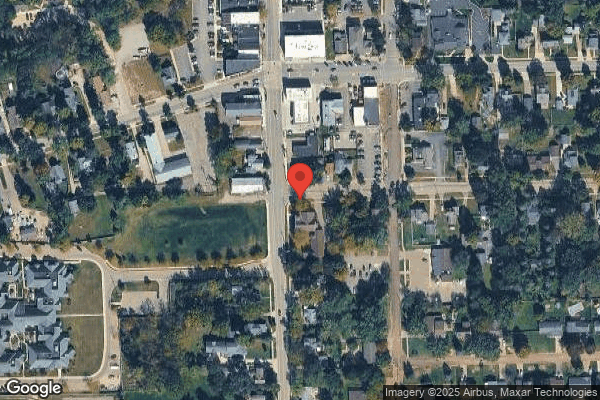
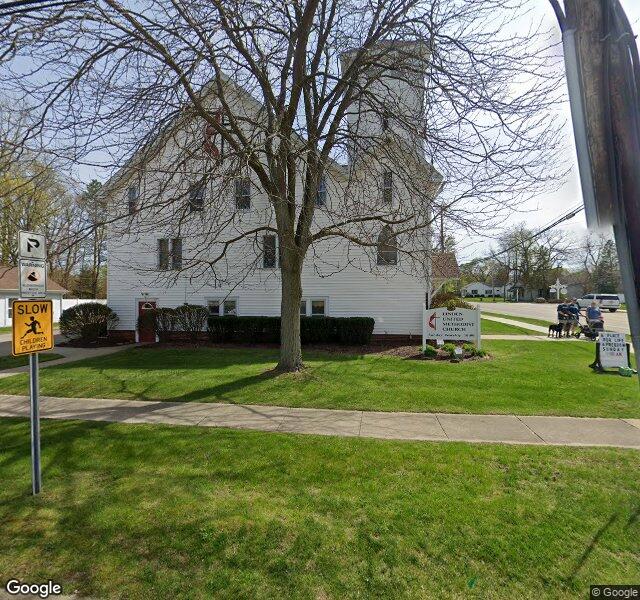
202 South Bridge Street, Linden, MI 48451 (810) 735-9400
For profit - Corporation 60 Beds SYMPHONY CARE NETWORK Data: November 2025
Trust Grade
28/100
#367 of 422 in MI
Last Inspection: August 2024

Within standard 12-15 month inspection cycle. Federal law requires annual inspections.

Overview

Caretel Inns of Linden has received a Trust Grade of F, indicating significant concerns about the facility's care and operations. Ranking #367 out of 422 nursing homes in Michigan places it in the bottom half, and #13 out of 15 in Genesee County suggests limited local options are better. Although the trend is improving, with issues decreasing from 22 in 2024 to 6 in 2025, the facility still has a troubling history, including serious incidents where staff failed to prevent pressure ulcers in a resident and did not adequately address recurrent urinary tract infections for others. Staffing is average with a turnover rate of 54%, and while RN coverage is also average, there are ongoing concerns about infection control practices that could risk residents' health. Overall, families should weigh the facility’s strengths in staffing and recent improvements against its serious past deficiencies.

Trust Score
F
28/100
In Michigan
#367/422
Bottom 14%
Safety Record
Moderate
Needs review
Inspections
Getting Better
22 → 6 violations
Staff Stability
⚠ Watch
54% turnover. Above average. Higher turnover means staff may not know residents' routines.
Penalties
⚠ Watch
$9,750 in fines. Higher than 87% of Michigan facilities, suggesting repeated compliance issues.
Skilled Nurses
✓ Good
Each resident gets 44 minutes of Registered Nurse (RN) attention daily — more than average for Michigan. RNs are trained to catch health problems early.
Violations
⚠ Watch
79 deficiencies on record. Higher than average. Multiple issues found across inspections.
★☆☆☆☆
1.0
Overall Rating
★★★☆☆
3.0
Staff Levels
★★★★☆
4.0
Care Quality
★☆☆☆☆
1.0
Inspection Score
Stable
2024: 22 issues
2025: 6 issues

The Good

  • 4-Star Quality Measures · Strong clinical quality outcomes
  • Full Sprinkler Coverage · Fire safety systems throughout facility
  • No fines on record

Facility shows strength in quality measures, fire safety.

The Bad

1-Star Overall Rating

Below Michigan average (3.1)

Significant quality concerns identified by CMS

Staff Turnover: 54%

Near Michigan avg (46%)

Higher turnover may affect care consistency

Federal Fines: $9,750

Below median ($33,413)

Minor penalties assessed

Chain: SYMPHONY CARE NETWORK

Part of a multi-facility chain

Ask about local staffing decisions and management

The Ugly 79 deficiencies on record

2 actual harm
Sept 2025 5 deficiencies
CONCERN (D) 📢 Someone Reported This

A family member, employee, or ombudsman was alarmed enough to file a formal complaint

Potential for Harm - no one hurt, but risky conditions existed

Resident Rights (Tag F0550)

Could have caused harm · This affected 1 resident

**NOTE- TERMS IN BRACKETS HAVE BEEN EDITED TO PROTECT CONFIDENTIALITY** Based on observation, interview and record review, the facility failed to ensure residents were treated in a respectful and dign...

Read full inspector narrative →
**NOTE- TERMS IN BRACKETS HAVE BEEN EDITED TO PROTECT CONFIDENTIALITY** Based on observation, interview and record review, the facility failed to ensure residents were treated in a respectful and dignified manner for 2 Residents (#22 and #59) from a facility census of 52 residents, resulting in missing items not being replaced in a timely manner for Resident #22 and some confidential group of residents were unable to reenter the building nor reach the facility by phone for reentry after hours or after outside visitation with family and friends. Findings include: Facility Resident Council On 09/04/2025 at 10:30 AM, seven (7) confidential group of residents and a family member (who wished to remain anonymous) attended the Resident Council (RC) Meeting. The council has invited a Family Member#8 (FM8) during the Resident Council Meeting to attend on 09/04/2025 at 10:53 AM. The FM8 expressed that the resident's prescription glasses had been missing for almost a year, and there has been no follow-up in finding the glasses, nor have there been any resolution or efforts made to replace the missing glasses. The resident was described by FM8 as unable to express or speak for himself but still able to see, watch TV, and wear his glasses. FM8 revealed that she had expressed this frustration to staff, but nothing has been done regarding his prescription glasses. FM8 and other confidential group of residents had expressed their frustration about the difficulty they experience when staff does not answer the facility phone. One resident reported, when the office is closed, and receptionist is gone, no one answers the phone. There are too many prompts on the answering machine, so you have to leave a message on the voicemail. They don't call back after 5:00 PM. Confidential Resident #2 expressed frustration during the Resident Council meeting about the visitation hours rules. Resident #2 recalled going out with her friend, who visited her from out of town, and returned after 5:00 PM. It took her over an hour to get her friend inside the building. Her visitor waited for her to get into the building and did not want to leave her outside. It was getting dark for her visitor to drive back home, and she was worried about her visitor's safety driving alone in the dark. She indicated that they had called the facility over and over, tried every prompt, and left messages, but no one replied until one of the staff members coming from outside let her in. Confidential Resident #6 during the RC meeting .09/04/2025, 11:21 AM, revealed that he was unable to return to the building after he rang and rang the doorbell and called the after-hours facility phone number posted outside the locked back door for half an hour. The front door closes automatically after office hours. Residents are expected to use the back door after office hours. Confidential Resident #6 revealed that a couple of weeks ago, he visited his brother's house, and his brother signed him out. Resident #6 explained, It was around 10:30 PM. We were told we could stay out as long as we returned before midnight, so we made it back at 10:30 PM since my brother lives over an hour away. I had to go back to his house and come back the next day. I did not have my medications that night and morning. I did not return to the facility until the afternoon the following day because that's the only time his family was available to give him a ride. No one had called my brother to find out where I was or what had happened. The Social Services Director was interviewed on 09/04 2025 at 12:04 PM, confirmed that the resident had a court-appointed guardian and must have a preapproval to visit his brother and his family from his guardian. She stated that, 'no one is at the front desk after five. The doors are closed. After-hours Phone lines are supposed to be picked up by staff, and different units have prompts. Staff are supposed to answer them. The Administrator admitted to the surveyor on 9/4/25 at 12:30 PM, revealed the ongoing phone issue since he started as the facility administrator in January 2025, and they are working on it from the corporate level. The Administrator explained that the front door is locked from the outside after 5 PM, and no receptionist is scheduled to be by the front door after 5 PM. There is also no one to hear the backdoor buzzer (doorbell) because it only goes to the receptionist, and there's no one after 5 PM. The after-hours phone does not appear to be working effectively. They don't get answered. Facility policies were reviewed on 9/9/25 at 2:00 PM. It revealed: Resident Rights Policy (Last revised on 9/2018, Approved on 9/2018) Policy: It is the facility policy to implement procedures to protect residents' rights. GOAL: To ensure residents rights are protected. To ensure that all employees know and understand the resident's rights. To ensure each resident of the facility is provided a copy of his/her rights in writing upon admission… Spend time with Visitors; you have the following rights: to spend private time with visitors. To have visitors at any time, as long as you wish to see them, as long as the visit does not interfere with the provision of care and privacy rights of other residents… 2. The Visitation Hours Policy submitted by the facility (undated) revealed: Residents receive visitors when they wish to. Personal Property A record review of the Face sheet and electronic medical record/emr indicated Resident #22 was admitted to the facility on [DATE] ad readmitted on [DATE] with diagnoses: Multiple sclerosis, gait abnormality/stiffness, neuromuscular bladder dysfunction, history of urinary tract infections, glaucoma, and anxiety. The resident had a Brief Interview for Mental Status/BIMS score of 15/15 indicating full cognitive abilities. On 9/03/2025 at 12:05 PM, interviewed Ombudsman “K”, she said she was at the facility to talk to Resident #22” who said she was missing clothes amounting to $22.00. Ombudsman “K” said she had spoken to the Administrator several times about this. The Ombudsman was asked if she spoke with the Administrator on this day and she said she had not; She then met with him and came back and said nothing had been done about the resident's missing items. On 9/03/2025 at 12:27 PM, the Administrator was interviewed, and he was asked about Resident #22's missing items. He said she had missing clothes and forgot that he replaced them already. The Administrator was asked if he had a receipt that indicated he had replaced the resident's missing clothes or some form of documentation that he replaced them; He said he didn't have any but thought he might have an Amazon receipt. He was asked to see it. On 9/04/2025 at 9:30 AM, interviewed the Administrator and he said he did not have any documentation that he replaced the resident's items or what the items were. He could not say when they were replaced. On 9/05/2025 at 9:23 AM, Resident #22 was interviewed in her room. She was up in her wheelchair, alert and oriented x4. She said that she had a missing purple outfit from amazon- purple leggings and a purple sweatshirt that go together. She said she had spoken with the Administrator several times and he said he had already sent her an outfit, and she must not have received it; she said she did not receive a new outfit. She believed she was not being told the truth. On 9/05/2025 at 11:30 AM, Activities Director “L” was interviewed. She said she handled missing items for the residents. She said there was a Grievance form for missing items. The Activities Director said once an item was reported missing the information was placed on a Grievance form and she and her staff would look for the item in the resident's room, search their closet, laundry room, etc. and the item would be replaced if not located. During the interview with the Activities Director on 9/5/2025 at 11:30 AM, she said Resident #22, reported missing clothes a few months ago. She said the Administrator was aware that they could not locate it. She said she would look for a Grievance form for the missing clothes. On 9/05/2025 at 12:04 PM, the Administrator said he met with the resident and gave her $23.00 to replace her purple outfit. He said he did not have a receipt, Grievance form or proof that she received that. He said he would obtain a receipt. On 9/5/2025 at 1:30 PM, spoke with Resident #22, she said she received $23.00 for her purple outfit from the Administrator, and she said she would buy a new outfit. A review of the facility policy titled, “Resident's [NAME] of Rights,” date reviewed 1/25 provided, “Policy: It is the facility policy to implement procedures to protect resident rights… You have the right to be treated with dignity and respect… Make Complaints: You have the right to make a complaint to the staff of the nursing home… The nursing home must address the issue promptly…”
CONCERN (E) 📢 Someone Reported This

A family member, employee, or ombudsman was alarmed enough to file a formal complaint

Potential for Harm - no one hurt, but risky conditions existed

Safe Environment (Tag F0584)

Could have caused harm · This affected multiple residents

**NOTE- TERMS IN BRACKETS HAVE BEEN EDITED TO PROTECT CONFIDENTIALITY** This Citation Pertains to Intake Numbers 2586675 and 2594091.Based on observation, interview, and record review the facility fai...

Read full inspector narrative →
**NOTE- TERMS IN BRACKETS HAVE BEEN EDITED TO PROTECT CONFIDENTIALITY** This Citation Pertains to Intake Numbers 2586675 and 2594091.Based on observation, interview, and record review the facility failed to provide a clean, comfortable and home like environment to ensure that resident rooms, bathrooms and common areas were clean, for residents on the 100 hall and for a Confidential Group of Residents on the 100, 200 and 300 halls, resulting in an unclean physical environment, resident dissatisfaction and complaints regarding the lack of cleanliness, and Infection Control practices. Environment During a tour of the building on 9/3/2025 at 7:45 AM, there were multiple observations of unclean resident rooms on the 100 hall. Several rooms were noted to have a strong, foul odor including room [ROOM NUMBER] and #114. Many rooms were cluttered with items, including items on the floor, windowsills and other surfaces. Several Resident rooms were noted to have wastebaskets overflowing onto the floor. Resident bathrooms were noted to have large rust stains coated in the sink and toilets. Some of the toilets were also soiled with brown/gray stains and feces. Several resident rooms had uncovered toothbrushes stored on the sink and in some of the rooms 2 residents shared the same bathroom. The following resident rooms had cleanliness issues: Rooms: 101- rusty sink and toilet; 104- urine smell in room, soiled clothes on the floor, bathroom soiled rust coated sink and toilet, toothbrush bare on the sink counter; room [ROOM NUMBER]- cluttered and soiled surfaces in room and bathroom, wastebasket in bathroom overflowing; room [ROOM NUMBER]- bathroom with soiled toilet and sink, wastebasket overflowing onto floor; room [ROOM NUMBER]- soiled toilet and sink; room [ROOM NUMBER]- bathroom toilet and sink soiled. On 9/03/2025 at 9:31 AM, during an interview with a Confidential Resident, they said their room was not cleaned, very often, It's pretty good except for the commode, they don't clean it. On 9/03/2025 at 9:48 AM, a Confidential Resident was interviewed and stated, They cleaned last Wednesday or Thursday, almost a week ago. They are supposed to do it twice a week, but recently it was 2 weeks before it was cleaned. The resident said their toilet was very soiled, trash overflowing, the sink was stained dark orange from rust. Another Confidential Resident said their room was last cleaned over one week ago on Monday (in August). On 9/3/2025 at 10:14 AM, Housekeeper I and Housekeeping Supervisor F were interviewed about cleaning the residents' rooms. Housekeeper I stated, We try to take care of it the best we can. Asked about the rust soiled sinks and toilets. Housekeeper I showed the product used to clean the bathroom and it said Disinfectant, asked if it was also able to remove the stains because the bathrooms were very soiled. Housekeeping Supervisor F said he would check into it. He also said the facility had hired a 3rd housekeeper who was in day one of orientation on 9/3/2025. He said there was a total of 3 housekeepers, We do the best we can. Reviewed the observations of waste baskets not emptied, and multiple resident complaints of trash overflowing on the floors in their rooms and no trash bag in the garbage can. Also on 9/3/2025 at 8:15 AM, soiled gloves with a pink stain were observed sitting on a counter in the small dining/day room and remained for several hours; toothbrushes noted in multiple rooms laying on the bare sink surfaces uncovered and several rooms with foul odors including a strong urine smell with soiled toilet bowls. Housekeeping Supervisor F said they were going to try to fix the issues. Copies of the Housekeeping cleaning schedule was requested. On 9/4/2025 at 8:45 AM, during an interview with Confidential Person J, she said she had visited the facility to see a family member on multiple occasions and the resident's room did not appear to be cleaned very often. She said the windowsills had someone's food on them, the floors were not cleaned, and the bathroom was soiled. She said she had spoken to someone about it and the uncleanliness did not change. A review of the facility cleaning schedule titled, Housekeeping Hall schedule undated had a list for Monday-Sunday. On it there was listed halls 100, 200, 300, 500 and 700. The facility only had halls 100, 200 and 300; 500, 700 and 800 were in the Assisted Living. Per the cleaning schedule Hall 100 was to be cleaned on Monday, Wednesday, Friday and Sunday. Hall 200 was to be cleaned on Monday, Tuesday, Thursday, Friday, and Saturday. Hall 300 was to be cleaned every day. In addition, the common areas were cleaned Monday, Wednesday, Friday and Sunday. The residents' rooms were not cleaned daily and per the residents they were not always cleaned on their scheduled days. The cleaning schedule also said the housekeepers would handle the laundry on the weekends between room cleaning. There was also a list of items to be cleaned for the 200 hall (that was to be cleaned almost daily), but there was no list for the 100 Hall.
CONCERN (E) 📢 Someone Reported This

A family member, employee, or ombudsman was alarmed enough to file a formal complaint

Potential for Harm - no one hurt, but risky conditions existed

Deficiency F0657 (Tag F0657)

Could have caused harm · This affected multiple residents

**NOTE- TERMS IN BRACKETS HAVE BEEN EDITED TO PROTECT CONFIDENTIALITY** This Citation Pertains to Intake Number 2586675. Based on observation, interview and record review the facility failed to review...

Read full inspector narrative →
**NOTE- TERMS IN BRACKETS HAVE BEEN EDITED TO PROTECT CONFIDENTIALITY** This Citation Pertains to Intake Number 2586675. Based on observation, interview and record review the facility failed to review and revise Care Plans to ensure a resident-centered comprehensive care plan for four residents (#21, #22, #60 and #67) of 40 residents reviewed, resulting in the residents (#21, #22, #60 and #67) lacking a Care Plan with resident specific interventions. Resident #21 Accidents Falls A record review of the Face sheet and electronic medical record indicated Resident #21 was admitted to the facility on [DATE] with diagnoses Dementia mood disturbance with anxiety, and weakness. Per the progress notes, Resident #21 was receiving Hospice services.On 9/03/2025 at 10:03 AM, Resident #21 was observed in the hallway with her legs hanging over the side of a broda chair. She was leaning forward and trying to move the chair. Nurse Aide M approached the resident and was asked if the resident was trying to get up out of the chair and she stated, Yes. She said the resident repeatedly tried to stand and they would try to lay her down and she would not stay in bed. A record review of the progress notes identified the resident had 2 recent falls on 8/29/2025 and 8/23/2025. Further review of the progress notes identified the following: 8/22/2025 at 22:58 PM, a Behavior note Resident is restless, unable to relax, sit still or sleep. Keeps trying to walk. 8/23/2025 at 12:20 PM, a Health status/Progress note, Resident was observed on floor of her bathroom on her left lateral thigh and hip, left hand was on the floor. She yelled help . It appears she was attempting to pull her pants up. Frequently incontinent, although will go on toilet if prompted. 8/25/2025 at 5:33 PM, a Behavior note, Resident found out of her w/c (wheelchair) without assistance @ around 1030. Was assisted back into her chair by writer. Resident also had to be redirected multiple times during shift to not get out of w/c without assistance (she was stopped multiple times by various staff as she was sliding forward in w/c seat. 8/29/2025 at 3:59 PM, a Health Status/progress note, Resident observed on floor in bathroom crying out for help. Resident was in bed prior to incident. Resident self-transferring without assistance. A review of the Incident and Accident Reports for Resident #21 revealed the times of her falls were: 8/23/2025 at 11:00 AM and 8/29/2025 at 9:45 AM. A review of the Care Plans for Resident #21 identified the following: The resident has a behavior problem r/t (related to) calling out at night, attempting to self-transfer, yelling at staff, resistive to care at times, date created and initiated 7/31/2025 and revised 8/26/2025 with one Intervention dated 7/31/2025, Caregivers to provide opportunity for positive interaction, attention. Stop and talk with him/her (did not specify this was a her) as passing by. There were no additional interventions related to the resident wanting to stand, walk and go into the bathroom. Potential for falls, Resident at risk for injury from falls. Weakness, Unsteady Gait, Poor safety awareness/impulsiveness, date created, initiated and revised 7/29/2025 with new Interventions: Hospice to complete med review to address increased restlessness, date created and initiated 8/26/2025 and Offer toileting after breakfast, date created and initiated 9/2/2025. The ADL, Care Plan said, Toileting or check and change every 2 hours and (as needed). The progress notes indicated Resident #21 was attempting to toilet herself on several occasions. There was no specific plan for toileting until 9/2/2025 and the resident had fallen twice. A review of the physician orders indicated Resident #21 began receiving Ativan 0.5 mg tab two times a day as needed on 8/12/2025 for anxiety. This was not mentioned on the Fall Care Plan, Behavior Care Plan or other Care Plan. The resident continued receiving the medication through 8/28/2025. On 8/27/2025 the Controlled Substance Proof of Use document indicated the resident received the medication 3 times in the same day: 7:00 AM, 3:00 PM and 9:00 PM. This was more than was ordered. On 9/5/2025 at 9:20 AM Resident #21 was observed in hallway in the Broda chair, smiling, alert. The CNA said the resident was doing good today, had a bad day yesterday, yelling, trying to stand from chair, would not lay down in bed. Resident #22 Urinary Catheter or UTI A record review of the Face sheet and electronic medical record/emr indicated Resident #22 was admitted to the facility on [DATE] and readmitted on [DATE] with diagnoses: Multiple sclerosis, gait abnormality/stiffness, neuromuscular bladder dysfunction, history of urinary tract infections, glaucoma, and anxiety. The resident had a Brief Interview for Mental Status/BIMS score of 15/15 indicating full cognitive abilities. The resident needed some assistance with care. On 9/03/2025 at 10:20 AM, Resident #22 was observed lying in bed, she said she was taking an antibiotic for a urinary tract infection/UTI. She said she used a straight catheter by herself, as she could not urinate otherwise. A review of the physician orders revealed the following: Patient completes self-catheterization, Skilled nurse to educate and monitor patient ability and hygienic efforts, every shift, dated 8/18/2025. Skilled nurse to encourage and offer patient iodine swabs or antiseptic wipes for self-catheterization, document compliance and (acceptance), every shift, dated 8/18/2025. Maintain enhanced barrier precautions to prevent infections r/t history CDC targeted MDRO (multi-drug-resistant organism) ESBL (extended spectrum beta-lactamase producing)/E.coli, every shift, dated 8/19/2025.In addition, the physician orders identified the resident was currently being treated for a urinary tract infection/UTI and had a history of repeated UTI's. A review of the Care Plans for Resident #22 identified the following: I have potential for infection, complications r/t my dx (diagnosis) of urinary retention, Neurogenic bladder, I require SC (straight catheterization). I have MS, date created and initiated 11/28/2018 and revised 5/15/2019 with Interventions including: Intermittent catheterizations completed by guest, dated initiated and created 11/28/2018 and revised 6/18/2020; Remind resident to clean area prior to catheterization, date created and initiated 3/2/2023. Resident completes self-catheterization r/t neurogenic bladder, date created and initiated 7/14/2025 and revised 9/4/2025 with Interventions all dated 9/4/2025. I require enhanced barrier precautions r/t CDC targeted MDRO ESBL E.coli and Self catheterization, date created and initiated 5/31/2024 and revised 8/19/2025. Resident has: UTI/E.coli requiring Contact Precautions until antibiotics are completed on 9/11/25; 24 hours after d/c (discontinue) isolation, Resume enhanced barrier precautions after Contact is completed, date created and initiated 8/18/2025 and revised 9/9/2025 with no interventions. (Resident #22) is prescribed antibiotics for a UTI, dated created and initiated 6/18/2024 and revised 9/2/2025. The Care Plans did not mention the size, or any specifics of the Straight catheter Resident #22 was to use. There was no mention of how many times the catheter could be used to prevent the spread of infection, as the resident had ongoing UTI's with Multi-drug-resistant organisms. There was mention of cleansing the area but did not mention exactly what area. There was no mention of hand hygiene to prevent the spread of infection for Resident #22. The Care Plans did not provide resident specific interventions to aid in preventing further UTI's. Resident #60 Accidents Falls A record review of the Face sheet and electronic medical record/emr revealed Resident #60 was admitted to the facility on [DATE] with diagnoses: Alzheimer's Dementia, anxiety, hypothyroidism, chronic kidney disease, and heart disease. The resident had severe cognitive loss and needed assistance with all care. A record review of the progress notes indicated Resident #60 had a fall beside her bed on 8/9/2025 at approximately 2:05 AM. The resident sustained an abrasion on her left elbow. A review of an Incident and Accident Report dated 6/22/2025 at 11:45 PM the resident was observed on the floor by her bed. She sustained redness to her left forehead, and right knee and a skin tear on her left hand. A review of the Care Plans for Resident #60 identified the following: At risk for falls r/t confusion, gait/balance problems, incontinence, poor communication/comprehension, unaware of safety needs, history of falls, cognitively impaired, medication side effects, pain, date created and initiated 4/14/2022 and revised 5/17/2024. The Care Plan was last updated 6/23/2025 Ensure resident has stuffed comfort animal within reach to prevent restlessness. The Care Plans were not reviewed or revised after the resident fell on 8/9/2025. Potential for falls, Resident at risk for injury from falls, dated created 12/21/2022, and initiated and updated 6/11/2024 with Interventions last updated 6/11/2024. Resident #67 Pressure Ulcer/Injury A record review of the Face sheet, Minimum Data Set/MDS assessment and electronic medical record/emr indicated Resident #67 was admitted to the facility on [DATE] and readmitted on [DATE] with diagnoses: Diabetes, history of a stroke, dementia, pulmonary embolism, history of deep vein thrombosis, Parkinson's, heart failure, hypertension, Gout, depression, restless leg syndrome and pneumonia. The MDS assessment dated [DATE] revealed the resident had a Brief Interview for Mental Status/BIMS score of 9/15 indicating moderate cognitive decline. The resident also needed assistance with care. The resident discharged to the hospital on 8/8/2025 and did not return to the facility.The MDS section M for Skin Conditions dated 7/13/2025 revealed the resident did not have a pressure ulcer: Resident has a pressure ulcer/injury, a scar over bony prominence, or a non-removable dressing/device- No, was checked. The question Is this resident at risk of developing pressure ulcers/injuries? was checked Yes.On 9/09/2025 at 8:45 AM, during an interview with Confidential Person J she said Resident #67 developed 3 pressure ulcers at the facility: 1 left ear, sacrum/coccyx and left elbow. A review of the progress notes identified the following: 8/7/2025 at 3:27 PM, a Health status/progress note Left lateral elbow open area, 2cm x 1.5 cm, round/irregular shape, full thickness, with 100% firmly adherent yellow slough (dead tissue) covering wound bed, wound bed not observed. Moderate serous drainage. x2 open areas on sacrum observed, along spine: superior: 1.8cm x 1cm, thickness at least 0.1 cm, full thickness open area, oval configuration, 100% firm adherent yellow slough attached to wound bed. Inferior: 1.6cm x 0.8cm, oval configuration, thickness at least 0.1cm, full thickness open area with wound bed 50% non-granulated/adherent yellow slough. A note dated 8/3/2025 identified the resident had an open area on the left ear. A review of the Care Plans for Resident #67 identified the following: Skin: Potential for alteration of skin integrity, dated created and initiated 10/10/2024 with all interventions dated 10/10/2024, including: Check skin daily, Pressure redistribution mattress, Remind/Assist resident to reposition frequently. ADL (activities of daily living): Self-care deficit, require assist with ADL's r/t (related to) limited mobility, debility, and impaired balance, date created and initiated 10/10/2024 and revised 1/7/2025 with Interventions including: Bed Mobility: I need extensive assist of 2 to help me, dated initiated and created 10/10/2024. Potential/At Risk for alteration in skin integrity due to risk factors associated with Cognitive impairment, Immobility, date initiated 8/8/2025. The day of discharge. Alteration in skin integrity-Resident has Pressure Injury. Site: Sacrum/Left elbow, Factor that may inhibit wound healing: Immobility, Incontinence, dated created, initiated and revised 8/8/2025. The date 8/8/2025 was the day the resident was transferred to the hospital and did not return. There was no mention of the area on the resident's left ear. Per a Dietary review dated 4/23/2025 at 2:32 PM, Resident #67 had Weight loss of 10% x 5 weeks & x 5 months. A review of the Weight Summary indicated the resident had a gradual weight loss from 4/22/2025 to 8/1/2025 (10 lbs.), but had lost 70 lbs. from 10/11/2025 to 8/1/2025. The resident returned from the hospital on 7/10/2025 with a feeding tube. The resident's Care Plans were not updated to note her increased risk of skin breakdown, with her weight loss and declining condition.
CONCERN (F) 📢 Someone Reported This

A family member, employee, or ombudsman was alarmed enough to file a formal complaint

Potential for Harm - no one hurt, but risky conditions existed

Infection Control (Tag F0880)

Could have caused harm · This affected most or all residents

**NOTE- TERMS IN BRACKETS HAVE BEEN EDITED TO PROTECT CONFIDENTIALITY** Based on observation, interview, and record review, the facility failed to 1) Have an active plan for reducing the risk of legio...

Read full inspector narrative →
**NOTE- TERMS IN BRACKETS HAVE BEEN EDITED TO PROTECT CONFIDENTIALITY** Based on observation, interview, and record review, the facility failed to 1) Have an active plan for reducing the risk of legionella and other opportunistic pathogens of premise plumbing (OPPP). This deficient practice has the increased potential to result in water borne pathogens to exist and spread in the facility's plumbing system and an increased risk of respiratory infection among any or all of the residents in the facility; 2) Complete routine resident and staff Infection Surveillance, including audits/environmental rounds, analyze data for trends and report findings and 3) Ensure the appropriate use of Personal Protective equipment, per Standards of Practice, which could lead to an outbreak of infectious organisms, and illness. Facility Infection Control On 9/09/2025 at 10:48 AM during an interview with IP/Infection Preventionist “H”, she said she was new to the role. She started in December 2024 and completed the CDC/Center for Disease Control and Preventions Certificate training course for Long Term Care/LTC on 4/6/2025. When asked to review the Infection Surveillance data for the prior year, September 2024 through September 2025, The IP “H” said she began collecting Infection Surveillance in April 2025, and surveillance prior to that was completed by someone else. During the interview with IP “H” on 9/9/2025 at 10:48 AM, it was noted that the Infection Surveillance for July 2025 with line listings, analysis and reporting, (to track resident infections, review data for trends and report findings to aid in preventing the development and spread of infection) was completed, but there was no additional monthly Infection Surveillance for the year with line listings, analysis and reporting per the following: October 2024, November 2024 and December 2024 was identified to have some Infection surveillance line listings, but no summary/analysis. January 2025, February 2025, March 2025, April 2025, May 2025, June 2025, did not have line listings, analysis or reports. Some months had individual Infection worksheets for some residents and some months had nothing. August 2025, no September 2025 surveillance data, no line listing, some resident surveillance, no summary report, no antibiotic stewardship reporting for months without Infection surveillance. There was limited staff surveillance for infections, beginning May 2025. On 9/9/2025 at 11:30 AM, the Infection Preventionist “H” was interviewed about the months with no Infection Surveillance data over the past year and she said that is how it was when she started in the role, and she was trying to learn, and July 2025 was the month she had the most up to date information. She said she was working on audits, but the audits were not in writing. She said she began Hand hygiene, PPE use, pericare education in August 2025. She said she began attending the QAPI/Quality Assurance Process Improvement meetings in June 2025 and started reporting at QAPI. During the interview with the IP “H” on 9/9/2025 at 11:45 AM, identified issues with environmental cleanliness during the survey was discussed, including cleanliness issues from a lack of cleaning found in resident rooms and in the building. The IP “H” said she wasn't performing environmental rounds but planned to start. She said she was not aware of the residents', families and visitors' complaints of uncleanliness in the building, including the 100 Hallway. Also, during the interview, IP “H” was asked what she had identified as an issue based on her Infection Surveillance, and she said “UTI's” (urinary tract infections). She said she had 2 residents with the same Multi-drug-Resistant Organism/MDRO of ESBL E.coli. Both residents resided on the same hall/100 and both residents had concerns with their bathroom and rooms not being routinely cleaned or disinfected. The IP “H” referenced Resident #22 as having ongoing UTI's. When asked about Infection Surveillance, she said she only had the July 2025 information. IP “H” also said Resident #3 was identified to have the ESBL E. coli in her urine identified in July 2025, there had not been monthly Infection Surveillance prior to this. A review of the July 2025 Infection Surveillance data revealed Resident #67 was transferred to the hospital on 6/30/2025 and readmitted on [DATE] with diagnoses UTI (7/1/2025) and sepsis (systemic infection response). Resident #67 was initially admitted to the facility on [DATE] prior to the discharge to the hospital with a change of condition. IP “H” confirmed the facility had not been continuously monitoring Infection Surveillance during Resident #67's stay at the facility. Resident #67 also resided on the 100 hall. A review of the facility policy titled, “Infection Surveillance,” dated 10/2014 and reviewed 12/21 provided, “Guideline: Surveillance of infection swill be completed to calculate baseline rates, detect outbreaks, track progress and determine trend to assist in preventing the development or spread of infections. The goal is to minimize the number of infections and to identify behaviors or environmental factors that may warrant further evaluation… Infection prevention will review the Infection Surveillance data to identify trends and outbreaks at least monthly. IP will conduct surveillance at least once per week. Monthly environmental rounds and review of physician orders for antibiotics and laboratory results should be included…” On 09/03/2025 at 7:11AM during the initial kitchen tour, observed dead end plumbing near the coffee machine. The dead-end plumbing was a water line with an attached backflow preventer for beverage machines. On 09/03/2025 at 8:36 AM record review of the facility's Water Management Plan is missing the following: a description of the building water system with both a text and flow diagram. The last Legionella meeting inside the Water Management Plan binder is dated 2/21/18. On 09/03/2025 at 8:51AM-9:25AM conducted interview with the Director of Maintenance F on chlorine residual testing, and he stated that chlorine residual is completed on site on a weekly basis. On 09/03/2025 at 8:51AM-9:25AM record review of the chlorine residual and water temperature log provided by the Maintenance Director F, there are several empty lines in the chlorine residual and the water temperature columns for Van Gogh room [ROOM NUMBER], [NAME] room [ROOM NUMBER], and [NAME] room [ROOM NUMBER]. Several of the chlorine residual are recorded to be very high at 116.2 111.2 and 77ppm. Conducted interview with the Maintenance Director F on the extremely high chlorine residual results and he stated that the water temperatures and chlorine residual must have been switched around. According to the Centers for Disease Control and Prevention, Controlling Legionella in the Potable Water System dated January 3rd, 2025, Ensure disinfectant residual is detectable throughout the potable water system. and Eliminate dead legs, which are sections of no- or low-water flow. Resident #70 R70 is [AGE] years old and admitted to the facility on [DATE] with diagnoses that include dysphagia, heart failure, cerebral infarction and hemiplegia and hemiparesis. On 09/05/2025 at 9:56AM, it was observed that R70 is in enhanced barrier precautions related to their enteral tube. Licensed Practical Nurse (LPN) A was performing medication administration for R70. LPN A was observed not applying the proper personal protective equipment (PPE) for the clinical situation. LPN A applied gloves only. LPN A performed medication administration for R70 and exited the room upon completion. Upon exiting the room LPN A was asked if they should have applied PPE prior to administering medication for this resident? LPN A stated, yes, I should have applied a gown in addition to my gloves, prior to administration of the medication. LPN A' was asked why they didn't apply the proper PPE. LPN A stated, I just forgot, it was an oversight. On 09/05/2025 at 10:30AM, record review revealed a physician's order that read, Maintain enhanced barrier precautions to prevent infections r/t enteral feeding tube/history of klebsiella pneumoniae and ecoli, dated 09/02/2025.
CONCERN (F) 📢 Someone Reported This

A family member, employee, or ombudsman was alarmed enough to file a formal complaint

Potential for Harm - no one hurt, but risky conditions existed

Safe Environment (Tag F0921)

Could have caused harm · This affected most or all residents

**NOTE- TERMS IN BRACKETS HAVE BEEN EDITED TO PROTECT CONFIDENTIALITY** Based on observation and record review, the facility failed to ensure that the appropriate backflow prevention was installed on ...

Read full inspector narrative →
**NOTE- TERMS IN BRACKETS HAVE BEEN EDITED TO PROTECT CONFIDENTIALITY** Based on observation and record review, the facility failed to ensure that the appropriate backflow prevention was installed on cross connections. This deficient practice increases the likelihood of contamination of the water supply due to a backflow event, potentially affecting all residents, staff, and visitors who consume water at the facility.Findings include: On 09/03/2025 at approximately 7:25 AM, observed a hose attached to a spigot without a hose bib vacuum breaker located in the [NAME] sub kitchen. On 09/03/2025 at approximately 9:15 AM, observed a chemical dispenser attached to a utility sink downstream of an atmospheric vacuum breaker (AVB) without a wasting tee, located in the janitor's closet in 300, 200, and 100 hallways. According to the 2008 Cross Connection Manual on atmospheric vacuum breakers, AVBs shall not be installed where they will be under continuous pressure for more than 12 hours (i.e. no downstream shutoff valve).According to the 2008 Cross Connection Manual on chemical feeder backflow prevention, Another concern with a hose being run from a faucet to the dispenser is that many times a valve is installed on the hose downstream of an AVB, which is not allowed since AVBs cannot be subject to continuous pressure.
Jan 2025 1 deficiency
CONCERN (E) 📢 Someone Reported This

A family member, employee, or ombudsman was alarmed enough to file a formal complaint

Potential for Harm - no one hurt, but risky conditions existed

Safe Environment (Tag F0584)

Could have caused harm · This affected multiple residents

**NOTE- TERMS IN BRACKETS HAVE BEEN EDITED TO PROTECT CONFIDENTIALITY** This Citation Pertains to Intake Numbers MI00149339 and MI00149518. Based on observation, interview, and record review the facil...

Read full inspector narrative →
**NOTE- TERMS IN BRACKETS HAVE BEEN EDITED TO PROTECT CONFIDENTIALITY** This Citation Pertains to Intake Numbers MI00149339 and MI00149518. Based on observation, interview, and record review the facility failed to provide a clean, comfortable and home like environment by failing to ensure that residents' rooms were clean, for two resident's (#1 and #5) and there was enough linen to accommodate residents' needs, resulting in an unclean physical environment, resident dissatisfaction and complaints regarding the lack of cleanliness and linen. Findings Include: Resident #1: A record review of the Face sheet and Minimum Data Set/MDS assessment indicated Resident #1 was admitted to the facility on [DATE] with diagnoses: Dementia, Schizophrenia, diabetes, COPD, Cognitive communication deficit, Depression, and a history of falls. Hospice care began 12/16/2024. The MDS assessment dated [DATE] indicated Resident #1 had full cognitive abilities with a Brief Interview for Mental Status score of 14/15 and needed assistance with all care. During a tour of the facility on 1/22/2025 at 9:40 AM, Resident #1 was observed lying in bed, awake and alert. There were 4 large clear bags of clothes and towels in the room: 3 were in a metal cart and one was on the floor. The resident was asked why the bags were sitting there and she said she thought Hospice had brought them in. There were colored/patterned towels in one bag. Resident #1 was asked about it, and she said she wasn't sure why she had the towels. Upon observation of Resident #1's bathroom on 1/22/2025 at 9:45 AM, the resident's toilet bowl was unclean with a ring stained orange-brown at the edge of the water and orange brown stains around the upper area of the bowl. The floor beneath the sink had bright yellow stains in an approximately 1-foot x 1-foot area surrounding the sink pipe. The waste basket was full and there was something scattered on the floor. On 1/22/2025 at 10:00 AM, during a tour of the laundry room with the Director of Nursing/DON it was noted there were no clean towels or wash clothes stored in the Clean laundry area. The DON said they could be in the wash. The 100 hall, 200 hall and 300 hall were toured with the DON beginning at approximately 10:04 AM. The DON said each hall had a clean linen storage closet. Between the 3 resident hallways, there was 1 clean towel and 1 clean wash cloth, available for resident use. On 1/22/2025 at 10:10 AM, during an observation of Resident #1's room with the Director of Nursing/DON, Nurse Aide E was observed sorting one of the large plastic bags of clothes. She was sorting each item and asking the resident if it was hers. The DON was asked about the large bags of clothes and towels. She said the resident had moved into a private room when she was diagnosed with Covid-19 in December 2024 and they hadn't been put away in the resident's room. The DON was asked why the resident had the colored towels and she said she didn't know but thought they came from her home. Reviewed the resident said Hospice brought them and she stated, I don't think so. During the observation, on 1/22/2025 at 10:10 AM, Resident #1's bathroom was viewed with the DON. The toilet bowl was still soiled with orange-brown stains, there was debris on the floor and the floor underneath the sink was still soiled with a yellow substance. The DON said the bathroom wasn't used often and someone would be in to clean it. On 1/22/2025 at 11:34 AM, the Administrator was interviewed about the lack of clean towels and washcloths for resident use. He provided a copy of an order form for new towels and wash cloths dated 1/22/2025 at 9:57 AM. Reviewed with the Administrator that Resident #1's bathroom was very soiled and had not been cleaned in some time, but the resident had resided in the room for several weeks. He said they had staff turnover in the Housekeeping and Maintenance departments and had recently hired new staff. Requested a copy of the Housekeeping schedules, assigned duties and Housekeeping policy and Linen policy at this time. Resident #5: A record review of the Face sheet and MDS assessment indicated Resident #5 was admitted to the facility on [DATE] with diagnoses: Dementia, kidney disease, history of falls, heart disease, anxiety, and hypothyroidism. The MDS assessment dated [DATE] revealed the resident had severe cognitive deficits with a BIMS score of 0/15 and the resident needed assistance with all care. On 1/23/2025 at 12:35 PM, Resident #5's bathroom was observed to have a large dark orange stain in the sink. It covered approximately ½ of the sink basin. The toilet was also observed to have dark orange stains and the floor in the bathroom was soiled, with yellow stains underneath the sink. An unlabeled bed pan was sitting on a commode chair in the bathroom. A policy for Housekeeping/Cleaning for daily cleaning was requested and not received. A policy for Terminal cleaning on discharge was received. A policy for Linens was requested and not received.
Dec 2024 1 deficiency
CONCERN (D) 📢 Someone Reported This

A family member, employee, or ombudsman was alarmed enough to file a formal complaint

Potential for Harm - no one hurt, but risky conditions existed

Room Equipment (Tag F0908)

Could have caused harm · This affected 1 resident

**NOTE- TERMS IN BRACKETS HAVE BEEN EDITED TO PROTECT CONFIDENTIALITY** This Citation pertains to Intake Number MI00148245. Based on observation, interview, and record review, the facility failed to e...

Read full inspector narrative →
**NOTE- TERMS IN BRACKETS HAVE BEEN EDITED TO PROTECT CONFIDENTIALITY** This Citation pertains to Intake Number MI00148245. Based on observation, interview, and record review, the facility failed to ensure that the bladder scanner for the entire facility was in good repair to clinically assess residents diagnosed with urinary retention for one resident (Resident #500) of 3 residents reviewed with indwelling catheters, resulting in urinary retention, severe abdominal pain and the likelihood of further complications and delayed urinary care needs. Findings include: Resident #500 (R500): According to the clinical record review on 12/3/24 at 1:30 PM. R500 was discharged to home on [DATE]. R500 was [AGE] years old and admitted to the Administrator on 11/11/24, with the diagnosis of Urinary Retention, Elevated Prostate Specific Antigen (PSA), Chronic Kidney Disease Stage 3, and Chronic Respiratory Failure (CRF) in addition to other diagnoses. Further clinical record review conducted on 12/3/24 at 1:30 PM revealed the following: On 11/16/24 at 1:24 AM, according to the eMar-(electronic Medication Administration Record) Note, an order was written for a trial void written as Remove Foley Catheter. Bladder scan q6h (every 6 hours) or post-void, which comes first, for 24h. If >350cc, straight cath. If >1 straight cath, replace Foley and notify the provider in the book. Nursing noted a comment: every 6 hours for urinary retention for 1 day. Scanner unavailable. 1 1/16/24 at 3:01 AM revealed an eMAR-Medication Administration Note: Trial void. Remove Foley Catheter. Bladder scan q6h (every 6 hours) or post-void, which comes first, for 24h. If >350cc, straight cath. If >1straight cath, replace Foley and notify the provider in the book. Nursing noted a comment: every 6 hours for urinary retention for 1 day. Scanner inoperable. Nurses' Notes on 11/16/24 at 16:24 (4:24 PM) revealed: Sent to the ER to have the catheter placed after the writer attempted to reinsert per NP (Nurse Practitioner's name mentioned). On 11/16/24 at 1625 (4:25 PM), the Situation, Background, Assessment, and Recommendation (SBAR) Notes revealed: REASON FOR REPORT: unable to place Foley NEW ORDERS: sent for placement. On 11/16/2024 at 22:45 (10:25 PM), the nurse's notes revealed that R500 returned from the hospital with a 14 French 10cc Balloon Foley secured to the right thigh with a stat lock. Foley bag placed dependently on side of the bed, and it is draining blood-tinged yellow urine. Resident denies pain at this time . On 12/3/24 at 3:01 PM, an interview with Nurse A was conducted by phone. Nurse A indicated R500 had a history of prostate cancer and urinary retention. Nurse A was working on the floor that weekend when R500 complained of abdominal pain. R500 was on a Trial Void. Staff on a previous shift took his Foley catheter out and was on a trial void order. R500 could void in the toilet, but could not measure the amount, and we could not determine if there was retention because the bladder scanner machine was broken. Nobody knew when and what was wrong. It was not charging. Nobody reported nor notified us that the bladder scanner was broken. It was the first time I knew it was not in good repair. I notified the Nurse Practitioner (NP B) by phone that the bladder scanner was broken. The NP B told me to reinsert the catheter if the abdominal pain persisted. Nurse A revealed that she attempted to insert the 16 French Foley, but there was resistance. Blood clots were observed coming out when they tried to insert the catheter. Nurse A continued to say that she notified the NP and sent R500 to the emergency room for reinsertion because it was unsuccessful. Nurse A admitted that she observed a heavy amount of blood clots during the attempt to reinsert the indwelling catheter. Nurse Practitioner (NP B) interview was conducted by phone on 12/3/24 at 3:15 PM. NP B revealed that R500 had a history of urinary retention and Prostate Cancer. He was complaining of abdominal discomfort, and apparently, there was bleeding during the attempt to reinsert the Foley catheter after a trial void. We attempted to reinsert the Foley because the bladder scanner was not working. Because the staff had difficulty reinserting, we sent R500 to the emergency room. NP B commented that there must have been blood accumulation that caused the occlusion. On 12/3/24 at 1:15 PM, an interview was conducted with the Director of Nursing (DON). She reported that R500 went home on [DATE]. R500 is receiving 24-hour home care. The DON explained what happened on 11/16/24. The DON admitted that she did not know the bladder scanner was broken. She stated, I only knew it was not working that day. R500 was sent to the ER for reinsertion at around 4 PM and returned at around 11 PM. R500 was his person and had a BIMS (Brief Interview of Mental Status) score of 15/15. Nurse A (mentioned name) was on duty and called me about the Broken equipment and the blood clots. Nurse A was not successful in reinserting the Foley catheter. He had a history of urinary retention, and the DON recalled that he did have the same problem on his previous admission. Nurse C was interviewed on 12/3/24 at 2:20 PM. Nurse C recalled that the previous shift nurse removed R500's catheter and was on trial void but encountered pain. Staff had problems reinserting, and the bladder scanner was broken. Several attempts were made to reinsert them, but it was challenging, so they had to send him out. There are trial void orders, but it varies per individual post void what the bladder scan results are. The Administrator was interviewed on 12/3/24 at 3:57 PM. He revealed that the bladder scanner was determined broken on 11/16/24. The Administrator was made aware on 11/26/24. When asked about: What has been done since? Answer: We put it away out of service. Was there an attempt to have them in repair? Answer: No Was there a replacement request, or have you ordered a replacement? Answer: No According to the Administrator, the equipment was broken before he started working at the facility, but he was made aware of this on 11/26/24. The Administrator admitted that he has not called for repair, nor has he asked for a replacement or loaner. He confirmed he listed four residents currently with indwelling catheters. Policies were requested from the Administrator and the DON on 12/3/24 at 5:00 PM: I. Guest Care Equipment Policy dated 9/2009 was reviewed. Purpose: It is the policy of this facility that guest care equipment will be inspected to ensure that it is maintained to promote a safe environment for guests. Procedure: . Repairs: 9. Equipment identified to need repair will immediately be removed from use until the repair can be performed. 10. All repairs are prioritized and performed in a timely manner. To ensure the continuation of guest care in the event of equipment failure (facility owned and guest owned), the equipment will be removed, and backup devices may be provided . II. Bladder Scanner Guideline dated 5/2014 reviewed and revised on 5/2021. Purpose: To provide a guideline for the use of a bladder scanner. Guideline: 1. The bladder scanner will be used to determine residual urine in the bladder. 2. The bladder scan can be completed by a nurse or physician; there is no need for an order to use the bladder scanner. 3. Appropriate infection control should be maintained. 4. Usage of the bladder scanner is based on the manufacturer's guidelines. 5. If the bladder scanner does not work correctly, the facility will call for repairs. III. Trial Void Policy - According to the DON on 12/3/24 at 5:10 PM, she explained that they can not locate a Trial Void Policy and had reached out to corporate.
Aug 2024 21 deficiencies 1 Harm
SERIOUS (G) 📢 Someone Reported This

A family member, employee, or ombudsman was alarmed enough to file a formal complaint

Actual Harm - a resident was hurt due to facility failures

Pressure Ulcer Prevention (Tag F0686)

A resident was harmed · This affected 1 resident

**NOTE- TERMS IN BRACKETS HAVE BEEN EDITED TO PROTECT CONFIDENTIALITY** This Citation pertains to Intake Number MI00133932. Based on observation, interview and record review the facility failed to imp...

Read full inspector narrative →
**NOTE- TERMS IN BRACKETS HAVE BEEN EDITED TO PROTECT CONFIDENTIALITY** This Citation pertains to Intake Number MI00133932. Based on observation, interview and record review the facility failed to implement and carry out interventions to prevent the development of pressure ulcers for one resident (Resident #39) of three residents reviewed for pressure ulcers resulting in the development of four facility-acquired pressure ulcers (1-Stage 3 and 3-Unstageable). Findings include: Resident #39 (R39): Resident #39 is [AGE] years old and most recently admitted to the facility on [DATE] with diagnoses that include dysphagia, cerebral infarction, traumatic brain injury and pressure ulcers. R39 has a brief interview for mental status score (BIMS) of 6, indicating severe cognitive impairment and R39 is currently receiving hospice services. On 08/19/24 at 11:43 AM, R39 was observed in bed, appropriately dressed, well groomed, free of odors, laying supine, R39 was non-verbal, but did nod at a few yes/no questions. On 08/19/24 at 03:28 PM, record review revealed that R39 has multiple pressure ulcers, some of which were facility acquired. The pressure ulcers located on both elbows and the left and right iliac crest are facility acquired as of 8/7/24 and the coccyx. pressure ulcer was present on admission. -Left Elbow measures 0.50Lx1.00W and classified as unstageable, identified 8/7/24. -Right Elbow measures 1.5Lx1.5W and classified as unstageable, identified 8/7/24. -Left Iliac Crest measures 3.5Lx1.5W and classified as a Stage 3, identified 8/7/24. -Right Iliac Crest measures 2.5Lx3.0W and classified as unstageable, identified 8/7/24. On 08/19/24 at 3:45 PM, record review revealed a care plan titled, alteration in skin integrity, interventions included an air mattress, wedge for positioning, and a heels up to help with offloading weight, specialty air mattress to bed, pressure redistribution cushion when up in a chair/wheelchair, off load heels, reposition/shift weight at frequent intervals to resident's comfort. On 08/20/24 at 09:04 AM, R39 was observed in bed, well dressed, groomed and positioned on their back. No wedge cushion noted for positioning, air mattress was in place, heels were elevated on pillows. On 08/20/24 at 12:57 PM, an interview was conducted with LPN 'B'. LPN 'B' was asked about the pressure ulcers R39 has. LPN 'B' stated the coccyx wound was present on admission and classified as unstageable, it is now a Stage 4 since the wound bed can be visualized. LPN 'B' stated the pressure ulcers on his elbows and the iliac crests are new as of 8/7/24. LPN 'B' stated these occurred after R39 had a change in tube feed rate. LPN 'B' believes his wounds are improving. LPN 'B' was asked what interventions were in place prior to the pressure ulcers developing on the elbows and iliac crests LPN 'B' stated that R39 had elbow guards in place, was turned every two hours and has an air mattress in place. LPN 'B' was asked if they thought every intervention was in place, but the pressure ulcers still developed. LPN 'B' stated yes, they believed so. LPN 'B' was asked if they completed an unavoidable skin condition form for R39. LPN 'B' stated that yes, they use the form and that it was completed in the electronic medical record (EMR). LPN 'B' looked at the EMR for R39 but was unable to locate the completed form. LPN 'B' was asked why R39 was positioned on their back during most of the survey. LPN 'B' stated that the nursing assistants are supposed to be turning R39 intermittently to offload pressure. LPN 'B' stated they would enter an order for the nursing staff to be reminded to turn R39 more often. On 08/20/24 at 01:47 PM, record review revealed an Unavoidable Skin Condition Form is now present in the EMR, dated 8/20/24. On 08/20/24 at 01:54 PM, record review revealed the alteration in skin care plan had been edited on 08/20/24 to now include elbow protectors. On 08/20/24 at 02:58 PM, R39 was observed on their back in bed, the right elbow has an elbow protector in place, but the left elbow does not and no wedge cushion noted On 08/21/24 at 10:30 AM, R39 was observed on their back in bed, right elbow pad in place and a pillow under the right arm, the left elbow had a dressing on it and a pillow providing pressure relief under it. On 08/22/24 at 03:36 PM, record review revealed R39 has a Braden Score of 14, indicating that they are at moderate risk for pressure ulcer development. Record review of the policy titled Skin Management, approved 7/19 revealed: 7. An initial plan of care is developed upon admission if the resident is at risk or has a current pressure or non-pressure injury, areas that should be addressed are as follows: Identifying the contributing risk factors for breakdown, including history of skin impairment. Hydration Nutrition Preventative devices, including support surfaces for bed and chairs Preventative skin care Pain Physical activity Positioning requirements Proper body alignment Education, when appropriate Pressure Injury Evaluation of Avoidability 1. The Director of Nursing or designee is responsible for ensuring that the Evaluation of Pressure Injury form is completed accurately and timely if applicable to the resident's condition. Significant changes in condition Decline in overall health status Hospice, Palliative and/or Comfort care is initiated Anticipated development of pressure injury Facility acquired pressure injury Worsening condition of a pressure injury 2. The completed form will be scanned into the guest's EMR under documents. 3. The Evaluation of Pressure Injury form should be completed annually for any unavoidable pressure related injury.
CONCERN (D) 📢 Someone Reported This

A family member, employee, or ombudsman was alarmed enough to file a formal complaint

Potential for Harm - no one hurt, but risky conditions existed

Free from Abuse/Neglect (Tag F0600)

Could have caused harm · This affected 1 resident

**NOTE- TERMS IN BRACKETS HAVE BEEN EDITED TO PROTECT CONFIDENTIALITY** This Citation Pertains to Intake Number MI00140086. Based on interview and record review, the facility failed to protect Residen...

Read full inspector narrative →
**NOTE- TERMS IN BRACKETS HAVE BEEN EDITED TO PROTECT CONFIDENTIALITY** This Citation Pertains to Intake Number MI00140086. Based on interview and record review, the facility failed to protect Resident #59's right to be free from sexual abuse by Resident #309, resulting in Resident #309 found alone in Resident #59's room with his hand down her pants. Findings Include: Abuse Resident #59: A record review of the Face sheet and Minimum Data Set (MDS) assessment indicated Resident #59 was originally admitted to the facility on [DATE] and readmitted on [DATE] with diagnoses: Dementia, hypothyroidism and anemia. The MDS dated [DATE] revealed Resident #59 had severe cognitive loss with a Brief Interview for Mental Status (BIMS) score of 1/15. The MDS also indicated the resident needed supervision with mobility. Resident #309: A record review of the Face sheet and MDS assessment indicated Resident #309 was admitted to the facility on [DATE] with diagnoses: history of a stroke, weakness, history of prostate cancer, diabetes, kidney disease, anxiety, depression and hypertension. The MDS assessment dated [DATE] indicated the resident had a BIMS score of 8/15 identifying moderate cognitive impairment. The MDS assessment also indicated the resident was independent with ambulation. Resident #309 was discharge to another facility on 11/21/2023. On 8/21/20 24 at 9:41 AM, the Director of Nursing/DON was interviewed. She said there was an incident related to Resident #309 entering Resident #59's room during the night on 9/25/2023. The DON said she was the Assistant Director of Nursing/ADON at the time and someone else from the Corporate office was in charge of investigating the incident; a corporate nurse was filling in as the DON. The DON said there was also a different Administrator at the time of the incident. She said a staff member observed Resident #309 in Resident #59's room. She said the Certified Nursing Assistant/CNA J still worked at the facility. The DON said CNA J saw Resident #309's walker outside Resident #59's room and when the CNA entered the room, she observed Resident #309 with his hand down Resident #59's pants. She said the CNA assisted the resident out of the room and contacted the Nurse and the Administrator was notified. On 8/21/2024 at 9:50 AM, Unit Manager E was notified when she came in the next day. She said the police were called and Resident #59's responsible party was called. She said Resident #59's responsible party did not want the resident to go to the hospital. She said he felt if the resident had been awake, she would not have let anyone touch her. The responsible party felt going to the hospital for assessment would traumatize the resident as she would not understand what was happening. During the interview on 8/21/2024 at 9:50, The DON and Unit Manager E were asked if Resident #309 had any previous incidents or inappropriate behavior similar to this. The Unit Manager said Resident #309 had a prior ongoing relationship that was consensual with another resident. She said since the residents both had cognitive loss, the responsible parties decided they would only visit with each other in the dining room. Then the female resident moved and there had been no other issues, until the issue with Resident #59. They said Resident #309 transferred to another facility on 11/21/2023. On 8/22/2024 at 11:47 AM, CNA J was interviewed about the incident between Resident #309 and Resident #59 and stated, I walked into the room and I saw another resident close to the side of the bed and he had his hands inside her pants. When I went in I had him immediately come out. I got the nurse. A review of the incident investigation dated 9/29/2023 at 2:04 PM provided the following: . On September 25, 2023 (Resident #309) allegedly entered the room of (Resident #59). A CNA, noticing (Resident #309) walker outside the door of (Resident #59's) room, followed him immediately into the room and escorted him out around 3:38 AM. The CNA reports observing (Resident #309) inappropriately touching (Resident #59) . enhanced safety measures including 'hourly' checks, have been implemented for (Resident #309) . The investigation confirms that the incident did occur . The facilities intervention of Hourly checks did not prevent Resident #309 from repeatedly attempting and succeeding in entering female residents' rooms. A review of the progress notes for Resident #309 revealed the following: 9/24/2023 at 4:41 AM, Resident up since before beginning of shift wandering halls. Continues to be up wandering the halls throughout the shift all night . 9/25/2023 at 3:50 AM, Resident up wandering halls all night. Found in other residents room, who was sleeping. Redirected. Resident aware he is not to be in other residents rooms upon questioning. 9/25/2023 at 3:52 AM, a Behavior Note: Wandering into other residents room; Found standing over sleeping female resident with blankets pulled down to her waist, shirt pulled up and his hands in her pants; Resident escorted out of his room to his own room on another hall . Resident states he knows he isn't allowed in other rooms. Asked resident if he understood what he was doing in the room and he stated he knew he was touching resident. 9/27/2023 at 3:04 AM, . Resident up walking halls When not visualized found down on 100 hall. Escorted to front desk and reminded to not go down 100 hall . 10/5/2023 at 6:28 PM, Resident wandering throughout the day . Resident attempted to enter the bedroom of a female resident this morning . 11/21/2023 at 1:09 PM, Resident discharging to (another Long Term Care facility) . A review of a Social Services Quarterly note dated 10/4/2023 at 11:58 AM, revealed the following: . Resident is alert with confusion but able to make needs known to staff . For the question regarding Wanders it was marked No. For the question regarding Socially inappropriate behavior it was marked No. There was no mention of the resident wandering into female residents' rooms and demonstrating sexually inappropriate behavior. A review of the physician orders indicated there were no orders to aide in preventing the resident from continued inappropriate sexual behavior. There was no identified plan to aide in preventing continued behavior. A record review of the Care Plans for Resident #309 revealed there was no Care Plan mentioning the resident wandered or that he wandered into female resident's rooms or that he demonstrated sexually inappropriate behavior. There was no behavior Care Plan with interventions to aide in preventing the resident from continued inappropriate behavior. A review of a Discharge Planning Review, dated 11/21/2023 at 11:41 AM, revealed Resident #309 was transferring to another long-term care facility. In the section titled, Recap of the resident's stay, it said long term care, medication management. The overall summary of discharge, section was blank. There was no mention that the resident had sexually inappropriate behavior and continued to attempt to enter female residents' rooms. A review of the facility policy titled, Abuse Reporting, dated 8/2004, revised 2/24 and approved 2/2024 revealed, Abuse, neglect mistreatment, exploitation, or misappropriation of resident property are not tolerated at any time . Goal: To prevent abuse, neglect, mistreatment, exploitation, or misappropriation of resident property . There was no mention of Resident-to-Resident Abuse.
CONCERN (D) 📢 Someone Reported This

A family member, employee, or ombudsman was alarmed enough to file a formal complaint

Potential for Harm - no one hurt, but risky conditions existed

Investigate Abuse (Tag F0610)

Could have caused harm · This affected 1 resident

This Citation pertains to Intake Number MI00136526. Based on interview, and record review, the facility failed to retain documentation regarding an injury after a fall investigation was completed and...

Read full inspector narrative →
This Citation pertains to Intake Number MI00136526. Based on interview, and record review, the facility failed to retain documentation regarding an injury after a fall investigation was completed and that the documentation was retained for one resident (Resident #56) of three residents reviewed for incident report investigations and retention of documentation, resulting in missed opportunities to prevent potential abuse or neglect, implement corrective measures and appropriate interventions and prevent further harm to occur. Findings include: Resident #56 (R56): 08/20/24 03:16 PM, a Facility Reported Incident submitted to the State Agency was reviewed. The surveyor requested the investigation file of R56 reported Fall Incident dated 4/6/2023. The Electronic Medical Record (EMR) Incident/Accident (I/A) Report dated 4/6/23 was incomplete; boxes were not checked, and no pertinent information was entered in the incident report documentation. According to the Fall Incident Report dated 4/6/23 at midnight: Incident Description: Patient observed on the floor by CNA (Certified Nursing Assistant) staff at approximately 00:00 on 4/6/23. Patient reported to writer: I am trying to go home. Patient noted to have put on shoes by himself and was found crawling on floor per CNA. Patient A/O (Alert/Oriented) to self and place and recognizes care staff. No injuries noted. Patient denied hitting head. No change from previous HS assessment. Neuro checks initiated. DON notified. Patient sitting up in wheelchair at nurses' station in view of nursing staff for safety. I am trying to go home. Injury type: No injuries observed at the time of incident. Level of Pain: (no entry). Mental Status: (no entry) Page 2 of 4: No entries Page 3 of 4: No entries Page 4 of 4: No entries On page 4 of the facility I/A report under Notes: Written on 4/18/23, Root cause analysis: Pt. observed on the floor crawling. Pt. is alert to self only. Pt. with increased restlessness at night. Pt. self-transfers and self ambulates. (signed electronically by the Director of Nursing). On 8/20/24 at 4:00 PM, a review of the hospital record dated 4/6/23 revealed: Final Diagnosis: [W19.XXXA] Fall, initial encounter [S14.109A] Acute traumatic injury of the spine (CMS/HCC) . CT scan of his head and neck was obtained. CT of his head was negative. However, CT of the cervical spine was concerning for an acute superior endplate fracture of T1. An MRI has been recommended. Cervical collar was placed, and an MRI was ordered . Result of R56's CT Head wo Contrast printed on 4/6/2023 at 6:54 AM, revealed: Final Result: 1. 20-30% acute ventral height loss involving the C7 vertebral body. Additional slight height loss is seen involving the superior endplate of T1 which is also concerning for an acute injury. These were not present on prior CT imaging dated 02/03/2023. 2. New since CT imaging is interspinous widening at C6-7 concerning for ligamentous injury. MRI is suggested for further evaluation. 3. No CT evidence of an acute intracranial abnormality . Furthermore, the facility investigation for R56 I/A did not show results of the neurosurgeon's follow-up appointment. No rehabilitation/therapy assessments, evaluations, or progress notes were found, and no pain assessment, intervention, or plan of care was documented. On 08/20/24 at 03:26 PM, an interview with the Director of Nursing (DON) was conducted. The DON agreed that the Incident report was incomplete. All pertinent questions and boxes should have been checked and filled. When queried about the nurse who filled out the incident report, the DON revealed that the Agency nurse was assigned to R56 and filled it out. The DON further explained that she did not recall a lot because she was new to the position as DON in April of 2023. The DON stated that: the incident was reported because the resident came back from the hospital wearing a C-collar because he broke his neck. R56 had to wear the C-Collar at all times and was able to work with therapy. On 8/21/24 at 10:00 AM, a complete Facility Report Investigation regarding R56 Fall on 4/6/23 was requested. The Administrator on 8/21/24 at 3:21 PM stated that they only had a folder with a copy of the electronic file consisting of 3 pages submitted to the state. There were no interviews, no list and names of staff involved, and no written statements attached to this investigation. The Administrator further explained that this was from 2 administrators before her. The Administrator agreed that the investigation and the Incident Report (I/A Fall) dated 4/6/23 were incomplete and should have been retained, especially since it was reported to the State Agency (SA). The Administrator confirmed that there was no documentation in the file to support the conclusion that neglect was not substantiated. The Administrator stated: This is not a complete investigation. 08/21/24 03:21 PM, a review of the credentialing records of the agency nurse was conducted. No current contact information was provided to the surveyor for the interview. On 8/21/24 at 3:12 PM, a review of the facility policy for MR (Medical Record) Retention of Facility Records Other than Medical (Last review date: 02/01/2022 was conducted. The policy specified that the suggested period of retention for (Administrative Office) Internal Investigation Reports is four (4) years, and for Nursing (Accidents/Incident ) Reports is three (3) years (Sec.300.1870). On 8/21/24 at 3:25 PM, the Falls Management Guideline (last review date: 3/24) was conducted. It was noted: This facility is committed to maximizing each resident's physical, mental, and psychosocial well-being. While preventing all falls is not possible, the facility will identify and evaluate those residents at risk for falls, plan for preventative strategies, and facilitate as safe an environment as possible. All resident falls shall be reviewed, and the resident's existing plan of care shall be evaluated and modified as needed . .Facility Guideline following a fall incident: 1. If a fall occurs, the following actions will be taken: a. RN/LPN at the time of fall occurrence: .vi. Complete an incident report in risk management. This report includes the circumstances surrounding the fall, devices in use, full body observation for injury, pain, range of motion, and neuro checks as needed. .vii. The nurse at the time of fall will review and update the resident's fall plan of care with new intervention . .viii. All incidents/accidents with serious physical injury will be immediately reported to the Administrator/Director of Nursing or designee .
CONCERN (D)

Potential for Harm - no one hurt, but risky conditions existed

Deficiency F0655 (Tag F0655)

Could have caused harm · This affected 1 resident

**NOTE- TERMS IN BRACKETS HAVE BEEN EDITED TO PROTECT CONFIDENTIALITY** Based on observation, interview and record review, the facility failed to develop and implement a person-centered baseline care ...

Read full inspector narrative →
**NOTE- TERMS IN BRACKETS HAVE BEEN EDITED TO PROTECT CONFIDENTIALITY** Based on observation, interview and record review, the facility failed to develop and implement a person-centered baseline care plan to guide the care provided to two residents (Resident #307 and Resident #308) of 34 residents reviewed for care plans, resulting in the failure to provide instructions to the staff for effective and person -centered care to promote well-being and provide an appropriate diet for Resident #307 and dialysis catheter care for Resident #308 . Findings Include: Resident #307: Nutrition A record review of the Face sheet and Minimum Data Set/MDS assessment indicated Resident #307 was admitted to the facility on [DATE] with diagnoses: Cancer of the lung, liver and bone; Pulmonary edema, respiratory failure, pneumonia, and glaucoma. On 8/19/2024 at 4:23 PM, during a tour of the facility, Resident #307 was observed lying in bed with family at the bedside. The resident's family said they had to speak with someone from dietary as the resident was unable to chew, and he needed a different textured diet. He had been having difficulty since admission with eating. A review of the Care Plans for Resident #307 identified the following: A nutrition Care Plan dated 8/21/2024: (Resident #307) has a chewing problem and he is at risk for malnutrition . dated created, initiated and revised 8/21/2024. All interventions were dated 8/21/2024. The Care Plan was enacted 4 days after the resident was admitted . Resident #308: Nutrition A record review of the Face sheet and Minimum Data Set (MDS) assessment indicated Resident #308 was admitted to the facility on [DATE] with diagnoses: Diabetes, chronic kidney disease, requires renal dialysis, Myelodysplastic syndrome, anemia, heart disease and peripheral vascular disease. On 8/20/2024 at 8:55 AM, Resident #308 was observed lying in bed, awake. He said he received dialysis treatments on Mondays, Wednesdays and Fridays in the afternoon. A meal tray was observed partially eaten on his bedside table. When asked how his breakfast was, he shook his head back and forth but didn't say anything. A review of the Care Plans for Resident #308 revealed the following: (Resident #308) has nutritional problem or potential nutritional problem related to Diet restrictions. She (he is a male) is risk for Malnutrition . created, initiated and revised 8/21/2024. All interventions were dated 8/21/2024 with Interventions including: Provide, serve diet as ordered. Observe intake and record every meal, date initiated 8/21/2024. The Care Plan was initiated 6 days after the resident was admitted . Resident #308 also had a Dialysis Care Plan dated 8/16/2024, but there was no mention of dietary needs. Resident #307 and Resident #308 did not have resident-specific Care Plans to address their dietary needs as required within the first 48 hours of admission. A review of the facility policy titled, Care Plans, dated 10/03 and reviewed 5/21 provided, Each resident will have a care plan that is current, individualized, and consistent with their medical regimen . A preliminary care plan is developed for each resident within 48 hour of admission to the facility. This care plan includes the admission assessments and orders by the physician that address the resident's immediate needs .'
CONCERN (D)

Potential for Harm - no one hurt, but risky conditions existed

Comprehensive Care Plan (Tag F0656)

Could have caused harm · This affected 1 resident

Based on observation, interview and record review, the facility failed to develop and implement a comprehensive resident-centered care plan for Resident #23's use and maintenance of their CPAP machine...

Read full inspector narrative →
Based on observation, interview and record review, the facility failed to develop and implement a comprehensive resident-centered care plan for Resident #23's use and maintenance of their CPAP machine for one resident (Resident #23) of 15 residents reviewed for comprehensive care planning, resulting in the potential for unmet care needs. Findings include: Resident #23: A review of Resident #23's medical record revealed an admission into the facility on 5/6/24 with diagnoses that included diabetes, weakness, and obstructive sleep apnea. A review of the Minimum Data Set assessment, dated 8/9/24, revealed a Brief Interview of Mental Status score of 12/15 that indicated moderate cognitive impairment and needed supervision or touching assistance with toileting hygiene and most mobility, and partial/moderate assistance with bathing self and lower body dressing. On 8/19/24 at 1:17 PM, an observation was made of Resident #23 sitting in a wheelchair in their room. The Resident was interviewed, answered questions and engaged in conversation. An observation was made of a CPAP (continuous positive airway pressure machine often used to treat sleep apnea to assist in keeping the airway open). A container of distilled water was on the bedside table near the CPAP machine. The distilled water was partially used and was not labeled with an open date. The mask and tubing were observed to not have a date of when the tubing had been changed. The water chamber of the CPAP had water inside. The Resident was asked about the CPAP and how it was cleaned. The Resident reported that he would fill it with water but had not cleaned it. When asked if staff have cleaned out the water chamber, the Resident stated, I fill it myself, they don't take it apart. It has not been apart since I been here, and the mask and tubing have never been changed. The Resident reported long use of a CPAP when he was at home and stated, I know it is wrong because I have always used a CPAP machine. They have not changed out the mask and that should be changed every 30 days. The Resident reported asking for the mask to be changed but that it had not been changed. When asked if that was the machine from home, the Resident indicated it was brought in by the facility and not theirs from home. On 8/21/24, a review of Resident #23's medical record revealed a lack of documentation found for the cleaning of the CPAP and when the tubing and mask were changed. A review of the care plan for Resident #23 revealed no care plan for the use and maintenance of a CPAP machine. On 8/22/24 at 11:04 AM, an interview was conducted with the MDS Program Director, Nurse O regarding Resident #23's lack of care planning for the use and maintenance of the Resident's CPAP machine. When asked about the need for a care plan for the CPAP, the Nurse indicated there should be a care plan when a Resident was using a CPAP. The Nurse stated, We have a care plan set for CPAP, it must have gotten missed. I will add it for him. A review of facility policy titled, Care Plans, reviewed 5/21, revealed, General: Each resident will have a care plan that is current, individualized, and consistent with their medical regimen . 2. The comprehensive care plan is developed within 7 days of the resident arrival to the facility. 3. The care plans are developed by the members of the interdisciplinary team based on their observations and interaction with the resident and/or resident's significant others. 4. The care plans are updated at least every 90 days or with a significant change of the resident by the team member initiating the care plan .
CONCERN (D)

Potential for Harm - no one hurt, but risky conditions existed

Deficiency F0688 (Tag F0688)

Could have caused harm · This affected 1 resident

**NOTE- TERMS IN BRACKETS HAVE BEEN EDITED TO PROTECT CONFIDENTIALITY** Based on observation, interview and record review, the facility failed to implement a restorative nursing program for one reside...

Read full inspector narrative →
**NOTE- TERMS IN BRACKETS HAVE BEEN EDITED TO PROTECT CONFIDENTIALITY** Based on observation, interview and record review, the facility failed to implement a restorative nursing program for one resident (Resident #25), of three residents reviewed for limited range of motion, resulting in the potential for decline in independence of self-care, physical ability, and overall decreased level of functioning. Findings Include: Resident #25: A review of Resident #25's medical record revealed an admission into the facility on 7/12/19 and re-admission on [DATE] with diagnoses that included kyphosis and scoliosis, bilateral foot drop, weakness, difficulty in walking, chronic pain, muscle wasting and atrophy and need for assistance with personal care. A review of the Minimum Data Assessment revealed the resident was cognitively intact, had impairment on both lower extremities, was independent with eating and oral hygiene, needed partial/moderate assistance with toileting hygiene, bathing, needed substantial/maximal assistance with lower body dressing, and personal hygiene, sit to lying, lying to sitting on side of bed, sit to stand and chair/toilet transfers. On 8/20/24 at 9:22 AM, an observation was made of Resident #25 lying in bed. The Resident was interviewed, answered questions and engaged in conversation. When asked about therapy services, the Resident indicated she gets therapy off and on, and reported receiving therapy and then completing it and had no therapy for a while and would receive it again. When asked if she was on a restorative therapy plan after completion of therapy, the Resident reported she did not know what that was and did not receive any therapy after PT (physical therapy) was completed. The Resident stated, They said if they do that other thing, then that might affect getting therapy again. The Resident indicated that she can't really walk anymore but wanted to keep as active as possible. On 8/20/24, a review of Resident #25's medical record revealed no documentation of restorative therapy plan or program, no care plan for a home exercise program and no tasks with range of motion or exercises to prevent a decline in abilities for Resident #25. On 8/20/24 at 3:42 PM, an interview with the Director of Nursing (DON) regarding the facility Restorative Therapy program. The DON reported they do not have a Restorative team and that they were working on having all the CNA's (certified nursing assistants) have training and indicated they want full training for all aides and all the aides will be restorative aides. The DON indicated the training has not been completed. On 8/22/24 at 9:57 AM, a review of Resident #25's Occupational Therapy (OT) Discharge Summary, with discharge date [DATE], revealed, Discharge Status and Recommendations, Prognosis: Prognosis to Maintain CLOF (current level of functioning) = Good with consistent staff follow-through . D/C (discharge) Recs (recommendations): Home exercise program. RNP (restorative nursing program): To facilitate patient maintaining current level of performance and in order to prevent decline, development of and instruction in the following RNP's has been completed with the IDT (interdisciplinary team): cont (continue) with exercises. A review of Resident #25's Physical Therapy Discharge Summary with date of service 4/5/24 to 6/26/24, revealed, Discharge Recommendations: DC (discharge) from PT (Physical Therapy) due to highest practical level of function achieved. RNP: patient has HEP (home exercise program). On 8/22/24 at 10:21 AM, an interview was conducted with the Therapy Program Manager (TPM) Q regarding Resident #25's discharge from therapy programs, OT and PT. The TPM reported Resident #25 had completed therapy on 6/26/24. When asked about her discharge recommendations, the TPM reported she was given a home exercise program. When asked what that consisted of, the TPM indicated she was given papers of exercises that the Resident could do on her own and stated, If she is independent with it then we have them do it on their own. The TPM indicated she would have been given papers for upper body strengthening with range of motion and/or therapy band exercises but with review of the medical record, there was no plan described. The TPM stated, She can do it at her pleasure, it's not that she has to do it. When asked if Resident #25 was a good candidate for a Restorative Therapy Program, the TPM stated, Yes she is, and reported it would oversee her ability and staff there to help as needed. The TPM explained they are trying to implement a restorative program and it had been brought up at the last QAPI meeting and reported, it was discussed but not implemented yet and the plan was to go forward with the all staff meeting later this month. When asked about discharge from Physical Therapy with recommendations that stated, due to highest practical level of function achieved, queried what the recommendations were, the TPM explained the Resident was not able to ambulate, and she was just to complete the home exercise program. When asked about preventing lower body contractures, the TPM stated, Yes, PT would work with the lower body and OT with the upper body, and when asked if she should have exercises with the lower body strengthening as well as upper body, the TPM indicated she should. When asked if obtaining Restorative Therapy program would hinder Resident #25 getting PT and OT services, the TPM stated, No, it makes it easier, and explained staff would be more apt to see a change or decline then just at their quarterly screens. On 8/22/24 at 3:11 PM, an interview was conducted with the Administrator (NHA) regarding the lack of a Restorative Therapy program for Resident #25. The NHA indicated that last month in QA (quality assurance meeting) the Restorative Therapy Program was brought up and talked about doing it our every day and that the Therapy Manager would educate in an all staff meeting and go over the program and discussed the program developing through QA. A review of the facility policy titled, Restorative Nursing Program, dated 8/2024, revealed, General: A resident may be started on a restorative nursing program when he or she is admitted to the facility with functional restorative needs, but is not a candidate for formalized rehabilitation therapy, or when functional restorative needs arise during a long-term stay, or in conjunction with formalized rehabilitation therapy. Restorative nursing programs are initiated when a resident is discharged from formalized physical, occupational, or speech rehabilitation therapy . 3. The facility's restorative nursing program is designed to assist each resident to achieve and maintain an optimal level of self-care and independence. 4. Restorative goals and objectives are individualized and resident-centered and are outlined in the resident's plan of care .
CONCERN (D) 📢 Someone Reported This

A family member, employee, or ombudsman was alarmed enough to file a formal complaint

Potential for Harm - no one hurt, but risky conditions existed

Deficiency F0692 (Tag F0692)

Could have caused harm · This affected 1 resident

**NOTE- TERMS IN BRACKETS HAVE BEEN EDITED TO PROTECT CONFIDENTIALITY** Based on observation, interview and record review the facility failed to ensure interventions were enacted to promote nutrition ...

Read full inspector narrative →
**NOTE- TERMS IN BRACKETS HAVE BEEN EDITED TO PROTECT CONFIDENTIALITY** Based on observation, interview and record review the facility failed to ensure interventions were enacted to promote nutrition for two residents (Resident #307 and Resident #308) of 4 residents reviewed for food or nutrition, resulting in Resident #307 and Resident #308 lacking timely assessments and monitoring to aid in identification of nutritional needs. Findings Include: Resident #307: Nutrition A record review of the Face sheet and Minimum Data Set/MDS assessment indicated Resident #307 was admitted to the facility on [DATE] with diagnoses: Cancer of the lung, liver and bone; Pulmonary edema, respiratory failure, pneumonia, and glaucoma. On 8/19/2024 at 4:23 PM, during a tour of the facility, Resident #307 was observed lying in bed with family at the bedside. The resident's family said they had to speak with someone from dietary as the resident was unable to chew, and he needed a different textured diet. He had been having difficulty since admission with eating. A review of the Tasks tab in the electronic medical record/emr, for What percentage of the meal was eaten, for Resident #307 indicated the following: There was no recording of a meal on 8/17/2024. The resident was admitted approximately 4:00 PM on 8/17/2024 and would have been at the facility during the evening meal. 8/18/2024: 8:00 AM and 12:00 PM- it was documented the resident ate between 51-75% of each meal. There was nothing recorded for the evening meal. 8/19/2024: There was an entry at 12:29 AM (midnight) with 0-25% recorded and there were 2 entries for 3:06 PM- one was 75-100% and the other was 51-75%. It was unclear if this was in reference to one meal or two meals. 8/20/2024: There was an entry at 3:38 AM with 75-100% marked and an entry at 9:45 PM with 0-25% marked. There were 2 entries for the day and neither were at scheduled meal times. The facility was not accurately identifying Resident #307's food intake with each meal. A review of the Weights for Resident #307 identified he was weighed on 8/19/2024 at 3:41 PM and weighed 112.8 pounds: this was 2 days after admission. A review of the nursing admission Assessment, start date 8/18/2024 at 10:38 AM and completed on 8/19/2024 at 7:28 PM, Section D: Oral/Nutritional section, indicated the resident did not have a chewing problem. There was no mention of a diet. The assessment was completed 2 days after the resident was admitted . A review of the physician orders identified the following: Standard Diet, Regular texture, thin consistency, start date 8/17/2024 at 3:53 PM. Standard Diet, Mechanical Soft texture, Thin consistency, start date 8/19/2024 at 3:39 PM. A Dietary Progress Note written on 8/19/2024 at 6:17 PM, by Dietary Manager H did not indicate the resident had a problem chewing his food. A review of the Dietary assessments by the Registered Dietitian/RD I for Resident #307 indicated it was initiated on 8/20/2024 and completed on 8/21/2024: 4 days after the resident was admitted . Section C. Diet Order question 2. Resident/Family concerns about texture of food? was documented as n/a (not applicable). The family and resident did express concerns about the texture of the initial diet order of Regular texture. A review of the Care Plans for Resident #307 identified the following: A nutrition Care Plan dated 8/21/2024: (Resident #307) has a chewing problem and he is at risk for malnutrition . dated created, initiated and revised 8/21/2024. All interventions were dated 8/21/2024. The Care Plan was enacted 4 days after the resident was admitted . Resident #308: Nutrition A record review of the Face sheet and Minimum Data Set (MDS) assessment indicated Resident #308 was admitted to the facility on [DATE] with diagnoses: Diabetes, chronic kidney disease, requires renal dialysis, Myelodysplastic syndrome, anemia, heart disease and peripheral vascular disease. On 8/20/2024 at 8:55 AM, Resident #308 was observed lying in bed, awake. He said he received dialysis treatments on Mondays, Wednesdays and Fridays in the afternoon. A meal tray was observed partially eaten on his bedside table. When asked how his breakfast was, he shook his head back and forth but didn't say anything. A record review of the physician orders on 8/20/2024 at 10:15 AM, revealed there was no dietary order. A nursing progress note dated 8/15/2024 at 9:20 PM stated, The resident is on a renal diet with regular consistency and thin liquids . A review of a Dietary Progress Note, dated 8/19/2024 at 6:28 PM revealed, Dietary attempted to speak to resident on 8/16/2024 and 8/19/2024. On 8/16/2024 resident stated he was tired and wanted to take a nap before 1 PM pick up time for dialysis. On 8/19/2024, dietary tried speaking to resident again and he was still out to Monday's dialysis appointment. The resident was not assessed for food preferences until after he was in the building for 5 days. On 8/21/24 at 9:30 AM, Resident #308 was observed resting in bed, awake, moaning, when asked if he was uncomfortable, he said no. The resident said he just had breakfast, and was trying to rest. A review of the A review of the Tasks tab in the electronic medical record/emr, for What percentage of the meal was eaten, for Resident #308 indicated the following: There was nothing documented on the day of admission 8/15/2024. 8/16/2024: A meal was documented at 1:17 AM with 25-50% eaten. No clarification on what meal this was. There were also 2 meals documented at 3:45 PM both for 0-25% eaten. It was unclear what meals were referenced. 8/17/2024: Meals were documented at 1:53 AM at 51-75%; 8:00 AM at 26-50% and 12:00 PM at 26-50%. There was no documented evening meal. 8/18/2024: 4 meals were documented- 12:17 AM at 76-100%; 2 meals at 4:31 PM at 76- 100% and a meal at 9:49 PM at 76-100%. It was unclear what meals were being referenced. 8/19/2024: A meal was documented at 10:02 AM at 26-50%; 5:49 PM at 0-25% and 9:08 PM at 0-25%. 8/20/2024: There were only 2 meals documented: 11:41 AM at 26-50% and 2:14 PM 26-50%. There was no evening meal documented. 8/21/2024: One entry said 3:20 AM at 0-25%. The food acceptance documentation was inconsistent. A review of the Dietary Profile assessment for Resident #308 indicated a start date of 8/18/2024 at 9:58 AM and completed 8/21/2024 at 10:04 AM and listed the resident's diet as LCS/NAS/, no bananas, no oranges, 1600 ml fluid restriction. It said he had regular food texture and regular fluid consistency. For food preferences likes and dislikes and fluid preferences it said See diet card. The Dietary Profile was started 3 days after the resident was admitted and finished 6 days after he was admitted . The resident was receiving Dialysis services and was not consistently eating well. The Dietary Profile assessment dated [DATE] Resident Observation: Comments said, 83 (year old) male admitted [DATE] for respiratory failure and renal failure . She (he's a male) is risk for malnutrition . continue to monitor. The assessment was not completed until the resident had been in the facility for 6 days. A record review of the Dietitian Assessment by Registered Dietitian/RD I indicated it was started on 8/21/2024 at 12:18 PM and was still in progress On 8/21/24 at 2:22 PM Dietary Manager H was interviewed. She said she worked daily at the facility, usually 5 days a week. The Dietary Manager said the diet orders were initially sent to the dietary department from nursing after the nurse completed the admission Assessment. She said it was a paper order that was in the New admission Packet the nurses were given for each resident. The Dietary Manager said there was a diet order on paper, with the resident's name, and room number. She said the order was placed in the electronic medical record/emr by nursing and included a description of the diet, what type of liquid consistency. The Dietary Manager said when she received the diet order she would look into the emr to see if there was any variance from the paper order. The physician orders saved on the prior day 8/20/2024, indicated the resident had no order for a diet. Upon review during the interview (8/21/2024) there was now an order for a diet and that it was put in on 8/16/2024. Reviewed both pages with the Dietary Manager identifying an absence of a diet order earlier and now there was. She said nurses had to confirm the orders prior to having the orders listed on the physician order page. On 8/21/24 at 2:50 PM, both the Registered Dietitian/RD I and Dietary Manager H were interviewed. The RD I said she was at the facility 1 day a week, but if the facility needed her they could contact her via phone. The RD and Dietary Manager Hprovided a copy of the paper diet order for Resident #308. It said Regular diet, which was crossed off and then Renal diet was written in and dated 8/15/2024; both said nursing provided the order. Reviewed the physician orders in the emr did not mention a diet earlier today and now it does, and it was dated 8/16/2024. The RD said she did not put the order in emr: nursing did. Reviewed with the RD and Dietary Manager the Dietary assessment completed on 8/21/2024, 6 days after the resident was admitted . The RD said she had 1 week to complete it. Reviewed that the resident received Dialysis services 3 days a week and this placed him at a higher risk for decline. The RD said the resident had not been eating well and because he received dialysis, she put in orders for 2 supplements that day (8/21/2024) and was waiting for physician approval. A review of the physician orders indicated 2 supplement orders were placed on 8/21/2024 at 2:35 PM and were awaiting physician approval to be enacted. On 8/21/24 at 3:02 PM, Dietary Manager H was interviewed and she reviewed Resident #308's Dietitian assessment was initiated today 8/21/2024 and was not yet completed. She said the RD completed the Dietitian assessment and she completed the Dietary Profile. The Dietary Profile was completed on 8/21/2024, 6 days after the resident was admitted . A review of the Care Plans for Resident #308 revealed the following: (Resident #308) has nutritional problem or potential nutritional problem related to Diet restrictions. She (he is a male) is risk for Malnutrition . created, initiated and revised 8/21/2024. All interventions were dated 8/21/2024 with Interventions including: Provide, serve diet as ordered. Observe intake and record every meal, date initiated 8/21/2024. The Care Plan was initiated 5 days after the resident was admitted . Resident #308 also had a Dialysis Care Plan dated 8/16/2024, but there was no mention of dietary needs. Resident #308 was admitted from the hospital to the facility on 8/15/2024 and was to receive Dialysis services 3 days a week for renal failure. His nutritional needs were not assessed until 6 days after admission. The resident was not eating well and the staff were not consistently monitoring his meal intake or nutritional needs. A review of the facility policy titled, Resident Rights, date created 5/22 and reviewed 10/2023 provided, Employees shall treat all residents with kindness, respect and dignity . choose a physician and treatment and participate in decisions and care planning .
CONCERN (D) 📢 Someone Reported This

A family member, employee, or ombudsman was alarmed enough to file a formal complaint

Potential for Harm - no one hurt, but risky conditions existed

Tube Feeding (Tag F0693)

Could have caused harm · This affected 1 resident

**NOTE- TERMS IN BRACKETS HAVE BEEN EDITED TO PROTECT CONFIDENTIALITY** Based on observation, interview and record review the facility failed to ensure that physician's orders and facility policy were...

Read full inspector narrative →
**NOTE- TERMS IN BRACKETS HAVE BEEN EDITED TO PROTECT CONFIDENTIALITY** Based on observation, interview and record review the facility failed to ensure that physician's orders and facility policy were followed for enteral feeding for one resident (Resident #39) of one resident reviewed for tube feeding, resulting in the resident not receiving the total ordered amount of enteral feeding and a lack of documentation of the amount of enteral feeding infused. Findings include: Resident #39 (R39): Resident #39 is [AGE] years old and most recently admitted to the facility on [DATE] with diagnoses that include dysphagia, cerebral infarction, traumatic brain injury and pressure ulcers. R39 has a brief interview for mental status score (BIMS) of 6, indicating severe cognitive impairment and R39 is currently receiving hospice services. On 08/19/24 at 11:13 AM, observation revealed the enteral feeding pump of R39 infusing at 50ml/hr. On 08/19/24 at 11:20 AM, record review revealed a physician's order for enteral feeding that read, Enteral Feed Order, one time a day, start Osmolite 1.5 at 60ml/hr for 16 hours, up at 1800 (6:00 PM), down at 1000 (10:00 AM) or until 960ml completed. On 08/20/24 at 09:04 AM, observation revealed the enteral feed infusing at 50ml/hr. On 08/20/24 at 03:39 PM, it was verified with LPN 'B' that the enteral feeding pump was set to 50ml/hr and the infusion amount had been cleared from the last administration. On 08/21/24 at 11:33 AM, record review of the August Medication Administration Record (MAR) revealed staff is signing out the enteral feeding starting at 1700 (5:00 PM) and signing out taking it down at 1000 (10:00 AM). There is no documentation of the total amount being infused. At the lower rate of 50ml/hr it would take over 19 hours to infuse the ordered amount of 960ml. The facility is infusing the enteral feeding for 17 hours according to the MAR. On 08/21/24 at 03:31 PM, an interview was conducted with the Director of Nursing (DON). The DON was asked about the lower rate of enteral feeding being infused. The DON stated that if the resident is feeling nauseous then the enteral feeding rate can be lowered, and it has been reduced a few times. The DON was asked if there is a spot for staff to record total intake since the rate has been lowered by 10ml/hr compared to the order. The DON stated there is no place to document total intake of tube feed and that it just gets signed out. The DON was asked if staff should be documenting total intake since the rate is lower on the pump compared to the order. The DON stated that if the nursing staff is signing off on the order, then they (DON) are assuming R39 is getting the total amount of enteral feeding ordered. On 08/22/24 at 11:05 AM, observation revealed that the enteral feeding was not infusing at this time. Record review of the policy titled, Enteral Tube Care and Maintenance, reviewed 09/22 revealed: To Administer Per Pump: 1. Prepare bag/tubing: label with date and time hung and initials of nursing hanging feeding. 2. Turn on pump and set rate. 3. Verify feeding tube placement as appropriate to type of tube used. 4. Flush with 30ml tap water. 5. Start pump administration. 6. Monitor patients for signs or symptoms of intolerance or aspiration during feeding. 7. Clear pump at the end of each shift after documenting the total amount infused.
CONCERN (D)

Potential for Harm - no one hurt, but risky conditions existed

Respiratory Care (Tag F0695)

Could have caused harm · This affected 1 resident

**NOTE- TERMS IN BRACKETS HAVE BEEN EDITED TO PROTECT CONFIDENTIALITY** Resident #9: Resident #9 is [AGE] years old and most recently admitted to the facility on [DATE] with diagnoses that include anx...

Read full inspector narrative →
**NOTE- TERMS IN BRACKETS HAVE BEEN EDITED TO PROTECT CONFIDENTIALITY** Resident #9: Resident #9 is [AGE] years old and most recently admitted to the facility on [DATE] with diagnoses that include anxiety, depression, dementia, hypertension and peripheral vascular disease. Resident #9 has a brief interview for mental status (BIMS) of 5 indicating severe cognitive impairment. On 08/19/24 at 11:19 AM, R9 was observed lying in their bed and their oxygen concentrator was running at 2 liters per minute, oxygen tubing was connected to the concentrator but not on the resident. R9 was asked if they use oxygen and R9 stated sometimes I do and sometimes I don't. R9 was in no distress and very pleasant during the conversation. On 08/20/24 at 12:20 PM, the oxygen concentrator was observed turned off, oxygen tubing was connected to it, the tubing was placed in a bag and there was no date on the tubing. R9 was observed using a small portable tank to get to the dining room for lunch. On 08/21/24 at 11:40 AM, R9's oxygen concentrator was running, oxygen tubing was connected to it, the tubing was on the bed and there was no date on the tubing. R9 was observed eating lunch on her bedside table. On 08/21/24 at 02:45 PM, and interview was conducted with Registered Nurse (RN) 'A', RN 'A' was asked why R9 didn't have any oxygen on and if the tubing should be labeled and dated? RN 'A' stated that the resident will take their oxygen tubing off a lot and the staff will put it back on her. RN 'A' stated that they believe the oxygen tubing should be labeled and dated. On 08/21/24 at 03:44 PM, and interview was conducted with the Director of Nursing (DON). The DON was asked if oxygen tubing should be labeled and dated when in the resident's room. The DON stated they believe that you have to date and label the tubing, but they will check the policy to be sure. Record review of the policy titled Oxygen Administration reviewed 8.2024 revealed: Infection Control Issues: 1. If a resident is using a humidifier, proper cleaning and testing for leaks will be completed. 2. The oxygen delivery device (e.g., nasal cannula, mask) will be changed once a week or as needed. The tubing will be dated to assist with tracking of when tubing should be changed. 3. Instructions will be given to replace the tubing to cannula more frequently if it becomes excessively kinked or discolored. 4. If the nasal cannula/mask/tubing is not in use, it must be stored in a clean bag. 5. Wipe down monitoring devices with approved disinfectant as needed. Based on observation, interview and record review, the facility failed to ensure proper storage, cleaning and labeling of oxygen/respiratory equipment for Resident #9, Resident #23, and Resident #34, of four residents reviewed for oxygen and respiratory care, resulting in the potential of respiratory infection and deterioration in health and wellbeing. Findings include: Resident #23: A review of Resident #23's medical record revealed an admission into the facility on 5/6/24 with diagnoses that included diabetes, weakness, and obstructive sleep apnea. A review of the Minimum Data Set assessment, dated 8/9/24, revealed a Brief Interview of Mental Status score of 12/15 that indicated moderate cognitive impairment and needed supervision or touching assistance with toileting hygiene and most mobility, and partial/moderate assistance with bathing self and lower body dressing. On 8/19/24 at 1:17 PM, an observation was made of Resident #23 sitting in a wheelchair in their room. The Resident was interviewed, answered questions and engaged in conversation. An observation was made of a CPAP (continuous positive airway pressure machine often used to treat sleep apnea to assist in keeping the airway open). A container of distilled water was on the bedside table near the CPAP machine. The distilled water was partially used and was not labeled with an open date. The mask and tubing were observed to not have a date of when the tubing had been changed. The water chamber of the CPAP had water inside. The Resident was asked about the CPAP and how it was cleaned. The Resident reported that he would fill it with water but had not cleaned it. When asked if staff have cleaned out the water chamber, the Resident stated, I fill it myself, they don't take it apart. It has not been apart since I been here, and the mask and tubing have never been changed. The Resident reported long use of a CPAP when he was at home and stated, I know it is wrong because I have always used a CPAP machine. They have not changed out the mask and that should be changed every 30 days. The Resident reported asking for the mask to be changed but that it had not been changed. When asked if that was the machine from home, the Resident indicated it was brought in by the facility and not theirs from home. On 8/21/24, a review of Resident #23's medical record revealed a lack of documentation found for the cleaning of the CPAP and when the tubing and mask were changed. Resident #34: A review of Resident #34's medical record revealed an admission into the facility on 7/30/24 with diagnoses that included anxiety disorder, emphysema, and chronic obstructive pulmonary disease. A review of the Minimum Data Set assessment revealed the Resident was cognitively intact and needed partial/moderate assistance with upper body dressing and personal hygiene, substantial/maximal assistance with lower body dressing and was independent with eating and toileting hygiene. On 8/20/24 at 9:55 AM, an observation was made of Resident #34 lying in bed sleeping but did not arouse when her name was called. The Resident was lying in bed, her oxygen tubing was laying over the overbed table. An observation was made of a nebulizer on the bedside table with tubing, mask and nebulizer attached. The medication chamber of the nebulizer was wet inside with liquid remaining in the chamber and not allowed to air dry. On 8/20/24 at 3:31 PM, a review of Resident #34's Medication Administration Record revealed an Albuterol inhalation nebulizer ordered as needed and last given on 8/17/24. On 8/21/24 at 10:42 AM, an interview was conducted with Resident #34's Family Member and Resident #34 who answered some questions and engaged in some conversation. The Family Member was asked about the Resident wearing Oxygen and reported she should be wearing it but will take it off herself. When asked about nebulizer treatments, the Family Member indicated the Resident does use the nebulizer but was unsure how often. The nebulizer equipment was stored in a bag in the bedside table drawer and the Family Member took it out. An observation was made of moisture and a small amount of liquid in the medication chamber. On 8/21/24 at 3:08 PM, an interview was conducted with the Director of Nursing (DON) regarding Resident #23's CPAP machine cleaning and replacement of the mask and tubing. The DON indicated that when a Resident has a CPAP, there was a batch order that includes the cleaning of the CPAP machine. A review of the orders by the DON revealed an order for the CPAP but not the batch orders. The DON indicated that the Pulmonologist had completed an evaluation about the time of admission and had put the order in for the CPAP but there is no batch order that includes the cleaning. The cleaning would be generated by the batch order and documented on, but the batch order was not put in and there was no documentation of cleaning, water chamber filled, mask storage and CPAP schedule. Further review of the medical record revealed a lack of documentation that the mask and tubing were changed. The DON was asked when the mask and tubing should be changed and cleaning of the water chamber and reported she would have to review the policy. On 8/21/24 at 3:20 PM, an observation was made of Resident #23's CPAP machine. There was no date on the tubing or mask. The distilled water was opened and when asked if the water was to be dated, the DON was unsure of facility policy and stated, If I were to open it, I would automatically date it. An observation was then made of Resident #34's nebulizer equipment that was stored inside a bag in the bedside table. Upon inspection of the medication chamber, there was an observation of moisture in the medication chamber. When asked about facility policy on the storage of the nebulizer, the DON indicated that they should be cleaned out and dried before storage to prevent mold growth. A review of facility policy titled, Specific Medication Administration Procedures: IIB8: Oral Inhalation Administration, November 2021, revealed, .U. Rinse and disinfect the nebulizer equipment according to manufacturer's recommendations, or: 1) Wash pieces (except tubing) with warm, soapy water daily. Rinse with hot water. Allow to air dry completely on paper towel . W. When equipment is completely dry, store in a plastic bag with the resident's name and the date on it. X. Change equipment and tubing every seven days or per facility policy/protocol . A review of facility policy titled, Use of CPAP/BIPAP Machine, approved 7/22, revealed, .3. To clean the mask, hand wash in warm water with approved cleanser. Mask to be washed weekly and as needed. 4. Rinse thoroughly. Pat with a towel and air dry completely before use . 6. The headgear should be cleaned weekly and as needed by hand washing. 7. Tubing should be hand washed weekly and as needed and hung to air dry .
CONCERN (D) 📢 Someone Reported This

A family member, employee, or ombudsman was alarmed enough to file a formal complaint

Potential for Harm - no one hurt, but risky conditions existed

Deficiency F0697 (Tag F0697)

Could have caused harm · This affected 1 resident

**NOTE- TERMS IN BRACKETS HAVE BEEN EDITED TO PROTECT CONFIDENTIALITY** Based on interview and record review, the facility failed to assess, monitor, ensure availability of pain medications and provid...

Read full inspector narrative →
**NOTE- TERMS IN BRACKETS HAVE BEEN EDITED TO PROTECT CONFIDENTIALITY** Based on interview and record review, the facility failed to assess, monitor, ensure availability of pain medications and provide pain management for one resident (Resident #307) of 2 residents reviewed for pain management, resulting in the resident's verbalizations of unrelieved pain, frustration and helplessness. Findings Include: Resident #307: A record review of the Face sheet and Minimum Data Set/MDS assessment indicated Resident #307 was admitted to the facility on [DATE] with diagnoses: Cancer of the lung, liver and bone; Pulmonary edema, respiratory failure, pneumonia, and glaucoma. On 8/19/2024 at 4:23 PM, during a tour of the facility, Resident #307 was observed lying in bed with family at the bedside. The resident's family said he was having pain and was not receiving pain medicine that helped. They said the resident also had a cough and wanted some cough syrup. They said he had pneumonia and received it in the hospital. They said they were told the doctor ordered it, but they were waiting for the medication. Resident #307 spoke up and said he was uncomfortable. On 8/19/2024 at 4:45 PM, Unit Manager E was interviewed about Resident #307's pain medication, she said the physician saw the resident that day and wrote new orders, but they had not been processed yet. She said she thought there was also cough syrup. Reviewed the resident had been at the facility for 2 days and had been having pain. A review of the physician orders indicated the resident had an order for Meloxicam 15 mg ( a pain medication for arthritis) dated 8/18/2024 at 9:00 AM; Tylenol 1000 mg as needed every 6 hours, on 8/18/2024 at 5:00 AM; Hydrocodone-Acetaminophen 5-325 mg tablet dated 8/19/2025 at 12:15 PM; Tylenol 325 mg 2 tabs dated 8/19/2024 at 11:45 AM; Morphine 5 mg 8/19/2024 at 3:00 PM, Guaifenesin (cough syrup) dated 8/19/2024 at 4:15 PM. The Morphine, cough syrup/guaifenesin and Hydrocodone-Acetaminophen were ordered 2 days after the resident was admitted . A review of the August 2024 Medication Administration Record/MAR for Resident #307 revealed the resident received a dose of Tylenol 1000 mg at 5:04 AM on 8/18/2024, 12 hours after admission to the facility. He rated his pain level as a 10 on a 0-10 pain scale with 10 being the highest level of pain. The next dose of Tylenol 1000 mg was given at 1:25 PM and the resident rated his pain as a 5 on the 0-10 pain scale. On 8/19/2024 at 3:09 PM the resident was given Lorazepam ( Ativan-an anti-anxiety medication that can be sedating) and Morphine 5 mg liquid as needed every hour at the same time. On 8/21/2024 at 9:54 AM, during an interview with the Director of Nursing/DON and Unit Manager/UM E about Resident #307's pain management. The Unit Manager said the family and resident requested not to receive the Morphine because it was too sedating. The medication was given at the same time as a sedating medication, Lorazepam. The DON said the resident was admitted from the hospital on 8/17/2024 in the afternoon, with diagnoses lung cancer, with liver and bone metastasis (the cancer spread to the bone). Reviewed the resident was receiving pan medication and cough syrup in the hospital: Morphine 4 mg every 2 hours (a lower dose), hydrocodone-acetaminophen (7.5-325mg-a higher dose), alprazolam (Xanax), and cough syrup to control the residents pain and discomfort. Discussed that the Resident was given Tylenol at 5:00 AM on 8/18/2024 when his pain level was 10. Resident #307 was in pain and uncomfortable. On 8/22/2024 at 8:55 AM, Social Services/SS Manager G was interviewed, and she said Resident #307 was going home with Hospice services that day. A review of the Care Plans for Resident #307 identified the Care Plan was initiated on 8/19/2024- 2 days after the resident was admitted , The resident is at Risk for pain related to Lung Cancer with metastasis to the liver and bone, date created, initiated and revised 8/19/2024 with a Goal: The resident will not have an interruption in normal activities due to pain through the review date, created on 8/19/2024. A review of the facility policy titled, Resident Rights, date created 5/22 and reviewed 10/2023 provided, Employees shall treat all residents with kindness, respect and dignity . choose a physician and treatment and participate in decisions and care planning .
CONCERN (D)

Potential for Harm - no one hurt, but risky conditions existed

Deficiency F0698 (Tag F0698)

Could have caused harm · This affected 1 resident

**NOTE- TERMS IN BRACKETS HAVE BEEN EDITED TO PROTECT CONFIDENTIALITY** Based on interview and record review, the facility failed to ensure dialysis communication forms were complete and included pre-...

Read full inspector narrative →
**NOTE- TERMS IN BRACKETS HAVE BEEN EDITED TO PROTECT CONFIDENTIALITY** Based on interview and record review, the facility failed to ensure dialysis communication forms were complete and included pre-dialysis and post-dialysis assessment, including location and assessment of the dialysis access site, for one resident (Resident #308) of 2 residents reviewed for Dialysis care, resulting in the potential for a decline in condition and the inability for a prompt response to care needs. Findings Include: Resident #308: Dialysis A record review of the Face sheet and Minimum Data Set (MDS) assessment indicated Resident #308 was admitted to the facility on [DATE] with diagnoses: Diabetes, chronic kidney disease, requires renal dialysis, Myelodysplastic syndrome, anemia, heart disease and peripheral vascular disease. On 8/20/2024 at 8:55 AM, Resident #308 was observed lying in bed, awake. He said he received dialysis treatments on Mondays, Wednesdays and Fridays in the afternoon. A review of the physician orders identified the following: Hemodialysis . every M-W-F with chair time 3 pm, start date 8/16/2024. Dialysis: check permacath site daily and upon return from dialysis. Include check that caps secure, start date 8/17/2024. Complete dialysis flow sheet, place in dialysis fold and give to resident to take to dialysis, start date 8/21/2024 (5 days after receiving dialysis and written during the survey). There was no mention of the dialysis catheter site location in the physician orders. A review of the progress notes indicated there was mention of the resident's dialysis catheter location on 8/15/2024 at 9:20 PM in an admission Note: Resident arrived via stretcher (from hospital) . The resident has a right sided permacath being used for dialysis at this time . and 8/20/2024 at 12:17 AM, . Dialysis catheter to right chest wall with dressing intact . There was no additional mention of Resident #308's dialysis catheter location, dressings or additional assessment. A review of the provider note by Nurse Practitioner F dated 8/16/2024 revealed there was no mention of the resident's dialysis catheter or the location. A review of the Care Plans for Resident #308 identified the following: Resident receives hemodialysis, date initiated and revised 8/16/2024 with Interventions: If bleeding occurs from the dialysis graft/fistula, apply direct pressure over the site and call for help. Do not leave the resident alone, start date 8/16/2024. The resident did not have a graft or fistula as mentioned in the Care Plan. He has a Permacath IV catheter. The Care Plan had no mention of the Permacath or monitoring to prevent adverse events. A review of the Hemodialysis Communication Forms for Resident #308 dated 8/16/2024 and 8/19/2024, indicated there was no mention of the dialysis access site for the resident. The form had a section for completion by the facility nurse prior to the resident leaving for dialysis and a section for the Dialysis center to complete post dialysis treatment. Neither section asked about the resident's dialysis access site. There was no description of the type of access or location of the access site to ensure monitoring for adverse effects, or infection. On 8/21/2024 at 10:21 AM, the Director of Nursing/DON and RN Unit Manager E were interviewed related to Resident #308's dialysis access via permacath. It was discussed there was no mention of the permacath site in the physician orders to ensure the resident was assessed properly. Also reviewed there was no mention of the correct dialysis access site in the care plans. Both nurses said they would look into it. A review of the Hospital Discharge Instructions identified, Keep right chest permacath clean and dry. This was not noted in the facility plan of care. A review of the facility policy titled, Dialysis Protocol, dated 1/14, reviewed 9/23 and revised 2/18 provided, General: To provide guidance to the facility on how to care for the dialysis resident . The dialysis site will be checked and monitored every shift for thrill and bruit (this is for a fistula) . The resident's care plan will reflect their dialysis needs . The policy did not address an IV Permacath for dialysis.
CONCERN (D)

Potential for Harm - no one hurt, but risky conditions existed

Staffing Information (Tag F0732)

Could have caused harm · This affected 1 resident

Based on observation, interview and record review the facility failed to ensure that clinical staff postings were 1.) Completed and available for review for multiple days from January 2024- August 202...

Read full inspector narrative →
Based on observation, interview and record review the facility failed to ensure that clinical staff postings were 1.) Completed and available for review for multiple days from January 2024- August 2024, including the months of January 2024, February 2024 and July 2024 and 2.) The clinical staff posting was accurate, resulting in the inability for residents and visitors to know what clinical staff were working on those days. Findings Include: FACILITY Sufficient and Competent Nurse Staffing On 8/22/2024 at 9:40 AM, during an interview with the Director of Nursing/DON about nurse staffing, she said the Clinical Staff posting document (Staffing Report) was completed daily by the Scheduler D and posted on the wall by the nurses' desk. The document was used to identify how many RN's (Registered Nurses), LPN's (Licensed Practical Nurses) and CAN's (Certified Nursing Assistants) were staffed on that day on each shift. The document identified how many hours were worked for an RN, LPN and CAN's and listed Total Hours per shift) and also included the Date and Resident Census (number of residents in the building on that day). The document was required to show how many residents were in the facility on a particular day and how many qualified nursing staff were present to care for them; any visitors or residents would then be able to see it after it was posted. The DON said the Scheduler had a binder with copies of the prior daily staff postings. On 8/22/2024 at 11:00 AM, the facility binder was reviewed with the daily posted staffing sheets titled, (Facility) Staffing Report from 1/1/2024- to current 8/22/2024. The July 2024 daily reports were missing except for 7/31/2024. Upon further review of the daily posted Staffing Reports, January and February 2024 had several documents missing and there was no census number on the forms that were present. In addition, several more of the forms were identified to be incomplete with missing staff hours and missing census data. On 8/22/2024 at 11:15 AM, the Scheduler D was interviewed about the daily posted nurse Staffing Report. She said she started the forms with information from the nurses schedule on who was supposed to be working that day and then she would send them to the nursing supervisor. The Scheduler D said on the days she was not working, such as the weekend, she would send the documents in advance to the receptionist for completion prior to posting. The Scheduler D was asked about the discrepancies with missing documents and incomplete information. She said she only starts the forms and the nurses would complete them further. On 8/22/2024 at 11:20 AM, during the interview with Scheduler D, the front desk Receptionist was asked about the Staffing Report forms and she said she did not do anything with them. Scheduler D showed the Receptionist that there was a folder on the Receptionists computer desk top, but the Receptionist said was not sure what was in the folders on her computer. She said she usually worked Monday-Friday on the day shift. The Scheduler D said there were 2 folders with staffing report forms, but they were incomplete; she said she could not find the missing posted staffing forms from July, 2024. She said some of the forms were in a binder and some were not. A review of the facility policy titled, Assignment of Nursing Care, date 10/03 and reviewed/revised 8/24 provided, Assignment of nursing care is based on the specific needs of the residents . Assignment of nursing care is based on the number of staff on the units . Nursing assignments are kept as required.
CONCERN (D) 📢 Someone Reported This

A family member, employee, or ombudsman was alarmed enough to file a formal complaint

Potential for Harm - no one hurt, but risky conditions existed

Pharmacy Services (Tag F0755)

Could have caused harm · This affected 1 resident

Based on observation, interview, and record review, the facility failed to ensure that medications were available and administered timely as ordered for two (2) residents, Resident #30 and Resident #1...

Read full inspector narrative →
Based on observation, interview, and record review, the facility failed to ensure that medications were available and administered timely as ordered for two (2) residents, Resident #30 and Resident #103, of nine (9) residents reviewed for medications, resulting in R30 not receiving her Lidocaine 4% Patch topically and R103 was not given her Lantus insulin injection resulting in the potential for adverse reactions or worsening of diabetes condition for R103 and potential for increased in pain and discomfort for R30 related to delayed or interruption of the medication. Findings include: During medication administration observation conducted on 8/20/24 and 8/21/24, There was a total of 32 opportunities observed in halls 100, 200, and 300. Two medication errors were observed out of 32 opportunities. 2 medications were omitted because they were unavailable for the residents. As a result, the facility had a medication error rate of 6.25%. During the medication administration observation conducted on 8/21/24 at 09:00 AM, Nurse Kprepared R30's morning medication due at 10:00 AM. When Nurse K was getting all R30's medication ready, Nurse K informed the surveyor the Lidocaine Patch was unavailable in the cart and would check if some were in the stock/storage medication rooms. Upon her return, Nurse K stated that there was no Lidocaine Patch 4% in stock, and no backup supply was available in the facility. Nurse K further indicated that she had informed the Director of Nursing DON and would get an order from the doctor to change the medication to an afternoon instead of a morning dose. R30's due medication in AM was administered at 9:15 AM except for the Lidocaine Patch 4%. An order was noted for R30 of Aspercreme Lidocaine External Patch 4% (generic: Lidocaine) topically applied to the lower back once a day, every day. Treatment Administration Record (TAR) revealed a daily schedule to administer at 10:00 AM. The medication was not available. On 08/21/24 at 09:29 AM, Nurse K was observed preparing R103's medication due at 10:00 AM. Nurse K revealed that the resident had just been admitted last night, and the insulin Lantus injection was unavailable. Nurse K went to the medication storage room at 09:30 AM but could not find the medication in the backup kiosk that holds the medication supply. Nurse K went to see the doctor but was not at that doctor's office then. An order for R103 of Lantus Solution 100 unit/ ML (Generic: insulin Glargine) was to give ten (10) units subcutaneously one time daily every day. TAR revealed a schedule to administer at 10:00 AM daily. The medication was not available. 08/21/24 at 11:06 AM, Nurse K was queried if the missed medication for R30 and R103 was administered. Nurse K reported that R30's Lidocaine patch 4% was still unavailable. Nurse K revealed that the last Patch was administered to R30 yesterday (8/20/24) morning. Regarding R103's Lantus insulin injection, it is still unavailable and has not been delivered by the pharmacy. These are missed medications for both residents. The Director of Nursing (DON), during an interview on 08/21/24 at 12:59 PM, revealed that they use Medline to supply Over-The-Counter (OTC) medications. The DON clarified that the Lidocaine Patch 4% is an OTC. The DON verified R30's Lidocaine Patch 4% was last given topically yesterday, 8/20/24, at 12:50 PM and was taken off at 10:02 PM. It was reordered three (3) days ago from the OTC supplier. The DON commented: It was set to be delivered in yesterday, and they said it was delivered but was not here. The DON also explained R103 R103's insulin did not arrived because the patient was admitted yesterday, 8/20/24, at 6:08 PM and stated: That's why the Lantus was unavailable. It is our policy to find the med's in the backup medication. Pharmacy should be restocking them. The Medication Administration -General Guidelines Policy (not dated) was reviewed on 8/22/24 at 3:45 PM. The policy specified: Medications are administered as prescribed in accordance with good nursing principles and practices and only by persons legally authorized to do so. Personnel authorized to administer medications do so only after they have been properly oriented to the facility's medication distribution system (procurement, storage, handling, and administration). The facility has sufficient staff and a medication distribution system to ensure safe administration of medications without unnecessary interruptions.
CONCERN (D)

Potential for Harm - no one hurt, but risky conditions existed

Medication Errors (Tag F0758)

Could have caused harm · This affected 1 resident

**NOTE- TERMS IN BRACKETS HAVE BEEN EDITED TO PROTECT CONFIDENTIALITY** Based on interview and record review the facility failed to obtain consent for the use of an antipsychotic medication for one re...

Read full inspector narrative →
**NOTE- TERMS IN BRACKETS HAVE BEEN EDITED TO PROTECT CONFIDENTIALITY** Based on interview and record review the facility failed to obtain consent for the use of an antipsychotic medication for one resident (Resident #303) of 5 residents reviewed for unnecessary medications, resulting in the potential for unidentified adverse effects and the receipt of an unnecessary medication. Findings Include: Unnecessary Medications, Psychotropic Medications, and Medication Regimen Review Resident #303: A record review of the Face sheet, assessments and progress notes, indicated Resident #303 was readmitted to the facility on [DATE] with diagnoses: Alzheimer's dementia, depression, anxiety, heart failure, atrial fibrillation, anemia, hypothyroidism and a history of falls. The Minimum Data Set (MDS) assessment was not yet completed. A review of the electronic medical record revealed Resident #303 was a prior resident at the facility between 10/23/2023 and 12/21/2023. On 12/21/2023, the resident discharged to an Assisted Living facility. The resident readmitted to the Long Term Care facility on 8/15/2024. A record review of the physician orders for Resident #303 indicated the resident was receiving Divalproex Sodium 125 mg daily, (a medication for seizures) start date 8/16/2024; Trazadone 25 mg daily, (an anti-depressant) start date 8/16/2024; Risperdal 0.5 mg twice a day (for behaviors), (an anti-psychotic medication) start date 8/15/2024. On 8/21/2024, at 11:46 AM, during a record review of the electronic medical record, a Psychiatric Consultation dated 11/2/23 was identified. The document did not include assessment information. There was no identification of medications, but a box titled, Statement of Consent) was checked next to I do Consent to the treatment designated herein, including necessary recommended psychotropic medication treatment other than (blank). I give consent voluntarily and without coercive or undue influence . The document was signed by the resident on 11/2/23. The Psychiatric Consultation did not say what the resident consented to or if there were any medications consented to. It did not list any psychotropic medications. The document was incomplete and referenced the resident's prior admission to the facility. There was no consent identified for psychotropic medications administered to Resident #303 after she was admitted from the Assisted Living facility on 8/15/2024. A review of the facility policy titled, Psychotropic Medications, dated 10/12 and reviewed and revised 8/24 provided, The purpose is to promote the safe and effective use of psychotropic medications . The second purpose of this process is to ensure that the resident is evaluated and the indication for the medication is documented . Also, the resident and or significant other are aware of the potential side effects and the facility obtains an informed consent for the use of the psychotropic medication . If an order is obtained for a Psychotropic medication, the resident/responsible party must be informed of the risks and benefits of the medication. The facility must obtain informed consent . This documentation will be placed in the medical record.
CONCERN (D) 📢 Someone Reported This

A family member, employee, or ombudsman was alarmed enough to file a formal complaint

Potential for Harm - no one hurt, but risky conditions existed

Unnecessary Medications (Tag F0759)

Could have caused harm · This affected 1 resident

**NOTE- TERMS IN BRACKETS HAVE BEEN EDITED TO PROTECT CONFIDENTIALITY** This Citation pertains to Intake Number MI00133932. Based on observation, Interview, and record review, the facility failed to e...

Read full inspector narrative →
**NOTE- TERMS IN BRACKETS HAVE BEEN EDITED TO PROTECT CONFIDENTIALITY** This Citation pertains to Intake Number MI00133932. Based on observation, Interview, and record review, the facility failed to ensure a medication error rate of less than five percent (5%) when two medications were omitted for Resident #30 (R30)when the Lidocaine 4% patch was not available and for Resident #103 (R103) when a scheduled Lantus insulin injection was not available from a total of 32 opportunities resulting in a medical administration error rate of 6.25% with the potential for adverse reactions, increased in pain and suffering, and exacerbation of conditions related to omission of the medication or medication not given timely. Findings include: FACILITY Medication administration observation was conducted on 8/20/24 and 8/21/24. A total of 32 opportunities were observed at Halls 100, 200, and 300. Two medication errors were observed out of 32 opportunities, resulting in a 6.25% (over 5%) error rate. During the medication administration observation conducted on 8/21/24 at 09:00 AM, Nurse K prepared R30's morning medication due at 10:00 AM. When Nurse K was getting all R30's medication ready, Nurse K informed the surveyor the Lidocaine Patch was unavailable in the cart and would check if some were in the stock/storage medication rooms. Upon her return, Nurse K stated that there was no Lidocaine Patch 4% in stock, and no backup supply was available in the facility. Nurse K further indicated that she had informed the Director of Nursing DON and would get an order from the doctor to change the medication to an afternoon instead of a morning dose. R30's due medication in AM was administered at 9:15 AM except for the Lidocaine Patch 4%. Resident #30 (R30): R30 was admitted to the facility on [DATE] with a diagnosis of difficulty in walking, essential hypertension, and a Motor Vehicle Accident (MVA) requiring surgical intervention. R30's Brief Interview of Mental Status (BIMS) score, performed on August 5, 2024, was 15/15. A score of 15 indicated that the person is cognitively intact. The order was noted for Aspercreme Lidocaine External Patch 4% (generic: Lidocaine) topically applied to the lower back once a day, every day. Treatment Administration Record (TAR) revealed a daily schedule to administer at 10:00 AM. R103 was admitted to the facility on [DATE] with the diagnosis of difficulty in walking with repeated falls, diabetes mellitus, mild protein calorie malnutrition, essential hypertension, and vertebrogenic low back pain in addition to other diagnoses. R103's order for Lantus Solution 100 unit/ ML (Generic: insulin Glargine) was to give ten (10) units subcutaneously one time daily every day. TAR revealed a schedule to administer at 10:00 AM daily. On 08/21/24 at 09:29 AM, Nurse K was observed preparing R103's medication due at 10:00 AM. Nurse K revealed that the resident had just been admitted last night, and the insulin Lantus injection was unavailable. Nurse K went to the medication storage room at 09:30 AM but could not find the medication in the backup kiosk that holds the medication supply. Nurse K went to see the doctor but was not at that doctor's office then. 08/21/24 at 11:06 AM, Nurse K was queried if the missed medication for R30 and R103 was administered. Nurse K reported that R30's Lidocaine patch 4% was still unavailable. Nurse K revealed that the last Patch was administered to R30 yesterday (8/20/24) morning. Regarding R103's Lantus insulin injection, it is still unavailable and has not been delivered by the pharmacy. These are missed medications for both residents. R30's Blood sugar was taken this morning at 148mg/dL (Normal blood sugar level is 80-130 mg/dL). The Director of Nursing (DON), during an interview on 08/21/24 at 12:59 PM, revealed that they use Medline to supply Over-The-Counter medications. Lidocaine Patch 4% is an OTC. R30's Lidocaine Patch 4% was last applied yesterday, 8/20/24, at 12:50 PM and was taken off at 10:02 PM. It was reordered three (3) days ago from the OTC supplier. The DON commented: It was set to come in yesterday, and they said it was delivered but was not here. The DON further explained that R103 was admitted yesterday, 8/20/24, at 6:08 PM and stated: That's why the Lantus was unavailable. It is our policy to find the meds in the backup. Pharmacy should be restocking them. The Administrator, on 8/21/24 at 1:30 PM, was made aware of the Lidocaine patch, the Lantus insulin injection, and the medication administration error of over 5%. The Medication Administration Policy was requested. The Medication Administration -General Guidelines Policy (not dated) was reviewed on 8/22/24 at 3:45 PM. The policy specified: Medications are administered as prescribed in accordance with good nursing principles and practices and only by persons legally authorized to do so. Personnel authorized to administer medications do so only after they have been properly oriented to the facility's medication distribution system (procurement, storage, handling, and administration). The facility has sufficient staff and a medication distribution system to ensure safe administration of medications without unnecessary interruptions. Procedures: Administration .2) Medications are administered in accordance with written orders of the prescriber. .6) Medications are administered without unnecessary interruptions . .12) Medications are administered within 60 minutes of the scheduled time, except before, with, or after meal orders, which are administered based on mealtimes, unless the facility has adopted a different medication administration schedule, such as a patient-centered, block-style approach. Unless otherwise specified by the prescriber, routine medications are administered according to the established medication administration schedule for the facility .
CONCERN (D) 📢 Someone Reported This

A family member, employee, or ombudsman was alarmed enough to file a formal complaint

Potential for Harm - no one hurt, but risky conditions existed

Deficiency F0760 (Tag F0760)

Could have caused harm · This affected 1 resident

**NOTE- TERMS IN BRACKETS HAVE BEEN EDITED TO PROTECT CONFIDENTIALITY** Based on observation, interview, and record review, the facility failed to prevent significant medication errors for one residen...

Read full inspector narrative →
**NOTE- TERMS IN BRACKETS HAVE BEEN EDITED TO PROTECT CONFIDENTIALITY** Based on observation, interview, and record review, the facility failed to prevent significant medication errors for one resident (Resident #103) of 9 residents reviewed for medication errors, resulting in the potential for serious adverse effects for insulin omission and pain control management as ordered by the physician, and decline or worsening of medical condition. Findings include: Resident 103 (R103): A review of the Electronic Medical Record on 8/21/24 at 11:00 AM revealed that R103 was admitted to the facility on [DATE] with the diagnosis of difficulty in walking with repeated falls, diabetes mellitus, mild protein calorie malnutrition, essential hypertension, and vertebrogenic low back pain in addition to other diagnoses. R103's order for Lantus Solution 100 unit/ ML (Generic: insulin Glargine) was to give 10 units subcutaneously one time daily every day. TAR revealed a schedule to administer at 10:00 AM daily. On 08/21/24 09:29 AM, Nurse K was preparing R103's medication due at 10:00 AM. Nurse K revealed that the resident was recently admitted last night, and the insulin Lantus injection was unavailable. Nurse K went to the medication storage room at 09:30 AM but could not find the medication in the backup kiosk that holds the medication supply. Nurse Ksearched for the facility doctor but was not at that doctor's office then. On 08/21/24 at 09:41 AM, R103 was observed sitting on the chair in her room as she took her morning medication given by Nurse K. No Lantus injection was available. Lantus injection was not administered as prescribed. R103 had facial discomfort and slight movement while sitting and talking to the nurse. After the nurse had given the medications, she immediately attempted to leave the room. The nurse was by the door when the surveyor asked R103 if she was experiencing pain. R103 said yes. The surveyor requested R103 to rate her pain from zero to ten (0-10). A score of zero (0) means no pain, and 10 indicates the worst pain felt. R103 replied saying: It is a six (6). Nurse K heard and stated that she had included one Tylenol in the medicine R103 had just taken. R103 immediately said, I could have used two(2) tablets right now or anything stronger. Nurse K' on 8/21/24 at 9:45 AM, commented that R103 did not state that she was in pain earlier. A review of R103's medication order on 8/21/24 at 9:46 AM revealed: Lantus Solution 100 Unit /ml inject 10 units subcutaneously one time a day for DM. Insulin Glargine-yfgm 100 unit/ml Solution pen-injector. Give 10 units by mouth at bedtime related to diabetes mellitus due to underlying condition with diabetic polyneuropathy (E08.42) 2100 Tylenol Extra Strength (ES) Oral Tablet 500 mg: Give 1 tablet by mouth every 4 hours as needed (PRN) for pain. Norco Oral Tablet 5-325 mg (Hydrocodone-Acetaminophen) Give 1 tablet by mouth every six(6) hours as needed for pain. Pain Level every 8 hours. On 8/21/24 at 10:00 AM, The following errors were observed for R103: 1. The Lantus Solution injection due at 10:00 AM was not received by R103 as ordered. On 8/21/24, at 11:09 AM, the surveyor verified with Nurse K (assigned to R103) that R103 had not received the Lantus this morning as ordered. R103's blood sugar was 182, done at 11:30 AM. 2. Staff obtained a new order of Insulin Glargine-yfgm 100 unit/ml Solution pen-injector to be administered at 2100. However, it wrote: To give 10 units by mouth at bedtime at 2100. After reviewing the facility's Medication Administration Guideline and the 5 Rights of Medication Administration, 10 insulin solution pen injector units to be given by mouth indicate an error by route. 3. During the morning med pass on 8/21/24, Nurse K was observed to have omitted to ask R103 about her pain level and had given R103 one tablet of Tylenol. After taking the single tablet, R103 made the nurse and surveyor aware that her pain level was 6/10, and she wished to have more than one tablet of ES Tylenol. R103 had an order for Norco that was active for moderate to severe pain, but the nurse did not assess her pain level before giving the resident the Tylenol. During an interview on 08/21/24 at 11:06 AM, Nurse K verified that Lantus was a missed medication. Nurse K reported that R103's Lantus insulin injection is still unavailable and has not been delivered by the Pharmacy. On 8/21/24 at 12:59 PM, the Director of Nursing (DON) revealed that R103 was just admitted yesterday, 8/20/24, at 6:08 PM and stated: That's why the Lantus was unavailable. It is our policy to find the meds in the backup. Pharmacy should be restocking them. On 8/21/24 at 1:30 PM, the Administrator was made aware of the Lantus insulin injection, Five Rights, pain management concerns for R103, and the medication administration error of over 5%. On 8/22/24 at 3:45 PM, the facility policy for Medication Administration -General Guidelines Policy (no date) was reviewed. The policy specified: Medications are administered as prescribed in accordance with good nursing principles and practices and only by persons legally authorized to do so. Personnel authorized to administer medications do so only after they have been properly oriented to the facility's medication distribution system (procurement, storage, handling, and administration). The facility has sufficient staff and a medication distribution system to ensure safe administration of medications without unnecessary interruptions.Failed to ensure insulin was available as ordered for R103.
CONCERN (D) 📢 Someone Reported This

A family member, employee, or ombudsman was alarmed enough to file a formal complaint

Potential for Harm - no one hurt, but risky conditions existed

Deficiency F0849 (Tag F0849)

Could have caused harm · This affected 1 resident

**NOTE- TERMS IN BRACKETS HAVE BEEN EDITED TO PROTECT CONFIDENTIALITY** Based on interview and record review the facility failed to ensure proper communication and documentation of hospice services fo...

Read full inspector narrative →
**NOTE- TERMS IN BRACKETS HAVE BEEN EDITED TO PROTECT CONFIDENTIALITY** Based on interview and record review the facility failed to ensure proper communication and documentation of hospice services for one resident (Resident #39) of two residents reviewed for hospice services, resulting in the absence of progress notes in the medical record. Findings include: Resident #39: Resident #39 is [AGE] years old and most recently admitted to the facility on [DATE] with diagnoses that include dysphagia, cerebral infarction, traumatic brain injury and pressure ulcers. R39 has a brief interview for mental status score (BIMS) of 6, indicating severe cognitive impairment and R39 is currently receiving hospice services. On 08/20/24 at 12:50 PM, record review revealed that the most recent hospice note in the electronic medical record (EMR) was from 06/03/24. R39 admitted to hospice care on 04/23/24. On 08/20/24 at 12:58 PM, an interview was conducted with the medical records (MR) 'C'. MR 'C' was asked when the most recent hospice note was from, for R39. MR 'C' stated the most recent note was from 06/03/24. MR 'C' stated that R39 is currently receiving hospice services. MR 'C' stated they would contact the hospice company and get the most recent notes. MR 'C' was asked why the notes weren't uploaded from this hospice company. MR 'C' stated that this specific hospice company is new to the facility. MR 'C' was asked how often hospice companies should be sending notes to the facility. MR 'C' stated that the other hospice companies that contract with the facility usually send them within one week. On 08/21/24 at 03:26 PM, an interview was conducted with the Director of Nursing (DON). The DON was asked how often hospice companies send notes to the facility. The DON replied that receiving progress notes weekly is the goal and they send them when they complete their Interdisciplinary team (IDT) meeting. The DON reiterated that the goal is to receive them weekly. The DON was informed that the most recent uploaded note in R39's EMR was from 06/03/24. Record review of the policy titled, Hospice, reviewed 10/21 revealed: 4. The hospice agency retains overall professional management responsibility for directing the implementation of the plan of care related to the terminal illness and related conditions, which includes: a. Designation of a Hospice Registered Nurse to coordinate the implementation of the plan of care. b. Provision of all core services (e.g., physician, nursing, medical social work, and counseling services) that must be routinely provided directly by the hospice employees, and cannot be delegated to the facility as outlined in current hospice regulations at Section 418.112; c. Provision of drugs and medical supplies as needed for palliation and management of the terminal illness and related conditions. d. Identification of the specific services that will be provided by each entity and the information that will be communicated in the plan of care; and e. Communication between the hospice and the facility will take place if any changes are indicated or made to the plan of care.
CONCERN (E) 📢 Someone Reported This

A family member, employee, or ombudsman was alarmed enough to file a formal complaint

Potential for Harm - no one hurt, but risky conditions existed

Resident Rights (Tag F0550)

Could have caused harm · This affected multiple residents

**NOTE- TERMS IN BRACKETS HAVE BEEN EDITED TO PROTECT CONFIDENTIALITY** Resident #20: A review of Resident #20's medical record revealed an admission on [DATE] with diagnoses that included dementia, c...

Read full inspector narrative →
**NOTE- TERMS IN BRACKETS HAVE BEEN EDITED TO PROTECT CONFIDENTIALITY** Resident #20: A review of Resident #20's medical record revealed an admission on [DATE] with diagnoses that included dementia, chronic obstructive pulmonary disease, weakness and difficulty in walking. A review of the Minimum Data Set assessment revealed the Resident has severely impaired cognition and needed substantial/maximal assistance with most mobility, upper body and lower body dressing and partial/moderate assistance with oral hygiene. A review of Section B-Hearing, Speech, and Vision, the Resident was documented as makes self-understood with ability to express ideas and wants and understood others with clear comprehension. On 8/21/24 at 10:45 AM, an observation was made in Resident #20's room of Resident #20 lying in bed, with a sheet over her and head of bed slightly elevated. The Resident did not engage in conversation and was able to readjust herself in bed. An observation was made of Resident #20's call light positioned on the floor by her bed and was not secured to the bed or in reach for the Resident. On 8/21/24 at 11:15 PM, an observation was made with the Administrator (NHA) of Resident #20's call light on the floor. The administrator positioned the call light within the resident's reach. Resident #41: A review of Resident #41's medical record revealed an admission into the facility on [DATE] and readmission on [DATE] with diagnoses that included difficulty in walking, weakness, diabetes, chronic pain, and arthritis. A review of the Minimum Data Set assessment revealed the Resident had intact cognition and was dependent on helper for toilet transfer and sit to stand and needed substantial/maximal assistance of lying to sitting on the side of bed. On 8/19/24 at 11:22 AM, an observation was made of Resident #41 dressed, sitting in her wheelchair in her room. The Resident was interviewed, answered questions and engaged in conversation. The Resident was asked about issues with the care received at the facility. The Resident reported an extended time for their call light to be answered and stated, It may take an hour before they come in here. Sometimes they are here and then leave again and I have to wait an hour to get anyone to come back. The Resident expressed frustration and reported she has bowel movement that just comes out of me, lack of control of her bowels and stated, I have to sit in it and wait till they come or come back. The Resident reported that she had been seated on the side of the bed and ended up leaning over and fell onto her pillow with her legs over the side of the bed and stated, I just fell over, someone came in and seen me like that and just left, reported she did not have her call light and stated, they didn't come back to help me sit up. The Resident reported falling asleep in that position and was uncomfortable and in pain when she woke up. The Resident stated, Why didn't they help me sit back up? I don't have the strength to get myself back to sitting. During the interview, the Resident was pulling on her sweatshirt that was behind her back and underneath her and reported it was too hot and wanted the sweatshirt out. The Resident was asked where her call light was and reported she didn't know. An observation was made of the call light placed in the middle of the bed, not in reach for the Resident. The Resident had her wheelchair with the back facing the bed. When asked if she could maneuver her wheelchair around and reach across the bed to the call light, the Resident reported she could not turn her wheelchair around and would not be able to reach across the bed for the call light. The Surveyor reported to a staff member who adjusted the call light in reach for the Resident. This Citation Pertains to Intake Numbers MI00134717, MI00140086 and MI00143075. Based on observation, interview and record review, the facility failed to ensure that residents were treated in a respectful and dignified manner for two residents (Resident #20 and Resident #41) and a Confidential Group of residents, from a facility census of 55 residents, resulting in residents having soiled briefs due to call lights not being answered timely, call lights not within reach, and staff talking on personal cell phones while in the residents' rooms while providing resident care, resulting in residents' feelings of frustration, anger and embarrassment. Findings Include: FACILITY On 8/20/2024 0 at 2:05 PM, during an interview with a Confidential Group of Residents A big concern of everyone here is the call bell. It takes forever to be answered- that 'ding ding ding'. The worst part is they come in and say, 'I just have to finish something else' and 1/2 hour to 45 minutes later they come back; and then they rush. We are tired of hearing that. Nobody should wait 45 minutes to an hour to have your brief changed. There is skin breakdown that could happen. Waiting that long happened several times in the last month: usually during the day. During the interview, the Confidential Group also said Grievances were not always followed up on. The Group stated, They don't give us a chance to speak, power to make decisions for ourselves. The previous Activities director would go over concerns, but not now. The Confidential Group said the staff talk on their phones during resident care. They said the staff enter the resident's room talking on the phone and during care and sometimes they are on an ear bud. The Group stated, I can hear every word, when they talk to their boyfriends and everything. We don't want to hear that. You are trying to talk to them and they are on their phone. They have put up notices not to do that and they are still on their phone. The Confidential Group said they had just recently started getting snacks at bedtime, and stated, Sometimes we don't want just a sandwich. They said they were not offered fruits, or cookies for the HS (nighttime snack). The other day they brought me graham crackers, how about the ones with cheese or peanut butter crackers; that would be great. We receive them hit and miss. Some of the Confidential group said they had received an HS snack Maybe twice since I've been here, and I am diabetic. We think we can do a much better job with more appropriate snacks, such as cookies, pudding or a variety of sandwiches, not just 2 different ones. We need more options. During the interview with the Confidential Group, they said the hallways did not look clean, They could vacuum the hallways more often, they do not dust. There are only 3 housekeepers and that is not enough. They never dust in our rooms. Some of those people are also doing the laundry too. They need a laundry person too; they mix up the clothes. Tomorrow (Wednesday) is laundry day for the 100 hall, but they haven't returned the clothes from Monday. We won't have a bag to put our dirty clothes in. One Confidential person stated, They put my dirty clothes on the floor of the closet. They don't take them down to laundry. The Confidential Group said they don't feel their voices are heard or respected at times, The staff thinks they are in charge and we are the ones that should be able to voice our opinions; for example, I would like to make a call and they just walk out. A review of the Concerns from the Resident Council meetings from January through July 2024 were reviewed, there were 15 concerns related to housekeeping, laundry and maintenance services. In addition, there were, 9 concerns related to clinical care. On 8/22/2024 at 10:09 AM, the Director of Nursing/ DON was interviewed about the Confidential Group of Residents' concerns. She said she had attended the monthly Resident council meetings in the past when she was invited but had not requested to attend. Reviewed the Group had a variety of concerns, and it wasn't only one person; there were many. During the interview on 8/22/2024 at 10:09 AM, the DON said grievances were addressed as they occurred. She said the grievance could be written on paper and the residents would receive help as needed. Reviewed the Group did not feel the grievances were adequately followed up on and their opinions and voices were not heard. Asked if anyone had followed up with them to see if they were satisfied with the current process. Reviewed with the DON the Group felt disrespected when staff did not answer their call lights timely to ensure the residents received care as needed, especially with toileting. DON said she would address with staff- During the interview, the topic of staff talking on their personal phones while providing care to the residents was discussed. The DON said the staff could carry their phones on them but were not to use the cell phone in resident rooms and could not use ear buds. She said ear buds had been a struggle and was recently addressed with the staff. The topic of resident snacks was reviewed with the DON, she said they were aware that it was an issue and a newer process was enacted. She said each resident had been asked what they wanted for snacks and the items were placed in the sub-kitchen with the residents' name on them. She said the nurse aides were to pass them out in the evening. Reviewed the residents felt the choice for snacks was limited and diabetic residents were concerned that many times they did not receive an appropriate snack. The DON said it was a new process for snacks, about 2 weeks. Reviewed the residents were upset they had gone so long with no snacks and wished to be part of the process. On 8/22/2024 at 10:40 AM, the Director of Maintenance/Housekeeping and Laundry M was interviewed about cleaning in the resident rooms and hallways. He said there were 3 housekeepers, and they were trying to keep up. He said there had been more in the past. Reviewed the residents said some of the staff had left and there were not enough housekeeping and laundry staff to clean their rooms, hallways and ensure a smooth consistent process for their laundry. Reviewed with the Maintenance Director there were several grievances from the Resident Council group related to housekeeping and laundry issues. He said he had seen them and tried to fix them. Reviewed a Group Concern in April 2024 related to the lawn being unmowed and the residents suggested hiring a landscaping service if the facility could not maintain it. The Maintenance Director said the facility was trying to change staff schedules to ensure the lawn was maintained. Discussed with him outside the conference room window, into one of the facility courtyards, the grass was long and not mowed, there were dead trees and shrubs and dead leaves and live trees growing in the eavestroughs. The courtyard looked unkempt and faced resident room windows, as well as the room was usually used for monthly Resident Council meetings.
CONCERN (E) 📢 Someone Reported This

A family member, employee, or ombudsman was alarmed enough to file a formal complaint

Potential for Harm - no one hurt, but risky conditions existed

Deficiency F0726 (Tag F0726)

Could have caused harm · This affected multiple residents

This Citation pertains to Intake Number MI00133932. Based on the interview and record review, the facility failed to maintain an annual-based competencies and education of 12.0 hours for three Certifi...

Read full inspector narrative →
This Citation pertains to Intake Number MI00133932. Based on the interview and record review, the facility failed to maintain an annual-based competencies and education of 12.0 hours for three Certified Nursing Assistants (CNA) reviewed for their annual-based competencies. Findings include: FACILITY Sufficient and Competent Nurse Staffing On 08/22/24 at 01:02 PM, a request for the 12 hours annual competencies was requested from the facility Human Resources office. Three Certified Nursing Assistants (CNA) names were selected for their credentials and yearly competency review. A review of the CNA files revealed: 1. CNA N was hired on 9/12/2013. CNA N's in-service training record did not quantify the number of hours of the in-services and training attended. The topics/lessons were listed dated 9/12/23-9/13/23, but the hours, the competency assessments, and the evaluation were not attached in the checklist. The lessons listed were not validated by the instructor. There was no proof of counter demonstration or post tests on the topics that required testing validation. 2. CNA P was hired on 3/21/2023. All education checklists were dated 4/1/2024. The number of minutes of the in-service received on each topic was not quantified, and no competency assessments nor evaluation was found for each topics in the checklist. 3. CNA O was recently hired on 8/9/2024. According to the orientation training, CNA O had no written record of the in-service hours completed during orientation. The Human Resources Director (HR L) on 8/22/24 at 2:00 PM revealed that the facility did not have an electronic learning system set up that counts the number of hours of training and records the learning for each staff. On 8/22/24 at 4:15 PM, HR L submitted the Inservice Tracking for CNA P for review. It revealed that the facility did have an electronic tracking record for CNA P. The record was dated 3/21/24. The total minutes of the in-service was 455 minutes, equivalent to 7.58 total hours. When asked, HR L confirmed that CNA P did not have 12.0 hours in the electronic hours tracking record. No records were submitted for CNA N and CNA O. The facility policy entitled: Inservice Training (approved date on 10/2017). The policy ensures: Inservice training shall be provided to meet the educational needs of the facility staff . 6. A record of In-service attendance will be maintained for each staff member. An individual In-service log must be kept for each employee . 7. The In-service Coordinator must ensure that a post-test, return demonstration, or another form of evaluation is performed for each in-service . 8. Certified Nursing Assistants are required to have 12 hours of in-service training annually based on their date of hire. Current information regarding the status of the Certified Nursing Assistant In-service hours will be available upon request .
CONCERN (E)

Potential for Harm - no one hurt, but risky conditions existed

Deficiency F0761 (Tag F0761)

Could have caused harm · This affected multiple residents

Based on observation, interview and record review, the facility failed to ensure that a medication cart and a treatment cart were secured, ensure proper labeling of medication and ensure that topical ...

Read full inspector narrative →
Based on observation, interview and record review, the facility failed to ensure that a medication cart and a treatment cart were secured, ensure proper labeling of medication and ensure that topical treatments were not stored with oral medications, of two medication carts and one medication room reviewed for medication storage and labeling, resulting in the potential of medications administered with decreased efficacy, improper labeling of medications, ingestion of medications and drug diversion. Findings include: On 8/20/24 at 9:10 AM, an observation was made of the treatment cart that was positioned in the 300-hall entrance and dining area entrance, that was unlocked and not under supervision of a nurse. There was no nurse in the vicinity of the treatment cart and no nurse in the 300 hall or in the dining area. A staff member comes by, and they are asked to get the nurse for the 300 hall. Nurse K approached the treatment cart, and the contents were reviewed with the Nurse. The treatment cart included supplies for dressing changes and treatments and prescription topical medications. The Nurse was asked about the securement of the cart and the Nurse stated, It should be locked. On 8/22/24 at 1:29 PM, a review of the 200-hall medication cart was reviewed with Nurse N. An observation was made of Fluticasone nasal spray not labeled with an open date. When asked the Nurse reported it should be labeled with the Resident on the bottle and there should be a date of when it was opened and stated, We usually keep them for 30 days once opened. An observation was made of nasal spray that was labeled with a room number and not a resident's identifying information and did not have an open date on the bottle. When queried about facility policy on labeling, the Nurse indicated the Resident's name should be on it not just the room number and it should be labeled with an open date. An observation was made of Artificial Tears, marked with a room number, no resident name and not dated with an open date. The Nurse indicated it should have a Resident name and an open date on it. On 8/22/24 at 2:07 PM, a review of the 300 Hall medication cart was reviewed with Unit Manager, Nurse E. An observation was made of the glucose monitoring test strips to be open and not dated. When queried, the Nurse reported there should be a date on the bottle when opened. An observation was made of capsaicin topical cream, hydrocortisone cream, estradiol cream, and another hydrocortisone cream stored in the drawer with medication for breathing treatments and oral medications. The Nurse was asked about storage of the topical medications with oral medication and breathing treatments. The Nurse stated, They should not be storing these in here. I take them out and someone puts them back in, and indicated a reoccurrence. The Nurse indicated they should be stored in the treatment cart and not the medication cart. A review of facility policy titled, Preparation and general guidelines: IIA2: Medication Administration-General Guidelines, dated November 2021, revealed, .16) During administration of medications, the medication cart is kept closed and locked when out of sight of the medication nurse or aide . The cart must be clearly visible to the personnel administering medications . A review of the facility policy titled, Medication Storage in the Facility ID1: Storage of Medication, dated November 2021, revealed, .B . Medication rooms, carts, and medication supplies are locked when not attended by persons with authorized access . D. Orally administered medications are kept separate from externally used medications and treatments such as suppositories, ointments, creams, vaginal products, etc . D. When the original seal of a manufacturer's container or vial is initially broken, the container or vial will be dated, if applicable for medications requiring a shortened expiration date . 300 Hall On 8/22/24 at 12:30 PM, the medication cart (MedCart) in the 300 Hall was observed unlocked and unattended. Several residents were nearby, including one ambulatory resident wandering around, asking what today's date was. It was also observed that the computer screen on top of the MedCart was uncovered, and the resident's information, including the medications and other personal information, was also exposed. At approximately 12:33 PM on 8/22/24, Registered Nurse E (RN E) returned to the MedCart in 300 Hall and acknowledged that she had left the cart unlocked and the Resident's information was exposed. RN E then commented: I swear I lock it every time. The only time I didn't is when you are here watching me. On 8/22/24 at 12:35 PM, The Administrator was notified of this observation. The facility policy for medication storage was requested for review. On 8/22/24 at 2:30 PM, the policy entitled Medication Storage in the Facility (dated November 2021) was reviewed. It was noted in the: Policy: The Medications and biologicals are stored safely, securely, and properly, following manufacturer's recommendations or those of the supplier. The medication supply is accessible only to licensed nursing personnel, pharmacy personnel, or staff members lawfully authorized to administer medications. Procedures: .B. Only licensed nurses, pharmacy personnel, and those lawfully authorized to administer medications (such as medication aides) are permitted to access medications. Medication rooms, carts, and medication supplies are locked when not attended by persons with authorized access .
CONCERN (E) 📢 Someone Reported This

A family member, employee, or ombudsman was alarmed enough to file a formal complaint

Potential for Harm - no one hurt, but risky conditions existed

Safe Environment (Tag F0921)

Could have caused harm · This affected multiple residents

**NOTE- TERMS IN BRACKETS HAVE BEEN EDITED TO PROTECT CONFIDENTIALITY** On 08/19/24 at 10:00 AM, observation revealed the main dining room floor was sticky, and this was observed before meals, after m...

Read full inspector narrative →
**NOTE- TERMS IN BRACKETS HAVE BEEN EDITED TO PROTECT CONFIDENTIALITY** On 08/19/24 at 10:00 AM, observation revealed the main dining room floor was sticky, and this was observed before meals, after meals and during an activity. This was observed for the duration of the survey. On 08/19/24 at 12:11 PM, observation revealed room [ROOM NUMBER] had a strong smell of urine and the carpet between bed one and bed two was stained. This was observed for the duration of the survey. On 08/20/24 at 2:45 PM observation revealed the 100, 200 and 300 unit hallways need to be vacuumed. There was paper and other debris noted to be on the floors. This Citation pertains to Intake Numbers MI00143075 and MI00144896. Based on observation, interview and record review, the facility failed to ensure a safe and sanitary environment in resident care areas and in the kitchen area. This deficient practice has the potential to affect all 55 residents who reside in the building, resulting in the potential for injury, dissatisfaction of living conditions and foodborne illness. Findings include: On 8/21/24 at 10:45 AM, an observation was made in room [ROOM NUMBER] of an open door near Bed B by the window. The door was opened to a furnace and piping that was just inside the door. Housekeeping Staff P was asked about the opened door. The Housekeeping Staff was unsure how long the door had been opened and indicated it should not be left open. Upon pushing on the door, the door did not move and was not able to be shut. The Housekeeping Staff indicated they would call Maintenance Staff. On 8/21/24 at 10:58 AM, the Administrator responded to the Housekeeping Staff request and an observation was made with the Administrator (NHA) of the opened closet door that housed a furnace. The NHA indicated the door should not have been left open and was able to close it shut. The Resident in Bed 214-B was not in the room at the time. On 8/21/24 at 1:53 PM, an interview was conducted with Maintenance Director M regarding the opened closet door in room [ROOM NUMBER]. The Maintenance Director reported the door is usually kept shut and locked and explained that the pest control company had recently been out to inspect that area for mice and the door was opened during pest control visit and was unaware the door had not been shut or locked. The Maintenance Director had the service inspection report from the pest control company that had a service date on 8/19/24. Kitchen On 08/21/24 at 10:15 AM, during the kitchen observation with the Dietary Manager, the following was observed: 1. Drain #1, located directly underneath the three-compartment sink, had stagnated water and a constant drip coming from the drain. The Dietary Manager revealed that the water was constantly there. The company installed a machine that automatically released a chemical to treat the stagnated water. The stagnated water was dirty (brownish) and smelled like sewage, with accumulated brownish bubbles on top of the stagnated water of the drain. The Dietary Manager further revealed that the machine must not be working because it did not remove the bubbles. The machine is timed and should release a chemical every so often. The Dietary Manager denied smelling the sewage smell coming from drain #1. Drain flies underneath the sink were observed when the Dietary Manager and surveyor inspected drain #1. It was observed that the installed machine to treat the accumulation of dirty water did not show that it was turned on. The Dietary Manager revealed she did not know how to turn the power on. She further explained that it has C batteries; the last time they were replaced was in June 2024. When the Dietary Manager was asked how one could tell if the machine was on, the Dietary Manager did not reply. 2. Drain # 2: found where the steam machine was observed to be left half open and half covered. A strong sewage odor coming from Drain #2 was observed. The Dietary Manager stated on 8/21/24 at 10:25 AM, indicated that the drain was used for the steam machine, which we don't have anymore, so it is not currently being used. The Dietary Manager admitted that they were not doing anything with it. We forgot it was there. 3. Drain #3 was located by the High Temp dishwasher. The dishwasher was not in use during the observation on 8/21/24 at 10:28 AM. It was not in use but had a water leak, causing a puddle on the floor, which was observed coming from the dishwasher pipes. On 8/21/24 at 10:30 AM, the Maintenance Manager observed the leak from the dishwasher and stated that he had not seen or heard anyone had reported this leak. The Maintenance Director agreed that the leak was coming from the dishwasher pipes. It should not have water leaks and should have been reported for repair. 4. Drain #4: A dry drain with a strong sewage odor was located across the high-temperature dishwasher. The Maintenance Manager and Surveyor saw a drain fly from the dry drain. The Maintenance Manager indicated that he comes in once a week to flush the drain with an accelerator, but maybe doing it more than once a week will help eliminate the smell. No maintenance logs or records of the weekly drain flush or weekly drain checks were presented to the surveyor upon request. No maintenance work orders or maintenance repair records were submitted to the surveyor for review.
Sept 2023 17 deficiencies
CONCERN (D)

Potential for Harm - no one hurt, but risky conditions existed

Resident Rights (Tag F0550)

Could have caused harm · This affected 1 resident

**NOTE- TERMS IN BRACKETS HAVE BEEN EDITED TO PROTECT CONFIDENTIALITY** Based on observation, interview and record review, the facility failed to provide privacy during dental care for one resident (R...

Read full inspector narrative →
**NOTE- TERMS IN BRACKETS HAVE BEEN EDITED TO PROTECT CONFIDENTIALITY** Based on observation, interview and record review, the facility failed to provide privacy during dental care for one resident (Resident #8) and assist one resident (Resident #33) with putting laundry away or hung up to be ready for use of three residents reviewed for dignity issues, resulting in feelings of embarrassment, and frustration. Findings include: Resident #8: A review of Resident #8's medical record revealed an admission into the facility on 8/4/14 and re-admission on [DATE] with diagnoses that included hypothyroidism, dementia, depression, stroke, anxiety disorder, and heart disease. A review of Resident #8's Minimum Data Assessment (MDS), dated [DATE], revealed a Brief Interview for Mental Status (BIMS) score of 11/15 that indicated moderately impaired cognition. On 9/19/23 at 10:42 AM, an observation was made during the initial tour of the facility of Resident #8 sitting in her wheelchair in a common area room that had glass windows and the door was open. Resident #8 was observed to have been examined and dental treatment performed. The door was open and there were no coverings on the windows. The Resident could be seen from the hallway with people working on the Resident's mouth with one person shining a light into the Resident's mouth and the other working in the mouth of the Resident. There were other Residents in the vicinity and awaiting dental care. There were staff in the vicinity. The survey team was led by the Administrator to the area where Resident #8 was getting dental work done. The room was observed to be in use and the Administrator led the survey team to another room for the commencement of the survey. On 9/19/23 at 10:50 AM, an observation was made of Resident #8 outside the room and in the hall with staff and Residents in the vicinity. The Resident was asked what she had done, and the Resident reported she had her teeth cleaned by the dentist. An observation was made of other Residents waiting to be seen by the dentist and staff were hanging sheets over the windows and door of the room for privacy while other Residents waited to see the dentist. A CNA (Certified Nursing Assistant) assisted the Resident out of the area and indicated she would take her back to her room. Unit Manager, Nurse N was in the area while the sheet was put on the windows and door. Nurse N was asked about the Dentist's arrival time and indicated they arrived around 10:00 that morning and indicated they were putting up curtains to provide privacy for the Residents. On 9/22/23 at 4:21 PM, the Director of Nursing (DON) was asked about the staff that the Dentist sets up with upon arrival. The DON indicated that the Social Worker usually assisted and indicated that she was not made aware that the Dentist had arrived. When asked about the lack of privacy, the DON reported that as soon as it was noticed, we got some curtains up. The DON indicated she had come by where the dental exams were conducted without privacy for the Resident and stated, That is not our practice. They started before anyone got to there. When asked about other visits made by the Dentist, the DON was not sure what they did before regarding privacy for Residents getting dental exams or work done. Resident #33: A review of Resident #33's medical record revealed an admission into the facility on [DATE] and readmitted on [DATE] with diagnoses that included muscle weakness, abnormalities of gait and mobility, obesity, heart disease, mood disorder, depression, and dementia. The Resident's MDS revealed a BIMS score of 10/15 that indicated moderately impaired cognition and needed extensive assistance with bed mobility, transfer, dressing, toilet use and personal hygiene. On 9/19/23 at 1:52 PM, an observation was made of Resident #33's Family Member sitting on the floor by the closet and took clothes out of a bag on the floor. There was an additional bag of clothes on the floor and on the top shelf of the closet. An interview was conducted with Resident #33's family members B and C. When asked about any concerns, Family Member C indicated that the facility did not take the clothes out of the bags when they returned from the laundry and expressed how would they use the clean clothes when they are left in the bags. The Family Member stated, They were hanging them up for a little while, they had gotten better. Now again they are coming in bags then they put them up on the top shelf. They don't do ay good up there. I am trying to get them hung up. It's taking a while. When asked if they do his laundry at the facility or the family brings them in, the Family Member indicated the Facility does the laundry. The Family Member indicated the Resident was unable to put the clothes away himself and she would find clothes left in bags on the floor or the top shelf of the closet. There were empty hangers in the Resident's closet. The Family Member was observed to be taking the clothes out of the bags. On 9/22/23 at 11:12 AM, an interview was conducted with the Activities Director H. When asked about the concern of Resident clothes not hung or put away, the Activities Director indicated that the CNA should be helping the Resident who needs assistance with clothes to hang and put them away. On 9/22/23 at 2:10 PM, an observation was made of Resident #33 sitting in his recliner chair. Upon opening the closet door, a bag of clothes that looked folded was observed in the closet. The Resident was asked about his clothes and was unsure when the clothes arrived that were in the closet. When asked if he can hang them up or put them away, the Resident explained that his daughter will come in and do it. A review of Resident #33's progress notes in the medical record, revealed a progress note dated 6/2/22, .Had a care conference wit resident and his family . They had concerns over the communication. They stated they are not notified when lads (labs) come back or there are med (medication) changed they were not notified when he had pneumonia. The also had a issue with the laundry, daughter stated that they just throw her dads dirty laundry in his closet on the floor and even when soiled in a bag wrapped up it still makes his closet smell back (bad) . A review of facility policy titled, Dignity, dated 5/22, revealed, General: Each resident shall be cared for in a manner that promotes and enhances quality of life, dignity, respect and individuality . 1. Residents shall be treated with dignity and respect at all times. 2. Treated with dignity means the resident will be assisted in maintaining and enhancing his or her self-esteem and self-worth . 10. Staff shall promote, maintain, and protect resident privacy, including bodily privacy during assistance with personal care and during treatment procedures .
CONCERN (D)

Potential for Harm - no one hurt, but risky conditions existed

Notification of Changes (Tag F0580)

Could have caused harm · This affected 1 resident

**NOTE- TERMS IN BRACKETS HAVE BEEN EDITED TO PROTECT CONFIDENTIALITY** Based on interview and record review, the facility failed to inform the responsible party of the start of a gradual dose reducti...

Read full inspector narrative →
**NOTE- TERMS IN BRACKETS HAVE BEEN EDITED TO PROTECT CONFIDENTIALITY** Based on interview and record review, the facility failed to inform the responsible party of the start of a gradual dose reduction (GDR) for the medication Depakote (a medication used to treat seizure disorders, mental/mood conditions and to prevent migraine headaches), the onset of pneumonia, and dental services) for one resident (Resident #33) of 19 residents reviewed for notification of changes/services and care planning, resulting in the lack of communication to develop coordinated care and treatment decisions. Findings include: Resident #33: A review of Resident #33's medical record revealed an admission into the facility on [DATE] and readmitted on [DATE] with diagnoses that included muscle weakness, abnormalities of gait and mobility, obesity, heart disease, mood disorder, depression, and dementia. The Resident's MDS revealed a BIMS score of 10/15 that indicated moderately impaired cognition and needed extensive assistance with bed mobility, transfer, dressing, toilet use and personal hygiene. A review of the document admission Record for Resident #33, revealed Family Member B was the emergency Contact #1 and Responsible Party for Resident #33. On 9/19/23 at 1:52 PM, an observation was made of Resident #33 sitting in a recliner chair in his room with two Family Members. An interview was conducted with Resident #33 and Family Members B and C. When asked about any concerns, the Family Members reported they had concerns about communication regarding the Resident's care, the Resident was not reliable for passing on information and the Resident had dementia. The Family Members indicated the Resident had pneumonia a couple times and they were not informed until the Nurse had come in with an antibiotic for the Resident and Family Member B stated, I didn't even know he had pneumonia and was on an antibiotic, and reported if she was not here at the time the medication was administered, she would not have known. Family Member C reported they are unaware if the Resident sees a podiatrist and indicated the staff won't cut his nails because he is diabetic, communication was not forthcoming on his nail care with a podiatrist. Family Member C indicated she had done trimmed his toenails in the past, but they charge for it to be done, and indicated they had seen the charge on a bill, but communication was poor and if he sees the podiatrist, the Family Member was not sure. The Family Members reported that the Dentist came in to see the Resident. Neither Family Member B or Family Member C were made aware that a dental visit was to occur. Family Member B indicated they had set up a dental visit out of the facility for needed dental work and reported they were surprised when the Dentist came in to check the Resident's teeth today. When asked about a care conference, the Family Members reported they use to have one every three months but have not had one since earlier in the spring. When asked if a meeting was set up for this month or the upcoming month, Family Member C indicated they had not been informed of a care conference set up. A review of Resident #33's progress notes in the medical record, revealed a progress note dated 6/2/22, .Had a care conference wit (with) resident and his family . They had concerns over the communication. They stated they are not notified when lads (labs) come back or there are med (medication) changed they were not notified when he had pneumonia. The (They) also had a issue with the laundry, daughter stated that they just throw her dads dirty laundry in his closet on the floor and even when soiled in a bag wrapped up it still makes his closet smell back (bad) . There were no further progress notes for a care conference that were identified in the medical record. A document of a list of signatures for a care conference was dated 4/12/23. The document revealed the Last Care Plan Review Completed: 1/12/23. There was a lack of documentation regarding the care conference on 4/12/23. A review of Resident #33's orders revealed an order for Levaquin 500 mg (milligrams) for 10 days for PNA (pneumonia). There was a lack of documentation in the progress notes of the Family Member contacted regarding the start of the medication and the diagnoses of pneumonia. Further Review of Resident #33's orders revealed Depakote Sprinkles, 125 mg, give 2 capsules by mouth three times a day for anticonvulsant, discontinued on 7/31/23 and Depakote Sprinkles 125 mg, give 2 capsules by mouth two times a day for anticonvulsant with a start date on 8/1/23. A review of the progress notes revealed a note dated 8/7/23 at 3:29 PM, Social Service, Phone contact with (Family Member's name) . Also discussed GDR (gradual dose reduction) psychological medication reduction and was in agreement with the reduction of the psychotropic medication, seven days after the GDR was started. On 9/22/23 at 4:21 PM, the Director of Nursing (DON)was interviewed. The DON was asked how often care conferences were held. The DON indicated they had care conferences quarterly, about every three months. The DON was asked about the last care conference for Resident #33 but was unable to find a progress note for the 4/12/23 meeting and the last documented meeting was from the progress note on 6/2/22. When asked about notification to family members regarding Resident #33's pneumonia, and the change in the medication for the gradual dose reduction of Depakote Sprinkles, the DON indicated that the Nurse Practitioner would notify the responsible party of any changes in the Resident condition and indicated she would look it to the concern with the Nurse Practitioner. A review of facility policy titled, Change in Resident's Condition, reviewed 6/21, revealed, .Policy: 3. Once the physician/NP (Nurse Practitioner) has been notified and a plan developed, the nursing or social service staff will alert the resident and family of the issue and any physician orders. 4. The communication with the resident and their responsible party as well as the physician/NP will be documented in the resident's medial record or other appropriate documents .
CONCERN (D)

Potential for Harm - no one hurt, but risky conditions existed

Transfer Requirements (Tag F0622)

Could have caused harm · This affected 1 resident

**NOTE- TERMS IN BRACKETS HAVE BEEN EDITED TO PROTECT CONFIDENTIALITY** Based on interview and record review, the facility failed to ensure that documentation was in the medical record of discharge su...

Read full inspector narrative →
**NOTE- TERMS IN BRACKETS HAVE BEEN EDITED TO PROTECT CONFIDENTIALITY** Based on interview and record review, the facility failed to ensure that documentation was in the medical record of discharge summary and physician's order for discharge, and that essential health information was communicated to the hospital upon transfer of one resident (Resident #21) to the emergency room, of three residents reviewed for transfer/discharge, resulting in the potential for lack of communication for the continuation of care. Findings include: Resident #21: A review of Resident #21's medical record revealed an admission into the facility on 3/1/16, re-admission on [DATE] and discharge on [DATE] with diagnoses that included difficulty in walking, weakness, diabetes, chronic obstructive pulmonary disease, anxiety disorder, shortness of breath, heart disease, heart failure, stroke, and low blood pressure. A review of Resident #21's progress notes revealed the following: -Dated 9/2/23 at 8:15 AM, pt (patient) c/o (complained of) chest pn (pain), 1st nitro given 0755. No relief in pain and pressure second nitro given 0801. After 3 minutes pt vomited and c/o of worsening pain and pressure. Call made to 911 for transport to hospital. PT diaphoretic, and slow in responses. VS 163/90 HR 90 Resp 20 0752. 118/63 HR 65 Resp 22 0800. 85/58 HR 84 Resp 26 0805. -Dated 9/2/23 at 8:45 AM, Pt was picked up via ambulance and taken to (Hospital name) [NAME]. Dr. aware, Mgmt (management) aware, and family notified. A review of documentation of Forms in Resident #21's medical record, revealed a lack of transfer documentation that would include essential health information and a lack of documentation that the hospital was given report of Resident #21's condition, medical information, and reason for transfer. Further review of Resident #21's medical record revealed no physician discharge summary or physician order for the transfer to the hospital. On 9/27/23 at 1:20 PM, an interview was conducted with the Director of Nursing (DON) regarding Resident #21's transfer to the emergency department. When asked about documentation of health information that was to be sent with the Resident when transferred to the hospital, the DON indicated that the transfer form, Face sheet, labs and list of medications were to be given to ambulance personnel upon transfer to the hospital. The DON was asked if the needed medical information was sent with Resident #21. The DON reviewed Resident #21's medical record and stated, I don't see the transfer form. When asked if report was given to the hospital, the DON indicated there was no documentation that report had been given to the oncoming hospital. A review of facility document titled, Nursing Home to Hospital Transfer Form, revealed a form to be sent to the receiving facility that included the following information: -Resident name, receiving facility, name of the nursing home, diagnosis, contact person for the Resident. -Who to call at the Nursing Home to get questions answered. -Primary Care Clinician in Nursing Home. -Code status -Key Clinical information with reason for transfer, relevant diagnoses, vital signs, pain level and pain medication given. -Usual mental status, functional status, additional clinical information. -Devices and treatments, isolation precautions, allergies, risk alerts, personal belongings sent with resident. -Form completed by with area for signature, Report called in by with area for name and Report called in to with area for name and title of person receiving report with date and time. -Additional information with directions that revealed, Not critical for emergency room evaluation; may be forwarded later if unable to complete at time of transfer. The information included contact at nursing home, social worker, Family and other social issues, behavioral issues and interventions, primary goals of care at time of transfer, treatments and frequency, diet, skin/wound care, immunizations, physical rehabilitation therapy, ADLs . A review of facility policy titled, Discharges, revised on 6/22, revealed, .Hospital Transfer: 1. Notify the physician regarding a change in resident status and obtain an order for transfer to the hospital. This may be a direct admit or an emergency room admission . 5. Prepare a transfer form, send with the resident .
CONCERN (D)

Potential for Harm - no one hurt, but risky conditions existed

Transfer Notice (Tag F0623)

Could have caused harm · This affected 1 resident

**NOTE- TERMS IN BRACKETS HAVE BEEN EDITED TO PROTECT CONFIDENTIALITY** Based on interview and record review, the facility failed to ensure that one resident (Resident #21) had a written notice of tra...

Read full inspector narrative →
**NOTE- TERMS IN BRACKETS HAVE BEEN EDITED TO PROTECT CONFIDENTIALITY** Based on interview and record review, the facility failed to ensure that one resident (Resident #21) had a written notice of transfer provided to the State Ombudsman and to the Resident/Resident Representative regarding their transfer to the hospital for one resident (Resident #21) of three residents reviewed for transfer/discharge, resulting in the Ombudsman not being informed of the transfer or being able to advocate for the Resident if necessary and the Resident Representative being uninformed of health care status and rational requiring hospital treatment. Findings include: Resident #21: A review of Resident #21's medical record revealed an admission into the facility on 3/1/16, re-admission on [DATE] and discharge on [DATE] with diagnoses that included difficulty in walking, weakness, diabetes, chronic obstructive pulmonary disease, anxiety disorder, shortness of breath, heart disease, heart failure, stroke, and low blood pressure. A review of Resident #21's progress notes revealed the following: -Dated 9/2/23 at 8:15 AM, pt (patient) c/o (complained of) chest pn (pain), 1st nitro given 0755. No relief in pain and pressure second nitro given 0801. After 3 minutes pt vomited and c/o of worsening pain and pressure. Call made to 911 for transport to hospital. PT diaphoretic, and slow in responses. VS 163/90 HR 90 Resp 20 0752. 118/63 HR 65 Resp 22 0800. 85/58 HR 84 Resp 26 0805. -Dated 9/2/23 at 8:45 AM, Pt was picked up via ambulance and taken to (Hospital name) [NAME]. Dr. aware, Mgmt (management) aware, and family notified. Further review of Resident #21's medical record revealed no documentation that the Resident/Resident representative was contacted in writing of the reason for transfer/discharge or that the Ombudsman was notified of the discharge. On 9/27/23 at 1:20 PM, an interview was conducted with the Director of Nursing (DON) regarding Resident #21's transfer to the emergency department. The DON was asked about notification to the Ombudsman of Resident's discharged . The DON indicated that the Nursing staff do not notify the Ombudsman and that the business office staff would be the one to take care of that. On 9/27/23 at 1:50 PM, an interview was conducted with the Administrator (NHA) regarding Resident #21's discharge to the hospital. The NHA was asked if the facility notified the Resident and resident's representative in writing of the reason for the transfer/discharge to the hospital in a language they understand and send a copy of the notice to the ombudsman. The NHA indicated that the facility informs the family over the phone or the Resident Representative that the Resident was transferring to the hospital and stated, Definitely, there is communication there. A review of the regulation to inform in writing was reviewed. The NHA indicated that they do not but will implement sending that out. The NHA reported they do not notify the Ombudsman of the facility discharges and reported they will implement that as well.
CONCERN (D)

Potential for Harm - no one hurt, but risky conditions existed

Comprehensive Care Plan (Tag F0656)

Could have caused harm · This affected 1 resident

**NOTE- TERMS IN BRACKETS HAVE BEEN EDITED TO PROTECT CONFIDENTIALITY** Based on interview and record review the facility failed to develop and implement a comprehensive care plan for one resident (Re...

Read full inspector narrative →
**NOTE- TERMS IN BRACKETS HAVE BEEN EDITED TO PROTECT CONFIDENTIALITY** Based on interview and record review the facility failed to develop and implement a comprehensive care plan for one resident (Resident #112) of 23 residents reviewed, resulting in Resident #112 lacking a Hospice care plan, which could result in a lack of coordination of care between the facility and Hospice provider. Findings Include: Resident #112: Hospice and End of Life A record review of the Face sheet and Minimum Data Set (MDS) assessment indicated Resident #112 was admitted to the facility on [DATE] with diagnoses: Acute respiratory failure, malnutrition, dysphagia, acute kidney failure, hypertension, GERD, hypothyroidism, heart disease, left lower leg wound infection, anxiety, neuropathy and arthritis. The MDS assessment dated [DATE] revealed the resident had full cognitive abilities with a Brief Interview for Mental Status (BIMS) score of 13/15 and she needed some assistance with all care. The MDS section O revealed Resident #112 was receiving hospice care in the facility. A review of the physician orders indicated the resident began receiving hospice services on 9/12/2023. A review of the progress notes provided the following: 9/12/2023, 10:04 AM, a Health Status/Progress Note, Spoke with hospice nurse regarding needing a copy of her signed documents from them for admission. 9/13/2023, 11:43 AM, an eMAR - Shift note, Writer contacted (Hospice) regarding Resident has increased sputum also has difficulty swallowing, per hospice nurse states, a nurse will be out today to evaluate Resident condition. 9/20/23 at 1:29 PM, Resident #112 was observed in her room. She was sitting in her wheelchair watching television. She was unsure about hospice services when asked. A review of the Care Plan for Resident #112 indicated there was no Hospice care plan to coordinate the Hospice services the resident was receiving with the facility. There was no mention of the resident receiving hospice services at the facility in her care plans. On 9/27/23 at 3:11 PM, interviewed the Director of Nursing/DON about Resident #112 receiving hospice care, but not having a hospice care plan. The DON said the resident was not admitted (9/6/2023) to the facility on hospice care and hospice care did not start until 9/12/2023. She said she was not aware there was no hospice care plan. A review of the facility policy titled, Care Plans, date reviewed 5/21 provided, Each resident will have a care plan that is current, individualized, and consistent with their medical regimen . The resident care plans are kept in the resident's medical record . The care plan consists of the following: Problems as identified . Goals . Interventions
CONCERN (D)

Potential for Harm - no one hurt, but risky conditions existed

Pressure Ulcer Prevention (Tag F0686)

Could have caused harm · This affected 1 resident

**NOTE- TERMS IN BRACKETS HAVE BEEN EDITED TO PROTECT CONFIDENTIALITY** Resident #18: A review of Resident #18's medical record revealed an admission into the facility on [DATE] and readmission on [DA...

Read full inspector narrative →
**NOTE- TERMS IN BRACKETS HAVE BEEN EDITED TO PROTECT CONFIDENTIALITY** Resident #18: A review of Resident #18's medical record revealed an admission into the facility on [DATE] and readmission on [DATE] with diagnoses that included adjustment disorder with anxiety, diabetes, heart failure, chronic kidney disease, peripheral vascular disease, and depression. A review of the Minimum Data Set assessment revealed the Resident was cognitively intact and needed extensive assistance with bed mobility, transfers, dressing, personal hygiene, and toileting. Review of the Resident's census revealed the Resident was discharged on [DATE] and readmitted on [DATE] and discharged on [DATE] and readmitted on [DATE]. A review of Resident #18 wound documentation in the medical record revealed the Resident had an unstageable pressure ulcer to the left heel. The documentation in Wound Rounds, revealed wound site: left heel, Date Identified: [DATE]; Type: Pressure; Classification: Ulceration; Tissue Types: pale pink Non-granulating-70%, Bright Beefy Red-20%, and Slough white fibrinous-10%; Exudate Serosanguineous; Length 3.0; Width 2.5 and no depth was recorded. Wound assessment details report revealed wound information included Source Present-on-admission. A review of wound care notes revealed, date [DATE], note text: wound care physician (Dr. - name) seen [DATE] with ADON (DON's name) . left heel - pressure ulcer -unstageable -bright pink 15% -bright beefy red 10% -necrotic hard 10% -12 cm (centimeters) L (length) x 7.5 cm W (width) x 0.1 cm D (depth). Continue present treatment . The Wound Care Physician had seen the Resident on [DATE] and [DATE] with no documentation of a wound to the left heel area. A review of Resident #18's documentation in the admission Assessment, dated [DATE], revealed documentation of Skin Integrity of the site to right buttock and left buttock, but lacked documentation of a wound to the left heel. The progress notes on admission on [DATE] lacked documentation of a pressure ulcer to the left heel. A review of Resident #18's Medication Administration Record and Treatment Administration Record for January and February 2023, revealed an order for Skin Prep to heels, every evening shift for skin protection, with a start date on [DATE] and discontinued on [DATE], and an order to Monitor L (left) heel for redness/drainage, leave OTA (open to air), every shift with a start date on [DATE] and discontinued on [DATE]. On [DATE] at 10:44 AM, an interview was conducted with Wound Care Nurse (WCN) E regarding Resident #18's pressure ulcer to the left heel. When asked about the origination of the wound, the WCN indicated they had put the wound as occurring on admission related to documentation on [DATE] of a blood blister to the heel area. Review of treatments and assessment with the WCN revealed, no treatment from the readmission on [DATE] until the wound was documented on [DATE] and the admission assessment dated [DATE] lack charted documentation of the wound to the left heel. On [DATE] at 12:17 PM, an interview was conducted with the Director of Nursing (DON) regarding Resident #18's development of an unstageable pressure ulcer to the left heel. When questioned why there was not documentation on the admission assessment on [DATE] of the heel wound and lacked documentation of assessment and measurements from [DATE] to [DATE], with a wound that measured 12 cm Length x 7.5 cm Width x 0.1 cm Depth on [DATE]. The DON indicated that the Resident had come in with issues to that area on admission in 2020, indicated that the wound should have been assessed upon re-admission into the facility on [DATE]. The DON indicated that she had started in the facility on February 28, 2023, and had done a sweep of all Residents and that was when the wound had popped back up. The DON indicated since then the WCN had been terminated and as of now, the new Wound Care Nurse E was taking over wound care in the facility. When asked about no treatments ordered or assessments on the heel wound prior to [DATE], the DON stated, I don't know what to say, and reported that all Residents were to be assessed on admission, skin assessments done weekly, the WCN was to be notified of all wounds and do a skin assessment on the computer. Based on observation, interview and record review, the facility failed to ensure that assessment and wound care was consistently provided for pressure ulcers for three residents (Resident #18, Resident #38 and Resident #51) of 4 residents reviewed for pressure ulcers and wounds, resulting in residents not receiving the necessary care and services to aid in preventing pressure ulcers or potential worsening of the wounds. Findings Include: Resident #38: A record review of the Face sheet and Minimum Data Set (MDS) assessment for Resident #38 indicated the resident was admitted to the facility on [DATE] with diagnoses: heart failure, cardiomyopathy, chronic kidney disease, hypertension, atrial fibrillation, diabetes, COPD, dysphagia, anxiety, right lower extremity embolism and thrombosis. The MDS assessment dated [DATE] revealed the resident had mild cognitive loss with a Brief Interview for Mental Status (BIMS) score of 12/15, needed assistance with all care and received oxygen therapy. On [DATE] at 12:48 PM, Resident #38 was observed in his room sleeping in bed; eyes closed with a congested cough. He was observed to have oxygen via nasal cannula (the nasal prongs were in his nose and the tubing was positioned on each side of his face around the back of his ears) with an oxygen concentrator set between 5 and 6 liters/L a minute/min. It also had humidification. A review of the physician orders identified the following: Oxygen (02) @2-4 liters/minute per NC (nasal cannula), Maintain 02 saturation @90% or greater every shift for (shortness of breath), ' start date [DATE] and discontinued ([DATE]). The resident was transferred to the hospital on [DATE] for a change of condition and worsening renal and liver function. He was readmitted to the facility on [DATE]. Oxygen (02) at 6 liters/minute per nc. Maintain 02 saturation @90 or greater every shift for (shortness of breath), Start date [DATE] and discontinued [DATE]. A review of the progress notes revealed the following: [DATE] at 7:08 AM, an Incident Note, Upon assessment of patient ear when changing tubing nurse discovered wound behind bilateral ears (bilateral wounds). Under Assessment, Injuries noted, Treatment administered, Intervention to prevent reoccurrence and who was notified, each section was blank. A Wound Assessment dated [DATE] was initiated, but blank. There were no additional notes describing the wounds behind the resident's ears. A review of the admission Assessment dated [DATE] 5:43 PM with Lock date of [DATE] at 6:36 AM, in Section C. Skin Integrity, it was noted, .open areas to both ears. There was no information related to what the open areas looked like, size, color, etc. There was no treatment mentioned. Further review of the physician orders did not identify a treatment. A review of the Medication Administration Record/Treatment Administration Record (MAR/TAR) for [DATE] also did not identify a treatment or intervention for the open areas behind Resident #38's ears. A review of the Care Plans for Resident #38 revealed: Guest has Oxygen therapy related to CHF, date initiated [DATE] with Interventions: Change/clean 02 cannula/mask/tubing and filters weekly and prn (as needed), date initiated [DATE]; Oxygen via nasal cannula to maintain (oxygen saturation) at 90% or above. [NAME] not exceed 3L without MD order, date initiated [DATE]. There was no mention of protecting the resident's ears from rubbing against the oxygen tubing. Potential/At Risk for alteration in skin integrity due to risk factors associated with Poor skin turgor, date initiated [DATE], with Interventions: Check skin daily, date initiated [DATE]. There was no mention of an intervention to prevent skin breakdown on the resident's ears or to treat the open areas. On [DATE] at 3:20 PM, during an interview with the Director of Nursing/DON about Resident #38, she said he had died ([DATE]) and was receiving Hospice services. Reviewed with her the nursing documentation that the resident had open areas behind his ears and was receiving oxygen. She said she would check into it. Resident #51: Pressure Ulcer/Injury A record review of the Face sheet and Minimum Data Set (MDS) assessment indicated Resident #51 was admitted to the facility on [DATE] with diagnoses: history of squamous cell skin cancer, weakness, hypertension, enlarged prostate, urinary retention, history of urinary tract infections, depression, anxiety, gout, , history of falls and atrial fibrillation. The resident was transferred to the hospital for blood clots in the urinary catheter tubing and decreased urinary output on [DATE] and readmitted to the facility on [DATE] with a urinary tract infection. The resident had an indwelling urinary catheter (Foley catheter). The MDS assessment dated [DATE] revealed the resident had full cognitive abilities with a Brief Interview for Mental Status (BIMS) score of 14/15; the resident needed assist with all care and had an indwelling urinary catheter as well as pressure ulcers on the left and right lower legs. A review of the admission MDS assessment dated [DATE]th, 2023 indicated Resident #51 was admitted with one Stage 3 pressure ulcer. The National Pressure Injury Advisory Panel (NPIAP): A pressure injury is localized damage to the skin and underlying soft tissue usually over a bony prominence or related to a medical or other device. The injury can present as intact skin or an open ulcer and may be painful . Stage 1 Pressure Injury: Non-blanchable erythema (redness) of intact skin . Stage 2 Pressure Injury: Partial -thickness skin loss with exposed dermis . Stage 3 Pressure Injury: Full-thickness skin loss: Full-thickness loss of skin , in which adipose (fat) is visible in the ulcer . On [DATE] at 12:15 PM, during a tour of the facility, Resident #51 was observed lying in bed, awake and talkative. He had an air mattress on his bed set at 280-normal pressure. The resident was asked if he had any wounds and he stated, I have a sore on my back and a sore on my bottom; they take care of it nearly every day. The resident said he obtained the pressure ulcers at the facility, here. He was observed to have foam heel boots on his bilateral feet. A review of the physician orders for Resident #51 revealed the following: Skin: Right foot/heel-Apply Skin prep to heel daily and prn (as needed) leave open to air and monitor for any change in skin color or condition, every night shift ahd as needed . start date [DATE] end date [DATE]. Clean abrasion Left posterior calf with wound cleanser, pat dry, apply xeroform and borders gauze every other day shift and prn until assessed by wound care, start date [DATE] to [DATE]. Cleanse open area distal right lower leg with normal saline, pat dry, apply xeroform and cover with dry dressing, date started [DATE] to [DATE]. Skin: Buttocks-Apply barrier cream with zinc oxide every shift and prn, date started [DATE] and discontinued [DATE]. The resident had multiple varied wound orders, including an order dated [DATE] for a newly acquired right ankle wound. A review of the wound progress notes for Resident #51 indicated all of the notes were written between 7 days and 3 weeks after the wound physician/Dr. O saw and assessed the resident. The physician's wound assessment and recommendations were not available for other providers or clinical staff to aid in caring for the resident. Further review of the progress notes indicated the first mention of Resident #51 having wound on his right calf was [DATE]: Resident has open areas on the right lower leg, treatment in place. A Wound Care Note, dated [DATE] at 1:15 PM provided, Late Entry: Wound care physician (Dr. O) round on [DATE] with Nurse (E) . Impressions: pressure ulcer left heel, stage 3 blanchable erythema 100% 1.5 cm x 1.5 cm continue present treatment and off-loading pressure erythema; right lower leg, unstageable blanch erythema 10%, necrotic soft adherent 90%, minimal exudate 1.5 cm x 1.5 cm, continue present treatment, ; pressure ulcer right lower leg proximal, unstageable, blanch erythema 10%, bright pink red 90% 1 cm x 1 cm, moderate exudate, continue present treatment. Recheck in one week. The Late Entry note was dated for the visit on [DATE] when new pressure ulcers were identified. The note was dated as written by Physician O on [DATE]. On [DATE] at 11:10 AM, wound care was observed for Resident #51 with Nurse E and Certified Nursing Assistant P. Upon Nurse E positioning the resident's legs to start the wound care, the resident began yelling out. He appeared distressed and very uncomfortable. Prior to this he was sleeping and appeared groggy. Nurse E stopped the wound care and said the resident was in severe pain. She said she told the resident's Nurse Q that the resident would have his wound care at 10:30 AM and he would need to be medicated for pain prior to that. At 11:15 AM, Nurse Q entered the room and said she gave the resident Ativan (an anti-anxiety medication). She said the resident no longer had a Morphine order. She said it was discontinued. The resident's Medication Administration Record (MAR) was reviewed with Nurse Q and it was noted that the resident had a current order for Morphine 0.25 ml by mouth every 1 hour as needed and an as needed order for Norco oral tablet 7.5-325 mg every 6 hours as needed. Nurse Q returned and administered the Morphine to Resident #51 and the wound care resumed approximately 10 minutes later. The resident was smiling and talking with the staff. He moaned a couple times but did not yell out. The resident's right leg was observed to have 3 circular areas, each approximately 1.5 x 1.5 cm, middle area had healed, appeared to have newly formed skin tender; other two areas on the right leg per Nurse E were identified as pressure ulcers: the distal area Stage 2 and proximal wound Stage 3. There was an area on the right outer ankle with a new stage 2, approximately 0.5 cm x 0.5 cm red open. Nurse E said it was new and she would obtain an order for treatment. The left heel had a healing wound from admission, originally scabbed then a Stage 3. During the wound care observation for Resident #51 on [DATE] at 11:45 AM, Nurse E said the treatment was to apply medihoney on the two open areas on the right calf and cover with an Abd pad and wrap with Kerlix. The middle wound on the right calf and left calf were covered with xeroform and wrapped with Kerlix. The resident also was identified to have a new skin tear on the right hand 3rd finger; Nurse E said she would come back with a treatment for both. She applied heel boots to both feet, upon completion of treatment. Wound Nurse E said the 2 open wounds on the residents' right calf were caused by pressure and facility acquired. A review of the Care Plans for Resident #51 revealed the following: Potential/Risk for alteration in skin integrity, date initiated [DATE] and revised [DATE] with Intervention: Apply prafo boots as tolerated, [DATE]; Check skin daily, dated [DATE]. Alteration in skin integrity- Resident has pressure injury. Site: left heel, right lower leg 2 areas; bilateral lower extremity skin tears. Factors that may inhibit wound healing: Immobility, date initiated [DATE] and revised [DATE] with Interventions: Assess for pain, [DATE]; Apply specialty mattress when in bed, [DATE]; Assess wound with each dressing change, date created [DATE]; Remind/assist to reposition frequently, date initiated [DATE]. The care plans did not mention the specialty mattress settings or indicate pain management prior to wound care to ensure the resident was not uncomfortable during the procedure. On [DATE] 1150 met with the Director of Nursing/DON and reviewed that pain medication was not given to Resident #51 prior to his wound care and he was yelling out in pain. Also reviewed the resident had multiple facility acquired pressure ulcers. She said they were working on this. A review of the facility policy titled, Skin Management Program, created [DATE] provided, It is the policy of the facility that a guest does not develop pressure injury unless clinically unavoidable. Guests with wounds and/or pressure injury and those at risk for skin compromise are identified, assessed and provided appropriate treatment .Ongoing monitoring and evaluation are provided . Appropriate preventive measures will be implemented . and the interventions documented on the care plan . Appropriate interventions implemented to promote healing; A licensed practitioner order for treatment; Wound location, measurements and characteristics documented weekly . The clinician will document preventative measures on the care plan . The licensed nurse will monitor, evaluate and document changes regarding skin condition . All guests with skin impairments will be assessed routinely for pain to assure appropriate regimen is in place .
CONCERN (D)

Potential for Harm - no one hurt, but risky conditions existed

Incontinence Care (Tag F0690)

Could have caused harm · This affected 1 resident

**NOTE- TERMS IN BRACKETS HAVE BEEN EDITED TO PROTECT CONFIDENTIALITY** Based on observation, interview and record review, the facility failed to ensure the appropriate collection of a urine sample fo...

Read full inspector narrative →
**NOTE- TERMS IN BRACKETS HAVE BEEN EDITED TO PROTECT CONFIDENTIALITY** Based on observation, interview and record review, the facility failed to ensure the appropriate collection of a urine sample for one resident (Resident #32) and ensure that an indwelling urinary catheter securement device was in place for one resident (Resident #51), of six residents reviewed for catheter and urinary tract infections (UTI), resulting in the potential misdiagnosis of a UTI, delay in treatment, worsening of an infection and the potential for irritation, bleeding and pain at the urinary catheter insertion site. Findings include: Resident #32: A review of Resident #32's medical record revealed an admission into the facility on 8/3/18 with a re-admission on [DATE] and 9/22/23 with diagnoses that included muscle weakness, diabetes, obesity, heart disease, open wound to lower leg, and retention of urine. A review of the Minimum Data Set assessment, dated 8/5/23, revealed the Resident was cognitively intact and needed extensive assistance with bed mobility, transfer, dressing and toilet use. A review of Resident #32's Lab Results Reports revealed the following: -Collection date on 8/26/23, Urinalysis reported on 8/31/23 with Blood +2, Nitrite positive, Leukocytes +3, WBC (white blood cell) TNTC (too numerous to count), Bacteria moderate, and Epithelial cells few. Urine Culture with Escherichia coli. -Collection date on 9/12/23, Urinalysis reported on 9/16/23 with Blood +2, Epithelial cells few and Urine Culture with Methicillin resistant Staph aureus. -Collection date on 9/13/23, Urinalysis reported on 9/17/23 with Blood +2, WBC 2-5, Epithelial cells few, Urine Culture with <10,000 CFU/ML of mixed flora, no ID/sensitivity due to low colony count. -Collection date on 9/19/23, Urinalysis reported on 9/19/23 with Nitrite positive, Bacteria-many, and Epithelial Cells-Few, Urine Culture reported on 9/24/23 of Urine Culture with Klebsiella pneumoniae. A review of Resident #32's Provider Progress Notes revealed the following: -Date of Service 8/26/23, Chief Complaint: Urinary frequency. History of Present Illness: Resident seen with complaints of urinary frequency accompanied by urgency with her noting 2 accidents yesterday which is not her baseline. Notes pressure when urinating. No gross blood. States the urine is very cloudy . -Date of Service 8/30/23, Chief Complaint: Resident seen in regards to dysuria. History of Present Illness: .seen today in regards to dysuria and request for antibiotics . Urine culture and sensitivity pending final results. Preliminary results exhibiting significant pyuria, leukocytosis, bacteria. Resident complains of persistent dysuria, urinary frequency and generalized malaise. She feels she would benefit from empiric antibiotics . -Date of Service 9/1/23, Chief complaint: Resident seen in regards to urinary frequency, urgency and dysuria. History of Present Illness: . seen today in regards to frequency, urgency and dysuria follow-up . Persistent urinary symptoms of frequency, urgency and dysuria. Urine culture and sensitivity resulting greater than 100,000 and E. coli . -Date of Service 9/18/23, Chief Complaint: Resident seen in regards to abnormal urine. History of Present Illness: . Resident admits to intermittent bouts of dysuria but denies frequency, urgency or suprapubic pain. 2 separate urine samples collected, 1 collected on 9/12/2023 and 1 collected on 9/13/2023. The urine culture resulting from the 9/12/2023 urine sample showed greater than 100,000 MRSA. The urine collected on 9/13/2023 resulted no evidence of infectious process . Diagnosis, assessment and Plan: .Abnormal urine. Recommend repeat urine culture and sensitivity to confirm diagnosis of MRSA UTI, in the interim increase hydration . -Date of Service 9/20/23, Chief Complaint: Resident seen in regard to recurrent UTI. History of Present Illness: .seen today in regards to recurrent UTI and urinalysis evaluation . Urinalysis performed on 9/19/2023 showed very few abnormalities, no culture performed as of yet . Diagnosis, Assessment and Plan: Recurrent UTI. Instructed nursing staff to call lab to add on a culture and sensitivity to confirm the negative results . Review of Resident #32 orders revealed an order Please call lab and add on C&S (culture and sensitivity) to urine sample with a start date on 9/20/23. On 9/27/23 at 1:03 PM, an interview was conducted with the Director of Nursing (DON) regarding Resident #32's UTI, urinalysis, cultures and sensitivities and the collection of urinalysis samples. The multiple urinalysis results with the presents of epithelial cells that could indicate possible contaminated specimens were reviewed with the DON. The DON was asked why a culture and sensitivity was ordered for a urine specimen that had the potential to be contaminated. The DON agreed that if the one specimen was potentially contaminated, then the next specimen should make sure it was not contaminated. When asked what Resident #32 has going on in her urine, the DON stated, We need a good urinalysis to answer those questions. The DON was asked how the urine specimens were obtained. After review of the Resident #32's medical record, there was not sufficient documentation if the specimens were a clean catch urine specimen or a catheterized sample. The DON indicated that if the specimen was a catheter specimen, the Nurse would collect it and the CNA or Nurse could collect the specimen if it was a clean catch specimen. The DON was asked who, the Nurse, CNA or the Resident had collected the sample but was unable to answer due to lack of documentation on the collection of the sample. The DON indicated that the Nurse should document how the urine is collected. A review of facility policy titled, Laboratory Specimens, revision date on 10/21, revealed, .Procedure Mid-Stream Urine: .4. Wash external genitalia with soap and water, rinse and dry. Avoid contamination from the anal area . 6. Cleanse urinary meatus with pre-saturated towelettes, using each towelette only once and wiping from front to back. 7. Remove lid by top only. Do not touch rim or underside of lid to avoid contamination. 8. Instruct resident to void a small amount of urine into the commode, toilet bedpan or urinal, then to continue voiding into the specimen container. 9. Replace lid handling by top only and secure . 15. Document in chart that the specimen was collected, and a description of specimen . Resident #51: A record review of the Face sheet and Minimum Data Set (MDS) assessment indicated Resident #51 was admitted to the facility on [DATE] with diagnoses: history of squamous cell skin cancer, weakness, hypertension, enlarged prostate, urinary retention, history of urinary tract infections, depression, anxiety, gout, , history of falls and atrial fibrillation. The resident was transferred to the hospital for blood clots in the urinary catheter tubing and decreased urinary output on 9/14/2023 and readmitted to the facility on [DATE] with a urinary tract infection. The resident had an indwelling urinary catheter (Foley catheter). The MDS assessment dated [DATE] revealed the resident had full cognitive abilities with a Brief Interview for Mental Status (BIMS) score of 14/15; the resident needed assist with all care and had an indwelling urinary catheter. Urinary Catheter On 9/19/2023 at 12:51 PM, Resident #51 was observed lying in bed in his room; alert and talkative. He was noticed to have pink tinged urine in the Foley catheter tubing. When asked about it the resident said he had pink urine at times and was recently in the in the hospital. He said he returned to the facility the day before/9/18/2023. Resident #51 was asked if he had a securement device for his catheter tubing and he said he did not have anything. He showed his legs, and they were without a securement device to aid in preventing the catheter for pulling which could irritate his urinary tract. A review of the progress notes for Resident #51 revealed a Health Status/Progress Note, dated 9/14/2023 at 12:18 PM, Throughout the morning resident was having extreme pain. His catheter was not draining . Resident has a history of bloody urine with clots. At the time the resident bladder scanned for 250 ml. Unable to remove clots . Unable to adequately treat the bloody urine to assist in resident comfort . Resident agreeable to go to the hospital for treatment . A review of the care plans for Resident #51 provided the following: I have a Urinary Tract Infection and I am on an anti-infective, date initiated 9/19/2023 with 3 interventions: Encourage me to perform hand hygiene . date initiated 9/19/2023; Perform hand hygiene before and after providing care to me . date initiated 9/19/2023 and Notify Nurse of any s/sx (signs and symptoms) of UTI (urinary tract infection) . I have (Indwelling Foley) catheter r/t: BPH (benign prostatic hyperplasia/enlarged prostate), bladder-neck obstruction, obstructive uropathy and urinary retention, date initiated 4/26/2023 with Intervention: Secure Foley Cath to leg to prevent pulling, date initiated 4/26/2023. A review of the physician orders provided: Indwelling catheter: 22 FR (size), three was capped, 30 cc balloon size for a diagnosis of obstructive uropathy, dated 9/19/2023. On 9/27/2023 at 2:45 PM, during an interview with the Director of Nursing, she was asked about the urinary catheter securement device for Resident #51, and she stated, Was there not one? Reviewed that there wasn't one and the care plan said he was supposed to have one. She said the resident had a history or urinary tract infections and blood clots in his urine. She said she would look into it. A review of the facility policy titled, Prevention of catheter-associated urinary tract infection (CAUTI), date created 6/16/2020 provide, . Urinary tract infections (UTI) are the most common healthcare-associated infections . The risk of a catheterized patient acquiring bacteriuria increases with the duration of catheterization . Prevention of bacterial colonization/infection of the bladder in patients with indwelling urethral catheters . Secure catheter appropriately to prevent movement in urethra .
CONCERN (D)

Potential for Harm - no one hurt, but risky conditions existed

Deficiency F0697 (Tag F0697)

Could have caused harm · This affected 1 resident

**NOTE- TERMS IN BRACKETS HAVE BEEN EDITED TO PROTECT CONFIDENTIALITY** Based on observation, interview and record review the facility failed to ensure that residents received pain medication as order...

Read full inspector narrative →
**NOTE- TERMS IN BRACKETS HAVE BEEN EDITED TO PROTECT CONFIDENTIALITY** Based on observation, interview and record review the facility failed to ensure that residents received pain medication as ordered prior to wound care for one resident (Resident #51) of 1 resident reviewed for pain, resulting in the potential for increased pain and decreased quality of life. Findings Include: Resident #51: Pain Management A record review of the Face sheet and Minimum Data Set (MDS) assessment indicated Resident #51 was admitted to the facility on [DATE] with diagnoses: history of squamous cell skin cancer, weakness, hypertension, enlarged prostate, urinary retention, history of urinary tract infections, depression, anxiety, gout, , history of falls and atrial fibrillation. The resident was transferred to the hospital for blood clots in the urinary catheter tubing and decreased urinary output on 9/14/2023 and readmitted to the facility on [DATE] with a urinary tract infection. The resident had an indwelling urinary catheter (Foley catheter). The MDS assessment dated [DATE] revealed the resident had full cognitive abilities with a Brief Interview for Mental Status (BIMS) score of 14/15; the resident needed assist with all care and had an indwelling urinary catheter as well as pressure ulcers on the left and right lower legs. A review of the admission MDS assessment dated [DATE]th, 2023 indicated Resident #51 was admitted with one Stage 3 pressure ulcer. The National Pressure Injury Advisory Panel (NPIAP): A pressure injury is localized damage to the skin and underlying soft tissue usually over a bony prominence or related to a medical or other device. The injury can present as intact skin or an open ulcer and may be painful . Stage 1 Pressure Injury: Non-blanchable erythema (redness) of intact skin . Stage 2 Pressure Injury: Partial -thickness skin loss with exposed dermis . Stage 3 Pressure Injury: Full-thickness skin loss: Full-thickness loss of skin , in which adipose (fat) is visible in the ulcer . On 9/19/23 at 12:15 PM, during a tour of the facility, Resident #51 was observed lying in bed, awake and talkative. He had an air mattress on his bed set at 280-normal pressure. The resident was asked if he had any wounds and he stated, I have a sore on my back and a sore on my bottom; they take care of it nearly every day. The resident said he obtained the pressure ulcers at the facility, here. He was observed to have foam heel boots on his bilateral feet. A review of the physician orders for Resident #51 revealed the following: Skin: Right foot/heel-Apply Skin prep to heel daily and prn (as needed) leave open to air and monitor for any change in skin color or condition, every night shift ahd as needed . start date 5/12/2023 end date 9/12/2023. Clean abrasion Left posterior calf with wound cleanser, pat dry, apply xeroform and borders gauze every other day shift and prn until assessed by wound care, start date 7/10/2023 to 8/4/2023. Cleanse open area distal right lower leg with normal saline, pat dry, apply xeroform and cover with dry dressing, date started 9/11/2023 to 9/16/2023. Skin: Buttocks-Apply barrier cream with zinc oxide every shift and prn, date started 6/15/2023 and discontinued 9/16/2023. The resident had multiple varied wound orders, including an order dated 9/21/2023 for a newly acquired right ankle wound. Further review of the progress notes indicated the first mention of Resident #51 having a wound on his right calf was 9/11/2023: Resident has open areas on the right lower leg, treatment in place. A Wound Care Note, dated 9/13/2023 at 1:15 PM provided, Late Entry: Wound care physician (Dr. O) round on 9/13/2023 with Nurse (E) . Impressions: pressure ulcer left heel, stage 3 blanchable erythema 100% 1.5 cm x 1.5 cm continue present treatment and off-loading pressure erythema; right lower leg, unstageable blanch erythema 10%, necrotic soft adherent 90%, minimal exudate 1.5 cm x 1.5 cm, continue present treatment, ; pressure ulcer right lower leg proximal, unstageable, blanch erythema 10%, bright pink red 90% 1 cm x 1 cm, moderate exudate, continue present treatment. Recheck in one week. On 9/20/2023 at 3:00 PM, arrangements were made with Nurse E to observe wound care with Resident #51 on 9/21/2023. During the conversation, Nurse E said the resident had a great deal of pain with his dressing changes and would cry. She said she would need to ask the nurse to provide pain medication prior to the wound care the next day. On 9/21/23 at 11:10 AM, wound care was observed for Resident #51 with Nurse E and Certified Nursing Assistant P. Upon Nurse E positioning the resident's legs to start the wound care, the resident began yelling out. He appeared distressed and very uncomfortable. Prior to repositioning, he was sleeping and appeared groggy. Nurse E stopped the wound care and said the resident was in severe pain. She said she told the resident's Nurse Q that the resident would have his wound care at 10:30 AM and he would need to be medicated for pain prior to that. At 11:15 AM, Nurse Q entered the room and said she gave the resident Ativan (an anti-anxiety medication). She said the resident no longer had a Morphine order. She said it was discontinued. The resident's Medication Administration Record (MAR) was reviewed with Nurse Q and it was noted that the resident had a current order for Morphine 0.25 ml by mouth every 1 hour as needed and an as needed order for Norco oral tablet 7.5-325 mg every 6 hours as needed. Nurse Q said she would check on it. On 9/21/2023 at 11:20 AM, Nurse Q entered Resident #51's room with liquid Morphine 0.25 ml in an oral syringe (ordered every 1 hours as needed). The resident last received the liquid morphine at 1:07 AM 9/21/2023. On 9/21/2023 at 11:40 AM, the wound treatment for Resident #51 resumed. The resident was smiling and talking with Nurse E and CNA P; he did not yell out in pain. He moaned a few times, but did not cry out. After the wound care was completed, Nurse Q was observed in the hallway at her medication cart. She was asked what time she administered the Ativan to Resident #51 as in reviewing the electronic Medication Administration Record/ MAR it was not initialed as given, when previously reviewing the resident's chart. Nurse Q signed in the resident's MAR at 11:30 AM that she gave Resident #51 Ativan at 8:21 AM. It was documented approximately 3 hours later. Further review of the physician orders and Medication Administration Records/MAR's identified the following: Tylenol Extra Strength Oral Tablet 500 mg: Give 2 tablets by mouth every 6 hours for pain, start date 9/19/2023. The medication was scheduled to be given at 2:00 AM, 8:00 AM, 2:00 PM and 8:00 PM. Morphine sulfate oral solution 100 mg/5 ml: Give 0.75 ml by mouth every 3 hours for pain, start date 9/14/2023 at 3:00 PM and discontinued 9/19/2023 at 9:48 AM. The resident was transferred to the hospital for severe pain related to a non draining Foley catheter on 9/14/2023 and was readmitted on [DATE]. Morphine sulfate oral solution 100 mg/5 ml: Give 0.25 ml by mouth every 3 hours as needed for pain : Give 5 mg, Start date 6/15/2023 and discontinued 9/14/2023 when the resident transferred to the hospital. Morphine sulfate oral solution 100 mg/5 ml: Give 0.25 ml by mouth every 1 hour as needed for pain/(shortness of breath), start dated 9/20/2023 at 2:30 PM. The resident received 3 doses between 9/20/2023 and 9/26/2023; all doses were on 9/21/2023. The resident received dressing changes to his wounds daily. Norco oral tablet 7.5-325 mg (hydrocodone-acetaminophen): Give 1 tablet by mouth every 6 hours as needed for pain, start date 9/18/2023 at 9:15 PM. The resident received 2 doses from 9/18/2023 to 9/26/2023: one on 9/21/2023 at 8:01 PM and one dose on 9/25/2023 at 8:07 PM. On 9/21/2023 at 5:15 PM, Resident #51 had a new order for pain medication: Morphine sulfate oral solution: Give 0.75 ml by mouth every 24 hours as needed for before wound care per hospice, start date 9/21/2023 at 5:15 PM. From 9/21/2023 to 9/26/2023 the resident received it once on 9/23/2023. On 9/21/2023 1150 met with the Director of Nursing/DON and reviewed that pain medication was not given to Resident #51 prior to his wound care and he was yelling out in pain. Also reviewed the resident had multiple facility acquired pressure ulcers. She said they were working on this. Also reviewed with the DON that Nurse Q had not signed that she gave Ativan to Resident #51 until 3 hours later. A review of the Care Plans for Resident #51 identified the following: The resident is on Pain medication therapy related to disease process., date initiated 8/6/2023; The resident will be free from any discomfort . Administer medication as ordered, created 8/6/2023. Alteration in skin integrity-Resident has Pressure injury . Factor that may inhibit wound healing: Immobility, date created and initiated 9/13/2023 and revised 9/19/2023 with Intervention Assess for pain, date created and initiated 9/13/2023. I am on Opioid Pain mediation therapy related to cancer, spinal stenosis and hematuria, date initiated 8/1/2023 and revised 9/19/2023 with Interventions: Notify nurse of any pain with ADL's (activities of daily living), date initiated 8/1/2023 and Administer medication as ordered, 8/1/2023. On 9/26/2023 at 1:30 PM, during an interview with the DON she said there was a new order for pain medication to be given prior to wound care. Upon review of the order and MAR with the DON, it was noted the pain medication was not being given daily prior to wound care. A review of the facility policy titled, Skin Management Program, created 8/23/2023 provided, It is the policy of the facility that a guest does not develop pressure injury unless clinically unavoidable. Guests with wounds and/or pressure injury and those at risk for skin compromise are identified, assessed and provided appropriate treatment .Ongoing monitoring and evaluation are provided . Appropriate preventive measures will be implemented . All guests with skin impairments will be assessed routinely for pain to assure appropriate regimen is in place . A review of the facility policy titled, Pain Management, dated revised 7/14 and reviewed 3/22 revealed, General: To facilitate and provide guidance on pain observations and management. To facilitate resident independence, promote resident comfort and preserve resident dignity. This will be accomplished through an effective pain management program . Pain is defined as whatever the experiencing person says it is and exists whenever he or she says it does . Pain management is a multidisciplinary care process that includes: . Observing for the potential for pain, effectively recognizing the presence of pain . developing and implementing approaches to pain management; Identifying and using specific strategies for different levels and sources of pain . Based on the documentation a pain management care plan will be developed .
CONCERN (D)

Potential for Harm - no one hurt, but risky conditions existed

Deficiency F0698 (Tag F0698)

Could have caused harm · This affected 1 resident

**NOTE- TERMS IN BRACKETS HAVE BEEN EDITED TO PROTECT CONFIDENTIALITY** Based on interview and record review, the facility failed to ensure that dialysis communication forms were complete and included...

Read full inspector narrative →
**NOTE- TERMS IN BRACKETS HAVE BEEN EDITED TO PROTECT CONFIDENTIALITY** Based on interview and record review, the facility failed to ensure that dialysis communication forms were complete and included pre-dialysis and post-dialysis assessment; assess the dialysis access sites and accommodate the resident's medication regimen for one resident (Resident #25) of 1 resident reviewed for Dialysis care, resulting in the potential for a decline in condition and the inability for a prompt response to care needs. Findings Include: Resident #25: Dialysis A record review of the Facesheet and Minimum Data Set (MDS) assessment indicated Resident #25 was admitted to the facility on [DATE] with diagnoses: Diabetes, chronic kidney disease, dependence on renal dialysis, heart disease, hypertension, hypothyroidism, peripheral vascular disease, left and right below the knee amputations, neuropathy, anxiety, depression, and weakness. The MDS assessment dated [DATE] revealed the resident had full cognitive abilities with a Brief Interview for Mental Status (BIMS) score of 15/15 and the resident needed assistance with all care. On 9/20/23 at 10:03 AM, Resident #25 was observed awake, lying in his bed. He said he went to dialysis outside of the facility on Tuesday, Thursday, and Saturday and had been going for a while. A review of the facility dialysis communication forms titled, Hemodialysis Communication Form, indicated there was an assessment section to be completed by the facility and an assessment section to be completed by the dialysis facility. The assessment for the facility consisted of vital signs and Recent changes in resident condition. The dialysis facility assessment section consisted of weight: pre and post dialysis, problems/concerns, medications given during treatment, next appointment and further instructions. It also included the Contact person for the dialysis center. A review of the Hemodialysis Communication Forms for Resident #25 from December 2022 to September 2023 identified many of the dialysis communication forms were incomplete, lacking assessment data for the resident. 12/26/2022: A hand written document untitled with only the resident's last name as an identifier, had pre dialysis vital signs, post dialysis blood pressure and pulse and pre and post weights, new orders for an additional dialysis date the next day and no assessment from the facility. 5/24/2023: Hemodialysis Communication Form- the form was lacking all assessment information from the dialysis center except for the pre weight. 6/20/2023: Hemodialysis Communication Form- the form was lacking all dialysis facility assessment information except for the post dialysis weight. 9/5/2023: Hemodialysis Communication Form- the form was lacking all assessment information from the dialysis facility except for the pre dialysis weight. 9/7/2023: Hemodialysis Communication Form- the form was lacking the dialysis facility Contact person, post weight, medications given during treatment, next appointment and further instructions. The dialysis communication forms were inconsistently completed with information needed to ensure Resident #25 received the necessary care and services before and after receiving dialysis services. The dialysis communication form provides information from the facility about the resident and information from the dialysis center about the resident to ensure he is monitored before and after receiving dialysis. A review of the Care Plan for Resident #25 identified the following: I need hemodialysis related to end stage renal disease, Diabetic chronic kidney disease. I am dependent on renal dialysis. I have an arteriovenous fistula present . date initiated 3/5/2021 with Interventions: Guest to take Midodrine tab as ordered, to Dialysis with him per dialysis instructions, date initiated 7/16/2021; Routine dialysis appointments: T, Th, Sat . Chair time 0500, date initiated 2/18/2022. A review of the physician orders for Resident #25 provided the following: Dialysis (Tuesday, Thursday, Saturday) . Chair time 0600. Send Midodrine 5 mg tablet with guest to dialysis. Complete dialysis flow sheet before and after dialysis every Tuesday, Thursday, Saturday, dated 6/22/2023. There was a discrepancy between the chair time for dialysis services: the care plan said 0500 the orders said 0600. There was no mention on the Hemodialysis Communication Form if Resident #25 was taking the Midodrine (for low blood pressure). On 9/27/23 at 3:17 PM, during an interview with the Director of Nursing/DON related to incomplete dialysis communication forms and missing. She will see what she can find. She said she would need to talk to the dialysis center, as documents were not consistently completed. On 9/27/2023 at 6:15 PM, the DON provided some handwritten updated information for a couple of the dialysis communication forms. They were still incomplete and the information was not available on the day the resident received dialysis services to ensure staff and the dialysis center had the necessary information to care for the resident. A review of the facility policy titled, Dialysis Protocol, dated reviewed 9/23 provided, General: To provide guidance to the facility on how to care for the dialysis resident. Responsible Party: RN, LPN; Guideline: Outpatient dialysis residents will have their pre and post weights completed at dialysis facility unless otherwise specified . Communication with the dialysis center will be done by nursing, dietary and/or social services. The Dialysis Care form will be initiated and sent to dialysis with the resident. Resident's care plan will reflect their dialysis needs .
CONCERN (D)

Potential for Harm - no one hurt, but risky conditions existed

Deficiency F0710 (Tag F0710)

Could have caused harm · This affected 1 resident

**NOTE- TERMS IN BRACKETS HAVE BEEN EDITED TO PROTECT CONFIDENTIALITY** Resident #18: A review of Resident #18's medical record revealed an admission into the facility on 9/17/20 and readmission on [D...

Read full inspector narrative →
**NOTE- TERMS IN BRACKETS HAVE BEEN EDITED TO PROTECT CONFIDENTIALITY** Resident #18: A review of Resident #18's medical record revealed an admission into the facility on 9/17/20 and readmission on [DATE] with diagnoses that included adjustment disorder with anxiety, diabetes, heart failure, chronic kidney disease, peripheral vascular disease, and depression. A review of the Minimum Data Set assessment revealed the Resident was cognitively intact and needed extensive assistance with bed mobility, transfers, dressing, personal hygiene, and toileting. Review of the Resident's census revealed the Resident was discharged on 1/31/23 and readmitted on [DATE] and discharged on 2/19/23 and readmitted on [DATE]. A review of Resident #18 wound documentation in the medical record revealed the Resident had an unstageable pressure ulcer to the left heel. The documentation in Wound Rounds, revealed wound site: left heel, Date Identified: 3/31/23; Type: Pressure; Classification: Ulceration; Tissue Types: pale pink Non-granulating-70%, Bright Beefy Red-20%, and Slough white fibrinous-10%; Exudate Serosanguineous; Length 3.0; Width 2.5 and no depth was recorded. Wound assessment details report revealed wound information included Source Present-on-admission. Further Review of Resident #18's progress notes by Wound Care (WC) Physician, Dr. O revealed the following wound care notes as a Late Entry, with an effective date of when the Physician had seen the Resident and the date the note was created in the electronic medical record: -Effective date on 9/8/23; wound care note created date on 9/17/23, with wound care rounds made on 9/8/23 and a note Initial wound care note [full note to follow, dictated and downloaded to transcription] . - Effective date on 8/31/23; wound care note created date on 9/17/23, with wound care rounds made on 8/31/23 and a note Initial wound care note [full note to follow, dictated and downloaded to transcription] . -Effective date on 8/24/23; wound care note created date on 8/31/23, with wound care rounds made on 8/24/23 and a note Initial wound care note [full note to follow, dictated and downloaded to transcription] . -Effective date on 8/17/23; wound care note created date on 9/10/23, with wound care rounds made on 8/17/23 and a note Initial wound care note [full note to follow, dictated and downloaded to transcription] . -Effective date on 8/10/23; wound care note created date on 8/26/23, with virtual wound care rounds made on 8/10/23 and a note Initial wound care note [full note to follow, dictated and downloaded to transcription] . -Effective date on 8/3/23; wound care note created date on 8/23/23, with wound care rounds made on 8/3/23 and a note Initial wound care note [full note to follow, dictated and downloaded to transcription] . -Effective date on 7/20/23; wound care note created date on 7/31/23, with wound care rounds made on 7/20/23 and a note Initial wound care note [full note to follow, dictated and downloaded to transcription] . -Effective date on 7/12/23; wound care note created date on 8/6/23, with virtual wound care rounds made on 7/12/23 and a note Initial wound care note [full note to follow, dictated and downloaded to transcription] . -Effective date on 7/6/23; wound care note created date on 7/12/23, with wound care rounds made on 7/6/23 and a note Initial wound care note [full note to follow, dictated and downloaded to transcription] . Further review of Resident #18's electronic medical record revealed no documentation of Physician O's full note to follow, dictated and downloaded to transcription. The physician's comprehensive wound assessment with recommendations were not available for staff and other providers to refer to for the care and prevention of pressure ulcers for Resident #18. On 9/27/23 at 10:44 AM, an interview was conducted with Wound Care Nurse (WCN) E regarding Resident #18's pressure ulcer to the left heel. The WCN indicated that she went with the WC Physician O while he did rounds on the Residents, took notes, and changed treatment orders to what the Physician recommended for treatments. The WCN indicated that she gives a copy of her notes that were taken during wound rounds to the WC Physician after rounds made. When asked about the delay in Physician documentation of the visit and wound rounds for Resident #18, the WNC indicated that Physician documentation was slow to get into the computer sometimes. The WCN was asked about the WC Physician documentation in the Wound Care Notes that revealed, .Initial wound care note [full note to follow, dictated and downloaded to transcription] . The WCN indicated that the Physician's dictated notes would be uploaded into the computer medical record. The WCN was unable to find the dictated notes from the WC Physician. On 9/27/23 at 12:05 PM, an interview was conducted with Wound Care Physician O regarding Resident #18's wound to the left heel. The Physician reviewed the treatments for the Resident's wounds. When asked about the Physician's documentation regarding the note Initial wound care note [full note to follow, dictated and downloaded to transcription] ., the Physician indicated that he documents a short note and then will dictate a longer note that gets up-loaded into the electronic medical record. The Physician was made aware that the longer dictated notes were not in the medical record. The Physician indicated he was not aware the dictation was not in the medical record and indicated he would look into it. Based on interview and record review, the facility failed to ensure that two residents (Resident #18 and Resident #51) of 23 residents reviewed for physician services, had timely physician assessments and notes to ensure continuity of care and treatment for pressure ulcers, resulting in the potential for lack of care to promote prevention and treatment of pressure ulcers. Findings Include: Resident #51: Pressure Ulcer/Injury A record review of the Face sheet and Minimum Data Set (MDS) assessment indicated Resident #51 was admitted to the facility on [DATE] with diagnoses: history of squamous cell skin cancer, weakness, hypertension, enlarged prostate, urinary retention, history of urinary tract infections, depression, anxiety, gout, , history of falls and atrial fibrillation. The resident was transferred to the hospital for blood clots in the urinary catheter tubing and decreased urinary output on 9/14/2023 and readmitted to the facility on [DATE] with a urinary tract infection. The resident had an indwelling urinary catheter (Foley catheter). The MDS assessment dated [DATE] revealed the resident had full cognitive abilities with a Brief Interview for Mental Status (BIMS) score of 14/15; the resident needed assist with all care and had an indwelling urinary catheter as well as pressure ulcers on the left and right lower legs. On 9/19/23 at 12:15 PM, during a tour of the facility, Resident #51 was observed lying in bed, awake and talkative. He had an air mattress on his bed set at 280-normal pressure. The resident was asked if he had any wounds and he stated, I have a sore on my back and a sore on my bottom; they take care of it nearly every day. The resident said he obtained the pressure ulcers at the facility, here. He was observed to have foam heel boots on his bilateral feet. A review of the physician orders for Resident #51 revealed the following: Skin: Right foot/heel-Apply Skin prep to heel daily and prn (as needed) leave open to air and monitor for any change in skin color or condition, every night shift ahd as needed . start date 5/12/2023 end date 9/12/2023. Clean abrasion Left posterior calf with wound cleanser, pat dry, apply xeroform and borders gauze every other day shift and prn until assessed by wound care, start date 7/10/2023 to 8/4/2023. Cleanse open area distal right lower leg with normal saline, pat dry, apply xeroform and cover with dry dressing, date started 9/11/2023 to 9/16/2023. Skin: Buttocks-Apply barrier cream with zinc oxide every shift and prn, date started 6/15/2023 and discontinued 9/16/2023. The resident had multiple varied wound orders, including an order dated 9/21/2023 for the newly acquired right ankle wound. A review of the wound progress notes for Resident #51 indicated all of the notes were written between 7 days and 3 weeks after the wound physician/Dr. O saw and assessed the resident. The physician's wound assessment and recommendations were not available for other providers or clinical staff to aid in caring for the resident. On 9/21/23 at 11:10 AM observed wound care for Resident #51 with Nurse E and Certified Nursing Assistant P. The resident's right leg had 3 circular areas, each approximately 1.5 x 1.5 cm, middle area had healed, appeared to have newly formed skin tender; other two areas on the right leg/distal stage 2, proximal wound stage 3. There was an area on the right outer ankle with a new stage 2, red open. Nurse E said that was new and she would obtain an order for treatment. On 9/21/2023 at 11:50 AM, interviewed the Director of Nursing/DON and reviewed the wound care observation and late physician wound documentation with her per the following: 9/13/2023 physician wound note dated written 9/25/2023. 8/31/23 note dated written 9/8/2023. 8/17/23 dated written 8/27/23. 8/10/23 dated written 8/25/23. 8/3/2023 dated written 8/17/23. 7/12/23 dated written 8/3/23. 6/15/23 dated written 6/26/23. 6/8/23 dated written 6/18/23. In several instances the physician did not complete the wound note until he had already seen the resident again or sometimes twice after that. All of the wound notes were very late and the resident continued to acquire new wounds and worsening wounds. The DON said the facility was looking at the wound notes, as part of the overall wound care for the resident. She said it was a problem. On 9/27/23 at 12:10 PM, the Wound Physician O was interviewed related to the many late wound notes for Resident #51. The physician said he had been on vacation recently so there might have been late notes recently. Reviewed with him that there were many late notes dating back several months, and during the time that he waited several weeks to write the note, he had already seen the resident again, in some instances the resident had acquired a new wound during the timeframe. There was no documentation of the wound visit: the staff did not have access to the doctor's documentation of assessment and recommendations. Dr. O stated, I understand and left the room. A review of the facility policy titled, Physician Services & Visits, dated revised October 24, 2022 provided, To ensure that the Facility provides residents with care under an Attending Physician . Physician Services are services provided by physicians responsible for the care of individual patients in the facility . Health record progress notes and other appropriate entries in the patient's health records. Physician orders and progress notes shall be maintained in accordance with current OBRA regulations and Facility policy .
CONCERN (D)

Potential for Harm - no one hurt, but risky conditions existed

Pharmacy Services (Tag F0755)

Could have caused harm · This affected 1 resident

**NOTE- TERMS IN BRACKETS HAVE BEEN EDITED TO PROTECT CONFIDENTIALITY** Based on observation, interview and record review, the facility failed to ensure appropriate narcotic medication practices inclu...

Read full inspector narrative →
**NOTE- TERMS IN BRACKETS HAVE BEEN EDITED TO PROTECT CONFIDENTIALITY** Based on observation, interview and record review, the facility failed to ensure appropriate narcotic medication practices including: 1) Nurses not signing the shift-to-shift narcotics count report sheet; 2) Nurses not signing on the narcotics log that they removed narcotics from the narcotics drawer for four residents (Residents #4, #14, #25 and #51) and 3) Discrepancies in narcotics orders/packaging and labeling for four residents (Residents #4, #22, #25 and #112) of 18 residents reviewed for narcotics administration, resulting in the potential for inappropriate access to narcotic medications and residents not receiving medications as ordered. Findings Include: Resident #51: A record review of the Face sheet and Minimum Data Set (MDS) assessment indicated Resident #51 was admitted to the facility on [DATE] with diagnoses: history of squamous cell skin cancer, weakness, hypertension, enlarged prostate, urinary retention, history of urinary tract infections, depression, anxiety, gout, , history of falls and atrial fibrillation. The resident was transferred to the hospital for blood clots in the urinary catheter tubing and decreased urinary output on 9/14/2023 and readmitted to the facility on [DATE] with a urinary tract infection. The resident had an indwelling urinary catheter (Foley catheter). The MDS assessment dated [DATE] revealed the resident had full cognitive abilities with a Brief Interview for Mental Status (BIMS) score of 14/15; the resident needed assist with all care and had an indwelling urinary catheter as well as pressure ulcers on the left and right lower legs. On 9/21/23 at 11:10 AM, wound care was observed for Resident #51 with Nurse E and Certified Nursing Assistant P. Upon Nurse E positioning the resident's legs to start the wound care, the resident began yelling out. He appeared distressed and very uncomfortable. Prior to repositioning, he was sleeping and appeared groggy. Nurse E stopped the wound care and said the resident was in severe pain. She said she told the resident's Nurse Q that the resident would have his wound care at 10:30 AM and he would need to be medicated for pain prior to that. At 11:15 AM, Nurse Q entered the room and said she gave the resident Ativan (an anti-anxiety medication). She said the resident no longer had a Morphine order. She said it was discontinued. The resident's Medication Administration Record (MAR) was reviewed with Nurse Q and it was noted that the resident had a current order for Morphine 0.25 ml by mouth every 1 hour as needed and an as needed order for Norco oral tablet 7.5-325 mg every 6 hours as needed. Nurse Q said she would check on it. After the wound care was completed, Nurse Q was observed in the hallway at her medication cart. She was asked what time she administered the Ativan to Resident #51, because when reviewing the electronic Medication Administration Record/ MAR, for the resident, it was not initialed as given. Nurse Q signed in the resident's MAR at 11:30 AM that she gave Resident #51 Ativan at 8:21 AM. It was documented approximately 3 hours later. On 9/21/2023 1150 met with the Director of Nursing/DON and reviewed that pain medication was not given to Resident #51 prior to his wound care and he was yelling out in pain. Also reviewed the resident had multiple facility acquired pressure ulcers. She said they were working on this. Also reviewed with the DON that Nurse Q had not signed that she gave Ativan to Resident #51 until 3 hours later. On 9/21/23 at 1:58 PM, during a review of the 100 hall medication cart narcotics drawer and narcotics log with Nurses Q and N, it was identified that the shift to shift Narcotic count sheets were not always being signed that two nurses counted the narcotics when one was leaving and another starting. There were three shift to shift narcotic count sheets (unlabeled) in the front of the Narcotics log book. They had day and month entries, but no year ( example: 9/21). Nurse N was asked why the forms weren't dated or labeled and she said she didn't know. There were six instances for September 2023, from 9/1/2023 to 9/21/2023 when a nurses did not sign that she or he counted the narcotics. This included 9/21/2023 when Nurse Q did not sign that she completed the narcotic count in the morning. Nurse Q was asked why she didn't sign the narcotic count, as she had keys to the narcotics drawer on the 100 hall cart and was administering narcotic medications from the drawer. She stated, Oh, I guess I didn't sign it. On 9/21/2023 at 2:00 PM during the review of the 100 hall Narcotics drawer and Narcotics log book with Nurses Q and N, the Narcotics log book had pages falling out; some fell onto the floor. They were individual resident sign out pages for narcotics. Nurses Q and N said the Narcotics log book was divided by room/resident, but in the front of the book, there were pages for narcotic liquids, a baggie with individual smaller baggies of Lomotil (an anti-diarrheal medication) and a baggie with 2 patches of Fentanyl. The narcotic sign out sheets for each medication was out of order; it was not placed by room, resident or medication. There was no order. It was chaotic. On 9/21/2023 at 2:20 PM, upon review of each individual narcotics log sheet Controlled Substance Proof of Use, document, with Nurse Q and the Director of Nursing it was noted the nurse had not signed that she removed some of the narcotics from the narcotics drawer. In addition, there was inconsistency with packaging the narcotics and administering them as ordered. Resident #14: Liquid Hydromorphone 2 ml was not signed out on the Controlled Substance Proof of Use document. Nurse Q signed it out for 1:55 PM, after this was noticed. Resident #4: Diphenoxylate-atropine/Lomotil- One large bag with 6 baggies of 10 pills and 1 baggie of 6 pills- The nurse took 2 to administer at 2:05 PM. The baggies were not labeled. There was a label on the larger baggie containing the 7 baggies. It included name of med, dose, amount, and was not labeled by the pharmacy. The nurse said Hospice provided the medication not a pharmacy. Resident #22: Fentanyl patches to be administered every 72 hours were not signed out every 72 hrs. They were signed as removed from the narcotics drawer on 9/3, 9/4, 9/9/2023. The correct number of patches was in the baggy, but they were not given as ordered every 72 hours; they were taken out too early and too late. Resident #112: Morphine sulfate solution 100/5 ml: Take 0.5 ml (10 mg) by mouth every four hours. The Controlled Substance Proof of Use document did not match the medication label: one said to give every 4 hours and the other said to give every 6 hours. There was no clarification. Reviewed with DON and Nurse Q and all reviewed the order. The DON said there was an updated order that did not match the medication/Proof of Use document. Resident #25: Morphine sulfate solution 100/5 ml: Take 0.25 ml (5 mg) by mouth/under the tongue every three hours as needed. The form was dated 8/28/2023 and the nurses were also documenting they were giving 0.75. They did this 4 times and then began documenting 0.25 mg again. The papers did not match the physician orders. Reviewed with the DON and Nurse Q. Resident #4: Gabapentin 300 mg cap- give 2 caps by mouth 3 times a day. The cassette had 28 pills in it. The Controlled Substance Proof of Use log said 30. Nurse Q said she gave 1 Gabapentin to Resident #4 at 7:00 AM. She then signed it out on the Controlled Substance Proof of Use document. The narcotic medication was not signed out until 2:27 PM. There was no documentation explaining this. The DON was present at this time and Nurse Q stated, I gave it at 7:00 AM. I didn't sign it out. On 9/21/2023 at 3:30 PM, interviewed the Director of Nursing/DON related to the findings during the Narcotics drawer and Narcotics log review for the 100 Hall Medication cart. She said they were going to set up another narcotics drawer in the 100 Hall cart to accommodate the large volume of narcotics in the drawer and reorganize the Narcotic logbook. She said she had already began re-education for the Nurses related to appropriate narcotic administration practices. A review of the facility policy titled, Narcotics, date 8/1/05 and revision date 5/18/2023 provided, General: To provide guidelines for the handling, distribution, and destruction of narcotics . When a controlled substance arrives from the pharmacy, it should be immediately locked in the narcotic medication drawer, with the Individual Narcotic sign out sheet being placed in a binder . When a narcotic medication is administered it should be signed out Individual Narcotic sign out record and MAR (medication administration record); Individual Narcotic sign out record should include date given, time given, dosage, signature of nurse administering medications and number remaining . Two nurses must count narcotics at the beginning and end of each shift, initialing the narcotic count record. The two nurses counting should be incoming and outgoing. If there is a discrepancy in the narcotic count, the DON should be notified immediately . A review of the facility policy titled, Medication Administration, date 10/03 and reviewed 11/2021 provided, General: All medications are administered safely and appropriately to aid residents to overcome illness, relieve and prevent symptoms and help in diagnosis. Guideline: An order is required for administration of all medication . Check administration record prior to administering medication for the right medication, does route, patient, time, reason, response, and documentation. Read each order entirely. Remove medication from drawer and read label three times. If there is a discrepancy between the MAR and label, check orders before administering medications. If the label is wrong send medications to the pharmacy for relabelling or call pharmacy to send a new label. If the MAR is wrong, reenter the order . Document as each medication is prepared on the MAR .
CONCERN (E)

Potential for Harm - no one hurt, but risky conditions existed

Deficiency F0578 (Tag F0578)

Could have caused harm · This affected multiple residents

**NOTE- TERMS IN BRACKETS HAVE BEEN EDITED TO PROTECT CONFIDENTIALITY** Based on interview and record review, the facility failed to ensure that there was a process for obtaining Resident Code Status:...

Read full inspector narrative →
**NOTE- TERMS IN BRACKETS HAVE BEEN EDITED TO PROTECT CONFIDENTIALITY** Based on interview and record review, the facility failed to ensure that there was a process for obtaining Resident Code Status: that it was assessed, documented and accessible in the medical record prior to obtaining a physician's order for Code Status for 6 residents (Residents #2, #4, #13, #26, #50 and #112) of 8 residents reviewed for Advance Directives and Code Status, resulting in the potential for the resident's lack of informed knowledge related to options for code status and miscommunication of code status which could lead to a lack of appropriate interventions for care. Findings Include: Resident #2: Advance Directives A chart review of the Face sheet and Minimum Data Set (MDS) assessment for Resident #2 indicated admission to the facility on [DATE] and readmission on [DATE] with diagnoses: Multiple sclerosis, anxiety, depression weakness, glaucoma, retinal detachment, hypertension, chronic sinusitis. The MDS assessment dated [DATE] revealed the resident had mild cognitive loss with a Brief Interview for Mental Status (BIMS) score of 12/15 and needed some assistance with all care. A record review of the medical record for Resident #2 identified Full code on the Face sheet. A review of the medical records did not locate an assessment of the resident's code status. There was a physician's order for Full code dated [DATE]. On [DATE] at 4:15 PM, interviewed the Director of Nursing/DON and Nurse E related to missing assessments for the resident's code status, the DON said the Social Worker did that on her admission assessment, She checks full code or DNR (do not resuscitate) on her assessment. If it is the residents wish for DNR, an assessment form is completed and the resident or responsible party signs it with witness signatures. Upon further review of the Social Worker assessments, Resident #2 did not have an assessment for code status. The Social Workers quarterly assessment dated [DATE] indicated, Code status in place. It made no reference to what that was. Resident #4: Advance Directives A chart review of the Face sheet and Minimum Data Set (MDS) assessment for Resident #4 indicated admission to the facility on [DATE] with diagnoses: Diabetes, COPD, weakness, obesity, hypertension arthritis, neuropathy and pain. The MDS assessment dated [DATE] revealed the resident had full cognitive abilities with a Brief Interview for Mental Status (BIMS) score of 15/15 and needed some assistance with all care. A record review of the medical record for Resident #4 identified Code status: DNR (Do not resuscitate) on the Face sheet. A review of the medical records did not locate an assessment of the resident's code status. There was a physician's order for Full code dated [DATE]. A record review of the chart for Resident #4 indicated he had a hospice DNR order prior to admission, with no facility assessment for determining the resident's preferred code status. There was a physician's order for DNR dated [DATE]. The chart review also identified this resident had a Social Work assessment with DNR checked, but with no explanation or assessment signed by the resident indicating DNR, but it was marked on the face sheet. Resident #13: Advance Directives A chart review of the Face sheet and Minimum Data Set (MDS) assessment for Resident #13 indicated admission to the facility on [DATE] and readmission on [DATE] with diagnoses: Dementia, diabetes, weakness, peripheral vascular disease, anxiety, depression, obesity, hypertension, arthritis, and chronic pain. The MDS assessment dated [DATE] revealed the resident had mild cognitive loss with a Brief Interview for Mental Status (BIMS) score of 12/15 and needed some assistance with all care. A record review of the medical record for Resident #13 identified Full code on the Face sheet. A review of the medical records did not locate an assessment of the resident's code status. There was a physician's order for Full code dated [DATE], but there was no code status assessment. A Care Plan for Full code was dated [DATE] with no further information. Resident #26: Advance Directives A chart review of the Face sheet and Minimum Data Set (MDS) assessment for Resident #26 indicated admission to the facility on [DATE] and readmission on [DATE] with diagnoses: history of a stroke, left sided weakness, Dementia, hypertension, anxiety, depression, . The MDS assessment dated [DATE] revealed the resident had moderate cognitive loss with a Brief Interview for Mental Status (BIMS) score of 11/15 and needed some assistance with all care. A record review of the medical record for Resident #26 identified DNR on the Face sheet. A DNR order was signed by the resident on [DATE], but there was no reassessment for code status preference after readmission on [DATE]. A review of the Care Plan for Resident #26 dated created on [DATE] and initiated [DATE] had the following interventions all created on [DATE] and initiated [DATE], I wish to be a DNR; I have signed the facilities advance directives form to specify my choices regarding end of life treatments, date initiated [DATE] and created [DATE], Assure form is signed by guest or DPOA if appropriate, date initiated [DATE] and created [DATE]; Assure form is signed by physician, initiated [DATE] and created [DATE]; and Assure that form is signed by a witness . date initiated [DATE] and created [DATE]. Do Not Start CPR-but call 911 to pronounce death, date created and initiated [DATE]; Review Advance Directives Choices annually and as needed, [DATE]. On [DATE] at 10:59 AM, met with and interviewed the DON and reviewed the missing code status assessment items. The code status form [DATE] was located, but the facility was not able to verify if it was reviewed since 2018. Resident #50: Advance Directives A chart review of the Face sheet and Minimum Data Set (MDS) assessment for Resident #50 indicated admission to the facility on [DATE] with diagnoses: Diabetes, kidney failure, weakness, history of falls, hypertension, gout and back pain. The MDS assessment dated [DATE] revealed the resident had moderate cognitive loss with a Brief Interview for Mental Status (BIMS) score of 6/15 and needed some assistance with all care. A record review of the medical record for Resident #50 identified Full code on the Face sheet. A review of the medical records did not locate an assessment of the resident's code status. There was a physician's order for Full code dated [DATE]. On [DATE] at 10:46 AM, Nurse E reviewed code status with resident and 2 nurses, he verbally chose to remain a full code; there was no assessment form. Resident #112: Advance Directives A record review of the Face sheet and Minimum Data Set (MDS) assessment indicated Resident #112 was admitted to the facility on [DATE] with diagnoses: Acute respiratory failure, malnutrition, dysphagia, acute kidney failure, hypertension, GERD, hypothyroidism, heart disease, left lower leg wound infection, anxiety, neuropathy and arthritis. The MDS assessment dated [DATE] revealed the resident had full cognitive abilities with a Brief Interview for Mental Status (BIMS) score of 13/15 and she needed some assistance with all care. The MDS section O revealed Resident #112 was receiving hospice care in the facility. A record review identified on [DATE] Resident #112 signed a Do Not Resuscitate order witnessed by other residents attesting to her sound mind. The resident witnesses signed the document 4 days later on [DATE]. On [DATE] at 4:15 PM , interviewed the DON related to other residents witnessing the DNR form and the document said the residents were attesting to the resident that belonged to the form being assessed, was of sound mind and not under duress. The DON was asked how other resident's would be able to assess another resident. She said the facility was looking at their process for obtaining code status. A review of the facility policy titled, Advance Directives and DNR Policy, dated 6/2005 and reviewed [DATE] provided, When a resident is admitted to the facility, a discussion of advance directives will take place . A Do Not Resuscitate is a physician's order that communicates that CPR is not to be performed . most States have a specific form . Physician/Licensed Practitioner Orders for Life Sustaining Treatment/scope of Treatment. This is supposed to be a standardized nation form . The form gives options for treatment . The form must be signed by the patient or legal representative . Must be signed by a MD, NP or PA . Newest . forms do not require witness signatures .
CONCERN (E)

Potential for Harm - no one hurt, but risky conditions existed

Deficiency F0657 (Tag F0657)

Could have caused harm · This affected multiple residents

**NOTE- TERMS IN BRACKETS HAVE BEEN EDITED TO PROTECT CONFIDENTIALITY** Resident #164: A review of Resident #164's medical record revealed an admission into the facility on 9/8/23 with diagnoses that ...

Read full inspector narrative →
**NOTE- TERMS IN BRACKETS HAVE BEEN EDITED TO PROTECT CONFIDENTIALITY** Resident #164: A review of Resident #164's medical record revealed an admission into the facility on 9/8/23 with diagnoses that included obstructive and reflux uropathy, benign prostatic hyperplasia, retention of urine and Methicillin resistant Staphylococcus aureus infection. A review of the Minimum Data Set assessment, dated 9/11/23, revealed the Resident had intact cognition with a Brief Interview of Mental Status score of 15/15 and needed extensive assistance with bed mobility, dressing and toilet use. Further review of the medical record revealed the Resident had an indwelling urinary catheter. On 9/20/23 at 12:10 PM, an observation was made of Resident #164 sitting in his wheelchair in his room. The Resident was interviewed, answered questions and engaged in conversation. The Resident was observed to have a Foley catheter that was placed in a privacy bag and hung underneath the wheelchair. When asked about removal of the catheter, the Resident indicated that he had a follow up appoint with the urologist next week. The Resident was dressed and the tubing of the catheter was threaded thru the Resident's pants. The Resident was asked about a securement device to keep the catheter from pulling. The Resident indicated he had a sticker on his leg from the hospital that secured the catheter, but reported the facility had removed it when he came here. The Resident was asked if he had any securement device like a leg band. The Resident indicated he did not and that after the sticker was taken off, it was not replaced. The Resident complained of irritation at penis and that the catheter pulls. A review of Resident #164's care plan revealed a Focus Resident has an indwelling catheter, with a Goal of Resident will remain free of catheter related trauma though review date. There was no interventions that included a securement device for the indwelling catheter. Based on interview and record review, the facility failed to review and revise care plans with resident changes to ensure that interventions necessary for care and services were provided for 5 resident (Residents #2, #4, #44, #51, and #164) of 23 residents reviewed, resulting in the potential for unmet care needs. Findings Include: Resident #2: Accidents A chart review of the Face sheet and Minimum Data Set (MDS) assessment for Resident #2 indicated admission to the facility on 3/21/2017 and readmission on [DATE] with diagnoses: Multiple sclerosis, anxiety, depression weakness, glaucoma, retinal detachment, hypertension, chronic sinusitis. The MDS assessment dated [DATE] revealed the resident had mild cognitive loss with a Brief Interview for Mental Status (BIMS) score of 12/15 and needed some assistance with all care. A record review of the Incident and Accident Reports, indicated Resident #2 fell in the facility on 3/25/2023 and 6/13/2023. On 6/13/2023 the resident suffered injuries to his scalp and right knee. A review of the Care Plans for Resident #2 indicated the Fall care plan was not updated after the resident fell on 3/25/2023 to aid in preventing further falls. After the resident fell on 6/13/2023, the care plan was not updated until 8/1/2023. On 9/27/23 at 3:41 PM, the Director of Nursing/DON was interviewed related to Resident #2 falling, and the Care Plans were not updated to aid in preventing future falls. She said the facility was working on it. Resident #4: Activities of Daily Living A chart review of the Face sheet and Minimum Data Set (MDS) assessment for Resident #4 indicated admission to the facility on 8/14/2023 with diagnoses: Diabetes, COPD, weakness, obesity, hypertension arthritis, neuropathy and pain. The MDS assessment dated [DATE] revealed the resident had full cognitive abilities with a Brief Interview for Mental Status (BIMS) score of 15/15 and needed some assistance with all care. On 9/20/23 at 12:18 PM, Resident #4 said he received hospice services 2 times a week with an aide, once week with a nurse, and once a week with a Social Worker. He said the hospice aide gave him a shower 2 times a week and the facility was also giving him a shower twice a week. He said when hospice started the facility stopped giving him the twice a week shower. He said he used to shower daily at home and liked the 4 times a week shower schedule. he talked to the facility about it, but they did not resume his shower schedule. A record review of the Care Plans for Resident #4 provided the following: I need help with my ADL's because impaired balance, limited mobility,' date initiated 8/14/2023 with interventions: Bathing: I need extensive assistance of 2-persons to help me, dated initiated 8/14/2023; I prefer a shower two times a week, 8/14/2023. This was not the resident's preference. A review of the [NAME] revealed, Bathing: Bath Wed/Sat AM; I prefer a shower two times a week; and Bathing: I need extensive assistance of 2 person to help me. This was not the resident's preference. On 9/27/23 at 3:47 PM, during an interview with the Director of Nursing/DON, she said they tried to coordinate with hospices schedule so the resident could have a shower 4 times a week; the facility is trying to arrange for the showers 4 times a week. She said they thought they had it all set and hospice changed their shower dates overlapping the facilities shower dates. She said that she will contact hospice again to ensure he receives a shower 4 times a week. Resident #44: Activities of Daily Living A record review of the Face sheet and MDS assessment indicated Resident #44 was admitted to the facility on [DATE] with diagnoses: Dementia, heart failure, COPD, depression, anxiety, hypertension, and weakness. The MDS assessment dated [DATE] revealed the resident had moderate cognitive loss with a BIMS score of 10/15 and needed 1-person assistance with bed mobility, transfers, dressing, toileting and personal hygiene. A review of the Tasks: Toilet Use, staff documentation revealed the resident was usually independent with toileting, but at times needed limited assistance, extensive assistance or total dependence. A review of the [NAME] for Resident #44 provided, Toilet Use: I need supervision to use toilet; Personal Hygiene: I need supervision. On 9/20/23 at 9:53 AM, upon entering Resident #44's room, it smelled liked urine. The resident was lying on her bed and there was a brown dried stain around the outside of her buttocks. She was dressed with sweat pants and a blouse. The resident bent her legs and her pants were observed stained with a dark brown wet substance and the sheet was dried and moist brown. The resident said no one had been in to help her. The Director of Nursing/DON was located in the hallway and she came to the room and observed the residents stained bedding and clothes and said she would help her get cleaned up. A review of the Care Plans for Resident #44 identified the following: I have bladder incontinence related to Activity Intolerance, Confusion, Impaired Mobility, date initiated 6/16/2022 and revision 7/6/2022 with 1 intervention: Apply moisture barrier cream with incontinence care prn (as needed), dated 6/16/2022. There were no additional interventions or mention of need for assistance. I need help with my ADL's (activities of daily living) because (of shortness of breath), limited mobility, date created 6/7/2022 and initiated/revised on 2/6/2023 with Interventions: Bed Mobility: I am independent, dated initiated and revised 2/6/2023; Dressing: I need supervision/setup, dated initiated and revised 2/6/2023; Personal Hygiene: I need supervision, date initiated 2/6/2023; Toilet Use: I need supervision to use toilet, date initiated 2/16/2023 . The care plan was not updated to reflect the assistance needed per the MDS assessment and the resident's needs. Resident #51: Activities of Daily Living A record review of the Face sheet and Minimum Data Set (MDS) assessment indicated Resident #51 was admitted to the facility on [DATE] with diagnoses: history of squamous cell skin cancer, weakness, hypertension, enlarged prostate, urinary retention, history of urinary tract infections, depression, anxiety, gout, , history of falls and atrial fibrillation. The resident was transferred to the hospital for blood clots in the urinary catheter tubing and decreased urinary output on 9/14/2023 and readmitted to the facility on [DATE] with a urinary tract infection. The resident had an indwelling urinary catheter (Foley catheter). The MDS assessment dated [DATE] revealed the resident had full cognitive abilities with a Brief Interview for Mental Status (BIMS) score of 14/15; the resident needed assist with all care. On 9/19/23 at 12:18 PM, Resident #51 was observed lying in bed. His toenails were observed to be very long. When asked if anyone trims them for him, he said they had not and he said his girlfriend could clip them for him., On 9/20/2023 at 11:40 AM, interviewed Certified Nursing Assistant/CNA P and Nurse E related to Resident #51 not having his toe nails trimmed. The nurse said she would put him on the podiatry list. When asked why staff do not trim his nails, they weren't sure. A review of the Care Plans for Resident #51 identified the following: I need help with my ADL's because I get tired easily, impaired balance, limited mobility, date 4/26/2023 with Interventions: Personal Hygiene: I need extensive assistance, date initiated 4/26/2023. The resident also received a shower twice a week with assistance. There was no mention of trimming his nails or that he was on the podiatry list. On 9/20/23 at 1:45 PM, CNA P said she clipped the residents nails, the best she could.
CONCERN (E)

Potential for Harm - no one hurt, but risky conditions existed

Deficiency F0761 (Tag F0761)

Could have caused harm · This affected multiple residents

**NOTE- TERMS IN BRACKETS HAVE BEEN EDITED TO PROTECT CONFIDENTIALITY** Based on observation, interview and record review, the facility 1) Failed to label medications appropriately, 2) Discard expired...

Read full inspector narrative →
**NOTE- TERMS IN BRACKETS HAVE BEEN EDITED TO PROTECT CONFIDENTIALITY** Based on observation, interview and record review, the facility 1) Failed to label medications appropriately, 2) Discard expired medication and medical supplies, and 3) Ensure that a treatment cart that held prescriptions medication for skin and wounds was properly secured, for one of two medication carts, one of one medication rooms and one of two treatment carts reviewed for labeling and storage of medication, resulting in medical procedures being performed with expired medical equipment and the administration of medications with decreased efficacy. Findings include: On [DATE] at 3:45 PM, an observation was made of the 200-hall medication cart with Nurse J. The following observations were made: -Glucose monitor accucheck solution, for monitoring function of the glucose monitor, was not dated with an open date on the bottles of solution. -An open bottle of Dorzolamide eye drops with no date when the bottle was opened. -An open bottle of Timolol eye drops that was not labeled with an open date. -An open bottle of Latanoprost ophthalmic eye drops that was not labeled with an open date. -An open bottle of eye drops with a room number on the box of 206-1, the Nurse indicated the drops were for the Resident in 206-B. There was no Resident name on the box or bottle of eye drops and was not labeled with an open date. The Nurse indicated the eye drops should have the Resident name and they should have the date that the drops are opened on the bottle. -There were four bottles of Artificial Tears, two with no open date on the bottle, one with a date 8/1 and 8/29 written on the box. The Nurse was unsure how long the eye drops were good for and indicated the eye drops dated 8/1 and 8/29 should have been removed if they were only good until 8/29. -Six loose pills were removed from the space next to the narcotic locked box. Pill identifier was used to identify that 3 of the medications with readable inscription were not narcotic medication. On [DATE] at 4:43 PM, an interview was conducted with the Director of Nursing (DON) regarding the labeling of eye drops. The DON indicated that the artificial tears were good for 30 days, Latanoprost, Timolol and Dorzolamide were good for 25 days after being opened. The DON indicated the bottles of eye drops should be dated with an open date. On [DATE] at 2:36 PM, an observation was made of the treatment cart at the Nurses' Station to be unlocked and unattended by a Nurse. The treatment cart was accessible from the hall area and staff were observed to be in and out of the Nurses' Station area. An observation was made of Residents in the vicinity of the Nurses' Station. The Director of Nursing (DON) came to the area and the opened treatment cart was observed with the DON. The treatment cart was reviewed with the DON. The treatment cart had multiple prescription medications/treatments for skin and wounds in the drawers as well as medical supplies for dressings. The DON indicated the treatment cart should be secured. An observation was made with the DON of multiple ointments opened with out an open date of the tubes/containers/bottles. When asked about facility policy about labeling with an open date, the DON indicated they should be dated and reported she will do education on that. On [DATE] at 3:55 PM, a review was made with Nurse M of the medication room behind the Nurses' Station. The following observations were made: -Enteral tube feeding bags, an open box with multiple sets, with an expiration date on [DATE]. -Urinalysis Reagent Strips, opened, no open date on the bottle. The container label had an area to document the open date and gave instructions, Open bottle should be used within 90 days. Nurse M indicated the container should be labeled with an open date. -Eight 25 gauge needles with an expiration date on [DATE]. -Multiple test tubes for specimen collection, all the available sets were expired on [DATE]. -Two bottles of Fiber Caps in the stock medication area expired [DATE]. A review of facility policy titled, Medication Administration, review date on 11/2021, revealed, .25. Never leave the medication chart (cart) open and unattended . A review of facility policy titled, medication Storage in the Facility, revised 1/2018, revealed, .B.Medication rooms, carts, and medication supplies are locked when not attended by persons with authorized access . H. Outdated, contaminated, or deteriorated medications and those in containers that are cracked, soiled, or without secure closures are immediately removed from inventory, disposed of according to procedures for medication disposal and reordered from the pharmacy if a current order exits .
CONCERN (E)

Potential for Harm - no one hurt, but risky conditions existed

Infection Control (Tag F0880)

Could have caused harm · This affected multiple residents

**NOTE- TERMS IN BRACKETS HAVE BEEN EDITED TO PROTECT CONFIDENTIALITY** Resident #18 A review of Resident #18's medical record revealed an admission into the facility on 9/17/20 and readmission on [DA...

Read full inspector narrative →
**NOTE- TERMS IN BRACKETS HAVE BEEN EDITED TO PROTECT CONFIDENTIALITY** Resident #18 A review of Resident #18's medical record revealed an admission into the facility on 9/17/20 and readmission on [DATE] with diagnoses that included adjustment disorder with anxiety, diabetes, heart failure, chronic kidney disease, peripheral vascular disease, and depression. A review of the Minimum Data Set assessment revealed the Resident was cognitively intact and needed extensive assistance with bed mobility, transfers, dressing, personal hygiene, and toileting. On 9/19/23 at 12:59 PM, an observation was made of Resident #18's room. The Resident was not in the room at the time of the observation. The Resident's door was open and on the door was a sign that indicated the Resident was in Contact Precautions. The sign indicated that gloves and gown were to be worn in the Resident's room. Transmission-Based Precaution equipment, personal protective equipment (PPE), was located approximately seven feet into the Resident's room. The bin that held the gown and gloves was positioned on the opposite side wall and past from the bathroom door. You would have to enter the room to retrieve the necessary PPE. There was an observation made of no receptacle near the door to discard PPE prior to exiting the room. On 9/20/23 at 11:13 AM, after knocking on the Resident's door, the door was opened and CNA D was observed to be assisting Resident #18 from the bed. The CNA did not have a gown on but had on gloves. The PPE bin remained inside the room in the same place that it was observed on 9/19/23. On 9/20/23 at 11:19 AM, an interview was conducted with CNA D regarding Resident #18 on Contact Precautions. The CNA was unsure if the Resident was still on TBP and stated, They usually keep the PPE outside the room at the door. There was no PPE bin at the entrance to the Resident's room. The Contact Precaution sign remained on the door. Upon opening the Resident's door, the bin for PPE was observed inside the Resident's room. The CNA stated, Oh, there it is. I should have been wearing it if he was still on it. On 9/20/23 at 4:02 PM, the Director of Nursing reported that the PPE for Resident #18 was now located outside the Resident's door. A review of CDC (Center for Disease Control) intention of contact precautions were to don PPE prior to entering the room and a person on isolation precautions would have staff using PPE when performing Resident care. Resident #56 A review of Resident #56's medical record revealed an admission into the facility on 6/16/23 with diagnoses that included difficulty in walking, diabetes, depression, stroke, dysarthria following stroke, dysphagia, hemiplegia, and hemiparesis following stroke affecting right dominant side. A review of the Minimum Data Set assessment, dated 9/19/23, revealed the Resident had intact cognition and needed extensive assistance with bed mobility, toilet use and personal hygiene. Further review of the medical record revealed the Resident had a PEG tube (Percutaneous Endoscopic Gastrostomy tube). A review of Resident #56's Progress Note from the Nurse Practitioner revealed a note dated 9/25/23, .Chief Complaint/Nature of Presenting Problem: Cough, dysphagia. History of Present Illness: Complains of cough over the weekend. Chest x-ray obtained yesterday returns this morning with no acute process. Reports cough is nonproductive . Diagnosis, Assessment and Plan: . Cough, unspecified type. Chest x-ray clear. Robitussin-DM. Loratadine 10 mg (milligrams). Monitor and report any uncontrolled symptoms or change in condition . Dysphagia. No signs or symptoms of acute aspiration . A review of Resident #56's Progress Notes revealed a note dated 9/24/23 at 2:26 PM, (Doctors name) notified by RN (Registered Nurse) that resident is coughing up cream colored flem (phlegm) and right side upper and lower lungs are diminished. (Doctor's name) ordered stat chest x-ray and Mucinex Q (every) 12 (hours). A review of Resident #56's Medication revealed an order COVID test PRN (as needed) and per CMS (Centers for Medicare and Medicaid Services)/LHD (Health Department) guidelines. Document (+) for a positive test and (-) for a negative test result as needed, with a start date on 6/16/23. There were no results documented. Further review of Resident #56's medical record revealed a lack of Covid-19 testing for the onset of cough 9/24/23. On 9/27/23 at 12:17 PM an interview was conducted with the Director of Nursing (DON) regarding Resident #56 presenting with a cough on the weekend on 9/24/23. The DON was asked about Staff and Residents with Covid-19. The DON indicated that they had two staff that recently were tested positive with Covid-19 and were considered to be in an outbreak for Covid-19. When asked why Resident #56 was not tested for Covid-19, after review of the documentation, the DON indicated that they were ruling out an issue with aspiration due to the tube feeding and initiation of oral diet. It was discussed with the DON of onset of signs and symptoms such as a cough and having an outbreak of Covid-19, the CDC recommendation and facility policy indicated Covid testing for a Resident presenting with signs and symptoms. Based on observation, interview, and record review, the facility 1) Failed to ensure that they provided Covid testing with signs and symptoms of infection for one resident (Resident #56); 2) Failed to ensure that Personal Protective Equipment (PPE) was worn per standards of practice for two residents (Resident #18 and Resident #112); 3) Failed to ensure that surveillance was analyzed, trends were identified and corrective measures were implemented; and 4) Failed to ensure that employee illness was tracked and reported to prevent the spread of infection, resulting in the potential for a serious adverse outcome including infectious illness and death if appropriate Infection Prevention and Control Standards of Practice were not enacted. Findings Include: FACILITY Infection Control On 9/19/23 at 1:21 PM, a Contact precautions sign was on the door of Resident #112's room. A cart with Personal Protective Equipment/PPE was sitting outside the door. The sign said PPE/ a gown and gloves was required on entrance to the room. On 9/19/2023 at 1:25 PM, interviewed Certified Nursing Assistant CNA R and asked her about the Contact precautions, she said she had not worn PPE except to clean up the resident, I haven't, but I guess you should when you go in the room. On 9/20/23 at 11:41 AM, Nurse L said she does not wear PPE unless she is touching the resident, she was approaching the resident's door with a syringe in a cup to administer an oral medication. This surveyor was donning PPE to go in the room to talk to the resident. The nurse stated, I guess I'll put it on too. Resident #112 was asked if staff wore the gown and gloves when they entered the room and she stated, Not usually. The resident had a draining wound on her left lower leg with a dressing on it, that drained through the dressing at times, per Nurse E. Inside Resident #112's room was a red bin to discard the used PPE. It had a location for a foot pedal to open the bin without touching it with your bare hands, but the foot pedal was missing. There was a waste basket in the bathroom, but it was very small could not hold more than one isolation gown. On 9/20/2023 at 3:30 PM, during an interview with the Director of Nursing/DON, she was asked who the Infection Preventionist/IP was and said the IP nurse was a corporate nurse and for several weeks had been at another facility, she was working remotely and was not at the facility. The DON said she was without Infection Prevention and Control training, but there was another nurse who had training but wasn't working in the role. Toured the facility with the DON and Nurse E related to the Contact precautions for Resident #112 isolation precautions. The DON said 4 residents were in precautions. One on 100, one on 200 and two on the 300 hall. Reviewed with the DON that staff were not following the precautions and were confused on what they should be doing. She said the facility had been discussing Contact precautions versus Enhance Barrier Precautions. She said she thought some of the resident could be in Enhanced Barrier Precautions, but they were all in Contact precautions. She confirmed Resident #112 was in Contact precautions for a draining leg wound. On 9/21/2023 at 9:00 AM, the DON was interviewed and she said all staff were educated on the eve of 9/20/2023 related to using Enhanced barrier precautions or Contact precautions. On 9/27/2023 at 10:11 AM, the DON and Corporate Nurse T were interviewed; the DON said Corporate Nurse T was filling in for the facility's absence of an Infection Preventionist since March 29th, 2023. Nurse T said she was also working as a Clinical Consultant at 3 other facilities. They said there was no IP for January and February 2023. The IP before that worked from July 2022 to November 2022. During the interview on 9/27/2023 at 10:15 AM, the infection surveillance for the facility was reviewed with the DON and Corporate Nurse T. When asked about tracking of employee illness, the DON and Corporate Nurse T said they were not tracking it with the Corporate Nurse T stating, I am not. I'm not sure if HR (Human Resources) is. Neither was collecting data on employee signs and symptoms of illness or diagnosis of illness, except for confirmed cases of Covid-19. The week of 9/21/2023 the facility had two staff members test positive for Covid-19 and 1 resident test positive. The DON said the facility had not been testing residents or staff with signs and symptoms of Covid-19, the DON stated, It's up to the physician to decide. The facility had standing orders for Covid-19 testing. A review of the monthly Infection Surveillance listings identified the following: September 2022: Line Listing for Resident Infections: identified several trends including Urinary Tract Infections (UTI's). The September 2022 Infection Summary Report indicated formal education for perineal care and Foley care was provided to clinical staff. The summary report also listed, Closer tracking of employee call off's needed October 2022: Line Listing for Resident Infections: identified an increased trend for UTI's, with Department Heads to educate their staff . There was no further mention of employee call ins/illness. November 2022: The Line listing and Summary Report identified a Covid-19 outbreak. There was no mention of staff illnesses being reported. December 2022: No summary report. January- August 2023 no summary report of infections. No collection or reporting of employee illnesses. The Infection Surveillance Line Listings for January - August 2023 were limited. They were inconsistent with some not including the organisms for the infections. The Line Listing did not include the resident's admission date and it was unclear how the resident met criteria for a Healthcare Associated Infection. The surveillance was based on antibiotic administration and not signs and symptoms of infection, as some of the Residents listed did not have infection signs and symptoms documented. There was no Line Listing of staff illnesses. On further review of the monthly Infection Surveillance listings, there were no monthly summaries from March to August 2023 to identify trends or compare surveillance findings, to aid in preventing the spread of infection. The facility had a Surveillance worksheet, but it only included numbers; there was no specific information related to the infections in the facility, trends or response to the trends to aid in preventing the spread of infection. The facility provided graphs with their Monthly Infection reporting, but it did not include the month or year each represented and there was often not a legend for comparison purposes. During the Infection Surveillance review, it was noted the August 2023 surveillance showed a respiratory trend,. There was no mention or response to the trend. When asked about Staff education, the DON said they did not have a Staff Educator, but the DON and other nurses would assist with the education. There was also a trend of conjunctivitis for two residents next door to each other from August 2023 to September 2023 with no identified isolation for the first resident. When the Corporate Nurse T was asked about identified trends of infectious illness, she said there had been an ongoing trend of UTI's. However, there was no documentation if this was addressed. Also reviewed IP policies with Corporate Nurse T, the Antibiotic Stewardship policy did not show that it was reviewed yearly. It's last review date was 6/18. The Infection Prevention and Control Program Plan was last reviewed/revised 2/14/2022. The Corporate Nurse said she thought the policies were reviewed at the corporate level. She was asked if the facility's IP was included in the review and she said she didn't know. A review of the facility policies identified the following: Antibiotic Stewardship- Measures of Antibiotic Prescribing and Use, dated revised 6/18, The infection preventionist will analyze clinical data to interpret if the guest's signs and symptoms of infection meet criteria for antibiotic use . Infection Prevention and Control Program, date 6/1/2020 and revised 2/14/2022, Facility is responsible for protecting and promoting quality of life and health for all their patients and residents by developing and implementing Infection Prevention and Control Programs and systems . Facility has documentation of an annual review of the IPCP . The Infection Preventionist will be responsible for the facility's infection prevention and control program . Surveillance: The facility has a system in place for early detection and management of potentially infectious symptomatic residents, including implementation of precautions as appropriate . The facility has policies and procedures for transmission-based precautions (TBP) . to be followed to prevent the spread of infections . Residents with known or suspected infections, are place on the appropriated TBP . The facility has policies prohibiting contact with residents or their food when personnel have potentially communicable diseases . The employee health policies address the following: Work-exclusion policies that encourage reporting of illnesses. Education of personnel on prompt reporting of illness to supervisor and/or employee health . The facility has a protocol for monitoring and evaluating clusters or outbreaks of illness among healthcare personnel . Facility will implement CDC Covid-19 control and mitigation strategies . Identifying infections as early as possible . Reinforce strategies listed throughout the Facility Response and Testing plan .
CONCERN (E)

Potential for Harm - no one hurt, but risky conditions existed

Deficiency F0925 (Tag F0925)

Could have caused harm · This affected multiple residents

**NOTE- TERMS IN BRACKETS HAVE BEEN EDITED TO PROTECT CONFIDENTIALITY** Initial Kitchen Tour: On 9/19/23 at 11:00 AM, the initial tour of the kitchen was conducted with Dietary Manager/Head Chef G. Du...

Read full inspector narrative →
**NOTE- TERMS IN BRACKETS HAVE BEEN EDITED TO PROTECT CONFIDENTIALITY** Initial Kitchen Tour: On 9/19/23 at 11:00 AM, the initial tour of the kitchen was conducted with Dietary Manager/Head Chef G. During the tour, the area in the dining room was observed where coffee containers were positioned to dispense coffee on the counter. Near the end of the counter was a fruit fly trap. An observation was made in that area on the wall of three fruit flies with a dead fly in the trap. When asked about issues with fruit flies, the Dietary Manager reported they had issues with drain flies, indicated pest control had been out and indicated the flies were drain flies. Resident #18: A review of Resident #18's medical record revealed an admission into the facility on 9/17/20 and readmission on [DATE] with diagnoses that included adjustment disorder with anxiety, diabetes, heart failure, chronic kidney disease, peripheral vascular disease, and depression. A review of the Minimum Data Set assessment revealed the Resident was cognitively intact and needed extensive assistance with bed mobility, transfers, dressing, personal hygiene, and toileting. On 9/20/23 at 11:43 AM, an observation was made in Resident 18's room. The Resident was sitting up in a wheelchair in the room. An interview was conducted with the Resident, the Resident answered questions and engaged in conversation. During the interview, fruit flies were observed to be in the room and came in contact with this surveyor's face. The Resident was asked about the fruit flies and the Resident reported they often have them in his room and stated, They are always in the dining room. I don't know why they can't take care of them. They are irritating and we are always swatting at them during meals. The Resident was asked where he ate his meals and the Resident indicated he eats breakfast in his room and he has issues with the fruit flies then and eats lunch and dinner in the dining room and complains of the fruit flies there as well. Resident Council: On 9/21/23 at 11:00 AM, a meeting with Resident Council was conducted. Three Residents were present in the meeting. The Residents were asked about pest control in the building. The Residents voiced complaints of fruit flies in the dining room and in their room. One Resident expressed that if you have a fruit cup that is sealed in your room, then you have a dozen flies on the wall. The Resident indicated that they have fruit fly traps out but there was still a problem with the fruit flies. Other Resident reported trying to catch them during their meal, but they are too fast. Based on observation, interview and record review, the facility failed to maintain an effective pest control program so that the facility was free of flying insects and pests in the facility, potentially affecting all residents in the building. Findings Include: Environment: On 9/20/23 at 10:22 AM, during a tour of the facility, Resident #2 stated, They have gnats. It's really annoying. I wish they would take care of it. On 9/20/2023 at 10:40 AM, while walking in the 100 hallway, several staff members complained about gnats/flies in the hallways and throughout the building; staff said they were coming from the drains. Flying insects were observed swarming around people in the hallway. On 9/27/23 at 12:33 PM, the facility's Pest control book was reviewed. There were Service agreements, documented by the Pest control company for June 2023-September 2023. With each review, the pest control company had been notifying the facility that there was an issue with the drains and it would attract flies, it was never addressed. On 9/27/2023 at 2:00 PM, interviewed Corporate Maintenance Director R related to the ongoing notifications by the Pest control company that there was an issue with debris in the drains that would attract flies, as well as the monthly Service agreements from the Pest control company that said the exit door in the back hall had an opening large enough to admit rodents and birds were nesting on the roof causing an excess of bird droppings. There was no indication the problems had been addressed by the facility, as the Pest control company continued to notify the facility of the issues. Corporate Maintenance Director R said the facility did not have a Maintenance Director and he was assisting them. He was asked why no one responded to the Pest control company's concerns from 6/2023-9/2023. He said he didn't know. A review of the facility policy titled, Pest Control, dated 10/2018 and reviewed 3/22 provided, General: Facility shall maintain an effective pest control program. Responsible Party: Maintenance, Administrator; Guideline: This facility maintains an on-going pest control program to ensure that the building is kept free of insects and rodents . Maintenance services assist, when appropriate and necessary, in providing pest control services.
MINOR (C)

Minor Issue - procedural, no safety impact

Assessment Accuracy (Tag F0641)

Minor procedural issue · This affected most or all residents

**NOTE- TERMS IN BRACKETS HAVE BEEN EDITED TO PROTECT CONFIDENTIALITY** Based on interview and record review, the facility failed to ensure the accuracy of a Minimum Data Set (MDS) assessment for one ...

Read full inspector narrative →
**NOTE- TERMS IN BRACKETS HAVE BEEN EDITED TO PROTECT CONFIDENTIALITY** Based on interview and record review, the facility failed to ensure the accuracy of a Minimum Data Set (MDS) assessment for one resident (Resident #26) of 23 residents reviewed for MDS assessments, resulting in an inaccurate MDS assessment with the potential for unmet resident care needs. Findings Include: Resident #26: A record review of the Face sheet and Minimum Data Set (MDS) assessment indicated Resident #26 was admitted to the facility on [DATE] and readmitted [DATE] with diagnoses: history of a stroke, left side weakness, history of a deep vein thrombosis lower legs, kidney failure, anxiety, depression, urinary retention Dementia, hypertension, and anemia. The MDS assessment dated [DATE] indicated the resident had a Brief Interview for Mental Status (BIMS) score of 11/15 mild cognitive loss and needed assistance with care. The MDS assessment dated [DATE], Section I- Active Diagnoses identified the resident as having septicemia, under the Infections section. It was signed as completed by the MDS Coordinator A. Septicemia is defined as the following by John Hopkins Medicine: What is Septicemia; Septicemia, or sepsis, is the clinical name for blood poisoning by bacteria. It is the body's most extreme response to an infection. Sepsis that progresses to septic shock has a death rate as high as 50%, depending on the type of organism involved. Sepsis is a medical emergency and needs urgent medical treatment. Without treatment, sepsis can quickly lead to tissue damage, organ failure, and death . Upon review of Resident #26's medical record: diagnoses list, orders, assessments, progress notes, care plans, diagnostic results and scanned documents did not identify that the resident had signs and symptoms or a diagnosis of Septicemia. On 9/21/23 at 9:24 AM, the MDS Coordinator A was interviewed about the Septicemia diagnosis for Resident #26 on the 8/6/2023 MDS assessment. The signatures on the MDS indicated the assessment was initiated by another person. When asked who that other person was, MDS Coordinator A said it was by an offsite corporate MDS nurse and then reviewed as completed by MDS Coordinator A. She said that section for diagnoses is populated automatically by the electronic medical record and she has to go in and confirm the accuracy. She said it was an error and the resident did not have septicemia. She found a diagnosis from 3/25/2022 that said the resident had sepsis- approximately 1.5 years ago and the last recertification survey was June 27, 2022. The septicemia diagnosis was inaccurate. On 9/21/23 at 10:20 AM, the Director of Nursing/DON provided an MDS policy and the MDS Coordinator entered and said she corrected the error on the MDS assessment. A review of the facility policy titled, MDS, dated reviewed 5/14 provided, An MDS is completed on each new admission, quarterly, annually, with a change of condition and as required by Medicare . The Minimum Data Set (MDS) form is used to record information; The MDS form is completed per the RAI (resident assessment instrument) manual .
Jan 2023 13 deficiencies
CONCERN (D) 📢 Someone Reported This

A family member, employee, or ombudsman was alarmed enough to file a formal complaint

Potential for Harm - no one hurt, but risky conditions existed

Deficiency F0557 (Tag F0557)

Could have caused harm · This affected 1 resident

**NOTE- TERMS IN BRACKETS HAVE BEEN EDITED TO PROTECT CONFIDENTIALITY** This Citation pertains to Intake Number MI00125071. Based on observation, interview and record review, the facility failed to tr...

Read full inspector narrative →
**NOTE- TERMS IN BRACKETS HAVE BEEN EDITED TO PROTECT CONFIDENTIALITY** This Citation pertains to Intake Number MI00125071. Based on observation, interview and record review, the facility failed to treat three residents (Resident #109, Resident #124 and Resident #129) in a dignified manner , resulting in residents being visibly upset, verbalizing their hurt feelings and being ostracized, and with the potential for negative psychosocial outcome for the residents. Findings Include: Resident #109: On 01/24/23 at 09:40 AM Resident #109 was observed sitting in a dining room in his wheelchair by himself and reading. According to admission face sheet, Resident #109 was a [AGE] year-old male, admitted to the facility on [DATE], with diagnoses that included: Atherosclerotic Heart Disease, History of Cerebral Infarction (stroke), Anemia, Diabetes Mellitus Type 2, Dementia, Hypertension, Adjustment disorder with mixed anxiety and depressed mood. According to Minimum Data Set (MDS) dated [DATE], Resident #109 was scored 15/15 on the Cognition Assessment, indicating no Cognition Impairment. According to the MDS, Resident #109 required two staff assistance with transfer, toileting, and one person assist with bed mobility. On 01/13/23 at 10:58 AM during interview with Resident # 109, he verbalized that there are multiple issues in the facility. Among others there are problems with staffing, which affects residents' care (late medications, cold meals, long call lights wait and so on). Since Resident #109 had been addressing all the care issues with administration openly he feels targeted and being singled out. He believes some staff was ignoring his call lights and refusing to go in his room for assistance. Resident #109 shared that administration of the facility was not timely addressing his grievances, was not following up on his requests, and simply ignoring him. He felt deeply disappointed, frustrated and hurt. On 01/24/23 at 12:10 PM during interview with LPN J, she shared that day prior she went to Resident #109's room upon seeing his call light being on and offered her help. She said she addressed resident in a respectful manner and received respectful request for help from him. LPN J stated that she heard other staff being hesitant to help Resident #109 on multiple occasions and not wanting to answer his call lights. On 01/13/23 at 11:40 AM Resident #109's grievances records and follow up documentation were requested from the administration. Documentation was not provided by the end of the survey. Upon review of Resident #109's Care Plan it had the following: Focus- Guest is/has potential to demonstrate verbally abusive behaviors related to ineffective coping skills, poor impulse control (initiated on 10/01/20). Goal- Will verbalize understanding of need to control verbally abusive behavior through the review date (initiated on 10/01/20 and revised on 10/20/21). Interventions: - Give as many choices as possible about care and activities (initiated on 04/07/22, revised on 07/19/22) -Provide positive feedback for good behavior. Emphasize the positive aspects of compliance (initiated on 10/01/20) -Staff will assess and anticipate resident's needs: food, thirst, toileting needs, comfort level, body positioning, pain, etc (initiated on 10/01/20) -Staff will assess my coping skills and support system (initiated on 10/01/20) -Staff will assess my understanding of the situation. Allow time to express self and feelings towards the situation (initiated on 10/01/20). Resident # 124: On 01/11/23 at 10:00 AM Resident #124 was observed in her wheelchair moving through the hallway with the help of the staff. Resident and a staff member had a conversation and resident waved and smiled. On 01/13/23 at 10:20 AM Resident #124 was observed in her room in bed during wound care. Resident was pleasant and cooperative. She tolerated wound care and dressing change well and was most grateful to the nursing staff and thanked her several times. According to admission face sheet, Resident #124 was a [AGE] year-old female, admitted to the facility on [DATE], with diagnoses that included: Hypertension, Spinal stenosis (a narrowing of the spinal canal), Sciatica (pressure radiating along the sciatic nerve), Weakness, difficulty in walking, Anemia, Spinal surgery, urinary retention, polyneuropathy (simultaneous malfunctioning of many peripheral nerves throughout the body), Gastro-esophageal reflux, Mild intermittent asthma. According to Minimum Data Set (MDS) dated [DATE], Resident #124 was scored 15/15 on the Cognition Assessment, indicating no Cognition Impairment. According to the MDS, Resident #124 required one staff assistance with transfer, toileting, and bed mobility. On 01/10/23 at 10:57 AM during interview with the Resident #124 she stated that she is very grateful to many staff members, they really do a good job. However, with a recent administration change many of the good employees left the facility. Now residents see more agency staff who is not familiar with residents and are not committed to the facility. Resident #124 shared that she had multiple nursing staff using ear buds and often on the phone while they were providing her care. She felt very uncomfortable and upset. Resident stated that several months ago she had a nurse in care (staff who no longer works in a facility) who was asked by the resident to re-apply wound dressing due to it being soiled and discarded by a nurse aid. Nurse did not do it and did not report this to the later shift nurse coming after her. Resident #124 had no dressing covering her sacral wound for several shifts (multiple hours). Resident was deeply concerned about her wound getting infected since she was incontinent of bowel. Resident #124 attempted to address this incident as soon as she had a chance with administrator and DON, however she was not listened to and dismissed. Administration did not follow up with the resident on her reported issue and it was not resolved by administration at that time. Resident #124 shared her feelings of frustration and being disrespected. Resident # 129: On 01/24/23 at 10:18 AM Resident #129 was observed in her room sitting in a wheelchair with her right leg elevated on the bed. Lower portion of the right leg was loosely wrapped with kerlex gauze. Skin on the leg was visible red. Resident's husband was present in the room. According to admission face sheet, Resident #129 was a [AGE] year-old female, admitted to the facility on [DATE], with diagnoses that included: Atherosclerotic Heart Disease, Diabetes Mellitus Type 2, Anemia, Asthma, Muscle weakness, difficulty in walking, Peripheral vascular disease, Atrial Fibrillation, Obstructive sleep apnea, Anxiety, Irritable bowel syndrome, Unspecified open wound to right lower leg. According to Minimum Data Set (MDS) dated [DATE], Resident #129 was scored 15/15 on the Cognition Assessment, indicating no Cognition Impairment. According to the MDS, Resident #129 required one staff assistance with transfer, toileting, and bed mobility. On 01/24/23 at 10:18 AM during interview with the Resident #129 she shared that last week (resident could not provide exact date) during day shift she called for assistance due to her incontinence and bed being completely soaked wet. Newer to facility nurse aid came in to check on the resident. Staff member did not introduce herself, hence resident could not provide her name, only description. Resident #129 explained to the staff what she needed help with. Nurse aid responded with attitude and told resident that she is not a child and should know better not to wet her bed and call for assistance before doing so. Resident got deeply upset and tearful while explaining that she can not control her bladder sometimes and accidents like this could happened regardless to her will. Resident #129 could not understand why staff was so disrespectful to her and made her feel guilty about it. Resident's husband was present in a room, he agreed with his wife. Resident shared that she usually tries not to call for assistance often, knowing that facility doesn't have enough staff. However, when she does need help, she expects to be treated with dignity and respect, and not being lectured instead. Resident rights Policy was requested and reviewed. Policy, created on 5/22 (no revision date), indicated that Employees shall treat all residents with kindness, respect, and dignity. Responsible party was Interdisciplinary team. Further in a Policy there were the following: 1. Federal and state laws guarantee certain basic rights to all residents of this facility. These rights include the resident's right to: e. Voice grievances and have the facility respond to those grievances. 2. Residents are entitled to exercise their rights and privileges to the fullest extent possible. 3. Our facility will make every effort to assist each resident in exercising his/her rights to assure that the resident is always treated with respect, kindness, and dignity. 6. Orientation training programs are conducted to assist our employees in understanding our residents' rights.
CONCERN (D) 📢 Someone Reported This

A family member, employee, or ombudsman was alarmed enough to file a formal complaint

Potential for Harm - no one hurt, but risky conditions existed

Deficiency F0685 (Tag F0685)

Could have caused harm · This affected 1 resident

**NOTE- TERMS IN BRACKETS HAVE BEEN EDITED TO PROTECT CONFIDENTIALITY** Based on observation, interview, and record review, the facility failed to ensure that Ancillary Services (dental, vision, heari...

Read full inspector narrative →
**NOTE- TERMS IN BRACKETS HAVE BEEN EDITED TO PROTECT CONFIDENTIALITY** Based on observation, interview, and record review, the facility failed to ensure that Ancillary Services (dental, vision, hearing ) assessments and treatment were provided for Resident #126, and other residents residing in the facility, out of a sample of 31 resident's reviewed, with the likelihood of worsening vision due to lack of glasses for Resident #126, and other residents not receiving services for impaired vision, hearing, dental services, and the worsening of those conditions with out treatment, along with family complaints to State Agency (SA). Findings include: On 1/18/23, at 4:00 PM, 2 family members of Resident #126 asked to speak to Surveyors in the Conference room. An interview was conducted at that time. Family member indicated Resident #126 was admitted to the facility in February of 2022, and that it had almost been a year residing in the facility, and went on to say that paper work for dental, vision, auditory, and podiatry had been completed for Resident #126 to receive those services while residing in the facility. Family member went on to say that they were told all of these services would be provided. Family member indicated that the last information they received from the facility, is that all of the services were supposed to have occurred in December of 2022, and have not. Family member verbalized that podiatry services were happening but the vision, hearing, and dental were not. They indicated they were told that the facility had changed services to a new company months ago, but none of those services have yet to be provided. They verbalized being angry about that. The family member also went on to say that staffing is a big problem now, food is always cold, it takes along time for help to come, and food trays are left sitting for a long time because no one passes them to the rooms. They voiced some other concerns related to a fall, and indicated they would address those at the next Care Conference, but the concern was to get eye glasses's for Resident #126, who vision is impaired and getting worse. The other Family member present said, She could go blind. We want something done. Resident #126: According to admission face sheet, Resident #126 is a [AGE] year old female admitted to the facility on [DATE], with diagnoses that included: Glaucoma, Diabetes, Respiratory Failure, High Blood Pressure, Cardiac, and other complications. According to Minimum Data Set (MDS) dated [DATE], Resident #126 has a Cognition Score of 14 out of 15 on the cognition assessment, indicating minimal cognition impairment, and was coded as requiring limited assist with Activities of Daily Living (ADL) care. Review of Resident #126's medical record, reflected a document signed 'Request for Services' for the following services to be provided by the facility for: Dental, Eye Care, and Podiatry, dated and signed 4/21/22, and initialed at the bottom of the document by Resident #126. Resident #126 had an eye exam performed on 7/26/22, and the recommendation was for New Reading Glasses's, and signed by the Doctor on 10/27/22. According to the 'Facility Assessment' dated 1/10/23, documented under 'Other' as: - List contracts, memoranda of understanding, or other agreements with third parties to provide services or equipment to the facility during both normal operations and emergencies. Consider including a description of your process for overseeing these services and how those services will meet resident needs and regulatory, operational, maintenance, and staff training requirements. Documented response to the above request was: -Contracts with vendors to provide ancillary services are reviewed and signed in agreement to follow all regulatory and operational requirements. Services are periodically reviewed and training requirements are satisfied. The facility Administrator was asked on 1/18/23, who coordinates the services in the facility and sent in Transition Care Coordinator M to speak to Surveyors on 1/20/23. During the interview Staff M who was asked what her responsibilities were in the facility and verbalized she helped coordinate care for Residents and helps with Ancillary Services. She also indicated she helps with discharges, medical equipment, assessments, and that sometimes she works the floor as a Nursing Assistant. She indicated when the previous Social Worker left, she was put in the position to help, and works with a different Social Worker who comes weekly. I was asked to fill in this position and I have. Staff Msaid she coordinates Ancillary Services and that the facility had changed companies back in October, from the previous company that had been coming since 2012. Staff M was asked when the last time the new company had been into see the resident and indicated they have not been in yet to see the residents, except the Podiatrist, who comes monthly. The Podiatrist is still with the old company, but vision, hearing, and dental, are with the new company, and they have not come yet. Staff M indicated that the last time the new company came was quite awhile ago, and signed up all the Long Term Care Residents who wanted the services for vision, but have not returned, and the Audiologist has not come yet. Staff M was asked why they have not come and indicated she was not sure why. Families are asking me why the new company is not coming. I do the best I can to answerer the questions. Staff M was asked about Resident #126 and said that She needs glasses's. The Residents are all signed up. I would like to see them come. I don't know what happened. An interview was conducted on 1/20/23 at 3:26 PM, with the Administrator related to the provision of Ancillary Services. The Administrator was asked how often Podiatry was coming and indicated monthly. He also indicated he switched companies in October of 2022, because the other company was not coming. He said he changed services to a new company that was very good that he had worked with in the past. I called to see when they are coming and was told they are booked solid, and put us on a schedule, and would get in when they can. He also explain the the Podiatrist is with the old company, but the vision, dentist, and audiology is with the new company. The Administrator was asked when they are supposed to come and said the Staff M would know when they are coming. The Administrator provided a contract the was dated for October 4th, 2022, for services from the new company (vision services, audiology, dental services. The Contact was signed by a member of the new company and by the Administrator dated 10/4/22. Staff M provided a document with highlighted names of the Long Term Care Residents that had signed up for the Ancillary Services, with 24 of them currently residing in the facility. Staff M verbalized that this company is also to provide services for the Assisted Living side of the facility and the Long Term Care side of the facility.
CONCERN (D) 📢 Someone Reported This

A family member, employee, or ombudsman was alarmed enough to file a formal complaint

Potential for Harm - no one hurt, but risky conditions existed

Pressure Ulcer Prevention (Tag F0686)

Could have caused harm · This affected 1 resident

**NOTE- TERMS IN BRACKETS HAVE BEEN EDITED TO PROTECT CONFIDENTIALITY** This Citation pertains to Intake Numbers: MI00121588, MI00131764. Based on observation, interview and record review, the facilit...

Read full inspector narrative →
**NOTE- TERMS IN BRACKETS HAVE BEEN EDITED TO PROTECT CONFIDENTIALITY** This Citation pertains to Intake Numbers: MI00121588, MI00131764. Based on observation, interview and record review, the facility failed to properly assess, manage, and treat skin conditions for three resident (Resident #115 and Resident #129) of five residents reviewed for wounds, resulting in 1) Resident #115 developing a wound infection, suffering pain, hospitalization, and physical decline, and 2) Resident #129 not receiving wound care according to a physician's order, voicing concerns, and frustration. Findings include: Resident #115: According to admission face sheet, Resident #115 was a [AGE] year-old female, originally admitted to the facility on [DATE], and re-admitted on [DATE] with diagnoses that included: Fracture of left femur (hip), Heart Failure, Emphysema (lung condition that causes shortness of breath), Muscle weakness, Dementia, Chronic Pain, Major Depressive disorder, Osteoarthritis. According to Minimum Data Set (MDS) dated [DATE], Resident #115 was scored 10/15 on the Cognition Assessment, indicating moderate Cognition Impairment. According to the MDS, Resident #115 required one staff assistance with transfer, toileting, and bed mobility. Resident #115's record review revealed the following nursing note dated 7/13/22 at 09:40 PM: guest here for skilled nursing and therapy post right hip fracture with surgical repair. Guest alert with confusion and can make most needs known. Guest is a limited assist X 1 (one person). Safety measures are intact and call light within reach. (Admitting diagnosis on a Face sheet being fracture to the left hip). According to the Wound assessment dated [DATE] (upon resident's admission) Resident #115 had the following skin conditions: 1) Sacral pressure wound, unstageable 1cm x 0.5cm, with 80% slough. No tunneling, no undermining, no odor, small amount of serous drainage, no pain. 2) Coccyx pressure wound, unstageable 1cm x 1cm, with 70% slough. No odor, scant amount of serous drainage, no pain. 3) Bilateral midline buttocks deep tissue injury, with 60% non-blanchable erythema, no odor, no drainage, no pain. Resident #115's Wound assessment dated [DATE] had the following skin conditions: 1) MASD (Moisture-associated skin damage) to bilateral buttocks with 20% blanchable erythema, and 80% pink tissue, no odor, no drainage, no pain. Resident #115's Wound assessment dated [DATE] had the following skin conditions: 1) Coccyx pressure wound, unstageable 2cm x 2cm, with 80% slough. No tunneling, no undermining, no odor, scant amount of serous drainage, no pain. 2) Sacral pressure wound dry, no measurements, no odor, no pain. There was a Wound care note dated 07/12/22: Resident was seen to assess skin. All skin interventions are in place. Nursing Wound care note dated 07/26/22 had the following: Resident (#115) was seen to assess wounds. Spoke with doctor. Sacral wound is dry. Coccyx wound is open with red base, 70% slough. Measurements are 2 cm x 2 cm. Minimal drainage. No odor, surrounding erythema. Air mattress is on order. New verbal orders for the provider for Dakins to coccyx daily and Triade to surrounding skin. Heel protectors are on bilateral heels. Bilateral heels are intact. Provider will assess on Thursday. According to note recorder on 07/12/22 all skin interventions were in place. According to the note dated 07/26/22 Air mattress is on order (2 weeks later). Physician Wound care note dated on 08/03/22 (2 days post discharge) for service day on 07/28/22 indicated: Sacral wound 2 cm x 2 cm UTD (unstageable) -air mattress, -switch to Dankins Coccyx wound 1 cm x 1 cm dry/healing -continue present treatment Bilateral buttocks MASD-same - continue present treatment, continue regular dressings. Upon review of Resident #115's Care Plan it had the following: Focus- Alteration in skin integrity. Resident has pressure injury (Sacrum, coccyx). Factors that may inhibit wound healing: Immobility, incontinence. (Initiated on 7/12/22). Goal- Free from complications through next review date (Initiated on 7/12/22) Interventions: -Assess for pain -Assess wounds with each dressing changes, - offload heels, - administer pain medication as ordered, -apply pressure redistribution cushion when up in a chair/wheelchair (all Initiated on 7/12/22). No interventions were noted for assessing/monitoring for signs of infection, air mattress use, repositioning every 2 hours (or as often as needed per facility policy) since Resident #115 was a one person assist with bed mobility and had surgically repaired right hip. According to Resident #115 census sheet she was discharged from facility on 08/01/22 to assisted living side. There was a progress note from the Assisted living dated 8/2/22 at 06:28 PM: Guest (Resident #115) returned from [NAME] (facility) on Monday August 1st to her old room in assisted living. Guest returned with a wound on tailbone. The wound was bandaged and dated 8/1/22. The wound had a foul odor and was leaking a dark gray fluid. Guest was unconscious for most of interactions I had with her at the start of my shift. During shift report I was informed that she had not been awake or eating/drinking for the duration of the first shift. I attempted several times to have guest (Resident #115) speak or open her eyes for me (no success). Guest's eyes appear to be infected (?) both were closed with green discharge. Each shift has cleaned and removed this substance from her eyes. Around dinner time guest was able to wake for only a few minutes. She moaned in pain when she was rotated in the bed. I asked for a pain level 1-10 which she could not answer. I asked if it was her bottom or hip (she had hip surgery recently) and she managed to say both. At this point I tried again to encourage her to drink some liquids for me and she could not drink from the cup or straw at all. Due to her not being able to drink I could not give her a PRN (as needed) pain medication and aside from that I felt uncomfortable giving her a strong medication in her current state. At this point I contacted my supervisor, then director, and attempted to contact the on-call clinician. After waiting a small time, I called the POA on file (her daughter) and expressed my concern and that keeping her (Resident #115) here felt negligent on my end. I expressed to the daughter that I felt she needed more care than we could give her in the assisted living, and I believed she could be at risk for sepsis. The daughter wanted to contact another sibling to see what they could agree on. Daughter also asked me if it was possible that they could transfer her to the hospital themselves to which I declined due to her current state. Daughter did return my call to say they agreed that she should go if that's what I believed to be the safest option for the resident. I then called 911 and prepared paperwork to send guest to the hospital and then notified my director and supervisor that I was in fact sending her out to the hospital. Incident/Accident report was filed in Assisted living on 08/02/22 indicating the following: Guest was brought back to assisted living with bed sore on tailbone. Wound was causing pain and producing gray discharge and foul odor. Guest wasn't responding/not able to speak or eat or drink. Action taken: sent to the hospital. Record review revealed that Resident #115 was hospitalized from [DATE] to 08/09/22. Upon discharge from the hospital on [DATE] resident had the following documented in discharge paperwork: Admitting diagnosis: Sacral ulcer Medication upon discharge: Zyvox 600 mg oral tablet, 1 tablet orally every 12 hours (it is an antibiotic used to treat certain serious bacterial infections) Augmentin 875 mg-125 mg oral tablet, 875 mg orally every 12 hours ( it is a combination penicillin-type antibiotic used to treat a wide variety of bacterial infections). Discharge condition- fair. Patient to be discharged to Hospice. Based on record review Resident #115 suffered a significant decline after hospitalization and passed away on 08/27/22. Resident #129: On 01/24/23 at 10:18 AM Resident #129 was observed in her room sitting in a wheelchair with her right leg elevated on the bed. Lower portion of the right leg was loosely wrapped with kerlex gauze. Skin on the leg was visible red. Resident's husband was present in the room. During interview resident and her husband shared that during holiday weekend, January 13-15th, Resident #129's wound dressing wasn't changed as ordered. Resident shared that new wound nurse is great, and very attentive, she never missed a dressing change. However, agency and other facility nurses who worked during the weekend did not follow the orders, and her dressing was not changed till wound nurse came back to work January 16th. Also, resident stated, my other medications and treatments are given on and off, with no consistency. According to admission face sheet, Resident #129 was a [AGE] year-old female, admitted to the facility on [DATE], with diagnoses that included: Atherosclerotic Heart Disease, Diabetes Mellitus Type 2, Anemia, Asthma, Muscle weakness, difficulty in walking, Peripheral vascular disease, Atrial Fibrillation, Obstructive sleep apnea, Anxiety, Irritable bowel syndrome, Unspecified open wound to right lower leg. According to Minimum Data Set (MDS) dated [DATE], Resident #129 was scored 15/15 on the Cognition Assessment, indicating no Cognition Impairment. According to the MDS, Resident #129 required one staff assistance with transfer, toileting, and bed mobility. On 01/24/23 at 12:10 PM during interview with Wound nurse, LPN J, she stated that she changed Resident #129's wound dressing on 01/12/23. She had the weekend off and when she came back to work to facility on 01/16/23 she found her old dressing still on from Thursday 01/12/23 with her initials and date on it. Wound nurse checked Resident #129's treatment administration record (TAR) and saw that wound treatment for Friday 01/13/23 was marked as done. Wound treatments for 01/14/22 and 01/15/22 was not marked as done. Resident #129's record review revealed the following order: 1) Baby shampoo external shampoo (Infant care products) Apply to Right lower leg topically one time a day for Vascular wound, Cleanse wound with baby shampoo, rinse with sterile water, apply dressing over wound, ABD pads, wrap in kerlex. Start date 01/10/23 at 09:00 AM. Review of Resident #129's January 2023 treatment administration record (TAR) on 01/24/23 indicated that the ordered wound care treatment was not done on 01/14/23, 01/15/23, 01/20/23 and 01/23/23. Wound Care Policy was requested and reviewed. Policy dated 10/03 and reviewed 01/22 indicated: Dressings are changed as ordered by the physician or NP (Nurse Practitioner). Guidelines: 7. Observe wound for signs of infection, healing process, etc. 10. Report any signs of infection to the physician or Nurse Practitioner. Facility provided Skin Care Prevention Policy, dated 11/03 and reviewed 01/22, had the following guidelines: 3. All residents will be observed daily during routine care for changes in their skin condition. 5. Residents will be repositioned with consideration to the individual's level of activity, mobility and ability to independently reposition. Reposition/shifts in body positions, and/or encourage repositioning as needed per the individualized plan of care.
CONCERN (D) 📢 Someone Reported This

A family member, employee, or ombudsman was alarmed enough to file a formal complaint

Potential for Harm - no one hurt, but risky conditions existed

Respiratory Care (Tag F0695)

Could have caused harm · This affected 1 resident

**NOTE- TERMS IN BRACKETS HAVE BEEN EDITED TO PROTECT CONFIDENTIALITY** On 01/03/23 at 10:40 AM during initial tour of the facility Resident in room [ROOM NUMBER] was noted to be sitting in a wheelcha...

Read full inspector narrative →
**NOTE- TERMS IN BRACKETS HAVE BEEN EDITED TO PROTECT CONFIDENTIALITY** On 01/03/23 at 10:40 AM during initial tour of the facility Resident in room [ROOM NUMBER] was noted to be sitting in a wheelchair and watching TV. Resident's Oxygen tubing was connected to the Oxygen concentrator and placed directly on the floor. Resident in room [ROOM NUMBER] also had Oxygen tubing that was placed directly on the floor. room [ROOM NUMBER] had a resident sitting in a wheelchair. Oxygen tank was noted standing in a corner of the room, unattended, not in a holder. Resident #127: On 01/12/23 at 02:45 PM during wound care rounds Resident #127 was observed lying in her bed next to the window. Oxygen concentrator was noted away from the resident next to the wall on the left side of the room. Oxygen tubing was noted to have an extension (green tubing) and was placed directly on the floor. No date was noted on the tubing. There was a bottle with Normal Saline for humidification in use on the oxygen concentrator. No date was noted on the bottle. Additional rolled oxygen tubing was noted lying on the floor behind the concentrator machine, partially out of the plastic storage bag. Oxygen flow was set on 2 Liters. Nasal cannula was on the resident. Foley catheter was hanging on the bed frame, privacy bag was not covering the collection bag. On 01/13/23 at 09:57 AM Resident #127 was observed lying in her bed next to the window. Oxygen tubing with extension was in same position on the floor, not dated. Normal Saline bottle in use was not dated. Oxygen flow was set on 2 Liters. Nasal cannula was not on the resident. Foley catheter was hanging on the bed frame, privacy bag was not covering the collection bag. Bag was touching the base of the overbed table. Call light was not in reach, it was lying on a table across the room. DON was asked to observe the findings immediately and stated that the resident was on hospice and hospice staff left the tubing this way. She also wasn't sure why it was not dated. According to admission face sheet, Resident #127 was an [AGE] year-old female, originally admitted to the facility on [DATE], with diagnoses that included: Chronic kidney disease, Acute pancreatitis, Anemia, Peripheral Vascular disease, Atrial Fibrillation, Pacemaker, Congestive Heart failure, Hypertension, Acute respiratory failure with hypoxia, shortness of breath, muscle weakness, Alzheimer's disease. According to Minimum Data Set (MDS) dated [DATE], Resident #127 was not scored on the Cognition Assessment, indicating severe cognition impairment and Acute change in mental status was recorded. According to the MDS, Resident #127 required extensive assistance with bed mobility, care, and toileting. Record review for Resident #127 revealed the following orders: Oxygen at 3 Liters nasal cannula to maintain SPO2 (oxygen saturation) over 91%, dated 12/28/22. No active orders for changing and dating oxygen tubing or humidification bottle with Normal Saline were noted under active orders. Resident #127's Care Plan was reviewed and did not reveal goals or interventions related to Oxygen therapy. Based on observation, interview, and record review, the facility failed to ensure Respiratory Equipment (Oxygen tubing) was managed in a safe and sanitary manner for two residents (Resident #119 and Resident #127) reviewed for Respiratory equipment use, in a sample of 31 resident's, resulting in oxygen tubing not labeled or dated properly, oxygen tank and tubing stored incorrectly when not in use, and the likelihood of resultant infections from pathogenic organisms, and tubing not being changed as ordered. Findings include: Resident #119: According to admission face sheet, Resident #119 was a [AGE] year old male, admitted to the facility on [DATE], readmitted [DATE], with diagnoses that included: Chronic Obstructive Pulmonary Disease, Respiratory Failure, Sacral Wound, Diabetes, High Blood Pressure, Cardiac, and other complications. According to the Minimum Data Set (MDS) dated [DATE], Resident #119 scored a 13 out of 15 on the Cognition Assessment indicating minimal cognition impairment and required one person assist with Activities of Daily Living care (ADL) to include Bed Mobility, Toileting, Transfers, and Personal Hygiene. Resident #119 required the use of oxygen. The following observation occurred in Resident #119's room on 1/20/23 at 10:00 AM. Resident #119 was resting in bed. Observation of a long tube delivering oxygen from a bedside concentrator to resident reflected there was no label and dating on the tubing indicating tubing change or when to be changed. The tubing was also coiled in a circle near the bed resting on the floor. On the floor was noted to have scattered paper pieces. In the bathroom, on the floor, between the toilet and sink was a gray basin resting on the floor, with a crumpled up piece of plastic paper in the basin. There was also a dirty white towel placed in front of the toilet. Also observed in the room was a portable oxygen tank on the back of Resident #119's wheelchair, that was empty with the needle in the red zone to indicate it was empty. Resident #119 was asked about the oxygen tubing dating. He said they are supposed to change it weekly. It does not always get done. It was not changed last week. (Observation of tubing reflect a piece of white tape dated 1/24/23). Resident #119 said, they just did that today. I didn't know why they put tape on it, because I have never seen it before. They are not doing it weekly. Observation of the portable oxygen tank on the back of Resident #119's chair reflected an empty portable tank with the needle in the red. Resident #119 said, that is why I am on the bedside concentrator, the portable has been empty for awhile. I use it when I go out of the room, no one has bother to change it out and remove the empty tank. Also observed, were no bags provided for storage for portable oxygen tanks, or bedside oxygen concentrators when oxygen was not in use. According to 'Respiratory Therapy Infection Control' Policy dated 3/10, documented: The purpose of this procedure is to guide prevention of infections associated with respiratory therapy tasks and equipment . -Assemble the equipment and supplies needed. -Obtain equipment (oxygen tubing, reservoir, and sterile water). -Use distilled water for humidification . -Change the oxygen cannula and tubing weekly, and as necessary . -Keep all oxygen cannulas and tubing in a bag when not in use .
CONCERN (D) 📢 Someone Reported This

A family member, employee, or ombudsman was alarmed enough to file a formal complaint

Potential for Harm - no one hurt, but risky conditions existed

Deficiency F0726 (Tag F0726)

Could have caused harm · This affected 1 resident

**NOTE- TERMS IN BRACKETS HAVE BEEN EDITED TO PROTECT CONFIDENTIALITY** This Citation pertains to Intake Numbers: MI00125071, MI00131515 and MI00133327. Based on interview and record review, the facil...

Read full inspector narrative →
**NOTE- TERMS IN BRACKETS HAVE BEEN EDITED TO PROTECT CONFIDENTIALITY** This Citation pertains to Intake Numbers: MI00125071, MI00131515 and MI00133327. Based on interview and record review, the facility failed to ensure that nursing staff received annual trainings and Competencies/Performance Evaluations for 3 staff nurses, LPN Q, LPN R, RN U, and 1 Nursing Assistant S, out of 6 staff reviewed for education, trainings, and yearly competencies; resulting in nursing staff lacking the necessary qualifications, skill set, and trainings to adequately care for the needs of all residents. Findings include: The Facility was asked to provide Orientation skills check list/and or yearly Performance Evaluations, Abuse, Resident's Rights, and Dementia training's, and 12 hour inservices for CNA S. The Facility provided the following documentation on [DATE]: Review of LPN Q's training's reflected a stack of papers with training's, provided by the facility. In the stack of loose papers were various documents: Review of documents reflected: Under the heading 'Orientation/Annual Competency Checklist' reflected the hire date was documented as: [DATE] for LPN Q. The Checklist had various topics checked off under: Nursing Procedures, Physical Assessments, Pharmacy Medications .the 3 page check sheet was signed as the Director of Nursing being the Evaluator, dated [DATE]. Review of the checklist for LPN Q reflected there was no Abuse, Resident Rights, or Dementia training on the checklist. Further review of the three page checklist, was several documents (loose) that were Post Tests for: Abuse, Resident Rights, and Dementia training's. Review of the documents that were provided by the facility for LPN Q reflected they had no name, no date, (or who the post test were for). The DON verbalized they were for LPN Q The documents were incomplete. The DON was asked again who the documents were for, who indicated, for LPN Q. Surveyor explained there was no way to verify these were completed by LPN Q as only the questions were answered, but no identification or time frame were documented, also if the forms became separated, no one would know who they were for. The DON was asked if the facility had a Facility Educator and indicated they did not, that everyone was helping with education. Review of the documents that were provided by the facility for LPN R reflected documents for 'Orientation/Annual Competency' for LPN R, with a hire date of [DATE]. Review of the Checklist reflected that the checklist had not been completed until [DATE]. (6 months after orientation, and 6 months early for a yearly Performance Evaluation. The DON was asked if these were for Orientation or for the Yearly. The DON verbalized she did not know and that she had only assumed her position just a few months ago. The facility was unable to verify if this was for orientation or yearly. The Nurse Evaluator no longer was employed at the facility. The form was dated [DATE]. LPN R did have training for Cognition Impairment dated [DATE], but the facility was not able to provide training on Abuse or Resident Rights. Further review of training's reflected LPN R's Cardiopulmonary Resuscitation (CPR) card lack the Skills evaluation (return demonstration), only had the cognition evaluation from an online class, that did not provide return demonstration for proficiency with CPR. Review of the documents that were provided by the facility for LPN U reflected documents for 'Orientation/Annual Competency' for LPN U, with an undocumented hire date on the form. Review of the Checklist reflected that the checklist was completed on [DATE]. (Unknown if this was an Orientation Checklist or Yearly Performance Evaluation. LPN U did have Cognition Impairment test completed [DATE], but the facility did not provide Abuse, or Resident Rights training. Also LPN U CPR card lacked the Skills return demonstration for proficiency with CPR, only that an online course had been completed. Review of Nursing Assistant S training's with a hire date of [DATE], reflected there was no Orientation Checklist provided by the facility as completed, before working the floor with residents. The Facility did not provide proof of Abuse, Resident Rights, or Dementia training, nor proof of completion of the required 12 hour inservices. The DON was asked about the training's and said there was a certificate provided of a skills far completed on March of 2022, but it did not specify the number of hours of training that had been done. Surveyor could not verify that 12 hours had been completed. According to the 'Facility Assessment' documented for training's and competency: Staff training and education is based upon required care and services of the resident population as well as State and Federal requirements for continuing education, competency, certification, and licensure. In the Facility Assessment documented for Training topics' provided to staff as: (this is not an inclusive list): -Communication - effective communications for direct care staff. -Resident's rights and facility responsibilities - ensure that staff members are educated on the rights of the resident and the responsibilities of a facility to properly care for its residents. -Abuse, neglect, and exploitation - training that at a minimum educates staff on-(1) Activities that constitute abuse, neglect, exploitation, and misappropriation of resident property; (2) Procedures for reporting incidents, of abuse, neglect, exploitation, or the misappropriation of resident property; and (3) Care/management for persons with dementia and resident abuse prevention. -Infection control - a facility must include as part of its infection prevention and control program mandatory training that includes the written standards, policies, and procedures for the program . -Required in-service training for nurse aides. In-service training must: Be sufficient to ensure the continuing competence of nurse aides, but must be no less than 12 hours per year. -Include dementia management training and resident abuse prevention training. Address areas of weakness as determined in nurse aides' performance reviews and facility assessment and may address the special needs of residents as determined by the facility staff. -For nurse aides providing services to individuals with cognitive impairments, also address the care of the cognitively impaired. Identification of resident changes in condition, including how to identify medical issues appropriately, how to determine if symptoms represent problems in need of intervention, how to identify when medical interventions are causing rather than helping relieve suffering and improve quality of life. Cultural competency (ability of organizations to effectively deliver health care services that meet the social, cultural, and linguistic needs of residents) Person-centered care - This should include but not be limited to person-centered care planning, education of resident and family /resident representative about treatments and medications, documentation of resident treatment preferences, end-of-life care, and advance care planning. -Activities of daily living - bathing (e.g., tub, shower, sit, bed), bed-making (occupied and unoccupied), bedpan, dressing, feeding, nail and hair care, perineal care (female and male), mouth care (brushing teeth or dentures), providing resident privacy, range of motion (upper or lower extremity), transfers, using gait belt, using mechanic lifts. -Disaster planning and procedures - active shooter, elopement, fire, flood, power outage, tornado. -Infection control- hand hygiene, isolation, standard universal precautions including use of personal protective equipment, MRSA/VRE/CDI precautions, environmental cleaning. -Medication administration - injectable, oral, subcutaneous, topical Measurements: blood pressure, orthostatic blood pressure, body temperature, urinary output including urinary drainage bags, height and weight, radial and apical pulse, respirations, recording intake and output, urine test for glucose/acetone Resident assessment and examinations - admission assessment, skin assessment, pressure injury assessment, neurological check, lung sounds, nutritional check, observations of response to treatment, pain assessment. -Caring for persons with Alzheimer's or other dementia. -Specialized care - catheterization insertion/care, colostomy care, diabetic blood glucose testing, oxygen administration, suctioning, pre-op and post-op care, trach care/suctioning, ventilator care, tube feedings, wound care/dressings, dialysis care. -Caring for residents with mental and psychosocial disorders, as well as residents with a history of trauma and/or post-traumatic stress disorder, and implementing nonpharmacological interventions . Under the heading for 'Training, Competencies', the action plan reflected: Monthly in-services/training, Newly hire/individualized competencies, Annual performance evaluations, Annual nursing skills fair, Specialized in-services conducted by vendors/partners .
CONCERN (D) 📢 Someone Reported This

A family member, employee, or ombudsman was alarmed enough to file a formal complaint

Potential for Harm - no one hurt, but risky conditions existed

Deficiency F0727 (Tag F0727)

Could have caused harm · This affected 1 resident

Based on interview, and record review, the facility failed to ensure that a Registered Nurse (RN) was on duty for 8 consecutive hours a day for seven days a week; resulting in the likelihood of inadeq...

Read full inspector narrative →
Based on interview, and record review, the facility failed to ensure that a Registered Nurse (RN) was on duty for 8 consecutive hours a day for seven days a week; resulting in the likelihood of inadequate coordination of emergency or routine care with negative clinical outcomes, potentially affecting all residents in the facility. Findings include: During an Abbreviated survey from 1/3/23 -1/24/23, the facility was asked to provide daily staff posting sheets for 3 month period. The scheduler provided a very large binder that that had the daily posting sheets and other documents in the binder. Review of daily staff posting sheets, reflected in a time period of 12/23/22 through 1/24/23, staff posting sheets reflected documented dates without Registered Nurse Coverage. Review of the daily census staff posting sheets reflected: On 12/23/22- there was no documented RN coverage working in the facility for any shift in a 24 hour period. The Census number was left blank. On 12/30/22- there was no documented RN coverage working in the facility in 24 hour period. There were no daily census postings sheets in the book or provided for dates 1/1/23, and 1/2/23, (missing sheets). On 1/9/23, there was no documented RN coverage working in 24 hour period. On 1/13/23, there was no documented RN coverage working in 24 period. In the book, was 2 dates of 1/16/23, and no 1/17/23, the posting then went to 1/18/23, (assumed that one of the 1/16's should have been dated with a 1/17/23). On the two 1/16/23's, there was different data entered on each form. On 1/24/23, the Corporate Consultant was shown the findings of the daily census postings and no documented RN coverage for specific dates, and also incomplete data. The DON was made aware of the findings and indicated it had to be filled out wrong. The DON was given an opportunity to provide additional data, but did not by the end of survey. The facility provided additional data the day after survey exit, declaring RN coverage for dates as documented above and forwarded to the State Agency Manager.
CONCERN (D) 📢 Someone Reported This

A family member, employee, or ombudsman was alarmed enough to file a formal complaint

Potential for Harm - no one hurt, but risky conditions existed

Staffing Information (Tag F0732)

Could have caused harm · This affected 1 resident

Based on observation, interview and record review, the facility failed to ensure that clinical staff posting of Licensed and un-Licensed staff was completed daily, and posted in a visible area with ac...

Read full inspector narrative →
Based on observation, interview and record review, the facility failed to ensure that clinical staff posting of Licensed and un-Licensed staff was completed daily, and posted in a visible area with accurate and complete data, resulting in the inability for residents and visitors to know what clinical staff were working on those days, and inaccurate staffing information. Findings include: According to the State Operational Manual [SOM] reflected The facility must post the total number and actual hours worked by Licensed and un-Licensed nursing staff directly responsible for resident care per shift . to include Registered Nurses .Licensed Practical Nurses .and Certified Nursing Aids . The SOM guides that the facility must Ensure staffing information is posted in a prominent place ready accessible to resident's and visitors . On 1/24/23 at 11:30 AM, Surveyor requested posted nurse staffing sheets (a document listing all nurse staff by discipline (RN, LPN or Nurse aide working in the building on each shift posted per federal guidelines) for the past 3 months. The facility provided a very large book with postings in the book for several months along with other forms. Review of the book reflected daily census postings Surveyor checked from a time frame of 12/23/22 through 1/24/23, which reflected the following information on the form titled 'Staffing Report and Concern Contact' with the Facility name listed. On the form, was a line to be filled out with Resident census (the number of resident's residing in the facility on a specific day), the date, a contact phone number for concerns, Shifts, Category of staff (RN's, LPN's and CNA's), Actual hours worked, and Staffing totals, to be completed on the form with the staff information and to be posted for visitors, and family members, and others who want to know how many Registered Nurses (if any) and Licensed Practical Nurses, and Certified Nursing Assistants, are on duty daily and caring for the number of residents documented as residing in the facility. Review of the daily census posting reflected: On 12/23/22-there was no documented RN coverage working in the facility for any shift in a 24 hour period. The Census number was left blank. On 12/30/22-there was no documented RN coverage working in the facility in 24 hour period. There were no daily census postings provided for 1/1/23, and 1/2/23, (missing sheets). On 1/6/23, 1/723, and 1/8/23, the Census number of residents was left bank. On 1/9/23, there was no documented RN coverage working in 24 hour period. On 1/13/23, there was no documented RN coverage working in 24 period. On 1/15/23, the census was left blank. In the book, was 2 dates of 1/16/23, and no 1/17/23, the posting then went to 1/18/23, (assumed that one of the 1/16's should have been dated with a 1/17/23). On the two 1/16/23's, there was different data entered on each form. On 1/19/23, there was no census documented on the form. It was blank. On 1/24/23, the Corporate Consultant was shown the findings of the daily census postings and no documented RN coverage for specific dates, and also incomplete data. The DON was made aware of the findings and indicated it had to be filled out wrong. The DON was given an opportunity to provide additional data, but did not by the end of survey. Additional data was provided the day after exit and sent to the State Agency Manager.
CONCERN (D) 📢 Someone Reported This

A family member, employee, or ombudsman was alarmed enough to file a formal complaint

Potential for Harm - no one hurt, but risky conditions existed

Deficiency F0760 (Tag F0760)

Could have caused harm · This affected 1 resident

**NOTE- TERMS IN BRACKETS HAVE BEEN EDITED TO PROTECT CONFIDENTIALITY** This Citation pertains to Intake Numbers MI00127595 and MI00132180. Based on observation, interview and record review, the facil...

Read full inspector narrative →
**NOTE- TERMS IN BRACKETS HAVE BEEN EDITED TO PROTECT CONFIDENTIALITY** This Citation pertains to Intake Numbers MI00127595 and MI00132180. Based on observation, interview and record review, the facility failed to ensure that prescribed medications were given on time and per physician's orders for two residents (Resident #115 and Resident #129) from a sample of 31 residents, resulting in missed doses of medications, incomplete prescribed medical treatments, current residents voicing concerns of the late or missing medications, documented in Resident Council concerns, multiple complaints to State Agency, and the potential for preventable decline. Findings include: Resident #115: According to admission face sheet, Resident #115 was a [AGE] year-old female, originally admitted to the facility on [DATE], and re-admitted on [DATE] with diagnoses that included: Fracture of left femur (hip), Heart Failure, Emphysema (lung condition that causes shortness of breath), Muscle weakness, Dementia, Chronic Pain, Major Depressive disorder, Osteoarthritis. According to Minimum Data Set (MDS) dated [DATE], Resident #115 was scored 10/15 on the Cognition Assessment, indicating moderate Cognition Impairment. According to the MDS, Resident #115 required one staff assistance with transfer, toileting, and bed mobility. Resident #115's record review revealed the following nursing note dated 7/13/22 at 09:40 PM: guest here for skilled nursing and therapy post right hip fracture with surgical repair. Guest alert with confusion and can make most needs known. Guest is a limited assist X1 (one person). Safety measures are intact and call light within reach. (Admitting diagnosis on a Face sheet being fracture to the left hip). There was another note dated 7/21/22 at 06:07 PM: Resident (#115) has confirmed Covid-19 infection. This was found through outbreak testing. Resident is not symptomatic at this time. Physician aware of infection status. Room move made for isolation. Will continue to monitor. Care Plan updated. Further review of Resident #115's record revealed the following provider's order: Paxlovid Oral Tablet therapy pack 20x 150 mg and 10x 100 mg (Nirmatrelvir-Ritonavir) Give 1 tablet by mouth two times a day for Covid-19 for 5 days, tale 1 tab of Ritonavir twice a day for 5 days, GFR 67. Start date 07/23/22 05:00 PM. Discontinue date 07/25/22 at 04:13 PM. Review of Resident #115's Medication Administration Record (MAR) for July 2022 indicated the following: July 23 at 5 PM- medication not given, not available July 24 at 9 AM- medication given July 24 at 5 PM- medication not given, medication on order July 25 at 9 AM- medication not given, medication on order Total of 3 doses missed, not given. There was a new order for Paxlovid Oral Tablet therapy pack 20x 150 mg and 10x 100 mg (Nirmatrelvir-Ritonavir) Give 1 tablet by mouth two times a day for Covid-19 for 5 days, tale 1 tab of Ritonavir twice a day for 5 days, GFR 67, with Start date on 07/25/22 at 09:00 PM. Further review of Resident #115's Medication Administration Record (MAR) for July 2022 indicated the following: July 25 at 9 PM- medication given July 26 at 9 AM- medication not given, medication on order July 26 at 9 PM- medication given July 27 at 9 AM- medication given July 27 at 9 PM- medication given July 28 at 9 AM- medication not given, medication on order, not available July 28 at 9 PM- medication not given, awaiting pharmacy delivery July 29 at 9 AM- medication not given, medication on order July 29 at 9 PM- medication given July 30 at 9 AM- medication not given (reason was not given in nurses notes) According to MAR Resident #115 received only 5 doses out of 10 ordered, with 5 being not available on different shifts. During interview with physician assistant, PA-C, O on 01/20/23 at 12:10 PM she stated she remembered Resident #115 and recalled that resident was diagnosed with Covid-19 during her stay in a facility. PA O did not remember any discrepancy with medications being reported to her by nursing staff. She was not aware that Resident #115 missed 5 doses of Paxlovid out of 10 prescribed and was discharged to assisted living after she did not complete her prescribed course of antiviral medications. Resident #129: On 01/24/23 at 10:18 AM Resident #129 was observed in her room sitting in a wheelchair with her right leg elevated on the bed. Lower portion of the right leg was loosely wrapped with kerlex gauze. Skin on the leg was visible red. Resident's husband was present in the room. During interview resident and her husband shared that during holiday weekend, January 13-15th, Resident #129's wound dressing wasn't changed as ordered. Resident shared that new wound nurse is great, and very attentive, she never missed a dressing change. However, agency and other facility nurses who worked during the weekend did not follow the orders, and her dressing was not changed till wound nurse came back to work January 16th. Also, resident stated, my other medications and treatments are given on and off, with no consistency. According to admission face sheet, Resident #129 was a [AGE] year-old female, admitted to the facility on [DATE], with diagnoses that included: Atherosclerotic Heart Disease, Diabetes Mellitus Type 2, Anemia, Asthma, Muscle weakness, difficulty in walking, Peripheral vascular disease, Atrial Fibrillation, Obstructive sleep apnea, Anxiety, Irritable bowel syndrome, Unspecified open wound to right lower leg. According to Minimum Data Set (MDS) dated [DATE], Resident #129 was scored 15/15 on the Cognition Assessment, indicating no Cognition Impairment. According to the MDS, Resident #129 required one staff assistance with transfer, toileting, and bed mobility. On 01/24/23 at 12:10 PM during interview with Wound nurse, LPN J, she stated that she changed Resident #129's wound dressing on 01/12/23. She had the weekend off and when she came back to work to facility on 01/16/23 she found her old dressing still on from Thursday 01/13/23 with her initials and date on it. Wound nurse checked Resident #129's treatment administration record (TAR) and saw that wound treatment for Friday 01/13/23 was marked as done. Resident #129's record review revealed the following order: 1) Baby shampoo external shampoo (Infant care products) Apply to Right lower leg topically one time a day for Vascular wound, Cleanse wound with baby shampoo, rinse with sterile water, apply dressing over wound, ABD pads, wrap in kerlex. Start date 01/10/23 at 09:00 AM. Review of Resident #129's January 2023 treatment administration record (TAR) on 01/24/23 indicated that the ordered wound care treatment was not done on 01/14/23, 01/15/23, 01/20/23 and 01/23/23. Further review of Resident #129's record revealed the following order: Nystatin External Cream 100000 Unit/gm (Nystatin Topical) Apply to under breasts topically every day and night shift for redness. Start date 12/14/22 at 11:00 PM. Review of Resident #129's January 2023 treatment administration record (TAR) on 01/24/23 indicated that the ordered skin care treatment was not done on: 01/02/23-day shift, 01/03/23-night shift, 01/04/23-day shift, 01/08/23- day shift, 01/09/23- day shift, 01/10/23- day shift, 01/11/23- night shift, 01/14/23- day shift, 01/16/23- day shift, 01/17/23 - day shift, 01/19/23 - day shift, 01/20/23 - day shift, 01/21/23 - day shift, 01/22/23 - day shift, 01/23/23 - day shift. Review of Resident #129's provider's orders record revealed the following order: Eucerin External Cream (Skin protectant, Misc.) Apply to feet topically two times a day for dry skin. Start date 01/18/23 at 05:00 PM. Review of Resident #129's January 2023 treatment administration record (TAR) on 01/24/23 indicated that the ordered skin care treatment was not done on: 01/18/23 at 5PM, 01/19/23 at 9AM, 01/19/23 at 5PM, 01/20/23 at 9AM, 01/20/23 at 5PM, 01/21/23 at 9AM, 01/21/23 at 5PM, 01/22/23 at 5PM, 01/23/23 at 9AM, 01/23/23 at 5PM. Review of Resident #129's provider's orders record revealed the following order: Tramadol HCl oral tablet 50 mg, give 1 tablet by mouth every 4 hours for pain for 10 days, hold for somnolence. Start date 01/03/23 at 05:00 PM. Review of Resident #129's January 2023 medication administration record (MAR) on 01/24/23 indicated resident did not receive her prescribed medication following days/times: 01/03/23 at 05:00 PM, 01/04/23 at 01:00 AM, 01/04/23 at 05:00 AM, 01/07/23 at 05:00 AM, 01/07/23 at 05:00 PM, 01/08/23 09:00 AM, 01/08/23 at 05:00 PM, 01/10/23 at 01:00 AM. Review of Resident #129's provider's orders record revealed the following order: Neurotin Oral Capsule 400 mg (Gabapentin) give 2 capsules by mouth four times a day for Neuropathy, Start date 12/14/22 at 09:00 PM. Review of Resident #129's January 2023 medication administration record (MAR) on 01/24/23 indicated resident did not receive her prescribed medication following days/times: 01/01/23 at 05:00 PM, 1/02/23 at 05:00 PM and 09:00 PM, 01/07/23 at 05:00 PM, 01/08/23 at 05:00 PM, 01/12/23 at 01:00 PM, 01/20/23 at 09:00 AM, 01:00 PM, 05:00 PM and 09:00 PM, 01/22/23 at 05:00 PM. Review of Resident #129's provider's orders record revealed the following order: Novolog FlexPen Subcutaneous solution Pen-injector 100 Unit/ml (Insulin Aspart). Inject as per sliding scale: if 0-79=0 Units, 80-120=15 Units, 121-200=20 Units, 210-300=25 Units, 301-400=30 Units. Call doctor if above 400, subcutaneously before meals for DM (diabetes mellitus). Start date 12/15/22 at 05:30 PM. Review of Resident #129's January 2023 medication administration record (MAR) on 01/24/23 indicated resident did not receive her prescribed insulin medication and Blood sugar values were not recorded on following days/times: 01/01/23 at 05:30 PM, 01/02/23 at 05:30 PM, 01/07/23 at 05:30 PM, 01/08/23 at 05:30 PM, and on 01/22/23 at 05:30 PM (4 out 5 were weekend days). Review of Resident #129's provider's orders record revealed the following order: Coumadin Oral tablet 4 mg (Warfarin Sodium) give 1 tablet by mouth at bedtime for Atrial Fibrillation. Start date 01/21/23 at 09:00 PM. Review of Resident #129's January 2023 medication administration record (MAR) on 01/24/23 indicated resident did not receive her prescribed medication following days/times: 01/21/23 at 09:00 PM and 01/22/23 at 09:00 PM. On 01/13/23 at 10:58 AM during interview with Resident # 109, he verbalized that there are multiple issues in the facility. Among others there are problems with staffing, which affects residents' care (late medications, cold meals, long call lights wait and so on). Resident shared that on multiple occasions he received wrong medications on night shift. He only takes one pill at night (Lipitor) and multiple times nurses were bringing him several pills to take and didn't explain why. Resident #109 said that he reported this fact to administration several times. On 01/10/23 at 10:57 AM during interview with the Resident #124 she stated that she is very grateful to many staff members, they really do a good job. However, with a recent administration change many of the good employees left the facility. Now residents see more agency staff who is not familiar with residents and are not committed to the facility. It is not common to see one nurse to cover 2 Halls, she shared. At those times many medications are late, or not given at all. Resident #124 said that on several occasions she did not receive her antiacid medication due to medication being unavailable. She said she asked her son to buy her own bottle because she must take it and can not go without it due to strong GERD (acid reflux). On 01/10/23 at 03:10 PM Resident council meeting minutes for past 6 months were reviewed. Common problems and concerns voiced by the residents were meals (mostly dinners) not on time/late, shortage of supplies, laundry issues, staffing issues, showers not given when short staffed. Council minutes dated 8/11/22 had the following residents' concerns recorded: Medications are not given on time. Council minutes dated 9/08/22 had the following residents' concerns recorded: Nursing- slow return to finish care times. Medication administration Policy was requested and reviewed. Policy dated 10/03 and reviewed on 11/2021 indicated that all medications are administered safely and appropriately to aid residents to overcome illness, relieve and prevent symptoms and help in diagnosis. Under Guidelines there was the following: 1. An order is required for administration of all medications. 18. If medication is not given as ordered, document the reason on the MAR and notify the Healthcare Provider and resident representative if applicable. 19. If the medication is given at a time different from the scheduled time document the reason why. 24. Notify the Healthcare provider if the medication is not administered because it was unavailable.
CONCERN (E) 📢 Someone Reported This

A family member, employee, or ombudsman was alarmed enough to file a formal complaint

Potential for Harm - no one hurt, but risky conditions existed

Deficiency F0558 (Tag F0558)

Could have caused harm · This affected multiple residents

**NOTE- TERMS IN BRACKETS HAVE BEEN EDITED TO PROTECT CONFIDENTIALITY** Resident #109: On 01/24/23 at 09:40 AM Resident #109 was observed sitting in a dining room in his wheelchair by himself and read...

Read full inspector narrative →
**NOTE- TERMS IN BRACKETS HAVE BEEN EDITED TO PROTECT CONFIDENTIALITY** Resident #109: On 01/24/23 at 09:40 AM Resident #109 was observed sitting in a dining room in his wheelchair by himself and reading. According to admission face sheet, Resident #109 was a [AGE] year-old male, admitted to the facility on [DATE], with diagnoses that included: Atherosclerotic Heart Disease, History of Cerebral Infarction (stroke), Anemia, Diabetes Mellitus Type 2, Dementia, Hypertension, Adjustment disorder with mixed anxiety and depressed mood. According to Minimum Data Set (MDS) dated [DATE], Resident #109 was scored 15/15 on the Cognition Assessment, indicating no Cognition Impairment. According to the MDS, Resident #109 required two staff assistance with transfer, toileting, and one person assist with bed mobility. On 01/13/23 at 10:58 AM during interview with Resident # 109, he verbalized that there are multiple issues in the facility. Among others there are problems with staffing, which affects residents' care (late medications, cold meals, long call lights wait and so on). Since Resident #109 had been addressing all the care issues with administration openly he feels targeted and being singled out. He believes some staff was ignoring his call lights and refusing to go in his room for assistance. Resident said he had to wait a half an hour or longer on multiple occasions till someone will answer it. On 01/24/23 at 12:10 PM during interview with LPN J, she shared that day prior she went to Resident #109's room upon seeing his call light being on and offered her help. She said she addressed resident in a respectful manner and received respectful request for help from him. LPN J stated that she heard other staff being hesitant to help Resident #109 on multiple occasions and not wanting to answer his call lights. Resident #124: On 01/11/23 at 10:00 AM Resident #124 was observed in her wheelchair moving through the hallway with the help of the staff. Resident and a staff member had a conversation and resident waved and smiled. According to admission face sheet, Resident #124 was a [AGE] year-old female, admitted to the facility on [DATE], with diagnoses that included: Hypertension, Spinal stenosis (a narrowing of the spinal canal), Sciatica (pressure radiating along the sciatic nerve), Weakness, difficulty in walking, Anemia, Spinal surgery, urinary retention, polyneuropathy (simultaneous malfunctioning of many peripheral nerves throughout the body), Gastro-esophageal reflux, Mild intermittent asthma. According to Minimum Data Set (MDS) dated [DATE], Resident #124 was scored 15/15 on the Cognition Assessment, indicating no Cognition Impairment. According to the MDS, Resident #124 required one staff assistance with transfer, toileting, and bed mobility. On 01/10/23 at 10:57 AM during interview with the Resident #124 she shared that facility is often short staffed, both nurses and CNA's (certified nurse assistant). Multiple times in the past couple months she remembered one nurse covering 2 Halls on day and night shifts. Most of the time facility has only 1 CNA per hall on day shifts and nights, which is not enough for the acuity of residents, proper care, transfers, help with meals. Call lights are often not answered in a timely manner. Couple agency aids had tendency to turn call lights off, saying that they will be back and not returning to assist the resident. It gets worse at night, resident stated. Resident #127: On 01/13/23 at 09:57 AM observation was made in Resident #127's room. Call light was not in reach, it was lying on a table across the room. DON was asked to come to the room and observe findings. When asked if resident would be able to use her call light to call for help, she answered no. Resident #129: On 01/24/23 at 10:18 AM Resident #129 was observed in her room sitting in a wheelchair with her right leg elevated on the bed. Lower portion of the right leg was loosely wrapped with kerlex gauze. Skin on the leg was visible red. Resident's husband was present in the room. Call light was observed on the bed lying in a middle of it. Resident in a wheelchair was positioned in a corner of the room with an over the bed table next to her. Resident was asked if she could reach her call light easily in case of the emergency. Resident said she could get to it if she moved the table closer to the window and got her wheelchair close enough to the bed to reach it. Or she would need to get around the bed in a wheelchair to reach it from the other side. According to admission face sheet, Resident #129 was a [AGE] year-old female, admitted to the facility on [DATE], with diagnoses that included: Atherosclerotic Heart Disease, Diabetes Mellitus Type 2, Anemia, Asthma, Muscle weakness, difficulty in walking, Peripheral vascular disease, Atrial Fibrillation, Obstructive sleep apnea, Anxiety, Irritable bowel syndrome, Unspecified open wound to right lower leg. According to Minimum Data Set (MDS) dated [DATE], Resident #129 was scored 15/15 on the Cognition Assessment, indicating no Cognition Impairment. According to the MDS, Resident #129 required one staff assistance with transfer, toileting, and bed mobility. On 01/24/23 at 10:18 AM during interview with the Resident #129 she stated that call lights answering time could be better. Sometimes she cannot wait and attempts to use the bathroom on her own. On 01/20/23 at 02:55 PM confidential resident shared that another night she did not have her call light in reach and had to yell for help for about one and a half hour till nurse aid came to her room. Resident said it was horrible, she never felt so helpless and frustrated. On 01/10/23 at 03:10 PM Resident council meeting minutes for past 6 months were reviewed. Common problems and concerns voiced by the residents were meals (mostly dinners) not on time/late, shortage of supplies, laundry issues, staffing issues, showers not given when short staffed. Council minutes dated 7/14/22 had the following residents' concerns recorded: Call lights are turned off and nurse aids leaving the room and don't return. This Citation pertains to Intake Numbers: MI00121588, MI00124089, MI00125071 and MI00132180. Based on observation, interview and record review, the facility failed to ensure that call lights were in reach, accessible, and answered timely for eight residents (Resident #103, Resident #108, Resident #109, Resident #117, Resident #119, Resident #120, Resident#124, Resident #129), and from documented concerns from Resident Council minutes, out of sample of 31 residents reviewed, resulting in unmet needs, anger, frustration, and complaints to the State Agency, complaints about long call light response times from residents and staff, and complaints from current residents in the facility and their families. Findings include: Resident #103:: According to admission face sheet, Resident #103 was a [AGE] year old female, admitted to the facility on [DATE], with diagnoses that included: Diabetes, Chronic Obstructive Pulmonary Disease, High Blood Pressure, Stroke, Peripheral Vascular Disease, and other complications. According to the Minimum Data Set (MDS) dated [DATE], Resident #103 required one person assist with Activities of Daily Living care (ADL) to include Bed Mobility, Toileting, Transfers, and Personal Hygiene. During an interview with Resident #103 on 1/20/23, Resident #103 voiced some concerns about waiting for staff to come and assist her with her needs. (Resident #103 was observed to have facial hair noted to her upper lip area). Resident #103 was asked how long she waits to get the call light answered and said, It depends on who is working and what time of the day or night it is. Resident #103 verbalized there are times she waits for over 30 minutes up to an hour. Resident #103 indicated it takes longer at night to get some help. Observation in Resident #103's room, reflected clutter around the room and paper debris observed on the floor, and overflowing trash in the basket in the room. The overbed table was observed to have a sticky substance on the table with the appearance of liquid spills on the table. Also noted on the floor, were orange peels scattered. The bedside chair was noted to have a container of strawberries resting on the chair, with the bottom strawberry's growing a moldy fuzz. A second observation was made on 1/24/23, at 9:50 AM. Resident #103 was resting in bed with eyes closed. The overbed table still had a sticky substance noted on the table. The wheel chair cushion had pieces of food on the cushion. In the bathroom, there was a bed pan placed between the hand rail and the wall, stored sideways. Resident #117: According to admission face sheet, Resident #117 was a [AGE] year old female, admitted to the facility on [DATE], readmitted [DATE], with diagnoses that included: Dementia with out Behavioral Disturbance, Diabetes, Depression, Cardiac, and other complications. According to the Minimum Data Set (MDS) dated [DATE], Resident #117 scored a 14 out of 15 on the Cognition Assessment, and was coded as requiring one person assist with Activities of Daily Living care (ADL) to include Bed Mobility, Toileting, Transfers, and Personal Hygiene. An interview was done on 1/20/23 at 9:45 AM, in resident's room. Resident #117 was asked about the care she received in the facility and verbalized it was ok. Resident #117 was asked about Call lights and staff response. Resident #117 said sometime it takes a long time to get some help. It depends on who is on and the time of day. Nights are worse. It takes any where from 30 minutes or longer to get some help. If they keep me waiting too long, I go to the door and start yelling. That gets someone in here. Resident #117 then verbalized her complaint involved another female resident that comes into her room often to steal her stuff. That is my biggest complaint. I threatened to hit her. Resident #117 also indicated The food is not hot. There is not enough staff to help us. Observation in Resident #117's room, reflected dirty gloves on the floor, paper debris scattered on the floor, and Resident #117 was noted to have dark facial hair on the upper lip and extending down her chin. Resident #117 was asked about the facial hair and said, If they don't get it, I do. It hasn't been taken care of by them or me recently. Resident #119: According to admission face sheet, Resident #119 was a [AGE] year old male, admitted to the facility on [DATE], readmitted [DATE], with diagnoses that included: Chronic Obstructive Pulmonary Disease, Respiratory Failure, Sacral Wound, Diabetes, High Blood Pressure, Cardiac, and other complications. According to the Minimum Data Set (MDS) dated [DATE], Resident #119 scored a 13 out of 15 on the Cognition Assessment indicating minimal cognition impairment, and requiring one person assist with Activities of Daily Living care (ADL) to include Bed Mobility,Toileting, Transfers, and Personal Hygiene. The following observation occurred in Resident #119's room on 1/20/23 at 10:00 AM. Resident #119 was resting in bed. Observation of a long tube delivering oxygen from a bedside concentrator, to Resident #119, reflected there was no label and dating to the tubing indicating tubing change. The tubing was also coiled in a circle near the bed, resting on the floor. On the floor was noted to have scattered paper pieces and other debris. In the bathroom on the floor, between the toilet and sink, was a gray basin resting on the floor, with a crumpled up piece of plastic paper in the basin. There was also a dirty white towel placed in front of the toilet. Also observed in the room was a portable oxygen tank on the back of Resident #119's wheelchair, that was empty, with the needle in the red zone to indicate it was empty. A second observation occurred in Resident #119's room on 1/24/23, around 9:40 AM. Resident #119 was up in his wheelchair when Surveyor entered room. Resident was asked about the care he received and said the facility is under staffed. Surveyor asked Resident #119 why he thought that and he said I hear staff saying that all the time. Surveyor asked Resident #119 if he waits along time for help. He said, sometimes, I have waited hours before, for someone to come. They just don't come fast enough when I need something. I know they are busy and have a lot to do, but I need help sometimes. The staff don't wear name tags, and there are many different ones all the time. I don't know who they are most of the time. They don't introduce themselves, and if you ask who they are, some have attitudes and are mean. Resident #119 was asked about the oxygen tubing dating. He said they are supposed to change it weekly. It does not always get done. It was not changed last week. (Observation of tubing reflect a piece of white tape dated 1/24/23). Resident #119 said, they just did that today. I didn't know why they put tape on it, because I have never seen it before. They are not doing it weekly. A second observation of the portable oxygen tank on the back of Resident #119's chair reflected an empty portable tank, with the needle in the red. Resident #119 said, that is why I am on the bedside concentrator, the portable has been empty for awhile. I use it when I go out of the room. I can take the oxygen off for a little while, but then I have some trouble breathing. Observation in the bathroom, reflected the same gray basin on the floor, with a curled up piece of plastic still inside the basin. The trash was overflowing the basket in the bathroom. Resident #120: According to admission face sheet, Resident #120 was a [AGE] year old male, admitted to the facility on [DATE], readmitted [DATE], with diagnoses that included: Chronic Obstructive Pulmonary Disease, Stroke with right sided weakness, High Blood Pressure, Chronic Kidney Disease, and other complications. According to the Minimum Data Set (MDS) dated [DATE], Resident #120 scored a 15 out of 15 on the Cognition Assessment, indicating no cognition impairment, and requiring extensive two person assist with Activities of Daily Living care (ADL) to include Bed Mobility, Toileting, Transfers, and Personal Hygiene. Observation on 1/20/23, reflected the Call light for Resident #120 was laying on the floor, under the bed, on Resident #120's right side, (Surveyor's left side while facing resident). The Call light was not accessible. Down on the floor, on the right side of the bed, was multiple areas of food pieces ground into the carpet, extending from the night stand, to the over bed table, and around the end of the bed, to the other side of the bed. Also observed on the floor was a border foam dressing, several mediations cups, a small water cup, wipes on the floor, paper debris scattered on the floor. The overbed table had multiple spills, and strips of white paper stuck to the top of the table. Resident #120's wheelchair appeared to be dirty, with the left sided arm rest with stains, and appeared dirty. There was also a cup of water sitting on the heater in the room. On 1/24/23, at 10:20 AM, in Resident #120's room, the Call light was observed again under the bed, out of reach. Further observation reflected that there was not a Call light clip in place to clip the Call light in reach for Resident #120. The Carpet on the left side of the bed, appeared dirtier than the last observation, with more food debris observed on the floor. There were also piles of linen in the wheelchair. The left arm rest was positioned down, and was still dirty with stains on the arm rest. There was linen laying on the overbed table with the same stains and spills noted. Surveyor stepped out of room and observed the [NAME] Clerk in the hallway, who indicated she had been assisting resident's with care and showers. Surveyor asked the [NAME] Clerk step in the room to witness what Surveyor was observing, and she made aware of the Call light out of reach and the dirty room. Surveyor and [NAME] Clerk were leaving the room and Surveyor observed the Director of Nursing in the hallway nearby, and asked the DON to come to Resident #120's room. The DON was made aware of the condition of the room for Resident #120, and the Call light not accessible, and laying under the bed. The DON return a short time later and informed Surveyor that Housekeeping was going to do a deep clean on Resident #120's room. Review of Policy 'Call Light Answering' dated 10/2021, directed: Explain the call light to new patient or residents, Demonstrate the use of the call light ., Assess for call light ability, Provide bulb call light as necessary, when patient/resident is in bed .provide the call light within easy reach ., Report all defective call lights ., Answer the patients call light as soon as possible .
CONCERN (E) 📢 Someone Reported This

A family member, employee, or ombudsman was alarmed enough to file a formal complaint

Potential for Harm - no one hurt, but risky conditions existed

Safe Environment (Tag F0584)

Could have caused harm · This affected multiple residents

**NOTE- TERMS IN BRACKETS HAVE BEEN EDITED TO PROTECT CONFIDENTIALITY** On 01/03/23 at 10:32 AM during initial tour of the facility in the residents dining room area floor was observed covered with de...

Read full inspector narrative →
**NOTE- TERMS IN BRACKETS HAVE BEEN EDITED TO PROTECT CONFIDENTIALITY** On 01/03/23 at 10:32 AM during initial tour of the facility in the residents dining room area floor was observed covered with debris, and food particles. 300 Hall had dark visible sports on the carpet in several areas. Used and disposed gloves were noted on an activity side table next to room [ROOM NUMBER]. Shelf named Take me to the ball game (across from room [ROOM NUMBER]) had empty can of Red Bull sitting on, canister with sanitary wipes, meal ticket slips, cell phone, and 3 full cups with liquids. During 200 Hall observation debris and pieces of paper were noted in different places on a carpet throughout the hall. Welcome to the cabin shelf had meal ticket slips, and an empty coffee mug (red/black color). room [ROOM NUMBER] had an opened pack of the briefs sitting directly on a bathroom floor. room [ROOM NUMBER] had trash lying on the floor next to the trash can. Across from the dining area on the brown table there was a wheelchair foot attachment lying on the lower shelf. During 100 Hall observation white Styrofoam cup was observed on an Elvis Presley shelf. Under the shelf there was a Hoyer lift blue sling left on small bench with its straps lying on the floor. Carpet floors in multiple areas had large dark spots, visible paper debris on the carpet were notes. In the area between rooms #111, 112, and 113 there was a strong urine smell noted. room [ROOM NUMBER] had a resident sitting in a w/c. Debris was noted on the floor in the room. room [ROOM NUMBER] had debris on the floor as well (wrapper, straws). White paper debris and dust was noted around nurses' station. On 01/12/23 at 01:30 PM during facility tour of the 300 Hall, bathroom in the room [ROOM NUMBER] was observed. Bathroom floor was noted to have debris and pieces of paper lying next to the trash can. Toilet bowl had dry brown stool marks all around the edges. room [ROOM NUMBER] had ripped carpet several feet away from the door. Residents' Dining room floor was dirty with stains and food debris all around the floor. On 01/12/23 at 03:00 PM during the wound rounds on 200 Hall observation was made in room [ROOM NUMBER]. Wet floor was noted in a bathroom. Opened pack of briefs was observed on the floor right next to the toilet bowl. Resident #106: On 01/24/23 at 01:05 PM Resident #106 was observed in her room. Floor had paper and dust debris all around the room. Trash bin was full in the room and in the bathroom. When asked about her wheelchair, resident stated that it hadn't been cleaned in many months. Resident #109: On 01/24/23 at 09:40 AM Resident #109 was observed sitting in a dining room in his wheelchair by himself and reading. According to admission face sheet, Resident #109 was a [AGE] year-old male, admitted to the facility on [DATE], with diagnoses that included: Atherosclerotic Heart Disease, History of Cerebral Infarction (stroke), Anemia, Diabetes Mellitus Type 2, Dementia, Hypertension, Adjustment disorder with mixed anxiety and depressed mood. According to Minimum Data Set (MDS) dated [DATE], Resident #109 was scored 15/15 on the Cognition Assessment, indicating no Cognition Impairment. According to the MDS, Resident #109 required two staff assistance with transfer, toileting, and one person assist with bed mobility. On 01/13/23 at 10:58 AM during interview with Resident # 109, he verbalized that there are multiple issues in the facility. Among others there are problems with staffing, which affects residents' care (late medications, cold meals, long call lights wait and so on). Also, resident stated facility is often short on supplies, like wipes, washcloths, bed pads and briefs. Several months ago, Resident #109 said he had to buy his own supplies. One night, he said, a puddle of urine was left in dining room on the floor along with food debris, about which he reported to the facility. On 01/10/23 at 03:10 PM Resident council meeting minutes for past 6 months were reviewed. Council minutes dated 8/11/22 had the following residents' concerns recorded: Medications are not given on time, Nurses are not helping aids with residents' care, Dining room not cleaned after dinner (food and urine was left on the floor). Council minutes dated 10/13/22 had the following residents' concerns recorded: 3d shift was not doing bed changes, not taking out trash, not doing briefs changes (on all hallways), Supplies are either low or none, Dinner meals are served late (6-6:30 PM). Council minutes dated 11/10/22 had the following residents' concerns recorded: Would like to see administration more often on the floor. Council minutes dated 12/08/22 had the following residents' concerns recorded: Running out of supplies- gloves, wipes, and pull ups. Resident #124: On 01/11/23 at 10:00 AM Resident #124 was observed in her wheelchair moving through the hallway with the help of the staff. Resident and a staff member had a conversation and resident waved and smiled. According to admission face sheet, Resident #124 was a [AGE] year-old female, admitted to the facility on [DATE], with diagnoses that included: Hypertension, Spinal stenosis (a narrowing of the spinal canal), Sciatica (pressure radiating along the sciatic nerve), Weakness, difficulty in walking, Anemia, Spinal surgery, urinary retention, polyneuropathy (simultaneous malfunctioning of many peripheral nerves throughout the body), Gastro-esophageal reflux, Mild intermittent asthma. According to Minimum Data Set (MDS) dated [DATE], Resident #124 was scored 15/15 on the Cognition Assessment, indicating no Cognition Impairment. According to the MDS, Resident #124 required one staff assistance with transfer, toileting, and bed mobility. On 01/10/23 at 10:57 AM during interview with the Resident #124 she shared that facility is often short staffed. Agency nursing staff comes in more often. Many good facility nurses and staff members left in the past several months. Facility often runs out of supplies, like wipes and briefs. Laundry department is not fully staffed, and nurse aids don't have wash cloths sometimes to give to the residents. Resident #130: On 11/24/23 at 10:18 AM observation was made in Resident # 130's room. Floor was noted to have debris in the corners and along the walls. Pieces of yellow candy was observed under the resident's bed. Bathroom floor had paper debris on it. This Citation pertains to Intake Numbers: MI00124089, MI00125071, MI00131515, MI00132180. Based on observation, interview, and record review, the facility failed to maintain and ensure a clean, comfortable, sanitary home-like environment for eight residents (Resident #103, Resident #104, Resident #106, Resident #109, Resident #117, Resident #120, Resident #124, and Resident #130), resulting in dirty floors with food debris on carpeting, paper and food debris on floors, spills on overbed tables and floors, dirty wheel chairs, moldy strawberries on a chair, brown stains on bathroom floors, dirty toilets, residents and family complaints, and failed to maintain sufficient supplies of care items for residents' needs. Findings include: Resident #103: Observation in Resident #103's room, reflected clutter around the room and paper debris observed on the floor, and overflowing trash in the basket in the room. The overbed table was observed to have a sticky substance on the table with the appearance of liquid spills on the table. Also noted on the floor, were orange peels scattered. The bedside chair was noted to have a container of strawberries resting on the chair with the bottom strawberry's growing a moldy fuzz. A second observation was made on 1/24/23, at 9:50 AM, Resident #103 was resting in bed with eyes closed. The overbed table still had a sticky substance noted to the table. The wheel chair cushion had pieces of food on the cushion. In the bathroom, there was a bed pan placed between the hand rail and the wall, stored sideways. Resident #104: The following observation occurred on 1/19/23, in Resident #104's room, The floor was noted to have scattered paper debris all over, and a candy cane was broken and on the floor by the dresser. Resident #104 was sleeping. According to admission face sheet, Resident #104 was a [AGE] year old female, admitted to the facility on [DATE], readmitted [DATE], with diagnoses that included: Dementia, Behavioral Disturbance, Failure to thrive, Cardiac, and other complications. According to the Minimum Data Set (MDS) dated [DATE], Resident #104 required one person assist with Activities of Daily Living care (ADL) to include Bed Mobility, Toileting, Transfers, and Personal Hygiene. The following observation occurred on 1/19/23, in Resident #104's room, The floor was noted to have scattered paper debris all over, and a candy cane was broken and on the floor by the dresser. Resident #104 was sleeping. Resident #117: Observation in Resident #117's room, reflected dirty gloves on the floor, paper debris scattered on the floor, and Resident #117 was noted to have dark facial hair on the upper lip and extending down her chin. Resident #117 was asked about the facial hair and said, If they don't get it, I do. It hasn't been taken care of by them or me recently. Resident #120: Observation on 1/20/23, reflected the Call light for Resident #120 was laying on the floor, under the bed, on Resident #120's right side, (Surveyor's left side while facing resident). The Call light was not accessible. Down on the floor, on the right side of the bed, was multiple areas of food pieces ground into the carpet, extending from the night stand, to the over bed table, and around the end of the bed, to the other side of the bed. Also observed on the floor was a border foam dressing, several mediations cups, a small water cup, wipes on the floor, paper debris scattered on the floor. The overbed table had multiple spills, and tears of white paper stuck to the top of the table. Resident #120's wheelchair appeared to be dirty, with the left sided arm rest with stains, and appeared dirty. There was also a cup of water sitting on the heater. On 1/24/23, at 10:20 AM, in Resident #120's room, the Call light was observed again under the bed, out of reach. Further observation reflected that there was not a Call light clip in place to clip the Call light in reach for Resident #120. The Carpet on the left side of the bed, appeared dirtier than the last observation, with more food debris observed on the floor. There were also piles of linen in the wheelchair. The left arm rest was positioned down, and was still dirty with stains on the arm rest. There was linen laying on the overbed table with the same stains and spills noted. Review of 'Daily Cleaning of Guest Rooms' dated 9/2015, documented: -Gently knock on the door to announce presence .tell them you are there to clean the room . -Clean bathroom first in occupied room . -Empty wastebaskets of any trash . -Clean and disinfect bed area . -Check all supplies, paper towels, soap, toilet tissue . -Sweep and mop bathroom floor . According to the 'Facility Assessment', dated 1/10/23, documented under care item supplies provided by facility as: --Non-medical supplies (if applicable) . --Soaps, body cleansing products, incontinence supplies, waste baskets, bed and bath linens, --individual communication devices, computers .
CONCERN (E) 📢 Someone Reported This

A family member, employee, or ombudsman was alarmed enough to file a formal complaint

Potential for Harm - no one hurt, but risky conditions existed

Deficiency F0804 (Tag F0804)

Could have caused harm · This affected multiple residents

**NOTE- TERMS IN BRACKETS HAVE BEEN EDITED TO PROTECT CONFIDENTIALITY** This Citation pertains to Intake Number MI00125071. Based on observation, interview and record review, the facility failed to pr...

Read full inspector narrative →
**NOTE- TERMS IN BRACKETS HAVE BEEN EDITED TO PROTECT CONFIDENTIALITY** This Citation pertains to Intake Number MI00125071. Based on observation, interview and record review, the facility failed to provide palatable food that is served at appropriate temperatures to four residents (Resident #109, Resident #117, Resident #124 and Resident #126), of 31 residents reviewed, and documented in Resident Council concerns, resulting in residents voicing their dislikes of food palatability, dinners being served late, eating cold meals, and additional complaints from current residents and family members. Findings Include: Resident #109: According to admission face sheet, Resident #109 was a [AGE] year-old male, admitted to the facility on [DATE], with diagnoses that included: Atherosclerotic Heart Disease, History of Cerebral Infarction (stroke), Anemia, Diabetes Mellitus Type 2, Dementia, Hypertension, Adjustment disorder with mixed anxiety and depressed mood. According to Minimum Data Set (MDS) dated [DATE], Resident #109 was scored 15/15 on the Cognition Assessment, indicating no Cognition Impairment. According to the MDS, Resident #109 required two staff assistance with transfer, toileting, and one person assist with bed mobility. On 01/13/23 at 10:58 AM during interview with Resident # 109, he verbalized that there are multiple issues in the facility. Among others there are problems with staffing, which affects residents' care (late medications, cold meals, long call lights wait and so on). He stated he does not like the food that he has been offered. Resident said hotdog and chips is not a meal in his opinion, or grilled cheese sandwich. By the time food gets to the residents it is lukewarm. Resident #124: According to admission face sheet, Resident #124 was a [AGE] year-old female, admitted to the facility on [DATE], with diagnoses that included: Hypertension, Spinal stenosis (a narrowing of the spinal canal), Sciatica (pressure radiating along the sciatic nerve), Weakness, difficulty in walking, Anemia, Spinal surgery, urinary retention, polyneuropathy (simultaneous malfunctioning of many peripheral nerves throughout the body), Gastro-esophageal reflux, Mild intermittent asthma. According to Minimum Data Set (MDS) dated [DATE], Resident #124 was scored 15/15 on the Cognition Assessment, indicating no Cognition Impairment. According to the MDS, Resident #124 required one staff assistance with transfer, toileting, and bed mobility. On 01/10/23 at 10:57 AM during interview with the Resident #124 she shared that due to her GERD (acid reflux) condition she can not tolerate spicy food. Resident #124 said she addressed this request with dietary staff; however, the food is still not right for her to eat. Overall, she said the quality and temperature of food not good either. Last night, she shared, lasagna was for dinner. The noodles were burned and hard to chew. There are a lot of canned vegetables, and processed meats being used. She heard multiple residents complained about food and late dinner times. She knew facility had a food committee but was not sure it was effective. One night she mentioned that food was so unacceptable that staff got rid of it and ordered pizza for all the residents. Resident #124 said she has been living in a facility for several years now it is the worst she had seen. On 01/20/23 at 02:55 PM confidential resident W shared that food in a facility is not edible. Resident stated that not many people will consider burnt grill cheese sandwich a proper meal. Besides, staff does not provide alternative choices regularly. HS (evening) snack is not offered. Resident said that day shift cooks are good, however the situation gets worse with dinners- quality of food is not good, and dinner times usually later than scheduled (scheduled at 5:30 PM and served around 6-6:30 PM). During survey several Family members came into the conference room (on 1/13/23, 1/18/23, and 1/20/23) to heat up cold food, and voiced concerns about food left sitting on a cart for greater than 30 minutes before the staff can get it to the residents who eat in their rooms. One Family member came and did an interview with Surveyors on 1/13/23 at 12:40 PM, and voiced concerns about lack of staff. Family member said that she comes almost every day, and when she can't come, her other family members come after 4 PM. She said her dad's food almost always cold. It just sits there. She noticed that facility had problem with staffing. On 01/10/23 at 03:10 PM Resident council meeting minutes for past 6 months were reviewed. Common problems and concerns voiced by the residents were meals (mostly dinners) not on time/late, shortage of supplies, laundry issues, staffing issues, showers not given when short staffed. Council minutes dated 10/13/22 had the following residents' concerns recorded: Meals are late- 6 to 6:30 serving time. Food Committee Meeting Minutes were requested and reviewed. Minutes dated 11/11/22 had the following recorded: Are foods served at proper temperatures? Warm if they get delivered to rooms. Meals Served on time? Dinner sometimes late. Offered alternate meal or beverage? Not all the time. Offered HS (evening) snack? Depends on CNA's (nurse aids) working. Minutes dated 12/09/22 had the following recorded: Are foods served at proper temperatures? Getting better. Meals Served on time? Dinner late still sometimes. Offered alternate meal or beverage? No. Offered HS (evening) snack? Depends on CNA's (nurse aids) working. Minutes dated 01/06/22 had the following recorded: Are foods served at proper temperatures? Oatmeal is lukewarm. Meals Served on time? Told that kitchen arrives on time, but CNA's up around just talking. Offered alternate meal or beverage? No. Offered alternate meal or beverage? No. Upon review of Facility Assessment Tool, updated January 10, 2023, there was the following: Staffing needs are reviewed based on: Staffing and resources needs will be determined based upon patient assessments and information obtained regarding preferences for ADL's, food and nutrition, activities, and individual care needs. For residents' nutritional care needs facility offered: Individualized dietary requirements, liberal diets, specialized diets. Several Family members were in the facility and came into the conference room on 1/13/23, 1/18/23, and 1/20/23, to heat up cold food, and voiced concerns about food left sitting for greater than 30 minutes before the staff can get it to the resident's. There was a microwave in the Conference room, that Family members were using to heat up resident's food. One Family member was asked if staff reheat the food if asked, and indicated they have asked staff before, and they (staff) say they will, but never return to heat the food up. It is easier and quicker if I heat it up. By the time I wait for someone to come, my loved one will not eat. I just do it. One Family member verbalized during an interview on 1/13/23, The food is always cold. It sits on carts on the halls for at least 25 minutes or longer. By the time the last tray gets to the room, it is cold and my loved one will not eat it. They need more help. They are working without enough staff. If I don't come to feed my loved one at least one meal a day, they won't eat because the food sits and gets cold. They have a lot of staff quitting, and I see different staff that are Agency. They tell me they are Agency. They (Agency) only come to pass medication. They don't help the Aids on the floor. I have seen them sitting down at the desk and have heard some say, I did not come here to do Aid work. The badges are flipped over, so you don't know who anyone is. If you ask their name, they don't respond. One Family member verbalized that in the past, 6 or more months ago, there was always 2 Aids on each hall. Now there are only 1 on the hall and what they call floaters. Showers are getting skipped, the food sits and is cold, Call lights take a very long time to get someone to come. Staff get snippy and argumentative with each other, no one cares about our families. They did not do food preferences with my father. Staff are on their phones or arguing with each other in front of residents and we hear it too. Resident #117: According to admission face sheet, Resident #117 was a [AGE] year old female, admitted to the facility on [DATE], readmitted [DATE], with diagnoses that included: Dementia with out Behavioral Disturbance, Diabetes, Depression, Cardiac, and other complications. An interview was done on 1/20/23 at 9:45 AM, in resident's room. Resident #117 was asked about the care she received in the facility and verbalized it was ok. Resident #117 was asked about Call lights and staff response. Resident #117 said sometime it takes a long time to get some help. It depends on who is on and the time of day. Nights are worse. It takes any where from 30 minutes or longer to get some help. If they keep me waiting too long, I go to the door and start yelling. That gets someone in here. Resident #117 verbalized the food is always cold. Resident #126: According to admission face sheet, Resident #126 is a [AGE] year old female admitted to the facility on [DATE], with diagnoses that included: Glaucoma, Diabetes, Respiratory Failure, High Blood Pressure, Cardiac, and other complications. On 1/18/23, at 4:00 PM, 2 family members of Resident #126 asked to speak to Surveyors in the Conference room. An interview was conducted at that time. During the interview, the Family member of Resident #126 said that, the residents who eat their meals in their rooms get cold food. The food sits for a long time, sometimes over 30 minutes before staff can pass it down the halls. The trays sit along time. They don't have enough staff passing the trays quick enough.
CONCERN (E) 📢 Someone Reported This

A family member, employee, or ombudsman was alarmed enough to file a formal complaint

Potential for Harm - no one hurt, but risky conditions existed

Infection Control (Tag F0880)

Could have caused harm · This affected multiple residents

**NOTE- TERMS IN BRACKETS HAVE BEEN EDITED TO PROTECT CONFIDENTIALITY** This Citation pertains to Intake Numbers MI00121588, MI00122952, MI00124386, MI00127595, MI00131764, and MI00133327. Based on ob...

Read full inspector narrative →
**NOTE- TERMS IN BRACKETS HAVE BEEN EDITED TO PROTECT CONFIDENTIALITY** This Citation pertains to Intake Numbers MI00121588, MI00122952, MI00124386, MI00127595, MI00131764, and MI00133327. Based on observation, interview and record review, the facility failed to ensure that Infection Prevention and Control standards of practice were followed for Transmission Based Precautions, including appropriate use of face masks, PPE storage and use, isolation precautions, and residents' isolation management during a Covid-19 outbreak, for a census of 53 residents, resulting in the potential for cross contamination, and spread of infection, which could cause serious illness. Findings include: On 01/03/23 at 10:32 AM during initial tour of the facility at the dining room area floor was observed covered with debris, and food particles. 300 Hall had dark visible sports on the carpet in several areas. Staff member, CNA, was noted with her face mask pulled down to her neck while walking the hallway. Used and disposed gloves were noted on an activity side table next to room [ROOM NUMBER]. Shelf named Take me to the ball game (across from room [ROOM NUMBER]) had an empty can of Red Bull sitting on it, canister with sanitary wipes, meal ticket slips, cell phone, and 3 Styrofoam cups with liquids. During 200 Hall observation isolation bin with PPE (personal protective equipment) was noted next to the room [ROOM NUMBER]. Upon inspection it did not have gowns available. Debris and pieces of paper were noted in different places on a carpet on 200 Hall. Welcome to the cabin shelf had meal ticket slips, and an empty coffee mug (red/black color). room [ROOM NUMBER] had an open pack of the briefs sitting directly on a bathroom floor. room [ROOM NUMBER] had trash lying on the floor next to the trash can. Across from the dining area on the brown table there was a w/c foot attachment lying on the lower shelf. During 100 Hall observation there was a white Styrofoam cup observed on the Elvis Presley shelf. Under the shelf there was a Hoyer lift sling left on a stool with straps lying on the floor. Carpet floors had visible debris in multiple areas on 100 Hall, also dark large spots on the carpet were observed. In a hall between rooms #111, #112, and #113 there was a strong urine smell noted. On 01/04/23 at 01:45 PM during the tour of the facility with Infection Control Nurse B, RN, three bins with PPE were noted not have gown available. PPE bin next to the room [ROOM NUMBER] had a grey sock lying on a lower shelf. At the end of the 300 Hall there was a red biohazard bin standing next to the wall, unattended. Nurse B asked a staff member why the red biohazard bin is standing in a hall. Staff member responded that he took it out of the resident's room and forgot it there. Storage room located behind the nurses' station was observed. Room had a toilet, sink and a trash bin filled with trash to the right, and on the left side next to the wall there was a storage shelf with supplies. Large brown carton boxes were noted stored directly on the floor opposite the toilet. When asked what was in the boxes, nurse B stated that this is facility's PPE supplies. Floor in a storage room was observed to have debris and stains. Staff shoes were sitting in a corner. On 01/04/23 at 02:55 PM during bingo activity a staff member who was directing the activity had her N95 mask down on her neck while in close proximity with the residents in the lounge area. On 01/12/23 at 02:45 PM during wound care rounds with wound nurse J and a wound care provider resident in a room [ROOM NUMBER] was observed for her wounds. During wound assessment nurse and provider performed hand hygiene and put gloves on. Nurse unwrapped the kerlex dressings on both resident's lower legs and exposed her wounds for a provider to assess. After assessment was finished nurse covered resident's wounds, took the gloves off and performed hand hygiene. room [ROOM NUMBER] had an enhanced precaution sign on the door with the instructions to staff to don full PPE (gown, gloves, eye protection) before providing catheter or wound related care. Wound care provider was wearing N95 mask that was worn off and visible soiled. On 01/13/23 at 10:20 AM wound care was witnessed with wound nurse J. Hand hygiene was appropriate, wound care provided was per provider's order. Aseptic technique was followed. Resident tolerated procedure well. room [ROOM NUMBER] had an enhanced precaution sign on the door with the instructions to staff to don full PPE (gown, gloves, eye protection) before providing catheter or wound related care. Nurse J had gloves on while providing wound care. On 01/04/23 at 12:30 PM during interview with Infection Control Nurse B, RN, he stated he had been in this role since August 2022. With respect to Covid-19 testing facility performs routine testing 2 days a week (nasal swabs, unless they were positive for Covid in 90 days). If tested positive, Residents are placed in isolation (300 Hall was used for isolation prior) for 10 days. Recent Covid-19 outbreak was in November-December 2022 and facility had 8 residents tested positive for Covid. Residents were isolated in their rooms and 300 Hall was not utilized for isolation and consolidation of Covid positive residents. This decision was made by the DON. Staff was caring for Covid positive and negative residents located on the same hall. Nurses were monitoring residents for signs and symptoms for 10 days isolation period. After 10 days no cleared Covid test was provided, isolations were lifted. When asked if facility had enough PPE and supplies for Covid outbreak, nurse B stated that to his knowledge yes. Line lists were reviewed. Copies of November and December months were obtained. When asked how agency staff was educated on facility's Infection Control Policy and procedures, nurse B stated that it was a part of their brief orientation, and he was in a facility on day shifts if any nurses had questions. Audits were requested and reviewed. Education list copy requested. Infection Control Report (signed by Nurse B) for November 2022 was provided and reviewed. Under Analysis part there was the following recorded: In November there were total of 5 fungal infections, 5 UTI, 6 Covid-19, 3 cellulitis, 1 bacterial pneumonia, and 1 acute eye conjunctivitis . Unfortunately, we did see a large uptick in Covid-19 infection that appears to have spread quickly among residents and staff. I suspect this may be attributed to one resident who tested positive shortly after admission down 300 hall. All said infections were treated per facility provider's protocol and the Covid-19 and applicable infections were isolated per CDC/facility guidelines. Under Prevention part there was the following: Due to rapid spread of the Covid outbreak we have begun utilizing our PPE inventory quickly. With the help of Administrator and DON we were able to acquire a large supply of gowns, face shields, and N95 masks from the State of Michigan. Staff was educated on where to find this inventory and guidance was provided to nursing/CNA staff to please assist in keeping our PPE carts full. Education was provided to housekeeping as to proper emptying of the red biohazard bins that hold PPE and proper way to dispose it. On 01/19/23 at 03:49 PM during interview with facility nurse F she stated that during Covid-19 outbreak staff did not have enough PPE to provide residents' care. On some shifts staff had to go to the assisted living side to get gowns. During previous outbreaks (summer of 2022) nurse F shared, staff was assigned to both 300 (Covid isolation) hall and 200 Hall (regular residents). Nursing staff was not specifically assigned to Covid positive residents, they were going between Covid positive and negative residents all shift long. Same was with CNA's. Nurse F said cross contamination was inevitable due to how busy staff was and lack of PPE. During the last Covid-19 outbreak (November 2022) DON decided not to congregate Covid positive residents on 300 Hall and residents were isolated in their respective rooms. Some residents did not remember they were in isolation due to their mental status and were roaming around the other residents. Infection Prevention and Control Program Policy was requested and reviewed, dated 6/1/2020 and revised 02/14/22. Policy indicated the following: Facility is responsible for protecting and promoting quality of life and health for all their patients and residents by developing and implementing Infection Prevention and Control Programs and systems that provide information and education, effective regulation and oversight, quality services, and surveillance of diseases and conditions. Under Guidelines: 7. Standard Precautions: a. Supplies necessary for adherence to propel personal protective equipment (PPE) use (e.g., gloves, gowns, masks) are readily accessible in resident care areas (i.e., nursing units, therapy rooms, and resident rooms). 8. Transmission Based Precautions: a. The facility has policies and procedures for transmission-based precautions (TBP) (i.e., Contact Precautions, Droplet Precautions, Enhanced Barrier Precautions) to be followed to prevent spread of infections; which includes selection and use of PPE (e.g., indications, donning/doffing procedures) and specifies the clinical conditions for which specific PPE should be used (e.g., C. difficile, influenza). b. Residents with known or suspected infections, or with evidence of symptoms that represent an increased risk of transmission, are placed on the appropriate TBP. Resident placement (e.g., single/private room or cohorted) is made on an individual case basis based on presence of risk factors for increased likelihood of transmission (e.g., uncontained drainage, stool incontinence). c. The facility limits the movement of residents (in accordance with policies) on TBP with active symptoms [diarrhea, nausea and vomiting, draining wounds that cannot be contained for highly infectious diseases (e.g., norovirus, C. difficile, MDRO)] outside of their room for medically necessary purposes only. Facility will follow TBP and Cohorting of patients with confirmed and suspected Covid-19 illness based on CDC recommendations. According to CDC's Interim Infection Prevention and Control Recommendations for Healthcare Personnel During the Coronavirus Disease 2019 (COVID-19) Pandemic updated on 09/23/22 indicated: Source control refers to use of respirators or well-fitting facemasks or cloth masks to cover a person's mouth and nose to prevent spread of respiratory secretions when they are breathing, talking, sneezing, or coughing. Further information about types of masks and respirators, including those that meet standards and the degree of protection offered to the wearer, is available at: Masks and Respirators (cdc.gov). People, particularly those at high risk for severe illness, should wear the most protective form of source control they can that fits well and that they will wear consistently. Healthcare facilities may choose to offer well-fitting facemasks as a source control option for visitors but should allow the use of a mask or respirator with higher-level protection that is not visibly soiled by people who chose that option based on their individual preference. Patient Placement Place a patient with suspected or confirmed SARS-CoV-2 infection in a single-person room. The door should be kept closed (if safe to do so). Ideally, the patient should have a dedicated bathroom. Facilities could consider designating entire units within the facility, with dedicated HCP, to care for patients with SARS-CoV-2 infection when the number of patients with SARS-CoV-2 infection is high. Dedicated means that HCP (health care personnel) are assigned to care only for these patients during their shifts. Dedicated units and/or HCP might not be feasible due to staffing crises or a small number of patients with SARS-CoV-2 infection. Limit transport and movement of the patient outside of the room to medically essential purposes. Retrieved from https://www.cdc.gov/coronavirus/2019-ncov/hcp/infection-control-recommendations.html
CONCERN (F) 📢 Someone Reported This

A family member, employee, or ombudsman was alarmed enough to file a formal complaint

Potential for Harm - no one hurt, but risky conditions existed

Deficiency F0725 (Tag F0725)

Could have caused harm · This affected most or all residents

**NOTE- TERMS IN BRACKETS HAVE BEEN EDITED TO PROTECT CONFIDENTIALITY** On 01/13/23 at 09:45 AM during observation on A 300 Hall one staff member was observed in a room [ROOM NUMBER], staff nurse was ...

Read full inspector narrative →
**NOTE- TERMS IN BRACKETS HAVE BEEN EDITED TO PROTECT CONFIDENTIALITY** On 01/13/23 at 09:45 AM during observation on A 300 Hall one staff member was observed in a room [ROOM NUMBER], staff nurse was outside the room. No other nurse aids were noted in a hall or residents' rooms. On 01/13/23 at 10:00 AM during the observation of 200 Hall one nurse was noted to pass medications. She was asked how many aids are working with her, she said three. She was asked where they were, she answered that she doesn't know. During second sweet through 200 Hall one aid was noted to answer resident's call light. On 01/04/23 at 12:34 PM interview with a resident's family member. He stated that his wife just got admitted last Friday and doing better. He used to be her caretaker. They don't know yet if this facility will be her home. When asked about nursing care he said there were no problems so far, however he understands facility has problem with staffing, especially on the weekends. On 01/11/23 at 02:00 PM Confidential resident V said that many good nurses left since the new administration came in place. Resident shared that one full time facility nurse (not agency) left working on night shift and one on a day shift. Facility recently hired new staff (mostly CNA's) however residents believe they were not properly trained or given enough orientation time to operate on their own with confidence. Three new staff members (CNA's) shared with the resident, on different occasions, that they were not comfortable with their skills and thanked her for directing their care. Resident heard from several staff members, not only nurses, that they were being disrespected by new DON and were contemplating to look for employment elsewhere. Resident stated that kitchen and laundry department could use more staff, and housekeeping- facility could be cleaned more often, especially dining area. On 01/12/23 at 02:10 PM during interview with RN G she stated that she worked at the facility for many years and had to resign due to lack of support from administration. She stated that working short staffed became a norm in a facility. Many nurses were from agency, which is ok when they were consistent. However, often agency nurses would call off, leaving facility short staffed. Nurse G stated that new DON was not helping with staffing and leaving the task to a scheduler along. On some shifts two nurses had to share the hall, meaning 2 nurses per fifty plus residents. One time, she said, she had to work alone for several hours till facility found nurse to come in and help. No support from administration (DON) was provided with passing meds or providing care, hence when short-staffed residents' medications were late or not given, as well as treatments and other nursing duties not done. Resident #109: On 01/24/23 at 09:40 AM Resident #109 was observed sitting in a dining room in his wheelchair by himself and reading. According to admission face sheet, Resident #109 was a [AGE] year-old male, admitted to the facility on [DATE], with diagnoses that included: Atherosclerotic Heart Disease, History of Cerebral Infarction (stroke), Anemia, Diabetes Mellitus Type 2, Dementia, Hypertension, Adjustment disorder with mixed anxiety and depressed mood. According to Minimum Data Set (MDS) dated [DATE], Resident #109 was scored 15/15 on the Cognition Assessment, indicating no Cognition Impairment. According to the MDS, Resident #109 required two staff assistance with transfer, toileting, and one person assist with bed mobility. On 01/13/23 at 10:58 AM during interview with Resident # 109, he verbalized that there are multiple issues in the facility. Among others there are problems with staffing, which affects residents' care (late medications, cold meals, long call lights wait and so on). Since Resident #109 had been addressing all the care issues with administration openly he feels targeted and being singled out. On many occasions he did not receive his medications on time, or medications given were incorrectly, his ADL needs were not met (showers, toileting), call lights not answered in a timely manner or ignored by staff. Resident # 124: On 01/11/23 at 10:00 AM Resident #124 was observed in her wheelchair moving through the hallway with the help of the staff. Resident and a staff member had a conversation and resident waved and smiled. On 01/13/23 at 10:20 AM Resident #124 was observed in her room in bed during wound care. Resident was pleasant and cooperative. She tolerated wound care and dressing change well and was most grateful to the nursing staff and thanked her several times. According to admission face sheet, Resident #124 was a [AGE] year-old female, admitted to the facility on [DATE], with diagnoses that included: Hypertension, Spinal stenosis (a narrowing of the spinal canal), Sciatica (pressure radiating along the sciatic nerve), Weakness, difficulty in walking, Anemia, Spinal surgery, urinary retention, polyneuropathy (simultaneous malfunctioning of many peripheral nerves throughout the body), Gastro-esophageal reflux, Mild intermittent asthma. According to Minimum Data Set (MDS) dated [DATE], Resident #124 was scored 15/15 on the Cognition Assessment, indicating no Cognition Impairment. According to the MDS, Resident #124 required one staff assistance with transfer, toileting, and bed mobility. On 01/10/23 at 10:57 AM during interview with the Resident #124 she stated that she is very grateful to many staff members, they really do a good job. However, with a recent administration change many of the good employees left the facility. Now residents see more agency staff who is not familiar with residents and are not committed to the facility. She stated that call lights are not answered in a timely manner, dinners usually served late, on some days food trays just sit on a cart because there no help for only 3 CNA's in a facility to pass the trays, hence food served cold. Nurses are working short, resident said, so medications are given hours late on some shifts. On 01/20/23 at 02:55 PM confidential resident W shared that another night she did not have her call light in reach and had to yell for help for about one and a half hour till nurse aid came to her room. Nurse aid was from another hall and was just rounding at that time when she heard resident screaming. Assigned to resident aid did not come in to provide any assistance that night at all. Resident said it was horrible, she never felt so helpless and frustrated. On 01/19/23 at 01:43 PM during interview with nurse C, LPN she shared that staffing is a big problem in a facility since the change in administration. New DON is disrespectful to facility and agency staff and many good nurses left. Nurse C said she has been alerted by an agency nurse that DON was planning to bring her own people in and let go the ones she did not like. It has been hard to work there, nurse said. She shared that she is looking to go somewhere else. When asked if staff feels supported in their role, she said no. On many occasions she had to split all the residents with one nurse. DON does not come in when she is on call, she doesn't work the floor when they are short on nurses. Most of the staff that works in a facility now are agency; they are not familiar with the residents, they come in to pass meds, some treatment left not done. Nurse C said facility is running out of supplies often, over the counter medications not available sometimes, agency nurses don't re-order needed medications, residents are not happy with the care and number of new faces coming through. On 01/24/23 at 11:30 AM during interview with the facility scheduler D she stated that she has been in this role for two years now. She was and still is a CNA (certified nurse assistant), and she does help as CNA when needed. Scheduler said her role is challenging; however, she likes it. Facility uses the services on several staffing agencies for mostly nurses' coverage. When asked how many full-time facility nurses they have, she answered one full-time day shift and one full time night shift. The most challenging part of her job, she stated, is to find coverage when agency nurses call off or not show up. She is on call 24/7 and has to find the coverage herself. Upon review of the assignment sheets for 12/31/22, 01/01/23 and 01/02/23 with the scheduler there was the following nursing staff coverage: 12/31/22 (Saturday)- day shift: agency nurse 6 AM- 4 PM, agency nurse 6 AM-6 PM, facility MDS RN came in to cover from 9 AM to 3 PM, Unit manager on call came on from 10 AM to 7 PM. Night shift: 2 facility RN's (one FT, one Contingent) covered from 6 PM to 6 AM. 01/01/23 (Sunday)- day shift: 3 agency nurses covered from 6 AM to 6 PM. Night shift: agency nurse 8 PM to 8 AM, facility nurse 6 PM to 1 AM, agency nurse came in 10:38 PM to 7 AM, agency staff covered from 3 PM to 10:30 PM, Unit Manger came in from 10 PM to 1 AM (overall 2 nurses covering from 1 AM to 6 AM). 01/02/23 (Monday)- day shift: facility nurse 6 AM to 8 PM, agency nurse 6 AM to 8 PM. Agency nurse came in at 3 PM till 6 AM. Night shift: agency nurse 6 PM to 6 AM. Review of the provided schedule for the period of 01/04/23 to 02/12/23 revealed: Day shift: one full-time facility nurse, 12 agency nurses, 4 contingent nurses Night shift: one full-time facility nurse, 11 agency nurses, 2 contingent nurses. This Citation pertains to Intake Numbers: MI00121588, MI00122786, MI00125071, MI00127595, MI00130645, MI00131411, MI00132180, and MI00133327. Based on observation, interview and record review, the facility failed to provide sufficient staffing to meet residents' needs in a timely manner for five residents (Residents #103, Resident #109, Resident #117, Resident #119, Resident #124); and those items documented in Resident Council concerns, resulting in complaints about call lights, episodes of incontinence, cold food, lack of assistance with Activities of Daily Living (ADL) care, lack of showers, dirty hair, facial hair, frustration, anger, unmet needs, and additional resident complaints from current residents, and many complaints to the State Agency (SA). Findings include: According to the Facility Assessment provided by the facility updated 1/10/23, documented: Staffing is based on census and the acuity of the resident population . Staffing needs are reviewed based on Staffing and resources, needs will be determined based upon patient assessments and information obtained regarding preferences for ADL's, food and nutrition, activities, and individual care needs . Evaluation of overall number of facility staff needed to ensure a sufficient number of qualified staff are available to meet each resident's needs. Refer to the guidance in the various tags that have requirements for staffing to be based on/in accordance with the facility assessment . Enter number of staff needed or an average or range was documented as: -Licensed nurses providing direct care: 7-10 (Total Number Needed or Average or Range) -Nurse aides: 12-18 -Other nursing personnel (e.g., those with administrative duties): 4-6 Under the heading 'Other' 1.7. Describe other pertinent facts or descriptions of the resident population that must be taken into account when determining staffing and resource needs (e.g., residents' preferences with regard to daily schedules, waking, bathing, activities, naps, food, going to bed, etc.) Documented response by the facility in the Facility Assessment as: Staffing needs are reviewed based on Staffing and resources needs, and will be determined based upon patient assessments, and information obtained regarding preferences for ADL's, food and nutrition, activities, and individual care needs. Resident #103: According to admission face sheet, Resident #103 was a [AGE] year old female, admitted to the facility on [DATE], with diagnoses that included: Diabetes, Chronic Obstructive Pulmonary Disease, High Blood Pressure, Stroke, Peripheral Vascular Disease, and other complications. During an interview with Resident #103 on 1/20/23, Resident #103 voiced some concerns about waiting for staff to come and assist her with her needs. (Resident #103 was observed to have facial hair noted to her upper lip area). Resident #103 was asked how long she waits to get the call light answered and said, It depends on who is working and what time of the day or night it is. Resident #103 verbalized there are times she waits for over 30 minutes up to an hour. Resident #103 indicated it takes longer at night to get some help. Resident #117: According to admission face sheet, Resident #117 was a [AGE] year old female, admitted to the facility on [DATE], readmitted [DATE], with diagnoses that included: Dementia with out Behavioral Disturbance, Diabetes, Depression, Cardiac, and other complications. An interview was done on 1/20/23 at 9:45 AM, in resident's room. Resident #117 was asked about the care she received in the facility and verbalized it was ok. Resident #117 was asked about Call lights and staff response. Resident #117 said sometime it takes a long time to get some help. It depends on who is working and the time of day. Nights are worse. It takes any where from 30 minutes or longer to get some help. If they keep me waiting too long, I go to the door and start yelling. That gets someone in here. Resident #119: According to admission face sheet, Resident #119 was a [AGE] year old male, admitted to the facility on [DATE], readmitted [DATE], with diagnoses that included: Chronic Obstructive Pulmonary Disease, Respiratory Failure, Sacral Wound, Diabetes, High Blood Pressure, Cardiac, and other complications. An interview was done in Resident #119's room on 1/24/23, around 9:40 AM. Resident #119 was up in his wheelchair when Surveyor entered room. Resident was asked about the care he received and said the facility is under staffed. Surveyor asked Resident #119 why he thought that and he said I hear staff saying that all the time. Surveyor asked Resident #119 if he waits along time for help. He said, sometimes, I have waited hours before, for someone to come. They just don't come fast enough when I need something. I know they are busy and have a lot to do, but I need help sometimes. During the survey, several current residents asked to speak to Surveyors on site, at various times, to verbalize complaints about not enough help (staff) in the facility. Complaints were made about the excessive use of Agency Staff in the Facility, and numerous call ins by staff, and that some staff don't call or show up. (review of assignment sheets reflected numerous call ins and multiple No Call No Show (NCNS). Several Family members were in the facility and came into the conference room on 1/13/23, 1/18/23, and 1/20/23, to heat up cold food, and voiced concerns about food left sitting for greater than 30 minutes before the staff can get it to the resident's. One Family member verbalized They need more help. They are working without enough staff. If I don't come to feed my loved one at least one meal a day, they won't eat because the food sits and gets cold. They have a lot of staff quitting, and I see different staff that are Agency. They tell me they are Agency. They (Agency) only come to pass medication. They don't help the Aids on the floor. I have seen them sitting down at the desk and have heard some say, I did not come here to do Aid work. One Family member verbalized that in the past, 6 or more months ago, there was always 2 Aids on each hall. Now there are only 1 on the hall and what they call floaters. Showers are getting skipped, the food sits, Call lights take a very long time to get someone to come. I have considered looking for another facility. I understand with Covid, staff everywhere is a problem, but my family member deserves to be taken better care than what is happening here. An interview was done on 1/13/23, with Confidential staff member who asked to speak to Surveyors. Staff member verbalized that Staffing is a problem now and it is related to Budget issues. Confidential Staff verbalized that they used to work with 2 staff on the halls and now there is only one assigned to each hall. Surveyor asked about the 2 person assist residents and Confidential Staff member said, We have to go find someone. That takes along time, and away from care. Confidential Staff verbalized that one the night shift, no Aids showed up to work, on a Sunday a few weeks back. It was a bad situation. Confidential Staff was asked about help from Agency, and said They are just bodies and not very nice, and not willing to help. We don't have time to train them and take care of at least 20 residents a piece. It is rough for us and definitely rough for the residents. It has changed a lot with the new Administration. Several other staff verbalized staffing concerns and asked Please help us. They are firing people and a lot of staff are leaving because of the way things are now and staffing problems. One nurse verbalized that she was the only nurse for three halls recently, and upper management and/or on call never came into help when she called. Medications were not passed on time and other things did not get done. Someone fell. I was overwhelmed and couldn't take it anymore. No one cares. One Family member came and did an interview with Surveyors on 1/13/23 at 12:40 PM, and voiced concerns about lack of staff. Family member said, I come almost every day, and when I can't come, my other family members comes after 4 PM. Staff always has their badges flipped over so we don't know who anyone is. They are using a lot of Agency now. Call Light took 1 hour and half the other day for someone to come. Staff are snippy, and are always on their phone or that thing in their ear. Staffing and the care is not good. I can't get over how things have changed so much recently and not for the better. My family member stayed here before few years back. The care then was good. Like I said, I can't recognize how the facility has changed so much. Staff will be on there phone or argue with each other in front of the resident's. Seems like No one cares anymore. If my family member was not so ill, I would look for other placement. My Family member waits a very long time to get help when the Call light goes on. The food is always cold. An interview was conducted on 1/18/23 at 4:30 PM, related to a family member in visiting their loved one. Family member was in heating up food. Family member was asked about warming up the food and said I brought this in today, but the food here is usually cold by the time my family member get the tray. Surveyor asked why, and was told that the food sits on a cart for over 30 minutes because there is not enough staff to get it to the residents fast enough who eat in their rooms.
Jun 2022 21 deficiencies 1 Harm
SERIOUS (G)

Actual Harm - a resident was hurt due to facility failures

Incontinence Care (Tag F0690)

A resident was harmed · This affected 1 resident

**NOTE- TERMS IN BRACKETS HAVE BEEN EDITED TO PROTECT CONFIDENTIALITY** Based on interview and record review, the facility failed to prevent and refer two residents (Resident #29, Resident #50) to inf...

Read full inspector narrative →
**NOTE- TERMS IN BRACKETS HAVE BEEN EDITED TO PROTECT CONFIDENTIALITY** Based on interview and record review, the facility failed to prevent and refer two residents (Resident #29, Resident #50) to infectious disease for recurrent Urinary Tract Infections (UTI), resulting in the likelihood for bladder/kidney injury and/or antibiotic multi drug resistant organisms (MDROs). Findings include: Record review of the facility 'Infection Surveillance 'policy dated 12/2021, revealed surveillance of infections will be completed to calculate baseline rates, detect outbreaks, track progress, and determine trends to assist in preventing the development or spread of infections. The goal is to minimize the number of infections and to identify behaviors or environmental factors that may warrant further evaluation. frequent indicators of infection in the elderly: Urinary tract infection- new burning on urination, flank or supra pubic tenderness, frequency, or urgency, change in the character of urine (cloudy, dark, foul-smelling). Resident #29: In an interview on 06/21/22 at 12:32 PM, Resident #29 revealed a recent hospitalization with stents removed last week and the hospital removed his urinary catheter. Record review of Resident #29's medical record on 06/27/22 at 10:14 AM showed recurrent Urinary Tract Infection's (UTI) with no colonization report. Record review on 06/27/22 at 10:15 AM Resident #29's urinalyses and Medication Administration Records revealed that the resident received an antibiotic in for urinary tract infection in October 2021. March 2022, April 2022 for the Proteus Mirabilis organism. An interview and electronic medical record review on 06/27/22 at 10:16 AM with the Director of Nursing/Infection Preventionist related to Resident #29's recurrent Urinary Tract Infection's (UTI) revealed that the resident had Urinary stents placed and kidney disease. Director of Nursing/Infection Preventionist revealed the Resident #29 needed to have a colonization of urine done and an infectious disease referral. Continuously giving antibiotics can lead to C-diff and super bugs/MDROs' Resident #50: An interview on 06/21/22 at 10:47 AM with Resident #50 revealed that she had a urinary tract infection (UTI) which went into her blood stream and that she was septic. The hospital told her it was not treated properly. Resident #50 stated that she had a urinary tract infection six weeks ago, and now was having one again. Resident #50 stated that she got a Peripherally Inserted Central Catheter (PICC) line and it fell out onto the floor here at the facility. Now she gets pill antibiotics. Record review on 06/21/22 of Resident #50's Electronic medical record revealed urinalysis reports for January, March, April, May and again in June 2022. The record review showed recurrent UTI's with hospitalizations and antibiotic usage. Staff education on peri care? appropriate antibiotic use? Infections disease physician? An interview on 06/22/22 at 1:20 PM with Resident #50 revealed that she has had a lot of Urinary infections. Resident #50 revealed that she had one in January, March, April, May, and she has one now. Resident #50 revealed that she ended up at the hospital. She had Intravenous (IV) antibiotics. The infection went to her bladder and then her blood stream and she was septic. Resident #50 revealed that her PICC line fell out here in her room, and now she gets pills that hurt her stomach. Resident #50 wanted to know why do I get so many Urinary Tract Infection's? Can't they give me the right antibiotic? Record review of Resident #50's April 2022 Medication Administration Record (MAR) revealed the resident was started on Flagyl antibiotic, then Vancomycin antibiotic for clostridium difficile (C-diff). On April 18, 2022, resident is observed restless, lethargic, and diaphoretic. Resident was noted unable to open her eyes or communicate verbally. Resident #50 was sent to the hospital from [DATE] through 4/29/2022. On April 29, 2022, Resident was ordered Merrem intravenous (IV) antibiotic. Record review of Resident #50's hospital progress note dated April 25, 2022, revealed problem 1: sepsis secondary to bacteremia, urinary tract infection. Problem 2: Urinary Tract Infection, urine culture grew ESBL (Extended Spectrum [NAME] Lactamase), Enteral Coli, proteus mirabilis, blood culture growing E. Coli. Record review of Resident #50's May 12, 2022, urinalysis/urine culture revealed greater than 100,000 proteus mirabilis, ESBL (Extended Spectrum [NAME] Lactamase) organism. Record review of Resident #50's May 2022 Medication Administration Record (MAR) revealed the resident was started on Bactrim DS for urinary tract infection. Record review of Resident #50's May 31, 2022, urinalysis/urine culture revealed greater than 100,000 Enterococcus Avium organisms. Record review of Resident #50's June 2022 Medication Administration Record (MAR) revealed the resident was started on ciprofloxacin (Cipro) oral for urinary tract infection on 6/1/2022. Record review of Resident #50's June 2022 Medication Administration Record (MAR) revealed on 6/15/2022 Resident #50 was ordered ceftriaxone (Rocephin) 1 gram intravenous (IV) for infection and malaise. Record review of Resident #50's June 2022 Medication Administration Record (MAR) revealed Registered Nurse D administered the ceftriaxone (Rocephin) 1 gram intramuscularly (IM) in top right buttocks dorsogluteal. On 6/16/2022 Resident #50 was given ceftriaxone (Rocephin) 1 gram intravenous (IV) for infection and malaise. Record review of Resident #50's June 2022 Medication Administration Record (MAR) revealed on 6/17/2022 the resident was started on Bactrim DS oral antibiotic. Record review of Resident #50's urinalysis/urine culture revealed greater than 100,000 Escherichia coli and ESBL (Extended Spectrum [NAME] Lactamase) organism. An interview and records review on 06/27/22 at 09:15 AM with the Registered Nurse/Director of Nursing/Infection Preventionist regarding the recurrent infections revealed the timeline for Resident #50's urinary tract infections (UTI) electronic medical records timeline: -On January 7,2022 urinalysis report results with greater than 100,000 mixed culture (3) or more organisms isolated. Record review of January nursing progress notes revealed there were no notes related urinalysis results, treatment, signs, and symptoms to monitor. -On March 24, 2022, Resident #50 started with loose stools, positive lab results for C-diff, started on Flaygl oral antibiotic on 3/28/2022 and then went to Vancomycin 125 mg oral antibiotic on 4/1/2022. Was cleared with 2 formed stools on 4/13/22. -On April 18, 2022, Resident #50 became lethargic, restless, and diaphoretic, was sent to the hospital. Diagnosed with Sepsis and Urinary Tract Infection (UTI). We did not know she had a UTI. Surveyor asked about sign and symptoms or treatment. We just didn't know is what the DON stated. -On 4/29/2022 Resident #50 came back from the hospital with Intravenous (IV) Merrem and positive for COVID and was placed in isolation. Had ESBL (Extended Spectrum [NAME] Lactamase) -On 5/12/2022 record reviewed of UA positive for Proteus mirabilis organism. Bactrim DS -On 5/31/2022 UA reviewed with Enterococcus Avium greater than 100,000, review of medication orders there was no treatment. DON stated yes, she would treat that organism. -On 6/1/2022 Ciprofloxacin was given for UTI. -On 6/15/22 UA with E. Coli with ESBL greater than 100,00 treated with Rocephin 1 gram, and Bactrim DS for 10 days. During the interview and record review on 6/27/2022 at 09:15 AM with the Registered Nurse/Director of Nursing/Infection Preventionist, the state surveyor inquired about Infectious disease referral or colonization lab. the RN/DON/IP stated No, none was done. to be honest. The state surveyor questioned MDRO (Multi Drug Resistant Organisms). The RN/DON/IP stated possible, yes, we need to refer to infectious disease and get a colonization lab. To be honest nobody was performing the infection preventionist role here. Facility had an Infection Preventionist, and she was doing it remote form home. The last time she was in the building was in January 2022. The former DON stepped down from DON position on May 9th and became the Infection control preventionist. She stopped showing up and quit on May 27th, 2022. We had missing paperwork and no forms filled out. I was off for a month of May 2022, and I came back on June 10th. The RN/DON/IP stated she would recommend infectious disease referral for recurrent UTI's with ESBL, with possible MDRO's that we may not be seeing on regular labs. Resident #50 may need a prophylactic antibiotic or a stronger antibiotic for a long duration of treatment. Superbugs are going to get worse if we don't stop treat them right/correctly. The state surveyor inquired about Resident #29 who also has recurrent UTI's with Proteus Mirabilis organism, and there is no colonization report or infectious disease referral. The RN/DON/IP stated he (Resident #29) does go to a urologist for ureter stents and kidney disease. Resident #17 also is another resident with recurrent UTI's. The RN/DON/IP stated that yes, too many antibiotics can cause C-diff and other health concerns. In an interview and record review on 06/27/22 at 10:00 AM, the Registered Nurse/Director of Nursing/Infection Preventionist was asked about Resident #29's recurrent urinary tract infections and if the organism of Proteus Mirabilis is recurrent. The RN/DON/IP revealed that she does not know if Resident #29 was colonized and it's chronic. The DON stated that if the facility had a colonization of organism lab, then they wouldn't need to keep giving antibiotics to him.
CONCERN (D)

Potential for Harm - no one hurt, but risky conditions existed

Deficiency F0577 (Tag F0577)

Could have caused harm · This affected 1 resident

Based on observation, interview, and record review, the facility failed to make readily available the last three years of state surveys for the residents and visitors of the facility as noted by 10 of...

Read full inspector narrative →
Based on observation, interview, and record review, the facility failed to make readily available the last three years of state surveys for the residents and visitors of the facility as noted by 10 of 10 residents at the confidential meeting held during the annual survey, resulting in frustration and lack of knowledge about the facility's past performance. Findings include: On 06/21/22 at 01:30 PM, the Nursing Home Administrator (NHA) was asked to identify the location of the facility posted survey results. The NHA located the binder containing the information out of reach to the residents and public under the shelf of the main nursing desk . The NHA stated that when someone carries it off, they have to locate it and put it back again and that they keep it under the shelf so that no one will take the information. On 06/22/22 at 09:20 AM, the binder containing the survey information for the residents and visitors was not on the top of the main nursing desk. It was once again located under the shelf. On 6/22/22 at 10:00 AM, the confidential resident council meeting was held. Ten residents attended. The 10 of 10 residents agreed that they had no access to the survey information from the past three years and did not know where to find the information.
CONCERN (D)

Potential for Harm - no one hurt, but risky conditions existed

Comprehensive Assessments (Tag F0636)

Could have caused harm · This affected 1 resident

Based observation, interview and record review, the facility failed to assess the cognitive status of one resident (Resident #13) of 16 Residents reviewed, resulting in Resident #13's Minimum Data Set...

Read full inspector narrative →
Based observation, interview and record review, the facility failed to assess the cognitive status of one resident (Resident #13) of 16 Residents reviewed, resulting in Resident #13's Minimum Data Set (MDS) assessment being not completed for a change or decline of mental abilities and health conditions. Findings include: Resident #13: Observation on 06/21/22 at 03:07 PM Resident #13 was observed seated in wheelchair and able to self-propel the wheelchair was noted wandering in and out of resident rooms on the 300 halls. Registered Nurse (RN) E redirected the Resident #13 out of 300 hall residents' room and took the resident back to the 100 halls. Observation on 06/22/22 at 02:20 PM with Registered Nurse (RN) C of the residents Left upper lateral calf with dressing to leg. There was No date or initials on dressing observed. RN C stated that she did not apply the dressing. Observation on 06/23/22 at 01:39 PM Resident #13 has been in bed most of the day, does change positions on her own when observed. A Soft boarder mattress noted to bed. Record review on 06/23/22 01:40 PM review of wandering resident #13 falls, revealed 5 falls in 4 months. Minimum Data Set (MDS) reviewed for cognitive changes. Record review of Resident #13's Minimum Data Set (MDS) quarterly dated 4/14/2022 section C: Cognitive Patterns, revealed the resident was not assessed for changes on the MDS assessment. In an interview on 6/23/2022 at 1:00 PM with Registered Nurse I was shown the last quarterly 3/21/2022 Brief Interview of mental status (BIMS) assessment was not performed. Review of MDS section C cognitive patterns for Resident #13 and asked why there was no assessment? RN I stated that the BIMS is required quarterly and that the MDS nurse was working from home and did not come into the facility to assess the residents.
CONCERN (D)

Potential for Harm - no one hurt, but risky conditions existed

ADL Care (Tag F0677)

Could have caused harm · This affected 1 resident

**NOTE- TERMS IN BRACKETS HAVE BEEN EDITED TO PROTECT CONFIDENTIALITY** Based on interview and record review, the facility failed to provide showers for one resident (Resident #18) of twelve residents...

Read full inspector narrative →
**NOTE- TERMS IN BRACKETS HAVE BEEN EDITED TO PROTECT CONFIDENTIALITY** Based on interview and record review, the facility failed to provide showers for one resident (Resident #18) of twelve residents reviewed for hygiene assistance, resulting in Resident #18 not getting a shower and feelings of not feeling good with the likelihood of decreased mood. Findings include: Resident #18: On 6/21/22, at 11:44 AM, Resident #18 was sitting in their room and complained they had not had a shower in about two or three weeks because the staff did not help or offer it. Resident #18 was asked if they got a bed bath and Resident #18 complained, they had not had a good bed bath in quite a while. Resident #18 stated, that it doesn't make you feel really good. On 6/22/22, at 2:30 PM, a record review of Resident #18's electronic medical record revealed and admission on [DATE] with diagnoses that included Diabetes, Dependence on Renal Dialysis and weakness. Resident required assistance with Activities of Daily Living (ADL's) and had intact cognition. A review of the I need help with my ADL's care plan revealed BATHING I need Extensive assistance of 1 person to help me Date Initiated: 03/05/2021 . I use a Shower Chair with Small Handles Date Initiated: 05/04/2021 . I need a sponge bath when a full bath or shower cannot be tolerated. Date Initiated: 11/01/2021 . A review of the Task: Shower Wednesday & Saturday evenings Look Back: 30 (days) Follow Up Question: Question 1 Was shower/bath given revealed Resident #18 only received assistance with hygiene only two times in three weeks. The dates 6/12/2022 and 6/16/2022 were checked. A review of the Question 2 Type of Bathing provided revealed Resident #18 received Complete Bed Bath 6/12/2022 6/16/2022 and had not received a shower. On 6/27/22, at 10:04 AM, the Director of Nursing (DON) was interviewed regarding Resident #18's lack of showers and the DON stated, all I can do is hold an in-service on showers and that they recently fired a couple aides for coming to work and not doing anything. The DON was asked to provide any other documents for Resident #18's showers/bathing. No other documents were received prior to exiting the survey. On 6/27/22, at 2:20 PM, a record review of the facility provided GUIDELINE ACTIVITIES OF DAILY LIVING REVIEW DATE 5/21 revealed Activities of daily living is encouraged to prevent disability and return or maintain residents at their maximal level of functioning based on their diagnosis . Hygiene a. Resident self-image is maintained . f. Showers or baths will be scheduled per facility protocol while incorporating residents shower/bath preference .
CONCERN (D)

Potential for Harm - no one hurt, but risky conditions existed

Pressure Ulcer Prevention (Tag F0686)

Could have caused harm · This affected 1 resident

Based on observation, interview and record review, the facility failed to date and initial dressing changes per standards of practice, for two residents (Resident #13, Resident #15) resulting in Resid...

Read full inspector narrative →
Based on observation, interview and record review, the facility failed to date and initial dressing changes per standards of practice, for two residents (Resident #13, Resident #15) resulting in Resident #13 and Resident #15 having dressings in place with no dates of change or initials of staff noted on the dressings. Findings include: Record review of facility 'Skin management: Dressing Application' policy dated 1/2022 revealed dressings are changed as ordered. Review of the facility policy noted there was no mention of the standard of practice to date the dressing and staff initials when dressing is completed by staff member. Record review of facility 'Hand Washing' policy dated 4/2021 revealed that hand washing will be performed according to infection control standards to prevent the spread of infection. Hand washing will occur: Before and after caring for each guest, after handling used dressings . Record review of facility 'Skin management' policy dated 7/2019 revealed that guest with wounds and/or pressure injury and those at risk for skin compromise are identified, assessed, and provided appropriate treatment to promote healing . Resident #13: Observation on 6/22/2022 at 3:00 PM while in resident #13's room with Registered Nurse C to have a skin tear to left calf with a gauze dressing in place with no date or initials noted when the dressing was implemented. Record review of Resident #13's Medication Administration Record (MAR) and Treatment Administration Record (TAR) on 6/22/2022 revealed that there was no treatment or order to document that the resident had a left calf dressing in place. Resident #15: Observation and interview on 06/22/22 at 02:26 PM of Resident bilateral feet heel wounds with dressing changes with Registered Nurse (RN) C and Licensed Practical Nurse (LPN) L. Observation of RN C and LPN L went through the wound treatment cart and into the medication cart and then proceeded to the residents and pushed her in the wheelchair into her room. Observation of RN C placed a towel on the floor and dressing packages opened on floor, observed a 6 x 6 foam boarder dressing, 4 x 4 gauzes, non-adhesive pad, Med-honey, Kerlix, all opened on the towel on the floor. RN C and LPN L both put gloves on while both on knee on the floor after their hands had touched the floor while getting to the floor, socks removed. Right heel dressing with drainage noted through dressing and sock on right heel, there was no date on dressing noted or staff initials. With the same gloves on RN C applied saline cleanse and pat dry, applied Med-honey treatment with Q-tip, and then applied non-adhesive pad folded in half, covered with two 4 x 4 s applied, covered with a 6 x 6 foam boarder dressing. Left heel old dressing removed with the same gloves and new dressing applied. There was no hand washing prior to wound care beginning. RN C and LPN L were asked why no hand hygiene prior to dressing change when they had been in the treatment cart and medication cart prior to dressing change. RN C stated that she just forgot because she was talking. Left foot old dressing, no date on old dressing, observed heel area. Dressing dated and initialed by nurse. RN C stated because that's what we are supposed to do, its basic nursing to date and initial the dressings when changed.
CONCERN (D)

Potential for Harm - no one hurt, but risky conditions existed

Accident Prevention (Tag F0689)

Could have caused harm · This affected 1 resident

Based on observation, interview and record review, the facility failed to provide wheelchair leg rests for two residents (Resident #13, Resident #15) with transfers, resulting in Resident #13 and Resi...

Read full inspector narrative →
Based on observation, interview and record review, the facility failed to provide wheelchair leg rests for two residents (Resident #13, Resident #15) with transfers, resulting in Resident #13 and Resident #15, to be seated in wheelchairs and observed to be pushed forward by staff with no leg rests, resulting in the likelihood for accidents and injury for unsafe transfers. Findings include: Record review of facility 'Stand up for Falls (Fall management and Prevention Program Guideline)' policy dated 6/2021 revealed that the intent of the facility is to provide residents with assistance and supervision to minimize the risk of falls and fall related injuries. Guideline steps include: (1.) fall risk screen will include but may not be limited to: history of falls, cognitive impairment, impaired balance, gait, strength, impaired mobility, neurological problems such as stroke and Parkinson's disease Musculoskeletal problems such as arthritis, joint replacement, deformity, and foot diabetes . (2.) Review medications ordered for the resident to determine if these may predispose the resident to falls . Resident #13: Observation on 06/21/22 at 11:41 AM with Registered Nurse (RN) E during medication pass, surveyor and nurse observed Resident #13 to be self-propelling in wheelchair in the 200 hallways. RN E had to stop her medication pass to remove wandering Resident #13 in another resident's room. RN E then pushed the wheelchair forward down the 200 hallways with no foot pedals on the wheelchair at a rapid pace. Record review on 6/22/2022 of Resident #13's fall reports for the last 4 months revealed: On 3/21/2022 Resident #13 found on knees at bedside. Left knee skinned up. On 3/31/2022 Resident #13 observed in bathroom on knees on floor. On 5/3/2022 Resident #13 observed to self-transfer from chair to bed. On 5/12/2022 Resident #13 observed on floor next to bed. On 6/14/2022 Resident #13 had unwitnessed fall. Resident #15: Observation on 6/21/2022 10:00 AM -110:00 AM of Resident #15 seated up in wheelchair in hallway with no wheelchair foot pedals in place. Observation on 6/22/2022 at 8:15 AM of Resident #15 being pushed forward down the hallway by Registered Nurse (RN) C, followed by the Nursing Home Administrator with no foot peddle on the wheelchair. Observed tan gripper socks on feet, with bilateral dressings under tan gripper socks noted. Surveyor stopped the trio and asked why no foot pedals when pushing resident forward? RN C stated that she took the resident to her room, to use the pottie and was bringing her back to the dining room for breakfast. Surveyor requested fall incidents for Resident #15. Record review of Resident #15's accident/fall reports revealed 12 accident/fall reports from April 14th, 2022, through June 16th, 2022. Question supervision? Record review of Resident #15 fall reports: On 4/14/2022 Resident #15 found sitting on floor at bedside. On 4/15/2022 Resident #15 observed laying on dining room floor with blood noted from her head and nose. Sent to hospital. On 4/25/2022 Resident #15 fall report listed no description of fall or injury. On 5/10/2022 Resident #15 was witnessed climbing out of bed on to floor, resident assessed and brought to the nurse's station. On 5/19/2022 Resident #15 found walking around her room, stated that she fell and got back up. Apparent soft lump to back of head. On 5/24/2022 Resident #15 observed on floor (behind) nursing station under the lip of desk next to file cabinet. On 5/26/2022 Resident #15 observed sitting on floor next to bed. On 6/2/2022 Resident #15 observed on floor next to bed. On 6/7/2022 Resident #15 got up from wheelchair in 200 hallway and fell sitting up. On 6/13/2022 Resident #15 observed laying on left side on floor near bathroom. On 6/14/2022 Resident #15 observed on floor in dining room in front of wheelchair. On 6/16/2022 Resident #15 self-ambulated and lost balance. Record review of Resident #15's medication orders revealed that on 5/20/2022 the resident was started on Seroquel 25 mg by mouth at bedtime. According to MedlinePlus.gov/druginfo/meds/a698019 Seroquel (quetiapine) is classified as an antipsychotic medication. Black box warning increased risk of death during treatment. Side effects include dizziness, feeling unsteady. or having trouble keeping your balance, weakness . loss of coordination .prolong Q-t interval (cardiac rhythm). Record review of Resident #15's medical record revealed that on 6/22/2022 that there was no consent for the use of Seroquel started on 5/20/2022 found in the medical record. In an interview and record review on 06/23/22 at 10:00 AM with Registered Nurse/Director of Nursing through Resident #15's electronic medical record review for antipsychotic medication consents: No consent was found for Seroquel 25 mg oral at bedtime daily, was not found. Medication started on 5/20/2022 ordered by Nurse RN D and second RN L.
CONCERN (D)

Potential for Harm - no one hurt, but risky conditions existed

Deficiency F0691 (Tag F0691)

Could have caused harm · This affected 1 resident

**NOTE- TERMS IN BRACKETS HAVE BEEN EDITED TO PROTECT CONFIDENTIALITY** Based on observation, interview and record review, the facility failed to assess, monitor and document on a colostomy (an openin...

Read full inspector narrative →
**NOTE- TERMS IN BRACKETS HAVE BEEN EDITED TO PROTECT CONFIDENTIALITY** Based on observation, interview and record review, the facility failed to assess, monitor and document on a colostomy (an opening in the large intestine into the abdominal wall) per standards of practice for one resident (Resident #3) of one resident reviewed for colostomy care, resulting in the likelihood of colostomy complications going unnoticed such as skin irritation or infection. Findings include: Resident #3: On 6/22/22, at 8:50 AM, Resident #3 was sitting in their room in their recliner. Resident #3 was observed to have a colostomy. On 6/22/22, at 3:00 PM, a record review of Resident #3's electronic medical record revealed a readmission on [DATE] with diagnoses that included Language deficit following stroke, Mild cognitive impairment and weakness. Resident #3 required extensive assistance with Activities of Daily Living (ADL;s) and had impaired cognition. A review of the physician orders revealed no order for colostomy care. A review of the Medication Administration (MAR) and Treatment (TAR) Administration records revealed no documented treatment for changing or assessing the colostomy. A review of the care plan I have an alteration in gastro-intestinal status r/t (related to) Disease process fistula of vagina to large intestine, colostomy . revealed no interventions related to Resident #3's colostomy care. A review of the most recent Minimum Data set Assessment (MDS) 06/10/2022 Section H revealed H0100. Appliances. C. Ostomy was checked. On 6/23/22, at 9:57 AM, The Director of Nursing (DON) was questioned regarding Resident #3's colostomy and how often the staff are changing and assessing the colostomy and the DON stated, it should be every 5 to 7 days and that they recently hired a new MDS Nurse that will be able to follow up on care plans and orders. On 6/27/22, at 8:30 AM, a second record review of Resident #3's physician orders revealed an order Monitor Output of colostomy qs. (every shift). Amount color consistency and stoma site . Start Date 6/23/2022 . Change colostomy as needed . Start Date 6/23/2022 . On 6/27/22, at 2:00 PM, a record review of the facility provided COLOSTOMY/ILEOSTOMY CARE REVIEW DATE 5/21 revealed To provide guidelines that will promote cleanliness, protect peristomal skin from irritation and infection and prevent exposure to fecal matter . Evaluate resident skin noting: a. Skin irritation b. redness c. Signs of infection d. Any open areas on the skin . Document changing of colostomy bad on MAR based on the physician's order.
CONCERN (D)

Potential for Harm - no one hurt, but risky conditions existed

Respiratory Care (Tag F0695)

Could have caused harm · This affected 1 resident

**NOTE- TERMS IN BRACKETS HAVE BEEN EDITED TO PROTECT CONFIDENTIALITY** Based on observation, interview and record review, the facility failed to assess, monitor and care plan a Continuous Positive Ai...

Read full inspector narrative →
**NOTE- TERMS IN BRACKETS HAVE BEEN EDITED TO PROTECT CONFIDENTIALITY** Based on observation, interview and record review, the facility failed to assess, monitor and care plan a Continuous Positive Airway Pressure (CPAP) machine for one resident (Resident #14) of one resident reviewed for CPAP machines, resulting in the CPAP machine not being cleaned and stored properly with the likelihood of infection from use of a uncleaned improperly stored mask/machine. Findings include: Resident #14: On 6/21/22, at 10:40 AM, Resident #14 was sitting in their bed. There was a CPAP machine on their nightstand. The mask was under their pillow. Resident #14 was asked who cleans the machine and Resident #14 stated they put the mask in the cleaning machine themselves but the tubing hasn't been cleaned or changed since they moved in. On 6/22/22, at 10:26, Resident #14 was sitting in their room. Their CPAP mask was tucked under their pillow. Resident #14 was asked if the facility had suggested a different storage area for their CPAP mask and Resident #14 stated no. On 6/22/22, at 11:00 AM, a record review of Resident #14's electronic medical record revealed an admission on [DATE] with diagnoses that included obstructive sleep apnea, difficulty in walking and weakness. Resident #14 had intact cognition and required assistance with Activities of Daily Living. A review of the physician orders revealed no order to clean, store or assist with the CPAP machine. A review of the care plans revealed no care plan for the CPAP machine. On 6/23/22, at 10:45 AM, an observation along with UM L of Resident #14's CPAP machine was conducted. Resident #14 was sitting in their room and offered to UM L that nobody has helped them clean or change the tubing since being admitted . The CPAP mask was sitting on top of the machine uncovered. On 6/27/22, at 3:00 PM, a record review of the facility provided GUIDELINE CARE PLANS REVIEW DATE . 5/21 . Each resident will have a care plan that is current, individualized, and consistent with their medical regimen .
CONCERN (D)

Potential for Harm - no one hurt, but risky conditions existed

Deficiency F0726 (Tag F0726)

Could have caused harm · This affected 1 resident

**NOTE- TERMS IN BRACKETS HAVE BEEN EDITED TO PROTECT CONFIDENTIALITY** Based on record review and interview, the facility failed to assure that all nursing staff was competent to perform the duties r...

Read full inspector narrative →
**NOTE- TERMS IN BRACKETS HAVE BEEN EDITED TO PROTECT CONFIDENTIALITY** Based on record review and interview, the facility failed to assure that all nursing staff was competent to perform the duties required for care of the residents according to their care plans and needs resulting in the potential for unmet care needs for all 54 residents of the facility. Findings include: On [DATE] at 03:13 PM the scheduler, Staff Y, was interviewed regarding the staff competencies for nurses, aides, and agency staff. Staff Y stated that she did not have the orientation files for the agency staff she believed that the staff member who did human resources, Staff B, had the competency forms for the staff but not the agency staff. Staff Y stated that currently, the facility was using only two agency nurses, Licensed Practical Nurses (LPN) Staff W and X, to fill in holes on the schedule, but the owner of the corporation was telling them that they would have to hire more staff and not use the more expensive agency staff. On [DATE] at 03:30 PM the staff who did the Human Resources job was interviewed, Staff B, and she stated she did not have any paperwork for orientation or training for the agency staff. The Director of Nursing (DON) was asked about the orientation program for the agency staff who came into the building to cover shifts on [DATE] at 03:45 PM. The DON stated that nurses get three to four days of orientation with the nurses on the floor, where they shadowed the floor nurses. The DON was not sure about the training for the agency staff I refer to human resources, Staff B. The facility held a skills fair on [DATE], where they had set up a room with mannequins and situations for the nursing staff to go through and perform skills and Registered Nurses to observe the competency of each participant. She sated that she did not have any competency evaluations for the agency staff who were filling the holes in the nursing schedule. According to the contract with the staffing agency, signed [DATE], that had provided the LPN's, the facility was to provide an adequate and timely orientation to facility. During the review of the employee records with Staff B, the Human Resources Director, of two agency nurses, three Registered Nurses (RN), and five Certified Nursing Assistants (CNA) on [DATE] at 3:00 PM the following was noted: RN D was hired on [DATE], and had no current training for cardiopulmonary resuscitation (CPR). RN E had a date of hire on [DATE] and had no CPR card available and had no nurse skills competency check in her personnel file. CNA S had been hired on [DATE] and the date of her last annual competency was [DATE]. CNA P and CNA V had been hired on [DATE] and had no skills competency performed in their personnel files. According to the scheduler, Staff Y the Human Resources Director, Staff B gave the competency skills check to the new staff, and according to Staff B, Staff Y gave the forms to the new staff. On [DATE] at 2:40 PM, talked to Staff Y and Staff B together, no competency each thinks the other gives and gets it, will work on it together going forward. CNA R had been hired on [DATE] and the date of his last annual competency was [DATE].
CONCERN (D)

Potential for Harm - no one hurt, but risky conditions existed

Staffing Information (Tag F0732)

Could have caused harm · This affected 1 resident

Based on observation and interview, the facility failed to post in a prominent location for public viewing the actual hours worked by categories of nursing staff and the resident census for each day r...

Read full inspector narrative →
Based on observation and interview, the facility failed to post in a prominent location for public viewing the actual hours worked by categories of nursing staff and the resident census for each day resulting in the public and the 54 residents of the facility being unaware of the nursing staff available to care for residents. Findings include: On 06/21/22 at 01:33 PM, this surveyor talked to Staff J, the Assistant Director of Nursing (ADON) asking her to show where staffing posting was, Staff 'J showed me the daily schedule on a white board by the main nursing station. This was a listing of the nursing staff on duty, no facility census was on the white board. The ADON explained that the board was changed with an erasable sharpie written on for the daily schedule each day. Then on 06/21/22 at 01:37 PM, I talked to the Nursing home Administrator (NHA), she took me to nurses station, showed me public posting book, kept under the shelf on the main nursing desk with last survey, ombudsman number and the complaint policy. There was no posting of nursing staff in the book, a white binder. On 06/21/22 at 03:33 PM, the scheduler, Staff Y, stated that she was unaware of the posting requirements for staffing of the facility and she was not responsible for posting.
CONCERN (D)

Potential for Harm - no one hurt, but risky conditions existed

Deficiency F0741 (Tag F0741)

Could have caused harm · This affected 1 resident

Based on interview and record review, the facility failed to provide nursing staff with training for dealing with residents with the 38 residents with dementia or psychiatric diagnosis, resulting in t...

Read full inspector narrative →
Based on interview and record review, the facility failed to provide nursing staff with training for dealing with residents with the 38 residents with dementia or psychiatric diagnosis, resulting in the potential for 38 residents to be misunderstood or not receive the mental or psychosocial needs met. Findings include: The Centers for Medicare and Medicaid form 672, completed by the facility on 6/21/2022, listed that there were 54 total residents and 19 residents who had document psychiatric diagnosis, excluding dementia and depression, and 19 who had a diagnosis of Dementia. The facility is required to have staff trained in the specialty areas of care for residents with dementia and psychiatric diagnosis, who have specialized psychosocial needs for behavioral health care. According to the Director of Nursing and the Human Resources Director, Staff 'B, the facility held a skills fair March 24, 2022 but this did not include training for abuse, dementia, or fire emergencies. During the review of the employee records with Staff B, the Human Resources Director, of two agency nurses, three Registered Nurses, and five Certified Nursing Assistants on 6/22/2022 at 3:00 PM the following was noted: Agency Licensed Practical Nurses X and W had no records of facility training at all. Registered Nurses D, E and T had no training records for meeting the psychosocial needs of residents with dementia or psychiatric diagnosis. Certified Nursing Assistants (CNA) P, Q, R, S, and U had no training records for meeting the needs of residents with dementia or psychiatric diagnosis who would have specialized psychosocial needs.
CONCERN (D)

Potential for Harm - no one hurt, but risky conditions existed

Medication Errors (Tag F0758)

Could have caused harm · This affected 1 resident

**NOTE- TERMS IN BRACKETS HAVE BEEN EDITED TO PROTECT CONFIDENTIALITY** Resident #6: On 6/22/22, at 3:41, a record review of Resident #6's electronic medical record revealed a readmission on [DATE] wi...

Read full inspector narrative →
**NOTE- TERMS IN BRACKETS HAVE BEEN EDITED TO PROTECT CONFIDENTIALITY** Resident #6: On 6/22/22, at 3:41, a record review of Resident #6's electronic medical record revealed a readmission on [DATE] with diagnoses that included Major Depressive Order, Anxiety Disorder and repeated falls. Resident #6 required assistance with Activities of Daily Living (ADL's) and had intact cognition. A review of the physician orders revealed Xanax . Dose 1 tablet PRN Every 8 Hours For (Indications of Use): Anxiety Start Date: 4/8/2022 End Date: Indefinite . A review of the Controlled Substances Proof of Use sign out sheet revealed Alprazolam (Xanax) Tab 0.25 MG (milligrams) . Give 1 tablet by mouth every 12 hours as needed . Resident #6 received doses documented on: 5/3/22 5/25/22 5-27 5-29 6/4 6/11 On 6/23/22, at 9:56 AM, the Director of Nursing (DON) was interviewed regarding Resident #6's PRN Xanax that was ordered without a 14 day stop date and the DON stated, they had been going through the charts and planned to check it. On 6/27/22, at 10:00 AM, a second record review of Resident #6's physician orders revealed the PRN Xanax had been discontinued and Resident #6 now has an order for Alprazolam (Xanax) Tablet 0.5 MG Give 1 tablet by mouth two times a day for GAD (General Anxiety Disorder) . On 6/27/22, at 2:00 PM, a record review of facility provided policy Reduction of Psychotropic Medication Approved: 5/19 did not mention PRN psychotropic drug use having a 14 day stop date. Based on observation, interview and record review, the facility 1) Failed to obtain consent for antipsychotropic medication and 2) Failed to appropriately order Xanax (anti-anxiety) medication, for two residents (Resident #15, Resident #6) of five residents reviewed for unnecessary medications, resulting in the likelihood for adverse harmful side effects. Findings include: Record review of facility 'Reduction of Psychotropic Medication' dated 5/2019 revealed that guest will receive the least amount of psychotropic medication that is necessary for effective treatment . #8. Families and/or responsible parties and guardians will be notified by the Social Worker/TCC/nurse of changes in therapy and consent obtained. Resident #15: Observation on 6/21/2022 10:00 AM -110:00 AM of Resident #15 seated up in wheelchair wandering in hallway with no wheelchair foot pedals in place. Record review of Resident #15's medication orders revealed that on 5/20/2022 the resident was started on Seroquel 25 mg by mouth at bedtime. According to MedlinePlus.gov/druginfo/meds/a698019 Seroquel (quetiapine) is classified as an antipsychotic medication. Black box warning increased risk of death during treatment. Side effects include dizziness, feeling unsteady. or having trouble keeping your balance, weakness . loss of coordination . Record review of Resident #15 fall reports: On 4/14/2022 Resident #15 found sitting on floor at bedside. On 4/15/2022 Resident #15 observed laying on dining room floor with blood noted from her head and nose. Sent to hospital. On 4/25/2022 Resident #15 fall report listed no description of fall or injury. On 5/10/2022 Resident #15 was witnessed climbing out of bed on to floor, resident assessed and brought to the nurse's station. On 5/19/2022 Resident #15 found walking around her room, stated that she fell and got back up. Apparent soft lump to back of head. On 5/24/2022 Resident #15 observed on floor (behind) nursing station under the lip of desk next to file cabinet. On 5/26/2022 Resident #15 observed sitting on floor next to bed. On 6/2/2022 Resident #15 observed on floor next to bed. On 6/7/2022 Resident #15 got up from wheelchair in 200 hallway and fell sitting up. On 6/13/2022 Resident #15 observed laying on left side on floor near bathroom. On 6/14/2022 Resident #15 observed on floor in dining room in front of wheelchair. On 6/16/2022 Resident #15 self-ambulated and lost balance. Record review of Resident #15's medical record revealed that on 6/22/2022 that there was no consent for the use of Seroquel started on 5/20/2022 found in the medical record. In an interview and record review on 06/23/22 at 10:00 AM with Registered Nurse/Director of Nursing through Resident #15's electronic medical record review for antipsychotic medication consents: No consent was found for Seroquel 25 mg oral at bedtime daily, was not found. Medication started on 5/20/2022 ordered by Nurse RN D and second RN L.
CONCERN (D)

Potential for Harm - no one hurt, but risky conditions existed

Infection Control (Tag F0880)

Could have caused harm · This affected 1 resident

**NOTE- TERMS IN BRACKETS HAVE BEEN EDITED TO PROTECT CONFIDENTIALITY** Based on observation, interview and record review, the facility 1) Failed to timely implement transmission-based precautions for...

Read full inspector narrative →
**NOTE- TERMS IN BRACKETS HAVE BEEN EDITED TO PROTECT CONFIDENTIALITY** Based on observation, interview and record review, the facility 1) Failed to timely implement transmission-based precautions for one resident (Resident #154), 2) Failed to wear appropriate Personal Protective Equipment (PPE) for Transmission Based Precautions for room [ROOM NUMBER];, 3) Failed to operationalize an infection control program and 4) Failed to follow hand hygiene with medication pass and a dressing change, resulting in an overall lack of infection control program for audits, surveillance for both resident and staff illness, education, proper PPE being worn by staff, improper hand hygiene practices during nursing care with the likelihood of infections going unnoticed and cross contamination. Findings include: On 6/21/22, at 11:30 AM, Resident #154 was sitting in their room and offered that they just admitted last Thursday to the facility. Resident #154 was screened for concerns for the survey purpose and was visited for approximately ten minutes. There was no isolation sign nor an isolation caddy outside the resident's room. On 6/21/22, at 2:35 PM, Resident #154 was in their room. There was no isolation sign on the door nor an isolation caddy outside the room. On 6/21/22, at 3:35 PM, observed Aide CC in room [ROOM NUMBER] with only a surgical mask on. There was an isolation caddy outside the door and an isolation sign on the door. Aide CC was asked if they had seen the sign and the isolation caddy on entrance to the room and Aide CC stated, they asked them if they needed to wear anything extra. Nurse BB entered the hallway near room [ROOM NUMBER] looked into room [ROOM NUMBER] and was asked if the Aide CC was wearing the appropriate PPE and Nurse BB stated, no. Nurse BB asked Aide CC to exit the room and instructed them on what PPE to wear. On 6/21/22, at 3:40 PM, an observation along with Nurse BB of the contents of the isolation caddy outside room [ROOM NUMBER] was conducted. Nurse BB looked in the drawers and stated, there aren't any face shields. The sign on the caddy stated must wear mask. Nurse BB was asked to clarify what mask should be worn and Nurse BB stated, we have to wear an N-95 when entering and then switch back to a surgical mask when we come out. Nurse BB left the hallway and returned with surgical masks, face shields and placed them in the isolation caddy. Aide CC donned the appropriate PPE and reentered room [ROOM NUMBER]. On 6/23/22, at 3:00 PM, a record review of Resident #154's electronic medical record revealed an admission on [DATE]. A review of Resident #154's immunization tab in the electronic medical record revealed SARS COV-2 (COVID-19) (Dose 2) Consent Refused A review of the physician orders revealed Transmission Based Precautions: Contact and Droplet Precautions every shift until 06/27/2022 . Start Date 6/21/2022 15:00 (3:00 PM) On 6/27/22, at 11:32 AM, Infection Control task was completed with the Director of Nursing (DON.) A record review along with the DON of the Resident Infections line listing was conducted. There was no line listing provided for February and the line listing for January was an Order Listing Report generated from their electronic medical record program for ANTIFUNGALS, ANTIVIRALS, DERMATOLOGICALS, ANTISEPTICS & DISINFECTANTS. There was no Resident infections line listing provided for January. The DON was asked if they had education, audits, mapping or any other documents for surveillance of the infection control program and the DON offered that when they hired in March 2022 the infection control data was bare. The DON stated, if there was any education it would be in the infection control book and that they had been back filling the infection line listing since they hired in. The DON was asked who monitors the employee illnesses surveillance and the DON stated, Human Resources Director (HR) B was handling that. The DON was asked to have HR B come into the office for an interview and to bring any employee illness data they may have. HR B entered the DON's office a few moments later and offered a file of employee absence forms. There was no line listing for employee illnesses offered. HR B was asked what they do with the information when the employee calls in and HR B stated, they fill out the form and file it. The DON offered that when they took over the Infection Control responsibility that the facility hadn't been keeping track of employee illness and offered that they would expect HR B to offer the employee call in information so it could be tracked from now on. The DON was asked what the facility's protocol for new admissions related to COVID-19 vaccination and the need for isolation was and the DON stated, if you aren't vaccinated or don't have the second booster you are in isolation for fourteen days upon admission. The DON was asked why Resident #154 (room [ROOM NUMBER]) was not in isolation when the survey started on 6/21/22 and is now has an order for Transmission-based precautions and the DON stated, it got missed. The DON stated that the facility designated area for COVID-19 isolation was rooms [ROOM NUMBERS]. The DON was alerted that a staff member was observed with only a surgical mask on while in room [ROOM NUMBER] (transmission-based precautions) and the DON stated, they need to wear an N-95 and all the correct PPE. The don further offered that the previous Infection control nurse got pulled to another building and the previous Director of Nursing did not do anything with the program. On 6/27/22, at 2:00 PM, a record review of the facility provided Policy & Procedure Interim Infection Prevention and Control Recommendations to Prevent SARS CoV-2 Spread in Nursing Homes Date Revised 2/10/2022 revealed Facility updated this guidance following CDC's most recent updated. This was organized according to IPC practices that will be followed whether facility is experiencing outbreak of SARS CoV2. This guidance applies regardless of vaccination status and level of vaccination coverage in the facility . GUIDELINE: 1. INFECTION PREVENTION AND CONTROL PROGRAM facility will assign one or more Individuals with Training in Infection Control to Provide On-Site Management of the IPC Program. This should be a full-time role for at least one person . Provide supplies necessary to adhere to recommended Infection Prevention and Control Practices. Ensure HCP (health care persons) have access to all necessary supplies including . personal protective equipment (PPE) . A review of the GUIDELINE INFECTION SURVEILLANCE REVIEW DATE 12/221 revealed Guideline Surveillance of infections will e completed to calculate baseline rates, detect outbreaks , track progress and determine trends to assist in preventing the development or spread of infections. The goal is to minimize the number of infections and to identify behaviors or environmental factors that may warrant further evaluation . T ransmission Based Precautions: Observation on 06/22/22 at 7:08 AM the surveyor observed contracted lab phlebotomist go into room [ROOM NUMBER] with Isolation signage post outside of room. Contracted lab phlebotomist observed with no gown, gloves, or face shield on enter room and set down her blood draw supplies. Isolation signs were posted outside the room and an Isolation supply cart is in the hallway next to the room entrance. Observed the phlebotomist set her supplies down in the room and pull-out glove to then put on. Licensed Practical Nurse (LPN) AA on 300 halls asked the phlebotomist to come back out into the hall and put on appropriate PPE. The Phlebotomist when asked why no PPE when going in the room, stated that her day starts at 2:00 AM and she runs from building to building and just didn't notice the signs. Hand Hygiene: Observation on 06/21/22 at 11:41 AM with Registered Nurse (RN) E during medication pass, surveyor and nurse observed Resident #13 to be self-propelling in wheelchair in the 200 hallways. RN E had to stop her medication pass to remove wandering Resident #13 in another resident's room. RN E then pushed the wheelchair forward down the 200 hallways with no foot pedals on the wheelchair at a rapid pace. There was no hand hygiene noted after the nurse returned to the medication cart and prepped resident #4's medication and administered. Observation on 06/22/22 at 08:50 AM with Registered Nurse (RN) C during medication pass. RN C and surveyor accessed the medbank tower med dispenser process observed. RN C removed a Keppra 500 mg tablet from medbank machine. then went back to medication car. RN C needed to get keys to the medication cart from other nurse on 200 hallway RN D, then came back to the 100-hall medication cart, prepped medications for Resident #36 and went to residents' room and administered medications to resident including insulin injection. There was no hand hygiene performed throughout the medication prep and administration or from the medbank machine to getting key from 200 hall nurse. RN C touched multiple surfaces and keys throughout the gathering of medication and supplies. Resident #15: Observation and interview on 06/22/22 at 02:26 PM of Resident bilateral heel wounds with dressing changes with Registered Nurse (RN) C and Licensed Practical Nurse (LPN) L. Observation of Resident #15's bilateral heels- dressing packages opened on floor, observed a 6 x 6 foam boarder dressing, 4 x 4 gauzes, non-adhesive pad, Med-honey, Kerlix, all opened on the towel on the floor. RN C and LPN L both put gloves on while both on knee on the floor after their hands had touched the floor while getting to the floor, socks removed. Right heel dressing with drainage noted through dressing on right heel, there was No date on dressing noted or staff initials. With the same gloves on RN C applied saline cleanse and pat dry, applied Med-honey treatment with Q-tip, and then applied non-adhesive pad folded in half, covered with two 4 x 4 s applied, covered with a 6 x 6 foam boarder dressing. Left heel old dressing removed with the same gloves and new dressing applied. There was no hand washing prior to wound care beginning. RN C and LPN L were asked why no hand hygiene prior to dressing change when they had been in the treatment cart and medication cart prior to dressing change. RN C stated that she just forgot because she was talking. Left foot old dressing, no date on old dressing, observed heel area. Dressing dated and initialed by nurse. RN C stated because that's what we are supposed to do, its basic nursing to date and initial the dressings when changed. Record review of facility 'Hand Washing' policy dated 4/2021 revealed that hand washing will be performed according to infection control standards to prevent the spread of infection. Hand washing will occur: Before and after caring for each guest, after handling used dressings .
CONCERN (D)

Potential for Harm - no one hurt, but risky conditions existed

Deficiency F0887 (Tag F0887)

Could have caused harm · This affected 1 resident

**NOTE- TERMS IN BRACKETS HAVE BEEN EDITED TO PROTECT CONFIDENTIALITY** Based on interview and record review, the facility failed to offer the COVID 19 vaccination booster dose #2 timely for two resid...

Read full inspector narrative →
**NOTE- TERMS IN BRACKETS HAVE BEEN EDITED TO PROTECT CONFIDENTIALITY** Based on interview and record review, the facility failed to offer the COVID 19 vaccination booster dose #2 timely for two residents (Resident #32, Resident #36) of two residents reviewed for COVID-19 Booster Dose #2, resulting in the feelings of being fearful of contracting the new COVID-19 variant or COVID-19 and disappointment. Findings include: On 6/23/22, at 1:25 PM, a record review of the Resident COVID-19 vaccination list along with the Director of Nursing was conducted which revealed blanks for the second booster dose for some residents. The DON was asked why the facility hadn't offered the second booster dose for the residents and the DON stated, when they hired in March they began to assess the vaccination status and were working on a clinic through their pharmacy. On 6/27/22, at 12:41 PM, Resident #36 who was sitting in the main dining room for their lunch meal summoned surveyor over and asked, hey isn't today the deadline for the second booster for COVID-19? Resident #36 demanded that they get their second booster because it had been well over a year. Resident #32 was sitting at the same table and blurted out, yeah, there is a new strain and I want my second booster shot so I don't get it. A second record review of the facility provided Resident Vaccine List revealed Resident #32 was vaccinated on 02/04/2021 Moderna 03/04/2021 Moderna . Additional/Booster Dose Manufacturer 11/21/2021 Moderna There was no second Booster dose documented. A review of the line list for Resident #36 revealed 01/08/2021 Moderna 02/05/2021 Moderna . Additional/Booster Dose Manufacturer 11/23/2021 There was no second Booster dose documented. On 6/27/22, at 1:25 PM, During infection control task with the Director of Nursing (DON), the DON was asked again why the second booster for COVID-19 had not been provided and the DON stated, their pharmacy will be providing a vaccine clinic and will be completed in the next couple of weeks. On 6/27/22, at 2:30 PM, a record review of Resident #32's electronic medical record revealed an admission on [DATE]. A record review of Resident #36's electronic medical record revealed an admission on [DATE]. According to Centers for Disease Control (CDC) schedule for Covid-19 vaccination recommendations, Moderna . Boosters: . 2nd booster of either Pfizer-BioNTech or Moderna COVID-19 vaccine for adults ages 50 years and older at least 4 months after the 1st booster Up to Date: Immediately after getting all boosters recommended .
CONCERN (E)

Potential for Harm - no one hurt, but risky conditions existed

Resident Rights (Tag F0550)

Could have caused harm · This affected multiple residents

Based on observation, interview and record review, the facility failed to offer evening snacks and beef hotdogs for residents' choices of 10 out of 10 residents in Resident Council meeting, resulting ...

Read full inspector narrative →
Based on observation, interview and record review, the facility failed to offer evening snacks and beef hotdogs for residents' choices of 10 out of 10 residents in Resident Council meeting, resulting in the residents feeling their food/snack choice do not matter, complaints of not getting beef hotdogs and not enough healthy fresh fruit choices. Findings include. On 6/21/22, at 9:30 AM, an observation of the kitchen was conducted along with Executive Chef M. There was a Ziploc bag of approximately eight hotdogs and EC M stated, that they were turkey hotdogs. There were no beef hotdogs seen in the refrigerator. There was an empty space on the dry storage rack and EC M stated, that's where the bananas usually go. On 6/21/22, at 1:14 PM, the facility was asked to provide Resident Council Meeting minutes from the last six months (January through June 2022.) On 6/22/22, at 10:00 AM, During Resident Council, ten of ten residents complained they only had turkey hotdogs for a choice and were all in majority of wanting beef hotdogs. They stated they wanted more fresh fruit choices and more of a choice for evening snacks. Resident complaints consisted of the following: We only get turkey hotdogs. Ever since the new company took over, we don't get enough healthy snack choices. We don't get fresh fruit. You don't get a nighttime snack unless you ask and it's usually graham crackers. We rarely get nighttime snacks. They quit giving them out. They give us canned fruit. Our kids have to bring us in fresh fruit. We've complained and don't feel they've listened. On 6/22/22, at 12:15 PM, the Dietary Manager (CDM) Z was asked to provide the food committee meeting minutes from the last three months. On 6/22/22, at 1:00 PM, the Administrator was asked to provide the food committee meeting minutes. On 6/22/22, at 3:32 PM, CDM Z was asked again for the food committee meeting minutes. On 6/27/22, at 8:45 AM, a record review of the facility provided Resident Council Minutes Date 5 16 22 revealed Dietary - discussed upcoming food committee . There were no other notes regarding food/snack/dietary concerns. A review of the Resident Council Minutes Date 4 18 22 revealed Dietary - have food committee meeting separate . On 6/27/22, at 9:41 AM, an observation along with EC Mof the snack fridge was conducted. There was a quart container of blueberries half empty, two types of cookies sugar free sugar cookie and chocolate chip, two half turkey sandwiches, three vanilla pudding cups, sugar free Jello cups, regular jello cups and apple sauce cups. DM M was asked if there was other fresh fruit offered and DM M stated, we offer oranges, blueberries and bananas. There were no bananas or oranges seen. DM M was asked why the residents only get turkey hotdogs and DM M stated, we used to get beef hotdogs but the company won't let me order them anymore. DM M was asked if they have any evening snack choices like chips, different fresh fruits, sweet treats like ice creams and DM M stated, no. The facility did not provide any food committee meeting minutes prior to exiting the survey.
CONCERN (E)

Potential for Harm - no one hurt, but risky conditions existed

Deficiency F0657 (Tag F0657)

Could have caused harm · This affected multiple residents

**NOTE- TERMS IN BRACKETS HAVE BEEN EDITED TO PROTECT CONFIDENTIALITY** Resident #5: On 6/22/22, at 10:13 AM, Resident #5 was sitting in their room. There was a [NAME] heart transmitter on their night...

Read full inspector narrative →
**NOTE- TERMS IN BRACKETS HAVE BEEN EDITED TO PROTECT CONFIDENTIALITY** Resident #5: On 6/22/22, at 10:13 AM, Resident #5 was sitting in their room. There was a [NAME] heart transmitter on their nightstand with a green light on. Resident #5 was asked what the machine was used for, and Resident #5 stated that they thought their son brought it in for them but was unsure what the machine did. On 6/23/22, at 10:00 AM, a record review of Resident #5's electronic medical record revealed an admission on [DATE] with diagnoses that included presence of automatic implantable cardiac defibrillator, Post Covid-19 condition and Atrial Fibrillation. Resident #5 had severely impaired cognition and required extensive assistance with Activities of Daily Living (ADL's.) A review of the physician orders revealed no order for monitoring of the [NAME] Heart Transmitter. A review of the care plan revealed I have a implantable cardioverter defibrillator r/t (related to) Atrial Fibrillation, Dysrhythmias Date Initiated: 12/21/2021 . I will maintain heart rate within acceptable limits as determined by MD/pacemaker settings . Interventions . Monitor vital signs as ordered . Monitor/document/report to MD PRN (as needed) and s/sx (signs and symptoms) of altered cardiac output . There was no mention of the [NAME] Heart Transmitter on the care plan. On 6/23/22, at 2:57 PM, an observation of Resident #5's heart transmitter along with the Unit Manager L was conducted in their room. Resident #5 was unsure what the machine was used for but did offer they had a pacemaker for quite some time. Resident #5 was unsure who their heart doctor was. On 6/27/22, at 9:00 AM, a second record review of Resident #5's physician orders revealed All nurses Please monitor heart monitor QS. [NAME] Light should remain on . Start Date 6/23/2022 . Resident #25: On 6/21/22, at 10:44 AM, Resident #25 was sitting in their room. There was a [NAME] heart transmitter on their nightstand with a green light on. Resident #25 stated it was very important to them to be able to see the green light lit up as they felt comfortable knowing it was on. On 6/22/22, at 11:00 AM, a record review of Resident #25's electronic medical record revealed an admission on [DATE] with diagnoses that included Presence of Cardiac Pacemaker, Atrial Fibrillation and Atherosclerotic heart disease. Resident #25 had intact cognition and required extensive assistance with ADL's. A review of the physician orders revealed no order to monitor the [NAME] heart transmitter. A review of the care plan revealed I have altered cardiovascular status r/t paroxysmal atrial fibrillation, pacemaker . I will remain free from s/sx of complications related to altered cardiac output . Interventions Administer medications . Diet consult . Encourage exercise . There was no mention of the [NAME] Heart Transmitter. On 6/23/22, at 8:50 AM, an observation of Resident #25's heart monitor along with UM L was conducted. The heart monitor was sitting on their nightstand and the green light was on. Resident #25 complained to UM L that the aides always set glove boxes in front of the machine and they can't see the green light lit up. UM L reassured Resident #25 they would make sure the monitor was care planned to remain clear so they could see the green light. On 6/27/22, at 8:51 AM, a second record review of Resident #25's physician orders revealed Order Resident has heart monitor. [NAME] light must be on at all times. Please check qs (every shift) . Start Date 6/23/2022 On 6/27/22, at 3:00 PM, a record review of the facility provided GUIDELINE CARE PLANS REVIEW DATE . 5/21 . Each resident will have a care plan that is current, individualized, and consistent with their medical regimen . Based on observation, interview and record review, the facility failed up update care plans for cardiac monitoring devices of heart monitors for three residents (Residents #5, Resident #25, Resident #28), resulting in residents having cardiac monitoring devices observed at bedsides with no care plans implemented, resulting in the likelihood for decline in health and unmet care needs. Findings include: Record review of the facility 'Care Plan' policy dated 5/2021 revealed that each resident will have a care plan that is current, individualized, and consistent with their medical regimen . #6. If a resident is readmitted to the facility, their care plans are reviewed and updated as needed. #7. The care plan consists of the following: a. Problems as identified by reviewing the medical record and discussion with the resident and/or significant others. b. Goals are set in conjunction with the family and resident. Goals are realistic, measurable, behaviorally stated and may be long or short term. Goals should prevent decline or maintain resident function if realistic and appropriate based on the diagnosis. c. Interventions are actions taken to achieve the goal. These interventions should build on the resident ' s strengths, be realistic, and identify those responsible for the interventions. Resident #28: Observation and interview on 06/23/22 at 12:30 PM observation in room [ROOM NUMBER]-A Resident #28's Medtronic pacemaker loop recorder device a white circular devise with a green lighted center noted to be on the bedside nightstand. The surveyor asked resident #28 what the device was for, and he was not quite sure what it is. Surveyor brought Registered Nurse RN/ADONJ into room Resident #28's room to review Medtronic device at beside. RN/ADON J stated that the device was a heart monitor. The Surveyor and RN/ADON J Found a white round pill/tablet marked 44/137 at bedside on night stand next to Medtronic device. Resident #28 did not know what the pill/tablet was. The RN/ADON J did not know what the white pill/tablet was or why it was left at the bedside. Record review of Resident #28's care plans on 6/22/2022 revealed a no cardiac monitoring device with no date when to use or recheck the device or maintenance of device or follow up with cardiology. Review of the care plans identified Pain related to surgical procedure of pacemaker initiated on 5/4/2022, with interventions to report pain. Skin integrity: related to surgery: interventions of monitor for signs and symptoms of infection, report pain and treatment per physician orders.
CONCERN (E)

Potential for Harm - no one hurt, but risky conditions existed

Unnecessary Medications (Tag F0759)

Could have caused harm · This affected multiple residents

**NOTE- TERMS IN BRACKETS HAVE BEEN EDITED TO PROTECT CONFIDENTIALITY** Based on observation, interview and record review, the facility failed to administer medications timely for two residents (Resid...

Read full inspector narrative →
**NOTE- TERMS IN BRACKETS HAVE BEEN EDITED TO PROTECT CONFIDENTIALITY** Based on observation, interview and record review, the facility failed to administer medications timely for two residents (Resident #4, Resident #28) of six residents reviewed during medication administration resulting in a 35 % medication error rate with late medications and the medical record screen being left open with various residents' information visible. Findings include: Record review of the facility provided 'General Guidelines for the Administration of Medications' policy undated, revealed the facility staff will provide safe and accurate medication administration to the residents. (3.) The nurse or certified medication aide reviews each resident's medication administration record to determine which medications need to administer at the given time . Nurse observes the five rights in administering each medication: (b.) the right time . Resident #28: Record review of Resident #28's Medication Administration Record for [DATE] revealed that the resident had 9:00 AM medications that included Glargine insulin for diabetes (high blood sugar). Observation on [DATE] 10:27 AM with Registered Nurse (RN) D administered to Resident #28's 9:00 AM oral medications of aspirin 81 mg, Plavix 75 mg for blood clots, Keppra XR 750 mg (extended release) anticonvulsant, Pepcid 20 mg for gastric esophageal regurgitation disease, Glargine insulin 10 units subcutaneous injection for diabetes. Record review of the MedlinePlus.gov/druginfo/meds/a600027.html Insulin Glargine injection information revealed that insulin glargine products come as a solution (liquid) to inject subcutaneously (under the skin). They are injected once a day. You should use insulin glargine products at the same time every day . Record review of Resident #28's Medication Administration Record (MAR) for [DATE] revealed that on the page 14 and 15 of the MAR revealed that RN D administered Glargine insulin (to be given at 9:00 AM) to Resident #28 on: On [DATE] at 11:45 AM, on [DATE] at 11:59 AM, on [DATE] at 11:20 AM, on [DATE] at 11:53 AM, on [DATE] at 10:48 AM, and on [DATE] at 10:16 AM. Resident #4: Record review of Resident #4's Medication Administration Record (MAR) for [DATE] revealed 9:00 AM medications included: Amlodipine (blood pressure medication) 5 mg, cholecalciferol (vitamin D supplement) 1000 mg, colchicine 0.6 mg, fexofenadine HCL 180 mg, folic acid 1 mg, prednisone 5 mg, Rhopressa 0.02% eye drops, Lasix (diuretic) 20 mg, venlafaxine HCL (antidepressant) 75 mg two tablets, VESIcare 5 mg, aspirin 81 mg, magnesium 400 mg, potassium chloride ER 2, prednisolone acetate 1% eye drops, Timolol maleate 0.5% eye drops. Observation and interview on [DATE] at 11:26 AM Registered Nurse (RN) E of the 200 hallways acknowledged that her computer battery died, and she had to plug in and wait. RN E stated that I am late with the medications. Resident #4 in room [ROOM NUMBER] is upset because the medications are late. They are her 9 AM medications, yes, they are late, I've been busy this morning and the computer died on me. Observation on [DATE] at 11:41 AM with Registered Nurse (RN) E during medication pass, surveyor and nurse observed Resident #13 to be self-propelling in wheelchair in the 200 hallways. RN E had to stop her medication pass to remove wandering Resident #13 in another resident's room. RN E then pushed the wheelchair forward down the 200 hallways toward the 100 hallways with no foot pedals on the wheelchair at a rapid pace. RN E returned, and the Medication pass resumed, there was no hand hygiene performed prior to meds been removed from the cart and administered. Observation and interview on [DATE] at 11:47 AM with Resident #4 revealed that she was upset stating It's too late, I usually get my meds before 9 am. Observation on [DATE] at 11:53 AM cart left unlocked in hallway. screen open to Resident #4's medication page. RN E was administering Norco med in room, medication cart is not visible to nurse. The facility medication error rate of 10 late medications of 28 opportunities with a calculated error rate of 35.71%.
CONCERN (E)

Potential for Harm - no one hurt, but risky conditions existed

Deficiency F0761 (Tag F0761)

Could have caused harm · This affected multiple residents

**NOTE- TERMS IN BRACKETS HAVE BEEN EDITED TO PROTECT CONFIDENTIALITY** Based on observation, interview and record review, the facility 1) Failed to consistently check medication refrigerator temperat...

Read full inspector narrative →
**NOTE- TERMS IN BRACKETS HAVE BEEN EDITED TO PROTECT CONFIDENTIALITY** Based on observation, interview and record review, the facility 1) Failed to consistently check medication refrigerator temperatures, 2) Failed to open date multi-dose medications, and 3) Failed place or package 21 pills/tablets and capsules loose in the medication cart or at bedside, resulting in the likelihood for medications to be mislabeled and expired due to lack of opened dates, likelihood for cross contamination and ineffective medications. Findings include: Record review of facility provided 'Medication Labeling' undated, revealed that when an inner and outer container of medication is provided (example. eye drops, injectable's. etc ): (a.) Medications with shortened expiration dates need to have the date opened & date to discard documented on the unit. Record review of facility provided 'Medication Storage' undated revealed medications will be stored in a manner that maintains the integrity of the product ensures the safety of the residents and is in accordance with department of health guidelines. (1.) all medications will be stored in a locked cabinet, cart or medication room that is accessible only to authorized personnel . (6.) Expired, discontinued and/or contaminated medications will be removed from the medication storage areas and disposed of in accordance with facility policy. (11.) Temperature will be checked daily to ensure it is within the specific range. If temperature is out of range, the refrigerator thermostat will be adjusted Refrigerator medications: Observation on [DATE] 07:20 AM with Registered Nurse J of the Medication room, the facility only had one medication room. Observation of the med room counters are covered with return medications that need to be returned to pharmacy. Overflow of medications waiting to get into the carts across the room on countertop. Observation of two larger black dorm style refrigerators stacked on top each other, opened observed nutrition refrigerator. temp log not checked on [DATE]th, and on [DATE]th. RN J revealed that refrigerators in the medication room are checked and stocked by the nurses on night shift. Observation of the pad lock black medication refrigerator across the room positioned by itself was opened and a gray colored safe box with key entry was observed with controlled medications for residents. Refrigerator temperature log for the controlled substance refrigerator was not checked on [DATE]st, 2nd, and 18th. Record review of [DATE] Vaccine Refrigerator Temperature Log revealed that on [DATE], [DATE] and [DATE] signature log was blank on those days. Review of the [DATE] nutrition refrigerator signature log temperature log the dates of [DATE] and [DATE] were noted to blank. Medication Storage and Labeling: Observation on [DATE] at 10:23 AM with Registered Nurse (RN) D on the 100-hallway medication cart. The surveyor and RN D found with 20 capsules, tablets, of various colors and shapes in bottom of cart drawers. Bottom drawer with sticky substance on draw bottom. Observation and interview on [DATE] at 07:10 AM of review of medication cart #3 on the 300-hallway revealed one small white tablet in bottom of second drawer loose. Licensed Practical Nurse (LPN) AA revealed that they were told to clean out the carts last night on night shift before you got here. Review of open medications multi-dose: Resident #19 Latanoprost ophthalmic 0.005% eye drop bottle not dated, seal broken and used. Bottle not dated and box not dated. Resident #39 medications Breztri Aerosphere 160mcq/9mcq open and used doses dialed on 10, not dated, box not dated. Flonase 50mcq nasal mist, opened not dated, box not dated. Licensed Practical Nurse (LPN) AA reviewed all non-dated boxes and bottles to ensure a date was not missed. Licensed Practical Nurse (LPN) AA stated there were no dates on those medications or packages. Observation and interview on [DATE] at 11:26 AM Registered Nurse (RN) E of the 200 hallways acknowledged that her computer battery died, and she had to plug in and wait. RN E stated that I am late with the medications. Resident #4 in room [ROOM NUMBER] is upset because the medications are late. They are her 9 AM medications, yes, they are late, I've been busy this morning and the computer died on me. Observation on [DATE] at 11:41 AM with Registered Nurse (RN) E during medication pass, surveyor and nurse observed Resident #13 to be self-propelling in wheelchair in the 200 hallways. RN E had to stop her medication pass to remove wandering Resident #13 in another resident's room. RN E then pushed the wheelchair forward down the 200 hallways toward the 100 hallways with no foot pedals on the wheelchair at a rapid pace. RN E returned, and the Medication pass resumed, there was no hand hygiene performed prior to meds been removed from the cart and administered. Observation and interview on [DATE] at 11:47 AM with Resident #4 revealed that she was upset stating It's too late, I usually get my meds before 9 am. Observation on [DATE] at 11:53 AM cart left unlocked in hallway. screen open to Resident #4's medication page. RN E was administering Norco med in room, medication cart is not visible to nurse. Observation and interview on [DATE] at 12:30 PM observation in room [ROOM NUMBER]-A Resident #28's Medtronic pacemaker loop recorder device a white circular devise with a green lighted center noted to be on the bedside nightstand. The surveyor asked resident #28 what the device was for, and he was not quite sure what it is. Surveyor brought Registered Nurse RN/ADONJ into room Resident #28's room to review Medtronic device at beside. RN/ADON J stated that the device was a heart monitor. The Surveyor and RN/ADON J Found a white round pill/tablet marked 44/137 at bedside on night stand next to Medtronic device. Resident #28 did not know what the pill/tablet was. The RN/ADON J did not know what the white pill/tablet was or why it was left at the bedside.
CONCERN (F)

Potential for Harm - no one hurt, but risky conditions existed

Food Safety (Tag F0812)

Could have caused harm · This affected most or all residents

**NOTE- TERMS IN BRACKETS HAVE BEEN EDITED TO PROTECT CONFIDENTIALITY** Based on observation, interview and record review, the facility failed to routinely check temperatures of cold beverages prior t...

Read full inspector narrative →
**NOTE- TERMS IN BRACKETS HAVE BEEN EDITED TO PROTECT CONFIDENTIALITY** Based on observation, interview and record review, the facility failed to routinely check temperatures of cold beverages prior to serving for all residents, resulting in serving milk that did not meet cold temperature guidelines for safe consumption with the likelihood of gastrointestinal discomfort and foodborne illness. Findings include: On 6/22/22, at 11:46 AM, an observation of the kitchen preparation of the lunch meal was conducted along with EC M. Temperatures were obtained from the hot foods that were prepared for transport to the [NAME] Kitchen. EC M stated that all the residents get served out of the [NAME] Kitchen including all residents in their rooms. EC M was asked to provide the last week of temperatures of all meals for review. On 6/22/22, at 12:00 Noon, a record review of the Production Sheet's dated 6/12/2022 through 6/22/2022 revealed no temperatures logged for cold beverages nor a column to enter a temperature. On 6/22/22, at 12:05 PM, an observation of the lunch meal pass for the residents from [NAME] Kitchen was conducted. There were pitchers of milk, juice and water setting directly on the counter in the dining area. On 6/22/2, at 12:06 PM, There were two kitchen staff members in the [NAME] Kitchen serving food. [NAME] O was asked for the temperature log for the milk being served and [NAME] O stated, they did not temp the milk. Dietary Aide DD was asked if they had performed a temperature check on the milk being served and Dietary Aide DD stated, that they did not get the milk out and did not temp the milk. Dietary Aide DD was asked to perform a temperature check on the pitcher of milk that was being served. The temperature result was 50 degrees Fahrenheit. Dietary Aide DD denied setting the pitcher of milk on the counter. On 6/22/22, at 12:10 PM, an observation of the dining area revealed that the following residents had received the milk: Resident #23 had a tall glass of milk in front of them. EC M was asked to temp the milk which resulted a temperature of 55.2 degrees. Resident #34 had a tall glass of milk and had appeared some had been consumed. EC M tempted the milk with a result of 58.6 degrees. Resident #47 also had a tall glass of milk with appearance of some consumption. The milk tempted 57.7 degrees. Resident #12 had just left the dining area and left an empty glass of what appeared to be milk at their table. On 6/22/22, at 1:04 PM, EC M offered that they spoke with the nursing department and was unsure who took the milk out of the refrigerator for service. On 6/22/22, at 1:10 PM, Dietary Aide DD was interviewed regarding routine service of cold beverages in the [NAME] Kitchen. Dietary Aide DD offered that they used to have ice wands that were in the pitchers but for about a year now they had not been used. Dietary Aide DD offered that the aides will often take the milk out of the refrigerator and was unsure why the process changed. On 6/22/22, at 2:49 PM, Dietary Manager (DM) Z offered they had called the contracted kitchen company in regards to not having cold beverages listed on the temperature logs. DM Z stated, that there was one button to push to get the milk/cold beverages listed on the Production Sheet. A record review along with DM Z of the a blank copy of the new production sheet which revealed: 2% Milk . Nectar . Honey . Milk . Nectar . Coffee/Hot Tea Nectar . Honey . Margarine . Condiments . There were columns listed Food Serving Temp. Start End noted. A review of the facility provided HOLDING AND SERVICE Revised 2017 policy revealed Food is held and served using safe food handling methods which protect the food from contamination, prevent food-borne illness and preserve nutritive value of the food . Time/Temperature Controlled for Safety (TCS) cold foods are held at 41* (degrees) F (Fahrenheit) or below .
CONCERN (F)

Potential for Harm - no one hurt, but risky conditions existed

QAPI Program (Tag F0867)

Could have caused harm · This affected most or all residents

**NOTE- TERMS IN BRACKETS HAVE BEEN EDITED TO PROTECT CONFIDENTIALITY** Based on interview and record review, the facility failed to operationalize the Quality Assurance Performance Improvement for 54...

Read full inspector narrative →
**NOTE- TERMS IN BRACKETS HAVE BEEN EDITED TO PROTECT CONFIDENTIALITY** Based on interview and record review, the facility failed to operationalize the Quality Assurance Performance Improvement for 54 of 54 Residents residing in the facility, resulting in the facility not providing Quality Assurance and Process Improvement documents, and meeting sign-in forms as required from June 2021 through January 2022. Findings include: Record review of the facility 'Quality Assurance and Performance Improvement Plan' policy dated 7/2017 revealed it is the policy of the facility that Quality Assurance and Performance Improvement Processes will be based on an overall QAPI plan that is established by the governing body and is annually evaluated and revised . The primary goals of the Quality Assurance and Performance Improvement Plan are to plan continually and systemically, design, measure, assess and improve performance of priority focus areas, improve healthcare outcomes, and reduce and prevent medical/health care errors . The Quality Assurance and Performance Improvement program for the facility shall monitor the overall performance of the organization related to meeting its mission of providing excellence in post-acute care services to the elderly population. The focus will be related to areas that cause the highest vulnerability for the organization and areas where the organization identifies the greatest opportunity for improvement . In an interview on 6/27/2022 at 11:30 AM during the Quality Assurance and Process Improvement survey task on 6/with the Nursing Home Administrator NHA related that she started at the facility in January 2022. The state surveyor inquired about Committee members and meetings sign in sheets for July 2021 through June 2022. The NHA revealed that there were no meetings over the last year July 2021 through December 2021. The NHA stated that there is no paperwork or sign in sheets for requested July 2021 through December 2021, the NHA acknowledged that she started in January 2022 and held her first meeting on 1/28/2022, sign in sheets are from January 2022 through May 2022, will have [NAME] this week. the state surveyor asked about improvement measures and audits for urinary tract infections and antibiotic use, staff education related to improvements and tracking and measuring performance. The NHA revealed that the facility did not have any audits, or education. The NHA stated that the facility educates as we see the need. Record review of facility provided QAPI white ring binder revealed documentation of meetings began in January 2022. There were no other documents provided by the facility for requested QAPI plan performance or meetings documentation from July 2021 through December 2021 In an interview on 6/27/2022 at 11:30 ish AM during the QAPI survey task the NHA was asked about the survey teams on concerns including: Infection control, Personal Protection Equipment, Isolation signage: Lab personnel in room with no PPE on while in isolation room, Hand Hygiene. The NHA acknowledged that there were no audits or education related to the survey teams observations. Dressing changes: The surveyor observed No hand washing prior to dressing change, and dressings with no dates or staff initials when changed. The NHA stated that there should be dated dressings. Recurrent Urinary Tract Infection's: The NHA acknowledged that there were no audits or surveillance related to the recurrent urinary tract infections. The state surveyor inquired about staff education. The NHA acknowledged that there were no Staff education/audits. Staff competency's- facility working on competency across the board for all staff. Care plan devices: CPAP/heart monitors we did an ad HOC because the care plans are not being reviewed timely, terminated the MDS nurse beginning of JUNE. Late medications: 11:29 AM for 9 am meds, NHA acknowledged there is usually one hour prior and one hour post for medication pass. Medication storage: surveyor informed NHA that refrigeration medications are not consistently checked, lack of label dating on multi-dose medications (inhalers, insulin, loose tablets in carts and at bedside. Dirty rooms/carpets- NHA acknowledged we worked all weekends on carpets and did walking rounds this morning. Resident items stored on floor- bought bookshelves for resident rooms and residents are happy. Kitchen: Warm milk, 58 degrees- NHA stated that the facility implemented Ice baths, pitchers with ice wands ordered, the Ice wands broke, and the food company would not order more. Snack choices: We will be changing the mealtimes to 8 am, 12 PM, and dinner @ 5:PM and a substantial snack sandwich. Likes/Dislikes followed: resident served cabbage/onions. Staffing competency: orientation and staff education they are a part of AD HOC auditing staff files and background checks started in April 2022. Survey results book available to residents: nurses were putting it behind the desk. Staff were removing it Added a chain to the book. Nursing staff posting- resolved there was a communication between the scheduler, the form was recreated/updated to be easier to read, placed in a shadow box type frame. Dementia training- it is done at new hire, and we will be done a full all staff training. The HR director did not follow up with education and orientations. No QAPI on education. Falls- Resident #15 had 12 falls in 4 months, started Seroquel with no consent, no EKG for prolonged QT wave interval. NHA was not aware of antipsychotic with no consent. The NHA acknowledged that the facility had a lot of work to do.
MINOR (B)

Minor Issue - procedural, no safety impact

Deficiency F0800 (Tag F0800)

Minor procedural issue · This affected multiple residents

**NOTE- TERMS IN BRACKETS HAVE BEEN EDITED TO PROTECT CONFIDENTIALITY** Based on observation, interview and record review, the facility failed to follow food dislikes for one resident (Resident #3) of...

Read full inspector narrative →
**NOTE- TERMS IN BRACKETS HAVE BEEN EDITED TO PROTECT CONFIDENTIALITY** Based on observation, interview and record review, the facility failed to follow food dislikes for one resident (Resident #3) of one resident reviewed for dislikes, resulting in Resident #3 being offered cabbage and onion soup for their lunch meal with the likelihood of dissatisfaction and weight loss. Findings include: On 6/22/22, at 11:46, an observation of meal service along with Executive Chef (EC) M was conducted. EC M was asked what type of soup was being prepped and EC M stated, vegetable with cabbage and onions. The soup was orange broth based had cabbage and onions in it. On 6/22/22, at 12:05 PM, Resident #3 was sitting at a table and had spilled their soup bowl onto the table. The soup base was clear orange broth with cabbage and onions. An observation of Resident #3's meal ticket revealed Dislikes: No beans, cabbage, onions . On 6/22/22, at 1:24 PM, an interview with Dietary Manager (DM) Z was conducted regarding resident dislikes. DM Zstated that as soon as there is a change in a dislike they add it to their meal ticket DM Z stated that the aides go around and check the dislikes as to what the meal is offered for that day and will call the kitchen and let them know if the resident doesn't like a certain item. DM Z was asked if there was a second option offered for residents who have dislikes and DM Z stated, that they could order from the ala carte menu. DM Z was asked whose responsibility it was to follow the dislikes list and DM Z stated, it's the aides responsibility and they have to go over the meal tickets with the residents the day prior. On 6/22/22, at 1:50 PM, [NAME] O was asked how they ensure the residents dislikes list gets followed and [NAME] O stated, the aides read off the meal ticket for dislikes when they are serving. [NAME] O also offered that it's hard sometimes to follow the dislikes for example some residents don't like broccoli but the vegetable mix they order has broccoli in it but the new company is strict. [NAME] O was asked if they knew if ten residents didn't like cabbage or onions could they make an alternative soup in advance for them and [NAME] O stated, no. On 6/22/22, at 3:00 PM, a record review of Resident #3's electronic medical record revealed a readmission on [DATE] with diagnoses that included Language deficit following stroke, Mild cognitive impairment and weakness. Resident #3 required extensive assistance with Activities of Daily Living (ADL;s) and had impaired cognition. A review of the Dietary Profile Date: 6/20/2022 revealed Dislikes . cabbage, onions . A review of the I have a nutritional problem . Goal I will maintain adequate nutritional status . Interventions . Honor food preferences. Date Initiated: 03/05/2020 . On 6/27/22, at 2:00 PM, a record review of the A 'la Carte Menu revealed (Kitchen may need 2 hour notice for orders) . Hearty Soups Tomato Chicken Noodle Homemade Soup of the Day .
Understanding Severity Codes (click to expand)
Life-Threatening (Immediate Jeopardy)
J - Isolated K - Pattern L - Widespread
Actual Harm
G - Isolated H - Pattern I - Widespread
Potential for Harm
D - Isolated E - Pattern F - Widespread
No Harm (Minor)
A - Isolated B - Pattern C - Widespread

Questions to Ask on Your Visit

  • "Can I speak with families of current residents?"
  • "What's your RN coverage like on weekends and overnight?"

Our Honest Assessment

Strengths
  • • Licensed and certified facility. Meets minimum state requirements.
Concerns
  • • 79 deficiencies on record, including 2 serious (caused harm) violations. Ask about corrective actions taken.
  • • Grade F (28/100). Below average facility with significant concerns.
Bottom line: Trust Score of 28/100 indicates significant concerns. Thoroughly evaluate alternatives.

About This Facility

What is Caretel Inns Of Linden's CMS Rating?

CMS assigns Caretel Inns of Linden an overall rating of 1 out of 5 stars, which is considered much below average nationally. Within Michigan, this rating places the facility higher than 0% of the state's 100 nursing homes. A rating at this level reflects concerns identified through health inspections, staffing assessments, or quality measures that families should carefully consider.

How is Caretel Inns Of Linden Staffed?

CMS rates Caretel Inns of Linden's staffing level at 3 out of 5 stars, which is average compared to other nursing homes. Staff turnover is 54%, compared to the Michigan average of 46%.

What Have Inspectors Found at Caretel Inns Of Linden?

State health inspectors documented 79 deficiencies at Caretel Inns of Linden during 2022 to 2025. These included: 2 that caused actual resident harm, 75 with potential for harm, and 2 minor or isolated issues. Deficiencies causing actual harm indicate documented cases where residents experienced negative health consequences.

Who Owns and Operates Caretel Inns Of Linden?

Caretel Inns of Linden is owned by a for-profit company. For-profit facilities operate as businesses with obligations to shareholders or private owners. The facility is operated by SYMPHONY CARE NETWORK, a chain that manages multiple nursing homes. With 60 certified beds and approximately 57 residents (about 95% occupancy), it is a smaller facility located in Linden, Michigan.

How Does Caretel Inns Of Linden Compare to Other Michigan Nursing Homes?

Compared to the 100 nursing homes in Michigan, Caretel Inns of Linden's overall rating (1 stars) is below the state average of 3.1, staff turnover (54%) is near the state average of 46%, and health inspection rating (1 stars) is much below the national benchmark.

What Should Families Ask When Visiting Caretel Inns Of Linden?

Based on this facility's data, families visiting should ask: "Can I visit during a mealtime to observe dining assistance and food quality?" "How do you handle medical emergencies, and what is your hospital transfer rate?" "Can I speak with family members of current residents about their experience?"

Is Caretel Inns Of Linden Safe?

Based on CMS inspection data, Caretel Inns of Linden has a clean safety record: no substantiated abuse findings (meaning no confirmed cases of resident harm), no Immediate Jeopardy citations (the most serious violation level indicating risk of serious injury or death), and is not on the Special Focus Facility watch list (a federal program monitoring the lowest-performing 1% of nursing homes). The facility has a 1-star overall rating and ranks #100 of 100 nursing homes in Michigan. While no facility is perfect, families should still ask about staff-to-resident ratios and recent inspection results during their visit.

Do Nurses at Caretel Inns Of Linden Stick Around?

Caretel Inns of Linden has a staff turnover rate of 54%, which is 8 percentage points above the Michigan average of 46%. Moderate turnover is common in nursing homes, but families should still ask about staff tenure and how the facility maintains care continuity when employees leave.

Was Caretel Inns Of Linden Ever Fined?

Caretel Inns of Linden has been fined $9,750 across 1 penalty action. This is below the Michigan average of $33,176. While any fine indicates a compliance issue, fines under $50,000 are relatively common and typically reflect isolated problems that were subsequently corrected. Families should ask what specific issues led to these fines and confirm they've been resolved.

Is Caretel Inns Of Linden on Any Federal Watch List?

Caretel Inns of Linden is not on any federal watch list. The most significant is the Special Focus Facility (SFF) program, which identifies the bottom 1% of nursing homes nationally based on persistent, serious quality problems. Not being on this list means the facility has avoided the pattern of deficiencies that triggers enhanced federal oversight. This is a positive indicator, though families should still review the facility's inspection history directly.