
The Laurels of Kent

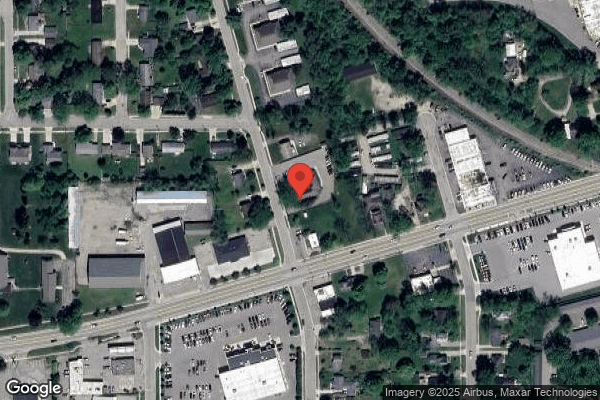
350 N Center St, Lowell, MI 49331 (616) 897-8473
For profit - Corporation 153 Beds CIENA HEALTHCARE/LAUREL HEALTH CARE Data: November 2025
Trust Grade
15/100
#338 of 422 in MI
Last Inspection: December 2024

Within standard 12-15 month inspection cycle. Federal law requires annual inspections.

Overview

The Laurels of Kent has received a Trust Grade of F, indicating significant concerns about the facility. Ranking #338 out of 422 in Michigan places it in the bottom half of all nursing homes in the state, and at #22 out of 28 in Kent County, only one local option is better. The facility's trend is worsening, with reported issues increasing from 5 in 2024 to 6 in 2025. Staffing is rated at 3 out of 5 stars with a turnover rate of 37%, which is better than the state average, suggesting some stability among staff. However, the facility has incurred $159,903 in fines, which is concerning and indicates compliance problems. Specific incidents have raised alarms, including a resident developing severe pressure ulcers due to inadequate monitoring and treatment, resulting in hospitalization for serious infections. Another resident experienced a delay in treatment for a skin condition because the facility failed to notify the physician, causing discomfort and potential worsening of the condition. Additionally, there was a failure to offer COVID-19 vaccinations to residents during an outbreak, contributing to increased risk and fatalities. Overall, while staffing appears stable, the facility faces serious deficiencies that families should consider carefully.

Trust Score
F
15/100
In Michigan
#338/422
Bottom 20%
Safety Record
High Risk
Review needed
Inspections
Getting Worse
5 → 6 violations
Staff Stability
○ Average
37% turnover. Near Michigan's 48% average. Typical for the industry.
Penalties
✓ Good
$159,903 in fines. Lower than most Michigan facilities. Relatively clean record.
Skilled Nurses
⚠ Watch
Each resident gets only 23 minutes of Registered Nurse (RN) attention daily — below average for Michigan. Fewer RN minutes means fewer trained eyes watching for problems.
Violations
⚠ Watch
44 deficiencies on record. Higher than average. Multiple issues found across inspections.
★★☆☆☆
2.0
Overall Rating
★★★☆☆
3.0
Staff Levels
★★★★☆
4.0
Care Quality
★★☆☆☆
2.0
Inspection Score
Stable
2024: 5 issues
2025: 6 issues

The Good

  • 4-Star Quality Measures · Strong clinical quality outcomes
  • Full Sprinkler Coverage · Fire safety systems throughout facility
  • No fines on record
  • Staff turnover below average (37%)

    11 points below Michigan average of 48%

Facility shows strength in quality measures, fire safety.

The Bad

2-Star Overall Rating

Below Michigan average (3.1)

Below average - review inspection findings carefully

Staff Turnover: 37%

Near Michigan avg (46%)

Typical for the industry

Federal Fines: $159,903

Well above median ($33,413)

Significant penalties indicating serious issues

Chain: CIENA HEALTHCARE/LAUREL HEALTH CARE

Part of a multi-facility chain

Ask about local staffing decisions and management

The Ugly 44 deficiencies on record

4 actual harm
Aug 2025 1 deficiency
CONCERN (E) 📢 Someone Reported This

A family member, employee, or ombudsman was alarmed enough to file a formal complaint

Potential for Harm - no one hurt, but risky conditions existed

Deficiency F0725 (Tag F0725)

Could have caused harm · This affected multiple residents

**NOTE- TERMS IN BRACKETS HAVE BEEN EDITED TO PROTECT CONFIDENTIALITY** This citation pertains to Intake 1326155.Based on observation, interview, and record review the facility failed to have sufficie...

Read full inspector narrative →
**NOTE- TERMS IN BRACKETS HAVE BEEN EDITED TO PROTECT CONFIDENTIALITY** This citation pertains to Intake 1326155.Based on observation, interview, and record review the facility failed to have sufficient staffing to ensure resident care needs were responded to timely for 5 (Residents #1, 2, 6, 7, and 8) of 7 residents reviewed for sufficient staffing, and the potential to affect all those living at the facility of the facility census of 97 resulting in feelings of anger, frustration, and/or embarrassment.Findings include:Resident #1:During an interview on 8/26/25 at 11:51 AM, Resident #1 reported she had feelings of frustration when she had to wait prolonged times to receive staff assistance getting from her bed to her power chair. Resident #1 reported call light times are often not good (long and reported an example of waiting approximately one and a half hours. Resident #1 reported call light wait times are longest when she wanted to get up out of bed and into her power chair around lunch time.During observations and interviews starting on 8/27/25 at 9:18 AM, the call light monitor behind the nurses' station at the end of the 200s hall and call lights above the door in view of all in the hall were watched. At 9:18 AM, the call light monitor at the nurses' station was lit up (activated/turned on) for Resident #1's room and room [ROOM NUMBER] and the call lights above Resident #1's room and room [ROOM NUMBER] were lit up (activated/turned on). room [ROOM NUMBER]'s call light was turned off/responded to at 9:18 AM, and Resident #1's call light remained on (resident awaiting staff response to a care need). The surveyor then proceeded down to Resident #1's room. Resident #1 was lying on her back in her bed, the call light remained on, and she reported she had put on her call light at 9 AM and was waiting for staff to get her out of bed and into her power chair. Resident #1 confirmed she is unable to transfer independently from bed to chair without staff's assistance but wanted to get up so she could take herself down to the beautician to get her hair colored. Resident #1 reported she was concerned because the beautician only comes one day a week every other week and needed the service while the beautician was available. Resident #1 reported it was after breakfast and in-between meals, so she didn't know what was taking so long. Resident #1 appeared visibly frustrated. Resident #1 reported she felt the staffing levels were low and waited longer than 15 minutes for her call light to be answered four times each week on average. The surveyor waited with the resident until the call light was answered. At 9:41 AM, Beautician K entered Resident #1's room to get the resident for hair care. Beautician K reported that she was with Resident #1 when the call light was put on at 9 AM, or no later than 9:05 AM, so that she could get to the Beautician's room. No other person came into Resident #1's room or addressed Resident #1 until 9:44 AM when Certified Nurse Aide J entered Resident #1's room. CNA J and M got Resident #1 up into her power chair, and Resident #1 began to independently use her power chair to exit her room and start heading down the hall to the Beautician's room at 10:03 AM.During an interview on 8/27/25 at 9:44 AM, Certified Nurse Aide (CNA) J reported the CNA's working the 200 hall was herself (CNA J), CNA L, and CNA M was split working both the 100 and 200 halls. CNA J reported the expectation was 5 minutes to answer a call light. CNA J confirmed there was no significant event that would have created a delay to answer Resident #1's call light and they had been providing routine/normal daily cares for residents. CNA J reported she felt they had enough staff to meet care needs on the day shift this day but reported often when working a later shift there was often no CNA working on the 500 hall and that it was frustrating. (The 500 hall was separated from the 100/200 halls requiring staff to walk down a hallway to access the 500 hall rooms.) CNA J reported she felt 2nds and thirds (evenings and nights) shifts struggle with staffing levels and meeting resident care needs/call lights.During an interview on 8/27/25 at 9:58 AM, Certified Nurse Aide (CNA) F was asked what the facility's call light response time was expected to be. CNA F reported realistically 5-7 minutes. CNA F reported second shift staffing levels suffer/not always having enough staff.During an interview on 8/27/25 at 10:03 AM, Certified Nurse Aide (CNA) M stated, Not on a regular basis when she was asked if the facility is staffed enough to allow time to meet resident needs timely. CNA M confirmed she was working rooms on both the 200s hall and the 100s hall, she hadn't seen Resident #1's call light on as she had been on the 100s hall at the time, and nothing happened this morning out of the ordinary that would have prevented staff from meeting call lights (resident care needs) timely. CNA M reported she felt they were adequately staffed today for the day shift.During an observation and interview on 8/27/25 at 10:44 AM, Resident #1's hair care was completed by the beautician, she was seated upright in her wheelchair in her room, and reported when she had to wait that long, like she did that morning 9 AM-9:44 AM for her call light to be answered, she stated she doesn't yell but I get frustrated and angry. If it had got to 1 hour I may have yelled.Review of Resident #1's care plan, revised 5/20/25, stated, (Resident #1) has a functional ability deficit and requires assistance with self care/mobility R/T (related to): Activity Intolerance, Fatigue/Weakness, Impaired Balance, Impaired Mobility, Pain in back, bilateral (left and right) knees, obesity (excess body fat), hx (history) of falls .Encourage resident (Resident #1) to use bell/call light to call for assistance .AMBULATION/WALKING: Resident (Resident #1) is unable to ambulate and requires a power wheelchair for locomotion .Dependent (transfers) [Brand Name; mechanical/powered lift transfer devices] with two helpers .DRESSING: Resident (Resident #1) requires Substantial/Maximum assist (upper body) Dependent (lower body, footwear) with two or more helper(s) .Anticipate and meet resident's needs. Review of Resident #1's brief interview for mental status, dated 7/24/25, had a score of 15 which indicated she was cognitively intact. During an interview on 8/28/25 at 8:28 AM, Director of Nursing (DON) B reported the only time the facility has issues with staffing is 6-10 PM when A-Side (100/200 halls) has to send someone over. DON B reported they were fully staffed yesterday (8/27/25) and 44 minutes was unacceptable, regarding the staff's call light response time to Resident #1's call light. DON B reported they discuss call wait times at all staff meetings across all shifts and small huddles to go over call light response times. Resident #2:During an interview on 8/26/25 at 10:03 AM, Resident #2 reported on 5/31/25 the facility was short staffed, wasn't responsive to his call light, and reported staff working that day had told him they were short staffed.During an observation and interview on 8/27/25 at 3:59 PM, Scheduling staff Q reported on 5/31/25 there was one time slot not covered/staffed. Staff Q reported on that day they had two orientees shadowing but could assist but reported with counting the orientees there was still one night shift slot that wasn't filled. Staff Q confirmed the facility had some low Certified Nurse Aide (CNA) staffing in the past week or so. Staff Q stated, second shift was rough yesterday (8/26/25) and was unable to get someone to fill in/cover staffing from 6-10PM. Staff Q confirmed this 6-10 PM slot that wasn't covered meant there was no CNA on the 500 hall. Staff Q stated staff from the A side (100/200 halls) would monitor 500 hall. When asked how staff on the 100 and 200 halls would know if call lights were on or going off Staff Q reported staff would periodically come over to the 500s hall and check. Per direct observation at that time, 8/27/25 at 3:59 PM, the 500s hall was a distinctly separate unit and separated from the other units. The 100 and 200 halls were separated from the 500s unit by a hallway and was away and out of sight from someone on the 100 and 200 halls.During an interview on 8/28/25 at 9:06 AM, Scheduling staff Q went over the schedules of the past week. Staff Q confirmed that on 8/24/25 from 6-10 PM they were short staff and on 8/27/25 Staff Q confirmed the 500 hall 6-10 PM staff slot for a CNA was not filled.Review of Resident #2's brief interview for mental status score, dated 5/29/25, was scored 15 which reflected intact cognition.Resident #6:During an observation and interview on 8/27/25 at 3:40 PM, Resident #6 presented a grievance/concern form he recently submitted with the facility, but it only contained the front side (the back side of the facility grievance form would address upcoming follow-up/resolution). The grievance indicated CNA C would come into his room and turn his call light off without needs being met. Resident #6 stated, They're so short staffed it's ridiculous.Review of Resident #6's Resident, Family, Employee, and Visitor Assistance Form, dated 8/23/25, stated, What is your concern about? .(CNA C) keeps coming into my room (Resident #6's) and shutting my call light off without my needs being met. Also while I was on the toilet I put the call light on.Shut it off.How can we address your issues? .Have (Nursing Home Administrator A) speak to me.and this is still an ongoing issue.Is this an ongoing problem? .Yes.If Yes, for how long? .Months.Have you contacted us in the past about this Issue? .Yes.Review of Resident #6's functional ability plan, revised 5/21/25, stated, (Resident #6) has a functional ability deficit and requires assistance with self care/mobility R/T (related to): Impaired Mobility, Activity Intolerance, Fatigue/Weakness, Pain, SOB (Shortness of Breath) with exertion .TRANSFER: Resident (Resident #6) requires Dependent assist with 2 helpers SIT 2STAND (device to assist an individual from sitting to standing) .TOILET HYGIENE: Resident (Resident #6) is Dependent with one helper(s) .TOILET TRANSFER: Resident requires Dependent assist with 2 helpers Sit 2 Stand .Provide assistive devices as needed .electric w/c (wheelchair). Resident #6's care plan included a diagnosis list which included, IRRITANT CONTACT DERMATITIS DUE TO FECAL, URINARY OR DUAL INCONTINENCE .IRRITABLE BOWEL SYNDROME. Review of Resident #6's brief interview for mental status, dated 7/24/25, had a score of 15 which indicated he was cognitively intact. Resident #7:Review of Resident #7's Resident, Family, Employee, and Visitor Assistance Form (concern form), dated 7/16/25, stated, What is your concern about? .My light stays on forever. No one answers it and that is why I have to start yelling and getting mad for help.Is this an ongoing problem? .Yes.Review of Resident #7's brief interview for mental status score, dated 6/30/25, was scored 14 which reflected intact cognition.Review of Resident #7's functional ability care plan, revised 7/2/25, stated, .requires assistance with self care/mobility R/T (related to): recent right femur fracture-only able to toe touch. and included an intervention of Encourage resident to use bell/call light to call for assistance.Resident #8:During an interview on 8/28/25 at 9:55 AM, Resident #8 reported the night shift is when he experiences his longest call light wait times. Resident #8 reported call light response times can be anywhere from 20 minutes to an hour and a half. Resident #8 reported he felt the night shift was understaffed. Resident #8 reported he has had many accidents with both bowel/bladder (feces/urine) and is the main reason he uses his call light to get to the bathroom. Resident #8 reported he hits his call light before he has had the accident, but while waiting he soils himself. Resident #8 reported he felt embarrassed and bad when he has a bowel and/or bladder accident waiting for his call light to be responded to. Resident #8 reported he must wear briefs (disposable adult briefs) because he had a cast on his right ankle and can't walk or transfer to the toilet himself.Review of Resident #8's brief interview for mental status, dated 8/10/25, had a score of 15 which indicated he was cognitively intact. Review of Resident #8's impaired skin care plan, dated 7/5/25, stated, (Resident #8) is incontinent of bladder (urine) & bowel (feces) R/T (related to): obesity (excess body fat), muscle weakness .ankle fracture .Resident uses disposable briefs .Check q (every) 2 hr (hours) and prn (as needed) for incontinence. During an interview on 8/28/25 at 10:28 AM, Ombudsman R reported over the past quarter she had received four concerns regarding long call light wait times, staff telling residents somebody called off (as a response to why call lights weren't being responded to timely), and/or staff telling residents they don't have enough time (to meet care needs/call lights timely). Review of the facility's resident council minutes, dated 7/15/25, stated, .New Business.Call lights not being answered 500 Hall (wait over 1 hour)-concern form filled.Review of the facility's resident council minutes, dated 8/19/25, stated, Group Concerns: 200-500 halls lights not being answered, have to wait 45 minutes to an hour .New Business .200 hall lights not being answered - (Resident #1) stated wait 45 min. (minutes)-1 hour (Told (staff first name) 6 weeks ago) .500 hall no aides after 6 pm - not answering call lights anytime .Old Business (list follow-up from last month's minutes). Issues not resolved move to new business .500 call lights - (still not being answered).Review of the facility's Nursing Staffing policy, approved 11/4/2024, stated, The nursing services department provides 24-hour nursing services. The facility ensure sufficient nursing staff with the appropriate competencies and skills sets to provide nursing and related services to assure resident safety and attain or maintain the highest practicable physical, mental, and psychosocial well-being of each resident .Nursing service is provided by number and type of personnel to ensure that each resident: .Receives proper care to maintain their highest level of functioning .The facility will staff to meet the needs of the residents at the facility . Review of the facility's Call Lights policy, revised 3/12/2025, stated, Call lights will be placed within the resident's reach and answered in a timely manner .Responding to a Call Light .Identify the location and answer the resident promptly .
Apr 2025 3 deficiencies
CONCERN (E) 📢 Someone Reported This

A family member, employee, or ombudsman was alarmed enough to file a formal complaint

Potential for Harm - no one hurt, but risky conditions existed

Free from Abuse/Neglect (Tag F0600)

Could have caused harm · This affected multiple residents

**NOTE- TERMS IN BRACKETS HAVE BEEN EDITED TO PROTECT CONFIDENTIALITY** This citation pertains to intake MI00152092. Based on interview and record review, the facility failed to monitor and prevent re...

Read full inspector narrative →
**NOTE- TERMS IN BRACKETS HAVE BEEN EDITED TO PROTECT CONFIDENTIALITY** This citation pertains to intake MI00152092. Based on interview and record review, the facility failed to monitor and prevent resident to resident sexual abuse for 4 of 6 residents (Resident #101, #102, #104, and #105) reviewed for abuse, resulting in the potential for a decline in physical, mental, and psychosocial well-being. Findings include: Resident #101 Review of an admission Record revealed Resident #101 was originally admitted to the facility on [DATE] with pertinent diagnoses which included personal history of traumatic brain injury and cognitive communication deficit. Review of a Minimum Data Set (MDS) assessment for Resident #101, with a reference date of 3/17/25 revealed a Brief Interview for Mental Status (BIMS) score of 3/15 which indicated Resident #101 was severely cognitively impaired. Review of Resident #101's Letter of Guardianship dated 12/18/24 indicated that Resident #101 was totally without the capacity to care for herself, and the court had granted Resident #101 a full guardian. Resident #102 Review of an admission Record revealed Resident #102 was originally admitted to the facility on [DATE] with pertinent diagnoses which included cognitive communication deficit and major depressive disorder. Review of a Minimum Data Set (MDS) assessment for Resident #102, with a reference date of 3/24/25 revealed a Brief Interview for Mental Status (BIMS) score of 7/15 which indicated Resident #102 was severely cognitively impaired. Review of the Facility Reported Incident (FRI) dated 4/8/25 revealed, On 4/8/25 at 10:00 pm, Registered Nurse (RN) N observed (Resident #101) resident laying on (Resident #102's) bed with (Resident #102) in between (Resident #101) legs. (Resident #101) pants were off one leg and around her other ankle and (Resident #102) had his pajama and underpants down to his knees, his penis was not fully exposed. (Registered Nurse (RN) ) F immediately intervened and assisted (Resident #101) back to her room. (RN F) did not witness any intercourse but it appeared that (Resident #102) was fondling (Resident #101) . In an interview on 4/15/25 at 1:32 PM, RN F reported that on 4/8/25 she had completed report with the oncoming shift when she was notified by Certified Nursing Assistant (CNA) H that Resident #101 was not in her room. RN F reported that she began to look for Resident #101 and the first place that she went was Resident #102's room. RN F reported that she went to Resident #102's room because she had seen Resident #101 and Resident #102 together in the hallway earlier that evening. RN F reported that she entered Resident #102's room and turned on the light to observe Resident #102 sitting at the end of his bed with his legs dangling over the side of his bed and Resident #101 was laying on Resident #102's bed with her legs over Resident #102's lap. RN F confirmed that Resident #101's pants were down to her ankles, and she did not have on underwear or a brief. RN F reported that Resident #102's pants and underwear were also down, but his penis was not fully exposed. RN F confirmed that she observed Resident #102 fondling Resident #101's vagina area, but she did not see Resident #102 penetrating Resident #101 with his fingers. RN F reported that the first time that she had observed Resident #101 and Resident #102 spending time together was earlier that night. RN F reported that she saw the residents holding hands in the hallway and thought that is interesting but she did not think much else of that at the time. RN F confirmed that staff had to redirect Resident #101 away from Resident #102's room earlier that evening. RN F reported that after she separated the residents, she contacted the charge nurse and the Nursing Home Administrator (NHA) A. In an interview on 4/15/25 at 12:41 PM, CNA H reported that she came to the facility to start her shift around 9:45 PM, and after getting report she began making rounds to check on her assigned residents when she noted that Resident #101 was not in her room. CNA H reported that she immediately told RN F that Resident #101 was missing and RN F said she might be with Resident #102 and went towards his room. CNA H reported that she followed behind RN F and entered Resident #102's room shortly after RN F. CNA H reported that when she entered Resident #102's room RN F had already turned the lights on, and she observed Resident #101 lying on Resident #102's bed with her pants off. CNA H confirmed that Resident #102's pants were also off, but that she did not observe his penis. CNA H reported that Resident #102 was sitting at the end of the bed when she entered the room. CNA H reported that she did not see interaction between Resident #101 and Resident #102, but that she had entered after RN F who had already begun separating the residents. CNA H reported that she had been told in report from the off going shift that Resident #101 and Resident #102 had been hanging around each other and that Resident #101 had to be redirected from Resident #102's room earlier that evening. In an interview on 4/15/25 at 7:45 AM, NHA A reported that she contacted Resident #101's guardian on 4/9/25 and made her aware of the incident between Resident #101 and Resident #102 on 4/8/25, and obtained consent for sexual intercourse to continue. NHA A reported that she contacted Resident #102's guardian on 4/8/25 at 10:15 PM, and obtained consent for sexual intercourse. NHA A confirmed that the facility had not reached out to the guardians before the incident to determine consent for the relationship between Resident #101 and Resident #102. Resident #103 Review of an admission Record revealed Resident #103 was originally admitted to the facility on [DATE] with pertinent diagnoses which included muscle weakness and adult failure to thrive. Review of a Minimum Data Set (MDS) assessment for Resident #103, with a reference date of 4/8/25 revealed a Brief Interview for Mental Status (BIMS) score of 7/15 which indicated Resident #103 was severely cognitively impaired. Review of Resident #103's Letters of Guardianship dated 6/5/24 revealed that Resident #103 had been appointed a full guardian. Resident #104 Review of an admission Record revealed Resident #104 was originally admitted to the facility on [DATE] with pertinent diagnoses which included cognitive communication deficit and depression. Review of a Minimum Data Set (MDS) assessment for Resident #104, with a reference date of 3/26/25 revealed a Brief Interview for Mental Status (BIMS) score of 4/15 which indicated Resident #104 was severely cognitively impaired. Review of Resident #104's Appointment of Guardian of Incapacitated Individual dated 9/11/24 revealed that Resident #104 was totally unable to care for herself and was appointed a full guardian. In an interview on 4/15/25 at 1:32 PM, RN F reported that she was aware of a relationship between Resident #103 and Resident #104. RN F reported that on 4/3/25 or 4/4/25, she observed Resident #103 and Resident #104 in the lounge together. RN F reported that Resident #103 was groping Resident #104's breasts over her shirt. RN F reported that she did not document this incident or report it to the abuse coordinator. RN F confirmed that she did not know if Resident #103 and Resident #104's guardian's had consented to them having sexual interactions. Review of Resident #103's Nurses Notes dated 2/8/25 and documented by Licensed Practical Nurse (LPN) G revealed, (Resident #103) was in the middle of the hall massaging (Resident #104) breast; educated that he could not be doing that out in the hall, in public. He stated she (Resident #104) was doing it to him, but his statement was not witnessed. (Resident #104) did not look upset or in any distress. Separated residents and he went into the shower. In an interview on 4/16/25 at 3:50 PM, LPN G reported that she did recall witnessing Resident #103 fondling Resident #104's breast in the hallway. LPN G reported that she did not know if Resident #103 and Resident #104 had consent from their guardians for their relationship. LPN G reported that she did not report witnessing Resident #103 massaging Resident #104's breast to the facility's abuse coordinator. In an interview on 4/16/25 at 8:53 AM, Social Worker (SW) K reported that she was aware that Resident #103 and Resident #104 were spending a lot of time together, and they had been observed by staff holding hands on several occasions. SW K reported that she was not aware that Resident #103 and Resident #104 had passed the boundary of holding hands. SW K reported that she had a conversation with Resident #104's guardian about Resident #103 and Resident #104's relationship, and obtained consent for the relationship. SW K reported that she had documented the conversation she had with Resident #104's guardian on her Care Conference Note dated 1/9/25. SW K confirmed that when she spoke with Resident #104's guardian, she did not clarify with Resident #104's guardian if she gave consent for sexual intercourse, or anything beyond holding hands. SW K reported that she had not talked to Resident #103's guardian, and she could not recall who had obtained consent from Resident #103's guardian to have a relationship with Resident #104. Review of Resident #103's Progress Notes dated 7/8/24 revealed, Writer was reported that Resident #103 was engaging in a relationship with (initials of name redacted). Resident #103 reported that he is in interest of this relationship and does not feel threaten by it. Resident #103 was explained he needs to wait until his guardian reports what kind of relationship he can engage with female resident. Review of Resident #103's Progress Notes dated 7/16/24 revealed, Received a phone call from (Resident #103) guardian saying that she talked to the resident's family, and they were okay with (Resident #103) having a relationship as long as the resident do it appropriately. Incoming nurse informed. Noted that the progress notes dated 7/8/24 and 7/16/24 were before Resident #104 was admitted to the facility, and the consent that the facility obtained for this relationship was not for Resident #103's relationship with Resident #104. It is also noted that the facility did not document what kind of boundaries Resident #103's guardian had in place, and if a sexual relationship was allowed. Review of Resident #104's Care Conference Note dated 1/9/25 revealed, .Care Plan Review: .She (Resident #104's guardian) is not worried about (Resident #104) holding hands with her new male friend. (Resident #104's guardian) reports her friend looks a lot like her dad and can see how she feels like wanting to be by him . Noted that Resident #104's Care Conference Note dated 1/9/25 did not indicate if Resident #104's guardian had provided consent for anything further than Resident #104 holding hands with Resident #103. In an interview on 4/16/25 at 10:13 AM, Director of Nursing (DON) B reported that she was present for Resident #104's Care Conference on 1/9/25 and she recalled SW K asking Resident #104's guardian about consent for her relationship with Resident #103. DON B reviewed Resident #104's Care Conference note dated 1/9/25 and confirmed that the documentation did not indicate if Resident #104's guardian had consented to anything more than Resident #104 holding hands with Resident #103. DON B was unable to find documentation of consent from Resident #103's guardian for his relationship with Resident #104. In an interview on 4/16/25 at 11:27 AM, NHA A reported that she was not involved in obtaining consent from Resident #104's guardian and her relationship with Resident #103. NHA A reviewed Resident #104's Care Conferencenote dated 1/9/25 and confirmed that the documentation did not indicate if Resident #104's guardian had consented to anything more than Resident #104 holding hands with Resident #103. NHA A reported that she was not aware of the incident between Resident #103 and Resident #104 on 2/8/25 where Resident #103 was witnessed massaging Resident #104's breasts. Resident #105 Review of an admission Record revealed Resident # 105 was originally admitted to the facility on [DATE] with pertinent diagnoses which included dementia and depression. Review of a Minimum Data Set (MDS) assessment for Resident #105, with a reference date of 1/27/25 revealed a Brief Interview for Mental Status (BIMS) score of 10/15 which indicated Resident #105 was moderately cognitively impaired. Review of Resident #105's Letters of Guardianship dated 6/15/22 revealed that Resident #105 was designated two full co-guardians. Resident #106 Review of a admission Record revealed Resident #106 was originally admitted to the facility on [DATE] with pertinent diagnoses which included muscle weakness and cognitive communication deficit. Review of a Minimum Data Set (MDS) assessment for Resident #106, with a reference date of 3/12/25 revealed a Brief Interview for Mental Status (BIMS) score of 7/15 which indicated Resident # 106 was severely cognitively impaired. Review of Resident #106's Letter of Guardianship dated 9/9/21 revealed that Resident #106 had been appointed a full guardian. Review of Resident #106's Nurses Notes dated 6/10/24 and documented by RN C revealed, (Resident #106) came into another resident's room and was caught by an aid doing sexual interaction with a male resident (Resident #105). Unit Manager informed of this incident and DON B notified Review of Resident #105's Social Services Note dated 7/18/24 revealed, Writer contacted (Resident #105) guardian ( Guardian BB) to report relationship between (Resident #105) and female resident (Resident #106), often known to be of sexual interaction. This relationship is consensual from both residents. When (Resident #105) was interviewed; he stated he likes the female resident (Resident #106), does not feel obligated or in stress, and wish to continue to have this relationship with her. (Guardian BB) stated he will (sic) like to talk to (co-guardian) before a decision is made about situation. In an interview on 4/16/25 at 8:19 AM, RN C reported that she did recall the incident between Resident #105 and Resident #106 on 6/10/24. RN C reported that she could not recall which CNA told her that they had found Resident #105 and Resident #106, but that she remembered that the CNA told her it was a sexual interaction, so she reported it to the Unit Manager. RN C could not recall what the sexual interaction between Resident #105 and Resident #106 entailed. In an interview on 4/16/25 at 12:36 PM, Former Unit Manager (UM) DD reported that she did recall being informed of Resident #106 being found in Resident #105's room. UM DD could not recall which CNA had witnessed Resident #105 and Resident #106, but she did recall that Resident #106 was observed performing oral sex on Resident #105. UM DD reported that she contacted Resident #105 and Resident #106's guardians to inform of the incident, and she also notified DON B. UM DD reported that Resident #106's guardian did not have any concerns with the sexual interaction between Resident #105 and Resident #106, but Resident #105's guardian did. UM DD reported that she recalled that Resident #105's guardian was not thrilled and wanted the facility to keep Resident #105 and Resident #106 from having any further sexual interactions. In an interview on 4/16/25 at 2:10 PM, CNA R reported that Resident #105 and Resident #106 had been in a relationship for a long time, CNA R reported that she was not sure if Resident #105 and Resident #106's guardians had consented to a sexual relationship. CNA R reported that Resident #106 used to go to Resident #105's room all the time in the past, and she had observed Resident #105's hands up Resident #106's pants before. CNA R could not recall the date when she had made that observation, and reported that it was a very long time ago. In an interview on 4/16/25 at 8:53 AM, SW K reported that she knew Resident #105 and Resident #106 had been in a relationship together for quite some time. SW K reported that Resident #105 and Resident #106 did go into each other's rooms, but the staff try to separate them. SW K reported that Resident #105 and Resident #106's guardians had consented to the residents having a sexual relationship. This writer reviewed the note that SW K documented in Resident #105's chart that indicated that Guardian BB needed to discuss the relationship and boundaries and had not yet given consent. SW K reported that Guardian BB did give consent for sexual interaction. SW K was not able to provide further documentation to verify that Guardian BB had consented to sexual interactions. In an interview on 4/16/25 at 8:29 AM, Resident #105's Guardian (Guardian BB) reported that he had been made aware of Resident #105's relationship with Resident #106. Guardian BB reported that the facility had contacted him in June 2024 after the incident occurred between Resident #105 and Resident #106, and in July 2024 and asked for consent for the relationship, and what kind of boundaries Guardian BB was comfortable with. Guardian BB reported that he had informed the facility that he was okay with Resident #105 and Resident #106 spending time together, holding hands, and kissing, but he was not comfortable with Resident #105 having a sexual relationship. In an interview on 4/16/25 at 10:13 AM, DON B reported that she knew that Resident #106's guardian had given consent for Resident #106 to have a sexual relationship, but she did not know if Resident #105's guardian had given consent for a sexual relationship. DON B reported that she had been made aware of the incident between Resident #105 and Resident #106 on 6/10/24. DON B confirmed that she did not report the incident, and the facility did not do any follow up with Resident #105 and Resident #106 after the incident. In an interview on 4/16/25 at 11:27 AM, NHA A reported that she was unaware of the incident between Resident #105 and Resident #106 on 6/10/24. NHA A confirmed that if she had been made aware of the incident, she would have reported it to the state agency and completed an investigation. NHA A confirmed that the facility had never obtained consent for Resident #105 to participate in a sexual relationship. In a follow up interview on 4/16/25 at 4:15 PM, NHAA reported that she had contacted Guardian BBand confirmed that he did not consent to Resident #105 having a sexual relationship. Review of the facility's Abuse Prohibition Policy last revised 9/19/22 revealed, Policy: Each guest shall be free from abuse, neglect, mistreatment, exploitation, and misappropriation of property. Abuse shall include freedom from verbal, mental, sexual, physical abuse .To assure guests/residents are free from abuse, neglect, or mistreatment, the facility shall monitor guest/resident care and treatments on an on-going basis. It is the responsibility of all staff to provide a safe environment for the guest/residents .Definitions: . Sexual Abuse: is non-consensual sexual contact of any type with guest/resident. Sexual abuse is defined as non-consensual sexual contact of any type with a guest/resident. Sexual abuse includes, but is not limited to: unwanted intimate touching of any kind especially of breasts or perineal area; all types of sexual assault or battery, such as rape, sodomy, fondling and/or intercourse or coerced nudity;forced observation of masturbation and/or pornography; and taking sexually explicit photographs and/or audio/video recordings of a guest/resident and maintaining and/or distributing them (e.g. posting on social media). Guests/residents have the right to engage in sexual activity. If at anytime the facility has reason to suspect the guest/resident does not have the capacity to consent to the sexual activity the facility should evaluate whether the guest/resident has the capacity to consent
CONCERN (E) 📢 Someone Reported This

A family member, employee, or ombudsman was alarmed enough to file a formal complaint

Potential for Harm - no one hurt, but risky conditions existed

Abuse Prevention Policies (Tag F0607)

Could have caused harm · This affected multiple residents

Based on interview and record review, the facility failed to ensure staff implemented the abuse policy by immediately reporting an allegation of abuse to the abuse coordinator for 4 of 6 residents (Re...

Read full inspector narrative →
Based on interview and record review, the facility failed to ensure staff implemented the abuse policy by immediately reporting an allegation of abuse to the abuse coordinator for 4 of 6 residents (Resident #103, #104, #105 and #106) reviewed for abuse, resulting in a resident to resident allegation of sexual abuse not being reported immediately to the facility Abuse Coordinator and the potential for additional allegations of abuse to go unreported. Findings include: Resident #103 Review of a Minimum Data Set (MDS) assessment for Resident #103, with a reference date of 4/8/25 revealed a Brief Interview for Mental Status (BIMS) score of 7/15 which indicated Resident #103 was severely cognitively impaired. Review of Resident #103's Letters of Guardianship dated 6/5/24 revealed that Resident #103 had been appointed a full guardian. Resident #104 Review of a Minimum Data Set (MDS) assessment for Resident #104, with a reference date of 3/26/25 revealed a Brief Interview for Mental Status (BIMS) score of 4/15 which indicated Resident #104 was severely cognitively impaired. Review of Resident #104's Appointment of Guardian of Incapacitated Individual dated 9/11/24 revealed that Resident #104 was totally unable to care for herself and was appointed a full guardian. In an interview on 4/15/25 at 1:32 PM, RN F reported that she was aware of a relationship between Resident #103 and Resident #104. RN F reported that on April 3rd or April 4th, she had observed Resident #103 and Resident #104 in the lounge together. RN F reported that Resident #103 was groping Resident #104's chest over her shirt. RN F reported that she did not document this incident or report it to the abuse coordinator. RN F confirmed that she did not know if Resident #103 and Resident #104's guardian's had consented to them having sexual interactions. RN F reported that she did not know that she should have reported this incident to the abuse coordinator (Nursing Home Administrator (NHA) A. In an interview on 4/16/25 at 3:50 PM, LPN G reported that she did recall witnessing Resident #103 fondling Resident #104's breast in the hallway. LPN G reported that she did not know if Resident #103 and Resident #104 had consent from their guardians for their relationship. LPN G reported that she did not report witnessing Resident #103 massaging Resident #104's breast to the facility's abuse coordinator. LPN G reported that she did not think she needed to report this incident to the abuse coordinator because the facility reads all the nursing notes every morning. In an interview on 4/16/25 at 11:27 AM, NHA A reported that she was not aware of the incident between Resident #103 and Resident #104 on 2/8/25 where Resident #103 was witnessed massaging Resident #104's breasts. Resident #105 Review of a Minimum Data Set (MDS) assessment for Resident #105, with a reference date of 1/27/25 revealed a Brief Interview for Mental Status (BIMS) score of 10/15 which indicated Resident #105 was moderately cognitively impaired. Review of Resident #105's Letters of Guardianship dated 6/15/22 revealed that Resident #105 was designated two full co-guardians. Resident #106 Review of a Minimum Data Set (MDS) assessment for Resident #106, with a reference date of 3/12/25 revealed a Brief Interview for Mental Status (BIMS) score of 7/15 which indicated Resident # 106 was severely cognitively impaired. Review of Resident #106's Letter of Guardianship dated 9/9/21 revealed that Resident #106 had been appointed a full guardian. Review of Resident #106's Nurses Notes dated 6/10/24 and documented by RN C revealed, (Resident #106) came into another resident's room and was caught by an aid doing sexual interaction with a male resident (Resident #105). Unit Manager informed of this incident and DON B notified In an interview on 4/16/25 at 8:19 AM, RN C reported that she did recall the incident between Resident #105 and Resident #106 on 6/10/24. RN C reported that she could not recall which CNA told her that they had found Resident #105 and Resident #106, but that she remembered that the CNA told her it was a sexual interaction, so she reported it to the Unit Manager. RN C could not recall what the sexual interaction between Resident #105 and Resident #106 entailed. In an interview on 4/16/25 at 12:36 PM, Former Unit Manager (UM) DD reported that she did recall being informed of Resident #106 being found in Resident #105's room. UM DD could not recall which CNA had witnessed Resident #105 and Resident #106, but she did recall that Resident #106 was observed performing oral sex on Resident #105. UM DD reported that she contacted Resident #105 and Resident #106's guardians to inform of the incident, and she also notified DON B. UM DD reported that she did not report this incident to the abuse coordinator because she thought that DON B was going to. In an interview on 4/16/25 at 2:10 PM, CNA R reported that Resident #105 and Resident #106 had been in a relationship for a long time, CNA R reported that she was not sure if Resident #105 and Resident #106's guardians had consented to a sexual relationship. CNA R reported that Resident #106 used to go to Resident #105's room all the time in the past, and she had observed Resident #105's hands up Resident #106's pants before. CNA R could not recall the date when she had made that observation, and reported that it was a very long time ago. CNA R reported that she did not report this incident to the abuse coordinator. In an interview on 4/16/25 at 10:13 AM, DON B reported that she had been made aware of the incident between Resident #105 and Resident #106 on 6/10/24. DON B confirmed that she did not report the incident, and the facility did not do any follow up with Resident #105 and Resident #106 after the incident. DON B reported that she did not report this incident because Resident #105 and Resident #106 had been in a relationship for a very long time, and this was not a new situation. In an interview on 4/16/25 at 11:27 AM, NHA A reported that she was unaware of the incident between Resident #105 and Resident #106 on 6/10/24. NHA A confirmed that if she had been made aware of the incident, she would have reported it to the state agency and completed an investigation. NHA A confirmed that the facility had never obtained consent for Resident #105 to participate in a sexual relationship. Review of the facility's Abuse Prohibition Policy last revised 9/19/22 revealed, Policy: Each guest shall be free from abuse, neglect, mistreatment, exploitation, and misappropriation of property. Abuse shall include freedom from verbal, mental, sexual, physical abuse, corporal punishment, involuntary seclusion and any physical or chemical restraint imposed for purposes of discipline or convince that are not required to treat the guest/resident's medical symptoms .To assure guests/residents are free from abuse, neglect, exploitation, or mistreatment, the facility shall monitor guest/resident care and treatments on an on-going basis. It is the responsibility of all staff to provide a safe environment for the guests/residents .Allegations of guest/resident abuse, exploitation, neglect, misappropriation of property, adverse event, or mistreatment shall be thoroughly investigated and documented by the Administrator, and reported to the appropriate state agencies, physician, families, and/or representative. The subject of abuse should be routinely and openly discussed. Guests/residents will be educated concerning the commitment of the facility to deal quickly and effectively with abuse or suspected abuse incidents on admission and at least annually thereafter. Staff members, volunteers, family members, and others shall immediately report incidents of abuse and suspected abuse, and should be assured that they will be protected against repercussions. Abuse can be guest/resident-to-guest/resident, staff-to-guest/resident, family-to-guest/resident, visitor-to-guest/resident, etc . Definitions: Sexual Abuse is non-consensual sexual contact of any type with a guest/resident. Sexual abuse is defined as non-consensual sexual contact of any type with a guest/resident. Sexual abuse includes, but is not limited to: unwanted intimate touching of any kind especially of breasts or perineal area; all types of sexual assault or battery, such as rape, sodomy, fondling and/or intercourse or coerced nudity; forced observation of masturbation and/or pornography; and taking sexually explicit photographs and/or audio/video recordings of a guest/resident(s) and maintaining and/or distributing them (e.g. posting on social media). Guests/residents have the right to engage in consensual sexual activity. If at anytime the facility has reason to suspect the guest/resident does not have the capacity to consent to sexual activity the facility should evaluate whether the guest/resident has the capacity to consent . Investigation: 1. Allegations by anyone who becomes aware of verbal, physical, mental, sexual or emotional abuse and mistreatment, neglect, exploitation, involuntary seclusion or misappropriation of property must immediately report it to his/her Administrator .
CONCERN (E) 📢 Someone Reported This

A family member, employee, or ombudsman was alarmed enough to file a formal complaint

Potential for Harm - no one hurt, but risky conditions existed

Comprehensive Care Plan (Tag F0656)

Could have caused harm · This affected multiple residents

**NOTE- TERMS IN BRACKETS HAVE BEEN EDITED TO PROTECT CONFIDENTIALITY** Based on interview and record review, the facility failed to develop and implement comprehensive, person centered care plans for...

Read full inspector narrative →
**NOTE- TERMS IN BRACKETS HAVE BEEN EDITED TO PROTECT CONFIDENTIALITY** Based on interview and record review, the facility failed to develop and implement comprehensive, person centered care plans for 4 residents (Resident #102, #103, #104 and #105) of 6 residents reviewed, resulting in unmet care needs and the potential for negative physical, mental and psychosocial outcomes. Findings include: Resident #102 Review of an admission Record revealed Resident #102 was originally admitted to the facility on [DATE] with pertinent diagnoses which included cognitive communication deficit and major depressive disorder. Review of the Facility Reported Incident (FRI) dated [DATE] revealed, On [DATE] at 10:00 PM, (Registered Nurse- RN) N observed (Resident #101) resident laying on (Resident #102's) bed with (Resident #2) in between (Resident #101) legs. (Resident #101) pants were off one leg and around her other ankle and (Resident #102) had his pajama and underpants down to his knees, his penis was not fully exposed. (Registered Nurse (RN) ) F immediately intervened and assisted (Resident #101) back to her room. (RN F) did not witness any intercourse but it appeared that (Resident #102) was fondling (Resident #101). Actions taken by the facility: . H. Care plans have been updated . Review of Resident #102's Care Plan revealed, (Resident #102) is experiencing episodes of hypersexuality. Sexual behavior in an appropriate setting. Date Initiated: [DATE]. Goals: Will have no episodes of inappropriate sexual behavior through the review date. Date Initiated: [DATE]. Interventions: Allow resident to express feelings, concerns or questions related to sexuality. Date Initiated: [DATE]. Discuss possible alternatives for intimacy within setting as needed. Date Initiated: [DATE]. Psych consult as needed. Date Initiated: [DATE]. Set limits/guidelines for behaviors as needed. Date Initiated: [DATE]. It was noted that Resident #102's Care Plan had not been updated until [DATE], and the care plan did not address Resident #102's relationship with Resident #101, and what boundaries were in place for this relationship. In an interview on [DATE] at 11:16 AM, Social Worker (SW) K reported that she had forgotten to update Resident #102's Care Plan after the incident between Resident #101 and Resident #102, and that she had just created the Care Plan for Resident #102 that morning. SW K confirmed that Resident #102's Care Plan did not include what boundaries were in place for his relationship with Resident #101. Resident #103 Review of a admission Record revealed Resident #103 was originally admitted to the facility on [DATE] with pertinent diagnoses which included muscle weakness and adult failure to thrive. Review of Resident #103's Care Plan revealed, (Resident #103) enjoys spending time with female residents, holding hands, sitting and talking with them. He is appropriate and kind. He does not initiate this interaction, but is approached by specific female residents. Date Initiated: [DATE]. Goal: (Resident #103) will stop interacting with any resident that he is not comfortable with and be accepting of staff intervention when needed. Date Initiated: [DATE]. Intervention: Check in with (Resident #103) to ensure his comfort with other residents. Intervene as needed. Date Initiated: [DATE]. (Resident #103) is experiencing episodes of hypersexuality with a female resident from 100 hall Sexual behavior in an appropriate setting. Date Initiated: [DATE]. Goals: Will have no episodes of inappropriate sexual behavior through the review date. Date Initiated: [DATE]. Interventions: Allow resident to express feelings, concerns or questions related to sexuality. Date Initiated: [DATE]. Discuss possible alternatives for intimacy within setting as needed. Date Initiated: [DATE]. Provide time and an environment for privacy as needed/available. Date Initiated: [DATE]. Psych consult as needed. Date Initiated: [DATE]. Set limits/guidelines for behaviors as needed. Resident is not allowed into female room Date Initiated: [DATE] . It was noted that Resident #103's Care Plan did not address his relationship with Resident #104, or what boundaries were in place for their relationship. Resident #103's Care Plan addressed previous relationships he had with other residents in the facility. Resident #104 Review of a admission Record revealed Resident #104 was originally admitted to the facility on [DATE] with pertinent diagnoses which included cognitive communication deficit and depression. Review of Resident #104's Care Plan revealed, (Resident #104) likes to hold hands with a male resident. (Resident #104's guardian) reports her friend looks a lot like her dad and can see how she feels like wanting to be by him and gives consent as long as both of them are comfortable and is consensual. Date Initiated: [DATE]. Goals: Will have no episodes of inappropriate sexual behavior through the review date. Date Initiated: [DATE]. Interventions: Encourage participation in diversional activities of interest. Date Initiated: [DATE]. Psych consult as needed. Date Initiated: [DATE]. Set limits/guidelines for behaviors as needed. Date Initiated: [DATE]. In an interview on [DATE] at 1:32 PM, Registered Nurse (RN) F reported that she was aware of a relationship between Resident #103 and Resident #104. RN F reported that on [DATE]rd or [DATE]th, she had observed Resident #103 and Resident #104 in the lounge together. RN F reported that Resident #103 was groping Resident #104's chest over her shirt. RN F reported that she was unaware of what boundaries were in place for Resident #103 and Resident #104. Review of Resident #103's Nurses Notes dated [DATE] and documented by Licensed Practical Nurse (LPN) G revealed, (Resident #103) was in the middle of the hall massaging (Resident #104) breast; educated that he could not be doing that out in the hall, in public. He stated she (Resident #104) was doing it to him, but his statement was not witnessed. (Resident #104) did not look upset or in any distress. Separated residents and he went into the shower. In an interview on [DATE] at 3:50 PM, Licensed Practical Nurse (LPN) G reported that she did recall witnessing Resident #103 fondling Resident #104's breast in the hallway. LPN G reported that she did not know if Resident #103 and Resident #104 had any boundaries in place for their relationship. In an interview on [DATE] at 8:53 AM, SW K reported that she was aware that Resident #103 and Resident #104 were spending a lot of time together, and they had been observed by staff holding hands on several occasions. SW K reported that she was not aware that Resident #103 and Resident #104 had passed the boundary of holding hands. SW K confirmed that she did not create Care Plans for Resident #103, and had just initiated a Care Plan for Resident #104 the day prior to address the relationship between Resident #103 and Resident #104. SW K confirmed that Resident #104's Care Plan did not address what boundaries were in place for Resident #103 and Resident #104's relationship. SW K reported that she had just forgotten to update Resident #104's Care Plan. Resident #105 Review of an admission Record revealed Resident # 105 was originally admitted to the facility on [DATE] with pertinent diagnoses which included dementia and depression. Review of Resident #105's Care Plan revealed, (Resident #105) likes to spend time with a female resident that often rubs his back and call girlfriend. Date Initiated: [DATE] . It was noted that Resident #105's Care Plan related to his relationship with Resident #106 was not initiated until [DATE], and did not include interventions to discuss what boundaries were in place for the relationship. Resident #106 Review of an admission Record revealed Resident #106 was originally admitted to the facility on [DATE] with pertinent diagnoses which included muscle weakness and cognitive communication deficit. Review of Resident #106's Care Plan revealed, (Resident #106) enjoys to engage (sic) in kissing and physical behaviors with other male residents at the facility. Guardian is aware. Date Initiated: [DATE]. Goals: Appropriate boundaries will be identified and implemented during these times, as needed. Date Initiated: [DATE]. Interventions: Allow resident to express feelings, concerns or questions related to sexuality. Date Initiated: [DATE]. Encourage participation in diversional activities of interest. Date Initiated: [DATE]. Set limits/guidelines for behaviors as needed. Date Initiated: [DATE]. (Resident #106) has a history of experiencing a budding relationship with a resident .Discusses relationship boundaries. this guest has agreed and verbalized understanding to only holding hands and kissing with resident and speaking in common areas. This resident expired. However, (Resident #106) currently holds a romantic relationship with a new resident. Date Initiated: [DATE]. Goal: Will have no episodes of inappropriate sexual behavior through the review date. Date Initiated: [DATE]. Interventions: Psych consult as needed. Date Initiated: [DATE]. set limits and guidelines as needed Date Initiated: [DATE] . Review of Resident #106's Nurses Notes dated [DATE] and documented by RN C revealed, (Resident #106) came into another resident's room and was caught by an aid doing sexual interaction with a male resident (Resident #105). Unit Manager informed of this incident and DON B notified Review of Resident #105's Social Services Note dated [DATE] revealed, Writer contacted (Resident #105) guardian ( Guardian BB) to report relationship between (Resident #105) and female resident (Resident #106), often known to be of sexual interaction. This relationship is consensual from both residents. When (Resident #105) was interviewed; he stated he likes the female resident (Resident #106), does not feel obligated or in stress, and wish to continue to have this relationship with her. (Guardian BB) stated he will like to talk to (co-guardian) before a decision is made about situation. In an interview on [DATE] at 8:19 AM, RN C reported that she did recall the incident between Resident #105 and Resident #106 on [DATE]. RN C reported that she could not recall which CNA told her that they had found Resident #105 and Resident #106, but that she remembered that the CNA told her it was a sexual interaction, so she reported it to the Unit Manager. RN C could not recall what the sexual interaction between Resident #105 and Resident #106 entailed. RN C was not aware what boundaries were in place for the relationship between Resident #105 and Resident #106. In an interview on [DATE] at 2:10 PM, Certified Nursing Assistant (CNA) R reported that Resident #105 and Resident #106 had been in a relationship for a long time, CNA R reported that she was not sure if Resident #105 and Resident #106's guardians had consented to a sexual relationship. CNA R was not aware what boundaries were in place for the relationship between Resident #105 and Resident #106. In an interview on [DATE] at 8:53 AM, SW K reported that she had Resident #105 and Resident #106 had been in a relationship together for quite some time. SW K reported that Resident #105 and Resident #106 did go into each other's rooms, but the staff try to separate them. SW K confirmed that she had not updated Resident #105 until [DATE] and had not updated Resident #106's Care Plan related to the relationship between the residents. SW K confirmed that Resident #105 and Resident #106's Care Plans did not address what boundaries were in place for Resident 3105 and Resident #106's relationship. SW K reported that she had just missed this. In an interview on [DATE] at 1:58 PM, CNA T reported that she was not aware what boundaries were in place for Resident #103 and Resident #104's relationship, or Resident #105 and Resident #106's relationship. CNA T reported that CNA's should have that information available in the resident care plan, but that the facility was not good at keeping up on that and communicating those type of things in the care plans. In an interview on [DATE] at 10:13 AM, DON B reported that staff utilized the resident's Care Plan to know what boundaries were in place for residents that had romantic relationships in the facility. DON B confirmed that the facility had not ensured that care plans were initiated following the discovery of the relationships between Resident #103 and Resident #104 and between Resident #105 and Resident #106. Review of the facility's Care Planning policy dated [DATE] revealed, Purpose: Every resident in the facility will have a person-centered Plan of Care developed and implemented that is consistent with the resident rights Additional resources will also be utilized to ensure that any additional needs or risk areas are identified . Procedure: .7. The care plan must be specific, resident centered, individualized and unique to each resident and may include: It should be oriented toward preventing avoidable declines, How to manage risk factors . involve and communicate the needs of the resident with direct care staff .
Apr 2025 2 deficiencies 1 Harm
SERIOUS (G) 📢 Someone Reported This

A family member, employee, or ombudsman was alarmed enough to file a formal complaint

Actual Harm - a resident was hurt due to facility failures

Pressure Ulcer Prevention (Tag F0686)

A resident was harmed · This affected 1 resident

**NOTE- TERMS IN BRACKETS HAVE BEEN EDITED TO PROTECT CONFIDENTIALITY** This citation pertains to intake MI00151467. Based on interview and record review the facility failed to implement intervention...

Read full inspector narrative →
**NOTE- TERMS IN BRACKETS HAVE BEEN EDITED TO PROTECT CONFIDENTIALITY** This citation pertains to intake MI00151467. Based on interview and record review the facility failed to implement interventions, treatment, and monitoring for the prevention of pressure ulcers, prevent the development of pressure ulcers, implement monitoring to prevent the worsening of pressure ulcers, and implement treatment(s) to promote healing of pressure ulcers in 1 of 3 residents (Resident #3) reviewed for pressure ulcers, resulting in Resident #3 developing an unstageable pressure ulcer on the sacrum (tailbone) and an unstageable pressure ulcer on the right ear requiring hospitalization for a wound infection that lead to osteomyelitis (bone infection), gangrene (death of body tissue due to lack of blood flow or a serious bacterial infection) and ultimately the need for surgical intervention. Findings include: Resident #3 Review of an admission Record revealed Resident #3 was originally admitted to the facility on [DATE] with pertinent diagnoses which included muscle weakness and diabetes mellitus. Review of a Minimum Data Set (MDS) assessment for Resident #3, with a reference date of 2/21/25 revealed Section GG- Functional Abilities and Goals indicated that Resident #3 was dependent and required assistance for toileting, and showers/bathing. Section M: Skin Conditions indicated that Resident #3 was at risk for developing pressure ulcers, and that Resident #3 did not have one or more unhealed pressure ulcers stage 1 or higher. Review of Resident #3's Care Plan revealed, (Resident #3) is at risk for impaired skin integrity/pressure injury R/T (related to) decreased mobility, Impaired Bed Mobility, Impaired Nutritional Status,Incontinence bowel and bladder, Psychotropic drug use, history of falls. Start Date: 2/16/25. Interventions: Braden scale per protocol Date Initiated: 2/16/2025. Conduct weekly head to toe skin assessments, document and report abnormal findings to the physician. Date Initiated: 02/16/2025. Cue to reposition self as needed. Date Initiated: 2/16/2025. Turn/reposition resident every 2 hours and PRN (as needed).Date Initiated: 3/18/2025 . Review of Resident #3's Total Body Skin Assessment dated 2/23/25 indicated that Resident #3's did not have any wounds. Review of Resident #3 Nurses Note dated 3/5/25 and documented by Licensed Practical Nurse (LPN) E revealed, (Resident #3 ) right ear has redness, swelling, and some skin breakdown. Skin prep (skin protectant) applied. (Resident #3) lays with the right side of her head on the pillow often. (Resident #3) also has an open area on her coccyx (tailbone/sacrum area and used interchangeably in hospital and facility documentation), cream and bandage applied. It was noted the facility did not initiate any treatment orders for Resident #3's right ear or coccyx on on 3/5/25. Treatment orders were initiated for Resident #3's coccyx wound on 3/15/25 and her right ear wound on 3/20/25. Review of Resident #3's Total Body Skin Assessment dated 3/10/25 and documented by Licensed Practical Nurse E indicated that Resident #3 did not have any new wounds. Review of Resident #3 's Nurses Notes dated 3/11/25 at 6:38 AM and documented by Registered Nurse (RN) R revealed, (Resident #3) having chills and skin is warm to touch. Checked temp (temperature), 100.4. PRN (as needed) Tylenol PO (by mouth) given. TSB (Tepid Sponge Bath: A method used to cool down or provide comfort to patients during fever) done. Rechecked temp after 1 hour, 99.8. Left a note for NP (Nurse Practitioner) for further assessment and to assess sore in the coccyx area. Review of Resident #3's Nurses Notes dated 3/11/25 at 7:35 AM and documented by RN M revealed, (Resident #3) presented with fever and tachycardia (a condition where the heart rate exceeds 100 beats per minute when at rest) not controlled with Tylenol. (Resident #3) sent to (local hospital) for possible sepsis . Review of Resident #3's Hospital Records dated 3/11/25 revealed, . Upon arrival to the emergency department, (Resident #3) was hemodynamically unstable (unstable movement of blood that results in inadequate blood flow), tachycardic to 136, tachypneic (fast, shallow breathing) at 22 .Physical exam is notable for skin that is hot to touch diffusely, dry oral mucosa (inside the mouth), disoriented and unable to provide much history .Patient meets SIRS criteria (series of objective physical and laboratory findings indicative of infection) for sepsis . Assessment and Plan: Sepsis-likely secondary to UTI (urinary tract infection) and possible pneumonia .WOC (Wound, Ostomy, and Continence)Nursing note: . WOC consulted for sacrum, R (right) ear . Sacrum. Measurement: Approx 4 x 2 x 0.2 cm, grossly oval, with devitalized (tissue that has lost it's blood supply and is no longer viable) purple/black, moist bed with faint slough (dead tissue within the wound) centrally. Moderate serous (clear to yellow fluid) drainage. Erthyematic (redness) periwound. No induration, fluctuance. (tense area of skin with a wave-like or boggy feeling upon palpation). No purulence (pus) observed. Impression: Deep tissue injury (DTI) Right Ear: Eschar (dead tissue that sheds or falls off from the skin) covered wound medially and lateral with pale central tissue. Serous exudate (fluid) is scant. Periwound erythema. Impression: Evolving DTI . It was noted that Resident #3 was hospitalized from [DATE]- 3/14/25 and then returned to the facility on 3/14/25. Review of Resident #3's Orders revealed, Sacrum to brown eschar area cleanse with wound cleanser, pat dry, apply optifoam (type of dressing) daily and PRN. every day shift for sacral wound. Start date: 3/15/2025 .Right ear - unstageable pressure injury: Cleanse wound with wound cleanser. Apply medi-honey gel to wound, cover with small foam pad. Change daily. every day shift. Start date: 3/20/25 . It was noted that Resident #3's right ear wound care treatment order was not initiated upon re-admission to the facility on 3/14/25, and began on 3/20/25. Review of Resident #3's Nurses Note dated 3/17/2025, revealed sacral wound odorous. no drainage. surrounding tissue red. cleansed with wound cleanser, optifoam applied as per order Review of Resident #3's Progress Note dated 3/17/25 and documented by Nurse Practitioner (NP) CC revealed, .Will continue to be followed by the wound team for open wounds on right ear and sacrum . It was noted that NP CC did not assess Resident #3's wounds or initiate new treatment orders. Review of Resident #3's Initial Consult dated 3/18/25 and documented by Wound Care NP (WC-NP) DD revealed, . (Resident #3) is seen today for wounds to her sacral area and right ear secondary to pressure. Staff notes she was sent out to acute care last week with blanchable (the ability for the skin to turn white or pale in appearance when pressed and then return to its original color) redness to the sacral area and then returned with an unstageable pressure injury. Right ear wound secondary to positioning as (Resident #3) favors to lean on her right side . She does verbalize some pain to the sacral wound area . Review of Resident #3's Orders revealed, Sacrum, unstageable pressure injury: Cleanse wound with wound cleanser. Cover wound bed with gauze soaked with Dakins (topical antiseptic used as a wound cleanser). Cover with super absorbent dressing. Change daily. every day shift. Start Date: 3/20/2025. It was noted that this treatment was documented as See nurses note on 3/21/25 by LPN T. The nurses note did not indicate if the treatment was completed as ordered. Review of Resident #3's Nurses Note dated 3/23/25 revealed, Transferring (Resident #3) to (local hospital) for eval (evaluation) and treatment/NG (naso gastric- tube inserted through the nose and down the throat into the stomach to deliver fluids, nutrients, and medications) tube replacement. Continues to be tachycardic with some tremors to right hand developing . Review of Resident #'s Hospital Records dated 3/23/25 revealed, (Resident # 3) . with a history of diabetes, hypertension, chronic sacral wound presenting from outside facility with concerns sepsis .On arrival to the emergency department patient nonacute distress, vital signs significant for tachycardia at rate of 149, blood pressure of 182/84, tachypnea at a rate of 26, temp of 39.3° C. (102.7 F) .On examination of the patient's sacral wound she appears to have dressings have been soaked with purulent discharge. And wound appears to be mildly erythematous at the edges, appears to have a necrotic center . did review patient's emergency department discharge note from 3/14/2025 which reports that she was initially admitted on [DATE] with the findings consistent with sepsis. On time of admission it appeared that patient had x-ray findings suspicious for pneumonia along with urine cultures that grew positive for polymicrobial infection .This time patient appears to be sirs positive with source likely sacral wound . Hospital course: .During this hospital stay, plastic surgery was consulted for the sacral wound debridement. Patient was taken to the OR on 03/25. Bone cultures from this showed sacral osteomyelitis .Colorectal surgery was consulted regarding a diverting colostomy (surgical opening in the abdomen called a stoma that allows waste to pass out of the body) . Patient and mother were agreeable to diverting colostomy and patient was transferred to (local hospital) on 03/30 to facilitate .Colorectal surgery performed diverting colostomy without complication on 4/1 without complications .Tissue Pathology dated 3/28/25: Result: Bone and soft tissue, sacrum, biopsy: Gangrene with focal acute osteomyelitis . During an interview on 4/8/25 at 1:59 PM, LPN V reported that she cared for Resident #3 frequently, and that she never refused care or treatment, including being repositioned. LPN V reported that she could not recall what Resident #3's wound on her sacrum area looked like, but she thought it was just a small area that needed a dressing. When this writer queried about LPN V 's documentation on 3/21/25 for Resident #3's wound care treatment, LPN V reported that she did not complete the treatment that day, so she documented it to pass to the next shift. LPN V confirmed that the note the had entered did not indicate that she had not completed the wound care treatment, but did remove it from the tasks list to complete. During an interview on 4/8/25 at 2:21 PM, Director of Nursing (DON) B reported that she assisted the wound care provider weekly with wound rounds. DON B confirmed that Resident #3 was first assessed by the wound care provider on 3/18/25. DON B reported that she was unaware that LPN E had found an open area on Resident #3's coccyx area, and she had not seen the note that he entered regarding this. DON B reported that the facility nurses knew to report any new skin conditions to her and the provider, and she did not know why LPN E did not follow the facility's process. DON B reported that she was first made aware of Resident #3's coccyx wound on 3/11/25, but she did not assess it because Resident #3 was sent to the hospital before she could. DON B confirmed that the facility did not have a treatment order in place, and the facility provider and wound care provider did not assess and begin to treat Resident #3's wound on her ear or coccyx area until she returned from the hospital on 3/15/25. DON B reviewed Resident #3's Total Body Skin Assessment dated 3/10/25 which was documented by LPN E and confirmed that LPN E did not note Resident #3's open area on her coccyx as a new wound. DON B confirmed that an open area on the coccyx would have been considered a new wound. DON B reported that she was not sure that the area on Resident #3's coccyx was open, or if LPN E had made an error in his documentation. DON B confirmed that she did not review Resident #3's hospital records, and did not know what Resident #3's wounds looked like upon admission at the hospital. DON B reported that when Resident #3 returned to the facility on 3/14/25, she was assessed by LPN X, who received verbal orders for wound care to begin on 3/15/25. DON confirmed that Resident #3's wound were first assessed by a provider on 3/18/25 and updated treatment orders were initiated for Resident #3's coccyx wound on 3/20/25. This writer attempted to reach LPN E via telephone on 4/8/25 at 2:11 PM and 4/9/25 at 7:51 AM. LPN E did not return calls prior to survey exit. During an interview on 4/9/25 at 8:11 AM, Certified Nursing Assistant (CNA) U reported that she frequently cared for Resident #3. CNA U reported that on 3/6/25 she had noticed that Resident #3's coccyx area was reddened and it looked like the top layer of skin was totally gone, it almost looked like her bottom had been scraped across something and there was an open area. CNA U reported that she had reported this finding to LPN X but she did not know if LPN X assessed Resident #3. CNA U reported that Resident #3 did not usually refuse cares or treatments. This writer attempted to reach LPN X via telephone on 4/9/25 at 9:17 AM. LPN X did not return call prior to survey exit. During an interview on 4/9/25 at 9:53 AM, CNA G reported that she had cared for Resident #3 on 3/7/25 and recalled finding the large wound on Resident #3's coccyx area when she was assisting Resident #3 in the shower. CNA G reported that she had not cared for Resident #3 in awhile, and she had not gotten in report that Resident #3 had a wound, so she was surprised when she saw it. CNA G reported that the wound was very large, around the size of a golf ball, and that the skin was black. CNA G reported that someone had lathered a lot of some kind of cream on the wound, so she left the wound alone, took Resident #3 to her bed, and then went and informed LPN E. CNA G reported that LPN E was unaware that Resident #3 had a large wound, and she recalled him grabbing a dressing and that she had to tell him you will need a much bigger dressing than that. During an interview on 4/9/25 at 8:46 AM, CNA D reported that she had cared for Resident #3 on 3/10/25. CNA D reported that when she completed her first brief change for Resident #3 that night she was shocked to see that Resident #3 had a very large open wound on her bottom (coccyx) area. CNA D she was shocked because she had not gotten in report that Resident #3 had a wound, and the wound was as big as a softball, red in color around the open area. CNA D reported that there was no bandage or any type of cream on the wound. CNA D reported that she also noticed that Resident #3 was shaky, sweaty, and running a fever, so she immediately reported her concern to RN R. CNA D reported that RN R was also unaware that Resident #3 had a wound on her bottom. During an interview on 4/9/25 at 9:04 AM, RN R reported that she had been made aware on 3/10/25 that Resident #3 had a wound on her coccyx area. RN R reported that she went into Resident #3's room when staff were completing incontinence care on her to look at the wound. RN R reported that she could not recall if the wound had a bandage on it. RN R reported that she did not know what size the open area was because the wound was covered with stool, and she did not wait for staff to finish cleaning the stool off of Resident #3 so she could finish assessing the wound. RN R confirmed that she would normally not leave an open wound without doing any kind of treatment, but since it was time for her to go home, she did. RN R reported that she did leave a note for the NP to assess the wound, but she could not recall if she had informed the oncoming nurse that she left without measuring the wound and completing an accurate assessment of the wound. During a follow up interview on 4/9/25, DON B reported that she was unable to explain why the facility had not started treatment orders for Resident #3's right ear wound until 3/20/25 when the wound was noted on 3/14/25 when Resident #3 was readmitted to the facility. During an interview on 4/9/25 at 11:40 AM, Unit Manager (UM) EE confirmed that she was unaware of Resident #3's wounds on her ear and coccyx until 3/11/25. UM EE confirmed that she had not observed Resident #3's wounds. UM EE reported that she was one of the staff members responsible for reviewing documentation, and that nursing progress notes were reviewed in the morning interdisciplinary (IDT) meetings every day. UM EE confirmed that the IDT team did not discuss the note placed by LPN E on 3/5/25 regarding Resident #3's ear and open wound on her coccyx. UM EE reported that LPN E should have notified the facility's provider and DON B about the wounds that he found on Resident #3 so the facility could have started treatment for them. Review of the facility's Skin Management policy dated 9/19/24 revealed, Policy: It is the policy that the facility should identify and implement interventions to prevent development of clinically unavoidable pressure injuries. Overview: Residents with wounds and/or pressure injury and those at risk for skin compromise are identified, evaluated, and provided appropriate treatment to promote prevention and healing. Ongoing monitoring and evaluation are provided to ensure optimal guest/resident outcomes. Practice Guidelines: . 4. Residents admitted with any skin impairment will have: Appropriate interventions implemented to promote healing. A physician's order for treatment, and Skin impairment location, measurements and characteristics documented .12.If a new area of skin impairment is identified, notify the resident, responsible party, practitioner, DON/designee and treatment team, if applicable .
CONCERN (D) 📢 Someone Reported This

A family member, employee, or ombudsman was alarmed enough to file a formal complaint

Potential for Harm - no one hurt, but risky conditions existed

Resident Rights (Tag F0550)

Could have caused harm · This affected 1 resident

**NOTE- TERMS IN BRACKETS HAVE BEEN EDITED TO PROTECT CONFIDENTIALITY** Based on observation, interview, and record review the facility failed to ensure dignified verbal interactions between staff and...

Read full inspector narrative →
**NOTE- TERMS IN BRACKETS HAVE BEEN EDITED TO PROTECT CONFIDENTIALITY** Based on observation, interview, and record review the facility failed to ensure dignified verbal interactions between staff and resident for 1 (Resident #9) of 4 residents reviewed for dignity and respect resulting in negative emotional feelings and the potential for decreased self-worth or self-esteem. Findings include: Resident #9: Review of Resident #9's medical diagnoses, print date 4/9/25, included diagnoses of down syndrome and unspecified dementia. Review of Resident #9's brief interview for mental status score, dated 3/26/25, was scored 2 which indicated severe cognitive impairment. During an observation on 4/9/25 at 8:47 AM, Resident #9 was seated in her wheelchair in her room and was observed calling out verbally, moaning, crying, and stated, Ow, it hurts. Housekeeping staff F entered Resident #9's room as this was happening. Staff F asked what resident #9 needed and Resident #9 was unable to clearly state a care need to Staff F. Staff F then stated, We're not just gonna (going to) sit and cry, told Resident #9 to not call out and to use her call light, and exited the room approximately one to two minutes after entering. There were no other staff or residents in the area at that time and staff F didn't offer any diversional interventions/activities. No television was observed to be on in the room at the time and staff F wasn't observed to go get someone from the nursing staff to assist Resident #9. During an observation and interview on 4/9/25 at 9:06 AM, Resident #9 seated in her wheelchair in her room continued to call out, moaned, and cried with her eyes closed. Resident #9 stated, Not good when asked how housekeeping staff F's interaction with her made her feel. Resident #9 stated, Yes when asked if housekeeping staff F had spoken to her like that before. During an interview on 4/9/25 at 9:10 AM, Registered Nurse (RN) Y reported Resident #9 had lived at an assisted living facility prior to admission at this facility and there was alleged abuse that occurred towards Resident #9. RN Y reported Resident #9 has called out off and on since admission to the facility. RN Y reported she would remove a staff member from a resident room if she heard a staff member say, We're not just gonna (going to) sit and cry to a resident, take that staff member to the Director of Nursing's office and then check back on the resident to see if they were okay. During an interview on 4/9/25 at 9:18 AM, housekeeping staff F reported Resident #9 likes to sit and cry because she wants attention. Staff F confirmed she said to Resident #9, We're not just gonna (going to) sit and cry. Staff F stated, I know it sounds harsh, but it was better than straight up yelling. Staff F reported she has heard, but not seen, other staff get over stimulated and sound harsh with their tone with Resident #9 when she called out a lot. Staff F noted she only heard these interactions but didn't see them. Staff F was unable to recall staff names or details of these observations but reported they (unknown facility staff) get a little loud and harsh and if you walked by while they interacted with Resident #9 you'd think it's yelling. Staff F reported she has a loud tone and had told Resident #9 that if she doesn't use her call light or just sit there and not want help, there isn't much anyone is going to be able to do. Staff F reported Resident #9 came from a living environment with more one to one care and Resident #9 isn't used to not being the center of attention. Staff F reported when staff go in to Resident #9's room she'll stop calling out, but as soon as staff leaves, she starts back up. During an interview on 4/9/25 at 9:24 AM, the Director of Nursing (DON) B reported housekeeping staff F recently had in-service on customer service and training on how to speak to residents at an all-staff meeting. DON B confirmed no staff should say what housekeeping staff F said (We're not just gonna (going to) sit and cry) to Resident #9 or any other resident. During an interview on 4/9/25 at 9:54 AM, the Nursing Home Administrator (NHA) A reported they don't tolerate talk like that in regards to the way in which housekeeping staff F spoke to Resident #9. During an interview on 4/9/25 at 11:02 AM, NHA A confirmed and showed in-service records that showed housekeeping staff F was educated on 4/1/25 on appropriate ways to speak to residents. Review of Resident #9's behavior problem care plan, dated 3/25/25, stated, (Resident #9) has an actual behavior problem R/T (related to): yelling and screaming for attention . This behavior care plan had an intervention, dated 3/25/25, that stated, Resident prefers the following diversional activities: Coloring with staff, likes watching [NAME] (animals) on tv (television), likes to spend time with staff. Review of Resident #9's activities care plan, revised 12/31/2024, stated, Interests include: coloring, tv (television), word puzzles, bingo, football, news with intervention of Ensure tv (television) remote available (likes football, news, Christmas movies, scooby doo, action, variety) and Provide encouragement and reassurance. Review of Resident #9's psychiatry initial evaluation, stated, (Resident #9) has a history of suffering sexual, emotional, and physical abuse as an adult .Patient has Down syndrome which may contribute to her cognitive and physical presentation and behavioral issues including yelling, crying .Continue with supportive care, encouraged diversional activities, and provide nonpharmacologic behavior management interventions when needed. Review of the facility's dignity policy, revised 3/28/2024, stated, The facility provides care for residents in a manner that respects and enhances each resident's dignity, individuality .Dignity means that when interacting with residents, staff carries out activities that assist the resident in maintaining and enhancing his or her self-esteem and self-worth .Care for residents in a manner that maintains dignity and individuality . Applying the reasonable person concept, one would not want to be told We're not just gonna (going to) sit and cry while crying alone in their room, but would prefer supportive responses and/or diversional activity.
Dec 2024 4 deficiencies
CONCERN (D)

Potential for Harm - no one hurt, but risky conditions existed

Report Alleged Abuse (Tag F0609)

Could have caused harm · This affected 1 resident

Based on interview, and record review, the facility failed to timely report an injury of unknown origin to the State Agency in 1 of 1 resident (Resident #94) reviewed for abuse, resulting in the poten...

Read full inspector narrative →
Based on interview, and record review, the facility failed to timely report an injury of unknown origin to the State Agency in 1 of 1 resident (Resident #94) reviewed for abuse, resulting in the potential for a delayed/incomplete investigation. Findings include: In an interview on 12/18/24 at 4:43 PM, Family Member L reported a concern involving a bruise on Resident #94's right inner thigh. Family Member L reported they noticed the bruise during a visit while Resident #94 was in the bathroom. Family Member L described the bruise as .huge . and reported when they asked the nurse what happened the facility had no explanation. Family Member L reported they were concerned that the large bruise to Resident #94's right inner thigh was not reported or investigated. Review of an admission Record revealed Resident #94 was a female, with pertinent diagnoses which included severe dementia with agitation, depression, anxiety, high blood pressure, heart disease, and muscle weakness. Review of a Minimum Data Set (MDS) assessment for Resident #94, with a reference date of 9/24/24, revealed a Brief Interview for Mental Status (BIMS) score of 8, out of a total possible score of 15, which indicated moderate cognitive impairment. Review of a Progress Note for Resident #94, dated 10/28/24 at 9:26 PM, revealed .Resident is very agitated and swearing. She agreed to speak to (Family Member L). This nurse also spoke to (Family Member L). (Family Member L) reports that (they were) here yesterday and noted a large bruise to (Resident #94's) inner right thigh near the groin. (Family Member L) reports that (they) told the nurse on duty and was wondering what had been done about it . Review of a Progress Note for Resident #94, dated 10/28/24 at 10:12 PM, revealed .With the assistance of a (Certified Nursing Assistant) I observed the bruise to the right inner thigh. It is purple/red in color and about the size of a soft ball. It is mid way between the knee and the groin. Resident has no idea when or how it occurred . Review of a Progress Note for Resident #94, dated 10/29/24 at 9:27 AM, revealed .Guest did have a fall and was on the floor recently looking for her remote to her bed. The remote issue was resolved. The bruise to her right inner thigh very well could be resulted from the fall . No other notes or assessments noted related to the bruise on Resident #94's right inner thigh. In an interview on 12/20/24 at 9:09 AM, Administrator A reported the bruise noted to Resident #94's right inner thigh on 10/28/24 was not reported to the State Survey Agency. In an interview on 12/20/24 at 9:37 AM, Director of Nursing (DON) B reported she met with Family Member L about the bruise noted to Resident #94's right inner thigh on 10/28/24. DON B reported Resident #94 had a fall a few days prior, and stated .we thought the bruise was from that . DON B stated .(Resident #94) self-transfers, she puts herself on the floor .That is what we believed the bruise was from . Review of an Incident/Accident report for Resident #94, dated 10/23/24 at 3:00 PM, revealed .Resident noted to be sitting cross legged on the floor in front of her bed after sliding to the floor. She did not hit her head . Per the report, no injuries were observed at the time of the incident. Note this incident occurred five days prior to identifying the bruise on Resident #94's right inner thigh. No other Incident/Accident reports noted between 10/23/24 and 10/28/24, the date the bruise was identified on Resident #94's right inner thigh. Review of a Total Body Skin Assessment for Resident #94, dated 10/25/24 at 10:32 AM, revealed no new skin issues. In an interview on 12/20/24 at 2:26 PM, Registered Nurse (RN) G reported for any new injury/bruise with unknown origin, an incident report should be completed. RN G reported management would be responsible for the investigation. Review of all Incident/Accident Reports for Resident #94 revealed no Incident/Accident Report or investigation related to the bruise noted on her right inner thigh on 10/28/24.
CONCERN (D)

Potential for Harm - no one hurt, but risky conditions existed

Investigate Abuse (Tag F0610)

Could have caused harm · This affected 1 resident

Based on interview, and record review, the facility failed to thoroughly investigate an injury of unknown origin in 1 of 1 resident (Resident #94) reviewed for abuse, resulting in an incomplete facili...

Read full inspector narrative →
Based on interview, and record review, the facility failed to thoroughly investigate an injury of unknown origin in 1 of 1 resident (Resident #94) reviewed for abuse, resulting in an incomplete facility investigation. Findings include: In an interview on 12/18/24 at 4:43 PM, Family Member L reported a concern involving a bruise on Resident #94's right inner thigh. Family Member L reported they noticed the bruise during a visit while Resident #94 was in the bathroom. Family Member L described the bruise as .huge . and reported when they asked the nurse what happened the facility had no explanation. Family Member L reported they were concerned that the large bruise to Resident #94's right inner thigh was not reported or investigated. Review of an admission Record revealed Resident #94 was a female, with pertinent diagnoses which included severe dementia with agitation, depression, anxiety, high blood pressure, heart disease, and muscle weakness. Review of a Minimum Data Set (MDS) assessment for Resident #94, with a reference date of 9/24/24, revealed a Brief Interview for Mental Status (BIMS) score of 8, out of a total possible score of 15, which indicated moderate cognitive impairment. Review of a Progress Note for Resident #94, dated 10/28/24 at 9:26 PM, revealed .Resident is very agitated and swearing. She agreed to speak to (Family Member L). This nurse also spoke to (Family Member L). (Family Member L) reports that (they were) here yesterday and noted a large bruise to (Resident #94's) inner right thigh near the groin. (Family Member L) reports that (they) told the nurse on duty and was wondering what had been done about it . Review of a Progress Note for Resident #94, dated 10/28/24 at 10:12 PM, revealed .With the assistance of a (Certified Nursing Assistant) I observed the bruise to the right inner thigh. It is purple/red in color and about the size of a soft ball. It is mid way between the knee and the groin. Resident has no idea when or how it occurred . Review of a Progress Note for Resident #94, dated 10/29/24 at 9:27 AM, revealed .Guest did have a fall and was on the floor recently looking for her remote to her bed. The remote issue was resolved. The bruise to her right inner thigh very well could be resulted from the fall . No other notes or assessments noted related to the bruise on Resident #94's right inner thigh. In an interview on 12/20/24 at 9:37 AM, Director of Nursing (DON) B reported she met with Family Member L about the bruise noted to Resident #94's right inner thigh on 10/28/24. DON B reported Resident #94 had a fall a few days prior, and stated .we thought the bruise was from that . DON B stated .(Resident #94) self-transfers, she puts herself on the floor .That is what we believed the bruise was from . Review of an Incident/Accident report for Resident #94, dated 10/23/24 at 3:00 PM, revealed .Resident noted to be sitting cross legged on the floor in front of her bed after sliding to the floor. She did not hit her head . Per the report, no injuries were observed at the time of the incident. Note this incident occurred five days prior to identifying the bruise on Resident #94's right inner thigh. No other Incident/Accident reports noted between 10/23/24 and 10/28/24, the date the bruise was identified on Resident #94's right inner thigh. Review of a Total Body Skin Assessment for Resident #94, dated 10/25/24 at 10:32 AM, revealed no new skin issues. In an interview on 12/20/24 at 2:26 PM, Registered Nurse (RN) G reported for any new injury/bruise with unknown origin, an incident report should be completed. RN G reported management would be responsible for the investigation. Review of all Incident/Accident Reports for Resident #94 revealed no Incident/Accident Report or investigation related to the bruise noted on her right inner thigh on 10/28/24.
CONCERN (D)

Potential for Harm - no one hurt, but risky conditions existed

Medical Records (Tag F0842)

Could have caused harm · This affected 1 resident

Based on observation, interview and record review, the facility failed to maintain complete and accurate medical records for 2 (Resident #14 and #94) of 20 residents reviewed for medical records, resu...

Read full inspector narrative →
Based on observation, interview and record review, the facility failed to maintain complete and accurate medical records for 2 (Resident #14 and #94) of 20 residents reviewed for medical records, resulting in an inaccurate reflection of personal hygiene acceptance, lack of nursing assessment documentation, and the potential for facility staff and providers not having all of the pertinent information to care for residents. Findings include: Resident #14 During an observation on 12/18/24 at 10:02 AM Resident #14 was lying in bed, his nails were very long, his facial hair was overgrown and the hair on his head was greasy and disheveled (messy). During an observation on 12/19/24 at 09:29 AM Resident #14 was lying in bed, his nails were long and dirty, and his facial hair had food substance in it. In an interview on 12/19/24 at 02:08 PM, Certified Nursing Assistant (CNA) I reported that Resident #14 refused grooming of his hair and nails, and did not like to be touched. CNA I reported that Resident #14 verbalized no when staff offer to assist with hair and nails. In an interview on 12/20/24 at 09:16 AM, Social Worker (SW) Y reported that she checked the medical record dashboard to know if residents are refusing care. SW Y had not been told that Resident #14 was refusing care, and he had not refusals on on the dashboard. SW Y reported that when residents refuse care, she would try to encourage a different time, evaluate if there was a reason for the refusals, and/or contact family. Review of Resident #14's Personal Hygiene task record indicated no refusals of care from the past 30 days, and every day indicated that the task had been completed by staff. This documentation was inconsistent with the interview from CNA I. Review of Resident #14's ADL (activities of daily living) Care statement task record indicated yes to the past 30 days of the following statement, Have you provided routine standard care which includes evaluating skin daily and reporting changes, shaving and nail care as needed, turning and repositioning, oral care, washing face and hands, hair care, clean clothes and linens . There were no days marked as resident refused. Resident #94 In an interview on 12/18/24 at 04:43 PM, Family Member (FM) L reported that Resident #94 was supposed to see a dentist for a broken tooth, but she had not heard anything about it. Review of Resident #94's Nurses Notes dated 11/27/2024 revealed, Resident's daughter (name excluded) in and informed this writer that resident has a broken tooth on the bottom right that was not broken last Thursday when she was here. DON (Director of Nursing) B informed. In an interview on 12/20/24 at 09:31 AM, Nursing Home Administrator (NHA) A reported that the dentist is scheduled to come in next week, but that Resident #94 was not on the list. NHA A was not informed by DON B that the resident needed to see the dentist. In an interview on 12/20/24 at 09:42 AM, DON B reported that she spoke with Resident #94's family about her broken tooth, and talked to staff about it also. DON B reported that she assessed Resident #94's tooth and the resident did not have any issues with pain or eating. DON B reported that she did not refer the resident to the dentist and did not document her findings.
MINOR (C)

Minor Issue - procedural, no safety impact

Staffing Information (Tag F0732)

Minor procedural issue · This affected most or all residents

Based on observation, interview, and record review, the facility failed to post required nurse staffing information on a daily basis, for all 98 residents in the facility, resulting in a lack of avail...

Read full inspector narrative →
Based on observation, interview, and record review, the facility failed to post required nurse staffing information on a daily basis, for all 98 residents in the facility, resulting in a lack of available staffing information for residents and visitors. Findings include: In an observation and review of the posting Report of Nursing Staff Directly Responsible for Patient Care document, in the main entryway of the facility on 12/18/24 and 12/19/24, revealed no information recorded in the total hours columns of the document. In an interview on 12/19/24 at 09:53 AM, Medical Records/Scheduler (MRS) JJ reported that she was responsible for posting the daily staffing report. MRS JJ reported that she only recorded the number of staff, and did not know to include how many hours they were working on that day. In an interview on 12/20/24 at 12:31 PM, Nursing Home Administrator (NHA) A reported that she did not know to the nursing hours needed to be reflected on the posting.
May 2024 1 deficiency
CONCERN (D) 📢 Someone Reported This

A family member, employee, or ombudsman was alarmed enough to file a formal complaint

Potential for Harm - no one hurt, but risky conditions existed

Accident Prevention (Tag F0689)

Could have caused harm · This affected 1 resident

**NOTE- TERMS IN BRACKETS HAVE BEEN EDITED TO PROTECT CONFIDENTIALITY** This citation pertains to intake #MI00144277. Based on interview, and record review, the facility failed to provide adequate sup...

Read full inspector narrative →
**NOTE- TERMS IN BRACKETS HAVE BEEN EDITED TO PROTECT CONFIDENTIALITY** This citation pertains to intake #MI00144277. Based on interview, and record review, the facility failed to provide adequate supervision and accurately implement the elopement policy in 3 of 5 residents (Resident #203, #208, & #209), reviewed for safety and monitoring, resulting in the potential for injury. Findings include: Review of the facility document Elopement Residents indicated 17 residents that were at risk for elopement and were currently wearing wanderguard bracelets. Resident #203, #208, and #209 were included on the list. Resident #203 Review of an admission Record revealed Resident #203 was originally admitted to the facility on [DATE], with pertinent diagnoses which included: stroke and seizure disorder. Review of a Minimum Data Set (MDS) assessment for Resident #203, with a reference date of 4/11/24 revealed a Brief Interview for Mental Status (BIMS) score of 10, out of a total possible score of 15, which indicated Resident #203 was cognitively impaired. Review of the Functional Abilities revealed that Resident #203 could walk independently. Review of Resident #203's Incident Report dated 4/22/24 at 2:00 PM revealed, .Resident was seen outside by another staff member coming into work. A staff member came outside to get him and bring him back inside. The resident had gone to the front desk and asked to go outside for a walk. The staff member at the front desk thought the resident was allowed to go outside the facility independently and helped him get out the front door. Resident cooperated coming back inside without an issue but did wonder why he wasn't allowed to go out and walk. Resident Description: He wanted to walk down the street and see if he could get more cigarettes since he had run out of them . In an interview on 5/15/24 at 10:45 AM, Receptionist (REC) O reported that on 4/22/24 Resident #203 had came to the window and said that he was all set to go outside for a walk, and had appeared to be signing himself out. REC O reported that when Resident #203 tried to open the door, it alarmed and locked and stated, .I reset the alarm and let him out the door . REC O reported that she had been confused about the door alarms and the wanderguard system, and believed Resident #203 when he said that he was all set to go out. REC O reported that she was newly hired to the facility on 4/3/24, had only received one day of orientation, and had not been shown the Elopement Binder that identified all residents that were at risk for elopement. In an interview on 5/16/24 at 8:47 AM, Certified Nursing Assistant (CNA) W reported that she noticed Resident #203 walking on sidewalk about a block away from the facility when she was driving to work on 4/22/24 at about 1:45 PM, and she knew that he was not supposed to be by himself, but was not sure what to do. CNA W reported that when she pulled into the parking lot of the facility, she alerted another staff member (Director of Marketing (DOM) K) that had been in the parking lot at the time. CNA W reported that DOM K immediately went running down the sidewalk, and CNA W entered that facility and notified Nursing Home Administrator (NHA) A of the elopement. CNA W reported that the first time she had seen Resident #203 in the facility, she was not familiar with his exit seeking, thought that he was a visitor and almost let him out the door. CNA W reported that she knew that there was a binder at the nurse's station that has pictures of all the resident's that are at risk for elopement. In an interview on 5/15/24 at 11:10 AM, DOM K reported that she had been in the parking lot on 4/22/24 when CNA W drove in and yelled to her that there was a resident on the sidewalk down the road. DOM K reported that she immediately went running, and at first could not see the resident because the road curved, but then saw Resident #203 walking on the sidewalk on the other side of the first cross street. DOM K reported that Resident #203 stopped when she called his name and was easily redirected to walk back to the facility. Review of Resident #203's Elopement Risk Assessment dated 4/5/24 revealed that the resident was at no risk for elopement. Review of Resident #203's Elopement Risk Assessment dated 4/19/24 revealed that the resident was at risk for elopement, and expressed desire to leave the facility. Review of Resident #203's Elopement Risk Assessment dated 4/30/24 revealed that the resident was at no risk for elopement, did not verbalize a desire to leave, had no history of elopement, and had been in the facility for greater than 30 days. This assessment was not accurate. Review of Resident #203's current Physician Orders indicated that an order for a Wanderguard bracelet was in place since 4/5/24. There was no documentation justifying why the resident had orders for a wanderguard bracelet in place upon admission. Review of Resident #203's Elopement Care Plan revealed, Need: .at risk for elopement r/t (related to) new setting, going out to smoke, confusion. Date initiated 4/22/24. Goal: .will not exit the building without staff present through the next review. Date initiated: 4/22/24. Interventions: .Wander guard to right wrist, check placement and function as ordered. Date initiated 4/22/24. The resident's Functional Abilities Care Plan revealed, Need: .functional ability deficit and requires assistance with self care/mobility r/t impaired cognition, epilepsy, hx (history) of stroke. Date initiated: 4/8/24 .Interventions: .Wander guard to right wrist. Date initiated: 4/8/24. Ambulation/Walking: Resident is independent . The at risk for elopement care plan was initiated after the resident's elopement on 4/22/24. Review of the facility document Past Non-Compliance dated 4/22/24 revealed, .disarming secure care alarm system for a resident with a wanderguard on and resident exited the facility, was identified by staff member coming into work, and staff member in parking lot retrieved resident and returned to the facility without incident .Corrective actions taken for deficient practice: Receptionist was re-educated .Current staff in the building were re-educated .Risk for elopement assessment was completed for all current residents, those identified at risk have appropriate wander guard in place and care plans reflecting risk .Date of completion of plan of correction: 4/23/24. In an interview on 5/15/24 at 3:49 PM, Director of Nursing (DON) B reported that Resident #203's elopement assessments were inconsistent and were not accurately documented. DON B reported that for a wanderguard to be ordered, the elopement assessment should reflect a risk of elopement, and/or the record should include why the decision was made to order a wanderguard upon admission on [DATE], and Resident #203's record did not reveal . DON B reported that Resident #203 had in fact remained at risk for elopement since he admitted on [DATE], and most certainly following his actual elopement on 4/22/24. In a subsequent interview on 5/16/24 at 10:28 AM, DON B reporting that on 5/16/24 the facility had reviewed all residents that were listed on their previous Elopement Risk list, and had determined that 9 of those residents were not at risk and therefore their wanderguards were removed. DON B reported that on 5/16/24 the facility had reviewed Elopement Risk assessments from new admissions for the past 30 days, and 12 of those were inaccurately documented. In an interview on 5/16/24 at 11:41 AM, Licensed Practical Nurse/Unit Manager (LPN-UM) M reported that upon admission, Resident #203 was considered an elopement risk because he had verbalized a desire to leave the facility unsupervised, and was very confused about why he wasn't able to do that. LPN-UM M reported the Elopement Assessment record was completed inaccurately on 4/5/24 and on 4/30/24. Resident #208 Review of Resident #208's the current Physician Orders revealed that the resident had orders for wanderguard to be on place since 11/30/23. Review of Resident #208's Elopement Assessments dated 5/11/18, 7/9/20, 4/23/24, and 5/16/24, all indicate that the resident was at no risk for elopement. Review of Resident #208's Progress Note dated 5/16/24 revealed, .(Resident #208) does wander through the building, but with purpose. She has never attempted to exit the building as of this time.Risk for elopement was redone and resident is not at risk for elopement. Resident #209 Review of Resident #209's the current Physician Orders indicated that the resident had orders for wanderguard to be on place since 11/16/23. Review of Resident #209's Elopement Assessments dated 4/7/22, 4/14/22, 4/21/22, 4/28/22, 4/23/24, and 5/16/24, all indicate that the resident was at no risk for elopement. Review of Resident #209's Progress Note dated 5/16/24 revealed, .reassessed for risk for elopement as she had an order for wanderguard. Risk assessment indicates not at risk. Resident has declined in w/c (wheelchair) mobility, no longer ambulates and therefor is not considered at risk or requiring of a wanderguard. Review of the facility policy Elopement dated 4/26/22 revealed, .It is the responsibility of all personnel to report any guest/resident attempting to leave the premises, or suspected of being missing, to the licensed nurse and to document the occurrence .1. The facility will evaluate guest's/resident's risk for elopement upon admission, weekly x 4 .2. After the Risk for Elopement is completed, and a guest/resident is deemed at risk for elopement, the licensed nurse will: .c. Verification of the placement of the wandering device will be done on each shift and documented on the MAR (Medication Administration Record) by the licensed nurse. d. The Social Worker/designee will create and maintain a current log for all guests/residents that are at risk for elopement. Minimally, this log will be kept at the nursing station, reception desk and/or additional locations as deemed appropriate by the facility's interdisciplinary team .If an employee observes a guest/resident attempting to leave the facility .e. Review the current Elopement Risks and re-evaluate .
Oct 2023 12 deficiencies 2 Harm
SERIOUS (G)

Actual Harm - a resident was hurt due to facility failures

Quality of Care (Tag F0684)

A resident was harmed · This affected 1 resident

**NOTE- TERMS IN BRACKETS HAVE BEEN EDITED TO PROTECT CONFIDENTIALITY** DPS #2 Based on observation, interview, and record review, the facility failed to assess and notify the physician of a skin cond...

Read full inspector narrative →
**NOTE- TERMS IN BRACKETS HAVE BEEN EDITED TO PROTECT CONFIDENTIALITY** DPS #2 Based on observation, interview, and record review, the facility failed to assess and notify the physician of a skin condition for 1 resident (Resident # 24) of 19 residents reviewed for quality of care, resulting in delayed treatment of a skin condition and resident discomfort, with the potential for worsening skin condition. Findings include: Review of an admission Record revealed Resident #24, was originally admitted to the facility on [DATE] with pertinent diagnoses which included anxiety and venous insufficiency (improper functioning of the vein [NAME] in the leg, causing swelling and skin changes). Review of a Minimum Data Set (MDS) assessment for Resident #24, with a reference date of [DATE] revealed a Brief Interview for Mental Status (BIMS) score revealed Resident #24 was cognitively intact. During an interview on [DATE] at 11:26 AM, Resident #24 reported that she had a concern with the condition of the skin on her legs. Resident #24 reported that her legs were constantly itchy, dry, and flaky which was caused her discomfort. Resident #24 reported that she had been dealing with the itchy skin for several weeks. Resident #24 reported that some nurses would occasionally put lotion on her legs, but this was not helping with the itching. Resident #24's skin on her right and left legs were red and irritated with several scabs and dry skin flakes noted. The size of the irritated skin was approximately half of the surface area of each shin. On [DATE] 03:49 PM, this surveyor conducted a review of Resident #24's orders, and found no orders for treating Resident #24's skin condition on her legs. Review of Resident #24's Progress Notes revealed that Resident #24's skin condition on her legs was not addressed by the provider during visits on the following dates: [DATE], [DATE], [DATE], [DATE] and [DATE]. During an interview on [DATE] at 3:21 PM, Registered Nurse (RN) T reported that Resident #24 had received several treatments in the past for skin issues on her legs. RN T reported that Resident #24 did not have any current orders for treatment for the skin condition on her legs. RN T reported that she was unaware that Resident #24 was experiencing frequent itching and discomfort in her legs, but that she would let the provider know right away. During an interview on [DATE] at 10:41 AM, Nurse Practitioner (NP) VV reported that she was unaware that Resident #24 had current complaints of frequent itching and discomfort related to the condition of her skin on her legs. NP VV reported that she had not been contacted by nursing staff regarding this concern, and if she had been made aware, she could have ordered a cream to help decrease the itching on her legs. Review of Resident' #24's Total Body Skin Assessment dated [DATE] and documented by Licensed Practical Nurse (LPN) Q revealed, .Skin condition: Normal. Number of new skin conditions: 0. During an interview on [DATE] at 2:21 PM, LPN Q reported that he had completed a skin assessment on Resident #24 earlier in the day. LPN Q reported that he had noted discoloration on Resident #24's legs, but that he did not note any new skin conditions in the skin assessment because he did not see any skin conditions that were new. LPN Q reported that he was unaware that Resident #24 had concerns with the redness, irritation, and itching on both of her legs. During an interview on [DATE] at 2:44 PM, Resident #24 reported that RN T did not assess the skin on her legs on [DATE], and that she did not have a skin assessment completed on [DATE] by LPN Q. Resident #24 reported that if nursing staff had completed a skin assessment, she would have mentioned her concerns regarding the skin condition on her legs at that time. Review of Resident #24'sProgress Notes dated [DATE] at 2:55 PM and documented by LPN Q revealed, Resident mentioned to this nurse that she is worried about how long it is taking for her legs to heal. Resident had a venous ulcer (wound caused by abnormal or damaged veins) on RLE (right lower extremity) and venous stasis (conditions in which blood pools, or stands in the large veins of legs) on BLE (Bilateral lower extremity). Staff is currently putting lotion on the legs to help with dry skin. Tiger text sent to provider asking if there is anything that can be ordered for treatment . This citation has 2 DPS statements, #1 and #2. DPS #1 Based on interview and record review, the facility failed to maintain professional standards when responding to an acute change in condition in 1 of 19 residents (Resident #54 ) reviewed for quality of care, when facility staff failed to ensure a physician was notified of Resident #54's extreme elevation in heart rate (pulse) and respirations, and adequately monitor and assess Resident #54 for further decline in health status, resulting in a delay in treatment and ultimately Resident #54 being found unresponsive, without an audible BP (blood pressure) or palpable pulse, and was transferred to the hospital via EMS (emergency medical services), where she later died. Findings include: Resident #54 Review of an admission Record revealed Resident #54 was originally admitted to the facility on [DATE], with pertinent diagnoses which included: cerebral infarction (stroke). Review of Resident #54's Advance Directive indicated to perform CPR (cardiopulmonary resuscitation) and transfer to the hospital where full life support measure are to be taken. In an interview on [DATE] at 08:51 AM, Licensed Practical Nurse (LPN) H reported that a Certified Nursing Assistant (CNA) had reported abnormal vital signs for Resident #54 on [DATE] around 6:45 PM, and LPN H rechecked the vital signs and got the same readings; Respirations 32, Pulse (heart rate) 114. LPN H reported that she sent a text message to the on-call provider regarding Resident #54's abnormal vital signs and stated, .(Resident #54) was not showing any signs of distress .all they (on-call provider) said was to continue to monitor and just to keep an eye on her . LPN H reported that she was not familiar with how Resident #54 was at baseline (normal), because she did not normally work that hall. LPN H reported that she did not go back into Resident #54's room that night, did not recheck her vital signs and stated, .I could see her from the hallway when I walked by .she was laying in bed watching TV . LPN H reported that she had worked 6:00 PM-10:00 PM on [DATE]. Review of Resident #54's Progress Notes revealed no entries from LPN H on [DATE], and/or related to Resident #54's change of condition on [DATE]. In an interview on [DATE] at 12:53 PM, LPN R reported that when she started her shift on [DATE] at 10:00 PM she had received report from LPN H regarding Resident #54's condition. LPN R reported that LPN H told her that Resident #54 had an elevated pulse and respirations, and that LPN H had sent a message to the on-call physician, but had not heard back yet. LPN R reported that she (LPN R) did not try to call the on-call physician and did not immediately assess Resident #54 and stated, .I was busy .I had pill counts to do . LPN R reported that she went into Resident #54's room at approximately 11:00 PM, and that Resident #54 verbalized to her that she did not feel good and stated, .that was all she said . LPN R reported that she checked Resident #54's vital signs at 11:00 PM and stated, .there was nothing alarming .her respirations were pretty normal .I can't remember what her vitals were .I can't remember if I called the doctor . LPN R reported that she did not document Resident #54's assessment and/or vital signs in the health record. LPN R reported that a little while after 1:00 AM on [DATE] (approximately 2 hours later) CNA AA and/or CNA KK had informed her that Resident #54 was unresponsive and that they were not able to obtain vital signs. LPN R reported that at that time Resident #54 would not speak, move, or open her eyes, and LPN R could not obtain a blood pressure or feel a pulse, but that Resident #54's respirations were 24 and the oxygen saturation device was picking up a pulse. LPN R reported that she called the on-call provider (Nurse Practitioner (NP) I) to get authorization to send Resident #54 to the emergency room and then called 911 and waited for the ambulance to arrive. LPN R's interview was not consistent with what LPN H reported regarding having spoke to the on-call provider. An attempt was made on [DATE] at 01:10 PM to interview CNA AA by phone, but there was no return call. An attempt was made on [DATE] at 01:12 PM to interview CNA KK by phone, but there was no return call. Review of Resident #54's Progress Notes provided by DON revealed the following text messages between the facility and the physician on-call services regarding Resident #54: -On [DATE] at 6:47 PM written by LPN H, Patient tested positive with covid on 10/8, had round of Paxlovid (antiviral medication) which is completed. Her vitals now are 110/59 (blood pressure), 114 (heart rate), 97.6 (temperature), 32 (respirations), 94% (oxygen level in blood) RA (room air). Her Respirations and heart rate are both elevated. She doesn't seem like she's in distress, laying in bed watching television. -On [DATE] at 1:17 AM written by LPN R, Resident is currently with a BS (blood sugar) of 473, she is cold, unresponsive, BP (blood pressure) is very hard to get, unable to obtain with machine, the best I can get is a guess of 144/68, but again I do not trust that. Pulse is 60, respirations 24, and her O2 (oxygen level) RA is 87-89%, getting a concentrator, but her extremities are so cold I'm not sure this is accurate for the O2. -On [DATE] at 1:19 AM written by LPN R, Looks as though the only injectable insulin is Trulicity (medication for blood sugar). -On [DATE] at 1:28 AM written by NP I, Spoke to you on phone-Thank you. In an interview on [DATE] at 08:19 AM, NP I reported that she was not on-call until 7:00 PM on [DATE] and was not aware of the text message regarding Resident #54, that was sent at 6:47 PM by LPN H. NP I reported that LPN R called her on [DATE] before NP I even got the text that was sent at 1:17 AM, and reported the resident's poor condition and NP I offered a telehealth (virtual) visit, but LPN R felt that Resident #54 needed to go to the hospital. NP I reported that she had no further information regarding Resident #54. In an interview on [DATE] at 01:46 PM, Physician Assistant (PA) J reported that he was the on-call provider on [DATE] until 7:00 PM, but that he had not received any text message regarding Resident #54. PA J reported that the staff have to specifically include him in the text messages, otherwise he would not have gotten the text message. PA J reported that if he had received notification that a resident had a heart rate of 114 and respirations of 32, he would have ordered labs, completed a telemed (virtual) visit, had nursing closely monitor and recheck vital signs to ensure that they return to normal, at the very least. PA J was the provider on-call at the time LPN H discovered Resident #54's abnormal vital signs, and PA J did not speak with LPN H as reported in LPN H's interview. In an interview on [DATE] at 09:05 AM, DON reported that LPN H sent the initial text message to the on-call provider on [DATE] at 6:47 PM and stated, .they must have spoken on the phone because there is no response from the provider in the text thread record . DON reported that she (DON) was also included on that text message thread for Resident #54, but that she was off work at the time so she did not see it. DON reported that the expectation for nursing staff would be to closely monitor Resident #54, rechecking vital signs and contacting the provider ASAP. DON reported that LPN H did not document her assessment findings, and there was no record of LPN H speaking with the on-call provider. In an interview on [DATE] at 1:00 PM, Regional Nurse (RN) SS reported that PA J was on-call [DATE] until 7:00 PM, but that PA J was not listed on the text message thread for Resident #54, therefore PA J would not have gotten the message, and the others on the thread would not have responded because it was after hours and they were not on-call. Concluding that the initial text message sent to on-call providers related to Resident #54's vital signs at 6:45 PM, was not ever received or addressed by a provider. In an interview on [DATE] at 10:23 AM, CNA G reported that on [DATE] she had noticed Resident #54 was very out of it and stated, .she was zonked out, wouldn't open her eyes, not responding to us, looked like she was sleeping . CNA G reported that Resident #54's respirations and pulse were very high for her, and CNA G reported that she immediately notified LPN H and explained that Resident #54 was not normally like that. CNA G reported that LPN H rechecked the vital signs and got the same results, but did not do anything else. CNA G reported that Resident #54 was in isolation for COVID-19 therefore her room door was shut that night and stated, .I did not recheck her vitals .I opened the door and checked in on her around 9:30 PM before I left .and she was still zonked out and unresponsive . CNA G reported that she reported off to CNA AA and CNA KK around 10:00 PM and made sure that they both knew to keep an eye on Resident #54. Review of Resident #54's Ambulance Report indicated that the inital call to dispatch was received on [DATE] at 1:39 AM and EMA arrived at the facility at 1:48 AM and revealed, .upon arrival staff states patient was last seen at 10 PM; Patient appeared to be at her baseline then with slight wealness and tachypnea (elevated heart rate) per staff however staff did not think it was a concern at that time; patient was now found by staff unresponsive with tachypnea and cold extremities; .patient noted to normally be awake and talking; patient also noted to test positive for covid recently per staff .patient noted to be full code; staff had no other information for EMS. Assessment: upon arrival patient was found unresponsive .breathing noted to be rapid .carotid pulse felt on initial assessment .EMS unable to get BP in facility. however noted to have a carotid pulse. later found to be 103/66 and then decline from there . Review of Resident #54's Hospital Records revealed, .Arrived in ED (emergency department) [DATE] at 2:42 AM .presented to the emergency department unresponsive. She was found down at her living facility. No clear exact down time. Patient was recently diagnosed with COVID. Reportedly at 10:00 p.m. patient was having some symptoms of worsening respiratory function .She has a history of diabetes and was recently positive for COVID 2 days ago .EMS (emergency medical service) was concerned that patient may not have had a pulse on arrival. On arrival patient has evidence of agonal (gasping for air) breathing but does not have any pain response to upper lower extremities. Pupils are dilated and nonreactive .Initial blood pressure showed 130/100 however she appears cyanotic (blue skin), cool to touch and poorly perfused. We continued multiple blood pressure checks which showed evidence of worsening hypotension (low blood pressure) .Patient was considered full code according to her living facility documents so we started chest compressions .Three rounds of CPR were performed and DPOA (durable power of attorney) who is the patient's niece arrived in the emergency department Just before intubation (a tube inserted down the throat to breath) patient's family said they do not want her to be on a ventilator at all cost and did not want any further compressions. At this time we confirmed the patient's wishes with the DPOA and the decision was made to stop the code. Initially did not have any pulses after we stopped chest compressions. Over the next few minutes we monitored for pulses and I performed a bedside ultrasound which showed some cardiac activity. A few minutes after stopping compressions she seemed to regain pulses .We discussed the situation with family .They request that we do not perform CPR any further if we lose pulses. Comfort care measures were started and patient was placed on supplemental oxygen and monitored for discomfort .Patient eventually had loss of pulses and time of death was declared at 4:25 a.m .Diagnosis at time of Disposition (discharge) Cardiac Arrest (heart attack) . Review of Resident #54's Blood Work Results from the emergency room on [DATE] at 3:11 AM indicated that the Troponin (protein found in heart muscle) level was abnormally high (101), with the normal reference value indicated as <14, and further revealed, There are a variety of reasons Troponin may be elevated, including: Coronary artery disease with atherosclerotic plaque disruption/thrombosis (blood clot), Oxygen Supply/Demand mismatch causing ischemia (inadequate blood flow to heart) .Other conditions causing myocardial (heart muscles) injury . Review of Resident #54's Progress Notes dated [DATE] (no time) by NP I revealed, Nurse called to report patient recently tested positive for COVID on 10/8. Tonight, blood sugar is 473 & resident is non-responsive, concern for DKA (diabetic ketoacidosis: life threatening complication related to high blood sugar), nursing reports they only check her sugars once weekly. Also nursing reported unable to get a reading for BP on machine and tried manually but could not hear well but thought was 144/68, HR 114, with RR (respiration rate) 32 and O2 87-89% on RZ. Concern for possible pneumonia vs PE (pulmonary embolism: blood clot in lungs) as well with recent COVID. offered telehealth visit prior to sending to ER but nursing declined. resident sent to ER. Review of Resident #54's Vital Signs Record indicated at 6:43 AM on [DATE] a pulse of 68 bpm (beats per minute) and then at 6:45 PM on [DATE] a pulse of 114 bpm. These were the last 2 entries. Review of Resident #54's Vital Signs Record indicated at 6:43 AM on [DATE] respirations were 15 breaths/min (minute) and then on [DATE] at 6:45 PM respirations were 32 breaths/min. These were the last 2 entries.
SERIOUS (G)

Actual Harm - a resident was hurt due to facility failures

Deficiency F0887 (Tag F0887)

A resident was harmed · This affected 1 resident

**NOTE- TERMS IN BRACKETS HAVE BEEN EDITED TO PROTECT CONFIDENTIALITY** Based on interview and record review, the facility failed to ensure COVID-19 immunization were offered to 2 (Resident #54 and #6...

Read full inspector narrative →
**NOTE- TERMS IN BRACKETS HAVE BEEN EDITED TO PROTECT CONFIDENTIALITY** Based on interview and record review, the facility failed to ensure COVID-19 immunization were offered to 2 (Resident #54 and #6) out of 5 residents, reviewed for COVID-19 immunizations, resulting in the increased likelihood of severe infection and complications/death related to COVID-19. Findings include: In an interview on [DATE] at 12:33 PM, NHA reported that the facility currently had 18 residents that were positive for COVID-19, and in droplet isolation. NHA reported that a COVID-19 outbreak began on [DATE], and a total of 56 residents have tested positive since then, with the most recent on [DATE]. NHA reported that two residents have died from COVID-19, Resident #54 and #6. Resident #6 Review of an admission Record revealed Resident #6 was originally admitted to the facility on [DATE]. Review of Resident #6's admission Assessment dated [DATE] indicated that she had not received any doses of COVID-19 vaccine. Review of Resident #6's COVID-19 Vaccine consent revealed no consent or education. In an interview on [DATE] at 01:46 PM, IP C reported that Resident #6 did not have any consent forms in her record for COVID-19, and there were no COVID-19 immunizations included in her immunization records. Review of Resident #6's COVID-19 results indicated that the resident tested positive for COVID-19 on [DATE]. In an interview on [DATE] at 02:05 PM, IP C reported that she has not completed an audit of the residents in the facility to ensure that they have been offered and educated on COVID-19 vaccines. In an interview on [DATE] at 09:22 AM, DON B reported that the facility had not completed an audit to ensure that residents were offered and educated on the COVID-19 vaccine and stated, .we have done influenza and pneumococcal audits . Review of the hospital records dated [DATE] revealed Resident #6 was admitted to the hospital where she died on [DATE] at 1:50 pm with the Preliminary cause of death: COVID-19 pneumonia. Resident #54 Review of an admission Record revealed Resident #54 was originally admitted to the facility on [DATE], with pertinent diagnoses which included: cerebral infarction (stroke). Review of Resident #54's Immunizations indicated that she had received SARS-COV-2 (COVID-19) Dose 2 on [DATE], and COVID-19 Dose 1 on [DATE]. There were no booster doses documented. In an interview on [DATE] at 01:39 PM, Infection Preventionist (IP) C reported that residents should be offered and receive consent forms for COVID-19 upon admission. IP C reported that upon admission, Resident #54 indicated that she wanted COVID-19 vaccination, but did not know if she had received her first dose already. IP C reported that the facility obtained Resident #54's immunization records which revealed that she had received the first 2 primary doses and stated, .we should have contacted the guardian at that time to offer the booster . Review of Resident #54's COVID-19 results indicated that the resident tested positive for COVID-19 on [DATE]. In an interview on [DATE] at 1:45 PM, Director of Nursing (DON) B reported Resident #54 tested positive for COVID-19 on [DATE], was found unresponsive on [DATE] and stated, .not sure what she died from .she had heart problems and possibly related to having COVID . Review of the hospital record dated [DATE] revealed Resident #54 died on [DATE] at 4:25 am with cause of death being cardiac arrest. Review of a facility policy Resident COVID-19 Vaccination last revised [DATE] revealed, .3. All new residents and resident representatives will be provided with education on COVID-19 vaccination .4. The facility will obtain a signed consent form for the administration of the COVID-19 vaccine .A declination will be signed if consent is not given .8. The facility will track consents and declinations of all residents in the immunizations section of the medical record. 9. All new and re-admissions will be evaluated by the nurse and/or physician for previous immunization and will be offered the vaccine if appropriate and available .Procedure for Additional Doses: 1. The vaccine administrator will identify residents that would qualify to receive the additional dose or booster dose of COVID-19 vaccine based on CDC recommendations .2. Educate resident or responsible party on additional dose of COVID-19 vaccine .
CONCERN (D)

Potential for Harm - no one hurt, but risky conditions existed

Deficiency F0558 (Tag F0558)

Could have caused harm · This affected 1 resident

**NOTE- TERMS IN BRACKETS HAVE BEEN EDITED TO PROTECT CONFIDENTIALITY** Based on observation, interview, and record review, the facility failed to ensure call lights were in reach for 1 (Resident #19)...

Read full inspector narrative →
**NOTE- TERMS IN BRACKETS HAVE BEEN EDITED TO PROTECT CONFIDENTIALITY** Based on observation, interview, and record review, the facility failed to ensure call lights were in reach for 1 (Resident #19) of 19 residents reviewed for call light placement, resulting in the inability to call for staff assistance, resident frustration, and unmet care needs. Findings include: Resident #19 Review of an admission Record revealed Resident #19 was originally admitted to the facility on [DATE] with pertinent diagnoses which included anxiety and history of falling. Review of a Minimum Data Set (MDS) assessment for Resident #19, with a reference date of 7/17/23, revealed a Brief Interview for Mental Status (BIMS) score of 3/15 which indicated Resident #19 was severely cognitively impaired. Review of the Functional Status with a reference date of 7/1/723, revealed that Resident #19 required extensive assistance of one person for dressing, toileting, and personal hygiene. Review of Resident #19's Care Plan revealed, (Resident #19) is at risk for fall related injury and falls R/T (related to): DX (diagnosis): . unsteady gait, impaired mobility, incontinence of B&B (bowel and bladder) . Interventions: Door to be left open a crack for observation due to high fall risk while on isolation. Keep the resident's environment as safe as possible with: .call light within reach .Put the residents call light within reach and encourage her to use it for assistance as needed . Review of Resident #19's Kardex (Care orders for Certified Nursing Assistants) revealed, Safety: .Keep the resident's environment as safe as possible with . call light within reach, commonly used items within reach . Put the residents call light within reach and encourage her to use it for assistance as needed . Mobility: Resident is unable to ambulate requires assistance with transfers and is independent with propelling self in w/c (wheelchair) with anti roll backs & anti-tippers. Toileting: .Toilet use: Resident is dependent on staff for toilet use as resident is incontinent . During an observation and interview on 10/23/23 at 1:25 PM, Resident #19's door was completely closed. When Resident #19's room was entered, she was sitting on the edge of her bed tearful and crying out for help. Resident #19 reported that she needed to go to the bathroom, and she felt like she was going to have an accident because she had been waiting for a long time. Resident #19 reported that she was not able to use her call light for assistance because she couldn't find it. Resident #19's call light was lying on the floor out of Resident #19's reach. During an interview on 10/23/23 at 1:20 PM, Certified Nursing Assistant (CNA) BB reported that Resident #19 did use a call light when she needed assistance from staff. During an interview on 10/23/23 at 2:07 PM, CNA GG reported that Resident #19 used a call light when she needed assistance from staff. CNA GG reported that Resident #19 was at high risk for falls and staff should check on her frequently and ensure her call light was in reach.
CONCERN (D)

Potential for Harm - no one hurt, but risky conditions existed

Deficiency F0658 (Tag F0658)

Could have caused harm · This affected 1 resident

**NOTE- TERMS IN BRACKETS HAVE BEEN EDITED TO PROTECT CONFIDENTIALITY** Based on observation, interview, and record review the facility failed to: 1.) notify a physician of a missed medication dose 2....

Read full inspector narrative →
**NOTE- TERMS IN BRACKETS HAVE BEEN EDITED TO PROTECT CONFIDENTIALITY** Based on observation, interview, and record review the facility failed to: 1.) notify a physician of a missed medication dose 2.) failed to enter physician order for a change in oxygen flow rate 3.) obtain a re-weight for a resident with potential nutritional concerns in 2 (Resident #11 and Resident Resident #73) of 19 residents reviewed for standards of practice, resulting in the potential for worsening of health conditions. Findings include: Resident #11 Review of an admission Record revealed Resident #11, was originally admitted to the facility on [DATE] with pertinent diagnoses which included vascular dementia and major depressive disorder. During an observation and interview on 10/23/23 at 8:07 AM, Licensed Practical Nurse (LPN) Q reported that Resident #11 had an order to receive acetaminophen (Tylenol) rectal suppository for a fever and discomfort. LPN Q reported that he would need to skip administering the Tylenol until he could find a staff member to assist him because Resident #11 was sitting up in a chair and she required two staff members to assist her with transfers. LPN Q reported that he planned to administer the Tylenol once Resident #11 was in bed. Review of the Functional Status with a reference date of 9/15/23, revealed that Resident # 11 required extensive assistance of one person for transfers. Review of Resident #11's Kardex (Resident care orders) revealed, Transferring: Resident requires extensive assistance of one as she allows . Review of Resident #11's Medication Administration Record (MAR) revealed, Acetaminophen Rectal Suppository 650 mg (Insert 1 suppository rectally every 4 hours for fever and discomfort for 3 days. Start date 10/22/23. On 10/23/23 the 0800 dose was documented as not given by LPN Q. Review of Resident #11's Temperatures revealed on 10/23/23 at 06:17 AM, Resident's temperature was documented as 99.4. During an interview on 10/23/23 at 2:53 PM, LPN Q reported that he did not administer Resident #11's scheduled 8:00 AM dose of Tylenol. LPN Q reported that he did not give Resident #11 the medication because she was in her chair, and he did not want to transfer Resident #11 to her bed to administer the medication. LPN Q reported that Resident #11 was symptomatic with a low-grade fever of 99.4, which is what the Tylenol was ordered to be administered for. LPN Q reported that there was a risk of worsening fever with skipping the 8:00 dose of Tylenol. LPN Q reported that he did not contact the provider to inform that he had omitted the 8:00 Tylenol dose, but he should have. During an interview on 10/24/23 at 10:41 AM, Nurse Practitioner (NP) VV reported that Resident #11 had the order in place for Tylenol to treat a recurrent fever. NP VV reported that she would be concerned about continued low-grade fever with a missed dose of the scheduled Tylenol. NP VV reported that she did not recommend that the scheduled dose be skipped and would have preferred to have been contacted by nursing staff when a dose was omitted. During an observation and interview on 10/23/23 at 8:07 AM, Resident #11 was sitting in a chair in her room. Resident #11 was wearing oxygen via nasal cannula. The oxygen flow rate was set at 5 liters/min. LPN Q reported that Resident #11's oxygen flow rate was increased over the night due to Resident #11's increased need for oxygen. Review of Resident #11's Orders revealed, Oxygen 2 L/min via nasal cannula as needed for SOB (shortness of breath) Start date 10/18/23. During an interview on 10/23/23 at 9:10 AM, Director of Nursing (DON) B reported that Resident #11's oxygen orders should always reflect what was administered, and that Resident #11 did not have orders for her oxygen to be increased above 2 liters/min. Review of Secure conversation (Text messaging conversation between LPN H and on call provider) dated 10/22/23 at 5:57 AM, revealed, LPN H reply to on call provider: Thank you so much for all your help! I have all orders entered and will get started on giving them all! At 10/24/23 at 1:56 PM, a call was placed to LPN H with request for return call. LPN H did not return call. During an interview on 10/24/23 at 2:22 PM, DON B reported that providers and nursing staff enter physician orders. The staff member responsible for entering the order was based on who communicated that they would be the one to enter the order. DON B confirmed that LPN H missed entering the updated oxygen order to reflect the order to increase the oxygen flow rate. Resident #73 Review of an admission Record revealed Resident #73, was originally admitted to the facility on [DATE] with pertinent diagnoses which included anemia, vitamin D deficiency, and weakness. Review of Resident #73's Weights revealed, on 9/5/23 Resident #73's weight was documented at 196.2 pounds. On 10/10/23, Resident #73's weight was documented at 172.6 pounds. There were no further weights documented for Resident #73 after 10/10/23, which reflected a 12.03 % weight loss in one month. Review of Resident #73's Care Plan revealed, (Resident #73) is at nutritional and/or dehydration risk R/T (related to): hypernatremia, cognitive impairment, gets upset when he does not get double portions. Gets upset when he does not get food upon his request, weight loss. Date initiated: 7/13/2021. Interventions: .Obtain weight at a minimum of monthly. Report significant weight changes of 5% x 1 month, 7.5% x 3 months or 10% x 6 months to the physician and dietitian . Review of Resident #73's Dietary Note dated 10/13/23 and documented by Registered Dietician (RD) N by revealed, Note Text: RDN: res (resident) noted to have sign wt loss this mo (month). Rec (Recommend) to obtain re-weight with large discrepancy . Will monitor prn. During an interview on 10/24/23 at 8:49 AM, RD N reported that she had asked for a re-weight to be obtained for Resident #73 on 10/13/23. RD N reported that she placed the request on a report, which is followed up on by the dietary manager. RD N reported that the dietary manager would give a list of residents that needed to be weighed to the nurses. RD N reported that she would have expected the re-weight to have been completed within 48 hours. RD N reported that obtaining resident weights in the facility had been an ongoing problem. RD N reported that nurses were responsible for ensuring that residents that had weight checks completed. RD N did not know why Resident #73 had not yet been re-weighed, and reported it was somehow missed. RDN reported that she had not followed up with anyone at the facility regarding the overdue re-weight for Resident #73. During an interview on 10/24/23 at 9:29 AM, Dietary Manager (DM) YY reported that she was responsible for creating a list of residents that needed to be weighed each week. DM YY reported that she would place the list on a weights needed clipboard at the nursing station of each unit weekly. DM YY reported that she was not sure how long Resident #73 had been on the list to have a re-weight obtained. DM YY reported that she did not follow up to see why Resident #73 had not had a re-weight obtained. Review of the Weights Needed clipboard on 10/24/23 at 9:36 AM, at the nursing station on the unit which Resident #73 resided on, was empty without a list of any resident weights needed. During an interview on 10/24/23 at 9:46 AM, LPN FF confirmed that she was the nurse caring for Resident #73 that day and she was unaware that Resident #73 needed to be weighed. During an interview on 10/24/23 at 10:41 AM, NP VV reported that her last visit with Resident #73 was on 10/13/23. NP VV reported that she did not address Resident #73's weight at this visit. NP VV reported that the Registered Dietician was responsible for notifying her of any weight changes, and that she had not been informed of any potential weight concerns for Resident #73. During an interview on 10/24/23 at 11:24 AM, DON B reported that the facility policy was for staff to obtain a re-weight within 72 hours any time there was a potential discrepancy of more than 5 pounds. DON B reported that nursing staff were responsible for ensuring residents were being weighed within expected time frame. DON B did not know why or how Resident #73's re-weight had been missed. Review of the facility policy, Weight Management last revised 9/22/23, revealed, Policy: Residents will be monitored for significant weight changes on a regular basis . Anticipated Outcome: Any resident with unintended weight loss/gain will be evaluated by the interdisciplinary team and interventions will be implemented to prevent further weight loss/gain. Fundamental Information: The Dietary Manager/RD and DON are responsible for coordination of an interdisciplinary approach to managing the weight process for prediction, prevention, treatment, monitoring, and calculation of the unintended weight loss/gain . Practice Guidelines: 3. Re-weights are initiated for a five-pound variance if the resident is > than 100 pounds and for a three-pound variance if <100 pounds. If a resident's weight is >200 pounds, a re-weight will be done for weight loss or gain of 3% or consult with the Dietary Manager or RD/designee. Re-weights will be done within 48-72 hours . Review of the facility policy, Standards of Nursing Practice last revised on 4/11/23, revealed, . Guidelines . Diagnosis: Data collected is analyzed to identify actual or potential health problems or risk areas that independent nursing actions can resolve. Resident problems that are medical in nature and require interventions by the physician and other members of the health care team are considered to be collaborative. It is the role of the nursing staff to implement physician prescribed interventions and monitor the resident for their response or any complications .
CONCERN (D) 📢 Someone Reported This

A family member, employee, or ombudsman was alarmed enough to file a formal complaint

Potential for Harm - no one hurt, but risky conditions existed

ADL Care (Tag F0677)

Could have caused harm · This affected 1 resident

**NOTE- TERMS IN BRACKETS HAVE BEEN EDITED TO PROTECT CONFIDENTIALITY** `This citation pertains to intake: MI00139865 Based on observation, interview, and record review the facility failed to ensure P...

Read full inspector narrative →
**NOTE- TERMS IN BRACKETS HAVE BEEN EDITED TO PROTECT CONFIDENTIALITY** `This citation pertains to intake: MI00139865 Based on observation, interview, and record review the facility failed to ensure PRN (as needed) oral care was performed for 1 of 19 resident (R50) reviewed for ADL (activities of daily living), resulting in dried oral secretions, dry cracked lips, and the potential of gum disease. Findings include: According to the Minimum Data Set (MDS) dated [DATE], R50 was in a persistent comatose state, unable to participate in his BIMS (Brief Interview Mental Status) was totally dependent on staff for all care needs including turning/positioning, with diagnoses that included anoxic brain injury (lack of oxygen to the brain) and quadriplegia. Review of R50's Care Plan, revised 8/18/2023, the resident had ADL (activities-of-daily-living) Self-Care Performance Deficit and required total assistance with ADLs and mobility related to diagnoses of anoxic brain injury (complete lack of oxygen to the brain) and quadriplegia (paralyzed in all four limbs). The goal was to have ADL needs met. To meet the goal, interventions to be implemented included ensuring total assistance with oral care. Review of R50's [NAME] (Certified Nursing Assistant guide to resident-specific cares) revealed, -Swab his mouth frequently though each shift. -Anticipate and meet needs PRN. -Provide good oral care daily and PRN. Review of R50's Order Summary -10/3/2023 Biotene Dry Mouth Mouth/Throat Liquid (Mouthwashes) Give 15 ml by mouth as needed for dry mouth use oral swab to administer During an observation and interview on 10/22/2023 at 12:14 PM, R50 was in bed with Certified Nursing Assistant (CNA) V observing with Surveyor. R50 was constantly opening his mouth and moving his tongue as if he had a dry mouth. His tongue appeared dry with a white coating. His lips were chapped with peeling skin and red open areas. CNA V stated, (R50's) mouth was cleaned the morning and Vaseline is put on his lips. Staff will have to do it later. The CNA did not perform oral care or put Vaseline/moisturizer on for R50. Observed on 10/22/23 at 2:36 PM R50 with mouth open and white secretions at corners of mouth and on tongue. Lips cracked, peeling, and had open red areas. R50 appeared to have a dry mouth as he had white secretions at the side of his mouth and was opening and closing his mouth and moving his tongue side-to-side in his mouth. During an observation and interview on 10/23/2023 at 9:03 AM, Licensed Practical Nurse (LPN) Q was performing tracheostomy care for R50. R50's mouth appeared dry as he was opening and closing his mouth and moving his tongue around in his mouth and on his lips. At the corners of his mouth was an accumulation of a white substance. His lips were dry, cracked, and peeling leaving red open areas. The LPN stated, His lips are dry and peeling. During an interview and record review on 10/24/2023 at 10:22 AM Director of Nursing (DON) B stated, Oral care should be done every shift and as needed, there should be the swabs in his room and the nurse or CNA can use them. During an observation and interview on 10/24/2023 at 10:58 AM, DON B observed R50's mouth to have dried white secretions at the corners of the resident's mouth with dry looking cracked lips and stated, I will have a talk with staff, they have been told and trained many times. .Dry mouth also increases the risk for tooth decay or fungal infections in the mouth because saliva helps keep harmful germs in check https://www.nidcr.nih.gov/health-info/dry-mouth
CONCERN (D) 📢 Someone Reported This

A family member, employee, or ombudsman was alarmed enough to file a formal complaint

Potential for Harm - no one hurt, but risky conditions existed

Pressure Ulcer Prevention (Tag F0686)

Could have caused harm · This affected 1 resident

**NOTE- TERMS IN BRACKETS HAVE BEEN EDITED TO PROTECT CONFIDENTIALITY** This citation pertains to intake: MI00139865 Based on observation, interview, and record review, the facility failed to implemen...

Read full inspector narrative →
**NOTE- TERMS IN BRACKETS HAVE BEEN EDITED TO PROTECT CONFIDENTIALITY** This citation pertains to intake: MI00139865 Based on observation, interview, and record review, the facility failed to implement and revise pressure ulcer interventions for 1 of 2 residents (R50) reviewed for skin integrity, resulting in the potential of an impaired skin integrity condition. Findings include: According to the Minimum Data Set (MDS) dated [DATE], R50 was in a persistent comatose state, unable to participate in his BIMS (Brief Interview Mental Status) was totally dependent on staff for all care needs including turning/positioning, with diagnoses that included anoxic brain injury (lack of oxygen to the brain) and quadriplegia. Review of R50's Care Plan, revised 8/18/2023, reported the resident was at risk for impaired skin integrity/pressure injury related to diagnoses of quadriplegia and anoxic brain damage (lack of oxygen to the brain). The resident was dependent of staff for positioning/turning and had braces for contractures. The goal was to minimize risk to reduce likelihood of pressure injury development. Interventions to meet this goal included following facility policies/protocols for the prevention/treatment of impaired skin integrity, elbow orthotics to prevent further contractures applying them in the morning and removing them in the afternoon no longer than 6 hours, wearing palm guards to reduce skin breakdown, wearing blue boots at all times to prevent skin breakdown and to turn/reposition resident frequently. Review of R50's [NAME] (Certified Nursing Assistant (CNA) guide for resident-specific cares), revealed, .to wear blue boots at all times to prevent skin breakdown .Palm guards to be worn at all times to reduce skin breakdown .Turn/reposition resident frequently . During an observation and interview on 10/22/2023 at 12:14 PM with CNA V of R50 in his room. R50 was supine (flat, face up) in bed with no off-loading to either side. Both resident's arms and hands were contracted up to his chest. He was not wearing braces or palm guards. CNA V stated, (R50) has braces for both of his arms, but his mother asked they not be on him because she believed they were causing irritation to his skin. CNA V pulled up the bed sheet to view the resident's heels on a pillow and not wearing blue boots, the CNA stated, He is repositioned every time staff come into his room with a wedge. Yesterday (R50) was up in his chair. He has not been up today because he was up yesterday. Observed no wedge to off-load R50 on either side. The resident was not wearing blue boots. The blue boots were on the floor next to the bathroom door. R50 was moving his legs and heels as if stretching with his heels and calves sheering across the mattress. CNA V made no attempt to reposition or turn R50, place the blue boots on his feet, or the braces and palm guards to his arms or hands. The braces or palm guards were not visible in the vicinity of the resident. During an observation on 10/22/23 at 2:37 PM R50 was supine in bed not wearing palm guards, braces, or blue boots. During an observation on 10/23/23 at 8:57 AM, R50 was supine in bed with no wedges to off-load either side of his body. A pillow was under both heels. The resident was not wearing blue boots to his feet or braces to his arms and palm guards to his hands. During an observation and interview on 10/23/2023 at 9:03 AM, Licensed Practical Nurse (LPN) Q LPN stated, (R50) did have elbow orthotics (arm braces) but his mom did not want him to wear them because she thought they were causing skin issues. He has wrist guards he is to wear (palm guards). LPN Q looked in resident's cluttered closet for the palm guards and could not find them. He is to be wearing wrist guards on and off during the day. After moving clutter on floor of closet, the LPN was able to find one palm guard. The LPN then went to a bedside dresser and found the other palm guard in a drawer. The LPN then applied them to the resident's hands. During an observation on 10/23/23 at 10:03 AM, R50 was sitting up in a high-backed wheelchair in his room. He was not wearing blue boots. During an observation and interview on 10/23/2023 at 12:50 PM, R50 was being transferred from his wheelchair to his bed via a mechanical lift by two CNAs, CC and EE. CNA CC stated, (R50) does have blue boots somewhere in here (referring to resident's room). I've seen him wear them sometimes, but I do not know how often he does. He should be turned and repositioned every 2 hours but when he is turned his hands go up to his trach and he may pull on the trach. So, because of that, he is not positioned like he should be. During an observation on 10/24/2023 at 8:47 AM R50 was supine in bed with no wedges to off-load either side of his body. A pillow was under both heels. The resident was not wearing blue boots to his feet or braces to his arms and palm guards to his hands. During an interview and record review on 10/24/2023 at 10:22 AM Director of Nursing (DON) B stated, (R50) should still have the palm guards on. I do not know the schedule for them. I do not know if he has a schedule for them. (R50) blue boots should be on him as stated to prevent sores to his heels. If he was pulled up in bed and had the blue boots on, he would not have the need for the wedge to reposition him. Turning and positioning frequently does not have to be every 2 hours. It depends on the individual resident based on the person and the condition they are in. I would say every 2 hours turning and repositioning for (R50). During an interview and record review on 10/24/2023 at 10:22 AM, DON B reviewed R50's Care Plan regarding R50, stating, I do not know who wrote (R50's) Care Plan. He does not always get up daily honestly, certain CNAs get him up, other CNAs say he looks comfortable, or they do not have the staff to get him up, or they just gave him a shower, or his television is on, so he does not always get up in his wheelchair. (R50) has been to the hospital recently for increased secretions, the hospital discharge note stated he was admitted for respiratory failure and sepsis. I do not know where or why the sepsis originated. During an observation and interview on 10/24/2023 at 10:58 AM, R50 was supine in his bed with no off-loading wedges or re-positioning since seen at 8:37 AM that morning. DON B entered the resident's room and observed the resident's feet were touching the footboard of his bed. DON B stated, His feet should not be touching the foot boards. He should be pulled up in bed and he should be wearing the blue boots, so he does not get sores on his heels. The blue boots were not visible in the room. DON B observed R50's hands and stated, He does not have the palm guards on. Observed 2 palm guards to be on a dresser in the room. I will have a talk with staff, they have been told and trained many times.
CONCERN (D)

Potential for Harm - no one hurt, but risky conditions existed

Accident Prevention (Tag F0689)

Could have caused harm · This affected 1 resident

Based on observation, interview, and record review, the facility failed to ensure safety precautions were in place and accurate in 1 of 1 residents (Resident #48) reviewed for safety, resulting in the...

Read full inspector narrative →
Based on observation, interview, and record review, the facility failed to ensure safety precautions were in place and accurate in 1 of 1 residents (Resident #48) reviewed for safety, resulting in the potential for elopement. Findings include: Review of an admission Record revealed Resident #48 was a male with pertinent diagnoses which included dementia, impulse disorder, and psychotic disorder with delusions. Review of current Care Plan for Resident #48, revised on 9/1/2023, revealed the focus, .(Resident #48) is at risk for exit seeking. He has a history of attempts to leave facility unattended. (Resident #48) wears a wander guard on right front of wheelchair to ensure safety . with the intervention .Apply wander guard per order. Check placement, function and expiration date per facility protocol. Wander guard to: Left wrist .Distract resident when wandering into inappropriate areas by offering pleasant diversions, structured activities, food, conversation etc .Observe wandering behavior and attempted diversional interventions when wandering into inappropriate locations such as other residents rooms when not invited, behind nurses stations, shower rooms, attempts at exiting facility etc .Provide reassurance/Redirect as needed when in an area resident should not be in. Use a calm approach .Provide structured activities, toileting, walking inside and outside with supervision as needed .Approach in a slow, calm manner and redirect away from exit doors as needed .Wanderguard to: right front of wheel chair . Review of Orders dated 9/1/23 at 11:00 PM, revealed, .Confirm placement of wanderguard on resident. Left front wheelchair every shift .Confirm that wanderguard on resident is functioning appropriately. left front wheelchair every night shift . During an observation on 10/23/23 at 2:41PM, Resident #48's wheelchair was observed at the foot of the resident's bed and the wanderguard was placed on the right side of the frame where the seat meets the foot pedal frame in the front of the wheelchair. Review of Care Plan history as of 9/1/23 revealed, .(Resident #48) is at risk for exit seeking. He has a history of attempts to leave facility unattended. (Resident #48) wears a wander guard on right front of wheelchair to ensure safety . Review of Medication Administration Record (MAR) for September 2023 revealed, .Confirm the wanderguard on resident is functioning. left front wheelchiar .every night shift . MAR revealed on 9/5/23, 9/6/23, 9/25/23, 9/26/23, 9/27/23, 9/28/23, and 9/30/23 the were noted as N indicated the wanderguard was not functioning. Review of Medication Administration Record (MAR) for September 2023 revealed, .Confirm placement of wanderguard on resident. Left front wheelchair every shift . MAR revealed on Day shift: 9/2/23 - noted with a 0 .9/5/23, 9/6/23, 9/7/23, 9/8/23, 9/9/23, 9/15/23, 9/16/23, 9/17/23, 9/18/23, 9/19/23, 9/22/23, 9/25/23, 9/26/23, 9/28/23, 9/29/23, and 9/30/23 were noted as N indicating the staff could not confirm placement of the wanderguard .Evening Shift: 9/3/23, 9/4/23, 9/5/23, 9/6/23, 9/7/23, 9/8/23, 9/9/23, 9/11/23, 9/14/23, 9/17/23, 9/18/23, 9/19/23, 9/22/23, 9/25/23, 9/26/23, 9/29/23, and 9/30/23 were noted as N indicating the staff could not confirm placement of the wanderguard .Night Shift: 9/4/23, 9/5/23, 9/6/23, 9/7/23, 9/8/23, 9/9/23, 9/14/23, 9/16/23, 9/18/23, 9/19/23, 9/22/23, 9/25/23, 9/26/23, 9/29/23, and 9/30/23 were noted as N indicated placement was not confirmed. Review of the Chart Codes/Follow Up Codes on the MAR revealed no code indicated for 0. Review of Medication Administration Record (MAR) for October 2023 revealed, .Confirm the wanderguard on resident is functioning. left front wheelchiar .every night shift . MAR revealed on 10/2/23, 10/3/23, 10/9/23 - noted with a 0, 10/17/23 the reply to the order was noted as N indicated the wanderguard was not functioning. Review of Medication Administration Record (MAR) for October 2023 revealed, .Confirm placement of wanderguard on resident. Left front wheelchair every shift . MAR revealed on Day shift: 10/1/23, 10/2/23, 10/3/23, 10/4/23, 10/6/23, 10/9/23, 10/13/23, 10/14/23, 10/15/23, 10/17/23, 10/18/23 .Evening Shift: 10/1/23, 10/2/23, 10/3/23 - noted with a 0, 10/4/23, 10/14/23, 10/15/23, 10/16/23 - noted with a 0, 10/17/23, 10/18/23, 1020/23 - noted with a 0 .Night Shift: 10/2/23, 10/3/23, 10/16/23 - noted with a 0, 10/17/23, 10/20/23 - noted with a 0 . the reply to the order was noted as N indicated placement was not confirmed. Review of the Chart Codes/Follow Up Codes on the MAR revealed no code indicated for 0. During an observation on 10/24/23 08:50 AM, Resident #48 was observed lying in his bed, facing the curtain on his side, covered in his blanket. Resident #48's wheelchair was observed at the foot of the resident's bed and the wanderguard was placed on the frame where the seat meets the foot pedal frame on the right side of the wheelchair. In an interview on 10/24/23 at 8:58 AM, Administrator A reported that if the wanderguard testing device was not working, the nurses need to inform administration so that they can either check the wanderguard or the machine used to check it to see if it's not working. Administrator A reported there should never be documentation of a No in the MAR/TAR. Administrator A reported there could be various scenarios as to why there would be a no indicated in the MAR/TAR, but if there's ever a no, it always should be reported to administration. During an observation and interview on 10/24/23 at 09:15 AM, Registered Nurse (RN) NN checked Resident #48's wanderguard with the wanderguard checking device box and it showed green indicating the transmitter was working. RN Nn reported the wanderguard was working and reported it would not be under his wheelchair or on the back, it would be placed on the front to set the alarm off when the resident was closer to an exit as well as to alert staff sooner he was near an exit door. During an observation on 10/25/23 at 09:23 AM, Resident #48's wheelchair was observed at foot of his bed. The wanderguard was observed on the right side frame where the seat and the foot pedal meet on the frame. In an interview on 10/25/23 at 09:26 AM, RN T reported there was only one wanderguard device checker and she reported she was unable to locate it the other day. RN T reported there should be one in the medication cart, but there wasn't. RN T reported she observed a wanderguard without a strap on the nursing station desk the other day, but she believes that was for a resident who no longer needed it. RN T reported she was unaware of where a wanderguard was located at for use if one was needed after hours or on the weekends. RN T reported that if she were to test the wanderguard device and it wasn't working, then it should be replaced with another device.
CONCERN (D)

Potential for Harm - no one hurt, but risky conditions existed

Deficiency F0698 (Tag F0698)

Could have caused harm · This affected 1 resident

**NOTE- TERMS IN BRACKETS HAVE BEEN EDITED TO PROTECT CONFIDENTIALITY** Based on interview and record review the facility failed to ensure pre and post dialysis (procedure that removes excess water, s...

Read full inspector narrative →
**NOTE- TERMS IN BRACKETS HAVE BEEN EDITED TO PROTECT CONFIDENTIALITY** Based on interview and record review the facility failed to ensure pre and post dialysis (procedure that removes excess water, solutes, and toxins from the blood in people whose kidneys cannot perform these functions) assessments were completed for 1 (Resident #42) of 1 resident reviewed for dialysis care, resulting in the potential of being unprepared for a potential decline in resident condition, due to the adverse effects from dialysis. Findings include: Resident #42 Review of an admission Record revealed Resident #42, was originally admitted to the facility on [DATE] with pertinent diagnoses which included end stage renal disease. Review of Resident #42's Dialysis Care Plan dated 7/27/22 revealed, (Resident #42) is at risk for complications R/T (related to) needs dialysis due to: ESRD (End Stage Renal Disease) with AV fistula (surgically created vascular access area for dialysis treatments) left upper arm (M,W,F) . Interventions: Do not draw blood or take B/P in left arm, Encourage resident to go for the scheduled dialysis appointments. Resident receives dialysis at (local dialysis facility), Observe for s/sx of infection to access site: Redness, Swelling, warmth or drainage/bleeding and other signs of infection: fever, generalized malaise, complaints of abdominal pain, chills. Document and report abnormal findings to the physician, Observe for signs of fluid retention: peripheral edema, weight gain, neck vein distention, orthopnea, elevated BP, tachycardia and tachypnea, Observe s/sx of the following: Bleeding, Bruising, Hemorrhage, presence of aneurysm, Bacteremia & septic shock. Document and report abnormal findings to the physician, Provide Renal regular Diet with 960cc/day fluid restriction as ordered. If non compliant with diet, educate her on needs and document, Resident is receiving hemodialysis: Palpate for presence of thrill and listen for bruit as needed. Observe for redness or swelling at the site. Report abnormals to physician as needed. Review of Resident #42's Dialysis Care Plan did not reveal any interventions for monitoring Resident #42's vital signs before or after dialysis treatments, or any specific vital sign or weight parameters for Resident #42. Review of Resident #42's Orders revealed, Check site for bleeding post dialysis every evening shift every Mon, Wed, Fri. Start Date: 7/6/2020. Review of Resident #42's Orders revealed, Vital Signs every day shift every Sat. Start date: 12/31/22. Review of Resident #42's Orders did not reveal any orders for pre or post dialysis vital sign assessments. Review of Resident #42's Hemodialysis Communication Forms revealed the following dates had incomplete post dialysis vital sign assessments in the section which was noted Completed by the dialysis provider on the following dates: 10/23/23, 10/20/23, 10/13/23, 10/6/23, 9/22/23, and 9/8/23 Review of Resident #42's Vital Signs revealed that post dialysis vitals were not documented by the facility on 10/23/23, 10/20/23, 10/13/23,10/6/23, 9/22/23, and 9/8/23. Review of Resident #42's Hemodialysis Communication Forms indicated part of the communication form was to be completed by the facility prior to dialysis treatment, which included: Vital signs, Significant changes since last dialysis session, labs drawn since last dialysis session, physical assessment, diet/fluid order and brief summary of intake, activity level, compliance with physicians orders and changes in medication regimen since last visits. The following dates were noted to have incomplete documentation of the areas requested to be completed by the facility: 10/20/23, 10/13/23, 10/4/23, 9/29/23, 9/8/23 and 9/6/23. During an interview on 10/24/23 at 3:18 PM, Licensed Practical Nurse (LPN) Q reported that he was not aware of what assessments needed to completed, and what should be documented when residents return from dialysis. LPN Q reported that he did not know what portions of the dialysis communication form were to be completed by the facility and which were to be completed by the dialysis facility. LPN Q reported that he was not usually the nurse caring for residents when they returned from dialysis, so he was not familiar with the facility's dialysis procedures. It was noted that LPN Q was the assigned nurse caring for Resident #42 that day. During an interview on 10/24/23 at 3:29 PM, Registered Nurse (RN) NN reported that she did not know what area of the hemodialysis communication form needed to be completed by the facility. RN NN reported that nursing staff only needed to complete the assessments in Resident #42's orders, and that Resident #42 was ordered to have her vital signs assessed weekly, not before or after dialysis treatments. During an interview on 10/24/23 at 4:30 PM, LPN OO reported that she had just finished orientation, and was now working independently at the facility. LPN OO reported that she was not trained on the facility policy and protocols for assessing a resident that received dialysis, and she was not aware of what assessments and documentation should be completed before and after dialysis treatments. During an interview on 10/25/23 at 8:51 AM, RN T reported that nursing staff did not complete vital signs assessment once a resident returned from dialysis because the dialysis provider should have completed them, and it was not in Resident #42's orders to do. RN T confirmed that she was the nurse caring for Resident #42 on 10/23/23 when she returned from dialysis. RN T reported that she did not notice that the dialysis facility had not completed the vital signs assessment on the communication form that day. RN T reported that she did not know how nursing staff could confirm that Resident #42 had her vital signs assessed after dialysis if the dialysis facility did not complete the form. During an interview on 10/25/23 at 9:00 AM, LPN FF reported that nursing staff should always assess resident's access site and check vital signs before they are sent to dialysis and when they return to the facility from dialysis. LPN FF reported that the assessment should be documented on the hemodialysis communication form. During an interview on 10/25/23 at 9:22 AM, Director of Nursing (DON) B reported that nursing staff should be reviewing the dialysis communication form prior to the resident going to dialysis and upon returning. DON B reported that Resident #42 did not have any orders for vital sign parameters or to have her vital signs assessed on the days she went to dialysis. DON B reported that she was not sure if nursing staff were required to assess for vital signs after the resident returned from dialysis, or if the dialysis facility was responsible for this. Review of the facility's Hemodialysis Policy Last revised 9/26/23, revealed, Residents receiving hemodialysis will be assessed pre and post treatment, and receive necessary interventions . Guidelines .4. The facility completes the appropriate section of the hemodialysis communication form prior to resident receiving dialysis and and again when the resident returns from hemodialysis.
CONCERN (D)

Potential for Harm - no one hurt, but risky conditions existed

Medication Errors (Tag F0758)

Could have caused harm · This affected 1 resident

**NOTE- TERMS IN BRACKETS HAVE BEEN EDITED TO PROTECT CONFIDENTIALITY** Based on interview and record review, the facility failed to ensure PRN (as needed) orders for psychotropic drugs were limited t...

Read full inspector narrative →
**NOTE- TERMS IN BRACKETS HAVE BEEN EDITED TO PROTECT CONFIDENTIALITY** Based on interview and record review, the facility failed to ensure PRN (as needed) orders for psychotropic drugs were limited to 14 days and/or document the rationale in the resident's medical record and indicate the duration for the PRN order for 1 (Resident #29) of 6 residents reviewed for unnecessary medications, resulting in the prolonged use of psychotropic medication and the potential for residents to receive unnecessary psychotropic medications. Findings include: Review of an admission Record revealed Resident #29, was originally admitted to the facility on [DATE] with pertinent diagnoses which included major depressive disorder and schizophrenia. Review of Resident #29's Orders revealed, Misc Natural Products External Gel (Misc Natural Products) Apply to wrists topically every 6 hours as needed for Schizophrenia. Risperidone gel 0.25 mg/1 ml: apply 0.5 mL. Start Date: 07/09/2023. During an interview on 10/24/23 at 9:23 AM, Social Worker (SW) II reported that the Risperidone PRN gel was an active order that was started in October 2022. SW II did not know if the facility had ever reviewed the need for the medication. SW II reported that she was involved in reviewing PRN psychotropic medications, and would typically assess the need for each PRN psychotropic medication between 10-12 days after the order was started. SW II reported that she was not aware of the order for Resident #29's Risperdione PRN gel. During an interview on 10/24/23 at 10:41 AM, Nurse Practitioner (NP)VV reported that the PRN Risperidone gel was started on 10/18/22, and had been in place since 10/18/2022. NP VV reported that assessing the need for the medication had been missed by the team. During an interview on 10/24/23 at 11:24 AM, Director of Nursing (DON) B reported that she was unable to find any documentation that the interdisciplinary team (IDT) team had evaluated the need for the PRN Risperidone gel. During an interview on 10/24/23 at 1:10 PM, DON B reported that the facility did not have any pharmacy recommendations related to the PRN Risperidone gel order because the pharmacist had not reviewed that medication. During an interview on 10/24/23 at 1:18 PM, Pharmacist L reported that he did not see the PRN Risperidone order for Resident #29 because of the way the order was wrote as a Misc Natural Products medication. Pharmacist L reported that if he had been aware of the PRN Risperidone gel order, he would have recommended to discontinue or assess the need for the medication within 14 days from the order start date.
CONCERN (D)

Potential for Harm - no one hurt, but risky conditions existed

Medical Records (Tag F0842)

Could have caused harm · This affected 1 resident

**NOTE- TERMS IN BRACKETS HAVE BEEN EDITED TO PROTECT CONFIDENTIALITY** Resident #11 Review of an admission Record revealed Resident #11, was originally admitted to the facility on [DATE] with pertine...

Read full inspector narrative →
**NOTE- TERMS IN BRACKETS HAVE BEEN EDITED TO PROTECT CONFIDENTIALITY** Resident #11 Review of an admission Record revealed Resident #11, was originally admitted to the facility on [DATE] with pertinent diagnoses which included vascular dementia and major depressive disorder. Review of Resident #11's Progress notes dated 10/22/23 and documented by LPN H revealed, Nurses Notes: Late Entry: . New orders obtained at 5:24 am from On call provider . can bump up oxygen to 6L and adjust as needed. All orders have been entered . Report to oncoming nurse given Review of Resident #11's Orders revealed, Oxygen 2 l/min via nasal cannula as needed for SOB (shortness of breath) as needed. Start Date: 10/18/2023. Review of Secure conversation (Text messaging conversation between LPN H and on call provider) dated 10/22/23 at 5:57 AM, revealed, LPN H reply to on call provider: Thank you so much for all your help! I have all orders entered and will get started on giving them all! During an interview on 10/24/23 at 2:22 PM, DON B reported that LPN H did not enter the physician order to increase Resident #11's oxygen. Resident #29 Review of an admission Record revealed Resident #29, was originally admitted to the facility on [DATE] with pertinent diagnoses which included major depressive disorder and schizophrenia. Review of Resident #29's Progress note dated 9/29/23, which was documented by LPN HH revealed, Note Text: Heard loud screaming coming from residents room; went in and (Resident #29) was clawing at (Resident #11); (Resident #11) was in her w/c (wheelchair), clawing back; (Resident #11) was facing (Resident #29), with back to the wall, and (Resident #29) was in her bed facing the wall. Review of Resident #29's Care Plan revealed, (Resident #29) has potential for inappropriate behavior problems r/t dx of vascular dementia with behavioral disturbance. She has a hx of refusing cares and not taking medications (i.e. pulling blanket over face). (Resident #29) has a hx of hitting, kicking, and scratching staff during care. She refuses showers, throws herself on floor, and will yell/scream. Her behaviors occur when her spouse is not here visiting and she wants him to be here, or they can occur after he has left from visiting with her. Date initiated: 3/18/2019. Interventions: .Document behaviors, and resident response to interventions. Date initiated: 3/18/2019 . Review of Resident #29's Behavior Monitoring & Interventions Monitor and document increased behaviors indicated that no behaviors were observed for Resident #29 on 9/29/23. Review of Resident #29's As needed (PRN) behavior task revealed, Follow up question: Did the resident show any behavioral symptoms directed towards others (E.g., hitting, kicking, pushing, scratching, grabbing, abusing others sexually). There were no behaviors documented for Resident #29 between 9/24/23- 10/24/23. Review of Fundamentals of Nursing ([NAME] and [NAME]) 10th edition revealed, The health care record is a valuable source of data for all members of the health care team. Data entered into the health care record serve many purposes, including facilitating interprofessional communication among health care providers, providing a legal record of care provided, justification for financial billing and reimbursement of care. Data are also used to audit, monitor, and evaluate care provided to support the process needed for quality and performance improvement. [NAME], [NAME] A.; [NAME], [NAME] Griffin; Stockert, [NAME] A.; Hall, [NAME]. Fundamentals of Nursing - E-Book (p. 366). Elsevier Health Sciences. Kindle Edition. Review of Fundamentals of Nursing ([NAME] and [NAME]) 10th edition revealed, The health care record provides a way for members of the interprofessional health care team to communicate about multiple aspects of patient care, including patient needs and response to care and therapies; clinical decision making; and the content and outcomes of consultations, patient education, and discharge planning. Information communicated in the health care record allows health care providers to know a patient thoroughly, facilitating safe, effective, timely, and patient-centered clinical decision making. The health care record is the most current and accurate, continuous source of information about a patient's health care status, allowing the plan of care to be clear to anyone who accesses the record .The health record is an important means of communication because it is a confidential, permanent, legal documentation of information relevant to a patient's health care. The record is an ongoing current and accurate account of a patient's health care status and is available to all members of the health care team. [NAME], [NAME] A.; [NAME], [NAME] Griffin; Stockert, [NAME] A.; Hall, [NAME]. Fundamentals of Nursing - E-Book (p. 366). Elsevier Health Sciences. Kindle Edition. Review of Fundamentals of Nursing ([NAME] and [NAME]) 10th edition revealed, Documentation is a key communication strategy that produces a written account of pertinent patient data, clinical decisions and interventions, and patient responses in a health record. [NAME], [NAME] A.; [NAME], [NAME] Griffin; Stockert, [NAME] A.; Hall, [NAME]. Fundamentals of Nursing - E-Book (p. 365). Elsevier Health Sciences. Kindle Edition Based on interview and record review, the facility failed to maintain complete and accurate medical records for 3 of 19 residents (Resident #54, #11 and #29) reviewed for comprehensive and accurate medical records, resulting in an inaccurate reflection of the resident's medical conditions and needs, and the potential for providers to not have an accurate picture of resident status and condition. Findings include: Resident #54 Review of an admission Record revealed Resident #54 was originally admitted to the facility on [DATE], with pertinent diagnoses which included: cerebral infarction (stroke). In an interview on 10/24/23 at 08:51 AM, Licensed Practical Nurse (LPN) H reported that a Certified Nursing Assistant (CNA) had reported abnormal vital signs for Resident #54 on 10/16/23 around 6:45 PM, and LPN H rechecked the vital signs and got the same readings; Respirations 32, Pulse (heart rate) 114. LPN H reported that she sent a text message regarding the abnormal vital signs to the on-call provider and stated, .(Resident #54) was not showing any signs of distress .all they (on-call provider) said was to continue to monitor and just to keep an eye on her . LPN H could not remember which provider she had spoken with on 10/16/23. LPN H reported that she did not document her assessment of Resident #54's condition, except for the initial vital signs, and did not document her conversation with the provider, and/or what type of monitoring the provider wanted related to Resident #54's abnormal vital signs. Review of Resident #54's Progress Notes revealed no entries from LPN H on 10/16/23, and/or related to Resident #54's change of condition on 10/16/23. In an interview on 10/24/23 at 09:05 AM, DON reported that LPN H did not document an assessment or conversation with the provider regarding Resident #54's change of condition on 10/16/23. DON reported that there was no record of LPN H speaking with the on-call provider. In an interview on 10/24/23 at 12:53 PM, LPN R reported that when she started her shift on 10/16/23 at 10:00 PM she had received report from LPN H regarding Resident #54's condition. LPN R reported that she went into Resident #54's room at approximately 11:00 PM, and that Resident #54 verbalized to her that she did not feel good and stated, .that was all she said . LPN R reported that she checked Resident #54's vital signs at 11:00 PM and stated, .there was nothing alarming .her respirations were pretty normal .I can't remember what her vitals were .I can't remember if I called the doctor . LPN R reported that she did not document her findings from the assessment or what Resident #54's condition was at 11:00 PM and/or any vital signs in her health record, until Resident #54 was found unresponsive at 1:17 AM and transferred to the hospital. Review of Resident #54's Vital Signs Record indicated at 6:43 AM on 10/16/23 a pulse of 68 bpm (beats per minute and then at 6:45 PM on 10/16/23 a pulse of 114 bpm. These were the last 2 entries. Review of Resident #54's Vital Signs Record indicated at 6:43 AM on 10/15/23 respirations were 15 breaths/min (minute) and then on 10/16/23 at 6:45 PM respirations were 32 breaths/min. These were the last 2 entries. Review of Resident #54's Progress Notes dated 10/17/23 at 5:54 AM written by LPN R revealed, Resident noted by staff to have change of status, this nurse noted guest to be unresponsive, breathing OK, BS (blood sugar) taken=473, unable to obtain a BP with machine, attempts made to obtain manually unsuccessful, O2 (oxygen) 87% RA, oxygen placed at 2L (liters)/NC (nasal cannula), Temp (temperature) 97.1, resp (respirations) 24. (Nurse Practitioner (NP) I) notified of guests status, order obtained to send to ER (emergency room) for eval (evaluation) and tx (treatment) .
CONCERN (E)

Potential for Harm - no one hurt, but risky conditions existed

Respiratory Care (Tag F0695)

Could have caused harm · This affected multiple residents

**NOTE- TERMS IN BRACKETS HAVE BEEN EDITED TO PROTECT CONFIDENTIALITY** Resident #24 Review of an admission Record revealed Resident #24, was originally admitted to the facility on [DATE] with pertine...

Read full inspector narrative →
**NOTE- TERMS IN BRACKETS HAVE BEEN EDITED TO PROTECT CONFIDENTIALITY** Resident #24 Review of an admission Record revealed Resident #24, was originally admitted to the facility on [DATE] with pertinent diagnoses which included anxiety and venous insufficiency (improper functioning of the vein [NAME] in the leg, causing swelling and skin changes). Review of a Minimum Data Set (MDS) assessment for Resident #24, with a reference date of 8/4/23 revealed a Brief Interview for Mental Status (BIMS) score of 15/15 which indicated Resident #24 was cognitively intact. During an observation on 10/22/23 at 1:07 PM, Resident #24 was lying in her bed watching television. She was wearing oxygen via nasal cannula. The oxygen concentrator was running at 4.5 liters/minute. Review of Resident #24's Orders revealed, Oxygen 2l/min via nasal cannula. Keep sats greater than 88% every shift related to chronic respiratory failure with hypoxia, wheezing. Start date: 6/30/22. During an interview and observation on 10/22/23 at 3:49 PM, Resident #24 was in her room lying in bed. She was wearing oxygen via nasal cannula. The oxygen concentrator was running at 4.5 liters/minute. Resident #24 reported that she was supposed to be on a flow rate of 2 liters/minute. During an interview on 10/22/23, Licensed Practical Nurse (LPN) HH reported that Resident #24 was supposed to be on 2 liters of oxygen. LPN HH reported that she was not sure why or when Resident #24's oxygen flow rate was increased. During an interview on 10/24/23 at 10:41 AM, Nurse Practitioner (NP) VV reported that she expected to be notified anytime a nurse increased a resident's oxygen flow rate to more than what was ordered. Resident #10 Review of an admission Record revealed Resident #10, was originally admitted to the facility on [DATE] with pertinent diagnoses which included malignant neoplasm of the lower lobe, right bronchus, lung (Cancerous tumor). Review of Resident #10's Orders revealed, 2L O2 to keep sats above 94% and/or to ease dyspnea (shortness of breath). Every shift. Start Date: 09/15/2023. During an observation on 10/22/23 at 10:25 AM, Resident #10 was lying in his bed sleeping. There was an oxygen concentrator running at 2 liters/minute. Resident #10 was not wearing the oxygen. The oxygen tubing was lying on the floor under Resident #10's bed next to a plastic knife and several fruit loops. During an observation on 10/22/23 at 3:53 PM, the oxygen tubing remained on the floor in the same location as previous observation. The oxygen concentrator was no longer running. Resident #11 Review of an admission Record revealed Resident #11, was originally admitted to the facility on [DATE] with pertinent diagnoses which included vascular dementia and major depressive disorder. During an observation on 10/22/23 at 12:28 PM, Resident #11 was sitting in her chair in her room. There was an oxygen concentrator in her room that was running at 5 liters/minute. Resident #11 was not wearing the oxygen. The oxygen tubing was laying on the floor and appeared dirty with a brown colored substance on the tubing. Review of the facility's Use of Oxygen Policy last revised on 8/17/21 revealed, Policy: To promote guest/resident safety in administering oxygen. The following guidelines will be observed in oxygen administration. I. The O2 cannula or mask should be changed weekly and dated. It should be changed when soiled or dirty. II. The tubing should be kept off the floor. III. The O2 cannula or mask, when not in use, should be stored in a clean bag. Bag should be changed weekly Based on observation, interview, and record review, the facility failed to: 1.) provide appropriate and adequate tracheostomy care, 2.) maintain oxygen delivery rate, and 3.) maintain oxygen delivery equipment for infection control in 4 of 4 residents (Resident #50, Resident #24, Resident #10, and Resident #11) reviewed for respiratory care, resulting in the potential for breathing complications and respiratory infections. Findings include: According to the Minimum Data Set (MDS) dated [DATE], R50 was in a persistent comatose state, unable to participate in his BIMS (Brief Interview Mental Status) was totally dependent on staff for all care needs including turning/positioning, with diagnoses that included anoxic brain injury (lack of oxygen to the brain) and quadriplegia. Review of R50's Order Summary -10/21/2023 apply 4 x 4 gauze under right side of patient's neck and under the foam trach ties to prevent pressure every shift for Trach (tracheostomy) foam ties pressure prevention -10/3/2023 suction trach as needed -10/20/2023 trach care to be performed. Change inner cannula using size 4 every shift Review of the Respiratory Care Plan, revised 12/16/2022, revealed R50 had a potential for difficulty breathing and risk for respiratory complications related to NPO (nothing by mouth) status, and aspiration risk (taking in foreign material into the lungs), tracheostomy (procedure to help air and oxygen reach the lungs by creating an opening into the trachea (windpipe) from outside the neck via a tube), brain injury, with seizure risk. The goal was to display optimal breathing pattern daily/no labored breathing. To meet this goal, interventions to be implemented included, tracheostomy care per policy, provide good oral hygiene to prevent infection, PPE (personal protection equipment such as gloves) per protocol, observe for signs/symptoms including increased in sputum (document the amount, color, and consistency), increased coughing and wheezing, and report abnormal findings to the physician. Review of R50's Care Plan, revised 12/16/2022, the resident was at risk for respiratory distress, infection related to having a Tracheostomy. The goal was to have the resident not experience respiratory distress and will have clear and equal breath sounds bilaterally. To meet this goal, interventions to be implemented included providing good oral care daily and PRN (as needed) and provide tracheostomy care per order/facility protocol. Review of R50's Care Plan, revised 12/16/2022, per Respiratory Therapy, the resident would be transferred to his wheelchair every morning to prevent accumulation of secretions and tracheostomy infections. The goal was to have the resident free from thick secretions and trach infections related to immobility. To meet this goal, the intervention to be implemented included daily, the resident was to be transferred during/after AM (morning) cares to his wheelchair. Observed on 10/23/2023 at 8:47 AM, green sputum flowing out of R50's tracheostomy with each coughing spell. There was no gauze/foam at the insertion sit or under the ties. R50 did not have a clothing protector covering his chest. Dried and fresh green sputum was built up around the tracheostomy tube and insertion site. Wet green sputum was on resident's chest. During an observation and interview on 10/23/2023 at 9:03 AM, Licensed Practical Nurse (LPN) Q entered R50's room when resident was coughing green sputum out of his tracheostomy. The LPN stated he was going to clean the resident's tracheostomy (trach) site and change the resident's trach's inner cannula. LPN Q stated, (R50) is prone to infections. If he is coughing a decent amount of sputum, I will suction his mouth more instead of his trach because I feel if I go into his trach I think he coughs more and vomits. There was not a gauze or sponge under his trach or ties when I came in this morning. His phlegm is thicker and has more color to it today. His lips are dry and peeling. R50 then began to cough up green sputum out of the trach tube onto his chest. The LPN used a towel to clean up the sputum. [NAME] sputum continued to come out of the tube. Observed on 10/24/2023 on 8:37 AM R50 in bed with green sputum coming out of trach flowing onto clothing protector. [NAME] sputum dry and wet was built up around trach and insertion site. During an interview and record review on 10/24/2023 at 10:22 AM Director of Nursing (DON) B stated while reviewing R50's Hospital Discharge summary and Care Plan, (R50) went to the hospital on [DATE] for increased secretions. He had sepsis and acute respiratory failure. I would expect staff to have the gauze and clothing protector to catch the sputum. His Care Plan and [NAME] state (R50) should be up in his wheelchair daily. I do not know who wrote the Care Plan because he does not always get up daily, honestly. Certain CNAs get him up and other CNAs say he looks comfortable, or they do not have the staff to get him up, or they just gave him a shower, or his television is on so he does not always get up. His Care Plan does say getting him up in the wheelchair helps with the secretions. I do not see documentation of sputum consistency or color. During an observation and interview on 10/24/2023 at 10:58 AM DON B observed R50 and stated The trach should be cleaned and not have the green sputum that is dried on the trach, gauze, and clothing protector. There is green sputum and that should be documented and reported.
CONCERN (E)

Potential for Harm - no one hurt, but risky conditions existed

Infection Control (Tag F0880)

Could have caused harm · This affected multiple residents

During an observation on 10/22/23 at 12:28 PM, Resident #11's bed had sheets that were observed with a yellow liquid on them. There was a pillow, nail clippers and several food crumbs laying on the fl...

Read full inspector narrative →
During an observation on 10/22/23 at 12:28 PM, Resident #11's bed had sheets that were observed with a yellow liquid on them. There was a pillow, nail clippers and several food crumbs laying on the floor near Resident #11's chair. Resident #11's call light was on the floor under her bed. The room had a strong smell of urine. It was noted that Resident #11 was on droplet isolation precautions. During an observation on 10/22/23 at 12:30 PM, Resident #29's room was observed with a used brief on the floor, next to Resident #29's call light. There were several pieces of trash and food crumbs on the floor. Resident #29's sheets were soiled with brown substance. It was noted that Resident #29 was on droplet isolation precautions. During an interview and medication administration observation on 10/23/23 at 8:07 AM, Resident #11 and Resident #29's shared room was noted to have bowel movement (BM) on the floor near Resident #29's bed. The used brief and call light were in the same place on the floor as previous observation from the day before. There were several pieces of food, used gloves, and paper clips scattered around the floor. After entering the room, Licensed Practical Nurse (LPN) Q donned gloves and picked up the the BM on the floor near Resident #29's bed with some paper towels. An unknown staff member entered the room and mopped the floor where the BM was noted to be. The second staff member did not pick up any of the other trash on the floor, or mop anywhere else in the room. It was noted that after the second staff member left, the floor still had several areas of BM on it. Resident #29 had BM on her hands, sheets, blanket, pillow case, and the side of her bed. LPN Q returned to Resident #29 and assisted her in taking her medications. LPN Q did not clean up Resident #29. LPN Q then assisted Resident #11 in taking her medications. After Resident #11 took her medications, he assisted Resident #11 into a new gown, and exited the room. It was noted that Resident #11 and Resident #29 remained on droplet isolation precautions. During an observation on 10/22/23 at 10:25 AM in Resident #10's room there was an oxygen concentrator running at 2 liters/minute, and the oxygen tubing was lying on the floor under Resident #10's bed, along with a plastic knife and several fruit loops. During an observation on 10/22/23 at 3:53 PM in Resident #10's room the oxygen tubing remained on the floor in the same location as previous observation. Based on observation, interview, and record review, the facility failed to 1. perform hand hygiene while entering and exiting residents' rooms while delivering clean laundry, 2. to wear gloves correctly during tracheostomy (tube in neck to help with breathing) care for 1 of 1 resident (Resident #50), 3. to provide a sanitary homelike environment for 3 residents (Resident #50, #11, and #29) reviewed for infection control practices, resulting in the potential for the transmission/transfer of pathogenic organisms and cross contamination between residents in a vulnerable population. Findings include: During an observation on 10/22/23 at 09:17 AM, Laundry Aide QQ was observed on the 100 hallway with a covered laundry cart. Laundry Aide QQ exited a room with hangers and did not perform hand hygiene at exit or prior to raising the laundry cart cover to hand the hangers on the cart. Laundry Aide QQ proceeded down the hallway and went into a resident's room, brought them their personal laundry and did not perform hand hygiene prior to entering the resident's room. Laundry Aide QQ exited the room and did not perform hand hygiene, went to the laundry cart and hung up hangers from the room and did not perform hand hygiene. Laundry Aide QQ went down the hallway to another resident's room, entered the room to deliver laundry and did not perform hand hygiene prior. R50 Review of R50's Order Summary -10/21/2023 apply 44 gauze under right side of patient's neck and under the foam trach ties to prevent pressure every shift for Trach (tracheostomy) foam ties pressure prevention -10/3/2023 suction trach as needed -10/20/2023 trach care to be performed. Change inner cannula using size 4 every shift Review of R50's Care Plan, 12/16/2022, the resident had a potential for difficulty breathing and risk for respiratory complications related to NPO (nothing by mouth) status, and aspiration risk (taking in foreign material into the lungs), tracheostomy (procedure to help air and oxygen reach the lungs by creating an opening into the trachea (windpipe) from outside the neck via a tube), brain injury, with seizure risk. The goal was to display optimal breathing pattern daily/no labored breathing. To meet this goal, interventions to be implemented included, tracheostomy care per policy, provide good oral hygiene to prevent infection, PPE (personal protection equipment such as gloves) per protocol, observe for signs/symptoms including increased in sputum (document the amount, color, and consistency), increased coughing and wheezing, and report abnormal findings to the physician. During an observation on 10/22/2023 at 12:14 PM, R50's tube feeding pole and base, pump, and floor had spatters of dried substance resembling tube feeding. The suction machine and canister (dated 10/18/23) were setting on a tray with various colors of dried substances. The suction machine had various colors of dried substances on it and an opened tube of mouth moisturizer sitting on top. Two tracheostomy (trach) masks were not in a bag. One trach mask was hanging off a bedside dresser almost touching the floor. The second trach mask was laying on top of the suction machine. During an observation on 10/23/2023 at 8:54 AM it was noted the condition of the equipment was the same as the day prior. During an observation and interview on 10/23/23 at 9:03 AM, Licensed Practical Nurse (LPN) Q explained to R50 he was going to clean his tracheostomy and change the inner cannula. The LPN stated, He is prone to infections. LPN Q then donned clean gloves, moved a bedside table next to R50's bed, and opened the sterile tracheostomy care kit. Inside the kit were a pair of sterile gloves that the LPN donned over the clean gloves that had touched the table and kit with. The LPN stated, Sterile technique is used to clean tracheotomies. Observed the LPN use the suction machine to suction the resident's mouth and attach a toothbrush to the suction machine. It was noted the condition of the equipment was the same, splattered with various dried substances, as observed prior to the LPN entering the room. During an observation on 10/24/2023 at 10:30 AM, it was noted the condition of the equipment was the same as the two days prior. During an observation and interview on 10/24/2023 at 10:58 AM with Director of Nursing (DON) B of R50's tube feeding pole and base, pump, and floor with spatters of dried substance resembling tube feeding. The suction machine and canister (dated 10/18/23) sitting on a tray with various colors of dried substances. The suction machine had splatters of various colors of dried substances on it and an opened tube of mouth moisturizer sitting on top. Two trach masks were not in a bag. One trach mask was hanging off bedside dresser almost touching the floor. The second trach mask was laying on top of the suction machine. It was noted the condition of the equipment was the same as the two days prior. DON B stated, My expectations are this should be cleaned up. The oxygen masks should not be left out like that, they should be in bags for infection control. During an interview on 10/25/2023 at 9:12 AM, DON B stated, Sterile gloves do not need to be worn over clean gloves. It can be a infection control concern.
Sept 2023 3 deficiencies
CONCERN (D) 📢 Someone Reported This

A family member, employee, or ombudsman was alarmed enough to file a formal complaint

Potential for Harm - no one hurt, but risky conditions existed

Deficiency F0657 (Tag F0657)

Could have caused harm · This affected 1 resident

**NOTE- TERMS IN BRACKETS HAVE BEEN EDITED TO PROTECT CONFIDENTIALITY** Based on observation, interview, and record review, the facility failed to update a care plan to reflect current actual skin imp...

Read full inspector narrative →
**NOTE- TERMS IN BRACKETS HAVE BEEN EDITED TO PROTECT CONFIDENTIALITY** Based on observation, interview, and record review, the facility failed to update a care plan to reflect current actual skin impairment for 1 resident (Resident #4) of 4 residents reviewed for accuracy of care plans, resulting in the potential for staff to provide care that was inconsistent with the needs of the resident. Findings include: Review of an admission Record revealed Resident #4 admitted to the facility on [DATE] with pertinent diagnoses which included dementia and depression. Review of a Minimum Data Set (MDS) assessment for Resident #4, with a reference date of 8/30/2023 revealed a Brief Interview for Mental Status (BIMS) score of 3, out of a total possible score of 15, which indicated Resident #4 was severely cognitively impaired. In an observation on 9/19/2023 in Resident #4's room at 3:33 PM, Resident #4 had a bordered foam dressing on her right foot dated 9/18/2023. Review of Resident #4's Wound Care Progress Note dated 9/18/2023 at 5:40 PM revealed #4's treatment recommendations for right foot wound changed to gently cleanse site with saline or wound wash, pat dry, apply calcium alginate to site, cover with bordered foam, twice a day. Review of Resident #4's active Care Plan on 9/19/2023 at 4:20 PM revealed her care plan addressed risk for impaired skin but it did not address actual skin impairment. In an interview on 9/20/2023 at 9:50 AM, Director of Nursing (DON) B reported Resident #4's right foot wound had been open since 8/23/2023 and should have been updated to reflect actual skin impairment at that time. DON B reported the MDS nurse usually updates care plans, but the MDS position is vacant and other clinical staff are expected to update care plans until the position is filled. Review of facility policy/procedure Care Planning, effective 6/24/2021, revealed .Every resident in the facility will have a person-centered Plan of Care developed and implemented that is consistent with the resident rights, based on the comprehensive assessment that includes measurable objectives and time frames to meet a residents medical, nursing, and mental and psychosocial needs . The care plan and resident [NAME] will be updated on Admission, Quarterly, Annually and with significant changes. This includes adding new focuses, goals, and interventions and resolving ones that are no longer applicable as needed .
CONCERN (D) 📢 Someone Reported This

A family member, employee, or ombudsman was alarmed enough to file a formal complaint

Potential for Harm - no one hurt, but risky conditions existed

Deficiency F0658 (Tag F0658)

Could have caused harm · This affected 1 resident

**NOTE- TERMS IN BRACKETS HAVE BEEN EDITED TO PROTECT CONFIDENTIALITY** Based on observation, interview, and record review the facility failed to obtain a physician order to reflect current wound trea...

Read full inspector narrative →
**NOTE- TERMS IN BRACKETS HAVE BEEN EDITED TO PROTECT CONFIDENTIALITY** Based on observation, interview, and record review the facility failed to obtain a physician order to reflect current wound treatment for 1 resident (Resident #4) of 4 residents reviewed for skin conditions, resulting in the potential for residents to have received inappropriate care and the potential for residents to not meet their highest practicable physical, mental, and psychosocial well-being. Findings include: Review of an admission Record revealed Resident #4 admitted to the facility on [DATE] with pertinent diagnoses which included dementia and depression. Review of a Minimum Data Set (MDS) assessment for Resident #4, with a reference date of 8/30/2023 revealed a Brief Interview for Mental Status (BIMS) score of 3, out of a total possible score of 15, which indicated Resident #4 was severely cognitively impaired. Review of a list of facility residents with ordered skin treatments received from the facility on 9/19/2023 revealed Resident #4 had an order to apply skin prep to her right foot wound and leave it open to the air. In an observation on 9/19/2023 in Resident #4's room at 3:33 PM, Resident #4 had a bordered foam dressing on her right foot dated 9/18/2023. Review of Resident #4's active Physician orders on 9/19/2023 at 3:33 PM revealed .Right foot wound- Cleanse site with wound cleanser. Apply skin prep and leave open to air . Review of Resident #4's Wound Care Progress Note dated 9/11/2023 at 00:00 AM revealed Resident #4's treatment recommendations to gently cleanse right foot wound with saline or wound wash, pat dry, apply skin prep, and leave the site open to the air, twice a day. Review of Resident #4's Wound Care Progress Note dated 9/18/2023 at 5:40 PM revealed #4's treatment recommendations for right foot wound changed to gently cleanse site with saline or wound wash, pat dry, apply calcium alginate to site, cover with bordered foam, twice a day. In an interview on 9/19/2023 at 3:45 PM, Assistant Director of Nursing (ADON) C reported the wound nurse rounded on 9/18/2023 and any new orders should be updated the same day. In a telephone interview on 9/19/2023 at 4:05 PM, Wound Nurse M reported the previous week Resident 4's right foot wound had epithelialized, and she discontinued the dressing and ordered skin prep on 9/11/2023. Wound Nurse M reported when she saw Resident #4's wound on 9/18/2023 it required a dressing once again and she changed the recommendation back to a dressing. Wound Nurse M reported the facility nurse that rounds with her usually puts physician orders into the electronic medical record, but she was not sure if everything had been caught up. Wound Nurse M reported active physician orders should reflect her current treatment recommendations. In an interview on 9/20/2023 at 9:50 AM, Director of Nursing (DON) B reported Wound Nurse M is expected to update physician orders immediately if there are any changes recommended to the treatment of a wound during rounds. In an interview on 9/20/2023 at 3:40 PM, Regional Nurse Consultant N reported Wound Nurse M changed Resident #4's dressing recommendation from the dressing to skin prep on 9/11/2023 but did not place the physician order. Regional Nurse Consultant N reported Resident #4's physician order was not placed for skin prep until 9/16/2023. Regional Nurse Consultant N reported Wound Nurse M changed Resident #4's recommendation back to a dressing on 9/18/2023 but did not place the physician order in the electronic medical record on that date. Regional Nurse Consultant N reported it is Wound Nurse M's responsibility to update physician orders at the time of the recommendation to change treatment. Review of facility policy/procedure Physician's Order, revised 6/24/2021, revealed .Physician orders are obtained to provide a clear direction in the care of the guest/resident .
CONCERN (D) 📢 Someone Reported This

A family member, employee, or ombudsman was alarmed enough to file a formal complaint

Potential for Harm - no one hurt, but risky conditions existed

Quality of Care (Tag F0684)

Could have caused harm · This affected 1 resident

**NOTE- TERMS IN BRACKETS HAVE BEEN EDITED TO PROTECT CONFIDENTIALITY** This citation pertains to intake MI00139243 and MI00139388. Based on interview and record review, the facility failed to identif...

Read full inspector narrative →
**NOTE- TERMS IN BRACKETS HAVE BEEN EDITED TO PROTECT CONFIDENTIALITY** This citation pertains to intake MI00139243 and MI00139388. Based on interview and record review, the facility failed to identify, monitor and treat a skin condition for 1 (Resident #1) of 4 residents reviewed for skin treatment, resulting in lack of assessment, monitoring, and documentation and the potential for worsening of the condition and delay of treatment. Findings include: Review of an admission Record revealed Resident #1 admitted to the facility on [DATE] with pertinent diagnoses which included epilepsy, dementia, and cerebral palsy. Review of a Minimum Data Set (MDS) assessment for Resident #1, with a reference date of 7/19/2023 revealed a Brief Interview for Mental Status (BIMS) score of 11, out of a total possible score of 15, which indicated Resident #1 was moderately cognitively impaired. In a telephone interview on 9/18/2023 at 2:56 PM, Guardian of Resident #1 Q reported Resident #1 went to the local hospital emergency department on 8/20/2023 after having a seizure and falling at the facility and the hospital found large wounds on his legs that were apparently untreated. Guardian of Resident #1 Q reported the facility had not notified her that Resident #1 had wounds on his legs. Review of local emergency department documentation dated 8/20/2023 revealed Resident #1 was evaluated after having a witnessed seizure and falling at the facility on 8/20/2023. Further review revealed Resident #1 was found to have chronic venous stasis changes on both of his legs with a wound healing center consult placed. Review of wound consult documentation dated 8/21/2023 at 11:09 AM revealed .bilateral anterior (lower extremity) . 10 (centimeter) full thickness ulcers that are dry red, yellow, with a few areas of black eschar . Impression: Open wounds of bilateral lower legs into (subcutaneous) tissue . Chronic venous hypertension bilateral (lower extremity) . apply at least 2 layers of Xeroform to both leg wounds. Cover with ABD pad and secure with roll gauze. Change every other day and PRN until seen in the wound center . Review of Resident #1's electronic medical record on 9/19/2023 at 10:45 AM revealed no documentation of leg wounds or leg wound treatment. Review of Resident #1's Total Body Skin Assessments dated 7/3/2023, 7/10/2023, 7/17/2023, 7/24/2023, 7/31/2023, 8/7/2023, and 8/14/2023 revealed no documentation of leg wounds. In a telephone interview on 9/19/2023 at 1:12 PM, Licensed Practical Nurse (LPN) D reported she was taking care of Resident #1 when he was sent to the local hospital on 8/20/2023. LPN D reported Resident #1 had scabs on his legs that were being left open to the air and there were no dressing orders. LPN D reported she was not sure the size of the wounds. In a telephone interview on 9/19/2023 at 2:32 PM, Certified Nursing Assistant (CNA) H reported Resident #1 had open wounds on his legs that staff were aware of. CNA H reported she showered Resident #1 the morning of his hospitalization on 8/20/2023 and noticed the wounds were bleeding during the shower with some scabbed and some open areas. CNA H reported she did not note these on the shower sheet because they were not new but she told LPN D about them. In a telephone interview on 9/20/2023 at 8:48 AM, Nurse Practitioner (NP) L reported Resident #1's leg dressing was discontinued 5/17/2023 because the dressing was no longer necessary. NP L reviewed provider documentation since 5/17/2023 and reported the documentation did not address wounds on legs and it did not appear that the medical providers were aware of the wounds on Resident #1's legs. Review of Resident #1's Clinical and Order Alerts Listing Report revealed red area 6/1/2023, scratched 6/4/2023, red area 6/4/2023, scratched 6/7/2023, red area 6/7/2023, scratched 6/14/2023, red area 6/14/2023, open area 6/14/2023, red area 6/18/2023, scratched 6/21/2023, red area 6/21/2023, scratched 6/25/2023, red area 6/25/2023, scratched 6/29/2023, red area 6/29/2023, scratched 7/2/2023, red area 7/2/2023, scratched 7/5/2023, red area 7/5/2023, open area 7/5/2023, scratched 7/9/2023, red area 7/9/2023, open area 7/9/2023, red area 7/16/2023, scratched area 7/16/2023, open area 7/16/2023, scratched 7/19/2023, red area 7/19/2023, open area 7/19/2023, scratched 7/23/2023, red area 7/23/2023, open area 7/23/2023, discoloration 7/23/2023, scratched 7/27/2023, red area 7/27/2023, open area 7/27/2023, scratched 7/30/2023, red area 7/30/2023, open area 7/30/2023, scratched 8/2/2023, red area 8/2/2023, scratched 8/6/2023, scratched 8/9/2023, scratched 8/13/2023, red area 8/16/2023, scratched 8/20/2023, red area 8/20/2023, open area 8/20/2023, and discoloration 8/20/2023. In an interview on 9/20/2023 at 12:42 PM, Director of Nursing (DON) B reviewed the clinical alerts for red area, open area, scratched, and discoloration for Resident #1 and reported she assumed these were his past venous stasis ulcers. DON B reported these alerts were not followed up with clinically and she would be looking at these alerts differently in the future. In a telephone interview on 9/19/2023 at 4:05 PM, Wound Nurse M reported she was not aware that Resident #1 had any leg wounds prior to his hospitalization. Wound Nurse M reported she would want to be aware of scabbed areas not improving or worsening. In an interview on 9/19/2023 at 10:30 AM, NHA A reported Resident #1 had no current treatment orders for his leg wounds, and the facility was not documenting regular wound measurements prior to his hospitalization on 8/20/2023. Review of facility policy/procedure Skin Management, effective 12/15/2022, revealed residents with wounds . are identified, evaluated, and provided appropriate treatment to promote prevention and healing. Ongoing monitoring and evaluation are provided to ensure optimal guest/resident outcomes . If a new area of skin impairment is identified, notify the guest/resident, responsible party, attending physician, DON/designee and treatment team, if applicable . Guest's/resident's with . lower extremity ulcers will be evaluated, measured and staged weekly . until resolved . A Guest/Resident at Risk meeting will be conducted at least monthly by the Interdisciplinary Team (IDT). During the meeting, the IDT will evaluate guest/resident skin changes, review treatment modalities, interventions and will make recommendations as needed. Care plans and guest/resident [NAME] will be updated accordingly .
Sept 2023 5 deficiencies
CONCERN (D) 📢 Someone Reported This

A family member, employee, or ombudsman was alarmed enough to file a formal complaint

Potential for Harm - no one hurt, but risky conditions existed

ADL Care (Tag F0677)

Could have caused harm · This affected 1 resident

**NOTE- TERMS IN BRACKETS HAVE BEEN EDITED TO PROTECT CONFIDENTIALITY** This citation pertains to Intake: MI00133188 & MI00136070 Based on interview and record review, the facility failed to ensure a ...

Read full inspector narrative →
**NOTE- TERMS IN BRACKETS HAVE BEEN EDITED TO PROTECT CONFIDENTIALITY** This citation pertains to Intake: MI00133188 & MI00136070 Based on interview and record review, the facility failed to ensure a resident was consistently provided with showers/bathing for 2 of 9 residents (Resident #103 and #108) and 1 of 1 residents (Resident #107) with eating assistance reviewed for activities of daily living, resulting in unmet personal hygiene needs and the potential for weight loss. Findings include: According to [NAME], [NAME] A.; [NAME], [NAME] Griffin; Stockert, [NAME]; Hall, [NAME]. Fundamentals of Nursing - E-Book (Kindle Locations 50742-50744). Elsevier Health Sciences. Kindle Edition.Personal hygiene affects patient's comfort, safety, and well-being. Hygiene care included cleaning and grooming activities that maintain personal body cleanliness and appearance. Personal hygiene activities which as taking a bath or shower and brushing and flossing the teeth also promote comfort and relaxation foster a positive self-image, promote healthy skin, and help prevent infection and disease . Resident #103: Review of an admission Record revealed Resident #103 was a male with pertinent diagnoses which included dementia, anxiety, chronic kidney disease, proteus mirabilis (bacterium causing bacteremia (bacteria in the bloodstream) and sepsis (a life threatening complication of an infection), kidney stones, and history of recurrent UTIs (urinary tract infections). Review of current Care Plan for Resident #103, revised on 3/31/22, revealed the focus, .(Resident #103) has an ADL Self Care performance deficit and requires assistance with ADLs and mobility r/t (related to) weakness, decreased mobility, hx: (history) of fall and dementia, history of bilateral knee replacements and rotator cuff injury, and decreased trunk mobility . with the intervention .Transfer: Resident requires dependent assistance with transfers with two staff assistance with mechanical lift. (Resident is unable to use sit to stand lift) . During an observation on 09/05/23 at 2:59 PM, Resident #103 was already lying in his bed, in a gown. This writer attempted to question Resident #103 if he wanted to get into bed and lie down but he replied with some nonsensical sentences. Review of Task: Shower/Bath dated 9/6/23 revealed, .9/5/23 at 21:04 (9:04 PM) .Resident refused . Review of Orders dated 5/9/23, revealed, .Ensure shower given. If not do a nurses note as to why . Review of Nurses Notes revealed no notation of Resident #103 refusing his shower. In an interview on 09/05/23 at 3:09 PM, Scheduler Z reported she usually comes out and helps with lying people down and complete check and changes when there was only one CNA on the 300 hallway. Resident #103 was a two person assist when providing care for him and they got him into bed. In an interview on 09/05/23 at 3:32 PM, CNA J reported on the 300-hallway she was the only CNA on the floor tonight. CNA J reported Scheduler Z was helping but she won't be here the whole time. During an observation on 09/05/23 at 4:35 PM, this writer observed Scheduler Z leaving the facility for the evening. Resident #108: Review of an admission Record revealed Resident #108 was a male with pertinent diagnoses which included dementia, legal blindness, traumatic fracture, insomnia, encephalopathy (damage or disease that affects the brain), diabetes, and history of falling. Review of Task: Shower/Bath dated 9/6/23 revealed, On 8/26/23 and 9/2/23, no shower provided to Resident #108. In an interview on 09/06/23 at 2:42 PM, CNA K reported on Sunday, September 3rd it was only her on the 200 hallways. CNA K reported she did have a nurse to help with the residents who were transferred by hoyers, two person assists. CNA K' reported she started at one end of the hallway and attempted to make her way to the end of the hallway by the end of her shift but she reported she was unable to make to the end of the hallway during her shift. CNA K reported it was a handful of residents she did not get to to provide check and changes and other cares. CNA K reported most times there were three CNAs for the whole building on second shift. With only two CNAs for the approximately 60+/- residents on the 100 and 200 hallways. CNA K reported the CNAs were running like crazy to try and complete the check and changes every two hours. She reported when it is only her she is unable to complete showers for residents. CNA K reported she was unable to provide a shower to Resident #108 this weekend. She reported if she does not give a shower, she marks no for showers for the resident under the Task section in the medical record. She reported she did inform the nurse she was unable to complete the shower for Resident #108. Review of Nurses Notes revealed no notation of Resident #108 refusing his shower or why he did not receive a shower. Resident #107: Review of an admission Record revealed Resident #107 was a male with pertinent diagnoses which included rheumatoid arthritis, anxiety, diabetes, stroke, deformity of right and left hands, abnormalities of gait and mobility, muscle weakness, malnutrition, history of falling, neuropathy, and anemia. In an interview on 09/06/23 at 1:32 PM, CNA D reported yesterday she had 20 plus residents to herself on the 100 hallway and there was one resident (Resident #107) who required assistance with meals as he has no use of his arms or legs. CNA D reported she was yelled at by Resident #107 because he had received his dinner and had to wait to eat because there was another resident who had an accident (his roommate) and needed her immediate assistance. CNA D reported Resident #107's food got cold while she assisted the other resident. In an interview on 09/06/23 at 1:32 PM, Certified Nursing Assistant (CNA) D reported when there were three staff on the 3 on the floor, I feel that they don't the care they need. CNA D reported it gets overwhelming and trying to get to everybody, I feel like I am neglecting the residents. This writer attempted to speak with Resident #107 on 09/06/23 at 1:46 PM and again at 2:28 PM, but he was lying in his bed, with his eyes closed, and did not respond to requests to enter his room. Review of Dietary Note dated 8/14/23 at 4:51 PM, revealed, .RDN: met with res to review nutritional plan with res. Res c/o cold food and small portions. Diet: double portions of regular diet and requiring staff to feed him . In an interview on 09/06/23 at 3:30 PM, Regional Clinical Coordinator C reported as a Director of Nursing (DON) would go to the floor and complete rounds to observe how the residents were being taken care of. RCC C reported also each department heads had regular residents they would go and speak and check on them to ensure their needs were being met. RCC C reported during the morning stand up any concerns or issues that come up would address those. RCC C reported all department heads should be answering call lights, obtain water for residents, can spot when the staff were lifts.
CONCERN (D) 📢 Someone Reported This

A family member, employee, or ombudsman was alarmed enough to file a formal complaint

Potential for Harm - no one hurt, but risky conditions existed

Accident Prevention (Tag F0689)

Could have caused harm · This affected 1 resident

**NOTE- TERMS IN BRACKETS HAVE BEEN EDITED TO PROTECT CONFIDENTIALITY** Based on observation, interview, and record review, the facility failed to utilize wheelchair footrests for safe wheelchair tran...

Read full inspector narrative →
**NOTE- TERMS IN BRACKETS HAVE BEEN EDITED TO PROTECT CONFIDENTIALITY** Based on observation, interview, and record review, the facility failed to utilize wheelchair footrests for safe wheelchair transport in 2 of 2 residents (Resident #105 & Resident #106) reviewed for accidents and hazards, resulting in the potential for falls and injury. Findings include: Review of Mosby's Textbook for Long-Term Care Nursing Assistants - E-Book by [NAME] A. [NAME], 6th Edition 2013 titled 'Wheelchair Safety revealed .Make sure the person's feet are on the footplates (foot pedals/rests) before moving the chair. The person's feet must not touch or drag on the floor when the chair is moving . Resident #105: Review of an admission Record revealed Resident #105 was a female with pertinent diagnoses which included stroke, osteoarthritis of right hip, paralysis affecting left side, vascular dementia with agitation, and seizure. Review of current Care Plan for Resident #105, revised on 11/03/2022, revealed the focus, .(Resident #105) is at risk for decline in cognition and has impaired cognitive function or impaired thought processes R/T (related to): Stroke and MVA . with the intervention .Assist resident with decision making as needed .Ambulation: Resident is unable to ambulate and requires a wheelchair for locomotion . During an observation on 09/05/23 at 3:35 PM, Scheduler Z was observed pushing Resident #105 down the 300 hallway with no foot pedals on the wheelchair. Resident #105's feet were dragging on the floor. In an interview on 09/05/23 at 3:35 PM, Licensed Practical Nurse (LPN) Q reported Scheduler Z should not have been pushing the resident without foot pedals as she could put her feet down and she could get injured. Resident #106: Review of an admission Record revealed Resident #106 was a female with pertinent diagnoses which included epilepsy, history of traumatic fracture, intermittent explosive disorder, repeated falls, aneurysm, and adjustment disorder with depressed mood. Review of current Care Plan for Resident #106, revised on 4/29/2021, revealed the focus, .(Resident #106) has an ADL self-care performance deficit and requires assistance with ADLs and mobility r/t HX (history) left humerus fx (fracture), epilepsy, encephalopathy, other abnormalities of gait, muscle weakness, repeated falls . with the intervention .Ambulation: Resident is able to ambulate independently. Resident can propel own wheelchair . During an observation on 09/05/23 at 10:00 AM, Activities Assistant (AA) T propelled Resident #106 down the 300 hallway. AA T told her to hold her feet up and pushed her down the hallway with no foot pedals on the wheelchair. Resident #106 did have a foot pedal bag on the back of her wheelchair. In an interview on 09/06/23 at 11:08 am, CNA H reported a resident should never be pushed without foot pedals on their wheelchair because they could be injured. In an interview on 09/06/23 at 1:35 PM, Scheduler Z reported a resident should not be pushed without foot pedals due to the fact the feet could get caught and cause them fall out of the wheelchair and obtain an injury. In an interview on 09/06/23 at 3:25 PM, Regional Clinical Coordinator (RCC) C reported a resident should never be pushed in a wheelchair without foot pedals as the resident can be catapulted out of the wheelchair and injured. RCC C reported the facility typically had a bag on the back of resident's wheelchairs to hold their foot pedals.
CONCERN (D) 📢 Someone Reported This

A family member, employee, or ombudsman was alarmed enough to file a formal complaint

Potential for Harm - no one hurt, but risky conditions existed

Incontinence Care (Tag F0690)

Could have caused harm · This affected 1 resident

This citation pertains to Intake: MI00133188 & MI00136070 Based on observation, interview, and record review, the facility failed to thoroughly assess and provide care per the standards of care for an...

Read full inspector narrative →
This citation pertains to Intake: MI00133188 & MI00136070 Based on observation, interview, and record review, the facility failed to thoroughly assess and provide care per the standards of care for an indwelling catheter in 1 (Resident #103) of 3 residents reviewed for indwelling catheter care, resulting in the potential of a urinary tract infection. Findings include: Review of an admission Record revealed Resident #103 was a male with pertinent diagnoses which included dementia, anxiety, chronic kidney disease, proteus mirabilis (bacterium causing bacteremia (bacteria in the bloodstream) and sepsis (a life threatening complication of an infection), kidney stones, and history of recurrent UTIs (urinary tract infections). Review of current Care Plan for Resident #103, revised on 3/31/2022, revealed the focus, .(Resident #103) is at risk for urinary tract infection and catheter-related trauma: has foley catheter .(Resident #103) has tendency to touch his catheter with hands . with the intervention .Change catheter tubing per facility policy .Observe/record/report to physician for s/sx (signs and symptoms) UTI: pain, burning, frequency, blood tinged urine, cloudiness, no output, deepening of urine color, increased pulse, increased temperature, foul smelling urine, fever, chills, change in behavior, change in eating patterns .Provide catheter care per policy . During an observation on 09/05/23 at 2:59 PM, Resident #103 was lying in bed, in a gown. Resident #103's catheter bag was hanging from the left side of his bed. The catheter tubing was observed to have sediment lining the tubing throughout the length of exposed tubing. In the bottom loop of the tubing lied white sediment as well as red tinge of what appeared to be blood encrusting the top part of the loop. The urine was very cloudy and had a dark amber color to it. The catheter tubing was encrusted with white, dark yellowish sediment lining the length of the tubing. During an observation on 09/05/23 at 3:13 PM, Scheduler Z entered the room to assist Resident #103 while in the room she emptied the catheter bag. The urine in the bag had a very strong, odorous smell, the urine was a dark amber color with a pink/red tinge in the urine and lined the edges of the top of the urine in the container, the urine was very cloudy and appeared thick when emptied into the container to dispose of it. Scheduler Z proceeded to the restroom and disposed of the urine in the toilet without having a nurse perform an assessment on the resident or view his urine. Resident #103 asked if there was blood in the urine and Scheduler Z told him, No. In the hallway, Scheduler Z reported she did not tell him there was blood in his urine as he gets very upset when that happens. Scheduler Z reported to this writer there was blood in the resident's urine when queried. Scheduler Z stated there was red on the rim like when you put drops of red in with something and she reported she would inform the nurse of the concern. Review of Progress Notes and Nurses Notes revealed no notation of concern with urine. During an observation on 09/06/23 at 09:44 AM, Resident #103 was observed pushing himself backwards down by the front entrance towards the 100 hallway. Resident #103's catheter tubing still contained sediment, encrustations lining the tubing and the urine was very cloudy. In an interview on 09/06/23 at 10:20 AM, Licensed Practical Nurse (LPN) R reported he was not aware of Resident #103's urine and catheter tubing concern. LPN R reported he did not receive anything in the report he received during shift change. LPN R reported if the CNA had concerns with urine from a catheter, such as color, pains, filtrate, odor, they would report it to the nurse for the nurse to assess the resident and view the urine. As the nurse, LPN R reported after assessing the resident, he would contact the provided and let them know of his findings and inquire as to how they would like to proceed, either to do a UA or a dipstick. LPN R reported he would like to see what the CNA was reported to him. LPN R reported if the resident does have a catheter, they would place a clean bag to obtain a sample to send out for urinalysis. In an interview on 09/06/23 at 11:08 am, CNA H reported she would have the nurse come look at the urine and assess it to see if the facility needed to do a UA on the resident. In an interview on 09/06/23 at 3:28 PM, Regional Clinical Coordinator (RCC) C reported the CNA would be expected to report the concerns to the nurse. RCC C reported as a nurse she would complete her own assessment on the resident and then contact the practitioner and see what the practitioner would want her to do. For the resident she would push fluid intake for them and how else she proceeded would depend on the history and culture. RCC C reported in the mornings the facility administration reviews the reports, 24-hour reports, alerts from staff, notes from the nurses. Also, in the morning stand up, they review the new orders for residents.
CONCERN (E) 📢 Someone Reported This

A family member, employee, or ombudsman was alarmed enough to file a formal complaint

Potential for Harm - no one hurt, but risky conditions existed

Deficiency F0725 (Tag F0725)

Could have caused harm · This affected multiple residents

**NOTE- TERMS IN BRACKETS HAVE BEEN EDITED TO PROTECT CONFIDENTIALITY** This citation pertains to intake MI00133188, MI00136070, & MI00137867 Based on observation, interview, and record review, the fa...

Read full inspector narrative →
**NOTE- TERMS IN BRACKETS HAVE BEEN EDITED TO PROTECT CONFIDENTIALITY** This citation pertains to intake MI00133188, MI00136070, & MI00137867 Based on observation, interview, and record review, the facility failed to ensure adequate nurse staffing to promote the physical, mental, and psychosocial well-being in 4 of 9 sampled residents (Resident #100, #103, #107, & #108) reviewed for staffing, resulting in unmet care needs and the potential for physical and psychosocial harm for all residents in the facility. Findings include: Review of Resident Census and Conditions of Residents (CMS Form 672) submitted for review on 9/5/2023 indicated a census of 86 residents, revealed there were 83 residents were either an Assist of One or Two Staff or Dependent on staff for bathing; 66 residents were either an Assist of One or Two Staff or Dependent on staff for dressing; 52 residents were either an Assist of One or Two Staff or Dependent on staff for transferring; and 65 residents were an Assist of One or Two Staff for toilet use; 14 residents were either an Assist of One or Two Staff or Dependent on staff for eating . Review of the MDS Resident Matrix received on 09/05/23, revealed, 100 hallway was occupied by 26 residents, 200 hallway was occupied by 28 residents, and 300/400 hallways were occupied by 32 residents. Review of the Master CNA Schedule provided on 09/06/23, revealed, .2nd shift: 9/3/23: 3 CNAs scheduled; 9/4/23: 2 CNAs scheduled; 9/5/23: 3 CNAs were scheduled and 9/6/23: 3 CNAs were scheduled . For 2nd shift, there were 5 CNAs Full times, 1 Weekend [NAME], and 3 Open positions. Observation during the abbreviated survey revealed, 1st shift: 9/5/23: 7 CNAs on the floor; 9/6/23: 7 CNAs on the floor; 2nd shift: 9/5/23: 3 CNAs on the floor with one leaving at 6:00 PM; 9/6/23: 3 CNAs on the floor. In an interview on 09;0523 at 1:23 PM, Scheduler Z reported on first shift the scheduled called for five CNAs on the 100 and 200 hallways, and three CNAs on the 300 and 400 hallways. Scheduler Z reported on first shift today there were two on 100 hallway, two on 200 hallway, and three on the 300/400 hallways. Scheduler Z reported on second shift the facility standard was two CNAs on 100 hallway, two on 200 hallway, and two on 300/400 hallway. Scheduler Z reported she did go and help on the floor with transfers and call lights. Scheduler Z reported there were PRN (as needed) CNA staff but they mainly worked 3rd shift. Scheduler Z reported the facility did not use agency staff since she had started. Resident #100: Review of an admission Record revealed Resident #100 was a male with pertinent diagnoses which included nicotine dependence, depression, anxiety, psychosis, and suicidal ideations. In an interview on 09/05/23 at 09:29 AM, Family Member (FM) AA reported they facility had been cancelling smoking especially for the 6:00 PM smoking time. FM AA reported on Monday, 09/04/23, the 6:00 PM smoking time was cancelled and Resident #100 contacted me to let me know. Resident #100 was upset about not being able to go out and smoke. FM AA had to contact the facility to allow him to go out front and smoke. FM AA reported she was informed by Resident #100 the 6:00 PM smoking breaks were cancelled quite a bit due to the facility being short staffed. FM AA reported Resident #100 was assessed for smoking and was deemed independent for smoking which allowed him to go out front on 09/04/23 to smoke. FM AA reported Resident #100 had been a long-time smoker and when he wasn't allowed to smoke, he would get upset and he had the right to go out and smoke. Review of Smoking Assessment dated 5/29/23, revealed, .Resident Ability/Observations: 1. Mental Status: Alert .2. Decision Ability: Consistent .3. Manual Dexterity: Grasps/Holds .4. Reflexes: Quick response to fallen ashes .Direct Observation: 1. Safely lights smoking materials .Yes .2. Holds smoking materials safely .Yes .3. Disposes of ashes in ashtray .Yes .4. Extinguishes cigarettes safely .Yes .6. Follows smoking guidelines per policy (smokes in designated area, returns smoking paraphernalia to appropriate person/location, etc.) .Yes .Evaluation: Safe Smoker - Resident/[NAME] may opt to smoke independently . Resident #103: Review of current Care Plan for Resident #103, revised on 3/31/22, revealed the focus, .(Resident #103) has an ADL Self Care performance deficit and requires assistance with ADLs and mobility r/t (related to) weakness, decreased mobility, hx: (history) of fall and dementia, history of bilateral knee replacements and rotator cuff injury, and decreased trunk mobility . with the intervention .Transfer: Resident requires dependent assistance with transfers with two staff assistance with mechanical lift. (Resident is unable to use sit to stand lift) . During an observation on 09/05/23 at 2:59 PM, Resident #103 was already lying in his bed, in a gown. This writer attempted to question Resident #103 if he wanted to get into bed and lie down but he replied with some nonsensical sentences. Review of Task: Shower/Bath dated 9/6/23 revealed, .9/5/23 at 21:04 (9:04 PM) .Resident refused . Review of Orders dated 5/9/23, revealed, .Ensure shower given. If not do a nurses note as to why . Review of Nurses Notes revealed no notation of Resident #103 refusing his shower. In an interview on 09/05/23 at 3:32 PM, CNA J reported on the 300-hallway she was the only CNA on the floor tonight. CNA J reported Scheduler Z was helping but she won't be here the whole time. During an observation on 09/05/23 at 4:35 PM, this writer observed Scheduler Z leaving the facility for the evening. Resident #108: Review of Task: Shower/Bath dated 9/6/23 revealed, on 8/26/23 and 9/2/23, no shower provided to Resident #108. In an interview on 09/06/23 at 2:42 PM, CNA K reported on Sunday, September 3rd it was only her on the 200 hallways. CNA K reported she did have a nurse to help with the residents who were transferred by hoyers, two person assists. CNA K' reported she started at one end of the hallway and attempted to make her way to the end of the hallway by the end of her shift but she reported she was unable to make to the end of the hallway during her shift. CNA K reported it was a handful of residents she did not get to to provide check and changes and other cares. CNA K reported most times there were three CNAs for the whole building on second shift. With only two CNAs for the approximately 60+/- residents on the 100 and 200 hallways. CNA K reported the CNAs were running like crazy to try and complete the check and changes every two hours. She reported when it is only her she is unable to complete showers for residents. CNA K reported she was unable to provide a shower to Resident #108 this weekend. She reported if she does not give a shower, she marks no for showers for the resident under the Task section in the medical record. She reported she did inform the nurse she was unable to complete the shower for Resident #108. Review of Nurses Notes revealed no notation of Resident #108 refusing his shower or why he did not receive a shower. Resident #107: Review of an admission Record revealed Resident #107 was a male with pertinent diagnoses which included rheumatoid arthritis, anxiety, diabetes, stroke, deformity of right and left hands, abnormalities of gait and mobility, muscle weakness, malnutrition, history of falling, neuropathy, and anemia. In an interview on 09/06/23 at 1:32 PM, CNA D reported yesterday she had 20 plus residents to herself on the 100 hallway and there was one resident (Resident #107) who required assistance with meals as he has no use of his arms or legs. CNA D reported she was yelled at by Resident #107 because he had received his dinner and had to wait to eat because there was another resident who had an accident (his roommate) and needed her immediate assistance. CNA D reported Resident #107's food got cold while she assisted the other resident. This writer attempted to speak with Resident #107 on 09/06/23 at 1:46 PM and again at 2:28 PM, but he was lying in his bed, with his eyes closed, and did not respond to requests to enter his room. Review of Dietary Note dated 8/14/23 at 4:51 PM, revealed, .RDN: met with res to review nutritional plan with res. Res c/o cold food and small portions. Diet: double portions of regular diet and requiring staff to feed him . In an interview on 09/05/23 at 09:33 AM, CNA F reported she worked this last weekend, and the facility was short staffed. CNA E reported she volunteered to work this last weekend one day as it was her weekend off. In an interview on 09/05/23 at 09:39 AM, CNA H reported today there were two CNAs for 29 residents. CNA H reported there were two or less CNAs on this hallway depended on the day. CNA L reported there were usually two CNAs on the 100 and two on the 200 hallways. CNA L reported on second shift there was usually one on each hallway for 86 residents. CNA L reported she tried to stay over to help out but she leaves at 6 PM. There were days she would switch to second shift to help out. When she would leave at 6 PM there would be no other CNA coming early to cover until 10 PM. In an interview on 09/05/23 at 09:50 AM, CNA P she reported she worked Saturday and Sunday. CNA P reported there were two CNAs on 300/400 and three CNAs on 100/200 for first shift this last weekend when she worked . CNA P reported it did not happen very often when the facility was fully staffed. CNA P reported on 2nd shift the facility was hurting for staff and that is why work until 6 PM, but usually only three CNAs on 2nd shift. In an interview on 09/05/23 at 2:37 PM, CNA L reported when she leaves at 6:00 PM, it will be only those 2 CNAs In an interview on 09/06/23 12:48 PM, CNA I reported the CNAs were left to struggle, can't get the care done .We have over 20 residents we are responsible for and the nurse just sits at the desk .It's not fair .Been here for over six years and I will be leaving soon, can't do it anymore . In an interview on 09/06/23 at 1:04 PM, CNA E reported most of the administration staff do not answer call lights. CNA E stated, .They will tell us what the resident needs instead of completing a task. You can tell the nurses who have been CNAs as they do jump in and assist but some nurses do not help. In an interview on 09/06/23 at 1:32 PM, Certified Nursing Assistant (CNA) D reported when there were three staff on the floor, with one CNA for each hallway, I feel that they don't the care they need. CNA D reported it gets overwhelming trying to get to everybody, I feel like I am neglecting the residents. CNA D reported she was unable to get to all of the residents on her shift, spend any amount of time with them, and always rushing to try to get to the other residents. CNA D reported yesterday she had 20 plus residents to herself. CNA D reported she attempted to complete the check and changes every two hours, but she does what she can do. CNA D reported when she had showers to complete, she really tried to get them done at the beginning of the shift, prior to dinner but she was not always able to get showers completed. In an interview on 09/06/23 at 3:30 PM, Regional Clinical Coordinator (RCC) C reported as a Director of Nursing (DON) would go to the floor and complete rounds to observe how the residents were being taken care of. RCC C reported also each department heads had regular residents they would go and speak and check on them to ensure their needs were being met. RCC C reported during the morning stand up any concerns or issues that come up would address those. RCC C reported all department heads should be answering call lights, obtain water for residents, can spot when the staff were lifts. Regional Clinical Coordinator C reported administration was aware of the staffing concerns. RCC C reported the PBJ report completed and submitted revealed the areas of staffing which were a concern. RCC C' reported the facility had one star for staffing.
CONCERN (F) 📢 Someone Reported This

A family member, employee, or ombudsman was alarmed enough to file a formal complaint

Potential for Harm - no one hurt, but risky conditions existed

Deficiency F0727 (Tag F0727)

Could have caused harm · This affected most or all residents

This citation pertains to intake: MI00133188, MI00136070, & MI00137867 Based on interview and record review, the facility failed to assure a registered nurse was on duty for eight consecutive hours a ...

Read full inspector narrative →
This citation pertains to intake: MI00133188, MI00136070, & MI00137867 Based on interview and record review, the facility failed to assure a registered nurse was on duty for eight consecutive hours a day seven days a week, resulting in the potential for a decrease in the quality of care for all residents residing in the facility. Findings include: Review of the Timecard Report for the period of 8/4/23 to 9/4/23 revealed there was no RN coverage providing direct resident care (zero hours logged) on 8/8/23, 8/17/23, 8/18/23, 8/25/23, and 8/31/23. In an interview on 09/06/23 at 3:35 PM, Regional Clinical Coordinator (RCC) C reported the facility was aware they don't have the needed staffing in the building. RCC C reported as the Director of Nursing she had a process in place to ensure the facility had RN covered for the minimum of 8 hours for a 24 hour period of time. RCC C' reported when the staffing was reported to CMS (Centers for Medicare and Medicaid) it would tell those days when there was not registered nurse coverage.
Dec 2022 13 deficiencies 1 Harm
SERIOUS (G)

Actual Harm - a resident was hurt due to facility failures

Quality of Care (Tag F0684)

A resident was harmed · This affected 1 resident

**NOTE- TERMS IN BRACKETS HAVE BEEN EDITED TO PROTECT CONFIDENTIALITY** Based on observation, interview, and record review, the facility failed to ensure residents received incontinence and wound care...

Read full inspector narrative →
**NOTE- TERMS IN BRACKETS HAVE BEEN EDITED TO PROTECT CONFIDENTIALITY** Based on observation, interview, and record review, the facility failed to ensure residents received incontinence and wound care consistent with professional standards, and ensure timely communication of alterations of skin integrity/abnormal findings in 1 of 21 residents (#66) reviewed for quality of care, resulting in extreme pain due to worsening of non-pressure wounds, a decrease in ADL's (activities of daily living), lack of assessment, monitoring, and documentation, and the potential for a decline in psychological wellbeing. Findings include: Review of an admission Record revealed Resident #66 was originally admitted to the facility on [DATE], with pertinent diagnoses which included: COPD (chronic obstructive pulmonary disease), diabetes, and dementia. Review of a Minimum Data Set (MDS) assessment for Resident #66, with a reference date of 8/19/22 revealed a Brief Interview for Mental Status (BIMS) score of 9, out of a total possible score of 15, which indicated Resident #66 was cognitively impaired. Review of the Functional Status revealed that Resident #66 required extensive assistance of 2 people for mobility in bed. Review of Resident #66's Incontinence Care Plan revealed, .incontinent of bowel r/t (related to) weakness, decreased mobility, and dementia Date Initiated: 02/22/2020 .INTERVENTIONS: Check frequently for incontinence. Wash, rinse and dry perineum. Change clothing after incontinence care as needed Date Initiated: 07/28/2022 . Review of Resident #66's Skin Care Plan revealed, .at risk for impaired skin integrity/pressure injury .Date Initiated: 07/28/2022 .INTERVENTIONS: Assist to reposition frequently as guest allows. Date Initiated: 02/22/2020 .Conduct weekly head to toe skin assessments, document and report abnormal findings to the physician. Date Initiated: 02/22/2020, Follow facility policies/protocols for the prevention/treatment of impaired skin integrity. Date Initiated: 02/22/2020, Pressure APM (alternating pressure mattress) mattress to bed Date Initiated: 04/23/2021, Pressure reducing cushion in w/c (wheelchair) Date Initiated: 03/10/2020, Provide assistive devices as needed: side rail/ enabler bar x2 for bed mobility & repositioning, Roho (pressure reducing) Cushion to wheelchair Date Initiated: 10/26/2022. During an observation and interview on 11/29/22 at 11:18 A.M. Resident #66 was lying in bed on his back with the HOB (head of bed) at approximately 30 degrees. Resident #66 reported that he had wounds on both sides of his butt from sitting in his own feces for so long and stated, .I have not been changed yet today . During an observation and interview on 11/30/22 at 01:22 P.M. Resident #66 was lying in bed on his back and reported that he was supposed to see the wound doctor that day, but had not. Resident #66 also reported that he had not received incontinence care yet that day. During an observation on 12/01/22 at 09:25 A.M. Resident #66 was lying in bed on his back with the at HOB 45 degrees. In an interview on 12/01/22 at 10:15 A.M., Certified Nursing Assistant (CNA) HH' reported that Resident #66 refused breakfast that morning and said that he couldn't sit up because his butt hurt. In an interview on 12/01/22 11:54 A.M., CNA KK reported that Resident #66 received incontinence care around 6:00 A.M. this morning and stated, .we will do him again before we leave, around 2:00 P.M .his bottom is really bad .he refuses a lot because of how much it hurts . During an observation and interview on 12/01/22 at 01:45 P.M. in Resident #66's room Certified Nursing Assistant (CNA) GG and CNA KK were preparing to perform incontinence care. CNA GG reported (Resident #66's) buttocks were in really bad shape and incontinence care was very painful for the resident. Resident #66 asked the CNA's if he could get up into his chair. CNA KK reported that she did not think it was a good idea in fear that the hoyer sling would cause further pain and injury to the skin on Resident #66's buttocks. Resident #66 was rolled onto his left side and was crying out in pain as his buttocks were separated from the sheet below him. The entire surface area of Resident #66's buttocks was completely denuded (loss of epidermis caused by exposure to urine, feces, bodily fluids, friction, or wound drainage), and actively bleeding. There was no sign of residual barrier cream observed on Resident #66's buttocks. Resident #66 was moaning, crying out and flinching in response to the pain as CNA KK was washing overtop of the buttocks with a soapy washcloth. This surveyor requested that Unit Manager (UM) O was notified immediately. UM O entered the room a few minutes later and reported that she had no idea that Resident #66's wound on his buttocks had gotten that bad and stated, .I did not get any messages about him . CNA GG reported that Resident #66's buttocks had been in that condition since 11/24/22, and also had a stinky green drainage and stated, .I notified the nurse last week . UM O reported that she would immediately call the wound provider. In an interview on 12/01/22 at 2:30 P.M. Licensed Practical Nurse (LPN) OO reported that she had not done any treatments or observed Resident #66's buttock wounds that day. LPN OO was the day shift (6:00 A.M.-2:30 P.M.) nurse and reported that she was not aware of any concerns with Resident #66's bottom. In an interview on 12/01/22 at 03:51 P.M., UM O reported that Resident #66 had been on weekly wound rounds, but was not seen on rounds yesterday, because they only had time to see resident's with pressure ulcers. UM O reported that Resident #66 should have been getting frequent incontinence care and repositioning for comfort. UM O reported that Resident #66 was not receiving any pain management for his wounds, but was currently receiving Tylenol 650 mg every 8 hours for general pain. UM O reported that Resident #66 also had orders for a topical treatment to be applied once every 8 hours, but that he did not have orders for anything to be used between treatments, or after incontinent episodes. UM O reported that she had instructed LPN OO to complete Resident #66's wound treatment after the previous observation. UM O also reported that Resident #66's treatment orders were not accurate and stated that there were currently 3 orders for the same treatment, and the correct one was the most recent ordered treatment on 11/23/22 and stated, .it's confusing .when the new orders were put in, the old one's did not get discontinued . Review of Resident #66's Medication Administration Record indicated that Resident #66 had last received Tylenol 650 mg on 12/1/22 at 8:00 A.M. for a pain level of 0/10. Review of Resident #66's Treatment Administration Record (TAR) revealed, buttock-Cleanse area with NS (normal saline). Apply Triad (wound paste) mixed with house antifungal cream. Apply with every shift. Active 11/23/2022 Scheduled Day, Evening, and Night. There was no record of administration on 12/1/22. This was the current order per UM O. Review of Resident #66's TAR revealed, Triad Hydrophilic (protective) Wound Dress Paste (Wound Dressings) Apply to buttocks topically every shift for MASD (moisture associated skin damage) mix spoonful of triad paste with small amount of nystatin powder (used to treat fungal infections) & apply generously to buttocks after episodes of incontinence. Do not scrub off. -Start Date- 08/18/2022. Scheduled Day, Evening, and Night. Review of Resident #66's TAR revealed, Nystatin Powder 100000 UNIT/GM Apply to buttocks topically every shift for MASD sprinkle small amount of powder into spoonful of Triad paste & apply generously to buttocks after episodes of incontinence. Do not scrub off. -Start Date- 09/05/2022. Scheduled Day, Evening, and Night shift. There was no record of administration on 12/1/22. This surveyor requested all wound progress notes, and assessments for the wound on Resident #66's buttocks. Review of Resident #66's Skin & Wound Evaluations received from NHA indicated that the wound on Resident #66's buttocks (coccyx) was first assessed on 8/23/22, it was facility acquired, present for 1 month, the type of wound was MASD, 2.1 cm x 1.5 cm, bleeding was noted, the surrounding skin was excoriated (superficial loss of tissue) and fragile, there was no pain, the treatment was hydrocoloid (protective) dressing, the wound was healable, and it was noted as resolved. The subsequent assessments were as follows: 9/16/22: MASD, coccyx, present for 1 month, 10 cm x 3.9 cm, bleeding noted, surrounding skin was fragile, no pain, healable, hydrocolloid dressing, and it was noted as improving. 9/26/22: MASD, coccyx, present for 1 month, 7.3 cm x 1.4 cm, no bleeding, surrounding skin was normal, no pain, hydrocolloid dressing, and it was noted as improving. 10/5/22: MASD, coccyx, present for 1 month, 3.1 cm x 0.9 cm, no bleeding, surrounding skin was intact, no pain, hydrocolloid dressing, and it was noted as improving. 10/12/22: MASD, coccyx, present for 1-3 months, 7.4 cm x 3.7 cm, wound bed 50% epithelial covered and 50% granulation filled, bleeding, light exudate (drainage), sanguineous/bloody, surrounding skin denuded, excoriated, and fragile, intermittent pain 3/10, healable, treatment (other), and it was noted as deteriorating. 10/17/22: MASD, coccyx, present for 1 month, 1.7 cm x 0.9 cm, wound bed (no documented), bleeding, no exudate, surrounding skin dry/flaky and excoriated, no pain, healable, hydrocolloid dressing, and it was noted as stable. 10/26/22: MASD, coccyx, present for 1 month, 8.7 cm x 5.6 cm, wound bed no documented, bleeding, surrounding tissue fragile, no pain, healable, hydroicolloid dressing, it was noted as deteriorating, noted diagnosed as infection, Diflucan (used for fungal infections) added x 3 days. 11/2/22: MASD, coccyx, present for 1 month, 1.8 cm x 0.6 cm, wound bed 50% granulation, bleeding, surrounding skin excoriated, no pain, healable, hydrocolloid dressing, and noted that it was stable. 11/9/22: MASD, coccyx, present for 1 month, 5.8 cm x 3.0 cm, healable, there was no further description of the wound, and no treatment noted. 11/16/22: MASD, coccyx, present for 1 month, there was no further description of the wound, and no treatment noted. 11/23/22: MASD, coccyx, 1 month, 9.9 cm x 7.0 cm, there was no further description of the wound, and no treatment noted. Review of Resident #66's Total Body Skin Assessments completed weekly from 8/26/22-11/30/22 indicated no new skin conditions.
CONCERN (D)

Potential for Harm - no one hurt, but risky conditions existed

Resident Rights (Tag F0550)

Could have caused harm · This affected 1 resident

Based on observation, interview, and record review the facility failed to maintain resident dignity for 2 residents (Resident #3 and #75) of 5 residents reviewed for dignity, from a total sample of 21...

Read full inspector narrative →
Based on observation, interview, and record review the facility failed to maintain resident dignity for 2 residents (Resident #3 and #75) of 5 residents reviewed for dignity, from a total sample of 21 residents, resulting in decreased feelings of self-worth. Findings include: Resident #3 Review of a Minimum Data Set (MDS) assessment for Resident #3, with a reference date of 10/9/2022 revealed a Brief Interview for Mental Status (BIMS) score of 15, out of a total possible score of 15, which indicated Resident #3 was cognitively intact. Review of a current Care Plan for Resident #3, with a revision date of 9/23/2022, revealed that Resident #3 had a urostomy with ureter stent and urine output bag. In an observation on 11/30/2022 at 8:19 AM, Resident #3's urinary output bag with clear yellow urine was visible from the hallway hanging on the side of her bed. In an interview on 11/30/2022 at 11:11 AM, Resident #3 reported that it bothers her when her urine bag is visible to others, making her feel embarrassed. Resident #3 stated, I don't like it at all. In an observation and interview on 12/1/2022 at 8:10 AM, Resident #3's urinary output bag was visible from the hallway hanging on her bed without a privacy cover. Certified Nursing Assistant (CNA) V stated that Resident #3 usually has a bag with a privacy cover, but this is a new bag. Resident #3 stated, Oh yes, I always want a cover over the bag. Resident #75 Review of a Minimum Data Set (MDS) assessment for Resident #75, with a reference date of 8/23/2022 revealed a Brief Interview for Mental Status (BIMS) score of 12, out of a total possible score of 15, which indicated Resident #75 was moderately cognitively impaired. Review of a current activities of daily living Care Plan intervention for Resident #75, with a revision date of 6/2/2022, directed that resident requires extensive assistance with toileting when incontinent. In an interview on 11/29/2022 at 10:57 AM, Resident #75 reported that she has episodes of incontinence and requires assistance from staff to be cleaned up after an episode of incontinence. Resident #75 reported that she at times she will wait over half an hour for staff to respond after she presses her call light for assistance and that she hates sitting on a dirty or wet bed pad. Resident #75 stated that waiting for extended periods of time for staff assistance with incontinence care kind of makes you mad, I'm not going to sit in a wet bed. Review of facility policy/procedure Routine Guest/Resident Care, revised 6/16/2021, revealed .Incontinence care is provided timely according to each guest's/resident's needs . Guest's/resident's call lights are answered timely and guest's/resident's requests are addressed, if permitted . Review of facility policy/procedure Guest/Resident Rights, revised 4/28/2022, revealed .The facility protects and promotes the rights of each guest/resident. The guest/resident has a right to a dignified existence .
CONCERN (D)

Potential for Harm - no one hurt, but risky conditions existed

Deficiency F0551 (Tag F0551)

Could have caused harm · This affected 1 resident

**NOTE- TERMS IN BRACKETS HAVE BEEN EDITED TO PROTECT CONFIDENTIALITY** Based on interview and record review the facility failed to ensure authorized patient representatives (Patient Advocates, Durabl...

Read full inspector narrative →
**NOTE- TERMS IN BRACKETS HAVE BEEN EDITED TO PROTECT CONFIDENTIALITY** Based on interview and record review the facility failed to ensure authorized patient representatives (Patient Advocates, Durable Power of Attorneys, or Legal Guardians) were signing resident code status for 1 (Resident #189) of 21 residents reviewed for code status and end of life wishes, resulting in the potential for not honoring resident's end of life wishes. Findings include: Review of an admission Record revealed Resident #189 was originally admitted to the facility on [DATE], and indicated self for responsible party. Review of Resident #189's Physician Orders revealed, No CPR (cardiopulmonary resuscitation)/DNR (do not resuscitate), Active on [DATE]. Review of Resident #189's Do-Not-Resuscitate Order indicated Family Member (FM) MM signed as declarant, patient advocate and guardian on [DATE]. Licensed Practical Nurse (LPN) P signed as witness on [DATE]. Medical Director (MD) NN signed as physician on [DATE] Review of Resident #189's records revealed no documentation indicating that Resident #189 was incapable to make medical decisions. There was also no documentation of a durable power of attorney (DPOA). In an interview on [DATE] at 11:32 A.M., Social Services (SS) T reported that Resident #189 had not been deemed incompetent, and was his own decision maker, therefore Resident #189's DNR paperwork was not valid, due to FM MM completing the paperwork. SS T reported that the error was found following Resident #189's death on [DATE] at 2:42 A.M. In an interview on [DATE] at 04:25 P.M., LPN P reported that she admitted Resident #189 on [DATE], and that FM MM had reported being the resident's DPOA. LPN P reported that Resident #189 had verbalized his own wishes for DNR, FM MM was in agreement and therefore completed the paperwork. LPN P reported that she did not think that Resident #189 was physically able to complete the paperwork, and that she trusted that FM MM was in fact Resident #189's DPOA. In an interview on [DATE] at 01:02 P.M., Unit Manager (UM) O reported that after MD NN signed Resident #189's DNR order, she entered it in the computer. UM O reported that she did not recognize that FM MM signed the paperwork and that Resident #189 was his own decision maker. In an interview on [DATE] at 08:33 A.M., Marketing Director-Admissions (MDA) JJ reported that she completed Resident #189's admission notice for the nursing staff to reference upon his admission. Review of Resident #189's admission Notice indicated self as the responsible party.
CONCERN (D) 📢 Someone Reported This

A family member, employee, or ombudsman was alarmed enough to file a formal complaint

Potential for Harm - no one hurt, but risky conditions existed

Notification of Changes (Tag F0580)

Could have caused harm · This affected 1 resident

**NOTE- TERMS IN BRACKETS HAVE BEEN EDITED TO PROTECT CONFIDENTIALITY** This citation pertains to intake number MI00131160. Based on interview and record review, the facility failed to notify the medi...

Read full inspector narrative →
**NOTE- TERMS IN BRACKETS HAVE BEEN EDITED TO PROTECT CONFIDENTIALITY** This citation pertains to intake number MI00131160. Based on interview and record review, the facility failed to notify the medical provider and family of a fall for 1 (Resident #88) of 21 residents reviewed for notification of changes, resulting in the lack of assessment, monitoring, and documentation and the potential for worsening of condition and delay in treatment. Findings include: Review of an admission Record revealed Resident #88 admitted to the facility on [DATE] with pertinent diagnoses which included acute bladder infection and lack of coordination. Review of a Minimum Data Set (MDS) assessment for Resident #88, with a reference date of 11/15/2022 revealed a Brief Interview for Mental Status (BIMS) score of 4, out of a total possible score of 15, which indicated Resident #88 was severely cognitively impaired. Review of fall incident report for Resident #88, dated 10/13/2022 at 12:18 PM revealed .self reported fall that allegedly happened 10/12/22 . self reports that he fell in bathroom last night before dinner . had taken self to restroom, urinated accidentally on floor bent over to grab a hand towel laying on floor . states he fell to his right knee . Review of electronic medical record on 12/1/2022 at 1:09 PM revealed no documentation of Resident #88 falling on 10/12/2022. In an interview on 12/1/2022 at 1:20 PM, Resident #88's Guardian FF reported that a family member visiting Resident #88 contacted her on 10/13/2022 to tell her about his fall. Guardian FF reported that she contacted the facility, and a nurse at first told her that there was no fall documentation and Resident #88 had not fallen, and then later confirmed that he had in fact fallen. Guardian FF reported concern that she had not been contacted when the fall occurred on 10/12/2022, that the facility did not initiate neuro checks at the time of the fall, and that she was concerned that the facility was trying to cover up the fall. In an interview on 12/1/2022 at 2:10 PM, Certified Nursing Assistant (CNA) K reported that she walked by Resident # 88's room on 10/12/2022 and noticed that his wheelchair was empty in the room. CNA K reported that she walked into Resident #88's room to investigate and found him on the floor in the bathroom. CNA K reported that Resident #88 denied pain or injury at the time. CNA K reported that she summoned LPN P for assistance. CNA K reported that Resident #88 was assisted back into his wheelchair after being evaluated by LPN P. In an interview on 12/1/2022 at 2:26 PM, Licensed Practical Nurse (LPN) P reported that Resident #88 fell in his bathroom at the end of her shift on 10/12/2022. LPN P reported that she was summoned to the room by two Certified Nursing Assistants. LPN P reported that she evaluated Resident #88 and found no injuries. LPN P reported that Resident #88 denied pain or injury at the time of the fall. LPN P reported that she did not document the fall, initiate neuro checks, or report the incident. LPN P reported that she should have notified the on call provider, Director of Nursing, and family if applicable. LPN P stated, I was just done, I didn't see a reason to do the report that day. Review of facility policy/procedure Fall Management, revised 7/14/2021, revealed .when a fall occurs, the licensed nurse will evaluate the guest/resident for injury . The licensed nurse will complete . Incident/Accident Report . Review and/or revise care plan and guest/resident [NAME] . Document in the medical record . Initiate the Post-Fall Evaluation . If a potential head injury is present, complete the Neurological Record . The licensed nurse will notify the attending physician and the responsible party of the fall, and document the notification in the medical record .
CONCERN (D) 📢 Someone Reported This

A family member, employee, or ombudsman was alarmed enough to file a formal complaint

Potential for Harm - no one hurt, but risky conditions existed

Comprehensive Care Plan (Tag F0656)

Could have caused harm · This affected 1 resident

**NOTE- TERMS IN BRACKETS HAVE BEEN EDITED TO PROTECT CONFIDENTIALITY** This citation pertains to intake #MI00131093. Based on observation, interview, and record review, the facility failed to impleme...

Read full inspector narrative →
**NOTE- TERMS IN BRACKETS HAVE BEEN EDITED TO PROTECT CONFIDENTIALITY** This citation pertains to intake #MI00131093. Based on observation, interview, and record review, the facility failed to implement care planned interventions for ADL's (activities of daily living) in 1 of 21 residents (Resident #57) reviewed for implementation of care plan interventions, resulting in the potential for further dislodgement of PEG tube (a feeding tube placed through the skin and into the stomach) for Resident #57. Findings include: Review of an admission Record revealed Resident #57 was originally admitted to the facility on [DATE], with pertinent diagnoses which included: quadriplegia (paralysis of all four limbs), anoxic brain damage (brain damage caused by lack of oxygen), tracheostomy (an opening in front of neck, in trachea (windpipe) that serves as an airway), and gastrostomy (an opening in the stomach created to administer nutrition). Review of a Minimum Data Set (MDS) assessment for Resident #57, with a reference date of 11/7/22 revealed that Resident #57 required 2 persons and was totally dependent for bed mobility and transfers. Review of Resident #57's ADL Care Plan revealed, .has an ADL Self Care Performance Deficit and requires assistance with ADL's and mobility r/t (related to) dx (diagnosis) of Anoxic Brain Injury and Quadriplegia Date Initiated: 07/26/2022. INTERVENTION: Remove elbow braces prior to positioning and the reapply Date Initiated: 09/06/2022 . Review of Resident #57's Nutrition Care Plan revealed, unable to tolerate nutritionally adequate food and/or fluids by mouth requiring the use of a feeding tube R/T: Date Initiated: 08/12/2020 . Review of Resident #57's [NAME] (direct care guide) revealed, .Monitors: .Remove elbow braces prior to positioning and then reapply . During an observation on 11/29/22 at 11:51 A.M. Resident #57 was lying in bed on back with HOB (head of bed) at 30 degrees, and wearing blue braces on both of his arms. There was a sign posted above the bed that indicated to remove Resident #57's arm braces after 6 hours. During an observation on 12/01/22 at 08:50 A.M. Resident #57 was lying in his bed, with both arms clenched tightly to his chest. There were no hand or arm braces observed. In an interview on 12/01/22 at 08:56 A.M., Certified Nursing Assistant (CNA) GG reported that staff put Resident #57's arm braces on him when he gets out of bed in the morning and then off in the afternoon around 2:00 P.M. and stated, .it's in his care plan for the CNA's to do . In an interview on 12/01/22 at 10:03 A.M., Occupational Therapist (OT) PP reported that Resident #57's elbow orthotics (custom made brace) are applied with A.M. care and then off with P.M. care as tolerated and stated, .they are used to skin integrity . During an observation on 12/01/22 at 11:55 A.M. Certified Nursing Assistant (CNA) KK and CNA GG were in Resident #57's room preparing to transfer him into bed and provide incontinence care. Resident #57 was wearing bilateral arm/elbow braces and palmar (inside of hand) guards on both hands. Resident #57 was transferred into his bed using the hoyer lift. It was observed that during the transfer Resident #57's arm/elbow braces were not removed prior to the transfer. Resident #57's shirt was soiled and CNA KK and CNA GG removed the shirt and then proceeded to turn Resident #57 onto his right side to continue with cares. It was observed that Resident #57's arm/elbow braces were bulky and pressed firmly between his chest and abdomen, and the bedside when he was being turned on his side. When Resident #57 was rolled back onto his backside, the left arm/elbow brace was lying on the tube feeding tubing and causing it to pull on the insertion site. CNA KK reported that the CNA's do not remove Resident #57's arm/elbow braces during cares in fear that Resident #57 will pull out his trach (tracheostomy tube). CNA GG reported that it was easier to roll Resident #57 during cares when the braces were on. In an interview on 12/01/22 at 12:26 P.M., MDS Nurse (MDS) U' reported that staff should always removed Resident #57's arm braces prior to rolling him in bed and stated, .the intervention was put in place because his peg tube was getting pulled out during cares .it's in the care [NAME] (care guide) for the CNA's . MDS U reported that Resident #57 would not be able to pull out his own peg tube. Review of Resident #57's Nurses Note dated 9/1/2022 at 05:17 A.M. revealed, PEG tube has become displaced when patient was being rolled for patient care. Provider made aware that patient will need to have IR (Interventional Radiology) to replace. Also suggest an abdominal binder while in bed to prevent reoccurrence . Review of Resident #57's Provider Note dated 9/1/2022 00:00 (no specific time) revealed, Visit Type: Telehealth. Notified by nursing that resident has a J-tube (feeding tube) that needs to be replaced. Per nursing, they were only able to schedule him for replacement on 9/2/22 at 12:30. Nursing concerned about history of seizures and already not having therapeutic levels. Verbalized to nursing to send out resident so he can be able to receive his meds. Nursing verbalized understanding. Care team updated. Review of Resident #57's Nurses Note dated 9/1/2022 at 16:05 (4:05 P.M.) revealed, .EMS (emergency medical services) here at 1600 to transport (Resident #57) by stretcher to (hospital) for treatment . Review of Resident #57's Physician Orders revealed, Wearing schedule for bilateral elbow orthotic to inhibit further contracture (rigid joint causing loss of movement). Donn (sic) (meaning to put on) in AM and doff (to take off) in PM for no more than 6 hours daily. two times a day. Active 12/2/2021. Review of Resident #57's Concern Form completed by Family Member (FM) QQ revealed, .Would like nursing staff to remove (Resident #57's) hand and arm splints per schedule or consider a different time schedule. When did problem occur? 8/31/22-9/1/22 at 5:30 A.M .How can we address your issue? follow splint schedule and consider taking them off each time turned and repositioned, transferred. Is this an ongoing problem? Yes. Have you contacted us in the past about the issue? Yes .Facility Response .Action Taken: Room checked to ensure appropriate splints are in place. Care Plan revised to instruct staff to remove splints prior to transferring/repositioning resident. Splint schedule to remain as ordered per same # of hours. The document was signed and dated on 9/7/22 by the DON.
CONCERN (D)

Potential for Harm - no one hurt, but risky conditions existed

Deficiency F0657 (Tag F0657)

Could have caused harm · This affected 1 resident

**NOTE- TERMS IN BRACKETS HAVE BEEN EDITED TO PROTECT CONFIDENTIALITY** Based on interview and record review, the facility failed to update a care plan after a fall for 1 (Resident #40) of 21 resident...

Read full inspector narrative →
**NOTE- TERMS IN BRACKETS HAVE BEEN EDITED TO PROTECT CONFIDENTIALITY** Based on interview and record review, the facility failed to update a care plan after a fall for 1 (Resident #40) of 21 residents reviewed for accuracy of care plans, resulting in the potential for staff to provide care that is inconsistent with the needs of the resident. Findings include: Review of an admission Record revealed Resident #40 admitted to the facility on [DATE] with pertinent diagnoses including encephalopathy, dementia, and lack of coordination. Review of a current activities of daily living Care Plan interventions for Resident #40 direct staff that resident was independent with transfers and ambulation. Review of investigation report for Resident #40's fall on 11/18/2022 revealed that resident was independent with ambulation prior to the fall and now requires assistance with ambulation and transfers. In an interview on 12/1/2022 at 10:50 AM, RN Unit Manager O reviewed Resident #40's current care plan and reported that the care plan had not been updated to reflect new ambulation and transfer status since her fall on 11/18/2022. In an interview on 12/1/2022 at 11:03 AM, MDS Nurse U reported that she normally updates care plans the morning after a fall. MDS Nurse U reported that she is currently behind, and Resident #40's care plan changes are sitting on her desk pending completion. Review of facility policy/procedure Care Planning, revised 6/24/2021, revealed .The care plan and resident [NAME] will be updated on Admission, Quarterly, Annually and with significant changes. This includes adding new focuses, goals, and interventions and resolving ones that are no longer applicable as needed .
CONCERN (D)

Potential for Harm - no one hurt, but risky conditions existed

ADL Care (Tag F0677)

Could have caused harm · This affected 1 resident

**NOTE- TERMS IN BRACKETS HAVE BEEN EDITED TO PROTECT CONFIDENTIALITY** Based on observation, interview, and record review, the facility failed to ensure showers were provided per resident preference ...

Read full inspector narrative →
**NOTE- TERMS IN BRACKETS HAVE BEEN EDITED TO PROTECT CONFIDENTIALITY** Based on observation, interview, and record review, the facility failed to ensure showers were provided per resident preference and plan of care in 1 of 3 residents (Resident #19) reviewed for Activities of Daily Living (ADL) care, resulting in the potential for dissatisfaction with care, hygiene concerns, skin irritation, and low self-esteem. Findings include: Review of the policy/procedure Routine Guest/Resident Care, dated 6/16/21, revealed .Guests/residents receive the necessary assistance to maintain good grooming and personal/oral hygiene .Showers, tub baths, and/or shampoos are scheduled according to person centered care or state specific guideliens (sic) . Review of an admission Record revealed Resident #19 was a female, with pertinent diagnoses which included arthritis, diabetes, obesity, high blood pressure, and low back pain. Review of a Minimum Data Set (MDS) assessment for Resident #19, with a reference date of 11/18/22, revealed a Brief Interview for Mental Status (BIMS) score of 15, out of a total possible score of 15, which indicated she was cognitively intact. Further review of this MDS assessment, with a reference date of 11/18/22, revealed Resident #19 was totally dependent on staff for bathing, requiring one person physical assistance. Review of a current Care Plan for Resident #19 revealed the need .(Resident #19) has an ADL Self Care Performance Deficit and requires assistance with ADL's and mobility r/t (related to): obesity . last revised 7/25/22. In an observation and interview on 11/29/22 at 12:34 p.m., Resident #19 was observed in her room, in bed. Noted Resident #19 wore a hospital gown, with a blanket covering her lower body. Resident #19 reported staff do not provide showers/baths as scheduled, and reported it had been more than a week since her last shower. Resident #19 stated .They say I refuse and that is not true . Resident #19 reported she would prefer a shower over a bed bath. Resident #19 reported she is supposed to receive showers twice a week, on Mondays and Thursdays. Resident #19 reported yesterday (Monday 11/28/22), staff did not even ask her about her scheduled shower, and one was not provided. Review of a Certified Nursing Assistant (CNA) report sheet, no date, revealed Resident #19 had shower/baths scheduled for Mondays and Thursdays on first shift. Review of a Documentation Survey Report for Resident #19, for November 2022, revealed the task Shower/Bath was scheduled on Mondays and Thursdays, on first shift. Further review of this report revealed missed showers/baths (no documentation) on Thursday 11/10/22 and Thursday 11/17/22. The showers/baths scheduled on Monday 11/21/22 and Thursday 11/24/22 were documented as refused. The shower scheduled for Monday 11/28/22 was documented as not provided, with a No response to the question Did the resident receive a shower/bath/bed bath? No reason noted in the documentation as to why the scheduled shower/bed bath for Monday 11/28/22 was not provided. In an interview on 12/1/22 at 2:30 p.m., CNA K reported shower/baths should be provided as scheduled on the CNA report sheets. CNA K reported if staff are unable to complete a scheduled shower/bath due to not enough staff on the hall, or not enough time, they would document a No response to the question Did the resident receive a shower/bath/bed bath? In an interview on 12/1/22 at 2:36 p.m., Agency Licensed Practical Nurse (LPN) BB stated showers/baths for residents are .important . and if a CNA is unable to complete a scheduled shower/bath the nurse should be notified. Agency LPN BB stated .I don't like to have any of the cares not get done .They (the CNA's) are to communicate with their nurse, whoever that is, so we can find a solution . In an interview on 12/1/22 at 2:55 p.m., Unit Manager O reported residents are scheduled for, and should receive, two showers/baths each week. According to [NAME], [NAME] A.; [NAME], [NAME] Griffin; Stockert, [NAME]; Hall, [NAME]. Fundamentals of Nursing - E-Book (Kindle Locations 50742-50744). Elsevier Health Sciences. Kindle Edition.Personal hygiene affects patients' comfort, safety, and well-being. Hygiene care includes cleaning and grooming activities that maintain personal body cleanliness and appearance. Personal hygiene activities such as taking a bath or shower and brushing and flossing the teeth also promote comfort and relaxation, foster a positive self-image, promote healthy skin, and help prevent infection and disease .
CONCERN (D) 📢 Someone Reported This

A family member, employee, or ombudsman was alarmed enough to file a formal complaint

Potential for Harm - no one hurt, but risky conditions existed

Accident Prevention (Tag F0689)

Could have caused harm · This affected 1 resident

**NOTE- TERMS IN BRACKETS HAVE BEEN EDITED TO PROTECT CONFIDENTIALITY** This citation pertains to intake number MI00131160. Based on interview and record review, the facility failed to follow post fal...

Read full inspector narrative →
**NOTE- TERMS IN BRACKETS HAVE BEEN EDITED TO PROTECT CONFIDENTIALITY** This citation pertains to intake number MI00131160. Based on interview and record review, the facility failed to follow post fall policy for 1 (Resident #88) of 4 residents reviewed for accidents and hazards, resulting in the potential for accidents and injury. Findings include: Review of an admission Record revealed Resident #88 admitted to the facility on [DATE] with pertinent diagnoses which included acute bladder infection and lack of coordination. Review of a Minimum Data Set (MDS) assessment for Resident #88, with a reference date of 11/15/2022 revealed a Brief Interview for Mental Status (BIMS) score of 4, out of a total possible score of 15, which indicated Resident #88 was severely cognitively impaired. Review of fall incident report for Resident #88, dated 10/13/2022 at 12:18 PM revealed .self reported fall that allegedly happened 10/12/22 . self reports that he fell in bathroom last night before dinner . had taken self to restroom, urinated accidentally on floor bent over to grab a hand towel laying on floor . states he fell to his right knee . Review of electronic medical record on 12/1/2022 at 1:09 PM revealed no documentation of Resident #88 falling on 10/12/2022. In an interview on 12/1/2022 at 1:20 PM, Resident #88's guardian FF reported that a family member visiting Resident #88 contacted her on 10/13/2022 to tell her about his fall. Guardian FF reported that she contacted the facility, and a nurse at first told her that there was no fall documentation and Resident #88 had not fallen, and then later confirmed that he had in fact fallen. Guardian FF reported concern that she had not been contacted when the fall occurred on 10/12/2022, that the facility did not initiate neuro checks at the time of the fall, and that she was concerned that the facility was trying to cover up the fall. In an interview on 12/1/2022 at 1:45 PM, Nursing Home Administrator (NHA) A Reported that Licensed Practical Nurse (LPN) P evaluated Resident #88 after he fell on [DATE], but did not document the fall or evaluation. NHA A reported that the fall was documented the following day. In an interview on 12/1/2022 at 2:10 PM, Certified Nursing Assistant (CNA) K reported that she walked by Resident # 88's room on 10/12/2022 and noticed that his wheelchair was empty in the room. CNA K reported that she walked into Resident #88's room to investigate and found him on the floor in the bathroom. CNA K reported that Resident #88 denied pain or injury at the time. CNA K reported that she summoned LPN P for assistance. CNA K reported that Resident #88 was assisted back into his wheelchair after being evaluated by LPN P. In an interview on 12/1/2022 at 2:26 PM, Licensed Practical Nurse (LPN) P reported that Resident #88 fell in his bathroom at the end of her shift on 10/12/2022. LPN P reported that she was summoned to the room by two Certified Nursing Assistants. LPN P reported that she evaluated Resident #88 and found no injuries. LPN P reported that Resident #88 denied pain or injury at the time of the fall. LPN P reported that she did not document the fall, initiate neuro checks, or report the incident. LPN P reported that she should have initiated neuro checks, filled out a fall accident report, and notified the on call provider, Director of Nursing, and family if applicable. LPN P stated, I was just done, I didn't see a reason to do the report that day. Review of facility policy/procedure Fall Management, revised 7/14/2021, revealed .when a fall occurs, the licensed nurse will evaluate the guest/resident for injury . The licensed nurse will complete . Incident/Accident Report . Review and/or revise care plan and guest/resident [NAME] . Document in the medical record . Initiate the Post-Fall Evaluation . If a potential head injury is present, complete the Neurological Record . The licensed nurse will notify the attending physician and the responsible party of the fall, and document the notification in the medical record .
CONCERN (D)

Potential for Harm - no one hurt, but risky conditions existed

Tube Feeding (Tag F0693)

Could have caused harm · This affected 1 resident

**NOTE- TERMS IN BRACKETS HAVE BEEN EDITED TO PROTECT CONFIDENTIALITY** Based on observation, interview, and record review, the facility failed to provide appropriate care and management in 2 of 2 res...

Read full inspector narrative →
**NOTE- TERMS IN BRACKETS HAVE BEEN EDITED TO PROTECT CONFIDENTIALITY** Based on observation, interview, and record review, the facility failed to provide appropriate care and management in 2 of 2 residents (R102 and R103) observed for enteral feeding care, resulting in the potential of aspiration and enteral feeding complications. Findings included: R102 According to the Minimum Data Set (MDS) dated [DATE], R102 was in a vegetative state related to anoxic brain injury, received nutrition via an abdominal PEG (an artificial route) for over 51% of his needs, and was dependent on staff for all his needs. Review of R102's Medication Administration Record February 2023 reported nutritional supplements to be given via J-tube (11/17/2021 start), and to flush the PEG tube with 250cc water every 3 hours (8/21/2021). Review of R102's Care Plan 12/20/2022 reported the resident was unable to tolerate nutritionally adequate food and/or fluids by mouth requiring the use of a feeding tube related to and including persistent vegetative state. The goal was for R102 to be free of sign/symptoms of infection at insertion (12/16/2022). The goal was to be met by and including administering tube feeding as ordered, elevate the HOB (head-of-bed) at least 30 degrees during and thirty minutes after tube feed, elevate the HOB 30 degrees while in bed, and flush tube per physician orders. During an observation on 2/13/2023 at 1:20 PM R102 was supine in bed. The tube feeding pole was next to resident's bed for enteral feedings with a flush bag that was not labeled or dated. Dried enteral feeding splattered on pole and on base of pole covered with dirt and debris. During an observation on 2/14/2023 at 11:20 AM R102 was in bed with the enteral tube feeding, and flush bag hanging from a pole with a pump on it. The flush bag was dated 2/12/23. During an observation on 2/14/2023 at 1:00 PM R102 was in bed with the enteral tube feeding, and flush bag were hanging from a pole with a pump on it. The flush bag was dated 2/12/23. During an observation and interview on 2/14/2023 at 3:30 PM Director of Nursing (DON) B and Surveyor toured R102's room. Observed with DON B R102's flush bag that was running to him via PEG. DON B stated, I had the other nurse (MDS U) come help me hook the enteral feeding and flush bag because I do not do this very often. DON B looked at the flush bag stating, The flush bag is dated 2/12/2023. That is two days ago. The flush needs new and dated daily when it is hung. I did not realize it was not dated or labeled. (MDS U) also should have looked when she came to help me. R103 According to the Minimum Data Set (MDS) dated [DATE], R103 unable to complete her BIMS (Brief Interview Mental Status), received nutrition via an abdominal PEG (an artificial route) for over 51% of her needs, was dependent on staff or all her needs with diagnoses that included spastic quadriplegic cerebral palsy. Review of R103's Medication Administration Record February 2023 reported the resident's feeding tube may be used immediately starting 1/21/2023. R103's nutritional support was to be running 15 hours per day. Review of R103's Care Plan Nutrition revision date 1/18/2023 reported the resident required the use of a feeding tube with the goal of remaining free of side effects or complications related to tube feeding. Interventions to meet and maintain goals included administering tube feeding as ordered (10/3/2019), elevating the HOB (head-of-bed) 45 degrees during and thirty minutes after tube feed. During an observation and interview on 2/14/2023 at 8:09 AM was R103 supine in bed with the head-of-the-bed at 40 degrees per the indicator on the side of the bed. The resident's enteral feeding was running. CNA I entered room and stated, When I adjust (R103's) bed I set it at 45 degrees per the [NAME]. CNA observed the indicator on the side of the bed. CNA I stated, It is set at 40 degrees. I did not set it, night shift did. (R103's) feeding runs continuously. On the wall above the resident's head-of-bed, was a sign that reported to clean up any spilled enteral feeding. During an observation on 2/14/2023 at 11:10 AM R103 was being fed via continuous enteral feeding. The pole holding the pump, enteral feeding bag, and flush bag had splatters of dried enteral feeding. The base of the pole had a pool of sticky, partially dried substance resembling the enteral feeding with dirt and debris stuck to it. On the wall above the resident's head-of-bed, was a sign that reported to clean up any spilled enteral feeding. R103's head-of-bed was 27 degrees per the guide on the side of the bed. During an observation on 2/14/2023 at 12:55 PM R103 was being fed via continuous enteral feeding. The pole holding the pump, enteral feeding bag, and flush bag had splatters of dried enteral feeding. The base of the pole had a pool of sticky, partially dried substance resembling the enteral feeding with dirt and debris stuck to it. On the wall above the resident's head-of-bed, was a sign that reported to clean up any spilled enteral feeding. R103's head-of-bed was 27 degrees per the indicator on the side of the bed. During an observation and interview on 2/14/2023 at 3:40 PM DON B and Surveyor toured R103's room. DON B observed R103's enteral feeding pole that was running and stated, Oh my, it is dirty. I did not even see it when I checked on the tube feeding. DON B observed the head-of-bed to be less than 30 degrees per the indicator on the side of the bed. DON B stated, There is an indicator on the side of the bed to tell at what angle the head-of-the-bed is at. Both DON and Surveyor viewed it. DON B stated, It is between 25 and 27 degrees, I would say 27 degrees. I did not check (R103's) head-of-bed when I started her feedings. She has been at this degree most of the day I believe. On the wall above the resident's head-of-bed, was a sign that reported to clean up any spilled enteral feeding. During an observation and interview on 2/15/23 at 12:32 PM Licensed Practical Nurse (LPN) X stated, A resident getting enteral feedings should have their head-of-bed at 30 degrees, so they do not aspirate. The head-of-bed at 45 degrees is fine but not below 30 degrees. Review of facility procedure Impaired swallowing and aspiration precautions, long-term care on 2/15/2023, reported the head-of-the-bed was to elevated at least 30 degrees.
CONCERN (D)

Potential for Harm - no one hurt, but risky conditions existed

Deficiency F0761 (Tag F0761)

Could have caused harm · This affected 1 resident

**NOTE- TERMS IN BRACKETS HAVE BEEN EDITED TO PROTECT CONFIDENTIALITY** Based on observation, interview, and record review, the facility failed to label, date, and store medications in 1 out of 3 medi...

Read full inspector narrative →
**NOTE- TERMS IN BRACKETS HAVE BEEN EDITED TO PROTECT CONFIDENTIALITY** Based on observation, interview, and record review, the facility failed to label, date, and store medications in 1 out of 3 medications carts, resulting in the potential for decreased efficacy of medications and the exacerbation of medical conditions. Findings include: During an observation of medication administration on [DATE] at 09:06 A.M. Licensed Practical Nurse (LPN) OO was preparing medications for Resident #29, which included Systane drops (lubricating eye drop). The bottle of Systane was dated [DATE] and the bottle had an expiration date of 7/2022. LPN OO entered Resident #29's room and notified the resident that she was going to administer her eye drops prior to administering her pills. This surveyor interrupted LPN OO and requested to check the expiration date on the bottle of Systane. LPN OO reported that the bottle of Systane expired 7/2022. During an observation and interview on [DATE] at 09:44 A.M. the Medication Cart on 300/400 hall contained Systane for Resident #66 with no open date. LPN OO reported that the first person to open the bottle is supposed to write a date on it and stated, .I am not sure how long its good for . In an interview on [DATE] at 10:32 A.M., ADON reported that the nurses should be writing an open date on the eye drops, but that they were still able to be used through the expiration date on the bottle regardless of when it was opened. In an interview on [DATE] at 11:46 A.M., NHA presented the medication storage policy and reported that the expectation it that multi-use eye drops are discarded after 28 days and stated, .I will educate staff . During subsequent observation and interview on [DATE] at 12:43 P.M. of 300/400 hall medication care revealed, multiple bottles of eye drops for Resident #190's which included, an open bottle of Loteprednol etabonatre 0.5% (used to treat inflammation of the eye) with no open date on bottle, an open bottle of Alphagan 0.1% (used to treat Glaucoma: a condition that can cause blindness) with no open date on the bottle, an open bottle of Lotemax 0.38% (used to treat inflammation of the eye) with no open date on the bottle, and an open bottle of Timolol (used to treat increased pressure in the eye) with no open date on the bottle. LPN OO reported that Resident #190 received all of the drops, just at different times of the day. In an interview on [DATE] at 01:12 P.M., MDS Nurse (MDS) U reported that Resident #190 did not have an order for Lotemax 0.38% eye drops and stated, .it must have came from home . The Lotemax was also labeled 3rd, and LPN OO reported that it was to indicate that it was administered on 3rd shift. Review of the facility policy Storage and Expiration Dating of Medications, Biologicals, Syringes and Needles last revised date of [DATE] revealed, .Once an medication or biological is opened, facility should manufacturer/supplier guidelines with respect to expiration date for opened medications. Facility staff should record the date opened on the primary medication container (vial, bottle, inhaler) when the medication has a shortened expiration date once opened .When Ophthalmic (eye) solutions and suspensions are opened the bottle should be dated and discarded within 28 days unless the manufacturer specifies a different (shorter or longer) date for that opened bottle. According to The International Pharmacopoeia - Seventh Edition, 2017, Multi-dose ophthalmic drop preparations may be used for up to 4 weeks after the container is initially opened.
CONCERN (D) 📢 Someone Reported This

A family member, employee, or ombudsman was alarmed enough to file a formal complaint

Potential for Harm - no one hurt, but risky conditions existed

Medical Records (Tag F0842)

Could have caused harm · This affected 1 resident

**NOTE- TERMS IN BRACKETS HAVE BEEN EDITED TO PROTECT CONFIDENTIALITY** This citation pertains to intake number MI00131160. Based on interview and record review, the facility failed to maintain comple...

Read full inspector narrative →
**NOTE- TERMS IN BRACKETS HAVE BEEN EDITED TO PROTECT CONFIDENTIALITY** This citation pertains to intake number MI00131160. Based on interview and record review, the facility failed to maintain complete and accurate medical records for 1 (Resident #88) of 21 residents reviewed for medical records, resulting in facility staff not having a clear picture of how to meet the needs of Resident #88. Findings include: Review of an admission Record revealed Resident #88 admitted to the facility on [DATE] with pertinent diagnoses which included acute bladder infection and lack of coordination. Review of a Minimum Data Set (MDS) assessment for Resident #88, with a reference date of 11/15/2022 revealed a Brief Interview for Mental Status (BIMS) score of 4, out of a total possible score of 15, which indicated Resident #88 was severely cognitively impaired. Review of fall incident report for Resident #88, dated 10/13/2022 at 12:18 PM revealed .self reported fall that allegedly happened 10/12/22 . self reports that he fell in bathroom last night before dinner . had taken self to restroom, urinated accidentally on floor bent over to grab a hand towel laying on floor . states he fell to his right knee . Review of electronic medical record on 12/1/2022 at 1:09 PM revealed no documentation of Resident #88 falling on 10/12/2022. In an interview on 12/1/2022 at 1:45 PM, Nursing Home Administrator (NHA) A Reported that Licensed Practical Nurse (LPN) P evaluated Resident #88 after he fell on [DATE], but did not document the fall or evaluation. NHA A reported that the fall was documented the following day. In an interview on 12/1/2022 at 2:26 PM, Licensed Practical Nurse (LPN) P reported that Resident #88 fell in his bathroom at the end of her shift on 10/12/2022. LPN P reported that she was summoned to the room by two Certified Nursing Assistants. LPN P reported that she evaluated Resident #88 and found no injuries. LPN P reported that Resident #88 denied pain or injury at the time of the fall. LPN P reported that she did not document the fall, initiate neuro checks, or report the incident. LPN P reported that she should have initiated neuro checks, filled out a fall accident report, and notified the on call provider, Director of Nursing, and family if applicable. LPN P stated, I was just done, I didn't see a reason to do the report that day. Review of facility policy/procedure Fall Management, revised 7/14/2021, revealed .when a fall occurs, the licensed nurse will evaluate the guest/resident for injury . The licensed nurse will complete . Incident/Accident Report . Review and/or revise care plan and guest/resident [NAME] . Document in the medical record . Initiate the Post-Fall Evaluation . If a potential head injury is present, complete the Neurological Record . The licensed nurse will notify the attending physician and the responsible party of the fall, and document the notification in the medical record . According to [NAME], [NAME] A.; [NAME], [NAME] Griffin; Stockert, [NAME]; Hall, [NAME]. Fundamentals of Nursing.High-quality documentation is necessary to enhance efficient, individualized patient care. Quality documentation has five important characteristics: it is factual, accurate, complete, current, and organized . Accessed from: Kindle Locations 24106-24108). Elsevier Health Sciences. Kindle Edition.
CONCERN (E) 📢 Someone Reported This

A family member, employee, or ombudsman was alarmed enough to file a formal complaint

Potential for Harm - no one hurt, but risky conditions existed

Safe Environment (Tag F0584)

Could have caused harm · This affected multiple residents

This citation pertains to intake number MI00131160. Based on observation, interview, and record review, the facility failed to maintain consistently comfortable water temperatures for 3 (Resident #3, ...

Read full inspector narrative →
This citation pertains to intake number MI00131160. Based on observation, interview, and record review, the facility failed to maintain consistently comfortable water temperatures for 3 (Resident #3, #48, and #75) of 21 residents reviewed for a homelike environment, resulting in discomfort and dissatisfaction with living conditions. Findings include: Resident #3 Review of a Minimum Data Set (MDS) assessment for Resident #3, with a reference date of 10/9/2022 revealed a Brief Interview for Mental Status (BIMS) score of 15, out of a total possible score of 15, which indicated Resident #3 was cognitively intact. Further review of same MDS assessment revealed Resident #3 required assistance with bathing. In an interview on 11/29/2022 at 11:49 AM, Resident #3 reported that hot water has been inconsistent, sometimes cold. Resident #3 reported that her last shower was unbearably cold. Resident #48 Review of a Minimum Data Set (MDS) assessment for Resident #48, with a reference date of 10/11/2022 revealed a Brief Interview for Mental Status (BIMS) score of 15, out of a total possible score of 15, which indicated Resident #48 was cognitively intact. Further review of same MDS assessment revealed Resident #48 required assistance with bathing. In an interview on 11/29/2022 at 11:14 AM, Resident #48 reported that water temperatures have been inconsistent, sometimes hot and sometimes cold. Resident #48 reported that there was no hot water at all a couple months ago for a few days. In an interview on 12/1/2022 at 08:45 AM, Resident #48 reported that water starts warm and turns cold during showers. Resident #48 reported that she does not like this, it is uncomfortable. Resident #75 Review of a Minimum Data Set (MDS) assessment for Resident #75, with a reference date of 8/23/2022 revealed a Brief Interview for Mental Status (BIMS) score of 12, out of a total possible score of 15, which indicated Resident #75 was moderately cognitively impaired. Further review of same MDS assessment revealed Resident #75 required assistance with bathing. In an interview on 11/29/2022 at 10:57 AM, Resident #75 reported that water during showers will go from where you want it to ice cold. In an interview on 11/30/22 at 3:23 PM, Maintenance worker J reported that 1 of 2 hot water heaters servicing the residents went out at the end of August and took a couple weeks to be repaired, causing hot water to be short at times. Maintenance worker J reported that there is a problem in the shower room on 200 hall causing water to turn cold and that he is planning to replace some valves in hope of fixing this. Maintenance worker J reported that the hot water is sporadic, and he is not sure of the cause. In an interview on 12/1/2022 at 8:05 AM, Certified Nursing Assistant (CNA) V reported that the 200 hall has sporadic problems with hot water. CNA V reported that she will give bed baths if she is unable to get the water warm in the shower room. In an observation and interview on 12/1/2022 at 8:13 AM in the 200 hall shower room, Certified Nursing Assistant (CNA) H reported that morning the water went cold while showering a resident. CNA H reported that it is uncomfortable for residents when this occurs.
CONCERN (E) 📢 Someone Reported This

A family member, employee, or ombudsman was alarmed enough to file a formal complaint

Potential for Harm - no one hurt, but risky conditions existed

Infection Control (Tag F0880)

Could have caused harm · This affected multiple residents

**NOTE- TERMS IN BRACKETS HAVE BEEN EDITED TO PROTECT CONFIDENTIALITY** During a tour of the facility, at 11:48 AM on 11/29/22, observation of the 400 hall shower room found the riser seat to the comm...

Read full inspector narrative →
**NOTE- TERMS IN BRACKETS HAVE BEEN EDITED TO PROTECT CONFIDENTIALITY** During a tour of the facility, at 11:48 AM on 11/29/22, observation of the 400 hall shower room found the riser seat to the commode had excessive accumulation of black and brown debris that had dried to the underside portions of the riser seat. Further review of the shower room found a locked plastic cabinet with disinfectant, spray bottles, trash bags, washcloths, a brief, lotion, razors, and hand soap all intermingled within the cabinet with no separation of cleaning supplies from personal hygiene products and clean and sanitary supplies. During a tour of the facility, at 11:55 AM on 11/29/22, observation of the 300 hall shower room found a strong odor and brown and red bowel movement splattered on the inside back of the commode, with some drops on the seat and the floor. Further review found eight washcloths and four towels stored on the half-tiled partition wall of the shower. During a tour of the facility, starting at 1:53 PM on 11/29/22, with Housekeeping (H) M, a tour of the 500 hall shower room found two towels, four washcloths, and a disposable urinal, sitting on the tiled partition wall next to the shower. When asked if clean linens should be stored open and exposed on the partition wall next to the shower, H M stated, No. Further review of the room found bowel movement splatter dried on the inside of the commode. During a tour of the 200 hall shower room, at 2:15 PM on 11/29/22, a review of the shower room floor found it wet with some brown streaks on the shower floor leading to the door. Further observation found a locked cabinet with cleaning supplies on the top shelf and personal hygiene products on the bottom. When asked how she would expect the cabinet to be organized, H M stated that the cleaners should be on the bottom shelf. A review of the central supply room, at 2:36 PM on 11/29/22, found an accumulation of dust and debris on the floor under open wire storage racks that are used to hold clean and sanitary supplies. A revisit to the 300 hall shower, at 2:45 PM on 11/29/22, with H M, found the room in the same condition as the previous observation at 11:55 AM: A noticeable odor to the room was evident when entering. [NAME] and red bowel movement was still splattered on the inside back of the commode, with some drops on the seat and the floor. Eight washcloths and four towels were still found stored on the half tiled partition wall of the shower. At this time, an interview with H M, found that housekeepers do a daily clean of the shower rooms, but the expectation is that CNA's would clean up the shower room after each resident. A revisit to the 400 hall shower room, at 2:55 PM on 11/29/22, with H M, found the room in the same condition as the previous observation at 11:28 AM: The riser seat to the commode had excessive accumulation of black and brown debris that had dried to the underside portions of the seat. Further review found a locked plastic cabinet with disinfectant, spray bottles, trash bags, washcloths, a brief, lotion, razors, and hand soap all intermingled within the cabinet with no separation of cleaning supplies from personal hygiene products and clean and sanitary supplies. This citation pertains to Intake # MI00131060. Based on observation, interview, and record review, the facility failed to ensure: 1.)cleanliness of resident-shared shower rooms, 2.) proper storage of clean linens, chemicals, and personal hygiene products in shower room, 3. maintain cleanliness of resident-shared toilets, and 4.) proper hand washing/hygiene during wound care for 1 of 2 residents (R78) reviewed for wound care, resulting in the potential for cross-contamination of infectious diseases in a vulnerable population of 91 residents. Findings include: Shared Toilets Observed on 11/29/22 at 10:11 AM shared bathroom for rooms [ROOM NUMBERS]. The toilet had a handled commode riser. The riser had dried fecal matter on it. There was dried feces on the inside of the toilet bowl, outside on the toilet, on the toilet bowl rim, and on the floor. Observed on 11/29/22 at 10:27 AM shared bathroom for rooms [ROOM NUMBERS]. The commode riser had splatters of dried feces on the seat, toilet rim and legs. There were splatters of dried fecal matter on the floor. Observed on 11/29/22 at 1:36 PM shared bathroom for rooms [ROOM NUMBERS]. The riser had splattered dried yellow substance resembling urine. There were splatters of dried feces on the riser seat, toilet rim, outside of toilet, and on legs of riser. Observed on 11/30/22 at 11:48 AM shared bathroom for rooms [ROOM NUMBERS]. The toilet rim exposed under the riser was covered with dried fecal matter. Observed on 11/30/22 at 2:16 PM shared bathroom for rooms [ROOM NUMBERS]. There was dried fecal matter on the rim of toilet underneath riser and on base of toilet. Observed on 11/30/22 02:18 PM shared bathroom for rooms [ROOM NUMBERS]. There was dried fecal matter on rim of toilet underneath riser. Observed on 11/30/22 at 2:19 PM shared bathroom for rooms [ROOM NUMBERS]. There was dried fecal matter on the rim of toilet underneath riser and on base of toilet. Observed on 11/30/22 02:22 PM shared bathroom for rooms [ROOM NUMBERS]. There was dried fecal matter on the rim of toilet underneath riser. Observed on 11/30/22 at 2:33 PM shared bathroom for rooms [ROOM NUMBERS]. The toilet rim had dried fecal matter on it and down the front of it. Observed on 11/30/22 at 2:34 PM shared bathroom for rooms [ROOM NUMBERS]. The toilet had a handled commode riser. The riser had dried fecal matter on it. There was dried feces on the inside of the toilet bowl, outside on the toilet, on the toilet bowl rim, and on the floor. During an observation and interview 12/01/22 at 9:18 AM Housekeeping Manager M stated, Daily basics for each resident room is to clean bathrooms, including toilets, highly touched areas, and the floors. This also includes the shower rooms. Housekeeping should be cleaning between the toilet rim and risers. Observed with Housekeeping Manager M the shared bathroom for rooms [ROOM NUMBERS]. There was dried fecal matter on the riser seat and legs, on the rim of the toilet, down the sides of the toilet, splattered on the floor, and the walls. Housekeeping Manager M stated, This toilet has BM (bowel movement/fecal matter) on the rim which looks to have been there awhile. There should be a shield on each toilet to help direct the waste into the toilet and not under the riser or down the sides. Observed shared bathroom for rooms [ROOM NUMBERS] with Housekeeping Manager M. There was dried fecal matter on the riser, under the riser on the rim, on the lower legs of the riser and on the floor. Housekeeping Manager M stated, I see a pattern with the toilets and risers not being cleaned as they should be. They should be cleaned daily. Staff should keep them clean if they find them dirty as well. I have a full staff for housekeeping. During an interview on 12/1/2022 at 12:50 PM Nursing Home Administrator (NHA) A stated, - Three (3) residents use the shared bathroom for rooms [ROOM NUMBERS]. - Two (2) residents use the shared bathroom for rooms [ROOM NUMBERS]. - Three (3) residents use the shared bathroom for rooms [ROOM NUMBERS]. - Two (2) residents use the shared bathroom for rooms [ROOM NUMBERS]. - One (1) resident uses the shared bathroom for rooms [ROOM NUMBERS]. - Two (2) residents use the shared bathroom for rooms [ROOM NUMBERS]. Hand Hygiene R78 According to the Minimum Data Set (MDS) dated [DATE], R78 scored 15/15 (cognitively intact) on her BIMS (Brief Interview Mental Status) and had one (1) stage 4 pressure ulcer. Review of R78's admission Record reported the resident had a stage 4 pressure ulcer to her sacral region. Observation and interview on 11/30/22 at 11:51 AM during wound care for R78's sacral wound, included Surveyor, Nurse Practitioner (NP) Y, NP X and Unit Manager (UM) O. -R78 was in bed awake, cooperative and contributing to the conversation. -NP Y entered resident's bathroom and used soap dispenser at sink to wash hands. There was no soap in dispenser. NP Y made it seem soap was dispensed into her hands and went through the motions of washing her hands for less than 20 seconds. Then donned gloves and went to resident's bedside to assist with wound care. -NP X entered the same bathroom and went through the motions of dispensing soap into her hands and washing them. There was no soap in the dispenser. NP went through the motions of washing her hands for less than 20 seconds, donned gloves, and went to resident's bedside to assist with wound. -UM O entered the same bathroom and went through the motions of dispensing soap into her hands and washing them. There was no soap in the dispenser. UM O went through the motions of washing her hands for less than 20 seconds, donned gloves, and went to resident's bedside to assist with wound. -NP Y removed soiled bandage from R78's sacral wound and handed it to UM O. NP Y then went into the bathroom, went through the motions of dispensing soap into her hands, washing them for less than 20 seconds and donned gloves. There was no soap in the dispenser. -UM O took the soiled bandage and placed it in the garbage. She then doffed her gloves, went into the bathroom, went through the motions of dispensing soap into her hands, washing them for less than 20 seconds and donned gloves. There was no soap in the dispenser. -UM O went to R78's bedside and cleaned the sacral wound while NP Y held the wound open with her gloved hands. -NP X used facility phone to take pictures of wound for documentation. -UM O doffed her gloves, went into the bathroom, went through the motions of dispensing soap into her hands, washing them for less than 20 seconds and donned gloves. There was no soap in the dispenser. UM O then went to R78's bedside and used facility camera to measure the sacral wound. - UM O doffed her gloves, went into the bathroom, went through the motions of dispensing soap into her hands, washing them for less than 20 seconds and donned gloves. There was no soap in the dispenser. Upon exiting the bathroom, UM O stated, I wish we had hand sanitizer in here to use. -NP Y doffed her gloves and entered bathroom. She rinsed her hands with water, not attempting to wash them. -UM O was at R78's bedside and packed the wound with Collagen. She needed scissors to cut the sheet to size. NP X got keys from UM, exited room, unlocked treatment cart, got scissors, and reentered room giving scissors to UM O to use. -NP X, doffed her gloves, went into the bathroom, went through the motions of dispensing soap into her hands, washing them for less than 20 seconds and donned gloves. There was no soap in the dispenser. Upon exiting the bathroom, NP X stated, Hands are to be washed for 30 seconds. She did not answer if she had washed her hands for that length of time. -NP Y went to enter bathroom to wash her hands. NP Y stated, There is no soap in the bathroom. NP then requested soap from staff in the hall and put the soap in the bathroom. NP Y then washed her hands with soap and water for less than 20 seconds and donned gloves. -UM O stated, Staff are to wash hands for 30 seconds using soap and water. During an interview on 12/1/2022 at 12:20 PM Nursing Home Administrator (NHA) A stated, Hands must be washed using soap. If staff find there is no soap in the dispenser, they should say there is no soap and get some. Review of facility policy Hand Hygiene reviewed 9/9/2022 effective 10/14/2022, revealed, .to decrease the risk of transmission of infection by appropriate hand hygiene. Hand washing/hand hygiene is generally considered the most important single procedure for preventing healthcare-associated infections .Handwashing .B. moisten hands with soap and water and make a heavy lather .wash well under running water for a minimum of 20 seconds, using a rotary motion and friction .
Understanding Severity Codes (click to expand)
Life-Threatening (Immediate Jeopardy)
J - Isolated K - Pattern L - Widespread
Actual Harm
G - Isolated H - Pattern I - Widespread
Potential for Harm
D - Isolated E - Pattern F - Widespread
No Harm (Minor)
A - Isolated B - Pattern C - Widespread

Questions to Ask on Your Visit

  • "Can I speak with families of current residents?"
  • "What's your RN coverage like on weekends and overnight?"

Our Honest Assessment

Strengths
  • • 37% turnover. Below Michigan's 48% average. Good staff retention means consistent care.
Concerns
  • • Multiple safety concerns identified: 4 harm violation(s), $159,903 in fines, Payment denial on record. Review inspection reports carefully.
  • • 44 deficiencies on record, including 4 serious (caused harm) violations. Ask about corrective actions taken.
  • • $159,903 in fines. Extremely high, among the most fined facilities in Michigan. Major compliance failures.
  • • Grade F (15/100). Below average facility with significant concerns.
Bottom line: Trust Score of 15/100 indicates significant concerns. Thoroughly evaluate alternatives.

About This Facility

What is The Laurels Of Kent's CMS Rating?

CMS assigns The Laurels of Kent an overall rating of 2 out of 5 stars, which is considered below average nationally. Within Michigan, this rating places the facility higher than 0% of the state's 100 nursing homes. A rating at this level reflects concerns identified through health inspections, staffing assessments, or quality measures that families should carefully consider.

How is The Laurels Of Kent Staffed?

CMS rates The Laurels of Kent's staffing level at 3 out of 5 stars, which is average compared to other nursing homes. Staff turnover is 37%, compared to the Michigan average of 46%. This relatively stable workforce can support continuity of care.

What Have Inspectors Found at The Laurels Of Kent?

State health inspectors documented 44 deficiencies at The Laurels of Kent during 2022 to 2025. These included: 4 that caused actual resident harm, 39 with potential for harm, and 1 minor or isolated issues. Deficiencies causing actual harm indicate documented cases where residents experienced negative health consequences.

Who Owns and Operates The Laurels Of Kent?

The Laurels of Kent is owned by a for-profit company. For-profit facilities operate as businesses with obligations to shareholders or private owners. The facility is operated by CIENA HEALTHCARE/LAUREL HEALTH CARE, a chain that manages multiple nursing homes. With 153 certified beds and approximately 95 residents (about 62% occupancy), it is a mid-sized facility located in Lowell, Michigan.

How Does The Laurels Of Kent Compare to Other Michigan Nursing Homes?

Compared to the 100 nursing homes in Michigan, The Laurels of Kent's overall rating (2 stars) is below the state average of 3.1, staff turnover (37%) is near the state average of 46%, and health inspection rating (2 stars) is below the national benchmark.

What Should Families Ask When Visiting The Laurels Of Kent?

Based on this facility's data, families visiting should ask: "Can I visit during a mealtime to observe dining assistance and food quality?" "How do you handle medical emergencies, and what is your hospital transfer rate?" "Can I speak with family members of current residents about their experience?"

Is The Laurels Of Kent Safe?

Based on CMS inspection data, The Laurels of Kent has a clean safety record: no substantiated abuse findings (meaning no confirmed cases of resident harm), no Immediate Jeopardy citations (the most serious violation level indicating risk of serious injury or death), and is not on the Special Focus Facility watch list (a federal program monitoring the lowest-performing 1% of nursing homes). The facility has a 2-star overall rating and ranks #100 of 100 nursing homes in Michigan. While no facility is perfect, families should still ask about staff-to-resident ratios and recent inspection results during their visit.

Do Nurses at The Laurels Of Kent Stick Around?

The Laurels of Kent has a staff turnover rate of 37%, which is about average for Michigan nursing homes (state average: 46%). Moderate turnover is common in nursing homes, but families should still ask about staff tenure and how the facility maintains care continuity when employees leave.

Was The Laurels Of Kent Ever Fined?

The Laurels of Kent has been fined $159,903 across 2 penalty actions. This is 4.6x the Michigan average of $34,678. Fines at this level are uncommon and typically indicate a pattern of serious deficiencies, repeated violations, or failure to correct problems promptly. CMS reserves penalties of this magnitude for facilities that pose significant, documented risk to resident health or safety. Families should request specific documentation of what issues led to these fines and what systemic changes have been implemented.

Is The Laurels Of Kent on Any Federal Watch List?

The Laurels of Kent is not on any federal watch list. The most significant is the Special Focus Facility (SFF) program, which identifies the bottom 1% of nursing homes nationally based on persistent, serious quality problems. Not being on this list means the facility has avoided the pattern of deficiencies that triggers enhanced federal oversight. This is a positive indicator, though families should still review the facility's inspection history directly.