DJ Jacobetti Home for Veterans
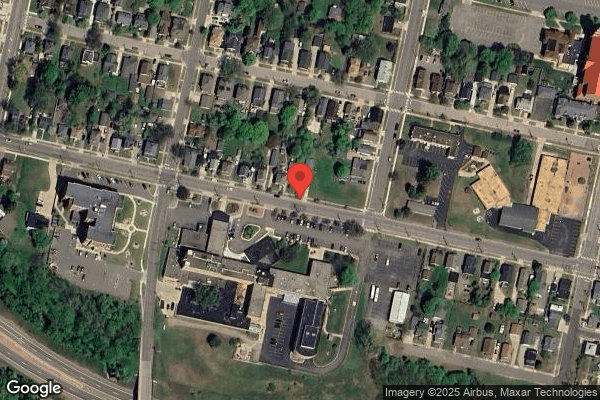
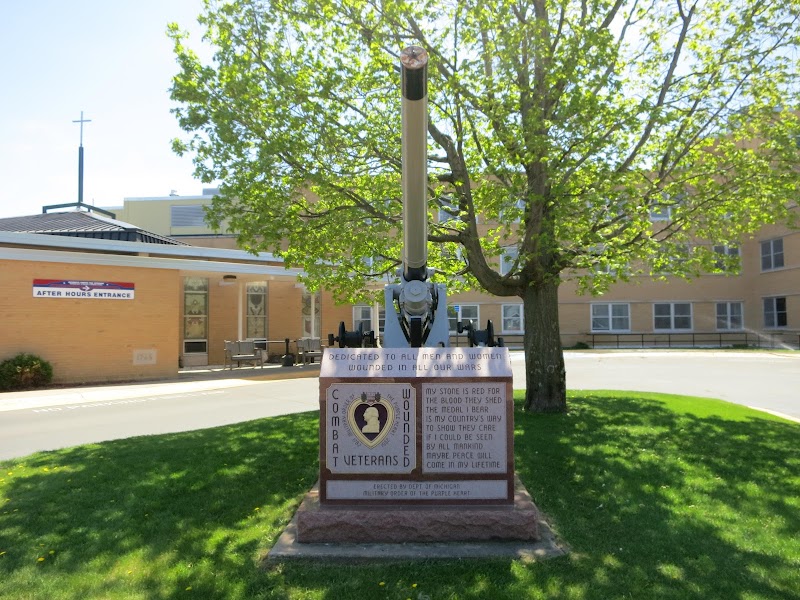
425 Fisher Street, Marquette, MI 49855 (906) 226-3576
Government - State 81 Beds Independent Data: November 2025
Trust Grade
95/100
#18 of 422 in MI
Last Inspection: October 2024

Within standard 12-15 month inspection cycle. Federal law requires annual inspections.

Overview

DJ Jacobetti Home for Veterans in Marquette, Michigan, has an impressive Trust Grade of A+, which indicates it is an elite facility with top-tier services. It ranks #18 out of 422 nursing homes in Michigan, placing it in the top half of state facilities, and is the best option among four in Marquette County. The facility's performance has been stable, with only one issue reported in both 2023 and 2024, and it has a low staff turnover rate of 20%, significantly better than the state average, indicating a stable workforce that knows the residents well. However, there are some concerns; the facility has faced three minor issues related to food safety and infection control practices, such as inadequate food sanitization procedures and lapses in hand hygiene, which could pose risks to residents. On a positive note, there have been no fines recorded, and the facility boasts strong RN coverage, providing care that exceeds 85% of similar facilities in the state.
Trust Score
A+
95/100
In Michigan
#18/422
Top 4%
Safety Record
Low Risk
No red flags
Inspections
Holding Steady
1 → 1 violations
Staff Stability
✓ Good
20% annual turnover. Excellent stability, 28 points below Michigan's 48% average. Staff who stay learn residents' needs.
Penalties
✓ Good
No fines on record. Clean compliance history, better than most Michigan facilities.
Skilled Nurses
✓ Good
Each resident gets 84 minutes of Registered Nurse (RN) attention daily — more than 97% of Michigan nursing homes. RNs are the most trained staff who catch health problems before they become serious.
Violations
✓ Good
Only 3 deficiencies on record. Cleaner than most facilities. Minor issues only.
★★★★★
5.0
Overall Rating
★★★★★
5.0
Staff Levels
★★★★☆
4.0
Care Quality
★★★★★
5.0
Inspection Score
Stable
2023: 1 issues
2024: 1 issues

The Good

  • 5-Star Staffing Rating · Excellent nurse staffing levels
  • 4-Star Quality Measures · Strong clinical quality outcomes
  • Low Staff Turnover (20%) · Staff stability means consistent care
  • Full Sprinkler Coverage · Fire safety systems throughout facility
  • No fines on record
  • Staff turnover is low (20%)

    28 points below Michigan average of 48%

Facility shows strength in staffing levels, quality measures, staff retention, fire safety.

The Bad

No Significant Concerns Identified

This facility shows no red flags. Among Michigan's 100 nursing homes, only 1% achieve this.

The Ugly 3 deficiencies on record

Oct 2024 1 deficiency
CONCERN (F)

Potential for Harm - no one hurt, but risky conditions existed

Food Safety (Tag F0812)

Could have caused harm · This affected most or all residents

Based on observation, interview and record review, the facility failed to store, prepare, distribute, and serve food in accordance with professional standards for food service safety. This deficient p...

Read full inspector narrative →
Based on observation, interview and record review, the facility failed to store, prepare, distribute, and serve food in accordance with professional standards for food service safety. This deficient practice has the potential to result in food borne illness among any and all 61 residents of the facility. Findings include: On 10/14/24 at approximately 12:05 PM, Kitchen Staff (KS) B was observed cleaning cook ware at the three compartment sink. KS B was observed to wash utensils (food whip; spatulas; stirring spoons, sheet pans) and other food contact surfaces in the wash compartment, then rinsed in the center rinse compartment. KS B then quickly dipped each of the objects into the sanitizing solution of the third compartment for less than two seconds, then placed on the flanking drain board to the left of the sink. An interview was conducted at this time with KS B who was asked Do you know what you are doing wrong here? KS B replied No. When asked what type of sanitizing chemical was being used in the sanitizing solution, KS B replied Quat. When asked to define the amount of time a food utensil should be soaked in the Quat solution, KS B stated A minute?. The question was responded to in the affirmative. At this time KS B made no attempt to take the items from the draining board and replace them into the sanitizing solution for the required time. A review of the label on the sanitizing solution affirmed the minimum contact time for proper sanitizing of food contact surfaces was 60 seconds. At approximately 12:15 PM Kitchen Manager (KM) A entered the area. The above observation and interview was shared with KM A. KM A stated She knows better than that. A review of the FDA Food Code 2017 was conducted and it states: 4-501.114 Manual and Mechanical Warewashing Equipment, Chemical Sanitization -Temperature, pH, Concentration, and Hardness. A chemical SANITIZER used in a SANITIZING solution for a manual or mechanical operation at contact times specified under 4-703.11(C) shall meet the criteria specified under §7-204.11 Sanitizers, Criteria, shall be used in accordance with the EPA-registered label use instructions, P and shall be used as follows: (C) A quaternary ammonium compound solution shall: (1) Have a minimum temperature of 24°C (75°F), P (2) Have a concentration as specified under § 7-204.11 and as indicated by the manufacturer's use directions included in the labeling,
Nov 2023 1 deficiency
CONCERN (D)

Potential for Harm - no one hurt, but risky conditions existed

Deficiency F0849 (Tag F0849)

Could have caused harm · This affected 1 resident

Based on interview and record review, the facility failed to ensure collaboration and communication between the facility and hospice provider for one Resident (#R44) of two residents reviewed for hosp...

Read full inspector narrative →
Based on interview and record review, the facility failed to ensure collaboration and communication between the facility and hospice provider for one Resident (#R44) of two residents reviewed for hospice services. This deficient practice resulted in gaps in communication for coordination of care. Findings include: Review of R44's Electronic Medical Record (EMR) revealed admission to the facility on 9/22/21 with diagnoses including Alzheimer's disease, neurocognitive disorder with Lewy Bodies, and Parkinson's disease. Review of R44's 8/21/23 Minimum Data Set (MDS) assessment revealed he was unable to complete the Brief Interview for Mental Status (BIMS) and noted to have severely impaired cognition. R44 was admitted to hospice services on 5/12/23. Review of R44's Skilled Nursing Visit Note [Hospice Name] written 10/18/23 read, in part, Narrative Notes: .61 Y.O. (year old) male hospice patient with Alzheimer's and Parkinson's, lives at memory care unit at [facility name] .wife states he does have a decline every September an we are monitoring for this. Will continue with every other week SNV's (Skilled Nursing Visits) for assessment and monitoring of ss (signs & symptoms) of decline . On 11/29/23 at 9:30 a.m. a request was made for R44's hospice visits since 10/18/23. An interview was conducted with the Director of Nursing (DON) on 11/29/23 at 10:20 a.m. The DON confirmed there was no additional documentation from R44's hospice provider since 10/18/23. The DON agreed the information from the hospice provider should have been readily available at the facility for nursing staff to review and to ensure collaboration of care between the facility and the hospice provider. Review of the facility's Clinical Services & Quality of Care End of Life Hospice Services, Coordination of policy reviewed 9/12/23 read, in part, Hospice services are available to members at the end of life. The home will coordinate and provide care in cooperation with hospice staff to promote the member's highest practicable physical, mental, and psychosocial well-being .Hospice providers who contract with this Home .are held responsible for meeting the same professional standards and timeliness of service as any contracted individual or agency associated with the Home .
Oct 2022 1 deficiency
CONCERN (D)

Potential for Harm - no one hurt, but risky conditions existed

Infection Control (Tag F0880)

Could have caused harm · This affected 1 resident

This citation has two parts: A and B. A. Based on observation, interview, and record review, the facility failed to maintain a complete infection control program, as evidenced by failure to perform ap...

Read full inspector narrative →
This citation has two parts: A and B. A. Based on observation, interview, and record review, the facility failed to maintain a complete infection control program, as evidenced by failure to perform appropriate hand hygiene, clean/disinfect a medication injection pen, and don appropriate personal protective equipment (PPE) during resident care for two Residents (R20 and R29), out of four residents reviewed for infection control. These deficient practices resulted in the potential for transmission of infectious organisms and an increased risk for infection. Findings include: Resident #29 During a medication pass observation on 10/18/22 at 8:19 a.m., Licensed Practical Nurse (LPN) A prepared an insulin syringe filled with 70 units of long-acting insulin and an additional noninsulin diabetic medication (liraglutide, contained in an injection pen) for R29. LPN A did not cleanse the hub of the liraglutide pen prior to placing a new needle onto the pen injector. Upon entrance into R29's room, the insulin syringe and pen injector were placed on R29's uncleaned overbed table and without the use of a barrier cloth. LPN A dropped the liraglutide pen injector onto the floor prior to administration of the medication, which bent the pen injector needle. LPN A picked up the liraglutide pen from the floor with gloved hands, took the dirty pen out to the medication cart and placed it on a spiral-topped notepad (with written notes) on the cart. LPN A removed her dirty gloves and used her bare hands to remove the damaged needle from the pen. LPN A did not sanitize her hands after contact with the liraglutide pen, contaminated from contact with the floor, prior to donning new gloves. LPN A placed a clean needle on the pen injector without cleansing of the hub, for a second time. The outside of the pen was never cleaned or sanitized. The medication was administered to R29, and the dirty pen was placed inside LPN A's medication cart. Review of the (Name Brand) liraglutide injection Instructions for Use dated 12/2020, revealed the following, in part: .If you drop your [Name Brand] pen, repeat First Time Use For each New Pen (steps A through D). Be careful not to bend or damage the needle . First Time Use for Each New Pen: Step A. Check the Pen . wash hands with soap and water before use . Wipe the rubber stopper with an alcohol swab . Routine Use . Wipe the rubber stopper with an alcohol swab . If cleaning is needed, wipe the outside of the pen . Review of the Infection Control, Standard Precautions, Handwashing-Hand Hygiene policy, dated 4/28/21, revealed the following, in part: .Use an alcohol-based hand rub containing at least 62% (percent) alcohol; or, alternatively, soap (antimicrobial or non-antimicrobial and water for the following situations: . Before preparing or handling medications . After handling used dressing, contaminated equipment, etc. After contact with objects (e.g., medical equipment) in the immediate vicinity of the member . After removing gloves . The use of gloves does not replace hand washing/hand hygiene. Integration of glove use along with routine hand hygiene is recognized as the best practice for preventing healthcare-associated infections. During an interview on 10/18/22 at 11:03 a.m., the Director of Nursing (DON) acknowledged he had been informed of the [Name Brand] pen injector being dropped onto the floor. The DON confirmed the pen should have been cleaned and sanitized when picked up from the floor and not placed on top of the medication cart without a barrier following use. The DON acknowledged that the pen hub should have been cleansed with an alcohol wipe prior to placing the needle on the [Name Brand] pen. The DON expressed understanding of the concerns related to infection control with the above observation. Resident #20 During an observation of tracheostomy (trach) care on 10/18/22 at 12:14 p.m., LPN A entered R20's room with face mask, gown, and gloves donned. No eye protection (goggles or face shield) was worn while sterile cotton-tipped applicators were inserted into R20's trach, rotated quickly multiple times, and withdrawn to encourage mucous expectoration from the trach and upper respiratory tract. R20 cough multiple times with this repeated procedure, and a significant amount of mucous was expectorated. LPN A returned to the medication cart, in the door of R20's room, picked up the goggles still on the medication cart, returned to R20, and placed the goggles down on R20's uncleaned (dirty) overbed table. Hand hygiene was performed, and sterile gloves donned. LPN A used her right hand to handle dirty medical supplies on the overbed table set up with a clean barrier. LPN A stated, My right hand will now be my dirty hand. R20's trach was removed and placed in the cleaning solution. LPN A picked up the goggles, sitting on R20's dirty overbed table, and placed them on her face using her sterile gloved clean left hand. At this point both hands donned in sterile gloves, were contaminated. LPN A used the right hand to hold the trach cleaner, and left hand to hold trach. The cleaned trach was placed in a new clean solution divider in the sterile trach kit. LPN A wiped under R20's trach color with a sterile gauze and placed the clean trach on sterile gauze both handled by the contaminated left glove. Review of a list of TBP residents provided by the facility revealed R20 was on Enhanced Barrier precautions related to his tracheostomy and PEG (percutaneous endoscopic gastrostomy/feeding) tube. During an interview on 10/18/22 at 12:44 p.m., LPN A confirmed she did not wear eye protection during the cleaning of the trach with multiple sterile cotton-tipped applicators, that produced significant mucous from R20. LPN A stated, I looked down and realized that my goggles were on his overbed table, and I picked them up with my sterile left hand and put them on. LPN A acknowledged the lack of any sterile hand at that point of the observation. LPN A confirmed she continued to work with two dirty gloves during cleaning and re-insertion of R20's trach. LPN A said she had additional sterile gloves in the drawer that she could have changed into, had she realized her error. Review of the Lippincott Nursing Procedures, Seventh Edition, dated October 17, 2015, provided by the facility on 10/18/22, revealed the following, in part: . Explain the procedure to the patient, even if he's unresponsive. Tell him that suctioning (clearing the respiratory tract of secretions) usually causes transient coughing or gagging but that coughing helps to remove secretions . Put on a mask and goggles or mask with face shield and other personal protective equipment as appropriate . Tracheostomy Care . Cleaning a nondisposable inner cannula: Put on sterile gloves . During an interview on 10/18/22 at 1:30 p.m., the DON confirmed LPN A should have worn eye protection in the form of goggles, or face shield when cleaning of the trach that resulted in mucous expectoration. The DON also acknowledged that all facility staff were currently required to wear eye protection while present in resident care areas, due to high community spread of COVID-19. B. Based on interview and record review, the facility failed to develop a comprehensive Water Management Plan (WMP) to address the control and spread of Legionella bacteria in the facility water system, in accordance with QSO 17-30 Hospitals/CAHs/NH, Revised 7-6-2018. The facility failed to develop and implement a water management program that considers the ASHRAE 188 (American Society of Heating, Refrigerating and Air-Conditioning Engineers) and the CDC (Centers for Disease Control) tool kit. The failure to develop a comprehensive Water Management Plan has the potential for the proliferation and transmission of Legionella in the circulating water of the building and the spread of Legionella infections in all 52 residents. Findings include: On 10/18/22 at approximately 3:30 PM, an interview with the Nursing Home administrator was conducted to review the Water Management Plan (WMP) for Legionella control in the potable water supply of the facility. The document titled Air and Water Management Program Sec 02 Policy 14 was provided for review. A review of the above document was conducted to determine the scope of the plan. Under the section titled GUIDELINES, the document directed the facility to: 3. A risk assessment will be conducted by the air and water management team annually to identify where Legionella and other opportunistic Pathogens could grow . 5. Based on the risk assessment, control points will be identified. 6. Control measures will be applied to address potential hazards at each control point. 7. Testing protocols and control limits will be established for each control measure. 8. The air and water management team shall regularly verify that the air and water management program is being implemented as designed. 9. The effectiveness of the water management program shall be evaluated no less than annually. The policy had not been followed with the development of a comprehensive water management plan. The following components were absent from the facility WMP: A. Designation of a Water Management Team (WMT), identifying names and their roles. B. An assessment of the facility's water system to identify risk locations such as areas of stagnation or low flow, disinfection level and/or temperature control. C. Identification of control points where effective monitoring and mitigation measures can be used. D. Identification of critical limits related to the risk areas identified and which can be controlled. E. Implementation of regular scheduled monitoring program collecting data on limits set. F. An evaluation process to determine how the WMP is functioning. G. An annual review of the plan and collected information to ensure the plan was effective. On 10/19/22 at approximately 10:15 AM, the NHA confirmed that the facility had not developed the above components of the water management plan.
Understanding Severity Codes (click to expand)
Life-Threatening (Immediate Jeopardy)
J - Isolated K - Pattern L - Widespread
Actual Harm
G - Isolated H - Pattern I - Widespread
Potential for Harm
D - Isolated E - Pattern F - Widespread
No Harm (Minor)
A - Isolated B - Pattern C - Widespread

Questions to Ask on Your Visit

  • "Can I speak with families of current residents?"
  • "What's your RN coverage like on weekends and overnight?"

Our Honest Assessment

Strengths
  • • Grade A+ (95/100). Above average facility, better than most options in Michigan.
  • • No major safety red flags. No abuse findings, life-threatening violations, or SFF status.
  • • No fines on record. Clean compliance history, better than most Michigan facilities.
  • • Only 3 deficiencies on record. Cleaner than most facilities. Minor issues only.
Concerns
  • • No significant concerns identified. This facility shows no red flags across CMS ratings, staff turnover, or federal penalties.
Bottom line: Generally positive indicators. Standard due diligence and a personal visit recommended.

About This Facility

What is Dj Jacobetti Home For Veterans's CMS Rating?

CMS assigns DJ Jacobetti Home for Veterans an overall rating of 5 out of 5 stars, which is considered much above average nationally. Within Michigan, this rating places the facility higher than 99% of the state's 100 nursing homes. This rating reflects solid performance across the metrics CMS uses to evaluate nursing home quality.

How is Dj Jacobetti Home For Veterans Staffed?

CMS rates DJ Jacobetti Home for Veterans's staffing level at 5 out of 5 stars, which is much above average compared to other nursing homes. Staff turnover is 20%, compared to the Michigan average of 46%. This relatively stable workforce can support continuity of care.

What Have Inspectors Found at Dj Jacobetti Home For Veterans?

State health inspectors documented 3 deficiencies at DJ Jacobetti Home for Veterans during 2022 to 2024. These included: 3 with potential for harm.
Who Owns and Operates Dj Jacobetti Home For Veterans?

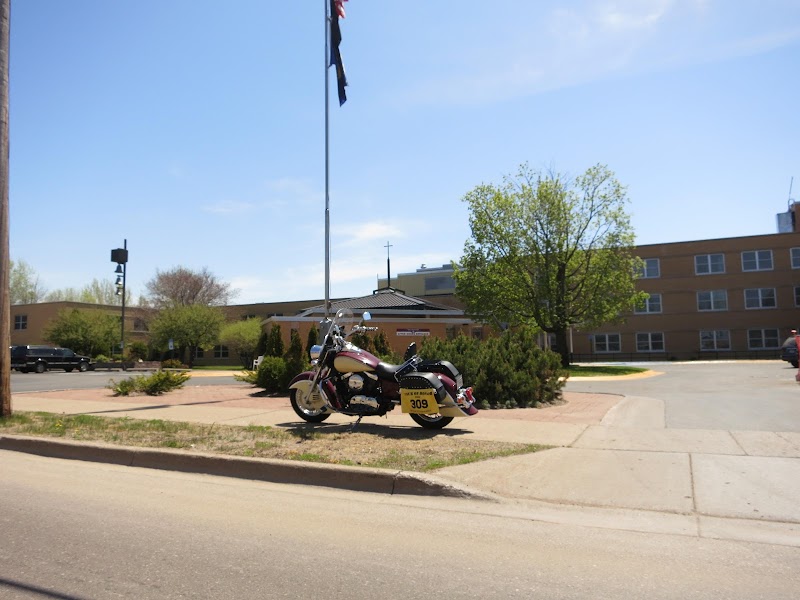
DJ Jacobetti Home for Veterans is owned by a government entity. Government-operated facilities are typically run by state, county, or municipal agencies. The facility operates independently rather than as part of a larger chain. With 81 certified beds and approximately 59 residents (about 73% occupancy), it is a smaller facility located in Marquette, Michigan.

How Does Dj Jacobetti Home For Veterans Compare to Other Michigan Nursing Homes?

Compared to the 100 nursing homes in Michigan, DJ Jacobetti Home for Veterans's overall rating (5 stars) is above the state average of 3.2, staff turnover (20%) is significantly lower than the state average of 46%, and health inspection rating (5 stars) is much above the national benchmark.

What Should Families Ask When Visiting Dj Jacobetti Home For Veterans?

Based on this facility's data, families visiting should ask: "Can I visit during a mealtime to observe dining assistance and food quality?" "How do you handle medical emergencies, and what is your hospital transfer rate?" "Can I speak with family members of current residents about their experience?"

Is Dj Jacobetti Home For Veterans Safe?

Based on CMS inspection data, DJ Jacobetti Home for Veterans has a clean safety record: no substantiated abuse findings (meaning no confirmed cases of resident harm), no Immediate Jeopardy citations (the most serious violation level indicating risk of serious injury or death), and is not on the Special Focus Facility watch list (a federal program monitoring the lowest-performing 1% of nursing homes). The facility has a 5-star overall rating and ranks #1 of 100 nursing homes in Michigan. While no facility is perfect, families should still ask about staff-to-resident ratios and recent inspection results during their visit.

Do Nurses at Dj Jacobetti Home For Veterans Stick Around?

Staff at DJ Jacobetti Home for Veterans tend to stick around. With a turnover rate of 20%, the facility is 26 percentage points below the Michigan average of 46%. Low turnover is a positive sign. It means caregivers have time to learn each resident's needs, medications, and personal preferences. Consistent staff also notice subtle changes in a resident's condition more quickly. Registered Nurse turnover is also low at 17%, meaning experienced RNs are available to handle complex medical needs.

Was Dj Jacobetti Home For Veterans Ever Fined?

DJ Jacobetti Home for Veterans has no federal fines on record. CMS issues fines when nursing homes fail to meet care standards or don't correct problems found during inspections. The absence of fines suggests the facility has either maintained compliance or corrected any issues before penalties were assessed. This is a positive indicator, though families should still review recent inspection reports for the full picture.

Is Dj Jacobetti Home For Veterans on Any Federal Watch List?

DJ Jacobetti Home for Veterans is not on any federal watch list. The most significant is the Special Focus Facility (SFF) program, which identifies the bottom 1% of nursing homes nationally based on persistent, serious quality problems. Not being on this list means the facility has avoided the pattern of deficiencies that triggers enhanced federal oversight. This is a positive indicator, though families should still review the facility's inspection history directly.