Medilodge of Marshall
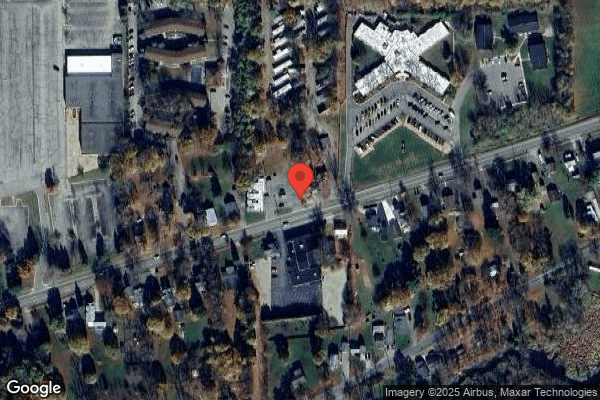

879 East Michigan Ave, Marshall, MI 49068 (269) 781-4251
For profit - Limited Liability company 98 Beds MEDILODGE Data: November 2025 1 Immediate Jeopardy citation
Trust Grade
26/100
#386 of 422 in MI
Last Inspection: April 2025

Within standard 12-15 month inspection cycle. Federal law requires annual inspections.

Overview

Medilodge of Marshall has received a Trust Grade of F, indicating poor quality and significant concerns about its care. It ranks #386 out of 422 facilities in Michigan, placing it in the bottom half overall, and #8 out of 8 in Calhoun County, meaning there are no better local options. The facility is worsening, with the number of reported issues increasing from 17 in 2024 to 20 in 2025. Staffing has an average rating of 3 out of 5 stars, and turnover is at 46%, which is on par with the state average, suggesting some stability among staff. However, there are serious concerns, including a critical incident where CPR was not administered to a resident who required it, and issues with food safety and cleanliness that could lead to health risks for residents.
Trust Score
F
26/100
In Michigan
#386/422
Bottom 9%
Safety Record
High Risk
Review needed
Inspections
Getting Worse
17 → 20 violations
Staff Stability
⚠ Watch
46% turnover. Above average. Higher turnover means staff may not know residents' routines.
Penalties
○ Average
$16,801 in fines. Higher than 61% of Michigan facilities. Some compliance issues.
Skilled Nurses
○ Average
Each resident gets 37 minutes of Registered Nurse (RN) attention daily — about average for Michigan. RNs are the most trained staff who monitor for health changes.
Violations
⚠ Watch
52 deficiencies on record. Higher than average. Multiple issues found across inspections.
★☆☆☆☆
1.0
Overall Rating
★★★☆☆
3.0
Staff Levels
★★☆☆☆
2.0
Care Quality
★☆☆☆☆
1.0
Inspection Score
Stable
2024: 17 issues
2025: 20 issues

The Good

  • Full Sprinkler Coverage · Fire safety systems throughout facility
  • No fines on record

Facility shows strength in fire safety.

The Bad

1-Star Overall Rating

Below Michigan average (3.1)

Significant quality concerns identified by CMS

Staff Turnover: 46%

Near Michigan avg (46%)

Higher turnover may affect care consistency

Federal Fines: $16,801

Below median ($33,413)

Minor penalties assessed

Chain: MEDILODGE

Part of a multi-facility chain

Ask about local staffing decisions and management

The Ugly 52 deficiencies on record

1 life-threatening
Aug 2025 1 deficiency
CONCERN (D) 📢 Someone Reported This

A family member, employee, or ombudsman was alarmed enough to file a formal complaint

Potential for Harm - no one hurt, but risky conditions existed

Report Alleged Abuse (Tag F0609)

Could have caused harm · This affected 1 resident

**NOTE- TERMS IN BRACKETS HAVE BEEN EDITED TO PROTECT CONFIDENTIALITY** This citation pertains to intake 2595312.Based on observation, interview, and record review, the facility failed to ensure an ab...

Read full inspector narrative →
**NOTE- TERMS IN BRACKETS HAVE BEEN EDITED TO PROTECT CONFIDENTIALITY** This citation pertains to intake 2595312.Based on observation, interview, and record review, the facility failed to ensure an abuse allegation was reported timely to the State Agency for one (R5) of five reviewed.Findings include: Review of the facility reported incident revealed R5's roommate (R4) alleged R5 was having sexual relations with another person .[R5] has a low BIMS [Brief Interview for Mental Status-a cognitive screening tool] and is unable to consent. As such if activity is occurring, it would be without consent.Review of the medical record revealed R4 was admitted to the facility on [DATE]. The Minimum Data Set (MDS) with an Assessment Reference Date (ARD) of 6/23/25 revealed R4 scored 15 out of 15 (cognitively intact) on the BIMS. Review of the medical record revealed R5 was admitted to the facility on [DATE] with diagnoses that included cerebral infarction. The MDS with an ARD of 5/9/25 revealed R5 scored 3 out of 15 (severe cognitive impairment on the BIMS. An observation on 8/20/25 at 1:05 PM revealed R4 and R5 were roommates. R4's bed was near the window and R5's bed was near the door. In a telephone interview on 8/20/25 at 3:27 PM, Certified Nursing Assistant (CNA) D reported on 8/16/25 at 2:28 PM, R5 asked to speak with them privately. CNA D reported R5 told them that someone had been coming into their room and having sex with R4 for the past month. CNA D reported they reported the allegation to Licensed Practical Nurse (LPN) E. CNA D reported they worked again on 8/17/25 at 2:30 AM when R4 alleged someone had sex with R5 again the night before at 10:00 PM. CNA D reported they reported the allegation to the charge nurse at that time and also to Registered Nurse (RN) F. CNA D reported when RN G started their shift the morning of 8/17/25, they asked RN G if they had heard any updates about the allegation. CNA D reported RN G was not aware of the allegation and it was at that time Nursing Home Administrator (NHA) A was notified of the allegation. In a telephone interview on 8/20/25 at 3:12 PM, RN F reported they became aware of the allegation the morning of 8/17/25 and decided to wait one hour until LPN E came into work (at 6:30 AM) to ask if LPN E had already reported the allegation. In a telephone interview on 8/21/25 at 10:20 AM, LPN E reported on 8/16/25 it was reported to them by a CNA that R4 reported hearing weird noises from R5's side of the room. LPN E reported they did not follow up with R4 to gather more information. LPN E reported it was on 8/17/25 around 6:35 AM that they learned the allegation was related to sexual things happening on R5's side of the room. The facility reported incident revealed the type of alleged incident was abuse and was discovered on 8/17/25 at 9:30 AM. The allegation was reported to the State Agency on 8/17/25 at 11:11 AM. In an interview on 8/21/25 at 10:39 AM, NHA A reported they were first made aware of the allegation on 8/17/25 between 9:00 AM and 9:30 AM.
Jul 2025 4 deficiencies
CONCERN (D) 📢 Someone Reported This

A family member, employee, or ombudsman was alarmed enough to file a formal complaint

Potential for Harm - no one hurt, but risky conditions existed

Free from Abuse/Neglect (Tag F0600)

Could have caused harm · This affected 1 resident

**NOTE- TERMS IN BRACKETS HAVE BEEN EDITED TO PROTECT CONFIDENTIALITY** This Citation Pertains to Intake #1286451Based on observations/interviews/record review, the facility failed to protect the resi...

Read full inspector narrative →
**NOTE- TERMS IN BRACKETS HAVE BEEN EDITED TO PROTECT CONFIDENTIALITY** This Citation Pertains to Intake #1286451Based on observations/interviews/record review, the facility failed to protect the resident's (Resident #1) right to be free from verbal abuse and physical abuse by Certified Nursing Assistant (CNA) IFindings include:Review of the clinical record revealed Resident #1 (R1) was under hospice care, review of the Minimum Data Set (MDS) dated [DATE] revealed R1 scored 12 out of 15 (cognitively intact) on the Brief Interview Mental Score. On 07/16/25 at 9:45am during a bedside interview, R1 was resting in bed, when queried about his care and treatment it was reported that there were no concerns with the exclusion of an incident that occurred about a year earlier that involved a Certified Nursing Assistant (CNA). R#1 reported to this surveyor he had been verbally and physically abused by a CNA that was employed at the facility but was unable to recall her name. R1 provided a physical description of (CNA) I. R1 reported about a year earlier CNA I was in his room and told him he was going to have a room change, R1 stated CNA I kept talking and badgering him about a room change, R1 readily admitted he told CNA I to shut up and get out of his room. R1 stated CNA I then yelled at him, called him names and hit him in the head with the roll of something, possibly a paper towel but he was not certain. R1 stated he reported the incident at the time, and CNA I still works at the facility but was not assigned to care for him. Review of the facility reported incident dated 5/28/24 revealed R1 reported CNA hit him in the head with a roll of something after arguing about a room change. The investigation had a statement from CNA I who denied the allegation and Licensed Practical Nurse (LPN) H who reported not witnessing the event but repeated the allegation in her statement as it was told to her by R1, which was consistent with what was told to this surveyor on 7/16/25. On 7/16/25 at 10:15 during an interview with staff member D she reported she didn't witness any abuse specifically related to R1 but was very aware that CNA I had a bad attitude and was well known to be gruff with everyone including residents. Staff member D reported management staff was very well aware of allegations of abuse as it pertained to CNA I. On 07/16/25 at 10:27 am during an interview with CNA E she reported that she didn't see abuse specifically related to R1 but did witness CNA I be both verbally and physically aggressive with other residents and it was reported to management. On 07/16/25 at 10:48 am during an interview with CNA F, it was reported there was no eye witnessed abuse with R1 but had witnessed CNA I verbally and physically abuse another resident, which was reported to management. On 07/16/25 at 11:09 am during an interview with CNA G when queried if she had any knowledge of CNA I verbally or physically abusing R1 or other residents, CNA G stated she had witnessed CNA I be verbally aggressive with residents, when asked to elaborate, CNA G declined and stated God sees everything and will take care of it. On 7/16/25 at 11:20 am during a phone interview with LPN H, it was reported she had witnessed CNA I be verbally abusive toward R1, and several other residents. LPN H stated she didn't specifically witness CNA I hit R1 in the head with a roll of garbage bags, she had no reason not to believe him as she had witnessed CNA I abuse other residents. LPN H stated she reported the incident and management moved CNA I to another hall. On 7/16/25 at 11:51 am during an interview with LPN J she had not eye witnessed abuse with R1 but had witnessed CNA I verbally and physically abuse another resident, which was reported to management. On 7/17/25 at 12:48 pm during an interview with Director of Nursing (DON) B and Nursing Home Administrator (NHA) A, DON B reported that former Nursing Home Administrator L was the facility's abuse prevention coordinator at the time of R1's allegation and handled the investigation and determined the outcome. Review of the facility policy titled Abuse, Neglect and Exploitation dated 01/10/24 page 4. IV. B. Possible indicators of abuse include, but are not limited to:Resident, staff, or family report of abuse .5. Verbal abuse of a resident is overheard. 6. Physical abuse of a resident observed.
CONCERN (D) 📢 Someone Reported This

A family member, employee, or ombudsman was alarmed enough to file a formal complaint

Potential for Harm - no one hurt, but risky conditions existed

ADL Care (Tag F0677)

Could have caused harm · This affected 1 resident

**NOTE- TERMS IN BRACKETS HAVE BEEN EDITED TO PROTECT CONFIDENTIALITY** This citation pertains to intake 1286453Based on observation, interview, and record review the facility failed to provide schedu...

Read full inspector narrative →
**NOTE- TERMS IN BRACKETS HAVE BEEN EDITED TO PROTECT CONFIDENTIALITY** This citation pertains to intake 1286453Based on observation, interview, and record review the facility failed to provide scheduled bathing and complete nail care for one resident (R6) of three residents reviewed for activities of daily living. Findings include: Review of the medical record reflected R6 was admitted to the facility on [DATE] and readmitted on [DATE], with diagnoses that included aphasia and cerebral infarction due to embolism. The Minimum Data Set (MDS), with an Assessment Reference Date (ARD) of 4-8-25, reflected R6 was described as rarely/never understood.On 7/17/25 at 10:32 am, R6 was observed in bed. R6's fingernails and toenails were observed and noted to be excessively long. R6's hair was matted and R6 had an unpleasant odor.Review of the Activities of Daily Living Care Plan revealed R6 required staff assistance of one person for bathing and personal hygiene.Review of the MDS dated [DATE] revealed R6 was coded as dependent for shower/bathing.Review of the Task list revealed R6's showers were scheduled for Sundays and Wednesdays.Review of the Task documentation revealed R6 did not receive a shower or bed bathe on her scheduled days of 7/13/25 and 7/16/25.Review of the electronic medical record revealed no documentation that nail care had been completed.Review of the medical record revealed no evidence that a podiatry consult had been requested to address the long length of R6's toenails.Review of the facility policy titled Activities of Daily Living revised on 12/28/23 .activities of daily living include.bathe, dress groom.a resident who is unable to carry out activities of daily living receives the necessary services to maintain good nutrition, grooming, personal and oral hygiene.Review of a Nursing Evaluation Summary dated 7/12/25 10:10 AM Resident (R6) is alert and non-verbal. Unable to assess orientation. Resident is bed bound, incontinent of bowel and bladder, and is unable to make her needs known. Needs must be anticipated.In an interview on 7/17/25 at 12:49 PM, Director of Nursing B stated that the expectation would be to provide bathing on residents scheduled shower days and to complete nail care as part of grooming.
CONCERN (E) 📢 Someone Reported This

A family member, employee, or ombudsman was alarmed enough to file a formal complaint

Potential for Harm - no one hurt, but risky conditions existed

Report Alleged Abuse (Tag F0609)

Could have caused harm · This affected multiple residents

**NOTE- TERMS IN BRACKETS HAVE BEEN EDITED TO PROTECT CONFIDENTIALITY** This Citation pertains to Intake #1286451Based on observation, interview, and record review, the facility failed to report alleg...

Read full inspector narrative →
**NOTE- TERMS IN BRACKETS HAVE BEEN EDITED TO PROTECT CONFIDENTIALITY** This Citation pertains to Intake #1286451Based on observation, interview, and record review, the facility failed to report allegations of abuse to the State Agency for 6 (Resident #2, #3, #5, #9, #10, #11) of 8 reviewed, resulting in allegations of abuse that were not reported to the State Agency and the potential for further allegations of abuse to go unreported. Findings include:Resident #2 (R2)Review of the clinical record revealed Resident #2 (R2) was [AGE] years old and was admitted to the facility on [DATE], Review of the Minimum Data Set (MDS) with an Assessment Reference Date ARD) [DATE] reflected R2 scored 8 out of 15 (moderate cognitive impairment) on the Brief Interview for Mental Status (BIMS). On [DATE] at 11:09am during an interview with CNA G when queried if she had witnessed abuse while employed at the facility, CNA G reported she had witnessed CNA I be verbally aggressive with R2 and say mean things to R2. When asked to elaborate, CNA G declined and stated God sees everything and will take care of it. When queried if she had reported this to the facility abuse coordinator, she stated her Nurse did report it but nothing happens, elaborating they just move CNA I around to different halls/units. CNA G elaborated that CNA I's aggression with residents was well known by everyone including management staff. On [DATE] at 11:51 during an interview with Licensed Practical Nurse (LPN) J she reported she had witnessed CNA I verbally and mentally abuse R2. LPN J stated she had reported this to the Director of Nursing (DON) B and the prior Nursing Home Administrator (NHA) L on numerous occasions. Including abuse that involved Resident #3 and #5.Resident 3 (R3)Review of the clinical record revealed Resident #3 (R3) was [AGE] year-old female admitted to facility on [DATE] and expired at facility on [DATE]. Review of the MDS reflected long and short-term memory impairment with severely impaired daily decision-making skills. During the above interview with LPN J she reported she witnessed CNA I grab R3's 3 arms, she was rough with her and verbally abusive. This too was reported to DON B and prior NHA L. During a phone interview with LPN H on [DATE] at 11:20am, she stated she was passing medication and entered R3's room unbeknownst to CNA I who was already in the room. LPN H stated she observed CNA I being very rough and throwing R3 around like she was a rag doll. LPN H stated this too was reported to DON B and former NHA L. Resident 5 (R5)Review of the clinical record revealed Resident #5 (R5) was admitted to the facility on [DATE]. Review of the MDS with an ARD date of 5/27 BIMS reflected R3 scored 3 out of 15 (severe cognitive impairment) on the BIMS. During the same interview with LPN J she reported CNA I was frequently mentally and verbally abusive to R5. LPN J stated R5 did not always have the best hygiene and would refuse or resist to having her brief changed, when this occurs LPN J stated she will overhear CNA I bully/publicly humiliate R5 into receiving care by telling R5 she peed her pants or she stinks. Resident #9 (R9)Review of the clinical record revealed Resident #9 (R9) was admitted to the facility on [DATE] and expired at facility on [DATE]. Review of the MDS with an ARD date of [DATE] reflected R9 was never/rarely understood, and there was no BIMS score. During a phone interview with LPN H on [DATE] at 11:20 am she reported R9 had a stroke and difficulty speaking. LPN H stated she overheard CNA I yell at R9 and tell him if he couldn't speak and tell her what he wanted she would no longer answer his call light then she slammed his door. LPN H stated this too was reported to DON B and former NHA L. Resident #10 (R10)Review of the clinical record including the MDS with an ARD of [DATE] reflected Resident #10 (R#10) scored 5 out of 15 (severe cognitive impairment) was admitted on [DATE] expired on [DATE]. On [DATE] at 11:51 during an interview with LPN J she reported she overheard CNA I yell and verbally abuse R#10 and reported the incident to management. Resident #11 (R11) Review of the clinical record revealed Resident #11 (R11) was a [AGE] year-old female admitted to the facility on [DATE] and expired on [DATE]. Diagnoses included morbid obesity and anxiety. The MDS with an ARD of [DATE] revealed R11 had a BIMS score of 12 (cognitively intact). On [DATE] at 10:48 am, during an interview with CNA F she reported in November of 2024 she was assisting CNA I with providing incontinence care for R11. CNA F reported R11 was a very large women and had difficulty opening her legs to be cleaned. CNA F stated CNA I aggressively shook R11's legs and started yelling at R11 in disgust saying, What am I supposed to do with all that? pointing and waving her hand in irritation at R11's upper thighs and vaginal area. CNA F stated R11 then began to cry. There was a text message thread that was read and revealed CNA F reported the incident to DON B. There was no report made to the State Agency.On [DATE] at 12:48 pm during an interview with DON B and current NHA A all of the above scenarios were reviewed, NHA A was not employed at the facility during the above reported allegation time frames. DON B reported she could not recall being notified of any of the allegations including the one in which was texted to her. DON B stated prior NHA L was responsible for the facility's abuse prevention program and reporting allegation of abuse to the State Agency. According to the facility policy titled Abuse, Neglect and Exploitation dated [DATE] page 5., A. 1. Reporting of alleged violations to the Administrator, state agency, adult protective services and to all other required agencies (e.g., law enforcement when applicable) within specified time frames as required by state and federal regulations: a. Immediately, but no later than 2 hours after the allegation is made, if the events that cause the allegation involve abuse or result in serious bodily injury, or b. Not later than 24 hours if the events that cause the allegation do not involve abuse and do not result in bodily injury.
CONCERN (E) 📢 Someone Reported This

A family member, employee, or ombudsman was alarmed enough to file a formal complaint

Potential for Harm - no one hurt, but risky conditions existed

Investigate Abuse (Tag F0610)

Could have caused harm · This affected multiple residents

**NOTE- TERMS IN BRACKETS HAVE BEEN EDITED TO PROTECT CONFIDENTIALITY** This Citation Pertains to Intake #1286451Based on interview and record review the facility failed to thoroughly investigate alle...

Read full inspector narrative →
**NOTE- TERMS IN BRACKETS HAVE BEEN EDITED TO PROTECT CONFIDENTIALITY** This Citation Pertains to Intake #1286451Based on interview and record review the facility failed to thoroughly investigate allegations of abuse for seven residents (#2, #3, #4, #5, #9, #10, and #11) of 8 reviewed for abuse.Findings include:Resident #2 (R2)Review of the clinical record revealed Resident #2 (R2) was [AGE] years old and was admitted to the facility on [DATE], Review of the Minimum Data Set (MDS) with an Assessment Reference Date ARD) [DATE] reflected R2 scored 8 out of 15 (moderate cognitive impairment) on the Brief Interview for Mental Status (BIMS). On [DATE] at 11:09am during an interview with CNA G when queried if she had witnessed abuse while employed at the facility, CNA G reported she had witnessed CNA I be verbally aggressive with R2 and say mean things to R2. When asked to elaborate, CNA G declined and stated God sees everything and will take care of it. When queried if she had reported this to the facility abuse coordinator, she stated her Nurse did report it but nothing happens, elaborating they just move CNA I around to different halls/units. CNA G elaborated that CNA I's aggression with residents was well known by everyone including management staff. On [DATE] at 11:51 during an interview with Licensed Practical Nurse (LPN) J she reported she had witnessed CNA I verbally and mentally abuse R2. LPN J stated she had reported this to the Director of Nursing (DON) B and the prior Nursing Home Administrator (NHA) L on numerous occasions. Including abuse that involved Resident #3 and #5. There was no investigation initiated regarding the allegation of abuse. Resident 3 (R3)Review of the clinical record revealed Resident #3 (R3) was [AGE] year-old female admitted to facility on [DATE] and expired at facility on [DATE]. Review of the MDS reflected long and short-term memory impairment with severely impaired daily decision-making skills. During the above interview with LPN J she reported she witnessed CNA I grab R3's 3 arms, she was rough with her and verbally abusive. This too was reported to DON B and prior NHA L. During a phone interview with LPN H on [DATE] at 11:20am, she stated she was passing medication and entered R3's room unbeknownst to CNA I who was already in the room. LPN H stated she observed CNA I being very rough and throwing R3 around like she was a rag doll. LPN H stated this too was reported to DON B and former NHA L. There was no investigation initiated regarding the allegation of abuse. Resident #4 (R4)Review of the clinical record revealed Resident #4 (R4) was a [AGE] year old female admitted on [DATE] with a diagnosis of cerebral palsy and profound intellectual disabilities. R4 was admitted to the facility on [DATE] and discharged home on [DATE]. The MDS with an ARD of [DATE] revealed R4 had severe cognitive impairment and was unable to communicate her needs. Review of the Facility Reported Incident (FRI) dated [DATE] completed by former NHA L revealed an allegation of abuse by an anonymous witness that alleged CNA I pinched R4's nose in order for R4 to stop biting her hands and slapped her hands while in the shower room. The FRI reported the witness was anonymous and not available for an interview. The FRI also reflected that interview was conducted with the Charge Nurse and the Unit manager, yet there were no such interviews included. The FRI reflected the allegation was discovered on [DATE] and had occurred on 6/24. During the state survey onsite investigation, it was revealed that the anonymous complaint was a student from the local community college where they were learning clinical skills. Student M who accompanied CNA I to the shower room with R4 on 6/23. On [DATE] during a phone interview with Doctor K she reported student M came to her upset about witnessing CNA I abuse R4 while providing a shower. Doctor K stated she and student M reported the allegation in person to DON B on [DATE]. Doctor K further stated she was certain the date was [DATE] because [DATE] was a half day and the students were testing. The phone number for student M was obtained by Doctor K but was not in service and student M was not able to be interviewed. On [DATE] at 12:48 pm, DON B stated former NHA L completed the FRI and she could not account for discrepancy of the dates from Doctor K interview, where the missing interviews from the Charge Nurse or the Unit Manager were, why it stated the FRI was from an anonymous witness or why a statement was not obtained from student M. Resident 5 (R5)Review of the clinical record revealed Resident #5 (R5) was admitted to the facility on [DATE]. Review of the MDS with an ARD date of 5/27 BIMS reflected R3 scored 3 out of 15 (severe cognitive impairment) on the BIMS. During the same interview with LPN J she reported CNA I was frequently mentally and verbally abusive to R5. LPN J stated R5 did not always have the best hygiene and would refuse or resist to having her brief changed, when this occurs LPN J stated she will overhear CNA I bully/publicly humiliate R5 into receiving care by telling R5 she peed her pants or she stinks. There was no investigation initiated regarding the allegation of abuse. Resident #9 (R9)Review of the clinical record revealed Resident #9 (R9) was admitted to the facility on [DATE] and expired at facility on [DATE]. Review of the MDS with an ARD date of [DATE] reflected R9 was never/rarely understood, and there was no BIMS score. During a phone interview with LPN H on [DATE] at 11:20 am she reported R9 had a stroke and difficulty speaking. LPN H stated she overheard CNA I yell at R9 and tell him if he couldn't speak and tell her what he wanted she would no longer answer his call light then she slammed his door. LPN H stated this too was reported to DON B and former NHA L. There was no investigation initiated regarding the allegation of abuse. Resident #10 (R10)Review of the clinical record including the MDS with an ARD of [DATE] reflected Resident #10 (R#10) scored 5 out of 15 (severe cognitive impairment) was admitted on [DATE] expired on [DATE]. On [DATE] at 11:51 am during an interview with LPN J she reported she overheard CNA I yell and verbally abuse R#10 and reported the incident to management. There was no investigation initiated regarding the allegation of abuse. Resident #11 (R11) Review of the clinical record revealed Resident #11 (R11) was a [AGE] year-old female admitted to the facility on [DATE] and expired on [DATE]. Diagnoses included morbid obesity and anxiety. The MDS with an ARD of [DATE] revealed R11 had a BIMS score of 12 (cognitively intact). On [DATE] at 10:48 am, during an interview with CNA F she reported in November of 2024 she was assisting CNA I with providing incontinence care for R11. CNA F reported R11 was a very large women and had difficulty opening her legs to be cleaned. CNA F stated CNA I aggressively shook R11's legs and started yelling at R11 in disgust saying, What am I supposed to do with all that? pointing and waving her hand in irritation at R11's upper thighs and vaginal area. CNA F stated R11 then began to cry. There was a text message thread that was read and revealed CNA F reported the incident to DON B. There was no investigation initiated regarding the allegation of abuse. On [DATE] at 12:48 during an interview with DON B and current NHA A all of the above scenarios were reviewed, NHA A was not employed at the facility during the above reported allegation time frames. DON B reported she could not recall being notified of any of the allegations including the one in which was texted to her. DON B stated prior NHA L was responsible for the facility's abuse prevention program could not offer any explanation as to why none of the allegations of abuse were investigated. DON B reported that CNA I was culturally different and would kind of yell at the DON B too. According to the facility policy titled Abuse, Neglect and Exploitation dated [DATE] page 4. V. A. An immediate investigation is warranted when suspicion of abuse, neglect or exploitation, or reports of abuse, neglect or exploitation occur. B. Written procedures for investigating include:Identifying staff responsible for the investigation. Exercising caution when handling evidence that could be used in a criminal investigation.Investigating different types of alleged violations.Identifying and interviewing all involved persons, including the alleged victim, alleged perpetrator, witnesses and others who might have knowledge of allegations. Focusing the investigation on determining if abuse, neglect, exploitation and/or mistreatment has occurred, the extent, and cause: and Providing complete and thorough documentation of the investigation.
Jun 2025 3 deficiencies
CONCERN (D) 📢 Someone Reported This

A family member, employee, or ombudsman was alarmed enough to file a formal complaint

Potential for Harm - no one hurt, but risky conditions existed

ADL Care (Tag F0677)

Could have caused harm · This affected 1 resident

This citation pertains to intake: MI00153167 Based on interview and record review the facility failed to provide Activities of Daily Living (toileting and incontinence care) for one dependent resident...

Read full inspector narrative →
This citation pertains to intake: MI00153167 Based on interview and record review the facility failed to provide Activities of Daily Living (toileting and incontinence care) for one dependent resident (#1) of 3 residents reviewed. Findings Included: Resident #1 (R1) Review of the medical record revealed R1 was admitted to the facility 05/07/2025 with diagnoses that included chronic obstructive pulmonary disease (COPD), hypertension, contusion of left lower leg, morbid obesity, pulmonary fibrosis (chronic lung disease that occurs when lung tissue around air sacs becomes damage and scared), acute bronchitis (inflammation of the lining of bronchial tubes), emphysema (chronic lung disease that progressively damages the alveoli, or tiny air sacs in the lungs), cardiac murmur, hyperlipidemia (high fat content in blood), peripheral vascular disease (PVD), gastro-esophageal reflux disease, anemia (low red blood cells), congestive heart disease (CHF), rheumatoid arthritis (body's immune system attacks it own tissue, typically in the hands and feet), obstructive sleep apnea, and spondylosis (general term for age-related war and tear of the spinal disks). The most recent Minimum Data Set (MDS), with an Assessment Reference Date (ARD) of 05/13/2025, revealed R1's Brief Interview of Mental Status (BIMS) was 15 (cognitively intact) out of 15. R1's medical record revealed she was discharged from the facility 05/13/2025. Complaint was received 05/19/2025 at 04:52 p.m. which explained that R1 had been left in a wet brief for an extended period during R1's stay at the facility. Review of R1's Minimum Data Set (MDS), with an Assessment Reference Date (ARD) of 05/13/2025, section GG-Functional Abilities revealed that R1 was totally dependent for toileting hygiene. Review of R1's plan of care revealed that she needed 1 person assist with toileting. Review of R1's Documentation Survey Report V2 for 7-day bladder patterning (documentation entered by care givers every two hours to identify toileting patterns) revealed no documentation on 05/08/2025 at 12:00 a.m., 02:00 a.m., 04:00 a.m., 06:00 a.m., 5/09/2025 at 06:00 a.m., 08:00 p.m., 10:00 p.m., 5/12/2025 at 02:00 a.m., 04:00 a.m., and 06:00 a.m. Review of R1's Documentation Survey Report V2 for bowel elimination (documentation entered by care givers at least each shift to monitor bowel elimination) revealed no documentation for 05/09/2025 evening shift (03:00 p.m. -11:00 p.m.), 5/11/2025 day shift (07:00 a.m.-03:00 p.m.), and 05/11/2025 night shift (11:00 p.m. -07:00 a.m.). During an interview on 06/24/2025 at 09:56 a.m. Director of Nursing (DON) B explained that it is the expectation that Certified Nursing Aides (CNA) offer toileting to residents every two hours. DON B explained that it is the facility practice to conduct two-hour bladder pattering for a period of 7 days on all newly admitted residents. DON B explained that the bladder patterning is documented every two hours in the medical record. DON B also explained that the bladder pattering documentation would demonstrate that the staff was toileting the resident every two hours. DON B also explained that bowel documentation was to be completed once per shift. DON B reviewed R1's bowel documentation and bladder pattering and confirmed that documentation was not present as listed previously. DON B was asked if there would be any other documentation that demonstrated that R1 was assisted with toileting every two hours and offered bowel elimination once a shift. DON B explained that there was no other documentation that would demonstrate toileting of R1. DON B could not explain why R1's medical record did not demonstrate documentation of toileting every two hours and documentation of bowel movements once per shift.
CONCERN (D) 📢 Someone Reported This

A family member, employee, or ombudsman was alarmed enough to file a formal complaint

Potential for Harm - no one hurt, but risky conditions existed

Quality of Care (Tag F0684)

Could have caused harm · This affected 1 resident

This citation pertains to intake: MI00153167 Based on interview and record review the facility failed to implement physician orders for the administration of pain medication for one resident (#1) of t...

Read full inspector narrative →
This citation pertains to intake: MI00153167 Based on interview and record review the facility failed to implement physician orders for the administration of pain medication for one resident (#1) of three residents reviewed. Findings Included: Resident #1 (R1) Review of the medical record revealed R1 was admitted to the facility 05/07/2025 with diagnoses that included chronic obstructive pulmonary disease (COPD), hypertension, contusion of left lower leg, morbid obesity, pulmonary fibrosis (chronic lung disease that occurs when lung tissue around air sacs becomes damage and scared), acute bronchitis (inflammation of the lining of bronchial tubes), emphysema (chronic lung disease that progressively damages the alveoli, or tiny air sacs in the lungs), cardiac murmur, hyperlipidemia (high fat content in blood), peripheral vascular disease (PVD), gastro-esophageal reflux disease, anemia (low red blood cells), congestive heart disease (CHF), rheumatoid arthritis (body's immune system attacks it own tissue, typically in the hands and feet), obstructive sleep apnea, and spondylosis (general term for age-related war and tear of the spinal disks). The most recent Minimum Data Set (MDS), with an Assessment Reference Date (ARD) of 05/13/2025, revealed R1's Brief Interview of Mental Status (BIMS) was 15 (cognitively intact) out of 15. R1's medical record revealed she was discharged from the facility 05/13/2025. Complaint was received on 05/19/2025 at 04:52 p.m. which explained that R1 had not received her pain medication every 4 hours as directed by the physician orders. Review of R1's physician orders demonstrated, Hydrocodone-Acetaminophen oral tablet 7.5-325mg (milligrams) give one tablet orally every 6 hours for pain related to rheumatoid arthritis. The order was written 05/07/2025 and discontinued 05/08/2025. R1's medical record also demonstrated a physician order which stated, Hydrocodone-Acetaminophen oral tablet 7.5-325mg give one tablet orally every 4 hours for pain related to rheumatoid arthritis. The order was written 05/08/2025 and discontinued 05/09/2025. R1's medical record also demonstrated a physician order which stated, hydrocodone-acetaminophen oral tablet 7.5-325mg give two tablet by mouth every 4 hours for chronic pain. The order was written 05/09/2025 and was active until time of R1's discharge. Review of R1's Medical Administration Record (MAR) for the month of May demonstrated that Hydrocodone-Acetaminophen oral tablet 7.5-325mg (milligrams) give one tablet orally every 4 hours for pain related to rheumatoid arthritis was not documented as given. R1's MAR for the month of May also demonstrate that hydrocodone-acetaminophen oral tablet 7.5-325mg give two tablet by mouth every 4 hours for chronic pain was documented as 9 -(see progress notes) for the date of 5/13/2025 at 08:00 a.m. and 12:00 a.m. Review of progress notes revealed entry that stated , 5/13/2025 10:25 Orders - Administration Note Text: Hydrocodone-Acetaminophen Tablet 7.5-325 MG Give 2 tablet by mouth every 4 hours for Chronic pain requested delivery, script verified with technician at pharmacy, EDK entry x 2 attempts with no response, called pharmacy 3 times to get this pharmacy shipped to facility or a code given for retrieval from EDK. Technician is discussing with pharmacist. UM aware this has been an ongoing concern per report given this morning and 5/13/2025 13:24 Orders - Administration Note Text: Hydrocodone-Acetaminophen Tablet 7.5-325 MG Give 2 tablet by mouth every 4 hours for Chronic pain EDK will not accept request x 3 times by 3 different nurse. UM is on phone with pharmacy after delivery was not met at 4 am or noon today as verified. Resident requested to have family bring from home. Then given on 5/13/25 at 1600. During an interview on 06/23/2025 at 03:02 p.m. Director of Nursing (DON) B explained that she was aware of R1 not receiving her pain medication as ordered by the physician. DON B explained that R1 had used all the Hydrocodone-Acetaminophen Tablet 7.5-325mg (milligrams) and therefore a new order was needed so that pharmacy could provide the medication or approve that the medication could be taken from the facilities back-up. DON B also explained that it was her expectation that a new physician order for Hydrocodone-Acetaminophen Tablet 7.5-325 MG should have been re-ordered prior to R1 running out of medication. DON B could not explain why the nursing staff did not re-order the pain medication prior to Hydrocodone-Acetaminophen Tablet 7.5-325 MG not being available.
CONCERN (D) 📢 Someone Reported This

A family member, employee, or ombudsman was alarmed enough to file a formal complaint

Potential for Harm - no one hurt, but risky conditions existed

Pressure Ulcer Prevention (Tag F0686)

Could have caused harm · This affected 1 resident

Based on observation, interview, and record review the facility failed to accurately assess and monitor pressure ulcers for one resident (#7) of three residents reviewed. Findings Included: Resident ...

Read full inspector narrative →
Based on observation, interview, and record review the facility failed to accurately assess and monitor pressure ulcers for one resident (#7) of three residents reviewed. Findings Included: Resident #7 (R7) Review of the medical record revealed R7 was admitted to the facility 02/24/2025 with diagnoses that included chronic obstructive pulmonary disease (COPD), repeated falls, enlarged prostate, pseudobulbar affect (inappropriate involuntary laughing and crying due to a nervous system disorder), adjustment disorder, dyspnea (difficult or labored breathing), dementia with agitation, constipation, hypertension, obstructive sleep apnea, and atherosclerotic heart disease (damage or disease of hearts major blood vessels). The most recent Minimum Data Set (MDS), with an Assessment Reference Date (ARD) of 06/13/2025, revealed R7's Brief Interview of Mental Status (BIMS) was 7 (severe cognitive impairment) out of 15. Review of R7's medical record revealed a document entitled Skin and Wound Evaluation V7.0, completed 05/26/2025, revealed a deep tissue pressure injury (persistent non blanchable deep red, maroon or purple discoloration) to his left gluteus. The same document revealed a measurement of 0.8cm2 (centimeters squared) in area, a length of 5.0 cm (centimeters), a width of 08.cm, and less than 0.1cm in depth. Review of the picture taken, of the wound, demonstrated one wound to the left gluteus and one wound to the coccyx. The measurements of the wounds appeared to have been included together but the wounds were not connected. Review of R7's medical record revealed a document entitled Skin and Wound Evaluation V7.0, completed 06/02/25, revealed a deep tissue pressure injury to his left gluteus. The same document revealed a measurement of 7.1 cm2, length of 8.5cm, width of 1.9cm and a depth not applicable. Review of the picture taken, of the wound, demonstrated one wound to the left gluteus (which appeared to be deep tissue injury) and one wound to the coccyx (which appeared to be stage 2). The measurements of the wound appeared to have been included together but the wound was not connected. Review of R7's medial record revealed a document entitled Skin and Wound Evaluation V7.0, completed 06/09/2025, revealed an unstageable (obscured full-thickness skin and tissue loss) pressure ulcer to his left gluteus. The same document revealed a measurement of 4.6cm2, length of 6.7cm, width of 2.2cm, and depth that was non applicable. Review of the picture taken of the wound demonstrated one wound to the coccyx and his left gluteus was not visible. Review of R7's medical record revealed a document entitled Skin and Wound Evaluation V7.0, completed 06/16/2025, revealed an unstageable pressure ulcer to his left gluteus. The same document revealed measurements of 0.8cm2 surface area, 1.7cm in length, 0.7cm in width, and 0.2cm in depth. Review of the picture taken of the wound demonstrated one wound to the coccyx. Review of R7's medical record revealed a document entitled Skin and Wound Evaluation V7.0, completed 06/23/2025, revealed an unstageable pressure ulcer to his left gluteus. The same document revealed measurements of 2.5cm2 surface area, 2.8cm in length, 1.3cm in width, and nonapplicable in depth. Review of the picture take of the wound demonstrate one wound to the coccyx. Review of R7's plan of care revealed the problem statement Resident has impaired skin integrity as evidence by right and left heel boggy redness to groin, and deep tissue injury to left gluteus. During observation and interview on 06/24/2025 at 08:47 a.m. R7 was observed lying down in bed and an alternating mattress was placed on the bed. R7 could not answer if he had a wound on his left gluteus or his coccyx. In an interview on 06/24/2025 at 09:26 a.m. Wound Nurse (WN) I explained that she was responsible for evaluating resident wounds. WN I explained that she would conduct an assessment, which included: measurements of the wounds, classification of the wounds, location of the wounds, measurements of the wounds, description of the wounds, and would take pictures of the wounds. WN I explained that all preceding information would be record on a document entitled Skin and Wound Evaluation V7.0. WN I also explained that it was her responsibility to update the residents plan of care. WN I was asked to review R7's Skin and Wound Evaluation V7.0s, dated 05/26/2025 and 06/02/2025. WN I could not explain why the documents listed R7's wounds as one wound. WN I confirmed that the picture demonstrated two wounds, one deep tissue injury to left gluteal and one unstageable pressure ulcer to R7's coccyx. WN I could not explain why the assessment was not completed accurately for R7's wounds and could not explain why the measurements for the wounds had not been measured individually. WN I was asked to review R7's Skin and Wound Evaluation V7.0, dated 06/16/2025. WN I was asked to explain why it was documented as a left gluteal wound when the picture was only of a coccyx wound. WN I explained that the left gluteal wound must be healed and offered no other explanation. During an interview on 06/24/2025 at 09:36 a.m. Director of Nursing (DON) B explained that Wound Nurse (WN) I was responsible for the assessments of resident wounds on a weekly basis. DON B explained that WN I was also responsible for updating the residents plan of care. DON B was asked to review all of R7's Skin and Wound Evaluation V7.0 documentation and his plan of care. After review of those documents DON B confirmed that R7's Skin and Wound Evaluations V7.0 did not contain accurate measurements or classification of wounds that were pictured. DON B was asked to review R7's plan of care. DON B confirmed that R7's plan of care was not accurate as it did not list both pressure ulcers and identify that the left gluteal pressure ulcer had been healed. DON B could not explain why R7's plan of care and wound assessments had not been completed accurately. During observation on 06/24/2025 at 10:21 a.m. it was observed that R7 was lying down in bed. Wound Nurse (WN) I was observed performing a dressing change, according to physician orders, to R7. R7 was rolled to his right side with the assistance of Director of Nursing (DON) B. WN I removed R7's dressing to his coccyx. An unstageable wound to the coccyx was observed. WN I measured the coccyx wound and pictures were obtained. The wound bed could not be visualized because of slough tissue. The edges of R7s coccyx wound had granulations present. R7's left gluteal appeared to be intact and no pressure ulcer was present. WN I was observed to perform the treatment to the coccyx wound as physician order and dressing was re-applied. Review of R7's Skin and Wound Evaluation V7.0 completed 06/24/2025 at 10:31 a.m. revealed documentation that R7 had an unstageable pressure wound to his coccyx, with an origination date of 05/26/2025. Measurements of the unstageable pressure wound to his coccyx was recorded as 0.9cm2, 2.0cm in length, 0.6cm in width, and a depth of 0.2cm.
Apr 2025 8 deficiencies
CONCERN (D)

Potential for Harm - no one hurt, but risky conditions existed

Grievances (Tag F0585)

Could have caused harm · This affected 1 resident

**NOTE- TERMS IN BRACKETS HAVE BEEN EDITED TO PROTECT CONFIDENTIALITY** Based on observation, interview and record review, the facility failed to ensure that grievances were promptly documented, inves...

Read full inspector narrative →
**NOTE- TERMS IN BRACKETS HAVE BEEN EDITED TO PROTECT CONFIDENTIALITY** Based on observation, interview and record review, the facility failed to ensure that grievances were promptly documented, investigated, tracked and resolved for one resident of one resident reviewed for grievances (Resident #52), resulting in anger, frustration and unresolved grievances. Findings include: Review of the Face Sheet and Minimum Data Set (MDS) dated [DATE], reflected R52 was a [AGE] year old female admitted to the facility on [DATE], with diagnoses that included hypertension(high blood pressure), Guillain-Barre Syndrome with paraplegia, major depression and anxiety disorder. The MDS reflected R52 had a BIM (assessment tool) score of 15 which indicated her ability to make daily decisions was cognitively intact. During an observation on 3/31/25 at 2:55 PM, resident in Hall C, room [ROOM NUMBER] could be heard yelling out repeatedly, help me, help me, help me. with door closed. Observed resident in bed through small crack in closed door. Continued to observe with no staff response for greater than thirty minutes. During an observation and interview on 3/31/25 at 4:46 PM, R52 door was closed, this surveyor was granted permission to enter room. R52 was laying in bed, appeared calm and able to answer questions without difficulty. R52 reported they (herself along with roommate) preferred to have door closed because of three residents all around them that yell out constantly through the day and night and reported difficult to sleep (Room C9 directly across the hall). R52 stated, I know one of the residents that yells out has dementia but is so annoying and frustrating. R52 and roommate both reported had told staff on several occasions about frustration with no changes. During an interview on 4/01/25 at 2:22 PM, R52 was in bed, appeared slightly anxious and reported continued frustration related to three residents who yell out at all hours of the day and seem to be in sequence. R52 reported keeps door closed, music on via ear buds with continued frustration and stated, on her last nerve. During an interview on 4/03/25 at 9:15 AM, Certified Nurse Aid(CNA) Z reported working at facility for almost one year and CNA AA reported about four years. CNA Z and CNA AA reported routinely worked on C hall and was familiar with residents and reported daily complaints from residents on hall about residents yelling out. CNA Z and CNA AA reported alert and oriented residents on Hall C, including R52, often report frustration and then yell back to shut up, and stated was not like R52 at all. CNA staff reported they both reported to Unit Manager BB. During interview one of three residents on Hall C started to yell out. During an interview on 4/03/25 at 12:15 PM, R52 reported again continued frustration about yelling residents constantly every day. R52 reported recently even yelled back and that is not like her. R52 reported another resident on the hall who often keeps to self, quiet and self propels up and down halls raised his voice at one of yelling residents which was very unlike him. R52 reported both CNA Z and CNA AA aware of frustration and reported was not familiar with grievance processes at facility. During an interview on 4/3/25 at 12:25 p.m., reported would expect staff to reported resident concerns to herself or unit managers and grievances should be completed and verified.
CONCERN (D)

Potential for Harm - no one hurt, but risky conditions existed

Assessment Accuracy (Tag F0641)

Could have caused harm · This affected 1 resident

Based on interview and record review the facility failed to complete accurate Minimum Data Set (MDS) assessments for one resident (#8) of 19 residents reviewed for MDS accuracy, resulting in inaccurat...

Read full inspector narrative →
Based on interview and record review the facility failed to complete accurate Minimum Data Set (MDS) assessments for one resident (#8) of 19 residents reviewed for MDS accuracy, resulting in inaccurate MDS assessments. Findings Included: Resident #8 (R8) Review of the medical record demonstrated R8 was admitted to the facility 02/23/2025 with diagnoses that included type 2 diabetes, hypertension, stage 3 kidney disease, vascular dementia, cognitive communication deficit, dysphagia (difficulty swallowing), cataract right eye, mood disorder, hallucinations, delusional disorder, anxiety, depression, chronic pain, gastro-esophageal reflux, and hyperlipidemia (high fat content in blood). Review of R8's Minimum Data set (MDS), with an Assessment Reference (ARD) of 02/28/2025, revealed R8 had a Brief Interview for Mental Status (BIMS) of 05 (severe cognitive impairment) out of 10. Review of section H-Medications of the MDS, with the same ARD, demonstrated that R8 had received one injection of insulin during the seven day look back period. Review of section H- Medications of the MDS, with an ARD of 12/24/2024, demonstrated that R8 had received seven injections of insulin during the seven day look back period. Review of R8's physician orders did not demonstrate that R8 had ever received insulin injections during her entire stay at the facility. In an interview on 04/01/2025 at 03:57 p.m. Minimum Data Set (MDS) Coordinator E explained that she was responsible for the completion of the MDS in the facility. MDS Coordinator E confirmed that R8's MDS, with an ARD of 02/28/2025, revealed that she had received one injection of insulin. MDS Coordinator E also confirmed that R8's MDS, with an ARD of 12/24/2024, revealed that she had received seven injections of insulin. MDS Coordinator E then reviewed R8's physician orders and verified that R8 did not have an order for insulin her entire stay at the facility. MDS Coordinator E could not explained why R8's MDS, with an ARD of 12/24/2024 and 02/28/2025, had been coded with incorrect information.
CONCERN (D)

Potential for Harm - no one hurt, but risky conditions existed

Comprehensive Care Plan (Tag F0656)

Could have caused harm · This affected 1 resident

**NOTE- TERMS IN BRACKETS HAVE BEEN EDITED TO PROTECT CONFIDENTIALITY** Based on observation, interview, and record review the facility failed to implement comprehensive resident-centered care plans f...

Read full inspector narrative →
**NOTE- TERMS IN BRACKETS HAVE BEEN EDITED TO PROTECT CONFIDENTIALITY** Based on observation, interview, and record review the facility failed to implement comprehensive resident-centered care plans for one out of 19 residents (R7), resulting in unmet care needs and constant yelling out for help and increase frustration for all residents on hall C. Findings include: Review of the Face Sheet and Minimum Data Set (MDS) dated [DATE], reflected R7 was a [AGE] year old female admitted to the facility on [DATE], with diagnoses that included hypertension(high blood pressure), heart failure, kidney failure, lung cancer, depression and anxiety disorder. The MDS reflected R7 had a BIM (assessment tool) score of 15 which indicated her ability to make daily decisions was cognitively intact. During an observation on 3/31/25 at 2:55 PM, R7 was laying in bed with door open small crack yelling, help me, help me, help me. R7 refused to speak with surveyor. R7 continued to yell out for over half an hour and no staff observed to enter room. Review of R7 care plans, dated 2/25/25, reflected, [named R7] is at risk for altered activity patterns/pursuits related to anxiety, continuous oxygen, decline in health status, disinterest .1:1 visits from staff and volunteers as [named R7] will allow .Provide [named R7] with activity calendar .Respect wishes to decline invitations into structured activity programs .[named R7] preferred activities are:(SPECIFY)Keeping up with the news, watching TV, coloring or word searches, reading if she is in the mood . Review of R7 tasks, dated 3/1/25 through 4/3/25, reflected no evidence of 1:1 activity visits. During an observation on 4/01/25 at 11:00 AM, R7 observed sleeping in bed. R7 observed in bed on several occasions between 8:30 a.m. and 5:30 p.m. with no observed 1:1 staff activity or independent activity. During an observation on 4/2/25 at 2:45 p.m., R7 observed sleeping in bed. R7 observed in bed on several occasions between 8:30 am and 5:00 p.m. with no observed 1:1 staff activity or independent activity. During an interview on 4/03/25 at 9:15 AM, Certified Nurse Aid(CNA) Z reported working at facility for almost one year and CNA AA reported about four years. CNA Z and CNA AA reported routinely worked on C hall and was familiar with residents and reported daily complaints from residents on hall about residents yelling out. CNA Z and CNA AA reported alert and oriented residents on Hall C often report frustration. CNA Z and CNA AA reported R7 does not get out of bed and had never observed staff doing activities with R7 including 1:1 activities in room. Review of R7 Nurse Progress notes, dated 3/1/25 through 4/3/25, reflected almost daily mentions of R7 yelling out from room, including causing frustration and sleep disruption to other residents on hall C. During an interview and Record review of 1:1 activity staff documentation, provided by NHA A, date for February through March 2025, reflected R7 was offered 1:1 activity on five occasions in 60 days according to list of highlighted names.(unable to located documentation in R7 medical record). NHA A reported would expect staff to document in medical record and follow resident care plans. There was no evidence that R7 had been invited to and refused any group, music programs, or taken outside.
CONCERN (D)

Potential for Harm - no one hurt, but risky conditions existed

Deficiency F0679 (Tag F0679)

Could have caused harm · This affected 1 resident

**NOTE- TERMS IN BRACKETS HAVE BEEN EDITED TO PROTECT CONFIDENTIALITY** Based on observation, interview and record review, the facility failed to provide meaningful, individualized, and engaging activ...

Read full inspector narrative →
**NOTE- TERMS IN BRACKETS HAVE BEEN EDITED TO PROTECT CONFIDENTIALITY** Based on observation, interview and record review, the facility failed to provide meaningful, individualized, and engaging activities to one resident (#7) of one reviewed for activities. Findings include: Review of the Face Sheet and Minimum Data Set (MDS) dated [DATE], reflected R7 was a [AGE] year old female admitted to the facility on [DATE], with diagnoses that included hypertension(high blood pressure), heart failure, kidney failure, depression and anxiety disorder. The MDS reflected R7 had a BIM (assessment tool) score of 15 which indicated her ability to make daily decisions was cognitively intact. During an observation on 3/31/25 at 2:55 PM, R7 was laying in bed with door open small crack yelling, help me, help me, help me. R7 refused to speak with surveyor. R7 continued to yell out for over half an hour and no staff observed to enter room. Review of R7 care plans, dated 2/25/25, reflected, [named R7] is at risk for altered activity patterns/pursuits related to anxiety, continuous oxygen, decline in health status, disinterest .1:1 visits from staff and volunteers as [named R7] will allow .Provide [named R7] with activity calendar .Respect wishes to decline invitations into structured activity programs .[named R7] preferred activities are:(SPECIFY)Keeping up with the news, watching tv, coloring or word searches, reading if she is in the mood . Review of R7 tasks, dated 3/1/25 through 4/3/25, reflected no evidence of 1:1 activity visits. During an observation on 4/01/25 at 11:00 AM, R7 observed sleeping in bed. R7 observed in bed on several occasions between 8:30 a.m. and 5:30 p.m. with no observed 1:1 staff activity or independent activity. During an interview on 4/03/25 at 9:15 AM, Certified Nurse Aid(CNA) Z reported working at facility for almost one year and CNA AA reported about four years. CNA Z and CNA AA reported routinely worked on C hall and was familiar with residents and reported daily complaints from residents on hall about residents yelling out. CNA Z and CNA AA reported alert and oriented residents on Hall C often report frustration. CNA Z and CNA AA reported R7 does not get out of bed and had never observed staff doing activities with R7 including 1:1 activities in room. Review of R7 Nurse Progress notes, dated 3/1/25 through 4/3/25, reflected almost daily mentions of R7 yelling out from room, including causing frustration and sleep disruption to other residents on hall C. During an interview and Record review of 1:1 activity staff documentation, provided by NHA A, date for February through March 2025, reflected R7 was offered 1:1 activity on five occasions in 60 days according to list of highlighted names.(unable to located documentation in R7 medical record). NHA A reported would expect staff to document in medical record and follow resident care plans. There was no evidence that R7 had been invited to and refused any group, music programs, or taken outside.
CONCERN (D)

Potential for Harm - no one hurt, but risky conditions existed

Pressure Ulcer Prevention (Tag F0686)

Could have caused harm · This affected 1 resident

Based on observation, interview, and record review the facility failed to prevent the development of a pressure ulcer for one resident (#81) of one residents reviewed for the development of pressure u...

Read full inspector narrative →
Based on observation, interview, and record review the facility failed to prevent the development of a pressure ulcer for one resident (#81) of one residents reviewed for the development of pressure ulcers. Findings Included: Resident #81 (R81) Review of the medical record revealed R81 was admitted to the facility 12/23/2024 with diagnoses that included fracture of left femur, repeated falls, dementia, nutritional deficiency, protein calorie malnutrition, urinary incontinence, and bilateral (right and left) hearing loss. The most recent Minimum Data Set (MDS), with an Assessment Reference Date (ARD) of 12/29/2025, demonstrated a Brief Interview for Mental Status (BIMS) of 2 (severe cognitive impairment) out of 15. Review of section M- Skin Conditions, of the MDS with the same ARD, demonstrated that R81 did not have any pressure ulcers. During a telephone interview on 03/31/2025 R81's family member F explained that R81 had a pressure ulcer, that he had obtained at the hospital prior to his admission at the nursing facility. R81's family member F could not explain if the R81's currently had a pressure ulcer. Review of R81's medical record demonstrated an admission assessment, dated 12/23/24, demonstrated surgical wound to left lateral thigh but did not demonstrate a pressure wound. Progress notes dated 3/20/2025 at 01:56 p.m. IDT-Interdisciplinary Progress Note Note Text: IDT team met to discuss resident changes. Resident has new stage 3 pressure and has had a weight decrease of 6.3% in 30 days. Due to cognition IDT team agrees resolution of these declines will not be met within 14 days. Review of R81's plan of care revealed entry on 12/27/2024 Resident has impaired skin integrity as evidenced by: admitted with left lateral thigh surgical incision, left leg bruising related to displaced intertrochanteric fracture of left femur with surgical repair Resident is at further risk for impaired skin integrity related to repeated falls, dementia, urinary incontinence. Review of R81's medical demonstrated a documents entitled Skin & Wound Evaluation V7.0, dated 03/19/2025, revealed documentation that revealed R81 had a pressure ulcer, stage 3 to left gluteal fold. The document also was marked that the pressure wound was present on admission, however no other assessment was available in R81's medical record. Review of the wound measurements on the Skin & Wound Evaluation V7.0,dated 03/19/2025, revealed a wound of with a surface area of 6.3cm(centimeters) squared, a length of 4.4ccm, a width of 1.9cm, and a depth was documented as none applicable. The document as revealed that 50% of the wound had slough present in the wound bed. Review of R81's medical record demonstrated a document entitled Skin & Wound Evaluation V7.0 dated 03/31/2025 revealed documentation that R81 had a pressure ulcer, stage 3 to left gluteal fold. The same document revealed wound measurements of 1.8cm(centimeters) squared surface area, 2.0cm in length, 1.3cm in width, and less than 0.1cm in depth. The documents also revealed the wound was covered with 90% of slough. Review of R81's medical record revealed a document entitled Skin Assessment -V4, completed 03/17/2025 that revealed right gluteal fold - open area. No other wounds record on the document. The document entitled Skin Assessment-V4, completed 3/24/2025, revealed left gluteal fold- pressure, right gluteal fold pressure, other - left elbow scab, and other left lateral foot/abrasion. In an interview of 04/02/2025 at 09:06 a.m. Wound Nurse (WN) G explained that she was responsible for the oversight of all pressure ulcers at the facility and also explained she was wound certified. WN G explained that it was the facility policy that skin assessments are completed weekly on every resident at the facility. WN G explained that it is facility policy that the skin assessments would be recorded weekly on a document entitled Skin Assessment V4. WN G explained that if a resident had a pressure ulcer, it was the facility policy weekly measurements were completed and a picture of those wounds would be recorded. After Review of R81's Skin Assessment -V4, dated 03/17/2025, WN G explained that she had completed that documentation. WN G was asked to review R81's document entitled Skin & Wound Evaluation V7.0, dated 03/19/2025. She explained that the pressure ulcer to his left gluteal fold was first identified as a stage 3 on 03/19/2025. WN G was asked why Skin Assessment -V4, dated 03/17/2025 did not demonstrate the wound to the left gluteal fold that was recorded as a pressure ulcer. WN G explained that she must have missed it. WN G was asked to review the pictures of the left gluteal wound, that were taken 03/19/2025 and 03/31/2025. WN G was asked how she could stage the pressure wound with slough tissue covering the wound bed. WN G explained that the documentation of a stage 3 wound was not correct and R81's pressure ulcer to his left gluteal fold should be documented as an unstageable wound. WN G could not explain why a R81 wound assessment was not completed weekly. Review of R81's medical record revealed a plan of care, with a revision date of 03/20/2024, which stated Resident has impaired skin integrity as evidenced by: Stage 3 pressures to left gluteal fold. The same plan of care demonstrated Interventions which stated: 1. Pressure redistribution mattress to bed, written 12/23/2024. 2. Air pressure redistribution mattress to bed, written 01/02/2025. 3. Alternating pressure redistribution mattress written 03/20/2025. 4. Assist resident with turning and repositioning as needed written12/23/2024. On 04/02/2025 at 10:00 a.m. during observation and attempted interview R81 was observed lying down in bed. R81 was observed lying on his left side, facing the wall, and his lower extremities appeared contracted. R81 was unable to answer questions. A wings alternating mattress was observed on R81's bed and the pump was observed not to be plugged in. The alternating mattress was observed totally deflated. During an interview on 04/02/2025 at 10:17 a.m. Certified Nursing Aide (CNA) H explained that it was the facility expectation that residents are turned every two hours. CNA H explained that it was documented in the task section of R81's POC (Plan of Care Documentation- used by the CNA's to document the completion of task). During an interview on 04/02/2025 at 10:19 a.m. Certified Nursing Aide (CNA) I explained that it was the facility expectation that residents are turned every two hours. CNA I explained that it would be documented every two hours in the residents POC. During an interview on 04/02/2025 at 10:21 Certified Nursing Aide (CNA) J. explained that it was the facility expectation that residents are turned every two hours. CNA J explained that it would be documented every two hours in the residents POC. During an interview on 04/02/2025 at 10:24 Certified Nursing Aide (CNA) K. explained that it was the facility expectation that residents are turned every two hours. CNA K explained that it would be documented every two hours in the residents POC. CNA K explained that she also checks the air pumps if a resident has one. CNA K explained that she was providing care to R81 today and was asked to demonstrate R81's mattress pump. When CNA K entered R81's room and viewed that the alternating air mattress was deflated she identified the air pump was not plugged into the electrical outlet. CNA K then proceed to plug the air pump into the electrical outlet and R81's alternating air mattress was observed to inflate. On 04/02/2025 at 11:20 a.m. Wound Nurse (WN) G was explained that R81 had wound dressing completed earlier in the morning but was willing to re complete the wounds. R81 was observed lying in bed. R81 was rolled further to the left side of his bed with the assistance of Registered Nurse (RN) L and Licensed Practical Nurse M. Observed left gluteal fold dressing, dated 04/02/2025, was removed. Minor blood drainage noted on dressing. Area observed with eschar in wound bed. Wound bed was cleaned with wound cleanser. A Picture was taken by wound nurse and wound was measured. Wound measurements were observed to be 2.5cm (centimeters)squared in surface area, x 2.3 cm in length, 1.4cm in width, and 0.1cm in depth. WN G explained that the wound still was classified as unstageable as slough tissue was covering the wound bed. WN G then applied calcium alginate, and reapplied foam dressing. It was then observed that R81 was rolled to his right side, and his left sock was removed from his foot. A foam dressing was observed present on his left outer foot. The foam dressing was dated 04/02/2025. The foam dressing was removed and observed to have bloody slough present on the dressing. The wound was observed with slough tissue covering the bed of the wound. The wound was cleansed with wound cleanser. Wound measurements were taken by WN G and observed to be 1.3cm squared in surface area, 1.5cm in length, 1.2cm in width, and 0.2cm in depth. When asked WN G how she would classify the wound she stated that it was unstageable but explained that she would need assistance of the physician to classify the wound as pressure wound or a vascular wound. Review of documentation provided by the facility demonstrated a Skin & Wound Evaluation V7.0, dated 04/02/2025, that described the left lateral foot wound as pressure - unstageable. Review of R81's turning and reposition task, since 01/29/2025 did not demonstrate that he had been turned every 2 hours has reported. The documentation demonstrated that R81 was turned only once per shift. The documentation also demonstrated that R81 was only turned and repositioned twice per day, on the days before the pressure wound to R81s left gluteal fold for the dates of: 01/30/2025, 01/31/2025, 02/03/2025, 02/04/2025, 02/05/2025, 02/08/2025, 02/14/2025, 02/15/2025, 02/26/2025, 03/03/2025, 03/05/2025, 03/07/2025, 03/10/2025, 03/11/2025, and 03/13/2025. The documentation demonstrated that R81 was turned only once per shift. The documentation also demonstrated that R81 was only turned and repositioned once per day, on the days before the pressure wound to R81s left gluteal fold for the dates of: 02/07/2025, 02/11/2025, and 02/13/2025.
CONCERN (D)

Potential for Harm - no one hurt, but risky conditions existed

Respiratory Care (Tag F0695)

Could have caused harm · This affected 1 resident

**NOTE- TERMS IN BRACKETS HAVE BEEN EDITED TO PROTECT CONFIDENTIALITY** Based on observation, interview, and record review the facility failed to ensure professional standards for tracheostomy care in...

Read full inspector narrative →
**NOTE- TERMS IN BRACKETS HAVE BEEN EDITED TO PROTECT CONFIDENTIALITY** Based on observation, interview, and record review the facility failed to ensure professional standards for tracheostomy care including physician orders with the size of the tracheostomy for two Residents (#38, #87) of three residents review for respiratory care. Findings Included: Resident #87 (R87) Review of the medical record revealed R87 was admitted was admitted [DATE] with diagnoses that included stroke, respiratory failure, tracheostomy, dysphagia (difficulty swallowing), nutritional deficiency, cardiomyopathy (heart muscle disease), atrial fibrillation, ischemic cardiomyopathy (damaged heart muscle and heart can not pump effectively), asthma, hyperlipidemia (high fat content in blood), tricuspid (heart valve) insufficiency, and hypertension. The most recent Minimum Data Set (MDS), with an Assessment Reference Date (ARD) of 03/20/2025, revealed R87 had a Brief Interview of Mental Status (BIMS) of 13 (intact cognition) out of 15. On 04/03/2025 at 10:19 a.m. during observation and interview, R87 was observed lying down in bed. She was observed to have oxygen connected to her tracheostomy and was breaking easily. R87 explained that she only had her tracheostomy for a few months. A 7.0 was observed on the inner cannula of her tracheostomy and it appeared to be clean and tracheostomy ties were observed intact. Review of R87 medical record demonstrated the orders Trach care every shift and as needed three times a day for trach care and suction tracheostomy as needed and Suction tracheostomy as needed as needed. No orders were present that explained the current size of the inner cannula or outer cannula of the tracheostomy. No place in the medical record did it identify what was the current size of the inner or outer cannula of the tracheostomy. In an interview on 04/03/2025 at 10:38 a.m., Unit Manager (UM) N explained that residents that have a tracheostomy should have orders that define the size of the inner and outer cannula of the tracheostomy. UM N was asked to verify if R87 had physician orders defining the size of the inner and outer cannula of the tracheostomy. UN M confirmed that no orders were present. UM N could not explain why orders were orders were not present of the size of R87's inner and outer cannula of her tracheostomy. In an interview on 04/03/2025 at 01:27p.m. Regional Respiratory Therapist (RRT) Q explained that it was a professional standard of practice that all resident with a tracheostomy would include physician orders that identified the size of the inner and outer cannula of the tracheostomy and should include the manufacture of the cannula as the sizes may be different. Resident #38(R38) Review of the Face Sheet and Minimum Data Set (MDS) dated [DATE], reflected R38 was a [AGE] year old male admitted to the facility on [DATE], with diagnoses that included hypertension(high blood pressure), heart failure, respiratory failure with tracheostomy, pulmonary fibrosis, depression and anxiety disorder. The MDS reflected R38 had a BIM (assessment tool) score of 14 which indicated he ability to make daily decisions was cognitively intact. During an observation and interview on 3/31/25 at 3:35 PM, R38 was sitting in wheelchair with tracheostomy in place and able to answer questions without difficulty. R38 reported staff do not perform tracheostomy care on regular basis and depends on staff working. Review of R38 Physician orders, dated 1/7/25, reflected, Trach Care PRN every morning and at bedtime related to TRACHEOSTOMY STATUS. The order did not mention size of R38 tracheostomy. Review of R38 Medication Administration Record, dated 3/1/25 through 3/31/25, reflected tracheostomy care two times daily. During an observation on 4/03/25 at 10:26 AM, observed Licensed Practical Nurse (LPN) P replace R38 inner-cannula with a size 6 Shiley. During an interview on 4/03/25 at 11:15 AM, LPN P verified use 6 shiley to replace R38 inner cannula on tracheostomy. LPN P reported knows what size to use because was familiar with R38 and reported size of inner cannula should be on R38 Physician order. During an interview on 4/03/25 at 1:24 PM, Clinical Regional Consultant U reported would expect inner cannula size to be part of R38 Physician order and verified changes had been made to make R38 more clear and include size needed.
CONCERN (D)

Potential for Harm - no one hurt, but risky conditions existed

Deficiency F0743 (Tag F0743)

Could have caused harm · This affected 1 resident

**NOTE- TERMS IN BRACKETS HAVE BEEN EDITED TO PROTECT CONFIDENTIALITY** Based on observation, interview, and record review, the facility failed to assess a resident's expressions of distress, develope...

Read full inspector narrative →
**NOTE- TERMS IN BRACKETS HAVE BEEN EDITED TO PROTECT CONFIDENTIALITY** Based on observation, interview, and record review, the facility failed to assess a resident's expressions of distress, developed decreased social interaction, increased withdrawn, anger, and depressive behaviors, and reported possible cause of frustration for one residents (Residents #52) of two residents reviewed for psychosocial distress. Findings include: Review of the Face Sheet and Minimum Data Set (MDS) dated [DATE], reflected R52 was a [AGE] year old female admitted to the facility on [DATE], with diagnoses that included hypertension(high blood pressure), Guillain-Barre Syndrome with paraplegia, major depression and anxiety disorder. The MDS reflected R52 had a BIM (assessment tool) score of 15 which indicated her ability to make daily decisions was cognitively intact. During an observation on 3/31/25 at 2:55 PM, Resident 7, who resided in Hall C could be heard yelling out repeatedly, help me, help me, help me. with door closed. R7 was observed in bed through small crack in closed door. Continued to observe with no staff response for greater than thirty minutes to assist R7. During an observation and interview on 3/31/25 at 4:46 PM, R52 door was closed, this surveyor was granted permission to enter room. Upon discussion with R52, R52 immediately began to discuss R7's yelling. During the interview with R52, resident was laying in bed, appeared calm and able to answer questions without difficulty. R52 reported they (herself along with roommate) preferred to have door closed because of three residents all around them that yell out constantly through the day and night and reported this made it difficult to sleep. R52 stated, I know one of the residents that yells out has dementia but is so annoying and frustrating. R52 and roommate both reported they had told staff on several occasions about frustration with no changes. During an observation on 4/01/25 at 9:42 AM, another resident from room [ROOM NUMBER] in Hall C was heard yelling out with noises every time someone walked by doorway. Review of R52 Psychiatric Consult, dated 9/18/24, reflected R52 was frustrated related to unable to fall asleep or stay sleeping even with use of fan, relaxation music and white noise. The Consult reflected plan that included, Promote regular sleep schedule, consistent exercise and minimizing stress .Continue to document any changes in patient's mood or behavior. Encourage non-pharmaceutical techniques including increasing sunlight exposure, regular human contact and reducing stimulants . Review of R52's Psychiatric Consult, dated 12/26/24, reflected, Chief Complaint***Medication review; depression/anxiety management .OBRA(assessment) evaluation was reviewed with diagnosis of major depressive disorder .Facility made diagnosis of bipolar disorder .PHQ-9(depression assessment) 18 .Patient reports history of bipolar tendencies most of her life, however, review of previous notes make me suspicious for depression as a more likely diagnosis versus true bipolar disorder. Consider removing this diagnosis from the chart . During a separate interview on 4/01/25 at 2:22 PM, R52 was in bed, appeared slightly anxious and reported continued frustration related to three residents who yell out at all hours of the day and seem to be in sequence. R52 reported keeps door closed, music on via ear buds with continued frustration and stated, on her last nerve. Review of R52 Quarterly MDS assessments, dated 2/5/25, 2/25/25 and 3/20/25, reflected incomplete mood assessments. During an interview on 4/03/25 at 9:15 AM, Certified Nurse Aid(CNA) Z reported working at facility for almost one year and CNA AA reported about four years. CNA Z and CNA AA reported routinely worked on C hall and was familiar with residents and reported daily complaints from residents on hall about more than one resident yelling out. CNA Z and CNA AA reported alert and oriented residents on Hall C, including R52, often report frustration and then yell back to shut up, and stated was not like R52 at all. CNA staff reported they both reported to Unit Manager BB and reported they did not think about completing grievance form. During interview one of the residents on Hall C started to yell out. During an interview on 4/03/25 at 12:15 PM, R52 reported again continued frustration about yelling residents constantly every day. R52 confirmed she recently even yelled back and that is not like her. R52 reported another resident on the hall who often keeps to self, quiet and self propels up and down halls raised his voice at one of yelling residents which was very unlike him. R52 reported both CNA Z and CNA AA aware of frustration. Review of one of the yelling residents, Resident R7, nursing notes reflected for time dated 3/1/25 through 4/3/25, reflected R7 mostly daily documented episodes of yelling out including note on 3/17/25 at 2:02 a.m. that reflected, Resident was heard screaming from her room help. She was screaming so loud that nursing staff could hear from the nurses station. As i approached i could hear other residents on the hall yelling shut up. When i walked in the room and asked resident what was wrong, resident said she wanted crackers. Writer tried to explain to her about using her call light, that her screaming makes people think she is hurt. She said I dont f*cking care, now open those crackers and make yourself useful. Residents roommate was heard crying, writer asked [named] what was wrong, resident stated she cant sleep with all the screaming, all she wants to do is sleep. Resident was heard screaming even louder a few minutes later, when resident was approached and asked what was wrong she said Open these muffins NOW i explained i would open them but she has a call light for these situations, reminding her why screaming wasn't the best choice. i kneeled down to open the muffins up, she then gripped my hand squeezing pushed it away then aggressively grabbed the muffins out of my hand, i said Ouch, this is when the resident grabbed my hair and said your a whore liar its not open then let go i told the CNAs not to go in there for awhile until resident calmed down. resident was given her medication and resident seemed to be calm until the CNA went in to give her care, she started becoming verbally abusive, calling the CNAs unacceptable names. I told the CNAs not to go into the room alone for hers and there safety. DON messaged in regards to the situation. During an interview on 4/3/25 at 12:25 p.m., NHA A reported decision was made to place several residents in same area of facility that often yelled out instead of spreading them throughout the facility that could potentially effect more residents. During an interview on 4/03/25 at 1:29 PM, Social Service Director(SSD) V reported was hired in at facility as the Social Worker Director (SSD V was not a certified social worker) in November 2024. SSD V reported was familiar with R52 and was recently made aware of R52 increased frustration related to a few residents on Hall C that yell out a lot. SSD V reported R52 was usually nice with minimal complaints with recent incidents of yelling back at residents that yell out and reported that was very unlike R52. SSD V verified R52 had adjusted to long term care facility until recent outbursts.
CONCERN (F)

Potential for Harm - no one hurt, but risky conditions existed

Safe Environment (Tag F0921)

Could have caused harm · This affected most or all residents

Based on observations, interviews, and record reviews, the facility failed to effectively clean and maintain the physical plant effecting 91 residents, resulting in the increased likelihood for cross-...

Read full inspector narrative →
Based on observations, interviews, and record reviews, the facility failed to effectively clean and maintain the physical plant effecting 91 residents, resulting in the increased likelihood for cross-contamination, bacterial harborage, and potential cross-connections between the potable (drinking) and non-potable (non-drinking) water supplies. Findings include: On 03/31/25 at 02:15 P.M., An environmental tour of the facility Laundry Service was conducted with Environmental Services Manager D. The following items were noted: Clean Laundry Room: The hand wash sink cold water supply valve was observed leaking water. Environmental Services Manager D indicated he would contact maintenance for necessary repairs as soon as possible. 3 of 3 overhead light assembly clear plastic protective lens covers were observed soiled with accumulated and encrusted dust/dirt deposits. Environmental Services Manager D indicated he would have maintenance thoroughly clean and sanitize the clear plastic protective lens covers as soon as possible. Soiled Laundry Room: 6 of 6 soiled laundry transport carts were observed (etched, scored, particulate), creating a non-cleanable and non-sanitizable surface. Environmental Services Manager D indicated he would contact administration for cart replacement as soon as possible. On 03/31/25 at 02:59 P.M., A common area environmental tour was conducted with Maintenance Director C. The following items were noted: Nurses Station: 6 of 6 chairs were observed soiled with accumulated and encrusted dust/dirt deposits. Maintenance Director C indicated he would contact housekeeping for routine cleaning as soon as possible. A-Unit Staff Restroom B: The return-air-exhaust ventilation grill was observed soiled with accumulated dust and dirt deposits. Shower Room: The shower wand assembly was observed missing an atmospheric vacuum breaker. 1 of 3 overhead light assemblies were also observed non-functional. The hand sink basin was additionally observed loose-to-mount. 1 of 2 resident call system actuation stations were further observed non-functional. Maintenance Director C indicated he would have staff perform necessary repairs as soon as possible. Nursing Supply Closet: 1 of 4 shelving units were observed bare and unsealed. The bare shelving plywood surface was also observed without any protective sealant. Maintenance Director C indicated he would have staff seal the bare plywood surface as soon as possible. B-Unit Two acoustical ceiling tiles were observed stained from previous moisture exposure. The stained ceiling tiles measured approximately 2-feet-wide by 4-feet-long. Maintenance Director C indicated he would replace the stained ceiling tiles as soon as possible. C-Unit Shower Room: 2 of 5 overhead light assemblies were observed non-functional. The commode support was also observed loose-to-mount. Maintenance Director C indicated he would have staff perform necessary repairs as soon as possible. Women's Locker Room: 1 of 2 hand sink basins were observed draining slowly. The vinyl wall/floor coving base was also observed loose-to-mount. The loose-to-mount coving base measured approximately 4-feet-long. The emergency water supply closet was additionally observed in disarray. The five-gallon plastic containers of water were further observed soiled with accumulated and encrusted dust/dirt deposits. Maintenance Director C indicated he would have staff perform necessary repairs as soon as possible. Maintenance Director C also indicated he would have housekeeping thoroughly clean and sanitize the plastic five-gallon containers of emergency water as soon as possible. Staff Breakroom: The food counters (3) were observed soiled with accumulated and encrusted food residue. The toaster interior was also observed soiled with accumulated and encrusted breadcrumbs. The hand wash sink basin was additionally observed soiled with accumulated and encrusted food residue. The refrigerator freezer unit was further observed soiled with accumulated and encrusted food residue. Nursing Supply Closet: 1 of 3 shelving units were observed bare and unsealed. The particle board shelving unit was also observed completely bare and unsealed. Maintenance Director C indicated he would have staff perform necessary repairs as soon as possible. On 03/31/25 at 04:40 P.M., An interview was conducted with Maintenance Director C regarding the facility work order system. Maintenance Director C stated: We have the TELS program. On 04/02/25 at 10:10 A.M., An environmental tour of sampled resident rooms was conducted with Environmental Services Manager D. The following items were noted: A-11: The restroom overhead light assembly was observed non-functional. The restroom commode base perimeter was also observed soiled with accumulated dirt/grime deposits. The restroom commode base caulking was additionally observed missing. B-1: The restroom over sink light assembly was observed non-functional. The restroom commode base perimeter caulking was also observed (etched, scored, particulate). The interior and exterior commode base surfaces were additionally observed soiled with accumulated and encrusted dirt/grime deposits. The window ledge drywall surface was further observed (etched, scored, particulate). The damaged drywall surface measured approximately 4-inches-wide by 60-inches-long. The floor mounted heating grill assembly was also observed severely bent inward. B-7: The restroom commode base caulking was observed (etched, scored, particulate). B-9: The floor mounted heating grill plate was observed missing from the grill assembly. The grill face plate was also observed resting in the corner, adjacent to Bed 1. The grill face plate measured approximately 4-inches-wide by 12-inches-long. C-2: The commode base caulking was observed (etched, scored, particulate). The restroom hand sink basin was also observed draining very slow. C-3: The Bed 1 overbed light assembly pull string extension was observed missing. The Bed 2 floor mounted anti-skid strips (2) were also observed (etched, scored, worn), creating a cleanability concern. The restroom over sink light assembly was also observed non-functional. The restroom commode base caulking was additionally observed (etched, scored, particulate). The restroom bathtub interior surface and perimeter surround was further observed soiled with accumulated (dust, dirt, grime) deposits. The Bed 1 overbed light assembly pull string extension was further observed missing. C-6: The Bed 2 overbed light assembly pull string extension was observed missing. The restroom overhead light assembly was also observed non-functional. The restroom commode base caulking was additionally observed (etched, scored, particulate). The restroom commode base seat was further observed discolored and porous. Environmental Services Manager D indicated he would contact maintenance for necessary repairs as soon as possible. C-7: The restroom commode base caulking was observed (etched, scored, particulate). The restroom over sink light assembly was also observed non-functional. The restroom overhead light assembly protective lens cover was additionally observed with numerous dead insect carcasses. The Bed 2 drywall surface was further observed (etched, scored, particulate), adjacent to the footboard. The damaged drywall surface measured approximately 4-feet-wide by 4-feet-long. C-9: The restroom commode base caulking was observed (etched, scored, particulate). The restroom overhead light assembly was also observed non-functional. C-10: The restroom commode base caulking was observed (etched, scored, particulate). The restroom hand sink basin was also observed draining very slow. The restroom perimeter wall/flooring coving strip was additionally observed loose-to-mount. The damaged perimeter wall/floor coving strip measured approximately 12-inches-long. On 04/02/25 at 01:20 P.M., An environmental tour of sampled resident rooms was continued with Environmental Services Manager D. The following items were noted: D-2: The restroom commode base caulking was observed (etched, scored, particulate). The restroom over sink light assembly was also observed non-functional. The restroom commode support was additionally observed loose-to-mount. The commode support could be moved from side to side approximately 2-4 inches. D-3: The restroom commode base caulking was observed (etched, scored, particulate). The restroom overhead light assembly was also observed non-functional. The Bed 2 drywall surface was additionally observed (etched, scored, particulate), adjacent to the 4-drawer dresser. The damaged drywall surface measured approximately 4-feet-wide by 4-feet-long. D-7: The commode base caulking was observed (etched, scored, particulate). The restroom hand sink basin caulking was also observed (etched, scored, particulate). The drywall surface was additionally observed (etched, scored, particulate), adjacent to the Bed 2 footboard. The damaged drywall surface measured approximately 4-feet-wide by 4-feet-long. D-9: The restroom commode base caulking was observed (etched, scored, particulate). The restroom commode base was also observed loose-to-mount. The commode base could be moved from side to side approximately 4-6 inches. The restroom commode support was additionally observed loose-to-mount. The commode support could be moved from side to side approximately 2-4 inches. The restroom over sink light assembly was further observed non-functional. The restroom overhead light assembly lens cover was also observed with numerous dead insect carcasses. The Bed 1 overbed light assembly pull string extension was additionally observed missing. Environmental Services Manager D indicated he would contact maintenance for necessary repairs as soon as possible. D-11: The restroom commode base caulking was observed (etched, scored, particulate). The restroom commode base was also observed loose-to-mount. The commode base could be moved from side to side approximately 4-6 inches. The restroom commode support was additionally observed loose-to-mount. The commode support could be moved from side to side approximately 2-4 inches. The restroom over sink light assembly was further observed non-functional. The restroom overhead light assembly lens cover was also observed with numerous dead insect carcasses. The Bed 1 overbed light assembly pull string extension was additionally observed missing. Environmental Services Manager D indicated he would contact maintenance for necessary repairs as soon as possible. D-13: The Bed 1 overbed light assembly pull string extension was observed missing. The restroom commode base caulking was also observed (etched, scored, particulate). Environmental Services Manager D indicated he would contact maintenance for necessary repairs as soon as possible. D-17: The restroom commode base caulking was observed (etched, scored, particulate). The restroom overhead light assembly lens cover was also observed with numerous dead insect carcasses. Environmental Services Manager D indicated he would contact maintenance for necessary repairs as soon as possible. On 04/03/25 at 10:00 A.M., Record review of the Policy/Procedure entitled: Cleaning Schedules dated 2/1/2022 revealed under Policy: It is the policy of this facility to identify the functional areas in the facility that require cleaning and to use cycle cleaning schedules to outline the frequencies and maintain regularly scheduled environmental service tasks. Record review of the Policy/Procedure entitled: Cleaning Schedules dated 2/1/2022 further revealed under Policy Explanation and Compliance Guidelines: (1) Routine cleaning of environmental surfaces and non-critical resident care items shall be performed according to a predetermined schedule and shall be sufficient enough to keep surfaces clean and dust free. On 04/03/25 at 10:15 A.M., Record review of the Policy/Procedure entitled: Preventative Maintenance Program dated 3/12/2022 revealed under Policy: A Preventative Maintenance Program shall be developed and implemented to ensure the provision of a safe, functional, sanitary, and comfortable environment for residents, staff, and the public. On 04/03/25 at 10:30 A.M., Record review of the Direct Supply TELS Work Orders for the last 60 days revealed no specific entries related to the aforementioned maintenance concerns.
Mar 2025 2 deficiencies
CONCERN (D) 📢 Someone Reported This

A family member, employee, or ombudsman was alarmed enough to file a formal complaint

Potential for Harm - no one hurt, but risky conditions existed

Accident Prevention (Tag F0689)

Could have caused harm · This affected 1 resident

**NOTE- TERMS IN BRACKETS HAVE BEEN EDITED TO PROTECT CONFIDENTIALITY** This citation is linked to intake MI00150346 Based on interview and record review the facility failed to ensure that a fall prot...

Read full inspector narrative →
**NOTE- TERMS IN BRACKETS HAVE BEEN EDITED TO PROTECT CONFIDENTIALITY** This citation is linked to intake MI00150346 Based on interview and record review the facility failed to ensure that a fall protection mat was at bedside (per care plan) to prevent injury from falls for 1 resident (R8) of 3 residents reviewed for falls. Findings include: On 3/5/25 record review revealed R8 was admitted [DATE] with pertinent diagnoses of pneumonia (a lung infection), emphysema (a long-term long condition that causes shortness of breath), paroxysmal atrial fibrillation (an irregular heartbeat), and arthropathy (a disease or disorder affecting the joints). According to documentation in a facility reported incident (FRI) with a filing date of 2/21/25, R8 was admitted with a Brief Interview for Mental Status (BIMS-a cognitive screening tool) score of 14 indicating intact cognition. The FRI report also disclosed that upon admission R8 received a new terminal cancer diagnosis. R8 was in rehabilitation therapy for physical strengthening from the time of admission to discharge. According to further record review R8 upon admission was identified as a high fall risk. R8's care plan dated 1/19/25 and updated 1/20/25 documented the following interventions to be followed by staff: Educate resident on safety interventions. Encourage resident to keep needed items within reach. Encourage resident to use call light. Ensure the resident's room is free from accident hazards. Low bed. Mat to floor next to bed, left side. According to further record review of the progress notes and FRI report, on 2/7/25 at 4:45 AM R8 was heard crying out for help and was found lying on the floor in his room. According to the FRI report R8 had bleeding from the head and leg and several skin tears on the extremities. The FRI report disclosed the fact that there was not a fall protection mat at bedside prior to the fall. On 3/6/25 at 2:25 PM Physical Therapist (PT) G was interviewed regarding R8's physical capabilities. PT G said that R8 had demonstrated the ability to move from a lying to a sitting to a standing position independently during therapy sessions. R8 was unsteady PT G said and would have been unsafe independently. The last evaluation of this prior to the fall was on 2/6/25. On 3/6/25 at 4:00 PM during review of the care plan and interview the Director of Nursing (DON) B confirmed the care plan intervention dated 1/20/25 documenting the need for a fall protection mat at bedside. On 3/11/25 during interview with Licensed Practical Nurse (LPN) H details of the fall R8 had the morning of 2/7/25 were requested. LPN H explained that when R8 was heard, first the sound of something falling followed by the sound of R8 yelling help! staff ran to the room and found R8 on the floor next to his bed with his head pointed toward the bathroom and a foot on the base of the bed. R8's forehead and nose were bleeding, and he had several skin tears. The staff bandaged areas of injuries and called 911. When asked if R8 had been able to respond LPN H said, His speech was fine, but he couldn't remember what happened. LPN H said R8 had said, I don't know. I stood up and fell. During the interview LPN H was asked about the mat and responded, I honestly do not know why a mat wasn't by the bed. I will admit it wasn't there and should have been. An article printed online by VHA National Center for Patient Safety states in part, Floor mats are used for patients who you worry will get out of bed without calling for help and are at risk for injury. The floor mat is to be placed at the side of the patient the patient exits the bed from, and only on the floor when the patient is resting in bed. During the onsite survey, past noncompliance (PNC) was cited after the facility implemented actions to correct the noncompliance which included a fall interventions inservice for staff, plan for concurrent and ongoing IDT reviews, manager rounds throughout each week to ensure interventions remain in place, and fall audits each week. The facility was able to demonstrate monitoring of the corrective action and maintained compliance.
CONCERN (D) 📢 Someone Reported This

A family member, employee, or ombudsman was alarmed enough to file a formal complaint

Potential for Harm - no one hurt, but risky conditions existed

Pharmacy Services (Tag F0755)

Could have caused harm · This affected 1 resident

**NOTE- TERMS IN BRACKETS HAVE BEEN EDITED TO PROTECT CONFIDENTIALITY** Based on interview and record review, the facility failed to ensure an accurate account of controlled medications for one (R17) ...

Read full inspector narrative →
**NOTE- TERMS IN BRACKETS HAVE BEEN EDITED TO PROTECT CONFIDENTIALITY** Based on interview and record review, the facility failed to ensure an accurate account of controlled medications for one (R17) of four reviewed. Findings include: Review of the medical record revealed R17 was admitted to the facility on [DATE] with diagnoses that included dementia and major depressive disorder. The Minimum Data Set (MDS) with an Assessment Reference Date (ARD) of 2/12/25 revealed R17 did not have the Brief Interview for Mental Status (BIMS-cognitive screening tool) completed due to R17 rarely/never understood. Review of the Physician's Order dated 1/22/25 revealed an order for ABHR Cream (controlled drug) apply to skin topically every 12 hours as needed; 1 milliliter (mL) per application. Review of the Control Substance Record 30 grams of ABH gel was received on 1/21/25 and initialed by two nurses. The record indicated 1 mL was equal to 4 clicks. The first 1 mL dose signed out on the Control Substance Record was dated 1/23/25 at 9:00 PM. The amount remaining at that time was documented as 28 mL. There was no indication as to why there was a count discrepancy, when there should have been 29 mL remaining. On 1/27/25 at 12:30 PM, 1 mL was signed out as administered and the amount remaining was documented as 27 mL. On 1/31/25 at 9:07 PM 1 mL was signed out as administered and the amount remaining was 26 mL. On 2/1/25 at 10:36 PM, an actual count was documented on the Control Substance Record as 24 mL . The amount remaining should have been 27 mL. There was no indication as to why there was a discrepancy. On 3/11/25 at 9:41 AM, an attempt was made to contact Licensed Practical Nurse (LPN) D via telephone to inquire about the discrepancy after the dose on 1/23/25 was signed out by LPN D. LPN D did not return the phone call. In an interview on 3/11/25 at 10:24 AM, Director of Nursing (DON) B reported they could not speak to the discrepancy on 1/23/25 and reported there may have been air in the medication container. DON B reported they were one of the two nurses who documented the actual count on 2/1/25. DON B reported there again was air in the medication container which contributed to the discrepancy. DON B reported the facility did not have any ABHR gel/cream currently in the facility. In a telephone interview on 3/11/25 at 10:49 AM, Pharmacy Technician F reported they consulted with the pharmacist on duty and reported on 1/21/25, the facility received 30 mL of ABH cream for R17. Pharmacy Technician F reported each click equaled 0.25 mL; therefore, R17 needed 4 clicks to receive a total dose of 1 mL of medication. Pharmacy Technician F reported there would not be any air in the bottle that would cause a discrepancy with the count/remaining medication left.
Jan 2025 2 deficiencies
CONCERN (D) 📢 Someone Reported This

A family member, employee, or ombudsman was alarmed enough to file a formal complaint

Potential for Harm - no one hurt, but risky conditions existed

Deficiency F0557 (Tag F0557)

Could have caused harm · This affected 1 resident

Based on observation, interview and record review, the facility failed to knock prior to entering resident rooms and failed to ensure a resident was treated with respect and dignity for one (Resident ...

Read full inspector narrative →
Based on observation, interview and record review, the facility failed to knock prior to entering resident rooms and failed to ensure a resident was treated with respect and dignity for one (Resident #13) of three reviewed for dignity. Findings include: On 1/8/25 at 10:16 am, a staff member was observed entering a resident room without knocking. On 1/8/25 at 10:19 AM, a staff member was observed entering a resident room without knocking. On 1/8/25 at 12:34 PM, a staff member was observed entering a resident room without knocking. On 1/8/25 at approximately 12:45 PM, Resident 13 (R13) was observed at the dining room table without a lunch meal in front of her. Certified Nursing Assistant (CNA) P was observed entering the dining room and noticed R13 did not have a lunch. CNA P approached the dietary staff and requested a lunch tray for [resident first name whatever, whatever. In an interview on 1/9/25 at approximately 1:30 PM, R13 was observed in her room rummaging through her personal belongings. R13 was conversant, understood questions and answered appropriately. R13 stated that she was newer to the facility and had only been a at the facility for just over a week. R13 overheard being referred to as whatever, whatever and felt disrespected by the comment, however, chose to ignore it. On 1/9/24 at 1:40 PM, a staff member was observed opening the door of a resident's room and entering without knocking.
CONCERN (D) 📢 Someone Reported This

A family member, employee, or ombudsman was alarmed enough to file a formal complaint

Potential for Harm - no one hurt, but risky conditions existed

Quality of Care (Tag F0684)

Could have caused harm · This affected 1 resident

**NOTE- TERMS IN BRACKETS HAVE BEEN EDITED TO PROTECT CONFIDENTIALITY** Based on observation, interview, and record review the facility failed to obtain an x-ray in a timely manner for 1 (Resident #8)...

Read full inspector narrative →
**NOTE- TERMS IN BRACKETS HAVE BEEN EDITED TO PROTECT CONFIDENTIALITY** Based on observation, interview, and record review the facility failed to obtain an x-ray in a timely manner for 1 (Resident #8) of 3 reviewed for delay of care. Finding include: Review of the electronic medical record revealed R8 was admitted to the facility on [DATE] and readmitted on [DATE] with diagnosis which included hemiplegia and hemiparalysis following nontraumatic intracerebral hemorrhage affecting left non-dominant side (stroke causing weakness and/or paralysis on the left side of the body). Review of the Quarterly Minimum Data Set, dated [DATE], R8 scored a 13 out of 15 on the Brief interview for mental status indicated R13 was cognitively intact. In an observation on 1/8/25 at 1:32 pm, R8 was observed laying in bed watching television. R8 had a Geri-sleeve on his left wrist and arm. When queried about the Geri-sleeve, R8 stated that he had been dealing with some pain and swelling on his arm. R8 stated that he had an x-ray to his hand to rule out any injury, however, someone must have forgot the x-ray because it took a while. Review of a Provider Note dated 10/1/24 revealed Rehab brought to my attention that patient has had left thumb pain for the last 3 days. Patient states that they woke up 1 (one) morning and it was in pain. Rates pain as 10 out of 10. Resident is seeking x-ray. Review of the Physician Order's revealed an Order for a left hand x-ray initiated on 10/1/24. Review of a Provider Note dated 10/7/24 revealed X-ray of left hand was ordered on October 1, 2024, spoke with unit manager, states that x-ray was not completed despite being ordered. Spoke with patient, states that hand continues to be painful and swollen, patient pointed to medial side of hand injury line up to his wrist. States this has been going on for couple of weeks and has not gotten any better. States the pain is a solid 6 out of 10 and is worse with therapy. Nothing seems to make the pain better at this time . Review of the results tab on the electronic medical record revealed that an X-ray of R8 left hand was not completed until 10/12/24. In an interview on 1/10/25 9:12 AM Licensed Practical Nurse (LPN) stated that there had been some delay in obtaining x-rays due to an imaging company issue, however, the expectation would be that the x-ray should have been completed within a day or two after being ordered. In an interview on 1/10/25 at 9:36 AM stated that the expectation for x-rays being completed would be the same day or the day after at the latest. In an interview on 1/10/25 at 11:29 AM, Director of Nursing (DON) B stated that the order for R8's was put in incorrectly by the Physician and a lack of communication with the staff caused the delay in the x-ray being completed timely.
Nov 2024 4 deficiencies 1 IJ
CRITICAL (J) 📢 Someone Reported This

A family member, employee, or ombudsman was alarmed enough to file a formal complaint

Immediate Jeopardy (IJ) - the most serious Medicare violation

Deficiency F0678 (Tag F0678)

Someone could have died · This affected 1 resident

**NOTE- TERMS IN BRACKETS HAVE BEEN EDITED TO PROTECT CONFIDENTIALITY** This citation pertains to intake MI00147874 Based on interview and record review the facility failed to provide Cardiopulmonary ...

Read full inspector narrative →
**NOTE- TERMS IN BRACKETS HAVE BEEN EDITED TO PROTECT CONFIDENTIALITY** This citation pertains to intake MI00147874 Based on interview and record review the facility failed to provide Cardiopulmonary Resuscitation (CPR) for 1 resident (R200) of 4 residents reviewed who was a full code resulting in Immediate Jeopardy when CPR efforts were not performed at the time resident R200 was found to have no pulse or respirations and this deficient practice has the potential for 44 facility residents not having there full code status wishes honored. Findings include: Review of the electronic medical record (EMR) revealed that on [DATE] R200 was found unresponsive and with no pulse. According to a nurse progress note created [DATE] at 7:32:02 AM with an effective time of 4:50 AM by Licensed Practical Nurse (LPN) M, the nurse, LPN M, had been notified by Certified Nurse Assistant G that R200 wasn't breathing. LPN M documented that she went to R200's room and found that he was . pale and yellow and lips were blue, skin was cold, no response from resident. LPN M further documented that she checked the code status while the other nurse (LPN D) got the crash cart (a cart with emergency medical equipment) and LPN M called 911. According to LPN M's note the staff placed a backboard underneath the resident and when Emergency Medical Services (EMS) arrived chest compressions (CPR) began and rescue breathing through an ambu bag. (An ambu bag is a hand-held device used to provide positive pressure ventilation to patients who are not breathing). According to EMR review, R200 had an admission date of [DATE] and pertinent diagnoses of Obstructive Sleep Apnea (a sleep related breathing disorder) and Morbid Obesity. The Minimum Data Set (MDS) with an Assessment Reference Date (ARD) of [DATE] revealed R200 scored 15 out of 15 indicating intact cognition on the Brief Interview for Mental Status (BIMS-a cognitive screening tool). EMR review also revealed that Nurse Practitioner (NP) E had written an order stating Full Resuscitate dated [DATE]. On [DATE] at 3:19 PM LPN M was interviewed and explained the exact time R200 was found with no pulse or respirations was not clear in her memory. Go by my notes LPN M said. When asked what the documented time of 4:50 AM reflected said, That must have been when it happened. LPN M said that when R200 was found to be deceased I had the laptop and checked his code status on my laptop; I grabbed it. I had to call 911. No, we hadn't started CPR; we had gotten the backboard under him but hadn't started CPR. LPN M said that compressions and rescue breathing did not begin until Emergency Medical Services (EMS) arrived. When asked how long that period was from the time R200 was found and to the point EMS arrived LPN M estimated it to be about 5 minutes. When queried as to why CPR did not begin before EMS arrived LPN M responded, I can't say. When queried about CPR training LPN M responded, I was trained in CPR and have done it many times. It was difficult getting the backboard under him because of his size. On [DATE] at 3:50 PM LPN D was interviewed about the occurrence on [DATE] when LPN D was called to the room shortly after R200 was found with no pulse or respirations. LPN D said, I think she (LPN M) was on the phone with 911 before I came down with the crash cart. She was in the hall. When asked about the amount of time before EMS arrived LPN D stated, I think it was within 10 minutes of when it all started; the whole process from when I walked out and she said he coded and when EMS arrived was about a 10 minute period. LPN D said that CPR was not in progress prior to the arrival of EMS. When questioned as to why CPR had not been started, LPN D stated, I did everything I could to get it started and explained that LPN M had been standing back rather than . participating. LPN D said the Certified Nurse Assistant (CNA) G had helped LPN D get the backboard underneath R200. LPN D also said the usual process is that a CNA would be the one to call 911. When queried about CPR training LPN D said she had been trained in CPR. When asked if the certification was current LPN D answered that it had not been up to date. I took the class yesterday; ([DATE]) it's probably been a few months overdue. On [DATE] at 10:46 AM after review of the EMS Run Sheet (a medical record for ambulance services) the Director of EMS H was interviewed and verified the timeline of events: EMS received the emergency call on [DATE] at 4:49:29 AM and arrived on scene at 04:52:48. He said someone from the Fire Department was on scene and had started CPR. According to the documentation on the Run Sheet CPR was discontinued at 5:24 AM and R200 was pronounced deceased by Physician C. On [DATE] at 11:18 AM the township Fire Department Chief I was interviewed and said that a fire department member had arrived at 4:51 AM and had initiated CPR which had not been in progress by facility staff. At the time of survey 44 residents were identified as having a full code status and being at risk of an adverse outcome with code status not being honored in the event of cardiac or respiratory arrest. On [DATE] at 11:45 AM CNA G was interviewed about the occurrence of R200's death on [DATE]. Pretty much when I did my last round I walked in and it was around 4:25 or 4:30 AM and I saw he was not breathing CNA G stated. CNA G said at that point I ran out of the room to find the nurse, and grabbed the walkie talkie to establish contact with nurses and that no one responded to the call for a nurse. I ran down A hall CNA G said, explaining that LPN M had been working both A hall and D hall. CNA G said as she ran back to the front desk LPN M was seen coming in the front door. CNA G said, altogether, it had taken a few minutes - probably about 2 to 3 minutes to find the nurse (LPN M) who had been outside on break. CNA G said LPN M then came immediately to the room and upon seeing R200 made the statement that R200 was gone. CNA G said at this point LPN D was in the room and said to LPN M that CPR needed to be done. CNA G said, We rolled him over to get the board under him as LPN C called 911. On [DATE] at 12:55 PM during interview with LPN J the process of Code Blue was asked about: LPN J stated, We call code blue; someone gets the crash cart; someone gets the chart to see if they are CPR; we start CPR right away once we get the backboard or put them on the floor and we have someone at desk calling 911. And added, We do CPR until EMS arrives or we will continue to assist, and we document. We keep track of each thing happening during the code. On [DATE] at 2:00 PM during subsequent interview with the NHA and DON the process of Code Blue was discussed: The DON stated, If I find a resident unresponsive, check airway breathing, circulation, check code status; start CPR immediately and have a timeline being documented and someone delegated to call 911. Review of documents submitted by the facility: LPN D's CPR certification expired [DATE] and was renewed [DATE]. Review of the facility policy with a revision date of [DATE] and titled Cardiopulmonary Resuscitation (CPR) and Basic Life Support (BLS) with a revision date of [DATE] states in part, If a resident experiences cardiac arrest or respiratory arrest and the resident does not show obvious clinical signs of irreversible death (rigor mortis, dependent lividity, decapitation, transection, or decompositon) facility staff must provide basic life support, including CPR prior to the arrival of emergency medical services. On [DATE] at 2:34 PM a meeting was held with Nursing Home Administrator A, Director of Nursing B and Regional Nurse Consultant F and were notified of Immediate Jeopardy IJ that was identified as beginning [DATE] and caused a serious adverse outcome of R200 due to failure of staff to provide CPR on a full code resident. R200 had been prounced dead by Physician C on [DATE] at 5:24 AM. The facility submitted a removal plan to remove the Immediate Jeopardy: Documentation of the amount of residents at risk. -On [DATE], the facility identified CPR was not initiated immediately. -On [DATE], the Director of Nursing and/or designee began education of facility staff on initiating CPR immediately to include: checking of code status utilizing the electronic medical record on the laptop or kiosk or utilizing the paper chart; the timeline and steps for assessing pulse and respirations when a resident is found unresponsive and initiating CPR immediately to include placing on floor if needed. Initiating CPR includes checking airway, breathing, circulation and beginning compressions while someone verifies the code status and 911 is called. Identify a team leader to assign duties and scribe. Ensure crash cart is with patient and AED is applied. Compressions will continue until EMS arrives and verbalizes they will take over. -The facility has 26 Licensed Nurses. As of [DATE] at 9:00am, the facility has educated 25 of the 26 Licensed Nurses. -Any staff not educated will not be permitted to work a shift until education has been completed. -The facility Medical Director was notified on [DATE]. -The Director of Nursing and/or designee completed a chart audit on 85 charts and verified the advanced directives to the physician order for accuracy on [DATE]. -On [DATE] an audit was completed of Licensed Nurses to ensure CPR certifications were up to date. The identified nurse was recertified [DATE]. -The QAPI committee has reviewed the Cardiopulmonary Resuscitation (CPR) and Basic Life Support (BLS) policy and has deemed them appropriate on [DATE]. -The facility had an Adhoc QAPI meeting including the Medical Director on [DATE] and deemed this removal plan appropriate. -The Director of Nursing is responsible for continued compliance. The Immediate Jeopardy removal plan was verified and IJ was removed on [DATE] when the facility implemented the approved plan. However, the deficient practice continued at scope and severity of isolated with no actual harm with potential for more than minimal harm that is not immediate jeopardy due to sustained compliance that could not be verified by the state agency.
CONCERN (D) 📢 Someone Reported This

A family member, employee, or ombudsman was alarmed enough to file a formal complaint

Potential for Harm - no one hurt, but risky conditions existed

Comprehensive Care Plan (Tag F0656)

Could have caused harm · This affected 1 resident

**NOTE- TERMS IN BRACKETS HAVE BEEN EDITED TO PROTECT CONFIDENTIALITY** This citation pertains to intake MI00147601 Based on interview and record review, the facility failed to develop a comprehensive...

Read full inspector narrative →
**NOTE- TERMS IN BRACKETS HAVE BEEN EDITED TO PROTECT CONFIDENTIALITY** This citation pertains to intake MI00147601 Based on interview and record review, the facility failed to develop a comprehensive care plan for 1 (R201) of 1 resident reviewed which would include interventions as safeguards against swallowing non-food items resulting in the potential for reoccurrence of the behavior. Findings include: On 11/13/24 at 10:15 AM R201 was observed in his wheelchair out in the main area of the facility talking and interacting with staff members. On 11/13/24 at 1:10 PM R201 during observation and interview was eating lunch in his room and said things were good. According to Electronic Medical Record (EMS) review R201 had an original admission date of 9/24/24 and a recent admission date of 11/6/24. R201 had pertinent diagnoses of Unspecified Intellectual Disabilities and Generalized Anxiety Disorder and Schizophrenia (a mental disorder characterized by delusions and disordered thinking). The Minimum Data Set (MDS) with an Assessment Reference Date (ARD) of 10/16/24 revealed R201 scored 3 out of 15 indicating severe cognitive impairment on the Brief Interview for Mental Status (BIMS-a cognitive screening tool). Review of the EMR revealed that R201 had two episodes of swallowing non-food items and hospitalizations: EMR review revealed that on 10/20/24 at 10:08 PM R201 reported to Registered Nurse (RN) C that R201 had swallowed 2 quarters. Further record review revealed that R201 had expressed that he wanted to go to the hospital and expressed feeling suicidal. R201 was sent on that day to the hospital for psychiatric evaluation. EMR review of a hospital discharge record dated 10/7/24 revealed documentation by Medical Doctor (M.D.) L that R201 had been admitted [DATE] after he presented to the emergency room (ER) after ingesting 2 AAA batteries in an attempt to commit suicide. The batteries were removed by esophagogastroduodenoscopy (EGD) and R201 was seen by psychiatry. Review of R201's care plan showed a focus item dated 10/17/24 and updated 10/30/24 addressing R201's behavior of swallowing non-food items with interventions listed such as approaching in a calm manner and communicating with R201 and observing mental status and situational stressors. The care plan did not include interventions addressing safeguards against picking up and swallowing non-food items. On 11/14/24 at 2:55 PM during interview with the Nursing Home Administrator (NHA) A and Director of Nursing (DON) B and Regional Nurse Consultant E there was discussion about the care plan and the lack of specific interventions to safeguard the resident. The discussion resulted in the DON saying there would be more review of the plan and information forthcoming. On 11/15/24 the care plan focus item mentioned above (in printed form) was presented by administration. Prior to exit conference there was no further information presented by administration. Review of an article published by the Joint Commission in 2020 states in part, Comprehensive care plans are dynamic documents maintained by an interdisciplinary team that contain specific, actionable information for clinicians and staff across multiple care settings. And according to an article published by NurseJournal.org in 2024 states in part, Nursing care plans are individualized and ensure consistency for nursing care of the patient, document patient needs and potential risks, and help patients and nurses work collaboratively toward optimal outcomes.
CONCERN (D) 📢 Someone Reported This

A family member, employee, or ombudsman was alarmed enough to file a formal complaint

Potential for Harm - no one hurt, but risky conditions existed

Quality of Care (Tag F0684)

Could have caused harm · This affected 1 resident

**NOTE- TERMS IN BRACKETS HAVE BEEN EDITED TO PROTECT CONFIDENTIALITY** Based on interview and record review, the facility failed to provide ongoing clinical assessments (neurological assessments) for...

Read full inspector narrative →
**NOTE- TERMS IN BRACKETS HAVE BEEN EDITED TO PROTECT CONFIDENTIALITY** Based on interview and record review, the facility failed to provide ongoing clinical assessments (neurological assessments) for 1 (R203) of 1 resident reviewed for neurological assessments resulting in the potential for lack of recognition of brain injury. Findings include: Electronic Medical Record (EMR) review revealed that R203 admission date was [DATE]. R203 had pertinent diagnoses of Cerebral Atherosclerosis (a disease that occurs when the arteries in the brain become hard, thick, and narrow), Legal Blindness and Dementia (a group of symptoms affecting memory, thinking and social abilities). Further record review revealed a Visit Type: Acute note entered [DATE] by Nurse Practitioner (NP) E documenting a fall R203 had on [DATE] and stated in part, Spoke with nursing staff, note redness to right hand, right shoulder, and red mark on forehead. NP E documented that R203 was seen sleeping in bed. In the assessments and plans portion of the note NP E documented a plan to discuss care with hospice. Further review of the EMR revealed that the next progress note was entered by nursing on [DATE] and documented that R203 was sleeping soundly and showing signs of impending death. A note following that entered by nursing on [DATE] documented that during skin care R203 had become combative. A note following that entered by nursing on [DATE] documented that wound care could not be done due to pain. A note following that entered by nursing on [DATE] addressed oxygen care followed by a note entered by nursing [DATE] regarding Ativan administration and resident assessment of sleeping soundly with no s/s of pain or discomfort. On [DATE] a note was entered by nursing documenting that R203 had died that morning. On [DATE] at 11:00 AM during interview with the Nursing Home Administrator (NHA) A Director of Nursing (DON) B and Regional Nurse Consultant E the documented fall and follow-up care was discussed. Specifically, the question was asked about the lack of neurological assessment charting in progress notes. The administration provided Fall Follow-up records for review. Upon review there were 4 forms, 1 for each day - dated [DATE] - [DATE]. There was discussion about the vital sign portion of the form which showed that on [DATE] and [DATE] the vital signs were listed as those from [DATE]. The DON explained that unless the nurse edits this portion the previous vital signs flow in and automatically fill in the form. When asked if the nurse should edit the forms to reflect the current assessment the DON answered yes. When asked if the situation reflected any cause for concern about the validity of the neurological assessment portion the DON said it would not because that portion does not flow into the form. The assessment has to be entered each time the form is opened. On [DATE] at 12:10 PM a Neurological Assessment policy was requested. The DON said the facility did not have a Neurological Assessment policy but did have a Fall Policy and would submit it and would also submit the incident report. Review of the fall report (incident report) dated [DATE] recorded that R203 was found with abrasion to the top of the scalp and a bruise to the right hand. On [DATE] at 2:00 PM during subsequent interview with the NHA A and DON B the question was asked if nursing standard of care had been followed for neuro checks. The DON responded, I believe it was followed. They did a neuro check each day. The DON said if there had been a change from baseline an order would have been obtained from the doctor to do the checks more frequently. Review of the facility policy titled Falls-Clinical Protocol with a date of review of [DATE] states in part, Residents who have fallen and been witnessed to hit their head, suspected to have hit their head, and all un-witnessed falls regardless of resident's cognitive status should have neuro checks per MD order or protocol. Review of an article published online by the Agency for Healthcare Research and Quality titled Preventing Falls in Hospitals; Tool 3 N: Post Fall Assessment, Clinical Review. The article states in part, Record vital signs and neurologic observations at least hourly for 4 hours and then review. Continue observations at least every 4 hours for 24 hours, then as required. Notify treating medical provider immediately if any change in observations. Review of an article published online by The American Association of Post-Acute Care Nursing titled Post-Fall Assessments and dated 2021 states in part, It is not always immediately obvious that a resident has sustained a serious, or even life-threatening, injury, as in the case of a subdural hematoma. Therefore, nurses must take great care to complete thorough follow up-assessments.
CONCERN (D) 📢 Someone Reported This

A family member, employee, or ombudsman was alarmed enough to file a formal complaint

Potential for Harm - no one hurt, but risky conditions existed

Respiratory Care (Tag F0695)

Could have caused harm · This affected 1 resident

**NOTE- TERMS IN BRACKETS HAVE BEEN EDITED TO PROTECT CONFIDENTIALITY** This citation pertains to intake MI00147874 Based on interview and record review the facility failed to reassess the respiratory...

Read full inspector narrative →
**NOTE- TERMS IN BRACKETS HAVE BEEN EDITED TO PROTECT CONFIDENTIALITY** This citation pertains to intake MI00147874 Based on interview and record review the facility failed to reassess the respiratory status of 1 (R200) of 4 residents reviewed resulting in the potential for respiratory failure as cause of death. Findings include: According to Electronic Medical Record (EMR) review, R200 had an admission date of [DATE] and pertinent diagnoses of Obstructive Sleep Apnea (a sleep related breathing disorder) and Morbid Obesity. The Minimum Data Set (MDS) with an Assessment Reference Date (ARD) of [DATE] revealed R201 scored 15 out of 15 indicating intact cognition on the Brief Interview for Mental Status (BIMS-a cognitive screening tool). According to discharge paperwork from the hospital prior to R200's admission to the facility during hospital stay R200 was using a CPAP during sleep. (A CPAP is a machine that treats obstructive apnea). EMR review revealed a CPAP was not documented as being in use during the facility stay. According to documentation by Licensed Practical Nurse (LPN) K entered on [DATE] at 6:08 PM R200 was found to be in a supine position (lying flat) and appearing hypoxic (low oxygen in the body tissues) and cyanotic (a blueish discoloration of skin). LPN K started oxygen by nasal cannula and raised the head of the bed. According to the documentation R200's oxygenation rose quickly to 96%. Further review of the EMR revealed no further nursing progress notes were entered until [DATE] at 7:32:02 AM with an effective time of 4:50 AM by Licensed Practical Nurse (LPN) M. LPN M documented that R200 had been seen last at 12:30 AM and had been sleeping with the head of bed elevated, with oxygen on, and . snoring loudly. The note further documented that the next time LPN M came to the room was when notified by Certified Nurse Assistant (CNA) D that R200 wasn't breathing. LPN M documented that she went to R200's room and found that he was . pale and yellow and lips were blue, skin was cold, no response from resident. EMR review further revealed that resident was pronounced dead after Cardiopulmonary Resuscitation (CPR) efforts by Emergency Rescue Services EMS. On [DATE] at 3:19 PM LPN M was interviewed and verified R200 had been seen sleeping around midnight on [DATE]. He was doing fine LPN M stated. The next time LPN M saw R200 was at the time CNA G had called LPN M to his room. The note in the chart indicates a time of 4:50 AM. LPN M said she was uncertain about the time frame of events. I would say go by my notes LPN M said adding that the situation had been upsetting. On [DATE] at 2:00 PM during interview with Nursing Home Administrator (NHA) A, Director of Nursing (DON)B and Regional Nurse Consultant F respiratory assessments were discussed. The question was asked if follow-up nursing respiratory assessments would have been expected to be done after R200 had an episode of hypoxia and cyanosis on [DATE]. In response the DON said, If there is a change you would be expected to go in and check more frequently. If the nurse assessed and doesn't document how does anyone know you assessed? It looks like someone didn't assess if it wasn't documented. When asked about CPAP and if that had ever been ordered or used the DON said that information was not known but would be checked into and reported back. Prior to the end of the survey the facility had not provided added information about CPAP. According to an article published by Respiratory Care in 2020, Monitoring respiratory values such as breathing frequency, minute ventilation, breathing effort and dyspnea are common in acute care. There is evidence that accurate monitoring and interpretation of these values leads to early identification and treatment of impending respiratory failure.
Oct 2024 2 deficiencies
CONCERN (E) 📢 Someone Reported This

A family member, employee, or ombudsman was alarmed enough to file a formal complaint

Potential for Harm - no one hurt, but risky conditions existed

Deficiency F0559 (Tag F0559)

Could have caused harm · This affected multiple residents

**NOTE- TERMS IN BRACKETS HAVE BEEN EDITED TO PROTECT CONFIDENTIALITY** This citation pertains to intake MI00146843. Based on interview and record review, the facility failed to ensure written notice ...

Read full inspector narrative →
**NOTE- TERMS IN BRACKETS HAVE BEEN EDITED TO PROTECT CONFIDENTIALITY** This citation pertains to intake MI00146843. Based on interview and record review, the facility failed to ensure written notice was provided prior to room changes for four (Resident #2, #5, #6 and #11) of five reviewed. Findings include: Resident #2 (R2) Review of the medical record reflected R2 admitted to the facility on [DATE], with diagnoses that included dementia and anxiety disorder. According to the medical record, R2 had a room change on 8/21/24. The medical record did not reflect that written notice was provided to the responsible party prior to the room change. On 10/17/24 at 12:28 PM, Nursing Home Administrator (NHA) A reported R2's room change was related to a payor source change from Medicare to Medicaid. Resident #5 (R5) Review of the medical record reflected R5 admitted to the facility on [DATE], with diagnoses that included cerebral infarction (stroke). According to the medical record, R5 had a room change on 10/14/24. The medical record did not reflect that written notice was provided prior to the room change. On 10/17/24 at 12:28 PM, NHA A reported R5's room change was related to a payor source change from Medicare to Medicaid. Resident #6 (R6) Review of the medical record reflected R6 admitted to the facility on [DATE], with diagnoses that included acute posthemorrhagic anemia and chronic obstructive pulmonary disease (COPD). On 10/17/24 at 12:28 PM, NHA A reported speaking to R6's family, at length, about a room change. The conversation included an explanation of the room rate and that it would not be covered by Medicaid, according to NHA A. According to the medical record, R6 had room changes on 9/12/24 and 10/8/24. The medical record did not reflect that written notice was provided to R6's responsible party prior to the room changes. Resident #11 (R11) Review of the medical record reflected R11 admitted to the facility on [DATE] and readmitted [DATE], with diagnoses that included diabetes, bipolar disorder and major depressive disorder. According to the medical record, R11 changed rooms on 6/28/24 and 8/12/24. The medical record did not reflect that written notice was provided to R11 prior to the room changes. On 10/17/24 at 8:44 AM, R11 denied being made aware of a room change in advance. On 10/17/24 at 12:28 PM, NHA A reported R11 moved from a Medicare to a Medicaid room.
CONCERN (E) 📢 Someone Reported This

A family member, employee, or ombudsman was alarmed enough to file a formal complaint

Potential for Harm - no one hurt, but risky conditions existed

Safe Environment (Tag F0921)

Could have caused harm · This affected multiple residents

On 10/18/24 at 10:55AM during observation of the bathroom C9 it was noted there was an approximate 4 inch area on the lower wall of molding peeled away and open to an interior cracked and crumbling wa...

Read full inspector narrative →
On 10/18/24 at 10:55AM during observation of the bathroom C9 it was noted there was an approximate 4 inch area on the lower wall of molding peeled away and open to an interior cracked and crumbling wall. On 10/18/24 at approximately 11:00 AM during observation of the bathroom between rooms D4 and D6 was noted to have metal door frames on each side. The section toward the bottom of the door frames worn away or chipped off for about an inch in length - the interior appeared black in color. On 10/18/24 at approximately 11:10 AM during observation of the bathroom between rooms D9 and D11 molding was seen hanging off the wall behind the toilet. On 10/18/24 at 1:16 PM the Maintenance Manager Q was interviewed. Maintenance Manager Q explained that for any structural concerns, such as walls in rooms or bathrooms, the staff puts in a work order through TELS (a building management platform designed for senior living). The Maintenance Manager Q supplied a current list of work orders which did not include the bathrooms of C9, the bathroom between D4 and D6, and the bathroom between D9 and D11. Maintenance Manager Q said those problems had not been known to him and explained scheduled rounds to monitor the condition of rooms had not been on his list of tasks. Instead, the TELS system is relied on for communication of needs. Review of the facility policy titled Preventive Maintenance Program dated July 1, 2021, states in part, A preventative maintenance program shall be developed and implemented to ensure the provision of a safe, functional, sanitary, and comfortable environment for residents, staff, and public. And the policy further states in part, The Maintenance Director shall assess all aspects of the physical plant to determine if Preventative Maintenance (PM) is required. This citation pertains to intakes MI00146687 and MI00146843. Based on observation, interview and record review, the facility failed to maintain cleanliness and repair of resident bathrooms. Findings include: On 10/17/24 at 9:06 AM, the bathroom shared by Resident #6 (R6), Resident #9 (R9) and Resident #11 (R11) was observed to have dried feces on the toilet seat riser and in the toilet bowl. On 10/17/24 at 12:12 PM, the bathroom shared by R6, R9 and R11 continued to be observed with dried feces on the toilet seat riser and in the toilet bowl. On 10/17/24 at 4:10 PM, the bathroom for room C-14 was observed to have a metal vent/register on the floor, which was bent and noted to be discolored with what appeared to be rust. On 10/18/24 at 9:19 AM, the bathroom shared by R6, R9 and R11 was observed to have feces on the toilet seat riser, on the inside of the toilet bowl and a small amount of feces in the toilet water.
Jul 2024 1 deficiency
CONCERN (D) 📢 Someone Reported This

A family member, employee, or ombudsman was alarmed enough to file a formal complaint

Potential for Harm - no one hurt, but risky conditions existed

Medical Records (Tag F0842)

Could have caused harm · This affected 1 resident

**NOTE- TERMS IN BRACKETS HAVE BEEN EDITED TO PROTECT CONFIDENTIALITY** This citation pertains to intake numbers MI00144590 and MI00144986. Based on interview and record review the facility failed to ...

Read full inspector narrative →
**NOTE- TERMS IN BRACKETS HAVE BEEN EDITED TO PROTECT CONFIDENTIALITY** This citation pertains to intake numbers MI00144590 and MI00144986. Based on interview and record review the facility failed to ensure for two out of three residents (Resident #1 and 3) accurate medical record documentation that reflected the care and services provided and the resident's condition. Findings Included: Resident #1 (R1) Review of R1's electronic medical record (EMR) revealed R1 had signed a Do Not Resuscitate (DNR) document and an Advanced Directive which revealed her wish to not receive resuscitation. Per R1's face sheet she was admitted to the facility on [DATE]. Review of R1's progress notes dated [DATE], revealed the Nurse Practitioner (NP) was notified via telehealth R1 was confused, short of breath, and pale in color. Review of another progress notes dated [DATE], documented by the same NP revealed R1 stated she did not feel right and wanted to go to the hospital. Vital signs were documented but there were no concerns, and R1 refused to wear her CPAP machine (worn on her mouth) at night. Review of another progress note dated [DATE] at 2:43 PM, revealed R1 stated something was not right. Vital signs were documented which were normal. Review of a progress note dated [DATE] at 5:43 PM, revealed R1 was at the nurses's station where she was observed to have irregular respirations, and pale shin. The note reveled the on call physician was notified and the nurse was waiting for follow up physician orders. Review of the progress notes dated [DATE] at 11:56 PM, revealed a progress that documented R1 had passed away at 7:22 PM. Further review of R1's EMR (Electronic Medical Records) revealed no additional documentation regarding the change in R1's condition. In an interview on [DATE] at 11:37 AM, Registered Nurse (RN) C stated she was called down to R1's room via a walkie talkie, and was told R1 was not breathing. RN C said she called a code and began CPR, and said the crash cart was also brought to the room, and an ambu bag (a blue plastic bag connected to oxygen and place on a person's mouth and squeezed to create artificial breathing) was used which continued for approximately 4 minutes then she stopped because a staff member brought the binder from the nurse's station and showed her R1's signed DNR paperwork. RN C was asked if the code was documented on any other forms, and RN C said no she never documented anything in regards to the code event, but stated that she should have. Complete review of R1's progress note documentation revealed that beginning with the NP note on 5/25//2024 at 12:00 AM through the progress note dated [DATE] at 11:56 PM, there was no documentation about R1 coding, and having CPR performed, then stopped when code statues was obtained. Resident #3 (R3): Per R3's EMR R3 was admitted to the facility on [DATE]. Review of R3's progress notes revealed that on [DATE] the Physician's Assistant (PA) via telehealth made a notation that nursing had reported to her R3 was being sent to the hospital per family request. Vitals stable, cool and clammy, lethargic (sleepy) but responds. The note revealed R3's wife wanted him sent to the hospital because R3 did not look right and was not acting like himself. There were no other progress notes regarding R3's transfer to the hospital, there was no documentation about R3's condition at the time of transfer, no vital signs were documented, no time R3 was picked up and left the facility. A progress note dated [DATE] at 9:09 AM revealed, Note Text: notified at 9:00 sent out to hospital. That was the only other note made. Review of a Transfer Notice revealed it was dated [DATE] as the dated R3 was transferred to the hospital. In a phone interview on [DATE] at 2:02 PM, RN D stated that she was the nurse who cared for R3 on [DATE]. RN D said for R3's significant change in status she would have documented in the progress notes. However, RN D was made aware there were no notes regarding nursing sending R3 out to the hospital, and no notes regarding R3 condition at the time of transferring D stated that she did not document any notes on R3's transfer then. RN D said she was not aware that she was supposed to have filled out an SBAR (situation, background, assessment, and recommendation) change in condition form, a Transfer V2 form, and was supposed to put R3's emr records, SBAR, and transfer assessment into a green envelope, and check off the list of items that were required to be in the envelope and sent with the resident to the hospital.
Mar 2024 2 deficiencies
CONCERN (D) 📢 Someone Reported This

A family member, employee, or ombudsman was alarmed enough to file a formal complaint

Potential for Harm - no one hurt, but risky conditions existed

Quality of Care (Tag F0684)

Could have caused harm · This affected 1 resident

**NOTE- TERMS IN BRACKETS HAVE BEEN EDITED TO PROTECT CONFIDENTIALITY** This citation pertains to Intake MI00143566. Based on interview and record review, the facility failed to ensure medications we...

Read full inspector narrative →
**NOTE- TERMS IN BRACKETS HAVE BEEN EDITED TO PROTECT CONFIDENTIALITY** This citation pertains to Intake MI00143566. Based on interview and record review, the facility failed to ensure medications were administered as ordered for two (Resident #1 and Resident #3) of three reviewed. Findings include: Resident #1 (R1) Review of the medical record revealed R1 was admitted to the facility on [DATE] with diagnoses that included paraplegia, anxiety, and chronic pain. The Minimum Data Set (MDS) with an Assessment Reference Date (ARD) of 2/22/24 revealed R1 scored 14 out of 15 (cognitively intact) on the Brief Interview for Mental Status (BIMS-a cognitive screening tool), almost constantly had pain that affected sleep and interfered with therapy activities and day to day activities. Review of the Physician's Order dated 2/12/24 revealed an order for Oxycontin (controlled opiate pain medication) 20 milligrams (mg) two times a day for chronic pain. Review of the Medication Administration Record (MAR) revealed Oxycontin 20 mg was signed out as administered on 2/17/24 at 8:00 AM, however the dose was never removed from the supply according to the Control Substance Record. Review of the Physician's Order dated 2/23/24 revealed an order for lorazepam (Ativan/controlled anti-anxiety medication) 1 mg three times a day for anxiety. Review of the MAR revealed lorazepam was signed out as administered on 2/29/24 and 3/1/24 and 8:00 AM, 12:00 PM, and 6:00 PM; however, the 6:00 PM doses on both days were not signed out as removed from the supply according to the Control Substance Record. Review of the Physician' Order dated 2/12/24 revealed an order for gabapentin (controlled anticonvulsant and nerve pain medication) 300 mg two times a day for neuropathy (nerve pain). Review of the MAR revealed gabapentin was signed out as administered on 3/9/24 at 8:00 PM; however, the dose was not signed out as removed from the supply according to the Control Substance Record. The dose ordered on 3/14/24 at 8:00 PM was not signed out as administered on the MAR or the Control Substance Record. Review of the Physician's Order dated 1/23/24 revealed an order for Fentanyl (controlled opiate pain medication) 100 micrograms/hour (mcg/hr) patch, apply one patch transdermally every 72 hours for chronic pain. Review of the MAR revealed Fentanyl 100 mcg/hr was not signed out as applied on 3/14/24. R1's medical record did not include a Control Substance Record for a Fentanyl patch for 3/14/24. According to the MAR, a new patch was not applied on 3/17/24. The Orders Administration Notes dated 3/17/24 and 3/18/24 revealed the patch that was in place was not removed because a replacement at the ordered dose was not available. According to the MAR and Control Substance Record, R1 had the same Fentanyl patch in place from 3/11/24 until 3/18/24. Review of the Physician's Order dated 3/18/24 revealed an order for Fentanyl 100 mcg/hr patch, apply one patch transdermally every 72 hours for chronic pain. According to the MAR, this patch was applied on 3/18/24 at 10:32 PM. The order was discontinued on 3/20/24. Review of the Physician's Order dated 3/20/23 revealed an order for Fentanyl 75 mcg/hr patch, apply one patch transdermally every 72 hours for chronic pain. Review of the Workflow and Delivery Details, R1's Fentanyl 75 mcg/hr was delivered to the facility on 3/21/23 at 6:07 AM. The first patch was not applied until 3/23/23 at 5:25 PM. According to the MAR and Control Substance Record, R1 had the same Fentanyl patch in place from 3/18/24 until 3/23/24. Review of the Nurses' Notes dated 3/24/24 revealed R1 was crying in pain and stated, I can't deal with this, I might as well kill myself. The Nurses' Notes revealed R1 was transferred to the hospital for suicidal ideation. In an interview on 3/29/24 at 11:17 AM, Nursing Home Administrator (NHA) A and Unit Manager (UM) C reported the Fentanyl patches that were ordered on 3/20/24 were delivered and available on 3/21/24 at 6:07 AM. NHA A and UM C agreed there were discrepancies with the documentation. Resident #3 (R3) Review of the medical record revealed R3 was admitted to the facility on [DATE] with diagnoses that included Alzheimer's Disease, chronic pain syndrome, and anxiety. The MDS with an ARD of 2/7/24 revealed R3 was independent with cognitive skills for daily decision making. Review of the Physician's Order dated 1/25/24 revealed an order for Fentanyl 75 mcg/hr patch, apply one patch transdermally every 72 hours for chronic pain. Review of the MAR revealed the Fentanyl patch was scheduled to be changed on 3/17/24 at 2:00 PM. According to the MAR, the patch was not changed until 3/18/24 at 3:01 PM. There was no documentation in the medical record to explain why the patch was changed 25 hours late.
CONCERN (D) 📢 Someone Reported This

A family member, employee, or ombudsman was alarmed enough to file a formal complaint

Potential for Harm - no one hurt, but risky conditions existed

Pharmacy Services (Tag F0755)

Could have caused harm · This affected 1 resident

**NOTE- TERMS IN BRACKETS HAVE BEEN EDITED TO PROTECT CONFIDENTIALITY** This citation pertains to Intake MI00143566. Based on observation, interview, and record review the facility failed to maintain...

Read full inspector narrative →
**NOTE- TERMS IN BRACKETS HAVE BEEN EDITED TO PROTECT CONFIDENTIALITY** This citation pertains to Intake MI00143566. Based on observation, interview, and record review the facility failed to maintain an accurate account of all controlled drugs for three (Resident #1, #2, #3) of three reviewed. Findings include: Resident #1 (R1) Review of the medical record revealed R1 was admitted to the facility on [DATE] with diagnoses that included paraplegia, anxiety, and chronic pain. The Minimum Data Set (MDS) with an Assessment Reference Date (ARD) of 2/22/24 revealed R1 scored 14 out of 15 (cognitively intact) on the Brief Interview for Mental Status (BIMS-a cognitive screening tool). Review of the Physician's Order dated 2/23/24 revealed an order for lorazepam (Ativan/controlled anti-anxiety medication) 1 milligram (mg) three times a day for anxiety. Review of the Control Substance Record revealed a dose of lorazepam was signed out on 3/18/24 at 8:00 AM, which left one pill remaining. The next line reflected zero pills remaining, however, there was not date, time, or nurse signature for the used dose. An observation of the medication cart on 3/29/24 at 11:04 AM with Registered Nurse (RN) D revealed R1 had two boxes of Fentanyl 75 micrograms/hour (mcg/hr) patches. One box of five patches was unopened. The second box contained four patches. The Controlled Drug Record was reviewed with RN D and revealed the missing patch from the opened box was not signed out with a date and time when it was removed from the supply. RN D then wrote in a date of 3/20/23. When asked why the MAR reflected the patch was applied on 3/23/24, RN D then signed the dose out as being removed on 3/23/24. In an interview on 3/29/24 at 11:17 AM, Nursing Home Administrator (NHA) A and Unit Manager (UM) C agreed there were discrepancies with the documentation. Resident #2 (R2) Review of the medical record revealed R2 was admitted to the facility on [DATE] with diagnoses that included aftercare following surgery on the digestive system. The MDS with an ARD of 2/19/24 revealed R2 scored 10 out of 15 (moderate cognitive impairment) on the BIMS. Review of the Physician's Order dated 2/14/24 revealed an order for Tramadol (controlled pain medication) 50 mg every six hours as needed for pain. Review of the Control Substance Record revealed a dose of Tramadol 50 mg was signed out on 3/9/24 at 12:30 PM. This dose was not documented as administered on the Medication Administration Record (MAR). Resident #3 (R3) Review of the medical record revealed R3 was admitted to the facility on [DATE] with diagnoses that included Alzheimer's Disease, chronic pain syndrome, and anxiety. The MDS with an ARD of 2/7/24 revealed R3 was independent with cognitive skills for daily decision making. Review of the Physician' Order dated 3/4/24 revealed an order for Fentanyl 75 mcg/hr patch, apply one patch transdermally every 72 hours for chronic pain. Review of the Controlled Drug Record revealed four of the five Fentanyl 75 mcg/hr patches did not indicate a date and time when removed from the controlled drug supply. Review of the Physician' Order dated 3/12/24 revealed an order for lorazepam 0.5 mg every four hours as needed for anxiety for 14 days. Review of the Control Substance Record revealed three doses were signed out on 3/15/24, at 8:00 AM, 12:00 PM, and 5:00 PM, but only one dose was documented as administered on the MAR on 3/15/24 at 11:52 AM.
Feb 2024 8 deficiencies
CONCERN (D)

Potential for Harm - no one hurt, but risky conditions existed

Deficiency F0578 (Tag F0578)

Could have caused harm · This affected 1 resident

**NOTE- TERMS IN BRACKETS HAVE BEEN EDITED TO PROTECT CONFIDENTIALITY** Resident R183 (R183) Review of the medical record revealed Resident #183 (R183) was initially admitted to the facility on [DATE]...

Read full inspector narrative →
**NOTE- TERMS IN BRACKETS HAVE BEEN EDITED TO PROTECT CONFIDENTIALITY** Resident R183 (R183) Review of the medical record revealed Resident #183 (R183) was initially admitted to the facility on [DATE] and admitted on hospice on [DATE] with diagnoses that included pancreatic cancer, liver cancer and Dementia. According to Resident #183 (R183)'s Minimum Data Set (MDS) dated [DATE], revealed R183 scored 06 out of 15 (severe cognitive impairment) on the Brief Interview for Mental Status (BIMS- a cognitive screening tool) and had no behaviors. Record review revealed R183's Do Not Resuscitate (DNR) form only had one witness signature instead of the required two signatures. During an interview on [DATE] at 11:18 AM, Social Worker (SW) G was asked about the advanced code status on R183. SW G stated this was usually done on admission and the provider goes over it during the admission. SW G also stated this was reviewed annually, or provider will do it if they are declining in status. SW G stated the code status is at the top of the chart. Writer asked what R183's code status was. SW G stated the DNR order was in, DNR listed on front page, DNR form was in medical records. Writer asked SW G if the DNR form was completed correctly. SW G stated no, there wasn't two witness signatures as required. Based on interview and record review, the facility failed to ensure updated and accurate advance directive information was in place for two residents (Resident #14 and Resident #183) of two reviewed for advance directives (legal documents that allow a person to identify decisions about end-of-life care ahead of time). Findings include: Resident #14 (R14) Review of the medical record revealed R14 admitted to the facility on [DATE] with diagnoses that included dementia. Review of the Minimum Data Set (MDS) with an Assessment Reference Date (ARD) of [DATE] revealed R14 scored 10 out of 15 (moderate cognitive impairment) on the Brief Interview for Mental Status (BIMS-a cognitive screening tool). R14's medical record profile revealed he was a full code (wanted cardiopulmonary resuscitation). Review of the Do-Not-Resuscitate (DNR) order revealed R14 signed on [DATE] that he did not want resuscitation attempted. Review of R14's care plan revised [DATE] revealed R14 wished to be a full code at that time. On [DATE] at 10:01 AM, when asked about CPR, R14 stated what good will CPR do. R14 then reported he did not believe CPR would be beneficial for him. In an interview on [DATE] at 11:17 AM, Social Worker (SW) G reported R14's previous code status was DNR, but when R14 returned from the hospital, he chose to be a full code. When asked about the process for revoking a DNR, SW G reported they were unfamiliar with the process. Review of the facility's Do Not Resuscitate Order Policy dated [DATE] and reviewed/revised [DATE] revealed Do not resuscitate (DNR) orders will remain in effect until the resident (or legal surrogate) provides the facility with a signed and dated request to end the DNR order (Note: Verbal orders to cease the DNR order will be permitted when two (2) staff members witness such request. Both witnesses must have heard the request and both individuals must document such information on the physician's order sheet. The Attending Physician must be informed of the resident's request to cease the DNR order. Review of the medical record revealed no documentation that R14 provided a signed and dated request to end the DNR order or that a verbal request with two witnesses was made.
CONCERN (D)

Potential for Harm - no one hurt, but risky conditions existed

Quality of Care (Tag F0684)

Could have caused harm · This affected 1 resident

**NOTE- TERMS IN BRACKETS HAVE BEEN EDITED TO PROTECT CONFIDENTIALITY** Based on interview and record review, the facility failed to communicate, develop, and implement a coordinated plan of care for ...

Read full inspector narrative →
**NOTE- TERMS IN BRACKETS HAVE BEEN EDITED TO PROTECT CONFIDENTIALITY** Based on interview and record review, the facility failed to communicate, develop, and implement a coordinated plan of care for Hospice Services for one (#183) of one residents reviewed for Hospice services, resulting in uncoordinated care planning. Findings include: Review of the medical record revealed Resident #183 (R183) was initially admitted to the facility on [DATE] and admitted on hospice on 02/16/24 with diagnoses that included pancreatic cancer, liver cancer and Dementia. According to Resident #183 (R183)'s Minimum Data Set (MDS) dated [DATE], revealed R183 scored 06 out of 15 (severe cognitive impairment) on the Brief Interview for Mental Status (BIMS- a cognitive screening tool) and had no behaviors. During an interview on 02/26/24 at 11:01 AM, Licensed Practical Nurse (LPN) M and LPN E both stated hospice CNAs comes in daily, and nurses come in weekly from both hospice organizations. LPN E stated hospice keeps binders behind the nurses station with all the residents information in it. During a record review of the hospice binders kept behind the nurses' station, did not have a completed calendar showing days or frequency of disciplines making visits, no CNA care plan, no medication list, and no plan of care for the duration of the certification. Hospice admission check list for R183 dated 02/15/24, documents the resident's chart will be completed entirely within 72 hours of admission. Check off list was not completed. During an interview on 02/26/24 at 11:07 AM, Registered Nurse (RN) N stated when they do an admission to hospice, they do a full assessment, talk to facility nurse, what are the qualifiers and diagnosis for admission, talk to Medical Director to sign the plan of care (POC). RN N also stated that the CNA care plan in part of the POC, and that they use the calendar in the folder at the nurse's station. During an interview on 02/26/24 at 11:17 AM, RN O was asked what documents would be in the hospice binder. RN O stated the care plan, POC, calendar, coordination note sheets are all in the folder behind the nurse's station. During an interview on 02/26/24 at12:22 PM, R183's wife, stated she didn't know when the hospice staff are coming in to see R183. No calendar hanging in his room with the hospice visit dates to know which days the CNA was coming in to provide him with a bath, nor the day the nurse would be coming. Wife stated she didn't have any information from R183's hospice organization. Record review of the facility CNA care plan did not identify what the facility CNA would do and what the Hospice CNA would do. Facility care plan failed to list out the task the CNAs are to perform with him. Such as bed bathes/showers or tub baths, skin assessments to report to nurse any findings, peri care/foley catheter care, oral care. During an interview on 02/26/24 at 03:38 PM, Hospice Administration P stated the POC should be completed within 48 to 72 hours. Hospice Administration P stated they have had some difficulties with getting the Medical Director's signature on the POC. Hospice Administration P stated the CNA care plan is on their electronic medical records (EMR), did not put a paper copy in the folder. Hospice Administration P added that the hospice CNAs provide all the personal care for the hospice residents. Hospice Administration P also stated that the medication list or the POC is not put in the folder. During an interview on 02/26/24 at 03:54 PM, RN/Unit Manager R was asked about the turnaround time of receiving the hospice paperwork for the binder. RN/Unit Manager R stated she didn't know what the answer was, not sure of the turnaround times was, usually there when she went to look for it. RN/Unit Manager R stated It should be in the POC, the CNA care plan, calendar filled in with scheduled visits, medication list and the disciplines involved. This hospice binder was still empty from an admission dated 02/15/24. During an interview on 02/26/24 at 04:05 PM Interview with Nursing Home Administrator (NHA) A stated she called the hospice case manager S, they have had an issue getting the POC's signed off on. Hospice case manager S would be emailing NHA A a CNA Care Plan and POC. Writer asked NHA A about coordination of care between CNA's and who is bathing the residents. NHA A stated that hospice residents get 4 bathes a week. If a resident only wants 2 bathes, then hospice will provide those two bathes. NHA A stated they do collaborate care but could not be found in the documentation. NHA A stated it had not been a practice to look through the hospice binders/folders. During an interview on 02/27/24 at 02:57 PM, Director of Nursing (DON) B stated they put in an order for hospice. Ask the family what agency they would like to use. Hospice came in and do paperwork. Each hospice group provided the binder and provided the paperwork in the binder. Ask that hospice nurse talks to the DON B, NHA A or UM following visit to update any changes in orders. Once they are on service, nurses come in to see them, review orders, any changes in condition would be called to hospice. CNA care plan, DON B was not aware that a hospice CNA care plan was developed and went in the binder. DON B stated If they are writing it down, doesn't know when they put it, DON B also stated hospice CNAs can do the showers, in place of facility CNAs, whatever the family wants. Writer asked about calendars. DON B stated she has asked if there could be a calendar but doesn't usually get them. Writer asked about Interdisciplinary team meetings (IDT) with Hospice? DON B stated they may do their own, nothing in the resident's chart.
CONCERN (D)

Potential for Harm - no one hurt, but risky conditions existed

Deficiency F0757 (Tag F0757)

Could have caused harm · This affected 1 resident

**NOTE- TERMS IN BRACKETS HAVE BEEN EDITED TO PROTECT CONFIDENTIALITY** Resident #18(R18) Review of the Face Sheet and Minimum Data Set (MDS) dated [DATE] revealed R18's original admission date to the...

Read full inspector narrative →
**NOTE- TERMS IN BRACKETS HAVE BEEN EDITED TO PROTECT CONFIDENTIALITY** Resident #18(R18) Review of the Face Sheet and Minimum Data Set (MDS) dated [DATE] revealed R18's original admission date to the facility was on 9/24/2015 and had diagnoses of dementia with behavioral disturbance, schizoaffective disorder (mental condition leading to faulty perception and inappropriate actions and feelings), psychosis (mental disorder characterized by disconnection from reality), depression, anxiety, and delusions. Brief Interview for Mental Status (BIMS) score was a 11 which indicated her cognition was moderately impaired (8-12 moderately impaired). R18 was receiving Hospice care due to her diagnosis of heart failure. Review of the MAR revealed that R18 received Morphine for pain. The August MAR revealed morphine sulfate .5 milliliters (ml) was ordered prn with a start date of 3/10/2023. From August 2023 through February 27th 2024, it was only administered one time on 8/4/2023. Morphine continues on the MAR without a stop date. Review of the pharmacist's recommendations to the facility physician dated 11/19/2023 stated, The following prn medications have not been used in this resident (R18) for greater than 30 days. Please consider evaluation of continued need or discontinuation. One of the prn medications listed was morphine sulfate. The physician agreed with this recommendation and added a comment Hospice to address and signed it on 11/21/2023. Review of R18's chart from August 2023 to February 2024 revealed that there wasn't any documentation that Hospice was made aware of the medications or addressed pharmacist recommendations. There also wasn't any documentation to support the continued use of morphine prn. During a phone interview on 02/27/2024 at 2:33 PM, Director of Nursing (DON) B stated that for prn medications they have been putting longer dates for Hospice patients because they use them for longer periods of time. Review of the Addressing Medication Regimen Review Irregularities Policy with an implementation date of 10/30/2020 and a Reviewed/Revised date of 1/01/2022 under Policy Explanation and Compliance Guidelines #4 revealed, d. The attending physician must document in the resident' medical record that the identified irregularity has been reviewed and what, if any, action has been taken to address it. If there is to be no change in the medication, the attending physician should document his or her rationale in the resident's medical record. Based on interview and record review, the facility failed to justify the continued use of medications for two (Resident #18 and Resident #55) of five reviewed. Findings include: Resident #55 (R55) Review of the medical record revealed R55 admitted to the facility on [DATE] with diagnoses that included Alzheimer's Disease, dementia with anxiety, depression, and chronic pain syndrome. Review of the Physician's Order dated 10/30/23 revealed an order for ascorbic acid (vitamin C) 250 milligrams (mg) one time a day for supplement. Review of the Physician's Order dated 10/30/23 revealed an order for zinc 50 mg one time a day for supplement. Review of R55's pharmacy Physician Recommendations dated 11/20/23 revealed This hospice resident is receiving the vitamin supplements Zinc and Ascorbic Acid. Evaluation of continued benefit and need for continued supplementation is needed. The orders may have been initiated to aid in wound healing or to help improve dietary intake which no longer apply at this time. Please evaluate the need for continued use and consider discontinuing the Zinc and Ascorbic Acid orders. The Physician/Prescriber response was marked as DISAGREE Please offer clinical rationale below with a typed rationale of wife wants supplements continued. Review of R55's pharmacy's Physician Recommendations dated 1/21/24 revealed This hospice resident is receiving the vitamin supplements Zinc and Ascorbic Acid. Evaluation of continued benefit and need for continued supplementation is needed. The orders may have been initiated to aid in wound healing or to help improve dietary intake which no longer apply at this time. Please evaluate the need for continued use and consider discontinuing the Zinc and Ascorbic Acid orders. The physician/prescriber response was marked as DISAGREE Please offer clinical rationale below with a typed rationale of Wife insists on the supplements. In a telephone interview on 02/27/24 at 2:32 PM Director of Nursing (DON) B reported when family members want medications to be continued, the facility documents that. When asked about the evaluation of the continued need and benefit, DON B reported she would try to locate a risk versus benefit statement. Documentation was not provided prior to the survey exit.
CONCERN (D)

Potential for Harm - no one hurt, but risky conditions existed

Medication Errors (Tag F0758)

Could have caused harm · This affected 1 resident

**NOTE- TERMS IN BRACKETS HAVE BEEN EDITED TO PROTECT CONFIDENTIALITY** Resident #18(R18) Review of the Face Sheet and Minimum Data Set (MDS) dated [DATE] revealed R18's original admission date to the...

Read full inspector narrative →
**NOTE- TERMS IN BRACKETS HAVE BEEN EDITED TO PROTECT CONFIDENTIALITY** Resident #18(R18) Review of the Face Sheet and Minimum Data Set (MDS) dated [DATE] revealed R18's original admission date to the facility was on 9/24/2015 and had diagnoses of dementia with behavioral disturbance, schizoaffective disorder (mental condition leading to faulty perception and inappropriate actions and feelings), psychosis (mental disorder characterized by disconnection from reality), depression, anxiety, and delusions. Brief Interview for Mental Status (BIMS) score was a 11 which indicated her cognition was moderately impaired (8-12 moderately impaired). R18 was receiving Hospice care due to her diagnosis of heart failure. Review of the Medication Administration Record (MAR) revealed that R18 received lorazepam (Ativan) for anxiety. The August MAR revealed on lorazepam .5 milligrams (mg) was ordered prn (as needed) starting on 8/2/2023 for 14 days. It was only administered on 8/2 and 8/3 during that time. The October MAR revealed lorazepam .5mg was ordered prn starting 10/23/2023 with a discontinued date of 12/22/2023. It was not administered during that time. The December MAR revealed lorazepam .5mg was ordered prn starting 12/22/2023 for 60 days with a discontinued date of 2/20/2024. It wasn't administered during that time. Review of pharmacist recommendations to the facility physician dated 11/19/2023 stated, The following prn medications have not been used in this resident (R18) for greater than 30 days. Please consider evaluation of continued need or discontinuation. One of the prn medications listed was lorazepam. The physician agreed with this recommendation and added a comment Hospice to address and signed it on 11/21/2023. Another pharmacist recommendation dated 11/19/2023 regarding lorazepam .5mg prn started on 10/23/2023 stated, CMS 758 phase 2 implementation requires prn psychotropic orders to be written for no more than 14 days. If prn psychotropic orders are necessary beyond this time, clinical rationale and a specific duration need to be provided by the prescriber. Unfortunately there are no exclusions for hospice residents in the regulations. The facility physician marked Hospice to address on the form. Review of R18's chart from August 2023 to February 2024 revealed that there wasn't any documentation that Hospice was made aware of the medications or addressed pharmacist recommendations. There also wasn't any documentation to support the continued use of lorazepam prn. During a phone interview on 2/27/2024 at 2:33 PM, Director of Nursing (DON) B stated that for prn medications they have been putting longer dates for Hospice patients because they use them for longer periods of time. Review of the Addressing Medication Regimen Review Irregularities Policy with an implementation date of 10/30/2020 and a Reviewed/Revised date of 1/01/2022 under Policy Explanation and Compliance Guidelines #4 revealed, d. The attending physician must document in the resident' medical record that the identified irregularity has been reviewed and what, if any, action has been taken to address it. If there is to be no change in the medication, the attending physician should document his or her rationale in the resident's medical record. Based on observation, interview, and record review, the facility failed to justify the use of PRN (as needed) psychotropic and antipsychotic medications for three (Resident #18, #55, and #69) of five reviewed. Findings include: Resident #55 (R55) Review of the medical record revealed R55 admitted to the facility on [DATE] with diagnoses that included Alzheimer's Disease, dementia with anxiety, depression, and chronic pain syndrome. Review of R55's pharmacy Physician Recommendations dated 11/20/23 revealed the following recommendations: 1) Lorazepam [Ativan] 0.5 mg [milligrams] every 4 hours as needed (PRN) started on 10/26/23. PRN psychotropic orders are to be written for no more than 14 days. If PRN psychotropic orders are deemed necessary beyond this time, clinical rationale and a specific duration need to be provided by the prescriber. Unfortunately there are no exclusions for hospice residents in the regulations. The Physician/Prescriber Response revealed other was checked with the typed comment Hospice to address per DON [Director of Nursing]. The form was signed by the physician/prescriber on 11/21/23. 2) This resident has an order for the antipsychotic medication, Haldol, ordered PRN on 10/26/23. CMS long-term care regulations require a duration of 14 days for PRN antipsychotic medications. Hospice residents are not exempt from this regulation. This order will expire after 14 days. Please add a STOP DATE to order. If this prn medication is to be continued, please reassess the resident (direct evaluation) and document the benefit of therapy vs [versus] the risk of adverse medication reactions AND rewrite the order for an additional 14 days. The Physician/Prescriber response revealed Other was checked with a typed comment of hospice to address per DON. The form was signed by the physician/prescriber on 11/21/23. Review of R55's pharmacy's Physician Recommendations dated 1/21/24 revealed: 1) This resident has an order for the antipsychotic medication, Haldol, ordered PRN on 12/22/23. The Haldol order was given a length of therapy/stop date of 60 days (2/20/24). CMS long-term care regulations require a duration of **14 days only** for PRN antipsychotic medications. ** Hospice residents are not exempt from this regulation. This order should be DISCONTINUED after 14 days. Please add a 14 DAY STOP DATE to order. If this prn medication is to be continued, please reassess the resident (direct evaluation) and document the benefit of therapy vs the risk of adverse medication reactions AND rewrite the order for an additional 14 days. The physician/prescriber response was hospice to address and signed on 1/24/23 (sic). Review of R55's physician order history revealed: An order dated 10/26/23 for Haldol 2 milligrams/milliliter (mg/mL) give 0.25 mL by mouth every 4 hours as needed for anxiety related to dementia. On 12/22/23, the order was discontinued and written for an additional 60 days. On 2/22/24, the order was again written for an additional 60 days and was active. An order dated 10/26/23 for lorazepam 0.5 mg every 4 hours as needed for anxiety related to dementia. On 12/22/23, the order was discontinued and written for an additional 60 days. On 2/22/24, the order was again written for an additional 60 days and was active. An observation on 02/27/24 at 1:03 PM, revealed R55 was sitting calmly in his wheelchair near the nurse's station. An observation on 02/28/24 at 9:11 AM, revealed R55 was asleep in his wheelchair near the nurse's station. R55 had a fidget/busy board in his lap. Review of Medication Administration Records (MARs) dated 12/2023 through 2/2024 revealed PRN Haldol was given on 12/1/23 at 10:27 PM, 12/9/23 at 8:34 PM, 12/12/23 at 9:12 PM, 12/14/23 at 11:58 PM, 12/20/23 at 8:35 PM, 12/22/23 at 8:52 PM, 12/23/23 at 8:33 PM, 12/24/23 at 8:48 PM, 12/27/23 at 10:42 PM, 1/2/24 at 7:51 PM, 1/3/24 at 8:01 PM, 1/11/24 at 8:53 AM, 1/15/24 at 8:01 PM, 1/16/24 at 3:08 AM, 1/17/24 at 1:59 AM, 1/17/24 at 8:26 PM, 1/18/24 at 11:51 PM, 1/23/24 at 8:50 PM, 1/25/24 at 10:54 PM, 1/28/24 at 9:03 PM 2/4/24 at 7:52 PM, 2/6/24 at 12:10 AM, 2/8/24 at 8:33 PM, 2/9/24 at 8:41 PM, 2/12/24 at 8:34 PM, 2/18/24 at 8:40 PM, and 2/19/24 at 7:56 PM Review of the MARs dated 12/20/23 through 2/2024 revealed PRN lorazepam was given 12/8/23 at 8:56 PM, 12/14/23 at 11:58 PM, 12/28/23 at 9:00 PM, 1/3/24 at 8:01 PM, 1/16/24 at 3:08 AM, 1/17/24 at 1:59 AM, 1/17/24 at 8:26 PM, 1/18/24 at 11:51 PM, 1/23/24 at 8:50 PM, 1/25/24 at 7:41 PM, 1/25/24 at 11:45 PM, 1/2/247 at 9:59 PM, 2/4/24 at 12:40 PM, 2/6/24 at 12:10 AM, 2/12/24 at 8:32 PM, and 2/17/24 at 10:55 AM. Of note, PRN Haldol and lorazepam were given at the same time on 12/14/23 at 11:58 PM, 1/16/24 at 3:08 AM, 1/17/24 at 1:59 AM, 1/17/24 at 8:26 PM, 1/18/24 at 11:51 PM, and 1/23/24 at 8:50 AM. PRN Haldol, Ativan and Morphine were given 2/6/24 at 12:10 AM and 12:11 AM. Review of the medical record revealed no documentation of non-pharmacological interventions attempted prior to the use of PRN psychotropic medications or the outcomes of interventions attempted. Registered Nurse (RN) H was identified as occasionally administering Haldol and lorazepam together. In a telephone interview on 02/27/24 at 1:35 PM, RN H reported she was not aware of R55 ever having any behaviors. RN H reported if it was an overstimulating day, she would give R55 Haldol because the lorazepam did not always work for R55. When asked what was over stimulating for R55, RN H reported shift change, door alarms, and call light sounds. When asked if she documented non-pharmacological interventions attempted prior to the use of PRN Haldol or lorazepam, RN H reported she did not. In an interview on 02/27/24 at 10:36 AM, Social Worker (SW) G reported they were aware of the regulation regarding 14 day stop dates on PRN psychotropic medications. SW G reported she was not aware of any behaviors that R55 had, but reported R55 was sometimes anxious. When asked about non-pharmacological interventions, SW G reported she was not aware of any that were used at night but knew that R55 had been staying up more at night and sleeping more during the day. SW G reported R55 played with his fidget boards during the day and that the boards worked pretty well for him. Physician documentation was requested regarding the rationale for no changes to the medications as recommended by the pharmacy. Documentation was not received prior to survey exit. Resident #69 (R69) Review of the medical record revealed R69 admitted to the facility on [DATE] with diagnoses that dementia with mood disturbance, frontotemporal neurocognitive disorder, altered mental status, dementia with behavioral disturbance, and major depressive disorder. Review of R69's pharmacy Physician Recommendations dated 1/21/24 revealed Current order: Lorazepam 0.5mg Q4H PRN [every 4 hours as needed] started 1/6/24. CMS F758 phase 2 implementation requires PRN psychotropic orders to be written for no more than 14 days. If PRN psychotropic orders are deemed necessary beyond this time, clinical rationale and a specific duration need to be provided by the prescriber. **Unfortunately there are no exclusions for hospice residents in the regulations. The physician response revealed Hospice to address and was signed 1/24/23 [sic]. Review of R69's Physician Order history revealed an order dated 1/6/24 for lorazepam 0.5 mg every 4 hours as needed for anxiety. On 2/7/24 the order was discontinued and rewritten for an additional 90 days. The order was active. An observation on 2/25/24 at 11:48 AM revealed R69 was sitting in a broda chair in the TV room with his wife. R69 had a puzzle in his lap, was calm, and would occasionally respond to his wife. An observation on 02/28/24 at 09:13 AM, revealed R69 was calm and awake, sitting in his broda chair in the TV room. The TV was on. Review of the MARs dated 1/2024 through 2/2024 revealed R69 received PRN lorazepam on 1/7/24 at 2:36 PM and 9:09 PM, 1/8/24 at 2:36 AM and 6:42 AM, 1/10/24 at 7:13 AM, 1/11/24 at 8:42 PM, 1/12/24 at 4:56 PM, 1/13/24 at 9:02 AM and 9:49 PM, 1/14/24 at 2:51 AM and 9:22 PM, 1/17/24 at 8:41 AM, 1/31/24 at 1:30 AM, 2/12/24 at 8:24 PM. In an interview on 02/27/24 at 10:36 AM, physician documentation regarding R69's continued PRN use of lorazepam was requested from SW G. The documentation was not received prior to the survey exit. In an interview on 02/27/24 at 2:32 PM, DON B reported they believed hospice had documentation for the rationale of not making medication changes per the pharmacy recommendations for R55 and R69. DON B reported for hospice patients, the facility initiated longer than 14 day stop dates for PRN psychotropic medications. Documentation of rationale and evaluation of continued use was requested and not received prior to survey exit.
CONCERN (D)

Potential for Harm - no one hurt, but risky conditions existed

Deficiency F0790 (Tag F0790)

Could have caused harm · This affected 1 resident

**NOTE- TERMS IN BRACKETS HAVE BEEN EDITED TO PROTECT CONFIDENTIALITY** Based on observation, interview, and record review the facility failed to obtain a dental appointment for one resident (#60) of ...

Read full inspector narrative →
**NOTE- TERMS IN BRACKETS HAVE BEEN EDITED TO PROTECT CONFIDENTIALITY** Based on observation, interview, and record review the facility failed to obtain a dental appointment for one resident (#60) of one reviewed for dental services. Findings include: Review of the medical record revealed Resident #60 (R60) was initially admitted to the facility on [DATE] with diagnoses that included severe obesity, disc degeneration in the lumbar region, osteoarthritis, polyneuropathy, and pain in the right leg. According to Resident #60 (R60)'s Minimum Data Set (MDS) dated [DATE], revealed R60 scored 15 out of 15 (cognitively intact) on the Brief Interview for Mental Status (BIMS- a cognitive screening tool) and had no behaviors. Record review revealed R60 had a dental visit on 12/12/23 through Health Drive Dental Group at the facility. At that appointment R60 complained of only having 3 teeth left and wanted to have them pulled so she could get dentures or implants. Recommendation from Health Drive Dental Group was for extraction of remaining 3 teeth. During an interview on 02/26/24 at 02:03 PM, SW G stated that Health Drive Dental Group did their own scheduling. SW G stated she would email the unit nurse and ask if R60 has been added to the list or if they were waiting on anything. During an interview on 02/27/24 at 08:58 AM, SW G stated they told her about a hearing appointment, not dental appointment, stated she told they she needed a date for R60's dental appointment. During an interview on 02/27/24 at 10:36 AM, SW G stated she emailed the dental office twice and called them once to get the date of R60's next dental appointment to pull her last 3 teeth as identified on the December 2023 dental appointment. They did not have R60 scheduled for her teeth pulled. R60 is now scheduled for her next dental appt on 03/08/24.
CONCERN (E)

Potential for Harm - no one hurt, but risky conditions existed

Drug Regimen Review (Tag F0756)

Could have caused harm · This affected multiple residents

**NOTE- TERMS IN BRACKETS HAVE BEEN EDITED TO PROTECT CONFIDENTIALITY** Resident #18(R18) Review of the Face Sheet and Minimum Data Set (MDS) dated [DATE] revealed R18's original admission date to the...

Read full inspector narrative →
**NOTE- TERMS IN BRACKETS HAVE BEEN EDITED TO PROTECT CONFIDENTIALITY** Resident #18(R18) Review of the Face Sheet and Minimum Data Set (MDS) dated [DATE] revealed R18's original admission date to the facility was on 9/24/2015 and had diagnoses of dementia with behavioral disturbance, schizoaffective disorder (mental condition leading to faulty perception and inappropriate actions and feelings), psychosis (mental disorder characterized by disconnection from reality), depression, anxiety, and delusions. Brief Interview for Mental Status (BIMS) score was a 11 which indicated her cognition was moderately impaired (8-12 moderately impaired). R18 was receiving Hospice care due to her diagnosis of heart failure. Review of the Medication Administration Record (MAR) revealed that R18 received lorazepam (Ativan) for anxiety. The August MAR revealed lorazepam .5 milligrams (mg) was ordered prn (as needed) starting on 8/2/2023 for 14 days. It was only administered on 8/2 and 8/3 during that time. The October MAR revealed lorazepam .5mg was ordered prn starting 10/23/2023 with a discontinued date of 12/22/2023. It was not administered during that time. The December MAR revealed lorazepam .5mg was ordered prn starting 12/22/2023 for 60 days with a discontinued date of 2/20/2024. It was not administered during that time. Review of the MAR revealed that R18 received Morphine for pain. The August MAR revealed morphine sulfate .5 milliliters (ml) was ordered prn with a start date of 3/10/2023. From August 2023 through February 27th 2024, it was only administered one time on 8/4/2023. Morphine continues on the MAR without a stop date. Review of R18's monthly pharmacy medication review progress notes from 3/10/2023 to 2/13/2024 revealed 3 months that the pharmacist had recommendations. On 4/13/2023 the pharmacist note stated Chart reviewed, one recommendation to physician re (regarding): lorazepam. On 9/18/2023 the pharmacist note stated Medications and chart reviewed, one new pharmacy recommendation made to Nursing. And, on 11/19/2023 the pharmacist note stated Medications and chart reviewed, one new pharmacy recommendation made to Nursing. Review of the pharmacist's recommendations to the facility physician dated 11/19/2023 stated, The following prn medications have not been used in this resident (R18) for greater than 30 days. Please consider evaluation of continued need or discontinuation. The prn medications listed were morphine sulfate and lorazepam. The physician agreed with this recommendation and added a comment Hospice to address and signed it on 11/21/2023. Another pharmacist recommendation dated 11/19/2023 regarding lorazepam .5mg prn started on 10/23/2023 stated, CMS 758 phase 2 implementation requires prn psychotropic orders to be written for no more than 14 days. If prn psychotropic orders are necessary beyond this time, clinical rationale and a specific duration need to be provided by the prescriber. Unfortunately there are no exclusions for hospice residents in the regulations. The facility physician marked Hospice to address on the form. Further documentation regarding the Pharmacist recommendations dated 4/13/2023 and 9/18/2023 were not provided prior to survey exit. Review of R18's chart from August 2023 to February 2024 revealed that there wasn't any documentation that Hospice was made aware of the medications or addressed pharmacist recommendations. There also wasn't any documentation to support the continued use of morphine and lorazepam prn. During a phone interview on 2/27/2024 at 2:33 PM, Director of Nursing (DON) B stated that pharmacy recommendations should be followed up on and completed within one to two weeks. DON B said that all pharmacy recommendations are in an email and they aren't put in the chart. Review of the Addressing Medication Regimen Review Irregularities Policy with an implementation date of 10/30/2020 and a Reviewed/Revised date of 1/01/2022 under Policy Explanation and Compliance Guidelines #4 revealed, The pharmacist must report any irregularities to the attending physician, the facility's medical director and director of nursing, and the reports must be acted upon. d. The attending physician must document in the resident' medical record that the identified irregularity has been reviewed and what, if any, action has been taken to address it. If there is to be no change in the medication, the attending physician should document his or her rationale in the resident's medical record. Resident #7 (R7) Review of the medical record revealed Resident #7 (R7) was initially admitted to the facility on [DATE] with diagnoses that included Paraplegia, osteomyelitis, chronic pain, chronic obstructive pulmonary disease, depression, anxiety, and post-traumatic stress disorder. According to Resident #7 (R7)'s Minimum Data Set (MDS) dated [DATE], revealed R7 scored 15 out of 15 (cognitively intact) on the Brief Interview for Mental Status (BIMS- a cognitive screening tool) and had no behaviors. On 02/26/24 at 09:48 AM, an email request from this writer was sent to the NHA A, requesting the monthly medication regimen reviews for R7 for the month of 11/20/23 (3 recommendations were made, needed the response from MD), 12/20/23 (2 recommendations were made, needed the response from MD), 01/19/24 (1 recommendation was made, needed the response from MD). Received email on 02/27/24 at 1206 PM from NHA A. Did not include all 3 recommendations for the 11/20/23 monthly medication regimen review. This writer emailed NHA A asked for information again. Record review did not reveal any follow up action from the pharmacies recommendations or noted irregularities for the months on 11/20/23, 12/20/23 or 01/19/24. During an interview on 02/27/24 at 02:33 PM, DON B stated the Pharmacist sent notices to DON A and NHA A, they fill in the nursing portion, should be done within a week or two. Nobody is covering while DON B is off work, other staff trying to help but not always able to do so. DON B also stated the pharmacy emails the monthly medication regimen review in the form of an email, not scanned in the charts. Based on interview and record review the facility failed to ensure the attending physician documented in the medical record that identified medication review irregularities were reviewed, the action taken, and the rationale for no changes to the medications for five (Resident #7, #14, #18, #55, and #69) of five reviewed. Findings include: Resident #14 (R14) Review of the medical record revealed R14 admitted to the facility on [DATE] with diagnoses that included diabetes. Review of the Physician's Order dated 8/2/23 revealed an order for Lantus (insulin) 120 units subcutaneously (SQ) one time a day for diabetes. Review of R14's pharmacy Physician Recommendation dated 11/20/23 revealed The resident is receiving Lantus (Solostar Pen) 120 units SQ daily. The maximum amt [amount] per injection of the Lantus Solostar Pen is 80 units/dose. Review current orders and consider whether resident would be a candidate for twice daily dose of Lantus (ie 60 units SQ Q12H [every 12 hours]). There was no physician/prescriber response on the pharmacy recommendation form. R14 transferred to the hospital on 2/17/24 and returned 2/29/24. Review of the Physician's Order dated 2/19/24 revealed an order for Lantus Solostar inject 120 units subcutaneously in the morning. R14's medical record did not include physician documentation with a rationale for not changing the dosing of the insulin. In a telephone interview on 02/27/24 at 2:32 PM, Director of Nursing (DON) B reported she was not aware if the physician documented in the medical record that identified medication review irregularities were reviewed, the action taken, and the rationale for no changes to the medications. Physician documentation was requested and not provided prior to the survey exit. Resident #55 (R55) Review of the medical record revealed R55 admitted to the facility on [DATE] with diagnoses that included Alzheimer's Disease, dementia with anxiety, depression, and chronic pain syndrome. Review of R55's pharmacy Physician Recommendations dated 11/20/23 revealed the following recommendations: 1) Lorazepam 0.5 mg every 4 hours as needed (PRN) started on 10/26/23. PRN psychotropic orders are to be written for no more than 14 days. If PRN psychotropic orders are deemed necessary beyond this time, clinical rationale and a specific duration need to be provided by the prescriber. Unfortunately there are no exclusions for hospice residents in the regulations. The Physician/Prescriber Response revealed other was checked with the typed comment Hospice to address per DON [Director of Nursing]. The form was signed by the physician/prescriber on 11/21/23. 2) This Hospice resident is receiving the vitamin supplements Zinc and Ascorbic Acid. Evaluation of continued benefit and need for continued supplementation is needed. The orders may have been initiated to aid in wound healing or to help improve dietary intake which no longer apply at this time. Please evaluate the need for continued use and consider discontinuing the Zinc and Ascorbic Acid orders. They Physician/Prescriber response revealed Disagree Please offer clinical rationale below was checked with a typed comment of Wife wants supplements continued. The form was signed by the physician/prescriber on 11/21/23. 3) This resident has an order for the antipsychotic medication, Haldol, ordered PRN on 10/26/23. CMS long-term care regulations require a duration of 14 days for PRN antipsychotic medications. Hospice residents are not exempt from this regulation. This order will expire after 14 days. Please add a STOP DATE to order. If this prn medication is to be continued, please reassess the resident (direct evaluation) and document the benefit of therapy vs [versus] the risk of adverse medication reactions AND rewrite the order for an additional 14 days. The Physician/Prescriber response revealed Other was checked with a typed comment of hospice to address per DON. The form was signed by the physician/prescriber on 11/21/23. Review of R55's pharmacy's Physician Recommendations dated 1/21/24 revealed: 1) This resident has an order for the antipsychotic medication, Haldol, ordered PRN on 12/22/23. The Haldol order was given a length of therapy/stop date of 60 days (2/20/24). CMS long-term care regulations require a duration of **14 days only** for PRN antipsychotic medications. ** Hospice residents are not exempt from this regulation. This order should be DISCONTINUED after 14 days. Please add a 14 DAY STOP DATE to order. If this prn medication is to be continued, please reassess the resident (direct evaluation) and document the benefit of therapy vs the risk of adverse medication reactions AND rewrite the order for an additional 14 days. The physician/prescriber response was hospice to address and signed on 1/24/23 (sic). 2) This hospice resident is receiving the vitamin supplements Zinc and Ascorbic Acid. Evaluation of continued benefit and need for continued supplementation is needed. The orders may have been initiated to aid in wound healing or to help improve dietary intake which no longer apply at this time. Please evaluate the need for continued use and consider discontinuing the Zinc and Ascorbic Acid orders. The physician/prescriber response was checked off as DISAGREE Please offer clinical rationale below. The typed rationale was Wife insists on the supplements. The form was signed by the Physician Assistant on 1/24/23 [sic] Review of R55's physician order history revealed: An order dated 10/26/23 for Haldol 2 milligrams/milliliter (mg/mL) give 0.25 mL by mouth every 4 hours as needed for anxiety related to dementia. On 12/22/23, the order was discontinued and written for an additional 60 days. On 2/22/24, the order was again written for an additional 60 days and was active. An order dated 10/26/23 for lorazepam 0.5 mg every 4 hours as needed for anxiety related to dementia. On 12/22/23, the order was discontinued and written for an additional 60 days. On 2/22/24, the order was again written for an additional 60 days and was active. An order dated 10/30/23 for ascorbic acid 25 mg daily for supplement. The order was active. An order dated 10/30/23 for zinc 50 mg daily for supplement. The order was active. R55's medical record did not include documentation that identified medication review irregularities were reviewed, the action taken, and the rationale for no changes to the medications. In an interview on 02/27/24 at 10:36 AM, Social Worker (SW) G reported they were aware of the regulation regarding 14 day stop dates on PRN psychotropic medications. Physician documentation was requested regarding the rationale for no changes to the medications as recommended by the pharmacy. Documentation was not received prior to survey exit. In an interview on 02/27/24 at 2:32 PM, DON B reported they believed hospice had documentation for the rationale of not making medication changes per the pharmacy recommendations. Documentation was requested and not received prior to survey exit. Resident #69 (R69) Review of the medical record revealed R69 admitted to the facility on 1/5/24 with diagnoses that dementia with mood disturbance, frontotemporal neurocognitive disorder, altered mental status, dementia with behavioral disturbance, and major depressive disorder. Review of R69's pharmacy Physician Recommendations dated 1/21/24 revealed Current order: Lorazepam 0.5mg Q4H PRN [every 4 hours as needed] started 1/6/24. CMS F758 phase 2 implementation requires PRN psychotropic orders to be written for no more than 14 days. If PRN psychotropic orders are deemed necessary beyond this time, clinical rationale and a specific duration need to be provided by the prescriber. **Unfortunately there are no exclusions for hospice residents in the regulations. The physician response revealed Hospice to address and was signed 1/24/23 [sic]. Review of R69's Physician Order history revealed an order dated 1/6/24 for lorazepam 0.5 mg every 4 hours as needed for anxiety. On 2/7/24 the order was discontinued and rewritten for an additional 90 days. The order was active. R69's medical record did not include documentation that identified medication review irregularities were reviewed, the action taken, and the rationale for no changes to the medications. In an interview on 02/27/24 at 10:36 AM, physician documentation regarding R69's continued PRN use of lorazepam was requested from SW G. The documentation was not received prior to the survey exit. Review of the facility's Addressing Medication Regimen Review Irregularities Policy dated 10/30/20 revealed d. The attending physician must document in the resident's medical record that the identified irregularity has been reviewed and what, if any, action has been taken to address it. If there is to be no change in the medication, the attending physician should document his or her rationale in the resident's medical record .5. The report should be submitted to the DON within 10 working days of the review.
CONCERN (E)

Potential for Harm - no one hurt, but risky conditions existed

Unnecessary Medications (Tag F0759)

Could have caused harm · This affected multiple residents

Based on observation, interview, and record review, the facility failed to ensure the medication error rate was less than 5% when four medication errors were observed from a total of 27 opportunities ...

Read full inspector narrative →
Based on observation, interview, and record review, the facility failed to ensure the medication error rate was less than 5% when four medication errors were observed from a total of 27 opportunities for four residents (Resident #23, #49, #50, #179) of four reviewed for medication administration, resulting in a medication error rate of 14.81%. Findings include: Resident #49 (R49) Review of the Physician's Order dated 6/7/23 revealed an order for cyclosprine emulsion 0.05% (eye drops) instill one drop in left eye two times per day. An observation on 2/25/24 at 7:02 AM revealed Licensed Practical Nurse (LPN) C administered one drop in both of R49's eyes. When asked about why they gave the eye drops in both eyes, LPN C reported R49 had requested the medication be given in both eyes. LPN C reported they spoke with R49's eye doctor regarding the request, but the eye doctor wanted to see R49 before any changes were made. LPN C reported that appointment was scheduled for later that day. LPN C agreed the current order was to instill the cyclosporine in the left eye only. Resident #179 (R179) Review of the Physician's Order dated 2/19/24 revealed an order for cholecalciferol (vitamin D3) 1000 units one time per day for supplement. An observation on 02/26/24 at 07:12 AM revealed LPN D administered vitamin C 250 milligrams (mg) instead of administering vitamin D3 to R179. Resident #50 (R50) Review of the Physician's Order dated 8/27/23 revealed an order for Simethicone 80 mg by mouth with meals for gas related to irritable bowel syndrome. An observation on 02/26/24 at 07:20 AM revealed LPN E administered Simethicone 125 mg to R50. When asked if the facility had Simethicone 80 mg in stock, LPN E looked in her medication cart and reported she administered the incorrect dose. LPN E then checked the medication supply room and was unable to locate Simethicone 80 mg. Resident #23 (R23) Review of the Physician's Order dated 5/17/23 revealed an order for Potassium Chloride 10 milliequivalents (mEq) give two capsules (20 mEq total) two times a day for congestive heart failure. An observation on 02/26/24 at 07:41 AM revealed LPN F prepared and attempted to administer one capsule of Potassium Chloride 10 mEq. R23 had the medication cup in her hands and refused to take the Potassium Chloride along with a few other medications. In an interview on 02/26/24 at 12:27 PM, LPN I reported he was the Unit Manager (UM). Director of Nursing (DON) B was not onsite at the time of survey. LPN I reported R49's eye drops were ordered for the left eye only. LPN I reported cholecalciferol is Vitamin D3 and not Vitamin C. LPN I reported the facility usually kept Simethicone 80 mg in stock, but they must have run out. LPN I reported R23 should receive two capsules of Potassium Chloride to equal a total dose of 20 mEq.
CONCERN (F)

Potential for Harm - no one hurt, but risky conditions existed

Food Safety (Tag F0812)

Could have caused harm · This affected most or all residents

Based on observation, interview, and record review, the facility failed to ensure proper label, dating and storage of foods occurred and dishwasher rinse temperatures were in the appropriate range wit...

Read full inspector narrative →
Based on observation, interview, and record review, the facility failed to ensure proper label, dating and storage of foods occurred and dishwasher rinse temperatures were in the appropriate range with 82 residents consuming meals from the kitchen (1 resident receives nothing by mouth) resulting in increased risk of contaminated foods and the risk of food borne illness. Findings include: During an initial kitchen tour on 2/25/2024 at 8:52 AM, it was observed that the reach in freezer had ice buildup with chucks of ice on the bottom of the freezer. During another tour of the kitchen on 2/26/2024 at 10:03 AM with Dietary Director (DD) L, the following was observed in 2 different reach in refrigerators: 2 small containers of applesauce with a use by date of 2/25/2024 1 open white milk jug that didn't have a label that displayed an open and use by date 1 open chocolate milk jug that didn't have a label that displayed an open and use by date 3 strawberry purees in cups that didn't have a label that displayed a preparation and use by date During the tour on 2/26/2024 at 10:18 AM with DD L and Nursing Home Administrator (NHA) A, it was observed that there was still ice buildup in the same reach in freezer as observed during the initial tour on 2/25/2024. DD L stated that ice buildup has always been there and every few days they have to knock it off. During the tour on 2/26/2024 at 10:38 AM with DD L and NHA A in the dry food storage area, the following was observed: The top of the large flour containers were dirty on top and covered with flour A bread crumbs plastic bag had a use by date of 2/15/2024 A cornbread plastic bag had a hole in the seam and it was leaking out onto the shelf On 2/26/2024 at 11:00 AM during the tour of the resident refrigerator with DD L in the main dining room, the following was observed: 1 block of mild cheddar cheese was dated 2/23/2024 and didn't display an open and use by date 1 package of sandwich turkey meat was dated 2/23/2024 and didn't display an open and use by date 1 bowl of fruit that looked moldy and didn't have a label that displayed an open and use by date Dark red liquid on the bottom of shelf was spilled and dried up causing the shelf to be sticky According to the 2017 FDA Food Code revealed: 3-501.17 Ready-to-Eat, Time/Temperature Control for Safety Food, Date Marking. (A) Except when PACKAGING FOOD using a REDUCED OXYGEN PACKAGING method as specified under § 3-502.12, and except as specified in (E) and (F) of this section, refrigerated, READY-TO EAT, TIME/TEMPERATURE CONTROL FOR SAFETY FOOD prepared and held in a FOOD ESTABLISHMENT for more than 24 hours shall be clearly marked to indicate the date or day by which the FOOD shall be consumed on the PREMISES, sold, or discarded when held at a temperature of 5ºC (41ºF) or less for a maximum of 7 days. The day of preparation shall be counted as Day 1. Review of the Food Receiving and Storage Policy with an implementation date of 7/31/2020 and revision date of 1/1/2022 under Policy explanation and Compliance Guidelines revealed, 6. Dry foods that are stored in bins will be, labeled and dated (opened on and use by date). Such foods will be rotated using a first in - first out system. 7. Foods stored in the refrigerator or freezer will be covered, labeled and dated (opened on and use by date). Whole produce will have a received date and freshness will be monitored by texture and appearance and discarded as appropriate. 13. Food items and snacks kept on the nursing units should be maintained as indicated below: a. Food items to be kept below 41?F should be placed in the refrigerator located at the nurses' station and labeled with an opened on and use by date, sealed or covered and labeled b. Foods belonging to residents should be labeled with the resident's name, the item and the opened on and use by date. Review of the Dishwasher Temperature Policy with an implementation date of 7/31/2020 and a revised date of 1/1/2022 under Policy Explanation and Compliance Guidelines revealed, 3. For high temperature dishwashers (heat sanitation): b. the final rinse temperature should be 180 degrees Fahrenheit. Review of the dishwasher temperature logs for January 2024 revealed the following meal times and dates with rinse temperatures below 180 degrees Fahrenheit: Breakfast- January 1, 2, 4, 8, 9, 10, 11, 12, 13, 24, 27, 28, 29 Noon- January 1, 6, 7, 12, 15 Evening-January 1, 3, 4, 5, 6, 7,8,9,10, 11, 12, 13, 14, 15, 24 Review of the dishwasher temperature logs for February 2024 revealed the following meal times and dates with rinse temperatures below 180 degrees Fahrenheit: Breakfast- February 1, 4, 5, 12,13, 14, 15, 16, 17, 19, 20, 21, 22 Noon- February 16, 17, 18, 19, 22 Evening- February 17 On 2/26/2024 at 11:15 AM, it was observed that the rinse cycle barely made it to 180 degrees Fahrenheit. During an interview on 2/26/2024 at 11:30 AM, DD L stated that they have been having lots of issues with the dishwasher and they were just there a couple of weeks ago. DD L said they are trying to get another dishwasher. When asked about the temperature logs having days with the rinse temperatures below 180 degrees Fahrenheit and what the corrective action was, DD L said that something wasn't right with the logs. DD L stated that she will have to reeducate her staff on documenting the rinse temperatures and letting her know when it is below 180 degrees Fahrenheit.
Dec 2023 1 deficiency
CONCERN (D) 📢 Someone Reported This

A family member, employee, or ombudsman was alarmed enough to file a formal complaint

Potential for Harm - no one hurt, but risky conditions existed

Investigate Abuse (Tag F0610)

Could have caused harm · This affected 1 resident

**NOTE- TERMS IN BRACKETS HAVE BEEN EDITED TO PROTECT CONFIDENTIALITY** This Citation Pertains To Intake #MI00141092 and MI00140644 Based on interview and record review the facility failed to ensure ...

Read full inspector narrative →
**NOTE- TERMS IN BRACKETS HAVE BEEN EDITED TO PROTECT CONFIDENTIALITY** This Citation Pertains To Intake #MI00141092 and MI00140644 Based on interview and record review the facility failed to ensure allegations of abuse were identified, investigated, and reported for two out of five residents (Resident #4 and #5) resulting in the potential for resident abuse that is not identified, investigated, and reported. Findings Included: Resident #5 (R5): Per the facility face sheet R5 was admitted to the facility on [DATE], however was discharged on 11/11/2023. Review of an audio conversation between R5's roommate, Administrator A, and Director of Nursing (DON) B dated 11/4/2023 at 2:00 PM, revealed R5's roommate told Administrator A, and DON B that R5 would cry out for Jesus to help him and have mercy on him. R5's roommate stated in the audio that a staff member (did not know name) yelled from the hallway for R5 to shut up. On 12/12/2023 around 2:00 PM, Administrator A was requested to provide the facility's investigation into the allegations of verbal abuse. Administrator A stated that she would provide the documents. On 12/12/2023 at 2:26 PM, documents were received, however the documents were regarding other matters and not the facility's investigation regarding the allegation of verbal abuse. In an interview on 12/12/2023 at 2:51 PM, Administrator A and DON B said that they were told that when R5 yelled out help me Jesus, have mercy on me, the staff told R5 that he could not say that. In another interview on 12/12/2023 at 3:50 PM, Administrator A and DON B were made aware that upon review of the audio conversation with R5's roommate it was clearly stated that staff yelled at R5 to shut up from the hallway. Administrator stated that there was no investigation into an allegation of verbal abuse as evident from the audio. Resident 4 (R4) Review of the clinical record, including the Minimum Data Set, dated (MDS) dated [DATE], reflected R4 was a [AGE] year old female admitted to the facility on [DATE] with diagnoses that included unspecified intellectual disabilities, intermittent explosive disorder, obesity, adjustment disorder with mixed anxiety and depressed mood. R4 scored 9 out of 15 (moderate cognitive impairment) on the Brief Interview for Mental Status (BIMS). On 12/12/23 at 2:20pm, during a phone interview with Certified Nursing Assistant (CNA) D the facility policy/procedures on abuse prevention was queried, when she was asked if she was aware of any abuse situations at the facility she reported yes. CNA D elaborated that a while back she witnessed a nurse (unable to recall the name) verbally abuse R4 and calling her ugly. CNA D stated the incident was reported to the Director of Nursing (DON) Bbut did not recall having had to turn in a written statement and was not sure what became of the situation, CNA D elaborated that she heard the nurse, knew it was wrong and needed to be reported. Of note CNA D stated she had resigned from the facility about a month ago on good terms. On 12/13/23 at 8:56 am-, during an interview with DON B she reported she did not have any facility reported incidents that alleged staff abuse related to R4. When queried about CNA D reporting an allegation, DON B stated she vaguely remembered the situation but did confront the Nurse in question. When asked to see the investigation DON B stated she did not believe there was paperwork related to it because she had handled it at the time and confronted the Nurse who denied any wrong doing. According to the facility policy titled Abuse, Neglect and Exploitation with a revision date of 10/24/22 defined Verbal abuse Means the use of oral, written, or gestured communication or sounds that willfully includes disparaging and derogatory terms to residents or their families, or within their hearing distance regardless of their age, ability to comprehend, or disability. The Policy included a section titled Identification of Abuse, Neglect and Exploitation which included #5. Verbal abuse of a resident overheard. Page 4. of the facility's policy pertaining to abuse reflected An immediate investigation is warranted when suspicion of abuse, neglect or exploitation, or reports of abuse, neglect or exploitation occur. 6. Providing complete and thorough documentation of the investigation.
Jun 2023 2 deficiencies
CONCERN (D) 📢 Someone Reported This

A family member, employee, or ombudsman was alarmed enough to file a formal complaint

Potential for Harm - no one hurt, but risky conditions existed

Deficiency F0744 (Tag F0744)

Could have caused harm · This affected 1 resident

**NOTE- TERMS IN BRACKETS HAVE BEEN EDITED TO PROTECT CONFIDENTIALITY** This citation pertains to intake MI00137377. Based on observation, interview, and record review, the facility failed to provide ...

Read full inspector narrative →
**NOTE- TERMS IN BRACKETS HAVE BEEN EDITED TO PROTECT CONFIDENTIALITY** This citation pertains to intake MI00137377. Based on observation, interview, and record review, the facility failed to provide a person-centered behavior management monitoring, in one of six reviewed for falls (Resident #8), resulting in decreased quality of life and continued behaviors. Findings include: Resident #8 (R8) R8 was observed on 6/20/23 at 4:34 PM sleeping in her wheelchair, with her head on the table in the activity room. On 6/22/23 at 10:27 AM, R8 was observed sleeping in her bed. R8's electronic medical record indicated she had the diagnoses of generalized anxiety disorder, Alzheimer's disease, major depressive disorder, behavioral disturbance, seizures, and history of a stroke. R8's Minimum Data Set (MDS) with an assessment reference date (ARD) of 5/17/23 indicated she admitted to the facility on [DATE] and had a Brief Interview for Mental Status (BIMS) score of 07 (00-07 Severe Cognitive Impairment). R8's admission MDS assessment with ARD of 2/14/23, revealed a BIMS score of 08 (08-11 Moderate Impairment), revealing a decline in R8's cognition since admission to the facility. R8's Patient Health Questionnaire (PHQ-9, a multipurpose instrument for screening, diagnosing, monitoring, and measuring the severity of depression) score was 06 (5 to 9 mild depression) on 5/17/23, although frequency of trouble falling or staying asleep, or sleeping too much was not scored; R8's PHQ-9 score on her admission MDS with ARD of 2/14/23 was 04 (0-4 normal depression), revealing a decline since R8's admission to the facility. R8's 5/17/23 PHQ-9 assessment indicated for 2 to 6 days (several days during the 7-day look-back period) R8 had felt tired or had little energy, poor appetite or overeating, feeling bad about self or that they were a failure or have let self or family down; trouble concentrating on things such as reading the newspaper or watching television; moving or speaking so slowly that other people could have noticed or the opposite, being so fidgety or restless that have been moving around a lot more than usual. R8's admission MDS assessment dated [DATE] revealed she did not have physical behaviors during the 7-day look-back period and had verbal behaviors that occurred 1 to 3 days during the 7-day look-back period. R8's 5/17/23 MDS assessment indicated her behaviors had increased since her admission MDS assessment; R8 had physical behaviors directed toward others (e.g., hitting, kicking, pushing, scratching, grabbing, abusing others sexually) for 1 to 3 days during the 7-day look-back period; and had verbal behavioral symptoms directed toward others (e.g., threatening others, screaming at others, cursing at others) that occurred daily. R8's psychiatric consult notes dated 4/24/23 revealed R8 was admitted to the facility following a psychiatric hospitalization. Assessment and plan included to monitor for anxiety, agitation, aggression, and document. The same consult indicated to encourage good sleep habits. R8's April 2023 Documentation Survey Report revealed a sleep diary was started on 4/28/23, every 2 hours staff were to document if R8 was awake or asleep. R8's sleep diary was not completed in full for any of the days in April 2023. R8's June 2023 Documentation Survey Report, under sleep diary revealed on 6/01/23 she was awake from 12:00 AM to 10:00 PM. The same report from 6/1/23 to 6/20/23 revealed R8's sleep habits were not completely documented for 11 days. R8's electronic medical record indicated she had 15 falls from 3/24/23 to 6/19/23. Confidential Staff (CS) C was interviewed during the survey from 6/20/22 to 6/22/23 and stated R8 had aggressive behaviors, she could get very loud and call people names, and very insulting at night. In the past, R8 had threatened to put herself on the floor, now she just puts herself on the floor. R8 yells if staff do not come to assist her right away. Confidential Staff D was interviewed during the survey from 6/20/22 to 6/22/23 and stated here were several residents that were up all night and several residents with behaviors during the third shift (10:30 PM to 7:00 AM). During an interview with Confidential Staff G during the survey from 6/20/23 to 6/22/23, they stated R8 yelled and screamed all night long, and the entire building could hear R8 screaming at night. R8's behavior care plan dated 2/10/23 revealed she had the following behaviors: inappropriate social behavior of exit seeking, taking other residents belongings, yelling at staff, pulling fire alarms, slamming item, and spitting on staff. R8's same care plan included the following interventions: offer calm reassuring touch, provide activities that resident enjoyed, provide medications as ordered and document efficacy, and psychiatric evaluation as appropriate. R8's behavior care plan did not have any new interventions implemented since 2/10/23. Throwing herself on the floor was not on the behavior care plan. R8's fall risk care plan indicated, under problem, dated 4/10/23, indicated she frequently placed herself on the floor. R8's same care plan did not include interventions or goals related to purposely placing herself on the floor. R8's progress notes dated 6/19/23 at 3:20 PM revealed at 6:30 AM, R8 had an outburst, yelling throwing papers and slamming clipboard on desk. Attempted to administer Ativan and resident was unwilling to take. R8 eventually accepted morning medications, as well as Ativan. Director of Nursing (DON) B was interviewed on 6/22/23 at 8:30 AM and 11:30 AM; DON B stated if residents had behaviors, they tried to communicate with floor staff under the communication tab. DON B stated she was aware R8 screamed at night, but it was not an everyday occurrence. DON B stated the facility had weekly meetings that included behavior management. DON B stated R8 was not followed in behavior management meetings but would be. DON B stated she was aware R8 would throw herself on the floor and staff intervention would be to re-direct. R8 placing herself on the floor mat in her room was not a fall, it was a behavior, no accident/incident report was generated. There was no tracking trending of how often R8 had the behavior of putting herself on the floor, or interventions that were attempted or effective.
CONCERN (E) 📢 Someone Reported This

A family member, employee, or ombudsman was alarmed enough to file a formal complaint

Potential for Harm - no one hurt, but risky conditions existed

Deficiency F0725 (Tag F0725)

Could have caused harm · This affected multiple residents

**NOTE- TERMS IN BRACKETS HAVE BEEN EDITED TO PROTECT CONFIDENTIALITY** This citation pertains to intake MI00137377 and MI00137507. Based on interview and record review, the facility failed to ensure ...

Read full inspector narrative →
**NOTE- TERMS IN BRACKETS HAVE BEEN EDITED TO PROTECT CONFIDENTIALITY** This citation pertains to intake MI00137377 and MI00137507. Based on interview and record review, the facility failed to ensure staffing met resident needs, in one of three residents reviewed for staffing (Resident #11), and as reported in resident council, resulting in unmet needs. Findings include: On 6/22/23 at approximately 7:30 AM, a staffing positing was observed in the lobby that was dated for 5/31/23 and indicated the census was 65. Direct Care Staffing Hours on this same day was 9 nurse assistants (NA) staffing hours was 7.5 hours each, total of 67.5 hours, 2 Licensed Practical Nurses (LPN) staffing was 16 hours and 2 Registered Nurses (RN) for 16 total hours on 1st shift (6:30 AM to 2:30 PM) staffing hours was 16; 2nd shift (2:30 PM to 10:30 AM) indicated 5 NA's staffing totaled 37.5 hours, 4 LPN's were scheduled 16 hours, and 2 RN's we scheduled for 8 total hours; 3rd shift (10:30 PM to 6:30 AM) had 3 NA's scheduled for a total of 22.5 hours, and 3 LPN's for a total of 24 hours. In review of Resident Census and Conditions of Residents dated 6/20/23 indicated the current census was 72 residents; 20 residents had behavioral healthcare needs; 35 residents were occasionally or frequently incontinent of bowel and bladder; 22 residents had a diagnosis of dementia or Alzheimer's disease, and 23 residents had a psychiatric diagnosis (dementia and depression excluded). In review of the Resident Matrix dated 6/20/23, there were 6 residents that resided on A hall, 20 on B hall, 25 on C hall, and 21 on D hall. In review of Resident Council minutes dated 2/08/23, council reported the need for another nurse assistant to be scheduled on C hall. Resident Council Minutes dated 3/08/23 revealed call light response was taking too long to be answered on B and C Halls. On 4/12/23, Resident council minutes indicated the nurse assistants were turning off the call lights before assisting to residents' needs. Resident Council Minutes dated 5/10/23 indicated staff had bad attitudes and call lights were not being answered. On 6/12/23 Resident Council reported the call light wait was too long, long wait for snacks, no snacks were offered at night, and yelling on B Hall scared other residents. Confidential Staff (CS) C was interviewed during the survey from 6/20/22 to 6/22/23 and stated at times they were staffed adequately and stated to provide resident care adequately they needed to be staffed with 3 nurses and at least 4 nurse assistants. CS D was interviewed during the survey from 6/20/22 to 6/22/23 and stated the staffing on third shift (10:30 PM to 6:30 AM) was not adequate. CS D stated there were several residents that were up all night and several residents with behaviors. CS D stated third shift needed 4 to 5 nurse assistants scheduled and residents had falls on third shift due to staffing with 3 nurse assistants. CS D stated the facility needed to screen residents for behaviors, the facility had admitted residents with all these behaviors, and did not know how to take care of them for the first few days of admission. CS D stated residents had complained that they did not get enough to eat, which did not help behaviors. CS E was interviewed during the survey from 6/20/22 to 6/22/23 and stated residents had complained sometimes because of staff call-offs. CS E stated the facility had 7 call-offs in one day. CS E stated nursing staff did not always receive a bonus for picking up a shift, only if they were in a staffing crisis. CS E stated in the same interview that the facility tried to schedule more staff on C hall. C hall was scheduled the heaviest with 3 nurse assistants for day shift (6:30 AM to 2:30 PM) and 2 nurse assistants on B and 2 nurse assistants on D halls. Afternoon shift (2:30 to 10:30 PM) was scheduled with 3 nurse assistants and night shift (10:30 PM to 6:30 AM) was always as a rule scheduled with 3 nurse assistants, sometimes they are staffed with 4 nurse assistants. Resident #11 (R11) During an interview with R11 on 6/21/23 at 2:42 PM and at 4:37 PM she reported staff tried to answer her call light promptly and ran up and down the halls, but sometimes she did not get what she asked for. R11 stated she was far from impressed with care provided at the facility. R11 stated she did not have a shower for 2 weeks after she admitted to the facility. R11 stated the second night she was at the facility she had pressed her call light and had waited 2 hours before the nurse came, R11 stated she yelled and yelled nurse and help and couldn't believe she couldn't get help; R11 added if she heard someone yelling like that, she would go see what was wrong. R11 stated she was scared and in pain, she felt like she had a rock in her stomach. R11 stated because of being in such pain she began to have anxiety and was shaking all over. R11 stated the nurse did not perform an assessment and told her she could not call the Director of Nursing or her physician because it was the middle of the night. R11 stated she didn't yell but was very explicit that the nurse needed to call an ambulance. R11 stated she also called her family and told them she was in trouble and in need of an ambulance. R11 stated the nurse came back with another nurse and determined her bladder was full and after catheterization, her pain was relieved. In review of R11's Minimum Data Set (MDS) assessment with assessment reference date of 6/13/23, revealed they admitted to the facility on [DATE] from the hospital, had a Brief Interview for Mental Status (BIMS), a brief performance-based cognitive screener, score of 15 (13-15 Cognitively Intact); and required extensive assistance for transfers, bed mobility, toileting, and personal hygiene. During an interview with CS G during the survey from 6/20/23 to 6/22/23, they stated staffing was not adequate at night, sometimes lights were going off all night long, and they could use more staff during the night. CS G stated there was one resident that yelled and screamed all night long, and the entire building could hear that resident screaming at night. CS G stated there were a lot of residents that did not sleep at night. In review of the facility staff schedule dated 6/09/23, 3rd shift had one NA was scheduled from 10:30 PM to 2:30 AM, and 2 NA's were scheduled from 10:30 AM to 6:30 AM. CS H was interviewed during the survey from 6/20/22 to 6/22/23, and stated staffing was not adequate when there was call ins. Nursing Home Administrator (NHA) A was interviewed on 6/21/23 at 3:52 PM and stated Resident Council concerns were not put on Quality Assistance Form (grievance/concern forms), but concerns were addressed. NHA A stated call light audits were started in May 2023, there was only one audit completed on the 10:30 AM to 6:30 AM shift. NHA A stated C hall acuity had always been heavy. NHA A stated the scheduler and the restorative nurse assistant helped with C hall on day shift. NHA A stated she did not remember if they asked resident council who the staff were that had bad attitudes. NHA A stated she had discussed staff attitudes in a staff meeting. In review of the facility's grievance log, not titled, dated 1/01/23 to 6/14/23 did not include concerns reported in Resident Council.
Dec 2022 12 deficiencies
CONCERN (D)

Potential for Harm - no one hurt, but risky conditions existed

Deficiency F0582 (Tag F0582)

Could have caused harm · This affected 1 resident

Based on interview and record review, the facility failed to issue a Skilled Nursing Facility Advanced Beneficiary Notice to two (Resident #31 and #58) of three reviewed for Beneficiary Notification, ...

Read full inspector narrative →
Based on interview and record review, the facility failed to issue a Skilled Nursing Facility Advanced Beneficiary Notice to two (Resident #31 and #58) of three reviewed for Beneficiary Notification, resulting in the potential for residents and/or their responsible party not being informed of potential fees/charges for items and services provided by the facility. Findings include: Resident #31 (R31): Review of a SNF [Skilled Nursing Facility] Beneficiary Protection Notification Review Worksheet reflected that R31's Medicare Part A start date was 3/25/22, and their last covered day of Medicare Part A services was 6/21/22. The worksheet reflected that R31 was not provided with a SNF Advance Beneficiary Notice [ABN] (Form CMS-10055) due to exhausting their Medicare Part A coverage days. R31 remained in the facility after discharging from Medicare Part A services. Resident #58 (R58): Review of a SNF Beneficiary Protection Notification Review Worksheet reflected that R58's Medicare Part A start date was 10/11/22, and their last covered day of Medicare Part A services was 10/21/22. The worksheet reflected that R58 voluntarily discharged from Medicare Part A services. According to the worksheet, R58 was not provided with a SNF ABN (Form CMS-10055), and there was notation that R58 did not wish to continue skilled services/therapy. According to the medical record, R58 remained in the facility until 12/12/22. During an interview on 12/22/22 at 09:23 AM, Business Office Manager (BOM) P reported a SNF ABN was given if a resident was remaining in the facility and choosing not to continue skilled services. If the resident was discharging from the facility, a SNF ABN was not given. Regarding R58 not receiving a SNF ABN, BOM P reported R58 was choosing to end her services, and the facility gave her notification out of courtesy. When asking for clarification on how R58 choosing to end skilled services and not being provided a SNF ABN was a different circumstance than she just explained, BOM P reported she misspoke. She reported if the resident was staying in the facility, and the facility was deciding the skilled services were ending, they would issue a SNF ABN. According to BOM P, the SNF ABN included the last covered day and the day that out of pocket pay would begin, with the average cost. BOM P reported she did not believe the charges/costs for room and board were in the facility's admission packet. During an interview on 12/22/22 at 10:30 AM, BOM P reported R58 paid out of pocket (private pay) once their Medicare Part A coverage ended. If they were providing a SNF ABN, they typically put the cost for room and board on it because that was paid for by Medicare A. BOM P reported there was nothing written up showing what residents could expect to pay because each financial situation was different. During the interview, a request was made for any information pertaining to R58 being notified of potential charges. On 12/22/22 at 1:19 PM, an undated Schedule of Charges was received via email from Nursing Home Administrator (NHA) A. There was no documentation that R58 was provided with that information.
CONCERN (D)

Potential for Harm - no one hurt, but risky conditions existed

Abuse Prevention Policies (Tag F0607)

Could have caused harm · This affected 1 resident

**NOTE- TERMS IN BRACKETS HAVE BEEN EDITED TO PROTECT CONFIDENTIALITY** Based on observation, interview and record review, the facility failed to implement their abuse policy in two of 7 reviewed for ...

Read full inspector narrative →
**NOTE- TERMS IN BRACKETS HAVE BEEN EDITED TO PROTECT CONFIDENTIALITY** Based on observation, interview and record review, the facility failed to implement their abuse policy in two of 7 reviewed for abuse (Resident #22 and #24), resulting in the potential for abuse (Resident #24). Findings include: Resident #24 (R24) R24's Minimum Data Set (MDS) assessment dated [DATE], introduced a Brief Interview for Mental Status (BIMS, a short performance-based cognitive screener) score of 00 (00-07 Severe Impairment. The same MDS assessment revealed R24 had wandered one to three days during the seven-day look-back period and required extensive assistance in locomotion on and off the unit. R24's care plan indicated she had the diagnoses of diabetes mellitus, physical weakness, dementia, bipolar disorder, and psychosis. R24's care plan dated 7/06/17 indicated she had a male resident friend that she thought was her husband. R24's care plan did not indicate she conveyed ability to consent to intimate touch. Resident #22 (R22) On 12/28/22 at 9:57 AM, R22 was observed sleeping in bed. R22's MDS dated [DATE] revealed he admitted to the facility on [DATE], had a BIMS score of 07 (severe impairment, 11/30/22 MDS), and required supervision for locomotion on and off the unit. R22's care plan dated 10/12/20 indicated he exhibited inappropriate social behavior of touching female residents mostly on leg related to dementia. There was no mention of a consensual relationship with another resident. R22's most recent psychiatric visit notes were dated 7/06/22, and indicated he had occasional episodes of inappropriate sexual touching other residents but was able to be verbally re-directed. The same note indicated R22 had poor impulse control and was sexually touching staff. The same note indicated the plan included psychiatric follow-up per request. R22's target behavior for last 30 days of exhibiting sexually inappropriate behavior was documented that it occurred 6 times. R22's progress notes dated 12/23/22 at 11:42 AM indicated he was in the dining room telling other residents to touch his genitals. In review of R22's progress notes dated 12/26/22 at 9:37 AM, revealed inappropriate touching of another resident, R22 was removed from the situation, and R22 continued to look from other resident following the intervention. On 12/28/22 at 4:23 PM Nursing Home Administrator (NHA) A was interviewed and stated R22 and R24 were care planned to have relationship with each other. NHA A stated R22 was followed by psychiatric services and was looking into memory unit for R22. Licensed Practical Nurse (LPN) G was interviewed on 12/29/22 at 7:55 AM and stated she observed R22 touch R24's upper leg while she was sitting in her wheelchair on 12/26/22 at 9:37 AM. R24 pulled back from R22 and stated it was too cold; in response R22 said 'well, that is not your decision'. LPN G stated she instructed R22 that he couldn't touch R24's leg and R24 went out to the nurse's station. R22 attempted to touch R24 again. LPN G stated she escorted R22 into the activity room and took R24 back to her hall. LPN G stated R22 came out to the nurse's station again looking for her R24. LPN G stated the incident was not reported to the nursing home administrator because R22 and R24 were care planned to be together. 12/29/22 at 10:00 AM Certified Nurse Assistant (CNA) Q was interviewed and stated she had observed R24 not wanting to be touched by R22 every once in a while. CNA Q stated she had observed R24 be touched on vaginal area by R22. CNA Q stated she had separated R22 from R24. CNA Q stated she had observed R22 wanting to touch other residents inappropriately. R24's guardian R was interviewed on 12/29/22 at 11:08 AM and stated she was aware of the touching between R24 and R22 and R24 had called R22 her husband's name. Guardian R stated if R24 did not want to be touched, she would not want her to be touched. In review of the facility's Abuse Policy, reviewed on 10/24/22, the facility would establish a safe environment that supported, to the extent possible, a resident's consensual sexual relationship and by establishing policies and protocols for preventing sexual abuse. Identifying when, how, and by whom determinations of capacity to consent to sexual contact would be made and where documentation would be recorded.
CONCERN (D) 📢 Someone Reported This

A family member, employee, or ombudsman was alarmed enough to file a formal complaint

Potential for Harm - no one hurt, but risky conditions existed

Deficiency F0625 (Tag F0625)

Could have caused harm · This affected 1 resident

**NOTE- TERMS IN BRACKETS HAVE BEEN EDITED TO PROTECT CONFIDENTIALITY** This citation pertains to intake MI00131407. Based on interview, and record review, the facility failed to provide the bed hold ...

Read full inspector narrative →
**NOTE- TERMS IN BRACKETS HAVE BEEN EDITED TO PROTECT CONFIDENTIALITY** This citation pertains to intake MI00131407. Based on interview, and record review, the facility failed to provide the bed hold policy prior to transfer to the hospital in one of one resident reviewed for hospital transfer(R122), resulting in the potential for unmet needs. Findings include: Resident #122 (R122) R122's Minimum Data Set (MDS) dated [DATE] revealed he was admitted to the facility on [DATE] following a hospital stay, his Brief Interview for Mental Status (BIMS, a short performance-based cognitive screener) score was 13 (13-15 Cognitively Intact). R122's MDS dated [DATE] indicated he was discharged to the hospital and return was anticipated. R122's progress notes dated 9/18/22 at 1:26 PM indicated he transferred to the hospital. On 12/28/22 at 1:07 PM Nursing Home Administrator (NHA) A stated R122's discharge was hectic, the bed hold policy and written transfer notice were not sent because he planned to discharge home.
CONCERN (D)

Potential for Harm - no one hurt, but risky conditions existed

Comprehensive Care Plan (Tag F0656)

Could have caused harm · This affected 1 resident

**NOTE- TERMS IN BRACKETS HAVE BEEN EDITED TO PROTECT CONFIDENTIALITY** Resident #59 (R59) R59 was observed and interviewed on 12/21/22 at 1:24 PM in his room sitting in his wheelchair. R59 stated he ...

Read full inspector narrative →
**NOTE- TERMS IN BRACKETS HAVE BEEN EDITED TO PROTECT CONFIDENTIALITY** Resident #59 (R59) R59 was observed and interviewed on 12/21/22 at 1:24 PM in his room sitting in his wheelchair. R59 stated he had concerns related to diarrhea and was just started immodium today. R59's Minimum Data Set (MDS) dated [DATE] indicated he admitted to the facility on [DATE], had a Brief Interview for Mental Status (BIMS, a short performance-based cognitive screener) score of 15 (13-15 Cognitively Intact). R59's progress note dated 10/28/22 8:58 AM indicated he had had 3 loose stools that morning. In review of R59's care plans, there were no care plans to address loose stools or diarrhea. Certified Nurse Assistant (CNA) S was interviewed on 12/28/22 at 11:44 AM and stated R59 had three small loose stools this morning. Registered Dietician N was interviewed on 12/28/22 at 2:00 PM and stated she was not notified R59 had diarrhea. Based on observation, interview, and record review the facility failed to ensure for two out of 16 residents (residents #20 and 59) comprehensive person-centered care plans were developed to ensure resident care needs were being met. Findings Include: Resident #20 (R20): Per the facility's face sheet Resident #20 (R20) was initially admitted to the facility on [DATE], and was re-admitted on [DATE]. In an observation and interview on 12/20/2022 at 2:49 PM, R20 stated that he was not a smoker, but held up two cans of chewing tobacco, that were observed to be on his over the bed table, not secured, and was accessible to other residents. In an observation on 12/22/2022 at 10:00 AM, R20 was observed to have his chewing tobacco on his bedside table, not secured, and was accessible to other residents. On 12/28/2022 at 10:14 AM, R20 was observed to be in his bed asleep. Three cans of chewing tobacco observed on his over the bed table. In an interview on 12/28/2022 at 1:12 PM, Director of Nursing (DON) B stated R20 had a care plan for chewing tobacco, but did not have a care plan or intervention in place regarding R20 having chewing tobacco in his room. DON B stated that R20's chewing tobacco should not have been in R20's room without being locked up. Review of a care plan dated 4/23/2019 and last revised on 5/10/2021 revealed a Focus of The resident (R20) understands the facility is tobacco free and chooses to use chewing tobacco. The interventions listed were, Educate resident (R20) about chewing tobacco risks and hazards and about tobacco cessation aids that are available., dated 4/23/2019, Educate resident (R20) about the facility policy on smoking and tobacco., dated 4/23/2019, Monitor oral hygiene., dated 04/23/2019, and Notify nurse if it is suspected the resident (R20) has violated facility smoking/tobacco policy., date initiated was 4/23/2019, and revised on 5/10/2021. The care plan did not have an intervention that addressed securing R20's chewing tobacco, nor hat he kept the tobacco in his room. In an interview and observation on 12/28/2022 at 2:27 PM, with DON B in R20's room DON B was observed to have brought a lock box into R20's room. DON B stated that when she went to put R20's chewing tobacco into the lock box, she had picked up the three chewing tobacco canisters off of R20's over the bed table, and upon doing so identified there was only change in the canisters. R20 was then asked if he chewed tobacco as he had stated on 12/22/2022, in which R20 stated yes he chewed tobacco. DON B then asked R20 where his chewing tobacco was located in his room. R20 stated the canisters were in a blue bag on his bedside dresser, and one was on the floor. One chewing tobacco canister was observed to be on the floor at the right side of his bed. DON B was observed to open the chewing tobacco canister that was on the floor which revealed the canister was full of chewing tobacco. Another tobacco canister was observed to be in R20's blue bag. DON B was observed to put both canister of tobacco in a locked box, and placed it in R20's dresser drawer. R20 then asked DON B why that was happening, and DON B was observed to explained to R20 that all tobacco products had to be locked up, because another resident may get a hold of the tobacco and eat it. Record review of a Dentist progress note dated 10/31/2022, revealed R20 was seen at the facility on 10/31/2022 for complaints of a toothache, and had an active infection. The progress note further revealed under, Action Required by Nursing Home Staff that R20's Dentist wrote an order for R20 to receive Cleocin (antibiotic) 150 mg (milligrams) every six hours, one tablet until gone. Record review of R20's Physician orders from 10/1/2022 through 12/28/2022 revealed no order was put in R20's electronic medical record (EMR) for the Cleocin R20's Dentist wrote. Record review of R20's Medication Administration Record (MAR) for the month of November 2022 revealed R20's Cleocin order was also not documented on R20's MAR. Review of R20's care plans revealed no dental care plan or interventions were in place to provide the care needed in regards to R20's dental infection or antibiotic treatment. In an interview on 12/28/2022 at 1:15 PM, Director of Nursing (DON) B stated she reviewed resident's dental notes, and checked for any Dentist orders. DON B stated R20's Cleocin dental order was missed. Upon DON B reviewing R20's Physician's orders, DON B stated that she did not see that the Cleocin was ever written on R20's facility orders, and therefore was also not documented on R20's MAR. In an further interview DON B stated that she was not able to find a care plan in place addressing R20's dental issues. DON B also stated that she would expect a care plan to be put into place addressing R20's tooth infection and dental issues, but stated that because the Dentist's order was over looked R20, and therefore no care plan was created. In an interview on 12/20/2022 at 2:58 PM, R20 stated that he had a sore on his bottom that was an open wound. Record review of a Wound Evaluation dated 11/29/2022, revealed R20 was assessed to have an unstagable pressure ulcer to his coccyx (butt bone area). The measurements were documented to be 0.6 x 1 x 0.83 x<0.1, area, length, width, depth respectfully, and had 100% slough (dead tissue and when covers 100% of the wound bed then the wound is not stagable but rather unstagable). The evaluation revealed, Resident (R20) was in hospital .Resident (sic) returned with unstagable pressure ulcer to Coccyx. Review of a Wound Evaluation dated 12/13/2022, revealed R20's coccyx was documented to be unstagable. The evaluation included a photo of R20's pressure ulcer, which revealed a small portion of the wound bed was visible, and therefore was stagable at the time of the evaluation. The pressure ulcer measurements were documented to 0.85 x 1.3 x 0.74 with no depth documented, however depth was visible per the picture. The evaluation revealed R20's pressure ulcer had 100% granulation tissue (new tissue forming on a healing wound) and no slough, however slough is visible in the picture. Review of a Wound Evaluation dated 12/19/2022, revealed R20's pressure ulcer was documented to be unstagable with measurements of 0.79 x 1.13 x 1.06 with no depth, however depth was visible per the picture. The assessment revealed R20's pressure wound had 90% granulation tissue and 10% slough. Review of the picture on the assessment of R20's pressure ulcer revealed that a portion of the wound bed was visible, and therefore was stagable. In an interview on 12/28/2022 at 11:17 AM Licensed Practical Nurse (LPN) L, who was the wound nurse, stated that on the R20's 12/13/2022 wound evaluation she did not document the dept of the wound because not all the slough was gone so she staged the wound as unstagable. LPN L said she could see a small portion of the wound bed, but documented R20's pressure ulcer to be unstagable. In a further interview LPN L stated that on R20's 12/19/2022 wound evaluation she documented no slough and the wound was fully visible, but stated she did not document the depth of the wound, and said she did not know why she did not do that. LPN L stated the wound remained unstagable. Record review of R20's care plans that were active and in place revealed, a care plan with a Focus of The resident (R20) is at risk for pressure ulcers to bony prominences r/t (related to) resident preferring to be in bed most of the time. The care plan was Initiated on 1/23/2018, and last revised 9/28/2020. The care plan had the following interventions: Administer medications as ordered. Evaluate/document for side effects and effectiveness., dated 1/23/2018, Educate resident/family regarding the importance of changing positions for prevention of pressure ulcers. Encourage small frequent position changes., dated 1/23/2018, Encourage resident to use enabler bars to assist with turning., dated 1/23/2018, and last revised on 2/21/2018, Evaluate nutritional status. Serve diet as ordered, monitor intake and record., dated 1/23/2018, Float heels with heels up pad while in bed as tolerated., dated 12/21/2022, Follow facility policies/protocols for the prevention/treatment of skin breakdown. dated 1/23/2018, heel protectors while in bed as resident allows., dated 12/23/2021 and revised on 6/23/2022, Instruct/assist to shift weight in wheel chair. Gel Cushion to be applied to W/C (wheelchair)., dated 1/23/2018 and revised on 9/28/2020, Repositioned with draw sheet., dated 1/23/2018 and revised on 2/21/2018, Skin inspections by CNA (Certified Nurse Aid) during cares and showers/baths. Report changes to licensed nurse immediately., dated 1/23/2018, The resident requires air mattress., dated 1/23/2018 and revised on 2/21/2018, Treat pain as per orders prior to treatment/turning, etc. to ensure the resident's comfort., dated 1/23/2018, Initiate turn and reposition schedule., dated 1/23/2018 and revised on 5/27/2021. Furthermore, the care plan had no revisions made to the interventions that addressed R20's care needs for his coccyx ulcer. Upon completion of reviewing R20's care plans it was revealed that no care plan was in place that focused on R20's coccyx pressure ulcer that was being treated, and no interventions were noted on any care plan regarding the care R20 needed for the pressure ulcer on his coccyx.
CONCERN (D)

Potential for Harm - no one hurt, but risky conditions existed

Quality of Care (Tag F0684)

Could have caused harm · This affected 1 resident

**NOTE- TERMS IN BRACKETS HAVE BEEN EDITED TO PROTECT CONFIDENTIALITY** Based on interview and record review the facility failed to ensure one of 16 residents (Resident #20) dental orders were followe...

Read full inspector narrative →
**NOTE- TERMS IN BRACKETS HAVE BEEN EDITED TO PROTECT CONFIDENTIALITY** Based on interview and record review the facility failed to ensure one of 16 residents (Resident #20) dental orders were followed as written by the Dentist, resulting in Resident #20 not receiving an ordered antibiotic for a tooth infection, and the potential for further infections. Findings Include: Per the facility face sheet Resident #20 (R20) was admitted to the facility on [DATE]. Record review of a Dentist progress note dated 10/31/2022, revealed R20 was seen at the facility on 10/31/2022 for complaints of a toothache, and had an active infection. The progress note further revealed under, Action Required by Nursing Home Staff that R20's Dentist wrote an order for R20 to receive Cleocin (antibiotic) 150 mg (milligrams) every six hours, one tablet until gone. Record review of R20's Physician orders from 10/1/2022 through 12/28/2022 revealed no order was put in R20's electronic medical record (EMR) for the Cleocin R20's Dentist wrote. Record review of R20's Medication Administration Record (MAR) for the month of November 2022 revealed R20's Cleocin order was also not documented on R20's MAR. Review of R20's care plans revealed no dental care plan was in place addressing R20's dental issues. In an interview on 12/28/2022 at 1:15 PM, Director of Nursing (DON) B stated she reviewed resident's dental notes, and checked for any Dentist orders. DON B stated R20's Cleocin dental order was missed. Upon DON B reviewing R20's Physician's orders, DON B stated that she did not see that the Cleocin was ever written on R20's facility orders, and therefore was also not documented on R20's MAR. In an further interview DON B stated that she was not able to find a care plan in place addressing R20's dental issues. DON B also stated that she would expect a care plan to be put into place addressing R20's tooth infection and dental issues, but stated that because the Dentist's order was overlooked R20 and therefore no care plan was created.
CONCERN (D) 📢 Someone Reported This

A family member, employee, or ombudsman was alarmed enough to file a formal complaint

Potential for Harm - no one hurt, but risky conditions existed

Pressure Ulcer Prevention (Tag F0686)

Could have caused harm · This affected 1 resident

**NOTE- TERMS IN BRACKETS HAVE BEEN EDITED TO PROTECT CONFIDENTIALITY** This citation pertains to intake MI00131682 Findings include: Resident #121 Review of an admission Record revealed Resident #121...

Read full inspector narrative →
**NOTE- TERMS IN BRACKETS HAVE BEEN EDITED TO PROTECT CONFIDENTIALITY** This citation pertains to intake MI00131682 Findings include: Resident #121 Review of an admission Record revealed Resident #121 (R121) admitted to the facility on [DATE] with pertinent diagnoses which included paraplegia, hemiplegia and hemiparesis affecting left dominant side, anxiety disorder, and neuromuscular dysfunction of bladder. The admission Minimum Data Set (MDS), with an Assessment Reference Date (ARD) of 8/2/22, reflected R121 scored 12 of out 15 (moderately impaired cognition) on the Brief Interview for Mental Status (BIMS-a cognitive screening tool). The same MDS reflected R121 did not walk and required extensive to total assistance of one to two or more people to perform most activities of daily living. R121 was no longer living in the facility at the time of the survey. According to the State Operations Manual, Appendix PP, a stage three Pressure Ulcer is described as full-thickness loss of skin in which subcutaneous fat may be visible in the ulcer and granulation tissue and epibole (rolled wound edges) are often present. Slough and/or eschar may be visible but does not obscure the depth of tissue loss. The depth of tissue damage varies by anatomical location; areas of significant adiposity can develop deep wounds. Undermining and tunneling may occur. Fascia, muscle, tendon, ligament, cartilage and/or bone are not exposed. According to the State Operations Manual, Appendix PP, an unstageable wound is described as a wound with full-thickness skin and tissue loss in which the extent of tissue damage within the ulcer cannot be confirmed because the wound bed is obscured by slough or eschar. A skin assessment dated [DATE] revealed that R121 had a few bruises on admission to the facility but no wounds or pressure ulcers were documented. A Progress note dated 7-24-2022 revealed that R121's Family Member O was informed that the skin assessment was completed and that there were no new findings. A Pertinent Charting-skin note dated 8-6-2022 revealed an event date of 8-5-2022, the location of the skin being documented as the buttocks, and instructions to continue treatment as ordered. No other skin characteristic of the buttocks were provided on the note. Review of R121's orders revealed there were no orders in place for treatment of the skin condition documented on 8-6-2022 on the buttocks. A Pertinent Charting-skin note dated 8-7-2022 revealed an event date of 8-4-2022, the location of the skin being documented as the back of the left heel. The characteristic of the heel was described as black. No interventions were listed for the new skin condition. A Pertinent Charting-skin note dated 8-8-2022 revealed the left heel was continuing to be monitored and no complaints of pain or discomfort. Review of a Wound Assessment, dated 8/9/2022, reflected R121 had a stage three pressure ulcer to the sacrum, documented as in-house acquired on 8/9/2022 and measuring 9.61 centimeters (cm) x 3.36 cm x 3.55. The wound bed was described as 50% slough (dead skin tissue that may have a yellow or white appearance), 20% granulation (lumpy, pink tissue containing new connective tissue and capillaries forms around the edges of a wound), and 30% eschar (dark, crusty tissue at either the bottom or the top of a wound). Treatment included dressing changes with Calcium alginate, a repositioning schedule, and a mattress with pump. Review of the Standard of Care-Wound note dated 8-10-2022 revealed that the care plan was updated to reflect pressure relieving devices are to be used and that a request for an Alternating Pressure Mattress was sent. Review of R121's care plan initiated on 7/19/2022 revealed R121 had an intervention for an alternating pressure mattress which was initiated on 8/10/2022. No evidence of a turning schedule was located on a care plan. Review of the MDS dated [DATE] revealed that R121 was not on a turning or repositioning schedule. Review of R121's orders revealed that an order was initiated on 8/5/2022 for bilateral heel care which instructed staff to cleanse with wound cleaner, pat dry. Apply skin prep q (every) shift and prn (as needed). These orders were discontinued on 8/18/2022 and followed by a set of new orders that indicated the right heel need to be cleansed with wound cleanser, pet dry, apply skin prep q shift and prn. The left heel needed to be cleansed with wound cleaner, pat dry. Apply skin prep. Let dry completely, cover with fluff and rolled gauze. An order for the sacrum wound was initiated on 8/10/2022 instructing staff to cleanse wound with wound cleaner, pat dry, apply calcium alginate to wound bed only. Skin barrier to peri wound, cover with border foam dressing. Review of the task and intervention record for R121 revealed and intervention of turning and repositioning per care plan and as needed. Documentation revealed that R121 had indicators to be turned every shift. According to the intervention and task record, shifts were defined as 7:00AM-3:00PM, 3:00PM-11:00PM, and 11:00PM to 7:00AM. On the dates of 8/1/22, 8/4/22, 8/5/22, 8/8/22, 8/12/22, 8/15/22, and 8/19/22 R121 had only been turned and repositioned two of the three times In an interview on 12/29/22 at 09:09 AM. Certified Nursing Assistant (CNA) M reported that staff did everything for him as far as his care but R121 would help as much as he could. If R121 had [trapeze] bars over his bed, he could pull himself up, but staff had to reposition him. R121 was never known him to refuse personal care according to CNA M and was open to being repositioned. CNA M reported staff would look in the [NAME] to find information about the type of care R121 needed as well as information such as the level of assistance. CNA M verified that a turning or repositioning schedule would be located in the [NAME] or the care plan. Review of a wound assessment on 8/16/22, revealed the same wound was documented as a stage three, measuring 4.28 cm x 2.6 cm x 2.39 cm. The wound bed was described as 100% slough, making the wound unstageable according to the criteria described in the State Operations Manual, Appendix PP. In a interview on 12/22/22 at 09:39 AM R121's family member O reported that she was unaware of the pressure ulcer on R121. Family Member O reported that she had noticed a foul order on R121 after arriving home from the facility and discovered the pressure ulcer during a brief change. Family member O was advised by the home health care company to send R121 to the hospital. Family Member O reports R121 had since undergone multiple surgical procedures to debride the pressure ulcer and have a portion of the bone removed due to an infection. Family member O reports R121 had no skin concerns upon admission to the facility and she did not witness any protective devices such as heel protectors or air mattresses being utilized while R121 was in the facility. In an interview on 12/28/2022 at approximately 11:00AM, Wound Nurse L revealed that residents with skin integrity concerns should be turned and repositioned every two hours. Wound Nurse L also reported that she did not recall R121 having any repositioning bars to assist with independent repositioning, staff mainly relied on propping R121 with pillows. When inquiring about communication with R121's spouse, Wound Nurse L reported that she did not have any conversation with the spouse regarding the wounds, but, kept R121 informed. Wound Nurse L reported that R121 declined a lot of treatments, a couple times a week, stating that he did not feel like getting his wound treatments. In an interview on 12/29/22 at 09:38 AM, Wound Nurse L verified that there were no pressure ulcers or wounds present on R121 upon admission. Wound Nurse L explained that the initial charting that was dated 8/4/22 regarding the back of the left heel was likely a deep tissue injury. The intervention listed for the left heel was to have heel protector in place and R121 should have had heel protectors applied to both heels. In an interview on 12/29/22 at 10:22 AM, Director of Nursing (DON) B reported that wounds and pressure ulcers are tracked and discussed at morning meeting. The team would meet and look at the initial skin assessment on admission. For new skin concerns, the care team will utilize an internal texting system to inform the team of the new skin concern or the CNA's come to us and tell us about it. They report to the nurse, the nurses come to me with the issue. R121 was discharged home on 8/19/2022. This citation pertains to intake number MI00131682. Based on observation, interview, and record review the facility failed to ensure for two out of five residents (Resident #20 and 121) the correct staging, and treatment Findings Include: Resident #20 (R20): Per the facility face sheet R20 was admitted to the facility on [DATE]. Diagnoses included paraplegia and an unstagable pressure ulcer of the sacral region. In an interview on 12/20/2022 at 2:58 PM, R20 stated that he had a sore on his bottom that was an open wound. Record review of a Wound Evaluation dated 11/29/2022, revealed R20 was assessed to have an unstagable pressure ulcer to his coccyx (butt bone area). The measurements were documented to be 0.6 x 1 x 0.83 x<0.1, area, length, width, depth respectfully, and had 100% slough (dead tissue and when covers 100% of the wound bed then the wound is not stagable but rather unstagable). The evaluation revealed, Resident (R20) was in hospital .Residetn (sic) returned with unstagable pressure ulcer to Coccyx. Review of a Wound Evaluation dated 12/13/2022, revealed R20's coccyx was documented to be unstagable. The evaluation included a photo of R20's pressure ulcer, which revealed a small portion of the wound bed was visible, and therefore was stagable at the time of the evaluation. The pressure ulcer measurements were documented to 0.85 x 1.3 x 0.74 with no depth documented, however depth was visible per the picture. The evaluation revealed R20's pressure ulcer had 100% granulation tissue (new tissue forming on a healing wound) and no slough, however slough is visible in the picture. Review of a Wound Evaluation dated 12/19/2022, revealed R20's pressure ulcer was documented to be unstagable with measurements of 0.79 x 1.13 x 1.06 with no depth, however depth was visible per the picture. The assessment revealed R20's pressure wound had 90% granulation tissue and 10% slough. Review of the picture on the assessment of R20's pressure ulcer revealed that a portion of the wound bed was visible, and therefore was stagable. In an interview on 12/28/2022 at 11:17 AM Licensed Practical Nurse (LPN) L, who was the wound nurse, stated that on the R20's 12/13/2022 wound evaluation she did not document the dept of the wound because not all the slough was gone so she staged the wound as unstagable. LPN L said she could see a small portion of the wound bed, but documented R20's pressure ulcer to be unstagable. In a further interview LPN L stated that on R20's 12/19/2022 wound evaluation she documented no slough and the wound was fully visible, but stated she did not document the depth of the wound, and said she did not know why she did not do that. LPN L stated the wound remained unstagable. Per the CMS RAI Version 3.0 Manual dated October 2019, revealed under section M-If the wound bed is only partially covered by eschar or slough, and the anatomical depth of tissue damage can be visualized or palpated, numerically stage the ulcer, and do not code this as unstagable.
CONCERN (D)

Potential for Harm - no one hurt, but risky conditions existed

Accident Prevention (Tag F0689)

Could have caused harm · This affected 1 resident

**NOTE- TERMS IN BRACKETS HAVE BEEN EDITED TO PROTECT CONFIDENTIALITY** Based on observation, interview, and record review the facility failed to ensure one of three residents (Resident #20) chewing t...

Read full inspector narrative →
**NOTE- TERMS IN BRACKETS HAVE BEEN EDITED TO PROTECT CONFIDENTIALITY** Based on observation, interview, and record review the facility failed to ensure one of three residents (Resident #20) chewing tobacco products were secured and locked, resulting in the potential for other residents to access the chewing tobacco. Findings Include: Per the facility's face sheet Resident #20 (R20) was admitted to the facility on [DATE]. In an observation and interview on 12/20/2022 at 2:49 PM, R20 stated that he was not a smoker, but held up two cans of chewing tobacco, that were observed to be on his over the bed table, not secured, and was accessible to other residents. In an observation on 12/22/2022 at 10:00 AM, R20 was observed to have his chewing tobacco on his bedside table, not secured, and was accessible to other residents. On 12/28/2022 at 10:14 AM, R20 was observed to be in his bed asleep. Three cans of chewing tobacco observed on his over the bed table. In an interview on 12/28/2022 at 1:12 PM, Director of Nursing (DON) B stated R20 had a care plan for chewing tobacco, but did not have a care plan or intervention in place regarding R20 having chewing tobacco in his room. DON B stated that R20's chewing tobacco should not have been in R20's room without being locked up. Review of a care plan dated 4/23/2019 and last revised on 5/10/2021 revealed a Focus of The resident (R20) understands the facility is tobacco free and chooses to use chewing tobacco. The interventions listed were, Educate resident (R20) about chewing tobacco risks and hazards and about tobacco cessation aids that are available., dated 4/23/2019, Educate resident (R20) about the facility policy on smoking and tobacco., dated 4/23/2019, Monitor oral hygiene., dated 04/23/2019, and Notify nurse if it is suspected the resident (R20) has violated facility smoking/tobaccopolicy., date initiated was 4/23/2019, and revised on 5/10/2021. The care plan did not have an intervention that addressed securing R20's chewing tobacco, nor hat he kept the tobacco in his room. In an interview and observation on 12/28/2022 at 2:27 PM, with DON B in R20's room DON B was observed to have brought a lock box into R20's room. DON B stated that when she went to put R20's chewing tobacco into the lock box, she had picked up the three chewing tobacco canisters off of R20's over the bed table, and upon doing so identified there was only change in the canisters. R20 was then asked if he chewed tobacco as he had stated on 12/22/2022, in which R20 stated yes he chewed tobacco. DON B then asked R20 where his chewing tobacco was located in his room. R20 stated the canisters were in a blue bag on his bedside dresser, and one was on the floor. One chewing tobacco canister was observed to be on the floor at the right side of his bed. DON B was observed to open the chewing tobacco canister that was on the floor which revealed the canister was full of chewing tobacco. Another tobacco canister was observed to be in R20's blue bag. DON B was observed to put both canister of tobacco in a locked box, and placed it in R20's dresser drawer. R20 then asked DON B why that was happening, and DON B was observed to explained to R20 that all tobacco products had to be locked up, because another resident may get a hold of the tobacco and eat it. Review of the facility's policy and procedure tilted, Smoking Policy Non-Smoking Campus-Residents dated 10/30/2020, and revised on 1/1/2021, revealed under, Policy Explanation and Compliance Guidelines, Smoking Articles, Residents with smoking privileges shall not be permitted to retain any types of smoking articles, to include cigarettes, tobacco, etc., either on his or her person or within his/her living or sleeping area, at any time.
CONCERN (D)

Potential for Harm - no one hurt, but risky conditions existed

Deficiency F0692 (Tag F0692)

Could have caused harm · This affected 1 resident

**NOTE- TERMS IN BRACKETS HAVE BEEN EDITED TO PROTECT CONFIDENTIALITY** Based on observation, interview, and record review, the facility failed to obtain weights per policy in two of five residents (R...

Read full inspector narrative →
**NOTE- TERMS IN BRACKETS HAVE BEEN EDITED TO PROTECT CONFIDENTIALITY** Based on observation, interview, and record review, the facility failed to obtain weights per policy in two of five residents (Resident #60 and Resident #59), resulting in the likelihood of inaccuracy of the individual's nutritional status. Findings include: Resident #60 (R60) Review of the medical record revealed R60 was admitted to the facility on [DATE] with diagnoses that included cerebral infarction, hemiplegia and hemiparesis, aphasia, type two diabetes, and dementia. The Minimum Data Set (MDS) with an Assessment Reference Date (ARD) of 11/16/22 revealed that R60 had a staff assessment for mental status which revealed long and short-term memory problems. According to the facility policy titled, Weight Monitoring, with a revision date of 1/1/2022, .weight can be a useful indicator for nutritional status .a weight monitoring schedule will be developed upon admission for each resident . newly admitted residents-monitor weight weekly for four weeks . Review of R60's weight history reflected the following: 11/10/2022: 140 pounds (#) 11/10/2022: 140# 11/16/2022: 127.2# 11/30/2022: 121.8# 12/1/2022: 121.3# 12/21/2022: 122# According to the documented weights, on 11/10/2022, R60 weighed 140.0#. On 12/01/2022, the resident weighed 121.3# which was a -13.36 % Loss. In an interview on 12/28/22 at 01:50 PM, Registered Dietician (RD) N reported that she visited the facility once a week. For new admissions, she did an initial assessment which included the reason they were admitted , review of the hospital record, their diet order, and weight history. RD N assessed their nutritional needs and determined whether they were at risk for weight loss. RD N reported that residents not at risk for weight loss were weighed monthly, however, at risk residents were weighed weekly. RD N sent a list of residents that required weight monitoring to the Director of Nursing and it was up to nursing staff to obtain the weights. When RD N received weight warnings for residents with weight loss, she followed up with a Standard of Care Nutrition assessment. RD N reported she did receive a weight warning for R60 but after reviewing hospital discharge records, she believed the initial admission weight obtained at the facility was inaccurate. RD N reported that she would have liked to see a reweigh after the inaccurate weight for verification. Record review revealed hospital discharge paperwork dated 11/10/2022, which reflected a weight of 128# for R60. In an interview on 12/29/22 at 10:35 AM, Director of Nursing (DON) B reported weights were obtained in the first 24 hours of admission. Staff would check the admission checklist to see if they were entered. For the residents on weekly weights, staff would write the residents name on a clipboard. The clipboard was checked every Friday and the weights were entered into the computer. DON B reported that RD N would send a report that showed if anyone had weight loss, and DON B would add the resident to a weekly weight. If the weight looked off, the resident was flagged for a reweigh but sometimes the Certified Nursing Assistants (CNA) would document the inaccurate weight instead of waiting for the reweigh. If a reweigh had not been done despite requesting it, DON B reported she would go to a specific CNA and ask that they get the weight before the end of the shift. DON B reported that they have done education in the past, but things go in waves. Resident #59 (R59) R59's Minimum Data Set (MDS) dated [DATE] indicated he admitted to the facility on [DATE], had a Brief Interview for Mental Status (BIMS, a short performance-based cognitive screener) score of 15 (13-15 Cognitively Intact). The same MDS indicated R59 was 77 inches (6 foot 4 inches) tall, and his weight was 308 pounds (lbs.). The same MDS revealed R59 did not have any behaviors or reject care during the look-back period. R59's potential for nutritional deficit care plan dated 10/16/22, indicated he had diagnoses of chronic kidney disease, diabetes mellitus, high blood pressure, obesity, anemia, and wounds. R59's goal included to maintain adequate nutritional status as evidenced by maintaining weight without significant change 5 percent (%) in 30 days or 10 % in 180 days. Nutritional Data Collection/Evaluation dated 10/18/22 indicated R59's weight was obtained with a mechanical lift on 10/15/22 and was 308 pounds (lbs.). The same assessment indicated R59 was not on a physician prescribed weight loss regimen. R59's Medication Review Report indicated large meal portions for each meal was ordered on 10/18/22; and a health shake was ordered three times a day with meals on 10/27/22. Weight Monitoring Policy, reviewed 1/01/22, instructed newly admitted residents to be weighed weekly for 4 weeks and then at least monthly. The same policy indicated if nutritional goals were not achieved, care plan interventions would be re-evaluated for effectiveness. In review of R59's medical record, the next weight documented was not until 12/12/22 and was 235.5 lbs. R59 lost 72.5 lbs. in 58 days. No changes were made to R59's care plan, no re-weight was obtained. Registered Dietician (RD) N was interviewed on 12/28/22 at 2:00 PM and stated she did not ask staff to obtain a re-weight for R59 on 12/12/22, and looking at his weights at the time of interview, would recommend a re-weight. RD N stated there was not a policy for re-weights, and weights were not always completed when requested, it was a struggle.
CONCERN (D)

Potential for Harm - no one hurt, but risky conditions existed

Deficiency F0740 (Tag F0740)

Could have caused harm · This affected 1 resident

**NOTE- TERMS IN BRACKETS HAVE BEEN EDITED TO PROTECT CONFIDENTIALITY** Based on observation, interview, and record review, the facility failed to provide behavior services follow-up in one of two rev...

Read full inspector narrative →
**NOTE- TERMS IN BRACKETS HAVE BEEN EDITED TO PROTECT CONFIDENTIALITY** Based on observation, interview, and record review, the facility failed to provide behavior services follow-up in one of two reviewed for behaviors (Resident #22), resulting in the potential for unmet needs. Findings include: Resident #22 (R22) On 12/28/22 at 9:57 AM, R22 was observed sleeping in bed. R22's MDS dated [DATE] and 11/30/22 revealed he admitted to the facility on [DATE], had a BIMS score of 07 (severe impairment), and required supervision for locomotion on and off the unit. R22's care plan dated 10/12/20 indicated he exhibited inappropriate social behavior of touching female residents mostly on the leg related to dementia. R22's most recent psychiatric visit notes were dated 7/06/22, and indicated he had occasional episodes of inappropriate sexual touching other residents but was able to be verbally re-directed. The same note indicated R22 had poor impulse control and was sexually touching staff. The same note indicated the plan included psychiatric follow-up per request. R22's target behavior for last 30 days of exhibiting sexually inappropriate behavior was documented that it occurred 6 times. R22's progress notes dated 12/23/22 at 11:42 AM indicated he was in the dining room telling other residents to touch his genitals. In review of R22's progress notes dated 12/26/22 at 9:37 AM, revealed inappropriate touching of another resident, R22 was removed from the situation, and R22 continued to look from other resident following the intervention. On 12/28/22 at 4:23 PM Nursing Home Administrator (NHA) A was interviewed and stated R22 was care planned to have relationship with another resident. NHA A stated R22 was followed by psychiatric services and was looking into memory unit for R22. 12/29/22 at 10:00 AM Certified Nurse Assistant (CNA) Q was interviewed and stated she had observed R22 touching another resident outside her clothing when she had not wanted to be touched. CNA Q stated she had observed R22 seeking to touch more than one resident inappropriately. CNA Q stated in the same interview that R22 told a resident that was new to the facility that she was coming to bed with him and that was upsetting to that resident.
CONCERN (E)

Potential for Harm - no one hurt, but risky conditions existed

Deficiency F0657 (Tag F0657)

Could have caused harm · This affected multiple residents

**NOTE- TERMS IN BRACKETS HAVE BEEN EDITED TO PROTECT CONFIDENTIALITY** Findings Include: Resident #121 (R121) Review of an admission Record revealed Resident #121 (R121) admitted to the facility on [...

Read full inspector narrative →
**NOTE- TERMS IN BRACKETS HAVE BEEN EDITED TO PROTECT CONFIDENTIALITY** Findings Include: Resident #121 (R121) Review of an admission Record revealed Resident #121 (R121) admitted to the facility on [DATE] with pertinent diagnoses which included paraplegia, hemiplegia and hemiparesis affecting left dominant side, anxiety disorder, and neuromuscular dysfunction of bladder. The admission Minimum Data Set (MDS), with an Assessment Reference Date (ARD) of 8/2/22, reflected R121 scored 12 of out 15 (moderately impaired cognition) on the Brief Interview for Mental Status (BIMS-a cognitive screening tool). The same MDS reflected R121 did not walk and required extensive to total assistance of one to two or more people to perform most activities of daily living. R121 was no longer living in the facility at the time of the survey. A skin assessment dated [DATE] revealed that R121 had a few bruises on admission to the facility but no wounds or pressure ulcers were documented. A Progress note dated 7-24-2022 revealed that R121's Family Member O was informed that the skin assessment was completed and that there were no new findings. A Pertinent Charting-skin note dated 8-6-2022 revealed an event date of 8-5-2022, the location of the skin being documented as the buttocks, and instructions to continue treatment as ordered. No other skin characteristic of the buttocks were provided on the note. Review of R121's orders revealed there were no orders in place for treatment of the skin condition documented on 8-6-2022 on the buttocks. A Pertinent Charting-skin note dated 8-7-2022 revealed an event date of 8-4-2022, the location of the skin being documented as the back of the left heel. The characteristic of the heel was described as black. No interventions were listed for the new skin condition. A Pertinent Charting-skin note dated 8-8-2022 revealed the left heel was continuing to be monitored and no complaints of pain or discomfort. Review of a Wound Assessment, dated 8/9/2022, reflected R121 had a stage three pressure ulcer to the sacrum, documented as in-house acquired on 8/9/2022 and measuring 9.61 centimeters (cm) x 3.36 cm x 3.55. The wound bed was described as 50% slough, 20% granulation, and 30% eschar. Treatment included dressing changes with Calcium alginate, a repositioning schedule, and a mattress with pump. Review of the Standard of Care-Wound note dated 8-10-2022 revealed that the care plan was updated to reflect pressure relieving devices were to be used and that a request for an Alternating Pressure Mattress was sent. Review of R121's care plan initiated on 7/19/2022 revealed R121 had an intervention for an alternating pressure mattress which was initiated on 8/10/2022. No evidence of a turning schedule was located on a care plan. Review of the MDS dated [DATE] revealed that R121 was not on a turning or repositioning schedule. Review of the task and intervention record for R121 revealed and intervention of turning and repositioning per care plan and as needed. Documentation revealed that R121 had indicators to be turned every shift. According to the intervention and task record, shifts were defined as 7:00AM-3:00PM, 3:00PM-11:00PM, and 11:00PM to 7:00AM. On the dates of 8/1/22, 8/4/22, 8/5/22, 8/8/22, 8/12/22, 8/15/22, and 8/19/22 R121 had only been turned and repositioned two of the three times In an interview on 12/29/22 at 09:09 AM, Certified Nursing Assistant (CNA) M reported that staff did everything for him as far as his care but R121 would help as much as he could. If R121 had [trapeze] bars over his bed, he could pull himself up, but staff had to reposition him. R121 was never known to refuse personal care according to CNA M and was open to being repositioned. CNA M reported staff would look in the [NAME] to find information about the type of care R121 needed as well as information such as the level of assistance. CNA M verified that a turning or repositioning schedule would have been located in the [NAME] and the care plan. In a interview on 12/22/22 at 09:39 AM, R121's Family Member O reported that she was unaware of the pressure ulcer on R121. Family Member O reports R121 had no skin concerns upon admission to the facility and spouse did not witness any protective devices such as heel protectors or an air mattresses being utilized while R121 was in the facility. In an interview on 12/28/2022 at approximately 11:00AM, Wound Nurse L revealed that residents with skin integrity concerns should be turned and repositioned every two hours. Wound Nurse L also reported that she did not recall R121 having any repositioning bars to assist with independent repositioning, staff mainly relied on propping R121 with pillows. Wound Nurse L reported that she was one of the people responsible for updating care plans and often she would update the care plan when placing new orders on a resident. In an interview on 12/29/22 at 09:38 AM, Wound Nurse L verified that there were no pressure ulcers or wounds present on R121 upon admission. Wound Nurse L explained that the initial charting that was dated 8/4/22 regarding the back of the left heel was likely a deep tissue injury. The intervention listed for the left heel was place heel protector in place and R121 should have had heel protectors applied to both heels. This intervention was not found on R121's care plan. In an interview on 12/29/22 at 10:22 AM, Director of Nursing (DON) B reported that wounds and pressure ulcers were tracked and discussed at morning meeting. The team gets together and looks at the initial skin assessment on admission. Anything noted on an assessment is care planned. During morning meeting, any changes regarding residents as an Interdisciplinary team, we work together to put care plans together. Care plan are reviewed every quarter to edit and update. R121 was discharged home on 8/19/2022. This citation pertains to intake MI00131682. Based on observation, interview, and record review, the facility failed to revise the care plan in 4 of 16 residents reviewed for care plans (Resident #20, #22, #24, and #121), resulting in unmet care needs. Findings include: Resident #22 (R22) On 12/28/22 at 9:57 AM R22 was observed sleeping in bed. R22's MDS dated [DATE] revealed he admitted to the facility on [DATE], had a BIMS score of 07 (severe impairment, 11/30/22 MDS), and required supervision for locomotion on and off the unit. R22's care plan dated 10/12/20 indicated he exhibited inappropriate social behavior of touching female residents mostly on leg related to dementia. There was no mention of a consensual relationship with another resident. R22's most recent psychiatric visit notes were dated 7/06/22, and indicated he had occasional episodes of inappropriate sexual touching other residents but was able to be verbally re-directed. The same note indicated R22 had poor impulse control and was sexually touching staff. The same note indicated the plan included psychiatric follow-up per request. R22's target behavior for last 30 days of exhibiting sexually inappropriate behavior was documented that it occurred 6 times. R22's progress notes dated 12/23/22 at 11:42 AM indicated he was in the dining room telling other residents to touch his genitals. In review of R22's progress notes dated 12/26/22 at 9:37 AM, revealed inappropriate touching of another resident, R22 was removed from the situation, and R22 continued to look from other resident following the intervention. Licensed Practical Nurse (LPN) G was interviewed on 12/29/22 at 7:55 AM and stated she observed R22 touch R24's upper leg while she was sitting in her wheelchair on 12/26/22 at 9:37 AM. R24 pulled back from R22 and stated it was too cold; in response R22 said 'well, that is not your decision'. LPN G stated she instructed R22 that he couldn't touch R24's leg and R24 went out to the nurse's station. R22 attempted to touch R24 again. LPN G stated she escorted R22 into the activity room and took R24 back to her hall. LPN G stated R22 came out to the nurse's station again looking for her R24. LPN G stated the incident was not reported to the nursing home administrator because R22 and R24 were care planned to be together. 12/29/22 at 10:00 AM Certified Nurse Assistant (CNA) Q was interviewed and stated she had observed R24 not wanting to be touched by R22 every once in a while. CNA Q stated she had observed R24 be touched on vaginal area by R22. CNA Q stated she had separated R22 from R24. CNA Q stated she had observed R22 wanting to touch other residents inappropriately. Resident #24 (R24) R24's Minimum Data Set (MDS) assessment dated [DATE], introduced a Brief Interview for Mental Status (BIMS, a short performance-based cognitive screener) score of 00 (00-07 Severe Impairment. The same MDS assessment revealed R24 had wandered one to three days during the seven-day look-back period and required extensive assistance in locomotion on and off the unit. R24's care plan indicated she had the diagnoses of diabetes mellitus, physical weakness, dementia, bipolar disorder, and psychosis. R24's care plan dated 7/06/17 indicated she had a male resident friend that she thought was her husband. R24's care plan did not indicate she conveyed ability to consent to intimate touch. Resident #20 (R20): In an interview on 12/20/2022 at 2:49 PM, R20 stated that only staff go to his care conferences, and he did not know anything about his plan of care, or care plan. Record review of a DECISION MAKING DETERMINATION FORM, revealed that on 6/27/2022 two Physician's had documented R20 to be incompetent in making medical decisions. Record review of a Care Plan Conference Summary-V 5 revealed that on 7/13/2022 R20 attended his care conference, and signed his care conference summary document, The Care Plan Conference Summary-V 5 did not have any care area topics checked off to indicate what care areas were discussed with R20 during the conference meeting. Record review of an Interdisciplinary Team (IDT) care conference dated 10/9/2022, revealed that R20's Durable Power of Attorney (DPOA) was phoned to discuss R20's plan of care, however no contact was able to be made. The IDT care conference note revealed no documentation that R20 was invited to participate in his care conference meeting, nor was there any documentation found in R20's electronic medical record (EMR) that he had refused to attend his care conference. R20's signature was not on the care conference document that would indicate he attended. The IDT note revealed that R20's DPOA was mailed a copy of R20's care plan, however had no documentation that R20 received a copy of his care plan. The IDT care conference documentation revealed under, Care Plan Conference Details, 1. If family or resident representative did not attend, check all items that were offered to accommodate them: 1. Different time 2. Different place 3. Participation by phone 4. Participation by written correspondence 5. Other. None of the options were checked. In an interview on 12/28/2022 at 2:06 PM, Director of Nursing (DON) B stated that her expectations were that R20's DPOA was phone again. DON B stated yes R20 could have attended all his care conference, which she stated was done at R20's bedside and his DPOA would be on the phone. DON B said the care conference could have been rescheduled, but stated care conference were usually held with the residents at bedside, and then R20's DPOA could have been updated on a later date.
CONCERN (F) 📢 Someone Reported This

A family member, employee, or ombudsman was alarmed enough to file a formal complaint

Potential for Harm - no one hurt, but risky conditions existed

Safe Environment (Tag F0921)

Could have caused harm · This affected most or all residents

**NOTE- TERMS IN BRACKETS HAVE BEEN EDITED TO PROTECT CONFIDENTIALITY** In an observation and interview on 12/20/22 at 02:44 PM, Resident 53 (R53) reported that the faucet sink does not drain and the ...

Read full inspector narrative →
**NOTE- TERMS IN BRACKETS HAVE BEEN EDITED TO PROTECT CONFIDENTIALITY** In an observation and interview on 12/20/22 at 02:44 PM, Resident 53 (R53) reported that the faucet sink does not drain and the water spills out on the floor. R53 reported that this has been reported to staff. In an observation on 12/20/22 at 03:56 PM, in room C2's bathroom, water was ran for approximately one minute and verified that the sink fills up with water faster than it is able to drain. R53 is non verbal but motioned that the water has overflown onto the floor. R53 again expressed that he has notified staff of the issue before. Observed significant amounts of the particleboard underneath the bathroom sink was missing. In an observation and interview on 12/29/2022 at 12:56 PM, of room C2's, where R53 resided, bathroom sink revealed the sink to be clogged. After running the water into the sink for approximately one minute, the water filled the sink to a little below the ledge of the sink and countertop. Certified Nurse Aid (CNA) K was observed to entered the bathroom, and stated the the sink had been clogged for three days. CNA K said she was not sure if a maintenance work order had been put, and said that any staff member could put a work order in. On 12/29/2022 at 1:04 PM, Director of Nursing (DON) B was asked to provide a maintenance work order for fixing R53's bathroom sink. On 12/29/2022 at 2:37 PM, Administrator A stated a work order was put in on 12/27/2022, but was not assigned to anyone that was why the sink had not been fixed. Review of the maintenance work order revealed that on 12/27/2022 the work order was created, however was not assigned to a maintenance staff member until 12/29/2022. This citation pertains to intake MI00131581. Based on observation, interview, and record review, the facility failed to maintain a safe, functional, sanitary, and comfortable environment, in a census of 64 residents (Resident #19), resulting in uncomfortable living conditions. Findings include: On 12/22/22 at 10:00 AM the kitchenette area in the dining room was observed with wallpaper that was peeling up under the soap dispenser and above chair rail. The chair rail molding was soiled with brown and white substances and wallpaper was peeling up above the chair rail molding. Below the sink cabinet, the toe kick was pushed in approximately one foot. Upper and lower kitchen cupboards were etched and worn. A board was missing under the sink, in the sink base cabinet. On 12/22/22 at 10:34 AM, B Hall, room [ROOM NUMBER] was observed following a resident complaint. Resident #19 pointed out areas in her room that needed to be repaired. Holes in walls possibly from screws that once anchored something. R19 stated she had pictures taped on front of her bathroom door due to the chipped paint; chipped paint was noted on the door to the bathroom, and above the bed near the door. Scuffed up ceiling tile was noted above closet doors. The bathroom shared with another resident room was observed with missing tile on the floor in threshold, approximately 12 inches by 3 inches in size and chipped Formica on the sink vanity counter top. R19 stated it was uncomfortable when standing at the sink when bumped into it. The bathroom sink had heavy hard water build up on the faucet. R19 point out visible dirty areas in the corners of the bathroom, [NAME] around the toilet was loose and discolored brown. On 12/29/22 at 11:57 AM Nursing Home Administrator (NHA) A stated had been without a maintenance director for two months and were working on catching up on projects. In an observation and interview on 12/20/22 at 02:44 PM, Resident 53 (R53) reported that the faucet sink does not drain and the water spills out on the floor. R53 reported that this has been reported to staff. In an observation on 12/20/22 at 03:56 PM, in room C2's bathroom, water was ran for approximately one minute and verified that the sink fills up with water faster than it is able to drain. R53 is non verbal but motioned that the water has overflown onto the floor. R53 again expressed that he has notified staff of the issue before. Observed significant amounts of the particleboard underneath the bathroom sink was missing. In an observation and interview on 12/29/2022 at 12:56 PM, of room C2's, where R53 resided, bathroom sink revealed the sink to be clogged. After running the water into the sink for approximately one minute, the water filled the sink to a little below the ledge of the sink and countertop. Certified Nurse Aid (CNA) K was observed to entered the bathroom, and stated the the sink had been clogged for three days. CNA K said she was not sure if a maintenance work order had been put, and said that any staff member could put a work order in. On 12/29/2022 at 1:04 PM, Director of Nursing (DON) B was asked to provide a maintenance work order for fixing R53's bathroom sink. On 12/29/2022 at 2:37 PM, Administrator A stated a work order was put in on 12/27/2022, but was not assigned to anyone that was why the sink had not been fixed. Review of the maintenance work order revealed that on 12/27/2022 the work order was created, however was not assigned to a maintenance staff member until 12/29/2022.
MINOR (B) 📢 Someone Reported This

A family member, employee, or ombudsman was alarmed enough to file a formal complaint

Minor Issue - procedural, no safety impact

Transfer Notice (Tag F0623)

Minor procedural issue · This affected multiple residents

This citation pertains to intake MI00131407. Based on interview, and record review, the facility failed to notify the resident and the resident's responsible party prior to transfer to the hospital in...

Read full inspector narrative →
This citation pertains to intake MI00131407. Based on interview, and record review, the facility failed to notify the resident and the resident's responsible party prior to transfer to the hospital in one of one resident reviewed for hospital transfer(R122), resulting in the potential for unmet needs. Findings include: Resident #122 (R122) On 12/28/22 at 1:07 PM Nursing Home Administrator (NHA) A stated R122's discharge was hectic, the bed hold policy and written transfer notice were not sent because he planned to discharge home.
Understanding Severity Codes (click to expand)
Life-Threatening (Immediate Jeopardy)
J - Isolated K - Pattern L - Widespread
Actual Harm
G - Isolated H - Pattern I - Widespread
Potential for Harm
D - Isolated E - Pattern F - Widespread
No Harm (Minor)
A - Isolated B - Pattern C - Widespread

Questions to Ask on Your Visit

  • "What changes have you made since the serious inspection findings?"
  • "Can I speak with families of current residents?"
  • "What's your RN coverage like on weekends and overnight?"

Our Honest Assessment

Strengths
  • • Licensed and certified facility. Meets minimum state requirements.
Concerns
  • • Multiple safety concerns identified: 1 life-threatening violation(s). Review inspection reports carefully.
  • • 52 deficiencies on record, including 1 critical (life-threatening) violation. These warrant careful review before choosing this facility.
  • • $16,801 in fines. Above average for Michigan. Some compliance problems on record.
  • • Grade F (26/100). Below average facility with significant concerns.
Bottom line: Trust Score of 26/100 indicates significant concerns. Thoroughly evaluate alternatives.

About This Facility

What is Medilodge Of Marshall's CMS Rating?

CMS assigns Medilodge of Marshall an overall rating of 1 out of 5 stars, which is considered much below average nationally. Within Michigan, this rating places the facility higher than 0% of the state's 100 nursing homes. A rating at this level reflects concerns identified through health inspections, staffing assessments, or quality measures that families should carefully consider.
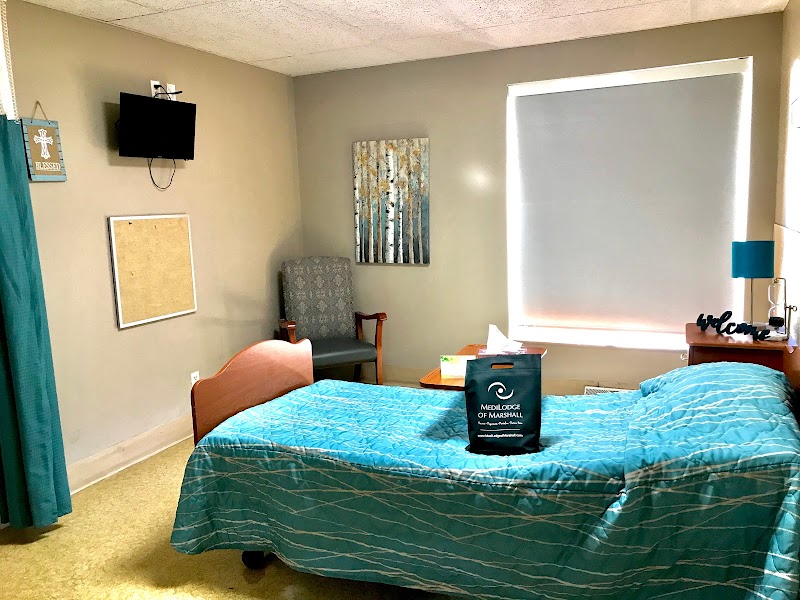
How is Medilodge Of Marshall Staffed?

CMS rates Medilodge of Marshall's staffing level at 3 out of 5 stars, which is average compared to other nursing homes. Staff turnover is 46%, compared to the Michigan average of 46%.

What Have Inspectors Found at Medilodge Of Marshall?

State health inspectors documented 52 deficiencies at Medilodge of Marshall during 2022 to 2025. These included: 1 Immediate Jeopardy (the most serious level, indicating potential for serious harm or death), 50 with potential for harm, and 1 minor or isolated issues. Immediate Jeopardy findings are rare and represent the most serious regulatory concerns. They require immediate corrective action.
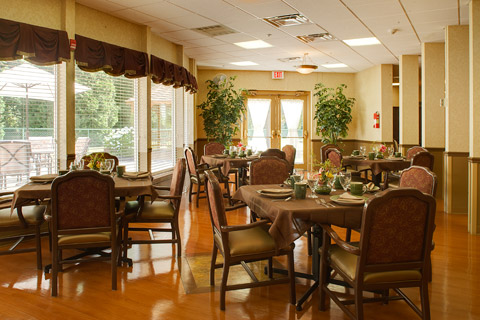
Who Owns and Operates Medilodge Of Marshall?

Medilodge of Marshall is owned by a for-profit company. For-profit facilities operate as businesses with obligations to shareholders or private owners. The facility is operated by MEDILODGE, a chain that manages multiple nursing homes. With 98 certified beds and approximately 89 residents (about 91% occupancy), it is a smaller facility located in Marshall, Michigan.

How Does Medilodge Of Marshall Compare to Other Michigan Nursing Homes?

Compared to the 100 nursing homes in Michigan, Medilodge of Marshall's overall rating (1 stars) is below the state average of 3.1, staff turnover (46%) is near the state average of 46%, and health inspection rating (1 stars) is much below the national benchmark.

What Should Families Ask When Visiting Medilodge Of Marshall?

Based on this facility's data, families visiting should ask: "What changes have been made since the serious inspection findings, and how are you preventing similar issues?" "Can I visit during a mealtime to observe dining assistance and food quality?" "How do you handle medical emergencies, and what is your hospital transfer rate?" "Can I speak with family members of current residents about their experience?" These questions are particularly relevant given the facility's Immediate Jeopardy citations.

Is Medilodge Of Marshall Safe?

Based on CMS inspection data, Medilodge of Marshall has documented safety concerns. Inspectors have issued 1 Immediate Jeopardy citation (the most serious violation level indicating risk of serious injury or death). The facility has a 1-star overall rating and ranks #100 of 100 nursing homes in Michigan. Families considering this facility should ask detailed questions about what corrective actions have been taken since these incidents.

Do Nurses at Medilodge Of Marshall Stick Around?

Medilodge of Marshall has a staff turnover rate of 46%, which is about average for Michigan nursing homes (state average: 46%). Moderate turnover is common in nursing homes, but families should still ask about staff tenure and how the facility maintains care continuity when employees leave.

Was Medilodge Of Marshall Ever Fined?

Medilodge of Marshall has been fined $16,801 across 1 penalty action. This is below the Michigan average of $33,247. While any fine indicates a compliance issue, fines under $50,000 are relatively common and typically reflect isolated problems that were subsequently corrected. Families should ask what specific issues led to these fines and confirm they've been resolved.

Is Medilodge Of Marshall on Any Federal Watch List?

Medilodge of Marshall is not on any federal watch list. The most significant is the Special Focus Facility (SFF) program, which identifies the bottom 1% of nursing homes nationally based on persistent, serious quality problems. Not being on this list means the facility has avoided the pattern of deficiencies that triggers enhanced federal oversight. This is a positive indicator, though families should still review the facility's inspection history directly.