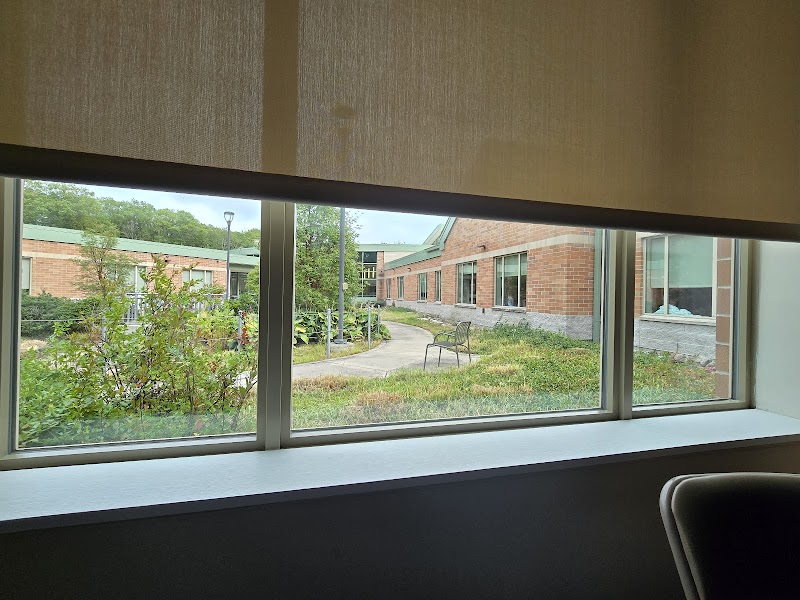
Bronson Commons

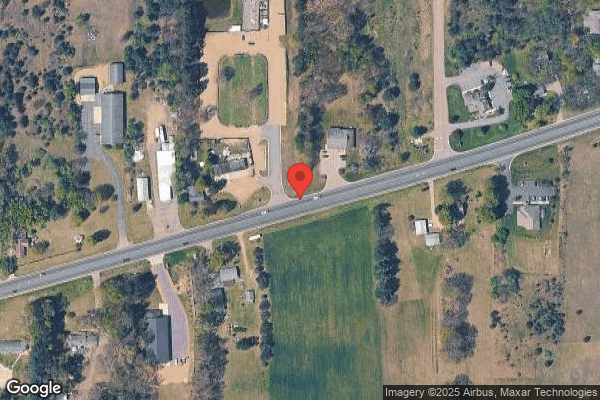
23332 Red Arrow Highway, Mattawan, MI 49071 (269) 283-5200
Non profit - Corporation 100 Beds Independent Data: November 2025
Trust Grade
70/100
#106 of 422 in MI
Last Inspection: June 2025

Inspected within the last 6 months. Data reflects current conditions.

Overview

Bronson Commons has a Trust Grade of B, which means it is considered a good facility, indicating solid care and services. It ranks #106 out of 422 facilities in Michigan, placing it in the top half, and is the best option out of the two nursing homes in Van Buren County. However, the facility is experiencing a worsening trend, with the number of issues increasing from 3 in 2024 to 11 in 2025. Staffing is a strength here, with a 5/5 star rating and a turnover rate of 44%, which is typical for Michigan, suggesting that staff are stable and familiar with residents’ needs. While there are no fines on record, which is a positive sign, there have been concerning incidents, such as improper transfer techniques that led to serious injuries and a lack of cleanliness in food storage, increasing the risk of foodborne illness. Additionally, residents reported that their grievances were not adequately documented or addressed, indicating a need for improved communication and care planning.

Trust Score
B
70/100
In Michigan
#106/422
Top 25%
Safety Record
Moderate
Needs review
Inspections
Getting Worse
3 → 11 violations
Staff Stability
○ Average
44% turnover. Near Michigan's 48% average. Typical for the industry.
Penalties
✓ Good
No fines on record. Clean compliance history, better than most Michigan facilities.
Skilled Nurses
✓ Good
Each resident gets 78 minutes of Registered Nurse (RN) attention daily — more than 97% of Michigan nursing homes. RNs are the most trained staff who catch health problems before they become serious.
Violations
⚠ Watch
19 deficiencies on record. Higher than average. Multiple issues found across inspections.
★★★★☆
4.0
Overall Rating
★★★★★
5.0
Staff Levels
★★☆☆☆
2.0
Care Quality
★★★☆☆
3.0
Inspection Score
Stable
2024: 3 issues
2025: 11 issues

The Good

  • 5-Star Staffing Rating · Excellent nurse staffing levels
  • Full Sprinkler Coverage · Fire safety systems throughout facility
  • No fines on record
  • Staff turnover below average (44%)

    4 points below Michigan average of 48%

Facility shows strength in staffing levels, fire safety.

The Bad

Staff Turnover: 44%

Near Michigan avg (46%)

Typical for the industry

The Ugly 19 deficiencies on record

1 actual harm
Jun 2025 11 deficiencies 1 Harm
SERIOUS (G) 📢 Someone Reported This

A family member, employee, or ombudsman was alarmed enough to file a formal complaint

Actual Harm - a resident was hurt due to facility failures

Accident Prevention (Tag F0689)

A resident was harmed · This affected 1 resident

**NOTE- TERMS IN BRACKETS HAVE BEEN EDITED TO PROTECT CONFIDENTIALITY** This citation pertains to Intake MI00151630 Based on observation, interview, and record review, the facility failed to ensure ap...

Read full inspector narrative →
**NOTE- TERMS IN BRACKETS HAVE BEEN EDITED TO PROTECT CONFIDENTIALITY** This citation pertains to Intake MI00151630 Based on observation, interview, and record review, the facility failed to ensure appropriate transfer techniques were implemented for 2 (Resident #172 and #65) of 4 residents reviewed for falls resulting in a fall with a hand laceration and a fracture for Resident #172 and an improper transfer with a slide board resulting in bruising on the bilateral (both) upper arms for Resident #65. Findings include: Resident #172 Review of an admission Record revealed Resident #172 was a female, originally admitted to the facility on [DATE]. Review of Resident #172's a Level of Assistance flowsheet revealed Resident #172 was limited assistance for transfer assistance with Therapy Recommendations including Front wheeled walker; Wheelchair-manual; Gait Belt; Verbal cues. Review of Resident #172's Radiology Report dated 3/16/25 revealed, .IMPRESSION: Suspected acute periprosthetic fracture (a break in the bone near an orthopedic implant) is along the distal femoral shaft (lower portion of the thigh bone) associated with the distal intramedullary rod (a surgical implant used to stabilize broken bones) . Review of a Facility Reported Incident (FRI) Incident Summary revealed, Patient had a witnessed and assisted ground-level fall. She was admitted to (facility name omitted) for physical and occupational therapy following a previous ground-level fall resulting in a left femur (the bone running from the hip to the knee) fracture requiring surgical repair .Initial statements reveal that patient was being assisted from the bathroom to the bed by a CNA (certified nurse aide). While standing near the bed, the CNA turned to situate the bedding. The patient let go of the walker and began to fall backwards. The aide immediately reached out and attempted to assist the patient to the floor. Nurse was notified and assessment revealed a laceration to her hand. Neuro (neurological) assessment revealed no concerns. Patient was sent to the hospital for further assessment and repair of the laceration. At that time a left distal femur (lower part of the thigh bone just above the knee) fracture was discovered. CNA was removed from patient care pending investigation . Review of Resident #172's Incident/Accident Report/Investigation document provided by the facility revealed, Patient Interview with (Resident #172) Interview conducted by (Unit Coordinator (UC) R) on 3/19/25 over the phone. (Resident #172) indicated that she was assisted from the bathroom to her bed by an aide. She stated that the girl had hands on her at all times, though a gait belt was not used. When the aide was pulling down the covers, (Resident #172) states she lost her balance and fell . Review of Resident #172's Incident/Accident Report/Investigation document provided by the facility revealed, Interview with (CNA UU) Interview conducted by (Director of Nursing (DON) B) on 3/17/25. (CNA UU) answered the bathroom call light and found (Resident #172) on the toilet with her walker in front of her. (Resident #172) stood up independently and proceeded to pull up her undergarments and pants without assistance. (CNA UU) provided limited assistance to (Resident #172) as she ambulated back to the bed. As (CNA UU) pulled the bedding back, (Resident #172) let go of the walker to point at the bed control and began to fall backwards. (CNA UU) attempted to assist her but was unable to stop her from falling. (DON B) asked (CNA UU) if she knew a gait belt was part of (Resident #172)'s care plan and (CNA UU) admitted she did not. (CNA UU) shared because (Resident #172) got up from the toilet on her own and managed her undergarments independently, she didn't think to check the care plan to see if a gait belt was needed . In an interview on 6/11/25 at 10:11 AM, DON B, who conducted the interview with CNA UU on 3/17/25 reported CNA UU had responded to Resident #172's bathroom call light. DON B reported CNA UU had reported that Resident #172 stood up and was pulling up her own pants and brief and started to walk to the bedroom area. DON B reported CNA UU had reported she didn't think to put a gait belt on Resident #172. DON B reported CNA UU had reported she helped Resident #172 to the bed and then went to pull the sheets down and Resident #172 was trying to point to the bed controller and took her hand off the walker and fell. DON B reported after the fall, Resident #172 was sent to the hospital and that is when it was found that there was a new acute fracture to her distal femur. DON B reported during the interview with CNA UU, CNA UU reported she did not look at the care plan for Resident #172 before the transfer to identify that Resident #172 needed a gait belt. DON B reported when CNA UU saw Resident #172 stand, CNA UU should have asked the resident to sit back down and then look at the care plan and apply the gait belt. DON B also reported that in addition to that, CNA UU should have, after she put the gait belt on Resident #172, pulled the linens down before Resident #172 was transferred so she didn't have to take that extra step while Resident #172 had been standing. Attempts were made to contact Resident #172 during the survey but were unsuccessful. Attempts were made to contact CNA UU during the survey but were unsuccessful. Resident #65 Review of a Facesheet revealed Resident #65 was a female who was admitted to the facility on [DATE] with pertinent diagnoses which included: Gastroparesis (slow or stopped gastro motility) and dependence for cares. Review of a Minimum Data Set (MDS) assessment for Resident #65, with a reference date of 5/20/2025 revealed a Brief Interview for Mental Status (BIMS) score of 12/15 which indicated Resident #65 was cognitively intact. In an observation and interview on 6/10/25 at 11:43 am, Resident #65 reported that over the weekend, a CNA (certified nurse assistant) did not know how to do a proper slide board transfer for her to use the bathroom and while they transferred her, she received bruises on her inner upper arms. Resident #65 opened her arms and pointed to the upper inside of her left arm where a scattering of bruises was noted. Bruising was noted on the upper inner right arm as well. In an interview on 6/11/25 CNA Y reported that Resident #65 was to be transferred with a hoyer lift to the toilet. CNA Y reported that Resident #65 was working with therapy using a slide board but had not been upgraded to a slide board transfer to the bathroom yet. CNA Y reported that Resident #65 was a slide board transfer from her bed to wheelchair and wheelchair to bed only. CNA Y reported Resident #65 had been a hoyer transfer to the toilet since she admitted to the facility, CNA Y stated her transfer status had never changed. Review of Level of Assistance for Resident #65 revealed transfer assistance limited assistance; 2 or more person physical assist slide board transfer to/from w/c (wheelchair)>bed. Please continue to use hoyer for toileting .started on 5/27/2025 12:55 pm .Toileting Assistance Total dependence; 2 or more person physical assist please use Hoyer for toilet transfers .started on 5/27/2025 at 12:55 pm .Therapy Recommendations wheelchair-manual; gait belt; slide board . stated 5/27/2025 12:55 pm. In an interview on 6/11/25 at 12:43 pm CNA I and CNA PP reported that Resident #65 was slide board transfer between bed and wheelchair, and a hoyer transfer to the toilet. CNA PP reported that Resident #65's care plan; level of assistance was how the CNAs knew how she transferred. In an interview on 6/11/25 at 2:23 pm, CNA Y reported that Resident #65 had reported to her on Monday 6/9/25 that staff was transferring her some time over the weekend with a slid board to the toilet, staff had gotten impatient with using the slide board and then did a stand and pivot transfer to the toilet. CNA Y reported that Resident #65 reported to her the transfers were what had caused the bruising on her inner arms. CNA Y reported she saw the bruising on Resident #65's inner arms. CNA Y reported she reported the bruising and the Resident #65's account of what happened to Registered Nurse (RN) MM. In an observation and interview on 6/11/25 at 2:27 pm, Resident #65 reported she was a slide board transfer from bed to wheelchair or back and that she was a hoyer transfer to the toilet. Resident #65 reported that two girls were transferring her over the weekend and were using the slide board, when they got impatient with how long it was taking her to get her onto the toilet, and that the girls then decided to pick her up and transfer her to the toilet. Resident #65 reported her thought that was when her arms were bruised. Resident #65 lifted her left arm to show this surveyor the bruising that was still present on her inner upper left arm. There was a scattering of bruising noted. In an interview on 6/12/25 at 9:20 am Physical Therapy Assistant (PTA) BBB reported that Resident #65 reported to her on Monday 6/6/25 in the morning, that the aides instead of using the hoyer lift to transfer her onto the toilet, one aide said I don't have time to use the hoyer or the slide board, and Resident #65 reported the aides just picked her up and put her in the chair and then again picked her up to put her onto the toilet. PTA BBB reported she observed bruising noted on the inner upper arms of Resident #65. PTA BBB reported that Resident #65 was a hoyer lift transfer to the toilet. In an interview on 6/12/25 at 10:37am, Unit Coordinator (UC) R reported that she had spoken to Resident #65 and that she had noted the bruising on her inner upper arms with the bruising being greater on the left. UM R reported that Resident #65 should be a hoyer lift transfer to the toilet, and she believed the bruising was from a slide board transfer. UM R reported she had not yet interviewed any staff that worked over the weekend to determine any details of the situation during the transfer with Resident #65. In an interview on 6/12/25 at 10:45 am, Nursing Home Administrator (NHA) A reported she was aware of the bruising with Resident #65 and her expectations were that her leadership team would conduct an investigation to try to understand the event fully. NHA A reported that there was concern that Resident #65's care plan was not followed, and she was transferred incorrectly, and that staff would need further education. In a telephone interview on 6/12/25 at 11:16 am, CNA P reported that she did complete a slide board transfer with Resident #65 from the wheelchair to the toilet on Friday. CNA P reported that she believed that Resident #65's transfer status had changed from a hoyer lift to slide board. CNA P stated that she did assist Resident #65 with a gait belt into a standing position with another CNA present to assist pulling up Resident #65's pants. CNA P reported she did not complete a stand a pivot transfer with Resident #65. CNA P reported that she had since been reeducated by the leadership nurses on how Resident #65 transferred. CNA P reported that she had been contacted by the facility and asked about the bruising to Resident #65's arms, and CNA P reported she did not see any bruising until Resident #65 showed her on Monday. In a telephone interview on 6/12/25 at 1:31 pm, CNA ZZ reported she was assigned to work with Resident #65 on a night over the weekend. CNA ZZ reported that she did not perform a transfer with Resident #65, she was working alone, and when Resident #65 asked to use the bathroom during her shift, she reported that she told Resident #65 that she did not have time to use the slide board or the hoyer to transfer her and CNA ZZ reported she offered her the use of a bed pan. CNA ZZ reported that she was told by the CNAs that worked the shift her over the weekend that Resident #65 was now a slide board transfer. CNA ZZ reported she was reeducated last night on Resident #65's transfer status.
CONCERN (D)

Potential for Harm - no one hurt, but risky conditions existed

Deficiency F0554 (Tag F0554)

Could have caused harm · This affected 1 resident

**NOTE- TERMS IN BRACKETS HAVE BEEN EDITED TO PROTECT CONFIDENTIALITY** Resident #13 Review of an admission Record revealed Resident #13 was originally admitted to the facility on [DATE] with pertinen...

Read full inspector narrative →
**NOTE- TERMS IN BRACKETS HAVE BEEN EDITED TO PROTECT CONFIDENTIALITY** Resident #13 Review of an admission Record revealed Resident #13 was originally admitted to the facility on [DATE] with pertinent diagnoses which included: cancer, heart failure (chronic condition in which the heart does not pump blood as well as it should), anxiety and depression (persistent depressed mood or loss of interest in activities causing significant impairment in daily life). Review of a Minimum Data Set (MDS) assessment for Resident #13 with a reference date of 4/26/25, revealed a Brief Interview for Mental Status (BIMS) score of 15/15 which indicated Resident #13 was cognitively intact. Section N of the MDS revealed Resident #13 received antianxiety, antidepressant, a diuretic (drug that causes the kidneys to make more urine) and opioid (class of drug used to reduce moderate to severe pain) medications. Review of a Care Plan for Resident #13 with a reference date of 5/14/24, revealed a problem/goal/interventions of: Problem: I use my medication to help me manage my diagnosis. I want to avoid any potential drug related complications. Goal: I would like to remain free of drug related complications. Interventions: .monitor me for side effects of my medication . In an interview on 6/10/25, at 12:48pm, Resident #13 reported the nurses sometimes left her medications for her to take on her own. Resident #13 reported earlier on 6/10/25, when she dropped one pill on the floor and no staff were present, she almost attempted to pick up on her own but then remembered she had previously fallen out of her chair when she tried to pick something up from the floor. Review of Physician Orders for Resident #13 with a reference date of 5/1/24-present, revealed no orders for nurses to allow the resident to self-administer any medications. In an interview on 6/10/25 at 10:26am, Registered Nurse (RN) K reported no residents on Resident#13's unit had been assessed as able to self-administer medications. In an interview on 6/11/25 at 11:53am, Resident #13 reported she thought the nurse's usually just left her supplements and vitamins for her to take on her own. Resident #13 reported in addition to other prescribed medications, she was prescribed a supplement for arthritis (swelling and tenderness in the joints) and a vitamin C tablet. In an interview on 6/11/25 at 3:46pm, Licensed Practical Nurse (LPN) HHH reported no residents on Resident #13's unit had been assessed as able to self-administer medications. Review of an emailed response from Nursing Home Administrator (NHA) A with a reference date of 6/12/25 at 9:18am, revealed: We do not have self-administration screens(assessments) for these patients (Resident #65, Resident #272, and Resident #13). Review of a Self-Administration and Completion of Medication Administration policy with no reference date, revealed POLICY: Applies to any resident who wishes to self-administer medication or complete medication administration without direct visual supervision .Procedure: .2) If the resident wishes to pursue this offer (self-administration), an assessment must be completed .5) If deemed safe, a provider order will be placed in the electronic medical record indicating the resident may self-administer or that medications prepared by the nurse may be left with the resident to complete administration without direct visual supervision .7) a MAR (Medication Administration Record) Note will be added to the resident's MAR that highlights the resident has an order to self-administer or that medications prepared by the nurse may be left with the resident . Based on observation, interview, and record review the facility failed to ensure residents were assessed to be appropriate for self-administration of medications for 3 (Resident #65, Resident #272, and Resident #13) of 3 residents reviewed for self-administration of medications resulting in medications being left unsecured at resident's bedside, residents self-administering medications without staff assessment, and the potential for negative outcomes from taking/applying/instilling too much or too little medications. Findings include: Resident #65 Review of a Facesheet revealed Resident #65 was a female who was admitted to the facility on [DATE] with pertinent diagnoses which included: Gastroparesis (slow or stopped gastro motility) and dependence for cares. Review of a Minimum Data Set (MDS) assessment for Resident #65, with a reference date of 5/20/2025 revealed a Brief Interview for Mental Status (BIMS) score of 12/15 which indicated Resident #65 was cognitively intact. During an observation and interview on 6/11/25 at 2:30 pm, Resident #65 retrieved a green in color bottle of eye drops from her bedside table and instilled drops into each eye independently. When queried, Resident #65 stated the drops were hers, for her dry eyes, she did them herself when she needed them. Review of Order Summary for Resident #65 revealed no order noted for any eye drops. In an interview on 6/12/25 at 10:03 am, Unit Coordinator (UC) R reported all eye drops required a physician order, including any over the counter drops. UC R reported that no resident's had orders to self-administer medications. UC R reviewed Resident #65's medical record and confirmed that Resident #65 did not have a physician order for any eye drops, did not have a completed assessment for self-administration of medications, and did not have an order to self-administer medications. In an interview and observation on 6/12/25 at 2:10 pm, Licensed Practical Nurse (LPN) JJ reported that a physician order was required for a resident to receive eye drops, even if they were over the counter and not prescription. LPN JJ reported that the facility had over the counter artificial tears available for residents and demonstrated a bottle white/clear in color. In an interview on 6/12/25 at 2:10 pm, Registered Nurse (RN) II reported Resident #65 did not have an order for eye drops and that she was aware Resident #65 had eye drops in her room. RN II reported that Resident #65 did not have an assessment to self-administer medications, and that Resident #65 would not be a good candidate to self-administer medications due to her history of having to have unauthorized items removed from her bedside. RN II reported that today was the first time she had ever seen Resident #65 with a bottle of eye drops, but it was not the first times she had to remove medications from Resident #65's bedside. Resident #272 Review of a Facesheet revealed Resident #272 was a female who was admitted to the facility on [DATE] with pertinent diagnoses which included: end stage kidney disease (kidneys no longer function) and dependence on dialysis (a blood filtration process due to the lack of kidney function). Review of a Minimum Data Set (MDS) assessment for Resident #272, with a reference date of 5/29/2025 revealed a Brief Interview for Mental Status (BIMS) score of 12/15 which indicated Resident #272 was cognitively intact. In an interview on 6/10/25 at 2:52 pm, Resident #272 reported it was easier when the nurse left her chewable tablet (Fosrenal 1000mg) with her so she could take it when she was done eating. Resident #272 reported that some nurses left it, and some nurses did not leave it. Resident #272 reported that she should eat her chewable tablet immediately after she was done eating a meal. Review of Order Summary for Resident #272 revealed . Lanthanum (Fosrenal) chewable tablet 1000 mg (milligrams) one po (by mouth) with meals . (Fosrenal- a chewable tablet that binds with phosphate in the body to allow for the body to absorb calcium, a lack of calcium absorption can lead to a very serious medical complication. Fosrenal should be taken with food or immediately after a meal). In an interview on 6/11/25 at 11am, Resident #272 reported she wanted the facility to be consistent with her medications. Resident #272 reported she would like the nurses to leave her chewable tablet with her meals so she could take it when she was done eating, but some nurses left it, and others returned after her meal was finished to give it to her. Resident #272 reported she would like consistency with her medications. In an interview on 6/11/25 at 11:15 am, RN II reported that the nurses do leave Resident #272's Fosrenal chewable tablet at the bedside when she had her meal. RN II reported that Resident #272 was not assessed for self-administration of medications and that the facility does not allow for self-administration of medications. RN II reported that she does leave Resident #272's Fosrenal at her bedside when she has her meal because she knows she will take it. RN II reported that Resident #272 would be appropriate to self-administer medications.
CONCERN (D)

Potential for Harm - no one hurt, but risky conditions existed

Deficiency F0561 (Tag F0561)

Could have caused harm · This affected 1 resident

Based on interview, and record review, the facility failed to ensure activities of daily living (ADL) cares and assistance were provided per resident preference for 1 (Residents #17) of 2 residents re...

Read full inspector narrative →
Based on interview, and record review, the facility failed to ensure activities of daily living (ADL) cares and assistance were provided per resident preference for 1 (Residents #17) of 2 residents reviewed for resident preferences, resulting in dissatisfaction with care and the potential for decline in sense of physical, mental, and psychosocial well-being. Findings include: Review of a Minimum Data Set (MDS) assessment for Resident #17, with a reference date of 4/18/25 revealed a Brief Interview for Mental Status (BIMS) score of 15, out of a total possible score of 15, which indicated Resident #17 was cognitively intact. Review of the Functional Abilities revealed that Resident #17 was dependent for toileting and transfers. In an interview on 06/10/25 at 10:57 AM, Resident #17 reported that she had moved rooms so that she could had access to a ceiling mechanical lift that would allow her to transfer easier. Resident #17 reported that staff tell her that she cannot use the commode every time she has to use the bathroom, because it takes too much of their time. Resident #17 reported that especially at night and during mealtimes, staff offer the bedpan instead of the bedside commode; the bedpan is uncomfortable and the resident prefers to use the commode. Resident #17 reported that she had tried to request the commode when she knew there were enough staff working. In an interview on 06/11/25 at 11:52 AM, Certified Nursing Assistant (CNA) J reported when there are enough staff, Resident #17 used the commode, but otherwise she used the bedpan. CNA J reported that Resident #17 did get upset about using the bedpan. In an interview on 06/11/25 at 12:07 PM, Licensed Practical Nurse (LPN) JJ reported that Resident #17 was not always happy with the care that she received, and that related to hoyer (mechanical) transfers staff had told her we can't do this all day in the past because of the amount of time it takes. In an interview on 06/11/25 at 02:16 PM, CNA F reported that Resident #17 used the commode for toileting, except for during meal times. CNA F reported that staff cannot stop passing trays and answering call lights to transfer the resident, unless they have extra staff. Review of Resident #17's Care Plan revealed, Problem: I am incontinent of urine. Date Start: 04/24/25, Goal: I will be clean, dry and odor free .INTERVENTIONS: I need to be checked and changed routinely and as needed. Encourage me to verbalize the need to use the toilet. Please keep my call light in reach . There was no preference noted for toileting. Review of Resident #17's Kardex (CNA care guide) revealed, .Level of Assistance - 06/12/25 at 08:53 (AM) Toileting, Toilet type: Bedside commode; Brief Change; Incontinence pad . Review of Resident #17's Progress Note dated 6/2/25 revealed, Cognition/behaviors/mood: A &O (alert and oriented) x 4 but has herself c/o (complained of) memory deficits recently. At times has numerous requests for transfer to and from commode, but frequently is incontinent while being transferred (via overhead lift) while in transit to commode. During mealtimes a bedpan is offered as it requires too many staff off the floor to use mechanical lift .Bowel/bladder: Incontinent of bladder, bowel continence varies. Review of Resident #17's Occupational Therapy (OT) note dated 3/13/23 revealed, .Toileting Comments: reports incontinent of urine at baseline; encouraged up to BSC (bed side commode) with nursing staff, as pt (patient) not appropriate for use of bedpan .
CONCERN (D)

Potential for Harm - no one hurt, but risky conditions existed

Deficiency F0605 (Tag F0605)

Could have caused harm · This affected 1 resident

**NOTE- TERMS IN BRACKETS HAVE BEEN EDITED TO PROTECT CONFIDENTIALITY** Resident #17 Review of Resident #17's Physician Orders revealed, Lorazepam (Ativan) tablet 0.5 mg .Frequency: Daily as needed f...

Read full inspector narrative →
**NOTE- TERMS IN BRACKETS HAVE BEEN EDITED TO PROTECT CONFIDENTIALITY** Resident #17 Review of Resident #17's Physician Orders revealed, Lorazepam (Ativan) tablet 0.5 mg .Frequency: Daily as needed for anxiety .Duration: 30 days Start Date/Time (after last modification): 5/19/25 .End Date/Time: 6/18/25 . The most recent dose was given on 6/6/25 at 7:36 AM. An attempt to interview Medical Director (MD) III on 06/12/25 at 12:18 PM was made, with no return phone call prior to survey exit. This surveyor requested physician rationale for Resident #17's order for PRN (as needed) Lorazepam written for greater than 14 days at a time. Review of Resident #17's Psychiatry Progress Note dated 5/14/25 revealed, .states that she has had some increased anxiety due to some issues she is working through with staff, but the extra Xanax (sic) during the day helped .Staff report no new or clinically significant changes or concerns with mood or behaviors at this time .Generalized anxiety disorder: moderately stable .Continue Lorazepam 0.5 mg 1 tablet at 4:35 PM PRN anxiety x 30 days. GDR (gradual dose reduction) CI (contraindicated) 4/9/25 as dose continues to be beneficial in controlling ongoing symptoms of anxiety . No rationale for the medication being written for greater than 14 days. Review of Resident #17's Pharmacy Monthly Medication Regimen Review from June 2025 indicated no irregularities and no new recommendations. Based on interview and record review, the facility failed to limit the duration of a PRN (as needed) psychotropic medication to 14 days and/or ensure the physician documented rationale to extend the duration of use for two (Resident #26 and Resident #17) out of five reviewed for unnecessary medications. Findings include: Resident #26 Review of an admission Record revealed Resident #26 was originally admitted to the facility on [DATE] with pertinent diagnoses which included: alzheimer's disease (a progressive disease that primarily affects memory, thinking and behavior) and major depressive disorder (persistent sad mood that interferes with daily life). Review of a Minimum Data Set (MDS) assessment for Resident #26 with a reference date of 6/4/25, revealed a Brief Interview for Mental Status (BIMS) score of 3/15 which indicated Resident #26 was severely cognitively impaired. Section E revealed Resident #26 had no behaviors during the 14-day assessment period. Review of a Care Plan for Resident #26 with a reference date of 9/25/19, revealed a problem/goal/interventions of: Problem: Mood. Goal: I have changes in mood due to my medical diagnosis. I want negative symptoms to be manageable daily and through the next review. Interventions .assess my mood on all review dates and as needed .provide medications as ordered .Monitor for increased signs or symptoms of depression and anxiety. Review of Physician's Orders for Resident #26 revealed a current order: LORazepam tablet .25mg (milligrams) Every 8 hours PRN (as needed), Start: 5/30/25 1251 End: 6/29/25 1250. Review of a Long Term Rounding-Progress Note for Resident #26 written by a provider on 4/21/25, revealed Assessment/Plan: .17. Generalized anxiety disorder. Continue (Brand name omitted) LORazepam PRN-utilizes minimally .Psychiatric/Behavioral: Positive for confusion. Negative for agitation. The patient is not nervous/anxious. Review of Medication Administration Records for Resident #26 revealed the resident did not receive any doses of LORazepam .25mg PRN from 4/13-6/12/25. In an interview on 6/11/25, at 11:06am, Social Services Coordinator (SSC) L reported Resident #26 received the order for LORazepam .25mg on 2/18/24 and it had been renewed several times. SSC L confirmed Resident #26 currently had an order for a PRN psychotropic medication that extended greater than 14 days. SSC L reported the use of psychotropic medications was monitored during a monthly Behavioral Health meeting and Resident #26's order for LORazepam could be added to the agenda. In an interview on 6/11/25 at 2:28pm, Unit Coordinator (UC) DD confirmed Resident #26 had a PRN order for a psychotropic medication that was greater than 14 days and this was not within compliance perimeters for this type of medication unless the provider documented a rationale for doing so. UC DD reported she would provide documentation of a provider's rationale if it was made available. No additional documentation identifying the provider's rationale for extending a PRN psychotropic medication beyond 14 days for Resident #26 was provided by the conclusion of the survey.
CONCERN (D)

Potential for Harm - no one hurt, but risky conditions existed

Assessment Accuracy (Tag F0641)

Could have caused harm · This affected 1 resident

**NOTE- TERMS IN BRACKETS HAVE BEEN EDITED TO PROTECT CONFIDENTIALITY** Based on interview and record review the facility failed to accurately assess 1 (Resident #70) of 1 resident reviewed for minimu...

Read full inspector narrative →
**NOTE- TERMS IN BRACKETS HAVE BEEN EDITED TO PROTECT CONFIDENTIALITY** Based on interview and record review the facility failed to accurately assess 1 (Resident #70) of 1 resident reviewed for minimum data set (MDS) discharge encoding resulting in inaccurate discharge location data being submitted. Findings include: Review of a Facesheet revealed Resident #70 was a female who admitted to the facility on [DATE] with pertinent diagnoses which included: weakness and the need for personal assistance. Review of MDS for Resident #70 dated 3/19/25 revealed .A2000 discharge date [DATE], A2150 Discharge status, Code entered 04 indicating resident discharged to Short-Term General Hospital. Review of Resident #70's medical record revealed no noted documentation of a transfer from the facility to any hospital. In a telephone interview on 6/11/25 at 2:51 pm MDS Coordinator (MDSC) WW reported she was the nurse who had completed Resident #70's discharge MDS assessment. MDSC WW reviewed the MDS while on the phone and confirmed that she has coded Resident #70 as a short stay hospital discharge (transfer from the facility to the hospital). MDSC WW reported that Resident #70 had discharge to home, she had not gone to the hospital. MDSC WW reported she had inaccurately coded Resident #70's discharge. In an interview on 6/12/25 Nursing Home Administrator (NHA) A reviewed Resident #70's discharge MDS with this surveyor and confirmed that Resident #70's discharge MDS was inaccurate. NHA A reported MDS Registered Nurse (MDS/RN) Q was ultimately responsible for the submission of MDS data. NHA A stated MDS/RN Q owns the submission information when she signs and submits the information. In an interview on 6/12/25 at 11:02 AM- MDS/RN Q reported she was the nurse that signed a resident's completed MDS assessments, and her responsibility was to ensure that all areas were completed. MDS/RN Q reported she did not review all areas of the MDS assessment for accuracy but did spot checks before she submitted it. MDS/RN Q reported she did submit Resident #70's discharge MDS assessment a the time of Resident #70's discharge. MDS/RN Q did confirm that Resident #70's MDS discharge assessment was inaccurate when it was submitted. MDS/RN Q reported the correction report had been created and was waiting to be submitted.
CONCERN (D)

Potential for Harm - no one hurt, but risky conditions existed

Deficiency F0658 (Tag F0658)

Could have caused harm · This affected 1 resident

**NOTE- TERMS IN BRACKETS HAVE BEEN EDITED TO PROTECT CONFIDENTIALITY** Based on interview and record review, the facility failed to follow professional standards of nursing practice for medication ad...

Read full inspector narrative →
**NOTE- TERMS IN BRACKETS HAVE BEEN EDITED TO PROTECT CONFIDENTIALITY** Based on interview and record review, the facility failed to follow professional standards of nursing practice for medication administration for 1 residents (Resident #3) of 18 reviewed for the provision of nursing services, resulting in medication not administered following physician ordered parameters, the lack of assessment, and the potential for medication adverse effects and complications Findings include: In an interview on 06/10/25 at 09:27 AM, Resident #3 reported that Registered Nurse (RN) E did not listen to her and/or follow the physician orders for her blood pressure medication. Resident #3 reported that the night before she had tried to tell RN E that her blood pressure was too low, and that she should not take her Apresoline (medication used to treat high blood pressure). Resident #3 reported that RN E still gave her the medication along with her other medications; Resident #3 felt dizzy and kept her eyes closed for a long time afterwards. In an interview on 06/10/25 at 09:17 AM, Unit Coordinator (UC) DD reported that when blood pressure readings are required during medication administration, the nurse would document it in the flowsheet tab of the resident's chart. Review of Resident #3's flowsheets Blood Pressure record revealed a result of 112/56 at 5:35 AM on 6/9/25, and there was no record of the resident's blood pressure results in the evening that day. Review of Resident #3's current Physician Orders revealed, Apresoline tablet 25 mg (milligram) .Frequency: 2 times daily .Administration instructions: Hold for SBP (systolic blood pressure: the top number in a reading and represents the pressure in your arteries when your heart beats) less than 130 . Review of Resident #3's Medication Administration Record (MAR) indicated that the first dose of Apresoline was not given on 6/9/25 at 8:23 AM, the second dose was given by RN E at 7:21 PM. In an interview on 06/12/25 at 09:49 AM, Licensed Practical Nurse (LPN) JJ reported that Resident #3 knows her medications and remembers her blood pressure results. LPN JJ reported that the resident will remind the nurse that her blood pressure was too low, and that she cannot have her blood pressure medication. LPN JJ reported that 9 times out of 10, they hold the resident's Apresoline due to the top number of her blood pressure being lower than the physician ordered parameters. LPN JJ reported that dizziness was a side effect that Resident #3 exhibited when her blood pressure was low. LPN JJ reported that there was no documentation of blood pressure being taken prior to the residents's evening dose of Apresoline on 6/9/25, and there was no nursing note indicating that the resident was experiencing dizziness. LPN JJ reported that if the Certified Nursing Assistant (CNA) does not report a blood pressure result near the time of medication administration, then the nurse would have to obtain the blood pressure and document verification of a result being within the limits of the physician ordered parameter. In an interview on 06/12/25 at 11:05 AM, RN E reported that she normally documented blood pressure results when she administered medication; if there was a blood pressure medication due, the computer would prompt the nurse for the blood pressure and pulse results. RN E reported that she administered Resident #3's Apresoline in the evening on 6/9/25. RN E reported that a blood pressure of 112/56 would be within the parameters for blood pressure medication to be given, but that she did not remember exactly what Resident #3's blood pressure result was on 6/9/25. In an interview on 06/12/25 at 01:36 PM, Director of Nursing (DON) B reported that nurses were expected to verify blood pressure medication parameters with the physician order prior to the administration of the medication and document it. DON B reported that the nurse should ensure that the blood pressure is obtained and recorded it in the resident record prior to each dose of medication. DON B reported that the computer does not prompt the nurse to obtain or enter a blood pressure result during medication administration, but that it was expected for a nurse to follow the physician order which would require that a blood pressure was obtained prior to the administration of Apresoline. Review of Fundamentals of Nursing ([NAME] and [NAME]) 10th edition revealed, (Nurses) are responsible for documenting any preassessment data required of certain medications such as a blood pressure measurement for antihypertensive (used to treat high blood pressure) medications . [NAME], [NAME] A.; [NAME], [NAME] Griffin; Stockert, [NAME] A.; Hall, [NAME]. Fundamentals of Nursing - E-Book (p. 609). Elsevier Health Sciences. Kindle Edition.
CONCERN (D)

Potential for Harm - no one hurt, but risky conditions existed

Deficiency F0679 (Tag F0679)

Could have caused harm · This affected 1 resident

**NOTE- TERMS IN BRACKETS HAVE BEEN EDITED TO PROTECT CONFIDENTIALITY** Based on observation, interview, and record review the facility failed to provide meaningful activities to promote psychosocial ...

Read full inspector narrative →
**NOTE- TERMS IN BRACKETS HAVE BEEN EDITED TO PROTECT CONFIDENTIALITY** Based on observation, interview, and record review the facility failed to provide meaningful activities to promote psychosocial well-being for 1 (Resident #42) of 1 resident reviewed for activities. This deficient practice resulted in decreased feelings of connectedness to the community, a lack of meaningful leisure involvement and increased boredom. Findings include: Review of an admission Record revealed Resident #42 was originally admitted to the facility on [DATE] with pertinent diagnoses which included: depression (persistent depressed mood or loss of interest in activities causing significant impairment in daily life). Review of a Minimum Data Set (MDS) assessment for Resident #42 with a reference date of 10/8/24, revealed a Brief Interview for Mental Status (BIMS) score of 15/15 which indicated Resident #42 was cognitively intact. Section F revealed it was very important for Resident #42 to choose her bedtime, be around pets, and to participate in her favorite activities. Review of a Care Plan for Resident #42 with a reference date of 2/13/23, revealed a problem/goal/interventions of: Problem: Activities Goal: I will participate in activities I enjoy daily through the next review date. Interventions .I enjoy participating in group activities that are meaningful to me .I like dogs, and I might like to visit with pets .ask me which of my favorite activities are important to keep doing while I am here . During an observation on 6/10/25 at 9:29am, Resident #42 was in bed with the curtains pulled and lights off, dressed in sleepwear. In an interview on 6/10/25 at 11:34am, an unknown Certified Nursing Assistant (CNA) emerged from Resident #42's room and reported the resident had just gotten up because she preferred to sleep in/stay up late. In an interview on 6/10/25 at 11:35am, Resident #42 reported the facility was not supporting her involvement in the activities that were of interest to her. Resident #42 stated I feel like I'm in jail. In an interview on 6/10/25 at 2:51pm, Resident #42 reported she felt the activities program did not meet her needs. Resident #42 reported no group activities were offered in the evening even though she was a night owl. Resident #42 reported she often felt bored in the evenings. Resident #42 reported it had been difficult to adjust to living at the facility because it's not my routine/not the things I like. Resident #42 reported she missed her dogs very much and wanted to participate in pet therapy on a regular basis, but it was not offered. Resident #42 described the group activities that were offered as rinky dink. When further queried, Resident #42 reported the group activities did not support her need to feel like she was making a difference for others and thereby give her a sense of purpose. Resident #42 also reported a lot of the activities seemed too childish for her. Review of Activity Calendars for the last 6 months revealed group activities began at 9:30am and ended at 3:30pm each day. Pet Therapy visits were not listed. No community outings were offered. No activities that offered residents to serve others were routinely offered. Review of an Activity Participation Record for Resident #42 with a reference date of 5/16-6/05/25, revealed the resident did not participate in pet therapy, community outings or service activities during that period. In an interview on 6/12/25 at 10:01am Activity Director/Nursing Home Administrator (AD/NHA) A reported the facility had not provided community outings in many years. AD/NHA A reported residents had voiced an interest in pursuing community-based leisure opportunities but unless they had family or friends that could take them, the facility had not provided opportunities for community-based leisure involvement. AD/NHA A reported the facility had not provided evening activities in the last 5 years and the need to do so had not been assessed in a few years. AD/NHA A reported she was responsible to ensure activities were provided to meet the needs of residents and she was not aware of a need to provide activities in the evenings. AD/NHA A reported the activity assistants assessed residents activity needs using only the MDS assessments and she did not routinely review the findings. AD/NHA A reported most of the residents who stayed up in the evenings were loners. When queried about the provision of activities that allow residents to gain a sense of purpose and to serve others, AD/NHA A reported the last activity the facility provided in this programming domain was a one-time activity that took place in December 2024. During an observation on 6/12/25 at 10:22am, Resident #42 was in her bed with the curtains closed, lights off. In an interview on 6/12/25 at 11:39am, Resident #42 reported she had not been in the community for any leisure involvement in the last several years. Resident #42 reported she had mentioned her desire to pursue community-based leisure activities, and her need to have purpose in her leisure involvements, but the facility did not provide any support for her to do so. When further queried, Resident #42 stated The idea of spending the rest of my life in this building is scary. I'd like to contribute to society. You shouldn't have to stop living (when you become a resident) and you should be able to look forward for what else you can do. In an interview on 6/12/25 at 1:43pm, AD/NHA A reported the resident population of the facility was diverse in needs, abilities and leisure interests. AD/NHA A reported it was the responsibility of the facility to ensure the leisure needs of all residents were met. Review of Participating in Activities You Enjoy as You Age, published by the National Institute on Aging, 3/28/22, revealed: Research has shown that older adults with an active lifestyle: Are less likely to develop certain diseases. Participating in hobbies and other social activities may lower risk for developing some health problems, including dementia, heart disease, stroke, and some types of cancer . Studies looking at people's outlooks and how long they live show that happiness, life satisfaction, and a sense of purpose are all linked to living longer. Doing things that you enjoy may help cultivate those positive feelings . Studies suggest that older adults who participate in activities they find meaningful, .say they feel happier and healthier . When people feel happier and healthier, they are more likely to be resilient, which is our ability to bounce back and recover from difficult situations. Positive emotions, optimism, physical and mental health, and a sense of purpose are all associated with resilience .research suggests that participating in certain activities, such as those that are mentally stimulating or involve physical activity, may have a positive effect on memory - and the more variety the better .
CONCERN (D)

Potential for Harm - no one hurt, but risky conditions existed

Deficiency F0692 (Tag F0692)

Could have caused harm · This affected 1 resident

**NOTE- TERMS IN BRACKETS HAVE BEEN EDITED TO PROTECT CONFIDENTIALITY** Based on observation, interview, and record review the facility failed to ensure one out of five residents (Resident #26) had wa...

Read full inspector narrative →
**NOTE- TERMS IN BRACKETS HAVE BEEN EDITED TO PROTECT CONFIDENTIALITY** Based on observation, interview, and record review the facility failed to ensure one out of five residents (Resident #26) had water available at the bedside, resulting in the potential for dehydration. Findings include: Review of an admission Record revealed Resident #26 was originally admitted to the facility on [DATE] with pertinent diagnoses which included: alzheimer's disease (a progressive disease that primarily affects memory, thinking and behavior) and renal insufficiency (disease in which the kidneys lost the ability to remove waster and balance fluids). Review of a Minimum Data Set (MDS) assessment for Resident #26 with a reference date of 6/4/25, revealed a Brief Interview for Mental Status (BIMS) score of 3/15 which indicated Resident #26 was severely cognitively impaired. Review of a Care Plan for Resident #26 with a reference date of 9/25/19, revealed a problem/goal/interventions of: 1. Problem: Nutritional Status. Goal: My nutritional needs will be met through the next review. Interventions: Please give me my diet as ordered .monitor my food acceptance. 2. Problem: ADLs (Activities of Daily Living). Goal: I will accept assistance with care needs .Interventions: I have a self-care deficit related to weakness . Review of a Fluid Intake Report for Resident #26 with a reference date of 5/13-6/11/25, revealed the resident drank less than 720 milliliters(ml) per day during that period. During an observation on 6/10/25 at 11:04am, Resident #26 was assisted from her restroom to her bed by Certified Nursing Assistant (CNA) UU. During an observation and interview on 6/10/25 at 11:05am, Resident #26 laid in her bed on her back. A large covered maroon cup was stored on the sink counter, approximately 8' from the resident. No other beverage was present in Resident #26's room. The resident's lips appeared dry and stuck to her dentures when she spoke. Resident #26 reported she was thirsty. During an observation on 6/11/25 at 11:14am, Resident #26 laid on her back in bed in her room. The resident's maroon water cup was stored on the sink counter, across the room. The bedside table was the foot of her bed. No other beverage was present. An unidentified CNA, entered the room, looked at Resident #26 and left the room. During an observation on 6/11/25 at 11:25am, Resident #26 was asleep in bed. The bedside table was next to her bed with nothing on it. The maroon water cup remained on the sink counter, across the room. During an observation on 6/11/25 at 11:58am, Resident #26 laid on her back in bed. The resident's maroon water cup was stored on the sink counter, across the room. During observations on 6/11/25 at 2:32pm and 3:44pm, Resident #26 laid on her back in bed. The resident's maroon water cup was stored on the sink counter, across the room. The bedside table was at the foot of her bed and no beverages were present in the room. In an interview on 6/11/25 at 3:46pm, Licensed Practical Nurse (LPN) HHH reported the expectation was for CNA's to ensure the resident has their call light and water within reach before leaving the room. In an interview on 6/12/25, at 9:16am, CNA J reported Resident #26 should have her water within reach when she is in her room. CNA J reported the facility provided maroon drinking cups for every resident and the nursing staff filled the cups at the beginning of each shift at a minimum. CNA J reported some residents who were weak had difficulty holding the maroon cup, including Resident #26, and should be provided a smaller, clear cup with a lid. In an interview on 6/12/25, at 9:22am, LPN C reported potential complications that could result from a resident being dehydrated included: urinary tract infections, confusion and falls. LPN C reported fresh water should be kept at the resident's bedside and replenished every shift at a minimum. LPN C reported the facility provided large maroon, covered water cups for every resident. LPN C reported any staff member that enters a resident's room was expected to ensure the resident's water, call light and belongings were in reach before exiting the room. LPN C reported Resident #26 was not on a fluid restriction. Review of a Water Pass policy with no reference date revealed POLICY: Due to the risk of dehydration (and other health concerns) and for patient comfort (weather related), fresh water must be available 24 hours per day .PROCEDURE: .CNA provides fresh ice water mug to each patient .
CONCERN (D)

Potential for Harm - no one hurt, but risky conditions existed

Infection Control (Tag F0880)

Could have caused harm · This affected 1 resident

**NOTE- TERMS IN BRACKETS HAVE BEEN EDITED TO PROTECT CONFIDENTIALITY** Based on observation, interview, and record review the facility failed to ensure that enhanced barrier precautions (EBP) were ma...

Read full inspector narrative →
**NOTE- TERMS IN BRACKETS HAVE BEEN EDITED TO PROTECT CONFIDENTIALITY** Based on observation, interview, and record review the facility failed to ensure that enhanced barrier precautions (EBP) were maintained during tube feeding administration for 1 (Resident #21) of 1 resident reviewed for tube feeding administration resulting in the potential for introduction of infection, cross-contamination, and disease transmission. Findings include: Review of a Facesheet revealed Resident #21 was a female who had admitted to the facility on [DATE] with pertinent diagnoses which included: cardiovascular accident (CVA/Stroke) and PEG (percutaneous gastrostomy tube/feeding tube). During an observation on 6/10/25 at 11:55 am, outside of Resident #21's room was a sign posted on the door frame indicating that the resident was in enhanced barrier precautions. Review of Physician Orders for Resident #21 revealed .diet order NPO (nothing by mouth) ordered 8/16/2024 .Isosource 1.5 bolus (single administration, all at one time) feed oral liquid 250mL (milliliters) via feeding tube four times a day started 12/20/2024 .Free water 250 mL via tube feeding five times a day with a start date of 12/20/2024 . Review of Care Plan for Resident #21 revealed .Problem .ADLs (activities of daily living) interventions included enhanced barrier precautions .with a start date of 7/25/2024 .Problem .I require enteral feeding and I'm at risk for complications .with a start dated of 9/5/2024 . During an observation and interview on 6/11/25 at 12:14 pm, Licensed Practical Nurse (LPN) JJ entered Resident #21's room and administered a bolus feeding through Resident #21's feeding tube. LPN JJ did not wear a gown during the administration of Resident #21's bolus feeding. LPN JJ reported that the signage on the door indicating Resident #21 was in enhanced barrier precautions was for the CNAs (certified nursing assistants) to wear a gown and gloves when they were coming in contact with the resident's feeding tube. LPN JJ stated I get lucky since I don't actually come in contact with her feeding tube, I don't have to do anything with it (EBP sic) at all. In an interview on 6/12/25 at 12:10 pm, Registered Nurse (RN) RR reported that EBP were not used for administration of feeding through a feeding tube. In an interview on 6/12/25 at 12:20 pm, LPN C reported that when administering a bolus feeding through a feeding tube the nurse would need to wear a gown, and gloves as indicated for EBP. In an interview on 6/12/25 at 12:25 pm, Certified Nurse Assistant (CNA) UU reported she did not administer any tube feedings to resident, and that EBP did no apply to her. In a telephone interview on 6/12/25 at 1:03 pm Unit Coordinator (UC) S reported that EBP (wearing a gown and gloves) should be used when administering a feeding through a feeding tube for a resident. Review of a facility policy Enhanced Barrier Precautions Standard Work undated and provided by the facility revealed .purpose: Enhanced Barrier Precautions (EBP) refer to an infection control intervention designed it reduce transmission of multidrug-resistant organism (MDRO) that includes gown and gloves use during high contact resident care .1. All staff receive training on EBP upon hire and at least annually and are expected to comply with all designated precautions . EBP will be implemented for resident with any of the following: b. indwelling medical devices .feeding tube .implementation of EBP: PPE (personal protective equipment) for EBP is only necessary when performing high-contact care .device care or use .feeding tube .
CONCERN (E)

Potential for Harm - no one hurt, but risky conditions existed

Grievances (Tag F0585)

Could have caused harm · This affected multiple residents

Based on interview and record review the facility failed to inform residents and/or educate residents and effectively implement the grievance process for six of six residents from a confidential group...

Read full inspector narrative →
Based on interview and record review the facility failed to inform residents and/or educate residents and effectively implement the grievance process for six of six residents from a confidential group meeting and all 85 residents that reside in the facility, resulting in the potential for residents to not meet their highest practicable level of wellbeing due to grievances not being documented, tracked, and the results of conclusions and/or resolutions not being recorded. Findings include: During a confidential group meeting on 06/11/25 at 10:34 AM, six of six residents reported that they talked about the same concerns month after month in resident council meetings. These residents also reported that they were not aware that they could have their private concerns documented on a form, that staff could assist them to complete the form, and/or that they could complete a concern form anonymously. The residents did not know that there were forms available and reported that they would utilize the concern forms if they had access to them. During an observation on 06/11/25 at 11:25 AM in the sitting area next to the main lobby there was a shelf hanging approximately 4-5 feet up on the wall containing a binder that housed blank concern forms. In an interview on 06/11/25 at 12:02 PM, Licensed Practical Nurse (LPN) JJ reported that she did not know where to find concern forms for residents to submit their concerns; she did not assist residents with concern forms. LPN JJ reported that management handled resident concerns. In an interview on 06/11/25 at 01:59 PM, Activity Associate (AA) AA reported that she was not familiar with concern forms that residents could complete. In an interview on 06/12/25 at 11:19 AM, Nursing Home Administrator (NHA) A reported that the concern forms were located in an area that residents do not frequent and were not easily accessible. In an interview on 06/12/25 at 02:53 PM, Activity Associate (AA) U reported that she conducted resident council meetings monthly and emailed the group's concerns to the related departments but did not follow up to ensure the concerns were all addressed. AA U reported that during resident council meetings she discussed any responses from the previous month concerns. In an interview on 06/12/25 at 01:28 PM, Director of Nursing (DON ) B reported that concern forms are available for residents in the lobby but they are out of the way and posted high on the wall. DON B reported that typically staff are the ones to initiate the concern form.
MINOR (C)

Minor Issue - procedural, no safety impact

Deficiency F0577 (Tag F0577)

Minor procedural issue · This affected most or all residents

Based on observations and interviews, the facility failed to ensure the results of the most recent federal surveys and corresponding plans of correction were readily accessible to all residents in the...

Read full inspector narrative →
Based on observations and interviews, the facility failed to ensure the results of the most recent federal surveys and corresponding plans of correction were readily accessible to all residents in the facility, with a census of 85 residents, resulting in the residents not being informed of identified deficiencies and solutions as written in the plan of correction. Findings include: During a confidential group meeting on 06/11/25 at 10:34 AM, six of six residents reported that they were not aware they could read the survey reports; they did not know who to ask or where to find them. During an observation on 06/11/25 at 11:25 AM in the sitting area next to the main lobby there was a shelf hanging approximately 4-5 feet up on the wall containing a binder that housed survey reports. In an interview on 06/11/25 at 12:02 PM, Licensed Practical Nurse (LPN) JJ reported that she did not know where to find the survey reports; and was not sure how residents were expected to get access to those. In an interview on 06/12/25 at 11:19 AM, Nursing Home Administrator (NHA) A reported that the survey reports were located in an area that residents do not frequent and were not easily accessible. In an interview on 06/12/25 at 02:53 PM, Activity Associate (AA) U reported that she conducts resident council meetings monthly but was not aware of how residents would obtain access to the survey reports.
May 2024 3 deficiencies
CONCERN (D)

Potential for Harm - no one hurt, but risky conditions existed

Transfer Notice (Tag F0623)

Could have caused harm · This affected 1 resident

**NOTE- TERMS IN BRACKETS HAVE BEEN EDITED TO PROTECT CONFIDENTIALITY** Based on interview and record review, the facility failed to provide a written notice of transfer for 1 of 3 residents (Resident...

Read full inspector narrative →
**NOTE- TERMS IN BRACKETS HAVE BEEN EDITED TO PROTECT CONFIDENTIALITY** Based on interview and record review, the facility failed to provide a written notice of transfer for 1 of 3 residents (Resident #65) reviewed for hospitalizations, resulting in the potential of residents and/or resident representatives being uninformed of the reason for transfer and their rights. Findings include: Resident #65(R65) Review of the Face Sheet and Minimum Data Set (MDS) dated [DATE] revealed R65's admission date was 1/17/2024. Brief Interview for Mental Status (BIMS) score was a 12 which indicated her cognition was moderately impaired (8-12 moderately impaired). Resident had several discharges to the emergency room on 1/25/2024 and 2/18/2024 and a hospital admission from 1/28 to 2/6/2024. During an interview on 5/14/2024 at 10:30 AM, R65 said that she couldn't remember if she received a written transfer notice each time she went to the hospital. Review of R65's chart revealed no evidence that R65 received a written notice of transfer each time she went to the hospital and which included the following information: (i) The reason for transfer or discharge; (ii) The effective date of transfer or discharge; (iii) The location to which the resident is transferred or discharged ; (iv) A statement of the resident's appeal rights, including the name, address (mailing and email), and telephone number of the entity which receives such requests; and information on how to obtain an appeal form and assistance in completing the form and submitting the appeal hearing request; (v) The name, address (mailing and email) and telephone number of the Office of the State Long-Term Care Ombudsman; (vi) For nursing facility residents with intellectual and developmental disabilities or related disabilities, the mailing and email address and telephone number of the agency responsible for the protection and advocacy of individuals with developmental disabilities established under Part C of the Developmental Disabilities Assistance and [NAME] of Rights Act of 2000 (Pub. L. 106-402, codified at 42 U.S.C. 15001 et seq.); and (vii) For nursing facility residents with a mental disorder or related disabilities, the mailing and email address and telephone number of the agency responsible for the protection and advocacy of individuals with a mental disorder established under the Protection and Advocacy for Mentally Ill Individuals Act. During an interview on 5/16/2024 at 10:32 AM, Registered Nurse (RN) S presented paperwork that is sent with a resident whenever they leave the facility. It was observed that a transfer/discharge notice was not included in the paperwork. RN S wasn't sure what the transfer/discharge notice was. During an interview on 5/16/2024 at 10:51 AM, Executive Director (ED) A was asked about the transfer/discharge notice and she stated that they haven't been sending a transfer/discharge notice out with residents.
CONCERN (D)

Potential for Harm - no one hurt, but risky conditions existed

Respiratory Care (Tag F0695)

Could have caused harm · This affected 1 resident

Based on observation, interview, and record review the facility failed to provide oxygen services per the professional standards of practice when storing CPAP (continuous positive airway pressure) mas...

Read full inspector narrative →
Based on observation, interview, and record review the facility failed to provide oxygen services per the professional standards of practice when storing CPAP (continuous positive airway pressure) masks in 3 (Resident #8, Resident #13, Resident #59) of 3 residents reviewed for infection control practices when storing CPAP masks resulting in the potential for the development of a respiratory infection. Findings include: Resident #8 Review of a Facesheet revealed Resident #8 had pertinent diagnosis which included: obstructive sleep apnea (starting and stopping breathing while sleeping due to partial blockage of the airway). Review of a Minimum Data Set (MDS) assessment for Resident #8, with a reference date of 3/14/24 revealed a Brief Interview for Mental Status (BIMS) score of 15/15 which indicated Resident #8 was cognitively intact. During an observation on 5/14/24 at 11:08 PM., Resident #8's CPAP mask was laying uncovered, without a barrier, on top of the CPAP machine, on the nightstand beside the bed in Resident #8's room. Review of Resident #8 Physician Orders revealed .CPAP/BiPAP home unit to be used at night to keep oxygen levels above 92% . During an observation and interview on 5/14/24 at 3:24 PM., Resident #8's CPAP mask was laying uncovered on top of the CPAP machine on the nightstand beside the bed in Resident #8's room. Resident #8 reported that he has used a CPAP machine while sleeping for years, he can remove the mask himself, and the staff assists with storage of the mask when not in use. During an observation on 5/15/24 at 9:01 AM., Resident #8's CPAP mask was laying uncovered, without a barrier, on top of the CPAP machine, on the nightstand beside the bed in Resident #8's room. During an observation on 5/16/24 at 8:45 AM., Resident #8's CPAP mask was laying uncovered, without a barrier, on top of the CPAP machine, on the nightstand beside the bed in Resident #8's room. Resident #13 Review of a Facesheet revealed Resident #13 had pertinent diagnoses which included: dysphagia (difficulty swallowing) and hypoxemia (low oxygen levels in the blood). Review of a Minimum Data Set (MDS) assessment for Resident #13, with a reference date of 3/8/24 revealed a Brief Interview for Mental Status (BIMS) score of 15/15 which indicated Resident #13 was cognitively intact. During an observation on 5/14/24 at 9:00 AM., Resident #13's CPAP mask was laying uncovered, without a barrier, on top of the CPAP machine, on the nightstand beside the bed in Resident #13's room. Review of Resident #13 Physician Orders revealed .CPAP/BiPAP home unit to be used at night to keep oxygen levels above 92% . During an observation on 5/14/24 at 3:27 PM., Resident #13's CPAP mask was laying uncovered, without a barrier, on top of the CPAP machine, on the nightstand beside the bed in Resident #13's room. During an observation on 5/15/24 at 7:59 AM., Resident #13's CPAP mask was laying on top of a plastic bag inside of the top drawer of the nightstand beside the bed in Resident #13's room. During an observation and interview on 5/16/24 at 8:00 AM., Resident #13's CPAP mask was laying uncovered, without a barrier, on top of the CPAP machine, on the nightstand beside the bed in Resident #13's room. Resident #13 reported that she can take her CPAP mask off herself, but staff will store it for her. Resident #13 reported that staff had been in, and her CPAP mask was already taken care of today. Resident #59 Review of a Face sheet revealed Resident #59 had pertinent diagnoses which included: parkinson's disease and dementia. Review of a Minimum Data Set (MDS) assessment for Resident #59, with a reference date of 3/18/24 revealed a Brief Interview for Mental Status (BIMS) score of 15/15 which indicated Resident #59 was cognitively intact. During an observation on 5/14/24 at 9:14 PM., Resident #59 was in bed, sleeping, with his CPAP mask in place on his face. Review of Resident #59 Physician Orders revealed .CPAP/BiPAP home unit to be used at night to keep oxygen levels above 92% . During an observation on 5/14/24 at 3:26 PM., Resident #59's CPAP mask was laying in the drawer of the bedside nightstand, uncovered and without a barrier, in Resident #59's room. In an observation and interview on 5/15/24 at 2:22 PM., Resident #59's CPAP mask was laying on top of the CPAP machine on the bedside table, exposed and without a barrier, in Resident #59's room. Resident #59 reported that he can take off his mask, but he cannot put it on. Resident #59 reported that staff help him with his CPAP mask. Family Member (FM) X reported that respiratory therapy comes in to clean the machine. FM X reported that she does not maintain the machine, she only ordered supplies when needed. In an interview on 5/15/24 at 2:34 PM., Licensed Practical Nurse (LPN) KK reported that CPAP masks should be stored in a plastic bag in the bedside table when not in use. In an interview on 5/16/24 at 8:06 AM., Certified Nursing Assistant (CNA) NN reported that CPAP masks should be placed into a bag and kept in the top bedside drawer when not in use. In an interview on 5/16/24 at 8:09 AM., Unit Coordinator (UC) L reported that CPAP masks should be stored in their own pouch or bag when not in use. In an interview on 5/16/24 at 1:20 PM., Respiratory Therapist (RT) EE reported that she cleans CPAP machines and masks weekly. RT EE reported that her process was to clean the mask, coil the tubing and place it on top of a plastic bag on top of the machine to dry. When the mask was dry, the floor staff should place the mask into the bag provided for storage when not in use. In an interview on 5/16/24 at 1:26 PM., Director of Nursing (DON) B reported that CPAP masks should be stored in bags when not in use. DON B acknowledged that CPAP masks were not stored in bags when not in use during this survey. Review of Standard work for CPAP/BiPAP facility education provided by DON B revealed .How to store when not in use (bags)
CONCERN (D)

Potential for Harm - no one hurt, but risky conditions existed

Deficiency F0698 (Tag F0698)

Could have caused harm · This affected 1 resident

Based on interview and record review the facility failed to ensure that (1) pre and post dialysis treatment assessment and monitoring communication between themselves (the facility) and the dialysis p...

Read full inspector narrative →
Based on interview and record review the facility failed to ensure that (1) pre and post dialysis treatment assessment and monitoring communication between themselves (the facility) and the dialysis provider (Name Omitted) was maintained and (2) that an agreement between themselves (the facility) and the dialysis provider (Name Omitted) was established and maintained in 1 (Resident #54) of 1 resident reviewed for dialysis services resulting in the potential for unrecognized adverse reactions, and/or resident decline related to dialysis treatments and the potential for a disruption in the continuity of care. Findings include: Review of a Face sheet revealed Resident #54 had pertinent diagnoses which included: renal failure (failure of the kidneys) and dependence on renal dialysis (treatment to remove waste and excess water from the body when the kidneys are no longer able to do it). Review of a Minimum Data Set (MDS) assessment for Resident #54, with a reference date of 2/23/24 revealed a Brief Interview for Mental Status (BIMS) score of 15/15 which indicated Resident #54 was cognitively intact. On 5/14/24 Executive Director (ED) A reported during entrance conference that the facility has no contract/agreement for dialysis treatments with any dialysis provider. In an interview on 5/14/24 at 11:17 AM., Resident #54 reported that he has dialysis three times a week on Monday, Wednesday, and Friday. Review of Resident #54's medical record revealed no noted communications from the facility to the dialysis center prior to dialysis, nor communications from the dialysis center to the facility post dialysis treatment. Review of Resident #54's care plan revealed .Goal .I want to safely receive dialysis as ordered .interventions .patient often quits dialysis before completion/or refuses to go- .I have experienced significant weight gain due to increased snacking .I order many snacks and different foods from grocery stores for delivery .I require dialysis. Please communicate routinely with dialysis RD (registered dietitian) regarding nutritionally pertinent labs, weight goals, and plan of care . In an interview on 5/16/24 at 8:29 AM., Licensed Practical Nurse (LPN) KK reported that the facility provided information sent with Resident #54 to the dialysis treatment center (Name Omitted) did not include Resident #54's pre dialysis treatment assessment information. LPN KK reported that she did not recall communicated information from the dialysis center (Name Omitted) after Resident #54 received dialysis treatment. LPN KK reported that the dialysis center (Name Omitted) would call the facility or fax information regarding Resident #54's condition only if there was something abnormal. In an interview on 5/16/24 at 8:49 AM., Unit Coordinator (UC) L reported that there was no communication with the dialysis center (Name Omitted) on a regular basis, communication occurred only when something was abnormal for Resident #54. In an interview on 5/16/24 at 8:52 AM., Unit Clerk (UC) HH reported that the dialysis center (Name Omitted) faxed abnormal laboratory results last week. UC HH reported that she did not receive regular communications from the dialysis center (Name Omitted). In an interview on 5/16/24 at 9:00 AM., Director of Nursing (DON) B reported that there is no actual communication sent with Resident #54 for dialysis treatment. DON B reported that the facility has no contract/agreement with any dialysis center for treatment, including the dialysis center (Name Omitted) that provided Resident #54's treatment. In an interview on 5/16/24 at 9:04 AM., ED A reported that she was not aware of any contract/agreement for dialysis services with any outside provider. In an interview on 5/16/24 at 12:44 PM., ED A reported that the dialysis center (Name Omitted) uploaded post dialysis treatment information for Resident #54 to an electronic record program that was accessible by both the facility staff and the dialysis center. ED A reported that she could not guarantee that the facility staff caring for Resident #54 read the post dialysis treatment information provide to the electronic record progam by the dialysis center (Name Omitted) after every treatment Resident #54 completed. ED A reported that she could not verify that the communication from the facility to the dialysis center (Name Omitted) occurred every time Resident #54 received dialysis treatment. The facility did not provide an agreement for dialysis treatment between themselves and any dialysis treatment center by the time of exit.
Apr 2023 5 deficiencies
CONCERN (D)

Potential for Harm - no one hurt, but risky conditions existed

Deficiency F0554 (Tag F0554)

Could have caused harm · This affected 1 resident

**NOTE- TERMS IN BRACKETS HAVE BEEN EDITED TO PROTECT CONFIDENTIALITY** Based on observation, interview, and record review, the facility failed to ensure a resident was clinically approriate for self-...

Read full inspector narrative →
**NOTE- TERMS IN BRACKETS HAVE BEEN EDITED TO PROTECT CONFIDENTIALITY** Based on observation, interview, and record review, the facility failed to ensure a resident was clinically approriate for self-administration of medications in 1of 17 residents (R40) reviewed for medication administration, resulting in the potential for missed medications. Findings include: According to the Minimum Data Set (MDS) dated [DATE], R40 scored 12/15 (moderately cognitively intact), on her BIMS (Brief Interview Mental Status) with diagnoses that included Alzheimer's disease, anxiety, and depression. During an observation on 4/17/23 at 9:26 AM, R40 was sitting at her bedside eating breakfast. Next to her breakfast tray was a medicine cup with 7 pills. R40 stated, I take my pills with food. The nurse leaves it here every morning. They can trust me to take them. Later in the day they leave a cup with 2 pills in it. It may be aspirin. I don't know. I take that by myself as well. During an interview on 4/17/2023 at 10:48 AM, Nursing Home Administrator (NHA) A stated, There are currently no residents who are self-administrating medications. During an interview on 4/17/2023 at 12:42 PM Registered Nurse (RN) I stated, There are no residents that take their own medications. I stay right with them when I pass medications, it makes me feel better. It was noted during review of the facility's staff schedule dated 4/17/2023, RN I was assigned to R40 for morning medication pass. During an interview and observation on 4/18/2023 at 7:22 AM Licensed Practical Nurse (LPN) HH stated, I could not tell you if any resident on the 400 North Court Hall self-administers their medications. I do not work over here very often. If a resident does self-administer medications the nurse still has to prepare the medications and leave at bedside. During an observation, interview, and record review on 4/18/2023 at 8:05 AM LPN HH prepared medications for R40 including a controlled substance, Gabapentin 300 mg, and a Lidocaine patch. Upon entering the resident's room with prepared medications, R40 stated to LPN I take my medications with my food, just leave them (cup of medications). LPN stated to resident, I am not going to leave the medications. R40 stated back to LPN, You are the first one to tell me that. Fine, I'll take them. R40 shook her head and hands displaying frustration and anger. LPN HH explained to R40 she could bring back the medications but R40 continued to show frustration while taking the medications. The LPN then told R40 she had her Lidocaine patch to place on her left leg. Angrily, R40 stated to LPN I will put on the patch. YOU will not touch my leg. You are the first one to tell me I cannot put the patch on myself! The LPN explained to R40 she should wear gloves to prevent the medication from coming into contact with her skin. R40 donned clean gloves, took off the old patch and put on the new patch. The resident stated to LPN HH, You are the first one to not let me do this myself. Everyone lets me do it (administer medications) my way. R40 continued to visually show anger and frustration. Review of R40's Medication Administration Record (MAR) April 2023 reported on 4/17/2023 R40 received nine medications at 7:28 AM, including one controlled substance. It was noted there were seven medications in the medication cup at resident's bedside during the observation of self-administration of medications. Review of R40's Care Plans did not have a treatment plan for the resident to self-administer medications. Review of R40's medical chart did not document the resident had been assessed for self-administering medications.
CONCERN (D)

Potential for Harm - no one hurt, but risky conditions existed

Comprehensive Care Plan (Tag F0656)

Could have caused harm · This affected 1 resident

**NOTE- TERMS IN BRACKETS HAVE BEEN EDITED TO PROTECT CONFIDENTIALITY** Resident #45 A review of a Face Sheet for Resident #45, dated 10/06/22, revealed a pertinent diagnosis of bipolar disorder (ment...

Read full inspector narrative →
**NOTE- TERMS IN BRACKETS HAVE BEEN EDITED TO PROTECT CONFIDENTIALITY** Resident #45 A review of a Face Sheet for Resident #45, dated 10/06/22, revealed a pertinent diagnosis of bipolar disorder (mental condition that causes changes in a person's mood, energy, and ability to function). A review of a Minimum Data Set (MDS) assessment dated [DATE] revealed a Brief Inventory of Mental Status (BIMS) assessment score of 15 indicating Resident #45 was cognitively intact. Section I of the MDS revealed active diagnoses of Anxiety Disorder, Bipolar Disorder, and Post Traumatic Stress Disorder. A review of a Behavioral Health progress note for Resident #45, dated 3/6/23, the section labeled Social History: Past Trauma stated: sexually abused by brother starting at the age of 14, husband was abusive. A section labeled Established Diagnoses List revealed the diagnosis of Post Traumatic Stress Disorder (PTSD), Generalized Anxiety Disorder. A review of Behavioral Health progress note for Resident #45, dated 4/4/23 the session summary revealed Resident #45 was tearful when discussing feelings that the staff did not believe her about a recent event, then reminisced about her father not believing her when she was a child . regarding others touching her in appropriately. A review of a care plan for Resident #45, initiated on 10/6/22 revealed no specific problems, goals or approaches for mitigating Resident #45's potential for fear or re-traumatization relate to Post Traumatic Stress Disorder. A review of Social Work assessments dated 2/17/23 and 4/3/23 revealed no evaluation of Resident #45's triggers related to her diagnosis of Post Traumatic Stress Disorder. In an interview with Social Worker (SW) Q on 4/18/23 at 1:52pm, it was reported that Resident #45's Post Traumatic Stress Disorder (PTSD) stemmed from having an abusive husband. SW Q reported no knowledge of specific triggers that may cause fear or re-traumatization for Resident #45. SW Q confirmed that care planning to provide trauma informed care is within the scope of practice for Social Work. Based on observation, interview, and record review, the facility failed to develop and/or implement comprehensive person-centered care plans for 2 of 17 residents (R8 and R45) reviewed for care plans, resulting in the potential for additional falls for Resident #8 and unmet psychosocial care needs for Resident #45. Findings include: According to the Minimum Data Set (MDS) dated [DATE], R8 scored 10/15 (moderately cognitively intact) on his BIMS (Brief Interview Mental Status), required extensive assistance of two-persons physical assistance for transfers with diagnoses that included heart failure, dementia, and anxiety. Review of R8's Incident Report dated 3/18/2023 at 12:45 PM reported the resident had a fall during a transfer using the Arjo mechanical lift when he began to slide from the harness. Recommendation to prevent further falls was to use the green sit-to-stand for transfers. Therapy recommendation was not to use the Arjo for transfers. During an observation and interview on 4/18/2023 at 7:25 AM Certified Nursing Assistant (CNA) F pushed an Arjo lift out of R8's room and parked it in the hall next to a [NAME] Plus sit-to-stand. The CNA stated, I transferred (R8) just now with the Arjo. It is the same thing as the [NAME] Plus. (R8) prefers the Arjo to the [NAME] Plus. They work the same way. During an interview and record review on 4/18/2023 at 1:30 PM Director of Nursing (DON) B stated, (R8) fell on 3/18/2023 out of an Arjo lift. The CNA was transferring him, and he slid out. During a review of the resident's care plan with DON B, the DON stated, The care plan intervention was not to use the Arjo lift any longer. CNAs can pull up care plans on the work phones they are to carry. They can also pull up the care plans on the computers. During an interview and record review on 4/18/2023 at 1:45 PM Therapy II reviewed R8's therapy notes with Surveyor stating, (R8) did receive an assessment after he fell out of the Arjo lift in March (2023). The therapy note says not to use the Arjo lift with him. Therapy continued to state, The Arjo lift requires the patient to use more of their shoulders to push up when transferring where the sit-to-stand requires more of biceps use or upper arm. During an observation and interview an on 4/18/2023 at 2:05 PM CNA F stated, I have used the Arjo lift to transfer (R8) for over a year. I did not know I was not to use the Arjo lift with him. I can only do what I am told. Review of R8's Care Plan I Am at High Risk for Falls High Fall Risk (23 or Greater) 3/13/2023, reported the resident remain safe and not fall while in the facility. To meet this goal, the resident was to have increased monitoring and not to use the ARJO. Review of R8's Care Plan I Fell 3/18/2023 reported the resident would like to have no additional falls over the next month. To meet this goal, the resident was not to use the ARJO for transfers.
CONCERN (D)

Potential for Harm - no one hurt, but risky conditions existed

Deficiency F0699 (Tag F0699)

Could have caused harm · This affected 1 resident

**NOTE- TERMS IN BRACKETS HAVE BEEN EDITED TO PROTECT CONFIDENTIALITY** Based on observation, interview, and record review the facility failed to identify Post Traumatic Stress Disorder (PTSD) trigger...

Read full inspector narrative →
**NOTE- TERMS IN BRACKETS HAVE BEEN EDITED TO PROTECT CONFIDENTIALITY** Based on observation, interview, and record review the facility failed to identify Post Traumatic Stress Disorder (PTSD) triggers and implement interventions to mitigate these triggers for 1 of 24 Residents (Resident #45) reviewed for trauma informed care, resulting in the potential risk for re-traumatization and unmet care needs. Findings include: A review of a Face Sheet for Resident #45, dated 10/06/22, revealed a pertinent diagnosis of bipolar disorder (mental condition that causes changes in a person's mood, energy, and ability to function). A review of a Minimum Data Set (MDS) assessment dated [DATE] revealed a Brief Inventory of Mental Status (BIMS) assessment score of 15 indicating Resident #45 was cognitively intact. Section I of the MDS revealed active diagnoses of Anxiety Disorder, Bipolar Disorder, and Post Traumatic Stress Disorder. A review of a Behavioral Health progress note for Resident #45, dated 3/6/23, the section labeled Social History: Past Trauma stated: sexually abused by brother starting at the age of 14, husband was abusive. A section labeled Established Diagnoses List revealed diagnoses of Post Traumatic Stress Disorder (PTSD), Generalized Anxiety Disorder. A review of Behavioral Health progress note for Resident #45, dated 4/4/23 the session summary revealed Resident #45 was tearful when discussing feelings that the staff did not believe her about a recent event, then reminisced about her father not believing her when she was a child . regarding others touching her in appropriately. A review of a care plan for Resident #45, initiated on 10/6/22 revealed no specific problems, goals or approaches related to the triggers for Resident #45's diagnosis of Post Traumatic Stress Disorder. In an interview with Social Worker (SW) Q on 4/18/23 at 1:52pm, it was reported that Resident #45's Post Traumatic Stress Disorder (PTSD) stemmed from having an abusive husband. SW Q reported no knowledge of specific triggers that may cause fear or re-traumatization for Resident #45. In an interview with Certified Nursing Assistant (CENA) V on 4/19/23 at 10:06 am, CENA V reported she worked full time on Resident #45's hall and provided care for the Resident at times. When asked if Resident #45 had a diagnosis of Post Traumatic Stress Disorder, CENA V said not that I'm aware of. In an interview with Certified Nursing Assistant (CENA) G on 4/19/23 at 10:16am, CENA G reported she provided care for Resident #45 and was aware of the Resident's diagnosis of Post Traumatic Stress Disorder but was not aware of the cause of the condition or any related triggers that may cause Resident #45 undue stress. CENA G reported that she was aware that Resident #45 had male caregivers at times. In an interview with Resident #45 on 4/19/23 at 2:22pm, Resident #45 expressed a preference for female caregivers because she was sexually abused by a male as a child but had not been asked about a preference regarding male vs female caregivers. When asked about situations that are emotionally upsetting to her related to her care, Resident #45 reported it was uncomfortable to have new male caregivers. Resident #45 also reported it was important for her to feel others believe her. Resident #45 stated they didn't believe me as a child when I told them what happened so I get stressed now when I feel staff don't believe me about things. Resident #45 reported staff minimize her fears/concerns and doing so causes her to feel the same way she did as a child.
CONCERN (D) 📢 Someone Reported This

A family member, employee, or ombudsman was alarmed enough to file a formal complaint

Potential for Harm - no one hurt, but risky conditions existed

Infection Control (Tag F0880)

Could have caused harm · This affected 1 resident

This citation pertains to intake MI00128560. Based on observation, interview, and record review, the facility failed to take appropriate measures to prevent the possible spread of COVID-19 by failing ...

Read full inspector narrative →
This citation pertains to intake MI00128560. Based on observation, interview, and record review, the facility failed to take appropriate measures to prevent the possible spread of COVID-19 by failing to: 1.) ensure that accurate isolation precaution signage was posted outside the room of a resident diagnosed with COVID-19 and 2.) ensure staff donned appropriate PPE (personal protective equipment) prior to entering a COVID-19 isolation room for 1 (Resident #65) of 1 resident reviewed for transmission based infection control practices, resulting in the potential for spread of infection to a vulnerable population. Findings include: Review of a COVID Antigen test result document revealed Resident #65 had a positive result (for COVID-19) on 4/14/23. Review of a COVID-19 PCR test result document revealed Resident #65 had a positive result (for COVID-19) on 4/14/23. Review of an Order Summary for Resident #65 revealed a physician order for Isolation Update Required: Contact, Droplet Plus .Reasons for Isolation .COVID-19 Coronavirus .COVID-19 Coronavirus Infection Instructions Place isolation card by patient room door to inform staff. Droplet Plus includes .Droplet Plus PPE - gown, gloves, PAPR (powered air-purifying respirator) or N95 with a face shield . During an observation/interview on 4/19/23 at 10:17 AM, observed Certified Nursing Assistant CENA Z exit Resident #65's room. CENA Z was noted to be wearing a gown, gloves, face shield, and surgical mask. CENA Z reported that Resident #65 was in isolation due having COVID-19. CENA Z reported the required PPE to be worn when providing care to a resident with COVID-19 included a gown, gloves, face shield, and surgical mask. CENA Z stated, You can use an N95, but you don't have to. Just a surgical mask is okay. A review of the signage posted on the door outside of Resident #65's room on 4/19/23 at 10:20 AM, revealed, Droplet Plus Precautions .When you enter the room: 1. Wash your hands or use the alcohol foam dispenser. 2. Wear a medical mask, face shield, gown and gloves. 3. Wear a PAPR or N95 with a face shield during aerosol-generating procedures . In an interview on 4/19/23 at 10:52 AM, Infection Control Preventionist (ICP) KK reported thought staff should be wearing a gown, gloves, face shield, and N95 respirator when in COVID-19 isolation rooms. ICP KK stated, We would follow the card (referring to instructional signage) that is posted outside of their room. During an observation/interview on 4/19/23 at 11:53 AM outside of Resident #65's room, noted the previously described Droplet Plus Precautions signage had been removed. At the time of the observation, Unit Manager (UM) P was noted to be walking toward Resident #65's room with signage. UM P reported was replacing the signage that was posted earlier in the day because it was inaccurate. UM P reported did not know how the inaccurate signage got put in circulation and was posted. Review of the document Infection Prevention Program 2023 Exposure Control Plan dated 1/9/23 revealed, .Special precautions are used in addition to standard precautions when patients are known or suspected of having highly contagious infections. All staff are required to use special precautions when appropriate .Droplet Plus Precautions are used when patients have high consequence infection (COVID-19) in their respiratory tract that form droplets which are spread when they cough, sneeze, talks, or while you are doing a medical procedure .Droplets can spread 6 feet form the patients. For droplet plus precautions, the door to the patient's room should be kept closed except when entering/exiting. Use hand hygiene. Wear gown, gloves, N-95 mask and protective eyewear. An example is COVID-19 .
CONCERN (F)

Potential for Harm - no one hurt, but risky conditions existed

Food Safety (Tag F0812)

Could have caused harm · This affected most or all residents

Based on observation, interview, and record review, the facility failed to: 1. Ensure cleanliness of food and non-food contact surfaces; 2. Securely store food product after opened; 3. Properly label/...

Read full inspector narrative →
Based on observation, interview, and record review, the facility failed to: 1. Ensure cleanliness of food and non-food contact surfaces; 2. Securely store food product after opened; 3. Properly label/date opened food products; and 4. Discard expired food items. These conditions resulted in an increased risk of contaminated foods and an increased risk of food borne illness that affected all residents who consume food/supplement from the kitchen and all residents who consume food from the pantry refrigerators/freezers. Findings include: During an observation/interview with Culinary Associate (CA) L during the initial kitchen tour on 4/17/23 beginning at 8:50 AM in the Dry Storage area, noted an opened case of granulated sugar wherein the inner product bag was fully opened and unsealed such that the product was exposed. There were two bags of blueberry muffin mix with a use by date of 4/12/23 on the back shelving rack. One of the bags was opened, but not labeled or dated. On a separate shelving rack, there was a piece of plastic on top of the bottom shelf where cases of artificial sweetener were located. There was a build-up of what appeared to be dried, stuck on artificial sweetener product on the plastic. In the corner on the floor to the right of the entry into the dry storage area, there was a moderate amount of dust and debris buildup. At 8:55 AM Nutrition Supervisor (NS) X arrived in the Dry Storage Area. NS X reported the case of sugar should have been better secured, the blueberry muffin mix was expired and needed to be discarded, and the soiled areas needed to be cleaned. During an observation/interview with Dietary Manager (DM) AA during the initial kitchen tour on 4/17/23 at 9:20 AM in the 400 Hall Pantry refrigerator, noted a storage bag that contained 3 pieces of pizza. The bag was not labeled or dated. There was an opened nutritional shake that was not labeled or dated. There was a dried puddle of green and brown spillage under the drawer in the freezer. DM AA reported the opened/leftover food products/beverages should have been labeled with the opened and discard date. DM AA acknowledged the spillage and reported it should have been cleaned. During an observation/interview with Dietary Manager (DM) AA during the initial kitchen tour on 4/17/23 at 9:27 AM in the 300 Hall Pantry refrigerator, noted an opened container of cranberry juice that was 75% empty. The juice was not labeled with the opened or discard date. There was dried brown spillage and debris in the interior bottom of the refrigerator. In the freezer, there was a yellow beverage that was opened but not labeled or dated. DM AA reported the opened beverages should have been labeled with the opened and discard date. DM AA acknowledged the spillage/debris and reported it should have been cleaned. During an observation/interview with Dietary Manager (DM) AA during the initial kitchen tour on 4/17/23 at 9:34 AM in the 200 Hall Pantry refrigerator, noted opened containers of nutritional shake and thickened water. Neither of the items were labeled or dated. There was a container of vanilla yogurt with a use by date of 3/26/23. Noted debris that appeared to be coffee grounds in the bottom of the drawer that contained condiment packets. The interior of the freezer contained varied dried spillage and debris. DM AA reported the opened products should have been labeled with the opened and discard date and the expired product should have been discarded. DM AA acknowledged the spillage/debris and reported it should have been cleaned. During an observation/interview with Dietary Manager (DM) AA during the initial kitchen tour on 4/17/23 at 9:50 AM in the 600 Hall Pantry refrigerator, noted an opened container of thickened water that was not labeled or dated. The use by date on the container was 3/12/23. Noted two containers of yogurt with a use by date of 4/11/23. There was dried brownish spillage under the drawers of the refrigerator. The interior of the freezer contained red/purple colored spillage that appeared to be melted popsicles that had since frozen. DM AA reported the opened products should have been labeled with the opened and discard date and the expired products should have been discarded. DM AA acknowledged the spillage/debris and reported it should have been cleaned.
Understanding Severity Codes (click to expand)
Life-Threatening (Immediate Jeopardy)
J - Isolated K - Pattern L - Widespread
Actual Harm
G - Isolated H - Pattern I - Widespread
Potential for Harm
D - Isolated E - Pattern F - Widespread
No Harm (Minor)
A - Isolated B - Pattern C - Widespread

Questions to Ask on Your Visit

  • "Can I speak with families of current residents?"
  • "What's your RN coverage like on weekends and overnight?"

Our Honest Assessment

Strengths
  • • No fines on record. Clean compliance history, better than most Michigan facilities.
  • • 44% turnover. Below Michigan's 48% average. Good staff retention means consistent care.
Concerns
  • • 19 deficiencies on record, including 1 serious (caused harm) violation. Ask about corrective actions taken.
Bottom line: Mixed indicators with Trust Score of 70/100. Visit in person and ask pointed questions.

About This Facility

What is Bronson Commons's CMS Rating?

CMS assigns Bronson Commons an overall rating of 4 out of 5 stars, which is considered above average nationally. Within Michigan, this rating places the facility higher than 99% of the state's 100 nursing homes. This rating reflects solid performance across the metrics CMS uses to evaluate nursing home quality.

How is Bronson Commons Staffed?

CMS rates Bronson Commons's staffing level at 5 out of 5 stars, which is much above average compared to other nursing homes. Staff turnover is 44%, compared to the Michigan average of 46%. This relatively stable workforce can support continuity of care.

What Have Inspectors Found at Bronson Commons?

State health inspectors documented 19 deficiencies at Bronson Commons during 2023 to 2025. These included: 1 that caused actual resident harm, 17 with potential for harm, and 1 minor or isolated issues. Deficiencies causing actual harm indicate documented cases where residents experienced negative health consequences.

Who Owns and Operates Bronson Commons?

Bronson Commons is owned by a non-profit organization. Non-profit facilities reinvest revenue into operations rather than distributing to shareholders. The facility operates independently rather than as part of a larger chain. With 100 certified beds and approximately 85 residents (about 85% occupancy), it is a mid-sized facility located in Mattawan, Michigan.

How Does Bronson Commons Compare to Other Michigan Nursing Homes?

Compared to the 100 nursing homes in Michigan, Bronson Commons's overall rating (4 stars) is above the state average of 3.1, staff turnover (44%) is near the state average of 46%, and health inspection rating (3 stars) is at the national benchmark.

What Should Families Ask When Visiting Bronson Commons?

Based on this facility's data, families visiting should ask: "Can I visit during a mealtime to observe dining assistance and food quality?" "How do you handle medical emergencies, and what is your hospital transfer rate?" "Can I speak with family members of current residents about their experience?"

Is Bronson Commons Safe?

Based on CMS inspection data, Bronson Commons has a clean safety record: no substantiated abuse findings (meaning no confirmed cases of resident harm), no Immediate Jeopardy citations (the most serious violation level indicating risk of serious injury or death), and is not on the Special Focus Facility watch list (a federal program monitoring the lowest-performing 1% of nursing homes). The facility has a 4-star overall rating and ranks #1 of 100 nursing homes in Michigan. While no facility is perfect, families should still ask about staff-to-resident ratios and recent inspection results during their visit.

Do Nurses at Bronson Commons Stick Around?

Bronson Commons has a staff turnover rate of 44%, which is about average for Michigan nursing homes (state average: 46%). Moderate turnover is common in nursing homes, but families should still ask about staff tenure and how the facility maintains care continuity when employees leave.

Was Bronson Commons Ever Fined?

Bronson Commons has no federal fines on record. CMS issues fines when nursing homes fail to meet care standards or don't correct problems found during inspections. The absence of fines suggests the facility has either maintained compliance or corrected any issues before penalties were assessed. This is a positive indicator, though families should still review recent inspection reports for the full picture.

Is Bronson Commons on Any Federal Watch List?

Bronson Commons is not on any federal watch list. The most significant is the Special Focus Facility (SFF) program, which identifies the bottom 1% of nursing homes nationally based on persistent, serious quality problems. Not being on this list means the facility has avoided the pattern of deficiencies that triggers enhanced federal oversight. This is a positive indicator, though families should still review the facility's inspection history directly.