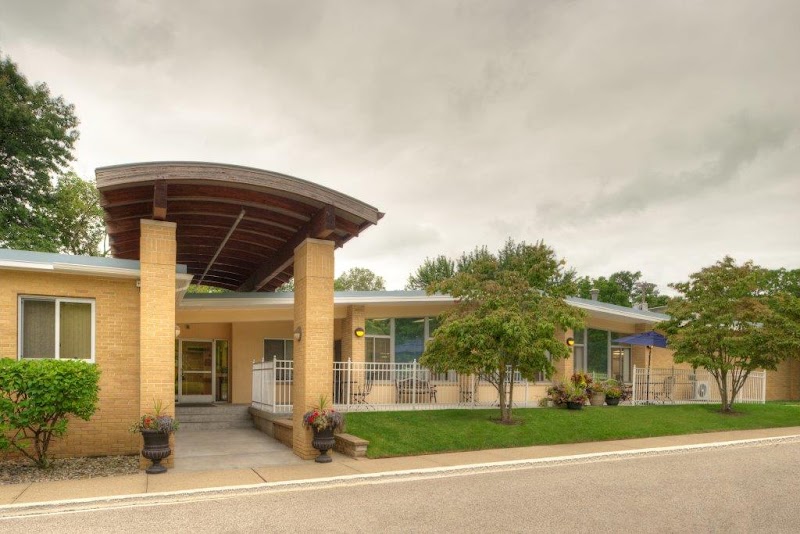
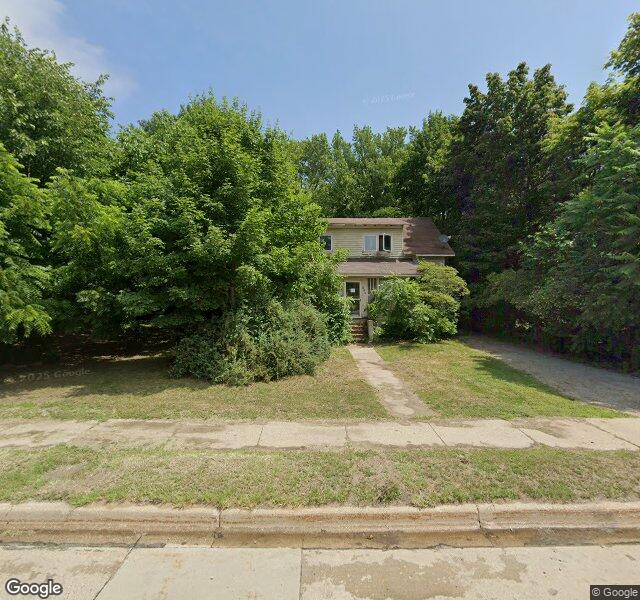
South Haven Nursing and Rehabilitation Community

850 Phillips, South Haven, MI 49090 (269) 637-5147
For profit - Limited Liability company 70 Beds ATRIUM CENTERS Data: November 2025 1 Immediate Jeopardy citation
Trust Grade
43/100
#236 of 422 in MI
Last Inspection: October 2024

Within standard 12-15 month inspection cycle. Federal law requires annual inspections.

Overview

South Haven Nursing and Rehabilitation Community has a Trust Grade of D, indicating below-average quality and some serious concerns. They rank #236 out of 422 facilities in Michigan, placing them in the bottom half, and #2 out of 2 in Van Buren County, meaning there is only one other facility in the area that is better. The facility is showing improvement, having reduced issues from 17 in 2024 to just 2 in 2025, which is a positive sign. Staffing is average with a 45% turnover rate, similar to the state average, and there are no fines on record, which is a good indicator. However, there have been critical incidents, such as a resident eloping from the facility without staff knowledge, which poses serious safety risks, and a serious incident involving a resident who fell and suffered significant injuries. Overall, while there are strengths such as improving trends and no fines, the safety concerns highlight the need for careful consideration.

Trust Score
D
43/100
In Michigan
#236/422
Bottom 45%
Safety Record
High Risk
Review needed
Inspections
Getting Better
17 → 2 violations
Staff Stability
○ Average
45% turnover. Near Michigan's 48% average. Typical for the industry.
Penalties
✓ Good
No fines on record. Clean compliance history, better than most Michigan facilities.
Skilled Nurses
○ Average
Each resident gets 38 minutes of Registered Nurse (RN) attention daily — about average for Michigan. RNs are the most trained staff who monitor for health changes.
Violations
⚠ Watch
51 deficiencies on record. Higher than average. Multiple issues found across inspections.
★★★☆☆
3.0
Overall Rating
★★★☆☆
3.0
Staff Levels
★★★★★
5.0
Care Quality
★★☆☆☆
2.0
Inspection Score
Stable
2024: 17 issues
2025: 2 issues

The Good

  • 5-Star Quality Measures · Strong clinical quality outcomes
  • Full Sprinkler Coverage · Fire safety systems throughout facility
  • No fines on record
  • Staff turnover below average (45%)

    3 points below Michigan average of 48%

Facility shows strength in quality measures, fire safety.

The Bad

3-Star Overall Rating

Near Michigan average (3.1)

Meets federal standards, typical of most facilities

Staff Turnover: 45%

Near Michigan avg (46%)

Typical for the industry

Chain: ATRIUM CENTERS

Part of a multi-facility chain

Ask about local staffing decisions and management

The Ugly 51 deficiencies on record

1 life-threatening 1 actual harm
Jun 2025 2 deficiencies 1 IJ
CRITICAL (J) 📢 Someone Reported This

A family member, employee, or ombudsman was alarmed enough to file a formal complaint

Immediate Jeopardy (IJ) - the most serious Medicare violation

Accident Prevention (Tag F0689)

Someone could have died · This affected 1 resident

**NOTE- TERMS IN BRACKETS HAVE BEEN EDITED TO PROTECT CONFIDENTIALITY** This citation pertains to intake: MI00151221 Based on observation, interview, and record review the facility failed to ensure th...

Read full inspector narrative →
**NOTE- TERMS IN BRACKETS HAVE BEEN EDITED TO PROTECT CONFIDENTIALITY** This citation pertains to intake: MI00151221 Based on observation, interview, and record review the facility failed to ensure the safety and prevent an elopement of 1 (Resident #1) of 2 residents who were assessed to be at risk for elopement, resulting in an Immediate Jeopardy when Resident #1 left the premises alone, unbeknownst to staff, and was later observed (by a staff member who happened to drive by) walking along the road on 2/28/25, and was returned to the facility at approximately 3:30 pm. The elopement placed Resident #1 at risk serious harm, serious injury, and/or death. Findings include: The facility failed to ensure the safety and prevent an elopement of Resident #1 who left the premises unbeknownst to staff and was observed walking alone along the road by a staff member on 2/28/25, placing Resident #1 at risk for and resulted in the likelihood for serious harm, injury, and/or death. Nursing Home Administrator A was notified of the Immediate Jeopardy on 6/17/25 at 1:05 pm. The surveyor confirmed by observation, interview, and record review, that the Immediate Jeopardy was removed on 2/28/25, and the deficient practice corrected, on 3/4/25, prior to the start of the survey and was therefore past noncompliance. Review of an Facesheet revealed Resident #1 was a male who was originally admitted to the facility on [DATE] and had pertinent diagnoses which included: unspecified dementia, unspecified mood disorder, unsteadiness on feet, and a need for assistance with personal care. Review of a Minimum Data Set (MDS) assessment for Resident #1, with a reference date of 1/14/2025 revealed a Brief Interview for Mental Status (BIMS) score of 3/15 which indicated Resident #1 was severely cognitively impaired. (BIMS score 0-7 indicates severe cognitive impairment). At facility entrance on 6/17/25 at 7:35 am, signage was observed posted on the window next to the front entrance door indicating that residents should not be let out of the building, and to alert staff if a resident is trying to exit the building, and to ensure that the door is closed all of the way after you exit the building. On 6/17/25 at 8:00 am, signage was observed posted on the window next to an emergency exit door near the chapel indicating that residents should not be let out of the building, and to alert staff if a resident is trying to exit the building, and to ensure that the door is closed all of the way after you exit the building. On 6/17/25 at 8:03 am, signage was observed posted on the window next to the front entrance door indicating that visitors attempting to exit the building needed staff assistance to open the door and to not push on the door unless it was an emergency. Medical Records (MR) W was observed approaching the front entrance door to enter a code and allowed someone (a visitor) into the building after the visitor pulled on the door from the outside and activated the alarm. In an interview on 6/17/25 at 9:13 am Nursing Home Administrator (NHA) A provided surveyor with an investigation report, and reported Resident #1 did elope from the building on 2/28/25. NHA A reported Resident #1 was last seen on 2/28/25 by an employee of the activity department at approximately 1:45 pm when they returned to the facility following an outing, and that Resident #1 was last seen approximately 15 minutes before being found outside by his assigned CNA (certified nursing assistant) J. In an interview on 6/17/25 at 10:18 am, Business Office Manager (BOM) F reported she left the facility in her car on the afternoon of 2/28/25, and when she exited the facility driveway onto the road, she observed Resident #1 walking alone along the road. BOM F reported she stopped, asked Resident #1 what he was doing to which he replied, going to get cigarettes BOM F assisted him into her car and drove to the front entrance and escorted Resident #1 back into the building approximately 3:30 pm. Review of Care Plan for Resident #1 revealed .Problem start dated 6/20/2023 behavioral symptoms at risk for elopement from facility r/t Dx (related to diagnosis of) dementia . Resident #1 engaged alarm at exit door in corridor stating he wanted to leave facility for cigarettes, Resident #1 makes statements that he feels like his family forgot about him and wants to get back to North Carolina . goal Resident will not leave building unattended with a target date of 4/23/25 .approach (interventions) . alarms placed on resident's door for safety (start date 3/14/25), elopement assessment quarterly and PRN (as needed), provide conversation/distraction PRN offer snack/drink, offer music, movie, magazine/book, etc. resident to be in elopement book with photo/information .seek feeling/reason behind resident's actions .when necessary reinforce reason for not leaving the facility without supervision .when resident is pacing/wandering exit seeking, assess for and attempt to provide measure to meet basic needs (hunger, thirst, pain, toileting) . all with a start date of 6/20/23. Review of Elopement Risk Assessment for Resident #1 with a completion date of 8/06/2024 at 3:59 am revealed .1. is the resident physically capable of eloping out of the facility by walking or using an assistive device such as a wheelchair? Answer Yes . 2. Does the resident have a history of wandering or elopement? Answer Yes . 4. Does the resident search for spouse of family? Answer Yes . if the answer to any of the questions 2-7 is yes, the IDT (interdisciplinary team) must implement the Elopement Protocol . Review of Investigation authored and provided by NHA A on 6/17/25 revealed .at approximately 3:30 pm Resident #1 was observed by BOM F walking down the street. The BOM F was going to the bank. Resident #1 was wearing long pants, long sleeved shirt, and a winter jacket. Resident #1 is independent and ambulatory with a cane. Resident #1 was immediately assisted into BOM F's car and was brought back to the facility. Resident #1 hands were not cold .the weather at the time Resident #1 was brought back inside was 42 degrees Fahrenheit .Resident #1 was last seen by CENA (CNA) approximately 15 minutes before he was found outside .Resident recently started to have the ideation of smoking and does not remember that the facility stores his cigarettes in a lock box .Resident was identified as an elopement risk on 11/18/2024, the elopement protocol was implemented, and the resident was identified in the elopement book . Review of Investigation Statement dated 2/28/25 revealed Certified Nursing Assistant (CNA) J was the assigned CNA to Resident #1 when he eloped from the building. CNA J reports that he last seen the resident approximately 15 minutes before he was found outside, and CNA J was immediately assigned to 1:1 supervision of Resident #1 when he was returned to the unit. Repeated attempts to contact CNA J were unsuccessful. No contact was made with CNA J by the time of survey exit. In an interview on 6/17/25 at 10:44 am Licensed Practical Nurse (LPN) S reported Resident #1's room was directly across the hall from the nurse's station and that Resident #1 loved to walk to the door and look out at the parking lot. LPN S stated he frequently looked out the window at the cars in the parking lot. LPN S reported that Resident #1 did push on the doors from time to time setting off the alarms. LPN S reported Resident #1 got out of the building, and no one knew he was missing, he was found and brought back. On 6/17/25 from 10:45 am to 11:00 am this surveyor walked the facility property, along the roadway where Resident #1 was located by staff on 2/28/25. This surveyor observed that directly in front of the facility, along the roadway there was no sidewalk, the sidewalk was present across the street only. The road was a two-lane divided highway with a turn lane (total of 3 lanes) with a speed limit of 35 MPH (miles per hour). In an interview on 6/17/25 at 12:07 pm, Activities Assistant (AA) D reported he didn't know anything about Resident #1 getting out of the building. AA D reported Resident #1 had been on the activity department outing for lunch on 2/28/25. AA D reported he had accompanied Resident #1 back to his room when they returned from the outing because he (Resident #1) doesn't remember how to get there (to his room). AA D reported he left Resident #1 in his room at about 1:30 pm that day. AA D reported that Resident #1 was amazed by white cars and spent significant time looking out the window at white cars. AA D reported that Resident #1 would drift off to get a better look at a white car, and that Resident #1 was known to slip away and walk down the street when on an outing. AA D reported Resident #1 would be fascinated by things and would follow his interest. In an interview on 6/17/25 at 12:43 pm, CNA I reported that Resident #1 would come out of his room to check the doors. CNA I reported that staff referred to Resident #1 as our security and he would walk to the doors, look outside, push on the doors and when the alarm sounded, he would back away. When queried if Resident #1 did that often, CNA I stated Yes, he always did that, it was his routine to check the doors. When further queried about why Resident #1 would check the doors CNA I stated he was trying to get out. In an interview on 6/17/25 at 1:27 pm, Activities Director (AD) E reported she would take Resident #1 on walks in the parking lot when he wanted to look at the white cars. AD E reported it was important to monitor resident's whereabouts if they were elopement risks, and she would encourage activity participation to keep an eye on residents who were elopement risks. In an interview on 6/17/25 at 1:37 pm, CNA H reported that Resident #1 was on normal every 2 hour checks before he eloped from the building and was placed on 15-minute checks after he eloped. In an interview on 6/17/25 at 1:54 pm CNA K and CNA M reported that Resident #1 enjoyed checking the doors and looking out the window at white cars in the parking lot. CNA M reported Resident #1 looked at white cars in the parking lot almost every day. In an interview on 6/17/25 at 2:25 pm Housekeeping Supervisor (HS) R reported that Resident #1 looked out the window at the cars in the parking lot frequently. In an interview on 6/17/25 at 2:30 pm, CNA O reported that Resident #1 was obsessed with white cars and loved to look out the window. In an interview on 6/18/25 at 9:35 am, Maintenance Supervisor (MS) U reported he checks the door alarms to every door in the building daily. There was no inoperable door alarm when Resident #1 eloped from the building. MS U reported that Resident #1 would stand at the window at the end of the west hall facing the parking lot and talk about all of the white cars in the parking lot. MS U reported that Resident #1 would push on the door and set off the alarm and then when the alarm sounded, he would back away from the door. In an interview on 6/18/25 at 10:26 am, Social Service Director (SSD) X reported Resident #1 was fascinated with white vehicles and cigarettes. SSD X reported she recalled that Resident #1 was trying to get to town to get cigarettes when he eloped from the building. SSD X reported that Resident #1 would go through spurts when he would want to leave the building. SSD X reported Resident #1 had a pattern of wanting to look out the window at the white cars and was fixated on cigarettes. SSD X reported that Resident #1 would go outside supervised with AD E to smoke. SSD X reported that Resident #1's guardian had granted privileges for Resident #1 to go outside to smoke to curtail his behaviors of exit seeking. SSD X reported that Resident #1 was quiet, but his mood would change, and Resident #1 would ask where home was, to go outside to smoke, and to see the white cars in the parking lot; SSD X reported staff would know his behavior was ramping up and Resident #1 would need to be watched closely. SSD X reported when Resident #1 verbalized wanting to go out and look at cars or wanting cigarettes he was placed on 15- or 30-minute checks. When queried if Resident #1's change in behavior towards leaving the building, fixation on white cars and cigarettes, pattern of looking out the windows, specifically asking where home was and to go outside to smoke, and the ramping up of exit seeking behaviors was noted, documented, monitored, or communicated with all staff, SSD X stated I don't know if we captured it in his record. When further queried, SSD X reviewed Resident #1's medical record and reported she did not locate any documentation that Resident #1 had increased behaviors or had been placed on 15- or 30- minute checks in the six months prior to his elopement from the building. SSD X reported the IDT team discussed Resident #1's elevated mood in morning meeting and the nursing staff was notified of Resident #1's elevated mood in a text message. When queried what information the nursing staff text message contained, SSD X stated I don't know about that, because I am not included. SSD X reported the communication to staff for increased supervision for Resident #1 was verbal. SSD X reported when a resident has specific behaviors, those behaviors should be documented, and the monitoring of behavior occurrences should be documented in the resident records. SSD X reviewed Resident #1's record and reported there was no documentation of monitoring specific behaviors and no indication that Resident #1 needed increased supervision until 2/28/25 when he was found alone outside of the building and was placed on one-to-one supervision. Review of Resident #1's medical record revealed no noted specific behaviors that Resident #1 displayed, nor any behavior monitoring. Requested behavior logs from NHA via email on 6/18/25 at 11:58 am. On 6/18/25 at 1:16 pm NHA A replied in an e-mail to the request for Resident #1's behavior logs any changed in behavior from baseline would be noted in a progress note. No behavior logs for Resident #1 were provide by the facility by the time of exit. In an interview on 6/18/25 at 1:25 pm, Unit Manager/Licensed Practical Nurse (UM/LPN) Z reported she did not have anything to do with behavior monitoring. UM/LPN Z reported behavior monitoring was not specific for residents; it was a standing order that was triggered at admission. In an interview on 6/18/25 at 1:32 pm Director of Nursing (DON) B reported every resident in the building was on behavior monitoring and it was a blanket order that was standardized, nothing was specific or individualized to residents. DON B reported that Resident #1 did not have specific interventions in his care plan related to his specific behaviors. DON B stated we don't monitor behaviors, no one was told to monitor Resident #1 as his behaviors escalated. DON B reported Resident #1 liked white cars and was fixated on cigarettes. At 1:45 pm on 6/18/25, during the interview with DON B; NHA A entered the office, joined the interview and stated, Resident #1 used to sit at the window and watch cars, specifically, white cars. When DON B was queried, if Resident #1's fixation on white cars or cigarettes was noted anywhere for staff to reference, DON B stated No paused and then stated Oh, I see where this is going. The Immediate Jeopardy began on 2/28/25 was removed on 2/28/25 when the facility took the following actions to remove the immediacy: 1) Resident #1 was assessed immediately upon being brought into the facility. It was documented as follows: progress note for DON B on 2/28/25 at 5:34 pm, elopement risk assessment on 2/28/25 at 4:08 pm, skin assessment on 2/28/25 at 5:20 pm, pain assessment on 2/28/25 at 5:46 pm. Resident #1 demonstrated no injuries. Resident #1 did not appear to be in psychosocial distress. SSD X sent referral to nearby memory care units with guardian's permission on 3/3/25. 2) Resident #1 was immediately placed on a 1:1 on 2/25/25 at 4:08 pm. Resident #1 remained on 1:1 supervision until 3/14/25 when the 1:1 was removed for third shift only. Resident was placed on q15 (every 15) minute checks for third shift on 3/14/25. Administrator also placed alarms on Resident #1's door for safety. On 3/17/25 Resident #1 was placed on q15 minute checks for all shifts with IDT monitoring and no exit seeking behavior. 3) On 3/24/25, a nearby memory care unit accepted Resident #1 and he was discharged from the facility at approximately 10:05 am. 4) Facility completed elopement assessments on all other residents on 2/28/25 with no new residents identified at the time as a risk. 5) Administrator, DON, and Social Service Director audited elopement book for accuracy on 2/28/25 and implemented a weekly audit to ensure compliance with elopement policy and procedures. 6) Interdisciplinary team discussed elopement policy and procedures in ADHOC QAPI on 2/28/25 and monthly QAPI on 3/27/25 to ensure elopement policy and procedures were in place and effective. 7) Signage posted on all EXIT doors on 2/28/25 by administrator at approximately 5 pm to indicate to all visitors to ensure no resident exit the building and to ensure the door is closed completely before leaving the area. 8) All residents were reassessed on 2/28/25 and no additional residents were identified as elopement risks. 9) All door alarms were checked and functioning properly on 2/28/25 at approximately 5 pm by the Maintenance Director. During the onsite survey, past noncompliance (PNC) was cited after the facility implemented actions to correct the noncompliance which included 1) All staff were educated on the elopement policy and procedure, elopement identification and additional resources to prevent elopements on 2/28/25. The current staff at the facility were educated immediately in person by the administrator. Administrator posted to this education to all staff on the Group Me application (an application that allows for mass messages to be sent and received on phones and/or electronic devices to many different recipients at one time) on 2/28/25 at 7:30 pm. An education binder with all education material was also placed at the EAST nurses' station. As new staff is hired, they will continue to be educated on these policies and procedures. 2) The facility's plan for when a resident is exit seeking is to notify their immediate supervisor who will then notify the DON and/or Administrator. Staff were educated this is something to report immediately. Staff was educated on the possible reasons for elopement and the possible strategies for avoiding such behavior. Staff was also educated on the expectations of being assigned the person doing the 1:1 supervision. 3) Periodically conduct elopement drills for all staff to ensure competency and effectiveness of all staff education on elopements. Quarterly elopement drills will be conducted. The first drill occurred on 4/1/25. 4) Weekly audits of the elopement book starting on 2/28/25 to monitor any current or new identified elopement risk residents. 5) Continued daily door alarm checks to ensure the door alarms are functioning properly to prevent further elopements. 6) Initial social service assessment and quarterly psychosocial assessments completed to ensure any newly identified elopement risk residents have effective interventions in place. 7) Door codes will continue to be changed monthly. The facility was able to demonstrate monitoring of the corrective action and maintained compliance.
CONCERN (D) 📢 Someone Reported This

A family member, employee, or ombudsman was alarmed enough to file a formal complaint

Potential for Harm - no one hurt, but risky conditions existed

Comprehensive Care Plan (Tag F0656)

Could have caused harm · This affected 1 resident

**NOTE- TERMS IN BRACKETS HAVE BEEN EDITED TO PROTECT CONFIDENTIALITY** This citation pertains to intake: MI00151221 Based on observation, interview, and record review the facility failed to develop a...

Read full inspector narrative →
**NOTE- TERMS IN BRACKETS HAVE BEEN EDITED TO PROTECT CONFIDENTIALITY** This citation pertains to intake: MI00151221 Based on observation, interview, and record review the facility failed to develop and implement person centered care plans for 2 (Resident #1 and Resident #3) of 3 residents reviewed for care plan development and implementation resulting in Resident #1 exiting the facility unsupervised and the potential for Resident #3 to elope from the facility. Findings include: Resident #1 Review of an Facesheet revealed Resident #1 was a male who was originally admitted to the facility on [DATE] and had pertinent diagnoses which included: unspecified dementia, unspecified mood disorder, unsteadiness on feet, and a need for assistance with personal care. Review of a Minimum Data Set (MDS) assessment for Resident #1, with a reference date of 1/14/2025 revealed a Brief Interview for Mental Status (BIMS) score of 3/15 which indicated Resident #1 was severely cognitively impaired. (BIMS score 0-7 indicates severe cognitive impairment). On 6/17/25 at 8:00 am, signage was observed posted on the window next to an emergency exit door near the chapel indicating that residents should not be let out of the building, and to alert staff if a resident is trying to exit the building, and to ensure that the door is closed all of the way after you exit the building. Review of Care Plan for Resident #1 revealed .Problem start dated 6/20/2023 behavioral symptoms at risk for elopement from facility r/t Dx (related to diagnosis of) dementia . Resident #1 engaged alarm at exit door in corridor stating he wanted to leave facility for cigarettes, Resident #1 makes statements that he feels like his family forgot about him and wants to get back to North Carolina . goal Resident will not leave building unattended with a target date of 4/23/25 .approach (interventions) . alarms placed on resident's door for safety (start date 3/14/25), elopement assessment quarterly and PRN (as needed), provide conversation/distraction PRN offer snack/drink, offer music, movie, magazine/book, etc. resident to be in elopement book with photo/information .seek feeling/reason behind resident's actions .when necessary reinforce reason for not leaving the facility without supervision .when resident is pacing/wandering exit seeking, assess for and attempt to provide measure to meet basic needs (hunger, thirst, pain, toileting) . all with a start date of 6/20/23. Review of Elopement Risk Assessment for Resident #1 with a completion date of 8/06/2024 at 3:59 am revealed .1. is the resident physically capable of eloping out of the facility by walking or using an assistive device such as a wheelchair? Answer Yes . 2. Does the resident have a history of wandering or elopement? Answer Yes . 4. Does the resident search for spouse of family? Answer Yes . if the answer to any of the questions 2-7 is yes, the IDT (interdisciplinary team) must implement the Elopement Protocol . In an interview on 6/17/25 at 9:13 am Nursing Home Administrator (NHA) A provided surveyor with an investigation report, and reported Resident #1 did elope from the building on 2/28/25. NHA A reported Resident #1 was last seen on 2/28/25 by an employee of the activity department at approximately 1:45 pm when they returned to the facility following an outing, and that Resident #1 was last seen approximately 15 minutes before being found outside by his assigned CNA (certified nursing assistant) J. In an interview on 6/17/25 at 10:18 am, Business Office Manager (BOM) F reported she left the facility in her car on the afternoon of 2/28/25, and when she exited the facility driveway onto the road, she observed Resident #1 walking alone along the road. BOM F reported she stopped, asked Resident #1 what he was doing to which he replied, going to get cigarettes BOM F assisted him into her car and drove to the front entrance and escorted Resident #1 back into the building approximately 3:30 pm. In an interview on 6/17/25 at 10:44 am Licensed Practical Nurse (LPN) S reported Resident #1 loved to walk to the door and look out at the white cars in the parking lot. LPN S reported that Resident #1 did push on the doors from time to time setting off the alarms. In an interview on 6/17/25 at 12:07 pm, Activities Assistant (AA) D reported Resident #1 was amazed by white cars and spent significant time looking out the window at white cars. AA D reported that Resident #1 would drift off to get a better look at a white car. In an interview on 6/17/25 at 12:43 pm, CNA I reported that Resident #1 had a routine where he would check the doors, he would look outside, push on the door, and engage the alarm. CNA I reported that Resident # 1 was trying to exit the building when he was checking the doors. In an interview on 6/17/25 at 1:27 pm, Activities Director (AD) E reported she would take Resident #1 on walks in the parking lot when he wanted to look at the white cars. AD E reported it was important to monitor resident's whereabouts if they were elopement risks. When asked how staff knew Resident #1 needed to be monitored for elopement risk, AD E reported the staff just knew when to do it. In an interview on 6/17/25 at 1:54 pm CNA K and CNA M reported that Resident #1 enjoyed checking the doors and looking out the window at white cars in the parking lot. CNA M reported Resident #1 looked for white cars in the parking lot almost every day. In an interview on 6/17/25 at 2:25 pm Housekeeping Supervisor (HS) R reported that Resident #1 looked out the window at the cars in the parking lot frequently. In an interview on 6/17/25 at 2:30 pm, CNA O reported that Resident #1 was obsessed with white cars and loved to look out the window. In an interview on 6/18/25 at 10:26 am, Social Service Director (SSD) X reported Resident #1 was fascinated with white vehicles and cigarettes. SSD X reported she recalled that Resident #1 was trying to get to town to get cigarettes when he eloped from the building. SSD X reported Resident #1 had a pattern of wanting to look out the window at the white cars. SSD X reported that Resident #1's guardian had granted privileges for Resident #1 to go outside to smoke to curtail his behaviors of exit seeking. SSD X reported that Resident #1 would ask where home was, to go outside to smoke, and to see the white cars in the parking lot; SSD X reported staff would know his behavior was ramping up and Resident #1 would need to be watched closely. SSD X reported when Resident #1 verbalized wanting to go out and look at cars or wanting cigarettes he was placed on 15- or 30-minute checks. When queried if Resident #1's change in behavior towards leaving the building, fixation on white cars and cigarettes, pattern of looking out the windows, specifically asking where home was and to go outside to smoke, and the ramping up of exit seeking behaviors was noted, documented, monitored, or communicated with all staff, SSD X stated I don't know if we captured it in his record. In an interview on 6/18/25 at 1:32 pm Director of Nursing (DON) B reported every resident in the building was on behavior monitoring and it was a blanket order that was standardized, nothing was specific or individualized to residents. DON B reported that Resident #1 did not have specific interventions in his care plan related to his specific behaviors. DON B stated we don't monitor behaviors, no one was told to monitor Resident #1 as his behaviors escalated. DON B reported Resident #1 liked white cars and was fixated on cigarettes. At 1:45 pm on 6/18/25, during the interview with DON B; NHA A entered the office, joined the interview and stated, Resident #1 used to sit at the window and watch cars, specifically, white cars. When DON B was queried, if Resident #1's fixation on white cars or cigarettes was noted in his care plan anywhere for staff to reference, DON B stated No paused and then stated Oh, I see where this is going. Resident #3 Review of an Facesheet revealed Resident #3 was a female who was originally admitted to the facility on [DATE] and had pertinent diagnoses which included: unspecified dementia. Review of a Minimum Data Set (MDS) assessment for Resident #3, with a reference date of 6/9/2025 revealed a Brief Interview for Mental Status (BIMS) score of 5/15 which indicated Resident #5 was severely cognitively impaired. (BIMS score 0-7 indicates severe cognitive impairment). Review of Care Plan for Resident #3 revealed .Problem start dated 3/20/2025 At risk for elopement form the facility r/t impaired cognition .goal Resident will not leave building unattended .approach (interventions) . elopement assessment quarterly and PRN (as needed), provide conversation/distraction PRN offer snack/drink, offer music, movie, magazine/book, etc. resident to be in elopement book with photo/information .resident to be on designated timed checks .seek feeling/reason behind resident's actions .when necessary reinforce reason for not leaving the facility without supervision .when resident is pacing/wandering exit seeking, assess for and attempt to provide measure to meet basic needs (hunger, thirst, pain, toileting) . all with a start date of 3/20/25. Review of Elopement Risk Assessment for Resident #3 with a completion date of 2/28/25 at 4:04 pm revealed .1. is the resident physically capable of eloping out of the facility by walking or using an assistive device such as a wheelchair? Answer Yes . 2. Does the resident have a history of wandering or elopement? Answer Yes . 3. Does the resident verbalized the desire to leave the facility or return home? Answer Yes .4. Does the resident search for spouse of family? Answer Yes . 6. Has the resident stood or sat at a locked door waiting for someone to let them out when they go through the door? Answer Yes 7. If the answer to the last question is Yes, has the resident attempted to go out the door unattended? Answer Yes .if the answer to any of the questions 2-7 is yes, the IDT (interdisciplinary team) must implement the Elopement Protocol . In an interview on 6/17/25 at 1:12 pm, Registered Nurse (RN) Y reported there was only one resident in the facility that was an elopement risk. RN Y did not name Resident #3. In an interview on 6/17/25 at 1:20 pm LPN S reported that Resident #3 was an elopement risk, and she had a pattern of looking for family in the evening but there was no resident who would exit seek in the building. Review of Elopement Book located on the [NAME] Nurse's station revealed Resident #3's picture was in the book and was noted that Resident #3 would look for her mother. In an interview on 6/17/25 at CNA H reported she worked on the EAST unit, and there were no residents who were elopement risks at this time. In an interview on 6/17/25 at 1:54 pm, CNA K reported that Resident #3 would look for her family in the evening. In an interview on 6/17/25 at 2:00 pm, LPN T reported the staff did not monitor residents for behaviors, did not have behavior logs, and she was not aware of any residents who had specific care plan interventions in place. In an interview on 6/18/25 at 12:30 pm, LPN S reported floor nurses create the baseline care plan, but any specific interventions were done by the leadership nurses and MDS nurse. In an interview on 6/18/25 at 12:24 DON B reported all the nurses were responsible for care plan interventions but Minimum Data Set (MDS) V nurse was ultimately responsible to create resident care plans. In an interview on 6/18/25 at 12:45 pm MDS V reported he was responsible for the creation of care plans and the interventions. MDS V reported he used the computer program to create the care plan from a template. MDS V reported the preference of the facility was to use pre-selected interventions and not create interventions. MDS V reported care plans should be resident specific and individualized and the pre-selected care plans were not resident specific nor individualized. MDS V reported there was an area in the template care plans where text could be entered but that they do not typically customize interventions. In an interview on 6/18/25 at 1:25pm Unit Manager/Licensed Practical Nurse (UM/LPN) Z reported most care plans were templates. UM/LPN Z reported the care plan could be customized or added to if needed. In an interview on 6/18/25 at 1:32 pm DON B reported the facility did not monitor behaviors and Resident #3 was not being monitored. DON B reported there was not specific interventions in Resident #3's care plan related to elopement risk.
Oct 2024 13 deficiencies
CONCERN (D) 📢 Someone Reported This

A family member, employee, or ombudsman was alarmed enough to file a formal complaint

Potential for Harm - no one hurt, but risky conditions existed

Deficiency F0558 (Tag F0558)

Could have caused harm · This affected 1 resident

**NOTE- TERMS IN BRACKETS HAVE BEEN EDITED TO PROTECT CONFIDENTIALITY** Based on observation, interview, and record review, the facility failed to ensure call lights were in reach for 1 (Resident #8) ...

Read full inspector narrative →
**NOTE- TERMS IN BRACKETS HAVE BEEN EDITED TO PROTECT CONFIDENTIALITY** Based on observation, interview, and record review, the facility failed to ensure call lights were in reach for 1 (Resident #8) of 20 residents reviewed for accommodation of needs, resulting in the inability to call for staff assistance and the potential for unmet care needs. Findings include: Review of an admission Record revealed Resident #8 was originally admitted to the facility on [DATE] with pertinent diagnoses which included unsteadiness on feet. Review of a Minimum Data Set (MDS) assessment for Resident #8, with a reference date of 8/7/24 revealed a Brief Interview for Mental Status (BIMS) score of 9/15 which indicated Resident #8 was moderately cognitively impaired. Review of Resident #8's Care Plan revealed, Category: ADLs (Activities of daily living) Functional Status/Rehabilitation Potential. Alteration in ADLs - self care deficit r/t (related to) H/O (history of) CVA (cerebrovascular accident-a stroke) with L sided weakness .Problem start date:3/27/17 .Approach: .Call light to be within reach . During an observation on 9/25/24 at 10:04 AM, Resident #8 was lying in his bed. His call light was noted to be on the floor and out of reach. During an observation and interview on 9/25/24 at 12:27 PM, Resident #8 was sitting up in his bed. Resident #8 reported that he used his call light to ask for help when he needed it, but sometimes he could not find his call light. During an observation and interview on 9/26/24 at 9:05 AM, Resident #8 was lying in bed. Resident #8's call light was noted to be on the top left side of his bed. It was noted that Resident #8 was not able to reach his call light when asked if he was able to use his call light. During an observation on 9/27/24 at 10:02 AM, Resident #8 was lying in bed. Resident #8's call light was noted to be under his bed and out of Resident #8's reach. During an interview on 9/27/24 at 1:34 PM, Certified Nursing Assistant (CNA) Y reported that Resident #8 did use his call light to ask for assistance from staff when needed.
CONCERN (D)

Potential for Harm - no one hurt, but risky conditions existed

Comprehensive Care Plan (Tag F0656)

Could have caused harm · This affected 1 resident

Based on interview and record review, the facility failed to develop and implement a comprehensive, person-centered care plan for 1 (Resident #42) of 5 residents reviewed for medications, resulting in...

Read full inspector narrative →
Based on interview and record review, the facility failed to develop and implement a comprehensive, person-centered care plan for 1 (Resident #42) of 5 residents reviewed for medications, resulting in an incomplete reflection of the resident's care and monitoring needs for anticoagulant therapy. Findings include: Resident #42 Review of an admission Record revealed Resident #42 was a female, with pertinent diagnoses which included: congestive heart failure and hypertension (high blood pressure). Review of a Physician's Order revealed Resident #42 was prescribed an anticoagulant, Eliquis (apixaban) tablet; 2.5 mg (milligrams); amt (amount): 2.5 mg; oral Special Instructions: DX (diagnosis): HX (history) DVT (deep vein thrombosis - a blood clot) Twice A Day . with a start date of 7/9/24. Review of Resident #42's current Care Plan revealed no care planned problem, goal, or approach related to Resident #42's anticoagulant therapy. In an interview and record review on 9/26/24 at 2:27 PM, MDS Coordinator (MDSC) EE reported that he was responsible for creating care plans for high-risk medications, including anticoagulants. MDSC EE reported it was important to care plan anticoagulants because of their potential side effects, including heavy bruising. MDSC EE reviewed Resident #42's current Care Plan with this surveyor and reported there was no care plan in place for her Eliquis but that there should have been. In an interview on 10/1/24 at 9:43 AM, Director of Nursing (DON) B reported care plans should be created for high-risk medications, including anticoagulants, because there were potential side effects to the residents on those medications that staff needed to be aware of and to watch for.
CONCERN (D)

Potential for Harm - no one hurt, but risky conditions existed

Deficiency F0688 (Tag F0688)

Could have caused harm · This affected 1 resident

**NOTE- TERMS IN BRACKETS HAVE BEEN EDITED TO PROTECT CONFIDENTIALITY** Based on observation, interview, and record review, the facility failed to implement care plan interventions to prevent worsenin...

Read full inspector narrative →
**NOTE- TERMS IN BRACKETS HAVE BEEN EDITED TO PROTECT CONFIDENTIALITY** Based on observation, interview, and record review, the facility failed to implement care plan interventions to prevent worsening of contractures for 1 (Resident #1) of 2 residents reviewed for range of motion resulting in the potential for worsening of contractures (a condition of shortening and hardening of muscles, tendons, or other tissue often leading to deformity and rigidity of joints). Findings include: Review of an admission Record revealed Resident #1 was originally admitted to the facility on [DATE] with pertinent diagnoses which included contracture of muscles. Review of Resident #1's Occupational Therapy Discharge Summary dated 5/3/24 revealed, .Discharge Recommendations: . Right hand T bar splint (a device used to treat contractures) on with am care and off at lunch or as tolerated, LUE (left upper extremity)hand roll/carrot or gauzed during as tolerated and LUE elbow position device on with AM care and off at lunch or as tolerated . Review of Resident #1's Care Plan revealed, Category: ADLs (Activities of daily living) Functional Status/Rehabilitation Potential. Alteration in ADLs - self care deficit r/t (related to) quadriplegia . Problem start date: 5/1/2019. Approach: after PROM (passive range of motion) to BUE (bilateral upper extremities) with AM care place dark blue hand roll with Velcro in right hand, and gauze in L hand, remove at lunch or as tolerated by patient. Approach date: 9/30/24 . During an observation on 9/25/24 at 11:46 AM, Resident #1 was sitting in his wheelchair in the dining room. It was noted that Resident #1 was not wearing any splints on his right hand or left hand and elbow. During an observation on 9/27/24 at 10:01 AM, Resident #1 was sitting in his wheelchair in the dining room. It was noted that Resident #1 was not wearing any splints on his right hand or left hand and elbow. During an observation on 9/27/24 at 10:44 AM, Resident #1 was lying in his bed resting. It was noted that Resident #1 was not wearing any splints on his right hand or left hand and elbow. During an interview on 9/27/24 at 10:17 AM, Physical Therapy Assistant (PTA) II reported that Resident #1 discharged from occupational therapy on 5/3/24. PTA II confirmed that at the time of Resident #1's discharge, therapy recommendation was for Resident #1 to wear a right hand t bar splint and LUE roll, hand, carrot or gauze as Resident #1 could tolerate. PTA II reported that the expectation was that the facility's Certified Nursing Assistants (CNA's) would place the splints on Resident #1 in the morning with his morning care. During an interview on 9/27/24 at 1:34 PM, CNA Y reported that Resident #1 did not typically refuse cares or wearing his assistive devices. CNA Y reported that she did think that Resident #1 was supposed to wear splints during the day. CNA Y did not know why Resident #1 was not wearing his splints on 9/27/24.
CONCERN (D) 📢 Someone Reported This

A family member, employee, or ombudsman was alarmed enough to file a formal complaint

Potential for Harm - no one hurt, but risky conditions existed

Accident Prevention (Tag F0689)

Could have caused harm · This affected 1 resident

This citation pertains to intakes MI00145027 and MI00145248. Based on observation, interview, and record review, the facility failed to ensure a safe environment and implement safety interventions for...

Read full inspector narrative →
This citation pertains to intakes MI00145027 and MI00145248. Based on observation, interview, and record review, the facility failed to ensure a safe environment and implement safety interventions for 1 (R15) of 2 residents reviewed for accidents and hazards, resulting in a fall with facial bruising and laceration that required sutures, and the increased potential for further falls with injuries. Findings include: According to the Minimum Data Set (MDS) dated 6/1124, R15 scored 5/15 (cognitively impaired) on her BIMS (Brief Interview Mental Status) with no impairments to either her arms or legs, the resident was able to independently wheel 150 feet in a corridor or similar space once seated in a wheelchair. Her diagnoses included dementia. Review of R15's Safety Event-Fall Event, event date 6/5/24, indicated at 6:10 PM the resident was discovered after wheeling down by the chapel (sic) and fell out of wheelchair. The resident had been self-ambulating in her wheelchair near the chapel prior to the fall. There were no witnesses to the fall. After the fall the resident exhibited/complained of pain to her head. Assessment of pain revealed the resident had sustained a head injury with a laceration/open area to her forehead. R15 was unable to complete ROM (range-of-motion) and experienced dizziness/lightheadedness/ headache with confusion. Possible contributing factors included balance problem and cognitive impairment. Immediate intervention included sending the resident to the ER (emergency room) for further evaluation and treatment. The intervention that was to be put in place to prevent further falls was to place yellow caution floor signs in the area of fall. The Post Fall Risk Assessment identified R15 had a history of two or more falls in the past year with injury. Medications the resident was taking at the time of fall included psychoactive, sedative, and anti-hypertensive. The resident had impaired vision and wore glasses. A fall risk evaluation after the fall gave R15 a score of 19.0 indicating she was at a high-risk level of fall probability. During an interview on 9/25/24 at 11:44 AM, Family Member (FM) FF stated, Family was told she (R15) had a fall and was sent to the hospital. Family was told she fell out of her wheelchair down by the chapel. Why was she down there by herself? How was it the person in charge of her did not know where she was? Review of R15's Care Plan, date 6/12/23, identified the resident at risk for falls and subsequent injury related to dementia, altered mental status, history of falls, limited mobility, and weakness. The goal was to prevent or reduce the occurrence of falls and subsequent injury related to falls. The approach/interventions to meet this goal included: -6/5/24 Yellow cautions floor signs by Chapel -5/3/24 Keeping resident in high traffic areas when awake -3/11/24 Husband was encouraged to let staff know when he was leaving, and staff will provide closer observation -6/20/23 Staff to assist resident to nurse's station during periods of increased confusion and when experiencing acute anxiety -5/15/24 Resident not to be left unattended in wheelchair in dining room Observed on 9/25/24 at 9:40 AM, R15 was in the dining room seated alone at a table in her wheelchair. No staff were visible. Observed on 9/25/24 at 9:45 AM, area leading to the Chapel at the intersection of the South and [NAME] halls. At the intersection was the therapy room. Just past the therapy room was a ramp descending down to the Chapel. No yellow caution signs or strips were in place to warn of the descent. During an observation and interview on 9/26/24 at 8:50 AM, R15 was in the dining room seated alone at a table in a wheelchair. Four other residents were in the dining area finishing up their breakfast. No staff were present. The wheelchair's right foot pedal was folded down and her foot on it. The left foot pedal was extended in front of her with it folded up. Resident had slight yellowing bruises to her face on her cheeks and under her eyes. A light red scar was on her forehead. During an observation and interview on 9/26/24 at 9:10 AM Certified Nursing Assistant (CNA) DD stated, I take care of (R15) quite a bit. I was off when she fell. She will move herself around the facility in her wheelchair. Sometimes when her husband comes in, he will transfer her into her bed without assistance. Staff have to keep her in the common area to watch her because she will wander away and will try to transfer without help. Observed R15 sitting in wheelchair by nursing station. One foot pedal was turned up and the other was folded down. The resident tried to shuffle her feet on the floor and her legs became tangled in the foot pedals. During an interview and record review on 9/26/24 at 12:36 PM Director of Nursing (DON) B stated while reviewing R15's medical record, (R15) has had a few falls since she was admitted . She tries to self-ambulate in her wheelchair and will go all over in the halls, so staff try to keep her up by the East nursing station. (R15's) chart indicates she had falls on April 16 (2024), May 3 (2024) when she got a laceration over her left eye, May 15 (2024), and June 5 (2024) when she tipped over in her wheelchair by the Chapel and got stitches in her forehead. Her care plan for Falls state the facility was to apply yellow strips to the floor at the start of the ramp to the chapel as an intervention after this fall. The strips were never put down. I'm going to remove this from (R15's) care plan. It was noted R15's Care Plan was revised on 9/26/24 at 2:37 PM by DON B. During an interview on 9/26/24 at 3:25 PM Registered Nurse (RN) O stated, (R15) had a bad fall on 6/5/24. I was not her nurse. That nurse no longer works at facility. (R15) resides on the East side of the building. She is always self-ambulating in her wheelchair all over the facility. On that day, 6/5/24, I saw (R15) wheeling down by my station on the [NAME] side of the building. Then go down the hall towards therapy where the chapel on the South Hall. The chapel has a ramp that goes down to it and is not very safe. Can you imagine a resident in a wheelchair going down that ramp? The next thing I heard was (LPN O) yelling for help because she had found (R15) had fallen. When I got there (R15) was at the bottom of the ramp into the chapel. She and her wheelchair had tipped over onto the left side. There was blood all over the place and she had a laceration on her forehead. I called 9-1-1 and (R15) was sent out to the ER. (R15) still goes around the facility and she is fast. If she can't wheel herself around using her feet, she uses the handrails. That ramp is dangerous. There were never any yellow strips put on the floor. Review of R15's Progress Note dated 6/5/24 6:19 PM, revealed, Resident was observed on the floor down by the chapel by the South Hall nurse .Resident was bleeding profusely from forehead .Sent resident out to hospital for further evaluation. Review of R15's Hospital After Visit Summary, dated 6/5/24, indicated the resident was seen on 6/5/24 for a fall that resulted in an injury to the resident's head including a facial laceration and traumatic hematoma of the forehead. The resident received laceration repair consisting of sutures (stitches). Review of R15's Progress Note dated 6/6/24 1:47 AM, revealed, Resident arrived back to the facility from (name of area hospital ER) .stated she was having pain in her head . Review of R15's Progress Note dated 6/7/24 4:48 AM, revealed, .continues to have swelling around bilateral eye lids with purple and black bruising. Resident has sutures to forehead . Attempt to contact Licensed Practical Nurse (LPN) V on 9/26/24 at 3:40 PM leaving a message to return call. No contact was made by survey exit 10/1/24 at 5:30 PM.
CONCERN (D)

Potential for Harm - no one hurt, but risky conditions existed

Medication Errors (Tag F0758)

Could have caused harm · This affected 1 resident

**NOTE- TERMS IN BRACKETS HAVE BEEN EDITED TO PROTECT CONFIDENTIALITY** Based on interview and record review, the facility failed to attempt a required Gradual Dose Reduction (GDR) of antidepressant a...

Read full inspector narrative →
**NOTE- TERMS IN BRACKETS HAVE BEEN EDITED TO PROTECT CONFIDENTIALITY** Based on interview and record review, the facility failed to attempt a required Gradual Dose Reduction (GDR) of antidepressant and antipsychotic medications for 1 (Resident #22) of 5 residents reviewed for unnecessary medications, resulting in the potential that the resident was receiving the medication at an unnecessary dose or for an unnecessary length of time. Findings include: Resident #22 Review of an admission Record revealed Resident #22 was originally admitted to the facility on [DATE] with pertinent diagnoses which included unspecified mood affective disorder. Review of Resident #22's Physician's Orders revealed, Olanzapine (Antipsychotic medication). 2.5 mg (milligrams) twice a day. Start date 7/16/24 . Olanzapine. 5 mg at bedtime. Start date: 7/16/24 Sertaline (Antidepressant medication). 25 mg daily. Start date: 7/16/24 . Review of Resident #22's Care Plan revealed, (Resident #22) has a DX (diagnosis) of psychosis, delusional disorder, dementia with behaviors and experiences resistance with care, inappropriate comments towards staff, and receives antipsychotic medication. Resident #22's mood and behaviors do vary and fluctuate . Approach: . Dose reduction as ordered. Approach date: 9/14/22 . Review of Resident #22's Psychoactive medication quarterly evaluation dated 9/18/24 and completed by Social Worker (SW) E revealed, .Description: Sertaline .Evaluation: Appears controlled .Last dosage reduction: no date noted . Review of Resident #22's Psychoactive medication quarterly evaluation dated 9/18/24 and completed by Social Worker (SW) E revealed, .Description: Olanzapine .Evaluation: Appears controlled .Last dosage reduction: no date noted . Review of Resident #22's (Local mental health provider) note dated 10/19/23 revealed, . History of present illness .Since the last encounter, (Resident #22) is now taking Nuplazid (medication used to treat hallucinations and delusions associated with Parkinson's disease), Zyprexa (antipsychotic) was successfully tapered and discontinued. There has been little improvement with this change. Staff members note that this is likely part of the course of his chronic conditions. We discussed the possibility for (Resident #22) to return on an as needed basis to minimize the amount of doctor's visits the patient has to attend. This is reasonable at this time . Review of Resident #22's (Local mental health provider) note dated 9/11/24 revealed, Found (Resident #22) at the nurses station and we went to his room to talk. Explained that I am leaving the agency at the end of September and that we are getting ready to discharge him from our services. I said that the nursing home's psychiatric provider would take care of seeing him to make sure he's on the right psychotropic medications, the right doses, and that he is doing ok on his meds and not having any problems . It was noted that this local mental health provider visit was not an assessment; rather, a visit to inform of discharge from service. Review of Resident #22's Electronic Health Record (EHR) revealed no documentation for any attempts for GDR's since October 2023, or any documentation of risks verses benefits to justify why a gradual dose reduction attempt was not indicated for Resident #22. During an interview on 9/27/24 at 1:55 PM, Director of Nursing (DON) B reported that she was unable to report the last time that Resident #22 had a GDR attempt. DON B was unable to report if there was any clinical indication to justify why the facility had not attempted a GDR of Resident #22's psychotropic medications. DON B did not know if Resident #22 was followed regularly by local mental health provider, or if the facility's physician was collaborating with the local mental health provider for Resident #22's psychotropic medication regimen. During an interview on 9/27/24 at 1:44 PM, SW E reported that Resident #22 was being followed by a (local mental health provider) and was last seen by the (local mental health provider) in October 2023. SW E did not know why Resident #22 had not been assessed by the (local mental health provider) in almost a year, and could not report who was responsible for scheduling follow up visits for Resident #22. SW E reported that the facility had not attempted any GDR's of Resident #22's psychotropic medications because he was followed by the (local mental health provider) and the facility was relying on the (local mental health) provider to determine Resident #22's need for GDR attempts. SW E reported that she was only responsible for competing the psychoactive medication quarterly evaluations for Resident #22, and she did not have any other information regarding Resident #22's psychoactive medications. SW E was unable to report how the facility was collaborating with the (local mental health provider) to manage Resident #22's psychoactive medications. The facility was not able to provide any further documentation regarding any GDR or clinical justification for why a GDR was not appropriate for Resident #22 prior to survey exit.
CONCERN (D)

Potential for Harm - no one hurt, but risky conditions existed

Deficiency F0760 (Tag F0760)

Could have caused harm · This affected 1 resident

**NOTE- TERMS IN BRACKETS HAVE BEEN EDITED TO PROTECT CONFIDENTIALITY** Based on interview and record review, the facility failed to ensure residents remained free from significant medication errors, ...

Read full inspector narrative →
**NOTE- TERMS IN BRACKETS HAVE BEEN EDITED TO PROTECT CONFIDENTIALITY** Based on interview and record review, the facility failed to ensure residents remained free from significant medication errors, when professional standards of medication administration were not followed for 1 (Resident #16) of 1 resident reviewed for insulin (works to lower blood sugar levels in your body) administration, resulting in the potential for serious adverse effects from an excessive dose of insulin. Findings include: Resident #16 Review of an admission Record revealed Resident #16 was originally admitted to the facility on [DATE], with pertinent diagnoses which included: diabetes (when the body cannot properly control blood sugar levels). Review of a Minimum Data Set (MDS) assessment for Resident #16, with a reference date of 8/9/24 revealed a Brief Interview for Mental Status (BIMS) score of 15, out of a total possible score of 15, which indicated Resident #16 was cognitively intact. In an interview on 09/26/24 at 09:18 AM, Resident #16 reported that she had received the incorrect dose of insulin about 1 week prior. Resident #16 reported that shortly following administration of her morning insulin, she began not feeling well, could not keep her eyes open, felt very fatigued and stated, .the physical therapist notified a nurse for me . Review of Resident #16 Progress Note dated 09/18/2024 at 11:11 AM revealed, Medication error done this morning with insulin. Resident was given 32U (units) of fast acting insulin instead of 20U Long acting (meaning that it starts to work after 30 minutes to 4 hours, and last for 16-24 hours to manage the body's general needs) and 2U Lispro (short-acting: rapidly reduces blood sugar levels at mealtimes). PT (physical therapist) came and got this nurse stating that the resident isn't acting right. Took manual BP (blood pressure) and it was 100/50 with blood sugar at 54. Gave 15g (grams) of carbs (carbohydrates) with 8 oz (ounce) of milk. Rechecked resident blood sugar and it was 83 and resident is stable. Documented by Registered Nurse (RN) O. The details in the note were not consistent with actual physician orders. Review of Resident #16's Physician Orders indicated the following orders for insulin were in place on 9/18/24: Insulin Aspart (short acting), to be administered before meals, and per sliding scale when blood sugar was 150-199, 2 units should be administered. Also Insulin Degludec (long-acting), 30 units to be administered twice daily. Review of Resident #16's Blood Sugar Results dated 9/18/24 at 8:00 AM revealed 186 and then at 10:45 AM revealed, 54. In an interview on 09/27/24 at 03:45 PM, RN CC reported that she was working on her own on 9/18/24, when she accidentally administered the wrong type and amount of insulin to Resident #16. RN CC reported that she was supposed to administer 2 units of the short acting and 30 units of the long acting, but instead administered 32 units of short acting. RN CC reported that she prepared 2 units of the short acting insulin first, and then instead of grabbing the long acting insulin pen, she used to short acting insulin vial, and prepared another 30 units of insulin. RN CC reported that she was nervous and in a rush due to being new to skilled nursing, and did not verify that she had the correct type of insulin when she prepared the doses. In an interview on 09/27/24 at 09:18 AM, RN O reported that she was training RN CC on 9/18/24, when RN CC administered the incorrect dose of insulin to Resident#16. RN O reported that RN CC was new, had completed her orientation period, but had requested additional training days. RN O reported that normally a new nurse would not be allowed to administer medications on their own, but since RN CC had completed the required 3 days of orientation, RN O thought that it would be ok to allow RN CC to work on her own. RN O reported that a therapist had notified her of Resident #16's change in condition; Resident #16 was zonked out. RN O reported that she obtained Resident #16's vital signs and discovered that her blood sugar was only 54. RN O reported that she gave Resident #16 chocolate milk, and pudding, but that RN O had to speak very loudly and keep encouraging Resident #16 to drink. RN O reported that Resident #16 came back around within a couple minutes, but that it took 2-3 hours for her to fully return to her normal self. RN O reported that Resident #16 missed her dialysis appointment that day, as a result of the medication error that caused her change in condition. In an interview on 09/27/24 at 02:07 PM, Director of Therapy (DOT) II reported that she was with Resident #16 on 9/18/24 following the administration of incorrect insulin. DOT II reported that Resident #16 was standing up, when she began complaining of shortness of breath, being shaky, not feeling well, and then she became verbally non-responsive. DOT II reported that she notified the nurse right away. In an interview on 09/27/24 at 02:12 PM, Director of Nursing (DON) B reported that she investigated the medication error that occurred on 9/18/24 for Resident #16. DON B reported that RN CC was a new nurse with the facility, was still in her orientation period, and was not working on her own yet. DON B reported that RN O was training RN CC, but DON B was not sure if RN O had been with the new nurse when the medication error occurred. DON B reported that RN CC administered that wrong type of insulin, and the wrong dose of insulin. DON B reported that she educated RN CC about the rights of medication administration.
CONCERN (D)

Potential for Harm - no one hurt, but risky conditions existed

Deficiency F0883 (Tag F0883)

Could have caused harm · This affected 1 resident

**NOTE- TERMS IN BRACKETS HAVE BEEN EDITED TO PROTECT CONFIDENTIALITY** Based on interview and record review, the facility failed to ensure residents were screened for eligibility to receive pneumococ...

Read full inspector narrative →
**NOTE- TERMS IN BRACKETS HAVE BEEN EDITED TO PROTECT CONFIDENTIALITY** Based on interview and record review, the facility failed to ensure residents were screened for eligibility to receive pneumococcal vaccinations and receive vaccination if eligible for 1 (Resident #22 ) of 5 residents reviewed for vaccinations, resulting in the potential of acquiring, transmitting, or experiencing complications from pneumococcal pneumonia. Findings include: Resident #22 Review of an admission Record revealed Resident #22 was originally admitted to the facility on [DATE] with pertinent diagnoses which included chronic obstructive pulmonary disease (lung disease that blocks airflow and makes it difficult to breathe). Review of Resident #22's Consent for vaccines form dated 10/22/23 indicated that Resident #22's guardian had received and read the Pneumococcal vaccine information, risks, and benefits, and would like to receive the Pneumococcal vaccine as recommended. Resident #22's guardian wrote on the consent As long as it is outside if three years since last . This form was signed by Resident #22's guardian on 10/22/23. Review of Resident #22's MCIR (Michigan Care Improvement Registry) indicated that Resident #22 had received a Prevnar 13 Pneumococcal vaccine on 9/7/2017 was due for the next recommended Pneumococcal vaccine on 9/7/22. During an interview on 9/26/24 at 12:53 PM, IP C confirmed that she was responsible for screening residents for vaccine eligibility,offering, and administering vaccines to all residents in the facility. IP C confirmed that Resident #22 was due for an updated Pneumococcal vaccine. IP C was not able to report why Resident #22 had not received a Pneumococcal vaccine. IP C reported that this must have just been missed. IP C reported that she had been trying to catch up the vaccines that were behind for residents since she took over the IP position in March 2024, and that the facility's vaccine program was behind due to staff turnover.
CONCERN (D)

Potential for Harm - no one hurt, but risky conditions existed

Deficiency F0887 (Tag F0887)

Could have caused harm · This affected 1 resident

**NOTE- TERMS IN BRACKETS HAVE BEEN EDITED TO PROTECT CONFIDENTIALITY** Based on interview and record review, the facility failed to ensure Covid-19 immunizations were offered to 1 (Resident #51) out ...

Read full inspector narrative →
**NOTE- TERMS IN BRACKETS HAVE BEEN EDITED TO PROTECT CONFIDENTIALITY** Based on interview and record review, the facility failed to ensure Covid-19 immunizations were offered to 1 (Resident #51) out of 5 residents, reviewed for Covid-19 immunizations, resulting in the increased likelihood of infection and complications from Covid-19. Findings include: Resident #51 Review of an admission Record revealed Resident #51 was originally admitted to the facility on [DATE] with pertinent diagnoses which included chronic obstructive pulmonary disease (lung disease that blocks airflow and makes it difficult to breathe). Review of Resident #51's Electronic Health Record (EHR) did not indicate that Resident #51 had received any Covid-19 vaccinations. Review of Resident #51's Vaccine Consent Form dated 6/4/24 indicated that that Resident #51 had previously received Covid-19 vaccination, but did not indicate if he wanted additional doses. During an interview on 9/26/24 at 12:53 PM, Infection Preventionist (IP) C reported that she she was not able to locate any evidence that Resident #51 had been offered a Covid-19 vaccination. IP C reported that she was responsible for ensuring that Residents were screened for vaccine eligibility and offered the Covid-19 immunization. IP C reported that she had missed screening and offering a Covid-19 vaccine to Resident #51. IP C reported that she did not keep track of ensuring that all staff members were screened, educated, and offered the Covid-19 vaccine annually. IP C reported that she would post a sign for employees during the Covid-19 clinics, but she did not do anything further for staff members, and she was not sure if anyone else in the facility was tracking employee Covid-19 immunizations.
CONCERN (E)

Potential for Harm - no one hurt, but risky conditions existed

Antibiotic Stewardship (Tag F0881)

Could have caused harm · This affected multiple residents

**NOTE- TERMS IN BRACKETS HAVE BEEN EDITED TO PROTECT CONFIDENTIALITY** Based on interview and record review, the facility failed to 1.) Implement and operationalize an antibiotic stewardship program ...

Read full inspector narrative →
**NOTE- TERMS IN BRACKETS HAVE BEEN EDITED TO PROTECT CONFIDENTIALITY** Based on interview and record review, the facility failed to 1.) Implement and operationalize an antibiotic stewardship program and 2.) failed to monitor to ensure appropriate use of an antibiotic for 1 (Resident # 368) of 5 residents reviewed for antibiotic use, resulting in the potential for inappropriate antibiotic utilization and antibiotic resistance. Findings include: Resident #368 Review of an admission Record revealed Resident #368 was originally admitted to the facility on [DATE] with pertinent diagnoses which included cellulitis. During an interview on 10/01/24 at 11:53 AM, Infection Preventionist (IP) C reported that the facility utilized Mcgeer's criteria when residents were prescribed an antibiotic. IP C reported that any time a resident was prescribed an antibiotic, she was responsible for reviewing the resident's record to ensure that Mcgeer's criteria was used. IP C confirmed that Resident #368 had been on an antibiotic in September 2024. IP C reviewed Resident #368's electronic health record (EHR) with surveyor and reported that she was not able to find that Resident #368's antibiotic use had been assessed, and that she had missed ensuring that Mcgeer's criteria had been used for Resident #368. IP C was not able to provide a list of residents that were on antibiotics, or documentation of the indication, dosage, or duration of use for the antibiotic. IP C reported that she typically did not follow up with reviewing the outcome of a resident that was prescribed an antibiotic, because nursing staff would document on the resident. IP C was not able to report the facility's process for providing feedback on reports of antibiotic use, antibiotic resistance patterns based on laboratory data, or prescribing practices for the prescribing practitioner. IP C reported that because she was new at the IP position, she was still being assisted by DON B . IP C confirmed that the documents reviewed with surveyor were all the documents she had for the facility's antibiotic stewardship program. During an interview on 09/27/24 at 1:55 PM, DON B reported that she was not overseeing or monitoring the facility's antibiotic stewardship, and that IP C was responsible for and completing all of the antibiotic stewardship monitoring and tasks.
CONCERN (E) 📢 Someone Reported This

A family member, employee, or ombudsman was alarmed enough to file a formal complaint

Potential for Harm - no one hurt, but risky conditions existed

Safe Environment (Tag F0921)

Could have caused harm · This affected multiple residents

**NOTE- TERMS IN BRACKETS HAVE BEEN EDITED TO PROTECT CONFIDENTIALITY** Resident #1 During an observation on 9/25/24 at 11:46 AM, Resident #1's wheelchair was noted to have a large tear on the right s...

Read full inspector narrative →
**NOTE- TERMS IN BRACKETS HAVE BEEN EDITED TO PROTECT CONFIDENTIALITY** Resident #1 During an observation on 9/25/24 at 11:46 AM, Resident #1's wheelchair was noted to have a large tear on the right side with the material of the inside of the chair falling out of the tear. Resident #8 During an observation on 9/25/24 at 12:27 PM, Resident #8's bed was noted to have several pieces of food on his sheets. The right side of Resident #8's bed was noted to have several spots of a brown substance. Resident #8's beside tray table had several red stains and pieces of food on the table. Resident #8's floor was sticky beside and in front of his bed. It was noted that housekeeping had just left Resident #8's room and there was a wet floor sign on the outside of Resident #8's door, but the floor was not wet. During an observation on 9/26/24 at 9:05 AM, Resident #8's bedside tray table was noted to look the same as previous observations on 9/25/24. The right side of Resident #8's bed still had the several spots of a brown substance, and Resident #8's floor remained sticky with several pieces of food noted on the floor. During an observation on 9/27/24 at 1:27 PM, Resident #8's bed, bedside tray table, and room floor were noted to appear the same as previous observation. It was also noted that there were a few pieces of what looked like trash on Resident #8's floor next to and under his bed. Resident #10 Review of a Minimum Data Set (MDS) assessment for Resident #10, with a reference date of 8/15/24 revealed a Brief Interview for Mental Status (BIMS) score of 15/15 which indicated Resident #10 was cognitively intact. During an observation and interview 9/25/24 at 9:30 AM, Resident #10 reported that she had concerns with the cleanliness of her bathroom. Resident #10 reported that she shared her bathroom with another resident, and she did not feel that the facility kept the bathroom clean enough to be a shared space. Resident #10 reported that she would often find feces on the toilet and floor, even after housekeeping cleaned the bathroom. Resident #10 reported that she had bought her own cleaning supplies and began to clean the bathroom herself. Resident #10 was not able to report how often the facility was cleaning her bathroom. Resident #10 reported that she had talked to facility staff about her concerns with the dirty bathroom before, but her concern about the bathroom remained an ongoing issue. In an observation on 9/25/24 at 10:10 AM, Resident #10's bathroom was observed with what looked like feces on the floor and wall near the toilet. There were several soiled briefs hanging on the towel rack and multiple bags of soiled clothing, towels, and wash cloths sitting on the bathroom floor under the sink. The mirror was covered with water marks and smears. The toilet appeared dirty and the inside of the toilet bowl had several stains. Resident #10 pointed out a spray bottle of Lysol that was sitting on the floor near the toilet and reported that was the spray she used to clean the toilet when there was feces on it. The bathroom floor was noted to be sticky, and the bathroom was noted to have a strong musty odor. During an observation and interview on 9/27/24 at 3:56 PM, Resident #10 reported that the facility's housekeeping staff had cleaned her restroom earlier that day. It was noted that the bathroom floor was sticky. The toilet had several brown spots which appeared to be feces on the side of the outside of the toilet and the inside of the bowl. The mirror was covered with water and smears. The smell of the bathroom was noted to have a strong musty order. During an interview on 9/27/24 at 1:34 PM, Certified Nursing Assistant (CNA) Y reported that she had heard Resident #10 voice concerns about the cleanliness of her bathroom before, but she did not know if the facility had initiated any interventions for Resident #10's concerns. CNA Y confirmed that Resident #10's bathroom was often dirty. In an observation on 9/25/24 at 11:13 AM in room [ROOM NUMBER], noted several tiles on the floor that were worn down and appeared with gouge like marks in the floor. There was 1 ceiling tile above the resident bed that had a large dried brown stain covering approximately 1/3 of the tile. In an observation on 9/27/24 at 11:12 AM in room [ROOM NUMBER], noted 1 ceiling tile with a large dried brown stain covering approximately 1/3 of the tile above a resident bed. In an observation on 9/27/24 at 11:11 AM in room [ROOM NUMBER], noted several ceiling tiles with dried brown stains covering approximately 1/4 of each of the tiles. In an observation on 9/25/24 at 10:15 in room [ROOM NUMBER]B, noted there was no screen in the window. The window was open. There were 2 dead bugs in the interior of the window frame. In an observation on 9/25/24 at 2:05 PM in room [ROOM NUMBER]B, noted a damaged tile on the floor that had a round area (approximately the size of the palm of a hand) where the tile had broken away exposing what appeared to be concrete. In an interview on 9/27/24 at 12:10 PM, Maintenance Supervisor (MS) M reported the facility was planning to get the roof replaced and that ceiling tiles were on order. MS M reported the facility was hoping to get floors replaced by the first of next year. MS M reported nobody had reported that the screen in room [ROOM NUMBER]B was missing and that he would get it replaced as soon as possible. FANS: Resident #9 Review of an admission Record revealed Resident #9 was a female, with pertinent diagnoses which included: chronic obstructive pulmonary disease (COPD). In an observation/interview on 9/25/24 at 9:58 AM, observed Resident #9 in her room, lying in her bed watching television. There was a portable oscillating fan that was located approximately 2 feet from the left side of Resident #9's bed near her left shoulder. The fan was blowing directly toward Resident #9's face. The blades and grates of the fan were caked with a moderate amount of dust. There was a box fan that was located on a shelf across the room, that was also blowing directly toward the resident. The blades and grates of this fan were also caked with a moderate amount of dust. Resident #50 Review of an admission Record revealed Resident #50 was a female, with pertinent diagnoses which included: chronic obstructive pulmonary disease with acute exacerbation and emphysema. During an observation on 9/25/24 at 10:21 AM, observed Resident #50 in her room, lying in her bed watching television. There was a portable fan that was located approximately 3 feet from the right side of Resident #50's bed near her right hip. The fan was blowing directly toward Resident #50, who was wearing oxygen at the time. The blades and grates of the fan were visibly caked with a moderate amount of dust. There were several pea-sized balls of dust that were stuck to the fan grates, on the outer side of the grate away from the blades, with the blowing air directed over the dust balls toward Resident #50. In an interview on 9/26/24 at 1:23 PM, Housekeeper (Hsk) AA reported housekeepers were responsible for cleaning the fans in the resident rooms. Hsk AA reported fans were supposed to be cleaned once a month at the time of the monthly room deep clean, but if a fan became dusty in between that time, housekeepers should at least wipe them down. Hsk AA reported if there was a lot of dust on the blades and grates of the fan, the fan should be taken out of service and should be cleaned before continued use. In an interview on 9/26/24 at 1:26 PM, Hsk F reported housekeepers were responsible for cleaning the fans in the resident rooms every few weeks. Hsk F reported they didn't really go around and clean all the fans every month; rather, the fans were just cleaned when they were dirty or when the resident asked for their fan to be cleaned. In an interview on 9/26/24 at 1:36 PM, Assistant Director of Nursing (ADON) D reported Ambassador Rounds were completed by managers every week. ADON D explained that each week, managers visited their assigned residents and observed their rooms, completed the checklist, and reported any concerns to responsible departments. ADON D reported there was a variety of things managers checked on, and gave examples of ensuring proper call light placement, checking call light functionality, ensuring residents' needs were being met, etc. ADON D reported cleanliness of residents' fans was not on the list of things to check. In an observation/interview on 9/25/24 at 10:15 AM, Resident #56 was in her room seated in her wheelchair. The vinyl fabric on both wheelchair arm covers was significantly cracked and torn such that the foam underneath the vinyl was exposed. Resident #56 agreed that the arm covers of her wheelchair needed replaced. In an observation on 9/25/24 at 2:33 PM, Resident #32 was in his room seated in his wheelchair crocheting. The vinyl fabric on both wheelchair arm covers was significantly cracked and torn such that the foam underneath the vinyl was exposed. There was a significant amount of dirt and debris caked on the spokes of the wheelchair wheels as well as the wheelchair frame. In an interview on 9/26/24 at 1:33 PM, Certified Nurse Aide (CNA) T reported the third shift CNAs were responsible for cleaning resident wheelchairs and walkers. CNA T reported she was not sure if there was a cleaning schedule or not, but the expectation was if a CNA saw a dirty wheelchair or walker, they were to clean it. CNA T reported if something on a wheelchair needed repaired or replaced, the ADON was to be notified. In an observation/interview on 9/26/24 at 1:35 PM, ADON B reported third shift CNAs were responsible for cleaning the resident wheelchairs. ADON B reported that damaged wheelchair arm covers with foam exposed could not be cleaned properly and would need to be replaced. ADON B observed Resident #32's wheelchair with this surveyor and confirmed his wheelchair needed to be cleaned and the arm covers replaced. During an observation on 09/25/24 at 10:05 AM in room [ROOM NUMBER] near bed 2, the floor was visibly dirty and had various paper and food debri (small peices of waste) around and under the bed and nightstand. The metal fan was powered on and had large clups of dust hanging from grates. In an observation and interview on 09/26/24 at 01:39 PM in room [ROOM NUMBER], Housekeeper (HSK) F reported that the floors in all resident rooms get cleaned every day, but that she did not mop in room [ROOM NUMBER] that day, because she was waiting until the resident was not in the room. HSK F reported that she did not keep track of the rooms that she does and/or doesn't mop. Based on observation, interview, and record review the facility failed to maintain general cleanliness and repair of resident rooms, equipment, and aspects of the physical facilities for 5 of 38 residents (Resident #9, #50, #1, #8, and #10). Findings Include: During a tour of the facility, at 10:26 AM on 9/26/24, observation of resident room [ROOM NUMBER] found dust and debris under the bed and an accumulation of dirt debris around the perimeter and corners of the rooms vinyl coving. During a tour of the facility, at 1:54 PM on 9/26/24, it was observed that resident room [ROOM NUMBER] was found with increase staining and debris on the perimeter and corners of the room. Observation of shared resident bathroom found accumulations of dirt in the corners of the floor. Observation of the 200 hall Soiled Utility room, at 2:03 PM on 9/26/24, found numerous brown and stained ceiling tiles showing that possible roof leaks have been happening in this area. During a tour of resident room [ROOM NUMBER], at 2:08 PM on 9/26/24, it was observed that dirt and debris accumulation was evident on the perimeter of the room and underneath the register. Further observation found dirt and debris behind the recliner chair. During a tour with Supervisor of Housekeeping and Laundry (SHL) Q, at 2:16 PM on 9/26/24, observation of the 300 hall clean utility room found portions of the cabinets in disrepair with multiple chipped or missing portions of paint, making them no longer smooth and easily cleanable. These areas are used to store clean and sanitary supplies. During a tour of the 400 hall janitors closet, at 2:20 PM on 9/26/24 it was observed that the hot water valve would leak when turned on, further observation found a full spray bottle hanging on a rack, with no common name or label on the bottle. SHL Q stated it should be labeled. During a tour of the 400-hall clean utility, at 2:25 PM on 9/26/24, it was observed that some of the cabinets show heavy wear on surfaces no longer making them smooth and easily cleanable. Clean and sanitary supplies are stored on these shelves. During a tour of the central supply room, at 2:32 PM on 9/26/24, it was observed that a light shield is missing and has fallen down on one of the light fixtures. During a tour of the 200 Hall spa, at 2:53 PM on 9/26/24, it was observed that the padding to the shower bed was found to be cracked, ripped, and torn in numerous spots and the bed pad and is no longer smooth and easily cleanable in its current condition. During an interview with NHA A, at 2:56 PM on 9/26/24, concerns regarding some of the older aspects of the home's environment were discussed. It was noted during the tour that some surfaces were found to have stained and discolored due to age and staff have a hard time making them look clean after being cleaned (such as vinyl coving in perimeter of some resident rooms). Concerns over the roof in parts of the 200 hall were discussed and found that the facility has received quotes for a roof replacement, but still need to fit it in a budget. During the tour in the 200 hall, it was noted that a large crack was present on the inside wall, outside of one of the resident suites. With SHL Q and NHA A, both were able to see directly into the room, with the door closed, due to cracking of the seams of the cinder block wall. NHA A and SHL Q were unaware of this crack prior.In an observation on 9/25/24 at 11:02 AM., noted in the shared bathroom for rooms 406/408 was a strong smell of urine. The toilet was tank was noted to be running adding water from the tank into the bowl. The water was flowing from the tank into the toilet bowl at a fast rate, and sounded like a bubbler. The toilet seat was heavily soiled/stained with a yellow/orange color. Noted on the toilet seat were yellow half dried drops of urine, and feces was noted on the inside rim of the toilet seat. The caulking around the base of the toilet was noted to be heavily soiled with a dark yellow/brown dried substance that appeared to be a heavy accumulation of dried urine. In an observation on 9/26/24 at 9:40 AM., noted the bed in room [ROOM NUMBER] stabilizer bars on both sides of the bed were noted to be heavily soiled with stuck on dried, crusty substances. The bedside table was noted to be soiled on the table top with food crumbs and dried sticky cup rings. The frame of the bedside table had dried stuck on food and the base of the table was noted to be heavily soiled with dirt, dust and stuck on substances. In an observation on 09/26/24 at 2:33 PM., noted in the shared bathroom for rooms 406/408 was a strong smell of urine. The toilet was tank was noted to be running adding water from the tank into the bowl. The water was flowing from the tank into the toilet bowl at a fast rate, and sounded like a bubbler. The toilet seat was heavily soiled/stained with a yellow/orange color. Noted on the toilet seat were yellow half dried drops of urine, and feces was noted on the inside rim of the toilet seat. The caulking around the base of the toilet was noted to be heavily soiled with a dark yellow/brown dried substance that appeared to be a heavy accumulation of dried urine.
CONCERN (F)

Potential for Harm - no one hurt, but risky conditions existed

Deficiency F0801 (Tag F0801)

Could have caused harm · This affected most or all residents

Based on observation and interview the facility failed to employ either a full time Registered Dietitian or Certified Dietary Manager to provide oversight of kitchen and clinical nutritional services....

Read full inspector narrative →
Based on observation and interview the facility failed to employ either a full time Registered Dietitian or Certified Dietary Manager to provide oversight of kitchen and clinical nutritional services. This deficient practice has the increased potential to result in food service sanitation failures, food borne illness, or inadequate assessment of high-risk residents among all residents. Findings include: During a tour of the kitchen, at 8:35 AM on 9/26/24, an interview with Dietary Supervisor (DS) S, found that the facility does not have a full-time dietitian, but a dietitian comes in a couple times a week. When asked if she was a Certified Dietary Manager (CDM), DS S stated that she is not yet but is taking the classes. When asked how long she has been the Dietary Manager, DS S stated about two years. When asked how the CDM class was going, DS S stated it's been hard to fit it in sometimes, but she is getting an extension so she can complete it.
CONCERN (F)

Potential for Harm - no one hurt, but risky conditions existed

Food Safety (Tag F0812)

Could have caused harm · This affected most or all residents

During a tour of the kitchen, starting at 8:35 AM on 9/26/24, an interview with Dietary Supervisor (DS) S found that potentially hazardous foods get dated for a three-day discard. Observation of the w...

Read full inspector narrative →
During a tour of the kitchen, starting at 8:35 AM on 9/26/24, an interview with Dietary Supervisor (DS) S found that potentially hazardous foods get dated for a three-day discard. Observation of the walk-in cooler found an open container of sliced ham with no discard date. During a tour of the bunny patch resident refrigeration unit, at 10:06 AM on 9/26/24, an interview with DS S found that dietary, nursing, and activities takes care of this refrigeration unit for residents. When asked how long food product gets in the refrigeration unit, DS S stated three days. Observation inside of the unit found the following: A carton of milk with a best by date of 9/20/24, a container of whole intact grapes with fuzzy mold looking substance on the grapes, a container of unlabeled soup with a best by date of 9/12/24, an unlabeled container of Chinese takeout with a foul odor and many areas of mold looking growth covering the food product, and a container of puree mac and cheese with no date. According to the 2017 FDA Food Code section 3-501.17 Ready-to-Eat, Time/Temperature Control for Safety Food, Date Marking. (A) Except when PACKAGING FOOD using a REDUCED OXYGEN PACKAGING method as specified under § 3-502.12, and except as specified in (E) and (F) of this section, refrigerated, READY-TOEAT, TIME/TEMPERATURE CONTROL FOR SAFETY FOOD prepared and held in a FOOD ESTABLISHMENT for more than 24 hours shall be clearly marked to indicate the date or day by which the FOOD shall be consumed on the PREMISES, sold, or discarded when held at a temperature of 5ºC (41ºF) or less for a maximum of 7 days. The day of preparation shall be counted as Day 1. (B) Except as specified in (E) -(G) of this section, refrigerated, READY-TO-EAT TIME/TEMPERATURE CONTROL FOR SAFETY FOOD prepared and PACKAGED by a FOOD PROCESSING PLANT shall be clearly marked, at the time the original container is opened in a FOOD ESTABLISHMENT and if the FOOD is held for more than 24 hours, to indicate the date or day by which the FOOD shall be consumed on the PREMISES, sold, or discarded, based on the temperature and time combinations specified in (A) of this section and: (1) The day the original container is opened in the FOOD ESTABLISHMENT shall be counted as Day 1; and (2) The day or date marked by the FOOD ESTABLISHMENT may not exceed a manufacturer's use-by date if the manufacturer determined the use-by date based on FOOD safety . According to the 2017 FDA Food Code section 3-501.18 Ready-to-Eat, Time/Temperature Control for Safety Food, Disposition. (A) A FOOD specified in 3-501.17(A) or (B) shall be discarded if it: (1) Exceeds the temperature and time combination specified in 3-501.17(A), except time that the product is frozen; (2) Is in a container or PACKAGE that does not bear a date or day; or (3) Is inappropriately marked with a date or day that exceeds a temperature and time combination as specified in 3501.17(A) . During a tour of the walk-in cooler, at 8:37 AM on 9/26/24, it was observed that a half pan chaffing dish, containing a half log (5lbs) of raw ground beef, was sitting on a box of romaine lettuce. When asked if this is where raw meat should be stored, and Regional Certified Dietary Manager (CDM) LL stated no and moved the meat to a lower shelf. During a tour of the dry storage room, at 9:41 AM on 9/26/24, it was observed that a large open bag of rice was found on the dry storage room floor open and exposed with no covering. Further observation found a box of linguini noodles open and exposed while on a storage self. An interview with Regional CDM LL found that those items should be stored in closed containers. According to the 2017 FDA Food Code section 3-302.11 Packaged and Unpackaged Food -Separation, Packaging, and Segregation. (A) FOOD shall be protected from cross contamination by: (1) Except as specified in (1)(d) below, separating raw animal FOODS during storage, preparation, holding, and display from: (a) Raw READY-TO-EAT FOOD including other raw animal FOOD such as FISH for sushi or MOLLUSCAN SHELLFISH, or other raw READY-TO-EAT FOOD such as fruits and vegetables,(b) Cooked READY-TO-EAT FOOD . (4) Except as specified under Subparagraph 3-501.15(B)(2) and in (B) of this section, storing the FOOD in packages, covered containers, or wrappings . During a tour of the kitchen, at 8:56 AM on 9/26/24, observation of the can opener found an increased amount of dirt and debris accumulation near the blade and rotating mechanism for the arm. An interview with DS M found that the can opener had not been used today and the dietitian has stated that a new one is needed. During a tour of the clean utensil drawers, at 8:58 AM on 9/26/24, it was observed that the two drawers containing spoons and mechanical scoops were found with an accumulation of crumbs and debris from the inside surface of the drawers being chipped and scraped over time. Observation of the inside top clean utensil drawer found heavy accumulation of metal filings on the inside back where debris accumulates. During a tour of the kitchen, at 9:00 AM on 9/26/24, an increased amount of dried debris accumulated on the inside top portion of the microwave. During a tour of the ice machine area, at 9:01 AM on 9/26/24, it was observed that the ice scoop holder had an accumulation of black spotted debris on the inside bottom of the holder. When asked if the ice scoop holder gets cleaned, DS S stated it's on a cleaning list. During a tour of the kitchen, at 9:10 AM on 9/26/24, it was observed that an added amount of accumulation of dust debris was evident on the ceiling above the back preparation table near and around the lights and exhaust vent in this area. According to the 2017 FDA Food Code section 4-601.11 Equipment, Food-Contact Surfaces, Nonfood-Contact Surfaces, and Utensils. (A) EQUIPMENT FOOD-CONTACT SURFACES and UTENSILS shall be clean to sight and touch. (B) The FOOD-CONTACT SURFACES of cooking EQUIPMENT and pans shall be kept free of encrusted grease deposits and other soil accumulations. (C) NonFOOD-CONTACT SURFACES of EQUIPMENT shall be kept free of an accumulation of dust, dirt, FOOD residue, and other debris. According to the 2017 FDA Food Code section 6-501.12 Cleaning, Frequency and Restrictions. (A)PHYSICAL FACILITIES shall be cleaned as often as necessary to keep them clean . During a tour of the dish machine area, at 9:23 AM on 9/26/24, it was observed that the overhead spray to the left of the dish machine was found hanging below the overflow rim of the sink, leaving a cross connection that could contaminate the potable water supply. During a tour of the dish area, at 9:25 AM on 9/26/24, observation of the three-compartment sink found it leaking on the back side with a rubber container underneath the sink to catch any leaks. Observation of the overflow drain found that it discharges water onto the floor behind the sink. According to the 2017 FDA Food Code section 5-205.15 System Maintained in Good Repair. A PLUMBING SYSTEM shall be: (A) Repaired according to LAW; and (B) Maintained in good repair. During a tour of the Bunny Patch, starting at 10:06 AM on 9/26/24, it was observed that the ambient temperature of the refrigeration unit was found to be 54F according to the ambient air thermometer located in the unit. When asked if the unit had been having troubles, DS S was unsure. At this time a temperature of a food product of puree mac and cheese was taken with a rapid read digital thermometer and found to be 53F. No log was observed on or around the unit to show staff were regularly checking the temperature of the unit. According to the 2017 FDA Food Code section 3-501.16 Time/Temperature Control for Safety Food, Hot and Cold Holding. (A) Except during preparation, cooking, or cooling, or when time is used as the public health control as specified under §3-501.19, and except as specified under (B) and in (C ) of this section, TIME/TEMPERATURE CONTROL FOR SAFETY FOOD shall be maintained: (1) At 57C (135F) or above, except that roasts cooked to a temperature and for a time specified in 3-401.11(B) or reheated as specified in 3-403.11(E) may be held at a temperature of 54C (130F) or above; or (2) At 5C (41F) or less. During a tour of the kitchen, at 9:33 AM on 9/26/24, it was observed that some sauce and sheet pans were found with excess carbon build up on the inside sides and corners of surfaces. When asked if staff use this equipment, DS S stated that sometimes, but most of it doesn't get used, I should go through them. According to the 2017 FD Food Code section 4-501.11 Good Repair and Proper Adjustment. (A) EQUIPMENT shall be maintained in a state of repair and condition that meets the requirements specified under Parts 4-1 and 4-2 . Observation of the kitchen preparation table with the toaster, at 9:50 AM on 9/26/24, found a couple containers of PDI hand sanitizer wipes. An interview with Dietary [NAME] R found that she uses the wipes sometimes to clean the temperature thing. The wipes label states they should be used on your hands and contain added ingredients for moisturizing, such as aloe, which is not food grade. According to the 2017 FDA Food Code section 3-302.14 Protection from Unapproved Additives. (A) FOOD shall be protected from contamination that may result from the addition of, as specified in § 3-202.12: (1) Unsafe or unAPPROVED FOOD or COLOR ADDITIVES . Based on observation, interview, and record review, the facility failed to store, prepare, distribute, and serve food in accordance with professional standards for food service safety. This deficient practice has the potential to result in food borne illness among all residents. Findings include: During a tour of the kitchen, starting at 10:00 AM on 9/25/24, Dietary Aide (DA) R stated, The manager is to rotate food supplies. Staff are to date food when they are opened. Opened food has a three-day out expiration date. Staffing is short in the kitchen and it is hard to get things done when there is only two staff in here today. Observation of the kitchen included: Dishwasher Area - a bucket of powdered detergent was sitting next to the dishwasher under the shelf. Powdered detergent was spilled on the shelf with discoloration from dripping water and on the floor. Dish Area -three-compartment sink to be leaking behind it with a container underneath the sink to catch leaks. A bucket of liquid detergent on the floor next to the sinks was covered with dirt and debris with a blue substance accumulated on the floor next to it. A bed blanket was also on the floor next to the detergent bucket. The blanket was saturated with liquids, dirt, and debris. Kitchen Prep Area - two clean utensil drawers that contained spoons and mechanical scoops to have an accumulation of crumbs and debris in the drawer. The spatulas were cracked with broken edges. Equipment -metal sauce and sheet pans to have excess build up on the inside sides and corners. - shelving units found to have dried food debris, waded paper, plastic, and bag ties on the shelves. - crockpot, disposable pan (with a straw paper, and broken plastic drink cup lids) were covered in dust and debris. An undated jar of peanut butter, loose and wadded up gloves, pieces of aluminum foil and paper. -food prep counter found to have two- blue plastic containers with adaptive utensils and sippy cups. In the bottom of the container was dust and debris. On the utensils were dried substances resembling food. Cutting boards covered with dust and debris. - third drawer of the table had a sticky substance in the bottom of the drawer. A hand mixer was covered in a sticky substance. An immersible blender had splattered dried substances on it. Scoops and cooking utensils had sticky and dried substances on them. -coffee area found the bottom shelf held four coffee dispensers and an empty plastic container. The container had a layer of dust, dirt, and debris. The shelf was covered in coffee grounds, dried coffee, and a layer of dust, dirt, and debris. Food/Non-food contact surfaces: -can opener found to have an increased amount of dirt and debris accumulation near the blade and rotating mechanism of the arm. -microwave had an increased amount of dried debris accumulated on the inside top portion. Ice Machine: -the ice scoop holder was located on the wall next to the ice machine with a table in front of it making it difficult to reach the scoop. The holder had 3-holes in the bottom that had an accumulation of a white substance. An ice scoop was lying on the table that had water accumulating in it. On the bottom shelf of the table were two boxes of plastic silverware in clear plastic bags. The bags were open to the air and splattered with dust and dried substances. Walk-in Cooler found inside the following without labeling/or any dating: -1/2 raw onion wrapped in clear wrap -2-partial sticks of butter in original wrapper, one on bottom shelf behind cardboard box -creamed corn in plastic container covered in clear wrap -three food undistinguishable food items wrapped in aluminum foil -plastic container of scrambled eggs -pastry dough in clear wrap -two 4 inch x 4 inch x 2 inch blocks of American cheese -plastic container of cheese sauce -cardboard box of wilted brown tipped celery -cardboard box of wilted brown edged romaine lettuce -uncovered box of eggs -empty cardboard egg container -green drink pitcher ¼ full -small single carton of chocolate milk with manufacturer expiration date 9/8 with spots of green substance resembling mold. Dry Storage found the following without labeling/dating: -three clear plastic containers of dry cereal -quick-oats -one opened partially used bag of instant mashed potatoes -one opened partially used chicken gravy mix -one opened partially used biscuit gravy sauce mix -one opened partially used bag of lemonade mix. It was observed on all floor surfaces in kitchen area, including walk-in cooler and freezer were sticky, with dust and debris littering surface and along the edges. Plastic, paper, and bread ties were on the floor under shelving units and tables.
CONCERN (F)

Potential for Harm - no one hurt, but risky conditions existed

Infection Control (Tag F0880)

Could have caused harm · This affected most or all residents

DPS B: Based on observation, interview, and record review, the facility failed to operationalize an effective infection control program resulting in the potential for the development and transmission...

Read full inspector narrative →
DPS B: Based on observation, interview, and record review, the facility failed to operationalize an effective infection control program resulting in the potential for the development and transmission of communicable diseases and infections. Findings include: During an interview on 9/26/24 at 12:53 PM, Infection Preventionist (IP) C reported that she had been overseeing the facility's infection control program since March 2024. IP C' reported that she was responsible for monitoring all resident vaccines upon admission and annually, but confirmed that she had missed ensuring some residents had received vaccines, and did not have a thorough process for tracking residents that were due for vaccines and obtaining consents for vaccines. IP C reported that there had been several staff members covering the IP position prior to March, and she was still trying to play catch up with resident vaccines. IP C was unable to report how the facility was ensuring that staff were trained on cleaning and disinfecting reusable medical equipment and environmental cleaning. IP C provided a meeting sign in sheet from March 2024 which noted the topic of Antibiotics was discussed, but IP C was unable to report what was covered on the topic and who presented the topic. IP C also had a copy of a handout on Influenzadated January 2024, but she was not able to report what kind of education was provided to staff on this topic, or which staff received the education. IP C was not able to provide any examples of infection control education that she had provided to staff. IP C provided an Monitoring Compliance with Infection Control Checklist form for September 2024 which listed several areas to audit such as Is equipment clean ? (i.e., bedpans, urinals, ect.)? , Are personal belongings being marked, stored?, Is resident clean, dry, personal care being done? . The check lists that were completed did not note which areas of the facility were audited. IP C could not explain how she was keeping track of what areas she had and had and/or not audited. IP C did not have any other examples of infection control audits that she had completed. IP C was not able to report how often the facility was reviewing and updating the infection control policies and procedures, or how the facility was incorporating the facility assessment into the infection control program. IP C was not able to report how the facility tracked employee illness. IP C reported that she was supposed to be informed when staff members were sick, but she could not verify that the facility was following that process. IP C was not able to report how the facility's infection surveillance program included early detection of potential infectious residents that may require laboratory testing and/or implementation of transmission based precautions. IP C reported that she did not keep a list of residents that could have potential infections or were experiencing potential infection symptoms. IP C reported that she only tracked and entered residents for infections if they had been prescribed an antibiotic. IP C was not able to report how she monitored the residents with infections, and reported that her process varied, but she often relied on nursing progress notes, and that she tried to review them daily, but ultimately the Director of Nursing (DON) and Assistant Director of Nursing (ADON) were reviewing the notes more often than IP C. IP C reported that she had been trained by the facility's corporate staff, but was not able to provide details on what kind of training she had been given for the infection control monitoring and surveillance process. During a follow up interview on 10/01/24 at 11:53 AM, Infection Preventionist (IP) C reviewed her infection control log for September 2024 with surveyor. The log contained a facility map with rooms that were colored if the resident in that room had been prescribed an antibiotic. IP C was not able to show any further line listings to provide information on the resident's onset of symptoms, diagnosis date, antibiotics used, or any kind of infection control monitoring. IP C reported that she was not tracking or following up on infection information because nursing staff were completing infection charting on residents with diagnosed infections. IP C reported that nursing staff were responsible for infection monitoring. The September log also contained printed copies of lab results for residents that were diagnosed with infections in September and a printed reported from the facility's corporate infection tracking system. IP C confirmed that the only residents on the report from the facility's corporate infection tracking system were residents that had been prescribed an antibiotic. IP C also provided a staff education sign in sheet for September 2024 for Urinary Tract Infections. IP C reported that the education provided was her talking to staff about the topic. IP C confirmed that the only staff members that were provided that education were the staff members working the day of the education and she had not ensured that all nursing staff were provided the education. IP C reported that because she was new at the IP position, she was still being assisted by DON B and that DON B would be able to provide more insight into the infection control program than IP C. IP C confirmed that the documents reviewed with surveyor were all the documents she had for her infection control program. During an interview on 09/27/24 at 1:55 PM, DON B reported that she was not overseeing or monitoring the facility's infection control program, and that IP C was responsible for and completing all of the infection control program monitoring and tasks. DPS A Based on observation, interview, and record review, the facility failed to have an active and ongoing plan for reducing the risk of legionella and other opportunistic pathogens of premise plumbing (OPPP). Findings include: During an interview with Maintenance Director M regarding the facilities Water Management Plan, at 3:40 PM on 9/26/24, it was found that the facility does routine flushing of domestic fixtures to help remove stagnant water from their system. When asked what other control measures are put in place to reduce the risk of OPPP from growing and spreading, MD M was unsure. When asked if the facility does any testing of the water, MD M stated that he has been waiting on a tester to do that. When asked if the water line in the family room, behind where the old refrigeration unit was, is being flushed, MD M stated it was not one that he would flush. A review of the Water Management Plan binder found an annual review from August 2023. When asked if he has gone over the WMP with the administrator, MD M stated not yet. During a review of the facilities Water Pathogen Risk Reduction document, not dated, found that, 1. Each Atrium facility shall develop, document and implement a comprehensive Legionella water management plan (LWMP or plan) for all building water systems that may be at risk as a source of Legionella. The plan is a continuous process and shall include the approach outlined in the procedure section of this policy. Further review found that 5. Risk mitigation efforts will be followed based on facility risk classification. Water Pathogen Risk Reduction. 6. Routine reassessment annually and when there are changes that could impact risk. 7. Document the plan accordingly on enclosed logs & assessment form.
Apr 2024 4 deficiencies
CONCERN (D) 📢 Someone Reported This

A family member, employee, or ombudsman was alarmed enough to file a formal complaint

Potential for Harm - no one hurt, but risky conditions existed

Resident Rights (Tag F0550)

Could have caused harm · This affected 1 resident

**NOTE- TERMS IN BRACKETS HAVE BEEN EDITED TO PROTECT CONFIDENTIALITY** This citation pertains to intake MI00142836. Based on observation, interview, and record review, the facility failed to ensure ...

Read full inspector narrative →
**NOTE- TERMS IN BRACKETS HAVE BEEN EDITED TO PROTECT CONFIDENTIALITY** This citation pertains to intake MI00142836. Based on observation, interview, and record review, the facility failed to ensure timely care and services to promote dignity in 3 of 4 residents (Resident #200, #201, & #202) reviewed for dignity/respect, resulting in long call light wait times, cluttered rooms, and the potential for feelings of diminished self-worth, sadness, and frustration. Findings include: Resident #200 Review of a Face Sheet revealed Resident #200 was originally admitted to the facility on [DATE], with pertinent diagnoses which included: cellulitis (bacterial infection of the skin), weakness and pressure ulcers. Review of a Minimum Data Set (MDS) assessment for Resident #200, with a reference date of 1/9/2024 revealed a Brief Interview for Mental Status (BIMS) score of 15, out of a total possible score of 15, which indicated Resident #200 was cognitively intact. In an interview on 4/11/24 at 2:13 PM, Resident #200 reported that call lights take a long time to get answered. Resident #200 reported that during the day is usually the worst, but that recently he had waited 2 hours to have staff reposition him. Resident #200 reported that sometimes his light will get answered fast, but it takes them 45 minutes to find a second person to help. Resident #200 reported frustration with trying to move and maneuver himself into a different position while waiting for assistance. In an interview on 4/12/24 at 12:15 PM, Resident #200 reported that he had waited an hour for his call light to be answered last night on second shift; he had wanted a dry brief, to get cleaned up, and get ready for bed. In an interview on 4/12/24 at 1:49 PM, Director of Nursing (DON) reported that she was not aware of any staffing issues on second or third shift yesterday, and that there was no obvious reason that a call light would have taken 1 hour to be answered. DON reported that the facility did not have a policy or specific timeframe set related to the expectation of staff to respond to call lights. In an interview on 4/12/24 at 2:25 PM, Unit Manager (UM) A reported that on 4/11/24 all shifts were full staffed. Resident #201 During an observation and interview on 4/11/24 at 1:41 PM in Resident #201's room, the call light was on, and Family Member (FM) P was sitting in a chair. FM P reported that the resident needed kleenex to spit into, but that there was none, so he spit onto his gown, and now needs some help with getting cleaned up. FM P reported that many times when she arrived to visit, Resident #201 would be lying in bed with food all over him, and sitting in a wet soiled brief. FM P reported that she often pressed the call light, and it would take up to an hour to get answered. FM P reported that she organized Resident #201's room every time she visited, because there was always trash and clutter all over. Observation of 6 packages of incontinence briefs piled on the residents dresser, along with disposable wipes, bathing products, clean linens, and other miscellaneous belongings stacked up. Resident #202 In an interview on 4/10/24 at 1:55 PM, FM I reported that Resident #202 lived in the facility for a short time before going to the hospital, and that he was in extreme pain from terminal cancer. FM I reported that when she visited he would put his call light on for pain medication or help with toileting, but it would not get answered. FM I reported that she would have to go out onto the unit and find staff to help and that they always acted bothered. Observations made on 4/10/24, 4/11/24 and 4/12/24 of a dry erase board by the nurses station where residents gathered revealed, an outdated posting that read, today is 3/9/24 have a good day it's a full moon and there was a leprechaun drawn on it. There was also permanent print that read, Your staff today: Nurse: CENA's: with placed for names/numbers, but it was left blank.
CONCERN (D) 📢 Someone Reported This

A family member, employee, or ombudsman was alarmed enough to file a formal complaint

Potential for Harm - no one hurt, but risky conditions existed

Free from Abuse/Neglect (Tag F0600)

Could have caused harm · This affected 1 resident

**NOTE- TERMS IN BRACKETS HAVE BEEN EDITED TO PROTECT CONFIDENTIALITY** This citation pertains to intake #MI00143198. Based on observation, interview and record review, the facility failed to protect ...

Read full inspector narrative →
**NOTE- TERMS IN BRACKETS HAVE BEEN EDITED TO PROTECT CONFIDENTIALITY** This citation pertains to intake #MI00143198. Based on observation, interview and record review, the facility failed to protect the resident's right to be free from physical abuse by staff for 1 of 3 residents (Resident #201) reviewed for abuse, resulting in the potential for a decline in physical, mental, and psychosocial well-being. Findings include: Review of a Face Sheet revealed Resident #201 was originally admitted to the facility on [DATE], with pertinent diagnoses which included: stroke (with paralysis of left side of body), weakness, depression, anxiety, and dementia without behavioral disturbance. Review of a Minimum Data Set (MDS) assessment for Resident #201, with a reference date of 2/9/24 revealed a Brief Interview for Mental Status (BIMS) score of 10, out of a total possible score of 15, which indicated Resident #201 was moderately cognitively impaired. Review of a Facility Reported Incident (FRI) dated 2/20/24 revealed, .Hospice Worker reported (Resident #201) was allegedly punched by a Certified Nurse Aide (CNA) on his upper right bicep. DON examined the bruise and range of motion of his right arm. His bruise was dissipating and he had full range of motion with his right arm . Review of a 5 Day Investigation Summary dated 2/23/24 revealed, .After discussing the incident with DON (Director of Nursing) and SW (Social Worker), Admin(istrator) and DON proceeded to (Resident #201's) room to discuss the alleged physical abuse by staff CNA. (Resident #201) verbalized the event and the reasoning why he thought he was punched. (Resident #201) had soiled his brief. (Resident #201) stated that he called the CNA, a Ni**** and told her not to touch him. After interviewing (Resident #201), the DON examined/assessed his right bicep for range of motion and dissipation of bruised cite. The bruise was still evident but pigmentation was lighter .Interview with (CNA E) revealed: (CNA E) was rounding and found (Resident #201) with the defecation and was trying to clean (Resident #201). When he started calling her names and using racial slurs and began swinging and hitting. (CNA E) left his room and asked, (LPN C), to assist with the care of (Resident #201) because of his behaviors . In an interview on 4/10/24 at 2:18 PM, LPN C reported that on 2/6/24 CNA E had came up to the nurses station and with a loud voice said you all need to get your residents to not call people ni**** . LPN C reported that she then offered her assistance to CNA E, and that they finished Resident #201's incontinence care without any issues. LPN C reported that it was not until days later that Resident #201 started saying that the bruise on his arm was from being punched by a CNA, but that he had deserved it because he had called her a ni****. LPN C reported that after the allegation, she did observe an area of ecchymosis (bruise) on Resident #201's right upper arm. In an interview on 4/11/24 at 9:43 AM, Hospice Registered Nurse (HRN) L reported that she had visited Resident #201 2-3 times per week for the past couple months and that he had never gotten angry with her or refused care. HRN L reported that on 2/20/24 she had observed a bruise on Resident #201's right upper arm and when asked, Resident #201 reported that he had been punched by a staff member. HRN L reported that she had asked about the bruise at a later date and that Resident #201 reported that same allegation. In an interview on 4/11/24 at 10:08 AM, DON reported that on 2/20/24 HRN L informed her that Resident #201 had reported that a CNA had punched him. DON reported that she interviewed Resident #201 and did a head to toe assessment; a purple half dollar sized bruise was observed on Resident #201's right upper arm. DON reported that the facility did not measure or take a photo of the bruise. DON reported that that bruise had since completely resolved. In an interview on 4/11/24 at 10:38 PM, SW G reported that she had interviewed Resident #201 following the allegation and that he told her that a CNA had punched him, and then admitted that he had called her names. SW G reported that Resident #201 had been living there a long time and that she had never known him to make an allegation that staff were abusive to him, and when asked why he waited so long to report it, he said that it was because he had deserved it because he called her a bad name. SW G reported that the CNA accused of the abuse (CNA E) was different and had a very loud, heavy voice. In an interview on 4/11/24 at 11:12 PM, CNA E reported that she was trying to change Resident #201's brief and he was hitting her and calling her racial slurs, so she left the room and got help from LPN C, who then assisted her and they finished incontinence care together. In an interview on 4/11/24 at 1:41 PM, Family Member (FM) P reported that a couple months ago Resident #201 had told them that someone had been mean and rough with him; they did not inform anyone in the facility of the allegation. In an interview on 4/11/24 at 2:51 PM, CNA J reported that 1-2 months ago Resident #201 had complained of pain in his right upper arm during cares, and kept saying that it was because a CNA had hit him. CNA J reported that she told LPN C and was informed that the facility was already aware and was doing an investigation. CNA J reported that Resident #201 was always pleasant and quiet during cares, and never combative. In an interview on 4/12/24 at 12:14 PM, CNA N reported that Resident #201 had never been combative during cares. In an interview on 4/12/24 at 12:21 PM CNA O reported that Resident #201 had never been combative during cares. In an interview and observation on 4/12/24 at 12:57 PM Resident #201 was lying in bed awake and alert. There was a brownish discolored area observed on his right upper arm. Resident #201 reported to this surveyor that the discolored area was from when the woman hit him. In an interview with subsequent observation on 4/12/24 at 1:09 PM with DON, after observing the discolored area on Resident #201's right lateral upper arm, reported that it was the general area of the original bruise, but she could not say for positive if it was the residual bruise or a brownish pigmentation that the resident had always had. DON reported that there was no indication in the records that Resident #201 had a round brownish area of pigmentation in his skin history. Review of Resident #201's Hospice Visit Note dated 2/20/24 revealed, .Patient has a bruise on right upper arm . Review of Resident #201's Skin Assessment dated 2/20/24 revealed, .skin impairment .right upper arm, lower than shoulder . Review of Resident #201's Care Plan for behavior related needs revealed, .Resident displays behavioral symptoms. He will make negative racial statements and become combative with staff during care. Resident is currently on Hospice Care. Start Date 02/20/2024. Note that the care plan was developed after the incident occurred. Review of a facility policy Abuse Prevention Program last review date of 1/2024 revealed, .All staff are expected to be in control of their own behavior, are to behave professionall, and should appropriately understand how to work with the nursing home population .(Nursing Home) facilities care for diverse populations including, amound others, residents with dementia, mental disorders, intellectual disabilities, ethnic/cultural differences .The facility assumes the responsibility of ensuring the safety and well-being of each resident they admit. Staff will be held accountable to their actions .(Nursing Home) will not consider striking a combative resident an appropriate response in any situation .
CONCERN (D) 📢 Someone Reported This

A family member, employee, or ombudsman was alarmed enough to file a formal complaint

Potential for Harm - no one hurt, but risky conditions existed

Deficiency F0658 (Tag F0658)

Could have caused harm · This affected 1 resident

**NOTE- TERMS IN BRACKETS HAVE BEEN EDITED TO PROTECT CONFIDENTIALITY** This citation pertains to intake #MI00142836. Based on interview and record review, the facility failed to provide care and serv...

Read full inspector narrative →
**NOTE- TERMS IN BRACKETS HAVE BEEN EDITED TO PROTECT CONFIDENTIALITY** This citation pertains to intake #MI00142836. Based on interview and record review, the facility failed to provide care and services in accordance with professional standards of practice to 1.) ensure physician orders were in place for scheduled pain medications and 2.) accurately document the administration of controlled medications in 1 or 3 residents (Resident #202), reviewed for quality of care, resulting in the potential for ineffective management of pain, and the potential for drug diversion of controlled substances. Findings include: Review of a Face Sheet revealed Resident #202 was originally admitted to the facility on [DATE], with pertinent diagnoses which included: cancer. In an interview on 4/11/24 at 4:01 PM, Registered Nurse (RN) H reported that Resident #202 was not in the facility for very long and was always in a lot of pain. In an interview on 4/10/24 at 1:55 PM, Family Member (FM) I reported that Resident #202 lived in the facility for a short time before going to the hospital, and that he was in extreme pain from terminal cancer. FM I reported that when she visited he would put his call light on for pain medication, but it would not get answered. FM I reported that it was discussed with Resident #202's doctor that his narcotic pain medication be changed to scheduled, instead of PRN (as needed), so that he would not have to call and wait for it. FM I reported that the physician agreed to change the medication, but that it did not get put in place until days later. FM I reported that Resident #202 passed away on 2/18/24 in the hospital. Review of Resident #202's Physician's Note dated 2/12/24 (entered into progress notes on 2/17/24) revealed, .is known to have non-small cell lung cancer with evidence of metastatic (cancer spread) disease to liver and bone .(FM I) made it clear that she wanted her father on scheduled analgesics (pain medication) as getting PRN analgesics was not reliable and simply took too long to obtain .Assessment and Plans: .cont (continue) Oxycodone (narcotic pain medication) 5 mg immediate release every 6 hours as needed . There was no plan noted for scheduled pain medications. Review of Resident #202's Medication Administration Record (MAR) revealed an order for Oxycodone 5 mg every 6 hours PRN with a start date of 2/8/24 that was only administered one time on 2/15/24 at 1:02 PM and was noted as being effective. Review of Resident #202's MAR revealed an order for Oxycodone 5mg every 6 hours (scheduled) with a start date of 2/15/24 at 3:42 PM. This was the medication change that was discussed with the physician on 2/12/24. In an interview on 4/12/24 at 1:44 PM, Director of Nursing (DON) reported that when a physician visits a resident, new orders should go into effect immediately. DON reported that the physician that saw Resident #202 is no longer employed a the facility, and that there were past known issues related to confusing and missing orders with this physician. DON reported that Resident #202 was terminally ill with cancer, and according to the MAR, Resident #202 did not receive PRN pain medication except for one time on 2/15/24. DON reported that she would see if they still had the controlled substance sign out sheets, to verify that it was not given. In an interview on 4/12/24 at 2:04 PM, Unit Manager (UM) A reported that she was not sure why Resident #202's medication order to change Oxycodone to a scheduled dose was discussed on 2/12/24, but then not changed until 2/15/24. In an interview on 4/12/24 at 2:05 PM, Assistant Director of Nursing (ADON) B reported that she changed Resident #202's order from Oxycodone PRN to a scheduled dose on 2/15/24, but could not recall why that was done, and did not have any documentation to support it. ADON reported that it appeared that Resident #202 was not in pain and/or receiving PRN doses of Oxycodone 5mg. In an interview and review of records on 4/12/24 at 2:45 PM, DON reported that according to the controlled substance sign out sheet for Oxycodone 5 mg PRN, Resident #202 received 9 doses from 2/11/24 at 1:30 PM to 2/16/24 at 6:00 AM. DON reported that these doses were not recorded in the resident MAR. DON reported that in order for the information to be available for everyone, nursing staff were required to document the administration of the medication in the residents MAR. Review of Fundamentals of Nursing ([NAME] and [NAME]) 8th edition revealed, High-quality documentation and reporting are necessary to enhance efficient, individualized patient care. Quality documentation and reporting have five important characteristics: they are factual, accurate, complete, current, and organized .Criteria for thorough communication exist for certain health problems or nursing activities. Your written entries in a patient's medical record describe the nursing care you administer and the patient's response .Timely entries are essential in a patient's ongoing care. Delays in documentation lead to unsafe patient care . [NAME], P. A., [NAME], A. G., Stockert, P. A., & Hall, A. (2014). Fundamentals of Nursing (8th ed.). St. Louis: Mosby. p. 350-353
CONCERN (D) 📢 Someone Reported This

A family member, employee, or ombudsman was alarmed enough to file a formal complaint

Potential for Harm - no one hurt, but risky conditions existed

Infection Control (Tag F0880)

Could have caused harm · This affected 1 resident

**NOTE- TERMS IN BRACKETS HAVE BEEN EDITED TO PROTECT CONFIDENTIALITY** Based on observation, interview, and record review, the facility failed to maintain safe infection control practices in regard t...

Read full inspector narrative →
**NOTE- TERMS IN BRACKETS HAVE BEEN EDITED TO PROTECT CONFIDENTIALITY** Based on observation, interview, and record review, the facility failed to maintain safe infection control practices in regard to hand hygiene (glove use), and implement enhanced barrier precautions (EBP) in 1 resident (Resident #200) reviewed for infection control, resulting in the potential for cross-contamination and the development and spread of multi-drug resistant bacteria. Findings include: Review of a Face Sheet revealed Resident #200 was originally admitted to the facility on [DATE], with pertinent diagnoses which included: cellulitis, weakness and pressure ulcers. Review of a Minimum Data Set (MDS) assessment for Resident #200, with a reference date of 1/9/2024 revealed a Brief Interview for Mental Status (BIMS) score of 15, out of a total possible score of 15, which indicated Resident #200 was cognitively intact. During an observation and interview on 4/10/24 at 11:04 AM Resident #200 was lying in his bed and there was signage outside of his door indicating Enhanced Barrier Precautions .Wear gloves and a gown for the following High-Contact Resident Care Activities. Dressing, Bathing/Showering, Transferring, Changing Linens, Providing Hygiene, Changing briefs or assisting with toileting. Device care or use: central line, urinary catheter, feeding tube, tracheostomy. Wound Care: any skin opening requiring a dressing . During an observation on 4/10/24 at 4:00 PM CNA M was in Resident #200's room preparing to transfer him to bed. CNA M was holding the end clap of Resident #200's catheter bag and struggling with it, trying to get it to close properly, CNA M was wearing gloves, but not wearing a gown or goggles. Resident #200 was holding his catheter bag, with the hoyer sling and hooks all set to transfer him from the chair to bed. CNA M reported that the catheter clamp is broke and she needed to go get a nurse. CNA M then removed her gloves and left the room, without performing any hand hygiene. At 4:06 PM CNA M and LPN K walked back into the resident's room, donned only gloves and both staff were now handling the catheter bag clamp. LPN K then reported that she would need to go get a new bag. At 4:09 PM LPN K entered the residents room again holding a new catheter bag, and donned only gloves. LPN K was struggling to remove the old tubing and catheter bag; wearing her gloves she reached into her pocket for scissors, then removed her landyard and began cutting the tape that sealed the cbag tubing onto the catheter tubing. CNA M was holding a basin underneath the area to catch any urine that may drain out. After the new catheter bag was attached, using their same gloves, LPN K and CNA M handled the resident and the hoyer, and transferred the resident into his bed. Resident #200 had multiple superficial open wounds on his thighs that were not covered adequately by dressings. The resident then began to have a BM (bowel movement), so staff assisted him onto the bedpan. LPN K and CNA M were both still only wearing gloves. There was no PPE (personal protective equipment) cart in sight. In an interview on 4/12/24 at 11:59 AM, CNA O reported that she did not know why Resident #200 was on EBP and stated, maybe for his wounds. CNA O reported that gowns are usually hanging behind the door in the room, but that there was not any hanging at this time. In an interview on 4/12/24 at 1:49 PM, DON reported that Resident #200 has EBP ordered due to chronic macerated wounds and a foley catheter. DON reported that anytime direct care is provided, staff should be wearing a gown, gloves and if they are managing his catheter bag, goggles should also be worn.
Oct 2023 9 deficiencies
CONCERN (D)

Potential for Harm - no one hurt, but risky conditions existed

Deficiency F0558 (Tag F0558)

Could have caused harm · This affected 1 resident

**NOTE- TERMS IN BRACKETS HAVE BEEN EDITED TO PROTECT CONFIDENTIALITY** Based on observation, interview, and record review, the facility failed to maintain the call light within reach of the resident ...

Read full inspector narrative →
**NOTE- TERMS IN BRACKETS HAVE BEEN EDITED TO PROTECT CONFIDENTIALITY** Based on observation, interview, and record review, the facility failed to maintain the call light within reach of the resident in 2 of 7 residents (Resident #14 & #55) reviewed for accommodation of needs, resulting in the inability to call staff for assistance and the potential for unmet care needs. Findings include: Resident #14 Review of a Face Sheet revealed Resident #14 was a female, with pertinent diagnoses which included back pain, muscle spasm, kidney disease, high blood pressure, dementia, anxiety, depression, weakness, difficulty walking, and a history of falls. Review of a Minimum Data Set (MDS) assessment for Resident #14, with a reference date of 9/15/23, revealed a Brief Interview for Mental Status (BIMS) score of 10, out of a total possible score of 15, which indicated moderate cognitive impairment. Review of a current Care Plan for Resident #14 revealed the problem .Alteration in ADLs (Activities of Daily Living) - self care deficit .Patient currently receives HTN (high blood pressure), and narcotic medications. Resident's ADL functional abilities and participation level does vary and fluctuate . with a start date of 6/12/23, and interventions which included .Call light to be within reach . with a start date of 10/18/23. Review of a current Care Plan for Resident #14 revealed the problem .At risk for falls and subsequent injury .Patient currently receives HTN, and narcotic medications . with interventions which included .Call light to be with (sic) reach . both with a start date of 6/12/23. In an observation on 10/16/23 at 2:07 PM, noted Resident #14 in bed in her room, apparently asleep with her eyes closed. Noted the call light was laying on the floor beside the wall, along the side of Resident #14's bed, out of reach. Resident #55 Review of a Face Sheet revealed Resident #55 was a female, with pertinent diagnoses which included diabetes, depression, obstructive lung disease, kidney failure, arthritis, and pressure ulcers. Review of a Minimum Data Set (MDS) assessment for Resident #55, with a reference date of 8/22/23, revealed a Brief Interview for Mental Status (BIMS) score of 15, out of a total possible score of 15, which indicated she was cognitively intact. Review of a current Care Plan for Resident #55 revealed the problem .Alteration in ADLs (Activities of Daily Living) - self care deficit . with interventions which included .Call light to be within reach . both with a start date of 8/24/23. Review of a current Care Plan for Resident #55 revealed the problem .At risk for falls and subsequent injury . with interventions which included .Call light to be with (sic) reach . both with a start date of 8/10/23. In an observation on 10/16/23 at 2:07 PM, noted Resident #55 in bed in her room, apparently asleep with her eyes closed. Noted the call light was laying on the floor along the wall, near the left side of Resident #55's bed, out of reach. In an observation and interview on 10/18/23 at 12:46 PM, Resident #55 was in bed in her room, with the head of the bed elevated, leaning to the right side. Resident #55 reported she needed assistance with repositioning in bed. Noted Resident #55's call light was on the floor along the wall, near the left side of the bed, out of reach. Resident #55 unable to activate call light for assistance. In an interview on 10/18/23 at 2:13 PM, Director of Nursing (DON) B reported call lights should be placed within reach of the resident. According to [NAME], [NAME] A.; [NAME], [NAME] Griffin; Stockert, [NAME]; Hall, [NAME]. Fundamentals of Nursing - E-Book (Kindle Locations 26224-26229). Elsevier Health Sciences. Kindle Edition.Be sure that call light/ bed control system is in an accessible location within patient's reach. Knowledge of location and use of call light is essential for patient to be able to call for assistance quickly. Reaching for an object when in bed can lead to an accidental fall .
CONCERN (D)

Potential for Harm - no one hurt, but risky conditions existed

Deficiency F0625 (Tag F0625)

Could have caused harm · This affected 1 resident

**NOTE- TERMS IN BRACKETS HAVE BEEN EDITED TO PROTECT CONFIDENTIALITY** Based on interview and record review, the facility failed to provide written notification of the bed hold policy upon transfer t...

Read full inspector narrative →
**NOTE- TERMS IN BRACKETS HAVE BEEN EDITED TO PROTECT CONFIDENTIALITY** Based on interview and record review, the facility failed to provide written notification of the bed hold policy upon transfer to the hospital for 3 (Resident #24, #32, #37) of 3 residents reviewed for transfer and discharge requirements, resulting in the potential for residents and/or their representatives to be unaware of their rights in regard to facility bed holds. Findings include: Resident 24: Review of an admission Record revealed Resident #24 was a male with pertinent diagnoses which included dementia, parkinson's disease, delusional disorders, unsteadiness on feet, weakness, need for assistance with personal care, GERD, and iron deficiency anemia. Review of Progress Notes dated 09/17/2023 at 07:02 AM, .CNA was assessing resident with care when CNA notice a extreme amount of dark red blood with clots in residents brief. CNA yelled for nursing assistant Writer and another nurse came to assess resident he was bleeding from rectal area. Resident is alert and oriented able to hold a conversation with staff. Writer called NP (nurse practitioner) and was ordered to send resident to hospital. DON was notified . Review of Progress Notes dated 10/10/2023 at 04:34 PM, .Resident was find unresponsive in the dinning area. resident was quickly assisted to is bed, but later become responsive in bed and start having seizure activity. Resident was assessed and vital signs were within normal range and B/S was within normal range. 911 was called resident was send out to ER for more eval . Review of Resident #24's medical record revealed no documentation to indicate that a written or bed hold notice was provided to Resident #24's representative within 24 hours of his transfer to the hospital on 9/17/23 and 10/10/23. No signed/dated copy of the bed hold notice information was in Resident #24's medical record. Resident 32: Review of an admission Record revealed Resident #32 was a male with pertinent diagnoses which included diabetes, GERD, polyneuropathy, unsteadiness on feet, anxiety, congestive heart failure, embolism, and acute kidney failure. Review of Progress Notes dated 09/04/2023 at 10:03 AM, .This writer was called to resident's room, he was lying on his bed with eyes slightly open. He was noted to have diarrhea on himself and his bedding. This writer tried to aroused resident, however he appeared to responsive but confused about his environment. B/P was 80/48, blood sugar 326, his blood pressure medications was held. Resident was assisted by staff and taken for a shower to be clean up. After shower B/P was 65/42. This writer called (Provider) on call, she was briefed about resident's condition and a gave an order to send him to ED for evaluation and treatment. (Physician VV), DON and a voice mail message was left for Emergency contact (resident's daughter) . Review of Resident #32's medical record revealed no documentation to indicate that a written or bed hold notice was provided to Resident #32's representative within 24 hours of his transfer to the hospital on [DATE]. No signed/dated copy of the bed hold notice information was in Resident #32's medical record. Resident 37: Review of an admission Record revealed Resident #37 was a female with pertinent diagnoses which included acquired absence of left leg above knee, history of falling, weakness, need for assistance with personal care, dementia, iron deficiency anemia, high blood pressure, and stroke. Review of Progress Notes dated 08/03/23 at 09:55 AM, .At 9:23 AM, Resident was found on the floor by staff in front of her room door. Resident was not able to tell staff what happen residents stated she cannot recall. Staff assessed resident and notices that she had a hematoma on her forehead resident stated she was dizzy, and her pain was a 9/10. No noticeable bruises on extremities. Resident was alertx3 Vitals BP 116/59, HR 60, RR18, Temp 97.2, O2 93% RA. EMS called to transport resident for evaluation. BP 80/45, HR 60 . Review of Resident #37's medical record revealed no documentation to indicate that a written or bed hold notice was provided to Resident #37's representative within 24 hours of his transfer to the hospital on [DATE]. No signed/dated copy of the bed hold notice information was in Resident #37's medical record. In an interview on 10/18/23 at 02:13 PM, Director of Nursing (DON) B reported a copy of the bed hold policy should be sent with the resident at the time of transfer to the hospital. DON B reported sometimes in an emergency that was not their first priority, but once the emergency was handled the resident/family should be notified and would be documented in the progress notes. Review of electronic correspondence on 10/18/23 at 2:26 PM, Administrator A reported, .No bed holds were activated .
CONCERN (D)

Potential for Harm - no one hurt, but risky conditions existed

Deficiency F0658 (Tag F0658)

Could have caused harm · This affected 1 resident

**NOTE- TERMS IN BRACKETS HAVE BEEN EDITED TO PROTECT CONFIDENTIALITY** Based on observation, interview, and record review the facility failed to ensure that professional standards of nursing practice...

Read full inspector narrative →
**NOTE- TERMS IN BRACKETS HAVE BEEN EDITED TO PROTECT CONFIDENTIALITY** Based on observation, interview, and record review the facility failed to ensure that professional standards of nursing practice were followed during medication administration and for the implementation of physician orders for 3 residents (Resident #15, Resident #22, and Resident #37) of 16 sampled residents reviewed for professional standards of nursing care resulting in a nutritional supplement not being administered, medication errors, and no monitoring of high risk medications. Findings include: Resident # 15 Review of a Face sheet revealed Resident #15 had pertinent diagnoses which included malignant neoplasm of the spinal cord s/p (status post) resection, weakness, history of traumatic brain injury, and hemiplegia and hemiparesis of dominant side (paralysis of one side of the body). Review of a Minimum Data Set (MDS) assessment for Resident #15, with a reference date of 9/26/23 revealed a Brief Interview for Mental Status (BIMS) score of 15/15 which indicated Resident #15 was cognitively intact. Review of Vital Signs: Weights for Resident #15 revealed Resident #15's weight was 145 pounds on 6/26/23 at 2:09 PM and 117.6 pounds on 9/18/23 at 2:36 PM. This was a 27.4-pound (18.90%) weight difference in less than 3 months. Review of Physician Orders for Resident #15 revealed a diet order for pureed texture and thin liquids. During an interview on 10/17/23 at 10:15 AM Resident #15 reported he didn't like the food or his pureed diet. Review of Event Report dated 9/28/23 completed by Registered Dietitian (RD) KK revealed . unplanned weight loss .re-weigh needed .supplements-medpass 4 oz (ounces) TID (three times a day) ordered on 9/28 . director of nursing and MD/provider notified of changes . Review of Physician Orders on 10/17/23 for Resident #15 revealed no order for supplement medpass 4 oz TID noted in the physician orders. During an observation and interview on 10/18/23 at 10:01 AM, Resident #15 reported he had lost like 30 pounds, he did not like his diet. Resident #15 was observed with two packages (6 count bottles) of chocolate flavored boost (supplement) on top of the dresser in his room. Resident #15 reported that he had purchased the boost supplements due to his weight loss because the facility did not provide a supplement to him. During an interview on 10/18/23 at 11:05 AM, Director of Nursing (DON) B reported that the dietitian monitors resident weights and should place orders for supplements directly into a resident's electronic medical record (EMAR). DON B reported that she should be the person to follow up on RD KK's recommendations. DON B reported that Resident #15 had a recent weight loss and that RD KK recommended a reweigh and supplement medpass 4 oz TID on 9/28. DON B reported the reweigh was not documented and there was no order for medpass 4 oz TID in place for Resident #15. During electronic correspondence on 10/18/23, RD KK reported .if there is wt loss, I assess or re-assess and write orders for supplements, and/or recommend obtaining re-weighs. RD KK reported communication of orders to the building could occur by written orders in the EMAR, completed event report, or through email. RD KK reported that corporate RD's can input orders into the EMAR. According to [NAME], [NAME] A.; [NAME], [NAME] Griffin; Stockert, [NAME]; Hall, [NAME]. Fundamentals, . Health care provider-initiated interventions are dependent nursing interventions, or actions that require an order from a health care provider. The interventions are based on the health care provider's response to treating or managing a medical diagnosis . As a nurse you intervene by carrying out the health care provider's written and/or verbal orders Resident # 22 Review of a Face sheet revealed Resident #22 had pertinent diagnoses which included hemiplegia and hemiparesis affecting right dominant side, cerebral infarction due to embolism of left posterior cerebral artery (interruption of blood flow to the left side of the brain), and weakness. Review of a Minimum Data Set (MDS) assessment for Resident #22, with a reference date of 9/7/23 revealed a Brief Interview for Mental Status (BIMS) score of 7/15 which indicated Resident #22 was severely cognitively impaired. Review of Physician Orders for Resident #22 revealed . Vitamin B12-folic acid tablet 500-400 mcg (micrograms); administer one tab oral daily . During an observation and interview on 10/17/23 at 08:33 AM, Licensed Practical Nurse (LPN) AA administered Vitamin B 12, 1000 mcg tablet to Resident #22. LPN AA reported that Vitamin B 12, 1000 mcg was what the facility had and that was what she could give. LPN AA reported that the facility does not have compound medications available. LPN AA reported that giving Vitamin B 12, 1000 mcg instead of Vitamin B12-folic acid 500-400 mcg was not considered a medication error. During an interview on 10/17/23 at 1:33 PM, DON B reported that the administration of Vitamin B 12, 1000 mcg instead of Vitamin B12-folic acid 500-400 mcg tablet was a medication error. DON B reported that the expectation when a medication was not available, the nurse should contact the doctor and correct the order with the doctor to what was in stock or to change the order to what the doctor ordered. DON B reported that she instructed LPN AA to contact the doctor, report the medication error, and obtain a new order corrected to what was in stock or what would be recommended by the doctor. According to [NAME], [NAME] A.; [NAME], [NAME] Griffin; Stockert, [NAME]; Hall, [NAME]. Fundamentals of Nursing - E-Book (Kindle Locations 41584-41585). Elsevier Health Sciences. Kindle Edition .Standards are actions that ensure safe nursing practice. Standards for medication administration are set by individual health care agencies and the nursing profession .To prevent medication errors, follow the six rights of medication administration consistently every time you administer medications . the six rights are: 1. The right medication 2. The right dose 3. The right patient 4. The right route 5. The right time 6. The right documentation . Review of facility policy 6.0 General Dose Preparation and Medication Administration revised on 1/1/22 revealed .3.7 Facility staff should verify that the medication name and dose are correct when compared to the medication order on the medication administration record .4.1 Facility staff should: 4.1.1 Verify each time a medication is administered that it is the correct medication, at the correct dose . Resident #37: Review of an admission Record revealed Resident #37 was a female with pertinent diagnoses which included acquired absence of left leg above knee, history of falling, weakness, need for assistance with personal care, dementia, iron deficiency anemia, high blood pressure, and stroke. Review of current Care Plan for Resident #37, revealed the focus, .Problem: Resident has potential for bleeding/bruising r/t (related to) Eliquis therapy . Review of Order dated 12/7/22, revealed, .Anticoagulation Therapy Adverse Effect Monitoring: Excessive Bruising=1, Bleeding uncontrolled=2, Hematuria=3 Bloody or Black tarry Stools=4 Prolonged nosebleeds(lasting longer than 10 minutes)=5 Bleeding gums=6 Vomiting blood or coughing up blood=7. Sudden severe back pain=8 Difficulty breathing or chest pain=9 Every Shift 12/07/2022 - 08/03/2023 (DC Date) . Review of Medication Administration Record (MAR) for August 8th - 31st 2023, September 2023 and October 1st - 18th, 2023 revealed, no Anitcoagulation Therapy Adverse Effect Monitoring. In an interview on 10/18/23 at 10:45 AM, Director of Nursing (DON) B reported there were standing orders for the monitoring of blood thinners, and the nurse upon the resident's return from the hospital on 8/8/23, would contact the doctor to institute an order for monitoring for the anticoagulant medication. This writer requested the standing orders. Review of Standing Order for anticoagulant monitoring received on 10/18/23, revealed, .Anticoagulation Therapy Adverse Effect Monitoring: Excessive Bruising=1, Bleeding uncontrolled=2, Hematuria=3 Bloody or Black tarry Stools=4 Prolonged nosebleeds(lasting longer than 10 minutes)=5 Bleeding gums=6 Vomiting blood or coughing up blood=7. Sudden severe back pain=8 Difficulty breathing or chest pain=9 .Twice a Day .1. 06:00 AM - 06:00 PM, 2. 06:00 PM - 06:00 AM .
CONCERN (D)

Potential for Harm - no one hurt, but risky conditions existed

Deficiency F0776 (Tag F0776)

Could have caused harm · This affected 1 resident

**NOTE- TERMS IN BRACKETS HAVE BEEN EDITED TO PROTECT CONFIDENTIALITY** Based on interview, and record review, the facility failed to obtain radiology services in a timely manner in 1 of 1 resident (R...

Read full inspector narrative →
**NOTE- TERMS IN BRACKETS HAVE BEEN EDITED TO PROTECT CONFIDENTIALITY** Based on interview, and record review, the facility failed to obtain radiology services in a timely manner in 1 of 1 resident (Resident #37) reviewed for radiology services, resulting in delayed assessment and treatment for right quadrant pain. Findings include: Review of an admission Record revealed Resident #37 was a female with pertinent diagnoses which included acquired absence of left leg above knee, history of falling, weakness, need for assistance with personal care, dementia, iron deficiency anemia, high blood pressure, and stroke. Review of Progress Notes dated 06/22/2023 at 10:19 PM, .Resident stated she was having pain on right side on lower part of rib cage. Assess resident she had swelling on the right side called the on call doctor .he order a stat X ray of right of right rib cage and order to place her on 2 Liters of O2 resident vitals BP 173/87, HR 104, RR 19, O2 89% . Review of Progress Notes dated 06/23/2023 at 06:10 AM, .Up till 12 am visiting then back to room and to bed.Up this am.RT upper rib area below breast no increased swelling say pain better this am.Continue to monitor . Review of Progress Notes dated 06/25/2023 at 01:47 AM, .Continues to say just does not feel right but no specific complaints.Skin w/d.Respirations easy.Went back to room . Review of Physician Note dated 7/6/23 revealed, .CHIEF COMPLAINT .It's a [AGE] year-old white female was seen for a 60 day regulatory follow up visit .She also complains of right upper quadrant, abdominal pain but denies a colic stools, radiation through to the back. Inner room high fat potato chips snacks were found and these were discouraged. She also denies wake me up at night with his pain .HISTORY OF PRESENT ILLNESSES: General: This is a [AGE] year-old woman was seen in a room on at which time she complained of right upper quadrant abdominal pain. Examination to (Resident #37) what tenderness of the gallbladder bed and ultrasound of the gallbladder and [NAME] (sic) track was ordered ASSESSMENTS AND PLANS: R10.9 - Unspecified abdominal pain: RUQ pains radiation. As Gall Bladder bed was tender will order US (ultrasound) evaluate of GB (gall bladder) and biliary track .DATE OF SERVICE: [DATE] . Review of Orders dated 7/10/23, revealed, .Ultra sound of Gall Bladder and Biliary system r/t (related to) pain in gall bladder .Once - One Time .05:30 PM .Created 07/10/2023 .Verified by LPN Supervisor CC . Review of Physician Note dated 9/21/23, revealed, .(Resident #37) is a [AGE] year-old white female who was seen for the second time for right upper quadrant abdominal pain. She describes her pain is throbbing in quality occurring the last couple nights lasting about an hour and at times has awakened her but denies radiation of this pain. It is diminished by rubbing over the abdomen and has been helped someone by Biofreeze and seems to be aggravated by sitting in her wheelchair or specifically the movement of propelling her self in the wheelchair. She denies any diminished appetite, constipation, diarrhea, fever, or chills. She denies rectal bleeding or [NAME] (black, tarry stool that comes from bleeding in your upper gastrointestinal tract) .She was seen approximately two months ago for the same complaint when the gallbladder bed was also found to be tender. However, the oral ordered ultrasound evaluation of the [NAME] (sic) tract was never done. It has been asked that on ultrasound evaluation of the military (sic) track to be scheduled. She's eyes (sic) a colic stools or persistently darker urine .HISTORY OF PRESENT ILLNESSES: General: (Resident #37) is a [AGE] year old white female who was seen today for complaint the right upper quadrant abdomen pain .Gastrointestinal: Positive: Soft abdomen, Tenderness .Notes: She was found to be moderately tender over the gallbladder bad, and the side pain was aggravated with a deep breath .ASSESSMENTS AND PLANS: Risk of Complications and/or Morbidity or Mortality of Patient Management: MODERATE .K81.9 - Cholecystitis, unspecified: I have ordered ultrasound evaluation, the Billary tract, looking for sludge or call stones. Important to follow up to make sure that this test is indeed ordered as it was not done so two months ago . Review of Physician Note dated 09/23/2023 at 10:43 AM, revealed, .DATE OF SERVICE: Sep 23, 2023 .NOTES: Right upper quadrant ultrasound reviewed .Liver 16.2 cm, contracted gallbladder, dilated common bile duct at 15.1 mm. Will need further studies regarding common bile duct dilatation . Review of Physician Note dated 10/11/23, revealed, .CHIEF COMPLAINT: This [AGE] year-old white female was seen for a 60-day regulatory follow-up visit regarding her medical problems. She currently stated that her right upper quadrent pain continues w/o radiation . In an interview on 10/17/23 12:59 PM, Licensed Practical Nurse (LPN) J reported for stat orders she would contact the radiology servicer and let them know she had a stat order. LPN J reported the radiology service provider doesn't really come as a stat should. LPN J reported depending on what was happening with the resident, she may have to send them out to the ER. LPN J reported if she would leave following the end of her shift, the information would be shared with the oncoming nurse and it would be there responsibility to follow up on the order. LPN J reported there was a folder at the nurse's station which holds the radiology request documents. LPN J' reported the unit manager would follow up to ensure the order was completed. Review of the Medical Diagnostic Services binder on 10/18/23 at 10:17 AM, located at the nurse's station had radiology requests back to June of 2023 but no request completed for Resident #37. Review of Resident #37's medical record showed no results for the completion of an ultrasound when requested on 7/6/23. Review of Order dated 7/10/23, revealed, .Ultra sound of Gall Bladder and Biliary system r/t pain in gall bladder .Once - One Time .05:30 PM .Created 07/10/2023 .Verified by LPN Supervisor CC . was not administered and was discontinued when Resident #37 was sent out to the hospital on 8/3/23. In an interview on 10/18/23 at 10:36 AM, Director of Nursing (DOB) B reported the nurse would fill out one of those radiology forms, fax it to the servicer, and call the servicer to inform them of the request. DON B reported the requests stay in the binder and at some point medical records removed them and she was unsure of what she does with them. DON B reported she was unsure if the documents were scanned into the medical record.
CONCERN (D)

Potential for Harm - no one hurt, but risky conditions existed

Infection Control (Tag F0880)

Could have caused harm · This affected 1 resident

Based on observation and interview the facility failed to perform proper hand hygiene during medication administration for 3 residents (Resident #22, Resident #28, and Resident #8) of 8 residents revi...

Read full inspector narrative →
Based on observation and interview the facility failed to perform proper hand hygiene during medication administration for 3 residents (Resident #22, Resident #28, and Resident #8) of 8 residents reviewed for medication administration, resulting in the potential for the spread of infection, cross contamination, and disease transmission. Findings include: Resident #22 During an observation on 10/17/23 at 7:54 AM, Licensed Practical Nurse (LPN) AA walked from the medication cart parked at the nurses' station on the 400 hall, to the locked door of the storage room on the 400 hall. LPN AA then retrieved storage room key, unlocked and opened door, and retrieved ice from the cooler in the storage room to fill water pitcher for the medication cart. LPN AA returned the water pitcher to the top of the medication cart. LPN AA moved the medication cart to the middle of the 400 hall and prepared Resident #22's medications. LPN AA did not perform hand hygiene at any time during this observation. During an observation on 10/17/23 at 8:10 AM, LPN AA entered Resident #22's room and obtained her blood pressure vital sign, exited Resident #22's room, and returned to the medication cart on the 400 hall. LPN AA continued preparation of Resident #22's medications. LPN AA did not perform hand hygiene at any time during this observation. During an observation on 10/17/23 at 8:18 AM, LPN AA entered the medication room on the 400 hall, unlocked refrigerator, handled several packages of medications, then retrieved a medication for Resident #22. LPN AA closed and locked refrigerator, and returned to medication cart on the 400 hall and continued preparation of Resident #22's medications. LPN AA did not perform hand hygiene at any time during this observation. During an observation on 10/17/23 at 8:33 AM, LPN AA entered Resident #22's room, applied gloves, closed privacy curtain, administered insulin injection, removed gloves, stirred water glass with straw, assisted resident to drink from the straw, flipped light switch to the on position, opened privacy curtain, disposed of trash, and then exited the room. LPN AA did not perform hand hygiene at any time during this obervation. During an interview on 10/17/23 at 8:33 AM, LPN AA reported that hand hygiene practice is to wear gloves when giving an injection. LPN AA stated I don't have any hand sanitizer on my cart which bums me out. If I've given oral meds or handed them the cup then when I leave the room I should sanitize my hands, but I don't have any [sanitizer] so I can't use it. I should have washed my hands before I put on gloves, and I didn't. Resident #28 During an observation on 10/17/23 at 8:55 AM, LPN AA was administering Resident #28's oral medications. LPN AA set the medication cup on Resident #28's bed side table, walked out of the room to the medication cart in the hallway to retrieve a straw. LPN AA re-entered Resident #28's room, placed straw into water glass, picked up medication cup from the bed side table and dumped medications into Resident #28's mouth. LPN AA then held the water glass for Resident #28 to drink from the straw. LPN AA exited the room and returned to the medication cart in the hallway of the 400 hall and began to prepare another resident's medications. LPN AA did not perform hand hygiene at any time during this observation. During an interview on 10/17/23 at 9:00 AM, LPN AA reported that hand hygiene should be completed when exiting a resident's room. LPN AA reported she did not have any hand sanitizer on her cart and couldn't sanitize her hands. Resident #8 During an observation on 10/17/23 at 12:23 PM, LPN MM prepared oral medications at the medication cart on the 500 hall. LPN MM entered Resident #8's room and handed him the medication cup. LPN MM exited the room with Resident #8's meal tray and placed tray into the cart in the hallway. LPN MM returned to the medication cart. LPN MM did not perform hand hygiene at any time during this obervation. During an interview on 10/17/23 at 12:30 PM, LPN MM did not respond to questions. During an interview on 10/17/23 at 1:33 PM, Director of Nursing (DON) B reported that the expectation for hand hygiene during medication administration was that hand sanitizer should be used before and after each resident, before and after entering and exiting a resident room. DON B reported that hands should be washed with soap and water after gloves are removed. Review of facility policy Hand Washing/Hand Hygiene reviewed on 4/2023 revealed .practicing hand hygiene is a simple effective way to prevent infections by preventing the spread of germs .wash hands are other skin surfaces when: . 2. After removing gloves or other personal protective equipment; 3. After care of each resident . Review of facility policy 6.0 General Dose Preparation and Medication Administration revised on 1/1/22 revealed .2. Prior to preparing or administering medications, authorized and competent Facility staff should follow Facility's infection control policy (e.g., hand washing) .
CONCERN (E)

Potential for Harm - no one hurt, but risky conditions existed

Resident Rights (Tag F0550)

Could have caused harm · This affected multiple residents

**NOTE- TERMS IN BRACKETS HAVE BEEN EDITED TO PROTECT CONFIDENTIALITY** Based on observation, interview, and record review, the facility failed to maintain the dignity for 4 residents (Resident #10, R...

Read full inspector narrative →
**NOTE- TERMS IN BRACKETS HAVE BEEN EDITED TO PROTECT CONFIDENTIALITY** Based on observation, interview, and record review, the facility failed to maintain the dignity for 4 residents (Resident #10, Resident #56,Resident #42 and Resident #49) of 5 residents reviewed for dignity, from a total sample of 17 residents, resulting in residents feeling anger, fear, frustration,anxiety, and embarrassment. Findings include: Resident #10 Review of a Resident Face Sheet dated 8/22/23 revealed Resident #10 was admitted to the facility with the following pertinent diagnosis: weakness, schizophrenia (a mental disorder characterized by disruptions in thought, processes, perceptions, emotional responsiveness, and social interactions), and major depressive disorder (persistently depressed mood and long-term loss of pleasure or interest in life). Review of a Minimum Data Set (MDS) assessment dated [DATE] revealed Resident #10 was able to understand and make self-understood with verbal and non-verbal expression and scored 15/15 on a Brief Interview for Mental Status (BIMS) assessment which indicated she was cognitively intact. Resident #10 was independent for using the toilet. Review of a Care Plan for Resident #10 dated 4/6/2020 revealed the following problems/goals/approaches: Problem: Resident's ADL (activities of daily living) functional abilities vary .Goal: Resident's preferences will be honored .Approach: Status of toileting: independent. Problem: Major Depression .Goal: Resident will voice satisfaction with their daily life. Approach: explore reasons for mood: environmental stressors . During an observation, it was noted that Resident #10 had a private room with a shared bathroom. In an interview on 10/17/23 at 12:20pm Resident #10 reported her suite mate (Resident #47) has a young male visitor living here at the facility. Resident #10 reported she was uncomfortable because the male visitor frequently used the residents' restroom, had walked in on Resident #10 while she was using the restroom and she had walked in on him as well. Resident #10 reported she felt embarrassed when the male visitor walked in on her while she was using the restroom. Resident #10 reported she regularly had to wait to use her own bathroom, because the male visitor was using it, and this angered her. Resident #10 reported she told a staff member her concerns but did not follow up when the problem continued because she was fearful her suite mate would retaliate. Resident #10 reported her suite mate (Resident #47) frequently yelled and swore at others when she was upset. Resident #10 reported hearing the yelling and swearing made her feel anxious, and as a result she had difficulty concentrating on reading, which she normally loved. Resident #10 stated I have schizophrenia but before this problem started, I felt very comfortable in this room. I don't want to move. In an interview on 10/17/23 at 12:35pm, Social Services Director (SSD) L report Resident #47 (Resident #10's suite mate) had a male visitor who had been staying at the facility most of the time since March 2023. SSD L said the facility told the visitor to use the public restroom, but SSD L was not aware of anyone monitoring his compliance. SSD L reported Resident #47 had frequent verbal, and at times physical, outbursts. In an interview on 10/18/23 at 1:25 pm, Nursing Home Administrator (NHA) A reported he was aware that the male visitor for Resident #10's suite mate was present throughout much of day, and at least at times spent the entire night. NHA A reported the visitor was told to use the public restroom, but the staff had not been educated about this requirement, told to monitor the situation or how to intervene if an issue arose. NHA A reported it was possible the visitor was staying at the facility 24 hours a day and using the residents' bathroom. NHA A reported the facility did not require visitors to sign in or out. NHA A reported he recently heard a loud banging noise coming from the hallway in which Resident #10 resides. NHA reported he was making copies in the front office (approximately 200' away) when he heard the disturbance. He went to investigate and found Resident #47 repeatedly slamming her steel door closed while yelling at others and swearing. NHA A reported the doorknob was broken because of the force Resident #47 used. Resident #56 Review of a Resident Face Sheet dated 4/18/23 revealed Resident #56 was admitted to the facility with the following pertinent diagnoses: need for assistance with personal care, unspecified dementia (progressive loss of cognitive skills), major depressive disorder (persistently depressed mood and long-term loss of pleasure or interest in life), and anxiety disorder(mental health disorder characterized by feelings of worry, anxiety, or fear that are strong enough to interfere with one's daily activities). Review of Minimum Data Set (MDS) assessment for Resident #56 dated 7/25/23 revealed a Brief Interview for Mental Status (BIMS) score of 15/15, which indicated the resident was cognitively intact. Review of a Care Plan for Resident #56 dated 4/19/23 revealed the following problem/goal/approach: Problem: Resident has a diagnosis of depression .may experience sadness and hopelessness. Goal: Resident will voice contentment .with daily life/situation. Approach: explore reasons for residents' mood: environmental stressors . In an interview on 10/18/23 Resident #56 reported she frequently heard another resident (Resident #47) yelling and swearing at others. Resident #56 reported she felt frustrated and anxious when she repeatedly heard Resident #47 yelling and swearing. Resident #56 reported Resident #47 became verbally aggressive when she was angry and recently swore at Resident #56 during an outburst. Resident #56 reported she felt embarrassed and fearful when that happened. Resident #56 stated I think we're all kind of afraid of her. I have heard her yelling at staff too. In an interview on 10/18/23 Certified Nursing Assistant (CENA) I reported she witnessed Resident #47 swearing at Resident #56 during a recent outburst. CENA I reported at the time, she did not think Resident #56 heard what was said to her. CENA I reported Resident #47 frequently yells and uses profanity toward others in public areas of the facility. In an interview on 10/18/23 Physical Therapy Assistant (PTA) LL reported frequently hearing Resident #47 yelling and swearing in the public areas of the facility. PTA LL reported the environment of the facility had become very stressful for other residents due to Resident #47's verbal and physical outbursts. PTA LL reported Resident #47 recently became angry and slammed the steel door to her room repeatedly for several minutes, causing loud banging sounds that could be heard down the entire hallway. Resident #42 Review of a Resident Face Sheet dated 8/28/21 revealed Resident #42 was admitted to the facility with the following pertinent diagnoses: need for assistance with personal care, unspecified mood disorder (symptoms of depressive disorder that cause clinically significant distress or impairment in social, occupational, or other important areas of functioning), anxiety disorder(mental health disorder characterized by feelings of worry, anxiety, or fear that are strong enough to interfere with one's daily activities). Review of a Minimum Data Set (MDS) assessment dated [DATE] revealed a Brief Interview for Mental Status (BIMS) assessment score of 15/15 which indicated Resident #42 was cognitively intact. Review of a Care Plan for Resident #42 dated 2/14/23 revealed a problem/goal/approach as follows: Problem: Resident has mood swings and will be tearful .Goal: Resident will be able to participate in facility functions .Approaches: Avoid over-stimulation (noise .physically aggressive residents .) .maintain calm environment. In an interview on 10/18/23 12:32pm, Resident #42 reported she was recently sitting in the hallway near her room, a male resident was standing behind her chair. Resident #47 approached Resident #42 while yelling and swearing. Resident #42 heard Resident #47 swear and her and tell her to move. Resident #42 reported before she could get out of the way, Resident #47 reached out and pushed on the supports of Resident #42's armrests, causing her wheelchair to move backwards and bump into the male resident standing behind her. Resident #42 reported she felt angry and frustrated by this situation. Resident #42 stated I didn't appreciate her doing that (pushing her wheelchair) because she was upset about something. In an interview on 10/18/23 at 12:07pm, Licensed Practical Nurse (LPN) S witnessed a recent situation in which Resident #47, her visitor and the visitor of another resident began arguing in the hallway. Resident #47's visitor was asked to leave. Resident #47 began yelling at others in the hallway. LPN S reported she witnessed Resident #47 swearing at Resident #42 (who was sitting near her doorway in the hall) and then pushing the resident out of the way during the event. LPN S reported she could not intervene quickly enough before Resident #42 was pushed. LPN S reported she was concerned the resident (Resident #49) who was standing behind Resident #42's wheelchair would be knocked down during the altercation. Resident #49 remained standing but was visibly angered by the situation per LPN S's report. LPN S reported the incident to Director of Nursing (DON) B. In an interview on 10/18/23 at 12:14pm Director of Nursing (DON) B acknowledged an event between Resident #42 and Resident #47 was reported but stated it was not investigated because she thought one resident had accidentally bumped into another. DON B reported she was told Resident #47 was angry when the situation took place but stated She's always angry. DON B reported Resident #47 had frequent outbursts during recent months as the facility was attempting to assist her with discharging into the community. When asked if the contractual behavioral health services had been asked to assist with supporting Resident #47 during her time of transition, DON reported this had not been pursued. Resident #49 Review of a Resident Face Sheet dated 4/9/21 revealed Resident #49 was admitted to the facility with the following pertinent diagnoses: alcohol-induced dementia (progressive loss of cognitive function), major depressive disorder (persistently depressed mood and long-term loss of pleasure or interest in life), and conversion disorder (psychiatric disorder characterized by signs and symptoms affecting sensory or motor function). Review of a Minimum Data Set (MDS) assessment for Resident #49 dated 9/18/23 revealed a Brief Interview for Mental Status (BIMS) score of 9/15 which indicated the resident was cognitively impaired. Review of a Care Plan for Resident #49 revealed a problem/goal/approach as follows: Problem: Resident has diagnoses of major depression, may have sadness .Goal: Will voice or exhibit contentment with .daily life/situation. Approach: explore reasons for mood: environmental stressors, maintain a calm environment . In an interview on 10/18/23 at 12:07pm, Licensed Practical Nurse (LPN) S reported Resident #49 was angered recently when a resident (Resident #47) aggressively pushed a wheelchair he was standing behind and the wheelchair bumped into him. LPN reported Resident #49 scowled and verbalized anger toward Resident #47. In an interview on 10/18/23 at 1:49pm, Resident #49 could not recall any specific information about the altercation during which a wheelchair was pushed into him. Using the reasonable person concept, though Resident #49 had decreased ability to recall the event and verbally express his thoughts, he was clearly upset by Resident #47's actions of pushing another resident, who was in a wheelchair, into him while he stood behind the wheelchair.
CONCERN (E)

Potential for Harm - no one hurt, but risky conditions existed

Safe Environment (Tag F0584)

Could have caused harm · This affected multiple residents

**NOTE- TERMS IN BRACKETS HAVE BEEN EDITED TO PROTECT CONFIDENTIALITY** Based on observation and interview, the facility failed to provide comfortable environmental temperatures for 1 of 1 resident (R...

Read full inspector narrative →
**NOTE- TERMS IN BRACKETS HAVE BEEN EDITED TO PROTECT CONFIDENTIALITY** Based on observation and interview, the facility failed to provide comfortable environmental temperatures for 1 of 1 resident (Resident #46) reviewed for comfortable temperatures, resulting in decreased satisfaction with living environment and affecting the feeling of a homelike environment. Findings include: During an observation on 10/16/23 at 09:48 AM, this writer was near the middle of the 300 hallway when there was an extreme shift in the hallway temperature with noticeable cold air felt on this writer's leg and arms. This writer went to the junction of the 200 hallway and the 300 hallway and read the temperature on the thermostat located there which read the temperature was approximately 64 degrees, the needle was just below the mid mark between 60 and 70 degrees on the thermostat. In an interview on 10/16/23 at 09:48 AM, Certified Nursing Assistant (CNA) G reported the heating and cooling guy had been to the facility a few times in the last few months. Resident #46: Review of an admission Record revealed Resident #46 was a male with pertinent diagnoses which included dementia, anemia, high blood pressure, and pyogenic arthritis (serious and painful infection of a joint, caused by bacteria, fungus, or virus). During an observation and interview on 10/16/23 at 1:55 PM, Resident #46 was observed to be exiting his room and was wearing a grey [NAME] jacket. Resident #46 reported he was cold earlier and put his coat on. Resident #46 reported there was a window open down the hallway in a room and the wind brings the cold air down the hallway. In an interview on 10/17/23 08:56 AM, Resident #46 reported the hallways were at 65 degrees as he had a thermometer and he tested the temperature in his room and the hallway. He reported they (staff) leave the shower room window open and the cold air comes in. Resident #46 reported he closed it everytime he took a shower. Resident #46 reported they should keep the window shut when not using the room. Resident #46 reported we are not cattle, feels like a farm, were the cows and they're the cowboys. In an interview on 10/18/23 at 11:45 AM, Maintenance Supervisor K reported the HVAC unit had something that blows the outside air in the system, it's called makeup air (the air in your interior space that has been removed due to process exhaust fans. This HVAC solution pulls in fresh, tempered air from outside your building to replace existing air that cannot be recirculated) . In an interview on 10/18/23 at 11:56 AM, Administrator A reported the square vent on the corner of the 200 hallway and 300 hallway connected into the AC system. Administrator A reported the unit would be pulling in the outside air, which was 41 degrees Monday morning (10/16/23) and could kick on the fan motor or it was running and it is pulling in the cold air from outside. There was a constant sucking air in the HVAC, a lot of air was going outside and need to replace with fresh air from outside, not all that gets heated and there was no ability to do forced air heating. This writer requested the Ambient Temperature Logs from Administrator A and were not received prior to exit.
CONCERN (E)

Potential for Harm - no one hurt, but risky conditions existed

Safe Environment (Tag F0921)

Could have caused harm · This affected multiple residents

**NOTE- TERMS IN BRACKETS HAVE BEEN EDITED TO PROTECT CONFIDENTIALITY** During an observation on 10/16/23 at 09:58 AM, this writer looked down the 400 hallway heading away from the [NAME] nurse's stat...

Read full inspector narrative →
**NOTE- TERMS IN BRACKETS HAVE BEEN EDITED TO PROTECT CONFIDENTIALITY** During an observation on 10/16/23 at 09:58 AM, this writer looked down the 400 hallway heading away from the [NAME] nurse's station and noticed a trail of dried liquid splats/drips with dried dirt and debris in the drips extending down on the hallway. During an observation on 10/16/23 at 2:44 PM, at the entrance to the 300 hallway from the nurse's station this writer observed a big splash of dried liquid on the floor extending approximately 6 feet in lenght and 2 feet in width with dirt and debris in it. During an observation on 10/17/23 at 09:32 AM, at the entrance to the 300 hallway from the nurse's station this writer observed a big splash of dried liquid on the floor extending approximately 6 feet in lenght and 2 feet in width with dirt and debris in it. Based on observation, interview, and record review the facility failed to maintain general cleanliness and repair of the premises. This resulted in an increased potential for contamination and a possible decrease in the satisfaction of living, affecting residents living in the facility. Findings include: During a tour of the facility, at 1:34 PM on 10/17/23, it was observed that the soiled utility room on the 400 hall was found with stagnant water lines on the hoppers (large commode) over top sink faucet. When the faucet was turned on, brown water came out of the hot and cold water lines for four to five seconds before turning clear again. During a tour of the 300 Hall whirlpool tub, at 1:50 PM on 10/17/23, it was observed that paper trash and used gloves were found on the floor of the room. Further observation found a plastic cart stocked with sheets, briefs, and booties located next to the spa tub. During a tour of the facility, at 1:56 PM on 10/17/23, it was observed that the 200 hall soiled utility room hopper was found with scale and a sheen on the top of the water with small bits of debris floating around. When attempted to flush, hopper would fill and slowly drain, not flushing the accumulation of debris down the hopper. Further review of the hopper found light brown water coming from the faucet fixture for a couple seconds when the cold and hot water was turned on. In an observation on 10/16/23 at 9:07 AM, noted a sign on the exterior portion of the facility, near the front entrance, which stated to not lean on the white metal railing as it is weak. Observed tall, white metal railing surrounding the wheelchair ramp/stairs near front entrance. In an observation on 10/16/23 at 9:32 AM, observed room [ROOM NUMBER] had solid-colored dark blue carpet. Visible/extensive amount of debris/food particles and pieces of trash littered the floor. Observed a smeared, light brown substance on the floor in front of the armchair on the right side of the room. In an observation on 10/16/23 at 9:33 AM, observed room [ROOM NUMBER] had a tile floor with visible pieces of trash/food/debris scattered throughout. Noted a visible darkening along the perimeter of the room from dust buildup. In an observation on 10/16/23 at 9:34 AM, observed the door to the soiled utility room on the low-numbered section of the 300 hall was propped open with a three-binned hamper. Noted all the lids to the hamper were left open, with bags of trash visible inside. No staff present. In an observation on 10/16/23 at 9:39 AM, observed the door to the clean utility/storage room on the low-numbered section of the 300 hall had tape placed over the locking mechanism to keep the door handle in an open/unlocked position. In an observation on 10/16/23 at 9:43 AM, observed room [ROOM NUMBER] had a tile floor with visible pieces of trash/food/debris scattered throughout. In an observation and interview on 10/16/23 at 9:48 AM, Housekeeper F noted to be cleaning rooms on the 400 hall. Housekeeper F reported she was the only Housekeeper at the facility today. Housekeeper F reported there was supposed to be a second Housekeeper coming in late, but they .still are not here . Housekeeper F reported she was the only Housekeeper who worked on Saturday, and that there was supposed to be two on the schedule. Housekeeper F reported she had to clean the entire facility on her own on Saturday, and stated she was not familiar with the 300 hall but felt it was her .responsibility to clean everything . Housekeeper F reported the workload was too much for her to complete on her own. In an observation on 10/16/23 at 1:57 PM, observed room [ROOM NUMBER] had a tile floor with visible dried food particles on the floor underneath the bed. In an observation on 10/16/23 at 2:53 PM, observed room [ROOM NUMBER] had a tile floor that was tacky/sticky when walked on. Noted debris/particles on the floor along the baseboards of the room, and visible food particles between the closet and the first bed. Observed a fall mat on the floor beside the first bed, flipped over/in half with the bottom portion of the mat visible. Observed food debris stuck on the bottom portion of the fall mat. Noted the room was recently cleaned by housekeeping staff, with a wet-floor sign positioned in the doorway at the entrance to the room. In an observation on 10/16/23 at 2:55 PM, observed room [ROOM NUMBER] had solid-colored dark blue carpet. Noted the room was recently cleaned by housekeeping staff. Observed visible pieces of hair/crumbs/debris on the floor, with debris along the baseboards of the room. Observed a smeared, light brown substance on the floor in front of the armchair on the right side of the room. In an observation on 10/18/23 at 9:29 AM, observed room [ROOM NUMBER] had solid-colored dark blue carpet. Noted visible debris/trash on the floor in the room. Observed a smeared, light brown substance on the floor in front of the armchair on the right side of the room. In an interview on 10/18/23 at 9:30 AM, Housekeeper E reported he recently finished cleaning room [ROOM NUMBER]. Housekeeper E reported he was aware of the smeared, light brown substance on the floor on the right side of the room. Housekeeper E reported Maintenance .has to come in and carpet clean it . In an interview on 10/18/23 at 9:50 AM, Maintenance Assistant M reported in regard to the smeared, light brown substance on the floor on the right side of room [ROOM NUMBER], it is a dried .nutritional . beverage. Maintenance Assistant M reported he planned to deep clean the carpet the next time he is scheduled to clean floors. Maintenance Assistant M reported today he was working in housekeeping, cleaning resident rooms. Review of the policy/procedure Cleaning and Disinfecting Residents' Room, no date, revealed .Policy: To provide guidelines for cleaning and disinfection residents' room to ensure sanitary conditions are maintained, to assist in preventing the spread of disease-causing organisms by keeping resident care equipment clean .Procedure .Housekeeping surfaces (e.g. floors, tabletops) will be cleaned on a regular basis, when spills occur, and when these surfaces are visible (sic) soiled .Environmental surfaced (sic) will be disinfected (or cleaned) on a regular basis (e.g. daily, three times per week) and when surfaces are visibly soiled .
CONCERN (F)

Potential for Harm - no one hurt, but risky conditions existed

Food Safety (Tag F0812)

Could have caused harm · This affected most or all residents

During a revisit to the kitchen, at 9:28 AM on 10/17/23, it was observed that an accumulation of debris was evident on the perimeter of the floor in the walk-in cooler and under the storage racks of t...

Read full inspector narrative →
During a revisit to the kitchen, at 9:28 AM on 10/17/23, it was observed that an accumulation of debris was evident on the perimeter of the floor in the walk-in cooler and under the storage racks of the unit. At this time, two heads of cabbage, multiple grapes, and dirt and grime was observed on the floor. When asked how often staff would come in and sweep this area, Dietary Supervisor (DS) U stated it usually gets done once a week. During a revisit to the kitchen, at 9:42 AM on 10/17/23, it was observed that an increased amount of debris was evident on the floor of the walk in freezer, including frozen peas along with box and tape trash from packaging. During a revisit to the kitchen, at 9:30 AM on 10/18/23, it was observed that the top of the dish machine was found with an accumulation of white crusted debris. Further review of the dish machine found the inside top arm had heavy accumulation of white stuck on debris on its center mount. According to the 2017 FDA Food Code section 6-501.12 Cleaning, Frequency and Restrictions. (A)PHYSICAL FACILITIES shall be cleaned as often as necessary to keep them clean . During a revisit to the kitchen, at 9:29 AM on 10/17/23, it was observed that six, one gallon containers of apple cider, were being thawed on the back prep area counter. When asked what the cider was used for, DS U stated it was left over from an event on Friday and the facility didn't want it to be wasted, so it was frozen for use today. During a tour of the lunch service, at 12:32 PM on 10/17/23, it was observed that the six containers of apple cider were still sitting on the back prep table thawing. When asked if that was an appropriate way to thaw food product, DS U stated it should be in the fridge, but was trying to get it thawed for lunch / dinner today. According to the 2017 FDA Food Code section 3-501.13 Thawing. Except as specified in (D) of this section, TIME/TEMPERATURE CONTROL FOR SAFETY FOOD shall be thawed: (A) Under refrigeration that maintains the FOOD temperature at 5C (41F) or less; or (B) Completely submerged under running water: (1) At a water temperature of 21C (70F) or below, (2) With sufficient water velocity to agitate and float off loose particles in an overflow, and (3) For a period of time that does not allow thawed portions of READY-TO-EAT FOOD to rise above 5C (41F) . During a tour of lunch service, at 12:33 PM on 10/17/23, it was observed that four metal sheet pans were found stacked and stored wet. When asked if she could see and feel the water on the sheet pans, DS U stated yes. According to the 2017 FDA Food Code section 4-901.11 Equipment and Utensils, Air-Drying Required. After cleaning and SANITIZING, EQUIPMENT and UTENSILS: (A) Shall be air-dried or used after adequate draining as specified in the first paragraph of 40 CFR 180.940 Tolerance exemptions for active and inert ingredients for use in antimicrobial formulations (food-contact surface SANITIZING solutions), before contact with FOOD . During a revisit to the kitchen, at 9:33 AM on 10/18/23, it was observed that scrambled eggs were sitting on the preparation counter next to the can opener tightly covered in saran wrap. During a revisit to the kitchen, at 11:30 AM on 10/18/23, an interview with DS U found that the kitchen does cool food down and should log the process. A review of the log found that it was blank. Observation of the eggs found them still tightly wrapped in saran wrap with noticeable condensation on the inside of the container. A temperature was taken at this time and found to be 83F. DS U discarded product. According to the 2017 FDA Food Code section 3-501.14 Cooling. (A) Cooked TIME/TEMPERATURE CONTROL FOR SAFETY FOOD shall be cooled: (1) Within 2 hours from 57ºC (135ºF) to 21ºC (70°F); and (2) Within a total of 6 hours from 57ºC (135ºF) to 5ºC (41°F) or less . During a revisit to the kitchen, at 11:32 AM on 10/18/23, an interview with DS U found that staff are using PDI Sani- Hands for wiping down thermometers between use. The wipes state they should be used on your hands and contain added ingredients for moisturizing, such as aloe, which is not food grade. DS U stated that is what they were given to use, but she would discontinue use. According to the 2017 FDA Food Code section 3-302.14 Protection from Unapproved Additives. (A) FOOD shall be protected from contamination that may result from the addition of, as specified in § 3-202.12: (1) Unsafe or unAPPROVED FOOD or COLOR ADDITIVES . Based on observation, interview, and record review, the facility failed to: 1. Properly store, label, date mark, and discard potentially hazardous foods; 2. Ensure proper working order of dish machine prior to use; 3. Ensure proper thawing and cooling of potentially hazardous foods; 4. Clean food and non-food contact surfaces; 5. Monitor the sanitizer concentration of the three-compartment sink; and 6. Ensure proper air drying of sheet pans. These conditions resulted in an increased risk of contaminated foods and an increased risk of food borne illness that affected 61 residents who consume food from the kitchen. Findings include: In an observation and interview on 10/16/23 beginning at 10:45 AM and ending at 11:55 AM, reviewed the main facility kitchen, accompanied by Dietary Supervisor X. Dietary Supervisor X reported she worked at another facility, and was here today to assist Dietary Supervisor U. Observed a microwave on a stainless steel table. Noted the interior surface of the microwave was soiled with splattered food debris. Visible crumbs/food debris noted on the table surface surrounding the microwave. In an observation on 10/16/23 beginning at 10:45 AM and ending at 11:55 AM, reviewed the main facility kitchen. Observed a cart of clean insulated lids beside the serving area. Noted visible crumbs and food debris on the surface of the clean lids. In an observation and interview on 10/16/23 beginning at 10:45 AM and ending at 11:55 AM, reviewed the main facility kitchen. Observed a large metal pot in the two-compartment food prep sink, which contained rolls of frozen hamburger submerged in reddish-brown water. Noted the water at the sink was not running at this time. Dietary [NAME] T reported the hamburger was being thawed for meatloaf on 10/17/23. Dietary Supervisor X reported cool water should be kept running on the frozen meat to thaw. Noted a stack of dirty dishes in the two-compartment food prep sink, with pieces of raw chicken scattered throughout both basins, and on the counter surfaces. In an observation and interview on 10/16/23 beginning at 10:45 AM and ending at 11:55 AM, reviewed the main facility kitchen. Observed the following items in the walk-in cooler: A 6 Liter container of Beef Strips with a Prepared date of 9/14/23 and a Use By date of 9/18/23. An opened/unsealed (food product exposed to environment) package of roast beef deli slices with no open or use by date. An opened 40 ounce package of Mini Buffet Ham with no open or use by date. An opened/unsealed (food product exposed to environment) plastic bag which contained one boiled egg. An opened 80 ounce bag of mozzarella cheese, with no open or use by date. A 4 quart container of Sweet and Sour Sauce with a Prepared date of 10/8/23 and a Use By date of 10/11/23. An opened/unsealed (food product exposed to environment) 5 pound package of American cheese slices. An opened/unsealed (food product exposed to environment) 5 pound package of Swiss cheese slices. Dietary Supervisor X reported the American/Swiss cheese slices should be placed in a sealed container once the package has been opened, or wrapped with cellophane. A metal tray on the bottom shelf with a roll of raw meat, with no label or dates to indicate when the item was placed in the cooler or when it should be discarded. Half an onion, wrapped with cellophane, with no label or date. Half a tomato, wrapped with cellophane, with no label or date. A package of a reddish, shredded vegetable with no label or date. Half a watermelon, wrapped in cellophane with a Prepared date of 10/8/23 and a Use By date of 10/12/23. In an observation and interview on 10/16/23 beginning at 10:45 AM and ending at 11:55 AM, reviewed the main facility kitchen. Observed the following items in the spice storage area between the walk-in cooler and walk-in freezer: A 6 ounce container of Rubbed Sage with an open date of 11/22/21. A 36 ounce container of Baking Soda with an open date of 1/22/21. A 2 ounce container of Bay Leaves with an open date of 11/30/21. A 10 ounce container of Poultry Seasoning with an open date of 2/12/21. An 11 ounce container of Parsley with an open date of 6/1/22. Dietary Supervisor X reported spices are good for one year once opened, and indicated that the spices observed above were expired and should be discarded. In an observation and interview on 10/16/23 beginning at 10:45 AM and ending at 11:55 AM, reviewed the main facility kitchen. Observed the following items in the walk-in freezer: Large chunks of ice on the floor of the freezer, along with bits of food debris and spilled frozen peas. Noted additional frozen water droplets on the surface of the ceiling in the freezer. A 264 ounce box of Texas Toast with visible buildup of ice on the top surface of the box. A cardboard box which contained Pizza Crust with visible buildup of ice on the top surface of the box. A cardboard box placed directly on the floor of the freezer, which contained raw chicken (not frozen). Dietary Supervisor X reported this item should be on a shelf, and not placed directly on the floor of the freezer. In an observation on 10/16/23 beginning at 10:45 AM and ending at 11:55 AM, reviewed the main facility kitchen. Observed bits of crumbs/food debris on the floor, along the wall and in the corners of the dry storage room. Review of the policy/procedure Storage Procedures, dated 4/2021, revealed .Food shall be properly stored to preserve flavor, nutritive value, and appearance .Opened packages are to be stored in closed containers, labeled, and dated .REFRIGERATED STORAGE .Refrigeration equipment is to be routinely cleaned and defrosted .Food should be covered, dated, and stored loosely to permit circulation of air .Frozen food should be held at 0 (degrees Fahrenheit) or lower and thawed in lowest shelves of the refrigerator. Foods may also be thawed under running cool water, placed in a pan to allow water to run off and out of the pan .Leftovers are refrigerated immediately and used within 5-7 days with a use-by date clearly marked . In an observation and interview on 10/16/23 beginning at 10:45 AM and ending at 11:55 AM, reviewed the main facility kitchen. Observed Dietary Supervisor U washing dishes/running the dish machine in the dish washing area. Dietary Supervisor U reported the facility uses a low temperature dish machine. Noted no entry on the Dish Machine Temperature Log for Breakfast on 10/16/23. Dietary Supervisor U reported she had not checked the dish machine for appropriate wash/rinse temperatures/sanitizer concentration. Observed Dietary Supervisor U and Dietary Supervisor X perform a temperature/sanitizer check on the low temperature dish machine. Noted the test strip did not appear to change color (to indicate level of sanitizer concentration). Dietary Supervisor U stated the test strip was showing .not even ten (parts per million) .It's supposed to be 50 (parts per million) . Dietary Supervisor U and Dietary Supervisor X reported the dish washing machine would need to be serviced due to an issue with the sanitizer concentration, and ceased dish washing at this time. Review of the policy/procedure Dish Machine Operation - Low Temperature, dated 4/2021, revealed .The low temperature dish machine will be properly operated to ensure sanitation of dishes .PROCEDURE .Start Up .Check the supply of detergent, rinse dry and sanitize to ensure proper operation of the machine . In an observation on 10/16/23 beginning at 10:45 AM and ending at 11:55 AM, reviewed the main facility kitchen. Observed a 3-Compartment Sink Log, dated October 2023, beside the 3-compartment sink in the dish washing area. Noted missed entries for breakfast, lunch, and dinner on 10/11/23, 10/12/23, 10/13/23, 10/14/23, and 10/15/23.
Oct 2023 2 deficiencies
CONCERN (D) 📢 Someone Reported This

A family member, employee, or ombudsman was alarmed enough to file a formal complaint

Potential for Harm - no one hurt, but risky conditions existed

Deficiency F0658 (Tag F0658)

Could have caused harm · This affected 1 resident

**NOTE- TERMS IN BRACKETS HAVE BEEN EDITED TO PROTECT CONFIDENTIALITY** Based on interview and record review, the facility failed to maintain professional standards of care for medication administrati...

Read full inspector narrative →
**NOTE- TERMS IN BRACKETS HAVE BEEN EDITED TO PROTECT CONFIDENTIALITY** Based on interview and record review, the facility failed to maintain professional standards of care for medication administration for 1 resident (Residents #108) of 4 residents reviewed for medication administration, resulting in the potential for mis-administration of medication and the diversion of narcotics. Findings include: Review of an admission Record revealed Resident #108, was originally admitted to the facility on [DATE] with pertinent diagnoses which included: weakness. Review of a Minimum Data Set (MDS) assessment for Resident #108, with a reference date of 9/7/23 revealed a Brief Interview for Mental Status (BIMS) score of 07/15 which indicated Resident #108 was cognitively impaired. Review of Resident #108's Physicians Orders revealed: hydrocodone- acetaminophen - Schedule II tablet; 5-325 mg (milligram) amount: 1 tab; oral Special Instructions: For pain Twice A Day 9/30/2023 . Review of Resident #108's Incident Report dated 10/05/2023 06:59 PM revealed: Description: Resident was given an extra Hydrocodone .Date Error Discovered 10/05/2023 .What Is The Correct Order? Give norco BID (twice a day) Describe The Error: Nurse gave medication at appropriate time and did not sign out medication or sign off the MAR the next nurse came in and the MAR hadn't been signed off so the nurse gave an extra dose of Norco . In an interview on 10/11/23 at 2:50 PM., Director of Nursing (DON) B reported last week Resident #108 was given an extra dose of a scheduled medication (hydrocodone- acetaminophen-Norco 5 mg). DON B reported she was called by the 3rd shift nurse and told that the count for narcotics was off, and it appeared to be Resident #108's medication that was not correct. DON B reported after the call she went to the facility to start an investigation. DON B reported the error occurred on October 4th and staff (nurses passing medications) did not realize it until October 5th. DON B reported that the 3rd shift nurse on October 4th had given Resident #108 the narcotic medication in the early morning. DON B reported then the 1st shift nurse came on duty and gave Resident #108 another dose of Norco 5 mg because it was not signed out or documented as given for the morning dose. DON B reported it was substantiated that the nurses working the early morning of October 4th 2023 through 3rd shift on October 5th 2023 did not follow the proper procedures for administration and documentation of scheduled medications/narcotics. Review of a facility Policy titled Controlled Substances Standards of Practice with a revision date of 9/2022 revealed: Once the nurse completes the administration, then the nurse is to document on the (Medication Administration Record) MAR paper record If PRN (as needed) medication is administered, additional documentation regarding reason, result, time, and initials are required. e: If documentation is not provided on MAR medication will be considered given MAR . is record of administration NOT the proof-of-use sheet. Both on-going and off-going Nurses will count the number of containers and narcotic Proof-of-Use sheets to ensure accuracy reconciliation and provide signatures on the Narcotic Page and Card Count sheet .
CONCERN (D) 📢 Someone Reported This

A family member, employee, or ombudsman was alarmed enough to file a formal complaint

Potential for Harm - no one hurt, but risky conditions existed

Accident Prevention (Tag F0689)

Could have caused harm · This affected 1 resident

**NOTE- TERMS IN BRACKETS HAVE BEEN EDITED TO PROTECT CONFIDENTIALITY** This citation pertains to intakes MI00139876 and MI00138198 Based on observation, interview, and record review the facility fail...

Read full inspector narrative →
**NOTE- TERMS IN BRACKETS HAVE BEEN EDITED TO PROTECT CONFIDENTIALITY** This citation pertains to intakes MI00139876 and MI00138198 Based on observation, interview, and record review the facility failed to maintain an environment free of accident hazards and provide adequate supervision for 2 residents (Resident #113 and #104) of 5 residents reviewed for accidents/hazards, resulting in Resident #113 falling while being transported in a facility van, and Resident #104 eloping from the building. Findings include: Resident #113 Review of a Resident Face Sheet dated 10/3/23 revealed the resident was admitted to the facility with the following pertinent diagnoses: coronary artery bypass graft (medical procedure to improve blood flow to the heart requiring sternal precautions (limited motion, lifting restrictions), dependence on renal dialysis (clinical intervention to provide artificial replacement for lost kidney function). Review of a Minimum Data Set (MDS) assessment for Resident #113 dated 10/6/23 revealed a Brief Interview for Mental Status (BIMS) score of 15/15 which indicated the resident was cognitively intact. Section J of the MDS revealed Resident #113 had major surgery prior to his admission to the facility. Section M revealed Resident #113 had a surgical incision but no skin injuries at the time of the admission. During an observation on 10/9/23 at 11:55 am, Resident #113 sat in a chair in his room with a bandage on his right forearm, dried blood was noted on his right hand, two bandages were on his upper and mid chest. In an interview on 10/9/23 at 11:57 am, Resident #113 gestured toward the bandages on his right forearm and upper chest and stated, I flipped over in the van, on my way back from dialysis this morning. Resident #113 reported the wheelchair he was riding in in the facility van tipped backwards when the driver had to stop suddenly, and he fell to the floor with the wheelchair partially on top of him. Resident #113 reported he hit the back of his head on a metal wheelchair ramp and scraped his right forearm during the incident. Resident #113 reported he was supposed to follow sternal precautions after his recent heart surgery. The resident then ran his left hand over a 2x2 dressing on his upper middle chest, just below his clavicles and reported he had a bump there that developed after the fall and was worried he had injured his sternum during the fall. Review of a Progress Note dated 10/9/23 at 3:55 pm revealed Resident #113 had the following injuries because his wheelchair tipping over in the facility van: .back of right-hand skin tear, abrasion in(sic)top of head, thoracic nodule .nodule on top of head . Review of physician orders for Resident #113 revealed an order dated 10/9/23 at 1:30 pm, that stated: Resident to go to hospital for observation post fall, sternum xray, thoracic xray, CT (computed tomography) scan of head. During an observation on 10/9/23 at 2:45 pm, Driver F demonstrated the technique used to fasten Resident #113's wheelchair to the van floor. Driver F fastened 4 QRT Retractor Straps (tie down straps) to each wheel of the wheelchair, rocked the chair back and forth to trigger the mechanisms to racket tighter, then locked the wheelchair's brakes. Driver F demonstrated the technique for applying the shoulder strap and voiced confusion about how to appropriately do so. The shoulder belt adapter was not connected. Review of a BraunAbility Operator's Manual for the facility's wheelchair accessible vehicle revealed on page 34, step 3 stated Attach the four tiedown hooks to solid frame members or weldments, near seat level .do not attach hooks to wheels .or removable parts. Page 38 of the manual Step 2 stated On the window-side, attach shoulder belt pin connector to wall mounted shoulder belt adapter. In an interview on 10/10/23 at 1:36 pm, Nursing Home Administrator (NHA) A reported additional training related to securing wheelchairs in the facility van was underway for transportation drivers. Resident #104 Review of a Resident Face Sheet for Resident #104 dated 6/15/23 revealed the resident was admitted to the facility with the following pertinent diagnoses: alzheimer's disease (progressive mental deterioration), history of falling, and weakness. Review of a History and Physical document dated 6/13/23, that the facility acquired from a local acute care hospital revealed Resident #113 a statement patient very confused not able to tell me where he is .has significant dementia .patient with multiple falls due to unsteady gait at home . Review of an Elopement Risk Assessment completed at 7:38 pm on 6/15/23 revealed Resident #104 was at risk for elopement and capable of walking out of the facility without using an assistive device, had a history of wandering, verbalized a desire to leave, was searching for his spouse, had a history of substance abuse, stood at a locked door, and waited for someone to let him out, and had attempted to go out a door unattended. Review of a Progress Note dated 6/15/23 at 8:35 pm revealed Resident #104 arrived at the facility at 6:40 pm on 6/15/23, walked independently around the facility and was very confused .trying to leave the facility . In an interview on 10/10/23 at 10:38 am, Licensed Practical Nurse (LPN) C reported he worked the overnight shift on 6/15/23. LPN C reported he was told at the beginning of his shift; Resident #104 had been exit seeking throughout evening. LPN C reported the staff did the best they could to supervise Resident #104, but he needed someone with him. LPN C reported Resident #104 should have been on 1:1 supervision. LPN C reported at 3:30 am, Resident #104 was sitting in a chair in the hallway near the 100-hall nurse's station. 1 of 3 Certified Nursing Assistants (CENA's) were on a break and all other staff were assisting residents. LPN C went to provide pain medication to a resident in room [ROOM NUMBER]. room [ROOM NUMBER] was 100' from the away where Resident #104 sat. LPN C reported as he returned to check on Resident #104 between 3:35 am-3:40 am, LPN C was approximately 20' from the area where he last saw the resident when he heard the dining room door alarm sounding. LPN C reported he did not know how long the alarm had been sounding, but he did not hear it until he was nearly back to the nurse's station. LPN C went to the door and saw Resident #104 across the street, walking down the sidewalk. Resident #104 was 200' away and LPN C ran to him. Review of a facility investigation 6/23/23 revealed Resident #104 was placed on 1:1 supervision after he successfully left the building and premises unsupervised. Review of an Elopement Prevention and Management Program facility policy revised on 9/23 revealed a definition: Elopement occurs when a resident leaves the premises without .necessary supervision. A section titled Monitoring and Managing Residents at risk for Elopement contained a statement; Adequate supervision will be provided to help prevent accidents and elopements.
Nov 2022 21 deficiencies 1 Harm
SERIOUS (G) 📢 Someone Reported This

A family member, employee, or ombudsman was alarmed enough to file a formal complaint

Actual Harm - a resident was hurt due to facility failures

Accident Prevention (Tag F0689)

A resident was harmed · This affected 1 resident

**NOTE- TERMS IN BRACKETS HAVE BEEN EDITED TO PROTECT CONFIDENTIALITY** This citation pertains to intake MI00132216 Based on observation, interview, and record review, the facility failed to ensure a ...

Read full inspector narrative →
**NOTE- TERMS IN BRACKETS HAVE BEEN EDITED TO PROTECT CONFIDENTIALITY** This citation pertains to intake MI00132216 Based on observation, interview, and record review, the facility failed to ensure a safe environment and implement safety interventions for 1 (R51) of 23 residents reviewed for accidents and hazards, resulting in a fall with a cervical spine fracture and facial laceration, and the increased potential for further falls with injuries. Findings include: According to www.ncbi.nlm.nih.gov, The first vertebra (C1), also called the atlas, is a ring-shaped bone that begins at the base of your skull. The atlas holds the head upright. A C1 through C2 vertebrae injury is considered to be the most severe of all spinal cord injuries as it can lead to full paralysis-but is most often fatal. According to the Minimum Data Set (MDS) dated [DATE], R51 scored 5/15 on her BIMS (Brief Interview Mental Status). R51 had clear speech usually making her needs known and understanding others, missing part or the intent of the message. Required extensive physical assistance of one person for bed mobility. Totally dependent on two-plus persons for transfers. Movement on unit required total dependence on one-persons physical assistance, as did toileting. R51 required limited assistance of one-person for eating. Resident's balance during transition of seated to standing was unsteady and only able to stabilize with human assistance. There was no impairment in her arms but did have an impairment in her right leg. Always incontinent of urine and bowel. Received scheduled pain medication management without receiving non-medication management. It was indicated the resident had not had any falls prior to 9/27/2022. Diagnoses included Alzheimer's disease, fracture to right hip, malnutrition, and chronic obstructive pulmonary disease. Review of R51's Care Plan At Risk for Falls problem start date 4/23/2021 reported the resident was at risk and subsequent injury related to and including right hip fracture, Alzheimer's disease, dementia, non-ambulatory, limited mobility and weakness. The goal was to prevent or reduce the occurrence of falls and subsequent injury related to falls. Interventions to meet the goal prior to survey entrance included bed in lowest position (10/31/2021), call light to be with(in) reach (4/23/20221), instruct and remind to use call light to ask for assistance (4/23/2021, keep paths to bathroom and hallway clutter free (4/23/2021), wear non skid shoes/non skid socks while transferring (4/23/2021). Review of R51's Care Plan Diagnosis of osteoporosis with potential for fracture problem start date 10/10/2021 reported the resident had a history or osteoporosis with potential for fracture. The goal was to remain free from injuries. Interventions to meet this goal was to keep bed in low position with brakes locked (10/10/2021), keep call light within reach (10/10/2021, provide environment free of clutter (10/10/2021), and approved proper/well maintained footwear (10/10/2021). Review of R51's Histories and Habits by behavioral services dated 10/6/2022 reported the resident had a medical history that included a displaced fracture of base of neck of right femur. R51's Mental Status Exam reported she had impaired judgment/insight/impulse control. Her musculoskeletal range-of-motion (ROM)and strength and tone was limited. Review of R51's Baseline Care Plan reported Recent fall resulting in right hip pain. In weakened state .Fall/Safety Risk: recent fall with fracture. Encourage to use call light . Review of R51's Progress Note 10/27/2022 5:36 PM reported resident was found on floor with an open head injury that was bleeding. R51 was sent to hospital via ambulance. The hospital called the facility to report the resident sustained a c-spine fracture and a large knot on her forehead with a long laceration. Review of R51's Event Report-Safety Events-Fall Event dated 10/27/2022 reported the resident had a fall to the floor from her bed on 10/27/2022 that was discovered at 6:05 AM. When R51 was asked what she was attempting to do, she replied, I fell out of bed. I hit my head on something, now it hurts. The resident was not sure what she was doing before she fell. There were no witnesses to the fall, but when found she was laying on the floor with blood around her head. The resident was observed to have pain in her head with a c-spine (cervical) fracture and laceration (large cut) on her forehead resulting from the fall. Her pupil size was 2 mm with sluggish response. Her mood was agitated and restless. Risk factors included the resident was without shoes/footwear (gripper socks). R51's emergency was not contacted because the nurse forgot to contact family. The nurse's summary reported she was getting report from the prior shift when the CNA came to her and said she needed help fast. Upon walking into the room the nurse witnessed the resident laying on the floor and had a lot of blood around her head. When the nurse assessed R51's external injuries, she discovered an open area on the head. The resident was transferred to the hospital for further evaluation. The hospital called the facility and reported R51 had sustained a c-spine fracture and a large knot on her forehead with a long laceration. Review of R51's Hospital Discharge Summary 10/27/2022 reported a CT Neck Angiogram final result indicated an acute comminuted fracture of C1. Review of R51's Hospital After Visit Summary 10/27/2022 reported the resident's primary diagnosis a closed stable burst fracture of first cervical vertebra secondary to an unwitnessed fall at nursing home hitting her head on a nightstand. Resident was on the ground for approximately 20 minutes before being found. Resident was placed in an Aspen collar and laceration repaired before being transferred a larger acute care hospital. On exam, R51 was alert, appeared frail, was forgetful, and confused. The resident had not bee ambulatory for a year and had been in a wheelchair. Left upper extremity with chronic contracture. Past medical history: High risk for falls. CT Brain without Contrast large scalp hematoma in the frontal region extending to the left of midline with a small amount of air density in the scalp consistent with a laceration. CT Spine Cervical without contrast resulting in an acute comminuted fracture involving C1. Review of R51's Progress Note 10/28/2022 7:18 PM the resident arrived back to facility via stretcher to room with a large hematoma on frontal part of face and down cheek. Resident had a bruise around right eye and right knee redness. Also pink in peri area. All safety measures in place. During an observation on 10/30/2022 at 1:33 PM R51 was supine in bed wearing a cervical collar that was pushing up on face and ears. Her bed was not in the lowest position. R51 not wearing gripper socks. There was no fall mattress next to her bed on either side. The bed was on an angle with the left side away from the wall leaving enough room for an adult to stand. During an interview on 10/31/2022 at 10:12 AM Registered Nurse (RN) X stated, (R51) cannot move around very much. She needs help to do just about everything. I have no idea how she could have fallen out of her bed. During an observation on 10/31/2022 at 10:14 AM R51 was in bed with the HOB (head-of-bed) higher than 30 degrees making her body form a C to her left. She was moaning in pain. There was no pillow or wedge to support or position the resident. Resident was wearing a cervical collar that was pushing up on her ears causing them to turn red. The bed was not in the lowest position positioned at an angle to the right leaving a space an adult could stand to the left of resident between the bed and wall. A mattress was on the floor next to right side of resident's bed. Her call light was on the floor under her bed. RN X entered the room to perform care. RN X moved the mattress away from side of the bed and moved the call light from under her feet with her foot. RN X did not place the call light within the resident's reach when she left the room to find assistance. During an interview on 10/31/2022 at 10:20 AM RN X. stated, I know (R51). I was the nurse that was summoned when she fell. I had just walked in for the day, it was around 6 AM, and had not even gotten report yet. The aide (Certified Nursing Assistant (CNA J) found the resident first. I followed the CNA into the room. (R51) was on the floor face first in a pool of blood. I could not believe how much blood there was. I did not move her. I had someone get me a towel and I placed it under her face, so she was not face down in the blood. I tried to feel under her face to see where the blood was coming from. I did not call her family. I'm new here. I know from previous jobs I should have called them, but so much was going on I could not remember to do everything. I was on my own to get paperwork around and then get right back on the floor to start passing medications to other residents. During an interview on 10/31/2022 at 10:20 AM CNA J stated, When (R51) fell, I had just come in the door to start my shift, it was around 6 AM. I did not even have my coat off. I saw the call light was on for (R51's) room and I went in to answer it. (R51) was lying face first in a pool of blood. She was awake and wanted to get up off the floor. I ran out in the hall to call for help. (RN X) came in to help. She was just starting her sift and had not gotten report yet. We got a towel and put it under the resident's face, so she wasn't lying in all that blood. It looked like she had got shot in the face with a gun. It was horrible. The bed was not in a low position, it was about up to my waist and I'm about 5'3. The wheelchair was on the other side of the room, not next to the bed. (R51) has to have just about everything done for her. I feed her, I move her, I dress her, I change her brief. She has no bed sores. I try to take good care of her. I do not know where the night shift staff was when she fell. There was no staff in the hall when I went to go look for help. The roommate (R54) told me she had initiated the call light when (R51) fell and it was about 30 minutes after she put on the call light because she had a program on and it ended by the time I got there. She said she heard her fall. That (R51) was not in her wheelchair. She could not remember the last time staff was in but knew it had been a while since staff had been in. She said she did not know how (R51) could have fallen because she needed help for everything. During an interview on 10/31/2022 at 10:30 AM (R54) stated, I remember when my roommate (R51) fell. I heard her fall. The curtain was not all the way open between us but I could see her wheelchair over by the wall and she was not in it. I turned on the call light and it took about 30 minutes for help to come. My television was on, and the program ended by the time (CNA J) came in. There was so much blood. It was horrible. Just horrible. I try to look out for her. She can hardly do anything for herself. They (referring to the facility) do not have enough staff and they keep admitting people and not enough staff to take care of us. During an interview on 10/31/22 at 3:09 PM R51 was lying on her back in bed wearing a cervical collar with eyes closed. Her call light was on the floor under the fall mattress to the right side of her bed. During an observation and interview on 11/1/2022 at 9:45 AM R 51 was supine in bed wearing a cervical collar. The collar was over her right ear causing it to turn red. A blue wedge was under her left shoulder. A mattress was on the floor to resident's left side. The right side of the bed was angled away from the wall leaving a gap large enough for an adult to stand with no mattress on floor. At the foot of the bed was a bedside table with a Styrofoam drinking cup partially filled with water out of reach of the resident. A scabbed over hematoma protruding from the resident's left forehead had yellowing bruise around it. R51's face from left to right and from top of forehead to below nose had yellow bruising. Around the resident's eyes was purple bruising. R51 stated, I do not know how I fell out of bed. Right now, I am hurting and do not feel very good. why do I have this collar on and it is hurting my right ear. I cannot move around on my own. I need help to do things. I hurt all over this morning. During an interview 11/01/22 at 12:08 PM Family Member SS stated, I was told she (referring to R51) was found face down on the floor. I was told she was being sent to the hospital. Then they called and they said they were sending her to another hospital. I figured she would be having surgery. The facility has not told be about follow-up appointments. (R51) gained the ability to feed herself about mid-summer. She was not able to get out of bed on her own. She was not able to walk by herself. This is the 3rd time she has fallen. She fell at another facility and broke her arm, the first time, the second time she fell and broke her hip. That facility would not take her back. That is why she is at the current facility. During an interview on 11/01/22 at 2:54 PM CNA FF stated, I was working on the night shift on October 26th and into the morning of October 27th (2022). I was assigned to the 100 Hall as my main assignment and part of the 200 Hall including (R51). There were four aides that night. There was another aide that had the 300 Hall and the other part of the 200 Hall. That aide stayed on her main hall which was the 300 hall. She mostly stayed on the 300 hall. I mostly stayed on the 100 Hall. If call lights went off on the 200 Hall I would answer mine. I had rooms 200-206. When call lights go off for the 200 hall you only see the light beeping at the control panel behind the nursing station at the front lobby. That morning I gave (R51) care about 4:30 AM 4:35 AM. I washed her up and changed her, did all my care on her then went to her roommate and assisted her with care. When I left their room both residents were in their beds. I then went to room [ROOM NUMBER] to do AM care on those two residents. I walked past (R51's) room around 5:00-5:05 AM to go back down to the 100 Hall. (R51) and her roommates were in their beds. It is very busy that time of morning. I never went back over there (on the 200 Hall) after I finished up over there about 5-5:15 AM. I have never seen (R51) do anything for herself. When I go to do care for her, I have to move her. She has one arm that is contracted, and she cannot do anything with it. Her right arm is her good arm. She can move her legs a little bit, but they are contracted. She cannot move around in bed. She cannot reposition herself. That morning she did not have a mattress on the floor next to her bed. I did not let her bed all the way down that night. It was about at my waist height. I am 5'3. I was at the front lobby desk from 5:30 AM to 6:00 AM waiting to give report to the oncoming CNA. I left that day at 6:00 AM. I never saw (R51's) call light come on. The last time I looked in at (R51) was around 5:00-5:05 AM that morning. During an interview on 11/2/2022 at 8:25 AM CNA J stated, On October 27th (2022) when I found (R51) on the floor, she was on the floor parallel to her bed with her right arm above her head. There was so much blood. I thought she was dead. Her wheelchair was on the other side of the room. It is not left next to her bed. Her bed was not in the lowest position. During an interview on 11/2/2022 at 10:00 AM Director of Nursing (DON) B stated, I am still working on (R51's) fall investigation. I talked with therapy, and they said (R51) can use her right leg and arm. I know from the interviews I did for the fall investigation, when her fall occurred, her bed was not in the lowest position. During an interview on 11/2/2022 at 10:06 AM, Nursing Home Administrator (NHA) A stated, The transfer policy was not completed for R51 on 10/27/2022. During an observation on 11/2/2022 at 11:10 AM R51 was in her bed with eyes open. She was leaning to right side with her left leg bent up at the knee making her lean to the right. During an interview on 11/2/2022 at 11:25 AM Rehab Director HH stated, (R51) has a left side neglect. She can move her left leg but cannot really use her left hand. She can move both of her legs and use her right arm. I had her up walking before her fall.
CONCERN (D)

Potential for Harm - no one hurt, but risky conditions existed

Resident Rights (Tag F0550)

Could have caused harm · This affected 1 resident

**NOTE- TERMS IN BRACKETS HAVE BEEN EDITED TO PROTECT CONFIDENTIALITY** Based on observation, interview, and record review, the facility failed to provide an environment that promoted and enhanced res...

Read full inspector narrative →
**NOTE- TERMS IN BRACKETS HAVE BEEN EDITED TO PROTECT CONFIDENTIALITY** Based on observation, interview, and record review, the facility failed to provide an environment that promoted and enhanced resident dignity in 3 (Resident #18, #51, and #28) of 4 residents reviewed for dignity, resulting in the likelihood of feelings of humiliation, embarrassment, and loss of self-worth, and a negative psychosocial outcome for the residents impacting their quality of life. Findings include: Resident 18 Review of a Face Sheet revealed Resident #18 was a male, with pertinent diagnoses which included: hemiplegia and hemiparesis (muscle weakness or partial paralysis on one side of the body) following cerebral infarction (stroke) affecting left non-dominant side and major depressive disorder. Review of a Minimum Data Set (MDS) assessment for Resident #18, with a reference date of 9/5/22 revealed a Brief Interview for Mental Status (BIMS) score of 9, out of a total possible score of 15, which indicated Resident #18 was cognitively impaired. During an observation/interview on 10/30/22 at 10:16 AM, Resident #18 was observed in his room, lying on his bed, directly on the mattress. There were no sheets, no bedspread, and no blanket present. Resident #18 was lying on his right side with his legs bent at the knees, his feet resting on the seat of his wheelchair that was located next to his bed, and with his hands placed between his knees. Resident #18 stated, I'm cold. During an observation on 10/30/22 at 1:21 PM, Resident #18 was observed in his room, lying on his bed, directly on the mattress, and appeared to be asleep. There were no sheets, no bedspread, and no blanket present on the bed. Resident #18's wheelchair was placed away from the bed and was located next to the privacy curtain in the middle of the room. There was a meal tray (that appeared to be lunch), uneaten, on the bedside table next to Resident #18's bed. During an observation/interview on 10/30/22 at 2:59 PM, Resident #18 was observed in his room standing at the doorway and was noted to have a large wet spot on the front of his sweatpants. Resident #18's bed was observed; there was no sheets, no bespread, and no blanket present. Resident #18 walked out of his room toward Registered Nurse Supervisor (RNS) D who was at the medication cart directly outside Resident #18's room. RNS D told Resident #18 that a staff member would assist him to change his clothes, escorted Resident #18 back to his room, and yelled for another staff member in the hall to assist Resident #18. RNS D observed Resident #18's bed with surveyor and reported that staff must have stripped (removed the sheets, bedspread, and blanket(s)) Resident #18's bed earlier because he had been incontinent in his bed and the bed linens needed to be changed. At this time, a staff member entered Resident #18's room to assist him with changing his clothes and RNS D and surveyor exited the room. During an observation on 10/30/22 at 3:16 PM, observed Resident #18's room. Resident #18 was not present. Resident #18's bed remained with no sheets, no bespread, and no blanket present. In an interview on 11/2/22 at 8:18 AM, Director of Nursing (DON) B reported when a resident's bed linens were changed, the soiled linens should be removed and replaced with clean linens as soon as possible in case a resident wanted to lay down. DON B reported a resident should not have to lay on a bare mattress with no sheet, bedspread, or blanket. Review of the policy Resident Rights updated 9/2022 revealed, Policy: It is the policy of this facility to ensure residents have the right to a dignified existence . Resident #28 Review of a Face Sheet revealed Resident #28 was originally admitted to the facility on [DATE], with pertinent diagnoses which included: cerebral infarction (stroke). Review of a Minimum Data Set (MDS) assessment for Resident #28, with a reference date of 9/19/22 revealed a Brief Interview for Mental Status (BIMS) score of 14, out of a total possible score of 15, which indicated Resident #28 was cognitively intact. Review of the Functional Status revealed that Resident #28 required extensive assistance of 1 person for bed mobility, transfers and toileting. In an interview on 10/30/22 at 12:00 P.M., Resident #28 reported that he was told by the facility that he was not supposed to get out of bed by himself, therefore he presses the buzzer and watches the clock. Resident #28 reported that staff walk back and forth, but they never even stop to see what he needs when his call light is on. Resident #28 reported that it takes 20 minutes to 1 hour before anyone comes in to help and stated .after I have already wet my pants and laid in it, I get help . R51 According to the Minimum Data Set (MDS) dated [DATE], R51 scored 5/15 (cognitively impaired) on her BIMS (Brief Interview Mental Status). R51 had clear speech usually making her needs known and understanding others, missing part, or the intent of the message. R51 required limited assistance of one-person for eating. There was no impairment in her arms but did have an impairment in her left hand. Diagnoses included Alzheimer's disease, fracture to left hip, and malnutrition. During an observation and interview on 11/2/2022 at 8:25 AM R51 was in her bed with eyes open. To her right behind the head of her bed was the bedside table with her breakfast tray. (R51's) roommate was eating her breakfast facing towards R51. R51 had not been assisted with breakfast yet. CNA J was passing and setting up breakfast trays further down the hall. The nurse was farther down the hall passing medications. No other staff was visible on the hall. CNA J stated, I am the only aide on the hall right now. I have the hall to pass trays to and then I will go back to feed (R51). Her roommate has had her breakfast for a while. I do not have any other help.
CONCERN (D)

Potential for Harm - no one hurt, but risky conditions existed

Deficiency F0554 (Tag F0554)

Could have caused harm · This affected 1 resident

**NOTE- TERMS IN BRACKETS HAVE BEEN EDITED TO PROTECT CONFIDENTIALITY** Based on observation, interview and record review, the facility failed to perform a resident assessment and obtain a physician o...

Read full inspector narrative →
**NOTE- TERMS IN BRACKETS HAVE BEEN EDITED TO PROTECT CONFIDENTIALITY** Based on observation, interview and record review, the facility failed to perform a resident assessment and obtain a physician order for the self-administration of medication for 1 (R32) of 23 residents reviewed for self-administration of medication resulting in the potential for unsafe self-administration of medications, medication errors, and the mismanagement of medications. Findings include: According to the Minimum Data Set (MDS) dated [DATE], R32 scored 15/15 on his BIMS (Brief Interview Mental Status) required extensive assistance of one person's physical assistance to change positions in bed, with diagnoses that included progressive neurological conditions, heart failure, diabetes mellitus, hyperlipidemia, and dementia. During an observation and interview on 10/31/2022 at 8:50 AM R32 was awake sitting up in bed. On the bedside table next to him was a medicine cup containing 5 whole pills, 2-blue capsules, 2-white oblong pills, 1-white round tablet, and 2-half white tablets. R32 stated, The nurse brings them in and leaves them. I'll admit I sometimes forget to take them, and they sit there awhile. Can you hand them to me? Leave them there and I hope I remember to take them later. During an observation and interview on 10/31/2022 at 9:55 AM R32 was awake in bed. A medication cup contained the 2-half white tablets. Resident stated, I have not taken my diuretic yet because I'm not in my wheelchair yet. I wait till I'm in my chair (wheelchair) so when the diuretic kicks in I can use the bathroom. During an interview on 11/2/2022 at 10:00 AM Director of Nursing (DON) B stated, No resident is to be self-administering medications. Review of R32s Physicians Orders did not have an order for self-administration of medications. Review of R32's Medication Administration Record/Treatment Administration Record (MAR/TAR) dated 10/1/2022-10//31/2022 reported documentation indicated the resident received on 10/3/12022 in the morning upon rising, 2-acetaminophen 500 mg tablets, 1-aspirin 81 mg tablet (upon rising 5:00 AM), 1-bumex 1 mg tablet (5:00 AM), 1-pioglitazone 45 mg tablet (upon rising 5:00 AM), and 2-potassium chloride 10 mEq capsules (upon rising). Review of email received 10/29/2022 at 4:37 PM from Nursing Home Administrator (NHA) A reported there were no residents that were able to self-administer medications. Review of facility policy Self-Administration reviewed 1/2022, reported the interdisciplinary team (IDT) must determine the practice of self-administering medications is clinically appropriate and safe based on individualized resident assessment. A licensed nurse will complete the Self-Administration of Medication observation in the electronic health record. Residents may not exercise the right to self-administer medications until the IDT has determined if the resident is safe to self-administer medications, and which medications may be self-administered. Review of R32's medical record did not indicate a Self-Administration of Medications observation had been completed.
CONCERN (D) 📢 Someone Reported This

A family member, employee, or ombudsman was alarmed enough to file a formal complaint

Potential for Harm - no one hurt, but risky conditions existed

Grievances (Tag F0585)

Could have caused harm · This affected 1 resident

**NOTE- TERMS IN BRACKETS HAVE BEEN EDITED TO PROTECT CONFIDENTIALITY** Based on observation, interview and record review, the facility failed to ensure grievances were promptly resolved for 1 of 23 r...

Read full inspector narrative →
**NOTE- TERMS IN BRACKETS HAVE BEEN EDITED TO PROTECT CONFIDENTIALITY** Based on observation, interview and record review, the facility failed to ensure grievances were promptly resolved for 1 of 23 residents (Resident #59) reviewed for grievances, resulting in missing eye glasses, and unmet needs. Findings include: Resident #59 Review of a Face Sheet revealed Resident #59 was originally admitted to the facility on [DATE], with pertinent diagnoses which included: hemiplegia and hemiparesis (one side of body paralyzed) following cerebral infarction (stroke). Review of a Minimum Data Set (MDS) assessment for Resident #59, with a reference date of 9/28/22 revealed a Brief Interview for Mental Status (BIMS) score of 2, out of a total possible score of 15, which indicated Resident #59 was cognitively impaired. Review of Resident #59's Care Plan revealed .At Risk for falls .Start date: 6/27/22. INTERVENTIONS: .Keep glasses within reach . During an observation and interview on 10/31/22 at 09:03 A.M. Resident #59 was sitting up in bed with his breakfast tray in front of him on the table, with food crumbs covering his gown. Resident #59 yelled, What the H*** .what is this! Resident #59 was holding a styrofoam cup of water; the cup was covered and did not have a straw. Resident #59 was also holding a straw and trying to find the hole to put it in the cup of water. Resident #50 stated, .they are supposed to be here to explain everything .I can't even see .they lost my glasses .someone ought to be here .I need help .I don't see anything here to call for help . In an interview on 10/31/22 at 11:31 A.M., Certified Nursing Assistant (CNA) M reported that Resident #59 does not need help to eat and stated, .he feeds himself .he used to need help but doesn't anymore . CNA M reported that Resident #59 does not wear eye glasses. Review of Resident #59's Missing Item Report dated 8/1/22 revealed, Missing glasses .square wire frame. Follow-up Summary: Glasses replaced. Signed by Social Worker (SW) N. In an interview on 11/01/22 at 10:15 A.M., SW N reported that Resident #59 lost his glasses when he first admitted to the facility and stated, .somewhere down the line they (facility staff) told me that they were replaced .if they are missing again, I didn't know . SW N was not able to find any documentation or inventory record related to Resident #59's eye glasses. SW N then made a call to Family Member (FM) NN to discuss Resident #59's missing eye glasses. In an interview on 11/01/22 at 10:22 A.M., CNA H reported that he had never seen Resident #59 wearing eye glasses. In an interview on 11/01/22 at 10:24 A.M., SW N reported that Resident #59 needs to have cataract surgery before he is able to get new glasses, and the FM NN was trying to get the surgery scheduled. In an interview on 11/01/22 at 10:53 A.M., SW N reported that Resident #59 had now picked out a pair of eye glasses from the lost and found to use and stated, .he thought they were his . In an interview on 11/01/22 at 12:52 P.M., FM NN reported that the facility had lost Resident #59's glasses when he first admitted and stated, .I made them aware .several people .and they said that they would look .he kept complaining to me about not having his glasses, so I asked them to schedule him to get his eyes checked and get new ones .I never knew if they found them or not .now they are calling me because you are there . In an interview on 11/2/22 at 8:26 A.M., Resident #59 reported that somebody found his glasses today and stated, .but it took a long time for them to show up . Resident was wearing wire framed eye glasses.
CONCERN (D)

Potential for Harm - no one hurt, but risky conditions existed

Assessment Accuracy (Tag F0641)

Could have caused harm · This affected 1 resident

**NOTE- TERMS IN BRACKETS HAVE BEEN EDITED TO PROTECT CONFIDENTIALITY** Based on interview, and record review, the facility failed to accurately complete Minimum Data Set (MDS) assessments in 1 of 23 ...

Read full inspector narrative →
**NOTE- TERMS IN BRACKETS HAVE BEEN EDITED TO PROTECT CONFIDENTIALITY** Based on interview, and record review, the facility failed to accurately complete Minimum Data Set (MDS) assessments in 1 of 23 residents (Resident #59) reviewed for accuracy of assessments, resulting in an inaccurate reflection of the resident's status. Findings include: Resident #59 Review of a Face Sheet revealed Resident #59 was originally admitted to the facility on [DATE], with pertinent diagnoses which included: hemiplegia and hemiparesis (one side of body paralysed) following cerebral infarction (stroke). Review of a Minimum Data Set (MDS) assessment for Resident #59, with a reference date of 9/28/22 revealed a Brief Interview for Mental Status (BIMS) score of 2, out of a total possible score of 15, which indicated Resident #59 was cognitively impaired. Review of Special Treatment and Programs indicated that Resident #59 was not receiving Hospice. Review of Resident #59's Physician Orders revealed, Admit to (company name omitted) Hospice. Start date 09/16/2022, Open Ended. In an interview on 11/01/22 at 10:53 A.M., SW N reported that Resident #59 was receiving hospice services. In an interview on 11/01/22 at 10:39 A.M., MDS Nurse C reported that a significant change MDS assessment was completed for Resident #59 on 9/28/22, due to the resident being admitted to hospice services. After review of Resident #59's MDS assessment dated [DATE], MDS Nurse C reported that the record did not indicate hospice services and stated, .I will have to modify that .
CONCERN (D)

Potential for Harm - no one hurt, but risky conditions existed

Deficiency F0657 (Tag F0657)

Could have caused harm · This affected 1 resident

Based on observation, interview, and record review, the facility failed to review and revise a comprehensive care plan for 1 (Resident #44) of 23 sampled residents reviewed for comprehensive care plan...

Read full inspector narrative →
Based on observation, interview, and record review, the facility failed to review and revise a comprehensive care plan for 1 (Resident #44) of 23 sampled residents reviewed for comprehensive care plans, resulting in a care plan that was not reflective of the resident's current needs, goals, and interventions and the potential for unmet physical, emotional, and psychosocial needs. Findings include: Resident #44 Review of a Face Sheet revealed Resident #44 was a female, with pertinent diagnoses which included: nontraumatic intracerebral hemorrhage in hemisphere subcortical (brain bleed), need for assistance with personal care, gastrostomy status (tube inserted into the stomach to deliver nutrition - a feeding tube), dysphagia (swallowing difficulty), type 2 diabetes mellitus (a condition where the body is not able to properly use sugar from the blood) with hyperglycemia (high blood sugar), and hypertension (high blood pressure). Review of Resident #44's Dietary Progress Note dated 8/30/22 at 3:30 PM revealed, Tubefeed Review. (Resident #44) is receiving Jevity 1.2 (a tube feeding formula) @ 75 mL/hour (milliliters per hour) x 16 hours = 1200 mL with flushes of 250 ml q (every) 4 hours while pump is running (100 mL) and 30 mL before/after meds (180 mL) which supplies 1200 kcal (calories) 55.5 g (grams) of protein and 807 mL of free water and flushes - 1987 mL/ (Resident #44)'s needs are 1410-1740 kcal using 30 kcals/kg (kilogram) of IBW (ideal body weight) range, protein 57-85 g using 1.2-1.4 g/kg of the same and fluids 1645-2030 using 35 mL/kg of the same. Recommend adding HiCal (high calorie) (a nutritional product) 60 mL BID (two times a day) which will add 476 kcal and 10 g protein which is needed. Then when it is time to reorder her tubefeed, order Jevity 1.5 which will better meet her needs. Review of a Physician Order for Resident #44 revealed, General Enteral Feeding Formula Jevity Strength 1.5, Flow Rate @ 75 ml/hr X 16 hr Once A Day Daily with a start date of 9/13/2022. Review of a current Care Plan for Resident #44 revealed a focus of Category: Nutritional Status (Resident #44) is at Nutritional / Hydration risk r/t (related to) receives 100% of nutrition and hydration via peg (percutaneous endoscopic gastrostomy - feeding tube) tube . with care planned interventions which included Administer tube feeding as ordered Jevity 1.2 480 cc (cubic centimeter - also referred to mL or milliliter) Bolus (a single dose of drug or food given over a short period of time) 3x/day (three times a day) (totaling 1146 mL) w/ (with) 100 cc w/ each bolus before and after with an Approach Start Date of 4/28/20. In an interview on 10/31/22 at 1:50 PM, Registered Dietitian (RD) LL reported there was no follow up by the dietitian after Resident #44's tube feeding orders had been changed and indicated the care plan had not been revised to reflect Resident #44's current tube feeding regimen.
CONCERN (D)

Potential for Harm - no one hurt, but risky conditions existed

Deficiency F0658 (Tag F0658)

Could have caused harm · This affected 1 resident

**NOTE- TERMS IN BRACKETS HAVE BEEN EDITED TO PROTECT CONFIDENTIALITY** Based on observation, interview, and record review the facility failed to follow professional standards related to physician ord...

Read full inspector narrative →
**NOTE- TERMS IN BRACKETS HAVE BEEN EDITED TO PROTECT CONFIDENTIALITY** Based on observation, interview, and record review the facility failed to follow professional standards related to physician orders for 1 (Resident #59) of 23 residents reviewed for professional standards of care, resulting in non-licensed staff assessing a residents skin condition, and providing topical medication treatments. Findings include: Resident #59 Review of a Face Sheet revealed Resident #59 was originally admitted to the facility on [DATE], with pertinent diagnoses which included: hemiplegia and hemiparesis (one side of body paralyzed) following cerebral infarction (stroke). Review of a Minimum Data Set (MDS) assessment for Resident #59, with a reference date of 9/28/22 revealed a Brief Interview for Mental Status (BIMS) score of 2, out of a total possible score of 15, which indicated Resident #59 was cognitively impaired. Review of the Functional Status revealed that Resident #59 required extensive assistance of 2 persons for bed mobility and was completely dependent on staff for bathing. During an observation and interview on 10/31/22 at 11:31 A.M. Resident #59 was lying in his bed, and receiving incontinence care from Certified Nursing Assistant (CNA) M. CNA M applied Nyamyc powder (used to treat fungal skin infections) liberally to Resident #59's buttocks. CNA M reported that she only used the powder when she thought that Resident #59 needed it and stated, .like if he is irritated and red . CNA M placed the powder in Resident #59's nightstand drawer and stated, .its been in his room for a long time . Review of Resident #59's Physician Orders indicated Nystatin powder (used to treat fungal skin infections) was to be applied to abdominal folds daily. In an interview on 11/01/22 at 09:36 A.M., Licensed Practical Nurse (LPN) L reported that Nystatin (Nyamyc) powder should be applied by the nurse. LPN L removed the Nyamyc powder from Resident #59's room and stated, .this isn't even ours .it's from the hospital . LPN L reported that Resident #59 had orders for the powder, but that there was not a bottle designated to him in the medication cart.
CONCERN (D)

Potential for Harm - no one hurt, but risky conditions existed

Quality of Care (Tag F0684)

Could have caused harm · This affected 1 resident

**NOTE- TERMS IN BRACKETS HAVE BEEN EDITED TO PROTECT CONFIDENTIALITY** Based on interview and record review, the facility failed to facility failed to ensuring medication was present to administer to...

Read full inspector narrative →
**NOTE- TERMS IN BRACKETS HAVE BEEN EDITED TO PROTECT CONFIDENTIALITY** Based on interview and record review, the facility failed to facility failed to ensuring medication was present to administer to resident during scheduled medication administration times in 1 (Resident #20) of 23 residents, resulting in the potential for worsening of clinical diagnoses. Findings inlcude: Resident #20: Review of a Face Sheet revealed Resident #20 was a female with pertinent diagnoses which included epilepsy, polyneuropathy, encephalopathy (brain disease with declining ability to reason and concentrate, memory loss, personality change, seizures, and twitching), anxiety, stroke, paralysis affecting right dominant side, and history of falling. Review of a Minimum Data Set (MDS) assessment for Resident #20, with a reference date of [DATE] revealed a Brief Interview for Mental Status (BIMS) score of 15 out of a total possible score of 15, which indicated Resident #20 was severely cognitively intact. In an interview on [DATE] at 11:56 AM, Resident #20 reported she was concerned with her medications as she reported the facility failed to give her her seizure medication last week. Resident #20 stated, .I take three medications for my seizures and sometimes they run out of them .They are not planning ahead with their ordering .They have run out of my medication before .most recently last week .I can't do without my medicine . Review of Medication Administration Report (MAR) for [DATE], revealed, .lidocaine (OTC) adhesive patch; medicated; 4%; Amount to Administer: 4%; topical .Upon rising XXX[DATE] .Not Administered: Drug/Item Unavailable Comment: no patch available XXX[DATE] . Not Administered: Drug/Item Unavailable Comment: no patched available XXX[DATE] .Not Administered: Drug/Item Unavailable XXX[DATE] .Not Administered: Drug/Item Unavailable . Review of Orders dated [DATE], revealed, XXX[DATE] (DC Date) .Lidocaine [OTC] adhesive patch, medicated; 4 %; amt: 4%; topical .At Bedtime; Prior to bed . In an interview on [DATE] at 11:06 AM, Registered Nurse (RN) K reported the if there was not a lidocaine patch for the resident, I would contact the doctor and inquire on how the doctor would like for me to proceed. RN K stated, .When a nurse looks at medications for the resident it should pop up and let me know if it is due, on time or late. If it is not on my screen, would go the orders and looks for the patch to see if it has expired. If it is still active, I would contact the pharmacy as to why I do not have the medication and have them refill it and send it on the next shipment. If insurance doesn't cover it, I would ask the doctor for recommendations on something else we may have to address not having the lidocaine patch .Or have someone go and pick some up as it is over the counter . In an interview on [DATE] at 11:15 AM, Director of Nursing (DON) B reported if the medication was an over the counter medication, it was ordered wit the weekly pharmacy order for those medications. [NAME] B reported the facility would be able to purchase the medication at the local pharmacy or store as long as it is okayed by the DON. Review of Orders dated [DATE], revealed, .Levetiracetam tablet; 1,000 mg; amt: 2,000 mg (2 tabs); oral .Twice A Day; 07:00 AM - 11:00 AM, 07:00 PM - 11:00 PM . Review of Orders dated [DATE], revealed, .Lacosamide - Schedule V tablet; 100 mg; amt: 100 mg; oral .Twice A Day; 07:00 AM - 11:00 AM, 07:00 PM - 11:00 PM . Review of Orders dated [DATE], revealed, .Buspirone tablet; 5 mg; amt: 5 mg; oral .Twice A Day; 07:00 AM - 11:00 AM, 07:00 PM - 11:00 PM . Review of Medication Administration Report (MAR) for [DATE], revealed, .buspirone tablet; 5 mg; Amount to Administer: 5mg; oral .Sun 18 (no entry for date/time) .7:00 PM - 11:00 PM .gabapentin - Schedule V capsule; 300 mg; Amount to Administer: 900 mg (3 tabs); oral .Sun 18 (no entry for date/time) .7:00 PM - 11:00 PM .lacosamide - Schedule V tablet; 100 mg; Amount to Administer: 100 mg; oral .Sun 18 (no entry for date/time) .7:00 PM - 11:00 PM .levetiracetam table; 1,000 mg; Amount to Administer: 2,000 mg (2 tabs); oral .Sun 18 (no entry for date/time) .7:00 PM - 11:00 PM .melatonin tablet; 3 mg; Amount to Administer: 1 tablet; oral .Prior to bed .Sun 18 (no entry for date/time) .Pain Assessment: 0=None, 1-3=mild, 4-6=moderate, 7-10=severe .Sun 18 .Amt (no entry) .3:00 PM - 11:00 PM (no entry) .Weekly Skin Assessment: Once a day on Sun .Evenings .Sun 18 (no entry) . Review of Progress Notes dated [DATE] at 01:38 PM, revealed, .Contacted pharmacy regarding unavailable Keppra (levetiracetam)- pharmacy stated resident had to contact (Personal Insurance) to opt out of mail order pharmacy. Social worker informed and working on getting the issue resolved. Keppra pulled from back up box this morning to administer ordered dose . Review of Medication Administration Report (MAR) for [DATE], revealed, .levetiracetam tablet; 1,000 mg; Amount to Administer: 2,000 mg (2 tabs); oral .M (Monday) 24 (day of month) .Scheduled Start Date/Time XXX[DATE] 7:00 AM - 11:00 AM . Not Administered: Drug/Item Unavailable Comment: XXX[DATE] 7:00PM -11:00 PM .Not Administered: Drug/Item Unavailable . Review of Non-Controlled Substance Ekit Withdrawal Form dated [DATE], revealed, .Withdrawal Date: [DATE] .Time: 1902 PM .Resident Name: (Resident #20) .Item Description: Levetiracetam .Strength: 250 mg .Form: Tab .Quantity: 8 . In an interview on [DATE] at 12:46 PM, RN X reported she would pull the tag and reorder the medication. RN X reported she would check the backup box and would get the medication from there. RN X stated, .I have been left on the weekends with no medications and hopefully the medication would be in the back up box, if it is, then I would get it from there and sign that I took it out . RN X reported the process would be to contact the doctor and inform them there was no medication and ask them how to proceed with the missed medication and would get authorization at that time to give the medication late, and then you would contact the pharmacy to have them get it to me. RN X stated, .Seizure medication is critical medication .you cannot take it away all the sudden and important to have the pharmacy do a drop shipment . Note: Medications in pill form come in blister packs with each pill in a separate pouch on the pack also indicating what number it is of the pack. Those were located in the medication cart and were counted between each shift of nurses. In an interview on [DATE] at 11:44 AM, Director of Nursing (DON) B reported medication would be ordered at least three days prior to running out of the medication. DON B stated, .It would be wonderful if they ordered when there was 3 days left and not wait until the last minute . DON B reported the process would be the following; if the medication was a re-order, can just reorder it and it would come on the next shipment at 2/3 o'clock in the morning. If not, the nurse would contact the physician, obtain authorization to pull from the back up box. DON B reported Resident #20 could have seizure activity from not getting her medication. In an interview on [DATE] at 11:16 AM, DON B reported the nurse would get an order from the doctor, document the doctor's order, why the medication was given late, and would create a progress note which would indicate what happened and the results. In an interview on [DATE] at 11:48 AM, DON B was queried on the progress note dated [DATE], reported the social worker and business office manager were addressing why the insurance would not cover the medication. DON B reported she would authorize the pharmacy to send the medication and the pharmacy would bill the facility for the levetiracetam to ensure the resident received the medication. In an interview on [DATE] at 1:31 PM, Director of Nursing (DON) B reviewed the medication administration report for [DATE], for Resident #20's seizure medication. DON B reported the nurse should have informed her there was not any Levetiracetam for Resident #20. DON B stated, .Especially since it was a Monday, I could have done something to assist with getting the medication . In an interview on [DATE] at 10:19 AM, Pharmacist RR stated, .There were issues with Resident #20's insurance and she was locked in with another pharmacy and not us .on 9/20 received a one-time override to fill the order .10/14 unable to fill the medication as the one time override had been used and resident was restricted to use another pharmacy .the refill for levetiracetam was not going through the insurance, we tried a bunch of times to refill to see if it would get approved .10/22 the facility contacted us to refill the medication and informed them to call the number on the back of the resident's insurance card to release the restriction .10/26 received authorization from the facility to bill the facility to send out and bill a 7 day supply .The responsible party has to call to have the restriction lifted to use the determined pharmacy, the facility would have to do that on the resident's behalf . . Health care provider-initiated interventions are dependent nursing interventions, or actions that require an order from a health care provider. The interventions are based on the health care I provider's response to treating or managing a medical diagnosis . As a nurse you intervene by carrying out the health care provider's written and/or verbal orders. Administering a medication/l implementing an invasive procedure (e.g., inserting a Foley catheter, starting an intravenous [IV infusion) and preparing a patient for diagnostic tests are examples of health care provider-initiated! interventions . [NAME], [NAME] A.; [NAME], [NAME] Griffin; Stockert, [NAME]; Hall, [NAME]. Fundamentals. Review of the Fundamentals of Nursing revealed, If a patient refuses a medication or is undergoing tests or procedures that result in a missed dose, explain the reason that a medication was not given in the nurses' notes .notify the health care provider when a patient misses a dose. Be aware of the effects that missing doses may have on a patient (e.g., with hypertension or diabetes). [NAME], [NAME] A.; [NAME], [NAME] Griffin; Stockert, [NAME], A.; Hall, [NAME]. Fundamentals of Nursing - E-Book |p. 614). Elsevier Health Sciences. Kindle Edition.
CONCERN (D)

Potential for Harm - no one hurt, but risky conditions existed

Pressure Ulcer Prevention (Tag F0686)

Could have caused harm · This affected 1 resident

**NOTE- TERMS IN BRACKETS HAVE BEEN EDITED TO PROTECT CONFIDENTIALITY** Based on observation, interview and record review the facility failed to provide treatment and services to prevent the worsening...

Read full inspector narrative →
**NOTE- TERMS IN BRACKETS HAVE BEEN EDITED TO PROTECT CONFIDENTIALITY** Based on observation, interview and record review the facility failed to provide treatment and services to prevent the worsening of a pressure ulcer for 1 (Resident #60) of 3 residents reviewed for pressure ulcers, resulting in the potential for worsening of an Unstageable pressure ulcer on the left heel. Finding include: Resident #60 Review of a Face Sheet revealed Resident #60 was originally admitted to the facility on [DATE], with pertinent diagnoses which included: amputation of right leg above the knee. Resident #60 was transferred to the hospital on [DATE] and returned on 10/25/22. Review of a Minimum Data Set (MDS) assessment for Resident #60, with a reference date of 8/5/22 revealed a Brief Interview for Mental Status (BIMS) score of 14, out of a total possible score of 15, which indicated Resident #60 was cognitively intact. Review of Resident #60's Wound Doctor Visit Note dated 10/27/22 revealed, .HPI (history of present illness): .admitted with a wound to second toe .developed a wound to left lateral heel .developed wound to dorsal (top) portion of left foot. Returned from extended hospital stay since last assessment. Per nursing staff, patient was diagnosed with sepsis (life-threatening condition due to infection) due to staphylococcus (type of bacteria) gangrene (tissue death) of left foot .Wound Assessments: .Wound #2 left, lateral heel is an Unstageable Pressure Injury obscured full thickness skin and tissue loss .The wound is deteriorating . During an observation and interview on 10/30/22 at 12:33 P.M. Resident #60 was sitting up in bed. Observation of Resident #60's left foot with wounds on second toe, top of foot and heel, all open to air with dried black skin covering all wounds. Resident #60's foot was covered in dry flaky skin. Resident #60 reported that the wound nurse came in last week and wiped something on each of his wounds and stated, .she said she'd be back in a week .nobody else has done anything with them .nothing .I haven't even had a shower . Resident #60 reported that his left leg and foot is all he has, since his right leg had been amputated. During an observation and interview on 10/31/22 at 09:35 A.M., Resident #60 was sitting up in his bed and reported that no one has even stopped in to look at his wounds. Resident #60's left foot was observed further; the heel wound is very large and Resident #60 reported that it causes him a lot of pain. In an interview on 10/31/22 at 02:11 P.M., Resident #60 reported that the nurses come in to give him pills, but they do not touch his foot. Resident #60 reported that he hasn't been able to do therapy because of the wounds on his foot. In an interview on 10/31/22 at 2:19 P.M., Certified Nursing Assistant (CNA) G reported that she was familiar with Resident #60, but that the CNA's do not do anything with his foot wounds. In an interview on 11/01/22 at 11:15 A.M., Resident #60 reported that no one has looked at his foot or treated his wounds yet and stated, .hopefully the wound doctor will be back this week . In an interview on 11/01/22 at 11:39 A.M., Unit Manager (UM) F reported that she last saw Resident #60's wounds when she rounded with the wound doctor on 10/27/22. This surveyor requested UM F observe Resident #60's wounds. In Resident #60's room, UM F identified Resident #60's wounds as follows: large black crust on left heel, top of left second toe, top of left foot, and a fluid filled blister on the left 5th toe. UM F was surprised to hear that Resident #60 had not been receiving the Iodine treatments as prescribed by the wound doctor. In an interview on 11/01/22 at 04:24 P.M., Resident #60 reported that no one had been in yet to do treatments on his wounds. In an interview on 11/02/22 at 09:00 A.M., Resident #60 reported that a nurse had wiped something on his wounds finally and stated, .the big one on my heel doesn't feel any better .maybe if they would have put that stuff on there .the other ones feel a little better already . Review of Resident #60's Treatment Administration Record (TAR) indicated the following treatment for left 2nd toe, left dorsal (top) foot, left lateral fifth toe, and left lateral heel: Cleanse with 0.125% dakins solution (an antiseptic solution used to prevent infection). Paint area with betadine/iodine (to prevent infection) swab daily, may leave OTA (open to air). The order was to be completed (NOC) nightly with a start date of 10/27/22. On 10/27/22 through 10/30/22, the treatments were signed as completed by Licensed Practical Nurse (LPN) E. On 10/31/22 the treatments were signed in parenthesis by LPN S, with the explanation of completed on the previous shift. In an interview on 11/02/22 at 09:34 A.M., LPN E reported that she had not taken care of wounds for Resident #60 since he had returned from the hospital last week and stated, .I know he has a sore on the foot .he does need pain meds . In an interview on 11/02/22 at 10:47 A.M., LPN S reported that she had not completed wound treatments for Resident #60 on 10/31/22 and stated, .I just signed off because the order was still in the computer as not completed, I assumed it had been done on the prior shift and just not signed off .I did not double check with the resident .
CONCERN (D)

Potential for Harm - no one hurt, but risky conditions existed

Respiratory Care (Tag F0695)

Could have caused harm · This affected 1 resident

**NOTE- TERMS IN BRACKETS HAVE BEEN EDITED TO PROTECT CONFIDENTIALITY** Resident 17 Review of a Face Sheet revealed Resident #17 was a female, with pertinent diagnoses which included: dependence on su...

Read full inspector narrative →
**NOTE- TERMS IN BRACKETS HAVE BEEN EDITED TO PROTECT CONFIDENTIALITY** Resident 17 Review of a Face Sheet revealed Resident #17 was a female, with pertinent diagnoses which included: dependence on supplemental oxygen. Review of a physician order for Resident #17 revealed, Oxygen per Nasal Cannula at 2 liters continuous for resident comfort or Oxygen saturations below 90%, every shift with a start date of 8/9/22 and end date of 10/20/22. Review of a current physician order for Resident #17 revealed, O2 (oxygen) 4 L (Liters) continuous via nasal cannula. Special Instructions: DX: (diagnosis) SOB (shortness of breath) Every Shift . with a start date of 10/20/22. Review of a current physician order for Resident #17 revealed, Oxygen tubing to be changed weekly and dated. Clean oxygen filter weekly. Once A Day on Sun . with a start date of 8/9/22. During an observation on 10/30/22 at 12:03 PM, noted Resident #17 seated in her recliner chair in her room. Resident #17 was wearing oxygen. There was medical tape wrapped around the oxygen tubing on 2 places with a date of 10/17/22 written on the tape. The oxygen machine was visibly soiled with dust on the top and sides of the machine and the air inflow area on the back of the machine had moderate buildup of dust on the grates. During an observation on 10/30/22 at 3:04 PM, noted Resident #17 seated in her recliner chair in her room. Resident #17 was wearing oxygen. There was medical tape wrapped around the oxygen tubing on 2 places with a date of 10/17/22 written on the tape. The oxygen machine was visibly soiled with dust on the top and side of the machine and the air inflow area on the back of the machine had moderate buildup of dust on the grates. During an observation on 10/31/22 at 9:26 AM, noted Resident #17 seated in her recliner chair in her room. Resident #17 was wearing oxygen. There was one piece of medical tape wrapped around the oxygen tubing with a date of 10/31/22 written on the tape. The oxygen machine was visibly soiled with dust on the top and side of the machine and the air inflow area on the back of the machine had moderate buildup of dust on the grates. In an interview on 11/1/22 at 8:00 AM, Licensed Practical Nurse (Agency) (LPNA) L reported oxygen tubing should be changed weekly. LPNA L stated, They are supposed to put the tape on and date it when it is changed. In an observation/interview on 11/1/22 beginning at 11:14 AM, Director of Nursing (DON) B reported residents' oxygen tubing was supposed to be changed weekly. DON B reported the nurse was supposed to label and date tape and place it on the tubing to indicate when the tubing had been changed. DON B reported the machine should be wiped down and the filter should be cleaned at that time as well. DON B accompanied surveyor to Resident #17's room. After obtaining permission from Resident #17 to enter the room, DON B and surveyor observed Resident #17's oxygen machine. DON B looked at the dust on the top and sides of the machine and at the air inflow area on the back of the machine with the moderate buildup of dust on the grates and stated, oh yes, I see; that needs to be cleaned. Based on interview, observation, and record review the facility failed to properly care for and maintain CPAP equipment, oxygen tubing and concentrator filters for 3 residents of 4 sampled residents (Resident #49, #33, and #17) reviewed for respiratory care, from a total sample of 23 residents, resulting in the potential for respiratory infections and exacerbation of respiratory conditions. Findings include: Resident #49: Review of a Face Sheet revealed Resident #49 was a female with pertinent diagnoses which included COPD with exacerbation, lack of coordination, need for assistance with personal care, weakness, chronic respiratory failure with hypoxia, and congestive heart failure. Review of a Minimum Data Set (MDS) assessment for Resident #49, with a reference date of 10/4/2022 revealed a Brief Interview for Mental Status (BIMS) score of 15 out of a total possible score of 15, which indicated Resident #49 was cognitively intact. Review of current Care Plan for Resident #49, revised on 4/22/21, revealed the focus, .Resident requires O2 therapy r/t (related to) ARF with hypoxia and COPD (chronic obstructive pulmonary disease) . with the intervention .Administer O2 therapy as ordered . Review of Orders dated 4/22/21, revealed, .O2 3 liters per n/c (nasal cannula) as needed for SOB or decreased O2 stats . Review of Orders dated 4/21/21, revealed, .Change O2 tubing, bubbler, and O2 bag every week and date .Clean O2 filter every week .Once a day on Sun; 10:00 PM - 06:00 AM . During an observation on 10/30/22 at 12:43 PM, observed an oxygen concentrator in Resident #49's room. Resident #49 was observed to be receiving oxygen via a nasal cannula. The oxygen tubing was not dated. In an interview on 10/30/22 at 12:24 PM, Resident #49 reported the oxygen tubing only gets changed every couple of weeks and only if a certain nurse was working on Sunday nights. Resident #49 reported the other nurses do not change the tubing or check the concentrator filter. Review of Medication Administration Record (MAR) for September 2022, revealed, .O2 3 liters per n/c (nasal cannula) for SOB (shortness of breath) or decreased O2 stats .Start Date - End Date: 04/22/21 - Open ended .Frequency: As needed .PRN 1 .Time .PRN Reason .PRN Result . PRN 2 .Time .PRN Reason .PRN Result . PRN 3 .Time .PRN Reason .PRN Result . No results were entered into the MAR indicating resident was receiving Oxygen as a PRN (as needed). Note: No order was written for Resident #49 to have continuous oxygen. Review of Medication Administration Record (MAR) for October 2022, revealed, .O2 3 liters per n/c (nasal cannula) for SOB (shortness of breath) or decreased O2 stats .Start Date - End Date: 04/22/21 - Open ended .Frequency: As needed .PRN 1 .Time .PRN Reason .PRN Result . PRN 2 .Time .PRN Reason .PRN Result . PRN 3 .Time .PRN Reason .PRN Result . No results were entered into the MAR indicating resident was receiving Oxygen as a PRN (as needed). Note: No order was written for Resident #49 to have continuous oxygen. In an interview on 11/2/22 at 11:06 AM, Registered Nurse (RN) K reported the oxygen tubing was changed every Sunday night shift as well as the bubbler, if the resident has one. In an interview on 11/1/22 at 11:57 AM, Director of Nursing (DON) reported the oxygen tubing was to be changed weekly on Sunday night during the midnight shift. The nurses sign off on the medication administration record they changed the tubing. Review of the policy, Oxygen Therapy reviewed 1/2022, revealed, .Oxygen will be administered per physician order .Procedure: 1. The licensed nurse must obtain a physician order to administer oxygen therapy . R33 According to the Minimum Data Set (MDS) dated [DATE], R33 scored 15/15 (cognitively intact) on his BIMS (Brief Interview Status), required extensive assistance of two-plus persons to position self in bed, extensive assistance of one-person to dress self, with impairment in both legs, and diagnoses listed on his admission record that included history of acute respiratory disease, need for assistance with personal care, weakness, shortness of breath, obstructive sleep apnea, and morbid (severe) obesity. Further review of R33's MDS OBRA Annual assessment dated [DATE], Section O - Special Treatments and Programs did not have R33's CPAP use documented. During an observation and interview on 10/30/2022 at 12:15 PM R33 was sitting up in bed. On a small dresser to the right of resident was a CPAP (Continuous positive airway pressure) machine with the mask lying on table not in a bag or on a barrier. Resident stated, I have to put the distilled water in the machine, put it on and take it off. If the table is here next to me, I can do it, otherwise I need help. No one has mentioned the mask needs to be put in a bag when I'm not wearing it. During an observation and interview on 10/31/2022 at 9:00 AM R33 stated, No one has taken care of my CPAP this morning. Observed resident's CPAP sitting on bedside table with mask lying on top of table not in a bag or a barrier under it. During an observation on 10/31/2022 at 2:36 PM R33's CPAP machine was on the table next to bed with mask not in a bag or a barrier under it. During an observation on 11/1/2022 at 8:32 AM R33's CPAP machine was on the table next to bed with mask not in a bag or a barrier under it. During an interview on 11/1/2022 at 8:33 AM LPN S stated, CPAP machines and masks are to be cleaned each morning by the nurse and the mask placed on a paper towel to dry. They are not placed in a bag after they are cleaned. During an interview on 11/2/2022 at 10:06 PM, Director of Nursing (DON) B stated, There is no job duty list for clinical staff. It would be on their job description. Staff would ask someone what they are to do. It is not written out for them. CPAP machines are the nurse's responsibility. Under the resident's TAR (Treatment Administration Record) it should have the machine and mask are to be cleaned weekly with soap and water and placed in a bag daily, for infection control purposes. Review of R33's Physician Order Summary dated -11/06/2020 open ended reported, CPAP on at bedtime and when napping .Dx: sleep apnea . -11/05/2020 open ended reported, CPAP daily cleaning wipe mask with damp cloth, rinse out humidifier, refill with distilled water once a day on days -11/05/2020 open ended reported, CPAP Monthly cleaning: soak mask, tubing and humidifier in 1 part distilled white vinegar and 2 parts water for 30 minutes then follow weekly cleaning. Once a day on 3rd Sun (Sunday) of the month 02:00 PM-10:00 PM -11/05/2020 open ended reported, CPAP weekly cleaning: wash mask, headgear with warm water and mild dish detergent, rinse well, air dry. Wipe foam cushion with damp cloth, DO NOT submerse foam in water. Ensure completely dry prior to use. Wash humidifier with water and mild dish detergent, rinse well once a day on Sun (Sunday) 02:00 PM - 10:00 PM
CONCERN (D) 📢 Someone Reported This

A family member, employee, or ombudsman was alarmed enough to file a formal complaint

Potential for Harm - no one hurt, but risky conditions existed

Deficiency F0726 (Tag F0726)

Could have caused harm · This affected 1 resident

This citation pertains to Intake #MI00129305. Based on interview and record review, the facility failed to ensure 2 of 4 Certified Nurse Aides (CNAs) (CNAM and CNA DD), reviewed for competency evaluat...

Read full inspector narrative →
This citation pertains to Intake #MI00129305. Based on interview and record review, the facility failed to ensure 2 of 4 Certified Nurse Aides (CNAs) (CNAM and CNA DD), reviewed for competency evaluation, received timely performance and competency assessments to ensure their ability to competently perform their duties resulting in the potential for inadequate and/or unmet resident care needs. Findings include: On 10/31/22 at 4:31 PM, Nursing Home Administrator (NHA) A was requested to provide employee files to include: Education/Training Certifications and Competency Evaluation documentation for four randomly selected Certified Nursing Assistants (CNA's). A review of CNA M's Training Hours document submitted to surveyor by NHA A revealed CNA M last completed Clinical Skills Competency on 8/19/21 and Clinical Skills Competency Review on 8/19/21. A review of CNA DD's Training Hours document submitted to surveyor by NHA A revealed CNA DD last completed Clinical Skills Competency on 6/27/21 and Clinical Skills Competency Review on 8/21/21. In an interview on 11/02/22 at 8:15 AM, NHA A reported did not have competency evaluation documentation for CNA M and CNA DD within the last 12 months. In an interview on 11/2/22 at 8:18 AM, Director of Nursing (DON) B reported an assessment of competency should be done annually for CNAs to ensure they were competent enough to work with the residents and know they were able to do so appropriately and adequately. DON B reported it was also a safety issue because the facility needed to know that the staff were able to do their jobs safely when caring for the residents. In an interview and record review on 11/2/22 at 9:36 AM, surveyor reviewed annual performance evaluation documentation with DON B for CNA M and CNA DD which revealed the following: Documentation presented by DON B for CNA M, with a hire date of 9/25/18, revealed the last annual performance evaluation was completed on 10/2/20 for this employee. Documentation presented by DON B for CNA DD, with a hire date of 9/3/14, revealed the last annual performance evaluation was completed on 10/2/21 for this employee.
CONCERN (D)

Potential for Harm - no one hurt, but risky conditions existed

Unnecessary Medications (Tag F0759)

Could have caused harm · This affected 1 resident

**NOTE- TERMS IN BRACKETS HAVE BEEN EDITED TO PROTECT CONFIDENTIALITY** Based on observation, interview, and record review, the facility failed to maintain a medication error rate of less than five pe...

Read full inspector narrative →
**NOTE- TERMS IN BRACKETS HAVE BEEN EDITED TO PROTECT CONFIDENTIALITY** Based on observation, interview, and record review, the facility failed to maintain a medication error rate of less than five percent in 3 of 7 residents (Resident #45, #15, & #220) reviewed for medication administration, resulting in a medication error rate of 8.57% (3 errors from a total of 35 opportunities for error), and the potential for decreased effectiveness of medications and worsening of medical conditions. Findings include: Resident # 45 Review of a Face Sheet revealed Resident #45 was originally admitted to the facility on [DATE], with pertinent diagnoses which included: gastroesophageal (path from mouth to stomach) reflux disease (acid reflux). During an observation of medication administration on 11/01/22 at 08:30 A.M., Resident #45 was eating breakfast in his bedroom. Licensed Practical Nurse (LPN) L administered Omeprazole (medication used to treat conditions related to the stomach) 20mg along with several other medications to Resident #45. LPN L reported that the 6:00 A.M. medications had not been passed that morning, due to the 3rd shift nurse (LPN E) working by herself from 2:00 A.M. - 6:00 A.M. Review of Resident #45's Physician Orders indicated Omeprazole 20mg was ordered to be given at 6:00 A.M. Resident #15 Review of a Face Sheet revealed Resident #15 was originally admitted to the facility on [DATE], with pertinent diagnoses which included: hypothyroidism. During an observation of medication administration on 11/01/22 at 08:39 A.M., LPN L administered Levothyroxine 75 mcg (microgram) pill by mouth to Resident #15. Resident #15 was observed sitting up in bed with his breakfast tray in front of him; Resident #15 had consumed 100% of the meal. LPN L reported that Resident #15's Levothyroxine (thyroid medication) was ordered to be given at 6:00 A.M. and stated, I am giving it now . Review of Resident #15's Physician Orders indicated Levothyroxine 75 mcg was ordered to be given at 6:00 A.M. In an interview on 11/01/22 at 09:11 A.M., LPN L reported that Levothyroxine was always ordered to be given before breakfast; LPN L was not able to verbalize a reason. LPN L reported that Omeprazole was always ordered before meals to prevent acid reflux. LPN L reported that she did not know if she was supposed to notify the physician about late medications. Resident #220 Review of a Face Sheet revealed Resident #220 was originally admitted to the facility on [DATE], with pertinent diagnoses which included: Chronic gastric (stomach) ulcer, gastroesophageal reflux disease (acid reflux), and gastritis (inflammation of the stomach). During an observation of medication administration on 11/01/22 at 09:18 A.M., LPN S was preparing medications for Resident #220 and reported that Omeprazole will not be administered because it is past time and stated, .it was supposed to be given on the last shift . Resident #220 was in her room eating breakfast. LPN S administered the other medications to Resident #220 and then Resident #220 stated, .I gotta watch what I eat .I get acid reflux from that spicy food . Review of Resident #220's Physician Orders indicated Omeprazole 20mg was ordered to be given at 6:00 A.M. In an interview on 11/02/22 at 10:48 A.M., Unit Manager (UM) F reported that Levothyroxine should be given early in the morning and on an empty stomach. In an interview on 11/02/22 at 11:00 A.M., DON reported that Omeprazole and Levothyroxine must be given before meals, and the physician must be notified of all missed medications. DON reported that she was not aware that 6:00 A.M. medications were not passed as ordered on 11/1/22. Review of the facility policy General Dose Preparation and Medication Administration last revised 1/1/22 revealed, .Prior to administration of medication, Facility staff should take all measures required by Facility policy and Applicable Law, including, but not limited to the following: Facility staff should: Verify each time a medication is administered that it is the correct medication, at the correct dose, at the correct route, at the correct rate, at the correct time, for the correct resident, as set forth in facility ' s medication administration schedule .
CONCERN (E)

Potential for Harm - no one hurt, but risky conditions existed

Deficiency F0558 (Tag F0558)

Could have caused harm · This affected multiple residents

**NOTE- TERMS IN BRACKETS HAVE BEEN EDITED TO PROTECT CONFIDENTIALITY** Resident #59 Review of a Face Sheet revealed Resident #59 was originally admitted to the facility on [DATE], with pertinent diag...

Read full inspector narrative →
**NOTE- TERMS IN BRACKETS HAVE BEEN EDITED TO PROTECT CONFIDENTIALITY** Resident #59 Review of a Face Sheet revealed Resident #59 was originally admitted to the facility on [DATE], with pertinent diagnoses which included: hemiplegia and hemiparesis (one side of body paralyzed) following cerebral infarction (stroke). Review of a Minimum Data Set (MDS) assessment for Resident #59, with a reference date of 9/28/22 revealed a Brief Interview for Mental Status (BIMS) score of 2, out of a total possible score of 15, which indicated Resident #59 was cognitively impaired. Review of the Functional Status revealed that Resident #59 required extensive assistance of 2 persons for bed mobility and was completely dependent on staff for bathing. Review of Resident #59's Care Plan revealed .Alteration in ADL's-self care deficit .Start date: 6/27/22. INTERVENTIONS: .call light to be within reach. 6/27/22 .Status of eating ability: assist of 1 . At Risk for falls .Start date: 6/27/22. INTERVENTIONS: .Keep glasses within reach . During an observation and interview on 10/30/22 at 2:33 P.M. Resident #59 was lying in bed. Resident #59's call light was not within reach; the call light was laying on the floor, near the wall in the middle of the room. Resident #59 stated, .I don't know where it is .I can't move my arm very well to look . During an observation and interview on 10/31/22 at 09:03 A.M. Resident #59 was sitting up in bed with his breakfast tray in front of him on the table, with food crumbs covering his gown. The resident's plate was uncovered, but the drinks were not opened. Resident #59 yelled, What the H*** .what is this! Resident #59 was holding a styrofoam cup of water; the cup was covered and did not have a straw. Resident #59 was also holding a straw and trying to find the hole to put it in the cup of water. Resident #50 stated, .they are supposed to be here to explain everything .I can't even see .they lost my glasses .someone ought to be here .I need help .I don't see anything here to call for help . Resident #59's call light was observed hanging off the side of the bed near the head of bed, pressed tightly between the mattress and the hand rail, and out of reach. In an interview on 10/31/22 at 11:31 A.M., Certified Nursing Assistant (CNA) M reported that Resident #59 does not need help to eat and stated, .he feeds himself .he used to need help but doesn't anymore . CNA M reported that Resident #59 does not wear glasses. Review of Resident #59's Missing Item Report dated 8/1/22 revealed, Missing glasses .square wire frame. Follow-up Summary: Glasses replaced. Signed by Social Worker (SW) N. In an interview on 11/01/22 at 10:15 A.M., SW N reported that Resident #59 lost his glasses when he first admitted to the facility and stated, .somewhere down the line they (facility staff) told me that they were replaced .if they are missing again, I didn't know . SW N was not able to find any documentation or inventory record related to Resident #59's eye glasses. SW N then made a call to Family Member (FM) NN to discuss Resident #59's missing eye glasses. Based on observation, interview, and record review, the facility failed to ensure access to a call-light for five (5) residents (R2, R21, R23, R51, and R59) of 23 residents reviewed for call-light placement, resulting in the inability to call for assistance and the potential for unmet care needs. Findings include: R2 According to the Minimum Data Set (MDS) dated [DATE], R2 scored 7/15 on her BIMS (Brief Interview Mental Status), had clear speech making her needs known, understood others, experienced impaired vision, required extensive assistance of one-person for bed mobility, dressing, and toileting. Transfers require extensive assistance of two-persons physical assistance. Impairment on left side of lower extremity. Frequently incontinent of bowel and bladder, with diagnoses that include heart failure, anxiety, depression, manic depression bipolar, and schizophrenia. During an observation on 10/31/2022 at 8:45 AM R2 was partially sitting up in bed leaning to her right-side eating breakfast. Resident was trying to get top off cereal bowl stating, I need help getting this open. Call light was not in sight and found on floor under resident's bed. The cord had a slice in it exposing wires. The cord was sticky and had dried brown substances on it. R2 stated, I cannot ask for help if I do not have my call light. R21 According to the Minimum Data Set (MDS) dated [DATE], R21 scored 15/15 on his BIMS (Brief Interview Mental Status), had clear speech making his needs known, understood others, required extensive physical assistance of two-plus persons for bed mobility, had impairment on his left upper side, and both lower legs had been amputated. Diagnoses included heart failure, diabetes, and anxiety/depression. During an observation and interview on 10/30/22 at 10:23 AM R21 was in bed watching television. Under the bed on the floor was his call light. R21 stated, I do not have any legs. I have to ask for help to do things. I use the call light when I have it. R23 According to the Minimum Data Set (MDS) dated , 8/16/2022, R23 scored 9/15 (moderately cognitively impaired), had clear speech usually making her needs known, usually understood others, dependent on others to move in bed and transfer between surfaces, received hospice services, with diagnoses that included heart failure, renal disease, dementia, and Parkinson's disease. During an observation and interview on 10/31/2022 at 2:40 PM R23 was in bed watching television. Observed call light to be over the back of the head of the bed out of sight and reach of resident. Resident stated, If I needed help, I would call (referring to the call light) but I do not know where it is. R51 During an observation on 10/31/2022 at 10:14 AM R51 was in bed moaning in pain. Her call light was on the floor under her bed. Registered Nurse (RN) X entered the room to perform care. RN X moved the call light from under her feet with her foot. RN X did not place the call light within the resident's reach room when she exited the room.
CONCERN (E)

Potential for Harm - no one hurt, but risky conditions existed

Comprehensive Care Plan (Tag F0656)

Could have caused harm · This affected multiple residents

**NOTE- TERMS IN BRACKETS HAVE BEEN EDITED TO PROTECT CONFIDENTIALITY** Based on observation, interview, and record review, the facility failed to develop a comprehensive, person-centered care plan fo...

Read full inspector narrative →
**NOTE- TERMS IN BRACKETS HAVE BEEN EDITED TO PROTECT CONFIDENTIALITY** Based on observation, interview, and record review, the facility failed to develop a comprehensive, person-centered care plan for 6 of 23 residents (Resident #63, #45, #35, #49, #59, #18) reviewed for care plan development and implementation. This deficient practice resulted in the potential for unmet care needs, and/or inappropriate resident care and services. Findings include: A review of a facility provided List of Residents that Smoke revealed resident (#63, #45, #35, #49) were active smokers. During an observation on 10/30/22 at 10:30am, each of the residents listed were observed smoking outdoors with a staff member present. Resident #63 A review of a Face Sheet revealed Resident #63 was a [AGE] year-old male, originally admitted to the facility on [DATE] with pertinent diagnoses which included: major depressive disorder (persistent depressed mood), and schizophrenia (mental disorder characterized by a disruptions in thought processes, perceptions, emotional responsiveness and social interactions). In an interview on 11/2/22 at 10:40am, Social Worker (SW) N, reported they (SW N) had completed a Smoking Assessment for Resident #63 and that he had been deemed to need supervision while smoking. A review of Resident #63's current Care Plan revealed no care planned focus/goals/approaches related to Resident #63's smoking. Resident #45 A review of a Face Sheet revealed Resident #45 was a [AGE] year-old male, originally admitted to the facility on [DATE], with pertinent diagnoses which included: suicidal ideation (thinking about or planning suicide), major depressive disorder, hemiplegia paralysis of one side of the body), and hemiparesis (muscle weakness of one side of the body) following cerebral infarction (stroke) affecting right dominant side. A review of Smoking Assessment for Resident #45, dated 5/2/22, completed by SW N, revealed Resident #45 was determined to be an unsafe smoker. A review of Resident #45's current Care Plan, conducted on 11/1/22 at 10:32 AM, revealed no care planned focus/goals/approaches related to Resident #45's smoking. Resident #35 A review of a Face Sheet revealed Resident #35 was a [AGE] year-old female, originally admitted to the facility on [DATE], with pertinent diagnoses which included: morbid obesity, chronic pain, major depressive disorder, suicidal ideation, auditory and visual hallucinations (false perception of sounds or objects). A review of a Smoking Assessment for Resident #35, dated 6/1/22, revealed Resident #35 was determined to be an unsafe smoker. A review of Resident #35's current Care Plan, conducted on 11/2/22 at 8:53am, revealed no care planned focus/goals/approaches related to Resident #35's smoking. Resident #49 A review of a Fact Sheet revealed Resident #49 was a [AGE] year-old female, originally admitted to the facility on [DATE] with pertinent diagnoses which included: unspecified abnormalities of gait (manner of walking) and mobility, unspecified lack of coordination, morbid obesity, and major depressive disorder. A review of a Smoking Assessment for Resident #49, dated 10/17/22 revealed the Interdisciplinary Team (IDT) determined the resident required supervision while smoking. A review of Resident #49's current Care Plan conducted on 11/2/22 at 8:44am, revealed no care planned focus/goals/approaches related to Resident #49's smoking. In an interview on 11/2/22 at 10:40am, SW N reported residents who need supervision with smoking should have a care plan to address their needs. SW N reported that the lack of a care plan could result in the resident not receiving the supervision and/or interventions needed to remain safe while smoking. SW N confirmed that Resident's # 63, #45, #35, and #49 did not have a care plan for smoking at the time of this interview. Resident #18 Review of a Face Sheet revealed Resident #18 was a male, originally admitted to the facility on [DATE] with pertinent diagnoses which included: iron deficiency anemia, acute kidney failure, hyperlipidemia (high levels of fat in the blood), high blood pressure, hemiplegia and hemiparesis (muscle weakness or partial paralysis on one side of the body) following cerebral infarction (stroke) affecting left non-dominant side, type 2 diabetes mellitus (a condition where the body is not able to properly use sugar from the blood), and major depressive disorder. Review of a Minimum Data Set (MDS) assessment for Resident #18, with a reference date of 9/5/22 revealed a Brief Interview for Mental Status (BIMS) score of 9, out of a total possible score of 15, which indicated Resident #18 was cognitively impaired. Review of a physician order for Resident #18 revealed, Dietary order: mech (mechanical) soft with thin liquids with a start date of 9/1/22. A review of Resident #18's current Care Plan revealed no care planned focus/goal/intervention for nutrition. In an interview on 11/1/22 at 2:12 PM, Registered Dietitian (RD) LL reported that a care plan for nutrition had not been initiated for Resident #18 but should have been. Review of a policy, Residents At Nutritional Risk Policy revised 4/21 revealed, POLICY: Any resident identified as being at nutritional risk will have a problem of Alteration in Nutrition identified on the care plan .The following criteria will be used to help identify nutritionally at risk residents .11. Difficulty swallowing/chewing .13. Mental problems: Alzheimer's, dementia, depression, anxiety disorders .17. Has a diagnosis such as kidney disease . Resident #59 Review of a Face Sheet revealed Resident #59 was originally admitted to the facility on [DATE], with pertinent diagnoses which included: hemiplegia and hemiparesis (one side of body paralyzed) following cerebral infarction (stroke). Review of a Minimum Data Set (MDS) assessment for Resident #59, with a reference date of 9/28/22 revealed a Brief Interview for Mental Status (BIMS) score of 2, out of a total possible score of 15, which indicated Resident #59 was cognitively impaired. Review of Special Treatment and Programs indicated that Resident #59 was not receiving Hospice. Review of Resident #59's Care Plan revealed, no care plan related to hospice. Review of Resident #59's Physician Orders revealed, Admit to (company name omitted) Hospice. Start date 09/16/2022, Open Ended. In an interview on 11/01/22 at 10:53 A.M., SW N reported that Resident #59 was receiving hospice services. In an interview on 11/01/22 at 10:39 A.M., MDS Nurse C reported that a significant change MDS was completed for Resident #59 on 9/28/22 due to the resident being admitted to hospice services. After review of Resident #59's MDS dated [DATE], MDS Nurse C reported that the record did not indicate hospice services and stated, .I will have to modify that . MDS Nurse C reported that Resident #59 did not have a hospice care plan in place.
CONCERN (E) 📢 Someone Reported This

A family member, employee, or ombudsman was alarmed enough to file a formal complaint

Potential for Harm - no one hurt, but risky conditions existed

ADL Care (Tag F0677)

Could have caused harm · This affected multiple residents

**NOTE- TERMS IN BRACKETS HAVE BEEN EDITED TO PROTECT CONFIDENTIALITY** Resident #45 A review of a Face Sheet revealed Resident #45 was a [AGE] year old male, originally admitted to the facility on [D...

Read full inspector narrative →
**NOTE- TERMS IN BRACKETS HAVE BEEN EDITED TO PROTECT CONFIDENTIALITY** Resident #45 A review of a Face Sheet revealed Resident #45 was a [AGE] year old male, originally admitted to the facility on [DATE] with pertinent diagnose including: need for assistance with personal care, adult failure to thrive, suicidal ideations (thinking about or planning suicide), major depressive disorder (persistently depressed mood), hemiplegia (paralysis of one side of the body) and hemiparesis (muscle weakness of one side of body) following a cerebral infarction (stroke) affecting right dominant side. Review of a Minimum Data Set (MDS) assessment for Resident # 45, with a reference date of 7/28/22, revealed a Brief Interview for Mental Status (BIMS) score of 15, out of a total possible score of 15, which indicated Resident # 45 was cognitively intact. Further review of Resident #45's MDS assessment revealed Resident # 45 required moderate assistance (helper does less than half the effort. Helper lifts, holds, or supports trunk or limbs, but provides less than half the effort) with bathing. Review of Resident # 45's current Care Plan revealed a problem of Alteration in ADLs (activities of daily living) self-care deficit with care planned interventions which included Resident's bathing choice is showers at any time, approach start date 11/3/2021. During an interview on 10/30/22 at 10:49 AM, Resident #45 reported he hadn't had a bath or shower in a month and was itchy. Resident #45 reported he felt grimy and stated I don't like to smell bad. I worry I stink. A review of a shower schedule provided by the facility revealed Resident #45 was scheduled to be assisted with bathing on Sunday and Thursday of each week. On 11/01/22 at 9:22 AM, Director of Nursing (DON) B was requested to provide evidence of Resident #45's showers for the last 2 months - 9/2022 and 10/2022 (which provided 15 shower opportunities based on Resident #45's shower schedule). DON B reported resident showers were documented on shower sheets and that there was a stack in the office that had not been scanned into the computer yet but would provide copies to surveyor. On 11/1/22 at 2:20 PM, DON B provided surveyor with one shower sheet dated 9/7/22 as evidence of showers Resident #45 received for the period 9/2022 - 10/2022. Director of Nursing (DON) B confirmed that no other shower records were available for Resident #45 (indicating Resident #45 had not received 14 of his 15 scheduled showers). Resident 14 Review of a Face Sheet revealed Resident #14 was a female, with pertinent diagnoses which included: hemiplegia and hemiparesis (muscle weakness or partial paralysis on one side of the body) following nontraumatic subarachnoid hemorrhage affecting right dominant side, need for assistance with personal care, and major depressive disorder. Review of a Minimum Data Set (MDS) assessment for Resident #14, with a reference date of 7/26/22 revealed a Brief Interview for Mental Status (BIMS) score of 14, out of a total possible score of 15, which indicated Resident #14 was cognitively intact. Further review of Resident #14's MDS assessment revealed Resident #14 required one-person, physical assistance with bathing. Review of Resident #14's current Care Plan revealed a focus of Alteration in ADLs (activities of daily living) . with care planned interventions which included Resident's bathing choice showers in the AM (morning) no approach start date. Review of a current Shower Schedule revealed Resident #14's scheduled shower days (based on room) were Sunday morning and Wednesday morning. In an interview on 10/30/22 at 12:32 PM, Resident #14 reported did not get showers as scheduled. Resident #14 stated, This past Sunday came and went, and they told me they could not give me a shower. Their explanation is that they are short on help. On 11/01/22 at 9:22 AM, Director of Nursing (DON) B was requested to provide evidence of Resident #14's showers for the last 2 months - 9/2022 and 10/2022 (which provided 17 shower opportunities based on Resident #14's shower schedule). DON B reported resident showers were documented on shower sheets and that there was a stack in the office that had not been scanned into the computer yet but would provide copies to surveyor. In an interview on 11/1/22 at 10:02 AM, Certified Nurse Aide (CNA) M reported when a resident was given a shower or a bath, it was documented on the shower sheet and then given to the nurse to have them look at it, sign it, and turn it in to the Director of Nursing. CNA M reported didn't always have time to give residents their showers. On 11/1/22 at 2:20 PM, DON B provided surveyor with copies of 6 shower sheets dated 8/3/22, 8/11/22, 8/14/22, 8/24/22, 8/31/22, and 10/19/22 as evidence of Resident #14's showers for the last 2 months and reported there was no others. (Note that the 10/19/22 shower sheet was the only one that fell within the time frame requested and provided evidence of 1 out of 17 shower opportunities that Resident #14 should have received during 9/2022 and 10/2022). A review of Resident #14's shower sheet dated 8/14/22 revealed the following handwritten notation, No shower - washed self up in bathroom - short staffed 3 aides. In an interview on 11/2/22 at 8:00 AM, Registered Nurse Supervisor (RNS) K reported a lot of times the residents may not get their showers but the aides try their best. RNS K reported residents complained about not getting their scheduled showers to them. Review of Resident Council Minutes dated 6/21/22 at 2:20 PM revealed one resident reported, I haven't had a shower in three weeks . Review of Resident Council Minutes dated 9/22/22 at 2:00 PM revealed one resident reported, I haven't been getting my showers all the time . Review of Resident Council Minutes dated 10/20/22 at 2:30 PM revealed one resident reported, We don't always get our showers on time . Resident #47 Review of a Face Sheet revealed Resident #47 was a male, with pertinent diagnoses which included: dysphagia (swallowing difficulty), need for assistance with personal care, feeding difficulties, major depressive disorder, and history of hypernatremia (high level of sodium in the blood). Review of a Minimum Data Set (MDS) assessment for Resident #47, with a reference date of 8/18/22 revealed resident was assessed by staff for Cognitive Skills for Daily Decision Making as Severely impaired. Further review revealed Resident #47 had a functional status of one-person extensive assistance for Eating (how resident eats and drinks, regardless of skill). Review of Resident #47's current Care Plan revealed a focus of Nutritional Status (Resident #47) is at Nutritional / Hydration risk . with care planned interventions that included Encourage fluids at bedside and with activities . With an Approach Start Date of 2/13/22. During an observation on 10/30/22 at 9:47 AM in Resident #47's room, noted Resident #47 was lying on his bed on his back with his eyes open. Resident #47 was nonverbal. There was a catheter urine collection bag hanging from the left side of Resident #47's bed; the bag was 2/3 filled with dark, [NAME] colored urine. Resident #47's bedside table was pushed up against the closet and there was a large foam cup with red liquid, approximately 3/4 full, dated 10/25/22 on the table. There were no other beverages present. During an observation on 10/31/22 at 9:00 AM in Resident #47's room, noted Resident #47 was lying on his right side on his bed and appeared to be asleep. Resident #47's bedside table was pushed up against the closet and there was a large foam cup with red liquid, approximately 3/4 full, dated 10/25/22 on the table. There were no other beverages present. During an observation on 10/31/22 at 11:26 AM in Resident #47's room, noted Resident #47 was lying on his right side on his bed and appeared to be asleep. Resident #47's bedside table was pushed up against the closet and there was a large foam cup with red liquid, approximately 3/4 full, dated 10/25/22 on the table. There were no other beverages present. In an interview on 11/1/22 at 10:02 AM, Certified Nurse Aide (CNA) M reported water should be offered to residents who required assistance with eating/drinking every time you go into their room to provide care because they could not do it for themselves. CNA M reported Resident #47 drank a lot of water and his water was kept on his bedside table so staff could offer it him every time care was provided. CNA M reported residents should be provided with fresh water every shift. In an interview on 11/2/22 at 8:18 AM, Director of Nursing (DON) B reported fresh water should be passed to residents every shift. DON B reported water, should be present at bedside for every resident, whether they were able to drink it themselves or not, because the water should be available for staff to offer to the resident when they go in and give cares. This citation pertains to intake #MI00131849. Based on interview and record review, the facility failed to ensure activities of daily living (ADL) care and assistance were provided per resident preference were consistently provided for 15 of 15 residents (Resident #20, #42, #21, #2, #23, #51, #33, #52, #58. #59, #60, #219, #14, #47, and #45) reviewed for activities of daily living from a sample of 23 residents, resulting in unmet personal hygiene needs with the potential for isolation, psychosocial harm, skin breakdown, harboring infection, and decreased self-esteem outcomes for residents who were dependent on staff for assistance. Findings include: According to [NAME], [NAME] A.; [NAME], [NAME] Griffin; Stockert, [NAME]; Hall, [NAME]. Fundamentals of Nursing - E-Book (Kindle Locations 50742-50744). Elsevier Health Sciences. Kindle Edition.Personal hygiene affects patient's comfort, safety, and well-being. Hygiene care included cleaning and grooming activities that maintain personal body cleanliness and appearance. Personal hygiene activities which as taking a bath or shower and brushing and flossing the teeth also promote comfort and relaxation foster a positive self-image, promote healthy skin, and help prevent infection and disease . Resident #20: Review of a Face Sheet revealed Resident #20 was a female with pertinent diagnoses which included epilepsy, polyneuropathy, encephalopathy, anxiety, stroke, paralysis affecting right dominant side, and history of falling. Review of a Minimum Data Set (MDS) assessment for Resident #20, with a reference date of 8/24/22 revealed a Brief Interview for Mental Status (BIMS) score of 15 out of a total possible score of 15, which indicated Resident #20 was severely cognitively intact. Review of a MDS Assessment for Resident #20, with a reference date of 8/24/22, revealed, .Transfer: Extensive Assistance, one person physical assist .Functional Limitation in Range of Motion .B. Lower extremity .Impairment on one side Bathing: 3. Physical help in part of bathing activity .One person physical assist . In an interview on 10/30/22 at 11:56 AM, Resident #20 reported she had not had a shower for three weeks .They are short of help, and they are not helping her and she is not getting them at all .Not even washed up in the mornings .I had one last week but the three weeks in a row prior to that I didn't get a shower . Review of the Shower Schedule document, Resident #20 was scheduled for showers during the day on Mondays and Thursdays. Review of Skin Monitoring - CNA/STNA Shower Review for Resident #20 revealed, of 29 opportunities from 7/25 to 10/31 for her to receive a shower. Resident #20 received a shower 8 times during that period of time. In an interview on 11/2/22 at 9:52 AM, Certified Nursing Assistant (CNA) J stated, .(Resident #20) loves showers and does not refuse showers but she was not a morning person and doesn't like them first thing in the morning . CNA J reported Resident #20 preferred to receive showers in the afternoon. Resident #42 Review of a Face Sheet revealed Resident #42 was a female with pertinent diagnoses which included fracture of right humerus, stroke, history of falling, kidney disease, dementia, heart failure, and degenerative arthritis of the spine. Review of a Minimum Data Set (MDS) assessment for Resident #42, with a reference date of 10/2/22 revealed a Brief Interview for Mental Status (BIMS) score of 5 out of a total possible score of 15, which indicated Resident #42 was severely cognitively impaired. Review of a MDS Assessment for Resident #42, with a reference date of 10/2/22, revealed, .Functional Limitation in Range of Motion .B. Upper extremity .Impairment on one side . Transfer: Extensive Assistance, one-person physical assist .Bathing: 3. Physical help in part of bathing activity .One-person physical assist . Review of the Shower Schedule document, Resident #42 was scheduled for showers during the day on Wednesdays and Saturdays. Review of Skin Monitoring - CNA/STNA Shower Review for Resident #42 revealed, of 29 opportunities from 7/25 to 10/31 for her to receive a shower. Resident #42 received a shower 8 times during that period of time. 11/02/22 10:53 AM not getting showers/bath based on the docuemtns resident unable to interview and give information. In an interview on 11/1/22 at 12:33 PM, CNA EE reported the shower skin sheets were completed every time when a resident had a shower. CNA EE reported the staff would note on the document if the resident refused, had a sore or bruise, with the number, if it was old or new one, and if it was open or closed. CNA EE reported the completed shower skin sheets were given to the nurse to review and sign. In an interview on 11/1/22 at 12:26 PM, Licensed Practical Nurse (LPN) X reported when the CNAs were finished with a resident's shower they would complete the shower sheet document and submit them to the nurses for review and signature. LPN X reported when a resident refused a shower the nurse would be notified as go to find out why they were refusing the shower and reapproach the resident. LPN X reported if the resident still refused the shower, this would be documented and the reason as to why if one was given. LPN X reported the CNAs would not be able to leave until the nurses have signed the document and then they would be placed in the Director of Nursing's box. Resident #52 Review of a Face Sheet revealed Resident #52 was originally admitted to the facility on [DATE]. Review of a Minimum Data Set (MDS) assessment for Resident #52 with a reference date of 9/16/22 revealed a Brief Interview for Mental Status (BIMS) score of 15, out of a total possible score of 15, which indicated Resident #52 was cognitively intact. Review of the Functional Status revealed that Resident #52 required physical help in part of the bathing activity. In an interview on 10/31/22 at 08:51 A.M., Family Member (FM) OO reported that Resident #52 did not receive showers when she resided in the facility. In an interview on 11/01/22 at 03:56 P.M., DON reported that Resident #52 had not had any shower/baths recorded during her stay. Resident #58 Review of a Face Sheet revealed Resident #58 was originally admitted to the facility on [DATE], with pertinent diagnoses which included: fracture of left femur (upper leg). Review of a Minimum Data Set (MDS) assessment for Resident #58, with a reference date of 9/8/22 revealed a Brief Interview for Mental Status (BIMS) score of 12, out of a total possible score of 15, which indicated Resident #58 was cognitively moderately impaired. Review of the Functional Status revealed that Resident #58 required supervision and set up assistance with personal hygiene, and physical assistance in part of bathing. During an observation and interview on 10/30/22 at 02:15 P.M. Resident #58 was laying in his bed and noted to have long fingernails with brown substance underneath them. Resident #58 reported that he was supposed to have gotten a shower yesterday or the day before but has not had one yet and stated, .my nails need to be cut and cleaned .they have grown quite a bit .my toes need to be cut too . During an observation and interview on 11/02/22 at 08:22 A.M. Resident #58 was sitting up in bed eating his breakfast. Resident #58's fingernails were observed still very long jagged and dirty. Resident #58 stated, .they need to be cut and cleaned . In an interview on 11/02/22 at 08:33 A.M., CNA M reported that fingernails should be checked everyday and cut when they need to be and stated, .they are required to be done on shower days . Review of Shower Schedule revealed Resident #58 was on the schedule for Tuesdays and Fridays on the evening shift. Resident #59 Review of a Face Sheet revealed Resident #59 was originally admitted to the facility on [DATE], with pertinent diagnoses which included: hemiplegia and hemiparesis (one side of body paralyzed) following cerebral infarction (stroke). Review of a Minimum Data Set (MDS) assessment for Resident #59, with a reference date of 9/28/22 revealed a Brief Interview for Mental Status (BIMS) score of 2, out of a total possible score of 15, which indicated Resident #59 was cognitively impaired. Review of the Functional Status revealed that Resident #59 required extensive assistance of 1 person for eating. Review of Resident #59's Care Plan revealed .Alteration in ADL's-self care deficit .Start date: 6/27/22. INTERVENTIONS: .Status of eating ability: assist of 1 . During an observation and interview on 10/30/22 at 02:33 P.M. Resident #59 was lying in his bed, wearing a facility gown, his hair was unkept, was with full facial hair and bushy eyebrows. Resident #59 reported that he needed a shave and that he wasn't sure where all of his clothes went. During an observation and interview on 10/31/22 at 09:03 A.M. Resident #59 was sitting up in bed with his breakfast tray in front of him on the table, with food crumbs covering his gown. Resident #59 yelled, What the H*** .what is this! Resident #59 was holding a styrofoam cup of water; the cup was covered and did not have a straw. Resident #59 was also holding a straw and trying to find the hole to put it in the cup of water. Resident #50 stated, .they are supposed to be here to explain everything .I can't even see .they lost my glasses .someone ought to be here .I need help .I don't see anything here to call for help . In an interview on 10/31/22 at 11:31 A.M., Certified Nursing Assistant (CNA) M reported that Resident #59 does not need help to eat and stated, .he feeds himself .he used to need help but doesn't anymore . In an interview on 11/01/22 at 12:52 P.M., FM NN reported that the facility had lost Resident #59's glasses when he first admitted and that he has trouble getting help with his meals. FM NN reported that Resident #59 prefers to be dressed in a shirt, to be clean shaven, with short hair and eyebrows and stated, .I ask them to cut it .they say they can't .I brought my dog clippers from home and did it myself . In an interview on 11/01/22 at 10:39 A.M., MDS Nurse C reported that Resident #59 required extensive assistance of 1 person for eating and stated, .meaning actually a person feeding him .sometimes if we set it up and get him positioned just right he may be able to feed himself . Resident #60 Review of a Face Sheet revealed Resident #60 was originally admitted to the facility on [DATE], with pertinent diagnoses which included: amputation of right left above the knee. Resident #60 was transferred to the hospital on [DATE] and returned on 10/25/22. Review of a Minimum Data Set (MDS) assessment for Resident #60, with a reference date of 8/5/22 revealed a Brief Interview for Mental Status (BIMS) score of 14, out of a total possible score of 15, which indicated Resident #60 was cognitively intact. Review of the Functional Status revealed that Resident #60 required physical help in part of bathing. In an interview on 10/30/22 at 12:33 P.M., Resident #60 reported that he had not had a shower since he got back from the hospital on [DATE] and doesn't remember having one before that either. In an interview on 10/31/22 at 2:19 P.M., CNA G reported that she normally was assigned to Resident #60's hall, but had not ever given Resident #60 a shower and stated, .he just got back from the hospital . In an interview on 11/01/22 at 11:39 A.M., Resident #60 reported that he had still not been offered a shower. Review of the Shower Schedule indicated Resident #60 was scheduled on Sunday and Friday during the day shift. Review of Resident #60's Shower Sheets revealed 1 documented shower on 8/15/22. Resident #219 Review of a Face Sheet revealed Resident #219 was originally admitted to the facility on [DATE], with pertinent diagnoses which included: Cerebral infarction (stroke), affecting dominant right side of body, urinary retention and Aphasia (a language disorder that effects ability to communicate caused by stroke.) MDS assessment was not available for Resident #219 due to recent admission. Review of Resident #219's Care Plan revealed, Resident is a new admission to the facility and in need of nursing care services. Problem Start Date: 10/16/22. INTERVENTIONS: .ADL needs: Bed mobility: x2 assist, Eating: x1 assist, Toileting: foley catheter x1 assist, Transfers: full lift x2, Personal Hygiene: x1 assist .Bathing: x1 assist . During an observation and interview on 10/30/22 at 09:40 A.M. Resident #219's call light was on. Upon entering Resident #219's room there was a strong odor of feces. Resident #219 appeared frustrated, shaking his head and pointing to his open incontinence brief, the feces on his hands and fingernails, and the hair on the back side of his head that had a sticky substance in it. Resident #219 reported that his call light had been on for 3 hours and when asked if his buttocks hurt stated, Yes, Yes, Yes! Resident #219 was not able to clearly vocalize his concerns, due to aphasia. In an interview on 10/30/22 at 09:47 A.M., LPN S reported that Resident #219's call light has been on a long time and stated, .I have been in there twice .he doesn't need anything . This surveyor notified LPN S of Resident #219's current situation. LPN S reported that she would tell a CNA that Resident #219 needed assistance. At 9:53 A.M. CNA DD entered Resident #219's room with linens. In an interview on 10/30/22 at 10:08 A.M., Resident #219 reported that he liked showers opposed to bed baths, but had not been offered a shower since he admitted to the facility a week ago. During an observation and interview on 10/31/22 at 09:13 A.M. Resident #219's call light was on. Resident #219 was observed still with dirty hair, fingernails and feces on his hand. Resident #219 was wearing a red shirt and reported that staff said that he would have a shower later that day. In an interview on 10/31/22 at 02:20 P.M., CNA J reported that there was a shower schedule at the nurses station, and that with each shower a skin sheet is completed and nails are cleaned and cut if needed. CNA J reported that last week was short staffed and they were not able to do showers. In an interview on 10/31/22 at 02:25 P.M., CNA G reported that she had not given Resident #219 a shower since he admitted and stated, .I give him a bed bath .he refuses the shower .nails are part of a bed bath and we complete a skin check sheet too . During an observation and interview on 11/01/22 at 10:55 A.M. Resident #219 was wearing the same red shirt as the day before. Resident #219's hair was a mess and still dirty on the back side of his head, fingernails were still dirty. Resident #219 reported that he had not gotten a shower yesterday as expected and stated, Yeah! to wanting a shower. In an interview on 11/01/22 at 10:58 A.M., CNA G reported that she had been in Resident #219's room twice that morning, she had cleaned his nails in the past, but not today, and she was not sure if he was scheduled for a shower. In an interview on 11/01/22 at 03:56 P.M., DON reported that Resident #219 did not have any showers or baths recorded, and there were no Shower Sheets for the resident . R21 According to the Minimum Data Set (MDS) dated [DATE], R21 scored 15/15 on his BIMS (Brief Interview Mental Status), had clear speech making his needs known, understood others, required extensive physical assistance of two-plus persons for bed mobility, had impairment on his left upper side (shoulder), and both lower legs had been amputated. Diagnoses included heart failure, diabetes, and anxiety/depression. During an observation and interview on 10/31/2022 at 8:50 AM, R21 was awake in bed wearing a hospital gown with a towel under it over left shoulder. Resident stated, I'm waiting for my breakfast. During an interview on 10/31/2022 at 9:50 AM R21 was supine in bed in a hospital gown with towel tucked under it over left shoulder. During an observation and interview on 10/30/22 at 10:23 AM R21 was in bed watching television. A plastic drinking mug was across the room on a shelf. R21 stated, I do not have any legs. I have to ask for help to do things. I like to drink water and drink a lot of it. I do not have any water right now and would like to drink some now. Resident was wearing a hospital gown that had dried food on the front of it. Under the gown over the left shoulder was a towel. Resident's sheets and pillowcase were stained with various colors of dried substances. During an observation and interview on 10/31/2022 at 2:29 PM R21 was watching television in his room. On bedside table accessible to him was a plastic mug partially filled with water. R21 stated, I like to drink water. I have not had any fresh water today. Resident was dressed in a hospital gown that was stained and malodorous with towel tucked under it over left shoulder. Resident's sheets and pillowcase were stained with various colors of dried substances. R2 According to the Minimum Data Set (MDS) dated [DATE], R2 scored 7/15 (moderately cognitively impaired) on her BIMS (Brief Interview Mental Status), had clear speech making needs known, understood others, experienced impaired vision, required extensive assistance of one-person for bed mobility, dressing, and toileting. Transfers require extensive assistance of two-persons physical assistance. Left side impairment of lower extremity, with diagnoses that included heart failure, anxiety, depression, manic depression bipolar, and schizophrenia. During an observation and interview on 10/30/22 at 11:50 AM on table behind resident were 3 plastic drinking cups. A plastic cup with a pink liquid, a plastic cup with 1/4 clear liquid and straw, and a plastic cup with 1/3 clear liquid. During an observation on 10/31/2022 at 8:45 AM R2 was supine in bed eating. On the table behind her were the same 3 plastic cups that were there the day before. R2 stated, I cannot drink them if they are not within my reach. They (referring to staff) put things up there and then forget that I need them. I get thirsty a lot. During an observation and interview on 10/31/22 at 2:55 PM the table behind R23 held the same drinks as previously observed. Nursing Home Administrator (NHA) A brought resident 2 cups of orange sherbet. NHA observed the partially filled cups behind resident and stated, I thought those cups were from today. I did not know they had been there for a few days. They should be disposed of, made accessible to resident when fresh, and the resident should have fresh drinks. R23 According to the Minimum Data Set (MDS) dated , 8/16/2022, R23 scored 9/15 (moderately cognitively impaired), had clear speech usually making her needs known, usually understood others, dependent on others to move in bed and transfer between surfaces, received hospice services, with diagnoses that included heart failure, renal disease, dementia, and Parkinson's disease. During an observation and interview on 10/31/2022 at 9:40 AM R23 was supine in bed with eyes open. Observed two plastic water mugs in front of resident on the bedside table. R23 stated, The stuff in there is stale. I'd like something fresh to drink. Resident gave Surveyor permission to open both mugs observing a light greenish-yellow liquid at the bottom. During an observation and interview on 10/31/2022 at 9:58 AM R23 was in bed with two plastic drinking mugs on the bedside table in front of her. Both mugs had little to no water in them. Resident stated, I like to drink water and wish someone would come give me more water. During an observation and interview on 10/31/2022 at 2:40 PM R23 was lying in bed awake watching television. On bedside table accessible to her were the 2-plastic mug with no water in either one. Resident stated, I like to drink water, but I've not had any today. No one has brought me any. Observed at 2:45 PM Certified Nursing Assistant (CNA) H brought resident fresh water in a Styrofoam cup with straw. Resident immediately drank many mouthfuls of water. CNA stated, Water should be passed every shift. R51 According to the Minimum Data Set (MDS) dated [DATE], R51 scored 5/15 (cognitively impaired) on her BIMS (Brief Interview Mental Status). R51 had clear speech usually making her needs known and understanding others but missing part or the intent of the message. Required extensive physical assistance of one person for bed mobility. Totally dependent on two-plus persons for transfers. R51 required limited assistance of one-person for eating. Diagnoses included Alzheimer's disease, fracture to left hip, malnutrition, and chronic obstructive pulmonary disease. During an observation on 10/31/2022 at 10:14 AM R51 bedside table was at the foot of her bed holding three drinking glasses: a glass of prune juice, a glass of orange juice, a glass of water, and one Styrofoam cup with a lid. The table was not within the resident's reach. During an observation on 10/31/22 at 3:09 PM R51's bed was at angle away from the wall on her left side. At the foot of her bed was the bedside table with a Styrofoam drinking cup. The bedside table and drinking cup were out of reach of the resident. R33 According to the Minimum Data S[TRUNCATED]
CONCERN (E)

Potential for Harm - no one hurt, but risky conditions existed

Deficiency F0692 (Tag F0692)

Could have caused harm · This affected multiple residents

**NOTE- TERMS IN BRACKETS HAVE BEEN EDITED TO PROTECT CONFIDENTIALITY** Resident #45 A review of a Face Sheet revealed Resident #45 was a [AGE] year-old male, originally admitted to the facility on [D...

Read full inspector narrative →
**NOTE- TERMS IN BRACKETS HAVE BEEN EDITED TO PROTECT CONFIDENTIALITY** Resident #45 A review of a Face Sheet revealed Resident #45 was a [AGE] year-old male, originally admitted to the facility on [DATE], with pertinent diagnoses which included: adult failure to thrive (syndrome of weight loss, decreased appetite and poor nutrition and inactivity, often accompanied by dehydration, depressive symptoms, impaired immune function and low cholesterol) , suicidal ideation (thinking about or planning suicide), major depressive disorder (persistent depressed mood), hemiplegia (paralysis of one side of the body), and hemiparesis (muscle weakness of one side of the body) following cerebral infarction (stroke) affecting right dominant side. A review of a Minimum Data Set (MDS) assessment for Resident # 45, with a reference date of 7/28/22, revealed a Brief Interview for Mental Status (BIMS) score of 15, out of a total possible score of 15, which indicated Resident # 45 was cognitively intact. In an interview on 11/1/22 at 11:03am, Resident #45 reported frustration related to receiving ground meats during meals. Resident #45 stated I won't touch ground meat and I told the dietitian, but they never followed up. A review of current physician order for Resident #45 revealed, Diet order Mechanical Soft renal diet with thin liquids, with a start date of 11/03/2021. A review of a dietary Progress Note, signed by Registered Dietitian (RD) LL, dated 3/16/22 at 2:09pm, revealed, Discussed with Resident #45 request for regular diet instead of mechanical soft. Requested (Resident #45) be evaluated by Speech Therapist for an upgrade to regular, so he can receive his meals the way he prefers. In an interview with the Rehabilitation Director HH,11/01/22 09:23 AM, it was revealed that Resident #45 underwent a bedside swallow evaluation on 3/16/22, recommendation for soft diet was continued. In an interview on 11/01/22 at 02:34PM, RD LL reported they last saw Resident #45 on 3/16/22 and referred the resident for a bedside swallow screening for possible upgrade of diet at that time because the resident voiced dissatisfaction with a mechanical soft diet. RD LL reported they were unaware of the result of the bedside swallow screening for Resident #45 or if it had occurred. RD LL reported had not seen or assessed Resident #45 since 3/16/22 and reported a quarterly assessment must have gotten missed. A review of Resident #45's medical record revealed Resident #45 had no subsequent follow-up from the registered dietitian or other qualified nutrition professional to address his dissatisfaction with his mechanically altered diet. A review of Resident #45's food acceptance record dated 10/9/22-10/30/22 revealed they ate 50% or less during 10 out of 12 meals. A review of Resident #45's food acceptance record dated 10/9/22-10/30/22 revealed they ate 50% or less during 10 out of 12 meals. Based on interview and record review, the facility failed to ensure timely and consistent nutrition/hydration status assessment, monitoring, or reassessment in 5 of (Residents #18, #37, #44,#42, and #45) of 10 residents reviewed for nutritional care and services, resulting in unassessed nutritional status following admission (Resident #18), inadequate monitoring and reassessment of a resident following significant weight loss (Resident #37), inadequate monitoring and reassessment of a tube fed resident (Resident #44), inconsistent monitoring and follow-up of residents deemed to be at nutritional / hydration risk (Resident #42, and #45), and the potential for unidentified weight loss, nutritional status decline, and unmet nutritional needs for all residents. Findings include: Resident #18 Review of a Face Sheet revealed Resident #18 was a male, originally admitted to the facility on [DATE] with pertinent diagnoses which included: iron deficiency anemia, acute kidney failure, hyperlipidemia (high levels of fat in the blood), high blood pressure, hemiplegia and hemiparesis (muscle weakness or partial paralysis on one side of the body) following cerebral infarction (stroke) affecting left non-dominant side, type 2 diabetes mellitus (a condition where the body is not able to properly use sugar from the blood), and major depressive disorder. Review of a Minimum Data Set (MDS) assessment for Resident #18, with a reference date of 9/5/22 revealed a Brief Interview for Mental Status (BIMS) score of 9, out of a total possible score of 15, which indicated Resident #18 was cognitively impaired. On 11/1/22 at 1:57 PM, a review of Resident #18's medical record revealed no documentation of nutritional assessment or monitoring by a qualified dietitian or other clinically qualified nutrition professional since admission on [DATE]. In an interview on 11/1/22 at 2:12 PM, Registered Dietitian (RD) LL was requested to provide evidence of nutritional care and services provided to Resident #18 by a qualified dietitian or other clinically qualified nutrition professional since his admission on [DATE]. RD LL reviewed Resident #18's medical record and reported Resident #18's nutritional status/needs had not been assessed, and that he got missed, there is nothing on him. RD LL reported Resident #18's nutritional status should have been assessed on admission. Review of the policy Nutritional Assessment last revised 7/2016 revealed, POLICY: A nutritional assessment will be completed on all residents within 5-14 days of admission .Such evaluation will provide a timely and uniform evaluation of the resident's nutritional status and adequacy of the resident's current diet . Resident 37 Review of a Face Sheet revealed Resident #37 was a female, with pertinent diagnoses which included: dysphagia (swallowing difficulty), feeding difficulties, and dementia. Review of a current Care Plan for Resident #37 revealed a focus of Category: Nutritional Status (Resident #37) is at Nutritional / Hydration risk r/t (related to) dementia, A-Fib (atrial fibrillation), chronic back pain, cardiomegaly, hypothyroid, patient chooses not to eat meals at times, Alzheimer's Disease (a form of dementia), COPD (chronic obstructive pulmonary disease), osteoporosis, and dementia, refuses to eat at times, significant weight loss with pertinent interventions which included Monitor meal intake and record, RD to review prn (as needed) with Approach Start Dates of 11/14/2018. Review of Resident #37's Vital Report - Weight was conducted on 10/31/22 at 2:18 PM, and revealed the following pertinent weights: 10/27/22 at 9:02 AM - Weight: 110.8 lbs (pounds) 9/21/22 at 10:02 AM - Weight: 108.4 lbs (8.75% weight loss in 90 days when compared to 6/9/22 weight of 118.8 lbs = significant) 8/4/22 at 11:51 AM - Weight: 113.6 lbs 7/13/22 at 1:17 PM - Weight: 117.8 lbs 6/9/22 at 12:26 PM - Weight 118.8 lbs 5/2/22 at 11:00 AM - Weight 121.8 lbs Review of Resident #37's NP (Nurse Practitioner) Progress Note dated 9/22/22 revealed, .Chief Complaint decreased oral intake .Patient is seen today in her room due to concerns of decreased oral intake. Patient is observed sitting in her room and in not acute distress. Nursing staff report that patient has a tendency to refuse meals. Patient does have a history of dementia and its very likely that she is declining. Patient is dependent with all adls (activities of daily living). No reports of fever, pain, nausea and vomiting .ASSESSMENTS AND PLANS .Will obtain labwork. Refer to hospice. Resident #37's medical record was reviewed for the period 10/1/21 to 10/31/22 for evidence of timely, ongoing nutritional assessment and monitoring by a qualified dietitian or other clinically qualified nutrition professional. There was a total of one (1) Dietary Progress Note dated 10/1/21 at 1:04 PM and no nutritional assessment or reassessment documentation found for the same period reviewed. In an interview on 10/31/22 at 1:43 PM, Registered Dietitian (RD) LL was requested to provide evidence of on-going nutritional assessment and monitoring for Resident #37. RD LL reported knew had a conversation about Resident #37's weight loss recently because Resident #37 was just added for weekly weights. RD LL reported did not put a note in the computer because saw the Dietary Progress Note in the computer for Resident #37 dated 10/1/21 and thought it was for this year (2022). RD LL stated I see now it was written in 2021. RD LL reported hadn't written any dietary progress notes for Resident #37 since the note 10/1/21. RD LL reviewed Resident #37's medical record for evidence of nutrition assessments for the period 10/1/21 to 10/31/22 and stated, I don't have any assessments in there for her. Resident 44 Review of a Face Sheet revealed Resident #44 was a female, with pertinent diagnoses which included: nontraumatic intracerebral hemorrhage in hemisphere subcortical (brain bleed), need for assistance with personal care, gastrostomy status (tube inserted into the stomach to deliver nutrition - a feeding tube), dysphagia (swallowing difficulty), type 2 diabetes mellitus (a condition where the body is not able to properly use sugar from the blood) with hyperglycemia (high blood sugar), and hypertension (high blood pressure). Review of a current Care Plan for Resident #44 revealed a focus of Category: Nutritional Status (Resident #44) is at Nutritional / Hydration risk r/t (related to) receives 100% of nutrition and hydration via peg (percutaneous endoscopic gastrostomy - feeding tube) tube r/t: Downs Syndrome, CVA (stroke), DM (diabetes mellitus), Epilepsy, Malignant Neoplasm of Brain (cancerous tumor on the brain), altered labs, Moderately Obese BMI (body mass index) (greater than) 35, impaired cognition with care planned interventions which included . RD (registered dietitian) to review PRN (as needed) with an approach start date of 4/28/20. Review of Resident #44's Dietary Progress Note dated 8/30/22 at 3:30 PM revealed, Tubefeed Review. (Resident #44) is receiving Jevity 1.2 (a tube feeding formula) @ 75 mL/hour (milliliters per hour) x 16 hours = 1200 mL with flushes of 250 ml q (every) 4 hours while pump is running (100 mL) and 30 mL before/after meds (180 mL) which supplies 1200 kcal (calories) 55.5 g (grams) of protein and 807 mL of free water and flushes - 1987 mL/ (Resident #44)'s needs are 1410-1740 kcal using 30 kcals/kg (kilogram) of IBW (ideal body weight) range, protein 57-85 g using 1.2-1.4 g/kg of the same and fluids 1645-2030 using 35 mL/kg of the same. Recommend adding HiCal (high calorie) (a nutritional product) 60 mL BID (two times a day) which will add 476 kcal and 10 g protein which is needed. Then when it is time to reorder her tubefeed, order Jevity 1.5 which will better meet her needs. Review of a Physician Order for Resident #44 revealed, General Enteral Feeding Formula Jevity Strength 1.5, Flow Rate @ 75 ml/hr X 16 hr Once A Day Daily with a start date of 9/13/2022. Resident #44's medical record was reviewed for the period 10/1/21 to 10/31/22 for evidence of consistent, ongoing nutritional assessment and monitoring by a qualified dietitian or other clinically qualified nutrition professional. There was a total of three (3) Dietary Progress Notes dated 10/1/21, 7/7/22, and 8/30/22 and one Quarterly Dietary Review dated 10/7/21 found. There was no evidence of follow-up by qualified dietitian or other clinically qualified nutrition professional following change of tube feeding formula on 9/13/22. In an interview on 10/31/22 at 1:50 PM, Registered Dietitian (RD) LL reported a resident who received enteral (tube) feeding was supposed to be seen by the registered dietitian monthly because of increased nutritional risk. RD LL reported when a new dietary recommendation was made, the dietitian would need to follow up and make sure the new recommendation was implemented for and tolerated by the resident. RD LL reported monthly monitoring of a tube fed resident's nutritional status would be documented in a monthly dietary progress note. RD LL reported scheduled nutritional status assessments (which were an annual assessment and 3 quarterly assessments) would be documented on an annual (also called initial - referring to the name of form) dietary assessment, or a quarterly dietary review assessment respectively. RD LL reviewed Resident #44's medical record and reported nutrition monitoring/follow-up had been completed on 10/2021, 7/2022, and 8/2022 but not monthly, that there was no documentation of follow up by the dietitian after Resident #44's tube feeding had been changed on 9/13/22, and that there had been no nutritional re-assessments done in 2022 by the dietitian or other qualified nutritional professional for Resident #44. RD LL reported had been trying to do their best to keep up but something must have gotten missed. Resident #42: Review of a Face Sheet revealed Resident #42 was a female with pertinent diagnoses which included fracture of right humerus, pneumonia, stroke, history of falling, kidney disease, heart disease, high blood pressure, and dementia. Review of a Minimum Data Set (MDS) assessment for Resident #42, with a reference date of 10/2/22 revealed a Brief Interview for Mental Status (BIMS) score of 5 out of a total possible score of 15, which indicated Resident #42 was severely cognitively impaired. Review of current Care Plan for Resident #42, revised on 7/4/22, revealed the focus, .(Resident #42) is a nutritional/hydration risk r/t (related to fracture, pneumonia, falls, atherosclerosis, dementia, HTN, hyperlipidemia, kidney disease stage 3, hx TIA .receives mechanically altered diet, (10/10/22) has had significant weight loss . with the intervention .Assist with meals as needed .Diet as ordered: mechanical soft with thin liquids .Honor food preferences within acceptable dietary limits for resident's quality of life concerns .Offer substitutes if consumes less than 50% of meal .Monitor meal intake and record .Weigh weekly x4 then every month and/or PRN, notify Dr. of significant change . Review of Orders dated 7/4/22, revealed, .Diet: mechanical soft and thin liquids . Review of Orders dated 7/13/22, revealed, .Med Pass 90 ml PO (by mouth) BID (two times per day) between meals .07:00 AM - 11:00 AM, 07:00 PM - 11:00 PM . Review of Orders dated 7/13/22, revealed, .Mighty shake TID (three times per day) with meals .Breakfast, Lunch, and Dinner . Review of Orders dated 10/10/22, revealed, .Mighty shake BID with meals .Breakfast and Dinner .07:00 AM - 09:00 AM .05:00 PM - 07:00 PM . Review of Orders dated 10/10/22, revealed, .Super Shake (Mighty Shake mixed with Magic Cup) at lunch . Review of Vitals - Weights in the medical record on 11/2/22 revealed, .Weight: 151.8 lbs / Routine .BMI: 27.76 (Director of Nursing (DON) B) 07/13/2022 12:20 PM . Review of Vitals - Weights in the medical record on 11/2/22 revealed, .Weight: 151.7 lbs / Routine .BMI: 27.74 .(Registered Dietician #LL) 07/19/2022 03:45 PM . Review of Vitals - Weights in the medical record on 11/2/22 revealed, .Weight: 110.8 lbs / Routine .BMI: 20.26 .(Registered Dietician #LL) 09/21/2022 10:39 AM . Review of Vitals - Weights in the medical record on 11/2/22 revealed, .Weight: 112.8 lbs / Routine .BMI: 20.63 .(Dietary Manager #BB) 10/06/2022 10:18 AM . Review of Vitals - Weights in the medical record on 11/2/22 revealed, .Weight: 119.8 lbs / Routine .BMI: 21.91 .(Registered Dietician #LL) 10/15/2022 04:52 PM . Review of admission Nutritional History dated 7/18/22, revealed, .What is your weight? 151.8 .What is your usual weight? .140-145 . Review of Initial Nutritional Assessment dated 07/13/2022 at 10:26 AM, revealed, .Mini nutrition assessment .Score: 7.0000 .Level: Malnurished .How many full meals does the resident eat daily? 0-1 meals .Consumes two or more servings of fruit or vegetables per day .No .% PO (by mouth) Intake (approximate) 0-14% .24-49% . (Resident #42) is on a Mechanical Soft diet that she eats with assist 1-25% in most cases. Her BMI is 26.51 using the hospital weight of 6/30. Her estimated needs are 1500 kcal using 30 kcal/kg of IBW, protein 40-65 g using 0.8-1.3 g/kg fluids 1500 mL using 30 mL/kg of the same. She also triggered for malnutrition because of her very poor intake, dementia diagnosis. Recommend Mighty Shakes TID with meals and MedPass 90 mL BID between meals. Will monitor . Review of Quarterly Dietary Review dated 10/10/22 at 1:06 PM, revealed, .List any abnormal labs .Hgb: 8.3 documented in physician note 10/6 .(Resident #42) is on a Mechanical Soft diet that she eats 75-100% for most all meals that she eats with assist. Her BMI is now 20.63 with a weight loss of 25.7% since 7/13. Her estimated needs are 1500 kcal using 30 kcal/kg of IBW, protein 40-65 g using 0.8-1.3 g/kg of the same and fluids 1500 mL using 30 mL/kg of the same. She is also on Mighty Shakes TID and HiCal 90 mL BID. These together supply 1017 kcal and 33 g of protein. Unsure as to whether she is drinking them. Recommend a Super Shake (Mighty Shake mixed with Magic Cup) at lunch instead of a Mighty Shake and see if she accepts it . In an interview on 11/1/22 at 2:26 PM, Registered Dietician (RD) LL reported between July and August she was not receiving the requested weights for the residents. RD LL reported she requested weights for residents from the Director of Nursing, Administrator, her boss, and Regional Nurse. RD LL reported she had visited the facility on 8/18 and 8/30 but did not request weights for the resident on those dates. RD LL reported in September she requested the reweight immediately for weight loss and reported she didn't receive it. RD LL reported starting in October she was to get weekly weights but still not getting weekly weights. In an interview on 11/01/22 at 2:19 PM, RD LL reported the CNAs completed the resident's weights. The facility had one person who was assigned to complete the weights. I completed a quarterly review on Resident #42 on 10/10/22 .I found that her hemoglobin was low and she had significant weight loss .I print the weights as often as I can when I came to the main office .usually more than once a month .the facility was to send a weekly weight list for those residents monitoring .When there is a new admission the weights were completed weekly times 4 weeks, then I go from there, if there was a weight issue then they may continue with the weekly weights . Note: Requested notes and documentation of requests from the Registered Dietician LL and did not receive them prior to exit. In an interview on 11/2/22 at 2:15 AM, Administrator A reported the facility was aware of the issue of obtaining weights for residents and they discussed making changes to ensure weights for residents were taken and documented. This writer requested Resident #42's weights taken from time of admission to 11/2/22 and did not receive the requested information prior to exit from facility.
CONCERN (E) 📢 Someone Reported This

A family member, employee, or ombudsman was alarmed enough to file a formal complaint

Potential for Harm - no one hurt, but risky conditions existed

Deficiency F0725 (Tag F0725)

Could have caused harm · This affected multiple residents

**NOTE- TERMS IN BRACKETS HAVE BEEN EDITED TO PROTECT CONFIDENTIALITY** In a confidential group resident meeting held on 10/31/22 at 2:00 pm in the facility's activity room, 6 of 11 residents in atten...

Read full inspector narrative →
**NOTE- TERMS IN BRACKETS HAVE BEEN EDITED TO PROTECT CONFIDENTIALITY** In a confidential group resident meeting held on 10/31/22 at 2:00 pm in the facility's activity room, 6 of 11 residents in attendance reported missing showers as a result of a lack of sufficient nursing staffing, 11 of 11 residents agreed that the staffing issues were worse on the weekends, one resident reported the entire building had 2 certified nurse aides and 2 nurses for all three shifts on Saturday, 10/29/22, and one resident reported seeing a resident put their call light on to request a glass of water, and after seeing the call light go unanswered for an hour and a half, delivered a glass of water to the resident in need themselves. This citation pertains to Intake #s: MI00129303 and MI00129305. Based on observation, interview, and record review the facility failed to provide sufficient staffing to care for resident needs for 5 (Resident #14, #23, #33, #54, and #4) of 23 sampled residents and residents who participated in the confidential group interview, resulting in unmet resident needs, long call light wait times, and the potential for decline in physical, mental, and psychosocial well-being for all residents who reside in the facility. Findings include: Resident 14 Review of a Face Sheet revealed Resident #14 was a female, with pertinent diagnoses which included: hemiplegia and hemiparesis (muscle weakness or partial paralysis on one side of the body) following nontraumatic subarachnoid hemorrhage affecting right dominant side, need for assistance with personal care, and major depressive disorder. Review of a Minimum Data Set (MDS) assessment for Resident #14, with a reference date of 7/26/22 revealed a Brief Interview for Mental Status (BIMS) score of 14, out of a total possible score of 15, which indicated Resident #14 was cognitively intact. In an interview on 10/30/22 at 12:32 PM, Resident #14 reported did not get showers as scheduled. Resident #14 stated, This past Sunday came and went, and they told me they could not give me a shower. Their explanation is that they are short on help. Review of the Resident Council Minutes dated 5/24/22 at 1:55 PM revealed, .seems like our call light (sic) are on forever before they get answered . Review of the Resident Council Minutes dated 6/21/22 at 2:20 PM revealed, .I haven't had a shower in three weeks . Review of the Resident Council Minutes dated 8/18/22 at 2:40 PM revealed, .CNAs seem to be slow at answering lights . and .I was left in bed til (until) noon . Review of the Resident Council Minutes dated 9/22/22 at 2:00 PM revealed, .I haven't been getting my showers all the time . Review of Resident Council Minutes dated 10/20/22 at 2:30 PM revealed, .Can I get up before 11 am . and .We don't always get our showers on time . In an interview on 10/30/22 at 11:53 AM, Certified Nurse Aide (CNA) CC reported had arrived to work at 6:00 AM and there were 3 CNAs and 2 Nurses for the entire building. CNA CC reported when staffing was that low, it was very difficult to get everything done. CNA CC reported it was not possible to answer call lights in a timely fashion and that the residents got upset because staff had to rush and could not spend time with them and were unable to do everything the residents had asked them to assist with. In an interview on 11/1/22 at 10:02 AM, CNA M reported didn't always have time to complete ADL (activities of daily living) care with their assigned residents. CNA M reported there was not enough staff to meet the resident needs. In an interview on 11/1/22 at 11:37 AM, CNA/Scheduler (CNAS) V reported staffing was not good currently. CNAS reported there should be 6 CNAs and 3 nurses scheduled for first shift, 6 CNAs and 3 nurses scheduled for second shift, 5 CNAs and 2 nurses scheduled for third shift. CNAS reported this has not been happening and gave the example that only 3 CNAs and 2 nurses had been scheduled for first shift on 10/30/22. CNAS reported there have been times on the weekends when there had been 2 CNAs scheduled for first shift for the entire building. CNAS reported, in general, there were not enough CNAs scheduled, especially on the weekends, to meet the needs of the residents. CNAs reported the facility had plenty of nurse coverage because agency nurses were used, but agency CNAs were not used and there was not enough facility CNAs to cover the staffing needs every shift. In an interview on 11/1/22 at 12:20 PM, Nursing Home Administrator (NHA) A reported did not currently use CNA agency staff because they were not dependable. NHA A reported knew there were staffing concerns, especially with CNA staff, but that they were working on it. NHA A reported had initiated pick up bonuses for nursing and CNAs but that recently some staff had been off because they were suspended and other staff had been off because they were ill, and that contributed to why they were having difficulty getting people to work. In an interview on 11/2/22 at 8:00 AM, Registered Nurse (RN) K reported there was generally enough nurses to but not enough CNAs to care for the residents. RN K reported there had been times on the weekends and sometimes evenings when there were only 3 CNAs on first and second shift and sometimes only 2 CNAs at night for the whole building. RN K stated, that is not enough to get everything done and reported residents had complained to them about call light wait times, showers not getting done, and meal trays not being passed on time. RN K stated, aides try their best but that there just was not enough of them. In an interview on 11/2/22 at 8:18 AM, Director of Nursing reported staffing levels were based on the resident census and acuity but that, in reality, it was difficult to achieve the staffing that was needed and sometimes it didn't work out. 1. Review of the Centers for Medicare and Medicaid (CMS) Form 672 (Resident Census and Conditions of Residents) submitted for review on 10/30/22 indicated a census of 68. The form revealed 56 residents were dependent on staff for bathing; 61 residents were dependent on staff for dressing; and 59 residents were dependent on staff for toilet use. .There is a positive correlation between direct patient care provided by an RN (Registered Nurse) and positive patient outcomes, reduced complication rates, and a more rapid return of the patient to an optimal functional status .Research also correlates poor staffing with missed nursing assessments and missed nursing care . [NAME], [NAME] A.; [NAME], [NAME] Griffin; Stockert, [NAME]; Hall, [NAME]. Fundamentals of Nursing, Tenth Edition - E-Book (Kindle Location 1265 of 76897). Elsevier Health Sciences. In an interview on 10/30/22 at 10:20 AM, Certified Nursing Assistant (CNA) DD reported there were only 3 CNAs on today to take care of the residents. CNA DD reported there were only two CNAs on second shift the day before (Saturday, 10/29/22) In an interivew on 10/30/22 at 10:24 AM, Licensed Practical Nurse (LPN) E reported she had been working since 7:00 PM with only two nurses scheduled. Resident #54: Review of a Face Sheet revealed Resident #54 was a female with pertinent diagnoses which included hip fracture, anxiety, depression, neuropathy, tremor, stroke, and limited range of motion. In an interview on 10/31/22 at 10:37 AM, Resident #54 stated, .I am looking out for her (Resident #51) and I turned on the call light when she fell. Resident #54 stated, .It took staff 30 minutes to respond .They don't have enough staff now too, and they keep admitting people and not enough staff to take care of us . Resident #4: Review of a Face Sheet revealed Resident #4 was a female with pertinent diagnoses which included anemia, heart disease, diabetes, vertebra fracture, pain, rib fractures, and history of falling. Review of a Minimum Data Set (MDS) assessment for Resident #4, with a reference date of 8/3/2022 revealed a Brief Interview for Mental Status (BIMS) score of 15 out of a total possible score of 15, which indicated Resident #4 was cognitively intact. In an interview on 10/30/22 at 12:06 PM, Resident #4 reported the facility was short staffed, Resident #4 stated, .They do what they can, they are so rushed through to get things done don't always get me cleaned up like I should be, they did help me up and got me dressed today .I am trying to make my bed so the CNA wouldn't have to do it . (Resident #4 was seated in her wheelchair leaning over and trying to straighten the blankets out). In an interview on 10/30/22 at 12:24 PM, Resident #49 stated, .What the other residents are saying about staffing is true, they are sort staffed, I am glad that I can do things for myself and not been totally dependent on them to take care of me .definitely short staffed . In an interview on 10/30/22 at 12:16 PM, Resident #50 stated, .They are not staffed very well .Thankfully I am not dependent on them to do too much for me . During an observation and interview on 10/30/22 at 9:15 AM, Licensed Practical Nurse (LPN) E was at the medication cart at the beginning of the 400 hall by room [ROOM NUMBER]. LPN was prepping for a resident. Behind her by the nursing station was a meal cart filled with meal trays. The call light was on for room [ROOM NUMBER]. LPN E stated, I am working over from the night shift waiting form my replacement. I worked last night as the CNA and the nurse for the 400 and 100 hall. Right now, there are two nurses and 3 CNAs for 68 residents. Residents are having to wait a long time for call lights to be answered. Meal trays should be passed by now, but the CNA on my hall is doing resident cares. R23 According to the Minimum Data Set (MDS) dated [DATE], R23 scored 9/15 (moderately cognitively impaired) on her BIMS (Brief Interview Mental Status), was totally dependent on two-plus persons for physical assistance to move in bed, with diagnoses that included, coronary heart disease, heart failure, dementia, and Parkinson's disease. R23 was receiving hospice services. During an observation and interview on 10/30/2022 at 9:30 AM R23 was on her back in bed calling out for help. The head of her bed was lower than the foot of her bed. The call light and bed controls were on the floor under the bed. R23 stated, I need the nurse. I do not know where the call light is. I need help. No staff in the hall to assist resident. During an interview on 10/30/2022 at 9:55 AM Certified Nursing Assistant (CNA) I stated, There are only 3 CNAs and 2 nurses in the building right now. I am assigned to the 400 halls with 6 of the residents needing 2-person transfer. When one of those residents needs to be transferred, I have to go find another staff that can help me. The facility is short staffed, and it takes a while to get to all the residents on this hall out of bed or back in bed by myself. R33 According to the Minimum Data Set (MDS) dated [DATE], R33 scored 15/15 (cognitively intact) on his BIMS (Brief Interview Status), required extensive assistance of two-plus persons to position self in bed, extensive assistance of one-person to dress self, with impairment in both legs, and diagnoses listed on his admission record that included history of acute respiratory disease, diabetes mellitus, wounds on legs and bottom, weakness, shortness of breath, obstructive sleep apnea, and morbid (severe) obesity. During an observation and interview on 10/30/2022 at 12:15 PM R33 was sitting up in bed wearing only a brief. R33 stated, I like to be up out of bed by 7 AM. I'm not up today because there are only 3 CNAs in the building with one on this hall. I need 2 persons to transfer me with the Hoyer (mechanical lift) and my CNA does not have any help today. Last night there were only 2 CNAs in the building. I put my call light at 8 PM to be put on the bedside commode from my wheelchair. Around 9:30 PM two staff came in and put me on the commode. I put the call light on again around 9:50 PM to have them come get me off the commode. I knew I'd be waiting for a while for them to come help me. At 10:00 PM, the CNA came in and said she had no one to help her transfer me and would have to wait until 3rd shift comes in. At about 10:10 PM CNA P came in to help me. She was not sure when another staff would be able to come assist her with me. I was still on the commode. She had never transferred me before. I am to be a 2-person transfer. I'm a large person. I told her how to hook me up and transfer me from the commode to my bed. She finally got me transferred. She did the transfer by herself. I was to have a wound on my bottom changed last night. The nurse was to come in at 11 PM to change it. I called for her and she told me she would be in to do the dressing change in a 1/2 hour. At 11:30 PM she had not come in. I called her and she told me she was too busy and not enough help. Finally, about 2:30-3:30 this morning the dressing change was done. During an observation and interview on 10/30/2022 at 12:15 PM R33 stated, From mid-August (2022) to about 2-3 weeks I never got a shower. I was only given a bed bath during that time because I need two staff to transfer me, and it takes a while to give me a shower. The staff did not have time to have two staff off the floor to give me showers. I did get a shower about 2-3 weeks ago and then nothing since then; only a bed bath. Today is my shower day. I'd like to have a shower but there is not enough staffing. My legs are to be wrapped by the CNA and they are not done yet. Observed wraps on wheelchair. R33 showed Surveyor legs which were bright red from knees to toes. CNA I entered the room, donned gloves and emptied the urinal on bedside table. CNA then began to gather supplies and run water to give resident a bed bath. CNA I stated, There is only me on this hall today and the other CNAs are busy with their residents. I do not have the help to transfer (R33) to the shower room today. I've not had the help to transfer (R33) to his wheelchair this morning. R33 stated, (CNA I) has a bad shoulder and cannot help me transfer. The other CNAs are too busy with their residents and the nurses are not going to leave their med (medication) carts to come help. Review of R33's Physician Order Summary reported start date 5/5/2022 shower weekly per resident request once a day on Mon (Monday) Thur (Thursday) 6:00 AM - 2:00 PM. Call to 11/01/22 at 4:00 PM to CNA P with no answer and not able to leave message. Call on 11/2/2022 at 9:34 AM to CNA P. Number did not ring. Request of Administrator to have staff call surveyor. No return from CNA P by survey exit 11/2/2022. During an interview on 11/2/2022 at 10:06 AM Director of Nursing (DON) B stated, There has to be always two staff to transfer with a mechanical Hoyer for safety.
CONCERN (E)

Potential for Harm - no one hurt, but risky conditions existed

Infection Control (Tag F0880)

Could have caused harm · This affected multiple residents

Based on observation and interview the facility failed to properly clean, and store items, in one of three shower rooms. These conditions resulted in an increased likelihood of residents being dissati...

Read full inspector narrative →
Based on observation and interview the facility failed to properly clean, and store items, in one of three shower rooms. These conditions resulted in an increased likelihood of residents being dissatisfied with their showers, while increasing the risk of contamination and infection for residents who use the 400 hall shower room. Findings include: During an observation of the 400 hall shower room, at 10:15 AM on 10/31/22, an interview with CNA G found that she was preparing the shower room for a resident. Observation of the shower room floor found numerous black and brown dried pieces of matter spread out on the shower floor. Upon closer evaluation, the dried pieces appear to be dried bowel movement. At this time the shower floor was dry and had no signs that staff had used the shower today. An interview with Housekeeper U, at 10:18 AM on 10/31/22, found that housekeepers will perform one deep clean a day on the shower rooms and that CNA's should be performing general cleaning in between residents. When ask if the shower room had been cleaned yet today, Housekeeper U stated, not yet. Further review of the 400 hall shower room, at 10:20 AM on 10/31/22, found germicidal disinfectant stored on the same shelf in the shower cabinet as hygiene products such as shampoo and body wash, along with a bag of sweet bbq potato chips. It was also noted that cleaning products in the cabinet were stored over sanitary items such as vinyl gloves. A follow up tour to the 400 hall shower, at 1:40 PM on 10/31/22, found the shower floor with numerous black and brown pieces, but it was clear staff had used this room as water was now visible on the shower floor.
CONCERN (F)

Potential for Harm - no one hurt, but risky conditions existed

Food Safety (Tag F0812)

Could have caused harm · This affected most or all residents

Based on observation, interview, and record review the facility failed to: 1. Maintain general cleanliness of the facility; 2. Properly date and discard potentially hazardous foods; 3. Thoroughly clea...

Read full inspector narrative →
Based on observation, interview, and record review the facility failed to: 1. Maintain general cleanliness of the facility; 2. Properly date and discard potentially hazardous foods; 3. Thoroughly clean food and non-food contact surfaces; 4. Use sanitizer in the proper concentration; and 5. Replace or repair equipment in poor condition. These conditions resulted in an increased risk of contaminated foods and an increased risk of food borne illness that affected 68 residents who consume food from the kitchen. Findings Include: 1. During the initial tour of the kitchen, starting at 9:25 AM on 10/30/22, observation of the walk-in cooler found an increased accumulation of dust and debris on the fan grates of the compressor. During a tour of the facility, at 11:37 AM on 10/30/22, it was observed that one of the exhaust ventilation grates in the main kitchen was covered in dust and debris, and was situated over a preparation table. When asked who usually cleans the exhaust ventilation in the kitchen, Dietary Manager (DM) BB, stated that maintenance usually cleans the grates. According to the 2013 FDA Food Code section 6-501.12 Cleaning, Frequency and Restrictions. (A) PHYSICAL FACILITIES shall be cleaned as often as necessary to keep them clean. 2. During the initial tour of the kitchen, starting at 9:25 AM on 10/30/22, it was observed that in the walk-in cooler, a container of thickened cranberry cocktail was open and dated 9/19. When asked if the date was an open or receive by date, DM BB stated it was a received by date, but it should still be dated for when it was opened, so I am going to toss it. A review of the manufacturer's instructions state the item is good for 7 days after opening. Further review of the walk-in cooler found a couple boxes of mighty shakes, that are good for 14 days once thawed. The boxes of mighty shakes were dated with receive by dates, but not dated for when the product was thawed. A revisit to the walk-in cooler with DM BB, at 9:45 AM on 10/30/22, found a container of sour cream opened and half gone. When asked how long the product is good for once its opened, DM BB stated that its usually six days, but there is no open date on this so I will toss it. During an interview with DM BB, at 10:20 AM on 10/30/22, found that the night cooks are supposed to stock and go through the resident pantry refrigerators nightly or at least every other night. During a tour of the break room, at 10:32 AM on 10/30/22, a refrigeration unit that is used to house facility snacks and resident food brought in from outside sources was found in the corner of the room. Observation on the front of the refrigeration unit found posted signed stating Items not dated properly and items without names will be discarded per our policy. Review of the refrigeration unit found the following: An open container of sweet and sour mix with a manufactures date stating Best Before May 28, 2022, an open container of liquid coffee creamer with a manufactures use by date of 8-27-22, a plastic bag with a container of Chinese takeout with no name or date, an open container of sliced honey ham with no name or date, a facility container with pudding that has no name or date, a facility container with diced tomatoes with mold looking fuzz on the product with an un-legible date, a container of Veggie Soup with a residents name and date of 8-27, and a Tupperware container of fried potatoes with no name or date. All items were discarded by DM BB at this time. According to the 2013 FDA Food Code section 3-501.17 Ready-to-Eat, Time/Temperature Control for Safety Food, Date Marking. (A) Except when PACKAGING FOOD using a REDUCED OXYGEN PACKAGING method as specified under § 3-502.12, and except as specified in (E) and (F) of this section, refrigerated, READY-TO -EAT, TIME/TEMPERATURE CONTROL FOR SAFETY FOOD prepared and held in a FOOD ESTABLISHMENT for more than 24 hours shall be clearly marked to indicate the date or day by which the FOOD shall be consumed on the PREMISES, sold, or discarded when held at a temperature of 5ºC (41ºF) or less for a maximum of 7 days. The day of preparation shall be counted as Day 1 . According to the 2013 FDA Food Code section 3-501.18 Ready-to-Eat, Time/Temperature Control for Safety Food, Disposition. (A) A FOOD specified in 3-501.17(A) or (B) shall be discarded if it: (1) Exceeds the temperature and time combination specified in 3-501.17(A), except time that the product is frozen; (2) Is in a container or PACKAGE that does not bear a date or day; or (3) Is appropriately marked with a date or day that exceeds a temperature and time combination as specified in 3-501.17(A) . 3. During the initial tour of the kitchen, at 9:35 AM on 10/30/22, an interview with [NAME] W found that the standup mixer gets used once or twice a month. Observation of the mixer found the bowl covered in tin foil, with dried food debris over the bowl and stuck to the underside of the mixer arm. When ask about the cleaning of the mixer, DM BB stated we would like to get rid of it. During a tour of the Bunny Patch, at 10:48 AM on 10/30/22, it was observed that the refrigeration unit shown accumulation of crumb and staining in and on portions of the fridge and freezer. It was also noted that there was no light in the refrigeration unit or the freezer, which would allow staff to better easily see and clean debris accumulation. According to the 2013 FDA Food Code section 4-601.11 Equipment, Food-Contact Surfaces, Nonfood-Contact Surfaces, and Utensils. (A) EQUIPMENT FOOD-CONTACT SURFACES and UTENSILS shall be clean to sight and touch. (B) The FOOD-CONTACT SURFACES of cooking EQUIPMENT and pans shall be kept free of encrusted grease deposits and other soil accumulations. (C) NonFOOD-CONTACT SURFACES of EQUIPMENT shall be kept free of an accumulation of dust, dirt, FOOD residue, and other debris. 4. During the initial tour of the kitchen, at 9:50 AM on 10/30/22, an interview with DM BB found that the quaternary ammonium sanitizer buckets should be in a concentration of 150-400 parts per million (ppm). After testing the sanitizer bucket in the dish room, with the facilities QT-40 Hydrion test strips, it was found that the concentration was well over the 500 ppm maximum on the test strips. When asked if the sanitizer bucket was filled at the pre-dispense from the sink, Dietary Aid AA stated that she made it by hand and didn't use the pre-dispense. To ensure the pre-dispense unit was working properly, the sanitizer was tested again using the pre dispense unit, and it was found to be 300 parts per million. According to the 2013 FDA Food Code section 7-204.11 Sanitizers, Criteria. Chemical SANITIZERS, including chemical sanitizing solutions generated on-site, and other chemical antimicrobials applied to FOOD-CONTACT SURFACEs shall: (A) Meet the requirements specified in 40 CFR 180.940 Tolerance exemptions for active and inert ingredients for use in antimicrobial formulations (Food-contact surface sanitizing solutions), or (B) Meet the requirements as specified in 40 CFR 180.2020 Pesticide Chemicals Not Requiring a Tolerance or Exemption from Tolerance-Non-food determinations. 5. During a tour of the break room, at 10:32 AM on 10/30/22, it was observed that the residential style microwave, next to the resident fridge, was found with chipping on the surface of the inside seems. During a tour of the kitchen, at 11:30 AM on 10/30/22, it was observed that the microwave inside of the kitchen was found to have excessive chipping and peeling on the inside top portion of the equipment. During a revisit to the bunny patch, at 1:58 PM on 10/31/22, it was observed that the residential style microwave on the counter was found to have chipping and peeling surfaces on the inside of the unit. According to the 2013 FDA Food Code section 4-501.11 Good Repair and Proper Adjustment. (A) EQUIPMENT shall be maintained in a state of repair and condition that meets the requirements specified under Parts 4-1 and 4-2.
CONCERN (F) 📢 Someone Reported This

A family member, employee, or ombudsman was alarmed enough to file a formal complaint

Potential for Harm - no one hurt, but risky conditions existed

Deficiency F0882 (Tag F0882)

Could have caused harm · This affected most or all residents

Based on interview and record review, the facility failed to ensure the Infection Preventionist completed specialized training in infection prevention and control, resulting in the potential for knowl...

Read full inspector narrative →
Based on interview and record review, the facility failed to ensure the Infection Preventionist completed specialized training in infection prevention and control, resulting in the potential for knowledge deficits pertaining to current infection prevention and control standards and infectious disease outbreaks in a vulnerable population of 68 residents. Findings include: Review of the Centers for Medicare and Medicaid Services (CMS) Form #20054 Infection Prevention, Control and Immunizations, dated 10/26/2022, revealed that facilities are required to designate at least one qualified Infection Preventionist who completed specialized training prior to assuming the role of Infection Preventionist and that evidence of completion of this specialized training must be available. During an interview on 10/30/2022 at 10:05 AM, Registered Nurse (RN) D stated, I am not the Infection Control Preventionist (ICP). I am a floor nurse. During an interview on 11/02/22 at 10:39 AM Director of Nursing (DON) B stated, (RN D) is not doing the ICP job. I do not have a certificate. The nurse we are training for the position of Infection Control Preventionist does not have a certificate. The Regional Nurse has a certificate and comes in the facility weekly. During an interview on 11/2/2022 at 12:02 PM Nursing Home Administrator (NHA) A stated, The regional nurse is not ICP certified. The nurse that is training for the position nor the DON have their ICP certifications.
CONCERN (F)

Potential for Harm - no one hurt, but risky conditions existed

Safe Environment (Tag F0921)

Could have caused harm · This affected most or all residents

**NOTE- TERMS IN BRACKETS HAVE BEEN EDITED TO PROTECT CONFIDENTIALITY** room [ROOM NUMBER] During an observation on 10/30/22 at 9:36 AM in room [ROOM NUMBER], noted the base of a feeding tube pole wa...

Read full inspector narrative →
**NOTE- TERMS IN BRACKETS HAVE BEEN EDITED TO PROTECT CONFIDENTIALITY** room [ROOM NUMBER] During an observation on 10/30/22 at 9:36 AM in room [ROOM NUMBER], noted the base of a feeding tube pole was soiled with dust and two spots (the size of a quarter and the size of a dime) of white/brown liquid that appeared to be dried tube feeding formula. During an observation on 10/31/22 at 8:04 AM in room [ROOM NUMBER], noted the base of a feeding tube pole was soiled with dust and two spots (the size of a quarter and the size of a dime) of white/brown liquid that appeared to be dried tube feeding formula. During an observation on 11/01/22 at 7:55 AM in room [ROOM NUMBER], noted the base of a feeding tube pole was soiled with dust and two spots (the size of a quarter and the size of a dime) of white/brown liquid that appeared to be dried tube feeding formula. room [ROOM NUMBER] During an observation on 10/30/22 at 9:59 AM in the bathroom of room [ROOM NUMBER], noted a dried brown drippage approximately 1 cm (centimeters) in length on the left side of the outside tank of the toilet. There was dried brown drippage on the back of the toilet seat near where the seat attached at the hinge. In the bedroom portion of room [ROOM NUMBER], there were multiple gouges in and scuff marks on the wall at the head of residents' bed. During an observation on 10/31/22 at 10:19 AM in the bathroom of room [ROOM NUMBER], noted a dried brown drippage approximately 1 cm (centimeters) in length on the left side of the outside tank of the toilet. There was dried brown drippage on the back of the toilet seat near where the seat attached at the hinge. In the bedroom portion of room [ROOM NUMBER], there were multiple gouges in and scuff marks on the wall at the head of residents' bed. room [ROOM NUMBER] During an observation on 10/30/22 at 10:19 AM in room [ROOM NUMBER], noted 1 missing and 1 broken slat in the vertical blinds in the bedroom window. Noted a buildup of cobwebs in the corners of the window and a buildup of dust and debris in the window frame. Noted multiple broken tile pieces of flooring in the entryway of the room. The bedroom door had multiple gashes near the bottom on the side of the door near the hinges. room [ROOM NUMBER] During an observation on 10/30/22 at 10:35 AM in room [ROOM NUMBER], noted the bedroom door had multiple gashes near the bottom on the side of the door near the hinges. Noted vertical blinds with missing and broken slats. Noted multiple opened sugar packets with sugar spillage on the windowsill. During an observation on 10/31/22 at 10:24 AM in room [ROOM NUMBER], noted multiple opened sugar packets with sugar spillage on the windowsill remained. room [ROOM NUMBER] During an observation on 10/30/21 at 11:10 AM in room [ROOM NUMBER], noted the bedroom door had multiple gashes near the bottom on the side of the door near the hinges. Noted vertical blinds with missing and broken slats. Noted multiple areas of paint chipped off the wall with exposed wood on the wall by the bedroom closet. Noted multiple areas of paint chipped off from the bricks on the wall next to the resident bathroom. Noted worn, broken tile flooring in the entryway of the room. Noted wallpaper peeling from the wall across from the bathroom door. Noted a resident wheelchair in the corner of the room by the window that had torn plastic fabric on the head rest and side rests. The frame of the wheelchair was visibly soiled. room [ROOM NUMBER] During an observation on 10/30/22 at 11:50 AM, noted the wallpaper above the doorway of room [ROOM NUMBER], in the hall, was peeling. room [ROOM NUMBER] During an observation on 10/30/22 at 12:54 PM in room [ROOM NUMBER], noted cobwebs present in upper corner of the interior of windows. Noted chipped paint off the wall around the window near the bottom by the windowsill. room [ROOM NUMBER] During an observation on 10/30/22 at 1:12 PM in room [ROOM NUMBER], noted a large, dried water stain on the ceiling tile above the resident bed. During an observation on 10/30/22 at 1:16 PM in the Hallway outside room [ROOM NUMBER], noted multiple (more than 50) dead bug carcasses collected in the light fixture cover in the ceiling. During an observation on 10/31/22 at 10:32 AM in Hallway outside room [ROOM NUMBER], noted multiple (more than 50) dead bug carcasses collected in the light fixture cover in the ceiling remained. Review of Resident Council Minutes dated 5/24/22 at 1:55 PM revealed all residents in attendance reported, we would like are (sic) wheelchairs to be cleaned, rooms dusted, and windows cleaned. Review of Resident Council Minutes dated 8/18/22 at 2:40 PM revealed one resident reported, horrible job at dusting, it's not how I would do it and another resident reported big cobwebs on the window. Review of Resident Council Minutes dated 10/20/22 at 2:30 PM revealed one resident reported housekeeping was no good, my room is still dirty. Based on observation, interview, and record review, the facility failed to ensure overall building cleanliness and repair, resident rooms and resident equipment resulting in the potential for cross contamination, infections, and bacterial harborage. Findings include: During an observation on 10/30/22 at 09:37 AM, The hallway floor in the 300 hallway had dirt and debris scattered about it. There were various spots scattered across the floor that had dried liquid on it. Between rooms [ROOM NUMBERS] there were various tracks of dried foot prints on the floor. During an observation on 11/01/22 at 2:53 PM, Resident # 51's wheelchair was observed in her room. The wheelchair left arm rest had a rip on the end of the pad where the hand was placed. The upper back rest of the wheelchair was tearing away from the frame which led to the handle as well as rips and tears across the top of the back rest. The wheelchair tire spokes had dirt and debris coating them. The frame of the wheelchair was coated with dirt, dust, and debris throughout the wheelchair. The sides of the wheelchair under the arm rests on the inside had dried liquid and food debris. During an observation on 11/01/22 at 2:56 PM, Resident #42 was observed seated in her wheelchair and there was dust and debris throughout the wheelchair frame. There was dust, dirt, debris and foot material dried and crumbs along the seat of the wheelchair following the outline of the seat pad. There was dried foot material, dirt, dust where the resident grabs the brakes as well as where the foot pedals were placed into the frame of the wheelchair. In an interview on 11/02/22 at 11:07 AM, Registered Nurse (RN) K reported the resident wheelchairs were to be cleaned according to the shower schedule for the resident. The wheelchairs would be cleaned on third shift the night before the resident's scheduled shower. In an interview on 11/02/22 at 11:13 AM, Director of Nursing (DON) B reported the wheelchairs were to be cleaned on the midnight shift based on the shower schedule. DON B stated, .For those on the shower schedule today, they would have gotten their chairs done last night . During an observation on 10/30/22 at 10:25 A.M. Resident #27 was sitting on the edge of his bed. The floor around the bed had a large amount of food crumbs; ants were observed in this area. The floor in front of the closet was covered with dried unknown brownish-yellow liquid. Resident #27's dinner tray from the previous day was on the chair, and his eaten breakfast tray was on the table. During an observation on 10/31/22 at 09:09 A.M. in Resident #58's room, his wheelchair was observed with 2 bags of soiled linen and trash sitting on the seat. Resident #58 stated, .I use it every day .they say it's mine, but it's being used for other things now . During an observation on 10/31/22 at 09:13 A.M. in Resident #219's room, the vertical window blinds were broken, and partially detached laying on the floor. Resident #219's privacy curtain had a large smear of a brown substance (resembeling feces). In an interview on 10/31/22 at 10:14 A.M. regarding Resident #219's soiled privacy curtain, Certified Nursing Assistant (CNA) J reported that housekeeping is supposed to change them once a month, but that she would go write it on the work list. During a tour of the facility, at 1:50 PM on 10/30/22, it was observed that the exit door of the back dining room, shown some rusting and pitting near the bottom right portion of the door. This allowed for a small opening for pest and cold weather to freely enter the facility. During a tour of the facility, at 1:54 PM on 10/30/22, it was observed that the exit door on the south side of the 300 hall, shown rusting and pitting near the bottom right portion of the door. This allowed for a small opening for pest and cold weather to freely enter the facility. During a tour of the facility, with Maintenance Director (MD) Q, at 2:20 PM on 10/30/22, it was observed that no bathroom exhaust was working in resident room [ROOM NUMBER]. When asked about the exhaust fan not working, MD Q was unsure, and stated that due to some health reasons he has not been getting on the roof to check equipment. When asked if the facility had a vendor that could perform the work, MD Q stated that they have a company that services their HVAC when they need them. During this time the following rooms were checked and found to have no running exhaust fan in the bathroom: Resident rooms [ROOM NUMBERS], and the 200 hall shower room. During a follow up tour of the facility, starting at 1:42 PM on 10/31/22, it was observed that the following rooms were found to have no working bathroom exhaust fan: resident room [ROOM NUMBER], resident room [ROOM NUMBER], the 200 hall shower room, resident room [ROOM NUMBER], and resident room [ROOM NUMBER]. During a follow up tour of the facility, at 2:00 PM on 10/31/22, it was observed that the window blinds in room [ROOM NUMBER] were found with sections laying on the ground leaving large openings in the residents' window. When asked how long the blinds had been in this condition, R23 stated that they had been there a couple weeks and that she would like more privacy in her room as people can see in her room with the blinds like this. During an observation and interview on 10/30/22 at 11:50 AM R2's bedside table and floor were covered with sticky substances. Sheets, fitted and flat, had dried brown substances on them. On table behind resident was a plastic cup with a pink liquid, a plastic cup with 1/4 clear liquid and straw, and a plastic cup with 1/3 clear liquid. During an observation on 10/31/2022 at 8:45 AM R2 was supine in bed awake. The resident's bedside table and floor were covered with sticky substances. Sheets, fitted and flat, had dried brown substances on them. These observations were the same as prior day. R2's call light was under bed with the cord have dried brown substances on it. During an observation on 11/1/2022 at 8:29 AM R2 was sitting up in bed with bedside table in front of her covered in a sticky substance resembling prior days observations. During an observation and interview on 10/30/22 at 10:23 AM R21 was in bed watching television wearing a hospital gown with a towel tucked under it at his left chest, the gown was stained around the neckline. Under the bed were papers, tissues, and call light. Across the room on a shelf was R21's drinking cup out of reach. R21 stated, I do not have any legs. I have to ask for help to do things. During an interview on 10/31/2022 at 9:50 AM R21 was supine in bed still in hospital gown. The gown had stains around the neckline and a towel was tucked under it at resident's left chest. During an observation and interview on 10/31/2022 at 2:29 PM R21 was in bed watching television wearing a hospital gown that was stained and malodorous with a towel tucked under it at his left chest. Resident's sheets and pillowcase were stained with various colors of dried substances. During an observation on 11/1/2022 at 8:30 AM R21 was awake in bed wearing same stained and odorous gown as seen on 10/30/22 and 10/31/22. Gown identifiable by the stains and washcloth tucked under front of gown on resident's left chest. During an observation on 10/30/22 at 9:56 AM R23's bedside table and floor had a dried sticky substance covering them. The window blinds had missing panels. Two window panels on the chair next to bed with two panels on the floor in front of window. Paint was peeling and missing from her dresser where her television sat. During an observation and interview on 10/31/2022 at 9:58 AM, R23 had four panels missing from her window blinds: two of them on a chair next to her bed and two of them on the floor in front of the window. The paint on her dresser where the resident's television sat, had missing and chipped paint. The bedside table in front of the resident had a sticky substance covering it. Resident stated, I think this is untidy. I have to look at it all day. During an observation on 10/31/2022 at 2:40 PM R23's room had 4 missing panels from her window shade. Two panels were on the chair next to her bed and two panels were on the floor in front of the window. Paint was peeling and chipped on dresser drawers. During an observation on 11/1/2022 at 8:25 AM R23's room had 4 missing panels from her window shade. Two panels were on the chair next to her bed and two panels were on the floor in front of the window. Paint was peeling and chipped on dresser drawers. During an observation on 10/31/2022 at 8:50 AM R32 window blind was missing multiple panels. During an observation on 10/3/1022 at 10:14 AM R51's wheelchair had dried substances splattered over the seat, back, and arms of wheelchair. The back rest of the wheelchair had rips in the seams that went around the handles where it would support the resident's head.
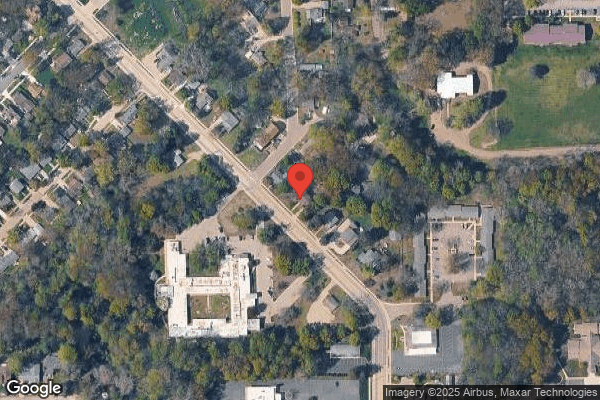
Understanding Severity Codes (click to expand)
Life-Threatening (Immediate Jeopardy)
J - Isolated K - Pattern L - Widespread
Actual Harm
G - Isolated H - Pattern I - Widespread
Potential for Harm
D - Isolated E - Pattern F - Widespread
No Harm (Minor)
A - Isolated B - Pattern C - Widespread

Questions to Ask on Your Visit

  • "What changes have you made since the serious inspection findings?"
  • "Can I speak with families of current residents?"
  • "What's your RN coverage like on weekends and overnight?"

Our Honest Assessment

Strengths
  • • No fines on record. Clean compliance history, better than most Michigan facilities.
  • • 45% turnover. Below Michigan's 48% average. Good staff retention means consistent care.
Concerns
  • • Multiple safety concerns identified: 1 life-threatening violation(s), 1 harm violation(s). Review inspection reports carefully.
  • • 51 deficiencies on record, including 1 critical (life-threatening) violation. These warrant careful review before choosing this facility.
  • • Grade D (43/100). Below average facility with significant concerns.
Bottom line: Trust Score of 43/100 indicates significant concerns. Thoroughly evaluate alternatives.

About This Facility

What is South Haven Nursing And Rehabilitation Community's CMS Rating?

CMS assigns South Haven Nursing and Rehabilitation Community an overall rating of 3 out of 5 stars, which is considered average nationally. Within Michigan, this rating places the facility higher than 0% of the state's 100 nursing homes. This mid-range rating indicates the facility meets federal standards but may have areas for improvement.

How is South Haven Nursing And Rehabilitation Community Staffed?

CMS rates South Haven Nursing and Rehabilitation Community's staffing level at 3 out of 5 stars, which is average compared to other nursing homes. Staff turnover is 45%, compared to the Michigan average of 46%. This relatively stable workforce can support continuity of care.

What Have Inspectors Found at South Haven Nursing And Rehabilitation Community?

State health inspectors documented 51 deficiencies at South Haven Nursing and Rehabilitation Community during 2022 to 2025. These included: 1 Immediate Jeopardy (the most serious level, indicating potential for serious harm or death), 1 that caused actual resident harm, and 49 with potential for harm. Immediate Jeopardy findings are rare and represent the most serious regulatory concerns. They require immediate corrective action.

Who Owns and Operates South Haven Nursing And Rehabilitation Community?

South Haven Nursing and Rehabilitation Community is owned by a for-profit company. For-profit facilities operate as businesses with obligations to shareholders or private owners. The facility is operated by ATRIUM CENTERS, a chain that manages multiple nursing homes. With 70 certified beds and approximately 62 residents (about 89% occupancy), it is a smaller facility located in South Haven, Michigan.

How Does South Haven Nursing And Rehabilitation Community Compare to Other Michigan Nursing Homes?

Compared to the 100 nursing homes in Michigan, South Haven Nursing and Rehabilitation Community's overall rating (3 stars) is below the state average of 3.1, staff turnover (45%) is near the state average of 46%, and health inspection rating (2 stars) is below the national benchmark.

What Should Families Ask When Visiting South Haven Nursing And Rehabilitation Community?

Based on this facility's data, families visiting should ask: "What changes have been made since the serious inspection findings, and how are you preventing similar issues?" "Can I visit during a mealtime to observe dining assistance and food quality?" "How do you handle medical emergencies, and what is your hospital transfer rate?" "Can I speak with family members of current residents about their experience?" These questions are particularly relevant given the facility's Immediate Jeopardy citations.

Is South Haven Nursing And Rehabilitation Community Safe?

Based on CMS inspection data, South Haven Nursing and Rehabilitation Community has documented safety concerns. Inspectors have issued 1 Immediate Jeopardy citation (the most serious violation level indicating risk of serious injury or death). The facility has a 3-star overall rating and ranks #100 of 100 nursing homes in Michigan. Families considering this facility should ask detailed questions about what corrective actions have been taken since these incidents.

Do Nurses at South Haven Nursing And Rehabilitation Community Stick Around?

South Haven Nursing and Rehabilitation Community has a staff turnover rate of 45%, which is about average for Michigan nursing homes (state average: 46%). Moderate turnover is common in nursing homes, but families should still ask about staff tenure and how the facility maintains care continuity when employees leave.

Was South Haven Nursing And Rehabilitation Community Ever Fined?

South Haven Nursing and Rehabilitation Community has no federal fines on record. CMS issues fines when nursing homes fail to meet care standards or don't correct problems found during inspections. The absence of fines suggests the facility has either maintained compliance or corrected any issues before penalties were assessed. This is a positive indicator, though families should still review recent inspection reports for the full picture.

Is South Haven Nursing And Rehabilitation Community on Any Federal Watch List?

South Haven Nursing and Rehabilitation Community is not on any federal watch list. The most significant is the Special Focus Facility (SFF) program, which identifies the bottom 1% of nursing homes nationally based on persistent, serious quality problems. Not being on this list means the facility has avoided the pattern of deficiencies that triggers enhanced federal oversight. This is a positive indicator, though families should still review the facility's inspection history directly.