Medilodge of Montrose Inc
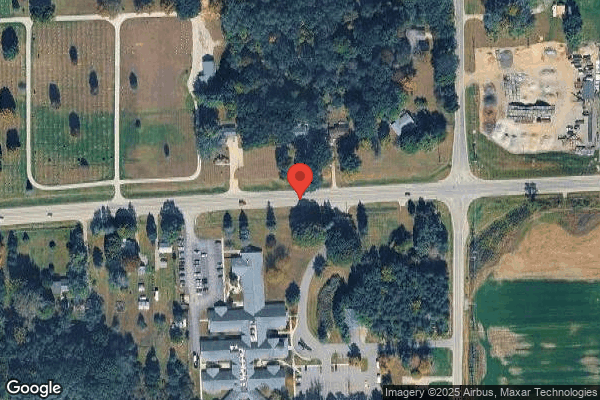
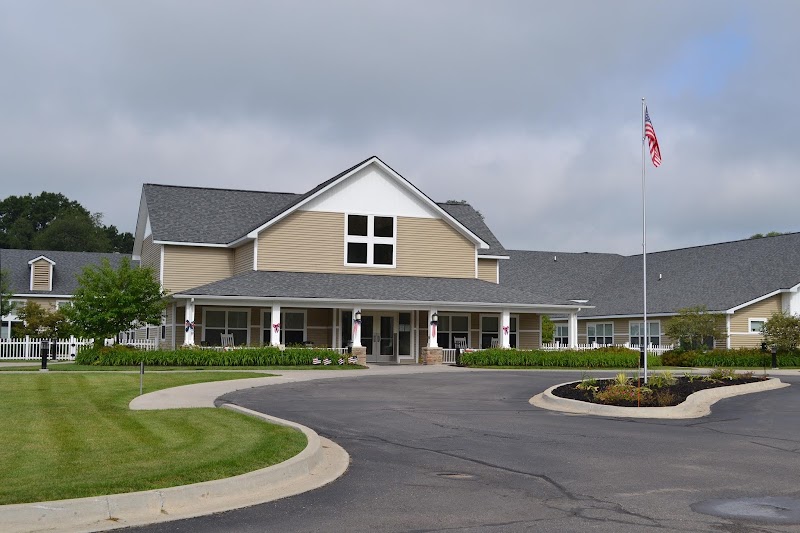
9317 West Vienna Road, Montrose, MI 48457 (810) 639-6171
For profit - Corporation 121 Beds MEDILODGE Data: November 2025 1 Immediate Jeopardy citation
Trust Grade
0/100
#303 of 422 in MI
Last Inspection: December 2024

Within standard 12-15 month inspection cycle. Federal law requires annual inspections.

Overview

Medilodge of Montrose Inc has received a Trust Grade of F, indicating significant concerns and a poor reputation among nursing homes. It ranks #303 out of 422 facilities in Michigan, placing it in the bottom half, and #10 out of 15 in Genesee County, meaning there are only a few local options that are better. While the facility is showing signs of improvement, decreasing from 27 issues in 2024 to 20 in 2025, it still reported 79 issues overall, including serious incidents like a resident not receiving timely diabetic supplies during a hypoglycemic episode. Staffing is a concern, with a turnover rate of 62%, higher than the state average, and fines totaling $89,334, which indicate compliance issues. However, the facility does have a strong quality measure rating of 5/5 stars and an average RN coverage, which is crucial for catching potential problems.
Trust Score
F
0/100
In Michigan
#303/422
Bottom 29%
Safety Record
High Risk
Review needed
Inspections
Getting Better
27 → 20 violations
Staff Stability
⚠ Watch
62% turnover. Above average. Higher turnover means staff may not know residents' routines.
Penalties
⚠ Watch
$89,334 in fines. Higher than 79% of Michigan facilities, suggesting repeated compliance issues.
Skilled Nurses
○ Average
Each resident gets 41 minutes of Registered Nurse (RN) attention daily — about average for Michigan. RNs are the most trained staff who monitor for health changes.
Violations
⚠ Watch
79 deficiencies on record. Higher than average. Multiple issues found across inspections.
★★☆☆☆
2.0
Overall Rating
★★☆☆☆
2.0
Staff Levels
★★★★★
5.0
Care Quality
★☆☆☆☆
1.0
Inspection Score
Stable
2024: 27 issues
2025: 20 issues

The Good

  • 5-Star Quality Measures · Strong clinical quality outcomes
  • Full Sprinkler Coverage · Fire safety systems throughout facility
  • No fines on record

Facility shows strength in quality measures, fire safety.

The Bad

2-Star Overall Rating

Below Michigan average (3.1)

Below average - review inspection findings carefully

Staff Turnover: 62%

16pts above Michigan avg (46%)

Frequent staff changes - ask about care continuity

Federal Fines: $89,334

Well above median ($33,413)

Moderate penalties - review what triggered them

Chain: MEDILODGE

Part of a multi-facility chain

Ask about local staffing decisions and management

Staff turnover is elevated (62%)

14 points above Michigan average of 48%

The Ugly 79 deficiencies on record

1 life-threatening 7 actual harm
Aug 2025 2 deficiencies 1 Harm
SERIOUS (G) 📢 Someone Reported This

A family member, employee, or ombudsman was alarmed enough to file a formal complaint

Actual Harm - a resident was hurt due to facility failures

Quality of Care (Tag F0684)

A resident was harmed · This affected 1 resident

**NOTE- TERMS IN BRACKETS HAVE BEEN EDITED TO PROTECT CONFIDENTIALITY** This citation pertains to Intake Number 2580183.Based on interview and record review the facility failed to have diabetic suppli...

Read full inspector narrative →
**NOTE- TERMS IN BRACKETS HAVE BEEN EDITED TO PROTECT CONFIDENTIALITY** This citation pertains to Intake Number 2580183.Based on interview and record review the facility failed to have diabetic supplies available to facility staff when Resident #108 had a hypoglycemic episode, resulting in a blood sugar of 52 and being placed on ventilator upon arrival to the Emergency Room. Findings Include: Resident #108:On [DATE] at approximately 11:00 AM, a review was conducted of Resident #108'S medical record and it revealed he admitted to the facility on [DATE] with diagnoses that included, Peripheral Vascular Disease, Heart Disease, Atrial Fibrillation, Diabetes Mellitus, Chronic Kidney Disease and Hypertension. Resident #108 was his own person and able to make his needs known to staff. Further review of his chart yielded the following: Progress Notes:[DATE] at 17:01: Resident in room comfortable in bed with call light in reach. Orders placed and verified.[DATE] at 04:30: A 22-gauge IV was inserted into the right forearm.[DATE] at 04:47: Albuterol Sulfate HFA Inhalation Aerosol Solution 108 (90 Base) MCG/ACT 2 puff inhale orally every 6 hours as needed for wheezingPRN Administration was: Effective.[DATE] at 5:23: Resident complained of SOB and wheezing earlier in the night. Resident had an order for a rescue inhaler and 2 puffs were given. Resident verbalized that it seemed to aid his breathing. No other signs of dyspnea noted during this time. A couple of hours later, nurse went in to perform wound dressings and found resident pale, frothing at the mouth with labored breathing, and had an altered level of consciousness. Resident had a blood sugar of 52. Crash cart was pulled out and resident was thrown on 3L of oxygen r/t O2 sats of 86. EMS ((Emergency Medical Services) was notified and came without a medic. On-call provider was notified of incident and well as on-call nurse. Resident had no family members listed on his profile to notify. He is his own person.Hospital Records:[DATE]- arrival time 5:23 AM .Pt (patient) arrives from (facility) after being found to have SPO2 at 70%. After calling EMS pt was also found to have glucose level of 41 by EMS and AMS (altered mental status).On arriving to ED (Emergency department), pt's HR (heart rate) of 22, afebrile, snoring and tachypenic of 26 somnolent, AxO 0, arousal to sternal rub. Given pt clinical status and inability to protect airway, was intubated.assessment/plan: Acute Respiratory Failure- GCS 6.metformin and Januvia for glycemic control. Discontinue insulin. High risk of hypoglycemia. July MAR (Medication Administration Record):Resident #108 is prescribed the current insulin regime to manage his diabetes:Lantus Solo Star 100 Unit/ML pen injector inject 17 unit subcutaneously at bedtime for diabetes.Humalog KwikPen 100 Unit/ML Solution pen-injector inject 3 unit subcutaneously with meals for diabetes.Insulin Lispro 100 Unit/ML solution Inject per sliding scale.If blood sugar is less than 70mg/dl or patient symptomatic, follow hypoglycemic protocol. There was no medications listed on the MAR as administered during the timeframe of Resident #108's critical incident. Medication Administration Audit Report:Resident #108 was administered insulin at the following times on evening of [DATE]:Insulin Lispro 100 Unit/ML per sliding scale- 1 unit at 16:29Humalog KwikPen 100 UnitML- 3 units at 16:30Lantus SoloStar 100 Unit/ML - 17 units at 19 :43Within approximately three hours Resident #108 administered 21 units of insulin. Blood Sugars:[DATE] 19:18: 332XXX[DATE] 22:03: 578XXX[DATE] 07:45: 313XXX[DATE] 12:53: 98XXX[DATE] 14:11: 188XXX[DATE]: 19:43 182.0 On [DATE] at 10:20 AM, Nurse Practitioner O stated Resident #108 was a new admission and they were not able to evaluate him prior to his readmission to the hospital. When an emergency occurs, the appropriate supplies should be available to facility staff. On [DATE] at 4:51 PM, Nurse T stated when she arrived for her shift Resident #108 had no diagnoses listed in his chart or emergency contacts. During the shift report there was nothing mentioned regarding shortness of breath or congestion. About 9:30 PM she first observed Resident #108, and he alert and oriented x4, pleasant demeanor with no complaints. A few hours later he had shortness of breath and she administered his rescue inhaler which provided him relief. At that time, he was still responding at his baseline. Some hours after administering his inhaler she found him foaming at the mouth, confused and decreased responsiveness which was a steep change in condition from a few hours prior. He would wake up to sternal rubs. His blood sugar low and they (Nurse T and two other nurses) were not able to administer medications to combat his hypoglycemia as there was no glucagon or IV dextrose on the crash carts. Nurse ‘'T stated another nurse went to the medication room as well but was unable to locate any. They started a line and ran saline until EMS arrived. Upon their arrival they did not have a medic but one did arrive about three or so minutes later and they worked on him outside of the facility. On [DATE] at 1:10 PM, Nurse N stated as she and another nurse were going into the medication room a code blue was paged from overhead on 700 unit. As she was enrolled in the unit she grabbed the crash cart from that unit. Once she arrived in the room Resident #108 was blue to color and foaming at the mouth. The resident had congestion, and it was difficult to raise his oxygen so .they switched him to the nonrebreather and checked his blood sugar which she recalls being low. She stated they needed glucagon and were unable to locate the injection form on the crash cart. One of the nurses left to go locate glucagon but was unable to find it. The two other nurses with her said it was not on the crash cart. On [DATE] at 2:10 PM, the DON reported there was not a code blue report completed as the staff did not do CPR (Cardiopulmonary Resuscitation). The DON stated the nurse went in for wound care treatment and the resident had decreased responsiveness. They were able to start a line but DON was not certain what was administered to the resident. The DON reported she was unaware (until the survey) the staff did not have the emergency supplies they needed as they never informed her. DON was asked why there were no orders for glucagon as a standard of care for diabetic residents. The DON did not have a response. It can be noted there was no facility follow up/internal investigation regarding this incident. Review was completed of [DATE] Maple (long term care) crash cart log. It indicated the last time the crash cart was opened prior to Resident #108's incident was [DATE] ( no tag). The next time the tag was changed was [DATE]. It is unclear if the crash cart was not secured (via the securement tag sent from pharmacy) after the incident on [DATE].Crash Cart Contents:Emergency Glucagon Injector PinIV dextrose is not listed ats available in the crash cart. Review was completed of Nurse N Skills Checklist, and it was not signed off by an observer nor was it dated. Nurse J competencies packet from [DATE] and it was found there were no check offs for accessing diabetic supplies in an emergency ( or other necessary supplies for a resident emergency). The DON was asked what was included in facility training and if accessing diabetic supplies in an emergency (or other necessary supplies for a resident emergency) was reviewed, she stated it is, during their orientation on the floor. When asked for documentation of this she reported there was none from their orientation completed on the floor with their preceptor. On [DATE] at 11:50 AM, Nurse J reported she was paged on their walkie to long term unit for a resident that was not responding at baseline. Upon arriving to Resident #108's room there were two nurses there and she started the line in his lower arm. There was no IV (intravenous) dextrose on the crash cart and they were only able to administer fluids to the resident. Review was completed of the email from the facility pharmacy representative, the emailed stated, .The facility was stocked with 5 Gvoke in the MedBank since 4/11. There was 5 on hand the entire month of July, with no transactions.We will be unable to advise on how many were in the crash cart, as that is stocked by the facility. The facility was unable to provide documentation that proved glucagon or IV dextrose was accessible on the crash cart during Resident #108's hypoglycemia episode. While the facility asserts diabetic supplies were available in the medication room it was not easily accessible during a resident emergency who was a known diabetic. Three nurses conformed the medication required for a hypoglycemic episode was not available to them and they were unable to appropriately treat Resident #108 during this critical incident.Review was completed of facility protocol entitled, Diabetic Protocol, the protocol stated, .Diabetic Protocol; Hypoglycemia.Hypoglycemia is a condition that is typically related to diabetes treatment. Effective management of hypoglycemia is important to ensure that the resident does not have further decline in their condition. Residents that have a diagnosis of diabetes or on medications that could lower the blood sugar should have orders for glucose monitoring and treatment of hypoglycemia, unless otherwise ordered by the practitioner.if the blood glucose reading is 70mg/dl or below, the nurse should utilize the hypoglycemic protocol as per the practitioner's orders.Blood glucose (BG) less than 70 mg/dl and resident is unable or unwilling to take nutrition orally: give glucagon 1 mg subcutaneously or 3 mg intranasal or 1mg intramuscularly. Turn resident on their side to prevent aspiration.
CONCERN (D) 📢 Someone Reported This

A family member, employee, or ombudsman was alarmed enough to file a formal complaint

Potential for Harm - no one hurt, but risky conditions existed

Incontinence Care (Tag F0690)

Could have caused harm · This affected 1 resident

**NOTE- TERMS IN BRACKETS HAVE BEEN EDITED TO PROTECT CONFIDENTIALITY** This Citation pertains to intake Number 2585749.Based on interview and record review, the facility failed to obtain a physician'...

Read full inspector narrative →
**NOTE- TERMS IN BRACKETS HAVE BEEN EDITED TO PROTECT CONFIDENTIALITY** This Citation pertains to intake Number 2585749.Based on interview and record review, the facility failed to obtain a physician's order for urinary catheter per professional standards of practice for one resident (Resident #106), resulting in the potential for bladder injury, prolonged illness, and an indwelling catheter being left in place with no physician's order.Findings include:Resident #106:Record review of Resident #106's Minimum Data Set (MDS) dated [DATE] revealed that the resident had an indwelling urinary catheter. Medical diagnosis included: Atrial fibrillation, heart failure, renal insufficiency, wound infection, respiratory failure, cellulitis of lower limb, and lymphedema. Record review of Resident #106's 'Nursing admission Evaluation' assessment dated [DATE] revealed an indwelling catheter with clear yellow urine. Record review of Resident #106's physician order recap report for the month of January 2025 revealed that there was no physician's order for a urinary Cather ordered.Record review of Resident #106's nursing progress notes from January 9,2025 through February 20th, 2025, noted upon discharge there was no mention urinary catheter care. Record review of Resident #106's January 2025 Medication Administration Record (MAR) and Treatment Administration Record (TAR) revealed there was no monitoring of urinary catheter, no order for when to change the urinary catheter, no order for a urinary catheter secured deviceAn interview and records review on 8/14/2025 at 11:28AM with the Director of Nursing (DON) regarding Resident #106's stay at the facility revealed the resident was admitted back on January 9, 2025, from the hospital setting. Record review of admission assessment had an indwelling catheter. Record review physician orders, no order for Foley catheter by physician, or for the urinary catheter to be discontinued. Record review of the MAR TAR for January & February revealed there was no monitoring by nurses of the urinary catheter, Record review of care plans noted a catheter care plan started 1/9/2025. The DON stated that there should have been a physician order for the Foley catheter and monitoring on the treatment record by the nurses and to discontinue the urinary catheter would have to be done by a physician's order. Record review of the facility 'Physician Visits and Physician Delegation' policy dated 9/26/2024 revealed it is the policy of the facility to ensure the physician takes an active role in supervising the care of residents. (g.) A physician, physician assistant, nurse practitioner, or clinical nurse specialist must provide orders for residents' immediate care and needs.Record review of the facility 'Provisions of Quality Care' policy dated 1/1/2022 revealed that based on comprehensive assessments, the facility will ensure that residents receive treatment and care by qualified people in accordance with professional standards of practice . (4.) Qualified people will provide the care and treatment in accordance with professional standards of practice, the resident's care plan, and the resident's choices. Record review of Resident #106's transferred facility physician orders revealed that on 2/21/2025 to change indwelling Foley catheter (PRN) as needed clinically indicated with signs/symptoms of obstruction (leakage, increased sediment, etc.) infection, or if closed system was compromised.
Aug 2025 3 deficiencies
CONCERN (D) 📢 Someone Reported This

A family member, employee, or ombudsman was alarmed enough to file a formal complaint

Potential for Harm - no one hurt, but risky conditions existed

Free from Abuse/Neglect (Tag F0600)

Could have caused harm · This affected 1 resident

**NOTE- TERMS IN BRACKETS HAVE BEEN EDITED TO PROTECT CONFIDENTIALITY** This Citation Pertains to Intake#: 2569658Based on observation, interview and record review, the facility failed to develop and ...

Read full inspector narrative →
**NOTE- TERMS IN BRACKETS HAVE BEEN EDITED TO PROTECT CONFIDENTIALITY** This Citation Pertains to Intake#: 2569658Based on observation, interview and record review, the facility failed to develop and implement interventions, including monitoring and supervision, to prevent resident-to-resident abuse involving 2 residents of 4 residents reviewed for abuse, including Resident #1 who grabbed Resident #2's hand and placed it on his pants over his genitals, resulting in the potential for additional instances of abusive behavior towards other residents. A review of the Face Sheet indicated Resident #1 was admitted to the facility on [DATE] with diagnoses: History of a stroke, difficulty talking, COPD, history of falls, depression, hypertension, Dementia, arthritis, and GERD.A review of the Face Sheet indicated Resident #2 was admitted to the facility on [DATE] an readmitted on [DATE] with diagnoses: Dementia, diabetes, chronic kidney disease, depression, hypertension, and anxiety.A review of a Facility Reported Incident/FRI revealed on 7/9/2025 Resident #1 was observed by a Staff member, taking Resident #2's hand and placing it on his pants over his crotch (per the Incident summary). The report indicated the two residents were separated and Resident #2 was moved to a different room on the opposite side of the building.A review of a Statement of Witness by Certified Nursing Assistant R dated 7/9/2025 provided, I was in the main dining area, I witnessed (Resident #1) and (Resident #2) sitting close next to each other. Then (Resident #1) took his hand and placed her hand on top of his crotch. I separated the two and told the nurse.There were Psychological assessments by Psychologist O in the FRI investigation for Resident #1:Resident #1 dated March 5, 2025: . Pt (patient) is a [AGE] year-old male seen at (the facility) for capacity regarding personal sexual behavior. his cognition and memory are significantly limited. Pt. has a hx (history) of being involved in resident-to-resident conflict. his cognition and memory are severally limited. Pt. Lacks capacity to understand the limits of physical/sexual contact with a partner with infirmity, and the nuances and limits of verbal consent of a partner.Resident #1 dated February 5, 2025: . Patient was involved in a resident-to-resident conflict.Additional notes by Nurse Practitioner P for Resident #1 revealed the following:Resident #1, dated April 18, 2025, . The patient is being seen for behaviors along with irritability and depression. Staff has been having issues with him touching female residents however he denies any abilities. Staff continue to report his ongoing inappropriate social behavior towards others including but not limited to grabbing at or touching other females, combativeness, agitation and aggression towards staff and others. He is noted to continue to engage in adverse behaviors despite numerous education attempts to intervene and/or redirectResident #1, dated July 10, 2025, . Staff reports the patient had another incident where he had taken his hand and another resident's hand and put them on his lap. The residents were separated. When asking him about the recent incident with the other resident, he reports he was comforting her, they were holding hands and she had no problem with it. Nothing happened. Previously, the patient has displayed verbal aggression and inappropriate social behaviors, particularly with female residents.The following are Psychological assessments/notes for Resident #2:Resident #2 dated April 10, 2025, by Social Worker Q, Unspecified dementia, severe, with other behavioral disturbance, Patient presents with daily yelling out and incidents involving another resident invading her personal space. Resident #2 dated April 18, 2025, by Psychologist O, . The patient is being seen today to monitor for safety and recent allegation. Staff reports they were informed that a male resident may have touched this patient.Further review of the Psychological Assessments for Resident #1 and Resident #2 identified two assessments titled, Capacity for Sexual Consent dated 7/16/2025 by Psychologist O.Each document reviewed the following:1 a. Is the resident aware of who is initiating sexual contact? Yes or No? -No was checked for both residents.1 b. Does the resident believe that the other person is a spouse and, thus, acquiesces out of a delusional belief? Yes or No? -No was checked for both residents.1 b. Is he/she cognizant of the other's identity and intent? Yes or No? - No was checked for both residents.2 a. Does the resident have the capacity to say no to any uninvited sexual contact? Yes or No? - No was checked for both residents.3 a. Does the resident realize that this relationship may be time limited (placement is temporary)? Yes or No? - No was checked for both residents.3 b. Can the resident describe how (he/she) will react when the relationship ends? Yes or No? No was checked for both residents.4a. Does the resident have the capacity for the reasoning process inherent to sexual consent and Understanding of sexual options, consequences of sexual choices, and consistency with the resident's values and preferences? Resident does not have the capacity to consent to a sexual relationship was checked for both.On 7/30/2025 the Administrator was interviewed about the incident on 7/9/2025 when Resident #1 placed Resident #2's hand on his private parts over his clothes. The Administrator said both residents enjoyed each other's company, and the behavior was not abuse.A review of the progress notes for Resident #1 identified the following:7/23/2025 at 8:01 PM, a Behavior Note, Up in wheelchair in hallway, did go over to Cherry (not his unit) to see a female resident and was brought back to Maple side due to female not wanting (Resident #1) in her room.6/10/2024 at 8:09 PM a Behavior Note, Event date: 11/28/2024: touching a female resident inappropriately and also trying to grab female residents hand to use to touch himself in genital area, female removed away from (Resident #1) and (Resident #1) was educated on his inappropriate behavior.5/27/2025 at 8:37 PM, a Behavior Note, Being inappropriate with females on Maple (his unit). Females moved away from (Resident #1). (Resident #1) was educated on how to act appropriately.5/1/2025 at 8:09 PM, a Behavior Note, (Resident #1) is trying to touch the women on Maple side. Women are moved away from him and he is educated that this is inappropriate behavior and to not continue to do so.A review of the Care Plans for Resident #1 includes the following: (Resident #1) has impaired cognitive function related to history of CVA (stroke), history of (alcohol abuse), white matter disease (related to dementia). He has a BIMS score of 10/15 moderate confusion. He has a guardian, date initiated 9/15/2023 and revised 4/16/2025 with interventions last revised 9/15/2023. (Resident #1) prefers to be sexually active; (Resident #1) has legal Guardian in place; He likes to touch the opposite sex and attempt to enter their rooms, staff redirection; Pt. lacks capacity to understand the limits of physical/sexual contact with a partner with infirmity, and the nuances and limits of verbal consent of a partner, date initiated 3/20/2025 and revised 7/2/2025 with Interventions including: Education provided on safe sex practices and sexually transmitted infection (STI) testing, date initiated 3/20/2025; Encourage (Resident #1) to discuss the topic with clinical team members as needed, date initiated 3/20/2025 and revised 6/25/2025; Other: (Resident #1) to be in highly visualized area when engaged with the opposite sex, (Behavioral health services) to follow., date initiated 4/1/2025d and revised 7/2/2025; (Resident #1) lacks capacity to understand the limits of physical/sexual contact with a partner with infirmity, and the nuances and limits of verbal consent of a partner, date initiated 3/20/2025 and revised 6/25/2025.The interventions contradicted the clinical assessments and notes that indicated the resident was not cognitively able to consent to a sexual encounter. There was no new plan of care after the resident had repeated and attempted contact with Resident #2 who was also not able to consent to a sexual encounter. (Resident #1) has behaviors related to depression, alcohol induced dementia as evidenced by: resistance to care. He can get verbally/physically aggressive with staff/Resident, or agitated due to poor impulse control when he does not get his desired outcome, date initiated 3/28/2025 and revised 6/25/2025. The interventions were last updated 3/28/2025 and Resident #1 continued with his behavior and actions. The facility did not have an appropriate plan to protect other residents from Resident #1.A review of the Care Plans for Resident #2 included the following: (Resident #2) will hold hands or let opposite sex touch her hand, shoulder, back prefers to be sexually active; Pt. has active DPOA in place; Pt. lacks capacity to understand the limits of physical/sexual contact with a partner with infirmity, and the nuances and limits of verbal consent of a partner, date initiated 3/20/2025 and revised 7/2/2025. The interventions had not been updated after the inappropriate encounters with Resident #1. (Resident #2) has impaired cognitive function related to Dementia, dated initiated and revised 8/30/2024, with all interventions dated 8/30/2024.On 7/31/2025 at 10:20 AM, Resident #1 was observed lying in bed, awake; he asked, What do you want? Upon asking the resident how he was doing, he became upset and said he wanted to go outside by himself but would not answer any questions.On 7/31/2025 at 2:53 PM, during an interview with Confidential Person S, they said the inappropriate touching between Resident #1 and Resident #2 had been going on for months. The Confidential Person said the behavior had been identified and reported in November 2024 and several times since then. The Confidential Person S said Resident #2 was confused, but was told since Resident #2 could answer yes and no questions, it wasn't abuse. The Confidential Person said Resident #1 was inappropriate with other female residents also but was more aggressive with Resident #2.On 8/1/2025 at 10:34 AM, during an interview with the Administrator and Director of Nursing/DON, they were asked about the incident on 7/9/2025 with Resident #1 and Resident #2. The Administrator said a staff member came to him and said Resident #1 and Resident #2 were holding hands and Resident #1 placed them on his lap. The Administrator said another resident had previously reported a similar incident prior to the incident on 7/9/2025 with Resident #1 and a female resident. The Administrator was asked if that incident was investigated and reported, as the 7/9/2025 incident was. He said it was not reported. Reviewed with the Administrator that there was documentation in the medical record for Resident #1 that he had an ongoing pattern of inappropriate aggressive behavior and inappropriate sexual contact with female residents.During the interview with the Director of Nursing and Administrator on 8/1/2025 at 10:35 AM, they were asked what interventions were in place to prevent Resident #1 from touching other residents inappropriately and the Administrator said Resident #2 was moved away from Resident #1 to the other side of the facility. He said she liked her new room and the location on the other side of the building and the staff were supposed to observe Resident #1 to ensure he did not have inappropriate contact. Reviewed with the Administrator there was documentation on 7/23/2025 on the evening shift that Resident #1 was found on the other side of the building trying to enter a female resident's room and the female resident did not want him in the room. He said the staff were supposed to monitor the resident. The Administrator was asked if this would work when the staff were busy caring for other residents and he said the staff were supposed to intercept the resident.On 8/1/2025 at 12:05 PM, Resident #1 was observed in the hallway outside of the meeting room the surveyors were in while interviewing Social Services Director T. The resident was heard to be yelling loudly, and he was observed motoring his wheelchair very quickly towards another resident in a threatening manner. A staff member stopped Resident #1's wheelchair and took him away from the other resident. The other resident appeared startled and Social Services Director T excused herself and said she had to check on the other resident.On 8/1/2025 at 12:15 PM, the Administrator was interviewed and said they were going to provide 1:1 staff supervision for Resident #1.A review of the facility policy titled, Abuse, Neglect and Exploitation, date implemented 7/28/2020 and revised 1/10/2024 revealed, Policy: It is the policy of this facility to provide protections for the health, welfare, and rights of each resident by developing and implementing written policies and procedures that prohibit and prevent abuse, neglect, exploitation, and misappropriation of resident property. Sexual Abuse is non-consensual sexual contact of any type with a resident. The facility will develop and implement written policies and procedures that: a. Prohibit and prevent abuse. b. Establish policies and procedures to investigate any such allegations. Establishing a safe environment that supports, to the extent possible, a resident's consensual sexual relationship and by establishing policies and protocols for preventing sexual abuse. Possible indicators of abuse include, but are not limited to: 1. Resident, staff, or family report of abuse. An immediate investigation is warranted when suspicion of abuse, neglect or exploitation, or reports of abuse, neglect or exploitation occur.
CONCERN (D) 📢 Someone Reported This

A family member, employee, or ombudsman was alarmed enough to file a formal complaint

Potential for Harm - no one hurt, but risky conditions existed

Quality of Care (Tag F0684)

Could have caused harm · This affected 1 resident

**NOTE- TERMS IN BRACKETS HAVE BEEN EDITED TO PROTECT CONFIDENTIALITY** This Citation Pertains to Intake#: 2566178Based on observation, interview and record review, the facility failed to provide medi...

Read full inspector narrative →
**NOTE- TERMS IN BRACKETS HAVE BEEN EDITED TO PROTECT CONFIDENTIALITY** This Citation Pertains to Intake#: 2566178Based on observation, interview and record review, the facility failed to provide medications, and a right knee X-ray as ordered for one resident (#3) of three reviewed for medications and treatments, resulting in Resident #3 experiencing pain, nausea and delayed treatment. A record review of the Face sheet indicated Resident #3 was admitted to the facility on [DATE] with diagnoses: recent back surgery, neuropathy, anxiety, GERD, hypotension, history of a stroke, weakness, anemia, chronic kidney disease, and depression. On 7/31/2025 at 10: 37 AM, Resident #3 was observed lying in bed awake and alert. He said he had not received his medications for a couple of days after admission and was having pain and nausea. He said he was now receiving his medications but was upset that it took so long. The resident said his right knee had been causing him pain and he said without his pain medication, he felt nauseous. In addition, he was not receiving the medication that he normally took for his stomach upset. He said he was supposed to have an x-ray on his right knee, but it wasn't done until a few days later. A review of the physician orders for Resident #3 indicated he was supposed to receive the following medications: Start date: 5/30/2025 at 8:00 PM - Eliquis 5 mg Start date: 5/30/2025 at 8:00 PM - Atorvastatin 40 mg Start date: 5/30/2025 at 9:00 PM - Topamax 200 mg Start date: 5/30/2025 at 9:00 PM - Tamsulosin 0.4 mg Start date: 5/31/2025 at 7:00 AM - Gabapentin 600 mg Start date: 5/31/2025 at 7:00 AM - Protonix 40 mg delayed release tab Start date: 5/31/2025 at 7:00 AM - Multi-Vitamin Start date: 5/31/2025 at 7:00 AM - Ascorbic Acid oral tab Start date: 5/31/2025 at 7:00 AM - Acetaminophen (Tylenol) 500 mg, 2 tabs for pain Start date: 5/31/2025 at 7:00 AM - Aspirin 81 mg chewable Start date: 5/31/2025 at 7:00 AM - Vitamin D 50 mcg capsule A review of the Medication Administration Records/MARs for May 2025, indicated Resident #3 did not receive any of his ordered medications. On 8/1/2025 at 9:35 AM, the Director of Nursing/DON was interviewed about Resident #3's medications. The May 2025 MAR was reviewed with the DON. She confirmed there was no documentation that Resident #3 had received his ordered medications on 5/30/2025 or 5/31/2025. The DON was asked what time the resident was admitted to the facility, and she said it was approximately 4:00 PM. The DON was queried on the process for ordering the resident's medications and she said the admitting nurse would review the medications on the discharge paperwork from the hospital or other facility and send them to the provider and they would be placed into the electronic medical record/emr Physician orders tab. Reviewed Resident #3 had orders placed in the emr Physician orders tab, but they were not given. The Director of Nursing said they should have been given, and she wasn't sure why they were not. During the interview with the DON on 8/1/2025 at 9:40 AM, she was asked about medications in stock, and she looked at the list of Resident #3's medications and she said some of the medication was available all the time in the medication supply room. The DON provided a list of Inventory on Hand from the medication dispensing system. The list was reviewed and compared to Resident #3's medications that were not received on 5/30/2025 and 5/31/2025. The DON took the medication list to the medication supply room and compared which medications were on the list and available in the medication dispense system. In addition, the DON located which medications were Over the Counter medications and available in stock on the shelves in the medication supply room. All of Resident #3's medications were available to be given with stock on hand except for the Topamax 200 mg. On 8/1/2025 at 10:00 AM, the June 2025 MAR for Resident #3 was reviewed with the Director of Nursing it showed duplicate order entries for some of the resident's medications including: Ascorbic Acid, Aspirin 81 mg, Atorvastatin, Multi-Vitamin, Pantoprazole/Protonix, Tamsulosin, Topiramate/Topamax an anti-seizure medication, Vitamin D, Eliquis, and Gabapentin. Some of the medications were documented as given twice at the same time, once for each entry: Ascorbic Acid on 6/2/2025, Aspirin 81 mg on 6/2/2025, Multi-Vitamin on 6/2/2025, Pantoprazole on 6/2/2025 and 6/3/2025, Vitamin D on 6/2/2025, Gabapentin 600 mg on 6/2/2025 in the morning. The Medication Topamax/Topiramate was not given until 6/2/2025: doses were missed on 5/30/2025, 5/31/2025 and 6/1/2025. The resident had a history of a stroke and did not receive his anti-coagulant medication on 5/30/2025 and 5/31/2025. Resident #3 did not receive pain medication until 6/1/2025. The DON said she would further investigate why Resident #3's medications were not given as ordered. A review of the progress notes for Resident #3 revealed he had repeated concerns about pain in his right knee. A provider note dated 6/3/2025 at 12:37 PM, identified the following: . Patient does report feeling like his right knee will buckle when trying to walk and this is new for him. Patient states he just would like to return home as soon as possible. Patient is high risk for functional impairment developing contractures, pressure ulcers, poor healing or fall if not receiving adequate therapy and pain control. added X-ray stat of Right knee. A review of the physician orders identified an order for a Right knee X-ray 2 views, STAT for Pain, Buckling, dated 6/3/2025. A provider note dated 6/5/2025 identified the following: Chief Complaint: Right knee pain. Awaiting x-ray to right knee. Pain in right knee: complaints of pain since surgery; Awaiting X-ray to be completed today. On 6/5/2025 an X-ray of the resident's right knee was completed at 9:10 PM and the results were provided to the facility at 11:29 PM. Resident #3 did not receive pain medication for two days after admission and did not receive a STAT (immediate) X-ray of his right knee for two days. A review of the facility policy titled, Medication Administration, date implemented 10/30/2020 and reviewed/revised 1/17/2023 provided, Policy: Medications are administered by licensed nurses, or other staff who are legally authorized to do so in this state, as ordered by the physician and in accordance with professional standards of practice. Administer medications as ordered. Sign MAR after administered. A review of the facility policy titled, Pain Management, date implemented 10/20/2020 and reviewed/revised 10/26/2023 provided, Policy: The facility will ensure that pain management is provided to residents who require such services, consistent with professional standards of practice, the person-centered care plan and the residents' goals and preferences. In order to help a resident attain or maintain his/her highest practicable level of well-being and to prevent or manage pain, the facility should: . Manage or prevent pain, consistent with the comprehensive assessment and plan of care, current professional standards of practice and the resident's goals and preferences.
CONCERN (D) 📢 Someone Reported This

A family member, employee, or ombudsman was alarmed enough to file a formal complaint

Potential for Harm - no one hurt, but risky conditions existed

Deficiency F0790 (Tag F0790)

Could have caused harm · This affected 1 resident

This citation pertains to Intake #2577143.Based on observation, interview and record review, the facility failed to obtain timely dental services for one resident (Resident #4), who fell and injured t...

Read full inspector narrative →
This citation pertains to Intake #2577143.Based on observation, interview and record review, the facility failed to obtain timely dental services for one resident (Resident #4), who fell and injured their mouth area of one resident reviewed for dental care.A review of Resident #4 medical record revealed an admission into the facility on 6/26/25 with diagnoses that included diabetes, end stage renal disease, difficulty in walking and muscle weakness. A review of the Resident's Minimum Data Set assessment revealed a Brief Interview of Mental Status score of 15/15 that indicated the Resident was cognitively intact and the Resident needed setup or clean-up assistance with oral hygiene and substantial/maximal assistance with toileting hygiene, bathing, lower body dressing and needed partial/moderate assistance with transfers. On 7/31/25 at 1:46 PM, an observation was made of Resident #4 sitting in his room on the bed. The Resident was dressed and had a phone that he was talking on but stopped when surveyor approached. The Resident answered questions and engaged in conversation. The Resident was asked about a recent fall that he had. The Resident reported that he was using the computer up in the front lobby area and had seen a wheelchair and proceeded to transfer to the other wheelchair from his wheelchair. The Resident reported falling and stated, I fell and hit my face on the floor. The Resident reported he bit down on his tongue and had blood gushing out of my mouth. The Resident reported when staff arrived, they gave him a towel to soak up the blood and stated, I felt numbness to my mouth. The Resident reported he lost teeth in the front. An observation was made of the Resident with no teeth in the front upper area. The Resident reported he had teeth there before the fall but now they were gone. The Resident was asked if he had broken the teeth in the fall or if the whole tooth had come out, the Resident indicated he was unsure. He was asked if he had seen the teeth on the floor. The Resident reported he was in shock and did not know at the time that he had lost the teeth. The Resident stated, They got knocked out when I fell. The Resident reported that he had told the Administrator (NHA) that he had lost the teeth when he fell. The Resident was asked if he had seen the dentist or if emergency dental services were offered. The Resident reported he had not seen the dentist yet and they did not offer emergency dental services. The Resident reported he has been in pain in his mouth and foot (wound to foot) and that the mouth pain has been since the fall. The Resident reported he had asked to go to the hospital and stated, I asked to go to the hospital. They said we can handle it in-house and see the in-house dentist. I am still in pain, take Norco for pain in my foot and mouth. A review of Nursing Notes in the medical record revealed the following:-Dated 6/29/25 at 6:49 AM, patient was observed on the floor in the reception area. patient had been using the computer in the area and when he was returning to his room, he decided to try to trade his wheelchair with one of the other chairs that were in the area. patient denies hitting his head, and states he was close to a successful transfer but lost his footing and slowly fell forward. he has a small abrasion below his lower lip on the left side. vitals were obtained and wnl. (within normal limits) patient is able to move all 4 extremeties without resistance and denies pain. patient was assisted back into his wheelchiar and returned to his bed in his room.-Dated 6/29/25 at 11:42 PM, Patient had a fall and has been bleeding from his mouth since said fall, after assessment the bleeding was found to be coming from the patients tongue. Provider was notified and after ice and having him apply pressure the bleed as since stop. Staff will continue to monitor.-Dated 6/30/35, History and Physical, .Ears/Nose/Mouth/Throat Positive: difficulty swallowing. Facial Swelling Notes: Bruise/swelling to upper and lower lip due to fall. A review of the facility Quality Assistance Form, for Resident #4 revealed the date communicated/received on 7/16/2025, revealed, .Findings: This writer physically spoke with (Resident #4's name). He stated his concerns were mouth pain, issues with his vision and he states that he would like his phone replaced. He states that he needs to see a dentist and needs assistance with his vision appointment that was rescheduled. He states that his mouth hurts and I informed him that it may take some time for the dental and vision consultants to see him but we will get the order sent to (ancillary health care service group) and put him on the list to be evaluated and treated. with signatures dated 7/18/25. On 7/31/25 at 3:07 PM, an interview was conducted with the Administrator (NHA) and Director of Nursing (DON) regarding Resident #4's fall and injury to his mouth. The DON reviewed the incident report and indicated that incident was recorded as occurring on 6/29/25 at 4:00 am, the Resident was in the front area of the facility, had tried to get into a wheelchair that was in the area and fell. The NHA reported that police had shown up at the facility and were questioning the administrator. The NHA reported that the police had gotten a call and that Resident #4 was alleging he fell and knocked his teeth out. The NHA stated, From what the detective told me, he fell and knocked his teeth out the day he fell. The NHA reported the police had come on 7/22/25. When asked if the Resident had requested to see the dentist, the DON reported the Resident did not want to see the dentist. When asked if the complaint form indicated the resident did want to see the dentist, the DON stated, but at the time, he did not. The DON reviewed the admission assessment and reported it said the resident had broken teeth. It was reviewed that it was not conclusive that the front teeth were missing on admission. The NHA was asked when he was made aware the Resident complained of the missing teeth when he fell. The NHA reported that when we went in there to ask about the broken phone, he mentioned he had a fall and his teeth came out. It was reported that they had talked to the Resident around the 7th (7/7/25) about his phone and he brought up the missing teeth. When asked that the resident had fallen and his teeth were missing after the fall, the NHA indicated yes. When asked if a dental consult was completed, the DON reported that Social Services department would know when they came out. The DON was asked for the list of Resident for the dentist, who was seen, and the date dental services were out at the facility. The NHA was asked if any dental x-rays had been completed but was unsure. A review of the medical record did not have x-rays, or a dental exam documented for Resident #4. A review of the dental group schedule with a visit date on 7/24/25 revealed that the RDH (Registered Dental Hygienist) had Resident #4's name added to the list, handwritten at the bottom of the list of residents. The Dental Group Visit Summary revealed Resident #4 was not listed in the group of Treated Patients and not listed in the group of Non-Treated Patients. A revie of the dental group schedule for the Dentist revealed a visit date on 7/28/25 with the list of Residents typed that did not list Resident #4. Resident #4's name appeared as a handwritten name at the bottom of the list. The Dental Group Visit Summary for the Dentist revealed Resident #4 not listed in the Treated Patient list and not listed in the Non-Treated Patient list. On 8/1/25 at 11:35 AM, an interview was conducted with Social Service Director (SSD) T regarding Resident #4's dental services. The SSD reviewed the resident medical record and reported a request for services was sent that included dental services. The document had Requested Services marked as Yes and dental was indicated. The document was signed on 7/1/25. The SSD reported that the dental group would have had consent and the resident's facesheet to receive dental services. The SSD was asked about the procedure to make sure a resident was seen by the dental group. The SSD reported that the referral was sent, they compiled the list, and they send a list of who they will see. When asked if someone needs to be added, the SSD reported that the Resident can be added to the list. When asked if there was a Resident that was a high priority to be seen, the SSD stated, We can certainly let them know that someone needs to be seen. Yes, we could let them know that there is a priority. The Visti Summary for dental service visits on 7/24/25 and 7/28/25 was reviewed that if the Resident was seen they would be listed and if not seen, even if added, would be listed in the Non-Treated Patient list. The SSD confirmed that if not seen they would appear on the non-treated patients. A review of the facility policy titled, Dental Services, reviewed/revised 10/30/2023, revealed, Policy: Routine and 24-hour emergency dental services are available to meet the resident's oral health services in accordance with the resident's assessment and plan of care. Policy Explanation and Compliance Guidelines: 1. Oral health services are available to meet the resident's individual needs. 2. Routine and emergency dental services are provided to our residents through a. A contract agreement with a local dentist or mobile group.
Jul 2025 6 deficiencies 1 Harm
SERIOUS (G) 📢 Someone Reported This

A family member, employee, or ombudsman was alarmed enough to file a formal complaint

Actual Harm - a resident was hurt due to facility failures

Pressure Ulcer Prevention (Tag F0686)

A resident was harmed · This affected 1 resident

**NOTE- TERMS IN BRACKETS HAVE BEEN EDITED TO PROTECT CONFIDENTIALITY** This citation pertains to intake 1205083 and 1205084.Based on interview and record review, the facility failed to Prevent 2 faci...

Read full inspector narrative →
**NOTE- TERMS IN BRACKETS HAVE BEEN EDITED TO PROTECT CONFIDENTIALITY** This citation pertains to intake 1205083 and 1205084.Based on interview and record review, the facility failed to Prevent 2 facility acquired stage II pressure ulcers/PU, for 1 resident (Resident #15) of 3 resident's reviewed for PU's, resulting in 2 facility acquired stage II pressure ulcers, pain, increased risk for infection, antibiotic usage and hospitalization.Findings Include:Review of the Face Sheet, Resident #15's facility care plans dated 3/24/25 through 4/1/25, Physician, Nurse Practitioner and nursing notes dated 3/24/25 through 3/27/25, revealed Resident #15 was [AGE] years old, unable to make own healthcare decisions, admitted to the facility on [DATE], after a severe car accident, had a tracheostomy, feeding tube (G-tube), urinary catheter, dependent on staff for all Activities of Daily Living/ADL's and was a full code. The resident's diagnosis included traumatic subdural hemorrhage, hemiplegia and hemiparesis, acute respiratory failure with hypoxia, tracheostomy status, gastrostomy status, acute kidney failure, and muscle weakness.Review of the facility Skin & Wound Evaluation for Resident #15 dated 4/4/25, stated New Stage 2 pressure (pressure ulcer/PU), in-house acquired.Review of the facility Braden Scale for Predicting Pressure Sore Risk dated 3/31/25, revealed the resident was a score of 10, at High Risk for the development of pressure ulcers upon admission.Review of the facility ADL documentation is as follows:Bed Mobility (Nursing Assistant/CNA documentation):-3/27/25: second and third shift blank (no documentation completed)-3/30/25: second and third shift blank-3/31/25: third shift blank-4/3/25: second shift blank -4/5/25: second shift blank-4/6/25: second shift blankReview of the Physician orders dated 4/4/25, stated L (left) Gluteus daily wound assessment document abnormal's in progress notes. R (right) Gluteus daily wound assessment document abnormal's in progress notes. No documentation of daily wound assessments was found in closed records, nor given to this surveyor by the Director of Nursing/DON.Review of the IDT (Interdiasplinary team) notes dated 4/7/25, stated Writer called to resident's room by floor nurse, stage II pressure ulcers noted to R (right) and L (left) gluteus.Review of the Physician orders dated 4/4/25, stated Cleanse L Gluteus with wound cleanser, pat dry, apply medihoney and cover with bordered gauze daily and PRN (as needed). Cleanse R Gluteus with wound cleanser, pat dry, apply medihoney and cover with bordered gauze daily and PRN.Review of Resident #15's electronic closed record revealed progress notes from Nurse Practitioner NP A, Physician, MD I and Nursing dated 3/24/25 through 4/4/25; no documentation was found of any pressure ulcers/PU assessments of PU's or PU monitoring.During an interview and record review done on 7/1/25 at approximately 12:15 p.m., Wound Nurse, LPN L said she had taken a picture of Resident #15's pressure ulcers on 4/4/25. She pulled up the pictures and showed this surveyor; Rt and Lt coccyx stage 2 pressure ulcers were shown.During an interview with the DON done on 7/2/25 at 11:20 a.m., no documentation of any PU assessments or monitoring (in the progress notes: nursing, nursing practitioner/NP, physician) was found by this surveyor or the DON during electronic closed record review.Review of Physician/Medical Director, MD I History and Physical and assessment dated [DATE], revealed no documentation of any PU's and stated Negative: Wounds, Erythema, Rash, Bruising.Review of the NP A progress notes dated 3/27/25 and 3/28/25, revealed no documentation of any PU's; and stated Case discussed with nursing, no acute concerns. Nurse to notify provider with any change in condition.Review of the Skilled Charting revealed the following:-On 4/1/25: Surgical wound (neck, trach wound)-On 4/2/25: Skin intact-On 4/3/25: Skin intact-On 4/4/25: Wound and Skin assessment, pressure ulcers documented, found.-On 4/4/25: Skilled, surgical wound (neck).Review of CNA task under monitor skin observation are as follows:-On 3/31/25: CNA no documentation of pressure ulcers found.-On 4/1/25: CNA no documentation of pressure ulcers found.-On 4/2/25: CNA no documentation of pressure ulcers found.-On 4/3/25: CNA no documentation of pressure ulcers found.-On 4/4/25: CNA no documentation of pressure ulcers found.Review of the resident's At Risk for Impaired Skin Integrity care plan initiated on 3/24/25, stated staff were to, complete skin inspection weekly, notify nurse of any new areas of skin impairment noted during bathing or daily care (redness, blisters, discoloration, impairment related to medical device/tubing). The care plan identified the resident's surgical: front neck trach stoma as impaired skin integrity on 3/24/25.Review of the resident's Impaired Skin Integrity care plan initiated on 3/24/25, with a revision done on 4/4/25 to include Pressure Stage II: R Gluteus, Pressure Stage II: L Gluteus. The IDT (Interdisciplinary Team) will review each pressure ulcer weekly for progress and changes. Review of the resident's Pressure Ulcer/Skin Breakdown policy dated 10/30/2022, stated Weekly skin evaluation/assessment by the licensed nurse on residents who have no current PU/PI's. Notify Physician and Resident Representative (of any skin breakdown).During a phone interview done on 7/9/25 at 9:25 a.m., Family Member #1 of Resident #15 said she was contacted by the facility one time (unable to recall date) and told he had a small rug burn on his right buttocks. No other information was given to Family Member #1 regarding any pressure ulcers or open areas. Family Member #1 stated There were no wounds present when he was admitted (to the facility). The resident went up to 8 hour stretches with no one coming in to reposition him and that if she needed help, she had to go out of the room to find help.During an interview and closed record review done on 7/2/25 at 11:20 a.m., the DON stated I found it (the 2 stage II PU's) on 4/4/25, and I gave a write-up. I just don't believe this happened. During an interview done on 7/3/25 at 11:20 a.m., the DON gave this surveyor an education done regarding his (Resident #15) PU's to Wound Nurse Q. This education was the same one identical as the one in the PNC package given to this surveyor dated 3/26/25, with the completion date of 3/31/25.During an interview done on 7/9/25 at 3:00 p.m., Nurse Manager, LPN Q stated It's not acceptable to have 2 PU's because it's harm. He should have been identified as possible unavoidable. He was on daily skilled charting while he was here; it happened because he wasn't taken care of properly.The facility handed this surveyor a Past Non-Compliance/PNC on 7/3/25 at 2:20 p.m. The date of the report was 3/26/25, prior to the identification of 2 stage II pressure ulcers and Resident #15 was not mentioned in the report. The date of completion of the plan of correction was documented as 3/31/2025.The facility PNC included:-Licensed nurses have been re-educated by staff development coordinator/Designee that a complete assessment of the resident with change of condition needs to be performed with documentation of findings in the chart.-Ongoing weekly skin assessments are being completed by nursing staff.-Licensed nurse and Nurse Aides were educated on 3/6/25, 3/7/25, 3/10/25 and 3/11/25 (all prior to Resident #15's admission to the facility).-Performance Improvement Form dated 4/4/25; Wound Nurse, Q was counseled for, all new admissions need to be looked at following day, Pictures or re-picture the wounds if needed, and make sure treatments are in the computer. Review of the facility Wound Care Nurse job description (un-dated), stated Graduate of accredited RN School of Nursing, valid RN license.
CONCERN (D) 📢 Someone Reported This

A family member, employee, or ombudsman was alarmed enough to file a formal complaint

Potential for Harm - no one hurt, but risky conditions existed

Free from Abuse/Neglect (Tag F0600)

Could have caused harm · This affected 1 resident

**NOTE- TERMS IN BRACKETS HAVE BEEN EDITED TO PROTECT CONFIDENTIALITY** This citation pertains to intake #1205082.Based on interview and record review, the facility failed to protect a resident from a...

Read full inspector narrative →
**NOTE- TERMS IN BRACKETS HAVE BEEN EDITED TO PROTECT CONFIDENTIALITY** This citation pertains to intake #1205082.Based on interview and record review, the facility failed to protect a resident from abuse and neglect for one resident (R#14) when a nurse on midnight shift neglected to respond to the call light promptly, and did not provide nursing care during IV infusion while the resident's PICC (Peripherally Inserted Central Catheter) machine alarm was sounding for prolonged periods and wound care as needed of a total sample of 3 residents reviewed for abuse and neglect. Findings include:A review of the Facility's Incident Report dated 6/9/25 at 2:00 AM revealed that the resident (R14) alleges that the assigned nurse (Nurse U) neglected to ensure his IV meds were completed timely. The assigned nurse (Nurse U) was suspended, and an investigation was initiated. Further review of the Facility Incident Report, Concluded and wrote: That they cannot substantiate any abuse or neglect for the following reasons:Residents assigned to Nurse U were interviewed. They denied any issues with their nurse, and no concerns were identified.The Nurse U employee file was reviewed, with no prior occurrences noted, and the current license and background checks were verified. No concerns have been validated.R14's care and clinical needs were met with no harm sustained.Met with resident, and he has not sustained any resulting injury or harm. R14's care plan has been reviewed by the IDT team and updated.During the Resident Council Meeting held on July 1, 2025, at 1:30 PM, a group of 15 confidential residents raised concerns and reported that a staff member (Nurse U) was suspected of working under the influence and making medication errors, and questioned her competency as a safe nurse. The confidential group af residents also stated they have reported Nurse U to the Director of Nursing, but Nurse U is still currently employed, and nothing has been done. The confidential group of residents is concerned for their safety and the safety of others who may be affected and harmed.A review of the staff member's (Nurse U) Performance Improvement Form was conducted on July 9, 2025, at 12:00 PM. It was revealed that Nurse U was suspended pending investigation on June 9, 1925, as signed by the Director of Nursing. The details, including the employee's name, Department, Position, and date of Hire, were filled in. The rest of the 2-page form was empty. No counselling, corrective action plan, follow-up, or comments from the employee were found. There was only the DON's signature, signed on June 9, 1925. The entire form was not filled out (empty) except for the employee's details at the top of the page, and it was suspended pending investigation. However, a policy was carefully stapled to the suspension form, titled Substance Abuse and Testing Policy (dated September 22, 2020).The facility's Quality Assurance (QA) Form, also known as the Orange Form or the Grievance Form was reviewed on 7/2/25 at 3:00 PM. The facility received R14's grievance form dated June 9, 1925. (Time of grievance received was not noted.). It revealed: Resident (R14) communicated to staff that: I'm gonna kick her out of my room. I don't want her touching me.Resident (R14) described: My beeping (PICC machine alarm) was going off for 55 mins. Thenursee was not to be found. So, I got fed up with it and took matters into my own hands, figuring it out on my own. I'm not even certified in that field. I even told her to change my wrap. Nope, not my job.Thinking about leaving this facility and going to some place that cares!!!The Quality Assistance Form dated June 9, 2025, was not reviewed by staff after R14 was submitted. The Potential Department Involved and Findings boxes were empty. No Plan/Actions. No signature and Date of the Facility Staff who reviewed and handled the specific grievance.According to R14's discharge progress notes, reviewed on July 9, 2025, at noon, R14 left the facility Against Medical Advice (AMA) on June 27, 2025 The R14 phone interview occurred on June 10, 2025, at 4:0,0 PM, after the surveyor called the number listed in his face sheet on June 9, 2025, at 12:30 PM. R14 explained that he intended not to include his actual phone number in the facility record because he changes his phone number frequently. He instead placed his mother's phone number. R14 acknowledged responding because the surveyor left a voicemail. on 7/9/2025. R14 recalled the incident on 6/9/25. R14 indicated that the nurse assigned to him left after his IV medication was hooked at around 10:00 PM; he did not come back. She (Nurse U) was nowhere to be found.The call light was activated, and the PICC machine pump was sounding according to the resident. R14 stated he even called the nurse's station using his phone, looking for his nurse, but staff could not find his nurse either. She did not respond. Other staff members did try to find her, but were unsuccessful. R14 further stated, All that was needed were two things: 1.) PICC alarm was sounding for an hour, and 2.) my dressing change on my leg. Other staff members were also frustrated because she did not reply, despite being reached using the walkie-talkie. They said she was out of the building. The PICC Pump was sounding for 55 minutes between 11:00 PM and 12:00 Midnight. R14 revealed that he requested that his dressing be changed so he could go to sleep, but the assigned nurse (Nurse U) refused to perform the treatment and said that he would have to wait for the next shift.Review of R14's Electronic Medical Record (EMR) revealed R14 left Against Medical Advice (AMA) on 6/27/25. R14 was [AGE] years old and was admitted to the facility on [DATE], with a Peripherally Inserted Central Catheter (PICC) placed in the left upper arm for intravenous (IV) antibiotic access to treat local skin and subcutaneous tissue infections. R14 was admitted at the facility with a diagnosis of burns involving 10-19 % of body surface with 0% to 9% third degree burns, Burn of second degree of multiple sites of left wrist and hand, Burn of third degree of right lower leg, Burn (third degree) of the left lower leg and reduced mobility, and need for assistance with personal care in addition to other diagnoses. R 14's Minimum Data Set (MDS) assessment dated [DATE], revealed his Brief Interview of Mental Status (BIMS)Score was 15/15 and Section GG with an assessment date of June 11, 2025 indicated that he required supervision or touching assistance (helper provides verbal cues and/or touching/steadying and/or contact guard assistance as resident completes the activity. Assistance may be provided throughout the activity or intermittently), especially in toileting, showers, upper and lower body dressing including putting on and taking off socks or footwear, bed mobility, transfers, and walking 10 feet. R14's Plan of Care was reviewed, reflecting his IV PICC Line for Antibiotic infusion, Wound Care, Monitoring, and treatment regimen.The facility's Quality Assurance (QA) Form was reviewed on July 2, 2025, at 3:00 PM. The QA Form, also known as the grievance form or orange form, was received by the facility on June 9, 2025. It revealed: Resident (R14) communicated to staff that: I'm gonna kick her out of my room. I don't want her touching me.Resident (R14) described: My beeping was going off for 55 mins. The nurse was not to be found. So I got fed up with it and took matters into my own hands and figured it out myself. I'm not even certified in that field. I even told her to change my wrap, Nope, not my job.Thinking about Leaving this facility and going to some place that cares!!!Nurse S interview by phone initiated on July 2, 2025, at 2:45 PM and followed up on July 10, 2025, at 4:00 PM revealed that Resident ( R14) was received at about 12:15 AM on 6/10/25. R14 was still hooked up to his IV medication when I entered the room. The IV was started by Nurse U at 10:15 PM. Nurse S indicated that he unhooked the resident and flushed the PICC line. Nurse S recalled R14 stating that he felt neglected by Nurse U. R14 further described why he felt neglected: R14 stated because he had been asking for his leg dressing changed and the nurse assigned told him that it wasn't her job to change the dressing. Regarding the pump alarm, Nurse S stated that R14 played with the machine until he figured out how to shut it off. R14 complained about having to listen to the beep for 55 mins. Another Nurse (Nurse T) did his wound treatment after NurseS unhooked R14 off his IV tubing. They (Nurse S and Nurse T) worked together to complete the task. Resident was upset and frustrated and stated The treatment had to be done. Furthermore, Nurse S revealed that Nurse U was sent home (walked out) at around 2:00 AM and did not finish her shift on the night of 6/9/25 and 6/10/25, per our Administrator's instruction. All of Nurse U 's residents were reassigned to other nurses. Nurse JJ kept R14 until the end of my shift that evening so I can keep an eye on his concerns and call light response time.Nurse T Interview: During the interview, Nurse T stated that she had come to see R14 because she was told to assist with the resident's wound dressing. The wound dressing changes were to be done every shift. Resident (R14) preferred his IV medication and treatment done sooner so he can rest and go to sleep early at night. Meanwhile, Nurse S was nowhere to be found at night. We were paging her and communicating through walkie-talkie, but she was not responding to any of the calls. Nurse S is notorious for missing for prolonged periods during her shift and not responding.A phone call was initiated on June 2, 2025, at 12:30 PM to confirm the statement with the staff, and a follow-up telephone reply was received on July 10, 2025, at 3:48 PM.An attempt to interview Nurse U on June 2, 2025, at 12:55 PM. Nurse U did not return the call.A written statement by CNA W was reviewed on 7/8/25 at 1:35 PM.CNA W statement was based on the Administrator's interview on 6/12/25. According to the written statement, it revealed that on 6/9/25, the CNA did not provide care for R14, but did, however, answer his call light because his IV pump was beeping when CNA went in. CNA W admitted to the Administrator that she turned off R14's call light and told Nurse U over the walkie-talkie. The CNA W received on-the-spot in-service training on June 12, 2025. Description of Education: Call light can not be turned off until resident's needs have been met.A review of CNA V statement dated 6/10/25 was conducted on 7/2/25 at 12:00 PM. CNA V responded to R14's call light, which was going off, and noted in her written statement that R14 was upset about his nurse. He called the facility phone and his call light. CNA V wrote in her statement that she spoke with him on the facility phone and also responded to his call light. R14 was very upset with his nurse. R14 didn't want his nurse in his room. R14 wanted his leg dressing changed and had to wait all night. CNA V reported it to other nurses (Nurse S and Nurse T). R14 calmed down in his room after the dressing change was completed.The Suspension Form noted for Nurse U dated 6/9/25 (Performance Improvement Form) was reviewed on July 2, 2025, at 12:00 PM. It revealed that the reason for counselling or corrective action was: Suspension pending investigation. The entire form was empty. The surveyor did not find the following:Counselling session/corrective actionExpected Level of PerformanceCorrective action planTime Frame for ImprovementFollow-up Review DateNO signature and date from the employeeThe Director of Nursing (DON) was interviewed on July 2, 2025, at 2:49 PM.The DON's reply to the following questions was:1. What was the reason for suspension? It was because of the pending investigation. Answer: Because the Resident R14 claimed nurse's neglect.2. Why was the reason for suspension not written in the form? DON: No reply.3. What actions were taken for R14's claim of neglect (not filled)?DON: No actions were necessary because it was not substantiated. anyway. Therefore, an in-service education, teaching moment, or written counselling was not deemed necessary.4. Why do you think it was not substantiated? Did you read each statement from the staff regarding how long the resident waited to have his IV unhooked, and why other CNAs stated that the Nurse was gone for a long time and was unable to find her?Answer: No write-up or education was necessary because it was not substantiated.5. Did another staff (CNA W) get a write-up and on-the-spot service for shutting off the call light of R14 and walkie-talkie the nurse U, but did not respond to the 6/9/25 incident? Answer: Yes.Why did CNA WW get written up and received on-the-spot in-service, but not Nurse U?Answer: DON did not respond.5. Did Nurse U return to work? What education did she receive upon Return to work?Answer: None.According to Social Services Notes (LATE ENTRY) dated 6/10/25. Note text: Writer seen resident follow-up. R14 has DX (Diagnosis) of TBI (Traumatic Brain Injury) and gets upset easily. He doesn't like to wait for assistance and his IV to run its course.Administrator interview with the Administrator 7/9/25 at 11:15 AMThe Administrator admitted that the suspension occurred and did not receive any disciplinary or in-service training regarding what happened.Not all staff received any additional education regarding the incident.The facility's Abuse Policy was reviewed on July 2, 2025, at 2:30 PM.
CONCERN (E) 📢 Someone Reported This

A family member, employee, or ombudsman was alarmed enough to file a formal complaint

Potential for Harm - no one hurt, but risky conditions existed

Resident Rights (Tag F0550)

Could have caused harm · This affected multiple residents

**NOTE- TERMS IN BRACKETS HAVE BEEN EDITED TO PROTECT CONFIDENTIALITY** This citation pertains to intake Numbers 1205063 and 1205084.Based on observations, interview and record review, the facility fa...

Read full inspector narrative →
**NOTE- TERMS IN BRACKETS HAVE BEEN EDITED TO PROTECT CONFIDENTIALITY** This citation pertains to intake Numbers 1205063 and 1205084.Based on observations, interview and record review, the facility failed to ensure that call lights were answered timely and assist with care needs, snacks, and incontinence care in a timely manner for four residents (6, 7, 14, and 18) of eight residents reviewed for call light responses, a Confidential Resident and a Confidential Group of Residents. Findings include: Resident Council: FACILITY According to the group of confidential residents, as of July 1, 2025, during the Resident Council (RC) meeting held between 1:30 PM and 2:30 PM, 15 of 15 Resident Council attendees opted to remain anonymous and asked to keep their identities confidential. One confidential resident stated that the issues brought up by the council do not get resolved and said, Some issues do not go anywhere. All 15 of 15 residents in the confidential group expressed that the call light response time was too long. During the RC Meeting, some residents indicated that grievance forms are filled out, but no one seems to find a solution. Among many grievances brought up by the confidential group of residents, The following were mentioned concerning call lights, consistency of HS snack distribution and ADLs (Activities of Daily Living) assistance not provided: Showers were not received consistently by staff, shower schedules were not followed, and schedule preferences were not honored. One resident reported that he has not received any showers since his return from the hospital. It has been over a month since he last had a shower. Call light response and call light function were an issue. The Resident Council revealed that the main reason for the delayed response is the staff's attitude. Most confidential group of residents (but not all) indicated that staff are L-A-Z-Y (residents spelled it out instead of saying the word). The residents described that staff were mainly busy on their phones, and some prioritized socializing with other staff over responding to the residents' needs. One of the confidential group of residents indicated issues with Incontinence care. She received a delayed call light response and was soaked in urine for 3 hours. A review of the Monthly RC Meeting Minutes from January through June 2025 revealed the following issues noted as unresolved: February 2025 Date of the RC Meeting: 2/11/25 at 3:30 PM The following unresolved Old Business issues were discussed: Night and day shift CNA staff on cell phones. (no status/update). (The names of the people responsible for each issue were written) Some nursing staff members' approach is rude. (no status/update). (The names of the people responsible for each issue were written) March 2025 Date of the RC Meeting 3/11/25 at 3:32 PM The following unresolved Old Business issues were discussed Water Pass not consistent- Unresolved. (Names of the people responsible for each issue were written) Staffing has been a challenge- Unresolved. (Names of the people responsible for each issue were written) April 2025 Date of the RC Meeting 4/8/25 at 3:27 PM The following unresolved Old Business issues were discussed: HS Snack not available and not distributed. Water Pass not consistent- Unresolved since February. (Names of the people responsible for each issue were written) Staffing has been challenging- unresolved since February. (Names of the people responsible for each issue were written) May 2025 Date of the RC Meeting 5/20/25 at 3:34 PM The following unresolved Old business issues discussed were: HS Snacks are not available consistently - Status: Unresolved since March. (Names of the person responsible for each issue were written) Water Pass Not consistent- unresolved since February. (Names of the people responsible for each issue were written) June 2025 Date of the RC Meeting 6/17/25 at 3:34 PM The following unresolved Old Business issues were discussed: HS Snack unavailable and not distributed in Maple- Status: Unresolved since March (the name of the person responsible for each issue was written) Not seeing the Manager on Weekends- Status: Unresolved since April. (Names of the people responsible for each issue were written) Sandwiches and Juice are not available and not distributed in HS- Unresolved. (Names of the people responsible for each issue were written) The Administrator was interviewed on July 9, 2025, at 11:05 AM. Each of the concerns was discussed and a walk-through was done. R#14 Call Lights A review of R14's Electronic Medical Record (EMR) revealed R14 left Against Medical Advice (AMA) on 6/27/25. R14 was [AGE] years old and was admitted to the facility on [DATE], with a Peripherally Inserted Central Catheter (PICC) placed in the left upper arm for intravenous (IV) antibiotic access to treat local skin and subcutaneous tissue infections. R14 was admitted at the facility with a diagnosis of burns involving 10-19 % of body surface with 0% to 9% third degree burns, Burn of second degree of multiple sites of left wrist and hand, Burn of third degree of right lower leg, Burn (third degree) of the left lower leg and reduced mobility, and need for assistance with personal care in addition to other diagnoses. R 14's Minimum Data Set (MDS) assessment dated [DATE], revealed his Brief Interview of Mental Status (BIMS)Score was 15/15 and Section GG with an assessment date of June 11, 2025 indicated that he required supervision or touching assistance (helper provides verbal cues and/or touching/steadying and/or contact guard assistance as resident completes the activity. Assistance may be provided throughout the activity or intermittently), especially in toileting, showers, upper and lower body dressing including putting on and taking off socks or footwear, bed mobility, transfers, and walking 10 feet. R14's Plan of Care was reviewed, reflecting his IV PICC Line for Antibiotic infusion, Wound Care, Monitoring, and treatment regimen. The facility's Quality Assurance (QA) Form was reviewed on July 2, 2025, at 3:00 PM. The QA Form, also known as the grievance form or orange form, was filled out by R14, received by the facility on June 9, 2025. It revealed: Resident (R14) communicated to staff that: I'm gonna kick her out of my room. I don't want her touching me. Resident (R14) described: My beeping was going off for 55 mins. The nurse was not to be found. So, I got fed up with it and took matters into my own hands and figured it out myself. I'm not even certified in that field. I even told her to change my wrap, Nope, not my job. Thinking about Leaving this facility and going to some place that cares!!! Nurse S interview by phone initiated on July 2, 2025, at 2:45 PM and followed up on July 10, 2025, at 4:00 PM revealed that Resident ( R14) was received at about 12:15 AM on 6/10/25. R14 was still hooked up to his IV medication when I entered the room. The IV was started by Nurse U at 10:15 PM. Nurse S indicated that he unhooked the resident and flushed the PICC line. Nurse S recalled R14 stating that he felt neglected by Nurse U. R14 further described why he felt neglected: R14 stated because he had been asking for his leg dressing changed and the nurse assigned told him that it wasn't her job to change the dressing. Regarding the pump alarm, Nurse S stated that R14 played with the machine until he figured out how to shut it off. R14 complained about having to listen to the beep for 55 mins. Another Nurse (Nurse T) did his wound treatment after NurseS unhooked R14 off his IV tubing. They (Nurse S and Nurse T) worked together to complete the task. Resident was upset and frustrated and stated The treatment had to be done. Furthermore, Nurse S revealed that Nurse U was sent home (walked out) at around 2:00 AM and did not finish her shift on the night of 6/9/25 and 6/10/25, per our Administrator's instruction. All of Nurse U 's residents were reassigned to other nurses. Nurse JJ kept R14 until the end of my shift that evening so I can keep an eye on his concerns and call light response time. Nurse S interview by phone initiated on July 2, 2025, at 2:45 PM and followed up on July 10, 2025, at 4:00 PM revealed that Resident ( R14) was received at about 12:15 AM on 6/10/25. R14 was still hooked up to his IV medication when I entered the room. The IV was started by Nurse U at 10:15 PM. Nurse S indicated that he unhooked the resident and flushed the PICC line. Nurse S recalled R14 stating that he felt neglected by Nurse U. R14 further described why he felt neglected: R14 stated because he had been asking for his leg dressing changed and the nurse assigned told him that it wasn't her job to change the dressing. Regarding the pump alarm, Nurse S stated that R14 played with the machine until he figured out how to shut it off. R14 complained about having to listen to the beep for 55 mins. Another Nurse (Nurse T) did his wound treatment after Nurse S unhooked R14 off his IV tubing. They (Nurse S and Nurse T) worked together to complete the task. Resident was upset and frustrated and stated The treatment had to be done. Furthermore, Nurse S revealed that Nurse U was sent home (walked out) at around 2:00 AM and did not finish her shift on the night of 6/9/25 and 6/10/25, per our Administrator's instruction. All of Nurse U 's residents were reassigned to other nurses. Nurse JJ kept R14 until the end of my shift that evening so I can keep an eye on his concerns and call light response time. Nurse T Interview: During the interview, Nurse T stated that she had come to see R14 because she was told to assist with the resident's wound dressing. The wound dressing changes were to be done every shift. Resident (R14) preferred his IV medication and treatment done sooner so he can rest and go to sleep early at night. Meanwhile, Nurse S was nowhere to be found at night. We were paging her and communicating through walkie-talkie, but she was not responding to any of the calls. Nurse S is notorious for missing for prolonged periods during her shift and not responding. A phone call was initiated on June 2, 2025, at 12:30 PM to confirm the statement with the staff, and a follow-up telephone reply was received on July 10, 2025, at 3:48 PM. An attempt to interview Nurse U on June 2, 2025, at 12:55 PM. Nurse U did not return the call. A written statement by CNA W was reviewed on 7/8/25 at 1:35 PM. CNA W statement was based on the Administrator's interview on 6/12/25. According to the written statement, it revealed that on 6/9/25, the CNA did not provide care for R14, but did, however, answer his call light because his IV pump was beeping when CNA went in. CNA W admitted to the Administrator that she turned off R14's call light and told Nurse U over the walkie-talkie. The CNA W received on-the-spot in-service training on June 12, 2025. Description of Education: Call light can not be turned off until resident's needs have been met. A review of CNA V statement dated 6/10/25 was conducted on 7/2/25 at 12:00 PM. CNA V responded to R14's call light, which was going off, and noted in her written statement that R14 was upset about his nurse. He called the facility phone and his call light. CNA V wrote in her statement that she spoke with him on the facility phone and also responded to his call light. R14 was very upset with his nurse. R14 didn't want his nurse in his room. R14 wanted his leg dressing changed and had to wait all night. CNA V reported it to other nurses (Nurse S and Nurse T). R14 calmed down in his room after the dressing change was completed. On 6/9/25-6/10/25 shift at approximately 2:00 PM was sent home for suspension pending investigation. Per the administrator's decision. The Suspension Form was reviewed on 7/2/25 at 245PM. It was noted for Nurse U dated 6/9/25 (Performance Improvement Form) was reviewed on July 2, 2025, at 12:00 PM. It revealed that the reason for counselling or corrective action was: Suspension pending investigation. The entire form was empty. The surveyor did not find the following: Counselling session/corrective action Expected Level of Performance Corrective action plan Time Frame for Improvement Follow-up Review Date NO signature and date from the employee The Administrator admitted that the suspension occurred and did not receive any disciplinary or in-service training regarding what happened. The Administrator revealed that not every staff received any additional education regarding the incident reported on 6/9/25. Resident #6: A review of Resident #6’s medical record revealed admission into the facility on 5/20/25 and re-admission on [DATE] with diagnoses that included chronic respiratory failure with hypoxia, dysphagia, heart failure, and tracheostomy status. A review of the Resident’s Minimum Data Set (MDS) assessment revealed a Brief Interview of Mental Status (BIMS) score of 13/15 that indicated intact cognition, and the Resident was dependent with activities of daily living, mobility and transfers. On 7/1/25 at about 1:20 PM, an observation was conducted of Resident #6 sitting in the common area looking out the window. The Resident was interviewed, answered questions and engaged in conversation. The Resident had a tracheostomy. The Resident was asked about call light response times when he uses the call light. The Resident reported he has had to wait a long time for staff to answer. When asked if had to wait longer than 30 minutes, the Resident indicated yes. Resident #7: A review of Resident #7’s medical record revealed an admission into the facility on 4/2/25 with diagnoses that included fracture of the lumbar vertebra, fall, dementia, vertigo, muscle weakness, and need for assistance with personal care. A review of the MDS revealed a BIMS score of 13/15 that indicated intact cognition and needed substantial/maximal assistance with bathing self, dependent on assistance with lower body dressing and toileting hygiene and needed partial/moderate assistance with upper body dressing, transfers and mobility. On 7/1/25 at 1:30 pm, an observation was made of Resident #7 lying in bed and a visitor sitting in a chair across the room. Both the Resident and the visitor had their eyes closed and appeared to be sleeping. The Resident did not respond to a knock on the door and her name spoken. An observation was made of a call light draped over a cord for the bed controls. The head of the bed was elevated and the call light cord hung down over the other cord with the push apparatus touching the floor. The call light was not within reach of the resident. On 7/1/25 at 1:50 PM, an interview was conducted with Resident #7 and Resident Visitor “X” who were both awake and Resident #7 was seated in a wheelchair. The Resident and Visitor were asked about concerns regarding care received at the facility. When asked about call light response times, the Resident reported issues with long call light wait times but was unsure when. When asked if had to wait over 30 minutes, the Resident indicated yes. A review of the facility document titled, “Quality Assistance Form,” dated 5/29 revealed a concern written by a family member for Resident #7. The details revealed, “Mom was left with no call light. She was yelling and crying she had to go to bathroom very bad. You could hear her from [NAME] (Coffee/Deli area) calling for help. Nurse and Aide within ear shot. In care plan to always have call light attached to clothes.” Resident #18: A review of Resident #18’s medical record revealed an admission into the facility on 6/24/24 and readmission on [DATE] with diagnoses that included Parkinsonism, irritable bowel syndrome, dementia, depression, and macular degeneration. A review of Resident #18’s MDS revealed a BIMS score of 15/15 that indicated intact cognition, and the Resident was dependent for toileting hygiene, shower/bathe self, lower body dressing, transfer chair/bed-to-chair, and tub/shower transfer. On 7/1/25 at 10:44 AM, an observation was made of Resident #18 lying in bed with the head of the bed elevated. The Resident answered questions and engaged in conversation. The Resident was asked about concerns with call light response times. The Resident reported that his call light does not always work, and he had asked for a new one, but no one has brought one in. When asked to explain, the Resident reported he would show me, picked up his call light and pressed the call light apparatus down, the call light did not go on. The Resident asked if the call light on the wall had a red light. The red light was not on. The call light cord was plugged into the wall and the call light cord was intact. The Resident made another attempt and pressed the call light multiple times, again the call light did not go on. The Resident tried two more times by pressing the call light, there was no call light on over the resident’s door and the red light on the wall hook-up did not show red. On the fifth try, the light turned red at the wall to indicate it was activated. The call light cord plugged into the wall was behind the resident’s head and the resident reported not being able to see it to know that it was activated. The Resident reported calling the front desk at times to let them know he needed assistance, and the Resident stated, “They tell me to put my call light on, and I try but they don’t come… I can’t get someone to help me because it does not work.” The Resident reported that when he had called when the call light was working, he has had to wait “2 hours 45 minutes, 2 and a half hours, sometimes 45 minutes,” and that he has waited for an hour at times. The Resident was asked what he calls for and reported he would call to have his brief changed. The Resident was asked if staff ask him about every two hours to check to see if he needed his brief changed. The Resident stated, “No one asks to change, I have to tell them.” The Resident reported at night being soaked, “sheets wet, shirt wet, I am soaked.” The call light that had been activated at the beginning of the interview with the Resident had been activated for approximately 17 minutes per the clock in the Resident’s room and had not been answered by staff. An observation was made from the hallway at 11:08 of the call light answered. The Nurse Practitioner came out of the Resident’s room and when queried if the Resident had asked for a functioning call light, the NP reported that he had not and was informed of the call light not working properly. Confidential Resident “Y”: On 7/1/25 at 11:10 AM, a Resident was observed in their room sitting in a wheelchair. The Resident was interviewed, answered questions and engaged in conversation. The Resident reported issues with call light response times of staff when she used the call light while having to wait over thirty minutes. The Resident reported having to wait in the bathroom for almost 50 minutes and had a problem sitting on the toilet that long. The Resident reported they knew I was in there, I was waiting for a brief and to get off the toilet and had a hard time after sitting that long. A review of the facility documents titled, “Alarm Event Report” revealed the following call lights/bed exit alerts/bathroom alerts for the room and the documented response times or the amount of time the event was on that were greater than 30 minutes. Room of Resident #18: 6/7/25 11:12 AM Bed A 1hr and 5 minutes; 12:27 PM Bed A 36 minutes; 2:01 PM Bed A 32 minutes; 4:59 PM Bed B 55 minutes; 6:42 PM Bed A 48 minutes; 9:01 PM Bed A 51 minutes. 6/8/25 10:13 AM Bed A 30 minutes. 6/9/25 10:34 AM Bed A 1hr and 47 minutes. 6/10/25 2:26 PM Bed B 39 minutes. 6/12/25 at 8:23 AM, Bed A, 42 minutes; Bed A 9:31 AM 45 minutes; Bed A 10:27 AM 46 minutes. 6/13/25 9:04 AM Bed B 1 hour (hr) and 4 mins; Bed B 12:50 PM 1 hr and 23 min. 6/14/25 9:22 AM Bed A 57 mins.; 1:01 PM Bed A 41 mins.; 1:07 PM Bed B 47 minutes; 1:59 PM Bed A 41 minutes; 4:17 PM Bed A 56 minutes; 4:33 PM Bed A 56 minutes; 4:33 PM Bed B 39 minutes; 5:55 pm Bed B 1hr and 38 minutes; 6:34 pm Bed A 57 minutes. 6/16/25 10:43 AM Bed B 1hr and 22 minutes; 11:27 AM Bed A 39 minutes; 4:06 PM Bed A 44 minutes; 5:51 PM Bed A 1hr and 49 minutes; 7:56 PM Bed A 51 minutes; 8:11 PM Bed B 39 minutes. Confidential Resident room Alarm Event Report: 6/22/25 6:41AM Bed exit 30 minutes; 11:05 AM Bath Call 35 minutes; 6:22 PM Bed B exit 57 minutes. 6/24/25 10:26 AM Bath Call 33 minutes. 6/26/25 11:28 AM Bed B Exit 1 hr 12 minutes; Bath Call 42 minutes; Bed B Exit 49 minutes. On 7/9/25 at 2:55 PM, an interview was conducted with the State Ombudsman Z regarding issues identified from visits at the facility. The Ombudsman reported being out to the facility in the month of June and receiving complaints of call light response issues and that staff were going into the room to shut off the call light but were unable to meet the Resident's needs and they would shut off the call light, now the resident would have to wait for someone else to come in and stated, They are not getting the response they need. On 7/9/25 at 2:55 PM, an interview was conducted with Unit Manager Q regarding facility policy on call light response times for staff to answer. The Unit Manager reported a target time was less than 3 minutes. The call light system was reviewed, and the call system alert goes to the CNAs pager immediately, then if not responded to the Nurse would get the alert and then at seven minutes, it would go to the Unit Manager. A review of facility policy titled Call Lights: Accessibility and Timely Response, dated reviewed/revised 12/28/23, revealed, Policy: The purpose of this policy is to assure the facility is adequately equipped with a call light at each resident's bedside, toilet, and bathing facility to allow residents to call for assistance. Call lights will directly relay to a staff member or centralized location to ensure appropriate response . 1. Staff are educated in the proper use of the resident call system, including how the system works and ensuring resident access to the call light . 6. Ensure the call system alerts staff members directly or goes to a centralized staff work area. 7. Any staff member who sees or hears an activated call light is responsible for responding. If the staff member cannot provide what the resident desires, the appropriate personnel should be notified.
CONCERN (E) 📢 Someone Reported This

A family member, employee, or ombudsman was alarmed enough to file a formal complaint

Potential for Harm - no one hurt, but risky conditions existed

Grievances (Tag F0585)

Could have caused harm · This affected multiple residents

This citation pertains to intake numbers: 1205082 and 1205084. Based on interview and record review, the facility failed to provide prompt efforts to resolve complaints pertaining to prolonged call li...

Read full inspector narrative →
This citation pertains to intake numbers: 1205082 and 1205084. Based on interview and record review, the facility failed to provide prompt efforts to resolve complaints pertaining to prolonged call light response time, food palatability, bedtime (HS) snack distribution, Weekend Manager on Duty (MOD) availability and accessibility for residents, staff attitude in providing quality of care, availability and assistance and to ensure the process to address grievances was understood for confidential group of 15 residents, resulting in unresolved grievances and potential for further frustration. Findings include: Resident CouncilFACILITYAccording to the group of confidential residents, as of July 1, 2025, during the Resident Council meeting held between 1:30 PM and 2:30 PM, they revealed that the Resident Council meets once a month. They requested to remain anonymous and to keep their identities confidential. One confidential resident stated that the issues brought up by the council do not get resolved and said, Some issues do not go anywhere. Some concerns are not followed up on, and no one gets back to us. All 15 of 15 residents in the confidential group expressed that the call light response time was too long. During the RC Meeting, some residents indicated that grievance forms are filled out, but no one seems to find a solution.The following were grievances brought up by the confidential group of residents during the meeting held on 7/1/25 between 1:30 AM and 2:30 PM:Showers were not received consistently by staff, shower schedules were not followed, and schedule preferences were not honored. One resident reported that he has not received any showers since his return from the hospital. It has been over a month since he last had a shower.The call light response and call light function were an issue. The Resident Council revealed that the main reason for the delayed response is the staff's attitude. Most confidential group of residents (but not all) indicated that staff are L-A-Z-Y (residents spelled it out instead of saying the word). The residents described that staff were mainly busy on their phones, and some prioritized socializing with other staff over responding to the residents' needs.The confidential group of residents mentioned that a staff member had an attitude and was incompetent, such as medication errors. Residents also felt that the same staff member they suspected of being under the influence while at work. They have reported the issue to the Administrator, but no action has been taken. This particular nurse still works at the facility.The confidential group of residents, when asked regarding abuse, revealed that they were not fearful at the facility but reported a couple of residents who may potentially cause harm (verbally, physically, or even inappropriate sexual behaviors). Two members of the council revealed that they had reported these incidents to the Administrator but felt they were being swept under the rug.The grievance/concern forms were filled out and submitted, but the issues seemed unresolved.One resident indicated issues with Incontinence care. She received a delayed call light response and was soaked in urine for 3 hours.A review of the Monthly RC Meeting Minutes from January through June 2025 revealed the following issues noted as unresolved:January 2025 Date of the RC Meeting 1/14/2025 at (no time was indicated)The following unresolved Old Business issues were discussed:ABC Station not coming in-status continues. (The names of the people responsible for each issue were written)Fitted sheets are either too small or too large - this remains a concern. (The names of the people responsible for each issue were written)The 700 Shower Room is very cold. (The names of the people responsible for each issue were written)The Internet is not working consistently. (The names of the people responsible for each issue were written)February 2025 Date of the RC Meeting: 2/11/25 at 3:30 PMThe following unresolved Old Business issues were discussed:Night and day shift CNA staff on cell phones. (no status/update). (The names of the people responsible for each issue were written)Some nursing staff members' approach is rude. (no status/update). (The names of the people responsible for each issue were written)March 2025 Date of the RC Meeting 3/11/25 at 3:32 PMThe following unresolved Old Business issues were discussed:Internet connection remains slow. (Names of the people responsible for each issue were written)Water Pass not consistent- Unresolved. (Names of the people responsible for each issue were written)Menu selection not followed- Unresolved. (Names of the people responsible for each issue were written)Staffing has been a challenge- Unresolved. (Names of the people responsible for each issue were written)April 2025 Date of the RC Meeting 4/8/25 at 3:27 PMThe following unresolved Old Business issues were discussed:HS Snacks not available - Unresolved since March. (Names of the people responsible for each issue were written)Water Pass not consistent- Unresolved since February. (Names of the people responsible for each issue were written)The menu selection was not followed. Unresolved since February. (Names of the people responsible for each issue were written)Staffing has been challenging- unresolved since February. (Names of the people responsible for each issue were written)May 2025 Date of the RC Meeting 5/20/25 at 3:34 PMThe following unresolved old business issues discussed were:HS Snacks are not available consistently - Status: Unresolved since March. (Names of the person responsible for each issue were written)Water Pass Not consistent- unresolved since February. (Names of the people responsible for each issue were written)Menu selections not followed- Unresolved since February. (Names of the people responsible for each issue were written)Not seeing MOD on weekends- Unresolved since April. (The names of the people responsible for each issue were written.)Water has a foul taste- Unresolved since April. (Names of the people responsible for each issue were written)June 2025 Date of the RC Meeting 6/17/25 at 3:34 PMThe following unresolved Old Business issues were discussed:HS Snack unavailable in Maple- Status: Unresolved since March (the name of the person responsible for each issue was written)Not seeing the Manager on Weekends- Status: Unresolved since April. (Names of the people responsible for each issue were written)Sandwiches and Juice are not available in HS- Unresolved. (Names of the people responsible for each issue were written)The Administrator was interviewed on July 9, 2025, at 11:05 AM. Each of the concerns above was discussed, including a walk-through with the Administrator on finding the posting of the Manager of the Day (MOD) information. The posted names were hidden in the activities calendar, and the text size was too small for residents to read. The names did not indicate their designation as the MOD (Manager of the Day) or why the names were listed, and no contact information was provided in case residents need to report issues during the weekend if the concerns cannot wait until regular office hours.
CONCERN (E) 📢 Someone Reported This

A family member, employee, or ombudsman was alarmed enough to file a formal complaint

Potential for Harm - no one hurt, but risky conditions existed

ADL Care (Tag F0677)

Could have caused harm · This affected multiple residents

**NOTE- TERMS IN BRACKETS HAVE BEEN EDITED TO PROTECT CONFIDENTIALITY** This citation pertains to Intake Numbers 1205063, 1205080 and 1205084.Based on observation, interview and record review, the fac...

Read full inspector narrative →
**NOTE- TERMS IN BRACKETS HAVE BEEN EDITED TO PROTECT CONFIDENTIALITY** This citation pertains to Intake Numbers 1205063, 1205080 and 1205084.Based on observation, interview and record review, the facility failed to provide necessary assistance to honor residents' preferences, choices, or requests to maintain bathing, grooming, nail care and personal hygiene for 6 residents (Resident's #1, #3, #6, #7 #18 and #22) of 7 residents reviewed for Activities of Daily Living/ADL care, resulting in the loss of personal dignity and individuality.Facts and Findings include:Review of the face sheet, physician orders dated 5/26/2025 and Activities of daily living/ADL care plan initiated on 4/16/2025 revealed, Resident #1 was [AGE] years old, alert with a BIMS (cognitive assessment) of 15, admitted to the facility on [DATE] and dependent on staff for supervision and assist of 1 for ADL's including shaving. The resident's diagnosis included, heart disease, respiratory failure with hypoxia, mood disorder, Chronic lung disease, anxiety, and need for assistance with personal care, schizophrenia. On 7/1/25 at 10:45 - Resident #1 Observed resident sitting in wheelchair watching TV. He is unshaven with ~ ¼ inch facial hair throughout neck, chin and upper lip area. The resident states his daughter shaves him when she comes in, she brings in electric razor. He stated the facility told him they don't have enough razors here to shave him. On 7/2/25 at 9 am - Resident #1 Observed in bed watching TV, he was still unshaven (neck, chin and upper lip area). On 7/9/25 at 8:11 am - Resident #1 Observed in bed watching TV, still unshaven ~1/2 inch facial hair throughout chin, neck and upper lip areas. The resident said his daughter has not been in and he is unsure when she is coming next, he would like to be shaved and the Certified Nursing Assistant/CNA came around a few days ago and asked if he would like to be shaved, he told them he wanted to be shaved but they did not come back to do it for him. He was unsure of which CNA he spoke to. Record review of the facility Activities of daily Living/ADL policy states A Resident who is unable to carry out activities of daily living receives the necessary services to maintain good nutrition, grooming, and personal and oral hygiene.Record review of the facility physician orders dated 5/26/2025 and 6/18/2025, stated Clarification: Skilled Occupational Therapy/OT services 5 x times a week x 30 days, neuro re-ed, ADL training, group therapy and wheelchair management for muscle weakness and need for assistance with personal care.Record review of resident's ADL care plan initiated on 4/16/2025, stated ADL interventions; Bathing 1 person assist; Personal hygiene supervision and set up. Resident Council FACILITY According to the group of confidential residents, as of July 1, 2025, during the Resident Council meeting held between 1:30 PM and 2:30 PM, All of the Resident Council attendees (15 total) requested to remain anonymous and to keep their identities confidential. All 15 of 15 residents in the confidential group revealed that the call light response time was too long. During the RC Meeting, some residents indicated: Showers were not received consistently by staff, shower schedules were not followed, and schedule preferences were not honored. One resident reported that he has not received any showers since his return from the hospital. It has been over a month since he last had a shower. The call light response and call light function were an issue. The Resident Council revealed that the main reason for the delayed response is the staff's attitude. Most confidential group of residents (but not all) indicated that staff are L-A-Z-Y (residents spelled it out instead of saying the word). The residents described that staff were mainly busy on their phones, and some prioritized socializing with other staff over responding to the residents' needs. One resident indicated issues with Incontinence care. She received a delayed call light response and was soaked in urine for 3 hours. A review of the Monthly RC Meeting Minutes from January through June 2025 revealed the following issues noted as unresolved: January 2025 Date of the RC Meeting 1/14/2025 at (no time was indicated) The 700 Shower Room is very cold. (The names of the people responsible for each issue were written) February 2025 Date of the RC Meeting: 2/11/25 at 3:30 PM The following unresolved Old Business issues were discussed: Night and day shift CNA staff on cell phones. (no status/update). (The names of the people responsible for each issue were written) Some nursing staff members' approach is rude. (no status/update). (The names of the people responsible for each issue were written) March 2025 Date of the RC Meeting 3/11/25 at 3:32 PM The following unresolved Old Business issues were discussed: Water Pass not consistent- Unresolved. (Names of the people responsible for each issue were written) Staffing has been a challenge- Unresolved. (Names of the people responsible for each issue were written) April 2025 Date of the RC Meeting 4/8/25 at 3:27 PM The following unresolved Old Business issues were discussed: HS Snacks not available and not distributed - Unresolved since March. (Names of the people responsible for each issue were written) Water Pass not consistently distributed- Unresolved since February. (Names of the people responsible for each issue were written) Staffing has been challenging- unresolved since February. (Names of the people responsible for each issue were written) May 2025 Date of the RC Meeting 5/20/25 at 3:34 PM The following unresolved Old business issues discussed were: HS Snacks are not available consistently and not distributed - Status: Unresolved since March. (Names of the person responsible for each issue were written) Water Pass Not consistently distributed- unresolved since February. (Names of the people responsible for each issue were written) June 2025 Date of the RC Meeting 6/17/25 at 3:34 PM The following unresolved Old Business issues were discussed: HS Snack unavailable and not distributed at Maple- Status: Unresolved since March (the name of the person responsible for each issue was written) Sandwiches and Juice are not available and not distributed in HS- Unresolved. (Names of the people responsible for each issue were written) The Administrator was interviewed on July 9, 2025, at 11:05 AM. Each of the concerns above was discussed, including a walk-through with the Administrator on finding the posting of the Manager of the Day (MOD) information. The posted names were hidden in the activities calendar, and the text size was too small for residents to read. The names did not indicate their designation as the MOD (Manager of the Day) or why the names were listed, and no contact information was provided in case residents need to report issues during the weekend if the concerns cannot wait until regular office hours. Resident #6 A review of Resident #6’s medical record revealed admission into the facility on 5/20/25 and re-admission on [DATE] with diagnoses that included chronic respiratory failure with hypoxia, dysphagia, heart failure, and tracheostomy status. A review of the Resident’s Minimum Data Set (MDS) assessment revealed a Brief Interview of Mental Status (BIMS) score of 13/15 that indicated intact cognition, and the Resident was dependent with activities of daily living, mobility and transfers. On 7/1/25 at about 1:20 PM, an observation was conducted of Resident #6 sitting in the common area looking out the window. The Resident was interviewed, answered questions and engaged in conversation. The Resident was asked if he had any problems with the care received while at the facility. The stated, “I have only had three showers the whole time I been here. Had one today.” The Resident reported they don’t always take him for a shower on the days he is supposed to get a shower. When asked about a bed bath the Resident reported he did not want any sponge baths and that he wanted to take a shower. An observation was made of the Resident’s nails long and some not well cleaned underneath the nail bed. The Resident reported he did not have clippers, and he could not do them. When asked if the staff had offered to clip his nails when he received his shower today, the Resident reported they have never offered to clip his nails and stated, “I don’t like them this long, never offered at my shower, they were in a hurry, they didn’t clean them, they didn’t clip them.” A review of Resident #6’s medical record of the Task: Bathing, Showers on Tuesday/Friday AM shift for a look back of 30 days revealed a lack of documentation of bathing/shower completed on 6/20 and 6/27. On 7/2/25 at 3:15 PM, Unit Manager “Q” was asked for the bathing sheets for Resident #6 but was unable to find the paper documentation and the documentation was not received prior to the exit of the survey. Resident #7 A review of Resident #7’s medical record revealed an admission into the facility on 4/2/25 with diagnoses that included fracture of the lumbar vertebra, fall, dementia, vertigo, muscle weakness, and need for assistance with personal care. A review of the MDS revealed a BIMS score of 13/15 that indicated intact cognition and needed substantial/maximal assistance with bathing self, dependent on assistance with lower body dressing and toileting hygiene and needed partial/moderate assistance with upper body dressing, transfers and mobility. On 7/1/25 at 1:50 PM, an interview was conducted with Resident #7 and Resident Visitor “X” who were both awake and Resident #7 was seated in a wheelchair. The Resident and Visitor were asked about concerns regarding care received at the facility. The Visitor reported the Resident does not get bathed. The Resident was asked if they preferred a shower or bed bath and responded that she does not get under the shower but cleans up by sponge bath. The Visitor reported she was to get a sponge bath twice a week and stated, “She was supposed to get one on Sunday. I was here all day, no one came in to get her a sponge bath. She has not gotten a sponge bath twice a week.” The Resident reported that she was supposed to have one on the weekend, but no one came to give her one. When asked if staff came after her Visitor had left, the Resident reported no one came and stated, “I never got one.” Resident #18 A review of Resident #18’s medical record revealed an admission into the facility on 6/24/24 and readmission on [DATE] with diagnoses that included Parkinsonism, irritable bowel syndrome, dementia, depression, and macular degeneration. A review of Resident #18’s MDS revealed a BIMS score of 15/15 that indicated intact cognition, and the Resident was dependent for toileting hygiene, shower/bathe self, lower body dressing, transfer chair/bed-to-chair, and tub/shower transfer. On 7/1/25 at 10:44 AM, an observation was made of Resident #18 lying in bed with the head of the bed elevated. The Resident answered questions and engaged in conversation. The Resident was asked if staff ask him about every two hours to check to see if he needed his brief changed. The Resident stated, “No one asks to change, I have to tell them.” The Resident reported at night being soaked, “sheets wet, shirt wet, I am soaked.” The Resident was asked of any issues with getting showers or bed baths. The Resident stated, “I only got one shower last week… Friday, no bed bath or a shower.” The Resident reported their preference was to take a shower and stated, “They ask if I want a bed bath and I said no, I want a shower. They said they will put in for it and I never got it.” An observation was made of the Resident’s fingernails being long. The Resident stated, “I don’t like them this long. They say, ‘we don’t have time’, supposed to have it done with my shower.” The Resident reported that staff will tell him they will do nail care when they have time and stated, “They say that ever week, but they never do anything.” A review of Resident #18 medical record for a look back of 30 days of the “Task: Shower/bathe Monday and Friday day shift. Prefers no facial hair. Ensure nails are clean and trimmed”, revealed a lack of documentation that bathing was completed on 6/16/25 and 6/27/25. A review of the progress notes revealed a lack of documentation of a refusal for showers on the days the showers were not documented as received. Resident #22 A review of Resident #22’s medical record revealed an admission into the facility on 6/28/25 with diagnoses that included cellulitis of right lower limb, kidney disease, diabetes, and pulmonary hypertension. A review of the MDS assessment revealed a BIMS score of 15/15 that indicated intact cognition, and the Resident needed substantial/maximal assistance with toileting hygiene, bathing, lower body dressing and needed supervision or touching assistance with mobility and transfers. On 7/1/25 at 1:10 PM, an interview was conducted with Resident #22 who answered questions and engaged in conversations. The Resident was asked about any issues he had while at the facility. The Resident was asked about getting a shower and the Resident reported he had a shower earlier that day. An observation was made of the Resident’s fingernails that were long. When asked if staff had offered to clip their nails when he was showered earlier, the Resident stated, “No, they didn’t do them. Longer than I like. No, they did not offer.” On 7/2/25 at 12:06 PM, an interview was conducted with the Director of Nursing (DON) regarding a lack of documentation of showers for Resident #6, 7 and 18. The DON reported the Residents might have refused, the staff should follow up with them, offer a different date or time. The DON indicated that the Nurse was to follow up with any refusals and documents. A review of Resident #18’s medical record revealed a lack of documentation of the missed showers and lack of plan to follow up on the missed showers. On 7/2/25 at 3:15 PM, an interview was conducted with Unit Manager, Nurse “Q” regarding missed showers for Resident #6, 7, and 18. An observation was made of shower sheets near the Nursing work area and at the Unit Manager’s office area and the shower sheets were reviewed. The Unit Manager was unable to find a shower sheet for the missed showers for the residents. When asked about facility policy for showers, the Unit Manager reported the Resident should be offered two showers a week and if the Resident refuses the shower, the CNA should notify the nurse and make documentation and follow up with the Resident. On 7/9/25 at 12:15 PM, an interview was conducted with Regional Clinical Director, Nurse “D”. The Nurse was asked about facility policy on nail care. The Nurse reported that it would be the resident’s preference for what they prefer. When asked if the staff should offer during bathing/showers, the Nurse reported that they should be offering that on their shower days. A policy was requested. A review of facility policy titled, “Nail Care,” revealed, “Policy: The purpose of this procedure is to provide guidelines for the care of a residents’ nails for good grooming and health… 3. Routine cleaning and inspection of nails will be provided during ADL care on an ongoing basis. 4. Routine nail care, to include trimming and filing, will be provided on a regular basis and as the need arises…” A review of facility policy titled, Activities of Daily Living (ADLs), date reviewed/revised 12/28/23, revealed, Policy Explanation and Compliance Guidelines: .3. A resident who is unable to carry out activities of daily living receives the necessary services to maintain good nutrition, grooming, and personal and oral hygiene .
CONCERN (E) 📢 Someone Reported This

A family member, employee, or ombudsman was alarmed enough to file a formal complaint

Potential for Harm - no one hurt, but risky conditions existed

Deficiency F0919 (Tag F0919)

Could have caused harm · This affected multiple residents

**NOTE- TERMS IN BRACKETS HAVE BEEN EDITED TO PROTECT CONFIDENTIALITY** This citation pertains to intake #1205063.Based on observation, interview and record review, the facility failed to maintain a c...

Read full inspector narrative →
**NOTE- TERMS IN BRACKETS HAVE BEEN EDITED TO PROTECT CONFIDENTIALITY** This citation pertains to intake #1205063.Based on observation, interview and record review, the facility failed to maintain a consistently operational and accessible call light system affecting 5 residents (R7, R10, R11, R18 and R22), Residents residing in the100 hall, 200 hall, 300 hall, 400 and 500 halls, resulting in extended call light times and unmet needs. Findings include: Resident #7 A review of Resident #7’s medical record revealed an admission into the facility on 4/2/25 with diagnoses that included fracture of the lumbar vertebra, fall, dementia, vertigo, muscle weakness, and need for assistance with personal care. A review of the MDS revealed a BIMS score of 13/15 that indicated intact cognition and needed substantial/maximal assistance with bathing self, dependent on assistance with lower body dressing and toileting hygiene and needed partial/moderate assistance with upper body dressing, transfers and mobility. On 7/1/25 at 1:30 pm, an observation was made of Resident #7 lying in bed and a visitor sitting in a chair across the room. Both the Resident and the visitor had their eyes closed and appeared to be sleeping. The Resident did not respond to a knock on the door and her name spoken. An observation was made of a call light draped over a cord for the bed controls. The head of the bed was elevated and the call light cord hung down over the other cord with the push apparatus touching the floor. The call light was not within reach of the resident. On 7/1/25 at 1:50 PM, an interview was conducted with Resident #7 and Resident Visitor “X” who were both awake and Resident #7 was seated in a wheelchair. The Resident and Visitor were asked about their concern regarding the call light not being in reach. The Resident reported that they had a problem before of the call light not in her reach and reported it was supposed to be clipped right on her. A review of the facility document titled, “Quality Assistance Form,” dated 5/29 revealed a concern written by a family member for Resident #7. The details revealed, “Mom was left with no call light. She was yelling and crying she had to go to bathroom very bad. You could hear her from [NAME] (Coffee/Deli area) calling for help. Nurse and Aide within ear shot. In care plan to always have call light attached to clothes.” Resident #18 A review of Resident #18’s medical record revealed an admission into the facility on 6/24/24 and readmission on [DATE] with diagnoses that included Parkinsonism, irritable bowel syndrome, dementia, depression, and macular degeneration. A review of Resident #18’s MDS revealed a BIMS score of 15/15 that indicated intact cognition, and the Resident was dependent for toileting hygiene, shower/bathe self, lower body dressing, transfer chair/bed-to-chair, and tub/shower transfer. On 7/1/25 at 10:44 AM, an observation was made of Resident #18 lying in bed with the head of the bed elevated. The Resident answered questions and engaged in conversation. The Resident was asked about concerns with call light response times. The Resident reported that his call light does not always work, and he had asked for a new one, but no one has brought one in. When asked to explain, the Resident reported he would show the surveyor, picked up his call light and pressed the call light apparatus down, the call light did not go on. The Resident asked if the call light on the wall had a red light. The red light was not on. The call light cord was plugged into the wall and the call light cord was intact. The Resident made another attempt and pressed the call light multiple times, again the call light did not go on. The Resident tried two more times with pressing the call light, there was no call light on over the resident’s door and the red light on the wall hook-up did not show red. On the fifth try, the light turned red at the wall to indicate it was activated. The call light cord plugged into the wall was behind the resident’s head of the bed and the resident reported not being able to see it to know that it was activated. The Resident reported calling the front desk at times to let them know he needed assistance, and the Resident stated, “They tell me to put my call light on, and I try but they don’t come… I can’t get someone to help me because it does not work.” Resident #22 A review of Resident #22’s medical record revealed an admission into the facility on 6/28/25 with diagnoses that included cellulitis of right lower limb, kidney disease, diabetes, and pulmonary hypertension. A review of the MDS assessment revealed a BIMS score of 15/15 that indicated intact cognition and the Resident needed substantial/maximal assistance with toileting hygiene, bathing, lower body dressing and needed supervision or touching assistance with mobility and transfers. On 7/1/25 at 1:10 PM, an interview was conducted with Resident #22 who answered questions and engaged in conversations. The Resident was asked about any issues he had while at the facility. The Resident reported not getting lunch or dinner the day before. The Resident was asked if he had called on his call light and stated, “I tried but it wasn’t working.” The Resident complained that he would put the call light on, but no one would answer. When asked to explain about his call light, the Resident reported that he would press the button, but it would not turn on and it had been for a couple days after he arrived that he realized the call light cord was not working. The Resident reported the issue, and he had received a new call light cord. Facility Call Light During the Medication Administration observation conducted on July 1, 2025, at 10:30 AM, the Nurse was observed at 500 Hall passing the resident’s medication when one of the rooms at the end of 500 had a resident yelling out in their room. The surveyor noticed that the pager for the call light and walkie-talkie was on top of the medication cart. An interview was conducted on July 1, 202 at 10:35 AM, at 10:35 AM. Nurse ”R” was asked to explain what the call light system is like at the facility. Nurse “R” indicated that the CNA receives the signal from their pager once the call light is first activated. After a few minutes (if not answered), it continues to vibrate or sound an alarm and will go to the nurses. If not answered, it will be further escalated to the Nurse Managers and the DON (Director of Nursing). While explaining the process, Nurse “R” showed her pager, which indicated that it needed a battery change. Nurse “R” stated, “It needed a battery changed. I forgot to put in fresh batteries at the beginning of the shift. No wonder it was not going off the entire time.” On July 1, 2025, at approximately 11:00 AM, Nurse “R” completed her med pass, which was due, and went to the front office to replace the Hall 500 nurse’s pager batteries. Resident #10R10 is [AGE] years old and admitted to the facility on [DATE] with diagnoses that include heart failure, left above the knee amputation, hypertension and atrial fibrillation. R10 has a Brief Interview for Mental Status (BIMS) score of 14, indicating they are cognitively intact.On 7/1/25, R10 was asked if the staff responded to the call light in a timely manner. R10 replied they can be slow and lately they have been really slow to respond.A review of call light times from 6/23/25-6/30/25 revealed multiple call light response times of 30 minutes or more.6/23/25- 47 minutes6/24/25- 41 minutes6/24/25- 36 minutes6/27/25- 51 minutes6/27/25- 1hr and 2 minutes6/27/25- 39 minutes6/28/25- 31 minutes6/28/25- 48 minutes6/30/25- 30 minutesResident #11R11 is [AGE] years old and admitted to the facility on [DATE] with diagnoses that include legal blindness, type 2 diabetes mellitus, chronic kidney disease and anxiety disorder. R11 has a BIMS score of 15, indicating they are cognitively intact.On 7/1/25, R11 was asked if the staff responded to the call light in a timely manner. R11 responded that on average it can take them about 20-40 minutes to get help. Two urinals were observed hanging from the edge of the garbage can next to the bed, they were both full of urine. R11 was asked if his urinals get emptied by the staff. R11 stated, it can take all day to get them emptied. I am legally blind, and I think they take advantage of that. They should have one person dedicated to answering call lights on every floor. I need help, I can't get up on my own, I need assistance.A review of call light times from 6/23/25-6/30/25 revealed multiple call light response times of 30 minutes or more.6/23/25- 33 minutes6/25/25- 1hr 9 minutes6/26/25- 31 minutes6/28/25- 2hrs 32 minutes6/29/25- 40 minutes6/30/25- 34 minutes6/30/25- 42 minutesOn 7/1/25 an interview was conducted with Resident Aide (RA) A on the 700 hall. RA A was asked how the call light system works in the facility. RA A stated, the residents press a button, it shows up on a computer screen and also goes to the pagers to alert us it is on. RA A was asked if they had a pager on them. RA A stated, I don't currently have a pager on me but the aide I am training with has a pager on her.On 7/1/25 an interview was conducted with Licensed Practical Nurse (LPN) B on the 300 hall. LPN B was asked how the call light system works in the facility. LPN B stated we have a pager system, the aided have a pager and there is a central screen with call lights that are currently on. LPN B stated that the nurses carry a pager as well, LPN B stated they don't have their pager on them right now. LPN B was asked where the central screen is for the 100, 200, 300 and 400 hall call lights. LPN B stated there is a computer screen located centrally to those halls. LPN B pointed out the screen to this surveyor, it was turned off. LPN B said that is the screen we would use, but it is not functioning right now, it hasn't worked for a bit.On 7/1/25, observation revealed the main computer in the 100, 200, 300, 400 hall is not functioning. This computer screen should show all the call lights that are currently on for those halls, without this screen staff depend on the pager system to know when call lights are turned on. Two staff interviewed did not have pagers present on them. On 7/2/25 an interview was conducted with Maintenance Director C. Maintenance Director C stated they have worked in the facility since February 2025. Maintenance Director C was asked how long the monitor has not been functioning on the 100, 200, 300 and 400 hall area. Maintenance Director C stated it has not been functioning since I got here, that was in February. The staff have pagers that will tell them which lights are on. Maintenance Director C was asked, if staff do not have a pager on in that hall, will they know a call light is on. Maintenance Director C stated, no, they wouldn't have a way to know a call light was on.Review of the policy titled, Call Lights: Accessibility and Timely Response, Policy Explanation and Compliance Guidelines:6. Ensure the call system alerts staff members directly or goes to a centralized staff work area.
Jun 2025 3 deficiencies
CONCERN (D) 📢 Someone Reported This

A family member, employee, or ombudsman was alarmed enough to file a formal complaint

Potential for Harm - no one hurt, but risky conditions existed

Accident Prevention (Tag F0689)

Could have caused harm · This affected 1 resident

**NOTE- TERMS IN BRACKETS HAVE BEEN EDITED TO PROTECT CONFIDENTIALITY** This Citation pertains to Intake Numbers MI00153369 and MI00153563. Based on observation, interview and record review, the facil...

Read full inspector narrative →
**NOTE- TERMS IN BRACKETS HAVE BEEN EDITED TO PROTECT CONFIDENTIALITY** This Citation pertains to Intake Numbers MI00153369 and MI00153563. Based on observation, interview and record review, the facility failed to ensure resident safety with a lack of timely documentation of Resident #13 exiting the building unattended by staff. The facility also failed to update and/or revise care planning to include exit-seeking behavior and ensure that staff signed out pagers that notify staff of the resident call system and door activation for one resident (Resident #13) of three residents reviewed for elopement. Findings include: Resident #13: A review of Resident #13's medical record revealed an admission into the facility on 1/22/25 with diagnoses that included dementia, metabolic encephalopathy, bipolar disorder, altered mental status, depression, adjustment disorder with anxiety, muscle weakness, unsteadiness on feet, restlessness and agitation. A review of the Resident's Minimum Data Set assessment dated [DATE], revealed a Brief Interview of Mental Status score of 00/15 that indicated severely impaired cognition and the Resident needed substantial/maximal assistance with bathing, lower body dressing, putting on/taking off footwear, needed partial/moderate assistance with toileting hygiene, personal hygiene, lying to sitting on side of bed and supervision or touching assistance with transfers. On 6/5/25 at 12:12 PM, an interview was conducted with the Director of Nursing (DON) and the Administrator (NHA). The DON and NHA were asked if there had been a Resident that had eloped from the facility and was found to be outside the building. The DON and NHA agreed they did not have a Resident that had left the facility. On 6/6/25 at 12:16 PM, a phone call was made to Nurse B regarding call light pager system being accessible for the nightshift. The Nurse reported that if a pager was not signed out at the start of shift that they would be locked after a certain time and not accessible. The Nurse reported that they had been written-up due to not having a pager on their person. When asked when this occurred, the Nurse was unsure of the date but indicated they thought it was when a Resident was found outside the building instead of eating dinner. The Nurse was not aware who the Resident was or the date of the occurrence. On 6/6/25 at 1:05 PM, an interview was conducted with Nurse GG regarding Resident's with exit seeking behaviors and elopements. The Nurse indicated that Resident #13 had been found outside the facility but was unsure of the date and reported no injuries occurred. The Nurse indicated Resident was confused at times and reported should not be outside without staff assistance. On 6/6/25 at 1:20 PM, a review of Resident #13's progress notes in the medical record revealed no documented occurrence of the Resident found outside the building. A review of Resident #13's medical record revealed the following: -Dated 2/23/25 at 5:24 PM, Pertinent Charting-Behavior: Behavior Displayed: Resident exhibited exit seeking behaviors throughout shift, approaching emergency exits throughout facility. When staff approaches to redirect, resident becomes agitated and aggressive with staff . Intervention results: unsuccessful . -Dated 2/24/25 at 4:38 AM, Resident has been exit seeking and asking can I go out this door? Can I go out any of these doors? Resident was told no and became aggravated and aggressive with staff, walking in the hallways with no O2 and no shirt on . -Dated 3/26/25 at 4:47 AM, .resident continues to remove oxygen and ambulating in hallway. -Dated 4/6/25 at 12:36 AM, wandering in w/c (wheelchair) continues, patient takes off oxygen often, self transfers, and unable to use call light for assist. Incontinent and does not tell staff he needs assist. -Dated 5/13/25 at 2:53 PM, Social Services Progress Notes, Left VM (voice message) for son. He was going to pursue guardianship for (Resident #13). No paperwork has been filed to this date. (Resident #13) is deemed unable to make his own decisions . -Dated 5/20/25 at 10:02 AM, walking through out long term side with out assistance and without wheelchair. Has O2 off, O2 off of wheelchair and stated I didn't buy that. Talking about going to the hospital and how he is in severe back pain, attempted to give Tylenol, refused multiple times. Attempted to exit seek, this nurse was there to redirect him . -Dated 5/20/25 at 6:24 PM, pmr progress note, .Interval History: Pt (patient) seen and examined. The patient was seen in WC next to nursing station. Pt is now intermittently taking his O2 off and refusing to put it back on. Pt also has very poor safety awareness and will randomly get up from his wheelchair and walk around. Pt apparently over the weekend had a fall and was sent to the hospital . Pt seen pushing his wheelchair around as well and needs lots of redirection and safety education. Pt will need to be watched closely and needs strict fall precautions . -Dated 5/20/25 at 7:42 PM, BH (Behavior Health)-Psychology Follow-up Visit, .Staff report concerns of worsening cognition .Encourage appropriate behavior and interpersonal boundaries, particularly in light of reported increased adverse behaviors including verbal aggression and exit seeking behaviors . -Dated 5/20/23 at 8:23 PM, In wheelchair being pushed around facility by staff member as he is exit seeking stating he needs to go the gas station on the corner and the hospital. Not making statements based on reality or facts at this time . On 6/6/25 at 1:58 PM, an interview was conducted with the DON regarding an interview conducted on 6/5/25 with Human Resource Personnel (HR) HH of staff disciplinary actions. The HR had indicated that Nurse B had not had any disciplinary documentation but to check with DON. The DON was asked for the staffing disciplinary documentation. The Surveyor was given a document, but the document was not for not having the pager signed out. The DON was asked again, and the document titled Performance Improvement Form was reviewed with the DON of the Employee Comments: Pagers locked 1 hour after shift starts, correction for pager is after elopement . and was signed on 5/21/25. When asked about Resident #13 out of the facility, the DON reported the Resident had been out with staff prior to the incident, he had gone out the front door, he was sitting on the front porch, went out for 4 to 5 minutes. When asked how they knew the time he had been out, the DON reported they had watched the cameras and stated, He didn't go off the property, he was just on the porch. He was his own person. It was identified that family were working on guardianship for him, the DON stated, Now they are. The DON reported she had driven up to the facility and stated, I found him sitting on the porch. The DON reported it was identified that some of the staff had not had pagers on them and that staff had not responded to the door alarming. The DON reported that when the door was opened, the door alarm would sound and then it goes to the call light pagers that the CNA's and Nurses were to have them at the beginning of their shift. The DON reported she had done education with the staff. When asked how many staff did not have pagers, the DON indicated 6 of 12 did not have a pager on them. On 6/6/25 at 2:27 PM, a phone interview was conducted with Nurse II regarding Resident #13's behaviors. When asked if the Resident was safe to go out of the facility on their own, the Nurse stated, Absolutely not. The Nurse did not remember hearing the door alarm on 5/20/25 and reported they did not know he was out until he was brought back in. The Nurse reported that staff did not all have pagers on them and they all got write-ups for it. When asked why they had not signed out a pager, the Nurse reported getting to the facility before the shift started and would not get one until day shift leaves, and reported there was not enough pagers for both shifts to get/have one. On 6/6/25 at 3:14 PM, an observation was made with the NHA of the video footage at the time the Resident breeched the front doors of the facility. At approximately 7:20 PM on 5/20/25, visitors were seen leaving thru the door in the lobby. Resident #13 is near the doors seated in a wheelchair. The Resident was observed to be pushing on the door and then goes through the door. The NHA is asked if the door was alarming at this time and reported it would have been sounding. The Resident was in the vestibule at 7:21 PM. At 7:22 PM the Resident was observed on the video going through the second set of doors. A car was seen pulling up to the front porch area. The DON was observed to be bringing the Resident back in at 7:24 PM. The NHA reported that at the time the visitors went out, the door was triggered and it should alert the pager system, but staff had not responded to the door alarm. The NHA reported they had done a past non-compliance on this. On 6/6/25 at 3:29 PM, an interview was conducted with CNA JJ regarding Resident #13 exit seeking behavior on 5/20/25. The CNA reported having a pager and that it had gone off and stated, I was busy with another resident, could not check the door. When I got done, he was back in. The CNA was asked about the availability of the pagers and reported that they try to get a pager and walkie when just starting the shift but sometimes there is not enough pagers. On 6/10/2 at 4:35 PM, a review was conducted with the DON of the staffing documentation and the Pager Log. The DON indicated that the Nursing Staff were to sign out the pagers at the start of their shift on the Pager Log when they get their pager. The DON was asked if the staff signs out the pager, they should have one on them and if they did not sign then staff had not gotten a pager, they sign when they get the pager, and the DON indicated that was correct. A review of Tuesday, June 3, 2025, was reviewed with two staff on day shift and two staff on night shift that had not signed out pagers. For Sunday, June 8, 2025, a comparison of the staffing sheet and the Pager Log revealed four staff on day shift and three staff on night shift had not signed out pagers. For Saturday, June 7, 2025, the comparison of the staffing sheet and the Pager Log revealed four staff did not sign out pagers on day shift and four on night shift. The DON reported there were extra pagers and opened the drawer with some pagers available. On 6/10/25 at 4:55 PM, an interview was conducted with the Social Services Director (SSD) O and Social Services (SS) P regarding Resident #13's exit seeking behaviors. The SSD reported she was unaware the Resident had been outside or had exit seeking behaviors and reported the Resident was not in the elopement book. The SSD reported that the nurse would do an elopement assessment and then their department would make sure the resident was in the elopement book and make sure it was care planned. A review of the care plan lacks documentation of exit seeking behaviors and reported they would update the care plan. SS P reviewed the tasks for documenting behaviors and reported it had not been identified as a behavior to be monitored. SSD was in Resident #13's medical record and stated, There is a task now if he is trying to wander. The Social Service Staff reported it would be a behavior that would need to be monitored. When asked if the Resident was appropriate to go outside by himself, the SS stated, Definitely not. A review of Resident #13's progress notes revealed a progress note for 5/20/25 at 7:30 PM, Nurses' Notes: Late Entry: Note Text: Resident was observed on porch at approx. 722pm. Resident stated he was waiting for a ride to the store and getting some fresh air. Resident was redirected back into facility and assessed for injury. No injuries observed. When questioned who let him out the resident stated the door was opened for me. Further review of the progress notes revealed an IDT-Interdisciplinary Progress Note, dated 6/9/25 at 3:26 PM, IDT met to discuss resident with recent LOA. Resident went to the front porch of the facility to sit and get fresh air while waiting for his ride to the store. Resident was redirected back into facility and assessed for any injuries as he did not have foot pedals on his chair and was self propelling wheelchair with feet. No injury observed and resident was taken back to his unit for further evaluation/observation for any changes. Resident was able to go out through the doors as they were alarming and opened by family prior with no receptionist at desk at that time. Resident was asked if he signed out and he stated no. Verbal education/reminder to sign out when leaving the facility. Resident stated he was sorry and wound not do it again. A review of the facility policy titled, Code Yellow Drill (Elopement), revealed, Purpose: The purpose of the mock Code Yellow Drill is to evaluate staff competency in the management of a missing resident/elopement . Process for drill: .Upon return to the facility, the Director of Nursing or Charge Nurse should: examine the resident for injuries, Contact the attending physician and report what happened, Contact the resident's responsible party and inform him/her of the incident, Make appropriate notations in the resident's medical record, Complete an incident report . A review of the facility policy titled, Unsafe Wandering and Elopement Prevention, reviewed/revised 1/1/22, revealed, Policy Explanation and Compliance Guidelines: .2. The resident's care plan will be modified to indicate the resident is at risk for elopement episodes. Staff will be informed at shift change of the modifications to the resident's care plan. 3. Interventions for unsafe wandering and elopement attempts will be entered onto the resident's care plan and medical record. 4. Should an elopement episode occur, the contributing factors, as well as the interventions' tried, will be documented on the nurses' notes . Upon return of the resident to the facility, the Director of Nursing Services or Charge Nurse should: .g. Add Resident elopement Risk Identification from with picture to the elopement risk binder .
CONCERN (E) 📢 Someone Reported This

A family member, employee, or ombudsman was alarmed enough to file a formal complaint

Potential for Harm - no one hurt, but risky conditions existed

Deficiency F0658 (Tag F0658)

Could have caused harm · This affected multiple residents

This Citation pertains to Intake Number MI00153369. Based on observation, interview and record review, the facility falsified the completion of staffs' online education, which had the potential to aff...

Read full inspector narrative →
This Citation pertains to Intake Number MI00153369. Based on observation, interview and record review, the facility falsified the completion of staffs' online education, which had the potential to affect a census of 112 residents residing in the facility. Findings Include: On 6/10/25 at 8:50 AM, an interview was conducted with Nurse B. When asked about education, the Nurse reported that they started a new education (online education) but could not get into the program and had not completed the education though the facility wanted to have it done. The Nurse reported having issues with getting in the system and had not completed the education. On 6/10/25 at 12:45 PM, an interview was conducted with CNA (Certified Nursing Assistant) I. When asked if they have had their education completed with the new online education, the CNA indicated she had not completed it. The CNA reported they could complete it at home but was unable to and stated, I have not done it yet. On 6/10/25 at 1:53 PM, an interview was conducted with CNA (Certified Nursing Assistant) T. When asked about the completion of education, the CNA reported that they had not received log in information and after they sent the password, the CNA stated, I logged in and it was all completed. The CNA indicated that they had not been on to do any of the education but when they did get on, the CNA stated, It was all done. I never did them. On 6/10/25, an interview was completed with a Confidential Staff W regarding completion of education. The Confidential Staff revealed that the facility had completed courses online for anyone who had not had it completed and stated, They did the courses for anyone that was not done. On 6/10/25 at 2:56 PM, an interview was conducted with the Staff Development Nurse (SDN) N regarding completion of staff education. The SDN reported that he had worked there for about 4 months and the one online education had been stopped prior to him coming to work at the facility and they had a newer online education program for staff. The SDN reported there had been issues with staff getting on to work the modules but that the monthly ones were all up to date. The SDN reported that they could do it here at the facility or could complete the modules at home. The SDN reported it was mandatory for the staff to complete, and he had asked staff to get it done. A review of the following staff was reviewed. -CNA D with 23 of 24 sections that were documented as completed on 6/5/25. -LPN (Licensed Practical Nurse) X had 8 sections completed on 6/5/25. -Nurse B had 28 of 29 sections completed on 6/5/25. -CNA T had 23 of 24 completed section on 6/5/25. -CNA I had 23 of 24 completed sections on 6/5/25. -LPN BB had 17 of 34 sections completed on 6/5/25. -CNA G had 5 of 26 sections completed on 6/5/25. -CNA CC had 5 of 24 sections completed on 6/5/25. -Nurse Aide Non-Certified DD had 7 of 20 sections completed on 6/5/25. The SDN was queried regarding the completion of the education all on the same day. When asked if he had access to when the staff had gone on to the program to complete the education to verify, they had all completed the education on that day, the SDN reported he would not be able to pull that up, if there was a way, he did not know how to do it. When asked about CNA T not having a password then once she acquired the password, the CNA went on the program to find that it said it was completed. The SDN reported that they did not know how that would have happened. The SDN looked up when that staff member got their password and reported it had been on 6/5/25. The SDN reported that he had to put in education for others on orientation and by error completed all the education on everyone but reported he had not been aware if that had occurred. A review of CNA Qs online education Test Report was reviewed that had 23 of 24 sections completed. The CNA was working that day. On 6/10/25 at 3:50 PM, an interview was conducted with CNA Q regarding the online education. The CNA was asked if she completed the education and the CNA informed the surveyor, she was not able to get into the program and had not completed the education. The SDN had stopped to talk to the DON and then approached to find out the CNA had not been on the program to complete the education. When asked if she had completed the education on June 5th as the Tests Report document indicated, the CNA reported she could not have because she had not been able to get on. The CNA and SDN were asked to log in to see the education. An observation was made, after a couple of tries to log into the computer education program, of the SDN and CNA able to log in. An observation was made of the education program that indicated CNA Q had 0 assignments and had 24 completed sections. The CNA stated, I never did it. I don't know why it says it is completed, and reported it was their first time into the program for education. On 6/10/25 at 4:05 PM, an interview was conducted with the DON and SDN N regarding the education documentation as completed when staff were reporting not going onto the program to complete the education. The SDN reported that it might have occurred in error when recording other education. The DON was asked who had access to the education system. The DON reported that she would have to investigate to find out who had made the documentation. A review of the online education Tests Report of staff listed above included Sections of education titled: Infectious Disease for All Staff; emergency Preparedness; Pneumonia; Fraud, Waste & Abuse; Skills for Addressing Challenging Behavior; Trauma Informed Care; Preventing and Caring for Pressure Ulcers for Nursing; What is Abuse; Substance Use Disorder; Enhanced Barrier Precautions for all Staff; Effective Communication; HIPAA for Long Term Care Employees; Dementia; End of life; Hazardous Communication and Safety Data Sheets; Resident Rights; Blood borne Pathogens Training; Assisting with Meals; Dietary Considerations; and Infection Control: Basics; Fall Prevention. A review of facility policy titled, Nursing Services and Sufficient Staff, reviewed/revised 1/1/22, revealed, Policy: It is the policy of this facility to provide sufficient staff with appropriate competencies and skill sets to assure resident safety and attain or maintain the highest practicable physical, mental and psychosocial well-being of each resident . 3. The facility must ensure that licensed nurses have the specific competencies and skill sets necessary to care for resident's needs as identified through resident assessments and described in the plan of care . 5. The facility must ensure that nurse aides are able to demonstrate competency in skills and techniques necessary to care for residents' needs, as identified through resident assessments, and described in the plan of care .
CONCERN (E) 📢 Someone Reported This

A family member, employee, or ombudsman was alarmed enough to file a formal complaint

Potential for Harm - no one hurt, but risky conditions existed

Respiratory Care (Tag F0695)

Could have caused harm · This affected multiple residents

**NOTE- TERMS IN BRACKETS HAVE BEEN EDITED TO PROTECT CONFIDENTIALITY** This Citation pertains to Intake Number MI00153563. Based on observation, interview and record review, the facility failed to en...

Read full inspector narrative →
**NOTE- TERMS IN BRACKETS HAVE BEEN EDITED TO PROTECT CONFIDENTIALITY** This Citation pertains to Intake Number MI00153563. Based on observation, interview and record review, the facility failed to ensure infection control practices were followed and emergency equipment was available for residents with tracheostomy status for four residents (#14, #15, #16 and #17) of four residents reviewed for tracheostomy and oxygen care. Findings include: Resident #15: On 6/10/25 at 11:45 AM, an observation was made with the Director of Nursing (DON) of Resident #15 lying in bed in her room. The Resident did not respond when her name was called. The Resident's head of the bed was elevated and the Resident had oral secretions coming out of her mouth. The Resident had a tracheostomy, and a collar with oxygen. A review of the emergency equipment at the head of the bed revealed an obturator in a bag that was taped to the wall above the head of the bed. When asked where a replacement trach was in the resident's room, the DON was unsure, looked through supplies but did not find the emergency equipment. The oxygen tubing was observed on the floor were the DON and this surveyor were standing, possibly standing on the tubing and oxygen supply was not connected to the trach collar/mask. The Resident was not getting oxygen at the time. The DON was asked to get an oxygen saturation. Two CNA's, CNA Q and CNA FF came to Resident #15's room and applied personal protective equipment (PPE). Unit Manager and this surveyor applied PPE to observe oral care for the Resident and to obtain an oxygen saturation. The DON left to get tubing for the replacement of the oxygen that was on the floor. Unit Manager, Nurse EE came into the room to obtain the oxygen saturation. The CNA's had been in the room. The Unit Manager proceeded to take the oxygen saturation and when asked, reported the oxygen tubing was connected and had been connected since she had come into the room. CNA FF reported that she had placed the oxygen tubing that was on the floor back onto the Residents trach tubing for oxygen supply. The O2 saturation fluctuated in the low to mid 90%. The DON had returned and indicated the tubing had been on the floor and should not be placed back on once it was on the floor. Unit Manager, Nurse EE looked through supplies but was unable to find extra tubing to replace the tubing that was on the floor. Meanwhile, the emergency equipment was looked for and was found on a shelf in the corner positioned behind the phone. When asked about the placement of the emergency trach on the shelf, the Unit Manager reported it would be ok to have it on the shelf due to this side of the Resident's bed was where all the equipment for suctioning and oxygen was. Resident #14: On 6/10/25 at 12:15 PM, an observation was made with the Director of Nursing of Resident #14 lying in bed, awake and answered simple questions. The Resident confirmed to come in and seemed to drift off to sleep while we were in his room. An observation was made with the DON of no emergency equipment for the resident at the head of the bed. The DON was asked if there was any in the trach supplies and after inspection of the contents in the area, could not find emergency equipment. The DON stated, I would like to say yes, but indicated emergency equipment for dislodgement of the trach tube was not available at the bedside. The O2 tubing was kinked over and potentially obstructing oxygen supply from entering the corrugated tubing and to the Resident. The DON adjusted the tubing so it was not bent over on itself, reported the tubing had recently been changed and will get educate the person changing the tubing. The distilled water for oxygen equipment use was not dated with an open date. The DON indicated that the water, once opened, should be dated. The canister for suction had discolored secretions in it and did not have a date on the canister. The DON indicated the canisters were to be dated. Resident #16: Resident #16's room was observed. The Resident had been transferred out to the hospital and an observation was made of supplies and equipment remained in the room. The suction canister had secretions inside and there was no date on the canister. The distilled water was opened and stored on the windowsill, opened a partially used. There was not an open date on the distilled water. Resident #17: Resident #17's room was observed. The Resident was not in the room at the time. An observation was made of the oxygen tubing laying in a basin that was on the floor. When asked about facility policy for storage of oxygen tubing, the DON reported the tubing should have a bag available and when not in use, put the tubing in the bag. An observation was made of a lack of a storage bag available for use with the oxygen tubing. Resident #14: A review of Resident #14's medical record revealed an admission into the facility on 2/14/25 and readmission on [DATE] with diagnoses that included acute and chronic respiratory failure with hypoxia, chronic obstructive pulmonary disease, heart disease, kidney disease, stroke, and tracheostomy (trach) status. A review of the Resident's MDS (Minimum Data Set) assessment revealed the Resident was cognitively intact and needed substantial/maximal assistance with toileting hygiene, bathing, lower body dressing and needed partial/moderate assistance with bed mobility and transfers. The Resident had a tracheostomy. A review of Resident #14's medical record revealed a lack of documentation for the size of the trach that the Resident had in the care plan. An order was written on 6/10/25 with a start time of 1:00 PM for Trach Change. Trach brand: shiley Trach size: 6. Directions: every day shift every 3 month(s) starting on the 1st for 1 day(s) for Routine Trach Care and as needed for Trach Change. Nursing Evaluation Summary, dated 2/15/25 revealed the resident admitted on [DATE] with a 6UN75H. A review of Resident #14's orders for oxygen dated 6/3/25, revealed, Oxygen: Run @ (0.5-6)L/min via (route was not specified and hours per day, PRN or continuous was not identified in the order). Resident #15: A review of Resident #15's medical record revealed an admission into the facility on 5/30/25 with diagnoses that included diffuse traumatic brain injury with loss of consciousness, acute respiratory failure with hypoxia, weakness, need for assistance with personal care and tracheostomy status. A review of Resident #15's care plan revealed the resident was a 2 person assist for bathing, bed mobility, dressing, and toileting and was dependent with 2 person assist and use of mechanical lift for transfers. Further review of Resident #15's care plan revealed a focus for impaired cognitive function related to TBI (traumatic brain injury), encephalopathy and is non-responsive. The care plan for a focus of impaired pulmonary/respiratory status related to tracheostomy status, respiratory failure lacked information of the size of the Resident's trach. The Resident had an order for Oxygen: Run @ 0.5-5L/min via mask, trach, 24 hours per day, continuous, every day and night shift, created on 6/2/25. Resident #16: A review of Resident #16's medical record revealed an admission into the facility on 5/22/25 and was transferred to the hospital on 6/9/25. The Resident had diagnoses that included metabolic encephalopathy, dementia, acute respiratory failure with hypoxia, obstructive sleep apnea and tracheostomy status. A review of the MDS for Resident #16 revealed a Brief Interview of Mental Status score of 13/15 that indicated intact cognition and was dependent on helper for activities of daily living, bed mobility and transfers. Resident #17: A review of Resident #17's medical record revealed an admission into the facility on 5/20/25 and readmission on [DATE] with diagnoses that included metabolic encephalopathy, chronic respiratory failure with hypoxia, and tracheostomy status. A review of facility policy titled, Oxygen Administration, revealed, Policy Explanation and Compliance Guidelines: . 5. Other infection control measures include: .Change oxygen tubing and mask/cannula weekly and as needed if it becomes soiled or contaminated . Keep delivery devices covered in plastic bag when not in use . A review of facility policy titled, Ventilator Unit- Accidental Tracheal Decannulation, revealed, .Procedure: 1. A replacement tracheostomy tube of same size or one size smaller must be readily available .
Apr 2025 3 deficiencies
CONCERN (D) 📢 Someone Reported This

A family member, employee, or ombudsman was alarmed enough to file a formal complaint

Potential for Harm - no one hurt, but risky conditions existed

Report Alleged Abuse (Tag F0609)

Could have caused harm · This affected 1 resident

**NOTE- TERMS IN BRACKETS HAVE BEEN EDITED TO PROTECT CONFIDENTIALITY** This Citation pertains to Intake Number MI00151746. Past Non-Compliance (PNC) was identified at the facility during investigatio...

Read full inspector narrative →
**NOTE- TERMS IN BRACKETS HAVE BEEN EDITED TO PROTECT CONFIDENTIALITY** This Citation pertains to Intake Number MI00151746. Past Non-Compliance (PNC) was identified at the facility during investigation of the allegation and was accepted by the survey team upon exit from the facility for this citation. Following discussion with the State Manager, Past Non-Compliance was accepted with a Compliance Date of 3/24/2025. Based on interview and record review, the facility failed to immediately report to the Abuse Coordinator allegations of sexual abuse and report timely to the State Agency abuse allegations for one resident (#1) of four residents reviewed for abuse, resulting in a delay in the investigation and the potential lack of resident safety to go undetected and abuse to continue to occur. Findings include: Resident #1: A review of Resident #1's medical record revealed an admission into the facility on [DATE] and readmission on [DATE] with diagnoses that included cerebral palsy, dysphasia, adult failure to thrive, hydrocephalus, dementia, anxiety disorder, and adjustment disorder with mixed disturbance of emotions and conduct. A review of the Minimum Data Set assessment revealed the Resident had severely impaired cognitive skills for daily decision making and was dependent on staff for activities of daily living, mobility and transfers. A review of the investigation report for Resident #1 revealed the summary of incident that revealed the following: -On 3/23/25, Resident #1(R1) was sent out to the hospital for vaginal bleeding. On 3/24/25 approximately 11:48 AM, a call was place with Resident #1's legal guardian to follow up on the status of R1's hospital admission from the prior day. During discussion, legal guardian confirmed that R1 was admitted to the facility for vaginal bleeding and seemed to be stable however, a pelvic exam was ordered by the hospital to rule out sexual abuse. Administrator reported the allegation and began investigation. A review of R1's investigation report of Statement of Witness, revealed the following: -Dated 3/24/25, Witness and Position of Witness: (Confidential Person R), Statement of Witness (R1) will be discharging back to (facility name). I spoke with the Doctor yesterday and had to sign paperwork for a rape test to be completed. The hospital notified (area police) for a possible case. When I spoke to the Doctor today, he said there was a scratch on the inside of her labia. I feel that (R1) is safe at the facility, and just waiting on the results are back . -Dated 3/24/25, Witness Nurse B revealed, .I noticed scattered amount of blood on her labia. Since (R1) is contracted, I attempted to open her legs a little to get a better view. Her labia appeared to be swollen, and I notice (R1) was more hysterical than usual when trying to assess her peri area. Normally that is how she communicates during her normal routine by yelling out, but this time due to the intensity of her yelling, I stopped attempting to assess her . I didn't know what was wrong with her, so I went an told (DON) what I saw in the room. Do to (R1) not being non-verbal. I didn't know at the moment what caused this and I didn't want to rule out any possibility. I explained to (DON) what I found and asked if this a reportable event. DON said to send (R1) out for evaluation and contact the on call provider EMS arrived . (A male resident) came to the doorway asking is she okay? And (Nurse P ) told him that he had to leave and exit the room. The resident left the room. EMS placed (R1) on the stretcher and (Nurse P) said to them to make sure to take all the bedding. (Nurse P ) told EMS we don't know if something happened to her and would like her evaluated and if something did happen, we could suspect who did it. EMS said they would advocate for (R1) when they got to the hospital. A review of Resident #1's medical record of the SBAR Communication Form and progress note dated 3/23/25 at 11:25 AM revealed, .4. Nursing Notes .Upon changing resident to provide perineal care, resident was guarded and began screaming out. Resident was observed to have blood of brief by staff, and it was reported to nurse. Upon nursing entered room to assess peri area, resident began screaming and crying, notified DON and on call NP, recommended transfer to hospital to evaluate . On 4/4/25 at 9:45 AM, an interview was conducted with the Administrator (NHA) regarding the investigation completed for R1. The NHA was asked when he became aware of allegations of sexual abuse. The NHA reported that when he had called the Confidential Person R regarding hospitalization of Resident #1, he was told of that the hospital had done rape testing and then they had started the interviews with staff and realized there was suspicion of abuse by the staff. NHA revealed that staff had not made it clear on 3/23/25 that they had suspected possible abuse with the lack of communication to him and the Director of Nursing (DON). The NHA reported that the police had been notified by the hospital and that if staff thought something happened here, we should have been the ones to call the police. The NHA reported he had not found out until the next day when talking with (Confidential Person R ) that the ER (emergency room) was doing a rape assessment. The NHA reported that the State Agency was not notified until 3/24/25, the next day, and the investigation was delayed. The NHA reported they identified that reporting was delayed, completed education with the staff, myself and the DON to complete a past non-compliance. The NHA had the documentation for the past non-compliance. The NHA stated, We realized on the 24th that we were not in compliance and immediately started the education. We looked at the video and did not find another Resident in the room. The NHA reported that the video coverage of the hall will be given to the police who were coming today to pick it up to review. Past Non-Compliance: A review of the facility documentation titled, Facility Past Non-compliance Checklist revealed the following: - Description of deficient practice (why and how did it happen): An incident of vaginal bleeding occurred on 3/23/2025 and resident was sent to the ER for evaluation. The police arrived to facility to conduct an investigation of potential sexual abuse. The administrator was not notified until the police were in the facility. The facility then started but failed to complete a thorough investigation timely which resulted in a delay in reporting an allegation of potential sexual abuse and the potential for harm to other residents as the allegation was not reported to the state agency until 3/24/2025. - Plan of Correction: Facility conducted a more thorough investigation on 3/24/2025 and reported the allegation of sexual abuse at that time based on further interviews. Like residents were assessed and education provided by DON/Designee was immediately started regarding abuse, reporting and investigating. - In-depth analysis of how the deficiency occurred: On 3/23/2025 resident was observed with vaginal swelling and bleeding in her brief by CNA during her routine check and change. Nurse notified the Director of Nursing and physician who agreed to send resident to ER for further evaluation of the cause of the bleeding. When staff went in to reassess resident she appeared to be very guarding, upset, yelling out and resistive to staff assessing her vaginal area. Resident was picked up by EMS and transported to the hospital for further evaluation and was told by staff to take the sheets with her. Administrator was not notified until the police arrived at the facility due to being called by the EMS Hospital for the suspicion of potential sexual abuse. Administrator and Director of Nursing arrived to the facility shortly after to start an investigation however the potential allegation was not reported to the state agency until 3/24/2025 after conducting further interviews with guardian. Like residents were also not assessed until 3/24/2025 for any other signs/allegations of abuse. - Corrective action to be taken: Administrator and Director of Nursing were re-educated on the Abuse, Neglect, and Exploitation Policy with emphasis on signs of potential sexual abuse. They were also educated on the Compliance with Reporting Allegations of Abuse/Neglect/Exploitation with emphasis that when there are signs of potential sexual abuse they need to contact the Regional Director of Clinical and Regional Director of Operations immediately, contact the police due the suspicion of a crime, report the potential abuse to the state agency and start a timely and thorough investigation immediately. - Staff were re-educated on the Abuse, Neglect, and Exploitation Policy by the Administrator and/or designee on 3/24/2025. A quiz was completed with staff to ensure staff understand the signs of sexual abuse and reporting potential for sexual abuse immediately to the abuse coordinator. - An Ad-HOC QAPI was completed on 3/24/2025 and the incident was reviewed with the Medical Director. - The police had already been notified on 3/23/2025 due to the suspicion of a crime. - The physician and Guardian were notified on 3/23/2025. - The Administrator/Designee reviewed video footage for the previous 24 hours from incident for any staff and residents that entered the resident's room and anyone that entered the room was interviewed for suspicion of potential signs of sexual abuse. - The Administrator/Designee interviewed staff that worked the previous 72 hours regarding any suspicion of potential signs of sexual abuse. -How facility monitors its corrective actions to ensure deficient practice was corrected and will not recur: Abuse quizzes will be completed by 10 staff weekly for 4 weeks then monthly thereafter to ensure staff understand the signs of sexual abuse including who and when to report to; Audits will be conducted by the Director of Nursing/Designee with 10 Residents weekly for 4 weeks then monthly thereafter to ensure residents do not show signs of sexual abuse, feel safe in the facility and know who to report concerns to; Incident reports will be reviewed by Director of Nursing/Designee weekly for 4 weeks then monthly thereafter to ensure there is a timely and complete investigation and that any suspicion of abuse was reported to the abuse coordinator immediately and reported to the state agency according to the regulation. The date of completion of the plan of correction was dated 3/24/2025. The State Surveyor verified the documentation provided by the facility and conducted interviews with facility staff. During the interviews with facility staff, staff reported that they had been educated on the facility policy for abuse, that included reporting of abuse and were knowledgeable about the facility policies.
CONCERN (E) 📢 Someone Reported This

A family member, employee, or ombudsman was alarmed enough to file a formal complaint

Potential for Harm - no one hurt, but risky conditions existed

Resident Rights (Tag F0550)

Could have caused harm · This affected multiple residents

**NOTE- TERMS IN BRACKETS HAVE BEEN EDITED TO PROTECT CONFIDENTIALITY** This Citation pertains to Intake Numbers MI00151406 and MI00151580. Based on observation, interview and record review, the facil...

Read full inspector narrative →
**NOTE- TERMS IN BRACKETS HAVE BEEN EDITED TO PROTECT CONFIDENTIALITY** This Citation pertains to Intake Numbers MI00151406 and MI00151580. Based on observation, interview and record review, the facility failed to ensure that residents' rights and/or dignity were maintained by failing to answer residents' call lights in a timely manner, ensure that call lights were in reach, ensure that meals and/or snacks were provided and followed the residents' preferences, and provide adequate lighting in a resident's room for five residents (#2, #3, #6, #8, and #9) of five residents reviewed for food and call lights, resulting in long call light wait times, incontinence, and frustration. Findings include: Resident #2: A review of Resident #2's medical record revealed an admission into the facility on 7/19/22 and readmission on [DATE] with diagnoses that included Parkinson's disease, diabetes, unsteady on feet, muscle weakness, epilepsy and chronic obstructive pulmonary disease. A review of the Minimum Data Set (MDS) assessment revealed a Brief Interview of Mental Status (BIMS) score of 15/15 that indicated intact cognition, and the Resident needed partial/moderate assistance with eating, oral hygiene, toileting hygiene, bathing, and personal hygiene. On 4/8/25 at 9:00 AM, an observation was made of Resident #2 lying in bed, awake. The Resident was interviewed, answered questions and engaged in conversation. The Resident reported he liked to get up out of bed at lunch time. The Resident was asked where his call light was located and if it was in reach. The resident stated, Nope, I don't have it, and did not know where it was. The call light was observed to be clipped to the call light cord that hung on the wall behind the head of the bed. The call light was not reachable by the Resident. The Resident stated, They forget sometimes to put it in reach. When asked what he does when he needs assistance, the Resident stated, I got to yell for them. When asked do they hear you, the Resident stated, Eventually. When asked about the hand bell on the table that was not in reach for the Resident, the Resident stated, They can't hear that one. When asked if the Resident had other concerns, the Resident reported that he would really like to have the light above the bed to be working. The light was tested and did not go on. An observation was made of wires bunched together that had caps on and there was no bulb. The Resident expressed he would like for the light to work and then I can do it myself. On 4/8/25 at 9:15 AM, CNA (Certified Nursing Assistant) H was interviewed regarding facility policy on call lights. The CNA reported that call lights were to be in reach for the resident, answered ASAP, right away. When asked if you answered a light but were unable to meet the resident's needs at that time? The CNA reported you would leave the light on, don't turn it off until the need was meet. The CNA had gone into Resident #2's room, seen the call light clipped to the cord, reported it should be in his reach and then positioned the call light, so the Resident had access to the device. Resident #3: A review of Resident #3's medical record revealed an admission into the facility on 3/1/25 with diagnoses that included chronic obstructive pulmonary disease, seizures, and need for assistance with personal care. A review of the Minimum Data Set (MDS) assessment revealed a Brief Interview of Mental Status (BIMS) score of 14/15 that indicated intact cognition, and the Resident needed partial/moderate assistance with bathing, and putting on/taking off footwear and needed supervision or touching assistance with toileting hygiene, upper body dressing, sit to stand, chair to bed transfer, toilet transfer and walk 10 feet. On 4/4/25 at 11:11 AM, a call was made to Confidential Person (CP) M regarding the care received by Resident #3 from the facility. The CP reported that on March 6th she had gone to the facility in the evening to visit Resident #3. The CP reported that the Resident was seated in her wheelchair half dressed. The CP reported that the Resident had told her she had not had a shower or got washed up since coming to the facility. The CP reported that she had given the Resident a sponge bath, lotioned her up, clothed her, teeth cleaned, and the Resident complained that she was starving, and had not eaten dinner. The CP reported it was then about 8 PM, there was no food tray that was in the Resident's room, and no one had come with her meal. The CP reported the facility never gave her any snacks and that the Resident had hidden food in a towel so she could have something to eat later in the evenings. The CP reported that when the Resident arrived at the facility, she was 95 pounds, was transferred to another facility, had weighed in at 82 pounds and had lost 13 pounds since being at the facility for 10 days. The CP reported the Resident had told her she had missed meals for two days while at the facility. A review of Resident #3's meal intake revealed data dated 3/4/25 to 3/10/25 with no documentation of meal intake for the evening meal on 3/6/25 and 3/8/25. A review of the Task: Nutrition-HS (nighttime) Snack: Routine, from 3/6/25 to 3/10/25 revealed two entries marked on 3/7/25 and 3/9/25 as Not Applicable, with lack of documentation on the other days that the Resident had received HS snacks. Resident #6: A review of Resident #6's medical record revealed an admission into the facility on 2/10/15 and readmission on [DATE] with diagnoses that included multiple sclerosis, diabetes, foot drop, muscle weakness and depression. A review of the Minimum Data Set (MDS) assessment revealed a Brief Interview of Mental Status (BIMS) score of 14/15 that indicated intact cognition, and the Resident needed substantial/maximal assistance with toileting hygiene, bathing, and dressing and dependent on helper for transfers. On 4/3/25 at 2:18 PM, an observation was made of Resident #6 sitting in a wheelchair in their room next to the bed. The Resident was interviewed, answered questions and engaged in conversation. The Resident was asked if she had any concerns with her care provided by facility and staff. The Resident reported the facility was short staffed and that call lights were not answered timely. The resident reported some call light response time recently being more than 30 minutes before staff come down. When asked if she has had to wait more than an hour, the Resident stated, more than an hour? Yes, depends on who is here, indicating which staff was on or how many staff were on. The Resident was asked how the meals were, and the Resident reported that you don't always get what you ask for, and explained that if you order it, it may not come as you ordered, the meal, drinks and that sometimes it is cold and stated It's a surprise when the lid is opened. I should get what I asked for. Resident #8: A review of Resident #8's medical record revealed an admission into the facility on 6/9/23 with diagnoses that included lupus, heart failure, muscle weakness, adult failure to thrive, dementia chronic pain and depression. A review of the Minimum Data Set (MDS) assessment revealed a Brief Interview of Mental Status (BIMS) score of 11/15 that indicated moderately impaired cognition, and the Resident was dependent on a helper for toileting hygiene, bathing, dressing lower body and chair/bed-to-chair transfer. On 4/3/25 at 2:35 PM, an observation was made of Resident #8 lying in bed, awake. The Resident was interviewed, answered questions and engaged in conversation. The Resident was asked about any concerns with care and the Resident reported that call lights had a long wait time to be answered. The Resident expressed that the facility needs more workers. When asked how long a wait she had to have her call light answered, the Resident reported she has had to wait over 30 minutes at times. The Resident expressed frustration with meals and stated, They take my order, but you don't get what you ordered, and explained I ask for orange juice, and I get some peach colored juice, I ask over and over for the orange juice, I don't want that peach colored juice, and reported she would get the peach colored juice sometimes. The Resident said pleadingly, Please give me wheat bread, but I still get white, so disappointed. I have told them over and over. The Resident reported that she took a lot of pills in the morning and needed something on her stomach so she wouldn't get sick and did not like white toast, asked for wheat toast but sometimes got the white toast anyway. On 4/8/25 at 8:35 AM, an interview was conducted with Resident #8. The Resident was asked about her breakfast, and she reported getting wheat toast today and stated, It was burnt toast, and reported she ate one and a half anyway. The Resident was asked if she requested other toast, reported that she had eaten it anyway and stated, So disgusted. Why would they give me burnt toast. On 4/8/25 at 8:38 AM, an interview was conducted with CNA N regarding Resident #3's preference for wheat toast and not white toast. The CNA stated, She gets whatever they are serving. On 4/8/25 at 3:34 PM, an interview was conducted with Dietary Manager (DM) D regarding Resident #8's preferences for wheat toast. The Dietary Manager had gone to check the meal ticket and with Resident #8 and returned. The Dietary Manager reported that the dietary staff knew the Resident did not like white bread and they would put it on the menu, but it was not going on her dislikes. The DM reported that it needed to go on her dislikes and stated, every once in a while, she would get someone that did not know her preference and she would get the white bread. The DM reported that education was provided to staff and that the request for No [NAME] Bread was added to the meal tickets. Resident #9: A review of Resident #9's medical record revealed an admission into the facility on 6/21/23 with diagnoses that included stroke, seizures, contracture of left hand, lupus, depression, anxiety disorder, hemiplegia and hemiparesis affecting the left non-dominant side. A review of the MDS assessment revealed a BIMS score of 15/15 that indicated intact cognition, and the Resident needed substantial/maximal assistance with toileting hygiene, bathing, lower body dressing and needed partial/moderate assistance with mobility and transfers. On 4/4/25 at 1:20 PM, Visitor L of Resident #9 motioned the surveyor into the Resident's room. The Visitor reported to be a family member of Resident #9. The Visitor reported that the Resident had issues with the call light not being answered timely. The Visitor reported that they had complained at care conference and filled out orange (grievance) forms, but that the staff continued with not answering the call light timely. The Visitor reported they had put the call light on about 15 minutes ago and no staff had come in yet. The Visitor stated, you can see she has to go to the bathroom. The Resident was sitting on the edge of the bed and indicated she had to use the bathroom. The Visitor stated, This is frequent, more then not, wait too long for light to be answered. The Resident and Visitor was asked about their meal. The Resident indicated it was late and cold. The Resident reported that she did not like baked fish or zucchini and stated, I still get it even though it is on sheet. The slip with the lunch meal indicated dislikes fish and zucchini. When asked if they don't follow the resident's preferences, the Resident reported if they were having fish, they would serve it to her for the meal. On 4/4/25 at 1:30 PM, an observation was made of a staff member going into Resident #9's room and then came back out. Resident #9's room was approached again. The Visitor was still in the room and the Resident was sitting in the same position on the side of the bed. The Visitor was asked if the Staff had assisted the Resident. The Visitor stated, No, but she turned off the call light and said she would send someone down. On 4/4/25 at 1:36 PM, a staff member was observed to be entering Resident #9's room. On 4/4/25 at 1:38 PM, Visitor L came out of Resident #9's room. When asked if the staff was assisting the Resident to the bathroom, the Visitor stated, They came in, but it was too late, she already relieved herself in bed. On 4/8/25 at 2:24 PM, an interview was conducted with the Director of Nursing (DON) and Unit Manager regarding the concern of call light wait times, call lights not in reach, food preferences not honored and ensuring meals and snacks were provided. The Unit Manager reported that the facility uses call light system pagers, a call light will go to the CNA first immediately, 3-5 minutes to the nurse's pager. The DON reported she was at 15 minutes. The DON reported that if the staff could not provide the care, the light was to be left on until the needs were met. The DON reported that education will be provided to the staff. A review of facility policy titled, Frequency of Meals, revised/reviewed 1/1/2022, revealed, Policy: The facility will ensure that each resident receives at least three meals daily without extensive time lapses between meals . 1. The facility has scheduled three regular mealtimes, comparable to normal mealtimes in the community, per day and has scheduled three regular snack times . A review of facility policy titled, Promoting/Maintaining Resident Dignity, reviewed/revised 10/26/23, revealed, Policy: It is the practice of this facility to protect and promote resident rights and treat each resident with respect and dignity as well as care for each resident in a manner and in an environment, that maintains or enhances resident's quality of life by recognizing each resident's individuality . 2. During interactions with residents, staff must report, document and act upon information regarding resident preferences .
MINOR (C) 📢 Someone Reported This

A family member, employee, or ombudsman was alarmed enough to file a formal complaint

Minor Issue - procedural, no safety impact

Staffing Information (Tag F0732)

Minor procedural issue · This affected most or all residents

This Citation pertains to Intake Number MI00151580. Based on interview and record review, the facility failed to ensure that the required posting of daily nursing staff was accurate and updated, resul...

Read full inspector narrative →
This Citation pertains to Intake Number MI00151580. Based on interview and record review, the facility failed to ensure that the required posting of daily nursing staff was accurate and updated, resulting in a lack of accurate documentation of daily staffing available to all 112 residents residing in the facility, the residents' representatives, staff and visitors. Findings include: On 4/8/25 at 12:00 PM, a review of the facility form titled BIPA, (Benefits Improvement and Protection Act of 2000 (BIPA) was conducted and the staffing schedules for the days requested were compared. The BIPA form was what the facility had as their mandatory posting of daily nursing staff that was posted at the front desk upon entrance to the facility. The BIPA dated 3/8/25 revealed 7 CNA's/76 hours from 6 AM to 6 PM with the staffing schedule having 8 CNA's/88 hours total. The BIPA had 5 CNA's/5 hours from 6 PM to 7 PM and 1 CNA/12 hrs. from 6 PM to 6 AM with the schedule reflecting 7 CNA/84 hrs. total. The Nurses for 6 PM to 6 AM on the BIPA was documented as 4 nurses/36 hours. The staff schedule revealed 6 nurses/60 hours. The BIPA dated 3/9/25 revealed 5 CNA's/60 hrs. from 6 AM to 6 PM with the staffing schedule with 7 CNA's/84 hrs. Nurses on BIPA 5 nurses/44 hrs. with the schedule of 7 nurses/68 hrs. The Administrator (NHA) was asked to review the BIPA forms and the staffing schedules with the surveyor. The NHA was asked if the staffing schedules were accurate to reflect who was on that day and reported they should be correct. A review of the dates 2/8/25, 2/9/25, 3/7/25, 3/8/25 and 3/9/25 revealed multiple errors on the BIPA form that was used as the mandatory daily posting of nursing staff. The Director of Nursing was asked to look at the forms and reported that she would look into it. On 4/8/25 at 2:35 PM, the Director of Nursing (DON) reported that the BIPA Form was not reflecting the correct staffing. The DON indicated that the new staff were not coded right and were not reflected on the staffing posting. A review of facility policy titled, Facility Required Postings, reviewed/revised 1/1/22, revealed, Policy: The facility will post required postings in an area that is accessible to all staff and residents . 2. The facility must also post the following: a. Staffing Information .
Feb 2025 3 deficiencies
CONCERN (D) 📢 Someone Reported This

A family member, employee, or ombudsman was alarmed enough to file a formal complaint

Potential for Harm - no one hurt, but risky conditions existed

Quality of Care (Tag F0684)

Could have caused harm · This affected 1 resident

**NOTE- TERMS IN BRACKETS HAVE BEEN EDITED TO PROTECT CONFIDENTIALITY** This Citation Pertains to Intake Number MI00150264. Based on interview and record review, the facility failed to ensure timely ...

Read full inspector narrative →
**NOTE- TERMS IN BRACKETS HAVE BEEN EDITED TO PROTECT CONFIDENTIALITY** This Citation Pertains to Intake Number MI00150264. Based on interview and record review, the facility failed to ensure timely nursing assessment, response, and documentation for a change in condition for one resident (#705) three residents reviewed. Findings include: Resident #705: Review of intake documentation revealed concerns related to lack of appropriate care and Resident #705's subsequent death. Record review revealed Resident #705 was originally admitted to the facility on [DATE] with diagnoses which included cerebral infarction (stroke) with resulting left sided hemiplegia and hemiparalysis (one sided paralysis), dysphagia (difficulty swallowing), and dysarthria (difficulty speaking), and gastrostomy (surgically created opening in the abdomen to allow for a feeding tube to be placed). Review of the Minimum Data Set (MDS) assessment dated [DATE] revealed the Resident was severely cognitively impaired and was dependent upon staff for completion of all Activities of Daily Living (ADL's). Record review revealed Resident #705 was a full code and died in the facility on [DATE]. Resident #705's Electronic Medical Record (EMR) revealed one Nurses' Note dated [DATE] at 5:08 AM. The note was authored by the Director of Nursing (DON) and detailed, Nurse and CNA (Certified Nursing Assistant) in resident's room between 4:15 and 4:30 am to provide care with resident. Resident was observed by charge nurse to be sitting up in bed watching TV resident sounded a little congested, so (nurse) went to get a suction container to assist with relief. Upon returning to room resident was observed with decreased response and code was called at 5:08 am . A timeline of events following the code being called was included in the note. The timeline specified: - 5:08 AM: Unresponsive, Code blue called, 911 called, Crash cart to room and CPR initiated. - 5:09 AM: Ambu bag applied with 15L(liters)/min (minute) of oxygen - 5:12 AM: Analyzed for pulse and CPR to continue - 5:13 AM: Suction of airway as tube feed was being forced up with chest compressions - 5:14 AM: Analyzed for pulse and CPR continued - 5:23 AM: EMT/Paramedic/sheriff . Fire and police in room. Suctioning of airway - 5:25 AM: Connected to EMT Monitor and observed Asystole (no cardiac function) CPR was continued by Emergency Medical Services (EMS) staff at the facility without success. The EMS staff contacted the Hospital Emergency Physician and time of death was called at 5:58 AM. The note did not specify if and when Resident #705's family was contacted. There were no assessments present in Resident #705's EMR pertaining to the change in condition and/or death in the facility. Review of Resident #705's Medication Administration Record (MAR) and Treatment Administration Record (TAR) for February 2025 revealed Registered Nurse (RN) A completed documentation of eye drop administration at 1:00 AM and taking down the Resident's tube feeding solution at 5:00 AM on [DATE]. Review of Resident #705's Documentation Survey Report for February 2025 revealed no documentation of ADL care completion during on [DATE] after 1:59 PM and no documentation on [DATE]. A review of the [DATE] facility staffing sheet confirmed RN A was assigned to work on Resident #705's unit from 6:00 PM on [DATE] to 6:00 AM on [DATE]. Review of facility provided investigation documentation pertaining to Resident #705's death in the facility revealed the following: - Typed timeline and note included in Nurses' Progress Note - Typed statement from RN A (not signed or dated): Nurse and CNA in residents room between 4:15 and 4:30 AM to provide care with resident. Resident was observed by charge nurse to be sitting up in bed watching TV resident sounded a little congested so (RN A) went to get a suction container to assist with relief. Upon returning to room, resident was observed with decreased response and code was called at 5:08 AM. - Typed statement from CNA B (not signed or dated): At approx. 4:15 AM, the nurse and I went into (Resident #705's) room to provide care. The lodger was breathing a little heavier than usual. It did start to subside. We continued and completed care on lodger then I exited the room. The lodgers breathing seemed to be returning to normal. I continued to provide care for other individuals then heard the Code Blue overhead and returned to (Resident #705's room). The nurses were performing CPR at that time. - Incident and Accident (I and A) Report, dated [DATE]: Code Blue . Person Preparing Report: (DON) . There was no additional information contained in the I and A report. On [DATE] at 12:55 PM, an interview was conducted with RN A. When asked if they were Resident #705's assigned nurse when they passed away on [DATE], RN A confirmed they were. RN A was asked what happened and stated, (Resident #705) was fine. Their (significant other) came in and seen them and they were fine. (Resident #705) was fine. (The Resident) wanted (their significant other) to stay but they told me (the Resident) always wanted them to stay. RN A continued to talk, in a very scattered manner, about the Resident's visit with their significant other. RN A was asked if Resident #705's significant other stayed at the facility and replied, No. When queried regarding the events prior to the Resident's passing, RN A replied, We were in there and (Resident #705) was fine. RN A was asked who and where they were referring to and specified Resident #705's room. RN A stated, The CNA and then went back and (Resident #705) sounded mucousy. RN A was asked when Resident #705 sounded mucousy and replied, Between 4:15 AM and 4:30 AM. Everything was fine before. RN A was asked to clarify if they were saying the Resident was fine and then when they went back in the room, Resident #703 sounded mucousy between 4:15 and 4:30 AM. RN A confirmed and added it was, Approximately between 4:15 AM and 4:30 AM. RN A then stated, It was when I went back in there to turn off their tube feeding. (Resident #705) sounded jittery and waspy in their voice. When queried what time they went back in to shut off the Resident's tube feeding, RN A stated, Around 4:45 (AM). When asked what they meant when they said the Resident sounded jittery and waspy, RN A responded, Mucous sounding and their hands were shaking. RN A was asked what happened after that and stated, I ran to the desk and got the other nurse. We got the crash cart. I did the PA and called the code overhead. (Resident #705's) eyes were still open and color was bad. The ADON (Assistant Director of Nursing) paged it again louder. When asked if they assessed the Resident when they sounded jittery and waspy in their voice, RN A replied, What do you mean? When queried what the Resident's coloring was and if they checked their vital signs, RN A replied, their SPO2 (non-invasive blood oxygen level monitoring - normal is greater than 92%) said low. When asked what low meant, RN A repeated it was Low. When asked to clarify what the SPO2 percentage was, RN A state the SPO2 monitor displayed the letters LO and not a percentage. When asked if they were using their personal SPO2 monitoring device or the facility vital sign monitoring machine, RN A replied that they were using the facility machine. When queried regarding the Resident's coloring, RN A stated, (Resident #705) was blue. When queried if the Resident had oxygen in place, RN A replied, No, didn't wear oxygen. RN A then stated, When I went back in (Unit Manager Licensed Practical Nurse [LPN] G) was already doing CPR (Cardiopulmonary Resuscitation). I don't know if they already done one cycle. Our DON was down there. They were in the building. RN A was asked if they did CPR and stated, No. I went up and tried to get their paperwork ready. When queried when they went to get suction, RN A replied, I mean there was nothing there. When asked if they attempted to suction the Resident, RN A repeated there was nothing to suction. RN A then stated, I went up and tried to get paperwork ready. (Resident #705) was mucus sounding and hands were shaking. There was nothing in their mouth or anything. When asked if they applied oxygen to Resident #705 when the SPO2 reading was low, RN A replied, No. When asked why they did not apply oxygen, a response was not provided. RN A was informed of the facility provided timeline of events detailing they went to get suction after providing care with the CNA. When asked if and when they went to get suction and the reason, RN A did not answer. When asked where suction machine/equipment is located, RN A indicated it is on the crash cart. RN A was then queried regarding the timeframe between identification of the change in Resident #705's respiratory status and when the code was called at 05:08 AM and what actions and interventions they implemented, RN A did not provide any additional information. An interview was completed with Licensed Practical Nurse (LPN) C on [DATE] at 1:10 PM. When queried if they were working on [DATE] when Resident #705 died, LPN C confirmed they were. LPN C revealed they were working on the same unit but were assigned to a different hall. When asked what happened, LPN C revealed RN A was assigned to Resident #705's hall. LPN C stated, (RN A) screamed (Resident #705's) blue and gurgling so I go in there (Resident #705's room) and grab the crash cart. LPN C was asked if they went in Resident #705's room to see what was happening or if they immediately got the crash cart and stated, When I heard (RN A) screaming, I went and looked at (Resident #705) first and then went and grabbed the crash cart. When queried if the Resident was blue, LPN C stated, (Resident #705's) eyes were real big and (the Resident) was more like dark red purple like chocking on something. LPN C indicated they went to get the crash cart after seeing the Resident. With further inquiry, LPN C revealed the suction machine was located on the crash cart. When queried if the Resident was breathing and had a pulse when they first entered the room, LPN C revealed they did not assess the Resident's cardiac status as they were focused on their airway. LPN C verbalized Unit Manager LPN G entered the Resident's room and was assisting while they were plugging in the suction machine. LPN C stated, We were doing sternal rubs (firm rub - painful stimulus- on the sternum to determine responsiveness and level of consciousness) while getting the suction machine ready. LPN C was asked if Resident #705 had stopped breathing and/or lost consciousness and replied, We were trying to keep them with us. LPN C then stated, As soon as I got the suction machine plugged in, (Resident #705) stopped breathing. LPN C stated, At that time, (LPN G) took control of respirations. When asked if the Resident was choking and/or if there was something in their mouth, LPN C stated, I did not look in their mouth, but I could hear secretions of tube feed in the back of the mouth. LPN C then stated, As soon as laid flat all stomach contents came up from tube feed. LPN C was asked if RN A was in Resident #705's room and stated, No, (RN A) was kind of flustered. The DON and ADON walked in and told (RN A) to go print paperwork (for EMS and transfer). LPN C continued, I know (RN A) did call 911. When queried what RN A was doing when they went to get the crash cart, LPN C stated, (RN A) was half in the hall in the doorway of Resident #705's room. LPN C was asked to clarify if they were saying that RN A left the Resident unattended when they went to get the crash cart and confirmed RN A did not stay at the Resident's bedside. When queried regarding RN A, LPN C revealed they were very scattered. When asked if they were familiar with Resident #705, LPN C indicated they were and stated, (Resident #705) was doing really good and indicated their medical condition had been improving. When asked if there was anything else they recalled about the Resident and/or what occurred, LPN C stated, There was mottling (discolored, blotchy/marbled appearance on the skin due to the heart pumping ineffectively and decreased blood pressure which is often first seen in the feet and travels upward. Commonly seen in the final days or hours of life) and discoloration in (Resident #705's) legs and that is not instant. When queried if a vital sign machine, SPO2 monitoring device, and/or suction machine were present in Resident #705's room when they first went in after hearing RN A yelling, LPN C stated, No. When queried if Resident #705 had oxygen in place when they entered the room, LPN C replied, No. LPN C was asked when oxygen administration was initiated and replied, (LPN G) did with the ambu bag (hand-held medical device used to push air into the lungs of patients who are not breathing or are struggling to breathe adequately). When queried who initiated compressions, LPN C replied, Me. LPN C revealed the DON and ADON showed up after they started compressions. An interview was conducted with the DON on [DATE] at 2:00 PM. When queried regarding RN A, the DON revealed they had been a nurse for over 30 years, had worked at the facility in the past, and recently returned. When queried regarding Resident #705's death in the facility, the DON revealed they were in the facility and responded when the Code Blue was called. When asked why they were in facility, the DON indicated they were covering staffing along with other members of nursing management. When asked what occurred when Resident #705 passed, the DON referred to the timeline in the EMR progress note and the I and A provided. The interview completed with RN A was reviewed with the DON at this time. After review of RN A's statements, the DON stated, That is not what (RN A) told me. When queried regarding RN A's focus upon the Resident's family member during the completed interview and scattered thoughts, the DON confirmed RN A's responses were scattered. When queried regarding the timeframe between when RN A and CNA B provided care and RN A returned to the room and when the code was called at 05:08 AM, the DON was unable to provide an explanation. When queried regarding the lack of implementation of interventions and actions in that timeframe, the DON verbalized confirmation of concern. When asked why RN A did not document anything in Resident #705's EMR pertaining to the change in condition, RN A did not provide further explanation. When queried if the facility had video footage of the hallway available to review to determine when staff were in the room, the DON stated they would need to get it from the Administrator. An interview was completed with the facility Administrator and DON on [DATE]. When queried regarding video footage of Resident #705's hallway on [DATE], the Administrator verbalized the footage was not available as it is only saved in the system for 48 hours. When queried if the footage had been reviewed as part of the facility investigation, the DON revealed they did not review the footage. The Administrator and DON then stated they contacted RN A. The Administrator stated, (RN A) told me something completely different than what they told you or their original statement regarding Resident #705's death when they asked what happened. Both the Administrator and DON verbalized RN A's conversation and responses were varying and scattered. The DON was then asked if they noticed any abnormalities pertaining to Resident #705's skin when they were in the room and stated, There was mottling in their legs. When asked if mottling occurs immediately, the DON indicated it does not. When asked why a head-to-toe nursing assessment was not completed and documented by RN A when the Resident first displayed a change in condition and respiratory status, RN A confirmed an assessment should have been completed but did not provide further explanation. When queried regarding the timeframe between when Resident #705's change in condition and respiratory status was first noted and the delay in assessment, interventions and actions, both the DON and Administrator verbalization confirmation of concerns. An interview was completed with CNA B on [DATE] at 9:42 AM. When queried if they were working with Resident #705 on [DATE] when they passed, CNA B confirmed they were. CNA B was asked what happened and stated, I went in there (Resident #705's room) and then went and got the nurse (RN A) because (Resident #705) wasn't breathing right. When queried what happened next, CNA B replied, Me and the nurse went (in Resident #705's room) and did care. When asked what care was provided, CNA B revealed they could not remember if RN A put a patch on Resident #705 or if they just pulled the Resident up in bed. CNA B then stated, (Resident #705) wasn't breathing so good but (RN A) said they were fine. CNA B then stated, I gathered my linens and stuff and could still hear (Resident #705) breathing funny but (RN A) left out of there. CNA B then stated, I told the nurse, so I left the Resident's room. With further inquiry regarding how the Resident was breathing funny, CNA B indicated Resident #705 was breathing fast and noisily. When queried if vital signs were obtained at this time, CNA B responded they had not. CNA B reiterated they informed RN A about the change in the Resident's condition and RN A told them the Resident was fine. When queried what happened after both RN A and they left the Resident's room, CNA B stated, About 25 minutes later, (RN A) ran out of (Resident #705's) room yelling. CNA B revealed a Code Blue was called at that time and multiple facility staff responded. Review of facility provided policy/procedure entitled, Death of Resident (Reviewed/Revised [DATE]) revealed, Policy: Appropriate documentation shall be made in the clinical record concerning the death of a resident . 8. The person removing the deceased resident from the facility must sign the release for the body, and the release must be filed in the resident's medical record.
CONCERN (E) 📢 Someone Reported This

A family member, employee, or ombudsman was alarmed enough to file a formal complaint

Potential for Harm - no one hurt, but risky conditions existed

ADL Care (Tag F0677)

Could have caused harm · This affected multiple residents

**NOTE- TERMS IN BRACKETS HAVE BEEN EDITED TO PROTECT CONFIDENTIALITY** This Citation Pertains to Intake Number MI00150467. Based on observation, interview and record review, the facility failed to en...

Read full inspector narrative →
**NOTE- TERMS IN BRACKETS HAVE BEEN EDITED TO PROTECT CONFIDENTIALITY** This Citation Pertains to Intake Number MI00150467. Based on observation, interview and record review, the facility failed to ensure the provision and documentation of Activities of Daily Living (ADL) and hygiene care for five residents (701, 702, 703, 704, and 705) of five residents reviewed. Findings include: Review of intake documentation dated as received [DATE] revealed concerns of inadequate staffing and that residents are not getting the proper care they need . showers are not being done, and residents are not getting the proper grooming . Resident #701: Record review revealed Resident #701 was originally admitted to the facility on [DATE] and readmitted with [DATE] with diagnoses which included cerebral infarction (stroke) with resulting attention and concentration deficit, chronic respiratory failure, tracheostomy (surgically created opening in the front of the neck to the trachea to allow for breathing), gastrostomy (surgically created opening in the abdomen to the stomach to allow for introduction of nutrition), and pressure ulcer. Review of the Minimum Data Set (MDS) assessment dated [DATE] revealed the Resident was severely cognitively impaired and was dependent upon staff to complete ADL's. On [DATE] at 12:55 PM, Resident #701 was observed in their room. The Resident was in bed, positioned on their back in bed. The Resident had an unkept appearance. Resident #701 was confused and unable to provide meaningful responses when asked questions. Review of Resident #701's Electronic Medical Record (EMR) revealed a care plan entitled, (Resident #701) has an ADL self-care performance deficit . (Initiated: [DATE]; Revised: [DATE]). The care plan included the interventions: - Bathing: Dependent (Initiated: [DATE]) - Dressing: Dependent (Initiated: [DATE]) - Personal Hygiene: Dependent (Initiated: [DATE]) - Toileting: 1 person assist (Initiated: [DATE]) - Toileting: Dependent 2 person assist at bed level (Initiated: [DATE]; Revised: [DATE]) - Transfers: Dependent with 2 person assist AND use of mechanical lift (hoyer) and (lg Green) (Initiated: [DATE]) - (Resident #701) prefers showers: Wednesday and Saturday, Evening shift Ensure nails are clean/trimmed as needed Likes short mustache (Initiated: [DATE]; Revised: [DATE]) Review of Resident #701's Documentation Survey Report for February 2025 revealed the Resident received one bed bath on [DATE] and no showers. The Report also revealed no oral care was completed during the day shift on [DATE], [DATE], [DATE], [DATE], and [DATE]. Oral care was completed one time during the evening shift on [DATE]. Review of Resident #701's progress note documentation in the EMR revealed no documentation of ADL care refusal. Resident #702: On [DATE] at 1:05 PM, Resident #702 was observed in their room in bed. The Resident was positioned on their back in bed with their eyes closed. Resident #702 was receiving tube feeding via infusion pump with the head of the bed elevated at 20 degrees. The Resident had a tracheostomy and was receiving supplemental oxygen via a tracheostomy mask. Resident #702 was wearing a hospital gown and had a disheveled and unmaintained appearance. Record review revealed Resident #702 was admitted to the facility on [DATE] with diagnoses which included cerebral infarction with resulting dysphagia (difficulty swallowing), gastrostomy, tracheostomy, heart disease, and kidney disease. Review of the MDS assessment dated [DATE] revealed the resident was cognitively intact and required total assistance for bathing, toileting, and personal hygiene. Review of Resident #702's care plans revealed a care plan entitled, (Resident #702) has an ADL self-care performance deficit related to decreased functional mobility and physical limitations . (Initiated: [DATE]; Revised: [DATE]). The care plan included the interventions: - Bathing: 2 person assist (Initiated: [DATE]) - Bed Mobility: 2 person assist (Initiated: [DATE]) - Toileting: 2 person assist (Initiated: [DATE]) - Transfers: Dependent with 2 person assist and use of mechanical lift (HOYER) and (SLING) (Initiated: [DATE]; Revised: [DATE]) A review of Resident #702's Documentation Survey Report for February 2025 revealed the task, Bathing Monday and Thursday PM shift. Per the documentation, Resident #702 received one bed bath on [DATE] and no showers. The report also revealed no oral care was completed during the day shift on [DATE], [DATE], [DATE], [DATE], and [DATE]. No oral care was completed during the evening shift. Resident #703: Record review revealed Resident #703 was admitted to the facility on [DATE] with diagnoses which included cerebral infarction with left sided hemiparalysis and hemiplegia (one sided paralysis), tracheostomy, gastrostomy, cognitive communication deficit, heart failure and acute respiratory failure. Resident #703 was transferred to the hospital from the facility on [DATE] and did not return to the facility. Review of the MDS assessment dated [DATE] revealed the Resident was rarely/never understood and was dependent upon staff for all ADL completion. An interview was completed with Family Member Witness R on [DATE] at 6:25 PM. When queried regarding Resident #703's care in the facility, Witness R verbalized multiple areas of discontentment including ADL care. When queried regarding bathing and ADL care, Witness R indicated Resident #703 was not provided sufficient bathing and hygiene care because they are to understaffed to do it. When asked what they meant, Witness R verbalized they believed the nursing staff care but are unable to ensure care is provided to all the residents because there is not enough staff. Review of Resident #703's Documentation Survey Report for February 2025 revealed the Resident received one bed bath during their stay at the facility on [DATE] at 3:52 PM. Resident #704: On [DATE] at 1:10 PM, an observation of Resident #704 in their room was completed. The Resident was in bed, positioned on their back. The Resident's hair had an unclean and unkempt appearance. Resident #704 was receiving tube feeding via infusion and also had a tracheostomy with supplemental oxygen via a tracheostomy mask in place. Resident #704 did not respond verbally when spoke to. had a disheveled and unmaintained appearance. Record review revealed Resident #704 was originally admitted to the facility on [DATE] and readmitted on [DATE] with diagnoses which included seizures, gastrostomy, kidney disease, and diabetes mellitus. Review of the MDS assessment dated [DATE] revealed the Resident was severely cognitively impaired and was dependent upon staff to complete ADL's. Review of Resident #704's Documentation Survey Report for February 2025 revealed the Resident received a bed bath on [DATE]. The report also revealed no documentation of oral care during the day shift on [DATE], [DATE], [DATE], [DATE], [DATE], and [DATE]. Oral care was documented as being provided two times on the night shift on [DATE] and [DATE]. Resident #705: Record review revealed Resident #705 was admitted to the facility on [DATE] with diagnoses which included cerebral infarction with resulting dysphagia (difficulty swallowing) and left sided hemiparalysis and hemiplegia, tracheostomy, and gastrostomy. Review of the Minimum Data Set (MDS) assessment dated [DATE] revealed the Resident was severely cognitively impaired and was dependent upon staff for completion of all Activities of Daily Living (ADL's). Resident #705 died in the facility on [DATE]. Review of Resident #705's Documentation Survey Report for February 2025 revealed the Resident received one bed bath on [DATE]. The report also revealed oral care was completed two times on [DATE] and [DATE] during the day shift. An interview was completed with the Director of Nursing (DON) on [DATE] at 3:45 PM. When queried if ADL care should be documented including bathing and oral care as completed and/or refused, the DON confirmed it should. Resident #701's Documentation Survey Report for February 2025 was reviewed with the DON at this time. When queried regarding the lack of documentation of ADL care completion, the DON confirmed but did not provide further explanation. The lack of ADL care documentation on Resident #702, 703, 704, and 705's Documentation Survey Report was discussed with the DON at this time. When queried, the DON indicated they believed staff were not documented care they provide. When queried if there were other places where staff would document ADL completion, the DON responded there was not. Review of policy/procedure entitled, Activities of Daily Living (ADL) (Reviewed [DATE]) revealed, Policy: The facility takes measures to minimize the loss of residents functional abilities, including activities of daily living (ADL's) . 3. A resident who is unable to carry out activities of daily living receives the necessary services to maintain good nutrition, grooming, and personal and oral hygiene .
CONCERN (E) 📢 Someone Reported This

A family member, employee, or ombudsman was alarmed enough to file a formal complaint

Potential for Harm - no one hurt, but risky conditions existed

Deficiency F0919 (Tag F0919)

Could have caused harm · This affected multiple residents

**NOTE- TERMS IN BRACKETS HAVE BEEN EDITED TO PROTECT CONFIDENTIALITY** This Citation Pertains to Intake Number MI00150264. Based on observation interview and record review the facility failed to ensu...

Read full inspector narrative →
**NOTE- TERMS IN BRACKETS HAVE BEEN EDITED TO PROTECT CONFIDENTIALITY** This Citation Pertains to Intake Number MI00150264. Based on observation interview and record review the facility failed to ensure an operational call light system in the short-term units of the facility (100, 200, 300, and 400 hallways). Findings include: Review of intake documentation detailed a concern that Call lights have been broken for a month and Care is not properly given due to the call lights being broken. The intake further detailed the pager call light notification is delayed and/or non-functional. During an observation of the central area of the short-term units of the facility (100, 200, 300, and 400 hallways) and nurses' station on [DATE] at 1:00 PM revealed no central call light monitoring screen/monitoring system. There were no visual light indicators outside of the rooms in the hallways. On [DATE] at 1:13 PM, an interview was completed with Registered Nurse (RN) I. When queried regarding the call light system, RN I revealed the facility used a pager system and there were no lights and/or indicators in the hallway showing when a call light was on. RN I then revealed the central call light monitoring screen was broken and stated, It's (call light system) been down for a month or two. When queried how they knew when a Resident needed assistance if they were unable to view call lights on the screen, RN I revealed they only know when they go into a room. With further inquiry regarding the pager system, RN I indicated Certified Nursing Assistants (CNA's) have pagers. When asked if they had a pager, RN I replied, No, I have a walkie. When asked if the walkie-talkie was connected to the call light system, RN I replied that it was not. RN I stated, Nurses and managers have walkie. When queried how long nurses and managers have had walkie talkies, RN I replied, Got yesterday. When queried if the Certified Nursing Assistants (CNA's) also had walkie talkies, RN I responded that they did not. When asked how CNA staff got a hold of them in an emergency situation, RN I stated, No code button so (nurses) don't know unless they start yelling or come find them. An interview was completed with Certified Nursing Assistant (CNA) J on [DATE] at 1:24 PM. When queried, CNA J verbalized they were working on the 300 tracheostomy (surgically created opening in the front of the neck to the trachea with placement of a tube to facilitate breathing) hall of the short-term unit of the facility. When asked to see their pager, CNA J stated, I don't have one. When asked why they did not have a pager, CNA J revealed there were no pagers available. CNA J was asked how they know when a resident needs assistance and replied, Just have to check. CNA J revealed the only way they knew if a resident had their call light on was if they went into the Resident's room. CNA J then stated, The people who have a pager can let me know if one of my resident's call lights are on but it can take 20 minutes for someone to tell me. On [DATE] at 1:30 PM, an interview was conducted with CNA K. CNA K was working on the 100 hallway of the short term unit of the facility. When asked to see their pager for the call light system, CNA K stated, Don't have one. When queried how they know if one of their assigned residents needed assistance, CNA K revealed they try to do more frequent rounds but do not if a call light is on unless they are in a resident's room. An interview was completed with CNA L on [DATE] at 1:35 PM. CNA L was working on the short-term unit. When asked if they had a call light pager, CNA L stated, No. On [DATE] at 1:37 PM, an interview was conducted with RN N. When queried how they knew when a resident had their call light on, RN N responded that they did not know unless they went into the room. RN N revealed they were able to see which resident had their call lights on previously by looking at the screen in the central area of the unit, but the screen stopped working appropriately one month before. RN N stated the Director of Nursing (DON) and Infection Control Nurse O informed staff that the screen was not able to be repaired and/or replaced. At 1:59 PM on [DATE], an interview was completed with CNA P. When asked to see their call light pager, CNA P stated, I don't have one. When queried how many residents they were assigned to care for, CNA P stated, 15. CNA P was asked how they know if a Resident needs assistance, CNA P responded they do not know unless they are in the room. An interview was conducted with CNA M on [DATE] at 2:07 PM. CNA M revealed they were the only CNA assigned to the 200-hall. When asked if they had a pager for the call light system, CNA M removed a pager from their pocket and verbalized they had the 200-hall call light pager. When queried how the pager worked, CNA M stated, Get 200 (hall) calls immediately, delay for other halls. When asked to clarify, CNA M explained that call lights from the other halls (100, 300, and 400) on the unit will show on the 200-hall pager after a time delay if the call light is not answered. When queried how long the delay is, CNA M indicated they were not sure. In order to determine the delay in call light pager notification from a different hall on the unit, a call light on the 400 hall of the facility was activated at 2:09 PM. After call light activation, CNA M revealed CNA staff working on the short-term unit of the facility are sometimes able to use the department head call light pagers but revealed the department head call light pagers do not immediately notify staff when a call light is activated. When asked how long the delay is between a resident activating their call light and notification on a department head pager, CNA M stated, 10 to 15 minutes. Ongoing observation of CNA M's call light pager revealed the call light activated on the 400-hall of the unit did not show on the 200-hall pager until 2:19 PM, 10 minutes after activating the light. On [DATE] at 6:00 PM, an interview was completed with CNA Q. When queried, CNA Q revealed they frequently work on the short-term unit of the facility. When queried regarding the call light system and pagers, CNA Q revealed there is only one pager for all the halls on the unit. CNA Q revealed residents who are able will message them on their personal phone when they need assistance because the call light system does not work. When queried how residents who are unable or do not have a cell phone are able to reach them, CNA Q indicated they make frequent rounds and do the best they can to frequently check on residents. On [DATE] at 8:45 PM, an interview was completed with CNA E. When queried regarding the facility call light system, CNA E stated, There is no central call system on the short-term units. CNA E was asked how they know if a Resident needs something and stated, We only know that the lights are going off when we go in the room. When queried if management/administration are aware, CNA E responded that the DON, Administrator, Unit Managers, and everyone were aware. CNA E then stated, We brought it to the Maintenance Directors attention, and they said its corporate and they cannot do anything. When asked how long the call light system had not been working in the short-term hallways of the facility, CNA E replied, It has been out for like a month. CNA E added, Even if you have a pager, they aren't accurate. When asked what they meant, CNA E replied, The pagers don't tell you how long a light has even been going off. CNA E was then asked how many pagers there are for the facility and revealed they did not know the specific number but verbalized there are not enough for each staff member to have one. When queried regarding observation of only one pager being available during the day shift on the 200 hallway, CNA E stated, That sounds about right. CNA E then stated, Sometimes we can use the um pager but there is a delay in when that even goes off. When asked what they meant by a delay, CNA E stated the unit manager pager does not go off until the light has been on for 15 minutes and no one has responded. With further inquiry, CNA E stated, They gave some people bells but that doesn't really work because you can't hear it if you are in a room or helping someone on other hall. When asked, CNA E explained there is Only have one CNA per hall and lots of (residents are) 2 assists. CNA E verbalized the facility Administration seemed to care more about money than the residents and stated, That place has gone from a place where I thought people cared and now it is a place where I wouldn't even put my dog. At 3:00 PM on [DATE], an interview was completed with the facility Administrator and Director of Nursing (DON). When queried regarding the pager call light system on the short-term unit of the facility, the Administrator and DON verbalized all CNA staff should have pagers for their halls which signal the staff when a call light is activated. When queried if licensed nurses should also have pagers, the Administrator indicated nurses have walkie talkies. With further inquiry, the Administrator and DON confirmed the walkie talkies are not connected to the call light system but are intended to allow staff to communicate with each other. When queried why CNA's do not have walkie talkies, the Administrator revealed the walkie talkies are new and that All staff will have walkies in the future. When asked about the screen in the central area of the unit, both the Administrator and DON confirmed the screen used to display the call lights for the unit but no longer functioned. When queried why only one CNA on the 200-hall of short-term unit of the facility has a call light pager, both the DON and Administrator verbalized all CNA's should have a pager. The Administrator and DON were then informed of staff statements that there were no pagers available. When queried regarding the facility procedure for obtaining a pager, the DON and Administrator revealed the pagers are kept in a drawer and staff sign out a pager when they start their shifts. Upon request, an observation of the pager drawer was completed with the Administrator and DON. There were no pagers for the short-term unit of the facility (100, 200, 300, and 400 halls) in the drawer. A pager sign out book was present and reviewed. Review of the log revealed the last date a pager was signed out was on [DATE] and the last date a pager was signed out for the short-term unit was on [DATE] and specified the 200-hall. An interview was conducted with the Administrator on [DATE] at 8:10 AM. When queried regarding the lack of call light pagers and inability of residents and staff to call for assistance, the Administrator verbalized understanding of safety concerns and revealed they were hoping to replace the call light pager system. On [DATE] at 8:27 AM, an interview was conducted with Maintenance Director H. When queried regarding the facility call light pager system, Maintenance Director H verbalized they were new to the role and not familiar with the pager system for call lights. When asked if they were aware of staff not having pagers available for use, Maintenance Director H revealed the Administrator had purchased replacement pagers, but they were unable to program them. With further inquiry, Maintenance Director H revealed they contacted the call light company and stated the company is sending a new docking station for pager programing because we can't program them (pagers) with the current docking station. Maintenance Director H indicated the company would provide training for pager programming. Maintenance Director H was asked when the new docking station would arrive and when training would be completed, Maintenance Director H replied, They will be out next week. Review of facility policy/procure entitled, Call Lights: Accessibility and Timely Response ([DATE]) revealed, Policy: The purpose of this policy is to assure the facility is adequately equipped with a call light at each residents' bedside, toilet, and bathing facility to allow residents to call for assistance. Call lights will directly relay to a staff member or centralized location to ensure appropriate response. Policy Explanation and Compliance Guidelines: 1. Staff are educated in the proper use of the resident call system, including how the system works and ensuring resident access to the call light . 5. Staff will report problems with a call light or the call system immediately to the supervisor and/or maintenance director and provides immediate or alternative solutions until the problem can be remedied. (Examples include replace call light, provide a bell or whistle, increase frequency of rounding, etc.) 6. Ensure the call system alerts staff members directly or goes to a centralized staff work area. 7. Any staff member who sees or hears an activated call light is responsible for responding. If the staff member cannot provide what the resident desires, the appropriate personnel should be notified.
Dec 2024 16 deficiencies
CONCERN (D)

Potential for Harm - no one hurt, but risky conditions existed

Deficiency F0657 (Tag F0657)

Could have caused harm · This affected 1 resident

**NOTE- TERMS IN BRACKETS HAVE BEEN EDITED TO PROTECT CONFIDENTIALITY** Based on observation, interview and record review, the facility failed to update care plan interventions for 2 residents (#74, #...

Read full inspector narrative →
**NOTE- TERMS IN BRACKETS HAVE BEEN EDITED TO PROTECT CONFIDENTIALITY** Based on observation, interview and record review, the facility failed to update care plan interventions for 2 residents (#74, #75) of 22 sampled residents, resulting in the potential for resident care needs being not met/missed, prolonged illness or injury. Findings include: Resident #74: Record review of Resident #74's Minimum Data Set (MDS) assessment dated [DATE] revealed an elderly male resident with a Brief Interview of Mental status (BIMs) score of 3 out of 15, severe cognitive impairment. Medical diagnosis included: Atrial fibrillation, hypertension, gastroesophageal reflux disease, obstructive uropathy, diabetes, dementia, and depression. Section H: bowel & bladder revealed there was no urinary catheter in place. Observation and interview on 12/02/24 at 11:38 AM of Resident #74 revealed the bed to be in low position. Resident #74 was speaking about a dog in the house and to get it out. The surveyor attempted more questions, with no response. Observation of urinary catheter and tubing to be laying on the floor. The catheter does have a single leaf green/blue cover on one side of the catheter, but the non-leaf catheter side is laying on the floor. Will re-observe for further issues. Observation and interview on 12/03/24 at 01:07 PM with Resident #74 were awake lying in bed and the catheter bag is on the floor. Resident #74 was not sure what the catheter was for. Observation of urinary catheter revealed the tube to run down the resident's pant leg to the bag on the floor. Observed the urinary collection bag and tubing to be touching the floor. In an interview on 12/03/24 at 01:11 PM with Resident #74 about urinary Infection and resident did not that he knew. Record review of the facility provided form CMS-802 dated 12/3/2024 identified UTI (Urinary Tract Infection) for Resident #74. Record review of Resident #74's laboratory results for urine dated 10/11/2024 revealed four pathogens: Klebsiella pneumoniae, enterococcus faecalis, actinobaculum schaalii, Providencia stuartii. Resistant (organism) genes were detected with potential for seven (7) medication classes affected. There was no recommendation of colonized organisms noted. Record review of Resident #74's October 2024 Medication Administration and Treatment Administration Records revealed on 10/14/2024 Macrobid antibiotic 100mg capsule by mouth every morning and at bedtime for UTI (Urinary Tract Infection) Klebsiella pneumoniae for 10 days was started. On 10/29/2024 insert Foley catheter STAT for retention was ordered. Record review of Resident #74's October physician order recap report revealed 'Insert Foley catheter STAT for retention' verbal order with started date 10/29/2024 and end date 10/29/2024. Record review on 12/5/2024 of Resident #74's December 2024 Medication Administration Record (MAR) and Treatment Administration Record (TAR) did not have any mention or monitoring of urinary catheter, strap and/or when to change the catheter. Record review of Resident #74's care plans pages 1-42 revealed Activity of Daily living (ADL) care plan noted the resident intervention of disposable briefs and one person assist with toileting. Enhanced barrier precautions related to urinary catheter dated 10/25/2024. Review of the Risk for infection related to comorbidities, indwelling Foley catheter, and communal living and possible legionella exposure and has a history of reoccurring UTI. Initiated date 11/27/2023 and revision date 12/5/2024 last day of survey. In an interview and record review on 12/05/24 at 09:42 AM with Registered Nurse Infection Preventionist (RN/ICP) F record reviewed the Urinary Tract Infection (UTI) of Klebsiella in the identified 10/14/2024 laboratory results. RN/ICP F stated that hospice services diagnosed the infection, Hospice said that we believe he has a UTI, we sampled it, came back with klebsiella, treated with Macrobid 100mg x 10 day oral. Resident #74 has Recurrent UTI's his last UTI was in February 2024, so he is doing better than last years. There is an issue with the lab service results, we cannot tell what is colonized and then we could/will miss another infection. RN/ICP acknowledged that Urinary catheters on the floor should be placed in a basin or a barrier to keep off the floor could develop possible for MDRO's (multi-drug-resistant organisms). In an interview and record review on 12/05/24 at 01:49 PM with the Regional clinical consultant I revealed that Resident Chart reviews are done by the Interdisciplinary team (IDT), consist of Director of Nursing (DON)/Assistant Director of Nursing (ADON)/Social Workers/Activities/Dietary/MDS/Nursing Home Administrator/Therapy, facility does daily stand up meeting at 9:00 Am and clinical DON/ADON/clinic staff only at 9:30 AM to review 24 report/admissions & discharges/ Change of conditions. The Unit managers bring in daily report from the floors and read over the 24-hour report of any changes in condition of a resident/labs/x-rays and any reaching out to the Nurse Practitioner (NP)/weight loss, any changes that's different. Record Review of Resident #74 medical record the surveyor asked for a urinary catheter order? Record review of electronic medical record for resident #74 physician orders revealed no order for urinary catheter other than the stat order 10/29/2024. Regional Clinical consultant stated acknowledged that there should have been a Foley catheter order if the catheter was to be left in place. Record review of Resident #74's Care plan? Regional clinical consultant reviewed all care plans and acknowledged that no actual catheter care plan for assess & monitor of catheter care. Resident #75: Record review of Resident #75's Minimum Data Set (MDS) dated [DATE] revealed a [AGE] year-old male resident with medical diagnosis of: Anemia, hypertension, renal insufficiency, diabetes, aphasia, stroke, dementia, hemiplegia, anxiety, depression, and manic depression. Observation and interview on 12/02/24 at 10:21 AM revealed Resident #75 to be in his room, seated in a wheelchair at the bedside. Surveyor attempted interview with Resident #75, and he did respond to questions when asked. Resident #75 made throat clearing noises throughout the interview and repeatedly requested more pudding. Observation on 12/04/24 at 12:24 PM of the 200 hallways noted the Resident #75 seated up in the wheelchair at the bedside in room with noon meal tray and noted to be making repetitive throat clearing noises loud enough to be heard in the hallway. Record review on 12/04/24 at 02:21 of Resident #75's medical record review noted that Clonazepam, Abilify and Lamictal medications were ordered for the resident. Record review of the medical record revealed there was No risk versus benefits and no medication education found for Clonazepam medication in the record for the resident or responsible party. Record review of Resident #75's November 2024 Medication Administration Record revealed on 11/19/2024 clonazepam 0.5 mg give one tablet every morning and at bedtime for anxiety was started on 11/19/2024 in the evening. Resident #75 was noted to still be receiving the clonazepam medication on 12/5/2024 during the annual survey. Record review of 'Nursing 2017 Drug Handbook' page 366 revealed clonazepam therapeutic class: anticonvulsant benzodiazepine. Clonazepam adverse reactions included: amnesia, coma, confusion, depression, glassy eyed appearance, hallucinations, headache, hysteria, insomnia, psychosis, aggressive behaviors, hostility, agitation, anxiety, nervousness . Record review of the facility 'Use of Psychotropic Drugs and Gradual Dose Reductions' policy dated 10/30/2023 defined psychotropic drug is defined as any drug that affects brain activities associated with mental processes and behavior. Psychotropic drugs include but are not limited to the following categories: antipsychotics, antidepressants, antianxiety, and hypnotics. (1.) A psychotropic drug is any drug that affects brain activities associated with mental processes and behavior. Psychotropic drugs include, but are not limited to the categories: antipsychotics, antidepressants, anti-anxiety, and hypnotics. (4.b.) For psychotropic drugs that are initiated after admission to the facility, documentation shall include the specific condition a diagnosed by a physician (5.) Residents and/or representatives shall be educated on the risk and benefits of psychotropic drug use, as well as alternative treatments/non-pharmacological interventions. In an interview and record review on 12/04/24 at 02:53 PM with the Director of Nursing (DON) of Resident #75's electronic medical record and the 'Use of psychotropic drug and gradual dose reductions' policy revealed that the psychotropic consents, risk versus benefits and medication education are initiated by the social services department, the unit manager should then follow up that the consent and risk forms are signed and the DON is the last stop. Reviewed of Resident #75's medical record did not find a consent/risk benefit/education of responsible party for the Clonazepam November 19, 2024, order. Record review of Resident #75's care plans revealed there were no added intervention to monitor clonazepam benzodiazepine medication or side effects found in the care plans. Record review of Resident #75's care plans pages 1 through 37, revealed Record review of the facility 'Comprehensive Care Plans' policy dated 6/30/2022 revealed it is the policy of this facility to develop and implement a comprehensive person-centered care plan for each resident, consistent with resident rights, that includes measurable objectives and timeframes to meet resident's medical, nursing, and mental and psychological needs that are identified in the resident's comprehensive assessment (Minimum Data Set). A person-centered care means to focus on the resident as the locus of control and support the resident in making their own choices and having control over their daily lives. (3.) The comprehensive care plan will describe, at a minimum the following: (a.) The services that are to be furnished to attain or maintain the resident's highest practicable physical, mental, and psychosocial well-being (7.D.) Any updates completed at the care plan meeting .
CONCERN (D)

Potential for Harm - no one hurt, but risky conditions existed

Deficiency F0658 (Tag F0658)

Could have caused harm · This affected 1 resident

**NOTE- TERMS IN BRACKETS HAVE BEEN EDITED TO PROTECT CONFIDENTIALITY** Based on record review and interview, the facility failed to follow physician's orders for monitoring blood pressure and heart r...

Read full inspector narrative →
**NOTE- TERMS IN BRACKETS HAVE BEEN EDITED TO PROTECT CONFIDENTIALITY** Based on record review and interview, the facility failed to follow physician's orders for monitoring blood pressure and heart rate parameters with administration of the medication Metoprolol (used to treat chest pain and hypertension (high blood pressure)) for one Resident (#34), of six reviewed for medication review, resulting in the potential for adverse drug consequences, lack of medication treatment effectiveness and medical conditions left untreated. Findings include: Resident #34: A review of Resident #34's medical record revealed an admission into the facility on [DATE] with diagnoses that included stroke, diabetes and essential (primary) hypertension. A review of Resident #34's Medication Administration Record revealed an order for Metoprolol Tartrate oral tablet 25 mg, give 0.5 tablet via PEG-Tube (Percutaneous endoscopic gastrostomy-a tube placed in the stomach to administer nutrition, fluids and medication) every morning and at bedtime for hypertension. Hold if SBP (systolic blood pressure) is less than 110 or heart rate is less than 60, with a start date on 8/21/23. A review of Resident #34's Medication Administration Record (MAR) for December 1-3, 2024, listed the following blood pressures (bp) and pulses (p) for the morning and bedtime doses given: -12/1/24 morning administration bp 113/78, p 89; bedtime administration bp 113/78, p 89. -12/2/24 morning administration bp 118/72, p 85; bedtime administration bp 118/72, p 85. -12/3/24 morning administration bp 128/68, p 70; bedtime administration bp 128/68, p 70. A review of Resident #34's Medication Administration Record for November 2024 listed the blood pressures (bp) and pulses (p) for the morning and bedtime doses given that included examples of the following: -11/2/24 morning administration bp 116/78, p 72; bedtime administration bp 116/78, p 72. -11/3/24 morning administration bp 116/700, p 72; bedtime administration bp 116/700, p 72. -11/4/24 morning administration bp 123/65, p 69; bedtime administration bp 123/65, p 69. -11/22/24 morning administration bp 114/70, p 70; bedtime administration bp 114/70, p 70. -11/23/24 morning administration bp 114/70, p 70; bedtime administration bp 114/70, p 70. -11/26/24 morning administration bp 118/780, p 72; bedtime administration bp 118/780, p 72. In the month of November 2024 there were 23 days with repeating bp and p documented for the morning administration and bedtime administration with two days with errors in transcription of the bp that were documented on the morning and bedtime administration. There were two days where the same bp and p were documented for the four consecutive medication administrations. A review of Resident #34's Medication Administration Record for October 2024 listed the blood pressures (bp) and pulses (p) for the morning and bedtime doses given that included examples of the following: -10/1/24 morning administration bp 118/72, p 70; bedtime administration bp 118/72, p 70. -10/2/24 morning administration bp 95/64, p 93 (the medication parameters were followed ad the medication was held); bedtime administration bp 95/64, p 93 (the medication was documented as given though per the bp parameter instructions, the medication would be held and not be given). -10/3/24 morning administration bp 123/65, p 69; bedtime administration bp 123/65, p 69. -10/13/24 morning administration bp 111/70 p 96; bedtime administration bp 111/70, p 96. -10/14/24 morning administration bp 111/70 p 96; bedtime administration bp 111/70, p 96. For two days the same bp and p were documented. -10/15/24 morning administration bp 123/70, p 72; bedtime administration bp 123/70, p 72. -10/16/24 morning administration bp 123/70, p 72; bedtime administration bp 123/70, p 72. For two days the same bp and p were documented. -10/18/24 morning administration bp 108/70, p 88 (the medication was documented as given though per the bp parameter instructions, the medication would be held and not given); bedtime administration bp 108/70, p 88 (the medication was documented as given though per the bp parameter instructions, the medication would be held and not given). In the month of October 2024, there were 23 days with repeating bp and p documented for the morning administration and bedtime administration with three administrations where the bp documented were not within the prescribed parameter to give the medication, but the medication was documented as given. There were four days where the same bp and p were documented for the four consecutive medication administrations. On 12/4/24 at 3:46 PM, an interview was conducted with the Director of Nursing (DON) regarding Resident #34's Metoprolol medication administration. The MARS for October, November, and December were reviewed with the DON. The DON agreed that of the unlikelihood of having consecutive blood pressures as what was documented and that the errors in the bp should not be carried over from one administration to the next. The DON reported the possibility of the nurses having the option to pull and chart the last recorded blood pressure and pulse. A review of the medication administration record revealed there was an option to document the last recorded blood pressure. The DON indicated that the nurse was to take the blood pressure at or near the time of administration and record the vitals taken in the medication administration record when there were parameters for the medication and should not be using the previous blood pressure and pulse. The DON reported that the CNAs (certified nursing assistants) do the vitals for anything that does not require a medication, and the nurse were to do the vitals for medications and the nurse was to follow the instructions of the parameters. A review of facility policy titled, Medication Administration, reviewed/revised 1/17/2023, revealed, .Policy Explanation and Compliance Guidelines: .8. Obtain and record vital signs, when applicable or per physician orders. When applicable, hold medication for those vital signs outside the physician's prescribed parameters .
CONCERN (D)

Potential for Harm - no one hurt, but risky conditions existed

ADL Care (Tag F0677)

Could have caused harm · This affected 1 resident

**NOTE- TERMS IN BRACKETS HAVE BEEN EDITED TO PROTECT CONFIDENTIALITY** Based on observation, interview and record review, the facility failed to assist with denture care and nail care for two Residen...

Read full inspector narrative →
**NOTE- TERMS IN BRACKETS HAVE BEEN EDITED TO PROTECT CONFIDENTIALITY** Based on observation, interview and record review, the facility failed to assist with denture care and nail care for two Residents (#11 and 51) of seven residents reviewed for activities of daily living, resulting in fingernails long and jagged, denture cup with debris inside and the potential for embarrassment, skin injury and infection. Findings include: Resident #11: A review of Resident #11's medical record revealed an admission into the facility on [DATE] and readmission on [DATE] with diagnoses that included stroke, hemiplegia and hemiparesis following stroke affecting right dominant side, dementia, anxiety disorder, depression and dysphagia following stroke. A review of the Minimum Data Set assessment dated [DATE] revealed the Resident had intact cognition and needed substantial/maximal assistance with activities of daily living. On 12/4/24 at 9:40 AM, an observation was made of Resident #11 in their room. The Resident was dressed and had on her personal jewelry and many bracelets on her wrists. The Resident was asked about nail care and an observation was made of fingernails long, some jagged or cracked. An observation was made of scant amount of old nail polish on a couple nails. The Resident was asked if she liked long nails and indicated they were too long. The Resident was asked if she would allow staff to trim or file their nails and the resident nodded in confirmation. The Resident was unsure when she had her nails painted. On 12/4/24 at 3:05 PM, an observation was made with Unit Manager, Nurse K of Resident #11's fingernails on her left hand. The Unit Manager asked the Resident if she would consent to have her nails trimmed and the Resident confirmed. The Unit Manager reported that the Resident liked to have longer nails and stated, They definitely need to be filed, and reported it should be offered during showers and the Resident was to get two showers a week. The Unit Manager reported it's a beauty thing with her, she will let some one file them, and she will probably let me trim them, but she has refused nailcare at times. When asked about the old nail polish, when that was to be removed, the Unit Manager reported that the Activities department will paint the nails and they take it off before done again. On 12/4/24 at 3:36 PM, an interview with the Activities Director S was conducted regarding painting of Resident nails. The Activities Director reported the Activities Department has not been doing nails, and that families can do them if Residents want them done. On 12/4/34 at 3:58 PM, an interview was conducted with the Director of Nursing (DON) regarding Resident #11's nail care. The DON indicated nail care was to be done with bathing and as needed. A review of Resident #11's care plan revealed no interventions regarding refusal of nail care nor interventions in place to address refusals. The DON indicated that was one thing they were working on, getting refusals on the care plans. It was discussed how the Resident may not want them clipped but the staff can offer to file the nails instead. Resident #51: A review of Resident $51's medical record revealed an admission into the facility on 9/8/23 with diagnoses that included epilepsy, weakness, and adjustment disorder with mixed anxiety and depressed mood. A review of the Minimum Data Set assessment revealed that the Resident had intact cognition and the Resident was independent of activities of daily living. On 12/3/24 at 11:55 AM, an interview was conducted with Resident #51 who answered questions and engaged in conversation. The Resident was dressed and propelling self in the room. An observation was made of Resident #51's denture cup on the counter by the sink. The denture cup was half full of water, there was debris floating in the water and debris on the sides of the cup above the water. There appeared to be small round cream-colored dots on the sides of the plastic cup at the water line. The denture cup was open and in the vicinity of the sink. The Resident reported putting her own dentures into her mouth. On 12/3/24 at 1:00 PM, an observation was made with Infection Control (IC) Nurse F of Resident #51's denture cup on the counter of the sink area. The cup was not clean with debris in the water and on the sides of the cup. With gloves on, the IC Nurse swiped the sides of the cup where the cream colored dots were observed earlier and reported a possibility it was food debris and stated, It needs to be changed none the less. A review of facility policy titled, Activities of Daily Living (ADL), reviewed/revised 12/28/23, revealed, .Policy Explanation and Compliance Guidelines: .3. A resident who is unable to carry out activities of daily living receives the necessary services to maintain good nutrition, grooming, and personal and oral hygiene . A review of facility policy titled, Nail Care, reviewed/revised 8/20/24, revealed, Policy: The purpose of this procedure is to provide guidelines for the care of a resident's nails for god grooming and health. Policy Explanation and Compliance Guidelines: .3. Routine cleaning and inspection of nails will be provided during ADL care on an ongoing basis. 4. Routine nail care, to include trimming and filing, will be provided on a regular basis and as the need arises. 5. Principles of nail care: a. Nails should be kept smooth to avoid skin injury .
CONCERN (D)

Potential for Harm - no one hurt, but risky conditions existed

Quality of Care (Tag F0684)

Could have caused harm · This affected 1 resident

**NOTE- TERMS IN BRACKETS HAVE BEEN EDITED TO PROTECT CONFIDENTIALITY** Based on observation, interview and record review the facility failed to 1. Coordinate and collaborate hospice service for Resid...

Read full inspector narrative →
**NOTE- TERMS IN BRACKETS HAVE BEEN EDITED TO PROTECT CONFIDENTIALITY** Based on observation, interview and record review the facility failed to 1. Coordinate and collaborate hospice service for Resident #83 to ensure comprehensive care and 2. Complete timely assessment and monitoring of skin and change bandages and sheets when visibly soiled for Resident #403. Findings Include: Resident #403: On 12/3/2024 during initial tour, Resident #403 was observed in bed resting, she stated she recently admitted to the facility after being septic and coding. She reported her fingers are black which is why they are bandaged and were last changed last night by facility staff. Resident #403's bilateral hands were bandaged but were completely saturated with brown colored drainage. There was a dressing on the right side of her neck dated 11/25 11:00 and another dressing on her right arm with no date. On 12/4/2024 at 9:15 AM, Resident #403 was observed visiting with her husband. When asking about the dressings that were on her right arm and chest the day prior. He expressed facility staff voiced he was able to take off the dressings as they had been here since she was in the hospital. Bruising was noted to the right brachium, small pea size scab to catheter insertion site to neck. Resident #403's bilateral hands were wrapped with brown/tan drainage seeping through. The sheets underneath her feet were soiled with betadine and serosanguinous drainage. The resident's husband asked about a dressing that was completed at the hospital but had not been done since his wife's admission. The resident reported she was ok with completing a skin observation of the area. On 12/4/2024 at 10:07 AM, an observation of Resident #403's skin was completed in the presence of CNA (Certified Nursing Assistant) N. Resident's bed was observed to have a moderate amount of old drainage on it. Her coccyx was observed to have a pink, spongy, occlusive dressing dated 11/29 with initials gm on it. Resident did complain of pain with be mobility and per her husband she had not received her pain medications this morning. Record review was completed with the ADON (Assistant Director of Nursing) and there was no order located regarding her coccyx dressings. The ADON reported their wound nurse took pictures of Resident #403's hands and feet but not her coccyx area. The DON (Director of Nursing) entered the room at 10:27 AM, and Resident #403's husband asked when the bedding is changed, and she reported on shower days and as needed. The DON removed the coccyx dressing and the resident's skin was slightly reddened to the upper right area. Her husband stated the dressing was put on at the hospital. The ADON stated this area was no listed on the initial skin assessment. On 12/4/2024 at approximately 11:30 AM, a review was completed of Resident #403's medical records and it indicated the resident admitted to the facility on [DATE] with diagnoses that included, Diabetes, Kidney failure, Bacteremia, Sepsis, Gangrene, Pleural Effusion. Further review yielded the following: admission Skin Assessment 11/29/2024: Right hand/left hand. Bilateral feet gangrene Necrotic bue (bilateral upper extremities) and ble (bilateral lower extremities) Progress Notes: 11/29/2024 at 22:21: Pt(patient) admitted on 11/29. I was not present during admission date. This admission was completed today 12/2/24 during my scheduled shift .pt has wounds noted to BLE and BLE. Pt c/o (complaints of) intermittent pain . Review was completed of the facility policy entitled, Wound Treatment Management revised 10/26/2023 .The policy stated, .In the absence of treatment orders, the licensed nurse will notify physician to obtain treatment orders. This may be the treatment nurse, or the assigned licensed nurse in the absence of the treatment nurse. Dressing changes may be provided outside the frequency parameters in certain situations: a. Feces has seeped underneath the dressing. b. The dressing has dislodged. C. The dressing is soiled otherwise, or is wet . Resident #83: A record review of the Face sheet and Minimum Data Set/MDS assessment indicated Resident #83 was admitted to the facility on [DATE] with diagnoses: history of a stroke, Chronic respiratory failure, tracheostomy, Cushing's syndrome, chronic kidney disease, diabetes, dysphagia, feeding tube, blindness, chronic pain and depression. The MDS assessment dated [DATE] revealed the resident had severe cognitive loss with a Brief Interview for Mental Status score of 0/15 and the resident needed assist with all care. On 12/03/2024 at 10:04 AM, during a review of the physician orders, the following was identified: Please have Hospice evaluate and treat, dated 3/5/2024. A review of the Care Plans for Resident #83 provided, (Resident #83) has a terminal prognosis with (Hospice Care) related to end of life diagnosis: apraxia (a movement disorder) following cerebral infarct (stroke). Start of service was 3/11/24 ., date initiated 3/27/2024 and revised 5/15/2024 with Interventions including: Hospice to supply binder and calendar that has schedule of when the nurse, can, social work and clergy will visit, date initiated 5/15/2024. A review of the electronic medical record/emr for Resident #83 revealed the last Hospice note in the chart was input on 11/4/2024. On 12/05/2024 at 9:26 AM, Social Worker H and Social Services G were interviewed about the Hospice documentation for Resident #83. They said each resident had a Hospice book near the nurses desk. Social Services G showed the book for Resident #83; there were no Nurses or nurse aide notes identifying services or visits provided to the resident. There were only Care plans and documents dated 3/14/24. Social Worker H said she would call the Hospice company and have the documents sent over. On 12/05/2024 at 9:36 AM, Assistant Director of Nursing M was interviewed and she said the Hospice notes for Resident #83 should be in the binder at the nurses desk. The ADON M stated, They are not in the book. I will contact Hospice and have her send them over. A review of the facility policy titled, Hospice, dated 10/30/2020 and revised 10/26/2023 revealed, Policy: When a resident chooses to receive hospice care and services, the facility will coordinate and provide care in cooperation with hospice staff . The facility maintains written agreement with hospice providers that specify the care and services to be provided and the process for hospice and nursing home communication .
CONCERN (D)

Potential for Harm - no one hurt, but risky conditions existed

Deficiency F0688 (Tag F0688)

Could have caused harm · This affected 1 resident

**NOTE- TERMS IN BRACKETS HAVE BEEN EDITED TO PROTECT CONFIDENTIALITY** Based on interview and record review the facility failed to ensure thorough initial therapy assessment documentation, prevent a ...

Read full inspector narrative →
**NOTE- TERMS IN BRACKETS HAVE BEEN EDITED TO PROTECT CONFIDENTIALITY** Based on interview and record review the facility failed to ensure thorough initial therapy assessment documentation, prevent a reduction in range of motion and the development of contracture for one resident (Resident #10) of one resident reviewed for limited range of motion. Findings Include: Resident #10: On 12/4/2024 at 11:05 AM, Resident #10 was observed resting in this in his room. He reported he has been at the facility for one year and therapy has not attempted to stand him up. He stated they informed him he would not be able to stand due to the outwardness of his feet. He reported he was walking at one point with a cane and now is not able too. On 12/4/2024 at approximately 11:45 AM, a review was conducted of Resident 10's medical records and it indicated he admitted to the facility on [DATE] with diagnoses that included, Peripheral Vascular Disease, Heart Disease, Kidney Disease, Adjustment Disorder, Hypertension and Mood Disorder. Further review of the records yielded the following: Progress Notes: 10/15/2024 at 02:42 PM: .Negative: Decreased muscle tone, Contractures . 10/14/2024 at 02:35 PM: .He is a long term resident at the facility that was recently placed back on therapy services due to a functional decline. He was placed with Services to work on increased ROM, bed mobility and help with his contractures. He did well with a brief bedside assessment and some passive and active ROM. He denies any acute pain or unmet needs at this time . Stretching to BLE's including hip . knee and ankles to increase ROM, positioning and contracture management BLE AROM to AAROM/PROM in all planes of movement to increase strength to assist with bed mobility and positioning for pressure reduction . 11/04/2024 at 08:34 AM: .Mobility and ADL dysfunction secondary to weakness and debility ROM: AROM in BUE and limited in BLE. Patient has a decorticate position with contractures noted . 11/14/2024 at 06:38 PM: . He states therapy is going well and he continues to work on his hand contractures and extension and his b/l leg strength. He continues to work on his core strength and his posture while sitting in his chair . He continues to have difficulty with grip strength and grasping objects and poor extension if his hands . 11/19/2024 at 10:47: .ROM: AROM in BUE except bilateral hand contractures and limited in BLE . On 12/5/2024 at approximately 12:15 PM, an interview was held with Therapy Director Q regarding Resident #10's level of functioning in addition to reviewing his therapy evaluation. The Director explained upon admission they evaluate the residents for their presenting reason. When reviewing his initial PT (physical therapy) and OT (occupational therapy) assessment from 11/10/2023. It was found his baseline ROM (range of motion) was not comprehensively assessed as many sections were denoted NA, and under contractures it indicated, No. Therapy Director Q reported they picked him back up to maintain his prior level of functioning and due to contractures. When reviewing his records it was asked how they would assess if his ROM had declined if they had no baseline assessments. It was explained they utilize the discharge paperwork and resident interview to do so. Resident #10's measurements were reviewed, and the Director Q stated the documentation points to a decline in functional abilities since admission and new onset of contractures. Review was conducted of Resident #10's therapy discharge summaries and plan which indicated there was decline in his overall mobility since his admission to the facility and development of contractures, which per his therapy assessments were not present upon admission. PT (Physical Therapy) Evaluation & Plan of Treatment 11/10/2023 -12/9/2023: RLE ROM=Impaired; LLE ROM= Impaired Right Hip= Impaired; Knee= impaired; Ankle= WFL Left Hip= Impaired; Knee =Impaired; Ankle- WFL AROM- R Hip: Flexion= NA; Extension=NA AROM- R Knee; Flexion= NA; Extension=NA AROM L Hip; Flexion= NA; Extension=NA AROM L Knee; Flexion= NA; Extension=NA Contracture: Functional limitations present due to contracture= no Reason for therapy: Therapy session was conducted using telehealth services for today's session . The assessment indicated the resident did not have contractures. Occupational Therapy Evaluation & Plan of Treatment 5/16/2024-6/14/2024: .Contracture; Functional limitations present due to contracture= no . PT Discharge Summary 9/25/2024-11/22/2024: PROM (passive range of motion) BLE (bilateral lower extremities) hip flexion to 55 degrees PLOF (Prior Level of Functioning): 60 ° 9/25/2024 Baseline: 50 ° PROM left knee extension PLOF: -15° 9/25/24 Baseline: -30 Anatomical alignment while in bed: Not assessed until 10//16/2024- 2 hours PROM Right Ankle Dorsiflexion PLOF: 4° Baseline 09/25/24: -5° PROM BLE Ankle Inversion PLOF: WNL (within normal limits) Baseline 09/25/24: -15° PROM BLE Hip Flexion: PLOF: 60 ° Baseline 09/25/24: 50° PROM Right Knee Flexion: PLOF: 60 ° Baseline 09/25/24: 45° PROM Left Knee Extension: PLOF: -15° Baseline 09/25/24: -30° On 12/5/2024 at 1:30 PM, an interview was conducted with Physical Therapist R regarding Resident #10. She reported he does have some range of motion and not enough to be to be functional and is fully dependent on staff for his care. When he was evaluated earlier this year, Therapist R completed a restorative plan so he could at least maintain that level of functioning but there was a decline between the most recent two times he was on therapy. Resident #10 now has bilateral hip, knee and ankle contractures. On 12/5/2024 at approximately 2:00 PM, the DON (Director of Nursing) reported Resident #10 has never been on a restorative program at the facility. Review was completed of the facility policy entitled, Range of Motion, revised 10/21/2024. The policy stated, Residents who enter the facility without limited range of motion will not experience a reduction in range of motion. The resident's range of motion (such as current extent of movement of his/her joints and the identification of limitations) shall assess on admission/readmission, quarterly, and upon a significant change .
CONCERN (D)

Potential for Harm - no one hurt, but risky conditions existed

Incontinence Care (Tag F0690)

Could have caused harm · This affected 1 resident

**NOTE- TERMS IN BRACKETS HAVE BEEN EDITED TO PROTECT CONFIDENTIALITY** Based on observation, interview and record review, the facility failed to provide necessary management and care of an indwelling...

Read full inspector narrative →
**NOTE- TERMS IN BRACKETS HAVE BEEN EDITED TO PROTECT CONFIDENTIALITY** Based on observation, interview and record review, the facility failed to provide necessary management and care of an indwelling urinary catheter for 2 residents (Resident #24, and Resident #74) and management of recurrent Urinary tract infection/UTI for one resident (Resident # 73) of 3 residents reviewed for urinary catheters, resulting in the potential for complications including infection and a decline in condition. Findings Include: Resident #24: Urinary Catheter or UTI On 12/03/2024 at 10:23 AM, Resident #24 was observed sleeping in bed. An indwelling urinary catheter (Foley catheter) bag was sitting on the floor bent over, not hanging freely; the catheter tubing had thick yellow urine with sediment and biofilm (a sticky grouping of bacteria) on the inside of the catheter walls. A record review of the Face sheet and Minimum Data Set/MDS assessment indicated Resident #24 was admitted to the facility on [DATE] and readmitted on [DATE] with diagnoses: history of a stroke, diabetes, chronic kidney disease, Crohn's disease, gastrostomy tube, respiratory failure, hypertension, arthritis, anxiety and depression. The MDS assessment dated [DATE] revealed the resident had moderate cognitive loss and needed total assistance with all care. The MDS Section H Bowel and Bladder did not indicate the resident had an indwelling urinary catheter. A review of the physician orders on 12/4/2024 at 3:30 PM, revealed there was no order for a urinary catheter for Resident #24. A review of the Medication Administration Record and Treatment Administration Records (MAR/TAR) for December 2024 indicated there was no documentation for the presence of an indwelling urinary catheter for Resident #24. A review of the progress notes revealed the following: A Provider note dated 11/29/2024, . Genitourinary: Positive- Urinary catheter, Foley . A Provider note dated 11/13/2024, . On 11/10/24, nurse reports patient with anuria for approximately 12 hours. Nurse performed bladder scanned and shows 801 ml. The on-call provider was notified and new orders given to insert indwelling Foley catheter . A review of the November 2024 MAR/TAR's for Resident #24 indicated there was no documentation for the presence of an indwelling urinary catheter (Foley catheter). On 12/4/2024 at 3:45 PM, a review of the Care Plans for Resident #24 indicated there was no mention of a urinary catheter. On 12/5/2024 a urinary catheter Care Plan was initiated, after the resident had the urinary catheter for approximately 3 weeks. On 12/05/2024 at 9:47 AM, the Assistant Director of Nursing/ADON M was interviewed about the Foley catheter for Resident #24. She looked in the electronic medical record/emr for a physician's order for the catheter and stated, I do not see one. During the interview, the ADON was accompanied to Resident #24's room. The resident's Foley catheter bag was observed sitting in a wash basin and the basin was on the floor. The ADON said the residents with a low bed usually had the catheter bag in a basin so it did not touch the floor. Reviewed with the ADON that on 12/3/2024 the resident's catheter bag was on the floor bent over and was not in a basin. She said they were trying to keep them off the floor Resident #73: Urinary Catheter or UTI 12/3/2024 at 11:04 AM Resident #73 was observed lying in bed, awake, alert and answered questions by shaking his head yes or no. The resident was observed to have a Foley catheter, draining yellow urine. A record review of the Face sheet and MDS assessment indicated Resident #73 was admitted to the facility on [DATE] and readmitted on [DATE] with diagnoses: Osteomyelitis (wound/bone infection) of vertebra, sacral and sacrococcygeal region, history or infection with multiple different microorganisms, peripheral vascular disease (PVD), history of a stroke with left sided weakness, chronic pain, right above the knee amputation, diabetes. The MDS assessment dated [DATE] revealed the resident had moderate cognitive loss with a BIMS score of 7/15 and needed some assistance with all care. A review of the progress notes and assessments for Resident #73 identified a document titled, SBAR Communication Form and progress note, dated 12/4/2024 at 9:38 AM, . Pelvic pain and pressure . Treatment for last episode: October 2024 . Primary diagnoses: Osteomyelitis of Vertebra, sacral and sacrococcygeal . abdominal pain . pelvic pain . painful urination . Other new requested/suggested orders: UTI (urinary tract infection), Cefdinir 300 mg (antibiotic) . monitor for increased s/s of infection . A review of the physician orders identified an order for Cefdinir Capsule 300 mg dated 12/3/2024 to begin 12/3/2024 at 8:00 PM. There was an additional order dated 12/4/2024 Okay to take Cefdinir with a history of penicillin allergy. The order was pending confirmation. On 12/4/2024 at 2:15 PM, Infection Control Practitioner/ICP F was interviewed about Resident #73's UTI. She said a urine had been collected for the resident on 11/27/2024, sent to the laboratory/lab on 11/27/2024 and was resulted on 12/2/2024 and identified 2 organisms: Proteus Mirabilis and Enterococcus faecium. There was no antibiotic sensitivity provided with the urine culture. The laboratory provided Pharmacy Guidance and Medication Review, but did not show the results of the urine culture and sensitivity for provider and nursing review. The resident was ordered Cefdinir antibiotic on 12/3/2024. The ICP said the resident had also had another UTI in November 2024: urine collected 10/30/2024, sent to the lab 10/31/2024 and resulted on 11/5/2024. It also identified Proteus mirabilis in the urine with no antibiotic sensitivity. The laboratory provided Pharmacy Guidance for antibiotics. During the interview with the ICP on 12/4/2024 at 2:15 PM, the antibiotic treatment for Resident #73 was reviewed. She said the resident had several prior UTI's and the organism was identified as Proteus Mirabilis in both instances. A review of the lab results indicated there were antibiotic recommendations from the lab, but no antibiotic sensitivity provided to the facility. Reviewed the resident also had a chronic sacral wound with osteomyelitis and had been on long term antibiotic therapy for several months prior to the UTI diagnoses and now had recurrent UTI's. The ICP said the UTI rate had been high at the facility and they were attempting to identify the cause. On 12/05/2024 at 2:30 PM, the Corporate Clinical Nurse I was interviewed about. The facilities use of laboratory urine results with no antibiotic sensitivity. She said the facility was reviewing the lab results for UTI's to ensure the resident received necessary care and antibiotic use was appropriate. Resident #74: Observation and interview on 12/02/24 at 11:38 AM of Resident #74 revealed the bed to be in low position. Resident #74 was speaking about a dog in the house and to get it out. The surveyor attempted more questions, with no response. Observation of urinary catheter and tubing to be laying on the floor. The catheter does have a single leaf green/blue cover on one side of the catheter, but the non-leaf catheter side is laying on the floor. Will re-observe for further issues. Observation and interview on 12/03/24 at 01:07 PM with Resident #74 were awake lying in bed and the catheter bag is on the floor. Resident #74 was not sure what the catheter was for. Observation of urinary catheter revealed the tube to run down the resident's pant leg to the bag on the floor. Observed the urinary collection bag and tubing to be touching the floor. In an interview on 12/03/24 at 01:11 PM with Resident #74 about urinary Infection and resident did not that he knew. Record review of the facility provided form CMS-802 dated 12/3/2024 identified UTI (Urinary Tract Infection) for Resident #74. Record review of Resident #74's laboratory results for urine dated 10/11/2024 revealed four pathogens: Klebsiella oxytoca pneumoniae, enterococcus faecalis, actinobaculum schaalii, Providencia stuartii. Resistant (organism) genes were detected with potential for seven (7) medication classes affected. There was no recommendation of colonized organisms noted. Record review of Resident #74's October 2024 Medication Administration and Treatment Administration Records revealed on 10/14/2024 Macrobid antibiotic 100mg capsule by mouth every morning and at bedtime for UTI (Urinary Tract Infection) Klebsiella pneumoniae for 10 days was started. On 10/29/2024 insert Foley catheter STAT for retention was ordered. Record review of Resident #74's October physician order recap report revealed 'Insert Foley catheter STAT for retention' verbal order with started date 10/29/2024 and end date 10/29/2024. 12/04/24 09:17 AM Observed up in reclining chair with catheter bag hanging on arm of chair above the bladder level. In an interview and record review on 12/05/24 at 09:42 AM with Registered Nurse Infection Preventionist (RN/ICP) F record reviewed the Urinary Tract Infection (UTI) of Klebsiella in the identified 10/14/2024 laboratory results. RN/ICP F stated that hospice services diagnosed the infection, Hospice said that we believe he has a UTI, we sampled it VIKOR, came back with klebsiella, treated with Macrobid 100mg x 10 day oral. Resident #74 has Recurrent UTI's his last UTI was in February 2024, so he is doing better than last years. There is an issue with the lab service results, we cannot tell what is colonized and then we could/will miss another infection. RN/ICP acknowledged that Urinary catheters on the floor should be placed in a basin or a barrier to keep off the floor could develop possible for MDRO's (multi-drug-resistant organisms). In an interview and record review on 12/05/24 at 01:49 PM with the Regional clinical consultant I revealed that Resident Chart reviews are done by the Interdisciplinary team (IDT), consist of Director of Nursing (DON)/Assistant Director of Nursing (ADON)/Social Workers/Activities/Dietary/MDS/Nursing Home Administrator/Therapy, facility does daily stand up meeting at 9:00 Am and clinical DON/ADON/clinic staff only at 9:30 AM to review 24 report/admissions & discharges/ Change of conditions. The Unit managers bring in daily report from the floors and read over the 24-hour report of any changes in condition of a resident/labs/x-rays and any reaching out to the Nurse Practitioner (NP)/weight loss, any changes that's different. (laboratory Name)- we only use them for culture items such as urine/sputum/wound cultures, this building is still using that lab. The labs don't give a sensitivity, makes the facility call the lab pharmacy for recommendations of antibiotic treatments. The sensitive or colonization is not on the results. Record Review of Resident #74 medical record the surveyor asked for a urinary catheter order? Record review of electronic medical record for resident #74 physician orders revealed no order for urinary catheter other than the stat order 10/29/2024. Regional Clinical consultant stated acknowledged that there should have been a Foley catheter order if the catheter was to be left in place. Record review of Resident #74's Care plan? Regional clinical consultant reviewed all care plans and acknowledged that no actual catheter care plan for assess & monitor of catheter care. Record review on 12/5/2024 of Resident #74's December 2024 Medication Administration Record (MAR) and Treatment Administration Record (TAR) did not have any mention or monitoring of urinary catheter, strap and/or when to change the catheter.
CONCERN (D)

Potential for Harm - no one hurt, but risky conditions existed

Drug Regimen Review (Tag F0756)

Could have caused harm · This affected 1 resident

**NOTE- TERMS IN BRACKETS HAVE BEEN EDITED TO PROTECT CONFIDENTIALITY** Based on observation, interview and record review the facility failed to respond to pharmacy recommendations for two (#8 and #9)...

Read full inspector narrative →
**NOTE- TERMS IN BRACKETS HAVE BEEN EDITED TO PROTECT CONFIDENTIALITY** Based on observation, interview and record review the facility failed to respond to pharmacy recommendations for two (#8 and #9) residents of five residents reviewed for unnecessary medications. Findings Include: Resident #8: On 12/4/2024 at 10:45 AM, a review was completed of Resident #8's medical records and it revealed he admitted to the facility on [DATE] with diagnoses that included, Traumatic Brain Injury, Depression, Insomnia and Adjustment Disorder. On 12/05/24 at 12:15 PM, review was conducted of Resident #8's Medication Regime Review's (MRR) from November 2023- November 2024. It was found there were three recommendations from the pharmacist that the facility failed to respond too. The recommendations were requested from the facility (as they were not accessible in the medical record) and, the DON (Director of Nursing) stated they do not have the physical pharmacy recommendations prior to October 2024. She further explained she would have to call pharmacy to obtain them, and they would not have a response by the provider. Resident #8 had the following recommendations: 10/7/2024 at: 15:00: Pharmacy Medication Review Progress Note Note Text: Medication regimen review: 1 note to prescriber 6/11/2024 at 12:19: Pharmacy Medication Review Progress Note Note Text: Medication regimen review: 1 note to prescriber 4/7/2024 at 18:10: Pharmacy Medication Review Progress Note Note Text: Medication regimen review: 1 note to nursing 3/8/2024 at 16:54: Pharmacy Medication Review Progress Note Note Text: Medication regimen review: 1 note to prescriber On 12/5/2024 at 12:50 PM, the DON expressed they contacted the pharmacy and received communication on what the specific recommendations were and reviewed them to verify if they were completed. It was found of the four recommendations within the lookback period, three were not responded too. They are as follows: 10/7/2024: Recommended A1C, TSH, CMP and lipid panel. Upon chart review it was not completed 4/7/2024: Recommendation to correct the route of oral antibiotic as it was ordered to instill 1 tablet in left ear every 12 hours when it should be via mouth. This antibiotic order was not corrected during the course of administration 3/8/2024: Recommended lipid panel, A1c and TSH for antipsychotic monitoring. Labs were not completed. Review was conducted of the facility policy entitled, Addressing Medication Regimen Review Irregularities, reviewed 12/28/2023. The policy stated, .The report will be sent to the attending physician, the facility's medical director and director of nursing and lists, at minimum, the resident's name, the relevant drug, and the irregularity the pharmacist identified. d. The attending physician must document in the resident' medical record that the identified irregularity has been reviewed and what, if any, action has been taken to address it. If there is to be no change in the medication, the attending physician should document his or her rationale in the resident's medical record. If the pharmacist should identify an irregularity that requires urgent action to protect a resident, the DON or designee is informed verbally. a. The facility shall immediately act upon the recommendation, contacting the physician no later than midnight of the next calendar day. b. The response shall be documented in the resident's medical record or on a form designated by the facility . Resident #9: A review of Resident #9's medical record revealed an admission into the facility on 4/26/23 with diagnoses that included hypertensive heart and chronic kidney disease, dementia, chronic pain, psychotic disorder with delusions, mood disorder and major depressive disorder. A review was conducted of Resident #9's Pharmacy Medication Review Progress Notes from 12/7/23 to 11/11/24. In the progress notes, there were pharmacy notes to prescriber identified for the dates of 12/7/23, 7/9/24, 8/6/24, 10/7/24 and 11/11/24. The recommendations were not accessible in the medical record and were requested from the facility. The following pharmacy recommendations were received by the facility: -Date 8/6/24: Please consider discontinuing this monitoring order as she is no longer on an antipsychotic (GDRed to end date 5/1/24). The Physician/Prescriber Response was not documented or signed by the Provider. -Date 7/9/24: Loratadine Tablet 10 MG (milligrams) Give 1 tablet by mouth every 24 hours as needed for Seasonal Allergy. Please consider discontinuation for non-use in 2024 per eMAR. The Physician/Prescriber Response was not documented or signed by the Provider. -Date 10/7/24 and 11/11/24: The recommendations were addressed and signed by the Provider. The Pharmacy Recommendations for the date of 12/7/24 were not received by the facility. On 12/5/24 at 4:05 PM, an interview was conducted with the Director of Nursing (DON) regarding the MRR for Resident #9. The DON indicated that they did not have the recommendations and had the pharmacy send a copy, but they were not signed off on. The DON indicated that before October 2024, they did not have copies of the pharmacy recommendations.
CONCERN (D)

Potential for Harm - no one hurt, but risky conditions existed

Medication Errors (Tag F0758)

Could have caused harm · This affected 1 resident

**NOTE- TERMS IN BRACKETS HAVE BEEN EDITED TO PROTECT CONFIDENTIALITY** Based on observation, interview, and record review the facility failed to provide risk versus benefits and/or medication educati...

Read full inspector narrative →
**NOTE- TERMS IN BRACKETS HAVE BEEN EDITED TO PROTECT CONFIDENTIALITY** Based on observation, interview, and record review the facility failed to provide risk versus benefits and/or medication education to one resident (Resident #75) or resident/responsible party, resulting in Resident #75 to be administered a benzodiazepine medication without appropriate risk versus benefit analysis of the medication explained to the resident/responsible party and the increased potential for serious side effects and adverse reactions. Findings include: Resident #75: Record review of Resident #75's Minimum Data Set (MDS) dated [DATE] revealed a [AGE] year-old male resident with medical diagnosis of: Anemia, hypertension, renal insufficiency, diabetes, aphasia, stroke, dementia, hemiplegia, anxiety, depression, and manic depression. Resident #75 Brief Interview of Mental status (BIMs) score of 7 out of 15 cognitively impaired Observation and interview on 12/02/24 at 10:21 AM revealed Resident #75 to be in his room, seated in a wheelchair at the bedside. Surveyor attempted interview with Resident #75, and he did respond to questions when asked. Resident #75 made throat clearing noises throughout the interview and repeatedly requested more pudding. Observation on 12/04/24 at 12:24 PM of the 200 hallways noted the Resident #75 seated up in the wheelchair at the bedside in room with noon meal tray and noted to be making repetitive throat clearing noises loud enough to be heard in the hallway. Record review on 12/04/24 at 02:21 of Resident #75's medical record review noted that Clonazepam, Abilify and Lamictal medications were ordered for the resident. Record review of the medical record revealed there was No risk versus benefits and no medication education found for Clonazepam medication in the record for the resident or responsible party of legal guardian. Record review of Resident #75's November 2024 Medication Administration Record revealed on 11/19/2024 clonazepam 0.5 mg give one tablet every morning and at bedtime for anxiety was started on 11/19/2024 in the evening. Record review of 'Nursing 2017 Drug Handbook' page 366 revealed clonazepam therapeutic class: anticonvulsant benzodiazepine. Clonazepam adverse reactions included: amnesia, coma, confusion, depression, glassy eyed appearance, hallucinations, headache, hysteria, insomnia, psychosis, aggressive behaviors, hostility, agitation, anxiety, nervousness . In an interview and record review on 12/04/24 at 02:35 PM with social worker G in her office of Resident #75's electronic medical record for medication risk versus benefits and resident/responsible party/legal guardian education of medication clonazepam. There was no risk versus benefits or education found in the medical record or presented to the surveyor upon request. Record review of the facility 'Use of Psychotropic Drugs and Gradual Dose Reductions' policy dated 10/30/2023 defined psychotropic drug is defined as any drug that affects brain activities associated with mental processes and behavior. Psychotropic drugs include but are not limited to the following categories: antipsychotics, antidepressants, antianxiety, and hypnotics. (1.) A psychotropic drug is any drug that affects brain activities associated with mental processes and behavior. Psychotropic drugs include, but are not limited to the categories: antipsychotics, antidepressants, anti-anxiety, and hypnotics. (4.b.) For psychotropic drugs that are initiated after admission to the facility, documentation shall include the specific condition a diagnosed by a physician (5.) Residents and/or representatives shall be educated on the risk and benefits of psychotropic drug use, as well as alternative treatments/non-pharmacological interventions. In an interview and record review on 12/04/24 at 02:53 PM with the Director of Nursing (DON) of Resident #75's electronic medical record and the 'Use of psychotropic drug and gradual dose reductions' policy revealed that the psychotropic consents, risk versus benefits and medication education are initiated by the social services department, the unit manager should then follow up that the consent and risk forms are signed and the DON is the last stop. Reviewed of Resident #75's medical record did not find a consent/risk benefit/education of responsible party for the Clonazepam November 19, 2024, order. In an interview and record review 12/04/24 at 02:57 PM with social services staff H reviewed Resident #75's Clonazepam 0.5 mg oral twice daily order for anxiety stated that the medication did start in November 2024. Record review of paper file in social services office revealed that no consent/no risk versus benefits/ and no responsible party/legal guardian education was found for the clonazepam. Social services staff H stated that Resident #75 was started on 11/19/2024 clonazepam, and the facility had plenty of time to get a consent/risk versus benefits/responsible party education. Hallways are split by: Social worker G has hallways 200, 400, 600, and the front half of 700 hallway. Social services staff H had hallways of 100, 300, 500, and the back half of 700 hallway. Social services staff H stated that she did call the wife, and she did not answer, just since surveyor asked about the clonazepam, left a voice message to return the call and will email the consent today to her yahoo account. But currently we have nothing for a consent/risk versus benefits/responsible party education was found.
CONCERN (D) 📢 Someone Reported This

A family member, employee, or ombudsman was alarmed enough to file a formal complaint

Potential for Harm - no one hurt, but risky conditions existed

Deficiency F0806 (Tag F0806)

Could have caused harm · This affected 1 resident

**NOTE- TERMS IN BRACKETS HAVE BEEN EDITED TO PROTECT CONFIDENTIALITY** Based on observation, interview and record review, the facility failed to provide food preferences for a lunch for one resident ...

Read full inspector narrative →
**NOTE- TERMS IN BRACKETS HAVE BEEN EDITED TO PROTECT CONFIDENTIALITY** Based on observation, interview and record review, the facility failed to provide food preferences for a lunch for one resident (Resident #22) of fifteen residents reviewed during the dining task, resulting in consumption of food not liked with the likelihood of decreased nutritional intake. Findings include: Resident #22: On 12/03/24, at 12:15 PM, Resident #22 was sitting at a dining table with their lunch meal in front of them. Resident #22's meal ticket revealed dislikes that were on the plate. Resident #22 had mashed potatoes and gravy and what appeared to be carrots. The resident was asked if they liked masked potatoes and the resident stated, no, but I'll take what I can get. On 12/3/2024, at 3:30 PM, a record review of Resident #22's electronic medical record revealed an admission on [DATE] with diagnoses that included Dementia, Mood Disturbance and Anxiety. Resident #22 required extensive assistance with Activities of Daily Living (ADL's) and had severely impaired cognition. A review of the Focus (the resident) has potential for alterations in nutrition/hydration status . Revision on 07/30/2024 . Interventions . Obtain and honor food preferences within dietary parameters. Date Initiated: 09/26/2023 . On 12/05/24, at 10:03 AM, Registered Dietician (RD) L was asked for Resident #22's meal tickets for all meals that day. On 12/05/24, at 10:30 AM, a record review along with RD L of Resident #22's meal tickets revealed Notes: . Mashed Potatoes/Gravy . Alerts: . Gravy on all meats . Dislikes . Other . Vegetables. RD L was asked why dislikes of gravy are listed and then in the alert section it says gravy on all meats and RD L offered that Speech therapy will often add alerts to the meal tickets . RD L offered that they would follow up and update the meal tickets to reflect Resident #22's preferences.
CONCERN (D)

Potential for Harm - no one hurt, but risky conditions existed

Infection Control (Tag F0880)

Could have caused harm · This affected 1 resident

Based on observation, interview and record review, the facility failed to ensure proper medication administration and clean reusable medical equipment for one resident (Resident #10) of six residents ...

Read full inspector narrative →
Based on observation, interview and record review, the facility failed to ensure proper medication administration and clean reusable medical equipment for one resident (Resident #10) of six residents reviewed for medication administration task, resulting in the use of unsanitary equipment and the administration of dirty pills. Findings include: Resident #10: On 12/05/24, at 8:31 AM, During medication administration task, Nurse O prepared Resident #10's medications. Nurse O offered they needed to cut 2 of the larger pills for the resident. Nurse O placed a large tablet in the pill cutter which was soiled with a moderate amount of white residue. Nurse O placed the cut tablet in the medication cup with their bare hands. Nurse O then cut the second tablet and placed into the medication cup with their bare hands. Nurse O entered Resident #10's room and administered the medications to the resident. On 12/05/24, at 9:43 AM, Infection Control (IC) Nurse F was asked if residents oral medications should be touched with bare hands and IC Nurse F stated, no. IC Nurse F was alerted of the soiled pill cutter. IC Nurse F was asked what the nurses are to do with a soiled pill cutter and IC Nurse F stated, they're expect to clean them off. A record review of the facility provided Medication Administration Revised:1/17/2023 revealed . Remove medication from source, taking care not to touch medication with bare hand .
CONCERN (D)

Potential for Harm - no one hurt, but risky conditions existed

Antibiotic Stewardship (Tag F0881)

Could have caused harm · This affected 1 resident

**NOTE- TERMS IN BRACKETS HAVE BEEN EDITED TO PROTECT CONFIDENTIALITY** Based on interview and record review the facility failed to: 1.) obtain laboratory results for the use of antibiotics prior to s...

Read full inspector narrative →
**NOTE- TERMS IN BRACKETS HAVE BEEN EDITED TO PROTECT CONFIDENTIALITY** Based on interview and record review the facility failed to: 1.) obtain laboratory results for the use of antibiotics prior to starting antibiotic therapy for two residents (#6 and #73); of three residents reviewed for antibiotic stewardship and initiate interventions to reduce antibiotic use, potentially effecting all residents, resulting in the potential for unnecessary medications, additional infections and resistant organisms. Findings Include: Resident #6: On 12/4/2024 at 11:00 AM, review was completed of Resident #6's medical record and it revealed he admitted to the facility on [DATE] with diagnoses that included, Parkinson's, Atrial Fibrillation, Major Depression and Kidney Disease. Further review of Resident #6's record revealed the following: November 2024 MAR (Medication Administration Record): Cephalexin Tablet 500 MG (milligram)- Given one tablet by mouth every morning and at bedtime for infection for 5 days per hospice. Possible UTI (urinary tract infection). Resident #6 received nine doses of the antibiotic from 11/16/2024-11/20/2024 Progress Notes: 11/15/2024 at 16:18: hallucinating more frequently and stating he cant move his body. assessed lodger. lodger can move body. hospice nurse here. per hospice dr wrote order for kelfex for possible UTI. lodger in bed with call light in reach. There was no record of laboratory results obtained for the usage Cephalexin nor were there any other symptoms noted by the facility. Review was completed of November 2024 Infection Control Line Listing and Resident #6 was not listed and inevitably not being monitored for his usage of a possible UTI. On 12/4/2024 at 2:04 PM, Infection Control Nurse F was asked about Resident #6's antibiotic order from November 2024. Nurse F reported the hospice physician ordered it and there was a risk vs benefits and labs completed. Review was conducted of the resident chart with Nurse F and there were no labs obtained nor was a risk vs benefit located. On 12/5/2024 at 9:40 AM, Infection Control Nurse F stated after reviewing their records she was not able to locate the risk vs benefits for his antibiotic usage. Review was completed of the facility policy entitled, Antibiotic Stewardship Program, revised 12/13/2023. The policy stated, .Nursing staff shall evaluate residents who are suspected to have an infection. Laboratory testing shall be in accordance with current standards or practice .Monitor response to antibiotics and laboratory results .Antibiotic orders obtained from consulting, specialty, or emergency providers shall be reviewed for appropriateness . Resident #73: On 12/4/2024 at 2:15 PM, Infection Control Practitioner/ICP F was interviewed about Resident #73's UTI. She said a urine had been collected for the resident on 11/27/2024, sent to the laboratory/lab on 11/27/2024, was resulted on 12/2/2024 and identified 2 organisms: Proteus Mirabilis and Enterococcus faecium. There was no antibiotic sensitivity provided with the urine culture to determine the most appropriate antibiotic to give the resident. The laboratory provided Pharmacy Guidance and Medication Review, but did not show the results of a urine sensitivity for provider and nursing review. The resident was ordered Cefdinir antibiotic on 12/3/2024. The ICP said the resident had also had another UTI in November 2024: urine collected 10/30/2024, sent to the lab 10/31/2024, resulted on 11/5/2024 and antibiotic treatment with Bactrim DS was initiated on 11/8/2024. Proteus mirabilis was identified in the urine with no antibiotic sensitivity. The laboratory provided Pharmacy Guidance for antibiotics and listed pharmacy recommendations for which antibiotics to give, but there was no antibiotic sensitivity to compare to for determination of the most appropriate antibiotic for Resident #73. Per the National Library of Medicine: A Medline Plus article dated August 21, 2024 identified the following: Antibiotic Sensitivity Test: . Antibiotics are medicines used to fight bacterial and certain fungal infections. They are not effective for viral infections. There are different antibiotics, and each one only works well against certain types of bacteria and fungi. An antibiotic sensitivity test can help find out which antibiotic will be most effective . The test can also help find a treatment for antibiotic resistant infections . During the interview with the ICP on 12/4/2024 at 2:15 PM, the antibiotic treatment for Resident #73 was further reviewed. She said the resident had several prior UTI's and the organism was identified as Proteus Mirabilis in both instances. A review of the lab results indicated there were antibiotic recommendations from the lab, but no antibiotic sensitivity provided to the facility. Reviewed the resident also had a chronic sacral wound with osteomyelitis and had been on long term antibiotic therapy for several months prior to the UTI diagnoses and now had recurrent UTI's. The ICP said the UTI rate had been high at the facility, and they were attempting to identify the cause. During a review of the Infection Surveillance Line Listings for June 2024- November 2024 with the ICP, it was noted that there were several months that the facility had many Healthcare associated Urinary Tract Infections/UTI's: June 9 , July 5, and October 7. There were 4 Escherichia coli/E. coli, 3 Klebsiella oxytoca in June and 2 E. coli in July. In October 2024 each UTI had a different microorganism. The ICP said she had provided education to the staff on the proper procedure for providing perineal care and catheter care for the residents and reviewed proper hand hygiene. In the continued review of the Infection Surveillance Line Listings and antibiotic treatment with the ICP, it was identified that many residents were receiving antibiotics mainly for UTI, and skin/soft tissue infections (the resident census during the survey was 105): June - 31 residents received antibiotics; July -21 residents received antibiotics; August -37 residents received antibiotics; September -20 residents received antibiotics; October - 21 residents received antibiotics; November - 27 residents received antibiotics. Several of the residents receiving antibiotic treatment for UTI's were treated multiple times until the infections resolved and some residents had no urine testing and were receiving antibiotics either stating Risk vs. Benefit or Hospice. During the review, it was also noted that many residents were being treated for fungal infections: June- 14 residents with fungal infections; July- 4 residents with fungal infections; August- 9 residents with fungal infections; September - 8 residents with fungal infections; October- 17 residents with fungal infections and November- 14 residents with fungal infections. The ICP said the fungal infections and other skin/soft tissue infections had increased. The ICP was asked about the large volume of antibiotics being administered to the residents and the lack of antibiotic sensitivity testing to ensure the residents were receiving the appropriate antibiotic for their infection, so they did not receive prolonged antibiotic treatment or treatment with a less effective antibiotic, which could lead to fungal infections. The ICP said this was something the facility was talking about. She said they were provided a report from the lab that had a list of all organisms identified in all infections for all of the residents put together and antibiotic sensitivity was compared as a whole, but not specific for each resident. On 12/05/2024 at 2:30 PM, the Corporate Clinical Nurse I was interviewed about the facilities use of laboratory urine results with no antibiotic sensitivity. She said the facility was reviewing the lab results for UTI's to ensure the residents received necessary care and antibiotic use was appropriate. She said they were looking at the overall number of infections including fungal infections and the large amount of antibiotics being used, but had not yet identified what they would do about it.
CONCERN (E)

Potential for Harm - no one hurt, but risky conditions existed

Tube Feeding (Tag F0693)

Could have caused harm · This affected multiple residents

**NOTE- TERMS IN BRACKETS HAVE BEEN EDITED TO PROTECT CONFIDENTIALITY** Based on observation, interview and record review, the facility failed to ensure tube feeding equipment was maintained, tube fee...

Read full inspector narrative →
**NOTE- TERMS IN BRACKETS HAVE BEEN EDITED TO PROTECT CONFIDENTIALITY** Based on observation, interview and record review, the facility failed to ensure tube feeding equipment was maintained, tube feeding supplies were labeled and dated, and enteral nutrition and care per physicians' orders were provided for four residents (#34, #35, #53, #90) out of five residents reviewed for enteral nutrition, resulting in undated solutions, unassessed skin, inaccurate volumes infused and dirty equipment. Findings include: Resident #90: On 12/04/24, at 8:35 AM, an observation along with Nurse J of Resident #90's alarming tube feeding pump and Glucerna 1.5 solution was conducted. Nurse J was asked if there was a date or time on the solution bottle and/or tubing and Nurse J shook their head no. Nurse J was asked what the total volume fed for solution and total volume fed for water flush was. Nurse J manipulated the pump to reveal total volume fed to be 1915 ml (milliliters) and the total flush to be 960 ml. The water flush bag was a liter volume capacity and appeared to be 100 % full. There was nothing written on the label of the solution bottle nor the water flush. On 12/04/24, at 8:40 AM, an observation along with the Director of Nursing (DON) of Resident #90's tube feeding equipment was conducted. The DON was asked if they seen a date, time or rate on the solution bottle and the DON stated, I did not. The DON was asked if the water flush bag appeared full and the DON stated, yes. The DON was asked how they could ensure the water flush was working as the total flush revealed 960 ml but the bag appeared 100% full and the DON stated, I cannot. On 12/04/24, at 12:56 PM, an observation of Resident #90's tube feeding insertion site was conducted with Unit Manager (UM) K. The insertion site had dried crusty build up under the securement device with no dressing. There was an abdominal securement device that was stuck to Resident #90's abdomen. The dressing appeared old, was undated and was discolored. UM K was asked what the dressing was for and UM K offered, it's a duoderm and that the hospital often placed that type of dressing. UM K offered, they planned to take it off. UM K unhooked the feeding tube from the dressing securement device and removed the dressing. The abdominal wall had a shiny appearance. UM K was asked to clarify why the dressing was in place and UM K stated, the hospital put it on and that the facility doesn't use that type of dressing. UM K further offered, normally we take them off but it got missed. On 12/04/24, at 2:30 PM, a record review of Resident #90's electronic medical record revealed an admission on [DATE] with a readmission on [DATE] with diagnoses that included severe malnutrition, gastrostomy and jaw necrosis with maxillofacial surgery. Resident #90 required assistance with Activities of Daily Living and had intact cognition. A review of the physician orders revealed no order for the duoderm securement dressing. A review of the Order Details . Order Date 9/12/2024 . Enteral Feed . Everyday . Hang: Via Peg feeding tube Glucerna 1.5 CONTINUOUS at goal rate of 80 ml/hr (hour) x 12 hrs (7pm -7am) or until 960 ml infused . A review of the Nutrition Data Collection . Quarterly 9/16/2024 . revealed . Flush order Via Peg feeding tube continuous water flush of 60 ml/hr for 12 hrs (7pm-7am), total of 720 ml water flush/24 hrs . A review of the Treatment Administration Record for the November and December 2024 revealed no order and no assessment for the abdominal securement dressing that was found on Resident #90's abdomen. On 12/04/24, at 2:39 pm, a record review of Resident #90's electronic medical record along with the DON was attempted but failed due to Internet connectivity issues within the building. The DON was asked to provide the time and date the abdominal securement dressing was applied and the most recent hospitalization. The DON was asked why the dressing or Resident #90's abdominal wall was not assessed, and the DON offered that they would follow up. The DON did not offer any follow up information prior to exiting the survey. On 12/05/24, at 839 AM, Resident # 90's call light was activated. The tube feeding machine was alarming. Nurse O entered Resident #90's room and turned off the alarm. Nurse O was asked to obtain the total volume fed for the solution which revealed 2815 ml. Nurse O was asked to obtain the total water flush which revealed 2251 ml. Nurse O was asked if the total volume of solution and flush was accurate and Nurse O stated, it looks like they didn't clear the total volumes from yesterday. On 12/05/24, at 9:35 AM, Registered Dietician (RD) L was interviewed regarding Resident #90's tube feeding orders and how often they spot check the tube feeding volumes and RD L offered, they would look into it. A review of the facility provided policy Feeding Tubes Revised: 10/15/2024 revealed . Feeding tubes will be utilized according to physician orders . The facility will utilize the Registered Dietician in estimating and calculating a resident's daily nutritional and hydration needs . Ensuring that the administration of enteral nutrition is consistent with and follows the practitioner's orders . Direction for staff regarding how to manage and monitor the rate of flow will be provided . use of a pump . Periodic evaluation of the amount of feeding being administered for consistency with practitioner's orders . Resident #34: A review of Resident #34's medical record revealed an admission into the facility on 1/7/22 and readmission on [DATE] with diagnoses that included stroke, dysphagia following stroke, diabetes, muscle weakness, dementia and dysarthria following a stroke. The Minimum Data Set (MDS) assessment revealed the resident had intact cognition and needed setup or clean-up assistance with eating, dependent with toileting hygiene, bathing, and lower body dressing, and needed substantial/maximal assistance with most mobility. Further review of the medical record revealed the Resident had a PEG tube (percutaneous endoscopic gastrostomy tube-a tube placed in the stomach for nutrition, hydration and/or medication administration). On 12/3/24 at 11:37 AM, an observation was made in Resident #34's room of the enteral feeding attached to tubing and hanging next to the Resident's bedside. The Resident was not in the room. The tube feeding was not running but was ready for infusion. There was not a time of when the bag was hung, the date was 12/3/24. The tubing was not dated and there was no date or time when the water flush was hung. The enteral feeding was partially used. The tubing had enteral feeding in the tube and the end of the tubing was open to air with no cap on the end. On 12/4/24 at 9:58 AM, an observation was made with the Director of Nursing (DON) of Resident #34's tube feeding that had the enteral nutrition up on the pole with tubing connected. The label had a date on it but there was not time. When asked if the label needed to be dated with a time, the DON pointed to the label and indicated it should be dated with a time of when it was hung. The tube feed was partially used, and the end of the tubing was draped over the pump and was not capped. When asked, the DON reported the tubing should be cap and not left open to air. Resident #53: A review of Resident #53's medical record revealed an admission into the facility on 7/21/21 and readmission on [DATE] with diagnoses that included respiratory failure with hypoxia, dysphagia, need for assistance with personal care, surgical aftercare following surgery on the digestive system, and gastrostomy status. A review of the MDS assessment revealed the Resident was cognitively intact and needed partial/moderate assistance with toileting, bathing and upper body dressing. Further review of Resident #53's medical record revealed the Resident had a PEG tube. On 12/3/24 at 12:39 PM, an observation was made of Resident #53 lying in bed with the head of the bed elevated. The Resident had a tube feeding bag with tubing that was connected to a pump but was not infusing at this time. The Resident indicated that they took it off this morning. The bottle of enteral solution was dated 12/2/24 at 1430 (2:30 PM), the tubing and water flush were not dated/timed. The enteral solution was partially used. The end of the tubing hung over the tube feeding pump and was not capped but left open to air. On 12/4/24 at 9:28 AM, an observation was made of Resident #53 lying in bed with the head of the bed elevated. The tube feeding was infusing, and the pump was on. The date on the enteral feeding was 12/2/24 and time was 1430. The enteral nutrition was mostly used. On 12/4/24 at 9:44 AM, Nurse C who was assigned care of Resident #53 was asked about the tube feeding. The Nurse indicated that the tube feed was due to be taken down at 10 AM. The Nurse was asked when the Resident was started on the tube feeding. The Nurse responded that she had left at 6:30 PM the day before and that the nightshift nurse had started it. The Nurse reported that when she came in, that was the bottle that was hanging. On 12/4/24 at 9:50 AM, an observation was made with the Director of Nursing (DON) of Resident #53's tube feeding infusing. The date of the bottle of enteral solution was 12/2/24 and time was 1430. The enteral nutrition had been infusing past 24 hours. The DON was queried regarding how long tube feeding should be hung. The DON reported tube feeding should be changed every 24 hours. When asked about labeling the tubing, the DON reported that with every bottle that goes up, a new administration set was put on. The DON indicated that Resident #53's tube feeding should have been changed the day before and should not be infusing over 24 hours. Resident #35: Tube Feeding A record review of the Face sheet and Minimum Data Set/MDS assessment indicated Resident #35 was admitted to the facility on [DATE] with diagnoses: recent abdominal surgery, history of intestinal obstruction, diabetes, heart failure, COPD, respiratory failure, tracheostomy, pneumonia, Bipolar disorder, dysphagia, gastrostomy tube, and kidney failure. The MDS assessment dated [DATE] revealed the resident had mild cognitive loss with a Brief Interview for Mental Status/BIMS score of 12/15 and needed some assistance with all care. On 12/03/2024 at 10:59 AM , Resident #35 was observed sitting up in bed, awake. He was observed to have an enteral nutrition/tube feeing bottle hanging on an IV pole near the bed. The label on the bottle said the enteral nutrition formula was Glucerna 1.5 and was to be administered at 90 ml hour. The label was dated 12/3/2024 6:00 AM. The bottle was full and it was not infusing/running. A bag with water was also hanging on the pole with a label that said it was to be administered at 50 ml hour and was dated 12/3/2024. The resident was asked if he had a feeding tube and nodded his head yes and pointed to his abdomen. On 12/04/2024 at 12:32 PM, the physician orders were reviewed for Resident #35: Enteral feed order one time a day Hang: Via PEG (feeding tube) Jevity, Continuous nocturnal at goal rate of 120 ml/hour x 12 hours (7 PM to 7 AM) or until 1440 ml infused, to provide 2160 kcal, 92 gm protein, start date 12/2/2024. Enteral Feed Order one time a day Via Peg feeding tube, continuous water flush of 83 ml/hour for 12 hours (7 PM to 7 AM), total of 996 ml water flush/24 hours, start date 12/3/2024. A review of the weights for Resident #35 revealed the following: 6/7/2024 180.6 lbs. and 11/29/2024 162.9 lbs. A review of a dietary note dated 11/26/2024 identified the resident had weight loss and a Dietary assessment dated [DATE] recommended to increase the tube feeding and water amount provided to Resident #35. An order was written for both on 12/2/2024. On 12/5/2024 at 9:45 AM, during an interview with Assistant Director of Nursing M, the tube feeding orders were reviewed for Resident #35, she confirmed the orders were changed and said the resident's tube feeding bottle of formula and water should have had the correct information on them when the bottle was viewed on 12/3/2024. On 12/05/2024 at 10:52 AM, during a interview with Registered Dietitian/RD L she said Resident #35 had experienced weight loss during the time he was recently in the hospital. The RD said she recommended for increased tube feeding and water and the orders were updated with the recommendations and that was what he should have been getting.
CONCERN (E)

Potential for Harm - no one hurt, but risky conditions existed

Respiratory Care (Tag F0695)

Could have caused harm · This affected multiple residents

**NOTE- TERMS IN BRACKETS HAVE BEEN EDITED TO PROTECT CONFIDENTIALITY** Resident #30: On 12/03/24, at 11:32 AM, Resident #30 was lying in their bed resting with their eyes closed. Their oxygen was on...

Read full inspector narrative →
**NOTE- TERMS IN BRACKETS HAVE BEEN EDITED TO PROTECT CONFIDENTIALITY** Resident #30: On 12/03/24, at 11:32 AM, Resident #30 was lying in their bed resting with their eyes closed. Their oxygen was on 5 liters via a nasal cannula. The nasal cannula was not in both nostrils correctly. Their nebulizer mask was lying face up on their nightstand uncovered. There was a CPAP (continuous positive air pressure) mask hanging inside a plastic bag on the wall out of reach. The CPAP machine was dry of hydration. On 12/03/24, at 4:37 PM, Resident #30 was lying in bed resting with an audible snore. Resident #30 did not have on their CPAP mask and their oxygen remained dialed to 5 liters. On 12/04/24, at 8:52 AM, Resident #30 was in bed on their back resting with their eyes closed. Their CPAP mask remained in a plastic bag hanging on the wall out of reach. Their oxygen rate remained dialed to 5 liters. Their nebulizer mask was face down on the nightstand uncovered. On 12/04/24, at 8:55 AM, an observation along with the Director of Nursing (DON) of Resident #30 was conducted. Their nebulizer mask was face down on their nightstand. The DON was asked if the nebulizer mask should be face down uncovered and the DON stated, No and then discarded the nebulizer mask and tubing. The DON fixed the nasal cannula and was asked what liter of oxygen Resident #30's concentrator was dialed to, and the DON offered, 5 liters. The DON was asked if the resident required hydration with the high dose of 5 liters and the DON offered, they would look into it. Resident #30 woke up and was asked is they use their CPAP mask, and the resident responded, I'm supposed to. Upon exiting the room, the DON was alerted of Resident #30's observations the day prior. The DON offered they would follow up. On 12/04/24, at 2:30 PM, a record review of Resident #30's electronic medical record revealed an admission on [DATE] with diagnoses that included Chronic Obstructive Pulmonary Disease, (COPD) Dementia and Age-related physical debility. Resident #30 required extensive assistance with Activities of Daily Living and had impaired cognition. A review of the physician orders revealed Order Date: 8/9/2023 . Oxygen: RUN @ (2) L/MIN VIA N/C CONTINUOUS . every shift for Hypoxia . A review of the Focus (the resident) has an impaired pulmonary/respiratory status related to CHF, COPD . Interventions . Uses CPAP at night as tolerated . Revision on: 12/15/2023 . Oxygen as ordered Date Initiated: 10/03/2023 . Clean nebulizer with warm water and mild soap, after each usage, dismantle, place on paper towel to dry, after drying place in plastic bag. Revision on: 12/06/2023 . On 12/04/24, at 2:48 PM, the DON was further interviewed regarding Resident #30's oxygen rate and the DON offered, yes, it was on 5 liters. The DON was alerted the physician order was for only 2 liters. The DON planned to call the nurse practitioner. A review of the facility provided policy Nebulizer Therapy Revised 05/15/2024 revealed . Clean after each use . Disassemble parts after every treatment. d. Rinse the nebulizer cup and mouthpiece with water . Air dry on an absorbent towel. g. Once completely dry, store the nebulizer cup and the mouthpiece in a zip lock bag . Based on observation, interview and record review, the facility failed to: 1) Ensure that residents received oxygen as ordered for 4 residents (#'s 21, 24, 30 and 83) of 6 residents reviewed for oxygen use and; 2) Ensure proper management of oxygen and trach supplies for 2 residents (#'s 24 and 83) of 5 residents reviewed for Trachs, resulting in the potential for the lack of necessary oxygen therapy and contamination of supplies. Findings Include: Resident #21: On 12/05/2204 at 9:54 AM, Resident #21 was observed wheeling herself rapidly in her wheelchair past the nurses table near the 300 hall. Her face was red and she was breathing heavily. A staff member was walking with her and said she was looking for a nurse, because the resident's oxygen tank was empty. The resident was asked if she was having difficulty breathing and she shook her head Yes and stated, I need a new oxygen tank. The Assistant Director of Nursing/ADON, said she would get the resident a new oxygen tank. The resident said she was on the other side of the building in the dining room. The Assistant Director of Nursing/ADON, stated, That's a long way to go, and said she would get the resident a new oxygen tank. The resident continued to breathe heavily. At 9:59 AM, on 12/5/2024, the ADON returned with a new portable oxygen tank and said the tank the resident had was empty. The indicator on the oxygen valve was red. The ADON connected the new tank and at 10:03 AM the resident began to wheel herself to her room. The ADON was asked about the resident's oxygen saturation level and she asked Nurse DD to assess the resident. The ADON was asked about the empty oxygen tank and she said it should have been checked. A review of the electronic medical record and Minimum Data Set/MDS assessment, indicated Resident #21 was admitted to the facility on [DATE] with diagnoses: Diabetes, hypertension and depression. The MDS assessment dated [DATE] revealed the resident had moderate cognitive loss and needed partial assist with care. The MDS Section O identified the resident as receiving oxygen therapy. Resident #24: A record review of the Face sheet and Minimum Data Set/MDS assessment indicated Resident #24 was admitted to the facility on [DATE] and readmitted on [DATE] with diagnoses: history of a stroke, diabetes, chronic kidney disease, Crohn's disease, gastrostomy tube, respiratory failure, tracheostomy, hypertension, arthritis, anxiety and depression. The MDS assessment dated [DATE] revealed the resident had moderate cognitive loss and needed total assistance with all care. On 12/03/2024 at 10:18 AM, Resident #24 was observed sleeping in bed. She had a tracheostomy tube/trach, a congested cough, and slight dark dried secretions on the tip of the trach and trach ties. She had an air compressor on the bedside table set at 20 and oxygen via trach mask at 2 liters per minute. A review of the physician orders for Resident #24 identified an order for oxygen therapy: Oxygen: Run at 8 l/min via trach, continuous, date started 8/1/2024. There was no order for the compressor rate. A review of the Medication Administration Record and Treatment Administration Record/MARTAR for December 2024 provided, Oxygen: Run @ 8 l/min via trach continuous, start date 8/1/2024. The entries for day evening and night were all initialed by a nurse as completed as required, including 12/3/2024 when the oxygen was observed to be set at 2 l/min. On 12/05/2024 at 8:52 AM, Resident #24 was observed to have an open 100 ml bottle of normal saline 100ml with approximately 25% remaining. The bottle was not dated when opened. The resident's oxygen was observed set at 2 l/min. On 12/05/2024 at 9:46 AM, ADON M was interviewed about the oxygen for Resident #24. The ADON reviewed the order for the resident's oxygen and stated, It says 8 l/min. Reviewed with the ADON the oxygen was set at 2 liters a minute. She said she would have the nurse address it. A review of the Care Plans for Resident #24 identified the following: (Resident #24) has an impaired pulmonary/respiratory status related to acute and chronic respiratory failure, recent malfunction of trach . dated initiated and revised 6/26/2024 with Interventions including: Oxygen as ordered: Oxygen: Run @ 8 l/min via trach continuous, date initiated 6/26/2024 and revised 10/9/2024. Resident #83: A record review of the Face sheet and Minimum Data Set/MDS assessment indicated Resident #83 was admitted to the facility on [DATE] with diagnoses: history of a stroke, Chronic respiratory failure, tracheostomy, Cushing's syndrome, chronic kidney disease, diabetes, dysphagia, feeding tube, blindness, chronic pain and depression. The MDS assessment dated [DATE] revealed the resident had severe cognitive loss with a Brief Interview for Mental Status score of 0/15 and the resident needed assist with all care. On 12/03/2024 at 10:05 AM, Resident #83 was observed lying in bed. She had a trach, with thick secretions, dark yellow and light brown, with some blood flecks in it. She had oxygen delivered via a trach mask at 4 liters/minute and an air compressor set at 20. A suction canister was sitting on a table by the wall and was approximately 60% full, with thick secretions: dark yellow/brown, and slight green tinted in the fluid. A record review of a Provider note dated 12/2/2024 indicated the resident had a cough with green mucous. Several provider notes indicated Resident #83 had been treated for prior respiratory infections 10/18/2024 to 10/25/2024 and 6/19/2024 to 6/26/2024. The notes said Hospice was to manage. A review of the physician orders identified the following order: Oxygen: Run @ 2 l/min via trach, continuous, as tolerated by lodger, keep spO2 (oxygen saturation) greater than 88%, dated 11/11/2024. On 12/05/2024 at 8:57 AM, Resident #83 was observed lying in bed sleeping. The trach was observed to have a large amount of thick tan secretions around the outside of it. The suction canister was greater than 80% full with tan secretions. The oxygen was set at 4 l/min. On 12/05/2024 at 9:39 AM, the ADON M was interviewed about Resident #83's oxygen settings, as they did not match the orders. She said she would check the orders. Reviewed the MAR/TAR for December 2024 for Resident #83, it had an intervention for Oxygen: Run @ 2l/min via trach 24 hours per day, continuous, as tolerated by lodger, keep spO2 greater than 88% every shift, start date 11/11/2024. The nurses were initially they completed this intervention for oxygen at 2 l/min, when it was set at 4 l/min. Also reviewed with the ADON there was no order for the air compressor settings. She said she would check on that. During the interview, also reviewed with the ADON, that the resident was observed to have a large amount of very thick tan secretions around the outside of the trach. She said trach care was completed 3 times a day and one nurse was assigned to the unit and probably had not completed the care yet. Discussed the suction canister in the resident's room, it was very full with secretions. She said someone would change it. A review of the Care Plan for Resident #83 revealed, (Resident #83) has an impaired pulmonary/respiratory status . date initiated 12/8/2023 and revised 3/8/2024 with Interventions including: Oxygen as ordered: Oxygen: Run @ 2 l/min via trach 24 hours per day continuous . dated 12/8/2024 and revised 11/11/2024. A review of the facility policy titled, Tracheostomy Care, dated 10/30/2020 and reviewed/revised 10/26/2023 provided, The facility will ensure that residents who need respiratory care including tracheostomy care and tracheal suctioning, is provided such care consistent with professional standards of practice . The facility will provide necessary respiratory care and services, such as oxygen therapy . make sure oxygen is administered as ordered .
CONCERN (E)

Potential for Harm - no one hurt, but risky conditions existed

Deficiency F0726 (Tag F0726)

Could have caused harm · This affected multiple residents

Based on interview and record review, the facility failed to ensure that Licensed Nurses (RNs-Registered Nurses and LPNs-Licensed Practical Nurses) and Certified Nursing Assistants (CNA) received year...

Read full inspector narrative →
Based on interview and record review, the facility failed to ensure that Licensed Nurses (RNs-Registered Nurses and LPNs-Licensed Practical Nurses) and Certified Nursing Assistants (CNA) received yearly competency evaluations to ensure competent and trained nursing staff to perform their duties to attain or maintain the wellbeing of residents, for six Nurses and CNAs of seven staff reviewed for evaluations, education and competencies, resulting in the potential nursing staff lacking necessary training and skills to adequately care for the needs of the residents residing in the facility of a census of 105. Findings include: On 12/5/24 at 12:43 PM, an interview was conducted with Human Resources (HR) Personnel U during the Sufficient and Competent Nurse Staffing task of the survey. The HR was asked for documentation for staff competency and evaluations with training/education based on the evaluation outcomes. LPN W's evaluations were reviewed with one completed in 2022. When asked for a more current competency evaluation, HR Personnel indicated she did not have one available for 2023 or 2024 and that the only one in there was from orientation. A review of LPN X, RN Z, CNA AA, CNA BB and CNA CC competencies were reviewed with HR Personnel U, all of which lacked a current evaluation. RN Z had a yearly evaluation dated 4/12/23 but did not have one for 2024. HR Personnel was asked about the facility policy for completing evaluations, indicated they should have one in their folder yearly, reported she would have the evaluation if they had been completed and that they were not done by the previous administration. When asked how long the new Director of Nursing had been at the facility, the HR Personnel indicated about 2 months. On 12/5/24 at 2:01 PM, an interview was conducted with the Director of Nursing (DON) regarding how often nursing staff are evaluated to assess their competency, skills and knowledge and the process to evaluate staff skill levels to develop individualized competency-based training. The DON reported that she was made aware of the lack of yearly evaluation that were not completed when she had started and reported that evaluations were in progress with the Unit Managers. The DON indicated that the Unit Managers work closely with the nursing staff and that yearly evaluations will be completed with the Unit Managers for CNAs and Nurses both. The DON reported the past administration had not completed the yearly evaluations and stated, I have a plan to accomplish the task.
CONCERN (E)

Potential for Harm - no one hurt, but risky conditions existed

Staffing Information (Tag F0732)

Could have caused harm · This affected multiple residents

Based on observation, interview and record review, the facility failed to post required, accurate, updated nurse staffing records and retain accurate data of the nurse staffing hours, resulting in the...

Read full inspector narrative →
Based on observation, interview and record review, the facility failed to post required, accurate, updated nurse staffing records and retain accurate data of the nurse staffing hours, resulting in the potential to affect all Residents residing in the facility of a census of 105, Resident representatives and visitors to be unable to determine nursing staff on duty. Findings include: On 12/5/24 at 11:51 AM, an interview was conducted with Scheduling Coordinator (SC) T to review nursing staffing hour postings. An observation of the posting for 12/5/24 did not have the RN (registered nurse) hours posted. The SC indicated that the posting must have been cut off when it printed and reported she will reprint the posting. The RN hours were confirmed. The posting for November 23, 2024, did not have RN posted hours. The DON confirmed that there was a RN on for the day. The SC was questioned about the daily posting of nursing staffing hours. The SC indicated that every day when she comes in, she would retrieve the posting and correct it if there were any changes during the night. When asked about weekends, the SC indicated that the posting was to be completed and posted for every day and the receptionist would print them and post them for the weekends. The binder presented for retained nursing staffing posted hours documents used by the facility titled BIPA (Benefits Improvement and Protection Act), revealed multiple days not available. The DON had been notified to determine access to the missing nursing staffing posted hours. A review of the binder for July 2024 had one BIPA for July 30th. The SC was able to find another file that had postings for July and other months, but with review with the SC, the retained postings were not complete. A review of the month of July postings with the SC revealed multiple postings for the same day that had different hours posted resulting in conflicting data. The SC indicated that could have been where a posting had been updated and the old or inaccurate posting had not been disposed of. The SC was unsure which posting was the accurate document. The staffing schedules were compared with the BIPA's for accuracy of the posted nursing staffing hours with the SC. The SC compared the day of November 24, 2024. The total number of CNAs on the schedule indicated 16 but the daily staffing indicated 13 were on. The SC indicated there could have been some call offs but with review of the schedule for call offs, the assignment and the posted staffing hours did not match. The 11/9/24 assignment and BIPA were compared. The SC reported they had 18 CNAs on, one was a one to one and another was training which the SC reported would not count for the posting. The SC reviewed the BIPA with 14 listed CNAs and reported the schedule and the BIPA did not match. The SC confirmed that the schedule had 18 listed CNAs, but the BIPA listed 14. A review of the LPNs scheduled for the day on 11/9/24 revealed 10 LPNs with one training. The SC indicated the BIPA should have 9 listed. The review of the BIPA revealed 6 documented. The BIPA document that was used for posting of the nursing g staffing hours were not accurate with the documentation of the staff scheduling. A review of the August 2024 Daily Staffing documents revealed the days of the 8/3, 8/4, 8/7, 8/9, 8/10, 8/11, 8/12, 8/15, 8/17, 8/22, 8/24, 8/25 were not presented as available for review by the facility. A review of March 2024 Daily Staffing documents revealed March 1, 2 and 3rd were available to review. A review of the Daily Staffing document used by the facility titled, BIPA with the date, revealed, on the bottom of the document, Section 941 of the Medicare, Medicaid, and SCHIP Benefits Improvement and Protection Act of 2000 (BIPA) requires nursing homes participating in Medicare and Medicaid to post this information daily.
CONCERN (E)

Potential for Harm - no one hurt, but risky conditions existed

Deficiency F0761 (Tag F0761)

Could have caused harm · This affected multiple residents

**NOTE- TERMS IN BRACKETS HAVE BEEN EDITED TO PROTECT CONFIDENTIALITY** On 12/05/24, at 8:05 AM, an observation of the pharmacy delivery to medication cart on the 600 hall was conducted. Nurse O recei...

Read full inspector narrative →
**NOTE- TERMS IN BRACKETS HAVE BEEN EDITED TO PROTECT CONFIDENTIALITY** On 12/05/24, at 8:05 AM, an observation of the pharmacy delivery to medication cart on the 600 hall was conducted. Nurse O received narcotics and placed them in the narcotic drawer for the 500 hall medication cart. After medication pass task was finished on the 600 medication cart. Nurse O went back to the 500 hall medication cart. Nurse O added +1 F.A. to the narcotic count sheet. A record review of the Unit 500 narcotic count sheet with Nurse O was conducted. For the date of 12-3-24 the Final # 18 was scribbled dark over number 17. Nurse O was asked if they reconciled that morning and Nurse O stated, yes but was unsure who the other nurse signature was. Nurse O signature was in the On Coming Nurse column for the date of 12/4. Nurse O was asked why the signed the 12/4 column when the date was 12/5/24 and Nurse O offered, Honestly, I didn't check the date. A further record review of the Unit 500 narcotic count sheet revealed a Final # 21 for the date of 12/4 600 (6:00 AM). For 12/4 8p (8:00 PM) revealed Starting # 21 . Empty -1 JF . Final # 20 There were two nurse signatures for the Off Going Nurse column. The signature in the On Coming Nurse was Nurse O's signature. The next line was blank. Nurse O was observed documenting the date of 12/5 . Starting # 20 and documented a +1 F.A. in the Received from pharmacy column. Nurse O did not subtract the -1 from the total and left the Final # at 20 when it should have been 19. On 12/05/24, at 9:17 AM, a record review of the Unit 600 narcotic count sheet revealed 12-3-24 6pm Starting # 5 Received from pharmacy +3 Empty 0 Removed by DON 0 Final #8 . There was a signature in the Off Going Nurse column but no signature in the On Coming Nurse column. The next line down was crossed off with +2 DJ written in the Received from pharmacy column. There were initials in the On Coming Nurse column with a date written of 12-3-24 but no time and the +2 was not added to the Final # column. The second narcotic drawer count sheet for the 600 medication cart was not labeled with the Unit number and revealed on 12-4-24 Starting # 14 which was scribbled over with number 15 and the Final # column was the same. The 12/5/24 Starting # also had a scribbled number 15 over the 14. On 12/05/24, at 10:04 AM, the Director of Nursing (DON) was asked why Nurse O signed the narcotic count sheet for the date of 12/4 when she wasn't in the building and why the actual off going nurse didn't sign that they reconciled the narcotics and the DON offered, it should have been Nurse P. The DON was alerted of the scribbled numbers and was asked if that was ok and the DON offered, no. The DON offered, they spot check the narcotic count sheets about once a week and did do a nurse education about 2 months ago when they took over to not scribble and ensure narcotic count sheets were completed correctly. Based on observation, interview, and record review the facility failed to ensure proper storage of medications in 4 of 4 medication carts reviewed, and ensure appropriate narcotic reconciliation, resulting in opened and undated multi-dose medications, the potential for unaccounted controlled substances and altered medication efficiency. Findings include: Medication Storage and Labeling: Observation and interview on 12/03/24 at 11:10 AM with Licensed Practical Nurse (LPN) A of the 300-hall medication cart review noted medication punch cards in the second drawer, the surveyor found 2 loose white tablets, marked with TV 2204 on back side of tables. LPN A stated that the night shift was to clean out the medication carts last night and placed the loose tablets in a drug buster located within the medication cart. Review of third drawer of the medication cart revealed nasal spray Fluticasone Propionate 50 mcg for the resident in room [ROOM NUMBER] was opened/used and not dated for when the multi-dose bottle was opened. Observation of a Valproic acid 250mg/ml bottle opened/used and not dated with 15ml left in bottle of a 30ml bottle for the resident residing in room [ROOM NUMBER]. LPN A stated that both multi-dose bottles should have had an open date on the bottles. Observation of the 300-hall medication cart narcotic drawer reviewed noted Morphine 20mg/ml for Resident #83 noted the bottle was opened and not dated, surveyor observed 14.75 ml left in bottle. Observation and interview on 12/04/24 at 08:31 AM with Licensed Practical Nurse (LPN) B of the single medication room revealed a medication machine with fingerprint access for each nurse. Observation and interview on 12/04/24 at 08:34 AM with Licensed Practical Nurse (LPN) B 400 hall medication cart revealed Budesonide 0.25mg/2ml nebulizer vial solution not dated and not in container in third drawer of med cart and with no resident identification. Observation and interview on 12/04/24 at 08:43 AM with Licensed Practical Nurse (LPN) A of the 100-hall medication cart revealed discharge Resident #44's had albuterol 0.083% nebulizer solution foil pack opened and not dated three left in the 5 pack. Observation of Resident #5's Albuterol 0.083% nebulizer solution vial not dated with only one vial out 5 left in the package. Observation of the 100-hall narcotic drawer reviewed Ativan gel with 18mg left in the tube with no open date on the tube. LPN A stated that again the night shift nurses were to clean out the medication carts and date all open medications before surveyors got to the facility. Observation and interview on 12/04/24 at 08:53 AM with Licensed Practical Nurse (LPN) C of the 600-hall medication cart review revealed Resident #30 had Albuterol 83% nebulizer solution foil package of 4 vials not dated out of 5 packages. Observation of Resident in room [ROOM NUMBER] had Ipratropium and albuterol 0.5/ 2.5 nebulizer solution 3ml solution foil packet opened and not dated. Record review of the facility 'medication Storage' policy dated 1/30/2024 revealed it is the policy of the facility to ensure all medications housed on the premises will be stored according to the manufacturer's recommendations and sufficient to ensure proper sanitation, temperature, light, ventilation, moisture control, segregation, and security. Record review of the pharmacy services 'Storage of Medications' policy dated 8/2024 revealed (5.) When the manufacturer has specified a usable duration after opening (i.e. beyond use date), the nurse shall place a date-opened sticker on the medication and record the date opened and the new date of expiration. The expiration date of the vial or container will be 30 days from opening, unless the manufacture recommends another date or regulations/guidelines require different dating. (b.) I a vial or container is found without a stated date opened, the date opened will automatically default to the date dispensed and the expiration date will be calculated accordingly, unless otherwise indicated in a facility-specific policy. No specific policy was provided by the facility.
Sept 2024 2 deficiencies
CONCERN (D) 📢 Someone Reported This

A family member, employee, or ombudsman was alarmed enough to file a formal complaint

Potential for Harm - no one hurt, but risky conditions existed

Comprehensive Care Plan (Tag F0656)

Could have caused harm · This affected 1 resident

**NOTE- TERMS IN BRACKETS HAVE BEEN EDITED TO PROTECT CONFIDENTIALITY** This Citation pertains to Intake Number MI00147080. Based on interview and record review, the facility failed to ensure one resi...

Read full inspector narrative →
**NOTE- TERMS IN BRACKETS HAVE BEEN EDITED TO PROTECT CONFIDENTIALITY** This Citation pertains to Intake Number MI00147080. Based on interview and record review, the facility failed to ensure one resident's (Resident #106) care plan (Impaired Hepatic Status) was implemented of 3 residents reviewed for care plans, resulting in the likelihood for exacerbated hepatic systems (increased abdominal girth, abdominal pain, fullness/discomfort, jaundice), pancreatic involvement (inflammation of pancreas) and hospitalization. Findings Include: Resident #106: Review of the Face Sheet, care plans dated 9/6/24, nursing and physician notes dated 9/5/24 through 9/13/24, revealed Resident #106 was [AGE] years old, alert, admitted to the facility on [DATE], and required assistance with activities of daily living (ADL's). The residents diagnosis included, gangrene of fingers, diabetes, chronic obstructive pulmonary disease, heart failure, atrial fibrillation, anemia, alcoholic cirrhosis of liver, chronic pancreatic, elevated liver transaminase levels and heart failure. The resident was transferred to the hospital on 9/13/24, and diagnosed with distended gallbladder without gallstones, a large amount of ascites (fluid build-up) and small right-sided pleural effusion with compressive atelectasis (partial lung collapse). The resident was a full code at the facility. Review of the facility nursing note dated 9/13/24, stated Notified by nurse at 1449 (4:49 p.m.) that patient and (family member) are requesting to go to the hospital of complaints of abdominal pain and ?not feeling well; nurse reports patient has been transported to (Hospital's) ER. Review of the Hospital record dated 9/13/24, stated CT Abdomen and Pelvis w/contrast, Impression: Findings are consistent with acute or chronic pancreatitis, distended gallbladder without gallstones, a large amount of ascities, small right-sided pleural effusion with compressive atelectasis. Assessment/Plan: Abdominal pain-possible acute on chronic pancreatitis, liver cirrhosis, hypocalcemia, lactic acid, urinary retention. The resident was admitted to the ICU (Intensive Care Unit) at the hospital for evaluation and treatment. Pancreatitis is inflammation of the pancreas. Inflammation is immune system activity that can cause swelling, pain, and changes in how an organ or tissues work. More-serious disease requires treatment in a hospital and can cause life-threatening complications. Diseases and Conditions, Mayo Clinic Review of the residents facility Impaired Hepatic care plan dated 9/6/24, stated report to physician/NP/PA increase in abdominal pain and/or increase in abdominal girth (requires a measurement of the abdomen upon admission and daily skilled charting to compare and report any increases to the physician). Review of the facility nursing notes and electronic medication administration records dated 9/5/24 through discharge (9/13/24), revealed no documentation of assessing or monitoring the residents abdominal girth, nor location of pain that pain medications had been given for. The measurement of the abdominal girth may be helpful in diagnosing abdominal distention, which commonly results from intestinal gas or fluid. Increased abdominal girth may also indicate disease of the intestine or liver (acute liver cirrhosis requiring hospitalization). CDC 2023 and eMedicine, May 30, 2023 Review of the facility Baseline Care Plan dated 12/28/23, stated The facility will develop and implement a baseline care plan for each resident that includes the instructions needed to provide effective and person-centered care of the resident that meet professional standards of quality care. During an interview done on 9/26/24 at 9:30 a.m., Nurse, LPN K stated I understand, I apparently did not chart. During a phone interview done on 9/26/24 at 9:35 a.m., Nurse, RN graduate L stated I appreciate it (informing her regarding lack of charting/documentation), I will be more mindful to chart.
CONCERN (D) 📢 Someone Reported This

A family member, employee, or ombudsman was alarmed enough to file a formal complaint

Potential for Harm - no one hurt, but risky conditions existed

Quality of Care (Tag F0684)

Could have caused harm · This affected 1 resident

**NOTE- TERMS IN BRACKETS HAVE BEEN EDITED TO PROTECT CONFIDENTIALITY** This Citation pertains to Intake Number MI00146098. Based on interviews and record review, the facility failed to ensure that on...

Read full inspector narrative →
**NOTE- TERMS IN BRACKETS HAVE BEEN EDITED TO PROTECT CONFIDENTIALITY** This Citation pertains to Intake Number MI00146098. Based on interviews and record review, the facility failed to ensure that one resident (Resident #101), who had a long history of mental illness (Bipolar Disorder, anxiety, attention deficit, and Borderline Personality with harm threats and physical aggression), of 3 residents reviewed for mental health services, obtained mental health services (including mental health medication review) while at the facility, resulting in a major psychotic episode with violent and aggressive behaviors towards staff, threats of harm to staff, with hospitalization. Findings Include: Resident #101: Review of the Face Sheet, behavioral charting, Minimum Data Set (MDS, resident assessment) dated 7/24, and progress notes, revealed Resident #101 was 30 years-old, admitted to the facility on [DATE] and discharged to the hospital on 8/2/24. The resident received psychotropic medications and had a known history of violence and harm to animals. The resident's diagnosis included, anxiety disorder, anemia, bipolar disorder, borderline personality, attention deficit hyperactivity disorder, arthritis, restlessness and agitation, unspecified lack of expected normal physiological development in childhood and required staff assistance with activities of daily living. The resident had received mental health services through CMH (Central Michigan Health) prior to admission to the facility. Review of the facility progress note dated 8/2/24, revealed the resident got very up-set when informed by staff that his room needed to be changed. The resident then swore at staff and started to throw things and hit things while going down the hallway. Resident jumped out of chair and attempted to hit the DON (Director of Nursing; no longer at facility). Resident continued to be verbally aggressively with staff. Pt continues to threaten staff. Redirection unsuccessful. Police intervention was needed. Resident continues to be verbally aggressive with police and staff. Review of the facility Nurse Practitioner note dated 8/2/24, stated Patient was sent out to emergency department for further evaluation and treatment. During an interview done on 8/18/24 at 11:00 a.m., with the DON and the Director of Social Services/SW E stated Once I figured out his behaviors, on 8/2/24, I asked for the level 2 (mental health screen); Yes, I should have got a level 2 before (the day of his discharge to the hospital). We asked Behavior Care Solutions to see him or CMH, I can't remember. The Director of Social Services E said when the resident was first admitted she got him off the Haldol right away (no titration was done, and no referral to mental health services was made at this time). Discontinuation syndrome (for Haldol medication): dysphoria (crying spells, irritability), anxiety, restlessness, dizziness, N/V, GI distress, flu-like syndrome, may also cause behavioral symptoms. Pharmacology: How to start, titrate and monitor challenging medications; Department of Psychiatry, OHSU Review of the resident's closed electronic record done with the Director of Nursing/DON on 9/18/24, revealed no documentation of any referrals done for mental health services until 8/2/24, and it was for Behavioral Health Solutions, when this resident had currently received services from CMH at the assisted living he was living at prior to admission to the facility. No documentation was found of the facility contacting CMH when the resident was admitted or during his stay, and SW E was not able to recall. Review of the facility referral to Behavioral Care Solutions revealed, no date at all on it, and not signed correctly by the resident's responsible party. This referral never got sent out by SW E. During an interview done on 9/18/24 at approximately 3:30 p.m., mental health Nurse Practitioner J stated, I never saw him, or got a referral. During an interview done on 9/18/24 at 3:27 p.m., the Business Manager I said the facility had not billed for services received by Behavioral Care Solutions for the resident. During an interview done on 9/18/24 at approximately 3:10 p.m., when asked what should have been done upon admission to the facility for the resident, Social Services F stated You go to CMH and find out what's going on. Review of the facility Admissions to the facility policy dated 9/24/20, stated The objectives of our admissions policies are to: Admit residents who can be adequately cared for by the facility,.
Jul 2024 3 deficiencies 1 IJ (1 affecting multiple)
CRITICAL (K) 📢 Someone Reported This

A family member, employee, or ombudsman was alarmed enough to file a formal complaint

Immediate Jeopardy (IJ) - the most serious Medicare violation

Infection Control (Tag F0880)

Someone could have died · This affected multiple residents

**NOTE- TERMS IN BRACKETS HAVE BEEN EDITED TO PROTECT CONFIDENTIALITY** During an interview on 7/24/24 at 10:56 AM, Maintenance Director B was queried on the investigative legionella water sampling on...

Read full inspector narrative →
**NOTE- TERMS IN BRACKETS HAVE BEEN EDITED TO PROTECT CONFIDENTIALITY** During an interview on 7/24/24 at 10:56 AM, Maintenance Director B was queried on the investigative legionella water sampling on 6/3/24 for room [ROOM NUMBER]. When asked what water fixture the sample came from, Maintenance Director B stated they probably tested the sink of the room [ROOM NUMBER] bathroom. When queried why the shower fixture wasn't tested in addition to the sink, Maintenance Director B stated, Didn't think about it, I guess. When queried about the sampling method, Maintenance Director B stated that they don't have sampling instructions from the lab and that they let the water run for a few minutes, then draw the sample. According to the facility's Water Management Program, it notes on page 26, Informative Annex C - Guidance Legionella Testing is Utilized . Sample Collection Hot Water Systems - Obtain two samples pre flush & post flush: - Pre Flush: Turn hot water on & immediately collect first 250 ml. Sings, showerheads, hoses, bottom of hot water tank. *Do NOT remove the shower head. Post Flush: Allow water to run for 1 full minute or until the water is hot. - Two samples can help determine if contamination is at the fixture or from supply water in the pipes. Resident #205 Review of intake documentation pertaining to Resident #205 detailed the facility had positive legionella in the water for about a year and were not willingly working with the Local Health Department (LHD) as required by public health code. The intake further revealed an individual (Resident #205) tested positive for Legionnaires' (serious type of pneumonia caused by the Legionella bacteria) and was at the facility within the incubation period (time between exposure/infection to symptom onset) of Legionnaires' illness onset. Record review revealed Resident #205 was admitted to the facility on [DATE] with diagnoses which included right ischium (one of three bones that form the hip bone) fracture, falls, non-insulin dependent diabetes mellitus, atrial fibrillation (irregular heart rhythm), and heart disease. Review of the Minimum Data Set (MDS) assessment dated [DATE] revealed the Resident was cognitively intact and required set-up to moderate assistance to complete Activities of Daily Living (ADL). Resident #205 was transferred to the hospital on 5/31/24 and did not return to the facility. A review of the facility provided Resident Infection Line Listing 2024 was completed. Resident #205 was included on the line list as having a Respiratory Tract infection caused by Legionella/Influenza with an onset date for the infection listed as 5/31/24. Review of Resident #205's Electronic Medical Record (EMR) revealed the following documentation: - 5/31/24 at 3:46 PM: SBAR Communication Form and Progress Note . 1. The change in condition, symptoms, or signs . unresponsive vitals WNL (Within Normal Limits) . 2. This started on: 5/31/24 . 3. Since this started has it has . Stayed the same . 4. Things that make the condition or symptom worse are: dyspnea (shortness of breath) . Vital Signs . Most Recent O2 sats . 90 (%) Date: 5/30/24 (at) 21:59 . Room Air . Mental Status Changes . Decreased consciousness . Most Recent Blood Glucose . 127 . Date: 5/31/24 (at) 10:47 AM . - 5/31/24 at 4:05 PM: Change of Condition . 1. List symptoms present related to the change of condition . COG (sic- unknown abbreviation) responsive with vitals WNL (Within Normal Limits), no response to pain . (Family) present in facility at time of change . - 5/31/24: Health Care Provider Note: Notified by DON that patient became unresponsive, glucagon (medication used to treat low blood sugar) administered, BS (Blood Sugar) increased, and patient stabilized. New orders given for patient to be sent to the emergency department for further evaluation and treatment . Addendum Details: Patient still unresponsive, sent out . Addendum Created Date: 5/31/24 at 4:17 PM. Review of Resident #205's Skilled Daily-Medically Complex Nursing documentation from 5/23/24 to 5/31/24 revealed the following: - 5/23/24 at 3:31 AM: Resident #205 was Alert and Orientated to person, place, date, and time (A & O X 4), experiencing shortness of breath, and receiving oxygen therapy while simultaneously specifying the Resident's most recent SPO2 was 98% on room air on 5/21/24 at 9:59 PM. - 5/24/24 at 11:40 PM: Resident #205 was A & O to person, place, and time, experiencing shortness of breath, and receiving oxygen therapy via nasal cannula. Per EMR documentation, Resident #205 had a planned discharge home for the facility in place for 6/3/24. Review revealed the last documented SPO2 vital sign documentation in Resident #205's EMR occurred on 5/30/24 at 9:59 PM and specified, 90% . Room Air. Review of Resident #205's Health Care Provider orders, Medication Administration Record (MAR) and Treatment Administration Record (TAR) for May 2024 revealed the Resident did not have a task in place for Legionella and/or respiratory infection sign/symptom monitoring. Further review of scanned documentation in Resident #205's EMR revealed a fax from the hospital to the facility dated 6/3/24. The fax contained Pneumonia Panel sputum testing laboratory testing results. The laboratory test was dated 6/1/24 and specified Resident #205 tested positive for Legionella pneumonia, Coronavirus, Influenza A, and Klebsiella Oxytoca (bacteria commonly found in the intestinal tract, mouth, and nose which can cause opportunistic infections including pneumonia). Review of facility water testing report dated 6/3/24 revealed the facility tested on e source of water in the room Resident #205 resided in while at the facility following the report received from the hospital confirming Resident #205 had Legionella pneumonia. The report did not specify what water source in the room was tested (shower, sink, etc.). An interview was conducted with Resident #205's Family Member Witness G on 7/24/24 at 11:47 AM. When queried regarding Resident #205, Witness G replied, They are home on Hospice now. When queried regarding the reason Resident #205 was admitted to Hospice, Witness G stated, (Resident #205's) lungs never recovered. Witness G was asked what they meant and explained the Resident was transferred from the facility to the hospital where they were intubated and required mechanical ventilation (machine which assists and/or breaths for an individual) because of how ill they were. Witness G stated the Resident was diagnosed with Legionella pneumonia, Covid-19, and influenza and never fully recovered. Witness G continued, The (Local) Health Department contacted me about Resident #205 being diagnosed with Legionella. When asked who contacted them from the Health Department, Witness G replied (Registered Nurse (RN) O) and indicated they had maintained in communication with them. When queried regarding Resident #205's stay in the facility, Witness G revealed Resident #205 had fallen at home, broke a bone in their hip, and went to the facility for therapy. When queried if Resident #205 had gotten sick while at the facility, Witness G verbalized they had and revealed they were there when Resident #205 was transferred to the emergency room (ER). Witness G stated, The night before (Resident #205 was sent to the hospital), they were complaining of having a hard time breathing. Witness G continued, Their SPO2 (measurement of percent of oxygen in blood) was in the 80's (%) (normal is greater than 92%). When asked if the facility staff obtained the Resident's SPO2 measurement, Witness G confirmed they and revealed they were unaware that an SPO2 in the 80's was low until informed by the nurse in the hospital. When queried what the facility nursing staff did in response to Resident #205's complaints of difficulty breathing and decreased SPO2, Witness G stated, They put them in bed. Witness G was asked if the Resident was receiving supplement oxygen at that time, and replied they could not recall. When asked if Resident #205's breathing and SPO2 improved after they were assisted back to bed by staff, Witness G revealed they left the facility to let Resident #705 rest. Witness G disclosed their sister went to see Resident #205 the following morning and called them to come to the facility because they were concerned something was wrong. Witness G indicated they went to the facility immediately and stated, (Resident #205) was very lethargic and acting funny. When asked how the Resident was acting funny, Witness G revealed they were not acting normally and would not eat or drink. When asked, Witness G specified they as well as their sister had verbalized their concerns regarding the Resident to facility nursing staff. Witness G stated, A few nurses came in and then left. When asked what the staff said when they left, Witness G indicated they did not really say anything and didn't come back soon. Witness G emphasized it took a long time for the facility nursing staff to return. Witness G was unable to recall the names of the nursing staff when asked. When queried what occurred when the nursing staff did return, Witness G replied, Took (Resident #205's) blood sugar. It was in the 70's (normal value prior to eating is 80-130 milligram [mg]/decaliter [dL]). Witness G verbalized Resident #205 was diabetic and they thought a blood glucose level in the 70's was good and did not think it would cause the Resident #205's symptoms. Witness G stated, They (facility nursing staff) said it could be sugar and started pumping (Resident #205) full of stuff. When asked what stuff they were referring to, Witness G replied, Sugar solutions. Witness G verbalized Resident #205 did not improve and was transferred to the hospital. Witness G then stated, We thought we were going to lose (Resident #205). Witness G revealed Resident #205 was intubated (tube placed down the throat into the trachea) and placed on a ventilator (machine which assists and/or breaths for an individual) in the hospital. When queried, Witness G specified Resident #205 was admitted to the Intensive Care Unit (ICU) and had a couple days of testing which resulted in positive Legionella pneumonia, flu, and Covid-19 results. An interview was completed with RN O on 7/24/24 at 12:24 PM. When queried regarding Resident #205, RN O revealed they were notified by (the hospital) that the Resident tested positive for Legionella. When queried regarding their role at the health department, RN O stated, I do the initial investigations for reportable diseases including contact tracing. RN O revealed they contacted Witness G as well as the facility. RN O was asked if they were able to determine if Resident #205 contracted the pathogen at the facility and replied, We use 10 days within our investigations and indicated Resident #205 was at the facility for nine days. RN O stated, (Resident #205) was in the hospital from [DATE] to 5/21/24 prior to being transferred to the facility. When queried regarding the incubation period for Legionella and asked if Resident #205 was within the incubation period to have potentially contracted the bacteria at the facility, RN O stated, (Resident #205) was definitely within the (incubation) timeframe. When queried regarding the facilities response when they contacted them regarding Resident #205's positive legionella test, RN O responded, Never heard back. When queried what they did when they did not hear back, RN O indicated they discussed the case with their colleagues at the Health Department and another staff took over contacting the facility. On 7/24/24 at 10:55 AM, an interview was completed with Maintenance Director B. When queried where the legionella water sample on 6/3/24 was collected from in room [ROOM NUMBER], Director B stated, Probably the sink. When asked if they were certain the sample was collected from the sink, Director B verbalized they were unable to say for sure. When queried if there are other sources of water in the room, Director B confirmed there were. Director B was then asked why they did not test all water sources in the room due to Resident #705 testing positive for Legionella and why other communal water sources were not tested and did not provide an explanation. Resident #203 Record review revealed Resident #203 was most recently admitted to the facility on [DATE] with diagnoses which included right sided hemiplegia and hemiparesis (one sided paralysis) following cerebral infarction (stroke), diabetes myelitis, and weakness. The MDS assessment dated [DATE] revealed the Resident was cognitively intact and required set up to total assistance to complete ADL. A review of facility provided Resident Infection Line Listing April 2024 revealed Resident #203 was listed as having a Fungal infection involving the Skin, Soft Tissue, and Mucosal with an onset date of 4/8/24 and a resulted date of 4/22/24. Review of Resident #203's EMR documentation revealed decreased SPO2 (oxygen saturation) documentation of 80% on room air on 2/6/24 at 9:59 PM and 88% on room air on 2/7/24 at 1:55 PM. Review of progress note documentation in Resident #203's EMR revealed the Resident was seen by the Health Care Provider on 2/6/23 for an elevated blood pressure reading of 220/46. The note included the SPO2 of 80% under the Vital Signs section of the note but did not address the abnormal low value. A Nurses' Note dated 2/7/24 at 2:46 PM was present in Resident #203's EMR and detailed, (Resident #203) SPO2 88% on RA (Room Air) . placed 3L (liters) NC (nasal cannula) O2 . per order that is already in pt's chart. Order is written to keep . SPO2 above 90% PRN (as needed). Review of Resident #203's Medication Administration Record (MAR) and Treatment Administration Record (TAR) for February 2024 revealed the Resident had Legionella Monitoring . until 2/7/24 (Start date: 12/8/23; Discontinued: 2/7/23 at 1:00 PM). Legionella Monitoring for 2/6/24 and 2/7/24 was documented as No indicating Resident #203 had no signs/symptoms of Legionella. Resident #203's February 2024 MAR/TAR also included, Monitor for signs and symptoms respiratory infections and/or decrease in O2 sats (SPO2) . every day and night shift If new s/s present document in progress note and notify physician. There was a checkmark on the MAR/TAR indicating the task had been completed. Resident #203 was not tested for Legionella. Resident #211 Record review revealed Resident #211 was admitted to the facility on [DATE] with diagnoses which included kidney disease and dementia. Review of the MDS assessment dated [DATE] revealed the Resident was moderately cognitively impaired and required substantial to total assistance to complete assistance to complete ADL. Resident #211 was discharged from the facility on 2/9/24. Review of Resident #211's EMR revealed the Resident tested positive for Covid-19 at the facility on 1/29/24. A review of progress note documentation in Resident #211's EMR revealed the Resident had minor congestion, coughing, and rhinorrhea (runny nose) with mild decreased activity on 2/5/24. A review of Resident #211's MAR/TAR for February 2024 received the Resident was receiving Guaifenesin (cough medication/expectorant) every six hours from 1/31/24 until their discharge on [DATE]. The task, Monitor for signs and symptoms respiratory infections (fever . cough . congestion or runny nose .) . every day and night shift If new s/s present document in progress note and notify physician was present on the MAR/TAR for February 2024. All documentation completed indicated the Resident had no signs/symptoms of respirator illness. Resident #211 was not tested for Legionella. Resident #219 Record review revealed Resident #219 was most recently admitted to the facility on [DATE] with diagnoses which included Chronic Obstructive Pulmonary Disease (COPD), heart failure, and respiratory failure. Review of the MDS assessment dated [DATE] revealed the Resident was cognitively intact and required set up to supervision assistance for showering/bathing, transferring, and ambulation. Review of Resident #219's EMR revealed the Resident was diagnosed with pneumonia on 1/22/24. Resident #219's progress note documentation in the EMR revealed the Resident had a cough in February 2024. Resident #219 was not tested for Legionella. Resident #221 Record review revealed Resident #221 was admitted to the facility on [DATE] with diagnoses which included respiratory failure, atrial fibrillation (irregular heart rhythm), and anemia. Review of the MDS assessment dated [DATE] revealed Resident #221 was cognitively intact and required set up to total assistance to complete ADL. Resident #221 was discharged from the facility on 3/6/24. Review of Resident #221's EMR revealed the Resident was transferred from the facility to the hospital on 1/2/24 for Possible Covid Pneumonia, Febrile (elevated temperature), Tachycardia (rapid heart rate) which began on 1/1/24. Resident #221 was diagnosed with Covid-19 at the hospital and returned to the facility on 1/15/24. Further review of Resident #221's EMR revealed laboratory testing was completed on 2/28/24 with abnormal results including an increased [NAME] Blood Cell (WBC) count (indicative of infection), elevated neutrophils (a type of WBC that increases during bacterial infections), and elevated monocytes (a type of WBC). A chest X-ray was completed on 2/29/24 which showed atelectasis (collapse) or pneumonia in the left lung base worse in comparison to the x-ray completed on 2/2/24. Review of progress note documentation in Resident #221's EMR revealed a Health Care Provider note dated 3/1/24 specifying the Resident had intermittent shortness of breath for an unidentified amount of time, was diagnosed with Unspecified Bacterial Pneumonia, and was started on antibiotic therapy. Resident #221 was not listed as having a respiratory infection on the Resident Infection Line Listing for February or March 2024. Resident #221 was not tested for Legionella. Resident #227 Record review revealed Resident #227 was originally admitted to the facility on [DATE] with diagnoses which included left sided hemiplegia and hemiparalysis following cerebrovascular accident (stroke), dementia, and weakness. Review of the MDS assessment dated [DATE] revealed the Resident was moderately cognitively impaired and required substantial to total assistance to complete ADL with the exception of eating. At 4:00 PM on 7/25/24, Resident #227's room door was open, and they were observed laying in their bed from the hallway. The Resident seen and heard coughing. A sign specifying Contact Precautions was in place outside of the Resident's room door, but Personal Protective Equipment (PPE) was not present outside of the Resident's room door. Resident #227 was noted to have a roommate. An interview was completed with Certified Nursing Assistant (CNA) Q at this time. When queried regarding the Contact Precaution sign in place outside of Resident 227's room, CNA Q revealed Resident #227 did not have Contact Precautions in place and indicated their roommate was in precautions. When queried regarding the location of the PPE and the reason for Contact Precautions, CNA Q indicated PPE was inside the room and they were unsure of the reason that the precautions were in place. When queried if Resident #227 had a cough, CNA Q verbalized the Resident had an occasional cough. On 7/25/24 at 4:10 PM, an interview was completed with Resident #227. When queried how they were feeling, Resident #227 revealed they were more concerned about their roommate. When queried regarding observation of their coughing, Resident #227 confirmed they have had an intermittent cough. When asked how long they had the cough, Resident #227 revealed it was not new but was unable to provide a specific timeframe. Review of Facility provided Resident Infection Line Listing for January to July 2024 revealed Resident #227 was listed as having Covid-19 in January with an Onset Date of 1/2/24. The March and April 2024 including Resident #227 as having Bacterial Conjunctivitis (pink eye) with an onset date of 3/20/24. Resident #227 was also included on the April and May 2024 line listings for a Urinary Tract Infection (UTI) with an onset date of 4/26/24. The line listings did not include any signs/symptoms of infections, such a cough, which had not been treated with an antimicrobial medication. Resident #227 was not tested for Legionella. Resident #229 Record review revealed Resident #229 was originally admitted to the facility on [DATE] and readmitted on [DATE] with diagnoses which included end stage renal disease with dialysis dependence, liver cirrhosis, COPD, and heart disease. Review of the MDS assessment dated [DATE] revealed the Resident was cognitively intact and required set-up to total assistance to complete all ADL with the exception of eating. Resident #229 was discharged to the hospital on 4/1/24 and did not return to the facility. Review of Resident #229's EMR revealed the Resident had a chest x-ray completed on 2/10/24 which showed, Mild patchy left basilar density compatible with pneumonia or atelectasis. In clinical context of cough, fever, elevated WBC or other signs of lung infection, findings would be compatible with pneumonia; otherwise, atelectasis should be considered . Progress note documentation in Resident #229's EMR revealed the Resident complained of fever and a productive cough on 2/14/24, had congestion, cough, and diminished lung sounds on 2/16/24, and diminished lung sounds and difficulty breathing were included in documentation on 2/20/24. Resident #229 was diagnosed with Pneumonia and treated with antibiotics from 2/14/24 to 2/20/24. Resident #229 was not tested for legionella. Resident #231 Record review revealed Resident #231 was originally admitted to the facility on [DATE] and readmitted on [DATE] with diagnoses which included respiratory failure, tracheostomy (surgically created opening in the front of the neck into the trachea to allow for the passage of air into the lungs), and diabetes mellitus. Review of the MDS assessment dated [DATE] revealed Resident #231 was cognitively intact and required set-up to total assistance to complete ADL. Review of progress note documentation in Resident #231's EMR revealed the Resident had a strong, productive cough and was requiring suctioning every two hours with thick/tan secretions on 2/23/24. Resident #231 had a chest x-ray on 3/4/24 which showed Mild right lower lobe pneumonia or atelectasis . Resident #231 was transferred to the hospital on 3/4/23 due to suspected respiratory failure/respiratory infection and did not return to the facility. Resident #231 was not tested for legionella. Resident #235 Record review revealed Resident #235 was admitted to the facility on [DATE] with diagnoses which included osteomyelitis (infection in the bone), diabetes mellitus, end stage kidney disease, and mild cognitive impairment. Review of the MDS assessment dated [DATE] revealed the Resident was cognitively intact and required set up to maximum assistance to complete ADL with the exception of bed mobility. Review of Resident #235's EMR revealed a chest x-ray was completed on 3/17/24. The results of the x-ray detailed, Subtle patchy opacity is seen in the bilateral lower lungs. This is likely secondary to pulmonary edema (fluid build-up in the lungs), atelectasis and/or pneumonia. Laboratory testing was completed on 3/18/24 which revealed the Resident did not have an elevation in WBC but did have elevated Monocyte and immature granulocyte (may be an early sign of infection) counts. A review of Resident #235's EMR reviewed documentation dated 3/19/24 which revealed the Resident had pneumonia with signs and symptoms which included shortness of breath, cough, increased WBC, productive cough, and a positive chest x-ray. Resident #235 was not tested for Legionella. Resident #237 Record review revealed Resident #237 was originally admitted to the facility on [DATE] with diagnoses which included COPD, atrial fibrillation, and heart failure. Review of the MDS assessment dated [DATE] revealed the Resident was cognitively intact and required set-up to substantial assistance to complete ADL. A review of facility provided Resident Infection Line Listing June 2024 revealed Resident #237 was treated for pneumonia with an onset date of 6/11/24. Record review revealed Resident #237 was transferred to the hospital from the facility on 6/5/24 due to a change in condition. Resident #237 was diagnosed with pneumonia at the hospital and returned to the facility on 6/11/24. Resident #237 was not tested for Legionella. Resident #239 Record review revealed Resident #239 was admitted to the facility on [DATE] with diagnoses which included heart disease, COPD, diabetes mellitus, and dementia. Review of the MDS assessment dated [DATE] revealed the Resident was cognitively intact and required total assistance to complete ADL. An interview was completed with Resident #239 on 7/25/24 at 4:15 PM. Resident #239 was observed in their room in bed. When queried if they had any signs and symptoms of respiratory infection, Resident #239 stated they had a cough. A review of facility provided Resident Infection Line Listing . revealed Resident #239 was listed as having aspiration pneumonia with an onset date of 4/15/24. A Nurses' note was present in Resident #239's EMR dated 4/13/24 which specified, STAT CXR (chest x-ray) ordered . c/o (complain of) coughing and congestion. Resident #239 was not tested for Legionella. Resident #241 Record review revealed Resident #241 was originally admitted to the facility on [DATE] with diagnoses which included COPD, heart failure, and weakness. Review of the MDS assessment dated [DATE] revealed the Resident was cognitively intact and required set-up to maximum assistance with the exception of eating and bed mobility. Review of documentation in Resident #241's EMR revealed a Pertinent Charting-Infections/Signs Symptoms progress note dated 6/14/24 which specified, Late Entry . Lower Resp infection-bronchitis . New onset of cough with sputum production . unclear flow of ideas and confusion . The note indicated antibiotics were ordered. Further review of documentation in Resident #241's EMR revealed the Resident experienced ongoing cough in June 2024 and a change in respiratory status with a decreased SPO2 of 76% on 6/27/24. Resident #241 was not tested for Legionella. Resident #243 Record review revealed Resident #243 was admitted to the facility on [DATE] with diagnoses which included a right pubis fracture, weakness, and chronic pain. Review of the MDS assessment dated [DATE] revealed the Resident was cognitively intact and required moderate assistance to complete some ADL. Record review revealed Resident #243 tested positive for Covid-19 on 7/5/24. Resident #243 was not tested for Legionella and was discharged home on 7/16/24. Resident #253 Record review revealed the Resident #253 was originally admitted to the facility on [DATE] with diagnoses which included anemia, weakness, and kidney failure. Review of the MDS assessment dated [DATE] revealed the Resident was cognitively intact and required set-up to moderate assistance to complete ADL. Resident #253 was discharged from the facility on 7/8/24. Review of Resident #253's EMR revealed the Resident had a sore throat and runny nose which started on 7/2/24 tested positive for Covid-19 on 7/5/24. Resident #253 was not tested for Legionella. Resident #254 Record reviewed Resident #254 was originally admitted to the facility on [DATE] with diagnoses which included diabetes mellitus, COPD, lower extremity cellulitis, and falls. Review of the MDS assessment dated [DATE] revealed the Resident was cognitively intact and required set-up to substantial assistance to complete ADL. A review of progress note documentation in Resident #254's EMR revealed the Resident had nasal congestion and a cough on 5/30/24. On 6/2/24 at 5:30 AM, Resident #254 was observed pulseless and apneic (not breathing) by staff, required Cardiopulmonary Resuscitation (CPR), and was transferred to the hospital. Resident #254 was not included as having signs/symptoms of respiratory infection on the Resident Infection Line Listing for May or June 2024. Legionella testing was not completed. Resident #256 Record review revealed Resident #256 was originally admitted to the facility on [DATE] with diagnoses which included Hepatitis C, cirrhosis, weakness, seizures, and dementia. Review of the MDS assessment dated [DATE] revealed the Resident was severely cognitively impaired and required supervision to total assistance to complete ADL. Review of Resident #256's MAR/TAR for June 2024 revealed the task, Legionella monitoring: Dose the resident have new onset of any of the following symptoms? Headache, muscle aches, fever (>104F), cough, SOB (Shortness of Breath), Chest pain, GI (gastrointestinal) symptoms, Confusion or mental status changes? Two times a day for 14 days . (Start Date: 6/3/24; Discontinued: 6/17/24) with yes or no response charting. A yes response indicating the Resident had signs/symptoms of Legionella was documented on 6/5/24 day shift. Further review revealed Resident #256 had an order for Acetylcysteine (mucolytic medication used to thin mucus in the airway to make it easier to cough and clear the secretions) 600 milligrams (mg) every morning and at bedtime for cough/cold/allergies . Resident #256 was not tested for Legionella. Resident #257 Record review revealed Resident #257 was originally admitted to the facility on [DATE] with diagnoses which included tracheostomy, gastrostomy (surgically created opening through the abdominal wall to the stomach for the introduction of food/nutrition), skull fracture, cerebral edema (brain swelling) traumatic subdural hemorrhage (bleeding and blood collection between the brain and the skull), and seizures. Review of the MDS assessment dated [DATE] revealed the Resident was dependent upon staff for completion of all ADL. A review of Resident #257's EMR revealed progress note documentation specifying the Resident had a frequent, wet productive cough on 6/6/24 and 7/3/24. Resident #257 had laboratory testing completed on 6/27/24 which showed an elevated and upward trending WBC. Resident #257 was not tested for Legionella. Resident #259[TRUNCATED]
CONCERN (D) 📢 Someone Reported This

A family member, employee, or ombudsman was alarmed enough to file a formal complaint

Potential for Harm - no one hurt, but risky conditions existed

Quality of Care (Tag F0684)

Could have caused harm · This affected 1 resident

**NOTE- TERMS IN BRACKETS HAVE BEEN EDITED TO PROTECT CONFIDENTIALITY** This Citation Pertains to Intake Number MI00145431. Based on interview and record review, the facility failed to implement polic...

Read full inspector narrative →
**NOTE- TERMS IN BRACKETS HAVE BEEN EDITED TO PROTECT CONFIDENTIALITY** This Citation Pertains to Intake Number MI00145431. Based on interview and record review, the facility failed to implement policies and procedures to ensure a comprehensive and accurate assessment and documentation for one resident (Resident #205) of one resident reviewed, resulting in a lack of accurate, complete, and concise documentation and nursing assessment for a change in condition. Findings include: Resident #205: Review of intake documentation pertaining to Resident #205 revealed the Resident was transferred to the hospital from the facility where they tested positive for Legionnaires' (serious type of pneumonia caused by the Legionella bacteria). Record review revealed Resident #205 was admitted to the facility on [DATE] with diagnoses which included right ischium (one of three bones that form the hip bone) fracture, falls, diabetes mellitus, atrial fibrillation (irregular heart rhythm), and heart disease. Review of the Minimum Data Set (MDS) assessment dated [DATE] revealed the Resident was cognitively intact and required set-up to moderate assistance to complete Activities of Daily Living (ADSL). Resident #205 was transferred to the hospital on 5/31/24 and did not return to the facility. An interview was conducted with Resident #205's Family Member Witness G on 7/24/24 at 11:47 AM. When queried regarding Resident #205's stay in the facility, Witness G verbalized the Resident went to the facility from the hospital after falling and breaking a bone in their hip. When asked, Witness G revealed the fracture was non-surgical and Resident #205 was going to have therapy at the facility. When queried why Resident #205 was sent back to the hospital, Witness G revealed they were at the facility when the Resident was transferred. Witness G stated, The night before (Resident #205 was sent to the hospital), they were complaining of having a hard time breathing. Witness G continued, Their SPO2 (measurement of percent of oxygen in blood) was in the 80's (normal is greater than 92%) Witness G revealed they did not know that SPO2 in the 80's was low until the nurse at the hospital informed them. Witness G was asked what staff did in response to the Resident's SPO2 and complaints of difficulty breathing and replied, They put them in bed. When queried if Resident #205 was receiving supplement oxygen when they complained of being short of breath, Witness G indicated they could not recall. Witness G was asked if Resident #205 wore oxygen normally and verbalized they did. Witness G revealed their sister went to see Resident #205 the next morning and called them to come to the facility because they were concerned something was wrong. Witness G indicated they went to the facility immediately and stated, (Resident #205) was very lethargic and acting funny. When asked how the Resident was acting funny, Witness G indicated they were not acting normally and would not eat or drink. When asked what happened, Witness G indicated their sister had already informed facility nursing staff of their concerns regarding the Resident, and they notified them again. Witness G stated, A few nurses came in and then left. When asked why they left or what they said, Witness G indicated they did not really say anything and didn't come back soon. Witness G revealed it took a long time for the facility nursing staff to return. When queried the names of the nursing staff present, Witness G was unable to recall. Witness G was asked what happened and replied, Took (Resident #205's) blood sugar. It was in the 70's (normal value prior to eating is 80-130). Witness G verbalized Resident #205 was diabetic and were under the impression that a blood glucose level in the 70's was good and would not cause the Resident #205's symptoms Resident #205. Witness G indicated they discussed the Resident's blood sugar result with the facility nursing staff and They said it could be sugar and started pumping (Resident #205) full of stuff. When asked what stuff they were referring to, Witness G replied, Sugar solutions. Witness G verbalized Resident #205 did not improve and Resident #205 was transferred to the emergency room (ER). Witness G then stated, We thought we were going to lose (Resident #205) in the ER. Witness G stated Resident #205 had to be intubated (tube placed down the throat into the trachea) and placed on a ventilator (machine which assists and/or breaths for an individual). Witness G continued that Resident #205 had a couple days of testing and found Resident #205 had Legionella pneumonia, flu, and Covid-19. Witness G reiterated they thought they were going to lose (Resident #205). With further inquiry, Witness G revealed Resident #205 was discharged home and was currently receiving Hospice care. When queried why Resident #205 was admitted to hospice, Witness G stated, (Resident #205's) lungs never recovered. Witness G verbalized Resident #205 had experienced ongoing respiratory issues after they required mechanical ventilation due to contracting Legionella pneumonia, Covid-19, and influenza and never fully recovered and was the reason they were now receiving Hospice services. Review of Resident #205's Skilled Daily-Medically Complex Nursing documentation in the Electronic Medical Record (EMR) from 5/23/24 to 5/31/24 revealed the following: - 5/23/24 at 3:31 AM: Resident #205 was Alert and Orientated to person, place, date, and time (A & O X 4), experiencing shortness of breath, and receiving oxygen therapy while simultaneously specifying the Resident's most recent SPO2 was 98% on room air on 5/21/24 at 9:59 PM. - 5/24/24 at 11:40 PM: Resident #205 was A & O to person, place, and time, experiencing shortness of breath, and receiving oxygen therapy via nasal cannula. -5/25/24 at 9:26 PM: The Resident was A & O to person, place, and time, and not receiving supplemental oxygen therapy. -5/26/24 at 9:21 PM: The Resident was A & O to person, place, and time, and not receiving supplemental oxygen therapy. -5/27/24 at 8:22 PM: The Resident was A & O to person, place, and time, and not receiving supplemental oxygen therapy. -5/28/24 at 8:00 PM: The Resident was A & O to person, place, and time, and not receiving supplemental oxygen therapy. -5/29/24 at 8:30 PM: The Resident was A & O to person, place, and time, and not receiving supplemental oxygen therapy. -5/31/24 at 1:43 AM: The Resident was A & O to person and place, and not receiving supplemental oxygen therapy. Per EMR documentation, Resident #205 had a planned discharge home for the facility in place for 6/3/24. Review of Resident #205's Electronic Medical Record (EMR) revealed the following documentation: - 5/31/24 at 3:46 PM: SBAR Communication Form and Progress Note . 1. The change in condition, symptoms, or signs . unresponsive vitals WNL (Within Normal Limits) . 2. This started on: 5/31/24 . 3. Since this started has it has . Stayed the same . 4. Things that make the condition or symptom worse are: dyspnea (difficulty breathing) . Vital Signs: Most Recent Blood Pressure . 137/65 Date: 5/30/24 (at) 21:59 (9:59 PM) . Pulse: 85 (normal 60 to 100) . Date: 5/30/24 (at) 21:59 . Most Recent Respiration . 17 (Breaths/min) Date: 5/30/24 (at) 21:59 . Most Recent Temperature . 98.7 (°F) (Fahrenheit) Date: 5/30/24 (at) 21:59 . Most Recent O2 sats . 90 (%) Date: 5/30/24 (at) 21:59 . Room Air . Mental Status Changes . Decreased consciousness . Most Recent Blood Glucose . 127 . Date: 5/31/24 (at) 10:47 AM . - 5/31/24 at 4:05 PM: Change of Condition . List symptoms present related to the change of condition . COG (sic- unknown abbreviation) responsive with vitals WNL (Within Normal Limits), no response to pain . (Family) present in facility at time of change . - 5/31/24: Health Care Provider (HCP) Note: Notified by DON that patient became unresponsive, glucagon (medication used to treat low blood sugar) administered, BS (Blood Sugar) increased, and patient stabilized. New orders given for patient to be sent to the emergency department for further evaluation and treatment . Addendum Details: Patient still unresponsive, sent out . Addendum Created Date: 5/31/24 at 4:17 PM. Review of SPO2 vital sign documentation in Resident #205's EMR revealed the following: - 5/21/24 at 9:59 PM: 98% . Room Air - 5/22/24 at 9:59 PM: 97% . Room Air - 5/23/24 at 9:59 PM: 99% . Oxygen via Nasal Cannula - 5/25/24 at 9:21 PM: 95% . Room Air - 5/26/24 at 9:34 PM: 99% . Room Air - 5/27/24 at 9:59 PM: 94% . Room Air - 5/28/24 at 9:59 PM: 97% . Room Air - 5/30/24 at 9:59 PM: 90% . Room Air Review of Resident #205's Blood Glucose (BG) monitoring documentation in the EMR revealed the Resident's BG level was monitored inconsistently at different frequencies and times each day. Resident #205's BG was checked four times on 5/24/24, three times daily for seven days, and two times daily on 5/30/24 and 5/31/24. The lowest documented BG level during the duration of their stay at the facility was 74 mg/dL on 5/23/24 at 6:06 AM and the highest level was 190 mg/dL on 5/30/24 at 9:36 AM. The documented BG levels on 5/31/24 were 86 mg/dL at 7:11 AM and 127 mg/dL at 10:47 AM. Review of Resident #205's Health Care Provider Orders revealed the following: - Oxygen: Run @ 3L (liters)/min (minute) via NC (Nasal Cannula) . Continuous. Keep SPO2 greater than 88% . as tolerated every shift (Ordered: 5/21/24) - Accucheck (BG monitoring) . Before meals . related to Type 2 Diabetes Mellitus without complications (Ordered: 5/21/24) - If blood sugar less than (70) administer OJ, Food or glucose gel per manufacturer recommendation. Recheck in 15 minutes if no improvement notify MD before meals (Ordered: 5/21/24) - Start IV (Intravenous therapy - catheter inserted into a vein to allow for direct administration of fluids and medications), give 200 mL (milliliters) D10W (Dextrose 10% in Water IV solution), rechecking blood sugar every 15 minutes. If remains unresponsive after blood sugar > 120. Send to hospital for eval. one time only for low blood sugar for 1 Day (Verbal Order from Physician D, Start Date: 5/31/24) - Q-voke pen (prescription, subcutaneous [SQ] injection used to treat very low BG levels) one dose, recheck blood sugar in 15 minutes, if not improved, give second dose. Every evening shift for low blood sugar (Verbal Order from Physician D, Start Date: 5/31/24) - Transfer out to hospital for unresponsiveness (Ordered: 5/31/24) Review of Resident #205's Medication Administration Record (MAR) and Treatment Administration Record (TAR) for May 2024 revealed the following: - Resident #205's Accucheck BG monitoring was scheduled to be completed at 7:00 AM, 11:00 AM, and 4:00 PM daily but did not specify the actual time the Resident's BG was checked. - Oxygen at 3L via NC was documented with a check mark three times a day (each shift) on all dates except 5/24/24 in the evening which was blank. - On 5/31/24 at 4:33 PM, the ordered D10W IV infusion was documented as 5=Hold/See Progress Notes. - The Q-voke pen was not present on the MAR/TAR and there was no documentation of medication administration. Further review of scanned documentation in Resident #205's EMR revealed a fax from the hospital to the facility dated 6/3/24. The fax contained Pneumonia Panel sputum testing laboratory testing results. The laboratory test was dated 6/1/24 and specified Resident #205 tested positive for Legionella pneumonia, Coronavirus, Influenza A, and Klebsiella Oxytoca (bacteria commonly found in the intestinal tract, mouth, and nose which can cause opportunistic infections including pneumonia). An interview was conducted with the Director of Nursing (DON) and Infection Control (IC) Nurse A on 7/25/24 at 1:45 PM. When queried regarding the reason Resident #205 was transferred to the hospital on 5/31/24, the DON stated, It was blood sugar related. When asked where that was documented, both the DON and IC Nurse A indicated the information should be documented in the progress notes and the transfer assessment documentation. The DON then revealed they were involved in the Resident's care on the day of their transfer. When asked why abnormal BG levels where not included in Resident #205's EMR documentation, the DON was unable to provide an explanation. When queried what medications were administered, the DON reviewed the documentation and indicated glucagon was given as indicated in the HCP note. A response was not provided when asked why it was not documented on the MAR and/or nursing documentation. When queried regarding Resident #205's family member stating the Resident had been experiencing shortness of breath the evening prior to the transfer and lack of documentation, the DON was unable to provide an explanation. When queried regarding the transfer SBAR assessment including dyspnea, the DON was unable to provide an explanation. The DON was then asked about the Resident having an order for continuous oxygen therapy and contradictory documentation related to Resident #205's oxygen use, the DON confirmed but did not explain. When queried if a resident's lung sounds should be assessed and auscultated by nursing staff if they are experiencing shortness of breath, the DON indicated they should be. When asked why Resident #205's documentation did not include comprehensive respiratory assessment, rationalization was not provided. When asked why Resident #205 did not have a task in place to monitor for signs/symptoms of respiratory illness and/or Legionella, the DON and IC Nurse A indicated the task has to be added as an order. Review of the facility policy/procedure entitled, Notification of Changes (Reviewed/Revised: 1/1/22) revealed, The purpose of this policy is to ensure the facility promptly informs the resident, consults the resident's physician; and notifies, consistent with his or her authority, resident's representative when there is a change requiring notification . Review of facility policy/procedure entitled, Oxygen Administration (Reviewed/Revised: 10/26/23) revealed, Oxygen is administered to residents who need it, consistent with professional standards of practice, the comprehensive person-centered care plans, and the residents' goals and preferences . Oxygen is administered under orders of a physician . Staff shall document the initial and ongoing assessment of the resident's condition warranting oxygen and the response to oxygen therapy .
CONCERN (D) 📢 Someone Reported This

A family member, employee, or ombudsman was alarmed enough to file a formal complaint

Potential for Harm - no one hurt, but risky conditions existed

Pharmacy Services (Tag F0755)

Could have caused harm · This affected 1 resident

**NOTE- TERMS IN BRACKETS HAVE BEEN EDITED TO PROTECT CONFIDENTIALITY** This Citation pertains to Intake Number MI00145431. Based on observation, interview and record review, the facility failed to en...

Read full inspector narrative →
**NOTE- TERMS IN BRACKETS HAVE BEEN EDITED TO PROTECT CONFIDENTIALITY** This Citation pertains to Intake Number MI00145431. Based on observation, interview and record review, the facility failed to ensure medications were given timely and as ordered for one resident (Resident #201) of 3 residents reviewed for medications, from a census of 111 residents, resulting in Resident #201 receiving doses of medication too close together and too far apart, which could lead to adverse effects and decreased effectiveness of the medications. Findings Include: Resident #201 A record review of the Face sheet and Minimum Data Set (MDS) assessment indicated Resident #201 was admitted to the facility on [DATE] with diagnoses: hydrocephalus, bipolar disorder, rheumatoid arthritis, anxiety, chronic pain syndrome, history of pulmonary embolism. The Director of Nursing was interviewed on 7/22/2024 at 2:40 PM, she was asked if Resident #201 was ever given her medications outside of the ordered timeframes. She said it had happened, but she wasn't sure of the exact circumstance. A request for copies of the Medication Administration Record/MAR for July 17th, 2024, with administration times was requested. On 7/25/2024 at 3:55 PM, Resident #201 was interviewed in her room. She was walking around independently and said she was upset because her medications were not always administered when they should be. She said she received her Gabapentin (for seizures/an anticonvulsant) at the wrong times. Resident #201 said on 7/17/2024 she received her Gabapentin in the morning about 9:00 AM and immediately again before 12:00 noon. She said she was supposed to receive it every 8 hours. A review of the physician orders for Resident #201 indicated an order dated 7/13/2024 and revised 7/18/2024 provided, Gabapentin capsule 300 mg, Give 3 capsules by mouth, 3 times a day for anticonvulsant. A review of the MAR for June 2024 for Resident #201 provided, Gabapentin oral capsule 300 mg, Give 3 capsules by mouth, three times a day relate to polyneuropathy, dated 6/28/2024-7/3/2024. The times were 0800, 1200 and 1800. A review of the July 2024 MAR for Resident #201 provided, Gabapentin capsule 300 mg, Give 3 capsules by mouth three times a day for anticonvulsant, start date 7/13/2024. The times were listed as 0800, 0900, 1200, 1500 (3:00 PM), 1800 (6:00 PM), 2000 (8:00 PM), 2100 (9:00 PM). The Medication was not administered as ordered, 3 times a day. Gabapentin was administered at each time. A review of the MAR for July 17th, 2024 with the times the nurses actually administered the medications, identified the following: On 7/17/2024 Gabapentin was administered at 9:13 AM, 11:26 AM and 11:08 PM. The first 2 doses were very close together and the last dose was 12 hours after the previous dose. On 7/29/2024 at 12:10 PM the Director of Nursing/DON was interviewed about Resident #201's Gabapentin orders and administration times. The 7/17/2024 MAR was reviewed. The DON said the medications should not have been administered that closely together and sometimes the resident did not want to take her medications in the evening. Reviewed the medication is known to be sedating and could have side effects and adverse effects when not administered as ordered. She said she would be addressing this with the nurses. The DON was asked if the times had been addressed with the resident. She said the resident had talked to her about it. Mayo Clinic, Aug. 1, 2024, Gabapentin (Oral route): Proper Use- Take this medicine only as directed by your doctor. Do not take more of it, do not take it more often, and do not take it for a longer time than your doctor ordered. To do so may increase the chance of side effects . A review of the facility policy titled, Medication Administration, dated 10/30/2020 and reviewed/revised 1/17/2023 provided, Medications are administered by licensed nurses, or other staff who are legally authorized to do so in this state, as ordered by the physician and in accordance with professional standards of practice .
Jul 2024 5 deficiencies 1 Harm
SERIOUS (G) 📢 Someone Reported This

A family member, employee, or ombudsman was alarmed enough to file a formal complaint

Actual Harm - a resident was hurt due to facility failures

Accident Prevention (Tag F0689)

A resident was harmed · This affected 1 resident

**NOTE- TERMS IN BRACKETS HAVE BEEN EDITED TO PROTECT CONFIDENTIALITY** This Citation pertains to Intake Number MI00142716. Based on interview and record review the facility failed to provide adequate...

Read full inspector narrative →
**NOTE- TERMS IN BRACKETS HAVE BEEN EDITED TO PROTECT CONFIDENTIALITY** This Citation pertains to Intake Number MI00142716. Based on interview and record review the facility failed to provide adequate supervision and assistance for one resident (Resident #113) of 3 residents reviewed for falls resulting in Resident #113 falling and sustaining a serious laceration requiring hospitalization. Findings include: Resident #113 (R113): Review of R113's face sheet dated 7/2/24 revealed she was a [AGE] year-old female admitted to the facility on [DATE] and had diagnoses that included: Chronic respiratory failure with hypoxia, congestive heart failure, muscle weakness, difficulty in walking, liver disease, dependent on supplemental oxygen, and dependent on other enabling machines. Review of R113's Activities of Daily Living (ADL) care plan dated 3/17/23 revealed she required the assistance of 1-2 people for bed mobility, personal hygiene, for toilet use at bed level (bed pan). Transfers required assistance of 2 with a mechanical lift. Required a sponge bath as a full bath or shower could not be tolerated. Review of R113's fall care plan, dated 3/17/23, revealed interventions that included: call light in reach, bed in low position when not providing care. Review of R113's incident and accident report, dated 5/12/23 at 9:00 PM, revealed, R113 was found in her room laying on her right side next to the bed. Predisposing Physiological Factors, the boxes were checked for confused, incontinent. Predisposing Environmental the box was checked for bed height. Witnesses listed 6 staff. None of the staff witnessed the event. No statements were made to indicate who had provided care or when care had last been provided. During an interview with the Nursing Home Administrator (NHA) on 7/2/24 at 9:00 AM, R113 incident and accident report for 5/12/23 at 9:00 PM was reviewed. The report did not have any statements related to R113's care prior to the fall and all 6 staff listed on the report indicated they did not witness the fall. The NHA said she did not investigate the fall because the resident said she was attempting to get out of bed and go to the bathroom. The resident did not return so she did not have any additional information. The NHA said she did not have any additional information related to R113's fall. The NHA said only one staff person listed in the report still worked at the facility. During an interview with the Director of Nursing (DON) on 7/2/24 at 10:27 AM the DON provided a fall assessment for R113, dated 5/13/23 at 3:14 AM, that indicated R113 had not had any care during the 3 hours prior to her fall out of bed and there was no indication what care was provided or what R113 was like 3 hours prior to the fall. The DON confirmed that the standard of care for dependent residents is to provide care every 2 hours at a minimum. The DON said she did not investigate the fall. The DON said the Registered Nurse that completed the incident report and fall assessment no longer worked for the facility. The DON said the only staff person listed on the incident and accident report still working for the facility was Certified Nurse Aide (CNA) I. Review of R113's fall assessment dated [DATE] at 3:14 AM reveal no indication of who did the assessment. The injury description was right knee r/t laceration. What was resident doing prior to the fall listed attempting to self-transfer. Last time care was provided was 1800 (3 hours prior to her fall). No information was available to determine who provided her care or what care was provided. Review of R113's progress note dated 5/12/23 at 9:45 PM revealed, Called to resident's room for reports of resident observed on floor. Upon entering the room resident was noted laying on the floor, on her right side, next to the bed. Blood noted in a puddle under her leg. VS (vital signs) obtained. Mentation check and at baseline. ROM (range of motion) checked at baseline. Resident assisted from the floor to her wheelchair by 4 staff members. Right knee noted to have a large laceration that was bleeding heavily. Pressure applied by CNA (certified nurse aide) while RN (Registered Nurse) obtained wound care supplies. Knee irrigated with normal saline. Nonstick dressing applied. Wrapped with kerlex. ABD (absorbent dressing) applied to reinforce when the bleeding was noted through the dressing. More ABD applied and secured with an ace wrap for more pressure applied. EMS (emergency medical services) called and transported resident to (name of hospital) Review of R113's progress note, dated 5/12/23 at midnight, revealed, Notified by nursing the resident was sent to the hospital due to uncontrolled bleeding from a 6-8-inch laceration to the right knee. This note was electronically signed by a nurse practitioner. During a telephone interview on 7/2/24 at 2:37 PM, CNA I recalled working the night R113 was found on the floor. He recalled assisting getting her off the floor. He could not recall who the staff were that worked that night and he did not recall who provided R113 with care that night. The only thing he recalled clearly was that her bed was all the way up and he kept asking why the bed was all the way up. CNA I said R113 did not say she put the bed up when he asked. CNA I said he was concerned that someone left her bed up when they last did care. CNA I said he remembered that resident because there was a lot of blood. Review of R113's hospital medical consult, dated 5/13/23 at 9:57 AM, revealed, Yesterday patient states she fell out of bed, however she cannot remember how or why she fell. She was brought to the ER (emergency room) for confusion and R (right) knee laceration. In ED (emergency department) patient was found in a fib (abnormal heartbeat) with RVR rapid ventricular response. She was given a bolus of amiodarone and went into VT (ventricular tachycardia) with hypotension. Pt shocked x 1 and went into SR (sinus rhythm) and then a fib with controlled rate. Currently pt in a fib with controlled rate. Patient does have h/o (history of) a fib and Eliquis (blood thinning medication) was held during previous admission 2* (secondary to) GI (gastrointestinal) bleed, unsure when this was resumed. Pt also found to have significant electrolyte imbalance, which are being replaced. She is anemic (low blood iron) and hypotensive (low blood pressure). IVR (intravenous fluids) are being started and PRBCs (packed red blood cells) have been ordered. Her right knee is being sutured at time of evaluation. Patient currently confused on why she needed to come to the hospital for just a fall. She denies any chest pain, pressure or tightness. She denies R (right) knee pain. She does have occasional SOB (shortness of breath) that is worse when she tries to move in bed. Review of R113's hospital medical record for her emergency room admission on [DATE] at 9:49 PM revealed she discharged on 6/11/23 at 2:22 PM. Review of R113's discharge summary for this hospitalization revealed. Pt (patient) was admitted s/p (status post) fall for AMS (altered mental status), multiple medical problems, PT (patient) was intubated at one time. Pt had been transferred out of ICU (intensive care unit) but was transferred back yesterday afternoon for respiratory acidosis. She was receiving respiratory support via AVAPS (ventilator). Per the nursing pt had sudden severe bradycardia followed by PEA (Pulseless Electrical Activity) ROSC (return of spontaneous circulation) was unable to be achieved and pt passed away.
CONCERN (D) 📢 Someone Reported This

A family member, employee, or ombudsman was alarmed enough to file a formal complaint

Potential for Harm - no one hurt, but risky conditions existed

Resident Rights (Tag F0550)

Could have caused harm · This affected 1 resident

**NOTE- TERMS IN BRACKETS HAVE BEEN EDITED TO PROTECT CONFIDENTIALITY** This Citation pertains to Intake Number MI00143098 Based on interview and record review the facility failed to treat one residen...

Read full inspector narrative →
**NOTE- TERMS IN BRACKETS HAVE BEEN EDITED TO PROTECT CONFIDENTIALITY** This Citation pertains to Intake Number MI00143098 Based on interview and record review the facility failed to treat one resident (Resident #111) of 3 residents reviewed for residents' rights with dignity resulting in Resident #111 having feelings of frustration and mental anguish. Findings include: Resident #111 (R111): Review of R111's face sheet dated 6/27/24 revealed she was a [AGE] year-old female admitted to the facility on [DATE] and had diagnoses that included: adjustment disorder with anxiety, heartburn, muscle weakness, shortness of breath and dependence on oxygen. R111 was her own responsible party. Review of R111's Interdisciplinary Progress Note dated 2/14/24 at 3:41 AM revealed a note written by the Director of Nursing (DON) This nurse has been in resident's room multiple times. The process of obtaining medications form the pharmacy has been explained to her each time. She continues to put her call light on asking for her alprazolam (antianxiety medication). She is demanding that a staff person stay in her room until the medication arrives. It has been explained that putting on her light on this frequently will not hurry the process. Multiple calls to on call APP (physician group). During an interview with the DON on 6/27/24 at 3:10 PM the note she wrote in R111's medical record on 2/14/24 at 3:41 AM was reviewed. The DON recalled that they have ongoing issues with their pharmacy getting C2 (controlled substance prescriptions) filled. The DON said they have had multiple discussions with pharmacy and have not come up with a solution to allow them to receive these medications timely. The DON was aware R111 went about 24 hours in the facility without receiving her antianxiety medications. She recalled not instructing staff to stay with R111 despite R111 being very distressed. The DON was asked what she did to assist R111 with her anxiety due to the lack of medication availability. The DON could not find any documentation that indicated the facility provided any comfort measures. During an interview with R111 on 7/2/24 at 1:55 PM, R111 recalled not getting her alprazolam (antianxiety medication) on admission. R111 said it made me feel, horrible, like I am in a different world, I do crazy things when I do not get that medication. Review of R111's Medication Administration Record (MAR) for February 2024 revealed, Alpraxolam Oral tablet 0.25 mg, give 1 tablet by mouth two times a day for anxiety start date 02/14/2024 0600 The first dose provided was the evening of 2/14/24. R111 was admitted on [DATE] with hospital discharge orders for Alpraxalam 0.25 mg twice a day.
CONCERN (D) 📢 Someone Reported This

A family member, employee, or ombudsman was alarmed enough to file a formal complaint

Potential for Harm - no one hurt, but risky conditions existed

Pressure Ulcer Prevention (Tag F0686)

Could have caused harm · This affected 1 resident

**NOTE- TERMS IN BRACKETS HAVE BEEN EDITED TO PROTECT CONFIDENTIALITY** This Citation pertains to Intake Number MI00141964. Based on observations, interviews and record review the facility failed to i...

Read full inspector narrative →
**NOTE- TERMS IN BRACKETS HAVE BEEN EDITED TO PROTECT CONFIDENTIALITY** This Citation pertains to Intake Number MI00141964. Based on observations, interviews and record review the facility failed to implement standards of care and care planning for pressure relief and implement interventions to keep a pressure ulcer free from contamination for one resident (Resident #115) of 3 residents reviewed for pressure ulcers, resulting in Resident #115 having chronic wound contamination (urine and feces) and a lack of consistent pressure relief for 3 unstageable pressures and pressure ulcers worsening. Findings include: Resident #115 (R115): Review of R115's face sheet dated 6/27/24 revealed that he was a [AGE] year-old male, admitted to the facility on [DATE] and had diagnoses that included: chronic respiratory failure with hypoxia, cerebral infarction (brain injury), aphasia (language communication disorder), dependence on respirator, pressure ulcer of sacral region, unstageable. He was not his own responsible party. Review of R115's Activities of Daily Living (ADL) care plan dated 11/08/23 revealed interventions that included, bed mobility 2-person assist, toileting 2-person assist, transfers 2-person assist. R115 was observed on 6/27/24 in bed on his back. The only float repositing device in use was under both calves floating his heels. Registered Nurse (RN) K and Licensed Practical Nurse (LPN) J came in to reposition R115 and allow the Surveyor to see R115's skin. R115 was turned on his left side, when his brief was pulled back his buttock was saturated with brown liquid. No dressing was visible, the wound edges and inside were coated and it was not possible to determine size/depth. RN K and LPN J put the soiled brief back in place, placed a wedge cushion under R115's buttock deep enough to have contact with his sacrum and place both calves back in contact with the cushion used to float his heels. The left calf was again in contact with the heel floating device. The nurses said they would have the caregivers clean him up and after he was clean, they would apply a dressing to his buttock. When asked if the devices being used were removing pressure from the R115's pressure ulcers they determined the wedge cushion should be up higher to avoid contact with the sacral pressure ulcer but did not do anything to remove pressure on R115's left calf pressure ulcer. R115 was observed in bed on 7/1/24 at 12:30 PM, he was again on his back and his left calf was again in contact with the heel floating device. No other positioning devices were observed in use. R115 was observed in bed on 7/1/24 at 1:27 PM, he had a wedge positioning device on his right side pushed under at the level of his sacral pressure ulcer and his left calf was again resting on the heel floating device. Certified Nurse Aides (CNA's) M and L turned R115 on his left side and pulled back his brief. The dressing on his buttock was soaked with brown liquid and there was no visible date. The CNA's went to LPN N to request help. The 3 staff cleaned R115, and the LPN replaced the dressing on R115's buttock after cleaning it. Staff were asked how often R115 soils his buttock wound they indicated that every time they turn him, he is usually soiled due to his tube feeding makes him stool constantly and R115 did not have a catheter and cannot let them know when he needs to urinate. When R115 was cleaned up the CNA's took two wedge cushions and place them just under his hips deep enough to float his sacral wound and took 2 towel rolls they brought into the room and placed them above and below the dressing on his left calf. This allowed the calf wound and the heels to float. During an interview with the Director of Nursing (DON) on 7/1/34 at 2:40 PM the surveyor inquired as to how the staff were using the positioning devices to float R115 pressure ulcers and expressed concern as observations were made with the devices in contact with the pressure ulcers and devices were not always being used. The DON said she would start educating staff today to float R115's pressure ulcers. The surveyor again requested all wound documentation and wound care planning with R115 guardian. Concern was expressed that R115's sacral wound was observed soiled with feces and urine and staff are indicating that would is chronically soiled. Review of R115's impaired skin integrity care plan dated 11/8/23 revealed he had unstageable pressure ulcers on his sacrum, right trochanter (hip) and left medial calf. No start dates for these unstageable pressure ulcers were listed. Interventions included: assist resident with turning and repositioning as needed starting 12/29/23, Pressure redistribution mattress to bed started 6/28/24 and provided incontinence care as needed started 6/28/24. Review of the facility timeline of wound measurements and treatment changes for R115's, 3 stageable pressure ulcers for the last two months showed his sacral wound and wound on his right trochanter improved at times and increased in size at times. The unstageable wound on his left calf had gone from 8.69 cm x 2.15 cm Area 13.9 on 5/2/24 to 11.3 cm x 3.6 cm Area 28.88 on 6/26/24. (significant decline in healing). During an interview on 7/2/24 at 11:19 AM, that included State Surveyor S, R115's Physician N, Nurse Practitioner (NP) P the DON and Assistant Director of Nursing (ADON) O the facility timeline was reviewed and observations of lack for pressure relief and the resident being soiled with urine and feces was shared. The DON again confirmed that she had started training staff on proper pressure relief, but the care plan had not been updated as to the expectation of frequency of pressure relief or how the pressure relieving devices were to be utilized. There was no indication the facility had addressed pressure relief concerns or incontinence care concerns of the contamination of the pressure ulcer on R115's sacrum had been reviewed with R115's guardian. The DON indicated that because R115 was on a special pressure ulcer relieving surface they were meeting R115's pressure relieving needs. Review of R115's specialty mattress manual revealed an area light lighted by the DON that read, BED LINES: Use flat sheets, knitted stretch-fit sheets, or deep -pocket fitted sheets. Use as few layers of linens or underpads beneath the patient as possible to allow best possible envelopment immersion and pressure management performance. The document ended with the statement, Wound Care: (Name of product) is only one element of care in prevention and treatment of pressure ulcers. Frequent repositioning, proper care, routine skin assessment, wound treatment and proper nutrition are but a few of the elements required in the prevention and treatment of pressure ulcers. As there are many factors that may influence the development of a pressure ulcer for each individual, the ultimate responsibility in the prevention and treatment of pressure ulcers is with the healthcare professional. The DON provided the Surveyor with R115's specialty mattress instruction manual on 7/2/24 at approximately 2:30 PM. The surveyor again asked how this mattress being used and floatation devices not being used properly makes R115's wound avoidable and the DON did not have any response. The DON did not verbalize any of the instructions she said she provided to staff for pressure relief or provide and updated pressure relieve care plan for R115. Review of Fundamentals of Nursing ([NAME] and [NAME]) 10th edition revealed, Repositioning (turning) patients is a consistent element of evidence-based pressure injury prevention (EPUAP, NPIAP, PPPIA, 2019a). The twofold aim of repositioning should be to reduce or relieve pressure at the interface between bony prominence and support surface (bed or chair) and to limit the amount of time the tissue is exposed to pressure (Maklebust and [NAME], 2016). Elevating the head of the bed to 30 degrees or less decreases the chance of pressure injury development from shearing forces (WOCN, 2016). Change the immobilized patient's position according to tissue tolerance, level of activity and mobility, general medical condition, overall treatment objectives, skin condition, and comfort (EPUAP, NPIAP, PPPIA, 2019a). A standard turning interval of 1.5 to 2 hours does not always prevent pressure injury development; repositioning intervals are based on patient assessment. Some patients may need more frequent position changes, while other patients can tolerate every-2-hour position changes without tissue injury. When repositioning, use positioning devices to protect bony prominences (WOCN, 2016). [NAME], [NAME] A.; [NAME], [NAME] Griffin; Stockert, [NAME] A.; Hall, [NAME]. Fundamentals of Nursing - E-Book (p. 1255). Elsevier Health Sciences. Kindle Edition.
CONCERN (D) 📢 Someone Reported This

A family member, employee, or ombudsman was alarmed enough to file a formal complaint

Potential for Harm - no one hurt, but risky conditions existed

Infection Control (Tag F0880)

Could have caused harm · This affected 1 resident

**NOTE- TERMS IN BRACKETS HAVE BEEN EDITED TO PROTECT CONFIDENTIALITY** This Citation pertains to Intake Number MI00143607. A complaint was filed with the State Agency that alleged the facility was no...

Read full inspector narrative →
**NOTE- TERMS IN BRACKETS HAVE BEEN EDITED TO PROTECT CONFIDENTIALITY** This Citation pertains to Intake Number MI00143607. A complaint was filed with the State Agency that alleged the facility was not providing adequate tracheostomy (surgical opening into the windpipe to allow air to flow in and out) care. Based on observation, interview, and record review, the facility failed to assure that staff maintained infection control prevention ((sterile technique), while performing tracheostomy suctioning for one resident (Resident #122) of one resident reviewed for tracheostomy care, leading to the likelihood for increased risk of respiratory infection. Findings include: Resident #122 (R122): On 7/2/24, A clinical record review revealed R122 was admitted to the facility on [DATE] with diagnoses that included: hypertension, heart failure, kidney disease, left cerebellar stroke, dysphagia (difficulty swallowing food or liquid) required a PEG tube (percutaneous endoscopic gastrostomy, surgical procedure inserting a tube into the stomach to provide nutrition), chronic respiratory failure with hypoxia ( low blood oxygen) required airway management via a tracheostomy and dependent on supplemental oxygen. R122's most recent Brief interview of Mental Status (BIMS) score totaled 2/15 indicating severe impaired cognition. On 7/2/24 at 9:50 AM, R122 was observed alert, lying in bed, breathing via a tracheostomy attached to supplemental oxygen. R122 was nonverbal but maintained eye contact when spoken to. R122 required suctioning of the tracheostomy and an observation of this procedure was conducted with Licensed Practical Nurse (LPN) H. LPN H was observed donning unsterile gloves, touching the outside of the glove box, and removed a single-use sterile tracheal suctioning tube from the package. LPN H lubricated tip of catheter with sterile water then proceeded to insert into the airway. When asked if sterile gloves were to be used for tracheal suctioning, LPN H replied sterile gloves were not required. LPN H inquired if I wanted them to don sterile gloves, they could. Surveyor replied to perform the procedure as they were instructed per facility policy. LPN H continued to suction R122 without maintaining sterile technique. On 7/2/24 at 11:50 AM, An interview was conducted with the Facilities Infection Control and Nurse Educator Registered Nurse (RN) C and informed tracheal suction was observed without donning sterile gloves. RN C confirmed the facilities policy states suctioning requires sterile technique and sterile gloves are required for the procedure. The facility provided education materials from a Tracheostomy Care Inservice conducted in May 2024, and confirmed that the education endorsed .using the dominant hand for suctioning must be sterile . When questioned why the nursing checklist indicated clean gloves, RN C said that was the vendors checklist, not sure why it said clean, but the facility follows sterile technique. On 7/2/24 at 1:30 PM, The Director of Nursing (DON) was interviewed and was informed by RN C of the concerns and confirmed suctioning of tracheotomies, must maintain sterile technique. The DON identified this was a concern and will be reinforcing education to the nursing staff. Review of the facilities policy titled; Tracheostomy Care-Suctioning Procedure. Dated 10/30/2022 documented: .Using sterile technique, open the suction catheter kit and put on sterile gloves. Consider the glove on your dominant hand sterile, and the non-dominant hand clean .
CONCERN (E) 📢 Someone Reported This

A family member, employee, or ombudsman was alarmed enough to file a formal complaint

Potential for Harm - no one hurt, but risky conditions existed

Free from Abuse/Neglect (Tag F0600)

Could have caused harm · This affected multiple residents

**NOTE- TERMS IN BRACKETS HAVE BEEN EDITED TO PROTECT CONFIDENTIALITY** This Citation pertains to Intake Number MI00136915. Based on interview and record review, the facility failed to ensure an envir...

Read full inspector narrative →
**NOTE- TERMS IN BRACKETS HAVE BEEN EDITED TO PROTECT CONFIDENTIALITY** This Citation pertains to Intake Number MI00136915. Based on interview and record review, the facility failed to ensure an environment free of abuse (verbal and physical) for four residents (Resident #117, Resident #118, Resident #119 and Resident #120), of 8 residents reviewed for abuse, resulting in verbalizations of anger, hostility, threats of violence, and physical and verbal abuse from Resident #102. Findings Include: Review of the facility admission packet given to all residents and/or Power of Attorneys at the time of admission (un-dated), stated Federal and/or State law gives you the right to remain at the center (the facility) once admitted , and not be transferred or discharged against your will, except for the following: The health and/or safety if the resident or other individuals in the center are endangered. Review of the electronic medical record and per interview done with the Director of Nursing/DON on 6/27/24 at approximately 2:00 PM, revealed that Resident #102 verbalized abusive behaviors and physical abuse with a total of 4 facility residents prior to being discharged to an AFC home on 5/16/23 on the following dates: 08/26/21 (with Resident #117) , 09/17/21 (with Resident #118), 10/11/21 (with Resident #118), 12/31/21 (with Resident #119), 02/17/22 (with Resident #119) and on 05/09/23 (with Resident #120). Resident #102: Review of the Face Sheet, Minimum Data Set (MDS, resident assessment tool), Physician, Nursing and Social Service progress notes dated 1/11/21 through 5/9/23, revealed Resident #102 was [AGE] years old, with moderately to severe cognitive impairment, was not his own person had a guardian in place, required assistance with all Activities of Daily Living (ADL), and required staff supervision due to behaviors. The resident's diagnoses included, cerebral palsy, dysphagia (difficulty swallowing), epilepsy, hydrocephalus with a shunt, abnormal gait, repeated falls, restlessness and agitation, pain, anxiety, bipolar disorder, and depression. Review of the electronic medical record/EMR done on 6/27/24 at approximately 2:00 p.m., accompanied by the DON, revealed the resident was initially admitted to the facility on [DATE], discharged on 10/12/21, re-admitted on [DATE], re-admitted on [DATE] and discharged to an AFC facility on 5/16/23. The resident had predatory sexual tendencies, according to the facility documentation. Review of the resident's Predatory Sexual tendencies care plan dated 11/1/22 (the last abusive incident the facility reported was on 5/9/23), stated (The resident's) guardian, she admits to (Resident #102) predatory sexual tendencies, and is unwilling to take him home because she has daughters at home, but she is willing to have him stay in this facility where we have a population of at risk individuals. Review of the resident's Aggressive care plan dated 1/29/21 (prior to first reported abusive incident at the facility), stated The resident can be verbally aggressive r/t (related to) behavioral issues, can exhibit inappropriate social behavior of screaming/verbal noises/words. Review of the resident's Aggressive care plan dated 1/29/21, intervention dated 9/17/21 (sexual abuse incident with Resident #118 on 9/17/21), stated Observe resident when he is out of room and or in common area. Resident should not be in touching distance from other residents. Review of facility documentation dated 8/26/23 (dated the date of the resident's first abusive allegation at facility), stated Prior to admission to (the facility), (Resident #102) was residing in an AFC and some of the admission documentation received from his prior AFC includes, He will hit the wall and deny it, He scratches himself and will scratch his face and blame staff, the patient has acted on command auditory hallucinations in the past lighting his hair on fire and it may be possible that his striking face and scratching the back of his hand is a symptom of depression. Incidents of abusive behaviors: 1. On 8/26/21, an altercation between Resident #102 and Resident #117 occurred. Resident #120 accused Resident #117 of hitting him in the eye. The facility investigation dated 9/2/21, found this allegation to not be substantiated. Review of the resident's EMR investigation dated 9/2/21, stated (Resident #102) has current care plans for verbal aggression, exhibiting inappropriate social behavior, mental delay and having delirium and acute confessional episodes. Resident #102 was not transferred to the ER for a psychotic evaluation at the time. 2. On 9/17/21, an altercation between Resident #102 and Resident #118 occurred. Resident #118 had a BIMS (cognitive assessment score, 10 being alert) of 0. Resident #118 was sitting in a common area and a Nursing Assistant/CNA (no longer at facility) observed his hands between the residents (#118) legs; Resident #102 was left in a common area without staff supervision. Review of the facility investigation (un-dated), stated (Resident #118) was seated and it appeared that he (Resident #102) had his hand between her legs on top of her clothing. Abuse was not substantiated by the facility, and the police were not notified of this incident. Resident #102 was not transferred to the ER for a psychotic evaluation at the time. 3. On 10/11/21, a second altercation between Resident #102 and Resident #118 occurred. Resident #118 was hit by Resident #102 on the buttocks, staff observed the incident (no longer at facility). Review of the investigation dated 10/19/21, stated (Staff member) observed (Resident #102) strike (Resident #118) on her buttocks. Resident #102 was sitting in his doorway of his room and hit Resident #118 as she went by (could have caused a fall with injury). Review of the investigation dated 10/19/21, stated Abuse within this resident-to-resident incident is unsubstantiated; police were not notified of the incident. Resident #102 was not transferred to the ER for a psychotic evaluation at the time. 4. On 12/31/21, an altercation between Resident #102 and Resident #119 occurred. Review of the facility investigation dated 1/10/21, stated (Resident #102) was in the common area with another resident (Resident #119) and was using the f-word. As (Resident #102) was removed (by staff) from the common area, (Resident #102) stated to (Resident #119) that he was going to get a knife from his uncle and stab her. Abuse within this incident is unsubstantiated; law enforcement was not notified as there is no suspicion of a crime. Resident #102 was not transferred to ER for a psychotic evaluation at the time. 5. On 2/17/22, a second altercation between Resident #102 and Resident #119 occurred. Review of the facility investigation (undated), stated Resident's (#102 and #119) were passing in the hallway, on the way to their rooms, when (Resident #119) unprovoked, doubled her fist, shaking it at (Resident #102), saying I just want to punch you in the face. Immediate intervention was to send (Resident #119) to the emergency room for a psychiatric evaluation. No abuse identified within this investigation. 6. On 5/9/23, an altercation between Resident #102 and Resident #120 occurred. Resident #120 had a BIMS (cognitive assessment score, 10 being alert) of 0. Review of the facility investigation dated 5/17/23, stated on 5/9/23 (Resident #102) was observed in an attempt to pull (Resident #120's) shirt down in an effort to view her breasts while she appeared to be sleeping in the short-term dining room (common area). (Resident #120's) husband remained with (Resident #120) throughout the night. Review of the facility witness statement dated 5/9/23, stated I walked through the dining room and noticed that resident (Resident #102) was wheeling towards (Resident #120). (Resident #120) was reclined back sleeping. The second time I walked through the dining room, which was only seconds later, he (Resident #102) was pulling (Resident #120's) shirt down and trying to look at her breasts. (Resident #102) refused to stay in his room, so I ended up laying her down in bed. The facility was able to substantiate (Resident #102's) attempt to pull (Resident #120's) shirt down in an effort to view her breasts. However, (Resident #102) was not able to view her breasts and did not make physical contact with her breasts. Therefore, sexual abuse with this incident is unsubstantiated. Resident #102 was not transferred to ER for a psychiatric evaluation regarding this incident. At this point after 6 incidents, the facility discharged Resident #102 to an AFC home on 5/16/23. Review of the facility Resident Rights policy dated 1/10/24, revealed the facility had the responsibility to protect all residents from verbal, physical, sexual and mental abuse. The policy stated, Prospective residents will be screened to determine whether the facility has the capability and capacity to provide the necessary care and services for each resident admitted . The facility will make efforts to ensure all residents are protected from physical and psychosocial harm, as well as additional abuse: increased supervision of the alleged victim and residents. Coordination with QAPI: Measures to verify the implementation of corrective actions and timeframe's and tracking patterns of similar occurrences.
Jan 2024 1 deficiency
CONCERN (D) 📢 Someone Reported This

A family member, employee, or ombudsman was alarmed enough to file a formal complaint

Potential for Harm - no one hurt, but risky conditions existed

Deficiency F0726 (Tag F0726)

Could have caused harm · This affected 1 resident

**NOTE- TERMS IN BRACKETS HAVE BEEN EDITED TO PROTECT CONFIDENTIALITY** This Citation Pertains to Intake Number MI00142145 Based on observation, interview and record the facility failed to ensure that...

Read full inspector narrative →
**NOTE- TERMS IN BRACKETS HAVE BEEN EDITED TO PROTECT CONFIDENTIALITY** This Citation Pertains to Intake Number MI00142145 Based on observation, interview and record the facility failed to ensure that nurses were competent to administer medications for 1 resident (Resident #1) of 5 residents reviewed for medication administration resulting in medication errors, adverse effects from medications, and transfer to the hospital. Findings Include: Resident #1: A record review of the Face sheet and Minimum Data Set (MDS) assessment for Resident #1 indicated the resident was admitted to the facility on [DATE] with diagnoses: history of a stroke, arthritis, hypertension atrial fibrillation, weakness, anemia, anxiety, and depression. The MDS assessment dated [DATE] revealed Resident #1 had a Brief Interview for Mental Status (BIMS) score of 15/15 indicating full cognitive abilities. On 1/24/2024 at 11:00 AM, Resident #1 was interviewed. He said he recently went to the hospital because, They gave me the wrong pills. It made me dizzy. On 1/24/2024 at 11:10 AM, Nurse Practitioner (NP) F was interviewed about Resident #1 receiving the wrong medications. He said he was not on call the day of the incident 12/16/2023, but an on-call provider was contacted about the incident and the resident was later seen by Dr. G. NP F reviewed Resident #1's medications and the list of medications that were given to him; he said the only medication the resident should have received was aspirin. The medications given to the resident in error included: Eliquis (a blood thinner), Coreg (a heart medication), Flomax (for urinary retention), Depakote (a seizure medication that can also treat bipolar disorder), Xanax (for anxiety), Carafate (an antacid), Seroquel (an antipsychotic medication), Vraylar (for bipolar disorder) and aspirin 81 mg chewable. NP F said he was usually at the facility 5 days a week and he saw Resident #1 routinely. He said based on the medications, he knew the medications Resident #1 was given belonged to Resident #402 in the room next to Resident #1. The NP was asked if the medications given in error to Resident #1 could cause a change of condition requiring transfer to the hospital and he said it could. A review of the Medication Administration Record for Resident #1 MAR revealed he was supposed to receive the following medications on the morning of 12/16/2023: amlodipine (for high blood pressure), aspirin, Baclofen ( for muscle spasms), Lisinopril (for high blood pressure), Tylenol (for pain), Zoloft (for anxiety/depression), Meloxicam (for pain), and Voltaren (for pain). The resident did not receive his needed medications. A record review of the progress notes for Resident #1 indicated there was no nursing progress note on 12/16/2023 at the time of the incident that mentioned Resident #1 received the wrong medications and was transferred to the hospital for a change of condition. There was no documented assessment. There was an untimed Telehealth note (00:00) on 12/16/2023 by Nurse Practitioner H, Telehealth . Nursing reports gave patient someone else's medications this AM- reportedly received omeprazole, Flomax, Coreg, aspirin, Depakote, Xanax, Carafate, Seroquel and Vraylar . On 12/16/2023 at 9:39 PM, a progress note revealed, Patient just arrived back (hospital ER) visit 9PM via stretcher. Diagnosis of confusion On 12/16/2023 at 9:42 PM, Held all medications due to recent ER visit. On 1/24/2024 at 11:30 AM, the Director of Nursing/DON was interviewed about Resident #1 receiving the wrong medications. She said the medications were supposed to be given to Resident #402. The DON said Nurse D called her on 12/16/2023 and reported that she gave the wrong medications to Resident #1. The DON said an investigation was initiated. In reviewing the investigation with the DON, a New Employee Orientation Checklist dated 9/18/2023 was identified for Nurse D; it did not include a competency for medication administration. The DON reviewed an education competency for Nurse D dated 12/16/2023, after the medication error. Requested to review the education file for Nurse D at this time. While interviewing the DON on 1/24/2024 at 11:40 AM, the Incident Report was reviewed dated 12/16/2024 at 3:33 PM and it identified the following: Resident medication for room [ROOM NUMBER] were administered to room [ROOM NUMBER]. This medication error was recognized immediately upon exiting the room . Upon initial vitals check 0815 was BP (blood pressure) 123/61, RR (respiratory rate) 16, HR (heart rate) 71. 0830 BP 16/45 (not a valid blood pressure), HR 55, RR 16. Called 911 after decline in vitals. Resident's daughter was informed of the incident and resident was taken by ambulance to (hospital) for further monitoring . The Incident report mentioned each resident's chart was audited for pictures of the resident for identification purposes and the resident's rooms were audited to determine if each was labeled with a resident name. On 1/24/2024 at 2:15 PM, the employee file for Nurse D was reviewed with the DON. There was a New Employee Orientation Checklist dated 9/18/2023. It did not include a medication administration competency or training. The only education related to medication administration was dated 12/16/2023, the date of the incident. This was reviewed with the DON. She said the Staff Development Nurse C would have that information. Further review of the Incident Report and Investigation for the medication administration incident on 12/16/2023 with Resident #1 revealed Nursing Medication Pass Competency-Annual documents for 23 nurses dated 12/16/23-12/20/23. This was compared to the facility staff list. There were 10 nurses that had still not completed a Medication Pass Competency as of 1/24/2024. The Staff Development Nurse C and DON were interviewed on 1/24/2024 at 2:35 PM, they provided a document titled, Licensed Nurse Orientation Competencies. The document had nursing competencies checked off on it, including Medication Pass, but it did not have a nurse's name on it, there was no date and it wasn't signed by the nurse that she had completed it. This was reviewed with the DON and Staff Development Nurse. The Staff Development Nurse then provided an additional document titled, Licensed Nurse Orientation Competencies. This document had Nurse D's name typed on it and was dated 9/20/2023 and the Staff Development Nurses name was also typed on it. The lines for signatures confirming the competencies were completed were blank for each. On 1/25/2024 at 8:09 AM, Confidential Person E was interviewed and said Resident #1 was sent from the facility to the hospital (on 12/16/2023) and at the hospital the resident was very disoriented and confused, drooling and complaining of dizziness. The Confidential Person said the resident was given the wrong medications on 12/16/2024 by (Nurse D). Confidential Person E said after the resident's change in condition started to resolve, the resident told his family that he thought the medications were not his and he was trying to tell the nurse that. The Confidential Person said the hospital ran tests and monitored the resident, as at first, they thought he might have had a stroke; after assessment it was determined by the physician that the resident's condition was caused by the medications he was given. The Confidential Person said once the effects of the medications started to resolve, the resident was transferred back to the facility that evening. On 1/29/2024 at 8:31 AM, Nurse D was interviewed related to Resident #1 receiving the wrong medications on 12/16/2023, I got to work, and I was assigned to work in short term care. The nurse I took over for was on her 3rd day of orientation and she said, I wish I could tell you more, but this is my 3rd day of orientation, and I just don't know these people. The nurse that was working that day kept saying you need to go to him first, you need to go to him first, you need to go to him first, all of these people. I went in the first room and gave him (Resident #1) his medications, he mumbled, some of the pictures don't match the resident, it is hard to tell. As soon as I came out, I realized I gave him the wrong medication. I told the other nurse that had residents on the other halls. I had the 200 hallway -13 residents and 4 residents on 300 and 2 on 400. I worked on the weekends. I oriented 2 weekends in the 700 hallway; the next weekend when I went in they gave me the LTC (Long-Term Care) 600 hallway on my own for the next two weekends and then I went to short term when this happened. I told the scheduler I felt comfortable on the long-term side, they were very attentive and then they sent me to short term, where I had never been. I was still supposed to be orientating on the other side LTC. Then when they showed me the schedule, I was over in short term care. During Orientation on the LTC side I worked with (Nurses I and J). On the first weekend I watched the nurse, she showed me things and I passed about 3 meds. On the 2nd weekend I was still in orientation and on Saturday I was with Nurse I and on Sunday I was on the 600 hallway with the other nurse and then the next weekend I was on the 600 hallway by myself. They would check on me. Then the next weekend they sent me to short term with no orientation. During the interview with Nurse D on 1/29/2024 at 8:40 AM, she was asked about her initial orientation to the facility and stated, For my first day I had a couple hour orientation where I signed policies with (Nurse C). She had me do proper hand washing with her and she gave me to the scheduler. There were no other orientees. She gave me copies of employee papers and read through a few things with me. I had no computer training, no online training. There was no check-off for medication pass. No training. I watched Nurse I perform medication pass. When this happened, it was very tragic for me. After it happened the Unit Manager came in and discussed what happened with me and said, 'You need to make a report about what happened. Then the DON came in and handed me 2 papers and said I had 2 papers about medication errors to read. She said if you have any questions, you can let me know and they hung a note by the time clock and told the nurses to sign the 2 papers. During the interview with Nurse D on 1/29/2024 at 8:50 AM, she was asked about Resident #1's condition after he received the wrong medication, I took Vital signs, they were in there, original blood pressure/systolic in the 120's, then the systolic was in the 80's (very low), it had dropped, he was sleepy, he normally has a little droop on his face and I called the on-call and reported it; I called on call and then the DON, 911 and his daughter. I explained it was a medication error and his blood pressure had dropped. I tried to make a note in the computer, but I wasn't sure how to do it. A review of the facility policy titled, Medication Errors, date implemented 10/30/2020 and reviewed/revised 1/1/2022 provided, It is the policy of this facility to provide protections for the health, welfare, and rights of each resident by ensuring residents receive care and services safely in an environment free of significant mediation errors . 'Significant medication error' means one which causes the resident discomfort or jeopardizes his/her health and safety . The facility shall ensure medications will be administered as follows: . According to physician's orders . Per manufacturer's specifications . In accordance with accepted standards and principles which apply to professionals providing services . Medication administration observations will be conducted periodically to evaluate facility medication administration practices . If a medication error occurs, the following procedure will be initiated: The nurse assesses and examines the resident's condition and notifies the physician or health care practitioner as soon as possible . Monitor and document the resident's condition, including response to medical treatment or nursing intervention . Document actions taken in the medical record . A review of the Facility Assessment dated 7/10/2023 identified the following: . Nursing staff are evaluated for competency upon hire and on an annual basis .
Nov 2023 16 deficiencies 3 Harm
SERIOUS (G)

Actual Harm - a resident was hurt due to facility failures

Pressure Ulcer Prevention (Tag F0686)

A resident was harmed · This affected 1 resident

**NOTE- TERMS IN BRACKETS HAVE BEEN EDITED TO PROTECT CONFIDENTIALITY** Based on observation, interview, and record review, the facility failed to prevent skin injury and pressure ulcer development fo...

Read full inspector narrative →
**NOTE- TERMS IN BRACKETS HAVE BEEN EDITED TO PROTECT CONFIDENTIALITY** Based on observation, interview, and record review, the facility failed to prevent skin injury and pressure ulcer development for two residents (Residents #23, Resident #239), resulting in the development of new skin injuries for Resident #23, and the development of a Stage III pressure ulcer after admission to the facility and failed to use positioning devices. Findings include: Record review of facility 'Pressure Injury Prevention and Management' policy, dated 1/1/2022, revealed the facility is committed to the prevention of avoidable pressure injuries and the promotion of healing existing pressure injuries. Definitions: Pressure Ulcer/Injuries- refers to localized damage to the skin and/or underlying soft tissue usually over a bony prominence There are multiple terms used to describe this type of skin damage, including pressure ulcer, pressure injury, pressure sore, decubitus ulcer, and bed sore. For the purpose of this policy, pressure injury, as the current standard terminology, will be used. Interventions for prevention and to promote healing: 4. (a.) included to complete a thorough assessment/evaluation and to develop a relevant care plan that includes measurable goals for prevention and management of pressure injuries with appropriate interventions. #4. (c.) Evidence-based interventions for preventions will be implemented for all residents who are assessed at risk or who have a pressure injury present. Basic or routine care interventions could include but are not limited to: Redistribute pressure (such as repositioning, protecting and/or off-loading heels, etc.) (f.) Interventions will be documented in the care plan and communicated to all relevant staff. Resident #23: Record review of Resident #23's electronic medical record revealed the resident was admitted on [DATE] and an admission skin assessment noted one (1) open coccyx wound with no measurements documented. Record review of Resident #23's admission Minimum Data Set (MDS) dated [DATE] section M: skin conditions- noted (1) one Stage IV pressure ulcer present upon admission. In an interview and record review on 11/08/23 at 9:50 AM, Nurse Practitioner A reviewed the electronic record revealed that Resident #23 was admitted with a trach and one pressure ulcer from a hospital. Record review of Resident #23's progress note, dated 9/8/2023 at 11:12 AM, noted while doing AM wound care two new open areas were observed Observation and interview on 11/09/23 at 08:31 AM with Licensed Practical Nurse (LPN) F of Resident #23's peg tube site dressing noted bleeding to split sponge There was no date on dressing. Observation on Bilateral feet was noted to have bilateral pressure boots in place, the skin on the feet was smooth and intact. Observation of Resident #23's sacrum and bilateral buttocks noted three (3) open wound areas with scant bleeding noted. LPN F revealed that the bilateral buttocks wounds developed from a border gauze dressing while the resident was residing at the facility. An interview and record review on 11/09/23 at 09:55 AM of Resident #23's medical record with Licensed Practical Nurse (LPN) F revealed that the resident had gotten the two (bilateral buttocks) and were in house acquired because we followed the orders from her previous facility and then the border dressings ripped the skin and created two new areas. LPN F stated that she took photos and started treatment stating that they were calling them abrasions. Record review of Resident #23's wound care assessments noted a right gluteal wound measurement: length 9.45 cm X width 3.97 cm X depth 0.1 cm, left gluteal were also noted. In an interview and record review on 11/09/23 at 10:05 AM, Licensed Practical Nurse (LPN) F stated that they had her treatment as calcium alginate (debride treatment) for granulation and recently changed it to collagen treatment. In an interview on 11/09/23 at 12:13 PM with Nurse Practitioner A, related to the development of Resident #23's new skin injuries to the bilateral buttocks, the Nurse Practitioner A revealed the facility is calling those areas abrasions to the right and left gluteal and are from the tape of the border gauze peeling the skin off. The facility is calling them abrasions. Resident #239: Record review of Resident #239's care plans noted diagnosis of dementia, cerebral infarction, dysphagia, peripheral vascular disease, transient ischemic attack, chronic obstructive pulmonary disease, difficulty walking, debility, and weakness. Record review of Resident #239's 'admission Nursing Assessment', dated 10/24/2023 at 3:42 PM, of skin revealed right antecubital redness as the only skin condition for the resident. Record review of Resident #239's admission progress note, dated 10/24/2023 at 3:42 PM, noted skin assessment completed and there were no indications of skin concerns. Record review of Resident #239's history and physical progress note, dated 10/26/2023, noted that the resident was negative for: changes in hair or nails, changes skin color, swelling, itching, bruises, rash, mass, or open lesions. Record review of Resident #239's admission Minimum Data Set (MDS), dated [DATE], section M: skin conditions- noted no unhealed pressure ulcer/injury present upon admission. On 11/08/23 at 08:14 AM, Resident #239 was observed in bed slumped to the lower end of the bed, head of the bed is elevated slightly. Residents #239 was noted to be flat on his back at an upward angel with the knees raised up. There was only one pillow noted in the bed located under the resident's head. Observation of Resident #239's bilateral feet were resting on the mattress with no pillow or pressure relieving boots noted. An observation on 11/08/23 at 12:01 PM of Resident #239 noted that the resident was boosted higher up in bed, still flat on his back with only one pillow in the bed behind his head. Resident #239 watches the doorway to his room and smiles in response to questions or shakes his head yes/no. Resident #239 denied being out of bed the prior day. Observation and interview was conducted on 11/08/23 at 01:45 PM of Resident #239 with Licensed Practical Nurse (LPN) H of the resident's skin. Family member was visiting the resident. LPN H came into the room, did not wash her hands or glove, turned Resident #239 to his right side, and lowered the brief. Observation of Resident #239's bottom revealed an open area with scant bleeding noted to brief. Observation of the brief was wet. LPN H stated that the resident came with scarring to his bottom when he came, and that he came when his prior home was closed. LPN H resecured the brief rolled the resident back onto his back. Observation during the pressure ulcer/injury observation revealed that there was only one pillow in the bed and was located behind the resident's head. There were no extra pillows or positioning wedge noted in the bed or observed in the room. Bilateral feet were observed with no pillow to off-load or pressure relieving boots. LPN H covered Resident #239 with a sheet and left the room with the surveyor. In an observation on 11/08/23 at 03:42 PM, Resident #239 was observed in the same position that he was left in after the pressure ulcer/injury observation, there are no extra pillows or positioning devices noted in the room. An interview and observation on 11/09/23 at 08:22 AM with Licensed Practical Nurse (LPN) F, who was wound care certified, revealed that Resident #239 had a lot of scar tissue and it opened a while ago, but it looks good. Staff are to position every 2 hours usually with 2 pillows and positioning wedge. Observation was made of Resident #239 while lying in bed flat on his back with no positioning pillows or wedge devices noted. Observation with LPN F washed her hands and gloved, the resident was rolled to his right side, the brief was lowered, and the surveyor observed an estimated 3.5 cm long by 1 cm wide open wound with scant bleeding noted. Observation of bilateral heels, skin is smooth and intact. Observed pressure relieving boots on of gray in color and too small for residents' feet. LPN F removed her gloves, washed her hands, and walked out of the room and told the Certified Nurse Assistant to get another pillow for Resident #239. In an interview and record review on 11/09/23 at 08:50 AM with Licensed Practical Nurse (LPN) F Resident #239's admission skin assessment dated [DATE], and revealed that revealed no skin issue or scarring to the buttocks area. Record review of Resident #239's admission Minimum Data Set (MDS) dated [DATE] noted no pressure ulcers/injuries. LPN F agreed with the state surveyor that skin will get red in color before opening an ulcer. LPN F revealed that the treatment of cleansing buttocks with calcium alginate (debridement) because it was red on the outside, and cover with an ABD pad. LPN F stated that if the residents does not walk or get up then we do not use duoderm boarder dressing or tape because it causes breakdown. In an interview on 11/09/23 at 09:45 AM Licensed Practical Nurse (LPN) F came to the state surveyor to notify that she had looked in the closet of Resident #239 and found a turn wedge. The state surveyor inquired why was the positioning wedge in the closet for the past three days? LPN F stated that she did not know why. LPN F stated that there was a pillow now between his legs and the positioning wedge is placed in the bed behind the resident positioned on his side. LPN F stated that Resident #239 should be repositioned frequently as needed. In an interview and record review on 11/09/23 at 11:45 AM Licensed Practical Nurse G came to the state surveyor with a late entry progress note for Resident #239. LPN G revealed that she did the admission assessment. When the resident came in, we were learning a new process on the IPAD, when he was admitted , the wound care team was not here. He was really red all over, rosacea type redness on his face, back and butt, but his skin was a little red. He did not have any open areas on his butt, just scaring. I did put in a new progress note today on his skin assessment. Record review of Late entry dated 11/9/2023 at 11:34 AM revealed: Clarification to skin assessment upon arrival. Resident noted to have generalized red skin all over body. Skin on buttocks we intact with deep red skin noted. His buttocks, back and face were deeper red, with scarring on his buttocks. There was some MASD (Moisture Associated Skin Damage) noted to buttocks on arrival as well. Attempted to document with IPAD, without success. LPN G could not give an answer to why she had not documented the subject at the time of the admission. In an interview on 11/09/23 at 03:11 PM, the Director of Nursing came to the state surveyor to speak about Resident #239 and the citation going to be a harm tag and we were using a new IPAD program at the beginning of his admission and the nurse failed to document the skin until today. Surveyor explained that during the survey observations of only one pillow in the bed behind the resident's head, no positioning wedge was used for three (3) days and was later found in the closet by Licensed Practical Nurse F on 11/9/2023. There were no position changes noted of the resident in three days or that the resident had gotten out of bed during the survey time observations.
SERIOUS (G)

Actual Harm - a resident was hurt due to facility failures

Incontinence Care (Tag F0690)

A resident was harmed · This affected 1 resident

Based on observation, interview and record review, the facility failed to prevent repeated urinary tract infections (UTI's) for one resident (Resident #78), resulting in hospitalization and a prolonge...

Read full inspector narrative →
Based on observation, interview and record review, the facility failed to prevent repeated urinary tract infections (UTI's) for one resident (Resident #78), resulting in hospitalization and a prolonged illness. Findings include: Record review of facility provided 'Infection Prevention and Control Program' policy dated 5/22/2023 revealed the facility has established and maintained as infection prevention and control program designed to provide a safe, sanitary, and comfortable environment and to help prevent the development and transmission of communicable diseases and infections as per accepted national standards and guidelines. Record review of the Center of Disease Control and Prevention (CDC) 2023 National Healthcare Safety Network (NHSN) Patient Safety Component Manual device-associated module UTI (Urinary Tract Infection) page 7-5, Table 1. Urinary Tract Infection Criteria, #3. Patient has a urine culture with no more than two species of organisms identified, at least one of which is bacterium. Record review of the APIC Implementation Guide to Preventing Catheter-Associated Urinary Tract Infections, first edition 2014, revealed catheter-associated urinary tract infection (CAUTI) has been associated with increased morbidity, mortality, hospital coat, and length of stay. Bacteriuria also leads to unnecessary antimicrobial use, and urinary drainage systems can be reservoirs for multidrug-resistant bacteria . Resident #78: Observation was done on 11/07/23 at 11:12 AM with Resident #78. When asked the resident stated that he has a Foley catheter. Observed Foley catheter in a privacy bag facing the wall. Closer observation noted sediment in the tubing and bag. In an observation on 11/08/23 at 08:48 AM, Resident #78 was observed to be eating in bed, with no lights on and the shade closed. Resident #78 stated that he has to feel for the food items on his tray. The surveyor inquired if opening the shade would be helpful, and resident gave consent to open the shade. Observation of resident's meal tray noted hash browns and eggs, toast, yogurt, and juice. Resident was appreciative of having the shade opened and he was able to see the food items on the tray. Record review on 11/08/23 at 03:19 PM of Resident #78's electronic medical record for urinary tract infections revealed: April 2023: Record review of the facility April 2023 infection control infection line listing noted Resident #78 on 4/13/2023 was noted to have urinary tract infection and was placed on Macrobid 100 mg or from 5/8/2023 through 5/22/2023 (14 days) organism enterococcus faeccium. Record review of Resident #78's May 2023 Treatment Administration Record (TAR) revealed that on 5/8/2023 noted Foley catheter was documented as replaced. There were no other catheter changes documented in the month of August. May 2023: Record review of Resident #78's May 4,2023 urine swab lab results identified Enterococcus faecium at 99.99% and Candida parasilosis, topicalis, albicans 0.01% organisms. Record review of the May 2023 Medication Administration Record (MAR) revealed antibiotic Macrobid 100 mg oral twice daily for 14 days was given. Record review of Resident #78's May 2023 Treatment Administration Record (TAR) revealed that on 5/8/2023 noted Foley catheter was documented as replaced. There were no other catheter changes documented in the month of May. June 2023: Record review of Resident #78's progress notes dated 6/1/2023, 6/2/2023 and 6/3/2023 revealed that the resident was having visual hallucinations. Altered mental status change and was sent to the hospital. Progress notes on 3/9/2023 noted re-admission with urinary tract infection with enterococcus faecium organism. Record review of Resident #78's June 2023 Medication Administration Record (MAR) revealed antibiotic Amoxicillin 800 mg oral twice daily for 7 days was given. Record review of Resident #78's June 2023 Treatment Administration Record (TAR) revealed that on 6/27/2023 noted Foley catheter was documented as replaced. There were no other catheter changes documented in the month of August. July 2023: Record review of Resident #78's progress notes dated 7/2/2023 and 7/3/2023 revealed the resident was found on the floor with altered mental status change and was sent to the emergency room for evaluation. Progress notes on 7/11/2023 noted that Resident #78 returned to the facility. Progress notes on 7/12/2023 noted that the resident was presented to emergency room due to altered mental status change post fall. The resident was hospitalized and treated for urosepsis. The resident was stabilized and then discharged back to the nursing home. Record review of hospital urine culture dated 7/6/2023 revealed enterococcus faecium organism. Record review of Resident #78's July 2023 Treatment Administration Record (TAR) revealed to change indwelling catheter as needed as clinically indicated and that there were no Foley catheter changes/replacement documented. There were no other catheter changes documented in the month of July. Record review of Resident #78's hospital infectious disease consult, dated 7/10/2023, revealed the resident was evaluated for urinary tract infection with the urine culture growing VRE and Candida albicans. Intravenous antibiotics were started. Sediment was noted in the Foley catheter. August 2023: Record review of Resident #78's progress notes dated 8/9/2023 at 10:57 AM orders-administration note revealed: Once the catheter has been replaced, please obtain urine sample and dip sample. If sample is positive, please send to lab one time a day for abdominal pain on antibiotics for urinary tract infection. Progress notes dated 8/10/2023 at 7:03 AM orders-administration note revealed: Once the catheter has been replaced, please obtain urine sample and dip sample. If sample is positive, please send to lab one time a day for abdominal pain on antibiotics for urinary tract infection. Record review of Resident #78's August 2023 Medication Administration Record (MAR) revealed antibiotic ciprofloxacin 500 mg oral twice daily for 28 doses (14 days) was given started 8/7/2023 through 8/21/2023 for urinary tract infection (UTI), and on 8/31/2023 antibiotic Fosfomycin Tromethamine oral 3-gram packet by mouth one time every 3 days for urinary tract infection (UTI). Record review of the August 2023 Treatment Administration Record (TAR) revealed that on 8/4/2023 noted Foley catheter was documented as replaced. There were no other catheter changes documented in the month of August. September 2023: Record review of Resident #78's September 1, 2023, urine swab lab results identified four (4) organisms: Providencia stuartii 82.645%, Enterococcus faecium 8.264%, Staphylococcus aureus 8.264% and Candida parasilosis, topicalis, albicans 0.826% organisms. Record review of the September 2023 Medication Administration Record (MAR) revealed antibiotic fluconazole 20mg oral once daily for 14 days was given for urinary tract infection. Record review of Resident #78's September 2023 Treatment Administration Record (TAR) revealed that: Once the catheter has been replaced, please obtain a urine sample and dip sample, If the sample is positive send sample to lab was signed out for 17 days. October 2023: Record review of Resident #78's October 4, 2023, urine swab lab results identified five (5) organisms: Providencia stuartii 90.001%, Staphylococcus aureus 9.0%, Enterococcus faecium 0.9%, Klebsiella oxytoca pneumoniae 0.09% and Candida parasilosis, topicalis, albicans 0.009% organisms. Record review of the September 2023 Medication Administration Record (MAR) revealed on 10/5/2023 antibiotic Fosfomycin Tromethamine oral 3-gram packet by mouth one time every 3 days for urinary tract infection (UTI). Record review of Resident #78's September 2023 Treatment Administration Record (TAR) revealed that: Change indwelling catheter as needed was documented as completed on 10/21/2023. In an interview on 11/09/23 at 11:58 AM with Nurse Practitioner A regarding Resident #78's urinary tract infections revealed the resident had chronic Foley obstructive uropathy, pathogens went from 2 pathogens up to 5 pathogens with use of antibiotics. We are using (name of lab), resident has sediment in the catheter tubing, and change the catheter to a new catheter, it should be an automatic order set when a resident is admitted with a catheter, change as needed. Multiple pathogens since admission related to his care, he doesn't refuse the care its either a cleaning of catheter or it's how often he is bathed. Anytime there is a dip or UA order the catheter should be removed and sterile sample should be collected. The catheter system is to be changed and the sample sent for analysis. The lab gives the counts of organisms/pathogens. The surveyor inquired about contaminated urine sample with five or more organisms/pathogens? Record review of the electronic medical record for Resident #78 revealed that there was no urine re-sample collected. In an interview and observation on 11/09/23 at 12:37 PM with Registered Nurse/Unit Manager B related to urine sampling with a catheter. RN B stated that she dates the bag when she changes the catheter itself or the entire system. Observation of Resident #78's Foley catheter bag and hose revealed no date on system. RN B stated that each time the urine sample is collected the entire urinary catheter system should be changed before a sample is collected, it needs to be a new system. In an interview and record review on 11/09/23 at 12:46 PM of Resident #78's electronic medical record with Registered Nurse B stated that the Foley catheter was changed a couple of weeks ago. Record review of 10/4/23 urinalysis with 5 pathogens, the catheter was changed on 10/21/2023 as documented. Record review of the September Treatment Administration Record 2023 noted no catheter changed. In an interview on 11/09/23 at 01:47 PM with the Infection Control Preventionist (ICP) C revealed that she was not aware that the catheters were not changed with urine samples, record review of the residents' medical records with the unit manager was conveyed to the ICP/RN by that staff member. Record review of the facility urinary tract infection rates for a four month look back (July, August, September, October 2023) revealed that the infection rates from July increased. The ICP C who was also the staff educator presented an in-service education dated 9/20/2023 for urinary tract infections (UTI's) revealed that staff were educated in all areas and verbalized understanding. There were no return hands demonstration on catheter replacement or on how to collect a urine sample.
SERIOUS (G)

Actual Harm - a resident was hurt due to facility failures

Deficiency F0760 (Tag F0760)

A resident was harmed · This affected 1 resident

**NOTE- TERMS IN BRACKETS HAVE BEEN EDITED TO PROTECT CONFIDENTIALITY** Based on observation, interview and record review, the facility failed to prevent significant medication errors for 1 resident (...

Read full inspector narrative →
**NOTE- TERMS IN BRACKETS HAVE BEEN EDITED TO PROTECT CONFIDENTIALITY** Based on observation, interview and record review, the facility failed to prevent significant medication errors for 1 resident (Resident #44) of 6 residents reviewed for medication errors, resulting in medications being administered to the resident's hours after they were due for Resident #44 leading to the potential for mistreatment of the resident's medical conditions, serious side effects, adverse effects and a decline in condition. Findings Include: FACILITY Medication Administration Resident #44: On 11/7/2023 at 9:25 AM during the Entrance Conference with the Director of Nursing/DON, she said the Medication Administration times for residents was divided into morning/AM (6:00 AM to 10:00 AM) and evening/HS 6:00 PM to 10:00 PM or at specific times if the medication had specific administration instructions. A record review of the Face sheet and Minimum Data Set (MDS) assessment indicated Resident #44 was admitted to the facility on [DATE] with diagnoses: Diabetes mellitus, kidney disease, renal dialysis, bipolar depression, history of falls, neuropathy. The resident had full cognitive abilities with a Brief Interview for Mental Status (BIMS) score of 15/15. Resident #44 received some assistance with care. On 11/8/23 at 11:30 AM during an observation of medication administration by Nurse T for Resident #44, she was observed preparing medications as indicated on the electronic Medication Administration Record/MAR. Many of the medications being removed from the medication cart and prepared for administration to Resident #44 were coded Red in the computer. Nurse T was asked why they were red and she said it was because they were Late and had not been given that morning. During the medication administration observation on 11/8/2023 at 11:45 AM, Nurse T began to remove several different insulins from her medication cart for Resident #44. She said she also needed to perform an Accucheck blood sugar test and it was supposed to be performed before meals. She said the resident had not received the Accucheck that morning or the insulins and other medications. The following medications were administered late: 1. Renvela (for chronic kidney disease) oral tablet 800 mg-Give two tablets by mouth with meals, start date 10/22/2023; 2. Novolog penfill subcutaneous solution cartridge 100 units/ml (Insulin Aspart), Inject 4 units subcutaneously before meals and at bedtime for (Diabetes Mellitus), start date 10/4/2023; 3. Januvia (diabetes medication) oral tab 25 mg -Give 1 tablet by mouth one time a day for Diabetes Mellitus- scheduled for 8:00 AM, start date 9/27/2023; 4. Lasix (a diuretic) oral tablet 40 mg-Give 1 tablet by mouth two times a day every Monday, Wednesday, Friday, Sunday for fluid overload, start date 8/9/2023; 5. Amlodipine (a cardiac medication for high blood pressure) 5 mg daily-Give 1 tablet by mouth in the morning, start date 2/14/2023; 6. Coreg (Carvedilol a heart medication) oral tablet 12.5 mg - Give 1 tablet by mouth every morning and at bedtime for beta blocker. With meals. Please hold am dose on dialysis days (Tuesday, Thursday, Saturday) Please hold if Systolic blood pressure is less than 120 per nephrology team, start date 8/23/2023; 7. Fluoxetine (antidepressant) oral capsule 40 mg, Give two capsules by mouth in the morning for depression, start date 2/14/2023; 8. Flonase/Fluticasone propionate suspension 50 mcg/ACT, 1 spray in each nostril in the morning for Nasal congestion for 14 days on order order date 11/2/2023; 9. Gabapentin/Neurontin (nerve pain medication/anticonvulsant) oral capsule 100 mg- Give 1 capsule by mouth every morning and at bedtime for pain, start date 5/3/2023. 10. Loratadine tablet 10 mg-Give 1 tablet by mouth in the morning for Nasal congestion for 14 days, start date 11/2/2023; 11. Insulin Glargine (Long -acting insulin) subcutaneous solution 100 unit/ml, Inject 18 units subcutaneously every morning and at bedtime for Diabetes Mellitus, start date 10/11/2023; 12. Accucheck before meals and at bedtime for Diabetes Mellitus: 0700, 1100, 1700 (5:00 PM) and 2100 (9:00 PM), start date 6/16/2023. On 11/8/2023 the 0700 (7:00 AM) reading was not completed. The 11/8/2023 1100 (11:00 AM) reading was documented as NA (not available) but on 11/8/2023 at 12:05 PM, Nurse T performed the blood glucose (sugar) Accucheck and the result read HI. The DON was also in the room during the Accucheck and both the DON and Resident #44 stated, It means its greater than 600. The resident's blood sugar was not checked in the morning at 7:00 AM and he did not receive his morning insulins. His 11:00 AM Accucheck was completed at 12:05 PM, and it read HI (greater than 600). This is very high. Resident #44 had not received any insulin or his oral diabetic medication as ordered that morning. The DON asked the Nurse if she had contacted the provider to let him know the resident did not receive the morning insulin; Nurse T said she had not contacted the provider. The DON told the Nurse to call the provider and let him know the resident did not receive his morning insulin and oral diabetic medication and his blood sugar reading was High. On 11/8/2023 at 12:10 PM, Resident #44 was interviewed about his medication. He said he had not received his morning medication, but he had eaten breakfast and was just coming back from lunch prior to receiving his medication. Mayo Clinic: Hyperglycemia in diabetes, dated August 20, 2022, High blood sugar, also called hyperglycemia, affects people who have diabetes . Skipping doses or not taking enough insulin or other medications to lower blood sugar also can lead to hyperglycemia. It's important to treat hyperglycemia. It it's not treated, hyperglycemia can become severe and cause serious health problems that require emergency care, including diabetic coma. Hyperglycemia that lasts, even if it's not severe, can lead to health problems that affect the eyes, kidneys, nerves and heart . To help keep your blood sugar within a healthy range: . Follow your meal plan . Monitor your blood sugar . Careful monitoring is the only way to make sure that your blood sugar level stays within your target range . Carefully follow your health care provider's directions for how to take your medication . On 11/8/2023 at 2:30 PM, during a conversation with the DON, she said the nurse had contacted the provider about the late medications for Resident #44. The DON was asked about staffing on the resident's hall (500). She said there were 2 nurses working that day for the 500, 600 and 700 halls; each nurse had 1 hall and half of another hall. Nurse T was a new nurse at the facility and had only been off orientation for a few days. The DON was asked why no one helped the nurse, as the residents were not receiving the medications. She said there were other nurses in the building who could have helped. The DON was asked how many nurses were usually scheduled to work the 3 halls and she said 2-3 nurses. A review of the facility policy titled, Medication Administration, dated 10/30/2020 and revised 1/1/2022 provided, Medications are administered by licensed nurses . as ordered by the physician and in accordance with professional standards of practice . Administer within 60 minutes prior to or after scheduled time unless otherwise ordered by physician .
CONCERN (D)

Potential for Harm - no one hurt, but risky conditions existed

Deficiency F0578 (Tag F0578)

Could have caused harm · This affected 1 resident

**NOTE- TERMS IN BRACKETS HAVE BEEN EDITED TO PROTECT CONFIDENTIALITY** Based on interview and record review, the facility failed to ensure that Code Status was assessed, documented and accessible in ...

Read full inspector narrative →
**NOTE- TERMS IN BRACKETS HAVE BEEN EDITED TO PROTECT CONFIDENTIALITY** Based on interview and record review, the facility failed to ensure that Code Status was assessed, documented and accessible in the medical record prior to obtaining a physician's order for Code Status for 2 residents (Resident #288 and Resident #289) of 3 residents reviewed for Advance Directives, resulting in the potential for the resident's lack of informed knowledge related to options for code status and miscommunication of code status which could lead to a lack of appropriate interventions for care. Findings Include: Resident #288: Advance Directives A record review of the Face sheet indicated that Resident #288 was admitted to the facility on [DATE] with diagnoses: Fracture left femur, arthritis, hypertension, atrial fibrillation, cardiac pacemaker, GERD, and anxiety. A record review of the electronic medical record Face sheet on 11/08/23 at 9:38 AM, indicated the resident was a Full code. Further review of the assessments, progress notes and scanned documents indicated there was no assessment or note for the resident's code status. A review of the physician orders on 11/8/2023 indicated an order for Resident #288 reading, Full Resuscitate: No directions specified for order, dated 11/5/2023. On 11/08/23 at 1:21 PM, the Social Workers Z and AA were interviewed related to the absence of an assessment for advance directives/code status for Resident #288, Social Worker AA said the Social Workers had 5 days to complete their assessment and then they would complete an advance directives assessment. She said the nurses completed some type of brief assessment about advance directives, but it was the Social Workers assessment that was written onto a form and placed into the medical record. The Social Workers said the resident would be a Full Code by default until the assessment was completed. The Social Workers were asked what if the resident did not want life sustaining measures and it was provided to them during the timeframe that they were not assessed. They said they would still be a Full Code. On 11/08/23 at 3:52 PM, Social Worker Z provided a copy of an Advance Directives form titled, Advance Directives/Medical Treatment Decisions, for Resident #288. The form provided, This is to acknowledge that I have been informed, in writing and in a language that I understand, of my rights and all rules and regulations regarding decisions concerning medial care, including: the right to accept or refuse medical or surgical treatment; the right to formulate and to issue Advance Directives to be followed should I become incapacitated. The Advance Directives form was dated 11/8/23 and signed by Resident #288 that she chose, I do not choose to formulate or issue any Advance Directives at this time. I want efforts made to prolong my life and want life-sustaining treatment to be provided. On 11/8/2023 at 4:00 PM, the DON was interviewed about the process for obtaining a resident's wishes for Code status/life sustaining measures, she said the nurses should assess the resident for code status on admission and fill out the Advance Directives form. She said if it was not done the Social Worker would complete it the next day. A policy for Code status was requested. Resident #289: Advance Directives A record review of the Face sheet indicated Resident #289 was admitted to the facility on [DATE] with diagnoses: Dementia, pneumonia with an Multi-drug resistant organism, urinary tract infection, anxiety, epilepsy, heart disease, depression and history cancer and a traumatic brain injury. A record review of the electronic medical record Face sheet for Resident 3289 on 11/08/23 at 9:45 AM, indicated the resident was a Full code. Further review of the assessments, progress notes and scanned documents indicated there was no assessment or progress note indicating the resident's code status preference. On 11/08/23 01:12 PM, Social Workers Z and AA were interviewed related to Resident #289's code status. Social Worker AA said the Social Workers had 5 days to complete their assessment and then they completed the advance directives. This resident's advance directives were not yet completed. A review of the physician orders indicated an order for Resident #289 Full Resuscitate per protocol: No directions specified for order, dated 11/6/2023, documented by Nurse B. A review of the Care Plans for Resident #289 revealed there was no mention of her preferred Code Status. The DON was interviewed on 11/8/2023 at 4:05 PM and the Advance Directives /Medical Treatment Decisions, assessment for Resident #289 was requested and not received prior to exit on 11/9/2023 at 4:30 PM. A review of a document untitled provided by the facility identified the following, Resident Self-Determination Policy: with the implementation of the Resident Self-Determination Act, December 1, 1991, we are required to help the resident or responsible party understand their rights concerning advance directives . an advance directive is defined as 'a written instruction .' We support the resident's right to participate in decision making about their own life, health care, and end of life choices .
CONCERN (D)

Potential for Harm - no one hurt, but risky conditions existed

Deficiency F0655 (Tag F0655)

Could have caused harm · This affected 1 resident

**NOTE- TERMS IN BRACKETS HAVE BEEN EDITED TO PROTECT CONFIDENTIALITY** Based on observation, interview and record review, the facility failed to develop and implement a person-centered baseline care ...

Read full inspector narrative →
**NOTE- TERMS IN BRACKETS HAVE BEEN EDITED TO PROTECT CONFIDENTIALITY** Based on observation, interview and record review, the facility failed to develop and implement a person-centered baseline care plan to guide the care provided to one resident (Resident #288) of 27 residents reviewed for care plans, resulting in the failure to provide instructions to the staff for effective and person -centered care to promote well-being and provide pain management for Resident #288. Findings Include: Resident #288: Pain Management A record review of the Face sheet indicated that Resident #288 was admitted to the facility on [DATE] with diagnoses: Fracture left femur, arthritis, hypertension, atrial fibrillation, cardiac pacemaker, GERD, and anxiety. On 11/07/23 at 11:26 AM, Resident #288 was moaning and stated, Pain is my main problem. She said she cries from the pain and was very frustrated. Resident #288 said she was new to the facility and it was her 3rd day there. She said she had broken her left femur and had Norco 1 tablet about every 4 hours for pain, but she had to ask for it and sometimes the pain was very bad by the time she received it. She said she also had Klonopin ordered, but only had it once in 3 days. She said the nurse said the order fell off and a they needed to obtain a new order. During the interview with Resident #288 on 11/7/2023 at 11:30 AM, 3 therapists entered her room and asked if she was ready for therapy. The resident refused therapy. She said she was too upset, anxious and in pain. On 11/7/2023 at 11:45 AM, Nurse B was interviewed about Resident #288's pain medication and anti-anxiety medication Klonopin. Nurse B checked the resident's electronic medication administration record (EMAR) and said Resident #288 had received Norco (Hydrocodone-Acetaminophen) oral tablet 5-325 mg at 9:00 AM 11/7/2023 that morning. Nurse B said there was no Klonopin sheet in the narcotic log. Nurse B said she would check to see why the resident no longer received it; she stated, The physician may need to write another C2. A review of the Care Plans for Resident #288 provided the following: Resident (specify: has/is at risk for) pain related to, date initiated 11/5/2023. The resident's care plan was not completed. It was not person-centered and did not specify why the resident had pain and if she currently had pain. The interventions for the care plan included, Administer medications per orders and observe for side effects and effectiveness. Notify the Physician/NP/PA if current pain medication is ineffective . dated 11/5/2023 and Observe for changes in mood that may be indicators of pain . dated 11//5/2023. In addition to the incomplete Pain care plan, a new care plan was initiated on 11/8/2023-Resident has behaviors related to (specify diagnosis/reason) as evidenced by: makes accusatory statement, refuses treatments (physical therapy) . date initiated 11/8/2023. The reason for the resident's behaviors was not specified. The resident also had 9 more care plans initiated on 11/5/2023 that were lacking person-centered information to aid in caring for the resident. On 11/08/23 at 1:20 PM, Resident #288 was interviewed and said the Nurse Practitioner was in to see her that day and her pain medication was adjusted to be given routinely and as needed and she had a new order for Clonazepam 0.5 mg to be given in the morning and evening. The Resident was smiling and said she felt better. She had not yet worked with therapy but thought she would be able to because the medication was starting to work. A review of the facility policy titled, Comprehensive Care Plans, dated revised 6/30/2022 provided, . Person-centered care means to focus on the resident as the locus of control and support the resident in making their own choices and having control over their daily lives .
CONCERN (D)

Potential for Harm - no one hurt, but risky conditions existed

ADL Care (Tag F0677)

Could have caused harm · This affected 1 resident

**NOTE- TERMS IN BRACKETS HAVE BEEN EDITED TO PROTECT CONFIDENTIALITY** Based on observation, interview and record review, the facility failed to provide assistance with grooming/removal of facial hai...

Read full inspector narrative →
**NOTE- TERMS IN BRACKETS HAVE BEEN EDITED TO PROTECT CONFIDENTIALITY** Based on observation, interview and record review, the facility failed to provide assistance with grooming/removal of facial hair for one resident (Resident #43) and ensure preference of showering with assistance of bathing activity for two residents (Resident #31 and Resident #339) of three residents reviewed for Activities of Daily Living (ADL) care, resulting in unmet care needs, mustache hair with food debris while eating, and the potential for body odor, embarrassment and diminished feeling of self-worth and dignity. Findings include: Resident #31: A review of Resident #31's medical record revealed an admission into the facility on 1/26/23 with diagnoses that included Lupus, gastrostomy, arthritis, heart failure, pressure ulcer of sacral region, Bell's Palsy, chronic pain, dementia, depression, and anxiety. A review of the Minimum Data Set (MDS) dated [DATE], assessment revealed severely impaired cognition and needed extensive assistance with activities of daily living. On 11/7/23 at 11:59 AM, an interview was conducted with Resident #31 who answered questions and engaged in conversation, but reliability of answers was unclear. The Resident was asked about taking baths or showers. The Resident reported she told the staff she didn't want to take a shower that late at night and reported she wanted to go to bed, and they asked for her to go down and get a shower. The Resident stated, 8:30 they want to get me my shower. It's too late, that's my bedtime. I want to rest, don't wake me up at 8:30 at night. I got mad, it's too late. A review of Resident #31's task documentation for Shower/bathe revealed bed baths given consistently. A review of Resident #31's care plan for ADL care revealed an intervention with revision date on 9/28/23, Bathing: 2 person assist, shower scheduled on Monday and Friday evening shift and Honor resident's choices and preferences whenever possible. A review of progress notes from 10/10/23 to 11/7/23 in the medical record revealed one entry dated 11/6/23 at 11:59 PM, Nurses' Notes, Resident refused shower offered by CNA, then by nurse. Agreed to have bed bath. Bed bath given. There was a lack of further documentation of why bed baths were given on other days and lacked the reason why the Resident was refusing the showers. On 11/8/23 at 12:53 PM, an interview was conducted with Unit Manager, Nurse B regarding Resident #31's showers. Resident #31's preference for shower or bed bath was reviewed with the Unit Manager. After review of the care plan and [NAME], the preference of a shower or bed bath was not identified in either documentation. The Unit Manager indicated that the Resident's preference would go on both and stated, They (CNAs) depend on the [NAME] to take care of that lodger, due to the CNAs not having access to the care plan and stated, It's on both so the lodger's preference is known. Resident #31's bed baths given was reviewed. When asked if the staff ask the Resident if she wants a shower or bed bath, the Unit Manager reported the CNA should notify the nurse and the nurse would document why the Resident was not taking a shower or her shower day and stated, They should be asking for a shower each time and then if refuses the shower, let the nurse know and the nurse will document with why and what was done. If she refused, they should figure out why and set a plan to address it. Resident #43: A review of Resident #43's medical record revealed an admission into the facility on 7/20/21 with diagnoses that included stroke, chronic obstructive pulmonary disease, dysphagia, diabetes, muscle weakness, need for assistance with personal care, memory deficit, heart disease, and obstructive sleep apnea. A review of the Minimum Data Set assessment dated [DATE] revealed a Brief Interview of Mental Status score of 15/15 that indicated intact cognition and the Resident needed limited assistance with dressing and personal hygiene. On 11/7/23 at 12:34 PM, an observation was made of Resident sitting up in his wheelchair in his room. An interview was conducted with the Resident who answered questions and engaged in conversation. An observation was made of the Resident's mustache hair very long, wrapping around his upper lip and going into his mouth. The Resident had some food in the mustache, the Resident indicated he had just eaten lunch. The Resident was asked about his mustache hair and his preference. The Resident reported he does not trim it himself and reported he would like it trimmed. When asked if he refused to have it trimmed, the Resident reported he would not refuse to have it trimmed. The Resident's beard is not close shaven but looks as if it had been shaven recently. On 11/8/23 at 12:32 PM, an interview was conducted with Unit Manager, Nurse B regarding Resident #43's preference on his shaving/facial hair preferences. Review of the care plan revealed a lack of documentation of the Resident's preference for facial hair care. The Unit Manager stated, We can put it in his care plan. An observation was made with Unit Manager, Nurse B of Resident #43 sitting up in his wheelchair in his room and eating lunch. Food was observed to be in the mustache as the Resident ate. The mustache was long and wrapped around his upper lip. The mustache did not look as if it had been trimmed since the observation made the day prior. The Resident's beard was close shaven today. When asked about care of his mustache, the Resident indicated he wanted it shorter and that he needed it trimmed. On 11/9/23 at 8:25 AM, an observation was made of Resident #43 dressed and sitting up in his wheelchair in his room eating breakfast. The Resident's mustache was long and appeared not to be trimmed. When asked, the Resident reported staff has not trimmed it yet. The Resident reported he can not do it himself and needed help with trimming and indicated he was waiting for someone to come. Resident #339: A review of Resident #339's medical record revealed an admission into the facility on [DATE] and readmission on [DATE] with diagnoses that included fracture of pelvis, traumatic ischemia of muscle, neuropathy, depression, seizures, arthritis, anxiety, and unspecified skin changes. A review of the MDS assessment dated [DATE], revealed severely impaired cognition and the Resident needed extensive assistance with activities of daily living and total dependent on staff for bathing. Further review of the medical record revealed the Resident was getting treatment for fungal infection to bilateral groin. A review of Resident #339's care plan for a focus for .ADL self-care performance deficit related to pelvic fx (fracture), malabsorption syn (syndrome), seizures, neuropathy, general weakness, hx (history) w/c (wheelchair) bound, with an intervention Resident prefers showers: Tuesday/Friday-PM, date initiated: 10/9/23 and revision on 11/5/23. A review of Resident #339's document of the task for Shower/bathe, the Resident received a bed bath on 10/27, 10/28 and 11/3 and refused on 11/7 documented at 9:21 PM and 11:12 PM. Review of the progress notes revealed one documentation on 11/8/23 at 3:34 AM, Resident refused shower stating that she had nausea and didn't want to go to 400 unit for it. On 11/7/23 at 2:32 PM, an observation was made of Resident #339 lying in bed with a gown on. An interview was conducted with the Resident, the Resident answered questions and engaged in conversation, but reliability of answers was unclear. The Resident was asked about showering and the Resident indicated that she had not been offered to take a shower, but she had gotten a bed bath. The Resident stated, I have not been offered one, I have not declined one. The Resident indicated that she had been in and out of the hospital since her stay here at the facility. On 11/8/23 at 12:20 PM, an interview was conducted with Unit Manager, Nurse B regarding Resident #339's bathing preference for a shower. When asked why the Resident has not received a shower, the Unit Manager stated, I don't know why she hasn't gotten showers, and reviewed the progress notes, but was unable to find any notes regarding Resident refusals except for the note on 11/8/23 at 3:34 AM. The Unit Manager reported that the Nurse should be notified if the Resident was refusing and make a progress note on why and the interventions taken if the Resident had refused. A review of facility policy titled, Activities of Daily Living (ADL's), reviewed 1/1/2022, revealed, .3. A resident who is unable to carry out activities of daily living will receive the necessary services to maintain good nutrition, grooming, and personal and oral hygiene . A review of facility policy titled, Promoting/Maintaining Resident Dignity, reviewed 10/26/23, revealed, . 2. During interactions with residents, staff must report, document and act upon information regarding resident preferences. 3. Interview results will be documented; the provision of care and care plans will be revised, if appropriate, based on information obtained from resident interviews. 4. The resident's former lifestyle and personal choices will be considered when providing care and services to meet the resident's needs and preferences . 9. Groom and dress residents according to resident preference .
CONCERN (D)

Potential for Harm - no one hurt, but risky conditions existed

Quality of Care (Tag F0684)

Could have caused harm · This affected 1 resident

Based on observation, interview and record review, the facility failed to prevent cross contamination of pests (flies) on an open foot wound and food for one resident (Resident #74), resulting in cros...

Read full inspector narrative →
Based on observation, interview and record review, the facility failed to prevent cross contamination of pests (flies) on an open foot wound and food for one resident (Resident #74), resulting in cross contamination of food items and wounds, frustration and with the likelihood of infection or maggot infestation. Findings include: Resident #74: On 11/07/23, at 10:24 AM, Resident #74 was resting in their bed. Their feet appeared to have a gross amount of dried skin and dried medicine with no bandages. Their left great toe base had an area approximately 1 centimeter (cm) by 1 cm that was yellow and draining. There was a black fly flying around and had landed on their left foot wound. Resident #74 was asked if the fly was bothersome and Resident #74 stated, yes it lands on my face and then I have to roll over to get it to fly away. On 11/07/23, at 11:44 AM, an observation along with CNA S of Resident #74's open feet wounds and the fly landing on them was conducted. CNA S was asked if they often see flies in the room or on their feet wounds and CNA S stated, normally his feet are wrapped and took out a sheet and covered the resident's feet. CNA S moved their arm to shoo the fly away. On 11/07/23, at 12:06 PM, an interview with Nurse G on the 600 Hall was conducted. There were two flies flying around. Nurse G was asked if the facility had a fly problem and Nurse G stated, yes, we had the carpet guy here for about a month and a half because we were thinking it was the floors being smelly. On 11/08/23, at 8:32 AM, an observation of Resident #74 who was in their bed. Their breakfast meal was on their over bed table. There was an uncovered bowl of oatmeal with a black fly crawling all over the oatmeal. The fly flew over to their left leg wound and then back again to the oatmeal. CNA K entered the room and was asked what was on the oatmeal and CNA K stated, oh no I will get him new oatmeal and left out of the room with the oatmeal. On 11/08/23, at 2:54 PM, Resident #74 was resting in bed. There was a black fly resting on the sheet on their left leg. On 11/09/23, at 8:50 AM, Infection Control (IC) Nurse C was asked if it was ok to have flies on open wounds or food and IC Nurse C stated, No. On 11/09/23, at 1:48 PM, Maintenance Director (MD) Q was interviewed regarding flies observed in the facility. MD Q was asked what they have done to prevent the flies and MD Q stated, we have a dump around the corner, it's that time of year and that they seemed to have come back this week. MD Q was asked if they had walked the facility and attempted to kill the flies and MD Q stated, no, not sure we can do it.
CONCERN (D)

Potential for Harm - no one hurt, but risky conditions existed

Tube Feeding (Tag F0693)

Could have caused harm · This affected 1 resident

**NOTE- TERMS IN BRACKETS HAVE BEEN EDITED TO PROTECT CONFIDENTIALITY** Based on observation, interview and record review, the facility failed to assess and monitor, ensure that the head of bed was el...

Read full inspector narrative →
**NOTE- TERMS IN BRACKETS HAVE BEEN EDITED TO PROTECT CONFIDENTIALITY** Based on observation, interview and record review, the facility failed to assess and monitor, ensure that the head of bed was elevated and provide Percutaneous Gastrostomy (PEG) tube feeding timely for one resident (Resident #438), resulting in the head of bed below 30 degrees, undated dressing to the PEG site, with the likelihood of complications such as aspiration and a clogged PEG tube. Findings include: Resident #438: On 11/07/23, at 2:52 PM, Resident #438 was resting in bed. Their tube feeding solution was hooked up and running. The angle of the bed appears to be lower than 30 degrees incline. Unit Manager (UM) B entered the room. The measuring tool hooked to the bed read 20 degrees and UM B raised the head of the bed to reach a 30 degree incline. On 11/08/23, at 9:16 AM, a record review of Resident #438's electronic medical record revealed an admission on [DATE] with diagnoses that included attention to Gastrostomy, Dysphagia and Epilepsy. A review of the physician orders revealed ENTERAL FEED . Start Date 11/7/2023 14:00 (2:00 PM.) There was no order to assess and monitor the peg tube insertion site. On 11/08/23, at 10:13 AM, Resident #438 was resting in bed. Their tube feeding solution was hooked up to their peg tube and the tube feeding pump was off. On 11/08/23, at 11:32 AM, Resident #438 was resting in bed. Their tube feeding solution remained hooked to their peg tube and the pump remained off. On 11/08/23, at 11:40 AM, an observation along with Infection Control (IC) Nurse C was conducted of Resident #438's tube feeding pump, peg tube and abdomen was conducted. IC Nurse C was alerted that Resident #438's tube feeding pump had been off for 1 and ½ hours but was still hooked up to their peg tube. IC Nurse C stated they would get the nurse assigned. IC Nurse C exposed the peg site to Resident #438's abdomen which revealed a split sponge dressing with no date. IC Nurse C was asked if it should be dated and IC Nurse C stated, yes and pulled back the dressing to reveal light bloody green drainage to the insertion site and on the dressing. On 11/08/23, at 2:48 PM, Resident #438 was sitting up in their chair in their room. Their tube feeding solution was not hooked up to their peg tube. On 11/08/23, at 4:30 PM, Resident #438 was resting in their bed. Nurse M was observed turning on the tube feeding machine. Nurse M wrote the date and time on the tube feeding solution 11/8/23 1635 (4:35 PM.) Nurse M exited the room and was asked why Resident #438's tube feeding was started at 4:35 PM when it was ordered to be on at 2:00 PM and Nurse M stated, I'm just getting to it. On 11/09/23, at 9:55 AM, an observation along with the Director of Nursing (DON) of Resident #438's tube feeding solution volume infused was conducted. The volume infused was 1100. The DON was alerted the tube feeding solution was started the day prior 2 and ½ hours late and the DON stated, that the tube feeding solution would run until the volume is completed.
CONCERN (D)

Potential for Harm - no one hurt, but risky conditions existed

Pharmacy Services (Tag F0755)

Could have caused harm · This affected 1 resident

**NOTE- TERMS IN BRACKETS HAVE BEEN EDITED TO PROTECT CONFIDENTIALITY** Based on interview and record review, the facility failed to provide five medications timely for one resident (Resident #438), r...

Read full inspector narrative →
**NOTE- TERMS IN BRACKETS HAVE BEEN EDITED TO PROTECT CONFIDENTIALITY** Based on interview and record review, the facility failed to provide five medications timely for one resident (Resident #438), resulting in five missed evening medications with the likelihood of an increase or relapse in symptoms. Findings include: Resident #438: On 11/08/23, at 9:16 AM, a record review of Resident #438's electronic medical record revealed an admission on [DATE] with diagnoses that included attention to Gastrostomy, Dysphagia and Epilepsy. A review of the Discharge Instructions, Orders and Medications sent from the hospital revealed the following medications should have been given on 11/6/2023: risperidone (risperidone 1 mg (milligrams) . Next Dose: tonight atorvastatin (atorvastatin 40 mg . Next Dose: tonight lithium (lithium 150 mg . Next Dose: tonight/PM propranolol (propranolol 10 mg . Next Dose: today PM benztropine (benztropine 0.5 mg . Next Dose: today PM A review of the Medication Administration Record (MAR) for 11/12023 - 11/30/2023 revealed Resident #438 did not receive the medications listed above on 11/6/23 PM. On 11/09/23, at 9:55 AM, the DON was asked why Resident #438 did not receive any medications the day they were admitted and the DON stated, she was admitted about 6:00 PM and the medications would be ordered then delivered the next day. The DON was asked if they had backup supply medications in the facility and the DON stated, yes. The DON was asked to provide the list of medications in the facility for emergency use and the Pharmacy Contract. A review of the medication stock list revealed that atorvastatin and risperidone were both available for use on 11/6/23. On 11/09/23, at 11:15 AM, Nurse J was asked if they knew what time Resident #438 was admitted and Nurse J stated, She was admitted about 6:15 PM. The Pharmacy contract was not received prior to exiting the survey.
CONCERN (D)

Potential for Harm - no one hurt, but risky conditions existed

Unnecessary Medications (Tag F0759)

Could have caused harm · This affected 1 resident

**NOTE- TERMS IN BRACKETS HAVE BEEN EDITED TO PROTECT CONFIDENTIALITY** Based on observation, interview and record review, the facility failed to ensure a medication error rate of less than 5%, when 3...

Read full inspector narrative →
**NOTE- TERMS IN BRACKETS HAVE BEEN EDITED TO PROTECT CONFIDENTIALITY** Based on observation, interview and record review, the facility failed to ensure a medication error rate of less than 5%, when 3 medication errors were observed from a total of 26 opportunities, for one resident (Resident #44) of 5 residents observed for medication administration, resulting in an error rate of 11.54%. Findings Include: FACILITY Medication Administration Resident #44: On 11/7/2023 at 9:25 AM during the Entrance Conference with the Director of Nursing/DON, she said the Medication Administration times for residents was divided into morning/AM (6:00 AM to 10:00 AM) and evening/HS 6:00 PM to 10:00 PM or at specific times if the medication was ordered with specific administration instructions. A record review of the Face sheet and Minimum Data Set (MDS) assessment indicated Resident #44 was admitted to the facility on [DATE] with diagnoses: Diabetes mellitus, kidney disease, renal dialysis, bipolar depression, history of falls, neuropathy. The resident had full cognitive abilities with a Brief Interview for Mental Status (BIMS) score of 15/15. Resident #44 received some assistance with care. On 11/8/23 at 11:30 AM during an observation of medication administration by Nurse T for Resident #44, she was observed preparing medications as indicated on the electronic Medication Administration Record/MAR. Many of the medications being removed from the medication cart and prepared for administration to Resident #44 were coded Red in the computer. Nurse T was asked why they were red and she said it was because they were Late and had not been given that morning. During the medication administration observation on 11/8/2023 at 11:45 AM, Nurse T began to remove several different insulin's from her medication cart for Resident #44. She said she also needed to perform an Cutch blood sugar test and it was supposed to be performed before meals. She said the resident had not received the Accucheck that morning or the insulin's and other medications. The following medications were administered late: 1. Novolog penfill subcutaneous solution cartridge 100 units/ml (Insulin Aspart), Inject 4 units subcutaneously before meals and at bedtime for (Diabetes Mellitus), start date 10/4/2023; 2. Januvia (diabetes medication) oral tab 25 mg -Give 1 tablet by mouth one time a day for Diabetes Mellitus- scheduled for 8:00 AM, start date 9/27/2023; 3. Insulin Glargine (Long -acting insulin) subcutaneous solution 100 unit/ml, Inject 18 units subcutaneously every morning and at bedtime for Diabetes Mellitus, start date 10/11/2023; 4. Accucheck before meals and at bedtime for Diabetes Mellitus: 0700, 1100, 1700 (5:00 PM) and 2100 (9:00 PM), start date 6/16/2023. On 11/8/2023 at 12:05 PM, Nurse T performed a blood glucose (sugar) Accucheck for Resident #44 and the result read HI. The DON was also in the room during the Accucheck and both the DON and Resident #44 stated, It means its greater than 600. Resident #44 had not received any insulin as ordered that morning. Per his blood sugar readings, he also had an order to receive regular insulin to scale, depending on how high his blood sugar was. The prior evening on 11/7/2023 at 2100 (9:00 PM) the resident's blood sugar was 387 and he received 5 units of regular insulin. The resident's blood sugar was not checked on 11/8/2023 as ordered until 12:05 PM when it read HI. He did not receive his medications as ordered to manage his diabetes. On 11/8/2023 at 12:10 PM, Resident #44 was interviewed about his medication. He said he had not received his morning medication, but he had eaten breakfast and was just coming back from lunch prior to receiving his medication. On 11/8/2023 at 2:30 PM, during a conversation with the DON, she said the nurse had contacted the provider about the late medications for Resident #44. The DON was asked about staffing on the resident's hall (500). She said there were 2 nurses working that day for the 500, 600 and 700 halls; each nurse had 1 hall and half of another hall. Nurse T was a new nurse at the facility and had only been off orientation for a few days. The DON was asked why no one helped the nurse, as the residents were not receiving the medications. She said there were other nurses in the building who could have helped. The DON was asked how many nurses were usually scheduled to work the 3 halls and she said 2-3 nurses. A review of the facility policy titled, Medication Administration, dated 10/30/2020 and revised 1/1/2022 provided, Medications are administered by licensed nurses . as ordered by the physician and in accordance with professional standards of practice . Administer within 60 minutes prior to or after scheduled time unless otherwise ordered by physician .
CONCERN (E)

Potential for Harm - no one hurt, but risky conditions existed

Resident Rights (Tag F0550)

Could have caused harm · This affected multiple residents

**NOTE- TERMS IN BRACKETS HAVE BEEN EDITED TO PROTECT CONFIDENTIALITY** On 11/07/23, at 2:06 PM, the call light monitor was observed to be activated for Bed 104 with a start time of 1:43:37. There wer...

Read full inspector narrative →
**NOTE- TERMS IN BRACKETS HAVE BEEN EDITED TO PROTECT CONFIDENTIALITY** On 11/07/23, at 2:06 PM, the call light monitor was observed to be activated for Bed 104 with a start time of 1:43:37. There were 2 staff members sitting at a table on the other side of the monitor. On 11/08/23, at 2:33 PM, an observation of the call light monitor revealed Bed 703's call light was activated at 2:10; bed 706's call light had been activated at 2:15 and bed 713's call light had been activated at 2:17. At this time, CNA P and CNA R were both sitting down at a table in the common area. On 11/08/2023, at 2:35 PM, the resident in room [ROOM NUMBER] was observed to be in their room in their chair. The Resident was asked if they needed a staff member and the resident stated, I thought I needed her but I'm ok. The resident was asked how long their call light had been activated and the resident stated, about 20 minutes but that's ok. The resident was asked what would happen if they were having shortness of breath or chest pain and the resident stated, I'd be dead by now. On 11/08/2023, at 2:38 PM, CNA R entered the room, asked the resident what they needed and if they could have a piece of candy. The resident did not receive any care form CNA R. On 11/08/2023, at 2:39 PM, an observation of the pager face of CNA R's pager was conducted. The date and time revealed 6:12 5/22/22. CNA R was asked how would they know how long the call light had been activated for and CNA R I would have to look at the monitor for that. On 11/08/23, at 4:30 PM, an observation of multiple staff members sitting at a table in the common area at the same time of the call light monitor revealed the following: room [ROOM NUMBER] Elapsed: 27:19 room [ROOM NUMBER] Elapsed: 25:31 room [ROOM NUMBER] Elapsed: 20:33 room [ROOM NUMBER] Elapsed: 13:55 room [ROOM NUMBER] Elapsed: 09:20 Resident #47: On 11/07/23, at 11:14 AM, Resident #47 was resting in their bed. There were two urinals on their over bed table. The urinals had a large amount of brown residue on the handle and the container itself. Resident #47 was asked when was the last time they had a new urinal and Resident #47 stated, oh it's been a couple weeks. On 11/08/23, at 11:16 AM, Resident #47 was resting in their bed. They had a new urinal with a date of 11/7 on it. Resident #47 was asked how they felt about getting a new urinal and Resident #47 stated, it's better. Resident #47 was asked if it bothered him having the dirty urinals and he stated, Yeah, but it's ok. Based on observation, interview, and record review, the facility failed to ensure dignity by failing to answer residents' call lights in a timely manner and ensure an adequate supply of linen for two residents (Resident #31, Resident #47) of 10 residents from the confidential Resident Group meeting, and residents observed during initial tour of the facility, of 23 residents reviewed for dignity and respect, resulting in frustration, anger and the potential of unmet care needs. Findings include: Resident #31: A review of Resident #31's medical record revealed an admission into the facility on 1/26/23 with diagnoses that included Lupus, gastrostomy, arthritis, heart failure, pressure ulcer of sacral region, Bell's Palsy, chronic pain, dementia, depression, and anxiety. A review of the Minimum Data Set, dated [DATE], assessment revealed severely impaired cognition and needed extensive assistance with activities of daily living. On 11/7/23 at 11:55 AM, an observation was made of Resident #31 lying in bed. An interview was conducted, and the Resident answered some questions appropriately and engaged in conversation. The Resident was asked about call light use and she indicated that she used the call light and reported using it yesterday when she had vomited. The Resident reported that staff came in to answer the light and said she would be right back but did not come back and stated, The other one came in about three hours later, and assisted the Resident to clean up. The Resident reported having loose incontinent bowel movement that hurt so bad after having to wait for someone to answer her light and indicated she had put the light on multiple times. On 11/9/23 at 2:15 PM, an interview was conducted with the Director of Nursing (DON) regarding call light response times. When asked what an acceptable time for call lights to be answered, the DON indicated less than 15 to 20 minutes was acceptable. Residents' expressed concerns of call lights more than 30 minutes was reviewed with the DON. The DON had been asked for call light response times for Resident #31. A review of the facility document Alarm Event Report (11/3/2023-11/07/2023) with the DON revealed the following call light response times for Resident #31 of call lights over the 20-minute acceptable range: On 11/4/23 at 8:44 AM to 9:19 AM, 35 minutes and 20 seconds. On 11/6/23 at 7:00 AM to 7:23 AM, 23 minutes and 33 seconds. On 11/6/23 at 6:25 PM to 6:57 PM, 31 minutes and 21 seconds. On 11/6/23 at 7:07 PM to 7:49 PM, 41 minutes and 46 seconds. On 11/7/23 at 9:44 AM to 10:25 AM, 41 minutes and 17 seconds. On 11/7/23 at 5:46 PM to 6:14 PM, 27 minutes and 56 seconds. A review of facility policy titled, Call Lights: Accessibility and Timely Response, reviewed 1/1/2022, revealed, Policy: The purpose of this policy is to assure the facility is adequately equipped with a call light at each residents' bedside, toilet, and bathing facility to allow residents to call for assistance. Call lights will directly relay to a staff member or centralized location to ensure appropriate response . 7. All staff members who see or hear an activated call light are responsible for responding. If the staff member cannot provide what the resident desires, the appropriate personnel should be notified . Record review of the 'Resident Council Minutes' from May 31. 2023 through October 17. 2023 noted resident concerns related to linens and staff to pick-up meal trays. Resident Council: During the Resident Council task of the annual survey on 11/08/23 at 11:00 AM the surveyor inquired about concerns of the survey team. The inquired subject of Call lights longer than 30 minutes was responded to by 7 out of 10 residents who attended the group meeting as being longer than 30 minutes, and some stated they have waited over one (1) hour or longer. The subject of short staffing and/or consistent staffing was responded to as the staffing is not consistent and there are a lot of call-ins of both nurses and Certified Nurse Assistance (CNA). The subject of Laundry/linens was brought up to the resident council group, the attendees had concerns with laundry and that it is clean. Residents had concerns of always short on fitted sheets and draw or lift sheets. The resident acknowledged that the facility order linens, there is never enough. There were 7 out of 10 residents that raised their hands to having to use dry wash clothes to dry off after their showers, do to there were no towels available. In an interview on 11/09/23 at 10:07 AM with laundry service aide K revealed that when the laundry did not have anyone working second shift every night, the afternoon laundry person has 4 days off in a 2-week period. Laundry services K revealed that the facility did not have an extra supply, and that the facility will get what they ordered. The facility does wash the linens here at the facility. The Top sheets the facility have plenty of those. The staff are using top sheets for bottom sheets and use them for draw sheets also. The subject of Towels and washcloths was inquired with laundry services K revealed the facility thought that there were plenty of those, right now there are no towels in the shower rooms. The facility has one shower room that is not working, it was shut down. Laundry services K revealed that the facility had plenty of wash clothes. Laundry services K acknowledged the facility had to limit the supply by corporate standards. Laundry services K revealed that they walked into a mess, and walked into the short-term dirty utility this morning and there was 4 barrels of dirty linens. The Long-term care unit had 2 barrels of dirty linens and 2 big barrels were taken off the 600 unit. Laundry services K revealed the laundry also do clothing labeling press for each item, and the facility use to have another staff that worked second shift the laundry flow could keep up, but he got fired and we would come early 4:00-5:00 AM to get the closets filled before first shift comes in, now laundry cannot keep up, and need more linen. Linen budget by corporate, they need to figure how much each resident need and what we supply. The facility still needs an extra back up sets of linens. In an interview on 11/09/23 at 11:51 AM with the housekeeping/laundry manager L about linens/towels/sheets. Laundry manager L revealed the facility has linen but have issues with it. The facility can order linen, and in a week the facility are short again. Soiled linens are being thrown out in the trash, by the staff Certified Nurse Assistant (CNA). The morning trash is gone through, and the facility has recovered linens from the trash. It's not a budget thing. The linens are just disappearing from the facility.
CONCERN (E)

Potential for Harm - no one hurt, but risky conditions existed

Deficiency F0657 (Tag F0657)

Could have caused harm · This affected multiple residents

**NOTE- TERMS IN BRACKETS HAVE BEEN EDITED TO PROTECT CONFIDENTIALITY** Resident #31: A review of Resident #31's medical record revealed an admission into the facility on 1/26/23 with diagnoses that i...

Read full inspector narrative →
**NOTE- TERMS IN BRACKETS HAVE BEEN EDITED TO PROTECT CONFIDENTIALITY** Resident #31: A review of Resident #31's medical record revealed an admission into the facility on 1/26/23 with diagnoses that included Lupus, gastrostomy, arthritis, heart failure, pressure ulcer of sacral region, Bell's Palsy, chronic pain, dementia, depression, and anxiety. A review of the Minimum Data Set (MDS) dated [DATE], assessment revealed severely impaired cognition and needed extensive assistance with activities of daily living. On 11/7/23 at 11:59 AM, an interview was conducted with Resident #31 who answered questions and engaged in conversation, but reliability of answers was unclear. The Resident was asked about taking baths or showers. The Resident reported she told the staff she didn't want to take a shower that late at night and reported she wanted to go to bed, and they asked for her to go down and get a shower. The Resident stated, 8:30 they want to get me my shower. It's too late, that's my bedtime. I want to rest, don't wake me up at 8:30 at night. I got mad, it's too late. A review of Resident #31's care plan for ADL care revealed an intervention with revision date on 9/28/23, Bathing: 2 person assist, shower scheduled on Monday and Friday evening shift and Honor resident's choices and preferences whenever possible. A review of progress notes from 10/10/23 to 11/7/23 in the medical record revealed one entry dated 11/6/23 at 11:59 PM, Nurses' Notes, Resident refused shower offered by CNA, then by nurse. Agreed to have bed bath. Bed bath given. There was a lack of further documentation of why bed baths were given on other days and lacked the reason why the Resident was refusing the showers. On 11/8/23 at 12:53 PM, an interview was conducted with Unit Manager, Nurse B regarding Resident #31's showers. Resident #31's preference for shower or bed bath was reviewed with the Unit Manager. After review of the care plan and [NAME], the preference of a shower or bed bath was not identified in either documentation. The Unit Manager indicated that the Resident's preference would go on both and stated, They (CNAs) depend on the [NAME] to take care of that lodger, due to the CNAs not having access to the care plan and stated, It's on both so the lodger's preference is known. Resident #31's bed baths given was reviewed. When asked if the staff ask the Resident if she wants a shower or bed bath, the Unit Manager reported the CNA should notify the nurse and the nurse would document why the Resident was not taking a shower or her shower day and stated, They should be asking for a shower each time and then if refuses the shower, let the nurse know and the nurse will document with why and what was done. If she refused, they should figure out why and set a plan to address it. Resident #43: A review of Resident #43's medical record revealed an admission into the facility on 7/20/21 with diagnoses that included stroke, chronic obstructive pulmonary disease, dysphagia, diabetes, muscle weakness, need for assistance with personal care, memory deficit, heart disease, and obstructive sleep apnea. A review of the Minimum Data Set assessment dated [DATE] revealed a Brief Interview of Mental Status score of 15/15 that indicated intact cognition and the Resident needed limited assistance with dressing and personal hygiene. On 11/7/23 at 12:34 PM, an observation was made of Resident sitting up in his wheelchair in his room. An interview was conducted with the Resident who answered questions and engaged in conversation. An observation was made of the Resident's mustache hair very long, wrapping around his upper lip and going into his mouth. The Resident had some food in the mustache, the Resident indicated he had just eaten lunch. The Resident was asked about his mustache hair and his preference. The Resident reported he does not trim it himself and reported he would like it trimmed. When asked if he refused to have it trimmed, the Resident reported he would not refuse to have it trimmed. The Resident's beard is not close shaven but looks as if it had been shaven recently. On 11/8/23 at 12:32 PM, an interview was conducted with Unit Manager, Nurse B regarding Resident #43's preference on his shaving/facial hair preferences. Review of the care plan revealed a lack of documentation of the Resident's preference for facial hair care. The Unit Manager stated, We can put it in his care plan. An observation was made with Unit Manager, Nurse B of Resident #43 sitting up in his wheelchair in his room and eating lunch. Food was observed to be in the mustache as the Resident ate. The mustache was long and wrapped around his upper lip. The mustache did not look as if it had been trimmed since the observation made the day prior. The Resident's beard was close shaven today. When asked about care of his mustache, the Resident indicated he wanted it shorter and that he needed it trimmed. Further review of Resident #43's care plan and [NAME] with Unit Manager B was conducted. The Unit Manager reported that the care plan and [NAME] does not have the Resident's preference and indicated she would check with staff on the Resident's preferences. The Unit Manager stated, It needs to be on there, so they know how to take care of the Resident. The CNAs look at the [NAME], they do not have access to the care plans. It should be in the care plan and the [NAME]. A review of facility policy titled, Comprehensive Care Plans, reviewed 6/30/22, revealed, .Policy Explanation and Compliance Guidelines: 1. The care planning process will include an assessment of the resident's strengths and needs, and will incorporate the resident's personal and cultural preferences in developing goals of care . Based on observation, interview and record review, the facility failed to review and revise care plans with resident changes to ensure that interventions necessary for care and services were provided for 5 residents (Resident #16, Resident # 31, Resident #41, Resident #43, and Resident #239) of 27 residents reviewed for care plans, resulting in the potential for unmet care needs. Findings Include: Resident #16: Care Planning On 11/07/23 at 2:56 PM, Resident #16 was observed lying in bed in her room, visiting with her son. She said she was at the facility for antibiotic treatment for an ongoing infection related to prior back surgery. A record review of the Face sheet and Minimum Data Set (MDS) assessment indicated Resident #16 was admitted to the facility on [DATE] with diagnoses: Discitis, osteomyelitis (bone infection), psoas muscle abscess, acute cystitis with hematuria, diabetes, chronic kidney disease, sacral pressure ulcer, back pain, neuropathy, arthritis, hypertension, anxiety and depression. The MDS assessment dated [DATE] revealed the resident had full cognitive abilities with a Brief Interview for Mental Status (BIMS) score of 14/15. The resident needed some assistance with all care. A review of the Care Plans for Resident #16 identified the following: The resident has MDRO (multi-drug resistant organism) MRSA/VRE/Acinetobacter baumanii/CRE/Other (Specify: Active/Colonization) (Specify: Location), date initiated 10/17/2023 and revised 11/6/2023 with Goal: The resident will be free from MRSA infection through the review date, date initiated 10/17/2023. There was one intervention: Contact Isolation: Wear gowns and masks when changing contaminated linens. Place soiled linens in bags marked biohazard. Bag linens and close bag tightly before taking to laundry, date initiated 10/17/2023. The Care Plan did not specify which organism was identified, the site of the infection or if it was an active infection or colonization of an organism. The interventions did not describe Contact Isolation precautions. (Resident #16) has Potential for infection related to IV access in Right upper extremity. Resident has PICC Line, date initiated 10/17/2023 and revised 11/6/2023 with one intervention: Notify nurse of loosening of the IV dressing or swelling at the IV site, date initiated 10/17/2023. The Care Plan did not address potential signs or symptoms of infection or how to manage the IV and dressing changes. Another Care Plan provided, The resident has pseudomonas aeruginosa of the urine and right psoas abscess of the L2 and L3 (disks) with Escherichia coli (e. coli), date initiated and revised 10/18/2023 and there was one intervention: Provide independent or 1:1 activities as tolerated by the resident. Reduce exposure to other residents while infection is active, date initiated 10/18/2023. The Care Plan is unclear and appears to contradict the MDRO Care Plan. An additional Care Plan revealed, The resident has fungal skin infection of the bilateral groin, date initiated and revised with one intervention: Provide independent or 1:1 activities as tolerated by the resident. Reduce exposure to other residents while infection is active, date initiated 10/18/2023. Fungal skin infections of the groin do not hinder a resident's ability to participate in activities. This Care Plan is also unclear and there is no mention of treatment of the infection or interventions to reduce signs or symptoms of the infection for the resident's well-being. Another Care Plan for infection revealed, Resident has an infection as evidenced by Multidrug-resistant organism (MDRO) pseudomonas aeruginosa of the urine and right psoas abscess of the L2 and L3 with Escherichia coli, date initiated and revised 10/25/2023; with 2 interventions, Administer medications and treatments . date initiated 10/25/2023 and Contact Isolation precautions, date initiated 10/25/2023. There was one additional Care Plan related to an IV, Resident has an IV (specify: Central line, peripherally inserted central catheter (PICC) line, Midline, Peripheral line, date initiated 10/17/2023 and revised 10/25/2023. It did not specify what type of IV the resident had to ensure the interventions would be specific to that type of IV. This Care Plan is similar to prior infection Care Plans the resident has, but again with contradicting information. A urinary Care Plan provided, The resident has 16F Indwelling Catheter or urinary diversion: Atonal bladder, date initiated 10/17/2023 and revised 10/18/2023. The Goal was The resident will remain free from catheter-related trauma through review date, date initiated 10/17/2023 with Target date 2/4/2023. The Care Plan had one intervention: Monitor/record/report to MD for s/sx (signs and symptoms UTId (urinary tract infection) . date initiated 10/17/2023. The Care Plan did not specify if the resident had an Indwelling catheter or urinary diversion. There were no interventions to prevent trauma or to manage the catheter. The Care Plans for Resident #16 had not been reviewed and revised to ensure they were person-centered for the resident's specific care needs. Resident #41: Respiratory Care A record review of the MDS assessment and Face sheet for Resident #41 indicated admission to the facility on 6/13/2023 and readmission on [DATE] with diagnoses: Dementia, history of a stroke, tracheostomy, hypertension, hypothyroidism, diabetes, anxiety, dysphagia, gastrostomy tube, and sacral pressure ulcer stage 4. The MDS assessment dated [DATE] indicated the resident had severe memory loss and needed assistance with all care. A review of the progress notes indicated Resident #41 had transferred to the hospital twice since admission 8/9/2023 and 9/9/2023. On 11/07/23 at 11:02 AM, Resident #41 was observed lying in bed awake. She had humidified oxygen being delivered via a trach mask, but the mask was off to the side of the trach. The resident had a rattly cough, and thick dark yellow secretions were observed on the trach. Nurse B and Nurse DD entered the room; Nurse B readjusted the trach mask over the trach. Nurse DD said the resident vomited earlier and his enteral feeding via a PEG (gastric tube) tube was stopped. She said she completed trach care earlier in the morning. Nurse B said the resident's trach was occluded over the weekend and the provider changed it. When asked for more information about the trach being changed, Nurse B said she didn't know. An inner cannula for the trach was observed taped to the wall behind the resident's bed. Nurse B was asked about it and she stated, We keep it there in case we need one. Nurse B was asked what size trach the resident had and she said the inner cannula was a 6.5 Shiley. A record review of the progress notes and assessments revealed on 11/4/2023 at 12:21 PM, Nurse B created a progress note because Resident #41 was missing an inner cannula in the trach. Nurse B documented, called to assess the (resident) due to no inter cannula in the trach. Arrive to the facility and (resident) spo2 (oxygen saturation) was 91%. Trach exchanged, no resistance. Spo2 95%. On 11/09/23 at 10:20 AM, observed trach care with Nurse BB and Assistant Director of Nursing/ADON EE. Nurse BB said she performed trach care earlier in the day at the beginning of her shift, but she was completing it again. She said she suctioned the resident earlier that morning, and said the resident had many secretions. The trach area was clear at the time of observation; The nurse performed the trach care with a new inner cannula, securement collar changed, and new gauze applied. In addition to the inner cannula taped to the wall behind the resident's bed, there was now a replacement trach package also. When asked why both were now there, the ADON EE stated, We are supposed to have both up there. A review of the Care Plans for Resident #41 identified the following: (Resident #41) has a tracheostomy r/t (related to) impaired breathing mechanics. Maintain Trach 6DIC: Back Up Trach size 6UN 75H: (Resident) has refused trach care by being combative with staff during care making it difficult to provide adequate trach care and suctioning, date initiated and revised 9/14/2023. There was no mention in the Care Plan of the size of the trach inner cannula (6.5 Shiley) or to keep a back up trach and inner cannula at the bedside in case of emergency. (Resident) has an impaired pulmonary/respiratory status related to impaired breathing mechanics, tracheostomy. Maintain Trach 6DIC; Back up Trach size 6UN 75H. (Resident) has refused trach care by being combative with staff during care making it difficult to provide adequate trach care and suctioning, date initiated 9/14/2023 and revised 9/20/2023. There was no mention in the Care Plan to maintain a back up trach or inner cannula in the resident's room at the head of the bed, in case of emergent need. There were no updated interventions on the resident's care plans after dislodgement of the inner cannula on 11/4/2023. Resident #239: Record review of Resident #239's care plans noted diagnosis of dementia, cerebral infarction, dysphagia, peripheral vascular disease, transient ischemic attack, chronic obstructive pulmonary disease, difficulty walking, debility, and weakness. Record review of Resident #239's 'admission Nursing Assessment' dated 10/24/2023 at 3:42 PM of skin revealed right antecubital redness as the only skin condition for the resident. Record review of Resident #239's admission progress note dated 10/24/2023 at 3:42 PM noted skin assessment completed and there were no indications of skin concerns. Record review of Resident #239's history and physical progress note dated 10/26/2023 noted that the resident was negative for: changes in hair or nails, changes skin color, swelling, itching, bruises, rash, mass, or open lesions. Record review of Resident #239's care plans pages 1-17 revealed on care plans for cognitive impairment related to dementia, activities of daily living with assist of 2 persons for transfers, impaired communications, bladder/bowel incontinence related to dementia, impaired musculoskeletal related to left side hemiparesis, impaired coronary/respiratory, and at risk for impaired skin integrity/pressure ulcer development related to dementia, COPD (Chronic Obstructive Pulmonary Disease), dysphagia oral phase, PVD (Peripheral Vascular Disease), Seborrheic dermatitis (dandruff), Xerosis cutis (severe dry skin), debility, aphasia following cerebral infraction, onychogryphosis (thick toe nails), TIA (Transient Ischemic Attack). Record review of Resident #239's care plan: at risk for impaired skin integrity/pressure ulcer development related to dementia care plan dated 10/24/2023 revealed interventions of: Assist resident with turning and repositioning, Complete skin inspection weekly and as needed dated 10/24/2023. Interventions added on 11/2/2023 included: Encourage/assist as needed to elevate heels off the mattress as tolerated, if resident refuses interventions/treatments, encourage compliance to minimize skin impairment, pressure redistribution air mattress to bed. Record review of Resident #239's admission Minimum Data Set (MDS) dated [DATE] section M: skin conditions- noted no unhealed pressure ulcer/injury present upon admission. Record review of Resident #239's 'Skin & Wound Evaluation' dated 11/2/2023 identified pressure-medical device related pressure injury at a stage II- partial thickness skin loss with exposed dermis to the right gluteus as new. Wound measurements: Area of 11.7cm, length 6.2cm X width 2.8cm X depth 0.1cm. Wound bed of epithelial and granulation of 20% of wound filled. Exudate of moderate amount with serosanguineous drainage. Observation on 11/08/23 at 08:14 AM of Resident #239 was observed in bed slumped to the lower end of the bed, head of the bed is elevated slightly. Residents #239 was noted to be flat on his back at an upward angel with the knees raised up. There was only one pillow noted in the bed located under the resident's head. Observation of Resident #239's bilateral feet were resting on the mattress with no pillow or pressure relieving boots noted. Observation on 11/08/23 at 12:01 PM of Resident #239 was boosted higher up in bed, still flat on his back with only one pillow in the bed behind his head. Resident #239 watches the doorway to his room and smiles in response to questions or shakes his head yes/no. Resident #239 denied being out of bed the prior day. Observation and interview on 11/08/23 at 01:45 PM of Resident #239 with Licensed Practical Nurse (LPN) H of the resident's skin. Family member was visiting the resident. LPN H came into the room, did not wash her hands or glove, turned Resident #239 to his right side, and lowered the brief. Observation of Resident #239's bottom revealed an open area with scant bleeding noted to brief. Observation of the brief was wet. LPN H stated that the resident came with scarring to his bottom when he came, and that he came when his prior home was closed. LPN H resecured the brief rolled the resident back onto his back. Observation during the pressure ulcer/injury observation revealed that there was only one pillow in the bed and was located behind the resident's head. There were no extra pillows or positioning wedge noted in the bed or observed in the room. Bilateral feet were observed with no pillow to off-load or pressure relieving boots. LPN H covered Resident #239 with a sheet and left the room with the surveyor. Observation on 11/08/23 at 03:42 PM of Resident #239 was observed in the same position that he was left in after the pressure ulcer/injury observation, there are no extra pillows or positioning devices noted in the room. In an interview and observation on 11/09/23 at 08:22 AM with Licensed Practical Nurse (LPN) F who was wound care certified revealed that Resident #239 had a lot of scar tissue and it opened a while ago, but it looks good. Staff are to position every 2 hours usually with 2 pillows and positioning wedge. Observation of Resident #239 while lying in bed flat on his back with no positioning pillows or wedge devices noted. Observation with LPN F washed her hands and gloved, the resident was rolled to his right side, the brief was lowered, and the surveyor observed an estimated 3.5cm long by 1cm wide open wound with scant bleeding noted. Observation of bilateral heels, skin is smooth and intact. Observed pressure relieving boots on of gray in color and too small for residents' feet. LPN F removed her gloves, washed her hands, and walked out of the room and told the Certified Nurse Assistant to get another pillow for Resident #239. In an interview on 11/09/23 at 09:45 AM Licensed Practical Nurse (LPN) F came to the state surveyor to notify that she had looked in the closet of Resident #239 and found a turn wedge. The state surveyor inquired why was the positioning wedge in the closet for the past three days? LPN F stated that she did not know why. LPN F stated that there was a pillow now between his legs and the positioning wedge is placed in the bed behind the resident positioned on his side. LPN F stated that Resident #239 should be repositioned frequently as needed.
CONCERN (E)

Potential for Harm - no one hurt, but risky conditions existed

Respiratory Care (Tag F0695)

Could have caused harm · This affected multiple residents

**NOTE- TERMS IN BRACKETS HAVE BEEN EDITED TO PROTECT CONFIDENTIALITY** Resident #47: On 11/07/23, at 11:13 AM, Resident #47 was resting in their bed. There CPAP mask was lying uncovered face mask dow...

Read full inspector narrative →
**NOTE- TERMS IN BRACKETS HAVE BEEN EDITED TO PROTECT CONFIDENTIALITY** Resident #47: On 11/07/23, at 11:13 AM, Resident #47 was resting in their bed. There CPAP mask was lying uncovered face mask down on top of their CPAP machine. The mask had a large amount of dried debris on the inside of the mask and had a cloudy dingy appearance. Resident #47 was asked if they put on and take off their CPAP mask by themselves and Resident #47 stated, no they help with me with that. The water reservoir to the CPAP machine had orange/red filmy debris inside the reservoir on the bottom and all the sides. Resident #47 was asked when the last time their CPAP machine was cleaned and Resident #47 stated, I'm not sure it has been cleaned. On 11/07/23, at 11:27 AM, Nurse H and Unit Manager (UM) B entered Resident #47's room and was asked what they thought the orange/red filmy residue was and the UM B stated, I have no idea. UM B removed the reservoir and wiped it with a white paper towel which revealed a bright orange/red residue. UM B was asked what they thought the debris was and UM B stated, I don't know but I will clean or maybe just get him a new one. On 11/08/23, at 11:15 AM, Resident #47 was resting in their bed. Their CPAP mask and reservoir appeared clean and new. Resident #47 stated, they gave me new stuff. Resident #47 further offered that the air in his mask smelled fresher. On 11/08/23, at 2:13 PM, a record review of Resident #47's electronic medical record revealed an admission on [DATE] with diagnoses that include Morbid Obesity, Dependence on enabling machines and devices and Congestive Heart Failure. Resident #47 had intact cognition and required assistance with all Activities of Daily Living. A review of the physician orders revealed no order when, how and who is supposed to clean the CPAP mask and machine. A review of the care plan impaired pulmonary/respiratory status . Interventions . revealed no intervention when, how and who is supposed to clean the CPAP mask and machine. Resident #43: A review of Resident #43's medical record revealed an admission into the facility on 7/20/21 with diagnoses that included stroke, chronic obstructive pulmonary disease, dysphagia, diabetes, muscle weakness, need for assistance with personal care, memory deficit, heart disease, and obstructive sleep apnea. A review of the Minimum Data Set assessment dated [DATE] revealed a Brief Interview of Mental Status score of 15/15 that indicated intact cognition and the Resident needed limited assistance with dressing and personal hygiene. A review of Resident #43's orders revealed an order with a start date on 4/18/23 for CPAP/EPAP[CMH2O]: 10 Rate:14 IPAP[CMH2O]: 18 Apply every HS (nighttime), at bedtime and while napping with a start date on 4/18/23, and an order Albuterol Sulfate Nebulization Solution [2.5 MG (milligrams)/3 ML (milliliters)] 0.083% 1 dose inhale orally via nebulizer every morning and at bedtime for dyspnea, with a start date on 7/28/21 On 11/7/23 at 12:37 PM, an observation was made of Resident #43 in his room and sitting in his wheelchair. The Resident answered questions and engaged in conversation. An observation was made of a CPAP (continuous positive airway pressure therapy-a device that delivers pressurized air through a mask to keep the airways open while sleeping, often used for treatment for obstructive sleep apnea) that was sitting on the bedside table. The machine was assembled, and the humidification chamber was dry. Upon looking around Resident #43's room, no distilled water was found. When asked where he kept the distilled water for the CPAP, the Resident didn't know that they had ever put water in the CPAP. When asked if it was a CPAP from home, the Resident indicated it was from here and that he wears it at night but that they forget to put it on him sometimes. The Resident was asked if he takes care of the CPAP himself or if staff do the cleaning. The Resident indicated he has not done anything with the machine and did not know staff do to clean it. When asked about nebulizer treatments, the Resident indicated he gets breathing treatments, but did not know when he had his last one. The nebulizer machine was on the bedside table but there was no tubing or nebulizer equipment at the bedside. On 11/8/12 at 1:47 PM, an observation was conducted of Resident #43's room. The Resident was not in his room. An observation was made of the nebulizer treatment equipment on the bedside table that included a nebulizer mouthpiece, medication chamber and tubing. The nebulizer equipment was assembled together and stored inside a bag. The medication chamber was visibly wet inside and not allowed to air dry. The CPAP machine was assembled together, and the humidification chamber was dry. There was no distilled water that was observed in the Resident's room. On 11/9/23 at 8:26 AM, an observation was conducted of Resident #43 sitting in his wheelchair in his room and eating breakfast. An observation was made of the Resident's nebulizer equipment that was on the bedside table. The equipment was stored inside a bag, assembled and the chamber was filled with liquid. The Resident was asked if he had received his breathing treatment today and reported he had not had one and was unsure when he had his last one. The CPAP machine was on the bedside table, assembled, and the humidification chamber was dry. There was no distilled water noted in the Resident's area of his room or in the bathroom. On 11/9/23 at 9:14 AM, Nurse CC was asked about Resident #43's nebulizer treatments. An observation was made with Nurse CC of Resident #43 sitting up in his wheelchair in his room. An observation was made with Nurse CC regarding the nebulizer stored in the bag with liquid inside the chamber. The Nurse indicated that she had put the medication in there earlier but had not given the breathing treatment because he the breakfast tray had arrived, and he was eating breakfast. The Nurse stated, I was going to give it, but breakfast tray came so I didn't give it, and proceeded to administer the nebulizer treatment that had the liquid in the chamber. When asked about medication at the bedside, the Nurse stated, Yeah, I know I do not leave meds at the bedside, and indicated she was going back in there to give the treatment. The Nurse was asked about the CPAP machine and the Nurse indicated that the Resident was to wear it at night. When asked if there was to be water in the humidification chamber, the Nurse reported they should be filling the chamber with distilled water. When asked where the distilled water was, the Nurse looked around the room and, in the closet, but was unable to find the distilled water. The Nurse indicated that maybe they had used a jug already and would get another container of distilled water. The Resident was asked if staff have put water in the CPAP machine and the Resident indicated he had not seen anyone put water in the CPAP. The Nurse was asked about the cleaning schedule for the CPAP and the Nurse reported that cleaning was to be completed on the night shift and indicated there would be an order on the administration record. On 11/9/23 at 10:33 AM, an interview was conducted with Unit Manager, Nurse B regarding Resident #43's nebulizer treatment, CPAP cleaning and CPAP humidification. The Unit Manager indicated that medication should not be left in the room for any amount of time. The Unit Manager reviewed Resident #43's medical record and indicated she did not see an order for the cleaning of the CPAP machine. When asked that there was no documentation of cleaning the CPAP for Resident #43, the Unit Manager indicated there should be an order to clean every night and set out to air dry, make sure it is clean prior to use at night. The Unit Manager looked up another Resident and reported that the order is for day shift and stated, It should be cleaned and set out to dry. When asked about humidification, the Unit Manager indicated that the chamber was to be filled with distilled water. The observations of the CPAP assembled, chamber dry, no available distilled water in the Resident area and the Resident indicating he has not seen staff fill the chamber with water was reviewed with the Unit Manager and she indicated she would look into it. A review of facility policy titled, Nebulizer Therapy, reviewed/revised 1/1/22, revealed, .Policy Explanation and Compliance Guidelines: .2. Care of the Equipment a. Clean after each use. b. Wash hands before handling equipment. c. Disassemble parts after every treatment. d. Rinse the nebulizer cup and mouthpiece with water. e. Shake off excess water. f. Air dry on an absorbent towel. g. Once completely dry, store the nebulizer cup and the mouthpiece in a zip lock bag. h. Change nebulizer tubing every seventy-two hours. i. Periodically disinfect unit per manufacturer's recommendations . Based on observation, interview and record review the facility failed to 1.) Ensure sanitary storage of respiratory equipment for 4 residents (#23, #41, #43, and #47)), 2.) Ensure humidification for Resident #43's CPAP machine and 3.) Ensure appropriate assessment, monitoring and management of a tracheostomy tube for one resident (#41) of 4 residents reviewed for respiratory care, resulting in the potential for exposure to infectious organisms for residents (#23, #41, #43 and #47), the potential for a dry airway during CPAP treatment for Resident #43, and the potential for the lack of ability to safely maintain the airway for Resident #41. Findings Include: Resident #41: Respiratory Care A record review of the MDS assessment and Face sheet for Resident #41 indicated admission to the facility on 6/13/2023 and readmission on [DATE] with diagnoses: Dementia, history of a stroke, tracheostomy, hypertension, hypothyroidism, diabetes, anxiety, dysphagia, gastrostomy tube, and sacral pressure ulcer stage 4. The MDS assessment dated [DATE] indicated the resident had severe memory loss and needed assistance with all care. A review of the progress notes indicated Resident #41 had transferred to the hospital twice since admission 8/9/2023 and 9/9/2023. On 11/07/23 at 11:02 AM, Resident #41 was observed lying in bed awake. She had humidified oxygen being delivered via a trach mask, but the mask was off to the side of the trach. The resident had a [NAME] cough, and thick dark yellow secretions were observed on the trach. Nurse B and Nurse DD entered the room; Nurse B readjusted the trach mask over the trach. Nurse DD said the resident vomited earlier and his enteral feeding via a PEG (gastric tube) tube was stopped. She said she completed trach care earlier in the morning. Nurse B said the resident's trach was occluded over the weekend and the provider changed it. When asked for more information about the trach being changed, Nurse B said she didn't know. An inner cannula for the trach was observed taped to the wall behind the resident's bed. Nurse B was asked about it and she stated, We keep it there in case we need one. Nurse B was asked what size trach the resident had and she said the inner cannula was a 6.5 Shiley. During the observation of Resident #41 on 11/07/23 at 11:02 AM, it was noted oxygen humidification bottle was not dated when placed in use. A distilled water gallon container was on the nightstand and there was about 60% left in the container; it was not dated when opened to aid in preventing potential contamination of the contents. The mouthpiece for the resident's breathing treatments was laying on the bedside table and appeared soiled. Also during the observation on 11/07/23 at 11:05 AM, 2 soiled trach's were observed in the resident's room; one at bedside on the nightstand and one across the room on a shelf. Each had soiled dried secretions. Nurse DD said the resident vomited earlier that morning and she completed trach care earlier after that. She said she did not leave the 2 soiled trach's at bedside. A record review of the progress notes and assessments revealed on 11/4/2023 at 12:21 PM, Nurse B created a progress note because Resident #41 was missing an inner cannula in the trach. Nurse B documented, called to assess the (resident) due to no inter cannula in the trach. Arrive to the facility and (resident) SPO2 (oxygen saturation) was 91%. Trach exchanged, no resistance. SPO2 95%. There was one additional progress note related to the incident on 11/4/2023 at 1:01 PM, It was reported that the resident didn't have a inner cannula in place and to provide suction and try to place a inner cannula. No new orders from on call physician. Writer assessed the resident and observed no inner cannula in place SPO2 (oxygen saturation) at 91%. A call was placed to the on call nurse the on call nurse notified the NP. A review of the vital signs for Resident #41 blood pressure, pulse, respirations, oxygen saturation and temperature were all documented at 10:14 AM on 11/4/2023. The oxygen saturation was also taken at 8:28 AM with a result of 92% which was low for the resident; 10:14 AM at 97%; 2:57 PM at 95%; 11:59 PM at 96%. The nurses routinely obtained the oxygen saturation rate 3-4 times a day routinely. There was no additional assessment follow up for the resident to determine how the resident was doing. There was no nursing assessment or provider note related to the incident. There was no documentation of the exact time that the decannulation occurred. On 11/8/2023 at 11:30 AM, interviewed Nurse Practitioner (NP) A related to Nurse B's comment that Resident #41 was missing the inner cannula of her trach. NP A said he wasn't aware of that and checked his phone to see if he had a message from the facility related to the missing inner cannula. A review of the progress notes indicated there was no provider note about a missing inner cannula. On 11/8/2023 at 2:00 PM, NP A was interviewed and he said he found a message on his phone that Nurse B had called. He said he was out of state at that time and did not have additional information about the issue. Nurse B walked into the room during the interview with NP A and she was asked for an interview about her progress note related to the decannulation of Resident #41 on 11/4/2023. She did not return for an interview prior to exit. On 11/09/23 at 10:20 AM, observed trach care with Nurse BB and Assistant Director of Nursing/ADON EE. Nurse BB said she performed trach care earlier in the day at the beginning of her shift, but she was completing it again. She said she suctioned the resident earlier that morning, and said the resident had many secretions. The trach area was clear at the time of observation; The nurse performed the trach care with a new inner cannula, securement collar changed, and new gauze applied. In addition to the inner cannula taped to the wall behind the resident's bed, there was now a replacement trach package also. When asked why both were now there, the ADON EE stated, We are supposed to have both up there. A review of the Care Plans for Resident #41 identified the following: (Resident #41) has a tracheostomy r/t (related to) impaired breathing mechanics. Maintain Trach 6DIC: Back Up Trach size 6UN 75H: (Resident) has refused trach care by being combative with staff during care making it difficult to provide adequate trach care and suctioning, date initiated and revised 9/14/2023. There was no mention in the Care Plan of the size of the trach inner cannula (6.5 Shiley) or to keep a back up trach and inner cannula at the bedside in case of emergency. (Resident) has an impaired pulmonary/respiratory status related to impaired breathing mechanics, tracheostomy. Maintain Trach 6DIC; Back up Trach size 6UN 75H. (Resident) has refused trach care by being combative with staff during care making it difficult to provide adequate trach care and suctioning, date initiated 9/14/2023 and revised 9/20/2023. There was no mention in the Care Plan to maintain a back-up trach or inner cannula in the resident's room at the head of the bed, in case of emergent need. There were no updated interventions on the resident's care plans after dislodgement of the inner cannula on 11/4/2023. A review of the facility policy titled, Tracheostomy Care, date implemented 10/30/2020 and revised 10/26/2023 provided, The facility will ensure that residents who need respiratory care, including tracheostomy care and tracheal suctioning,, is provided such care consistent with professional standards of practice, the comprehensive person-centered care plan and resident goals and preferences . The facility will provide necessary respiratory care and services . Tracheostomy care will be provided according to the physician's orders, comprehensive assessment and individualized care plan such as monitoring for resident specific risks for possible complications . Based upon the resident assessment, attending physician's orders, and professional standards of practice, the facility in collaboration with the resident/resident's representative will develop a care plan that includes appropriate interventions for respiratory care . Resident #23: Record review of Resident #23's medical diagnosis list revealed history of respiratory failure and tracheostomy. Observation on 11/08/23 at 08:19 AM of Resident #23's room revealed a Shiley 7.5 trach taped at head of bed today, with oxygen flow at 3lt via trach, with moisture. Midline Trach dressing in place and appears to be recently changed. Observed the Suction machine on the nightstand with canister at bedside with 300 ml of white secretions with suction tubing with no end on it with thick secretions noted on the nightstand running from end of the suction tube and a suction [NAME] device laid on top of suction machine not covered. In observations on 11/09/23 08:39 AM with Licensed Practical Nurse (LPN) F of Resident #23's suction container, it did not have a date on the suction container. There was noted 400 ml of white secretions with white sediment noted to the bottom of the suction container. Observation on 11/09/23 at 10:43 AM of Resident #23's room with the Infection Control Preventionist/Registered Nurse (ICP/RN) C observed the bedside suction equipment, with a new canister had been placed, but the puddle of white secretions that dried and hardened were still there on the bedside table. The ICP C observed the dried secretions on the nightstand and was unsure of suction policy, but stated the suction canister tubing should have the end covered.
CONCERN (E)

Potential for Harm - no one hurt, but risky conditions existed

Deficiency F0761 (Tag F0761)

Could have caused harm · This affected multiple residents

**NOTE- TERMS IN BRACKETS HAVE BEEN EDITED TO PROTECT CONFIDENTIALITY** Based on observation, interview and record review, the facility failed to ensure medication was not left in a resident's room or...

Read full inspector narrative →
**NOTE- TERMS IN BRACKETS HAVE BEEN EDITED TO PROTECT CONFIDENTIALITY** Based on observation, interview and record review, the facility failed to ensure medication was not left in a resident's room or on the floor, properly label open containers of medication and treatments, dispose of expired medical supplies, maintain a clean medication cart from loose tablets for three of four medication carts, one treatment cart and one medication room reviewed for storage and labeling of medication and supplies, resulting in the lack of a clean space to store and prepare medications, and the potential for drug diversion, residents to receive medication with altered potency and efficacy and medical procedures completed with outdated supplies. Findings include: On [DATE] at 8:32 AM, an observation was conducted with Nurse J of the 500 Hall medication cart. An observation was made of Wixela inhalation medication, opened, and not dated, Fluticasone inhaler opened and not dated with an open date. When asked about the medication not dated with an open date, Nurse J indicated the medication should be dated when it was opened. An observation was made of hand sanitizing wipes in the medication cart with an expired date on [DATE]. On [DATE] at 8:50 AM, an observation and review was conducted with Nurse J of the Long-Term treatment cart. The following observations were made: -Container of Iodoform packing strip, opened, and not dated with an open date. -Dakin's solution opened and not dated with an opened date. -Chemstrips for urinalysis, opened and not dated. The Nurse was questioned how long were the Chemstrips good for once opened. The Nurse was unsure, but indicated they should have a date on them when opened. -Wound dressing treatment, labeled with the first name of a Resident. There was not a last name or room number of the Resident. The container was opened but did not have a date of when it was opened. When asked if the container should be labeled to identify the Resident with more than a first name and the date of when it was opened. Nurse J stated, Yes. -betadine container, opened and no open date -Another Dakin's solution opened with out an open date on the container. On [DATE] at 9:44 AM, an observation was made of the Medication Room with the Unit Manager, Nurse B. The following observations were conducted: -Huber needles, open box with multiple needles, expired on [DATE]. -24-gauge Intravenous (IV) catheter with an expiration date on [DATE]. -22-gauge IV catheter with an expiration date on [DATE]. -Butterfly needles with an expiration date on [DATE]. -Two blood collection tubes that were expired. -Multiple culture and sensitivity swab and tube sets, expired 10/2023. -A box of culture and sensitivity swab and tube sets, expired 9/2023. -Normal Saline 10 milliliters syringes, two, expired [DATE]. -22-gauge needles, expired 7/2023. Observation of Medication at Resident's bedside. On [DATE] at 8:26 AM, an observation was made of Resident #43 sitting up in his wheelchair and eating breakfast. The Resident was asked if he had received his breathing treatment today and he indicated he had not had it yet. An observation was made of the nebulizer apparatus put together and stored inside a bag. The medicine chamber had liquid inside the chamber. On [DATE] at 9:14 AM, Nurse CC was asked about Resident #43's nebulizer treatments. An observation was made with Nurse CC of Resident #43 sitting up in his wheelchair in his room. An observation was made with Nurse CC regarding the nebulizer stored in the bag with liquid inside the chamber. The Nurse indicated that she had put the medication in there earlier but had not given the breathing treatment because he the breakfast tray had arrived, and he was eating breakfast. The Nurse stated, I was going to give it, but breakfast tray came so I didn't give it, and proceeded to administer the nebulizer treatment that had the liquid in the chamber. When asked about medication at the bedside, the Nurse stated, Yeah, I know I do not leave meds at the bedside, and indicated she was going back in there to give the treatment. On [DATE] at 10:33 AM, an interview was conducted with Unit Manager, Nurse B regarding Resident #43's nebulizer treatment, CPAP cleaning and CPAP humidification. The Unit Manager indicated that medication should not be left in the room for any amount of time. A review of facility policy titled, Medication Administration, reviewed/revised [DATE], revealed, Policy: Medications are administered by licensed nurses, or other staff who are legally authorized to do so in this state, as ordered by the physician and in accordance with professional standards of practice, in a manner to prevent contamination or infection . 1. Keep medication cart clean, organized, and stocked with adequate supplies . 15. Observe resident consumption of medication . Record review of the facility 'Medication Storage' policy dated [DATE] revealed it is the policy of the facility to ensure all medication housed on the premises will be stored in . according in manufacturer recommendations and sufficient to ensure proper sanitation, temperature, light . and security. Medication Storage and Labeling: Observation and interview on [DATE] at 10:10 AM with Registered Nurse (RN)/Unit Manger B and Registered Nurse I of the 200-hallway medication cart revealed: Resident #438: Resident #438's medication Dorzolamide 2% Ophthalmic Solution (eye drop) was opened and not dated. RN B reviewed the medication bottle and box and found no open date on either item. Registered Nurse I was the 200-hallway unit. RN I reviewed the medication cart with the surveyor. Observation of Resident #438's albuterol inhalation aerosol 90mcg/act 2 puffs inhale every 6 hours for wheezing, box and inhaler were reviewed by both nurses were opened and undated. Observation Resident #438's Timolol 0.5% ophthalmic gel instill 1 drop in both eyes at bedtime. Observation of box and inhaler were reviewed by both nurses for opened date, and both were undated. No open date on bottle or box noted by RN B. Resident #8: Observation of Resident #8's Albuterol sulfate (DuoNeb) Inhalation 2.5mg/3ml foil packet was open with no date only 12 of 25 doses left in the foil packet. Observation of Advair powder inhalation 100mcg/50mcg box is empty and the disc is not in the cart. The Advair box was not dated, and the nurse was unsure of where the medication discus was located. Resident #238: Observation on Resident R#238 medication Trelegy Ellipta powder inhalation 100mcg/62.5mcg/25mcg there are only 8 doses left no date on the box or the inhaler device were noted. Resident #67: Observation of Resident #67's Humalog insulin was noted to have the secure top off the bottle with no open date noted to the bottle or box. The surveyor had Registered Nurse I revealed that she forgot to date the bottle that morning when she did give a dose out of the bottle. Observation on [DATE] at 10:36 AM with Licensed Practical Nurse H of the 600-hallway medication cart revealed there to be five (5) round white tablets and 1 oblong table loose in the medication cart. Observation and interview on [DATE] at 12:37 PM while in Resident #78's room at bedside with Registered Nurse B of the resident's catheter, RN B stated that she dates the catheter bag when changing the catheter itself and the entire system. Observation of catheter bag and hose revealed no date on system. RN B stated that Each time the urine sample is collected the entire urinary system should be changed before a sample is collected, it needs to be a new system. Observation and interview on [DATE] at 12:40 PM with Registered Nurse B with the Surveyor, when the surveyor heard a pop sound and had stepped on a blue capsule at bedside. RN B picked up the smashed capsule and went to the medication cart to review which medication the blue capsule was. In an interview on [DATE] at 12:45 PM with Licensed Practical Nurse (LPN) J stated that the blue capsule was from the prior day because she crushed all the medications that she gave to Resident #78. The state surveyor observed the blue capsule to be Cardizem ER 120mg cardiac medication.
CONCERN (F)

Potential for Harm - no one hurt, but risky conditions existed

Food Safety (Tag F0812)

Could have caused harm · This affected most or all residents

Based on observation, interview, and record review, the facility failed to 1) maintain equipment and properly use single-service items, 2) provide date labels, 3) ensure equipment was clean and dried ...

Read full inspector narrative →
Based on observation, interview, and record review, the facility failed to 1) maintain equipment and properly use single-service items, 2) provide date labels, 3) ensure equipment was clean and dried properly, and 4) properly use gloves, resulting in the potential contmination of food product, increasing the risk of foodborne illness, affecting all residents that consume food from the kitchen. Findings include: On 11/8/23 at 10:12 AM, the atmospheric vacuum breaker (AVB) (a device commonly used in plumbing to prevent backflow of contaminants into the domestic water supply), provided for the dish machine, was observed to be leaking water out of the atmospheric port, indicating the AVB seal is not sealing properly. On 11/8/23 at 10:22 AM, a working spray container, located in the garbage room, was observed to not be provided with a label to identify the contents for safe use. According to the 2017 FDA Food Code Section 7-102.11 Common Name. Working containers used for storing POISONOUS OR TOXIC MATERIALS such as cleaners and SANITIZERS taken from bulk supplies shall be clearly and individually identified with the common name of the material. Pf On 11/8/23 at 10:30 AM, the CresCor warming unit thermometer gauge was observed to be reading 100 degrees F. At this time, Regional Dietician GG took a temperature of the food product being held in the CresCor warmber and it was found to be 160 degrees F. No internal thermometer was observed in the warming unit. According to the 2017 FDA Food Code Section 4-204.112 Temperature Measuring Devices. (A) In a mechanically refrigerated or hot FOOD storage unit, the sensor of a TEMPERATURE MEASURING DEVICE shall be located to measure the air temperature or a simulated product temperature in the warmest part of a mechanically refrigerated unit and in the coolest part of a hot FOOD storage unit. (B) Except as specified in (C) of this section, cold or hot holding EQUIPMENT used for TIME/TEMPERATURE CONTROL FOR SAFETY FOOD shall be designed to include and shall be equipped with at least one 124 integral or permanently affixed TEMPERATURE MEASURING DEVICE that is located to allow easy viewing of the device's temperature display. (C) Paragraph (B) of this section does not apply to EQUIPMENT for which the placement of a TEMPERATURE MEASURING DEVICE is not a practical means for measuring the ambient air surrounding the FOOD because of the design, type, and use of the EQUIPMENT, such as calrod units, heat lamps, cold plates, bainmaries, steam tables, insulated FOOD transport containers, and salad bars. (D) TEMPERATURE MEASURING DEVICES shall be designed to be easily readable. (E) FOOD TEMPERATURE MEASURING DEVICES and water TEMPERATURE MEASURING DEVICES on WAREWASHING machines shall have a numerical scale, printed record, or digital readout in increments no greater than 1oC or 2oF in the intended range of use. Pf On 11/8/23 at 11:43 AM, two flavored thickened water cartons, located in the Short Term satellite kitchen, were observed to be open with no date label to identify the discard date. The manufacturers label states to discard the product within 7 days of opening. On 11/8/23 at 11:57 AM, Dietary Aid HH was observed to cook three hot dogs, submerged in water within an expanded polystyrene (foam) cup, in the microwave of the Satellite Kitchen. No Microwave Safe label was observed on the foam cups. Regional Dietician GG confirmed the foam cups were not microwave safe. On 11/8/23 at 12:00 PM, [NAME] II was observed to empty a can of soup into a foam bowl to microwave. Regional Dietician GG interrupted the process and instructed [NAME] II to use a microwave safe bowl. At this time, [NAME] II stated they have never had an issue microwaving foam. On 11/8/23 at 12:10 PM, [NAME] II was observed to be serving lunch while wearing disposable gloves. During a 15 minutes period, [NAME] II was observed to touch a microwave handle, dry wiping cloth, a rolling cart handle, the cooler handle, and personal clothes, meanwhile touching food items with the same, unchanged gloves. At this time, the hand sink was observed to be blocked by a rolling cart. According to the 2017 FDA Food Code Section 5-205.11 Using a Handwashing Sink. (A) A HANDWASHING SINK shall be maintained so that it is accessible at all times for EMPLOYEE use. Pf (B) A HANDWASHING SINK may not be used for purposes other than handwashing. Pf (C) An automatic handwashing facility shall be used in accordance with manufacturer ' s instructions. Pf According to the 2017 FDA Food Code Section 2-301.14 When to Wash. FOOD EMPLOYEES shall clean their hands and exposed portions of their arms as specified under § 2-301.12 immediately before engaging in FOOD preparation including working with exposed FOOD, clean EQUIPMENT and UTENSILS, and unwrapped SINGLE-SERVICE and SINGLE-USE ARTICLESP and: (A) After touching bare human body parts other than clean hands and clean, exposed portions of arms; P (B) After using the toilet room; P (C) After caring for or handling SERVICE ANIMALS or aquatic animals as specified in 2-403.11(B); P (D) Except as specified in 2-401.11(B), after coughing, sneezing, using a handkerchief or disposable tissue, using tobacco, eating, or drinking; P (E) After handling soiled EQUIPMENT or UTENSILS; P (F) During FOOD preparation, as often as necessary to remove soil and contamination and to prevent cross contamination when changing tasks; P (G) When switching between working with raw FOOD and working with READY-TO-EAT FOOD; P (H) Before donning gloves to initiate a task that involves working with FOOD; P and (I) After engaging in other activities that contaminate the hands.P Initial Kitchen Tour On 11/7/23 at 10:05 AM, an initial kitchen tour was conducted with Dietary Director (DD) U of the facility kitchen. Dietary Aide V was putting dishes through the dishwasher. Dietary Aide V was asked to run a temperature test strip on the dishwasher. The Dietary Aide ran a strip through but it had been removed from the plate. The Dietary Aide indicated she would run another one through, had put more dishes into the machine without the strip on the plate. This surveyor indicated we would continue with the tour of the kitchen and come back for testing of the dishwasher. The following observations were made with the Dietary Director U during the initial tour of the kitchen: -Coffee insulated container stacked with other containers was observed to have leftover coffee inside the container. The Dietary Director indicated that the containers were ready to use in that area and stated, That should not be in there, that was someone's mistake. -Potatoes on a rolling cart in an open box. The rolling cart had debris on each shelf of the cart. -Walk in cooler had a rolling cart with stacked trays. On a tray was raw chicken that was not covered by the plastic covering over that was positioned over the top of the cart. Upon pulling down the plastic, multiple tears were observed in the plastic cover. -Freezer with a large amount of frost/ice build-up on the pipe on the freezer machine. The DD indicated he will have it cleaned. -Robot Coupe to puree foods, with parts stacked together that were still wet. A return to the dishwasher machine with the DD and Dietary Aide V, a dish was run through with the test strip on the plate. The test strip came out of the dish machine gray in color. The test strip revealed, 1-TEMP THERMOLABEL. Square turns black as temperature is reached 160 (degrees) F (Fahrenheit) 71 (degrees) C (Celsius) The Dietary Aide indicated they have had issues with the dish machine not reaching the correct temperature and that they had repair calls recently for maintenance. The Dietary Director indicated he would call for the company to come out again. The Dietary Aide reported that they often run the dishes through the machine twice. When asked if that was the facility policy when the dish machine does not reach temperature, the Dietary Aide reported that she like to run them twice to make sure. The Dietary Aide was asked to send the same paper through, but the paper did not indicate that it was reaching temperature. After checking the strips, the Dietary Aide indicated that they had recently gotten the strips and sent another one through the dish machine. The indicator on the temperature strip did not turn black. The Dietary Director indicated they would use the sanitizing solution to wash the dishes.
CONCERN (F)

Potential for Harm - no one hurt, but risky conditions existed

Infection Control (Tag F0880)

Could have caused harm · This affected most or all residents

**NOTE- TERMS IN BRACKETS HAVE BEEN EDITED TO PROTECT CONFIDENTIALITY** Findings include: On 11/8/23 at 2:25 PM, the facility's Water Management Plan was reviewed. At this time, it was identified that...

Read full inspector narrative →
**NOTE- TERMS IN BRACKETS HAVE BEEN EDITED TO PROTECT CONFIDENTIALITY** Findings include: On 11/8/23 at 2:25 PM, the facility's Water Management Plan was reviewed. At this time, it was identified that the facility has had a water sample test positive for legionella from the resident room [ROOM NUMBER] bathroom faucet on 9/12/23 at 2.0 colony forming units (CFU's). The water at the faucet of bathroom [ROOM NUMBER] was retested on [DATE], and found to have 4.5 CFU's of Legionella. The water at the faucet of bathroom [ROOM NUMBER] was retested on [DATE], and found to have 2.8 CFU's. Additionally, the 700 hall shower room was sampled twice and Shower sample A and Shower sample B were both positive for legionella with 3.6 CFU's and 4.4 CFU's, respectively. During an interview on 11/8/23 at 2:25 PM, Maintenance Director Q was queried on the remediation of the positive legionella water samples and stated that they took the 700 Hall shower room offline to prevent exposure to residents, replaced the sink faucet in the 705 bathroom, and they are flushing the water system more frequently. Furthermore, Maintenance Director Q stated that his boss is looking into a company that can treat the water system. During an interview on 11/8/23 at 3:52 PM, the Nursing Home Administrator was queried on what actions were taken to remediate the legionella presence in the water supply and stated that their testing lab said the low CFU's were of low concern and didn't advise to shut things down. The Nursing Home Administrator continued to say that the county health department didn't have any recommendation as a result of the low CFU's. The Nursing Home Administrator stated the primary concern was the showers and not so much the faucets so there is no concern for the resident living in room [ROOM NUMBER]. During an interview with Regional Maintenance Manager FF on 11/9/23 at 11:32 AM, he stated that none of the other 700 hall resident rooms were tested and that he was not sure if the infection preventionist was involved in the remediation process. According to the facility's Resident Matrix, dated 11/8/23, it noted that 18 residents resided in the 700 hall. According to the Centers for Disease Control and Prevention (CDC's) Legionella webpage, Causes, How it Spreads, and People at Increased Risk, at https://www.cdc.gov/legionella/about/causes-transmission.html, it notes, Causes and Common Sources of Infection; Legionella bacteria are found naturally in [NAME] environments, like lakes and streams, The bacteria can become a health concern when they grow and spread in human-made building water systems like -Showerheads and sink faucets . According to the [Legionella Testing Lab] Action Criteria for Legionella, 1-9 CFU's, Remedial Actions: Level 3: Implement Action 1. Conduct review of premises for the direct and indirect bioaerosols contact with occupants and health risk status of people who may come in contact with bioaerosols. Depending on the results of the review of the premises, action related to cleaning and or biocide treatment of the equipment may be indicated. This level of Legionella represents low but increased level of concern. According to the CDC's Legionella Control Toolkit, at https://www.cdc.gov/legionella/wmp/control-toolkit/routine-testing-figure-01.html, it notes, . The detection of 1.0-9.9 CFU/mL in potable water or the detection of 10-99 CFU/mL in non-potable water indicates that Legionella Growth appears poorly controlled. The CDC publication further illustrates, . Extent indicates that Legionella growth appears: Poorly Controlled (when) Detection in more than one location within a water system. Based on observation, interview and record review the facility failed to 1) ensure staff were aware of Resident #77 on transmission based precautions; 2) ensure reusable medical equipment was appropriately cleaned between use; 3) ensure collaboration/communication of positive Legionella lab results; and 4) conduct a review of residents' at risk of aerosol exposure in the 700 hall, and monitor residents for legionella symptoms, resulting in dirty resuable medical equipment, the Infection Control Nurse unaware of positive Legionella in the water source, with the likelihood of cross-contamination of pathogens and exposure of Legionella to residents. Finding include. On 11/08/23, at 3:57 PM, During Infection Control task, IC Nurse C was asked if she does anything with water management and IC Nurse C stated, No that maintenance manages it and they will tell me if there is Legionnaires. IC Nurse C was asked if they do have legionella in the building and IC Nurse C stated, Not that I've been notified of. IC Nurse C was asked if they communicate with maintenance regarding infection control issues and IC Nurse C offered that they talk every day and that they are across the hall from their office. On 11/09/23, at 1:48 PM, Maintenance Director (MD) Q was interviewed regarding the Legionella found in their building. MD Q was asked if they alerted the Infection Control Nurse of the positive Legionella and MD Q stated, they may have sent an email and that they would check their email. No email correspondence regarding the Maintenance Director notifying the IC Nurse of the Legionella results. Resident #77: A review of Resident #77's medical record revealed an admission into the facility on [DATE] and readmission on [DATE] with diagnoses that included stroke, dysphagia, diabetes, seizures, anxiety, muscle weakness, and dementia. A review of the Minimum Data Set assessment, dated 10//11/23, revealed the moderately impaired cognition and needed setup assistance with eating, moderate assistance with shower/bathing, and lower body dressing. On 11/7/23 at 1:42 PM, an observation was made of Resident #77 sitting in her wheelchair, dressed. Prior to entering the room, a sign on the door indicated that a Resident was on transmission-based precaution (TBP) for contact precautions. There were two residents that resided in the room, the sign did not indicate which resident was in TBP. The sign indicated that prior to entering the room, gown and gloves were to be put on. On 11/8/23 at 11:40 AM, an observation was made of Resident #77 being assisted by the CNA to get into the bathroom. The CNA does not don gloves and a gown, takes a lift into the room. The CNA was observed to take the lift out of the room and was not observed to clean the equipment after leaving the room. The CNA was asked which Resident in the room was on contact precautions. CNA Y indicated that Resident #77 was on the precautions and she had assisted her roommate in the room. Resident #77 was not in the room at the time. When asked about the directions on the sign to put on gloves and a gown the CNA indicated that was only when assisting Resident #77. When asked how she knew which resident was on precautions, the CNA indicated that she had worked with the Residents and knew which one was on precautions. On 11/8/23 at 11:42 AM, an interview was conducted with CNA W and CNA X regarding isolation precautions for Resident #77's room. The CNA's indicated they were the Restorative CNAs and helped on the floor and answered call lights as needed. When asked who was on TBP in Resident #77's room, the CNA X was unsure and indicated they would ask the Nurse assigned care of the Resident prior to entering the room to inquire about the needed information. On 11/8/23 at 12:01 PM, an interview was conducted with Nurse H who was assigned care of Resident #77. When questioned about who was on precautions in the room with the TBP sign on the door and why the contact precautions were in place, Nurse H reported she did not know which Resident, bed one or bed two, were assigned the isolation precautions and did not know the reason why the isolation precautions had been assigned. When asked if she had not received that information in report, the Nurse indicated she had not and stated, They should pass that on in report. The Nurse indicated that she would check with the Infection Control Nurse to find out which resident was on isolation precautions and why. On 11/8/23 at 12:46 PM, an interview was conducted with Infection Control Preventionist (ICP) Nurse C regarding the isolation precautions for Resident #77. The ICP indicated that Resident #77 was on isolation precautions due to MRSA in the urine. The ICP Nurse was asked when the Resident can be off isolation precautions. The ICP Nurse indicated that once the antibiotic was completed and signs and symptoms gone, then the Resident can be off isolation. The ICP was asked when the Resident was to be off isolation precautions and the ICP indicated she would find out. On 11/8/23 at 2:00 PM, the ICP Nurse C reported that the CDC (Center for Disease Control) did not indicate about providing the information on the sign for who is on the isolation precautions. The ICP indicated that they cohort when the facility did not have a private room available. The ICP Nurse indicated she did not know if other rooms were available to sperate the Resident from other Residents while in isolation precautions. The ICP Nurse indicated they had given education to the Nurse on where to find who the Resident was that was on precautions and why. On 11/9/23 at 1:35 PM, an interview was conducted with the ICP Nurse C regarding Resident #77 in isolation precautions. The ICP Nurse indicated that the Resident could have come out of isolation precautions on the third of November. It was reviewed with the ICP Nurse that Nurse H had given medications to Resident #77 for three days in October while the Resident was on isolation precautions. The ICP Nurse indicated that the Nurse assigned to the Resident care should be aware of isolation precautions and reported they had done education with the Nurse. The ICP Nurse indicated that on the day of the order for isolation for Resident #77, We were bed locked for a female bed, with Residents that were not yet in the facility but that were coming and the rest of the population, and had not transferred either Resident #77 or the roommate out of the room. When asked about the remainder of the isolation, the ICP Nurse was unsure.
Aug 2022 16 deficiencies 1 Harm
SERIOUS (G)

Actual Harm - a resident was hurt due to facility failures

Accident Prevention (Tag F0689)

A resident was harmed · This affected 1 resident

**NOTE- TERMS IN BRACKETS HAVE BEEN EDITED TO PROTECT CONFIDENTIALITY** Based on observation, interview and record review the facility failed to complete comprehensive fall investigations for Resident...

Read full inspector narrative →
**NOTE- TERMS IN BRACKETS HAVE BEEN EDITED TO PROTECT CONFIDENTIALITY** Based on observation, interview and record review the facility failed to complete comprehensive fall investigations for Resident #229's injuries of unknown origin and ensure that loose medications were not present in Resident #25's room, resulting in two pills being discovered on Resident #25's bedside table that were not prescribed for him and Resident #229 sustaining a left hip fracture in July 2022 requiring surgical intervention to repair her right hip hardware (that was fractured and repaired in April 2022) in May 2022. Findings Include: Resident #25: During initial tour on 8/8/22 at approximately 3:30 PM, Resident #25 was observed sitting on the edge of his bed. He appeared to be in good spirits and did not report any concerns with the current care he is being provided. While speaking to the resident this writer observed two pills on his bedside table. Resident #25 reported he found them in his bed today and was going to throw them away. He continued he was unsure how the pills ended up in his bed, he stated he does have tremors and maybe they fell out of his mouth as the nurse was administering his medications. There were two distinct pills: -One was a pink circular pill with HP 2 on the front and was identified via Drugs.com as Hydralazine Hydrochloride 25 MG (milligrams). The medication is used to treat hypertension (high blood pressure). -The 2nd pill was a peach circular pill with R 129 on the front and was identified via Drugs.com as Clonidine Hydrochloride 0.3 MG. This medication is used to treat hypertension. On 8/8/22 at 3:45 PM, this writer alerted Nurse A to the two medications found in Resident #25's room. This writer showed Nurse A the pills and he reported he believes one is Clonidine and the other is Lisinopril or Hydralazine. Nurse A added those pills were not administered on their shift and after some thought, stated Resident #25 is not prescribed those medications and he is not sure why they were in his bed. Nurse A was queried if the resident was cognitively intact, and he stated he was. On 8/9/22 at approximately 11:15 AM, a review was completed of Resident #25's medical records and it revealed the resident was admitted to the facility on [DATE] with diagnoses that included Parkinson's, Hypotension and Disc Degeneration. Resident #25 is cognitively intact and able to make his needs known. Further review yielded the following the results: Physician Orders: Resident #25 does not have a physician order for Clonidine or Hydralazine It is unknown how Resident #25 acquired the two medications in his room as they were not his medications. On 8/15/22 at 10:00 AM, a review was completed of the facility policy entitled, Medication Storage, revised 1/1/2022. The policy stated, It is the policy of this facility to ensure all medications housed on our premises will be stored in the pharmacy and/or medications rooms according to manufacturer's recommendations .All drugs and biological's will be stored in locked compartments .Only authorized personnel will have access to keys to locked compartments. During medication pass, medications must be under the direct observation of the person administering medications or locked in the medication storage area/cart. Resident #229: On 8/8/22 at 2:40 PM, Resident's #229's significant other requested to speak to the Surveyors. He reported facility staff are not timely when they respond to call lights and many times it has taken them over 30 minutes to respond. He continued their failure to respond timely to Resident #229's call light resulted in her attempting to ambulate to use the restroom, falling and leading to her 2nd fractured hip that had to be repaired. On 8/9/22 at 9:30 AM, Resident #229 was observed laying in bed as her tube feed was infusing, she admitted she was in pain and had not requested pain medications from nursing staff. This writer observed Resident #229's nurse and informed her of the resident's pain. Resident #229 offered she has only been back at the facility for a few days after having hip surgery. She reported she does not recall much from her fall at the facility but knows she got out of bed, walked into the bathroom, and fell. The resident stated she required surgery on her hip after the incident. She further reported facility staff do take a long time to answer the call lights, but she was unable to tell this worker how long they take to respond. It can be noted the fall Resident #229 was referring to was from May 2022, not her most recent falls on 7/27/22. On both occasions she did require surgical intervention at the hospital. On 8/10/22 at approximately 10:00 AM, a review was completed of Resident #229's medical records and it revealed the resident was initially admitted to the facility on [DATE] with diagnoses that included: Left Femur Fracture, Diabetes, Rheumatoid Arthritis, Heart Disease and Chronic Kidney Disease. Resident #229 was assessed as being moderately cognitively impaired and a one person assist for toileting. Further review of her records revealed the following: Initial Hospital Discharge Paperwork 4/2022: Patient is [AGE] year-old female who sustained a ground level fall after tripping over a dog toy. She landed on her rip hip .Minimally displaced subcapital fracture of right femoral neck .Right hip arthroplasty on 4/14/2022. Progress Notes: 4/20/22 at 17:29: Resident arrived via ems upon discharge from [NAME] with dx of right hip fracture . 4/21/22 at 00:00: .Is a new admit who fell at home and fx (fracture) her right femur neck base, which required surgical intervention. Last night pt (patient) got up on her own and fell in the bathroom. Right hip swollen and 2 view ordered .ANOx3 and encouraged to not get up without using the call light for staff assistance. Pt agree to this plan. She states she will not get up alone. 4/21/22 at 10:11: Right hip surgical incision, well approximated, no drainage, extremity normal in warmth, toes less than 3 sec cap (capillary) refill, hip is swollen. Lodger did fell in bathroom last night . On 8/10/22 at 2:00 PM, a review was completed of Resident #229's falls since her admission to the facility in April 2022. Resident #229 had five falls at the facility with three (two occurred within hours of one another) requiring surgical intervention: 4/20/2022 at 9:00 PM: Pt (patient) was in bathroom she tried to get up on her own after being advised not to she fell on her back. Interventions: Pt was educated on importance of call light, aide will con. (continue) to be a 1 assist. Encourage resident to ask for & await assistance for transferring. 5/2/2022 at 6:38 PM: Called to resident room. Aid stated when doing rounds she noticed blood on carpet leading from BR (bathroom). On investigation there was blood on the BR floor and showing on resident's brief .There was a small amount of blood on blanket .Upon assessment it was noted that resident's left hip surgical incision was opened with clotted blood in brief. No active bleeding .Resident upper forehead had swelling, bruising and serosanguineous drainage. Hip wound cleansed .Sent to (Emergency Room). Resident #229's fall was unobserved, and resident was unable to explain how she fell. It was relayed to the facility she would require surgery for her hip. The facility did not complete a thorough investigation. 7/7/2022 at 2:59 PM: (Resident #229) was attempting to self-transfer from w/c (wheelchair) to chair in DR (dining room) & ended up sitting on floor staff unable to reach her in time to intervene. No injures noted . Interventions: Offer toileting assistance with waking, before and after all meals and activities, at hs (bedtime) and PRN (as needed). 7/27/2022 at 3:18 AM: Heard loud yelling went to room with c.n.a. Observed resident laying on floor next to bed. flat on back. Making loud growling/grunting noise. Skin moist, cold and clammy. Not responding to name or questions with verbal or tactile stimuli .BSG assessed, with result of 24. IM glucagon given .Orange juice 8 oz given .Protein shake given after orange juice. BSG after 15 min 47. Second glass of orange juice . BSG after second dose 54, at 30 min 71. Resident responsive, open eyes and gives verbal response to nurse questions . 7/27/2022 at 5:26 AM: Called to residents' room by c.n.a. Observed resident kneeling at end of bed, on floor. Legs folded up under buttocks. Resident alert, anxious and tearful .Resident c/o (complaints of) left hip pain and will not allow ROM (range of motion) assessment .Orders to send to ER for evaluation received . Fall was unwitnessed. It can be noted one of the 7/27/22 falls resulted in a left hip fracture that required surgery. Both of Resident #229's falls were unobserved, and resident was unable to explain how she fell. The facility did not complete a complete and thorough investigation for a injury of unknown origin. On 8/10/22 at 4:05 PM, the DON (Director of Nursing) reported she does not have an investigation for Resident #229's falls on 7/27/22 that resulted in a hip fracture. Further review was completed of Resident #229's records: Progress Notes: 5/2/22 at 18:38: .During cena's rounds, noticed the lodger lying in the bed oddly and investigated, there they noticed blood on the BR floor and bedroom carpet. Lodger was lying on the blanket in bed and her brief had blood on it over the right trochanter area and there was a small amount on legs and blanket. Upon further inspection removing the brief and saw the right surgical wound was reopened and had clotted AEB blood clots .Further inspection revealed an noticeable trauma to her upper right forehead in the form of swelling, and bruising . 8/9/22 at 00:00: .was recently hospitalized for fall resulting in L hip fracture requiring ORIF with cephalomedullary nail . Hospital Discharge Notes 8/5/2022: [AGE] year-old female patient admitted to the hospital following a fall at her facility in left hip fracture. She was seen by orthopedic surgery and has undergone left intertrochanteric short femoral medullary nailing . On 8/11/22 at 9:40 AM, an interview was held with the DON regarding Resident #229's falls. The DON reported Resident #229 admitted to the facility on [DATE] post right hip fracture and repair. Resident #229 had her first fall the evening she admitted to the facility that was witnessed by facility staff as she stood up unassisted from her wheelchair and fell. On 5/2/22, Resident #229 had an unwitnessed fall. The aide was walking past the room and noticed blood on the floor and went to investigation. The DON stated it was obvious the resident had been in the bathroom and gotten back in bed. There was blood on the bathroom floor and staff could see the pathway of blood from the bathroom to the resident's bed. Resident #229 was lying in bed and once the nurse assessed, they saw blood on the right side of her brief. Once they removed the brief her surgical wound (from her hip surgery in April) was open but not actively bleeding but there were blood clots. She also had a bruise on her forehead that was swollen and draining clear fluid. Facility staff dressed the hip wound and sent her to the emergency room for evaluation. The DON called the hospital the next morning and was informed they were going to wash out and close the wound. A few days later when the resident had not returned, her daughter informed them the broken the repair on her hip and that had to be corrected. The DON was queried if she obtained witness statements, completed a timeline of events leading up to the fall, watched the cameras etc. The DON reported she did interview facility staff but did not complete written statements or any other elements listed above. The DON reported on 7/7/22, Resident #229 had a witnessed fall in the dining room as she was trying to self-transfer to the chair and fell to the floor on her bottom. There were no injuries from the fall. On 7/27/22 at 3:18 AM, the DON received a phone call from facility staff stating they heard a loud noise and went to check on Resident #229. They observed she had rolled off and the bed, was speaking nonsensical and her blood sugar was 24. The nurse went through the process to increase the resident's blood sugar. Once the resident was stable. they assisted her back to bed and at 5:26 AM she was found kneeling on the floor at the end of her bed. Resident #229 was sent out to the emergency room for evaluation, and it was discovered she fractured her left hip and required surgery. The DON was queried if after being informed of Resident #229's hip fracture did the facility complete an investigation. The DON reported they did not complete an investigation regarding the hip fracture. A discussion was held regarding the falls and the need for a comprehensive investigation to ensure proper interventions can be put in place, that there were no systematic failures and verifying the timeline of events as reported by facility staff. It was added now the resident had broken the repair on her right hip and fractured her left hip all in a matter of three months at the facility. The DON expressed understanding. It can be noted an investigation was not completed into the two falls that resulted in a right hip fracture on 7/27/22. Resident #229's fall on 5/2/22 that resulted in a surgical intervention on her left hip, was not investigated thoroughly after staff observed a pathway of blood from the bathroom to the resident's bed On 8/15/22 at 2:00 PM, a review was completed of the facility policy entitled, Falls- Clinical Protocol, revised 1/1/2022. The policy stated, .For an individual who has fallen, staff should attempt to define possible causes within 24 hours of the fall .Residents who have fallen and have been witnessed to hit their head, suspected to have hit their head, and all un-witnessed falls regardless of the residents' cognitive status should have neurochecks per MD orders or protocol .Post fall analysis items to be considered: the A/I, the nurses notes, review staff and witness statements (to include last time resident seen, provided care and what type of care), Review of care plan and CNA assignments/[NAME] that were in place at the time of the fall .Reenactment . Analysis of the causative factors and rationale for interventions developed and implemented should be documented in the Standards of Care notes .
CONCERN (D)

Potential for Harm - no one hurt, but risky conditions existed

Resident Rights (Tag F0550)

Could have caused harm · This affected 1 resident

Based on observation, interview and record review, the facility failed to provide meals timely for four (R #7, 28, 47, 48) of eight residents observed during dining task, resulting in residents sittin...

Read full inspector narrative →
Based on observation, interview and record review, the facility failed to provide meals timely for four (R #7, 28, 47, 48) of eight residents observed during dining task, resulting in residents sitting at the same tables and in rooms not being served meals together, feelings of sadness and near crying. Findings include. On 8/10/22, during dining task: at 12:11 PM Resident #47 was sitting at a dining table with two other residents. The other residents received their trays at 12:14 and 12:15 PM. Resident #47 was watching the other two residents eat. Resident #47 began talking to one of the residents. The other resident did not respond, and Resident #47 put their head down in a sad manner. An observation of four residents sitting at the lunch bar was conducted. Resident #28 had a glass of iced tea only. Two of the four residents had their lunch meal provided at 12:11 and 12:13 PM. CNA X was observed assisting one of the residents with eating. Resident #28 was asked if they were alright and Resident #28 stated, just waiting for lunch. Resident #48 was sitting at the bar with no food or drink provided. Resident #48 looked at the other residents eating and did not respond to questions. Across the dining room, Resident #47 continued to sit in between the residents for an additional 12 minutes and then was assisted to another table with their family member and was offered their lunch meal at 12:27 PM. At the meal bar, Resident #28 was served their lunch at 12:32 PM. Resident #28 was asked if it bothered them getting their meal later than the other residents and Resident #28 stated, yes, especially when I'm really hungry. Resident #48 continued to sit next to the other residents without their meal. On 8/10/22, at 12:40 PM, CNA X was asked why Resident #48 was sitting at the bar without food and CNA X stated, she's a feed assist. Resident #48 received their lunch meal by CNA Y at 12:41 PM. On 8/10/22, at 12:42 PM, Registered Dietician (RD) P who was sitting in the dining room was asked if there was an order in which the trays are offered to the residents in the dining room and RD P stated, they like to feed everybody in the dining room and then pass the hall trays. On 8/10/22, at 1:16 PM, an observation of CNA X passing tray to Resident #7's room. Resident #7 was sitting in the doorway to her room. Upon entering Resident #7's room, her roommate was all finished with her meal. Resident #7 was asked if she asked for a special meal and Resident #7 stated, no they forgot about me and pointed to her roommate and stated, she's been done eating for 10 minutes. Resident #7 stated that they had to go ask for their lunch and was so upset, she felt like crying. On 8/10/22, at 1:21 PM, [NAME] I was asked to explain the process of making the trays for residents in the dining room and hall trays. [NAME] I explained that they try to get everybody fed in the dining rooms first and then prepare the hall trays and that they normally go in order of dining room first, then hall trays. [NAME] I explained that they did not do them in order this day. [NAME] I further explained that they start serving lunch at 11:30 AM and the CNA's don't get to the trays right away. So sometimes they do have to do it out of order. On 8/10/22, at 2:03 PM, an interview with Dietary Manager E was conducted regarding timely meals. DM E explained that the CNA's have to let the cook know who is sitting at the tables in the dining room and to whose tray they need.
CONCERN (D)

Potential for Harm - no one hurt, but risky conditions existed

Deficiency F0637 (Tag F0637)

Could have caused harm · This affected 1 resident

**NOTE- TERMS IN BRACKETS HAVE BEEN EDITED TO PROTECT CONFIDENTIALITY** Based on observation, interview and record review, the facility failed to initiate and significant change Minimum Data set Asses...

Read full inspector narrative →
**NOTE- TERMS IN BRACKETS HAVE BEEN EDITED TO PROTECT CONFIDENTIALITY** Based on observation, interview and record review, the facility failed to initiate and significant change Minimum Data set Assessment (MDS) for one (Resident #70) of twenty-two residents reviewed for MDS's, resulting in the resident having decreased Activity of Daily Living (ADL) function going un-assessed, unmet care needs and with the likelihood of further decreased functioning going unassessed. Findings include. Resident #70 On 8/8/22, at 12:30 PM, Resident #70 was sitting at the lunch bar in the dining room in a wheelchair. On 8/8/22, at 4:00 PM, a record review of Resident #70's electronic medical record revealed a readmission on [DATE] with diagnoses that included Dementia, Anxiety and Anemia. Resident #70 required extensive assistance with ADL's and had severely impaired cognition. On 8/09/22, at 12:11 PM, an observation of Resident #70's ADL care along with CNA R and CNA S revealed that Resident #70 required two person assist for dressing after a urinary incontinent episode. Both CNA's assisted the resident into the wheelchair. CNA R stated, that the resident had a urinary infection, some falls and had declined since then. CNA S offered that he used to make it to the bathroom, walk and that he is even talking different now. On 8/09/22, at 4:22 PM, an interview and record review with MDS Nurse L was conducted regarding Resident #70's documented decline in ADL's. MDS Nurse L was asked if they should have initiated a significant change MDS and MDS Nurse L stated, that the resident had an infection and that the Interdisciplinary Team (IDT) team was going to watch him. A record review of the progress notes revealed no IDT notes regarding the decline. MDS Nurse L offered that the facility follows the RAI manual for resident assessments. A review of MDS data for Resident #70 revealed the following: Annual 02/09/2022 . Section G-Functional Status . A. Bed mobility . Self Performance . Limited assistance . Support = One personal physical assist. B. Transfer . Limited assistance . Support . One person . C. Walk in room . 1 Supervision . Support . One person . G. Dressing . Limited assistance . Support . One person . H. Eating . Independent . Support . Set up only I. Toilet use . Limited assistance . Support One person . Section H Urinary Continence 1. Occasionally incontinent . Bowel Continence. 0. Always continent . Quarterly 05/12/2022 . Section G . Walk in room . 7 Activity occurred only once or twice . Toilet use . Limited assistance . Section H . Bowel Incontinence . 2. Frequently incontinent . The review of the Quarterly 05/12/2022 assessment revealed two areas of noted decline with all the areas remained the same. Discharge assessment 07/10/2022 revealed the resident had noted decline in Section G of the following: . Transfer 3 = Extensive assistance . Dressing . Extensive assistance . Toilet use . Extensive assistance . Section H. Urinary incontinence . Frequently incontinent . The resident was discharged to the hospital with more than two areas of decline, readmitted to the same MDS schedule which revealed more functional decline: Quarterly 07/21/2022 . Section G. Bed Mobility . Extensive assistance . Support . two + persons . Transfer . Extensive assistance . Support . two + persons . Walk in room . Activity did not occur . Dressing . Extensive assistance . Support . two + persons . Section H. Urinary incontinence . Always incontinent . Bowel incontinence . Always incontinent . The quarterly assessment reflected Resident #70 had even more decline in function. After reviewing the record of the noted decline along with MDS Nurse L; MDS Nurse L stated, that they planned to initiate a significant change MDS immediately. On 8/10/22, at 11:58 AM, a record review along with MDS Nurse L of the RAI manual was conducted. MDS Nurse L was asked where in the RAI manual does it state Resident #70 does not require a significant change MDS and MDS Nurse L pointed to the paragraph and stated, He does require the significant change MDS and read two or more areas of decline. On 8/11/22, at 9:00 AM, Therapy Director T offered that they just evaluated Resident #70 for therapy and planned to offer therapy for his decline. A review of the facility provided CMS's RAI version 3.0 Manual revealed Some Guidelines to Assist in Declining If a Change Is Significant or Not: . Decline in two or more of the following: . Any decline in an ADL physical functioning area (at least 1) where a resident is newly coded as Extensive assistance, Total dependence, or Activity did not occur since last assessment and does not reflect normal fluctuations in that individual's functioning; Resident's incontinence pattern changes .
CONCERN (D)

Potential for Harm - no one hurt, but risky conditions existed

Comprehensive Care Plan (Tag F0656)

Could have caused harm · This affected 1 resident

**NOTE- TERMS IN BRACKETS HAVE BEEN EDITED TO PROTECT CONFIDENTIALITY** Based on observation, interview, and record review, the facility failed to develop and implement person-centered care plans for ...

Read full inspector narrative →
**NOTE- TERMS IN BRACKETS HAVE BEEN EDITED TO PROTECT CONFIDENTIALITY** Based on observation, interview, and record review, the facility failed to develop and implement person-centered care plans for two residents, (# 14 and #8) to meet medical needs resulting in the potential of no plan for monitoring or use of a cardiac life vest and no care plan for monitoring or use of a Continuous Positive Airway Pressure machine. Findings include: According to the facility policy, Comprehensive Care Plans, dated as revised 6/30/2022, it was the policy of this facility to develop and implement a comprehensive person-centered care plan for each resident, consistent with resident rights, that includes measurable objectives and timeframes to meet a resident's medical, nursing, and mental and psychosocial needs that are identified in the resident's comprehensive assessment (Minimum Data Set). Resident #14 According to the admission Record, Resident #14 was a [AGE] year old female admitted to the facility on [DATE] and readmitted to the facility on [DATE] with diagnoses that included heart failure, irregular heart beat, Type 2 diabetes Mellitus, morbid obesity, chronic lung disease, pulmonary fibrosis, high blood pressure, obstructive sleep apnea, poor circulation to the extremities, anxiety, depression, exposure to COVID-19, and arthritis. On 08/08/22 at 03:36 PM, Resident #14 stated that she had a life vest and that the nurses changed the battery daily, but otherwise, did nothing with the machine. She stated that it had zapped her once while she was in therapy last month and she had spent five days in the hospital for them to look at and review the working of the life vest. According to the website for the company that manufactures the life vest, it is a wearable cardiac defibrillator, (information located at https://lifevest.[NAME].com/patients/what-is-lifevest). A life vest is worn by patients at risk of sudden cardiac death (SCD). A defibrillator is a device that is used to control dangerously fast heart rhythms by applying an electrical shock to the heart. While some defibrillator devices are implanted under the skin, the LifeVest wearable cardioverter defibrillator (WCD) is worn directly against the patient ' s skin. With LifeVest, patients can have a constant safeguard against SCD. The LifeVest® WCD is designed to detect certain life-threatening rapid heart rhythms and automatically deliver a treatment shock to save your life. No matter where you are or the time of day, the LifeVest WCD can provide sudden cardiac death (SCD) protection when worn as directed. LifeVest can protect you even when you are alone. It is therefore critical that you wear the LifeVest WCD at all times-including while you sleep. One of the key features of LifeVest is the series of alerts and voice prompts that keep you informed about what the device is doing. Remind the patient to change their battery - and charge the second battery - every day. Remind the patient to wash their LifeVest WCD garment every 1-2 days. Remember that ONLY the patient should use the response buttons on the LifeVest WCD. Do not, for any reason, let anyone else press the response buttons. If you press the response buttons, the patient may not receive the treatment necessary to save their life if they need it. DO NOT touch the patient when there are loud two-tone sirens broadcasting from the LifeVest WCD. The patient may be in the process of receiving a shock and you can be shocked if you are touching them at this time. On 08/9/22 08:00 AM, the Electronic Medical Record was reviewed, and no care plan was located for Resident #14's life vest. On 08/09/22 08:10 AM the Director of Nursing (DON) was asked about the care plan for Resident #14's life vest. The DON stated she would look into it and get back to the surveyor. The DON stated that there was an order that if the life vest went off twice in one day, the resident was to be sent to the hospital. There was no noted order that reflected that in Resident #14's clinical orders reviewed 8/9/2022 at 8:00 AM. On 08/10/22 at 03:11 PM, the DON had revised the care plan for Resident #14 and the revised care plan now included a company technical help phone number and the name and number of the physician who had prescribed the device as well as instructions for the cleaning and monitoring of the device and how to change the battery. There was no intervention that addressed what the nurse's response was to be if the life vest activated and gave Resident #14 an electrical shock. Resident #8 According to the admission Record, dated 8/9/2022, Resident #8 was a [AGE] year old male admitted to the facility on [DATE] with diagnoses that included an irregular heart beat, morbid obesity, a history of COVID-19, arthritis, anxiety, obstructive sleep apnea, high blood pressure, heart disease, and chronic kidney disease. Resident #8 had a physician's order, ordered 11/02/2021, for the Continuous Positive Airway Pressure Machine (CPAP) to be applied at bedtime and when napping. Staff to assist if resident is unable to apply as tolerated. there were no orders for the rate of the machine. According to https://www.healthline.com/health/what-is-a-cpap-machine, a (CPAP) machine is the most commonly prescribed device for treating sleep apnea disorders. Obstructive sleep apnea (OSA) causes interruptions or pauses in your breathing, often because your throat or airways briefly collapse or something temporarily blocks them. A CPAP machine sends a steady flow of pressurized air into your nose and mouth as you sleep. This keeps your airways open and helps you breathe normally. Resident #8 had no care plan for respiratory problems that addressed the use of the CPAP.
CONCERN (D)

Potential for Harm - no one hurt, but risky conditions existed

Deficiency F0657 (Tag F0657)

Could have caused harm · This affected 1 resident

**NOTE- TERMS IN BRACKETS HAVE BEEN EDITED TO PROTECT CONFIDENTIALITY** Based on observation, interview and record review, the facility failed to update and complete a comprehensive care plan for two ...

Read full inspector narrative →
**NOTE- TERMS IN BRACKETS HAVE BEEN EDITED TO PROTECT CONFIDENTIALITY** Based on observation, interview and record review, the facility failed to update and complete a comprehensive care plan for two (Resident #13, 46) and provide a nurse at the Interdisciplinary Team (IDT) meeting for one (Resident #5) of twenty-two residents reviewed for care plans, resulting in unmet needs, incomplete care plans and no nurse at the IDT resident meeting. Findings include. Resident #13 On 8/09/22, at 12:39 PM, Resident #13 was interviewed about their care and had offered that they had a pacemaker but wasn't sure the last time it was checked. On 8/09/22, at 2:30 PM, a record review of Resident #13's electronic medical record revealed a readmission on [DATE] with diagnoses that included Morbid Obesity, Chronic Atrial Fibrillation and Presence of Cardiac Pacemaker. Resident #13 required assistance with Activities of Daily Living (ADL's) and had intact cognition. A review of the cardiac care plan revealed the following: The resident has a pacemaker r/t (related to) history of sick sinus syndrome . The resident will maintain heart rate within acceptable limits as determined by MD / pacemaker settings through review date . Interventions Monitor/document/report to MD/nurse PRN (as needed) any s/sx (sign or symptoms) of altered cardiac output or pacemaker malfunction . Date Initiated: 10/19/2021 On 8/09/22, at 3:30 PM, the Director of Nursing (DON) was asked who monitors Resident #13's pacemaker and the DON stated, they would look into it. On 8/11/22, at 8:00 AM, a further record review of Resident 13's cardiac care plan revealed the update The resident has a pacemaker r/t history of sick sinus syndrome. Cardiologist (name) and (number) . Interventions: (the resident) stated that the pacemaker company comes in and checks his pacemaker per their schedule Date Initiated: 08/09/2022 Device cannot be remotely monitored, (the resident) will need to follow up at cardiologist's office every 6 months. Date Initiated: 08/10/2022 . Resident #46 On 8/08/22, at 1:06 PM, Resident #46 was in room sitting in their wheelchair. Resident had a [NAME] heart transmitter on their nightstand with a green light noted. Resident #46 stated, the machine is for her pacemaker. On 8/09/22, at 8:30 AM, a record review of Resident #46's electronic medical record revealed an admission on [DATE] with diagnoses that included Atrial Fibrillation, Heart Failure and Hypertension. Resident #46 required assistance with ADL's and had intact cognition. A review of the cardiac care plan revealed: the resident has altered cardiovascular status r/t CHF (congestive heart failure), Hypertension, FIB (atrial fibrillation), CAD (coronary artery disease) Date Initiated: 07/11/2022 . Interventions Assess for shortness of breath . diet consult as necessary . Monitor/document/report to MD PRN and s/sx . Oxygen settings . There was no pacemaker or [NAME] heart transmitter mentioned on the care plan. On 8/09/22, at 3:39 PM, an observation along with the DON of Resident #46's [NAME] heart transmitter was conducted. The DON was asked what the machine was used for and the DON stated, they will follow up. On 8/11/22, at 7:50 AM, a further record review of Resident #46's care plans revealed a new care plan The resident has a pacemaker r/t arrhythmias Date Initiated: 08/09/2022 . Goal The resident will remain free from s/sx of pacemaker malfunction or failure . Interventions . Pacemaker checks (weekly) and document in chart . The resident's pacemaker information: Pacemaker [NAME] Transmitter Model Serial Number . Check function weekly by Pressing the white button and releasing, the wakes the monitor up from standby. If it beeps that mean's something is going on with the monitor, Please call (the number) for further assistance . Prior to bedtime, make sure the monitor is 6 ft (feet) or less from the bed, leveled with the bed as possible and facing/or on the side of the lodger . A review of the policy Comprehensive Care Plans Revised: 06/30/2022 revealed It is the policy of this facility to develop and implement a comprehensive person-centered care plan for each resident . Resident #5 According to the admission Record, printed 8/11/2022, Resident #5 was a [AGE] year old female admitted to the facility on [DATE] with diagnoses that included dementia, high blood pressure, legal blindness, arthritis, anxiety, depression, panic disorder, and an irregular heart beat. On 08/09/22 at 10:41 AM, the resident representative of Resident #5 was contacted by telephone for an interview. When the representative was asked about the care plan process, she commented that it would be helpful to have a nurse attend the conferences, because if she had questions about the nursing care, no one else there could answer them and they would have to go find a nurse who cared for Resident #5, or call her later with an answer. The attendance/signature sheet for the most recent care conference, 8/3/2022 at 1:00 PM, was reviewed. The signature of the Resident Representative, two social workers, and the Registered Dietician were on the form. There were no representatives from the nursing department on the attendance/signature sheet. On 08/09/22 at 10:41 AM, the Director of Nursing stated that she did not know if the nurses went to the care conferences, but knew that they had a schedule for the care conferences. During an interview with the social workers, Staff G and Z, on 8/09/2022, at 2:00 PM, they stated that the nurse had not been invited to the care conference, but they would go ask her questions if needed. They also stated that the hospice agency had not been invited to the care conference, they had forgotten to invite them, but they held a separate meeting with hospice to coordinate care. According to the facility policy, Comprehensive Care Plans, dated as revised 6/30/2022, the comprehensive care plan was to be prepared by an interdisciplinary team that included a registered nurse with responsibility for the resident, the resident and the resident's representative. The care palns were to be reviewed and revised by the interdisciplinary team.
CONCERN (D)

Potential for Harm - no one hurt, but risky conditions existed

ADL Care (Tag F0677)

Could have caused harm · This affected 1 resident

**NOTE- TERMS IN BRACKETS HAVE BEEN EDITED TO PROTECT CONFIDENTIALITY** Based on observation, interventions and record review, the facility failed to provide activity of daily living (ADL) care for tw...

Read full inspector narrative →
**NOTE- TERMS IN BRACKETS HAVE BEEN EDITED TO PROTECT CONFIDENTIALITY** Based on observation, interventions and record review, the facility failed to provide activity of daily living (ADL) care for two (Resident #53, 60) of 22 residents reviewed for ADL care, resulting in the residents not being dressed in clean personal clothing, long dirty fingernails, long toenails and showers/bathes not provided per care plan. Findings include. Resident #53 On 8/09/22, at 8:43 AM, Resident #53 was lying in their bed dressed in a facility provided gown. On 8/09/22, at 2:59 PM, a record review of Resident #53's electronic medical record revealed a readmission on [DATE] with diagnoses that included Dementia, Diabetes and kidney disease. Resident #35 required extensive assistance with Activities of Daily Living (ADL's) and had moderately impaired cognition. A review of the ADL care plan Focus . (the resident) needs activities of daily living and mobility assistance . Interventions . BATHING/SHOWERING: Resident prefers bed baths and will often choose over getting into the shower. Wednesday/Sunday day shift . DRESSING: Assist (the resident) to choose simple comfortable clothing that enhances her ability to dress self . Date Initiated: 05/-2/2019 . EATING: Feeding assistance. Date Initiated: 05/02/2019 . A review of the Documentation Survey Report . Jun-22 revealed . ADL-Bathing Wednesday/Sunday day shift . The document only revealed 4 shower/baths for the month of June, 2022. A review of the Documentation Survey Report . Jul-22 revealed . ADL-Bathing Wednesday/Sunday day shift . The document only revealed 3 showers/baths for the month of July, 2022. On 8/10/22, at 10:52 AM, an observation of AM care was conducted. Resident #53 was offered the choice of what color outfit she wanted to wear, and the resident chose. On 8/11/22, at 10:00 AM, Resident #53 was lying in their bed in a facility provided gown. Resident #60 On 8/08/22, at 1:10 PM, Resident #60 was lying in their bed with their lunch meal in front of them on the bedside table. There was an orange nutritional drink in a carton and a small chocolate ice cream. Both food items were closed. Resident #60 was asked if they needed help opening the nutritional shake and Resident #60 attempted to open it and stated, and it is not easy to open. She was not able to open it. Their toenails to both feet were grossly long and raised up. Some toes nails were nearly 1 centimeter long and approximately 0.5 centimeters raised up. Resident #60 was asked if they bothered her and Resident #60 stated, yeah, they hurt me. Resident #60's fingernails were long and had a large amount of brown debris under the nails of both hands. Resident #60 stated, yeah, I should clip and clean them. Resident #60 was in a facility provided gown. On 8/08/22, at 1:20 PM, a record review of Resident #60's meal ticket revealed Alerts . Feed Assist . On 8/09/22, at 10:00 AM, a record review of Resident #60's electronic medical record revealed an admission on [DATE] with diagnoses that included Epileptic Seizures, Dysphagia and Hypertension. Resident #60 required assistance with Activities of Daily Living (ADL's) and had mildly impaired cognition. A review of the Task: ADL - Showering Sunday and Wednesday day Look Back 30 (days) . revealed the resident did not have a shower or bed bath for 13 days. There was a Shower documented for 7/20/2022 and not again until Bed Bath 8/3/2022. A review of the ADL care plan revealed Focus The resident needs activities of daily living assistance . Interventions BATHING/SHOWERING: Check nail length and trim and clean on bath day and as necessary, Report any changes to the nurse. Date Initiated: 11/10/2021 . DRESSING: The resident requires assistance 1 with the following number of staff to dress/undress . EATING: Feeding Assistance Needed. Date Initiated: 11/10/2021 . On 8/09/22, at 2:52 PM, Resident #60 was lying in bed in a facility provided gown. Their fingernails remained long with brown debris. On 8/10/22, at 10:21 AM, Resident #60 was lying in their bed. They had a blue and white shirt on that was soiled with brown and pink residue. On 8/10/22, at 10:27 AM, an observation along with Nurse N of Resident #60's toenails and fingernails were conducted. Nurse N stated, we will get her fingernails cleaned and check on the podiatrist for her toenails. On 8/10/22, at 11:30 AM, the Director of Nursing (DON) was asked to provide the last Podiatry visit for Resident #60. On 8/10/22, at 4:39 PM, the DON clarified via email that they were unable to find any documentation for Resident #60's last podiatry visit and that they would follow up with the Podiatry company to clarify and set an appointment up. On 8/10/22, at 4:45 PM, a further record review of Resident #60's treatment orders revealed an order Cleanse LLE (lower left extremity) with wound cleanser pat dry apply hydro-gel and 4 x(by) 4 silicone dressing one time a day for wound . Start Date 8/10/2022 . CNA H was interviewed during the survey regarding ADL care and if they felt they had enough time and help to provide ADL care and CNA H stated, that normally they have 3 or 4 aides to do all the work. CNA H was asked if management ever helps with ADL care and CNA H stated no and that the (DON) will come tell us we have 10 showers to do because they weren't done the day/night before. We have to push some care aside and showers is one of them so we can get all our charting done. It's frustrating that we can't get it all done. A record review of the facility provided podiatry visit list revealed R#60 was not seen on the visit dates of 1/12/2022 2/8/2022 4/6/2022 5/27/202 6/27/2022 6/30/2022.
CONCERN (D)

Potential for Harm - no one hurt, but risky conditions existed

Quality of Care (Tag F0684)

Could have caused harm · This affected 1 resident

**NOTE- TERMS IN BRACKETS HAVE BEEN EDITED TO PROTECT CONFIDENTIALITY** Resident #60 On 8/09/22, at 10:00 AM, a record review of Resident #60's electronic medical record revealed an admission on [DATE...

Read full inspector narrative →
**NOTE- TERMS IN BRACKETS HAVE BEEN EDITED TO PROTECT CONFIDENTIALITY** Resident #60 On 8/09/22, at 10:00 AM, a record review of Resident #60's electronic medical record revealed an admission on [DATE] with diagnoses that included Epileptic Seizures, Dysphagia and Hypertension. Resident #60 required assistance with Activities of Daily Living (ADL's) and had mildly impaired cognition. On 8/10/22, at 10:27 AM, an observation along with Nurse N of Resident #60's skin revealed a brown dressing to their lower left leg/shin. The bandage did not have a date on it and had dried black blood soaked through to the top layer. The bandage appeared to be stuck to the wound and appeared old. On 8/10/22, at 10:37 AM, a record review of Resident #60's electronic medical record along with Nurse N was conducted that revealed no order for the left shin dressing and no progress note reflecting the open wound. Per Nurse N, the last time she had an order to that leg was in June. On 8/10/22, at 10:40 AM, Nurse N removed Resident #60's dressing which revealed a 1 inch by 1 inch open area with dark bloody drainage. Nurse Practitioner O entered the room, assessed Resident #60's wound and offered that it is a chronic area for the resident and must have reopened. NP O spoke out loud to Nurse N stating, what treatment they planned to order. On 8/10/22, at 4:45 PM, a further record review of Resident #60's treatment orders revealed an order Cleanse LLE (lower left extremity) with wound cleanser pat dry apply hydro-gel and 4 x(by) 4 silicone dressing one time a day for wound . Start Date 8/10/2022 . Based on observation, interview and record review, the facility failed to assess and monitor a life vest for Resident #14 and failed to assess and monitor, obtain a physician order for treatment and notify the physician of an open wound for Resident #60 of two residents reviewed for quality of care, resulting in the potential for an electrical shock from the medical device to be delivered without any response to it or an awareness of the intention of the life vest by the nursing staff and an old undated dressing applied and adhered to an open wound causing bleeding. Findings include: Resident #14 According to the admission Record, Resident #14 was a [AGE] year old female admitted to the facility on [DATE] and readmitted to the facility on [DATE] with diagnoses that included heart failure, irregular heart beat, Type 2 diabetes Mellitus, morbid obesity, chronic lung disease, pulmonary fibrosis, high blood pressure, obstructive sleep apnea, poor circulation to the extremities, anxiety, depression, exposure to COVID-19, and arthritis. On 08/08/22 at 03:36 PM, Resident #14 stated that she had a life vest and that the nurses changed the battery daily, but otherwise, did nothing with the machine. She stated that it had zapped her once while she was in therapy last month and she had spent five days in the hospital for them to look at and review the working of the life vest. According to the website for the company that manufactures the life vest, it is a wearable cardiac defibrillator, (information located at https://lifevest.[NAME].com/patients/what-is-lifevest). A life vest is worn by patients at risk of sudden cardiac death (SCD). A defibrillator is a device that is used to control dangerously fast heart rhythms by applying an electrical shock to the heart. While some defibrillator devices are implanted under the skin, the LifeVest wearable cardioverter defibrillator (WCD) is worn directly against the patient ' s skin. With LifeVest, patients can have a constant safeguard against SCD. The LifeVest® WCD is designed to detect certain life-threatening rapid heart rhythms and automatically deliver a treatment shock to save your life. No matter where you are or the time of day, the LifeVest WCD can provide sudden cardiac death (SCD) protection when worn as directed. LifeVest can protect you even when you are alone. It is therefore critical that you wear the LifeVest WCD at all times-including while you sleep. One of the key features of LifeVest is the series of alerts and voice prompts that keep you informed about what the device is doing. Remind the patient to change their battery - and charge the second battery - every day. Remind the patient to wash their LifeVest WCD garment every 1-2 days. Remember that ONLY the patient should use the response buttons on the LifeVest WCD. Do not, for any reason, let anyone else press the response buttons. If you press the response buttons, the patient may not receive the treatment necessary to save their life if they need it. DO NOT touch the patient when there are loud two-tone sirens broadcasting from the LifeVest WCD. The patient may be in the process of receiving a shock and you can be shocked if you are touching them at this time. On 08/9/22 08:00 AM, the Electronic Medical Record was reviewed, and no care plan was located for Resident #14's life vest. On 08/09/22 08:10 AM the Director of Nursing (DON) was asked about the care plan for Resident #14's life vest and the education provided to the nurses regarding the life vest. The DON stated she would look into it and get back to the surveyor. On 08/10/22 at 03:11 PM, the DON had revised the care plan for Resident #14 and stated that she had started the education for the nurses yesterday. The revised care plan now included a company technical help phone number and the name and number of the physician who had prescribed the device as well as instructions for the cleaning and monitoring of the device and how to change the battery. Resident #14 had a physician's order, dated 7/19/2022, forNurse to switch battery on ****life vest every evening. There was no other physician's order for the monitoring of the life vest. The facility policy on Special Needs, dated as revised 1/1/2022, stated that To address special needs, this facility will provide the necessary care and treatment, including medical and nursing care, consistent with professional standards of practice and in accordance with physician orders, the comprehensive person-centered care plan, and the resident's goals and preferences. This policy pertains to the following needs: parenteral fluids, respiratory care, prostheses, and dialysis.
CONCERN (D)

Potential for Harm - no one hurt, but risky conditions existed

Deficiency F0688 (Tag F0688)

Could have caused harm · This affected 1 resident

**NOTE- TERMS IN BRACKETS HAVE BEEN EDITED TO PROTECT CONFIDENTIALITY** Based on observation, interview, and record review the facility failed to provide Restorative Nursing Services as ordered for th...

Read full inspector narrative →
**NOTE- TERMS IN BRACKETS HAVE BEEN EDITED TO PROTECT CONFIDENTIALITY** Based on observation, interview, and record review the facility failed to provide Restorative Nursing Services as ordered for three (#8, #23 and #24) residents reviewed for Restorative Services. Resulting in, the facility not providing restorative therapy to Residents #8, #23 and #24 as ordered by the physician and possibility for decline in their current level of functioning. Findings Include: Resident #24 During initial tour on 8/8/22, Resident #24 was observed resting in bed, she reported she was waiting on staff to assist with getting her dressed for Bingo this afternoon. She appeared to be in good spirits. On 8/9/2022 at approximately 9:00 AM, a review was completed of Resident #24's medical records and it revealed the resident was admitted to the facility on [DATE] with diagnoses that included: Peripheral Vascular Disease, Diabetes, Cellulitis, Hyperlipidemia and Depression. Resident #24 is cognitively intact and able to make her needs known. She does require staff assistance for ADL's (Activities of Daily Living). Further review yielded the following results: Physician Orders: - Restorative Nursing Level II- Transfers from bed to geri-chair, sit to stand lift, towel padding a knees, prolonged stand 1-2 min (minutes) as tolerated, 5-7 times per week as tolerated. - Restorative Nursing level 2- Bed mobility, using enabler bars, sitting at edge of bed, balance and exercises BUE (bilateral upper extremities) /BLE (bilateral lower extremities), 6-7 times per week as tolerated. - Restorative Nursing level 2- AROM (Active Range of Motion) BUE/BLE all joints, all planes of motion, using bands and dumbbells. 6-7times per week as tolerated. All restorative orders were initiated on 5/17/2022 Care Plan: Focus: Resident would benefit from restorative bed mobility r/t difficulty sitting, balance related to (weakness). Interventions: As resident straightens elbows, ask/assist to drop his/her legs over the bed and lean away from arms. Ask/assist resident to bend both knees with feet flat on bed, knees together. Ask/assist resident to bring legs over the side of bed. Ask/assist resident to place hands on side rails or edges of mattresses. Ask/assist resident to place head of bed in lowest position. Sitting edge of bed, balance, and exercises. BLE/BUE using enabler bars. Focus: ROM (Active): Resident would benefit from a restorative Active Range of Motion for impaired physical mobility of (BUE/BLE). Interventions: Observe for changes in ROM and report to nurse. Provide AROM to (BUE/BLE) (2 sets of 10 repetitions) using bands and dumbbells, 6-7 times per week as tolerated. Supervise AROM and provide verbal/tactile cues as needed to complete task. Focus: Transfers: Resident would benefit from a restorative program r/t decreased mobility (from bed to geri-chair, using sit to stand lift, towel padding at knees, prolonged stand up to 1-2 min 6-8 times per week as tolerated. Interventions: Encourage non-skid shoes/socks as much as resident will comply. Observe for changes in ability to transfer between sitting surfaces and report to nurse and Physician/Therapy as appropriate. Restorative transfers to be provided using sit to stand lift, towel padding at knees, prolonged stand up to 1-2 minutes, 6-7 times per week as tolerated. Review was completed of Resident #24's Restorative documentation from July and August 2022 and it showed the following: July 2022: Restorative Nursing Bed Mobility: - Resident #24 was documented as receiving the ordered bed mobility exercises only five times during July. Restorative Nursing Range of Motion: - Resident #24 was documented as receiving the ordered ROM exercises only once during July. Restorative Nursing Transferring: - Resident #24 was documented as receiving the ordered transferring exercises once during July. August 1-11, 2022: Restorative Nursing Bed Mobility: - Resident #24 did not receive the ordered bed mobility exercises. Restorative Nursing Range of Motion: - Resident #24 did not receive the ordered ROM exercises. Restorative Nursing Transferring: - Resident #24 did not receive the ordered transferring exercises. Resident #23 During initial tour on 8/8/22, Resident #23 was observed self-propelling in his wheelchair by his room. He reported no concerns to this writer regarding his stay at the facility. On 8/8/22 at approximately 1:30 PM, a review was completed of Resident #23's medical records and it revealed he was admitted to the facility on [DATE] with diagnoses that included: Diabetes, Colon cancer, Anxiety, Borderline Personality Disorder, Depression and Hypertension. Resident #23 can make his needs known and does require assistance with this ADL's Further review of Resident #23's medical records yielded the following: Physician Orders: -Restorative Nursing Level 2 - Ambulating 50-100 feet with use of gait belt and rolling walker, minimum assist of 1, w/c (wheelchair) close behind, 5-6x/wk (week) as allowed. -Restorative Nursing Level 2 - Nustep 5-15 minumtes (minutes) 5-6x/wk as allowed. -Restorative nursing Level 2 - Transfers from bed to w/c with complete turn before sitting, and w/c to toilet with complete turn before sitting, 1 person assist with use of walker and gait belt, 5-6x/wk as allowed. -Restorative Nursing Level 2 - PROM/AAROM to BUE and BLE, 2 sets of 10 repetitions, 5-6x/wk as allowed. All restorative orders were initiated on 7/27/22 and 7/28/22 Care Plan: Focus: Ambulation: (Resident #23) would benefit from restorative ambulation r/t status post PT. Interventions: Ambulating 50-100 feet with use of gait belt and rolling walker, minimum assist of 1, w/c close behind, 5-6x/wk as allowed. Focus: ROM-PROM/AAROM: Resident would benefit from Passive ROM/AAROM restorative program during care. Interventions: Observe for changes in ROM and report to nurse and Physician/Therapy as appropriate. Stop Passive ROM if you meet joint resistance or the resident verbalizes/indicates pain. Notify nurse. Focus: Transfers: Resident would benefit from a restorative transfer program r/t difficulty to complete task of transferring surface to with turning safely during transfers. Interventions: Observe for changes in ability to transfer between sitting surfaces and report to nurse and Physician/Therapy as appropriate. Restorative transfers to be provided from bed to w/c with complete turn before sitting, and w/c to toilet with complete turn before sitting, 1 person assist with use of walker and gait belt, 5-6x/week as allowed. Review was completed of Resident #23's Restorative documentation from July and August 2022 and it showed the following: July 2022: Restorative Nursing Range of Motion: -Resident #23 did not receive the ordered ROM exercises Restorative Transferring: -Resident #23 did not receive the ordered transferring exercises August 1-11, 2022: Restorative Nursing Ambulation: -Resident #23 did not receive the ordered ambulation services Restorative Nursing Range of Motion: -Resident #23 did not receive the ordered ROM exercises Restorative Transferring: -Resident #23 did not receive the ordered transferring exercises On 8/9/22 at approximately 2:00 PM, an interview with held with the DON (Director of Nursing) and Restorative Coordinator L regarding Residents #23 and #24. Coordinator L stated she recently took over the role and is still acclimating herself to it. She reported they have three restorative aides, and they chart within each resident's electronic record under Tasks. Coordinator L stated she did complete a random audit of a few charts and the aides were completing their tasks as ordered. This writer, Coordinator L and the DON reviewed the restorative orders for Resident #23 and #24. The documentation reviewed for both residents showed the restorative orders were not completed as ordered for both residents. They reported if there were refusals it should have been reported to assess the continued need for the program. On 8/15/22 at 3:00 PM, a review was completed of the facility policy entitled, Restorative Nursing Programs, revised 1/1/2022. The policy stated, The goals of Restorative Nursing includes improving and/or maintaining independence in activities of daily living and mobility .Each facility should establish a monitoring program to assure success. The following have been identified as best practices .Restorative documentation requirements include .Monthly review by licensed nurse with documentation that address progress toward goal and/or maintenance of current abilities, any refusals or inability to participate, referral back to care plan for revisions, and rationale for continuation and/or removal from the program . Resident #8 According to the admission Record, dated 8/9/2022, Resident #8 was a [AGE] year old male admitted to the facility on [DATE] with diagnoses that included an irregular heart beat, morbid obesity, a history of COVID-19, arthritis, anxiety, obstructive sleep apnea, high blood pressure, heart disease, and chronic kidney disease. The clinical orders, printed 8/9/2022, for Resident #8 listed Restorative Nursing Level 2-Ambulation-minimal assist using a gait belt and front wheeled walker, for 10 to 50 feet, with wheel chair close behind, six to seven times a week as tolerated ordered 4/7/2022; Restorative Nursing Level 2-active range of motion to both upper and lower extremities for all planes of motion, two sets of 10 repetitions, six to seven times per week as tolerated ordered 8/26/2021; Restorative Nursing Level 2-transfers one person assist, bed to wheel chair, using a gait belt and front wheeled walker, six to seven times a week as allowed ordered 4/7/2022; and Restorative Nursing Level 2- Activities of Daily living- ambulate to bathroom, using gait belt and front wheeled walker, set up for shower, two times per week as allowed, ordered 3/21/20232. According to the facility policy Restorative Nursing Programs, dated 1/1/2022, The goal(s) of Restorative Nursing includes improving and/or maintaining independence in activities of daily living and mobility. A Restorative Nursing Program, when appropriate based on a the comprehensive assessment and resident. The definition of Level II Restorative Nursing, was A reasonable expectation that improvement will continue to occur with resident participation and goal setting. One of the steps outlined for implementation was to Determine if the resident is willing and able to participate and to review at least quarterly to determine if the resident would still benefit. The refusals were to be documented in the medical record with education regarding the risks and benefits. Each of the Restorative Nursing Programs was to be evaluated by a licensed nurse. Documentation was to include a description of the intervention to be provided, time in minutes provided, comments if refused and was to include a monthly review by a licensed nurse. On 8/9/22 at approximately 2:00 PM, an interview with held with the DON (Director of Nursing) and Restorative Coordinator L regarding Resident #8. Coordinator L stated she recently took over the role and was still acclimating herself to it. She reported they have three restorative aides, and they chart within each resident's electronic record under Tasks. Coordinator L stated she did complete a random audit of a few charts and the aides were completing their tasks as ordered. The documentation reviewed for the resident showed the restorative orders were not completed as ordered for Resident #8. The DON and Staff L reported if there were refusals it should have been reported to assess the continued need for the program. The DON and Staff L also stated that the refusals should have been reported to the physician. The Tasks tab could only be printed back for a rolling 30 day time period, any further information was garnered from the assessments. The task documentation for Resident #8 for Walk in corridor for the last 30 days from 7/11/2022 to 8/9/2022 was checked as not applicable. The task documentation for the last 30 days for Walk in room, was checked as Not Applicable from 7/11/2022 to 8/9/2022. The task documentation for Restorative -Transferring from bed to wheel chair using gait belt and wheeled walker 5 repetitions for six to seven times per week as allowed for the last 30 days from 7/11/2022 to 8/9/2022 was checked as Did not occur eleven times and Stopped for five times. The task documentation for Level 2 Restorative Nursing: Dressing/Grooming Ambulate to the shower, 2 times per week as allowed. Able to bathe upper body independently, one assist for lower body bathing for the last 30 days from 7/11/2022 to 8/9/2022 was checked as Response Not Required 12 times and 20 for amount of time spent practicing dressing or grooming four times in the 30 days. There were two Assessments for the Nursing Restorative Program Monthly Documentation for Resident #8, one done 7/17/22 the first section was labeled Restorative Program Note which stated it had been prepared for Ambulation the section for Participation stated that the restorative note observations start date was 3/21/2022 and the end date was 7/17/2022. The times the resident participated in the program were entered as 5 and the resident was unavailable to participate was 0. The explanation for the resident refusal to participate in the program was documented at refusal related to pain. The next section was labeled Goal, and documented that the Resident was maintaining the goal, the explanation was Walks per plan of care. Participates in showers per plan of care. The next section was labeled Plan, the documentation was see restorative note. There was a check under the statement Continue current plan. The next sections were blank, they were labeled Restorative Notes 2 through 8, Participation 2 through 8, Goals 2 through 8, and Plans 2 through 8. The second Restorative Program Monthly Documentation was dated 6/16/2022. This assessment was for the Restorative program of Ambulation and was listed under participation for the observation start date as 6/1/2022 through 6/16/2022. The times that the resident participated were 4 and he had been documented as unavailable 0 times. The number of times the resident refused to participate were listed as 12. The explanation why was documented as Resident only allows the walking to happen when going to the shower. He is showered twice weekly. The Goal section documented that Resident #8 was Maintaining the goal, and No decline in function has been noted. The Plan was to continue to encourage resident to participate fully in restorative program to ensure optimal independence in function. Then it was documented to Continue current plan. The assessment continued the Restorative program of Transfers and was listed under participation for the observation start date as 6/1/2022 through 6/16/2022. The times that the resident participated were 4 and he had been documented as unavailable 0 times. The number of times the resident refused to participate were listed as 12. The explanation why was documented as chooses to only transfer from bed when getting up to ambulate to shower. Resident often prefers to stay in bed. The Goal section documented that Resident #8 was Maintaining the goal, and No decline in function has been noted. The Plan was to continue to encourage resident to participate fully in restorative program to ensure optimal independence in function. Then it was documented to Continue current plan. The Restorative Note 3 was the Restorative program of Bathing and was listed under participation for the observation start date as 6/1/2022 through 6/16/2022. The times that the resident participated were 4 and he had been documented as unavailable 0 times. The number of times the resident refused to participate were listed as 0. The explanation for how the resident is exceeding, maintaining or not meeting the goal was documented as Resident willing participated in his showering program twice weekly. The Goal section documented that Resident #8 was Maintaining the goal. The Plan was No change in current program. No noted decline in function. Then it was documented to Continue current plan. The next sections were blank, they were labeled Restorative Notes 4 through 8, Participation 4 through 8, Goals 4 through 8, and Plans 4 through 8. On 08/09/22 at 09:07 AM, Resident #8 was observed laying in his bed. Resident #8 stated that he did not usually walk routinely and blamed the nursing staff, saying there was not enough help. Resident #8 had in place care plans for: 1. restorative ambulation, initiated 3/21/2022, with a goal To gain ambulatory skills of (10-50 feet) by review date and intervention of Ambulate (10-50 feet) with the use of (gait belt and front wheeled walker) with a minimum of one assist six to seven times a week, revised 4/7/2022, to encourage him to pick up his feet, not to drag or shuffle feet, to encourage him to stand as straight as possible and to encourage or assist him to place both hands on the crossbar of the walker during ambulation and to stand close to the walker instead of leaning forward. 2. restorative bathing program to increase his skills in bathing, initiated on 3/21/2022, with interventions of: assist with gathering supplies needed for bath; assist with putting supplies away; observe for changes or declines in bathing abilities and report; provide instructions on the task; and provide verbal or tactile cues as needed to complete the task of showering two times a week. 3. restorative Active Range of Motion for impaired mobility of both upper and lower extremities to demonstrate no visible decline in range of motion, initiated 8/26/2021, revised on 12/27/2021, with the interventions of: observe for changes in range of motion and report; provide active range of motion to upper and lower extremities on all planes of motion, two sets of 10 repetitions, six to seven times a week; and to supervise active range of motion and provide verbal or tactile cues as needed. 4. restorative transfer program to maintain transfers between sitting surfaces, initiated 3/21/2022, with the interventions to: observe for changes in ability to transfer and report; provide resident with minimal assistance using a gait belt and front wheeled walker; and restorative transfers to be provided six to seven times a week.
CONCERN (D)

Potential for Harm - no one hurt, but risky conditions existed

Deficiency F0694 (Tag F0694)

Could have caused harm · This affected 1 resident

**NOTE- TERMS IN BRACKETS HAVE BEEN EDITED TO PROTECT CONFIDENTIALITY** Based on observation, interview and record review the facility failed to complete accurate assessment and monitoring for two res...

Read full inspector narrative →
**NOTE- TERMS IN BRACKETS HAVE BEEN EDITED TO PROTECT CONFIDENTIALITY** Based on observation, interview and record review the facility failed to complete accurate assessment and monitoring for two residents (#227 and #228) PICC (Peripherally Inserted Central Catheter- a catheter inserted in the arm, that extends towards the heart and is utilized for long term administration of intravenous medication) lines of two residents reviewed for vascular access devices. Resulting in, Resident #228's PICC line measurements (arm circumference and catheter length) being completed three days after admission and Resident #227's measurements not being completed with dressing changes, with the potential for of skin irritation, migration of the catheter inward or outward, arm swelling going unassessed and infection. Findings Include: Resident #227 On 8/8/22, during initial tour Resident #227 was observed watching television in her room. Resident #227 was observed to have a PICC line and the dressing was dated at 8/3/22. On 8/8/22 at approximately 2:00 PM, a review was completed of Resident #227 records, and it revealed the resident was admitted to the facility on [DATE] with diagnoses that included: Diabetic foot ulcer, Cellulitis, Osteomyelitis, Macular Degeneration and Hypertension. Resident #227 can make her needs known but does require assistance of facility staff for her ADL's (Activities of Daily Living). Further review of her records revealed the following: Physician Orders: Piperacillin Sod-Tazobactam So Solution Reconstituted 3-0.375 GM: Ise 3.375 gram intravenously every 12 hours for Osteomyelitis Right Great Big Toe for 6 weeks. Progress Notes: 7/29/22 at 09:35: PICC Line admission assessment Right upper extremity. Dressing clean dry and intact. No s/s of infection noted. Patient denies pain in right upper extremity. No visible signs of swelling or edema noted. Line flushing well. Dressing Date: 7/27/22 Measurements are as follows: Length of catheter from hub to insertion site: 1cm Length of catheter per Hospital Insertion documentation: 41cm Circumference of right upper extremity: 26cm. 7/29/22 at 09:37: Osteomyelitis of the Right great toe DX prior to admission. Antibiotic ordered .Zosyn 3.375 gm IV every 12 hours for 6 weeks . Care Plan: Focus: Has/Potential for infection related to IV access in Right upper extremity, Resident has PICC line. Interventions: Notify nurse of loosening of the IV dressing or swelling at the IV site. Notify nurse/physician of signs and symptoms of IV infection, (redness, swelling, warmth at the IV site). Nursing admission Evaluation: - Under IV Medication it indicated Resident #227 does not have an IV. TAR (Treatment Administration Record): Transparent dressing change every 7 days ad as needed. Document in progress notes any concerns such as changes to site, s/s (signs and symptoms) infection, or complications. Every day shift every Wed Supplementary documentation includes: Arm circumference in cc. (ACC) Catheter Length in cm (CL). - On 8/3/22 it was documented Resident #227's dressing change was completed to her PICC line. The areas to document the measurement of residents arm circumference and catheter length were marked at NA (not applicable). Resident #228 During initial tour on 8/8/2022, Resident #228 was observed visiting with a friend in his room. Resident #228 was observed to have a PICC line and the dressing was dated 8/3/22. On 8/8/2022 at approximately 3:00 PM, a review was completed of Resident #228's records and it revealed the resident was admitted to the facility on [DATE] with diagnoses that included: Elevated [NAME] Blood Cell Count, Bacteremia, Heart Disease, Hypertension, Hyperlipidemia. Further review of his records yielded the following: Physician Orders: Cefazolin Sodium Solution Reconstituted 2 GM: Use 2 gram intravenously every 12 hours for Bacteremia d/t (due to) staphylococcus aureus LLE (lower left extremity) until 9/12/2022. Nursing admission Evaluation: - The assessment indicated Resident #228 had a PICC line to his left arm upon admission TAR (Treatment Administration Record): Change catheter site dressing 24 hours after insertion. Then follow order template for subsequent dressing changes one time only for 24 hour .Notify physician or any changes in circumference or arm, measurement of catheter, or other complications. -The areas to document the measurement of resident's arm circumference and catheter length were marked at NA (not applicable). Care Plan: Focus: Has/potential for) infection related to IV access in Left upper Extremity, Resident has a PICC line. Interventions: .Notify nurse/physician of signs and symptoms of IV infection, (redness, swelling, warmth at the IV site) . Progress Notes: 8/8/2022 12:24: PICC Line Left upper extremity. Dressing clean dry and intact. No s/s of infection noted. Patient denies pain in right upper extremity. No visible signs of swelling or edema noted. Line flushing well. Measurements are as follows: Length of catheter from hub to insertion site:0cm Length of catheter inserted: 44cm. On 8/10/22 at 1:25 PM, an interview was held with Infection Control Nurse D regarding their expectations for measurements with PICC line dressing changes. Nurse D stated upon admission she will assess the PICC line and complete baseline measurements for facility nurses. She continued that with every dressing changes the nurses should assess, measure the arm circumference and length of external PICC. On 8/11/22 at approximately 9:30 AM, Infection Control Nurse D was informed Resident #227's measurements were not completed during her 8/3/22 dressing changes and in the fields for the measurements it denoted, NA. Nurse D was also informed Resident #228 admitted on [DATE] and his PICC measurements were not completed until 8/8/2022 (three days later). Nurse D reported Resident #228's measurements should have been completed upon his admission and Resident #227's measurement should have been documented with her dressing change. A review of the procedure for Intravenous and Vascular Access Therapy, from the Perry and [NAME], Clinical Nursing Skills and Techniques, 9th Edition, revealed, . Steps: 3. Insertion site care and dressing change: .f. Inspect catheter, insertion site, and surrounding skin. Measure external CVAD (central venous access device) length and compare to measurement from insertion if dislodgement is suspected. For PICC (Peripherally inserted central catheter) and Midlines, measure upper arm circumference 10 cm (centimeters) above antecubital fossa (elbow) if clinically indicated and compare to baseline. Rationale: Insertion sites require regular inspection for early detection of signs and symptoms of IV (intravenous)-related complications. Measurement of external catheter length provides comparison to determine dislodgement; arm measurement with a 3-cm increase can indicate thrombosis .
CONCERN (D)

Potential for Harm - no one hurt, but risky conditions existed

Deficiency F0698 (Tag F0698)

Could have caused harm · This affected 1 resident

**NOTE- TERMS IN BRACKETS HAVE BEEN EDITED TO PROTECT CONFIDENTIALITY** Based on interview and record review, the facility failed to coordinate care with the dialysis unit and notify the provider of m...

Read full inspector narrative →
**NOTE- TERMS IN BRACKETS HAVE BEEN EDITED TO PROTECT CONFIDENTIALITY** Based on interview and record review, the facility failed to coordinate care with the dialysis unit and notify the provider of medications not given for one resident (#49) out of one resident reviewed for dialysis resulting in the potential for medications not to be effective and the provider to be unaware of medications not administered and unusual events at dialysis to not be shared the facility nursing staff or provider. Findings include: According to the admission Record, printed 8/10/2022, Resident #49 was a [AGE] year old male, admitted to the facility on [DATE] and readmitted on [DATE] with diagnoses that included end stage kidney disease, type 2 Diabetes Mellitus, dependence on dialysis, anemia, chronic lung disease, a history of COVID-19 infection, insomnia, depression, high blood pressure, heart disease, and gout. The electronic medical record was reviewed on 8/10/2022 and not every dialysis session had communication forms for corresponding dialysis treatments since June 2022, missing were the communication forms for dialysis performed on 6/22, 7/8, 7/22, 7/27, 8/3, and 8/5/2022. They were unavailable for nursing staff and providers of the facility to review. On 08/10/22 at 10:16 AM, the Director of Nursing was asked about the missing communication forms from dialysis and was unable to retrieve them, what she did locate, were already reviewed and in the electronic medical record. Medications prescribed for Resident #49, including and Aspirin, 81 milligrams (mg) daily; amlodipine (to treat high blood pressure) 5 mg, daily; losartan (to treat high blood pressure) 25 mg daily; Miralax powder (to treat constipation) 17 Grams daily; nephrovite ( a vitamin designed for kidney disease) one a day; sertraline (an antidepressant) 50 mg daily; stagliptin (for treating Diabetes) 25 mg daily; renvela (a phosphate binder for people on dialysis) four tablets three times a day with meals; and fluticasone propionate nasal spray (prescribed for a sinus infection for 10 days on 7/12/22) one time a day. There were no notes in the progress notes that the prescriber was aware that these medications were not being administered on the three days a week that Resident #49 was attending dialysis. The Director of Nursing was asked about this on 08/10/22 at 10:16 AM, and had no answer. On 08/10/22 at 12:44 PM, Staff O, the Nurse Practitioner, was informed that Resident #49 was missing his medications on dialysis days. Staff O stated that she would write an order to administer his medications after dialysis on the days he goes, because if he took them before dialysis, the procedure would remove the medications from his system and he would not get any benefit from them.
CONCERN (D)

Potential for Harm - no one hurt, but risky conditions existed

Deficiency F0810 (Tag F0810)

Could have caused harm · This affected 1 resident

**NOTE- TERMS IN BRACKETS HAVE BEEN EDITED TO PROTECT CONFIDENTIALITY** Based on observation, interview and record review, the facility failed to provide a two handled cup for fluids for one (Resident...

Read full inspector narrative →
**NOTE- TERMS IN BRACKETS HAVE BEEN EDITED TO PROTECT CONFIDENTIALITY** Based on observation, interview and record review, the facility failed to provide a two handled cup for fluids for one (Resident #53) of six residents reviewed during dining task, resulting in the struggle to drink fluids and with the likelihood of decreased fluid intake. Findings include. On 8/08/22, at 1:17 PM, Resident #53 was in bed with their lunch in front of them on the bedside table. Resident #53 was observed to pick up a Styrofoam cup with her bilateral hands with a struggle to squeeze to hold the cup. Resident #53 was unable to grasp the cup with her palms and had to use her fingertips to hold the cup. There was a cup of juice in a clear plastic lidded cup that was untouched. There were 3 Styrofoam cups in total on her bedside table. On 8/09/22, at 8:45 AM, Resident #53 was sitting in their bed with their breakfast tray on the bedside stand. There was a cup of juice and a cup of water. None of the cups had handles. On 8/09/22, at 2:59 PM, a record review of Resident #53's electronic medical record revealed a readmission on [DATE] with diagnoses that included Dementia, Diabetes and kidney disease. Resident #35 required extensive assistance with Activities of Daily Living (ADL's) and had moderately impaired cognition. A review of the facility provide meal ticket revealed . Alerts Drinks in cup with handles and lid . On 8/10/22, at 2:03 PM, an interview with Dietary Manager E was conducted regarding the note and alerts on the meal tickets. Dietary Manager E stated that any restrictions that are listed on the meal ticket they will see it with the diet order, such as drinks in cups with lids or cups with handles. On 8/11/22, at 8:47 AM, an observation along with DON and CNA H of Resident #53 who was lying in their bed. The DON was alerted that Resident #53 did not have a handled cup the entire survey. There were 2 Styrofoam cups on the bedside table that did not have handles.
CONCERN (D)

Potential for Harm - no one hurt, but risky conditions existed

Safe Environment (Tag F0921)

Could have caused harm · This affected 1 resident

**NOTE- TERMS IN BRACKETS HAVE BEEN EDITED TO PROTECT CONFIDENTIALITY** Based on observation, interview and record review the facility failed to provide a clean, comfortable, and homelike environment ...

Read full inspector narrative →
**NOTE- TERMS IN BRACKETS HAVE BEEN EDITED TO PROTECT CONFIDENTIALITY** Based on observation, interview and record review the facility failed to provide a clean, comfortable, and homelike environment for three (#23, #62 and #65) residents reviewed for environmental concerns. Resulting in, Resident #23's room have permeating odor, Resident #62's fan being covered with dust and debris and Resident #65's wheelchair being soiled with unknown substances. Findings include: Resident #23 On 8/8/22 at 12:10 PM, this writer was walking down 100 hallway and smelled a strong, permeating odor of urine coming from room [ROOM NUMBER]. There was no one in the room and the room appeared to be clean. This writer walked in the bathroom which was clean and in order. Upon walking out the room Housekeeper V was on the other end of the hallway. This writer asked the Housekeeper about the smell in the room. Housekeeper V reported Resident #23 will urinate on the carpet and they (housekeeping staff) have to consistently ensure the area is not damp (which would indicate he urinated, and they need to clean it). She continued they have a peroxide solution they utilize to clean the carpet. Housekeeper V stated he also urinates on the bathroom floor and as hard as they try the room does have a lingering odor. Housekeeper V pointed out a large, discolored area on the carpet at the end of Resident #23's bed and stated that is where he normally will urinate at. During initial tour on 8/8/22, Resident #23 was observed self-propelling in his wheelchair by his room. He reported no concerns to this writer regarding his stay at the facility. There was a urine odor coming from the room. On 8/8/22 at approximately 1:30 PM, a review was completed of Resident #23's medical records and it revealed he was admitted to the facility on [DATE] with diagnoses that included: Diabetes, Colon cancer, Anxiety, Borderline Personality Disorder, Depression and Hypertension. Resident #23 can make his needs known and does require assistance with this ADL's Further review of Resident #23's medical records yielded the following: Care Plan: There was nothing found in his care plan regarding the resident behavior of urinating on his floor and the efforts to deter him. On 8/10/22 at approximately 9:15 AM, this writer walked by Resident #105's room the smell of the urine was robust. On 8/10/22 at 10:40 AM, an interview was conducted with Nurse K regarding Resident #23's urination in his room and the odor. Nurse K reported his room always has an odor and facility staff are aware of it as he urinates on the carpet in his room frequently and the bathroom. She reported housekeeping cleans his room multiple times a day but have not been able to rid it of the smell. Nurse K added they also have had his carpet professionally cleaned but the odor still lingers. On 8/10/22 at 2:30 PM, an interview was conducted with Housekeeping Director M regarding Resident #105's room. Director M reported their staff clean his room frequently and they utilize a peroxide solution and encapsulating floor cleaner for the carpet. She reported the carpet in his room was cleaned professionally as well. Director M reported she cleaned his carpet with the carpet cleaner yesterday and again today. She reported the resident urinates on the carpet. Director M was queried if they are able to request maintenance to change the carpet in an attempt to alleviate the odor. She reported they are able to request this but this has not occurred for Resident #23's room. On 8/10/22 at approximately 2:45 PM, Maintenance Director C was queried if he has received a request to change the carpet in room [ROOM NUMBER] due to the odors. He reported there has not been a request for that in their system. On 8/16/22 at 10:00 AM, a review was completed of the facility policy entitled, Safe and Homelike Environment, revised 1/1/2022. The policy stated, In accordance with residents rights, the facility will provide a safe, clean, comfortable and homelike environment .Housekeeping and maintenance services will be provided as necessary to maintain sanitary, orderly and comfortable environment .Minimize odors by disposing of soiled linen promptly and reporting lingering odors .Report any unresolved environmental concerns to the Administrator . Resident #65 According to the admission Record, printed 8/11/2022, Resident #65 was a [AGE] year old female admitted to the facility on [DATE] with diagnoses including dementia, asthma, depression, difficulty swallowing, high blood pressure, rheumatoid arthritis, and arthritis. According to the Minimum Data Set Assessment (MDS) dated [DATE], Resident #65 had clear speech but was rarely or never understood, no Brief Interview for Mental Status had been conducted due to her short term and long term memory problems. Resident #65 required the supervision of one staff member for eating. On 08/08/22 at 03:05 PM the wheel chair of Resident #65 was observed to be filthy with crushed medications, it looked like she spit them out and they had landed on the wheel chair arms and the frame above the front wheels on both sides. There was also food debris in the same areas and under the cushion of the wheel chair. On 08/9/22 at 04:56, the Registered Nurse (RN), Staff K, who was providing care to Resident #65 was interviewed and stated that the wheel chairs should be cleaned on the day that each resident receives a shower, which would have been Monday for Resident #65. RN K agreed it looked like chewed up crushed medication spit out onto her wheel chair. Resident #62 According to the admission Record, printed on 8/11/22, Resident #62 was a [AGE] year old female admitted to the facility on [DATE] with diagnoses that included chronic lung disease, Diabetes Mellitus, heart failure, asthma, irregular heart beat, anxiety, seizures, insomnia, obstructive sleep apnea, high blood pressure, a history of COVID-19, and bipolar personality disorder. On 08/08/22 at 04:27 PM, during initial tour, the room oscillating fan in the room of Resident #62 was observed to be dusty and dirty with dust covering the blades and the wire cover to the fan. The fan was pointed at the bed of Resident #62. On 08/10/22 at 04:56, RN K agreed the fan was dusty. On 08/11/22 at 10:17 AM, Housekeeping Director, Staff M, stated that the maintenance department cleaned fans because the cover would need to be removed to clean them. On 08/11/22 at 10:25 AM, Housekeeping Director M returned to say that the cleaning of the resident fans was done one time a month and had been in place, but there was no policy available. The Housekeeping Director, Staff M brought back a Project Calendar for August 2022 with the task Personal Fan listed on August 19, 2022.
CONCERN (E)

Potential for Harm - no one hurt, but risky conditions existed

Respiratory Care (Tag F0695)

Could have caused harm · This affected multiple residents

**NOTE- TERMS IN BRACKETS HAVE BEEN EDITED TO PROTECT CONFIDENTIALITY** Based on observation, interview and record review, the facility failed to store respiratory equipment appropriately for two (Res...

Read full inspector narrative →
**NOTE- TERMS IN BRACKETS HAVE BEEN EDITED TO PROTECT CONFIDENTIALITY** Based on observation, interview and record review, the facility failed to store respiratory equipment appropriately for two (Resident #14, 31) and failed to provide a physician order for 5 liters of provided oxygen for one (Resident 35) and for a Continuous Positive Airway Pressure (CPAP) for one Resident #8 out of four residents reviewed for respiratory, resulting in oxygen provided without an order, the potential for respiratory infections from contaminated equipment, and the respiratory conditions not being monitored by the provider. Findings include. Resident #35 On 8/09/22, at 8:34 AM, Resident #35 was sitting in their room. Their oxygen concentrator was dialed to 5 liters of oxygen and was being provided via a nasal cannula. On 8/10/22, at 8:56 AM, Resident #35 was sitting on the side of their bed. The oxygen concentrator was dialed to 5 liters of oxygen. On 8/10/22, at 10:30 AM, a record review of Resident #35's electronic medical record revealed an admission on [DATE] with diagnoses that included Chronic Obstructive Pulmonary Disease (COPD), Dependent on supplemental oxygen and Hypertension. Resident #35 had intact cognition and required assistance with Activities of Daily Living. A review of the physician orders revealed no order for the oxygen being provided. A review of the care plan revealed Focus . has altered respiratory status/difficulty breathing r/ (related) diagnosis of COPD and oxygen dependent . Interventions . OXYGEN SETTING: O2 via Nasal cannula per doctor order . On 8/10/22, at 11:30 AM, the Director of Nursing (DON) was asked to provide the hospice physician orders for Resident #35. On 8/10/22, at 3:45 PM, Resident #35 was sitting on the side of their bed. Their oxygen concentrator was dialed to 5 liters. On 8/10/22, at 4:17 PM, an email message was received from the DON which stated Hospice doesn't enter the orders, they make suggestions, and our providers give us the order. The order was not present, it is now. On 8/10/22, at 4:30 PM, a further record review of Resident #35's electronic medical record revealed Order Date: 8/10/2022 . Oxygen : Run @ 2 L/MIN VIA N/C . CONTINUOUS to keep O2 sats at 90% or better, as resident allows . Resident #14 According to the admission Record, Resident #14 was a [AGE] year old female admitted to the facility on [DATE] and readmitted to the facility on [DATE] with diagnoses that included heart failure, irregular heart beat, Type 2 diabetes Mellitus, morbid obesity, chronic lung disease, pulmonary fibrosis, high blood pressure, obstructive sleep apnea, poor circulation to the extremities, anxiety, depression, exposure to COVID-19, and arthritis. On 08/08/22 at 03:15 PM, the room was entered and an oxygen concentrator was observed to be running at the bedside. The oxygen cannula was attached and the end of the tubing that was to be inserted in the resident's nose to deliver the oxygen was laying on the floor. Resident #14 was not in the room. At 3:30 PM, Certified Nursing Assistant (CNA) H entered the room to assist Resident #14 and switched her over from the oxygen tank on the wheel chair to the oxygen concentrator in the room, picking the tubing up off the floor and applying it to Resident #14's face. On 08/10/22 at 01:57 PM, the Nursing Home Administrator (NHA) was informed of the observation. The NHA stated that the tubing was not normally stored on the floor and was to be changed if it was on the floor before placing on the resident's face. The facility policy Oxygen Administration, dated as revised 1/1/2022, stated that Oxygen is administered to residents who need it, consistent with professional standards of practice, the comprehensive person-centered care plans, and the residents' goals and preferences. The infection control measures outlined by the policy included: Change oxygen tubing and mask/cannula weekly and as needed if it becomes soiled or contaminated. If applicable, change nebulizer tubing and delivery devices every 72 hours or per manufacturer recommendation, and as needed if they become soiled or contaminated. and Keep delivery devices covered in plastic bag when not in use. Resident #31 According to the admission Record, printed 8/11/2022, Resident #31 was a [AGE] year old male admitted to the facility on [DATE] with diagnoses that included Parkinson's Disease, Type 2 Diabetes Mellitus, morbid obesity, chronic lung disease, obstructive sleep apnea, epilepsy, difficulty swallowing, a history of COVID-19, bipolar schizoaffective disorder, depression, high blood pressure, and a history of cancer of the prostate. On 08/09/22 at 08:51 AM, an oxygen concentrator was observed in the room of Resident #31 while he was observed in the dining room. The concentrator was against the wall in a corner, away from the bed with the cannula tubing not dated, not in a bag, and resting on the floor. On 08/10/22 at 02:57 PM, Registered Nurse (RN) Staff D was asked about the oxygen concentrator in the room of Resident #31. She stated she was unsure why it was in his room, because he had no orders for oxygen and that she would remove the concentrator from his room. Resident #8 According to the admission Record, dated 8/9/2022, Resident #8 was a [AGE] year old male admitted to the facility on [DATE] with diagnoses that included an irregular heart beat, morbid obesity, a history of COVID-19, arthritis, anxiety, obstructive sleep apnea, high blood pressure, heart disease, and chronic kidney disease. Resident #8 had a physician's order, ordered 11/02/2021, for the Continuous Positive Airway Pressure Machine (CPAP) to be applied at bedtime and when napping. Staff to assist if resident is unable to apply as tolerated. there were no orders for the rate of the machine. According to https://www.healthline.com/health/what-is-a-cpap-machine, a (CPAP) machine is the most commonly prescribed device for treating sleep apnea disorders. Obstructive sleep apnea (OSA) causes interruptions or pauses in your breathing, often because your throat or airways briefly collapse or something temporarily blocks them. A CPAP machine sends a steady flow of pressurized air into your nose and mouth as you sleep. This keeps your airways open and helps you breathe normally. On 8/9/2022 at 8:55 AM, a CPAP mask was observed hanging on the wall over a hook near the head of the bed and the CPAP machine was on the top of the bedside dresser. Resident #8 stated that he did not wear the CPAP because he has to wait for the nurses to set it up and they don't always get it right. For the month of August 2022, the Medication Administration Record (MAR) indicated that Resident #8 had refused the use of the CPAP on three occasions and it was documented as Not Available for five occasions from 8/1/22 to 8/8/22. For the month of July 2022, the MAR indicated that Resident #8 had refused the use of the CPAP on 12 occasions and it was documented as Not Available for 18 occasions, was documented as administered twice for 10 minutes each time in the month. The progress notes were reviewed, and the physician had documented on 7/29/2022, 6/1/2022, and 5/6/2022 that Resident #8 was on CPAP for obstructive sleep apnea. The nurse practitioner had documented on 7/11/2022 and 6/29/2022 that Resident #8 was on CPAP for obstructive sleep apnea. There was no documentation that either practitioner had been notified of Resident #8's refusal to wear the CPAP. On 8/10/2022 at 4:15 PM, Resident #8 tried the CPAP machine in the presence of RN K. Resident #8 was concerned about the build up of water in the tubing while he was dependent on it for breathing. Resident #8 only tolerated the use of the machine for about 10 minutes and removed it to return to the oxygen cannula alone. RN K stated she would contact the practitioner tomorrow about his refusal to wear the CPAP. According to the facility policy, CPAP/BiPAP/NIPPV (Non-Invasive Positive Pressure Ventilation) Support, dated as revised 1/1/2021, The purpose of the policy was stated as To provide BiPAP/CPAP/NIPPV therapy to residents with sleep disorders or neuromuscular diseases according to physician orders. Under the section labeled Reporting, were the instructions to Notify the physician if the resident refuses the procedure. and Notify the physician if the resident experiences any adverse consequences, including (but not limited to) respiratory distress and marked change in vital signs.
CONCERN (E)

Potential for Harm - no one hurt, but risky conditions existed

Deficiency F0806 (Tag F0806)

Could have caused harm · This affected multiple residents

**NOTE- TERMS IN BRACKETS HAVE BEEN EDITED TO PROTECT CONFIDENTIALITY** Based on observation, interview and record review, the facility failed to follow food preferences for food items for two (Reside...

Read full inspector narrative →
**NOTE- TERMS IN BRACKETS HAVE BEEN EDITED TO PROTECT CONFIDENTIALITY** Based on observation, interview and record review, the facility failed to follow food preferences for food items for two (Resident #4, 60) of six residents reviewed during dining task, resulting in disliked eggs and cheese being offered for breakfast meals and the resident not eating the disliked items. Findings include. Resident #4 On 8/09/22, at 8:38 AM, Resident #4 was sitting in their bed with their breakfast meal in front of them on the bedside table. There were 2 fried eggs on her plate. Resident #4 had eaten the sides although left the eggs untouched. Resident #4 stated they were done and needed to use the bathroom. On 8/11/22, at 9:00 AM, Resident #4 was sitting in their bed with their breakfast meal in front of them on the bedside table. There were 2 fried eggs left on her plate. Resident #4 was asked if they wanted more bacon or potatoes and Resident #4 declined. ON 8/11/22, at 9:10 AM, an interview with [NAME] I was conducted regarding the protein choices offered for breakfast. [NAME] I stated that they had eggs. [NAME] I was asked if someone didn't like eggs what else could they chose and [NAME] I stated, nothing because they didn't make anything else. On 8/11/22, at 9:21 AM, an interview with Registered Dietician (RD) P was conducted regarding food preferences. RD P was asked if a resident doesn't like eggs what else could they chose and RD P stated, we ask them what they want and if their meal ticket says no eggs, then whoever is making the tray should ask them what else they want. RD P was asked who plates the food for meal trays and RD P stated, the cook does and if the meal ticket says dislikes eggs then they shouldn't be putting eggs on the tray. On 8/11/22, at 9:25 AM, an observation along with RD P of Resident #4's breakfast meal and meal ticket was conducted. Resident #4 was sitting in their bed with their breakfast meal atop of their bedside table. There were 2 fried eggs left on the plate. Resident #4 offered that they didn't want the eggs because they aren't supposed to have too many eggs. RD P was asked what the meal ticket read and RD P stated, Dislikes: Eggs . Resident #60 On 8/09/22, at 8:52 AM, Resident #60 was sitting in their bed with their breakfast meal on their bedside table. There was an egg muffin sandwich cut in half. The eggs had cheese cooked on top. Resident #60 was eating the end of the half-cut egg and cheese sandwich that had less cheese. Resident #60 was asked if they wanted a new sandwich with no cheese and Resident #60 stated, no, that they would eat the end without the cheese. A review of the meal ticket that was on the breakfast tray revealed Notes: VERY LIGHT CHEESE ON ANY FOOD ITEMS No cheese on sandwiches . On 8/09/22, at 10:00 AM, a record review of Resident #60's electronic medical record revealed an admission on [DATE] with diagnoses that included Epileptic Seizures, Dysphagia and Hypertension. Resident #60 required assistance with Activities of Daily Living (ADL's) and had mildly impaired cognition.
CONCERN (E)

Potential for Harm - no one hurt, but risky conditions existed

Deficiency F0809 (Tag F0809)

Could have caused harm · This affected multiple residents

Based on interview and record review, the facility failed to consistently offer and provide nightly snacks to 17 residents (15 who attended resident council and 2 who voiced concern during initial tou...

Read full inspector narrative →
Based on interview and record review, the facility failed to consistently offer and provide nightly snacks to 17 residents (15 who attended resident council and 2 who voiced concern during initial tour). Resulting in, residents stating that they were not offered and/or provided with evening/bed-time snacks. Findings include: During initial tour on 8/8/22 and 8/9/22, three residents complained of not receiving their nightly snacks when they are requested. The residents expressed the cart used to come around every night but that has not occurred in a while. They stated it comes about once to twice a week and the snacks on the cart are limited. Another resident reported the snack cart sometimes come after 10:00 PM and they will wake up in the morning and find their nightly snack on their bedside table. They all stated they are unsure what the issue is and have voiced the concern numerous times to no avail. During Resident Council on 8/9/22 at 3:00 PM, all 15 attendees reported their nightly snacks are not consistent. They expressed in the past the snack cart came every night and there was a variety of options for them to choose from. They stated now they get the same snack every night even if they do not want it. Residents expressed the facility staff that were responsible for passing out the snacks have changed and when they have asked nursing staff about their snacks, they stated dietary did not leave any snacks out for them to provide to the residents. A few residents reported dietary will stock a refrigerator on long term with resident names and the dates. When they have gone back to the refrigerator, all the snacks were still there and never delivered to the residents. All residents in attendance agreed they would like their regular nightly snack and wants the facility to mitigate the issue, as it has been brought up in past resident council meetings but there has never been a solution. A review was completed of Resident Council Meeting Minutes from January 2022 to July 2022. The following was revealed: 1/18/2022: .snack (hs) not consistently served. 5/3/2022: .Hs snack cart not delivered at all times . 6/14/2022: .Hs snacks not consistent with delivery . this was indicated under old business as follow up to resident concerns in May 2022 meeting. It indicated the facility is not consistent in daily delivery of hs snacks to residents, there was no resolution listed. 08/10/22 08:47 AM, Activities Director W was interviewed regarding residents' nightly snacks. Director W reported they are aware of the concern, and they are actively working to mitigate it. The Director reported she is unsure who is responsible to deliver the snacks, but they have informed dietary of their concerns. On 8/10/22 at 9:10 AM, an interview was conducted with Dietary Manager H regarding residents' nightly snacks. Manager H reported dietary staff delivers the snacks to residents at 10 AM and 2 PM. Prior to dietary leaving for the evening they prepare all night snacks and inform the charge nurse the snacks are in the refrigerator. It is nursing's responsibility to deliver the snacks to the residents at night. Manager H reported there is a HS snack sheet and snacks are prepared and labeled according to the snack preference listed on the from. Dietary also prepares sandwiches and provides additional variety of snacks for the residents. Manager H was asked if the snacks they are preparing for staff to pass is being completed. Manager H stated there are times when snacks are not being passed as she will arrive in the morning and all the snacks prepared the night prior are still all accounted for on both halls. On 8/16/22 at 3:00 PM, a review was completed of the facility policy entitled, Frequency of Meals, revised 1/1/2022. The policy stated, The facility has scheduled three regular meals times, comparable to normal mealtimes in the community, per day and has scheduled three regular snack times .Nutritious snacks and convenience foods shall be available on the nursing units for those residents who request food outside scheduled meal and snack times .
CONCERN (F)

Potential for Harm - no one hurt, but risky conditions existed

Food Safety (Tag F0812)

Could have caused harm · This affected most or all residents

Based on observation, interview, and record review, the facility failed to maintain the kitchen in a sanitary manner, label and date food items in refrigerators and freezers, serve beverages at safe t...

Read full inspector narrative →
Based on observation, interview, and record review, the facility failed to maintain the kitchen in a sanitary manner, label and date food items in refrigerators and freezers, serve beverages at safe temperatures, cool cooked food appropriately and safely for future use resulting in the potential for food borne illness affecting all 76 residents of the facility. Findings include: On 8/8/2022 at 11:25 AM the initial tour of the kitchen was conducted in the presence of the Certified Dietary Manager (CDM), Staff D. Inside the walk-in freezer were stored eight bags of what appeared to be chicken wings on a shelf, that were unlabeled and had no date on them. The CDM D commented, I wonder who took them out of the boxes, they should have been dated when they were taken out of the box. There were also six bags of what appeared to be chicken and rice soup in Ziploc bags, frozen on another shelf, unlabeled and undated, Staff D stated that since the facility had been unable to purchase the cans needed, the cooks had started to make and freeze soup. The cooling logs were requested and Staff D stated that there were no cooling logs and no policy for cooling food as the facility did not keep left overs for reuse. According to the Michigan Modified Food Code, a publication of the U.S. Public Health Service and the Food and Drug Administration, 2009, as adopted by the Michigan Food Law effective October 1, 2012, food or food ingredients that are removed from their original packages for use in the food establishment, .shall be identified with the common name of the food. In regard to the cooling of cooked food, the Michigan Modified Food Code stated that Cooked POTENTIALLY HAZARDOUS FOOD (TIME/TEMPERATURE CONTROL FOR SAFETY FOOD) shall be cooled: (1) Within 2 hours from 135 degrees Fahrenheit (°F) to 70°F and (2) Within a total of 6 hours from 135°F to 41°F or less. According to the Centers for Disease Control and Prevention (CDC) Chill: Refrigerate promptly. Bacteria can multiply rapidly if left at room temperature or in the Danger Zone between 40°F and 140°F. At 11:45 AM, on 8/8/2022, in the short term kitchenette, in the presence of the CDM, Staff D, the refrigerator was inspected, an English muffin with a use by date of 8/7 was found and hot dogs that were dated 8/3, with a use by date of 2/3. The CDM was asked if she thought the hot dogs would still be good in 6 months from now and commented that the date should have been changed when they were removed from the freezer. At 11:55 AM, on 8/8/2022, in the refrigerator outside the long term kitchenette, there were dishes of chocolate and strawberry ice cream that were not dated, a Styrofoam cup with a lid an ice water in it, two frozen bistro chicken microwave lunches with no date and no name on them, the CDM, Staff D threw all of that food away. According to the facility policy for Food Receiving and Storage, reviewed on 1/1/2022, Food stored in the refrigerator or freezer will be covered, labeled and dated (opened on and use by date) and Foods belonging to residents should be labeled with the resident's name, the item and the opened on and use by date. On 08/10/22 at 12:41 PM the lunch preparation in the long term kitchenette was observed, Staff I was cooking and Staff J was assisting. The temperature of the milk was checked and it was 43°F, from the new gallon jug that was brought to the kitchenette after the first milk temped above what was expected. The juices in the juice machine were: orange juice 50.4 °F; cranberry juice 47.8 °F; apple juice 50.9 °F. When the temperature logs were reviewed for the past three months, the logs revealed that milk and beverages were not being routinely checked or temped. [NAME] I said, I do, it looks like not everyone else is checking. The Dietary Assistant, Staff J stated they normally don't temp it. On 08/10/22 at 03:04 PM requested temp logs from May, June and July, 2022. The CDM, Staff D said they just stopped doing it, I am not sure when. The Registered Dietician, Staff P went to check the temperature of the juices in the other, short term kitchen and when she returned, she stated the juices were not up to temperature range for safe serving in that kitchenette either. The intent was to call the owner of the juice machines to have them evaluate the equipment. During a review of the month of May 2022 of the temperature logs for both the long term and short term kitchenettes and the main kitchen, the serving temperature of the milk and other beverages were monitored or checked just 29 times out of a possible 279 opportunities, of meals served for 10.3%. According to the facility policy for Food Preparation and Service, dated 1/1/2022, under Cooking and Holding Temperatures and Times listed 1. The danger zone for food temperatures is between 41 degrees and 135 degrees Fahrenheit. This temperature range promotes the rapid growth of pathogenic microorganisms that cause foodborne illness. 2. Potentially hazardous foods include meats, poultry, seafood, cut melon, eggs, milk, yogurt and cottage cheese.
Understanding Severity Codes (click to expand)
Life-Threatening (Immediate Jeopardy)
J - Isolated K - Pattern L - Widespread
Actual Harm
G - Isolated H - Pattern I - Widespread
Potential for Harm
D - Isolated E - Pattern F - Widespread
No Harm (Minor)
A - Isolated B - Pattern C - Widespread

Questions to Ask on Your Visit

  • "What changes have you made since the serious inspection findings?"
  • "What safeguards are in place to prevent abuse and neglect?"
  • "Why is there high staff turnover? How do you retain staff?"
  • "Can I speak with families of current residents?"
  • "What's your RN coverage like on weekends and overnight?"

Our Honest Assessment

Strengths
  • • Licensed and certified facility. Meets minimum state requirements.
Concerns
  • • Multiple safety concerns identified: Federal abuse finding, 1 life-threatening violation(s), 7 harm violation(s), $89,334 in fines, Payment denial on record. Review inspection reports carefully.
  • • 79 deficiencies on record, including 1 critical (life-threatening) violation. These warrant careful review before choosing this facility.
  • • $89,334 in fines. Extremely high, among the most fined facilities in Michigan. Major compliance failures.
  • • Grade F (0/100). Below average facility with significant concerns.
Bottom line: This facility has a substantiated abuse finding. Extreme caution advised. Explore alternatives.

About This Facility

What is Medilodge Of Montrose Inc's CMS Rating?

CMS assigns Medilodge of Montrose Inc an overall rating of 2 out of 5 stars, which is considered below average nationally. Within Michigan, this rating places the facility higher than 0% of the state's 100 nursing homes. A rating at this level reflects concerns identified through health inspections, staffing assessments, or quality measures that families should carefully consider.
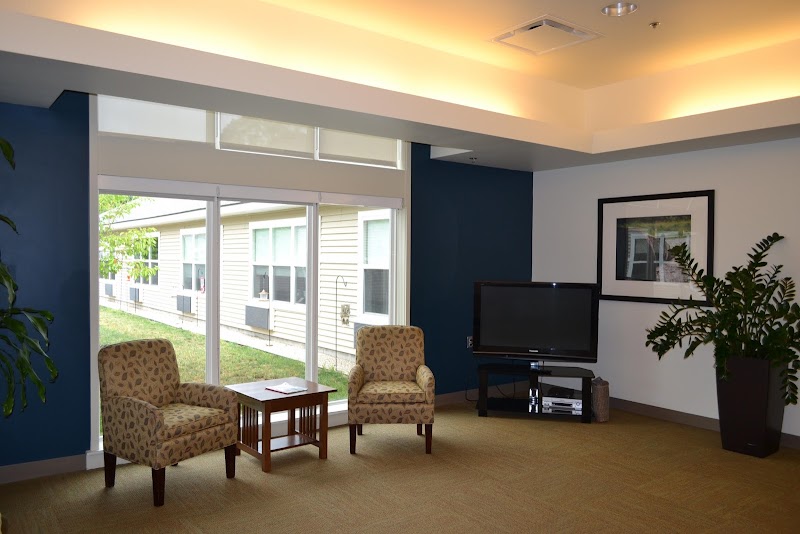
How is Medilodge Of Montrose Inc Staffed?

CMS rates Medilodge of Montrose Inc's staffing level at 2 out of 5 stars, which is below average compared to other nursing homes. Staff turnover is 62%, which is 16 percentage points above the Michigan average of 46%. High turnover can affect care consistency as new staff learn residents' individual needs. RN turnover specifically is 65%, which is notably high. RNs provide skilled clinical oversight, so turnover in this role can affect medical care quality.

What Have Inspectors Found at Medilodge Of Montrose Inc?

State health inspectors documented 79 deficiencies at Medilodge of Montrose Inc during 2022 to 2025. These included: 1 Immediate Jeopardy (the most serious level, indicating potential for serious harm or death), 7 that caused actual resident harm, 70 with potential for harm, and 1 minor or isolated issues. Immediate Jeopardy findings are rare and represent the most serious regulatory concerns. They require immediate corrective action.
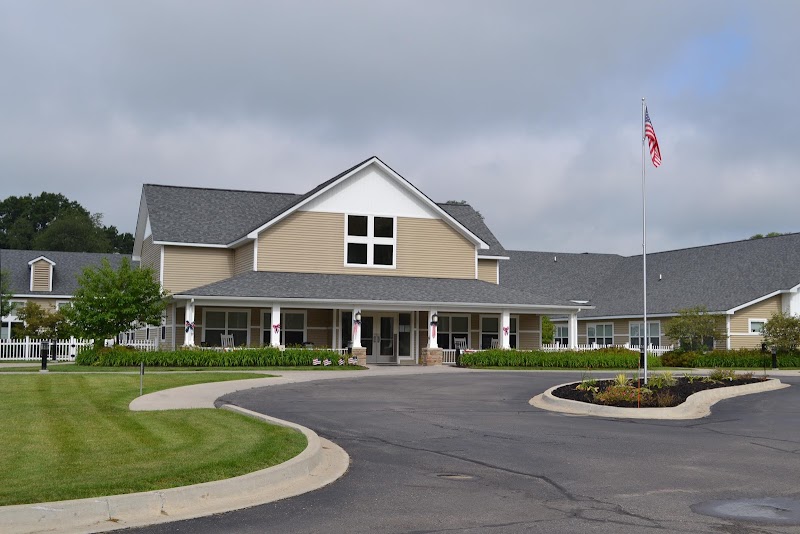
Who Owns and Operates Medilodge Of Montrose Inc?

Medilodge of Montrose Inc is owned by a for-profit company. For-profit facilities operate as businesses with obligations to shareholders or private owners. The facility is operated by MEDILODGE, a chain that manages multiple nursing homes. With 121 certified beds and approximately 105 residents (about 87% occupancy), it is a mid-sized facility located in Montrose, Michigan.

How Does Medilodge Of Montrose Inc Compare to Other Michigan Nursing Homes?

Compared to the 100 nursing homes in Michigan, Medilodge of Montrose Inc's overall rating (2 stars) is below the state average of 3.1, staff turnover (62%) is significantly higher than the state average of 46%, and health inspection rating (1 stars) is much below the national benchmark.

What Should Families Ask When Visiting Medilodge Of Montrose Inc?

Based on this facility's data, families visiting should ask: "What changes have been made since the serious inspection findings, and how are you preventing similar issues?" "What safeguards and monitoring systems are in place to protect residents from abuse or neglect?" "How do you ensure continuity of care given staff turnover, and what is your staff retention strategy?" "Can you walk me through typical staffing levels on day, evening, and night shifts?" These questions are particularly relevant given the facility's Immediate Jeopardy citations, the substantiated abuse finding on record, the facility's high staff turnover rate, and the below-average staffing rating.

Is Medilodge Of Montrose Inc Safe?

Based on CMS inspection data, Medilodge of Montrose Inc has documented safety concerns. The facility has 1 substantiated abuse finding (meaning confirmed case of resident harm by staff or other residents). Inspectors have issued 1 Immediate Jeopardy citation (the most serious violation level indicating risk of serious injury or death). The facility has a 2-star overall rating and ranks #100 of 100 nursing homes in Michigan. Families considering this facility should ask detailed questions about what corrective actions have been taken since these incidents.

Do Nurses at Medilodge Of Montrose Inc Stick Around?

Staff turnover at Medilodge of Montrose Inc is high. At 62%, the facility is 16 percentage points above the Michigan average of 46%. Registered Nurse turnover is particularly concerning at 65%. RNs handle complex medical decisions and coordinate care — frequent RN changes can directly impact care quality. High turnover means new staff may not know residents' individual needs, medications, or preferences. It can also be disorienting for residents, especially those with dementia who rely on familiar faces. Families should ask: What is causing the turnover? What retention programs are in place? How do you ensure care continuity during staff transitions?

Was Medilodge Of Montrose Inc Ever Fined?

Medilodge of Montrose Inc has been fined $89,334 across 2 penalty actions. This is above the Michigan average of $33,972. Fines in this range indicate compliance issues significant enough for CMS to impose meaningful financial consequences. Common causes include delayed correction of deficiencies, repeat violations, or care failures affecting resident safety. Families should ask facility leadership what changes have been made since these penalties.

Is Medilodge Of Montrose Inc on Any Federal Watch List?

Medilodge of Montrose Inc is not on any federal watch list. The most significant is the Special Focus Facility (SFF) program, which identifies the bottom 1% of nursing homes nationally based on persistent, serious quality problems. Not being on this list means the facility has avoided the pattern of deficiencies that triggers enhanced federal oversight. This is a positive indicator, though families should still review the facility's inspection history directly.