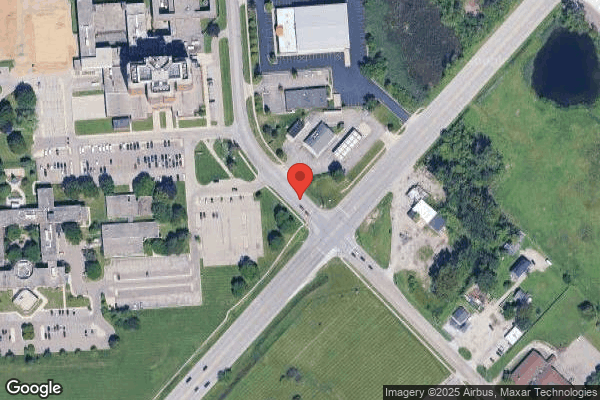
Martha T Berry MCF

43533 Elizabeth Road, Mount Clemems, MI 48043 (586) 469-5265
Government - County 217 Beds Independent Data: November 2025
Trust Grade
75/100
#138 of 422 in MI
Last Inspection: January 2025

Within standard 12-15 month inspection cycle. Federal law requires annual inspections.

Overview

Martha T Berry MCF has a Trust Grade of B, which means it is considered a good choice for nursing care, indicating reliable services. It ranks #138 out of 422 facilities in Michigan, placing it in the top half, and #8 out of 30 in Macomb County, meaning there are only seven local options that perform better. However, the facility's trend is concerning as issues reported have worsened significantly, increasing from 1 in 2024 to 7 in 2025. Staffing is rated well at 4 out of 5 stars, with a turnover rate of 44%, which is on par with the state average, but it has less RN coverage than 94% of other Michigan facilities, which raises concerns about the level of oversight for residents' care. Notably, there have been specific incidents where residents were not repositioned timely, risking skin breakdown and discomfort, and there were failures in ensuring proper COVID-19 precautions, which could lead to the spread of infection. Overall, while the facility has strengths in its staffing and overall grade, the increasing number of issues and specific care lapses are important considerations for families.

Trust Score
B
75/100
In Michigan
#138/422
Top 32%
Safety Record
Low Risk
No red flags
Inspections
Getting Worse
1 → 7 violations
Staff Stability
○ Average
44% turnover. Near Michigan's 48% average. Typical for the industry.
Penalties
✓ Good
No fines on record. Clean compliance history, better than most Michigan facilities.
Skilled Nurses
⚠ Watch
Each resident gets only 27 minutes of Registered Nurse (RN) attention daily — below average for Michigan. Fewer RN minutes means fewer trained eyes watching for problems.
Violations
⚠ Watch
17 deficiencies on record. Higher than average. Multiple issues found across inspections.
★★★★☆
4.0
Overall Rating
★★★★☆
4.0
Staff Levels
★★☆☆☆
2.0
Care Quality
★★★★☆
4.0
Inspection Score
Stable
2024: 1 issues
2025: 7 issues

The Good

  • 4-Star Staffing Rating · Above-average nurse staffing levels
  • Full Sprinkler Coverage · Fire safety systems throughout facility
  • No fines on record
  • Staff turnover below average (44%)

    4 points below Michigan average of 48%

Facility shows strength in staffing levels, fire safety.

The Bad

Staff Turnover: 44%

Near Michigan avg (46%)

Typical for the industry

The Ugly 17 deficiencies on record

Jan 2025 7 deficiencies
CONCERN (D)

Potential for Harm - no one hurt, but risky conditions existed

Deficiency F0645 (Tag F0645)

Could have caused harm · This affected 1 resident

**NOTE- TERMS IN BRACKETS HAVE BEEN EDITED TO PROTECT CONFIDENTIALITY** Based on interview and record review, the facility failed to ensure an update for a preadmission screening (PAS) and resident re...

Read full inspector narrative →
**NOTE- TERMS IN BRACKETS HAVE BEEN EDITED TO PROTECT CONFIDENTIALITY** Based on interview and record review, the facility failed to ensure an update for a preadmission screening (PAS) and resident review (ARR) /Hospital Exempted Discharge for a Level II evaluation was completed for one resident (R187) of three residents reviewed for PASARR. Findings include: A review of the medical record revealed that R187 admitted into the facility on 9/18/24 with the following diagnoses of paranoid schizophrenia, post traumatic stress diorder and dissociative identity disorder. A review of the most recent Minimum Data Set assessment dated [DATE] was completed with a Brief Interview for Mental Status (BIMS) score of 15 indicating intact cognition. A review of the medical record revealed a Preadmission Screening with a hospital exemption dated on 9/18/24. There was no change in condition for hospital discharge within 30 days and the PASSAR had not been updated. There was no additional PASARR forms nor was a Level II screening requested due to R187 having mental illness diagnoses. On 01/28/2025 at 10:57 AM, an interview was conducted with Social Worker A regarding R187's level II screening not being completed. Social Worker A stated were not aware or who had been completing the 3877/3878 forms. On 01/29/2025 at 3:15 PM, an interview was conducted with the Director of Nursing (DON) regarding R187's level II screening not being completed. The DON said her expectation is the PASARR's and level II for each resident are completed accurately and timely per the policy. A review of a facility policy titled, RESIDENT ASSESSMENT- COORDINATION WITH PASARR PROGRAM revealed the following: 3. Individuals admitted under a Hospital Exempted Discharge and remains in the facility longer than the 30 days, must be screened by an authorized facility designee using the State's Level I screening process via Form DCH 3877 and the designee must refer any resident who has or may have MD, ID or a related condition to the appropriate state-designated authority for Level II PASARR evaluation and determination.
CONCERN (D) 📢 Someone Reported This

A family member, employee, or ombudsman was alarmed enough to file a formal complaint

Potential for Harm - no one hurt, but risky conditions existed

Comprehensive Care Plan (Tag F0656)

Could have caused harm · This affected 1 resident

This citation pertains to Intakes MI00149363 and MI00149481. Based on observation, interview, and record review, the facility failed to implement a dental care plan for one resident (R110) out of one ...

Read full inspector narrative →
This citation pertains to Intakes MI00149363 and MI00149481. Based on observation, interview, and record review, the facility failed to implement a dental care plan for one resident (R110) out of one reviewed for comprehensive care plans. Findings include: On 01/27/25 at 10:00 AM R110 was observed laying in bed watching television. R110 was asked about dental care and stated they wanted teeth pulled at a dentist office, not the facility. A review of the medical record revealed R110 admitted into the facility on 1/05/2024 with the following diagnoses, Dysphagia, Malnutrition, Adult Personality Disorders, and Adjusment Disorder. A review of the Minimum Data Set (MDS) assessment on 1/9/25 revealed a Brief Interview for Mental Status (BIMS) score of 9/15 indicating moderately impaired cognition. Further review of of R110's medical record revealed dental consultions and issues with they're teeth. There was no comprehensive dental care plan with interventions noted in the medical record. On 01/29/2025 at 1:00 PM, an interview was conducted with Social Worker A regarding R110's dental care plan to which they responded, they had to go ask the other social worker and try to find care plan. At 2:15 PM, Social Worker A confrimed R110 did need a care plan and there was not one in the current medical record. On 01/29/2025 at 3:15 PM, an interview was conducted with the Director of Nursing (DON) regarding R110's dental care plan to which they replied their expectation is that care plans are completed accurately and timely for each resident. On 01/29/2025 at 2:09 PM, a request was made for the care plan policy and was not recieved by the end of the survey.
CONCERN (D)

Potential for Harm - no one hurt, but risky conditions existed

Quality of Care (Tag F0684)

Could have caused harm · This affected 1 resident

**NOTE- TERMS IN BRACKETS HAVE BEEN EDITED TO PROTECT CONFIDENTIALITY** Based on observation, interview, and record review, the facility failed to implement skin interventions and date skin care treat...

Read full inspector narrative →
**NOTE- TERMS IN BRACKETS HAVE BEEN EDITED TO PROTECT CONFIDENTIALITY** Based on observation, interview, and record review, the facility failed to implement skin interventions and date skin care treatments, for one sampled resident (R153) of three reviewed for skin. Findings include: On 1/27/25 at 1:34 PM, R153 was observed in their room sitting in a wheelchair. R153 was asked about the care at the facility and mentioned they need a new bandage strip. R153's right elbow was observed with a brown bandage on it without a date and intial, R153's right upper thigh was observed with a brown bandage on it without a date, and R153's right leg was observed with a discolored area that was not covered. R153 explained the facility has not followed up and changed the bandages for a few days. On 1/29/25 at 9:42 AM, R153's skin on the left leg was observed with a large red area that had a large blister that was not covered. R153 reported it was not covered on 1/28/25 and the bandage on their right elbow needed to be replaced because it fell off. On 1/29/25 at 9:45 AM, Unit Manager A was asked to observe R153's skin. Unit Manager A reported R153 should have a bandage on the left leg and when skin treatments are completed the nurse is required to date and initial the bandage. On 1/29/25 at 10:51 AM, the Wound Nurse was asked the facility's expectations regarding wound treatments. The Wound Nurse reported, R153's treatments are completed on the night shift and the nurse should've dated and signed the bandage. A review of R153's medical record revealed two physian's orders: -Cleanse left anterior thigh with normal saline pat dry apply xeroform and cover with dry dressing every night shift and as needed for abrasion. Start 12/11/24 - end date: Indefinite. -Cleanse left and right legs with normal saline, pat dry, apply xeroform (gauze dressing) to open areas and cysts cover with ABD (dressing used to cover and protect wounds or incisions) and wrap lightly with kerlix. every night shift for wound care and as needed for wound care. Start 1/14/25 - end date: Indefinite. A review of R153's Treatment Administration Record (TAR) noted on 1/23/25, the order to cleanse left and right legs with normal saline, pat dry, apply xeroform to open areas and cysts cover with ABD and wrap lightly with kerlix every night shift for wound care, treatment box was without documentation the treatment was completed. Further review of R153's medical record revealed R153 was admitted to the facility on [DATE] and readmitted on [DATE] with diagnosis of Acute Respiratory failure. A review of R153's quarterly Minimum Data Set (MDS) assessment, dated 10/22/14 noted R153 with an intact cognition and they required staff for activities of daily living. A review of R153's care plan revealed, I am at risk for impaired skin integrity r/t (related to) impaired mobility. Date Initiated: 01/13/2023. Goal: My skin will remain intact through the review date. Date Initiated: 01/13/2023. Interventions: Skin assessment weekly per protocol. Interventions to be implemented as needed based on findings. Date Initiated: 08/05/2024. Focus: I am at risk for complications r/t abrasion on L (left) thigh. Date Initiated: 12/13/2024. Goal: My skin abrasion will be healed by review date. Date Initiated: 12/13/2024. Interventions: Monitor/document location, size and treatment of skin abrasion. Report abnormalities, failure to heal, s/sx (signs and symptoms) of infection, maceration etc. to MD (medical doctor). Date Initiated: 12/13/2024. On 1/29/25 at 3:07 PM, the Director of Nursing (DON) was asked the facility's expectation regarding documentation of treatments. The DON reported the treatments should be dated and initialed when completed. A review of the facility's policy titled Wound Care and Treatment Standard Operating Procedures dated 04/10/19 noted, PURPOSE The purpose of this Standard Operating Procedure is to ensure the clinical team treats resident wounds as part of the skin integrity program . 4. PROCEDURES This procedure is to be performed when it has been determined by the wound care nurse or physician or wound care specialist that a wound treatment is required and ordered: . 14.Dress wound. [NAME] dressing with initials, time, and date and apply to dressing .
CONCERN (D)

Potential for Harm - no one hurt, but risky conditions existed

Pressure Ulcer Prevention (Tag F0686)

Could have caused harm · This affected 1 resident

**NOTE- TERMS IN BRACKETS HAVE BEEN EDITED TO PROTECT CONFIDENTIALITY** Based on observation, interview and record review, the facility failed to implement interventions to prevent the development of ...

Read full inspector narrative →
**NOTE- TERMS IN BRACKETS HAVE BEEN EDITED TO PROTECT CONFIDENTIALITY** Based on observation, interview and record review, the facility failed to implement interventions to prevent the development of a deep tissue injury and subsequent stage 3 pressure ulcer ( full-thickness skin loss) for one resident (R49), of three residents reviewed for pressure ulcers. Findings include: On 1/28/25 at 8:21 AM, R49 was observed in bed eating breakfast, heels flat on the bed. Attempts to interview the resident were to no avail as the resident was pleasantly confused. A review of R49's medical record revealed they were admitted into the facility on [DATE] with diagnoses that included Dementia, Muscle Weakness, and Psychotic Disorder. Further review of R49's medical record revealed they were significantly cognitively impaired, and was dependent for bed mobility per their care plan initiated on 12/13/23. Further review of R49's medical record revealed they sustained a fall on 8/6/24 resulting in a left hip fracture. Further review of R49's medical record revealed the following progress notes: 8/9/2024 18:41 (6:41pm) IDT (interdisciplinary team) Progress Note .Elder continues on IDT for falls. Elder had a fall on 8/6/24 at 18:15 (6:15pm) during a shower the elder had a witnessed fall. The elder was sent to the hospital and was noted to have a left hip fx (fracture). Elder had surgical repair and returned to facility WBAT L/LE (weight bearing as tolerated, left lower extremity) .Elder has hip precautions in place until surgical intervention is clarified with medical records and/or ortho (orthopedics) . 8/10/2024 17:59 (5:59pm) .Braden Scale for Predicting Pressure Ulcer Risk Evaluation Braden Evaluation: Sensory Perception: Slightly limited. Moisture: Rarely moist. Activity: Chairfast. Resident is Very Limited: Makes occasional slight changes in body or extremity position but unable to make frequent or significant changes independently. Nutrition: Adequate. Friction and shear: Potential problem BRADEN Score: 16.0 (at risk) . 8/12/2024 11:28 (11:28am) Skin/Wound Note .Elder was readmitted to the facility on [DATE]. During the assessment, the following observations were made regarding the elder's skin: - 20 staples on the left hip - [NAME] and purple bruising on the left hip and left knee - [NAME] bruising on the right knee - Scattered skin tags and age spots on the upper and lower back - Dime-sized abrasion on the left buttock with slow blanching redness, no drainage, no pain, and no odor noted -bilateral feet, dry skin . 9/1/2024 08:03 (8:03am) General Nursing Note .CNA (certified nursing assistant) informed nurse of new skin condition observed on resident bilateral heels. Nurse observed discoloration of Left heel, soft tissue, nonbankable (non-blanchable), and black in color. Right heel exhibited redness slow (blood) return when blanching . 9/1/2024 14:39 (2:39pm) General Nursing Note .Writer alerted of skin concern to residents left heel. Writer assessed resident and noted the following; Darkened areas to left heel, irregular edges noted, surrounding skin normal in color. Heel cool to touch. Orders updated in [medical record]; interventions placed to aide in healing process. Wound care team to follow up. 10/2/2024 16:17 (4:17pm) Skin/Wound Note .Resident seen today by [nurse practitioner]. [R49] is being seen for left heel DTI (deep tissue injury) which is now a stage 3 pressure injury. Wound measures 1cm (centimeter) x 0.8cm x 0.2cm. Scant amount of serous drainage noted. Wound bed has 76-100% slough. The wound is stable. Peri-wound skin texture is normal . 10/4/2024 11:16 (11:16am) IDT Progress Note .[R49] is being brought to IDT for [their] left heel in house stage 3 pressure injury. This wound was previously dx (diagnosed) as DTI .[R49] is incontinent of bowel and bladder and needs two-person assistance with the gait belt for transfers. Staff assistance is required for bed mobility and turning . Further review of R49's medical record revealed upon the resident returning to the facility on 8/9/24 following their fracture, they did not have any new orders or care plan interventions to prevent the development of a pressure ulcer to the resident's heels due to their new limited mobility and at risk Braden Score. On 1/29/25 at 12:36 PM, Wound Care Nurse (WCN D) was interviewed regarding R49's pressure ulcer, and confirmed the resident sustained a fall in August and did have a reduction in mobility. WCN D explained interventions implemented once the DTI was identified, but was unable to provide an explanation as to why the resident didn't have interventions in place prior to the discovery of the DTI. On 1/29/25 02:23 PM, an interview was completed with the Director of Nursing (DON) and Assistant Director of Nursing (ADON) regarding R49's pressure ulcer on their left heel. They both acknowledged there were no interventions put into place prior to the development of the DTI, aside from a specialty mattress R49 was on prior to the fracture and all residents receive upon admission into the facility. A review of the facility's Pressure Injury Prevention and Management policy revealed the following, 4. Interventions for Prevention and to Promote Healing a. Interventions will be based on specific factors identified in the risk assessment, skin assessment, and any pressure injury assessment (e.g., moisture management, impaired mobility, nutritional deficit, staging, wound characteristics). b. Evidenced-based interventions for prevention will be implemented for all residents who are assessed at risk or who have a pressure injury present. Basic or routine care interventions could include, but not limited to: o Redistribute pressure (such as repositioning, protecting and/or offloading heels, etc.); o Minimize exposure to moisture and keep skin clean, especially of fecal contamination; o Provide appropriate, pressure-redistributing, support surfaces; o Maintain or improve nutrition and hydration status, where feasible .
CONCERN (D)

Potential for Harm - no one hurt, but risky conditions existed

Accident Prevention (Tag F0689)

Could have caused harm · This affected 1 resident

Based on observation, interview and record review, the facility failed to implement adequate supervision, and effective fall interventions for one sampled resident (R117) of four residents reviewed fo...

Read full inspector narrative →
Based on observation, interview and record review, the facility failed to implement adequate supervision, and effective fall interventions for one sampled resident (R117) of four residents reviewed for falls, resulting in multiple falls, and a hospitalization. Findings include: On 1/28/25 at 8:28 AM, R117 was observed in bed on their back, floor mats observed on both sides of the bed. Attempts to interview the resident was to no avail due to their cognition. A review of R117's medical record revealed they were admitted into the facility on 4/6/23 with diagnoses that included Dementia, Hypertension, and Muscle Weakness. Further review revealed the resident was severely cognitively impaired with a brief interview for mental status score of 3/15, had a language barrier, and was dependent on staff for all activities of daily living. Further review of the resident's medical record revealed the following progress notes related to unwitnessed falls: 9/17/2024 13:22 (1:22pm) Incident Note .Resident observed kneeling on [their] knees next to the bed on the floor mat by the activities lady. Resident was asked if [they were] okay, and the resident replied 'yes' 9/25/2024 16:45 (4:45pm) Incident Note .Observed on the floor in the dining room door entrance sitting sloughed (slouched) against the wall with wheelchair unlocked slightly near the resident . 9/30/2024 19:46 (7:46pm) General Nursing Note .Approx (approximately) 11:45 writer observed resident on footrests of w/c (wheelchair) leaning on left side of body. 10/9/2024 20:35 (8:35pm) General Nursing Note .Writer was informed by CENA (certified nursing assistant) elder was on the floor. Upon arrival elder was sitting on buttock, elder has floor mats which were in place. Elder was facing the hallway with feet pointed out towards the hallway pulling on [their] peg tube (feeding tube) . 11/1/2024 03:45 (3:45am) General Nursing Note .The resident was found on the floor in the hallway after an unwitnessed fall . 11/1/2024 16:20 (4:20pm) Incident Note .Writer received in report elder had an unwitnessed fall during night shift. during day shift while doing care CENA report elder in moderate pain, writer went into elder room elder shows s/o (signs of) pain guarding right hip, facial grimacing, limited ROM (range of motion) . 11/2/2024 07:30 (7:30am) General Nursing Note [Physician] was notified of elder Xray results. Right femoral neck fracture (upper leg bone), order was given to send elder to hospital . 1/9/2025 10:44 (10:44am) Incident Note .Writer called into room by therapist because resident was halfway out of bed, upon arrival [R117] was on the floor sitting with [their] back against the bed, legs on the floor. Pt (patient) reported not knowing how [they] got on the floor . A review of R117's fall care plan revealed the following: Focus: I am at risk for falls r/t (related to) cognitive impairment, decreased mobility 2/2 right hip fracture and Parkinson's disease, and poor safety awareness. Date Initiated: 04/06/2023 Interventions: -Frequent rounding for safety Date Initiated: 04/27/2023 -I have a preference and safety need to not go to bed until after 8pm unless requested by elder Date Initiated: 10/10/2024 -I need constant reminders not to get up out of bed on my own. Date Initiated: 08/11/2023 -I need to be offered time to stretch my legs with assistance after sitting for long periods Date Initiated: 05/06/2024 -I will attempt to pick stuff up off the floor after I eat. Please clean the floor around me after I eat for safety Date Initiated: 06/24/2024 -I am incontinent, and I will attempt to self-transfer, please offer frequent checks for improved safety and comfort. Date Initiated: 01/16/2024 -If you see that I am restless please offer to get me up into my w/c and offer engaging activity Date Initiated: 08/14/2023 -Mediation review. Date Initiated: 01/09/2025 -Offer to assist me to bed for a nap after meals. Date Initiated: 04/14/2024 -Place me in common area anytime I'm awake to prevent me from falling. Date Initiated: 04/20/2023 Please bring me to the dining room prior to AM meal as tolerated Date Initiated: 01/23/2024 -Please get me up for activities daily Date Initiated: 11/05/2023 -Please have dycem in my W/C to help prevent me from sliding. Date Initiated: 04/24/2023 - Please have non-skid socks on while in bed, non-skid footwear out of bed Date Initiated: 04/24/2024 -Please toilet me before and after meals Date Initiated: 06/21/2024 -Reinforce need to call for assistance. Date Initiated: 04/07/2023 -Sometimes I enjoy breakfast in bed, when I am done eating, please offer to get me I will use bilateral floor mats at bedside for increased safety r/t impaired safety awareness -When I go down for bed, ensure I have a night snack. Date Initiated: 04/25/2024 - When in D/R (dining room) please have me seated at the table nearest the TV as I require closer supervision and have a preference for this table Date Initiated: 06/14/2024 -while placed in the common while awake I will be provided engaging activity to assist with maintaining safety. Date Initiated: 01/09/2025 On 1/29/25 at 11:51 AM, R117's falls and interventions following the falls were reviewed with the Risk Investigation Manager (RIM), and noted the following: -Regarding the 9/17/24 fall, the intervention was for the resident to be offered to get into their wheelchair and to an activity. -Regarding the 9/25/24 fall, the intervention was for a medication review however, prior to the review, the resident sustained another fall. The RIM acknowledged upon reviewing that fall, the resident did not have a dycem (non-slip material used for stabilization) in their wheelchair which had been care planned and was not being implemented. There were also no additional fall interventions following this fall. -Regarding the 10/9/24 fall, the intervention was for the resident to not go back to bed until 8pm unless requested by the elder. The RIM was asked about the resident's language barrier and explained the resident can shake their head for yes or no when answering questions. -Regarding the 10/31/24 fall, the resident was transferred to the hospital after sustaining a fracture however, upon the resident's return, the RIM acknowledged there were no interventions put into place. The RIM was asked about the process for assessing care planned interventions to ensure they are effective, and explained that falls are assessed for 72 hours following a fall in which the interdisciplinary team reviews the intervention and revise as needed. On 1/29/25 at 2:33 PM, an interview was completed with the Director of Nursing (DON) and Assistant Director of Nursing (ADON) regarding R117's falls and effective interventions not being in place. The DON acknowledged the interventions should be in place, and efforts have been put into place to decrease falls within the facility. A review of the facility's Falls-Clinical Protocol revealed the following, 6. A comprehensive care plan will be completed and will address risk factors identified during the fall risk assessment. Interventions will be implemented accordingly. 7. Supervision is an intervention and a means of mitigating accident risk. The facility will provide adequate supervision to prevent accidents. Adequacy of supervision is based on the individual residents assessed needs and identified hazards in the resident environment .
CONCERN (D)

Potential for Harm - no one hurt, but risky conditions existed

Deficiency F0697 (Tag F0697)

Could have caused harm · This affected 1 resident

**NOTE- TERMS IN BRACKETS HAVE BEEN EDITED TO PROTECT CONFIDENTIALITY** Based on observation, interview, and record review, the facility failed to administer a pain patch for one sampled resident (R28...

Read full inspector narrative →
**NOTE- TERMS IN BRACKETS HAVE BEEN EDITED TO PROTECT CONFIDENTIALITY** Based on observation, interview, and record review, the facility failed to administer a pain patch for one sampled resident (R28) of one review for medication administration. Findings include: On 1/27/25 at 1:36 PM, R28 was asked about the care at the facility and stated, Yesterday they didn't give me my pain patch. R28 reported this happens often. A review of R28's medical record revealed, R28 was admitted to the facility on [DATE] with diagnosis of Chronic Obstructive Pulmonary Disease (COPD). A review of R28's Minimum Data Set (MDS) assessment dated [DATE], noted R28 with an intact cognition and requires staff assistance to complete activities of daily living (ADLs). A review of the Medication Administration Record (MAR) for December 2024 revealed, Lidocaine Patch 4 % Apply to the painful area topically one time a day for Musculoskeletal pain. Apply to the affected areas/painful region -Start Date 06/17/2023. On December 20th the MAR was marked with a 9 indicated see nurses notes (for reason why not administered). A review of the cooresponding nursing noted did not document the reason the Lidocaine Patch medication was not administered. A review of R28's MAR for January 2025 revealed, Lidocaine Patch 4 % Apply to the painful area topically one time a day for Musculoskeletal pain. Apply to the affected areas/painful region. On January 24th the MAR was marked with a 9 indicated see nurses notes. A review of the cooresponding nursing noted did not document the reason the Lidocaine Patch medication was not administered. On 1/29/25 at 9:53 AM, Unit Manager A was asked about the number code 9 and the expectation for that code. Unit Manager A explained the nurse should put in a note to explain the reason whay a medicaiton is not given. Unit Manager A was asked if the Lidocain patch was a medication the facility had in their storage/backup box and later confirmed the facility does have that medication on hand and available for administration without waiting for the refill. A review of R28's care plan revealed, Focus: I am at risk for pain related to/resident has chronic pain related to Pressure points, Reduced mobility Date Initiated: 02/19/2021. Goal: If my pain exceeds what I deem as comfortable, my medication will be effective (reduce and/or relieve) within one hour of administration through next review date. Date Initiated: 02/19/2021. Interventions: Monitor my pain level for effectiveness of analgesic within one hour after administration. Date Initiated: 02/19/2021. Nursing and Therapy staff will confer with my physician if I display signs of pain or verbalizations of pain to determine if a medication adjustment is appropriate. Date Initiated: 02/19/2021. On 1/29/25 at 3:08 PM, the Director of Nursing (DON) and the Assistant Director of Nursing (ADON) were asked about the medication not being available. The ADON explained the facility has the Lidocain patch on hand and is available for the residents. The DON explained there should be documentation when number code 9 is documented on the MAR. A review of the facility's policy titled, POLICY: MEDICATION - NOT READILY AVAILABLE dated 07/20/2024 noted, PURPOSE: There may be occurrences when resident medications are not readily available. The facility provides pharmaceutical services including procedures that assure the accurate acquiring, receiving, dispensing and administering of all drugs/biologicals to meet the needs of each resident. This policy provides guidelines for licensed nursing staff if a medication(s) is not readily available. POLICY: It is the policy of [name of facility] that the facility accurately and safely provides and/or obtains pharmaceutical services, including the provision of routine and emergency medications/biologicals to enable continuity of care for current residents and an anticipated admission or transfer of resident from acute care or other institutional setting. PROCEDURE: 1. The facility will utilize a systematic approach to provide or obtained routine and/or emergency medications and biologicals in order to meet the needs of each resident. 2. Acquisition of medications should be completed in a timely manner to ensure medications are administered in a timely manner. 3. Each time that a nurse is administering medications he/she will observe the current availability of medications and re-order medication in a timely manner. 4. A STAT supply of commonly used medications is maintained in-house for timely initiation of medications. This would be through emergency medication boxes or Pyxis machine use, (if available). 5. In the event of a new order the facility is allowed 24-hours to begin a medication unless otherwise specified by the physician.
CONCERN (D)

Potential for Harm - no one hurt, but risky conditions existed

Unnecessary Medications (Tag F0759)

Could have caused harm · This affected 1 resident

**NOTE- TERMS IN BRACKETS HAVE BEEN EDITED TO PROTECT CONFIDENTIALITY** Based on observation, interview, and record review, the facility failed ensure a medication error rate not greater than 5%, for ...

Read full inspector narrative →
**NOTE- TERMS IN BRACKETS HAVE BEEN EDITED TO PROTECT CONFIDENTIALITY** Based on observation, interview, and record review, the facility failed ensure a medication error rate not greater than 5%, for one resident (R181) out of four residents observed during medication pass, resulting in a medication error rate of 7.4%. Findings include: On 1/28/25 at 8:16 AM, Licensed Practical Nurse (LPN) B prepared medications for R181 which included Diltiazem (to treat high blood pressure) ER (extended release) and Methenamine Hippurate (to prevent urinary tract infections). After placing all medication tablets in a medication cup, LPN B stated oh the other nurse told me that they need to be crushed. LPN B explained there is a standing order that states medications can be crushed if needed. LPN B explained they had a reference book indicating medications could and could not be crushed. LPN B was then observed to reference the medication book and stated, I don't see them in here. LPN 'B then crushed all the medications, mixed them with pudding, and administered them to R181. LPN B was asked if they could call the pharmacy to ask if a medication should be crushed if it was not in the book. LPN B replied yes. A review of R181's medical record revealed they were admitted to the facility on [DATE] with a diagnosis of Unspecified Dementia, Arthritis, and other specified disorders of bladder. Further record review revealed a Brief Interview for Mental Status score of 3, indicating significant cognitive impairment. Further review of R181's medical record revealed the following active medication orders: Methenamine Hippurate oral tablet 1 GM (gram). Give 1 tablet by mouth two times a day for UTI (urinary tract infection) prevention; Diltiazem HCL (hydrochloride) ER (extended release) oral tablet extended release 24-hour 240 mg (milligrams) Give 240mg by mouth one time a day for HTN (high blood pressure). On 1/28/25 at 3:23PM, Unit Manager (UM A) explained any extended-release medication should not be crushed, and that LPN B should have called the pharmacy if they were not sure. At this time a phone interview was conducted with Pharmacist C. Pharmacist C explained that Diltiazem ER is an extended-release medication and should not be crushed and explained that if Diltiazem ER is crushed the resident would get the whole dose of medication all at once instead of a continuous extended release which could cause their blood pressure to drop. Pharmacist C explained that Methenamine Hippurate should not be crushed because it has an enteric coating on it and if it were crushed it would irritate the resident's stomach and also since it is a antimicrobial the protein can break down in the stomach acid rendering the medication less effective. On 1/29/25 at 10:11 AM, the Director of Nursing (DON) explained if a medication is not listed in the reference book the nurse should call the pharmacy for clarification. A review of the facility's policy titled Crushed Medications revealed the following: Policy: It is the policy of (facility) to ensure medications administered crushed will be administered according to standards of practice for safety and accuracy in medication administration and free of significant medication errors. Procedure: 1. Medication shall be crushed according to physician orders .3. The pharmacist will review medications to be crushed for safety and stability .
Sept 2024 1 deficiency
CONCERN (D) 📢 Someone Reported This

A family member, employee, or ombudsman was alarmed enough to file a formal complaint

Potential for Harm - no one hurt, but risky conditions existed

Deficiency F0602 (Tag F0602)

Could have caused harm · This affected 1 resident

**NOTE- TERMS IN BRACKETS HAVE BEEN EDITED TO PROTECT CONFIDENTIALITY** This citation pertains to Intake: MI00146692 Based on interview, and record review, the facility failed to ensure protection fro...

Read full inspector narrative →
**NOTE- TERMS IN BRACKETS HAVE BEEN EDITED TO PROTECT CONFIDENTIALITY** This citation pertains to Intake: MI00146692 Based on interview, and record review, the facility failed to ensure protection from misappropriation of property for one resident (R700) out of one resident reviewed for abuse . Findings include: Reviewof a facility reported incident documented, A resident's (R700) debit card ws obtained and used by an employee without the permissionof the resident or their responsible party. The suspected employee was brought in for interviewing and confessed to using the card without permission . On 9/17/24 at 10:45 AM, R700 was observed in they're room laying in bed. R700 unable to recall the incident. A review of R700's clinical record revealed R700 was admitted into the facility on 8/02/23 with diagnoses that included: chronic Obstructive Pulmonary Disease, Psychotic disorder with Hallucinations. A review of R700's Minimum Data Set (MDS) assessment dated [DATE] revealed R700 had a Brief Interview of Mental Status (BIMS) assessment score of 6 indicating severe cognitive impairment. On 9/17/24 at 1:25 PM a phone interview was held with 700's daughter regarding the alleged incident. R700's family member stated, I gave my mother the purse with the wallet in it about six months ago because those items helped her feel independent. I had no idea this would happen until we noticed the charges on the card. It never crossed my mind that this would happen. There was cash and the card in the wallet. I quickly reported it to the police and the facility who conducted an investigation. An interview occurred on 9/17/24 at 2:04 PM, with the Risk Investigation Manager (Nurse A) who conducted a facility investigation stated ,Once the family notified our social worker charges had been made on the card, the facility reported the incident to the State Agency, the (name of local sheriff's office) and started our investigation. Once the vending machinnes confirmed the charges were made in the facility, we were able to coordinate the times of the transactions at the vending machine with the facility camera's to determine an alleged suspect. Upon identifying the perpatrator and interviewing them, perpetrator admitted the crime and was terminated. On 9/17/24 at 1:35 PM, an attempt to reach the perpetrator occurred but there was no answer and a message was left. A review of the facility's investigation revealed the following conclusion, the facility has substantiated that abuse occurred in the form of misappropriation of a resident's property. A resident's debit card ws obtained and used by an employeewithout the permissionof the resident or their responsible party. The suspected employee was brought in for interviewing and confessed to using the card without permission. Video footage confirmed the employee's whereabouts during the time the care was used. The resident's responsible party was reimbursed . A review of the policy entitled, Resident Abuse, Neglect and Exploitation Program revealed the following : Residents have the right to be free from abuse, neglect, exploitation and misappropriation of property. It is our responsibility to protect these rights with a program that detects, monitors and trains staff on the signs of abuse, neglect, exploitation and misappropriation of property and screens out individuals that may pose a threat to our residents, thoroughly investigate allegations and suspicions of these actions, and report to the proper agencies in a way that meets state and federal requirements. During the onsite survey, past noncompliance (PNC) was cited after the facility implemented actions to correct the noncompliance which included: 1. The identification of like residents and their responsible parties who had credit or debit cards in their possession. 2. Audit like residents to ensure no one else had unauthorized charges on their card. 3. Interview self responsible residents to verify their accountsand unauthorized charges. Measures systemic changes made to ensure that deficient practice will not occur and affect others 1. All staff were re-educated on following about misappropriation of resident's property. 2. All staff were re-educated on the abuse policy How facility monitors its corrective actions to ensure same deficiient practice is corrected and will not recur. 1. The social Work department / designee will interview residents/ responsible parties duringresident care conferences regarding unusual transactions of residents personal funds weekly for four weeks, the monthly for four months and quarterly until compliance is met. 2. The Social Worker / Unit Manager will query employees about misappropriation weekly for weeks and then monthly untils compliance is met. Date of compliance 9/3/24. The facility was able to demonstrate monitoring of the corrective action and maintained compliance.
Nov 2023 4 deficiencies
CONCERN (D)

Potential for Harm - no one hurt, but risky conditions existed

Resident Rights (Tag F0550)

Could have caused harm · This affected 1 resident

**NOTE- TERMS IN BRACKETS HAVE BEEN EDITED TO PROTECT CONFIDENTIALITY** Based on observation, interview and record review, the facility failed to provide a privacy bag for a urinary drainage bag for o...

Read full inspector narrative →
**NOTE- TERMS IN BRACKETS HAVE BEEN EDITED TO PROTECT CONFIDENTIALITY** Based on observation, interview and record review, the facility failed to provide a privacy bag for a urinary drainage bag for one resident (R79) out of two reviewed for catheters, resulting in loss of privacy and dignity. Findings Include: On 11/13/2023 at 11:05 AM, R79 was observed in the dining area sitting in their wheelchair. R79 was observed to have a catheter, with no privacy bag on the urinary drainage bag. R79 was queried as to if they prefer not to have a privacy bag. R79 stated that they prefer to have a privacy bag on, and that they thought they had the drainage bag with the blue cover on it. A review of the medical record revealed that R79 admitted into the facility on [DATE] with the following diagnoses, Obstructive and Reflux Uropathy, Dysphagia, and Major Depressive Disorder. A review of the Minimum Data Set assessment revealed a Brief Interview for Mental status score of 15/15 indicating an intact cognition. R79 also required extensive two person assist with transfers and bed mobility. On 11/13/2023 at 11:10 AM, Nurse H was informed that R79 did not have a privacy bag for their urinary drainage bag and would like it changed. Nurse H states that they don't know why they had that bag on and would change it. Nurse H then proceeded to take R79 to their room and change the urinary drainage bag to one with a privacy cover. On 11/13/2023 at 11:21 AM, R79 was brought back to the dining area with a privacy bag on their urinary drainage bag. R79 stated that they felt better with the privacy cover on there since they would be going to activities later. On 11/15/2023 at 1:50PM, an interview was conducted with the Director of Nursing (DON) regarding privacy bags and dignity in the facility. The DON stated that I expect that we have a privacy bag for all urinary drainage bags for dignity. The DON stated that usually all the bags have the blue cover, but when residents go out to the hospital or for an appointment and come back then they have a different bag. The DON stated that if this happens, then the bag should be changed immediately. A review of a facility policy titled, Catheter Care, Urinary noted the following, .11. The drainage bag will be stored in a fig leaf drainage bag/dignity/privacy bag to enhance the residents dignity while catheter is in use.
CONCERN (D) 📢 Someone Reported This

A family member, employee, or ombudsman was alarmed enough to file a formal complaint

Potential for Harm - no one hurt, but risky conditions existed

Deficiency F0558 (Tag F0558)

Could have caused harm · This affected 1 resident

**NOTE- TERMS IN BRACKETS HAVE BEEN EDITED TO PROTECT CONFIDENTIALITY** This citation pertains to Intake M100139900. Based on observation, interview and record review, the facility failed to ensure th...

Read full inspector narrative →
**NOTE- TERMS IN BRACKETS HAVE BEEN EDITED TO PROTECT CONFIDENTIALITY** This citation pertains to Intake M100139900. Based on observation, interview and record review, the facility failed to ensure that call lights remained within reach for six (R30, R62, R83, R110, R131, R136) of 13 sampled residents, resulting in resident and family member dissatisfaction with care and the potential for delayed or unmet care needs. Findings include: R83 Review of the medical record facesheet for R83 revealed an admission date of 01/31/20 with diagnoses that included Dementia, Anxiety Disorder and Muscle Weakness. The Minimum Data Set (MDS) assessment dated [DATE] indicated R83 required primarily total (Dependent) assistance for activities of daily living (ADLs). The Brief Interview for Mental Status (BIMS) score of 10/15 indicated moderate cognitive impairment. On 11/13/23 at 2:56 PM, R83 was observed laying in bed. R83's call light was observed on top of the tall wardrobe storage cabinet adjacent to the head of the bed out of the resident's reach. Review of R83's Care Plan dated 08/09/23 revealed a Focus area identifying R83's need for ADL assistance due to impaired mobility. This Focus area included the following Intervention statement: I move my call light by unclipping it from linens to adjust myself in and around the bed. Please check my call light frequently that I can reach it. On 11/15/23 at 1:36 PM, R83 was observed laying in bed. The call light was observed hanging through the hole in the headboard and to the floor, out of the resident's reach. It was noted that although the facility had identified the resident's history of removing the call light, observations revealed the call light was placed in a manner and location that was highly unlikely to have been placed by the resident. On 11/15/23 at 1:39 PM, R83's family member was visiting and was interviewed regarding the concerns expressed in the Intake called into the State Agency. The family member reported that during daily visits they continue to regularly find the resident's call light placed out of reach. R62 Review of the medical record facesheet for R62 revealed an admission date of 11/11/22 with diagnoses that included Dementia, Anxiety Disorder and Rheumatoid Arthritis. The MDS assessment dated [DATE] indicated R62 required primarily moderate/maximum assistance for ADLs. The BIMS score of 3/15 indicated severe cognitive impairment. Further review of R62's record revealed a history of multiple falls. R62's Care Plan dated 08/16/23 included a Focus area addressing the resident's fall history that included the Goal area of keeping the resident free of falls. This Goal area included the following Intervention: I will stay in bed when the lights are out at night and I will use my call light to ask for assistance to get up. On 11/15/23 at 9:11 AM, R62 was observed laying in bed. The call light was observed laying on the floor above the head of the bed near the wall, out of the resident's reach. R30 Review of the medical record facesheet for R30 revealed an admission date of 11/01/19 with diagnoses that included Acute Respiratory Failure, Vascular Dementia and Cerebral Infarction. The MDS assessment dated [DATE] indicated R30 required primarily maximum assistance for ADLs. The BIMS score of 4/15 indicated severe cognitive impairment. On 11/14/23 at 9:48 AM, R30 was observed laying in bed and the call light was observed laying on the floor out of the resident's reach. R110 Review of the medical record facesheet for R110 revealed an admission date of 08/17/20 with diagnoses that included Neurocognitive Disorder with Lewy Bodies, Parkinson's Disease and Anxiety Disorder. The MDS assessment dated [DATE] indicated R110 required primarily total assistance for ADLs. The BIMS score of 0/15 indicated severe cognitive impairment. On 11/14/23 at 9:49 AM, R110 was observed sitting up in the chair near the foot of the bed facing the door. The call light was observed hanging over the head of the bed behind the resident and out of reach. On 11/15/23 at 10:02 AM, the facility's Director of Nursing (DON) reported that the expectation regarding call lights is that resident's call light always be placed so that the resident can easily access it. R136 On 11/13/23 at 10:15 AM, R136 was observed to be on their back in bed holding an apple in their left hand. R136 was dressed in a hospital style gown. A pillow was under the knees and lower legs and the heels rested on the bed. The head of the bed was up 30 to 45 degrees, a body wedge was on a chair away from the bed and the call light button was hanging down below the bed frame on the (the resident's left) left side and visible from the doorway. On 11/13/23 at 4:33 PM, R136 was observed to be in bed on their back with the head of the bed up around 30 to 45 degrees. R136 held their head over toward their right shoulder. The call light button was hanging down below the bed frame on the left side. On 11/14/23 at 7:53 AM, R136 continued in bed with a pillow under their knees and their heels on the bed. The head of the bed was up around 30-45 degrees, an apple was on the tray table and R136 was on their back, dressed in a hospital style gown, with their head over to the right shoulder. The call light button was hanging down below the bed frame on the left side. On 11/14/23 at 8:32 AM and 9:17 AM, R136 was observed to be in bed on their back, with the head of the bed lower but raised slightly around 20 to 30 degrees. R136 was covered to the shoulders with a sheet. The call light button was hanging down below the bed frame on the left side. On 11/14/23 at 11:38 AM, R136 was observed to be on their back in bed as before. R136 appeared asleep in bed. R136 had a pillow or other device on the right side. The call light button was hanging down below the bed frame on the left side. On 11/14/23 at 1:14 PM, staff exited the room of R136 with their meal tray. R136 was sitting more upright in bed, with the head up around 45-60 degrees and appeared asleep with their head over toward the right shoulder. A sandwich and danish were on the tray table over the bed. R136 attempted to answer queries but fell back to sleep mid sentence. The call light button remained below bed frame at the head of bed. On 11/14/23 at 4:46 PM, R136 was on their back in bed with the call light at their waist. Their head was over toward the right shoulder and a towel had been placed for the head to rest upon. A half sandwich and an apple were on the tray table. The head of the bed was up around 20 to 30 degrees and R136 appeared asleep. A review of the medical record facesheet for R136 revealed, R136 was admitted into the facility on [DATE]. Diagnoses included Low back back, Reflux Disease and High Blood Pressure. Care plan interventions included keep the wedge positioned under my right side while in bed to prevent/reduce me from leaning over. Date initiated 06/15/23 .heel protector boots on bilateral feet or float my heels with a pillow wihile in bed. Date initiated 05/15/23 .Bed Mobility: I require pertial physical assist with one staff. Date initiated 05/12/23 . The Minimum Data Set (MDS) assessment dated [DATE] indicated intact cognition with a 13/15 Brief Interview for Mental Status score and was dependant on staff for personal and toilet hygiene. The ability to roll left and right was not defined. The 08/08/23 MDS indicated the ability to roll left and right was dependant. R131 On 11/15/23 at 9:25 AM, R131 was on their back in bed, dressed in a hospital style gown, the head of the bed elevated to around 20 to 30 degrees and a towel over their chest. The call light button was hanging down at left side of bed below frame and touched the floor. On 11/15/23 at 10:51 AM, R131 was on their back in bed, dressed in a hospital style gown, with the head of the bed elevated to around 20 to 30 degrees. The call light button was hanging down at left side of bed below frame and touched the floor. On 11/15/23 at 11:01 AM, R131 had been turned toward and onto their right side with a wedge behind their back. The head of the bed appeared slightly lower. The call light button was hanging down at left side of bed below frame and touched the floor. A clip was in place on the call button end. A review of the medical record facesheet for R131 revealed, R131 was admitted into the facility on [DATE]. Diagnoses included Dementia and Parkinson's. The MDS dated [DATE] indicated impaired cognition with a 7/15 Brief Interview for Mental Status score and R131 was dependant for eating, oral hygiene and toilet needs. The ability to roll left and right was not defined. The 07/14/23 MDS indicated the ability to roll left and right was dependant. A wound note dated 11/15/23 documented a pressure ulcer to the sacral/tailbone region. Review of the facility policy titled Answering Call Lights dated 11/08/23 revealed the Purpose statement: Residents admitted to (name of) Medical Care Facility can expect their needs/requests to met in a timely manner. It is our responsibility to ensure the resident's call light is available, within reach, functioning properly and answered promptly. The Procedure section of this policy included the following entries: 1. Facility staff will be educated on the proper use of the resident call system, including how the system works and ensuring resident access to the call light .5. The call system will be accessible to residents while in their bed or other sleeping accommodations within the resident's room.
CONCERN (D) 📢 Someone Reported This

A family member, employee, or ombudsman was alarmed enough to file a formal complaint

Potential for Harm - no one hurt, but risky conditions existed

Free from Abuse/Neglect (Tag F0600)

Could have caused harm · This affected 1 resident

**NOTE- TERMS IN BRACKETS HAVE BEEN EDITED TO PROTECT CONFIDENTIALITY** This citation pertains to Intake MI00139058. Based on interview and record review, the facility failed to protect a vulnerable r...

Read full inspector narrative →
**NOTE- TERMS IN BRACKETS HAVE BEEN EDITED TO PROTECT CONFIDENTIALITY** This citation pertains to Intake MI00139058. Based on interview and record review, the facility failed to protect a vulnerable resident (R84) from unconsentual inappropriate touching by a resident (R166) who had documented sexual behaviors of out of seven residents reviewed for abuse, resulting in emotional distress. Findings include: Review of the facility Five Day Investigation Report submitted to the State Agency revealed that R84 reported to a staff member on 07/09/23 that while in a common activity area they had been touched in a sexually inappropriate manner by R166 and that they found it upsetting. This report indicated that a second staff member reported observing R84 being tearful and expressing emotional distress shortly following the alleged incident. The report indicated that during follow-up facility interviews, R84's responses fluctuated between acknowledging that the incident occurred and either denying or not recalling that the incident occurred. Facility interviews with R166 indicated that they did not recall the alleged behavior taking place. The facility report indicated that review of video surveillance of the incident revealed that R166 had touched R84's breast and had not touched R84's groin area. Review of the medical record facesheet for R84 revealed an admission date of 03/03/22 with diagnoses that included Epilepsy, Traumatic Brain Injury related to gun shot wound to the head (at age [AGE]) and Mild Intellectual Disabilities. The Minimum Data Set (MDS) assessment dated [DATE] indicated R84 required primarily moderate assistance for activities of daily living (ADLs). The Brief Interview for Mental Status (BIMS) score of 9/15 indicated moderate cognitive impairment. Review of R84's Care Plan dated 07/05/22 revealed the Focus area statement Due to my impaired cognition, I am at risk of making decisions that could jeopardize my safety. Per my mother/guardian, I have a history of partaking in activities at the command of males. My mother/guardian has requested for me not to be in the room of male [residents]. The Interventions associated with this Focus area included the following entry: Please offer increased supervision when I am with male residents. Review of the facility medical recordfacesheet for R166 revealed an admission date of 07/26/21 with diagnoses that included Cerebral Infarction, Left (non-dominant) Hemiplegia, Epilepsy and Vascular Dementia. The MDS assessment dated [DATE] indicated R166 required primarily maximum assistance for ADLs. The BIMS assessment score of 15/15 indicated intact cognition. Review of R166's Care Plan dated 06/14/23 included a Focus area that included the following statement: I have a history of making sexually inappropriate comments toward staff. I will also sometimes request staff to provide care to my genital area that may not be clinically necessary and may moan during routine personal care. I often view these behavioral expressions as playful flirtation and not inappropriate The Interventions associated with this Focus area included: - If I moan or make inappropriate statements during care provided to my genital area please explain that you are only completing clinically necessary personal care and that it is not appropriate to make this process appear sexual in nature. - Keep a straight face and avoid displaying an emotional reaction to my inappropriate sexual comments as I may be wanting to get a rise out of you. Provide firm and consistent education that you are here to provide care to me and to please refrain from asking me personal questions or discussing other relationships. - Please provide me with a male CNA (certified nursing assistants) if possible or two female CNAs with care as I am known to make sexually inappropriate comments toward staff. On 11/14/23 at 8:50 AM, R84 was asked about the reported incident involving another resident touching them inappropriately and if they could recall or talk about what happened. R84 stated No way Jose. When asked if this was a situation that was difficult to talk about R84 stated No, (name of R166) never touched me anyway. On 11/14/23 at 9:13 AM, R166 was asked if they could recall or talk about an incident involving them touching another resident inappropriately. R166 reported that they and [R84] used to sit together and have sex talk. R166 reported that on the reported occasion they did touch R84 stating I grabbed her breast. I asked her to lift her arm up and then I grabbed her. I can tell you that I regret it now . I don't even like [R84]. I have a new girlfriend now. On 11/14/23, Risk Manager/Registered Nurse (RN) D was interviewed regarding the availability of the video that was referred to in the facility investigation and reported that the video was no longer available in the system and that it had not been saved outside of the automated expiration time. On 11/15/23 at 8:50 AM, Activity Aide K was interviewed and reported that they did recall the reported incident. Activity Aide K stated that they approached R84 following an activity because they appeared upset. When they asked R84 what was wrong R84 reported that R166 had grabbed her breast and her groin and that they did not like it. Activity Aide K reported that they returned R84 to their room, notified the nurse on the resident's unit and called the facility Administrator (NHA) to report the incident. On 11/15/23 at 9:36 AM, CENA L was interviewed and reported that they did recall the reported incident and that shortly after R84 returned to their room they spoke with R84. CENA L reported that R84 was visibly upset and crying and reported that R166 had grabbed their breast and that they did not want R166 to do that and they were upset about it. CENA L reported that they attempted to console and redirect R84. On 11/15/23 at 9:59 AM, the facility Director of Nursing (DON) reported that the facility expectation is that a resident should never be exposed to being touched in an inappropriate or unwanted manner. Review of the facility policy titled Resident Abuse, Neglect and Exploitation dated 04/03/23 includes the Purpose statement: Residents have the right to be free from abuse, neglect, exploitation and misappropriation of property. It is our responsibility to protect these rights with a program that detects, monitors and trains staff on the signs of abuse, neglect, exploitation and misappropriation of property and screens out individuals that may pose a threat to our residents, .Definitions section which includes the following entry: 3. c. Sexual Abuse: Is non-consensual contact of any type with a resident. It includes but is not limited to unwanted intimate touching of any kind, especially breasts or perineal area; .
CONCERN (D) 📢 Someone Reported This

A family member, employee, or ombudsman was alarmed enough to file a formal complaint

Potential for Harm - no one hurt, but risky conditions existed

Safe Environment (Tag F0921)

Could have caused harm · This affected 1 resident

**NOTE- TERMS IN BRACKETS HAVE BEEN EDITED TO PROTECT CONFIDENTIALITY** This citation pertains to Intake MI00139900. Based on observation, interview and record review the facility failed to ensure sta...

Read full inspector narrative →
**NOTE- TERMS IN BRACKETS HAVE BEEN EDITED TO PROTECT CONFIDENTIALITY** This citation pertains to Intake MI00139900. Based on observation, interview and record review the facility failed to ensure staff cleaned rooms daily for two room areas 2131 and 3133, resulting in the potential for dissatisfaction with room conditions and the accumulation of debris. Findings include: On 11/13/23 at 10:32 AM, 12:42 PM and 4:45 PM, in room [ROOM NUMBER]: The resident was observed to be in bed. A tube feed pump was active and attached to a pole with four legs/feet. On the flat surface of two of the four feet were two [NAME] size areas of what looked like dried tube feeding. Observed under the head of the bed on the floor were: a small wedge (ankle/foot orthotic boot), a call light cord clip and two caps for the tube feeding line (these are removed when the tube feeding is connected to the resident). In room [ROOM NUMBER]: a tube feed pump was active and attached to a pole with four legs/feet. On the flat surface of one of the four feet was a dime size and smaller areas of what looked like dried tube feeding. Observed under the feet of the pole were three caps for tube feeding line. On 11/13/23 at 10:59 AM, Housekeeper J reported that staffing for housekeeping department was good. On 11/14/23 at 7:58 AM, 9:17 AM, 11:42 AM, 1:20 PM and 4:48 PM, in room [ROOM NUMBER]: The resident was observed to be in bed. A tube feed pump was actively infusing and attached to a pole with four legs/feet. On the flat surface of two of the four feet were the same two [NAME] size areas of dried tube feeding. Observed under the head of the bed on the floor was the same: small wedge boot, call light cord clip and two caps for the tube feeding line. In room [ROOM NUMBER]: The resident was observed to be in bed. A tube feed pump was active and attached to a pole with four legs/feet. On the flat of one of the four feet had the same dime size and smaller areas of dried tube feeding. Observed under the feet of the pole were three caps for tube feeding line. At 8:07 AM and 4:48 PM a staff member was observed in the residents room. On 11/15/23 at 10:52 AM, Housekeeper I was asked about the process used to clean the rooms and went through their routine which included wiping door knobs, and light switches, cleaning the bathroom and mopping the floor. On 11/15/23 at 9:27 AM and 10:59 AM, in room [ROOM NUMBER]: The resident was observed to be in bed. The tube feed pump was active and attached to a pole with four legs/feet. On the flat surface of two of the four feet were the same two [NAME] size areas of dried tube feeding. Observed under the head of the bed on the floor was the same: small wedge boot, the call light cord clip and two caps for the tube feeding lines. In room [ROOM NUMBER]: a tube feed pump was active and attached to a pole with four legs/feet. On the flat surface of one of the four feet were the same dime size and smaller areas of dried tube feeding. Observed under the feet of the pole were three caps for tube feeding line. Housekeeping and nursing staff were observed in and out of the rooms multiple times during the survey. A review of the facility policy titled. Routine Cleaning review dated 06/28/23 revealed: Routine Cleaning and Disinfecting Purpose: To ensure proper routine cleaning and disinfection to minimize the risk of spreading infections and communicable diseases. Policy: It is the policy of (name of) Care Facility to ensure the provision of routine cleaning and disinfection in order to provide a safe, sanitary environment and to prevent the development and transmission of infections to the extent possible . 2. Cleaning considerations include, but not limited to, the following: a. Dry cleaning procedures will be conducted before wet procedures. b. Clean from areas that are visibly clean and least likely to be contaminated to areas usually visibly dirty. c. Clean from top to bottom (bring dirt from high levels down to floor levels). d. Clean from back to front areas. 3. Consistent surface cleaning and disinfection will be conducted with a detailed focus on high touch areas to include, but not limited to: a. Toilet flush handles b. Bed rails c.Tray tables d. Call buttons e. TV remote f. Telephones g. Toilet seats h. Monitor control panels, touch screens and cables i. Resident chairs j. IV poles . 11.Horizontal surfaces with infrequent hand contact (windowsills and hard surface flooring) in routine resident-care areas should be cleaned: a. On a regular basis b. When soiling and spills occur c. When a resident is discharged from the facility .
May 2023 1 deficiency
CONCERN (D) 📢 Someone Reported This

A family member, employee, or ombudsman was alarmed enough to file a formal complaint

Potential for Harm - no one hurt, but risky conditions existed

ADL Care (Tag F0677)

Could have caused harm · This affected 1 resident

**NOTE- TERMS IN BRACKETS HAVE BEEN EDITED TO PROTECT CONFIDENTIALITY** This citation pertains to Intake MI00135255. Based on observation, interview, and record review the facility failed to provide t...

Read full inspector narrative →
**NOTE- TERMS IN BRACKETS HAVE BEEN EDITED TO PROTECT CONFIDENTIALITY** This citation pertains to Intake MI00135255. Based on observation, interview, and record review the facility failed to provide timely activities of daily living (ADLs) for one dependent sampled resident (R801), resulting in waiting in a soil brief for over an hour. Findings include: On 5/3/23 at 10:16 AM, when entering R801's room it was observed with a strong odor of feces. R801 was asked if they were waiting to be changed and stated, Yes. R801 was asked if they pressed the call light and stated, Yes. R801 was asked how long ago they pressed the light and was observed to look at the clock and stated, about 15 minutes ago. I was told I had to wait. On 5/3/23 at 10:29 AM, Certified Nurse Assistant (CNA) A was observed to go in the room of R801 and talk to them. CNA A was observed to leave out of the room at 10:30 AM. As CNA A walked out R801 was heard to ask in a loud voice, Can you clean me up. CNA A was heard to say Yea. as they walked down the hallway. R801 was observed to yell for CNA A by name (CNA A) multiple times, CNA A did not return to R801. At 10:31 AM, R801 was heard to call out for CNA A again. Other staff was observed to walk by R801's room during this time and was not observed to enter R801's room. At 10:41 AM, R801 was heard to call out for CNA A. At 10:56 AM, R801's call light was observed to be on. Staff was observed to go into the room at 10:57 AM. The staff person was heard to introduce themselves as the Nurse Practitioner (NP). R801 was heard to tell the NP that they needed to be cleaned up. The NP stated that they will get the girls (CNA's) to come and clean them (R801) up. The NP was observed to leave R801's room at 10:59 AM, the call light stayed on. At 11:00 AM, an unidentified staff person was observed to walk in R801's room and out at 11:01 AM, the call light was observed to be off. At 11:17 AM, R801 was asked if the staff had come back to clean them up. R801 stated, No. At 11:22 AM, CNA B was observed to walk down the hallway of R801's room and was asked if they were assigned to R801. CNA B stated, No. CNA B asked if there was something wrong, CNA B was explained that R801 needed some assistance with a brief change. CNA B explained that they will find the aide for R801. During that time the assigned CNA C was observed to come out of another resident's room. CNA B was observed to speak with CNA C about R801. CNA C was observed to enter R801's room at 11:24 AM to provide care. A review of R801's medical record revealed R801 was admitted to the facility on [DATE], with diagnosis of Hemiplegia affecting left nondominant side. A review of R801's Minimum Data Set (MDS) assessment dated [DATE], revealed R801 with an intact cognition and to require extensive assistance with Activities of Daily Living (ADL's). Bed mobility Extensive assistance with two+ (more) persons physical assist, transfer status total dependence, and toilet use extensive assistance with one-person physical assist. Further record review revealed, Skin assessment dated [DATE], noted, Resident's skin is clear. Mild redness on buttocks - treatment in place. Right ankle mild redness noted - treatment in place. A review of R801's care plan noted, Focus: I am at risk for impaired skin integrity r/t (related to) incontinence, medication use, and decreased mobility. I am known to refuse my showers and refuse to allow staff to comb my hair; which puts me at risk for tangles in my hair. If I refuse a shower, offer me a bed bath as an alternative. Date Initiated: 05/29/2021. Goal: My skin will remain intact through the review date. Date Initiated: 05/29/2021. Interventions: Skin assessment weekly per protocol. Interventions to be implemented as needed based on findings. Date Initiated: 05/29/2021. Focus: I require assistance in ADLs R/T impaired mobility . Date Initiated: 08/27/2020 Goal: o My needs will be anticipated and met by staff daily. Date Initiated: 08/27/2020. Interventions: I am Incontinent of bowel and bladder when in bed, I wear an XL (extra large) brief for dignity and comfort. When up in chair I am able to let staff know I need to use the restroom Date Initiated: 08/27/2020. I need 2 person to be present in my room when giving me adl care during showers and transfers. Date Initiated: 12/16/2020. On 5/3/23 at 2:26 AM, the Director of Nursing (DON) was asked the facility's expectations for answering call lights and providing ADL care timely and responded if the light is on and you can address and to leave the light on until the concern is taken care of. A review of the facility's policy titled, Answering Call Light, dated May 3, 2023 noted, PURPOSE: Residents admitted to (Nursing Facility) can expect their needs/requests to be met in a timely manner. It is our responsibility to ensure the residents call light is available, within reach, functioning properly and answered promptly. POLICY: It is the policy of (Nursing Facility) to ensure that each resident who is continent of bladder and bowel receives the necessary services and assistance to maintain continence, unless it is clinically not possible; and a resident who is incontinent of bladder and bowel is identified, assessed and provided appropriate treatment and services to achieve or maintain as much normal bladder function as possible and restore as much normal bowel function as possible .
Aug 2022 4 deficiencies
CONCERN (D)

Potential for Harm - no one hurt, but risky conditions existed

Accident Prevention (Tag F0689)

Could have caused harm · This affected 1 resident

Based on observation, interview, and record review the facility failed to ensure placement of a wander guard per physician order for one sampled Resident (R169) out of two reviewed for wandering and e...

Read full inspector narrative →
Based on observation, interview, and record review the facility failed to ensure placement of a wander guard per physician order for one sampled Resident (R169) out of two reviewed for wandering and elopement, resulting in the potential for elopement. Finding Include: A review of the medical record revealed that R169 admitted into the facility on 3/2/2020 with the following diagnoses, Alzheimer's Disease, Dementia, and Insomnia. A review of the Minimum Data Set assessment revealed that R169 required one person supervision with bed mobility and transfers. A review of the physician orders revealed the following order, Start: 6/16/2021. Order: Wander guard in place, check placement every shift and alert management if not in place immediately. Status: Active. On 8/23/2022 at 11:46 AM, R169 was observed laying in the bed. No wander guard was observed on R169. On 8/24/2022 at 2:51 PM, R169 was observed sitting up in bed. No wander guard was observed on R169. On 8/24/2022 at 2:58 PM, an interview was conducted with Unit Manger (UM) CC. UM CC was brought into R169's room and asked about their wander guard. UM CC stated that the wander guard was not in place and that it should be. UM CC stated that they would go get one and replace it. UM CC stated that they were unsure what happened to the old one. On 8:25 AM at 12:00 PM, R169 was observed to have a wander guard bracelet on their right wrist. A review of a facility policy titled, Wandering/Elopement did not address wander guard placement.
CONCERN (E)

Potential for Harm - no one hurt, but risky conditions existed

Quality of Care (Tag F0684)

Could have caused harm · This affected multiple residents

**NOTE- TERMS IN BRACKETS HAVE BEEN EDITED TO PROTECT CONFIDENTIALITY** Based on observation, interview and record review, the facility failed to ensure residents were repositioned timely for four sam...

Read full inspector narrative →
**NOTE- TERMS IN BRACKETS HAVE BEEN EDITED TO PROTECT CONFIDENTIALITY** Based on observation, interview and record review, the facility failed to ensure residents were repositioned timely for four sampled Residents (R58, R103, R110, R127) and one non sampled resident (R85) of five whose positioning was reviewed, resulting in the potential for skin breakdown, discomfort and unmet care needs. Findings include: Resident #58 (R58) On 08/23/22 at 12:23 PM, R58 was observed to be in bed with their oxygen on. The call light at the right side, was outside the assist bar. A heels up cushion was under R58's lower legs and their heels appeared down over the rear edge and on the bed. On 08/23/22 at 4:26 PM, R58 was on their back in a low bed, and provided confused answers to queries. The lower legs were on a heels up cushion and the heels were on the bed. On 08/24/22 at 7:37 AM, R58 was observed to be on their back in bed, with the head of the bed up 20-30 degrees, oxygen on and a heels up cushion in place with heels slightly off the bed. A low air loss (LAL) style mattress was active. Staff was with the resident. On 08/24/22 at 10:56 AM, R58 was observed to be on their back in bed dressed in a hospital style gown, with the head of the bed (HOB) up around 30-45 degrees. On 08/24/22 at 12:01 PM, R58's lunch tray was brought into the room. R58 was in a similar position on their backside in bed with a clothing protector in place. At 12:05 PM staff entered the room to assist resident to eat. Ow Ow was heard when head of bed was raised. On 08/24/22 at 1:13 PM, R58 continued on their back in bed, dressed in a hospital style gown, leaning slightly off center to their right. The head of the bed was up around 45-60 degrees. Oxygen delivery via nasal cannula was observed in place under their nose. R58 talked out with various words related to cats. A stuffed cat was observed on the tray table. R58 converted to say Help me. Help me. Staff were observed to be briefly in and out of the room. The heels up cushion was under the lower legs and R58 was observed to bounce their feet up and down. On 08/24/22 at 3:30 PM, the condition of R58 was reviewed with the Therapy Director who reported increased confusion, a significant physical decline and the R58 was unable to roll unassisted. On 08/24/22 at 4:32 PM, R58 continued in bed at as 1:13 PM. The HOB was up 45-60 degrees, R58 leaning toward right of center of bed, oxygen on, cat on lap now and in a teal blue gown. The lower legs on the heels up cushion with the heels down toward the bed. On 08/25/22 at 6:20 AM and 7:52 AM, R58 was observed to be in bed dressed in a teal blue hospital style gown. The TV was on. The HOB was up 30-45 degrees. The oxygen was worn. R58 had their head over to the right slightly and the heels on the bed. On 08/25/22 at 9:50 AM, R58 continued in bed as at 6:20. The HOB was up 30-45 degrees with their heels on the bed and a cushion under the lower legs. The top sheet was away from the feet and revealed no footwear. The feet appeared swollen. R58 called out help at times. A brief, blue pad and plastic bag were at the foot of bed left of R58's feet. On 08/25/22 at 10:53 AM, the Social Work Director reported that post R58's hospital stay, R58 was significantly less mellow and less conversant. A review of the facility record for R58 revealed R58 was admitted into the facility on [DATE]. Diagnoses included Non Traumatic Brain Dysfunction, Heart Failure and Diabetes. The Minimum Data Set (MDS) assessment dated [DATE] indicated severe cognitive impairment and the need for extensive to total assist of one or two persons for bed mobility, transfer, locomotion, toilet use, dressing and personal hygiene. The MDS further indicated the resident was at risk for development of pressure ulcers. The nursing care plan revised 06/30/22 documented R58 to be .at risk for pain related to muscle weakness with impaired mobility . and to be at risk for impaired skin integrity related to incontinence and impaired mobility . Interventions included .Assist me with frequent repositioning while in bed . Resident #103 (R103) On 08/23/22 at 11:26 AM, R103 was observed to be on their back in bed with the head of the bed (HOB) up 30-45 degrees and dressed in a hospital style gown. R103 had their mouth open (appeared asleep) and their right hand in a fist on their chest. A low air loss mattress was active and a pad style call light was visible. The lower legs of R103 were up on a cushion with the heels down and resting on the bed. A stuffed bear was next to their left foot. On 08/23/22 at 2:07 PM, R103 was observed to be on their back in bed with the head of the bed (HOB) up 30-45 degrees and dressed in a hospital style gown. Lunch was partially eaten at bedside and a sippy style cup laid on it's side on the tray. R103 appeared asleep with the stuffed bear at the left side of their head. On 08/24/22 at 7:41 AM and 9:29 AM, R103 was observed to be on their back in bed with the head of the bed (HOB) up 30-45 degrees and dressed in a hospital style gown. The head leaned left slightly toward the stuffed bear at the side of R103's head. On 08/24/22 at 1:19 PM, R103 remained on their back in bed with the head of the bed up 45-60 degrees. The sheet was off the lower legs and feet. No foot wear was observed on the feet. An IV drip was running. A device behind the torso of the resident to turn them and off load pressure was not observed. On 08/24/22 at 2:28 PM, R103 was observed to be on partially on their back in bed with the head of the bed (HOB) up 30-45 degrees and dressed in a t shirt. R103 was observed to face left with a foam wedge behind the right torso. On 08/24/22 at 4:38 PM, the covers were off the upper body and the bear was at the left shoulder of R103. R103 was on their back in bed dressed in a hospital style gown. The head of the bed was up 20-30 degrees and the IV fluids were running. R103 moved their hands around spontaneously and their eyes remained closed. On 08/25/22 at 6:26 AM, 7:57 AM, R103 was observed to be on their back in bed with the head of the bed (HOB) up 20-30 degrees and dressed in a hospital style gown. A foam wedge was not observed. A review of the facility record for R103 revealed R103 was admitted into the facility on [DATE]. Diagnoses included Dementia, Parkinson's Disease, Heart Disease and Kidney Disease. The Minimum Data Set (MDS) assessment dated [DATE] indicated impaired cognition and the need for extensive or total assistance of one person for bed mobility, transfers, personal hygiene, toilet use and bathing. Range of motion was impaired to at least one side for the upper and lower extremities. The MDS further indicated the resident was at risk for development of pressure ulcers. The nursing care plan revised 05/03/22 documented, .an alteration in (Activities of Daily Living) ADLs, related to generalized weakness, hallucinations, decreased mobility and impaired cognition . Interventions included, .Check and change me frequently . The nursing care plan revised 07/26/22, documented, .(R103) at risk for impaired skin integrity .assist with frequent repositioning while in bed . float my heels with a pillow while in bed . A review of the point of care nurse aide documentation for August 2022 revealed shaving was not documented as done or refused on 08/05, 08/15 and 08/22. A shower/bath was not documented as done or refused on 08/05. Resident #110 (R110) On 08/24/22 At 7:47 AM, R110 was observed to be on their back in a low bed with the head of the bed flat and dressed in a hospital style gown. R110's head rested on two pillows. On 08/24/22 at 12:45 PM, R110 was observed to be on their back in bed in a low bed. Their legs were crossed left over right and R110's head was over to the right shoulder. The call light rested on the bed just above the left shoulder. On 08/24/22 at 1:31 PM and 1:50 PM, R110 was observed to be on their back in bed in a low bed. Their legs were at the right side edge of the bed. R110's head was over to the right shoulder. Two pillows were behind the head. The call light rested on the bed just above the left shoulder. On 08/24/22 at 2:37 PM, R110 was observed to be on their back in bed, dressed in a hospital style gown. R110's head was on two pillows and tilted toward the right. The knees were flexed up. The call light rested on the bed just above the left shoulder. On 08/24/22 at 4:42 PM, R110 was observed to be on their back in bed, dressed in a hospital style gown. R110's head was on two pillows and tilted toward the right. The bed cover was down slightly off the left shoulder. The knees were flexed up. The call light rested on the bed just above the left shoulder. On 8/25/22 at 6:31 AM and 8:00 AM, R110 was observed to be on their back in bed with the head of the bed flat and dressed in a hospital style gown. R110's head was on two pillows and tilted toward the right. The bed cover was down slightly off the left shoulder. The knees were flexed up. On 08/25/22 at 9:56 AM, R110 was observed to be on their back in bed with the left shoulder up slightly. R110 made some nonsense verbalizations which had become progressively louder then stopped. The head of the bed was up 45-60 degree. A review of the facility record for R110 revealed R110 was admitted into the facility on [DATE]. A review of the MDS dated [DATE] indicated impaired cognition and the need for extensive assistance of two persons for bed mobility, transfers, dressing, toilet use and personal hygiene and total assistance for bathing. The MDS further indicated the resident was at risk for development of pressure ulcers. The nursing care plan revised 07/20/22 documented, (R110) require(s) assistance with all activities of daily living due to being confused at all times . am at risk for falls . Elevate bilateral lower extremities while in be to reduce dependant edema (swelling) . Please make sure I am centered in the bed during rounds . when in bed I need to be rounded on frequently to assess needs . Resident #127 (R127) and Resident #85 (R85) On 08/23/22 at 9:32 AM, 10:52 AM, R127 was observed to be seated in a geri-chair (medical recliner) in the dining area. The back of the the chair was upright around 60 degrees. A lift sling was under the resident. The backside of the chair was toward the window, the table was at the left side. On 08/23/22 at 2:30 PM, R127 was seated in the recliner seated in wheelchair as before and appeared asleep. R85 was seated at the table with R127. R85 was dressed and seated in a wheelchair. A lift sling was in the wheelchair behind the back of R85. On 08/23/22 at 3:23 PM, R127 was observed to be seated in the recliner as before, the fingers of their hands were laced together and rested on the abdomen. R85 continued at the same table seated in their wheelchair. Staff was passing out chips and beverages. On 08/24/22 at 12:49 PM, R127 was observed to be dressed and seated in a geri-chair/recliner. R127 had a tray table over their lap and was eating lunch. R127 was in the day room located left of the table as the day before. R127 faced out toward the doorway. On 08/24/22 at 1:28 PM, R127 was observed to be seated in the recliner and faced toward the doorway of the day room. A tray table was over the recliner. R85 was seated in their wheelchair at the same table. A lift sling behind their back in the wheelchair. On 08/24/22 at 1:45 PM, R127 and R85 were in position as at 1:28 PM. R85 moved their hands up and down and appeared to interact with R127. On 08/24/22 at 2:39 PM, R127 and R85 were observed to be seated in positions at the table as at 1:45 PM. R85 had coffee and chips. R85 had a pillow behind their back. On 08/24/22 at 3:15 PM, R127 was observed to be seated in their recliner and R85 was observed to be seated in their wheelchair at the same table as before. The sling in the wheelchair was behind R85. On 08/24/22 at 4:45 PM, R85 appeared at the same table as before with R127. R85 continued up in their wheelchair. R127 was in a similar position as before with a tray table over their lap from the right side and their left side to the table. A review of the facility record for R85 revealed R85 was admitted into the facility on [DATE]. Diagnoses included Non Traumatic Brain Dysfunction, Diabetes and High Blood Pressure. The MDS assessment date 06/15/22 indicated severely impaired cognition and the need for extensive assistance of one person for bed mobility, locomotion, dressing, toilet use and personal hygiene. Transfer required total assistance. A review of the facility record for R127 revealed R127 was admitted into the facility on [DATE]. Diagnoses included Non Traumatic Brain Dysfunction, Diabetes and High Blood Pressure. The MDS assessment date 07/13/22 indicated severely impaired cognition and the need for extensive assistance of one or two persons for bed mobility, transfer, dressing, toilet use and personal hygiene. Locomotion and bathing required total assistance. On 08/25/22 at 1:05 PM, the Director of Quality Control Staff DD was asked about repositioning of dependant residents and reported residents should be repositioned approximately every 2 hours and staff conduct rounding to monitor this. A review of the facility policy titled, Repositioning Residents last reviewed 01/28/22 revealed, Purpose: To provide guidelines for safe repositioning of residents, to relieve pressure on bony prominences, increase circulation, and provide comfort. Policy: It is the policy of [NAME] T. Berry Medical Care Facility to ensure that residents who are unable to change position without assistance are repositioned appropriately .
CONCERN (E)

Potential for Harm - no one hurt, but risky conditions existed

Deficiency F0804 (Tag F0804)

Could have caused harm · This affected multiple residents

On 8/25/22 at 12:07 PM, a sample plate from the second floor dinning room was temperature checked by Chef AA and the temperatures of the food was the following, marinated chicken: 123.7 degrees Fahren...

Read full inspector narrative →
On 8/25/22 at 12:07 PM, a sample plate from the second floor dinning room was temperature checked by Chef AA and the temperatures of the food was the following, marinated chicken: 123.7 degrees Fahrenheit; sweet potato: 147 degrees Fahrenheit; green beans: 121 degrees Fahrenheit. Chef AA was observed telling a unidentified dietary staff in the dinning room to bring up a new pan of green beans from the kitchen because the green beans on the steam table were Under temperature. Chef AA was interviewed regarding the appropriate serving temperature for hot foods and stated, 145 degrees is the comfort zone. On 8/25/22 at 2:54 PM, the Director of Dinning Services (DDS) BB was interviewed regarding the appropriate temperature for hot foods to be served at and stated, Over 140 degrees. On 8/25/22 at 3:22 PM, a facility policy titled Heating/Re-heating Food no date, was reviewed and did not specifically address the deficient practice in the citation. Based on observation, interview, and record review the facility failed to serve meals at the preferred temperature for four confidential group residents of twelve residents reviewed for food palatability, resulting in dissatisfaction during meals. Findings include: On 8/24/22 at 2:30 PM during the Confidential Group interview, 4 of 12 residents complained their food was cold when it was served from the kitchen. The residents voiced concerns that the Nurse Aides did offer to reheat their food, it took a long time for the Nurse Aides to return with their food and by the time the aides returned the food was cold. When asked what happened to their food when it came back cold, one of the residents spoke on behalf of the other residents and explained, the aides had to find a microwave and the residents were not aware of the location of the microwaves. The residents indicated the microwaves had been moved from the Dining Room and was a distance from the unit. The resident stated: you eat the food cold, or you don't eat.
CONCERN (F)

Potential for Harm - no one hurt, but risky conditions existed

Infection Control (Tag F0880)

Could have caused harm · This affected most or all residents

**NOTE- TERMS IN BRACKETS HAVE BEEN EDITED TO PROTECT CONFIDENTIALITY** Based on observation, interview, and record review, the facility failed to 1.) ensure signage for identifying isolation room/per...

Read full inspector narrative →
**NOTE- TERMS IN BRACKETS HAVE BEEN EDITED TO PROTECT CONFIDENTIALITY** Based on observation, interview, and record review, the facility failed to 1.) ensure signage for identifying isolation room/personal protective equipment (PPE) was placed for three (3) Residents (R5, R168, and R174), of three residents reviewed for COVID-19 isolation rooms and 2.) appropriate PPE use in the facility, resulting in the potential of spreading a communicable respiratory disease in a vulnerable population of 184 residents. Findings include: During an observation on 8/22/2022 at 11:00 AM, upon entering the facility's main lobby, writing on a white board alerted those entering the facility that, 3 Residents COVID-19 Positive. During the entrance conference, Nursing Home Administrator (NHA) A confirmed positive cases of COVID-19 in the facility. Resident #5 (R5) According to the Minimum Data Set (MDS) assessment dated [DATE], R5 scored 00/15 indicating she was unable to complete her BIMS (Brief Interview for Mental Status) had unclear speech having to be prompted to make needs known due to language barrier; comprehending most conversations with diagnoses that included Covid-19 and dementia. Review of R5's Progress Note dated 8/17/2022 15:07 (3:07 PM) reported resident tested Rapid/PCR positive Covid-19 and was transferred to the 2D isolation unit. Review of R5's Order Summary dated 8/19/2022 reported COVID: Contact and Droplet Precautions every shift for Covid until 8/27/2022 23:59 (11:59 PM). It was noted isolation precautions were not ordered for two days after resident had been diagnosed. Review of R5's Care Plan dated 8/17/2022 focused on resident testing positive for COVID-19 r/t (related to) positive PCR. Goal for the resident was to remain free of symptoms of COVID-19 with interventions that included, to be on droplet isolation precautions. Resident #168 (R168) According to the MDS dated [DATE], R168 was not given a BIMS (Brief Interview for Mental Status) due to not being able to communicate with diagnoses that included COVID-19, Alzheimer's disease, and dementia. Review of R168's Test Report 8/17/2022 08:46:33 (8:46:33 AM) reported Assay Information Test Result: SARS-CoV-2 POSITIVE. Review of R168's Order Summary 8/19/2022 reported COVID: Contact and Droplet Precautions every shift for Covid until 8/27/2022 23:59 (11:59 PM). It was noted isolation precautions were not ordered for two days after resident had been diagnosed. Review of R168's Care Plan dated 8/17/2022 focused on resident testing positive for COVID-19 r/t positive PCR. Goal for the resident was to remain free of symptoms of COVID-19 with interventions that included to be on droplet isolation precautions. Review of R168's Progress Note 8/17/2022 13:34 (1:34 PM) reported the resident tested Rapid/PCR positive for Covid-19 and was transferred to 2D isolation unit. Resident #174 (174) According to the MDS dated [DATE], R174 scored 1/15 (severely cognitively impaired) on her BIMS (Brief Interview for Mental Status), had clear speech making her needs known, understood others, with diagnoses that included COVID-19 and heart disease. Review of R174's Progress Note 8/17/2022 13:56 (1:56 PM) reported the resident tested Rapid/PCR positive for Covid 19 and transferred to the 2D isolation unit. Review of R174's Order Summary 8/19/2022 reported COVID: Contact and Droplet Precautions every shift for Covid until 8/27/2022 23:59. It was noted isolation precautions were not ordered for two days after resident had been diagnosed. Review of R174's Care Plan dated 8/17/2022 focused on resident testing positive for COVID-19 r/t positive PCR. Goal for the resident was to remain free of symptoms of COVID-19 with interventions that included to be on droplet isolation precautions. Observed on 8/22/2022 at 12:15 PM on unit 2D, the facility had dedicated a COVID-19 isolation area. rooms [ROOM NUMBERS] were occupied by R5, R168, and R174. It was noted, R5 and R168 shared a room. There was no signage on the doors indicating they were contact/droplet isolation and/or transmission-based precautions rooms, or the types of PPE equipment necessary to enter. An isolation cart was positioned in the hall outside of the rooms with boxes of various PPE equipment. No signage was visible indicating the PPE was to be worn when entering the rooms. Observed on 8/23/22 at 4:31 PM in the designated COVID-19 isolation area, no isolation transmission-based precautions signage was on the doors of R5, R168, and R174. It was noted, R5 and R168 shared a room. Both doors were wide open. During an observation and interview on 8/23/2022 at 4:35 PM, in the designated COVID-19 isolation area, no isolation transmission-based precautions signage was on the doors of R5, R168, and R174. It was noted, R5 and R168 shared a room. Both doors were wide open. Certified Nursing Assistant (CNA) E stated, I work this unit often and I just know what PPE to wear. There are no signs on the doors. Observed on 8/23/22 at 4:39 PM in the designated COVID-19 isolation area, no isolation transmission-based precautions signage was on the doors for R5, R168, and R174. It was noted, R5 and R168 shared a room. Both doors were wide open. Observed on 8/23/22 at 4:42 PM Family Member (FM) L visiting R168. No isolation transmission-based precautions signage was on the doors for R5, R168, and R174. It was noted, R5 and R168 shared a room. Both doors were wide open. Observed on 8/24/22 at 7:36 AM in the designated COVID-19 isolation area, no isolation transmission-based precautions signage was on the doors for R5, R168, and R174. It was noted, R5 and R168 shared a room Both doors were wide open. During an interview and observation on 8/24/2022 at 7:45 AM MDS Coordinator F stated, I am the nurse working on the Enhanced Area with the positive COVID-19 residents today. There are no signs on those resident doors because this is not a COVID-19 unit. Staff just know what to wear because there were COVID-19 positive residents a month or so ago. Observed on 8/24/22 at 08:19 AM in the designated COVID-19 isolation area, no isolation transmission-based precautions signage was on the doors for R5, R168, and R174. It was noted, R5 and R168 shared a room Both doors were wide open. Observed on 8/24/22 at 09:32 AM on Unit 2B, Certified Nursing Assistant (CNA) G was passing trays to residents in the dining area and rooms [ROOM NUMBERS]. CNA G was wearing a blue surgical mask under her nose. Observed on 8/24/2022 at 9:32 AM Activities R was wearing blue surgical mask under nose while assisting residents with breakfast in Unit 2B's dining area. Observed on 8/24/2022 at 9:35 AM one of the double doors to the entrance of the designated Covid-19 isolation area was open with no signage alerting those that entered the areas designation. During an interview on 8/24/2022 at 2:46 PM Infection Control Preventionist (IP) D stated, The rooms where the Covid-19 positive residents are is not a Covid unit. Currently there are three (3) positive residents, and the facility is treating the rooms just as isolation rooms. The whole unit is in isolation, so the signage is on the doors going into the area not on the COVID-19 positive resident room doors. It is considered an Enhanced PPE Area. Face shields are not used because they are causing problems during treatments, causing accidents, and fogging up. The Administrator made the decision the facility did not have to use face shields, anywhere. The facility is not following CDC guidelines as we are not using eye protection/face shields with Covid-19 positive residents. I do not see any reason why to keep the doors closed, they are to provide a homelike environment and the residents may not want them closed. It was noted staff assigned to the COVID-19 area wore face shields while performing direct care to the identified positive residents. During an interview and record review on 8/24/22 at 3:52 PM, Nursing Home Administrator (NHA) A stated, The facility does not have a Covid unit. The facility calls the Covid-19 positive rooms the Enhanced Area. I put out a MEMO in June (2022) that staff in non-isolation areas did not have to wear face shields. Review of facility MEMO dated 6/1/2022 revealed . Eye protection is still required in the isolation area only . During an interview on 8/24/2022 at 4:15 PM NHA A stated, I do not want staff to read CDC guidelines in a policy; they are always changing. I just want what staff must know to be plain and simple. CDC guidelines have changed so many times that it gets confusing. The area the positive Covid-19 residents are in is not a designated Covid-19 unit. The facility calls it an Enhanced Area because therapy takes residents through there and staff walks there to other parts of the building. That way staff does not have to wear full PPE when going by there. There is no signage on doors because they are not isolation rooms. They are Enhanced Areas. During an interview on 8/25/22 at 10:34 AM IP C stated, PPE requirements for COVID-19 positive residents are N95 mask, face shield, gowns, gloves, and hairnet. Staff would know what to wear by the signs on top of the isolation carts that state Stop See Nurse. The facility follows CDC guidelines. COVID-19 positive residents are to be placed on Droplet precautions and those isolation precautions dictate what staff need to wear when entering a COVID-19 positive room. IP B stated, I posted signage on the doors today, 8/25/2022. I made a mistake by not posting signage of the COVID-19 positive rooms when the residents were placed in the rooms. IP C and IP B stated, A mask, any mask, is to be worn over the nose. It is for infection control prevention. Review of facility policy NOVEL CORONAVIRUS PREVENTION AND RESPONSE reviewed March 9, 2022, revealed, PURPOSE: The Infection Prevention Program has been established to maintain an infection prevention and control program that is designed to provide a safe, sanitary, and comfortable environment for our residents and staff as well as to prevent development and transmission of communicable diseases and infections. POLICY: It is the policy of (name of facility) promptly respond to suspicion of illness associated with a novel coronavirus in efforts to identify, treat and prevent the spread of the virus. 5. Interventions to prevent the spread of respiratory germs within the facility .d. Educate staff on proper use of personal protective equipment and application of standard, contact, droplet, and airborne precautions, including eye protection. e. Promote easy and correct use of personal protective equipment (PPE) by: i. Posting signs on the door or wall outside of the resident room that clearly describe the type of precautions needed and required PPE . Review of facility policy ISOLATION PRECAUTIONS, reviewed April 23, 2022, revealed, PURPOSE: Our residents have significant risk of acquiring infections due to their compromised health, and or lack of awareness of preventive health techniques. To provide guidelines for appropriate precautions including isolation to prevent the spread of infections, this policy specifies the different types of precautions, including when and how isolation should be used for a resident. POLICY: It is the policy of (name of facility) to take appropriate precautions, including isolation, to prevent transmission of infectious agents. Precautions will be initiated when there is a reason to believe that a resident has a communicable infection. PROCEDURE: DEFINITIONS Standard precautions (formerly Universal Precautions) refers to infection prevention practices that apply to all residents, regardless of suspected or confirmed diagnosis or presumed infection status. Transmission-based precautions (a.k.a. Isolation Precautions) refers to the actions (precautions) implemented, in addition to standard precautions, that are based upon the means of transmission ( . contact, and droplet) in order to prevent or control infections . Contact precautions are measures that are intended to prevent transmission of infectious agents, including epidemiologically important microorganisms, which are spread by direct or indirect contact with the resident or the resident's environment. Droplet precautions refers to actions designed to reduce/prevent the transmission of pathogens spread through close respiratory or mucous membrane contact with respiratory secretions . Isolation refers to the practices employed to reduce the spread of an infectious agent and/or minimize the transmission of infection . 2 .Nursing staff will apply Transmission-Based Precautions, with a physician's order, in addition to standard precautions, to residents who are known or suspected to be infected or colonized with infectious agents which require, as determined by the CDC, additional controls to effectively prevent transmission .3. The nursing staff will use standard approaches, as defined by the CDC, for transmission-based precautions .contact and droplet precautions. The category of transmission-based precautions will determine the type of PPE to be used . 7. Information regarding the particular type of precaution to be utilized will be communicated through . signage .8. The Infection Preventionist will serve as a consultant to facility staff on infectious diseases and the implementation of isolation precautions . Dedicated COVID 19 Isolation Unit: The facility may establish a dedicated COVID 19 isolation unit to provide care in a safe environment with appropriate precautions initiated. 1. The dedicated COVID 19 isolation unit will follow isolation precautions with appropriate transmission-based precautions . .The fit of the medical device used to cover the wearer's mouth and nose is a critical factor in the level of source control (preventing exposure of others) and level of the wearer's exposure to infectious particles . https://www.cdc.gov/coronavirus/2019-ncov/hcp/infection-control-recommendations.html According to CDC.gov/coronavirus, Core Principles of COVID-19 Infection Prevention .Face covering or mask (covering mouth and nose) .in accordance with CDC guidance .
Understanding Severity Codes (click to expand)
Life-Threatening (Immediate Jeopardy)
J - Isolated K - Pattern L - Widespread
Actual Harm
G - Isolated H - Pattern I - Widespread
Potential for Harm
D - Isolated E - Pattern F - Widespread
No Harm (Minor)
A - Isolated B - Pattern C - Widespread

Questions to Ask on Your Visit

  • "Can I speak with families of current residents?"
  • "What's your RN coverage like on weekends and overnight?"

Our Honest Assessment

Strengths
  • • No major safety red flags. No abuse findings, life-threatening violations, or SFF status.
  • • No fines on record. Clean compliance history, better than most Michigan facilities.
  • • 44% turnover. Below Michigan's 48% average. Good staff retention means consistent care.
Concerns
  • • 17 deficiencies on record. Higher than average. Multiple issues found across inspections.
Bottom line: Generally positive indicators. Standard due diligence and a personal visit recommended.

About This Facility

What is Martha T Berry Mcf's CMS Rating?

CMS assigns Martha T Berry MCF an overall rating of 4 out of 5 stars, which is considered above average nationally. Within Michigan, this rating places the facility higher than 99% of the state's 100 nursing homes. This rating reflects solid performance across the metrics CMS uses to evaluate nursing home quality.

How is Martha T Berry Mcf Staffed?

CMS rates Martha T Berry MCF's staffing level at 4 out of 5 stars, which is above average compared to other nursing homes. Staff turnover is 44%, compared to the Michigan average of 46%. This relatively stable workforce can support continuity of care.

What Have Inspectors Found at Martha T Berry Mcf?

State health inspectors documented 17 deficiencies at Martha T Berry MCF during 2022 to 2025. These included: 17 with potential for harm.

Who Owns and Operates Martha T Berry Mcf?

Martha T Berry MCF is owned by a government entity. Government-operated facilities are typically run by state, county, or municipal agencies. The facility operates independently rather than as part of a larger chain. With 217 certified beds and approximately 201 residents (about 93% occupancy), it is a large facility located in Mount Clemems, Michigan.

How Does Martha T Berry Mcf Compare to Other Michigan Nursing Homes?

Compared to the 100 nursing homes in Michigan, Martha T Berry MCF's overall rating (4 stars) is above the state average of 3.1, staff turnover (44%) is near the state average of 46%, and health inspection rating (4 stars) is above the national benchmark.

What Should Families Ask When Visiting Martha T Berry Mcf?

Based on this facility's data, families visiting should ask: "Can I visit during a mealtime to observe dining assistance and food quality?" "How do you handle medical emergencies, and what is your hospital transfer rate?" "Can I speak with family members of current residents about their experience?"

Is Martha T Berry Mcf Safe?

Based on CMS inspection data, Martha T Berry MCF has a clean safety record: no substantiated abuse findings (meaning no confirmed cases of resident harm), no Immediate Jeopardy citations (the most serious violation level indicating risk of serious injury or death), and is not on the Special Focus Facility watch list (a federal program monitoring the lowest-performing 1% of nursing homes). The facility has a 4-star overall rating and ranks #1 of 100 nursing homes in Michigan. While no facility is perfect, families should still ask about staff-to-resident ratios and recent inspection results during their visit.

Do Nurses at Martha T Berry Mcf Stick Around?

Martha T Berry MCF has a staff turnover rate of 44%, which is about average for Michigan nursing homes (state average: 46%). Moderate turnover is common in nursing homes, but families should still ask about staff tenure and how the facility maintains care continuity when employees leave.

Was Martha T Berry Mcf Ever Fined?

Martha T Berry MCF has no federal fines on record. CMS issues fines when nursing homes fail to meet care standards or don't correct problems found during inspections. The absence of fines suggests the facility has either maintained compliance or corrected any issues before penalties were assessed. This is a positive indicator, though families should still review recent inspection reports for the full picture.

Is Martha T Berry Mcf on Any Federal Watch List?

Martha T Berry MCF is not on any federal watch list. The most significant is the Special Focus Facility (SFF) program, which identifies the bottom 1% of nursing homes nationally based on persistent, serious quality problems. Not being on this list means the facility has avoided the pattern of deficiencies that triggers enhanced federal oversight. This is a positive indicator, though families should still review the facility's inspection history directly.