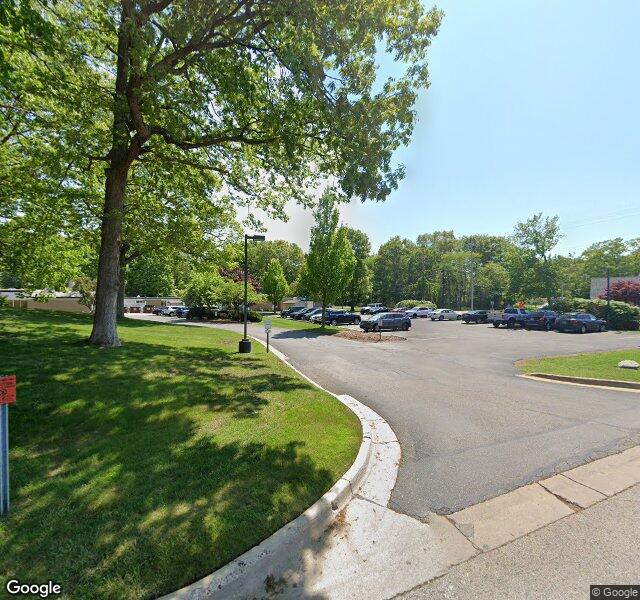
Optalis Health & Rehabilitation of Muskegon

1061 West Hackley Avenue, Muskegon, MI 49441 (231) 755-2255
For profit - Corporation 107 Beds SKLD Data: November 2025 2 Immediate Jeopardy citations
Trust Grade
0/100
#316 of 422 in MI
Last Inspection: October 2024

Within standard 12-15 month inspection cycle. Federal law requires annual inspections.

Overview

Optalis Health & Rehabilitation of Muskegon has a Trust Grade of F, which indicates significant concerns about the facility's quality of care. It ranks #316 out of 422 nursing homes in Michigan, placing it in the bottom half of facilities statewide, and #3 out of 6 in Muskegon County, meaning only two local options are worse. The facility is showing signs of improvement, with reported issues decreasing from 18 in 2023 to 11 in 2024, but it still has a troubling history, including $131,810 in fines, which is higher than 90% of Michigan facilities. Staffing is relatively stable with a turnover rate of 39%, below the state average, and while RN coverage is average, there have been serious deficiencies, including critical incidents where unlicensed staff provided care and significant medication errors occurred, putting residents at risk for harm. Families should weigh these serious concerns against the facility's strengths before making a decision.

Trust Score
F
0/100
In Michigan
#316/422
Bottom 26%
Safety Record
High Risk
Review needed
Inspections
Getting Better
18 → 11 violations
Staff Stability
○ Average
39% turnover. Near Michigan's 48% average. Typical for the industry.
Penalties
✓ Good
$131,810 in fines. Lower than most Michigan facilities. Relatively clean record.
Skilled Nurses
○ Average
Each resident gets 34 minutes of Registered Nurse (RN) attention daily — about average for Michigan. RNs are the most trained staff who monitor for health changes.
Violations
⚠ Watch
45 deficiencies on record. Higher than average. Multiple issues found across inspections.
★★☆☆☆
2.0
Overall Rating
★★★☆☆
3.0
Staff Levels
★★★☆☆
3.0
Care Quality
★★☆☆☆
2.0
Inspection Score
Stable
2023: 18 issues
2024: 11 issues

The Good

  • Full Sprinkler Coverage · Fire safety systems throughout facility
  • No fines on record
  • Staff turnover below average (39%)

    9 points below Michigan average of 48%

Facility shows strength in fire safety.

The Bad

2-Star Overall Rating

Below Michigan average (3.1)

Below average - review inspection findings carefully

Staff Turnover: 39%

Near Michigan avg (46%)

Typical for the industry

Federal Fines: $131,810

Well above median ($33,413)

Significant penalties indicating serious issues

Chain: SKLD

Part of a multi-facility chain

Ask about local staffing decisions and management

The Ugly 45 deficiencies on record

2 life-threatening 5 actual harm
Nov 2024 1 deficiency
CONCERN (E) 📢 Someone Reported This

A family member, employee, or ombudsman was alarmed enough to file a formal complaint

Potential for Harm - no one hurt, but risky conditions existed

Deficiency F0658 (Tag F0658)

Could have caused harm · This affected multiple residents

**NOTE- TERMS IN BRACKETS HAVE BEEN EDITED TO PROTECT CONFIDENTIALITY** This citation is related to intake # MI00147858 Based on interview and record review, the facility failed to follow professional...

Read full inspector narrative →
**NOTE- TERMS IN BRACKETS HAVE BEEN EDITED TO PROTECT CONFIDENTIALITY** This citation is related to intake # MI00147858 Based on interview and record review, the facility failed to follow professional standards and ensure 1 out of 3 residents (Resident #400) received a physician ordered medication to treat an infection and failed to obtain ordered labs and tests required to monitor the efficacy and safety of the medication. Findings: Resident #400 (R400) Review of an admission Record revealed R400 was a [AGE] year old male, originally admitted to the facility on [DATE]. R400 had 2 recent hospital admissions. The first from 07/05/24 to 08/21/24 and the second, that lead to the admission to the nursing facility, was from 08/26/24 to 08/31/24. During the first hospital admission, R400 was diagnosed with enterococcal meningitis (a fungal infection that effected the brain) and on 08/09/24 started on a medication called itraconazole. Review of an Infectious Disease hospital follow up note for R400, dated 08/26/24, reflected the following assessment .currently on treatment for cryptococcus meningeoencephalitis with itraconazole with planned treatment at least 8 weeks from 8/9 (when he was started on Itraconazole). Review of an After Visit Summary for R400, dated 08/31/24, revealed the following hospital discharge orders that were sent to the nursing facility: Medication list- itraconazole 10 mg (milligrams) per ml (milliliter), take 20 ml (200 mg) by mouth every 12 hours and .Follow up with Infectious Disease Clinic on [DATE]th, 2024 at 9:45 AM. Review of the Emar's (electronic medication administration records) for R400 dated August and September 2024 revealed that R400 missed 19 doses of the medication Itraconazole between the date of admission on [DATE] through 09/10/24. During an interview on 11/12/24 at 2:00 PM, Pharmacist C stated that the pharmacy first received a request from the facility for the medication Itraconazole for R400 on 09/10/24. During an interview on 11/12/24 at 3:15 PM, the Director of Nursing (DON) stated the following steps were to be taken by nursing when a medication was not available: (a) the unavailable medication was noted as such on the residents' Emar, (b) the DON and IDT (interdisciplinary team) reviewed all progress notes and emar notes on a daily basis, and (c) when a medication was charted as not available, the DON would look into the matter. The DON then stated that she did not recall seeing the documentation from nursing staff indicating that the medication Itraconazole was not available for R400 for 11 days. Review of a fax from the Infectious Disease clinic to the nursing facility, received by the facility on 09/04/24, revealed the following orders for R400 .obtain labs BUN (blood urea nitrogen), creatinine, liver function tests, a Itraconazole level and an EKG (electrocardiogram). Also noted on the fax was R400's follow up appointment with the Infectious Disease physician on 09/17/24. During an interview on 11/13/24 at 4:00 PM, Infection Disease clinic Registered Nurse (RN) A stated that their office was told by the facility on 09/10/24 that R400 had only missed a couple of doses of Itraconazole. Infectious Disease nursing staff called the facility on 09/10/24 and spoke with RN B. The telephone call from Infectious Disease to the facility was prompted by concerns that the facility had not obtained the ordered labs and EKG that had been faxed to the facility on [DATE]. Infectious Disease RN A also reported that their clinic called the facility on 09/12/24 and left a message requesting that the facility contact the clinic. Two telephone calls were made by the Infectious Disease nurse on 09/16/24 and two messages were left with the facility by Infectious Disease staff on on 09/16/24. During the same interview, RN A stated that the facility called the clinic on 09/05/24 and canceled the scheduled appointment for R400 on 09/17/24 citing transportation issues. Review of the EHR (electronic health record) for R400 revealed no progress notes related to why the facility called the Infectious Disease clinic and canceled R400's appointment on 09/17/24. Review of a product insert for the medication itraconazole, last revised by the producing pharmaceutical company 03/2024, reflected the following information: (a) once treatment is stopped, itraconazole plasma concentrations decrease to an almost undetectable concentration within 7 to 14 days, and (b) itraconazole has been associated with rare cases of serious hepatotoxicity, including liver failure and death .liver function testing should be performed and monitored.
Oct 2024 8 deficiencies
CONCERN (D)

Potential for Harm - no one hurt, but risky conditions existed

Resident Rights (Tag F0550)

Could have caused harm · This affected 1 resident

**NOTE- TERMS IN BRACKETS HAVE BEEN EDITED TO PROTECT CONFIDENTIALITY** Resident #57 (R57) A review of R57's admission Record, dated 10/30/24, revealed that R57 was a [AGE] year-old resident admitted ...

Read full inspector narrative →
**NOTE- TERMS IN BRACKETS HAVE BEEN EDITED TO PROTECT CONFIDENTIALITY** Resident #57 (R57) A review of R57's admission Record, dated 10/30/24, revealed that R57 was a [AGE] year-old resident admitted to the facility on [DATE]. In addition, R57's admission Record revealed multiple diagnoses that included repeated falls, lack of coordination, and cognitive communication deficit. A review of R57's Minimum Data Set (MDS) (a tool used for assessing a resident's care needs), dated 9/25/24, revealed a Brief Interview for Mental Status (BIMS) (a scale used to determine a resident's cognitive status) score of 12 which revealed R57 was cognitively intact. During an interview on 10/28/24 at 12:00 PM, R57 stated he will urinate a little at a time and after about an hour, his brief will be soaked. He stated when he puts his call light on it's hurry up and wait and sometimes staff may not check on him and change his brief for an hour and a half to two hours. R57 stated day shift was the worse time for staff to answer his call light timely. In addition, R57 stated that it usually takes staff around 15 to 20 minutes to answer his call light and when they do they will shut it off, leave the room, and not always come back until 30 minutes to an hour later, especially if his brief needs to be changed. Based on observation, interview, and record review, the facility failed to provide care in a dignified manner for 2 residents (Resident #57 and Resident #73) out of 18 residents reviewed for quality care. Findings include: Resident #73 (R73) Review of an admission Record reflected R73 admitted to the facility with diagnoses that included non-traumatic intracerebral hemorrhage (stroke), hemiplegia and hemiparesis (partial or complete paralysis on one side of the body) following a stroke, difficulty walking, and dysphagia. Review of a Minimum Data Set (MDS) assessment dated [DATE] reflected R73 was moderately cognitively impaired as evidenced by a Brief Interview for Mental Status (BIMS) score of 11/15. Review of a Care Plan revealed R73 has limited/impaired physical mobility and had an Activity for Daily Living (ADL) self-care performance deficit related to a stroke and right sided weakness. The plan of care indicated R73 needed two people to assist with showers and bathing, toilet use and transfers. During an interview on 10/30/24 at 9:35 AM, R73 reports that he frequently has to wait an hour for the staff to attend to his needs when he puts his call light on. R73 said the staff will enter his room, turn off his call light and tell him that they will be right back and then don't return. R73 reports that he feels forgotten. R73 emphasized his feelings by repeating that he knows they forgot him. According to R73, the delay in staff response to his call light is worse in the morning before noon. R73 reported that at this time, he is waiting for staff to shower him, but they said they forgot wash cloths. During an observation on 10/30/24 at 10:10 AM, Licensed Practical Nurse (LPN) B entered R73's room and told him he would have to wait for his shower until around 1:00 PM, after lunch due to the nurse aide needed to take a lunch break, then lunches needed to be served to all the residents. R73 was overheard saying, No! No! No! No! No!.
CONCERN (D)

Potential for Harm - no one hurt, but risky conditions existed

Quality of Care (Tag F0684)

Could have caused harm · This affected 1 resident

**NOTE- TERMS IN BRACKETS HAVE BEEN EDITED TO PROTECT CONFIDENTIALITY** Based on observation, interview and record review, the facility failed to A) Develop, implement and evaluate the effectiveness o...

Read full inspector narrative →
**NOTE- TERMS IN BRACKETS HAVE BEEN EDITED TO PROTECT CONFIDENTIALITY** Based on observation, interview and record review, the facility failed to A) Develop, implement and evaluate the effectiveness of care planned interventions, B) Complete required assessments and follow-up after a fall, C) Accurately complete Minimum Data Set (MDS) assessments, and D) Track incidents and accidents as an aspect of Quality Assurance (QA) for 1 resident (Resident #69) out of 18 residents reviewed for quality care. Findings: Resident #69 (R69) Review of an admission Record reflected R69 admitted to the facility from the hospital following a stroke which resulted in hemiplegia and hemiparesis (loss of strength or paralysis on one side of the body) and high blood pressure. During an interview and observation on 10/29/2024 at 10:26 AM, R69 reported he had concerns related to understanding what level of function he could perform on his own. R69 was seated in a wheelchair when he reported that he took pride in making his own bed and transferring himself to the bathroom using a quad cane. R69 reported staff knew he was independent, but did not know if he should be walking independently or if he should have a staff person with him followed by a wheelchair. R69 said that he would sometimes sneak out of his room in the evening and walk in the hallway to try and maintain his level of function. R69 said staff did not assist him to ambulate as a part of a restorative program but reported that he would go to the therapy gym and use the equipment there to maintain his strength. Review of a Reported Fall incident report dated 8/9/24 indicated that R69 reported he lost his balance while using the bathroom, hit his shoulder on the wall and lowered himself to the floor. R69 did not report the incident to staff at the time. Review of a General Progress Note dated 8/11/2024 at 3:17 PM indicated R69 waited 2 days to report the fall to staff and complained of shoulder pain which was assessed by the nurse who discovered a 3 centimeter long pink abrasion. R69 denied hitting his head, however staff initiated neurological assessments at the time per protocol. Review of a General Progress Note dated 8/11/2024 at 7:50 PM reflected that R69's left shoulder and clavicle were x-rayed and indicated that R69 had a fracture of the distal end of the left clavicle with no significant displacement. The note indicated R69's pain was controlled, and no new orders were obtained from the physician. Review of a Social Services progress note dated 8/20/24 revealed SW (social work): This worker met with (R69) to start planning for discharge with the resident in the coming weeks. (R69) notes a concern for falling and his left arm needing to get stronger . Review of a General Progress Note dated 9/1/2024 reflected (R69) reported a fall yesterday (8/31/24). He states he was grabbing clothes from his closet and turned too quickly and slid to the floor landing on his bottom. He states his bed was lowered so he was able to grab the bed and stand up. He is complaining of aching pain in his left rib area. He denies hitting his head and denied pain in any other area. No marks/bruising noted. Vitals are stable and within normal range for this resident. On call manager notified and provider notified. Review of a General Progress Note dated 9/1/24 indicated Xray completed at 1630 (4:30 PM) by (name of radiology company). Awaiting results. No indication for the x-ray was documented. Review of a General Progress Note dated 9/3/24 at 11:44 PM reflected R69's chest x-ray results reflected faint early interstitial infiltrates in the right lung base. New orders received from physician to start Augmentin (an antibiotic) 875-125 mg (milligram) q (every) 12hrs (hours) x 7 days . The note did not indicate R69 had any negative respiratory assessment findings, making it unclear whether the x-ray ordered was to evaluate pain in R69's left rib area or for another indication. Review of a Care Plan initiated on 8/8/2023 (admission) reflected R69 had limited/impaired mobility r/t (related to) hemiplegia and hemiparesis following cerebral infarction (stroke) affecting left dominant side. Interventions implemented on 8/10/23 indicated R69 needed assistance from one person for transfers and LOCOMOTION: Encourage (R69) to ambulate in hallway daily with quad cane, gait belt, and 1 assist with wheelchair to follow. A new intervention added to the care plan on 8/15/24 (after R69's reported and unwitnessed fall on 8/9/24) (R69) prefers to self-transfer, encourage him to ask for assistance. The Care Plan did not reflect a new intervention was added to the care plan after R69 reported an apparent unwitnessed fall on 8/31/24. During an interview on 10/30/2024 at 10:21 AM, the Director of Nursing (DON) said R69 had one fall on 8/8/2024 and said she was not aware that R69 had reported a second unwitnessed fall on 8/31/24 as documented. The DON did not know if the x-ray ordered on 9/1/24 was related to the fall and left side rib pain. The DON reported she did not have an incident report, required post-fall assessments or updated care plan interventions that addressed R69's apparent fall on 8/31/24. The DON reported that the facility did not have a restorative plan for R69 and that if staff were walking with R69 per the care plan it should be documented in the Task monitor used by Certified Nurse Aides (CNAs). Review of the Task section of the Electronic Medical Record (EMR) along with the DON revealed there was NOT a task pertaining to encouraging and/or assisting R69 to ambulate per the care plan. Review of an annual Minimum Data Set (MDS) assessment dated [DATE] (the assessment documented prior to R69's fall on 8/9/24) reflected R69 was cognitively intact as evidenced by a Brief Interview for Mental Status (BIMS) score of 15/15. Section GG-Functional Abilities and Goals indicated R69 had impairment on one side of upper and lower extremities, relied on a wheelchair for locomotion. Section GG0170. Mobility indicated R69 required some assistance from staff for sitting to standing but Walk 10 feet: Once standing, the ability to walk at least 10 feet in a room, corridor, or similar space . Not attempted due to medical or safety concerns. The assessment confirmed staff were not implementing a care planned intervention to assist R69 with ambulation. Review of a quarterly MDS assessment dated [DATE] also indicated R69 was cognitively intact. Section J-Health Conditions, section J1800 reflected. Any Falls Since admission or Prior Assessment (OBRA or PPS), whichever is more recent indicated R69 had NOT had any falls as indicated by a checkmark next to 0. No. Because the assessment did not accurately reflect R69 had sustained 2 falls, including one with injury, the assessment did not reflect this pertinent data which would be used in care planning decisions and as a Quality Measure (QM). Review of a facility Fall policy adopted 7/11/2018 reflected It is the policy of this facility to evaluate extent of injury after a fall, prevent complications and to provide emergency care. The procedure specified that residents will be evaluated for injury and measure vital signs, 5. Initiate neurological checks for any fall where a resident hit his/her head or for any unwitnessed fall. 6. Evaluate for cause of fall . 10. Document all appropriate information in the medical record. 11. Note on 24-hour report. Review of Fundamentals of Nursing ([NAME] and [NAME]) 10th edition revealed, The health care record provides a way for members of the interprofessional health care team to communicate about multiple aspects of patient care, including patient needs and response to care and therapies; clinical decision making; and the content and outcomes of consultations, patient education, and discharge planning. Information communicated in the health care record allows health care providers to know a patient thoroughly, facilitating safe, effective, timely, and patient-centered clinical decision making. The health care record is the most current and accurate, continuous source of information about a patient's health care status, allowing the plan of care to be clear to anyone who accesses the record. To enhance communication and promote safe patient care, you document assessment findings and patient information as soon as possible after you provide care (e.g., immediately after providing a nursing intervention or completing a patient assessment). The quality of patient care depends on your ability to communicate with other members of the health care team (see Chapter 24). When a plan is not communicated to all members of the health care team, care becomes fragmented, tasks are repeated, and delays or omissions in care often occur. The health record is an important means of communication because it is a confidential, permanent, legal documentation of information relevant to a patient's health care. The record is an ongoing current and accurate account of a patient's health care status and is available to all members of the health care team. [NAME], [NAME] A.; [NAME], [NAME] Griffin; Stockert, [NAME] A.; Hall, [NAME]. Fundamentals of Nursing - E-Book (p. 366). Elsevier Health Sciences. Kindle Edition. Review of Fundamentals of Nursing ([NAME] and [NAME]) 10th edition revealed, Completing a health assessment and physical examination is an important step toward providing safe and competent nursing care. The nurse is in a unique position to determine each patient's current health status, distinguish variations from the norm, and recognize improvements or deterioration in the patient's condition. Nurses must be able to recognize and interpret each patient's behavioral and physical presentation. You perform health assessments and physical examinations to identify health patterns and evaluate each patient's response to treatments and therapies. You gather assessment data about patients' past and current health conditions in a variety of ways, using a comprehensive or focused approach, depending on the patient situation .Depending on the outcome of an assessment, a nurse considers evidence-based recommendations for care based on a patient's values, the health provider's clinical expertise, or personal experience. [NAME], [NAME] A.; [NAME], [NAME] Griffin; Stockert, [NAME] A.; Hall, [NAME]. Fundamentals of Nursing - E-Book (pp. 516-517). Elsevier Health Sciences. Kindle Edition. Review of Fundamentals of Nursing ([NAME] and [NAME]) 10th edition revealed, Patient safety and improved care are the goals of QI, PI, and risk management (TJC, 2019). Professional groups such as the Institute of Medicine focus on patient safety as major goals. Never events are preventable errors, which include falls, urinary tract infections from improper use of catheters, and pressure injuries . When trending shows an increase in never events, QI and PI activities are quickly implemented. [NAME], [NAME] A.; [NAME], [NAME] Griffin; Stockert, [NAME] A.; Hall, [NAME]. Fundamentals of Nursing - E-Book (p. 317). Elsevier Health Sciences. Kindle Edition.
CONCERN (D)

Potential for Harm - no one hurt, but risky conditions existed

Pressure Ulcer Prevention (Tag F0686)

Could have caused harm · This affected 1 resident

**NOTE- TERMS IN BRACKETS HAVE BEEN EDITED TO PROTECT CONFIDENTIALITY** Based on interview and record review, the facility failed to assess and monitor a wound for 6 weeks for 1 Resident (R28) of 2 re...

Read full inspector narrative →
**NOTE- TERMS IN BRACKETS HAVE BEEN EDITED TO PROTECT CONFIDENTIALITY** Based on interview and record review, the facility failed to assess and monitor a wound for 6 weeks for 1 Resident (R28) of 2 residents reviewed for pressure ulcers, resulting in the potential of R28's pressure ulcer to worsen due to missed assessments. Findings: Resident #28 Review of an admission Record revealed R28 was a [AGE] year-old female, admitted to the facility on [DATE], with pertinent diagnoses which included: Osteomyelitis of Vertebra, Sacral and Sacrococcygeal Region, End Stage Renal Disease, Flaccid Hemiplegia Affecting Right Dominant Side, Colostomy, Disorganized Schizophrenia, and Anxiety Disorder. Review of a Minimum Data Set (MDS) assessment for R28, with a reference date of 8/15/24 revealed a Brief Interview for Mental Status (BIMS) score of 11, out of a total possible score of 15, which indicated R28 was moderately cognitively impaired. Further review of R28's MDS reflected she is at risk for pressure ulcers and currently had an Unhealed Pressure Ulcer. The record reflected she had 1 Pressure Ulcer a Stage 4: Full thickness tissue loss with exposed bone, tendon or muscle. Slough or eschar may be present on some parts of the wound bed. Often includes undermining and tunneling. The Stage 4 pressure ulcers were present upon admission/reentry. During the initial interview on 10/28/24 at 10:46 AM, R28 revealed, I have a wound on my bottom. Review of Resident Matrix dated 10/28/24 reflected R28 did not have any Pressure Ulcers that were not present on admission. Review of Skin Observation Tool dated 10/26/28 for R28, reflected skin intact, no open areas noted. Review of R28's current physician's order dated 8/28/24 revealed, Sacral Wound: Cleanse wound with Normal Saline or Wound Cleanser, Apply Calcium Alginate w/ Silver to promote autolytic debridement. Cover with ABD- secured by brief and barrier cream. Change dressing daily and as needed for soiling, saturation, or accidental removal. Peri-Wound Apply peri-wound skin protectant-house barrier cream around the margins to prevent maceration. Scheduled every night shift for wound healing. Review of R28's Care Plan revealed, (Name of R28) has a stage 4 pressure ulcer with hx (history) of osteomyelitis to her sacrum r/t Immobility, impaired sensation, type 2 DM, cognitive communication deficit, . Date Initiated 02/02/2022 Review of Interventions for R28's Pressure Ulcer included, Assess/record/monitor wound healing Weekly. Measure length, width and depth where possible. Assess and document status of wound perimeter, wound bed and healing progress. Report improvements and declines to the MD. Date revised on 7/13/23. During an interview on 10/30/24 at 02:44 PM, Licensed Practical Nurse (LPN) B revealed that R28 has Pressure Ulcer (PU) on her sacral region and that it was checked about an hour ago. Review of R28's Medical Record, reflected resident had 6-week gap from 9/11/24- 10/30/24 between her Skin Alteration Evaluation. Review of R28's 9/11/24 Skin Alteration Evaluation reflected she had a Stage IV Pressure Ulcer on her Sacrum that measured 4.5 cm by 1.5 cm with a depth of 1.4 cm. R28's next Skin Alteration Evaluation was dated 10/30/24, reflected her Stage IV measurements as 4.5 cm by 1.3 cm with a depth of 0.8 cm. During an interview on 10/31/24 at 8:54 AM, DON revealed the following insight about R28's wound/skin assessments, I looked at her charts for weekly skin assessments and we had a big gap of no weekly skin assessments. We did a Skin Alteration Assessment on her yesterday (10/30/24) and the wound has gotten better since her last one was completed on 9/11/24. DON explained around 9/11 (Name of R28) dialysis days switched from Tuesday, Thursday and Saturday to now on Monday, Wednesday and Friday. DON further revealed 2 things happened 1.) She appointed one of her nurses to do wound rounds (rather than doing them herself) with (Name of Wound Company). 2.) (Name of Wound Company) comes in on Wednesdays for wound rounding and R28 fell through the cracks due to her changing dialysis schedule and a new staff member doing the wound rounding instead of herself. DON stated (Name of R28) was the only resident with wounds that had not been evaluated and had slipped through the cracks.
CONCERN (D)

Potential for Harm - no one hurt, but risky conditions existed

Tube Feeding (Tag F0693)

Could have caused harm · This affected 1 resident

**NOTE- TERMS IN BRACKETS HAVE BEEN EDITED TO PROTECT CONFIDENTIALITY** Based on observation, interview, and record review, the facility failed to ensure licensed staff carried out physician orders ac...

Read full inspector narrative →
**NOTE- TERMS IN BRACKETS HAVE BEEN EDITED TO PROTECT CONFIDENTIALITY** Based on observation, interview, and record review, the facility failed to ensure licensed staff carried out physician orders according to professional standards for the care of residents who receive enteral feeding for one resident (Resident #73), out of one resident reviewed for tube feeding from a total sample of 18 residents. Findings include: Resident #73 (R73) Review of an admission Record reflected R73 admitted to the facility with diagnoses that included non-traumatic intracerebral hemorrhage (stroke), hemiplegia and hemiparesis (partial or complete paralysis on one side of the body) following a stroke, difficulty walking, and dysphasia. Review of a Minimum Data Set (MDS) assessment dated [DATE] reflected R73 was moderately cognitively impaired as evidenced by a Brief Interview for Mental Status (BIMS) score of 11/15. Review of physician orders on the October 2024 Medication Administration Record (MAR) reflect: Enteral Feed Order every shift related to DYSPHAGIA FOLLOWING UNSPECIFIED CEREBRAL VASCULAR DISEASE (I69.991) Formula Jevity 1.5 @ (at) 70 mls/hr (milliliters per hour) & flush with H2O (water) @ 35 mls/hr; run continuously until 1680 mls has infused (24 hours) monitor Q (every) shift. (No start date specified) During an observation on 10/28/2024, Registered Nurse (RN) C was witnessed disconnecting R73 from his tube feeding infusion before he was wheeled to the therapy gym by a member of the therapy staff. RN C did not flush R73's tube with water after disconnecting the PEG tube from the infusion pump. Review of a facility policy Enteral Feeding Administration-Tube Flushing revised 9/18/2019 reflects It is the policy of this facility to maintain patency of feeding tube and/or restore patency, to provide free water and to maintain hydration in resident. The policy specified, Tubes should be irrigated before and after administration of medications, before initiating a feeding, or when there is an interruption of feeding. During an observation on 10/30/24 at 9:45 AM, R73 lifted his shirt revealing the tube feeding infusion site. A split drain sponge was positioned under the flange of the tube feeding insertion site. The dressing was not dated or initialed making it unclear who and when the dressing was last changed. R73 said staff do not change the dressing often enough, typically every other day. Review of physician orders on the October 2024 Treatment Administration Record (TAR) reflect: Cleanse PEG (Percutaneous Endoscopic Gastrostomy) tube site with NS (normal saline), pat dry & apply drain sponge every night shift for skin management. Report any increased redness, warmth, drainage, etc. to medical provider. (No start date specified) The order was not documented as completed on 10/21/2024 as evidenced by no licensed nurse initials or exception code (a number indicating why the treatment was not carried out). Further review of the TAR indicated 9 out of 29 days, the dressing was not changed as evidenced by licensed staff initials and the exception code 10 which indicated R73 refused. Review of all Progress Notes from 9/30/24-10/28/24 did not reflect notes or rational related to R73's frequent refusals, notification to the interdisciplinary team (IDT) or physician. The notes did not reflect attempts to re-approach R73 to complete the order, reschedule the order, or educate the resident about the importance of having the tube feeding dressing cleaned and changed per the physician order.
CONCERN (D)

Potential for Harm - no one hurt, but risky conditions existed

Medical Records (Tag F0842)

Could have caused harm · This affected 1 resident

**NOTE- TERMS IN BRACKETS HAVE BEEN EDITED TO PROTECT CONFIDENTIALITY** Based on record review, the facility failed to maintain complete and accurate medical records for 2 of 18 sampled residents (R8 ...

Read full inspector narrative →
**NOTE- TERMS IN BRACKETS HAVE BEEN EDITED TO PROTECT CONFIDENTIALITY** Based on record review, the facility failed to maintain complete and accurate medical records for 2 of 18 sampled residents (R8 and R12), resulting in the potential for providers not having an accurate and complete picture of the resident's stay at the facility. Findings include: R8 A review of R8's admission Record, dated [DATE], revealed that R8 was a [AGE] year-old resident admitted to the facility on [DATE]. In addition, R8's admission Record revealed they had multiple diagnoses that included anxiety, depression, obsessive compulsive disorder (OCD), schizophrenia, and post-traumatic stress disorder (PTSD). A review of R8's electronic medical record (EMR), dated [DATE] to [DATE], revealed the facility had completed a Pre-admission Screening and Resident Review (PASARR) Level I Screening on [DATE]. R8's PASARR Level I Screening indicated that a Level II Evaluation (a comprehensive evaluation that is conducted to confirm or rule out a serious mental illness, intellectual disability, or related conditions and determine the need for nursing facility services) was needed. However, the last PASARR Level II Evaluation that was in R8's EMR was one that was completed on [DATE] and it expired on [DATE]. On [DATE] at 3:05 PM, R8's PASARR Level II Evaluation that corresponded to the PASARR Level I Screening, dated [DATE], or documentation that the Omnibus Budget Reconciliation Act (OBRA) Coordinator (the third party individual responsible for conducting the PASARR Level II Evaluation) was contacted to let them know that R8 needed a Level II Evaluation was requested from the Nursing Home Administrator (NHA). A second review of R8's EMR on [DATE] at 9:00 AM revealed the following: - R8's [name of State] Department of Health and Human Services letter, dated [DATE], revealed that a PASARR Level II Evaluation had been conducted and the next one was due by [DATE]. - R8's [name of State] Department of Health and Human Services letter, dated [DATE], had been added to R8's EMR on [DATE] (3 months after the PASARR Level II Evaluation had been conducted and sometime after the surveyor had requested it during the annual survey). R12 A review of R12's admission Record, dated [DATE], revealed that R12 was a [AGE] year-old resident admitted to the facility on [DATE]. In addition, R12's admission Record revealed multiple diagnoses that included schizoaffective disorder, anxiety, depression, and emotional lability (a condition characterized by rapid and intense mood swings, and an inability to maintain a consistent emotional state). A review of R12's EMR, dated [DATE] to [DATE], revealed the facility had completed a PASARR Level I Screening on [DATE]. R12's PASARR Level I Screening indicated that a Level II was needed. However, the last PASARR Level II Evaluation that was in R12's EMR was one that was completed on [DATE] and it expired on [DATE]. On [DATE] at 3:05 PM, R12's PASARR Level II Evaluation that corresponded to the PASARR Level I Screening, dated [DATE], or documentation that the OBRA Coordinator was contacted to let them know that R12 needed a Level II Evaluation was requested from the NHA. A second review of R12's EMR on [DATE] at 9:00 AM revealed the following: - R12's [name of State] Department of Health and Human Services letter, dated [DATE], revealed that a PASARR Level II Evaluation had been conducted and the next one was due by [DATE]. - R12's [name of State] Department of Health and Human Services letter, dated [DATE], had been added to R12's EMR on [DATE] (9 months after the PASARR Level II Evaluation had been conducted and sometime after the surveyor had requested it during the annual survey). Timely documentation of the following types of information should be made and maintained in a patient's EHR (electronic health record) to support the ability of the health care team to ensure informed decisions and high-quality care in the continuity of patient care- Assessments . Communications with other health care professionals regarding the patient . Patient documentation frequently is used by professionals who are not directly involved with the patient's care. If patient documentation is not timely, accurate, accessible, complete, legible, readable, and standardized, it will interfere with the ability of those who were not involved in and are not familiar with the patient's care to use the documentation. (ANA's (American Nursing Association) Principles for Nursing Documentation- Guidance for Registered Nurses, 2010, www.nursingworld.org).
CONCERN (D)

Potential for Harm - no one hurt, but risky conditions existed

Infection Control (Tag F0880)

Could have caused harm · This affected 1 resident

**NOTE- TERMS IN BRACKETS HAVE BEEN EDITED TO PROTECT CONFIDENTIALITY** Based on observation, interview, and record review, the facility failed to implement Enhanced Barrier Precautions (EBP) accordin...

Read full inspector narrative →
**NOTE- TERMS IN BRACKETS HAVE BEEN EDITED TO PROTECT CONFIDENTIALITY** Based on observation, interview, and record review, the facility failed to implement Enhanced Barrier Precautions (EBP) according to facility policy for one resident (Resident #73) out of 18 residents reviewed for infection control from a total sample of 18 residents. Findings: Resident #73 (R73) Review of an admission Record reflected R73 admitted to the facility with diagnoses that included non-traumatic intracerebral hemorrhage (stroke), hemiplegia and hemiparesis (partial or complete paralysis on one side of the body) following a stroke, difficulty walking, and dysphagia. Review of a Minimum Data Set (MDS) assessment dated [DATE] reflected R73 was moderately cognitively impaired as evidenced by a Brief Interview for Mental Status (BIMS) score of 11/15. During an interview on 10/30/24 at 9:40 AM, R73 said he did not know anything about a sign on his door indicating he was in Enhanced Barrier Precautions (EBP) and said staff do no wear a gown when providing direct care. Review of R73's October 2024 Treatment Administration Record (TAR) reflected Enhanced Barrier Precautions (EBP) for wound on right ankle and peg tube (enteral feeding) site every day and night shift for patient monitoring. Initials indicate precautions maintained throughout shift. The TAR reflected the order for EBP had not been entered until 10/30/2024 as evidenced by no initials on the records for the month. A review of R73's August and September 2024 TARs did not reflect an order for EBP had been entered per policy. Review of the entire comprehensive Care Plan did not reflect R73 required EBP despite care plan focus areas pertaining to R73's need for enteral feeding (tube feeding) and applicable wound care. During an observation on 10/28/2024, a sign indicating R73 was in Enhanced Barrier Precautions was noted on the door to R73's room. Registered Nurse (RN) C was witnessed disconnecting R73 from his tube feeding infusion so he could attend therapy in the therapy gym. RN C was wearing gloves but did not don a gown. During an observation on 10/30/24 at 10:12 AM, LPN B and RN C boosted R73 in bed and assisted with repositioning. LPN B and RN C did not don any PPE to complete the high contact assistance. Review of an email communication with the Director of Nursing (DON) received on 10/30/24 at 10:57 AM reflected the facility expectation is that staff don PPE per the EBP policy for residents who require it. Review of a policy Enhanced Barrier Precautions revised 3/27/2024 reflected It is the policy of this facility to use Enhanced Barrier Precautions (EBP) to expand the use of PPE (Personal Protective Equipment) and to refer to the use of gown and gloves during high-contact resident care activities that provide opportunities for transfer of MDRO's (multi-drug resistant organisms) to staff hands and clothing. MDRO's may be indirectly transferred from resident-to-resident during these high contact activities. Even if the resident is not known to be infected or colonized with an MDRO, an order for enhanced barrier precautions will be obtained for residents with any of the following: Wounds . Indwelling Medical Devices . Examples of high-contact resident care activities requiring gown and glove use for Enhanced Barrier Precautions include: Bathing/showering, transferring, providing personal hygiene, changing linens, changing briefs or assisting with toileting, device care.
CONCERN (E)

Potential for Harm - no one hurt, but risky conditions existed

Safe Environment (Tag F0921)

Could have caused harm · This affected multiple residents

**NOTE- TERMS IN BRACKETS HAVE BEEN EDITED TO PROTECT CONFIDENTIALITY** Based on observation and interview, the facility failed to maintain general cleanliness and repair of the premises. This resulte...

Read full inspector narrative →
**NOTE- TERMS IN BRACKETS HAVE BEEN EDITED TO PROTECT CONFIDENTIALITY** Based on observation and interview, the facility failed to maintain general cleanliness and repair of the premises. This resulted in an increased potential for contamination and a possible decrease in the satisfaction of living, affecting residents in the 300, 400 and 500 halls. Findings include: During a tour of the kitchen, at 10:30 AM on 10/28/24, it was observed that some non LED lights were missing their light shields over the preparation and serving area. During a tour of the facility, with Maintenance Director (MD) E, starting at 1:05 PM on 10/28/24, the following observations were made: A review of the 300 hall janitors closet found a Y valve connected to the spout of the janitors sink with both valves closed and the sink left on. This set up puts undue back pressure on the faucets internal vacuum breaker, of which it is not rated to handle. An interview with MD E found that they just got a new chemical dispense system and a vendor has been setting up these areas. A review of the 300 hall clean linen room found a light fixture with no shield or covering. This set up leaves clean linens open and exposed to contamination. A review of the 300 hall soiled utility room found a missing light shield. A review of the outside hose bib connection, near the trash containers, was found left on with a spray handle connected to the hose. This set up puts undue back pressure on the vacuum breaker and should be turned off and the pressure released when not in use. A review of the 500 hall nursing storage room found numerous items on the floor in the corner of the room. These items were: multiple foley insertion trays, pill bottles, insertion syringes, and dust debris. Further review of the storage room found a mop sink faucet and [NAME] valve sticking out of the wall. When asked if these were capped off, MD E stated he was told they were no longer working. MD E retrieved a screwdriver to test the water valves and ensure they were capped off and have not been aged stagnant water lines. Upon opening the [NAME] valve, water and pressure could be heard working its way down the pipe indicating they were still connected to the potable water supply. A review of the 400 hall linen closet found two shelves made of raw wood boards. The surface on other shelves was found painted and considered smooth and easily cleanable, while these two shelves had no covering and would be susceptible to absorbing contamination and not allowing for proper cleaning. A review of the laundry room found a missing light shield over the washing machines. During a tour of the facility, at 3:15 PM on 10/28/24, A review of the 300 hall restroom found that the sink was not operational and could not be used for proper hand washing. No signage was present indicating the room being out of order or signifying the sink as not working.
CONCERN (F)

Potential for Harm - no one hurt, but risky conditions existed

Food Safety (Tag F0812)

Could have caused harm · This affected most or all residents

Based on observation, interview, and record review, the facility failed to prepare food in accordance with professional standards for food service safety. This deficient practice has the potential to ...

Read full inspector narrative →
Based on observation, interview, and record review, the facility failed to prepare food in accordance with professional standards for food service safety. This deficient practice has the potential to result in food borne illness among all residents that consume food from the kitchen. Findings include: During a tour of the kitchen, at 10:05 AM on 10/28/24, it was observed that the hand wash sink, near the dish machine, was found to not have hot water coming out of the fixture. At this time a temperature of the hot water was taken with a rapid read thermometer and found to only reach 66F. Observation under the sink found a mixing valve with a water line also going to an eye wash station. At this time, an interview with Dietary Aide G found that hand sink doesn't seem to get hot. According to the 2017 FDA Food Code section 5-202.12 Handwashing Sink, Installation. (A) A HANDWASHING SINK shall be equipped to provide water at a temperature of at least 38oC (100oF) through a mixing valve or combination faucet. During a tour of the kitchen, at 10:08 AM on 10/28/24, observation of the two-door arctic air unit found the following items: two open packages of sliced turkey dated 10/23 to 10/27, a container of tomato soup dated 10/25 to 10/27, and an open package of hot dogs with no discard date. During a tour of the two door Blue Air cold hold unit, at 10:16 AM on 10/28/24, it was observed that a container of nutritional shakes were found in a container with ice. Further observation found that the label on the shakes container stated Hot Dogs with a date of 10/22. A review of the nutritional shakes manufactures directions state the item is good 14 days from thaw. According to the 2017 FDA Food Code section 3-501.17 Ready-to-Eat, Time/Temperature Control for Safety Food, Date Marking. (A) Except when PACKAGING FOOD using a REDUCED OXYGEN PACKAGING method as specified under § 3-502.12, and except as specified in (E) and (F) of this section, refrigerated, READY-TO EAT, TIME/TEMPERATURE CONTROL FOR SAFETY FOOD prepared and held in a FOOD ESTABLISHMENT for more than 24 hours shall be clearly marked to indicate the date or day by which the FOOD shall be consumed on the PREMISES, sold, or discarded when held at a temperature of 5ºC (41ºF) or less for a maximum of 7 days. The day of preparation shall be counted as Day 1. (B) Except as specified in (E) -(G) of this section, refrigerated, READY-TO-EAT TIME/TEMPERATURE CONTROL FOR SAFETY FOOD prepared and PACKAGED by a FOOD PROCESSING PLANT shall be clearly marked, at the time the original container is opened in a FOOD ESTABLISHMENT and if the FOOD is held for more than 24 hours, to indicate the date or day by which the FOOD shall be consumed on the PREMISES, sold, or discarded, based on the temperature and time combinations specified in (A) of this section and: (1) The day the original container is opened in the FOOD ESTABLISHMENT shall be counted as Day 1; and (2) The day or date marked by the FOOD ESTABLISHMENT may not exceed a manufacturer's use-by date if the manufacturer determined the use-by date based on FOOD safety . According to the 2017 FDA Food Code section 3-501.18 Ready-to-Eat, Time/Temperature Control for Safety Food, Disposition. (A) A FOOD specified in 3-501.17(A) or (B) shall be discarded if it: (1) Exceeds the temperature and time combination specified in 3-501.17(A), except time that the product is frozen; (2) Is in a container or PACKAGE that does not bear a date or day; or (3) Is inappropriately marked with a date or day that exceeds a temperature and time combination as specified in 3501.17(A) . During a tour of the kitchen, at 10:10 AM on 10/28/24, it was observed that a large pot full of water and a few five pound tubes of raw ground beef were sitting in the preparation sink. When asked if the items were thawing, Dietary Manager (DM) F stated they were and that the water needing to be running. At this time DM F went and turned the water on to run into the pot of thawing ground beef. According to the 2017 FDA Food Code section 3-501.13 Thawing. Except as specified in (D) of this section, TIME/TEMPERATURE CONTROL FOR SAFETY FOOD shall be thawed: (A) Under refrigeration that maintains the FOOD temperature at 5C (41F) or less; or (B) Completely submerged under running water: (1) At a water temperature of 21C (70F) or below, (2) With sufficient water velocity to agitate and float off loose particles in an overflow, and (3) For a period of time that does not allow thawed portions of READY-TO-EAT FOOD to rise above 5C (41F) . During a tour of the kitchen, at 10:13 AM on 10/28/24, an interview with DM F found that the table top meat slicer is used once or twice a week. When asked if it was used today, DM F stated it was not. Observation of the slicer found an increased amount of debris on the upper backside of the blade. Debris was dried and yellow in color. During a tour of the two door Blue Air cold hold unit, at 10:16 AM on 10/28/24, it was found that the bottom of the unit was covered by spilled juice. Further observation found a tipped over container of peach orange juice. During an observation of the clean utensil drawer containing metal spoons, at 10:20 AM on 10/28/24, found an increased amount of crumb debris inside of the drawer. Observation of the back of the drawer found a heavy line of crumb debris that had accumulated along the back portion of the drawer. During a tour of the kitchen, at 10:30 AM on 10/28/24, it was observed that the ice scoops were stored upright in a plastic container next to the ice machine. This allows for stagnant water to accumulate between uses. During a tour of station one nourishment room, at 10:43 AM on 10/28/24, observation of the ice machine spout found an increased amount of crusted debris on the inside bottom perimeter of the spout. During a tour of station two nourishment room, at 10:50 AM on 10/28/24, it was observed that the ice machine spout had an accumulation of white and brown slimy debris on the inside perimeter of the spout. Further observation found that the ice machine was leaking onto the counter, with water falling through a hole and onto the refrigeration unit and the floor underneath. When asked if he was aware of this, DM F stated he was not. It was also noted that disposable plastic straws were stored in a lower cabinet where the air gap for the ice machine was located, this area was found to have an increased accumulation of debris on the bottom floor of the cabinet and some boxes of straws located near the wastewater line of the ice machine. According to the 2017 FDA Food Code section 4-601.11 Equipment, Food-Contact Surfaces, Nonfood-Contact Surfaces, and Utensils. (A) EQUIPMENT FOOD-CONTACT SURFACES and UTENSILS shall be clean to sight and touch. (B) The FOOD-CONTACT SURFACES of cooking EQUIPMENT and pans shall be kept free of encrusted grease deposits and other soil accumulations. (C) NonFOOD-CONTACT SURFACES of EQUIPMENT shall be kept free of an accumulation of dust, dirt, FOOD residue, and other debris. According to the 2017 FDA Food Code section 4-903.11 Equipment, Utensils, Linens, and Single-Service and Single-Use Articles. (A) Except as specified in (D) of this section, cleaned EQUIPMENT and UTENSILS, laundered LINENS, and SINGLE-SERVICE and SINGLE USE ARTICLES shall be stored: (1) In a clean, dry location; (2) Where they are not exposed to splash, dust, or other contamination; and (3) At least 15 cm (6 inches) above the floor. (B) Clean EQUIPMENT and UTENSILS shall be stored as specified under (A) of this section and shall be stored: (1) In a self-draining position that allows air drying; and (2) Covered or inverted . According to the 2017 FDA Food Code section 6-501.11 Repairing. PHYSICAL FACILITIES shall be maintained in good repair. During the initial tour of the Station Two nourishment room, starting at 10:50 AM on 10/28/24, found the internal thermometer of the unit was reading 50F. Items in the refrigeration unit were mostly shelf stable supplements, but also contained some cartons of milk. DM F discarded the cartons of milk and turned the unit to a higher setting. When asked what the unit was set to, DM F stated it was set on the lowest setting 1. According to the 2017 FDA Food Code section 3-501.16 Time/Temperature Control for Safety Food, Hot and Cold Holding. (A) Except during preparation, cooking, or cooling, or when time is used as the public health control as specified under §3-501.19, and except as specified under (B) and in (C ) of this section, TIME/TEMPERATURE CONTROL FOR SAFETY FOOD shall be maintained: (1) At 57C (135F) or above, except that roasts cooked to a temperature and for a time specified in 3-401.11(B) or reheated as specified in 3-403.11(E) may be held at a temperature of 54C (130F) or above; or (2) At 5C (41F) or less. During an observation of the kitchen, at 10:27 AM on 10/28/24, found that three quarter pans were stacked wet with moisture stuck in-between the pans, When asked were items typically dry, DM F stated that they should be leaned up against each on the three compartment sink area until fully dried. According to the 2017 FDA Food Code section 4-901.11 Equipment and Utensils, Air-Drying Required. After cleaning and SANITIZING, EQUIPMENT and UTENSILS: (A) Shall be air-dried or used after adequate draining as specified in the first paragraph of 40 CFR 180.940 Tolerance exemptions for active and inert ingredients for use in Antimicrobial formulations (food-contact surface SANITIZING solutions), before contact with FOOD .
Jul 2024 2 deficiencies
CONCERN (D) 📢 Someone Reported This

A family member, employee, or ombudsman was alarmed enough to file a formal complaint

Potential for Harm - no one hurt, but risky conditions existed

Accident Prevention (Tag F0689)

Could have caused harm · This affected 1 resident

**NOTE- TERMS IN BRACKETS HAVE BEEN EDITED TO PROTECT CONFIDENTIALITY** This citation pertains to Intake # MI00145822 Based on interview and record review, the facility failed to implement the mechani...

Read full inspector narrative →
**NOTE- TERMS IN BRACKETS HAVE BEEN EDITED TO PROTECT CONFIDENTIALITY** This citation pertains to Intake # MI00145822 Based on interview and record review, the facility failed to implement the mechanical lift transfer of one Resident (R105) in accordance with the facility policy. Findings: Review of the Electronic Medical Record (EMR) admission Record reflected R105 admitted to the facility 5/16/24 with diagnoses that included: Parkinson's Disease, Arthritis, and Anxiety. The Minimum Data Set (MDS) dated [DATE] reflected R105 was dependent on staff assistance for toilet use. Review of the facility five-day investigation reflected on 7/15/24, R105 had complained of a bruise to her left hand. The facility investigation reflected that on 7/14/25, R105 was transferred by a mechanical lift to and from the bathroom toilet by Certified Nurse Aide (CNA) D. The facility investigation reflected that R105 reported that CNA D was moving too fast, was in a hurry, and her left hand had been grabbed resulting in a bruise. This report reflected the Medical Provider, law enforcement, and the Resident's responsible party were notified. Review of the EMR Skin Observation conducted 7/15/24 at 4:47 PM reflected documentation of a bruise on the back left hand of R105 that measured 5.5 centimeters (cm) by 5.0 cm. The EMR reflected an Xray was taken on 7/15/24 of the left hand with findings soft tissue swelling but no recent fracture or dislocation. On 7/24/24 at 10:33 AM a telephone interview was conducted with CNA D. CNA D acknowledged she had used the mechanical lift by herself to transfer R105 to and from the bathroom. CNA D reported at approximately 11:00 AM on 7/14/24 the other CNA was on a break and the nurse was unavailable. CNA D reported she knew mechanical lift transfers were to be completed by two staff members. CNA D reported R105 insisted she be taken to the bathroom now and was yelling to get off of the toilet shortly after. CNA D reported she did not even touch the hand of R105 and was shocked to learn about the bruised left hand. During a telephone interview conducted 7/24/24 at 11:30 AM Registered Nurse (RN) P reported she was the nurse on that and one other hall on 7/14/24. RN P reported she knew nothing of the incident until she was contacted by the facility for a statement during the investigation. RN P reported she had been in and out of the room of R105 at least every hour until 6:00 PM on 7/14/24 but that the Resident never said anything about an incident and was just her usual self. The policy provided by the facility titled, Mechanical Lifts Adopted 7/11/18 was reviewed. The facility policy reflected, 8. There will always be 2 staff to assist resident. 1 staff will control the lift as the other will guide resident and support back and neck to transfer surface.
CONCERN (F) 📢 Someone Reported This

A family member, employee, or ombudsman was alarmed enough to file a formal complaint

Potential for Harm - no one hurt, but risky conditions existed

Food Safety (Tag F0812)

Could have caused harm · This affected most or all residents

This citation pertains to Intake #MI00143516 Based on observation, interview, and record review, the facility failed to ensure effective hot water sanitization of resident dishes, utensils and facilit...

Read full inspector narrative →
This citation pertains to Intake #MI00143516 Based on observation, interview, and record review, the facility failed to ensure effective hot water sanitization of resident dishes, utensils and facility cookware. Findings: Review of the 2017 Food Code reflected Effective mechanical hot water sanitization occurs when the surface temperatures of utensils passing through the warewashing (dishwashing) machine meet or exceed the required 71°C (160 degrees Fahrenheit (F)). On 7/24/24 an observation, interview, and record review were conducted of the operation of the facility dishwashing machine. Dietary Manager (DM) G initiated a wash and rinse cycle after placing a surface temperature measuring device called a puck into the machine. While the temperature gauge of the incoming hot water reflected 194 degrees F the puck revealed a dishware surface temperature of 149.5 F. A repeat test reflected a puck result of 155.6 degrees F. Review of the facility High Temperature Dish Machine Logs from May 2024 to date of July 2024 reflected consistent recorded Daily Puck Temp of less than 160 degrees F. Some temperatures recorded were in the low 140-degree F range. The bottom of monthly recording forms used by the facility reflected the printed directive of Puck temp = 160 or higher, indicating that staff could have or should have been aware of the requirement. On 7/24/24 at 11:01 AM, DM G reported he had obtained a different puck and temperature strips from a sister facility to re-test the dishwashing cycle. The re-test dishwashing cycle included the original facility puck, the new puck and the temperature strips. The result revealed that the original facility puck was faulty. However, DM G was not able to provide any documentation that corrective action had been taken when temperatures on the May, June, and July logs were regularly recorded below the 160 degree F minimum as indicated on the facility High Temperature Dish Machine Log and the 2017 Food Code.
Oct 2023 11 deficiencies
CONCERN (D)

Potential for Harm - no one hurt, but risky conditions existed

PASARR Coordination (Tag F0644)

Could have caused harm · This affected 1 resident

**NOTE- TERMS IN BRACKETS HAVE BEEN EDITED TO PROTECT CONFIDENTIALITY** Based on interview and record review, the facility failed to coordinate with the appropriate, State-designated authority, to ens...

Read full inspector narrative →
**NOTE- TERMS IN BRACKETS HAVE BEEN EDITED TO PROTECT CONFIDENTIALITY** Based on interview and record review, the facility failed to coordinate with the appropriate, State-designated authority, to ensure that 1 of 2 residents (R33) reviewed received timely follow-up PASSAR II evaluations, resulting in the potential for a delay in care and services appropriate to their needs. Findings include: A review of R33's admission Record, dated 10/16/23, revealed R33 was a [AGE] year-old resident admitted to the facility on [DATE]. In addition, R33's admission Record revealed multiple diagnoses that included mild intellectual disabilities. A review of R33's Minimum Data Set (MDS) (a tool used for assessing a resident's care needs), dated 7/26/23, revealed a Brief Interview for Mental Status (BIMS) (a scale used to determine a resident's cognitive status) score of 15 which revealed R33 was cognitively intact. A review of R33's Preadmission Screening/Annual Resident Review (PASSAR), dated 3/29/22, revealed R33 was screened (Level 1 screening) and qualified for a comprehensive assessment (Level II screening) by a State-designated authority based on diagnoses of, and medication for, mild intellectual disability, major depression, manic episodes, and schizophrenia. A review of R33's PASSAR Level II Evaluation, dated 8/22/22, revealed R33 qualified for mental health/developmental disabilities services, as needed, while in the nursing facility. In addition, R33's PASSAR Level II Evaluation revealed, if the above-named individual (R33) remains in a nursing facility, a Level II Evaluation is needed by August 14, 2023 (a required re-evaluation 363 days after this one per the form). A review of R33's electronic medical record failed to reveal that a PASSAR Level II Evaluation had been completed by August 14, 2023. During an interview on 10/17/23 at 01:45 PM, Social Services Director (SSD) D stated she just noticed today (two months after R33's PASSAR II re-evaluation was due) that R33 had not had a PASSAR II evaluation in over a year. She stated she had not realized that R33's PASSAR II re-evaluation had been due no later than 8/14/23. SSD D stated she e-mailed the County Omnibus Budget Reconciliation Act (OBRA) Coordinator today asking them if they had been to the facility to re- evaluate R33 prior to 8/14/23. She stated she doubted they had, since she would have received something from them by now. SSD D stated she would let me know if she hears back from them. She stated if they (the County OBRA Coordinator) have a scheduled date to re-evaluate R33, she will let me know when that date is. The surveyor requested a copy of the e-mail communication between her and the county OBRA coordinator and any response she receives back from them. She verbalized understanding. As of the completion of the survey and exit from the facility, SSD D and/or any other facility staff member failed to provide a copy of any communication they have had with the County OBRA Coordinator regarding R33's PASSAR II re-evaluation.
CONCERN (D)

Potential for Harm - no one hurt, but risky conditions existed

Deficiency F0676 (Tag F0676)

Could have caused harm · This affected 1 resident

**NOTE- TERMS IN BRACKETS HAVE BEEN EDITED TO PROTECT CONFIDENTIALITY** Based on observation, interview, and record review, the facility failed to ensure fresh water and a call light were accessible f...

Read full inspector narrative →
**NOTE- TERMS IN BRACKETS HAVE BEEN EDITED TO PROTECT CONFIDENTIALITY** Based on observation, interview, and record review, the facility failed to ensure fresh water and a call light were accessible for one physically and cognitively impaired Resident (R25) resulting in thirst, inability to request assistance, anxiety, and the potential for all facility residents to not be monitored or assisted with activities of daily living. Findings: Review of the Minimum Data Set (MDS) dated [DATE] reflected R25 admitted to the facility 11/18/22 and had current diagnoses that included: Neurological Disorders, Renal Insufficiency, Dementia, and Anxiety. The MDS reflected a Brief Interview for Mental Status (BIMS) score of 0 out of 15 which indicated R25 was cognitively impaired. Review of this MDS Section G (Functional Status) revealed that R25 required the assistance of two staff members for bed mobility and transfers and required set-up help for eating and drinking. On 10/15/23 at 3:24 PM, R25 was observed supine in her bed. R25 stated I need water, repeating I'm so thirsty. R25 reported that she had not had any water in a long time. A large Styrofoam water cup was observed on the dresser next to the Resident's bed, but it was out of reach of the Resident. It was also observed that written on the side of the water cup was 10/14, 2nd indicating that the water was from the previous day. Additionally observed was that the Resident's special use call light was located on the far side of the over-the-bed table which was out of reach of R25. On 10/15/23 immediately after noting the above observations and statements of R25 Regional Director of Operations (RDO) G was stopped outside the Resident's room. RDO G was informed of the findings and statements made while in the room of R25. RDO G indicated the concerns of R25 would be addressed.
CONCERN (D)

Potential for Harm - no one hurt, but risky conditions existed

Deficiency F0679 (Tag F0679)

Could have caused harm · This affected 1 resident

**NOTE- TERMS IN BRACKETS HAVE BEEN EDITED TO PROTECT CONFIDENTIALITY** Based on observation, interview, and record review, the facility failed to ensure an Activities program was implemented to meet ...

Read full inspector narrative →
**NOTE- TERMS IN BRACKETS HAVE BEEN EDITED TO PROTECT CONFIDENTIALITY** Based on observation, interview, and record review, the facility failed to ensure an Activities program was implemented to meet the interests and needs for two Residents (R475 and R47) resulting in a lack of life enrichment and the potential for social isolation and boredom for these and all facility residents. Findings: Review of the medical record reflected R475 admitted to the facility 8/1/2003 with pertinent diagnoses that included Traumatic Brain Injury (TBI), Dementia, Anxiety and Depression. Review of the Minimum Data Set (MDS) dated [DATE] reflected a Brief Interview for Mental Status (BIMS) score of 4 out of 15 which indicated R475 was cognitively impaired. Section B of this MDS reflected R475 is usually understood and understands. Review of the Care Plan reflected that R475 is dependent for meeting emotional, intellectual, physical, and social needs with a Goal that The resident will attend/participate in activities of choice multiple times weekly . Interventions include . 1:1(one on one) bedside/in room visits and activities with staff, and that the Resident likes to ask questions/socialize. Review of the Electronic Medical Record (EMR) Task Activities Participation Record, a three-section record with multiple questions of the activities a resident was offered or involved in and the level of resident participation, reflected no entries for the previous thirty days for R475. Review of the Activities - quarterly/annual Participation Review revealed that this assessment has not been completed since 12/1/2021. During the survey no staff were observed to engage in in-room Activities with the Resident and R475 was not observed to be out of her bed. R47 Review of the medical record reflected R47 admitted to the facility 12/12/19 with diagnoses that included' History of Stroke, Aphasic (difficulty with speech), and Hemiplegia/Hemiparesis (weakness or paralysis of one side of the body). Review of the Care Plan for R47 reflected a Goal that R47 will participate in 1:1 activities to promote quality of life . with interventions that include (R47) needs 1:1 bedside/in-room visits and activities if unable to attend out of room events as she prefers. The EMR Task Activities Participation Record for R47, the three-section record with multiple questions of resident activities and involvement previously mentioned was reviewed. This document did not reveal any entries for the previous thirty days for R47. On 10/17/23 at 1:24 PM an interview was conducted in the Conference Room with Activities Director (AD) E. AD E reported that she has a good understanding of R47 as she does the 1:1 visits with the Resident and is also assigned R47 for Angel Rounds (a regular visit and review of a resident's well-being). AD E reported that R47 interacts mostly with her iPad and prefers to stay in her room. AD E reported that she has two full time staff and one part time staff for her department. AD E reported she is new to her position and only recently found out she was not documenting resident activity sessions correctly. AD E reported she does have documentation and will provide this information. In a follow up interview conducted 10/17/23 at 3:29 PM AD E reported that she did not do the 1:1 encounters, rather the Certified Nurse Aides (CNA) are supposed to be doing resident 1:1 sessions. AD E reported it appears the CNAs are not doing them as there is no documentation that indicate these have been done. AD E reported she only found out about the iPad of R47 after a recent Care Conference and she told the CNAs about the iPad. On 10/18/23 at 9:49 AM and interview was conducted with Senior Nursing Home Administrator (SNHA) F. SNHA F indicated that R47 does like to stay in her room and has a right to refuse Activities. While this is true, no documentation was found that indicated the facility had made efforts to address social isolation through following the Care Plan or documentation of the Activities Tasks. Furthermore, that contradictory statements made by AD E on who exactly is assigned to conduct 1:1 visits. SNHA F was also informed of R475 and the apparent absence of Activity Assessments since 12/1/2021. On 10/18/23 at 10:16 AM SNHA and the Nursing Home Administrator (NHA) provided documents that R475 Activities assessments were reportedly mislabeled in the EMR. The NHA reported that the facility had identified that Activities has room for improvement and that this is currently under a Quality Assurance (QA) review. In a follow-up interview conducted at 10:59 AM the NHA provided documentation of an Ad hoc QA meeting conducted with AD E on 9/14/23. The NHA also reported that Activities is on the agenda for a future QA meeting. The documentation and information provided by the facility reflected a possible future revision of the Activities program. However, the lack of documentation of the EMR reviewed from the past thirty days (more than a month after the Ad hoc QA meeting) and observations of R475 and R47 during the survey do not reflect in-place plans were operationalized or have demonstrated any engagement by Activities with these cognitively and physically impaired Residents.
CONCERN (D)

Potential for Harm - no one hurt, but risky conditions existed

Tube Feeding (Tag F0693)

Could have caused harm · This affected 1 resident

Based on observation the facility failed to discard expired tube feeding supplements. These conditions resulted in an increased risk for contaminated foods and an increased risk of food borne illness ...

Read full inspector narrative →
Based on observation the facility failed to discard expired tube feeding supplements. These conditions resulted in an increased risk for contaminated foods and an increased risk of food borne illness for individuals who are prescribed these specific supplements. Findings include: During a tour of the facility, with Regional Housekeeping Manager I, at 11:07 AM on 10/16/23, it was observed that the facility storage closet on the 300 hall was found with boxes of expired tube feeding medications. Observation of the storage room found the following expired tube feeding supplies stored on the bottom shelf of an open wire rack: three bottles of Osmolite with a best by date of 1APR2022, one box (six to a box) of Osmolite with a best by date of 1JAN2023, one box of Osmolite with a best by date of 1FEB2023, one box of Osmolite with a best by date of 1MAR2023, one box of Osmolite with a best by date of 1JUN2023, one box of Nepro with a best by date of 1APR2022, two boxes of Nepro with best by dates of 1AUG2023, one box of Nepro with a best by date of 1SEP2023.
CONCERN (D)

Potential for Harm - no one hurt, but risky conditions existed

Respiratory Care (Tag F0695)

Could have caused harm · This affected 1 resident

**NOTE- TERMS IN BRACKETS HAVE BEEN EDITED TO PROTECT CONFIDENTIALITY** Based on observation, interview, and record review, the facility failed to ensure oxygen tubing was changed for one Resident (R2...

Read full inspector narrative →
**NOTE- TERMS IN BRACKETS HAVE BEEN EDITED TO PROTECT CONFIDENTIALITY** Based on observation, interview, and record review, the facility failed to ensure oxygen tubing was changed for one Resident (R21) resulting in the potential for infection and failure to follow facility protocol and the potential for all facility residents that use oxygen devices to not have them properly maintained. Findings: Review of the medical record reflected R21 was admitted [DATE] with pertinent diagnoses that include Respiratory Failure and Chronic Obstructive Pulmonary Disease. During an observation conducted 10/15/23 at 10:44 AM, R21 was observed lying in bed with the resident receiving oxygen via nasal cannula tubing. R21's nasal cannula tubing was observed attached to his oxygen concentrator and the tubing was dated 10/08/23. Review of R21's Physician orders reflected, Oxygen Equipment Management 6/6/23 at 16:54 --change out, date & label all tubing/bags/set ups .clean filter and wipe down machine every night shift every Sun for cleaning routine. During an observation on 10/16/23 at 8:33 AM, R21 was observed receiving oxygen via his nasal cannula. The O2 tubing was dated 10/8/23. On 10/17/23 at 12:08 PM, R21's oxygen tubing was dated 10/08/23. Review of the Treatment Administration Record (TAR) for October 2023 for R21 reflected the task of Oxygen Equipment Management-change out, date & label all tubing/bags/set ups .clean filter and wipe down machine every night shift every Sun for cleaning routine was completed on 10/15/23. During an interview conducted 10/17/20/23 at approximately 3:30 PM, the Senior NHA F was informed that R21's oxygen had not been changed weekly as observed and noted in the resident's record. A copy of the facility policy for oxygen devices was requested. Review of an email received from Senior NHA F on 10/17/23 at 5:25 PM, reflected the Oxygen Tubing had been changed. During an observation on 10/18/23 at 08:23 AM, R21's O2 tubing was dated 10/17/23 and initialed. As of survey exit no policy for oxygen devices was provided by the facility.
CONCERN (D)

Potential for Harm - no one hurt, but risky conditions existed

Unnecessary Medications (Tag F0759)

Could have caused harm · This affected 1 resident

**NOTE- TERMS IN BRACKETS HAVE BEEN EDITED TO PROTECT CONFIDENTIALITY** R44 Review of the medical record reflected R44 admitted to the facility 10/10/22 with a pertinent diagnosis of diabetes Mellitus...

Read full inspector narrative →
**NOTE- TERMS IN BRACKETS HAVE BEEN EDITED TO PROTECT CONFIDENTIALITY** R44 Review of the medical record reflected R44 admitted to the facility 10/10/22 with a pertinent diagnosis of diabetes Mellitus. Review of the Doctors Order's revealed a current order for Humalog Kwikpen (an insulin delivery device shaped like a pen) for 9 units of insulin in the morning. On 10/15/23 at 8:40 AM a medication administration review was conducted with Licensed Practical Nurse (LPN) M on the 400 Hall. LPN M was observed to administer Humalog insulin using the Kwikpen to the left upper arm of R44. The LPN was observed to be wearing gloves, cleansed the site and perform the injection by pressing the Dose Knob (plunger). It was observed that LPN M removed the device from the left arm site in less than two seconds after completing the injection. No further actions with the Humalog Kwikpen were observed. Review of the Manufacturer's instruction for use of the Humalog Kwikpen reflected Step 11: Insert the needle into your skin, Push the Dose Knob all the way in, Continue to hold the Dose Knob in and slowly count to 5 before removing the needle. Step 12 Pull the needle out of your skin, Check the number in the dose window, If you see 0 in the dose window you have received the full amount you dialed. On 10/18/23 at 11:50 AM an interview was conducted with LPN M at the 400 Hall medication cart. The insulin administration completed with R44 was reviewed. LPN M was asked how long she was to hold the Humalog Kwikpen to the injection site. LPN M stated, Ten seconds. That's why I counted out loud. However, what LPN M reported was documented as observed. Based on observation, interview, and record review, the facility failed to maintain a medication error rate of less than 5% for 2 of 5 residents (R44 and R59) observed for medication administration, resulting in a medication error rate of 6.8% (2 errors from 29 opportunities). Findings include: A review of R59's admission Record, dated 10/17/23, revealed R59 was a [AGE] year-old resident admitted to the facility on [DATE]. In addition, R59's admission Record revealed multiple diagnoses that included diabetes. During an observation on 10/16/23 at 07:50 AM, Licensed Practical Nurse (LPN) B administered multiple medications to R59, including 20 units of Humalog (insulin lispro- a short-acting insulin) from an insulin pen. Prior to the administration of the Humalog to R59, LPN B did not prime the insulin needle on the Humalog insulin pen to ensure there was not any air in the needle. LPN B just dialed in 20 (20 units) on the pen and administered the insulin. During an interview on 10/17/23 at 08:29 AM, LPN C stated the nurse is supposed to prime insulin pens with 2 units of insulin before dialing in the amount. She stated she does this to ensure that there is not any air in the needle and the resident receives the correct amount of insulin. During an interview on 10/17/23 at 11:20 AM, LPN B stated the nurse is supposed to prime insulin pens with 2 units of insulin before dialing in the amount. She further stated, However, I had only heard you are supposed to do that when you initially use the pen (a new pen). After that, you can just dial in the amount without priming it. During an interview on 10/17/23 at 12:57 PM, Registered Nurse (RN) A stated she just dials in the number of units of insulin. She stated, I didn't know I'm supposed to waste any (prime the needle). I've always just dialed in the number and given it. A review of the manufacturer's instructions for the Humalog insulin pen, dated 7/2023. revealed, Prime before each injection. Priming your Pen means removing the air from the Needle and Cartridge that may collect during normal use and ensures that the Pen is working correctly. If you do not prime before each injection, you may get too much or too little insulin. Therefore, since LPN B did not prime the Humalog insulin pen prior to dialing in the amount of insulin and administering the insulin to R59 there was no way to know if R59 actually received the 20 units of insulin (or more or less insulin).
CONCERN (D)

Potential for Harm - no one hurt, but risky conditions existed

Medical Records (Tag F0842)

Could have caused harm · This affected 1 resident

**NOTE- TERMS IN BRACKETS HAVE BEEN EDITED TO PROTECT CONFIDENTIALITY** Resident #21 (R21) Review of the medical record reflected R21 was admitted [DATE] with pertinent diagnoses that include Respirat...

Read full inspector narrative →
**NOTE- TERMS IN BRACKETS HAVE BEEN EDITED TO PROTECT CONFIDENTIALITY** Resident #21 (R21) Review of the medical record reflected R21 was admitted [DATE] with pertinent diagnoses that include Respiratory Failure, Chronic Obstructive Pulmonary Disease, dementia, cognitive communication deficit, bipolar and morbid (severe) obesity. A review of R21's Minimum Data Set (MDS) (a tool used for assessing a resident's care needs), dated 9/6/23, revealed R21 had a Brief Interview for Mental Status (BIMS) (a scale used to determine a resident's cognitive status) score of 14 which revealed R14 was cognitively intact. Review of R21's weight under the Weights and Vital's tab in the medical record reflected the following variances, on 6/6/23 at 17:20 R21 weighed 312.0 lbs. On 9/15/23 at 12:04 PM he weighed 288.0 lbs. On 10/2/23 at 13:59 R21 weighed 182.5 lbs. Further review of R21's weights reflected over a 41% weight loss in 3 months. During an observation on 10/17/23 at 08:35 AM, R21's call light was on, and he was requesting to be boosted up in his bed. Licensed Practical Nurse (LPN) C and Certified Nurse's Aide (CNA) J revealed the resident was a 2-person boost. This surveyor asked if the resident weighed approximately 182 lbs. LPN C stated, absolutely not and revealed a sticky note stating she has to re-weigh (Name of R21) today because she received a request from dietary. Review of Physician Order dated 10/6/23 at 9:32AM reflected (Name of Primary Physician) K ordered, rewt (reweight) for oct, showing gain, need to confirm please. Frequency: Everyday shift, d/c when complete Start Date: 10/7/2023 6AM - 6PM End Date: Indefinite. Review of October MAR/TAR (printed on [DATE], at 09:36:43 EDT) Physician Order for re-weight reflected on 10/7, 10/9, 10/11 and 10/12 the treatment was refused. Further review of the order reflected nothing was documented for 10/8, 10/10, 10/13 and 10/14. The TAR for 10/15 & 10/16 documented a weight of 182.5 lbs. and on 10/17 a weight of 280.4lbs. During an interview on 10/17/23 at approximately 10:00 AM, NHA & DON were asked to explain the October MAR/TAR showing that LPN C weighed R21 at 182.5lbs for Sunday (10/15) & Monday (10/16) and then reweighed him today at 280.4 lbs. DON & NHA stated they would look into it. During an interview on 10/17/23 at 10:15 AM, Senior NHA F stated that she saw an issue with the residents TAR and would look into it. Senior NHA F further stated that part of the problem was the Dietitian not communicating with the IDT team that she had an issue with residents' weights. On 10/17/23 at 11:08 AM, an interview with Registered Dietitian (RD) N revealed that the resident had refused to be weighed in July and August. Resident was weighed on 9/15 and his 288-pound weight did not trigger for weight loss. I put in an order for a re-weight after his 10/2 weight was documented because I knew it (his weight) was not correct. I put the order in, not the physician because I needed the correct weight. RD N stated, My name does not show up under one of the names for orders, I just picked one of their names an put the order in. RD N stated, I did not mean to put the order in as a daily weight. I just needed one re-weight because I knew the 10/2 weight of 182.5 lbs. was not correct. I saw it as an error and was waiting for him to be reweighed. The weight was not crossed out as being wrong until this morning. RD N revealed she was not aware of the residents' weight of 182.5 lbs. being documented in the residents TAR on 10/15 and 10/16. RD N stated I only look under the Weights and Vitals Tab in the record. During an interview on 10/17/23 at 01:50 PM, LPN C revealed that (Name of R21) refuses to have his weight done a lot. LPN C pulled open R21's MAR/TAR stated, I have documented the #10 a lot, it means resident refused. When I went in on Sunday and yesterday, I noticed the October weight was put in on 10/2, so I go over, and I clicked last weight entered for October which was on 10/02 and it pulled the weight over of 182.5 lbs. I did it the same on both days thinking the RD just hadn't taken out the order yet. So, when it came up today, and you questioned me about the Resident weighing 180 lbs. I thought know way. I went back in and then looked at the order, plus I did have to reweigh him today. When we re-weighed him this morning, we saw the issue. The RD is the one that follows the weights, and she is the one that wrote the order. We discovered she (RD) wrote the order wrong today on several residents. Instead of a one-time reweight she was writing it for daily. Review of R21's MAR/TAR (printed on [DATE], at 14:25:22 EDT) Physician Order for re-weight reflected a change, nothing was documented for 10/8, 10/10, 10/13, 10/14 and now 10/15 and 10/16. The boxes where 182.5 lbs. had been documented for 10/15 & 10/16 were now blank and 10/17 a weight of 280.4lbs remained. Review of R21's Weights and Vitals tab on 10/17/23 at approximately 11:20 AM reflected on 10/17/2023 at 09:18 the resident weighed 280.4 lbs. using the Mechanical lift. The 10/2/23 at 13:59 weight of 182.5 lbs. using a Mechanical Lift was crossed out by (Name of Registered Dietitian) on 10/17/23 at 9:54 states Data entry error. Based on interview and record review, the facility failed to maintain complete and accurate medical records for 4 residents (R21, R33, R59, and R62), resulting in incomplete and inaccurate medical records and the potential for providers not having an accurate and complete picture of the resident's stay at the facility. Findings include: Resident #33 (R33) A review of R33's admission Record, dated 10/16/23, revealed R33 was a [AGE] year-old resident admitted to the facility on [DATE]. In addition, R33's admission Record revealed multiple diagnoses that included mild intellectual disabilities. A review of R33's Minimum Data Set (MDS) (a tool used for assessing a resident's care needs), dated 7/26/23, revealed a Brief Interview for Mental Status (BIMS) (a scale used to determine a resident's cognitive status) score of 15 which revealed R33 was cognitively intact. A review of R33's Pharmacist Medication Regimen Review forms, dated 8/1/22 to 10/17/23, revealed the pharmacist had prepared a report for any noted irregularities and/or recommendations on 8/16/22, 10/13/22, 11/21/22, and 2/10/23. However, the pharmacist reports were not located in R33's electronic medical record. During an interview on 10/17/23 at 10:40 AM, R33's pharmacy recommendation reports and supporting documentation, dated 8/16/22, 10/13/22, 11/21/22, and 2/10/23, were requested from the Nursing Home Administrator (NHA). During a second interview on 10/17/23 at 11:45 AM, the NHA was able to provide R33's pharmacy recommendation reports and supporting documentation for 11/21/22 and 2/10/23. She stated she had to obtain these forms (the pharmacy recommendation reports) from the pharmacy because they were not in R33's medical record. The NHA also stated she was still trying to obtain R33's pharmacy recommendation reports for 8/16/22 and 10/13/22. She stated she had to request these forms from a different pharmacy than they were currently using because in November 2022 they changed pharmacy companies. During a third interview on 10/17/23 at 1:30 PM, the NHA stated she was still working on obtaining R33's pharmacy recommendation reports with supporting documentation, if applicable, for 8/16/22 and 10/13/22. A copy of those pharmacy recommendation reports with supporting documentation was requested during the interview and the NHA verbally acknowledged understanding. As of the completion of the survey and exit from the facility, the facility failed to provide R33's pharmacy recommendation reports and supporting documentation for 8/16/22 and 10/13/22. Resident #59 (R59) A review of R59's admission Record, dated 10/17/23, revealed R59 was a [AGE] year-old resident admitted to the facility on [DATE]. In addition, R59's admission Record revealed multiple diagnoses that included depression and paraphilia (a mental disorder). A review of R59's MDS, dated [DATE], revealed a BIMS score of 11 which indicated R59 was moderately cognitively intact. A review of R59's Pharmacist Medication Regimen Review forms, dated 8/1/22 to 10/17/23, revealed the pharmacist had prepared a report for any noted irregularities and/or recommendations on 11/9/22, 12/12/22, 1/9/23, and 3/14/23. However, the pharmacist reports for 11/9/22, 12/12/22, and 3/14/23 were not located in R59's electronic medical record. During an interview on 10/17/23 at 7:40 AM, R59's pharmacy recommendation reports and supporting documentation, dated 11/9/22, 12/12/22, 3/14/23, and 8/23/23, were requested from the Nursing Home Administrator (NHA). During a second interview on 10/17/23 at 08:10 AM, the NHA was able to provide R59's pharmacy recommendation reports and supporting documentation, dated 12/12/22, 3/15/23 (for 3/14/23), and 8/23/23. She stated she had to obtain these forms (the pharmacy recommendation reports) from the pharmacy because they were not in R59's medical record. The NHA further stated the pharmacy company that the facility used changed in November 2022. She stated R59's pharmacy recommendation report for 11/9/22 would have been done by the previous pharmacy. She stated she would look and see if she can locate the pharmacy recommendation for 11/9/22 from the previous pharmacy. Requested a copy from the NHA, if it can be found. During an interview on 10/17/23 at 09:31 AM, Senior Nursing Home Administrator F stated the facility has problems getting pharmacy recommendations and documents into the resident's electronic medical records. During an interview on 10/17/23 at 09:52 AM, the Director of Nursing (DON) was able to provide R59's pharmacy recommendation report for 11/9/22. She stated the pharmacy recommendation reports for 11/9/22, 12/12/22, and 3/15/23 had to be faxed to them (the facility) from the pharmacy today (10/17/23) because they did not have them. Resident #62 (R62) A review of R62's admission Record, dated 10/17/23, revealed R62 was a [AGE] year-old resident admitted to the facility on [DATE]. In addition, R62's admission Record revealed multiple diagnoses that included hyperlipidemia (high cholesterol lipid levels). A review of R62's MDS, dated [DATE], revealed a BIMS score of 14 which indicated R62 was cognitively intact. A review of R62's Pharmacist Medication Regimen Review forms, dated 8/1/22 to 10/17/23, revealed the pharmacist had prepared a report for any noted irregularities and/or recommendations on 10/12/22, 11/21/22, 12/12/22, 1/9/23, 7/13/23, and 9/7/23. However, the pharmacist reports were not located in R62's electronic medical record. During an interview on 10/17/23 at 10:40 AM, R62's pharmacy recommendation reports and supporting documentation, dated 10/12/22, 11/21/22, 12/12/22, 1/9/23, 7/13/23, and 9/7/23 were requested from the NHA. During a second interview on 10/17/23 at 11:45 AM, the NHA was able to provide R62's pharmacy recommendation reports for 12/12/22, 1/9/23, 7/13/23, and 9/7/23. She stated she had to obtain these forms (the pharmacy recommendation reports) from the pharmacy because they were not in R62's medical record. The NHA also stated she was still trying to obtain R62's pharmacy recommendation reports for 10/12/22 and 11/21/22. She stated she had to request these forms from a different pharmacy than they were currently using because in November 2022 they changed pharmacy companies. During a third interview on 10/17/23 at 1:30 PM, the NHA stated she was still working on obtaining R62's pharmacy recommendation reports with supporting documentation, if applicable, for 10/12/22. A copy of those pharmacy recommendation reports with supporting documentation was requested during the interview and the NHA verbally acknowledged understanding. As of the completion of the survey and exit from the facility, the facility failed to provide R62's pharmacy recommendation reports and supporting documentation for 10/12/22. Clear, accurate, and accessible documentation is an essential element of safe, quality, evidence-based nursing practice, Documentation of nurses' work is critical as well for effective communication with each other and with other disciplines. It is how nurses create a record of their services for use by payors, the legal system, government agencies, accrediting bodies, researchers, and other groups and individuals directly or indirectly involved with health care. It also provides a basis for demonstrating and understanding nursing's contributions both to patient care outcomes and to the viability and effectiveness of the organizations that provide and support quality patient care . Documentation is sometimes viewed as burdensome and even as a distraction from patient care. High quality documentation, however, is a necessary and integral aspect of the work of registered nurses in all roles and settings. The employer should provide clear and concise guidelines, policies, and procedures for documentation within the organization. (ANA's (American Nursing Association) Principles for Nursing Documentation- Guidance for Registered Nurses, 2010, www.nursingworld.org). Timely documentation of the following types of information should be made and maintained in a patient's EHR to support the ability of the health care team to ensure informed decisions and high-quality care in the continuity of patient care- Assessments; Clinical problems; Communications with other health care professionals regarding the patient . Order acknowledgement, implementation, and management . Patient documentation frequently is used by professionals who are not directly involved with the patient's care. If patient documentation is not timely, accurate, accessible, complete, legible, readable, and standardized, it will interfere with the ability of those who were not involved in and are not familiar with the patient's care to use the documentation. (ANA's (American Nursing Association) Principles for Nursing Documentation- Guidance for Registered Nurses, 2010, www.nursingworld.org).
CONCERN (E)

Potential for Harm - no one hurt, but risky conditions existed

Drug Regimen Review (Tag F0756)

Could have caused harm · This affected multiple residents

**NOTE- TERMS IN BRACKETS HAVE BEEN EDITED TO PROTECT CONFIDENTIALITY** R23 Review of the medical record reflected R23 originally admitted to the facility 9/14/18 with diagnoses that included: Aphasia...

Read full inspector narrative →
**NOTE- TERMS IN BRACKETS HAVE BEEN EDITED TO PROTECT CONFIDENTIALITY** R23 Review of the medical record reflected R23 originally admitted to the facility 9/14/18 with diagnoses that included: Aphasia (difficulty or inability to speak), Hemiplegia and Hemiparesis (weakness or paralysis of one side of the body), and Parkinson's Disease. On 10/18/23 at 1:07 PM a review had been conducted of the medical record of R23 which revealed four Pharmacy Recommendations were documented on 1/9/23, 2/10/23, 5/16/23, and 9/7/23. The medical record did not reflect documentation the physician had reviewed and responded to the Pharmacist's Recommendations. The Director of Nursing (DON) provided documentation that two of the four Pharmacist's Recommendation's that indicated the physician had reviewed. On 10/18/23 at 1:44 PM, the DON reported the facility could not provide documentation that the physician had reviewed the Pharmacy Recommendations of 1/9/23 and 5/16/23. Based on interview and record review, the facility failed to ensure monthly pharmacy drug regimen review recommendations were reviewed by the physician and/or acted upon in a timely manner for 3 of 5 residents reviewed (R23, R59, and R62), resulting in the potential for the physician not knowing of a pharmacy recommendation, the potential for a delay in implementing a pharmacy recommendation, and the potential for adverse effects from medications that the pharmacy identified as potential medication issues. Findings include: Resident #59 (R59) A review of R59's admission Record, dated 10/17/23, revealed R59 was a [AGE] year-old resident admitted to the facility on [DATE]. In addition, R59's admission Record revealed multiple diagnoses that included depression and paraphilia (a mental disorder). A review of R59's MDS, dated [DATE], revealed a BIMS score of 11 which indicated R59 was moderately cognitively intact. A review of R59's pharmacy recommendation report, dated 12/12/22, revealed the pharmacist recommended that R59's physician attempt a gradual dose reduction (GDR) for Seroquel (an antipsychotic medication) to verify that R59 was on the lowest possible dose. R59's pharmacy recommendation report was not signed by a physician and there was not a physician response to the recommendation on the report. A review of R59's pharmacy recommendation report, dated 3/15/23, revealed the pharmacist recommended that R59's physician document in R59's medical record that they require Fluoxetine (an antidepressant) for antidepressant therapy. R59's pharmacy recommendation report was not signed by a physician and there was not a physician response to the recommendation on the report. However, the facility's contracted behavioral health services practitioner (not the physician or prescriber of R59's Fluoxetine) addressed this recommendation on 4/11/23 (approximately one month after the pharmacist made the recommendation to R59's physician). Resident #62 (R62) A review of R62's admission Record, dated 10/17/23, revealed R62 was a [AGE] year-old resident admitted to the facility on [DATE]. In addition, R62's admission Record revealed multiple diagnoses that included hyperlipidemia (high cholesterol lipid levels). A review of R62's MDS, dated [DATE], revealed a BIMS score of 14 which indicated R62 was cognitively intact. A review of R62's pharmacy recommendation report, dated 12/12/22, revealed the pharmacist recommended that R62's physician obtain a lipid panel (a laboratory blood test) routinely to monitor atorvastatin (a medication for high lipid levels) effectiveness. R62's pharmacy recommendation report was not signed by a physician and there was not a physician response to the recommendation on the report. A review of R62's electronic medical record failed to reveal a lipid laboratory level for R62 that was obtained around 12/12/22. A review of R62's physician orders, dated 12/12/22 to 10/17/23, revealed R62 had only one order for a lipid panel (dated 10/17/23) during this time frame. A review of R62's pharmacy recommendation report, dated 1/9/23, revealed the pharmacist recommended that R62's physician document that Lexapro was required to prevent depressive episodes in a progress note in R62's medical record. R62's pharmacy recommendation report was not signed by a physician and there was not a physician response to the recommendation on the report. A review of R62's pharmacy recommendation report, dated 7/13/23, revealed the pharmacist recommended that R62's physician monitor R62's Vitamin D serum level to determine if R62 still needs to take Vitamin D and the Vitamin D dosage. R62's pharmacy recommendation report was signed by the physician on 8/30/23 (48 days after the pharmacist made the recommendation) and the physician noted ordered in the physician response section of the form. A review of R62's Lab Results Report, dated 9/4/23, revealed R62's Vitamin D level was checked on 8/31/23 (49 days after the pharmacist made the recommendation). During an interview on 10/17/23 at 09:31 AM, Senior Nursing Home Administrator F stated the facility has problems getting pharmacy recommendations and documents into the resident's electronic medical records so the physician can address them. A review of the facility's Medication Regimen Review policy and procedure, dated 7/11/18, revealed, It is the policy of this facility that: . 2. The pharmacist must report any irregularities to the attending physician, facility medical director and the Director of Nursing Services 3. These reports must be acted upon . The Pharmacist MRR and nursing medication documentation review reports are processed as follows: A. MRR recommendations to physician: The report is provided by the Pharmacist or facility to the responsible physicians and the Director of Nursing Services within seven (7) working days of review. The physician provides a written response to the report to the facility within one (1) month after the report is sent. A copy of the report is kept by the facility until the physician's signed response is returned. The facility maintains copies of signed reports on file in the residents medical record .
CONCERN (E)

Potential for Harm - no one hurt, but risky conditions existed

Deficiency F0761 (Tag F0761)

Could have caused harm · This affected multiple residents

On 10/16/23 at 0:23 AM a review was conducted of the 400 Hall medication cart with Licensed Practical Nurse (LPN) L. Review of the top drawer of the 400 Hall medication cart revealed an in-use undated...

Read full inspector narrative →
On 10/16/23 at 0:23 AM a review was conducted of the 400 Hall medication cart with Licensed Practical Nurse (LPN) L. Review of the top drawer of the 400 Hall medication cart revealed an in-use undated Humalog Quick pen for Resident #17 (R17). LPN L reported that insulin devices are to be dated when first placed in service. On 10/17/23 at 11:30 AM a review was conducted of the 300 Hall medication cart with LPN B. Review of the top drawer of this medication cart revealed an in-use vial of Lispro insulin for R40. The vial was dated 9/1. LPN B reported that insulin vials are to be dated when opened and are good for twenty-eight or thirty days. Further review of the top drawer of the medication cart revealed a Novolog insulin pen dated 9/15/23 also for R40. A Novolog insulin pen for R33 was observed to be undated. Review of the Doctor's Orders for R17, R33, and R40 reflected all Residents have current orders for insulin. Review of the Manufacturer's instructions for Humalog and Lispro insulin devices and vials reflect these be discarded after 28 days after first use even if it still has insulin left in it. Based on observation and interview, the facility failed to label and/or dispose of expired medications for 7 residents (R15, R17, R20, R33, R40, R45, and R425), resulting in the potential for residents to receive medication from another resident's vial or bottle, the potential for residents to receive expired, less effective medications, and the potential for cross-contamination from sharing of vials and/or bottles. Findings include: During an inspection of the 100 Hall Medication Cart with Licensed Practical Nurse (LPN) C on 10/16/23 at 8:10 AM, the following observations and interview were made: - A used bottle of Azelastine eye drops was observed in box labeled with R425's name. However, the bottle of eye drops was not labeled with R425's name. Therefore if the bottle was to become separated from the box, there would not be any way to know that the bottle belonged to R425. - A used vial of insulin lispro was observed in a box with R45's name on it. However, the vial of insulin was not labeled with R45's name. Therefore if the vial was to become separated from the box, there would not be any way to know that it belonged to R45. - Two used Flovent 110 mcg (microgram) inhalers were observed in their boxes with R20's name on them. However, the inhalers were not labeled with R20's name. Therefore if the inhalers were separated from their boxes, there would be not be any way to know that they belonged to R20. - A used Incruse 62.5 mcg (an inhaled medication for chronic obstructive pulmonary disease- a lung disease) discus was observed in a box with R15's name on it. However, the discus was not labeled with 15's name. Therefore if the discus was to become separated from the box, there would not be any way to know that it belonged to R15. - LPN C stated, You're supposed to label it (vials and bottles) in the box? Doesn't it being in the box suffice? When the surveyor asked LPN C what if more than one resident has the same medication, the bottle/vial is not labeled, and the bottle/ vial falls out of the box, how would she know who the vial/bottle belongs to? She stated, Point taken. During an interview on 10/17/23 at 11:20 AM, LPN B stated she does not label insulin vials, medication bottles, or inhalers with resident names that are in their boxes. She stated she labels the individual vials, bottles, and/or inhalers with an open dated. LPN B stated she will just label the box. She also stated that she does not know what would happen if more than one resident had the same medication in a vial/bottle/inhaler and it became separated from the box. LPN B stated she would not know how to identity who's vial/bottle/inhaler it belonged to. LPN B further stated, It's never happened to me. During an interview on 10/17/23 at 12:59 PM, Registered Nurse (RN) A stated she labels the vials or bottles in the boxes. She stated she does this in case the vial/bottle becomes separated from the box. RN A stated, That way I know who's [vial/bottle/inhaler] belongs to who.
CONCERN (E)

Potential for Harm - no one hurt, but risky conditions existed

Safe Environment (Tag F0921)

Could have caused harm · This affected multiple residents

**NOTE- TERMS IN BRACKETS HAVE BEEN EDITED TO PROTECT CONFIDENTIALITY** During a tour of the facility, at 10:35 AM on 10/16/23, it was observed that no light shield was present in the 100 hall soiled ...

Read full inspector narrative →
**NOTE- TERMS IN BRACKETS HAVE BEEN EDITED TO PROTECT CONFIDENTIALITY** During a tour of the facility, at 10:35 AM on 10/16/23, it was observed that no light shield was present in the 100 hall soiled utility room. During a tour of the facility, at 10:39 AM on 10/16/23, it was observed that a toilet chair in the 200 hall shower was found with excess accumulation of debris on the underside of the seat and slide (where a bucket would be placed). During a tour of the facility, with Regional Housekeeping Manager (RHM) I at 10:42 on 10/16/23, observation of the 200 hall clean linen room found a portion of the wall (directly back from the door) was observed with bubbling and loose plaster. Some of the plaster had accumulated on the floor under the linen cart. RHM I was unsure of why it was like this. During a tour of resident room [ROOM NUMBER], at 10:58 AM on 10/16/23, it was observed that vinyl coving was missing from the perimeter of the bathroom floor and wall juncture. During a tour of resident room [ROOM NUMBER], at 11:30 AM on 10/16/23, it was observed that the resident's restroom was found with linens stacked and stored on the sink, dried bowel movement splash on the toilet seat, and accumulation of debris on the underside of the toilet chair. room [ROOM NUMBER] On 10/15/23 at 10:24 AM a review was conducted of room [ROOM NUMBER]. Observed in and around Bed 1 were many crumpled used tissues on the bed, in a pile in an emesis basin, on the over-the-bed table, on the floor under the over-the-table and under the bed. An operating nebulizer mask and tubing were observed to be laying across the over-the-bed table and not in place on the Resident. Observed on the floor on opposite side of Bed 1was paper debris, a box of tissue and what appeared to be a dried coffee spill. At Bed 2, paper and food debris was scattered across the floor and extended into the bathroom. A large dark spill that also appeared to be dried coffee was next to the wheelchair of the Resident of bed 2. In the bathroom, besides the food debris previously mention, was a large wet on the floor next to the unflushed toilet. On 10/17/23 at 9:34 AM Senior Nursing Home Administrator (SNHA) F was informed and viewed images of the findings of room [ROOM NUMBER] from 10/15/23 at 10:24 AM. SNHA F acknowledged the condition of the room did not represent a homelike environment. Based on observation and interview, the facility failed to maintain a clean, sanitary, and comfortable environment in one soiled utility room (100 Hall), one shower room (200 Hall), one clean utility room (200 Hall), and four resident rooms (room [ROOM NUMBER], room [ROOM NUMBER], room [ROOM NUMBER], and room [ROOM NUMBER]), resulting in an unclean, unsanitary, and uncomfortable environment. Findings include: During an observation on 10/15/23 10:00 AM, the bathroom floor in room [ROOM NUMBER] was observed to have brownish black stain/soiling on the floor in front of toilet measuring approximately 29 inches by 29 inches. Stool and urine were observed on the toilet bowl rim and under the toilet seat. Urine and stool were also observed on the over-the-toilet chair seat. During an observation on 10/15/23 at 1:00 PM, dried bowel movement splash was observed on the toilet bowl (inner portion) and toilet seat, and accumulation of debris was observed on the underside of the toilet chair in the bathroom of room [ROOM NUMBER].
CONCERN (F)

Potential for Harm - no one hurt, but risky conditions existed

Food Safety (Tag F0812)

Could have caused harm · This affected most or all residents

**NOTE- TERMS IN BRACKETS HAVE BEEN EDITED TO PROTECT CONFIDENTIALITY** Based on observation, interview, and record review the facility failed to: 1. Ensure proper storage of food and clean and sanita...

Read full inspector narrative →
**NOTE- TERMS IN BRACKETS HAVE BEEN EDITED TO PROTECT CONFIDENTIALITY** Based on observation, interview, and record review the facility failed to: 1. Ensure proper storage of food and clean and sanitary supplies; 2. Clean food and non-food contact surfaces to sight and touch; 3. Properly store food product under refrigeration; and 4. Ensure proper instillation of an air gap on food contact equipment. These conditions resulted in an increased risk of contaminated foods and an increased risk of food borne illness that affected 74 residents who consume food from the kitchen. Findings Include: 1. During the initial tour of the kitchen, at 8:15 AM on 10/16/23, it was observed that two boxes of shell eggs were found stored on the middle shelf above cartons of milk. When asked if these eggs were appropriately stored, Dietary Manager H stated he will move the eggs to the bottom. During a tour of dining room one nourishment room, at 9:20 AM on 10/16/23, it was observed that paper towels and chemical containers were stored underneath the wastewater line of the sink. During a tour of dining room two, at 9:30 AM on 10/16/23, it was observed that single use straws were found stored underneath the drain lines for the ice machine. At this time the cabinet a observed with heavy staining from splash inside the cabinet floor. According to the 2017 FDA Food Code section 3-302.11 Packaged and Unpackaged Food -Separation, Packaging, and Segregation. (A) FOOD shall be protected from cross contamination by: (1) Except as specified in (1)(d) below, separating raw animal FOODS during storage, preparation, holding, and display from: (a) Raw READY-TO-EAT FOOD including other raw animal FOOD such as FISH for sushi or MOLLUSCAN SHELLFISH, or other raw READY-TO-EAT FOOD such as fruits and vegetables,(b) Cooked READY-TO-EAT FOOD . According to the 2017 FDA Food Code section 4-903.12 Prohibitions. (A) Except as specified in (B) of this section, cleaned and SANITIZED EQUIPMENT, UTENSILS, laundered LINENS, and SINGLESERVICE and SINGLE-USE ARTICLES may not be stored: .(5) Under sewer lines that are not shielded to intercept potential drips; (6) Under leaking water lines including leaking automatic fire sprinkler heads or under lines on which water has condensed . 2. During the initial tour of the kitchen, at 8:18 AM on 10/16/23, it was observed that the top gaskets on the two door Traulson cooler had an accumulation of black spotted debris. During the initial tour of the kitchen, at 8:20 AM on 10/16/23, observation of the single door Traulson cooler was found with an accumulation of black spotted debris on the top portion of the gasket. During the initial tour of the kitchen, at 8:22 AM on 10/16/23, observation of the two door [NAME] cooler found accumulation of black spotted debris on the top portion of the gaskets. During the initial tour of the kitchen, at 9:00 AM on 1016/23, observation of the clean utensil bins found an accumulation of crumb debris on the inside of their plastic containers. When asked how often these bins get cleaned, DM H stated they should be done weekly. During the initial tour of the kitchen, at 9:02 AM on 10/16/23, observation of the inside of the plate warmer found heavy accumulation of crumb debris on the inside bottom portion of the base. During a tour of dining room two, at 9:30 AM on 10/16/23, it was observed that the spout and underside of the ice machine was found heavily crusted with white debris. Further review, with a mirror and flashlight, found slime accumulation on the inside mechanism of the machine where ice falls. When asked who cleans the ice machines, DM H stated maintenance cleans the machine, and they have a vendor that cleans the inside of the machine. According to the 2017 FDA Food Code section 4-601.11 Equipment, Food-Contact Surfaces, Nonfood-Contact Surfaces, and Utensils. (A) EQUIPMENT FOOD-CONTACT SURFACES and UTENSILS shall be clean to sight and touch. (B) The FOOD-CONTACT SURFACES of cooking EQUIPMENT and pans shall be kept free of encrusted grease deposits and other soil accumulations. (C) NonFOOD-CONTACT SURFACES of EQUIPMENT shall be kept free of an accumulation of dust, dirt, FOOD residue, and other debris. 3. During the initial tour of the kitchen, at 9:09 AM on 10/16/23, it was observed that a half empty container of lemon juice was stored on the shelf in the dry storage room. A review of the manufacture requirements found the item stated, Refrigerate After Opening. DM H discarded the item. According to the 2017 FDA Food Code section 3-501.16 Time/Temperature Control for Safety Food, Hot and Cold Holding. (A) Except during preparation, cooking, or cooling, or when time is used as the public health control as specified under §3-501.19, and except as specified under (B) and in (C ) of this section, TIME/TEMPERATURE CONTROL FOR SAFETY FOOD shall be maintained: .(2) At 5ºC (41ºF) or less . 4. During a tour of the nourishment room off dining room one, at 9:22 AM on 10/16/23, it was observed that the drain line for the ice machine was fully submerged into the wastewater drain, making a direct connection. This does not meet the criteria for the required instillation of an air gap to reduce the risk of contamination from the backflow of wastewater. According to the 2017 FDA Food Code section 5-402.11 Backflow Prevention. (A) Except as specified in (B), (C), and (D) of this section, a direct connection may not exist between the SEWAGE system and a drain originating from EQUIPMENT in which FOOD, portable EQUIPMENT, or UTENSILS are placed .
Mar 2023 6 deficiencies 3 Harm
SERIOUS (G) 📢 Someone Reported This

A family member, employee, or ombudsman was alarmed enough to file a formal complaint

Actual Harm - a resident was hurt due to facility failures

Free from Abuse/Neglect (Tag F0600)

A resident was harmed · This affected 1 resident

**NOTE- TERMS IN BRACKETS HAVE BEEN EDITED TO PROTECT CONFIDENTIALITY** This citation pertains to intake number MI00134976 and MI00135157. Based on observation, interview, and record review, the facil...

Read full inspector narrative →
**NOTE- TERMS IN BRACKETS HAVE BEEN EDITED TO PROTECT CONFIDENTIALITY** This citation pertains to intake number MI00134976 and MI00135157. Based on observation, interview, and record review, the facility failed to prevent neglect for 1 resident, Resident #1 (R1) reviewed for abuse/neglect. The deficient practice resulted in R1 sustaining a femur (leg) fracture after staff did not following the plan of care and sustained a fall with serious injury that went unreported and unassessed with prolonged severe pain and emotional suffering to occur, when R1 was denied appropriate medical care from being rendered for approximately 19 hours. Findings include: The facility provided a copy of the Policy/Procedure - Nursing Administration, Abuse and Neglect dated 7/11/18 and updated on 10/31/22. The policy reflected, The administrator is the abuse coordinator in this facility and is responsible for developing and implementing the abuse prevention training curriculum and conducting the investigation in situations of alleged abuse/neglect .Neglect is the failure to care for a person in a manner, which would avoid harm and pain .Neglect may or may not be intentional. Neglect occurs when the facility is aware of, or should have been aware of, goods or services that a resident(s) requires but fails to provide them to the resident(s), that has resulted in or may result in physical harm, pain, mental anguish, or emotional distress .Signs and symptoms of suspected abuse/neglect 1. Prolonged interval between trauma/illness and seeking medical attention . R1 Review of the Face Sheet and Minimum Data Set (MDS) dated [DATE] revealed R1 admitted to the facility on [DATE] and readmitted on [DATE] with diagnosis of (but not limited to) Alzheimer's/Dementia (short- and long-term memory impairment), stroke with left sided weakness, osteoarthritis, and a left femur (leg) fracture with surgical repair. Brief Interview for Mental Status (BIMS) reflected a score of 6 out of 15 which represented R1 had severe cognitive impairment. R1 required extensive staff assistance of 1-2 with all activities of daily living. An interview and observation was conducted on 3/14/23 at approximately 4:00 PM with R4, who was in her bed watching TV. R4 was the roommate of R1 on 2/22/23 and 2/23/23. R4 stated that on 2/22/23, R1 was making a ruckus in the hall on the 1st shift, and they moved R1 back to her room. R4 stated just after second shift came on, she recalled R1 giving the staff quite a time. R4 stated that R1 was in her wheelchair, next to the foot of R4's bed (which is next to the closet doors). The surveyor was able to observe and confirm the area R4 was describing. When asked if the privacy curtain was open or closed the afternoon of 2/22/23, R4 stated it was opened all the way and she could see the staff interacting with R1 near the foot of her bed. The surveyor observed that R4's head of bed was against the wall and R1's bed was placed with the foot of the bed facing R4's bed with the right side placed against the wall. R4 confirmed the beds were still in the same placement. When the privacy curtain was pushed open it still provided privacy to R4's upper body while in bed, but R4 was unable to view R1's bed. R4 stated R1's wheelchair was facing the door and when CNA F came in to put R1 to bed, she saw R1 grabbing at CNA F as CNA F went around to the back of the wheelchair. At that time R1 started propelling herself forward in the wheelchair as CNA F held the wheelchair (from behind) and R1 slid forward out of the wheelchair hitting R4's over the bed table as R1 landed on the floor sending the table into foot of R4's bed. R4 stated another CNA came in and they lifted her back to her wheelchair and then into bed which she could not see from where she was laying in her bed but recalled hearing them fighting with her and remembered the privacy curtain moving during that time. R4 stated, (Name of R1) doesn't always take her pain medication and it's just awful to hear her cry when they clean her. According to R4's MDS dated [DATE], Section C: Brief Interview for Mental Status (BIMS) reflected a score of 14 out of 15 which represented R4 was cognitively intact. During an interview on 3/14/23 at approximately 2:20 PM, CNA F stated she worked on 2/22/23 from 2:00 PM to 10:00 PM and was assigned to R1. CNA F stated the previous shift reported that R1 repeatedly asked to go to the bathroom and had increased behaviors. CNA F stated that approximately 2:15 PM, she observed R1 in her room by the closet doors, seated in her wheelchair. CNA F stated that R1 was visibly upset and swinging her arms about. CNA F stated that R1 grabbed her shirt and when she attempted to back up away from R1, R1 slid forward out of the wheelchair. CNA F stated that R1 had her bottom off the wheelchair seat, her left leg caught up in the footrest behind her and her right foot forward. CNA F stated she called out for help and CNA G entered the room. CNA F stated together they lifted R1 off the floor and back into the wheelchair, pushed the wheelchair over to the bed and then transferred R1 into bed. CNA F stated that R1 remained upset and combative with the CNA F and CNA G. CNA F stated she did not report the fall/incident to R1's nurse. CNA F stated that she did not know that was considered a fall and did not report the incident until she was interviewed by the NHA on 2/27/23. CNA F stated that she received education and discipline for not reporting the fall. During a telephone interview on 3/15/23 at 2:54 PM, CNA G stated that she worked 2:00 PM until 10:00 PM on 2/22/23. CNA G stated that about 2:15 PM, she was passing waters in the hallway when she heard CNA F call out for help. CNA G stated that she entered R1's room and observed R1 in front of her wheelchair (facing her with her bottom off the seat), slid down resting on her own legs, on the floor and next to the closet door. CNA G stated that R1 was fighting them. Both CNAs lifted R1 and placed her back into the wheelchair. CNA G stated that they moved R1 next to the bed and transferred R1 into bed. When asked about R1's behavior and response during this process, CNA G stated that R1 continued to swing her arms at them, yelling and swearing at them. CNA G stated that they felt it was better to put her into bed then to leave her up in the wheelchair. CNA G stated that she also received education and discipline for not reporting the fall. A record review the progress note dated 2/26/23 at 1:50 PM, entered late for 2/22/23 (4 days later) at 2:44 PM, written by RN B was reviewed. The note reflected, Late Entry: Note Text: CNA notified nurse that resident was having pain to her left hip. Resident wound not allow CNA to get her out of bed d/t (due to) the pain she was having. Nurse assessed bilateral hips. Minimal swelling noted to the left side compared to the right. Nurse administered PRN pain medication at that time and notified on call physician of findings NP ordered an x-ray to be completed for her left hip and pelvis. Nurse faxed order over to (name of company) Diagnostics. According to the February Medication Administration Record (MAR) reflected the following as needed pain medications given on 2/22/23: -Norco Tablet 5-325 MG (Hydrocodone-Acetaminophen) Give 0.5 tablet by mouth every 8 hours as needed for pain. On 2/22/23 it was signed out at 9:49 AM by Registered Nurse (RN) B for a pain level of 5 (moderate) and once more at 8:36 PM by Licensed Practical Nurse (LPN) C for a pain level of 5. -Acetaminophen Tablet 325 MG, give 2 tablets by mouth every 4 hours as needed for General Discomfort. There were no doses signed out as given on 2/22/23. Record review of the X-ray order for a 2 View Left Hip and Pelvis Dx (diagnosis) Pain Created by (name of RN B) on 2/22/23 at 1408 (2:08 PM) Revised by (name of RN B) on 2/22/23 at 1408 (2:08 PM) Signed by (name of Provider) on 2/22/23 at 17:47 (5:47 PM) During a telephone interview on 3/15/23 at 11:55 AM, this surveyor read the progress note written by RN B on 2/26/23 to her. When asked why the progress was entered on 2/26/23 for an assessment done on 2/22/23 (4 days later), RN B stated she worked 6:00 AM - 6:00 PM on 2/26/23 and it was her first day back after being off. RN B stated she heard from other staff members that R1 had sustained a fractured hip and wanted to make sure her note was entered. When asked if R1's ROM (range of motion) was assessed, RN B stated, No, not unless it's indicated. She (R1) would barely let me touch it. RN B stated she medicated R1 with Norco, but the MAR reflected that Norco was signed out at 9:49 AM (not at 2:00 PM) and rated the pain at a 5 for moderate pain. This is inconsistent with RN B statement that R1 would barely let me touch it. No other pain medication was signed out as given until 8:36 PM (11 hours later). When asked why the progress note and the X-ray order were done after 2 PM when the Norco was given at 9:49 AM, RN B stated she was behind in her charting. When asked if she reassessed R1 during the remainder of her shift and RN B stated, Nothing more on my shift. When asked why R1's Resident Representative was not notified to of the new onset of joint swelling with increase in pain and to obtain permission for the X-ray, RN B stated, I wasn't thinking about that at the time, and you don't need permission to order an X-ray. When asked about the assessment finding that R1 wouldn't allow you to touch her, why the X-ray wasn't ordered STAT instead of routine, RN B stated, That's the way the doctor ordered it. When asked if the new onset of swelling and pain along with the pending X-ray was reported in the shift-to-shift report with LPN C on 2/26/23 at 6:00 PM, RN B stated, Yes. During a telephone interview on 3/14/23 at 5:50 PM, LPN C stated that she was assigned to R1's care from 6:00 PM on 2/22/23 until 6:00 AM on 2/23/23. LPN C stated that she was unaware of R1's new hip swelling, increased pain, and X-ray order. LPN C stated that she did not recall that R1's change in condition was reported to her in the shift-to-shift report and had she known she would have specifically assessed R1 for that. LPN C stated that no X-rays were taken during her shift. During a telephone interview on 3/15/23 at 1:45 PM, CNA H stated that she worked from 10:00 PM on 2/22/23 until 6:00 AM on 2/23/23 and was assigned to R1. CNA H stated that R1 complained about her left leg hurting and she noticed an abrasion on R1's left knee. CNA H stated that she assumed R1 hit her knee on the TV that swings out from the wall over the bed on a long extending bracket. According to the February MAR, no pain medications were administered on the night shift for R1. During an interview on 3/14/23 at 2:35 PM, LPN D stated she worked the day shift 2/23/23 and started at 6:00 AM. LPN D stated that early in the shift CNA I reported that R1 had pain and refused to get up. LPN D stated she went to assess her right away. LPN D stated, I saw her (R1) leg inverted, jacked up, and swollen. I called the doctor and sent her to ER about 9:30 AM. When asked what R1's pain level was, LPN D stated that she did not attempt ROM and rated R1's pain a 10 on 10 pain scale which was severe. LPN D stated it took 4 people to lift R1 onto the EMS cart when they arrived and R1 really cried out when then moved her. LPN D stated she received a call from the hospital shortly after sending her asking what she had eaten for breakfast because they needed to send her to surgery to repair a fracture. During an observation and interview on 3/15/23 at 12:15 PM, CNA I and CNA J repositioned R1 in bed. R1 had visible discomfort with repositioning with mild facial grimacing noted. R1 had noted surgical wounds in different stages of healing on her left leg and an abrasion to the left knee approximately 2 cm x 1 cm. CNA I stated that she was assigned to R1 the morning of 2/23/23 when R1 was transferred to the hospital. CNA I stated that she knew right away that something was wrong with R1's hip from just looking at it, it was protruding and red. CNA I stated that she went to get the nurse right away. CNA I stated, I noticed a bandaid on her left knee that was new so, I pulled it back to see what was under it. CNA I stated that LPN D came to her shortly after sending R1 to the emergency room, and needed to know what R1 had eaten for breakfast because she had broken her hip and needed to have surgery. According to the Femur X-ray dated 2/23/23 at 1:22 PM reflected, Impression 1. Displaced comminuted left intertrochanteric fracture . According to the Wound Summary in the hospital records dated 2/23/23 reflected an abrasion to the anterior (front) knee that was covered with a bandaid upon arrival from the facility. According to the Fixation Left Hip IM Nail (L) Operative Noted dated 2/23/23 at 3:35 PM reflected, Based on the tension required for reduction with traction, I suspect the fracture is greater than 24 hours. It may coincide with the abrasion noted on her left knee in terms of timing. During an interview and record review on 3/16/23 at 1:40 PM, the Director of Nursing and the Unit Manager, LPN A was asked about RN B's note that was a Late Entry on 2/26/23 for a pain assessment on 2/22/23 at 2:44 PM. Both the DON and UM, LPN A stated they were dissatisfied with RN B's note. Both agreed that the X-ray should have been ordered STAT and a call placed to R1's Resident Representative for notification and permission. UM, LPN A stated the nurse should always notify the manager or DON when ordering an X-ray, so no one is caught off guard. When asked if an assessment of increased joint swelling and pain should include a ROM assessment, both said yes and indicated it was their expectation to rate the pain level and do follow-up assessment regarding the pain. During a telephone interview on 3/14/23 at 1:30 PM, R1's Resident Representative stated that he was not notified of the new onset of left hip swelling, increased pain nor that an X-ray that were ordered on 2/22/23 at 2:08 PM. R1's Resident Representative was upset that the facility was not notifying him of changes in condition with R1 and asking permission for X-rays. R1's Resident Representative stated that he was not made aware of anything until he got a call the morning of 2/23/23 informing him that R1 needed to be sent to the emergency room for evaluation. R1's Resident Representative stated that doctor (at the hospital) told him about the fracture and gave him two treatment options. The first option was to not fix it and manage R1's pain for the rest of her life or surgery to fix it, which they could not even guarantee R1 would survive. R1's Resident Representative stated that was the hardest decision he's ever had to make for someone, but he didn't want to see R1 suffer.
SERIOUS (G) 📢 Someone Reported This

A family member, employee, or ombudsman was alarmed enough to file a formal complaint

Actual Harm - a resident was hurt due to facility failures

Accident Prevention (Tag F0689)

A resident was harmed · This affected 1 resident

**NOTE- TERMS IN BRACKETS HAVE BEEN EDITED TO PROTECT CONFIDENTIALITY** This citation pertains to intake number MI00134976 and MI00135157. Based on observations, interview, and record review the facil...

Read full inspector narrative →
**NOTE- TERMS IN BRACKETS HAVE BEEN EDITED TO PROTECT CONFIDENTIALITY** This citation pertains to intake number MI00134976 and MI00135157. Based on observations, interview, and record review the facility failed to assess, monitor, and prevent falls for 3 residents, Resident #1 (R1), Resident #2 (R2), and Resident #3 (R3), reviewed for falls. The deficient practice resulted in R1 sustaining a leg fracture and delay in treatment after a fall went unreported and no preventative measures put in place to prevent reoccurrence. R2 and R3 sustained repeated falls with the lack of follow-up assessments to thoroughly monitor and prevent further falls. Findings include: R1 Review of the Face Sheet and Minimum Data Set (MDS) dated [DATE] revealed R1 admitted to the facility on [DATE] and readmitted on [DATE] with diagnosis of (but not limited to) Alzheimer's/Dementia (short- and long-term memory impairment), stroke with left sided weakness, osteoarthritic, and a left femur (leg) fracture with surgical repair. Brief Interview for Mental Status (BIMS) reflected a score of 6 out of 15 which represented R1 had severe cognitive impairment. R1 required extensive staff assistance of 1-2 with all activities of daily living. During an interview on 3/14/23 at approximately 2:20 PM, CNA F stated she worked on 2/22/23 from 2:00 PM to 10:00 PM and was assigned to R1. CNA F stated the previous shift reported that R1 repeatedly asked to go to the bathroom and had increased behaviors. CNA F stated that approximately 2:15 PM, she observed R1 in her room by the closet doors, seated in her wheelchair. CNA F stated that R1 was visibly upset and swinging her arms about. CNA F stated that R1 grabbed her shirt and when she attempted to back up away from R1, R1 slid forward out of the wheelchair. CNA F stated that R1 had her bottom off the wheelchair seat, her left leg caught up in the footrest behind her and her right foot forward. CNA F stated she called out for help and CNA G entered the room. CNA F stated together they lifted R1 off the floor and back into the wheelchair, pushed the wheelchair over to the bed and then transferred R1 into bed. CNA F stated that R1 remained upset and combative with the CNA F and CNA G. CNA F stated she did not report the fall/incident to R1's nurse. CNA F stated that she did not know that was considered a fall and did not report the incident until she was interviewed by the NHA on 2/27/23. CNA F stated that she received education and discipline for not reporting the fall. During a telephone interview on 3/15/23 at 2:54 PM, CNA G stated that she worked 2:00 PM until 10:00 PM on 2/22/23. CNA G stated that about 2:15 PM, she was passing waters in the hallway when she heard CNA F call out for help. CNA F stated that she entered R1's room and observed R1 in front of her wheelchair (facing her with her bottom off the seat), slid down resting on her own legs, on the floor and next to the closet door. CNA G stated that R1 was fighting them. Both CNAs lifted R1 and placed her back into the wheelchair. CNA G stated that they moved R1 next to the bed and transferred R1 into bed. When asked about R1's behavior and response during this process, CNA G stated that R1 continued to swing her arms at them, yelling and swearing at them. CNA G stated that they felt it was better to put her into bed then to leave her up in the wheelchair. CNA G stated that she also received education and discipline for not reporting the fall. Review of the Risk for Changes in Mood and Behavior care plan dated 10/11/18 reflected interventions such as, Remove self if resident is safe and find another staff member to assist. Remove self from situation if resident is safe and come back later to attempt care. Date Initiated: 12/24/18. Review of the Resistant to Care plan of care dated 2/21/18 reflected interventions such as, If resident resists with ADL's (activities of daily living), ensure safe environment, leave, and return 5-10 minutes later and try again. Dated Initiated: 2/21/22 and Praise the resident when behavior is appropriate. Date Initiated: 2/21/22. The NHA provided a copy of the incident/accident report dated 2/24/23 for R1's fall on 2/22/23 at approximately 2:15 PM for review. The facility's incident report was not updated after further details of the fall circumstances were discovered on 2/27/23 during CNA F and CNA G's interviews. The report did not identify the root cause of the fall nor any interventions to prevent future falls from reoccurring. During an interview and record review on 3/16/23 at 1:40 PM, the Director of Nursing and the Unit Manager (UM), LPN A was asked if the facility did a root cause analysis of R1's fall and circumstances surrounding the fall. Both stated the follow up portion of the fall investigation was not completed and therefore nothing more could be provided for review. The UM, LPN A stated that contributing factors to the fall were identified as combative behaviors with care which can change by the minute. When asked what the facility's expectation was for staff who are attempting to provide care to a combative resident, and the DON stated we educate on how to handle residents with behaviors and do not expect staff to provide care until the behavior subsides. The DON stated it's not good for the resident nor the staff. Both agreed that the staff should ensure the resident is safe and then reapproach. The UM, LPN A stated the care plan was changed from a 1-person physical assist to 2 person assist. When asked if there were any changes or education for the staff regarding behavior management, both stated, no. According to the care plans there were no updates regarding behavior management. R2 Review of the Face Sheet and Minimum Data Set (MDS) dated [DATE] revealed R2 admitted to the facility on [DATE] with diagnosis of (but not limited to) Dementia (short- and long-term memory impairment), heart failure, and chronic kidney disease. Brief Interview for Mental Status (BIMS) reflected a score of 3 out of 15 which represented R2 had severe cognitive impairment. R2 required extensive staff assistance all activities of daily living. During an interview and observation on 3/15/23 at 11:08 AM, R2 was seated on the side of his bed, dressed in a t-shirt and a brief. R2 had dressing to his feet and was wearing oxygen. The Surveyor attempted to interview R2, but he was unable to answer any specific questions. The care plan for Mobility dated 1/19/23 was reviewed and reflected the following intervention that included (but not limited to), The resident is totally dependent on 2 staff for transferring. Date initiated: 1/19/23. The care plan for Falls dated 1/19/23 was reviewed and reflected the following interventions that included (but not limited to), Be sure call light is within reach, provide cueing and reminders for use as appropriate due to level of cognition. Date initiated: 1/19/23. Floor mat on floor next to bed when in bed. Date initiated: 1/23/23. Follow facility fall protocol. Dated initiated: 1/19/23. Frequent rounding and offering toileting throughout the night. Date initiated: 3/6/23 . During an interview and record review on 3/16/23 at 1:40 PM, R2's progress notes, neurological checks, post fall documents, care plans and 72-hour post fall documentation was reviewed from 1/21/23 - 3/1/23, with the DON and UM, LPN A. UM, LPN A stated that after a fall occurs the nurses will do Alert Charting each shift for 72 hours following the fall to assess and monitor for latent signs, symptoms and injuries of the fall. UM, LPN A stated the nurses are aware of which residents to chart on because it is kept in the Alert Charting Binder. R2 sustained 5 falls in a 5 ½ week period and the following is a timeline according to the documents provided for review: #1 - 1/21/23 at 6:20 AM, R2 was observed on the floor, beside his bed. R2 was not able to answer any questions related to the fall and had no initial injuries. The immediate intervention was to lower the bed and provide nonskid socks. #2 - 1/22/23 at 3:00 AM, R2 was observed on the floor and R2 was not able to answer questions regarding the fall. There was no indication that ROM was assessed according to the fall report. The root cause was not identified, the immediate action was left blank and there was no indication of the 72-hour follow-up monitoring in the progress notes. Both the DON and UM, LPN A confirmed there were missing documents and assessments. #3 - 2/6/23 at 7:00 AM, R2 was observed on the floor next to the bed. R2 stated, I slipped off the bed. R2 was alert but confused and sustained an abrasion to the top of the scalp. The report reflected a sleep log was initiated but neither the DON nor UM, LPN A could locate it for review. There was no 72-hour follow-up monitoring documented for 2/8/23 and 2/9/23 to review. #4 - 2/12/23 at 10:30 AM, R2 was observed on the floor and stated he was trying to get out. No new interventions were added to the care plan and there was no 72-hour follow-up monitoring documented for 2/13/23, 2/24/23, and 2/15/23 to review. #5 - 3/1/23 at 4:11 AM, R2 was observed on the floor beside of the bed. R2 was confused and unable to answer questions regarding the fall. There was no root cause identified, no immediate intervention identified, no documented notification of the doctor or the Resident Representative, and no documented 72-hour follow-up monitoring in the progress notes for 3/2/23, 3/3/23 and 3/4/23. The intervention of frequent rounding and offering toileting throughout the night was added to the care plan 5 days later, on 3/6/23. Both the DON and the UM, LPN A identified that the required documentation for falls is not being completed by the staff and stated they would be doing further education on that. During an interview on 3/15/23 at 11:12 AM, when asked which residents on her assignment were identified as high risk for falls, RN L identified two other residents and did not identify R2 as high risk. During an interview on 3/15/23 at 11:20 AM, CNA M and CNA N were asked which residents on their assignment were high risk for falls and both identified three residents on the hall and did not identify R2 as high risk. R3 Review of the Face Sheet and Minimum Data Set (MDS) dated [DATE] revealed R3 admitted to the facility on [DATE] with a readmission date of 1/29/23 with diagnosis of (but not limited to) schizoaffective disorder (hearing voices), obsessive compulsive behavior, and muscle weakness. Brief Interview for Mental Status (BIMS) reflected a score of 0 out of 15 which represented R3 had severe cognitive impairment. R3 required extensive staff assistance all activities of daily living. During an interview and observation on 3/15/23 at 11:25 AM, R3 was reclined in his bed under the blankets. R3 verbalized that he is hard of hearing. R3 had sutures to his right eyebrow and the bridge of his nose. R3 reported that he fell and hurt himself. When asked specific questions regarding the falls, R3 was not able to answer. There was no visible call light noted and when R3 was asked if he had one, R3 pointed to the wall behind him and stated, Back there. The call light cord extended from the wall and lead up under the blankets. R3 was unable to locate it after being cued that it was under his blanket. The care plan for Falls dated 1/3/23 reflected the following interventions of, Be sure call light is within reach, provide cueing and reminders for use as appropriate due to level of cognition. Date initiated: 1/3/23. Medication review r/t (related to) increase ADLs (activities of daily living) needs. Date initiated: 2/24/23 .Anticipate and meet resident's needs. Date created 3/14/23. During an interview and record review on 3/16/23 at 1:40 PM, all fall related documentation was reviewed with the DON and UM, LPN A for R3's falls from 1/19/23 to 3/7/23. The following is a timeline: #1 - 1/19/23 at 6:30 PM, R3 was observed crawling on the floor in the hall. R3 stated that he had fallen out of bed trying to get away from the voices. UM, LPN A stated she recalled R3 being extremely fearful and unable to manage, so R3 was subsequently sent to the ER and returned on 1/21/23. #2 - 2/23/23 at 11:45 AM, R3 was observed on the floor, flat on his back. R3 sustained a laceration to the right scalp that measured 1.8 cm x 0.4 cm x 0.3 that required a visit to the ER to close it. R3 was unable to answer questions regarding the fall. There was no root cause identified on the fall report and UM, LPN A was unable to locate the documentation for review. There was no 72-hour documentation and monitoring to review for 2/24/23 the day after the fall with injury. UM, LPN A confirmed there was no monitoring of for 2/24/23 located in the progress notes. #3 - 3/7/23 at 4:29 PM, R3 was observed by staff leaning forward in his wheelchair and fell onto the floor. R3 sustained a laceration to the right eyebrow and the nose. R3 was sent to ER to have the wounds sutured and returned the same day. UM, LPN A confirmed by searching the progress notes that no 72-hour follow-up and monitoring was done for 3/8/23, 3/9/23 or 3/10. The DON stated the root cause was the resident leaning forward in the wheelchair, possibly sleeping and stated the facility implemented a high back wheelchair to be used. This intervention was not located on the care plan, so the DON added it during this interview. During an interview on 3/15/23 at 11:33 AM, when asked which residents on her assignment were high risk for falls, RN O pulled out her report sheet and identified two residents that were marked high risk for falls and did not identify R3 as high risk.
SERIOUS (G) 📢 Someone Reported This

A family member, employee, or ombudsman was alarmed enough to file a formal complaint

Actual Harm - a resident was hurt due to facility failures

Deficiency F0697 (Tag F0697)

A resident was harmed · This affected 1 resident

**NOTE- TERMS IN BRACKETS HAVE BEEN EDITED TO PROTECT CONFIDENTIALITY** This citation pertains to intake number MI00134976 and MI00135157. Based on observation, interview, and record review, the facil...

Read full inspector narrative →
**NOTE- TERMS IN BRACKETS HAVE BEEN EDITED TO PROTECT CONFIDENTIALITY** This citation pertains to intake number MI00134976 and MI00135157. Based on observation, interview, and record review, the facility failed to accurately assess a new onset of swelling with pain and monitor pain for 1 resident, Resident #1 (R1) reviewed for pain management. This deficient practice resulted in R1 sustaining prolonged sever pain and suffering when the extent and origin of a new onset of left hip swelling and increased pain was not thoroughly assessed caused a delay in treatment and surgery to occur. Findings include: R1 Review of the Face Sheet and Minimum Data Set (MDS) dated [DATE] revealed R1 admitted to the facility on [DATE] and readmitted on [DATE] with diagnosis of (but not limited to) Alzheimer's/Dementia (short- and long-term memory impairment), stroke with left sided weakness, osteoarthritic, and a left femur (leg) fracture with surgical repair. Brief Interview for Mental Status (BIMS) reflected a score of 6 out of 15 which represented R1 had severe cognitive impairment. R1 required extensive staff assistance of 1-2 with all activities of daily living. According to the Pain Care Plan dated 9/22/18 last revised on 6/11/19 reflected a focus area of pain related to stroke residual pain. The Pain Care Plan had just two interventions listed. -The resident's pain is aggravated by sitting to long on coccyx. Last revised on 9/22/18. -The resident's pain is alleviated/relieved by repositioning often. Last revised on 9/22/18. According to the February Medication Administration Record (MAR) reflected the following as needed pain medications given on 2/22/23: -Norco Tablet 5-325 MG (Hydrocodone-Acetaminophen) Give 0.5 tablet by mouth every 8 hours as needed for pain. On 2/22/23 it was signed out at 9:49 AM by Registered Nurse (RN) B for a pain level of 5 (moderate) and once more at 8:36 PM by Licensed Practical Nurse (LPN) C for a pain level of 5. -Acetaminophen Tablet 325 MG, give 2 tablets by mouth every 4 hours as needed for General Discomfort. There were no doses signed out as given on 2/22/23. Record review of the X-ray order for a 2 View Left Hip and Pelvis Dx (diagnosis) Pain Created by (name of RN B) on 2/22/23 at 1408 (2:08 PM) Revised by (name of RN B) on 2/22/23 at 1408 (2:08 PM) Signed by (name of Provider) on 2/22/23 at 17:47 (5:47 PM) During an interview on 3/14/23 at approximately 2:20 PM, CNA F stated she worked on 2/22/23 from 2:00 PM to 10:00 PM and was assigned to R1. CNA F stated the previous shift reported that R1 repeatedly asked to go to the bathroom and had increased behaviors. CNA F stated that approximately 2:15 PM, she observed R1 in her room by the closet doors, seated in her wheelchair. CNA F stated that R1 was visibly upset and swinging her arms about. CNA F stated that R1 grabbed her shirt and when she attempted to back up away from R1, R1 slid forward out of the wheelchair. CNA F stated that R1 had her bottom off the wheelchair seat, her left leg caught up in the footrest behind her and her right foot forward. CNA F stated she called out for help and CNA G entered the room. CNA F stated together they lifted R1 off the floor and back into the wheelchair, pushed the wheelchair over to the bed and then transferred R1 into bed. CNA F stated that R1 remained upset and combative with the CNA F and CNA G. CNA F stated she did not report the fall/incident to R1's nurse. CNA F stated that she did not know that was considered a fall and did not report the incident until she was interviewed by the NHA on 2/27/23. A record review the progress note dated 2/26/23 at 1:50 PM, entered late for 2/22/23 (4 days later) at 2:44 PM, written by RN B was reviewed. The note reflected, Late Entry: Note Text: CNA notified nurse that resident was having pain to her left hip. Resident would not allow CNA to get her out of bed d/t (due to) the pain she was having. Nurse assessed bilateral hips. Minimal swelling noted to the left side compared to the right. Nurse administered PRN pain medication at that time and notified on call physician of findings NP ordered an x-ray to be completed for her left hip and pelvis. Nurse faxed order over to (name of company) Diagnostics. During a telephone interview on 3/15/23 at 11:55 AM, this surveyor read the progress note written RN B on 2/26/23 to her. When asked why the progress was entered on 2/26/23 for an assessment done on 2/22/23 (4 days later), RN B stated she worked 6:00 AM - 6:00 PM on 2/26/23 and it was her first day back after being off. RN B stated she heard from other staff members that R1 had sustained a fractured hip and was hospitalized . When asked if R1's ROM (range of motion) was assessed, RN B stated, No, not unless it's indicated. She (R1) would barely let me touch it. RN B stated she medicated R1 with Norco, but the MAR reflected that Norco was signed out at 9:49 AM and rated the pain at a 5 for moderate pain. This was inconsistent with RN B statement that R1 would barely let me touch it. No other pain medication was signed out as given until 8:36 PM (11 hours later). When asked why the progress note and the X-ray order were done after 2 PM when the Norco was given at 9:49 AM, RN B stated she was behind in her charting. When asked if she reassessed R1 during the remainder of her shift and RN B stated, Nothing more on my shift. When asked why R1's Resident Representative was not notified to of the new onset of joint swelling with increase in pain and to obtain permission for the X-ray, RN B stated, I wasn't thinking about that at the time, and you don't need permission to order an X-ray. When asked about the assessment finding that R1 wouldn't allow you to touch her, why the X-ray wasn't ordered STAT instead of routine, RN B stated, That's the way the doctor ordered it. When asked if the new onset of swelling and pain along with the pending X-ray was reported in the shift-to-shift report with LPN C on 2/26/23 at 6:00 PM, RN B stated, Yes. During a telephone interview on 3/14/23 at 5:50 PM, LPN C stated that she was assigned to R1's care from 6:00 PM on 2/22/23 until 6:00 AM on 2/23/23. LPN C stated that she was unaware of R1's new hip swelling, increased pain, and X-ray order. LPN C stated that she did not recall that R1's change in condition was reported to her in the shift-to-shift report and had she known she would have specifically assessed R1 for that. LPN C stated that no X-rays were taken during her shift. During a telephone interview on 3/15/23 at 1:45 PM, CNA H stated that she worked from 10:00 PM on 2/22/23 until 6:00 AM on 2/23/23 and was assigned to R1. CNA H stated that R1 complained about her left leg hurting and she noticed an abrasion on R1's left knee. CNA H stated that she assumed R1 hit her knee on the TV that swings out from the wall over the bed on a long extending bracket. According to the February MAR, no pain medication was provided on the night shift. During an interview on 3/14/23 at 2:35 PM, LPN D stated she worked the day shift 2/23/23 and started at 6:00 AM. LPN D stated that early in the shift CNA I reported that R1 had pain and refused to get up. LPN D stated she went to assess her right away. LPN D stated, I saw her (R1) leg inverted, jacked up, and swollen. I called the doctor and sent her to ER about 9:30 AM. When asked what R1's pain level was, LPN D stated that she did not attempt ROM and rated R1's pain a 10 on 10 pain scale which was severe. LPN D stated it took 4 people to lift R1 onto the EMS cart when they arrived and R1 really cried out when then moved her. During an observation and interview on 3/15/23 at 12:15 PM, CNA I and CNA J reposition R1 in bed. R1 had visible discomfort with repositioning with mild facial grimacing noted. R1 had noted surgical wounds in different stages of healing on her left leg and an abrasion to the left knee approximately 2 cm x 1 cm. CNA I stated that she was assigned to R1 the morning of 2/23/23 when R1 was transferred to the hospital. CNA I stated that she knew right away that something was wrong with R1's hip from just looking at it, it was protruding and red. CNA I stated that she went to get the nurse right away. CNA I stated, I noticed a bandaid on her left knee that was new so, I pulled it back to see what was under it. According to the Femur X-ray dated 2/23/23 at 1:22 PM reflected, Impression 1. Displaced comminuted left intertrochanteric fracture . According to the Wound Summary in the hospital records dated 2/23/23 reflected an abrasion to the anterior (front) knee that was covered with a bandaid upon arrival from the facility. According to the Fixation Left Hip IM Nail (L) Operative Noted dated 2/23/23 at 3:35 PM reflected, Based on the tension required for reduction with traction, I suspect the fracture is greater than 24 hours. It may coincide with the abrasion noted on her left knee in terms of timing. During an interview and record review on 3/16/23 at 1:40 PM, the Director of Nursing and the Unit Manager, LPN A was asked about RN B's note that was a Late Entry on 2/26/23 for a pain assessment on 2/22/23 at 2:44 PM. Both the DON and UM, LPN A stated they were dissatisfied with RN B's note. Both agreed that the X-ray should have been ordered STAT and a call placed to R1's Resident Representative for notification and permission. UM, LPN A stated the nurse should always notify the manager or DON when ordering an X-ray, so no one is caught off guard. When asked if an assessment of increased joint swelling and pain should include a ROM assessment, both said yes and indicated it was their expectation to rate the pain level and do follow-up assessment regarding the pain.
CONCERN (D) 📢 Someone Reported This

A family member, employee, or ombudsman was alarmed enough to file a formal complaint

Potential for Harm - no one hurt, but risky conditions existed

Notification of Changes (Tag F0580)

Could have caused harm · This affected 1 resident

**NOTE- TERMS IN BRACKETS HAVE BEEN EDITED TO PROTECT CONFIDENTIALITY** This citation pertains to intake number MI00134976 and MI00135157. Based on interview and record review, the facility failed to ...

Read full inspector narrative →
**NOTE- TERMS IN BRACKETS HAVE BEEN EDITED TO PROTECT CONFIDENTIALITY** This citation pertains to intake number MI00134976 and MI00135157. Based on interview and record review, the facility failed to notify the resident representative to make treatment decisions for 1 resident, Resident #1 (R1) reviewed for notification. This deficient practice resulted in R1's Representative being unaware of new onset of hip swelling, increased pain, the need for an X-ray and not being included in the treatment and decision-making process. Findings include: R1 Review of the Face Sheet and Minimum Data Set (MDS) dated [DATE] revealed R1 admitted to the facility on [DATE] and readmitted on [DATE] with diagnosis of (but not limited to) Alzheimer's/Dementia (short- and long-term memory impairment), stroke with left sided weakness, osteoarthritic, and a left femur (leg) fracture with surgical repair. Brief Interview for Mental Status (BIMS) reflected a score of 6 out of 15 which represented R1 had severe cognitive impairment. R1 required extensive staff assistance of 1-2 with all activities of daily living. During an interview on 3/14/23 at approximately 2:20 PM, CNA F stated she worked on 2/22/23 from 2:00 PM to 10:00 PM and was assigned to R1. CNA F stated the previous shift reported that R1 repeatedly asked to go to the bathroom and had increased behaviors. CNA F stated that approximately 2:15 PM, she observed R1 in her room by the closet doors, seated in her wheelchair. CNA F stated that R1 was visibly upset and swinging her arms about. CNA F stated that R1 grabbed her shirt and when she attempted to back up away from R1, R1 slid forward out of the wheelchair. CNA F stated that R1 had her bottom off the wheelchair seat, her left leg caught up in the footrest behind her and her right foot forward. CNA F stated she called out for help and CNA G entered the room. CNA F stated together they lifted R1 off the floor and back into the wheelchair, pushed the wheelchair over to the bed and then transferred R1 into bed. CNA F stated that R1 remained upset and combative with the CNA F and CNA G. CNA F stated she did not report the fall/incident to R1's nurse. CNA F stated that she did not know that was considered a fall and did not report the incident until she was interviewed by the NHA on 2/27/23. A record review the progress note dated 2/26/23 at 1:50 PM, entered late for 2/22/23 (4 days later) at 2:44 PM, written by RN B was reviewed. The note reflected, Late Entry: Note Text: CNA notified nurse that resident was having pain to her left hip. Resident wound not allow CNA to get her out of bed d/t (due to) the pain she was having. Nurse assessed bilateral hips. Minimal swelling noted to the left side compared to the right. Nurse administered PRN pain medication at that time and notified on call physician of findings NP ordered an x-ray to be completed for her left hip and pelvis. Nurse faxed order over to (name of company) Diagnostics. During a telephone interview on 3/15/23 at 11:55 AM, this surveyor read the progress note written RN B on 2/26/23 to her. When asked why the progress was entered on 2/26/23 for an assessment done on 2/22/23 (4 days later), RN B stated she worked 6:00 AM - 6:00 PM on 2/26/23 and it was her first day back after being off. RN B stated she heard from other staff members that R1 had sustained a fractured hip and was hospitalized . When asked if R1's ROM (range of motion) was assessed, RN B stated, No, not unless it's indicated. She (R1) would barely let me touch it. RN B stated she medicated R1 with Norco, and the MAR reflected that Norco was signed out at 9:49 AM and rated the pain at a 5 for moderate pain. This was inconsistent with RN B statement that R1 would barely let me touch it. No other pain medication was signed out as given until 8:36 PM (11 hours later). When asked why the progress note and the X-ray order were done after 2 PM when the Norco was given at 9:49 AM, RN B stated she was behind in her charting. When asked if she reassessed R1 during the remainder of her shift and RN B stated, Nothing more on my shift. When asked why R1's Resident Representative was not notified to of the new onset of joint swelling with increase in pain and to obtain permission for the X-ray, RN B stated, I wasn't thinking about that at the time, and you don't need permission to order an X-ray. When asked about the assessment finding that R1 wouldn't allow you to touch her, why the X-ray wasn't ordered STAT instead of routine, RN B stated, That's the way the doctor ordered it. When asked if the new onset of swelling and pain along with the pending X-ray was reported in the shift-to-shift report with LPN C on 2/26/23 at 6:00 PM, RN B stated, Yes. During an interview on 3/14/23 at 2:35 PM, LPN D stated she worked the day shift 2/23/23 and started at 6:00 AM. LPN D stated that early in the shift CNA I reported that R1 had pain and refused to get up. LPN D stated she went to assess her right away. LPN D stated, I saw her (R1) leg inverted, jacked up, and swollen. I called the doctor and sent her to ER about 9:30 AM. When asked what R1's pain level was, LPN D stated that she did not attempt ROM and rated R1's pain a 10 on 10 pain scale which was severe. LPN D stated it took 4 people to lift R1 onto the EMS cart when they arrived and R1 really cried out when then moved her. According to the Femur X-ray dated 2/23/23 at 1:22 PM reflected, Impression 1. Displaced comminuted left intertrochanteric fracture . During an interview and record review on 3/16/23 at 1:40 PM, the Director of Nursing and the Unit Manager, LPN A was asked about RN B's note that was a Late Entry on 2/26/23 for a pain assessment on 2/22/23 at 2:44 PM. Both the DON and UM, LPN A stated they were dissatisfied with RN B's note. Both agreed that R1's Resident Representative should have been notified and permission obtained. During a telephone interview on 3/14/23 at 1:30 PM, R1's Resident Representative stated that he was not notified of the new onset of left hip swelling, increased pain nor that an X-ray was ordered on 2/22/23 at 2:08 PM. R1's Resident Representative was upset that the facility was not notifying him of changes in condition with R1 and asking permission for X-rays.
CONCERN (D) 📢 Someone Reported This

A family member, employee, or ombudsman was alarmed enough to file a formal complaint

Potential for Harm - no one hurt, but risky conditions existed

Investigate Abuse (Tag F0610)

Could have caused harm · This affected 1 resident

**NOTE- TERMS IN BRACKETS HAVE BEEN EDITED TO PROTECT CONFIDENTIALITY** This citation pertains to intake number MI00134976 and MI00135157. Based on observation, interview, and record review, the facil...

Read full inspector narrative →
**NOTE- TERMS IN BRACKETS HAVE BEEN EDITED TO PROTECT CONFIDENTIALITY** This citation pertains to intake number MI00134976 and MI00135157. Based on observation, interview, and record review, the facility failed to timely and thoroughly investigate an injury of unknow origin for 1 resident, Resident #1 (R1) reviewed for abuse/neglect investigation. This deficient practice resulted in R1 sustaining a serious injury of unknown origin (a left leg fracture) that was not immediately reported to the State Agency and was not thoroughly investigated with the potential for other residents to sustain serious injuries of unknown origin. Findings include: The facility provided a copy of the Policy/Procedure - Nursing Administration, Abuse and Neglect dated 7/11/18 and updated on 10/31/22. The policy reflected, The administrator is the abuse coordinator in this facility and is responsible for developing and implementing the abuse prevention training curriculum and conducting the investigation in situations of alleged abuse/neglect .Neglect is the failure to care for a person in a manner, which would avoid harm and pain .Neglect occurs when the facility is aware of, or should have been aware of, goods or services that a resident(s) requires but fails to provide them to the resident(s), that has resulted in or may result in physical harm, pain, mental anguish, or emotional distress .Signs and symptoms of suspected abuse/neglect 1. Prolonged interval between trauma/illness and seeking medical attention .Investigation: Investigate all allegations of abuse, neglect, misappropriation of property and incidents such as injuries of unknown source. All allegations will be investigated by the Administrator or Designee immediately .All allegations and/or suspicions of abuse must be reported to the administrator immediately. If the Administrator's Designee. If the Administrator is not present, the report must be made to the Administrator's Designee .The abuse coordinator must submit a preliminary investigation report to the appropriate State Agencies immediately .However, if the event that caused the allegation involved abuse or resulted in serious bodily injury, the allegation of abuse must be reported to appropriate state agencies immediately and not later than 2 hours after receiving the allegation . R1 Review of the Face Sheet and Minimum Data Set (MDS) dated [DATE] revealed R1 admitted to the facility on [DATE] and readmitted on [DATE] with diagnosis of (but not limited to) Alzheimer's/Dementia (short- and long-term memory impairment), stroke with left sided weakness, osteoarthritis, and a left femur (leg) fracture with surgical repair. Brief Interview for Mental Status (BIMS) reflected a score of 6 out of 15 which represented R1 had severe cognitive impairment. R1 required extensive staff assistance of 1-2 with all activities of daily living. During an interview on 3/14/23 at approximately 2:20 PM, CNA F stated she worked on 2/22/23 from 2:00 PM to 10:00 PM and was assigned to R1. CNA F stated the previous shift reported that R1 repeatedly asked to go to the bathroom and had increased behaviors. CNA F stated that approximately 2:15 PM, she observed R1 in her room by the closet doors, seated in her wheelchair. CNA F stated that R1 was visibly upset and swinging her arms about. CNA F stated that R1 grabbed her shirt and when she attempted to back up away from R1, R1 slid forward out of the wheelchair. CNA F stated that R1 had her bottom off the wheelchair seat, her left leg caught up in the footrest behind her and her right foot forward. CNA F stated she called out for help and CNA G entered the room. CNA F stated together they lifted R1 off the floor and back into the wheelchair, pushed the wheelchair over to the bed and then transferred R1 into bed. CNA F stated that R1 remained upset and combative with the CNA F and CNA G. CNA F stated she did not report the fall/incident to R1's nurse. CNA F stated that she did not know that was considered a fall and did not report the incident until she was interviewed by the NHA on 2/27/23 (4 days after the facility became aware of the injury of unknown origin). CNA F stated that she received education and discipline for not reporting the fall on 2/27/23. During a telephone interview on 3/15/23 at 2:54 PM, CNA G stated that she worked 2:00 PM until 10:00 PM on 2/22/23. CNA G stated that about 2:15 PM, she was passing waters in the hallway when she heard CNA F call out for help. CNA G stated that she entered R1's room and observed R1 in front of her wheelchair (facing her with her bottom off the seat), slid down resting on her own legs, on the floor and next to the closet door. CNA G stated that R1 was fighting them. Both CNAs lifted R1 and placed her back into the wheelchair. CNA G stated that they moved R1 next to the bed and transferred R1 into bed. When asked about R1's behavior and response during this process, CNA G stated that R1 continued to swing her arms at them, yelling and swearing at them. CNA G stated that they felt it was better to put her into bed then to leave her up in the wheelchair. CNA G stated that she did not know that was considered a fall and did not report the incident until she was interviewed by the NHA on 2/27/23 (4 days after the facility became aware of the injury of unknown origin). CNA G stated that she received education and discipline for not reporting the fall on 2/27/23. The facility investigation submitted to the State Agency on 3/3/23 at 12:03 PM reflected, On 2/27/23, Administrator interviewed resident roommate (name of R4). (Name of R4) reported that she witnessed the incident. She stated that her privacy curtains were closed, however, she could hear (name of R1) giving the CNAs a hard time. At one point, (name of R4) heard a bang and at the same time her bedside table moved. (Name of R4) reported that (Name of R1) told her that she fell on the concrete. According to R4's MDS dated [DATE], Section C: Brief Interview for Mental Status (BIMS) reflected a score of 14 out of 15 which represented R4 was cognitively intact. An interview and observation was conducted on 3/14/23 at approximately 4:00 PM with R4, who was in her bed watching TV. R4 was the roommate of R1 on 2/22/23 and 2/23/23. R4 stated that on 2/22/23, R1 was making a ruckus in the hall on the 1st shift, and they moved R1 back to her room. R4 stated just after second shift came on, she recalled R1 giving the staff quite a time. R4 stated that R1 was in her wheelchair, next to the foot of R4's bed (which is next to the closet doors). The surveyor was able to observe and confirm the area R4 was describing. When asked if the privacy curtain was open or closed the afternoon of 2/22/23, R4 stated it was opened all the way and she could see the staff interacting with R1 near the foot of her bed. The Surveyor observed that R4's head of bed was against the wall and R1's bed was placed with the foot of the bed facing R4's bed with the right side placed against the wall. R4 confirmed the beds were still in the same placement. When the privacy curtain was pushed open it still provided privacy to R4's upper body while in bed, but R4 was unable to view R1's bed. R4 stated R1's wheelchair was facing the door and when CNA F came in to put R1 to bed, she saw R1 grabbing at CNA F as CNA F went around to the back of the wheelchair. R1 started propelling herself forward in the wheelchair as CNA F held the wheelchair (from behind) and R1 slid forward out of the wheelchair hitting R4's over the bed table as R1 landed on the floor sending the table into foot of R4's bed. R4 stated another CNA came in and they lifted her back to her wheelchair and then into bed which she could not see from where she was laying in her bed but recalled hearing them fighting with her and remembered the privacy curtain moving during that time. R4 stated, (Name of R1) doesn't always take her pain medication and it's just awful to hear her cry when they clean her. The facility investigation submitted to the State Agency on 3/3/23 at 12:03 PM reflected, On 2/27/23, Administrator interviewed (Name of LPN E). (Name of LPN E) stated that on 2/23/23 she was scheduled to work. (Name of LPN E) stated that both (Name of CNA F and name of CNA G) reported that they had difficult time getting (Name of R1) transferred to bed. (Name of LPN E) reported both CNAs stated (Name of R1) was combative with them; hitting, kicking, and yelling at them. (Name of LPN E) assessed (Name of R1) and she denied having any pain at that time. During a telephone interview on 3/15/23 at 1:50 PM, the surveyor read the facility's investigation statement to LPN E, and she stated that is not correct because she never worked during that period. LPN E stated that she worked on 2/20/23, called in for 2/21/23, 2/22/23 was her scheduled day off, called in on 2/23/23 and was scheduled off on 2/24/23. A record review the progress note dated 2/26/23 at 1:50 PM, entered late for 2/22/23 (4 days later) at 2:44 PM, written by RN B was reviewed. The note reflected, Late Entry: Note Text: CNA notified nurse that resident was having pain to her left hip. Resident wound not allow CNA to get her out of bed d/t (due to) the pain she was having. Nurse assessed bilateral hips. Minimal swelling noted to the left side compared to the right. Nurse administered PRN pain medication at that time and notified on call physician of findings NP ordered an x-ray to be completed for her left hip and pelvis. Nurse faxed order over to (name of company) Diagnostics. During a telephone interview on 3/15/23 at 11:55 AM, RN B confirmed that she worked 6:00 AM to 6:00 PM on 2/22/23 (the day R1 sustained an unreported fall). This surveyor read the progress note written by RN B on 2/26/23 to her. When asked why the progress was entered on 2/26/23 for an assessment done on 2/22/23 (4 days later), RN B stated she worked 6:00 AM - 6:00 PM on 2/26/23 and it was her first day back after being off. RN B stated she heard from other staff members that R1 had sustained a fractured hip and was hospitalized on [DATE]. RN B stated that she wanted to ensure her note was in the progress notes. When asked if she was ever interviewed during the facility investigation, RN B stated, No. RN B's interview and progress note was not included in the facility investigation submitted to the State Agency. The NHA provided the facility investigation file to the Surveyor following the entrance conference on 3/14/23. The file contained staff education regarding falls, falls reporting, safe patient transfers and abuse. Approximately 25% of the staff signed with the date of 2/27/23. During an interview on 3/14/23 at 12:00 PM, the NHA was asked why the investigation in the file folder did not match the investigation that was submitted to the State Agency for review, and the NHA stated, that she forgot to inform the Surveyor of the changes that were noted after the report was submitted and could not upload the revised version of the investigation. The new version omitted LPN E interview and did not include RN B's progress note nor an interview. When asked if R1's Resident Representative was interviewed regarding his complaint, the NHA stated, No and explained that R1's Resident Representative just mentioned when he returned was at the facility (upon R1's readmission on [DATE] at approximately 2:26 PM) that he would like to know what happened to R1. During an interview and record review on 3/16/23 at 1:40 PM, the Director of Nursing and the Unit Manager, LPN A was asked when they became aware that R1 had fractured her leg and required surgery, both responded that LPN D first notified them during the morning meeting. UM, LPN A stated LPN D came in to tell us and wanted to know if she should wait for x-ray to come to the facility or send her. UM, LPN A stated that R1 had unrelieved pain and signs of a serious injury, so the doctor was notified and R1 was transferred to the emergency room. When asked how the facility became aware of the leg fracture, UM, LPN A stated the hospital called and needed to know what R1 had eaten for breakfast because she needed surgery. When asked if the NHA was aware of this as well, UM, LPN A and the DON stated yes, and indicated that the NHA was also in the morning meeting. When asked when the facility started to investigate the injury of unknown origin, both responded right away. The surveyor confirmed by asking if that was the morning of 2/23/23 after the hospital called the facility and both responded yes. The DON and the UM, LPN A was asked if the facility did a root cause analysis of R1's fall on 2/22/23 and circumstances surrounding the fall. Both stated the follow up portion of the fall investigation was not completed and therefore nothing more could be provided for review. The UM, LPN A stated that contributing factors to the fall were identified as combative behaviors with care which can change by the minute. The facility investigation submitted to the State Agency on 3/3/23 at 12:03 PM reflected, On 3/1/23, (Name of Dr. K), followed up with (Name of R1) and reviewed her hospital records. She had a displaced comminuted left intertrochanteric fracture, osteopenia, and degenerative changes. Intramedullary nail fixation was completed. (Name of Dr. K) also stated that with these conditions, abnormal posture, abnormalities of gait and other comorbidities, it is plausible that the fracture could have occurred during routine care or transfer. The facility investigation submitted to the State Agency on 3/3/23 at 12:03 PM reflected, Conclusion: Based on schedule review, interviews with team members, review of clinical medical record and diagnosis, a decisive decision was made that the allegation of mistreatment was refuted by evidence collected during the investigation. The NHA provided the following hospital records for review: -According to the Femur X-ray dated 2/23/23 at 1:22 PM reflected, Impression 1. Displaced comminuted left intertrochanteric fracture. 2. Osteopenia (weakened bone) and degenerative changes. -According to the Wound Summary in the hospital records dated 2/23/23 reflected an abrasion to the anterior (front) knee that was covered with a bandaid upon arrival from the facility. -According to the Fixation Left Hip IM Nail (L) Operative Noted dated 2/23/23 at 3:35 PM reflected, Based on the tension required for reduction with traction, I suspect the fracture is greater than 24 hours. It may coincide with the abrasion noted on her left knee in terms of timing. During a telephone interview on 3/14/23 at 5:50 PM, LPN C stated that she was assigned to R1's care from 6:00 PM on 2/22/23 until 6:00 AM on 2/23/23. LPN C stated that she was unaware of R1's new hip swelling, increased pain, and X-ray order. LPN C stated that she did not recall that R1's change in condition was reported to her in the shift-to-shift report and had she known, she would have specifically assessed R1 for that. LPN C stated that no X-rays were taken during her shift. When asked if she was interviewed during the facility investigation, LPN C stated, No. According to the late entered progress note entered on 2/26/23 for 2/22/23, the note would not have been there for LPN C to view since it was documented after her shift. During a telephone interview on 3/15/23 at 1:45 PM, CNA H stated that she worked from 10:00 PM on 2/22/23 until 6:00 AM on 2/23/23 and was assigned to R1. CNA H stated that R1 complained about her left leg hurting and she noticed an abrasion on R1's left knee. CNA H stated that she assumed R1 hit her knee on the TV that swings out from the wall over the bed on a long extending bracket. When asked if she was interviewed during the facility investigation, CNA H stated, No. There were no pain medications signed out on the February MAR for R1 during this night shift. During a follow-up interview on 3/17/23 at 5:20 PM, the Surveyor asked how the facility decided which residents to interview regarding the injury of unknown injury, the NHA stated, they interviewed residents just on R1's unit that had a BIMs of 8 or greater. The current census of the building was 96 and the facility interviewed just 10 residents regarding abuse and falls. When asked how cognitive impaired residents were assessed or interviewed, the NHA stated that staff were asked about changes in those residents. When asked if there were any documents to review that this took place, the NHA stated, No. The nursing progress notes reflected that R1 returned to the facility on 2/27/23 at 2:26 PM. The facility incident submission was dated 2/27/23 at 6:56 PM, which was 4 ½ hours after the NHA received the complaint from R1's Resident Representative. The facility policy reflected all serious injuries of unknown origin will be reported within 2 hours to the State Agency. When asked how and when the NHA became aware of R1's fractured leg, the NHA stated twice for clarity that she was not aware until 2/27/23 that R1 was being readmitted to the facility, asked the receptionist to look up the online hospital records and discovered that R1 sustained a left femur fracture with surgical repair, which was just before R1 arrived back to the facility. Many of the staff including the DON, UM, LPN A, RN B, LPN D, and CNA I all reported to the Surveyor that they were aware that R1 sustained a serious injury of unknown origin on 2/23/23 which was 4 days before the NHA (the facility's Abuse Coordinator) reported it to the State Agency.
CONCERN (D) 📢 Someone Reported This

A family member, employee, or ombudsman was alarmed enough to file a formal complaint

Potential for Harm - no one hurt, but risky conditions existed

Deficiency F0657 (Tag F0657)

Could have caused harm · This affected 1 resident

**NOTE- TERMS IN BRACKETS HAVE BEEN EDITED TO PROTECT CONFIDENTIALITY** This citation pertains to intake number MI00134976 and MI00135157. Based on observations, interview, and record review the facil...

Read full inspector narrative →
**NOTE- TERMS IN BRACKETS HAVE BEEN EDITED TO PROTECT CONFIDENTIALITY** This citation pertains to intake number MI00134976 and MI00135157. Based on observations, interview, and record review the facility failed to update and revise care planned interventions for 3 residents, Resident #1 (R1), Resident #2 (R2), and Resident #3 (R3) reviewed for care plans. This deficient practice resulted in plans of care not being followed by staff for R1 who sustained a fractured leg during a fall, R2 sustaining repeated falls with minor injury and R3 sustaining falls with lacerations. Findings include: R1 Review of the Face Sheet and Minimum Data Set (MDS) dated [DATE] revealed R1 admitted to the facility on [DATE] and readmitted on [DATE] with diagnosis of (but not limited to) Alzheimer's/Dementia (short- and long-term memory impairment), stroke with left sided weakness, osteoarthritic, and a left femur (leg) fracture with surgical repair. Brief Interview for Mental Status (BIMS) reflected a score of 6 out of 15 which represented R1 had severe cognitive impairment. R1 required extensive staff assistance of 1-2 with all activities of daily living. During an interview on 3/14/23 at approximately 2:20 PM, CNA F stated she worked on 2/22/23 from 2:00 PM to 10:00 PM and was assigned to R1. CNA F stated the previous shift reported that R1 repeatedly asked to go to the bathroom and had increased behaviors. CNA F stated that approximately 2:15 PM, she observed R1 in her room by the closet doors, seated in her wheelchair. CNA F stated that R1 was visibly upset and swinging her arms about. CNA F stated that R1 grabbed her shirt and when she attempted to back up away from R1, R1 slid forward out of the wheelchair. CNA F stated that R1 had her bottom off the wheelchair seat, her left leg caught up in the footrest behind her and her right foot forward. CNA F stated she called out for help and CNA G entered the room. CNA F stated together they lifted R1 off the floor and back into the wheelchair, pushed the wheelchair over to the bed and then transferred R1 into bed. CNA F stated that R1 remained upset and combative with the CNA F and CNA G. During a telephone interview on 3/15/23 at 2:54 PM, CNA G stated that she worked 2:00 PM until 10:00 PM on 2/22/23. CNA G stated that about 2:15 PM, she was passing waters in the hallway when she heard CNA F call out for help. CNA F stated that she entered R1's room and observed R1 in front of her wheelchair (facing her with her bottom off the seat), slid down resting on her own legs, on the floor and next to the closet door. CNA G stated that R1 was fighting them. Both CNAs lifted R1 and placed her back into the wheelchair. CNA G stated that they moved R1 next to the bed and transferred R1 into bed. When asked about R1's behavior and response during this process, CNA G stated that R1 continued to swing her arms at them, yelling and swearing at them. CNA G stated that they felt it was better to put her into bed then to leave her up in the wheelchair. Review of the Risk for Changes in Mood and Behavior care plan dated 10/11/18 reflected interventions such as, Remove self if resident is safe and find another staff member to assist. Remove self from situation if resident is safe and come back later to attempt care. Date Initiated: 12/24/18. Review of the Resistant to Care plan of care dated 2/21/18 reflected interventions such as, If resident resists with ADL's (activities of daily living), ensure safe environment, leave, and return 5-10 minutes later and try again. Dated Initiated: 2/21/22 and Praise the resident when behavior is appropriate. Date Initiated: 2/21/22. During an interview and record review on 3/16/23 at 1:40 PM, the Director of Nursing and the Unit Manager (UM), LPN A was asked if the facility did a root cause analysis of R1's fall and circumstances surrounding the fall. Both stated the follow up portion of the fall investigation was not completed and therefore nothing more could be provided for review. The UM, LPN A stated that contributing factors to the fall were identified as combative behaviors with care which can change by the minute. When asked what the facility's expectation was for staff who are attempting to provide care to a combative resident, and the DON stated we educate on how to handle residents with behaviors and do not expect staff to provide care until the behavior subsides. The DON stated it's not good for the resident nor the staff. Both agreed that the staff should ensure the resident is safe and then reapproach. The UM, LPN A stated the care plan was changed from a 1-person physical assist to 2 person assist. When asked if there were any changes or education for the staff regarding behavior management, both stated, no. According to the care plans there were no updates regarding behavior management. R2 Review of the Face Sheet and Minimum Data Set (MDS) dated [DATE] revealed R2 admitted to the facility on [DATE] with diagnosis of (but not limited to) Dementia (short- and long-term memory impairment), heart failure, and chronic kidney disease. Brief Interview for Mental Status (BIMS) reflected a score of 3 out of 15 which represented R2 had severe cognitive impairment. R2 required extensive staff assistance all activities of daily living. During an interview and observation on 3/15/23 at 11:08 AM, R2 was seated on the side of his bed, dressed in a t-shirt and a brief. R2 had dressing to his feet and was wearing oxygen. The Surveyor attempted to interview R2, but he was unable to answer any specific questions. The care plan for Mobility dated 1/19/23 was reviewed and reflected the following intervention that included (but not limited to), The resident is totally dependent on 2 staff for transferring. Date initiated: 1/19/23. The care plan for Falls dated 1/19/23 was reviewed and reflected the following interventions that included (but not limited to), Be sure call light is within reach, provide cueing and reminders for use as appropriate due to level of cognition. Date initiated: 1/19/23. Floor mat on floor next to bed when in bed. Date initiated: 1/23/23. Follow facility fall protocol. Dated initiated: 1/19/23. Frequent rounding and offering toileting throughout the night. Date initiated: 3/6/23 . During an interview and record review on 3/16/23 at 1:40 PM, R2's progress notes, neurological checks, post fall documents, care plans and 72-hour post fall documentation was reviewed from 1/21/23 - 3/1/23, with the DON and UM, LPN A. UM, LPN A stated that after a fall occurs the nurses will do Alert Charting each shift for 72 hours following the fall to assess and monitor for latent signs, symptoms and injuries of the fall. UM, LPN A stated the nurses are aware of which residents to chart on because it is kept in the Alert Charting Binder. R2 sustained 5 falls in a 5 ½ week period and the following is a timeline according to the documents provided for review: #1 - 1/21/23 at 6:20 AM, R2 was observed on the floor, beside his bed. R2 was not able to answer any questions related to the fall and had no initial injuries. The immediate intervention was to lower the bed and provide nonskid socks. #2 - 1/22/23 at 3:00 AM, R2 was observed on the floor and R2 was not able to answer questions regarding the fall. There was no indication that ROM was assessed according to the fall report. The root cause was not identified, the immediate action was left blank and there was no indication of the 72-hour follow-up monitoring in the progress notes. Both the DON and UM, LPN A confirmed there were missing documents and assessments. #3 - 2/6/23 at 7:00 AM, R2 was observed on the floor next to the bed. R2 stated, I slipped off the bed. R2 was alert but confused and sustained an abrasion to the top of the scalp. The report reflected a sleep log was initiated but neither the DON nor UM, LPN A could locate it for review. There was no 72-hour follow-up monitoring documented for 2/8/23 and 2/9/23 to review. There were no updates or changes made to the care plan following this fall. #4 - 2/12/23 at 10:30 AM, R2 was observed on the floor and stated he was trying to get out. No new interventions were added to the care plan and there was no 72-hour follow-up monitoring documented for 2/13/23, 2/24/23, and 2/15/23 to review. #5 - 3/1/23 at 4:11 AM, R2 was observed on the floor beside of the bed. R2 was confused and unable to answer questions regarding the fall. There was no root cause identified, no immediate intervention identified, no documented notification of the doctor or the Resident Representative, and no documented 72-hour follow-up monitoring in the progress notes for 3/2/23, 3/3/23 and 3/4/23. The intervention of frequent rounding and offering toileting throughout the night was added to the care plan 5 days later, on 3/6/23. Both the DON and the UM, LPN A identified that the required documentation for falls is not being completed by the staff and stated they would be doing further education on that. R3 Review of the Face Sheet and Minimum Data Set (MDS) dated [DATE] revealed R3 admitted to the facility on [DATE] with a readmission date of 1/29/23 with diagnosis of (but not limited to) schizoaffective disorder (hearing voices), obsessive compulsive behavior, and muscle weakness. Brief Interview for Mental Status (BIMS) reflected a score of 0 out of 15 which represented R3 had severe cognitive impairment. R3 required extensive staff assistance all activities of daily living. During an interview and observation on 3/15/23 at 11:25 AM, R3 was reclined in his bed under the blankets. R3 verbalized that he is hard of hearing. R3 had sutures to his right eyebrow and the bridge of his nose. R3 reported that he fell and hurt himself. When asked specific questions regarding the falls, R3 was not able to answer. There was no visible call light noted and when R3 was asked if he had one, R3 pointed to the wall behind him and stated, Back there. The call light cord extended from the wall and lead up under the blankets. R3 was unable to locate it after being cued that it was under his blanket. The care plan for Falls dated 1/3/23 reflected the following interventions of, Be sure call light is within reach, provide cueing and reminders for use as appropriate due to level of cognition. Date initiated: 1/3/23. Medication review r/t (related to) increase ADLs (activities of daily living) needs. Date initiated: 2/24/23 .Anticipate and meet resident's needs. Date created 3/14/23. During an interview and record review on 3/16/23 at 1:40 PM, all fall related documentation was reviewed with the DON and UM, LPN A for R3's falls from 1/19/23 to 3/7/23. The following is a timeline: #1 - 1/19/23 at 6:30 PM, R3 was observed crawling on the floor in the hall. R3 stated that he had fallen out of bed trying to get away from the voices. UM, LPN A stated she recalled R3 being extremely fearful and unable to manage, so R3 was subsequently sent to the ER and returned on 1/21/23. #2 - 2/23/23 at 11:45 AM, R3 was observed on the floor, flat on his back. R3 sustained a laceration to the right scalp that measured 1.8 cm x 0.4 cm x 0.3 that required a visit to the ER to close it. R3 was unable to answer questions regarding the fall. There was no root cause identified on the fall report and UM, LPN A was unable to locate the documentation for review. There was no 72-hour documentation and monitoring to review for 2/24/23 the day after the fall with injury. UM, LPN A confirmed there was no monitoring of for 2/24/23 located in the progress notes. #3 - 3/7/23 at 4:29 PM, R3 was observed by staff leaning forward in his wheelchair and fell onto the floor. R3 sustained a laceration to the right eyebrow and the nose. R3 was sent to ER to have the wounds sutured and returned the same day. UM, LPN A confirmed by searching the progress notes that no 72-hour follow-up and monitoring was done for 3/8/23, 3/9/23 or 3/10. The DON stated the root cause was the resident leaning forward in the wheelchair, possibly sleeping and stated the facility implemented a high back wheelchair to be used. This intervention was not located on the care plan, so the DON added it during this interview.
Jan 2023 1 deficiency
CONCERN (D) 📢 Someone Reported This

A family member, employee, or ombudsman was alarmed enough to file a formal complaint

Potential for Harm - no one hurt, but risky conditions existed

Free from Abuse/Neglect (Tag F0600)

Could have caused harm · This affected 1 resident

**NOTE- TERMS IN BRACKETS HAVE BEEN EDITED TO PROTECT CONFIDENTIALITY** This citation pertains to intakes MI00133554 and MI001333555 Past non-compliance was determined appropriate by the State agency ...

Read full inspector narrative →
**NOTE- TERMS IN BRACKETS HAVE BEEN EDITED TO PROTECT CONFIDENTIALITY** This citation pertains to intakes MI00133554 and MI001333555 Past non-compliance was determined appropriate by the State agency for this citation. Corrective actions identified below. Based on interview and record review, the facility failed to prevent abuse towards 3 residents (R 1, R2 and R3), resulting in all 3 residents being verbally abused by two staff members. Findings include: R2 and R3 Review of R2's face sheet dated, 1/4/23 revealed he was a [AGE] year-old male, and he had a legal guardian. R2 and R3 both had the same room numbers on their face sheets. Review of R3's face sheet dated 1/4/23 revealed he was [AGE] year-old male, and he had a legal guardian. R3 and R2 had the same room numbers on their face sheets. Review of a facility 5-day incident report dated 12/16/22 revealed the Nursing Home Administrator (NHA) became aware of an allegation of verbal abuse of R2 and R3 on 12/17/22 at 7:05 AM. The incident occurred on 12/16/22 at 10:45 PM. The NHA reported the incident to the State on 12/17/22 at 8:42 AM. The NHA immediately started an investigation and suspended Certified Nurse Aide (CNA) C The 5-day report revealed that Licensed Practical Nurse (LPN) G reported to the NHA that R2's Guardian H heard a CNA cussing horribly at R2's roommate (R3). The CNA also told R3 he would have to wait because she is not her slave. The 5-day report revealed that Guardian H reported to the NHA that R2 was on the phone with her and put on his call light because he was hungry and minutes later during the phone call a female voice was heard cussing stating your ass on my time I'm not on your time you act like you are the only one I have the whole front half of the hall you do not know if I am dealing with and emergency. Guardian H said, during the CNA rampage the roommate kept saying that uh-huh-uh-huh. Guardian H also heard the CNA say, all you do is shit everywhere that is why people be jumping back, and you eat and run your mouth. Guardian H ended by saying, whoever the female staff left her speechless and heartbroken. The 5-day report revealed CNA I was interviewed and confirmed CNA C was in R2 room at the time of the alleged verbal abuse. CNA I confirmed she heard CNA I was arguing with a resident at that time and remembered thinking CNA C was rude and should not be speaking to resident that way this is the residents'' home and staff have to be respectful. The 5-day report revealed CNA C confirmed she was providing resident care with CNA I at the time of the alleged incident. CNA C confirmed she was running behind and told R3 she was running behind. The 5-day report revealed R3 had no concerns on 12/19/22, 3 days after the incident. The 5-day report conclusion revealed, Based on schedule review, interviews with team members, resident family, regarding CNA C, arguing and cussing at resident, a decisive conclusion has been made that verbal abuse and neglect was substantiated. Review of CNA C's employee file revealed CNA C was suspended on 12/17/22 pending an investigation and CNA C was terminated on 12/20/22 for verbal abuse of a resident. During an interview with R2 and R3 on 1/3/22 at 2:00 PM they had no concerns with staff or care. R1 Review of R1's face sheet dated 1/4/23 revealed she was a [AGE] years old female and was her own responsible party. Review of a facility 5-day report dated 12/20/22 revealed that on 12/20/22 R1's family member K reported an allegation of abuse to the NHA. The NHA reported the allegation to the State on 12/20/22 at 11:15 AM. CNA, A and B were suspended on 12/20/22. The 5-day report revealed that Family member K was on the phone with R1 on 12/17/22 at 9:00 PM. While on the phone she heard CNA B's name. R1 asked CNA B for assistance and heard CNA B say, You do not need help you are too _ucking fat, you can do it yourself. CNA B left the room and R1 screamed for help again. A heavy-set CNA came in to help R1, but this CNA did not know how to assist R1 because she had a broken left arm. CNA B did come back to help the other CNA. Family member K felt the interaction with CNA B was unprofessional and due to this interaction R1 planned to discharge. The 5-day report revealed that R1 was interviewed by the facility Social Worker, SW J, on 12/20/22. R1 confirmed that CNA B refused to help her telling her she could do it herself and calling her too _ucking fat. R1 confirmed a CNA that matched CNA A description came in to assist but was not able to help and CNA B returned but CNA A asked CNA B to leave the room. R1 also reported overhearing staff members in the hallway and in the room next door laughing /snickering after this incident. The 5-day report conclusion was, Based on schedule review, interviews with team members, resident family, regarding CNA B arguing and making hurtful statements to resident, a decisive conclusion has been made that verbal abuse was substantiated. CNA B's) employment was terminated on 12/23/22. CNA A received disciplinary action for not immediately reporting the allegation of verbal abuse on 12/17/22. CNA A and B's employee files were reviewed and confirmed they were suspended on 12/20/22, CNA A was terminated on 12/23/22 and CNA A received disciplinary action for not reporting the verbal abuse on 12/17/22. The surveyor attempted to call R1 on 1/3/23 at 3:21 PM for an interview as she was no longer in the facility however, R1's telephone numbers listed were no longer in service for R1. The facility provided documentation that staff education was started on 12/20/22 for following the facility policy and procedures for reporting abuse and preventing abuse. Review of the 2 facility investigations during an abbreviated survey on 1/3/23 and 1/4/23 reflected the facility implemented the following interventions that identified the non-compliance: 1. The safety and well-being of involved residents was ensured. 2. Residents were interviewed to ensure no other residents were abused. 3. CNA B and C were terminated 4. CNA A received disciplinary action for not immediately reporting an allegation of verbal abuse. 5. Staff were re-educated regarding abuse and neglect. 6. No new concerns of abuse or neglect have occurred since staff re-education began on 12/20/22. All staff were educated on abuse as of 12/31/22.
Jul 2022 16 deficiencies 2 IJ (2 facility-wide)
CRITICAL (L)

Immediate Jeopardy (IJ) - the most serious Medicare violation

Deficiency F0726 (Tag F0726)

Someone could have died · This affected most or all residents

⚠️ Facility-wide issue

**NOTE- TERMS IN BRACKETS HAVE BEEN EDITED TO PROTECT CONFIDENTIALITY** Based on interview and record review, the facility failed to ensure staff providing direct patient care had an active unrestrict...

Read full inspector narrative →
**NOTE- TERMS IN BRACKETS HAVE BEEN EDITED TO PROTECT CONFIDENTIALITY** Based on interview and record review, the facility failed to ensure staff providing direct patient care had an active unrestricted nursing license and able to practice in the State of Michigan. This deficient practice resulted in an immediate jeopardy beginning on 5/11/22 when Unlicensed Staff B, acting with the authority of a licensed nurse, provided nursing care to residents and subsequently dispensed controlled substances in error for 4 Residents (#21, #30, 49, and #5). Additionally, the facility failed to ensure licensed nursing staff were competent and trained to perform their duties (medication administration) resulting in significant medication errors for 6 Residents (#21, #20, #25, #21, #43, and #36) and the potential for serious harm, injury, and/or death. Findings: Review of the Licensing and Regulatory Affairs license search for Unlicensed Staff B revealed that beginning on 5/11/22 the Licensed Practical Nurse license was suspended. Review of Unlicensed Staff B's Time Sheet revealed she worked the following shifts after the suspension of her license: 5/13/22 on the 300-400 unit 5/16/22 on the 400-500 unit 5/17/22 on the 300-400 unit 5/20/22 on the 400-500 unit 5/23/22 on the 200 unit (night shift) 5/26/22 on the 200 unit (night shift) 5/27/22 on the 200 unit (night shift) 5/31/22 on the 400-500 unit 6/1/22 on the 300-400 unit 6/2/22 on the 300-400 unit 6/6/22 on the 400-500 unit (night shift) 6/10/22 unknown unit (night shift) 6/13/22 on the 200 unit 6/18/22 on the 300 unit 7/3/22 on the 200 unit 7/7/22 on the 400-500 unit During an interview on 07/21/2022 at 2:31 PM, Unlicensed Staff B reported that she was aware that her license had been under review/probation for an incident involving her failure to administer a blood thinner causing a resident to become subtherapeutic as well as falsely charting that the blood thinner had been administered. Unlicensed Staff B reported that she had been on probation ever since the incident. Unlicensed Staff B reported that she did not notify the staffing agency at the time of her hire that her nursing license was in a probationary period. Unlicensed Staff B reported that she was not aware that her nursing license had been suspended but reported that she had not paid the required fees to ensure she was in compliance with the Board of Nursing. Resident #21 (R21) Review of an admission Record revealed R21 was a [AGE] year-old male, originally admitted to the facility on [DATE], with pertinent diagnoses which included: stroke. Review of R21's Physician Order revealed, Neurontin Capsule 400 MG (Gabapentin) Give 1 capsule by mouth two times a day (to be administered at 7:30 AM and 1:00 PM and Neurontin Capsule 400 MG (Gabapentin) Give 2 capsule by mouth at bedtime (to be administered at 8:00 PM). Review of R21's Controlled Drug Receipt/Record/Disposition Form revealed that on 7/7/22 the gabapentin was administered as follows: *7/7/22 1 400 mg capsule at 8:00 AM *7/7/22 1 400 mg capsule at 1:00 PM *7/7/22 1 400 mg capsule at 4:00 PM *7/7/22 2 400 mg capsule at 10:00 PM Indicating R21 received an extra dose of gabapentin 400mg by Unlicensed Staff B on that date. Resident #30 (R30) Review of an admission Record revealed R30 was a [AGE] year-old male, originally admitted to the facility on [DATE], with pertinent diagnoses which included: stroke. Review of R30's Physician Order revealed, HYDROcodone-Acetaminophen Tablet 7.5-325 MG (Norco) Give 1 tablet by mouth four times a day (To be administered at 7:30 AM, 12:00 AM, 4:00 PM, and 8:00 PM). Review of R30's Controlled Drug Receipt/Record/Disposition Form revealed that on 6/2/22 the Norco was administered as follows: *6/2/22 1 tablet at 2:00 PM *6/2/22 1 tablet at 4:00 PM Indicating R30 received 2 doses of narcotic medication 2 hours apart by Unlicensed Staff B. Review of R30's Physician Order revealed, Diazepam (valium) 2mg 1 tablet by mouth 3 times a day. Review of R30's R21's Controlled Drug Receipt/Record/Disposition Form revealed that on 7/7/22 the valium was administered as follows: *7/7/22 1 tablet at 10:00 AM Indicating Unlicensed Staff B did not administer R30 his morning dose of valium. Resident #49 (R49) Review of an admission Record revealed R49 was a [AGE] year-old female, originally admitted to the facility on [DATE], with pertinent diagnoses which included: fibromyalgia. Review of R49's Physician Order revealed, Gabapentin 300 MG 1 capsule by mouth three times a day (to be administered at 7:30 AM, 1:00 PM, and 8:00 PM) Review of R49's Controlled Drug Receipt/Record/Disposition Form revealed that on 6/13/22 the gabapentin was administered as follow: *6/13/22 1 capsule at 7:30 AM *6/13/22 1 capsule at 6:00 PM Indicating the 2nd dose of gabapentin was administered late by Unlicensed Staff B. Resident #5 (R5) Review of an admission Record revealed R5 was a [AGE] year-old male, originally admitted to the facility on [DATE], with pertinent diagnoses which included: diabetes. Review of R5's Physician Order revealed, Gabapentin 300 MG 1 capsule by mouth three times a day. Review of R5's Controlled Drug Receipt/Record/Disposition Form revealed that on 7/7/22 the gabapentin was administered as follows: *7/7/22 1 capsule at 10:00 AM Indicating the morning dose of gabapentin was not administered by Unlicensed Staff B. Resident #51 (R51) Review of an admission Record revealed R51 was an [AGE] year-old female, originally admitted to the facility on [DATE], with pertinent diagnoses which included: left femur fracture. Review of R51's Physician Order revealed, LORazepam Tablet 0.5 MG Give 1 tablet by mouth every 8 hours (To be administered at 12:00 AM, 8:00 AM, and 4:00 PM). Review of R51's Controlled Drug Receipt/Record/Disposition Form revealed that on 7/16/22 the lorazepam was administered as follows: *7/16/22 1 tablet at 12:00 AM *7/16/22 1 tablet at 4:00 PM Indicating R51 did not receive a dose of Ativan on 7/16/22 from Licensed Practical Nurse (LPN) H. Resident #20 (R20) Review of an admission Record revealed R20 was an [AGE] year-old female, originally admitted to the facility on [DATE], with pertinent diagnoses which included: dementia with behavioral disturbance. Review of R20's Physician Order revealed, LORazepam 0.5 MG 1 tablet by mouth one time a day. Review of R20's Controlled Drug Receipt/Record/Disposition Form revealed that on 7/17/22 the lorazepam was not administered by LPN H. Resident #25 (R25) Review of an admission Record revealed R25 was a [AGE] year-old female, originally admitted to the facility on [DATE], with pertinent diagnoses which included: stroke. Review of R25's Physician Order revealed, traMADol t50MG 1 tablet by mouth two times a day. Review of R25's Controlled Drug Receipt/Record/Disposition Form revealed that on 7/17/22 the tramadol was administered as follows: *7/17/22 1 tablet at 7:52 PM Indicating R25 did not receive a dose of tramadol from LPN H the morning of 7/17/22. Resident #21 (R21) Review of an admission Record revealed R21 was a [AGE] year-old male, originally admitted to the facility on [DATE], with pertinent diagnoses which included: stroke. Review of R21's Physician Order revealed, Norco Tablet 7.5-325 MG (HYDROcodone-Acetaminophen) Give 1 tablet by mouth four times a day (to be administered at 7:30 AM, 12:00 PM, 4:00 PM, and 8:00 PM). Review of R21's Controlled Drug Receipt/Record/Disposition Form revealed that on 7/8/22 the Norco 7.5/325 mg was administered as follows: *7/8/22 1 tablet at 12:00 PM *7/8/22 1 tablet at 4:00 PM *7/8/22 1 tablet at 9:10 PM Indicating R21 did not receive the 7:30 AM dose of the medication from LPN H. Review of R21's Physician Order revealed, Neurontin Capsule 400 MG (Gabapentin) Give 1 capsule by mouth two times a day (to be administered at 7:30 AM and 1:00 PM and Neurontin Capsule 400 MG (Gabapentin) Give 2 capsule by mouth at bedtime (to be administered at 8:00 PM). Review of R21's Controlled Drug Receipt/Record/Disposition Form revealed that on 7/8/22 the gabapentin was administered as follows: *7/8/22 1 400 mg capsule at 8:10 AM *7/8/22 2 400 mg capsule at 9:10 PM Indicating R21 did not receive the 1:00 PM dose of the medication from LPN H. Resident #43 (R43) Review of an admission Record revealed R43 was a [AGE] year-old female, originally admitted to the facility on [DATE], with pertinent diagnoses which included: heart disease and respiratory failure. Review of R43's Physician Order revealed, HYDROcodone-Acetaminophen (Norco) Oral Tablet 5-325 MG (Hydrocodone-Acetaminophen) Give 1 tablet by mouth two times a day. Review of R43's Controlled Drug Receipt/Record/Disposition Form revealed that on 7/19/22 the Norco was administered as follows: *7/19/22 1 tablet at 6:30 AM (was not documented as administered as a PRN medication on the MAR.) *7/19/22 1 tablet at 10:00 AM Indicating R43 received doses of Norco 3.5 hours apart. Review of R43's Medication Administration Record on 7/19/22 at 10:30 AM revealed there was no documentation that LPN I had administered the 8:00 AM dose of norco (Indicating late controlled substance administration). Important to note that the MAR and observation indicated the Norco had not been administered as of 7/19/22 at 10:30 AM, review of the documentation on the Controlled Drug Receipt/Record/Disposition Form obtained on 7/19/22 at 2:48 PM revealed documentation that the norco was administered on 7/19/22 at 10:00 AM resulting in inaccurate controlled substance administration and/or inaccurate controlled substance documentation. Resident #36 (R36) Review of an admission Record revealed R36 was a [AGE] year-old female, originally admitted to the facility on [DATE], with pertinent diagnoses which included: epilepsy. Review of R36's Physician Order revealed Gabapentin Tablet 600 MG Give 600 mg by mouth every 8 hours related to EPILEPSY (To be administered at 8:00 AM. 4:00 PM, and 12:00 AM). Review of R36's Medication Administration Record on 7/19/22 at 10:30 AM revealed there was no documentation that R36 had received the 8:00 AM dose of gabapentin (Indicating late/missed controlled substance administration). During an observation on 07/19/22 at 10:33 AM, Licensed Practical Nurse (LPN) I had 2 preset medication cups setting on the top of her medication cart with multiple pills in each cup. LPN I then brought both medication cups into R43 and R36's room to administer the medication. (Note: the medications for R43 and R36 were administered outside of the nursing standard of practice of 1 hour before and 1 hour after the ordered time). During an interview on 7/21/22 at 2:03 PM, Nursing Home Administrator reported that she was not notified from the staffing agency nor Unlicensed Staff B that her nursing license was suspended as of 5/11/22. NHA reported that Unlicensed Staff B was immediately removed from the schedule and reported that her last date worked was 7/7/22. During an interview on 7/19/22 at 4:10 PM, Director of Nursing (DON) reported that LPN H had been hired on 6/9/22 and had orientation with the facility nursing staff. DON reported that LPN H would be receiving additional 1:1 orientation and education due to the ongoing medication errors identified during the survey. During an interview on 7/25/22 at 11:05 AM, Nursing Home Administrator reported that all resident's narcotic sheets were being reviewed for errors. No additional documentation regarding medication errors was produced prior to survey exit on 7/26/22. On 7/25/22 the Nursing Home Administrator was verbally notified and received written notification of the immediate jeopardy that was identified on 7/25/22 due to the facility's failure to ensure staff providing direct patient care had an active unrestricted nursing license and were able to practice in the State of Michigan. A written plan for removal for the immediate jeopardy was received on 7/26/22 and the following was verified on 7/26/22: (Facility) is providing the following information to demonstrate that the immediacy of the cited deficiency F726 has been removed. Response to Cited Areas: No specific residents were identified in the IJ Notice. All residents are at a potential risk. Staff member B worked a total of 13 shifts from 5/13/22 to 7/7/22, this was confirmed on 7/21/22. Unlicensed staff B was confirmed to not have worked at the facility after 7/7/22. Unlicensed staff B will not pick up any future shifts at the facility. On 7/21/22 a call was placed to the staffing agency for unlicensed staff B, notifying the agency of the findings and that the individual was not eligible to work. All licensed staff employed or contracted, professional licenses were validated on 7/21/22 to be active and unencumbered to work in the State of Michigan. Other Residents at Potential Risk: A 100% audit was started on 7/25/22 by the facility nurse management team The audit consisted of verification of all current resident to ensure medications, including narcotics and treatments were administered/completed as ordered by the attending physician At this time 10 out of 66 residents have been identified concerns with medication/treatment administration. On 7/25/22, the facility pulled the 24-hour report for the 13 identified shifts staff B worked to identify if any residents experienced a change in condition or any negative outcomes. 0 out of 10 had identified concerns with a change in condition or negative outcome. A 100% audit was completed on 7/21/22 by the facility administrative staff to validate all professional staff, whether employed directly by the facility or through agency contracts have license that are active and unencumbered. 0 out of 34 had identified concerns with their license. On 7/22/22 a review was completed of the Health Disciplinary Action Reports, published by the State of Michigan's Licensing and Regulatory Affairs ([NAME]) department for the month of July to ensure facility professional staff, employed and contracted, did not have any pending action. 0 out of 34 had identified pending actions on their license. Process Implemented to prevent further incidence: On 7/22/22, the Human Capitol Partner was educated on pulling the Health Disciplinary Action Reports, published by the State of Michigan's Licensing and Regulatory Affairs ([NAME]) department weekly to ensure facility professional staff, employed and contracted, did not have any pending action. The Administrator and Regional Nurse Consultant have reviewed the Controlled Drugs, Administration of Drugs, and Medication Errors policies and deemed they meet clinical and regulatory standards. On 7/25/22, the facility-initiated education for licensed nurses to ensure the necessary skills and competencies for administration of medications including controlled medications and identifying and reporting a medication error. Licensed nurses who have not received the education will be removed from the schedule until the education is completed. As of 7/26/22, 2 out of 3 facility nurse managers have received training. As of 7/26/22, 6 out of 13 facility licensed nurses have received training. As of 7/26/22, 3 out of 18 agency licensed nurses have received training. Monitoring: The Administrator and/ or designee will conduct random audits monthly times 3 months or until substantial compliance has been maintained to ensure the Health Disciplinary Action Reports published by the State of Michigan [NAME] department has been pulled and any facility professional staff employed and contracted with pending actions have been identified with appropriate follow up. The Director of Nursing and/ or designee will conduct random audits on 5 staff competencies weekly times 4 weeks, then monthly thereafter times 3 months or until substantial compliance has been maintained to ensure the necessary skills for administration of medications including controlled medications and identifying and reporting a medication error. The medical director was notified of these findings on 7/25/22. The pharmacist consultant was notified of these findings on 7/25/22. All findings will be forwarded to the QA committee and will provide further guidance as needed. The facility alleges that the immediacy with the deficient practice has been removed on July 26, 2022. Although the immediate jeopardy was removed on 7/26/22, the facility remained out of compliance at a scope of widespread and severity of likelihood of harm due the fact that not all facility staff have received education and sustained compliance has not been verified by the State Agency.
CRITICAL (L)

Immediate Jeopardy (IJ) - the most serious Medicare violation

Deficiency F0760 (Tag F0760)

Someone could have died · This affected most or all residents

⚠️ Facility-wide issue

**NOTE- TERMS IN BRACKETS HAVE BEEN EDITED TO PROTECT CONFIDENTIALITY** Based on observation, interview, and record review, the facility failed to 1). provide controlled substance oversight, 2). ensur...

Read full inspector narrative →
**NOTE- TERMS IN BRACKETS HAVE BEEN EDITED TO PROTECT CONFIDENTIALITY** Based on observation, interview, and record review, the facility failed to 1). provide controlled substance oversight, 2). ensure facility nursing staff administering the medications were licensed and competent, and 3.) keep residents free from significant medication errors by following the physician order for the administration of controlled substances for 11 residents (#21, #30, #15, #49, #5, #26, #51, #25, #20, #43, and #36) reviewed for medication administration. This deficient practice resulted in an immediate jeopardy when, beginning on 5/9/22, facility staff failed to provide proper administration of controlled substances and promptly notify the physician of medication errors. This deficient practice resulted in missed doses of controlled substances, additional doses of controlled substances, incorrect time for the administration of controlled substances and placed all residents residing in the facility at risk for serious harm, injury and/or death. Findings: Resident #21 (R21) Review of an admission Record revealed R21 was a [AGE] year-old male, originally admitted to the facility on [DATE], with pertinent diagnoses which included: stroke. Review of R21's Physician Order revealed, Neurontin Capsule 400 MG (Gabapentin) Give 1 capsule by mouth two times a day (to be administered at 7:30 AM and 1:00 PM and Neurontin Capsule 400 MG (Gabapentin) Give 2 capsule by mouth at bedtime (to be administered at 8:00 PM). Review of R21's Controlled Drug Receipt/Record/Disposition Form revealed that on 5/9/22 the gabapentin was administered as follows: *5/9/22 1 400 mg capsule at 8:30 AM *5/9/22 1 400 mg capsule at 12:00 PM *5/9/22 1 400 mg capsule at 1:00 PM *5/9/22 2 400 mg capsule at 7:20 PM Indicating R21 received an extra dose of Neurontin 400mg on that date. Review of R21's Controlled Drug Receipt/Record/Disposition Form revealed that on 7/7/22 the gabapentin was administered as follows: *7/7/22 1 400 mg capsule at 8:00 AM *7/7/22 1 400 mg capsule at 1:00 PM *7/7/22 1 400 mg capsule at 4:00 PM *7/7/22 2 400 mg capsule at 10:00 PM Indicating R21 received an extra dose of Neurontin 400mg by Unlicensed Staff B on that date. Review of R21's Controlled Drug Receipt/Record/Disposition Form revealed that on 7/8/22 the gabapentin was administered as follows: *7/8/22 1 400 mg capsule at 8:10 AM *7/8/22 2 400 mg capsule at 9:10 PM Indicating R21 did not receive the 1:00 PM dose of gabapentin. Review of R21's Physician Order revealed, Norco Tablet 7.5-325 MG (HYDROcodone-Acetaminophen) Give 1 tablet by mouth four times a day (to be administered at 7:30 AM, 12:00 PM, 4:00 PM, and 8:00 PM). Review of R21's Controlled Drug Receipt/Record/Disposition Form revealed that on 7/6/22 the Norco 7.5/325 mg did not have a signature indicating which licensed nurse administered the medication for the dose administered at 8:00 AM, 1:00 PM, or 4:00 PM. Review of R21's Controlled Drug Receipt/Record/Disposition Form revealed that on 7/8/22 the Norco 7.5/325 mg was administered as follows: *7/8/22 1 tablet at 12:00 PM *7/8/22 1 tablet at 4:00 PM *7/8/22 1 tablet at 9:10 PM Indicating R21 did not receive the 7:30 AM dose of the medication. Review of R21's Controlled Drug Receipt/Record/Disposition Form revealed that on 7/9/22 the Norco 7.5/325 mg was administered as follows: *7/9/22 1 tablet at 10:00 AM *7/9/22 1 tablet at 11:30 AM Indicating R21 received a dose of the narcotic medication 1.5 hours after the previous dose. Review of R21's Electronic Health Record revealed no documentation that the physician was notified of the medication errors at that time. Resident #30 (R30) Review of an admission Record revealed R30 was a [AGE] year-old male, originally admitted to the facility on [DATE], with pertinent diagnoses which included: stroke. Review of R30's Physician Order revealed, HYDROcodone-Acetaminophen Tablet 7.5-325 MG (Norco) Give 1 tablet by mouth four times a day (To be administered at 7:30 AM, 12:00 AM, 4:00 PM, and 8:00 PM). Review of R30's Controlled Drug Receipt/Record/Disposition Form revealed that on 6/2/22 the Norco was administered as follows: *6/2/22 1 tablet at 2:00 PM *6/2/22 1 tablet at 4:00 PM Indicating R30 received 2 doses of narcotic medication 2 hours apart by Unlicensed Staff B. Review of R30's Physician Order revealed, Diazepam (valium) 2mg 1 tablet by mouth 3 times a day. Review of R30's R21's Controlled Drug Receipt/Record/Disposition Form revealed that on 7/7/22 the valium was administered as follows: *7/7/22 1 tablet at 10:00 AM Indicating Unlicensed Staff B did not administer R30 his morning dose of valium Review of R30's Electronic Health Record revealed no documentation that the physician was notified of the medication errors at that time. Resident #15 (R15) Review of an admission Record revealed R15 was a [AGE] year-old male, originally admitted to the facility on [DATE], with pertinent diagnoses which included: kidney disease and heart failure. Review of R15's Physician Order revealed, TraMADol HCl Tablet 50 MG Give 1 tablet by mouth three times a day (To be administered at 7:30 AM, 1:00 PM, and 8:00 PM). Review of R15's Controlled Drug Receipt/Record/Disposition Form revealed that on 7/2/22 the tramadol was administered as follow: *7/2/22 1 tablet at 10:15 AM *7/2/22 1 tablet at 2:15 PM Indicating R15 received 2 doses of the controlled substance 4 hours apart and did not receive the 3rd dose. Review of R15's Electronic Health Record revealed no documentation that the physician was notified of the medication errors at that time. Resident #49 (R49) Review of an admission Record revealed R49 was a [AGE] year-old female, originally admitted to the facility on [DATE], with pertinent diagnoses which included: fibromyalgia. Review of R49's Physician Order revealed, Gabapentin 300 MG 1 capsule by mouth three times a day (to be administered at 7:30 AM, 1:00 PM, and 8:00 PM) Review of R49's Controlled Drug Receipt/Record/Disposition Form revealed that on 5/27/22 the gabapentin was administered as follows: *5/27/22 1 capsule at 7:00 AM *5/27/22 1 capsule at 12:00 PM Indicating the 3rd dose of gabapentin was not administered. Review of R49's Controlled Drug Receipt/Record/Disposition Form revealed that on 6/10/22 the gabapentin was administered as follows: *6/10/22 1 capsule at 8:00 AM *6/10/22 1 capsule at 1:00 PM Indicating the 3rd dose of gabapentin was not administered. Review of R49's Physician Order revealed, Gabapentin 300 MG 1 capsule by mouth three times a day (to be administered at 7:30 AM, 1:00 PM, and 8:00 PM) Review of R49's Controlled Drug Receipt/Record/Disposition Form revealed that on 6/13/22 the gabapentin was administered as follow: *6/13/22 1 capsule at 7:30 AM *6/13/22 1 capsule at 6:00 PM Indicating the 2nd dose of gabapentin was administered late by Unlicensed Staff B. Review of R49's Controlled Drug Receipt/Record/Disposition Form revealed that on 6/26/22 the gabapentin was administered as follows: *6/26/22 1 capsule at 7:00 AM *6/26/22 1 capsule at 12:30 PM Indicating the 3rd dose of gabapentin was not administered. Review of R49's Controlled Drug Receipt/Record/Disposition Form revealed that on 7/1/22 the gabapentin was administered as follows: *7/1/22 1 capsule at 7:00 AM *7/1/22 1 capsule at 12:30 PM Indicating the 3rd dose of gabapentin was not administered. Review of R49's Electronic Health Record revealed no documentation that the physician was notified of the medication errors at that time. Resident #5 (R5) Review of an admission Record revealed R5 was a [AGE] year-old male, originally admitted to the facility on [DATE], with pertinent diagnoses which included: diabetes. Review of R5's Physician Order revealed, Gabapentin 300 MG 1 capsule by mouth three times a day. Review of R5's Controlled Drug Receipt/Record/Disposition Form revealed that on 7/7/22 the gabapentin was administered as follows: *7/7/22 1 capsule at 10:00 AM Indicating the morning dose of gabapentin was not administered by Unlicensed Staff B. Review of R5's Electronic Health Record revealed no documentation that the physician was notified of the medication error at that time. Resident #26 (R26) Review of an admission Record revealed R26 was a [AGE] year-old female, originally admitted to the facility on [DATE], with pertinent diagnoses which included: arm fracture. Review of R26's Physician Order revealed, Pregabalin Capsule 75 MG Give 75 mg by mouth three times a day for pain (To be administered at 7:30 AM, 11:00 AM, and 8:00 PM). Review of R26's Controlled Drug Receipt/Record/Disposition Form revealed that on 6/20/22 the pregabalin was administered as follows: *6/20/22 1 capsule on 6/20 at 7:20 PM Indicating the 7:30 AM dose and the 11:00 AM dose of pregabalin was not administered. During an interview on 7/25/22 at 11:05 AM, Nursing Home Administrator (NHA) reported that R26 was not on LOA (Leave of Absence) at the time the medication was documented as not given for the reason that the resident was not in facility. Review of R26's Electronic Health Record revealed no documentation that the physician was notified of the medication error or that the resident was not in the facility on 6/20/22. Resident #51 (R51) Review of an admission Record revealed R51 was an [AGE] year-old female, originally admitted to the facility on [DATE], with pertinent diagnoses which included: left femur fracture. Review of R51's Physician Order revealed, LORazepam Tablet 0.5 MG Give 1 tablet by mouth every 8 hours (To be administered at 12:00 AM, 8:00 AM, and 4:00 PM). Review of R51's Controlled Drug Receipt/Record/Disposition Form revealed that on 5/17/22 the lorazepam was administered as follows: *5/17/22 1 tablet at 12:00 AM *5/17/22 1 tablet at 9:00 AM *5/17/22 1 tablet at 12:30 PM *5/17/22 1 tablet at 5:00 PM Indicating R51 received an additional dose of Ativan on 5/17/22 Review of R51's Controlled Drug Receipt/Record/Disposition Form revealed that on 7/16/22 the lorazepam was administered as follows: *7/16/22 1 tablet at 12:00 AM *7/16/22 1 tablet at 4:00 PM Indicating R51 did not receive the 8:00 AM dose of Ativan on 7/16/22 from Licensed Practical Nurse (LPN) H Review of R51's Electronic Health Record revealed no documentation that the physician was notified of the medication errors at that time. Resident #25 (R25) Review of an admission Record revealed R25 was a [AGE] year-old female, originally admitted to the facility on [DATE], with pertinent diagnoses which included: stroke. Review of R25's Physician Order revealed, traMADol t50MG 1 tablet by mouth two times a day. Review of R25's Controlled Drug Receipt/Record/Disposition Form revealed that on 7/17/22 the tramadol was administered as follows: *7/17/22 1 tablet at 7:52 PM Indicating R25 did not receive a dose of tramadol the morning of 7/17/22. Review of R25's Electronic Health Record revealed no documentation that the physician was notified of the medication error at that time. Resident #20 (R20) Review of an admission Record revealed R20 was an [AGE] year-old female, originally admitted to the facility on [DATE], with pertinent diagnoses which included: dementia with behavioral disturbance. Review of R20's Physician Order revealed, LORazepam 0.5 MG 1 tablet by mouth one time a day. Review of R20's Controlled Drug Receipt/Record/Disposition Form revealed that on 7/17/22 the lorazepam was not administered. Review of R20's Electronic Health Record revealed no documentation that the physician was notified of the medication error at that time. Resident #43 (R43) Review of an admission Record revealed R43 was a [AGE] year-old female, originally admitted to the facility on [DATE], with pertinent diagnoses which included: heart disease and respiratory failure. Review of R43's Physician Order revealed, HYDROcodone-Acetaminophen (Norco) Oral Tablet 5-325 MG (Hydrocodone-Acetaminophen) Give 1 tablet by mouth two times a day. Review of R43's Controlled Drug Receipt/Record/Disposition Form revealed that on 7/19/22 the Norco was administered as follows: *7/19/22 1 tablet at 6:30 AM *7/19/22 1 tablet at 10:00 AM Indicating R43 received doses of Norco 3.5 hours apart. Review of R43's Medication Administration Record on 7/19/22 at 10:30 AM revealed there was no documentation that R43 had received the 8:00 AM dose of norco (Indicating late controlled substance administration). Important to note that the MAR and observation indicated the Norco had not been administered as of 7/19/22 at 10:30 AM, review of the documentation on the Controlled Drug Receipt/Record/Disposition Form obtained on 7/19/22 at 2:48 PM revealed documentation that the norco was administered on 7/19/22 at 10:00 AM causing inaccurate controlled substance administration/documentation. Review of R43's Electronic Health Record revealed no documentation that the physician was notified of the medication error at that time. Resident #36 (R36) Review of an admission Record revealed R36 was a [AGE] year-old female, originally admitted to the facility on [DATE], with pertinent diagnoses which included: epilepsy. Review of R36's Physician Order revealed Gabapentin Tablet 600 MG Give 600 mg by mouth every 8 hours related to EPILEPSY (To be administered at 8:00 AM. 4:00 PM, and 12:00 AM). Review of R36's Medication Administration Record on 7/19/22 at 10:30 AM there was no documentation that R36 had received the 8:00 AM dose of gabapentin (Indicating late/missed controlled substance administration). Review of R36's Electronic Health Record revealed no documentation that the physician was notified of the medication error at that time. During an observation on 07/19/22 at 10:33 AM, Licensed Practical Nurse (LPN) I had 2 preset medication cups setting on the top of her medication cart with multiple pills in each cup. LPN I then brought both medication cups into R43 and R36's room to administer the medication. (Note: the medications for R43 and R36 were administered outside of the nursing standard of practice of 1 hour before and 1 hour after the ordered time). During an interview on 7/21/22 at 2:03 PM, Nursing Home Administrator reported that she was not notified from the staffing agency nor Unlicensed Staff B that her nursing license was suspended as of 5/11/22. NHA reported that Unlicensed Staff B was immediately removed from the schedule and reported that her last date worked was 7/7/22. During an interview on 7/19/22 at 4:10 PM, Director of Nursing (DON) reported that LPN H had been hired on 6/9/22 and had orientation with the facility nursing staff. DON reported that LPN H would be receiving additional 1:1 orientation and education due to the ongoing medication errors identified during the survey. During an interview on 7/25/22 at 11:05 AM, Nursing Home Administrator reported that all resident's narcotic sheets were being reviewed for errors. No additional documentation regarding medication errors was produced prior to the survey exit on 7/26/22. On 7/25/22 the Nursing Home Administrator was verbally notified and received written notification of the immediate jeopardy that was identified on 7/25/22 due to the facility's failure to ensure controlled substances were administered according to standard nursing practice. A written plan for removal for the immediate jeopardy was received on 7/26/22 and the following was verified on 7/26/22: (Facility) is providing the following information to demonstrate that the immediacy of the cited deficiency F760 has been removed. Response to Cited Areas: On 7/25/2022, resident's #15, #30, #5, #49, #1, #43, #20, #25, #21 and #51 were interviewed and assessed (which included vital signs and pain assessment) by a facility nurse for adverse effects related to significant medication errors. There were no adverse effects identified. The facility completed a Medication Error Report on all 10 identified residents with medication errors. Other Residents at Potential Risk: An audit of all current resident narcotic logs from 7/1/22 to current was initiated on 7/25/22 by the nurse managers, to verify controlled substances were/are administered and documented to standards. There were 10 out of 66 additional residents identified at risk of a medication error. The facility will complete a Medication Error Report on any additional identified medication errors. Process Implemented to prevent further incidence: The Administrator and Regional Nurse Consultant have reviewed the Controlled Drugs, Administration of Drugs, and Medication Errors policies and deemed they meet clinical and regulatory standards. On 7/25/22, training was initiated with the DON and Nurse Managers by the Nurse Consultant on identifying, reporting and follow up on medication error. Nurse managers who have not received the education will be removed from the schedule until the education is completed. As of 7/26/22, 2 out of 3 Nurse Managers have received training. On 7/25/22, the facility-initiated education with the licensed nurses by a nurse manager on administration of Controlled Drugs, Administration of Drugs, and Medication Errors. Licensed nurses who have not received the education will be removed from the schedule until the education is completed. As of 7/26/22, 6 out of 13 facility licensed nurses have received training. As of 7/26/22, 3 out of 18 agency licensed nurses have received training. The consultant pharmacist was informed of the findings on 7/25/22. The pharmacist consultant will review monthly the controlled drugs shift to shift logs and medication administration records for concerns and report their findings to the facility for appropriate follow up. Monitoring: The Director of Nursing and/ or designee will conduct random audits of medication administration on three nurses weekly for 4 weeks, then monthly thereafter for 3 months or until sustained compliance has been achieved to ensure appropriate administration of medication, including controlled medications and medication error are identified and report as applicable. The medical director was notified of these findings on 7/25/2022 All findings will be forwarded to the QA committee and will provide further guidance as needed. The facility alleges that the immediacy with the deficient practice has been removed on July 26, 2022. Although the immediate jeopardy was removed on 7/26/22, the facility remained out of compliance at a scope of pattern and severity of likelihood of harm due the fact that not all facility staff have received education and sustained compliance has not been verified by the State Agency.
SERIOUS (G)

Actual Harm - a resident was hurt due to facility failures

Comprehensive Care Plan (Tag F0656)

A resident was harmed · This affected 1 resident

**NOTE- TERMS IN BRACKETS HAVE BEEN EDITED TO PROTECT CONFIDENTIALITY** Based on observation, interview, and record review, the facility failed to implement the comprehensive Care Plan for four reside...

Read full inspector narrative →
**NOTE- TERMS IN BRACKETS HAVE BEEN EDITED TO PROTECT CONFIDENTIALITY** Based on observation, interview, and record review, the facility failed to implement the comprehensive Care Plan for four residents (Residents (R)6, R17, R7, R38), resulting in anxiety with self-injurious behavior, the potential for aspiration of liquid nutrition and the potential for infection from an ill-maintained assistive breathing device and the potential for all facility residents to not have their comprehensive Care Plans implemented preventing them from reaching their highest level of function. Findings: R 6 Review of R6's face sheet dated 7/19/22 revealed they are a [AGE] year-old female admitted to the facility on [DATE] and had diagnoses that included: dementia, anxiety, heart failure and residual schizophrenia. R6 was not her own responsible party. On 07/18/22 at 10:50 AM, R6 was viewed in her room, she was staring blankly in a darkened room and sitting in her wheelchair. R6 had multiple sores on both sides of her face. They did not appear to be fresh, they were scabbed over and not bleeding. Blood was not observed on her hands, or bed sheets. R6 was asked what happened on face and she stated I'm not sure, maybe I dug at it with a screwdriver or something. On 07/18/22 at 12:20 PM, R6 was observed being assisted by staff D with her lunch tray after she put on her call light. On 7/19/22 at 11:30 AM, R6 was viewed in her room, laying in bed and awake. On 07/19/22 at 11:40 AM, an interview was completed with CNA (certified nursing assistant) C about R6's facial wounds. CNA C stated she has wounds that will heal up and then dig at them again. CNA C thought they put cream on them at times, but R6 often refuses. CNA C was not sure when the current wounds started. CNA C was also working on R6's hall the previous day. She could not recall if R6 had wounds at that time. On 07/19/22 at 11:42 AM an interview was completed with UM (unit manager) A. UM A stated, the last she knew the wounds on R6's face were healed. R6 has wounds intermittently on her face, it is anxiety related and R6 will dig and pick at her face. UM A stated interventions include activities such as giving her cardboard to tear or corn on the cob to pick at. The wound nurse practitioner will come in Thursdays for wound rounds and UM A rounds with them. R6 did not have any facial wounds as of last Thursday. Other interventions for R6 include topical creams, but they are not always tolerated. UM A stated that staff should put a skin note in if there was a new injury and she was not aware of a new injury or injuries to R6's face. On 07/19/22 at 04:10 PM, R6 was viewed in her wheelchair sitting in a darkened room with the door open. There were still no activities viewed in her room, she was viewed talking to herself and stated she was just talking to the pictures on the floor. On 07/20/22 at 09:16 AM, R6 was viewed in her darkened room, sitting in her wheelchair picking at her face. R6 said she just finished breakfast. A stuffed cat was viewed on the bed, the resident was not touching the cat. No other activities were viewed. On 07/20/22 at 09:29 AM an interview was completed with Activities Director (AD) E in reference to R6. AD E stated R6 is usually pleasant with staff, but never wants to come to group activities. AD E stated R6 likes tactile activities, like tearing cardboard and picking at corn cobs. Activities staff do involve R6 in some one on one activities with her roommate as well. AD E was asked what activities R6 has been provided this week. AD E stated she thought R6 was tearing up a tissue box at some point this week, but was unsure of any other activities. AD E stated no one has talked to her this week to reach out to R6 more with activities, but that she and 3 other activities staff round to get residents to group activities and offer individual activities. AD E stated R6 is usually in her chair in her room, she is very particular about having clutter or extra things in the room, so when bringing things they have to round back shortly to make sure she is done. AD E stated it is charted under tasks when staff round or do activities. It was discussed that not many activities or attempts to engage in activities are in R6's chart. AD E was informed R6 was recently doing some self injury behaviors again and staff had expressed that more activities would be explored. AD E reiterated that no one has reached out this week to do more things with R6, but will make sure the activities staff round more with her. On 07/20/22 at 11:52 AM, an interview was completed with UM A regarding R6. UM A stated she did not get a chance to talk to activities staff yesterday, but did talk to them now. UM A stated she personally did get R6 some cardboard to tear yesterday. Review of R6's care plan revealed a focus area with a last revised dated on 3/5/22 of an open lesion to R6's supra pubic regions and resident noted aggressively scratching that area when agitated. There is no note of facial lesions. Interventions included: Activities providing extra activities for tactile stimulation as tolerated. Another focus area with a last revised date of 1/11/22 revealed a history of skin injuries with an intervention that included observe skin daily with care activities. Report any changes in coloration, integrity, etc to nurse. An additional care area with the last revised date of 3/14/20 related to psychosocial well-being included interventions such as: provide in room activities of choice, as able. R6's care plan also noted she needed assistance with ADL (activities of daily living), such as transfers from the bed to wheelchair, toileting and personal hygiene, thus staff should be regularly interacting with her. Review of R6's [NAME] revealed the following under the section Activities: provide her with materials for individual activities as desired. The resident likes the following independent activities: watching TV (talk shows), tearing cardboard, visiting with staff, special snacks and Provide in room activities of choice, as able. Review of R6's activities log revealed, limited activities were logged in the last 30 days. Review of R6's activity log for July revealed no activities offered to R6 on 7/2, 7/3, 7/4, 7/11, 7/13, 7/15, 7/16 and 7/17/22. Other days had 1-2 activities offered. On 7/20/22 there were 8 activities offered. Review of R6's skin assessment for 7/19/22 revealed 5 facial scabs measuring 1.4x0.7x0.1, 1x0.2x0.1, 1.5x0.5x0.1, 0.3x0.2x0.1 and 0.7x0.5x0.1 centimeters. Review of wound notes with encounter date of 7/14/22 revealed no active wounds. Past history of wounds are documented and included an abdominal wound, which had recently healed. There was a note from 12/9/2021 that referred to facial wounds due to R6 picking at her skin. Review of R6's progress notes revealed no recent mention of facial wounds prior to 7/19/22. A note on 7/19/22 at 12:04 PM by social services revealed: SS provided follow-up visit this morning. Resident was observed tearing cardboard and had a big smile on her face this morning. She told SS she was shredding cardboard which has been a preferred intervention of hers to avoid or minimize picking at her face. Resident noted that activities had just seen her and was bringing more cardboard for her to rip pieces from. Resident became frustrated when SS began asking her about picking at her face. To avoid more frustration, SS praised her for engaging in ripping cardboard and encouraged her to continue as this is something she voices enjoyment doing. Will continue to follow-up and offer support as needed or requested. A late entry general progress note was added on 7/20/22 and dated 7/19/22 at 10:54 AM: Resident provided with cardboard and cardstock for shredding by this nurse until able to be reviewed by activities director. Resident thankful for activity. An event note from 7/19/22 at 1:06 PM revealed: Nurse entered room and noticed 5 areas on residents face that were scabbed over, 2 areas noted on her left cheek, 1 on her nose, 1 on her chin and 1 on her right cheek. See skin obs for measurements. Resident states she picked at the skin on her face. Head to toe assessment completed, no additional self inflicted areas noted at this time. No c/o pain from resident. VS stable and at baseline. UM, DPOA, BCS and physician notified. Activities to assess for a tactile distraction for resident. A general progress note from 7/20/22 at 10:56 AM revealed: Discussed with Activities Director need to increase tactile activities for resident. Activities Director states she is aware and has provided items to her today and plans to assess further. A recreational services note on 7/20/22 at 12:10 PM revealed: Activities visited with Resident today to assess life enrichment options and preferences. Resident had pleasant affect and was sitting at her table waiting for lunch. Activities brought in multiple independent/tactile activities, per residents' preference. Resident initially refused most items in preference for cardboard to tear, but upon re-approach with basket to keep items in, accepted paper, cardboard, sensory putty, and coloring supplies. Resident refused offer to create a collage with ripped paper, both independently or with staff, as well as refused offer to go outside this afternoon. Historically, Resident has grown frustrated with keeping these items in her room for prolonged periods of time, so was reassured AD would follow up this afternoon. Resident expressed thankfulness at the end of today's visit. Activities will continue to monitor and encourage appropriate engagement. R17 Review of R17's face sheet dated 7/20/22 revealed they are a [AGE] year-old male admitted to the facility on [DATE] and had diagnoses that included: Huntington's disease, muscle wasting and atrophy, cognitive communication deficit and adult failure to thrive. R17 was not her own responsible party. Review of R17's orders in their electronic medical records revealed an active order with a start date of 06/04/21: Elevate HOB (head of bed) 30-45 degrees during all feeding and flushes. Review of R17's care plan revealed a focus area of tube feeding. Interventions included: Keep HOB elevated 45 degrees during and thirty minutes after tube feed. On 07/20/22 at 09:20 AM, R17 was viewed in bed with their tube feed running, the head of the bed was at slight angle, but the resident's feet were also up, so they appeared to be laying flat. At 9:25 AM, UM A was asked to come to R17's room and note if there were any concerns. UM A stated his bed was not in the right position and confirmed his tube feed was running. UM A stated his bed is tilted at about 15 degrees, but it should be 30-45 degrees. UM A put the tube feeding on hold and went to get another staff member to assist with repositioning the resident. R7 Review of the Minimum Data Set (MDS) dated [DATE] reflected R7 was admitted to the facility 11/21/07 with diagnosis that included Traumatic Brain Dysfunction. Section K of this MDS titled Swallow/Nutrition Status revealed R7 received nutrition through a feeding tube. Review of the Doctor's Orders reflected directions for the administration of liquid nutrition through an enteral feeding. These directions included that the head of the bed was to be elevated at least 30 degrees during all feedings and flushes. Review of the Care Plan for R7 reflected the head of the bed was to be elevated 30 to 45 degrees during and 30 minutes after tube feedings. On 7/19/22 at 9:31 AM, R7 was observed in her bed with a tube feeding in progress by way of a pump at 70 cubic centimeters (cc) per hour. The head of the bed was observed to be raised approximately 30 degrees. However, the body of R7 was observed to be lower in the bed and with the Resident lying almost flat. On 7/20/22 at 9:15 AM, R7 was again observed to be positioned lower in the bed so that only the shoulders and head were against the head of the bed with the rest of the body flat. A tube feeding was in progress by way of a pump at 70 cc per hour. On 7/20/22 at 9:19 AM, Registered Nurse (RN) F was summoned to the room and asked if R7 was positioned correctly to be receiving nutrition through her feeding tube. RN F acknowledged that R7 was not positioned correctly to be receiving nutrition through her feeding tube. RN F suspended the infusion of liquid nutrition until the Resident could be moved to a position that prevented the risk aspiration of the liquid nutrition. R38 Review of the Minimum Data Set (MDS) dated [DATE] revealed R38 was admitted to the facility 6/17/21 with diagnoses that included Heart Failure and Respiratory Failure. On 7/18/22 at 10:49 AM, R38 was observed in bed wearing a nasal Continuous Positive Airway Pressure (CPAP) mask which was attached to an operating CPAP machine. The nasal CPAP mask appeared well used and was yellowing. R38 reported she did not know if her CPAP mask was ever cleaned. On 7/20/22 at 8:45 AM, R38 was observed in bed wearing the nasal CPAP mask. The CPAP mask appeared yellowing and soiled with debris encrusted on the inner side of the mask. Review of the Care Plan for R38 reflected a Care Plan focus topic of Resident has altered respiratory functioning and/or difficulty breathing (related to) Sleep Apnea. The altered respiratory Care Plan reflected an Intervention of Clean CPAP/BiPAP mask weekly created on 1/9/22 and revised on 6/20/22. An additional Intervention reflected Licensed staff to assist with management of CPAP machine, initiated on 6/3/22. Review of the Medication Administration Record (MAR) and the Treatment Administration Record (TAR) did not reveal any current procedure in place for cleaning or maintaining the CPAP device of R38. No documentation was found in the MAR or TAR that reflected the CPAP mask was being cleaned weekly. Review of the EMR Progress Notes from 4/23/22 to 7/19/22 did not reveal any documentation that the CPAP used by R38 had been cleaned or maintained weekly. On 7/20/22 at 1:48 PM, the Director of Nursing (DON) was informed of the soiled CPAP mask being used by R38. The DON was informed that no documentation was found that the CPAP being used by R38 was cleaned weekly as directed by the facility Care Plan. The DON was asked to provide any documentation regarding these concerns. As of survey exit no further documentation was provided by the facility.
SERIOUS (G)

Actual Harm - a resident was hurt due to facility failures

Pressure Ulcer Prevention (Tag F0686)

A resident was harmed · This affected 1 resident

**NOTE- TERMS IN BRACKETS HAVE BEEN EDITED TO PROTECT CONFIDENTIALITY** This citation pertains to intake #: MI00126341 Based on observation, interview, and record review, the facility failed to preven...

Read full inspector narrative →
**NOTE- TERMS IN BRACKETS HAVE BEEN EDITED TO PROTECT CONFIDENTIALITY** This citation pertains to intake #: MI00126341 Based on observation, interview, and record review, the facility failed to prevent facility acquired pressure ulcers and provide pressure ulcer preventative care consistent with professional standards of practice for 1 Resident (Resident #4) reviewed for the risk of and/or the development of pressure injuries, resulting in the development of an avoidable pressure ulcer and the potential for skin breakdown and overall deterioration in health status. Findings include: Review of the facility policy Skin Monitoring and Management-Pressure Ulcer adopted on 7/11/18 revealed, A resident who enters the facility without pressure ulcers does not develop pressure ulcers unless the individual's clinical condition or other factors demonstrate that a developed pressure ulcer was unavoidable; and A resident having pressure ulcers receives necessary treatment and services to promote healing, prevent infection, and prevent new, unavoidable sores from developing . PREVENTION In order to prevent the development of skin breakdown or prevent existing pressure ulcers from worsening, nursing staff shall implement the following approaches as appropriate and consistent with the resident's care plan .B. Monitor impact of interventions and modify interventions as appropriate based on any identified changes in condition. C. Reposition the resident. D. Use pressure relieving/reducing and redistributing devices (including but not limited to low air loss mattresses, wedges, pillows, etc.) . Review of the Fundamental of Nursing revealed, Repositioning (turning) patients is a consistent element of evidence-based pressure injury prevention (EPUAP, NPIAP, PPPIA, 2019a). The twofold aim of repositioning should be to reduce or relieve pressure at the interface between bony prominence and support surface (bed or chair) and to limit the amount of time the tissue is exposed to pressure (Maklebust and [NAME], 2016) .A standard turning interval of 1.5 to 2 hours does not always prevent pressure injury development; repositioning intervals are based on patient assessment. Some patients may need more frequent position changes, while other patients can tolerate every-2-hour position changes without tissue injury. When repositioning, use positioning devices to protect bony prominence's (WOCN, 2016). [NAME], [NAME] A.; [NAME], [NAME] Griffin; Stockert, [NAME] A.; Hall, [NAME]. Fundamentals of Nursing - E-Book (p. 1255). Elsevier Health Sciences. Kindle Edition. Resident #4 (R4) Review of an admission Record revealed R4 was a [AGE] year-old female, originally admitted to the facility on [DATE], with pertinent diagnoses which included: multiple sclerosis. Review of a Minimum Data Set (MDS) assessment for R4, with a reference date of 7/4/22 revealed a Brief Interview for Mental Status (BIMS) score of 99, out of a total possible score of 15, which indicated R4 was severely cognitively impaired. Review of the Functional Status revealed that R4 required extensive 2 person physical assist for bed mobility, transferring, dressing, toileting, and personal hygiene. Review of R4's Care Plan revealed, (R4) has actual impairment to skin integrity r/t (related to) Stage 4 pressure sore to Sacrum. Risk factors/contributing dx (diagnosis) include MS (multiple sclerosis), spinal stenosis, anemia, expressive language disorder, wheelchair bound, decrease mobility, and multiple contractures. Date Initiated: 07/18/2021 .reposition with cares as resident allows revised 6/17/2022 .Resident needs pressure reduction interventions: alternating pressure mattress Date Initiated: 07/22/2021. (No intervention was noted for the frequency of repositioning on the Care Plan or [NAME]). During an interview on 07/18/22 at 2:46 PM, Family Member (FM) G reported that R4 had recently been diagnosed with MRSA (antibiotic resistive infection). FM G reported that R4 had been diagnosed with a pressure ulcer while a resident at the facility and it had recently worsened. FM G reported that R4 was unable to reposition herself and relied on staff to provide care and ensure care planned interventions were in place to prevent the development and worsening of a pressure ulcer. During an observation on 07/19/22 at 7:47 AM, R4 was in bed on her back with no pressure reducing devices in place to offload pressure on R4's buttocks. During an observation on 07/19/22 at 8:25 AM, R4 was in bed on her back with no pressure reducing devices in place to offload pressure on R4's buttocks. During an observation on 07/19/22 at 9:43 AM, R4 was in bed on her back with no pressure reducing devices in place to offload pressure on R4's buttocks. During an observation on 07/19/22 at 10:53 AM, R4 was in bed on her back with no pressure reducing devices in place to offload pressure on R4's buttocks. During an observation and interview on 07/19/22 11:28 AM, R4 was in bed on her back with no pressure reducing devices in place to offload pressure on R4's buttocks. At that time Registered Nurse (RN) F was entering the room to provide wound care. RN F reported that R4 was to be repositioned at least every 2 hours to prevent the worsening of the pressure ulcer. R4 had stool in her brief and her coccyx/sacral wound had a measurable depth, was macerated around the edges, and had noted drainage. R4's wound was approximately the size of the diameter of a golf ball. Review of R4's Skin/Wound Evaluation dated 6/17/22 revealed, Wound evaluation completed. Resident wound type is Pressure. Wound location is Sacrum. Wound measurements are: Area - 0.9 cm2, Length - 1.6 cm, Width - 0.9 cm, Depth - 0.1 cm. Review of R4's Skin/Wound Evaluation dated 6/30/22 revealed, Sacrum Type of Skin change/Impairment:: Pressure - stage 4 Measurement(s):: 4 x 4.8 x 0.3cm. (Indicating the worsening of the facility acquired pressure ulcer). Review of the Wound Care Provider note dated 6/30/22 revealed, (name omitted) RN was present during the visit today requested I see patient to reassess the area that she has on her sacrum. She is on an APM (pressure reducing mattress) but it was turned off so it was completely flat . Review of R4's Skin/Wound Evaluation dated 7/7/22 revealed, Sacrum Type of Skin Change/Impairment:: Pressure - Stage 4 Measurement(s):: 3 x 3.6 x 0.3cm. Review of R4's Skin/Wound Evaluation dated 7/14/22 revealed, Sacrum Type of Skin Change/Impairment:: Pressure - stage 4 infection present Measurement(s):: 2.8 x 3.5 x 0.3cm (Indicating the worsening of the facility acquired pressure ulcer due to a new infection). Review of the Wound Care Provider note dated 7/14/22 revealed, (Licensed Practical Nurse/Wound Care Nurse LPN/WCN A) was present during the visit today request I see patient to reassess the area that she has on her sacrum. I spoke with (LPN/WCN A) earlier this week. She had the culture done on the sacrum on 7/7/2022 and it was sent to the nursing home on 7/12/2022. It showed heavy growth of Proteus Mirabilis, heavy growth Enterococcus, MRSA, and Klebsiella pneumoniae. Her PCP (primary care provider) put her on Bactim DS (antibiotic) twice daily. I added gentamicin cream to the wound . During an interview on 7/20/22 at 2:20 PM, LPN/WCN A reported that the culture was obtained and the antibiotic started for R4 due to the significant and sudden worsening of the wound on her coccyx. LPN/WCN A reported that R4's sacral wound was nearly healed and then opened significantly.
CONCERN (D)

Potential for Harm - no one hurt, but risky conditions existed

Deficiency F0578 (Tag F0578)

Could have caused harm · This affected 1 resident

**NOTE- TERMS IN BRACKETS HAVE BEEN EDITED TO PROTECT CONFIDENTIALITY** Based on interview and record review, the facility failed to ensure Advance Directives were in place for two facility residents ...

Read full inspector narrative →
**NOTE- TERMS IN BRACKETS HAVE BEEN EDITED TO PROTECT CONFIDENTIALITY** Based on interview and record review, the facility failed to ensure Advance Directives were in place for two facility residents reviewed for Advance Directives (Residents (R)16 and R60), resulting in the potential for the wishes of the residents not being honored. Findings: R16 Review of the Minimum Data Set (MDS) dated [DATE] reflected R16 was originally admitted to the facility [DATE] with diagnosis that included: History of Stroke, Dementia, and diabetes Mellitus. The Brief Interview for Mental Status (BIMS) score reflected a score of 3 out of 15 which indicated R16 was severely cognitively impaired. Review of the Electronic Medical Record (EMR) for R16 reflected R16 had a legal guardian. Review of the EMR did not reveal an Advance Directive was in place for R16. The medical record reflected a Code Status of CPR. During an interview conducted [DATE] at 2:41 PM, Social Worker (SW) K reported nursing initiates the Advance Directive on admission. SW K reported that social workers act as a double check. SW K reported the Advance Directive gets reviewed at least yearly but is reviewed at Care Conference meetings. During this interview SW K reviewed the EMR of R16 and reported she could not find an Advance Directive. SW K reviewed the notes in the EMR and reported documentation that Advance Directive forms had been mailed to the guardian of R16 in March of 2022, June of 2020, and September of 2019. SW K reported the facility has not received a completed and signed AD back to date. R60 Review of the MDS dated [DATE] reflected R60 was originally admitted to the facility [DATE] and readmitted to the facility [DATE] with diagnoses that included: History of Stroke, Cancer, and Heart Failure. Section C of this MDS titled Cognitive Patterns reflected R60 was severely cognitively impaired. The EMR revealed R60 had a legal guardian. Review of the medical record did not reveal an Advance Directive was in place. The medical record reflected R60 had a code status of full code. Review of the EMR Progress Notes revealed a Social Worker entry dated [DATE]. The entry reflected an Advance Directive was mailed to patient's representative today for completion. Review of the EMR Progress Notes did not reveal documentation that the completed form was received back by the facility or that the facility attempted any further follow up at Care Conferences.
CONCERN (D)

Potential for Harm - no one hurt, but risky conditions existed

Notification of Changes (Tag F0580)

Could have caused harm · This affected 1 resident

**NOTE- TERMS IN BRACKETS HAVE BEEN EDITED TO PROTECT CONFIDENTIALITY** Based on interview and record review, the facility failed to notify the physician that a medication was not administered for 2 r...

Read full inspector narrative →
**NOTE- TERMS IN BRACKETS HAVE BEEN EDITED TO PROTECT CONFIDENTIALITY** Based on interview and record review, the facility failed to notify the physician that a medication was not administered for 2 residents (Resident #21 and #49), resulting in the lack of assessment, monitoring, and documentation and the potential for the worsening of a condition and delay in treatment. Findings: Review of the Fundamentals of Nursing revealed, The health care provider (physician or advanced practice nurse) is responsible for directing medical treatment. Nurses follow health care providers' orders unless they believe that the orders are in error, violate agency policy, or are harmful to the patient. [NAME], [NAME] A.; [NAME], [NAME] Griffin; Stockert, [NAME]; Hall, [NAME]. Fundamentals of Nursing - E-Book (Kindle Locations 20717-20719). Elsevier Health Sciences. Kindle Edition. Resident #49 (R49) Review of an admission Record revealed R49 was a [AGE] year-old female, originally admitted to the facility on [DATE], with pertinent diagnoses which included: diabetes. Review of R49's Physician Order revealed, NovoLOG Solution 100 UNIT/ML (Insulin Aspart) Inject 35 unit subcutaneously three times a day .Give three times daily prior to meals. Hold if blood sugars (less than) 70 and call provider if (greater than) 400. Review of R49's Progress Note for the Electronic Medication Administration Record (EMAR) dated 6/27/22 at 10:41 AM revealed the Novolog was not administered because Too close to previous dose. Review of R49's Progress Notes revealed no documentation that the physician was notified that the ordered medication was not administered. Review of R49's Progress Note for the EMAR dated 7/22/22 at 4:25 PM revealed the Novolog was not administered because Blood glucose 86. (Indicating the insulin was held and the ordered parameters were not followed.) Review of R49's Progress Notes revealed no documentation that the physician was notified that the ordered medication was not administered. Resident #21 (R21) Review of an admission Record revealed R21 was a [AGE] year-old male, originally admitted to the facility on [DATE], with pertinent diagnoses which included: diabetes. Review of R21's Physician Order revealed, NovoLOG Solution 100 UNIT/ML (Insulin Aspart) Inject 15 unit subcutaneously with meals (No ordered parameters to hold the medication). Review of R21's Progress Note for the EMAR dated 6/22/22 at 12:43 PM revealed the Novolog was not administered because held insulin as resident refused lunch, sleeping todasy(sic). Review of R21's Progress Notes revealed no documentation that the physician was notified that the ordered medication was not administered. Review of R21's Progress Note for the EMAR dated 6/25/22 at 4:39 PM revealed the Novolog was not administered because of a blood sugar of 86. Review of R21's Progress Notes revealed no documentation that the physician was notified that the ordered medication was not administered. Review of R21's Progress Note for the EMAR dated 7/6/22 at 8:05 AM revealed the Novolog was not administered because of a blood sugar of 94. Review of R21's Progress Notes revealed no documentation that the physician was notified that the ordered medication was not administered. During an interview on 07/20/22 at 12:40 PM, Director of Nursing (DON) reported that the if a medication is being held without parameters the physician should be notified, a new order obtained, and a progress note written. During an interview on 07/21/22 at 11:31 AM, DON reported that nursing staff would be educated on medication administration/errors. DON verified that there was no documentation to verify that the physician was notified or that an order was obtained to hold the insulin for R21 and R49.
CONCERN (D)

Potential for Harm - no one hurt, but risky conditions existed

Deficiency F0679 (Tag F0679)

Could have caused harm · This affected 1 resident

**NOTE- TERMS IN BRACKETS HAVE BEEN EDITED TO PROTECT CONFIDENTIALITY** Based on observation, interview, and record review, the facility failed to provide daily meaningful activities for R6, resulting...

Read full inspector narrative →
**NOTE- TERMS IN BRACKETS HAVE BEEN EDITED TO PROTECT CONFIDENTIALITY** Based on observation, interview, and record review, the facility failed to provide daily meaningful activities for R6, resulting in self-injuring behavior and the potential for further injuries, increased depression, boredom, and lack of meaning/quality of life: Findings include: R 6 Review of R6's face sheet dated 7/19/22 revealed they are a [AGE] year-old female admitted to the facility on [DATE] and had diagnoses that included: dementia, anxiety, heart failure and residual schizophrenia. R6 was not her own responsible party. On 07/18/22 at 10:50 AM, R6 was viewed in her room, she was staring blankly in a darkened room and sitting in her wheelchair. R6 had multiple sores on both sides of her face. They did not appear to be fresh, they were scabbed over and not bleeding. Blood was not observed on her hands, or bed sheets. R6 was asked what happened on face and she stated I'm not sure, maybe I dug at it with a screwdriver or something. On 07/18/22 at 12:20 PM, R6 was observed being assisted by staff D with her lunch tray after she put on her call light. On 7/19/22 at 11:30 AM, R6 was viewed in her room, laying in bed and awake. On 07/19/22 at 11:40 AM, an interview was completed with CNA (certified nursing assistant) C about R6's facial wounds. CNA C stated she has wounds that will heal up and then dig at them again. CNA C thought they put cream on them at times, but R6 often refuses. CNA C was not sure when the current wounds started. CNA C was also working on R6's hall the previous day. She could not recall if R6 had wounds at that time. On 07/19/22 at 11:42 AM an interview was completed with UM (unit manager) A. UM A stated, the last she knew the wounds on R6's face were healed. R6 has wounds intermittently on her face, it is anxiety related and R6 will dig and pick at her face. UM A stated interventions include activities such as giving her cardboard to tear or corn on the cob to pick at. The wound nurse practitioner will come in Thursdays for wound rounds and UM A rounds with them. R6 did not have any facial wounds as of last Thursday. Other interventions for R6 include topical creams, but they are not always tolerated. UM A stated that staff should put a skin note in if there was a new injury and she was not aware of a new injury or injuries to R6's face. On 07/19/22 at 04:10 PM, R6 was viewed in her wheelchair sitting in a darkened room with the door open. There were still no activities viewed in her room, she was viewed talking to herself and stated she was just talking to the pictures on the floor. On 07/20/22 at 09:16 AM, R6 was viewed in her darkened room, sitting in her wheelchair picking at her face. R6 said she just finished breakfast. A stuffed cat was viewed on the bed, the resident was not touching the cat. No other activities were viewed. On 07/20/22 at 09:29 AM an interview was completed with Activities Director (AD) E in reference to R6. AD E stated R6 is usually pleasant with staff, but never wants to come to group activities. AD E stated R6 likes tactile activities, like tearing cardboard and picking at corn cobs. Activities staff do involve R6 in some one on one activities with her roommate as well. AD E was asked what activities R6 has been provided this week. AD E stated she thought R6 was tearing up a tissue box at some point this week, but was unsure of any other activities. AD E stated no one has talked to her this week to reach out to R6 more with activities, but that she and 3 other activities staff round to get residents to group activities and offer individual activities. AD E stated R6 is usually in her chair in her room, she is very particular about having clutter or extra things in the room, so when bringing things they have to round back shortly to make sure she is done. AD E stated it is charted under tasks when staff round or do activities. It was discussed that not many activities or attempts to engage in activities are in R6's chart. AD E was informed R6 was recently doing some self injury behaviors again and staff had expressed that more activities would be explored. AD E reiterated that no one has reached out this week to do more things with R6, but will make sure the activities staff round more with her. On 07/20/22 at 11:52 AM, an interview was completed with UM A regarding R6. UM A stated she did not get a chance to talk to activities staff yesterday, but did talk to them now. UM A stated she personally did get R6 some cardboard to tear yesterday. Review of R6's care plan revealed a focus area with a last revised dated on 3/5/22 of an open lesion to R6's supra pubic regions and resident noted aggressively scratching that area when agitated. There is no note of facial lesions. Interventions included: Activities providing extra activities for tactile stimulation as tolerated. Another focus area with a last revised date of 1/11/22 revealed a history of skin injuries with an intervention that included observe skin daily with care activities. Report any changes in coloration, integrity, etc to nurse. An additional care area with the last revised date of 3/14/20 related to psychosocial well-being included interventions such as: provide in room activities of choice, as able. R6's care plan also noted she needed assistance with ADL (activities of daily living), such as transfers from the bed to wheelchair, toileting and personal hygiene, thus staff should be regularly interacting with her. Review of R6's [NAME] revealed the following under the section Activities: provide her with materials for individual activities as desired. The resident likes the following independent activities: watching TV (talk shows), tearing cardboard, visiting with staff, special snacks and Provide in room activities of choice, as able. Review of R6's activities log revealed, limited activities were logged in the last 30 days. Review of R6's activity log for July revealed no activities offered to R6 on 7/2, 7/3, 7/4, 7/11, 7/13, 7/15, 7/16 and 7/17/22. Other days had 1-2 activities offered. On 7/20/22 there were 8 activities offered. Review of R6's skin assessment for 7/19/22 revealed 5 facial scabs measuring 1.4x0.7x0.1, 1x0.2x0.1, 1.5x0.5x0.1, 0.3x0.2x0.1 and 0.7x0.5x0.1 centimeters. Review of wound notes with encounter date of 7/14/22 revealed no active wounds. Past history of wounds are documented and included an abdominal wound, which had recently healed. There was a note from 12/9/2021 that referred to facial wounds due to R6 picking at her skin. Review of R6's progress notes revealed no recent mention of facial wounds prior to 7/19/22. A note on 7/19/22 at 12:04 PM by social services revealed: SS provided follow-up visit this morning. Resident was observed tearing cardboard and had a big smile on her face this morning. She told SS she was shredding cardboard which has been a preferred intervention of hers to avoid or minimize picking at her face. Resident noted that activities had just seen her and was bringing more cardboard for her to rip pieces from. Resident became frustrated when SS began asking her about picking at her face. To avoid more frustration, SS praised her for engaging in ripping cardboard and encouraged her to continue as this is something she voices enjoyment doing. Will continue to follow-up and offer support as needed or requested. A late entry general progress note was added on 7/20/22 and dated 7/19/22 at 10:54 AM: Resident provided with cardboard and cardstock for shredding by this nurse until able to be reviewed by activities director. Resident thankful for activity. An event note from 7/19/22 at 1:06 PM revealed: Nurse entered room and noticed 5 areas on residents face that were scabbed over, 2 areas noted on her left cheek, 1 on her nose, 1 on her chin and 1 on her right cheek. See skin obs for measurements. Resident states she picked at the skin on her face. Head to toe assessment completed, no additional self inflicted areas noted at this time. No c/o pain from resident. VS stable and at baseline. UM, DPOA, BCS and physician notified. Activities to assess for a tactile distraction for resident. A general progress note from 7/20/22 at 10:56 AM revealed: Discussed with Activities Director need to increase tactile activities for resident. Activities Director states she is aware and has provided items to her today and plans to assess further. A recreational services note on 7/20/22 at 12:10 PM revealed: Activities visited with Resident today to assess life enrichment options and preferences. Resident had pleasant affect and was sitting at her table waiting for lunch. Activities brought in multiple independent/tactile activities, per residents' preference. Resident initially refused most items in preference for cardboard to tear, but upon re-approach with basket to keep items in, accepted paper, cardboard, sensory putty, and coloring supplies. Resident refused offer to create a collage with ripped paper, both independently or with staff, as well as refused offer to go outside this afternoon. Historically, Resident has grown frustrated with keeping these items in her room for prolonged periods of time, so was reassured AD would follow up this afternoon. Resident expressed thankfulness at the end of today's visit. Activities will continue to monitor and encourage appropriate engagement.
CONCERN (D)

Potential for Harm - no one hurt, but risky conditions existed

Accident Prevention (Tag F0689)

Could have caused harm · This affected 1 resident

**NOTE- TERMS IN BRACKETS HAVE BEEN EDITED TO PROTECT CONFIDENTIALITY** This citation pertains to Intake # MI00128917 Past Non- Compliance was determined appropriate by the state agency for this citat...

Read full inspector narrative →
**NOTE- TERMS IN BRACKETS HAVE BEEN EDITED TO PROTECT CONFIDENTIALITY** This citation pertains to Intake # MI00128917 Past Non- Compliance was determined appropriate by the state agency for this citation. Plan outlined below. Based on observation, interview, and record review, the facility failed to ensure resident safety during care for one resident (Resident (R )16), resulting in a fall and the potential for falls for all facility residents that require staff assistance for care and transfers. Findings: The Minimum Data Set (MDS) dated [DATE] reflected R16 admitted to the facility 9/29/17 with diagnoses that included History of Stroke and Dementia. Section G, titled Functional Status, indicated R16 was non-ambulatory and required the assistance of two staff for bed mobility and transfers. The MDS reflected R16 had no falls since he was admitted to the facility. Review of the facility document titled Incident # 905, Client (R16), Type/Nature of Incident: Observed on floor. The document reflected, 5/22/22, (Certified Nurse Aide (CNA)) taking care of resident stated she rolled him over and she did not have 2 care takers in the room with him at all times. Education provided. Review of the Electronic Medical Record (EMR) Progress Notes for R16 revealed documentation dated 5/22/22 at 1:40 AM that a CNA reported resident was on floor. The entry reflected the nurse found the Resident was lying face down. R16 was evaluated and Neuros (neurological checks to assess for possible head injury) were began, . Immediate intervention was to call on-call physician to obtain orders ., long term interventions is to have staff read the [NAME] (a quick reference summary of resident care needs) before providing care, and always provide care with two people at all times. Review of the EMR Progress Note of 5/22/22 at 1:41 AM reflected, On-call physician notified. New orders obtained to send resident to (hospital Emergency Room) for evaluation. Review of the EMR Progress Note of 5/22/22 at 1:42 AM reflected, Second (Certified Nurse Aide (CNA)) stated that she was changing the resident's brief while rolling him he began to resist and then the resident fell off the bed. Review of the hospital documentation for R16 dated 5/22/22 at 1:58 AM reflected R16 was evaluated in the emergency room for, Abrasion of knee, bilateral (both knees). And Musculoskeletal: Positive for arthralgias (joint pain), back pain, and neck pain. And Neurological: Positive for headaches. Review of the Care Plan for R16 reflected a Focus of (R16) has limited physical mobility (related to) Weakness and cognitive defects initiated 6/22/19. An intervention for the Focus reflected. Bed Mobility: two assist, initiated 3/15/21 and revised 3/22/22. Review of the Care Plan for R16 reflected a Focus of Resident has an (Activities of Daily Living) deficit (related to) Activity intolerance, Confusion, Dementia, Fatigue, Hemiplegia (weakness to one side of the body), Limited Mobility, Stroke, initiated 1/23/22. An intervention for this Focus area reflected Two staff in room with care, initiated on 1/23/22. Review of the [NAME] for R16 reflected, Two staff in room with care. And Bathing/Showering: two assist, and Bed Mobility: two assist. On 7/18/22 at 9:29 AM an observation and interview were conducted with R16 in his room. R16 reported that he remembered the fall out of bed and that he was being provided care when the fall occurred. On 7/19/22 at 1:35 PM a telephone interview was conducted with Licensed Practical Nurse (LPN) J. LPN J reported she was the nurse on duty in the early morning hours of 5/22/22 when R16 fell out of bed. LPN J reported she was summoned to the Resident's room where she observed R16 on the floor. LPN J reported R16 was complaining that his back hurt and he had pain in his upper and lower extremities. LPN J indicated that one CNA was providing care when two staff are required for R16. LPN J reported that R16 would not have fallen if the CNA had followed the [NAME] On 7/20/22 at 1:48 PM an interview was conducted with the Director of Nursing (DON) regarding the fall of R16. The DON reported that the CNA made a mistake and did not follow the [NAME] for R16. The DON reported that, We recognized that we had a problem and indicated training had been completed on following the direction of the Care Plan and the direction of the [NAME]. The DON reported that audits were conducted, and were ongoing, for staff compliance to the Care Plan and [NAME] training. On 7/20/22 the surveyor verified the following interventions were put in place and were effective. -The facility policy on Care Plans was reviewed. - All licensed and certified staff were trained on Updating Care Plan and following the [NAME]. - The DON/ Designee had completed audits on all shifts to verify ongoing Care Plan compliance. During this survey observations were conducted, staff were interviewed, and facility documents were reviewed which verified the proceeding interventions were completed prior to this Annual Recertification Survey and no continuing issues related to this citation were noted. A determination of past non-compliance was approved by the state agency as of 7/14/22. .
CONCERN (D)

Potential for Harm - no one hurt, but risky conditions existed

Deficiency F0691 (Tag F0691)

Could have caused harm · This affected 1 resident

**NOTE- TERMS IN BRACKETS HAVE BEEN EDITED TO PROTECT CONFIDENTIALITY** Based on observation, interview, and record review, the facility failed to monitor and follow up on reported skin concerns for 1...

Read full inspector narrative →
**NOTE- TERMS IN BRACKETS HAVE BEEN EDITED TO PROTECT CONFIDENTIALITY** Based on observation, interview, and record review, the facility failed to monitor and follow up on reported skin concerns for 1 resident with a colostomy (Resident #), resulting in the potential for unassessed pain, skin breakdown, and infection. Findings: Resident #19 (R19) Review of an admission Record revealed R19 was a [AGE] year old male, last admitted to the facility on [DATE], with pertinent diagnoses of Alzheimer's and colon cancer and obstruction requiring a colostomy. During an observation on 07/18/22 at 2:49 PM, the skin around R19's colostomy wafer (a plastic apparatus that adhered to the skin, fits over the colostomy opening (stoma), and holds the pouch that collects stool) was noted to be red. During an observation on 07/19/22 at 10:10 AM, R19's colostomy wafer had pulled away from the skin at the 3 o ' clock position and stool collected on the skin and on R19's pants. During an observation on 07/19/22 at 11;37 AM, Certified Nurse Aide (CNA) O showered R19, provided colostomy care at the time of the shower, and noted that the skin surroundings the ostomy opening and under the adhesive wafer was red and had a small open area. During an interview at the time of the observation, CNA O stated that the procedure for reporting skin concerns is 2 step: complete a skin/shower monitoring checklist and report the concern verbally to the nurse on duty. During an interview on 07/20/22 at 10:02 AM, Licensed Practical Nurse (LPN) I indicated that an aide had reported skin concerns related to R19 following the shower yesterday. LPN I stated: (1) that CNA O said it was red, (2) that CNA O had filled out a shower sheet for R19 and that (LPN I) had signed off on the form, (3) that (LPN I) did not assess the skin concern for R19 because the area was always red and that (LPN I stopped charting on it because it was status quo for R19. A review on 07/20/2022 at 8:42 AM of R19's Progress Notes-View All reflected the last nursing progress note had been entered into R19's chart on 6/28/22 at 2:26 PM and noted stoma area hernia protruding today. Ostomy changed after cleaning BM (bowel movement) off the entire area, red under wafer. Review of a facility Policy/Procedure Colostomy and Ileostomy Care, adopted 07/11/2018, revealed the following: It is the policy of this facility that colostomy and ileostomy care will be provided for residents unless contraindicated by physician .#17 Notify physician of signs and symptoms of impaired skin integrity, changes in appearance of the stoma, signs and symptoms of infection or other complications .#18 Document all appropriate information in medical record.
CONCERN (D)

Potential for Harm - no one hurt, but risky conditions existed

Tube Feeding (Tag F0693)

Could have caused harm · This affected 1 resident

**NOTE- TERMS IN BRACKETS HAVE BEEN EDITED TO PROTECT CONFIDENTIALITY** Based on observation, interviews, and record review, the facility failed to ensure proper positioning of 2 Residents receiving t...

Read full inspector narrative →
**NOTE- TERMS IN BRACKETS HAVE BEEN EDITED TO PROTECT CONFIDENTIALITY** Based on observation, interviews, and record review, the facility failed to ensure proper positioning of 2 Residents receiving tube feedings (R17 and R7), of 4 Residents reviewed for tube feedings, resulting in the potential of impaired breathing due to aspiration of liquid nutrition. Findings include: Review of facility provided policy with the subject Enteral Nutrition-Resident Care and an adopted date of 7/11/18 revealed procedures which included: General monitoring of nursing care should include: 1. Head of bed should be elevated at a 30 - 45-degree angle during feeding and for at least one (1) hour after feeding is completed to prevent gastric reflux and possible aspiration . R17 Review of R17's face sheet dated 7/20/22 revealed they are a [AGE] year-old male admitted to the facility on [DATE] and had diagnoses that included: Huntington's disease, muscle wasting and atrophy, cognitive communication deficit and adult failure to thrive. R17 was not his own responsible party. Review of R17's orders in their electronic medical records revealed an active order with a start date of 06/04/21: Elevate HOB (head of bed) 30-45 degrees during all feeding and flushes. Review of R17's care plan revealed a focus area of tube feeding. Interventions included: Keep HOB elevated 45 degrees during and thirty minutes after tube feed. On 07/20/22 at 09:20 AM R17 was viewed in bed with their tube feed running, the head of the bed was at slight angle, but the resident's feet were also up, so they appeared to be laying flat. At 9:25 AM, UM A was asked to come to R17's room and note if there were any concerns. UM A stated his bed was not in the right position and confirmed his tube feed was running. UM A stated his bed is tilted at about 15 degrees, but it should be 30-45 degrees. UM A put the tube feeding on hold and went to get another staff member to assist with repositioning the resident. R7 Review of the Minimum Data Set (MDS) dated [DATE] reflected R7 was admitted to the facility 11/21/07 with diagnosis that included Traumatic Brain Dysfunction. Section K of this MDS titled Swallow/Nutrition Status revealed R7 received nutrition through a feeding tube. Review of the Doctor's Orders reflected directions for the administration of liquid nutrition through an enteral feeding. These directions included that the head of the bed was to be elevated at least 30 degrees during all feedings and flushes. Review of the Care Plan for R7 reflected the head of the bed was to be elevated 30 to 45 degrees during and 30 minutes after tube feedings. Review of the Fundamentals of Nursing revealed, Enteral Feedings .Each time the head of the bed is lowered below 30 degrees (e.g., for hygiene care, dressing changes, moving the patient), the nurse pauses a patient's feeding to prevent aspiration .To reduce the risk for aspiration, nurses follow several practices, such as keeping the head of bed elevated at 30 to 45 degrees, reducing the use of sedatives, assessing placement of the enteral access device and tolerance to the enteral feeding every 4 hours, and ensuring adequate bowel function ([NAME] and [NAME], 2018). Patients diagnosed with pancreatitis, gastric outlet obstruction .Potter, [NAME] A.; [NAME], [NAME] Griffin; Stockert, [NAME] A.; Hall, [NAME]. Fundamentals of Nursing - E-Book (p. 1121). Elsevier Health Sciences. Kindle Edition. On 7/19/22 at 9:31 AM R7 was observed in her bed with a tube feeding in progress by way of a pump at 70 cubic centimeters (cc) per hour. The head of the bed was observed to be raised approximately 30 degrees. However, the body of R7 was observed to be lower in the bed and with the Resident lying almost flat. On 7/20/22 at 9:15 AM in the room of R7 a tube feeding was in progress for the Resident. The head of the bed was observed to be greater than thirty degrees. However, R7 was positioned lower in the bed so that only the shoulders and head were against the head of the bed with the rest of the body flat. On 7/20/22 at 9:19 AM Registered Nurse (RN) F was summoned to the room and asked if R7 was positioned correctly to be receiving nutrition through her feeding tube. RN F acknowledged that R7 was not positioned correctly to be receiving nutrition through her feeding tube. RN F suspended the infusion of liquid nutrition until the Resident could be moved to a position that prevented the risk aspiration of the liquid nutrition.
CONCERN (D)

Potential for Harm - no one hurt, but risky conditions existed

Respiratory Care (Tag F0695)

Could have caused harm · This affected 1 resident

**NOTE- TERMS IN BRACKETS HAVE BEEN EDITED TO PROTECT CONFIDENTIALITY** Resident #13 (R13) Review of R13's face sheet dated 7/19/22 revealed they are an [AGE] year-old female admitted to the facility ...

Read full inspector narrative →
**NOTE- TERMS IN BRACKETS HAVE BEEN EDITED TO PROTECT CONFIDENTIALITY** Resident #13 (R13) Review of R13's face sheet dated 7/19/22 revealed they are an [AGE] year-old female admitted to the facility on [DATE] and had diagnoses that included: Alzheimer's disease and Chronic Obstructive Pulmonary Disease (COPD). R13's most recent MDS (Minimum Data Set) assessment revealed a BIMS (Brief Interview for Mental Status) of 14/15, revealing she was cognitively intact. On 07/18/22 at 10:57 AM during an interview in her room, it was observed R13's oxygen tubing was undated. R13 was asked about their oxygen tubing and she stated this set of tubing was changed recently, but generally staff don't change it very often, much less than I am used to. R13 stated before the most recent change, her tubing had turned yellow and one of her visitors drew staff's attention to it. R13 could not say specifically how long she had been using the tubing that turned yellow, but it had been in use a pretty long time, too long. R13 stated when she was at home the tubing was replaced regularly, but staff are so busy it is not happening in the facility. Review of R13's MAR/TAR (medication administration record/treatment administration record) revealed an order oxygen equipment management- change out, date & label all tubing/bags/set ups .clean filter and wipe down machine every night shift every Sun for cleaning routine. Based on observation, interview, and record review, the facility failed to monitor oxygen administration for 2 residents (Resident #38 and Resident #13), resulting in undated oxygen tubing, an empty oxygen tank, and uncleaned oxygen delivery apparatuses. Findings include: Resident #38 R38 Review of the Minimum Data Set (MDS) dated [DATE] revealed R38 was admitted to the facility 6/17/21 with diagnoses that included Heart Failure and Respiratory Failure. Section O of the MDS titled Special Treatments and Programs reflected R38 was receiving oxygen therapy, while a resident at the facility. Review of the Electronic Medical Record (EMR) Face Sheet revealed an additional diagnosis of dependence on supplemental oxygen. On 7/18/22 an observation was conducted in the room of R38. R38 was asleep in bed wearing a nasal Continuous Positive Airway Pressure (CPAP) mask which was attached to an operating CPAP machine. Next to the bed was a wheelchair with an oxygen tank in a holder attached to the wheelchair. It was observed that the oxygen tank gauge read that the tank was empty. Undated oxygen tubing was observed to be coiled in a circle and was hung over a handle on the wheelchair and was not stored in a plastic bag. On 7/18/22 at 10:49 AM R38 was awake but remained in bed with nasal CPAP mask in place. The nasal CPAP mask appeared well used and was yellowing. R38 reported she did not know if her CPAP mask was ever cleaned. On 7/20/22 at 8:45 AM R38 was observed in bed wearing the nasal CPAP mask. The CPAP mask appeared yellowing and soiled with debris encrusted on the inner side of the mask. It was noted that the wheelchair oxygen tank and previously noted undated oxygen tubing remained in place coiled and hung over the wheelchair handle. Review of the Care Plan for R38 reflected a Care Plan focus topic of Resident has altered respiratory functioning and/or difficulty breathing (related to) Sleep Apnea. Although the medical record and MDS did not reflect a diagnosis of Sleep Apnea the Care Plan did address that R38 chooses to use old CPAP mask. The altered respiratory Care Plan reflected an Intervention of Clean CPAP/BiPAP mask weekly created on 1/9/22 and revised on 6/20/22. An additional Intervention reflected Licensed staff to assist with management of CPAP machine, initiated on 6/3/22. Further review of altered respiratory Care Plan did not reveal an intervention regarding oxygen administration. Review of the entire Care Plan did not reveal any current Care Plan Focus or other interventions under any heading regarding oxygen administration. On 7/20/22 at 10:00 AM a review was conducted of the Doctor's Orders for R38. This review did not reveal any current Doctor's Orders for any oxygen or oxygen devices, to include the use of a CPAP. The Doctor's Orders did not reveal any Orders for the care and maintenance of the CPAP device of R38. Review of the Medication Administration Record (MAR) and the Treatment Administration Record (TAR) did not reveal any current procedure in place for cleaning or maintaining the CPAP device of R38. No documentation was found in the MAR or TAR that reflected the CPAP mask was being cleaned weekly. Review of the EMR Progress Notes from 4/23/22 to 7/19/22 did not reveal any documentation that the CPAP used by R38 had been cleaned or maintained weekly. On 7/20/22 at 1:48 PM the Director of Nursing (DON) was informed of the soiled CPAP mask being used by R38. The DON was informed that no Doctor's Order was found in the EMR for oxygen administration or for the use of oxygen devices to include the CPAP device currently being used by R38. The DON was informed of the oxygen tubing coiled and hung on the wheelchair handle, the empty oxygen tank on the wheelchair, and that no documentation was found that the CPAP being used by R38 was cleaned weekly as directed by the facility Care Plan. The DON was asked to provide any documentation regarding these concerns. On 7/19/22 at 12:59 PM a Request for Records email was sent to the Nursing Home Administrator (NHA). This email included requests for policies and procedures related to, Oxygen Storage, Oxygen devices (tubing, nebulizer machines, CPAP machines, oxygen concentrators). The facility provided one oxygen policy titled, Policy/ Procedure - Nursing Clinical Subject: Oxygen Administration, Adopted 7/11/2018. On review this policy revealed a section titled, Procedure. This section reflected 1. Verify physician order, which indicated that a physician order was required to have available and provide to facility residents oxygen and oxygen delivery devices and accessories. As of survey exit no further documentation was provided by the facility.
CONCERN (D)

Potential for Harm - no one hurt, but risky conditions existed

Medical Records (Tag F0842)

Could have caused harm · This affected 1 resident

**NOTE- TERMS IN BRACKETS HAVE BEEN EDITED TO PROTECT CONFIDENTIALITY** This citation refers in part to MI0012914 Based on interview and record review, the facility failed to maintain complete and acc...

Read full inspector narrative →
**NOTE- TERMS IN BRACKETS HAVE BEEN EDITED TO PROTECT CONFIDENTIALITY** This citation refers in part to MI0012914 Based on interview and record review, the facility failed to maintain complete and accurate medical records for 2 residents (R11 and R6), and had an incomplete and inaccurate facility reported incident (R11), resulting in inaccurate and incomplete medical records, the potential for providers not having an accurate picture of the residents condition and facility reported incidents not having complete and accurate information. Findings include: R 6 Review of R6's face sheet dated 7/19/22 revealed they are a [AGE] year-old female admitted to the facility on [DATE] and had diagnoses that included: dementia, anxiety, heart failure and residual schizophrenia. R6 was not her own responsible party. On 07/18/22 at 10:50 AM R6 was viewed in her room, she was staring blankly in a darkened room and sitting in her wheelchair. R6 had multiple sores on both sides of her face. They did not appear to be fresh, they were scabbed over and not bleeding. Blood was not observed on her hands, or bed sheets. R6 was asked what happened on face and she stated I'm not sure, maybe I dug at it with a screwdriver or something. On 07/18/22 at 12:20 PM R6 was observed being assisted by staff D with her lunch tray after she put on her call light. On 7/19/22 at 11:30 AM, R6 was viewed in her room, laying in bed and awake. On 07/19/22 at 11:40 AM, an interview was completed with CNA (certified nursing assistant) C about R6's facial wounds. CNA C stated she has wounds that will heal up and then dig at them again. CNA C thought they put cream on them at times, but R6 often refuses. CNA C was not sure when the current wounds started. CNA C was also working on R6's hall the previous day. She could not recall if R6 had wounds at that time. On 07/19/22 at 11:42 AM an interview was completed with UM (unit manager) A. UM A stated, the last she knew the wounds on R6's face were healed. R6 has wounds intermittently on her face, it is anxiety related and R6 will dig and pick at her face. UM A stated interventions include activities such as giving her cardboard to tear or corn on the cob to pick at. The wound nurse practitioner will come in Thursdays for wound rounds and UM A rounds with them. R6 did not have any facial wounds as of last Thursday. Other interventions for R6 include topical creams, but they are not always tolerated. UM A stated that staff should put a skin note in if there was a new injury and she was not aware of a new injury or injuries to R6's face. On 07/19/22 at 04:10 PM R6 was viewed in her wheelchair sitting in a darkened room with the door open. There were still no activities viewed in her room, she was viewed talking to herself and stated she was just talking to the pictures on the floor. On 07/20/22 at 09:16 AM R6 was viewed in her darkened room, sitting in her wheelchair picking at her face. R6 said she just finished breakfast. A stuffed cat was viewed on the bed, the resident was not touching the cat. No other activities were viewed. On 07/20/22 at 09:29 AM an interview was completed with Activities Director (AD) E in reference to R6. AD E stated R6 is usually pleasant with staff, but never wants to come to group activities. AD E stated R6 likes tactile activities, like tearing cardboard and picking at corn cobs. Activities staff do involve R6 in some one on one activities with her roommate as well. AD E was asked what activities R6 has been provided this week. AD E stated she thought R6 was tearing up a tissue box at some point this week, but was unsure of any other activities. AD E stated no one has talked to her this week to reach out to R6 more with activities, but that she and 3 other activities staff round to get residents to group activities and offer individual activities. AD E stated R6 is usually in her chair in her room, she is very particular about having clutter or extra things in the room, so when bringing things they have to round back shortly to make sure she is done. AD E stated it is charted under tasks when staff round or do activities. It was discussed that not many activities or attempts to engage in activities are in R6's chart. AD E was informed R6 was recently doing some self injury behaviors again and staff had expressed that more activities would be explored. AD E reiterated that no one has reached out this week to do more things with R6, but will make sure the activities staff round more with her. On 07/20/22 at 11:52 AM, an interview was completed with UM A regarding R6. UM A stated she did not get a chance to talk to activities staff yesterday, but did talk to them now. UM A stated she personally did get R6 some cardboard to tear yesterday. Review of R6's care plan revealed a focus area with a last revised dated on 3/5/22 of an open lesion to R6's supra pubic regions and resident noted aggressively scratching that area when agitated. There is no note of facial lesions. Interventions included: Activities providing extra activities for tactile stimulation as tolerated. Another focus area with a last revised date of 1/11/22 revealed a history of skin injuries with an intervention that included observe skin daily with care activities. Report any changes in coloration, integrity, etc to nurse. An additional care area with the last revised date of 3/14/20 related to psychosocial well-being included interventions such as: provide in room activities of choice, as able. R6's care plan also noted she needed assistance with ADL (activities of daily living), such as transfers from the bed to wheelchair, toileting and personal hygiene, thus staff should be regularly interacting with her. Review of R6's [NAME] revealed the following under the section Activities: provide her with materials for individual activities as desired. The resident likes the following independent activities: watching TV (talk shows), tearing cardboard, visiting with staff, special snacks and Provide in room activities of choice, as able. Review of R6's activities log revealed, limited activities were logged in the last 30 days. Review of R6's activity log for July revealed no activities offered to R6 on 7/2, 7/3, 7/4, 7/11, 7/13, 7/15, 7/16 and 7/17/22. Other days had 1-2 activities offered. On 7/20/22 there were 8 activities offered. Review of R6's skin assessment for 7/19/22 revealed 5 facial scabs measuring 1.4x0.7x0.1, 1x0.2x0.1, 1.5x0.5x0.1, 0.3x0.2x0.1 and 0.7x0.5x0.1 centimeters. Review of wound notes with encounter date of 7/14/22 revealed no active wounds. Past history of wounds are documented and included an abdominal wound, which had recently healed. There was a note from 12/9/2021 that referred to facial wounds due to R6 picking at her skin. Review of R6's progress notes revealed no recent mention of facial wounds prior to 7/19/22. A note on 7/19/22 at 12:04 PM by social services revealed: SS provided follow-up visit this morning. Resident was observed tearing cardboard and had a big smile on her face this morning. She told SS she was shredding cardboard which has been a preferred intervention of hers to avoid or minimize picking at her face. Resident noted that activities had just seen her and was bringing more cardboard for her to rip pieces from. Resident became frustrated when SS began asking her about picking at her face. To avoid more frustration, SS praised her for engaging in ripping cardboard and encouraged her to continue as this is something she voices enjoyment doing. Will continue to follow-up and offer support as needed or requested. A late entry general progress note was added on 7/20/22 and dated 7/19/22 at 10:54 AM: Resident provided with cardboard and cardstock for shredding by this nurse until able to be reviewed by activities director. Resident thankful for activity. An event note from 7/19/22 at 1:06 PM revealed: Nurse entered room and noticed 5 areas on residents face that were scabbed over, 2 areas noted on her left cheek, 1 on her nose, 1 on her chin and 1 on her right cheek. See skin obs for measurements. Resident states she picked at the skin on her face. Head to toe assessment completed, no additional self inflicted areas noted at this time. No c/o pain from resident. VS stable and at baseline. UM, DPOA, BCS and physician notified. Activities to assess for a tactile distraction for resident. A general progress note from 7/20/22 at 10:56 AM revealed: Discussed with Activities Director need to increase tactile activities for resident. Activities Director states she is aware and has provided items to her today and plans to assess further. A recreational services note on 7/20/22 at 12:10 PM revealed: Activities visited with Resident today to assess life enrichment options and preferences. Resident had pleasant affect and was sitting at her table waiting for lunch. Activities brought in multiple independent/tactile activities, per residents' preference. Resident initially refused most items in preference for cardboard to tear, but upon re-approach with basket to keep items in, accepted paper, cardboard, sensory putty, and coloring supplies. Resident refused offer to create a collage with ripped paper, both independently or with staff, as well as refused offer to go outside this afternoon. Historically, Resident has grown frustrated with keeping these items in her room for prolonged periods of time, so was reassured AD would follow up this afternoon. Resident expressed thankfulness at the end of today's visit. Activities will continue to monitor and encourage appropriate engagement. R11 Review of R11's face sheet dated 7/20/22 revealed they are a [AGE] year-old female admitted to the facility on [DATE] and had diagnoses that included: dementia, hemiplegia and hemiparesis (paralysis and weakness on one side of the body), bipolar disorder, depression and Chronic Obstructive Pulmonary Disease (COPD). Review of facility reported incident with final investigation submitted 6/1/2022 regarding R11 being allegedly called a name by a visitor revealed the incident was documented to be discovered on 5/24/2022 at 9:16 AM, there was no date or time the incident occurred entered. The provided investigation summary did not include any dates or times. Review of R11's progress notes revealed only a social services note on 5/25/2022 for a follow-up visit regarding the resident alleging that a visitor called her a name this week. There was no other note to document the alleged incident or when the allegation was received. The facility provided a working investigation file. The facility summary word document had no date or time of that the resident told staff of the incident and no date or time that the incident allegedly occurred. It was noted that it was reported about 30 minutes after the visitor left. Included in the facility file was a Grievance and Satisfaction Form dated 5/23/22 with no time filled in. Under the Administrator Notification section, the Director of Nursing (DON) was documented to have received the form on 5/23/22. Also included in the facility file were staff interviews. Some staff interviews noted an incident date of 5/23/22 and some were documented with an incident date of 5/24/22. During an interview of 07/20/22 at 10:56 AM with the DON, the incident with R1 was discussed. The discrepancies with the incident dates was discussed. The DON looked over the files and stated the incident occurred on 5/23/22 but they were notified on 5/24/22, the next day. The DON stated if there is a conflict or confusion in the dates, that is why. The DON agreed that the dates should match and there should be times noted. The DON was also informed nothing is noted in the resident progress notes. The DON stated it was not noted because I don't believe anything actually occurred. The DON was asked if it would it be important to note behavior where the resident makes allegations, she replied: I suppose so.
CONCERN (E)

Potential for Harm - no one hurt, but risky conditions existed

Grievances (Tag F0585)

Could have caused harm · This affected multiple residents

**NOTE- TERMS IN BRACKETS HAVE BEEN EDITED TO PROTECT CONFIDENTIALITY** Based on interview and record review, the facility failed to timely and thoroughly investigate and address Resident Council grie...

Read full inspector narrative →
**NOTE- TERMS IN BRACKETS HAVE BEEN EDITED TO PROTECT CONFIDENTIALITY** Based on interview and record review, the facility failed to timely and thoroughly investigate and address Resident Council grievance concerns and failed to ensure a caring environment, resulting in unmet care needs, frustration, and the potential for loss of self-worth for an elderly and vulnerable population that rely on staff for their physical and psychosocial needs. Findings; Review of the Resident Council Minutes from the meeting conducted March 30, 2022, reflected, New Business that listed resident complaints of Call light response at night - 3rd shift, Staff loud at night (plus) early morning, Rude staff answering lights - late 2nd (shift) (plus) 3rd (shift). Review of the Resident Council Minutes for April 2022 reflected, Old business -Review of Previous Meeting, Outstanding Issues and Resident Council Departmental Response Forms. The documentation reflected the Old Business to include, Call light Response (at) 3rd (shift) ongoing - all halls, Staff too loud (at ) 3rd shift, Staff rude (at) night - ongoing - all halls. The Resident Council Minutes did not reflect any facility response to these concerns that were raised at the March Resident Council meeting or was any update documented that these concerns were being addressed. However, the April Resident Council minutes did reflect that Resident Rights were reviewed. Specific Resident Rights documented as reviewed were, Right to a Dignified Existence and Quality of life is maintained or improved. Review of the Resident Council Minutes for the meeting conducted May 25, 2022, reflected, Old Business of Staff approach - ongoing- grievance. The documentation of the Resident Council Minutes did not reflect that any update to the Resident Council's concerns was provided or that the facility had been taken any action to immediately address the concerns raised by facility residents to include Staff rude, Staff too loud, and Call light response during 3rd shift. Review of the Resident Council Minutes for the meeting conducted 6/29/22 did not reflected any documentation of the issues first raised by the facility residents 3/30/22 and were documented as ongoing in subsequent Resident Council Minutes. The Minimum Data Set (MDS) dated [DATE] for Resident (R)21 was reviewed. The MDS reflected R21 was originally admitted to the facility 9/14/18 with diagnoses that included: History of Stroke, Hemiparesis (weakness to one side of the body), and Parkinson's Disease (a degenerative disorder of the central nervous system). Review of the Brief Interview for Mental Status (BIMS) evaluation reflected a score of 15 out of 15 which indicated the Resident was cognitively intact. The MDS reflected R21 required extensive assistance with toileting and personal hygiene. During an interview conducted 7/20/22 at 3:51 PM, R21 reported that he is the Resident Council President. R21 reported that he and other residents continue to have concerns with rude staff, loud staff during the night, and long call light response during 3rd shift. R21 reported that when night staff do respond to the call light the staff are, real nasty, like you're bothering them, and indicated staff will harshly say, what do you want?. R21 reported that once he was left on the toilet for an extended period. R21 reported that he continues to hear the same complaints from residents on all halls on the Resident Council and outside of the Resident Council. R21 reported he is often a night owl and will be in the halls. R21 reported he has observed staff gathered at the nurse's station playing on the phones and talking rude. R21 reported that the night staff are loud. R21 reported he had been told that the facility is working on it but it's not really any better. On 7/20/22 at 4:05 PM an interview was conducted with Activities Director (AD) E. AD E reported that she is the staff member that documents the Resident Council Minutes every month. AD E reported that if an issue is not resolved the following month, she will complete a grievance form and submit it to the Nursing Home Administrator (NHA). AD E reported that she filed a grievance on 5/25/22 regarding the issues the Resident Council has raised concerning the facility night staff which were first documented two months prior. The facility document titled Grievance and Satisfaction Form was reviewed. The directions at the top of the form revealed, Complete this form to report instances of grievance or satisfaction. This form will be used to document the instance and record follow up action taken, and resolution obtained. Use additional paper if needed. The top of the form is dated 5/25/22 and completed and signed by AD E. The form reflects that the information was received from Resident Council and the Grievance is described as Call light response - all halls (and) all shifts, staff noise level 3rd shift. The Grievance and Satisfaction Form did not reflect the ongoing resident concern of Rude staff. The form reflected it was received by the NHA and assigned to Nursing on 5/25/22. The Investigation section of the Grievance and Satisfaction form reflected nursing had entered the facility during the night (date unknown) to review call light response and noise level. The Resolution section of the form reflected, staff education provided regarding policy and procedure for call lights. Ongoing audits continue. The undated Resolution is signed by the Director of Nursing (DON). The Resolution signed by the DON did not reflect that the resident concerns of Rude staff and staff noise levels were addressed. On 7/20/22 at 1:48 PM an interview was conducted with the DON regarding the concerns of call light, staff rudeness, and staff noise on the night shift raised by the Resident Council. The DON reported that staff education on call lights and Resident Rights was rolled out recently. This week. The DON reported that there is a nursing supervisor that works the night shift but did not say how this supervisor could not know about the concerns of the residents or how night nursing supervision allowed the issue to rise to the level currently being addressed. The DON was asked if she had talked with any of the night staff about the complaints. The DON reported that staff had told her the concerns were not as severe as what had been reported by residents. The DON did not indicate that any resident interviews were conducted to investigate how severe and pervasive the complaints were throughout the facility. Copies of the documentation of the education and the call light audits completed in response to the grievance were provided by the DON. Review of the documentation reflected that the call light audits began on 7/19/22, the second day of the Annual Recertification Survey and approximately sixteen weeks from when the issues were first presented by the Resident Council to the facility. Review of the audit sheets reflected nineteen instances when call light responses was reviewed with eighteen of those instances occurring between 8:17 AM and 10:17 PM with one instance reviewed at 12:30 AM. The policy provided by the facility titled Policy / Procedure - Nursing Administration, Section: Resident Rights, Subject: Grievances, Updated 5/2/19 was reviewed. The document reflected, Policy: It is the policy of this facility to investigate all grievances registered by, or on behalf of a resident without the threat of reprisal in any form. The policy reflected, Procedure: .5. The Administrator or designee .shall confer with persons involved in the incident and other relevant persons and within three to seven days shall provide a written explanation .of findings and proposed remedies to the complainant and aggrieved party . 6. During the investigation, the facility will put in place immediate action to prevent potential violation of resident's rights. The policy further reflected that a written grievance would include the steps taken to investigate . The Process outlined by the facility policy reflected that, The Administrator should actively participate in the investigation and resolution but may delegate portions . This indicates that the NHA is providing oversight to the process. The facility policy reflects that the Administrator or designee .will make contact with the concerned party within 24 hours of being made aware of the grievance . The facility policy reflects a five-step process utilizing the acronym REACH (Recognize, Examine, Action, Conclusion, Happy Customers) to ensure a strong grievance process is in place. The facility policy reflected that the investigation must determine the root cause and that failure to accurately determine the root cause will inevitably affect satisfactory resolution of the grievance. Review of the job description for Certified Nurse Aide (CNA) provided by the facility, last revised 1/1/2020, reflected a summary that the CNA plays a critical role in providing superior customer service and nursing care to all Residents. Principal Duties and Responsibilities: in the facility job description include: Must answer call lights promptly and courteously, Fully understands all aspects of resident's rights, .interacts with (residents) in a manner that displays warmth, respect, and promotes a caring environment. Review of the job description provided by the facility for Charge Nurse - RN/ LPN last revised 1/1/2020, reflected in the Position Summary that the nurse ensures Residents receive quality care 24 hours a day. The job description reflects Principal Duties and Responsibilities to include: Monitor and assist CNA's, Know and support facility philosophy, standards, policies, procedures, must answer call lights ., treating Residents with dignity and respect, reporting suspected abuse or neglect and serve as a unit role model. While no direct allegation of abuse was documented by the facility review of the facility policy on Abuse and Neglect (last revised 6/17/19) reflects a definition of Neglect as . the failure to provide necessary and adequate (medical, personal, or psychological) care. The Abuse policy revealed Examples of Neglect which included, Ignoring call lights or cries for help. The Abuse policy continues with a list under the heading of Resident perceptions of abuse and/or neglect. This list included, 1. Being ignored or minimized .4. Staff not responding quickly when assistance is necessary, including poor response to call lights. As of survey exit no additions documentation was provided. Review of the Resident Council Minutes, the interview with the Resident Council President, and the documentation of the actions taken by the facility reveal widespread delay in responding to ongoing resident concerns of possible unmet care needs, possible violation of Resident Rights, and possible failure to perform duties and responsibilities. The demonstrated failure to follow the facility Grievance policy resulted in an incomplete investigation and no resolution to date of the issues first raised by residents as documented 3/30/22 in the Resident Council Minutes.
CONCERN (E)

Potential for Harm - no one hurt, but risky conditions existed

Deficiency F0658 (Tag F0658)

Could have caused harm · This affected multiple residents

**NOTE- TERMS IN BRACKETS HAVE BEEN EDITED TO PROTECT CONFIDENTIALITY** Based on observation, interview, and record review, the facility failed to follow professional standards of nursing practice for...

Read full inspector narrative →
**NOTE- TERMS IN BRACKETS HAVE BEEN EDITED TO PROTECT CONFIDENTIALITY** Based on observation, interview, and record review, the facility failed to follow professional standards of nursing practice for physician notification of a change in condition and medication administration for 9 Residents (#43, #36, #14, #21, #11, #9, #6, #28, #8, #34, and #60) reviewed for medication administration, resulting in the withholding of a medication without a physicians order, incorrect insulin administration, late medication administration, inaccurate controlled substance documentation and the potential for affected residents not maintaining or achieving their highest practical physical well-being. Findings: Review of the Fundamentals of Nursing revealed, The health care provider is responsible to provide accurate, complete, and understandable medication orders .also responsible for documenting any preassessment data required of certain medications such as a blood pressure measurement for antihypertensive medications or laboratory values, as in the case of warfarin, before giving the medication. After administering a medication, immediately document which medication was given on a patient ' s MAR per agency policy to verify that it was given as ordered. Inaccurate documentation, such as failing to document giving a medication or documenting an incorrect dose, leads to errors in subsequent decisions about patient care. For example, errors in documentation about insulin often result in negative patient outcomes. [NAME], [NAME] A.; [NAME], [NAME] Griffin; Stockert, [NAME] A.; Hall, [NAME]. Fundamentals of Nursing - E-Book (p. 609). Elsevier Health Sciences. Kindle Edition. Review of the Fundamentals of Nursing revealed, Professional standards such as Nursing: Scope and Standards of Practice (ANA, 2010) .apply to the activity of medication administration. To prevent medication errors, follow the six rights of medication administration consistently every time you administer medications. Many medication errors can be linked in some way to an inconsistency in adhering to these six rights: 1. The right medication 2. The right dose 3. The right patient 4. The right route 5. The right time 6. The right documentation. [NAME], [NAME] A.; [NAME], [NAME] Griffin; Stockert, [NAME]; Hall, [NAME]. Fundamentals of Nursing - E-Book (Kindle Locations 39307-39313). Elsevier Health Sciences. Kindle Edition. Review of the Fundamentals of Nursing revealed, Timely entries are essential in a patient's ongoing care. Delays in documentation lead to unsafe patient care. To increase accuracy and decrease unnecessary duplication, many health care agencies keep records or computers near a patient's bedside to facilitate immediate documentation of information as it is collected. Document the following activities or findings at the time of occurrence .Administration of medications and treatments . [NAME], [NAME] A.; [NAME], [NAME] Griffin; Stockert, [NAME]; Hall, [NAME]. Fundamentals of Nursing - E-Book (Kindle Locations 24182-24192). Elsevier Health Resident #43 (R43) Review of a an admission Record revealed R43 was a [AGE] year-old female, originally admitted to the facility on [DATE], with pertinent diagnoses which included: heart disease and respiratory failure. Review of R43's Medication Administration Record revealed that R43 was to receive the following medications at 7:30 AM: Aripiprazole 15mg Cholecalciferol Tablet 2000 UNIT DULoxetine HCl Capsule Delayed Release Sprinkle 30 MG Metoprolol Succinate ER Tablet Extended Release 24 Hour 25 MG Allopurinol Tablet 100 MG Polyethylene Glycol 3350 Powder Give 17 gram Potassium Chloride ER Tablet This medication was ordered to be administered again at 12:00 PM Turmeric Oral Capsule 500 MG (ordered for 7:00 AM) HYDROcodone-Acetaminophen Oral Tablet 5-325 MG (ordered for 8:00 AM) On 7/19/22 at 10:30 AM, R43 had not received the above ordered medications. Resident #36 (R36) Review of an admission Record revealed R36 was a [AGE] year-old female, originally admitted to the facility on [DATE], with pertinent diagnoses which included: epilepsy. Review of R36's Medication Administration Record revealed that R43 was to receive the following medications at 7:30 AM: Aspirin Tablet Chewable 81 MG Ferrous Sulfate Tablet 325 MG Lasix Tablet 20 MG Losartan Potassium Tablet 25 MG Acetaminophen Extra Strength Tablet 500 MG (2 tablets) This medication was ordered to be administered again at 11:00 AM. Gabapentin Tablet 600 MG (ordered for 8:00 AM) On 7/19/22 at 10:30 AM, R36 had not received the above ordered medications. During an observation on 07/19/22 at 10:33 AM, Licensed Practical Nurse (LPN) I had 2 preset medication cups setting on the top of her medication cart with multiple pills in each cup. LPN I then brought both medication cups into R43 and R36's room to administer the medication. (Note: the medications for R43 and R36 were administered outside of the nursing standard of practice of 1 hour before and 1 hour after the ordered time). Review of R43 and R36's Progress Notes revealed no documentation that the physician was notified of the late medication administration/medication error. During an observation on 07/19/22 at 12:24 PM, LPN I had 3 preset medication cups setting on the top of her medication cart with multiple pills in each cup. LPN I then stacked the medication cups and left her medication cart to administer the medications. Resident #14 (R14) Review of an admission Record revealed R14 was a [AGE] year-old female, originally admitted to the facility on [DATE], with pertinent diagnoses which included: hypertension and heart failure. Review of R14's Physician Order revealed, Metoprolol Succinate ER Tablet Extended Release 24 Hour 25 MG Give 1 tablet by mouth one time a day for HTN Hold for SBP (systolic blood pressure) less than 120. This medication was ordered to be administered at 7:30 AM. Review of R14's Physician Order revealed, Norvasc Tablet 5 MG (amLODIPine Besylate) Give 5 mg by mouth one time a day related to ESSENTIAL (PRIMARY) HYPERTENSION (I10) Hold if: (systolic blood pressure less than 100 and diastolic blood pressure less than 60 or pulse less than 55). Review of R14's Blood Pressure Summary and Pulse Summary revealed that for the month of July, R14's Pulse and Blood pressure were not assessed daily and had not been assessed the following days: 6/26/22, 7/11/22, 7/12/22, 7/13/22, 7/14/22, 7/16/22, and 7/17/22. (Indicating the 2 blood pressure medications were not administered according to the physician ordered parameters). Resident #21 (R21) Review of an admission Record revealed R21 was a [AGE] year-old male, originally admitted to the facility on [DATE], with pertinent diagnoses which included: stroke. Review of R21's Physician Order revealed, Lisinopril Tablet 30 MG Give 1 tablet by mouth one time a day for HTN (hypertension) hold for SBP less than 120. Review of R21's Medication Administration Record revealed that on 7/19/22 R21's blood pressure was 115/50 and the blood pressure medication Lisinopril was administered outside of the ordered parameters. Resident #11 (R11) Review of an admission Record revealed R11 was a [AGE] year-old female, originally admitted to the facility on [DATE], with pertinent diagnoses which included: chronic obstructive pulmonary disease. Review of R11's Medication Administration Record revealed, Gabapentin Capsule 100 MG Give 1 capsule by mouth every 8 hours for diabetic neuropathy. The medication was documented as administered on 7/19/22 for the 8:00 AM dose. Review of R11's Controlled Drug Receipt/Record/Disposition Form revealed that on 7/19/22 at 10:00 AM the gabapentin was not signed out as being administered. Resident #9 (R9) Review of an admission Record revealed R9 was a [AGE] year-old female, originally admitted to the facility on [DATE], with pertinent diagnoses which included: diabetes. Review of R9's Medication Administration Record revealed, Gabapentin Capsule 400 MG Give 1 capsule by mouth every morning and at bedtime for neuropathy. The medication was documented as administered on 7/19/22 for the 7:30 AM dose. Review of R9's Controlled Drug Receipt/Record/Disposition Form revealed that on 7/19/22 at 10:00 AM the gabapentin was not signed out as being administered. Resident #6 (R6) Review of an admission Record revealed R6 was a [AGE] year-old female, originally admitted to the facility on [DATE], with pertinent diagnoses which included: Dementia with behavioral disturbances. Review of R6's Medication Administration Record revealed, Xanax Tablet 0.25 MG (ALPRAZolam) Give 1 tablet by mouth two times a day. The medication was documented as administered on 7/19/22 for the 7:30 AM dose. Review of R6's Controlled Drug Receipt/Record/Disposition Form revealed that on 7/19/22 at 10:00 AM the alprazolam was not signed out as being administered. Resident #28 (R28) Review of an admission Record revealed R28 was a [AGE] year-old female, originally admitted to the facility on [DATE], with pertinent diagnoses which included: heart disease. Review of R28's Medication Administration Record revealed, Neurontin Capsule 300 MG (Gabapentin) Give 1 capsule by mouth two times a day. The medication was documented as administered on 7/19/22 for the 7:30 AM dose. Review of R28's Controlled Drug Receipt/Record/Disposition Form revealed that on 7/19/22 at 10:00 AM the gabapentin was not signed out as being administered. Resident #8 (R8) Review of an admission Record revealed R8 was a [AGE] year-old male, originally admitted to the facility on [DATE], with pertinent diagnoses which included: respiratory failure. Review of R8's Medication Administration Record revealed, Lacosamide Tablet 200 MG Give 1 tablet by mouth two times a day. The medication was documented as administered on 7/19/22 for the 7:30 AM dose. Review of R8's Controlled Drug Receipt/Record/Disposition Form revealed that on 7/19/22 at 10:00 AM the Lacosamide was not signed out as being administered. Resident #34 (R34) Review of an admission Record revealed R34 was a [AGE] year-old female, originally admitted to the facility on [DATE], with pertinent diagnoses which included: diabetes. Review of R34's Medication Administration Record revealed, Gabapentin Capsule 100 MG Give 1 capsule by mouth three times a day. The medication was documented as administered on 7/19/22 for the 7:30 AM dose. Review of R34's Controlled Drug Receipt/Record/Disposition Form revealed that on 7/19/22 at 10:00 AM the gabapentin was not signed out as being administered. During an interview on 07/19/22 at 10:15 AM, LPN I reported that she did not sign out controlled substances for residents until she was done administering all medications on the unit in order to save time. LPN I reported that she was aware that controlled substances were to be signed out along with the date and time at the time the controlled substance was pulled/administered. LPN I reported that she would document the time the controlled substances were administered for all the residents that received controlled substances at one time. During an observation on 07/19/22 at 10:08 AM, LPN I was preparing an insulin pen. LPN I did not place a needle on the pen, dialed up the insulin to the ordered amount, and then placed the needle on the end of the pen. The insulin pen was not primed prior to the administration into the resident. During the Medication Administration Task an observation and interview were conducted on 7/20/22 at 8:58 AM with Registered Nurse (RN) F. RN F was observed to prepare a NovoLog FlexPen for the administration of 10 units of NovoLog to Resident (R)39 but did not prime the needle. Upon administration of the Novolog insulin to R39 RN F was observed to immediately withdraw the pen from the injection site. RN F did not hold the Novolog FlexPen to the injection site following administration. On return to the medication cart RN F was asked about the administration. RN F reported there was no need to prime the pen. RN F was asked about holding the Novolog pen to the injection site at the time of administration. RN F stated what would be the point?. RN F held up the Novolog FlexPen and reported once you push it to there, showing the point where the plunger would be at the bottom, it can't go any further. The manufacturers package insert for the Novolog FlexPen was reviewed. Review of the section titled Instructions for use. Steps B and C address attaching a new disposable needle. Step D reflects, Giving the airshot before each injection. Before each injection small amounts of air may collect in the cartridge during normal use. To avoid injecting air and to ensure proper dosing:. The Instructions for use section continues with step E, turn the dose selector to select (two) units, F. Hold your Novolog FlexPen with your needle pointing up. Tap the cartridge gently with your finger a few times to make any air bubbles collect at the top of the cartridge. G. keep the needle pointing upward, press the push-button all the way in. The dose selector returns to (zero). A drop of insulin should appear at the tip of the needle. The Instruction for use section precedes to Giving the injection, step I. Insert the needle into your skin. Inject the dose by pressing the push-button all the way in until the (zero) lines up with the pointer. Step J. Keep the needle in the skin for at least (six) seconds and keep pushing the push-button pressed all the way in until the needle has been pulled out from the skin. This will make sure that the full dose has been given. In summary the manufacturers package insert directs the priming a new disposable needle with two units of insulin. Then, when administering the Doctor Ordered dose, hold the Novolog FlexPen to the injection site for at least six seconds to ensure the full dose has been given. RN F was not observed to have followed the manufacturer's instructions for administration of the Novolog insulin to R39. RN F was not observed to have primed the Novolog FlexPen before administration and was not observed to hold the Novolog FlexPen for six seconds at the end of administration. RN F acknowledged that the manufacturers instructions were not followed.
CONCERN (E)

Potential for Harm - no one hurt, but risky conditions existed

Deficiency F0761 (Tag F0761)

Could have caused harm · This affected multiple residents

Based on observation, interview, and record review, the facility failed to securely store narcotics, monitor refrigerator/medication storage temperatures, and monitor for expired medications in 2 medi...

Read full inspector narrative →
Based on observation, interview, and record review, the facility failed to securely store narcotics, monitor refrigerator/medication storage temperatures, and monitor for expired medications in 2 medication storage rooms and 1 medication cart, resulting in the potential for narcotic diversion and reduced medication efficacy. Findings: During an observation on 07/19/22 at 11:41 AM, the medication storage room for the 400/500 halls was not secured. The door to the storage room was not closed tightly, the surveyor walked in to the room and noted that the medication refrigerator was not locked. The medication refrigerator contained a small plastic locked container used to store controlled substances. The shelf that the narcotic storage box was secured to could be pulled out of the refrigerator. Also located in the refrigerator were 3 boxes of Flu vaccines afluria with expiration dates of June 30 2022. The refrigerator temperature documentation log sheet sheet for the 400/500 halls medication storage room had one temperature written in on 7-5-22 during the PM shift. During an observation on 07/19/22 at 12:25 PM, the 200 hall medication storage room's refrigerator temperature log was missing temperature checks for 6 PM shifts in July. Review of the facility Policy/Procedure Medication Access and Storage, adopted 07/11/2018, reflected It is the policy of this facility to store all drugs and biological's in locked compartments under proper temperature controls. The medication supply is accessible only to licensed nursing personnel, or staff members lawfully authorized to administer medications. 300 Hall Medication Cart On 7/20/22 at approximately 9:15 AM a review of the 300 Hall medication was conducted with Registered Nurse (RN) F. In the top drawer of the cart was noted a Humalog Kwik Pen that had been placed in service for R60. It was observed that the Humalog Kwik Pen did not reveal a date that it had been placed in service. RN F was asked if the insulin pen should have a date on it when it was placed in service. RN F stated, Absolutely It even has a sticker for it (a place that the date could be written). This indicated that the Humalog Pen must be assigned a known start date when it was placed in service. This known start date, evident for all licensed nursing staff to monitor, would indicate when the twenty-eight-day limit had begun, and a discard date could be calculated from that start date. Review of the manufacturer's package insert for the storage and use of the Humalog Kwik pen was reviewed. The manufacturer's package insert reflected the care of In-use Pen to Store the pen you are currently using at room temperature. Throw away the Humalog Pen you are using after twenty-eight days, even if it still has insulin left in it.
CONCERN (F)

Potential for Harm - no one hurt, but risky conditions existed

Food Safety (Tag F0812)

Could have caused harm · This affected most or all residents

**NOTE- TERMS IN BRACKETS HAVE BEEN EDITED TO PROTECT CONFIDENTIALITY** Based on observation, interview, and record review, the facility failed to: (a) properly date food and drinks, (b) consistently ...

Read full inspector narrative →
**NOTE- TERMS IN BRACKETS HAVE BEEN EDITED TO PROTECT CONFIDENTIALITY** Based on observation, interview, and record review, the facility failed to: (a) properly date food and drinks, (b) consistently monitor dish machine temperatures, and (c) correctly thaw chicken, resulting in an increased risk for contaminated food and food borne illness for all residents who received hydration and nutrition from the kitchen. Findings include: During the initial kitchen tour that started at 9:03 AM on 07/18/22, a large tub of chicken soaking in water was observed sitting in the middle sink of the 3-compartment dish sink. During the initial tour at 9:07 AM, an observation inside the left side of the refrigerator designated juice box revealed a pitcher of red juice with no lid and no date. A sticky red substance coated half of the bottom shelf of the left side of the refrigerator. A milk crate on a lower shelf below the pitcher of red juice, held half pint milk cartons that had a red sticky substance on the containers. During the initial kitchen tour on 07/18/22 at 9:12 AM, a plastic container containing corn flakes was labeled as prepared 6/8/22 and use by 7/8/22. During the initial kitchen tour on 07/18/22 the additional following observations were made: (1) Four 1/4 metal pans were stacked after being washed. Moisture was visible in three of the pans. (2) The refrigerator designated cook box contained (a) one 5 pound bag of Queso Rico shredded cheese that was open and had not been dated, (b) a plastic tub with a green lid that appeared to contain some sort of beef soup, did not have a label to identify the food nor a date label, (c) one 5 pound bag of fresh cut salad, opened and no date label, and (d) an open to air package of turkey lunch meat with no date label. (3) The refrigerator designated reach in contained 6 uncovered and undated cups of peaches and 6 uncovered and undated cups of applesauce. (4) Review of the dishwashing/warewashing machine temperature log revealed no temperature had been checked for dinner on 07/17/22. (5) The walk-in refrigerator contained (a) one 25-pound box of Markon First Crop Fresh Tomatoes and many of the tomatoes had brown marks and were soft and squishy, (b) one box of Markon Chopped Collard Greens that did not have a received date marked, and (c) one box of Queen [NAME] heads of lettuce that did not have a received date marked. (6) The walk-in freezer contained (a) one box of Banquet Beef Pot Pies that sat under the condenser and had ice formation on the lid and the lid of the box was discolored by an unknown liquid, and (b) three stacked 9 x 11' tin pans also sat under the condenser and contained an unidentified frozen food. The pans were not labeled or dated, and the lids were not secured, and ice formation was observed around the edges of the food. (7) The dry storage room contained: (a) one large plastic bin labeled as corn starch and use by date of 09/08/21. The bin contained two open bags of flour. (b) An 8-quart plastic container of flour, with an unsealed lid and no date, sat on the bottom shelf of a metal rack, and (c) one opened and undated loaf of bread, two opened and undated packages of buns, and none of the bread was marked with received dates. During the last observation of the initial kitchen tour at 9:55 AM, the tub of chicken in the 3-compartment dish sink now had room temperature water running in it from the faucet. The faucet and handle were leaking, and the water dripped from the handles and faucet into the tub of chicken. During an observation at the same time, dietary cook L stated that the chicken was being thawed for immediate use. The dietician and kitchen manager were not available for the initial tour. During a revisit to the kitchen on 07/19/22 at 7:30 AM the following observations were made: (1) In the refrigerator designated juice box and on the right side sat two pitchers of yellow juice without lids or use by dates. (2) The refrigerator designated reach-in contained 4 uncovered and undated cups of applesauce and 2 uncovered and undated cups of peaches, as well as an uncovered small bowl of salad and one cup of uncovered pudding. During an interview at the time of the tour, with dietician N, it was noted that if they are left- overs, they should be covered and dated. (3) The plastic bin of corn flakes labeled use by 07/08/22, remained on the shelf near the food prep area. (4) Review of the dishwash/warewash machine temperature log reflected no temperatures were checked for lunch or dinner on 07/18/22. (5) The dry storage room contained: (a) one large plastic bin labeled as corn starch and use by date of 09/08/21. The bin contained two open bags of flour. (b) An 8-quart plastic container of flour, with an unsealed lid and no date, remained on the bottom shelf of a metal rack, and (c) now two opened and undated loafs of bread, two opened and undated packages of buns-one were not tied off and open to air, and none of the bread was marked with received dates. Dietician N indicated that when bread products are opened, they should be tied off and dated, and that the containers of flour should be dated. During the revisit to the kitchen on 07/19/22 at 8:00 AM, Kitchen Manager M arrived and reviewed the above listed findings. Additionally, a new observation in the walk-in refrigerator was made of a box of fish, being thawed for use that day, sat uncovered and unprotected, and was near a cooling unit. During a revisit to the kitchen on 07/20/22 at 8:00 AM, the following was observed: (1) The left side of the refrigerator designated as juice box contained the uncovered and undated pitcher of red juice. (2) The red sticky substance still coated half of the bottom shelf of the left side of the juice Box refrigerator. (3) The walk-in refrigerator contained a gallon of milk with expiration date 07/19/22, and (4) In dry storage area, two packages of bread products were opened and not labeled or dated. Review of the facility Policy/Procedure Food Receiving and Storage, adopted 07/11/2018, reflected the following: It is the policy of this facility that foods shall be received and stored in a manner that complies with safe food handling practices .(1) Food Services, or other designated staff, will maintain clean food storage areas at all times .(7) Dry foods that are stored in bins will be removed from original packaging, labeled and dated (use by date) and .(8) All foods stored in the refrigerator or freezer will be covered, labeled, and dated (use by date).
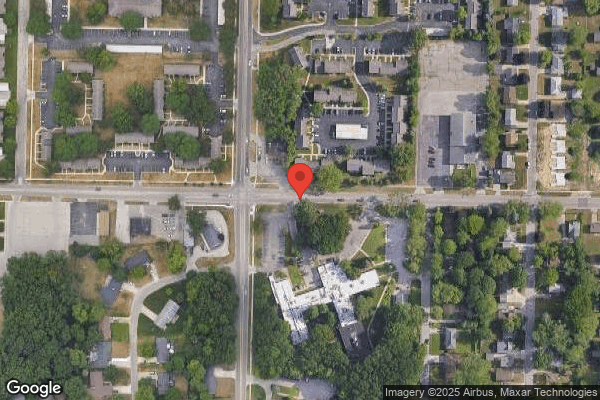
Understanding Severity Codes (click to expand)
Life-Threatening (Immediate Jeopardy)
J - Isolated K - Pattern L - Widespread
Actual Harm
G - Isolated H - Pattern I - Widespread
Potential for Harm
D - Isolated E - Pattern F - Widespread
No Harm (Minor)
A - Isolated B - Pattern C - Widespread

Questions to Ask on Your Visit

  • "What changes have you made since the serious inspection findings?"
  • "Can I speak with families of current residents?"
  • "What's your RN coverage like on weekends and overnight?"

Our Honest Assessment

Strengths
  • • 39% turnover. Below Michigan's 48% average. Good staff retention means consistent care.
Concerns
  • • Multiple safety concerns identified: 2 life-threatening violation(s), 5 harm violation(s), $131,810 in fines. Review inspection reports carefully.
  • • 45 deficiencies on record, including 2 critical (life-threatening) violations. These warrant careful review before choosing this facility.
  • • $131,810 in fines. Extremely high, among the most fined facilities in Michigan. Major compliance failures.
  • • Grade F (0/100). Below average facility with significant concerns.
Bottom line: Trust Score of 0/100 indicates significant concerns. Thoroughly evaluate alternatives.

About This Facility

What is Optalis Health & Rehabilitation Of Muskegon's CMS Rating?

CMS assigns Optalis Health & Rehabilitation of Muskegon an overall rating of 2 out of 5 stars, which is considered below average nationally. Within Michigan, this rating places the facility higher than 0% of the state's 100 nursing homes. A rating at this level reflects concerns identified through health inspections, staffing assessments, or quality measures that families should carefully consider.

How is Optalis Health & Rehabilitation Of Muskegon Staffed?

CMS rates Optalis Health & Rehabilitation of Muskegon's staffing level at 3 out of 5 stars, which is average compared to other nursing homes. Staff turnover is 39%, compared to the Michigan average of 46%. This relatively stable workforce can support continuity of care. RN turnover specifically is 60%, which is notably high. RNs provide skilled clinical oversight, so turnover in this role can affect medical care quality.

What Have Inspectors Found at Optalis Health & Rehabilitation Of Muskegon?

State health inspectors documented 45 deficiencies at Optalis Health & Rehabilitation of Muskegon during 2022 to 2024. These included: 2 Immediate Jeopardy (the most serious level, indicating potential for serious harm or death), 5 that caused actual resident harm, and 38 with potential for harm. Immediate Jeopardy findings are rare and represent the most serious regulatory concerns. They require immediate corrective action.

Who Owns and Operates Optalis Health & Rehabilitation Of Muskegon?

Optalis Health & Rehabilitation of Muskegon is owned by a for-profit company. For-profit facilities operate as businesses with obligations to shareholders or private owners. The facility is operated by SKLD, a chain that manages multiple nursing homes. With 107 certified beds and approximately 80 residents (about 75% occupancy), it is a mid-sized facility located in Muskegon, Michigan.

How Does Optalis Health & Rehabilitation Of Muskegon Compare to Other Michigan Nursing Homes?

Compared to the 100 nursing homes in Michigan, Optalis Health & Rehabilitation of Muskegon's overall rating (2 stars) is below the state average of 3.1, staff turnover (39%) is near the state average of 46%, and health inspection rating (2 stars) is below the national benchmark.

What Should Families Ask When Visiting Optalis Health & Rehabilitation Of Muskegon?

Based on this facility's data, families visiting should ask: "What changes have been made since the serious inspection findings, and how are you preventing similar issues?" "Can I visit during a mealtime to observe dining assistance and food quality?" "How do you handle medical emergencies, and what is your hospital transfer rate?" "Can I speak with family members of current residents about their experience?" These questions are particularly relevant given the facility's Immediate Jeopardy citations.

Is Optalis Health & Rehabilitation Of Muskegon Safe?

Based on CMS inspection data, Optalis Health & Rehabilitation of Muskegon has documented safety concerns. Inspectors have issued 2 Immediate Jeopardy citations (the most serious violation level indicating risk of serious injury or death). The facility has a 2-star overall rating and ranks #100 of 100 nursing homes in Michigan. Families considering this facility should ask detailed questions about what corrective actions have been taken since these incidents.

Do Nurses at Optalis Health & Rehabilitation Of Muskegon Stick Around?

Optalis Health & Rehabilitation of Muskegon has a staff turnover rate of 39%, which is about average for Michigan nursing homes (state average: 46%). Moderate turnover is common in nursing homes, but families should still ask about staff tenure and how the facility maintains care continuity when employees leave.

Was Optalis Health & Rehabilitation Of Muskegon Ever Fined?

Optalis Health & Rehabilitation of Muskegon has been fined $131,810 across 1 penalty action. This is 3.8x the Michigan average of $34,397. Fines at this level are uncommon and typically indicate a pattern of serious deficiencies, repeated violations, or failure to correct problems promptly. CMS reserves penalties of this magnitude for facilities that pose significant, documented risk to resident health or safety. Families should request specific documentation of what issues led to these fines and what systemic changes have been implemented.

Is Optalis Health & Rehabilitation Of Muskegon on Any Federal Watch List?

Optalis Health & Rehabilitation of Muskegon is not on any federal watch list. The most significant is the Special Focus Facility (SFF) program, which identifies the bottom 1% of nursing homes nationally based on persistent, serious quality problems. Not being on this list means the facility has avoided the pattern of deficiencies that triggers enhanced federal oversight. This is a positive indicator, though families should still review the facility's inspection history directly.