Maple Manor Rehab Center of Novi Inc

31215 Novi Road, Novi, MI 48377 (248) 624-8800
For profit - Corporation 72 Beds Independent Data: November 2025
Trust Grade
80/100
#41 of 422 in MI
Last Inspection: March 2025

Within standard 12-15 month inspection cycle. Federal law requires annual inspections.

Overview

Maple Manor Rehab Center of Novi has a Trust Grade of B+, which means it is above average and recommended for families seeking care. It ranks #41 out of 422 facilities in Michigan, placing it in the top half, and #3 out of 43 in Oakland County, indicating only two local options are better. However, the facility is experiencing a worsening trend, with issues increasing from 7 in 2024 to 8 in 2025. Staffing is a strong point, with a perfect 5/5 rating and a turnover rate of 34%, which is lower than the state average, suggesting that staff members are consistent and familiar with residents. Notably, while the facility has not incurred any fines, it has less RN coverage than 75% of Michigan facilities, which raises some concerns about the level of nursing oversight. Specific incidents include a CNA entering a resident's room without proper hygiene precautions, risking infection, and a lack of meaningful activities for residents, leading to feelings of boredom and isolation. Overall, while there are strengths in staffing and trust grade, there are also significant areas for improvement in infection control and resident engagement.

Trust Score
B+
80/100
In Michigan
#41/422
Top 9%
Safety Record
Low Risk
No red flags
Inspections
Getting Worse
7 → 8 violations
Staff Stability
○ Average
34% turnover. Near Michigan's 48% average. Typical for the industry.
Penalties
✓ Good
No fines on record. Clean compliance history, better than most Michigan facilities.
Skilled Nurses
✓ Good
Each resident gets 42 minutes of Registered Nurse (RN) attention daily — more than average for Michigan. RNs are trained to catch health problems early.
Violations
⚠ Watch
30 deficiencies on record. Higher than average. Multiple issues found across inspections.
★★★★★
5.0
Overall Rating
★★★★★
5.0
Staff Levels
★★☆☆☆
2.0
Care Quality
★★★★☆
4.0
Inspection Score
Stable
2024: 7 issues
2025: 8 issues

The Good

  • 5-Star Staffing Rating · Excellent nurse staffing levels
  • Full Sprinkler Coverage · Fire safety systems throughout facility
  • No fines on record
  • Staff turnover below average (34%)

    14 points below Michigan average of 48%

Facility shows strength in staffing levels, fire safety.

The Bad

Staff Turnover: 34%

12pts below Michigan avg (46%)

Typical for the industry

The Ugly 30 deficiencies on record

Mar 2025 8 deficiencies
CONCERN (D)

Potential for Harm - no one hurt, but risky conditions existed

Deficiency F0604 (Tag F0604)

Could have caused harm · This affected 1 resident

**NOTE- TERMS IN BRACKETS HAVE BEEN EDITED TO PROTECT CONFIDENTIALITY** Based on observation, interview, and record review, the facility failed to ensure appropriate assessments and physician orders w...

Read full inspector narrative →
**NOTE- TERMS IN BRACKETS HAVE BEEN EDITED TO PROTECT CONFIDENTIALITY** Based on observation, interview, and record review, the facility failed to ensure appropriate assessments and physician orders with medical symptoms were completed for audible position change alarms for two (R6 and R342) of two Residents reviewed for restraints resulting in the potential to restrict body movements due to the fear of sounding the alarm with physical discomfort and psychological distress utilizing a reasonable person concept. Findings include: R6 Record review revealed R6 was recently admitted to the facility on [DATE]. R6's admission diagnoses included urinary tract infection, peripheral vascular disease, heart disease, diabetes and Alzheimer's disease. Based on the nursing admission assessment dated [DATE], R6 was able to make their needs known and they were living at home with their wife prior to this admission. An initial observation was completed on 3/4/25 at approximately 10:45 AM. R6 was observed sitting in their wheelchair (WC) with a position change alarm box in their wheelchair. When queried what it was they were not sure what it was for. When queried what did they do when they needed to get assistance from staff they reported that they would call for help. R6 was able to move around in their wheelchair. A sensor pad for position change alarm for their bed was also observed in R6's bed. A follow up observation was completed later that day at approximately 2 PM. R6 was sitting up in their WC. R6 had position change alarm pad and box in their bed. Review of R6's Electronic Medical Record (EMR) revealed that an order dated 2/27/25 that read, Chair alarm monitoring protocol: check placement and function: once per shift. Placement: ensure the chair alarm is properly attached and positioned on the chair. Test the alarm functionality to ensure it is working correctly . The order did not indicate the medical symptom and or the diagnosis that warranted the use of chair. There was no order to use an alarm in bed and R6 had an alarm unit on their bed. Nursing progress notes dated 3/1/25, 3/2/25, 3/3/25 and 3/4/25 revealed the use of alarms in bed and in wheelchair. However, the progress notes did not reveal any rationale why a position change alarm was used in the wheelchair and bed. There was no evidence of any documentation in R6's EMR that the facility had attempted any least restrictive approaches prior to use of a position change alarm. There was no documentation that indicated that medical symptom that warranted the use of a position change alarm. Review of R6's assessments did not reveal any nursing and or interdisciplinary assessments that recommended the use of a position change alarm. Review of R6's care plan revealed a care plan for physical restraints dated 2/14/24. The care plan did not reveal use of any position change alarms. Review of R6's fall care plan did not reveal the use of any position change alarms. R342 R342 was admitted to the facility on [DATE] after hospitalization. R342's admitting diagnoses included orthostatic hypotension and muscle weakness. R342 was living at home with their family prior to hospitalization and they were admitted to the facility for short-term skilled nursing and rehabilitation care. Review of R342's Brief Interview for Mental Status (BIMS) assessment dated [DATE] revealed a score of 15/15, indicative of intact cognition. Review of the nursing admission assessment dated [DATE] revealed that R342 was aware of their limitations and able to use to call light and ask for assistance. An initial observation was completed on 3/4/25 at approximately 10:30 AM from the hallway. R342 had a sign on the door that read that they were on contact precautions. A staff member was in R342's room. R342 was observed sitting on their edge of their bed and they had a position change alarm box attached to the side of their bed. During a follow-up observation completed on 3/5/25 at approximately 12:15 PM, R342 was observed sitting in the edge of the bed eating lunch. This Surveyor heard the alarm in the hallway. R342 was trying to reposition themselves in the bed to make the alarm noise stop. The alarm stopped for a few seconds and started to go off again and R342 was trying to readjust themselves in bed trying to stop the alarm and a staff member went in to assist the resident. Later that afternoon at approximately an hour after the observation an interview was completed with the resident. R342 was still sitting on their edge of their bed and the position change alarm box was attached to the side. They were queried about the alarm and they thought they needed the alarm because they might fall. They also added that they knew how to use their call light and ask for assistance. Review of R342's Electronic Medical Record (EMR) did not reveal any order for the use of any position change alarm. Review of progress notes revealed a physician progress note dated 2/18/25 that revealed that R342 had a history of near falls or near misses at home due to their orthostatic hypotension (a condition where blood pressure drops when a person stands up from a sitting or lying position). Further review of R342's nursing progress revealed since admission to the facility multiple notes that read R342 was alert and oriented to and able to make their needs known. A progress note dated 2/21/25 read in part, received patient alert, lying in bed and oriented x 3 .needs 1 person assist ADL's (Activities of Daily Living) and toileting bed alarm in place working . Further review of R342's EMR did not reveal any nursing or interdisciplinary assessments that recommended the use of alarms. There were no orders with any medical symptoms that warranted the use of position change alarms. There was no evidence of any documentation that other least restrictive measures were attempted prior to use of position change alarms. R342's care plan did not reveal the use of any position change alarms. Review of a Minimum Data Set (MDS) assessment dated [DATE] did not reveal use of any position change alarm. An interview Certified Nursing Assistant (CNA) O was completed on 3/5/25 at approximately 12 PM. They were working on the unit where R342 and R6 were residing. CNA F was queried about the use of position change alarms and why they were used. They reported that they were used to let the staff know when residents attempted to get out of bed/wheelchair. They added they used alarm for residents if they were a fall risk. When queried if R342's was able to ask for staff assistance they reported that they were able to ask for assistance. When queried further about the process and who made the determination they reported that they were not sure. An interview with CNA F was completed on 3/5/25 at approximately 12:15 PM. CNA F' was also assigned on the unit where R6, and R342 were residing. CNA F reported that they had been at facility for approximately 5 years and they had regularly worked that unit. They were queried about the use of position change alarms. CNA F reported that the facility used alarms for residents if they were a fall risk. They added alarms were used to alert the staff members if residents attempted to stand or transfer on their own. When they queried about the process and who made the determination, CNA F reported that usually nurses made the decision, sometimes therapy staff. They added that at times if the CNAs felt that residents were at risk for fall they would let the nurses know and put an alarm for the resident. When queried what other interventions they would attempt before attaching an alarm they were not sure. An initial interview with Director of Nursing (DON) was completed on 3/5/25 at approximately 12:30 PM. They were queried about the facility process for use of position change alarms. The DON reported that the facility completed a nursing and or interdisciplinary assessment upon admission and throughout the resident stay as needed if resident's condition warranted use of any such devices. When queried further about the process, they added if residents had a fall or if they had history of falls then interdisciplinary team recommended the use of alarms. They were queried about the interdisciplinary assessments and other interventions attempted etc. for R6 and R342. They were queried about if the expect their staff to have assessments, orders and care plan etc. for the use of position change alarms including other measures that were attempted prior to use of alarms and they reported yes. The DON reviewed the EMR and reported that there was no documentation in the EMR for R6 and R342 and reported that they understood the concern. They added they would check for any internal documents they might have and would report back. A follow up interview was completed with the DON on 3/6/24 at approximately 10 AM. The DON reported that they did not have any additional documents and they understood the concerns for use of position change alarms for R6 and R342. They added both residents were at risk and they had added orders and care plans. When queried about the assessment they added that they would follow up. A facility provided document titled Resident Alarms with a revision date of 01/25 read in part, It is the policy of the facility to use resident alarms in limited circumstances in accordance with the resident's needs, goals, and preferences, so the resident will be able to attain or maintain his or her highest practicable level of physical, mental, and psychosocial well-being. Definition: An 'alarm' is any physical or electronic device that monitors resident movement when alerts the staff, by either audible or inaudible means, when movement is detected. Policy Explanation and Compliance Guidelines: 1. The use of alarms does not eliminate the need for adequate supervision of threshold. Types of alarms include: a. Bed alarms . b. Chair alarms . c. Floor mat alarms . d. Motion sensor alarms . e. Wander/elopement alarms . f. Other . 2. Identification of risk a. Each resident shall be assessed for fall and elopement risk upon admission and periodically thereafter as part of the comprehensive assessment process. b. Medical symptoms shall be identified and documented in the medical record. This information may come from the resident's medical history, physical exam, or individual observation. 3. Evaluation and analysis of risk a. The interdisciplinary team shall analyze each resident's unique risks and medical symptoms to determine the root cause of each risk. b. The interdisciplinary team shall consider the severity of risks slash symptoms, the immediacy of risks, and trends such as time of the day, location, or stated reasons for the behavior/ fall. 4. Implementation of interventions a. Resident directed approaches shall be implemented in accordance with the resident's needs, goals, and preferences. b. Alarms shall be initiated only to address a specific medical symptom or unique risk, when the benefit of the alarm outweighs the risk associated with its use. c. Interventions shall be communicated to all relevant staff, including frequency/timeframes and responsibility .
CONCERN (D)

Potential for Harm - no one hurt, but risky conditions existed

Deficiency F0688 (Tag F0688)

Could have caused harm · This affected 1 resident

**NOTE- TERMS IN BRACKETS HAVE BEEN EDITED TO PROTECT CONFIDENTIALITY** Based on observations, interviews, and record review, the facility failed to ensure a positioning device (hand splints) were imp...

Read full inspector narrative →
**NOTE- TERMS IN BRACKETS HAVE BEEN EDITED TO PROTECT CONFIDENTIALITY** Based on observations, interviews, and record review, the facility failed to ensure a positioning device (hand splints) were implemented for one (R16) of one resident reviewed for positioning and range of motion services resulting in the potential for contracture progression (hardening of the muscles, tendons, and other soft tissues) with further decline in range of motion and compromise with skin integrity. Findings include: R16 R16 was a long-term resident originally admitted to the facility on [DATE]. R16's admitting diagnoses included traumatic brain injury from motor vehicle accident, quadriplegia (paralysis of both arms and both legs) and seizures. R16 had a tracheostomy (An opening surgically created through the neck into the trachea/windpipe to allow air to fill the lungs) and they were breathing with the assistance of a ventilator (breathing machine). R16 was non-verbal and were totally dependent on staff assistance with all their needs. An initial observation was completed on 3/4/25 at approximately 9:35 AM. R16 was observed laying on their bed and a staff member was in the room. R16 had bilateral hand contractures, the fingers in both of their hands were bent in a clawed position. Some fingertips were close to the palm of hands. R16 did not have any type of splint/device on their hands. Two follow up observations were completed later that day at approximately 11:30 AM and 1:20 PM. R16's hands were observed in the same position. There were no hands splints or braces in R16's room. On 3/5/25 at approximately 10:15 AM, a follow up observation was completed the next day. R16 was observed in their bed. R16's hands were in the clawed position as yesterday. R16 did not have splints/devices on their hands. Review of R16's Electronic Medical Record (EMR) revealed a care plan that I require splint on bilateral hands at night . that was initiated on 9/25/20 and goal for 4/19/25 read Resident's bilateral hands will be free from injury, skin break down, edema, atrophy and contractures. An interview with Licensed Practical Nurse (LPN) L who was assigned to care for R16 was completed on 3/5/25 at approximately 10:35 AM. LPN L reported that they had been working at the facility for about 3 years and they regularly worked the unit where R16 was residing and they were very familiar with them. They were queried about R16's hand contractures and if any interventions were in place. LPN L reported that some staff members used rolled washcloths but they were not sure why it was not on. When queried further about R16's hand splints LPN L reported that they had never seen any splints for the resident and they confirmed that R16 did not have any hand splints in their room. An interview with Certified Nursing Assistant (CNA) N who was assigned to care for R16 was completed on 3/5/24 at approximately 11:45 AM. CNA N reported that they had been at the facility for about 8 years and they had regularly worked the unit where R16 was residing. CNA N was queried how they had obtained their information to care for their residents and they reported that they obtained information from the CNA care card that was kept in the resident's room, from the computer and also from their charge nurses. CNA N brought the document from R16's room was titled Resident Care Guide. CNA N brought 3 different sheets. They were no dates on the documents and they were not able to identify the most current document. The document did not specify use of any splints. CNA N logged on to the computer and showed the CNA care plan for R16 upon request. One care plan read I require splint on bilateral hands . When queried if R16 was using any splints, CNA N reported that R16 did not have any splints. They added that some staff members used rolled wash cloths and added that it was not consistent and was dependent on the staff member who were assigned to work with the resident. An interview with the Director of Rehab (DOR) M was completed on 3/5/25 at approximately 10:45 AM. They were queried about R16's hand contractures and if they had any splints in place as stated on their care plan. DOR M reported that they were not aware if R16 had any splints but they remembered R16 having some type of device such as a carrot and they would look into it. When queried further they reported that staff might have missed the splints after R16's readmission from the hospital; they would look into system to ensure that orders were reinstated and would initiate some audit. When queried about R16's contractures and their high-risk for worsening contractures, DOR M reported that they understood and agreed the rationale for the concern and they would follow up with their team. An interview with the Director of Nursing (DON) was completed on 3/5/25 at approximately 12:40 PM. The DON was queried about R16's splint and how the CNAs documented and who was providing oversight to ensure that CNAs were following the plan of care. The DON reported that CNAs were supposed to follow the plan of care and document; and nurses were providing the oversight. They were notified on the concern regarding R16's contracture and their risk with no plan in place to maintain their range of motion. They reported that they understood the concern and they would follow up with their team. A facility provided document titled Prevention of Decline in Range of Motion with a revision date of January 2025, read in part, Resident who enter facility without a range of motion will not experience a reduction in range of motion unless the resident's clinical condition demonstrated that a reduction in range of motion is unavoidable. Policy Explanation and compliance guidelines: 1. The facility in collaboration with the medical director, director of nurses and as appropriate, physical slash occupational consultant shall establish and utilize a systematic approach for prevention of decline in range of motion, including the assessment appropriate care planning and preventive care. 2. Assessment for range of motion: a. The facility will assess the residence range of motion (such as current extent of movement of his slash her joints and identification of limitations) on admission readmission, regularly and upon significant change period the facility will communicate with therapy regarding any range of motion limitations noted, as necessary. b. Nursing assistants will report any significant changes in range of motion, as noted during daily care activities, to the resident's nurse when any change is noted. c. The assessment should include identified risks which could impact residents' range of motion including but not limited to: i. Immobilization ii. neurological conditions causing functional limitations iii. any condition where movement may result in pain, spasms, or loss of movement iv. clinical conditions such as immobilized limbs or digits because of injury, fractures or surgical procedures including amputations 3. Appropriate care planning: a. Based on the comprehensive assessment, the facility will provide interventions, exercises and or therapy to maintain or improve range of motion. b. The facility will provide treatment and care in accordance with professional standards of practice. This includes but not limited to: i. Appropriate services (specialized rehabilitation, restorative, maintenance). ii. Appropriate Equipment (braces or splints). iii. Assistance as needed (active assisted, passive, supervision) .
CONCERN (D)

Potential for Harm - no one hurt, but risky conditions existed

Respiratory Care (Tag F0695)

Could have caused harm · This affected 1 resident

**NOTE- TERMS IN BRACKETS HAVE BEEN EDITED TO PROTECT CONFIDENTIALITY** Based on observation, interview and record reviews the facility failed to ensure oxygen therapy was consistently administered as...

Read full inspector narrative →
**NOTE- TERMS IN BRACKETS HAVE BEEN EDITED TO PROTECT CONFIDENTIALITY** Based on observation, interview and record reviews the facility failed to ensure oxygen therapy was consistently administered as ordered by the Physician for one (R14) of two residents reviewed for respiratory care. Findings include: On 2/4/25 at 9:22 AM, R14 was observed lying on their back in bed. Oxygen tubing was observed on the bed, disconnected from the oxygen concentrator. At this time Licensed Practical Nurse (LPN) C asked to reconnect and apply R14's oxygen. LPN C stated R14 always takes out their oxygen tubing on their own. LPN C proceeded to reconnect the tubing to the concentrator and apply the nasal cannula to R14. A review of the medical record revealed R14 was admitted to the facility on [DATE] with diagnoses that included: sepsis and delirium. R14 required assistance from staff for all Activities of Daily Living (ADLs). Review of a Physician order documented the following: Oxygen via nasal cannula at 2 LPM (Liters Per Minute) Maintain SPO2 (oxygen saturation) = (equal) or > (greater than) 90%. Review of the care plans revealed no care plan implemented for non-compliance regarding their oxygen therapy. Further review of the medical record revealed no interventions implemented regarding noncompliance of oxygen therapy. On 3/5/25 at 11:07 AM, R14 was observed sleeping in their bed, with the oxygen nasal cannula observed on the top of their upper lip. At this time Registered Nurse (RN) D was informed of R14's nasal cannula placement. RN D entered the room and woke R14 up from their sleep and informed them that they had to keep their oxygen on. RN D was observed reapplying the oxygen cannula. A review of a facility policy titled . Oxygen Administration revised January 2025, documented in part . Oxygen is administered to residents who need it, consistent with professional standards of practice, the comprehensive person-centered care plans, and the resident's goals and preferences . Oxygen is administered under orders of a physician . The resident's care plan shall identify the interventions for oxygen therapy, based upon the resident's assessment . Monitoring for complications associated with the use of oxygen . Staff shall notify the physician of any changed in the resident's condition . or evidence of complications associated with the use of oxygen . On 3/6/25 at 9:05 AM, the Director of Nursing (DON) was interviewed and informed of the observed incidents with R14's oxygen administration and the DON stated they were not aware of R14 being noncompliant with their oxygen therapy. The DON stated that R14's non compliance could have started over the weekend, however had they known they could have implemented interventions for the concern. No further explanation or documentation was provided by the end of the survey.
CONCERN (D)

Potential for Harm - no one hurt, but risky conditions existed

Deficiency F0757 (Tag F0757)

Could have caused harm · This affected 1 resident

**NOTE- TERMS IN BRACKETS HAVE BEEN EDITED TO PROTECT CONFIDENTIALITY** Based on observation, interview, and record reviews the facility failed to ensure physician ordered medications had an indicatio...

Read full inspector narrative →
**NOTE- TERMS IN BRACKETS HAVE BEEN EDITED TO PROTECT CONFIDENTIALITY** Based on observation, interview, and record reviews the facility failed to ensure physician ordered medications had an indication for use and failed to transcribe physician orders per the facility policy for two (R's 5 and 7) of two residents reviewed for unnecessary medications. Findings include: R5 On 3/4/25 at 9:55 AM, R5 was observed lying back in their bed. Oxygen was observed being administered via nasal cannula and an interview was conducted with the resident at that time. A review of the medical record revealed R5 was readmitted to the facility on [DATE] with diagnoses that included: fracture of lower end of the left femur. Review of the Physician orders revealed the following: Bupropion sustained release 150 mg (milligram) twice a day. For the diagnosis section on the order, staff documented N/A (not applicable). Trazodone 150 mg once daily. For the diagnosis section on the order, staff documented N/A. Xanax 1 mg twice a day PRN (as needed). For the diagnosis section on the order, staff documented N/A. A review of a facility policy titled . Medication Orders revised January 2025, documented in part . This facility shall use uniform guidelines for the ordering of medication . Elements of the Medication Order . Diagnosis or indication for use . The facility staff failed to document the indication for use for each medication as required by the facility policy. R7 On 3/4/25 at 12:54 PM, R7 was observed in their room. A brief interview was conducted with the resident at that time. A review of the medical record revealed R7 was readmitted to the facility on [DATE] with diagnoses that included atrial flutter and heart failure. Review of the Physician orders revealed the following: Eliquis 5 mg every 12 hours. For the diagnosis section on the order, staff documented N/A. Hydrocodone-acetaminophen 5-325 mg every four hours PRN. For the diagnosis section on the order, staff documented N/A. On 3/5/25 at 10:58 AM, the Director of Nursing (DON) was interviewed and asked why R' 5 & 7 had no indication documented for the medications prescribed to them and the DON stated the indications are usually put in by the Physician and are usually in the Physician's progress notes. The DON was asked why the indications were not documented when the medication orders are transcribed and the DON stated they will try to implement a process moving forward so the indication section is completed. No further explanation or documentation was provided by the end of the survey.
CONCERN (D)

Potential for Harm - no one hurt, but risky conditions existed

Medication Errors (Tag F0758)

Could have caused harm · This affected 1 resident

**NOTE- TERMS IN BRACKETS HAVE BEEN EDITED TO PROTECT CONFIDENTIALITY** Based on interview and record review, the facility failed to ensure that there was a stop/end date for PRN (as needed) psychotro...

Read full inspector narrative →
**NOTE- TERMS IN BRACKETS HAVE BEEN EDITED TO PROTECT CONFIDENTIALITY** Based on interview and record review, the facility failed to ensure that there was a stop/end date for PRN (as needed) psychotropic medication and failed to ensure that resident specific non-pharmacologic interventions were attempted prior to the administration of PRN psychotropic medication (anxiolytic) for two (R5 and R12) of five residents reviewed for unnecessary medications with potential for adverse side effects and decreased quality of life. Findings inlude: R12 R12 was admitted to facility on 2/5/25 after hospitalization. R12's admitting diagnoses included: stroke, diabetic neuropathy, history of falls, heart failure, kidney failure, generalized anxiety disorder, restlessness and agitation. Based on the Minimum Data Set (MDS) assessment dated [DATE], R12 had Brief Interview for Mental Status (BIMS) score of 13/15, indicative of intact cognition. Review of R12's physician orders revealed an order for alprazolam (anti-anxiety medication). The order read alprazolam - schedule IV tablet 0.5 milligram oral twice a day PRN (as needed) started in 2/5/25 with no end date. Review of R12's Medication Administration Record (MAR) from 2/5/25 through 3/5/25 revealed R12 received the PRN alprazolam on the following dates: 2/5/25 (1 dose); 2/6/25 (2- doses); 2/7/25 (1 dose); 2/9/25 (2-doses); 2/10/25 (1-dose); 2/11/25 (2-doses); 2/12/25 (2-doses); 2/13/25 (1-dose); 2/19/25 (1-dose); 2/21/25 (2-doses); 2/23/25 (1-dose); 2/28/25 (1-dose); 3/4/25 (1-dose), and 3/5/25 (1 -dose). PRN medication administration reasons under MAR included: Behavior issues, other and pain. Review of R12's nursing progress notes revealed multiple notes that revealed yelling for assistance and staff were redirecting R12 to use call light for assistance. There was non evidence on R12's EMR about R12's target behaviors monitoring and use of resident specific non-pharmacological interventions prior to administration of PRN psychotropic medication. Review of R12's Electronic Medical Record (EMR) revealed a care plan for mood state dated 2/7/25. The care plan read, I have signs and symptoms of mood distress, related to diagnoses of generalized anxiety disorder, delirium, insomnia, restlessness and agitation . One of the approaches read offer non-pharmacological interventions to improve mood and lessen anxiety depending on patient's preference like attending social activities, deep breathing exercises, massage, listening to music. An interview with Director of Nursing (DON) was completed on 3/6/25 at approximately9:45 AM. DON was queried about the R12's order for PRN psychotropic medication with no end date and the facility process on non-pharmacological interventions prior to administering PRN psychotropic medication. DON reviewed the EMR and reported that they would contact the physician regarding the end date. They also added that staff should administer non-pharmacological interventions prior to administration of PRN medication and should document in progress notes. They were notified of the concerns and they reported that they understood the concern. Review of facility provided document titled Use of Psychotropic Medications with a revision date of January 2025 read in part, It is the intent of this policy to ensure that residents only receive psychotropic medications when other non-pharmacological interventions are clinically contraindicated. Additionally, these medications should only be used to treat the resident's medical symptoms and not used for discipline or staff convenience, which would deem it a chemical restraint. Policy Explanation and Compliance Guidelines: 1. A psychotropic drug is any drug that affects brain activities associated with mental processes and behavior. Psychotropic drugs include but are not limited to the following categories: antipsychotics, antidepressants, anti-anxiety, and hypnotics. 2. Psychotropic medications are to be used only when a practitioner determines that the medication is appropriate to treat residents specific diagnosed and documented condition and the medication is beneficial to the resident, as demonstrated by monitoring and documentation of the resident's response to the medication. 3. Other medications not classified as antipsychotic, antidepressant, anti-anxiety are hypnotic medications but can affect brain activity should not be used as a substitution for another psychotropic medication unless prescribed with the documented clinical indication for use consistent with accepted clinical standards of practice. 4. When a medication is used that can affect brain activity example antihistamines anticholinergic medications and central nervous system agents for use in conditions such as seizures, mood disorders, pseudobulbar effect and muscle spasms are stiffness and the documented use appears to be a substitution for another psychotropic medication rather than the original or approved indication, then the medication is subject to the requirements pertaining to psychotropic medications. 5. The indications for initiating, maintaining, or discontinuing medications as well as the use of non-pharmacological approaches, will be determined by evaluating the residence physical, behavioral, mental, and psychological science and symptoms in order to identify and rule out any underlying medical conditions, including the assessment of relative benefits and risks, and preferences and goals for treatment. 6. Nonpharmacological approaches must be attempted unless clinically contraindicated, to minimize the need for psychotropic medications, use the lowest possible dose, or discontinue the medications. 7. The resident's medical record shall include documentation of this evaluation and the rationale for chosen treatment options. This includes any indicated documentation of rationale for prescribing multiple psychotropic medications or switching from one type of psychotropic medication, specifically an anti-psychotic medication to another category psychotropic medication 16. Psychotropic medications used on a PRN basis must have a diagnosed specific condition and indication for the use of for the PRN OK use documented in the residence medical record and is subject to the limitations as noted: a. PRN orders for psychotropic medications, excluding antipsychotics, shall be limited to no more than 14 days, unless the attending physician or prescribing practitioner believes it is appropriate to extend the order beyond 14 days. The medical record should include documentation from the physician our prescriber for the rationale for the extended time period and indicate a specific duration. b. PRN antipsychotic medication only, shall be limited to 14 days with no exceptions. If the attending physician or the prescribing practitioner believes it is appropriate to write a new order for the PPRN antipsychotic, they must first evaluate the resident to determine if the new order for the PCR and antipsychotic is appropriate . R5 On 3/4/25 at 9:55 AM, R5 was observed lying back in their bed. Oxygen was observed being administered via nasal cannula and an interview was conducted with the resident at that time. A review of the medical record revealed R5 was readmitted to the facility on [DATE] with diagnoses that included: fracture of lower end of the left femur. A review of the physician orders revealed the following: Start date: 2/15/25- Xanax 1 mg twice a day PRN (as needed). The End Date was noted as Open Ended. The order did not have a stop date. A review of a facility policy titled Use of Psychotropic Medication(s) revised January 2025, documented in part . PRN orders for psychotropic medications . shall be limited to no more than 14 days, unless the attending physician or prescribing practitioner believes it is appropriate to extend the order beyond the 14 days. The medical record should include documentation from the physician or prescribing for the rationale for the extended time period and indicate a specific duration . Further review of the medical record contained no documentation by the prescribing practitioner on why the Xanax order was extended beyond the 14 days. A review of the March 2025 Medication Administration Record (MAR) documented the Xanax as administered on the following dates: 1st at 8:51 AM and 9:12 PM. 3rd at 8:45 PM. Further review of the medical record revealed no documentation of non-pharmacological interventions utilized before the administration of the Xanax PRN medication. On 3/5/25 at 10:58 AM, the Director of Nursing (DON) was interviewed and asked about R5's Xanax order extending beyond 14 days and asked about the requirements of utilizing and documenting non-pharmacological interventions prior to the administration of the PRN psychotropic medication and the DON acknowledged the order should have a stop date and staff should be documenting interventions prior to administration. No further explanation or documentation was provided by the end of the survey.
CONCERN (D)

Potential for Harm - no one hurt, but risky conditions existed

Antibiotic Stewardship (Tag F0881)

Could have caused harm · This affected 1 resident

Based on interview and record review the facility failed to consistently maintain a system that monitored antibiotic use, this had the ability to affect any resident prescribed an antibiotic in the fa...

Read full inspector narrative →
Based on interview and record review the facility failed to consistently maintain a system that monitored antibiotic use, this had the ability to affect any resident prescribed an antibiotic in the facility of the 47 residents that resided in the facility at the time of the survey. Findings include: Review of the facility's February 2025 Infection Control Form line listings revealed 5 pages of documented infections in the facility. None of the identified infections were identified to have met or not meet the criteria for infection. The area was left blank on all five pages. None of the infections were identified as resolved or ongoing. None of the infections were identified as Nosocomial (in house acquired) or Community acquired. The area was left blank. Most of the identified infections failed to note signs and symptoms of the infection. Further review of the documentation revealed additional blank sections revealing the surveillance log to be incomplete. On 3/6/25 at approximately 11:10 AM, the facility's Infection Control Preventionist (ICP) B was interviewed and asked about the incomplete antibiotic review for February 2025. ICP B stated they had been very busy lately and was unable to maintain the data. ICP B was asked how they ensured that all resident listed on the five pages met criteria for an infection if the data is incomplete. ICP B stated they hung the McGeer checklist at each nurses station for the nurses to follow. No further explanation was provided. A review of a facility policy titled . Antibiotic Stewardship Program revised January 2025, documented in part . It is the policy of this facility to implement an Antibiotic Stewardship Program as part of the facility's overall infection prevention and control program . The facility uses the . updated McGeer criteria . to define infections .
CONCERN (E)

Potential for Harm - no one hurt, but risky conditions existed

Deficiency F0919 (Tag F0919)

Could have caused harm · This affected multiple residents

**NOTE- TERMS IN BRACKETS HAVE BEEN EDITED TO PROTECT CONFIDENTIALITY** Based on observation, interview, and record review, the facility failed to ensure the facility's 'wireless' call light communica...

Read full inspector narrative →
**NOTE- TERMS IN BRACKETS HAVE BEEN EDITED TO PROTECT CONFIDENTIALITY** Based on observation, interview, and record review, the facility failed to ensure the facility's 'wireless' call light communication system was fully operational and had adequate alternate interventions for residents to summons help. This deficient practice has the potential to effect all residents, including R142, R144, R143, R344, and one anonymous resident (AR). Findings include: R142 On [DATE] at 9:55 AM, the door to the room was closed. There were no audible or visual signals that any call lights were activated. Upon entry into the room, R142 was observed seated upright in bed, wearing a cervical collar. The resident reported they were extremely upset and had been waiting for their medication now for over an hour and was in pain. When asked about their pain level on a scale of 0-10 with 10 being the worst, R142 reported their current pain level was a 5. When asked if they pressed the call light for help, they reported their roommate did (for them). Review of the clinical record revealed R142 was admitted into the facility on [DATE] with diagnoses that included: nondisplaced posterior arch fracture of first cervical vertebra, Huntington's disease, unspecified injury of head, contusion of right hand, and unspecified displaced fracture of second cervical vertebra. According to the Minimum Data Set (MDS) assessment dated [DATE], R142 had intact cognition and was dependent on staff for most activities of daily living (ADLs). R144 On [DATE] at 10:09 AM, R144 (roommate of R142) was observed laying in bed with an ice pack to their left hip area. When asked about whether they had any concerns, R144 reported their only concern was the call lights were not working. They further reported they were given a bell and pointed to the bell on their bedside table. The bell was observed to be a small (hotel-style) bell in which the top was pressed and made a [NAME]-like noise. R144 also reported they were worried that with their doors having to be shut because of the flu outbreak, the staff weren't able to hear the bell. When asked if they experienced anything like that since they were given the bell to use, R144 reported yesterday they had to wait a long time (over a half hour) and frequently used the bell for their roommate's need for help as well. At that time, R144 was requested to activate both the call light and the bell to see about staff's response. No staff responded after about five minutes. The resident further stated they had already done that for their roommate before this surveyor entered the room and they were still waiting without any response from facility staff. Review of the clinical record revealed R144 was admitted into the facility on [DATE] with diagnoses that included: fracture of unspecified part of neck of left femur. According to the MDS assessment dated [DATE], R144 had intact cognition and required partial/moderate assistance with most ADLs. R143 On [DATE] at 9:54 AM, observation of R143's room revealed they were in a room that was at the end of the hallway. There was a sign on the door that requested staff left the door open. During this time, the wifi connection on this surveyor's laptop computer stopped functioning a few doors away from R143's room. The connection didn't resume until this surveyor returned to the nursing station (closer to the center of the second floor). On [DATE] at 12:15 PM, the door to R143's room was observed closed. At that time, an interview was conducted with R143. When asked about the sign on the door requesting to keep it open, R143 reported that was because their call lights on the bed don't work. I'm at the end of the hall and if the door is closed, you can't hear the bell. R143 was observed with a hotel-like bell on their bedside table. The resident further reported Maintenance had been in several times to check but the call light still doesn't work. They further reported the other day, they had been ringing their bell off and on and staff did not respond. Review of the clinical record revealed R143 was admitted into the facility on [DATE] with diagnoses that included: acute respiratory failure with hypoxia, obstructive sleep apnea, chronic kidney disease stage 3b, and influenza due to other identified influenza virus with other respiratory manifestations. According to the MDS assessment dated [DATE], R143 had intact cognition and required assistance with most activities of daily living. R344 During an observation completed on [DATE] at approximately 11:10 AM, R344 was observed sitting in their wheelchair. R344 was wearing a sling on their right arm. R344 had a hotel-like bell on their table. R344 was queried about the stay at the facility and staff assistance. R344 reported that they had to wait longer for staff assistance when they called for help. When queried about the call light in the room and bathroom. R344 reported that they were not sure if the lights worked properly outside and/or if the staff were not checking. They added that the call bell on the table was not loud enough and while they were in the bathroom they were asking the staff members to leave the bathroom door open so they could yell for help. When queried if there were any pattern with the long wait times such as certain days, times etc., R344 added that it was throughout the day, they felt it was more during the shift change. Anonymous Resident (AR) During an observation completed for AR on [DATE] at approximately 9:05 AM. AR was observed in their bed and they had a tracheostomy (an opening surgically created through the neck into the trachea/windpipe to allow air to fill the lungs). AR also had a hotel-like call bell on their table. AR was communicating by typing their responses on their cell phone. When queried about their care at the facility and staff assistance, AR reported that they had to wait longer when they called for assistance. They reported that with their condition (with tracheostomy) it was important they received timely assistance. On [DATE] at 12:15 PM, an interview was conducted with Certified Nursing Assistant (CNA 'E'). When asked about their assignment, they reported they were working with CNA 'F' on the second-floor north unit and further reported they were from an agency. When asked about the call light system and how they were notified of a resident needing help, CNA 'E' reported there was a sound on the page monitor (box at second floor nursing alcove). When asked if they utilized a pager, they reported when they were here the last time, they got one then, but they did not today. They further reported this was only their second time working at the facility and the last time they worked, they were on the first floor. On [DATE] at 12:23 PM, an interview was conducted with CNA 'F'. When asked about the facility's call light system and how they became aware of a resident needing assistance, CNA 'F' reported there was a musical alert and pointed to a small black box at the nursing alcove. CNA 'F' then pressed a button to show the most recent alert showed room [ROOM NUMBER] alerted at 2:48 AM and the current time showed as 2:49 AM and a date of [DATE]. When asked if they were to also utilize a pager, CNA 'F' reported they were, but confirmed they were not. CNA 'F' then opened a drawer at the nursing alcove and retrieved a pager but reported it didn't work. When asked about the wrong date/time on the call light response box, CNA 'F' reported if you set it to the correct time/date, it will revert back the next day. When asked how they were able to know if someone else turned the light off, or how long it took to respond, CNA 'F' reported they were not sure. When asked about the use of the hotel-like bells, CNA 'F' reported those were difficult to hear when the doors were closed. They further reported the call light system does not work consistently and frequently looses wifi signal. On [DATE] at 8:50 AM, an interview was conducted with the Director of Nursing (DON) and the Assistant Administrator (AA 'A'). When asked about the facility's call light system, both AA 'A' and the DON reported they were aware the system didn't function at times and if the button wasn't held down long enough it might not activate and reported the facility had bids on a new system. The DON confirmed residents were given an additional metal bell to ring. When informed of the concerns identified with residents and observations from [DATE] of the metal bell not being audible when doors to the rooms were closed due to the current flu outbreak, concerns from residents, and interviews with staff not having all components of a fully functioning call light system, the DON confirmed the pagers were to be utilized as part of that system and was not aware the call alert box on the nursing alcove had any concerns with incorrect dates/times. On [DATE] at 1:17 PM, AA 'A' reported they recently signed a contract to install a new call light system and the target date to finish the installation was at the end of this month on the 31st. Review of the documentation provided directed the facility To place an order, sign quote and return with payment information . This quote was signed by facility staff and dated 3-5-2025. On [DATE] at 1:45 PM, AA 'A' was asked if the facility had any documentation of discussion or quotes obtained prior to [DATE] (after the survey team identified a concern). On [DATE] at 2:24 PM, AA 'A' reported they had been in discussion about the call light system verbally and also had emails of quotes from other vendors. On [DATE] at 2:31 PM, review of the additional documentation provided by AA 'A' revealed one quote from [DATE]. On [DATE] at 9:15 AM, an interview was conducted with the Maintenance Director (Staff 'H'). When asked about how the facility monitored their call light system to ensure it was functioning properly, Staff 'H' stated when there was a complaint with call lights not working they would then check the batteries which were in the box where the call light went into the wall in the resident rooms. Staff 'H' reported there was no light in the hallway, or in the rooms and bathrooms. Staff 'H' further reported their system was not hard-wired, but was wireless and dependent upon the wifi signal. They reported the transmitter was located on the first-floor top of the ceiling and at times the wifi signal would cut out (not function) due to signal loss and sometimes was interfered. Staff 'H' reported at times, when the wifi signal cut out, it would start again in a few minutes. When asked to confirm if they did any room audits to ensure the call lights were functional, Staff 'H' reported they did not, they waited for complaints. Staff 'H' further reported the system was set up to show an alert on the monitor at the nursing desk if there was a low battery or the system wasn't working. When asked if the staff should be using pagers as part of the call light system, Staff 'H' reported they should and there was also a small junction box at the nursing desk in the hallway that looked like a radio that staff could see which rooms were going off. When asked about the incorrect dates/times visible on the small junction box, Staff 'H' reported they were not aware of any concerns like that but would check it out and follow-up. There was no additional follow-up by the end of the survey. Review of the specific call light system documentation provided by the facility dated [DATE] documented, in part: .Testing Personal Help Buttons (PHBs) is an important part of ensuring that residents are completely protected. Not only does it guarantee button operation, but, more important, it reminds the resident of the crucial and convenient part of the CarePoint safety system. NOTE: [Specific Name of System] recommends that communities test PHBs monthly and supplement these tests with a program to ensure that residents remember them and know how to use them .System Setup .SmartCare makes a sound at every new alert .If a Network Monitoring Station is disconnected from the network for any period of time, it may be necessary to re-sync the display .SmartCare stores information in Microsoft Access database files . This documentation further identified the system was complete when pagers were utilized. According to the facility's policy titled, Call Lights: Accessibility and Timely Response dated [DATE]: .The purpose of this policy is to assure the facility is adequately equipped with a call light at each residents' bedside, toilet, and bathing facility to allow residents to call for assistance. Call lights will directly relay to a staff member or centralized location to ensure appropriate response .All staff will be educated on the proper use of the resident call system, including how the system works and ensuring resident access to the call light .Staff will report problems with a call light or the call system immediately to the supervisor and/or maintenance director and will provide immediate or alternative solutions until the problem can be remedied .Ensure the call system alerts staff members directly or goes to a centralized staff work area .All staff members who see or hear an activated call light are responsible for responding .
CONCERN (F)

Potential for Harm - no one hurt, but risky conditions existed

Infection Control (Tag F0880)

Could have caused harm · This affected most or all residents

**NOTE- TERMS IN BRACKETS HAVE BEEN EDITED TO PROTECT CONFIDENTIALITY** R342 On 3/4/25 at 12:03 PM, R342's room was observed to have signage on the door that read, CONTACT PRECAUTIONS .EVERYONE Clean ...

Read full inspector narrative →
**NOTE- TERMS IN BRACKETS HAVE BEEN EDITED TO PROTECT CONFIDENTIALITY** R342 On 3/4/25 at 12:03 PM, R342's room was observed to have signage on the door that read, CONTACT PRECAUTIONS .EVERYONE Clean hands prior to entering .NECESSARY PPE (Personal Protective Equipment) Gown and gloves . At that time, Certified Nursing Assistant (CNA 'E') was observed retrieving a lunch meal tray from a cart in the hallway and entered into R342's room without cleaning hands, or donning any personal protective equipment. While in the room, CNA 'E' was observed leaning on the resident's walker next to their bed, touching their face mask, and moving items around the bed. On 3/4/25 at 12:10 PM, CNA 'E' was observed to have their face mask down around their chin and then proceeded to touch their face mask several times, while holding several drink cups and enter into room [ROOM NUMBER]. They immediately exited the room and was not observed using any hand hygiene. Review of the clinical record revealed R342 was admitted into the facility on 2/17/25 with diagnoses that included: shingles (as of 2/26/25). Review of the care plans included: Start Date: 3/3/25 I need to be in isolation related to herpes zoster. Interventions included: Follow facility's Infection Control policies/procedures when cleaning/disinfecting room, handling soiled and/or contaminated linen, disinfecting equipment, etc. Use principles of infection control and universal/standard precautions. Review of the physician orders included: Contact Precautions Indication: To prevent the spread of infections transmitted through direct contact with patient skin, bodily fluids, or contaminated surfaces/equipment. Precaution/Route of Diagnosis: Specify: shingles .Special Instructions: Hand Hygiene: Wash hands with soap and water before and after patient contact. PPE: Gloves and gown required. This order started on 2/26/25. On 3/4/25 12:15 PM, an interview was conducted with CNA 'E'. They reported they worked for a staffing agency and this was their second time at the facility. When asked if they were aware R342's room had contact precautions and to explain what they should do, CNA 'E' reported that resident had the flu (which was not correct) and they didn't come into contact with the resident. They were asked to clarify if they were sure the resident was on those precautions for flu and not something else, CNA 'E' reported they were told by another CNA it was the flu. When informed of the observations of them touching the resident's environment and signage that indicated they were to don/doff PPE and clean hands prior to entering the room, CNA 'E' offered no further response. When asked about the observations of them pulling their face mask down and touching their face mask several times, CNA 'E' reported they had really bad sinus issues and didn't know the remedy to that with also having to wear a mask. CNA 'E' further reported if they touched their mask, they should be sanitizing their hands after and acknowledged they did not. R24 On 3/4/25 at 9:23 AM, observation of R24's room revealed there was a PPE cart in the hallway just outside their room. Signage on the door documented STOP Droplet Precautions VISITORS: Please speak with nurse prior to entering room. PROVIDERS & STAFF Clean hands Prior To Entering And Upon Leaving; PROVIDERS & STAFF Wear A Surgical Mask; PROVIDERS & STAFF Wear Eye Protection; PROVIDERS & STAFF Use Dedicated or Disposable Equipment. The door to the room was closed. Review of the clinical record revealed R24 was admitted into the facility on 3/31/21 and readmitted on [DATE] with diagnoses that included: influenza due to unidentified influenza virus with other respiratory manifestations (as of 2/28/25). On 3/4/25 at 9:30 AM, CNA 'F' was asked about why R24 was on droplet precautions and they reported they thought it was for the flu. On 3/4/25 at 9:31 AM, the Infection Preventionist (IP 'B') was asked about the reason for R24 being on droplet precautions and they reported the resident was on droplet precautions for influenza A and further reported the staff only had to wear surgical mask, face shield, and gown. When asked why the signage only indicated staff were to don/doff face shield and surgical mask, they reported if they wanted to they could wear a gown. On 3/4/25 at 9:53 AM, Physical Therapy Assistant (PTA 'J') was observed donning a gown, gloves, surgical mask, was already wearing glasses and entered the room. At 10:05 AM, PTA 'J' was observed exiting the room and while doing so, brought a blood pressure/vital machine on wheels out of the room and down to the center alcove in the hallway to plug into an outlet. PTA 'J' was not observed cleaning the machine. On 3/4/25 at 10:08 AM, an interview was conducted with PTA 'J'. When asked about the observation of them bringing the vital sign machine out of R24's room, PTA 'J' reported they needed to check their vitals as the resident had a change while participating in a bedside therapy session. When asked about the cleaning of the vital sign machine, PTA 'J' reported they used the can (sanitizer wipes) to wipe down the finger area of the machine which they did in the room. When asked to confirm if the rest of the unit was sanitized, they reported only the finger area. When asked about the signage that indicated staff were to use dedicated equipment, PTA 'J' reported there was no dedicated equipment for the vital signs for this side of the building and they made sure to clean it as best they could. When asked what they had been educated on about donning/doffing PPE for residents on droplet precautions, PTA 'J' reported they were told it's just glasses, mask and gloves. At first we were told to wear gowns, but that was dropped. R2 On 3/4/25 at 10:18 AM, an interview was conducted with CNA 'K'. When asked about what PPE should be don/doffed for residents on droplet precautions, which included R2, CNA 'K' reported you don't need to wear gowns, only face mask and eye protection. When asked where you would clean the face mask off, CNA 'K' pointed to the table in the hallway and stated use the purple sani-wipes. When asked to clarify if that should be done in the room or in the hallway, CNA 'K' reported not in the rooms, in the hallway. On 3/4/25 at 10:26 AM, an interview was conducted with IP 'B'. When asked to confirm the process to don/doff PPE for residents on droplet precautions, IP 'B' reported it was recommended to wear a gown if providing care, but just out of an abundance of caution. When asked about the cleaning of the face shields, IP 'B' reported that should be done in the resident rooms prior to going into the hallway. On 3/4/25 at 10:32 AM, the resident's room door was closed, with signage on the door indicating they were on droplet precautions. An interview was conducted with the resident at that time. When asked about their current isolation status, R2 reported they had been sick with the flu since last Tuesday (2/25/25) and they never felt so sick on their life. Review of the clinical record revealed R2 was admitted into the facility on 5/24/23 and readmitted on [DATE] with diagnoses that included: radiculopathy lumbar region, chronic pain due to trauma, fusion of spine thoracolumbar region, influenza due to other identified influenza virus with other respiratory manifestations, type 2 diabetes mellitus with unspecified complications, and acquired absence of right leg below knee. Based on observation, interview, and record reviews the facility failed to ensure infection control standards and practices were consistently implemented by the facility staff and failed to implement an effective infection control surveillance program for 47 or 47 (including Resident R14, R19, R5, R35, R2,R342 ad R24) residents residing at the facility during the time of the survey. Findings include: On 3/4/25 at approximately 8:35 AM, upon entrance into the facility. The receptionist informed the survey team that the facility was currently experiencing an Influenza outbreak and a surgical mask would have to be worn by all surveyors. On 3/4/25 at 9:18 AM, upon entry onto the second floor, a contained unit was observed. Two doors interlocked to the unit. Observed on the door was a signage informing all of Droplet Precautions. The signage informed staff and providers to wear a surgical mask and eye protection. The signage also noted for all visitors to speak with a nurse. On 3/4/25 at 9:20 AM, Licensed Practical Nurse (LPN) C was observed at a medication cart. LPN C was asked what information or required Personal Protective Equipment (PPE) was required for the facility visitors. LPN C replied visitors must wear the surgical mask and they recommend hand hygiene. On 3/4/25 at 9:22 AM, upon entry into R14's room, the same Droplet Signage observed on the unit double doors was observed on R14's room. Observations were made of R14 and their environment. On 3/4/25 at 9:30 AM, upon entry into R19's room, a sign for Enhance Barrier Precautions was observed by the door. Observed outside of the room was a PPE cart that contained gowns, gloves and hand sanitizer. The signage documented for all providers and staff to complete hand hygiene and to wear gloves and a gown for high contact resident care activities. The Signage noted for everyone to clean their hands before entering and when leaving the room. Upon entrance in the room, Certified Nursing Assistant (CNA) I was observed providing care and dressing the resident. CNA I was observed with gloves on but no gown. After exiting R19's room, LPN C stated they forgot to mention that visitors should wear a shield when entering into Droplet Precaution rooms. LPN C was asked what the staff and providers were expected to wear when going into Droplet Precaution rooms and LPN C stated the surgical mask and shield as well. A walk through observation was conducted and multiple rooms had the Droplet signage observed posted outside of their rooms, with multiple residents heard coughing from the hallway. On 3/4/25 at 9:54 AM, observed on R5's door was a Droplet Precaution sign. R5 was observed in bed. A brief interview was conducted at that time. A review of R5's medical record revealed R5 had recently been diagnosed with Influenza A. A Physician's order documented the following: Droplet Precautions Indication: For infections transmitted through respiratory droplets from coughing, sneezing, or talking. Precaution of Diagnosis: Specify: flu . Special Instructions: Hand Hygiene: Perform before and after patient contact and after removing PPE. Patient Placement: Private room; door can remain open. PPE: Surgical mask, gloves, gown, eye protection. On 3/4/25 at 9:38 AM, an interview was conducted with the facility's Infection Control Preventionist (ICP) B to inquire about the correct PPE usage for the facility's droplet rooms for staff and visitors. Initially, ICP B stated that visitors had to complete hand hygiene, wear a surgical mask and shield, but then ICP B stated the staff had to complete hand hygiene, surgical mask, shield and a gown. ICP B was shown the multiple staff members in the contained hallway that was observed entering into the Droplet Precaution rooms with no gown. ICP B then stated that the Medical Director stated the gowns were not needed, however they (ICP B) recommended it to their staff. ICP B was shown their signage of Droplet Precautions that does not guide the facility staff to don on gowns and ICP B stated they were in talks with the medical director regarding the correct protocol moving forward. A review of the facility policy titled . Transmission-Based (Isolation) Precautions revised January 2025, documented in part . It is our policy to take appropriate precautions to prevent transmission of pathogens, based on the pathogens' modes of transmission . 'Droplet precautions' refer to actions designed to reduce/prevent the transmission of pathogens spread through close respiratory or mucous membrane contact with respiratory secretions . Healthcare personnel will wear a facemask for close contact with an infectious resident . if there is a risk of exposure of mucous membranes or substantial spraying of respiratory sections is anticipated, gloves and gown as well as goggles (or face shield) should be worn . Droplet- Gloves, Gown- As per standard precautions. Mask- [NAME] a mask upon entry into the patient room or cubicle . The facility staff failed to consistently follow the physician order for Droplet Precautions and failed to follow the facility's policy. Infection Surveillance Program Review of the facility's infection control surveillance program revealed no documentation for the facility's February 2025 infection surveillance and No mapping of the facility's infections from May 2024 to current (March 2025). On 3/5/25 at 2:17 PM, the facility's Infection Control Preventionist (ICP) B was interviewed and asked about the missing documents and stated they had them. When asked why it was not provided when the Infection Control Surveillance Program was requested, ICP B stated they take it home to work on it because they cover two buildings. At 2:22 PM, ICP B provided the missing documents. Review of Infection Surveillance Program revealed the following: March 2025 - No data, despite the facility having a current outbreak. February 2025 surveillance- No mapping completed and the line listing of infections were incomplete. The line list for Outbreaks revealed a staff member was identified to be positive for the Flu on 2/21/25. The first resident identified to be positive with the Flu was noted to be transferred to the hospital on 2/21/25 for a fever and reported to be positive for the Flu on 2/22/25. The line listing revealed two more residents became positive with the Flu before ICP B contacted the local health department on 2/25/25. Further review of the outbreak line listing revealed 10 additional residents and five additional staff members were diagnosed to be positive for Influenza A and/or symptomatic in the month of February 2025. Review of the Local health department Recommendation For Prevention And Control Of Influenza Outbreaks In Long Term Care Facilities documented in part, . Early recognition and testing of suspected influenza cases . Long term care facilities are required to report all suspected and confirmed outbreaks to local public health per Michigan Public Health Code . LTCF's (Long Term Care Facilities) are required to report the following . A sudden increase in acute febrile respiratory illness over the normal background rate . two (2) or more cases of acute respiratory illness occurring within 72hours of each other . Any resident who tests positive for influenza . Acute febrile respiratory illness is defined as fever > 100 F AND one or more respiratory symptoms (runny nose, sore throat, laryngitis, or cough). However please note that elderly patients with influenza may not develop a fever. Testing for influenza should occur when any resident has signs and symptoms that could be due to influenza . Review of the facility transfers to the hospital identified R35 who exhibited signs and symptoms that could have been due to influenza and not identified on the facility's line listing. Review of R35's progress notes revealed the following: On 2/25/25 at 6:25 PM, . had a fever of 100.1 . has a cough . On 2/25/25 at 11:43 PM, . patient has been coughing constantly. She is wheezing . short of breath . patient is very anxious, coughing and wheezing . On 3/6/25 at 11:02 AM, a meeting was held with ICP B to review the facility's Infection Control Surveillance Program. February surveillance was reviewed and the concern of February mapping not being completed, the infection surveillance line listing to not be fully completed and the failure to implement a system to timely identify, report, investigate, intervene and control the facility's outbreak. ICP B stated they had gotten really busy and had a lot going on and was unable to complete February's surveillance in real time. ICP B stated normally they would review the Infection Control data weekly and complete the line listing and report at the end of the month. ICP B was informed of the concern of their review of the infection control data to not be in real time (daily) especially considering the facility currently being in the middle of an Influenza outbreak. ICP B was asked why they delayed in reporting to their local health department the facility's outbreak, considering the first resident was identified positive with Influenza A on 2/22/25, the second resident confirmed positive on 2/24/25 and the third resident on 2/25/25. ICP B stated they did not consider to count the first resident who was sent out to the hospital for being symptomatic on 2/21/25 and diagnosed positive on 2/22/25, which was then reported to the facility. ICP B was then asked about R35 and why the facility did not test the resident for Influenza and ICP B stated the facility stopped testing residents since one resident was confirmed positive and told to consider everyone that was symptomatic positive. The guidance provided by the health department was reviewed with ICP B that noted to continue testing for resident with signs and symptoms of Influenza. The observations made of the facility staff not following proper infection standards and protocols was reviewed with ICP B as well and ICP B stated the facility had just in-serviced all staff on the infection protocols. No further explanation or documentation was provided by the end of the survey. Review of a facility policy titled . Infection Prevention and Control Program revised February 2024, documented in part . the designated Infection Preventionist is responsible for oversight of the program and serves . infectious diseases, resident room placement, implementing isolation precautions, staff and resident exposures, surveillance, and epidemiological investigations of exposures of infectious diseases . responsible for . A system of surveillance . utilized for prevention, identifying, reporting, investigation, and controlling infections and communicable diseases . All staff shall use personal protective equipment (PPE) according to established facility policy governing the use of PPE .
Apr 2024 7 deficiencies
CONCERN (D) 📢 Someone Reported This

A family member, employee, or ombudsman was alarmed enough to file a formal complaint

Potential for Harm - no one hurt, but risky conditions existed

Resident Rights (Tag F0550)

Could have caused harm · This affected 1 resident

**NOTE- TERMS IN BRACKETS HAVE BEEN EDITED TO PROTECT CONFIDENTIALITY** Based on observation, interview, and record review, the facility failed to provide a privacy cover over an indwelling catheter b...

Read full inspector narrative →
**NOTE- TERMS IN BRACKETS HAVE BEEN EDITED TO PROTECT CONFIDENTIALITY** Based on observation, interview, and record review, the facility failed to provide a privacy cover over an indwelling catheter bag for one Resident (R2) of two residents reviewed for catheters. Findings include: On 4/22/24 at 9:31 AM, R2 was observed resting in bed. An observation that was made on R2's catheter bag revealed no dignity privacy bag covering the catheter bag. On 4/23/24 at 8:43 AM, R2 was observed watching TV in bed. R2's catheter bag revealed no dignity privacy bag covering the catheter bag. On 4/24/24 at 1:09 PM, the DON was interviewed regarding the lack of a dignity privacy bag for R2. The DON said that R2 should have had a dignity privacy bag for his catheter bag. The DON it was explained that the nursing staff are to check that residents with catheter bags have dignity privacy bags in place. A review of R2's Electronic Medical Record (EMR) revealed R2 was initially admitted to the facility on [DATE] and readmitted to the facility on [DATE]. R2 had the following medical diagnoses: Neuromuscular Dysfunction of the Bladder, Multiple Sclerosis, and Paraplegia. A review of R2 's Quarterly Minimum Data Set (MDS) dated [DATE] revealed R2 had a Brief Interview of Mental Status score of 13/15 (cognitively intact). According to the MDS, R2 required maximal assistance with bed mobility, toileting hygiene, and transfers. The MDS included that R2 had an external catheter. A review of the facility policy titled, Promoting/Maintaining Resident Dignity, with a revised date of 11/2023, revealed, It is the practice of this facility to protect and promote resident rights and treat each resident with respect and dignity .Maintain resident privacy.
CONCERN (D)

Potential for Harm - no one hurt, but risky conditions existed

Deficiency F0578 (Tag F0578)

Could have caused harm · This affected 1 resident

**NOTE- TERMS IN BRACKETS HAVE BEEN EDITED TO PROTECT CONFIDENTIALITY** Based on interview and record review, the facility failed to ensure three (R46, R48, and R108) of four residents reviewed for ad...

Read full inspector narrative →
**NOTE- TERMS IN BRACKETS HAVE BEEN EDITED TO PROTECT CONFIDENTIALITY** Based on interview and record review, the facility failed to ensure three (R46, R48, and R108) of four residents reviewed for advance directives had their code status/treatment preferences clearly documented in their clinical record. Findings include: R46 A review of R46's clinical record revealed R46 was admitted into the facility on [DATE] and readmitted on [DATE] with diagnoses that included: spinal stenosis, anemia, hypertension, and diabetes. A review of R46's Minimum Data Set (MDS) assessment dated [DATE] revealed R46 had intact cognition. On [DATE] at 1:55 PM, a review of R46's full electronic medical record (EMR) was conducted. A review of a form titled, (Facility Name) Advance Directives revealed R46's wife signed the form and indicated R46 did not want Cardio-Pulmonary Resuscitation (CPR) in the event where my heart stops beating, or my respirations cease. The form was signed on [DATE]. A review of a progress note for R46 dated [DATE], revealed, .Resident would like to be DNR (Do-Not-Resuscitate) . On [DATE] at 10:41 AM, an interview was conducted with the Director of Nursing (DON). When queried about where the nurses looked to confirm a resident's code status, the DON reported it would be flagged on the home page in the EMR whether the resident was DNR or Full Code. When queried about why R46 had a progress note that noted he wanted to be a DNR and a signed Advance Directives form that indicated DNR, but there was nothing flagged in the EMR to notify nursing of R46's wishes, the DON reported she would look into it. On [DATE] at 2:06 PM, the DON followed up and reported there was a new Advance Directives form put into R46's EMR that was found in a hard chart that was kept on the unit. The DON reported nurses could access the hard chart or EMR to confirm a resident's code status, but that both charts should match. The DON reported the Social Worker had to ensure everything was in place prior to the code status being flagged in the EMR. On [DATE] at 2:55 PM, an interview was conducted with the Social Worker. When queried about the facility's process for obtaining residents' advance directives and ensuring their treatment wishes were readily available for staff to review in the case of an emergency, the Social Worker reported the nurse reviewed advance directives with the residents upon admission, the social services reviews them during the Social Services Assessment. Residents' preferred code status was reported to the nurse or the DON and was placed into the physician's mailbox for a signature. The Social Worker further reported there was a binder on the units that included the residents' advance directives forms in addition to being flagged in the EMR. According to the Social Worker, nursing was responsible for ensuring residents' code status was updated in the EMR. When queried about R46 and why there was no code status flagged in the EMR, a DNR form in the EMR, and a full code form in the binder, the Social Worker reported it was also documented in her assessment. The Social Worker reported R46 changed his code status to full code upon readmission to the facility on [DATE]. A review of a Social Services Assessment dated [DATE] revealed R46's Advance Directive was Do Not Resuscitate (DNR) and the request was In MD (physician's) box for signature. A review of a Social Services Assessment dated [DATE] revealed R46's Advance Directive was full code (all life saving measures should be attempted in the event the resident stops breathing, including CPR). It should be noted that the signed Advance Directive in the EMR on [DATE] was for DNR and did not match what was in the binder on the unit, which was Full Code as of [DATE]. R48 On [DATE] at 12:17 PM, a review of R48's clinical record revealed no code status flagged in the EMR and no advance directive form was found in the EMR. Further review of R48's clinical record revealed R48 was admitted into the facility on [DATE] and readmitted on [DATE] with diagnoses that included: cerebral infarction, hypertension, and hemiplegia. A review of a MDS assessment dated [DATE] revealed R48 had severely impaired cognition. A review of R48's progress notes revealed a Social Services note dated [DATE] that noted, .Advanced directive completed with nursing and son, SW (social work) reviewed with patient . A review of R48's Social Services Assessment dated [DATE] revealed R48's advance directive was a Full Code. There was no indication in R48's EMR that she was a full code. On [DATE], the facility uploaded an Advance Directives form that indicated R48 wanted CPR, tube feeding, hospitalization, and intravenous (IV) fluids. The form was signed on [DATE]. On [DATE] at 2:06 PM, the DON reported the form was in the binder on the unit, but not in the EMR prior to questioning. R108 On [DATE] at 2:15 PM, a review of R108's clinical record revealed no code status flagged in the EMR and no advance directives form to indicate R108's treatment wishes. Further review of R108's clinical record revealed R108 was admitted into the facility on [DATE] with diagnoses that included: atrial fibrillation, diabetes, and urinary tract infection. On [DATE] at 10:46 AM, R108's code status and advance directives were requested from the DON. On [DATE] at approximately 2:06 AM, it was discovered that the facility uploaded an Advance Directives form for R108 into the EMR that indicated she wished to be a full code, but did not want to donate organs. The form was signed on [DATE]. The DON reported the form was in the binder on the unit, but not in the EMR. A review of R108's Social Services Assessment dated [DATE] revealed R108's advance directive was full code. A review of a facility policy titled, Residents' Rights Regarding Treatment and Advance Directives, revised 3/2024, revealed, in part, the following, It is the policy of this facility to support and facilitate a resident's right to request, refuse and/or discontinue medical or surgical treatment and to formulate an advance directive .Upon admission, the resident or an appropriate legal representative will be asked to complete and sign an advance directive for the facility .Any decision making regarding the resident's choices will be documented in the resident's medical record and communicated to the interdisciplinary team and staff responsible for the resident's care .
CONCERN (D)

Potential for Harm - no one hurt, but risky conditions existed

Comprehensive Care Plan (Tag F0656)

Could have caused harm · This affected 1 resident

**NOTE- TERMS IN BRACKETS HAVE BEEN EDITED TO PROTECT CONFIDENTIALITY** Based on interview and record review, the facility failed to develop and implement a care plan for hearing loss for one Resident...

Read full inspector narrative →
**NOTE- TERMS IN BRACKETS HAVE BEEN EDITED TO PROTECT CONFIDENTIALITY** Based on interview and record review, the facility failed to develop and implement a care plan for hearing loss for one Resident (R19) hearing loss or one resident reviewed for hearing loss/communication. Findings include: A review of R19's Electronic Medical Record (EMR) revealed R19 was admitted to the facility on [DATE] with the pertinent medical diagnosis of hearing loss of the right ear. A review of R19's annual Minimum Data Set (MDS) dated [DATE] revealed R19 had a Brief Interview for Mental Status score of 3/15 (severely cognitively impaired). According to the MDS, R19 had hearing aids. A review of R19's comprehensive care plan, with no date, revealed R19 did not have a care plan regarding hearing concerns and the use of hearing aids. On 4/14/24 at 1:41 PM the MDS Coordinator F was interviewed regarding a hearing care plan. MDS Coordinator F said the care plan for R19's hearing concerns was missed. MDS Coordinator F said the hearing care plan was placed in the EMR the night of 4/23/24 because it was overheard that R19 did not have a care plan for hearing aids. On 4/24/24 at 1:14 PM the Director of Nursing (DON) was interviewed regarding the lack of a hearing care plan in the EMR. The DON said R19 should have had a hearing care plan related to the hearing aids. The DON said it is expected that it is the duty of the MDS Coordinator to make care plans for the residents.
CONCERN (D)

Potential for Harm - no one hurt, but risky conditions existed

Pressure Ulcer Prevention (Tag F0686)

Could have caused harm · This affected 1 resident

**NOTE- TERMS IN BRACKETS HAVE BEEN EDITED TO PROTECT CONFIDENTIALITY** Based on observation, interview, and record review, the facility failed to thoroughly assess and document a pressure ulcer for o...

Read full inspector narrative →
**NOTE- TERMS IN BRACKETS HAVE BEEN EDITED TO PROTECT CONFIDENTIALITY** Based on observation, interview, and record review, the facility failed to thoroughly assess and document a pressure ulcer for one (R30) of two residents reviewed for pressure ulcers. Findings include: On 4/22/24 at 9:50 AM, R30 was observed seated in a wheelchair with a splint applied to his right arm. When asked questions, R30 replied, Okay to each question. A review of R30's clinical record revealed R30 was admitted into the facility on 4/30/19 with diagnoses that included: traumatic brain injury. A review of a Minimum Data Set (MDS) assessment dated [DATE] revealed R30 had severely impaired cognition and was dependent on staff assistance for all activities of daily living, bed mobility, and transfers. A review of R30's Physician's Orders revealed an active order with a start date of 1/18/24 for Venelex ([NAME]-castor oil) ointment applied to the coccyx and covered with an ABD (abdominal) pad every day shift and night shift and as needed. A review of an Entrance Conference Worksheet Electronic Health Record (EHR) Information form completed by the facility revealed documentation regarding pressure ulcers was located in the EHR under Wound Care Progress Note/Flowsheet. A review of the Wound Care Progress Note/Flowsheet documentation for R30 revealed no documentation since 2020. A review of R30's Medication Administration Records (MAR) from February 2024 through April 2024 revealed orders for Skin Assessment/Shower Schedule .Write Progress Notes: Must do skin assessment after each shower or if resident declined shower . The following was documented: 2/16/24 - redness on coccyx 2/20/24 - old redness on coccyx 2/27/24 - open skin on coccyx 3/5/24 - old open skin on coccyx 3/12/24 - old open skin on coccyx 3/22/24 - old open skin on coccyx 3/26/24 - open skin on coccyx 4/1/24 - old open skin on coccyx 4/9/24 - old open skin on coccyx 4/16/24 - open skin on buttocks A review of the Certified Nursing Assistant (CNA) documentation to indicate any skin problem for the resident (R30) revealed open area was documented on the following dates: 4/8/24, 4/10/24, 4/13/24, 4/16/24, 4/17/24, 4/19/24, 4/21/24, 4/22/24, Further review of R30's clinical record revealed no documentation of the measurements and characteristics of the open skin on R30's coccyx and buttocks as documented on the MAR. On 4/24/24 at 9:24 AM, an interview was conducted with the wound care coordinator, Licensed Practical Nurse (LPN) 'C'. When queried about where weekly skin assessments were documented, LPN 'C' reported they were completed on shower days and results were documented on the MAR. When queried about any wounds that R30 had currently, LPN 'C' reported he did not have any wounds and all treatment was being done as a preventative intervention. LPN 'C' explained Physician 'EE' evaluated all wounds and documented his evaluations in the clinical record (progress notes). LPN 'C' further explained that Physician 'EE' was not currently following R30 because he did not have any pressure ulcers. At that time, LPN 'C' was asked if there was any documentation of R30's skin as a result of the CNA and nurse documentation that mentioned open area to the coccyx. LPN 'C' reported she did not see anything in the record and would look into it. LPN 'C' further reported that she was notified last week that R30 had an open area to his coccyx, but it had not yet been assessed. On 4/24/24 at 9:47 AM, an interview with the Director of Nursing (DON) was conducted. The DON explained that weekly skin assessments were documented on the MAR and if a resident had a wound, Physician 'EE' evaluated the resident and documented in a progress note. At that time, the DON was asked where any assessment of R30's open areas to the coccyx were documented. The DON reviewed the EHR and confirmed there was no documented assessment of R30's wound. The DON reported she did not know if R30 had any open areas. On 4/24/24 at 9:58 AM, an observation of R30's skin was conducted with LPN 'C'. When R30's brief was removed, no treatment was observed on R30's coccyx, bloody drainage was observed in the brief and a large area of scar tissue with scattered areas of what appeared to be moisture damaged skin and partial thickness skin loss. On 4/24/24 at 11:30 AM, the Administrator and Nurse Practitioner (NP) 'D' followed up regarding R30 and reported that NP 'D' had been evaluating R30's wounds. NP 'D' reported she started working at the facility in October 2023 and R30 had always had issues with the skin on his coccyx. NP 'D' reported she never saw the coccyx open up completely. When queried about where were evaluation/assessment of R30's coccyx would be documented, NP 'D' reported it would be in the progress notes. A review of R30's Physician progress notes revealed the following documentation written by NP 'D': On 1/5/24, 1/19/24, 1/23/24, 2/6/24, NP 'D' documented, .Stage IV (full thickness skin and tissue loss) sacral and ischial ulcer with ulceration and minor bleeding of surrounding area .Plan: Continue with Venelex ointment and cover with ABD pad . The next time NP 'D' evaluated R30 was on 3/15/24 and the following was documented, .Stage IV sacral and ischial ulcer with ulceration and minor bleeding of surrounding area .Plan: Continue with Venelex ointment and cover with ABD pad . The same thing was documented on 3/19/24. On 4/9/24, NP 'D' documented, .Stage IV sacral and ischial ulcer .Hx (history) of Stage IV sacral and ischial ulcer. Resolved but high risk for breakdown . The same was documented by NP 'D' on 4/16/24. There was no documentation to describe the measurements and characteristics of R30's coccyx. It was documented by NP 'D' that the wound was resolved. However, based on the observation made on 4/24/24, there was open areas and bloody drainage. A review of a facility policy titled, Skin Assessment, revised 1/2024, revealed, in part, the following: .Documentation of skin assessment: .Document type of wound .Describe wound (measurements, color, type of tissue in wound bed, drainage, odor, pain) .
CONCERN (D)

Potential for Harm - no one hurt, but risky conditions existed

Incontinence Care (Tag F0690)

Could have caused harm · This affected 1 resident

**NOTE- TERMS IN BRACKETS HAVE BEEN EDITED TO PROTECT CONFIDENTIALITY** Based on interview and record review, the facility failed to document urinary output consistently for one Resident (R2) of two r...

Read full inspector narrative →
**NOTE- TERMS IN BRACKETS HAVE BEEN EDITED TO PROTECT CONFIDENTIALITY** Based on interview and record review, the facility failed to document urinary output consistently for one Resident (R2) of two residents reviewed for catheters. Findings include: A review of R2's Electronic Medical Record (EMR) revealed R2 was initially admitted to the facility on [DATE] and readmitted to the facility on [DATE]. R2 had the following medical diagnoses: Neuromuscular Dysfunction of the Bladder, Multiple Sclerosis, and Paraplegia. A review of R2 's quarterly Minimum Data Set (MDS) dated [DATE] revealed R2 had a Brief Interview for Mental Status score of 13/15 (cognitively intact). According to the MDS, R2 required maximal assistance with bed mobility, toileting hygiene, and transfers. The MDS included that R2 had an external catheter. A review of R2's catheter care plan dated 4/22/24 revealed Monitor/document (urine) odor, color, amount, and sediment Q (every) shift. A review of the Treatment Administration Record (TAR) for the month of January 2024 revealed the following undocumented outputs for the day shift: 1/14, 1/15, 1/18, and 1/23. A review of the Treatment Administration Record (TAR) for the month of January 2024 revealed the following undocumented outputs for the night shift: 1/12, 1/13, 1/14, 1/15, and 1/16 A review of the Treatment Administration Record (TAR) for the month of February 2024 revealed the following undocumented outputs for the day shift: 2/5, 2/8, 2/9, 2/10, 2/11, 2/13, 2/14, 2/15, 2/16, 2/20, 2/22, 2/25, and 2/26 A review of the Treatment Administration Record (TAR) for the month of February 2024 revealed the following undocumented outputs for the night shift: 2/4, 2/6, 2/7, 2/8, 2/9, 2/10, 2/11, 2/12, 2/13, 2/14, 2/15, 2/17, 2/18, 2/19, 2/20, 2/25, and 2/29 A review of the Treatment Administration Record (TAR) for the month of March 2024 revealed the following undocumented outputs for the day shift: 3/5, 3/7, 3/8, and 3/19 On 4/24/24 at 1:13 PM the Director of Nursing (DON) was interviewed regarding the undocumented urinary outputs. The DON said the nursing staff have to record the output when the foley catheter has been emptied. Upon departure from the facility there was no facility policy given that addressed the documentation of urinary catheter output.
CONCERN (D) 📢 Someone Reported This

A family member, employee, or ombudsman was alarmed enough to file a formal complaint

Potential for Harm - no one hurt, but risky conditions existed

Antibiotic Stewardship (Tag F0881)

Could have caused harm · This affected 1 resident

Based on interview and record review the facility failed to implement an effective antibiotic stewardship program that included consistent implementation of protocols for appropriate antibiotic use fo...

Read full inspector narrative →
Based on interview and record review the facility failed to implement an effective antibiotic stewardship program that included consistent implementation of protocols for appropriate antibiotic use for two (R's 159& 160), this deficient practice had the ability to affect multiple residents who were prescribed antibiotics during their inpatient care at the facility. Findings include: According to the Center for Disease Control's (CDC) The Core Elements of Antibiotic Stewardship for Nursing Homes, dated 2015: .Improving the use of antibiotics in healthcare to protect patients and reduce the threat of antibiotic resistance is a national priority. Antibiotic stewardship refers to a set of commitments and actions designed to optimize the treatment of infections while reducing the adverse events associated with antibiotic use .Antibiotics are among the most frequently prescribed medications in nursing homes, with up to 70% of residents in a nursing home receiving one or more courses of systemic antibiotics when followed over a year .studies have shown that 40-75% of antibiotics prescribed in nursing homes may be unnecessary or inappropriate. Harms from antibiotic overuse are significant for the frail and older adults receiving care in nursing homes. These harms include risk of serious diarrheal infections from Clostridium difficile, increased adverse drug events and drug interactions, and colonization and/or infection with antibiotic- resistant organisms .Infection prevention coordinators have key expertise and data to inform strategies to improve antibiotic use. This includes tracking of antibiotic starts, monitoring adherence to evidence-based published criteria during the evaluation and management of treated infections .Identify clinical situations which may be driving inappropriate courses of antibiotics such as asymptomatic bacteriuria or urinary tract infection prophylaxis and implement specific interventions to improve use . The Core Elements of Antibiotic Stewardship for Nursing Homes (cdc.gov) Review of the facility's Infection Surveillance program from June 2023 through April 2024 documented multiple N/A documentation under criteria met for McGeer's for residents admitted from the hospital on an antibiotic. R159 Review of the facility's Infection Control Form for January 2024, documented the following in part, . (R159's name) Date of onset 01/08/2024 . Type of Infection- COVID-19 . Symptoms- productive cough . Amoxicillin 875-125 MG (milligram) BID (twice a day) x 7 days . McGeer criteria- Y (Yes) . [R159's name] Date of onset 01/08/2024 . Type of Infection- COVID-19 . Symptoms- productive cough . Doxycycline 100 MG BID X7Days . McGeer criteria- Y (Yes) . Review of R159's progress notes documented the following: On 1/4/24 at 7:30 AM, a nurse's note documented in part . alert, verbal able to communicate needs, received awake in bed . no resp. (respiratory) distress noted. No c/o (complaints of) pain, scheduled medications given . swabbed for covid last night, tested positive . ordered to quarantine patient . On 1/8/24 at 10:12 PM, a nurse's note documented in part . Resident in bed . able to make needs known verbally . BP (blood pressure) 136/81, PR (pulse rate) 61, RR (respiration rate) 18, temp (temperature) 97.5 . 02 sat (oxygen saturation) 93% on RA (room air). Denied SOB (shortness of breath) or respiratory distress. No chest pain, nausea and vomiting . new order given for oral antibiotics . Further review of the medical record revealed no additional signs or symptoms documented or justification for the prescribed antibiotics. Review of January 2024 Medication Administration Record (MAR) and Treatment Administration Record (TAR) documented the administration of the doxycycline hyclate 100 mg and amoxicillin-pot clavulanate 875-125 mg medications administered twice a day from 1/8/24 until 1/15/24. R160 Review of the facility's Infection Control Form for February 2024, documented the following in part, . (R160's name) . Type of Infection- UTI (urinary tract infection) . Symptoms- nausea, vomiting, poor appetite, abdominal pain, + dipstick, leukocyte . Cultures 1/29- no growth . Cipro 250 MG BID x3 days . McGeer criteria Y (yes) . Review of a physician note dated 1/29/24 at 5:05 PM, documented in part . she had some nausea/vomiting earlier today-she says it is more gagging rather than vomiting, but still poor appetite . no chills, no runny nose, no sore throat, no body aches, no dysuria (pain with urination), UA (urinalysis) dip stick done today is positive for LE (leukocyte esterase), will give cipro 250 mg bid x 3 days-urine sent for UA/culture, she is awake and alert and visiting with family members. She apparently was having this nausea at the hospital . Review of the UA culture collected 1/29/24, documented the following results in part . Mixed genital flora isolated. These superficial bacteria are not indicative of a urinary tract infection. No further organism identification is warranted on this specimen . This did not meet the criteria of an UTI infection. On 4/23/24 at 3:23 PM, an interview was conducted with the facility's Infection Control Preventionist (ICP) B. ICP B confirmed the facility utilized McGeers criteria and was asked about the review of residents who admit to the facility from the hospital prescribed an antibiotic and why they were all documented as N/A in on the surveillance record, ICP B explained they don't review the resident prescribed antibiotics at the hospital because they usually come to the facility and finish the antibiotic in a few days and that is why N/A is documented. On 4/24/24 at 10:24 AM, a second interview was conducted with ICP B, and they were asked why R159 was prescribed Amoxicillin-pot clavulanate 875-125 mg (milligram) and Doxycycline 100 mg on January 8th, 2024, until 1/15/24? And why R160 was started on Cipro 250 mg, twice a day for three days for a urinary tract infection prophylactically when neither resident met criteria and the ICP B stated they would follow up on it. At 2:47 PM, the ICP B returned and stated they could not provide and explanation or documentation for R159's antibiotic administration, however provided the physician's note from 1/29/24, UA and culture results for R160. No further explanation or documentation was provided before the end of the survey.
CONCERN (E)

Potential for Harm - no one hurt, but risky conditions existed

Deficiency F0698 (Tag F0698)

Could have caused harm · This affected multiple residents

**NOTE- TERMS IN BRACKETS HAVE BEEN EDITED TO PROTECT CONFIDENTIALITY** Based on observation, interviews, and record reviews the facility failed to ensure consistent dialysis communication documentati...

Read full inspector narrative →
**NOTE- TERMS IN BRACKETS HAVE BEEN EDITED TO PROTECT CONFIDENTIALITY** Based on observation, interviews, and record reviews the facility failed to ensure consistent dialysis communication documentation and assessments were maintained in the clinical record for one (R40) of one resident reviewed for dialysis. Findings include: On 4/22/24 at 1:41 PM, R40 was observed in bed. When asked, R40 stated they receive dialysis care five days a week for two and a half hours each day. R40 explained the dialysis entity comes to the facility and provide their dialysis treatment at the bedside. Review of the medical record revealed R40 was re-admitted to the facility on [DATE], with a diagnosis that included end stage renal disease. Review of the medical record on 4/22/24, revealed the last dialysis communication/assessment documentation in the medical record was dated 5/8/23. On 4/23/24 at 10:36 AM, the Director of Nursing (DON) was interviewed and asked where the documentation for R40's dialysis treatments/communication/assessments are kept, and the DON stated the entity emails them to the facility. The DON was then asked why the communication/assessments had not been uploaded to the R40's medical record since May 2023 and the DON stated they would look into it further and follow back up. At 1:59 PM, the DON stated they had gotten in touch with the dialysis center and received all of the communication/assessments from dialysis since May 2023 to current and it's now uploaded in the resident's record. No further explanation or documentation was provided by the end of the survey.
May 2023 15 deficiencies
CONCERN (D)

Potential for Harm - no one hurt, but risky conditions existed

Deficiency F0558 (Tag F0558)

Could have caused harm · This affected 1 resident

**NOTE- TERMS IN BRACKETS HAVE BEEN EDITED TO PROTECT CONFIDENTIALITY** Based on observation, interview, and record review, the facility failed to ensure a call light was accessible for one (R22) of o...

Read full inspector narrative →
**NOTE- TERMS IN BRACKETS HAVE BEEN EDITED TO PROTECT CONFIDENTIALITY** Based on observation, interview, and record review, the facility failed to ensure a call light was accessible for one (R22) of one resident reviewed for call light placement, resulting in the potential delay in services, unmet care needs, and isolation. Findings include: According to the facility's policy titled, Call Lights: Accessibility and Timely Response dated January 2023: .Staff will ensure the call light is within reach of resident and secured, as needed .The call system will be accessible to residents while in their bed or other sleeping accommodations within the resident's room . On 5/11/23 at 11:08 AM, R22's door was observed closed. Upon entering the resident's room, R22 was observed severely leaning to their left side with a pillow propped under their right shoulder. When asked if they needed help with repositioning, they reported they did and that their shoulder hurt and needed to be wrapped. At that time, an adaptive call light was observed on the floor near the head of the bed. When asked how they would contact staff if help was needed, R22 stated That's ridiculous, been like that since yesterday! R22 further reported there was no way for them to be able to reach the call light on the floor. On 5/11/23 at 11:11 AM, an interview was conducted Nurse 'R' who was assigned to R22. When asked who was R22's assigned Certified Nurse Assistant (CNA), they reported they weren't sure. When asked if there was an assignment sheet, Nurse 'R' deferred to the whiteboard at the nursing desk and indicated that had not been updated for today. At that time, Nurse 'R' was asked to accompany and observe R22's room. Upon entering the room, Nurse 'R' confirmed the resident's poor positioning and attempted to have the resident repositioned more on their left side. When asked about the call light on the floor, Nurse 'R' proceeded to pick up the call light and place on the table in front of the resident. Nurse 'R' reported the call light should be within reach. On 5/11/23 at 11:17 AM, an interview was conducted with R22's assigned Certified Nursing Assistant (CNA 'Q') who reported they did not come in to work until 9:00 AM and this was their first time working with R22. When asked about when they had last provided care to R22, CNA 'Q' reported they had been in to change and reposition R22 about an hour or hour and half ago and had just given the resident their breakfast tray about a half hour ago. CNA 'Q' reported they had been informed R22 usually leans to the side. When asked if they identified any concerns with the call light placement when they were in the room earlier, they reported they did not recall anything about the call light. CNA 'Q' was informed of the concern the call light had been on the floor and inaccessible and offered no further response. Review of the clinical record revealed R22 was admitted into the facility on 1/11/23 with diagnoses that included: diffuse traumatic brain injury without loss of consciousness, multiple sclerosis, person injured in unspecified motor-vehicle accident, acute respiratory failure with hypoxia, neuromuscular dysfunction of bladder, generalized anxiety disorder, and major depressive disorder, recurrent, moderate. According to the Minimum Data Set (MDS) assessment dated [DATE], R22 had no communication concerns, had intact cognition and required extensive assistance of two or more people for bed mobility and transfers.
CONCERN (D)

Potential for Harm - no one hurt, but risky conditions existed

Deficiency F0578 (Tag F0578)

Could have caused harm · This affected 1 resident

**NOTE- TERMS IN BRACKETS HAVE BEEN EDITED TO PROTECT CONFIDENTIALITY** Based on observation, interview and record review, the facility failed to ensure a resident's code status was obtained and docum...

Read full inspector narrative →
**NOTE- TERMS IN BRACKETS HAVE BEEN EDITED TO PROTECT CONFIDENTIALITY** Based on observation, interview and record review, the facility failed to ensure a resident's code status was obtained and documented according to the resident's wishes for one (R40) of four residents reviewed for advance directives. Findings include: Review of the clinical record revealed R40 was admitted into the facility on 3/24/23 with diagnoses that included: diffuse traumatic brain injury, pneumonia and atrial fibrillation. According to the Minimum Data Set (MDS) assessment dated [DATE], R40 was cognitively intact and required the extensive assistance of staff for activities of daily living (ADL's). Further review of R40's clinical record revealed no documentation of code status. In addition, there was no document signed by R40 indicating his wishes for end of life measures. Review of an Social Work progress note dated 3/27/23 at 12:05 PM read in part, .Advanced directive to be completed with patient and family per patient request . On 5/10/23 at 1:35 PM, R40 was observed lying in bed. R40 was asked if anyone at the facility had talked to him about his wishes for end of life decisions. R40 explained no one had talked to him about that. When asked what he would want done if his heart stopped, R40 explained he wanted them to just let me go. On 5/10/23 at 2:39 PM, Social Worker (SW) H was interviewed and asked about R40's code status. SW H explained when R40 was admitted , she had asked him about his wishes, but that he wanted his son involved in the decisions. When asked if she had followed up with R40 about his wishes, SW H explained she had not circled back to him. SW H was asked how long she usually waited to follow up. SW H explained she usually followed up in a few days or a week, but had not gotten back to R40. Review of R40's progress notes revealed a note dated 5/10/23 at 3:36 PM that read in part, SW met with the patient in his room to offer advanced directive choices. The patient stated, 'just let it end. SW confirmed the patient meant DNR (do-not- resuscitate) . Review of a facility policy titled, Resident's Right Regarding Treatment and Advance Directive revised 1/2023 read in part, .It is the resident's right to formulate an Advance Directive, and to accept or refuse medical or surgical treatment . implement those Advance Directive formulated by the resident as evidenced by: a. A Resident completion of the Advance Directive while admitted to the facility. b. Physician signature on the Advance Directive .
CONCERN (D)

Potential for Harm - no one hurt, but risky conditions existed

Deficiency F0604 (Tag F0604)

Could have caused harm · This affected 1 resident

**NOTE- TERMS IN BRACKETS HAVE BEEN EDITED TO PROTECT CONFIDENTIALITY** Based on observation, interview, and record review, the facility failed to conduct an assessment prior to application of a seat ...

Read full inspector narrative →
**NOTE- TERMS IN BRACKETS HAVE BEEN EDITED TO PROTECT CONFIDENTIALITY** Based on observation, interview, and record review, the facility failed to conduct an assessment prior to application of a seat belt restraint, ensure there was medical indication for use other than staff convenience, and attempt alternative interventions prior to using a restraint for one (R14) of one resident reviewed for physical restraints. Findings include: Review of a facility policy titled, Restraint Free Environment, revised October 2020, revealed, in part, the following: Each resident shall attain and maintain his/her highest practicable well-being in an environment that prohibits the use of restraints for discipline or convenience and limits restraint use to circumstances in which the resident has medical symptoms that warrant the use of restraints .A physical restraint is defined as any manual method of physical or mechanical device, material, or equipment attached or adjacent to the resident's body that the individual cannot remove easily, which restricts freedom of movement or normal access to one's body .Physical restraints may include .using devices in conjunction with a chair, such as .belts, that the resident cannot remove and prevents the resident from rising .Behavioral interventions should be used and exhausted prior to the application of a physical restraint .A physician's order alone is not sufficient to warrant the use of a physical restraint .Before a resident is restrained, the facility will determine the presence of a specific medical symptoms that would require the use of restraints, and determine: .How the use of restraints would treat the medical symptom .The length of time the restraint is anticipated to be used to treat the medical symptoms, who may apply the restraint, and the time and frequency that the restraint will be released .The type of direct monitoring and supervision that will be provided during use of the restraint .Physician's order and consent must be obtained prior to use of the Restraint/Device .Medical symptoms warranting the use of restraints should be documented in the resident's medical record. The resident's record needs to include documentation that less restrictive alternatives were attempted to treat the medical symptom but were ineffective, ongoing reevaluation of the need for the restraint, and the effectiveness of the restraint in treating the medical symptoms. The care plan should be updated accordingly to include the development and implementation of interventions, to address any risks related to the use of the restraint . On 5/9/23 at 10:00 AM, R14 was observed seated in a high back wheelchair with padded neck and trunk support in their room with a seat belt restraint fastened across their lap, an alarm attached to the wheelchair, and an alarm attached to the bed. At 10:25 AM, R14 was heard yelling out from their room and attempted to wheel their wheelchair toward the door. Activity Director 'S' entered R14's room and told them they had to stay in their room and watch television until lunch time. At 11:41 AM, R14 remained seated in a wheelchair in their room with a seat belt restraint fastened across their lap. An interview was attempted with R14. R14 appeared to be hard of hearing and did not want to answer any questions. R14 was seated upright in their wheelchair with no apparent difficultly and no leaning forward or to the side. On 5/10/23 at 9:03 AM, 10:25 AM, 12:05 PM, and 2:30 PM, R14 was observed in bed. On 5/11/23 at 10:30 AM, R14 was observed seated in a high back wheelchair with padded neck and trunk support in their room with a seat belt restraint fastened across their lap. R14 was seated upright in the wheelchair with no difficulty. R14 requested to go to bed. When asked if they were able to remove the seat belt restraint, R14 did not understand and appeared to not realize they had a seat belt applied. At that time Certified Nursing Assistant (CNA) 'X' entered the room to assist R14 to bed. When queried about whether R14 was able to remove the seat belt restraint, CNA 'X' reported they were not able to unfasten it. CNA 'X' was observed to transfer R14 from the wheelchair to the bed. R14 sat on the side of the bed and moved themselves back further on the bed. R14 was not observed to fall forward or lean. Review of R14's clinical record revealed R14 was admitted into the facility on 1/14/22 with diagnoses that included: epilepsy, muscle weakness, anemia, hypertension, traumatic brain injury, hearing loss right ear, and mild cognitive impairment. Review of a Minimum Data Set (MDS) assessment dated [DATE] revealed R14 had severely impaired cognition, no behaviors, and required extensive physical assistance with bed mobility and transfers, had one fall during the assessment period, and did not have a physical restraint. On 5/11/23 at 8:35 AM, an interview was conducted with the Director of Nursing (DON). When queried about why R14 required a seat belt restraint, the DON reported she would look into it. At that time, an assessment for the use of the seat belt restraint was requested. On 5/11/23 at 10:40 AM, an interview was conducted with Director of Rehab (DOR) 'Y'. When queried about any assessment completed for the use of R14's seat belt restraint, DOR 'Y' reviewed R14's records and reported R14 was assessed on 5/4/23. At that time, DOR 'Y' provided the assessment. Review of a Physical Device Assessment for R14 dated 5/4/23 revealed R14 was assessed for a Safety Seat Belt. The section to identify if the resident was able to remove on command consistently was left blank. The next section labeled Device Restricts Freedom of Movement indicated the device was a restraint and documented, Reference on POC (plan of care) - Complete Restraint Protocol .If determined to be a restraint, describe how the restraint treats the medical symptom and assists in reaching the highest practicable level of functioning. The section for Review and Assessment indicated the Factors/Symptoms/Medical Symptoms/Need were Attempts to get out of bed or w/c (wheelchair) r/t (related to) dementia, Weakness/AEB (as evidenced by) disease process, Unsteady gait r/t disease process, Leaning and/or rigidity, Visual deficit and/or Dementia, and Decreased sitting balance, recurrent falls. The Reason for Device Use was documented as Enable/Increase independence, Provide tactile barrier, Improves physical status, Able to participate in activities, and Decrease risk of falls, increased independence with wheelchair mobility around the facility. It was left blank in the section labeled Restraint Alternatives Previously Used. The Team Recommendation was Restraint as ordered. Review of fall incidents for R14 since January 2023 revealed R14 was found on the floor after previously being in bed on 1/6/23 and was observed on the floor after previously being in bed on 3/22/23. There were no documented falls from the wheelchair in that time frame. Review of a PM&R (Physical Medicine and Rehabilitation) progress note dated 5/10/23 revealed documentation that noted, .In therapy she walked 150 ft (feet) with FWW (four wheeled walker), Min (minimal) to CGA (contact guard assist) with wc (wheelchair) follows. Her balance is good sitting and standing balance fair .Apply seatbelt while in wheelchair for safety, fall prevention, and optimal positioning due to poor truncal control . It should be noted that during observations of R14 on 5/9/23 and 5/11/23, R14 was seated upright in their wheelchair without difficulty. Further review of PM&R progress notes dating back to 5/3/22 (a year prior) consistently documented, .Apply seatbelt while in wheelchair for safety, fall prevention, and optimal positioning due to poor truncal control . However, there was no restraint assessment provided prior to 5/4/23 (a year later). Further review of R14's clinical record revealed no care plan for the use of the seat belt restraint. Review of R14's Physicians Orders revealed an active order with a start date of 5/5/23 to Apply seat belt while in wheelchair for safety, fall prevention, and optimal positioning due to poor truncal control. It should be noted that it was documented for a year prior that R14 had been utilizing a seat belt restraint. There was no documentation in the Physicians Order, assessment, or plan of care that indicated the length of time the restraint was anticipated to be used, who may apply the restraint, where and how the restraint was to be applied and used, and the time and frequency the restraint was to be released. There was no documentation regarding direct monitoring and supervision provided during the use of the restraint and no documentation of the monitoring. The MDS assessment conducted on 4/23/23 did not indicate R14 had a physical restraint despite documentation of the restraint dating back to 5/3/22. On 5/11/23 at 3:20 PM, an interview was conducted with the DON. When queried about why there was no care plan for R14's seat belt restraint, how often staff were supposed to release the restraint, what kind of monitoring was done to ensure safe use of the restraint, what less restrictive interventions were attempted prior to the seat belt restraint, and if a restraint should be used without an assessment, the DON reported there should be a physician's order with specific instructions for use of the restraint, a care plan should be in place, and the resident should be assessed before applying a physical restraint. No additional information was provided prior to the end of the survey.
CONCERN (D)

Potential for Harm - no one hurt, but risky conditions existed

Deficiency F0657 (Tag F0657)

Could have caused harm · This affected 1 resident

**NOTE- TERMS IN BRACKETS HAVE BEEN EDITED TO PROTECT CONFIDENTIALITY** Based on interview and record review, the facility failed to ensure an interdisciplinary care plan was reviewed and/or revised b...

Read full inspector narrative →
**NOTE- TERMS IN BRACKETS HAVE BEEN EDITED TO PROTECT CONFIDENTIALITY** Based on interview and record review, the facility failed to ensure an interdisciplinary care plan was reviewed and/or revised by an interdisciplinary team in accordance with each Minimum Data Set (MDS) assessment for one (R6) of four residents reviewed for care plan review, resulting in the lack of opportunity for the resident and/or legal representative to participate in discussion of treatment options and decisions which pertain to all aspects of their plan of care. Findings include: Review of the facility's policy titled, Care Planning-Resident Participation dated January 2023, did not address the specific members of the interdisciplinary team to be present at the care planning review meetings. According to current regulations, the comprehensive care plans should be reviewed and revised by an interdisciplinary team after each assessment, including both the comprehensive and quarterly review assessments that include, but is not limited to the attending physician, a registered nurse with responsibility for the resident, a nurse aide with responsibility for the resident, a member of food and nutrition services staff, other appropriate staff or professionals in disciplines as determined by the resident's needs or as requested by the resident. Review of the clinical record revealed R6 was admitted into the facility on 8/25/22 with diagnoses that included: unspecified dementia, unspecified severity, without behavioral disturbance, psychotic disturbance, mood disturbance, anxiety disorder, Parkinson's disease, and depression. The clinical record identified that R6 was deemed incapacitated and had an activated power of attorney, which identified their son as the legal representative. Review of the Minimum Data Set (MDS) assessments since admission included an admission MDS assessment dated [DATE], a quarterly MDS assessment dated [DATE], and a quarterly MDS assessment dated [DATE]. Review of the care conference documentation since admission for R6 revealed there were only two care plan review conferences conducted on 8/31/22 and 5/5/23. The documentation for the care planning review on 8/31/22 only included the son, daughter-in-law, Director of Rehab and Social Work Director (SW 'H'). There was no documentation that anyone from dietary, nursing (nurse and aide), activities, or physician was involved. The documentation for the care planning review on 5/5/23 only included SW 'H'. There was no documentation that anyone from dietary, nursing (nurse and aide), activities, or physician was involved. On 5/10/23 at 12:00 PM, an interview was conducted with SW 'H'. When asked about the facility's care planning review conferences, they reported they scheduled those with the residents/representatives and encouraged the interdisciplinary team to attend. When asked about R6's lack of care planning reviews and lack of required interdisciplinary team members, SW 'H' reported they did the best they could and sent out invitations to the team.
CONCERN (D)

Potential for Harm - no one hurt, but risky conditions existed

Deficiency F0658 (Tag F0658)

Could have caused harm · This affected 1 resident

Based on observation, interview and record review, the facility failed to ensure medications were administered per professional standards and resident wishes for one (R1) of two residents reviewed for...

Read full inspector narrative →
Based on observation, interview and record review, the facility failed to ensure medications were administered per professional standards and resident wishes for one (R1) of two residents reviewed for medication administration. Findings include: Review of a facility provided Job Description for Registered Nurses and License Practice Nurses Position: Geriatric (LTC - Long Term Care) Nurse dated 1/2023 read in part, .Geriatric Nurses provide direct and individualized nursing care to older patients based on the application of Scientific nursing principles. Responsibilities of Geriatric Nurses include (but are not limited to): .Recognizes and manages geriatric syndromes common to older adults . Facilitates older adults' active participation in all aspects of their healthcare . On 5/10/23 at 9:28 AM, Registered Nurse (RN) D was observed as part of the medication pass task. RN D prepared twelve medications: ten pills that were crushed and placed in individual dosage cups, including Memantine 10 mg (milligrams); two Docusate sodium 100 mg capsules; and ClearLAX powder that was mixed with water in a drinking cup. RN D was then observed to enter R1's room to administer the medications. As RN D was pouring the ten crushed medications into applesauce, R1 explained she did not want her memory pill. RN D continued to pour crushed medications into the applesauce. R1 told RN D twice more that she did not want the memory pill, then R1 said, You're not listening to me, I don't want my memory pill! RN D put approximately half of the applesauce/crushed medication mixture, that included Memantine 10 mg, on a spoon, then place the two Docusate Sodium 100 mg capsules on top of the mixture and told R1, See, this is just your bowel medication. R1 swallowed the spoonful of applesauce/medication mixture, then refused to take another spoonful of the other half of the mixture. Review of R1's May 2023 Medication Administration Record (MAR) revealed for all of the ten crushed medications RN D documented, Not Administered: Refused; Comment: had 1/2 ameds [sic]. On 5/1/23 at 8:28 AM, the Director of Nursing (DON) was interviewed and asked if a resident could refuse a particular medication. The DON explained a resident could refuse medications and should not be tricked into taking them. The DON was asked what should happen if crushed medications were already mixed with applesauce. The DON explained, then the nurse should throw away the mixture and get new medications without the refused medication to give to the resident.
CONCERN (D)

Potential for Harm - no one hurt, but risky conditions existed

Unnecessary Medications (Tag F0759)

Could have caused harm · This affected 1 resident

Based on observation, interview and record review, the facility failed to ensure a medication error rate less than five percent when four medication errors out of 28 opportunities for error were obser...

Read full inspector narrative →
Based on observation, interview and record review, the facility failed to ensure a medication error rate less than five percent when four medication errors out of 28 opportunities for error were observed for one (R1) out of two residents reviewed during the medication administration observation, resulting in a 14.29% error rate. Findings include: Review of a facility policy titled, Medication Administration revised 1/2022 read in part, .Medications are administered by licensed nurses . as ordered by the physician and in accordance with professional standards of practice . Administer medication as ordered in accordance with manufacturer specifications . On 5/10/23 at 9:28 AM, Registered Nurse (RN) D was observed as part of the medication pass task. RN D prepared twelve medications, including ClearLAX polyethylene glycol 3350. RN D explained the dose for the ClearLAX was 17 g (grams), so she filled a 30 ml (milliliters) dosage cup to to top (30 ml) with the ClearLAX. RN D then poured the 30 ml of ClearLAX into a drinking cup. RN D was then observed to enter R1's room, pour water into the drinking cup, stir and administer the ClearLAX. After RN D exited R1's room, she was asked if all medication that were due at that time were administered. RN D agreed that they were. Review of the manufacturers directions on the bottle of ClearLAX read in part, .the bottle top is a measuring cap marked to contain 17 grams of powder when filled to the indicated line (white section in cap) . fill to top of white section in cap which is marked to indicate the correct dose (17 g) . On 5/10/23 at 10:28 AM, R1's physician orders were reconciled (compared) against the medications observed prepared by RN D. During the reconciliation, it was noted R1 had an orders for Calcium Carbonate-Vitamin D 500 mg (milligrams)-200 unit, scheduled for 9:00 AM; Flonase Allergy Relief spray 50 mcg (micrograms), scheduled at 9:00 AM; and Olopatidine eye drops 0.1%, scheduled at 9:00 AM. These three medications were not observed as prepared or offered and/or administered by RN D, all were marked off on the Medication Administration Record (MAR) as Refused. On 5/11/23 at 8:28 AM, an interview was conducted with the Director of Nursing (DON) and she acknowledged concern with the omitted medications. When asked how 17 g of ClearLAX should be measured, the DON explained the cap of the ClearLAX bottle should be used as it is calibrated for the correct dose.
CONCERN (D)

Potential for Harm - no one hurt, but risky conditions existed

Deficiency F0805 (Tag F0805)

Could have caused harm · This affected 1 resident

**NOTE- TERMS IN BRACKETS HAVE BEEN EDITED TO PROTECT CONFIDENTIALITY** Based on observation, interview, and record review, the facility failed to serve the correct, prescribed mechanically altered di...

Read full inspector narrative →
**NOTE- TERMS IN BRACKETS HAVE BEEN EDITED TO PROTECT CONFIDENTIALITY** Based on observation, interview, and record review, the facility failed to serve the correct, prescribed mechanically altered diet to one (R14) resident, resulting in the resident having a choking incident. Findings include: Review of a facility policy titled, Therapeutic Diet Orders revised January 2023, revealed, in part, the following: The facility provides all residents with foods in the appropriate form and/or the appropriate nutritive content as prescribed by a physician, and/or assessed by the interdisciplinary team to support the resident's treatment/plan of care .Dietary and nursing staff are responsible for providing therapeutic diets in the appropriate form and/or the appropriate nutritive content as prescribed . On 5/10/23 at approximately 12:00 PM, R14 was observed in bed. Staff was observed providing feeding assistance to the resident. Review of R14's clinical record revealed R14 was admitted into the facility on 1/14/22 with diagnoses that included: epilepsy, traumatic brain injury, and mild cognitive impairment. Review of a Minimum Data Set (MDS) assessment dated [DATE] revealed R14 had severely impaired cognition. Review of R14's progress notes revealed a note written by the physician on 4/18/23 that read, .(R14) had a choking episode this morning that resolved . Review of a progress note written by the speech therapist on 4/18/23 read, Patient seen 2/2 (secondary to) episode of choking this morning. Patient seen sitting up in chair, mildly lethargic however cooperative. Patient is currently on pureed with thin liquids. Per nursing patient had dysphagia episode when eating yogurt with small pieces of fruit. Assessed with pureed and thin liquids by straw. Patient tolerating both consistencies without any overt s/s (signs and symptoms) of airway compromise. No vocal changes or coughing displayed. Recommend continuing with current diet in place. RD (Registered Dietitian) and dietary department notified regarding yogurt consistency with plans to only allow nonfruit added yogurt to patient's menu. Will monitor as needed. Review of a nursing progress note dated 4/18/23 read, . Patient had a choking episode this morning on pt (patient's) yogurt. Review of a dietician note dated 4/19/23 read, .Reported to writer that res (resident) had choking episode yesterday morning at breakfast. Noted yogurt had small pieces of fruit. SLP (speech language pathologist) observed res at lunch with no issues with puree diet diet. Review of R14's Physicians Orders revealed an order dated 4/22/22 for Regular, pureed, 1:1 supervision during meals . On 5/11/23 at 1:33 PM, an interview was conducted with assistance dietary manager (DM) 'J'. DM 'J' explained that the kitchen was responsible to ensure items on residents' meal trays were consistent with their prescribed diets. DM 'J' reported they utilized color coded diet tickets to indicate therapeutic diets. When queried about R14 who received yogurt with fruit pieced when prescribed a pureed diet, DM 'J' reported it should not have happened and now it is documented that R14 only received plain yogurt. On 5/11/23 at 2:13 PM, a phone interview was conducted with Certified Nursing Assistant (CNA) 'W', the CNA who was assigned to R14 on 4/18/23. CNA 'W' recalled the incident with R14 and reported they were feeding R14 yogurt and the yogurt had fruit pieces in it and R14 choked. CNA 'W' explained R14 did not get that type of yogurt anymore and reported R14 chokes easily and quickly. On 5/11/23 at 2:30 PM, a phone interview was conducted with Registered Dietician (RD) 'Z'. RD 'Z' reported yogurt with fruit pieces was not appropriate for R14 or residents who required a pureed diet and R14 should not have received that on their tray.
CONCERN (E)

Potential for Harm - no one hurt, but risky conditions existed

Comprehensive Care Plan (Tag F0656)

Could have caused harm · This affected multiple residents

**NOTE- TERMS IN BRACKETS HAVE BEEN EDITED TO PROTECT CONFIDENTIALITY** R14 On 5/9/23 at 10:25 AM, R14 was observed seated in a wheelchair in their room with a seatbelt restraint fastened across their...

Read full inspector narrative →
**NOTE- TERMS IN BRACKETS HAVE BEEN EDITED TO PROTECT CONFIDENTIALITY** R14 On 5/9/23 at 10:25 AM, R14 was observed seated in a wheelchair in their room with a seatbelt restraint fastened across their lap. R14 was yelling out and attempted to wheel toward the door. Activity Director 'S' entered R14's room, moved R14 back over by the bed and instructed them to watch television until lunch time. On 5/9/23 at 11:41 AM, R14 was observed seated in their wheelchair in their room with a seatbelt restraint On 5/9/23 at approximately 3:30 PM, residents were observed in the common area of the second floor unit watching a movie and eating popcorn. R14 was observed lying in bed, awake. On 5/10/23 at approximately 10:20 AM, R14 remained in bed. At approximately 11:30 AM, R14 was observed eating with assistance while in bed. At approximately 2:30 PM, R14 remained in bed. On 5/11/23 at 10:30 AM, R14 was observed seated in a high back wheelchair with padded neck and trunk support in their room with a seat belt restraint fastened across their lap. R14 was seated upright in the wheelchair with no difficulty. R14 requested to go to bed. When asked if they were able to remove the seat belt restraint, R14 did not understand and appeared to not realize they had a seat belt applied. At that time Certified Nursing Assistant (CNA) 'X' entered the room to assist R14 to bed. When queried about whether R14 was able to remove the seat belt restraint, CNA 'X' reported they were not able to unfasten it. Review of R14's clinical record revealed R14 was admitted into the facility on 1/14/22 with diagnoses that included: epilepsy, traumatic brain injury, hearing loss, and mild cognitive impairment. Review of a MDS assessment dated [DATE] revealed R14 had severely impaired cognition and required extensive physical assistance for transfers. It was documented on the MDS that R14 felt it was very important to do things with groups of people, do their favorite activities, and participate in religious services. The MDS did not indicate R14 had a lap restraint. Review of a MDS assessment completed upon admission on [DATE] revealed R14 had intact cognition at that time and required limited assistance with transfers and walking. Review of R14's Activity Assessments revealed R14 was assessed for activities upon admission on [DATE]. There were no additional activity assessments completed for R14. Review of the Activity Assessment conducted on 1/17/22 revealed R14 liked doing recreation on their own and in a group. Their current activities of interest at that time were cards/games, crafts/arts/hobbies, exercise/physical activities, music, reading/audio books, spiritual/religious activities, outdoor activities, TV/Radio, Watching Movies, and Puzzles/Word Games. It was documented that R14 preferred to participate in scheduled activities in the afternoon. It was documented it was very important for R14 to have books, newspapers, and magazines to read, very important to be around animals and/or pets, very important to do things with groups of people, very important to do their favorite activities, and very important to participate in religious services or practices. At that time, R14 was able to ambulate with assistance. Further review of R14's clinical record revealed there was no activity care plan developed for R14 as of 5/10/23, or that R14's information about person-centered activities was available for direct care staff to utilize/incorporate into the resident's daily care/routine. R14 did not have a care plan for the use of the seatbelt restraint. On 5/10/23 at 3:05 PM, an interview was conducted with the Activity Director (Staff 'S'). When asked about who develops and implements the activity care plans, Staff 'S' reported they did not do that and thought it was the MDS coordinator. When asked how the MDS coordinator would know about the specific activity preferences, Staff 'S' offered no further explanation. R33 On 5/9/23 at 9:30 AM, R33 was observed sleeping. A urinary catheter drainage bag was observed on the side of the bed. Review of R33's clinical record revealed R33 was admitted into the facility on 3/17/23 with diagnoses that included: chronic kidney disease and retention of urine. Review of a MDS assessment dated [DATE] revealed R33 had severely impaired cognition and had an indwelling urinary catheter. Review of R33's care plans revealed R33 did not have a care plan developed for the use of an indwelling urinary catheter. On 5/11/23 at 03:20 PM, the DON was interviewed. The DON reported that residents should have care plans developed for activities, physical restraints, and indwelling urinary catheters. Based on observation, interview and record review, the facility failed to develop comprehensive care plans which addressed activities, urinary catheters, and physical restraints for four (R6, R22, R14 and R33) of four residents reviewed for care planning. Findings include: According to the facility's policy titled, Care Planning-Resident Participation dated January 2023: .The care planning process will include an assessment of the resident's strengths and needs, and will incorporate the resident's personal and cultural preferences in developing goals of care .If the participation of the resident and/or resident representative is determined not practicable for the development of the resident's care plan, an explanation will be documented in the resident's medical record. R6 Review of the clinical record revealed R6 was admitted into the facility on 8/25/22 with diagnoses that included: unspecified dementia, unspecified severity, without behavioral disturbance, psychotic disturbance, mood disturbance, anxiety disorder, Parkinson's disease, and depression. According to the MDS assessment dated [DATE], R6 sometimes was able to make themselves understood and usually understood others, had severely impaired cognition, and required extensive assist of one to two people for most aspects of care. Review of the MDS assessment dated [DATE] documented R6 had severe cognitive impairment. The section for activity preferences documented: Very Important for How important is it to you to have books, newspapers, and magazines to read?. Somewhat important for How important is it to you to listen to music you like?. Somewhat important for How important is it to you to keep up with the news?. Somewhat important for How important is it to you to do your favorite activities?. Somewhat important for How important is it to you to go outside to get fresh air when the weather is good?. Review of R6's Activity Assessments revealed R6 was assessed for activities upon admission on [DATE]. There were no additional activity assessments completed for R6. Review of this Activity Assessment revealed R6's activities of interest were cards/games, music, reading/audio books, spiritual/religious activities, traveling, outdoor activities, tv/radio, watching movies, gardening & plants, puzzles/word games. It was documented they preferred to do activities in their own room. Further review of R6's clinical record revealed there was no activity care plan developed for R6 as of this review, or that this information was available for direct care staff to utilize/incorporate into the resident's daily care/routine. R22 Review of the clinical record revealed R22 was admitted into the facility on 1/11/23 with diagnoses that included: diffuse traumatic brain injury without loss of consciousness, multiple sclerosis, person injured in unspecified motor-vehicle accident, acute respiratory failure with hypoxia, neuromuscular dysfunction of bladder, generalized anxiety disorder, major depressive disorder recurrent, moderate. According to the MDS assessment dated [DATE], R22 had no communication concerns, had intact cognition and required extensive assistance two or more people for bed mobility and transfers. On 5/11/23 at 11:08 AM, an interview was conducted with R22 to discuss what kind of activities they liked to do. R22 reported they were given a coloring book and enjoyed the movies. When asked if there were any activities on the weekends, or more than one time a day (per the posted activity calendar) they reported there was not and they would like some more. R22 further reported they wanted to return to their former place (another rehab facility) and felt they were able to do more there like painting, exercises, more importantly be with their friends. Review of R22's Activity Assessments revealed R22 was assessed for activities upon admission on [DATE]. There were no additional activity assessments completed for R22. Review of this Activity Assessment revealed R22's activities of interest were cards/games, crafts/arts/hobbies, exercise/physical activities, music, reading/audio books, writing, baking/cooking, computer, spiritual/religious activities, outdoor activities, tv/radio, watching movies, gardening & plants, and puzzles/word games. It was documented they preferred to do activities in their own room, day/activity room, inside nursing home/off unit and outside facility. Further review of R22's clinical record revealed there was no activity care plan developed for R22 as of this review, or that this information was available for direct care staff to utilize/incorporate into the resident's daily care/routine.
CONCERN (E)

Potential for Harm - no one hurt, but risky conditions existed

Pharmacy Services (Tag F0755)

Could have caused harm · This affected multiple residents

Based on observation, interview, and record review, the facility failed to utilize an effective system to account for accurate reconciliation of controlled substances (medications tightly controlled b...

Read full inspector narrative →
Based on observation, interview, and record review, the facility failed to utilize an effective system to account for accurate reconciliation of controlled substances (medications tightly controlled by the government because they may cause addiction or be misused) for two of four medication carts reviewed. Findings include: On 5/9/23 at 12:00 PM, an observation of the medication cart located on the 1 South Unit was conducted with Nurse 'C'. Review of a form titled, CONTOLLED <sic> MEDICATIONS SHIFT CHANGE SIGN OUT SHEET for May 2023, 1 South cart revealed instructions that noted, Accountable drugs are to be counted at each change of shift. The last person whose name appears on this sheet is responsible for the drugs. Nurse 'C' signed the form on 5/9/23 at 7:00 AM as the oncoming nurse, as well as the outgoing nurse, Nurse 'AA' and indicated there were 8 containers of controlled substances in that medication cart. On the next line, Nurse 'C' documented 5/9/23 at 7:00 PM and signed their initials as the outgoing nurse before a count was completed with the oncoming nurse. When queried about why they signed their name before the count was completed, Nurse 'C' reported it was a mistake. Further review of the Shift Change Sign out Sheet revealed the following: The nurses were to enter the date and time of the count, the number of full containers plus the number of partial containers plus the number of containers received from pharmacy and the total number of containers. Then there was an entry for the number of empty or d/c (discontinued) containers returned to the DON (Director of Nursing). That count would then be signed by the outgoing nurse and the oncoming nurse. On 5/1/23 at 7:00 AM, it was documented that there were 02 full containers and 04 partial containers which equaled 06 total containers in the cart. It was documented that no containers were received from pharmacy and no containers were emptied or discontinued and returned to the DON. On 5/1/23 at 7:00 PM, it was documented that there were 3 full containers and 4 partial containers which equaled 7 total containers. However, it was not documented that any containers were received by the pharmacy to account for the increase of full containers from 2 to 3. On 5/2/23 at 7:00 AM, it was documented that there were 3 full containers, 3 partial containers, 1 container was received from pharmacy, and 1 container was emptied or discontinued and returned to the DON. On 5/2/23 at 7:00 PM, it was documented that there were 2 full containers and 5 partial containers and none were received from pharmacy or returned to the DON. The total number of containers at 7:00 AM and 7:00 PM was documented as 7. However, if one container was removed and one was received, the count would have been six. On 5/4/23 at 7:00 AM, it was documented that there were 2 full containers and 5 partial containers. No containers were received from the pharmacy or returned to the DON. The total number of containers documented was 7. On 5/4/23 at 7:00 PM, it was documented that there were 2 full containers, 6 partial containers, and 1 containers was received from the pharmacy. The documented total was 8. However, based on the calculations on the form, the total number would have been 9 which was two more containers that the 7:00 AM shift and only one container was documented as received from pharmacy. On 5/8/23 at 7:00 AM, it was documented that there were 2 full containers and 5 partial containers. The total number of containers was 7. No containers were received from the pharmacy or returned to the DON. On 5/8/23 at 7:00 PM, it was documented that there were 3 full containers and 5 partial containers and one container was received from the pharmacy which equaled 8 total containers. However, based on the calculation formula on the form, the count would have been nine. On 5/9/23 at approximately 12:30 PM, Nurse 'C' counted the number of controlled substance containers in the 1 South medication cart. There were 8 containers in the cart. When queried about how the number of total containers were counted and documented on the Shift Change Sign Out Sheet, Nurse 'C' reported the form was confusing and that if a full container was received it was added to the full container section and the number received from the pharmacy, but the count in the cart was accurate to what was documented on the form. On 5/11/23 at 8:35 AM, an interview was conducted with the DON. The DON reported the nurses should not sign the Shift Change Sign Out Sheet until the count was completed. The DON reviewed the Shift Change Sign Out Sheet for the 1 South Medication Cart and reported the counts were not done correctly and reported the form was confusing to use. When queried about when the containers received and the containers removed were supposed to be calculated into the count, the DON did not offer a response. On 5/9/23 at 10:00 AM, review of the 2 north controlled substance binder was conducted with Nurse 'P'. Nurse 'P' confirmed they had taken over the medication cart from the Director of Nursing (DON) and upon review of the CONTOLLED <sic> MEDICATIONS SHIFT CHANGE SIGN OUT SHEET for Cart: 2 North May 2023 there were several discrepancies and concerns identified. The instructions on the form read, ACCOUNTABLE DRUGS ARE TO BE COUNTED AT EACH CHANGE OF SHIFT. THE LAST PERSON WHOSE NAME APPEARS ON THIS SHEET IS RESPONSIBLE FOR THE DRUGS. The most recent documented nurse to sign as an oncoming nurse was the DON on 5/8/23 at 7:00 PM. On 5/3/23 at 7:00 AM, it was documented that there were 7 full containers and 14 partial containers, three containers were received from pharmacy, there were two empty or discontinued containers returned to DON, and there were 22 total containers. On 5/3/23 at 7:00 PM, it was documented that there were 10 full containers, 12 partial containers, one container was received from pharmacy, there were no empty of discontinued containers returned to the DON, and there were 22 total containers. On 5/4/23 at 7:00 AM, it was documented that there were 7 full containers, 15 partial containers, there were no containers received from the pharmacy or empty or discontinued containers returned to the DON, and there were 23 total containers. There was no signature of an oncoming nurse (only the outgoing). On 5/4/23 at 7:00 AM (second entry for same date and time), it was documented that there were 7 full containers, 15 partial containers, there was one container received from pharmacy and the section for number of empty or discontinued containers returned to the DON had illegible print which looked like a zero with a line through it and either a negative one or seven. There was no signature of an outgoing nurse (only the oncoming). On 5/5/23 at 7:00 AM, it was documented that there were 7 full containers, 15 partial containers, there were no containers received from the pharmacy, or empty or discontinued containers returned to the DON, and there were 22 total containers. On 5/5/23 at 7:00 PM, it was documented that there were 7 full containers, 15 partial containers, there were no containers received from the pharmacy, and there were a total of 22 containers. The section for number of empty or discontinued containers returned to the DON had conflicting documentation and was noted with +1 and -5. On 5/6/23 at 7:00 AM, it was documented that there were 5 full containers, 13 partial containers, there were no containers received from the pharmacy and no empty or discontinued containers returned to the DON, and there were 18 total containers. On 5/6/23 at 7:00 PM, it was documented that there were 5 full containers, 13 partial containers, there were no containers received from the pharmacy, there was one container empty or discontinued container returned to the DON, and there were 18 total containers. On 5/7/23 at 7:00 AM, it was documented that there were 5 full containers, 12 partial containers, there were two containers received from the pharmacy, there were no empty or discontinued containers returned to the DON, and there were 17 total containers. On 5/7/23 at 7:00 PM, it was documented that there were 5 full containers, 14 partial containers, there were no containers received from the pharmacy, there was one empty or discontinued container returned to the DON, and there were 19 total containers. On 5/8/23 at 7:00 AM, it was documented that there were 5 full containers and 13 partial containers which equaled 18 total containers in the cart. It was documented that no containers were received from the pharmacy and the section for number of empty or discontinued containers returned to the DON was left blank. On 5/8/23 at 7:00 PM, it was documented that there were 8 full containers and 13. It was documented there were three containers received from pharmacy. The section of this document to identify the total number of containers and number of empty or discontinued containers returned to the DON were left blank. On 5/8/23 at (time illegible) it was documented that there were 8 full containers and 13 partial containers. The section of this document to identify the number of containers received from pharmacy, total number of containers and number of empty or discontinued containers returned to the DON were left blank. There was no signature of the outgoing nurse or the oncoming nurse. There was no documentation available as to the inaccurate accounting for the above discrepancies with number of full/partial containers and those removed to give to the DON or received from pharmacy. On 5/9/23 at 10:05 AM, Nurse 'P' was asked to count the current partial and full containers of narcotics/controlled substances and verified there were a total count of 16 containers. Nurse 'P' reported the DON had removed several of the containers earlier but confirmed that had not been documented. When asked how many were removed, Nurse 'P' reported they were not sure and began to document on the controlled medication shift change form. Nurse 'P' began to document on the 5/8/23 11:00 PM section that there were 17 total cards and -1 empty or discontinued containers returned to DON, and added on 5/9/23 at 10:00 AM there were 5 full containers and 11 partial containers. Nurse 'P' was asked about why they were filling in other empty areas on the form and they offered no further response. Nurse 'P' was asked to provide a copy of the document before they continued any further. On 5/9/23 at 10:20 AM, review of a second 2 north controlled substance binder for the medication cart used on the 2 north and 2 south split assignment revealed similar discrepancies and concerns identified. On 5/2/23 at 7:00 AM, it was documented that there were 2 full containers, 7 partial containers, there were no containers received from pharmacy, or empty or discontinued containers returned to the DON, and there were 9 total containers. On 5/2/23 at 7:00 PM, it was documented that there were 3 full containers, 7 partial containers, there was one container received from pharmacy, there were no empty or discontinued containers returned to DON, and there were 9 total containers. On 5/3/23 at 7:00 AM, it was documented that there were 3 full containers, 7 partial containers, there were none received from pharmacy and there were no empty or discontinued containers returned to DON, and there were 10 total containers. On 5/4/23 at 7:00 PM, it was documented that there was 1 full container, 7 partial containers, there were none received from pharmacy, there were two empty or discontinued containers returned to DON, and there were 8 total containers. On 5/5/23 at 7:00 AM, it was documented that there was 1 full container, 7 partial containers, there were none received from pharmacy, there were no empty or discontinued containers returned to DON, and there were 8 total containers. On 5/7/23 at 7:00 PM, it was documented that there was 1 full container, 7 partial containers, there were none received from pharmacy, there were no empty or discontinued containers returned to DON, and there were 8 total containers. On 5/8/23 at 7:00 AM, it was documented that there was 1 full container, 7 partial containers, and there were 8 total containers. The section for number of containers received from pharmacy and number of empty or discontinued containers returned to DON were left blank. On 5/8/23 at 7:00 PM, it was documented that there was 1 full container, 7 partial containers, and the sections for total number of containers, number of containers received from pharmacy and number of empty or discontinued containers returned to DON were left blank. On 5/8/23 at 11:00 PM, the sections for number of partial, full, containers received from pharmacy, total number of container and number of empty or discontinued containers returned to DON were left blank. There was only a signature from the outgoing nurse, and none for the oncoming nurse. On 5/9/23 at 7:00 AM, the sections for number of partial, full, containers received from pharmacy, total number of container and number of empty or discontinued containers returned to DON were left blank. There was only a signature from the outgoing nurse, and none for the oncoming nurse. On 5/9/23 at approximately 11:00 AM, the DON was asked about the concern and discrepancies with the accounting of the narcotic/controlled substances and they reported they had been working as the nurse last night and this morning prior to the survey starting. On 5/10/23 at 1:40 PM, an interview was conducted with the DON. In reviewing the controlled substance shift change sheets, the DON acknowledged similar concerns and further reported the documents contained illegible documentation and was unable to offer any further explanation as to the multiple discrepancies.
CONCERN (E)

Potential for Harm - no one hurt, but risky conditions existed

Deficiency F0761 (Tag F0761)

Could have caused harm · This affected multiple residents

Based on observation, interview and record review, the facility failed to ensure appropriate storage and/or labeling of medications and treatments/biologicals in two of four medication carts and two o...

Read full inspector narrative →
Based on observation, interview and record review, the facility failed to ensure appropriate storage and/or labeling of medications and treatments/biologicals in two of four medication carts and two of two treatment carts reviewed, resulting in the potential for unauthorized entry, misuse, contamination, and diversion of narcotics and controlled substances. This deficient practice has the potential to affect multiple residents in the facility. Findings include: According to the facility's policy titled, Medication Storage dated January 2020: .It is the policy of this facility to ensure all medications housed on our premises will be stored in the pharmacy and/or medication rooms according to the manufacturer's recommendations and sufficient to ensure proper sanitation, temperature, light, ventilation, moisture control, segregation, and security .All drugs and biologicals will be stored in locked compartments .Only authorized personnel will have access to the keys to locked compartments .Narcotics and Controlled Substances .are stored under double-lock and key .Schedule II controlled medications are to be stored within a separately locked permanently affixed compartment when other medications are stored in the same area .Any discrepancies which cannot be resolved must be reported immediately . On 5/9/23 at 11:07 AM, an observation of cart two on 2 north was conducted with Nurse 'P'. When asked to observe the portion of the medication cart that contained the controlled substances (CS), the lock was not secured and able to be opened without a key. The lid to this CS section was observed to have several pieces of tape and when asked if that was broken, Nurse 'P' reported they weren't sure. Nurse 'P' proceeded to open the CS section without using a key and when asked if they had administered any CS medication to any residents this morning, they reported they had to for one resident. When asked if they identified any concern with the locking mechanism for the CS section, Nurse 'P' reported they did not. Nurse 'P' proceeded to attempt to lock the CS section and was unable to. Additional observation of a container of blood glucose testing strips was observed opened without any date of when it had been opened. Nurse 'P' was asked if they had opened them during their shift and they reported they did not, it had already been opened when they came onto their shift. When asked if the blood glucose testing strips should be dated when opened, Nurse 'P' reported they were not sure. According to the manufacturer's insert for the blood glucose testing strips, .Write date opened on test strip vial label when removing the first test strip. Discard all unused test strips in vial after either date printed next to EXP on the test strip vial label or 4 months after date opened, whichever comes first . On 5/10/23 at 8:20 AM, observation of the 2 north treatment cart revealed the cart was unattended and unlocked. The drawers were able to be opened and further observations included the following contents: revealed there were multiple lotions, antifungal ointments, antibiotic creams, safety blood collection set (needle), tweezers, bottles of iodine and ultrasound gel and hot compresses. Continued observations from 8:20 AM to 9:24 AM revealed multiple staff (nursing and non-nursing) and residents passing my the unsecured treatment cart. On 5/10/23 at 8:58 AM, Nurse 'O' was asked if they had provided any wound care/treatments to residents today and they reported they did not but knew that the midnight nurse had done some treatments. When asked if they had noticed the treatment cart was unlocked (as they had walked by earlier when the surveyors were observing what items where in the unsecured cart) and Nurse 'O' reported they did not and that the cart should be locked when not in use. At that time, Nurse 'N' was observed to go to the treatment cart and without unlocking, opened to retrieve treatment supplies. On 5/10/23 at 1:29 PM, the treatment cart on 2 south was observed to have several items stored on top of the cart which included a large box of covid-19 tests, a box of MTSPANDAGE MULTI-PURPOSE TUBULAR RETAINER NET and a small roll of clear trash bags. On 5/10/23 at 1:33 PM, the treatment cart on 2 north was observed to have several items stored on top of the cart which included a box of MTSPANDAGE MULTI-PURPOSE TUBULAR RETAINER NET and a box of compression medigrip elastic tubular bandages. On 5/10/23 at 1:40 PM, the Director of Nursing (DON) was asked to observe the 2 south treatment cart and confirmed the items stored on top. When asked if there should be any treatments or testing supplies stored on top of the cart in the hallway, the DON reported those should not and proceeded to remove the items.
CONCERN (E)

Potential for Harm - no one hurt, but risky conditions existed

Antibiotic Stewardship (Tag F0881)

Could have caused harm · This affected multiple residents

Based on interview and record review, the facility failed to maintain an effective Antibiotic Stewardship program that included consistent implementation of protocols for appropriate antibiotic admini...

Read full inspector narrative →
Based on interview and record review, the facility failed to maintain an effective Antibiotic Stewardship program that included consistent implementation of protocols for appropriate antibiotic administration and ensured that infection criteria were met for four (R51, R14 and R251 and R15) residents resulting in the potential for unnecessary antibiotic usage and the development of multiple drug resistant organisms. Findings include: On 5/11/23 at 1:01 PM, review of the facility's infection control program was conducted with Licensed Practical Nurse (LPN) B, who served as the Infection Control Nurse (ICN) and revealed the following: R51 was documented in January 2023 as having a urinary tract infection (UTI) treated with an antibiotic with only a urinalysis (UA). No documentation of a positive culture and sensitivity (C&S) along with symptoms to justify antibiotics. R14 was documented in January 2023 as having a UTI and treated with an antibiotic with no diagnostic testing to justify the appropriate use of antibiotics. ICN D explained R14 was sent to the hospital for weakness and confusion, and the hospital put R14 on antibiotics for a UTI. ICN D was asked if the facility had documentation of a C&S from the hospital. ICN D explained they usually did not get C&S documentation from the hospital, but they would give the resident the antibiotic. According to R14's January 2023 Medication Administration Record (MAR), cephalexin 500 mg (milligrams) three times a day was given from 1/7/23 through 1/14/23. R251 was documented in January 2023 as having a UTI and treated with an antibiotic with only a UA. ICN D explained she had marked on the line listing that this antibiotic did not meet McGeer's criteria. Review of R251's progress notes revealed a physician noted dated 1/10/23 that read in part, .Although his UA is positive, he denies any issues with urinating . Acute UTI . I ordered Cephalexin 500mg BID (two times a day) x 5 days . According to R251's January 2023 MAR, the cephalexin was given 1/11/23 through 1/14/23. R15 was documented in April 2023 as having a suspected UTI and treated with an intravenous (IV) antibiotic with a negative C&S. ICN D explained R15 was confused and was put on an IV antibiotic for a suspected UTI, but it was stopped when the C&S came back negative. Review of R15 ' s progress notes revealed a physician note dated 4/26/23 at 10:21 that read in part, .The patient was seen today due to his nurse reporting to me he was having hallucinations and showing signs of confusion . He reports hesitancy with urination (it should be noted, hesitancy is not a symptom of UTI) . Differential Dx (diagnosis): UTI vs (verse) BPH (benign prostatic hyperplasia - enlarged prostate) . I have ordered for IV to be placed and Ceftriaxone 1 g (gram) x 7 days . According to R15 ' s April 2023 MAR, the ceftriaxone was given by IV on 4/26/23. ICN D was asked about the risks of inappropriate antibiotic use, and the starting and stopping of antibiotics. ICN D explained all contribute to antibiotic resistance. Review of a facility policy titled, Antibiotic Stewardship Program revised 9/2019 read in part, .It is the policy of this facility to implement an Antibiotic Stewardship Program as part of the facility ' s overall infection prevention and control program. The purpose of the program is to optimize the treatment of infections while reducing the adverse events associated with antibiotic use .
CONCERN (F)

Potential for Harm - no one hurt, but risky conditions existed

Deficiency F0679 (Tag F0679)

Could have caused harm · This affected most or all residents

**NOTE- TERMS IN BRACKETS HAVE BEEN EDITED TO PROTECT CONFIDENTIALITY** Based on observation, interview, and record review, the facility failed to provide ongoing meaningful resident activities based ...

Read full inspector narrative →
**NOTE- TERMS IN BRACKETS HAVE BEEN EDITED TO PROTECT CONFIDENTIALITY** Based on observation, interview, and record review, the facility failed to provide ongoing meaningful resident activities based on their individual preferences, interests, and abilities for three (R14, R6, and R22) of three residents reviewed for activities and two anonymous residents who attended the resident council interview, resulting in residents feeling bored on the weekends and the potential for bed ridden and cognitively impaired residents to feel isolated and bored. This deficient practice has the potential to affect all 53 resident who reside in the facility. Findings include: On 5/9/23 at 10:25 AM, R14 was observed seated in a wheelchair in their room with a seatbelt restraint fastened across their lap. R14 was yelling out and attempted to wheel toward the door. Activity Director 'S' entered R14's room, moved R14 back over by the bed and instructed them to watch television until lunch time. On 5/9/23 at approximately 10:30 AM, a form titled, May 2023 Activity Calendar was observed hung inside of the elevator. Review of the calendar revealed the following: Monday through Thursday of each week, one activity was scheduled per day at either 3:00 PM or 6:00 PM, including activities such as cards and board games, popcorn and a movie, karaoke, and Bingo. There was no indication that there were any scheduled or structured activities before 3:00 PM on Monday through Thursday. There were no structured or scheduled activities on Fridays, Saturdays, and Sundays. Friday through Sunday, the documented activity was Independent leisure/Activity cart *Items on cart/shelf*. On 5/9/23 at 11:41 AM, R14 was observed seated in their wheelchair in their room with a seatbelt restraint. On 5/9/23 at approximately 3:30 PM, residents were observed in the common area of the second floor unit watching a movie and eating popcorn. R14 was observed lying in bed, awake. On 5/10/23 at 9:07 AM, and observation of the activity shelf on the second floor was conducted. The shelf contained multiple puzzles with a large amount of pieces, board games, a stack of fashion magazines, some books and word puzzles, and a stack of history and nature magazines. On 5/10/23 at approximately 9:15 AM, R14 was observed receiving care from the staff. On 5/10/23 at approximately 10:20 AM, R14 remained in bed. At approximately 11:30 AM, R14 was observed eating with assistance while in bed. At approximately 2:30 PM, R14 remained in bed. Review of R14's clinical record revealed R14 was admitted into the facility on 1/14/22 with diagnoses that included: epilepsy, traumatic brain injury, hearing loss, and mild cognitive impairment. Review of a Minimum Data Set (MDS) assessment dated [DATE] revealed R14 had severely impaired cognition and required extensive physical assistance for transfers. It was documented on the MDS that R14 felt it was very important to to things with groups of people, do their favorite activities, and participate in religious services. Review of a MDS assessment completed upon admission on [DATE] revealed R14 had intact cognition at that time and required limited assistance with transfers and walking. Review of R14's Activity Assessments revealed R14 was assessed for activities upon admission on [DATE]. There were no additional activity assessments completed for R14. Review of the Activity Assessment conducted on 1/17/22 revealed R14 liked doing recreation on their own and in a group. Their current activities of interest at that time were cards/games, crafts/arts/hobbies, exercise/physical activities, music, reading/audio books, spiritual/religious activities, outdoor activities, TV/Radio, Watching Movies, and Puzzles/Word Games. It was documented that R14 preferred to participate in scheduled activities in the afternoon. It was documented it was very important for R14 to have books, newspapers, and magazines to read, very important to be around animals and/or pets, very important to do things with groups of people, very important to do their favorite activities, and very important to participate in religious services or practices. At that time, R14 was able to ambulate with assistance. Further review of R14's clinical record revealed no progress notes or documentation about activities. On 5/10/23 at 10:40 AM, an interview was conducted with members of the resident council. When queried about their stay in the facility and the activities program. One resident reported there was a scheduled activity each day that was fun, but that the weekends were very quiet. The residents reported they wished there was something to do on Fridays because it makes the weekend very long and boring. The resident explained they had less visitors recently and it would be nice to have something to do on the weekends. The other resident in attendance reported the same. On 5/10/23 at 3:16 PM, an interview was conducted with Activity Director 'S'. Activity Director 'S' reported they were the only activity staff in the facility and worked Monday through Friday. When queried about the activity program in the facility and how they developed and implemented person centered activities for each resident, Activity Director 'S' reported they conducted an activity assessment for each resident upon admission to get their interests and preferences, made a list of activities, and made a schedule for each month. Activity Director 'S' reported there were a lot of short term residents in the facility and therefore they made the calendar based off general interests and offered specific activities if they were requested. When queried about how they developed an activity program for residents who were cognitively impaired or bed ridden, Activity Director 'S' reported they went to their room once a week to check on them. When queried about why there were no scheduled activities on the weekends, Activity Director 'S' reported there was a shelf on the second floor and a cart on the first floor with activities that residents could use during the weekends. Activity Director 'S' reported there was no activity staff in the facility on Saturdays and Sundays and on Fridays they were in the building, but used that day to catch up. When queried about what residents like R14, who was cognitively impaired, did on the weekends, Activity Director 'S' reported they did not know. When queried about how often activities assessments were conducted, Activity Director 'S' reported they were only done upon admission. It was explained that the MDS coordinator was responsible for developing activities care plans. Activity Director 'S' was unsure how the comprehensive MDS assessment was conducted and where the information was received from. Activity Director 'S' was not aware that R14 did not have an activities care plan. On 5/10/23 at 4:45 PM, the Administrator was interviewed. When queried about the facility's activities program and why there was only one scheduled activity per day and no scheduled activities on Fridays, Saturdays, and Sundays, the Administrator reported Activity Director 'S' was the only activity staff and reported they needed to spice up the program and figure out how to make activities more accessible to all residents on the weekend. R6 Multiple observations of R6 at various times from 5/9/23 to 5/11/23 revealed R6 was often in their room laying either in bed, or in their gerichair recliner. Staff interactions included feeding assistance and responding to the resident's activated chair alarm. Review of the clinical record revealed R6 was admitted into the facility on 8/25/22 with diagnoses that included: unspecified dementia, unspecified severity, without behavioral disturbance, psychotic disturbance, mood disturbance, and anxiety, anxiety disorder, Parkinson's disease, and depression. According to the MDS assessment dated [DATE], R6 sometimes was able to make themselves understood and usually understood others, had severely impaired cognition, and required extensive assist of one to two people for most aspects of care. Review of the MDS assessment dated [DATE] documented R6 had severe cognitive impairment. The section for activity preferences documented: Very Important for How important is it to you to have books, newspapers, and magazines to read?. Somewhat important for How important is it to you to listen to music you like?. Somewhat important for How important is it to you to keep up with the news?. Somewhat important for How important is it to you to do your favorite activities?. Somewhat important for How important is it to you to go outside to get fresh air when the weather is good?. Review of R6's Activity Assessments revealed R6 was assessed for activities upon admission on [DATE]. There were no additional activity assessments completed for R6. Review of this Activity Assessment revealed R6's activities of interest were cards/games, music, reading/audio books, spiritual/religious activities, traveling, outdoor activities, tv/radio, watching movies, gardening & plants, puzzles/word games. It was documented they preferred to do activities in their own room. Further review of R6's clinical record revealed no progress notes, care plan, or documentation about activities. R22 Review of the clinical record revealed R22 was admitted into the facility on 1/11/23 with diagnoses that included: diffuse traumatic brain injury without loss of consciousness, multiple sclerosis, person injured in unspecified motor-vehicle accident, acute respiratory failure with hypoxia, neuromuscular dysfunction of bladder, generalized anxiety disorder, major depressive disorder recurrent, moderate. According to the MDS assessment dated [DATE], R22 had no communication concerns, had intact cognition and required extensive assistance two or more people for bed mobility and transfers. On 5/11/23 at 11:08 AM, an interview was conducted with R22 to discuss what kind of activities they liked to do. R22 reported they were given a coloring book and enjoyed the movies. When asked if there were any activities on the weekends, or more than one time a day (per the posted activity calendar) they reported there was not and they would like some more. R22 further reported they wanted to return to their former place (another rehab facility) and felt they were able to do more there like painting, exercises, more importantly be with their friends. Review of R22's Activity Assessments revealed R6 was assessed for activities upon admission on [DATE]. There were no additional activity assessments completed for R6. Review of this Activity Assessment revealed R22's activities of interest were cards/games, crafts/arts/hobbies, exercise/physical activities, music, reading/audio books, writing, baking/cooking, computer, spiritual/religious activities, outdoor activities, tv/radio, watching movies, gardening & plants, and puzzles/word games. It was documented they preferred to do activities in their own room, day/activity room, inside nursing home/off unit and outside facility. Further review of R22's clinical record revealed no progress notes, care plan, or documentation about activities.
CONCERN (F)

Potential for Harm - no one hurt, but risky conditions existed

Food Safety (Tag F0812)

Could have caused harm · This affected most or all residents

Based on observation, interview and record review, the facility failed to ensure the ice scoop was maintained adequately and contaminated food items were removed/discarded to maintain sanitary conditi...

Read full inspector narrative →
Based on observation, interview and record review, the facility failed to ensure the ice scoop was maintained adequately and contaminated food items were removed/discarded to maintain sanitary conditions in the kitchen. This deficient practice had the potential to affect all residents that consume food from the kitchen. Findings include: On 5/9/23 at 8:34 AM, an initial tour for the kitchen was conducted with Dietary Manager (DM 'J'). The following observations were made with Dietary Manager (DM 'J'): The metal ice scoop was stored inside a blue plastic container which was secured to the wall next to the ice machine. There was drainage in the bottom of the ice scoop holder and a white substance was visible in the bottom. The walk-in freezer was observed to have a heavy build-up of icicles on the internal ceiling fan unit, surrounding ceiling and an accumulation of icicles on top of the two boxes of food stored directly below the fan. There was one large box of french baguettes and one large box of croissants. DM 'J' was asked about the heavy ice build-up and reported their maintenance worker comes every two weeks to deal with the build-up of ice in the walk in freezer. When asked about the food items stored underneath that were contaminated, DM 'J' reported they would have the maintenance worker come. On 5/9/23 at 4:09 PM, DM 'J' was leaving the facility and asked to follow up with a second observation of the facility's walk-in freezer. Observations revealed the same contaminated two boxes were stored underneath the fan and some of the ice build-up from earlier had been removed, but some ice remained. Additional ice accumulation was visible on one of the lines above the food racks on the right side of the freezer and a bag which contained Udi's multigrain bread was also observed to have ice build-up on the plastic packaging. DM 'J' reported the maintenance man been in and scraped away a lot of the ice. When asked why the contaminated food items were still available for use, they only responded that they would remove those items. When asked if any of those items were on the menu for the week, they reported there was for 5/10/23. According to the Food & Drug administration (FDA) 2017 Model Food Code, Section 3-304.12 In-Use Utensils, Between-Use Storage, During pauses in food preparation or dispensing, food preparation and dispensing utensils shall be stored: .(E) In a clean, protected location if the utensils, such as ice scoops, are used only with a food that is not potentially hazardous (time/temperature control for safety food) . 3-305.11 Food Storage. 1. (A) Except as specified in (B) and (C) of this section, FOOD shall be protected from contamination by storing the FOOD: 1. (1) In a clean, dry location; 2. (2) Where it is not exposed to splash, dust, or other contamination; and 3. (3) At least 15 cm (6 inches) above the floor. 3-307.11 Miscellaneous Sources of Contamination. FOOD shall be protected from contamination that may result from a factor or source not specified under Subparts 3-301 - 3-306.
CONCERN (F)

Potential for Harm - no one hurt, but risky conditions existed

QAPI Program (Tag F0867)

Could have caused harm · This affected most or all residents

Based on observation, interview and record review, the facility failed to implement an effective Quality Assurance & Performance Improvement (QAPI) program that identified quality issues and implement...

Read full inspector narrative →
Based on observation, interview and record review, the facility failed to implement an effective Quality Assurance & Performance Improvement (QAPI) program that identified quality issues and implemented appropriate plans of action to correct quality deficiencies, resulting in substandard quality of care related to activities. This had the potential to affect all 53 residents who resided in the facility. Findings include: Review of a facility policy titled, Quality Assurance Performance Improvement (QAPI) Plan dated 2023 read in part, .designed to establish and maintain an organized facility-wide program that is data-driven and utilizes a proactive approach to improving quality of care and services throughout the facility . An annual recertification survey was conducted from 5/9/23 through 5/11/23 and the widespread deficiency of the facility not providing directed activities daily for residents was identified through observation, interview and record review. On 5/11/23 at 3:54 PM, the Administrator was interviewed regarding the facility's QAPI program. The Administrator explained the QAPI committee met quarterly to discuss any quality deficiencies and/or action plans. When asked whether concerns related to activities were identified as a concern through the QAPI process, the Administrator explained activities had been a concerns since the COVID-19 restrictions, but had not implemented any specific plan to ensure residents were provided with directed activities on a daily basis.
MINOR (C)

Minor Issue - procedural, no safety impact

Abuse Prevention Policies (Tag F0607)

Minor procedural issue · This affected most or all residents

Based on interview and record review, the facility failed to develop and implement written policies and procedures for their Abuse policy in accordance with current regulatory standards. This deficien...

Read full inspector narrative →
Based on interview and record review, the facility failed to develop and implement written policies and procedures for their Abuse policy in accordance with current regulatory standards. This deficient practice has the potential to affect all 53 residents that reside within the facility. Findings include: Review of the facility's abuse policy documentation dated 1/2/2018 failed to include/address the required CMS (Centers for Medicare & Medicaid Services) written polices and procedures that were effective 10/21/22, implemented on 10/24/22 as identified below: III. Prevention: The facility must have and implement written policies and procedures to prevent and prohibit all types of abuse, neglect, misappropriation of resident property, and exploitation that achieves (but is not limited to): -Establishing a safe environment that supports, to the extent possible, a resident's consensual sexual relationship and by establishing policies and protocols for preventing sexual abuse, such as the identify when, how, and by whom determinations of capacity to consent to a sexual contact will be made and where this documentation will be recorded; and the resident's right to establish a relationship with another individual, which may include the development of or the presence of an ongoing sexually intimate relationship; -Identifying, correcting and intervening in situations in which abuse, neglect, exploitation, and/or misappropriation of resident property is more likely to occur. This includes the implementation of policies that address the deployment of trained and qualified, registered, licensed, and certified staff on each shift in sufficient numbers to meet the needs of the residents, and assure that the staff assigned have knowledge of the individual residents' care needs and behavioral symptoms, if any; -Assuring that residents are free from neglect by having the structures and processes to provide needed care and services to all residents, which includes, but is not limited to, the provision of a facility assessment to determine what resources are necessary to care for its residents competently; -The identification, ongoing assessment, care planning for appropriate interventions, and monitoring of residents with needs and behaviors which might lead to conflict or neglect, such as: *Verbally aggressive behavior, such as screaming, cursing, bossing around/demanding, insulting to race or ethnic group, intimidating; *Physically aggressive behavior, such as hitting, kicking, grabbing, scratching, pushing/shoving, biting, spitting, threatening gestures, throwing objects; *Sexually aggressive behavior such as saying sexual things, inappropriate touching/grabbing; *Taking, touching, or rummaging through other's property; *Wandering into other's rooms/space; *Residents with a history of self-injurious behaviors; *Residents with communication disorders or who speak a different language; and *Residents that require extensive nursing care and/or are totally dependent on staff for the provision of care. -Ensuring the health and safety of each resident with regard to visitors such as family members or resident representatives, friends, or other individuals subject to the resident's right to deny or withdraw consent at any time and to reasonable clinical and safety restrictions; VI. Protection: The facility must have written procedures that ensure that all residents are protected from physical and psychosocial harm during and after the investigation. This must include: -Responding immediately to protect the alleged victim and integrity of the investigation; -Examining the alleged victim for any sign of injury, including a physical examination or psychosocial assessment if needed; -Increased supervision of the alleged victim and residents; -Room or staffing changes, if necessary, to protect the resident(s) from the alleged perpetrator; -Protection from retaliation; and -Providing emotional support and counseling to the resident during and after the investigation, as needed. The facility must have written procedures that must include: -Immediately reporting all alleged violations to the Administrator, state agency, adult protective services and to all other required agencies (e.g., law enforcement when applicable) within specified timeframes; -Assuring that reporters are free from retaliation or reprisal . -Reporting to the State nurse aide registry or licensing authorities any knowledge it has of any actions by a court of law which would indicate an employee is unfit for service . -Defining how care provision will be changed and/or improved to protect residents receiving services; -Training of staff on changes made and demonstration of staff competency after training is implemented; -Identification of staff responsible for implementation of corrective actions; -The expected date for implementation; and -Identification of staff responsible for monitoring the implementation of the plan. VIII. Coordination with QAPI (Quality Assurance Process Improvement): The facility must develop written policies and procedures that define how staff will communicate and coordinate situations of abuse, neglect, misappropriation of resident property, and exploitation with the QAPI program under §483.75. Cases of physical or sexual abuse, for example by facility staff or other residents, always require corrective action and tracking by the QAA (Quality Assurance Agency) Committee, at §483.75(g)(2). This coordinated effort would allow the QAA Committee to determine: *If a thorough investigation is conducted; *Whether the resident is protected; *Whether an analysis was conducted as to why the situation occurred; *Risk factors that contributed to the abuse (e.g., history of aggressive behaviors, environmental factors); and *Whether there is further need for systemic action such as: *Insight on needed revisions to the policies and procedures that prohibit and prevent abuse/neglect/misappropriation/exploitation, *Increased training on specific components of identifying and reporting that staff may not be aware of or are confused about, *Efforts to educate residents and their families about how to report any alleged violations without fear of repercussions, *Measures to verify the implementation of corrective actions and timeframes, and *Tracking patterns of similar occurrences. Ensuring the reporting of a reasonable suspicion of a crime should by implementing the proper policies and procedures addressing the following actions, which should include, but are not limited to: -Orienting new and temporary/agency/contractor staff to the reporting requirements; -Assuring that covered individuals are annually notified of their responsibilities in a language that they understand; - Identifying barriers to reporting such as fear of retaliation or causing trouble for someone, and implementing interventions to remove barriers and promote a culture of transparency and reporting; - Identifying which cases of abuse, neglect, and exploitation may rise to the level of a reasonable suspicion of crime and recognizing the physical and psychosocial indicators of abuse/neglect/exploitation; -Working with law enforcement annually to determine which crimes are reported; -Assuring that covered individuals can identify what is reportable as a reasonable suspicion of a crime, with competency testing or knowledge checks; -Providing in-service training when covered individuals indicate that they do not understand their reporting responsibilities; and -Providing periodic drills across all levels of staff across all shifts to assure that covered individuals understand the reporting requirements. On 5/10/23 at 4:30 PM, an interview was conducted with the Administrator, who was also the facility's Abuse Coordinator. When asked about the reporting requirements for an abuse allegation, the Administrator reported if there was no harm they would have 24 hours to report. When queried about whether they were aware of the updates made to regulatory requirements for Abuse Prohibition on 10/21/22, the Administrator reported they were not. The Administrator was encouraged to review the regulation requirements and asked to provide any additional documentation. There was no further documentation provided by the end of the survey.
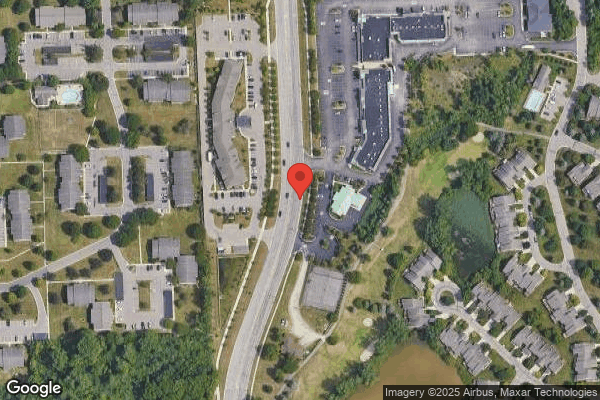
Understanding Severity Codes (click to expand)
Life-Threatening (Immediate Jeopardy)
J - Isolated K - Pattern L - Widespread
Actual Harm
G - Isolated H - Pattern I - Widespread
Potential for Harm
D - Isolated E - Pattern F - Widespread
No Harm (Minor)
A - Isolated B - Pattern C - Widespread

Questions to Ask on Your Visit

  • "Can I speak with families of current residents?"
  • "What's your RN coverage like on weekends and overnight?"

Our Honest Assessment

Strengths
  • • Grade B+ (80/100). Above average facility, better than most options in Michigan.
  • • No major safety red flags. No abuse findings, life-threatening violations, or SFF status.
  • • No fines on record. Clean compliance history, better than most Michigan facilities.
  • • 34% turnover. Below Michigan's 48% average. Good staff retention means consistent care.
Concerns
  • • 30 deficiencies on record. Higher than average. Multiple issues found across inspections.
Bottom line: Generally positive indicators. Standard due diligence and a personal visit recommended.

About This Facility

What is Maple Manor Rehab Center Of Novi Inc's CMS Rating?

CMS assigns Maple Manor Rehab Center of Novi Inc an overall rating of 5 out of 5 stars, which is considered much above average nationally. Within Michigan, this rating places the facility higher than 99% of the state's 100 nursing homes. This rating reflects solid performance across the metrics CMS uses to evaluate nursing home quality.

How is Maple Manor Rehab Center Of Novi Inc Staffed?

CMS rates Maple Manor Rehab Center of Novi Inc's staffing level at 5 out of 5 stars, which is much above average compared to other nursing homes. Staff turnover is 34%, compared to the Michigan average of 46%. This relatively stable workforce can support continuity of care.

What Have Inspectors Found at Maple Manor Rehab Center Of Novi Inc?

State health inspectors documented 30 deficiencies at Maple Manor Rehab Center of Novi Inc during 2023 to 2025. These included: 29 with potential for harm and 1 minor or isolated issues.

Who Owns and Operates Maple Manor Rehab Center Of Novi Inc?

Maple Manor Rehab Center of Novi Inc is owned by a for-profit company. For-profit facilities operate as businesses with obligations to shareholders or private owners. The facility operates independently rather than as part of a larger chain. With 72 certified beds and approximately 60 residents (about 83% occupancy), it is a smaller facility located in Novi, Michigan.

How Does Maple Manor Rehab Center Of Novi Inc Compare to Other Michigan Nursing Homes?

Compared to the 100 nursing homes in Michigan, Maple Manor Rehab Center of Novi Inc's overall rating (5 stars) is above the state average of 3.2, staff turnover (34%) is significantly lower than the state average of 46%, and health inspection rating (4 stars) is above the national benchmark.

What Should Families Ask When Visiting Maple Manor Rehab Center Of Novi Inc?

Based on this facility's data, families visiting should ask: "Can I visit during a mealtime to observe dining assistance and food quality?" "How do you handle medical emergencies, and what is your hospital transfer rate?" "Can I speak with family members of current residents about their experience?"

Is Maple Manor Rehab Center Of Novi Inc Safe?

Based on CMS inspection data, Maple Manor Rehab Center of Novi Inc has a clean safety record: no substantiated abuse findings (meaning no confirmed cases of resident harm), no Immediate Jeopardy citations (the most serious violation level indicating risk of serious injury or death), and is not on the Special Focus Facility watch list (a federal program monitoring the lowest-performing 1% of nursing homes). The facility has a 5-star overall rating and ranks #1 of 100 nursing homes in Michigan. While no facility is perfect, families should still ask about staff-to-resident ratios and recent inspection results during their visit.

Do Nurses at Maple Manor Rehab Center Of Novi Inc Stick Around?

Maple Manor Rehab Center of Novi Inc has a staff turnover rate of 34%, which is about average for Michigan nursing homes (state average: 46%). Moderate turnover is common in nursing homes, but families should still ask about staff tenure and how the facility maintains care continuity when employees leave.

Was Maple Manor Rehab Center Of Novi Inc Ever Fined?

Maple Manor Rehab Center of Novi Inc has no federal fines on record. CMS issues fines when nursing homes fail to meet care standards or don't correct problems found during inspections. The absence of fines suggests the facility has either maintained compliance or corrected any issues before penalties were assessed. This is a positive indicator, though families should still review recent inspection reports for the full picture.

Is Maple Manor Rehab Center Of Novi Inc on Any Federal Watch List?

Maple Manor Rehab Center of Novi Inc is not on any federal watch list. The most significant is the Special Focus Facility (SFF) program, which identifies the bottom 1% of nursing homes nationally based on persistent, serious quality problems. Not being on this list means the facility has avoided the pattern of deficiencies that triggers enhanced federal oversight. This is a positive indicator, though families should still review the facility's inspection history directly.