Novi Lakes Health Campus
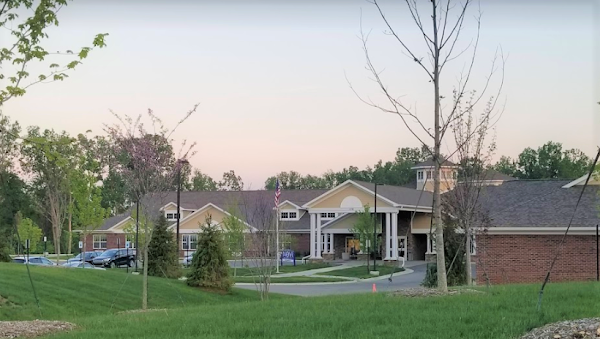
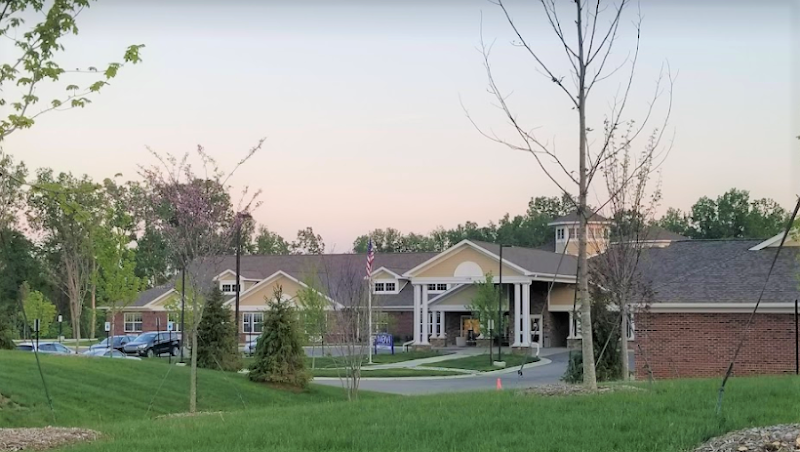
41795 W 12 Mile Rd, Novi, MI 48377 (248) 449-1655
For profit - Corporation 54 Beds TRILOGY HEALTH SERVICES Data: November 2025
Trust Grade
70/100
#160 of 422 in MI
Last Inspection: May 2025

Inspected within the last 6 months. Data reflects current conditions.

Overview

Novi Lakes Health Campus has a Trust Grade of B, indicating it is a good choice for families considering a nursing home, though it is not without some issues. It ranks #160 out of 422 facilities in Michigan, placing it in the top half, and #9 out of 43 in Oakland County, meaning there are only eight better local options. The facility is improving, with the number of issues decreasing from eight in 2024 to six in 2025. Staffing is average with a turnover rate of 42%, slightly below the state average, which suggests some stability, but RN coverage is also average. Notably, there have been no fines recorded, which is a positive sign. However, there have been serious concerns, including a failure to monitor a resident's worsening condition, resulting in hospitalization, and issues with food safety in the kitchen that could pose risks to residents. Overall, while there are strengths in stability and a lack of fines, families should be aware of the critical incidents and ongoing concerns.

Trust Score
B
70/100
In Michigan
#160/422
Top 37%
Safety Record
Moderate
Needs review
Inspections
Getting Better
8 → 6 violations
Staff Stability
○ Average
42% turnover. Near Michigan's 48% average. Typical for the industry.
Penalties
✓ Good
No fines on record. Clean compliance history, better than most Michigan facilities.
Skilled Nurses
○ Average
Each resident gets 36 minutes of Registered Nurse (RN) attention daily — about average for Michigan. RNs are the most trained staff who monitor for health changes.
Violations
⚠ Watch
20 deficiencies on record. Higher than average. Multiple issues found across inspections.
★★★★☆
4.0
Overall Rating
★★★☆☆
3.0
Staff Levels
★★★★★
5.0
Care Quality
★★★☆☆
3.0
Inspection Score
Stable
2024: 8 issues
2025: 6 issues

The Good

  • 5-Star Quality Measures · Strong clinical quality outcomes
  • Full Sprinkler Coverage · Fire safety systems throughout facility
  • No fines on record
  • Staff turnover below average (42%)

    6 points below Michigan average of 48%

Facility shows strength in quality measures, fire safety.

The Bad

Staff Turnover: 42%

Near Michigan avg (46%)

Typical for the industry

Chain: TRILOGY HEALTH SERVICES

Part of a multi-facility chain

Ask about local staffing decisions and management

The Ugly 20 deficiencies on record

1 actual harm
Jun 2025 1 deficiency
CONCERN (D) 📢 Someone Reported This

A family member, employee, or ombudsman was alarmed enough to file a formal complaint

Potential for Harm - no one hurt, but risky conditions existed

Quality of Care (Tag F0684)

Could have caused harm · This affected 1 resident

This citation pertains to intake #MI00153247. Based on interview and record review the facility failed to administer blood pressure medications per physician's orders for one resident, (R901) of one ...

Read full inspector narrative →
This citation pertains to intake #MI00153247. Based on interview and record review the facility failed to administer blood pressure medications per physician's orders for one resident, (R901) of one resident reviewed for medication administration. Findings include: On 6/18/25 at 8:30 AM, a review of R901's closed clinical record revealed they re-admitted to the facility after a hospital stay on 5/7/25 with diagnoses that included: chronic obstructive pulmonary disease, hypertensive heart disease with heart failure, chronic kidney disease, diabetes, and anxiety disorder. A review of R901's physician's orders and medication administration record (MAR) for May 2025 was conducted and revealed an order for metoprolol (a blood pressure medication) 25 milligrams to be given daily between 6 AM and 10 AM. The order contained, Special Instructions that read, HOLD FOR SBP (systolic blood pressure) LESS THAN 110 OR HR (heart rate) LESS THAN 60. R901's MAR indicated indicated the medication had been given on 5/8/25 with a documented blood pressure of 101/56, and on 5/11/25 with a documented blood pressure of 101/59. A progress note entered into the record on 5/8/25 at 11:24 AM by Nurse 'A' after the morning administration of the metoprolol with the documented blood pressure of 101/56 was reviewed and read, Resident blood pressure has been low all morning. Last reading was 85/57 .NP (Nurse Practitioner) notified. New order for one time dose of Midodrine (a medication used to increase low blood pressure) and once daily if systolic is less than 90. R901's MAR indicated they received a 10 milligram dose of Midodrine at 11:30 AM on 5/8/25. On 6/17/25 at 12:10 PM, an interview was conducted with the facility's Director of Nursing and they indicated the metoprolol should have been held per the instructions. A review of a facility provided policy titled, MEDICATION ADMINISTRATION GENERAL GUIDELINES was conducted and read, .B. Administration .2. Medications are administered in accordance with written orders of the prescriber .
May 2025 5 deficiencies
CONCERN (D)

Potential for Harm - no one hurt, but risky conditions existed

Deficiency F0678 (Tag F0678)

Could have caused harm · This affected 1 resident

**NOTE- TERMS IN BRACKETS HAVE BEEN EDITED TO PROTECT CONFIDENTIALITY** Based on interview and record review, the facility failed to obtain a resident's code status in a timely manner for two resident...

Read full inspector narrative →
**NOTE- TERMS IN BRACKETS HAVE BEEN EDITED TO PROTECT CONFIDENTIALITY** Based on interview and record review, the facility failed to obtain a resident's code status in a timely manner for two residents, (R#'s 138 and 139) who were their own responsible parties, of two resident's reviewed for code status, resulting in the potential for end of life wishes not being met. Findings include: R138 On [DATE] at 11:06 AM, a review of R138's clinical record revealed they admitted to the facility on [DATE] with intact cognition and was their own responsible party. A review of an admission note entered into the record by Nurse 'A' on [DATE] read, .Resident requested status for DNR (Do Not Resuscitate, or no Cardiopulmonary Resuscitation) and was given DNR paperwork but was educated that she would remain a CPR (Full Code) until she speaks with social worker and Consent to Treat signed, dated and recorded . A review of R138's orders revealed an order dated [DATE] that indicated they were a full code. The order was discontinued on [DATE] and an order for DNR was entered on [DATE]. R139 On [DATE] at 10:56 AM, a review of R139's clinical record revealed they admitted to the facility on [DATE] with intact cognition and was their own responsible party. R139's nursing and physician's assistant admission notes on [DATE] did not address R139's preference for code status. A review of R139's orders revealed an order for a full code entered on [DATE]. A Social Services progress note dated [DATE] was reviewed and read, Resident wishes to be DNR and signed the form . R139's order for a DNR was entered on [DATE], five days after they admitted to the facility. On [DATE] at 2:11 PM, an interview was conducted with the facility's Director of Nursing (DON). They were asked about the process for obtaining code status for residents who were their own responsible parties and said the admission nurse should ask their preference and if they wish to be a DNR, two other staff members should witness the decision, and the admitting nurse, the resident, and two staff witnesses should sign the form. They went on to explain that after the form was signed, the Nurse was to electronically send the form to the medical provider group and a practitioner would sign the order. They were asked what a reasonable time would be to obtain the order from the practitioner group and said it should ideally be no later than the next business day or Monday if someone admits over a weekend. A review of a facility provided policy titled, Guidelines for DNR Orders dated 5/2018 was conducted, however; the policy did not address timeframe guidelines for obtaining the resident's DNR wishes.
CONCERN (E)

Potential for Harm - no one hurt, but risky conditions existed

Deficiency F0711 (Tag F0711)

Could have caused harm · This affected multiple residents

**NOTE- TERMS IN BRACKETS HAVE BEEN EDITED TO PROTECT CONFIDENTIALITY** Based on interview and record review, the facility failed to ensure Physician/Physician Extender progress notes were entered int...

Read full inspector narrative →
**NOTE- TERMS IN BRACKETS HAVE BEEN EDITED TO PROTECT CONFIDENTIALITY** Based on interview and record review, the facility failed to ensure Physician/Physician Extender progress notes were entered into the clinical record in a timely manner for four residents (R#'s 13, 29, 138, and 37 ) of four resident's reviewed for Physician/Physician Extender progress notes. Findings include: R13 On 5/7/25 at 10:00 AM, a review of R13's clinical record revealed a note entered into the record by Nurse Practitioner (NP) 'I' on 3/30/25 for an acute care visit for pain management that occurred on 2/26/25. R29 On 5/7/25 at 10:08 AM, a review of R29's clinical record revealed the following: A note entered into the record by NP 'I' on 3/28/25 for an acute care visit that occurred on 2/25/25. A note entered into the record by NP 'I' on 2/19/25 for an acute care visit that occurred on 1/29/25. A note entered into the record by NP 'I' on 2/4/25 for an acute care visit that occurred on 1/13/25. R138 On 5/7/25 at 9:10 AM, a review of R138's clinical record revealed they admitted to the facility on [DATE] and discharged on 3/14/25. R138's progress notes entered into the record by Dr. 'J' revealed two notes dated 3/31/25 (after R138's discharge) for an admission visit and a history and physical visit that occurred on 3/6/25. R37 On 5/6/25 the medical record for R37 was reviewed and revealed the following: R37 was initially admitted to the facility on [DATE]. A review of R37's MDS (minimum data set) with an ARD (assessment reference date) of 2/11/25 revealed R37 needed assistance from staff with most of their activities of daily living. R37's BIMS score (brief interview for mental status) was nine indicating severely impaired cognition. A review of R37's Medical Provider evaluations conducted by NP I revealed the following: A note dated 3/19/2025 at 6:37 AM. had a DATE OF SERVICE of [DATE] .VISIT TYPE: Acute- A note dated 2/28/2025 at 8:45 PM. had a DATE OF SERVICE of [DATE] .VISIT TYPE: Acute- A note dated 2/24/2025 at 7:04 AM. had a DATE OF SERVICE of [DATE] . VISIT TYPE: Lab (review)- On 5/7/25 at approximately 10:01 a.m., during a conversation with the Director of Nursing (DON), the DON was queried regarding the delay in having the medical provider documentation in the EMR (electronic medical record) for timely review and they indicated that the medical provider group uses a different software program than what the facility uses and when the providers sign their notes is when the documentation gets implemented in the EMR. The DON was queried how staff could read what the provider had written on their evaluations of a resident after their visit and they indicated they could not read anything until the provider's put their notes in the EMR. The DON was queried how long do providers have to put in their notes and they indicated it should be a few days. The DON acknowledged the potential for miscommunication when the providers were putting in their notes weeks after their visits. On 5/07/25 at approximately 10:35 a.m., NP I was queried regarding the delay in having their notes in the EMR for review and they reported that the software they use delays the implementation of their evaluations and notes.
CONCERN (E)

Potential for Harm - no one hurt, but risky conditions existed

Garbage Disposal (Tag F0814)

Could have caused harm · This affected multiple residents

Based on observation, interview, and record review, the facility failed to maintain the exterior dumpster area in a clean manner. This deficient practice had the potential to affect all residents, sta...

Read full inspector narrative →
Based on observation, interview, and record review, the facility failed to maintain the exterior dumpster area in a clean manner. This deficient practice had the potential to affect all residents, staff and visitors. Findings include: On 5/6/25 at 11:45 AM, during an observation of the garbage/refuse area with the Director of Food Services (DFS), there was an accumulation of trash and leaf debris around and behind the two dumpsters. Additionally, one of the two dumpsters was unable to be closed properly due to a large wooden object that prevented the lid from closing. When asked how often garbage was picked up, the DFS reported daily. When asked who was responsible for maintaining the surrounding area, they reported that was between Dietary staff and Maintenance. On 5/6/25 at 11:52 AM, an interview was conducted with the Maintenance Director (Staff 'G'). When informed of the observation with DFS, they reported they were aware there was some debris on the ground behind the dumpsters which was mostly leaves. They were informed that there was much more than leaves, including gloves and other trash. They reported that area should've been maintained and would follow-up. According to the facility's policy titled, Garbage and Refuse dated January 2025: .Garbage and refuse will be deposited in sealed containers outside of the organization to prevent the harborage and feeding of pests. The dumpster area will be maintained in sanitary condition, clear of trash and spills. Drain plugs must be in place and lids kept closed .
CONCERN (E)

Potential for Harm - no one hurt, but risky conditions existed

Infection Control (Tag F0880)

Could have caused harm · This affected multiple residents

Based on observation, interview, and record review, the facility failed to ensure appropriate infection control practices during medication administration for one (R88) of three residents observed. Fi...

Read full inspector narrative →
Based on observation, interview, and record review, the facility failed to ensure appropriate infection control practices during medication administration for one (R88) of three residents observed. Findings include: On 5/6/25 at 7:48 AM, Nurse 'C' was requested to observe medication pass with R88. Nurse 'C' reported they had just obtained the resident's vital signs and began retrieving medication from the medication cart. Nurse 'C' was not observed using hand sanitizer, or washing their hands after opening the medication drawers, touching the water pitcher, or using the laptop to review the medications. On 5/6/25 at 7:55 AM, while Nurse 'C' poured out the medication from the pre-packaged plastic packets into a small clear plastic cup, one of the pills fell onto the top of the medication cart. Nurse 'C' picked the pill up with their bare hands and placed the pill into the plastic cup and proceeded to administer the medication to R88. Nurse 'C' was not observed to use hand sanitizer until after the med pass was completed (not after opening of the med cart drawers, touching the water pitcher, or using the laptop keyboard). On 5/6/25 at 10:25 AM, Nurse 'C' was informed of the concerns with infection control during the earlier observation during medication administration and reported they should not have done that. On 5/6/25 at 10:30 AM, the Director of Nursing (DON) was informed of the concerns with infection control during observation of the medication administration with Nurse 'C' and they reported they would follow-up with the nurse. According to the facility's policy titled, Specific Medication Administration Procedures dated 11/2018: .Wash hands when beginning a med pass, or when contact with resident is expected or has occurred .For solid medications .Pour or push the correct number of tablets or capsules into the souffle cup, taking care to avoid touching the tablet or capsule, unless wearing gloves .
CONCERN (F)

Potential for Harm - no one hurt, but risky conditions existed

Food Safety (Tag F0812)

Could have caused harm · This affected most or all residents

Based on observation, interview and record review, the facility failed to store food in accordance with professional standards for food service safety. This deficient practice has the potential to res...

Read full inspector narrative →
Based on observation, interview and record review, the facility failed to store food in accordance with professional standards for food service safety. This deficient practice has the potential to result in food borne illness among all residents that consume food from the kitchen. Findings include: On 5/6/25 during an initial observation of the kitchen between 7:10 AM-7:40 AM, the following items were observed with the Dining Services Assistant (Staff 'B'): The top loading/reach-in ice cream cooler did not have an internal thermometer and had visible thick build-up of ice around the top perimeter of the inside wall (near the top sliding doors about 8 inches in depth. Four of the six large cardboard containers of ice cream had a sticker with a use by date of 6/4, but the lids were not fitted properly and exposed the ice cream which was observed to have a darker colored top layer of ice cream covering. Staff 'B' reported the ice cream freezer was not hooked up to their electronic temperature monitoring via the iPad as the other walk-in/reach-in coolers and freezers were and should have a manual thermometer one for sure. Staff 'B' looked throughout the ice cream cooler and was unable to locate a manual thermometer. The bulk dry food items (sugar, bread crumbs, powdered sugar, and flour) were observed stored loosely in plastic bins. The clear, plastic lids for four of the six containers were observed broken with missing corner pieces and cracks which exposed the internal contents. Staff 'B' confirmed the same observation and reported those would need to be ordered. The wire shelf next to the bulk dry food items contained two large, black, rectangular containers that contained two broken plastic lids for the bulk dry food items, several silicone molds for pureed food, and four containers of five pound baking powder with a manufacturer's use by date of Best if Used By APR (April) 21, 2024 and a facility sticker that read Received on 1/8/25. When asked about why the baking powder was stored there, and why it was still available for use if it expired in 2024 and was labeled as received after it had already been expired, Staff 'B' reported they weren't sure why those were there in the black container and further reported maybe they were intended to be discarded by the Director of Food Services and accidentally left there. The dry storage room had a bag of popcorn kernels with a sticker that identified it was received on 1/31/25. The built-in zipper on the bag was not sealed properly and left the inner contents exposed. Staff 'B' reported the popcorn should not have been left unsealed and removed the bag from the shelf. There was a stainless steel storage rack just outside the dry food storage room that had several empty cans that were stored in a box as well as several loose cans stored on the shelf outside the box. There were two food equipment items stored directly next to these empty cans that were loosely covered with a clear trash bag. The bottom (base) portion of the food equipment was not covered. Staff 'B' confirmed the empty cans were from a resident and they should've been stored in a bag away from that area. When asked to identify the specific food equipment, the Staff 'B' reported they were two waffle machines. On 5/6/25 during additional observations of the kitchen between 11:35 AM-11:50 AM, the following items were observed with the Director of Food Services (DFS): The ice cream cooler was now observed unplugged and defrosted in front of the three compartment sink. When asked about the earlier observations and concerns, the DFS reported there was a thermometer in the ice cream cooler. The DFS was informed that was put in after the observation with Staff 'B' when they were unable to locate the thermometer. When asked about the build-up inside the cooler and poorly fitted ice cream lids, the DFS reported that was how the containers came. When asked if staff should be making sure the containers are properly fitted to preserve the internal contents, the DFS reported they should. The DFS further reported they suspected the ice build-up was because staff let the top open at times and staff went in/out to help themselves to the ice cream as well. The bulk dry storage lids remained broken and in place. When asked about the broken lids, the DFS reported new bins were ordered already and asked if that would help. They were asked in the mean time, the concern was that the food items remained not properly stored. When asked about the expired baking powder and facility labeling, the DFS reported they had no explanation for that. When asked about the storage of the popcorn, the DFS reported staff should've made sure the bag was adequately closed. According to the 2017 FDA Food Code section 4-903.11 Equipment, Utensils, Linens, and Single-Service and Single-Use Articles, (A) Except as specified in (D) of this section, cleaned equipment and utensils, laundered linens, and single-service and single-use articles shall be stored: (1) In a clean, dry location; (2) Where they are not exposed to splash, dust, or other contamination; and (3) At least 15 cm (6 inches) above the floor. (B) Clean equipment and utensils shall be stored as specified under (A) of this section and shall be stored: (1) In a self-draining position that allows air drying; and (2) Covered or inverted. According to the 2017 FDA (Food and Drug Administration) Food Code section 3-302.11 Packaged and Unpackaged Food - Separation, Packaging, and Segregation, (A) Food shall be protected from cross contamination by: .(2) Except when combined as ingredients, separating types of raw animal foods from each other such as beef, fish, lamb, pork, and poultry during storage, preparation, holding, and display by: .(b) Arranging each type of food in equipment so that cross contamination of one type with another is prevented,. According to the 2017 FDA Food Code section 3-302.12 Food Storage Containers, Identified with Common Name of Food, Except for containers holding FOOD that can be readily and unmistakably recognized such as dry pasta, working containers holding FOOD or FOOD ingredients that are removed from their original packages for use in the FOOD ESTABLISHMENT, such as cooking oils, flour, herbs, potato flakes, salt, spices, and sugar shall be identified with the common name of the FOOD. According to the 2017 FDA Food Code section 3-305.11 Food Storage, (A) Except as specified in (B) and (C) of this section, food shall be protected from contamination by storing the food: (1) In a clean, dry location; (2) Where it is not exposed to splash, dust, or other contamination . According to the facility's policy titled, Food Labeling and Dating Policy dated January 2025: .Any food product removed from its original container, has a broken seal, has been processed in any way must have a label that contains the following .Date and Time the food was labeled .Use by date .Securely cover the food item . According to the facility's policy titled, Hot & Cold Temperature Holding Guideline dated January 2025: .Thermometers should be in all refrigerators, freezers, and storage areas .
Apr 2024 7 deficiencies
CONCERN (D)

Potential for Harm - no one hurt, but risky conditions existed

Deficiency F0582 (Tag F0582)

Could have caused harm · This affected 1 resident

**NOTE- TERMS IN BRACKETS HAVE BEEN EDITED TO PROTECT CONFIDENTIALITY** Based on interview and record review, the facility failed to provide a Skilled Nursing Facility Advanced Beneficiary Notice (SNF...

Read full inspector narrative →
**NOTE- TERMS IN BRACKETS HAVE BEEN EDITED TO PROTECT CONFIDENTIALITY** Based on interview and record review, the facility failed to provide a Skilled Nursing Facility Advanced Beneficiary Notice (SNFABN) detailing estimated charges of continued services for three residents (R26, R7, and R33) out of three sampled residents reviewed for SNF Beneficiary Protection Notification. Findings include: On 4/15/24 at approximately 3:47 PM, the facility provided a completed resident SNF Beneficiary Protection Notification Review form. The form contained the 88 residents who were discharged from Medicare covered part A stay (10/16/24-4/12/24) with benefit days remaining who either discharged from the facility or decided to remain. The following residents were selected for review to determine when they were notified of their discontinuance of service coverage and rights to proceed: 1. R7: discharged from the facility on 4/3/24. 2. R26: Date of discharge 3/4/24 (remained in the facility). 3. R33: Date of discharge: [DATE] (remained at the facility). On 4/16/24 at approximately 1:15 PM, an interview was conducted with Social Service staff F. When asked if they were responsible for issuing SNFABN forms to residents, they indicated that they were. However, they noted that they were newly employed and was not able to provide the requested forms for R7, R26 and R33. On 4/17/24 at approximately 8:36 AM, the Administrator reported that they were not able to locate the requested documents that would indicate notification of discontinuation of service and options available for the residents. A review of the facility policy titled, NOMNC (Notification of Non-Coverage)-Standard Operating Procedure-Social Services documented, in part: Overview: To streamline communication for completion of the NOMNC and SNFABN, this .outlines the expectations for completion .If a resident is within their 100-day benefit period but we are notifying them that their coverage is ending (i.e. therapy or nursing can no longer skill them), the NOMNC should be issued. For residents being notified of discontinuation of their Medicare coverage, the NOMNC is required to be issued 2 calendar days prior to the actual discharge from Medicare .
CONCERN (D)

Potential for Harm - no one hurt, but risky conditions existed

ADL Care (Tag F0677)

Could have caused harm · This affected 1 resident

**NOTE- TERMS IN BRACKETS HAVE BEEN EDITED TO PROTECT CONFIDENTIALITY** Based on observation, interview and record review the facility failed to ensure a dependent resident was provided unwanted facia...

Read full inspector narrative →
**NOTE- TERMS IN BRACKETS HAVE BEEN EDITED TO PROTECT CONFIDENTIALITY** Based on observation, interview and record review the facility failed to ensure a dependent resident was provided unwanted facial hair removal for one (R39) of three residents reviewed for Activities of Daily Living (ADL). Findings include: On 4/15/24 at approximately 10:00 AM, R39 was observed lying in bed with long facial hair (approximately ½ inch) on their chin. The resident was asked about ADL care provided by facility staff including facial hair removal. R39 reported that they were receiving bed baths only and had not had their hair removed in a long time. R39 stated that they would like it removed. On 4/16/24 at approximately 8:30 AM, R39 was observed in their room. The resident still had long chin hair and again reported that they would like them removed. A review of R39's clinical record revealed the resident was admitted to the facility on [DATE] with diagnoses that included: bacteremia (bacteria in the blood stream), pneumonia and respiratory failure. A review of the Minimum Data Set (MDS) dated [DATE] revealed the resident had a Brief Interview for Mental Status (BIMS) score of 15/15 (cognitively intact cognition). Review of the R39's care plan dated 3/17/24, documented, in part: .Category: ADLs resident requires staff assistance to complete self-care .Approach: Offer facial shaving on shower days, prn, or as requested . A review of R39's shower schedule noted the last shower/bath was provided on 4/13/24. There was no documentation noted for the removal of facial hair. On 4/16/24 at approximately 11:12 AM, an interview was conducted with Certified Nursing Assistant (CNA) B. CNA B was assigned to R39. When asked about R39's long chin hairs, they reported that they were aware of their long chin hairs and stated the resident did not ask them. When asked how staff are aware of the ADL care that should be provided, they reported that the information is in the resident's care plan. On 4/16/24 at approximately 4:36 PM, the Director of Nursing (DON) was interviewed regarding ADL care for residents, including facial hair removal for R39. The DON reported that the resident should have had their facial hair removed as noted in their care plan. The facility policy titled, Nursing ADL Documentation Guidelines was reviewed and documented, in part: Purpose: To document the type and amount of assistance provided to the resident for ADLs .ADL services will be conducted and documented by the CNA each shift at the point of care or as reasonably possible after care .
CONCERN (D)

Potential for Harm - no one hurt, but risky conditions existed

Deficiency F0726 (Tag F0726)

Could have caused harm · This affected 1 resident

Based on interview and record review, the facility failed to provide competency documentation with proficiency of skills and techniques necessary to care and assure resident safety for three Certified...

Read full inspector narrative →
Based on interview and record review, the facility failed to provide competency documentation with proficiency of skills and techniques necessary to care and assure resident safety for three Certified Resident Care Associate/Certified Nursing Assistants (CRCA/CNA J, K, M) out of five reviewed resulting in the potential for staff incompetency and/or harm to the residents' well-being. Findings include: On 4/16/2024 at 12:01 PM, the Nursing Home Administrator was requested to provide documentation of proficiency of skills and techniques for the following CRCA's: CRCA J Hired 1/20/2023 CRCA K Hired 12/5/2017 CRCA M Hired 7/1/2020 On 4/16/24 at 3:27 PM, the Nursing Home Administrator (NHA) indicated there was a delay in retrieving three of the five CRCA's competencies and a support call was placed (to the company) into the Internal Technology (IT) department. On 4/17/24 at 11:21 AM, the NHA confirmed retrieval of CRCA J, K, M was unsuccessful, and the facility could not verify documentation of proficiency of skills and techniques were complete. The NHA revealed there is no acting staff educator for the facility. On 4/17/24 at 11:47 AM, The NHA confirmed the facility does not have a policy regarding CRCA regular in-service education, they follow the regulations.
CONCERN (D)

Potential for Harm - no one hurt, but risky conditions existed

Deficiency F0730 (Tag F0730)

Could have caused harm · This affected 1 resident

Based on interview and record review, the facility failed to provide documentation of annual performance reviews and minimum 12-hour in-service education competencies for three Certified Resident Care...

Read full inspector narrative →
Based on interview and record review, the facility failed to provide documentation of annual performance reviews and minimum 12-hour in-service education competencies for three Certified Resident Care Associate/Certified Nursing Assistants (CRCA/CNA J, K, M) out of five reviewed resulting in the potential for staff incompetency and/or harm to the residents' well-being. Findings include: On 4/16/2024 at 12:01 PM, the Nursing Home Administrator was asked to provide the annual competencies/inservice hours for the following CRCA's: CRCA J Hired 1/20/2023 CRCA K Hired 12/5/2017 CRCA M Hired 7/1/2020 On 4/16/24 at 3:27 PM The Nursing Home Administrator (NHA) indicated there was a delay in retrieving three of the five CRCA's competencies . and a support call was placed into the Internal Technology (IT) department. On 4/17/24 at 11:21 AM, The NHA confirmed retrieval of CRCA J, K, M was unsuccessful, and the facility could not verify if annual performance reviews and minimum 12-hour in-service education competencies were complete. The NHA revealed there is no acting staff educator for the facility. On 4/17/24 at 11:47 AM, The NHA confirmed the facility does not have a policy regarding CRCA regular in-service education, they follow the regulations.
CONCERN (D)

Potential for Harm - no one hurt, but risky conditions existed

Food Safety (Tag F0812)

Could have caused harm · This affected 1 resident

**NOTE- TERMS IN BRACKETS HAVE BEEN EDITED TO PROTECT CONFIDENTIALITY** Based on observation, interview, and record review, the facility failed to ensure resident food items stored in the [NAME] Parlo...

Read full inspector narrative →
**NOTE- TERMS IN BRACKETS HAVE BEEN EDITED TO PROTECT CONFIDENTIALITY** Based on observation, interview, and record review, the facility failed to ensure resident food items stored in the [NAME] Parlor refrigerator, were labeled, dated and discarded when expired. This deficient practice had the potential to affect all residents that store food in the resident refrigerator. Findings include: On 4/15/24 at 9:30 AM, in the resident refrigerator located in the [NAME] Ice Cream Parlor, the following items were observed: an undated container of green colored pudding, a sub sandwich with a use-by (UB) date of 4/11, 3 brown bags labeled leftover meal with UB dates of 3/31 and 4/11, an undated Pyrex container of meat and vegetables, a half eaten cheeseburger dated 4/9, 2 bags labeled leftover meal with a UB date of 4/11, a container of pasta with a UB date of 3/20, and a plastic bag of unknown food that was undated. In addition, the temperature for the refrigerator had not been logged since 4/9/24. On 4/15/24 at 11:30 AM, Dietary Manager (DM) H was queried about the undated and expired food items in the resident refrigerator. DM H stated that he was responsible for monitoring the resident refrigerator, but that he had been off last week, and the refrigerator had not been checked in his absence. Review of the facility's policy Food Brought into Facility dated January 2024 noted: Food brought in by family members, friends, or guests must be: .2. Food or beverage items are to be properly labeled and date marked, stored and discarded in conjunction with the facilities date mark and labeling P&P.
CONCERN (E)

Potential for Harm - no one hurt, but risky conditions existed

Infection Control (Tag F0880)

Could have caused harm · This affected multiple residents

**NOTE- TERMS IN BRACKETS HAVE BEEN EDITED TO PROTECT CONFIDENTIALITY** R20 On 4/15/24 at 9:57 AM, R20 was observed sitting in a wheelchair, upon entering the room there was no precaution sign on the...

Read full inspector narrative →
**NOTE- TERMS IN BRACKETS HAVE BEEN EDITED TO PROTECT CONFIDENTIALITY** R20 On 4/15/24 at 9:57 AM, R20 was observed sitting in a wheelchair, upon entering the room there was no precaution sign on the resident's door. The Resident was observed to have a foley catheter with a collection bag hanging from the underside of the wheelchair. On 4/15/24 at approximately 11 AM, there was no EBP documentation on their door. A review of R20's clinical record revealed the resident was initially admitted on [DATE] with diagnoses that included: urinary tract infection, sepsis and kidney failure. A review of Resident Progress Notes from 3/4/24 at 9:29 PM revealed that the resident had a foley catheter in place at that time. A review of R20's order history revealed an order for Enhanced Barrier Precautions entered on 4/15/24 at 3:41 PM which read in part Staff to use enhanced barrier precautions, wearing a gown and gloves at minimum during high-contact care activities. A review of the facility Enhanced Barrier Precautions (EBP) policy stated EBP will be in place during high-contact care activities for residents with the following conditions: a. Residents at an increased risk of MDRO acquisition which include: .All Residents with chronic wounds, including but not limited to, pressure ulcers, diabetic foot ulcers, unhealed surgical wounds, and venous stasis ulcers .All Residents with indwelling medical devices .Includes but not limited to: catheters, central lines, feeding tubes, tracheostomy tubes. Medication Administration Observation R202, R203, R204 Record review of the facility policy, Medication Administration General Guidelines Revised 11/18 stated, .Handwashing and Hand Sanitation: The person administering medications adheres to good hygiene before and after administration of medications . R202 On 4/16/224 at 3:48 PM, During medication administration for R202, Licensed Practical Nurse (LPN) C was observed not performing hand hygiene prior to resident contact for administering medications. R203 On 4/17/24 at 7:24 AM, LPN D was observed for medication administration for R203 and did not perform hand hygiene prior to resident contact for administering medications. R204 On 4/17/24 at 8:10 AM, LPN E was observed for medication administration for R204. LPN E picked up a paper towel off the floor and proceeded to administer medications to R204 without performing hand hygiene. On 4/17/24 at 12:27 PM, The Director of Nursing (DON) was informed of the above findings and confirmed hand washing should have been performed prior to administering medications. Tube Feeding, Enhanced Barrier Protection R18 On 4/15/2023, A Clinical record review revealed R18 was admitted to this facility on 1/16/24 with an intracranial hemorrhage (bleeding in the skull), non-Hodgkin's lymphoma (blood cancer), atrial fibrillation (abnormal heartbeat), hypertension, and dependent on parental nutrition via a Percutaneous Endoscopic Gastronomy (PEG) Tube (nutrition provided by tube surgically placed into the stomach). Brief Interview for Mental Status (BIMS) dated 2/15/2024 for R18 equaled 0/15 indicating severe cognitive impairment. Review of the facility EBP Operating Procedure stated, .EBP will be in place for residents with the following conditions: All residents with indwelling medical devices, includes feeding tubes . PPE should be used even if blood and body fluid exposure is not anticipated . Cleaning and disinfecting any shared reusable equipment and surfaces on a more frequent schedule are encouraged . On 4/15/24 at 09:13 AM, R18 was observed lying in bed receiving parental liquid nutrition via PEG Tube. The nutrition formula bag hanging on the pole was infusing by an electronic tube feeding pump. The face of the electronic pump, pole, and four wheeled base of pole was visibly soiled with substantial amounts of brown colored dried matter. Signage alerting R18 required Enhanced Barrier Precautions (EBP) related to indwelling PEG Tube was not posted and personal protective equipment (PPE) was not visible in or around the room. Further Record Review revealed the facility did not execute an order for EBP until 4/15/2024 at 4:17 PM. On 4/16/24 at 10:49 AM, A second observation identified R18's tube feeding equipment remained visibly soiled with substantial amounts of brown colored dried matter on the face of the electronic pump, pole, and four wheeled base of pole. When questioned who is responsible for cleaning medical equipment, R18's assigned Registered Nurse (RN) G replied, housekeeping is responsible for keeping the equipment clean. RN G was shown the condition of the pump and pole and proceeded to clean the face of pump and top portion of the pole. On 4/16/24 at 10:54 AM, The Director of Nursing (DON) was brought to R18's bedside and visualized the condition of the tube feeding equipment. The DON confirmed the equipment was not sanitary and would have cleaned. On 4/16/24 at 1:24 PM, a request for the facility policy on cleaning medical equipment was made. The Nursing Home Administrator (NHA) confirmed there was no policy but is the responsibility of housekeeping when providing routine room cleaning. Based on observation, interview and record review the facility failed to ensure proper infection control protocols and practices including enhanced barrier precautions (EBP), hand hygiene during medication pass and proper cleanliness of medical equipment for R150, R44 R202, R203, R204 and R20. This deficient practice had the potential to affect multiply residents residing at the facility. Findings include: On 4/15/24 at approximately 9:30 AM, an entrance conference meeting was conducted with the Administrator. The Administrator was asked if there were any resident's in the building with COVID-19 and/or on EBP. At that time the Administrator reported that to their knowledge there were none. R150 On 4/15/24 at approximately 10:03 AM, upon entry into the resident's room, there was no precaution signs on the resident's door. During the interview, the resident reported that they went to dialysis three times per week. A review of R150's clinical record revealed the resident was initially admitted to the facility on [DATE] with diagnoses that included: urinary tract infection, dependent on renal dialysis and sepsis. A review of R150's care plan (dated 4/9/24) documented, in part: Problem: Resident requires enhanced barrier precautions (EBP) during high-contact care related to presence of: Dialysis catheter .Approach: Don/doff and dispose of PPE .Utilize gown and gloves per EBP policy during high contact ADL care .and during linen change . On 4/16/24 at approximately 8:35 AM, there was no EBP documentation on their door. On 4/17/24 at approximately 10:00 AM, there was no EBP documentation on their door. R44 On 4/15/24 at approximately 11:02 AM, the surveyor entered into the resident room. There were no infection control precautions noted on the resident's door. R44 was observed lying in bed and was able to answer questions asked. The resident reported they had a stroke and was at the facility for rehabilitation and had received feeding assistance via a peg tube. Upon entry to the R44's room and after leaving the interview there was no precaution instructions on the resident's door. At approximately 11:25 AM, an EBP notification was observed on the resident's door. The Director of Nursing (DON) reported that the instructions had just been posted on the resident's door as the resident had an open area for feeding tube placement. A review of R44's clinical record revealed the resident was admitted to the facility on [DATE] with diagnoses that included: hemiplegia following cerebral infarction (paralysis from stroke), pneumonia and dysphasia. The resident's care plan documented, in part: Problem: Resident required tube feeding d/t (due to) dysphasia. This places resident at risk for complications. Transitioned to oral diet. Feeding tube remains in place .Approach: check placement and patency of feeding tube .
CONCERN (F)

Potential for Harm - no one hurt, but risky conditions existed

Medical Records (Tag F0842)

Could have caused harm · This affected most or all residents

R251 On 04/15/24 at 1:36 PM R251 was observed lying in bed with the power cord for the overhead light wrapped tightly around two of her fingers, aggressively pulling the cord to power the light on an...

Read full inspector narrative →
R251 On 04/15/24 at 1:36 PM R251 was observed lying in bed with the power cord for the overhead light wrapped tightly around two of her fingers, aggressively pulling the cord to power the light on and then off again. The Resident appeared anxious and restless. Family member N at resident's bedside reported that the Resident will get fixated on the cord/light sometimes and can be difficult to re-direct at times. On 04/16/24 at approximately 12:30 PM an attempt was made to review R251's activity records, no records were found within electronic health record (EHR). On 04/16/24 at 2:11 PM, an interview was conducted with Life Enrichment Director O who reported that they had just completed a change of condition assessment for R251, however those records are documented within a separate EHR system. The survey team was not given access to that system. Based on interview and record review, the facility failed to provide readily accessible Medication Regimen Review (MMR) documentation within the Electronic Medical Record (EMR) to ensure the residents condition, care, and services were obtainable by all disciplines for five residents (R17, R27, R33, R150, R15, R251) of five reviewed for unnecessary medications. Findings include: On 4/15/24, The following Residents (R17, R27, R33, R150, R15) were selected for an unnecessary medication review investigation and included evaluation of the facilities MMR process, documentation, and pharmacy recommendations. On 4/16/24, The EMR was reviewed for R17, R27, R33, R150, and R15, and MMR documentation was not readily accessible. The Director of Nursing (DON) was questioned how to obtain the MMR within the EMR and confirmed MMR documentation is not located in EMR and uploaded into a different software program. The DON indicated to obtain the MMR medical records, the names of the residents would have to be disclosed and forwarded and retrieved by designated staff members. On 4/17/24 at approximately 2:34 PM, a Quality Assurance Performance Assurance (QAPI) interview was conducted with the Administrator. The Administrator was queried as to the facility's protocol for ensuring resident's medical records are readily accessible and systematically stored, including, but not limited to pharmacy recommendations, physician responses, and activity notes. The Administrator reported that they were aware that the documents were not all located in the residents' electronic records and noted that a sister facility was working on a pilot program that they possibly would develop as well.
Jan 2024 1 deficiency
CONCERN (D) 📢 Someone Reported This

A family member, employee, or ombudsman was alarmed enough to file a formal complaint

Potential for Harm - no one hurt, but risky conditions existed

Transfer Requirements (Tag F0622)

Could have caused harm · This affected 1 resident

**NOTE- TERMS IN BRACKETS HAVE BEEN EDITED TO PROTECT CONFIDENTIALITY** This citation pertains to intake: MI00142272. Based on interview and record review the facility failed to ensure the required d...

Read full inspector narrative →
**NOTE- TERMS IN BRACKETS HAVE BEEN EDITED TO PROTECT CONFIDENTIALITY** This citation pertains to intake: MI00142272. Based on interview and record review the facility failed to ensure the required documentation for a resident's transfer was documented and contained in the medical record for one (R706) of one resident reviewed for discharges and transfers. Findings include: Review of the medical record revealed R706 was admitted to the facility on [DATE] and transferred to another skilled nursing facility six days later on 1/16/24. R706 was admitted with diagnoses that included Multiple sclerosis. Review of the last note documented in the progress notes, a Nursing note dated 1/16/24 at 11:16 AM, documented in part . Resident was discharged from facility at around 11 am, (Registered Nurse name) gave resident his . discharge summary, Resident educated about his medication, resident safe to leave . It was identified during the survey that R706 was transferred to another skilled nursing facility. Review of the medical record revealed no documentation and/or consultation from a physician regarding the transfer of this resident. Further review of the medical record revealed inaccurate documentation on where the resident was transferred to, no documentation for the reason of the transfer and no documentation of the information that was conveyed to the receiving facility. Review of a Transition of Care/Discharge Summary dated 2/10/24 (inaccurate date), documented in part . Discharge Destination: dc (discharge) to (name of a different facility) . The documented facility was not the name of the correct receiving facility the resident was transferred to. Review of a facility policy titled Guidelines for Transfer and Discharge . (review date 12/31/23), documented in part . Transfer means the moving of a resident from the facility to another legally responsible institutional setting . The Social Service Designee or other designated staff member should manage all non-emergency transfers . Record the reasons for, the effective date of transfer or discharge, and the location to which the resident is being transferred or discharge in the medical record and on a discharge form .The physician should document medical reasons for transfer . in the medical record when the reason for transfer or discharge is for any reason other than nonpayment of the stay or the facility ceasing to operate . On 1/30/24 at 9:21 AM, the Social Worker (SW) B was interviewed and asked the facility's protocol in transferring a resident to another facility and SW B stated they would have a meeting with the interdisciplinary team and each disciplinary would participate in the coordination of the transfer. SW B stated the nurse practitioner and/or physician would be included in this process and each disciplinary would include their portion on the discharge documents. SW B was then asked why R706 was transferred to another facility after being at their facility for only six days and asked where the resident was transferred to, SW B replied they were not on duty the day that R706 was transferred but they believed R706 was transferred to another skilled facility. SW B stated the Administrator handled the transfer. SW B stated they would find out where the resident was transferred to and follow back up. At 10:00 AM, SW B returned and explained how they were mistaken, and they returned to duty on the day R706 transferred to (receiving facility name) however they did not have anything to do with the transfer and the facility's Administrator handled the transfer. When asked if that was the facility's normal protocol for the Administrator to coordinate a transfer, SW B stated No, they would usually coordinate the transfer, but they were off on the day before R706 was transferred. SW B was then asked to confirm that they were on duty the day R706 transferred to (receiving facility name) and SW B confirmed they were on duty. SW B was asked why they did not coordinate and document R706's transfer per the facility's policy and SW B again stated the Administrator had handled the discharge. On 1/30/23 at 10:01 AM, the Administrator entered into the conference room and stated R706's family asked that (R706 name) be transferred to (receiving facility name) so they (Administrator) called the receiving facility and initiated the transfer. The Administrator was asked why R706's family wanted the resident transferred to another facility after being at their facility for only six days and the Administrator stated the family had never approached them with any concerns they had while the resident was admitted at the facility. The Administrator stated it was after R706's transfer that R706's family reached out to them and informed them of the concerns they had while R706 was in the facility. The Administrator was asked if it was the facility's normal protocol to have the Administrator transfer a resident and the Administrator stated it was not, it was usually the Social Worker who would facilitate the discharge. The Administrator was asked why the proper documentation for R706 transfer was not in their medical record- the reason for transfer, documents provided to the receiving facility, and the physician documentation for the transfer and the Administrator replied it happened in a quick fashion and the facility's SW was off on the day of transfer. The Administrator also stated they did not have access to the EMR (electronic medical record) system to document the transfer. On 1/30/24 at 11:14 AM, the facility's Director of Nursing (DON) was interviewed and asked why there was no documentation of R706's transfer, no physician documentation of the transfer and why the discharge document contained the incorrect name of the receiving facility. The DON stated they were on vacation for the time period that R706 was inpatient in the facility and the first day of their return was the day R706 was transferred to the receiving facility. The DON stated normally the SW would handle the transfer, but this transfer did not go as it normally should have. No further explanation or documentation was provided by the end of the survey.
Nov 2023 2 deficiencies
CONCERN (D) 📢 Someone Reported This

A family member, employee, or ombudsman was alarmed enough to file a formal complaint

Potential for Harm - no one hurt, but risky conditions existed

Deficiency F0660 (Tag F0660)

Could have caused harm · This affected 1 resident

**NOTE- TERMS IN BRACKETS HAVE BEEN EDITED TO PROTECT CONFIDENTIALITY** This citation pertains to Intake Number(s): MI00137446. Based on interview and record review, the facility failed to implement a...

Read full inspector narrative →
**NOTE- TERMS IN BRACKETS HAVE BEEN EDITED TO PROTECT CONFIDENTIALITY** This citation pertains to Intake Number(s): MI00137446. Based on interview and record review, the facility failed to implement an appropriate discharge plan that included a referral to home health care (HHC) to meet the continuing needs of a resident who was discharged home for one (R803) of two residents reviewed for discharge planning. Findings include: Review of a complaint submitted to the State Agency revealed an allegation that the facility failed to transmit orders to the home health care company that was to provide care for (R803) upon her discharge. On [DATE] at 4:19 PM, a phone interview was conducted with the complainant. The complainant reported R803 was discharged home on [DATE], was transferred to the hospital on [DATE], and died on [DATE]. The complainant explained the HHC agency contacted them on [DATE] to follow up about R803's discharge, but the resident had already died. The HHC agency explained they did not have any prescriptions from the facility which they needed in order to to provide HHC services. Review of R803's clinical record during an unannounced, onsite investigation, revealed R803 was admitted into the facility on [DATE] and discharged home on [DATE] with diagnoses that included: peripheral vascular disease (PVD). Review of a Minimum Data Set (MDS) assessment dated [DATE] revealed R803 had intact cognition and required extensive physical assistance for bed mobility, transfers and all activities of daily living besides eating. Review of R803's progress notes revealed the following: On [DATE], a discharge note was written by the Social Services Director (SSD) that read, .DC (discharge) date of [DATE] .Resident will be discharging home with (name of HHC agency) . On [DATE], a nursing note documented, Resident discharged to home with copy of discharge instructions .Social services ordered home oxygen . On [DATE] at 2:35 PM, an interview was conducted with the SSD. When queried about the facility's discharge planning process and how residents were referred to HHC, the SSD reported she asked if they had a HHC agency that they used in the past and if not SSD would make recommendations. Once the decision was made and insurance was verified, the SSD sent out a face sheet to the HHC agencies to see who could accept the resident. The SSD reported the actual referral was typically submitted at the time the resident or their representative was notified that Medicare would no longer cover the stay in the facility. The SSD reported she at times, attempted to have the HHC agency do a bedside visit and at that time, the prescriptions for therapy and other skilled services was provided and other agencies preferred faxed prescriptions for services. When asked when R803 was referred to the HHC agency and when they were provided with the prescriptions for services needed, the SSD reviewed their computer and said they documented the name of the HHC agency but did not see any prescriptions or when the referral was made. The SSD reported the therapy department might have more information. On [DATE] at 3:14 PM, a telephone interview was conducted with Staff 'A' from the HHC agency named in R803's discharge progress note. When queried about whether a referral was made for HHC services for R803 by the facility, Staff 'A' reported they did not have a referral. They reported there was a note entered regarding R803 that their family member called on [DATE] regarding an upcoming potential discharge and was inquiring about wound care and HHC services. Staff 'A' reported it was documented that the HHC agency left a voicemail at the facility to send the discharge information, but they did not have any record of receiving it or a referral. Staff 'A' further reported they contacted R803's family member as a courtesy follow up as they did not hear back from the facility. On [DATE] at 3:34 PM, an interview was conducted with Therapy Program Manager, Physical Therapy Assistant (PTA) 'H'. When queried about how referrals were made for HHC upon discharge, PTA 'H' reported the therapy department was responsible to let social services know what services were being ordered and social services processed the referral. On [DATE] at 3:45 PM, an interview was conducted with the facility's Executive Director (Administrator). When queried about the facility's process for ensuring referrals were made for HHC upon residents' discharges from the facility, the Administrator reported if a resident required HHC services, a referral would be made by the facility and the HHC agency had 72 hours to made contact with the resident and/or their family. If contact was not made, the family was responsible to call up to the facility. When queried about there being no evidence that a referral was made, the Administrator did not offer a response. On [DATE] at 4:01 PM, the Director of Nursing (DON) and the SSD followed up and reported that because it was documented on the discharge instructions and the physicians order that R803 required home care, that was evidence that the referral was made. The DON stated, As far as I know we are not required to provide a receipt. Review of a Physician's Order entered on [DATE] with a start date of [DATE] revealed the following: Discharge home on [DATE] with Home Health Care: RN (Registered Nurse), aide, SLP (Speech Language Pathology), SW (Social Work), PT (Physical Therapy), and OT (Occupational Therapy) . Review of a Transition of Care/Discharge Summary for R803 revealed a Recapitulation of Stay that documented, Resident will be discharging home with (name of HHC agency) .
CONCERN (D) 📢 Someone Reported This

A family member, employee, or ombudsman was alarmed enough to file a formal complaint

Potential for Harm - no one hurt, but risky conditions existed

Respiratory Care (Tag F0695)

Could have caused harm · This affected 1 resident

**NOTE- TERMS IN BRACKETS HAVE BEEN EDITED TO PROTECT CONFIDENTIALITY** This citation pertains to Intake Number(s): MI00137446. Based on interview and record review, the facility failed to ensure ther...

Read full inspector narrative →
**NOTE- TERMS IN BRACKETS HAVE BEEN EDITED TO PROTECT CONFIDENTIALITY** This citation pertains to Intake Number(s): MI00137446. Based on interview and record review, the facility failed to ensure there was a physician's order for oxygen therapy for one (R803) of one resident reviewed for respiratory care. Findings include: Review of a complaint submitted to the State Agency revealed an allegation that R803 was discharged from the facility without an adequate supply of oxygen. Review of R803's clinical record during an unannounced, onsite investigation, revealed R803 was admitted into the facility on 2/8/23 and discharged home on 3/2/23 with diagnoses that included: peripheral vascular disease (PVD). Review of a Minimum Data Set (MDS) assessment dated [DATE] revealed R803 had intact cognition. The section for special treatments that included oxygen therapy was not completed. Review of R803's progress notes revealed the following: On 2/22/23, Nurse Practitioner (NP) 'G' evaluated R803 and documented, Patient is being seen today for cough today. The patient states that the cough is dry in nature and started yesterday .Discussed with the patient that X-ray chest to be done at this point. Due to reduced air entry and the crackles .X-ray chest STAT (right away) . On 2/24/23, NP 'C' evaluated R803 and documented, .X-ray review and evaluate .Patient is being seen today for X-ray chest review and cough today. The patient is laying in the bed with supplemental O2 with nasal cannula 2 LPM (liters per minute) in place .Patient states that she was unable to sleep well last night due to cough and slight breathing difficulty . It should be noted that the progress note documented R803 had O2 in place. Review of R803's physician's orders that were active on 2/24/23 did not include an order for oxygen. On 2/28/23 at 10:06 AM, NP 'C' evaluated R803 and documented, .CHIEF COMPLAINT .Respiratory status .Supplemental O2 in place at 2L per nasal cannula .Respiratory: air entry reduced .SPO2 (Oxygen Saturation) 99% with supplemental O2 in place . There was no physician's order for oxygen on 2/28/23 or any day prior to that date. On 2/28/23 at 9:44 PM, NP 'C' evaluated R803 and documented, .SPO2 88% on 2LPM O2 on exam .O2 bumped up to 3L and SPO2 increased .continue supplemental O2 . No physician's order for oxygen was implemented. On 3/2/23 at 8:25 AM, NP 'C' evaluated R803 and documented, .Respiratory .SPO2 99% with 2 lit (liters) O2 .approved for discharge 3/2/2023 . On 3/2/23 at 12:32 PM, Registered Nurse (RN) 'H' documented, Resident discharged to home .Resident on 3L of oxygen. Tank sent with resident .Social Services ordered home oxygen . Review of R803's Physicians Orders revealed an order for O2-Oxygen @ 3L (liters) per nasal cannula continuous with a start date of 3/2/23 (the date R803 was discharged home). The order was created at 11:30 AM on 3/2/23 and discontinued at 12:35 PM when R803 was discharged from the facility. On 11/15/23 at 2:15 PM, an interview was conducted with the Director of Nursing (DON). The DON reported a physician's order was required for the use of oxygen. When queried about why an order for oxygen was entered on 3/2/23, the DON reported there should have been an order in place prior to that date and she put on in so that R803 could get oxygen delivered upon discharge. Review of a facility policy titled, Administration of Oxygen, effective 5/2018, revealed, in part, the following: Guidelines to properly Administering Oxygen and any Respiratory Procedure .Verify physician's order for the procedure .
May 2023 4 deficiencies 1 Harm
SERIOUS (G)

Actual Harm - a resident was hurt due to facility failures

Quality of Care (Tag F0684)

A resident was harmed · This affected 1 resident

**NOTE- TERMS IN BRACKETS HAVE BEEN EDITED TO PROTECT CONFIDENTIALITY** Based on observation, interview, and record review, the facility failed to identify and assess/monitor a change in condition tim...

Read full inspector narrative →
**NOTE- TERMS IN BRACKETS HAVE BEEN EDITED TO PROTECT CONFIDENTIALITY** Based on observation, interview, and record review, the facility failed to identify and assess/monitor a change in condition timely for one (R99) of two resident reviewed for diarrhea/condition change, resulting in a resident who exhibited increased fatigue, decreased participation in therapy, loose stools, and increased confusion to be transferred to the hospital initiated by a family member and the resident being admitted to the hospital with critically low sodium levels. Findings include: On 5/2/23 at 9:35 AM, R99 was observed lying in bed. At that time, R99 was asked about the care in the facility. R99 reported they had not been feeling well lately and they had diarrhea that was causing bad pain in their stomach. R99 began moaning in pain and stated, Hold on. I have to go again. R99 was observed to grimace, moan, and place a pillow on her head. R99 was not able to answer any further questions at that time and requested to resume the interview later. At 9:43 AM, R99 was heard from the hallway yelling out in pain and from the hallway was observed holding a pillow around the back of their head and grimacing. On 5/2/23 at approximately 11:00 AM, family members were observed in R99's room. Review of R99's clinical record revealed R99 was admitted into the facility on 4/17/23 with diagnoses that included: wedge compression fracture of first lumbar vertebra, low back pain, hypomagnesemia, hypertension, mixed hyperlipidemia, asthma, gastro-esophageal reflux disease, dementia, osteoporosis, and constipation. Review of a Minimum Data Set (MDS) assessment dated [DATE] revealed R99 was cognitively intact and was always continent of urine and stool. On 5/2/23 at approximately 3:00 PM, R99 was not observed in their room. On 5/2/23 at 3:30 PM, review of R99's progress notes dated 05/02/2023 at 01:00 PM, revealed a Nursing progress note written by Nurse 'C' that read, Daughter called EMS (emergency medical services) to transfer her mother to the hospital. Patient is stable and was transfer to the hospital via ambulance per family request. On 5/2/23 at 9:00 AM, it was observed that R99 had not returned from the hospital. On 5/03/23 at 9:30 AM, an interview was conducted with Nurse 'C'. Nurse 'C' confirmed they were assigned to R99 on 5/2/23. When queried about when residents' vital signs were taken, Nurse 'C' reported during medication pass or when there was a change in condition and they were documented on the Medication Administration Record (MAR). When queried about the protocol when a resident had a change in condition, Nurse 'C' reported they would take vital signs, assess the resident, and contact the in-house Nurse Practitioner (NP 'N') and follow their orders. When queried about why R99 was transferred to the hospital, Nurse 'C' stated, From my understanding the daughter thought she was weak and called 911 without notifying the nurse. When queried about what was done about R99 having diarrhea, Nurse 'C' reported they were not aware R99 had diarrhea and nobody notified them. When queried about whether R99's vital signs were taken on 5/2/23, Nurse 'C' reported they were taken during medication pass and they passed medications to R99 around 7:45 AM or 8:00 AM. When queried about whether there was anything abnormal identified with R99, Nurse 'C' reported they did not recall anything and nobody reported anything to them. On 5/3/23 at 9:40 AM, an interview was conducted with Certified Nursing Assistant (CNA) 'G'. CNA 'G' confirmed they were assigned to R99 on 5/2/23. When queried about R99 having diarrhea, CNA 'G' reported R99 did not have diarrhea on their shift but the resident reported her bottom hurt badly because she had diarrhea all night the night before. CNA 'G' explained that they reported it to Nurse 'C'. On 5/3/23 at 10:13 AM, a phone interview was conducted with R99's family member due to the limited information documented in R99's clinical record. It was reported R99 was admitted into the facility for rehabilitation after back surgery, was doing well in therapy, and eating in the dining room. It was reported R99 had dementia, but it was not severe and was just confused at times. The family member reported R99 had increased confusion recently, had a change in appetite, and was unable to participate in therapy at times due to weakness. The family member reported they visited R99 on 5/1/23 and R99 seemed weak and sick. When they visited on 5/2/23, R99 did not look well, kept their head down, and did not want to get out of bed. R99's family member reported they contacted the facility the morning of 5/2/23 and spoke with Assistant Director of Nursing (ADON) 'A'. At that time, they requested that the NP or physician be contacted to send R99 to the hospital. ADON 'A' explained to the family member that they would contact the provider and let them know what they said. The family member reported they did not hear back so they came to the facility and saw R99 looked sick. The family member reported they asked someone if a provider could evaluate R99 and they said they would see if someone was available. After two to three hours, nobody came, and the family member decided to have R99 transferred to the hospital and called 911. The family member explained they tried to have R99 sent via non-emergent transportation, but they instructed them to call 911 and to stay on the telephone. So they were unable to notify the staff that R99 would be going to the hospital. The family member explained that R99 had been declining for a while and they talked to a physical therapist who reported R99 had not been participating much in therapy due to weakness. When queried about whether they were aware of R99 having diarrhea, the family member reported R99 had been complaining of diarrhea and pain during bowel movement. It was reported that the hospital had diagnosed R99 with low sodium and a urinary tract infection and R99 was admitted for further treatment. On 5/3/23 at 10:25 AM, an interview was conducted with Physical Therapy Assistant (PTA) 'P' who provided physical therapy to R99 on 4/29/23. When queried about how R99's session went on 4/29/23, PTA 'P' reported on that day, R99 was complaining of loose stools and they could not really work with them in therapy. PTA 'P' reported they notified nursing of the loose stools. PTA 'P' reported R99 did really well during their evaluation, was active in therapy, but more recently had fluctuating levels of participation, was lying in bed more and having trouble with their bowels. According to PTA 'P', the Nurse Practitioner (NP 'N') was notified of these changes and R99's family member spoke with the NP also as they were concerned that she had become more confused. That was discussed between therapy, social work, family, and nursing, per PTA 'P'. Review of Physical Therapy Treatment Encounter Notes for R99 revealed the following: On 4/28/23 it was documented Patient c/o (complained of) increased fatigue today. On 4/29/23 it was documented, Attempted x 3, pt need max encouragement to participate. Discussed with COTA (certified occupational therapy assistant) and family members that pt (patient) fluctuates each session and has seemed to become more confused .Unable to do pt's progress report due to bathroom breaks, max encouragement to participate . On 5/1/23 it was documented, .needing several rest breaks .Patient showing some decline in mobility today, but states she is constipated. Spoke with nursing which stated she was given something for it . Review of Occupational Therapy Treatment Encounter Notes for R99 revealed the following: On 4/28/23 it was documented, .Pt appearing fatigued and reporting unable to do it and continues to fluctuate within tx (treatment) sessions . Further review of R99's clinical record revealed the following: Review of the CNA documentation of Bowel Movements (BM) revealed R99 had a medium BM on 5/2/23 at 8:02 AM and 12:02 AM, 5/1/23 at 9:36 PM, a large BM on 4/30/23 at 9:07 AM, and a medium BM on 4/29/23 at 9:06 AM. The consistency of the BM was not documented. Review of R99's Physician's Orders and Medication Administration Record revealed R99 was prescribed a stool softener twice a day since 4/17/23 and did not receive anything additional for constipation as documented in the PT progress note on 5/1/23. On 5/1/23 at 6:47 AM, Nurse 'Q' documented R99's oxygen saturation was 89 percent (less than 93 percent is typically considered abnormal for a resident who did not require oxygen therapy). There were no nursing progress notes that addressed the low oxygen saturation, additional monitoring was conducted, or that indicated a medical provider was notified. On 5/1/23 at 4:40 PM, Nurse 'O' documented R99's oxygen saturation was 91 percent. There were no nursing progress notes that addressed the low oxygen saturation, additional monitoring was conducted, or that indicated a medical provider was notified. On 5/3/23 at 12:20 PM, an interview was conducted with Nurse 'Q'. Nurse 'Q' confirmed they worked on 5/1/23 and they were assigned to R99. When queried about R99's low oxygen saturation during that shift, Nurse 'Q' reported R99 was lying diagonally so they were repositioned and their oxygen went up above 93 percent. Nurse 'Q' did not document that R99's oxygen level was rechecked, interventions were applied (repositioning), and that it increased. Nurse 'Q' reported they did not notify the medical provider. On 5/3/23 at 12:43 PM, a phone interview was conducted with Nurse 'O'. When queried about oxygen monitoring and when a medical provider should be notified, Nurse 'O' stated, Anything less than 93 percent. When queried about whether they contacted the medical provider on 5/1/23 when R99's oxygen saturation was 91 percent, Nurse 'O' reported they did not. When asked why, Nurse 'O' reported they continued monitoring the resident, they did not have shortness of breath, and their blood pressure was normal. When queried about any changes with R99 during their shift on 5/1/23, Nurse 'O' reported there was not. When queried about diarrhea, Nurse 'O' reported they were not aware of diarrhea and only worked from 2:00 PM until 6:00 PM. On 5/3/23 at 1:00 PM, an interview was conducted with ADON 'A'. When queried about whether they were contacted with any concerns by R99's family members, ADON 'A' reported on 5/2/23, R99's family member called and said they were concerned and wanted to send R99 to the hospital. ADON 'A reported they asked the family member to hold off on sending the resident and they would have NP 'N' evaluate R99. ADON 'A' reported NP 'N' was seated in the same office during the phone call and they provided NP 'N' with the family member's number and asked them to evaluate the resident. ADON 'A' reported they did not personally assess the resident or ask the assigned nurse to. Further review of R99's clinical record on 5/3/23 at 1:05 PM revealed the following: No documented indication that R99 was evaluated by a medical provider after the family expressed concerns on 5/2/23. A progress note written by NP 'N' on 5/1/23 that revealed R99 was seen for Lab review. The following was documented, Patient is being seen today for lab review. Patient's labs were reviewed and discussed with patient. Patient denies having questions on labs. patient denies nausea, vomiting, diarrhea, constipation .patient vitals stable .No acute concerns per nursing or per the patient .Vital signs .Oxygen Saturation: 89 % (percent) . There were no other progress notes from a medical provider between the dates of 4/21/23 and 5/1/23. On 5/3/23 at 1:11 PM, an interview was conducted with NP 'N'. When queried about whether they evaluated R99 on 5/2/23 after the family contacted ADON 'A', NP 'N' stated, I could not evaluate her yesterday (5/2/23). NP 'N' reported she was in the office with ADON 'A' and ADON 'A' gave them a sticky note saying R99's daughter wanted to talk with them. NP 'N' stated, I knew the patient's status and nursing said the vitals were within normal limits so they did not evaluate R99 per ADON 'A' at the family's request. When queried about where they obtained R99's vital signs, NP 'N' reported the nurse verbally told them they were normal. When queried about why they would not evaluate a resident when onsite when the family wanted to send the resident to the hospital, NP 'N' reported they did not know they wanted to send R99 to the hospital. When queried about when they expected to be notified regarding a resident's oxygen status, NP 'N' reported they expected to be contacted if oxygen levels were below 93 percent. When queried about whether they were contacted on 5/1/23 about R99's oxygen levels of 89 percent and 91 percent, NP O reported they were not notified. NP 'O' reported they were not aware of any loose stools or increased confusion or difficulty in participating in therapy. NP 'O' reported the last time they saw the resident was last week. When queried about the documented evaluations in the clinical record dated 5/1/23, NP 'O' reported they only reviewed laboratory results with the resident while they were in the wheelchair on their way to therapy. On 5/3/23 at 1:20 PM, an interview was conducted with the Director of Nursing (DON). When queried about why R99 was sent to the hospital on 5/2/23, the DON reported R99's family member felt the resident had a UTI (urinary tract infection) because of an altered mental status. When queried if they were aware of who the family talked to, the DON reported they were not aware and stated, The family just called 911. The DON reported they were not aware that the family had spoken to the ADON 'A' earlier that morning to have R99 evaluated by NP 'N' and that R99 was never evaluated. When queried about whether changes such as increased confusion, decreased therapy participation, and bowel issues should be documented in the medical record and discussed with the medical provider, the DON reported they should. When queried about the documented low oxygen levels on 5/1/23, the DON reported the nurse said she repositioned the resident and they were fine after that. When queried about whether R99 should have been monitored more frequently after having low oxygen levels, the DON reported she was monitored each shift (It should be noted that there was not additional monitoring in the medical record). When queried if they knew what R99 was diagnosed with in the hospital, the DON reported low sodium and a UTI that I could not even justify her being treated for. On 5/3/23 at 2:34 PM, the DON provided R99's laboratory results from the hospital. Review of R99's hospital Chemistry report, R99's Sodium Level on 5/2/23 was 123 mmol/L (millimoles per liter) which was a critical result (The reference range for normal sodium level is 136-145 mmol/L). The DON stated, If the family would have waited we could have just treated that here. When queried about when R99 would have been seen if NP 'N' did not evaluate them after the family requested an evaluation and their concerns, the DON reported that was not acceptable and they would address it. In regards to the lack of documentation in the clinical record regarding R99's condition and monitoring done, the DON reported if it was not documented, they could not prove it was done. According to Merck Manual (Professional Version) article on Hyponatremia modified September 2022, Hyponatremia is decrease in serum sodium concentration . (< (less than) 136 mmol/L) caused by an excess of water relative to solute. Common causes include diuretic use, diarrhea, heart failure, liver disease, renal disease .Treatment involved restricting water intake and promoting water loss, replacing any sodium deficit, and correcting the underlying disorder .Symptoms can be subtle and consist mainly of changes in mental status .lethargy, and confusion .Hyponatremia can be life threatening and requires prompt recognition and proper treatment . A policy regarding the facility's change of condition protocols was requested. The facility provided a policy titled, Notification of Change in Condition, dated 12/31/22, that revealed the following: .The facility must inform the resident, consult with the resident's physician .A significant change in the resident's physical, mental or psychosocial status .Resident assessments for change in condition .should be completed in a timely manner .The .provider should be notified of change in condition .in a timely manner .Documentation of notification or notification attempts should be recorded in the resident electronic health record . No other policies regarding changes in condition were provided by the facility by the end of the survey.
CONCERN (D)

Potential for Harm - no one hurt, but risky conditions existed

Accident Prevention (Tag F0689)

Could have caused harm · This affected 1 resident

**NOTE- TERMS IN BRACKETS HAVE BEEN EDITED TO PROTECT CONFIDENTIALITY** Based on observation, interview and record review the facility failed to ensure a proper transfer was conducted resulting in bru...

Read full inspector narrative →
**NOTE- TERMS IN BRACKETS HAVE BEEN EDITED TO PROTECT CONFIDENTIALITY** Based on observation, interview and record review the facility failed to ensure a proper transfer was conducted resulting in bruising and pain to the right and left upper arm (deltoid area) for one (R148) of four residents reviewed for accidents. Findings include: On 5/2/23 at approximately 10:05 AM, R148 was observed sitting in a wheelchair with their left leg elevated in a walking cast. The resident was alert and able to answer all questions asked. When queried as to any concerns regarding care provided at the facility, R148 reported that for the most part they were happy with the care provided but noted that there had been an issue with a transfer resulting in bruising to both the left and right shoulder/underarm area. R148 was observed to have bruising on right and left deltoid area. The bruises appeared to look like fingertip grab marks. When asked what happened, R148 reported that a Certified Nursing Assistant (CNA) transferred them by grabbed them under their armpits. R148 reported that they knew the transfer was not correct and it was painful. When asked if they knew the name of the CNA that did the transfer, R148 stated that they believed it was CNA G. When asked when the incident occurred, they reported it was a few days ago. When asked if they reported the incident to anyone, they noted they reported it to (name redacted) someone in Physical/Occupational therapy department. A review of R148's clinical record revealed the resident was admitted to the facility on [DATE] with diagnoses that included: orthopedic aftercare for Left foot metatarsal osteotomy, cystitis, and depression. R148 had a Brief Interview for Mental Status (BIMS) score of 15/15 (cognitively intact). Continued review of R148's clinical record was conducted to determine if R148 received any skin assessments that noted the bruising on the upper arms of the resident. No documents were found. A request was made for any Incident/Accident (IAs) reports for R148. There were no documents provided pertaining to the alleged improper transfer and/or bruising to the R148's arms. On 5/3/23 at approximately 4:00 PM, a request was made for any skin assessments that were conducted pertaining to R148 from. Two documents were provided by the Director of Nursing (DON) and documented, in part, the following: Progress Note (4/25/23): Resident admitted from (name redacted) hospital .Resident has cast on left leg and bruising noted on bilateral arms. (Authored by Nurse M). Treatment Administration History (authored by Nurse M): 5/1/2023-5/3/2023 .Weekly skin assessment . weekly skin results: Mon 1 - a number 2 was added. According to the document 2 referred to an old impairment. It should be noted that there was no description of an old impairment. On 5/3/23 at approximately 4:28 PM an interview was conducted with Nurse M. Nurse M was queried as to the skin assessments that were entered into R148's clinical record. Nurse M reported that the wording as to bruising of bilateral arms referred to bruises on the lower portion of the resident's arms that most likely came from blood draws at the hospital. When asked if they were aware of any bruising that appeared as grab marks on R148's upper portion of their arms, Nurse M reported that she did not notice any. On 5/3/23 at approximately 4:38 PM, an interview and observation were conducted with the DON. When asked if they were aware of an improper transfer leading to the bruising of R148's right and left upper arms, the DON reported that they were not, but noted that R148 liked to be transferred differently and did not like staff to use a gait belt. Following the interview, the DON and Surveyor observed the resident lying in bed. The resident was asked about the transfer that caused the bruising. R148 reported that they were picked up under their armpits by CNA G and it hurt and caused the bruises. The DON was then asked if it was a proper way to transfer R148. The DON reported that it was not. An attempt to contact CNA G was made on 5/3/23 at approximately 4:48 PM. The number provided by the facility was not valid and no message could be left. A new phone number was provided on 5/4/23 at approximately 11:08 AM. CNA G was interviewed as to R148's transfer and reported that they were not aware of any bruising and believed they lifted the resident with a gate belt. On 5/4/23 at approximately 11:11 AM, an interview was conducted with Occupational Therapy Assistant -Staff L. Staff L was asked if they were familiar with R148 and their transfer status. Staff L stated that they remembered that R148 reported that a staff person had lifted them up under their arms, but did not recall the person's name. Staff L noted that it was not a proper way to transfer the resident. Staff L noted that the resident had been transferred using a bear hug but noted that they would not have caused her bruising on the upper arms. A review of the facility policy titled, Resident Transfers was conducted and documented, in part: Overview .To ensure the safety of residents and staff when performing mobility/transfer tasks .upon admission the admitting nurse and/or therapy shall determine the type of transfer device, amount of assistance required to assist with safe mobility . (last review date 3/21/22).
CONCERN (D)

Potential for Harm - no one hurt, but risky conditions existed

Unnecessary Medications (Tag F0759)

Could have caused harm · This affected 1 resident

Based on observation, interview and record review, the facility failed to ensure a medication error rate less than five percent when three medication errors out of 32 opportunities for error were obse...

Read full inspector narrative →
Based on observation, interview and record review, the facility failed to ensure a medication error rate less than five percent when three medication errors out of 32 opportunities for error were observed for one resident (R#49) out of three residents reviewed during the medication administration observation, resulting in a 9.38% medication error rate. Findings include: Review of a facility policy titled, Medication Administration revised 11/2018 read in part, .Medications are administered as prescribed in accordance with good nursing principles and practices . On 5/3/23 at 8:29 AM, Licensed Practical Nurse (LPN) C was observed for the medication pass task. As LPN C prepared multiple medications, one capsule, Docusate 100 mg (milligrams), dropped on the floor. LPN C picked up the Docusate and put it in the medication cup with the other medications she was preparing. After preparing additional medications and placing them in the medication cup with the Docusate that had been on the floor, LPN C was asked if she was going to give the Docusate that had fallen to the floor. LPN C explained she would not, and removed the Docusate from the medication cup. LPN C was then observed to enter R49's room and administer the medications. After LPN C exited R49's room, she was asked if all medications that were due at that time were administered. LPN C explained they were. On 5/5/23 at 9:35 AM, R49's physician orders were reconciled (compared) against the medications observed as given by LPN C. During the reconciliation it was noted R49 had an order for Hydralazine 50 mg that was marked off by LPN C as given, it was not observed as prepared and administered; Myrbetriq 25 mg scheduled to be given as a morning medication was not observed as prepared and administered. Continued review revealed the Docusate 100 mg was marked off as given by LPN C, it had been observed to have been disposed of prior to R49 receiving medications. On 5/3/23 at 1:35 AM, an interview was conducted with the Director of Nursing (DON) and she acknowledged concern with the omitted medications and explained the Docusate 100 mg should have been disposed of immediately and not put in the medication cup with other medications.
CONCERN (D)

Potential for Harm - no one hurt, but risky conditions existed

Deficiency F0761 (Tag F0761)

Could have caused harm · This affected 1 resident

**NOTE- TERMS IN BRACKETS HAVE BEEN EDITED TO PROTECT CONFIDENTIALITY** Based on observation, interview, and record review, the facility failed to ensure an insulin pen was labeled with the resident's...

Read full inspector narrative →
**NOTE- TERMS IN BRACKETS HAVE BEEN EDITED TO PROTECT CONFIDENTIALITY** Based on observation, interview, and record review, the facility failed to ensure an insulin pen was labeled with the resident's name and prescribing information and ensure it was removed from the medication cart when expired in one of two medication carts reviewed. Findings include: On [DATE] at approximately 1:50 PM, an observation was made of the [NAME] Avenue Unit medication cart with Nurse 'K'. A Novolog (insulin) pen was observed with no label that documented the medication name, prescribed dose, strength, the resident's name, and route of administration. A sticker on the insulin pen documented to discard after 28 days. Exp (expired) on 5/1. When queried about whose insulin it was, Nurse K' reported it was a resident who resided in a certain room, but reported the insulin pen should be properly labeled. Nurse 'K' reported the insulin should have been removed from the medication cart and no longer used on [DATE]. On [DATE] at approximately 2:15 PM, the Director of Nursing (DON) was interviewed. The DON reported all medications must be properly labeled and removed from the cart when expired. Review of a facility policy titled, Medication Storage in the Facility dated 10/2019, revealed the following: .All medications dispensed by the pharmacy are stored in the container with the pharmacy label .Outdated .medications .are immediately removed from inventory, disposed of according to procedures for medication disposal .The medication administration personnel will check the expiration date of each medication before administering it .No expired medication will be administered to a resident .
Understanding Severity Codes (click to expand)
Life-Threatening (Immediate Jeopardy)
J - Isolated K - Pattern L - Widespread
Actual Harm
G - Isolated H - Pattern I - Widespread
Potential for Harm
D - Isolated E - Pattern F - Widespread
No Harm (Minor)
A - Isolated B - Pattern C - Widespread

Questions to Ask on Your Visit

  • "Can I speak with families of current residents?"
  • "What's your RN coverage like on weekends and overnight?"

Our Honest Assessment

Strengths
  • • No fines on record. Clean compliance history, better than most Michigan facilities.
  • • 42% turnover. Below Michigan's 48% average. Good staff retention means consistent care.
Concerns
  • • 20 deficiencies on record, including 1 serious (caused harm) violation. Ask about corrective actions taken.
Bottom line: Mixed indicators with Trust Score of 70/100. Visit in person and ask pointed questions.

About This Facility

What is Novi Lakes Health Campus's CMS Rating?

CMS assigns Novi Lakes Health Campus an overall rating of 4 out of 5 stars, which is considered above average nationally. Within Michigan, this rating places the facility higher than 99% of the state's 100 nursing homes. This rating reflects solid performance across the metrics CMS uses to evaluate nursing home quality.
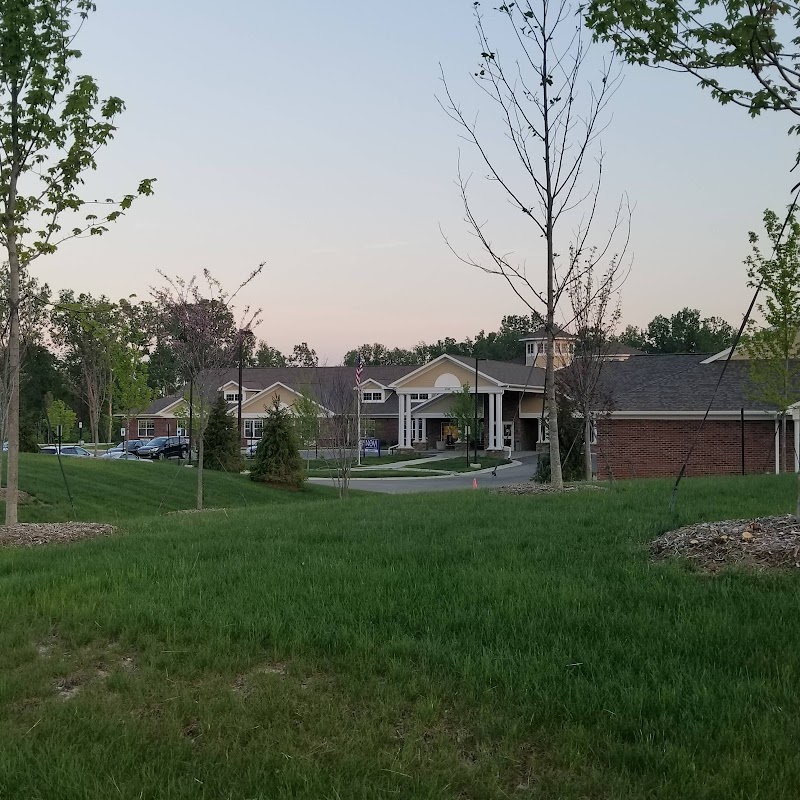
How is Novi Lakes Health Campus Staffed?
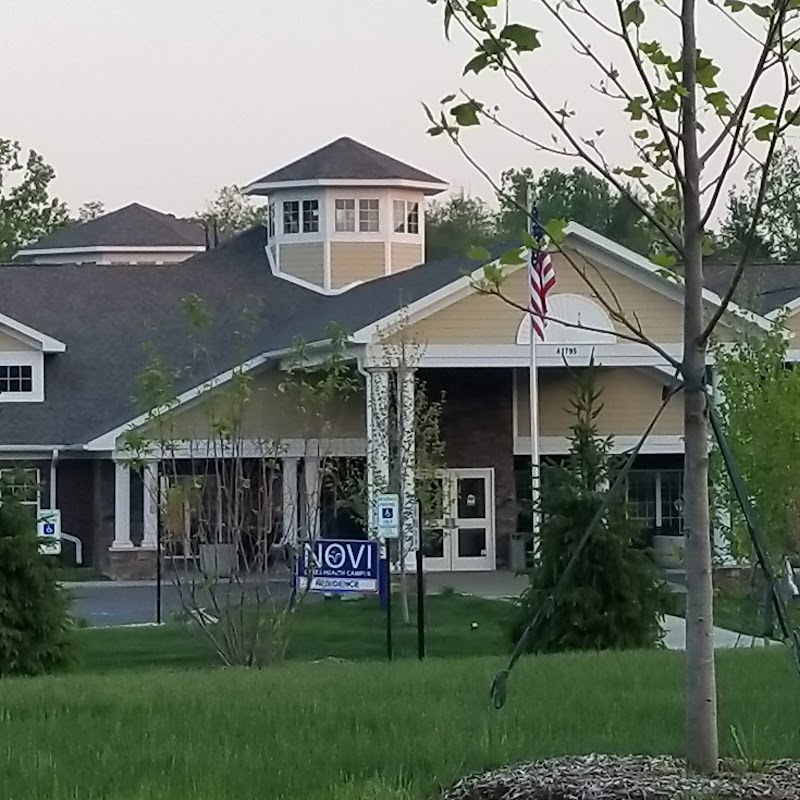
CMS rates Novi Lakes Health Campus's staffing level at 3 out of 5 stars, which is average compared to other nursing homes. Staff turnover is 42%, compared to the Michigan average of 46%. This relatively stable workforce can support continuity of care.

What Have Inspectors Found at Novi Lakes Health Campus?

State health inspectors documented 20 deficiencies at Novi Lakes Health Campus during 2023 to 2025. These included: 1 that caused actual resident harm and 19 with potential for harm. Deficiencies causing actual harm indicate documented cases where residents experienced negative health consequences.

Who Owns and Operates Novi Lakes Health Campus?

Novi Lakes Health Campus is owned by a for-profit company. For-profit facilities operate as businesses with obligations to shareholders or private owners. The facility is operated by TRILOGY HEALTH SERVICES, a chain that manages multiple nursing homes. With 54 certified beds and approximately 51 residents (about 94% occupancy), it is a smaller facility located in Novi, Michigan.

How Does Novi Lakes Health Campus Compare to Other Michigan Nursing Homes?

Compared to the 100 nursing homes in Michigan, Novi Lakes Health Campus's overall rating (4 stars) is above the state average of 3.1, staff turnover (42%) is near the state average of 46%, and health inspection rating (3 stars) is at the national benchmark.

What Should Families Ask When Visiting Novi Lakes Health Campus?

Based on this facility's data, families visiting should ask: "Can I visit during a mealtime to observe dining assistance and food quality?" "How do you handle medical emergencies, and what is your hospital transfer rate?" "Can I speak with family members of current residents about their experience?"

Is Novi Lakes Health Campus Safe?

Based on CMS inspection data, Novi Lakes Health Campus has a clean safety record: no substantiated abuse findings (meaning no confirmed cases of resident harm), no Immediate Jeopardy citations (the most serious violation level indicating risk of serious injury or death), and is not on the Special Focus Facility watch list (a federal program monitoring the lowest-performing 1% of nursing homes). The facility has a 4-star overall rating and ranks #1 of 100 nursing homes in Michigan. While no facility is perfect, families should still ask about staff-to-resident ratios and recent inspection results during their visit.

Do Nurses at Novi Lakes Health Campus Stick Around?

Novi Lakes Health Campus has a staff turnover rate of 42%, which is about average for Michigan nursing homes (state average: 46%). Moderate turnover is common in nursing homes, but families should still ask about staff tenure and how the facility maintains care continuity when employees leave.

Was Novi Lakes Health Campus Ever Fined?

Novi Lakes Health Campus has no federal fines on record. CMS issues fines when nursing homes fail to meet care standards or don't correct problems found during inspections. The absence of fines suggests the facility has either maintained compliance or corrected any issues before penalties were assessed. This is a positive indicator, though families should still review recent inspection reports for the full picture.

Is Novi Lakes Health Campus on Any Federal Watch List?

Novi Lakes Health Campus is not on any federal watch list. The most significant is the Special Focus Facility (SFF) program, which identifies the bottom 1% of nursing homes nationally based on persistent, serious quality problems. Not being on this list means the facility has avoided the pattern of deficiencies that triggers enhanced federal oversight. This is a positive indicator, though families should still review the facility's inspection history directly.