The Villa at Green Lake Estates
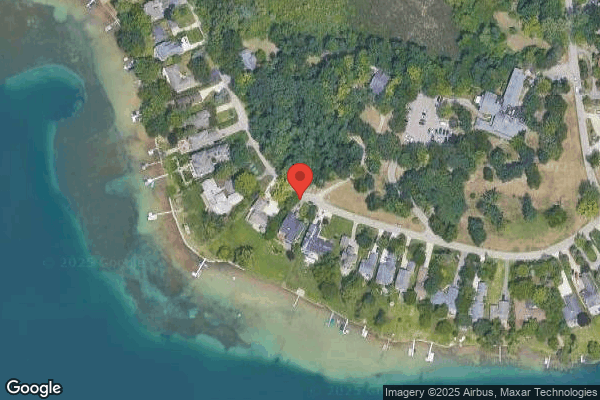

6470 Alden Dr, Orchard Lake, MI 48324 (248) 363-4121
For profit - Corporation 85 Beds VILLA HEALTHCARE Data: November 2025 1 Immediate Jeopardy citation
Trust Grade
0/100
#418 of 422 in MI
Last Inspection: July 2025

Inspected within the last 6 months. Data reflects current conditions.

Overview

The Villa at Green Lake Estates has a Trust Grade of F, indicating poor performance with significant concerns about care quality. They rank #418 out of 422 facilities in Michigan, placing them in the bottom half of the state, and #41 out of 43 in Oakland County, where only two local facilities are worse. While the trend is improving, with issues decreasing from 22 in 2024 to 16 in 2025, the facility still reports a high turnover rate of 74%, which is concerning compared to the state average of 44%. Additionally, the facility has incurred substantial fines totaling $220,596, indicating repeated compliance problems. Specific incidents of concern include a critical failure to respond to a resident who became unresponsive, leading to a delay in CPR and emergency services, and a serious issue where a resident experienced a painful wound from a poorly fitting medical device that was not properly addressed. Despite some strengths in quality measures, families should weigh these serious deficiencies when considering this facility.
Trust Score
F
0/100
In Michigan
#418/422
Bottom 1%
Safety Record
High Risk
Review needed
Inspections
Getting Better
22 → 16 violations
Staff Stability
⚠ Watch
74% turnover. Very high, 26 points above average. Constant new faces learning your loved one's needs.
Penalties
○ Average
$220,596 in fines. Higher than 60% of Michigan facilities. Some compliance issues.
Skilled Nurses
○ Average
Each resident gets 30 minutes of Registered Nurse (RN) attention daily — about average for Michigan. RNs are the most trained staff who monitor for health changes.
Violations
⚠ Watch
48 deficiencies on record. Higher than average. Multiple issues found across inspections.
★☆☆☆☆
1.0
Overall Rating
★★☆☆☆
2.0
Staff Levels
★★★★☆
4.0
Care Quality
★☆☆☆☆
1.0
Inspection Score
Stable
2024: 22 issues
2025: 16 issues

The Good

  • 4-Star Quality Measures · Strong clinical quality outcomes
  • Full Sprinkler Coverage · Fire safety systems throughout facility
  • No fines on record

Facility shows strength in quality measures, fire safety.

The Bad

1-Star Overall Rating

Below Michigan average (3.1)

Significant quality concerns identified by CMS

Staff Turnover: 74%

27pts above Michigan avg (46%)

Frequent staff changes - ask about care continuity

Federal Fines: $220,596

Well above median ($33,413)

Significant penalties indicating serious issues

Chain: VILLA HEALTHCARE

Part of a multi-facility chain

Ask about local staffing decisions and management

Staff turnover is very high (74%)

26 points above Michigan average of 48%

The Ugly 48 deficiencies on record

1 life-threatening 4 actual harm
Sept 2025 2 deficiencies
CONCERN (D) 📢 Someone Reported This

A family member, employee, or ombudsman was alarmed enough to file a formal complaint

Potential for Harm - no one hurt, but risky conditions existed

Pressure Ulcer Prevention (Tag F0686)

Could have caused harm · This affected 1 resident

**NOTE- TERMS IN BRACKETS HAVE BEEN EDITED TO PROTECT CONFIDENTIALITY** This citation pertains to complaint: 2600725.Based on observation, interview and record review the facility staff failed to foll...

Read full inspector narrative →
**NOTE- TERMS IN BRACKETS HAVE BEEN EDITED TO PROTECT CONFIDENTIALITY** This citation pertains to complaint: 2600725.Based on observation, interview and record review the facility staff failed to follow the facility policy regarding the implementation of individualized interventions for skin protection for one (R105) of three residents reviewed for pressure wounds. Findings include: A review of a complaint submitted to the State Agency (SA) documented concerns of the lack of interventions implemented to prevent wounds in the facility. On 9/4/25 R105 was observed lying on their back in bed playing on their cellphone. An interview was conducted with the resident at that time. A review of the medical record for R105 revealed the resident was admitted to the facility on [DATE], with diagnoses that included: paraplegia, pressure ulcer of sacral region, and contracture of lower leg. R105 required staff assistance for all activities of daily living. A nursing note dated 8/29/25 at 8:13 PM, documented the following wounds . 1. Left knee- stage three pressure, 2. L (left) knee medial-stage three pressure, 3. R (right) knee medial-stage three pressure, 4. R lateral foot-stage three pressure, 5. R ankle-stage three pressure, 6. Heel-stage four pressure, 7. L buttock-stage four pressure, 8. R buttock-unstageable pressure, 9. Abdomen-full thickness surgical.This revealed multiple wounds identified on the resident upon admission. A review of R105's care plans revealed the following: The resident has potential for impairment to skin integrity r/t (related to). Interventions - Monitor skin when providing cares <sic>, notify nurse of any changes in skin appearance. Date initiated 08/23/2025. The resident has actual impairment to skin integrity (SPECIFY location) r/t. Interventions - Evaluate and treat per physicians orders, Evaluate resident for S/SX (signs/symptoms) of possible infections, Monitor IV (intravenous) site q (every)/shift and complete dressing change as ordered. Date Initiated: 08/23/2025There were no other care plans and/or interventions implemented regarding the management of R105's skin, despite the numerous wounds identified. A review of a facility policy titled Skin Protection Guideline dated 7/7/21, documented in part . Purpose: To provide evidence based practice standards for the care and treatment of skin. To ensure residents that admit and reside at our facility are evaluated and provided individualized interventions to prevent, reduce and treat skin breakdown. The first step in the prevention of PU (pressure ulcer)/PIs (pressure injury), is the identification of the resident at risk. This is followed by implementation of appropriate individualized interventions and monitoring for the effectiveness of the interventions. An admission evaluation helps identify. residents with existing PU/PIs. the at-risk resident needs to be identified and have interventions implemented promptly to attempt to prevent PU/PI. An individualized plan of care will be developed based on known predicting factors for skin breakdown. Interventions for prevention, removing and reducing predicting factors and treatment for skin. it is important to individualize each resident's turning and repositioning schedule. The facility staff failed to implement an adequate individualized care plan for the multiple wounds identified and for the potential to prevent the worsening of existing wounds and/or the development of new wounds. On 9/4/25 at 2:49 PM, the Director of Nursing (DON) was asked whose responsibility it was to implement the wound and skin management interventions and the DON replied the nurses. When asked about R105 current condition to have multiple identified wounds, compared to the lack of care plans and interventions implemented despite the guidance of the facility's policy, the DON stated they would review R105's care plans and follow back up. No further explanation or documentation was provided by the end of the survey.
CONCERN (D) 📢 Someone Reported This

A family member, employee, or ombudsman was alarmed enough to file a formal complaint

Potential for Harm - no one hurt, but risky conditions existed

Accident Prevention (Tag F0689)

Could have caused harm · This affected 1 resident

**NOTE- TERMS IN BRACKETS HAVE BEEN EDITED TO PROTECT CONFIDENTIALITY** This citation pertains to complaint: 2600725. Based on interviews and record reviews the facility failed to ensure adequate supe...

Read full inspector narrative →
**NOTE- TERMS IN BRACKETS HAVE BEEN EDITED TO PROTECT CONFIDENTIALITY** This citation pertains to complaint: 2600725. Based on interviews and record reviews the facility failed to ensure adequate supervision and/or resident specific interventions to prevent falls for one (R103- a resident with a known history of falls with injury, developmental delay, non-compliance with care, impulsive & combativeness) of two residents reviewed for falls, resulting in injuries that required the resident to be transferred to the hospital for a higher level of care. Findings include: A review of a complaint submitted to the State Agency (SA) documented concerns of frequent falls with injury due to the lack of staffing at the facility. A review of an audit of residents transferred to the hospital revealed a concern with R103. A review of the medical record revealed R103 was admitted to the facility on [DATE], with diagnoses that included: aftercare following joint replacement surgery, severe intellectual disabilities, developmental disorder of speech and language, unspecified lack of expected normal physiological development in childhood and falls. A review of the referral packet provided to the facility by the transferring hospital documented in part, . S/p (status post) unwitnessed fall. Acute L (left) medial malleolus fracture (side of ankle) with mild subluxation of the tibia articular surface in relationship to the talus. S/p ORIF (open reduction and internal fixation) Medial Malleolus fracture L ankle with open repair deltoid ligament (7/16/25). H/o (history of) fall (3/2025) with traumatic nasal and C5/C6 fractures (neck fracture). nasal fx (fracture). Developmental delay. return to Group Home with 24/7 supervision and assistance. return to group home when appropriate. Limited rehab potential 2* (secondary) to cognitive deficit. impulsive unable to follow Wt (weight) bearing precautions, became agitated and attempted to walk to restroom needed assist to remain in bed. attempted to get (out) put again and therapist had to stay with (resident). encouraging bed mobility and distractions to keep patient secure in bed, left with bed alarm in place. Not oriented to person, Not oriented to place, Not oriented to situation, Not oriented to time. fall risk. inconsistent with following simple one step commands. Problem Solving: Impaired, LLE (left lower extremity): Non-weight bearing.A review of a nursing progress note dated 8/25/25 at 8:47 AM, documented in part . 2035 (8:35 PM) Writer called to patient's room after CENA (nurses aide) observed patient on the floor. Writer observed patient laying on the floor parallel to his bed on his chest with his face turned to the right, blood noted on left side of head, patient was responsive but, unable to assess cognition r/t (related to) patient level of mental awareness. Patient is only oriented to self, is relatively nonverbal, and unable to answer questions relating to his fall. Patient assessed, FROM (full range of motion) to all extremities, doesn't appear to have pain but, notable to fully assess. Patient moved from floor to bed where a complete assessment was done including neuro check. Once patient was on his back, it was noted that patient had more injuries than writer was previously noted while patient was still prone. Pupils were noted to unequal left pupil was smaller than right and had a sluggish response time injuries included head laceration, bruise developing on left side of face, small amount of blood noted to be coming from left nostril, small abrasion above left eye. 2100 (9:00 PM) EMS (emergency medical service) was called. Arrived at 2105 (9:05 PM). 2105 Dr (doctor) was made aware of call to EMS. 2109 (9:09 PM) DON was also notified. 2115 (9:15 PM) Ems out the door with patient and taking patient to nearest hospital and not to (hospital name) as per Dr's request.Prior to the fall incident on 8/25/25, the progress notes revealed the following:A nursing note dated 7/22/25 at 4:25 PM, . Pt (patient) arrived A&Ox1 (alert and oriented time one) and stable no confusion ablet to understand but unable to speak complete sentences. Pt combative wont always allow ppl (people) to touch him. fracture on LLE (left lower extremity). Surgery was done on LLE and had cast on leg.A nursing note dated 7/22/25 at 5:34 PM, . Resident has weight bearing restriction. left leg fracture. resident needs assistance with ADL's. Resident uses assistive device/s: Wheelchair.A nursing note dated 7/22/25 at 7:22 PM, . HIGH risk for falls.A nursing note dated 7/22/25 at 7:30 PM, . An Initial Care Management meeting was held. Discharge Plan. The resident will require supervision for safety; A caregiver is required 24 hours per day. Caregiver assistance is not available.A care management noted dated 7/29/25 at 9:56 AM, . An Ongoing or Discharge Care Management meeting was held. Non-compliant with NWB (non-weight bearing), LLE r/t cognition.A therapy note dated 8/1/25 at 11:04 AM, . IDT (interdisciplinary team) met to discuss. Non-compliant with NWB to casted LLE r/t cognition.A physician note dated 8/5/25 at 3:11 PM, . LLE CAM boot in place. Difficulty w (with)/command following, difficulty w/interview and exam. Difficulty w/ROS d/t cog (cognitive) delay. D/W (discussed with) therapy staff, patient non compliant w/WB precautions. non ambulatory at this time.unable to follow commands accurately. cog delay at baseline. Walking difficulty s/p mechanical fall w/acute left med (medial) malleolar fracture w/ORIF, Hx (history) of unsteady gait w/ frequent falls. Fall prec (precautions), NWB LLE-non compliance observed.A therapy note dated 8/6/25 at 11:56 AM, . LLE NWB expect for transfers per Dr. (doctor) non compliant with NWB to casted LLE r/t cognition.A nursing note dated 8/7/25 at 7:21 PM, . Resident A&Ox1-2 with difficulties making needs known and following commands. Resident refused x3 to allow staff to place surgical boot on foot. refused getting into bed. Resident became very agitated and yelling. Resident refusing to be changed. Resident sitting in w/c (wheelchair).A physician note dated 8/14/25 at 1:09 PM, . Difficulty w/command following, difficulty w/interview and exam. Difficulty w/ROS d/t cog delay. D/W therapy staff, patient continues to be non compliant w/WB precautions. Walking difficulty s/p mechanical fall. unsteady gait w/frequent falls. Fall prec, NWB LLE- non compliance observed.A nursing note dated 8/15/25 at 3:44 PM, . IDT met to discuss. LLE NWB expect for transfers per Dr. non compliant with NWB to casted LLE r/t cognition. Care plans and interventions in place and deemed appropriate at this time.A therapy note dated 8/20/25 at 12:14 PM, . IDT met to discuss. Resident attended follow up ortho apt <sic> (appointment), LLE upgraded to WBAT (weight bearing as tolerated) with CAM boot. Care plans and interventions in place and deemed appropriate at this time.A review of the care plans revealed the following: . has actual / potential for an ADL self-care performance deficit r/t L. ankle fx. initiated 7/22/25. Goal- The resident will demonstrate the appropriate use of WC (wheelchair) to increase ability in mobility. Interventions Bathing: Physical Assist. Bed Mobility: Physical Assist. Toileting: Resident requires physical assistance with toileting. Transfers: Resident requires physical assistance. Encourage the resident to use bell to call for assistance. has impaired cognitive function or impaired though processes r/t Developmentally delayed. Goal. Interventions to maintain the highest quality of life. Interventions. Cue, reorient and supervise as needed. at risk for falls r/t L. ankle fx. hx of falls implemented 7/22/25. Interventions. bed in low position when in bed. Encourage resident to stay properly hydrated, educate that dehydration increases risk for falls, Evaluate gait and ambulation capabilities, identify abnormalities, Monitor pain and alleviate using non-pharmacological interventions and medications as ordered, Non-skid socks/footwear, Provide opportunity for physical activity (such as ambulation, self propel w/c, chair exercises, etc.), review resident medications associated with fall risk, such as diuretics, anti-epileptics, hypnotics, analgesics, and antidepressants. Discuss possibility of dose reduction with MD (medical doctor) if appropriate, Anticipate and meet the resident's needs, PT (physical therapy) to evaluate and treat as ordered or PRN (as needed). has an alteration in musculoskeletal status r/t Walking difficulty s/p mechanical fall. Interventions- Anticipate and meet needs. Be sure call light is within reach and respond promptly to all requests for assistance, Encourage /supervise/assist the resident with the use of supportive devices., Follow MD orders for weight bearing status. See MD orders and/or PT treatment plan, Give analgesics as ordered by the physician. Monitor and document for side effects and effectiveness, Monitor for any side effects to NSAIS such as GI bleeding or renal impairment, Monitor for fatigue. Plan activities during optimal times when pain and stiffness is abated, Monitor/document for risk of falls. Educate resident/family/care givers on safety measures that need to be taken in order to reduce risk of falls.A review of a facility policy titled Accidents dated 6/29/21, documented in part . Purpose: To ensure the environment is free from accident hazards over which the facility has control and provides supervision and assistive devices to each resident to prevent avoidable accidents through a systemic approach. Avoidable Accident means that an accident occurred because the facility failed to: Identify. and/or assess individual resident risk of an accident, including the need for supervision and/or assistive devices. identify and implement measures to reduce the hazards/risks as much as possible. Implement interventions, including adequate supervision and assistive devices, consistent with a resident's needs, goals, are plan and current professional standards of practice in order to eliminate the risk, if possible, and, if not, reduce the risk of an accident. Supervision/Adequate Supervision refers to an intervention and means of mitigating the risk of an accident. Facilities are obligated to provide adequate supervision to prevent accidents. Adequate supervision is determined by assessing the appropriate level and number of staff required, the competency and training of the staff, and the frequency of supervision needed. This determination is based on the individual resident's assessed needs and identified hazards in the resident environment. Adequate supervision may vary from resident to resident and from time to time for the same resident. IMPLEMENTATION OF INTERVENTIONS- Implementation refers to using specific interventions to try to reduce a resident's risks from hazards in the environment. Resident-directed approaches may include implementing specific interventions as part of the plan of care.The above documentation indicates the facility failed to implement adequate supervision and/or effective resident specific interventions to prevent falls for a resident who was identified as developmentally delayed, who was unable to retain education/instructions/directive, who was consistently observed to display non-compliance to the current plan of care, physician/staff directive, with noted combativeness and impulsiveness. This information was also provided in the referral by the transferring hospital and the facility failed to implement adequate interventions for the safety of this resident. On 9/4/25 at 1:36 PM, the Director of Nursing (DON) was interviewed and asked whose responsibility it was to obtain information to develop safe and adequate care plans for the residents and the DON stated the admitting nurse. The DON stated the plan of care is also reviewed during the interdisciplinary team morning meetings and upon admission. The DON was then asked about the fall incident that occurred on 8/25/25 with R103. The DON stated the details noted in the nurses note regarding the fall and stated in part . He was sent out to the hospital and we haven't been able to get any updates from the hospital. When asked if the family of R103 had updated them with R103's condition, the DON replied . Yes, they stated he was on a ventilator and in critical care. When asked about the documentation in the referral provided to the facility and the multiple notes documented by the facility staff regarding the cognitive impairment, impulsiveness, impaired safety awareness and non-compliance and the inability to effectively educate the resident, the DON stated the resident was non-compliant with assistance and staff had witnessed the resident trying to transfer themselves, however stated it was the resident's first fall at the facility. The referral documentation that noted the resident to be a high risk, history of falls with major injury and the need for adequate supervision including the use of alarm devices was reviewed and compared to the facility's plan of care and lack of interventions implemented for adequate supervision and resident specific interventions to ensure the safety of R103. The DON stated staff was told verbally to increase monitoring of the resident. When asked what increased monitoring meant for R103, considering the other residents in the facility were rounded on every two hours (per the DON), the DON did not have a response. The DON stated there was a lot of traffic walking by R103's room, considering where R103's room was located. The DON was asked if that was considering all shifts, especially on the evening and nights when less staff are in the building and the DON did not have a response. The DON was asked if the facility staff had completed an investigation for the fall and asked the root cause identified. The DON replied they had completed an investigation. The DON was asked to provide the investigation for review. A review of the investigation provided by the DON documented in part . Resident admitted with severe intellectual disability and developmental disorder of speech and language. BIMS (brief interview for mental status) score 0 (which indicated severely impaired cognition). Between approximately 7:15 pm and 7:30 pm, during a brief change in the shower room, the resident's daytime CNA (certified nursing assistant) requested assistance from the on-coming CNA due to the resident's history of combative behavior. The resident declined to use the grab bar for stability. The additional CNA provided assistance, and the brief change was completed with out incident. The resident was then assisted back to his room and helped into bed, with the call light placed within reach. At approximately 9:00 pm, a CNA entered the resident's room to take vitals and discovered the resident on the floor, lying on his left side in the prone position. Fall occurred unwitnessed, despite interventions earlier in the evening. Modified Interventions to the Plan of Care. Reinforce use of safety interventions (grab bar, two-person assist as needed). Fall prevention strategies reinforced with staff, including placement of call light and increased observation during evening hours (none of which were documented on the residents care plans). Summary of Factual Investigative Findings. At approximately 9:00 . The resident was discovered on the floor by staff during routine vitals checks. Post-fall assessment revealed injury, EMS was called, and the resident was transferred for hospital evaluation. No further explanation or documentation was provided by the end of the survey.
Jul 2025 10 deficiencies 1 Harm
SERIOUS (G)

Actual Harm - a resident was hurt due to facility failures

Pressure Ulcer Prevention (Tag F0686)

A resident was harmed · This affected 1 resident

**NOTE- TERMS IN BRACKETS HAVE BEEN EDITED TO PROTECT CONFIDENTIALITY** R37 On 6/30/25 at 10:15 AM, R37 was observed lying in bed. R37 reported he was not feeling well at that moment and was going to ...

Read full inspector narrative →
**NOTE- TERMS IN BRACKETS HAVE BEEN EDITED TO PROTECT CONFIDENTIALITY** R37 On 6/30/25 at 10:15 AM, R37 was observed lying in bed. R37 reported he was not feeling well at that moment and was going to the hospital. When queried about the care in the facility, R37 reported he wore a Life Vest (a wearable cardioverter defibrillator vest that continuously monitors for life-threatening irregular heart rhythms and automatically delivers shock treatment to save a person's life, if needed). R37 reported the vest was not removed because he was to wear it at all times. R37 reported the vest did not fit properly and was very tight which caused a big wound on the trunk of his body where the vest made contact with his skin. R37 reported the facility ordered a new vest, but he never received it. R37 reported the wound was painful and uncomfortable. An observation of the wound to R37's torso was not conducted as R37 left for the hospital shortly after the above interview and did not return prior to the end of the survey. A review of R37's clinical record revealed R37 was admitted into the facility on 6/10/25 with diagnoses that included: ischemic cardiomyopathy (damaged heart muscles that cannot pump blood properly). A review of a Minimum Data Set (MDS) assessment revealed R37 had intact cognition and no unhealed pressure ulcers or other skin impairments. A review of a Nursing Evaluation completed for R37 on admission on [DATE] revealed no documentation of skin impairment to R37's trunk/torso. A review of R37's Physician's Orders revealed an order for weekly skin check every Tuesday with a start date of 6/17/25. An order dated 6/12/25 revealed, Monitor every shift. Patient is to wear LifeVest at all times EXCEPT when showering/vigorous cardiac rehab . A review of a Skin Observation assessment dated [DATE] revealed no skin impairment to R37's trunk/torso was identified. A review of R37's progress notes revealed the following: An IDT (Interdisciplinary Team) Note dated 6/11/25 documented, .Skin rash under breast present upon admission. It should be noted that a skin rash under R37's breast was not documented on the admission Nursing Evaluation or Skin Observation form completed on 6/10/25. Further review of R37's Physician's Orders revealed no treatment orders to address the rash mentioned in that note. Further review of R37's clinical record revealed no further documented assessment of the rash, including the size, appearance, and where it was located (under left or right breast). There was no mention of R37's vest being too tight, as reported by R37. A Physician/PA (Physician Assistant)/NP (Nurse Practitioner) - Progress Note dated 6/11/25 revealed no documentation of any skin impairments. A Skin/Wound Note dated 6/18/25 documented, During shower this am an abrasion was observed under left abdominal fold r/t (related to) life vest. Skin also red moist and has mild order <sic> (odor). After shower area cleansed. Antifungal powder and camalseptine <sic> (an ointment used as a moisture barrier to calm skin irritation) applied. Treatment in place. All necessary parties notified. Further review of R37's Physician's Orders revealed an order dated 6/18/25 for Wound Treatment: Left Abdominal Fold Abrasion: 1. Cleanse area with NS (normal saline) 2. Pat Dry Apply Camalseptine <sic> and Antifungal powder and ABD (abdominal pad) for cushion .every day shift for Wound Care . A review of a Physician/PA/NP Progress Note dated 6/18/25 did not document any skin abnormalities or that R37's life vest did not fit properly. A review of a Weight Change Note dated 6/19/25 revealed R37 gained 4.5 pounds since admission nine days prior. It was noted R37 took a diuretic for edema and weight fluctuations were expected. A review of a consultation completed by the contracted wound care provider dated 6/20/25 revealed, .Wound Assessment(s) .Wound #1 Abdomen - LUQ is an acute Partial Thickness Abrasion .Initial wound encounter measurements are 1.5cm length x 13cm width with no measurable depth .There is a Scant amount of sero-sanguineous drainage (a combination of clear fluid and blood) noted .Wound bed has 100% pink, granulation, 20% slough (non-viable yellow, tan, gray, green or brown tissue) .Additional Orders .ABD DIRECT, OFFLOAD AREA NO ADHESIVE .Avoid direct pressure to wound site .OFFLOAD VEST OFF SITE . It should be noted that according to the State Operations Manual (Rev 229; Issued 4/25/25), if slough is present but does not obscure the depth of tissue loss, it is considered Full-thickness Skin loss and a Stage 3 Pressure Ulcer related to a medical device. A review of a Wound Assessment Details Report completed by Licensed Practical Nurse (LPN) 'O' on 6/27/25 revealed documentation that R37's wound was a Stage 1 facility acquired pressure ulcer (Intact skin with a localized area of non-blanchable erythema) that measured 13cm x 0.5 cm. The photo included on the assessment showed a linear wound with areas of full-thickness tissue loss, slough and scattered black, scab-like areas. A review of a consultation completed by the contracted wound care provider dated 6/27/25 revealed, Wound #1 Abdomen - LUQ is an acute Partial Thickness Abrasion .measurements are 0.5cm length x 13cm width x 0.1 cm depth .Wound bed is 90%, pink, granulation, 10% slough; no eschar . It should be noted in the photo taken on 6/27/25, there were scattered black, scab-like areas. A review of a IDT Note dated 6/25/25 revealed, .Life vest in place, (company name) contacted for new vest . On 7/2/25 at approximately 8:15 AM, an interview was conducted with the Assistant Director of Nursing (ADON). When queried if the facility had a Wound Care Coordinator, the ADON reported there was a nurse who rounded with the contracted wound provider once a week and the Director of Nursing (DON) was ultimately the person who oversaw wounds in the facility. On 7/2/25 at 11:53 AM, an interview was conducted with the DON. When queried about how R37 got the wound to his LUQ, the DON said it was from rubbing from the life vest. When queried about how often R37's skin was monitored due to having a medical device (life vest) that was reportedly too tight according to R37, the DON reported at least weekly, but with the vest they should be checking every shift, if not more. At that time, the following was requested from the DON: Interventions in place upon R37's admission into the facility, interventions implemented upon identification of skin breakdown to prevent further breakdown or worsening of the existing wound, and when the new life vest was ordered. The DON said she would look into it. On 7/2/25 at 2:00 PM, a follow up interview was conducted with the DON. The DON reported R37's skin was not checked more frequently because the vest was only to be removed for showers. The DON reported due to the life vest, they were unable to put additional protective interventions in place. At that time, any Wound Assessment Detail Reports conducted prior to 6/27/25 were requested. On 7/2/25 at approximately 2:45 PM, the ADON reported R37 was admitted with some skin impairment to his LUQ. At that time, any documentation of the skin impairment on admission and any physician's orders to treat the area at that time were requested. No additional information was provided prior to the end of the survey. The ADON further reported R37 was fitted for the life vest at the hospital and could only be fit every three months per the life vest company. At that time, it was requested a second time to provide the date the life vest company was contacted to enquire about a better fitting vest. No additional information was provided prior to the end of the survey. The ADON was asked to provide the hospital discharge records, as they were not accessible in the medical record. The records were not provided prior to the end of the survey. A review of R37's care plans did not include any care plans related to R37's medical device related wound to the LUQ and did not include a care plan related to checking R37's skin underneath the left vest. A review of a facility policy titled, Prevention of Pressure Ulcers/Injuries revised 1/2019 read in part, .Risk Assessment .Areas of impaired circulation due to pressure fro positioning of medical devices .CNA's (Certified Nursing Assistants) will inspect the skin on a daily basis when performing or assisting with personal care or ADLs (activities of daily living) .General Preventive Measures: 6. Routinely screen and document the condition of the resident's skin for any signs and symptoms of irritation or breakdown. 7. Immediately report any signs of a developing pressure ulcer to the supervisor. 8. The care process should include efforts to stabilize, reduce or remove underlying risk factors .Risk Factor - Friction and Shear .Monitor the placement of splints and casts to assure they are not placing friction on the resident's skin . Based on observation, interview and record review, the facility failed to document accurate skin assessments, ensure timely identification of pressure ulcers, and implement effective interventions to prevent the development and worsening of a pressure ulcer, for two (R68 and R37) of two residents reviewed for pressure ulcers resulting in R68 acquiring multiple pressure ulcers first identified as Unstageable (obscured full-thickness skin and tissue loss) and/or Stage 3 (full-thickness skin loss) pressure ulcers and R37 acquiring a medical-device related pressure injury with full-thickness skin loss. Findings include: R68 On 6/30/25 at 10:30 AM, R68 was observed lying in bed. R68 was asked if he had any wounds or sores on his body. R68 explained he had wounds, some he had when he was admitted and some he acquired at the facility. R68 was asked if he could turn himself. R68 explained he could not turn himself, staff had to turn him. Review of the clinical record revealed R68 was admitted into the facility on 1/27/25 and readmitted [DATE] with diagnoses that included: quadriplegia, injury of cervical spinal cord and major depressive disorder. According to the Minimum Data Set (MDS) assessment dated [DATE], R68 was cognitively intact. Review of R68's skin impairment care plan revealed interventions that read in part, .Monitor/document location, size and treatment of skin injury. Report abnormalities, failure to heal, s/sx (signs and symptoms) of infection, maceration (excessive moisture exposure) etc. to MD (medical doctor). Date Initiated: 02/27/2025 . Monitor skin when providing cares [sic], notify nurse of any changes in skin appearance Date Initiated: 01/27/2025 . Review of R68's wound notes from a consultant Wound Care Provider revealed: 2/14/25 .Wound #3 Right Elbow is an acute Stage 3 Pressure Injury Pressure Ulcer . Initial wound encounter measurements are 2.4cm (centimeters) length x 1.2cm width .There is a Scant amount of sero-sanguineous (blood serum and red blood cells) drainage . Wound bed has 70%, pink, granulation (new connective tissue formed during the healing process), 30% eschar (dead or devitalized tissue, and may appear scab-like) . General Notes: Patient has a history of Stage 3 on elbow based on previous records at different facility . Wound #4 Left Scapula is an acute Stage 3 Pressure Injury Pressure Ulcer . Initial wound encounter measurements are 1.4cm length x 4cm width . 20% slough (non-viable yellow, tan, gray, green or brown tissue) . General Notes: Patient has a history of a stage 3 ulcer on L (left) scapula based on previous records . 2/28/25 .Wound #5 Right Ischial (lower part of the buttocks) is an acute Unstageable Pressure Injury Obscured full-thickness skin and tissue loss Pressure Ulcer . Initial wound encounter measurements are 3.4cm length x 2cm width . There is a Scant amount of sero-sanguineous drainage . 100% slough . 4/4/25 .Wound #7 Left Ischial is an acute Unstageable Pressure Injury Obscured full-thickness skin and tissue loss Pressure Ulcer acquired on 03/30/25 . Initial wound encounter measurements are 3cm length x 1.8cm width . There is a Scant amount of sero-sanguineous drainage . Wound bed has 40%, pink, granulation, 60% eschar . Review of R68's progress notes revealed no documentation of skin impairment prior to the Consultant's wound notes on 2/14/25, 2/28/25 and 4/4/25. Including between 3/30/25 and 4/4/25. Review of R68's Skin Observation documentation revealed no identification of a new skin impairment. On 7/2/25 at 10:09 AM, the Director of Nursing (DON) was interviewed and asked how often skin checks should be completed. The DON explained the Skin Observation should be done weekly. The DON was asked why of the 22 weeks R68 had been at the facility, only nine Skin Observation's had been completed. The DON offered no explanation. The DON was also informed of the nine Skin Observations completed, none had identified any new skin impairment. The DON made no reply. The DON was asked about R68's wounds being identified when they were at Unstageable or Stage 3. The DON explained Wounds #3 and #4 were called Stage 3 because they had been at a Stage 3 prior and had reopened. The DON was informed the Consultant had documented that fact, however was asked why Wound #3 was documented as having granulation tissue and was 30% eschar and Wound #4 had 20% slough, which indicated both wounds had been present for a while. The DON offered no explanation. The DON was asked about Wound #5 that was first documented by the Consultant as an Unstageable with 100% slough. The DON offered no explanation. The DON was asked about Wound #7 in which the Consultant had documented was acquired on 3/30/25 but there was no documentation found in R68's record. The DON offered no explanation. The DON was asked if there were pictures of R68's wounds prior to the most recent Consultant's visit. The DON had the ability to access prior pictures and showed the first picture of R68's Wound #7 taken on 4/4/25 which appeared to be almost completely covered in black eschar. The DON was asked if the pressure ulcer in the picture should have been identified and documented before it looked like the image in the picture. The DON agreed there should have been identification before the wound was at that extent. When asked if R68 required total assistance of staff for care, the DON agreed. The DON was asked if staff were changing, bathing and turning R68 should the wounds have been identified and documented on before they were Unstageable and/or Stage 3. The DON acknowledged the concern.
CONCERN (D) 📢 Someone Reported This

A family member, employee, or ombudsman was alarmed enough to file a formal complaint

Potential for Harm - no one hurt, but risky conditions existed

Resident Rights (Tag F0550)

Could have caused harm · This affected 1 resident

Based on observation, interview and record review the facility failed to ensure treatment in a dignified manner for two residents (R#'s 17 and 70) of two residents reviewed for dignity, resulting in t...

Read full inspector narrative →
Based on observation, interview and record review the facility failed to ensure treatment in a dignified manner for two residents (R#'s 17 and 70) of two residents reviewed for dignity, resulting in the potential for embarrassment. Findings include: On 6/30/25 at 11:29 AM, Certified Nursing Aide (CNA) 'B' was observed transporting R70 in their geri-chair. CNA 'B' was observed pulling the geri-chair in a forward motion as R70 was seated in the chair facing rearward. On 6/30/25 at 1:20 PM, an interview was conducted with CNA 'C' in the hallway outside of R17's room. CNA 'C' was asked if it was normal for R17 to have slept all morning and remain sleeping into the afternoon. CNA 'C' said sometimes it was her normal and some days she could be, moody. On 7/1/25 at 11:40 AM, an interview was conducted with the facility's Director of Nursing (DON) regarding language use and appropriate wheelchair transports. The DON said wheelchairs should not be pulled in a forward motion with the resident facing backward and staff were expected to treat residents in a dignified manner. A review of a facility provided policy titled, Quality of Life-Dignity was conducted and read, Each resident shall be cared for in a manner that promotes and enhances quality of life, dignity, respect and individuality .
CONCERN (D)

Potential for Harm - no one hurt, but risky conditions existed

Grievances (Tag F0585)

Could have caused harm · This affected 1 resident

**NOTE- TERMS IN BRACKETS HAVE BEEN EDITED TO PROTECT CONFIDENTIALITY** Based on observation, interview, and record review the facility failed to maintain an effective grievance resolution process to ...

Read full inspector narrative →
**NOTE- TERMS IN BRACKETS HAVE BEEN EDITED TO PROTECT CONFIDENTIALITY** Based on observation, interview, and record review the facility failed to maintain an effective grievance resolution process to ensure prompt resolution of resident concerns for one (R56) of one resident reviewed for grievances, and seven of eight residents who wished to remain anonymous who attend the resident council interview. Findings include: On 6/30/25 at 10:45 AM, R56 was observed seated in a wheelchair in her room. When queried about the care in the facility, R56 reported she has had clothes and other belongings stolen from her room. R56 reported she caught another resident going through her drawers, the resident took one of her shirts out of the drawer, threw it on the bed, and the next morning R56 noticed a blue and purple shirt were missing. R56 said she has talked to a staff member who no longer worked at the facility about her concerns. Additionally, R56 reported her cellular phone charging cord was taken from her room while she was at therapy. R56 said it was found with a staff member. R56 reported she reported her concerns about her missing items to the Administrator, but has not received any follow up about what the facility was going to do about it. When queried about what was reported to the Administrator, R56 explained she went to the hospital a few months ago and when she returned, the luggage she had in her closet was unzipped and a purse, a wallet, and one hundred dollars was missing from it. R56 also reported a lavender blanket that had velvet on one side and lamb's wool on the other side. A review of R56's clinical record revealed R56 was admitted into the facility on 4/11/24 and readmitted on [DATE] after a hospitalization. A review of a Minimum Data Set (MDS) assessment dated [DATE] revealed R56 had intact cognition. On 7/1/25 at 10:35 AM, all grievance and/or concern forms with any associated investigation or follow up for R58 since the last survey was requested from the Administrator. At 12:11 PM, the Administrator reported there were no grievances or concern forms on file for R56. On 7/1/25 at 12:35 PM, an interview was conducted with the Administrator. When queried about the facility's grievance process and how resident concerns were recorded, tracked, and resolved, the Administrator reported if a resident or family member expressed a complaint to anyone in the facility, they were asked if they wanted to file a formal grievance. If they want to file a grievance, then they were asked to complete a grievance form and the protocol was followed. If they said they did not want to file a formal grievance, the concern was discussed in morning meetings and the concern was looked into, but not documented. The Administrator further explained that staff are assigned to certain residents to complete quality rounds to see if they have any concerns. If concerns were brought up in quality rounds they were jotted down on the form and the resident was asked if they wanted to file a formal grievance. The Administrator was asked about any concerns reported to him by R56. The Administrator said R56 reported she was missing a black purse but did not wish to file a grievance. The Administrator reported they looked into the concern, but since R56 did not want to file a grievance, there is no documented investigation or follow up. The Administrator denied knowing anything about R56's missing blanket, wallet, or one hundred dollars and said there was nothing recorded on the inventory list that showed R56 had a black purse brought into the facility. The Administrator reported family denied knowing about a purse. However, the Administrator did not have any documented investigation or follow up to that concern. When queried about how the facility monitored for patterns of concerns if they were not documented, the Administrator did not offer a clear response. The Administrator followed up and said there was a progress note in R56's clinical record in April that said R56 did not express any concerns about financial safety. When queried about whether that was related to R56's concern about her missing purse, the Administrator said it was not and R56 reported the missing purse prior to that note. No documentation was provided to show what was done to try to resolve R56's concern about missing items, including a significant amount of money. On 7/2/25 at 9:30 AM, an interview was conducted with eight residents who either always or sometimes attended the resident council meetings. When queried about how the facility handled concerns or grievances either from the resident council or individually, multiple residents laughed. One resident said, They don't! It was explained by a resident that during resident council, the Activities Director recorded the concerns that were brought up, but some things remained ongoing concerns without any resolution. When asked to describe any concerns they felt were not resolved by the facility, seven of eight residents in attendance expressed issues with getting their clothing back from laundry in an appropriate manner. One resident said she labels all of her clothing with her name, but it often did not come back to her from laundry. Two other residents agreed that clothing does not always come back from laundry. Another resident said she had to remind the laundry staff all the time to bring back her clothing. Another resident expressed dissatisfaction with how her underwear was brought back on hangers underneath her other clothing. When queried about how long the issues with laundry had been going on, one resident said, It's ongoing. It has been going on for a long time. When queried about whether the facility provided a reasonable explanation for why concerns were not resolved, one resident said they do not get an explanation. At that time, the group was asked if they knew how to file a grievance individually if they had a concern about care and services in the facility. One resident said they will just tell their concern to whomever. Another resident said, you can express your concern, but it never seems to get fixed. Another resident said, One hand doesn't know what the other hand is doing. A review of a facility policy titled, Grievance Guideline with an effective date of 11/28/27 revealed, in part, the following: .The objective of the grievance guideline is to ensure the facility makes prompt efforts to resolve grievances a resident may have. The intent of the grievance process is to support each resident's right to voice grievances (e.g. those about treatment, care, management of funds, lost clothing, or violation of rights) and to assure that after receiving a complaint/grievance, the facility actively seeks a resolution and keeps the resident appropriately apprised of its progress toward a resolution .The facility will train and designate an individual who is responsible for .Receive and track all grievances through to their conclusion .lead any necessary investigations by the facility .Work with facility staff utilizing root cause analysis processes for resolution of the grievance or concern .Complete written grievance resolutions/decisions to the resident involved .A grievance or concern can be expressed orally to the Grievance Official or facility staff or in writing using a grievance form .Any employee of this facility who received a complaint shall immediately attempt to resolve the complaint within their role and authority. If a complaint cannot be immediately resolved the employee shall escalate that complaint to their supervisor and the facility Grievance Official .The Grievance Officer will maintain a log of all grievances for a period of 3 years .
CONCERN (D)

Potential for Harm - no one hurt, but risky conditions existed

Report Alleged Abuse (Tag F0609)

Could have caused harm · This affected 1 resident

**NOTE- TERMS IN BRACKETS HAVE BEEN EDITED TO PROTECT CONFIDENTIALITY** Based on observation, interview, and record review, the facility failed to report injuries of unknown origin to the Administrato...

Read full inspector narrative →
**NOTE- TERMS IN BRACKETS HAVE BEEN EDITED TO PROTECT CONFIDENTIALITY** Based on observation, interview, and record review, the facility failed to report injuries of unknown origin to the Administrator/Abuse Coordinator for one (R38) of four residents reviewed for abuse. Findings include: On 6/30/25 at approximately 9:40 AM, it was reported by another resident that R38 often wandered into her room, has gotten into her bed, and threw water on her one time. On 6/30/25 at approximately 10:00 AM, R38 was observed ambulating in the hallways of the second floor unit. R38 was observed standing very closely in other people's space. When spoken to, R38 talked non-sensically. On 7/1/25 at 10:45 AM, R38 was observed wandering the second floor unit, up and down each hallway. At approximately 10:51 AM, R38 entered another resident's room and approached their bed. The other resident yelled, No! Get out! Get out and go to your room! R38 was observed trying to get into the bed of the other resident who was not in the room at that time. At approximately 10:53 AM, a staff member redirected R38 into their own room and closed the door. A review of R38's clinical record revealed R38 was admitted into the facility on 9/20/19 with diagnoses that included: metabolic encephalopathy (2024), dementia with behavioral disturbance, and Alzheimer's disease. A review of a Minimum Data Set (MDS) assessment dated [DATE] revealed R38 had severely impaired cognition, wandering behaviors, and required supervision/touching assistance for walking. A review of R38's progress notes revealed the following: An Incident Note dated 3/9/25 at 5:05 PM (written on 3/10/25) that read, CNA (Certified Nursing Assistant) reports to writer that resident has a large bruise to the back of the right leg. Writer assess area and area was non painful to palpation. Earlier in the shift. Writer witnessed resident climb in the bed throwing both feet over foot board hitting the area where bruise is located. Ice applied to are to minimize swelling, left leg assessed for bruising as well and none noted at this time . A Health Status Note dated 3/10/25 at 10:03 AM that read, While standing at cart writer heard residents room door open accompanied by a noise upon observation resident was observed behind door holding the handle. when asked what occurred resident was unable to give a clear description. no other abnormalities seen in room. during end of shift resident began to developed a bruise to left eyebrow .DON (Director of Nursing) notified . On 7/1/25 at 10:34 AM, all incident reports with associated investigations for R38 for the past sex months were requested from the Administrator. A review of incident reports provided by the Administrator for R38 revealed the following: A Skin incident report dated 3/9/25 at 1:00 PM noted, CNA reports to writer that resident has a large bruise to the back of the right leg. Writer assess area and area was non painful to palpation. Earlier in the shift. Writer witnessed resident climb in the bed throwing both feet over foot board hitting the area where bruise is located. Ice applied to are to minimize swelling, left leg assessed for bruising as well and none noted at this time . It was documented in the incident report that the incident was not witnessed and R38 was unable to give a description of what happened. There was no associated investigation provided with the incident report. A Skin incident reported dated 3/10/25 at 12:00 AM noted, While standing at cart writer heard residents room door open accompanied by a noise upon observation resident was observed behind door holding the handle, when asked what occurred resident was unable to give a description .during end of shift resident began to developed a bruise to left eyebrow . It was documented R38 was unable to give a description and the incident was not witnessed. It should be noted that the incident report was completed by a different staff member than the progress note. There was no associated investigation provided with the incident report. On 7/2/25 at 9:00 AM, the Administrator was asked to confirm if there were any associated investigations into the 3/9/25 and 3/10/25 incidents for R38. The Administrator reported there was no additional investigations for either date. On 7/2/25 at 1:09 PM, an interview was conducted with the Administrator/Abuse Coordinator. When queried about the facility's protocol for injuries of unknown origin, the Administrator reported if it could not be determined what happened, the injury was reported to the Administrator as soon as possible. Once it was reported to the Administrator, they started looking into what happened and if they were unable to determine the cause, it was reported to the State Agency. The incidents with R38 (bruise to back of leg on 3/9/25 and bruise on eyebrow on 3/10/25) were reviewed with the Administrator. When queried about whether those bruises should have been reported to him since R38 had a history of wandering, was not able to say what happened, and nobody witnessed the injuries directly, the Administrator reported they should have been reported to him so an investigation could be started to determine if it was an injury of unknown origin and if so, then reported to the State Agency. A review of a facility policy titled, Abuse, Neglect, Exploitation, Mistreatment and Misappropriation of Resident Property, dated 11/28/27, revealed, in part, the following: .Injuries of Unknown Origin: AN injury should be classified as an injury of unknown source when both of the following conditions are met: .The source of the injury was not observed by any person or the source of the injury could not be explained by the resident .The injury is suspicious because of the extent of the injury of the location of the injury .or the number of injuries observed at one particular point in time or the incidence of injuries over time .Investigation of injuries of Unknown Origin or Suspicious injuries must be immediately investigated to rule out abuse .The facility will ensure that all alleged violations .including injuries of unknown source .are reported immediately .or not later than 24 hours if the vents that cause the allegation do not involve abuse and do not result in serious bodily injury, to the administrator of the facility and to other officials .in accordance to State law through established procedures .
CONCERN (D)

Potential for Harm - no one hurt, but risky conditions existed

Comprehensive Care Plan (Tag F0656)

Could have caused harm · This affected 1 resident

**NOTE- TERMS IN BRACKETS HAVE BEEN EDITED TO PROTECT CONFIDENTIALITY** Based on interview and record review the facility failed to develop an integrated hospice care plan for one resident (R9) of one...

Read full inspector narrative →
**NOTE- TERMS IN BRACKETS HAVE BEEN EDITED TO PROTECT CONFIDENTIALITY** Based on interview and record review the facility failed to develop an integrated hospice care plan for one resident (R9) of one resident reviewed for hospice services resulting in the potential for unmet end of life care needs. Findings include: A review of R9's clinical record revealed they admitted to the facility on [DATE] with diagnoses that included: acute respiratory failure, high blood pressure, Alzheimer's disease and dementia. A review of a hospice contract indicated they admitted to hospice services on 2/10/25. A review of R9's hospice documentation revealed a care plan developed by the hospice company, however; a review of R9's facility care plans did not reveal a care plan for hospice services nor outline the coordination between the hospice company and the facility. On 7/2/25 at 11:40 AM, an interview was conducted with the facility's Director of Nursing (DON). They were asked if R9 should have a facility care plan that indicated R9 was on hospice and included interventions and coordination between the facility and the hospice company and the DON said they should have had one. A review of a facility provided policy titled, Careplan Standard Guideline dated 11/28/17 was conducted and read, .The facility must develop and implement a comprehensive person-centered care plan for each resident, consistent with resident rights, that includes measurable objectives and timeframes to meet a resident's medical, nursing and mental and psychosocial needs that are identified in the comprehensive assessment. The comprehensive care plan must describe the following: 1. Services that are to be furnished to attain or maintain the resident's highest practicable physical, mental and psychosocial well-being .
CONCERN (D)

Potential for Harm - no one hurt, but risky conditions existed

Quality of Care (Tag F0684)

Could have caused harm · This affected 1 resident

**NOTE- TERMS IN BRACKETS HAVE BEEN EDITED TO PROTECT CONFIDENTIALITY** Based on observation, interview and record review the facility failed to ensure dressing changes were completed as documented fo...

Read full inspector narrative →
**NOTE- TERMS IN BRACKETS HAVE BEEN EDITED TO PROTECT CONFIDENTIALITY** Based on observation, interview and record review the facility failed to ensure dressing changes were completed as documented for one (R55) of two residents reviewed for Skin Conditions. Findings include: On 6/30/25 at 10:03 AM, R55 was observed lying in his bed. A gauze dressing dated 6/25 was observed on R55's left wrist. R55 was asked what the dressing was for. R55 explained he must have hit his wrist on something, and the nurse had wrapped it up. R55 was asked if he knew how often the dressing was changed. R55 explained it had been a couple of days since it had been changed. Review of the clinical record revealed R55 was admitted into the facility on 8/20/24 with diagnoses that included: diabetes, Parkinson's disease and heart disease. According to the Minimum Data Set (MDS) assessment dated [DATE], R55 was cognitively intact. Review of R55's progress notes revealed a Skin Observation note dated 6/15/25 at 6:50 PM that read, CNA (Certified Nursing Assistant) alerted writer that resident arm was bleeding. Writer assessed arm resident stated he did not know how it happened. Left lower arm bleeding moderately due to resident [NAME] [sic] on blood thinners and small cut noted. Arm was cleaned with NS (normal saline), TAO (triple antibiotic ointment) applied andwrapped [sic]. Resident denied any pain. Review of R55's June 2025 Treatment Administration Record (TAR) revealed an order for Cleanse left lower arm with NS, apply TAO, and cover with dry dressing every day shift for skin tear Start Date 06/16/2025. The TAR was marked as completed, indicating the treatment was done, on 6/25/25, the date on the dressing. The TAR was also marked as completed on 6/26/25, 6/27/25, 6/28/25 and 6/29/25. On 6/30/25 at 12:53 PM, the Director of Nursing (DON) was interviewed and asked to verify the date on R55's left wrist dressing. The DON verified the date was 6/25. The DON was informed the TAR had been marked off every day since 6/25/25. The DON had no explanation. The DON was asked if the TAR could be marked as completed if the treatment was not done. The DON explained the TAR should only be marked as completed after the treatment was done.
CONCERN (D) 📢 Someone Reported This

A family member, employee, or ombudsman was alarmed enough to file a formal complaint

Potential for Harm - no one hurt, but risky conditions existed

Accident Prevention (Tag F0689)

Could have caused harm · This affected 1 resident

**NOTE- TERMS IN BRACKETS HAVE BEEN EDITED TO PROTECT CONFIDENTIALITY** This citation pertains to Intake Number: MI00151566 Based on observation, interview, and record review, the facility failed to p...

Read full inspector narrative →
**NOTE- TERMS IN BRACKETS HAVE BEEN EDITED TO PROTECT CONFIDENTIALITY** This citation pertains to Intake Number: MI00151566 Based on observation, interview, and record review, the facility failed to provide adequate supervision and implement effective interventions to prevent accidents and failed to assess and determine the root cause of a fall for three (R13, R38, and R72) of six residents reviewed for accidents and supervision, resulting in R13 eloping from the facility, R38 repeatedly entering other residents' rooms and the potential for avoidable accidents. Findings include: R13 On 6/30/25 at 10:13 AM, a resident was observed in R38's room and attempted to get into R38's roommate's bed. At that time, Licensed Practical Nurse (LPN) 'P' was asked if the resident in the room was R38's roommate. LPN 'P' reported the resident was R13 and they should not be in that room. At that time, LPN 'P' asked another staff member to get R13 out of the room. A review of R13's progress notes revealed the following: On 1/5/25, R13 was aggressive, combative, attempted to push other residents in their wheelchairs, was pushing on the door leading to the stairs, and was unable to be redirected. On 6/5/25 at 6:52 PM, it was documented R13 refused to be changed, was consistently trying to leave the floor, and eloped and walked down the stairs from 2nd floor to basement and stated, 'she didn't want to come back' while hitting the nurse and other staff . A review of R13's clinical record revealed R13 was admitted into the facility on [DATE] with diagnoses that included: adjustment disorder with mixed anxiety and dementia with behavior disturbance. A review of a Minimum Data Set (MDS) assessment dated [DATE] revealed R13 had severely impaired cognition and no behaviors including wandering. R13 required supervision/touching assistance while walking. On 7/1/25 at 10:35 AM, all incident reports with associated investigations for R13 for the past six months were requested from the Administrator. A review of an investigation conducted by the facility regarding R13 revealed the following: An incident report dated 6/5/25 at 3:39 PM that noted, Resident observed having exit seeking behaviors. She then is seen at door causing alarm to sound but is redirected. Another alarm sounds and resident is in stairwell. Maintenance assistance alerts staff and tries to redirect resident however resident gets combative and proceeds to push her way through the door leading outside. Resident remained combative stating, 'I want to go for a ride father'. She was then guided into the building via wheelchair. It was documented R13 was located in rear of facility. A typed summary (unsigned and undated) noted, At approximately 3:56pm on June 5th, the 2 North stairwell door alarm sounded. A CNA (Certified Nursing Assistant) attending to the residents on that hall silenced the alarm approximately 30 seconds after the alarm was triggered .At approximately 3:57 (pm) the North stairwell exit door alarm was triggered. The assistance maintenance director (Maintenance Assistant - MA 'Q') immediately entered the stairwell and encountered the resident and began to attempt to redirect her back to the building. (R13) was combative and argumentative about returning to the building. The Maintenance Director (MD 'R') witnessed this occurrence and called a 'Code White' over the PA system. All staff responded appropriately and promptly. Nursing staff arrived with a wheelchair and escorted (R13) back into the building at approximately 3:59pm .The CNA that silenced the door alarm without checking the surroundings was educated and provided disciplinary action . An undated statement written by MA 'Q' documented, I (MA 'Q') was moving a bed to (room number) while I heard North stairwell alarmed. I proceeded to run down the north stairwell to outside. I intercepted the resident. I stood between them and the street while (Regional Maintenance Director, RMD 'S') called for assistance. I stayed in front of her until help arrived and was able to take her back inside. An undated, signed statement, written by Licensed Practical Nurse (LPN) 'M' documented, I had just come back to the floor when the alarm went of <sic> and then it had went silent. Minutes later the basement alarm went off and maintenance staff left the floor and told us it may be resident. We all went assist with getting her from outside and bringing her back up. An Employee Discipline Form for CNA 'T' dated 6/5/25 read, CNA responded to door alarm at 3:55 pm on North hall. Alarm was disengaged by CNA without properly checking stairwell or investigating who set alarm off. A review of a Wander/Elopement Risk Evaluation dated 6/1/25 for R13 revealed R13 was at risk to wander/elope. It was documented R13 was physically able to leave the building on their own, independently mobile, ambulatory, cognitively impaired, attempted to exit the unit or facility, made repetitive statements about 'going home' and/or packing belongings, and wandered aimlessly about the facility. A review of R13's care plans revealed a care plan initiated on 2/20/25 and 6/1/25 (four days prior to R13 exiting the building) that noted, (R13) is an elopement risk/wanderer. The only intervention in place prior to 6/5/25 was on 2/20/25 and it noted, Staff aware of residents wander risk. Further review of R13's progress notes revealed On 7/1/25 at 2:08 PM, an observation of the north stairwell was conducted. The North stairwell was located at the end of the North hallway on the second floor. The door required a code to open the door without setting off an alarm or if the handle was pressed for 15 seconds, the door would open and an alarm would sound which required a code to disengage. To get to the door that exited to the outside of the building, there were two flights of stairs that went down to another emergency exit that required a code or 15 second delay which would set off the alarm. Once outside, the door will not open without a code. Upon exiting the door, there was a grassy and wooded area straight ahead which had a steep drop off. To the right of the door was a shed with large equipment outside of it and a sidewalk which led to the employee parking lot. The parking lot, which was at a decline, led to a street. On 7/2/25 at approximately 1:10 PM, an interview was attempted with MA 'Q'. The Administrator reported they went home ill. At that time, an interview was requested from RMD 'S' and the Administrator reported MD 'R' was the person who responded to the door alarm when R13 left the building. On 7/2/25 at 1:22 PM, an interview was conducted with MD 'R'. When queried about what happened with R13 on 6/5/25, MD 'R' reported they were working on the second floor with MA 'Q' when they heard the alarm go off for the maintenance door in the basement that led to the outside. MA 'Q' explained when the alarm went off, it announced which door was breached. MA 'Q' ran down the hallway and MD 'R' went the opposite way through the maintenance door. MD 'R' reported RMD 'S' was outside of the building and MA 'Q' stopped R13 in the parking lot and MD 'R' called a 'Code White and said it was not a drill. RMD 'S' called the receptionist and informed them R13 was out of the building. According to MD 'R', R13 was combative and had known behaviors where if she saw a car, she went toward it. Nursing came out and calmed her down and got her back inside via wheelchair. On 7/2/25 at 1:33 PM, an interview was conducted with RMD 'S'. When queried about what happened with R13 on 6/5/25, RMD 'S' reported he was outside working on the generator when he saw MA 'Q' coming behind R13 out of the corner of his eye. Then MD 'R' was behind them and went in and called a code. MA 'Q' was holding R13's arms and RMD 'S' called the receptionist for assistance from a nurse. Then a nurse came out and all the staff came out and they took over and got R13 back inside. R38 On 6/30/25 at approximately 9:40 AM, it was reported by another resident that R38 often wandered into her room, has gotten into her bed, and threw water on her one time. On 6/30/25 at approximately 10:00 AM, R38 was observed ambulating in the hallways of the second floor unit. R38 was observed standing very closely in other people's space. When spoken to, R38 talked non-sensically. R38 was not wearing shoes and was observed wearing a soft helmet. On 6/30/25 at 1:45 PM, an interview was conducted with R38's resident representative (RR) who reported R38 had a fall while wandering around the unit. RR reported R38 walked up and down the small flight of stairs leading to the third floor, lost balance and hit her head on the stairs. R38 was transferred to the hospital where she required stitches. RR reported R38 had dementia and appeared to be weaker than before. RR wondered if something could be done to prevent R38 from accessing the stairs. On 7/1/25 at approximately 8:30 AM, R38 was observed entering another resident's room during medication pass. On 7/1/25 at 10:45 AM, R38 was observed wandering the second floor unit, up and down each hallway. Multiple staff were observed talking amongst themselves at the nurse's station. A wet floor sign was observed tipped over and laid across the end of the 2 North hallway. R38 was observed walking up and down the hallway and stepped over the sign. R38 was not wearing shoes and was not wearing a helmet as observed the previous day. On 7/1/25 at approximately 10:51 AM, R38 entered another resident's room and approached their bed. The other resident yelled, No! Get out! Get out and go to your room! R38 was observed trying to get into the bed of the other resident who was not in the room at that time. At approximately 10:53 AM, a staff member heard the other resident yelling and redirected R38 into their own room and closed the door. On 7/1/25 at 10:55 AM, R38 was observed lying in bed and appeared to be sleeping. The door to R38's room was difficult to open and required considerably force to push it open. A review of R38's clinical record revealed R38 was admitted into the facility on 9/20/19 with diagnoses that included: metabolic encephalopathy (2024), dementia with behavioral disturbance, and, Alzheimer's disease. A review of a MDS assessment dated [DATE] revealed R38 had severely impaired cognition, wandering behaviors, and required supervision or touching assistance for walking. A review of R38's care plans revealed a care plan initiated on 11/25/24 that noted, .tends to wander without purpose into other resident's rooms . An intervention initiated on 11/25/24 noted, Document 30 minutes checks post wandering into a resident's room. A review of R38's full clinical record revealed no progress notes or documentation by the CNAs in the Behavior Task of R38 being found in two residents' rooms on 7/1/25. 30 minute checks were not documented in the clinical record as specified on R38's care plan. On 7/2/25 at 8:15 AM, an interview was conducted with Registered Nurse (RN) 'U'. When queried about where 30 minute checks for R38 were documented after she was found in other residents' rooms, RN 'U' reported she did not know and would have to check with the manager. RN 'U' said she would do a skin check if R38 was found in another resident's room in case someone hit her. RN 'U' stated, I work midnights so you will have to check with the managers. On 7/2/25 at 8:20 AM, an interview was conducted with the Assistant Director of Nursing (ADON). When queried about what was in place to prevent R38 from wandering into other resident's rooms, the ADON reported the staff were supposed to redirect her when wandering. When queried about the 30 minute checks and where they were documented, the ADON reported that if the nurse was alerted, they would document on a form kept at the nurse's station. The ADON checked the first floor nurse's station and there were no forms for R38. The ADON reviewed R38's clinical record and reported there were no documented wandering behaviors or alerts in the clinical record. The ADON reported the CNAs documented behaviors in their tasks and the nurses should document in the progress notes in order to track behaviors and implement new interventions, if needed. On 7/2/25 at approximately 8:30 AM, an interview was conducted with second floor unit manager, LPN 'I'. When queried about where R38's 30 minute checks were documented, LPN 'I' said there was nobody on 30 minute checks on the second floor. LPN 'I' was not aware R38 was found in two different residents' rooms on 7/1/25. A review of R38's incident reports for the past six months revealed R38 tripped over a wheelchair in the hallway and fell on 5/25/25, fell near the steps near the nurse's station on the second floor and hit her head resulting in bleeding and a hospital transfer on 6/1/25, and fell while wandering back and forth on the hallway on 6/3/25. On 7/2/25 at approximately 12:03 PM, an interview was conducted with the Director of Nursing (DON). When queried about what was done to look into R38's wandering behaviors to prevent her from entering other residents' rooms, the DON did not offer a response. When queried about what was in place to prevent falls while wandering for R38, the DON reported after the last fall they implemented a soft helmet. When queried about why R38 had not been wearing the helmet, the DON reported she may have refused. When asked where that would be documented, the DON reported she did not know. A review of a facility policy titled, Safety and Supervision of Residents, dated July 2027, revealed, in part, the following, .Implementing interventions to reduce accident risks and hazards shall include .Ensuring that interventions are implemented .Documenting interventions . A review of a facility policy titled, Missing Person/Elopement, revised 1/2020, revealed, in part, the following, .Should an alarm on one of the external exits to the facility be sounded, staff shall immediately respond to determine the cause of the alarm . R72 Record review revealed R72 was a long-term resident of the facility, admitted on [DATE]. R72's admitting diagnoses included catatonic schizophrenia, major depressive disorder, and muscle weakness. Based on the Minimum Data Set (MDS) assessment dated [DATE], R72 had Brief Interview for Mental Status (BIMS) score of 15/15, indicative of intact cognition, despite their diagnoses. R72 needed partial (<50%) to substantial (>50%) staff assistance with their mobility and transfers. R72 also had a legal public guardian. A complaint received by the State Agency revealed that R72 had a fall in the room and did not get timely assistance from the staff. An initial observation was completed on 7/1/25 at approximately 11:10 AM. R72 was observed lying on their bed. They had a facility provided (hospital) gown on. An interview was completed during this observation. R72 verbalized that they were in a nursing home and they wanted to go home. When they queried if they had any falls, R72 reported that they had one fall when they tried to get up and walk. R72 added that they had waited for 45 minutes to get help and staff assisted them to bed after. Review of R72's Electronic Medical Record (EMR) revealed a note dated 3/4/25 titled Behavior narrative note that read, Patient found lying parallel to her bed during rounds prior to dinner. She stated that she was just sitting. Writer asked multiple times if she had fallen and she stated 'no, I slid down to the floor'. Focused assessment performed prior to being transferred back to bed by staff . There was no evidence of any post incident assessment in the EMR. There was no evidence of any notification to R72's physician and legal guardian of the incident. A request for an incident and accident report with facility investigation for R72's incident from 3/4/25 was sent via e-mail to the facility administrator on 7/1/25. The facility administrator replied back on 7/2/25 and reported that they did not have an incident report or investigation/root cause analysis for the event. Review of R72's progress notes from admission to current date did not reveal any ongoing behaviors as noted under the progress notes dated 3/4/25. R72's care plan for falls and behaviors did not reflect any updates on or after 3/4/25. An intervention dated 1/30/25 under fall care plan read Review information on past falls and attempt to determine cause of falls. Record possible root causes. Alter and/or remove any potential causes if possible . An intervention under psychotropic medication use read monitor resident for safe ambulation, encourage proper footwear when up . dated 3/7/25. An interview with a Certified Nursing Assistant (CNA) N who was assigned to care for R72 was completed on 7/2/24 at approximately 8:45 AM. CNA N reported that they had been working at the facility for approximately four years and they usually worked in the set where R72 was residing and were familiar with resident's routine. CNA N was queried if they exhibited any behaviors and they reported that had preferred to stay in their room doing their own routine. When questioned if R72 had any falls, CNA N added that they recalled having one incident a couple of months ago, not on their shift; had heard from other staff, but they were not very sure. An interview with the Assistant Director of Nursing (ADON) was completed on 7/2/25 at approximately 10:30 AM. They reported that they had been in the role for approximately a month. The ADON was queried about the facility process if a resident was observed on the floor and reported that they had slid to the floor. They reported that would be considered as a fall and they would complete an assessment, incident report and complete an investigation. They were questioned about R72's incident and rationale for why it was documented as a behavior note and why there was no incident report and investigation not completed. The ADON reported that they were unable to provide any further explanation and agreed on the concerns. They are addressing these concerns now with their team. An interview with LPN O was completed on 7/2/25 at approximately 10:50 AM. LPN O was assigned to care for R72 on 3/4/25 and had completed the behavior narrative note. They were queried about the incident and their focused assessment. They reported that they had added that under behavior as they were instructed by the management. When asked further they added that any self-reported incidents were documented under behavior narrative note and they were asked to show in the EMR where they had documented their focused assessment. LPN O added that they assessed the resident but there was no other documentation. When questioned further on their rationale they reported that they understood the concern. On 7/2/25 at approximately 11:40 AM, the Director of Nursing (DON) was interviewed regarding the facility process. The DON reviewed the EMR for R72 and reported that the incident on 3/4/25 was a fall event and the staff should have followed their facility processes. They added they would check for the reports (incident and investigation) and would report back later. Later, the DON confirmed that they did not have any further information and agreed with the concern. A facility provided document titled Fall Evaluation Safety Guideline with a revision date of 11/28/17 read in part, Purpose: To consistently identify and evaluate residents at risk for falls and those who have fallen to treat or refer for treatment appropriately and develop an organization-wide ownership for fall prevention to: 1. To achieve each resident's maximum potential of physical functioning 2. To prevent or reduce injuries related to fall. 3. To enhance resident dignity and self-worth 4. To rehabilitate residents to their fullest potential of function Falling is an unintentional change in position coming to rest on the ground floor or onto the next lower surface. The fall may be witnessed, reported by the resident or an observer or identified when a resident is found on the floor or ground. Falls include any fall regardless of which setting it may have occurred. An intercepted fall occurs when the resident would have fallen if he or she or someone else had not caught him or herself. Any failure to maintain an appropriate lying, sitting or standing position resulting in a resident's sudden, unintentional relocation either to the ground or into contact with another object below his or her starting point defines falling. The intent of this guideline is to ensure this facility provides an environment that is free from hazards over which the facility has control and provides appropriate supervision to each resident as identified through the following process: i. Identification of hazards and risks ii. Evaluation iii. Implementation iv. IV. Monitoring v. Analysis Fall Evaluation: A fall evaluation is used to identify individuals who have predicting factors for falls. This evaluation is completed upon admission, quarterly, annually and with a significant change in condition. Fall prevention is achieved through an IDT1 approach of managing predicting factors and implementing appropriate interventions to reduce risk for falls .
CONCERN (E)

Potential for Harm - no one hurt, but risky conditions existed

Deficiency F0761 (Tag F0761)

Could have caused harm · This affected multiple residents

Based on observation and interviews, the facility failed to properly date (Insulin) and appropriately store medications in one out of four medication carts resulting in the potential for harm due to u...

Read full inspector narrative →
Based on observation and interviews, the facility failed to properly date (Insulin) and appropriately store medications in one out of four medication carts resulting in the potential for harm due to unsafe medication administration and decreased efficiency. Findings include: During an observation completed on the 2-West medication cart on 7/1/25 at approximately 11:30 AM with Licensed Practical Nurse (LPN) M, an opened undated Humalog (Insulin) was located on the top drawer. When questioned, LPN M reported that it should have been dated. They confirmed that that the insulin pen was open and they were unsure why it was not dated. Further observation of the medication cart revealed five unidentifiable loose pills on the drawer. They were unsure how it happened and added that management was checking the medication carts weekly. They reported that they were a new nurse. During an interview with 2nd floor unit manager (UM) I on 7/2/25 at approximately 9:15 AM, the observations from 7/1/25 were shared. UM I reported that insulin should have been dated as soon as they were opened and staff should follow the facility process when they pull medications from the packages and should not be any loose pills on the cart. They were notified of the concerns and reported that they understood the concerns. On 7/2/25 at approximately 11:45 AM, the Director of Nursing (DON) was notified of the concerns with 7/1/25 observations of the 2-West medication cart. The DON reported that staff were expected to follow their facility processes and understood the concerns. A facility provided document titled Medication Storage in the Facility with a revision date of April-2018 read in part, Policy: Medications and biologicals are stored safely, securely, and properly, following manufacturer's recommendations or those of the supplier. The medication supply is accessible only to licensed nursing personnel, pharmacy personnel, or staff members lawfully authorized to administer medications. Procedures: A. The provider pharmacy dispenses medications in containers that meet regulatory requirements, including standards set forth by the United States Pharmacopeia (USP). Medications are kept in these containers. Nurses may not transfer medications from one container to another or return partially used medication to the original container. B. Only licensed nurses, pharmacy personnel, and those lawfully authorized to administer medications (such as medication aides) permitted to access medications. Medication rooms, carts, and medication supplies are locked when not attended by persons with authorized access. C. All medications dispensed by the pharmacy are stored in the container with the pharmacy label. D. Orally administered medications are kept separate from externally used medications and treatments such as suppositories, ointments, creams, vaginal products, etc. Eye medications are stored separately per facility policy. E. Except for those requiring refrigeration or freezing, medications intended for internal use are stored in a medication cart or other designated area. F. Medications labeled for individual residents are stored separately from floor stock medications when not in the medication cart . Expiration Dating (Beyond-use dating): A. Expiration dates (beyond-use date) of dispensed medications shall be determined by the pharmacist at the time of dispensing. B. Drugs dispensed in the manufacturer's original container will be labeled with the manufacturer's expiration date. C. Certain medications or package types, such as IV (intravenous) solutions, multiple dose injectable vials, ophthalmic, nitroglycerin tablets, blood sugar testing solutions and strips, once opened, require an expiration date shorter than the manufacturer's expiration date to insure medication purity and potency. 1) Drugs re-packaged by the pharmacy staff will generally carry an expiration date (beyond- use date) as follows: (Note: the pharmacist determines the exact date based upon a number of factors as well as applicable law or regulation). When the beyond-use dating for a medication identifies a month and year, the medication can be used through the last day of the month. a. Blister-pack cards and medication vials - 12 months from the date of dispensing (where the manufacturer's expiration date is longer than 12 months). If the manufacturer's expiration date is less than 12 months, the expiration date on the label will be the manufacturer's date. b. Medications in multi-dose packaging will have a beyond-use dating of 60 days or the manufacturer's expiration date if less than 60 days. c. Drugs dispensed in the manufacturer's original container will carry the manufacturer's expiration date. Once opened, these will be good to use until the manufacturer's expiration date is reached unless the medication is: 1. In a multi-dose injectable vial 2. An ophthalmic medication 3. An item for which the manufacturer has specified a usable life after opening D. When the original seal of a manufacturer's container or vial is initially broken, the container or vial will be dated. 1) The nurse shall place a date opened sticker on the medication and enter the date opened and the new date of expiration (NOTE: the best stickers to affix contain both a date opened and expiration notation line). The expiration date of the vial or container will be [30] days unless the manufacturer recommends another date or regulations/guidelines require different dating .
CONCERN (E)

Potential for Harm - no one hurt, but risky conditions existed

Deficiency F0849 (Tag F0849)

Could have caused harm · This affected multiple residents

**NOTE- TERMS IN BRACKETS HAVE BEEN EDITED TO PROTECT CONFIDENTIALITY** Based on interview and record review the facility failed to ensure coordinated hospice service visits for one resident (R9), of ...

Read full inspector narrative →
**NOTE- TERMS IN BRACKETS HAVE BEEN EDITED TO PROTECT CONFIDENTIALITY** Based on interview and record review the facility failed to ensure coordinated hospice service visits for one resident (R9), of one resident reviewed for end of life care, resulting in the potential for unmet end of life care needs. Findings include: On 7/2/25 at 12:57 PM, a review of R9's clinical record revealed they admitted to the facility on [DATE] with diagnoses that included: dementia, acute respiratory failure, high blood pressure, and Alzheimer's disease. Continued review of the record revealed they admitted to Hospice Services on 2/10/25. On 7/2/25 at 8:40 AM, 10:10 AM, 11:25 AM and 11:40 AM requests were made for the facility to provide R9's Hospice staff visit schedule with the defined discipline of whom was visiting (nurse, aide, social services, spiritual staff, etc). On 7/2/25 at 1:54 PM a copy of the visit schedule was provided, however the copy provided was grainy and difficult to read. The schedule included names of contracted hospice staff but it did not indicate the discipline of whom was visiting as requested. The schedules and Hospice progress notes for nurses revealed a nurse visit on 4/22/25 and the next one occurring on 5/2/25, 10 days later. The notes further indicated a Hospice nurse visit on 5/13/25, another visit in May that was not dated, and the next visit occurring on 6/12/25, revealing only three nurse visits in a one month period. Continued review of the notes for the Hospice Aide visits was conducted and revealed one visit in February 2025, four visits in March 2025, three visits in April 2025, no visits for May 2025 and four visits for June 2025. On 7/2/25 at 10:00 AM, an interview was conducted with Social Worker 'D'. They were asked who monitored to ensure Hospice staff were performing their scheduled visits and said they did not know but would find out. Social Worker 'D' did not follow up with who was responsible for ensuring the provision of Hospice services by the end of the survey. On 7/2/25 at 11:40 AM, an interview was conducted with the Director of Nursing (DON) regarding the provision of Hospice services and oversight. The DON indicated the Hospice staff and facility staff should be following the care plans. At that time, the DON was asked about the absence of a facility initiated care plan for R9's Hospice services and said they should have one in place. A review of a facility provided policy titled, Hospice Program was conducted and read, .10. In general it the responsibility of the facility to meet the resident's personal care and nursing needs in coordination with the hospice representative, and ensure that the level of care provided is appropriately based on the individual resident's needs .13. Coordinated care plans for residents receiving hospice services will include the most recent hospice plan of care as well as the care and services provided by our facility .
CONCERN (E)

Potential for Harm - no one hurt, but risky conditions existed

Deficiency F0912 (Tag F0912)

Could have caused harm · This affected multiple residents

Based on observation, interview, and record review, the facility failed to provide 80 square feet per resident in multiple resident rooms for 26 of 42 resident rooms (#'s: 101, 102, 103, 104, 105, 106...

Read full inspector narrative →
Based on observation, interview, and record review, the facility failed to provide 80 square feet per resident in multiple resident rooms for 26 of 42 resident rooms (#'s: 101, 102, 103, 104, 105, 106, 107, 108, 109, 110, 111, 112, 113, 201, 202, 203, 204, 205, 206, 207, 208, 209, 210, 211, 212, and 213, ), resulting in the potential for inadequate space and resident dissatisfaction. Findings Include: On 7/1/25 at approximately 11 AM, a review of the facility bed count information sheets and observations of Medicare/Medicaid resident rooms measurements provided by the facility administrator revealed the following: ROOM# SQ. FT. # OF BEDS 101 149.46 2 102 148.4 2 103 148.4 2 104 148.4 2 105 148.4 2 106 148.4 2 107 148.4 2 108 148.4 2 109 148.4 2 110 149.46 2 111 149.46 2 112 149.46 2 113 149.46 2 201 149.46 2 202 148.4 2 203 148.4 2 204 148.4 2 205 148.4 2 206 148.4 2 207 148.4 2 208 148.4 2 209 148.4 2 210 149.46 2 211 149.46 2 212 148 2 213 148.4 2 Individual and group interviews conducted with residents revealed no complaints regarding the size of their room. The health and safety of the residents were not affected by the room size. During an interview with the facility administrator on 7/2/25 at approximately 1:20 they were queried about the room waiver and their plans. The administrator reported that there were no plans for any expansion of the North halls, or make them in to single rooms. There were plans for some aesthetic changes to the rooms. They added that they would discuss with their corporate team.
Mar 2025 3 deficiencies
CONCERN (D) 📢 Someone Reported This

A family member, employee, or ombudsman was alarmed enough to file a formal complaint

Potential for Harm - no one hurt, but risky conditions existed

Deficiency F0602 (Tag F0602)

Could have caused harm · This affected 1 resident

This citation pertains to intake #MI00150928 Based on interview and record review, the facility failed to ensure freedom from misappropriation for one resident, (R302) of two residents reviewed for m...

Read full inspector narrative →
This citation pertains to intake #MI00150928 Based on interview and record review, the facility failed to ensure freedom from misappropriation for one resident, (R302) of two residents reviewed for misappropriation, resulting in a staff member stealing R302's money. Findings include: On 3/27/25 at 9:50 AM, a review of a facility reported incident folder for R302 was completed. The folder contained investigation documentation that included a summary that read, .On 2/27/25 (R302) was brought to the Administrator's office by (Nurse 'D') .(R302) was crying when she entered the office .(Nurse 'D') reported (R302) was upset because she suspected her money had been taken .(R302) confirmed she was upset because she suspected money had been taken from her. (R302) reported she had spoken to her bank after having received and reviewed her bank statement. (R302) said she noticed transactions that she did not make because they happened outside the facility. (R302) had not left the facility, other than for hospital visits, since her admission in early May of 2024. (R302) stated, 'Certified Nurse Aide (CNA) 'C' took my money! She was the only one I gave my card to.' Administrator asked for clarification regarding why (R302) thought (CNA 'C') had taken her money and how she obtained (R302's) debit cart. (R302) reported that she had given the debit card to (CNA 'C') December 31. (R302) asked (CNA 'C') to withdraw $500 from (R302's) Checking account. (R302) stated, There more <sic> charges on here than I authorized. Continued review of the summary read, .On 2/27/25 facility administrator contacted (CNA 'C') via phone and informed her that allegations of misappropriation had been made against her .(CNA 'C') said: That's fine, but it wasn't me, it was (CNA 'F'). Remember him, the tall, guy, aide? I drove him in my car to the gas station, he went to the ATM (automated teller machine), he got her cash, he went to (Grocery Store) and got her pop .Administrator spoke with (R302) later in the afternoon of 2/27. Administrator asked (R302) she remembered a CNA named (CNA 'F') .(R302) did recall the CNA. Administrator asked if (R302) had ever given (CNA 'F') her card. (R302) said, 'No, the ONLY person I gave my card to was (CNA 'C')' (R302) went on to say that (CNA 'C') used the card for things (R302) was not aware of These transactions were discovered upon review of the bank statements .Before Administrator could reach out to (CNA 'F') for comment, (CNA 'F') texted the administrator the following message: 'I had no involvement in the situation, but I also know how fast words travel. If there's anything I can clarify or any information I can provide to assist, I'd be more than willing to speak with you.' .Because (R302) denied ever giving (CNA 'F') her debit card, and (CNA 'F') reaching out, unprompted, to provide a statement after the administrator spoke with (CNA 'C') The Administrator had the impression that (CNA 'C') may be impeding the investigation by contacting potential witnesses .With the information collected from (R302), (CNA 'C'), witness statements, bank statements, and (Facility) policies, the Administrator had satisfactory information to terminate (CNA 'C's) employment . On 3/27/25 at 10:07 AM, an interview was conducted with the facility's Administrator regarding R302's missing money. The Administrator reported CNA 'C' withdrew more money than R302 asked them to and after reviewing the statements, the amount of money withdrawn compared to the amount of money CNA 'C' gave to R302 did not add up and some of the money was missing. The Administrator further reported in addition to ATM withdrawals, CNA 'C' also used the card for point of sale purchases near their home which is not near the the facility. The Administrator further reported CNA 'C' accepting R302's debit card was against the facility's code of conduct. A review of a facility provided policy titled, Abuse, Neglect, Exploitation, Mistreatment and Misappropriation of Resident Property was conducted and read, .DEFINITIONS OF ABUSE AND NEGLECT .d. Misappropriation of resident property means the deliberate misplacement, exploitation, or wrongful, temporary, or permanent use of a resident ' s belongings or money without the resident ' s consent .It is the policy of the Facility that each resident will be free from 'Abuse' .
CONCERN (D) 📢 Someone Reported This

A family member, employee, or ombudsman was alarmed enough to file a formal complaint

Potential for Harm - no one hurt, but risky conditions existed

Infection Control (Tag F0880)

Could have caused harm · This affected 1 resident

This citation pertains to intake #MI00150133. Based on observation, interview, and record review, the facility failed to ensure appropriate infection control practices related to transmission based pr...

Read full inspector narrative →
This citation pertains to intake #MI00150133. Based on observation, interview, and record review, the facility failed to ensure appropriate infection control practices related to transmission based precautions (TBP) for two residents (R#'s 300 and 307) of six residents reviewed for infection control. Findings include: R300 On 3/26/25 at 10:05 AM, R300 was observed seated in their wheelchair near the nursing station on the second floor. An interview was attempted, however; R300 did not offer any verbal response at the attempt. An observation of R300's room revealed no signage to indicate they were on any type of TBP or an isolation caddy hanging on the door containing personal protective equipment (PPE). Additional observations of the room on 3/26/25 at 1:38 PM and 3/27/25 at 10:00 AM continued to reveal no signage for TBP or isolation caddy on the door. On 3/26/25 at 12:00 PM a review of R300's physician's orders was conducted and revealed an active order dated 2/18/25 that read, Contact Isolation for Scabies. R307 On 3/26/25 at 9:55 AM, an observation of R307's room revealed an isolation caddy with PPE hanging on the door as well as a sign to indicate R307 was on both contact and droplet transmission based precautions. On 3/26/25 at 12:03 PM, Nurse 'G', R307's assigned nurse was asked why R307 was on contact and droplet precautions. After reviewing the orders Nurse 'G' said they did not know and would follow-up, however; they never followed up with an answer. On 3/27/25 at 10:00 AM, R307's room was observed to remain with the isolation caddy, and the contact and droplet signs posted to the door. On 3/27/25 at 11:10 AM, a review of R307's active, completed, and discontinued physician's orders was conducted and did not reveal any orders for transmission based precautions. On 3/27/25 at 11:53 AM, an interview was conducted with the facility's Director of Nursing and they said R300 should no longer be on TBP and the order should have been discontinued. They further indicated R307 should have had an order and indication for contact and droplet TBP. A review of a facility provided policy titled, Guideline for Standard and Transmission-based Precautions was conducted and read, .It is the practice of this facility to follow CDC (Centers for Disease Control and Prevention) established guidelines for determining the following: Standard and transmission-based precautions to be followed to prevent spread of infections. When and how isolation should be used for a resident, including but not limited to the following: 1. Type and duration of the isolation, depending upon the infectious agent or organism involved . The policy provided did not address whether there should be an order for the use of TBP.
CONCERN (E) 📢 Someone Reported This

A family member, employee, or ombudsman was alarmed enough to file a formal complaint

Potential for Harm - no one hurt, but risky conditions existed

Antibiotic Stewardship (Tag F0881)

Could have caused harm · This affected multiple residents

This citation pertains to intake #MI00150133 Based on interview and record review the facility failed to ensure a stop date for antibiotic treatment for one resident (R#306) of three residents reviewe...

Read full inspector narrative →
This citation pertains to intake #MI00150133 Based on interview and record review the facility failed to ensure a stop date for antibiotic treatment for one resident (R#306) of three residents reviewed for antibiotic stewardship resulting in the resident receiving numerous additional doses of antibiotic medication. Findings include: On 3/26/25 at 12:30 PM, a review of R306's physician's orders and Medication Administration Record (MAR) for February 2025 and March 2025 was conducted and revealed Nurse Practitioner (NP) 'H' prescribed Ivermectin (antibiotic) on 2/10/25 for the treatment of possible scabies. The order indicated the medication was to be administered on day 1 (2/10/25), day 2 (2/11/25), day 8 (2/17/25), day 9 (2/18/25) and day 15 (2/24/25). It was noted the order did not include a stop date and the medication was continued to be given once daily (with the exception of a few refusals from R306) after day 15 until it was discontinued on 3/26/25. On 3/27/25 at 12:48 PM, a telephone interview was conducted with NP 'H' regarding R306's order for the Ivermectin antibiotic. They said they did not know why the medication was not stopped after day 15 but it should not have been given after that date. On 3/27/25 at 1:27 PM, an interview was conducted with the facility's Director of Nursing and they acknowledged the concern and indicated a stop date should have been included in the order. A review of a facility provided document titled, Infection Prevention and Control Manual for Antibiotic Stewardship & MDROs (multi-drug resistant organisms) was conducted and read, Stewardship involves identifying the microbe responsible for disease, utilizing evidence based definitions when indicated; selecting the appropriate antibiotic along with documentation indicating the rationale for use, appropriate dosing, route, and duration of antibiotic therapy; and to ensure discontinuation of antibiotics when they are no longer needed .
Feb 2025 1 deficiency
CONCERN (D) 📢 Someone Reported This

A family member, employee, or ombudsman was alarmed enough to file a formal complaint

Potential for Harm - no one hurt, but risky conditions existed

Accident Prevention (Tag F0689)

Could have caused harm · This affected 1 resident

**NOTE- TERMS IN BRACKETS HAVE BEEN EDITED TO PROTECT CONFIDENTIALITY** This citation pertains to Intake #MI00149522. Based on observation, interview, and record review, the facility failed to prevent...

Read full inspector narrative →
**NOTE- TERMS IN BRACKETS HAVE BEEN EDITED TO PROTECT CONFIDENTIALITY** This citation pertains to Intake #MI00149522. Based on observation, interview, and record review, the facility failed to prevent a fall with injury for one Resident (R701) of three residents reviewed for falls and accidents, resulting in actual harm, when R701 required stitches to their shoulder after falling out of bed. Findings include: On 2/04/25 at 12:25 p.m., R701 was observed in their bed positioned on their back, wearing a hospital gown. R701's left arm was observed flexed at the elbow, with a clenched fist. On 2/04/25 at 12:27 p.m., R701 reported they sustained a fall recently when they rolled off their bed onto the floor. R701 stated, My aide was changing me and (they) stepped out and left me unattended. I rolled out of bed. (They) work the night shift, and it happened on the night shift. I fell over there . R701 pointed to the right side of their hospital bed, to the floor. R701 continued, I didn't have pain, just a cut, and pointed to their left arm, at the shoulder. R701 reported they required 11 stitches, and this made them feel upset, as they did not understand why their aide placed them on their side unsupported and left the room. R701 explained they yelled for help before falling. R701 described they fell off the right side of their bed, between their bed and the wall, onto the floor heating vent, which had a nail sticking out and cut them. R701 reported staff put a bedrail on the right side of the bed up after the fall out of bed. R701 described they also hit their forehead when they fell out of bed when they injured their arm. R701 denied significant pain when the incident occurred. R701 stated they did not want to work with them again, as they believed the aide was still worked at the facility. R701 was alert and fully oriented during the interview. On 2/04/25 at approximately 12:33 p.m., R701's left shoulder was observed and showed a closed red scar, approximately two inches long, with a small circle scab, located just below the shoulder joint. R701's hospital bed was observed positioned at least 18 inches from the wall. A baseboard heating vent was observed running along the base of the floor under the floor window. There were on obvious nails or sharp edges observed. Enabler mobility bedrails were observed on both sides of R701's bed. Review of R701's Minimum Data Set (MDS) assessment, dated 10/04/24, revealed R701 was admitted to the facility on [DATE], with diagnoses including stroke, heart failure, arthritis, anxiety, and depression. The assessment revealed R701 required maximal assistance with bed mobility, including rolling, maximal assistance with toileting and hygiene, was incontinent of bladder and bowel, and was dependent for transfers. The behavioral assessment showed no behaviors. The range of motion assessment showed range of motion impairment on one of the upper extremities, and both lower extremities. The Brief Interview for Mental Status (BIMS) assessment revealed a score of 15/15, which showed R701 was cognitively intact. Review of R701's profile revealed R701 was their own responsible party and made their own care decisions. On 2/04/25 at 2:10 p.m., Certified Nurse Aide (CNA) C was asked during a phone interview regarding R701's fall out of bed on 1/01/25. CNA C reported they worked by themselves that night covering the hall, due to a staff member calling in, and reported they only had one day of training on the hall. CNA C stated they received in report R701 was a one person assist, and was told R701 could hold their weight. CNA C explained they left R701 unattended to gather their supplies, and said to R701, I am going to be right back, and by the time I turned around after leaving (R701) screamed. R701 reported when they returned R701 was already on the floor. CNA C stated, I believe (R701) fell by the windowsill. I am grateful (R701) was ok .I think (R701) cut (their) arm on the nail in the vent .I wasn't in the room (when the incident occurred), and the nurse was doing wound care with R701's roommate. I honestly think it was a miscommunication between me and (R701), as (R701) holds onto (their) remote (bed control) . When asked how the bed was positioned, CNA C reported the bed was flat and at mid-height (transfer height), not lowered to the ground, and it was locked. CNA C explained when they were short staffed, they meant they went from being assigned 14 residents care to about 24 residents that night. CNA C continued, I don't like working that way, as something could go wrong .I was overwhelmed. R701 reported they were only told the level of assistance of this resident and had not looked at R701's care plan, [NAME], or any care designation guide. CNA C clarified they were unfamiliar with R701, as they had been recently hired. CNA C reported there was no intention of any injury, and the incident was an accident. CNA C stated they no longer worked at the facility. Review of R701's nursing progress note, dated 1/01/25 at 8:15 a.m., revealed, Resident (701) was receiving care from CENA (aide) while writer (nurse) was doing wound care for (roommate) and heard a loud noise. Resident (701) was then observed on the floor, on (their) left side between (their) bed and the wall at 623 (a.m.) . Noted scant amount of blood on (their) torso .Noted deep laceration to (their) left upper arm and a small cut to (their) right lower back but resident denies pain .911 (emergency services) called at 648 (a.m.), arrived to facility and transported resident (R701) out on stretcher at 655 (a.m.) to (name of) hospital . Review of R701's SBAR (Situation, Background, Assessment, Recommendation)- Fall report, dated 1/01/25, revealed, (R701) was receiving care from Cena (aide) while writer was doing wound care for 215 C (R701's roommate) and heard a loud noise. (R701) was then observed on the floor, on (their) left side, between (their) bed and the wall at 623 (6:23 a.m.) .Deep laceration to left upper arm. Small cut to right lower back .Call ER and explain why resident is being sent to ER .CT of head and laceration repair . The report revealed R701 was on a blood thinner (increasing bleeding risk) at the time of the fall. Review of R701's post fall evaluation, dated 1/10/25 at 6:23 (a.m.), revealed a score of 16, which showed R701 was at high risk for falls. A score above 5 was noted as a fall risk. The evaluation also showed R701 was receiving anti-coagulant medication (blood thinner). The new intervention revealed, Do not leave resident (701) unattended during care . Review of R701's emergency room report, dated 1/01/25, revealed a complex laceration, with no medication changes. Their CT scan of their head, spine, and x-rays including left shoulder, pelvis, spine, and chest were negative for any fractures, dislocations, or acute changes. Review of R701's progress note, dated 1/01/25 at 13:53 (1:53 p.m.), revealed upon return from the hospital, .A/o (alert and oriented) x 3 (person, place, time), able to make needs known .Resident (701) have (sic) 11 stiches in (their) upper left arm . Review of R701's tasks for bed mobility for the last 30 days showed R701 was dependent for bed mobility 36 times, and substantial/maximal assistance seven times, across various shifts. Review of R701's Care Plan, accessed 2/04/25, revealed R701 required, assistance by staff to turn and reposition in bed . and showed R701 was dependent on a full mechanical lift for transfers. Review of R701's Accident and Incident report, dates 1/01/25 at 6:23 a.m., revealed, .Resident (701) was receiving care from Cena (aide) while writing was doing wound care for (R701's roommate) and heard a loud noise. Resident was then observed on the floor, on his left side, between (their) bed and the (sic) wall .Other info: Cena (aide) stepped away to grab a pad (for bed) while Resident (701) was turned on (their) right-side during patient care . Review of R701's Incident Investigation file, provided on 2/04/25 upon request, revealed, Employee Coaching Form. Employee Name: (CNA C). Date of Hire: 12/17/24. Date 1/02/25 .Details: .Make sure to gather all items needed prior to entering the (resident) room. Always turn residents toward you and not away from you. If you have to step away from resident during care, be sure to place resident in safe position and lower bed to safe height . The Coaching form was signed by CNA C and dated 1/02/25. Review of R701's physical therapy notes, from 1/03/25 through 1/31/25, revealed R701 required maximal assistance for bed mobility (rolling) as their prior level of function, was dependent upon evaluation on 1/03/25, and required substantial/maximal assistance of one-person on 1/31/25. Review of the policy, Fall Evaluation Safety Guideline, dated 11/26/17, revealed, .The intent of this guideline is the (sic) ensure this facility provides an environment that is free from hazards over which the facility has control and provides appropriate supervision to each resident as identified through the following process: I. Identification of hazards and risks. II. Evaluation. III. Implementation. IV. Monitoring. V. Analysis. Fall evaluation: Fall evaluation is used to identify individuals who have predicting factors for falls Fall prevention is achieved through and IDT (Interdisciplinary Team) approach of managing predicting factors and implementing appropriate intervention to reduce risk for falls .
Dec 2024 2 deficiencies 1 Harm
SERIOUS (G) 📢 Someone Reported This

A family member, employee, or ombudsman was alarmed enough to file a formal complaint

Actual Harm - a resident was hurt due to facility failures

Deficiency F0660 (Tag F0660)

A resident was harmed · This affected 1 resident

**NOTE- TERMS IN BRACKETS HAVE BEEN EDITED TO PROTECT CONFIDENTIALITY** This citation pertains to intake #: MI00147691, MI00147358 Based on observation, interviews and record review facility failed i...

Read full inspector narrative →
**NOTE- TERMS IN BRACKETS HAVE BEEN EDITED TO PROTECT CONFIDENTIALITY** This citation pertains to intake #: MI00147691, MI00147358 Based on observation, interviews and record review facility failed implement an effective discharge planning process for two (R901 and R902) of two residents reviewed for transfer/discharge, resulting in psychosocial harm using the reasonable person concept for R901 who has aphasia (difficulty communicating due to damage in the brain), a language barrier, and severe cognitive impairment, was discharged to another facility, farther away from family, without approval from the resident's representative and without notification to the other facility; and R902 feeling frustrated and dissatisfied with their living situation. Findings include: R901 A complaint received from another State Agency revealed the following: (R901's name omitted) family received a call from staff notifying them that (R901's name omitted) would be transferred to (facility name omitted). The staff stated (R901's name omitted) was being transferred because he wanders into other residents' room and the residents hit him. The staff stated they could not look for him when he wanders and unable to care for him anymore. At 2:30 PM, (R901's was transferred to (facility name omitted). A review of R901's Electronic Medical Record (EMR revealed R901 was admitted to the facility on [DATE] after a hospital stay. R901's admitting diagnoses included aphasia, dementia, anxiety disorder, nutritional deficiency, and chronic obstructive pulmonary disease (COPD). A review of a Minimum Data Set (MDS) assessment dated [DATE] revealed that R901's primary language was not English and they had severe cognitive impairment. R901 had limited ability to communicate due to their diagnosis of aphasia, cognitive impairment and language barrier. R901's spouse was appointed as their Durable Power of Attorney (DPOA) to make decisions on their behalf. During initial and follow-up observations completed on 12/10/24 at approximately 9:45 AM, 10:15 AM and 1:30 PM on the 2nd floor, the surveyor observed Velcro stop signs in doorways of three residents' rooms. An unknown resident was observed walking down the hall and attempted to enter other residents' rooms during those observations. During the observation at 1:30 PM, the resident was observed with unintelligible speech. Staff redirected the resident. When queried about the stop signs on the doors, Certified Nursing Assistant (CNA) A reported they had the signs on the rooms doorways of alert residents to redirect this resident who tends to wander into other resident rooms. Further review of of R901's EMR revealed a progress note titled transfer to hospital or other facility dated 10/3/24 read in part Arabic speaking gentleman with confusion, dementia, heart disease .needs more appropriate placement. Reason for transfer: Needs a more appropriate environment. Usual mental status: alert, disoriented, cannot follow commands. Documents sent: A face sheet was sent with the patient. Medication sheet was sent with the patient and current labs were sent with the patient. A nursing note dated 10/2/24 titled recapitulation of stay read under comprehensive care plan goals, smaller facility or lock down unit needed .spouse is very supportive. A social service progress note dated 10/2/24 at 14:18 read in part, (name omitted) the marketing liaison was here to see and evaluate resident for admission to community. Resident was accepted in both locations but will prefer the (location name omitted - where R901 was discharged to) .would like to receive the resident tomorrow at 11 AM . It must be noted that the location was the preference of the liaison. Further review of R901's EMR revealed social work progress notes dated 10/2/24, that revealed that referrals were sent to these facilities by the facility social worker. Social service progress note dated 10/2/24 at 12:01 read in part, Social worker called and spoke with resident spouse (name omitted). Writer informed his wife that I will be sending referral to (facility names omitted) for more appropriate placement. She responded his confused. Spouse states will be in today to visit. An interdisciplinary (IDT) team note dated 10/2/24 read, IDT discussed the resident for wandering, confusion, and eating food off other resident trays spouse visits often. SW (Social work) is attempting to find more appropriate placement for his cognition. Labs completed on 10/1/24 with nothing remarkable except valproic acid level was low . (name omitted) NP (nurse practitioner) texted . Further review of the records did not reveal that the facility provided any opportunity and or time to discuss the discharge plans with the R901's representative and asked for their input with the plan, location of the facility, how it would be a more appropriate set up for R901's care needs etc. by the facility's social worker and or the interdisciplinary team. There was no evidence that facility had involved the R901's representative/family to develop a resident specific discharge plan to address their care needs before R901 was discharged from the facility to a new facility that was located farther away from the family. A request was sent via e-mail to facility Administrator and Director of Nursing (DON) on 12/10/24 at 2:06 PM to provide any incidents/accidents reports and investigations completed for R901 during their stay at the facility. Facility reported R901 did not have any incidents/accident reports. Further review of R901's EMR revealed a form titled My Transition Home initiated on 10/2/24 at 3:49 PM with a locked date of 10/3/24 at 9:01 AM was not signed by resident/representative. The form read phone (spouse name omitted) -unable to come. The form also read that personal belongings were sent with the resident and it was later confirmed that R901 did not have any personal belongings when they arrived at the facility on 10/3/24. An initial interview was completed with R901's representative (spouse) and R901's daughter on 12/10/24 at approximately 11:35 AM. During the interview with resident representative R901's daughter was also present. R901's spouse reported they were at a hospital receiving care and their daughter was aware of what had happened and they were very involved in R901's care. R901's spouse reported that they were very upset about the discharge. They reported that they were notified by the facility social worker that they were looking for an appropriate placement the day before. They did not know they were transferring their spouse to another facility that was located about an hour away from where they lived. R901's daughter reported that their mother visited R901 almost every day of the week and they also called to check during the day. On 10/3/24, the day of discharge from the facility, R901's representative had called in the morning to check and they were notified by a staff member that R901 was still sleeping and they did not need to come in. Later that day, at approximately 10:30 AM, R901's spouse received a call from the facility social services director (SW) B about R901's transfer to another facility. R901's spouse had requested SW B' to call their daughter. R901's daughter reported that they had received a call from SW B on 10/3/24 at 10:56 AM that they were transferring R901 to the current location. R901's daughter had notified that they were unaware of this facility location and they did not want to approve the transfer to this location. They had notified SW B that this facility was located farther away from where their mother lived and did not want to transfer to this location. They added that they had notified R901's spouse/representative and family was open to look for a facility that was closer to where the spouse resided, as they visited R901 regularly. R901's daughter stated, he may not know us but he needs us. R901's daughter added that during the conversation with SW B they were notified that R901 needed more supervision and they did not have the staff to monitor. R901's daughter reported that they thought R901 stayed at the facility after their conversation. Later that day at 3:14 PM. R901's family received a call from the Social Worker from the facility R901 was transferred to (SW C) to notify them that R901 was at their facility. SW C told the family they were unaware R901 was being transferred to their location, R901 did not arrive with any personal belongings, and R901 was not able to provide any information. R901's daughter reported they attempted to call SW B multiple times on 10/3/24 after the transfer and they were unable to reach her. R901's daughter reported that their mother and brother went to the facility a few days after discharge and picked up R901's personal belongings. It must be noted that based on information received from transportation provider R901 was dropped off at the current facility at approximately 12:45 PM. A follow up interview was completed with R901's daughter on 12/10/24 at approximately 5:35 PM. They confirmed that their mother/R901's representative did not have a meeting with the staff at the facility or administration regarding any discharge planning related to their care needs for their father. They stated that it was done behind our back and their mother/R901's representative was very upset. An interview was conducted with SW B on 12/10/24 at approximately 12:40 PM. They were queried about the discharge planning process. They reported that the discharge planning process started on day one after a resident was admitted to the facility and followed up based on the resident's functional progress, care needs and wishes of the resident/resident representative. They were queried about R901's discharge to another facility and if their discharge plan was communicated with the resident representative. SW B reviewed the EMR and confirmed that R901 needed long term care. They reported that R901 needed 1:1, was restless, high risk for falls and needed more supervision. They added that R901 had a language barrier. They confirmed they had residents who had similar needs at the facility. When queried about other interventions that were tried prior to R901's discharge from the facility, no further explanation was provided. When queried if they met with their IDT and R901's representative/family to discuss R901's care needs, provided options/plan and involved them in planning prior to the transfer on 10/3/24 they stated no. They added that they would arrange for IDT to meet with the family if they had requested for a meeting. When queried about the concerns expressed by the representative about the location of the current facility and their preferences, SW 'B' reported they were not aware and added that if a resident or resident representative did not agree with the plan they would not discharge the resident and did not provide any further explanation. SW 'B' explained they might discharge residents / petition them out to the hospital if their behavior posed a threat to themselves or other residents or staff. They added it would have been documented in their progress notes. An interview with the Unit Manager (UM) D was completed on 12/10/24 at approximately 2:40 PM. During the interview they were queried about R901 and why they discharged to another facility. UM D reported that R901 had dementia, they wandered into other resident rooms, and they moved them into a different room/unit a few days after they were admitted . They added R901 took food off plates and needed close supervision; had their sleep cycles altered, usually slept during the day; and needed smaller facility. They added they did not have any other concerns, R901's family was very supportive; and R901's spouse visited them almost every day. They were queried if they had the resident/resident representative sign their discharge summaries after staff members reviewed and they added that it was verbal and they did not sign. A follow-up interview was conducted with UM D (who had also completed the discharge summary) on 12/11/24 at approximately 12 PM. During the interview they were queried if they spoke with R901's family member and they reported that they do not recall speaking with R901's resident representative on the day of discharge. They added that the social worker followed up. UM D was queried if they or their charge nurse called the facility R901 was transferred to on the day of discharge to provide information on R901 and they stated that they did not call. If their nurse did it should be on their progress note. They added that possibly their DON might have called the other facility. An interview with SW C was conducted on 12/11/24 at approximately 10:50 AM. During the interview they were queried about the R901 and their day of admission to their facility. SW C reported that the facility staff were unaware they R901 was being transferred to be admitted to their facility. They added that R901 was dropped off at their facility lobby and staff did not who R901 was and why they were there. R901 was not able to communicate and they were not able to provide any information. R901 attempted to walk and they were trying to keep him safe while looking for additional information. R901 did not have any of their medications or personal belongings with them. After some time, they were able to locate the face sheet and they had contacted the family and eventually they came in. An interview with Licensed Practical Nurse (LPN) E was completed on 12/11/24 at approximately 11 AM. LPN E worked at the facility where R901 was transferred to and they were the nurse on the floor on 10/3/24 (when R901 was admitted to the facility). They added that they worked on the 2nd floor and they were not expecting R901. R901 was transferred to their floor closer the afternoon shift and they were trying to help the other nurse. R901 did not have any information and they were dropped off downstairs. They were not able to obtain any information from R901. A follow-up interview was conducted with SW B on 12/11/24 at approximately 11:15 AM. During the interview they were queried if they had called and spoke with any staff member at the facility where R901 was transferred prior to transfer. SW B reported that they spoke with a liaison from the organization during the onsite visit and did not speak with any staff at the facility and added someone from nursing might have called the facility. They were queried how R901 was transported form their facility and they looked up on the computer and reported that R901 was transported in a wheelchair van by one of their transportation providers and provided their contact information. They had confirmed that no one from the facility accompanied R901 during the transfer on 10/3/24. An interview with the office staff for the (TS F) transportation provider was completed on 12/11/24, at approximately 12:20 PM. The call was placed by the facility administrator from their office. TS F was queried about the specifics of transport for R901 on 10/3/24. They reviewed their documentation and reported that they had provided the transport for R901 and the pickup was scheduled at 10:30 AM on 10/3/24. It was further reported they provided transportation one other time for R901 for an appointment and the driver noted during the transport R901 attempted to take off the seat belt and was not safe. The driver recommended having a staff member to accompany R901 for any future appointments. An interview with the DON was conducted on 12/10/24 at approximately 2:55 PM. They were queried about the facility's discharge planning process. The DON reported that discharge planning started on day one after admission into the facility and it involved their IDT, resident, or resident representative based on their goals. The DON was queried about R901's discharge and if they were involved in the process and/or had a meeting with the resident's representative. The DON reported that they did not meet with the resident representative, but the social worker and unit manager were involved. They added R901 had a language barrier and they were ambulatory and the unit manager might be able to provide additional information. A follow up interview with the DON was conducted on 12/11/24 at approximately 11:35 AM. They were queried on the expectation from their team with discharge/transfer process. The DON added the nursing staff reviewed the discharge instructions with the resident/resident representative if they were onsite or via phone. The DON was queried about their expectation for their staff to call to provide report the facility residents were transferred to and medication supplies during the transfer/discharge to another facility. The DON reported that it would be the best practice for the nursing team to call and provide a report to the facility that residents were transferred to, but it did not happen consistently. Also, the facility process was not to send any medications if residents were transferred to another skilled nursing facility. When queried further on medications that R901 needed to take that day until pharmacy was able to deliver their medications at the other facility, they reported that facility might be able to use their back up if those medications were available. An interview with the facility's Administrator was conducted on 12/11/24 at approximately 12:35 PM. During the interview they were queried about their expectations for discharge planning and facility-initiated discharge process and they reported that they expected their staff to follow the discharge planning policies and to keep the resident/resident representative/guardian involved in the process. R902 A complaint received by the State Agency revealed that R902 would like to move to another facility and had requested assistance from staff. R902 preferred to be in a private room and they were not getting updates from the facility. A review of R902's EMR revealed R902 was admitted to the facility on [DATE]. R902's admitting diagnoses included Parkinsonism, bipolar disorder, arthritis, diabetes, heart failure and Chronic Obstructive Pulmonary Disease (COPD). Based on the Minimum Data Set (MDS) assessment dated [DATE], R902 had intact cognition and needed supervision to minimal assistance from staff for their mobility and Activities of Daily Living (ADLs). An observation of R902 was completed on 12/10/24 at approximately 9:55 AM. R902 was observed in the bed watching television. R902 had a shirt and sheet covering their body. R902 stated, I want to get out this place, right now and added that they had already addressed this with the facility and no follow up has been made. R902 was upset. At approximately 12:25 PM, R902 was further interviewed. R902 reported they spoke with facility staff over a month ago about transferring to a different location and have not heard anything. An e-mail was sent to the facility administrator on 12/11/24 at 9:35 AM and they were asked to provide any grievances and follow-up for R902 from 9/1/24 to 12/10/24 and was notified that they did not have any grievances. Further review of of R902's EMR revealed a social work (SW) progress notes dated 10/7/24 that noted the social worker attempted to assess the resident, the resident was upset and asked to leave them alone. A SW progress note dated 10/21/24 at 13:34 revealed that a referral to other skilled nursing facilities were made by the social worker. A SW progress note dated 10/21/24 at 14:23 revealed that social worker had called the Ombudsman and notified that referrals were sent to five facilities that R902 had requested. The note read one admission director from one facility called and notified that they did not have any beds. Further review of EMR revealed no further follow-up with R902 or any referrals that were sent. An interview with SW B was completed on 12/10/24 at approximately 12:40 PM. During the interview they were queried about the R902's request to transfer to other facilities and their discharge planning. SW B reported that they were still working on placement and they had sent referrals to facilities in October. When queried if they had called the followed up with facilities and if they had spoken with R902 and provided updates. SW B reported that they had not spoken with any other facilities and had not spoken with R902 and did not provide any further explanation. On 12/10/24 at approximately 2:10 PM, SW B provided copies of the documents that were sent to other facilities. They reported that they were faxed over. There were no fax confirmations and they added they received call back from one facility and they did not have any beds. They had confirmed that they did not call to follow up and did not provide any updates since October 2024. An interview with Admissions Coordinator (AC) G from one of the facilities where R902's referral was sent was completed on 12/10/24 at approximately 2:20 PM. They were queried if they had received R902's referral and they reported that they received a fax. They were not a provider for R902's insurance carrier so they were not able to accept the resident and reported they must have notified the facility. A review of the facility provided document titled Discharge Summary and Plan read in part, When a resident's discharge is anticipated, a discharge summary and post-discharge plan is developed to assist the resident with discharge .Every resident is evaluated for his or her discharge needs and has an individualized post-discharge plan. The post-discharge plan is developed by the care planning/interdisciplinary team with the assistance of the resident and his or her family and includes: a. where the individual plans to reside. b. arrangements that have been made for follow-up care and services. c. a description of the resident's stated discharge goals. d. the degree of caregiver/support person availability, capacity and capability to perform required care. e. how the IDT will support the resident or representative in the transition to post-discharge care. f. what factors may make the resident vulnerable to preventable readmission; and g. how those factors will be addressed. The discharge plan is re-evaluated based on changes in the resident's condition or needs prior to discharge. The resident/representative is involved in the post-discharge planning process and informed of the final post-discharge plan . Another document provided by the facility titled, Transfer or Discharge, Facility Initiated dated 10/2022 read in part, Once admitted to the facility, residents have the right to remain in the facility. Facility-initiated transfers and discharges, when necessary, must meet specific criteria and require resident/representative notification and orientation, and documentation as specified in this policy. Policy Interpretation and Implementation: Each resident will be permitted to remain in the facility, and not be transferred or discharged unless: a. the transfer or discharge is necessary for the resident's welfare and the resident's needs cannot be met in this facility. b. the transfer or discharge is appropriate because the president's health has improved sufficiently so the resident no longer needs the services provided by this facility. c. the safety of individuals in the facility is endangered due to the clinical or behavioral status of the resident. d. the health of individuals in the facility would otherwise be endangered . Facility-Initiated Transfer or Discharge 1. Facility-initiated transfer or discharge means a transfer or discharge which the resident objects to or did not originate through a resident's verbal or written request, and/or is not in alignment with the resident's stated goals for care and preferences. 2. In some cases, residents are admitted for short-term, skilled rehabilitation under Medicare, but, following completion of the rehabilitation program, they communicate that they are not ready to leave the facility. In these situations, if the facility proceeds with discharge, it is considered a facility-initiated discharge. 3. A resident's declination of treatment is not grounds for discharge, unless the facility is unable to meet the needs of the resident or protect the health and safety of others. 4. The facility will document that the resident or, if applicable, resident representative, received information regarding the risks of refusal of treatment and that staff conducted the appropriate assessment to determine if care plan revisions would allow the facility to meet the resident needs or protect the health and safety of others .
CONCERN (D) 📢 Someone Reported This

A family member, employee, or ombudsman was alarmed enough to file a formal complaint

Potential for Harm - no one hurt, but risky conditions existed

Transfer Notice (Tag F0623)

Could have caused harm · This affected 1 resident

**NOTE- TERMS IN BRACKETS HAVE BEEN EDITED TO PROTECT CONFIDENTIALITY** This citation pertains to Intake # MI00147358 Based on interview and record review, the facility failed to provide written trans...

Read full inspector narrative →
**NOTE- TERMS IN BRACKETS HAVE BEEN EDITED TO PROTECT CONFIDENTIALITY** This citation pertains to Intake # MI00147358 Based on interview and record review, the facility failed to provide written transfer notification to the resident's representative including reason, effective dates, and the location to which the resident was being transferred and Ombudsman notification for one Resident (R901) of two residents reviewed for transfers/discharge out of the facility. Findings include: R901's clinical record was reviewed and revealed R901 was admitted to the facility on [DATE] after a hospital stay. R901's admitting diagnoses included aphasia, dementia, anxiety disorder, nutritional deficiency, and chronic obstructive pulmonary disease (COPD). A review of a Minimum Data Set (MDS) assessment dated [DATE] revealed that R901's primary language was not English and they had severe cognitive impairment. R901 had limited ability to communicate due to their diagnosis of aphasia, cognitive impairment and language barrier. R901's spouse was appointed as their Durable Power of Attorney (DPOA) to make decisions on their behalf. A review of R901's Electronic Medical Record (EMR) revealed a progress note titled transfer to hospital or other facility dated 10/3/24 that read in part Arabic speaking gentleman with confusion, dementia, heart disease .needs more appropriate placement. Reason for transfer: Needs a more appropriate environment. Usual mental status: alert, disoriented, cannot follow commands. Documents sent: A face sheet was sent with the patient. Medication sheet was sent with the patient and current labs were sent with the patient. A nursing note dated 10/2/24 titled recapitulation of stay read under comprehensive care plan goals, smaller facility or lock down unit needed .spouse is very supportive. A social service progress note dated 10/2/24 at 2:18 PM read in part, (name omitted) the marketing liaison was here to see and evaluate resident for admission to community. Resident was accepted in both locations but will prefer the (location name omitted - where R901 was discharged to) .would like to receive the resident tomorrow at 11 AM . It must be noted that the location was the preference of the liaison for the organization that R901 was transferred to. Further review of R901's EMR revealed social work progress notes dated 10/2/24, that revealed that referrals were sent to these facilities by the facility social worker. Social service progress note dated 10/2/24 at 12:01 PM read in part, Social worker called and spoke with resident spouse (name omitted). Writer informed his wife that I will be sending referral to (facility names omitted) for more appropriate placement. She responded his <sic> confused. Spouse states will be in today to visit. An interdisciplinary (IDT) team note dated 10/2/24 read, IDT discussed the resident for wandering, confusion, and eating food off other resident trays spouse visits often. SW (Social work) is attempting to find more appropriate placement for his cognition. Labs completed on 10/1/24 with nothing remarkable except valproic acid level was low . (name omitted) NP (nurse practitioner) texted . Further review of the records did not reveal that the facility provided any written notices to the resident representative with opportunities and or time to discuss the discharge plans with the R901's representative and asked for their input with the current care needs for R901, IDT recommendations, location of the facility, how/why these location (s) would be more appropriate set up for R901's care needs etc. by the facility's social worker and or their interdisciplinary team. There was no evidence that facility had involved the R901's representative/family to develop a resident specific discharge plan to address their care needs before R901 was discharged from the facility to a new facility that was located farther away from the family. There was no evidence in the EMR that the facility provided any written notice of transfer/discharge to R901's representative and ombudsman. An initial interview was completed with R901's representative (spouse) and R901's daughter on 12/10/24 at approximately 11:35 AM. During the interview with resident representative R901's daughter was also present. R901's spouse reported they were at a hospital receiving care and their daughter was aware of what had happened and they were very involved in R901's care. R901's spouse reported that they were very upset about the discharge. They reported that they were notified by the facility social worker that they were looking for an appropriate placement the day before via phone. They did not know they were transferring their spouse to another facility that was located about an hour away from where they lived. R901's daughter reported that their mother visited R901 almost every day of the week and they also called to check during the day. R901's spouse and daughter had confirmed that they did not receive any written notice of transfer/discharge from the facility. An initial interview was completed with Social Worker (SW) B on 12/10/24 at approximately 12:40 PM. They were queried about the discharge planning process. They reported that the discharge planning process started on day one after a resident was admitted to the facility and followed up based on the resident's functional progress, care needs, and wishes of the resident/resident representative. They were queried about R901's discharge to another facility and if the discharge plan was communicated to the resident's representative. SW B reviewed the EMR and confirmed that R901 needed long term care. They reported that R901 needed 1:1, was restless, high risk for falls and needed more supervision. They were queried if they had provided written notification to the R901's representative and they reported No and added that they typically provided notices and did not provide any further explanation. An interview with facility Administrator was completed on 12/11/24 at approximately 12:35 PM. During the interview they were queried about their expectations for discharge planning and facility-initiated discharge process and notices to the representatives. The Administrator reported they expected staff to follow the discharge planning policies and to keep the resident/resident representative/guardian involved in the process and provide the required notices. They were notified of the concerns with R901's facility-initiated discharge and they reported that they understood the concerns and they would follow up with their team. A document provided by the facility titled, Transfer or Discharge, Facility Initiated dated 10/2022 read in part, Once admitted to the facility, residents have the right to remain in the facility. Facility-initiated transfers and discharges, when necessary, must meet specific criteria and require resident/representative notification and orientation, and documentation as specified in this policy. Policy Interpretation and Implementation Each resident will be permitted to remain in the facility, and not be transferred or discharged unless: a. the transfer or discharge is necessary for the resident's welfare and the resident's needs cannot be met in this facility. b. the transfer or discharge is appropriate because the president's health has improved sufficiently so the resident no longer needs the services provided by this facility. c. the safety of individuals in the facility is endangered due to the clinical or behavioral status of the resident. d. the health of individuals in the facility would otherwise be endangered . Notice of Transfer or Discharge (Planned) 1. Except as specified below, the resident and his or her representative are given a thirty (30)-day advance written notice of an impending transfer or discharge from this facility. 2. The resident and representative are notified in writing of the following information: a. The specific reason for the transfer or discharge, including the basis under §483.15(c)(1)(i)(A)- (F); b. The effective date of the transfer or discharge; c. The specific location (such as the name of the new provider or description and/or address if the location is a residence) to which the resident is being transferred or discharged ; d. An explanation of the resident's rights to appeal the transfer or discharge to the state, including: (1) the name, address, email and telephone number of the entity which receives such appeal hearing requests; (2) information about how to obtain an appeal form; and (3) how to get assistance in completing and submitting the appeal hearing request; e. The Notice of Facility Bed-Hold and policies; f. The name, address, and telephone number of the Office of the State Long-term Care Ombudsman; g. The name, address, email and telephone number of the agency responsible for the protection and advocacy of residents with intellectual and developmental (or related) disabilities (as applies); h. The name, address, email and telephone number of the agency responsible for the protection and advocacy of residents with a mental disorder or related disabilities (as applies); and i. The name, address, and telephone number of the state health department agency that has been designated to handle appeals of transfers and discharge notices. 3. A copy of the notice is sent to the Office of the State Long-Term Care Ombudsman at the same time the notice of transfer or discharge is provided to the resident and representative. 4. If information in the notice changes, the facility will update the recipients of the notice as soon as practicable with the new information to ensure that residents and their representatives are aware of and can respond appropriately. 5. For significant changes, such as a change in the transfer or discharge destination, a new notice will be given that clearly describes the change(s) and resets the transfer or discharge date in order to provide 30-day advance notification and permit adequate time for discharge planning .
Jul 2024 2 deficiencies
CONCERN (E) 📢 Someone Reported This

A family member, employee, or ombudsman was alarmed enough to file a formal complaint

Potential for Harm - no one hurt, but risky conditions existed

Deficiency F0658 (Tag F0658)

Could have caused harm · This affected multiple residents

**NOTE- TERMS IN BRACKETS HAVE BEEN EDITED TO PROTECT CONFIDENTIALITY** R705 On 7/2/24 at approximately 10:10 AM, Registered Nurse (RN) B was standing by the medication cart on the third floor. RN B r...

Read full inspector narrative →
**NOTE- TERMS IN BRACKETS HAVE BEEN EDITED TO PROTECT CONFIDENTIALITY** R705 On 7/2/24 at approximately 10:10 AM, Registered Nurse (RN) B was standing by the medication cart on the third floor. RN B reported they had concerns about how medication, specifically controlled substances, were either being administered, recorded, or not recorded by other staff. RN B said R705 expressed to them in the early morning (7/2/24) they were in pain and noted he had not received his medication by the midnight staff. RN B pointed out that it appeared on the controlled substance sheet the medication had been signed out and administered. When the resident again stated that they had not received their medications it was discovered two pills in R705's bed. On 7/2/24 at approximately 10:15 AM, R705 was observed lying in bed. The resident was alert and able to answer questions asked. When queried as to the administration of medications, R705 reported they were in pain this morning and asked for medication. RN B told R705 that it appeared as if they had received their medication and were not due for a dose. R705 said they found two pills in their bed earlier in the morning. R705 said a nurse must have left them for him to take while he was sleeping. R705 said they took the medication that was found in their bed and they believed it was their Ativan (a controlled medication used to treat anxiety) and their Phentermine (a controlled medication used to promote weight loss). R705 said they did not believe either of the medications were their pain medication (Norco). A review of R705's clinical record revealed that the resident was admitted to the facility on [DATE] with diagnoses that included, in part: displaced oblique fracture left fibula, displaced spiral fracture of right tibia, bipolar disease and schizophrenia. A review of the Minimum Data Set (MDS) noted the resident had a Brief Interview for Mental Status (BIMS) score of 15/15 (cognitively intact cognition). Continued review R705's record noted the resident had an order for Hydrocodone-Acetaminophen (Norco--controlled substance pain medication) 325 MG- Give one tablet every four (4) hours as needed for pain. A controlled record sheet for the R705's Norco with a receive date of 6/21/24 was reviewed and documented the amount ordered at 30, however; the amount received was left blank. The Norco was noted as signed out of the supply 7/1/24 at 2:18 AM, 6:40 AM, 12:30 PM, 5:00 PM, 9:00 PM and 7/2/24 at 3:00 AM. A review of R705's MAR was reviewed and revealed the Norco had only been signed out as given on 7/1/24 at 3:00 AM and 12:46 PM, and 7/2/24 at 12:02 PM. The MAR was missing documentation of the additional three doses signed out on controlled substance record on 7/1/24 (6:40 AM dose, 5:00 PM dose, and 9:00 PM dose) and the additional dose signed out of the controlled substance record on 7/2/24 (3 AM dose). On 7/2/24 at approximately 12:30 PM, an interview and record review were conducted with the Director of Nursing (DON). The DON was asked about the protocol when administering medication including controlled substances. The DON said medication should be signed out on the Control Record and then after being observed as taken, nurses should mark as given on the MAR. When asked as to whether medication should be left for a resident to take on their own, including but not limited to the two pills found in R705's bed, the DON reported nursing staff should observe medication being take or document a note if the medication was refused. The DON was then asked to provide further evidence as to why the Norco signed out on the Control Record did not match R705's MAR, however; no additional documentation was provided by the end of the survey. A review of a facility provided document titled, Administering Medications was conducted and read, .22. The individual administering the medication initials the resident's MAR on the appropriate line after giving each medication and before administering the next ones . A review of a second facility provided document titled, Controlled Substance Accountability Guideline was conducted and read, .Chapter 3: Records of usage are required to be maintained in sufficient detail to allow reconciliation . Based on interview and record review, the facility failed to ensure controlled substance medications were documented per facility policy and professional standards on the Medication Monitoring/Control Record and Medication Administration Record for two residents (R#'s 704 and 705) of three residents reviewed for professional standards, resulting in the potential for loss of accountability for controlled substances. Findings include: R704 A review of R704's physician orders, medication administration record (MAR), and Medication Monitoring/Control Record (Control Record) was conducted and revealed the following: An order for alprazolam (controlled substance anti-anxiety medication) on 6/21/24 0.5 mg (milligram) 1 tablet by mouth as needed with instructions that read, PLEASE ALLOW 1 TABLET TO BE GIVEN ONCE EVERY CALENDAR DAY. A review of the MAR was conducted and revealed on 6/24/24 the medication was documented as given at 2:55 AM and again at 10:06 AM. A review of the Control Record revealed one documented as removed on 6/24/24 at 2:54 AM, but no documentation for the removal of the documented administration on the MAR at 10:06 AM. A new order for alprazolam on 6/28/24 0.5 mg (milligram) 1 tablet by mouth as needed with instructions that read, .Please give 1 tablet twice a day as needed. Allow at least 2 hours between doses, second does does not have to be 12 hours apart. A review of the MAR was conducted and revealed the medication was given on 6/28/24, and twice on 6/29/24, however; there were no Control Records to indicate the medication had been removed from the resident's supply. A request for the Control Record for the medications given on 6/28/24 and 6/29/24 was made from the Director of Nursing, however; the records were not provided by the end of the survey. A review of a new Control Record starting on 6/30/24 for the alprazolam medication revealed doses had been pulled from the supply on 6/30/24 at 3:15 AM and 8:39 AM. The MAR for 6/30/24 was reviewed and only documented the 8:39 AM dose signed off as given. On 7/2/24 at 1:45 PM, an interview was conducted with the facility's Director of Nursing (DON) regarding the discrepancies between the control records and the MAR's and they reported both records should match.
CONCERN (E) 📢 Someone Reported This

A family member, employee, or ombudsman was alarmed enough to file a formal complaint

Potential for Harm - no one hurt, but risky conditions existed

Deficiency F0761 (Tag F0761)

Could have caused harm · This affected multiple residents

Based on observation, interview, and record review the facility failed to ensure appropriate storage of medication and treatment supplies in two of five medication carts. This deficient practice had t...

Read full inspector narrative →
Based on observation, interview, and record review the facility failed to ensure appropriate storage of medication and treatment supplies in two of five medication carts. This deficient practice had the potential to affect multiple residents residing in the facility. Findings include: On 7/2/24 at approximately 10:10 AM, the medication cart located on the third floor was observed. Registered Nurse (RN) B who was standing near the cart, reported that they had concerns about medication administration and medication storage. RN B pulled out three (brand named) insulin pens that did not have any dates to indicate when they were removed from the refrigerator and placed in the medication cart. RN B reported they should have been dated and was unsure as how to proceed. On 7/2/24 at 12:30 PM, a review of the first floor medication cart was conducted with Nurse 'A'. Review of the cart revealed two insulin pens in the top drawer both sealed with unbroken tamper resistant red tape. It was observed both pens had a sticker that indicated they should be kept in the refrigerator until ready to use. It was further observed neither pen had a date of when it was placed in the cart, and one of the two pens did not have a label with a resident's name. Nurse 'A' was asked if they knew when they were placed in the cart and who the unlabeled pen belonged to and said they did not know. Continued review of the right side bottom drawer revealed the following: Rectal suppositories, multiple topical lotions, topical creams, and a bottle of earwax drops stored in a compartment that also contained liquid and pill form oral medications. Twelve Dulcolax suppositories with an expiration date of 6/2024. Topical gels, multiple topical creams, baby shampoo, and anti-fungal shampoo stored in a compartment that also contained liquid and pill form oral medications. On 7/2/24 at 1:45 PM, an interview was conducted with the facility's Director of Nursing. They said they had been made aware of the condition of the medication carts and it was all nurses responsibility to keep the carts clean. The facility policy titled, Medication Labeling and Storage was reviewed and documented, in part: .The facility stores all medications and biologicals in locked compartments under proper temperature, humidity an light controls .2. The nursing staff is responsible for maintaining medication storage and preparation areas in a clean, safe, and sanitary manner .The medication label includes, at a minimum: medication name, prescribed dose; strength; expiration date; resident's name; route of administration; and appropriate instructions .7. Medications for external use, as well as hazardous drugs and biologicals, are clearly marked as such, and are stored separately from other medications .
Jun 2024 1 deficiency
CONCERN (D) 📢 Someone Reported This

A family member, employee, or ombudsman was alarmed enough to file a formal complaint

Potential for Harm - no one hurt, but risky conditions existed

Deficiency F0558 (Tag F0558)

Could have caused harm · This affected 1 resident

**NOTE- TERMS IN BRACKETS HAVE BEEN EDITED TO PROTECT CONFIDENTIALITY** This citation pertains to intake MI00144470 Based on interview and record review, the facility failed to provide reasonable acco...

Read full inspector narrative →
**NOTE- TERMS IN BRACKETS HAVE BEEN EDITED TO PROTECT CONFIDENTIALITY** This citation pertains to intake MI00144470 Based on interview and record review, the facility failed to provide reasonable accommodation of resident needs by not promptly responding to the call lights for three residents (R800, R801, R802) of three residents interviewed resulting in the residents contacting the facilities receptionist to assist in contacting nursing staff. A complaint was received by the State Agency on 5/11/24 alleging a resident was observed requesting assistance from nursing staff for the duration of their visit (approximated time of 45 minutes to one hour) resulting in the visitor involving assistance from the facility receptionist. A clinical record review revealed R800 was admitted to the facility on [DATE] with a diagnosis of Multiple Sclerosis (MS) (an autoimmune disease that attacks the nerves in the body) resulting in a self-care performance deficit requiring extensive total staff assistance with ADL's (Activities of Daily Living). A Brief Interview of Mental Status (BIMS) score resulted 15/15 indicating R800 was cognitively intact. On 6/5/24 at 9:35 AM, An interview was conducted with R800 and acknowledged they were dependent on nursing staff to empty the urinal throughout the day. R800 expressed frustration regarding the call light response time from the nursing staff and resorts to using a personal cell phone and contacting the facility receptionist. R800 confirmed the call light was not answered after being on for more than an hour on 6/4/24 and called facility receptionist for assistance. On 6/5/24 at 10:00AM, An interview was conducted with the facility Receptionist A and inquired if phone calls from the resident's personal cell phones are answered from admitted residents.Receptionist A acknowledged residents have called the receptionist when nursing staff is needed. The most recent call placed per recollection was from R801 regarding a Door Dash delivery. On 6/5/24 at 10:15 AM, An interview was conducted with R801. Clinical record review revealed R801was admitted to the facility on [DATE] with a diagnosis of bladder dysfunction, diabetes, hypothyroidism, and chronic blood clots. R801 has a BIMS score of 15/15 indicating they were cognitively intact. R801 confirmed phone calls from their personal cell phone are made to the facility receptionist. R801 remarked nursing staff can take up to 30 minutes before responding to call lights. R801 frequently orders Door Dash and must call the receptionist because the nursing staff will not answer promptly, and the meal will get cold by the time the nursing staff responds. On 6/5/24 at 10:30 AM, A telephone interview was conducted with Receptionist B and acknowledged phone calls are placed from residents from their personal cell phones. B confirmed a phone call was answered on 6/4/24 from R800 requesting a blanket. On 6/5/24, An interview was conducted with R802 who was admitted to the facility on [DATE] with a diagnosis of stroke resulting in left sided paralysis, diabetes, hypertension, and autism. R802 BIMS score was 15/15 indicating cognitively intact. R802 acknowledged calling the receptionist from their cell phone when I run out of stuff. When inquired what was meant by running out of stuff, R802 replied, things like razors, and sometimes water. On 6/5/24 at 1:21PM, The Director of Nursing (DON) acknowledged nursing staff are educated to answer call lights promptly. When asked what entailed promptly the DON replied call lights should be answered within 2-5 minutes. When inquired how the facility tracks call light response times, the Nursing Home Administrator (NHA) and DON acknowledged the call light system is too old to electronically check call light response times. The DON was asked if residents should be calling the receptionist because their call lights are not being answered by staff. The DON was unaware residents were calling receptionist from their personal cell phones for requests and acknowledged this was not appropriate. Review of the facilities policy titled; Call System, Resident dated 9/2022 documented: Residents are provided with a means to call staff for assistance .Calls for assistance are answered as soon as possible, but no later than 5 minutes. Urgent requests for assistance are addressed immediately .
May 2024 17 deficiencies
CONCERN (D) 📢 Someone Reported This

A family member, employee, or ombudsman was alarmed enough to file a formal complaint

Potential for Harm - no one hurt, but risky conditions existed

Resident Rights (Tag F0550)

Could have caused harm · This affected 1 resident

**NOTE- TERMS IN BRACKETS HAVE BEEN EDITED TO PROTECT CONFIDENTIALITY** This citation pertains to Intake MI00143647 Based on observation, interview and record review, the facility failed to treat a re...

Read full inspector narrative →
**NOTE- TERMS IN BRACKETS HAVE BEEN EDITED TO PROTECT CONFIDENTIALITY** This citation pertains to Intake MI00143647 Based on observation, interview and record review, the facility failed to treat a resident with dignity and respect for one (R73) of five resident reviewed for dignity. Findings include: On 5/6/24 at 10:42 AM, R73 was observed sitting in a wheelchair in their room. An aircast brace was observed on R73's left leg from the knee to the foot. R73 was asked about the care in the facility. R73 explained she had a lot of issues with a particular nurse, Licensed Practical Nurse (LPN) F, like LPN F would say they are drug seeking in front of other residents and staff when they ask for their pain medication and they felt it had affected how other staff treated them at the facility. Review of the clinical record revealed R73 was admitted into the facility on 3/1/24 and readmitted [DATE] with diagnoses that included: traumatic subdural hemorrhage (brain bleed) with loss of consciousness, displaced trimalleolar fracture (three breaks in the ankle) and adult physical abuse, confirmed. According to the Minimum Data Set (MDS) assessment dated [DATE], R73 was cognitively intact. Review of R73's comprehensive care plan revealed a focus initiated 3/22/24 that read, The resident has actual acute pain r/t (related to) Emotional distress, Fracture LLE (left lower extremity), Postoperative surgical wound LLE, discomfort, Psychological distress, Trauma that had interventions that read in part, . Administer analgesia per orders. Give 1/2 hour before treatments or care . Anticipate the resident's need for pain relief and respond immediately to any complaint of pain . Review of progress notes by LPN F revealed: A General Note dated 3/28/24 at 4:48 PM that was struck out for Created in Error read in part, Resident continues to drug seek regarding (their) PRN (as needed) medication . A General Note dated 4/20/24 at 11:56 AM read in part, Writer is in the back set administering medications. (R73) is at the top of the ramp asking what time (they) got (their) medication, i [sic] rep;ied [sic] that i [sic] was passsing [sic] medication that (they) would have to wait . Resident has been in a nasty attitude all morning. RN (Registered Nurse)(D) agreed to give (them) medication when its. [sic] time. A General Note dated 4/21/24 at 3:51 PM read in part, .Resident disrespects care giver and denies the [sic] (they) has received care. Resident has been in a foul mood all weekend. Resident has no respect for caregivers or the writer. RN in house to administer (their) medications . A General Note dated 5/5/24 at 6:19 PM read in part, .Patient asked why writer had a problem with her (patient) acts as though (they) is writers only patient and that writer should ignore all the other patients, when writer doesn't do that, patient accuses writer of ignoring (them) and trating [sic] poorly, also states that writer has a poor attitude and is unprofessional. Patient also stated that when (they) needed writers help on a previous shift that writer ignored (them) walked past, with writer sayingcoming [sic] through. writer had done that but, patient hadn't asked for help . This am when writer attempted to give (6:00 AM) medications to patient and (their) pain medication patient refused (their) medications and said that (they) wanted to wait and (they) would get them prior to PT (physical therapy). Writer at (7:50 AM) wrier [sic] noticed patient following oncoming nurse and stating that (they) needed (their) pain medication now and started harrassing [sic] CENA (Certified Nursing Assistant) and nurse, patient didn't appear to be in the amount of pain (they) stated that (they) was in, no increased breathing, no facial grimacing, no crying, appeared rather relaxed in (their) wheelchair . Resident is in [NAME] [sic] of having a converstation [sic] withoutbecoming [sic] irritated and verey [sic] angry . On 5/7/24 at 2:45 PM, the Director of Nursing (DON) was interviewed and asked should documentation in the medical record contain subjective (influenced by personal feeling or emotions) information, or should be objective (factual evidence). The DON explained it was not appropriate to use subjective information in a progress note. When informed of LPN F's progress notes regarding R73, the DON had no explanation. The DON was asked if she had been aware of any personality conflict between R73 and LPN F. The DON explained she had not noticed any conflict. On 5/8/24 at 8:24 AM, LPN F was interviewed by phone and asked if there was a conflict between herself and R73. LPN F explained she did not have any problem with R73, in fact R73 had told their family they know what a good nurse she is. When asked about the subjective content in several of their progress notes, LPN F explained she knew subjective charting is a weakness of hers. Review of a facility policy Titled, Resident Rights revised February 2021 read in part, .These rights include the resident's right to: a dignified existence; be treated with respect, kindness, and dignity; .
CONCERN (D)

Potential for Harm - no one hurt, but risky conditions existed

Deficiency F0554 (Tag F0554)

Could have caused harm · This affected 1 resident

**NOTE- TERMS IN BRACKETS HAVE BEEN EDITED TO PROTECT CONFIDENTIALITY** Based on observation, interview, and record review the facility failed to ensure one resident (R12) was assessed for safe self-a...

Read full inspector narrative →
**NOTE- TERMS IN BRACKETS HAVE BEEN EDITED TO PROTECT CONFIDENTIALITY** Based on observation, interview, and record review the facility failed to ensure one resident (R12) was assessed for safe self-administration of medication of one resident reviewed for self-administration, with potential for inappropriate administration of medication. Findings include: R12 R12 was a long-term resident of the facility originally admitted to the facility on [DATE]. R12 was recently admitted to hospital and readmitted back to the facility on 5/6/24. R12's admitting diagnoses included Pneumonia, lung cancer and depression. R12 had multiple hospitalizations due to their diagnoses and comorbidities. Based on the Minimum Data Set (MDS) assessment dated [DATE], R12 had a Brief Interview for Mental Status (BIMS) assessment score of 15/15, indicative of intact cognition. An initial observation was completed on 5/6/24, at approximately 3:30 PM. R12 was observed sitting in their bed. An interview was conducted during this observation. R12 reported that they just got back from the hospital. R12 was receiving oxygen at 3litres/minute. R12 had an (Albuterol 0.5-2.5 mg/3ml.) inhaler on their bed side table. R12 was queried about the inhaler. R12 reported that they had always kept that inhaler themselves. When queried how often they had used it, R12 reported that they had used the inhaler whenever they had needed it. A follow-up observation was completed on 5/7/24, at approximately 9:45 AM. R12 was observed sitting on their bed and they were eating their breakfast and they reported that they needed their medication from the nurse. R12 had their (albuterol) inhaler on the bedside table. R12 confirmed that they used their inhaler as needed. Review of R12's Electronic Medical Record (EMR) revealed a physician order that read, Ipratropium-Albuterol inhalation solution 05.-2.5 (3) MG/ML - 3 ML inhale orally four times/day for COPD (Chronic Obstructive Pulmonary Disease). Further review of R12's EMR did not reveal any documentation that revealed R12's ability to self-administer their medication. R12's care plan did not reveal any care plan that R12 was able to self-administer their medication. An interview was completed with unit manager L on 5/7/24 at approximately 9:30 AM. Unit manager L was queried about the facility process for self-administration of medication. They reported that they were new to the position; not very familiar with the facility process and added that an assessment was completed. An interview with the LPN A on 5/7/24, at approximately 11:10 AM was completed in the hallway near the medication cart. LPN A was queried about R12's inhaler and if they had the medication in their cart. LPN A checked the cart and reported that they did not have the medication in the cart and confirmed that R12 was keeping the inhaler at their bedside and administering on their own. An interview with Director of Nursing (DON) was completed on 5/7/24 at approximately 11:50 AM. The DON was queried about the facility process for self-administration of medication and reported that they were completing the assessment to ensure that residents were able to safely administer medication per physician orders and they were completing a care plan. The DON was queried about R12's assessment and care plan. The DON checked the EMR for R12 and confirmed that they did not have one and they would follow up. A facility policy on self-administration of medication was requested via e-mail and was not received prior to the survey exit.
CONCERN (D)

Potential for Harm - no one hurt, but risky conditions existed

Deficiency F0560 (Tag F0560)

Could have caused harm · This affected 1 resident

**NOTE- TERMS IN BRACKETS HAVE BEEN EDITED TO PROTECT CONFIDENTIALITY** Based on observation, interview and record review, the facility failed to ensure a resident, with a confirmed history of physica...

Read full inspector narrative →
**NOTE- TERMS IN BRACKETS HAVE BEEN EDITED TO PROTECT CONFIDENTIALITY** Based on observation, interview and record review, the facility failed to ensure a resident, with a confirmed history of physical abuse, was not threatened to change rooms for staff convenience for one (R73) of one resident reviewed for room change. Findings include: On 5/6/24 at 10:42 AM, R73 was observed sitting in a wheelchair in their room. An aircast brace was observed on R73's left leg from the knee to the foot. R73 was asked about the care in the facility. R73 explained she had a lot of issues with a particular nurse, Licensed Practical Nurse (LPN) F and had asked not to have LPN F as their nurse, but had been told they would have to change rooms to not have LPN F as their nurse. R73 explained they loved their room, that it felt like it was their safe place and they did not want to change rooms, but also did not want LPN F as their nurse. When asked who had told them they had to change rooms to have a different nurse, R73 explained it had been the Administrator. Review of the clinical record revealed R73 was admitted into the facility on 3/1/24 and readmitted [DATE] with diagnoses that included: traumatic subdural hemorrhage (brain bleed) with loss of consciousness, displaced trimalleolar fracture (three breaks in the ankle) and adult physical abuse, confirmed. According to the Minimum Data Set (MDS) assessment dated [DATE], R73 was cognitively intact. Review of R73's comprehensive care plan revealed a Focus initiated 4/22/24 that read, The resident has areas of Vulnerability r/t (related to) domestic physical abuse that had an intervention that read, Observe and provide a safe environment. On 5/7/24 at 1:37 AM, the Administrator was interviewed and asked if R73 had ever asked to not have LPN F as their nurse. The Administrator explained he did not remember R73 saying that. The Administrator was asked what would happen if R73 did request not to have LPN F as their nurse. The Administrator explained he would tell R73 they could change rooms. The Administrator was asked why R73 would have to change room to not have LPN F and explained they only had one nurse on R73's floor. When asked if another nurse in the facility could be utilized to accommodate R73's preferences. The Administrator explained they had not considered using other nurses for the R73. Review of a facility policy titled, Resident Rights revised February 2021 read in part, .These rights include the resident's right to: .exercise his or her rights as a resident of the facility and as a resident or citizen of the United States . be supported by the facility in exercising his or her rights .
CONCERN (D) 📢 Someone Reported This

A family member, employee, or ombudsman was alarmed enough to file a formal complaint

Potential for Harm - no one hurt, but risky conditions existed

Deficiency F0658 (Tag F0658)

Could have caused harm · This affected 1 resident

**NOTE- TERMS IN BRACKETS HAVE BEEN EDITED TO PROTECT CONFIDENTIALITY** This citation pertains to intake #MI00141921. Based on interview, and record review, the facility failed to ensure medications w...

Read full inspector narrative →
**NOTE- TERMS IN BRACKETS HAVE BEEN EDITED TO PROTECT CONFIDENTIALITY** This citation pertains to intake #MI00141921. Based on interview, and record review, the facility failed to ensure medications were administered and/or the physician was notified of the late administration according to professional standards of practice for one (R72) of one resident reviewed for medication administration. Findings include: Review of complaints filed with the State Agency included allegations that medications were not being administered per physician orders. On 5/7/24 at 10:30 AM, during the confidential resident council meeting, several residents voiced concerns that they frequently received their medications late on the first floor. On 5/7/24 at 11:00 AM, R72 reported concerns with not getting their scheduled medications and asked, Is it my job to ask for my scheduled medications? I was supposed to take them at 9:00 AM but I still haven't received any for today. According to the profile information, R72 was their own responsible party. According to the Minimum Data Set (MDS) assessment dated [DATE], R72 had no communication concerns, and received high-risk drug class medication which included diuretic, antiplatelet, and hypoglycemic medication. On 5/7/24 at 11:09 AM, review of R72's Medication Administration Records (MARs) revealed that none of the 9:00 AM medications had been documented as administered yet. Additionally, there was no documentation the physician had been notified and/or approved the medication to be given outside the scheduled administration time. Review of the physician orders and MAR revealed the following nine medications were prescribed to be administered at 9:00 AM but contained blank entries: 1) Clopidogrel Bisulfate Oral Tablet 75 MG Give 75 mg by mouth one time a day for blood clots (an antiplatelet medication). 2) Metformin HCl (Hydrochloric Acid) (an anti-diabetic medication) Oral Tablet 1000 MG Give 1000 mg by mouth two times a day for DM (Diabetes Mellitus) (at 9:00 AM and 5:00 PM). 3) Glipizide Oral Tablet (an anti-diabetic medication) 10 MG Give 10 mg by mouth one time a day for edema <sic>. 4) Pioglitazone HCl (Hydrochloric Acid) (an anti-diabetic medication) Oral Tablet 45 MG Give 45 mg by mouth one time a day for DM. 5) Lisinopril (used to treat high blood pressure) Oral Tablet 10 MG Give 10 mg by mouth one time a day for HTN (Hypertension). 6) Carvedilol (used to treat high blood pressure) Oral Tablet 12.5 MG Give 12.5 mg by mouth two times a day for HTN Take 1 tablet po (by mouth) bid (twice daily) with meals (at 9:00 AM and 5:00 PM). 7) Aspirin Oral Capsule 81 MG (Milligrams) Give 81 mg by mouth one time a day for pain. 8) Psyllium (used to treat constipation) Oral Capsule 400 MG Give 1 capsule by mouth one time a day for constipation. 9) Fluticasone Propionate Nasal Suspension (used to treat allergies) 50 MCG (Micrograms)/ACT (Actuation) 2 sprays in each nostril one time a day for sneezing, itchy, or runny nose shake gently. Before first use, prime pump. After use, clean tip and replace cap. Further review of the clinical record revealed R72 was admitted into the facility on 3/18/24 with diagnoses that included: atherosclerotic heart disease of native coronary artery without angina pectoris, radiculopathy, major depressive disorder single episode, generalized anxiety disorder, type 2 diabetes mellitus without complications, ulcerative colitis, unstable angina, low back pain, other chronic pain, other chest pain, hypomagnesemia, benign prostatic hyperplasia with lower urinary tract symptoms, acute on chronic systolic heart failure, hyperlipidemia, ischemic cardiomyopathy, and essential hypertension. On 5/7/24 at 11:16 AM, an interview was conducted with Nurse 'C' who reported they were from a Staffing Agency (had been observed coming on duty earlier at 8:15 AM). When asked about whether they had completed administering resident's morning medications, Nurse 'C' reported they weren't sure how many residents they had left, but further expressed concern that they had 34 residents (actual census was 30 as total for unit is 32) and all had vitals and blood pressures to be done. When asked about R72, Nurse 'C' confirmed they had spoken to the resident earlier when the resident had asked them about the medication. On 5/7/24 at 11:30 AM, an interview was conducted with the Director of Nursing (DON). The DON was informed of the concerns with residents complaining in the resident council their medications were frequently late on the first floor and they acknowledged the concern and reported other staff such as the Unit Manager should be available to help when needed. The DON was informed of the concern that R72 and several others from the first floor had expressed concern with getting their medications late. On 5/7/24 at 12:27 PM, the DON was asked about the facility's process for when medications were going to be administered late and reported the nurses have an hour before and an hour after the scheduled time, then needed to reach out to the physician to see if they can extend, still give, or hold the medication. When asked about nurse staffing for the first floor and whether the facility had considered increasing, the DON reported there had been discussion. When informed of the concerns regarding the observation and interview with staff and residents earlier, they reported other Nursing staff should be assisting when needed. The DON was asked how many residents required more than one person assistance on the first floor, and reported they would follow-up. On 5/7/24 at 1:45 PM, further review of R72's clinical record revealed the above 9:00 AM medications were now documented as administered by Nurse 'C'. There was no documentation that the attending physician had been notified and/or approved the late administration or what to monitor for. The documentation reflected no late entries and showed as if it had been administered at 9:00 AM. On 5/8/24 at 3:07 PM, the DON reported that on 5/7/24, the census for first floor was 30, and when Nurse 'C' reported they had 34 residents, that was not correct since the unit only held a maximum of 32. The DON further reported that there were 11 of the 30 residents that required two person assistance with care needs. On 5/8/24 at 3:50 PM, review of the progress notes and physician orders revealed there was still no notification to the resident's physician of the late administrations, despite bringing to the facility's attention on 5/7/24. According to the facility's policy titled, Administering Medications dated Revised April 2019: .Staffing schedules are arranged to ensure that medications are administered without unnecessary interruptions .Medications are administered in accordance with prescriber orders, including any required time frame .Medication administration times are determined by resident need and benefit, not staff convenience. Factors that are considered include .enhancing optimal therapeutic effect of the medication .preventing potential medication or food interactions .honoring resident choices and preferences, consistent with his or her care plan .Medications are administered within one (1) hour of their prescribed time, unless otherwise specified (for example, before and after meal orders) .If a drug is withheld, refused, or given at a time other than the scheduled time, the individual administering the medication shall initial and circle the MAR space provided for that drug and dose . This policy did not address nursing staff contacting the Physician to inform of late and/or missed administration.
CONCERN (D) 📢 Someone Reported This

A family member, employee, or ombudsman was alarmed enough to file a formal complaint

Potential for Harm - no one hurt, but risky conditions existed

Pressure Ulcer Prevention (Tag F0686)

Could have caused harm · This affected 1 resident

**NOTE- TERMS IN BRACKETS HAVE BEEN EDITED TO PROTECT CONFIDENTIALITY** Based on observation, interview and record review, the facility failed to consistently implement interventions to prevent the de...

Read full inspector narrative →
**NOTE- TERMS IN BRACKETS HAVE BEEN EDITED TO PROTECT CONFIDENTIALITY** Based on observation, interview and record review, the facility failed to consistently implement interventions to prevent the development of a new pressure ulcer and/or worsening of one facility acquired pressure ulcer for one resident (R42) and failed to ensure skin assessments were completed for one (R9) of three residents reviewed for pressure ulcer prevention and management. Findings include: R42 R42 was long-term resident of the facility, originally admitted to the facility on [DATE]. R42 was recently readmitted after an extended hospital stay due to pneumonia from 2/4/24 and 4/8/24. R42's admitting diagnoses included chronic obstructive pulmonary disease (COPD), heart failure, respiratory failure, and kidney failure. Based on the Minimum Data Set (MDS) assessment dated [DATE], R42 needed substantial staff assistance to roll/reposition in bed and they were dependent on staff assistance with a Hoyer (total body lift) to get in and out of their bed. R42 had a Brief Interview of Mental Status (BIMS) score of 14/15, based on an assessment dated for 4/9/24, indicative of intact cognition. An initial observation was completed on 5/6/24, at approximately 10 AM. R42 was observed laying on their bed, on their back. R42 was laying on a regular mattress and the bed had two assist bars/rails. R42's feet were resting flat on the mattress. There was a wheelchair parked across the bed and there was an heel offloading boot on the chair. There was a low air loss mattress placed against the wall between R42 and their roommate's bed. During this observation an interview was completed. R42 reported they recently returned from the hospital. A staff member arrived during the interview. A follow up observation was completed at approximately 11:15 AM. R42 was observed on the bed, laying on their back as in the same position before. One heel boot was on the chair across from the bed and the low air loss mattress was on the floor against the wall, between the two beds. R42 was queried about if they could move their legs and roll/reposition in their bed, they reported that they needed help. They were able to partially slide and bend their knees and hips but not able to totally offload their heels. When queried if they could roll their body, R42 reported that they needed staff assistance and they could do a little. They were unable to roll their trunk or use their upper extremities to reach the assist bars and reposition. R42 reported that they used assist bars/rails when staff were assisting them. R42 had one extra regular size pillow between the assist bar and their body. There were no positioning wedges/assistive devices to off load bony prominences on the back while they were in bed. R42 was queried about the low air loss mattress that was placed against the wall. R42 reported that mattress was for them. The mattress was delivered a few days ago, and staff were supposed to change it today. When queried if staff were putting their heel boots on, R42 reported that they have not had the boot on for the last several days. There was only one boot on the chair, R42 reported that they did not know where the other boot was. Later that day, another follow-up observation was completed at approximately 3:00 PM and 4:40 PM. R42 was observed in their bed in a regular mattress, heels not supported. The low air loss mattress and one heel boot were in the same location as earlier. During the observation at 4:40 PM, R42 was queried why the mattress was not on their bed. R42 reported that they were not sure. R42 also added that they needed two staff members to assist them out of bed. R42 reported that they were not able to taste the food and they had lost weight. On 5/7/24, at approximately 8:50 AM, R42 was in their bed and staff were assisting them. The low air loss mattress was on the floor, placed against the wall. A few minutes later staff members had left the room. When observed, R42 was lying on a regular mattress, both heels were flat on the bed. The (one) heel bot was on the chair across from the bed, same place as yesterday. R42 was queried about the low air loss mattress. R42 reported that they were waiting for the staff to replace the mattress. At approximately 9:20 AM, CNA (Certified Nursing Assistant) X was in R42's room and they reported that they were waiting for another staff member to assist them to get R42 out of bed. Review of R42's Electronic Medical Record (EMR) revealed that R42 had a facility acquired stage 2 pressure ulcer on their coccyx. A practioner progress note dated 5/3/24 at 14:26 titled pressure ulcer unavoidability read in part Coccyx (tail bone area) pressure: Length = 0.8, Width =0.8, Depth=01, stage II, Right buttock - abrasion: length - 1.0, width = 3.3, depth = 0.1 Resident has Hgb (hemoglobin) 7.5, weakness, poor skin turgor. Resident educated on importance of eating all meal .low air loss, reposition as tolerated .wound incidence is unavoidable due to identified risk factors: obesity, diabetic complications factors, vascular complicating factors, incontinence, non-compliance, impaired mobility . It must be noted that ordered low air loss mattress from 5/3/24 was not implemented until 5/7/24. Reviewed of R42's Braden (a scale to identify the risk for pressure ulcer) Score between 4/8/24 and 5/6/24 revealed a scores between 14-16, indicative of moderate risk. A Registered Dietician (RD) comprehensive assessment dated [DATE] revealed that R42 had significant weight loss since readmission to the facility that was not planned. R42 had decreased appetite and was receiving supplements and they were monitoring their intake and weight. Review of R42's care plan revealed the interventions for the actual skin impairment on their coccyx and R buttock that included keep boots on while in bed for protection, encourage/assist with turning and repositioning, identify potential causative factors and eliminate/resolve where possible. Review of wound care practioner note dated 4/26/24 revealed the treatment plan that included, turn-reposition every 2 hours; avoid direct pressure to the wound site, facility pressure injury prevention protocol, offload bilateral heels. Review of R42's [NAME] (care plan/care card that provides resident specific care information to CNAs) did not reveal any resident specific information such as heel boots, turning and repositioning, low air loss mattress etc. An interview was completed with the covering unit manager L on 5/7/24, at approximately 9:20 AM. Unit manager L reported that they were covering for the 2nd floor unit manager. Unit manager was queried about R42 and what were the interventions that place for the pressure ulcer to prevent worsening. They reported that turning schedule, seating schedule, barrier cream, and low air loss mattress or any appropriate pressure revolving surface etc. Unit manger L was queried why the low air loss mattress that was ordered was not in place. Unit manager L reported that they did not realize that mattress was for R42. They added that R42 was out of bed during lunch on 5/6/24, had they known yesterday they have notified maintenance to replace it while R42 was sitting up in their wheelchair. Unit manager was queried about the offloading heel boots that were not on during multiple observations. Unit manager L reported that they understood the concern and they would check and make sure the heel boots were on. An interview was a completed with CNA X on 5/7/24 at approximately 9:40 AM. CNA X confirmed that they were assigned to care for R42 for that shift and they were not a facility employee and they are working through an agency. CNA X reported that prior to this shift they had worked at the facility a few different times. CNA X was queried how did know what type of care/assistance they needed to provide for their assigned residents. They reported that they received information from the CAN who worked the previous shift during their rounding at the start of their shift. When queried further they reported that they can also check their [NAME] via their electronic charting system. CAN X was queried about the heel boots for R42 and they reported they did not receive any information on boots. During this interview covering unit manager for 2nd floor L came in an notified the CNA X to make sure that R42 had heel their boots on bed. An interview with maintenance director Y was completed on 5/7/2, at approximately 10 AM, while they were in R42's room, replacing the mattress. Maintenance Director Y was queried about the mattress and when they had arrived. They reported it was since 5/3/24. Maintenance director was queried about the facility notification/communication process. They reported that they had an electronic notification system to initiate all maintenance requests and they were not being sued consistently by the staff. They were not able to replace it on 5/3/24 and they did not work the weekend. When queried if they had any support to assist with any maintenance needs on weekends, they stated that they did not have an assistant and they were covering for any maintenance needs on weekends. They also reported that they were not aware when R42 was out of bed yesterday. An interview with Director of Nursing (DON) was completed on 5/7/24, at approximately 11:25 AM. DON was queried on the facility process for prevention and or worsening of pressure ulcer for residents who were at risk. DON reported that completed the Braden assessment and monitored weekly and if a resident had wound they were followed by the wound care practioner. They also added that were implementing repositioning every 2 hours or as needed, positioning wedges, heel protectors, barrier cream etc. Surveyor shared the observations with the DON and queried why the interventions that were ordered for R42 were not implemented and how did they ensure that they were followed through. DON reported that should have been implemented and they were making sure that they were in place by rounding. DON reported that they understood the concern and they would follow up. A facility provided document titled Skin Protection Guideline read in part, To provide evidence-based standards for care and treatment of skin. To ensure residents that admit and reside at our facility are evaluated and provided individualized interventions to prevent, reduce and treat skin breakdown. Guideline: Our facility a process to identify residents with risk or at risk for developing a pressure injury. 1. Upon admission/ readmission 2. Transfer out/In 3.With significant changes in condition 4.Routinely through the MDS Assessment Process Planning: Interventions for prevention, removing and reducing the predicting factors for skin breakdown. The plan of care will be individualized: 1. As part of the admission process 2. Reviewed quarterly. 3. Updated with significant changes in condition. 4. With new or modified interventions. Interventions: Interventions for prevention, removing and reducing predicting factors, and treatment for skin may include (this list ins not all inclusive): 1. Selection of an individualized support surface for bed and seating to enhance pressure re- distribution. 2. Specified through clinical evaluation. 3. Adaptive equipment and seating support to encourage correct anatomical alignment. 4. Elevating heels (off-loading all pressure) for residents that cannot turn and reposition themselves or for residents that have diminished sensory perception of lower extremities that may affect an independent ability to turn, reposition, and off-load pressure . R9 On 5/6/24 at 10:42 AM, R9 was observed sitting in their wheelchair just inside the room. When asked how they were doing, R9 reported they were brought back to their room because they were wet (urinary incontinence) and pointed to their peri area. R9 further reported they had been waiting a while and they were uncomfortable. On 5/6/24 at 10:50 AM, Certified Nursing Assistant (CNA 'V') entered the room and asked the resident Why they bring you back in your room? Why they bring you back in here? CNA 'V' then proceeded to move the resident further into their room next to their bed, pass ice water and exited the room. Continuous observations of R9 from 10:42 AM to 12:30 PM revealed no nursing staff had offered, checked, or assisted with any toileting and/or incontinence needs. On 5/6/24 at 12:39 PM, R9 was now observed seated at a table in the main dining room with other residents eating lunch. On 5/6/24 at 1:00 PM, CNA 'V' was asked if they were assigned to R9 and confirmed they were. When asked about whether they had toileted R9 prior to taking them to the dining room for lunch, CNA 'V' stated, She didn't say anything to me. She's a sit to stand so would need two people. I'll get her as soon as we're done in here. CNA 'V' was informed that R9 had been complaining of being wet and uncomfortable a while earlier and had also reported someone had brought them to their room for being wet. CNA 'V' denied anyone letting them know of that. When asked even if they weren't told, how often should they be checking residents for incontinence, CNA 'V' reported that should be every two hours and acknowledged that had not been done for R9. On 5/7/24 at 8:20 AM, an interview was conducted with the Director of Nursing (DON). When asked about the facility's process for providing incontinence care to the residents, the DON reported should be at least every couple hours. Review of R9's clinical record revealed the last documented (most recently completed) skin evaluation was 2/29/24. According to the physician orders included an order on 10/30/23 for, Skin Checks Weekly - complete Skin Evaluation in (electronic clinical record) on admission and weekly on assigned day - every evening shift every Wed for skin check. Further review of the clinical record revealed R9 was admitted into the facility on [DATE] with diagnoses that included: unspecified dementia without behavioral disturbance, Alzheimer's disease, nutritional deficiency, adjustment disorder with anxiety, glaucoma, and unspecified atrial fibrillation. According to the Minimum Data Set (MDS) assessment dated [DATE], R9 had moderate difficulty hearing with no hearing aid, usually makes self understood and usually understands others and had clear speech, had moderately impaired cognition, had no behavior concerns, was always incontinent of bowel and bladder, and not on a toileting program, did not have a pressure ulcer, but was at risk. On 5/8/24 at 10:11 AM, the facility was requested to provide any skin assessments for R9 since February 2024. Review of the Evaluations and Misc tab in the EMR revealed no assessments. The Skin & Wound tab revealed a Braden score of 14 (moderate risk of developing pressure ulcers) from 2 months ago. On 5/8/24 at 10:35 AM, an observation of R9's skin was conducted with Nurse 'D' and revealed no concerns with skin care at this time. On 5/8/24 at 11:00 AM, further review of the physician orders included an order for Skin Checks Weekly - complete Skin Evaluation in (electronic health record) on admission and weekly on assigned day every day shift every Wed for skin check Open and document assessment under eval tab had been initiated on 5/7/24 to start on 5/8/24 (after concern was identified during the survey). On 5/8/24 at 11:25 AM, the DON was asked about R9's lack of skin assessments from 3/1/24 until 5/8/24 and the DON confirmed R9 had no skin assessments during this time and acknowledged they were worried of what would be found when the skin assessment was completed earlier and was happy to hear there wasn't any breakdown at this time. They did acknowledge the concern with lack of monitoring and reported they would have to continue to follow-up.
CONCERN (D) 📢 Someone Reported This

A family member, employee, or ombudsman was alarmed enough to file a formal complaint

Potential for Harm - no one hurt, but risky conditions existed

Incontinence Care (Tag F0690)

Could have caused harm · This affected 1 resident

**NOTE- TERMS IN BRACKETS HAVE BEEN EDITED TO PROTECT CONFIDENTIALITY** This citation pertains to Intake MI00144347 Based on observation, interview and record review, the facility failed to ensure com...

Read full inspector narrative →
**NOTE- TERMS IN BRACKETS HAVE BEEN EDITED TO PROTECT CONFIDENTIALITY** This citation pertains to Intake MI00144347 Based on observation, interview and record review, the facility failed to ensure complete and accurate documentation of intermittent (straight) catherization for one (R74) of two residents reviewed for catheters. Findings include: On 5/6/24 at 11:39 AM, R74 was observed sitting in a wheelchair in their room. R74 was asked about care at the facility. R74 explained early that morning, they were having difficulty urinating, they were locked-up and it was very uncomfortable, so they asked if the nurse could straight catheterize (cath) them, the midnight nurse told them they would have to wait for the day nurse to do it as it was almost shift change . and when the day nurse finally did, it took more than one urinal to hold it all. It should be noted that the urinal in R74's room held 1000 milliliters (ml) or 1 liter (L). Review of the clinical record revealed R74 was admitted into the facility on 4/5/24 with diagnoses that included: quadriplegia incomplete (weakness but not total paralysis), neuromuscular dysfunction of bladder and retention of urine. According to the Minimal Data Set assessment dated [DATE], R74 was cognitively intact. Review of R74's physician orders revealed an order with a start date of 4/17/24 that read, Straight catherize resident Q6hrs (every six hours) if bladder scan over 250ml (milliliters), if bladder scan unavailable straight catherize resident Q6hrs. Review of R74's May 2024 Treatment Administration Record (TAR) revealed a checkmark, indicating the treatment was completed on 5/6/24 at 8:00 AM by Registered Nurse (RN) D. There was no documentation of the amount of urine that was obtained from the procedure. On 5/6/24 at 12:53 PM, RN D was interviewed and asked if he had performed a straight cath on R74 that morning. RN D explained he had done it first thing that morning and had gotten 1200 ml of urine. RN D was asked where the amount of urine obtained from a straight cath was documented. RN D explained the nurse would have to put it in a progress note. RN D was asked if they had received any report from the midnight nurse about R74. RN D explained the midnight nurse had told him that she had gotten 900 ml at 9:00 PM the night before. Further review of R74's Treatment Administration Record revealed on 5/5/24 both the 4:00 PM and the 8:00 PM boxes for the straight cath were left blank, indicating they were not done. On 5/6/24 at 1:24 PM, the Director of Nursing (DON) was interviewed and asked if the amount of urine obtained from a straight cath should be documented. The DON explained the amount should be documented so the doctor would be aware of how much urine was being retained without catherization. When informed of the lack of documentation of amounts of urine for R74, the DON explained she would look into it. No further documentation was provided prior to the end of the survey.
CONCERN (D)

Potential for Harm - no one hurt, but risky conditions existed

Medication Errors (Tag F0758)

Could have caused harm · This affected 1 resident

**NOTE- TERMS IN BRACKETS HAVE BEEN EDITED TO PROTECT CONFIDENTIALITY** Based on observation, interview and record review, the facility failed to ensure a resident prescribed psychotropic medication (...

Read full inspector narrative →
**NOTE- TERMS IN BRACKETS HAVE BEEN EDITED TO PROTECT CONFIDENTIALITY** Based on observation, interview and record review, the facility failed to ensure a resident prescribed psychotropic medication (Antipsychotic/AP) had adequate indication for use, appropriate consent to receive the medication, clinical rationale to support continued use in absence of mood/behavior symptoms, as well as identify and monitor resident specific behaviors and approaches for one (R179) of five residents reviewed for unnecessary medication, resulting in unnecessary use of psychotropic medication and the inability to monitor the effectiveness of the prescribed treatment due to lack of supporting documentation. Findings include: On 5/6/24 at 10:19 AM, R179 was observe laying in their bed. The resident reported they were in the facility for some therapy after recently falling and fracturing several ribs prior to admission. Review of the clinical record revealed R179 was initially admitted into the facility on 4/19/24 with diagnoses that included: spinal stenosis, multiple fractures of ribs, vascular dementia unspecified severity without behavioral disturbance, psychotic disturbance, mood disturbance, and anxiety, restlessness and agitation, and altered mental status. According to the profile section of the electronic medical record (EMR), R179 was listed as their own responsible party. There were no power of attorney documents in the clinical record, nor any documentation R179 had been deemed incompetent. The social service assessment was incomplete and flagged in the EMR as being two weeks late. According to the Minimum Data Set (MDS) assessment dated [DATE], R179 scored a 12/15 on the Brief Interview for Mental Status exam (which indicated moderately cognitively impaired), has little interest or pleasure in doing things for 7-11 days, has trouble falling or staying asleep, or sleeping too much for 2-6 days, feeling tired or having little energy for 7-11 days, feeling bad about yourself - or that you are a failure or have let yourself or your family down for 12-14 days (nearly every day), had trouble concentrating on things, such as reading the newspaper or watching television for 7-11 days (half or more of the days), moving or speaking so slowly that other people could have noticed, or the opposite - being so fidgety or restless that you have been moving around a lot more than usual for 2-6 days (several days), with a total mood severity score of 11; has no hallucinations or delusions; has no behavior concerns; received antipsychotic medication that were received on a routine basis only, with no gradual dose reduction (GDR) attempted and no physician documentation that a GDR was clinically contraindicated. Review of R179's physician orders included an antipsychotic medication that was present upon admission for Seroquel Oral Tablet 25 MG (milligrams) (Quetiapine Fumarate) Give 0.5 tablet by mouth at bedtime for Depression - to be given at 9:00 PM. Review of the care plans revealed there was a care plan for R179's use of psychotropic medication that read, The resident uses psychotropic medications r/t (related to) dementia. This was initiated on 4/23/24. There was no identified resident-specific detail of clinical rationale for use of the antipsychotic medication, or what the target behaviors were for staff to monitor. (This would usually be identified on the social service assessment.) On 5/7/24 at 8:44 AM, an interview was conducted with the Social Service Director (SSD) who reported they had worked at the facility for about two years. When asked when social service evaluations should be completed, as R179's currently flagged it was now 15 days overdue, the SSD reported that should be completed within 72 hours. When asked why that had not been completed yet for R179, the SSD offered no explanation. When asked about R179's use of Seroquel for dementia and whether that was an appropriate indication, the SSD reported that was not. When asked about the consent for use of an antipsychotic medication, the SSD confirmed R179's spouse had signed a generic form with no identification of clinical rationale, or resident-specific targeted behaviors to monitor for. When asked why the resident's spouse signed, when the resident was not yet deemed incompetent, the SSD reported they thought psych had deemed the resident incompetent but that information was not in the clinical record. When asked who was responsible for identifying and implementing care plans for residents on psychotropic medication, the SSD reported that was social work and confirmed the care plan initiated did not identify any details for R179. The SSD was requested to provide any additional information to support why R179 was prescribed an antipsychotic medication, or any other supporting documentation. (There was no Behavior and Psychotropic Medication Evaluation provided by the end of the survey.) On 5/7/24 at 9:42 AM, the SSD provided additional documentation which included a competency evaluation by the facility's contracted Psychologist 'T' from 4/29/24 that indicated they felt the resident was not competent. The SSD also reported that the Medical Director (also R179's attending physician) evaluated R179 on 4/30/24 and felt the resident was competent and disagreed with Psychologist 'T'. Further review of the Medical Director's documentation included: On 4/30/24, .Mental capacity assessment: I have seen psychiatrist assessment suggesting that the patient does not have medical decision-making capacity. Understanding that the patient's cognition may wax and wane, during today's examination and Mini-Mental status examination, I did not find sufficient evidence to indicate that the patient does not have mental capacity necessary for medical decision-making . There was no specific documentation as to the specific clinical rationale with targeted behaviors, symptoms for use of the antipsychotic medication. Further review of the clinical record on 5/8/24 at 12:23 PM revealed R179's there was no additional documentation or completed assessment since the discussion with the SSD on 5/7/24. Review of the social service assessment now indicated it was 16 days overdue, and the care plan had not been updated/revised to include specific details for R179's use of antipsychotic medication, or consent obtained from the resident for continued use of the antipsychotic medication. According to the facility's policy titled, Psychotropic Medication Management dated 11/28/2017: .An antipsychotic (or neuroleptic) is a psychiatric medication primarily used to manage psychosis (including delusions or hallucinations), as well as disordered thought), particularly in schizophrenia and bipolar disorder .Interview resident, family or resident representative for insight into potential casual factors of mood, behavior or sleep issues/changes .If resident is currently receiving a psychoactive medication, the data collection and completion of the Behavior and Psychotropic Medication Evaluation will be completed after admission .The analysis will include review of current, if any, mood, behavior or sleep tracking, tracking and trending and review of potential antecedents, and factors such as frequency, time of day, intensity, location, and considerations listed .If medication is ordered, an appropriate diagnosis will be obtained .Risks and benefits will be explained and a copy provided to resident and/or responsible party .Informed consent including effects and potential side effects will be obtained from resident and/or resident representative for each psychoactive medication .Appropriate monitoring for mood/behavior/sleep, along with monitoring for side effects and medication efficacy, will be reviewed and/or initiated .Care plan will be initiated or revised to reflect pharmacological and individualized non-pharmacological interventions along with monitoring for efficacy .Resident and resident representative will be involved in the development of the care plan, to include conditions, risks, needs, behaviors, preferences, measurable goals and individualized interventions .
CONCERN (E)

Potential for Harm - no one hurt, but risky conditions existed

Deficiency F0565 (Tag F0565)

Could have caused harm · This affected multiple residents

Based on interview and record review, the facility failed to ensure that grievances were promptly documented, investigated, tracked and resolved for residents that participate in the resident council....

Read full inspector narrative →
Based on interview and record review, the facility failed to ensure that grievances were promptly documented, investigated, tracked and resolved for residents that participate in the resident council. Findings include: On 5/7/24 at 9:30 AM, an interview was conducted with the Activity Director. When asked to review the resident council minutes, they reported there had been an accident and coffee had been spilled on some of the documents. When asked about whether there was any documentation of follow-up to the concerns/grievances identified in the past resident council meetings as that documentation was not included in the information provide for review, the Activity Director reported since last annual survey, they were putting concerns on grievance forms. When asked where those forms were kept and to provide for review, the Activity Director reported they would follow-up. There was no additional documentation or follow-up regarding the grievances provided by the end of the survey. Review of previous resident council minutes identified the following concerns: On 2/28/24: Nursing concerns included: Staff is on their phones too much There are still issues with the call lights not being answered in a timely manner when agency is in the building. Resident collectively feel that the aides and nurses need to be more involved in bringing residents to activities downstairs. Housekeeping/Laundry concerns included: .is missing a blue sweatshirt and gray jogging pants. Both are labeled with name and room number. .thinks the building needs to buy new linen, better pillows and update the rooms a little. On 3/27/24: .States that there isn't enough of nursing in the building and wants her pills for pain and nerves. Housekeeping/Laundry concerns included: .He is missing clothing, like his pink sweatshirt. .She is missing clothing. Feels her room need to be cleaned better and the floors need to be cleaned. On 4/4/24: Nursing concerns included: .would like the midnight staff to be quieter in the halls when he is trying to sleep. Business Office concerns included: .stated that she is extremely upset about her new patient liability and believes that she should be able to keep all of her money. She feels that it is unfair that she should have to pay to live here because her insurance should cover everything. On 5/7/24 at 10:30 AM, a resident council interview was conducted with 11 residents who wished to remain anonymous. When asked about concerns discussed at previous resident council meetings and whether there had been any follow-up or resolution to those grievances, nine of the residents reported there was no follow-up. Several residents reported they were told their items that were missing would be replaced, but there was no follow-up. Several residents also reported ongoing concerns with staffing, long response to call-lights especially on the weekends and food concerns. On 5/7/24 at 2:00 PM, the Administrator was asked about the lack of resident council concern/grievance follow-up and acknowledged the concern with grievances, but was unable to offer any further explanation. According to the facility's policy titled, Grievance Guideline dated 11/28/2017: .Resident Council .All grievances identified during the Resident Council meeting will be submitted immediately to the Grievance Official for investigation and resolution. Reporting of resolution outcome will be given to the Resident Council per protocol .
CONCERN (E) 📢 Someone Reported This

A family member, employee, or ombudsman was alarmed enough to file a formal complaint

Potential for Harm - no one hurt, but risky conditions existed

ADL Care (Tag F0677)

Could have caused harm · This affected multiple residents

**NOTE- TERMS IN BRACKETS HAVE BEEN EDITED TO PROTECT CONFIDENTIALITY** R56 On 5/6/24 at 9:57 AM, R56 was observed sitting up in a wheelchair. R56 reported only receiving 2 showers since their admissi...

Read full inspector narrative →
**NOTE- TERMS IN BRACKETS HAVE BEEN EDITED TO PROTECT CONFIDENTIALITY** R56 On 5/6/24 at 9:57 AM, R56 was observed sitting up in a wheelchair. R56 reported only receiving 2 showers since their admission (on 4/11/2024) and expressed displeasure related to missing scheduled showers. Review of the clinical record revealed R56 was admitted to the facility on [DATE] with diagnoses that included: muscle weakness and polyarthritis. According to the Minimum Data Set (MDS) assessment dated [DATE], R56 scored 15/15 (which indicated intact cognition). On 5/8/24 at 12:31 PM, DON was queried regarding their current process for documenting resident showers. The DON reported that resident showers should be documented in the electronic health record but they are also documented on paper (shower sheets). A review of the R56's shower task report and of the paper shower sheets provided by the DON revealed resident received one shower on 4/27/24 and refused one shower on 4/24/24. No additional showers were documented and no rationale was provided for the missed showers. A review of the facilities Shower/Tub Bath policy revealed in part The purpose of this procedure are to promote cleanliness, provide comfort to the resident and to observed the condition of the resident's skin. The facility provides person centered care thus the resident chooses the type of bath and the preferred time and frequency they receive their shower or bath. The facility encourages the resident to take a minimum of 2 showers or baths a week. Based on this there may not be a printed bath schedule. Baths or showers are documented in point of care or care tracker. This citation pertains to intake #MI00143647. Based on observation, interview and record review, the facility failed to provide timely incontinence care for (R9), and provide routine showers for (R56) from five residents reviewed for Activities of Daily Living (ADL), and multiple residents that attended the confidential resident council meeting. Findings include: Review of a complaint reported to the State Agency included allegations that residents were left sitting in their wet/soiled briefs for long periods of time. R9: On 5/6/24 from 10:42 AM to 12:39 PM, continuous observations were made of R9 without staff checking for, or providing incontinence care. On 5/6/24 at 10:42 AM, R9 was seated in a wheelchair just inside the room. When asked how they were doing, R9 reported they were brought back to their room because they were wet (urinary incontinence). R9 further reported they had been waiting a while and it was uncomfortable. On 5/6/24 at 10:50 AM, Certified Nursing Assistant (CNA 'V') brought an ice cart just outside R9's room. CNA 'V' was observed asking R9 why they were brought back to their room and proceeded to push the resident further into the room, next to their bed, turn the television on and provide a cup of water. CNA 'V' was not observed asking or checking anything regarding incontinence care. On 5/6/24 at 12:39 PM, R9 was now observed in the main dining room. On 5/6/24 at 1:00 PM, CNA 'V' (who was assigned to R9) was asked about whether they had toileted the resident prior to taking them to the dining room, CNA 'V' stated She didn't say anything to me. She's a sit to stand (type of mechanical lift) so would need two people. I'll get her as soon as we're done in here (lunch meal). CNA 'V' was informed that the resident had been complaining of being wet and uncomfortable much earlier and had reported someone had brought them to their room for being wet. CNA 'V' denied being made aware by anyone that the resident was wet. When asked how often residents should be checked for incontinence CNA 'V' reported that should be every two hours and acknowledged that had not been done for R9. On 5/7/24 at 8:20 AM, an interview was conducted with the Director of Nursing (DON). When asked about the facility's process for providing incontinence care to residents, the DON reported should be at least every couple hours. Review of the clinical record revealed R9 was admitted into the facility on [DATE] with diagnoses that included: unspecified dementia without behavioral disturbance, Alzheimer's disease, and glaucoma. According to the Minimum Data Set (MDS) assessment dated [DATE], R9 had moderate difficulty hearing with no hearing aid, usually makes self-understood and usually understands others, had clear speech, scored 12/15 on the Brief Interview for Mental Status exam (which indicated moderately impaired cognition), had no behavior concerns, was always incontinent of bowel and bladder, and was not on a toileting program. Review of R9's care plan included: An ADL care plan initiated 10/28/23 that identified interventions for: Toileting: Resident requires physical assistance. Initiated on 12/12/23. An incontinence care plan initiated 10/28/23 that identified interventions for: Provide pericare after each incontinent episode. Initiated on 10/28/23. Resident Council interview: On 5/7/24 at 10:30 AM, a resident council interview was conducted with 11 residents who wished to remain anonymous. When asked about whether they had concerns regarding not receiving showers or having to wait prolonged periods of time for toileting/incontinence care, nine of the 11 residents reported ongoing concerns. Responses included: Showers are only once a month. They (nursing staff) come in the middle of the night around 3:00/4:00 AM to tell me I'm getting a shower. I had a cast on my foot and when I finally got it off, they said I missed my scheduled day and I couldn't get one. Told me it wasn't my day. According to the facility's policy titled, Bowel and Bladder Management dated 11/28/2017: .Urinary incontinence is the involuntary loss or leakage of urine .The resident's plan of care will be individualized to address the issue, goals and appropriate interventions .
CONCERN (E)

Potential for Harm - no one hurt, but risky conditions existed

Accident Prevention (Tag F0689)

Could have caused harm · This affected multiple residents

Based on observation, interview and record review, the facility failed to ensure an environment was free from accident hazards regarding storage of sharps (blood sugar testing lancets) in one of four ...

Read full inspector narrative →
Based on observation, interview and record review, the facility failed to ensure an environment was free from accident hazards regarding storage of sharps (blood sugar testing lancets) in one of four medication carts reviewed for medication storage. This has the potential to affect multiple residents on the first floor. Findings include: On 5/7/24 at 8:15 AM, observation of the first floor medication cart revealed concerns with storage of sharps. There was a small, white plastic container with a handle (no covering/lid) that contained several items including approximately 40 individual blood sugar testing lancets. There was no nurse in view of the cart, or surrounding area. On 5/7/24 at 8:18 AM, Nurse 'W' who was currently assigned to this medication cart and Nurse 'C' (Agency Nurse arriving to start shift and take over the medication cart) approached the cart and were asked about the storage of the lancets. Nurse 'W' reported they should be in the cart and was unable to explain why they were stored in the storage container on the top of the cart. On 5/7/24 at 8:19 AM, the Director of Nursing (DON) was informed of the observations of the storage of lancets and reported those should not have been stored on top of the cart. The DON then directed Nurse 'W' if they could place the storage container in the medication cart. On 5/8/24 at 5:15 PM, the Corporate Clinical Support Staff questioned the concern with the storage of the lancets and was informed of the observations and unsafe, hazardous environment due to the sharps stored on top of the medication cart. According to the facility's documentation provided for storage of sharps, the Medication Storage Checklist Tool dated 6/2023 did not address the facility's process for storage of lancets (sharps) before use.
CONCERN (E)

Potential for Harm - no one hurt, but risky conditions existed

Deficiency F0700 (Tag F0700)

Could have caused harm · This affected multiple residents

**NOTE- TERMS IN BRACKETS HAVE BEEN EDITED TO PROTECT CONFIDENTIALITY** Based on observation, interview, and record review the facility failed to have a system in place prior to installing assist bars...

Read full inspector narrative →
**NOTE- TERMS IN BRACKETS HAVE BEEN EDITED TO PROTECT CONFIDENTIALITY** Based on observation, interview, and record review the facility failed to have a system in place prior to installing assist bars/rails to ensure appropriate consent, assessment, and physician orders were completed with ongoing monitoring and assessment for eight (R32, R42, R9, R14, R21, R25, R26, R57, and R74) resulting in the potential for inappropriate use and or injury from the device. This deficient practice has the potential to affect all 76 residents of the facility. Findings include: R32 R32 was a long-term resident of the facility. R32 was admitted to the facility on [DATE]. R32's admitting diagnoses included Gout, insomnia, restlessness, and viral hepatitis. Based on the Minimum Data Set Assessment (MDS) dated [DATE], R32 had Brief Interview of Mental Status (BIMS) score of 8/15, indicative of moderate cognitive impairment. R32 had assist rails/bars on their bed. Review of R32's Electronic Medical Record (EMR) did not reveal any initial/follow-up assessment(s) and clinical rationale for use of assist bars/rails in bed. There was no consent and no physician orders for use of assist rails/bars. There was no care plan that indicated the need for the device in their bed. R42 R42 was long-term resident of the facility, originally admitted to the facility on [DATE]. R42 was recently readmitted after an extended hospital stay due to pneumonia from 2/4/24 and 4/8/24. R42's admitting diagnoses included chronic obstructive pulmonary disease (COPD), heart failure, respiratory failure, and kidney failure. Based on the Minimum Data Set (MDS) assessment dated [DATE], R42 needed substantial staff assistance to roll/reposition in bed and they were dependent on staff assistance with a Hoyer (total body lift) to get in and out of their bed. R42 had a Brief Interview for Mental Status (BIMS) score of 14/15, based on an assessment dated for 4/9/24, indicative of intact cognition. R42 had assist rails on their bed. Review of R42's EMR did not reveal any initial/follow up assessment(s) and clinical rationale for use of assist bars/rails in bed. There was no consent and no physician orders for use of assist rails/bars. There was no care plan that indicated the need for the device in their bed. R21 R21 was a long-term resident of the facility, originally admitted on [DATE]. R21's admitting diagnoses included stroke, diabetes, and cancer. Based on the MDS assessment dated [DATE], R21 had a BIMS score of 15, indicative of intact cognition. Review of R21's EMR did not reveal any initial/follow up assessment(s) and clinical rationale for the use of assist bars/rails in bed. There was no consent and no physician orders for use of assist rails/bars. There was no care plan that indicated the need for the device in their bed. R14 R14 was a long-term resident of the facility, originally admitted on [DATE]. R14's admitting diagnoses included depression, anxiety disorder, and failure to thrive. Based on MDS assessment dated [DATE], R14 had a BIMS score of 15, indicative of intact cognition. Review of R14's EMR did not reveal any initial/follow up assessment(s) and clinical rationale for use of assist bars/rails in bed. There was no consent and no physician orders for use of assist rails/bars. R25 R25 was a long-term resident of the facility, originally admitted on [DATE]. R25's admitting diagnoses included polyneuropathy (disease affecting nerves of many parts of the body), depression, anxiety, and arthritis. Based on MDS assessment dated [DATE], R25 had a BIMS score of 15, indicative of intact cognition. Review of R25's EMR did not reveal any initial/follow up assessment(s) and clinical rationale for use of assist bars/rails in bed. There was no consent and no physician orders for use of assist rails/bars. There was no care plan that indicated the need for the device in their bed. R9 R9 was a long-term resident of the facility, originally admitted on [DATE]. R9's admitting diagnoses included brain dysfunction and dementia. Based on the MDS assessment dated [DATE], R9 had a BIMS score of 12/15, indicative of moderate cognitive impairment. Review of R9's EMR did not reveal any initial/follow up assessment(s) and clinical rationale for use of assist bars/rails in bed. There was no consent and no physician orders for use of assist rails/bars. There was no care plan that indicated the need for the device in their bed. R26 R26 was a long-term resident of the facility, originally admitted on [DATE]. R26's admitting diagnoses included stroke, Peripheral Vascular Disease (lack of circulation/progressive disease of blood vessels) and heart disease. Based on MDS assessment dated [DATE], R26 had a BIMS score of 13/15, indicative of intact cognition. Review of R26's EMR did not reveal any initial/follow up assessment(s) and clinical rationale for use of assist bars/rails in bed. There was no consent and no physician orders for use of assist rails/bars. R57 R57 was a long-term resident of the facility, originally admitted on [DATE]. Based on the MDS assessment dated [DATE], R57 had a BIMS score of 10/15, indicative of moderate cognitive impairment. Review of R57's EMR did not reveal any initial/follow up assessment(s) and clinical rationale for use of assist bars/rails in bed. There was no consent and no physician orders for use of assist rails/bars. R74 R74 was admitted to the facility on [DATE]. R74's admitting diagnoses included spinal cord injury and arthritis. Based on MDS assessment dated [DATE], R74 had a BIMS score of 14/15, indicative of intact cognition. Review of R74's EMR did not reveal any initial/follow up assessment(s) and clinical rationale for use of assist bars/rails in bed. There was no consent and no physician orders for use of assist rails/bars. There was no care plan that indicated the need for the device in their bed. An interview was completed with the Director of Rehab (DOR) Z on 5/7/24, at approximately 1:10 PM. DOR Z was queried about the process for assist bar/rail evaluation and they reported that physical (PT) and occupational therapy (OT) addressed the need for assist bars during their evaluations after admission to the facility. If there is a need, they were notifying maintenance via the facility's electronic notification system and nursing team. DOR Z was queried how they were addressing the need for residents who were admitted /re-admitted and they were not appropriate for therapy or did not receive any therapy services, DOR Z did not provide any response. DOR Z was queried specifically on where in therapy evaluation they had documented the clinical rationale and the needs for assist bars/rails in the bed and asked to show the surveyor on R42's evaluation. DOR Z shared the PT and OT evaluations and reported that they did not document the need in their OT evaluation and they had thought PT was documenting on their evaluation. An interview with physical therapist AA was completed on 5/7/24, at approximately 1:25 PM. DOR Z was present during the interview. Physical therapist AA was queried about their documentation of their assessment and clinical rationale of assist bars/rails during PT evaluation. Physical therapist AA reported that they did not document in their evaluation. They added if they felt there is a need for assist rail/bars they just notified maintenance and nursing; did not have any documentation on the need for assist rails/bars on their assessment. An interview with Director of Nursing (DON) was completed on 5/7/24, at approximately 11:35 AM. DON was queried about the facility process to assess and document the rationale and need for assistive rails/bars in bed. The DON reported that therapy was completing the assessment and would notify maintenance for installation. The DON was queried about the informed consent, physician orders and care plan for the device and they reported that the nursing team followed-up and completed the rest of the documentation. The DON was queried specifically on R42 and they had checked the EMR and notified that they did not find any documentation. The DON shared a blank evaluation that should have been completed. The DON was notified of the concern and other residents with assist rails/bars that did not have any documentation that included initial/ongoing assessment(s), consent, physician order and care plan. The DON reported that they understood the concern and would follow up with their team. A facility provided document titled Bed Rail Device Guideline read in part, Purpose: It is the practice of this facility to identify and reduce safety risks and hazards commonly associated with bedrail use. A dual faceted approach will be used to achieve sustainable quality outcomes, including 1. Regular bed maintenance and 2. Individual bed rail evaluations. In response to the requirement of providing for a safe clean comfortable and homelike environment the facilities regular maintenance program will include regular inspection of all bed systems (example rails, positioning bars frames and mattresses and operational components) to ensure they are clean, comfortable, and safe. The facility will also ensure individual resident bed rail evaluations are performed on a regular basis. Individual bedrail evaluations will include data collection analysis and determination of potential alternatives to bed rail use. When bed rails are deemed necessary and appropriate the facility will provide education to the resident are representative pertaining to the risk and benefits of bedrail use. The facilities priority is to ensure safe and appropriate bed rail use . Resident Evaluation: The facility serves A diverse population, including those individuals who meet the criteria for skilled care under Medicaid and Medicare guidelines. While the population is diverse, individual residents differ in their needs, preferences, and vulnerabilities. a. Before admission, prospective residents will be screened to help determine if care needs may necessitate specialized needs (example bariatric equipment) or accessories example bed rails. b. Upon admission, readmission or change of condition, residents will be screened to determine: 1.level of independence with bed mobility 2. bed comfort level. 3. if the bed meets manufacturers recommendations and specifications pertaining to the resident height and weight 4. asses the need for special equipment or accessories example bed rails. c. Evaluate the resident to identify appropriate alternative prior to installing bed rails. d. Evaluate the resident for risk of entrapment from bed rails prior to installation. e. Bed rails will not be used when used for convenience or discipline. f. The facility will document ongoing need for use of bed rail and the least restrictive alternative. g. Review the risk and benefits with the resident and resident representative. h. Obtain informed consent. i. Obtain physician order for medical symptom evaluated and the need for bedrail use. j. The resident care plan will include the use of bed rails as evaluated .
CONCERN (E)

Potential for Harm - no one hurt, but risky conditions existed

Deficiency F0725 (Tag F0725)

Could have caused harm · This affected multiple residents

**NOTE- TERMS IN BRACKETS HAVE BEEN EDITED TO PROTECT CONFIDENTIALITY** On 5/7/24 at 8:24 AM, LPN F was interviewed by phone and asked how many nurses were usually assigned to the 1st floor of the fac...

Read full inspector narrative →
**NOTE- TERMS IN BRACKETS HAVE BEEN EDITED TO PROTECT CONFIDENTIALITY** On 5/7/24 at 8:24 AM, LPN F was interviewed by phone and asked how many nurses were usually assigned to the 1st floor of the facility. LPN F explained there was always only one nurse assigned to the 1st floor. LPN F was asked if morning medications were able to be passed to all residents on the 1st floor without being late. LPN F explained to get the medications done on time, she would have to start passing medications as soon as she arrived (day shift start time was 7:00 AM), but if there were any fires (issues requiring her attention) to be put out, the medications would be late. LPN F was asked if there were any ancillary or floor nurses that would help pass medications. LPN F explained the Unit Manager would help if there was an admission, but no one helped pass medications. On 5/8/24 at 9:15 AM, Registered Nurse (RN) D was interviewed and asked if there were ever more than one nurse assigned to the 1st floor. RN D explained there was always just one nurse on the 1st floor. RN D was asked if morning medication were able to be passed on time to all residents on the 1st floor. RN D explained he had to get started on medication pass as soon as he could, he was usually done with medications by 11:00 AM however, the cut off time for medications was 11:30 AM. Review of a facility document titled, Medication Pass Times revealed morning medication time was 9:00 AM. It should be noted, giving medications before 8:00 AM would be considered early administration, and giving medications after 10:00 AM would be considered late administration. This citation pertains to intake #MI00141921. Based on observation, interview, and record review, the facility failed to ensure sufficient nursing staff was provided for the residents that resided on the first floor (including R72 and multiple residents from the confidential resident council meeting), resulting in delayed medication administration and increased potential for unmet care needs. Findings include: Review of allegations reported to the State Agency included complaints of not having adequate nursing staff to provide timely care and assistance. Review of the resident council minutes included the following concerns: On 2/28/24, .there are still issues with the call lights not being answered in a timely manner when agency is in the building . On 3/27/24, .States that there isn't enough of nursing in the building . On 5/7/24 at 10:30 AM, during the confidential resident council meeting, residents were asked if they felt there was adequate nursing staff to meet their needs. Nine of the 11 residents in attendance reported ongoing concerns. Several residents voiced concerns that they frequently received their medications late on the first floor, and many expressed concerns with continued delayed call light response due to not having sufficient nursing staff. Other resident responses included: My food is cold, it waits 40 minutes in hallway because staff get to it in time. I'm on the first floor and showers are only given once a month. The worst nursing staff are the contracted agency staff. They're always in the hallways on their phones. They go in my room and hide out. Found them when I returned to my room. R72 On 5/7/24 at 11:00 AM, R72 reported concerns with not getting their scheduled medications and asked, Is it my job to ask for my scheduled medications? I was supposed to take them at 9:00 AM but I still haven't received any for today. According to the profile information, R72 was their own responsible party. According to the Minimum Data Set (MDS) assessment dated [DATE], R72 had no communication concerns, and received high-risk drug class medication which included diuretic, antiplatelet, and hypoglycemic medication. On 5/7/24 at 11:09 AM, review of R72's Medication Administration Records (MARs) revealed that none of the 9:00 AM medications had been documented as administered yet. Additionally, there was no documentation the physician had been notified and/or approved the medication to be given outside the scheduled administration time. Review of the physician orders and MAR revealed the following nine medications were prescribed to be administered at 9:00 AM but contained blank entries: 1) Clopidogrel Bisulfate Oral Tablet 75 MG Give 75 mg by mouth one time a day for blood clots (an antiplatelet medication). 2) Metformin HCl (Hydrochloric Acid) (an anti-diabetic medication) Oral Tablet 1000 MG Give 1000 mg by mouth two times a day for DM (Diabetes Mellitus) (at 9:00 AM and 5:00 PM). 3) Glipizide Oral Tablet (an anti-diabetic medication) 10 MG Give 10 mg by mouth one time a day for edema <sic>. 4) Pioglitazone HCl (Hydrochloric Acid) (an anti-diabetic medication) Oral Tablet 45 MG Give 45 mg by mouth one time a day for DM. 5) Lisinopril (used to treat high blood pressure) Oral Tablet 10 MG Give 10 mg by mouth one time a day for HTN (Hypertension). 6) Carvedilol (used to treat high blood pressure) Oral Tablet 12.5 MG Give 12.5 mg by mouth two times a day for HTN Take 1 tablet po (by mouth) bid (twice daily) with meals (at 9:00 AM and 5:00 PM). 7) Aspirin Oral Capsule 81 MG (Milligrams) Give 81 mg by mouth one time a day for pain. 8) Psyllium (used to treat constipation) Oral Capsule 400 MG Give 1 capsule by mouth one time a day for constipation. 9) Fluticasone Propionate Nasal Suspension (used to treat allergies) 50 MCG (Micrograms)/ACT (Actuation) 2 sprays in each nostril one time a day for sneezing, itchy, or runny nose shake gently. Before first use, prime pump. After use, clean tip and replace cap. Further review of the clinical record revealed R72 was admitted into the facility on 3/18/24 with diagnoses that included: atherosclerotic heart disease of native coronary artery without angina pectoris, radiculopathy, major depressive disorder single episode, generalized anxiety disorder, type 2 diabetes mellitus without complications, ulcerative colitis, unstable angina, low back pain, other chronic pain, other chest pain, hypomagnesemia, benign prostatic hyperplasia with lower urinary tract symptoms, acute on chronic systolic heart failure, hyperlipidemia, ischemic cardiomyopathy, and essential hypertension. On 5/7/24 at 11:16 AM, an interview was conducted with Nurse 'C' who reported they were from a Staffing Agency (had been observed coming on duty earlier at 8:15 AM). When asked about whether they had completed administering resident's morning medications, Nurse 'C' reported they weren't sure how many residents they had left, but further expressed concern that they had 34 residents (actual census was 30 as total for unit is 32) and all had vitals and blood pressures to be done. When asked about R72, Nurse 'C' confirmed they had spoken to the resident earlier when the resident had asked them about the medication. On 5/7/24 at 11:30 AM, an interview was conducted with the Director of Nursing (DON). The DON was informed of the concerns with residents complaining in the resident council their medications were frequently late on the first floor and they acknowledged the concern and reported other staff such as the Unit Manager should be available to help when needed. When asked if they had ever considered an additional nurse, the DON reported it had been discussed but nothing had been done yet. The DON was informed of the concern that R72 and several others from the first floor had expressed concern with getting their medications late. On 5/7/24 at 1:45 PM, further review of R72's clinical record revealed the above 9:00 AM medications were now documented as administered by Nurse 'C'. There was no documentation that the attending physician had been notified and/or approved the late administration or what to monitor for. The documentation reflected no late entries and showed as if it had been administered at 9:00 AM. On 5/7/24 at 12:27 PM, the DON was asked about the facility's process for when medications were going to be administered late and reported the nurses have an hour before and an hour after the scheduled time, then needed to reach out to the physician to see if they can extend, still give, or hold the medication. When asked about nurse staffing for the first floor and whether the facility had considered increasing, the DON reported there had been discussion. When informed of the concerns regarding the observation and interview with staff and residents earlier, they reported other Nursing staff should be assisting when needed. The DON was asked how many residents required more than one person assistance on the first floor, and reported they would follow-up. On 5/8/24 at 3:07 PM, the DON reported that on 5/7/24, the census for first floor was 30, and when Nurse 'C' reported they had 34 residents, that was not correct since the unit only held a maximum of 32. The DON further reported that there were 11 of the 30 residents that required two person assistance with care needs. According to the facility's policy titled, Staffing dated Revised 4/2017: .Our facility maintains adequate staffing on each shift to ensure that our resident's needs and services are met. Licensed registered nursing and licensed nursing staff are available to provide and monitor the delivery of resident care services . According to the facility's policy titled, Administering Medications dated Revised April 2019: .Staffing schedules are arranged to ensure that medications are administered without unnecessary interruptions .Medications are administered in accordance with prescriber orders, including any required time frame .Medications are administered within one (1) hour of their prescribed time, unless otherwise specified (for example, before and after meal orders) .
CONCERN (E)

Potential for Harm - no one hurt, but risky conditions existed

Infection Control (Tag F0880)

Could have caused harm · This affected multiple residents

**NOTE- TERMS IN BRACKETS HAVE BEEN EDITED TO PROTECT CONFIDENTIALITY** Based on observation, interview, and record review, the facility failed to ensure appropriate infection control practices with r...

Read full inspector narrative →
**NOTE- TERMS IN BRACKETS HAVE BEEN EDITED TO PROTECT CONFIDENTIALITY** Based on observation, interview, and record review, the facility failed to ensure appropriate infection control practices with regards to Enhanced Barrier Precautions (EBP), and linen storage for eight of eight residents (R34,R21,R62,R57,R33,R74,R55 and R29) reveiwed for EBP. Findings include: A review of the facility's Enhanced Barrier Precautions policy revealed in part Enhanced barrier precautions (EBPs) are used as an infection prevention and control intervention to reduce the spread of multi-drug resistant organisms (MDROs) to residents. EBPs employ targeted gown and glove use during high contact resident care activities when contact precautions do not otherwise apply .Gloves and gown are applied prior to performing the high contact resident care activity .EBPs are indicated (when contact precautions do not other apply) for residents with wounds and/or indwelling devices regardless of MDRO colonization .Signs are posted in the door or wall outside the resident room indicating the type of precautions and PPE (personal protective equipment) required. R34 On 5/6/24 at 9:50 AM, R34 was observed lying in bed with a large dressing on their right, lower leg. No signs were observed in or around R34's room announcing EBP, no PPE was observed readily available for staff to use. No PPE use was observed throughout the survey. Review of the clinical record revealed R34 was admitted into the facility on 4/16/24 with diagnoses that included: right foot compartment syndrome and peripheral vascular disease. According to the MDS (minimum data assessment) dated 4/22/24, R34 was cognitively intact and had a surgical wound. Review of R34's physician orders and care plans revealed no order or interventions for EBP. R21 On 5/6/24 at 10:23 AM, R21 was observed lying in bed, they reported having a colostomy bag. No signs were observed in or around R21's room announcing EBP, no PPE was observed readily available for staff to use. No PPE use was observed throughout the survey. Review of the clinical record revealed R21 was admitted into the facility on 5/10/23 and readmitted on [DATE] with diagnoses that included: colostomy and surgical site infection following. According to the MDS assessment dated [DATE], R21 was cognitively intact. Review of R21's physician orders and care plans revealed an order assessment of colostomy bag but no order or interventions for EBP. R62 On 5/5/24 at 10:47 AM, R62 was observed lying in bed with a tube feeding pump and pole at the bedside. No signs were observed in or around R62's room announcing EBP, no PPE was observed readily available for staff to use. No PPE use was observed throughout the survey. Review of the clinical record revealed R62 was admitted into the facility on 5/5/23 with diagnoses that included: quadriplegia, dysphagia and traumatic brain injury. According to the MDS assessment dated [DATE], R62 had severely impaired cognition. Review of R62's physician orders and care plans revealed an order for monitoring tube feeding site and orders for daily tube feeding but no order or interventions for EBP. On 5/7/24 at 11:17 AM, DON was asked if they were aware of the Enhanced Barrier Precautions changes that went into effect on April 1, 2024. They confirmed they were aware and knew which residents it would apply to (they verbalized several types of residents that would meet criteria for EBP including anyone with an open wound, tube feeding, catheter). When asked if they had any residents currently on EBP they indicated they did not. When asked if they had any residents that should be on EBP they replied, probably yes. They indicated that the role of ensuring proper precautions are in place is their responsibility along with Unit Manager L (who was in training to assume the role of Infection Preventionist). At the time of survey exit no residents had been properly identified or labeled as being in Enhanced Barrier Precautions. R55 On 5/6/24 at 10:45 AM, R55 was observed lying in bed. R55 was receiving their nutrition and hydration via Percutaneous Endoscopic Gastrostomy (PEG tube - a tube surgically placed directly on the stomach to receive nutrition and hydration). No signs were observed in or around R55's room announcing EBP, no PPE was observed readily available for staff to use. Throughout the entirety of the survey no staff was observed wearing PPE when providing direct care to R55. Review of the clinical record revealed R55 was a long-term resident admitted into the facility on [DATE]. R55's diagnoses included: Parkinson's disease, dementia, and failure to thrive. According to the MDS assessment dated [DATE], R55 had severely impaired cognition and dependent on staff assistance for all Activities of Daily Living and mobility. Review of R55's physician orders revealed no order for EBP and there was no care plan indicating that EBP were in place. On 5/7/24, at approximately 2:10 PM an interview was completed with LPN A. LPN A was queried if staff were following any special precautions while providing direct care to R55 and LPN A reported that they were not and they also added that they did not have any residents on their unit who were under any precautions. R57 On 5/6/24 at 10:18 AM, R57 was observed lying in bed. A catheter bag was observed hanging from the bed. No signs were observed in or around R57's room announcing EBP, no PPE was observed readily available for staff to use. Throughout the entirety of the survey no staff was observed wearing PPE when providing direct care to R57. Review of the clinical record revealed R57 was admitted into the facility on 2/3/23 and readmitted [DATE] with diagnoses that included: Fournier gangrene (necrotizing fascitis of the scrotum, penis or perineum) and uropathy (blockage in the urinary tract). According to the MDS assessment dated [DATE], R57 had moderately impaired cognition and had an indwelling catheter. Review of R57's physician orders revealed no order for EBP. R33 On 5/6/24 at 10:30 AM, R33 was observed sitting in a wheelchair in their room. A catheter bag was observed hanging from the wheelchair. No signs were observed in or around R33's room announcing EBP, no PPE was observed readily available for staff to use. Throughout the entirety of the survey no staff was observed wearing PPE when providing direct care to R33. Review of the clinical record revealed R33 was admitted into the facility on 4/28/21 and readmitted [DATE] with diagnoses that included: history of prostate cancer, hydronephrosis (excess urine accumulation in kidney) and neuromuscular dysfunction of bladder. According to the MDS assessment dated [DATE], R33 had severely impaired cognition, and had an indwelling catheter. Review of R33's physician orders revealed no order for EBP. R74 On 5/6/24 at 11:39 AM, R74 was observed sitting in a wheelchair in their room. R74 was asked about care at the facility. R74 explained they did require intermittent catherization occasionally. No signs were observed in or around R33's room announcing EBP, no PPE was observed readily available for staff to use. Review of the clinical record revealed R74 was admitted into the facility on 4/5/24 with diagnoses that included: quadriplegia incomplete (weakness but not total paralysis), neuromuscular dysfunction of bladder and retention of urine. According to the MDS assessment dated [DATE], R74 was cognitively intact. Review of R74's physician orders revealed no order for EBP. R29 On 5/6/24 at 11:42 AM, R29 was observed lying in bed with a catheter drainage bag secured to the side of the bed. No signs were observed in or around R29's room announcing EBP, no PPE was observed readily available for staff to use. No PPE use was observed throughout the survey. Review of the clinical record revealed R29 was admitted into the facility on 1/9/24 and readmitted on [DATE] with diagnoses that included: leukemia, displacement of nephrostomy catheter, tubule-interstitial nephritis, retention of urine, sepsis, and disorder of urea cycle metabolism. According to the MDS assessment dated [DATE], R29 had severely impaired cognition and had an indwelling catheter. Review of R29's physician orders and care plans revealed an order for use of a suprapubic urinary catheter but no order or interventions for EBP. Storage of Linens: On 5/6/24 at 10:59 AM, observation of the small blue linen cart stationed just outside room [ROOM NUMBER] revealed there were multiple items (briefs, gloves, toothbrushes, toothbrush covers, wipes, lotions, and alcohol wipes) stored on the cart with the clean linens. Several staff were observed repeatedly retrieving items from the cart throughout continued observations. On 5/7/24 at 2:51 PM, observation of two linen carts on the first floor revealed continued storage of personal care items, briefs, wipes, stored directly with the linens on both carts. One of the carts also contained a (used) white Styrofoam cup. On 5/7/24 at 3:03 PM, Unit Manager 'L' was asked to observe the linen carts and confirmed the same observations as above. When asked about whether these items should be stored with the linens, Unit Manager 'L' reported they weren't sure as they had not been at the facility long, and deferred to the Director of Nursing (DON). On 5/7/24 at 3:07 PM, the DON was asked to observe the linen carts and confirmed the same observations above. The DON reported the various non-linen items should not be stored on the linen cart and began to remove the white cup and personal care items. When asked if they had identified any concerns with linen storage previously, the DON reported they did not. According to the facility's policy titled, Linen and Laundry dated 5/2022: .The nursing staff places clean linen on the covered nursing cart to pass linen .Linen must remain covered at all times until is is placed into the residents' room . This policy did not address the storage of any non-linen items with the linens.
CONCERN (F) 📢 Someone Reported This

A family member, employee, or ombudsman was alarmed enough to file a formal complaint

Potential for Harm - no one hurt, but risky conditions existed

Deficiency F0576 (Tag F0576)

Could have caused harm · This affected most or all residents

**NOTE- TERMS IN BRACKETS HAVE BEEN EDITED TO PROTECT CONFIDENTIALITY** Based on interview and record review the facility failed to ensure that resident rights to private and confidential mail deliver...

Read full inspector narrative →
**NOTE- TERMS IN BRACKETS HAVE BEEN EDITED TO PROTECT CONFIDENTIALITY** Based on interview and record review the facility failed to ensure that resident rights to private and confidential mail delivery was maintained for all residents that reside within the facility. Findings include: According to the facility policy titled, Resident Rights dated Revised February 2021: .Federal and state laws guarantee certain basis rights to all residents of this facility. These rights include the resident's right to .exercise his or her rights as a resident of the facility and as a resident or citizen of the United States .access to a telephone, mail and email .communicate in person and by mail, email and telephone with privacy . According to MCL-Section 445.33, Sec. 3 2019, Act 48, Eff. [DATE]: .Taking, holding, concealing, or destroying mail addressed to another person; prohibited conduct; violation as a crime; penalties; applicable whether alive or deceased . On [DATE] at 10:30 AM, a resident council interview was conducted with 11 residents who wished to remain anonymous. When asked about whether they received their mail timely, and unopened, several residents reported concern. One resident reported, I'm missing one piece of mail. They say they can open in the mail in the packet (admission packet). This resident showed a copy of their admission packet provided by the facility which read, .Authorization to Inspect and Open Official Correspondence .I understand that I have the right to receive my personal mail delivered to me unopened. However, I also do not want important mail affecting my financial or legal affairs to get lost or misplaced. Consequently, I hereby agree to and authorize representatives of this facility to inspect, open and remove the contents of the following mail, realizing that I will be informed of issues deemed necessary: Social Security Checks, Pension Checks, Veteran's Administration Checks, Correspondence for Michigan Department of Public Aid, Social Security, Medicare Insurance, Doctor and Hospital Bills . There were two boxes to choose either Yes, I give my permission to allow the Facility to open my mail and then deliver it to me. Or No, I do not want the Facility to open my mail. It shall be delivered to me unopened. Several other residents began voicing concerns and questioned how that was allowed, since it was a Federal Offense to open other people's mail. On [DATE] at 11:19 AM, an interview was conducted with the Administrator. When asked about their facility admission contract including the choice to have the facility open mail or not, and how that was determined to be approved, the Administrator reported the mail shouldn't be opened and if they can't open it themselves, they can ask for help. The Administrator further reported they were not aware that was in the admission agreement. On [DATE] at 11:31 AM, an interview was conducted with the Admissions Director (Staff 'E'). When asked about the facility's process for whether staff open residents' mail, Staff 'E' reported they don't open mail unless we can justify a need to. When asked about the admission agreement that has residents and/or their representatives sign that it's ok to open mail, they reported that was a typo and would follow-up. When asked to read the same verbiage as above, Staff 'E' acknowledged the agreement, and reported they were not responsible for the contents of the admission contract and was unable to offer any further explanation.
CONCERN (F)

Potential for Harm - no one hurt, but risky conditions existed

Deficiency F0577 (Tag F0577)

Could have caused harm · This affected most or all residents

Based on observation, interview and record review, the facility failed to ensure residents and visitors had access to previous survey results, resulting in residents and visitors being uninformed of d...

Read full inspector narrative →
Based on observation, interview and record review, the facility failed to ensure residents and visitors had access to previous survey results, resulting in residents and visitors being uninformed of deficiencies identified in the facility. This had the potential to affect all residents who resided in the facility. Findings include: According to the facility policy titled, Resident Rights dated Revised February 2021: .Federal and state laws guarantee certain basis rights to all residents of this facility. These rights include the resident's right to .examine survey results . On 5/7/24 at 10:30 AM, a resident council interview was conducted with 11 residents who wished to remain anonymous. When asked about whether they knew where they could access and review the facility's survey binder which included past reports of non-compliance and findings from the State Agency, none could identify where or that anyone had discussed this with them previously. On 5/7/24 at 11:10 AM, Receptionist 'U' was asked where the facility's survey binders were kept and they denied being aware of what that was. When asked about the signage on the wall next to the desk that read, The following items are available for inspection. Please ask the Administrator, [name of Administrator]: 5 YEARS OF SURVEY REPORTS, 3 YEARS OF HEARING NOTICES, SERVICES AND RATES CHARGED, LISTING OF INDIVIDUALS WITH PROPRIETARY INTEREST, LIST OF LICENSED PERSONNEL, admission CONTRACT Receptionist 'U' stated they guess they would call him (Administrator). On 5/7/24 at 11:40 AM, the Administrator was asked about the facility's process for the past survey information and reported they had some in their office and the Director of Nursing had one in her office. The Administrator was asked to observe the posting in the front lobby next to the receptionist desk and confirmed the posting. The Administrator then reported the survey binder had been removed temporarily and wasn't put back. When asked if it was temporary, why was the signage indicating they had to ask the Administrator, and they reported they weren't sure what had happened and Receptionist 'U' should've know as they were in that role for about three years.
CONCERN (F) 📢 Someone Reported This

A family member, employee, or ombudsman was alarmed enough to file a formal complaint

Potential for Harm - no one hurt, but risky conditions existed

Food Safety (Tag F0812)

Could have caused harm · This affected most or all residents

This citation pertains to intake #MI00143647. Based on observation, interview, and record review, the facility failed to maintain sanitary conditions in the kitchen and ensure food items were labeled,...

Read full inspector narrative →
This citation pertains to intake #MI00143647. Based on observation, interview, and record review, the facility failed to maintain sanitary conditions in the kitchen and ensure food items were labeled, dated and discarded when expired. This deficient practice had the potential to affect all residents that consume food from the kitchen. Findings include: On 5/6/24 from 9:08 AM - 10:00 AM, during an initial tour of the kitchen with Certified Food Manager (CFM 'N'), the following items were observed: There were personal items (bags and sweatshirts/jackets stored on top of the containers for bulk oatmeal. CFM 'N' reported those should not be stored on top of the food storage bins. According to the 2017 FDA Food Code section 3-307.11 Miscellaneous Sources of Contamination, FOOD shall be protected from contamination that may result from a factor or source not specified under Subparts 3-301 - 3-306. The bin which contained white located near the desk of CFM 'N' was observed with the scoop stored inside the bin, with the handle resting in the rice. CFM 'N' confirmed the scoop should not have been stored inside the rice. According to the Food & Drug administration (FDA) 2017 Model Food Code, Section 3-304.12 In-Use Utensils, Between-Use Storage, During pauses in food preparation or dispensing, food preparation and dispensing utensils shall be stored: .(B) In FOOD that is not TIME/TEMPERATURE CONTROL FOR SAFETY FOOD with their handles above the top of the FOOD within containers or EQUIPMENT that can be closed, such as bins of sugar, flour, or cinnamon; When asked about the dish machine, CFM 'N' reported the high-temp dish machine has not been working for about two weeks. They reported a part was on order. When asked what their staff have been doing while waiting for the new part, CFM 'N' reported their staff were washing over here (dish machine area) and pointed to a hose in a bottle of bleach. When asked to explain further, CFM 'N' reported that had been set up by [Name of contracted equipment provider]. When asked since the conversion of the dish machine from high-temp to chemical, what were they doing to monitor the solution to ensure it was effectively sanitizing, CFM 'N' reported they had questioned it themselves but was told by [Name of contracted equipment provider] that wasn't needed. When asked to confirm how long the dish machine had been converted, CFM 'N' reported about a week. When asked what had been used prior to that, CFM 'N' reported they had used the three-compartment sink as well as disposable products. CFM 'N' was asked to provide any monitoring of the dish machine and the log revealed it was last completed on 4/23/24. They confirmed there was no monitoring following this. They also reported there were no testing strips available to test the current chemical set-up. There were several red buckets with sanitizer solution stored in the three-compartment sink. Review of the last documented monitoring of the solution was on 5/4/24 at lunch. CFM 'N' confirmed the log was not completed for last night's dinner, or today's breakfast, and was unable to offer any explanation. According to the 2017 FDA Food Code section 4-302.14 Sanitizing Solutions, Testing Devices, A test kit or other device that accurately measures the concentration in mg/L of SANITIZING solutions shall be provided. According to the 2017 FDA Food Code section 4-501.116 Warewashing Equipment, Determining Chemical Sanitizer Concentration, Concentration of the SANITIZING solution shall be accurately determined by using a test kit or other device. According to the 2017 FDA Food Code section 4-703.11 Hot Water and Chemical, After being cleaned, EQUIPMENT FOOD-CONTACT SURFACES and UTENSILS shall be SANITIZED in: .(2) A contact time of at least 7 seconds for a chlorine solution of 50 mg/L that has a PH of 10 or less and a temperature of at least 38°C (100°F) or a PH of 8 or less and a temperature of at least 24°C (75°F). The ice machine cleaning log was last documented as completed on 1/10/24. When asked how often this should be done, CFM 'N' reported that was to be done at least quarterly and was done by their Maintenance staff. Observation of the inside seal of the ice machine door with a flashlight revealed a build-up of pink/brownish colored debris. CFM 'N' confirmed the same observation and stated, Oh I see yes. The juice machine was observed with a vent on the side of the machine and an internal filter that was covered with thick, heavy dust debris. When asked who was responsible for cleaning/servicing the juice machine, CFM 'N' reported that was the juice company and they came once a week on Tuesdays. When asked if they came weekly, how did the debris accumulate, they were not able to offer any further explanation. According to the 2017 FDA Food Code section 4-601.11 Equipment, Food-Contact Surfaces, Nonfood-Contact Surfaces, and Utensils, .(C) Nonfood-contact surfaces of equipment shall be kept free of an accumulation of dust, dirt, food residue, and other debris. The walk-in freezer temperature monitoring log was last documented as done on 5/6/24. There was a large plastic tray of pre-scooped individual ice cream containers. CFM 'N' removed the tray from the storage shelf and the tray was observed to have a small piece of paper that indicated it had been prepared on 5/2 with a use by date of 5/4. CFM 'N' reported that should've been discarded. The walk-in refrigerator temperature log was last documented as completed on 5/6/24 for the morning shift. There were several large containers (80 oz) of Small Cottage Cheese stored on a shelf. Two of the containers had a manufacturer's printed use by date of 4/1/24 (one container was opened, one was unopened). The third container had a manufacturer's printed use by date of 3/25/24. When asked who monitors the food for labeling, dating, and discarding of expired foods, CFM 'N' reported between their staff and them, they should've caught that. According to the 2017 FDA Food Code section 3-501.17: Ready-to-eat, potentially hazardous food prepared and held in a food establishment for more than 24 hours shall be clearly marked to indicate the date or day by which the food shall be consumed on the premises, sold, or discarded when held at a temperature of 41 degrees Fahrenheit or less for a maximum of 7 days. Refrigerated, ready-to- eat, potentially hazardous food prepared and packed by a food processing plant shall be clearly marked, at the time the original container is opened in a food establishment and if the food is held for more than 24 hours, to indicate the date or day by which the food shall be consumed on the premises, sold, or discarded, and: (1) The day the original container is opened in the food establishment shall be counted as Day 1; and (2) The day or date marked by the food establishment may not exceed a manufacturer's use-by date if the manufacturer determined the use-by date based on food safety. On 5/7/24 at 12:00 PM, additional observation of the kitchen revealed the high-temp dish machine had been converted back to regular function. Per the Dining Area Manager (Staff 'M'), they reported the [Name of contracted equipment provider] had put in a heating element to temporarily correct the issue until the actual part is replaced. Staff 'M' further reported staff had to run the dish machine five times before using, in order to get it to maintain the higher temperature. Staff 'M' then proceeded to start to run the dish machine several times and after running, reported there was still an issue (not getting up to required sanitizing temperature) and that it had worked earlier. On 5/7/24 at 12:09 PM, [Name of contracted equipment provider] employee and Staff 'M' ran a test of the machine and confirmed the test strip did not turn black like it should and reported it would need further work.
MINOR (B)

Minor Issue - procedural, no safety impact

Deficiency F0912 (Tag F0912)

Minor procedural issue · This affected multiple residents

Based on observation, interview, and record review, the facility failed to provide 80 square feet per resident in multiple resident rooms for 26 of 42 resident rooms (#'s: 101, 102, 103, 104, 105, 106...

Read full inspector narrative →
Based on observation, interview, and record review, the facility failed to provide 80 square feet per resident in multiple resident rooms for 26 of 42 resident rooms (#'s: 101, 102, 103, 104, 105, 106, 107, 108, 109, 110, 111, 112, 113, 201, 202, 203, 204, 205, 206, 207, 208, 209, 210, 211, 212, and 213, ), resulting in the potential for inadequate space. Findings Include: On 5/6/24 at 2:30 p.m , a review of the facility bed count information sheets and observations of Medicare/Medicaid resident rooms revealed the following: ROOM# SQ. FT. # OF BEDS 101 156 2 102 147 2 103 147 2 104 148 2 105 147 2 106 148 2 107 147 2 108 147 2 109 147 2 110 155 2 111 154 2 112 145 2 113 145 2 201 156 2 202 148 2 203 148 2 204 148 2 205 148 2 206 148 2 207 148 2 208 148 2 209 148 2 210 154 2 211 155 2 212 145 2 213 146 2 Individual interviews conducted with residents revealed no complaints regarding the size of their room. The health and safety of the residents were not affected by the room size.
Dec 2023 3 deficiencies 1 IJ
CRITICAL (J) 📢 Someone Reported This

A family member, employee, or ombudsman was alarmed enough to file a formal complaint

Immediate Jeopardy (IJ) - the most serious Medicare violation

Quality of Care (Tag F0684)

Someone could have died · This affected 1 resident

**NOTE- TERMS IN BRACKETS HAVE BEEN EDITED TO PROTECT CONFIDENTIALITY** This citation pertains to intake: MI00141154. Based on observations, interviews, and record reviews the facility failed to ensu...

Read full inspector narrative →
**NOTE- TERMS IN BRACKETS HAVE BEEN EDITED TO PROTECT CONFIDENTIALITY** This citation pertains to intake: MI00141154. Based on observations, interviews, and record reviews the facility failed to ensure a Licensed Practical Nurse (LPN) H Immediately responded to a reported change of condition for R402 who was reported to the nurse as unresponsive, resulting in delayed follow up care, delayed initiation of Cardio Pulmonary Resuscitation (CPR), delayed summoning of Emergency Medical Services and death, for one (R402) of one resident reviewed for CPR. Findings include: The Immediate Jeopardy began on [DATE], when LPN H failed to timely follow up on R402 who was reported as unresponsive. The Administrator and Director of Nursing (DON) was notified of the Immediate Jeopardy on [DATE] at 3:24 PM. The surveyor confirmed by interviews, and record reviews that the Immediate Jeopardy was removed on [DATE], but noncompliance remains as isolated due to sustained compliance that has not been verified by the State Agency (SA). Review of a complaint submitted to the SA documented in part . There was a 30 minute delay in between when a CNA (Certified Nursing Assistant- later identified as CNA D) found the decedent unresponsive and when CPR was initiated. Life saving efforts failed and the decedent was pronounced dead . The staff and this facility were negligent in beginning life saving care for the decedent (R402) and should be investigated . This complaint was submitted by the local Police Department. Review of the medical record revealed R402 was admitted to the facility on [DATE] with diagnoses that included: dementia, chronic systolic and diastolic congestive heart failure, systemic lupus, and end stage renal disease. A Minimum Data Set (MDS) assessment dated [DATE], documented a Brief Interview for Mental Status (BIMS) score of 8 (which indicated moderately impaired cognition) and required staff assistance for all Activities of Daily Living (ADLs). Review of a Nursing progress note dated [DATE] at 9:27 PM, documented the following in part, . At approximately 1615 (4:15 PM) on coming CNA (later identified as CNA D) ask <sic> writer if resident normally sleeps slumped down in w/c (wheelchair), writer replies yes. At approximately 1630 (4:30 PM) another CNA (later identified as CNA E) ask <sic> writer does resident normally sleep bent over in chair. Writer replies yes and adds that resident is also a hard sleeper after dialysis and if she can assist resident back to bed I will be in to assess. At approximately 1645 (4:45 PM) Writer exits another resident's room and hears someone screaming for help. Writer proceeds up the hall accompanied by another CNA and enters room and observed what appears to be that resident is unresponsive. Resident observed to have head in lap which is not unusual behavior due to being cold after dialysis. CNA and writer assisted resident to bed and writer begins to assess resident. NO pulse noted upon palpation. Resident unresponsive to name being called and sternum friction rub. CNA remains with resident as writer checks code status and initiates code for all staff to respond. Writer returns to room and immediately and <sic> nurse manager shortly follows. CPR initiated, AED applied, 911 called and V/S (vital signs) taken every 2 min (minutes) and were unable to obtained . At approximately 1710 (5:10 PM) EMS (Emergency Medical Services) arrives and takes over CPR . Resident pronounced deceased at 1747 (5:47 PM) . The note was documented by Licensed Practical Nurse (LPN H). On [DATE] at 12:25 PM, a telephone interview was conducted with CNA D (the first CNA to have identified a change of condition with R402 on [DATE]). CNA D explained on [DATE] they had initially worked the first floor and their assignment was switched upstairs. CNA D stated they were training another CNA (CNA E) that day. CNA D stated they went into R402's room and seen that the resident was . slumped over like she was going to fall out of the chair, and I tried to wake her up. I shook her and she still didn't wake up. I raised her head and it dropped (immediately plopped) back down. I rubbed her chest, nothing . She was not responding and I ran to get the nurse (LPN H name) who is (R402's) regular nurse and told her (LPN H) that (R402 name) was not responding to me and I can't wake her up and she told me that I have to shake her hard and I told her that I did and asked her to come and check on her and she said Nah, that's how she normally is . CNA D went on to say that LPN H knew R402 better than they did because LPN H was R402's regular nurse, so they went on to finish their checks of other residents. CNA D stated in part . I didn't have a good feeling so I sent her (later identified as CNA E) to go and see if she could wake her up . I did send her (CNA E) over there to check up on her (R402) being that I couldn't wake her up and she (R402) was not responding to me. CNA D' stated that when they were interviewed by the corporate staff, they told her that she could have done more at that time for R402, which made it seem like CNA D did not do what they were supposed to do. CNA D stated they did everything they could to wake R402 and seen that the resident was unresponsive and ran to inform the nurse. CNA D stated they felt like they did what they were supposed to do. CNA D stated when they informed LPN H that R402 was not responding LPN H did nothing. CNA D stated in part . This is what really bothers me, she (LPN H) did not move. She wouldn't budge, she didn't move when I asked her to come and see. I never had a nurse that would never come and see what I wanted . I never had a nurse that didn't move and that's the problem with (LPN H name) . On [DATE] at 1:01 PM, a telephone interview was conducted with CNA E who stated they were very upset about R402 to have been found unresponsive and the delay of LPN H's follow up of R402 condition. CNA E stated they decided to end their employment with the facility due to the incident of the delayed care for R402. CNA E was asked to recall the events on [DATE] and CNA E explained it was their second day on the floor (they were newly employed at the facility), and their assignment was switched mid-day. CNA E explained they were paired with CNA D that day. CNA E stated they found CNA D in one of the resident rooms and they asked if they needed help and CNA D asked them to go across the hall and check on R402 because . she looked like she is dead and she said the nurse said this is how she acts when she comes back from dialysis and looked at me all crazy and did not check on the resident . CNA E stated they went into R402's room and . she (R402) was slumped down all the way, her head was down to her knees . there was no pulse, so I started yelling for help . CNA E stated they went to inform LPN H. CNA E then stated they didn't understand why LPN H did not go and assess R402 when they were first informed by CNA D that the resident was unresponsive. CNA E stated they did not like the way the facility handled the situation and decided to not continue their employment with the facility. Review of a police investigation (submitted by the police department) documented the following in part . 11-21-23 / Interview with (CNA D name) . at approximately 1630 hrs. (hours) (CNA D last name) checked on (R402 name) in her room and found her seated in her wheelchair and laying over onto her bed. She said she tried to reposition (R402 name) in her wheelchair, and she was unresponsive. She said she went and told the nurse, (LPN H name) . and (LPN H name) said that (R402) is always like that, that she always sleeps really hard and you have to shake her to wake her up . (CNA D last name) directed (CNA E) to go check on (R402 name) across the hallway again explaining to her she had been unresponsive earlier. (CNA E last name) went to check on (R402 name), found her unresponsive without a pulse, and began yelling for help . Further review of the police investigation documented the following interview in part with CNA E, She (CNA E) said her trainer, (CNA D name), had told her sometime between 1642-1647 hrs. she had previously checked on (R402 name) and believed she might be deceased . (CNA E last name) told me (CNA D last name) told her she had told the nurse (LPN H name) she thought (R402 name) might be dead, and the nurse reportedly said, She's always like that, and did not go check on her (R402) . (CNA E last name) stated this was approximately 1700 hrs. and she checked on (R402 last name). She found her (R402) slumped down in her wheelchair and without a pulse . The interview went on to document how CNA E went to inform the nurse. On [DATE] at 2 PM, two attempts were made to conduct a telephone interview with LPN H, however unsuccessful. The Administration team was asked to contact LPN H so that a telephone interview could be conducted. On [DATE] at 4:22 PM, the Director of Nursing (DON) entered into the conference room with LPN H on their telephone. LPN H was asked to call the surveyor for an interview and a telephone interview was conducted shortly after. LPN H was asked to recall the date of [DATE] when R402 was found unresponsive. LPN H stated a young lady came to them and asked if R402 normally sleeps across the bed and they told the CNA (identified as CNA D) that the resident normally does sleep that way. LPN H stated they told the CNA to get R402 in their bed. LPN H stated they were with another resident when another young lady (identified as CNA E) came and asked the same question, and they asked CNA E had they put R402 in bed yet. LPN H stated they decided to check and heard the young lady (CNA E) scream and they rushed into (R402) room and saw the resident slumped in their chair. LPN H stated they checked R402's breathing and pulse and R402 was absent of both. LPN H stated they went out the room to check what R402 code status was, once identified that R402 was a full code, they yelled back down the hall for the staff to start CPR. LPN H was asked if they were informed that R402 was not responsive by CNA D and CNA E and LPN H denied being informed that the resident was unresponsive and stated both CNAs asked about how the resident was sleeping. Review of the police investigation documented the following interview in part with LPN H, . at approximately 1630 hrs. certified nursing assistant/CNA (CNA D name) came to her stating (R402 name) was seated in her wheelchair and slumped over onto her bed. (LPN H) name told (CNA D name) that is how (R402 name) sleeps sometimes. At approximately 1700 hrs. (CNA E name) came to (LPN H name) stating she had found (R402 name) slumped down in her wheelchair and unresponsive with no pulse. (LPN H name) stated she went to grab her computer cart to look up (R402 name) chart to see if she had a do-not-resuscitate/DNR order on file. She told (CNA E last name) she and (CNA D last name) should take (R402 name) out of her wheelchair and place her onto her bed . Staff members were already beginning life-saving efforts on (R402 name) when (LPN H name) entered into the room . Further review of the police report documented in part . contacted (Hospital Physician name). (Hospital Physician name) pronounced (R402's name) to be deceased on [DATE] at approximately 1747 hours (5:47 PM). On [DATE] at 2:03 PM, the Corporate Regional Director (CRD) B (who filled in for the Administrator for the first day of survey, in the Administrator absence) was asked to provide the facility's camera footage for the hallway of R402's room on the date of [DATE]. Review of a facility Verification Of Investigation regarding the death of R402 on [DATE], documented in part .SUMMARY OF FACTUAL INVESTIGATION FINDINGS . On [DATE] . At approximately 4:55 PM, Certified nursing assistant, (CNA E name) entered (R402 name) room and observed her slumped over in her chair. (CNA E name) summoned for charge nurse, (LPN H name) who enters (R402's name) room approximately 30 seconds later. (LPN H name) initiated a code blue and continued with advanced life saving measures until EMS arrived to take over . The facility investigation failed to identify, acknowledge, and document that R402 was initially found unresponsive by CNA D and reported to LPN H, before having been reported that R402 was identified as unresponsive by CNA E and reported to LPN H, for the second time. On [DATE] at 9:47 AM, the facility's Administrator, Director of Nursing (DON), CRD A and later joined by CRD B was interviewed and asked why the facility failed to identify and address the fact that CNA D initially informed LPN H of R402 to have been found unresponsive and the delay of follow up provided by LPN H, who later identified R402 absent of a pulse and not breathing and none of the Administration staff responded. The DON was then asked if LPN H should have followed up with R402 after CNA D initially informed them that R402 was unresponsive, and the DON replied that LPN H should have assessed the resident the first time after they were informed of the change of condition by CNA D. On [DATE] at 1:30 PM, the facility allowed the surveyor to review the camera footage for the hallway where R402 resided for the date of [DATE]. In attendance of the camera review was the Administrator, DON, CRD B and CRD A. The Administrator stated the camera footage was off by 22 minutes. When asked how they identified the video footage was off by 22 minutes, the Administrator explained the footage was 22 minutes faster and they verified that by reviewing the times of the other facility camera footage, the clocks on the wall from the video footage and by the time R402 was seen on the camera arriving back from dialysis on the date of [DATE]. The video footage was reviewed, and the time was displayed in the 1700's (5 PM time frame). At 17:01 CNA D is seen entering into the room of R402, shortly after CNA D is seen running from R402's room (to inform LPN H of their findings, not observed on camera). Per the Administration team there is a dead spot where they were unable to capture CNA D talking to LPN H. Further review of the video footage failed to show CNA E entering into the room of R402, however showed CNA E leaving out of the room at 17:17 (Per the Administration staff it must have been a glitch in the video footage). LPN H is observed to have entered into the room at 17:17, this is the time that LPN H confirms that R402 is without a pulse and is not breathing. CPR is then initiated minutes after 17:17. The Administrator is observed on the video footage at 17:23 arriving with the facility's Automated External Defibrillator (AED) in hand and entering into the room of R402. In total, there is a 16-to-17-minute delay from LPN H to have been initially informed by CNA D of R402 to have been identified as unresponsive and for LPN H to have responded, and more than a 17-minute delay to initiate CPR and the use of an (AED) on R402 who was identified without a pulse and was not breathing. Review of the American Heart Association 2023 Hands - Only CPR - American Heart Association International , documented in part . In a cardiac arrest, every second counts . Every minute CPR is delayed, a victim's chance of survival DECREASES BY 10% . Immediate CPR from someone nearby can double-even triple-their chance of survival . https://international.heart.org/hands-only-cpr/ Review of the fire department report documented an Alarm Date & Time of [DATE] at 16:59 (4:59 PM) . and an Arrival Date & Time of [DATE] at 17:03 (5:03 PM) . Review of a facility policy titled Notification of Changes Guideline (Revised [DATE]), documented in part . It is the practice of this facility that changes in a resident's condition . are immediately . reported to the attending physician . Nurses and other care staff are educated to identify changes in a resident's status and define changes that require notification . to ensure best outcomes of care for the resident . The facility nurse failed to immediately follow up on the concerns reported (initially by CNA D) to LPN H regarding R402 to have been unresponsive which delayed nursing follow up, the initiation of CPR and the use of the AED. The Immediate Jeopardy that began on [DATE] was removed on [DATE] when the facility took the following actions to remove the imediacey: Element 1 Resident 402 no longer resides in the facility. Element 2 Residents who currently reside in the facility have the potential to be affected. All current residents have been assessed by a licensed nurse including current set of vitals to identify if any change of condition has been noted. No concerns were identified. Element 3 An Adhoc Quality Assurance and Performance Improvement meeting was held on [DATE] with Interdisciplinary team and medical director. Facility's Notification of Change and Cardiopulmonary Recitation guideline along with the American Medical Directors Association Acute change of Condition in the Long-Term Care Setting guideline was reviewed deemed appropriate for education. The Director of Nursing/Designee educated all licensed nurses working in the facility on the guidelines with specific attention to timely assessment of patient's noted with a change of condition, and if a resident requires such emergency care that nurses are to follow the procedure including simultaneously assess the resident for breathing and pulse for 10 seconds and if need to activate the emergency response system and CPR. The mentioned nurse received one to one education from Director of Nursing. Any assigned agency nurses will receive education prior to working their shift. American Medical Directors Association's Know it all before you call, essential clinical data collection: a guide for nurses on reporting change of condition has been added to all clinical desktops for quick access and all nurse reference. Element 4 To ensure continued compliance Director of Nursing/Designee will review clinical alerts daily for 2 weeks, then 5x weekly for 3 months to ensure timely corresponding nursing assessment. The Director of Nursing/Designee will audit residents who have had a change in condition 3x weekly for 4 weeks, then weekly for 3 months to ensure appropriate interventions and treatment are in place.
CONCERN (D) 📢 Someone Reported This

A family member, employee, or ombudsman was alarmed enough to file a formal complaint

Potential for Harm - no one hurt, but risky conditions existed

Deficiency F0557 (Tag F0557)

Could have caused harm · This affected 1 resident

**NOTE- TERMS IN BRACKETS HAVE BEEN EDITED TO PROTECT CONFIDENTIALITY** This citation pertains to intake: MI00141154. Based on interviews and record reviews the facility failed to ensure facility sta...

Read full inspector narrative →
**NOTE- TERMS IN BRACKETS HAVE BEEN EDITED TO PROTECT CONFIDENTIALITY** This citation pertains to intake: MI00141154. Based on interviews and record reviews the facility failed to ensure facility staff consistently ensured residents were treated in a dignified manner for one (R403) of two residents reviewed for abuse/negligence, resulting in the resident to have felt disrespected. Findings include: Review of a complaint submitted to the State Agency (SA) documented in part . (R403 name) indicated she needed to make an incident report with an officer in reference to some improper care she had received from a CNA (Certified Nursing Assistant) . (R403 name) who stated on this same date, 11-16-23 at 0630 hrs., she was asleep in her room (room number) when she was awakened by a staff member, later ID'd as (CNA J name), cleaning her genitals with a washcloth. Her pajama pants and incontinence pad were lowered onto her thighs. (R403 name) asked (CNA J name) what she was doing, and she did not respond. (CNA J) continued to wash her genitals. (R403 name) feels this activity was indicative of improper care . Review of the medical record revealed R403 was admitted to the facility on [DATE] with diagnoses that included: acute kidney failure, chronic obstructive pulmonary disease, muscle weakness and anxiety. Review of a grievance form provided by the facility documented the above incident that was reported on 11/16/23 to the police. On 12/19/23 at 10:37 AM and 10:39 AM, multiple calls were made to R403 with no success. On 12/20/23 at 10:40 AM, CNA J was interviewed via telephone and asked about the incident that occurred on 11/16/23 with R403. CNA J recalled that they were educated on proper ADL (activities of daily living) care, however denied ever having an incident or any previous issues with R403. On 12/21/23 at 1:11 PM, the Administrator was interviewed and asked about the grievance regarding the incident with CNA J and R403 and the Administrator stated they interviewed R403 and their husband and R403 was adamant that staff should introduce themselves before providing care and the Administrator agreed. The Administrator stated they educated the CNA involved in the incident. Further review of the police report submitted by the police, documented in part . (R403) was contacting (police department name) to make a report, because she feels that there are vulnerable people in the facility, she thinks they should be notified before being cleaned in their genital areas. (R403 name) stated that she felt uncomfortable that she was not asked . She (R403) said she felt disrespected and wanted to make a report .
CONCERN (D) 📢 Someone Reported This

A family member, employee, or ombudsman was alarmed enough to file a formal complaint

Potential for Harm - no one hurt, but risky conditions existed

Report Alleged Abuse (Tag F0609)

Could have caused harm · This affected 1 resident

**NOTE- TERMS IN BRACKETS HAVE BEEN EDITED TO PROTECT CONFIDENTIALITY** This citation pertains to intake: MI00141154. Based on interview and record review the facility failed to report an allegation ...

Read full inspector narrative →
**NOTE- TERMS IN BRACKETS HAVE BEEN EDITED TO PROTECT CONFIDENTIALITY** This citation pertains to intake: MI00141154. Based on interview and record review the facility failed to report an allegation of neglect to the State Agency (SA) for one (R402) of one resident reviewed for Cardio Pulmonary Resuscitation (CPR). Findings include: Review of the medical record revealed R402 was admitted to the facility on [DATE] with diagnoses that included: dementia, chronic systolic and diastolic congestive heart failure, systemic lupus, and end stage renal disease. A Minimum Data Set (MDS) assessment dated [DATE], documented a Brief Interview for Mental Status (BIMS) score of 8 (which indicated moderately impaired cognition) and required staff assistance for all Activities of Daily Living (ADLs). Review of a facility Verification Of Investigation form documented in part . DATE OF FINDING: [DATE] . ALLEGATION: On [DATE] at approximately 4:55 PM a code blue was initiated for (R402 name). Facility nurses continued CPR until (Fire Department Name) arrived at 5:11 PM and continued advanced life support until the Emergency response team clear facility and had pronounced (R402's name) deceased . Charge nurse informed administrator that she believes she overheard certified nursing assistant (CNA- CNA E initials) making an accusation to police officers . that the patient needed CPR and that the nurse didn't get up for 35-45 minutes . Suspended (Licensed Practical Nurse - LPN H name) Collaborated with police department, provided 1:1 (one on one) education . REPORTED TO THE STATE? No . Review of a police report submitted by the police department documented in part . Staff, at the facility, believed (R402's name) death could have been prevented . I spoke to (CNA E name), who provided the following information. On [DATE], at approximately 1630 (4:30 PM) hours, staff member (CNA D name) found (R402 name) slumped over in a wheelchair located next to her bed. (CNA D name) went to notify (LPN H name), who stated (R402's name) always like that. At approximately 1700 hours, (CNA E name) went to check on (R402 name). (CNA E name) found (R402 name) slumped down on a wheelchair and without a pulse. (CNA E name) went to notify (LPN H name), who again stated it's normal for (R402 name) to be like that . On [DATE] at 1:01 PM, CNA E was interviewed and asked about the statement they made regarding the delayed nursing follow up and delayed CPR initiation for R402, and CNA E stated in part . Right is right and wrong is wrong. It was some negligence. The lady from corporate said it was a nurse license on the line and I told her that I understand that, but the nurse (LPN H) was wrong for what she did that day. I told them (the facility administration staff) and the police that they (the facility administration staff) are trying to cover it up . I felt like it could have been prevented, two CNAs shouldn't have to come to their superior to tell them the same thing . CNA E went on to state that another CNA (CNA D) had initially informed LPN H that R402 was unresponsive, and LPN H did not follow up to check on the resident until notified later by CNA E that R402 was unresponsive and without a pulse. CNA E stated the facility obtained a statement from them after the date of [DATE] and they resigned due to the incident and investigation into R402's death. On [DATE] at 9:47 AM, the facility's Administrator, Director of Nursing (DON), Corporate Regional Director (CRD) CRD A and later joined by CRD B was interviewed and asked why the allegation of negligence was not reported to the SA regarding the nursing care and timely initiation of CPR for R402 and CRD A stated it was not reported to the state because the facility was not looking into the delayed response of the nurse (LPN H), but was looking into the allegation of CNA E to have been overheard stating there was a delayed response and talking about the whole thing in the hallway where CNA E could be overheard by other people. The Administrator, DON, and CRD A was again asked why this allegation was not reported to the SA and CRD A stated because when the facility interviewed CNA E they denied that they made the statement overheard by the charge nurse. The CRD A was then asked why LPN H was suspended for the investigation and CRD A replied because of the allegation made by CNA E of the 35-to-45-minute delay of CPR for R402. Review of a facility policy titled Abuse, Neglect, Exploitation, Mistreatment and Misappropriation of Resident Property dated [DATE], documented in part . The Nursing Home Administrator or designee will report abuse to the state agency per State and Federal requirements immediately . Abuse and neglect exist in many forms and to varying degrees . Neglect is the failure of the facility, its employees or service providers to provide good and services to a resident that are necessary to avoid physical harm, pain, mental anguish, or emotional distress . The facility will ensure that all alleged violations involving . neglect . are reported immediately, but not later than 2 hours after the allegation is made, if the events that cause the allegation involve abuse or result in serious bodily injury . The term serious bodily injury is defined as an injury involving extreme physical pain, involving substantial risk of death . or requiring medical intervention such as . hospitalization .
Oct 2023 1 deficiency 1 Harm
SERIOUS (G) 📢 Someone Reported This

A family member, employee, or ombudsman was alarmed enough to file a formal complaint

Actual Harm - a resident was hurt due to facility failures

Quality of Care (Tag F0684)

A resident was harmed · This affected 1 resident

**NOTE- TERMS IN BRACKETS HAVE BEEN EDITED TO PROTECT CONFIDENTIALITY** This citation pertains to intake: MI00139836. Based on interviews and record reviews the facility failed to ensure physician or...

Read full inspector narrative →
**NOTE- TERMS IN BRACKETS HAVE BEEN EDITED TO PROTECT CONFIDENTIALITY** This citation pertains to intake: MI00139836. Based on interviews and record reviews the facility failed to ensure physician orders were transcribed and implemented as ordered by the Physician Assistant, ensure abnormal laboratory results were reported to the physician, ensure an EKG and echocardiogram was completed as ordered by the physician, and ensure the appropriate mode of transportation services were activated to transport the resident to the hospital for one (R909) of one resident reviewed for a change of condition, which resulted in the delay of care including the administration of antibiotics, treatment and medical services and required the resident to be transferred and admitted to the hospital for a higher level of care. Findings include: Review of the medical record revealed R909 was admitted to the facility on [DATE], with a readmission date of 11/10/19 and diagnoses that included: rhabdomyolysis, quadriplegia, lack of coordination and anoxic brain damage. A Minimum Data Set (MDS) assessment dated [DATE], documented a Brief Interview for Mental Status (BIMS) score of 15 (which indicated intact cognition) and required staff assistance with all ADLs. Review of a Physician Assistant progress note dated 8/28/23, documented in part . Patient is being seen at nursing's request. Nursing reports that patient was complaining of right lower quadrant abdominal pain last evening. Patient is seen currently lying in bed. He states that he is feeling short of breath . It is noted during exam that patient has intermittent cough appears to be guarding when he coughs. Patient is admitting to lower abdominal pain . Patient is appearing uncomfortable . Will get stat abdominal x-ray. Will get stat laboratory studies . Although patient is not tachypneic he is having episodes of decreased 02 saturations between 89 and 90%. We will get stat chest x-ray. Nursing is advised to apply 02 2 L (liters) via nasal cannula for 02 saturations less than 90% . Although patient has history of chronic pain and is on multiple controlled medications it is unusual for him not to be requesting an increase of both medications given the discomfort he is currently exhibiting. Patient will require close monitoring . Review of the medical record revealed an order for the administration of the oxygen to maintain a 90% saturation level was never transcribed and implemented as documented by the Physician Assistant. Review of a Nursing note dated 8/29/23 at 8:20 AM, documented in part . Xray report possible Bowel obstruction. MD (Medical Doctor) notified. New orders in place Dextrose-Sodium Chloride Intravenous Solution 5-0.45% (Dextrose w (with)/Sodium Chloride), Use 80 ml (milliters)/hr (hour)intravenously every shift for bowel rest for ileus for 2 Days . 12 lead ekg (electrocardiogram) - r/o (rule out) pericarditis, STAT (immediate) for r/o pericarditis - pleuritic chest pain, Pt (patient) is NPO (nothing by mouth) status . Review of a Physician note dated 8/29/23, documented in part . Review of abdominal x-ray is significant for an ileus . Patient indicates that he does not have abdominal pain but rather pain that began midsternal and has now moved to the right side of his chest and subcostal area . after awaking him he is breathing more quickly and shallowly. Pain seems as if it may be pleuritic. In questioning a possible pericarditis. I will initiate treatment with ibuprofen and check an EKG and echocardiogram looking for signs of pericarditis. We will also note any potential signs of right heart strain on the EKG as pulmonary embolism is also on the differential, albeit lower. If diagnostics are consistent with a pericarditis, we will also consider initiation of colchicine . Review of the physician orders revealed on 8/29/23 at 7:57 AM, a 12 lead ekg was ordered STAT and at 8:00 AM, an echocardiogram was ordered. Review of the medical record revealed no results of an EKG or echocardiogram to have been completed. Review of a Nursing note dated 8/29/23 at 7:16 PM, documented in part . writer is unable to successfully start iv (intravenous) on patient. Writer calls <sic> (third party name) to start iv . Review of the laboratory results collected on 8/28/23 at 6:37 PM and reported to the facility on 8/29/23 at 9:27 PM, documented multiple abnormal values, which included a [NAME] Blood Cell Count (WBC) of 17.1 (Reference Range- 3.5-10.6) which indicated a possible infection or inflammation in the body. Review of the medical record, Physician/Physician Assistant/Nurse Practitioner notes revealed no acknowledgment of the review of the laboratory results and/or the abnormal WBC count. Review of a Nursing note dated 8/30/23 at 8:29 AM, documented in part . Remain NPO (nothing by mouth) as ordered for bowel obstruction and is to start IV fluids via peripheral line. RN (Registered Nurse, RN Name) unable to start line. F/u (follow up) done with (third party name) RN . NP (Nurse Practitioner name) notified and order <sic> to start resident on Hypodermoclysis until peripheral insertion . Review of a Nursing note dated 8/30/23 at 11:25 AM, documented the third-party RN to have initiated a peripheral line in the right upper arm. Review of a Physician Assistant progress note dated 8/30/23, documented in part . Patient was seen recently in regards to feeling short of breath and abdominal pain . Patient has been placed n.p.o. An IV was unable to be established yesterday and patient was started on hydrodermoclysis <sic>. A midline IV has just been placed .Patient states he is not feeling any better. He continues to appear to be guarding with deep inspirations . Patient states that he feels like he has a fever although his temperature has been normal . Patient seen laying in bed appearing somewhat uncomfortable . Review of a Discharge/Transfer nursing note dated 8/31/23 at 8:41 AM, documented in part . Patient having abd (abdominal) pain and experiencing SOB (shortness of breath). Patient had recent ABD (abdominal) X Ray and Doctor wants patient sent out to rule out ABD obstruction . Transportation has been called and awaiting for arrival. Patient to be sent to (hospital name) . This note was documented by Licensed Practical Nurse (LPN) B. On 10/10/23 at 11:24 AM, LPN B was interviewed via telephone. LPN B was asked the presentation of R909 on 8/31/23 when they transferred the resident to the hospital and LPN B replied in part . I had literally just got on shift and did my rounds. I was concerned in what I was told in report, so I said let me check on him and when I went in there he was short of breath . He was short of breath and using his accessory muscles to breathe . When asked if the resident had on oxygen, LPN B replied No, everything was happening so fast that their thought process was to get the resident out to the hospital. LPN B was asked what transportation services they called to transfer the resident to the hospital and LPN B replied they called 911. Review of the record did not document which transportation services were called to transport R909 to the hospital. On 10/10/23 at 11:40 AM, the Director of Nursing (DON) was interviewed and asked the facility's protocol when a physician orders medications, treatments, or oxygen to be administered, the DON was asked if it was the physician or nurses' responsibility to transcribe and implemented the orders and the DON replied it was both. The DON stated the physicians, nurse practitioners and physician assistants will usually put in their own orders, or they may give a verbal to the assigned nurse. The DON was then asked why the oxygen orders were never ordered as directed by the physician assistant on 8/28/23 and the DON stated they would look into it and follow back up. The DON was then asked how the facility obtains the results of the labs ordered on the residents and the DON stated the results are sent through a portal to the electronic medical system in the residents' record. The DON stated if the labs are critical the laboratory will call the facility and inform the nurse. When asked whose responsibility it is to report to the physician any abnormal laboratory results for a resident with a recent change of condition the DON replied the nurse assigned to the resident. The DON was asked about the lab results for R909 that was provided to the facility on 8/29/23 that was never acknowledged or followed up by the facility's staff and clinicians and the DON stated they would look into it. The DON was also asked to provide the results of the EKG and echocardiogram that was ordered on 8/29/23. The DON was then asked to provide documentation on what transportation services was called to transport R909 to the hospital. At 1:38 PM, the DON returned and stated they did not see the oxygen order transcribed or implemented as ordered and documented by the physician assistant. The DON stated the EKG and echocardiogram were not done as ordered due to the facility ongoing issues with the third-party company. The DON stated they were not able to provide an explanation on why the labs were not documented as reviewed and reported to the physician. The DON then provided documentation of an actual wheelchair and specialty transport company (name withheld) that utilizes vans and minivans for wheelchairs and large party accommodations as the mode of transportation used to transport R909 to the hospital. The DON was asked why 911 was not called to safely transport the resident that was observed to be in distress and the DON stated initially the nurse (LPN B) did not feel that it was necessarily appropriate. The DON was informed of the interview conducted with LPN B to have described the distress that R909 was in when they observed the resident and the DON then stated they were unsure on why the nurse called the transportation services instead of 911 and the nurse had not been back to the facility since for them to follow up on this. The DON was then asked to provide any additional information or documentation that pertained to the above concerns. Review of a facility policy titled Laboratory, Radiology, and Other Diagnostic Services Guideline dated 6/1/20, documented in part . Purpose: To ensure laboratory, radiology and other diagnostic services meet the needs of residents, that results are reported promptly to the ordering provider to address potential concerns and for disease prevention, provide for resident assessment, diagnosis, and treatment . Our facility is responsible for quality and timeliness of the services . The facility failed to follow their policy and ensure the laboratory results were reported to the provider and failed to ensure that the ordered EKG and echocardiogram was completed. Review of the transportation documentation provided revealed LPN B had not called 911 for transport of a distressed resident, but indeed called a transportation company to transfer the resident to the hospital. Review of a facility policy titled Notification of Changes Guideline revised 7/24/19, documented in part . A significant change in the resident's physical, mental, or psychosocial status that is a deterioration in the health, mental or psychosocial status in either life threatening conditions or clinical complication . In life threatening conditions activate the emergency response system immediately . This indicated R909 who was observed to have shortness of breath and utilizing their accessory muscles to breathe should have been transported to the hospital by the emergency response system, via 911 utilizing the Emergency Medical Services (EMS) who are qualified and trained medical personnel and who have the necessary equipment to safely transport the resident to a higher level of care to ensure timely treatment. Review of the hospital Internal Medicine History and Physical note dated 8/31/23 at 4:19 PM, documented in part . He states for the last 2 weeks he has experienced stabbing sensation over the right lower chest when he talks or takes a deep breath . He says has <sic> been couching with the feeling of sputum production but has not been able to get it out . PHYSICAL EXAM . In mild distress . Unable to inspire fully due to pain. Poor air movement . WBC (white blood cell count) 15.9 . HI (High) . CT (computerized tomography) Abd (Abdomen)/Pelvis: Large consolidations and loculated effusions at the right base empyema cannot be excluded . Chest x-ray: Interval development patchy airspace opacities in portions of the right mid and lower lung field since prior evaluation. Pneumonia is suspected until proven otherwise . CT Thorax: Pneumonia with a small, loculated right pleural effusion. Decreased image resolution limits evaluation for empyema . Impression and Plan Pneumonia, right middle and lower lobe, Right sided loculated pleural effusion . Cefepime (antibiotic) 2 g (grams) and linezolid (antibiotic) 600 mg in ED (Emergency Department) (Patient with parapneumonic effusion, empiric antibiotics started with IR thoracentesis (a procedure that uses imaging guidance and a needle to help diagnose and treat pleural effusions) with fluid analysis pending . Further review of the hospital record revealed the resident was admitted to the Intensive Care Unit (ICU) and had a VATS (Video-assisted thoracic surgery) procedure with a chest tube implemented for drainage. No further explanation or documentation was provided by the end of the survey.
May 2023 6 deficiencies 1 Harm
SERIOUS (G)

Actual Harm - a resident was hurt due to facility failures

Quality of Care (Tag F0684)

A resident was harmed · This affected 1 resident

**NOTE- TERMS IN BRACKETS HAVE BEEN EDITED TO PROTECT CONFIDENTIALITY** Based on interview and record review the facility failed to timely assess, monitor and follow physician orders for one R72 of on...

Read full inspector narrative →
**NOTE- TERMS IN BRACKETS HAVE BEEN EDITED TO PROTECT CONFIDENTIALITY** Based on interview and record review the facility failed to timely assess, monitor and follow physician orders for one R72 of one resident reviewed for hospitalization resulting in a decrease in R72's condition (sepsis) and hospitalization. Findings include: A review of R72's clinical record revealed the resident was admitted to the facility on [DATE] with diagnoses that included: bipolar disorder, depression, dementia and atrial fibrillation. R72 was discharged to the hospital on 2/15/23. Review of R72's Minimum Data Set (MDS) indicated the resident had a Brief Interview for Mental Status (BIMS) score of 6/15 (severely cognitively impaired) and required extensive one to two person assist for most activities of daily living. Continued review of R72's clinical record documented, in part, the following: 2/13/23 -Physician Progress Noted (authored by Physician Assistant (PA) H: .Patient seen recently due to weight loss and increased agitation .UA (urinalysis) C & S (culture and sensitivity) was ordered but has yet to be completed. Have discussed with nursing need to collect urine specimen via straight cath . *It should be noted that review of physician orders for R72 revealed an order dated 2/10/23 - Order Summary: Type of Lab cmp (comprehensive metabolic panel), Mg (magnesium), cbc (complete blood count) w/diff. As documented in PA H's note above there were no lab results until 2/15/23 in R72's clinical record pertaining to the 2/10/23 order. 2/13/23 (10:47 PM) - Heath Status Note (Authored by Nurse G): Resident observed in bed clammy, sweating profusely and tachycardic (increased pulse/heart rate) .BP (blood pressure) 146/87, P (pulse) 163.Spo2 (oxygen level) 89% .Writer called MD (Medical Doctor). Order received to put resident on 02 (oxygen) at 3L (liters) . It should be noted that review of R72's electronic record showed no order for O2 at 3L. There were no additional documents that indicated R72's O2 levels were monitored while on 3L 02. 2/13/23 (11:04 PM) SBAR (situation, background, assessment and recommendation) General Assessment: Situation: Name: R72 .what is the situation: Resident observed in bed tachycardia, clammy and labored breathing .Vitals (make sure the most current vitals are listed or you can add edit and update while completing the SBAR) : Blood Pressure -106/77 (date 2/7/23), Most Recent Pulse-61 bpm (date 2/7/23), Most recent Respiration- 20 breath/min (date 2/7/23), Most recent -Temperature 97.3 (date 2/7/23), O2 sats 91.0% (date 2/7/23) . Pain Level - 0 (date 2/12/23) .signs and symptoms .Hypoxia .Dyspnea .Weakness .confusion . *It should be noted that the vitals placed in the SBAR assessment were not current and dated as 2/7/23. There were no notes entered in R72's clinical record on 2/14/23. There were no vitals documented in R72's record for 2/14/23. The last electronic set of vitals noted in the resident's record was dated 2/7/23. Review of R72's MAR noted an order dated 4/18/22 that read Vitals BP/Pulse/Resp/Temp/02 Sats every evening shift. The response to the order was checked as completed however there was no indication as to the results of the vitals. The next note entered into R72's clinical record was dated 2/15/23 (11:27AM): .Resident has low BP 81/45 and tachycardic this morning .Resident encouraged to drink more fluids. Resident is cold and clammy with mottled Feet noted in bilateral extremities. (Authored by Nurse G) *It should be noted that this Note did not contain any information that indicated the resident's Physician was contacted. 2/15/23 (3:06 PM) Laboratory Results noted, in part: .White Blood Cell Count 15.6 (flagged as abnormal result (high) -usually meaning sign of infection) . 2/15/23 -Health Status Note: Order received from PA that was present in the facility at 4:30PM to send resident to ER (emergency room) for Hypotension and Tachycardia. Writer called EMT (Emergency Medical Transport) and resident was transferred to (name redacted) Hospital at 4:50 PM for further evaluation . (Authored by Nurse G) On 5/10/23 at approximately 11:05 AM an interview and record review were conducted with Registered Nurse G. Nurse G was queried as to the facility's protocol for obtaining resident's vitals. Nurse G reported that vitals should be obtained every shift. When asked where the results of the vitals would be located, Nurse G reported that they can be entered into either the MAR, resident notes or in the Vitals tab in the electronic record. When asked why they entered R72's vitals dated 2/7/23 into the SBAR/Assessment note dated 2/13/23 and again in the Discharge to Hospital assessment dated [DATE], Nurse G was not certain as to why, but noted the last vitals recorded may have populated into the form. When reviewing the Health Status notes with Nurse G it appeared as if there were no notes, vitals, assessments completed on 2/14/23. Nurse 'G was queried as to whether they endorsed their concerns to the oncoming Nurse and/or the Director of Nursing (DON). Nurse G reported that they believe they did, but they did not work on 2/14/23 and was not sure what happened on that day. When asked when they determined the resident had a low BP of 81/45 on 2/15/23 at approximately 11:27 AM did they contact the physician. Nurse G stated that they believed they did but did not record the conversation. On 5/10/23 at approximately 12:15 PM an interview and record review were conducted with the DON. The DON was queried as to R72's change in condition and delay in monitoring the resident's vitals, monitoring SP02 levels and a delay in obtaining lab orders. The DON reported that vitals should be noted at least daily in the resident's electronic record. With respect to orders pertaining to lab work, lab services are generally in the building on Monday, Wednesday and Fridays and more if STAT labs are ordered. With respect to R72, the DON noted that there should not have been such a long delay regarding the lab order. As for a lack of documentation regarding R72's vitals, the DON noted that they should be taken and recorded in the resident's record. When asked about the potential order for O2 at 3L, the DON stated that an order should have been entered and O2 levels should have been monitored. . On 5/10/23 at approximately 10:23 AM, an e-mail was sent to (name redacted) hospital requesting R72's hospital records with a start date of 2/15/23. Hospital records were received on 5/12/23 and a review of (name redacted) Hospital records documented in part, the following: .presents to ER on 2/15 . for abnormal blood work including high blood cell count and tachycardic at their facility. They were cold and clammy per reports .Pt (patient) now being managed for sepsis with antibiotics .Pt had gone into A-fib with RVR (rapid ventricular response) on admission .Assessment and Plan .patient has underlying dementia .stage IV pressure injury of the right heel .has been on IV antibiotic therapy .Sepsis likely from CAP (community acquired pneumonia) .Discharge Summary .Suspect Community Acquired Pneumonia . Pressure injury right heel .Present on arrival ,Wound care consult noted . *It should be noted that during the Survey review of R72's MAR/TAR had no documentation that R72 was being treated for a Stage IV pressure sore on the right heel. The facility policy titled Notification of Changes Guidelines (Revised 7.24.19) was reviewed and documented, in part: .Nurses and other care staff are educated to identify changes in a resident's status and define changes that require notification of the resident and/or their representatives, and the resident's physician, to ensure best outcomes of care for the resident .
CONCERN (D)

Potential for Harm - no one hurt, but risky conditions existed

Deficiency F0578 (Tag F0578)

Could have caused harm · This affected 1 resident

**NOTE- TERMS IN BRACKETS HAVE BEEN EDITED TO PROTECT CONFIDENTIALITY** Based on observation, interview and record review the facility failed to ensure timely accurate advanced directive/code status w...

Read full inspector narrative →
**NOTE- TERMS IN BRACKETS HAVE BEEN EDITED TO PROTECT CONFIDENTIALITY** Based on observation, interview and record review the facility failed to ensure timely accurate advanced directive/code status was in place for two residents (R226 and R68) out of three residents reviewed for Advanced Directives. Findings include: Resident #226 On 5/9/23 the medical record for R226 was reviewed and revealed the following: R226 was initially admitted to the facility on [DATE] and had diagnoses including Congestive heart failure, Chronic obstructive pulmonary disease and Malignant Neoplasm of colon. A review of R226' MDS (Minimum Data Set) with an ARD (Assessment Reference Date) of 3/30/23 revealed R226 needed extensive assistance with most of their activities of daily living. R226's BIMS score (brief interview of mental status) was 14 indicating intact cognition. A review of R226's EMR (electronic medical record) front profile page revealed R226 had a code status of full code A Physician's order dated 3/25/23 revealed the following: Full code A facility document titled code status elective form signed by R226 on 3/28/23 revealed the following: In the event I experience a pulseless, cardiopulmonary arrest, (witnessed or unwitnessed) , I request the following- [Do no resuscitate] (No code) .Definition of code status: DNR-Do not attempt resuscitation . A facility document titled Do-Not-Resuscitate-Order signed by R226 on 3/28/23 revealed the following: This Do-Not-Resuscitate order is issued by [Name of R226's Physician] attending Physician for [R226] (declarant's name). In the absence of the election for a DNR order by either the patient/declarant, the patient advocate, or the patient's guardian (where applicable), the patient shall remain a full code .I have discussed my health status with my physician name above. I request that in the event my heart and breathing should stop, no person shall attempt to resuscitate me. This order will remain in effect until it is revoked as provided by law. Being of sound mind, I voluntarily execute this order, and I understand its full import. On 5/09/23 at approximately 4:09 p.m., Social Work Director B (SWD B) was queried regarding the conflicting and unclear code status for R226. SWD B was queried if R226 should be a DNR and they indicated that they should be. At that time, the EMR was reviewed with SWD B that indicated R226 was still a full code and they indicated that it needed to be changed to a DNR. SWD B reported that the code status should have been updated to reflect R226's election to be DNR. SWD B was queried regarding the process for changing the code status in the EMR profile and they indicated that it was the Nursing staff that missed it and that they would have the full code status changed to DNR. R68 On 5/9/23 at approximately 1:04 PM, R68 was observed sitting in their room eating lunch. The resident was alert, but not able to answer questions asked. A phone interview was conducted with their Family Durable Power of Attorney (herein after DPOA#1) on 5/9/23 at approximately 1:40 PM regarding care and services received at the facility. The DPOA reported that R68 was a DNR (Do-not-Resuscitate) and that they remembered signing the paperwork as that was the residents wishes. A review of R68's clinical record revealed R68 was admitted to the facility on [DATE] with diagnoses that included, in part, the following: cerebral infarction and dementia. A review of the residents MDS noted the resident had a BIMS score of 3/15 (severely cognitively impaired). Continued review of the R68's record showed a documented titled Code Status Election Form (dated 2/24/23) that read, in part: In the event I experience a pulseless, cardiopulmonary arrest (witnessed or unwitnessed), I request the following: .(checked) Do Not Resuscitate . The document was signed by the DPOA #1 and witnessed by Social Worker Director (SWD) B as well as a second witness. A Physician Order for DNR dated 2/24/23 was noted in the resident's record. The Order was in effect until 3/21/23. At the top of the resident's face sheet noted that R68 was FULL CODE. Further review noted a Code Status Election Form (3/17/23) that documented FULL CODE (by default) and a second physician order. On 5/9/23 at approximately 3:57 PM an interview was conducted with SWD B. SWD B was queried as to why R68's Code Status had been changed to a FULL CODE by default. SWD B reported that the facility had discovered that they were not in receipt of DPOA paperwork and had requested that it was provided by the family. SWD B further reported that a second DPOA needed to sign the Code Status Election Form. SWD B stated that the DPOA paperwork had been provided and they were waiting for a second signature. Review of the resident's clinical record showed no documentation that indicated DPOA #2 had been contacted SWD B with respect to CODE STATUS . SWD B was asked to provide any documentation that indicated they had attempted to contact DPOA #2 to sign the form. On 5/10/23 at approximately 9:00 AM a printed copy of a progress note authored not by Social Service Staff C dated 5/1/23 was provided. The note read as follows: Guardian stated they wanted R68 to be a DNR they have not signed a DNR form. They have been have <sic>educated that the POA papers that states that resident does not want life saving measures is unable to be used as an official DNR in the facility. A copy of the DNR form was placed in residents drawer. Family will fill out when they come to the facility next. Family has been educated that facility is unable to change status until we have new signed forms. It should be noted that R68 does not have a legal Guardian and the note did not specify who was contacted or how a witness would be involved in signing the document. On 5/11/23 at approximately 9:43 AM an interview was conducted with Staff C. Staff C was asked as to the change in Code Status. Staff C indicated that they had gone through R68's file and noted that they did not have the correct paperwork in R68's file. When asked about the DNR form (dated 2/24/23) that was signed by DPOA #1 and witnessed by SWD 'B and the subsequent Physician DNR order, Staff C reported that it was signed and witnessed incorrectly. On 5/9/23 a facility document titled Advance Directives and Care Planning Guidelines was reviewed and revealed the following: Guideline Purpose: It is the practice of the facility to establish, implement and maintain written guidelines for advance directives. The resident has the right and the facility will assist the resident to formulate an advance directive at their option. The facility will inform and provide resident with a written description of the facility' s practice to implement advance directives. The Resident has the right to accept, request, refuse and/or discontinue medical or surgical treatment and to participate in or refuse to participate in experimental research .Responsible Party: Nursing and Social Services .Guideline: OBJECTIVE OF ADVANCE DIRECTIVE AND CARE PLANNING GUIDELINES The objective for this requirement is to establish a facility practice to educate and inform the resident of their rights, promoting the resident their right to accept or refuse medical or surgical treatment, refuse to participate in experimental research, and to formulate an advance directive in assisting the resident to exercise his/her rights. Resident choices will be incorporated into treatment, care and services .
CONCERN (D)

Potential for Harm - no one hurt, but risky conditions existed

Deficiency F0658 (Tag F0658)

Could have caused harm · This affected 1 resident

**NOTE- TERMS IN BRACKETS HAVE BEEN EDITED TO PROTECT CONFIDENTIALITY** Based on interview and record review the facility failed to ensure professional Nursing standards were appropriately practiced f...

Read full inspector narrative →
**NOTE- TERMS IN BRACKETS HAVE BEEN EDITED TO PROTECT CONFIDENTIALITY** Based on interview and record review the facility failed to ensure professional Nursing standards were appropriately practiced for three residents ( R14, R24 and R58) of three residents reviewed for standards of practice. Findings include: Resident #14 On 5/9/23 at approximately 10:00 a.m., R14 was observed in their room, sitting up in their bed. R14 was queried if they had any concerns regarding their care and they reported that sometimes the facility runs out of their medication. On 5/9/23 the medical record was reviewed. R14 was initially admitted to the facility on [DATE] and had diagnoses including Chronic obstructive pulmonary disease and Muscle Weakness. A review of R14's MDS (minimum data set) with an ARD (assessment reference date) of 3/24/23 revealed R14 had a BIMS score (brief interview of mental status) of 15 indicating intact cognition. A review of R14's May 2023 medication administration record (MAR) revealed R14 was not administered four medications of 5/6/23. The Nursing administration codes for the administration of R14's Aspirin Oral Capsule 81 MG, Loratadine Tablet 10 MG, Voltaren External Gel 1 % and prozac Oral Capsule 20 MG was documented as 09 (not available). Resident #24 On 5/11/23 at approximately 10:30 a.m., R24 was observed in their room laying in their bed. R24 was observed to have a medication cup with a white colored pill contained in it located on their bedside table within their reach. No nurse was observed in the room to provide supervision of the medication. R24 was observed to be sleeping. On 5/11/23 the medical record for R24 was reviewed and revealed the following: R24 was initially admitted to the facility on [DATE] and had diagnoses including Heart failure, Dementia and Psychotic Disorder. A review of R24's MDS with an ARD of 4/7/23 revealed R24 needed extensive assistance from facility staff with their activities of daily living. R24's BIMS score (brief interview of mental status) was three indicating severely impaired cognition. Resident #58 On 5/11/23 at approximately 10:32 a.m., R58 was observed in their room, laying in the bed. R58 was observed to have seven pills of varying colors and sizes in a medication cup located on their bedside table within their reach. No Nurse was observed to be in the room providing supervision of the medication. R58 was queried if the pills were theirs and they reported that they were and that the Nurse had given them the cup and had left the room. On 5/11/23 at approximately 10:36 a.m., Nurse Manager A (NM A) was shown both the medication cups still containing their medications for R58 and R24. NM A was queried if it was standard practice for the Nurse to leave the residents in the room unsupervised while they take their medications they reported it was not and that the Nurse should have been present to watch the residents take their medications. NM A then indicated that they would stay in the room to provide the required Nursing supervision. On 5/11/23 at approximately 1:07 p.m., during a conversation with the Director of Nursing (DON), the DON was queried what the standard of practice was for their Nursing staff when a resident's medication is unavailable. The DON reported the Nurse should go to the medication room to retrieve the medication if it was an OTC (over the counter) or they should call and notify the pharmacy if was not in the backup supply or in the building. At that time, the May 2023 MAR for R14 was reviewed with the DON that indicated the four medications that were documented as not being available on 5/6/23. The DON indicated that three of the medications were available in the medication room and the Nurse should have retrieved and administered them because they were available in the room. On 5/11/23 a facility document titled Preparation and General Guidelines was reviewed and revealed the following: Policy-Medications are administered as prescribed in accordance with good nursing principles and practices and only by persons legally authorized to do so. Personnel authorized to administer medications do so only after they have been properly oriented to the facility's medication distribution system (procurement, storage, handling and administration). The facility has sufficient staff and a medication distribution system to ensure safe administration of medications without unnecessary interruptions .
CONCERN (D)

Potential for Harm - no one hurt, but risky conditions existed

Pressure Ulcer Prevention (Tag F0686)

Could have caused harm · This affected 1 resident

**NOTE- TERMS IN BRACKETS HAVE BEEN EDITED TO PROTECT CONFIDENTIALITY** Resident #226 On 5/09/23 at approximately 9:43 a.m., R226 was observed in their room, sitting in their wheelchair. R226 was quer...

Read full inspector narrative →
**NOTE- TERMS IN BRACKETS HAVE BEEN EDITED TO PROTECT CONFIDENTIALITY** Resident #226 On 5/09/23 at approximately 9:43 a.m., R226 was observed in their room, sitting in their wheelchair. R226 was queried regarding if they had any wounds and they reported they thought they did. R226 was queried if the Nursing staff were putting dressings on their wounds and they stated sometimes. On 5/9/23 the medical record for R226 was reviewed and revealed the following: R226 was initially admitted to the facility on [DATE] and had diagnoses including Congestive heart failure and Chronic obstructive pulmonary disease and Malignant Neoplasm of Colon. A review of R226' MDS (Minimum Data Set) with an ARD (Assessment Reference Date) of 3/30/23 revealed R226 needed extensive assistance with most of their activities of daily living. R226's BIMS score (brief interview of mental status) was 14 indicating intact cognition. A hospital wound evaluation dated 3-20-23 revealed the following: Assessment: Wound etiology-Coccyx-Pressure. Wound Assessment-There is a circular unstagable pressure injury measure approximately 0.5 cm (centimeters). The wound base is covered with cream colored nonviable tissue obscuring the base of the wound. Periwound skin is darker in color and slow to blanch with no increase in warmth or coolness. No induration. The patient reports discomfort pain to the site with palpation. She is noted to have a perma fit in place with overflowing urine noted on the underpad Wound care recommendation-Coccyx- 1. Cleanse sacral coccyx with routine hygiene, pat dry. 2. Apply sensicare to area. 3. When removing sensicare for daily assessment please use baby oil. A Nursing admission Evaluation dated 3/24/23 revealed the following: Section B. Skin Integrity- .a. does the resident have skin integrity concerns? [Yes] .Site-13. Vertebrae-Upper back has dressing w/ (with) cushion over curve bone. Up under another dressing w/a dime size wound . A Skin Observation assessment dated [DATE] revealed the following: Resident has NEW skin issue(s) observed. 1 Vertebrae (upper-mid) - Thoracic spine Sx site, Coccyx - Pressure stage II with DTI (deep tissue injury) .Resident admitted with wounds (listed above) seen by wound NP (Nurse Practitioner) at bedside on 03/27 Orders in place. A Nurse Practitioner evaluation dated 3/27/23 revealed the following: Wound #2-Coccyx Stage 2 with DTI .Treatment:-Triad .Covering-OTA (open to air) .Q shift (every shift) and PRN (as needed) with brief changes . A review of R226's Physician orders revealed the following: Order date-3/28/23-Wound Care Nurse may evaluate and treat. admitted with skin issues to both spine and coccyx . Order date 3/28/23-WOUND TREATMENT: Coccyx Stg II with DTI- clean with NS, pat dry, apply light coat of Triad paste to bilat glut and coccyx. To be done Q shift or PRN every shift .Further review of R226's Physician orders revealed no treatments for R226's coccyx wound were in place until 3/28/23. A review of R226's March 2023 TAR (treatment administration record) revealed no treatments were completed to treat R226's coccyx wound until 3/28/23. On 5/10/23 at approximately 1:05 p.m., Wound Care Nurse D (WN D) was queried regarding the wounds for R226. WN D indicated that R226 admitted to the facility with two wounds which were a Spine surgical wound and a coccyx wound which was a stage 2. WN D was queried regarding the wound process upon admission to the facility and the initial orders for treatment of R226's wounds. WN D reported that they have been having problems with the weekend Nursing staff implementing treatment orders for wounds. WN D indicated that they have implemented standing orders for wound treatments until they come in the next week to evaluate the wound. WN D was queried if the Nursing staff who did the admission evaluation should have identified the coccyx wound and implemented treatment orders for it and they indicated that they should have. WN D reported that a bordergauze with comfort foam should have been put into place on R226's coccyx wound until they had reviewed the wound. Based on observation, interview, and record review the facility failed to ensure accurate skin assessments, and treatments for pressure ulcers were ordered and completed per physician's orders for two residents (R#'s 71 and 226) of four residents reviewed for pressure ulcers. Findings include: A review of a facility provided policy dated 11/28/17 was conducted and read, .To ensure residents that are admitted to the facility are evaluated to determine appropriate measures to be taken by the interdisciplinary care team to determine appropriate measures and individualized interventions to prevent, reduce and treat skin breakdown. It is the practice of this facility to properly identify and evaluate residents whose clinical conditions increase the risk for impaired skin integrity, and pressure ulcers; to implement preventative measures; and to provide appropriate treatment modalities for wounds according to industry standards of care . R71 On 5/9/23 at 8:51 AM, R71 was observed in their bed. R71 was observed with a dressing to their right wrist dated 5/8/23. R71 was asked if they had any additional dressings and they pointed to their left foot and their right hip. R71 was asked if the dressings could be observed and they nodded their head. An observation of the right hip dressing revealed it was dated 5/8/22 and the dressing on their left medial malleolus (internal ankle) was observed to be undated. On 5/10/23 at 8:30 AM, a second observation of R71's dressings was conducted and revealed the right wrist and hip dressings were dated 5/8/23, and the left ankle dressing remained undated. On 5/11/23 at 9:44 AM, a review of R71's clinical record revealed they admitted to the facility on [DATE] with diagnoses that included: severe sepsis with septic shock, stroke, hemiplegia, dysphagia, cellulitis, diabetes, and pressure ulcers. R71's most recent Minimum Data Set assessment dated [DATE] revealed R71 had impaired cognition and required extensive assistance from one to two staff members for activities of daily living. A review of R71's treatment administration record (TAR) was conducted and revealed R71 had daily treatment orders for pressure ulcers to their right wrist, right hip, and left ankle. The TAR further revealed the treatments scheduled for 5/9/23 had been signed off as completed. On 5/11/23 at 1:10 PM, an interview was conducted with the facility's Director of Nursing (DON) regarding pressure ulcer care. The DON said when treatments were completed, the dressings should be dated and signed off on the TAR.
CONCERN (D)

Potential for Harm - no one hurt, but risky conditions existed

Accident Prevention (Tag F0689)

Could have caused harm · This affected 1 resident

**NOTE- TERMS IN BRACKETS HAVE BEEN EDITED TO PROTECT CONFIDENTIALITY** Based on interview and record review the facility failed to ensure a resident was transferred into a transportation vehicle in a...

Read full inspector narrative →
**NOTE- TERMS IN BRACKETS HAVE BEEN EDITED TO PROTECT CONFIDENTIALITY** Based on interview and record review the facility failed to ensure a resident was transferred into a transportation vehicle in a safe manner for one resident (R74) out of three residents reviewed for accidents, resulting in R74 hitting their head on the top latch of the transportation/van vehicle causing excessive bleeding, a trip to the emergency department, and a diagnosis of minor closed head injury. Finding include: A review of R 74's clinical record revealed the resident was admitted to the facility on [DATE] with diagnoses that included: displaced fracture of left ulna, heart disease, end stage renal failure, dementia, psychotic disturbance and muscle weakness. A review of the resident's Minimum Data Set (MDS) noted the resident had a Brief Interview for Mental Status (BIMS) score of 6/15 indicating the resident was significantly cognitively impaired. Continued review of R74's clinical record documented, in part, the following: Health Status Note (2/17/23) 12:48 PM (authored by Nurse E): At approximately 10 am writer enters resident's room and lets him know resident transportation has arrived for dialysis. CNA (Certified Nursing Assistant) ask writer if resident has a w/c (wheelchair) writer states that therapy should have one. Resident states no I am fine. I don't want a w/c I canwalk <sic>. Writer states that we are headed in that direction and it will only take a few seconds to receive a chair. Resident insist on walking and refuses a chair. Writer observes resident's gait while walking to and getting on elevator .Writer walks to w/c van with resident. Writer informs that <sic> driver that resident is ambulatory as he proceeds to use the lift to carry him on instead of letting him in through the door of the <sic> van. Writer states to driver once again that resident is able to walk, at that time resident proceeds to walk forward to get his seat and hits his head at the top of the fan <sic>. Resident head begins to bleed resident is assisted back into the building and care is provided. Bleeding unable to be controlled even with pressure dressing and ice. Resident is assisted by wound care noose <sic> as well. Resident is transported to hospital via at approximately 10:30 am . Electronic Medication Administration Note (2/17/23): .Dialysis .pick up: 10:10 am every day shift every Mon, Wed, Thu, Fri .treatment rescheduled due to being transferred to hospital . Heath Status Note (2/17/23): Resident returns from the hospital at 7:30 PM .Resident has 3 steri strips applied to the site. EMT reports that while in the hospital dialysis shunt began to bleed .Oncoming nurse also made aware that the resident will be leaving for dialysis in the am at 9:30 to make up for missed appointment . (Name Redacted) Hospital Discharge Instructions (2/17/23): .We examined and treated you today on an emergency base only .This information is about your .injury. CLOSED HEAD INJURY .A closed head injury is a general term that describes some type of blow to the head .Closed head injuries can range from mild to severe, depending on how much of the brain is affected . Health Status Note (2/19/23): Writer was notified during report .that resident left AMA (against medical advice). The Nurse stated that res called and told his son that he was not being assisted . An Incident/Accident Report (I/A) titled Incident Detail was provided by the facility that noted the following: .Incident Date Time 2/17/23 10:00 AM .Caregiver at time of Incident (Nurse E) .Place of Incident: Outside .Activity at Time of Incident: Transfer . Witness Name(s): Nurse E .Sent to Acute Facility: Yes .Wound Present: House Acquired .Skin Issue Type: Laceration .Drainage Amount: Heavy .Injury 1 Type: Head Trauma . A request was made for any additional documentation including but not limited to witness statements. A one page document from (name redacted) Transportation Company and titled, Client Incident Report was provided and documented, in part, the following: Date of Incident: 2/17/23 . Time: 10:15 AM .Customer: (redacted)Facility Name .Client: R74 .Incident Reported: Yes .Contacts: Transportation Manager F .Overview of Incident: The .Transportation Driver (herein after TD G) arrived to Facility to take R74 to doctor's appointment .driver put R74 on lift and stood right behind him. The driver repeated asked R74 to watch out for the latch at the top of the door and to lower head. He didn't lower his head and hit the latch. Breaking the skin and began bleeding .Nurse 'E heard TD G keep asking R74 to lower the head, but he didn't .and hit his head . There were no further documents including witness statements provided prior to the end of the Survey. On 5/10/23 at approximately 3:11 PM, an interview was conducted with Nurse E. Nurse 'E was queried as to R74's incident that occurred on 2/17/23. Nurse E reported that they received notice from a CNA that they were looking for a wheelchair for R74 as he was being picked up by a transportation company to go to Dialysis. R74 stated that he could walk on his own and appeared to have a steady gait. They then took R74 outside and the driver had the back door of the van down. Nurse E reported that they told the driver that R74 could enter the van through the side door. Nurse E stated they then left the van area and proceeded to the facility to get a blanket for R74 as it was cold. Nurse E then reported that they never made it back into the facility as they heard R74 yelling ouch and observed that the driver had walked the resident up the ramp and R74 hit their head. R74 had severe bleeding and was sent to the hospital. When asked if they knew why the driver walked R74 up the ramp instead of through the side door, Nurse E reported again that they told the driver the resident could enter through the side door, however, did not know what happened as they left the area to try to obtain a blanket. On 5/11/23 at approximately 11:08 AM an interview was conducted with the Administrator and the Director of Nursing (DON). Both the Administrator and the DON were asked as to the incident pertaining to R74 on 2/17/23. The Administrator reported that the resident was insistent on walking to the transfer van and the driver felt the resident could walk on the ramp to enter the van instead of through the side entrance door. When asked if they interviewed the driver and/or transfer company as to why the resident was transferred to the vehicle via the lift ramp, they reported that they did not. On 5/11/23 at approximately 12:28 PM, a phone interview was conducted with Transportation Manager F. Manager F was queried as to the protocol for transferring residents utilizing their transfer van. Manager F reported that those in wheelchairs utilize the lift. If a resident is strong and ambulatory, they can use the side door of the van by holding the grab bar and pulling themselves up. With respect to R74, Manager F reported that the resident appeared stable and attempted to enter the van through the lift with the driver behind them. They reported that to their understanding the Driver told R74 to lower their head so that they would not hit the latch at the top of the top latch. Review of the facility policy documented, in part; (Facility) Purpose: To ensure the environment is free from accident hazards over which the facility has control and provides supervision and assistive devices to each resident to prevent avoidable accidents through a systemic approach .Accident refers to any unexpected or unintentional incident, which results .in injury .to a resident .Avoidable Accident means that an accident occurred because the facility failed to identify environmental hazards and/or assess individual resident risk .Evaluate/analyze the hazards and risks and eliminate them, if possible, identify and implement measures to reduce the hazards/risk as much as possible . A copy of the Service Contract with (Name Redacted) Transportation Company was provided by the facility and documented, in part, Service Contract .effective as of May 1, 2021 .1. Description of Services .non-emergency transportation services .standing orders .2. Safety Standards .The Client and the Provider must jointly comply with safety standards for transportation .
CONCERN (D)

Potential for Harm - no one hurt, but risky conditions existed

Deficiency F0847 (Tag F0847)

Could have caused harm · This affected 1 resident

**NOTE- TERMS IN BRACKETS HAVE BEEN EDITED TO PROTECT CONFIDENTIALITY** Based on interview and record review the facility failed to ensure a legally authorized representative signed a binding arbitrat...

Read full inspector narrative →
**NOTE- TERMS IN BRACKETS HAVE BEEN EDITED TO PROTECT CONFIDENTIALITY** Based on interview and record review the facility failed to ensure a legally authorized representative signed a binding arbitration agreement (a legal contract that dictates an out-of-court alternate form of dispute resolution) for one resident (R8) of three residents reviewed for binding arbitration agreements. Findings include: On 5/10/23 the medical record for R8 was reviewed and revealed the following: R8 was initially admitted on [DATE] and had diagnoses including Dementia and CVA (stroke). A review of R8's MDS (minimum data set) with an ARD (assessment reference date) of 11/29/22 revealed R8 needed extensive assistance from facility staff with their activities of daily living. R8's BIMS score (brief interview of mental status) was three indicating severely impaired cognition. A review of R8's binding arbitration agreement revealed it was signed by R8's daughter on 11/22/2019. Further review of the agreement revealed the following documentation: .Do you have any other questions about the agreement? [Yes] .(Use this area to document and questions asked and answers given) Nothing was documented in that section pertaining to the questions or the answers that R8's daughter had. Further review of R8's medical record did not reveal any documentation that R8's daughter had any legal authority to sign R8's binding arbitration agreement such as a power of attorney or legal guardianship. A Physician's statement of competency dated 6/23/2020 was reviewed and revealed a Physician had signed off on 6/30/2020 that R8 was mentally incompetent and incapable of making financial decisions. On 5/11/23 at approximately 9:34 a m., admission director C (AD C) was queried regarding the binding arbitration agreement for R8 that their daughter had signed. AD C was queried if they had any documentation that R8's daughter had legal authority to sign a binding arbitration agreement and they indicated they did not. AD C reported R8 did not have a power of attorney or a legal guardian at that time and they were never trained on who had the authority to sign legal documents for others. AD C indicated they would have to go through the arbitration agreements for residents in the facility to ensure the people that signed the agreements had the legal authority to do so. On 5/11/23 at approximately 9:57 a.m., the Administrator reported the facility did not have a policy on binding arbitration agreements.
Understanding Severity Codes (click to expand)
Life-Threatening (Immediate Jeopardy)
J - Isolated K - Pattern L - Widespread
Actual Harm
G - Isolated H - Pattern I - Widespread
Potential for Harm
D - Isolated E - Pattern F - Widespread
No Harm (Minor)
A - Isolated B - Pattern C - Widespread

Questions to Ask on Your Visit

  • "What changes have you made since the serious inspection findings?"
  • "Why is there high staff turnover? How do you retain staff?"
  • "Can I speak with families of current residents?"
  • "What's your RN coverage like on weekends and overnight?"

Our Honest Assessment

Strengths
  • • Licensed and certified facility. Meets minimum state requirements.
Concerns
  • • Multiple safety concerns identified: 1 life-threatening violation(s), 4 harm violation(s), $220,596 in fines. Review inspection reports carefully.
  • • 48 deficiencies on record, including 1 critical (life-threatening) violation. These warrant careful review before choosing this facility.
  • • $220,596 in fines. Extremely high, among the most fined facilities in Michigan. Major compliance failures.
  • • Grade F (0/100). Below average facility with significant concerns.
Bottom line: Trust Score of 0/100 indicates significant concerns. Thoroughly evaluate alternatives.

About This Facility

What is The Villa At Green Lake Estates's CMS Rating?

CMS assigns The Villa at Green Lake Estates an overall rating of 1 out of 5 stars, which is considered much below average nationally. Within Michigan, this rating places the facility higher than 0% of the state's 100 nursing homes. A rating at this level reflects concerns identified through health inspections, staffing assessments, or quality measures that families should carefully consider.
How is The Villa At Green Lake Estates Staffed?

CMS rates The Villa at Green Lake Estates's staffing level at 2 out of 5 stars, which is below average compared to other nursing homes. Staff turnover is 74%, which is 27 percentage points above the Michigan average of 46%. High turnover can affect care consistency as new staff learn residents' individual needs.

What Have Inspectors Found at The Villa At Green Lake Estates?

State health inspectors documented 48 deficiencies at The Villa at Green Lake Estates during 2023 to 2025. These included: 1 Immediate Jeopardy (the most serious level, indicating potential for serious harm or death), 4 that caused actual resident harm, 42 with potential for harm, and 1 minor or isolated issues. Immediate Jeopardy findings are rare and represent the most serious regulatory concerns. They require immediate corrective action.
Who Owns and Operates The Villa At Green Lake Estates?

The Villa at Green Lake Estates is owned by a for-profit company. For-profit facilities operate as businesses with obligations to shareholders or private owners. The facility is operated by VILLA HEALTHCARE, a chain that manages multiple nursing homes. With 85 certified beds and approximately 75 residents (about 88% occupancy), it is a smaller facility located in Orchard Lake, Michigan.

How Does The Villa At Green Lake Estates Compare to Other Michigan Nursing Homes?

Compared to the 100 nursing homes in Michigan, The Villa at Green Lake Estates's overall rating (1 stars) is below the state average of 3.1, staff turnover (74%) is significantly higher than the state average of 46%, and health inspection rating (1 stars) is much below the national benchmark.

What Should Families Ask When Visiting The Villa At Green Lake Estates?

Based on this facility's data, families visiting should ask: "What changes have been made since the serious inspection findings, and how are you preventing similar issues?" "How do you ensure continuity of care given staff turnover, and what is your staff retention strategy?" "Can you walk me through typical staffing levels on day, evening, and night shifts?" "Can I visit during a mealtime to observe dining assistance and food quality?" These questions are particularly relevant given the facility's Immediate Jeopardy citations, the facility's high staff turnover rate, and the below-average staffing rating.

Is The Villa At Green Lake Estates Safe?

Based on CMS inspection data, The Villa at Green Lake Estates has documented safety concerns. Inspectors have issued 1 Immediate Jeopardy citation (the most serious violation level indicating risk of serious injury or death). The facility has a 1-star overall rating and ranks #100 of 100 nursing homes in Michigan. Families considering this facility should ask detailed questions about what corrective actions have been taken since these incidents.

Do Nurses at The Villa At Green Lake Estates Stick Around?

Staff turnover at The Villa at Green Lake Estates is high. At 74%, the facility is 27 percentage points above the Michigan average of 46%. High turnover means new staff may not know residents' individual needs, medications, or preferences. It can also be disorienting for residents, especially those with dementia who rely on familiar faces. Families should ask: What is causing the turnover? What retention programs are in place? How do you ensure care continuity during staff transitions?

Was The Villa At Green Lake Estates Ever Fined?

The Villa at Green Lake Estates has been fined $220,596 across 2 penalty actions. This is 6.3x the Michigan average of $35,285. Fines at this level are uncommon and typically indicate a pattern of serious deficiencies, repeated violations, or failure to correct problems promptly. CMS reserves penalties of this magnitude for facilities that pose significant, documented risk to resident health or safety. Families should request specific documentation of what issues led to these fines and what systemic changes have been implemented.

Is The Villa At Green Lake Estates on Any Federal Watch List?

The Villa at Green Lake Estates is not on any federal watch list. The most significant is the Special Focus Facility (SFF) program, which identifies the bottom 1% of nursing homes nationally based on persistent, serious quality problems. Not being on this list means the facility has avoided the pattern of deficiencies that triggers enhanced federal oversight. This is a positive indicator, though families should still review the facility's inspection history directly.