The Villa at Silverbell Estates
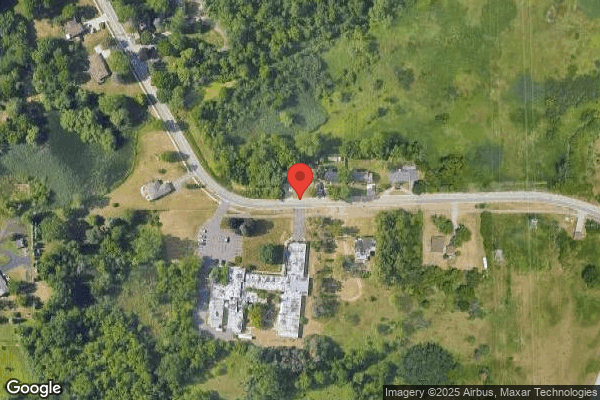
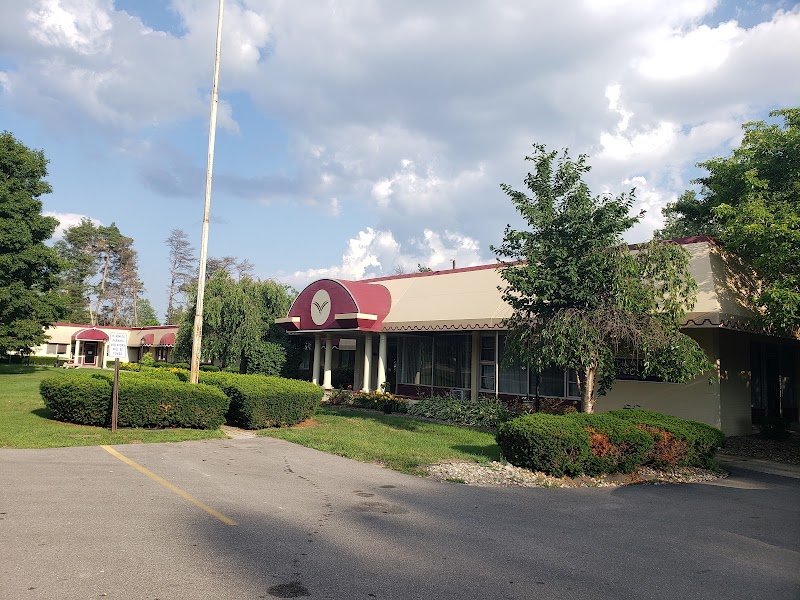
1255 West Silverbell Road, Orion, MI 48359 (248) 391-0900
For profit - Individual 106 Beds VILLA HEALTHCARE Data: November 2025
Trust Grade
0/100
#419 of 422 in MI
Last Inspection: June 2025

Inspected within the last 6 months. Data reflects current conditions.

Overview

The Villa at Silverbell Estates has received a Trust Grade of F, indicating significant concerns about the facility's quality of care. It ranks #419 out of 422 nursing homes in Michigan, placing it in the bottom half of all facilities in the state, and #42 out of 43 in Oakland County, suggesting only one local option is better. While the facility is showing an improving trend, reducing issues from 22 in 2024 to 13 in 2025, it still faces serious challenges. Staffing is a concern with a rating of 2 out of 5 stars and a turnover rate of 54%, which is average for Michigan but still indicates instability. Additionally, the facility has incurred $108,662 in fines, higher than 87% of state facilities, raising alarms about compliance issues. Positive aspects include a 4 out of 5 stars rating for quality measures, indicating some effective care practices are in place. However, specific incidents raise serious concerns: one resident fell while attempting to transfer without adequate staff assistance, resulting in a fracture, and another resident developed a severe infected wound due to inadequate wound care practices. These incidents highlight both the facility's strengths and significant areas needing improvement.
Trust Score
F
0/100
In Michigan
#419/422
Bottom 1%
Safety Record
High Risk
Review needed
Inspections
Getting Better
22 → 13 violations
Staff Stability
⚠ Watch
54% turnover. Above average. Higher turnover means staff may not know residents' routines.
Penalties
✓ Good
$108,662 in fines. Lower than most Michigan facilities. Relatively clean record.
Skilled Nurses
⚠ Watch
Each resident gets only 18 minutes of Registered Nurse (RN) attention daily — below average for Michigan. Fewer RN minutes means fewer trained eyes watching for problems.
Violations
⚠ Watch
52 deficiencies on record. Higher than average. Multiple issues found across inspections.
★☆☆☆☆
1.0
Overall Rating
★★☆☆☆
2.0
Staff Levels
★★★★☆
4.0
Care Quality
★☆☆☆☆
1.0
Inspection Score
Stable
2024: 22 issues
2025: 13 issues

The Good

  • 4-Star Quality Measures · Strong clinical quality outcomes
  • Full Sprinkler Coverage · Fire safety systems throughout facility
  • No fines on record

Facility shows strength in quality measures, fire safety.

The Bad

1-Star Overall Rating

Below Michigan average (3.1)

Significant quality concerns identified by CMS

Staff Turnover: 54%

Near Michigan avg (46%)

Higher turnover may affect care consistency

Federal Fines: $108,662

Well above median ($33,413)

Significant penalties indicating serious issues

Chain: VILLA HEALTHCARE

Part of a multi-facility chain

Ask about local staffing decisions and management

The Ugly 52 deficiencies on record

6 actual harm
Sept 2025 2 deficiencies
CONCERN (D) 📢 Someone Reported This

A family member, employee, or ombudsman was alarmed enough to file a formal complaint

Potential for Harm - no one hurt, but risky conditions existed

Report Alleged Abuse (Tag F0609)

Could have caused harm · This affected 1 resident

**NOTE- TERMS IN BRACKETS HAVE BEEN EDITED TO PROTECT CONFIDENTIALITY** This citation pertains to Complaint #2582127.Based on observation, interview, and record review, the facility failed to report a...

Read full inspector narrative →
**NOTE- TERMS IN BRACKETS HAVE BEEN EDITED TO PROTECT CONFIDENTIALITY** This citation pertains to Complaint #2582127.Based on observation, interview, and record review, the facility failed to report an injury of unknown origin to the Administrator/Abuse Coordinator within the required timeframe for one (R801) of two residents reviewed for abuse. Findings include: A review of a complaint submitted to the State Agency revealed an allegation that on 7/25/25 at 8:00 PM, R801 was observed to not be herself, she wasn't speaking and seemed to have a change in condition. It was alleged R801 had bruising around the resident's collar bone area. A full body assessment was completed, the Administrator was contacted, and R801 was sent to the hospital for further assessment. It was alleged R801 was dropped from the (mechanical) lift by (Certified Nursing Assistant - CNA 'B' earlier in the day.On 9/2/25 at 8:07 AM, an interview was conducted with the complainant. When queried about what happened with R801, the complainant reported they believed R801 was injuring while being given a shower by CNA 'B'. The complainant reported R801 had a broken collar bone and significant bruising on her body. When queried about whether R801 was able to say what happened, the complainant reported at the time of the injury, R801 had a change in condition and was not as responsive as they typically were. The complainant asked other staff if that was normal for R801 and they said it was not and R801 was sent to the hospital.On 9/2/25 at 10:18 AM, R801 was observed lying in bed. When asked if she recently had an injury, R801 reported she did. When asked how it happened, R801 stated, I fell. When asked for additional details and how the fall occurred, R801 stated, I don't remember. When asked what kind of injury she had, R801 stated, I don't remember but said it was her shoulder. A review of R801's clinical record revealed R801 was admitted into the facility on [DATE] and readmitted on [DATE] with diagnoses that included: dementia and contracture of the left hip. A review of a Minimum Data Set (MDS) assessment dated [DATE] revealed R801 had moderately impaired cognition, no behaviors, had impairment to one side in the lower and upper extremities, required substantial/maximal assistance for showers/bathing and rolling left and right, and was dependent on staff for assistance with standing from a sitting position, transferring from the chair to bed and the bed to chair, toilet transfers, and tub/shower transfers. It was documented that R801 did not walk.A review of R801's progress notes revealed a Health Status Note dated 7/25/25 at 2:45 AM, written by Licensed Practical Nurse (LPN) 'C', that noted, Writer was notified by aide that she observed skin discoloration on right arm and breast around to middle of back from shoulder to mid trunk. Colors ranging from yellow to dark purple. per resident no pain wasn't dropped, and she didn't fall or afraid to be at facility .sending resident to hospital .A review of a Facility Reported Incident (FRI) submitted to the State Agency revealed the incident occurred 7/25/25 at 2:30 AM and was discovered at the same time. The incident was reported to the State Agency on 7/25/25 at 2:36 AM. It was documented in the Investigation Summary that On July 25, 2025, during care, (R801) presented with discoloration to her chest and arm area. (CNA 'B') first noted the discoloration and notified her nurse immediately. (LPN 'C') was the assigned nurse. (LPN 'C') completed an assessment and reported the findings to the Administrator as an Injury of Unknown Origin .(R801) stated that she did not recall anything happening to her .Physician was notified, and order was obtained to have patient transferred to hospital for further evaluation related to discoloration and history of chronic fractures. (R801) was admitted to (hospital). All x-rays and MRIs were negative for acute fractures .received a blood transfusion for her anemia and re-admitted back to (facility) .A review of the nursing staff schedule, assignment sheets, and time punches for CNA 'B' for 7/24/25 and 7/25/25, revealed CNA 'B' was assigned to R801 on 7/24/25 during the afternoon shift and punched out at 10:30 PM, four hours prior to when LPN 'C' reported the injury to the Administrator (at 2:30 AM on 7/25/25). On 9/2/25 at 1:20 PM, an interview was conducted with CNA 'B' who was assigned to R801 on 7/24/25 during the afternoon shift. CNA 'B' acknowledged she was familiar with R801 and was assigned to her on 7/24/25. When queried about what happened during that shift, CNA 'B' reported she did not know what actually happened, but she noticed bruising to R801's arm. CNA 'B' asked another CNA if that was normal for the resident and they said it was. CNA 'B reported another CNA assisted R801 into bed and CNA 'B' then undressed R801 to wash her up and put a gown on and I started freaking out because it (the bruising) was really bad. CNA 'B' said R801 had bruising to the right side of her arm, under her breast, and going down her back. CNA 'B' ran to get the nurse because she had not worked with R801 in a while and asked the nurse to assess the resident. CNA 'B' explained the nurse came to R801's doorway and did not enter the room, then asked CNA 'B' to feel under R801's arm for warmth and said it meant she did not fall and walked out of the room. CNA 'B' said she started asking R801 questions about what happened and R801 said she did not know. R801 said she did not have pain, but CNA 'B' said when her arm was moved or when touched it was obvious that she had pain. CNA 'B' said she told the next shift CNA what was going on and heard they sent the resident to the hospital the next day. When queried about the time when she notified the nurse, CNA 'B' reported it was around 7:00 or 8:00 PM. R801 was in a wheelchair at the beginning of the shift. R801 needed to be changed but refused to lay down and wanted to wait for her husband. Assistance was provided with dinner. And around 7:00 PM or 8:00 PM, CNA 'F' helped CNA 'B' put R801 in bed and that was when the bruising was seen. When queried about what the bruises looked like, CNA 'B' reported they were various colors that ranged from yellow, green, and burgundy. When queried about the facility's protocol for when a resident had a suspicious injury of unknown origin, CNA 'B' explained they reported to the nurse and Administrator. CNA 'B' explained she only reported to the nurse.On 9/3/25 at 9:05 AM, an interview was conducted with CNA 'I' via the telephone. CNA 'I' confirmed she was assigned to R801 on 7/23/25 on the midnight shift (approximately one whole day prior to when the bruising was reported to the Administrator). When queried about R801 and if she was aware of any injuries to the resident, CNA 'I' said on 7/23/25 she noticed bruises to R801's breast area and said the bruises did not appear fresh and stated, It was more like it had been there for a minute. When queried about what she did after she noticed the bruising, CNA 'I' said she did not do anything and said the previous CNA did not report anything to her. CNA 'I' said she should have notified the nurse.On 9/3/25 at 9:15 AM, an interview was conducted with CNA 'F' via the telephone. CNA 'F' confirmed she worked on the afternoon shift on 7/24/25 and was not R801's assigned CNA. When queried about any interaction she had with R801 on that shift, CNA 'F' reported a coworker asked for help getting R801 into the bed. When they got R801 into the room, CNA 'F's coworker (CNA 'B') showed her the bruises on R801's arm. CNA 'F' said they did not know what happened and R801 said she did not remember so CNA 'B' talked to the nurse. CNA 'F' reported she transferred R801 into the bed by picking her up around her back and once in bed CNA 'B' took over providing care and CNA 'F' left the room. On 9/3/25 at 9:32 AM, an interview was conducted with CNA 'G' via the telephone. CNA 'G' confirmed she worked on 7/24/25 on the afternoon and midnight shifts. When queried about what happened with R801, CNA 'G' reported around shift change, at approximately 11:00 PM, the nurse on shift (LPN 'C') asked CNA 'G' if she was familiar with R801 and if how she was presenting was normal for the resident. CNA 'G' said when she saw R801 she was not in the condition she was usually in. CNA 'G' said R801 was not responding to staff's questions and appeared out of it. CNA 'G' reported R801 typically communicated with staff. CNA 'G' said she saw a dark colored bruise on her breast, back area, and collar bone area. CNA 'G' stated, I was really concerned about the resident. At that time, LPN 'C' called 911 and reported it to the Administrator. Further review of the facility's FRI investigation revealed the following handwritten and signed statements from staff:CNA 'H' (worked the midnight shift on 7/24/25) - Around 1 (1:00 AM) I was approached by the nurse, she asked if I was familiar with (R801) .She said another aid <sic> brought it to her attention (R801) had bruises and since she was unfamiliar with her she wanted me to verify if any abnormalities were found. When she went to assess (R801) I went with her and did notice that (R801) had very bad bruising on her right side under her arm and it went up to her breasts and down her back in about a foot's length. I told her it was not normal. She started to report the incident .CNA 'I' - I had (R801) July 23, 2025 .When I changed her I saw bruises. I believe on her chest and/or arm .Other than that I don't recall the last time I had that set. Also, no one told me about them, so I assumed someone knew. I should have told the nurses!CNA 'G' - I was asked by (LPN 'C') to come in the room (R801) to assess the resident. (LPN 'C') look at the patient arm and noticed bruises on her left arm. (LPN 'C') observed the patients skin for assessment also (LPN 'C') pulled the gown down to look further and noticed a big bruise on her chest, left breast and also noticed a large lump on shoulder near chest area. She immediately contacted the administrator. (LPN 'C') asked multiple staff did anyone know how her patient status is and everyone said they don't know what was her status before this state that she was in . I told (LPN 'C') this was not her normal state she is usually very alert and responsive. And the patient was not really responding to questions that (LPN 'C') was asking. (LPN 'C') sent patient out for evaluation due to the condition she was in.CNA 'B' (telephone interview) - .(CNA 'F') put her (R801) to bed .her right arm was yellow/green around 8pm .She didn't want to lay down .When (CNA 'B') undressed her she noticed the rest of her bruises on the right side of body .Reported to (LPN 'C') .Asked resident if she fell and resident stated 'I don't remember' .no pain except to the touch .LPN 'C' - Writer was informed by aide resident have a bruise on right arm. The aide stated she's not familiar with the resident and don't know if it's the normal for resident. Writer responded telling aide I'm not familiar with the resident, but it's not orders for skin injuries. Writer proceeded to the room with a aide who know resident. That is when writer notice the resident had more than just bruise on the arm. Writer observed discoloration and a know the size of a grapefruit. Writer asked resident did she fall or get injured. Resident stated no. Proceed to ask if afraid to be in facility. Resident said no. Writer contacted Administrator at this time to report abuse.On 9/3/25 at 12:01 PM, an interview was conducted with the Administrator who was the Abuse Coordinator for the facility. The Administrator was not employed by the facility at the time on the investigation. The former Administrator was no longer employed with the facility. The Administrator was asked to explain the facility's protocol when an injury of unknown origin was identified. The Administrator reported if an injury is identified, it was reported to the nurse, but that it should always be reported to the Administrator as well. When queried about what was considered an injury of unknown origin, the Administrator reported anything abnormal such as a bruise, cut, or open area that cannot be explained should be immediately reported to the Administrator. At that time, the FRI investigation was reviewed with the Administrator. When queried about the statement written by CNA 'I' that noted she identified bruising on 7/23/25 but did not report to anyone, the Administrator reported the injury should have been reported at that time. When queried about LPN 'C' not reporting to the Administrator until 2:30 AM on 7/25/25, when CNA 'B' notified her of the bruising on 7/24/25 during the afternoon shift, the Administrator reported it should have been reported immediately based on the extent of the bruising. A review of a facility policy titled, Abuse, Neglect, Exploitation, Mistreatment and Misappropriation of Resident Property, dated 11/28/17, revealed , in part, the following: .An injury should be classified as an injury of unknown source when both of the following conditions are met .The source of the injury was not observed by any person or the source of the injury could not be explained by the resident .The injury is suspicious because of the extent of the injury or the location of the injury .or the number of injuries observed at one particular point in time of the incident of injuries over time .Investigation of injuries of Unknown or Suspicious injuries: must be immediately investigated to rule out abuse: .injuries include, but are not limited to .bruising of the .chest .and breast .bruises of an unusual size, multiple unexplained bruises, and/or bruising in an area not typically vulnerable to trauma .The facility will ensure that all alleged violations .including injuries of unknown source .are reported immediately, but not later than 2 hours after the allegation is made, if the events that cause the allegation involve abuse or result in serious bodily injury .to the administrator of the facility and to other officials .
CONCERN (D) 📢 Someone Reported This

A family member, employee, or ombudsman was alarmed enough to file a formal complaint

Potential for Harm - no one hurt, but risky conditions existed

Quality of Care (Tag F0684)

Could have caused harm · This affected 1 resident

**NOTE- TERMS IN BRACKETS HAVE BEEN EDITED TO PROTECT CONFIDENTIALITY** This citation pertains to Complaint #2582127.Based on observation, interview, and record review, the facility failed to adequate...

Read full inspector narrative →
**NOTE- TERMS IN BRACKETS HAVE BEEN EDITED TO PROTECT CONFIDENTIALITY** This citation pertains to Complaint #2582127.Based on observation, interview, and record review, the facility failed to adequately assess the resident's skin and conduct a thorough assessment for a potential change in condition for one (R801) of two residents reviewed for abuse. Findings include: A review of a complaint submitted to the State Agency revealed allegations that on 7/25/25, when rounding on the residents, R801 appeared to not be herself, she wasn't speaking and seemed to have a change in condition. It was alleged R801 had bruising around the collar bone area and was sent to the hospital. On 9/2/25 at 10:18 AM, R801 was observed lying in bed. When asked if she injured herself recently, she said she did. When asked how it happened, she said she fell. When asked for more details she said I don't remember. When asked what kind of injury she had she said I don't remember but said it was her shoulder. R801 appeared contracted in the lower extremities as her legs were bent up toward her body. A review of R801's clinical record revealed R801 was admitted into the facility on [DATE] and readmitted on [DATE] with diagnoses that included: dementia and left hip contracture. A review of a Minimum Data Set (MDS) assessment dated [DATE] revealed R801 had moderately impaired cognition.A review of R801's progress notes revealed a note written by Licensed Practical Nurse (LPN) 'C' on 7/25/25 at 2:45 AM that noted, Writer was notified by aide that she observed skin discoloration on right arm and breast around to middle of back from shoulder to mid trunk. colors ranging from yellow to dark purple. per resident no pain wasn't dropped and she didn't fall or afraid to be at facility .sending resident to hospital . On 9/2/25 at 8:07 AM, an interview was conducted with LPN 'C'. When queried about R801, LPN 'C' reported when she worked on 7/24/25-7/25/25, R801 had an injury to her collar bone. LPN 'C' reported R801 was typically able to participate in conversations, but on that shift she was assessed to have a change in condition and was not as responsive as she usually was. LPN 'C' reported she confirmed the resident's presentation as being not typical with other staff who were more familiar with the resident. On 9/2/25 at 1:20 PM, an interview was conducted with CNA 'B' who was assigned to R801 on 7/24/25 during the afternoon shift. CNA 'B' acknowledged she was familiar with R801 and was assigned to her on 7/24/25. When queried about what happened during that shift, CNA 'B' reported she did not know what actually happened, but she noticed bruising to R801's arm and then when she provided care, she noticed bruising to the right side of her arm, under her breast, and going down her back and said it was really bad. CNA 'B' ran to get the nurse because she had not worked with R801 in a while and asked the nurse to assess the resident. CNA 'B' explained the nurse came to R801's doorway and did not enter the room, then asked CNA 'B' to feel under R801's arm for warmth and said it meant she did not fall and walked out of the room. CNA 'B' said she started asking R801 questions about what happened and R801 said she did not know. R801 said she did not have pain, but CNA 'B' said when her arm was moved or when touched it was obvious that she had pain. CNA 'B' said she told the next shift CNA what was going on and heard they sent the resident to the hospital the next day. When queried about the time when she notified the nurse, CNA 'B' reported it was around 7:00 or 8:00 PM. When queried about what the bruises looked like, CNA 'B' reported they were various colors that ranged from yellow, green, and burgundy.On 9/3/25 at 9:32 AM, an interview was conducted with CNA 'G' via the telephone. CNA 'G' confirmed she worked on 7/24/25 on the afternoon and midnight shifts. When queried about what happened with R801, CNA 'G' reported around shift change, at approximately 11:00 PM, the nurse on shift (LPN 'C') asked CNA 'G' if she was familiar with R801 and if how she was presenting was normal for the resident. CNA 'G' said when she saw R801 she was not in the condition she was usually in. CNA 'G' said R801 was not responding to staff's questions and appeared out of it. CNA 'G' reported R801 typically communicated with staff. CNA 'G' said she saw a dark colored bruise on her breast, back area, and collar bone area. CNA 'G' stated, I was really concerned about the resident. At that time, LPN 'C' called 911 and reported it to the Administrator. A review of an investigation conducted by the facility revealed statements written by staff that revealed the following:CNA 'G' - I was asked by (LPN 'C') to come in the room (R801) to assess the resident. (LPN 'C') look at the patient arm and noticed bruises on her left arm. (LPN 'C') observed the patients skin for assessment also (LPN 'C') pulled the gown down to look further and noticed a big bruise on her chest, left breast and also noticed a large lump on shoulder near chest area. She immediately contacted the administrator. (LPN 'C') asked multiple staff did anyone know how her patient status is and everyone said they don't know what was her status before this state that she was in . I told (LPN 'C') this was not her normal state she is usually very alert and responsive. And the patient was not really responding to questions that (LPN 'C') was asking. (LPN 'C') sent patient out for evaluation due to the condition she was in.Further review of R801's progress notes revealed no documentation by the nurse of the presentation of the discoloration to include the size and color of the discoloration. It should be noted that the progress note written by LPN 'C' only documented what the CNA reported to her. There was no documentation of how R801 was monitored after CNA 'B' reported the bruising on the afternoon shift until R801 was sent to the hospital at 2:30 AM. There was no documentation of the change in condition reported by LPN 'C' and CNA 'G' in the above-mentioned interviews.A review of R801's vital signed revealed the last vital signs were taken at 5:19 PM on 7/24/26, approximately nine hours before R801 was sent to the hospital.A review of R801's Skin Observation assessments revealed no documented skin assessment between 7/5/25 and 7/30/25. Further review of the investigation conducted by the facility revealed a statement by CNA 'I' that noted she saw bruising to R801's chest and/or arm on 7/23/25 but did not report it to anyone. On 9/3/25 at 12:30 PM, an interview was conducted with the Director of Nursing (DON). When queried about the facility's protocol when a resident had a potential change in condition, the DON stated, In an emergency like that (referring to R801) you just want to ensure the safety of the patient. When queried about what changed between the afternoon shift and the midnight shift that made LPN 'C' decide to send R801 to the hospital, the DON reported she was on vacation during that time, but R801 was sent out for bruising and did not have a change in condition. The DON reported she expected the nurses to inspect skin and pain and if the resident did not say she was in pain, the nurse probably just continued on with passing medications. The DON reiterated that she was not working during the time of the hospital transfer, but that nobody reported a change in condition, just the bruising. It should be noted that the former Administrator conducted the investigation that noted staff's statements about the change in mentation. The DON was not aware no skin assessments were completed between 7/5/25 and 7/30/25. On 9/3/25 at 12:39 PM, an interview was conducted with the Assistant Director of Nursing (ADON) who said she returned to work the day R801 was sent to the hospital. When queried about the assessment protocol when a resident had a potential change in condition, the ADON said a full assessment of the resident should be done, including skin assessment, pain assessment, and vital signs and they would be documented in the progress note and/or evaluations. The ADON did not have an explanation as to why there was no assessment or monitoring between the afternoon shift when CNA 'B' first reported the bruising to LPN 'C and 7/25/25 at 2:30 AM when R801 was sent to the hospital. The ADON reported she was not aware R801 was acting differently.
Jun 2025 11 deficiencies 2 Harm
SERIOUS (G)

Actual Harm - a resident was hurt due to facility failures

Quality of Care (Tag F0684)

A resident was harmed · This affected 1 resident

**NOTE- TERMS IN BRACKETS HAVE BEEN EDITED TO PROTECT CONFIDENTIALITY** R80 Record review revealed R80 was a long-term resident of the facility, originally admitted on [DATE]. R80 had a recent hospita...

Read full inspector narrative →
**NOTE- TERMS IN BRACKETS HAVE BEEN EDITED TO PROTECT CONFIDENTIALITY** R80 Record review revealed R80 was a long-term resident of the facility, originally admitted on [DATE]. R80 had a recent hospitalization and they were readmitted back to the facility on 3/18/25. R80's admitting diagnoses included pneumonia, congestive heart failure, chronic kidney disease, major depressive disorder, and gout. Based on Minimum Data Set (MDS) assessment dated [DATE], R80 had a Brief Interview for Mental Status (BIMS) score 9/15, indicative of moderate cognitive impairment. R80 had a guardian (daughter) who was making decisions on their behalf. An initial observation was completed on 6/17/25 at approximately 10:20 AM, R80 was observed in their bed with a brief. They had their eyes closed but opened their eyes when called upon but did not answer to any questions. At approximately 11:15 AM, during a follow up observation from the doorway, R80 was observed with a brief only, no other clothes. Certified Nursing Assistant (CNA) T assigned to care for R80 was observed in the hallway and reported that R80 were not feeling well and did not want any clothes on and they were just trying to keep them comfortable. Later that day, at approximately 1:20 PM, R80 was observed in bed with a lunch tray on their bedside table. The tray had a sloppy joe, potatoes, vegetables and dessert. The servings appeared that they were not eaten. The tray had an empty juice glass. R80 stated that they were not hungry. R80 added that their back was bothering them and they needed someone to reposition them in bed. Review of R80's Electronic Medical Record (EMR) revealed an order dated 6/9/25 for blood tests that included CBC (Complete Blood Count), CMP (Comprehensive Metabolic Panel) and urine tests that included UA C&S (Urinalysis - Culture and Sensitivity). R80 also had an order to start Intravenous (IV) Fluids which was changed hypodermoclysis (fluids administered through skin) on 6/9/25. Review of R80's weight record revealed that R80 had weight fluctuations after they were readmitted back to the facility. The Registered Dietician note dated 6/9/25 revealed that R80 had been eating at more than 51% of their meals and they were going to monitor weights weekly. Review of R80's amount eaten record between 5/30/25 and 6/17/25 revealed 20 entries with less than 50% of intake and 9 entries where R80 refused their meals. There were no additional interventions added to address the recent change until the concern was brought to the facility's attention on 6/17/25. Review of R80's Practitioner progress note dated 6/9/25 read in part, Patient seen and examined per nursing for increase in lethargy and some disorientation .He states he is not hungry. The plan section of the note had multiple orders that included check CBC, CMP and UA C&S, nutritional support, start peripheral IV 0.9 NS (normal saline) etc. Review of R80's lab results dated 6/12/24 revealed multiple abnormal lab values including low hemoglobin, high creatinine, low protein, low sodium, low potassium etc. The results for the urinalysis (including culture and sensitivity) to rule out any infection were not in R80's EMR. Further review of R80's records did not reveal any evidence that the physician or the practitioner were notified of abnormal labs. There was no evidence of urine test results (ordered on 6/9/25) including culture and sensitivity to rule out any potential infection. There was no evidence of follow up by the physician or practitioner. There were no nursing progress notes between 6/1/25 to 6/17/25 with pertinent assessments/follow-ups on recent changes with R80's condition. There was one skin observation note and one care conference between 6/1/25 and 6/17/25. Review of the physician communication book/log revealed one entry for R80 dated 6/8/25 that read in part can we get labs, more lethargic declining . There were no further entries on the log that showed that the abnormal lab results were communicated with the physician/practitioner. An interview with CNA T was completed on 6/17/25 at approximately 11:40 AM. CNA T reported that were familiar with the resident and confirmed that they were assigned to care for R80 during that shift. They added that they typically worked on another unit. They were queried if R80 had their breakfast and how they were doing. CNA T reported that R80 had not been feeling well and they did not want to get dressed. They had put a gown on earlier and R80 had ripped it off. They added that R80 did not eat well and depended on the day and food. They added that R80 had not been feeling well and they were keeping them comfortable. An interview with Licensed Practical Nurse (LPN) C who was assigned to care for R80. They were questioned on how R80 was doing. LPN C reported that R80 refused to eat at times and they gave pain medication some time ago. LPN C also added that R80 function varied depending on the day. An interview with Unit Manager (UM) U was completed on 6/17/25 at approximately 2:35 PM. They were questioned about the R80 recent change in condition and how often physician/practitioners were following up. UM U reported that the practitioner comes into the facility three times/week to see the residents. They added that R80 was seen on 6/9/25 and they ordered labs and fluids that were administered. They were queried about the lab results. They reviewed the EMR and shared the blood test results and checked for urine test results on the lab portal. After reviewing the lab portal UM U reported that they were not able locate the urine test results. They added they believed that sample was picked up, but were not sure what happened. They confirmed that that there was no evidence on EMR and lab portal on what happened with the urine test. They added that they would check with the Director of Nursing (DON) and report back. A follow-up interview with the Unit Manager UM U was completed on 6/18/25 at approximately 8:05 AM. They were questioned if they had any additional information about the urine test results. UM U reported that they spoke with the DON and was notified that the facility had done a dip stick test (a urine dipstick test is a method to analyze urine for various substances and conditions, using a plastic strip with chemical pads that change color to indicate the presence or concentration of specific substances - Source: Mayo Clinic) and the test was negative. They were queried further about the evidence of negative dip stick test results, communication with the practitioner on the urine and abnormal blood test results. They reported that they were having problems with their lab services and they had recently taken over the responsibility for the lab follow up, approximately two weeks ago. They were not in the facility on 6/13/25 and not sure what happened. They added that they were trying to streamline the process and did not provide any further explanation. They were notified of the concern regarding timely/ongoing follow-up with change in condition and notification of physician/practitioner. UM U agreed on the concern and reported that they would be following up with their staff. An interview with R80's guardian was completed on 6/18/25 at approximately 11:45 AM. They added that they lived 45 minutes away from the facility. They added that R80 had been more withdrawn lately, in the last week. The guardian also reported that a staff member from the facility had called earlier today and notified them of the lab results from last week (after the concern was brought to the attention of the facility). An interview with the DON was completed on 6/18/25 at approximately 10:15 AM. The DON was shared on the observations and queried about urine test results that were not completed,the recent change in condition for R80, and the physician/practitioner notification on abnormal labs and their follow up. They reported that all their nursing staff did not have a log in and nursing leadership including the DON, ADON (Assistant Director of Nursing), and their Unit Managers had access. They added that unit managers had printed the labs and left in them in the physician book for review and follow up. They added they completed the urine dip stick test. They did not know if anyone had notified the practitioner of the lab results. The dip stick test results were added to the physician book. The DON did not provide any further explanation. They were notified of the concerns and they agreed and reported that they had already started educating their staff. On 6/18/25 at approximately 12:40 PM, the facility administrator was notified of the concerns with R80's overall change in condition, interdisciplinary team follow-up, physician/practitioner notification and follow up after tests were ordered. The Administrator reported the concerns were shared by the DON and they understood the concerns. A facility provided document titled Notification of Changes Guideline with a revision date of 7/24/19 read in part, Purpose: It is the practice of this facility that changes in a resident's condition or treatment are immediately shared with the resident and/or the resident representative, according to their authority, and reported to the attending physician or delegate (hereafter designated as the physician). The resident and/or their representative will be educated about treatment options and supported to make an informed choice about care preferences when there are multiple care options available. All pertinent information will be made available to the provider by the facility staff. Nurses and other care staff are educated to identify changes in a resident's status and define changes that require notification of the resident and/or their representative, and the resident's physician, to ensure best outcomes of care for the resident. The facility will update physician contact information and resident representative(s) mail, email and phone number periodically for compliance with 483.15 (c) (2). Responsible Party: Clinical Guideline CENTERS FOR MEDICAID AND MEDICARE SERVICES (CMS) - DEFINITIONS Non-Physician Practitioner (NPP): include Nurse Practitioner, Physician Assistant and Certified Nurse Specialist NP - Nurse Practitioner PA - Physician Assistant CNS -Certified Nurse Specialist Significant Change in status - deterioration in health, mental or psychosocial status in life threatening conditions or clinical complications Significant alteration in treatment - A need to alter treatment significantly. A significant treatment alteration includes the need to discontinue an existing form of treatment due to adverse consequences, or to commence a new form of treatment. OBJECTIVE OF THE NOTIFICATION OF CHANGE GUIDELINE The objective of the notification guideline is to ensure that the facility staff makes appropriate notification to the physician and delegated Non-Physician Practitioner and immediate notification to the resident and/or the resident representative when there is a change in the resident's condition, or an accident that may require physician intervention. The intent of the guidelines is to provide appropriate and timely information about changes relevant to a resident's condition or change in room or roommate to the parties who will make decisions about care, treatment and preferences to address the changes. OVERVIEW OF COMPONENTS OF THE GUIDELINE 1. Requirements for notification of resident, the resident representative and their physician: 1) An accident involving the resident, which results in injury and has the potential for requiring physician intervention. 2) A significant change in the resident's physical, mental, or psychosocial status. (i) A significant change includes deterioration in health, mental, or psychosocial status in either life-threatening conditions or clinical complications. 3) A need to alter treatment significantly. (i) A significant treatment alteration includes the need to discontinue an existing form of treatment due to adverse consequences, or to commence a new form of treatment. 2. Requirements for notification of resident and/or resident representative(s), consistent with their authority. (i) A change in room or roommate assignment (483.10 (e) (6). (ii) A change in resident rights under Federal or State law or regulations (483.10 (e) (10). (ii) A change in room or roommate assignment (483.10 (e) (6). (ii) A change in resident rights under Federal or State law or regulations (483.10 (e) (10). (iii) A decision to transfer or discharge the resident from the facility as specified in 483.15 (c) (1) (ii) . Based on observation, interview and record review, the facility failed to notify a physician and monitor and assess a change in condition for two residents (R80, R86) of two residents reviewed for a change in condition. Findings include: R86 A review of the record revealed that on 4/13/25 a progress note was written at 5:07 PM, stated in summary At approx. (approximately) 1320(1:20PM) resident propelled self to go outside to smoke and told staff with resident that she was having a hard time breathing but continued to smoke about half a cigarette, resident then came inside and was taken by activity staff to room. Resident noted to have discoloration and difficulty breathing upon arrival in room at 1330(1:30PM) . At approx. 1334(1:34PM) , resident was assessed by nurses on staff, and was noted to have no pulse and was no longer breathing. Resident NP(nurse practitioner) .notified at approx. 1340(1:40PM). Resident TOD(time of death) was at 1336(1:36PM). EMS (emergency medical services) and .sheriff arrived on scene and retrieved statements from staff and verified resident DNR(do not resuscitate). Resident guardian called and message left for guardian to call back at approx. 1340(1:40PM). Resident guardian called at approx. 1412(2:12PM) again with no answer and message left for guardian to call facility. Resident guardian called again, and message left at approx. 1545(3:45PM) . A review of the record revealed that on 4/12/25 at 3:36 PM, there was a documented oxygen saturation (O2 stat) of 82% (normal is 90-100%). A further review of the record indicated that the medical doctor was not contacted, nor was any interventions put in place or carried out regarding the low reading. R86's Brief Interview for Mental Status Score(BIMs) was an 11 (completed on 4/1/25), which indicated mild cognitive impairment. On 6/17/25 at 10:25 AM, an interview with the Assistant Director of Nursing (ADON) was conducted. The ADON was asked what the facility's policy for a change in condition was, what is considered a change in condition and would they treat a person with the code status of DNR the same a full code. The ADON reported that a change in condition was considered something different from an individual's baseline. The DON explained that the facility staff would assess, take vitals and call the physician, execute orders if any were given and if its life threatening and needs immediate intervention, call 911 to send them out. The ADON reported that, the same assessment would be completed for a person with a DNR code status. On 6/17/25 at 10:45 AM, an interview with Nurse AA was conducted. Nurse AA was asked, who was responsible for taking vital signs for residents and what was the process for a resident who experienced a change of condition. Nurse AA reported that the Certified Nurse Assistant (CNA) was responsible for taking vital signs and supposed to report anything abnormal. For a change in condition, Nurse AA stated they would take vitals, assess the resident, call the physician and family, get orders if any are given, and if it's needed send the resident to the hospital. Nurse AA was asked about R86's decrease in O2 saturation, and if they where aware of the change in condition. Nurse AA reported they did not and that R86 presented how they usually did, short of breath and wanted to smoke. Nurse AA did not recall if someone told them about the decrease in O2 saturation. On 6/17/25 at 11:00AM, CNA Z was called via phone and interviewed. CNA Z was asked what the protocol was when they obtained vital signs that were not within normal limits. CNA Z reported that, normally when a vital sign was out of range, they would report it to the nurse before charting it into the system, because the nurse would recheck them. CNA Z was then asked about the O2 recorded for R86 on 4/12/25 of 82%, CNA Z reported that they told the nurse because it looked wrong, but could not remember the nurse they reported it to. On 6/17/25 at 12:46PM, Activities Aide BB was interviewed and asked how was R86 presenting when they went for the 1 PM smoke break. Activities Aide BB reported that, R86 was coughing a whole lot and could not stop. The Activities Aide BB reported that they told R86 that they should not smoke, but R86 insisted and did. On the way back in, R86 needed help to get back to their room, so the smoke supplies were locked back up and then Activities Aide BB reported they rolled them back to their room, bent down to put their oxygen on, and R86 was blue. Activities Aide BB reported they ran to get the CNA on the unit and then the CNA got the nurse. On 6/17/25 at 11:35 AM, the Director of Nursing (DON) was interviewed and asked what would be expected for staff if a resident had and oxygen saturation of 82%. The DON reported that the nurses usually would send someone out to the hospital with saturations low. The DON was asked what happened with R86 who had an O2 saturation of 82% the day before they expired. The DON reported, they were sure the staff would have done something, (but did not document it), R86 had COPD (Chronic Obstructive Pulmonary Disease) and they would have not made it to the next day at 82%. The DON was asked to provide the information to show what staff did for the resident with a change in their saturation level. The DON reported they understood the concern and did not have any additional documentation to provide.
SERIOUS (G)

Actual Harm - a resident was hurt due to facility failures

Accident Prevention (Tag F0689)

A resident was harmed · This affected 1 resident

**NOTE- TERMS IN BRACKETS HAVE BEEN EDITED TO PROTECT CONFIDENTIALITY** Based on observation, interview, and record review, the facility failed to prevent a fall with major injury for one Resident (R4...

Read full inspector narrative →
**NOTE- TERMS IN BRACKETS HAVE BEEN EDITED TO PROTECT CONFIDENTIALITY** Based on observation, interview, and record review, the facility failed to prevent a fall with major injury for one Resident (R47) of two residents reviewed for falls. This resulted in actual harm for R47, who sustained a left ankle fracture, and a subsequent infection. Findings include: On 6/16/25 at 9:34 a.m., R47 was observed seated in their manual upright wheelchair in the dining room. R47 was leaning to the right side, with their weight distributed mainly over their right hip. Neither leg was supported by footrests. On 6/16/25 at 9:36 a.m., R47 stated, I was standing up to get in my wheelchair and I fell. I broke my foot a few months ago. I have healed up good .They put metal in it (surgical fixation to anchor the joint). R47 explained they fell transferring from their bed to their wheelchair, and they had to have surgery to fix their foot. R47 showed this Surveyor one finger, and stated, There was one person (staff assisting them), and I think there should have been two (staff assisting them) . Review of R47's Accident and Incident report, dated 12/05/24, revealed R47 had a witnessed fall in their room on 12/05/24 at 6:54 a.m. The report described an unnamed Certified Nurse Aide (CNA) was assisting R47 with a transfer from their bed to wheelchair when their knees buckled, and the CNA lowered R47 to the floor. After the fall, R47 complained of pain in their left ankle. R47 was assisted by two CNAs (Unnamed) back to their wheelchair. An X-ray was ordered to assess for further injury. R47 reported their pain level was 10/10 with 10 the highest pain level. The report revealed R47 was fully oriented. Review of R47's SBAR (Situation, Background, Assessment, and Recommendation) nursing assessment, dated 12/05/24 at 6:59 a.m., revealed, .(R47) had a fall. The fall was witnessed. CNA (one aide unnamed) was assisting resident with transfer from bed to wheelchair. Resident knees buckled and CNA lowered resident to floor .No injury .(R47) current fall score 5/20/25 showed (R47) remains at high risk for falls Review of R47's Minimum Data Set (MDS) admission assessment, dated 9/26/25 (prior to R47's fall with fracture), revealed they were admitted to the facility with diagnoses including stroke, hemiplegia or hemiparesis (one-sided weakness or paralysis), and dementia. The assessment revealed R47 required moderate assistance with bed mobility and transfers. The Brief Interview for Mental Status (BIMS) assessment revealed a score of 12/15, which showed cognitive impairment. Review of R47's MDS significant change assessment, dated 12/27/25, (after their fall), revealed they required moderate assistance for bed mobility (sit to lying) and maximal assistance for transfers, and a BIMS score of 13/15, which showed they were cognitively intact. Review of R47's post-fall evaluation dated 12/05/25 at 7:03 a.m., showed a score of 6, with a score above 5 indicating a resident was at high risk for falls .The report further revealed: There is new pain, post fall. 10/10 (with 10 the highest pain) in (left) ankle There is not a noted pattern to falls. The resident does not have any injury noted. New interventions for this fall that are being implemented: Have 2 CNA's (Certified Nurse Aides) for transfers to decrease risk for falls . Review of R47's 12/08/24 health status noted showed x-ray results shared with on-call provider, and (R47) to stay on bedrest until NP (nurse practitioner) follows up tomorrow. Continue with ice and PRN (as needed) pain medications . It was unclear why the x-ray was taken three days after R47's fall, when they had pain on 12/05/25 when the fall with injury occurred. Review of R47's 12/10/2024 health status note showed R47 stated that ice continued to manage pain in LLE ankle. PMR (Physical Medicine and Rehabilitation Physician) consulted with resident and referred resident to ortho. Review of R47's 12/17/24 health status note showed R47 had an ortho consult on 12/16/24, where R47 was scheduled for an ORIF (open reduced internal surgical fixation for stabilization) of their left ankle, due to minimally displaced bimalleolar fracture of LLE ankle on 12/20/24. Review of R47's 12/21/24 health status note revealed they returned to the facility after surgical fixation of their left ankle, wearing a large cast to their left leg, with elevation prescribed. On 1/03/25 at 10:51 a.m., R47's health status note revealed, (R47) had surgery f/u (follow up) appointment on 12/30/24. Surgeon (orthopedic) reports x-rays show ok healing. Incisions healing well, retained sutures removed and steri strips applied. Resident c/o (complaints of) no pain and wants to weight bear. Physician recommendations are to allow WBAT (weight bear as tolerated) on LLE (left lower extremity) with walking boot on. Bactrim DS (antibiotic was prescribed) BID (twice daily) for 14 days, wound care for wound infection and PT (Physical Therapy) for AAROM (active assistive range of motion) .Resident is to f/u in 2 weeks . This note showed R47 required surgery and an antibiotic for an infection after their fall. On 2/01/25 at 10:15 a.m., R47's IDT (Interdisciplinary Team Note) revealed, IDT met and discussed resident risks. Clinical- (R47) had redness and swelling on incision site. Culture results came back (positive for infection) and ABt (antibiotic) was changed. (R47) encouraged to elevate and keep treatment on incision .Skin - dehisced (reopening) of incision . On 2/21/25 at 10:49 a.m., R47's nursing progress note showed, .(R47) had f/u with Ortho (physician) this date. Ortho reports that (R47) continues to have purulent (thick and milky drainage from a wound, often from an infection) drainage with positive culture. X-ray shows hardware solidly bridged. Ortho ordered continued oral antibiotics for 14 more days at 4x's a day and ordered resident to have scheduled outpatient removal of hardware ASAP (as soon as possible) . Review of R47's 3/16/35 progress note at 3:41 a.m., revealed, Infection Note: (R47) continues on oral ABT (antibiotic) Bactrim .r/t (related to) infected hardware r/t ortho surgery x 2 weeks, until 3/25/25 . Review of R47's Kardex (care instructions to CNAs), accessed 6/17/25, revealed staff were using a mechanical lift/Hoyer lift when transferring R47. On 6/17/25 at 10:16 a.m., R47 was asked to clarify how they were currently transferring. R47 reported staff were using the sit to stand lift, not a Hoyer lift, and stated some staff were transferring them with one person assistance without the sit to stand lift. R47 reported sometimes they felt safe and sometimes they did not feel safe with one-person pivot transfers, depending upon which staff were transferring them. R47 stated they wished staff would always use the sit to stand lift, as it was easier to pull up their pants, as they struggled to stand. On 6/17/25 at 12:28 p.m., CNA D confirmed they regularly worked with R47. CNA D reported they completed a one-person pivot transfer for R47 to get them in and out of bed, or to use the toilet, but used a sit-to-stand lift when R47 was weak. CNA D stated a couple weeks prior they had used a sit-to-stand mechanical lift, as R47 had a urinary tract infection. CNA D stated before R47's fall they were a one-person transfer, as R47 stood up well at that time, and after the fall they required a full body mechanical lift to transfer. CNA D confirmed R47 had increased pain after their fall in December 2025. CNA D was asked if they had told the nurse when R47 was weak with transfers and stated they had not. On 6/17/25 at 2:37 p.m., CNA E was asked how they transferred R47 to and from their bed. CNA E reported they had worked with R47 the other day and stated R47 wanted to go to bed early and required a two-person assisted stand pivot transfer to transfer them from their wheelchair to bed, as R47 was declining. CNA E reported R47 was a one-person transfer prior to their fall. CNA E was asked if they shared with the nurse, management, or therapy R47 was declining, and stated they had not. On 6/17/25 at 5:25 p.m., a phone call was made to Registered Nurse (RN) V, who the nurse the Nursing Home Administrator (NHA) confirmed had worked with R47 at the time of their fall to set up an interview. No call was returned during the survey. On 6/18/25 at 8:34 a.m., this Surveyor requested a full investigation report via email, which would have included a Root Cause Analysis (RCA) for the fall, and witness statements, and a schedule of who worked with R47 on the date of the incident when they fell. On 6/18/25 at 8:36 a.m., CNA F and CNA G were observed transferring R47 from their bed to their manual wheelchair, with R47 granting permission for Surveyor observation. CNA G was observed to assist R47 in sitting up on the edge of their bed from laying down by pulling R47 up by grasping their upper arm. CNA F and CNA G were next observed to stand pivot transfer R47 to their wheelchair by lifting them and grasping them under and around their arms, without a gait belt, both times placing R47 at risk for injury. On 6/18/25 at 8:44 a.m., this Surveyor asked CNA F and CNA G about sitting R47 up from laying down by pulling on R47's right arm and grasping them by the arms during the transfer. CNA G reported using the gait belt scared them and they believed it was more supportive to hold R47 under their arms and hold the back of their pants. Both reported they didn't have extra gait belts handy in the facility, as only therapy used them to transfer residents, and they were not in the closets and bathrooms. Both reported sometimes they used a standing mechanical lift to transfer R47 with a second person and had told nursing management they needed to be using the standing lift with R47, as this was much easier. On 6/18/25 at 9:39 a.m., the Electronic Data file system was viewed, and it was noted R47's fall investigation report nor any witness statements were not loaded. On 6/18/25 at 9:40 a.m., the NHA was asked about the investigation report. The NHA reported they had some documents, which included the SBAR and fall assessments but no investigation report, which was brought to their attention. The NHA reported they would continue to look for the report. The NHA confirmed CNA H was the staff who transferred R47 when they fell, and CNA J assisted after R47's fall on 12/05/24 when they fractured their left ankle. On 6/18/25 at 9:48 a.m., CNA H was asked what happened during a phone interview when R47 fell on [DATE]. CNA H stated they were getting R47 up for the day and normally they used a sit-to-stand mechanical lift with R47 because they maybe had a stroke. CNA H explained they stood R47 up with the sit-to-stand lift, and R47 started to rush them and was standing up and began moving more than they should have been, when they noticed R47 was about to fall. CNA H reported they tried to put R47 back into bed when their legs buckled out and they were still buckled in the lift. CNA H reported they ran out of the room to get CNA I to assist them and said R47 did not fall but was sliding towards the ground. CNA I was asked if there was another way they could have obtained assistance, as leaving R47 in a mechanical lift may have placed them at risk for further injury. CNA H stated they had to leave R47 to get assistance. CNA H reported R47 blamed them for the incident. CNA H reported CNA I came into the room to assist them, and they pulled R47 up in the lift. CNA H explained they had worked with R47 prior to the fall and had not had problems transferring them. Review of R47's Care Plan, accessed 6/18/25, showed at the time of their fall on 12/05/25 they required physical assistance, however the type and amount of physical assistance was not specified, such as one or two person transfers, and how much assistance. There was no mention in the Care Plan at that time (on 12/05/25) of any mechanical lift being designated to transfer R47, only physical assistance, unspecified. On 6/18/25 at 10:03 a.m., CNA I was asked what they observed when R47 fell on [DATE] during a phone interview. CNA I stated they were coming from the nurse's station and CNA H asked them if they could help them get R47 off the floor. CNA I was asked to describe the scene, and stated R47 was on their knees by their wheelchair with their feet bent, and one foot was underneath the wheelchair. CNA I clarified they were absolutely positive there was no lift in the room or near R47. When asked how R47 transferred at that time, CNA I stated R47 required two-person transfers or the sit-to-stand lift, at that time, and further described they were not wearing a gait belt. CNA I stated R47 reported their foot was hurting, however they did not have an x-ray done for one to two days. When asked if anything different could have occurred, CNA I reported CNA H was a newer aide at the time and said they could have asked for assistance. They did not recall the nurse who was working that day. CNA I reported they recalled filling out a witness statement and turning it into nursing management. On 06/18/25 at 10:14 a.m., CNA H was asked who the nurse was on 12/05/24 when R47 fell and stated, I don't remember. CNA H was asked if they were positive they used a sit-to-stand lift to transfer R47 and said Yes. CNA H was asked if they completed a witness statement and responded Yes. On 6/18/25 at 10:29 a.m., the former Assistant Director of Nursing, ADON W, was called, with no return call by the end of the survey. On 6/18/25 at 10:30 a.m., RN V was called a second time, with no return call by the end of the survey. On 6/18/25 at 10:50 a.m., the NHA was emailed another request for any investigation report and or witness statements related to R47's fall on 12/05/24, with no response. Review of R47's Kardex, access on 6/18/25, revealed their transfer status had been changed from a mechanical/full body lift to two-person transfers. Review of R47's therapy records, received from the facility per request, revealed their PT discharge evaluation on 9/21/24 before their fall showed they transferred with partial/moderate assistance from bed to wheelchair and return. On 6/18/25 at 10:37 a.m., the NHA was asked again about the missing investigation report and witness statements, which two staff shared they completed during interviews. The NHA reported they knew they were completed, and they would find them. When asked who oversaw the investigation, the NHA acknowledged the former ADON, ADON W, completed some of the facility documentation, and Unit Manager, LPN A, had assisted them. The NHA was asked if they had another phone number for RN V, and reported the number they called was the same as the phone number the Surveyor had called. The NHA asked this Surveyor to look in the Electronic File System to see what they had loaded. This Surveyor reviewed with the NHA and noted the SBAR, x-rays, and the Rehab physician consult but shared there was no investigation report. The NHA stated they would keep looking for the investigation report and any witness statements. On 6/18/25 at 11:13 a.m., LPN A was asked if they had R47's fall investigation report and witness statements from 12/05/24, and if they investigated R47's fall with left ankle fracture on 12/05/25. LPN 'A shared the ADON W investigated R47's fall on 12/05/24, and explained they had reviewed the fall as well. LPN A reported R47 initially had no complaints of pain, and staff were not aware they were injured. LPN A said they had not been able to find an investigation report or witness statements related to the incidents, although they had reviewed R47's risk management report. LPN A stated R47 was being transferred by two aides from their bed to wheelchair when they were lowered to the floor but then acknowledged upon further review of the risk management report with this Surveyor the report showed one aide transferred R47, and they were assisted up by two CNA's. LPN A reported the left ankle fracture was found after a couple days, when R47 developed pain. This Surveyor shared staff discrepancies from the description of the incident, including CNA H reporting they used a sit to stand lift. LPN A shared there was no report made to them or discovered during their investigation which showed R47 was on a sit to stand lift when the fall with injury occurred on 12/05/24. LPN A confirmed no x-ray was taken until 12/08/25, three days after R47's fall, as they developed pain afterwards, despite the initial reports showing 10/10 pain at the time of the incident. Review of R47's Risk Management (Accident and Incident report), dated 12/05/25, reviewed with LPN A, showed R47 was being transferred by one aide (CNA), and was assisted afterwards by two CNAs. Review of R47's Care Plan, accessed 6/18/25 with LPN A, showed at the time of their fall on 12/05/24, R47 needed physical assistance but the type and amount were not specified. LPN A reported they understood the concern, which could have led to staff inconsistencies with the level of assistance provided. LPN A confirmed therapy would be the department who made changes in the level of assistance typically, and this would not be in the CNA's scope of practice or job responsibilities, so they understood the concern. LPN A stated, Yes, there should be a number in there . designating one- or two-person assistance with transfers. Review of the Medication Administration Treatment (MAR) and (TAR) for the month of December 2024 with RN A revealed R47 had no complaints of pain on 12/05/24 documented, and 5/10 pain on 12/06/24, and 4-5/10 pain on 12/07/25, showing documentation inconsistencies. On 6/18/25 at 11:25 a.m., LPN A was asked about the observation of R47 being transferred on this date (6/18/25) by staff without a gait belt and being handled by their arms. LPN A confirmed staff should have used a gait belt for R47's transfer this morning, and they understood the concern. LPN A stated a gait belt should have been in R47's closet. LPN A was asked why it took three days for R47 to have an x-ray when staff and documentation showed they had some pain when they were injured. LPN A stated they always had generalized pain. LPN A confirmed R47's hardware became infected when their pain increased on 12/21/24 to 9/10, they received an as needed dose of narcotic pain medication (per the MAR), and were transferred out emergently. On 6/18/25 at 11:52 a.m., R47 agreed to a brief follow-up interview, stating, Go ahead. R47 was asked if staff were using a mechanical lift when they were transferred at the time of their fall with fracture on 12/05/24. R47 stated, No. Just one person (transfer assistance). On 6/18/25 at 11:58 a.m., the Rehabilitation Director, Occupational Therapist (OT), J, was asked about staff transferring R47 today (6/18/24) without use of a gait belt for the transfer in their room from bed to wheelchair. OT J stated per standards of practice a gait belt would be recommended to be used for R47, and any resident who needed more than stand by assistance (physical assistance) to transfer. OT J was asked to review the therapy documentation prior and post R47's fall with injury on 12/05/25. OT J reported they did not know this resident personally, as they were newer to their position but the PT in the building was familiar with R47. OT J confirmed R47 required moderate (partial) transfer assistance prior to their fall, and had been picked up by therapy on 5/29/25, and now required maximal assistance. This Surveyor asked if they could interview the physical therapist assistant in the building who had worked with R47 per OT J. No physical therapy staff followed up with this Surveyor by facility exit. On 6/18/25 at 12:09 p.m., the NHA was asked about no investigation report or witness statements being found by LPN A or provided in the Electronic data share system. The NHA reported they knew there was an investigation report with witness statements, and they would follow up with the DON (Director of Nursing) and continue looking for them. This Surveyor followed up with additional emails, including at 12:42 p.m. No investigation report or witness statements were received by survey exit. On 6/18/25 at 1:44 p.m., the NHA was interviewed about R47's fall with major injury, left ankle fracture on 12/05/24, and concerns found related to no investigation report, which would include a root cause analysis, and witness statements. This Surveyor shared concerns related to staff inconsistencies with how they transferred R47 at the time of the fall and currently, and the unsafe transfer observed on 6/18/25 by two staff. This Surveyor shared they were unable to reach RN V or the former ADON W. The NHA confirmed they did not have the investigation report or witness statements, and they were not received by survey exit. The NHA reported they understood the concern related to staff observed transferring R47 without a gait belt on this date and had begun education with staff. They had no additional comment regarding the other concerns. Review of the Policy, Accidents, revised 6/29/21, To ensure the environment is free from accident hazards over which the facility has control and provides supervision and assistive devices to each resident to prevent avoidable accidents through a systemic approach. Accidents: Accident refers to any unexpected or unintentional incident, which results or may result in injury or illness to a resident. This does not include other types of harm, such as adverse outcomes that are a direct consequence of treatment or care that is provided in accordance with current professional standards of practice (e.g., drug side effects or reaction). Avoidable Accident means that an accident occurred because the facility failed to: Identify environmental hazards and/or assess individual resident risk of an accident, including the need for supervision and/or assistive devices. Evaluate/analyze the hazards and risks and eliminate them, if possible, or, if not possible, identify and implement measures to reduce the hazards/risks as much as possible. Implement interventions, including adequate supervision and assistive devices, consistent with a resident's needs, goals, care plan and current professional standards of practice in order to eliminate the risk, if possible, and, if not, reduce the risk of an accident. Monitor the effectiveness of the interventions and modify the care plan as necessary, in accordance with current professional standards of practice . Review of the policy, Gait Belt Use, Effective 11/28/17, revealed, A gait belt is a safety device made of cloth that buckles securely around a resident's waist. The device provides a secure grasping surface to aid during transfer and ambulation. Commonly used for residents who are at risk for falls and those who require assistance during transfer. A gait belt can support a lower ot the floor if the resident begins to fall or loses balance during transfer. A gait belt can support a lower to the floor if the resident begins to fall or loses balance during transfer or ambulation. When combined with proper body mechanics a gait belt improves caregiver safety and prevents back injury .
CONCERN (D) 📢 Someone Reported This

A family member, employee, or ombudsman was alarmed enough to file a formal complaint

Potential for Harm - no one hurt, but risky conditions existed

Free from Abuse/Neglect (Tag F0600)

Could have caused harm · This affected 1 resident

**NOTE- TERMS IN BRACKETS HAVE BEEN EDITED TO PROTECT CONFIDENTIALITY** Based on observation, interview and record review, the facility failed to protect the resident's right to be free from physical ...

Read full inspector narrative →
**NOTE- TERMS IN BRACKETS HAVE BEEN EDITED TO PROTECT CONFIDENTIALITY** Based on observation, interview and record review, the facility failed to protect the resident's right to be free from physical and verbal abuse by a resident for two (R53 and R78) of four residents reviewed for abuse, resulting in R53 and R78 verbally abusing and intimidating each other on multiple occasions leading to R53 punching R78 in the stomach and on a different occasion, R78 hitting R53 in the face. Findings include: R53 On 6/16/25 at approximately 8:54 AM, R53 was observed sitting in a wheelchair in their room. The resident was only wearing a brief and indicated that he usually does not care to wear other clothes. R53 was queried about care in the facility and reported that a few days prior another resident hit him, pointing to the area on his right side. The resident noted that it caused pain. R53 was not able to provide the name of the resident but did provide a description. R53 reported the resident who hit him is always in the hallway yelling. A review of R53's clinical record revealed the resident was initially admitted to the facility on [DATE] with diagnoses that included: cerebral infarction (stroke), Type II diabetes and memory deficit. A review of the resident's Minimum Data Set (MDS) noted the resident had a Brief Interview for Mental Status (BIMS) of 8/15 (moderate impaired cognition). Continued review of R53's clinical record noted the following: 5/19/25: Miscellaneous: Resident verbally abusive to roommate and others in the hallways. Pushing and throwing things in his room when asked to go to his side of the room and to put a shirt on. 5/24/25: Behavior Narrative Note: Resident was noticeably agitated when another resident was yelling at him over not wearing a t-shirt, resident felt threatened by the other resident so he started yelling back at the other resident saying he would, kiss his ass before he killed me and was giving the other resident the middle finger . *It should be noted that there were no further notes regarding resident to resident incidents specifically related to what was reported on 6/16/25. Care Plan: Focus: The resident has behavior r/t (due to) tendency to take off clothes and come out of room in briefs. Resident redirected and asked to dress appropriately, however he continues to refuse .(date initiated 4/21/22) .Interventions: Psychiatric consult as indicated (4/21/22) .Provide a calm and safe environment .(initiated 4/21/22) .Provide resident with area for decreased stimulation .(initiated 4/21/22) . *It should be noted that there were no additional behavioral interventions put into R53's care planning after 4/21/22. A request for all IA's (incident/accident) reports and grievances initiated on 6/17/25 at approximately 9:14 AM. At approximately 1:20 PM, the only IA pertaining to resident-to-resident incidents in 2025 was as follows: Resident to Resident Altercation: R53 .Date 6/13/2025 .Writer Assistant Director of Nursing (ADON) B ) heard loud commotion coming from hallway. Writer observed verbal altercation between the resident and another resident. Writer began to yell and run down the hallway. As writer came in close parameters of the two residents, resident began to make physical contact with each other and writer, along with other staff, intervened .Resident (unclear as to which resident) stated that he said he was going to get up and kick his a** and put up the middle finger. Then (R78) walked up to him and they both was swinging at each other .Resident has new skin issue (small minor scratch to nose area) . *It should be noted that there were no notes in R53's clinical record addressing the incident noted above and no IA's for the incidents noted for 5/19/25 and 5/24/25. R78 On 6/16/25 at 9:25 AM, R78 was observed standing in their room. R78 was asked if he had any concerns at the facility. R78 explained he would walk around the whole facility for exercise . had clocked it so he knew how many miles he walked a day . there was another resident, he only knew their first name, that would always flip his middle finger at him every time he walked past . one day he was walking and this resident had his wheelchair in the doorway of his room . he ignored him when he went past . the next time around this resident was all the way in the hall . he thought he wanted to talk to him so he stopped and asked what he wanted . the resident flipped him the middle finger, so he grabbed his finger . the resident hit him in the stomach, so he pushed his index fingers in his eyes . the nurses came and were yelling at us . he put his hands up and stepped away from the resident. Review of the clinical record revealed R78 was admitted into the facility on 2/8/25 with diagnoses that included: epilepsy, stroke, mild neurocognitive disorder due to known physiological condition without behavioral disturbance and adjustment disorder with anxiety. According to the MDS assessment dated [DATE], R78 was cognitively intact. Review of R78's progress notes revealed a Behavior Narrative Note by Licensed Practical Nurse (LPN) S on 5/24/25 at 8:30 AM that read in part, .Writer was . notified by CNAs (Certified Nursing Assistants) . that writer was needed because 2 residents were about to get into a fight. Writer ran . to deescalate [sic] the situation. When writer arrived at the situation (R78) was standing up and in a very low voice was stating 'I could kill you, you fat f***' to a resident at the nurse's station who had upset (R78) because he wasn't wearing a shirt. (R78) was upset because the other resident was out in the hallway without his shirt on. Writer asked that resident to put a shirt on and resident did at the time . (R78) would not leave the resident alone and was using intimidation towards the other resident which was causing the other resident to be upset who started yelling back at (R78) saying he wouldn't let him kill him because he would 'kick his a** first.' . the other resident went to his room but was worried that (R78) was going to come after him. (Local Sheriff) was called because (R78) was standing at the entrance to the sunroom with an intimidating look. The officer arrived and the resident using vulgar language and stating the 'fat f*** gets to do what he wants.' The officer said to the resident that he needed to calm down and the way he was standing and acting was intimidating. He told the officer that the other resident was making threats towards him and that if the other resident assaulted him that he would kill him. The officer brought up to writer that he would recommend petitioning (mental/physical evaluation) him. Writer notified management about behavior and what resident said, they agreed to send resident out . Review of a document titled, Transfer to Hospital or other Facility dated 5/24/25 that read in part, .Key clinical information: Resident is becoming more threatening and intimidating to staff and residents . Reason(s) for transfer: Making threats to other resident's saying he is going to kill them . On 6/17/25 at 9:30 AM, LPN S was interviewed by phone and asked who was the other resident involved in the incident with R78 on 5/24/25. LPN S explained it was R53 . that R78 did not like it that R53 was not wearing a shirt . R78 got verbally aggressive, said he would kill R53 and would start with his eyes, that is when R53 became aggressive and said he would kick R78's a**. LPN S was asked if she had called the Sheriff. LPN S explained after they separated the two residents, R78 went and stood by the sunroom very intimidating, so she called 911 . R78 was very aggressive towards the Deputies and told them it was self defense so he could kill R53. When asked if she had notified anyone, LPN S explained she had called and told the Administrator and tried to get a doctor to petition R78 out, but none would so she sent R78 to the hospital, and the hospital sent him right back the same day. Further review of R78's progress notes revealed a late entry Health Status Note created by the Assistant Director of Nursing (ADON) on 6/17/25 at 11:08 AM with an effective date of 6/13/25 at 12:30 PM that read in part, Writer heard loud commotion coming from hallway. Writer observed residents hitting each other. Writer and other staff assisted with separating resident from each other. Resident went into this room to calm down. Both resident was [sic] separated by staff . On 6/18/25 at 7:56 AM, the ADON was interviewed and asked about the incident on 6/13/25. The ADON explained she was in her office when she heard yelling, she ran out and saw R53 and R78 in front of R53's room yelling at each other. The ADON was asked if she saw any physical contact between the residents. The ADON explained she did not see any physical contact, but R53 had a small scratch by his eye and R78 said he pulled R53's finger and that R53 hit him. When asked why the progress note had been written on 6/17/25 when the incident happened on 6/13/25, the ADON explained she had forgotten to write the progress note. On 6/17/25 at approximately 1:51 PM, an interview was conducted with Social Service Worker (SSW K). SSW K was asked if they were aware of the incidents that occurred between R53 and other residents and what, if any behavioral interventions were put in place to prevent further incidents. SSW K reported that they were not aware of the incidents. SSW K did report that R53 is often boisterous and is seen by psychiatric services. On 6/17/25 at approximately 10:30 AM, an interview was conducted with the Administrator/Abuse coordinator regarding the two incidents noted between R53 and R78. The Administrator reported that they were aware of the incidents and did not rise to the level of abuse with respect to reporting. The Administrator noted that a full investigation was not completed for the incident on 5/24/25 and could not provide any further information. The Administrator was not able to provide any information that indicated attempts were made to prevent abuse from occurring again. The facility policy titled, Abuse, Neglect, Exploitation, Mistreatment and Misappropriation of Resident Property (Effective date 11/28/17) was reviewed and documented, in part, the following: Purpose: It is the practice of the facility to encourage and support all residents .to report any suspected acts of abuse .Definitions: Abuse: Abuse is the willful infliction of injury .intimidation .with resulting physical harm, pain or mental anguish .Abuse includes verbal abuse .verbal abuse is defined as the use of oral, written or gestured language that willfully includes disparaging and derogator terms to residents Examples of verbal abuse include, but are not limited: Threats of harm, saying things to threaten a resident .Physical abuse include hitting, slapping .
CONCERN (D)

Potential for Harm - no one hurt, but risky conditions existed

Report Alleged Abuse (Tag F0609)

Could have caused harm · This affected 1 resident

**NOTE- TERMS IN BRACKETS HAVE BEEN EDITED TO PROTECT CONFIDENTIALITY** Based on interview and record review, the facility failed to report allegations/incidents of resident-to-resident physical and v...

Read full inspector narrative →
**NOTE- TERMS IN BRACKETS HAVE BEEN EDITED TO PROTECT CONFIDENTIALITY** Based on interview and record review, the facility failed to report allegations/incidents of resident-to-resident physical and verbal abuse to the State Agency (SA) for two residents (R53 and R78) out of four residents reviewed for abuse. Findings include: R53 On 6/16/25 at approximately 8:54 AM, R53 was observed sitting in a wheelchair in their room. The resident was only wearing a brief and indicated that he usually does not care to wear other clothes. R53 was queried about care in the facility and reported that a few days prior another resident hit him, pointing to the area on his right side. The resident noted that it caused pain. R53 was not able to provide the name of the resident but did provide a description. R53 reported the resident who hit him is always in the hallway yelling. A review of R53's clinical record revealed the resident was initially admitted to the facility on [DATE] with diagnoses that included: cerebral infarction (stroke), Type II diabetes and memory deficit. A review of the resident's Minimum Data Set (MDS) noted the resident had a Brief Interview for Mental Status (BIMS) of 8/15 (moderate impaired cognition). Continued review of R53's clinical record noted the following: 5/19/25: Miscellaneous: Resident verbally abusive to roommate and others in the hallways. Pushing and throwing things in his room when asked to go to his side of the room and to put a shirt on. 5/24/25: Behavior Narrative Note: Resident was noticeably agitated when another resident was yelling at him over not wearing a t-shirt, resident felt threatened by the other resident (it was determined that the other resident was R78) so he started yelling back at the other resident saying he would, kiss his ass before he killed me and was giving the other resident the middle finger . *It should be noted that there were no notes following 5/24/25 that indicated the incident R53 referred to on 6/16/25. Care Plan: Focus: The resident has behavior r/t (due to) tendency to take off clothes and come out of room in briefs. Resident redirected and asked to dress appropriately, however he continues to refuse .(date initiated 4/21/22) .Interventions: Psychiatric consult as indicated (4/21/22) .Provide a calm and safe environment .(initiated 4/21/22) .Provide resident with area for decreased stimulation .(initiated 4/21/22) . *It should be noted that there were no additional behavioral interventions put into R53's care planning after 4/21/22. A request for all IA's (incident/accident) reports and grievances initiated on 6/17/25 at approximately 9:14 AM. At approximately 1:20 PM, the only IA pertaining to resident-to-resident incidents in 2025 was as follows: Resident to Resident Altercation: R53 .Date 6/13/2025 .Writer Assistant Director of Nursing (ADON) B ) heard loud commotion coming from hallway. Writer observed verbal altercation between the resident and another resident. Writer began to yell and run down the hallway. As writer came in close parameters of the two residents, resident began to make physical contact with each other and writer, along with other staff, intervened .Resident (unclear as to which resident) stated that he said he was going to get up and kick his a** and put up the middle finger. Then (R78) walked up to him and they both was swinging at each other .Resident has new skin issue (small minor scratch to nose area) . *It should be noted that there were no noted in R53's clinical record addressing the incident noted above and no IA's for the incidents noted for 5/19/25 and 5/24/25. R78 On 6/16/25 at 9:25 AM, R78 was observed standing in their room. R78 was asked if he had any concerns at the facility. R78 explained he would walk around the whole facility for exercise . had clocked it so he knew how many miles he walked a day . there was another resident, he only knew their first name, that would always flip his middle finger at him every time he walked past . one day he was walking and this resident had his wheelchair in the doorway of his room . he ignored him when he went past . the next time around this resident was all the way in the hall . he thought he wanted to talk to him so he stopped and asked what he wanted . the resident flipped him the middle finger, so he grabbed his finger . the resident hit him in the stomach, so he pushed his index fingers in his eyes . the nurses came and were yelling at us . he put his hands up and stepped away from the resident. Review of the clinical record revealed R78 was admitted into the facility on 2/8/25 with diagnoses that included: epilepsy, stroke, mild neurocognitive disorder due to known physiological condition without behavioral disturbance and adjustment disorder with anxiety. According to the MDS assessment dated [DATE], R78 was cognitively intact. Review of R78's progress notes revealed a Behavior Narrative Note by Licensed Practical Nurse (LPN) S on 5/24/25 at 8:30 AM that read in part, .Writer was . notified by CNAs (Certified Nursing Assistants) . that writer was needed because 2 residents were about to get into a fight. Writer ran . to deescalate [sic] the situation. When writer arrived at the situation (R78) was standing up and in a very low voice was stating 'I could kill you, you fat f***' to a resident at the nurse's station who had upset (R78) because he wasn't wearing a shirt. (R78) was upset because the other resident was out in the hallway without his shirt on. Writer asked that resident to put a shirt on and resident did at the time . (R78) would not leave the resident alone and was using intimidation towards the other resident which was causing the other resident to be upset who started yelling back at (R78) saying he wouldn't let him kill him because he would 'kick his a** first.' . the other resident went to his room but was worried that (R78) was going to come after him. (Local Sheriff) was called because (R78) was standing at the entrance to the sunroom with an intimidating look. The officer arrived and the resident using vulgar language and stating the 'fat f*** gets to do what he wants.' The officer said to the resident that he needed to calm down and the way he was standing and acting was intimidating. He told the officer that the other resident was making threats towards him and that if the other resident assaulted him that he would kill him. The officer brought up to writer that he would recommend petitioning (mental/physical evaluation) him. Writer notified management about behavior and what resident said, they agreed to send resident out . Review of a document titled, Transfer to Hospital or other Facility dated 5/24/25 that read in part, .Key clinical information: Resident is becoming more threatening and intimidating to staff and residents . Reason(s) for transfer: Making threats to other resident's saying he is going to kill them . On 6/17/25 at 9:30 AM, LPN S was interviewed by phone and asked who was the other resident involved in the incident with R78 on 5/24/25. LPN S explained it was R53 . that R78 did not like it that R53 was not wearing a shirt . R78 got verbally aggressive, said he would kill R53 and would start with his eyes, that is when R53 became aggressive and said he would kick R78's a**. LPN S was asked if she had called the Sheriff. LPN S explained after they separated the two residents, R78 went and stood by the sunroom very intimidating, so she called 911 . R78 was very aggressive towards the Deputies and told them it was self defense so he could kill R53. When asked if she had notified anyone, LPN S explained she had called and told the Administrator and tried to get a doctor to petition R78 out, but none would so she sent R78 to the hospital, and the hospital sent him right back the same day. This incident of verbal abuse and intimidation was not reported to the State Agency. On 6/17/25 at 1:52 PM, a facility provided document titled, Resident to Resident Altercation by the ADON dated 6/13/25 read in part, .Writer heard loud commotion coming from hallway. Writer observed residents having a verbal altercation between this resident and another resident. Writer began to yell and run down the hall way. As writer came in close parameters of the two residents, resident began to make physical contact with each other and writer, along with other staff, intervened. Writer and other staff assist with separating resident from each other. This resident was asked to go to his hallway. This resident walked away calmly and was redirectable [sic] at that time, and remained calm. Resident stated he was doing his regular walk around building and walk past resident (R53) room (R53) made an inappropriate remark and put up his middle finger. Resident exchanged hits with each other . This verbal and physical abuse was not reported to the State Agency. On 6/17/25 at approximately 10:30 AM, an interview was conducted with the Administrator/Abuse coordinator regarding the two incidents noted between R53 and R78 and the failure to report them to the SA. The Administrator reported that they were aware of the two incidents between R53 and R78, however they did not believe they needed to be reported to the SA as neither resident was injured. When asked to define the word injured, the Administrator noted that they use information provided to them by the SA. The Administrator provided a document titled Reasonable Reporting dated Fall 2012 that included, in-part the 2012 Federal Regulations pertaining to reporting allegations of abuse. The document also contained information on WHAT NOT TO REPORT that noted .Resident attempts to hit another resident but does not make contact .Resident to resident altercation with no harm; physical or mental (remember reasonable person concept .). The Administrator was again asked as to why per their policy and in addition the 2012 document prevented them from reporting to the SA and again noted that there was no injury. The Administrator again noted they felt it was not necessary. The Administrator was asked why verbal abuse was not reported when R78 was sent to the hospital for saying he was going to kill R53. The Administrator explained they did not report verbal abuse, that their residents were always talking to each other. The facility policy titled, Abuse, Neglect, Exploitation, Mistreatment and Misappropriation of Resident Property (Effective date 11/28/17) was reviewed and documented, in part, the following: Purpose: It is the practice of the facility to encourage and support all residents .to report any suspected acts of abuse .Definitions: Abuse: Abuse is the willful infliction of injury .intimidation .with resulting physical harm, pain or mental anguish .Abuse includes verbal abuse .verbal abuse is defined as the use of oral, written or gestured language that willfully includes disparaging and derogator terms to residents Examples of verbal abuse include, but are not limited: Threats of harm, saying things to threaten a resident .Physical abuse include hitting, slapping .Reporting .It is the policy of this facility that abuse allegations .are reported per Federal and State Law .The facility will ensure that all alleged violations involving abuse .are reported immediately, but not later that 2 hours after the allegation is made if the events that cause the allegation involve abuse or result in serious bodily injury, or not later than 24 hours if the allegation do not involve abuse or do not result in serious bodily injury .
CONCERN (D)

Potential for Harm - no one hurt, but risky conditions existed

Investigate Abuse (Tag F0610)

Could have caused harm · This affected 1 resident

**NOTE- TERMS IN BRACKETS HAVE BEEN EDITED TO PROTECT CONFIDENTIALITY** Based on interview and record review the facility failed to thoroughly investigate allegations of abuse and actual abuse for two...

Read full inspector narrative →
**NOTE- TERMS IN BRACKETS HAVE BEEN EDITED TO PROTECT CONFIDENTIALITY** Based on interview and record review the facility failed to thoroughly investigate allegations of abuse and actual abuse for two (R53 and R78) and potential unidentified residents out of four residents reviewed for abuse. Findings include: R53 On 6/16/25 at approximately 8:54 AM, R53 was observed sitting in a wheelchair in their room. The resident was only wearing a brief and indicated that he usually does not care to wear other clothes. R53 was queried about care in the facility and reported that a few days prior another resident hit him, pointing to the area on his right side. The resident noted that it caused pain. R53 was not able to provide the name of the resident but did provide a description. R53 reported the resident who hit him is always in the hallway yelling. A review of R53's clinical record revealed the resident was initially admitted to the facility on [DATE] with diagnoses that included: cerebral infarction (stroke), Type II diabetes and memory deficit. A review of the resident's Minimum Data Set (MDS) noted the resident had a Brief Interview for Mental Status (BIMS) of 8/15 (moderate impaired cognition). Continued review of R53's clinical record noted the following: 5/12/25: Psychiatric Initial Evaluation: .This patient has been experiencing anxiety, depression and insomnia .Previously, on 4/10/25, he presented with increased agitation and anger after feeling disrespected by a staff member .During the current visit, the patient was noted to exhibit agitation including yelling and frustration after feeling disrespected by a nursing staff member .in the past 30 days, there was a documented incident of making accusations . *It should be noted that there were no notes that identified what might have occurred on or about 4/10/25 that involved R53 and a staff member. 5/19/25: Miscellaneous: Resident verbally abusive to roommate and others in the hallways. Pushing and throwing things in his room when asked to go to his side of the room and to put a shirt on. *It should be noted that there were no notes that identified the others in the hallway and details of what occurred. 5/24/25: Behavior Narrative Note: Resident was noticeably agitated when another resident was yelling at him over not wearing a t-shirt, resident felt threatened by the other resident (it was determined that the other resident was R78) so he started yelling back at the other resident saying he would, kiss his ass before he killed me and was giving the other resident the middle finger . Care Plan: Focus: The resident has behavior r/t (due to) tendency to take off clothes and come out of room in briefs. Resident redirected and asked to dress appropriately, however he continues to refuse .(date initiated 4/21/22) .Interventions: Psychiatric consult as indicated (4/21/22) .Provide a calm and safe environment .(initiated 4/21/22) .Provide resident with area for decreased stimulation .(initiated 4/21/22) . *It should be noted that there were no additional behavioral interventions put into R53's care planning after 4/21/22. A request for all IA's (incident/accident) reports and grievances initiated on 6/17/25 at approximately 9:14 AM. At approximately 1:20 PM, the only IA pertaining to resident-to-resident incidents in 2025 was as follows: Resident to Resident Altercation: R53 .Date 6/13/2025 .Writer Assistant Director of Nursing (ADON) B ) heard loud commotion coming from hallway. Writer observed verbal altercation between the resident and another resident. Writer began to yell and run down the hallway. As writer came in close parameters of the two residents, resident began to make physical contact with each other and writer, along with other staff, intervened .Resident (unclear as to which resident) stated that he said he was going to get up and kick his a** and put up the middle finger. Then (R78) walked up to him and they both was swinging at each other .Resident has new skin issue (small minor scratch to nose area) . *It should be noted that there were no notes in R53's clinical record addressing the incident noted in the IA above and no IAs for the incidents noted for 5/12/25, 5/19/25 and 5/24/25 and no additional interventions pertaining to behavior noted in the resident's care plan after 4/21/22. R78 On 6/16/25 at 9:25 AM, R78 was observed standing in their room. R78 was asked if he had any concerns at the facility. R78 explained he would walk around the whole facility for exercise . had clocked it so he knew how many miles he walked a day . there was another resident, he only know their first name, that would always flip his middle finger at him every time he walked past . one day he was walking and this resident had his wheelchair in the doorway of his room . he ignored him when he went past . the next time around this resident was all the way in the hall . he thought he wanted to talk to him so he stopped and asked what he wanted . the resident flipped him the middle finger, so he grabbed his finger . the resident hit him in the stomach, so he pushed his index fingers in his eyes . the nurses came and were yelling at us . he put his hands up and stepped away from the resident. Review of the clinical record revealed R78 was admitted into the facility on 2/8/25 with diagnoses that included: epilepsy, stroke, mild neurocognitive disorder due to known physiological condition without behavioral disturbance and adjustment disorder with anxiety. According to the MDS assessment dated [DATE], R78 was cognitively intact. Review of R78's progress notes revealed a Behavior Narrative Note by Licensed Practical Nurse (LPN) S on 5/24/25 at 8:30 AM that read in part, .Writer was . notified by CNAs (Certified Nursing Assistants) . that writer was needed because 2 residents were about to get into a fight. Writer ran . to deescalate [sic] the situation. When writer arrived at the situation (R78) was standing up and in a very low voice was stating 'I could kill you, you fat f***' to a resident at the nurse's station who had upset (R78) because he wasn't wearing a shirt. (R78) was upset because the other resident was out in the hallway without his shirt on. Writer asked that resident to put a shirt on and resident did at the time . (R78) would not leave the resident alone and was using intimidation towards the other resident which was causing the other resident to be upset who started yelling back at (R78) saying he wouldn't let him kill him because he would 'kick his a** first.' . the other resident went to his room but was worried that (R78) was going to come after him. (Local Sheriff) was called because (R78) was standing at the entrance to the sunroom with an intimidating look. The officer arrived and the resident using vulgar language and stating the 'fat f*** gets to do what he wants.' The officer said to the resident that he needed to calm down and the way he was standing and acting was intimidating. He told the officer that the other resident was making threats towards him and that if the other resident assaulted him that he would kill him. The officer brought up to writer that he would recommend petitioning (mental/physical evaluation) him. Writer notified management about behavior and what resident said, they agreed to send resident out . Review of a document titled, Transfer to Hospital or other Facility dated 5/24/25 that read in part, .Key clinical information: Resident is becoming more threatening and intimidating to staff and residents . Reason(s) for transfer: Making threats to other resident's saying he is going to kill them . On 6/17/25 at 8:27 AM, an email was sent to the facility requesting all I&A's and/or investigations for R78 from 5/1/25 to present. On 6/17/25 at 9:30 AM, LPN S was interviewed by phone and asked who was the other resident involved in the incident with R78 on 5/24/25. LPN S explained it was R53 . that R78 did not like it that R53 was not wearing a shirt . R78 got verbally aggressive, said he would kill R53 and would start with his eyes, that is when R53 became aggressive and said he would kick R78's a**. LPN S was asked if she had called the Sheriff. LPN S explained after they separated the two residents, R78 went and stood by the sunroom very intimidating, so she called 911 . R78 was very aggressive towards the Deputies and told them it was self defense so he could kill R53. When asked if she had notified anyone, LPN S explained she had called and told the Administrator and tried to get a doctor to petition R78 out, but none would so she sent R78 to the hospital, and the hospital sent him right back the same day. Further review of R78's progress notes revealed no follow-up notes on the incident, including no Social Work notes. On 6/17/25 at 11:45 AM, SW K was interviewed and asked about the incident between R78 and R53 on 5/24/25. SW K explained she was unaware of any incident on 5/24/25, but knew about an incident on 6/13/25. When told R78 had been sent to the hospital on 5/24/25 due to the incident with R53, SW K explained she had not been told about the incident. On 6/17/25 at 1:52 PM, a facility provided document titled, Resident to Resident Altercation by the ADON dated 6/13/25 read in part, .Writer heard loud commotion coming from hallway. Writer observed residents having a verbal altercation between this resident and another resident. Writer began to yell and run down the hall way. As writer came in close parameters of the two residents, resident began to make physical contact with each other and writer, along with other staff, intervened. Writer and other staff assist with separating resident from each other. This resident was asked to go to his hallway. This resident walked away calmly and was redirectable [sic] at that time, and remained calm. Resident stated he was doing his regular walk around building and walk past resident (R53) room (R53) made an inappropriate remark and put up his middle finger. Resident exchanged hits with each other . On 6/17/25 at approximately 2:00 PM, R78 was observed walking in the hallway. R78 walked to the entrance of R53's hallway and touched the corner and explained that he had been told he could only go that far, he could not go down that hall anymore. R78 was asked when he had been told not to walk in that hallway. R78 explained after he and the other resident hit each other. Review of R78's comprehensive care plan revealed a Focus for, The resident is/has potential to be verbally aggressive initiated 2/12/25 and a Focus for, The resident has potential to be physically aggressive initiated 3/18/25. For both the most recent Intervention initiated 4/2/25 was, Staff to use a direct, firm tone of voice to redirect or converse with resident when behavior is noted. Neither care plan was updated after the incident on 5/24/25 or 6/13/25. On 6/17/25 at approximately 1:51 PM and again on 6/18/25 at approximately 1:02 PM interviews were conducted with Social Service Worker (SSW )K. SSW K was asked about the alleged physical and verbal abuse incidents that occurred between R53 and other residents, SSW K reported that with respect to the incidents involving R78, they were not aware of the specifics. With respect to incident that may have occurred with staff they indicated that it may have had something to do with the fact that R53 does not like to wear shirts, but they could not be specific as to staff. With respect to the incident noted 5/19/25, SSW K was aware R53's roommate was moved out of the room, but again could not provide specifically what happened. On 6/18/25 at 10:20 AM, the Administrator was interviewed and asked if any investigation was done after the incident between R78 and R53 on 5/24/25. The Administrator confirmed no investigation was done. With respect to the incident dated 5/19/25 they believed it involved the resident's roommate but could not provide specific details and indicated there was no IAs. With respect to what interventions were put into place following any incidents, the Administrator was not able to provide any further information. The facility policy titled, Abuse, Neglect, Exploitation, Mistreatment and Misappropriation of Resident Property (Effective date 11/28/17) was reviewed and documented, in part, the following: Purpose: It is the practice of the facility to encourage and support all residents .to report any suspected acts of abuse .Definitions: Abuse: Abuse is the willful infliction of injury .intimidation .with resulting physical harm, pain or mental anguish .Abuse includes verbal abuse .verbal abuse is defined as the use of oral, written or gestured language that willfully includes disparaging and derogator terms to residents Examples of verbal abuse include, but are not limited: Threats of harm, saying things to threaten a resident .Physical abuse include hitting, slapping .Investigation .It is the policy of this facility that reports of abuse are promptly and thoroughly investigated .The Administrator or designee will investigate the incident .The investigation will include: .Who is involved .Resident statements .Resident roommate statements .Staff and witness statements .A description of the resident's behavior .observation of resident and staff behavior .environmental considerations .
CONCERN (D)

Potential for Harm - no one hurt, but risky conditions existed

ADL Care (Tag F0677)

Could have caused harm · This affected 1 resident

**NOTE- TERMS IN BRACKETS HAVE BEEN EDITED TO PROTECT CONFIDENTIALITY** Based on observation, interview and record review the facility failed to ensure residents received routine nail care for one (R3...

Read full inspector narrative →
**NOTE- TERMS IN BRACKETS HAVE BEEN EDITED TO PROTECT CONFIDENTIALITY** Based on observation, interview and record review the facility failed to ensure residents received routine nail care for one (R34) out of two residents reviewed for Activities of Daily Living (ADL). Finding include: On 6/16/25 at approximately 8:54 AM, R34 was observed lying in bed. They had long fingernails extending approximately one quarter inch past the nail bed with brown debris under multiple nails. R34 was asked about the nails and noted they needed to be cut. On 6/17/25 at approximately 8:55 AM, the resident's nails remained long with dark debris underneath most of their nails. On 6/18/25 at approximately 8:38 AM, R34's nails again appeared long with debris. R34 was asked if they would allow staff to cut their nails and they indicated that they would. On 6/18/25 at approximately 8:40 AM, Certified Nursing Assistant (CNA) Y was observed in the hall. CAN Y was asked as to the facility policy regarding cutting resident's nails, they indicated that nails are usually care for on resident's shower days. When asked if they specifically record when nails are cut or attempts have been made, CNA Y reported that there is no specific area in the residents Kardex that notes nail care and again noted it should be done on shower days. CNA Y could not provide specific details on R34's nail care. A review a R34's clinical record revealed the resident was initially admitted to the facility on [DATE] with diagnoses that included: type II diabetes, stroke and chronic kidney disease. The resident had a Brief Interview for Mental Status (BIMS) score of 8/15 (moderately intact cognition) and required one-to-two-person assistance for most ADLs. Further review of R34's clinical record via their Kardex (reference tool for daily care) indicated the resident was provided showers or bed baths on Tuesday/Friday in the AM on the following dates: 5/27/25, 6/4/25, 6/6/25, 6/10/25 and 6/13/25. The Hygiene section of the Kardex noted care was provided on daily from 6/4/25-6/16/25 however there was no record that specifically referred to nail care or nail care refusal. A review of R34's care plan for ADLs noted the following: Focus: The resident has actual for an ADL self-care performance deficit .will refuse ADL care and hygiene .Interventions: .Transfers: Hoyer lift 2 person .The resident is total defendant on one staff to provide bath, he prefers bed bath, will sometimes refuse (7/02/21) . *It should be noted that there were no interventions pertaining specifically to nail care in R34's care plan. On 6/18/25 at approximately 9:00 AM, an interview and record review were conduced with the Director of Nursing (DON). The DON was informed that on 6/16/25, 6/17/25 and 6/18/25 R34 was observed with long dirty nails and asked as to why they had not been cut by staff. The DON reported that the resident's care plan notes that the resident refuses ADL care. The DON was asked to provide evidence that attempts had been made and R34 refused them. The DON was not able to provide any evidence prior to the end of the Survey. Further additional notes placed into the R34's record read: Type: Health Status Note .6/18/25 at 10:35 AM .After 3 attempts and encouragement resident allowed writer to cut nail . The facility policy titled, Activities of Daily Living (ADLs) effective 5/7/2020 was reviewed and read, in part, the following: Purpose: Based on comprehensive assessment of a resident and consent with the resident's needs and choices, our facility provides necessary care and services to ensure a resident's abilities in activities of daily living do not diminish .Guidelines: In accordance with the comprehensive assessment .our facility provides care and services for the following activities .Hygiene: Bathing .grooming . *It should be noted that the facility policy did not specify nail care.
CONCERN (D)

Potential for Harm - no one hurt, but risky conditions existed

Deficiency F0740 (Tag F0740)

Could have caused harm · This affected 1 resident

**NOTE- TERMS IN BRACKETS HAVE BEEN EDITED TO PROTECT CONFIDENTIALITY** R78 On 6/16/25 at 9:25 AM, R78 was observed standing in their room. R78 was asked if he had any concerns at the facility. R78 ex...

Read full inspector narrative →
**NOTE- TERMS IN BRACKETS HAVE BEEN EDITED TO PROTECT CONFIDENTIALITY** R78 On 6/16/25 at 9:25 AM, R78 was observed standing in their room. R78 was asked if he had any concerns at the facility. R78 explained he would walk around the whole facility for exercise . had clocked it so he knew how many miles he walked a day . there was another resident, he only knew their first name, that would always flip his middle finger at him every time he walked past . one day he was walking and this resident had his wheelchair in the doorway of his room . he ignored him when he went past . the next time around this resident was all the way in the hall . he thought he wanted to talk to him so he stopped and asked what he wanted . the resident flipped him the middle finger, so he grabbed his finger . the resident hit him in the stomach, so he pushed his index fingers in his eyes . the nurses came and were yelling at us . he put his hands up and stepped away from the resident. Review of the clinical record revealed R78 was admitted into the facility on 2/8/25 with diagnoses that included: epilepsy, stroke, mild neurocognitive disorder due to known physiological condition without behavioral disturbance and adjustment disorder with anxiety. According to the MDS assessment dated [DATE], R78 was cognitively intact. Review of R78's progress notes revealed a Behavior Narrative Note by Licensed Practical Nurse (LPN) S on 5/24/25 at 8:30 AM that read in part, .Writer was . notified by CNAs (Certified Nursing Assistants) . that writer was needed because 2 residents were about to get into a fight. Writer ran . to deescalate [sic] the situation. When writer arrived at the situation (R78) was standing up and in a very low voice was stating 'I could kill you, you fat f***' to a resident at the nurse's station who had upset (R78) because he wasn't wearing a shirt. (R78) was upset because the other resident was out in the hallway without his shirt on. Writer asked that resident to put a shirt on and resident did at the time . (R78) would not leave the resident alone and was using intimidation towards the other resident which was causing the other resident to be upset who started yelling back at (R78) saying he wouldn't let him kill him because he would 'kick his a** first.' . the other resident went to his room but was worried that (R78) was going to come after him. (Local Sheriff) was called because (R78) was standing at the entrance to the sunroom with an intimidating look. The officer arrived and the resident using vulgar language and stating the 'fat f*** gets to do what he wants.' The officer said to the resident that he needed to calm down and the way he was standing and acting was intimidating. He told the officer that the other resident was making threats towards him and that if the other resident assaulted him that he would kill him. The officer brought up to writer that he would recommend petitioning (mental/physical evaluation) him. Writer notified management about behavior and what resident said, they agreed to send resident out . Review of a document titled, Transfer to Hospital or other Facility dated 5/24/25 that read in part, .Key clinical information: Resident is becoming more threatening and intimidating to staff and residents . Reason(s) for transfer: Making threats to other resident's saying he is going to kill them . On 6/17/25 at 9:30 AM, LPN S was interviewed by phone and asked who was the other resident involved in the incident with R78 on 5/24/25. LPN S explained it was [other resident] . that R78 did not like it that [other resident] was not wearing a shirt . R78 got verbally aggressive, said he would kill [other resident] and would start with his eyes, that is when [other resident became aggressive and said he would kick R78's a**. LPN S was asked if she had called the Sheriff. LPN S explained after they separated the two residents, R78 went and stood by the sunroom very intimidating, so she called 911 . R78 was very aggressive towards the Deputies and told them it was self defense so he could kill [other resident]. When asked if she had notified anyone, LPN S explained she had called and told the Administrator and tried to get a doctor to petition R78 out, but none would so she sent R78 to the hospital, and the hospital sent him right back the same day. Review of a facility provided document titled, Resident to Resident Altercation dated 6/13/25 read in part, .Writer heard loud commotion coming from hallway. Writer observed residents having a verbal altercation between this resident and another resident. Writer began to yell and run down the hall way. As writer came in close parameters of the two residents, resident began to make physical contact with each other and writer, along with other staff, intervened. Writer and other staff assist with separating resident from each other. This resident was asked to go to his hallway. This resident walked away calmly and was redirectable [sic] at that time, and remained calm. Resident stated he was doing his regular walk around building and walk past resident [other resident] room [other resident] made an inappropriate remark and put up his middle finger. Resident exchanged hits with each other . Further review of R78's progress notes revealed no follow-up notes on either incident, including none from Social Work. Review of the clinical record revealed the last time R78 had a Psychiatric evaluation was on 4/10/25. On 6/17/25 at 11:45 AM, SW K was interviewed and asked about the incident with R78 on 5/24/25. SW K explained she was unaware of any incident on 5/24/25, but knew about an incident on 6/13/25. When told R78 had been sent to the hospital on 5/24/25 due to the incident with another resident, SW K explained she had not been told about the incident. SW K was asked why R78 had not had any Psychiatric evaluation since 4/10/25, even having two separate verbal and physical incidents with another resident. SW K explained she had all the residents on an eight week rotation to be seen by psych. SW K was asked why R78 was only seen every two months. SW K explained psych was in the facility weekly and she could put anyone on the list to be seen at any time. When asked again why R78 had not been seen by psych after either incident, SW K had no answer. Review of R78's comprehensive care plan revealed a Focus for, The resident is/has potential to be verbally aggressive initiated 2/12/25 and a Focus for, The resident has potential to be physically aggressive initiated 3/18/25. For both care plans, the most recent Intervention initiated 4/2/25 was, Staff to use a direct, firm tone of voice to redirect or converse with resident when behavior is noted. Neither care plan was updated after the incident on 5/24/25 or 6/13/25. Review of CNA documentation titled, Behavior Monitoring & Interventions revealed, on 5/24/25 No Behaviors Observed was marked at 1:52 AM, 7:29 AM and 3:27 PM. On 6/13/25 No Behaviors Observed was marked at 2:44 AM, 2:29 PM and 10:29 PM. In the previous 30 days, Express Frustration/Anger at Others was marked on 6/1/25 at 2:15 PM and 6/17/25 at 1:26 PM, and Screaming at Others was marked on 6/17/25 at 1:26 PM. All other days/times were marked No Behaviors Observed. Further review of a facility policy titled, Mood and Behavior Guideline dated 11/28/17 read in part, .Mood and Behavior tracking documentation will be completed by front line staff, based upon comprehensive assessment outcomes, to identify any mood and behavior patterns, interventions attempted and outcome of approaches . Based on observation, interview, and record reviews the facility failed to ensure behavioral services and an adequate behavior plan of care was attained for two (R's 54 & 78) of four residents reviewed for behavioral and emotional health. Findings include: R54 On 6/16/25 at 9:31 AM, R54 was observed lying on their back in bed. A brief interview was conducted with the resident at that time. A review of the medical record revealed R54 was admitted to the facility on [DATE], with diagnoses that included: dementia and bipolar disorder. A review of the Physician orders revealed the following psychotropic medications: Mirtazapin 15 mg (milligram) tablet, give 0.5 tablet by mouth at bedtime for depression. Risperidone 4 mg tablet, give 1 tablet by mouth in the morning for mood. Clonazepam 0.5mg tablet, give 1 tablet by mouth every 12 hours for anxiety. A review of the medical diagnoses for R54 revealed no documentation of a diagnosis for depression. A review of the care plans revealed the following: A care plan titled . resident uses anti-anxiety medications r/t (related to) Anxiety disorder (Implemented 5/27/25). This care plan had one intervention, the following . Administer ANTI-ANXIETY medications as ordered by physician. Monitor for side effects and effectiveness Q-SHIFT (every shift). A care plan titled . resident uses antidepressant medications r/t Depression (Implemented 5/27/25). This care plan had one intervention, the following Administer ANTIDEPRESSANT medications as ordered by physician. Monitor/document side effects and effectiveness Q-SHIFT. Further review of the care plans revealed no implementation of an individualized care plan or interventions that pertained to all of the resident documented behavioral diagnoses. The care plans failed to identify the resident targeted behaviors and/or stressors. There were no other behavioral care plans implemented. A review of the progress notes revealed no documentation of any behavioral incidents identified since admission to the facility. A review of a referral (dated 5/17/25) provided to the facility from the transferring hospital revealed the following psychiatric history in part . Bipolar affective disorder, current episode manic psychotic symptoms . Noted 1/7/2023 . Patient has had long history of the mental illness with the previous hospitalizations. The needs describes him having lot of grandiose delusions along with agitation and irritability. Lately he has been getting combative at the facility. I am starting him back on the Invega oral dose 3 mg daily and gradually titrate the dose and continue with Depakote . indicates that the Invega has helped him the best compared to any other medications. Based on his symptoms and response patient may need a psychiatric admission again at VA (Veteran Affairs) facility if needed . behavior remains quite bizarre and psychotic . Patient does require inpatient psychiatric treatment . Review of the medical record at the facility revealed no documentation of a behavioral consultation to have been completed. A consent for behavioral health services was signed on 5/27/25. A review of the following policies revealed the following: A policy titled Psychotropic Medications Guideline (revised 5/30/25) documented in part . the facility shall document behavioral and nonpharmacological interventions unless contraindicated . If residents are admitted with a psychotropic medication, without a clearly documented indication, the prescribing practitioner should determine if continuing on the medication is justified . A policy titled Mood and Behavior Guideline (11/28/17) documented in part . It is the process of the facility that each resident must receive and the facility must provide the necessary behavioral health care and services and medically-related social services to attain or maintain the highest practicable physical, mental, and psychosocial well-being . Identifying potential mood and behavior changes, support and care plan interventions is part of the assessment process as well as coordination of care . An initial care plan identifying resident mood and behavior needs will be completed and communicated to care givers . On 6/17/25 at 10:50 AM, the Social Worker Director (SWD) K who is the liaison between the facility and the entity that provides behavioral health services was interviewed and asked why R54 had not been seen by the behavioral health group since admission. SWD K stated it was probably because Medicare residents had to wait to get approval from the behavioral health services. When asked when they initiated the request for behavioral services for R54, SWD K stated they believed they sent the referral on 6/6/25. When asked about the delay in sending the referral, considering the resident was admitted on [DATE], SWD K replied they would look into their emails to see if they can find additional information. SWD K stated they knew the resident had gone out to the hospital but would look into it further and follow back up. SWD K was asked how often the behavioral group consults with the residents at the facility and SWD K stated they come once a week. A review of R54's medical record with SWD K revealed R54 was admitted on [DATE] and sent to the hospital on 6/8/25 and returned to the facility on 6/13/25. This indicated two missed opportunities for the behavioral group to consult with R54 before being sent out to the hospital. No further explanation or documentation was provided by the end of the survey.
CONCERN (D)

Potential for Harm - no one hurt, but risky conditions existed

Laboratory Services (Tag F0770)

Could have caused harm · This affected 1 resident

**NOTE- TERMS IN BRACKETS HAVE BEEN EDITED TO PROTECT CONFIDENTIALITY** Based on interview and record review, the facility failed to ensure a Physician ordered laboratory (lab) diagnostic was complete...

Read full inspector narrative →
**NOTE- TERMS IN BRACKETS HAVE BEEN EDITED TO PROTECT CONFIDENTIALITY** Based on interview and record review, the facility failed to ensure a Physician ordered laboratory (lab) diagnostic was completed and failed to notify the physician/provider timely on abnormal lab results for one resident (R80) of one resident reviewed for diagnostics, resulting in the potential for decline in health conditions. Findings include: Record review revealed that R80 was a long-term resident of the facility, originally admitted to the facility on [DATE]. R80 had a recent hospitalization and they were readmitted back to the facility on 3/18/25. R80's admitting diagnoses included pneumonia, congestive heart failure, chronic kidney disease, major depressive disorder, and gout. Based on Minimum Data Set (MDS) assessment dated [DATE], R80 had a Brief Interview for Mental Status (BIMS) score 9/15, indicative of moderate cognitive impairment. R80 had a guardian (daughter) who was making decisions on their behalf. Review of R80's physician orders revealed an order dated 6/9/25 for the following diagnostics: CBC (Complete Blood Count), CMP (Comprehensive Metabolic Panel), and UA (Urinalysis) C&S (culture and sensitivity). Review of R80 Practitioner progress note dated 6/9/25 read in part, Patient seen and examined per nursing for increase in lethargy and some disorientation .He states he is not hungry. The plan section of the note had multiple orders that included check CBC, CMP and UA C&S, nutritional support, start peripheral IV (intravenous) 0.9 NS (normal saline) etc. Review of R80's lab results dated 6/12/24 revealed multiple abnormal lab values including low hemoglobin, high creatinine, low protein, low sodium, low potassium etc. The results for the urinalysis (including culture and sensitivity) to rule out any urinary tract infection were not on R80's EMR (Electronic Medical Record). Review of the physician communication book/log revealed one entry for R80 dated 6/8/25 that read in part can we get labs, more lethargic declining . There were no further entries on log that showed that the abnormal lab results were communicated with the physician/practitioner. Further review of R80's EMR did not reveal any evidence that the physician or the practitioner were notified of abnormal lab results. There was no evidence of urine test results (ordered on 6/9/25) including culture and sensitivity to rule out any potential infection were completed. There was no evidence of follow up by the physician or practitioner after 6/9/25. An interview with Unit Manager (UM) U was completed on 6/17/25 at approximately 2:35 PM. They were questioned about R80's labs that were ordered on 6/9/25. They reviewed the EMR and shared the blood test results and checked for urine test results on the lab portal. After reviewing the lab portal, UM U reported that they were not able to locate the urine test results. They added they believed that sample was picked up, but were not sure what happened. They confirmed that there no evidence in the EMR and lab portal on what happened with the urine test that was ordered. They were unable to confirm if the test was completed. They added that they would check with the Director of Nursing (DON) and report back. A follow-up interview with Unit Manager UM U was completed on 6/18/25 at approximately 8:05 AM. They were questioned if they had any additional information about the urine test results. UM U reported that they spoke with the DON and the DON had notified them that facility had done a dip stick test (a urine dipstick test is a method to analyze urine for various substances and conditions, using a plastic strip with chemical pads that change color to indicate the presence or concentration of specific substances - Source: Mayo Clinic) and the test was negative. They were queried further about the evidence of the negative dip stick test results, communication with the practitioner/physician on the urine test and abnormal blood test results. They reported that they were having problems with their lab services and they had recently taken over the responsibility for the lab follow up, approximately 2 weeks ago. They were not in the facility on 6/13/25, the day after test results arrived and not sure what happened. They added they were printing the lab results and add it to physician log/book for review and they were trying to streamline the lab process. They did not provide any further explanation. They were notified of the concern and UM U agreed on the concern and reported that they would be following up with their staff. An interview with DON was completed on 6/18/25 at approximately 10:15 AM. The DON was queried about urine test results that were not completed, and the physician/practitioner notification on abnormal labs and their timely follow up. They reported that all their nursing staff did not have a log in and nursing leadership including the DON, ADON (Assistant Director of Nursing), and their Unit Managers had access to lab portal. They added that unit managers had printed the labs and left in the physician book for review and follow up. The DON reviewed the EMR and they were unable to find any results /documentation. They did not know if anyone had notified the practitioner of the lab results. The dip stick test results added to the physician book (it must be noted that the physician log/book did not have any evidence of urine test results). The DON did not provide any further explanation. They were notified of the concerns and they agreed and reported that they had already started educating their staff. On 6/18/25, at approximately 12:40 PM, the facility administrator was notified of the concerns with R80's UA C&S that was not completed as ordered and timely notification of provider/physician of abnormal labs. The administrator reported the concerns were shared by the DON and they understood the concerns. A facility provided document titled Laboratory, Radiology, and Other Diagnostic Services Guideline dated 6/1/20 read in part, Purpose: To ensure laboratory, radiology and other diagnostic services meet the needs of residents, that results are reported promptly to the ordering provider to address potential concerns and for disease prevention, provide for resident assessment, diagnosis and treatment. Responsible Party: Clinical Guideline: Our facility obtains laboratory services to meet the needs of residents. Our facility is responsible for the quality and timeliness of the services. A contractual agreement should be in place with a laboratory that meets the applicable requirements. Laboratory service any examination of materials derived from the human body for purposes of providing information for the diagnosis, prevention or treatment of any disease or impairment of, or the assessment of the health of human beings. Guidance 483.50(a)(1)(i): If the facility provides its own laboratory services or performs any laboratory tests directly (e.g. blood glucose monitoring, etc.) the facility must have a current Clinical Laboratory Improvement Amendment (CLIA) certificate appropriate for the level of testing performed within the facility. The collecting and / or preparing of specimens and not performing testing are not considered to be providing laboratory services and do not need to meet the requirements. Our facility obtains radiology and other diagnostic services to meet the needs of our residents. Our facility is responsible for the quality and timeliness of the services. PROCESS Provide or obtain laboratory, radiology, and other diagnostic services only when ordered by a physician, physician assistant, nurse practitioner or clinical nurse specialist in accordance with State law including scope of practice laws Promptly notify the ordering prescriber of laboratory, radiology and other diagnostic results that fall outside of clinical reference ranges. Assist the resident in making transportation arrangements to and from the source of service, if the resident needs assistance. File or save laboratory, radiology and other diagnostic reports that are dated and contain the name and address of the testing laboratory or provider in the record.
CONCERN (D)

Potential for Harm - no one hurt, but risky conditions existed

Infection Control (Tag F0880)

Could have caused harm · This affected 1 resident

**NOTE- TERMS IN BRACKETS HAVE BEEN EDITED TO PROTECT CONFIDENTIALITY** Based on observation, interview, and record review, the facility failed to maintain a urinary catheter drainage bag (s) (leg bag...

Read full inspector narrative →
**NOTE- TERMS IN BRACKETS HAVE BEEN EDITED TO PROTECT CONFIDENTIALITY** Based on observation, interview, and record review, the facility failed to maintain a urinary catheter drainage bag (s) (leg bag and bedside/night bags) in a sanitary manner for one of one sampled resident (R44) reviewed for infection control with urinary catheter with potential for contamination and spread of disease to a vulnerable population. Findings Include: Record review revealed R44 was long term resident admitted to the facility on [DATE]. R44's admitting diagnoses included myelopathy, bipolar disorder, and neuro muscular dysfunction of the bladder. Based on the Minimum Data Set (MDS) assessment dated [DATE], R44 had a Brief Interview for Mental Status (BIMS) score of 14/15 indicating an intact cognition. R44 had a urinary catheter due to their medical condition. R44 needed some level of staff assistance to complete their lower body dressing and toileting hygiene tasks. An initial observation was completed on 6/16/25 at approximately 9:30 AM. R44's room door had a signage for Enhanced Barrier Precautions due to the urinary catheter use and risk for infections. R44 was observed sitting in a wheelchair. An interview was completed during this observation. R44 was questioned about the Foley (urinary) catheter care. R44 reported that they had a leg bag (a smaller urinary drainage bag that fits under the clothing, strapped to the leg and typically used during the day when residents are mobile) and showed the leg bag. They opened the 2nd drawer on their nightstand (that was placed on the left side of R44's bed) and showed the used night bag (larger drainage bag) with some yellow liquid (that appeared like urine) and pulled the bag out with no gloves. R44 reported that it was a used drainage bag from last night and reported they stored that in their drawer so staff could switch it for them at night. When asked further, they reported that during the day, staff helped them to put on their leg bag and switched to the larger bag at night and they emptied the urine and put the bag in the drawer for later use. When queried why they were using the drawer, they added that they were not supposed to leave the bag on the floor and they had to keep them in the drawer. R44 put the drainage bag back in the drawer and did not wash their hands. They added that they did not feel that sink in their bathroom was clean enough to get their water and they had been going to the dining room and getting their water. A few minutes later they were seen moving down the halls in their wheelchair. A follow-up observation was completed on 6/17/25 at approximately 8:45 AM. R44 was sitting up in their wheelchair and had large Foley bag connected to their wheelchair. When they were asked about the leg bag they opened the 2nd drawer on the nightstand and pulled the leg bag with their bare hand. When queried who switched the bag, R44 reported that the girl who worked last night switched and stored the other bag in their drawer. Review of R44's Electronic Medical Record (EMR) revealed an order dated 8/2/24 that read, Foley catheter care every shift and PRN (as needed). Review of R44's care plan revealed an Activities of Daily Living (ADL) (such as bathing, dressing, toileting etc.) care plan that read Resident requires physical assistance with toileting dated 4/4/24. A care plan for Foley catheter read education provided to resident that catheter bag should not be on the floor for infection control. R44's progress notes and care plan did not reveal any further education and behaviors related to catheter care. An interview with Certified Nursing Assistant (CNA) P was completed on 6/17/25 at approximately 8:35 AM. CNA P was assigned to care for R44 during that shift. They reported that had been at the facility for approximately 2 years. They were queried about the catheter care for R44. CNA P reported they (R44) performed most of their tasks on their own and they (CNA) helped them to empty their bag. When queried about switching or changing bags CNA P reported that the nurse would know. An interview with Licensed Practical Nurse (LPN) X was completed on 6/17/25 at approximately 9:10 AM. LPN X was assigned to care for R44 during that shift. They were questioned about R44's catheter care and process for drainage bag change. LPN X reported that R44 uses a leg bag during the day and the nurse from night shift helped with the drainage bag before R44 went to bed and discarded the leg bag. They added that R44 got up early in the morning, before their shift started, and the night nurse switched the bag to the leg bag and discarded the old one. This Surveyor accompanied LPN X to R44's room and showed the drainage bags in the drawer and queried if that was part of their process. LPN X added that is not sanitary and it was not appropriate to store used bags in the drawer and they would educate the resident. They had asked the CNA to clean up the drawer. An initial interview with the Director of Nursing (DON) was completed on 6/17/25 at approximately 12:30 PM. They were questioned about the catheter drainage bag change process and their expectation for their staff. The DON explained the facility process and staff they expected staff to discard the used bags. The DON was notified of the observations from 6/16/25 and 6/17/25. The DON reported that R44 was doing that on their own. They were queried further on their staff expectations/facility process if a resident was non-compliant and they were also notified that staff members were storing used drainage bags in the drawer. The DON wanted to check with the resident and walked into R44's room and asked the resident. R44 reported to the DON the staff member who worked last night had changed the bag and stored the used bag in the drawer. The DON reported that they will speak with the staff. On 6/18/25 at approximately 10:15 AM during a follow-up interview with the DON, they reported that they had called the CNA who had worked on 6/16/25 evening shift and the staff member had confirmed that they had put the used drainage bag in R44's drawer. The DON added that when they had queried the CNA why, the staff member had reported that the resident had asked them to store it and they had educated the staff member. On 6/18/25 at approximately 12:40 PM, administrator was notified of the infection prevention/control concerns with R44's urinary drainage bag. the administrator reported that they were notified of the concerns by the DON and they understood the rationale for concerns. A facility provided document titled Catheter Care, Urinary with a revision date of 8/22 read in part, Purpose: The purpose of this procedure is to prevent urinary catheter-associated complications, including urinary tract infections. Preparation 1. Review the resident's care plan to assess for any special needs of the resident. 2. Assemble the equipment and supplies as needed. General Guidelines 1. Follow aseptic technique when inserting a urinary catheter. 2. Maintain a closed drainage system when possible. 3. Empty the collection bag at least every eight (8) hours using a separate, clean collection container for each resident. Avoid splashing and prevent contact of the drainage spigot with the nonsterile container. 4. Ensure that the catheter remains secured with a securement device to reduce friction and movement at the insertion site. Catheter Evaluation 1. Review and document the clinical indications for catheter use prior to inserting. 2. Nursing and the interdisciplinary team should assess and document the ongoing need for a catheter that is in place. Use a standardized tool for documenting clinical indications for catheter use. 3. Remove the catheter as soon as it is no longer needed. Perineal Care 1. Use soap and water or bathing wipes for routine daily hygiene. Antiseptic wipes for daily cleansing are not recommended. 2. Clean the area under the foreskin in uncircumcised males daily. Infection Control 1. Use aseptic technique when handling or manipulating the drainage system. 2. Be sure the catheter tubing and drainage bag are kept off the floor . Cleaning and Disinfecting Drainage Bags 1. Disconnect the drainage bag from the catheter; replace with a clean bag. 2. Use a soft, plastic squirt bottle to rinse the used bag with tap water and drain. 3. Cleanse the drainage bag with a dilute solution of 1-part regular household bleach (5.25% concentration) mixed with 10 parts tap water (i.e., 15 ml bleach diluted with 150 ml tap water). 4. Instill the diluted bleach solution through the drainage tubing or top of the bag, and agitate the solution in the bag for 30 seconds. 5. Drain the bleach solution and allow the bag to air dry with the clamp open. 6. Use bleach that is not scented or concentrated. 7. When using a bleach solution, use gloves, aprons, and goggles to protect from fumes and irritation caused by contact. 8. After cleansing, air-dry the bag. After disinfection, cap the drainage bag tubing between uses, and disinfect the end of the tubing before reconnecting it to the catheter .
CONCERN (E) 📢 Someone Reported This

A family member, employee, or ombudsman was alarmed enough to file a formal complaint

Potential for Harm - no one hurt, but risky conditions existed

Deficiency F0761 (Tag F0761)

Could have caused harm · This affected multiple residents

**NOTE- TERMS IN BRACKETS HAVE BEEN EDITED TO PROTECT CONFIDENTIALITY** On 6/16/25 at approximately 9:07 AM, a refrigerator located in the large resident dining room was observed. A piece of paper was...

Read full inspector narrative →
**NOTE- TERMS IN BRACKETS HAVE BEEN EDITED TO PROTECT CONFIDENTIALITY** On 6/16/25 at approximately 9:07 AM, a refrigerator located in the large resident dining room was observed. A piece of paper was taped on the door that read: Resident Fridge Only ensure food is labeled and dated. Upon opening the refrigerator, the following medications were observed in the bottom drawer: Semglee (insulin), Lantus (insulin x2), TPN (Total Parenteral Nutrition x2 bags), Thiamine (Vitamin B1 x2), Infuvite (multivitamin x2) and SMOFLipid (lipid injectable used in parenteral nutrition x2). On 6/16/25 at approximately 10:34 AM, an observation and interview were conducted with the Director of Nursing (DON). The DON was queried as to why resident's medications were stored in the Resident Fridge (Only). The DON reported that the fridge located in the storage room was not working and a new fridge was ordered. The DON was not able to provide the date the fridge stopped working and an actual order form. On 6/17/25 at approximately 10:34 AM and again on 6/18/25 prior to exit at approximately 2:00 PM, the medication noted above remained the large Resident Fridge Only. The facility policy titled, Medication Labeling and Storage (undated) was reviewed and documented, in part: Policy Statement: The facility stores all medications and biologicals in locked compartments .Only authorized personnel have access to keys .Compartments .including .refrigerators .containing medications and biologicals are locked when not in use .Medications requiring refrigeration are stored in a refrigerator located in the medication room at the nurse's station or other secured location .Medication Labeling .Labeling of medications and biologicals dispensed by the pharmacy is consistent with applicable federal and state requirements .The medication label includes at a minimum .medication name, prescribed dose, strength, expiration date, resident's name, route of administration . Based on observation and interview the facility failed to properly label and store medications in two out of four medication carts and failed to properly secure (multiple) medications (stored in resident refrigerator in the dining room) with potential for harm due to unrestricted access to medications and unsafe medication administration. Findings include: During an observation completed on 6/17/25 at approximately 11:30 AM, the medication cart for [NAME] unit had a (watch) charger stored with glucometer. Licensed Practical Nurse (LPN) AA was queried about the charger and they reported that it might been a resident property who might have gone out to the hospital, but they were unsure. When queried about facility process and storage of resident's personal supplies in the medication cart, LPN AA reported that they should not store personal properties in the medication cart. During an observation on the medication cart for Oakland unit with LPN C there were five loose pills on the top drawer and over 20 loose pills on the bottom drawer under the medication packages. An interview with LPN C was completed during the observation. They reported that they were unaware how they got on the bottom of the cart and they followed the process when they pulled the medications out and understood the concern. An interview with Director of Nursing (DON) was completed on 6/17/25 at approximately 12:30 PM. The DON was notified of the observations and questioned about the facility process. The DON reported that staff were expected to follow the facility process when they pulled the medication and they had a process in place to audit the medication carts every 2 weeks and they were unsure how it got missed. DON reported that they understood the concerns. On 6/18/25 at approximately 12:40 PM during an interview with the facility administrator, they were notified of the observations and they reported that it was brought to their attention by the DON and they understood the concerns.
CONCERN (F)

Potential for Harm - no one hurt, but risky conditions existed

Deficiency F0725 (Tag F0725)

Could have caused harm · This affected most or all residents

Based on interview and record review, the facility failed to provide adequate staffing to meet the care needs of the residents, with the potential to affect all residents (including R10 and R85). Find...

Read full inspector narrative →
Based on interview and record review, the facility failed to provide adequate staffing to meet the care needs of the residents, with the potential to affect all residents (including R10 and R85). Findings include: Review of the data staffing report submitted to the State Agency for the Second Quarter of 2025 (January 1, 2025, through March 31, 2025) revealed the facility triggered for low weekend staffing and had a one-star rating for staffing (below average staffing), yielding staffing concerns for the facility. On 6/16/25 at 9:05 AM, R85 was observed sitting in a wheelchair. When asked about care at the facility, R85 explained it depended on how many staff were working on the weekends, especially when there was not enough staff. R85 explained what would normally take a half hour would take two hours or more. R85 was asked what specifically would take that long. R85 explained since they required two staff plus a mechanical lift, getting into or out of bed was difficult when there was not enough staff. On 6/17/25 at 11:00 AM a Resident Council meeting was conducted with seven residents who asked to remain anonymous. When asked about care provided at the facility, residents expressed a concern as to low staffing, specifically on weekends. On 6/17/25 at 3:08 p.m., R10 reported they sometimes waited a half hour to go to bed, which was a longer time for them to wait, but they knew staff were very busy. On 6/17/25 at 12:07 p.m., Licensed Practical Nurse (LPN) M was asked about nursing staffing. LPN M reported they needed four nurses during the day shift to adequately meet the needs of the residents, however sometimes there were only three nurses on the shift. LPN M reported when they had three nurses, they had 34 to 35 residents under their care, and it was too much. LPN M reported when the census went under 90 residents, there were only three nurses assigned in the facility when they worked the day shift, as one of the nurses had less residents on the higher acuity rehab unit and was responsible for new admissions as well. When asked about the night shift, LPN M reported three nurses were scheduled but when there were call offs, only two nurses were present, making them responsible for 80 to 90 residents (giving them over 40 residents each), usually after 11:00 p.m. which was difficult. On 6/17/25 at 12:40 p.m., Certified Nurse Aide (CNA) D was asked about staffing. CNA D reported CNAs worked three eight-hour shifts, and said when they had 18 residents, they were responsible for on the afternoon shift, it was not fully manageable. CNA D reported residents complained about waiting too long for their call lights to be answered, and for their check and change, to change their incontinence briefs timely, or to lay down for the night, which upset some of the residents, including R10. On 6/17/25 at 2:45 p.m., CNA E was asked about staffing during their shifts. CNA E reported they worked on either the day or afternoon shifts. CNA E reported they could get their residents' care needs met when they had 10 or 11 residents, however reported when they had 16 to 20 residents, this was not adequate staff. CNA E explained when they had to feed a resident, answer call lights, change their residents including bedding, provided showers, or had residents who were two-person transfers, this was not enough staff. CNA E explained this winter, they had 22 residents one day, when the residents were ill, and this was not adequate staffing to meet their residents' care needs. CNA E reported they were told by management the nurses could help them, however the nurses had too many residents and medications to pass, and some were responsible for wound care and could not assist them. On 6/18/25 at 8:51 a.m., CNA G was asked about staffing in the facility, and reported they usually worked the midnight shift. CNA G reported they typically had at least 18 residents at night, however this winter from January to March, they recalled being short staffed, and had 21 to 22 residents, which was not enough staff to meet their resident care needs timely. CNA G reported there was a day when there were only two aides this winter (at night), and they were one of them. CNA G clarified, That night I had at least 40 residents, and explained there were over 80 residents in the building. CNA G reported they needed four aides in the building to be adequately staffed at night, and explained when there were three aides, they had 28 to 29 residents each, when there was a census of about 87 residents. CNA G stated it was a struggle to meet the residents' care needs timely, and this was hard on them and the nursing staff. They reported residents complained when this occurred in the past few months, and recently. On 6/18/25 at 1:38 p.m., the Nursing Home Administrator (NHA) was made aware of collective staff and resident concerns about low staffing. This Surveyor reviewed the Facility Assessment data which showed with a census of 80 to 85 residents, adequate staffing was three aides during the day shift and two aides during the night shift, and asked if this was adequate staffing, given the night CNAs had 40 to 43 residents each. The NHA reported this was their minimum staffing expectation, with less than 90 residents, and acknowledged this occurred occasionally. This Surveyor asked if it was acceptable for the nurses to have 40 or more residents under their care, and responded, Yes, but acknowledged they tried to have managers support when this occurred. This Surveyor discussed the staffing triggers from the staffing report for low weekend staffing in this year's second quarter, from January 1, 2025, through March 31, 2025. The NHA had no additional comment about staffing. This Surveyor requested timecards. Review of Nursing Staff (nurses and CNAs) timecards provided by facility (in the State electronic filing data share system) on 6/19/25 at 2:43 a.m. confirmed on 1/01/25, 1/02/25 and 1/03/25 two or less nurses worked the midnight shifts, with a census of about 90 residents. And on 1/02/25 two CNAs worked the night shift. No additional timecards were received by facility exit. Review of the policy, Staffing, dated 4/03/09, revealed, Our facility provides adequate staffing to meet needed care and services for our resident population .1. Our facility maintains adequate staff on each shift to ensure that our resident's needs and services are met. Licensed registered nursing and licensed nursing staff are available to provide and monitor the delivery of resident care services. 2. Certified Nursing Assistants (CNAs) are available on each shift to provide the needed care and services of each resident outlined on the resident's comprehensive care plan .4. Staffing is adjusted as needed throughout the day based on the changing needs of the residents. 6. Inquiries or concerns relative to our facility's staffing should be directed to the Administrator or his/her designee . Review of the Facility Assessment Tool, dated August 2024, revealed the facility had the ability to take 106 residents, and showed an average census of 80 to 86 residents. Requirement: Nursing facilities will conduct, document, and annually review a facility-wide assessment, which includes both their resident population and the resources the facility needs to care for their residents (§483.70(e)). The requirement for the facility assessment may be found in Attachment 1. Purpose: The purpose of the assessment is to determine what resources are necessary to care for residents competently during both day-to-day operations and emergencies. Use this assessment to make decisions about your direct care staff needs, as well as your capabilities to provide services to the residents in your facility. Using a competency-based approach focuses on ensuring that each resident is provided care that allows the resident to maintain or attain their highest practicable physical, mental, and psychosocial well-being. The intent of the facility assessment is for the facility to evaluate its resident population and identify the resources needed to provide the necessary person-centered care and services the residents require .Staffing Plan: Based on your resident population and their needs for care and support, describe your general approach to staffing to ensure that you have sufficient staff to meet the needs of the residents at any given time. This is building specific. The facility uses the staffing ladders method to ensure appropriate staffing is being followed per mandatory federal regulation. Staffing ladders is also practiced to meet the needs of the facility and its population. The facility considers characteristics of building, such as size, demographics and case mix when creating the staffing assignments. Staffing ladders is a structural measure that affects the processes and outcomes of nursing care and continuity of care. The staffing ladders takes into account the levels and clinical mix of services provided for sufficient care needs at any time. The facility also has residents with defined care needs in selected areas of the building The (facility) will review its staffing needs based on census per unit and acuity levels / ADL needs of all residents per unit, per shift. The facility maintains a PPD to ensure that staff are appropriately assigned, and resident needs are met. Hands -on staffing is designed to also meet all required ratios as determined by state and federal requirements. The facility assessment revealed the staffing quotas as follows: Licensed Nurses (LN): RN, LPN, LVN providing direct care: DON: 1 DON RN full time Days. Asst (Assistant DON): 1 (ICP- Infection Control Preventionist also). RN or LPN Charge Nurse - days: 3. RN or LPN Charge Nurse - nights: 2. Direct Care staff: C.n.a. - 7+ (CNAs) days (on the day shift). C.n.a. - 6+ afternoons. C.n.a. - 3+ midnights . The facility assessment showed given a census of 80 to 85 residents, there needed to be at least three nurses in the building during the days, and only two nurses at night, which confirmed a night nurse could have between 40 to 43 residents, given a census of 85 residents. Review of the staff postings showed the census was frequently higher than 90 residents. -
Oct 2024 1 deficiency
CONCERN (D) 📢 Someone Reported This

A family member, employee, or ombudsman was alarmed enough to file a formal complaint

Potential for Harm - no one hurt, but risky conditions existed

Pharmacy Services (Tag F0755)

Could have caused harm · This affected 1 resident

**NOTE- TERMS IN BRACKETS HAVE BEEN EDITED TO PROTECT CONFIDENTIALITY** This citation pertains to Intake #MI00147108 Based on observation, interview and record review, the facility failed to ensure sc...

Read full inspector narrative →
**NOTE- TERMS IN BRACKETS HAVE BEEN EDITED TO PROTECT CONFIDENTIALITY** This citation pertains to Intake #MI00147108 Based on observation, interview and record review, the facility failed to ensure scheduled pain medication was available per physician orders and maintain accurate documentation of controlled substances for one (R601) of three residents reviewed for medications. Findings include: A complaint was filed with the State Agency (SA) that alleged in part, .(R601) has chronic pain . (R601) feels as though (they) must beg to get (their) medication . On 10/8/24 at 10:23 AM, R601 was observed lying in bed. R601 was asked about their pain medications. R601 explained the facility runs out of their Morphine and they have to go a couple days without it. Review of the clinical record revealed R601 was admitted into the facility on 3/14/24 and readmitted [DATE] with diagnoses that included: primary generalized osteoarthritis, rheumatoid arthritis and chronic pain syndrome. According to the Minimum Data Set (MDS) assessment dated [DATE], R601 had moderately impaired cognition. Review of R601's chronic pain care plan dated 3/14/24 had an intervention that read, Administer analgesia (pain medication) as per orders . Review of physician orders for R601 revealed an order dated 9/19/24 for Morphine Sulfate ER (extended release) 60 mg (milligrams), give 1 tablet by mouth two times a day. Review of R601's October 2024 Medication Administration Record (MAR) revealed the administration box for Morphine Sulfate ER 60 mg was marked with code 9 indicating Other/See Progress Note on 10/4/24 for the bedtime dose, and on 10/5/24 for the morning dose. On 10/5/24 for the bedtime dose, the box was marked with code 2 indicating Drug Refused. Review of R601's progress notes revealed: An Administration note dated 10/4/24 at 11:17 PM read in part, Morphine Sulfate ER . Med not on hand or available in backup. Med is on reorder waiting on pharmacy. An Administration note dated 10/5/25 at 11:07 AM read in part, Morphine Sulfate ER . Waiting to receive from the pharmacy . On 10/9/24 at 11:55 AM, the Director of Nursing (DON) was interviewed and asked if medications should ever run out before they are reordered. The DON explained medications should be ordered timely to ensure no doses are missed. The DON was asked when was R601's Morphine Sulfate ER reordered. The DON explained she would find out. Review of a Medication Monitoring/Control Record log for R601's Morphine Sulfate ER 60 mg revealed the medication was received on 10/5/24 by Licensed Practical Nurse (LPN) H. LPN H documented she removed one dose of the medication on 10/5/24 at 8:00 PM. There was no documentation of a dose of the medication having been wasted. On 10/9/24 at 12:30 PM, LPN H was interviewed by phone and asked about the discrepancy of the documentation between the Control Record log indicating that the medication was removed, but on the MAR it was documented R601 refused the medication. LPN H explained she had removed the medication, but R601 refused it so she had marked it as refused, but then R601 decided they would take it and she must have forgotten to change the MAR that the medication was given. On 10/9/24 at 12:35 PM, the DON explained R601's Morphine Sulfate ER was reordered on 10/3/24 on the midnight shift. According to the documentation, after the bedtime dose on 10/3/24, there was only one dose left. The DON was asked if medications should be reordered before there was only one dose left. The DON explained they did a narcotic audit every week, but R601's Morphine must have fallen through the cracks. When informed of the discrepancy between the Control Record log and the MAR, the DON explained that first LPN H should have asked R601 if they wanted to take the medication before she removed it, then LPN H definitely should have written a progress note that R601 did receive the medication. Review of a facility policy titled, Medication Ordering and Receiving from Pharmacy dated 4/2018 read in part, .Controlled substances are reordered when a 5-7 supply remains to allow for transmittal of the required written prescription to the pharmacist .
Aug 2024 1 deficiency
CONCERN (D) 📢 Someone Reported This

A family member, employee, or ombudsman was alarmed enough to file a formal complaint

Potential for Harm - no one hurt, but risky conditions existed

Infection Control (Tag F0880)

Could have caused harm · This affected 1 resident

This Citation Pertains to Intake #: MI00145908 Based on observation and interview, the facility failed to store tracheostomy supplies in a clean and sanitary condition for one (R903) of one Resident r...

Read full inspector narrative →
This Citation Pertains to Intake #: MI00145908 Based on observation and interview, the facility failed to store tracheostomy supplies in a clean and sanitary condition for one (R903) of one Resident reviewed for infection control resulting in the potential to cause an infection(s) for a compromised resident with multiple comorbidities. Findings include: A record review revealed R903 was a long-term resident of the facility. R903's diagnoses included intracranial hemorrhage (brain bleed), seizures, and respiratory distress. R903 was breathing through tracheostomy (a surgical opening created into the trachea (windpipe) from outside the neck to assist with breathing). R903 was receiving their nutrition and hydration through Percutaneous Endoscopic Gastrostomy (PEG - A percutaneous endoscopic gastrostomy tube is a feeding tube surgically placed through abdomen into the stomach) tube. R903 needed staff assistance for most of their Activities of daily Living (ADLs) such as mobility, toileting, dressing etc. R903 had family member appointed as their guardian. On 8/13/24 at approximately 11:35 AM, an observation was completed. R903's door had signage that read they were under enhanced barrier precautions and a cart with Personal Protective Equipment (PPE) was outside the room. R903 was observed in the bed. An open cardboard box with tracheostomy mask tubing (blue aerosol tubing) was observed on the floor across from the bed adjacent to the bathroom door. There was an open trash can next to the cardboard box. The box had multiple packages of blue tracheostomy mask tubes. There was an open package and the tubing was out of the package and part of the tube was resting on top the open trash can. The surveyor stayed in the room for a few minutes. At approximately 12:00 PM, the surveyor observed Certified Nursing Assistant (CNA) A walked into R903's room. The surveyor walked into R903's room and queried about the cardboard box with tracheostomy mask tubes that was on the floor and about the open tubing that was touching the trash can. CNA A reported that they should not be on the floor and they would take care of it. At approximately 12:10 PM, CNA A came back and reported to the surveyor that they have moved the box off the floor and they had placed the box in R903's closet. An interview with LPN B was completed on 8/13/24, at approximately 12:30 PM. Licensed Practical Nurse (LPN) B was assigned to care for R903. LPN B was queried about the surveyor's observation of a cardboard box that was on the floor with an open tube that was in contact with the trash can. This Surveyor walked into R903's room with LPN B and observed the box that was stored in R903's closet. LPN B reported that supplies should not be stored on the floor and clean supplies should have been sealed in the bag. They also reported that they would discard the supplies. Review of R903's Electronic Medical Record (EMR) revealed that R903 had multiple hospitalizations including a recent hospitalization with an UTI (Urinary Tract Infection) with intra venous (IV) antibiotic therapy. An interview was completed with Director of Nursing (DON) on 8/13/24 at approximately 12:45 PM. The DON was notified of the observations and queried on the facility protocol. The DON reported they should not be stored on the floor and clean tubing must be in a sealed bag. The DON reported that the supplies were delivered yesterday. When queried about why the staff who had been caring for R903 had not addressed the box since they were delivered, including the staff member who had opened the box and had left an open tube that was in contact with the trash. The DON reported that they understood the concern and they had addressed it with their staff. The DON also reported that staff had discarded the supplies and they were placing an order for new tracheostomy mask tubes. According to Centers for Disease Control and Prevention's Sterilizing practices from the Guideline for Disinfection and Sterilization in Healthcare Facilities, Medical and surgical supplies should not be stored under sinks or in other locations where they can become wet. Sterile items that become wet are considered contaminated because moisture brings with its microorganisms from the air and surfaces. Closed or covered cabinets are ideal but open shelving may be used for storage. Any package that has fallen or been dropped on the floor must be inspected for damage to the packaging and contents (if the items are breakable). If the package is heat-sealed in impervious plastic and the seal is still intact, the package should be considered not contaminated .
Jul 2024 1 deficiency
CONCERN (E) 📢 Someone Reported This

A family member, employee, or ombudsman was alarmed enough to file a formal complaint

Potential for Harm - no one hurt, but risky conditions existed

Accident Prevention (Tag F0689)

Could have caused harm · This affected multiple residents

This citation pertains to intake #MI00145455. Based on observation, interview and record review, the facility failed to ensure that a portable oxygen tank was properly secured while left unattended r...

Read full inspector narrative →
This citation pertains to intake #MI00145455. Based on observation, interview and record review, the facility failed to ensure that a portable oxygen tank was properly secured while left unattended resulting in the potential for the tank to be knocked over, causing a potential rocketing of the cylinder and injury to all residents in the immediate area, of a total census of 86. Findings include: On 7/23/24 a concern submitted to the State Agency was reviewed and indicated that the facility was unsafe for residents. On 7/23/24 at approximately 8:59 a.m., A free-standing portable oxygen tank half full of oxygen was observed leaning up on it's side against a wall and was unsecured/unattended by any staff in the front Nursing Station that was located next to the dining room and a resident area hallway. At that time, multiple residents were observed in the dining room and hallway. On 7/23/24 At approximately 9:01 a.m., Nurse A was shown the unsecured oxygen tank leaning against the wall and was queried if that was a safe way to store oxygen tanks. Nurse A reported that it should not have been left leaning against the wall, and they indicated that it should have a caddy to secure it and prevent it from falling over. At that time, Nurse A was observed to leave the area to get an oxygen tank caddy and place the tank in it, securing it. On 7/23/24 at approximately 3:18 p.m., during a conversation with the director of Nursing (DON), the DON was queried regarding the observation of the oxygen tank leaning on its side without a caddy and they indicated that it should be secured with a caddy for safety. On 7/23/24 a facility document titled Storage of compressed gas for oxygen use was reviewed and revealed the following: Staff who are involved with the application, maintenance and handling of medical gases and cylinders shall be educated about the possible hazards, safety guidelines and usage requirements associated with medical gas use. This training includes the proper handling of cylinders (vessels), transport, application, storage, and risk and safety measures of oxygen use Oxygen is colorless and tasteless. The human senses cannot easily detect the presence of an oxygen enriched atmosphere. The air we breathe is about 21% oxygen. Even a small increase in the oxygen level to just 24% can create a dangerous situation. It becomes easier to start a fire, which will burn hotter and more fiercely than in normal air. It may be almost impossible to put the fire out. It can be very reactive. Pure oxygen such as from a cylinder can react violently with common materials such as oil and grease. Nearly all materials including textiles, rubber and even metals will burn vigorously in oxygen. A leaking valve or hose, a poor connection or leaving valves open when not in use in a poorly ventilated room or confined space can quickly increase the oxygen concentration to a dangerous level. Incorrect or careless use of oxygen equipment or use of materials not compatible with oxygen can cause a fire or explosion. The main danger to people from an oxygen enriched environment is that clothing or hair can easily catch fire, causing serious or even fatal burns. People can easily set their clothing or bedding on fire by smoking while receiving oxygen treatment Cylinders should be moved with care, never knocked violently. Cylinders must be secured at all times so they cannot fall. Cylinders shall be transported, stored and used in an upright position Oxygen and other gases are potentially dangerous. Special safety precautions shall be followed at all times while using or storing oxygen Store oxygen cylinders upright and secured
May 2024 15 deficiencies
CONCERN (D)

Potential for Harm - no one hurt, but risky conditions existed

Deficiency F0561 (Tag F0561)

Could have caused harm · This affected 1 resident

**NOTE- TERMS IN BRACKETS HAVE BEEN EDITED TO PROTECT CONFIDENTIALITY** Based on interview, and record review, the facility failed to coordinate a transfer to the hospital per the resident's choice fo...

Read full inspector narrative →
**NOTE- TERMS IN BRACKETS HAVE BEEN EDITED TO PROTECT CONFIDENTIALITY** Based on interview, and record review, the facility failed to coordinate a transfer to the hospital per the resident's choice for one resident, (R35) of two residents reviewed for choices, resulting in R35 feeling the facility did not take their health condition seriously. Findings include: On 5/6/24 at 11:05 AM, an interview was conducted with R35. R35 said an incident occurred in March (2024) where they were not feeling well and requested to go to the emergency room. R35 said they were pretty sure they had pneumonia and needed antibiotics. They further indicated staff told them they didn't need to go out and a transfer was not coordinated per their request. R35 reported they called 911 themselves and went to the emergency room where they were diagnosed with pneumonia and received intravenous (IV) antibiotics. R35's clinical record was reviewed and revealed they originally admitted to the facility 11/23/22, and most recently re-admitted on [DATE] with diagnoses that included: multiple sclerosis, paraplegia, chronic obstructive pulmonary disease, and pneumonia (added as a diagnosis after their re-admission to the facility on 3/26/24). R35's most recent Minimum Data Set assessment indicated R35 had intact cognition, was non-ambulatory, and needed assistance from staff for most activities of daily living. A review of a progress note entered into the record by Nurse 'A' on 3/23/2024 at 8:05 PM, read, .Writer notified that resident c/o (complained of) cough and not feeling well. Vitals are all stable .LPN (Licensed Practical Nurse) educated resident that NP (Nurse Practitioner) assessed resident on Wednesday 3/20/24 and ordered cough syrup and allergy medications .Resident was educated that her c/o's (complaints) were not emergent and there was no reason to call 911 and go to the hospital at this time. Will Continue to follow POC (plan of care) . A review of R35's vital signs in the clinical record were reviewed and revealed the last documented vital signs on 3/23/24 were documented at 10:58 AM, approximately 9 hours prior to R35 requesting a transfer to the emergency room. On 5/6/24 at 3:52 PM, a review of R35's hospital record for their admission on [DATE] was reviewed and read, .Chief Complain: .Cough. Yellow green sputum when coughing. SOB (shortness of breath, chills .started a week ago. Low grade fever. Hx (history) of pneumonia in the past .HISTORY OF PRESENT ILLNESS . In the ED (Emergency Department) she was febrile with a temperature of 100.4 .Patient's SpO2 (blood oxygen level) dropped down to 86% and was placed on 2 L (liters) supplemental oxygen .Assessment & Plan: Acute hypoxic respiratory failure .Final diagnoses: Pneumonia of right lower lobe due to infectious organism . Further review of R35's hospital records revealed they were admitted to inpatient from the emergency room and were treated with antibiotic therapies. On 5/7/24 at 2:27 PM, an interview was conducted with Nurse 'A' asking about R35's request to go to the emergency room on 3/24/23. Nurse 'A' said R35 was non-emergent. Nurse 'A' said R35, Wasn't told she couldn't go. When asked why the facility did not facilitate the transfer per the resident's request and asked why R35 called 911, Nurse 'A' had no explanation. On 5/7/24 at 3:53 PM, an interview was conducted with the facility's Director of Nursing (DON). The DON said the facility, Did not stop R35 from going to the emergency room. The DON said R35 called 911 and went to the emergency room. When asked why the facility did not coordinate a transfer for the resident per their request the DON said, she was non-emergent and they don't waste resources because she was not in distress. The DON further said, R35, did not give us any time. A review of a facility provided policy titled, Resident Rights dated 11/2017 was reviewed and read, .The right to reasonable accommodation of needs so long as it doesn't endanger the health or safety of you or other residents .
CONCERN (D)

Potential for Harm - no one hurt, but risky conditions existed

Transfer Requirements (Tag F0622)

Could have caused harm · This affected 1 resident

**NOTE- TERMS IN BRACKETS HAVE BEEN EDITED TO PROTECT CONFIDENTIALITY** Based on interview and record review the facility failed to ensure correct and completed involuntary discharge transfer document...

Read full inspector narrative →
**NOTE- TERMS IN BRACKETS HAVE BEEN EDITED TO PROTECT CONFIDENTIALITY** Based on interview and record review the facility failed to ensure correct and completed involuntary discharge transfer documents for one resident of one resident reviewed for discharge. Findings include: On 5/6/24 at 10:48AM, R58 was observed in their room watching television. R58 was interviewed about the care received while in the facility. R58 stated that the facility was involuntarily discharging them due to a small bottle of unopened whiskey they found in the resident's nightstand. R58 was then asked how many times were they warned or educated on the matter of having alcohol in the facility. R58 stated this was the second time they were caught with an unopened bottle. R58 stated that they were allowed to go on leave of absences(LOA). R58 stated that the facility told them that they had a month to find new living arrangements. A record review revealed that R58 was admitted to the facility on [DATE] with the diagnosis of chronic obstructive pulmonary disease, chronic respiratory failure and acquired absence of toes. R58 had a brief interview for mental status score of 15, indicating an intact cognition. On 5/8/24 at 9:05AM ,the Admissions and Social Services Director(SSD), was interviewed and asked who is responsible for discharge planning (involuntary, voluntary, and nonpayment). The SSD replied the business office would handle nonpayment issues and anything else, the SSD does. The SSD was then asked, what does an involuntary discharge include and replied that she receives details from the department and prints off the paperwork with the appeal. The SSD goes over it with the resident and helps them fill out the appeal if they need assistance, and faxes it off for them. With the involuntary discharge paper work. the SSD emails it to the appropriate place and adds the administrator to that reference. The SSD was then asked why was R58 being involuntary discharged . The SSD explained that R58 had aggressive behaviors and it was a safety issue for themselves, residents and staff. The SSD was asked where the documentation is stating the aggressive, unsafe behaviors and how many times he was educated and approached (with bad behavior). The SSD replied , I don't do the progress notes it would be up to nursing or whatever complaining department. On 5/8/24 at 11:00 AM Director of Nursing (DON) was interviewed and asked why was R58 being involuntarily discharged , the DON replied that R58 drinks when on LOA and it's unsafe to care for them medically when they (the facility) don't know what their actually doing or consuming. The DON was then asked , where is the supporting documentation stating that R58 has been educated, talked too or warned about these alleged behaviors. A chart review for progress notes was conducted with the DON and nothing was found. No additional information was provided by the exit of survey.
CONCERN (D)

Potential for Harm - no one hurt, but risky conditions existed

Quality of Care (Tag F0684)

Could have caused harm · This affected 1 resident

Based on observation, interview, and record review, the facility failed to ensure X-rays were ordered in a timely manner after a fall for one resident (R32) of one resident reviewed for diagnostic tes...

Read full inspector narrative →
Based on observation, interview, and record review, the facility failed to ensure X-rays were ordered in a timely manner after a fall for one resident (R32) of one resident reviewed for diagnostic testing. Findings include: On 5/6/24 at 1:16 PM, R32 was observed in their room in their wheelchair. They were asked about their stay in the facility and said they had a fall last night. They said they hurt their left arm and their left leg. An observation of their right arm revealed it was slightly reddened in comparison to their left. On 5/6/24 at 1:44 PM, a review of a progress notes entered into the record by Nurse 'H' revealed the following: 5/6/24 6:35 AM, .Upon Morning medication pass resident is found behind door on floor next to W/C (wheelchair) on L (left) side of body in fetal position. Resident is alert and inquiring who moved her Blankets and pillow .Resident c/o (complains of) pain in LUE (Left Upper Extremity) w/ (with) 10/10 pain & LLE (Left Lower Extremity) w/ 9/10 pain . 5/6/2024 at 7:23 AM, .On call per (Doctor's Name) Group paged r/t (related to) office closed . 5/6/2024 at 7:38 AM, .Log placed in physicians book to evaluate upon daily rounding. Unable to contact via phone/message multiple numbers rejected r/t after-hours . On 5/6/24 at 4:00 PM, an interview was conducted with the facility's Director of Nursing (DON) regarding R32's fall. They said they were aware of the fall, but R32 refused assessment, pain medication, and, Refused to have X-rays ordered at the time of the incident. They were asked how a resident can refuse just an order for an X-ray, it would be understandable for a resident to refuse the actual X-ray test, but they had no explanation. A review of a late entry progress note entered into the record at 7:00 PM for 3:55 PM, read, Resident agreed to post fall assessment & skin evaluation @ (at) this time. Resident c/o of pain with movement to L Lower Arm , posterior arm observed to have an abrasion no drainage noted. Received v.o (verbal order) from N.P for X -Ray . A review of R32's orders was conducted and revealed X-rays were not ordered until the afternoon of 5/6/24, despite Nurse 'H's note at the time of the incident (6:35 AM) documenting R32's pain level of nine out of ten for their lower extremity and a ten out of ten for their upper extremity. A review of facility policies regarding falls and diagnostic testing were reviewed, however; neither policy addressed the facility's responsibility to order X-rays in a timely manner.
CONCERN (D)

Potential for Harm - no one hurt, but risky conditions existed

Deficiency F0685 (Tag F0685)

Could have caused harm · This affected 1 resident

**NOTE- TERMS IN BRACKETS HAVE BEEN EDITED TO PROTECT CONFIDENTIALITY** Based on observation, interview and record review the facility failed to ensure appropriate vision care was provided for one res...

Read full inspector narrative →
**NOTE- TERMS IN BRACKETS HAVE BEEN EDITED TO PROTECT CONFIDENTIALITY** Based on observation, interview and record review the facility failed to ensure appropriate vision care was provided for one resident (R21) of one resident reviewed for vision/hearing. Findings include: On 5/06/24 at approximately 11:08 a.m., R21 was observed up in their wheelchair in the dining room. R21 was queried if they had any concerns regarding their care and they reported they had difficulty with their vision and the facility was not helping them with it. On 5/7/24 at approximately 3:19 p.m., R21 was observed in their room, sitting up in their bed. R21 was asked if they were able to see other objects and they indicated they can only see straight but nothing on the sides (peripheral vision), they again reported they felt the facility has not helped them with their vision. On 5/6/24 the medical record for R21 was reviewed and revealed the following: R21 was initially admitted to the facility on [DATE] and had diagnoses including Dementia and Legal blindness. A review of R21's MDS (Minimum Data Set) with an ARD (assessment reference date) of 4/25/24 documented R21 had severely impaired vision. An Optometry evaluation order form dated 3/6/24 titled Optometry Order Form revealed the following: Referrals: Refer to ophthalmologist for cataract surgery of rt (right) eye Other: Warm compress and wash lids with baby shampoo QD (every day) bid (three times a day) for blepharitis (recommend on shower days) . A health status note dated 3/6/24 revealed the following: Resident had visit with (eye care contract company) and received a referral for cataract surgery in his right eye. Resident to have an appointment scheduled with ophthalmologist. Will continue with POC (plan of care). Further review of the medical record did not reveal any orders or directions for the warm compresses to be applied to R21's eye lids per the optometry order form, nor were there any risk verse benefits statements from the attending Physician to indicate they had reviewed the order for the warm compress to R21's eye lids. On 5/8/24 at approximately 9:46 a.m., during a conversation with social service worker F (SS F), SS F was queried regarding R21's optometry visit dated 3/6/24 and they reported that R21 did have a cataract surgery appointment but reported the Nursing Department would do the warm compress to R21's eye lids. On 5/8/24 at approximately 10:45 a.m., Nurse Manager G (NM G) was queried regarding the lack of documentation for R21's compresses to their eye lids and reported they would have to look into it. On 5/8/24 at approximately 11:20 a.m., during a follow-up conversation with NM G, NM G indicated that R21's cataract appointment was addressed but they had no documentation that any follow-up pertaining to the application of the warm compresses to R21 eye lids was available. At that time, a request for any further documentation pertaining to the warm compresses ordered for R21 was requested but none was received by the end of the survey. On 5/8/24 a facility document pertaining to vision services and treatment was reviewed and revealed the following: Purpose: To ensure residents receive proper treatment and assistive devices to maintain vision and hearing abilities .Treatment and Devices to Maintain Hearing and Vision Guideline .Our facility, to ensure our residents receive proper treatment and assistive devices to maintain vision and hearing provide the following support .
CONCERN (D)

Potential for Harm - no one hurt, but risky conditions existed

Respiratory Care (Tag F0695)

Could have caused harm · This affected 1 resident

**NOTE- TERMS IN BRACKETS HAVE BEEN EDITED TO PROTECT CONFIDENTIALITY** R58 On 5/6/24 at 10:48AM, R58 was observed in their room watching television, R58 had a oxygen concentrator in their room and it...

Read full inspector narrative →
**NOTE- TERMS IN BRACKETS HAVE BEEN EDITED TO PROTECT CONFIDENTIALITY** R58 On 5/6/24 at 10:48AM, R58 was observed in their room watching television, R58 had a oxygen concentrator in their room and it was set for 5 Liters and had humidification water bottle connected which was resting on the ground. R58 was then asked was the humidification bottle to their oxygen always on the ground, R58 replied yes and explained that sometimes they get a rush of water that goes up their nose because someone would knock it over and not pick it up. R58 further explained that when that happened, they would have to remove their oxygen off for about five minutes so the water could drip out of the line. A record review revealed that R58 was admitted to the facility on [DATE] with the diagnosis of chronic obstructive pulmonary disease, chronic respiratory failure and acquired absence of toes with a brief interview for mental stats score of 15, indicating an intact cognition. On 5/7/24 at 9AM, an observation of R58's humidification bottle was made and it was located on the floor in room in the same area. R58 was asked how often the facility changed the tubing on the oxygen equipment, R58 stated weekly on Wednesdays. On 5/8/24 at 10:15 AM, an observation was made of R58's oxygen humidification, and it was located inside the resident's shoe. On 5/8/24 at 11:00 AM the company that changes the respiratory equipment was present and was asked if they change out the humidification bottles and explained the nurses are responsible for that and the company just changed out the nasal cannulas and nebulizer mask. On 5/8/24 at 11:10 AM, CNA M was interviewed and asked if the oxygen humidification bottle should be located on the ground. CNA M replied, No. CNA M was asked if R58's humidification bottle should be stored in their shoe, CNA M replied, No and went to get the nurse. On 5/8/24 at 11:30 AM, Unit manager G was interviewed about the humidification bottle being located on the ground, Unit manager G stated that they would assess the situation. On 5/8/24 at 1:00PM, R58 was asked did they know how many liters of oxygen were they placed on R58 stated, 5Liters. According to the order in electronic health record, R58 had an order for 3Liters. R58 clarified that the 3 liters was an old order and that they needed more than 3 liters now. No addition information was provide at the exit of this survey. Based on observation, interview and record review the facility failed to ensure Physician's orders were followed for oxygen therapy administration for two residents (R58 and R63) of two residents reviewed for respiratory care. Findings include: On 5/6/24 at approximately 1:01 p.m., R63 was observed in their room, laying in their bed. R63 was observe to have oxygen delivered via nasal cannula at 1.5 liters per minute (LPM). R63 was queried if they knew how many liters per minute of oxygen they should be on and they reported it should be at three liters. On 5/6/24 at approximately 3:58 p.m., R63 was observed in their room, laying in their bed with oxygen still being delivered via nasal cannula at 1.5 LPM. On 5/6/24 the medical record for R63 was reviewed and revealed the following: R63 was initially admitted to the facility on [DATE] and had diagnoses including Chronic obstructive pulmonary disease (COPD) and pulmonary collapse. A review of R63's MDS (Minimum Data Set) with an ARD (assessment reference date) of 2/18/24 revealed R63 was on oxygen therapy. R63's BIMS score (brief interview for mental status) was 12 indicating moderately impaired cognition. A Physician's order dated 4/24/24 revealed the following: Continuous O2 (oxygen) Via (NC/MASK) at 3 lpm as tolerated every shift A Nurse Practitioner evaluation dated 4/25/24 revealed the following: Chronic obstructive pulmonary disease, unspecified COPD type Stable Chronic Resident seen by [Physician] 7/2023. Resident placed on Trelegy (COPD medication) Return if difficulties. CT (computed tomography) shows no active disease. Utilizing supplemental oxygen 3 liters with measured pulse ox of 97%. Lungs . no adventitious sounds or accessory muscle use Encourage resident to wear supplemental oxygen pt (patient) to be on 3LPM at all times . On 5/7/24 at approximately 4:07 p.m., R63 was observed in their room, laying in their bed with their nasal cannula delivering oxygen with Unit Manager G (UM G). UM G was queried what the oxygen settings for R63's oxygen administration were currently set at and they reported that it was 1.5 LPM. R63 then reported that they should be on 3 LPM and UM G indicated they would have to verify the Physician's order. On 5/7/24 at approximately 4:11 p.m., UM G reported that they had verified R63's oxygen order and that it should be at 3 LPM. UM G indicated they had modified the settings for R63 to provide them the ordered 3 LPM.
CONCERN (D)

Potential for Harm - no one hurt, but risky conditions existed

Deficiency F0697 (Tag F0697)

Could have caused harm · This affected 1 resident

**NOTE- TERMS IN BRACKETS HAVE BEEN EDITED TO PROTECT CONFIDENTIALITY** Based on observation, interview, and record review, the facility failed to provide pain management services for two of two resid...

Read full inspector narrative →
**NOTE- TERMS IN BRACKETS HAVE BEEN EDITED TO PROTECT CONFIDENTIALITY** Based on observation, interview, and record review, the facility failed to provide pain management services for two of two residents (Resident 84 and 290 ) reviewed for pain, resulting in unrelieved pain. Findings include: R209 On 5/6/24 at 9:18AM, R290 was observed laying on their back watching television. R290 was asked how their care was at the facility. R290 stated it was okay and explained that have only been here for a couple of days because they broke their arm. R290 further explained that they were in a lot of pain and the facility took their walker and now had to hold the side of the wall to walk down the hallway. R290 was asked what they received for pain stated, Nothing, in the hospital I was getting morphine and oxycodone, then I got here and I don't even get an aspirin. A record review revealed that R290 was admitted to the facility on [DATE] with the diagnosis of displaced fracture of surgical neck of left humerus, chronic obstructive pulmonary disease, and muscle weakness. A further review of the record revealed that R290's hospital paper work revealed R290 was receiving oxycodone as needed every four hours, morphine as needed every four hours, and Tylenol for pain. On 5/8/24 at 11:00AM an interview with the Director of Nursing (DON) was conducted and asked, what medication orders get put in the system when someone comes from the hospital. The DON explained they followed the hospital discharge summary. The DON was asked why R290 did not have anything for pain ordered and replied that R290 didn't have an script for narcotics and upon the nurses initial assessment, R290 did not complain of pain. The DON was then asked how a person who received pain medications in the hospital would receive medications for pain once admitted to the facility. The DON explained that an order for Tylenol or something of that strength could be provided until the provider can assess the resident. The DON further explained that it was not reported that R290 was in any pain. DON stated she would follow up with R290 in regard to their pain level. A record review and interview revealed that R290 was admitted to the facility on Friday 5/3/24 and stated the entire weekend they were in pain because at the time of the initial assessment R290 didn't state a pain level. R84 On 5/6/24 at 9:48AM, R84 was observed lying in the bed watching television. R84 was interviewed and asked how the care was they received at the facility, R84 replied, It's okay, but I am a very sick person. I have cancer to the bone and live in excruciating pain. R84 was asked how did the facility manage their pain, R84 replied they don't, they get pain medication when the facility feels like giving it to them. R84 stated that they receive Norco and morphine but it takes the nurses forever to bring the morphine. A record review revealed that R84 was admitted to the facility on [DATE] with the diagnosis of Malignant neoplasm of lung, Malignant neoplasm of the bone and anemia. A further review of the record revealed that R84 had an as needed order for morphine every three hours, and the last dose was given on May 4th 2024 and prior to that day, April 30th 2024 (according to the narcotic sheet). On 5/8/23 at 1:00PM, the Director of nursing (DON) was interviewed and asked why didn't R84 receive an as need dose of medication when needed. The DON explained that R84 can get medication when ever they asked for it but the resident often refuses medications but she would look into the situation. On 5/8/24 at 1:20PM R84 was asked if they refuse pain medications, R84 explained that they refused medications like stool softeners or medications of that nature but I never pain medications. No additional information was provided by the exit of survey
CONCERN (D) 📢 Someone Reported This

A family member, employee, or ombudsman was alarmed enough to file a formal complaint

Potential for Harm - no one hurt, but risky conditions existed

Unnecessary Medications (Tag F0759)

Could have caused harm · This affected 1 resident

Based on observation, interview, and record review the facility failed to maintain a medication error rate of less than five percent when three medication errors were observed and one medication not s...

Read full inspector narrative →
Based on observation, interview, and record review the facility failed to maintain a medication error rate of less than five percent when three medication errors were observed and one medication not signed out from a total of 25 opportunities observed during medication administration, resulting in a medication error rate of 12%. Findings include: On 5/7/23 at 08:39 AM Nurse O was observed during a medication administration pass for R42. Nurse O properly pulled and administered medication to resident and when exited the room, nurse O signed out the medications. Nurse O was asked if R42 received everything that they were supposed to for this medication pass. Nurse O stated, Yes. A record review of the physician orders and Medication Administration Record (MAR) revealed that upon reconciliation Nurse O had not administered Fenofibrate 54mg, Loratadine and Sertraline 25mg, and did not sign out the as needed Tylenol that was administered. On 5/7/24 at 11:40 AM Nurse O was interviewed and asked why didn't they administer all due medications. Nurse O replied, I did administer everything and reviewed the electronic health record and noticed the medications not given and replied, I didn't know I was to give those. On 5/8/24 at 11:55 AM the Director of nursing (DON) was interviewed and asked what the time frame was for medications to be administered. The DON replied, we are moving to a more liberal schedule so they have a range from 7am-11am to get morning medications so it wont be on such a strict time regimen and more home like. The DON was then asked was all the nurses aware and was education provided to the staff on the liberal schedule. The DON stated they we are incorporating that into their educations since it was something new. The DON was then informed of the medication administration pass and that Nurse O was not aware to pass the medications with that labeling. DON replied that she would figure out the situation. No additional information was provided by the exit of survey.
CONCERN (D)

Potential for Harm - no one hurt, but risky conditions existed

Medical Records (Tag F0842)

Could have caused harm · This affected 1 resident

**NOTE- TERMS IN BRACKETS HAVE BEEN EDITED TO PROTECT CONFIDENTIALITY** Based on interview and record review, the facility failed to ensure pertinent resident information was documented in the medical...

Read full inspector narrative →
**NOTE- TERMS IN BRACKETS HAVE BEEN EDITED TO PROTECT CONFIDENTIALITY** Based on interview and record review, the facility failed to ensure pertinent resident information was documented in the medical record for one resident (R24) of one resident reviewed for Social Services/Guardianship resulting in the potential for clinical misrepresentation of the resident and errors in providing a continuum of care. Findings include: On 5/6/24 at approximately 9:50 a.m., R24 was observed to be confused and unable to answer any questions. On 5/6/24 the medical record for R24 was reviewed and revealed the following: R24 was initially admitted to the facility on [DATE] and had diagnoses that included: Adult failure to thrive, Dementia and Cerebral Infarction (stroke). A review of R24's MDS (minimum data set) with an ARD (assessment reference date) of 3/25/24 revealed R24 had a BIMS score (brief interview of mental status) of one indicating severely impaired cognition. Further review of the medical record revealed R24 did not have a legal representative to assist with informed decision making. A facility document tilted Determination of Capacity with an effective date of 2/9/24 and signed by two Physicians was reviewed and revealed the following: The resident does not have the cognitive capacity to participate in his/her own medical and financial decisions .Diagnosis affecting the residents decision-making ability is as follows .Dementia. Further review of the medical record did not reveal any recent notes on obtaining a legal representative to advocate on behalf of the resident and assist them with informed decision making. On 5/08/24 at approximately 9:49 a.m., during a conversation with social service worker F (SS F), SS F was queried if they had assisted the resident and their niece regarding obtaining a decision maker for R24 since they had been deemed incapacitated. SS F reported that they have had conversations with multiple public guardianship agencies, had contacted R24's national embassy and had conversations with the Ombudsman's office pertaining to resources on getting R24 a legal guardian but had no results due to R24 not being a citizen. SS F was queried for documentation pertaining to their conversations with the multiple guardianship agencies, Ombudsman's office and embassy. SS F reviewed the record and indicated that they had no documentation pertaining to those conversations with the different agencies and where the guardianship process was currently at for R24. SS F reported they were going to improve on their documenting in the record with regards to the social service needs and processes for R24.
CONCERN (E)

Potential for Harm - no one hurt, but risky conditions existed

Resident Rights (Tag F0550)

Could have caused harm · This affected multiple residents

**NOTE- TERMS IN BRACKETS HAVE BEEN EDITED TO PROTECT CONFIDENTIALITY** R289 On 5/7/24 at 10:19AM, R289 was observed in their room lying down in bed, a bulging bag was observed to be protruding from u...

Read full inspector narrative →
**NOTE- TERMS IN BRACKETS HAVE BEEN EDITED TO PROTECT CONFIDENTIALITY** R289 On 5/7/24 at 10:19AM, R289 was observed in their room lying down in bed, a bulging bag was observed to be protruding from under their gown. R289 was asked how they enjoyed their care at the facility, R289 stated that the facility was nice and better than the one they had previously come from. R289 was then asked why they kept a plastic bag underneath their gown, R289 stated because their colostomy bag leaks if the stool is watery, and it gets on the skin and runs on the bed so they put a towel and plastic bag over it. R289 was asked did they request it be dressed like that, R289 stated no, the nurse did it like that and gave them the stuff so it wouldn't leak. A record review revealed that R289 was admitted to the facility on [DATE] with a diagnosis of Colostomy status, type 2 diabetes, and adjustment disorder with mixed anxiety and depressed mood. R289 had a brief interview for mental status score of 10, indicating a moderately impaired cognition. On 5/8/24 at 8:30AM, an observation of R289's colostomy was made. It was still dressed in a plastic bag with towels wrapped around it. R289 stated that the nurse gave them new towels and a plastic bag. On 5/8/24 at 10:00AM, the Director of nursing (DON) was interviewed and asked what the protocol was for colostomy care. The DON explained that there should be an order for monitoring, the certified nursing assistant (CNA) can care for them and empty them out and that there should be orders in for signs of infection skin. The DON was asked had she observed the colostomy for R289 and the DON stated they had not yet. The DON was then asked is it appropriate to have a colostomy wrapped in a plastic bag and towel to prevent it from leaking. The DON stated No and explained that she would go assess the situation. Based on observation, interview, and record review, the facility failed to ensure treatment in a dignified manner for seven residents (R#s 5, 42, 66, 13, 7, 55, and 289) of seven residents reviewed for dignity. Findings include: A review of a facility provided policy titled, Resident Rights, dated 11/2017 was reviewed and read, .The right to be treated with respect and dignity . On 5/6/24 at 10:00 AM, an interview was being conducted with R5 in their room with the door closed. During the interview, Certified Nurse Aide (CNA) 'B' entered the room without knocking or asking permission to enter. At approximately 10:05 AM, observations from the hallway revealed CNA 'B' entering R42 and R66's room retrieving breakfast trays. CNA 'B' was not observed to knock on the door and ask permission for entry. Upon exiting the room CNA 'B' was then observed to enter several other rooms on the hallway collecting breakfast trays without knocking or asking permission for entry to the rooms. On 5/6/24 at 10:10 AM, an interview was conducted with R13 in their room with the door closed. During the interview, CNA 'B' entered the room without knocking or asking permission to enter. On 5/6/24 at 12:37 PM, an overhead page throughout the facility announced the, Feeder Cart (lunch cart) had been delivered to the unit. On 5/6/24 at 12:43 PM, a lunch cart was observed being delivered to the unit. CNA 'E' received the cart from the dietary staff member and was overheard asking if the cart delivered was for, The Feeders. On 5/7/24 at approximately 12:30 PM, CNA 'D' was observed to be standing and feeding R7 their lunch meal in their room. At approximately 12:45 PM, CNA 'D' was then observed to be standing and feeding R55 their lunch meal in their room. On 5/7/24 at 1:09 PM, upon entry to R66's room, Nurse 'C' was observed from the hallway to be seated in a lounge chair in the room engaging with and scrolling on their cell phone while R66 sat in their bed and ate their lunch meal. A review of an untitled facility provided document was reviewed and read, .Do not use devices during working time or while on Company premises that obstruct or restrict your hearing (such as cell phones .iPhones, and other similar devices), except for cell phone use authorized by management. On 5/8/24 at approximately 3:20 PM, an interview was conducted with the facility's Administrator regarding concerns identified with dignity. The Administrator acknowledged the concerns.
CONCERN (E) 📢 Someone Reported This

A family member, employee, or ombudsman was alarmed enough to file a formal complaint

Potential for Harm - no one hurt, but risky conditions existed

Deficiency F0725 (Tag F0725)

Could have caused harm · This affected multiple residents

This citation pertains to intake#MI00144094. Based on interview and record review, the facility failed to ensure sufficient nursing staff were provided to meet resident needs for three residents (R58)...

Read full inspector narrative →
This citation pertains to intake#MI00144094. Based on interview and record review, the facility failed to ensure sufficient nursing staff were provided to meet resident needs for three residents (R58) and two other residents (who preferred to remain anonymous), potentially affecting all 87 residents residing in the facility. Findings include: On 5/6/24 a review of the payroll based journal report (PBJ-A total of Nursing hours worked reported by the facility to the Center for Medicare and Medicaid Services) was conducted and revealed the facility had excessively low weekend staffing hours during FY (fiscal year) Quarter one (October through December 2023). On 5/7/24 at 10:30 a.m., during the anonymous group meeting, two residents indicated the facility was short staffed, they had to wait a long time for call light responses on the weekend shifts, and the (meal) tray pass was slow due to not enough Nursing aides to help pass the trays timely. One resident indicated that there were times when only one Nursing aide is passing trays at a time which resulted in cold food being served. On 5/08/24 at approximately 1:42 p.m., during a discussion with Staffing Coordinator I (SC I), SC I was queried if the facility had been short staffed on the weekends as indicated by the PBJ report and they said they had been, and it was due to the amount of call offs that staff were doing. SC I was queried if they had been aware of resident concerns about missed showers and longer call light response times and they indicated they were, and they were trying to get more staff in the facility. SC I indicated Sundays were the hardest to staff and that may have been why they triggered to excessively low weekend staffing. SC I indicated they use staffing agencies for Nurses but not for Nursing aides so they have days where they cannot fill the assignments and run short. SC I was queried regarding the minimum of CNA's required for each shift and they reported that it was eight on day shift, eight on afternoons and 5 on the nightshift. The weekend staffing levels for February, March April and May were reviewed and revealed the following days in which the staffing levels were below SC I's reported minimums. 2/11 (Sunday), 2/25 (Sunday), 3/9 (Sunday) , 3/10 (Monday), 3/31 (Sunday), 4/13 (Saturday), 4/21 (Sunday) and on 5/6 (Monday). SC I reported that they have had multiple problems with filling the Sundays/weekend shifts and that they have been offering bonuses for staff to pick up shifts. On 5/8/24 at approximately 3:04 p.m.,, R58 was observed in their room, laying in their bed and reported that they had concerns about the amount of staff working in the facility. R58 indicated they had an issue with getting their hair washed. R58 said the facility only bathes them twice a week and that they have wanted more bathing than that at times, but staff have told them that it wasn't their day to shower and they were short staffed. On 5/08/24 at approximately 3:18 p.m., during a conversation with Certified Nursing Assistant J (CNA J) they were queried regarding the staffing levels on the weekends. CNA J indicated weekends are worse than weekdays and the facility does run short of staff on the weekends at times. CNA J indicated they have to prioritize with the others CNA's in keeping residents safe and dry and showers may not get completed and call lights may take longer to be answered on the weekends when they are short of staff. On 5/8/24 a facility document pertaining to facility staffing was reviewed and revealed the following: Our facility provides adequate staffing to meet needed care and services for our resident population. 1. Our facility maintains adequate staffing on each shift to ensure that our resident's needs and services are met. Licensed registered nursing and licensed nursing staff are available to provide and monitor the delivery of resident care services
CONCERN (E)

Potential for Harm - no one hurt, but risky conditions existed

Deficiency F0761 (Tag F0761)

Could have caused harm · This affected multiple residents

**NOTE- TERMS IN BRACKETS HAVE BEEN EDITED TO PROTECT CONFIDENTIALITY** Based on observation, interview, and record review, the facility failed to ensure three insulin pens were stored in the appropri...

Read full inspector narrative →
**NOTE- TERMS IN BRACKETS HAVE BEEN EDITED TO PROTECT CONFIDENTIALITY** Based on observation, interview, and record review, the facility failed to ensure three insulin pens were stored in the appropriate place and two of four medication carts observed unlocked. Findings include: On 5/6/24 at approximately 4:17 p.m., a nursing treatment/medication cart located on the Oakland hallway containing various wound care treatments/creams was observed unlocked and unattended by any nursing staff. On 5/7/24 at 8:39 AM after Nurse O finished with a medication pass, an inspection of the cart on Oakland was made, there were three unopened insulin pens in the top drawer. Nurse O was asked where should unopened insulin be located and stated that it should be in the refrigerator. On 5/7/24 at approximately 10 AM, a medication cart located on the [NAME] unit was observed unlocked and unattended. On 5/7/24 at approximately 1PM, a medication cart located on the Oakland unit was observed unlocked and unattended. On 5/8/24 at 11:00 AM the Director of Nursing (DON) was interviewed and asked should medication carts be locked and where should unopened insulin be stored. The DON replied, Yes, all carts should be locked and unopened insulin should be stored in the refrigerator. No additional information was provided at the exit of survey.
CONCERN (E)

Potential for Harm - no one hurt, but risky conditions existed

Deficiency F0804 (Tag F0804)

Could have caused harm · This affected multiple residents

On 5/6/24 at 12:20 PM, residents were observed in the dining room, being served soup from a soup kettle. The internal temperature of the soup inside the kettle was measured to be 117 degrees Fahrenhei...

Read full inspector narrative →
On 5/6/24 at 12:20 PM, residents were observed in the dining room, being served soup from a soup kettle. The internal temperature of the soup inside the kettle was measured to be 117 degrees Fahrenheit. On 5/6/24 at 12:25 PM, when queried, Dietary Manager K looked at the kettle and stated the temperature dial needed to be adjusted to a higher temperature. According to the 2017 FDA Food Code section 3-501.16 Potentially Hazardous Food (Time/Temperature Control for Safety Food), Hot and Cold Holding. 1. (A) Except during preparation, cooking, or cooling, or when time is used as the public health control as specified under §3-501.19, and except as specified under (B) and in (C ) of this section, POTENTIALLY HAZARDOUS FOOD (TIME/TEMPERATURE CONTROL FOR SAFETY FOOD) shall be maintained: 1. (1) At 57 ºC (135ºF) or above . Based on observation, interview, and record review, the facility failed to ensure palatable meals for six residents (R#'s 66, 70, 9, 65, 35, and 10) of twelve residents reviewed for food palatability, and failed to serve food at a palatable temperature, resulting in verbalized complaints and frustration with meals. Findings include: On 5/6/24 at 9:51 AM, R66 reported they did not get enough food with their meals and said the portions were too small. They further reported their last meal was at 7 PM the previous evening, approximately 15 hours previous. They were asked if they were offered a snack and said it was a small cookie, but they were still hungry. On 5/6/24 at 10:27 AM, R70 was asked about the food and said, It is terrible. They further said the meats were tough and the food had an unpleasant aroma. They also reported the meats were often covered in gravy but the meats remained tough. On 5/6/24 at 10:35 AM, R9 was observed lying in their bed. They were asked about the food and said they did not get enough food to eat with their meals. On 5/6/24 at 10:45 AM, R65 was asked about the food and said it was, awful. They said it was often cold and recently dinner had not been served until 7 PM. On 5/6/24 at 12:20 PM, observations of the lunch meal was conducted. It revealed a chicken breast with a yellow-orange (cheese) sauce, a baked potato that appeared dry with no sour cream (despite sour cream being on the menu), and cooked spinach that appeared slimy in texture. On 5/6/24 at 1:08 PM, R66's lunch meal was observed. R66 had a mechanical soft texture diet. The meat had watery condensation around it making it appear mushy/soggy. It was not observed to contain the yellow/orange cheese sauce that covered the regular texture chicken. R66 was asked about the meat, and said they thought it was chicken. R66 said, It doesn't look very good. At that time, R66 was asked if they were ever given a menu to choose their meals and said no, but they would like one. On 5/6/24 at 1:12 PM, R35 was asked about their lunch meal. The said It's gross, I'm not going to eat it. R35's meal was observed to be a chicken breast with yellow-orange sauce, a dry baked potato with no sour cream and the liquid/slimy spinach. On 5/8/24 at 8:55 AM, an interview was conducted with R65, they were asked if they ever received a menu or knew in advance what the meals were and they said no. When asked if they would like one, they said they would, and believed a lot of other residents would as well. R65 reported residents talked among themselves asking one another what the meals were. On 5/8/24 at approximately 9:05 a.m., R10 was observed in their room, attempting to eat their breakfast meal. R10 indicated that they did not get any coffee or milk on their tray that morning only juice was provided. R10 reported they were upset because they had been waiting for their coffee and still did not have any. R10 also stated the toast was hard as a rock and burnt. At that time, R10's toast was observed to have 50% of the toast being dark black in color indicating it had been over toasted and burnt. A review of R10's breakfast meal ticket was observed which indicated R10 was supposed to receive 8fl (fluid) ounces of milk and Coffee with Sugar and Creamer at breakfast. On 5/8/24 at 12:42 PM, R66's lunch meal was observed, the vegetable provided was carrots. They reported they had been served carrots two days in a row. They were asked if they were ever offered soup with their lunch meal and said they were not. On 5/8/24 at 12:50 PM, an interview was conducted with R70, who's meal contained carrots. They were asked if they had carrots yesterday and said they did. On 5/8/24 at 1:06 PM, an interview was conducted with the facility's dietary manager. They acknowledged concerns identified with food service and said they had been steadily working on improvement. They were asked about providing residents with a menu and said there was no menus posted and residents were not provided with menus. On 5/8/24 a facility document pertaining to the palatability of food was reviewed and revealed the following: Standard-Food will be prepared by methods that conserve nutritive value, flavor and appearance. Food will be palatable, attractive and served at a safe and appetizing temperature. Food and liquids are prepared and served in a manner, form, and texture to meet resident's needs .
CONCERN (E)

Potential for Harm - no one hurt, but risky conditions existed

Deficiency F0806 (Tag F0806)

Could have caused harm · This affected multiple residents

Based on observation, interview, and record review, the facility failed to ensure food preferences for seven residents (R#'s 66, 35, 70, 41, 68, and 65) of 12 residents reviewed for food preferences, ...

Read full inspector narrative →
Based on observation, interview, and record review, the facility failed to ensure food preferences for seven residents (R#'s 66, 35, 70, 41, 68, and 65) of 12 residents reviewed for food preferences, resulting in verbalized complaints and dissatisfaction with meals. Findings include: On 5/6/24 at 9:51 AM, R66 was asked about the food in the facility. They said they were never served coffee. Their breakfast tray was observed and did not contain coffee. A review of R66's meal ticket revealed a liked food/drink item was coffee. On 5/6/24 at 10:45 AM, R65 was interviewed about the food and said it was, awful. They said they frequently requested items from the always available menu but they were rarely provided what they asked for. On 5/6/24 at 1:08 PM, R66 was asked about their lunch meal and said It tastes like chicken. It was noted the ticket did not contain the menu items served to R66. R66 said the ticket never listed their food items and they were never provided with a menu. R66 said they would like a hamburger every once and awhile. They further verbalized their frustration about not receiving coffee. On 5/6/24 at 1:12 PM R35 was asked about their lunch meal. They said they requested chicken tenders but they received the regular menu item, stating, I didn't ask for that. On 5/8/24 at 8:55 AM, R66's breakfast meal was compared with their meal ticket, the ticket indicated R66 should have been served coffee with sweetener and creamer, however; no coffee was observed. On 5/8/24 at 8:57 AM, R70's breakfast meal was compared against their meal ticket. The ticket indicated R70 preferred cold cereal, however; R70's meal contained oatmeal and no cold cereal. On 5/8/24 at 9:00 AM, R41's breakfast meal was compared against their meal ticket. The ticket indicated they preferred cold cereal with milk only for the cereal, no to drink. R41's meal appeared to contain oatmeal and two cartons of milk. On 5/8/24 at 9:02 AM, R68's meal was observed and they indicated they had not been served their oatmeal, oatmeal was listed on their ticket as having to be provided. 5/8/24 at 12:42, R35's lunch meal was compared to the meal ticket. The ticket indicated R35 was to be served a grilled cheese sandwich and tomato soup. The meal contained the sandwich, but no soup. R35 also complained about the fudge brownie served to them for dessert. R35 said they didn't like chocolate. A closer review of their meal ticket was conducted and the ticket read, NO fudge brownies. On 5/8/24 at 1:06 PM an interview was conducted with the facility's Dietary Manager. They were asked about food preferences, meal tickets, and ensuring residents received the food/drink of their choosing. They manager explained the process of the tray line and acknowledged ongoing issues with ensuring tickets matched meals and resident's choices were honored. A review of a facility provided policy titled, Food Preference and Portions dated 9/2021 was conducted and read, .7. The individual tray assembly ticket will identify all food items appropriate for the resident/patient based on diet orders, allergies & intolerances, and preferences .
CONCERN (E)

Potential for Harm - no one hurt, but risky conditions existed

Infection Control (Tag F0880)

Could have caused harm · This affected multiple residents

On 5/8/24 at 11:28AM, the Director of Nursing (DON) was interviewed about the infection control program at the facility. The DON was asked about enhanced barrier precautions and how the facility plann...

Read full inspector narrative →
On 5/8/24 at 11:28AM, the Director of Nursing (DON) was interviewed about the infection control program at the facility. The DON was asked about enhanced barrier precautions and how the facility planned to incorporate the standards. The DON said for enhanced barriers they started the education with the staff and residents. They further went on to say they starting cohorting (rooming together) like residents and did room moves for people, but they could not put all of the precautions into effect until all the staff were educated. They further said it was just a recommendation from the Center for Disease Control. A review of a facility provided document from the Center for Disease Control titled Consideration for Use of Enhanced Barrier Precautions in Skilled Nursing Facilities dated June 2021 was reviewed and read, .2. enhanced Barrier Precautions (EBP) is an approach of targeted gown and glove use during high contact resident care activities, designed to reduce transmission of S. Aureus (type of infection) and MDRO's (multi-drug resistant organisms) . Based on observation, interview, and record review, the facility failed to appropriately implement enhanced barrier precautions (EBP, infection control intervention designed to reduce transmission of multidrug-resistant organisms that employs targeted gown and glove use during high contact resident care activities) and wear the required personal protective equipment (PPE) for resident's on EBP for four residents, (R#'s 64, 45, 49, and 33) of seven residents reviewed for transmission based precautions, resulting in the potential for the transmission of multidrug-resistant organisms. Findings include: On 5/6/24 at 10:18 AM, R64 and R45 were observed in their beds. They were each observed with a urinary catheter. There was no signage on the door that indicated the residents were treated with enhanced barrier precautions (EBP), as defined by the Center For Disease Control, .Enhanced Barrier Precautions are an infection control intervention designed to reduce transmission of multidrug-resistant organisms (MDROs) in nursing homes. Enhanced Barrier Precautions involve gown and glove use during high-contact resident care activities for residents known to be colonized or infected with a MDRO as well as those at increased risk of MDRO acquisition (e.g., residents with wounds or indwelling medical devices) . On 5/6/24 at approximately 11:05 AM, an interview was conducted with R49. They indicated they had a urinary catheter, a colostomy, and wounds on their buttocks. R49's room was not observed with any signage indicating they were treated with enhanced barrier precautions. On 5/6/24 at 12:39 PM, R33 was observed in their room with a feeding tube. R33's room was not observed with any signage indicating they were treated with enhanced barrier precautions.
CONCERN (F)

Potential for Harm - no one hurt, but risky conditions existed

Food Safety (Tag F0812)

Could have caused harm · This affected most or all residents

R32 On 5/6/24 at 10:41 AM and 5/7/24 at 12:45 PM, R32's bedside table was observed to contain two peanut butter and jelly sandwiches in clear storage bags. The sandwiches were not observed to have a p...

Read full inspector narrative →
R32 On 5/6/24 at 10:41 AM and 5/7/24 at 12:45 PM, R32's bedside table was observed to contain two peanut butter and jelly sandwiches in clear storage bags. The sandwiches were not observed to have a preparation date or a discard date. On 5/8/24 at 10:41 AM, R32's bedside table was observed to have three peanut butter and jelly sandwiches in clear bags. They were not observed to have a preparation date or a discard date. It was further noted fruit flies were present in the room at that time. On 5/6/24 at 1:06 PM, Certified Nurse Aide (CNA) 'B' was observed delivering meal trays to the unit. The trays containing the meals had bowls of cobbler for dessert. The bowls were not observed to be covered and the cobblers were open to air as the trays were delivered to the rooms on the unit. On 5/8/24 at 11:24 AM, an observation of a resident refrigerator was conducted. The outside of the refrigerator had a sign that indicated all food in the fridge must be labeled with a resident's name and should be dated. The fridge was observed to contain a wrapped burrito with no resident name and a manufacturer's use by/freeze by date of 5/4/24. The fridge further contained a bowl of tomato bisque and a package of pepperoni slices that contained no resident name or dates. Review of the facility's policy Food Safety Requirements Guideline dated 11/28/17, .4. Proper labeling and dating of each item. 5. Leftover foods will be used within 3 days or discarded. 6. All refrigerators will be at 41 degrees F. Based on observation, interview, and record review, the facility failed to ensure food was prepared served, and stored in a sanitary manner for one resident (R32) of one resident reviewed for food storage. This deficient practice had the potential to affect all residents that consume food from the kitchen. Findings include: On 5/6/24 between 8:45 AM-9:30 AM, during an initial tour of the kitchen, the following items were observed: Dietary Staff L was observed with a long beard, but was not wearing beard restraint. Dietary Manager K confirmed Staff L should have on a beard restraint. According to the FDA Food Code section 2-402.11 Effectiveness, (A) Except as provided in (B) of this section, food employees shall wear hair restraints such as hats, hair coverings or nets, beard restraints, and clothing that covers body hair, that are designed and worn to effectively keep their hair from contacting exposed food; clean equipment, utensils, and linens; and unwrapped single-service and single-use articles. There were 3 ceiling vent covers observed with dust and peeling paint on the surface. According to the 2017 FDA Food Code section 6-501.14 Cleaning Ventilation Systems, Nuisance and Discharge Prohibition, (A) Intake and exhaust air ducts shall be cleaned and filters changed so they are not a source of contamination by dust, dirt, and other materials. There was a large puddle of brown liquid on the table where the coffee machine was located. According to the 2017 FDA Food Code section 4-602.13 Nonfood-Contact Surface, Nonfood-contact surfaces of equipment shall be cleaned at a frequency necessary to preclude accumulation of soil residues. The ice scoop holder was observed with black debris on the bottom interior surface. Dietary Staff L confirmed the soiled ice scoop holder, and stated it would be cleaned in the dish machine. According to the FDA 2017 Model Food Code, Section 3-304.12 In-Use Utensils, Between-Use Storage, During pauses in food preparation or dispensing, food preparation and dispensing utensils shall be stored: .(E) In a clean, protected location if the utensils, such as ice scoops, are used only with a food that is not potentially hazardous (time/temperature control for safety food) . The backsplash behind the drainboard on the soiled side of the dish machine observed with cracked, missing tiles and a black mold-like substance on the tiles. Dietary Manager K confirmed the soiled and broken tiles, and stated he would let maintenance know. According to the 2017 FDA Food Code section 6-501.11 Repairing, Physical facilities shall be maintained in good repair. In the dry storage room, there was spilled light brown powder at the bottom of a bin containing fruit punch beverage mix and also inside a box containing bags of marshmallows. According to the 2017 FDA Food Code section 6-501.12 Cleaning, Frequency and Restrictions, (A) Physical facilities shall be cleaned as often as necessary to keep them clean. The resident refrigerator located in the dining room was observed with an interior temperature of 49 degrees Fahrenheit. In addition, there were 2 opened cartons of milk with use by date of 4/23/24, an opened, undated bottle of thousand island dressing, an undated, uncovered bowl of diced fruit, 2 cartons of milk with a use by date of 5/3, and an undated bowl of wilted salad. Review of the facility's policy Food Safety Requirements Guideline dated 11/28/17, .4. Proper labeling and dating of each item. 5. Leftover foods will be used within 3 days or discarded. 6. All refrigerators will be at 41 degrees F.
Apr 2024 4 deficiencies 1 Harm
SERIOUS (G) 📢 Someone Reported This

A family member, employee, or ombudsman was alarmed enough to file a formal complaint

Actual Harm - a resident was hurt due to facility failures

Pressure Ulcer Prevention (Tag F0686)

A resident was harmed · This affected 1 resident

**NOTE- TERMS IN BRACKETS HAVE BEEN EDITED TO PROTECT CONFIDENTIALITY** This citation pertains to intake(s): MI00140190 & MI00140245. Based on interview and record review the facility failed to ensur...

Read full inspector narrative →
**NOTE- TERMS IN BRACKETS HAVE BEEN EDITED TO PROTECT CONFIDENTIALITY** This citation pertains to intake(s): MI00140190 & MI00140245. Based on interview and record review the facility failed to ensure accurate wound assessments, timely implementation of treatment for identified wounds, coordination of care and wound services and ensure a collaborative approach for wound healing was completed with the dietician for two (R's 501 & 506) of three residents reviewed for pressure wounds, resulting in R506 to have developed an infected unstageable (full-thickness skin and tissue loss in which the extent of tissue damage within the ulcer cannot be confirmed because the wound bed is obscured by slough or eschar) buttocks/sacral wound (after debridement identified as a Stage III- full thickness loss of skin, in which subcutaneous fat may be visible in the ulcer and granulation tissues and rolled wound edges are often present- buttock/sacral wound) that required the resident to be transferred and admitted to the hospital due to sepsis from an infected buttock/sacral ulcer. Findings include: R506 Review of a complaint submitted to the State Agency (SA) documented the concern of the facility to have failed to prevent pressure ulcers which became infected. Review of the medical record revealed R506 was admitted to the facility on [DATE] with a readmission date of 6/6/23 and diagnoses that included: hemiplegia and hemiparesis affecting right dominant side, dementia, and senile degeneration of the brain. A Minimum Data Set (MDS) assessment dated [DATE] documented a Brief Interview for Mental Status (BIMS) score of 12 and required staff assistance for all activities of daily. Further review of the medical record revealed R506 had an appointed legal guardian in place. Review of a Braden Scale for Predicting Pressure Sore Risk dated 3/22/23, documented a score of 18 which indicated At Risk. Review of the July 2023 Medication Administration Record (MAR) and Treatment Administration Record (TAR) documented the following order Wound Prevention: Apply triad paste daily every day shift for skin . Start Date 6/18/23. Review of a Skin Observation dated 7/8/23 at 1:18 PM, documented in part . Does the Resident have any NEW Skin Issues Observed . Yes . Left gluteal fold- skin tear . Left thigh (rear)- dime size skin tear . Review of the medical record revealed no documentation of the physician to have been notified of the identified skin impairments and no new treatment implemented. Review of Nursing note by the Director of Nursing (DON) dated 7/11/23 at 11:30 AM, documented in part . Resident has NEW skin issue(s) observed. 1 . unstageable, Left buttock - stage III pressure . sacral/coccyx region . resident noncompliant of [NAME] <sic> hygiene repositioning and brief changing . Review of a care plan titled . The resident has potential for impairment to skin integrity . documented . Resident's unwillingness to offload once he is up in his w/c (wheelchair) for the day, can be resistive to check and change . Review of the medical record revealed one incident documented on 3/17/23 of the resident to have been noncompliant with care prior to the identification of the sacral/coccyx wound. Review of the medical record revealed no documentation of treatment implemented for the . unstageable, Left buttock Stage III pressure . sacral/coccyx region . identified on 7/11/23, until more than a week later on 7/19/23. Review of the July 2023 MAR and TAR documented the following order in part, . cleanse left buttock and coccyx with dankins, apply calcium alginate and medi honey and cover with ABD pad. Document any refusals every evening shift every Wed (Wednesday) for skin healing . Start Date- 07/19/2023 . This order was implemented more than a week after the initial identification of the sacral/coccyx wound. Review of the wound consultations revealed the following: On 7/14/23 at 10:49 AM, documented in part . being seen for wound to buttock . Functional Assessment: Total Dependence . Pressure injury of deep tissue of sacral region . Acute moist area with eschar in gluteal fold of sacrum. Unable to perform full assessment. Resident refuses to leave wheelchair . Dietician to participate to optimize nutrition. Report changes to provider. Pressure injury to left buttock, stage2 (Partial-thickness loss of sin with exposed dermis, presenting as a shallow open ulcer) . Unable to perform full assessment. Resident refuses to leave wheelchair 2 open area left buttock. Dressing has small amount of serosanguinous drainage . Pressure injury to the right buttock, stage 2. Active Acute open area right buttock with small open area. Unable to measure size due to resident refusing exam . On 7/18/23 at 4:16 PM, documented in part . Pressure injury of deep tissue of sacral region Active Acute resident sitting in wheelchair - declined exam Monitor wound . Report changes to provider . Pressure injury of left buttock, stage 2 Active Acute resident sitting in wheelchair - declined exam. Monitor wound care . Report changes to provider . Pressure injury of right buttock, stage 2 Active Acute resident sitting in wheelchair - decline exam Monitor Wound care . Dietician to participate to optimize nutrition. Report changes to provider . On 7/21/23 at 10:18 AM, documented in part . being seen for wound to buttock . Pressure injury of deep tissue of sacral region Stable. Chronic Area in gluteal fold moist. Approximate size 2 x 2 x 0.125 inches. Base of wound dark in color . Report changes to provider. Pressure injury of right buttock, stage 2 Stable Chronic Improving. Approx 2 x 1.5 inches . Dietician to participate to optimize nutrition. Report changes to provider . Review of the medical record revealed no documentation of the clarification of the staging of the wounds completed by the DON on 7/11/23 that documented an unstageable and Stage III wounds compared to the clinician assessments as documented on 7/14/23, 7/18/23 and 7/21/23, of the wounds documented as stage 2's. Further review of the medical record revealed no documentation of the dietician to have been notified of R506's wounds and no documentation of the dietician to have acknowledged the development of R506's wounds at that time. Review of a Nursing note dated 7/23/23 at 8:00 PM, documented in part . T (temperature): 101 . BP (blood pressure): 99/54 . P:92 irregular, R (respirations): 40, SPO2% 89%-91% on room air . odor coming from coccyx area . Resident transferred to (hospital name) via ambulance . Review of the hospital documents revealed the following: A Wound Care Progress Note dated 7/26/23 at 5:54 PM, documented in part . unstageable pi (pressure injury) to gluteal cleft that surgery is managing. Stage 3 pi (pressure injury) to left gluteus . A Operative Report dated 7/27/23 at 2:05 PM, documented in part . Sacral Wound Debridement . Preoperative Diagnosis- Unstageable Sacral Wound . Postoperative Diagnosis- Stage 3 Sacral wound, 9 x 5 x 1.5 cm (centimeters) . Sharp excisional debridement was performed to the sacral wound down to and including the presacral fascia. There was a moderate amount of purulent/necrotic fluid that was expressed from the wound . There is noted to be 5 cm (centimeters) of undermining along the 10-11 o'clock region, in order to provide adequate exposure to the wound, the wound was unroofed with exposure of more necrotic tissue that was debrided. The debridement was taken until there was healthy bleeding tissue within the wound bed . The new wound measurement were 9 x 5 x 1.5 cm. Given the size and location of the sacral wound it was decided to place a wound VAC to allow for adequate healing . Findings- 9 x 5 x 1.5 cm stage III sacral wound, Moderate amount of purulent/necrotic fluid expressed from wound . An Infectious Disease Progress Note dated 7/27/23 at 6:18 PM, documented in part . Chief Complaint- EMS (emergency medical services) reports AMS (altered mental status) per NH (nursing home). EMS reports pt (patient) is normally A&Ox3 (alert and oriented times three) . admitted from an extended care facility . due to altered mental status and hypotension. On admission patient was noted to have a . sacral decubitus ulcer which had been foul-smelling and draining purulent drainage. On admission . had leukocytosis and tachycardia. Patient had hypotension, which improved with administration of fluids. He was placed on empiric antibiotics in the form of vancomycin. Blood cultures are pending at this time . The surgical service has seen this patient and there are plans for debridement of the sacral ulcer . Impression . Infected unstageable decubitus ulcer in the coccygeal area, at the natal cleft . Sepsis, secondary to #1 (infected unstageable coccygeal ulcer) . Recommendations . Continue Zosyn 4.5 g (gram) IV (intravenous) every 8 hours, vancomycin (per dosing pharmacy), pending culture results from the OR (operating room) . Monitor temperatures and white blood cell count . Continue local care to decubitus ulcer- anticipate need for further debridement . On 4/3/24 at 3:19 PM, Registered Dietician (RD) E was interviewed and asked their involvement with residents that have pressure wounds. RD E stated they are to be notified once the wound is identified and they complete an assessment on the resident and modify the residents care as necessary. RD E was asked to look into their assessment, files, and notes for any documentation of having to been notified of R506's wounds. On 4/4/23 at 9:17 AM, a follow up interview was conducted with RD E who stated they had not been notified of R506's wounds prior to their hospitalization. RD E stated that usually they are notified when the skin impairment is first identified. On 4/4/24 at 10:17 AM, the Director of Nursing (DON) (who also served as the wound nurse during July 2023) was interviewed and asked how a skin tear initially identified on 7/8/23 could worsen to an unstageable and stage III wounds (buttock/coccyx) in three days without the front-line staff (nurses and aides) to have been able to identify and notify the physician of the worsening of the wound. The DON was also asked to clarify their assessment that was documented on 7/11/23 describing the wound as an unstageable and stage III wound. The DON was asked why treatment was not implemented for the identified wounds from 7/11/23 to 7/19/23 and why the dietician was not notified of R506's wounds to have a collaborative interdisciplinary approach to promote the healing of R506's wounds. The DON stated the facility had up until a month (per the facility's protocol) to ensure the dietician's involvement in wound care and would look into the other concerns and follow back up. At 11:00 AM, the DON returned and stated the coccyx had an unstageable wound and the left buttocks had a stage III wound. The DON stated R506 was a difficult case for them, and the DON pointed out the refusals made by the resident to not be assessed by the wound clinician on the wound care days, the DON was then asked why the facility staff failed to coordinate the wound care for R506 with the wound clinician and the facility staff. The DON was asked how a resident who requires total dependence for all care was placed in their wheelchair every wound clinic day, knowing the resident would refuse to lay back down once in their wheelchair (as documented in the resident's care plan), the DON stated it was the resident's right to get in their wheelchair and right to refuse the wound assessment. The DON stated during the time of July 2023 they had so many issues with the wound physicians/clinicians and ended up changing wound care providers in September 2023. No further explanation or documentation was provided by the end of the survey. R501 A complaint was filed with the State Agency (SA) that alleged when they were noted on or about 1/24/24 that R501 had two pressure sores, one on their penis area and one on their bottom. The complainant noted that they were discharged to the hospital on 2/5/24 and again informed the resident had multiple pressure ulcers in those locations when they arrived at the Hospital. A review of R501's clinical record revealed the resident was initially admitted to the facility on [DATE] and their last admission date was 2/13/24 with diagnoses that included, in part: diabetes, chronic kidney disease, obesity and heart failure. A review of the Minimum Data Set (MDS) dated [DATE] noted the resident's Brief Interview for Mental Status (BIMS) score was 15/15 (intact cognition) and noted the resident needed one to two person assistance for most Activities of Daily Living (ADLs). Review of Section M of the MDS noted the resident did not have a pressure ulcer. Continued review of R501's clinical record, documented, in part, the following: Skin Observation(1/2/24): Resident has NO New skin issues . (authored by the DON). Health Status Note (1/22/24): Writer and wound care nurse notified by aide that resident had a new open area to sacrum and penis. Wound care nurse and writer did observe open area to sacrum noted as shearing r/t (due to) transfers. Open area to penis noted r/t new placement of foley .Wound care NP (nurse practitioner) to eval . *It should be noted that there were no notes in the resident's electronic record that indicated he was see by the wound care NP. Order (1/22/24): Wound Care: Apply Triad paste to open area on penis. One time a day for wound care and every 24 hours as needed for wound care. Care Plan (4/18/23): Focus: The resident has potential skin impairment r/t (related to) incontinence, generalized weakness, history of masd (moisture associated skin damage), pressure and incisions .Interventions: Monitor skin when providing cares, notify nurse of any changes to skin appearance (2/23/17) .Educate resident/family/caregivers of causation factures and measures to prevent skin injury (7/31/23) .Encourage good nutrition and hydration in or to promote heathier skin (7/31/23) .Focus: The resident has actual impairment to skin integrity r/t fx (fracture) with incision, assistance needed with mobility/ADLs .will refuse care until an aide he approves of is available to provide care .Interventions: .Assist to turn and reposition when in bed as tolerated (9/16/2020) . *It should be noted that there were no interventions noted for skin impairment following the discovery of open wounds dated 1/22/24. Hospital Records (2/5/24): ED (emergency department) 2/5/24 .H & P (history and Physical exam) .patient was seen and examined on February 5, 2024 .Assessment and Plan .sacral decubitus ulcer .Will have Wound care evaluate the patient .Wound History: Stage 2 pressure injury coccyx .assessment: Wound Length: 5.5 cm x Wound Width: .6 cm .Wound surface area: 3.3 cm .Wound: Penis: Wound bed tissue assessment: Yellow; sloughing; red; bleeding; painful; fragile .length 1.5 cm .width: 4 cm . R501 returned to the facility on 2/14/24. A skin observation (2/14/24) documented: .scrotum are open areas multiple, Coccyx open area . (Authored by Wound Nurse F). Skin Observation (2/14/24): .Resident has NEW skin issue(s) observed 1 Other (specify)- groin 3 open pressure .Other (specify) penis pressure, right gluteal fold- stage III pressure . Three Skin and Wound Evaluation dated 2/16/24 did not provide necessary information as to the type, location, acquired status, stage. Wound measurements were noted. Wound Evaluations with accompanied photos provided only measurements and noted as undiagnosed. A review of the MAR/TAR noted R501 did not receive any treatments to open areas on the scrotum and/or penis from 2/14/24 through 2/16/24. On 4/4/24 at approximately 10:25 AM, an interview was conducted with the DON. Wound Nurse F was also present during the interview. The DON was asked as to R501's facility acquired pressure ulcers noted on 1/22/24. The DON reported that they believed the only open area found on 1/22/24 was on the resident's penis. When asked if there was any documentation as to the staging and description, location, measurements of the wound as noted, the DON reported that there was not as they believed the wound had healed. When asked if the resident was seen by the Nurse Practitioner (NP), the DON reported No. When asked as to the notes from the Hospital that noted the resident had wounds including those on the coccyx and penis upon admission on [DATE], the DON reported that the pictures were different than the hospital notes. When asked why the assessments were not fully completed upon R501's return from the hospital on 2/14/24, Wound Nurse F reported that they were not fully checked as completed. When asked what treatments were put in place for multiple open areas on the scrotum and/or penis, the DON did not provide a response. A review of the facility policy titled, Skin Protection Guideline (7/7/21), noted, in part: .Purpose: .To ensure residents that admit and reside at our facility are evaluated and provided individualized interventions to prevent, reduce and treat skin breakdown .Evaluation: Our facility applies a process to identify residents with or at risk for developing a pressure injury: upon admission/readmission .Transfer out/in . With significant changes in condition and Routinely .process includes: .Implementing, monitoring and modifying interventions to stabilize, reduce or remove underlying risk factors .Because a resident can develop a PU/PI (pressure ulcer/injury) within hours .the at risk resident needs to be identified and have interventions implemented promptly at attempt to prevent PU/PI .Skin should be assessed as soon as possible .where possible .within the first 2 hours .Planning: An individualized plan of care will be developed based on predicting factors for skin breakdown .
CONCERN (D) 📢 Someone Reported This

A family member, employee, or ombudsman was alarmed enough to file a formal complaint

Potential for Harm - no one hurt, but risky conditions existed

Deficiency F0777 (Tag F0777)

Could have caused harm · This affected 1 resident

**NOTE- TERMS IN BRACKETS HAVE BEEN EDITED TO PROTECT CONFIDENTIALITY** Based on interview and record review the facility failed to promptly report abnormal x-ray results to the physician/physician ex...

Read full inspector narrative →
**NOTE- TERMS IN BRACKETS HAVE BEEN EDITED TO PROTECT CONFIDENTIALITY** Based on interview and record review the facility failed to promptly report abnormal x-ray results to the physician/physician extender for one (R501) of four residents reviewed for change in condition. Findings include: A complaint was filed with the State Agency (SA) that alleged on 10/13/23 the complainant observed R501's arm was swollen, and they were having difficulty breathing. The complainant further noted that the facility was not paying attention to the residents change in condition, so they requested that R501 be sent to the Hospital. A review of R501's clinical record revealed the resident was initially admitted to the facility on [DATE] and their last admission date was 2/13/24 with diagnoses that included, in part: diabetes, chronic kidney disease, obesity and heart failure. A review of the Minimum Data Set (MDS) dated [DATE] noted the resident's Brief Interview for Mental Status (BIMS) score was 15/15 (intact cognition) and noted the resident needed one-to-two-person assistance for most Activities of Daily Living (ADLs). Continued review of R501's clinical record revealed, the following: Chest, Single View: Examination Date: 10/11/23 .Reported Date: 10/11/23 .Findings: Pulmonary vascular congestion .Impression: congestive heart failure. It was noted that the document was reviewed by the Director of Nursing (DON) on 10/29/23. Health Status Note (10/12/23): Resident has audible wheezing sounds. On call provider notified .Chest X-ray has been ordered . Health Status Note (10/12/23): Received report from oncoming shift regarding recent changes in respiratory status .nurse notes audible congestion and wheezing .NP (nurse practitioner) to assess today . *It should be noted that R501's electronic record did not show any indication that the NP assessed the resident on 10/12/23 or reviewed the results of the X-ray noting congestive heart failure. Orders (10/11/23): .Mucus Relief Oral Tablet 400 MG- give 1 tablet by mouth every 8 hours for congestion .Medication Cough/Cold/Allergey . Orders (10/12/23): .Albuterol Inhalation Solution 5 -2.5 MG- 1 dose inhale orally every 6 hours . Health Status Note (10/13/23): Pt (patient) RUE (right upper extremity) has weakness, pt also SOB (shortness of breath) requested that pt be sent to hospital for evaluation . A Progress note dated 10/14/23 was reviewed and documented, in part: Pt. seen today per facility request. Pt sister and POA (power of attorney) is here requesting R501 be sent to the hospital due to swelling of his R (right) arm .Writer entered pat. (R501's) Room to assess the .swelling of his right arm .pt. in clear respiratory distress. Patient sent to emergency department via ambulance . * It should be noted that the resident was not at the facility on 10/14/23 as noted on the document. The document itself was signed by Nurse Practitioner (NP) H on 11/15/23. Further there was no documentation in NP H's note that indicated they had reviewed of x-ray results dated 10/11/23. On 4/4/24 at approximately 12:30 PM, an interview was conducted with the DON. The DON was asked to provide evidence that the physician and/or physicians extender (NP H) reviewed the X-ray results dated 10/11/23. The DON reported that they assumed it was reviewed as there were orders for Mucus Relief and Albuterol but could not locate documentation that it was reviewed. When asked about the delay in assessment on 10/12/23, The DON reported that NP H no longer works at the facility and could not answer why it was not completed. NP H was contacted via phone on 4/4/24 at approximately 12:47 PM. A voice message was left. No return call was made prior to exit. The facility policy titled, Laboratory, Radiology and Other Diagnostic Services (6/1/20) was reviewed and documented, in part: Purpose: to ensure laboratory . services meets the needs of resident, that results are reported promptly to the ordering provider to address potential concerns .
CONCERN (E) 📢 Someone Reported This

A family member, employee, or ombudsman was alarmed enough to file a formal complaint

Potential for Harm - no one hurt, but risky conditions existed

Deficiency F0658 (Tag F0658)

Could have caused harm · This affected multiple residents

**NOTE- TERMS IN BRACKETS HAVE BEEN EDITED TO PROTECT CONFIDENTIALITY** This citation pertains to Intake Number(s): MI00138031, MI00138863, MI00140340, and MI00141846. Based on observation, interview,...

Read full inspector narrative →
**NOTE- TERMS IN BRACKETS HAVE BEEN EDITED TO PROTECT CONFIDENTIALITY** This citation pertains to Intake Number(s): MI00138031, MI00138863, MI00140340, and MI00141846. Based on observation, interview, and record review, the facility failed to document administration of schedule II (2) controlled substances (drugs that have high potential for abuse and/or addiction) according to professional standards of practice for nine (R502, R504, R509, R511, R512, R513, R514, R515, and R516) of 12 residents reviewed for medications. Findings include: On 4/3/24 at 1:03 PM, an observation of the Oak Unit medication cart was conducted with Licensed Practical Nurse (LPN) 'B' and the following observations were made: R509 LPN 'B' was asked to present R509's Morphine Sulfate Solution (a controlled liquid medication used to treat pain). The amount of medication in the bottle was compared with the amount documented on R509's Medication Monitoring/Control Record (a form used to document medication removed from the supply in order to keep an accurate record of the medication). The amount of medication in the bottle was 27 milliliters (ml). The last entry documented on the control record was dated 4/3/24 at 6:00 AM and noted there was 21.75 ml remaining after 0.25 ml was given (removed) which equaled a 5.25 ml discrepancy between what was documented as given and what was actually in the bottle of medication. When queried about the discrepancy, LPN 'B' stated, It evens out when we get to the bottom of the bottle. LPN 'B' reported she counted each controlled substance with the outgoing nurse from the midnight shift, but did not report the discrepancy to anyone. Further review of R509's control record revealed 30 ml was delivered and received on 3/29/24. There was no nurse's signature to indicate who received the medication from the pharmacy Further review of R509's clinical record revealed R509 was admitted into the facility on 2/5/24 with diagnoses that included: Multiple Sclerosis. R509 signed onto hospice on 2/29/24. R516 LPN 'B' was asked to present R516's Acetaminophen with Codeine tablets (a controlled medication used to treat pain). There were zero tablets observed in the blister pack. The last entry on the control record was dated 4/2/24 at 2:00 AM and the amount remaining was noted as one. When queried about the discrepancy between the amount of medication remaining in the blister pack and the amount documented on the control record, LPN 'B' reported she gave the medication that morning, but did not document that she pulled the tablet from the supply. LPN 'B' stated, I was just about to go back and document it. LPN 'B' reported she gave the medication at 9:00 AM, four hours earlier. A review of R516's clinical record revealed R516 was admitted into the facility on 8/6/19 with diagnoses that included: history of stroke. R511 LPN 'B' was asked to present R511's Norco (Hydrocodone-Acetaminophen) tablets from the medication cart. There were 12 tablets observed in the blister pack (a sheet of medications where each individual tablet can be punched out of the back of the sheet through a foil seal). The last entry documented on the control record for R511's Norco was dated 4/2/24 at 8:01 PM and noted there were 13 tablets remaining after one was given on that date. When queried about the discrepancy between the physical amount of tablets in the blister pack and the amount documented on the control record, LPN 'B' reported she removed one tablet earlier in the morning and administered it to R511, but did not document that she pulled the tablet from the supply. LPN 'B' reported she did not have time to sign out the medication on the control record. At that time, LPN 'B' grabbed a pen and wrote that she removed one tablet at 9:14 AM (approximately four hours earlier) and that there were 12 tablets remaining. A review of R511's clinical record revealed R511 was admitted into the facility on [DATE] with a diagnosis of fusion of spine. R512 LPN 'B' was asked to present R512's Percocet (oxycodone-acetaminophen) tablets from the medication cart. There were 20 tablets observed in the blister pack. The last entry documented on the control record for R512's Percocet was dated 4/3/24 at 2:00 AM and noted there were 21 tablets remaining after one was given at that time. When queried about the discrepancy, LPN 'B' stated, I just gave him one but didn't have time to document it. Further review of R512's control record for Percocet revealed on 3/31/24, 30 tablets were dispensed by the pharmacy. The control record indicated on 4/1/23, LPN 'D' received 30 tablets of Percocet from the pharmacy for R512. It was documented by LPN 'D' that one tablet was removed from the supply, but there was no documentation that indicated the date or time the medication was given. A review of R512's clinical record revealed R512 was admitted into the facility on 8/9/22 and readmitted on [DATE] with a diagnosis of Chronic Obstructive Pulmonary Disease (COPD). At that time, an interview was conducted with LPN 'B'. When queried about whether she documented any controlled medications that she pulled from the supply, LPN 'B' reported she did not because she did not have time to do and planned to do it later. When queried about the protocol for administering controlled substances, LPN 'B' did not offer a response. On 4/3/24 at 1:25 PM, an observation of the [NAME] Unit medication cart was conducted with Licensed Practical Nurse (LPN) 'C' and the following observations were made: R513 LPN 'C' was asked to present R513's Norco tablets from the medication cart. There were 21 tablets observed in the blister pack. The last entry on the control record was dated 4/3/24 at 12:00 PM, documented by LPN 'C', and indicated there were 23 tablets remaining after one tablet was given at the documented time. When queried about the discrepancy, LPN 'C' reported the count was off when she counted with the outgoing nurse from the midnight shift. When queried about why LPN 'C' continued to document the incorrect number of remaining tablets at 12:00 PM if a discrepancy was discovered that morning, LPN 'C did not offer a response. On 4/3/24 at 2:06 PM, a review of R513's MAR for April 2024 revealed no documentation that R513's Norco that was pulled from the supply at 12:00 PM was administered to the resident (as evidenced by no signature from the nurse to indicate the medication was given). A review of R513's clinical record revealed R513 was admitted into the facility on 7/6/22 with a diagnosis of COPD. R514 LPN 'C' was asked to present R514's Hydrocodone-acetaminophen tablets from the medication cart. There were three tablets remaining in the blister pack. The last entry documented on the control record was dated 4/3/24 at 5:00 AM and it was noted that four tablets were remaining at that time. When queried about the discrepancy, LPN 'C' reported she gave R514 one tablet during her shift but did not sign it out on the control record yet. LPN 'C' explained that she did not document on the control record until the resident took the medication and did not document at the time the medication was removed from the supply. On 4/3/24 at 1:50 PM, a review of R514's MAR for April 2024 revealed R514 was scheduled to receive one dose of the Hydrocodone-acetaminophen 5-325 mg at 2:00 PM. There was no documentation on the MAR that indicated LPN 'C' administered the medication as she reported during her interview. Further review of R514's clinical record revealed R514 was admitted into the facility on 5/20/21 with a diagnosis of seizures. R515 LPN 'C' was asked to present R515's Hydrocodone-acetaminophen (Norco) tablets from the medication cart. There were 15 tablets observed in the blister pack. The last entry on the control record was dated 4/3/24 at 5:00 AM and noted there were 16 tablets remaining in the supply. When queried about the discrepancy, LPN 'C' reported she gave the medication, but did not document it. On 4/3/24 at 2:03 PM, a review of R515's MAR for April 2024 revealed R515 was scheduled to receive a dose of Hydrocodone-acetaminophen 7.5-325 mg (Norco) at 12:00 PM. There was no documentation on the MAR that indicated LPN 'C' administered Norco to R515, as evidenced by no signature. Further review of R515's clinical record revealed R515 was admitted into the facility on [DATE] and readmitted on [DATE] with a diagnosis of neurocognitive disorder with lewy bodies. On 4/3/24 at 1:50 PM, an interview was conducted with the Director of Nursing (DON). When queried about the process for administration of controlled substances, the DON reported when a controlled medication was pulled from the supply, the nurse signed the narcotic book (Control Record) and documented the exact time the medication was pulled, how many was pulled, and what the remaining amount was. Then, the nurse administered the medication to the resident, ensured they took it, and signed it out on the MAR to indicate the resident took the medication. R502 Review of the clinical record revealed R502 was admitted into the facility on 9/13/23 and discharged on 10/22/23 with diagnoses that included: acute kidney failure, acute pancreatitis without necrosis or infection, spinal stenosis, and sprain of ligaments of cervical spine. According to the Minimum Data Set (MDS) assessment dated [DATE], R502 had intact cognition and received opioid medication for three of the seven days during this assessment reference period. Review of the physician orders, Medication Administration Records (MARs), controlled substance records, and progress notes revealed multiple missing documentation without explanation of the missed scheduled, and/or as needed (PRN) Percocet (narcotic pain medication) administrations. On 9/19/23 at 9:57 AM, the order was changed from Percocet Oral Tablet 5-325 MG to Percocet Oral Tablet 7.5-325 MG Give 1 tablet by mouth every 8 hours as needed for pain. The MAR documented R502 was administered the above prn Percocet order five times on: 9/14 at 9:09 AM 9/14 at 5:12 PM 9/15 at 9:20 AM 9/15 at 5:18 PM 9/16 at 1:18 AM The controlled substance record revealed the following 13 discrepancies of the Percocet medication being documented as removed, but not documented as administered on the corresponding MAR on: 9/14/23 at 11:00 PM 9/16 at 8:00 AM 9/16 at 4:00 PM 9/17 at 8:00 AM 9/17 at 4:00 PM 9/18 had a line through the entire entry 5:00 AM with 20 Percocet tablets on hand and one given with 19 remaining. The next documented entry was on 9/18 at 8:00 AM which identified there were 19 tablets on hand with one tablet removed and a total of 18 tablets remaining. The bottom portion of this control record to document Record of Waste and Spoilage was left blank and there was no additional documentation in the clinical record to explain the control record discrepancy. 9/20 at 12:35 PM 9/20 at 5:00 PM 9/20 at 8:00 PM 9/21 at 2:00 AM 9/21 at 8:14 AM 9/21 at 1:06 PM 9/21 at 5:35 PM On 9/26/23, the resident was prescribed Percocet Oral Tablet 7.5-325 MG give 1 tablet by mouth every 4 hours for pain (scheduled at 12:00 AM; 4:00 AM; 6:00 AM; 12:00 PM; 4:00 PM; 8:00 PM). The controlled substance record for the scheduled Percocet revealed on 10/18/23, the nurse documented the scheduled Percocet on the record of waste and spoilage under DESCRIBE IN DETAIL that read, Spilled water on med. Although two signatures were required per facility process, this was only signed by one nurse. The section for signature #2 was left blank. R504 Review of R504's closed clinical record revealed the resident was admitted into the facility on [DATE] and discharged on 12/15/23 with diagnoses that included: encounter for other orthopedic aftercare, periprosthetic fracture around internal prosthetic left hip joint, difficulty in walking, osteoarthritis, bilateral primary osteoarthritis of hip, and malignant neoplasm of vulva. According to the MDS assessment dated [DATE], R504 had intact cognition and received opioid medication. Review of the physician orders, Medication Administration Records (MARs), controlled substance records, and progress notes revealed multiple missing documentation without explanation of the missed scheduled, and/or as needed (PRN) Percocet (narcotic pain medication) administrations, including medication documented as being given days beyond the resident's discharge from the facility. A progress note entry on 12/15/23 at 5:49 PM documented, .EMS (Emergency Medical Services) arrived unplanned. Patient called because she states her F/C (Foley Catheter) hurts .EMS is taking patient to [name of local hospital] per patient request . However upon review of the MARs, there were multiple medications documented as administered (via a check mark) to R504, despite the resident being discharged from the facility on 12/15/23 before 6:00 PM. These medications included: Calcium Carbonate Oral Tablet Give 500 MG by mouth one time a day for other (to be administered via MAR at 8:00 PM). Melatonin Oral Tablet 3 MG Give 1 tablet by mouth at bedtime for insomnia (to be administered via MAR at 9:00 PM). Oxybutynin Chloride Oral Tablet Give 10 MG by mouth one time a day for bladder spasms (to be administered via MAR at 8:00 PM). Lovenox Injection Solution Prefilled Syringe 30 MG/0.3 ML (Milliliters) subcutaneously every 12 hours for other (to be administered via MAR at 9:00 AM & 9:00 PM). Additionally, review of R504's prescription which had been ordered on 12/12/23 for Norco (Hydrocodone-Acetaminophen - a narcotic pain medication) 7.5-325 MG instructed nursing staff to Give 1 tablet by mouth every 4 hours as needed for pain Discontinue Norco 5/325 when 7.5 arrives. The MAR documented the first administration of the Norco 7.5-325 MG was given on 12/13/23 at 5:00 AM. The order for Norco 5-325 MG had not been discontinued until 12/23/23 (8 days following R504's hospitalization and 10 days after the resident had received their first dose of the Norco 7.5-325 MG). On 4/3/24 at 2:30 PM, an interview was conducted with the Director of Nursing. When asked about the concern regarding medication being documented as given, despite the resident being discharged , the DON reported they were not able to offer any explanation but would have to investigate further. There was no additional documentation provided by the end of the survey. The DON was asked about the earlier request to provide the controlled substance records for R504 and reported they were currently working on trying to locate that documentation. There was no documentation provided by the end of the survey.
CONCERN (E) 📢 Someone Reported This

A family member, employee, or ombudsman was alarmed enough to file a formal complaint

Potential for Harm - no one hurt, but risky conditions existed

Pharmacy Services (Tag F0755)

Could have caused harm · This affected multiple residents

**NOTE- TERMS IN BRACKETS HAVE BEEN EDITED TO PROTECT CONFIDENTIALITY** Deficient Practice #1 This citation pertains to Intake Number(s): MI00138031, MI00138863, MI00140340, and MI00141846. Based on o...

Read full inspector narrative →
**NOTE- TERMS IN BRACKETS HAVE BEEN EDITED TO PROTECT CONFIDENTIALITY** Deficient Practice #1 This citation pertains to Intake Number(s): MI00138031, MI00138863, MI00140340, and MI00141846. Based on observation, interview, and record review, the facility failed to ensure schedule II (2) controlled substances (drugs that have high potential for abuse and/or addiction) were accurately reconciled, administered, and documented; and discrepancies in counts were addressed for eight (R502, R509, R511, R512, R513, R514, R515, and R516) of 12 residents reviewed for medications. Findings include: A review of a complaint submitted to the State Survey Agency revealed an allegation that staff were not administering medications (controlled substances) according to physician's orders and proper procedures. On 4/3/24 at 1:03 PM, an observation of the Oak Unit medication cart was conducted with Licensed Practical Nurse (LPN) 'B' and the following observations were made: R509 LPN 'B' was asked to present R509's Morphine Sulfate Solution (a controlled liquid medication used to treat pain). The amount of medication in the bottle was compared with the amount documented on R509' Medication Monitoring/Control Record (a form used to document medication removed from the supply in order to keep an accurate record of the medication). The amount of medication in the bottle was 27 milliliters (ml). The last entry documented on the control record was dated 4/3/24 at 6:00 AM and noted there was 21.75 ml remaining after 0.25 ml was given (removed) which equaled a 5.25 ml discrepancy between what was documented as given and what was actually in the bottle of medication. When queried about the discrepancy, LPN 'B' stated, It evens out when we get to the bottom of the bottle. LPN 'B' reported she counted each controlled substance with the outgoing nurse from the midnight shift, but did not report the discrepancy to anyone. Further review of R509's control record revealed 30 ml was delivered and received on 3/29/24. There was no nurse's signature to indicate who received the medication from the pharmacy. Further review of R509's clinical record revealed R509 was admitted into the facility on 2/5/24 with diagnoses that included: Multiple Sclerosis. R509 signed onto hospice on 2/29/24. R516 LPN 'B' was asked to present R516's Acetaminophen with Codeine tablets (a controlled medication used to treat pain). There were zero tablets observed in the blister pack. The last entry on the control record was dated 4/2/24 at 2:00 AM and the amount remaining was noted as one. When queried about the discrepancy between the amount of medication remaining in the blister pack and the amount documented on the control record, LPN 'B' reported she gave the medication that morning, but did not document that she pulled the tablet from the supply. LPN 'B' stated, I was just about to go back and document it. LPN 'B' reported she gave the medication at 9:00 AM, four hours earlier. A review of R516's clinical record revealed R516 was admitted into the facility on 8/6/19 with diagnoses that included: history of stroke. R511 LPN 'B' was asked to present R511's Norco (Hydrocodone-Acetaminophen) tablets from the medication cart. There were 12 tablets observed in the blister pack (a sheet of medications where each individual tablet can be punched out of the back of the sheet through a foil seal). The last entry documented on the control record for R511's Norco was dated 4/2/24 at 8:01 PM and noted there were 13 tablets remaining after one was given on that date. When queried about the discrepancy between the physical amount of tablets in the blister pack and the amount documented on the control record, LPN 'B' reported she removed one tablet earlier in the morning and administered it to R511, but did not document that she pulled the tablet from the supply. LPN 'B' reported she did not have time to sign out the medication on the control record. At that time, LPN 'B' grabbed a pen and wrote that she removed one tablet at 9:14 AM (approximately four hours earlier) and that there were 12 tablets remaining. At that time, LPN 'B' was asked to provide the names of all residents she administered controlled substances to that day. LPN 'B' reported she only administered controlled substances to R516 and R511. A review of R511's clinical record revealed R511 was admitted into the facility on [DATE] with a diagnosis of fusion of spine. R512 LPN 'B' was asked to present R512's Percocet (oxycodone-acetaminophen) tablets from the medication cart. There were 20 tablets observed in the blister pack. The last entry documented on the control record for R512's Percocet was dated 4/3/24 at 2:00 AM and noted there were 21 tablets remaining after one was given at that time. When queried about the discrepancy, LPN 'B' stated, I just gave him one but didn't have time to document it. Further review of R512's control record for Percocet revealed on 3/31/24, 30 tablets were dispensed by the pharmacy. The control record indicated on 4/1/23, LPN 'D' received 30 tablets of Percocet from the pharmacy for R512. It was documented by LPN 'D' that one tablet was removed from the supply, but there was no documentation that indicated the date or time the medication was given. A review of R512's clinical record revealed R512 was admitted into the facility on 8/9/22 and readmitted on [DATE] with a diagnosis of Chronic Obstructive Pulmonary Disease (COPD). At that time, an interview was conducted with LPN 'B'. When queried about whether she documented any controlled medications that she pulled from the supply, LPN 'B' reported she did not because she did not have time to and planned to do it later. When queried about the protocol for administering controlled substances, LPN 'B' did not offer a response. When queried about why she reported she only administered controlled substances to R516 and R511 when she also administered them to other residents, including R512, LPN 'B' did not offer a response. On 4/3/24 at 1:25 PM, an observation of the [NAME] Unit medication cart was conducted with Licensed Practical Nurse (LPN) 'C' and the following observations were made: R513 LPN 'C' was asked to present R513's Norco tablets from the medication cart. There were 21 tablets observed in the blister pack. The last entry on the control record was dated 4/3/24 at 12:00 PM, documented by LPN 'C', and indicated there were 23 tablets remaining after one tablet was given at the documented time. When queried about the discrepancy, LPN 'C' reported the count was off when she counted with the outgoing nurse from the midnight shift. When queried about what was done when the discrepancy of two less tablets remaining in the supply versus what was documented, LPN 'C' reported the outgoing nurse said she would take care of it. When queried about why LPN 'C' continued to document the incorrect number of remaining tablets at 12:00 PM if a discrepancy was discovered that morning, LPN 'C did not offer a response. On 4/3/24 at 2:06 PM, a review of R513's MAR for April 2024 revealed no documentation that R513's Norco that was pulled from the supply at 12:00 PM was administered to the resident (as evidenced by no signature from the nurse to indicate the medication was given). A review of R513's clinical record revealed R513 was admitted into the facility on 7/6/22 with a diagnosis of COPD. R514 LPN 'C' was asked to present R514's Hydrocodone-acetaminophen tablets from the medication cart. There were three tablets remaining in the blister pack. The last entry documented on the control record was dated 4/3/24 at 5:00 AM and it was noted that four tablets were remaining at that time. When queried about the discrepancy, LPN 'C' reported she gave R514 one tablet during her shift but did not sign it out on the control record yet. LPN 'C' explained that she did not document on the control record until the resident took the medication and did not document at the time the medication was removed from the supply. On 4/3/24 at 1:50 PM, a review of R514's MAR for April 2024 revealed R514 was scheduled to receive one dose of the Hydrocodone-acetaminophen 5-325 mg at 2:00 PM. There was no documentation on the MAR that indicated LPN 'C' administered the medication as she reported during her interview. Further review of R514's clinical record revealed R514 was admitted into the facility on 5/20/21 with a diagnosis of seizures. R515 LPN 'C' was asked to present R515's Hydrocodone-acetaminophen (Norco) tablets from the medication cart. There were 15 tablets observed in the blister pack. The last entry on the control record was dated 4/3/24 at 5:00 AM and noted there were 16 tablets remaining in the supply. When queried about the discrepancy, LPN 'C' reported she gave the medication, but did not document it. On 4/3/24 at 2:03 PM, a review of R515's MAR for April 2024 revealed R515 was scheduled to receive a dose of Hydrocodone-acetaminophen 7.5-325 mg (Norco) at 12:00 PM. There was no documentation on the MAR that indicated LPN 'C' administered Norco to R515, as evidenced by no signature. Further review of R515's clinical record revealed R515 was admitted into the facility on [DATE] and readmitted on [DATE] with a diagnosis of neurocognitive disorder with lewy bodies. On 4/3/24 at 1:50 PM, an interview was conducted with the Director of Nursing (DON). When queried about the process for administration of controlled substances, the DON reported when a controlled medication was pulled from the supply, the nurse signed the narcotic book (Control Record) and documented the exact time the medication was pulled, how many was pulled, and what the remaining amount was. Then, the nurse administered the medication to the resident, ensured they took it, and signed it out on the MAR to indicate the resident took the medication. The DON further explained that if a resident refused a controlled medication or if it was dropped on the floor after it was pulled, a second nurse's signature was required on the control record to indicate the medication was wasted. When queried about the process for accounting for all controlled substances in the cart and to ensure the count was accurate, the DON reported the outgoing nurse and the incoming nurse conducted a count of all controlled substances in the medication cart. If there were any discrepancies, over or under the actual count, the nurse was required to alert the DON or Assistant Director of Nursing (ADON) right away to determine if it needed to be investigated. The DON was not notified of any discrepancies for R509 and R513. On 4/3/24 at 3:20 PM, the DON followed up and reported the midnight nurse reported the discrepancy with R513's Norco to the ADON, but an actual count should have been done so that the count matched what was actually in the medication supply. A review of a facility policy titled, Controlled Substances, revised 11/2022, revealed, in part, the following: Controlled substances are counted upon delivery. The nurse receiving the medication, along with the person delivering the medication, must count the controlled substances together. Both individuals sign the designated controlled substance record .If the count is correct, an individual resident controlled substance record is made for each resident who will be receiving a controlled substance .The system of reconciling the receipt, dispensing and disposition of controlled substances includes the following: .Records of personnel access and usage .medication administration records .Declining inventory records .Destruction, waste and return to pharmacy records .Nursing staff count controlled medication inventory at the end of each shift, using these records to reconcile the inventory count .The nurse coming on duty and the nurse going off duty make the count together and document ad report any discrepancies to the director of nursing services . A review of a facility policy titled, Medication Administration-General Guidelines, dated 4/2018, revealed, in part, the following: .Medications are administered in accordance with written orders of the prescriber . R502 Review of the clinical record revealed R502 was admitted into the facility on 9/13/23 and discharged on 10/22/23 with diagnoses that included: acute kidney failure, acute pancreatitis without necrosis or infection, spinal stenosis, and sprain of ligaments of cervical spine. According to the Minimum Data Set (MDS) assessment dated [DATE], R502 had intact cognition and received opioid medication for three of the seven days during this assessment reference period. Review of the physician orders, Medication Administration Records (MARs), controlled substance records, and progress notes revealed multiple missing documentation without explanation of the missed scheduled, and/or as needed (PRN) Percocet (narcotic pain medication) administrations. On 9/19/23 at 9:57 AM, the order was changed from Percocet Oral Tablet 5-325 MG to Percocet Oral Tablet 7.5-325 MG Give 1 tablet by mouth every 8 hours as needed for pain. The MAR documented R502 was administered the above prn Percocet order five times on: 9/14 at 9:09 AM 9/14 at 5:12 PM 9/15 at 9:20 AM 9/15 at 5:18 PM 9/16 at 1:18 AM The controlled substance record revealed the following 13 discrepancies of the Percocet medication being documented as removed, but not documented as administered on the corresponding MAR on: 9/14/23 at 11:00 PM 9/16 at 8:00 AM 9/16 at 4:00 PM 9/17 at 8:00 AM 9/17 at 4:00 PM 9/18 had a line through the entire entry 5:00 AM with 20 Percocet tablets on hand and one given with 19 remaining. The next documented entry was on 9/18 at 8:00 AM which identified there were 19 tablets on hand with one tablet removed and a total of 18 tablets remaining. The bottom portion of this control record to document Record of Waste and Spoilage was left blank and there was no additional documentation in the clinical record to explain the control record discrepancy. 9/20 at 12:35 PM 9/20 at 5:00 PM 9/20 at 8:00 PM 9/21 at 2:00 AM 9/21 at 8:14 AM 9/21 at 1:06 PM 9/21 at 5:35 PM On 9/26/23, the resident was prescribed Percocet Oral Tablet 7.5-325 MG give 1 tablet by mouth every 4 hours for pain (scheduled at 12:00 AM; 4:00 AM; 6:00 AM; 12:00 PM; 4:00 PM; 8:00 PM). The controlled substance record for the scheduled Percocet revealed on 10/18/23, the nurse documented the scheduled Percocet on the record of waste and spoilage under DESCRIBE IN DETAIL that read, Spilled water on med. Although two signatures were required per facility process, this was only signed by one nurse. The section for signature #2 was left blank. On 4/3/24 at 1:55 PM, an interview was conducted with the DON. When asked to explain what the facility's process was for ensuring medication was available upon admission, the DON reported their pain management Physician had access to an efax and could send them over to the pharmacy that way. When asked when should medications be available for administration upon admission, the DON reported new residents would normally have right away. The DON further reported they reminded the hospitals to send scripts for three days to ensure they could fax the script directly to pharmacy and the pharmacy would send it on the next delivery. The DON was informed of the concern regarding the delay in medication being available upon admission and the multiple discrepancies with the controlled substances and reported they were now aware of the concern and unable to offer any further explanation. Deficient Practice #2: This citation pertains to intake #MI00141846. Based on interview and record review, the facility failed to ensure medications were available for timely administration for one (R504) of 12 residents reviewed for medication administration. Findings include: A review of a complaint submitted to the State Survey Agency revealed an allegation that staff were not administering medications (controlled substances) according to physician's orders and proper procedures. Review of R504's closed clinical record revealed the resident was admitted into the facility on [DATE] and discharged on 12/15/23 with diagnoses that included: encounter for other orthopedic aftercare, periprosthetic fracture around internal prosthetic left hip joint, difficulty in walking, osteoarthritis, bilateral primary osteoarthritis of hip, and malignant neoplasm of vulva. According to the MDS assessment dated [DATE], R504 had intact cognition and received opioid medication. Review of the physician orders, Medication Administration Records (MARs), available controlled substance records, and progress notes revealed multiple missed medication administrations due to medication not being available and/or delivered from the pharmacy. R504's admission medication, MARs, and progress notes included: 1) Lovenox Injection Solution Prefilled Syringe 30 MG (Milligrams)/0.3ML (Milliliters) (Enoxaparin Sodium) Inject 30 milligram subcutaneously every 12 hours for other (an anticoagulant medication used to prevent blood clots). The MAR documented a code of 9 (which meant Other/See Progress Noteon 12/7/23 at 9:00 PM and 12/8/23 at 9:00 PM). The progress note on 12/8/23 at 6:57 AM read, .Medication in route . The progress note on 12/8/23 at 11:03 PM read, .not available being delivered as she is a new admit .being delivered on tonights run. 2) Albuterol-Budesonide inhalation Aerosol 90-80 MCG/ACT 2 puff inhale orally every 6 hours for breathing (a bronchodilator medication used to prevent and treat wheezing, difficulty breathing, chest tightness and coughing). This was scheduled to be administered at 12:00 AM/6:00 AM/12:00 PM/6:00 PM. The MAR documented the first Albuterol-Budesonide was administered on 12/7 at 6:00 PM. However on 12/9 at 12:00 AM the MAR was coded as 9, on 12/9 at 6:00 AM coded as 2, and on 12/12 at 6:00 PM coded as 9. The progress note on 12/8/23 at 11:02 PM read, In delivery for tonight. Further review of the progress notes revealed there was no corresponding entries to explain the codes of 9 and 2, or explanation of why R504 did not receive the medication as the entry on 12/8/23 indicated it would be in the evening delivery on 12/8/23. It is unknown how this medication had been documented as administered on 12/7/23 (PM dose), despite other staff indicating this medication was not available. 3) HYDROcodone-Acetaminophen Oral Tablet 5-325 MG Give 1 tablet by mouth every 6 hours as needed for pain (Norco - a narcotic pain medication). The MAR documented the first Hydrocodone-acetaminophen administration was not until 12/8/23 at 11:15 PM. 4) Norco Oral Tablet 7.5-325 MG (Hydrocodone-Acetaminophen) Give 1 tablet by mouth every 4 hours as needed for pain Discontinue Norco 5/325 when 7.5 arrives. This order was started on 12/12/23. The MAR documented the first administration of the Norco 7.5-325 MG was given on 12/13/23 at 5:00 AM. (Despite the instructions in the physician order to discontinue the Norco 5/325 MG when the 7.5-325 MG medication arrived, this was never completed.) 5) Phentermine HCl Oral Capsule 15 MG Give 1 capsule by mouth one time a day for other. This medication was discontinued on 12/13/23. The MAR documented the first administration of the Phentermine HCl was given on 12/12/23 (6 days following admission). Further review of the MARs revealed documentation of a code of 9 on 12/8 and 12/11, and a code of 5 (which meant Hold/See Progress Notes) on 12/9 and 12/10. The progress note on 12/8 at 9:49 AM read, .on order. The progress note on 12/9 at 8:05 AM read, .Waiting to receive from pharmacy. The progress note on 12/10 at 8:14 AM read, .on pharmacy order. The progress note on 12/11 at 9:45 AM read, .waiting to receive from pharmacy. On 4/3/24 at 1:49 PM, an interview was conducted with the Director of Nursing (DON). When asked about the facility's process for obtaining medication upon admission, the DON reported their pain management Physician had access to and efax and could send them over to the pharmacy that way. When asked when should medications be available for administration upon admission, the DON reported new residents would normally have right away. The DON further reported they reminded the hospitals to send scripts for three days to ensure they could fax the script directly to pharmacy and the pharmacy would send it on the next delivery. The DON was asked when they received deliveries and reported it was usually twice a day. When asked if a nurse identified the medication was not included in the delivery, what should be done, the DON reported the next nurse should call pharmacy to see if on the next delivery, they would also get pre-authorization to pull from the back up box and their Physicians will call the pharmacy for a verbal and the medication gets sent to the facility. When asked if there had been any issues identified with the availability of medications for new residents, or when medication orders were changed, the DON reported their pharmacy deliver was contracted and that it was a problem. The DON was asked to explain further and reported the main issue was getting here in terrible weather. The DON reported they had been conducting audits on controlled medications given a history of concerns with controlled medications. The DON was asked about the earlier request to provide the controlled substance records for R504 and reported they were currently working on trying to locate that documentation. There was no documentation provided by the end of the survey.
Jun 2023 11 deficiencies 1 Harm
SERIOUS (G) 📢 Someone Reported This

A family member, employee, or ombudsman was alarmed enough to file a formal complaint

Actual Harm - a resident was hurt due to facility failures

Pressure Ulcer Prevention (Tag F0686)

A resident was harmed · This affected 1 resident

**NOTE- TERMS IN BRACKETS HAVE BEEN EDITED TO PROTECT CONFIDENTIALITY** Resident #240 On 6/6/23 a concern submitted to the Stage Agency was reviewed which alleged R240 did not receive appropriate care...

Read full inspector narrative →
**NOTE- TERMS IN BRACKETS HAVE BEEN EDITED TO PROTECT CONFIDENTIALITY** Resident #240 On 6/6/23 a concern submitted to the Stage Agency was reviewed which alleged R240 did not receive appropriate care/treatments for their pressure ulcer. On 6/8/23 The medical record for R240 was reviewed and revealed the following: R240 was initially admitted to the facility on [DATE] and last readmitted on [DATE] with diagnoses that including Heart failure and Intracerebral hemorrhage. A review of R240's MDS (minimum data set) with an ARD (assessment reference date) of 3/12/23 revealed R240 needed extensive assistance with most of their activities of daily living. R240's BIMS score was 15 indicating intact cognition. A Physicians order dated 2/27/23 and a discontinued date (d/c) of 3/20/23 revealed the following: cleanse stage 2 pressure wound with wound cleanser/ normal saline, pat dry apply santyl cream to wound and cover with dry dressing daily and prn one time a day for wound care. A Physicians order dated 3/1/23 with a d/c date of 3/20/23 revealed the following: : Cleanse coccyx wound with Dakins OR wound cleanser, then apply medihoney gel onto wound bed, cover with a border foam. Must be done Every Monday, weds, fri and PRN every day shift every Mon, Wed, Fri for coccyx wound. A Wound care Nurse Practitioner evaluation dated 3/1/23 revealed the following: Wound Assessment and Plan: Wound #1-Coccyx-unstageable .Treatment-Medihoney Gel .Frequency-M, (Monday), W (Wednesday), F (Friday) and PRN (as needed) A Wound care Nurse Practitioner evaluation dated 3/8/23 revealed the following: Wound Assessment and Plan: Wound #1-Coccyx-unstageable-Multiple bridges .Wound bed-30% eschar .Treatment-Medihoney Gel .Frequency-M, W, F and PRN. A Wound care Nurse Practitioner evaluation dated 3/15/23 revealed the following: Wound Assessment and Plan: Wound #1-Coccyx-unstageable-Multiple bridges .Wound bed-50% eschar .Treatment-Calc Alg (Calcium alginate) Medihoney Gel .Frequency-M, W, F and PRN. Further review of the three Wound care Nurse Practitioner evaluations did not indicate continuing the Santyl treatment to R240's pressure ulcer. A review of R240's March 2023 TAR (treatment administration record) documented R240 had the Santyl treatment being applied every day from 3/1/23 through 3/16/23 and the Medihoney Gel treatment being applied with dakins/wound cleanser on 3/3, 3/6, 3/8, 3/10 and 3/13. On 6/8/23 at approximately 12:45 p.m., during a conversation with Assistant Director of Nursing A (ADON A), ADN A was queried regarding R240's wound care. ADON A indicated R240 only had one wound which was on his sacral coccyx area which was present upon admission. A review of R240's wound treatment was done and ADON A was queried regarding the continuation of the Santyl treatment along with completing the Medihoney treatment after coming the hospital and they indicated they did now know why it was not discontinued. ADON A reported the Santyl treatment was not addressed by the Wound Care Nurse Practitioner on their evaluations and only indicated that Medihoney Gel was to be the treatment for R240's coccyx wound. On 6/8/23 at approximately 1:10 p.m., during a conversation with Wound Care NP E (WCNP E), WCNP E was queried regarding R240's wound on their coccyx and reported that they Initially ordered Medihoney gel on 3/1 then changed the order to Medihoney gel with calcium alginate on 3/15. WCNP E was queired regarding the co-occurring Santyl order for R240's coccyx that was being done every day and on some days being done on same day as the Medihoney Gel treatment and reported that it must have been from hospital and was overlooked/missed and that the treatment for R240's wound was supposed to be Medihoney Gel not Santyl. WCNP E reported that Santyl treatments were not for wounds that contain eschar in which R240's wound had. This citation pertains to intake #'s MI00135735, MI00136041, and MI00136457 Based on observation, interview, and record review, the facility failed to accurately assess skin upon re-admission, document interventions to prevent the worsening of pressure ulcers, and ensure/clairify appropriate treatment orders for pressure ulcers for two residents (R#'s 140 and 240) of three residents reviewed for pressure ulcers, resulting in worsening of pressure ulcers. Findings include: A review of a facility provided policy titled, Skin Management Guideline effective 11/28/17 was conducted and read, Purpose: To ensure residents that are admitted to the facility are evaluated to determine appropriate measures to be taken by the interdisciplinary care team to determine appropriate measures and individualized interventions to prevent, reduce and treat skin breakdown. It is the practice of this facility to properly identify and evaluate residents whose clinical conditions increase the risk for impaired skin integrity, and pressure ulcers; to implement preventative measures; and to provide appropriate treatment modalities for wounds according to industry standards of care . R140 A review of R140's closed clinical record was conducted on 6/7/23 and revealed they admitted to the facility on [DATE], they were sent to the hospital on 2/26/23, re-admitted on [DATE], and again they were sent to the hospital on 3/14/23. R140's diagnoses included: femur fracture, diabetes, dementia, altered mental status, pneumonia, severe protein calorie malnutrition and gastrointestinal hemorrhage. R140's Minimum Data Set (MDS) assessment dated [DATE] indicated R140 had moderately impaired cognition, was non-ambulatory, and required extensive to total assistance from one to two staff members for all activities of daily living. A review of R140's hospital record for the admission from 2/26/23 thru 3/3/23 was conducted and revealed that on 3/1/23 two pressure injuries had been identified. The first wound was documented as a pressure injury to the sacrum and the assessment read, .Wound Bed Tissue Assessment .Dry; Non-blanchable erythema .Peri-Wound Assessment: Red; Peeling .Dressing .Foam . The second wound was documented as a pressure injury to the right heel and the assessment read, Wound Bed Tissue Assessment: Dry; Purple .Dressing: Open to air . A review of R140's re-admission Nursing Evaluation .V -8 dated 3/3/23 was reviewed and No had been marked to the question .Does the resident have skin integrity concerns? . A review of a Daily Skilled Nursing Evaluation - V 5 dated 3/3/23 was reviewed and did not indicate R140 was receiving skilled services for wound care. Section K. on the evaluation read Skin/Wound, and was noted to be blank for the prompt of Additional Skin/Wound Comments: A review of a wound consult dated 3/8/23 by Nurse Practitioner (NP) 'E' was conducted and revealed R140 had an unstageable (full thickness tissue loss in which actual depth of the ulcer is completely obscured by slough (yellow, tan, gray, green, or brown) and/or eschar (tan, brown, or black) in the wound bed) pressure ulcer on their coccyx with yellow slough and an unstageable pressure ulcer on their right lateral heel wound with hard eschar. It was further documented on the consultation form NP 'E' recommended an air mattress, heel boots, and treatments to the affected areas every Monday, Wednesday, Friday, and as needed. The consultation did not indicate the worsening of wounds or development of new wounds would have been unavoidable. A review of R140's physician's orders, treatment administration records, (TAR), and care plans was conducted and indicated the first treatments and care planned interventions for the coccyx and heel wounds were dated 3/8/23. A review of a R140's Certified Nursing Aide Task (CNA) documentation did not indicate any turning and repositioning for R140 nor was there documentation that heel boots or the air mattress were present prior to 3/8/23. A review of R140's Daily [NAME] Reports from 3/3/23 to 3/10/23 was conducted and the [NAME] did not indicate an assignment or a CNA task for an air mattress or heel boots until 3/10/23. On 6/7/23 at 3:17 PM, an interview was conducted with NP 'E', and said their only involvement with R140 was the consultation and the recommendations for treatments and interventions. On 6/8/23 at 9:23 AM, an interview was conducted with the facility's Assistant Director of Nursing (ADON)/Supervisor of the Wound Care Program regarding R140. They said when R140 re-admitted to the facility on [DATE], they did not have any wounds, but they had, areas of concern on their coccyx and right heel. They further reported the hospital wanted both of the wounds left open to air and reported the coccyx wound opened on 3/8/23. They were asked about the two nursing assessments conducted on 3/3/23 and why they did not indicate there were any, areas of concern identified on the skin assessments and they had no explanation. They said they implemented the air loss mattress and heel boots on 3/3/23 upon re-admission. They were asked to provide documentation of the interventions prior to the wound consult on 3/8/23 and the only documentation provided was a PRN (as needed) CNA task for Pressure Reducing Device. The ADON admitted the task was, vague and said the CNA's did not document on the presence of the interventions on their shifts because the task was PRN (as needed).
CONCERN (D)

Potential for Harm - no one hurt, but risky conditions existed

Resident Rights (Tag F0550)

Could have caused harm · This affected 1 resident

**NOTE- TERMS IN BRACKETS HAVE BEEN EDITED TO PROTECT CONFIDENTIALITY** Based on observation, interview, and record review, the facility failed to ensure residents were treated in a dignified manner d...

Read full inspector narrative →
**NOTE- TERMS IN BRACKETS HAVE BEEN EDITED TO PROTECT CONFIDENTIALITY** Based on observation, interview, and record review, the facility failed to ensure residents were treated in a dignified manner during transport in a geri-chair for one resident (R#46) of one resident reviewed for dignity. Findings include: A review of a facility provided policy titled, Resident Rights effective 11/28/17 was conducted and read, Our facility will treat each resident with respect and dignity and care for each resident in a manner an <sic> in an environment that promotes maintenance or enhancement of his or her quality of life, recognizing each resident's individuality . On 6/6/23 at 1:05 PM, Certified Nurse Aide (CNA) 'G' was observed pulling R46 in their geri-chair from the [NAME]/[NAME]/Oakland Nursing station down the length of the Oakland hallway to the Beechwood dining room. R46 was observed to be seated in the chair, facing rearward as CNA 'G' conducted the transport. On 6/8/23 at 9:45 AM, an interview was conducted with the facility's Director of Nursing (DON) was conducted and they were asked about the appropriate way to transport a resident in a geri-chair and said the resident should be facing forward and the geri-chair should be pushed, not pulled with the resident facing rearward.
CONCERN (D)

Potential for Harm - no one hurt, but risky conditions existed

Deficiency F0554 (Tag F0554)

Could have caused harm · This affected 1 resident

**NOTE- TERMS IN BRACKETS HAVE BEEN EDITED TO PROTECT CONFIDENTIALITY** R59 A review of the medical record revealed R59 was admitted to the facility on [DATE]. R59's admission diagnoses included Chron...

Read full inspector narrative →
**NOTE- TERMS IN BRACKETS HAVE BEEN EDITED TO PROTECT CONFIDENTIALITY** R59 A review of the medical record revealed R59 was admitted to the facility on [DATE]. R59's admission diagnoses included Chronic Obstructive Pulmonary Disease (COPD), atrial fibrillation, and major depressive disorder. R59 had a Brief Interview of Mental Status (BIMS) score of 15/15, indicative of intact cognition. An initial observation was completed on R59 on 6/6/23, at approximately 9:20 AM. R59 was observed lying in their bed. An interview was completed during this observation. R59 was receiving oxygen at two liters/minute via nasal canula. R59 had an inhaler on their bed on the left side. R59 was queried on the inhaler and reported that they kept the inhaler at their bedside and used it as needed. R59 also reported that they used it every 4 hours. Observation of the inhaler revealed that it was an Albuterol inhaler. On 6/7/23, at approximately 8 AM, R59 was observed in their room lying in their bed. The Albuterol inhaler was observed in their bed on the left side under their blanket. R59 reported that they had received that inhaler from the facility, and they had been keeping that at their bedside so they can use it as needed. R59 reported that they knew when to use it. R59 also reported that they had to go out to hospital earlier this year due to breathing problems and they had been keeping the inhaler at their bedside after they had returned. Review of R59's Electronic Medical Record (EMR) revealed R59 had an order for (dated 11/7/22), Ventolin HFA 108 (90 Base) MCG/ACT Aerosol, solution 1 puff inhale orally every 6 hours as needed for shortness of breath. Further review of the EMR did not reveal any assessment for self-administration, physician orders, or care plan that indicated that R59 was assessed on their ability to safely administer the Albuterol inhaler as ordered. An interview was completed with the Director of Nursing (DON) on 6/7/23 at approximately 11:30 AM regarding the facility protocol for self-administration of medications. The DON reported that if a Resident expressed their desire to self-administer medications, an assessment would be completed to ensure that they were able to safely administer the medication. A physician order would be obtained and would be indicated on the Resident's care plan. The DON was queried to review the EMR for R59's self-administration assessment, physician order, and care plan for R59. The DON reviewed the EMR and reported that R59 did not have an assessment, order, or care plan and reported that they would follow up. A facility document titled Self-Administration of Medication Management dated 6/29/17, read in part, .When determining if self-administration is clinically appropriate for a resident, a licensed nurse will complete the Evaluation for Resident Self-Administration of Medications to aid in the determination of resident's ability to self-administer medication. In addition, if resident's medications include respiratory inhalants, the Self-Administration Evaluation of Respiratory Inhalants will be completed. The IDT (Interdisciplinary team) will consider the following: a. The medications that are appropriate and safe for self-administration; b. The resident's physical capacity to swallow without difficulty and to open medication bottles; c. The resident's cognitive status, including their ability to correctly name their medications and know what conditions they are taken for;. Based on observation, interview and record review the facility failed to ensure two residents (R59 and R191) were assessed for the safe self-administration of medication of two residents reviewed for self administration. Findings include: Resident #191 On 6/6/23 at approximately 9:45 a.m., R191 was observed in their room, laying in their bed. R191 was observed to have a bottle of Afrin nasal spray (Oxymetazoline) on their bedside table. R191 was queried if they have used the nasal spray and they indicate they have due to their congestion. R191 was queried if the facility Nursing staff were aware of them having the nasal spray and they indicated they were because it is always on their bedside table. On 6/7/23 at approximately 9:57 a.m., R191 was observed in their room, laying in their bed. R191 was still observed to have their bottle of Afrin nasal spray on their bedside table. On 6/6/23 the medical record for R191 was reviewed and revealed the following: R191 was initially admitted to the facility on [DATE] and had diagnoses including congestive heart failure and peripheral vascular disease. A review of R191's comprehensive careplan and their Physician orders was conducted which did not contain any orders or interventions for the self administration of R191's nasal spray. Further review of the record did not reveal any Nursing assessments that indicated R191 was assessed for the safety of self administering their nasal spray. On 6/8/23 at approximately 9:37 a.m., Nurse F was queried regarding the process of leaving medications at the bedside and the self administration of R191's nasal spray. Nurse F indicated that they had to take R191's nasal spray recently and showed that it was in their medication cart Nurse F reported they were not supposed to have it and did not have a Physician's order to self administer it. Nurse F was queried regarding the process of permitting a resident to self administer medication and they indicated that there has to be a Physician's order to self administer.
CONCERN (D)

Potential for Harm - no one hurt, but risky conditions existed

Deficiency F0578 (Tag F0578)

Could have caused harm · This affected 1 resident

**NOTE- TERMS IN BRACKETS HAVE BEEN EDITED TO PROTECT CONFIDENTIALITY** Based on interview and record review the facility failed to ensure a legally authorized resident representative signed a DNR (do...

Read full inspector narrative →
**NOTE- TERMS IN BRACKETS HAVE BEEN EDITED TO PROTECT CONFIDENTIALITY** Based on interview and record review the facility failed to ensure a legally authorized resident representative signed a DNR (do not resuscitate) form for one resident (R15) of one resident reviewed for advanced directives. Findings include: On [DATE] the medical record for R15 was reviewed and revealed the following: R15 was initially admitted to the facility on [DATE] and had diagnoses including Dementia with behavioral disturbances and psychotic disorder with delusions. A review of R15's MDS (minimum data set) with an ARD (assessment reference date) of [DATE] revealed R15 had a BIMS score (brief interview for mental status) of zero indicating severely impaired cognition. A Determination of Capacity form with a date of [DATE] revealed R15 had been deemed cognitively incapacitated and unable to make medical decisions. A code status elective form dated [DATE] revealed a verbal consent provided by R15's son that R15 was to be a DNR resident (no cardiopulmonary resuscitation/CPR to be initiated). Further review of the record did not reveal any legal documents that indicated R15's son was authorized to able to provide consent for R15 to have CPR withheld from them. On [DATE] at approximately 2:49 p.m., during a conversation with Admissions Coordinator/Social Services assistant D (ACSSA D), ACSSA D was queried regarding R15's son providing consent for R15 to be a DNR and if the facility had any legal documents that indicated they were authorized to make those decisions for R15 and they indicated that they did not and the only legal document they had in the record was a durable power of attorney (DPOA) for making financial decisions. ACSSA D indicated that they were working with the family to apply for legal guardianship but had not completed the process yet. On [DATE] at approximately 11:17 a.m., during a conversation with the facility Administrator, the Administrator was queried regarding R15's code status and they reported that they had changed the code status to being a full code (CPR initiated) and that they were going to work with R15's family to get legal guardianship.
CONCERN (D)

Potential for Harm - no one hurt, but risky conditions existed

Quality of Care (Tag F0684)

Could have caused harm · This affected 1 resident

**NOTE- TERMS IN BRACKETS HAVE BEEN EDITED TO PROTECT CONFIDENTIALITY** Based on observation, interview, and record review, the facility failed to accurately assess for sepsis for one resident (R140) ...

Read full inspector narrative →
**NOTE- TERMS IN BRACKETS HAVE BEEN EDITED TO PROTECT CONFIDENTIALITY** Based on observation, interview, and record review, the facility failed to accurately assess for sepsis for one resident (R140) of one resident reviewed for sepsis assessment, resulting in the potential for unidentified cases of sepsis. Findings include: On 6/7/23 at 1:21 PM, a review of R140's closed clinical record was conducted and revealed they admitted to the facility on [DATE], discharged on 2/26/23 and re-admitted on [DATE]. R140's diagnoses included: femur fracture, diabetes, dysphagia, dementia, altered mental status, pneumonia, and unspecified severe protein calorie malnutrition. R140's Minimum Data Set assessment dated [DATE] revealed R140 had moderately impaired cognition, was non-ambulatory, and required extensive to total assistance from one to two staff members for activities of daily living. A review of R140's Severe Sepsis Screening Tool - V 2 assessment forms was conducted and revealed the following: The assessment on 3/6/23 at 9:28 AM, and 3/7/23 at 10:09 AM, used a temperature, heart rate, and respiratory rate obtained on 3/3/23 at 6:04 PM. The assessment on 3/9/23 at 3:59 AM, used a temperature, heart rate, and respiratory rate obtained on 3/8/23 at 2:39 AM. The assessment on 3/13/23 at 3:16 AM, used a temperature obtained on 3/11/23 at 10:10 AM, and a a heart rate and respiratory rate obtained on 3/12/23 at 12:53 AM. On 6/8/23 at 9:23 AM, an interview was conducted with the facility's Director of Nursing and they reported the assessment data should be collected and entered at the time the assessment is performed.
CONCERN (D)

Potential for Harm - no one hurt, but risky conditions existed

Deficiency F0688 (Tag F0688)

Could have caused harm · This affected 1 resident

Based on observation, interview, and record review the facility failed to provide appropriate positioning in a specialized chair to maintain proper body alignment and support for one (R1) of two resid...

Read full inspector narrative →
Based on observation, interview, and record review the facility failed to provide appropriate positioning in a specialized chair to maintain proper body alignment and support for one (R1) of two residents reviewed for positioning and mobility resulting in a potential for discomfort, decline in lower extremity range of motion, and decline in skin integrity. Findings include: R1 was a long-term resident of the facility. R1's admitting diagnoses included idiopathic orofacial dystonia (a neuromuscular disorder which causes involuntary and periodic movements of the muscles of the face and mouth), stroke, dementia, and osteoporosis. R1's Brief Interview for Mental Status (BIMS) score was a 7/15, indicative of impaired cognition. R1 needed extensive staff assistance for their Activities of Daily Living (ADL), and they were dependent for their locomotion in their chair. R1 was using a Broda chair (a specialized tilt in space reclining chair to maintain skin integrity, proper positioning, and comfort). An initial observation was completed on 6/6/23 at approximately 10:35 AM. R1 was observed sitting up in the hallway in their Broda chair. R1 did not have any support for their feet. Their feet were dangling, with both of their ankles stretched and toes pointing downwards. A second observation was completed on 6/7/23, at approximately, 8 AM. R1 was observed sitting semi-reclined in their Broda chair, in the hallway. There was no support for their feet. Both ankles were stretched down with toes pointing downwards. At approximately 10:30 AM, R1 was observed sitting up in the Broda chair with a pillow behind their legs. R1's feet were not supported. Later that day, at approximately 11:30 AM, R1 was observed sitting in their Broda chair in the hallway in the same position with a pillow behind their legs. Review of R1's Electronic Medical Record (EMR) revealed a care plan dated 5/22/22. The care plan read in part, Resident is at risk for developing impairment in functional joint mobility r/t (related to)generalized weakness, discomfort when moving, poor motivation, inactivity related to impaired cognition, neurologic deficit and listed interventions as AAROM/PROM of BUE/BLE ('Active Assisted Range of Motion/Passive Range of Motion to both Upper and Lower Extremities') with shoulder flexion .ankle plantar flexion and dorsiflexion, hip flexion/abduction, knee flexion and extension, Broda chair. An interview was completed with the Director of Nursing (DON) on 6/7/23 at approximately 10:45 AM. The DON was queried about the seating and positioning for R1. They reported that R1 was a long-term resident of the facility, and they were using a Broda chair. When queried on the support for their feet and appropriate postioning in Broda chair, DON reported that they would check and follow up with the team. An interview was completed on 6/7/23 with the Director of Rehabilitation K at approximately 1:10 PM. Staff member K was queried when they would recommend a specialized seating system for a resident. Staff member K reported that they would typically recommend for residents who lack muscle strength and muscle control in their trunk and if they are unable to sit up and not able to move in a regular wheelchair. Staff member K was queried if it was appropriate to have a resident with lack or muscle strength and control sit up in a special chair with no support to their feet. Staff member K reported that it was not appropriate, and their feet should be supported and positioned appropriately. Staff member K reported that they would have the maintenance staff check for the foot pedals for the Broda chair or would provide R1 with a new chair. An interview was completed with a staff member J at approximately, 1:20 PM. Staff member J was assigned to care for R1 on 6/6/23 and 6/7/23, during the morning shift. Staff member J was queried about the positioning of R1's feet and foot pedals. Staff member J reported that R1's chair did not have any foot pedals. They used a pillow under R1's legs. A facility document titled Skin Management Guideline dated 11/28/17, read in part, .Interventions for prevention, removing and reducing predicting factors and treatment for skin may include: Pressure redistribution surface for bed and seating surfaces: Specified through clinical evaluation and determination. Adaptive equipment and seating to support and encourage correct anatomical alignment
CONCERN (D) 📢 Someone Reported This

A family member, employee, or ombudsman was alarmed enough to file a formal complaint

Potential for Harm - no one hurt, but risky conditions existed

Accident Prevention (Tag F0689)

Could have caused harm · This affected 1 resident

**NOTE- TERMS IN BRACKETS HAVE BEEN EDITED TO PROTECT CONFIDENTIALITY** R46 A record review revealed R46 was admitted to the facility on [DATE]. R46's admitting diagnoses included chronic respiratory ...

Read full inspector narrative →
**NOTE- TERMS IN BRACKETS HAVE BEEN EDITED TO PROTECT CONFIDENTIALITY** R46 A record review revealed R46 was admitted to the facility on [DATE]. R46's admitting diagnoses included chronic respiratory failure, Chronic Obstructive Pulmonary Disease (COPD) and protein calorie malnutrition. R46's Brief Interview for Mental Status (BIMS) score was 3/15, indicative of severe cognitive impairment. R46 had been receiving hospice services as of 4/6/23. An initial observation was completed on 6/6/23 at approximately 12 PM. R46 was observed sitting in a Geri-chair (reclining chair with small transport wheels). R46 reported that they were waiting to go home. Later that day a second observation was completed at approximately 2 PM. R46 was observed sitting up in their Geri chair. Review of R46's Electronic Medical Record (EMR) revealed a progress note dated 6/6/23, that revealed that R46 had a recent fall. Review of R46's fall risk care plan revealed the following interventions: ensure bed braked are locked dated 2/17/23; anticipate and meet resident needs dated 917/22; bilateral assist bars for positioning and bed mobility dated 2/17/23. R46's [NAME] revealed one intervention LAL (Low Air Loss) mattress under safety. R46's incident and accident reports from 3/1/23 were requested and received via e-mail. Review of R46's incident and accident reports revealed that R46 had fallen on 5/30/23 and 5/25/23. R46's incident reports dated 5/30/23 did not reveal any interventions initiated after the fall event. An x-ray was ordered to rule out fracture and the x-rays were negative. Review of incident report dated 5/25/23 did not reveal any interventions initiated or modified after the fall event. Review of R46's progress notes, care plans, and [NAME] did not reveal any evidence that new interventions were implemented or modified after the fall on 5/25/23 and 5/30/23 to reduce the fall risk. An initial interview with Director of Nursing (DON) was completed on 6/7/23 at approximately 4:30 PM. The DON was queried on R46's falls and interventions implemented after the falls and where they were documented. The DON reported that interventions were updated on the care plan. The DON also reported that they were transitioning to a new documentation system for incidents and accidents. They would review and provide the evidence that interventions were implemented after the falls. A follow up interview with the DON was completed on 6/7/23 at approximately 7:55 AM. The DON reported that they had reviewed R46's care plan and had completed clarification for the interventions implemented after the falls and reviewed the interventions with the surveyor. There was no documented evidence that these interventions were implemented and in place after the fall on 5/25/23 and 5/30/23. A review of R46's care plan and [NAME] revealed interventions that were dated between 6/6/23 and 6/8/23 after the concern was brought to the facility's attention. This citation pertains to intake #MI00135732 Based on observation, interview and record review the facility failed to ensure fall interventions were in place and adequate supervision was provided for three residents (R15, R16 and R46) of five residents reviewed for accidents/hazards. Findings include: Resident #15 On 6/7/23 at approximately 9:54 a.m., R15 was observed in the dining room up in their wheelchair. R15 was observed and appeared to have confusion. On 6/7/23 at approximately 2:42 p.m., R15 was observed up in their wheelchair. R15 appeared to still have cognitive impairment/confusion. On 6/6/23 the medical record for R15 was reviewed and revealed the following: R15 was initially admitted to the facility on [DATE] and had diagnoses including Dementia with Behavioral disturbance, Displaced intertrochanteric fracture of right femur and muscle weakness. R15's MDS (minimum data set) with an ARD (assessment reference date) of 4/27/23 revealed R15 needed extensive assistance from facility staff with their activities of daily living. R15's BIMS score (brief interview of mental status) was zero indicating severely impaired cognition. A review of R15's progress notes revealed the following: 2/24/2023 *IDT (Interdisciplinary Team Note .Text: IDT met and discussed resident's options of guardianship and family dynamics .Behaviors continue with wandering with staff monitoring all behaviors. 3/9/2023 *IDT (Interdisciplinary Team Note .Text: IDT met to discuss resident .Resident continues to be restless and enjoys collecting belongings that belong to others. 4/8/2023 *Health Status Note (nurses note) .Text: Pt (patient) observed by an aide sitting in her wheel chair in front of room [ROOM NUMBER] when another patient was attempting to push her. She reached behind her and hit him. He then hit her in the left side of the head/face approx.(approximately) three times. both patients were separated .patient was yelling but not in English. Seemed to be mad. patient continued her normal activities of going in and out of rooms. 4/11/2023 *Health Status Note (nurses note) .Text: Attempted to interview resident r/t (related to) an event that occurred while she was in room [ROOM NUMBER]. Resident did not want to be interviewed, did not want to answer yes/no questions. This resident was in the wrong room and attempted to go through other resident's belongings without permission. Resident [medical record number of another resident] attempted to intervene by politely asking the resident to leave the room. When that wasn't effective [same resident] then grasped the w/c (wheelchair) handle of [R15] an attempted to pull her away from the closet. [R15] reacted trying to propel her w/c away form this resident. When that wasn't effective res. [R15] reached over and made contact with resident [other resident] 3 times with light force. On 6/08/23 at approximately 10:43 a.m., during a conversation with the ADON (Assistant Director of Nursing), the ADON was queried the need for staff supervision for R15's confusion and their behaviors of wandering into other resident rooms putting them others at risk. The ADON indicated it is everyone's job to provide supervision for R15 and they know to watch them. Resident #16 On 6/6/23 at approximately 12:40 p.m., R16 was observed in their room up in their chair. R16 was observed to have bruising over their left eye. R16 was queried how they acquired the bruise and they reported they had a fall. At that time, no cushion was observed on R16's wheelchair. On 6/7/23 at approximately 10:05 a.m. R16 was observed in their room, sitting in their wheelchair. No cushion was observed on their wheelchair. R16 was queried regarding their cushion and stated they should have one but have not in a long time. R16 indicated Nobody does anything. On 6/8/23 at approximately 10:25 a.m., R16 was observed in their room, sitting in their wheelchair with CNA L in their room. CNA L was queried regarding R16's need for a cushion for their wheelchair and reported they just put one in a few minutes because they did not have one. CNA L was queried if R16 should have a cushion in their wheelchair and they indicated that they should. CNA L reported there were problems in the facility with residents being provided cushions for their wheelchairs. On 6/6/23 the medical record was reviewed: R16 was initially admitted to the facility on [DATE] and had diagnoses including Dementia and personal history of traumatic fracture. A review of R16's MDS (minimum data set) with an ARD (assessment reference date) of 5/20/23 revealed R16 needed extensive assistance from facility staff with their activities of daily living. R16's BIMS score (brief interview for mental status) was 10 indicating moderately impaired cognition. A review of R16's comprehensive careplan revealed the following: Focus-· The resident is at risk for falls r/t (related to) dementia, impaired balance. Date Initiated: 11/12/2022 .Interventions--Monitor pain and alleviate using non-pharmacological interventions and medications as ordered. Date Initiated: 05/30/2023 . A review of R16's progress notes revealed the following: 5/30/2023 *Health Status Note (nurses note) .Text: patient was sitting in her w/c (wheelchair) inside her bedroom door looking into the hallway. patient stated she needed to get on the floor. writer questioned her and educated her that the floor was cold and unclean. that the aide would be to put her to bed soon. writer then went into the bathroom. writer heard an aide say [R16] is on the floor. The patient stated she fell because she had a wire in her butt and needed to get on the floor first. patient hit her head because she has an abrasion to above her eyebrown <sic> on the right side. doctor, son (guardian) were contacted. messages left. cushion ordered for patient while sitting in w/c . A *Post-Fall Evaluation (multiple evals) dated 5/30/2023 revealed the following: Post-Fall: Total Fall Risk Score is: 21 Fall risk scored above 5, resident is at a HIGH risk for falls .There is not a noted pattern to falls. The resident has the following injury/s noted: small abrasion above right eyebrow New interventions for this fall that are being implemented: put a cushion in her chair to stop pain while sitting in chair . On 6/8/23 at approximately 10:43 a.m., during a conversation with the ADON (Assistant Director of Nursing), the ADON was queried the need for fall interventions to be in place for residents at risk for falling and they indicated that the interventions should be in place.
CONCERN (D) 📢 Someone Reported This

A family member, employee, or ombudsman was alarmed enough to file a formal complaint

Potential for Harm - no one hurt, but risky conditions existed

Deficiency F0692 (Tag F0692)

Could have caused harm · This affected 1 resident

**NOTE- TERMS IN BRACKETS HAVE BEEN EDITED TO PROTECT CONFIDENTIALITY** R32 A review of the medical record revealed R32 was a long-term resident of the facility. R32's admitting diagnoses included Mul...

Read full inspector narrative →
**NOTE- TERMS IN BRACKETS HAVE BEEN EDITED TO PROTECT CONFIDENTIALITY** R32 A review of the medical record revealed R32 was a long-term resident of the facility. R32's admitting diagnoses included Multiple Sclerosis, Parkinson's disease, and Chronic inflammatory demyelinating polyneuropathy (CIDP is a neurological disorder that involves progressive weakness and reduced senses in the arms and legs). R32 had a Brief Interview of Mental Status (BIMS) score of 15/15, indicative of intact cognition. R32 was observed in their bed on 6/6/23 at approximately 2 PM. A second observation was completed on 6/7/23 at approximately 9:15 AM. R32 was observed in their bed. R32 was not receiving their tube feeding during the observation. Review of R32's Electronic Medical Record (EMR) revealed the following physician orders: Nothing by mouth (NPO) diet *Nothing by Mouth (NPO) texture effective as of 12/12/22 and Enteral Feed Order one time a day Start: 8pm Jevity 1.5 per TF (tube feeding) via pump Rate: 75 ml/hr.(milliliters per hour) for 14 hours/day up at 8 PM and down at 10 AM to provide 1050 ml/1575 kcal, effective as of 1/24/23. Further review of R32's EMR revealed a weight report. R32's weight report had the following weight entries: 5/17/23 -126.6 lbs. 4/1/23 - 133.0 lbs. 3/9/23 - 131.2 lbs. 2/2/23 - 136.0 lbs. 1/3/23 - 135.0 lbs. A monthly review of the progress notes from the Registered Dietician (RD) dated 5/15/23, read in part, .TF order is Jevity 1.5 75 cc/hr. x 14 hours up at 8pm and down at 10 am with 375 cc (cubic centimeters) water flush TID (three times per day). TF provides 1050 cc .70 gm (gram) protein and 797 cc free water. Total fluids=1922 cc/day. Resident has been tolerating tube feeding with no n/v/d (nausea, vomiting, diarrhea) noted. HOB (Head of Bed) is elevated when assessed. ST (Speech Therapy) screen was done on 4/26/23 and recommended to remain NPO (Nothing by mouth). Weights have ranged between 131-136 lbs. x 6 months Will continue to observe weights monthly, labs and tolerance to tube feeding. R32's monthly weight in May was 126.6 lbs. (pounds) outside of the range that was indicated on the RD note. Further review of R32's EMR did not reveal any evidence of follow-up or re-weight. There was no follow up documentation by the RD after the monthly weight was completed on 5/17/23. An interdisciplinary progress noted dated 5/25/23 read Resident is in tube feed and has been tolerating well. Weight is stable. An interview with staff member H was completed on 6/7/23 at approximately 9:30 AM. Staff member H was queried on the tube feeding orders for R32. Staff member H reported that R32's tube feeding came off around 9AM after R32 was administered 1050 ml. as ordered and they provided additional flushes and they were monitoring R32's bowel movements. An interview with the Director of Nursing (DON) was completed on 6/7/23 at approximately 11:35 AM. The DON was queried about the monthly weight and re-weight process. The DON reported that the monthly weight list got printed and shared with their staff. Once the monthly weights were completed by the staff, the list was sent to the Registered Dietician. The RD (Registered Dietician) would review the weight and would make recommendations for any residents who needed their weights completed (re-weighed). The RD would complete their rationale for their recommendations on the EMR. The DON reported that nursing staff would not typically complete any re-weight if they had identified a discrepancies until the follow up communication from the RD for a re-weight. An interview was completed on 6/7/23 at approximately 11:50 AM with the Staff member B. Staff member B was queried about the facility's weight measurement process. Staff member B reported that initial Resident weights were completed on admission. Weekly weights were completed after the initial weight for four weeks and monthly weights after. If a Resident needed additional weight monitoring, they were completed as needed. Staff member Bwas queried on R32's most recent monthly weight and their follow up. Staff member B reviewed the EMR and reported that R32's most recent weight was 126.6 lbs. and they had requested a re-weight after the initial weight on 5/17/23. The reweight was not completed and they had not followed up. Staff member B was queried on the follow up time frame and why R32 did not have a follow up for approximately three weeks. Staff member B reported that they had been following up as soon as they identify any discrepancy or a concern. Staff member B reported that they would follow up and reported later that day that a re-weight was completed for R32, and they were at 130.8 lbs. This citatin pertains to intake #MI00135735 Based on observation, interview and record review, the facility failed to ensure consistent weights were obtained per facility policy for two residents (R#'s 140 and 32) of four residents reviewed for nutrition. Findings include: A review of a facility provided policy titled, Weight Monitoring Guideline revised 7/1/19 was conducted and read, .Residents will be weighed; documentation will be recorded in (electronic medical record): Upon admission and re-admission .Daily for three days .Weekly four four weeks post admission .Direct a re-weight for variances < (less than) > (greater than) 5 pounds . R140 On 6/7/23 at 1:21 PM, a review of R140's closed clinical record was conducted and revealed they admitted to the facility on [DATE], discharged on 2/26/23 and re-admitted on [DATE]. R140's diagnoses included: femur fracture, diabetes, dysphagia, dementia, altered mental status, pneumonia, and unspecified severe protein calorie malnutrition. R140's Minimum Data Set assessment dated [DATE] revealed R140 had moderately impaired cognition, was non-ambulatory, and required extensive to total assistance from one to two staff members for activities of daily living. A review of R140's documented weights was conducted and revealed only two entries. The first documented weight was 136.0 lbs on 2/6/23 and 111.4 lbs on 3/8/23, showing a 18.09% weight loss. It was noted R140 did not have daily weights for three days, or weekly weights for four weeks after admission during their first admission [DATE]-[DATE]) and they were not weighed upon re-admission 3/3/23, but weighed five days after re-admission.
CONCERN (E)

Potential for Harm - no one hurt, but risky conditions existed

Deficiency F0847 (Tag F0847)

Could have caused harm · This affected multiple residents

**NOTE- TERMS IN BRACKETS HAVE BEEN EDITED TO PROTECT CONFIDENTIALITY** Based on interview and record review the facility failed to ensure that Four residents (R36, R59, R26, and R85) residing in the ...

Read full inspector narrative →
**NOTE- TERMS IN BRACKETS HAVE BEEN EDITED TO PROTECT CONFIDENTIALITY** Based on interview and record review the facility failed to ensure that Four residents (R36, R59, R26, and R85) residing in the facility received a clear understanding of the facility's binding arbitration agreement prior to signing the document. Findings include: A review of facility document titled document Healthcare Arbitration Agreement that was part of facility's admission Agreement read in part, the following, . in the event of any claim arising out of (1) dispute between you and us,(2) any dispute related to the services rendered for any condition, (3) injuries alleged to have received by the patient, death of a patient due to healthcare provider negligence or wrongful act, limiting to intentional torts, (4) services rendered for any condition arising out of the diagnosis, treatment, or care of the patient and (5) collection of proceedings in excess of $50,000.00, the claim will be submitted to the binding arbitration pursuant to the provisions of this binding healthcare arbitration agreement . BY SIGNING THIS AGREEMENT, YOUR RIGHT TO TRIAL BY A JURY OR A JUDGE IN THE COURT ROOM WILL BE BARRED AS TO ANY DISPUTE RELATING TO INJURIES THAT MAY RESULT FROM NEGLIGENCE DURING YOUR TREATMENT OR CARE AND WILL BE REPLACED BY AN ARBITRATION PROCEDURE. THIS AGREEMENT PROVIDES ANY CLAIMS WHICH MAY ARISE OUT OF YOUR HEALTHCARE WILL BE SUMBMITTED TO A PANEL OF ARBITRATORS RATHER THAN TO A COURT FOR DETERMINATION. THIS AGREEMENT REQUIRES ALL PARTIES SIGNING IT TO ABIDE BY THE DECISION OF AN ARBITRATION PANEL . The facility provided a list of current residents who were involved in a binding arbitration agreement as above. On 6/7/23, at approximately 9:40 AM, R59 was observed lying in their bed. R59 was admitted to the facility on [DATE] and had a Brief Interview of Mental Status (BIMS) score of 15/15, indicative of intact cognition. R59 was queried on the healthcare arbitration agreement that they had signed when they were admitted to the facility. R59 reported they remembered signing a lot of papers and they did not know what arbitration agreement meant. When queried if someone explained how the arbitration process worked in the event of any dispute related to the care they received at the facility, R59 reported no, they did not remember anyone explaining that. On 6/8/23 at approximately 7:30 AM, R26, was observed in the room, lying on their bed. R26 was admitted to the facility on [DATE]. R26, had a BIMS score of 15/15, indicative of intact cognition. R26 was queried about the arbitration agreement that they had signed if they understood what it meant. R26 reported that they had signed all the documents the facility provided, and no one had explained about that agreement. On 6/8/23 at approximately 1:45 PM, R36, was observed in their room sitting in their wheelchair. R36 was admitted to the facility on [DATE] and had a BIMS score of 15/15, indicative of intact cognition. R36 was queried about the arbitration agreement that they had signed and how it worked, R36 reported that had signed the papers and they did not know anything about this agreement, and no one had explained it. On 6/8/23, at approximately, 7:45 AM, R85 was observed lying in their bed. R85 was admitted to the facility on [DATE]. R85 had a BIMS score of 15/15, indicative of intact cognition. R85 reported that they signed documents, and someone explained what those documents were. When queried if they understood what that agreement meant, they reported that they did not know. They reported that did not remember what that agreement was for, and it was a long time ago. On 6/7/23, at approximately 12:15 PM, staff member D was interviewed regarding the admission process. Staff member D reported that they had completed admission documents with the residents or responsible parties (Durable Power of Attorney or legal guardians) upon admission. Staff member D reported that they read the document and answered any questions that had come up. Staff member D was queried specifically the arbitration agreement on what it meant. Staff member D reported that if the resident or responsible party had a dispute with the facility, they needed to go through the arbitration process. The Resident's legal representatives had to resolve the issue with the facility's legal representatives. If they did not like the outcome they could still go to court. Staff member D reported that is how they were educated on what the agreement meant. On 6/7/23 at approximately 2:45 PM, during the second interview with Staff member D, they stated that they read the document and understood the concern. Staff member D agreed they had not been explaining the arbitration process correctly. On 6/7/23 at approximately 4:35 PM, an interview was completed with the Administrator. The Administrator was queried on the facility's arbitration agreement process. The Administrator explained the facility will work with a third party to resolve the concern between residents and the facility. The Administrator was queried if residents/responsible parties were explained that they give up their right to resolve their dispute via court. The Administrator reported that they believed that is how it was explained to the Residents or responsible parties.
CONCERN (F)

Potential for Harm - no one hurt, but risky conditions existed

Deficiency F0761 (Tag F0761)

Could have caused harm · This affected most or all residents

**NOTE- TERMS IN BRACKETS HAVE BEEN EDITED TO PROTECT CONFIDENTIALITY** Based on observation, interview, and record review, the facility failed to ensure medications were appropriately stored in three...

Read full inspector narrative →
**NOTE- TERMS IN BRACKETS HAVE BEEN EDITED TO PROTECT CONFIDENTIALITY** Based on observation, interview, and record review, the facility failed to ensure medications were appropriately stored in three of three medication carts reviewed. This deficient practice had the potential to affect all residents. Findings include: On 6/6/23 at 8:01 AM, Nurse 'F' was observed placing a medication cup of pills in the top drawer of the Oakland Unit medication cart. Nurse 'F' closed the drawer and locked the cart. At that time, they were asked about putting the pills in the cart and said they prepared them but they were missing some medications and they were going to move to the next resident until they received the missing medications. They were asked if they were supposed to pre-prepare medications and store them in the cart and said they did not pre-prepare them. They were further asked if they were not immediately going to give the medications wouldn't they be pre-prepared? Nurse 'F' exasperatedly exclaimed, You'll just have to bear with me and give me a little break. On 6/8/23 at 11:15 AM, an observation of the medication cart on the [NAME] unit was conducted with Nurse 'I'. During the observation the bottom drawer on the left side of the medication cart was observed to contain an open tub of bleach wipes, topical patches, oral liquid medications, oral pill form medications, wound care paste, medicated powders, medication lotions, and nutritional drinks. On 6/8/23 at 11:30 AM, an observation of the medication room between the [NAME] and [NAME] unit was conducted. It was observed a personal cup of what appeared to be a melted smoothie was on the counter in the room. On 6/8/23 11:40 AM, an observation of the medication cart on the [NAME] Unit was conducted with Nurse 'H'. It was observed the third drawer on the left hand side of the cart contained oral pill medications and a tube of topical arthritis gel stored together. On 6/8/23 at 12:00 PM, an observation of the medication cart shared by the Oakland and [NAME] unit was conducted with Nurse 'F'. It was observed the bottom left side drawer contained oral medications, an open tub of bleach wipes, a tube of topical arthritis gel, a tube of incontinence cream, topical patches, and individual containers of applesauce. On 6/8/23 at 12:05 PM, an interview was conducted with the facility's Director of Nursing regarding medication storage. The observations were shared with them and they acknowledged the concern. A review of a facility provided policy titled, MEDICATION STORAGE IN THE FACILITY was conducted and read, .D. Orally administered medications are kept separate from externally used medications and treatments such as suppositories, ointments, creams G. Potentially harmful substances such as urine test reagent tablets, household poisons, cleaning supplies, disinfectants are clearly identified and stored in a locked area separately from medications .
CONCERN (F) 📢 Someone Reported This

A family member, employee, or ombudsman was alarmed enough to file a formal complaint

Potential for Harm - no one hurt, but risky conditions existed

Food Safety (Tag F0812)

Could have caused harm · This affected most or all residents

Based on observation, interview, and record review, the facility failed to store food scoops in a sanitary manner, failed to maintain the flooring in a sanitary manner, failed to ensure wiping cloths ...

Read full inspector narrative →
Based on observation, interview, and record review, the facility failed to store food scoops in a sanitary manner, failed to maintain the flooring in a sanitary manner, failed to ensure wiping cloths were held between use in a chemical sanitizer, and failed to ensure resident food items were dated and stored at the proper temperature. This deficient practice had the potential to affect all residents that consume food from the kitchen. Findings include: On 6/6/23 between 7:45 AM-8:20 AM, during an initial tour of the kitchen with Kitchen Supervisor M, the following items were observed. There was a bin of bulk thickener, with a scoop stored inside the bin, resting on top of the thickener powder. In addition, the bulk rice bin was observed with a scoop stored resting on the ice inside the bin. Kitchen Supervisor M confirmed the scoops were not to be stored inside the bins. The flooring surrounding the drain for the 2 compartment sink was observed with a heavy buildup of a black, coffee-ground like sediment. Kitchen Supervisor M stated that the drain sometimes overflows, which causes a buildup of debris on the floor around the drain. According to the 2013 FDA Food Code section 6-501.12 Cleaning, Frequency and Restrictions, (A) Physical facilities shall be cleaned as often as necessary to keep them clean. There was a red bucket of sanitizer and a wiping cloth. The liquid was tested with a test strip, and the strip did not change color to denote the presence of sanitizer. Kitchen Supervisor M stated the bucket would be replaced with new sanitizer. According to the 2013 FDA Food Code, Section 3-304.14 Wiping Cloths, Use Limitation, .(B) Cloths in-use for wiping counters and other equipment surfaces shall be: (1) Held between uses in a chemical sanitizer solution at a concentration specified under § 4-501.114; In the resident refrigerator located in the dining room, there was an undated box of pizza. In addition, the thermometer inside the refrigerator read 55 degrees Fahrenheit.
Apr 2023 6 deficiencies 2 Harm
SERIOUS (G) 📢 Someone Reported This

A family member, employee, or ombudsman was alarmed enough to file a formal complaint

Actual Harm - a resident was hurt due to facility failures

Incontinence Care (Tag F0690)

A resident was harmed · This affected 1 resident

**NOTE- TERMS IN BRACKETS HAVE BEEN EDITED TO PROTECT CONFIDENTIALITY** This citation pertains to Intake #'s MI00128558, MI00128904 and MI00134127 DPS #1 Based on interview and record review, the faci...

Read full inspector narrative →
**NOTE- TERMS IN BRACKETS HAVE BEEN EDITED TO PROTECT CONFIDENTIALITY** This citation pertains to Intake #'s MI00128558, MI00128904 and MI00134127 DPS #1 Based on interview and record review, the facility failed to ensure phyisican ordered follow-up urinary catheter care was provided for one (R806) of six residents reviewed for indwelling catheters resulting in discomfort, blood in the urine, expected infection and hospitalization. Findings include: A complaint was filed with the State Agency on 1/11/23 that alleged in part, .on November 10th (R806) had surgery to get a suprapubic catheter put in. This operation involves putting the catheter through her abdomen . On November 15th they did not bring her to the postoperative follow up appointment . on December 2, she was in the Emergency Room. Her incision was infected and the catheter was clogged . She stayed in the hospital for six days to recover . Review of the closed record revealed R806 was admitted into the facility on 2/9/22 with diagnoses that included: heart failure, schizoaffective disorder and neuromuscular dysfunction of bladder. According to the Minimum Data Set (MDS) assessment dated [DATE], R806 was cognitively intact, required the extensive assistance of staff for all activities of daily living (ADL's) and had an indwelling catheter. Review of R806's suprapubic (SP) catheter care plan revealed an intervention dated 11/29/22 that read, UTI (urinary tract infection): Evaluate resident for S/SX (signs and symptoms) UTI, if appropriate request UA/C&S (urinalysis/culture and sensitivity) and treatment as indicated from Physician. Review of R806's progress notes revealed a nursing note dated 11/10/22 at 6:21 PM read in part, Resident returned from facility after having supra pubic placement . Resident came back with new orders to monitor for bleeding, and supra pubic care orders . Review of R806's hospital discharge paperwork dated 11/10/22 after the SP catheter placement read in part, .Follow-Up Appointment: 8 Days . Medication: cephalexin (Keflex 500 mg (milligrams) oral capsule), 1 CAPLET, Oral, Every 6 Hours . Change your dressing every day. Change the dressing more often if it falls off, becomes dirty, or has absorbed a lot of drainage . Further review of R806's progress notes revealed: A nursing note dated 11/24/22 at 12:53 PM read, .dressing soiled bleeding light discharge coming from site not smell at this time resident says it isuncomfortable [sic] dressing changed . A nursing note dated 11/26/22 at 10:51 PM, Pt (patient) suprapubic has come out of place. Pt voiding in brief . pts urinal bag had no urine noted. Pt needs urology appointment Writer will endorse to incoming nurse. A nursing note dated 12/1/22 at 10:33 AM read, Supra pubic catheter draining straw colored urine. No c/o (complaint of) pain or discomfort. No redness/swelling/tenderness at ostomy site . It should be noted that the creation date of this note was 12/22/22 by the Director of Nursing (DON), 20 days after R806 was discharged from the facility. A SBAR (Situation, Background, Assessment, and Recommendation) note dated 12/2/22 at 1:59 PM read, resident supra pubic not draining. UTI expected. Attempted to get sample unable to get urine return . Signs and Symptoms: Has hematuria (blood in urine). Has urinary hesitancy . A nursing note dated 12/2/22 at 4:06 PM read, Resident presenting with complaints of discomfort in her bladder region. Nurse assessed resident noted an odor from supra pubic site, sentiment [sic] in foley line and bag, distended bladder . new order to flush foley and send for UA. Nurse attempted to flush catheter with no return. New order to change supra pubic, unsuccessful attempt resident complaining of too much pain. New order to send resident to ER (emergency room) . Review of R806's November 2022 Medication Administration Record (MAR) revealed the antibiotic cephalexin had not been ordered or given. On 4/26/23 at 1:15 PM, Receptionist E, who was in charge of making outside appointments was interviewed and asked if R806 had a follow-up appointment with the surgeon after having a SP catheter. Receptionist E explained she did not keep a record of appointments she made. When asked if there was any log or record kept of resident appointments, Receptionist E explained after a resident was discharged , she would shred the record. On 4/27/23 at 1:03 PM, the DON was interviewed and asked if R806 had been sent for a follow-up appointment after the SP catheter placement. The DON explained they had not received the discharge paperwork until R806's family member brought it to them, it was uploaded into their computer system on 11/17/22. When questioned if they had contacted the Urologist's office as it was standard to follow-up with an Urologist after a surgical procedure, the DON had no answer. The DON was asked when progress notes on 11/24/22 and 11/26/22 documented problems with R806's SP catheter, why there was no follow-up with Urology. The DON had no answer. DPS #2 Based on interview and record review, the facility failed to provide bladder training per orders one (R809) of six residents reviewed for indwelling catheters resulting in R809 being pressured to get an indewlling catheter. Findings include: Review of a complaint filed with the State Agency on 1/27/23 revealed allegations that read in part, .Resident may have to have a catheter put in because the facility does not have enough staff to provide assistance to him . Review of the closed record revealed R809 was admitted into the facility on 1/27/23 with diagnoses that included: cord compression, epilepsy and neurogenic bladder. According to a Brief Interview for Mental Status (BIMS) tool dated 1/27/23, R809 was cognitively intact. Review of a nursing admission assessment dated [DATE] at 6:00 PM read in part, .Resident is alert. Resident is orientated x4 (person, place, time & situation) . Resident is incontinent of bladder. Resident does not have urinary symptoms/concerns . Review of R809's progress notes revealed: A nursing note by Registered Nurse (RN) D dated 1/26/23 at 8:30 read in part, order received (Nurse Practitioner - NP G) to insert indwelling catheter as resident has ongoing urinary incontinence, and hs (history) of urinary retention . A nursing note by RN D dated 1/26/23 at 9:05 PM read in part, Resident refused to have foley catheter inserted- I don't need one, I want to use the urinal- Explained that although he is voiding on his own it it [sic] difficult to measure the volume of urine and that he has a history of retaining urine, still refuses tohave [sic] indwelling catheter and insists on using the urinal. Review of R809's hospital discharge paperwork dated 1/26/23 read in part, .Spinal Cord Injury (SCI): Managing Your Bladder: After an SCI, your bladder may not work the same way as before. During your rehab (rehabilitation), your healthcare team gave you a bladder program to help you adjust to and manage these changes. Going forward, it'll be up to you to follow this program on a regular basis. By taking control of your body and managing your bladder, you'll help prevent accidents, infections, and other complications . Neurogenic Bladder: .Start on bladder program including IC (intermittent catheterization) Q4 (every 4 hours) if patient doesn't void or PVRs (post-void residual) > (greater than) 250cc (cubic centimeters), keep IC volumes < (less than) 400cc . On 4/26/23 at 3:54 PM, NP G was interviewed by phone and asked if urinary incontinence was an acceptable reason to order an indwelling catheter. NP G explained she would never order a catheter for incontinence, but retention would be a reason for a catheter. NP G was asked about the order for a catheter for R809. NP G explained the nurses would call her a home and ask her about catheters. On 4/26/23 at 5:00 PM, RN D was interviewed and asked why she thought R809 needed an indwelling catheter. RN D explained the hospital had been using straight catheterization on a regular basis for residual urine, and the facility thought an indwelling catheter might be less a risk of infection and a better way to measure output. On 4/27/23 at 1:22 PM, the DON was interviewed and asked why they wanted an indwelling catheter for R809 when IC catheterization and PVR's were used at the hospital for bladder training. The DON explained they did not have a bladder scanner at the facility, so they could not do PVR's. The DON was asked why the facility agreed to accept R809 when they were not able to provide his bladder training. The DON explained he was not involved in R809 coming to the facility. Review of a facility policy titled, Urinary Indwelling Catheter Management Guideline dated 11/28/17 read in part, .To ensure resident who enter our facility without an indwelling catheter are not catheterized unless the resident's clinical condition demonstrates and meets standard of practice supporting his justification . Urinary retention that cannot be treated or corrected medically or surgically, for which alternative therapy is not feasible and which is characterized by: 1. Document post void residual volumes in a range over 200 ml (milliliters)/ 2. Inability to manage the retention / incontinence with intermittent catheterization . Intermittent catheterization is preferable to indwelling catheterization . Additional care practices should include: .Monitoring post void residual .
SERIOUS (G) 📢 Someone Reported This

A family member, employee, or ombudsman was alarmed enough to file a formal complaint

Actual Harm - a resident was hurt due to facility failures

Pharmacy Services (Tag F0755)

A resident was harmed · This affected 1 resident

This citation pertains to Intake MI00134127 Based on interview and record review, the facility failed to ensure three physician ordered anticonvulsant medications were available for one (R809) of thre...

Read full inspector narrative →
This citation pertains to Intake MI00134127 Based on interview and record review, the facility failed to ensure three physician ordered anticonvulsant medications were available for one (R809) of three residents reviewed for medications resulting in R809 statements of feeling unsafe and wanting to go to the hospital. Findings include: Review of the closed record revealed R809 was admitted into the facility on 1/27/23 with diagnoses that included: cord compression, epilepsy and neurogenic bladder. According to a Brief Interview for Mental Status (BIMS) tool dated 1/27/23, R809 was cognitively intact. Review of hospital discharge paperwork dated 1/27/23 read in part, Medication List: .(carBAMazepine 200 mg (milligrams) oral tablet), 1 Tab (tablet), By Mouth, Two times daily . (brivaracetam 100 mg oral tablet), 1 Tab, By Mouth, Two times daily . (lamoTRIgine 100 mg oral tablet), 1 Tab, By Mouth, Two times daily . Epilepsy - Last seizure reported 2-3 months ago . 12/29: Continue Carbamazepine 200 mg (milligrams) BID (two times a day), Lamotrigine 100 mg BID, Brivaracetam 100 mg BID; On seizure and aspiration precautions . Review of R809's January 2023 Medication Administration Record (MAR) revealed: Brivaracetam Oral Tablet 100 MG, Give 1 tablet by mouth two times a day for seizures. Order Date 1/26/23 at 6:40 PM. None were given, boxes were marked with the code 09 for Other/See Nurse Notes. carBAMazepine Oral Tablet 200 MG, Give 1 tablet by mouth two times a day for seizures. Order Date 1/26/23 at 6:15 PM. None were given, boxes were marked with the code 09. lamoTRIgine Oral Tablet 100 MG, Give 1 tablet by mouth two times a day for seizures. Order Date 1/26/23 at 6:56 PM. The 8:00 AM dose on 1/27/23 was marked as given. The 5:00 PM dose on 1/27/23 was marked with the code 09. Review of R809's Medication Administration progress notes revealed R809's medications were On order. Review of a Health Status Note dated 1/27/23 at 5:49 PM read in part, Resident stated he was calling 911 because he did not feel safe. Writer, nurse and management explained pharmacy delivery times with medications . Resident stated he was going tothrow [sic] himself out of bed to break his neck. Resident stated he will do harm to himself at any expense . Resident requested to call 911 because he was going to harm himself . Review of a Discharge/Transfer Summary note dated 1/27/23 at 6:05 PM read in part, Resident transported by EMS (Emergency Medical Services) to hospital for evaluation . On 4/26/23 at 5:00 PM, Registered Nurse (RN) D was interviewed and asked how often medications were delivered by pharmacy. RN D explained they received two deliveries a day, approximately 5:30 PM and sometime on the midnight shift . to get medications delivered during the midnight shift, orders needed to be put in by 7:00 PM. to get medications by 5:00 PM, ordered needed to be put in before 11:00 AM. On 4/27/23 at 9:17 AM, Assistant Director of Nursing (ADON) C was interviewed by phone and asked why R809 did not get his ordered anticonvulsant medications. ADON C explained the hospital had sent prescriptions for the Carbamazepine and the Lamotrigine, but did not send one for the brivaracetam, so that was part of the delay. When asked if controlled substance medications could be sent with an emergency supply until a controlled medication form (C2) could be filled out by a physician, ADON C agreed it could. ADON C was asked why the two medications with prescriptions were not available. ADON C had no explanation. On 4/27/23 at 1:22 PM, the Director of Nursing (DON) was interviewed and asked about R809 not receiving his anticonvulsant medications. The DON explained pharmacy delivers medications at 5:00 AM and 5:00 PM. The DON was asked if medications could be requested at other times. The DON explained they could call pharmacy after 7:00 PM to try to get additional medications on the 5:00 AM shipment, or else pharmacy would have to make another shipment of medications to the facility. When asked why R809's anticonvulsant medications were not requested to be drop shipped by the pharmacy, the DON had no answer. The DON was asked if R809's feelings of being unsafe and wanting to harm self to go to the hospital could have been exacerbated by a known epilepsy diagnosis, and at 5:49 PM knowing two doses of three anticonvulsant medications should have been given (six pills), and only one pill had been given at 8:00 AM, and it was unknown when the medications would be at the facility. The DON agreed R809 might have been anxious about his medications. Review of a facility policy titled, Pharmacy Services for Nursing Facilities dated April 2018 read in part, .Providing routine and timely pharmacy service as contracted, and emergency pharmacy service 24 hours per day, seven days per week. a. Emergency or stat medications are available for administration no more than [4] hour(s) after the order is received by the pharmacy .
CONCERN (D) 📢 Someone Reported This

A family member, employee, or ombudsman was alarmed enough to file a formal complaint

Potential for Harm - no one hurt, but risky conditions existed

Notification of Changes (Tag F0580)

Could have caused harm · This affected 1 resident

**NOTE- TERMS IN BRACKETS HAVE BEEN EDITED TO PROTECT CONFIDENTIALITY** This citation pertains to intake #MI00130552. Based on observation, interview, and record review, the facility failed to inform ...

Read full inspector narrative →
**NOTE- TERMS IN BRACKETS HAVE BEEN EDITED TO PROTECT CONFIDENTIALITY** This citation pertains to intake #MI00130552. Based on observation, interview, and record review, the facility failed to inform the physician for a resident's request of PRN (as needed) acetaminophen for one resident, (R802) of two residents reviewed for physician notification, resulting in medications not being ordered to control pain. Findings include: On 4/25/23 at 11:25 AM, a review of R802's clinical record was conducted and revealed they admitted to the facility on [DATE] and most recently re-admitted on [DATE]. R802 's diagnoses included: quadriplegia, epileptic seizures, chronic pain, diabetes, pressure ulcers, neuromuscular dysfunction of the bladder with presence of a suprapubic catheter, schizoaffective disorder, and major depressive disorder. R802's most recent Minimum Data Set assessment dated [DATE] revealed R802 had intact cognition, was non-ambulatory, and required total assistance from one or two staff members for activities of daily living. On 4/25/23 at 2:10 PM, an interview was conducted with R802. During the interview, R802 said they did not receive their scheduled Neurontin (medication for nerve pain) on 4/24/23. They said they asked for some PRN Tylenol, but they didn't get that either. On 4/25/23 at 12:52 AM, a review of R802's controlled substance count sheets in the binder on the medication cart was conducted and revealed no sheets for Neurontin. On 4/25/23 at 1:05 PM, a review of R802's Medication Administration Record (MAR) was conducted and revealed R802's Neurontin scheduled three times daily (9 AM, 1 PM, and 5 PM) had been held by Nurse 'K' with a chart code of 11 that indicated the medication was held because R802's vital signs were outside of parameters. R802's documented pain scores were reviewed and revealed a pain score of 8 out of 10 on 4/24/23 at 8:48 AM. Continued review of R802's record revealed a note entered into the record by Nurse 'K' dated 4/24/23 at 2:54 PM that read, Situation: Resident is complaining of pain all throughout the day, consisting <sic> asking for other PRN medications that he does not have an order for. Background: Resident has a background of chronic pain and opioid Abuse. Assessment: Upon assessing resident, I did not see anything out the ordinary that requires medication regiment <sic> to be changed. Response: Resident is stating he still is having pain. Request: Requesting PRN Tylenol. On 4/26/23 at 1:35 PM, an interview was conducted with Nurse 'K' regarding their progress note on 4/24/23. Nurse 'K' was asked if they called the physician and let them know about R802's request for PRN Tylenol. Nurse 'K' said they did not. They said they put a progress note in the chart and said they believed the physician would read their progress note on the next visit and address the concern. On 4/27/23 at 9:50 AM, an interview was conducted with the facility's Director of Nursing (DON). They were asked how nurses communicated with physician's and said depending on the nature of what was going on they were to either call them or leave a note in the doctor's book at the nursing station. They were asked specifically about a request for a PRN pain medication and said the physician should have been contacted, or the nurse could have let them (the DON) know and they could have reached out to the physician. A policy was requested for notifying the physician of a change of condition on 4/27/23 at approximately 12:30 PM, but was not provided by the end of the survey.
CONCERN (D) 📢 Someone Reported This

A family member, employee, or ombudsman was alarmed enough to file a formal complaint

Potential for Harm - no one hurt, but risky conditions existed

Report Alleged Abuse (Tag F0609)

Could have caused harm · This affected 1 resident

**NOTE- TERMS IN BRACKETS HAVE BEEN EDITED TO PROTECT CONFIDENTIALITY** This citation pertains to intake #MI00130552. Based on observation, interview, and record review, the facility failed to ensure ...

Read full inspector narrative →
**NOTE- TERMS IN BRACKETS HAVE BEEN EDITED TO PROTECT CONFIDENTIALITY** This citation pertains to intake #MI00130552. Based on observation, interview, and record review, the facility failed to ensure allegations of missing money and personal items were reported to the abuse coordinator for one resident (R802) of two residents reviewed for missing items, resulting in a delay of investigation and unresolved allegations of missing money and property. Findings include: A complaint was received by the State Agency on 8/18/22 that alleged R802 was missing $60 and a pair of blue tooth iPhone headphones. A review of a facility provided policy titled, Abuse, Neglect, Exploitation, Mistreatment and Misappropriation of Resident Property dated 11/28/17 was conducted and read, .C. PREVENTION .It is the policy of this facility to prevent abuse by providing residents, families and staff information and education on how and to whom to report concerns, incidents and grievances without the fear of reprisal or retribution. The facility will provide feedback regarding complaints and concerns. The facility leadership will assess the needs of the residents in the facility to be able to identify concerns in order to prevent potential abuse . On 4/25/23 at 2:10 PM, an interview was conducted with R802 in their room. R802 was asked about any missing items and said they were missing $60 cash and his Apple Air pod Bluetooth headphones. R802 was asked if they informed anyone of the missing items and said they had made multiple complaints regarding the missing items. They were asked if they were ever assisted to fill out a grievance form or a missing items form and said they were not. R802 said, Everyone just tells me they will look into it. R802 was asked if anyone from management had spoken to them regarding their missing items and said they could not remember. On 4/25/23 at 3:05 PM, the Administrator was asked to provide any grievances for R802. At 3:45 PM, the Administrator reported R802 had no grievances. A review of R802's clinical record was conducted and revealed they admitted to the facility on [DATE], and most recently re-admitted on [DATE]. R802's diagnoses included: quadriplegia, epileptic seizures, chronic pain, diabetes, pressure ulcers, neuromuscular dysfunction of the bladder with presence of a suprapubic catheter, schizoaffective disorder, and major depressive disorder. R802's most recent Minimum Data Set assessment dated [DATE] revealed R802 had intact cognition, was non-ambulatory, and required total assistance from one or two staff members for activities of daily living. On 4/27/23 at 9:25 AM, an interview was conducted with the facility's Administrator. They were asked if any staff reported R802's allegation of missing money and Apple air pods. The Administrator said it had not been reported to them, but it should have. They said they would begin investigating the concern since they were just hearing about it.
CONCERN (E) 📢 Someone Reported This

A family member, employee, or ombudsman was alarmed enough to file a formal complaint

Potential for Harm - no one hurt, but risky conditions existed

Deficiency F0658 (Tag F0658)

Could have caused harm · This affected multiple residents

**NOTE- TERMS IN BRACKETS HAVE BEEN EDITED TO PROTECT CONFIDENTIALITY** This citation pertains to intake #MI00130552. Based on observation, interview, and record review, the facility failed to ensure ...

Read full inspector narrative →
**NOTE- TERMS IN BRACKETS HAVE BEEN EDITED TO PROTECT CONFIDENTIALITY** This citation pertains to intake #MI00130552. Based on observation, interview, and record review, the facility failed to ensure medications were administered per professional standards for one resident (R802) of one resident reviewed for professional standards, resulting in the physician not being notified of missed doses of medication, several instances of medications not being administered, and complaints of frustration and discomfort. Findings include: A review of an undated facility provided policy titled, MEDICATION ORDERING AND RECEIVING FROM PHARMACY was conducted, and read, .1) The nurse confers with the prescriber to determine whether the order is a true emergency, i.e., order cannot be delayed until the scheduled pharmacy deliver. The nurse may alert the physician to the listing of medication that are readily available in the emergency supply . On 4/25/23 at 11:25 AM, a review of R802's clinical record was conducted and revealed they admitted to the facility on [DATE] and most recently re-admitted on [DATE]. R802 's diagnoses included: quadriplegia, epileptic seizures, chronic pain, diabetes, pressure ulcers, neuromuscular dysfunction of the bladder with presence of a suprapubic catheter, schizoaffective disorder, and major depressive disorder. R802's most recent Minimum Data Set assessment dated [DATE] revealed R802 had intact cognition, was non-ambulatory, and required total assistance from one or two staff members for activities of daily living. On 4/25/23 at 2:10 PM, and 4/26/23 at 12:50 PM, interviews with R802 were conducted. During both interviews, R802 said they were not receiving their scheduled Neurontin (medication for nerve pain) and were experiencing an increase in their pain due to not receiving the medication. On 4/26/23 at 1:05 PM and 4/27/23 at 8:10 AM, reviews of R802's Medication Administration Records (MAR) and progress notes were conducted. The MAR's revealed R802's three times daily scheduled Neurontin 600 mg (milligrams) was held by Nurse 'K' on 4/24/23 at 9 AM, 1 PM, and 5 PM, with a chart code of 11 which indicated the medication had been held because R802's vital signs were outside of parameters. It was noted the medication had been administered as scheduled on 4/25/23 but held again on 4/26/23 for all three scheduled doses. R802's progress notes for holding the medication doses on 4/26/23 read, refill pharm (pharmacy) for the 9 AM dose, not available at this time for the 1 PM dose, and na (not applicable) for the 5 PM dose. On 4/26/23 at 2:45 PM, an interview was conducted with nurse 'K' regarding holding R802's Neurontin on 4/24/23. They said the medication wasn't held, R802 didn't have any left so they used the chart code 11. They were asked if they didn't hold the medication, did they administer the medication, and said no. They were then asked if they checked the back-up medication supply and said they did not. Nurse 'K' was then asked if they notified the physician of the missing Neurontin and said they did not. On 4/27/23 at approximately 9:00 AM, a review of the facility's back-up medication supply was conducted and revealed the supply contained five 600 mg tabs, ten 300 mg tabs, and ten 100 mg tabs. On 4/27/23 at 9:50 AM, an interview was conducted with the facility's Director of Nursing (DON) and they were asked if staff should check the back-up medication supply for missing medications and said they should.
CONCERN (E) 📢 Someone Reported This

A family member, employee, or ombudsman was alarmed enough to file a formal complaint

Potential for Harm - no one hurt, but risky conditions existed

Deficiency F0804 (Tag F0804)

Could have caused harm · This affected multiple residents

This citation pertains to intake #MI00130552. Based on observation, interview, and record review, the facility failed to ensure an attractive and palatable meal for four residents (R#'s 812, 813, 814,...

Read full inspector narrative →
This citation pertains to intake #MI00130552. Based on observation, interview, and record review, the facility failed to ensure an attractive and palatable meal for four residents (R#'s 812, 813, 814, and 815) of seven residents reviewed for food palatability, resulting in the potential for dissatisfaction with meals. Findings include: A review of a facility provided policy titled, Food Palatability issued 9/2021 was conducted and read, .Food will be prepared by methods that conserve nutritive value, flavor and appearance. Food will be palatable, attractive, and served at a safe and appetizing temperature . On 4/26/23 from 11:45 AM until 12:25 PM, an observation of the dining room and lunch meal service was conducted. The steam table was observed to have lasagna and peas, tomato soup, and as two containers of pureed foods. Dietary Staff 'L' was asked to identify the food items served to residents on a pureed diet. They said the meal for those residents was tomato soup, pureed chicken, mashed potatoes, and gravy. An observation of R812, R813, R814, and R815's plated meals served to them revealed they were served two scoops of white mashed potatoes, and a scoop of white pureed chicken with a light brown gravy over the top. They were not observed to be served the regular meal of lasagna and peas, nor were they observed to receive the tomato soup. On 4/26/23 at 1:25 PM, an interview with Certified Food Manager 'M' was conducted regarding the pureed meal served for lunch. They were asked why the regular meal of lasagna and peas were not served and said the facility ran out of lasagna so they substituted for potatoes and pureed chicken. They said they did not know why peas had not been pureed and served, or why the tomato soup was not served. They were then asked about the food (potatoes and chicken) all being white in color and said the pureed diet should consist of varying colors. On 4/27/23 at 9:25 AM, an interview was conducted with the Administrator regarding the meal observations. They acknowledged the concern and indicated many of the dietary staff were new.
Understanding Severity Codes (click to expand)
Life-Threatening (Immediate Jeopardy)
J - Isolated K - Pattern L - Widespread
Actual Harm
G - Isolated H - Pattern I - Widespread
Potential for Harm
D - Isolated E - Pattern F - Widespread
No Harm (Minor)
A - Isolated B - Pattern C - Widespread

Questions to Ask on Your Visit

  • "Can I speak with families of current residents?"
  • "What's your RN coverage like on weekends and overnight?"

Our Honest Assessment

Strengths
  • • Licensed and certified facility. Meets minimum state requirements.
Concerns
  • • Multiple safety concerns identified: 6 harm violation(s), $108,662 in fines, Payment denial on record. Review inspection reports carefully.
  • • 52 deficiencies on record, including 6 serious (caused harm) violations. Ask about corrective actions taken.
  • • $108,662 in fines. Extremely high, among the most fined facilities in Michigan. Major compliance failures.
  • • Grade F (0/100). Below average facility with significant concerns.
Bottom line: Trust Score of 0/100 indicates significant concerns. Thoroughly evaluate alternatives.

About This Facility

What is The Villa At Silverbell Estates's CMS Rating?

CMS assigns The Villa at Silverbell Estates an overall rating of 1 out of 5 stars, which is considered much below average nationally. Within Michigan, this rating places the facility higher than 0% of the state's 100 nursing homes. A rating at this level reflects concerns identified through health inspections, staffing assessments, or quality measures that families should carefully consider.
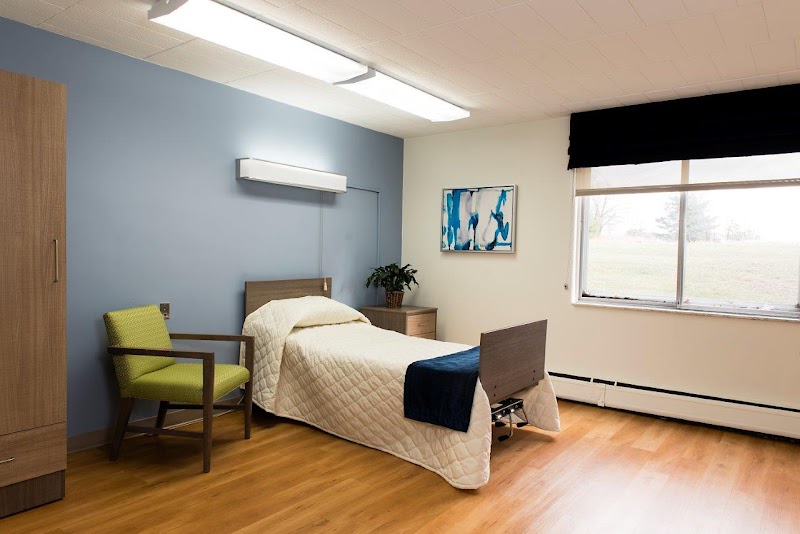
How is The Villa At Silverbell Estates Staffed?

CMS rates The Villa at Silverbell Estates's staffing level at 2 out of 5 stars, which is below average compared to other nursing homes. Staff turnover is 54%, compared to the Michigan average of 46%.

What Have Inspectors Found at The Villa At Silverbell Estates?

State health inspectors documented 52 deficiencies at The Villa at Silverbell Estates during 2023 to 2025. These included: 6 that caused actual resident harm and 46 with potential for harm. Deficiencies causing actual harm indicate documented cases where residents experienced negative health consequences.
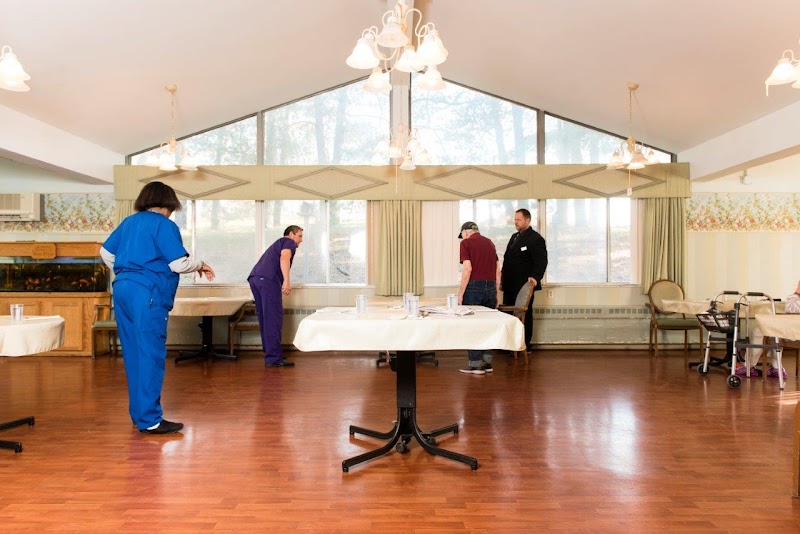
Who Owns and Operates The Villa At Silverbell Estates?

The Villa at Silverbell Estates is owned by a for-profit company. For-profit facilities operate as businesses with obligations to shareholders or private owners. The facility is operated by VILLA HEALTHCARE, a chain that manages multiple nursing homes. With 106 certified beds and approximately 85 residents (about 80% occupancy), it is a mid-sized facility located in Orion, Michigan.

How Does The Villa At Silverbell Estates Compare to Other Michigan Nursing Homes?

Compared to the 100 nursing homes in Michigan, The Villa at Silverbell Estates's overall rating (1 stars) is below the state average of 3.1, staff turnover (54%) is near the state average of 46%, and health inspection rating (1 stars) is much below the national benchmark.

What Should Families Ask When Visiting The Villa At Silverbell Estates?

Based on this facility's data, families visiting should ask: "Can you walk me through typical staffing levels on day, evening, and night shifts?" "Can I visit during a mealtime to observe dining assistance and food quality?" "How do you handle medical emergencies, and what is your hospital transfer rate?" "Can I speak with family members of current residents about their experience?" These questions are particularly relevant given the below-average staffing rating.

Is The Villa At Silverbell Estates Safe?

Based on CMS inspection data, The Villa at Silverbell Estates has a clean safety record: no substantiated abuse findings (meaning no confirmed cases of resident harm), no Immediate Jeopardy citations (the most serious violation level indicating risk of serious injury or death), and is not on the Special Focus Facility watch list (a federal program monitoring the lowest-performing 1% of nursing homes). The facility has a 1-star overall rating and ranks #100 of 100 nursing homes in Michigan. While no facility is perfect, families should still ask about staff-to-resident ratios and recent inspection results during their visit.

Do Nurses at The Villa At Silverbell Estates Stick Around?

The Villa at Silverbell Estates has a staff turnover rate of 54%, which is 8 percentage points above the Michigan average of 46%. Moderate turnover is common in nursing homes, but families should still ask about staff tenure and how the facility maintains care continuity when employees leave.

Was The Villa At Silverbell Estates Ever Fined?

The Villa at Silverbell Estates has been fined $108,662 across 3 penalty actions. This is 3.2x the Michigan average of $34,165. Fines at this level are uncommon and typically indicate a pattern of serious deficiencies, repeated violations, or failure to correct problems promptly. CMS reserves penalties of this magnitude for facilities that pose significant, documented risk to resident health or safety. Families should request specific documentation of what issues led to these fines and what systemic changes have been implemented.

Is The Villa At Silverbell Estates on Any Federal Watch List?

The Villa at Silverbell Estates is not on any federal watch list. The most significant is the Special Focus Facility (SFF) program, which identifies the bottom 1% of nursing homes nationally based on persistent, serious quality problems. Not being on this list means the facility has avoided the pattern of deficiencies that triggers enhanced federal oversight. This is a positive indicator, though families should still review the facility's inspection history directly.