The Villa at the Bay
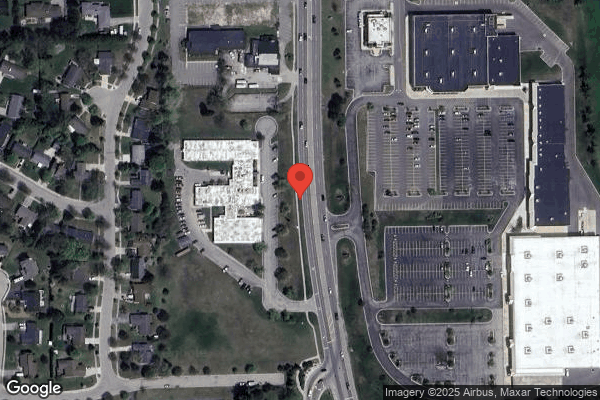
1500 Spring Street, Petoskey, MI 49770 (231) 347-5500
For profit - Corporation 110 Beds VILLA HEALTHCARE Data: November 2025
Trust Grade
0/100
#420 of 422 in MI
Last Inspection: May 2025

Inspected within the last 6 months. Data reflects current conditions.

Overview

The Villa at the Bay has received a Trust Grade of F, indicating poor performance with significant concerns about care quality. It ranks #420 out of 422 nursing homes in Michigan, placing it in the bottom half statewide and is the second out of two facilities in Emmet County, meaning only one local option is better. The facility's performance is worsening, with the number of issues increasing from 12 in 2024 to 22 in 2025. Staffing is a concern, with a rating of 2 out of 5 stars and a high turnover rate of 59%, which is above the state average. Additionally, the facility has alarming fines totaling $169,920, which is higher than 92% of Michigan facilities, highlighting repeated compliance problems. Specific incidents include a resident who was hospitalized three times due to a failure to provide necessary care, leading to severe health risks. Another resident developed a serious pressure ulcer due to inadequate attention to their wound care, and a third resident suffered a life-threatening condition after improper management of their post-surgical care. While the facility has some strengths in quality measures with a rating of 4 out of 5, these significant weaknesses raise serious concerns about the overall safety and quality of care provided.

Trust Score
F
0/100
In Michigan
#420/422
Bottom 1%
Safety Record
High Risk
Review needed
Inspections
Getting Worse
12 → 22 violations
Staff Stability
⚠ Watch
59% turnover. Above average. Higher turnover means staff may not know residents' routines.
Penalties
✓ Good
$169,920 in fines. Lower than most Michigan facilities. Relatively clean record.
Skilled Nurses
○ Average
Each resident gets 36 minutes of Registered Nurse (RN) attention daily — about average for Michigan. RNs are the most trained staff who monitor for health changes.
Violations
⚠ Watch
59 deficiencies on record. Higher than average. Multiple issues found across inspections.
★☆☆☆☆
1.0
Overall Rating
★★☆☆☆
2.0
Staff Levels
★★★★☆
4.0
Care Quality
★☆☆☆☆
1.0
Inspection Score
Stable
2024: 12 issues
2025: 22 issues

The Good

  • 4-Star Quality Measures · Strong clinical quality outcomes
  • Full Sprinkler Coverage · Fire safety systems throughout facility
  • No fines on record

Facility shows strength in quality measures, fire safety.

The Bad

1-Star Overall Rating

Below Michigan average (3.1)

Significant quality concerns identified by CMS

Staff Turnover: 59%

13pts above Michigan avg (46%)

Frequent staff changes - ask about care continuity

Federal Fines: $169,920

Well above median ($33,413)

Significant penalties indicating serious issues

Chain: VILLA HEALTHCARE

Part of a multi-facility chain

Ask about local staffing decisions and management

Staff turnover is elevated (59%)

11 points above Michigan average of 48%

The Ugly 59 deficiencies on record

4 actual harm
May 2025 17 deficiencies 2 Harm
SERIOUS (G) 📢 Someone Reported This

A family member, employee, or ombudsman was alarmed enough to file a formal complaint

Actual Harm - a resident was hurt due to facility failures

Quality of Care (Tag F0684)

A resident was harmed · This affected 1 resident

**NOTE- TERMS IN BRACKETS HAVE BEEN EDITED TO PROTECT CONFIDENTIALITY** Intake: MI00150656This citation has two separate deficiencies. Based on interview and record review, the facility failed to prov...

Read full inspector narrative →
**NOTE- TERMS IN BRACKETS HAVE BEEN EDITED TO PROTECT CONFIDENTIALITY** Intake: MI00150656This citation has two separate deficiencies. Based on interview and record review, the facility failed to provide all necessary care and services for one resident (R128) of one resident reviewed for quality of life, resulting in R128 not maintaining his highest practicable well-being, being hospitalized three times and endangering his life. Findings include: Review of R128's Electronic Medical Record (EMR) revealed admission to the facility on 3/4/25 with diagnoses including multiple right rib fractures and alcohol dependence with withdrawal. R128 was his own responsible party for medical and financial decisions. Review of R128's Discharge Summary from [Hospital Name] dated 3/4/25 read, in part, .Patient is a pleasant 78 y.o. (year old) male who tripped over a tv cord the morning of admission [DATE]) and had right sided chest wall pain. He was diagnosed with multiple right sided rib fractures, however refused hospital admission .He then went home and slipped and fell on the ice of his driveway and returned having never made it inside his house. This time he did strike his had [sic] and had questionable LOC (loss of consciousness). On second presentation to the ED (emergency department), he was only complaining of right sided chest wall pain. He was found to have fractures to R (right) ribs 7, 8, 9. He was admitted to the ICU (intensive care unit) given the severity of his rib fractures to monitor his vital signs and oxygenation .He demonstrated some signs of alcohol withdrawal, mainly tremors. This was treated satisfactorily with oral Librium (medication used to treat anxiety or alcohol withdrawal) .He is being discharged to [Facility Name] in stable condition .He will be sent on a 3-day taper of oral Librium to prevent DT's (delirium tremens) while at the facility .Medications: chlordiazepoxide (Librium) 75 mg (milligrams) to be given evening of 3/4/25, 50 mg BID (twice a day) to be given on 3/5/25, 25 mg BID to be given on 3/6/25 . Review of R128's Physician Note dated 3/5/25 read, in part, .Overall the patient remained stable although he did develop concerns of minor alcohol withdrawal in which he was discharged to [Facility Name] for subacute rehab with oral Librium taper. Upon arrival to [Facility Name] the patient was stable with mild tremor. Librium was not stocked in the back up medications and the patient did not come with any from the hospital therefore I did place him on Ativan 1 mg x (times) 1 with .5 mg Q4hrs as needed .He has mild tremor and anxiety .Assessment: Alcohol withdrawal syndrome without complication - with chronic alcohol abuse and acute alcohol withdrawals. Mild with tremor and agitation. Vitals stable. Continue Ativan taper as ordered with PRN Ativan x 7 days. Continue thiamine and folic acid as ordered. Monitor closely, vitals every shift x 3 days .Review of R128's Medication Administration Record (MAR) for March 2025 revealed two Physician Orders for Librium which read as follows, Librium 25 mg 1 capsule by mouth two times a day for ETOH for 1 day (3/5/25) and Librium 25 mg 2 capsule by mouth two times a day for ETOH for 1 day (3/4/25). During review it was confirmed that R128 did not receive either order of his Librium medication.Review of R128's Progress Notes read, in part, 3/4/25 08:22 This writer received a phone call from primary nurse at 0020. Primary nurse stated that resident became extremely agitated for no apparent reason and was trying to rip the TV off of the wall. PRN Ativan was given. Resident is a heavy ETOH user, prior to hospitalization and admission and is suspected to be going through withdrawals. NP (Nurse Practitioner) was notified this morning. She would like resident to have Ativan this morning 1 mg if Librium did not come in. 3/5/25 12:04 Med with (R128) to get food preferences. (R128) was very out of it had trouble answering my questions .3/5/25 17:53 Pt (patient) medicated throughout shift for agitation and pain . 3/7/25 08:11 .Sending out to hospital due to ETOH and elevated blood pressure, complaining of chest pain and stating that he is having a heart attack . 3/7/25 15:25 Resident stated that he feels like he is dying, and can't breath. Resident appears to have tremors, increased anxiety and agitation, denies auditory or visual hallucinations. PRN Ativan given .3/7/25 16:38 Resident extremely agitated stated he was calling the police, there was people trying to take over his home, stated he would walk home in his pajamas if he had to. Appears to be having delusions and agitation related to alcohol withdrawal. NP contacted. Gave one time order for Ativan .5mg and lisinopril 20mg. Asked that vitals be rechecked in 1 hour and texted to her. Primary nurse notified. 3/7/25 20:56 This writer was notified that the resident was yelling at staff exit, having episodes of delirium. Upon assessment the residents blood pressure was elevated, immediate action was taken blood sugar obtained. Resident was oriented only to person, slurred speech, right sided facial drooping, ataxia NIH performed with positive results. NP notified with an order to send out . 3/7/25 22:17 Resident was walking on his own, very unsteadily, and he tried to go out the back door. He was pushing on the handle making the alarm go off. He also tried to set off the fire alarm .He was given .5mg Ativan, on 4 different occasions .he said Don't touch me, I'm going to get my gun .he called 911 and told the operator that he was being held against his will .he was going to kill everyone, one by one .police officers came .3/7/25 23:13 .Per nurse patient is detoxing from alcohol, has been having high blood pressure despite several Ativan doses. He tried eloping several times, threatened to kill people. Nurse states that the new nurse that is coming on shift does not feel comfortable in taking care of this patient and thus is requesting the patient go back to the hospital .3/8/25 14:21 Resident returned from [Hospital Name] .3/8/25 18:08 Resident was observed to be having aggressive behaviors. Attempted to his glass door with oxygen tank. Threatening staff. Resident was extremely agitated and having delusional thoughts. He called 911 and told the police he was being held against his will .Review of R128's Physician Note dated 3/7/25 read, in part, .This patient is being seen today in follow up ER visit that occurred last night. The patient developed increased anxiety and hypertension and was sent to [Hospital Name] .the patient was given additional dose of linisonpril 20mg, oxycodone 5mg, and Librium 50mg and discharged back .Assessment: Alcohol withdrawal syndrome without complication .extended Ativan taper as ordered with continued PRN Ativan .Addendum: Staff requested repeat evaluation on the afternoon of 3/7/25 as the patient was requestioning to go to the ER. Upon exam, the patient notes he needs to go to the hospital because he is dying. He notes he is having anxiety and shortness of breath .Approx (approximately) 1 hour later the staff did call me again stating the patient called 911 himself stating he wanted the police to take him to the hospital .At 2000 the staff called and stated the patient was having acute right facial droop, hypertension, slurred speech, weakness with ataxia. At this point EMS was called and the patient was transferred to the hospital .Assessment: Alcohol withdrawal syndrome without complication . Review of R128's Physician Note dated 3/10/25 read, in part, The patient is being seen today in follow up from 2 ER visits over the weekend. The patient has been having acute alcohol withdrawal in which he developed agitation and delirium .the patient was treated for increased alcohol withdrawal and discharged back .upon arriving back records reveal the patient became agitated and was threatening to shoot staff with a gun and was aggressive therefore staff requested the patient go back to the ER. The patient was kept in the ER overnight in which he was noted to have persistent delirium and started on Risperidone .25mg twice daily and his symptoms did improve. The patient was brought back to [Facility Name] on 3/8/25 .Review of R128's ED summaries read, in part, Admit 3/7/25 01:16 He is brought to the ED by EMS (Emergency Medical System) from [Facility Name] .It is a bit unclear why the patient is here in the ED this evening .vital signs on arrival are significant for elevated blood pressure .We did call the [Facility Name]. Nursing staff spoke with their nurses .I did review his discharge summary from trauma surgery several days ago. It was noted that he was discharged with 3 days of Librium to finish his taper. Nursing staff at [Facility Name] did confirm that he has not been taking this, therefore maybe this is contributing to his elevated blood pressures .I have also ordered him a dose of Librium . Admit 3/8/25 00:04 Returns to the emergency department, his current skilled nursing facility where he was residing for rehabilitation purposes reports that they are unable to care for him, there is no clear report as to what exactly is occurring that is precluding them from caring for him, they alleged that it may be because of alcohol withdrawal .He has been seen in the emergency department 3 times in the past 24 hours .An interview was conducted with RN U on 5/22/25 at 11:39 a.m. RN U recalled R128 and said, It was kind of wild and crazy those few days, I remember him (R128) going through active detoxing. His behaviors were crazy. RN U confirmed he was not provided any additional resources or education for detoxing residents. An interview was conducted with Former Director of Nursing (DON) V on 5/22/25 at 12:06 p.m. DON V stated that R128 was suffering from severe withdrawals and having delusions and behaviors. DON V confirmed R128 never received Librium as the facility could not fill that order from the hospital and instead was given Ativan. DON V confirmed R128's behaviors continued, and the facility felt they could no longer care for the resident no longer felt comfortable doing so and discharged him 3 separate times to the emergency department. DON V stated the staff were not provided any additional education for residents who are suffering from withdrawal symptoms. An interview was conducted with Certified Nurse Aide (CNA) Q on 5/22/25 at approximately 10:30 a.m. CNA Q recalled R128 and said, I remember him having a lot of behaviors, he was taking oxygen tanks and throwing them at the exit doors, he called police, he was very scary and threatening us. I heard that he was having alcohol withdrawal. CNA Q recalled not having proper training on how to properly care for residents who are having withdrawal symptoms. Review of R128's Care Plans read, in part, Date Initiated: 3/6/25 Recent history of substance abuse; Goal: Resident will be in safe environment during stay at facility; Interventions: Complete review using medical record and resident/family interview, Education to resident on potential injury related to ordered medications and interaction with substances abuse, Establish resident goals, Notify MD (Medical Director) if resident appears impaired (prior to administering medications), Social Services referral of emotional support, Use calm and empathetic approach for communication . An interview was conducted with Regional Clinical Registered Nurse (RN) L on 5/22/25 at 11:29 a.m. who confirmed the facility does not have an alcohol withdrawal or assessment. Based on observation, interview, and record review, the facility failed to provide standards of care for hypoglycemia and diabetes management for one Resident (#5) of 18 residents reviewed for quality of care. Findings include:Resident #5 (R5)The medical record for R5 revealed an admission date to the facility on 1/15/22 with a primary diagnosis of diabetes mellitus. R5 had a BIMS assessment score of 15 out of 15 indicating intact cognition. On 5/20/25 at 11:12 AM, an observation was made of R5 in their room sitting on the side of their bed without any pants on. R5 was asked how they were doing and if they had any recent falls and replied, Yes, I had low blood sugar and I bumped my leg on my walker (four-wheeled walker). R5 was observed with a bandage on their left leg. R5 stated that orange juice does not work well if their sugar is low, and milk works best for them. Review of R5's medication administration record (MAR), dated 5/2025, revealed an order for lispro solostar 100 unit/ml (milliliter) pen-injector. Inject as per sliding scale: if 0 - 199 = 0; 200 - 250 = 2; 251 - 300 = 3; 301 - 350 = 4; 351 - 500 = 5;501 - 999 = 6 Call physician if BS [blood sugar] if (sic) greater than 500.Review of fasting blood glucose sugar levels (FSBS), dated 4/27/25 through 5/19/25, revealed the following:- 4/27/2025 7:23 AM, 44.0 mg/dL (milligrams/deciliter) - no progress note.- 4/27/2025 7:38 AM, 64.0 mg/dL - no progress note.- 4/28/2025 8:06 AM, 38.0 mg/dL - no progress note - no follow-up FSBS.- 4/30/2025 7:24 AM, 56.0 mg/dL - no progress note - no follow-up FSBS.- 5/5/2025 11:34 AM, 47.0 mg/dL - no progress note.- 5/5/2025 11:47 AM, 54.0 mg/dL - no progress note - no follow-up FSBS.- 5/9/2025 11:57 AM, 69.0 mg/dL - no progress note - no follow-up FSBS.- 5/17/2025 12:22 AM, 42.0 mg/dL - no progress note - no follow-up FSBS.- 5/18/2025 11:58 AM, 55.0 mg/dL - no progress note - no follow-up FSBS.- 5/19/2025 11:47 AM, 58.0 mg/dL - no progress note.- 5/19/2025 11:59 AM, 58.0 mg/dL - no progress note - no follow-up FSBS.Review of R5's progress notes, dated 4/27/25 through 5/19/25, lacked any notification to the physician of a low blood glucose level and no follow-up on the intervention or status of R5. On 5/21/25 at 12:15 PM, an interview was conducted with the Director of Nursing (DON) regarding their expectation for nursing encountering a resident with blood glucose levels below 70 mg/dL. The DON replied, I would expect to see a progress note communication on the physician notification, the interventions, and the repeat FSBS until the blood sugar was within normal limits. Review of policy titled, Diabetes Management, dated 6/29/17, read in part, Purpose: To develop a practice in which our facility consistently provides care for the resident with diabetes. Guidelines .Nursing Evaluation / Symptoms: Blood glucose monitoring .Results <70 or >400 indicate hypo or hyperglycemia require immediate follow up. Determine with the physician / extender if the individual has specific parameters to monitor .Nursing intervention .Evaluate signs and symptoms of diabetes complications .Notify the physician of any findings .
SERIOUS (G)

Actual Harm - a resident was hurt due to facility failures

Pressure Ulcer Prevention (Tag F0686)

A resident was harmed · This affected 1 resident

**NOTE- TERMS IN BRACKETS HAVE BEEN EDITED TO PROTECT CONFIDENTIALITY** Based on observation, interview, and record review, the facility failed to readily identify, promote healing, and prevent the de...

Read full inspector narrative →
**NOTE- TERMS IN BRACKETS HAVE BEEN EDITED TO PROTECT CONFIDENTIALITY** Based on observation, interview, and record review, the facility failed to readily identify, promote healing, and prevent the development of pressure injuries for two Residents (#26 & R42) out of three residents reviewed for pressure ulcer care. This deficient practice resulted in R26 developing a stage 3 pressure ulcer that worsened into a stage 4 pressure ulcer, and R42 developing infection and the deterioration of pressure wounds. Findings include:Resident #42 (R42)The medical record for R42 revealed an admission date to the facility on 5/25/23 with a primary diagnosis of pneumonia. R42 had a Brief Interview for Mental Status (BIMS) assessment score of 15 out of 15 indicating intact cognition. On 5/20/25 at 12:04 PM, an observation was made of R42 in their room and lying in bed with a pillow under their left side and both heels touching the bed. R42 was asked when the last time staff had turned and repositioned them and replied, Since last night. R42 was asked if they had a pressure ulcer and replied, Yeah, on my buttocks. R42 did not have a personal protective equipment (PPE) cart outside of their room door and no used PPE was observed in the trash cans in their room. R42 was asked how often they normally get turned and repositioned and replied, Usually every three to four hours. R42 was noted not to be wearing puffy boots while in bed. Review of R42's Quarterly Minimum Data Set (MDS), dated [DATE], read in part, .Section E: Behaviors .Rejection of care: Behavior not exhibited .Section G: Functional abilities and goals .Substantial/maximum assistance for toileting, upper body dressing, personal hygiene, and rolling left to right .Section M: Skin conditions .Resident has a stage 1 or greater, a scar over bony prominence, or a non-removable dressing/device (checked) .Risk of pressure ulcer development check yes .Unhealed pressure ulcers checked yes .Number of stage 2 pressure ulcers - two. Number of these stage 2 pressure ulcers that were present upon admission/reentry - two . Number of stage 3 pressure ulcers - one. Number of these stage 3 pressure ulcers that were present upon admission/reentry - one . Number of stage unstageable pressure ulcers - three. Number of these stage unstageable pressure ulcers that were present upon admission/reentry - zero . Number of venous and arterial ulcers - two .Review of R42's Braden assessment for determination of developing pressure ulcer risk, dated 4/15/25 at 3:10 PM, revealed that R42 was at, very high risk. Review of R42's active wound summary list, dated 5/21/25, revealed the following:1.) Wound site: buttocks/hip left, date identified 1/17/25, type: pressure, classification: ulceration, clinical stage: unstageable, and measured 0.70 length (L) cm (centimeters) x 0.50 width (W) cm x 0.00 depth (D) cm,2.) Wound site: left flank lower wound, date identified 12/16/24, type: pressure, classification: ulceration, clinical stage: unstageable, and measured 2.40 L cm x 3.00 W cm x 0.10 D cm,3.) Wound site: left flank upper wound, date identified 3/25/25, type: pressure, classification: ulceration, clinical stage: stage 3, and measured 2.70 L cm x 4.20 W cm x 0.20 D cm,4.) Wound site: left buttocks 2 medial, date identified 1/17/25, type: pressure, classification: ulceration, clinical stage: unstageable, and measured 2.00 L cm x 1.30 W cm x 0.30 D cm,5.) Wound site: left heel, date identified 5/20/25, type: pressure, classification: ulceration, clinical stage: unstageable, and measured 3.50 L cm x 4.60 W cm x 0.00 D cm,6.) Wound site: right buttock, date identified 2/27/25, type: pressure, classification: erythema, clinical stage: healed stage 2, and measured 2.00 L cm x 1.50 W cm x 0.00 D cm,7.) Wound site: sacrum, date identified 9/13/24, type: pressure, classification: ulceration, clinical stage: stage 3, and measured 8.00 L cm x 2.50 W cm x 0.70 D cm.Review of R42's task for behavioral monitoring for refusals of care, dated 4/21/25 through 5/20/25, revealed no refusals of care and no behaviors observed. Review of R42's care plan, dated 5/2/25, read in part, .Focus: The resident is on antibiotic therapy r/t (related to) cellulitis to buttocks. Goal: The resident will be free of any discomfort or adverse side effects of antibiotic therapy .Interventions: Administer antibiotic medications as ordered by physician .Focus: The resident has pressure ulcer (to) coccyx, sacrum, buttocks, (and) left scapula region. Goal: The resident's skin risk for further alteration in skin integrity will be minimized by staff allocated interventions. Interventions .Assess/record/monitor wound healing (q week) [every week] Measure length, width, and depth where possible. Assess and document status of wound perimeter, wound bed and healing process .The resident needs to turn/reposition at least every 2 hours, more often as needed or requested .Weekly treatment documentation to include measurement of each area of skin breakdown's width, length, depth, type of tissue and exudate .On 5/22/25 at 11:55, an observation was made of R42's wound dressing changes in their room with the Director of Nursing (DON), the Regional Clinical Registered Nurse (RN) L, and Licensed Practical Nurse (LPN) K to measure, assess, and complete wound dressing changes on R42's buttocks area. Findings include:1.) Pressure ulcer, stage 3 to left buttocks (next to intergluteal cleft), facility acquired and measured 8.00L cm x 3.00W cm x 0.20D cm,2.) Pressure ulcer, stage 3 to left buttocks (lateral side), facility acquired and measured 0.75L cm x 1.00W cm x 0.10D cm,3.) Pressure ulcer, stage 3 to left lower buttocks facility acquired and measured 2.00L cm x 1.00W cm x 0.50D cm with tunneling,4.) Pressure ulcer, unstageable to left heel, facility acquired and measured 3.50L cm x 4.60W cm x 0.00D cm.On 5/22/25 at 12:30 PM an interview was conducted with the DON who was asked if the documentation for the wound summary should reflect the actual presentation of the wound weekly after being assessed and replied, Yes, I don't know why it doesn't. We need to do a better job with documentation of wound assessments and measurements. (R42's) Pressure ulcers should not have developed or worsened. Resident #26 (R26)Review of R26's electronic medical record (EMR) revealed admission to the facility on 6/10/24 with diagnoses including dementia and aphasia (difficulty expressing thoughts). Review of Section C (Cognitive Patterns) of R26's most recent Minimum Data Set (MDS) Assessment, dated 3/21/25, revealed R26's cognitive skills for daily decision making were, severely impaired. On 5/20/25 at 1:35 PM, a phone interview was conducted with R26's son and Durable Power of Attorney (DPOA) R regarding his overall satisfaction with care received at the facility. DPOA R stated deterioration of a wound on R26's right buttock contributed to her overall decline and eventual enrollment with hospice services. Review of progress note dated 2/28/25 written by Nurse Practitioner (NP) S read, in part: Chief complaint/Nature of Presenting Problem: Progressing pressure ulcer, hospice discussion . History of Present Illness: [R26] is being seen today due to [a] progressing pressure ulcer. The staff notes [R26's] pressure ulcer is a stage 4 [extending through all layers of skin, exposing muscle, tendons, or bones], and [R26] overall continues to decline over time . hospice was recommended . Review of a R26's Wound Summary documentation read, in part: Site: right ischial tuberosity . Type: Pressure . Source: Facility Acquired . Date identified: 1/6/25 . Clinical stage: stage 3 . Review of R26's skin assessments revealed the most recent documented assessment prior to identification of the stage 3 pressure wound on 1/6/25 occurred on 12/18/25, an 18 day lapse between routine skin assessments. Review of R26's most recent Braden Scale for Predicting Pressure Sore Risk, dated 7/1/24, revealed a score of 12, indicating high risk of pressure ulcer formation. Review of R26's EMR revealed the following progress note written on 2/14/25 at 11:04 AM: .wound to ischial tuberosity has worsened in condition and is now a stage 4 . On 5/22/25 at 1:33 PM, a group interview was conducted with the Nursing Home Administrator (NHA), Director of Nursing (DON), and Regional Clinical Registered Nurse (RCRN) L regarding wound prevention and care expectations. The DON stated skin assessments should be completed on a weekly basis and documented in the EMR system. All parties agreed identification of the pressure ulcer on R26's right ischial tuberosity should have occurred prior to development into a stage 3 wound.Review of R26's plan of care revealed a focus initiated which read: [R26] has actual and potential for impairment to skin integrity r/t [related to] limited mobility, incontinence, dementia, hydrocephalus, venous insufficiency. An intervention, initiated on 6/11/24, read: Weekly skin assessment. Review of the facility policy titled, Skin Alteration Documentation, revised 2/11/19, read, in part: .patients without skin issues will have skin observed daily during cares and observations weekly by licensed nurses .
CONCERN (D)

Potential for Harm - no one hurt, but risky conditions existed

Deficiency F0554 (Tag F0554)

Could have caused harm · This affected 1 resident

Based on observation, interview, and record review, the facility failed to complete assessments to ensure safe self-administration of medication for three Residents (R60, R61, and R230) of 18 resident...

Read full inspector narrative →
Based on observation, interview, and record review, the facility failed to complete assessments to ensure safe self-administration of medication for three Residents (R60, R61, and R230) of 18 residents reviewed for right to self-administer medications. Findings include: Resident #60 (R60) The medical record for R60 revealed an admission date to the facility on 6/11/24 with a primary diagnosis of respiratory failure. R60 had a Brief Interview Mental Status (BIMS) assessment score of 9 out of 15 indicating moderately impaired cognition. On 5/21/25 at 9:10 AM, an observation was made of R60 asleep and resting in their bed. R60 had a medication cup on their bedside table with six oral pills and a clear plastic cup with a light brown substance which measured approximately 6 ounces. On 5/21/25 at 9:18 AM, an interview was conducted with Licensed Practical Nurse (LPN) O after they entered R60's room. LPN O was asked how long the medications had been sitting on R60's bedside table and if R60 had a physician order to self-administer medications. LPN O replied, The medications have been there for ten or fifteen minutes. I am not sure if (R60) has an order to self-administer. I would have to check. LPN O was asked what kinds of medications were left in the medication cup on the bedside table and replied, I would have to review the medication administration record to be exact. Review of R60's medication administration record (MAR) entry, dated 5/21/25 revealed the following medications were signed out at approximately 8:35 AM: - Cholecalciferol (vitamin D) 1000 units, one tab. - Multi-vitamin, one tab. - Amlodipine (blood pressure medication) 5 milligrams (mg), one tab. - Acetaminophen (tylenol) 650 mg, two tabs. - Tramadol (controlled pain medication) 50 mg, one tab. - House high calorie supplement (protein liquid identified in the clear plastic cup), 6 ounces. During a follow-up interview on 5/21/25 at 11:40 AM, LPN O indicated there was no assessment completed for R60 to self-administer medications, and stated there was also no physician order to self-administer medications. Review of R60's most recent quarterly nursing evaluation, dated 12/21/24, revealed under Section N: Preferences #4: Self-medicates/desires to self-medicate? No. Resident #61 (R61) The medical record for R61 revealed an admission date to the facility on 6/26/24 with a primary diagnosis of dementia. R61 had a BIMS assessment score of 8 out of 15 indicating moderately impaired cognition. On 5/20/25 at 11:27 AM, an observation was made of R61 lying in their bed. R61 had a medication cup on their bedside dresser that contained a white power substance. R61 was asked about the white powder inside the medication cup and just shrugged their shoulders. On 5/20/25 at 12:14 PM, an interview was conducted with Certified Nurse Aide (CNA) H regarding the contents of the medication cup in R61's room. CNA H replied, I don't know. It could be antifungal powder. I bet midnights [the midnight shift nurse] left it there though. On 5/20/25 at 12:20 PM, an interview was conducted with LPN D who was asked about the medication cup with the white powder on R61's bedside dresser and replied, I am not sure. It could be a couple of different things. I would have to review (R61's) treatments. LPN D was asked if R61 had an assessment to self-administer medications or if the medication cup containing the white powder should be left on R61's bedside dresser and replied, No, it should not be there, and I don't think there is an assessment. Review of R61's most recent quarterly nursing evaluation, dated 12/30/24, revealed under Section N: Preferences #4: Self-medicates/desires to self-medicate? No. Review of R61's treatment administration record (TAR), dated 5/21/25 revealed no ordered skin treatment/prevention such as creams or powders. Resident #230 (R230) The medical record for R230 revealed an admission date to the facility on 5/19/25 with a primary diagnosis of heart failure. R230 had a BIMS assessment score of 8 out of 15 indicating moderately impaired cognition. On 5/20/25 at 12:02 PM, an observation was made of R230 lying in her bed resting. R230 was asked how they were doing and replied, It's too early to tell. R230 was asked about the nystatin cream on their bedside dresser and replied, I use that daily. The hospital sent it with me, so I had some to use. On 5/20/25 at 12:22 PM, an interview was conducted with LPN D who was made aware R230 had a tube of nystatin cream on their bedside dresser and replied, As far as I know (R230) does not have an assessment to self-administer medications. I will have to check to see if there is even an order for that. Review of R230's most recent quarterly nursing evaluation, dated 5/19/25, revealed under Section N: Preferences #4: Self-medicates/desires to self-medicate? No. Review of R230's MAR/TAR, dated 5/19/25 through 5/21/25 revealed no physician order for the nystatin cream. On 5/21/25 at 12:15 PM, and interview was conducted with the Director of Nursing (DON) who was asked if any of the current residents in the facility had a physician order to self-administer medications and replied, No. The DON was asked if medications, including controlled substances, should be left at the bedside unattended for residents to take at their leisure and replied, No. The DON was asked if all medications needed a physician order and replied, Yes. Review of policy titled, Self-Administration of Medications, dated 2/2021, read in part, Policy Statement: Residents have the right to self-administer medications if the interdisciplinary team has determined that it is clinically appropriate and safe for the resident to do so. Policy Interpretation and Implementation: 1. As part of the evaluation comprehensive assessment, the interdisciplinary team (IDT) assesses each resident's cognitive and physical abilities to determine whether self -administering medications is safe and clinically appropriate for the resident . 3. If it is deemed safe and appropriate for a resident to self-administer medications, this is documented in the medical record and the care plan. The decision that a resident can safely self-administer medications is re-assessed periodically based on changes in the resident's medical and/or decision-making status . 5. Residents who are identified as being able to self-administer medications are asked whether they wish to do so . medications are stored in a safe and secure place, which is not accessible by other residents . 9. Any medications found at the bedside that are not authorized for self-administration are turned over to the nurse in charge for return to the family or responsible party . Review of policy titled, Medication Storage, dated 05/2022, read in part, Policy: The facility shall store all medications and biologicals in a safe, secure, and orderly manner. General Guidelines: 1. Medications and biologicals shall be stored in the packaging, containers or other dispensing systems in which they are received. Only the issuing pharmacy is authorized to transfer medications between containers . 5. Medications for external use, as well as poisons, shall be clearly marked as such . Review of policy titled, Controlled Substance Accountability Guideline, no date, read in part, .Controlled Substance Administration. Chapter 4: Controlled substances are administered with great care .
CONCERN (D)

Potential for Harm - no one hurt, but risky conditions existed

Grievances (Tag F0585)

Could have caused harm · This affected 1 resident

**NOTE- TERMS IN BRACKETS HAVE BEEN EDITED TO PROTECT CONFIDENTIALITY** . Based on interview and record review the facility failed to follow their grievance procedure and make prompt efforts to resolv...

Read full inspector narrative →
**NOTE- TERMS IN BRACKETS HAVE BEEN EDITED TO PROTECT CONFIDENTIALITY** . Based on interview and record review the facility failed to follow their grievance procedure and make prompt efforts to resolve grievances regarding complaints of missing items for three Residents (#5, #11 and #22) of three residents reviewed for inaction of grievances. Findings include: Resident #5 (R5) The medical record for R5 included a face sheet indicating an original admission date of 9/16/2008. The Minimum Data Set (MDS) assessment dated [DATE] included a Brief Interview for Mental Status (BIMS) assessment score of 15 out of 15 indicating intact cognition. On 5/22/25 at 10:14 AM, R5 complained she had many things that were missing. R5 said, I am missing two black tops, and I told staff but (heard) nothing. I guess the tops just disappeared. I am also missing an orange top. R5 stated she has tried to follow up and has asked staff about the items, but she has been told we don't know. R5 stated, Sometimes it gets upsetting. During an interview on 5/22/25 at 10:15 AM, Registered Nurse Consultant (RN) L discussed grievances of missing items and reviewed the facility grievance log back through 2023. There was no record of any logged concerns for missing items for R5. During an interview on 5/22/25 at 10:23 AM, RN E stated she remembered R5 missing some clothing. RN E said, Yes, I filled out a missing item slip (for the items). I feel like that was a while back. Resident #11 (R11) The medical record for R11 included an MDS assessment dated [DATE] indicating an admission date of 3/17/25 and included a BIMS assessment score of 11 out of 15 indicating moderately impaired cognition. During an interview on 5/21/25 at 2:06 PM, RN B stated he had overheard R11 declaring she was missing a sweater. RN B said, There seems to be a lot of missing items lately. Resident #22 (R22) The medical record for R22 included a face sheet indicating an admission date of 2/13/2025. The MDS assessment dated [DATE] included a BIMS assessment score of 14 out of 15 indicating intact cognition. During an interview on 5/20/25 at 1:01 PM, R22 stated the facility had lost several items of her clothing and they were still looking for them. R22 explained, I have notified several staff members that I am missing gray sweat pants, a blue sweatshirt and a brown long sleeve shirt. During an interview on 5/21/25 at 3:03 PM, RN Consultant L reviewed the facility grievance log and did not find any grievances for the missing items reported by R11 or R22. During an interview on 5/22/25 at 10:01 AM, the Interim Environmental Services Supervisor (Staff) M acknowledged she was aware R22 was missing a pair of pants and a hoodie and was keeping an eye out for them. Staff M stated, We have not yet seen them, but it has been a while. Staff M did not have a record of the missing items for R22 but stated they had been verbally reported. Staff M discussed the missing item process stating sometimes there was a written report describing missing items and then a search would begin. Staff M said, If we are struggling to locate items, we talk to administration. The facility policy titled Grievance Guidelines dated effective 11/28/2017, read in part, It is the practice of this facility that each resident has the right to voice grievances to the facility or other agency or entity that hears grievances . The facility will ensure prompt resolution to all grievances, keeping the resident and resident representative informed throughout the investigation and resolution process. The facility grievance process will be overseen by the Administrator/designee who will be responsible for receiving and tracking grievances through their conclusion, lead necessary investigations .communicate with residents throughout the process to resolution and coordinate with other staff .The facility will provide a mechanism for filing a grievance/complaint .and will provide an ongoing system for monitoring and trending grievances and complaints. The policy included a GRIEVANCE/CONCERN FORM, a GRIEVANCE INVESTIGATION form and a GRIEVANCE RESOLUTION RESPONSE form. No grievance forms included in the above policy were found or presented for the missing items described by R5, R11, or R22. .
CONCERN (D)

Potential for Harm - no one hurt, but risky conditions existed

Deficiency F0657 (Tag F0657)

Could have caused harm · This affected 1 resident

**NOTE- TERMS IN BRACKETS HAVE BEEN EDITED TO PROTECT CONFIDENTIALITY** . Based on interview, and record review, the facility failed to revise and update care plans to reflect resident status for one ...

Read full inspector narrative →
**NOTE- TERMS IN BRACKETS HAVE BEEN EDITED TO PROTECT CONFIDENTIALITY** . Based on interview, and record review, the facility failed to revise and update care plans to reflect resident status for one Resident (#54) of 18 Residents reviewed for care plans. Findings include: Resident #54 (R54) R54 was admitted on [DATE] with diagnoses including stroke, quadriplegia, dysphagia (difficulty swallowing) following a stroke, protein-calorie malnutrition and anemia. The Minimum Data Set (MDS) assessment dated [DATE] indicated R54 had a feeding tube in place on admission and while a resident. The MDS assessment dated [DATE] indicated a feeding tube was not in place. A physician order dated 4/21/25 read, Contact Digestive Health to notify them of removal of PEG tube (percutaneous endoscopic gastrostomy tube inserted directly into the stomach providing an alternative for individuals who cannot swallow or received adequate nutrition orally.) and if any other follow up is needed, Patient/guardian decline replacement at this time. A physician order for Regular diet, Pureed texture, Honey-Thick consistency was in place and noted as last revised 11/8/24. During an interview on 5/21/25 at 4:24 PM, Licensed Practical Nurse (LPN) O stated R54's feeding tube had been out (removed) several months ago. He was not getting any food or fluid through a PEG tube. The current care plan for R54 was reviewed and included a nutritional risk focus due to the history of stroke, and conditions of dysphagia, malnutrition and many other nutritional concerns including, need for pureed textures and thickened liquids since advanced from NPO (nothing by mouth) status. The goal section for this care plan focus included, The resident will tolerate tube feed regimen without s/s (signs/symptoms) intolerance. Date initiated: 3/18/2024 The target date to accomplish this goal was listed as 7/6/2025. The interventions for this focus and goal included, Maintain NPO (nothing by mouth) status unless cleared for oral intake by ST/SLP (Speech Therapist/Speech Language Pathologist) Date initiated: 3/18/2024. The facility policy titled Careplan (SIC) Standard Guidelines dated effective on 11/28/2017 read in part, . The interdisciplinary team will continue develop (SIC) a resident/client centered care plan that includes problem, need, or strength statements, measureable (SIC) goal statements and resident/client specific interventions . The care plan is to be revised to reflect the current status of the resident. The care plan will be reviewed through out the resident's stay upon admission, quarterly and with changes in condition . .
CONCERN (D)

Potential for Harm - no one hurt, but risky conditions existed

Deficiency F0688 (Tag F0688)

Could have caused harm · This affected 1 resident

**NOTE- TERMS IN BRACKETS HAVE BEEN EDITED TO PROTECT CONFIDENTIALITY** . Based on observation, interview, and record review, the facility failed to ensure restorative nursing services were provided t...

Read full inspector narrative →
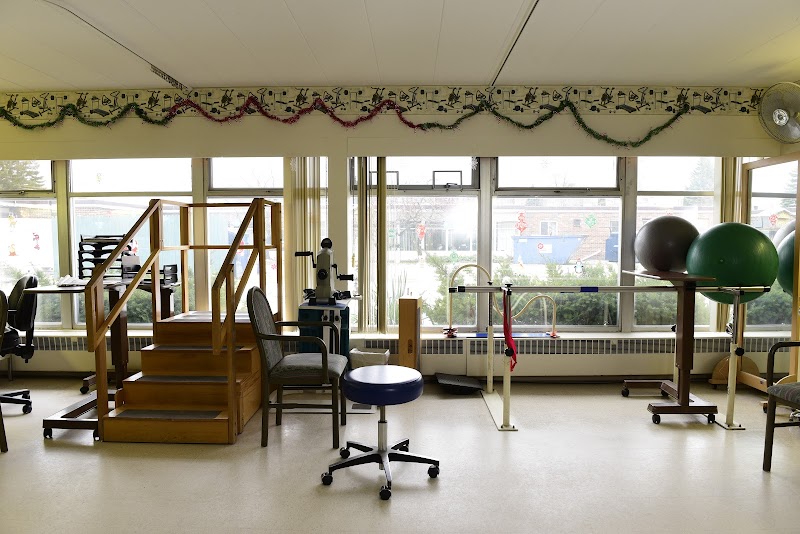
**NOTE- TERMS IN BRACKETS HAVE BEEN EDITED TO PROTECT CONFIDENTIALITY** . Based on observation, interview, and record review, the facility failed to ensure restorative nursing services were provided to increase range of motion and/or to prevent further decrease in range of motion (ROM) for one Resident (#54) of one resident reviewed for limited range of motion. Findings include: Resident #54 (R54) R54 was admitted on [DATE] with diagnoses including stroke, quadriplegia, cerebral palsy, and traumatic brain injury. The Minimum Data Set (MDS) assessment dated [DATE] revealed a Brief Interview for Mental Status (BIMS) assessment score of 15 out of 15, signifying R54 was cognitively intact. On 5/20/25 at 11:51 AM, R54 was observed in his bed with severely contracted hands. R54 was able to open his fists slightly and said no staff helped him work on his hands and it, Probably would be a good idea. The physician order dated 2/9/25 included, Splint to L (left) hand off while awake and on at night every day and evening shift for hand splints. R54 stated he did not always like to wear the splint but sometimes he wears it. During an interview on 05/22/25 at 9:48 AM, Certified Occupational Therapy Assistant (COTA) Q discussed the restorative therapy program following a physical therapy (PT) or occupational therapy (OT) regimen. COTA Q said, We fill out a referral to nursing, if we think the resident would be good (benefit from a) restorative (program). They (the nursing department) take it from there. COTA Q reviewed the therapy notes for R54 and reported, We finished up with (R54) in February. The date of his last therapy OT and PT was 2/17/25 . hand splints were recommended, and a ROM program was recommended. The medical record OT Discharge Summary dated 2/27/25 included, Discharge Recommendations: OOB (out of bed) for meals. ROM Restorative program . During an interview on 5/22/25 at 9:17 AM, the Director of Nursing (DON) stated the facility did not have a restorative program and did not have a restorative nurse or a restorative Certified Nurse Aide (CNA). The DON said, It is something we would like to establish. The facility policy titled, Restorative Nursing Services dated as revised on 7/2017 and presented on 5/21/25 at 1:00 PM read in part, Residents will receive restorative nursing care as needed to help promote optimal safety and independence . Residents may be started on a restorative nursing program upon admission, during the course of stay or when discharged from rehabilitative care. .
CONCERN (D)

Potential for Harm - no one hurt, but risky conditions existed

Incontinence Care (Tag F0690)

Could have caused harm · This affected 1 resident

Based on observation, interview, and record review, the facility failed to provide proper infection control measures pertaining to indwelling catheters (a tube inserted into the bladder to accommodate...

Read full inspector narrative →
Based on observation, interview, and record review, the facility failed to provide proper infection control measures pertaining to indwelling catheters (a tube inserted into the bladder to accommodate emptying of the bladder) for one Resident (#8) of two residents reviewed for indwelling catheters. This deficient practice resulted in the potential for infections and illness. Findings include: Resident #8 (R8) Review of R8's electronic medical record (EMR) revealed an admission date of 9/29/23 with diagnoses including neuromuscular dysfunction of bladder. R8's 4/5/25 Minimum Data Set (MDS) assessment revealed a Brief Interview for Mental Status (BIMS) score of 14/15 indicating no cognitive impairment. R8 was also marked on the MDS for the use of an indwelling catheter. On 5/21/25 at 2:07 p.m., R8 was observed being assisted by staff to go outside to the smoking shed which is across the facility parking lot. R8 was being pushed by an unidentified staff member in her wheelchair. R8's indwelling catheter urinary collection bag was observed underneath the wheelchair seat, not in a privacy bag, and dragging on the pavement ground with auditory sound of the bag hitting the pavement. The drainage tube tip was also noted to be hitting the pavement as R8 was being assisted. On 5/22/25 at 1:40 p.m., R8 was observed asleep in her wheelchair, in the dining room. The indwelling catheter urinary collection bag was observed uncovered and on the floor with the drainage tube tip touching the ground. On 5/22/25 at 3:00 p.m. an interview was conducted with the Director of Nursing (DON). The DON confirmed indwelling urinary catheter bags should remain off the floor and in a privacy bag. Review of the facility's Catheter Care (Indwelling Catheter) policy did not identify that urinary catheter bags should remain off the floor.
CONCERN (D)

Potential for Harm - no one hurt, but risky conditions existed

Respiratory Care (Tag F0695)

Could have caused harm · This affected 1 resident

Based on observation, interview, and record review, the facility failed to ensure sanitary storage, labeling, and cleaning of respiratory equipment for three Residents (#23, #42, and #61) of 3 residen...

Read full inspector narrative →
Based on observation, interview, and record review, the facility failed to ensure sanitary storage, labeling, and cleaning of respiratory equipment for three Residents (#23, #42, and #61) of 3 residents reviewed for respiratory services. Findings include: Resident #23 (R23)Review of R23's electronic medical record (EMR) revealed initial admission to the facility on 4/8/25 with diagnoses including chronic obstructive pulmonary disease (COPD) and chronic respiratory failure with hypoxia (low levels of oxygen in body tissues). Review of R23's admission Minimum Data Set (MDS) assessment revealed a Brief Interview for Mental Status (BIMS) score of 6, indicative of severe cognitive impairment. Review of R23's EMR revealed the following physician's order, initiated 5/8/25:Continuous O2 [oxygen] via (NC/MASK) [nasal cannula] at 2 L/m [2 Liters per minute].On 5/20/25 at 10:52 AM, an unoccupied wheelchair was observed at the foot of R23's bed with undated oxygen tubing connected to a portable oxygen tank. The tubing was observed laying in the wheelchair seat with no protective covering. R23 was observed sleeping in bed, wearing an undated nasal cannula attached to a concentrator.On 5/21/25 at 12:45 PM, an unoccupied wheelchair was again observed at the foot of R23's bed with oxygen tubing connected to a portable oxygen tank. The tubing was observed laying in the wheelchair seat with no protective covering. Additional undated oxygen tubing was observed attached to a concentrator and resting on the floor.On 5/22/25 at 8:46 AM, undated oxygen tubing was observed attached to a concentrator resting on the floor in R23's room. The nasal cannula prongs were observed in direct contact with an unkempt soaker pad located on the bed. On 5/22/25 at 8:49 AM, an interview was conducted with Registered Nurse (RN) B regarding respiratory equipment storage and labeling expectations. RN B stated some residents have an order in their Treatment Administration Record (TAR) to ensure oxygen tubing gets changed on a weekly basis. RN B stated the expectation is for all oxygen tube to be dated, changed weekly, and stored in a bag when not in use. Review of R23's EMR revealed no order for weekly oxygen tubing changes. Resident #42 (R42)The medical record for R42 revealed an admission date to the facility on 5/25/23 with a primary diagnosis of pneumonia. R42 had a BIMS assessment score of 15 out of 15 indicating intact cognition. During an interview on 5/20/25 at 12:04 PM, R42 was observed in their room lying in bed. R42's undated nebulizer was observed lying on top of their bedside table in one piece with visible condensation in the medication cup. R42 was asked when the last time the nebulizer was rinsed out by staff and replied, It has been like that since last night.The medical record for R42 revealed a physician order which read, Ipratropium-Albuterol inhalation solution 0.5-2.5 (3) mg/ml (milligram per milliliter), 1 vial inhale orally four times daily. On 5/22/25 at 12:15 PM, R42's undated nebulizer was again observed lying on top their bedside table in one piece with visible condensation in the medication cup.Resident #61 (R61)The medical record for R61 revealed an admission date to the facility on 6/26/24 with a primary diagnosis of dementia. R61 had a BIMS assessment score of 8 out of 15 indicating moderately impaired cognition. During an interview on 5/20/25 at 11:27 AM, R61 was observed lying in their bed. R61 had an oxygen concentrator next to their bed with a nasal cannula attached to the concentrator dated 3/24/25. R61 was receiving oxygen at 2 liters via nasal cannula. R61 was asked about the oxygen equipment being maintained by the facility staff and was unable to answer if the oxygen tubing was changed regularly. R61 stated that they had the flu about a month ago. R61 also had a nebulizer hanging off the back of the oxygen concentrator that was dated 3/24/25. On 5/20/25 at 12:14 PM, an interview was conducted with Certified Nurse Aide (CNA) I who was asked what the date read on R61's oxygen tubing. CNA I stated the nurses are responsible for changing the tubing and confirmed the date was 3/24/25. CNA I replied, That date does not seem right.On 5/20/25 at 12:16 PM, an interview was conducted with CNA H who was asked about R61's oxygen tubing and replied, I am not really sure, that is a nursing thing. On 5/20/25 at 12:20 PM, an interview was conducted with Licensed Practical Nurse (LPN) D who was asked how frequently oxygen tubing and nebulizers were changed. LPN D replied, It is changed every week. Normally there is an order on the treatment administration record for the tubing and nebulizer to be changed every week on Sunday. Review of R61's treatment administration record (TAR), dated 3/1/25 through 5/20/25, revealed no order for R61's oxygen tubing or nebulizer to be changed weekly. On 5/22/25 at approximately 11:30 AM, a request was made to the Nursing Home Administrator (NHA) for a respiratory care policy. The NHA stated that the facility did not have a respiratory care policy.
CONCERN (D)

Potential for Harm - no one hurt, but risky conditions existed

Infection Control (Tag F0880)

Could have caused harm · This affected 1 resident

Based on observation, interview, and record review, the facility failed to properly perform hand washing and hand hygiene during wound dressing changes. Findings include: Resident # 42 (R42) On 5/20/2...

Read full inspector narrative →
Based on observation, interview, and record review, the facility failed to properly perform hand washing and hand hygiene during wound dressing changes. Findings include: Resident # 42 (R42) On 5/20/25 at 2:25 PM, an observation was made of R42 lying in their bed. R42 summoned Certified Nurse Aide (CNA) H to take a used fast food chain coffee cup R42 was using as a urinal from them prior to dressing change. The used fast food chain coffee cup had visible coffee stains on the outer edges of the cup. CNA H took the used fast food chain coffee cup from R42 and placed it on their bedside table. During wound care dressing changes for R42 on 5/20/25 at 2:25 PM, the following observations were made: - At 2:34 PM, Licensed Practical Nurse (LPN) D removed gloves and changed gloves without hand sanitization. - At 2:40 PM, LPN D removed gloves and washed their hands for only eight seconds, did not turn water on prior to dispensing soap, and turned water off with their bare hands. - At 2:45 PM, LPN D removed gloves and changed gloves without hand sanitization, then applied Dakin's solution to the wound. - At 2:48 PM, LPN D removed gloves without hand sanitization then applied cream to wound area. - At 2:53 PM, LPN D removed gloves and proceeded to washed hands by first applying soap on their hands then turning the water on and off with bare hands. - At 2:55 PM, LPN D removed the dressing from R42's right lower leg, did not change gloves and proceeded to wash the right lower leg. - At 2:56 PM, CNA H washed R42's left lower leg and assisted with a new dressing without re-applying new gloves after changing soiled linens. - At 3:03 PM, LPN D changed gloves and failed to use hand sanitization prior to putting on a new set of gloves. - At 3:05 PM, LPN D inspected R42's left heel and removed gloves to get the wound care nurse by exiting the room in their personal protective equipment (PPE). LPN D changed their mind and re-entered the room and put on new gloves without sanitizing their hands. - At 3:10 PM, LPN D washed their hands after performing dressing changes by first applying soap on their hands then turning the water on. LPN D washed their hands for only seven seconds and turned water off with their bare hands. Review of policy titled, Handwashing / Hand Hygiene, dated 05/2022, read in part, Policy: Proper handwashing and hygiene will be performed by staff, practitioners, visitors and residents to help prevent the spread of infections .General Guidelines . 8. The use of gloves does not replace handwashing or hand hygiene. Handwashing: 1. All personnel must wash their hands for at least fifteen (15) seconds using antimicrobial or nonantimicrobial soap and water under the following conditions . r. After handling soiled or used linens, dressings, bedpans, catheters and urinals . u. After removing gloves or aprons .Alcohol-Based Hand Rubs: 1. In most situations, the preferred method of hand hygiene is with an alcohol-based hand rub. If hands are not visibly soiled, use an alcohol-based hand rub containing 60 to 95% ethanol or isopropanol for any of the following situations . b. Before donning sterile gloves (the use of gloves does not replace handwashing/hand hygiene) .f. Before moving from a contaminated body site to a clean body site during resident care . j. After removing gloves .Procedure: Handwashing 1. Vigorously lather hands with soap and rub them together, creating friction to all surfaces, for at least fifteen (15) seconds under a moderate stream of running water, at a comfortable temperature. Hot water is unnecessarily rough on hands . 3. Dry hands thoroughly with paper towels and then turn off faucets with a clean, dry paper towel .
CONCERN (E)

Potential for Harm - no one hurt, but risky conditions existed

Deficiency F0578 (Tag F0578)

Could have caused harm · This affected multiple residents

Based on interview and record review, the facility failed to ensure accurate advanced directive information for four Residents (#17, #57, #62, #278) of four residents reviewed for advance directives (...

Read full inspector narrative →
Based on interview and record review, the facility failed to ensure accurate advanced directive information for four Residents (#17, #57, #62, #278) of four residents reviewed for advance directives (legal document that allows a person or their representative to identify medical care preferences if they should be unable to do so). Findings include: Resident #17 (R17) On 5/20/25 at 12:38 PM while conducting a review of R17's Electronic Medical Record (EMR), the responsible party was identified as a legal guardian. R17's (State)-POST (Physician Orders for Scope of Treatment) advance directive indicated full code/full treatment was to be administered in the event of a life threatening emergency. The form was signed by R17, instead of their legal guardian. Resident #57 (R57) On 5/20/25 at 1:51 PM, during a review or R57's EMR, the admission record indicated R57 had a designated legal guardian. A (State)-POST advance directive signature dated 3/24/25 was written as a V.O. (Verbal Order) by a Licensed Practical Nurse for R57's guardian's acknowledgment of the document. No other signatures were present as witnesses. Resident #62 (R62) A review of R62's EMR on 5/20/25 at 1:16 PM revealed there was a Designated Power of Attorney (DPOA, legal document that allows a person to appoint someone to make financial and/or health decisions on their behalf, even if the person becomes incapacitated) for healthcare in place. R62 was deemed by two physicians to be unable to participate in medical treatment decisions on 9/27/24. R62's (State)-POST advance directive for full code/full treatment was signed by R62 on 10/29/24, instead of their DPOA. Resident #278 (R278) On 5/21/25 at 1:00 PM, a review of R278's admission record indicated there was a designated guardian as their responsible party. On 5/21/25 at 1:12 PM, the EMR was reviewed and a record was found for a (State)-POST advance directive which indicated R17 was to be a full code. The document had a verbally acknowledged signature for R17's guardian on 5/8/25. On 5/20/25 at 3:10 PM, during an interview, MDS (Minimum Data Set) Nurse C stated, since the facility does not currently have a social worker it has been a team effort to take on social services' roles. The MDS nurse stated all staff are responsible for getting advance directives completed and signed by the residents. The MDS nurse stated residents can sign unless they have a been deemed incapacitated, and/or have a guardian. Review of the facility's policy titled Advanced Directives and Care Planning Guidelines indicated in part G .ii Define and clarify medical issue, review the resident's condition and existing choices and present information regarding relevant health care issues to the resident or resident representative as appropriate to determine continuation or modification of choices of care. iii Evaluate the resident for decision-making capacity and based on evaluation if the resident is determined not to have decision-making capacity, facility staff will invoke the health care agent or legal representative . According to the Department of Health and Human Services Policy and Planning Administration Michigan Physician Orders For Scope of Treatment, June 10, 2022 .Completing the MI-POST . (2) A valid MI-Post must be signed by both: (a) The patient, or the patient representative. (b) The attending health professional. Any verbal or telephone signatures are for medical orders only and must then be signed by the attending health professional within 10 calendar days. MI-Post Approved FAQ (Frequently Asked Questions) .Who can sign the MI-POST on behalf of the patient? The MI-POST must be signed by the person for whom it is completed. If he/she lacks capacity (or competency), a patient representative may sign the form. The patient representative refers to the Patient Advocate documented in a Designation of Patient Advocate/Durable Power of Attorney for Healthcare (DPOA-HC) form or, if no DPOA-HC has been executed, a court-appointed guardian with authorization to make healthcare decisions. The MI-POST form should reflect the patient's wishes .
CONCERN (E)

Potential for Harm - no one hurt, but risky conditions existed

ADL Care (Tag F0677)

Could have caused harm · This affected multiple residents

**NOTE- TERMS IN BRACKETS HAVE BEEN EDITED TO PROTECT CONFIDENTIALITY** Based on observation, interview, and record review, the facility failed to provide scheduled showers for two sampled Residents (...

Read full inspector narrative →
**NOTE- TERMS IN BRACKETS HAVE BEEN EDITED TO PROTECT CONFIDENTIALITY** Based on observation, interview, and record review, the facility failed to provide scheduled showers for two sampled Residents (#18, #73) and three Confidential Residents (CR#6, #9, and #14) of 18 Residents reviewed for Activities of Daily Living (ADLs). Findings include:During the resident council meeting conducted on 5/1/25 at 11:00 AM, three Residents who wished to remain confidential stated that they do not receive showers on a consistent basis and expressed subsequent feelings of frustration.Confidential Resident (CR)-14 reported getting less than one shower per week and sometimes going up to two weeks without a shower. CR-14 indicated each resident was scheduled to receive two showers per week. CR-6 stated they received, Maybe one shower per week. CR-9 explained, If they're [facility] short of help, they always come in and say we can't do showers today. Resident #18 (R18)During an interview on 5/20/25 at 11:38 AM, R18 was observed in their room lying in bed. R18's hair was uncombed and appeared greasy. R18 was asked when the last time they received a shower and replied, I was supposed to get one last Sunday, but they (facility staff) told me they could not give me a shower because of short staffing. Once I went 18 days without a shower.The medical record for R18 revealed an admission date to the facility on 7/2/24 with a primary diagnosis of type 2 diabetes mellitus. R18 had a Brief Interview Mental Status (BIMS) assessment score of 9 out of 15 indicating moderately impaired cognition. The medical record for R18 also included the documentation for Bathing/Showering Monday PM and Thursday AM and PRN [as needed]. Shower/bathe self: The ability to bathe self, including washing, rinsing, and drying self (excludes washing of back and hair) from the last 90 days as follows:- 2/24/25 Not applicable - Not attempted and the resident did not perform this activity prior to the current illness, exacerbation, or injury.- 2/27/25 Not applicable - Not attempted and the resident did not perform this activity prior to the current illness, exacerbation, or injury.- 3/6/25 - No offer of a shower or shower received. - 3/13/25 Not applicable - Not attempted and the resident did not perform this activity prior to the current illness, exacerbation, or injury.- 3/20/25 - No offer of a shower or shower received. - 3/24/25 Not applicable - Not attempted and the resident did not perform this activity prior to the current illness, exacerbation, or injury.- 3/27/25 Not applicable - Not attempted and the resident did not perform this activity prior to the current illness, exacerbation, or injury.- 3/31/25 Not applicable - Not attempted and the resident did not perform this activity prior to the current illness, exacerbation, or injury.- 4/3/25 - No offer of a shower or shower received. - 4/7/25 - No offer of a shower or shower received. - 4/10/25 - No offer of a shower or shower received. - 4/14/25 Not applicable - Not attempted and the resident did not perform this activity prior to the current illness, exacerbation, or injury.- 4/17/25 Not applicable - Not attempted and the resident did not perform this activity prior to the current illness, exacerbation, or injury.- 4/21/25 - No offer of a shower or shower received. - 4/24/25 - No offer of a shower or shower received. - 4/28/25 - No offer of a shower or shower received. - 5/1/25 - No offer of a shower or shower received. - 5/5/25 - No offer of a shower or shower received. - 5/8/25 Not applicable - Not attempted and the resident did not perform this activity prior to the current illness, exacerbation, or injury.- 5/12/25 - Refused shower. - 5/15/25 - No offer of a shower or shower received. - 5/19/25 Not applicable - Not attempted and the resident did not perform this activity prior to the current illness, exacerbation, or injury.This data indicated that R18 had not received scheduled showers for 23 out of 25 shower opportunities. R18 did not receive a shower from 4/23/25 through 5/11/25 (19 days). Resident #73 (R73)On 5/20/25 at 11:38 AM, R73 was observed in the hallway shouting in a loud voice, I have been asking to take a shower for about 10 days. Registered Nurse (RN) E responded to R73, Your day is tomorrow but (the shower aid) can try to squeeze you in (today). You are on Wednesdays and Saturdays (referring to R73's schedule for showers). R73 responded, I have not had a shower on either one for a while. The medical record for R73 revealed an admission date to the facility of 4/11/25 with a primary diagnosis of osteomyelitis in the left ankle and foot, an inflammation of the bone caused by infection. R73 had a Minimum Data Set (MDS) assessment dated [DATE] which noted a BIMS assessment score of 15 out of 15 indicating intact cognition.During an interview on 5/20/25 at 12:09 PM, R73 was observed in his room placing cool wet washcloths on his shoulders and complaining about an uncontrollable itch he was experiencing across his entire upper torso. He stated if he could have a shower that may help his itching. R73 said he would do it himself if they let him as he had not had a shower in a long time. The medical record for R73 also included the documentation for Shower/bathe self: The ability to bathe self, including washing, rinsing, and drying self (excludes washing of back and hair) from the last 30 days as follows:- 4/28/25 Not applicable - Not attempted and the resident did not perform this activity prior to the current illness, exacerbation, or injury.- 4/29/25 Not applicable - Not attempted and the resident did not perform this activity prior to the current illness, exacerbation, or injury.- 5/4/25 Not applicable - Not attempted and the resident did not perform this activity prior to the current illness, exacerbation, or injury.This data indicated R73 had a shower on 4/28/25, 4/29/25, and 5/4/25. No showers were documented from 5/4/25 until the resident was requesting a shower on the morning of 5/20/25.During an interview on 5/22/25 at 1:14 PM, the Director of Nursing (DON) acknowledged scheduling of showers is done but the communication from the computer to the CNAs (Certified Nurse Aides) was missing. The DON confirmed R73 did miss his shower for at least 10 days as R73 had reported. The DON stated many showers had been missed.The facility policy titled Activities of Daily Living (ADLs) dated effective 5/7/2020 and without a revision date, read in part: .In accordance with the comprehensive assessment, together with respect for individual resident needs and choices our facility provides care and services for the following activities: Hygiene: Bathing dressing, grooming and oral care .
CONCERN (F)

Potential for Harm - no one hurt, but risky conditions existed

Deficiency F0628 (Tag F0628)

Could have caused harm · This affected most or all residents

**NOTE- TERMS IN BRACKETS HAVE BEEN EDITED TO PROTECT CONFIDENTIALITY** .Based on interview and record review, the facility failed to adhere to the applicable components of the process for transferrin...

Read full inspector narrative →
**NOTE- TERMS IN BRACKETS HAVE BEEN EDITED TO PROTECT CONFIDENTIALITY** .Based on interview and record review, the facility failed to adhere to the applicable components of the process for transferring or discharging residents including the notice of bed-hold policy and the written notice of transfer or discharge to both the resident, resident's representative, and the representative of the Office of the State Long-Term Care (LTC) Ombudsman, with the reason for a transfer for five Residents (#1, #42, #50, #54, and #75) of five residents reviewed for transfers out of the facility. Findings include:Resident #50 (R50)During an interview on 05/20/25 at approximately 12:20 AM, R50 stated she had been transferred out to the hospital a while ago. The medical record for R50 revealed three transfers dated 12/16/24, 12/23/24, and 1/4/25. The medical record did not indicate a written notification of transfer, or a bed hold policy was given to R50 or a responsible party for any of the transfers.Resident #54 (R54)During an interview on 05/20/25 at approximately 11:50 AM, R54 indicated he had been transferred out to the hospital during his stay at the facility although he was not sure of the date. The medical record for R54 revealed a transfer to the hospital on 1/9/25 with a readmission on [DATE]. The medical record did not indicate a written notification of transfer, or that a bed hold policy was given to R54 or his responsible party.On 05/21/25 at 3:41 PM, the Director of Nursing (DON) stated she did not believe there was a system in place to send written transfer notifications to the resident and resident representative. Further follow up with the Regional Clinical Consultant Registered Nurse (RN) L revealed no documentation of bed hold policy presentations or written notification of transfers had been given to transferred residents or their responsible parties. During an interview on 5/22/25 at 10:45 AM, Clinical Consultant RN L confirmed there was not an Ombudsman log to alert the Office of the State LTC Ombudsman of the transfers. Resident #1 (R1) During an interview on 5/20/25 at 11:32 AM, R1 indicated they had been sent out to the local hospital during their stay at the facility but were unsure of the exact date.The medical record for R1 revealed a transfer to the hospital on [DATE] with a readmission on [DATE]. The medical record did not indicate a written notification of transfer or a bed hold policy was given to R1 or their responsible party.Resident #42 (R42)During an interview on 5/20/25 at 12:04 PM, R42 stated that they had been admitted to the local hospital for pneumonia a couple months ago.The medical record for R42 revealed two transfers dated 2/23/25 and 3/18/25. The medical record did not indicate a written notification of transfer or a bed hold policy was given to R42 or their responsible party.Resident #75 (R75)The medical record for R75 revealed three transfers dated 1/24/25, 2/19/25, and 2/24/25. The medical record did not indicate a written notification of transfer or a bed hold policy was given to R75 or their responsible party.Review of policy titled, Bed Hold and Return Guideline, dated 4/25/19, read in part, Purpose: It is the practice of that residents who were transferred to the hospital or go on a therapeutic leave are provided with written information about the State's bed hold duration and payment amount before the transfer .Residents and their representatives will be provided with bed hold and return information at admission and before a hospital transfer or therapeutic leave .Review of policy titled, Transfer and Discharge Guidelines, dated 11/28/17, read in part, Purpose: This guidance supports safe discharges and transfers for all residents, regardless of initiating party. Guideline: The facility will provide proper and timely notice to a resident who will be discharged as required by regulations and laws .Notifications: The interdisciplinary team designee will meet with the resident and resident representative as applicable to review the discharge/transfer notice and its contents .A copy of the discharge notice is sent to the State Office of Long-Term Care Ombudsman. The Ombudsman office may offer additional support and advocacy to the resident .
CONCERN (F)

Potential for Harm - no one hurt, but risky conditions existed

Menu Adequacy (Tag F0803)

Could have caused harm · This affected most or all residents

Based on observation, interview, and record review, the facility failed to ensure meals were served in accordance with the posted menu.Findings include: A confidential resident council meeting was con...

Read full inspector narrative →
Based on observation, interview, and record review, the facility failed to ensure meals were served in accordance with the posted menu.Findings include: A confidential resident council meeting was conducted on 5/21/25 at 11:00 AM. When discussing meal choices at the facility, 8 of 14 confidential participants stated the facility frequently did not follow the posted meal plans. Confidential Resident (CR) #9 stated: They [facility] never give us a decent menu and never follow the menu they give us . It's an everyday occurrence. When asked if the inconsistencies happen at a particular meal, CR-9 replied, It's a surprise. On 5/20/25 at 12:25 PM, Resident #7 (R7) and Resident #16 (R16) stated they were not satisfied with the meals served at the facility. R7 stated the kitchen did not serve what was on the menu. On 5/21/25 at 8:29 AM, the meal assembly tray line was observed in the kitchen. Dietary Manager (DM) N stated the menu cycle being served was not correct as another manager had been in charge. The menu was titled Week 2 and was dated 5/11/25 through 5/17/25. The menu items were served for the Week 2 plan despite being on the Week 3 menu cycle.On 5/22/25 at 12:56 PM, R7 received her lunch and pointed to her meal and stated, See this is not on the menu. They messed up again. They never serve what is on the menu. Every meal is wrong. R7 said she and her roommate were looking forward to roast beef the day before according to the menu and instead We got noodles with tomatoes. R7 presented a copy of the menu which had been passed out to all residents. The menu was dated for 5/18/25 through 5/24/25 and was labeled Week 3. Therefore, the menu the kitchen was using was Week 2 and dated for the previous week, and the residents had the Week 3 menu and did not get the expected meal. On 5/22/25 at approximately 2:00 PM, DM N agreed he had not given the residents the correct menus nor had he changed the date on the posted menu. He had recognized the error in the menu distribution and had posted the menu which was being served in both dining rooms. When the posted menus were reviewed the dates had not been corrected and no menu items were listed for the lunch meal on 5/22/25, and that lunch menu had been blacked out. During a group interview on 5/22/25 at approximately 2:00 PM, the Nursing Home Administrator, and the Director of Nursing acknowledged the residents had said the menus have not been followed. Review of the facility policy titled, Food & Nutrition Services Food Preparation, undated, read, in part: .cycle menus are planned by a dietitian at least two weeks in advance . the menu spreadsheet for the week is dated and available in the kitchen. The general menu is posted at visible places throughout the healthcare community . The menu of the day will be posted on each unit in a designated place where it will be readily available to clients, staff, and visitors .
CONCERN (F)

Potential for Harm - no one hurt, but risky conditions existed

Deficiency F0809 (Tag F0809)

Could have caused harm · This affected most or all residents

Based on observation, interview, and record review, the facility failed to consistently provide meals in a timely manner and/or consistently provide a nourishing snack to all 82 residents. This defici...

Read full inspector narrative →
Based on observation, interview, and record review, the facility failed to consistently provide meals in a timely manner and/or consistently provide a nourishing snack to all 82 residents. This deficient practice resulted in the potential for residents to not have a hot meal or to have more than 16 hours between a substantial evening meal and breakfast the following day, decreased oral intake, and the potential for weight loss. Findings include: On 5/20/25 at 12:46 p.m., an interview was conducted with Resident #27 (R27) who was sitting in the dining room waiting for the lunch meal service to be delivered. R27 expressed frustration with having to wait such a long time for their meal. It's late and it's always been late. It was bad on the weekend this time too. It's constantly being served to us late, yesterday it was 1:45 p.m. before we got out meal, and it wasn't very good either. Around 1:00 p.m. R27 was observed going back to her room and stated she refuses to eat a meal that is this late. R27 was noted to not eat a lunch on 5/20/25. On 5/21/25 at 9:17 a.m., an interview was conducted with Resident #3 (R3) who was laying in her bedroom. R3 stated the meals had been delayed for quite a few days and expressed frustration in having to wait for meals to be delivered. It has been awful, by the time I get my breakfast, it will be time for lunch. A confidential resident (CR) council meeting was conducted on 5/21/25 at 11:00 AM. When discussing evening snacks, 6 of 14 confidential participants stated they were frequently not offered a snack during the evening hours. CR-2 stated, We have to ask them [the facility] for snacks . sometimes they come back and sometimes they don't. A lot of times they don't show back up.Review of snacks offered in a 30-day look-back period revealed CR-2 was not offered an evening snack on 13 different occasions. CR-8 stated, We haven't been getting breakfast until well after 9:00 AM . We're getting really hungry by the time breakfast is coming around. Review of snacks offered in a 30-day look-back period revealed CR-8 was not offered an evening snack on 7 different occasions. Review of Resident Council minutes dated 1/27/25 revealed the following question:How would you rate the quality of snacks provided between meals? The resident council selected poor as a response.Review of Resident Council minutes dated 3/3/25 revealed the following note: Snacks and water passes needed more at night. 7 of 14 confidential participants also voiced dissatisfaction regarding the timeliness of meals. CR-9 indicated residents frequently wait 30 minutes after the posted mealtimes for delivery of food trays. On 5/21/25 at 8:38 AM, breakfast meal service was observed on the secured dementia unit. On 5/21/25 at 8:40 AM, Certified Nursing Assistant (CNA) T was observed placing a breakfast tray in front of Resident #29 (R29) and continued to deliver trays to other residents. At 9:02 AM, CNA T was observed sitting next to the resident to assist with feeding, 22 minutes after initial placement of the tray. Review of Section GG in R29's Minimum Data Set (MDS) Assessment, dated 3/23/25, revealed R29 required total dependence for eating. Review of the posted meals time revealed service time for breakfast on the dementia unit (south wing) was 8:00 - 8:20 AM. On 5/21/25 at 12:20 PM, the lunch service was observed on the secured dementia unit. R29 was observed seated at a central table in a wheelchair. On 5/21/25, the mobile lunch carts arrived on the secured unit at the following times:At 12:24 PM, the first lunch cart arrived on the secured unit.At 12:32 PM, the second lunch cart arrived on the secured unit. At 12:36 PM, the third lunch cart arrived on the secured unit. On 5/21/25 at 12:43 PM, CNA T was observed placing a lunch tray in front of R29. At 12:52 PM, R29 was observed receiving dining assistance, 9 minutes after the tray was placed in front of her and 32 minutes after initial arrival in the dining room. Review of the posted meals time revealed service time for lunch on the dementia unit (south wing) was 12:00 - 12:20 PM. Review of Resident Council minutes dated 12/16/25 revealed the following prompt:Rate the following questions on a scale of 1-5 (1 being poor & 5 being excellent) .How has tray passing been? 2 out of 5.Review of Resident Council minutes dated 1/27/25 revealed the following question:Are you happy with the times that meals start and complete? The resident council selected poor as a response.Review of the facility policy titled, Meal Frequency and Preferences, issued 9/1/21, read, in part: Meal service schedules establish mealtimes that are appropriate for residents and optimize staff's ability to assist resident during meals. Residents are served in an efficient manner that emphasizes customer service . meal schedules are posted in resident care areas and dining rooms . residents needing assistance will be served last. When the tray is delivered the server will prepare the tray, sit by the bedside and assist the resident as needed . Review of the facility policy titled, Meal HS [at night] Snacks issued 9/1/21, read, in part: .Bedtime (a.k.a. HS) snacks will be provided for all residents . Nursing Services is responsible for delivering the individual snacks to the identified residents and for offering evening snacks to all other residents . During the lunch meal observation on 5/20/25 at 1:16 PM, the second food cart carrying the meals arrived to the 100 (North) hall. At 1:23 PM on the same day, the last tray on the 100 (North) hall food cart was taken out of the cart and delivered.During the lunch meal observation on 5/21/25 at 12:55 PM, the first food cart arrived to the 100 (North) hall. The second food cart arrived to the 100 (North) hall at 1:07 PM. The third food cart arrived to the 100 (North) hall at 1:15 PM, and the last tray on the third cart was taken out of the cart and delivered at 1:17 PM.The posted mealtimes were presented on 5/21/25 at 2:31 PM as follows:Breakfast served:South wing (300 hall) - 8 AM - 8:20 AMNorth wing (100 hall) - 8:30- 8:40 AMCenter wing (200 hall) - 8:45-9 AMLunch served:South wing (300 hall) - 12 PM - 12:20 PMNorth wing (100 hall) - 12:30- 12:40 PMCenter wing (200 hall) - 12:45-1 PMDinner served:South wing (300 hall) - 5 PM - 5:20 PMNorth wing (100 hall) - 5:30- 5:40 PMCenter wing (200 hall) - 5:45-6 PMDuring an interview on 5/21/25 at 12:45 PM, Resident #7 (R7) who resides on the North Hall stated she was dissatisfied with the meal arrival times. R7 said, We are getting breakfast after 9:00 (AM) and most of us are up at 6 or 6:30 (AM) and we have to wait . Lunch and dinner you never know (when the meals will arrive.) R16, who resides on the North Hall agreed saying mealtimes were sporadic and not served on a schedule. R16 stated, It would be nice if the meals were on time.During an interview on 5/21/25 at 12:49 PM, R22, a resident of the North Hall, said meals are sometimes late with breakfast arriving around 9:30 AM or whenever they bring it to us. R22 said dinner usually gets delivered at 6:30 at night. When asked if R22 received an evening snack, she replied, No, we have to ask (for a snack), and (we) do not always get one.During an interview on 5/21/25 at 1:20 PM, Dietary Manager (DM) N acknowledged the lunch trays that day were late. DM N was not familiar with the regulations on meal service hours and was unaware there must be no more than 14 hours between a substantial evening meal and breakfast the following day, except when a nourishing snack is served at bedtime, then up to 16 hours may elapse between a substantial evening meal and breakfast the following day if a resident group agrees to this meal span. DM N had not met with the residents and did not know of anyone who had met with the residents to determine if the residents would agree on a 16-hour meal span
CONCERN (F)

Potential for Harm - no one hurt, but risky conditions existed

Food Safety (Tag F0812)

Could have caused harm · This affected most or all residents

. Based on observation, interview, and record review, the facility failed to store, prepare, distribute, and serve food in accordance with professional standards for food service safety by: - storage ...

Read full inspector narrative →
. Based on observation, interview, and record review, the facility failed to store, prepare, distribute, and serve food in accordance with professional standards for food service safety by: - storage of expired foods, - food preparation equipment not cleaned properly after use, - utensils and pans not properly cleaned and stored, - sanitizing solution not properly prepared, and - unit nourishment room had storage of outdated beverages and resident foods. This deficient practice has the potential to result in food borne illness among any and all 82 residents. Findings include: On 5/20/25 at 9:49 AM, the kitchen was toured with Dietary Manager (DM) N. The following observations were made: - Vanilla yogurt was in the walk-in refrigerator dated 4/16/25 - 4/21/25. DM N stated the activity department dated this container and the first date would be the date the yogurt was opened, and the second date would be the date it should be used by. DM N said he would dispose of the yogurt as it was about a month past the use by date. - A gallon jar of picante sauce was in the reach-in refrigerator marked as opened 3/11 and expired on 4/11. - A nearly empty gallon jug of vanilla and a nearly empty gallon jug of molasses were stored under the prep counter and both had dark black drip trails of product on the outside of the containers and both lids were covered in brown product residue. DM N said of the vanilla container, That looks disgusting and referred to the jug of molasses as definitely unacceptable. - The hand crank can opener blade was covered with a brown sticky goo-like substance. When questioned, DM N said the substance on the blade was probably dirt and paper from opening cans. DM N said, It (the can opener) should go back every night (to the dishwasher). It did not get cleaned. - Quarter steamtable pans were observed to be stacked wet. DM N observed the moisture when the pans were separated and stated, It can create bacteria doing that (when pans are not air dried.) - The utensil bins were observed with seven serving scoops, measuring cups, and other service utensils with visualized bits of dried particles of food adhering to them. The bin itself was observed with loose crumbs and dried debris on the bottom of the bin which contacted the utensils stored in the bin. - A small pan of knives was observed on the clean rack. The knives were found lying in bits of paper and food debris. Several pieces of equipment were observed not clean. - The microwave had spattered brown hardened remnants of what appeared to be food on the door, walls and ceiling of the interior. - The mixer was covered indicating it was ready for use. After the mixer was uncovered, it was observed with a large white dried on glob of what appeared to be a batter on the undercarriage. The whisk beater attachment also contained white dried on residue . DM N suggested the dried-on glob was cake batter from production the previous evening indicating it had not been cleaned thoroughly after use. - The large meat slicer was also covered indicating it was ready for use. The slicer was uncovered and discovered to have bits of dried meat on the blade which had not been adequately cleaned after use. The three-compartment sink was filled and ready for use. The sink labeled for sanitizing was tested and registered as having no sanitizer. DM N was unsure if the employees had filled the sink with the proper hose or if the sanitizing system was not functioning correctly. The North nourishment refrigerator was observed with the following: - A container of a type of salad marked with the first name of a resident, but no label and no date the item was prepared or should be used by. - A 14-ounce container of sour cream marked with the first name of a resident, but no opened date or use by date. - A small 4-ounce container of pudding was not covered. This container was dated 5/11/25. - A gallon pitcher of orange juice without a label, and without a prepared date or use by date. - There were three opened Med Pass supplement containers without an opened date or use by date. During the tour of the North Nourishment room on 5/20/25 at approximately 10:30 AM, Registered Nurse (RN) E stated the items (stored in the refrigerator) all should be dated. The related portions of the FDA Food Code 2017 are as follows: - 3-501.17 Ready-to-Eat, Time/Temperature Control for Safety Food, Date Marking. (A) Except when PACKAGING FOOD using a REDUCED OXYGEN PACKAGING method as specified under § 3-502.12, and except as specified in (E) and (F) of this section, refrigerated, READY-TO_EAT, TIME/TEMPERATURE CONTROL FOR SAFETY FOOD prepared and held in a FOOD ESTABLISHMENT for more than 24 hours shall be clearly marked to indicate the date or day by which the FOOD shall be consumed on the PREMISES, sold, or discarded when held at a temperature of 5ºC (41ºF) or less for a maximum of 7 days. The day of preparation shall be counted as Day 1. - 4-601.11 Equipment, Food-Contact Surfaces, Nonfood-Contact Surfaces, and Utensils. (A) EQUIPMENT FOOD-CONTACT SURFACES and UTENSILS shall be clean to sight and touch. (B) The FOOD-CONTACT SURFACES of cooking EQUIPMENT and pans shall be kept free of encrusted grease deposits and other soil accumulations. (C) NonFOOD-CONTACT SURFACES of EQUIPMENT shall be kept free of an accumulation of dust, dirt, FOOD residue, and other debris. - 4-602.13 Nonfood-Contact Surfaces. NonFOOD-CONTACT SURFACES of EQUIPMENT shall be cleaned at a frequency necessary to preclude accumulation of soil residues. - 4-703.11 Hot Water and Chemical. After being cleaned, EQUIPMENT FOOD-CONTACT SURFACES and UTENSILS shall be SANITIZED in: (A) Hot water manual operations by immersion for at least 30 seconds and as specified under § 4-501.111; (B) Hot water mechanical operations by being cycled through EQUIPMENT that is set up as specified under §§ 4-501.15, 4-501.112, and 4-501.113 and achieving a UTENSIL surface temperature of 71oC (160oF) as measured by an irreversible registering temperature indicator; P or (C) Chemical manual or mechanical operations, including the application of SANITIZING chemicals by immersion, manual swabbing, brushing, or pressure spraying methods, using a solution as specified under § 4-501.114. Contact times shall be consistent with those on EPA-registered label use instructions - 6-501.12 Cleaning, Frequency and Restrictions. (A) PHYSICAL FACILITIES shall be cleaned as often as necessary to keep them clean. .
CONCERN (F)

Potential for Harm - no one hurt, but risky conditions existed

Deficiency F0906 (Tag F0906)

Could have caused harm · This affected most or all residents

Based on interview and record review, the facility failed to maintain an operable emergency electrical power system to ensure electrical power to life support systems in the event of a power outage, e...

Read full inspector narrative →
Based on interview and record review, the facility failed to maintain an operable emergency electrical power system to ensure electrical power to life support systems in the event of a power outage, effecting all 82 residents in the facility. Findings include: Review of the facility's incident report, read, in part, An ice storm hit the region Saturday evening 3/28 .[Facility Name] lost power temporarily the evening of 3/28 and went to generator power. Power restored within a few hours but eventually went back down the morning of 3/29 and the building returned to generator use. The generator stopped working around 7 p.m. on 3/30/, and the building lost power completely .The MAR/TAR (Medication Administration Record/Treatment Administration Record) was attempted to be printed out utilizing the backup computer, but the battery was not able to run both the laptop and printer at the same time . The generator was repaired and power restored via generator at 1 p.m. on 4/1/25 .grid power was finally restored at 5:40 a.m. on 4/2/25 . One resident who required 10L (10 liters) of oxygen was sent to the hospital for the duration of the outage. The facility was afraid they would not be able to properly care for this resident without power. An interview was conducted with the Nursing Home Administrator (NHA), Director of Nursing (DON) and Regional Clinical Registered Nurse L on 5/22/25 at 3:10 p.m. The three staff members confirmed that the facility failed to follow their emergency procedures guide in obtaining a back up generator in the event the facility's current generator is out of operation. The three staff members confirmed that during the frequent times that the generator would cease to function properly, residents requiring oxygen were switched to portable oxygen tanks, residents who are on specialized air mattresses were converted to standard mattresses, and eventually they were able to reach the emergency kits which were behind locked doors and inaccessible at the beginning of the power outage to pass out some flashlights to staff while others used their personal phones as flashlights. The NHA also stated that they were unable to access residents' electronic medical records (EMRs) during this time as the computer back up battery was not functioning. Review of the facility's Electrical Power Outage Policy & Procedure read, in part, .The facility has an emergency backup generator that runs electrical power to the entire facility. Aside from the power transfer time from utility to emergency power, the facility will not experience any disruptions of operations .If the back-up generator fails during the outage, reference the Emergency Generator Power System Failure policy found within the policy section of the Disaster & Emergency Preparedness binder. Review of the facility's emergency Generator Power System Failure policy read, in part, .If a generator/Emergency Power Supply System should fail during a test, or during actual operations, or at other times, it will be repaired as quickly as possible. (If it cannot be returned to service and pass the monthly test within a few hours, a backup generator will be brought in and connected for use until the primary generator can be repaired and pass the test). Review of the facility's Severe Weather: Blizzard-Snow-Ice Storm Policy and Procedure read, in part, .Make sure emergency power supply is operable . Review of the facility's Cold Weather Emergency-Loss of Heat or Extreme Cold Policy and Procedure read, in part, .In the event that there is decreased heat in the building and especially in the residents rooms because of a power outage, the maintenance department will implement the use of the emergency generator so that we will be able to provide heat by use of the emergency generator. The emergency generator will provide electricity to the entire facility .
CONCERN (F)

Potential for Harm - no one hurt, but risky conditions existed

Deficiency F0919 (Tag F0919)

Could have caused harm · This affected most or all residents

.Based on interview and record review, the facility failed to utilize their emergency plan to allow residents to directly communicate and alert staff members of their needs during a power outage and g...

Read full inspector narrative →
.Based on interview and record review, the facility failed to utilize their emergency plan to allow residents to directly communicate and alert staff members of their needs during a power outage and generator failure affecting all residents residing at the facility. This deficient practice resulted in resident helplessness and potential decreased emergent response times. Findings include:During an interview on 5/22/25 at 12:56 PM, Resident #7 (R7) stated, Oh yes, we remember the ice storm. They (the facility) had just so many flashlights and we were left in the dark. They did not have enough flashlights. It was coal black. The electricity went out and then the generator went out. There were no bells or whistles to call for the staff. We were on our own. It was bad. During an interview on 5/22/25 at 1:01 PM, R5 stated during the ice storm there were no flashlights, no bells, no whistles. We were out of luck.During an interview on 5/22/25 at 1:04 PM, Registered Nurse (RN) E recalled the ice storm and said We thought that flashlights for all would be a good idea, but there was not enough for everyone we found out. The call system was out. An interview was conducted with the Nursing Home Administrator (NHA), Director of Nursing (DON) and Regional Clinical Registered Nurse L on 5/22/25 at 3:10 p.m. The three staff members confirmed that the facility failed to follow their emergency procedures guide in obtaining a back up generator in the event the facility's current generator is out of operation. The three staff members confirmed that during the frequent times that the generator would cease to function properly, residents requiring oxygen were switched to portable oxygen tanks, residents who are on specialized air mattresses were converted to standard mattresses, and eventually they were able to reach the emergency kits which were behind locked doors and inaccessible at the beginning of the power outage to pass out some flashlights to staff while others used their personal phones as flashlights. The NHA also stated that they were unable to access residents' electronic medical records (EMRs) during this time as the computer back up battery was not functioning. The NHA confirmed that residents did not receive flashlights or bells/whistles to be able to communicate with staff. The NHA also confirmed she was unable to initially be present during the beginning stages of this ice storm event so no one had access to the door with all the emergency supplies.Review of the facility's Initial Actions read, in part, Communication Failure: .Distribute Bells and whistles to staff and identified residents to use as audible emergency notice and/call light needs.Review of the facility's Access to and Security of Facility During Emergencies read, in part, To ensure that keys to locked rooms are available during emergency situations, the person in charge during the administrator's absence shall have access to keys of all locked rooms or areas . Review of the facility's Emergency Equipment read in part, The facility has designated certain equipment for use during emergency conditions. All such equipment is located in the following areas: Maintenance Office .the maintenance department will be responsible for maintaining emergency equipment and ensuring that it is operable at all times .Emergency equipment, as a minimum, consists of the following: A) Flashlights B) Ropes C) First Aid Kits D) Portable fire extinguishers E) Radios F) Batteries .
Feb 2025 5 deficiencies 1 Harm
SERIOUS (G) 📢 Someone Reported This

A family member, employee, or ombudsman was alarmed enough to file a formal complaint

Actual Harm - a resident was hurt due to facility failures

Quality of Care (Tag F0684)

A resident was harmed · This affected 1 resident

This citation pertains to intake numbers; MI00150212, MI00150215, and MI00150297. Based on interview and record review, the facility failed to ensure 1. New admission orders were double checked, 2....

Read full inspector narrative →
This citation pertains to intake numbers; MI00150212, MI00150215, and MI00150297. Based on interview and record review, the facility failed to ensure 1. New admission orders were double checked, 2. Appropriate assessments and wound care were provided, and 3. Timely notification of a change in condition were completed per professional standards for one Resident (#3) of three residents reviewed for new admissions, resulting in R3 being transferred to the emergency department with post-surgical infection, respiratory distress, low blood pressure, sepsis, and subsequent death. Findings include: Resident #3 (R3) Review of complaint intake number MI00150212 to the State Agency (SA), dated 2/11/25 revealed, R3 was transfer to a local hospital by emergency medical services (EMS) in critical condition after a four-day admission from the facility due to his colostomy not being cared for resulting in stool contaminating surgical incision and drains. R3 now had positive blood cultures for VRE (vancomycin-resistant enterococcus) and was in septic shock. Supporting evidence of neglect by the facility can be substantiated by local hospital documentation. Review of complaint intake number MI00150215 to the SA, dated 2/11/25, revealed, on 2/5/25, R3 was discharged from the hospital in stable condition to the facility to recover. On 2/9/25, R3 was admitted to the local hospital in critical condition. R3's oxygen was extremely low, he had low blood pressure, his binder that was over his incision had feces in it, his incision also had feces in it. R3 was in septic shock, he had positive blood cultures, and he was in critical condition. Hospice had been consulted, there was a concern that R3's care was neglected while he was at the nursing home. Review of complaint intake number MI00150297 to the SA dated 2/13/25 revealed on the early morning of 2/9/25, R3 was transferred to a local hospital by EMS. At the time of R3's transfer, his oxygen was in the 40's. R3's abdominal binder that was covering his incision, drains and colostomy bag was off as well as his colostomy bag. He was covered in stool. R3's gown was soaked in feces and fluids and his surgical wounds were packed with stool. R3's blood pressure was also 66/40. R3 was in septic shock before arriving to the local hospital. R3's PICC (peripherally inserted central catheter) line was dirty and dislodged. R3 was treated like garbage by facility staff and his condition was horrific. Review of R3's emergency department (ED) records, dated 2/9/25, read in part .History of Present Illness .presents to the ED for evaluation of low oxygen saturation. He is brought in by EMS. He was brought from the [facility name] .will open his eyes and answers some questions however he is moaning, seems to be in a good amount of pain. According to EMS, they did not get much of a history from the nursing staff over at the [facility name]. Apparently, they checked on him this morning and he had an oxygen saturation of 43% .He does have audible rhonchorous (coarse, low-pitched, rattling sounds heard in the lungs during breathing) breath sounds heard at bedside. He moans and complains of pain basically diffusely with palpation .Patient came into the ED saturated in fluid and feces. His gown is almost completely soaked in fluid .He has an abdominal binder in place. When this is removed his ostomy bag is off and he has a large amount of brown stool covering his abdomen under the binder. He has palpable edema noted to his abdomen as well. With any manipulation he does have fluid expressed from the drain sites .He has a right upper extremity PICC line. When nursing staff went to clean for and wipe around the PICC .it then almost immediately fell out, certainly did not look like it was in the right spot I will place a central line in the patient's left groin. norepinephrine (medication to support low blood pressure) is running through his peripheral IV in the left upper extremity while central line being inserted .Lactic acid (a lab value that measures the lactic acid in the bloodstream) is elevated at 3.2 (normal level is < 2), procalcitonin (a lab value that is a protein hormone used to detect and monitor bacterial infections) is elevated at 5.62 (normal range is between 0.05-2.0 and > 2.0 indicates severe infection), high-sensitivity troponin (a protein found in heart muscle that leaks into the blood when the heart is damaged) is elevated at 148 (normal level is between 0-14) and BNP (a hormone in the blood that indicates how well the heart is pumping) is 5114 (normal level is < 450 in adults over the age of 75) .I did order him 40 mg of IV Lasix (a diuretic to help eliminate excess body fluid) .He will admit the patient to the ICU (intensive care unit) He is obviously in critical condition .Final Impression/Diagnosis: Acute sepsis (life threatening complication of an infection), acute hypotension, acute hypoxic (an absence of enough oxygen in the tissues to sustain bodily functions) respiratory failure .acute lactic acidosis (a metabolic condition that occurs when the body builds up too much lactic acid in the bloodstream) . Review of R3's ED nursing note, dated 2/9/25, read in part .The patient came in altered. This patient had an ostomy bag that was stuck and not attached anymore under an abdominal binder and covered in feces. This patient had 2 (brand name surgical) drains with one that was coming out and the sutures were coming undone. The patient had drainage from both drain sites and his abdominal staples sites. The patient had not been cleaned up in a while .Patient had a PICC line that he came in with and when ED staff went to check patency, the PICC line dislodged and appears to possibly have broken off .When I called the [facility name], the nurse that card for the patient, [facility nurses name], told me she did not know much about the patient. When I told her the patient had an ostomy, she was surprised to find out he had an ostomy. She stated that the CNAs (certified nurse aides) take care of all of that, including the wound changes. I let this nurse know our findings and how critical this patient appears. I would like to express my concerns about the care this patient received . Review of R3's hospital history and physical, dated 2/9/25, read in part .He was in shock (a condition that occurs when organs don't get enough blood), hypotensive (low blood pressure), altered mentation, cold to touch, abdominal pain/guarding, hypoxia (low oxygen saturation) - 43% per history, and wet cough .He had a PICC line he was supposed to be getting antibiotics through that was mostly out. Abdominal binder was in place covering his ostomy from last admission and drains - there was extensive stool saturating between skin and binder, stool in wounds, ostomy was off. SNF (skilled nursing facility) may not have known he had an ostomy I was told .Patient said he has eaten very little, maybe none .purulent drainage from midline incision. Mucosa of ostomy initially pale . Review of R3's hospital records, dated 2/9/25 through 2/12/25, revealed the following: a.) Underwent a blood transfusion b.) Received IV blood pressure support medications c.) Had an insertion of a central line in the groin area for cardiac monitoring and IV medication administration d.) Had a nasogastric tube inserted for nutritional purposes e.) Was found to have new wound infection in his abdominal cavity that was stool covered and with VRE (vancomycin resistant enterococcus) bacteremia f.) Had lower abdominal staples removed to allow for drainage g.) Possible PICC line infection h.) Urinary catheter with urinary tract infection i.) Weight gain of 11 pound 7 ounces from 2/6/25 - 2/9/25 j.) Severe protein calorie malnutrition k.) admitted to the ICU l.) Surgical consultation m.) Infectious diseases consultation n.) Went from a full code to Hospice services o.) Death occurred on 2/12/25 Review of R3's face sheet revealed an admission to the facility on 2/5/25, with diagnoses including, hypertension, perforation of intestine (a hole in the intestine), and colostomy (a surgical procedure that creates an opening [stoma] in the abdominal wall to divert stool [fecal material] from the colon [large intestine] directly into a bag or pouch). Review of Minimum Data Set (MDS) assessment, dated 2/9/25, revealed Section GG of the MDS assessment revealed R3 was dependent on staff for all activities of daily living cares including eating, oral hygiene, toileting, upper and lower body dressing, and personal hygiene. R3 was also dependent on staff for all mobility such as rolling from left to right, sit to lying position, and lying to sitting position. Review of R3's progress note dated 2/9/25 at 6:33 AM, read in part, R3 was transferred to [local hospital] at 6:00 AM. Vital signs; blood pressure 77/30, respirations 16, pulse 100, oxygen saturation 46% at 2 liters per minute [via nasal cannula] increased to 5 liters per minute oxygen saturation came up to 93%, unresponsive. Pupils non-reactive. R3 was moaning most of the night shift. R3 was moaning this am [morning] . Review of R3's hospital discharge paperwork, dated 2/3/25, read in part .Cefazolin 6 g (grams) per 24 hours continuous infusion (or 2 g IV [intravenous] q [every] 8 hours . Review of R3's progress note, dated 2/5/25 at 9:35 PM, read in part Resident admitted from (local hospital) . Unable to use any or all devices. Needs assistance with devices .Medication review: A medication reconciliation/review occurred. Findings and actions: Clarified with (local hospital). Review of R3's progress note dated 2/5/25 at 10:26 PM, read in part Received report .Cefazolin last given at 5:00 PM (at local hospital) . Review of R3's new admission phone report form, dated 2/5/25, read in part .Arrived by: EMS (emergency medical services) 1800 ish (approximately 6:00 PM) . Antibiotics: cefazolin - PICC (peripheral inserted central catheter) Q (every) 8 hours last dose 17:00 (5:00 PM) . Review of R3's order recap, dated 2/5/25 through 2/9/25, revealed an order added by Registered Nurse (RN) D on 2/5/25 for cefazolin sodium injection solution reconstitute 2 GM (grams). Use 50 ml (milliliters) intravenously three times a day until 3/7/25 (every 8 hours, last dose at 5:00 PM), and was scheduled to be given at 1:00 AM, 9:00 AM, and 5:00 PM. Order was verified by the same nurse who added the initial order. Review of R3's order recap, dated 2/5/25 through 2/9/25, revealed an order added on 2/6/25 at 10:33 AM for cefazolin sodium injection solution reconstitute 2 GM. Use 2 gram intravenously, every 8 hours, for of cervical hardware infection until 3/7/25, and was scheduled to be given at 6:00 AM, 2:00 PM, and 10:00 PM. Order was added by the Nurse Practitioner (NP) F and verified by Licensed Practical Nurse (LPN) B. Review of R3's medication administration record (MAR), dated February 2025, revealed R3 did not receive a 6:00 AM dose. R3 should have received a dose of antibiotics at 1:00 AM based on the last dose he received prior to being discharge from the local hospital per written orders. R3 did not receive antibiotics for 19 hours, based on the last dose he received at the local hospital. R3 missed two doses of his antibiotics on 2/6/25 at 1:00 AM and at 9:00 AM. On 2/19/25 at 10:15 AM, an interview was conducted with RN D who was asked about the new admission process for entering medication orders. RN D replied, The admitting nurse or the nurse manager adds the orders from the admission paperwork and then a second nurse is to verify that the orders are correct. RN D was asked why the antibiotic order from R3 was not verified with a second nurse. RN D replied, I do not recall, maybe at that time there was not anyone to verify the orders were correct. On 2/19/25 at 3:49 PM, an interview was conducted with LPN B who was asked if she remembered R3. LPN B replied, I remember R3 coming in. R3 had a PICC line, and I think R3 missed his first dose of antibiotics because the order got put in wrong with administration times. On 2/20/25 at 12:15 PM, an interview was conducted with NP F who was asked about R3's antibiotic orders. NP F replied, New admission orders should be verified by another nurse and double checked. It was noted by facility staff that R3 did not receive any antibiotic therapy since admitting to the facility despite having the medication in back-up and a new order was placed. On 2/20/25 at 2:00 PM, an interview was conducted with the Regional Nurse Consultant G who was asked about the admission process. The Regional Nurse Consultant G replied, We recognized a problem and have started a past non-compliance, but it is not completed yet. Nurses are to double check orders with a second nurse to verify the order input is being added correctly. R3 should not have missed any doses of antibiotics. Review of R3's admission phone report document, dated 2/5/25, revealed that R3 had recent abdominal and cervical surgery. R3 had two (name brand surgical) drains in his abdominal cavity, a colostomy in his LUQ (left upper quadrant), an abdominal surgical incision with staple, a PICC line in his RUE (right upper extremity), was receiving IV antibiotics with the last dose indicated, a c-collar (a device to help secure the neck), a urinary catheter, was on oxygen at 3 liters via nasal cannula (soft plastic device to deliver oxygen through the nose), had edema in his upper and lower extremities, was on narcotic (controlled substance used to treat moderate to severe pain) pain medication, and wore an abdominal binder at all times. Review of R3's care plan, dated 2/7/25, read in part Focus: The resident has an ostomy to (Specify where) r/t (related to). Goal: Resident will have no complications with ostomy through the review date. Interventions: Monitor for signs or symptoms of pain with ostomy or stools and notify physician as needed. Review of R3's physician order, dated 2/5/25, revealed an order for ostomy care to check bag and empty, cleanse skin and pat dry if any leakage every shift. Review of R3's treatment administration record (TAR), dated 2/5/25 through 2/9/25, revealed no documented checking or emptying on 2/5/25 during the night shift. On 2/19/25 at 2:54 PM, an interview was conducted with LPN H who was asked about R3 and the care that was provided on the night of 2/8/25. LPN H stated there was a nurse call-in that night. Nurse-to-nurse reports are not really that great or helpful. LPN H was asked about ostomy care on the night of 2/8/25. LPN H replied, I should have taken more time to do a head-to-toe assessment on him on 2/8/25. The North end is very heavy with as needed narcotic medications and all I had time to do was pass as needed narcotics. I did not look at his ostomy and I don't recall having to do anything with the (brand mane surgical) drains either, because it would have come up on the TAR. I feel terrible that his ostomy opened underneath his binder. I only gave him pain medication and reassessed his pain. On 2/19/25 at 3:18 PM, an interview was conducted with RN I who was asked about the care she provided to R3. He was too heavy acuity. I took care of him on 2/8/25 during day shift until 6:30 PM. He was very sleepy. I attempted to do a dressing change on him, and he refused. I drew labs on him and put them in the refrigerator because I could not take them to the lab, and I am not sure if the driver was out or why they were not taken to the lab or if they were. RN I was asked if she attempted to try again later to complete the dressing changed. RN I replied, No. RN I was asked if she recalled R3's colostomy. RN I replied, He had a midline abdominal incision with staples below his umbilicus that had purulent (discharging pus) drainage. He had a colostomy and an abdominal binder that had some yellow serosanguinous (fluid that contains clear, watery liquid and blood) on the binder. I don't recall what the stoma looked like. RN I clarified that she did not report the purulent drainage to the physician. Review of R3's TAR, dated 2/5/25 through 2/9/25, revealed that R3 had labs drawn by RN I on 2/8/25 at 1:12 PM. On 2/20/25 at 11:30 AM, an interview was conducted with LPN C who was asked about R3 and the care provided on 2/9/25. LPN C replied, I got called in early on 2/9/25 and arrived around 3:00 AM. I got report from LPN 'H' that R3 was moaning, and he gave R3 some pain medication. LPN C was asked if she did any kind of assessment or observed R3's colostomy/stoma. LPN C replied, I probably did not document an assessment on his drains and abdominal area. I did not pull the abdominal binder off or look at it. I had to finish up night shift medications. I went in to see him at 6:00 AM to hook up his IV and his PICC line looked funny, and I had the certified nurse aide (CNA) come into do his vitals. I sent him out at 6:00 AM to the local hospital. That was the first time I took care of him. All I was told was that R3 was in pain and received pain medication and I got no other report on the other residents. R3's oxygen was very low at 46% and (nasal cannula) was only in one nostril. I did not listen to lungs. R3 had quite a bit of edema and I am not sure how we were monitoring that. I normally work the back half. Review of R3's hospital discharge paperwork, dated 2/5/25, revealed discharge instructions for surgical (brand name) drains to remain in place and care instructions that included keeping the skin around the drains dry and covered. There were also instructions for emptying along with how to compress the bulb of the drains for proper function. Instructions also included recording the amount of output in a 24-hour period and to contact the provider if you have less than 30 ml (milliliters) of output. The instructions also stated to monitor daily for signs and symptoms of infection. Laxative instructions were to take one capful of polyethylene glycol 3350 milligrams (mg), mixed in 4-8 ounces of beverage every morning. If in 2 to 3 days your bowel movement is too soft: Reduce polyethylene glycol 3350 mg to ½ capful mixed in 4-8 ounces of beverage every morning. R3's MAR/physician orders had no polyethylene glycol order written. Review of R3's care plan, dated 2/7/25, read in part .I have alteration in skin integrity d/t (due to) placement of (Specify: Drain) post-surgical procedure. Goal: The resident will have no complications with drain sites through the review period. Interventions: Observe and record fluids drained from drain sites . R3 had no other interventions noted for monitoring abdominal surgical incision with staples and staples were not counted to ensure wound did not dehisce (to split open or burst along a natural line or seam). On 2/18/25 at 4:00 PM, an interview was conducted with Family Member (FM) E, who stated, No one voiced any concerns to me. Talked to the staff at the facility while (R3) was there and stated everything was fine. I was assured by staff at the facility that (R3) would be taken care of. (R3) was transferred to the local hospital on 2/9/25 and the facility never called me to let me know (R3) was declining. I was called by the local hospital from the ICU doctor that (R3) had been admitted and was in critical condition. I was planning on going to see him at the facility on 2/10/25. FM E was tearful and hurt during the phone interview and felt very frustrated with the facility staff by the lack of care and communication. FM E stated that she was led to believe R3 was being taken care of and that he was going to be fine. On 2/21/25 at 1:15 PM, an interview was conducted with FM J who was asked about R3 and if they had visited them at the facility while he was there. FM J replied, Yes. I went to see R3 on 2/7/25 on a Friday. R3 was asleep when I arrived, but I called out his name and he opened his eyes. He looked like he was in bad shape. I noticed a banana that had been cut up, appeared to be there for a while and I asked him is he wanted me to go get him something to eat. He said yes, so I checked with the nurse first and they said it was ok. I brought him back a hamburger and a shake. He only took two pea sized bites of the burger and was unable to suck out of the straw. I lifted up R3's gown to see his drains and they were both expanded and not compressed, and I thought that did not look right. His gown was soiled with some blood on it and needed to be changed. R3 was unable to talk to me like he was the last time I saw him the last week in January around the 25th when he carried on a conversation and had a little sense of humor. I noticed that he could not reach his banana or his drink. He need assistance with feeding because he does not have the dexterity to pinch has hands together to grasp a cup. He was having difficulty sitting himself up to reach the cup. All R3's belongings where just lined up along the windowsill and not put away. I felt like I walked into a dump. On 2/21/25 at 2:17 PM, an interview was conducted with FM K who was asked about R3 and if they visited them at the facility while he was there. FM K replied, Yes, I went to see him on 2/6/25 it was a Thursday. I gave him yes or no questions because he had a hard time with his breathing. I noticed his nasal cannula was only in one of his nostrils and he seemed a little confused when I talked to him. I went to get the nurse, and she came in and checked his oxygen saturation. I had my wife on the phone, and she asked me what the oxygen saturation level was, and the nurse told me it was in the 50's. My wife was freaking out! The nurse went to get a second nurse, and they stayed for a while and rechecked his level and it had come back up. The second nurse seemed to just kind of brush it off like it was not a big deal. No one was checking on him prior to me going to get someone. When he was at the hospital either we as family would assist him in eating or the hospital staff would assist, because he was unable to feed himself. Review of R3's tasks and task list, dated 2/5/25 through 2/9/25, revealed no bed baths or showers were provided during R3's stay at the facility. R3's food acceptance for 2/6/25 was recorded as zero during lunch and no breakfast was recorded. R3's food acceptance for 2/7/25 was recorded for dinner only between 1-25 %. R3's food acceptance for 2/8/25 lacked any documentation. R3's task list indicated that staff was to record food acceptance for each meal offered. No documentation that R3 had low or poor intake to the physician was found. Review of R3's physician order, dated 2/5/25, revealed oxygen was to be delivered continuous via nasal cannula or mask at 2 to 6 liters per minute. R3's oxygen order had no directions for how nursing was to titrate to a certain oxygen saturation level or record how many liters R3 required. Review of R3's physician order, dated 2/5/25, revealed an order for IV PICC: Document signs and symptoms of infection one time a day every 7 days for per protocol. Nursing staff did not measure the initial length of R3's PICC line and had no way of assessing proper placement. Review of R3's MAR, dated 2/5/25 through 2/9/25, revealed on 2/6/25 PICC line dressing change was marked as 9 (see progress notes). Review of R3's progress note, dated 2/6/25 at 1:56 PM, read in part .Dressing is clean, dry and intact. Progress note completed by LPN B. There were no other notes in the EMR indicating the PICC line dressing change was completed as ordered. Review of R3's care plan dated 2/7/25, read in part, .Focus: The resident has actual impairment to skin integrity (SPECIFY location) r/t [related to]. Goal: The residents will have no complications r/t documented skin impairment through the review dated (5/7/25). Interventions: Evaluate and treat per physicians' orders (2/6/25). Evaluate resident for S/SX [signs and symptoms] of possible infections (2/6/25). Monitor IV site q/shift [every shift] and complete dressing change as ordered (2/7/25) . R3 had no interventions to monitor length of the PICC line tubing extending from the insertion site to ensure proper placement. Review of policy titled, Infusion Therapy: Clinical and Pharmacy Services Policies and Procedures for Long-Term Care, dated 05/2022, read in part, Policy: Midline and Central Line IV catheters (CVADs [central venous access devices]) will be flushed to maintain patency; to prevent mixing of incompatible medications and solutions; and to ensure entire dose of solution or medication is administered into the venous system. General Guidelines: 1.) Prior to procedure, assess catheter type for flushing protocols .Types of peripheral catheters .d.) Peripherally Inserted Central Catheter (PICC) .(5) Length of catheter is specific to resident. This length needs to be documented in the medical record .(6) Catheter length is measured for baseline comparison .(8) This is a very fragile catheter and can be broken easily .(12) Anchor catheter to skin to prevent accidental removal . Review of R3's electronic medical record, dated 2/5/25 through 2/9/25, revealed no documented initial admission weight, and no weight obtained on 2/7/25. R3 had one weight recorded on 2/6/25 which was the exact same weight documented in his hospital discharge paperwork. Review of policy titled, Weight Monitoring Guideline, dated 7/1/19, read in part, Purpose: The facility measures and records weights to ensure accuracy and provide information for the evaluation of clinical status unless clinically contraindicated with physician justification. To provide guidance on timely consultation and weight parameters .Guidelines: Residents will be weighed; documentation will be recorded in (EMR): Upon admission and re-admission. Hospital weights should be verified and compared to facility admission and/or re-admission weight. Daily for three days . Review of R3's skilled daily nursing assessments, dated 2/6/25 through 2/8/25, revealed no documented skilled nursing assessment on 2/6/25. On 2/7/25 R3's assessment created by LPN H revealed a note identified as a late entry added on 2/8/25 which used the same vital signs from 2/8/25, with lungs clear and no shortness of breath and surgical wound well approximated. On 2/8/25 the nursing assessment created by RN I revealed R3 had left side weakness, edema; 3+ (noticeable deep, last more than 1 minute) arms, hands, legs, and feet. R3's lung sounds were with rhonchi present, had a cough, had increased or purulent sputum, and had abnormal lung sounds. R3 had shortness of breath when lying flat. R3 had a surgical wound that was an abdominal midline incision with staples wound approximated intact with purulent serosanguinous drainage from the site. There was no documentation showing the left sided weakness, purulent drainage, or edema was reported to the physician. On 2/20/25 at 12:15 PM, an interview was conducted with the Nurse Practitioner (NP) F, who was asked if she was notified of R3's decline and transfer to the hospital. NP F replied, No one called me about anything with R3 and I was on-call the weekend he was sent out. I was not notified that R3 had declined, had respiratory distress, or was moaning in pain all night. I ordered labs on 2/7/25 and they were drawn but never sent to the lab. I can't tell you what happened Friday night into Saturday morning. NP F was asked what kinds of assessments the nursing staff should have been completed on R3. NP F replied, The nursing staff should have been assessing vital signs, weights, and monitoring his ostomy, drains, and surgical sites for signs of infection. NP F stated that the only thing she knew was one day R3's (name brand surgical) drain was not draining, and she assisted nursing staff to get it back working and recalled the abdominal binder being saturated. Review of policy titled, Charting and Documentation, dated 7/2017, read in part Policy Statement: All services provided to the resident, progress toward the care plan goals, or any changes in the resident's medical, physical, functional or psychosocial condition, shall be documented in the resident's medical record. The medical record should facilitate communication between the interdisciplinary team regarding the resident's condition and response to care. Policy Interpretation and Implementation .2. The following information is to be documented in the resident medical record: a. Objective observations .d. Changes in the resident's condition .7. Documentation of procedures and treatments will include care-specific details, including .c. the assessment data and/or any unusual findings .f. notification of family, physician or other staff . Review of facility policy Notification of Changes Guideline, dated 7/24/19, read in part Purpose: It is the practice of this facility that changes in a resident's condition or treatment are immediately shared with the resident and/or the resident representative, according to their authority, and reported to the attending physician .The resident and/or their representative will be educated about treatment options and supported to make an informed choice about care .All pertinent information will be made available to the provider by the facility staff .Overview of Components of the Guideline: 1.) Requirements for notification of resident, the resident representative and their physician .2.) A significant change in the resident's physical, mental, or psychosocial status. (i) A significant change includes deterioration in health, mental, or psychosocial status in either life-threatening conditions or clinical complications .Procedure: 1.) The nurse will immediately notify the resident, resident's physician and the resident representative (s) for the following (list is not all inclusive). If the resident's physician is not available contact the Medical Director .e. A decision to transfer or discharge the resident from the facility .
CONCERN (D) 📢 Someone Reported This

A family member, employee, or ombudsman was alarmed enough to file a formal complaint

Potential for Harm - no one hurt, but risky conditions existed

Notification of Changes (Tag F0580)

Could have caused harm · This affected 1 resident

This citation pertains to intake numbers: MI00150212 and MI00150297. Based on interview and record review, the facility failed to notify the residents emergency contact and attending physician of a ch...

Read full inspector narrative →
This citation pertains to intake numbers: MI00150212 and MI00150297. Based on interview and record review, the facility failed to notify the residents emergency contact and attending physician of a change in condition for one Resident (#3) of three residents reviewed for notifications. Findings include: Resident #3 (R3) Review of complaint intake number MI00150212 to the State Agency (SA), dated 2/11/25 revealed, R3 was transfer to a local hospital by emergency medical services (EMS) in critical condition after a four-day admission from the facility. Family was notified by hospital intensive care unit (ICU) doctor. Family/emergency contact was not notified by facility of the transfer to the local hospital. Review of complaint intake number MI00150297 to the SA, dated 2/13/25 revealed, on the early morning of 2/9/25, R3 was transferred to a local hospital by EMS. The facility never contacted family to let them know R3's condition was declining or that R3 was taken to the hospital. This resulted in R3 being all alone in the local hospital on 2/9/25. Review of R3's face sheet revealed an admission to the facility on 2/5/25, with Family Member E noted as their emergency contact. R3's medical diagnoses included, hypertension, perforation of intestine (a hole in the intestine), and colostomy (a surgical procedure that creates an opening [stoma] in the abdominal wall to divert stool [fecal material] from the colon [large intestine] directly into a bag or pouch). On 2/18/25 at 4:00 PM, an interview was conducted with Family Member E, who stated, No one voiced any concerns to me. Talked to the staff at the facility while (R3) was there and stated everything was fine. I was assured by staff at the facility that (R3) would be taken care of. (R3) was transferred to the local hospital on 2/9/25 and the facility never call me to let me know (R3) was declining. I was called by the local hospital from the ICU doctor that (R3) had been admitted and was in critical condition. I was planning on going to see him at the facility on 2/10/25. Review of R3's progress note dated 2/9/25 at 6:33 AM, read in part, R3 was transferred to [local hospital] at 6:00 AM. Vital signs; blood pressure 77/30, respirations 16, pulse 100, oxygen saturation 46% at 2 liters per minute [via nasal cannula] increased to 5 liters per minute oxygen saturation came up to 93%, unresponsive. Pupils non-reactive. R3 was moaning most of the night shift. R3 was moaning this am [morning] . On 2/20/25 at 11:30 AM, an interview was conducted with Licensed Practical Nurse (LPN) C, who was asked if she recalled R3 and their transfer out and replied, Yes. I sent (R3) out at 6:00 AM and had to finish up the medications for the other residents on the hall. I added the progress note at 6:33 AM. I recall going to see him at 6:00 AM to hook up his intravenous (IV) and his peripherally inserted central catheter (PICC) line [a medical device that is this thin, soft, and long to administer medication through a vein] looked funny and not right. I had the certified nurse aide (CNA) come in his room and take his vitals. I do not recall notifying the physician or the family, but (R3) needed to go to the hospital because his blood pressure was really low, and his oxygen saturation was really low. On 2/20/25 at 12:15 PM, an interview was conducted with the Nurse Practitioner (NP) F, who was asked if she was notified of R3's transfer to the hospital. NP F replied, No one called me about anything with (R3) and I was on-call the weekend he was sent out. I was not notified that R3 had declined, had respiratory distress, or was moaning in pain all night. On 2/20/25 at 1:00 PM, an interview was conducted with the Nursing Home Administrator (NHA), who confirmed that the physician on-call and the family should have both been notified when R3 was sent to the hospital. Review of facility policy Notification of Changes Guideline, dated 7/24/19, read in part Purpose: It is the practice of this facility that changes in a resident's condition or treatment are immediately shared with the resident and/or the resident representative, according to their authority, and reported to the attending physician .The resident and/or their representative will be educated about treatment options and supported to make an informed choice about care .All pertinent information will be made available to the provider by the facility staff .Overview of Components of the Guideline: 1.) Requirements for notification of resident, the resident representative and their physician .2.) A significant change in the resident's physical, mental, or psychosocial status. (i) A significant change includes deterioration in health, mental, or psychosocial status in either life-threatening conditions or clinical complications .Procedure: 1.) The nurse will immediately notify the resident, resident's physician and the resident representative (s) for the following (list is not all inclusive). If the resident's physician is not available contact the Medical Director .e. A decision to transfer or discharge the resident from the facility .
CONCERN (D) 📢 Someone Reported This

A family member, employee, or ombudsman was alarmed enough to file a formal complaint

Potential for Harm - no one hurt, but risky conditions existed

Deficiency F0725 (Tag F0725)

Could have caused harm · This affected 1 resident

This citation pertains to intake numbers: MI00150212, MI00150215, and MI00150297. Based on interview and record review, the facility failed to ensure sufficient staff to provide for resident's care ne...

Read full inspector narrative →
This citation pertains to intake numbers: MI00150212, MI00150215, and MI00150297. Based on interview and record review, the facility failed to ensure sufficient staff to provide for resident's care needs, for one Resident (#3) of three residents reviewed for staffing. Findings include: Resident #3 (R3) Review of complaint intake number MI00150212 to the State Agency (SA), dated 2/11/25 revealed, R3 was transferred to a local hospital by emergency medical services (EMS) in critical condition after a four-day admission from the facility due to his colostomy not being cared for and resulting in stool contaminating the surgical incision and drains. R3 now had positive blood cultures for VRE (vancomycin-resistant enterococcus) and was in septic shock. Review of complaint intake number MI00150215 to the SA, dated 2/11/25, revealed, on 2/5/25, R3 was discharged from the hospital in stable condition to the facility for rehabilitation. On 2/9/25, R3 was admitted to the local hospital in critical condition with low oxygen saturation and blood pressure. R3 had an abdominal binder over his incision which had feces on it, and in his incision. R3 was in septic shock, he had positive blood cultures and was in critical condition. Hospice was consulted, and was a concerned R3 was neglected while he was at the nursing home. Review of complaint intake number MI00150297 to the SA dated 2/13/25 revealed on the early morning of 2/9/25, R3 was transferred to a local hospital by EMS. At the time of R3's transfer, his oxygen was in the 40's. R3's abdominal binder that was covering his incision, drains and colostomy bag was off as well as his colostomy bag. R3 was covered in stool. R3's gown was soaked in feces and fluids and his surgical wounds were packed with stool. R3's blood pressure was also 66/40. R3 was in septic shock before arriving to the local hospital. R3's PICC (peripherally inserted central catheter) line was dirty and dislodged. R3 was treated like garbage by facility staff and his condition was horrific. Review of R3's face sheet revealed an admission to the facility on 2/5/25, with diagnoses including, hypertension, perforation of intestine (a hole in the intestine), and colostomy (a surgical procedure that creates an opening [stoma] in the abdominal wall to divert stool [fecal material] from the colon [large intestine] directly into a bag or pouch). On 2/19/25 at 2:54 PM, an interview was conducted with Licensed Practical Nurse (LPN) H who was asked about nurse-to-nurse report and staffing for the night of 2/8/25. LPN H replied, I first arrived at 2:30 PM and worked the back cart, which is the [NAME] side. Then at 11:00 PM I took over the whole North end and had both East and [NAME] ends. I went from having 20 to 40 residents to care for and I did not get much for report. There was a nurse call-in that night. Nurse-to-nurse reports are not really that great or helpful. LPN H was asked about their note entered on 2/7/25 at 5:56 PM with vital signs dated from 2/8/25 (future date) and replied, If you don't have time to do the charting on that same day, then you add it the next day. I should have taken more time to do a head-to-toe assessment on him on 2/8/25. The North end is very heavy with as needed narcotic medications and all I had time to do was pass as needed narcotics. On 2/19/25 at 3:18 PM, an interview was conducted with Registered Nurse (RN) I who was asked about staffing and nurse-to-nurse report. RN I replied, Sometimes you don't get all the information about a new resident in report. Information that is important like wounds, incisions, and drains. I do my best to provide care. RN I was asked if she recalled R3 and replied, I recall him. I took report from an agency nurse. I normally work the South end, and I am casual. He was too heavy of acuity. I took care of him on 2/8/25 during day shift until 6:30 PM. He was very sleepy. I attempted to do a dressing change on him, and he refused. RN I was asked if she attempted to try again later to complete the dressing changed. RN I replied, No. RN I was asked if she recalled R3's colostomy. RN I replied, He had a midline abdominal incision with staples below his umbilicus that had purulent (discharging pus) drainage. He had a colostomy and an abdominal binder that had some yellow serosanguinous (fluid that contains clear, watery liquid and blood) on the binder. I don't recall what the stoma looked like. On 2/19/25 at 3:49 PM, an interview was conducted with LPN B who was asked about R3. LPN B replied, I took care of him on 2/6/25 during the day shift. He had an intravenous line (IV), and I think he missed his first dose of antibiotics because the order got entered wrong. I felt he was not stable for our facility. For my scope he was too critical for me. He had some breakdown on his butt, but it was not open and non-blanchable. I don't recall getting a weight on him. I did the skin assessment with the unit manager and the provider. He had a urinary catheter and a colostomy. On 2/20/25 at 11:30 AM, an interview was conducted with LPN C who was asked about R3 and staffing. LPN C replied, Staffing is not the greatest. I got called in early on 2/9/25 and arrived around 3:00 AM. I got report from LPN 'H' that R3 was moaning, and he gave R3 some pain medication. LPN C was asked if she did any kind of assessment or observed R3's colostomy/stoma. LPN C replied, I probably did not document an assessment on his drains and abdominal area. I did not pull the abdominal binder off or look at it. I had to finish up night shift medications. I went in to see him at 6:00 AM to hook up his IV and his PICC line looked funny (it did not look to be in the correct position), and I had the certified care assistant (CNA) come into do his vitals. I sent him out at 6:00 AM to the local hospital. That was the first time I took care of him. Nurse-to-nurse report is bad. All I was told was that R3 was in pain and received pain medication and I got no other report on the other residents. The acuity is high. We really need a wound nurse, an admission nurse, a discharge nurse, and a nurse to do the treatments. I don't feel like us nurses have adequate time to complete all our tasks. Charting gets put on the back burner. R3's oxygen was very low at 46% and was only in one nostril. I did not listen to lungs. R3 had quite a bit of edema and I am not sure how we were monitoring that. I normally work the back half. On 2/20/25 at 12:15 PM, an interview was conducted with the Nurse Practitioner (NP) F, who was asked if she was notified of R3's transfer to the hospital. NP F replied, No one called me about anything with R3 and I was on-call that weekend he was sent out. I was not notified that R3 had declined, had respiratory distress, or was moaning in pain all night. Nursing needs better communication; they should have called me. Labs should have been sent out and the facility needs two nurses for each hall on all three shifts. On 2/20/25 at 2:00 PM, an interview was conducted with the Regional Nurse Consultant G who was asked about nurse-to-nurse report. The Regional Nurse Consultant G replied, We recognized a problem and have started a past non-compliance, but it is not completed yet. Nurses are expected to give a good report to ensure critical things are communicated regarding resident cares. Review of policy, Facility Assessment Tool, dated 1/9/25, read in part .page 7 Acuity: Describe your residents' acuity level that helps you to understand potential implications regarding the intensity of care and services needed.page 13 Staffing plan .This is building specific. Determine level of care necessary to meet resident needs. Consider each unit, shift, such as day (including weekends), evening, night and adjust, if necessary, based on changes to resident population .page 15 Staff: Plan: Licensed nursing staff operate on a budget .As acuity increases the facility has the liberty to add additional care staff .to accommodate .
CONCERN (D) 📢 Someone Reported This

A family member, employee, or ombudsman was alarmed enough to file a formal complaint

Potential for Harm - no one hurt, but risky conditions existed

Deficiency F0726 (Tag F0726)

Could have caused harm · This affected 1 resident

This citation pertains to intake numbers: MI00150212, MI00150215, and MI00150297. Based on interview and record review, the facility failed to ensure competent staff to provide for resident's care nee...

Read full inspector narrative →
This citation pertains to intake numbers: MI00150212, MI00150215, and MI00150297. Based on interview and record review, the facility failed to ensure competent staff to provide for resident's care needs, for one Resident (#3) of three residents reviewed for staffing. Findings include: Resident #3 (R3) Review of complaint intake number MI00150212 to the State Agency (SA), dated 2/11/25 revealed, R3 was transferred to a local hospital by emergency medical services (EMS) in critical condition after a four-day admission from the facility due to his colostomy not being cared for and resulting in stool contaminating the surgical incision and drains. R3 now had positive blood cultures for VRE (vancomycin-resistant enterococcus) and was in septic shock. Review of complaint intake number MI00150215 to the SA, dated 2/11/25, revealed, on 2/5/25, R3 was discharged from the hospital in stable condition to the facility for rehabilitation. On 2/9/25, R3 was admitted to the local hospital in critical condition with low oxygen saturation and blood pressure. R3 had an abdominal binder over his incision which had feces on it, and in his incision. R3 was in septic shock, he had positive blood cultures and was in critical condition. Hospice was consulted, and was a concerned R3 was neglected while he was at the nursing home. Review of complaint intake number MI00150297 to the SA dated 2/13/25 revealed on the early morning of 2/9/25, R3 was transferred to a local hospital by EMS. At the time of R3's transfer, his oxygen was in the 40's. R3's abdominal binder that was covering his incision, drains and colostomy bag was off as well as his colostomy bag. R3 was covered in stool. R3's gown was soaked in feces and fluids and his surgical wounds were packed with stool. R3's blood pressure was also 66/40. R3 was in septic shock before arriving to the local hospital. R3's PICC (peripherally inserted central catheter) line was dirty and dislodged. R3 was treated like garbage by facility staff and his condition was horrific. Review of R3's face sheet revealed an admission to the facility on 2/5/25, with diagnoses including, hypertension, perforation of intestine (a hole in the intestine), and colostomy (a surgical procedure that creates an opening [stoma] in the abdominal wall to divert stool [fecal material] from the colon [large intestine] directly into a bag or pouch). On 2/19/25 at 2:54 PM, an interview was conducted with Licensed Practical Nurse (LPN) H who was asked about staffing for the night of 2/8/25. LPN H replied, I first arrived at 2:30 PM and worked the back cart, which is the [NAME] side. Then at 11:00 PM I took over the whole North end and had both East and [NAME] ends. I went from having 20 to 40 residents to care for and I did not get much for report. There was a nurse call-in that night. LPN H was asked about their note entered on 2/7/25 at 5:56 PM with vital signs dated from 2/8/25 (future date) and replied, If you don't have time to do the charting on that same day, then you add it the next day. I should have taken more time to do a head-to-toe assessment on him on 2/8/25. The North end is very heavy with as needed narcotic medications and all I had time to do was pass as needed narcotics. On 2/19/25 at 3:18 PM, an interview was conducted with Registered Nurse (RN) I who was asked about staffing. RN I replied, I do my best to provide care. RN I was asked if she recalled R3 and replied, I recall him. He was too heavy of acuity. I took care of him on 2/8/25 during day shift until 6:30 PM. I attempted to do a dressing change on him, and he refused. RN I was asked if she attempted to try again later to complete the dressing changed. RN I replied, No. RN I was asked if she recalled R3's colostomy. RN I replied, He had a midline abdominal incision with staples below his umbilicus that had purulent (discharging pus) drainage. He had a colostomy and an abdominal binder that had some yellow serosanguinous (fluid that contains clear, watery liquid and blood) on the binder. I don't recall what the stoma looked like. On 2/19/25 at 3:49 PM, an interview was conducted with LPN B who was asked about R3. LPN B replied, I took care of him on 2/6/25 during the day shift. He had an intravenous line (IV), and I think he missed his first dose of antibiotics because the order got entered wrong. I felt he was not stable for our facility. For my scope he was too critical for me. I don't recall getting a weight on him. I did the skin assessment with the unit manager and the provider. He had a urinary catheter and a colostomy. On 2/20/25 at 11:30 AM, an interview was conducted with LPN C who was asked about R3 and staffing. LPN C replied, I got called in early on 2/9/25 and arrived around 3:00 AM. I got report from LPN 'H' that R3 was moaning, and he gave R3 some pain medication. LPN C was asked if she did any kind of assessment or observed R3's colostomy/stoma. LPN C replied, I probably did not document an assessment on his drains and abdominal area. I did not pull the abdominal binder off or look at it. I had to finish up night shift medications. I went in to see him at 6:00 AM to hook up his IV and his PICC line looked funny (it did not look to be in the correct position), and I had the certified care assistant (CNA) come into do his vitals. I sent him out at 6:00 AM to the local hospital. That was the first time I took care of him. All I was told was that R3 was in pain and received pain medication and I got no other report on the other residents. The acuity is high. We really need a wound nurse, an admission nurse, a discharge nurse, and a nurse to do the treatments. I don't feel like us nurses have adequate time to complete all our tasks. Charting gets put on the back burner. R3's oxygen was very low at 46% and was only in one nostril. I did not listen to lungs. R3 had quite a bit of edema and I am not sure how we were monitoring that. I normally work the back half. On 2/20/25 at 12:15 PM, an interview was conducted with the Nurse Practitioner (NP) F, who was asked if she was notified of R3's transfer to the hospital. NP F replied, No one called me about anything with R3 and I was on-call that weekend he was sent out. I was not notified that R3 had declined, had respiratory distress, or was moaning in pain all night. Nursing needs better communication; they should have called me. Labs should have been sent out and the facility needs two nurses for each hall on all three shifts. Review of policy, Facility Assessment Tool, dated 1/9/25, read in part .page 7 Acuity: Describe your residents' acuity level that helps you to understand potential implications regarding the intensity of care and services needed.page 13 Staffing plan .This is building specific. Determine level of care necessary to meet resident needs. Consider each unit, shift, such as day (including weekends), evening, night and adjust, if necessary, based on changes to resident population .page 15 Staff: Plan: Licensed nursing staff operate on a budget .As acuity increases the facility has the liberty to add additional care staff .to accommodate .
CONCERN (D) 📢 Someone Reported This

A family member, employee, or ombudsman was alarmed enough to file a formal complaint

Potential for Harm - no one hurt, but risky conditions existed

Deficiency F0760 (Tag F0760)

Could have caused harm · This affected 1 resident

Based on interview and record review, the facility failed to administer physician ordered antibiotic medication for one Resident (#3) of three residents reviewed for medication administration. Finding...

Read full inspector narrative →
Based on interview and record review, the facility failed to administer physician ordered antibiotic medication for one Resident (#3) of three residents reviewed for medication administration. Findings include: Resident #3 (R3) Review of R3's hospital discharge paperwork, dated 2/3/25, read in part .Cefazolin 6 g (grams) per 24 hours continuous infusion (or 2 g IV [intravenous] q [every] 8 hours . Review of R3's progress note, dated 2/5/25 at 9:35 PM, read in part Resident admitted from (local hospital) . Unable to use any or all devices. Needs assistance with devices .Medication review: A medication reconciliation/review occurred. Findings and actions: Clarified with (local hospital). Review of R3's progress note, dated 2/5/25 at 10:26 PM, read in part Received report .Cefazolin last given at 5:00 PM . Review of R3's new admission phone report form, dated 2/5/25, read in part .Arrived by: EMS (emergency medical services) 1800 ish (approximately 6:00 PM) . Antibiotics: cefazolin - PICC (peripheral inserted central catheter) Q (every) 8 hours last dose 17:00 (5:00 PM) . Review of R3's order recap, dated 2/5/25 through 2/9/25, revealed an order added by Registered Nurse (RN) D on 2/5/25 for cefazolin sodium injection solution reconstitute 2 GM (grams). Use 50 ml (milliliters) intravenously three times a day until 3/7/25 (every 8 hours, last dose at 5:00 PM), and scheduled to be given at 1:00 AM, 9:00 AM, and 5:00 PM. Order was verified by the same nurse who added the order. Review of R3's order recap, dated 2/5/25 through 2/9/25, revealed an order added on 2/6/25 at 10:33 AM for cefazolin sodium injection solution reconstitute 2 GM. Use 2 gram intravenously every 8 hours for infection cervical until 3/7/25, and with schedule to be given at 6:00 AM, 2:00 PM, and 10:00 PM. Order was added by the Nurse Practitioner (NP) F and verified by Licensed Practical Nurse (LPN) B. Review of R3's medication administration record (MAR), dated February 2025, revealed R3 did not receive a 6:00 AM dose. R3 should have received a dose of antibiotics at 1:00 AM based on the last dose he received prior to being discharge from the local hospital. R3 did not receive antibiotics following the 5 PM dose at the local hospital for 19 hours. R3 missed two doses of his antibiotics on 2/6/25 at 1:00 AM and at 9:00 AM. On 2/19/25 at 10:15 AM, an interview was conducted with RN D who was asked about the new admission process for entering medication orders. RN D replied, The admitting nurse or the nurse manager adds the orders from the admission paperwork and then a second nurse is to verify that the orders are correct. RN D was asked why the antibiotic order from R3 was not verified with a second nurse. RN D replied, I do not recall, maybe at that time there was not anyone to verify the orders were correct. On 2/19/25 at 3:49 PM, an interview was conducted with LPN B who was asked if she remembered R3. LPN B replied, I remember R3 coming in. R3 had a PICC line, and I think R3 missed his first dose of antibiotics because the order got put in wrong with administration times. On 2/20/25 at 12:15 PM, an interview was conducted with NP F who was asked about R3's antibiotic orders. NP F replied, New admission orders should be verified by another nurse and double checked. On 2/20/25 at 2:00 PM, an interview was conducted with the Regional Nurse Consultant G who was asked about the admission process. The Regional Nurse Consultant G replied, We recognized a problem and have started a past non-compliance, but it is not completed yet. Nurses are to double check orders with a second nurse to verify the order input is being added correctly. R3 should not have missed any doses of antibiotics.
Jul 2024 9 deficiencies 1 Harm
SERIOUS (G)

Actual Harm - a resident was hurt due to facility failures

Pressure Ulcer Prevention (Tag F0686)

A resident was harmed · This affected 1 resident

**NOTE- TERMS IN BRACKETS HAVE BEEN EDITED TO PROTECT CONFIDENTIALITY** Resident #9 (R9) Resident #9 was admitted on [DATE] with diagnoses including heart failure, neurogenic bladder, obstructive urop...

Read full inspector narrative →
**NOTE- TERMS IN BRACKETS HAVE BEEN EDITED TO PROTECT CONFIDENTIALITY** Resident #9 (R9) Resident #9 was admitted on [DATE] with diagnoses including heart failure, neurogenic bladder, obstructive uropathy, and chronic obstructive pulmonary disease (COPD). Review of R9's MDS assessment, dated 4/4/2024 revealed R9 was dependent on staff for toileting and personal hygiene and required substantial/maximal assistance for mobility, including rolling left and right. Further review of the MDS assessment revealed R9 was at risk for pressure ulcers. An observation on 7/15/2024 at 10:50 a.m. revealed R9 lying in bed, supine ( lying on back) with the head of the bed elevated at approximately 45 degrees. The control panel for R9's air mattress was not lit up which indicated the mattress was not actively functioning. Further observation revealed CNA U enter R9's room at which time CNA U was queried as to whether R9's air mattress should be turned on. CNA U stated she was unsure and confirmed the mattress was indeed not functioning. CNA U stated she did not know how to operate the control panel for the mattress. This Surveyor observed CNA U tracing the power cord from the air mattress panel to the power outlet at the head of R9's bed and stated the air mattress was not plugged in. CNA U plugged the air mattress cord into the outlet and confirmed the air mattress was then functioning. CNA U could not state how long the mattress was not functioning. Review of R9's care plan revealed the following, in part: The resident has actual impairment to skin integrity MASD (moisture associated skin damage) r/t limited mobility incontinence. Date Initiated: 11/30/2023 . The resident needs pressure relieving/reducing mattress, pillows to protect the skin while in bed. Date Initiated: 7/11/2024. Based on observation, interview, and record review, the facility failed to implement and maintain interventions to prevent the development and progression of pressure ulcers for two Residents (R9, R18) of four residents reviewed for pressure ulcers. This deficient practice resulted in the development of one unstageable pressure ulcer and the potential for development of new/additional pressure ulcers. Findings include: Resident #18 (R18) Review of R18's Electronic Medical Record (EMR) revealed admission to the facility on 5/10/24 with diagnosis including right tibia fracture, right fibula fracture and nutritional deficiency. Review of R18's most recent Minimum Data Set (MDS) assessment dated [DATE] revealed a Brief Interview for Mental Status (BIMS) score of 12, indicative of moderate cognitive impairment. Further review of the MDS, section M, revealed R18 was marked at risk of developing pressure ulcers and had three unstageable-suspected deep tissue pressure ulcers. Review of R18's Skin and Wound Evaluation dated 7/9/24 read, in part, .Type: Pressure .Stage: Deep Tissue Injury: Persistent non-blanchable deep red, maroon or purple discoloration .Location: Right heel. Acquired: In-house Acquired .Exact Date: 5/22/24 .Staged by: (blank) .Wound Measurements: .8 cm2 (centimeters squared) by 1.3 cm by .9 cm .Wound bed: Eschar 100% .Additional Care: Heel Suspension/Protection device, Mattress with Pump, Turning/Repositioning program . On 7/15/24 at 2:18 p.m., an interview was attempted with R18 who was lying in her bed after eating her lunch meal. R18 could not recall if she had a pressure ulcer. It was observed that R18's had an air mattress with the air pump attached to the footboard of her bed. R18's air pump was not turned on nor was it plugged into the outlet located on the wall during this interview. On 7/16/24 at 8:45 a.m., an interview was attempted with R18 who was lying in her bed eating her breakfast meal. R18 stated that she was not wanting to eat her breakfast at this time. R18's air mattress pump was not turned on nor plugged into the outlet located on the wall during this interview. On 7/16/24 at 9:00 a.m., an interview was conducted with the Director of Nursing (DON). When asked, the DON stated R18's right heel pressure ulcer was facility acquired due to a brace that was placed on R18's right leg after surgery. The DON stated the pressure ulcer was healing at this time, being treated with betadine as it was not open, and R18 was to have an air mattress with pump as an intervention. The DON was notified that the air mattress had not been turned on or plugged in during previous observations. On 7/16/24 at 1:00 p.m. a wound observation was conducted with Registered Nurse/Unit Manager (RN/UM) S and RN T for R18's right heel. RN T placed a barrier down with all supplies needed for R18's wound care and proceeded to wash their hands. RN S and RN T placed clean latex gloves on their hands but did not don any further Personal Protective Equipment (PPE) to treat R18's wound. When asked if further PPE was needed, RN S stated R18's wound is closed and has never opened, so they did not need further PPE. RN T removed R18's blue puffy boot to expose R18's right foot and heel. RN T began to wash R18's foot with a clean wet washcloth and soap when R18 stated, Ouch that hurts! RN T then used a sterile cloth to wipe betadine over R18's right heel where the pressure ulcer was located. During the pressure ulcer care, RN S stated they were not going to do measurements. Near the bottom of the right heel R18 had an observed dark, thick purple scab approximately the size of a quarter, with bright pink tissue surround the scab. A follow-up interview was conducted with the DON who clarified R18 has an unstageable pressure ulcer with eschar on the right heel which was facility acquired. When asked if R18's air mattress pump was always supposed to be on, the DON confirmed that it should be. The DON stated she is unsure why R18's pump had been turned off and unplugged. Review of R18's Wound Assessment Details Report dated 7/16/24 read, in part, Braden Score:15 (At Risk) .Wound: Right heel .Source: Facility Acquired .Date Identified: 7/16/24; Identified by: RN S .Size (cm) 2.75 x 2.00 x unknown .area 5.5 cm2 .Current Plan and Comments: Bilateral puffy boots, Air Mattress, Turn Schedule, Nutritional Supplements, Betadine . Review of R18's Care Plan read, in part, .5/22/24 Right heel deep tissue Pressure injury .interventions: air mattress (date initiated: 5/13/24) .
CONCERN (D)

Potential for Harm - no one hurt, but risky conditions existed

Accident Prevention (Tag F0689)

Could have caused harm · This affected 1 resident

Based on observation, interview, and record review, the facility failed to prevent an injury due to smoking for one resident (R21) of two residents reviewed for smoking. This deficient practice result...

Read full inspector narrative →
Based on observation, interview, and record review, the facility failed to prevent an injury due to smoking for one resident (R21) of two residents reviewed for smoking. This deficient practice resulted in R21 receiving two burns due to unsafe smoking habits. Findings include: Review of R21's Electronic Medical Record (EMR) revealed admission to the facility on 2/26/19 with diagnoses including contracture of hand and muscle weakness. Review of R21's Brief Interview for Mental Status (BIMS) score revealed a score of 10, indicative of mild cognitive impairment. On 7/15/24 at approximately 12:01 p.m., R21 was observed sitting in the main dining room waiting for lunch. A small burn was observed on both the index finger and middle finger of R21's right hand which were noted yellow in color. Review of R21's Smoking Risk Evaluation, dated 6/10/24, revealed the following, Does Resident Smoke? Yes .Is Resident interested in smoking cessation? Yes .Smoking materials: Cigarettes .Risk Category: Check all that apply (score is 1 point for any checked box on questions 1-7) checked: Resident has known history of or current demonstration of unsafe smoking, Resident has cognitive loss that could affect smoking, Resident has dexterity problem(s) that could affect smoking, Resident can NOT light their own cigarette. Inability to extinguish smoking material properly, Unable to demonstrate safe handling of electronic cigarettes (e-cigs), or Vapor pens .score equals 6 . Review of the facility's Verification of Investigation Form dated 7/10/24 revealed the following, Resident Name: (R21) .Resident was on the smoking patio with supervision x2 (times two), while sitting in the smoking area the CNA (Certified Nurse Aide) noticed that the resident was still holding the cigarette in her right hand between her middle and index fingers, although it was no longer lit. CNA removed the cigarette from resident's hand and noticed a blister on her middle finger .second degree burn to right hand index finger, second degree burn to right hand middle finger .Resident has a history of burns due to smoking with care plan interventions updated. After a complete and through investigation it was found that the staff had not been following the care intervention to use a cigarette extender while resident smokes . Review of R21's Care Plans read, in part, Resident is a current everyday smoker Date Initiated: 6/9/22 .Interventions: Encourage resident to use a vape pen rather than using a cigarette to decrease risk of burns (Date Initiated: 10/10/23) .Resident is to be encouraged to use a smoking holder/extender as she has had a burn on her middle finger of her right hand (Date Initiated: 8/21/23) .The resident requires SUPERVISION while smoking (Date Initiated: 6/5/21) Review of the facility's Smoking Guideline policy dated 11/28/17 read, in part, Resident's who want to smoke are evaluated and assessed for smoking safety .resident/resident representatives will be informed of the need to comply with the smoking policy, as well as any precautionary measures as determined necessary following evaluation. Interventions for safe smoking .will be included in the resident individualized smoking care plan. Any resident with restrictions will have direct supervision during smoking . An interview was conducted with the Director of Nursing (DON) on 7/17/24 at approximately 11:30 a.m. The DON confirmed R21 was not using an extender per her care plan when the burns were discovered on 7/10/24. The DON understood the concerns and presented a Past Noncompliance (PNC) document. During the onsite survey, PNC was cited after the facility implemented actions to correct the noncompliance which included: 1. The Smoking Guideline policy was reviewed by the Nursing Home Administrator (NHA) and DON and deemed appropriate. 2. IDT (Interdisciplinary team) and CNA (Certified Nurse Aide) staff were educated on the Smoking Guidelines policy. 3. CNA and Activity staff were educated on ensuring following residents smoking plan of care, how to locate the plan of care, and where supplies were located. 4. Smoking assessment audit was completed, reviewed, and updated as needed for all Residents who reside in the facility and smoke. 5. The NHA will audit residents on smoke breaks 5x (5 times) per week for 1 week, 3x a week for 1 month, and weekly thereafter until substantial compliance is determine/achieved to ensure resident smoking plan of care is being followed. 6. R21 is no longer allowed to smoke while at the facility. 7. Findings will be reviewed by the facility Quality Assurance Performance Improvement (QAPI) committee for patterns, trends and continued recommendations for process monitoring and improvement. The facility successfully demonstrated monitoring of the corrective action and maintained compliance by completing weekly audits of residents identified with unavailable medications or medication errors to ensure established protocol was followed. The PNC was granted with a Plan of Corrections (POC) date of 7/14/24.
CONCERN (D)

Potential for Harm - no one hurt, but risky conditions existed

Deficiency F0692 (Tag F0692)

Could have caused harm · This affected 1 resident

**NOTE- TERMS IN BRACKETS HAVE BEEN EDITED TO PROTECT CONFIDENTIALITY** Based on observation, interview, and record review the facility failed to ensure monitoring of weight and following of physician...

Read full inspector narrative →
**NOTE- TERMS IN BRACKETS HAVE BEEN EDITED TO PROTECT CONFIDENTIALITY** Based on observation, interview, and record review the facility failed to ensure monitoring of weight and following of physician orders in providing proper diets to prevent weight loss for two Residents (#66 and #67) of two residents reviewed for significant weight loss, resulting in potential for delayed treatment, continued weight loss and decline in function. Findings include: Resident #66 (R66) R66 was admitted on [DATE] with diagnoses including heart failure, malnutrition, thyroid disorder, and depression. Review of the MDS (Minimum Data Set) assessment for R66, dated 6/16/2024 revealed set up assistance was required for eating and had a baseline weight of 153 pounds (lbs.). Review of the Electronic Medical Record (EMR) for R66 on 7/16/2024 at 9:32 a.m., revealed the following recorded weights: 6/10/2024 at 11:01 p.m.: 153.0 lbs. 6/25/2024 at 2:08 p.m.: 118.6 lbs. (*Note- Weight was struck through with message entered by RN K on 6/26/2024 at 6:56 a.m. Incorrect Documentation. No follow-up weight was observed in the EMR.) 7/03/2024 at 1:28 p.m.: 114.0 lbs. It was noted R66's recorded weight of 114 lbs. on 7/03/2024 indicated a significant weight loss of minus 25 percent from her admission weight on 6/10/2024, 23 days earlier. No Nutrition/Dietary Note or reweigh was noted in the EMR for R66 for the weight struck out by RN K on 6/25/2024 until 7/3/2024. Further review of R66's EMR revealed the following: 7/03/2024 15:50 [3:50 p.m.] Nutrition/Dietary Note . Weight Warning: Value 114.0 [lbs.] Vital Date: [7/03/2024 1:28 p.m.] . 114 [lbs.], -25.5% . per most recent weight taken, triggers for significant weight loss as detailed above. This weight appears inaccurate and reweigh has been requested for verification . Review of R66's EMR on 7/16/2024 at 9:32 a.m., revealed no documented reweigh to verify whether R66's weight documented on 7/3/2024 was accurate. During an interview on 7/17/2024 at 11:40 a.m., Registered Dietician (RD) M reported he would expect a reweigh to occur and be reported within 24-hours of the request to allow for swift assessment to prevent further weight loss, if possible. During an interview on 7/17/2024 at 1:20 p.m., the Director of Nursing (DON) reported R66 had a reweigh that morning. The DON reported R66's current weight was 117.6 lbs., indicating significant weight loss of minus 23 percent since admission on [DATE]. The DON stated RD M and R66's physician were notified. Review of the facility policy titled Weight Monitoring Guideline, dated 6/7/2023, revealed the following, in part: Residents will be weighed, documentation with be recorded in [EMR] . Weekly for four weeks post admission and/or until the weight is determined to be stable . A reweight is indicated when there is a weight variance of [less than] or [greater than] 5 pounds based on medical condition(s) and resident baseline weight . A significant change in weight is defined as: 5% change in weight in 1 month (30 days), 7.5% change in weight in 3 months (90 days), 10% change in weight in 6 months (180 days) . Resident #67 (R67) R67 was admitted on [DATE] with diagnoses including right humerus (upper arm bone) fracture, pelvic fracture, and malnutrition. Review of the MDS assessment for R67, dated 6/16/2024, revealed moderate cognitive impairment and R67 required set-up assistance for eating. Further review of the MDS assessment revealed R67 had a base weight of 108 lbs. An observation on 7/17/2024 at 9:50 a.m. revealed R67 seated in a wheelchair at the end of her bed with a meal tray positioned in front of R67 on a wheeled, tray table. R67 was not making any attempt to eat the foods on the meal tray. The meal tray contents included a brown ground meat, two pancakes, a four-ounce glass of orange juice, a four-ounce glass of apple juice, and a bowl of pureed oatmeal. Review of the meal card on the tray revealed the following: [R67]. Diet Order: Regular Diet, Fluids - Thin. Wed. [DATE]/24 [Wednesday, July 17, 2024] . Standing orders: 4 fl oz [fluid ounces] Apple Juice, [one-half] cup Oatmeal, 4 fl oz Orange Juice, [one-half] cup Steamed [NAME] (double portions W/A [when available]), 8 fl oz Water. It was noted R67's meal did not include one-half cup of steamed rice or a double portion of steamed rice per the Standing Orders. There was no staff present assisting R67 with her meal at the time of the observation. During an interview on 7/16/2024 at 10:12 a.m., CNA V reported R67 did not eat much of breakfast and stated, She [R67] didn't like it. When asked how much R67 ate at breakfast, CNA V reported R67 ate two bites of pancakes and a little bit of her pureed oatmeal. Review of the EMR for R67 revealed the following documented weights: 6/12/2024 at 11:26 a.m.: 108 lbs. 6/18/2024 at 1:50 p.m.: 103.5 lbs. 6/19/2024 at 12:53 p.m.: 103 lbs. 6/26/2024 at 3:49 p.m.: 100 lbs. 7/03/2024 at 1:37 p.m.: 97.2 lbs. The documented weights revealed a 10 per cent (%) weight loss from her admission on [DATE] based on the most recent documented weight on 7/03/2023, which was a time span of 22 days. Review of the EMR for R67 revealed the following active physician's orders: 6/13/2024 at 6:08 a.m.: Serve rice and oatmeal with meals - mod/max [moderate to maximum] assist with meals. 7/03/2024 at 10:23 a.m.: Needs assistance with feeding at all meals. Review of the care plan for R67 revealed the following, in part: [R67] has a nutritional risk [related to] advanced age . cultural dietary restrictions limit food and supplement options . new unstageable pressure ulcer to sacrum, spoke with family who approve adding supplements at this time. Date Initiated:6/25/2024 . Provide feeding/dining assistance as needed. Encourage oral intake of meals and snacks. Date Initiated: 6/25/2024 . Provide foods according to resident cultural preferences. Send rice with meals as available. Family encouraged to bring in food resident enjoys. Date Initiated: 6/25/2024 . Further review of the EMR for R67 revealed the following: 7/11/2024 at 3:17 p.m.: Weight Change Note. Weight Warning: Value 97.2 [lbs.] Vital Dated: 2024-07-03, 13:37 [7/03/2024 at 1:37 p.m.] . Triggering for significant weight loss - 10% x past 1 month vs admit [weight] of 108 lbs . variable [oral] intake . Receives assistance with meals. Food preferences obtained and tray card updated . Review of the lunch and dinner tray cards for R67 revealed she was to receive one-half cup of oatmeal and one-half cup of steamed rice (double portions when available) with each meal. During an interview on 6/17/2024 at 11:40 a.m., RD M reported he was unaware R67 was not receiving steamed rice and oatmeal with every meal per the physician's standing order and RD M's recommendation. RD M reported the weight loss for R67 was multifactorial and most likely related to age. RD M stated the cultural preferences for R67, limited oral intake, and providing R67's preferred foods were important to keep them interested in eating and assisting in prevention of further weight loss. An observation on 6/17/2024 at 1:20 p.m., revealed the lunch tray for R67 did not include one-half cup of oatmeal per the physician's standing order. On 7/17/2024 at 1:37 p.m., the DON reported the kitchen staff were confused by R67's diet orders and thought oatmeal was only to be served with breakfast and steamed rice was only to be served with lunch and dinner, not oatmeal and steamed rice with every meal per the physician's standing order.
CONCERN (D)

Potential for Harm - no one hurt, but risky conditions existed

Deficiency F0805 (Tag F0805)

Could have caused harm · This affected 1 resident

**NOTE- TERMS IN BRACKETS HAVE BEEN EDITED TO PROTECT CONFIDENTIALITY** Based on observation, interview, and record review, the facility failed to provide fluids in the prescribed texture/consistency ...

Read full inspector narrative →
**NOTE- TERMS IN BRACKETS HAVE BEEN EDITED TO PROTECT CONFIDENTIALITY** Based on observation, interview, and record review, the facility failed to provide fluids in the prescribed texture/consistency for two residents (Resident #14 and #37) of two residents reviewed for therapeutic diet orders. This deficient practice resulted in the delivery of fluid of inappropriate consistency resulting in the potential for decreased fluid intake, aspiration (accidental inhalation of food/fluid into the lungs), and associated respiratory complications. Findings include: Resident #14 (R14): Review of R14's electronic medical record (EMR) revealed initial admission to the facility on [DATE] with diagnoses including dementia, dysphagia (difficulty swallowing), and chronic obstructive pulmonary disease (COPD). Review of R14's most recent Minimum Data Set (MDS) assessment, dated 4/27/24, revealed a Brief Interview for Mental Status (BIMS) score of 6, indicative of severe cognitive impairment. On 7/17/24 at 8:39 AM, R14 was observed laying in bed with a white foam cup dated 7/17/24 filled with water sitting on her bedside table. The observed water consistency was thin. Review of R14's physician orders revealed a diet order initiated on 3/20/24 which read, Regular diet, pureed texture, nectar-thick consistency. On 7/17/24 at 8:44 AM, an interview was conducted with Licensed Practical Nurse (LPN) P who verified R14 had an active order for nectar-thick liquids. LPN P was asked if R14's bedside water was thickened per orders. LPN P observed the water and stated, It doesn't look like it. LPN P then dumped the water in the sink and revealed the thickening agent had settled on the bottom of the cup. Resident #37 (R37): Review of R37's electronic medical record (EMR) revealed initial admission to the facility on 6/11/24 with diagnoses including Alzheimer's Disease, nutritional deficiency, and failure to thrive. Review of R37's most recent Minimum Data Set (MDS) assessment, dated 6/21/24, revealed R37's cognitive skills for daily decision making were, severely impaired. Review of R37's physician orders revealed a diet order initiated on 3/10/23 which read, Regular diet, pureed texture, nectar-thick consistency. On 7/17/24 at 9:05 AM, an interview was conducted with Hospitality Aide Q who verified she had passed water to all residents on the unit the morning of 7/17/24. Hospitality Aide Q confirmed she had independently thickened and delivered water to both R14 and R37. When asked if she had received formal training on preparing fluids to the prescribed therapeutic consistency, Hospitality Aide Q stated, I've never gotten formal training, just some tips on how to make it easier like adding ice. Hospitality Aide Q stated she did not have access to a list of residents with an altered prescribed diet texture or fluid consistency and could only get this information from a floor nurse. On 7/17/24 at 11:05 AM, a white cup foam cup dated 7/17/24 filled with water was observed on R37's bedside nightstand. The observed water consistency was thin. On 7/17/24 at 11:12 AM, R37's bedside water consistency was observed with the Director of Nursing (DON). The DON verified R37 was prescribed an altered diet of nectar thickened liquids. The DON was asked if R37's water had been thickened to which she replied, I can't tell. The DON poured the water from the glass and revealed the thickening agent had settled to the bottom of the glass. When asked if separation of the thickening agent was safe or expected, the DON replied, No. The DON was asked if Hospitality Aides should be thickening liquids to which she replied, No. Hospitality Aides should not be thickening liquids, they have not been trained to do so. On 7/17/24 at 11:59 AM, an interview was conducted with Speech Language Pathologist (SLP) O regarding thickened liquid expectations. SLP O stated thickened liquids should not naturally separate if prepared appropriately. When asked the potential risks of not following a prescribed therapeutic diet, SLP O stated the risks include choking, aspiration, and subsequent increased likelihood of pneumonia, as well as potential weight loss, malnutrition, and/or dehydration. Review of a document titled Job Description, Hospitality Aide posted on the unit did not include thickening beverages as a duty/responsibility. Review of facility policy titled, Thickened Liquid Preparation, dated 2017 read, in part: .liquids may be thickened by food and nutrition services or by nursing services .
CONCERN (D)

Potential for Harm - no one hurt, but risky conditions existed

Infection Control (Tag F0880)

Could have caused harm · This affected 1 resident

**NOTE- TERMS IN BRACKETS HAVE BEEN EDITED TO PROTECT CONFIDENTIALITY** Based on observation, interview, and record review, the facility failed to correctly identify, label and use personal protective...

Read full inspector narrative →
**NOTE- TERMS IN BRACKETS HAVE BEEN EDITED TO PROTECT CONFIDENTIALITY** Based on observation, interview, and record review, the facility failed to correctly identify, label and use personal protective equipment (PPE) for Enhanced Barrier Precaution (EBP) rooms per standards of practice for infection control measures according to the Centers for Disease Control and Prevention's (CDC) guidelines. This deficient practice resulted in the potential transmission of infectious agents to all 77 vulnerable residents in the facility. Findings include: Resident 18 (R18): Review of R18 Electronic Medical Record (EMR) revealed admission to the facility on 5/10/24 with diagnosis of a pressure-induced deep tissue damage of the right heel and sacral region diagnosed on [DATE] and a pressure-induced deep tissue damage of unspecified site on 6/14/24. Review of the facility's Facility Matrix CMS Form-802 revealed R18 was marked as S (suspected deep tissue injury) in category 5 for Pressure Ulcer(s). On 7/15/24 at 2:18 p.m., during an observation and interview with R18, it was observed that there was no signage posted on R18's door indicating EBP nor any PPE available for R18's room. On 7/16/24 at 1:00 p.m., during a wound care observation with R18, it was observed that there was no signage posted on R18's door indicating EBP nor any PPE available for R18's room. During this observation, Registered Nurse/Unit Manager (RN/UM) S and RN T did not don any PPE during wound care treatment. An interview was conducted with the Director of Nursing (DON) on 7/16/24 at 2:00 p.m. who stated she believed R18 should not be on EPB because the wound was not open. Review of R18's Skin and Wound Evaluation dated 7/9/24 read, in part, .Type: Pressure .Stage: Deep Tissue Injury: Persistent non-blanchable deep red, maroon or purple discoloration .Location: Right heel. Acquired: In-house Acquired .Exact Date: 5/22/24 .Staged by: (blank) .Wound Measurements: .8 cm2 (centimeters squared) by 1.3 cm by .9 cm .Wound bed: Eschar 100% . On 7/16/24 at 1:00 p.m. a wound observation was conducted with Registered Nurse/Unit Manager (RN/UM) S and RN T for R18's right heel. RN T removed R18's blue puffy boot to expose R18's right foot and heel. RN T then used a sterile cloth to wipe betadine over R18's right heel where the pressure ulcer was located.Near the bottom of the right heel R18 had an observed dark, thick purple scab approximately the size of a quarter, with bright pink tissue surround the scab. Review of the Center for Clinical Standards and Quality/Quality, Safety & Oversight Group Ref: QSO-24-08-NH revealed, .CMS is issuing new guidance for State Survey Agencies and long-term care (LTC) facilities on the use of enhanced barrier precautions (EBP) to align with nationally accepted standards. EBP recommendations now include use of EBP for residents with chronic wounds or indwelling medical devices during high-contact resident care activities regardless of their multidrug-resistant organism status .
CONCERN (E)

Potential for Harm - no one hurt, but risky conditions existed

Deficiency F0806 (Tag F0806)

Could have caused harm · This affected multiple residents

On 7/16/24 at 2:29 PM during resident group meeting, resident #6 (R6) and confidential residents, stated that the kitchen is often out of items including, yogurt, onions, brown sugar, maple syrup, and...

Read full inspector narrative →
On 7/16/24 at 2:29 PM during resident group meeting, resident #6 (R6) and confidential residents, stated that the kitchen is often out of items including, yogurt, onions, brown sugar, maple syrup, and tomatoes. The residents indicated they are not getting the food they order, and were receiving foods they requested not to have. The residents also stated they do not get enough salt, pepper, and condiments with their meals. R6 stated nightly snacks are either chips or crackers, and the confidential residents stated they would prefer more fresh fruit options for snacks and during meals. A review of the resident council meeting notes for 6/17/24 revealed a grievance was filed as a result of a resident reporting being upset they had gotten a meal of very dry chicken that was cold and difficult to cut. A review of the grievance from 6/17/24 indicated the dietary department was notified and the NHA requested dietary seek a different method of cooking to avoid dryness. The NHA also directed dietary to page overhead for all meals to help with timely passing of food trays. A review of a second grievance from 6/17/24 revealed a complaint of yogurt not being available for the resident's meals but was being passed during snack time. The confidential resident stated they were told yogurt was not available during each meal they had requested it. Resident #5 (R5) An observation on 7/16/2024 at 3:28 p.m. revealed R5 sitting in her bed with a lunch tray positioned in front of her on an over-bed table. R5 reported she was finished eating. Further observation revealed R5's plate still contained a large portion of ground white meat, cooked cauliflower, and carrots. R5 reported the food tasted bland and she could not eat the remaining foods on her plate without salt. R5 stated she was going to ask her son to bring her in a saltshaker since she never received any salt with her meals at the facility. Further observation revealed no salt included with R5's lunch tray. Review of EMR for R5 revealed the following order: 3/10/2023 at 10:16 a.m.: Regular diet. Mechanical soft texture. Thin liquids. It was noted in review of the diet order for R5, there was no restriction of salt included in the order. Based on observation, interview, and record review, the facility failed to determine and honor food preferences for five residents (R6, R5, R17, R20, R27) and additional residents in a confidential group meeting. This deficient practice resulted in resident complaints of their food choices being ignored, extended wait times for alternate food choices, decreased meal enjoyment, and the potential for weight loss and nutritional decline. Findings include: On 7/15/24 at 11:31 AM, R17 was in his room and stated the food could be better. He said the only things he really could not eat were broccoli and cauliflower. He said somehow, he gets these vegetables all the time and he had a medical condition in which prevented him from eating them. On 7/16/24 at 1:06 PM, R17 was in the north dining room and was finally served lunch. The other two residents at his table had finished their meal. R17 said he lived at the end of the hall, so he had to wait for the third food cart and his tablemate's trays were on the first cart. R17 received mixed vegetables with broccoli and cauliflower included. His meal card states, Dislikes: broccoli, cauliflower. R17 asked for a replacement and had to endure an additional wait time for his meal. On 7/16/24 at 12:59 PM, a resident who wished to remain anonymous stated, I requested a sandwich every lunch and again I got mashed potatoes, meat, and vegetables. The resident was sitting and waiting for the sandwich. This resident went on to say there was no salt, syrup, jam, or mayonnaise and . every meal we have to send for the stuff and have to wait even more. This resident said, Those are little things. We don't worry about the little things. We just want to eat. This resident expressed a desire for confidentiality adding, I am not going to tell you anymore because I will get in trouble. Certified Nurse Aid (CNA) R was assisting with lunch. CNA R stated she had filled out a request for this resident for a tomato or bacon sandwich with extra mayonnaise earlier in the day, but when the lunch tray came out of the kitchen this resident did not get it. CNA R had returned to the dietary department and had requested a bacon or tomato sandwich. At 1:21 PM, CNA R had gone to check on the sandwich and returned to let the resident know they are out of tomatoes. The Resident replied, I am tired of it. I told them I would like either tomato or a bacon sandwich with extra mayonnaise. At 1:30 PM, a small plate with two slightly toasted pieces of white bread and two slices of bacon arrived. The bacon sandwich had 4 packets of mayonnaise on the side of the plate. The resident had to request help to open the packets. On 7/16/24 at 1:15 PM, R20 stated, They do not listen to us in the kitchen. This morning, I asked for a biscuit with jelly, and they would not give that to me. They sent a biscuit with eggs and cheese. My (meal) card says no eggs. I am waiting for a grilled cheese now. That is what I wanted but did not get. At 1:45 PM, R20's grilled cheese arrived. On 7/16/24 at 1:26 PM, a staff member came to the dining room to take R27 to an activity. As the staff member prepared to wheel R27 away, the resident and those at his table exclaimed R27 had not yet eaten. At 1:40 PM a regular meal tray arrived for R27, but he had requested the alternate of a bratwurst. R27 stated he could not eat bread, pasta, mashed potatoes, or gravy. He said he got mashed potatoes and there was gravy on the meat. He said he could not chew the meat. He continued to wait for the alternate as requested. At approximately 1:50 PM, R27 received 2 hot dogs on a plate for lunch. The mealtimes were posted on the Dietary Department's door and for lunch hours which read as follows: Lunch Served: South 12:00-12:20 North: 12:30-12:40 The facility policy titled, Food Preference and Portions implemented 9/1/2021 was reviewed and read in part: . Food allergies, food intolerance, food dislikes, and food and fluid preferences will be entered into the resident profile in the menu management software system . The individual tray assembly ticket will identify all food items appropriate for the resident/patient based on diet order, allergies & intolerances, and preferences . Upon meal service, any resident/patient with expressed or observed refusal of food and/or beverage will be offered an alternate selection of comparable nutrition value . The alternate meal and/or beverage selection will be provided in a timely manner. The facility policy titled, THE DINING EXPERIENCE dated 2017 was reviewed and read in part: .The food offered takes into account the client's food preferences. Substitutes of similar nutritive value are offered to clients who refuse food being served. Meals are served at approximately the same time to all the clients sitting at a table. Clients are spoken to politely. Clients' requests are responded to in a timely manner.
CONCERN (F)

Potential for Harm - no one hurt, but risky conditions existed

Food Safety (Tag F0812)

Could have caused harm · This affected most or all residents

**NOTE- TERMS IN BRACKETS HAVE BEEN EDITED TO PROTECT CONFIDENTIALITY** On 7/16/24 at 8:12 AM, Staff H was observed placing paper placemats on the north dining room tables for the breakfast meal servi...

Read full inspector narrative →
**NOTE- TERMS IN BRACKETS HAVE BEEN EDITED TO PROTECT CONFIDENTIALITY** On 7/16/24 at 8:12 AM, Staff H was observed placing paper placemats on the north dining room tables for the breakfast meal service. Staff H dropped the stack of paper placemats on the floor, gathered them together, picked them up, and continued to place them on the remaining tables. When asked about this practice, Staff H acknowledged the paper placemats placed on the tables were in contact with the floor. Staff H stated the paper placemats could be used as they did not touch the food but were only there to protect the tables. On 7/16/24 at 12:49 PM, the residents were observed in the north dining room waiting for lunch service. The paper placemats on the table were wrinkled with water marks and appeared to be the same placemats from the breakfast meal. Resident 17 (R17) remarked the placemats on the table were the same ones that were on the table this morning for breakfast. Another resident who wished to remain anonymous confirmed the paper placemats were from breakfast and had not been removed after the breakfast meal. The FDA Food Code States: - 4-904.13 Preset Tableware. (A) Except as specified in (B) of this section, TABLEWARE that is preset shall be protected from contamination . - 3-304.16 Using Clean Tableware for Second Portions and Refills. (A) Except for refilling a CONSUMER'S drinking cup or container without contact between the pouring UTENSIL and the lip-contact area of the drinking cup or container, FOOD EMPLOYEES may not use TABLEWARE, including SINGLE-SERVICE ARTICLES, soiled by the CONSUMER, to provide second portions or refills. Based on observation, interview, and record review, the facility failed to store, prepare, distribute, and serve food in accordance with professional standards for food service safety. This deficient practice has the potential to result in food borne illness among any and all 77 residents. Findings include: On 7/15/24 at approximately 10:15 AM, three pans of leftover food were observed in the upright refrigerator in the kitchen and included (as labeled) a pan of Chicken pot pie, Chicken parmesan, cheese soup. An interview with Kitchen Manager (KM) A was conducted. KM A was requested to produce documentation for the proper cooling for the leftover food. KM A stated that they did not complete cooling logs for leftover food. Immediately following the interview with KM A, an interview was conducted with the Regional Dietary Manager (RDM) F who stated leftovers were not supposed to be saved, pursuant to company policy. On 7/16/24 at approximately 7:15 AM, a flat pan, on a wheeled cart was observed in the walk-in cooler (WIC) with large chunks of uncovered meat. An interview was conducted with [NAME] B who identified the meat as turkey which had been cooked the evening before. At approximately 7:35 AM, an interview was conducted with RDM F who stated there was not a cooling log for the product, that the product had not been planned to be cooked, and the cook who prepared it had gone cowboy to prepare it. The meaning was not explained further. 3-501.14 Cooling. (A) Cooked TIME/TEMPERATURE CONTROL FOR SAFETY FOOD shall be cooled: (1) Within 2 hours from 57ºC (135ºF) to 21ºC (70°F); P and (2) Within a total of 6 hours from 57ºC (135ºF) to 5ºC (41°F) or less. On 7/15/24 at approximately 10:20 AM, three containers of horseradish were observed in the WIC with expiration dates of 4/27/24. These were shown to KM A who disposed of them. On 7/17/24 at approximately 7:20 AM, a package of slice bologna was observed in the upright freezer in the dry storage room. The package had a facility printed label of [DATE], affixed to the outside, with a manufacturer's expiration date of 4/02/23. An interview was conducted with [NAME] B at this time who explained the affixed label was printed with a dating gun but could not explain what the date actually meant or for what year the [DATE] referred to. An interview with KM A was conducted at approximately 7:55 AM while holding and showing the package. KM A stated they had no explanation for the package and had only been at the facility for less than two weeks. On 7/15/24 at approximately 10:35 AM, wiping cloths were observed being stored in buckets around the kitchen, including one at the three-compartment sink. RDM F was requested to demonstrate how the solution was tested to ensure that the proper concentration of sanitizer was present. RDM F pulled a 3 strip from the QT 40 test strip dispenser, dipped and swirled the strip in for approximately 6 seconds, then looked at it and began to discard it. When asked what concentration she understood the quat (sanitizing solution) to be from the test conducted, RDM F stated, about 400. RDM F was then requested to read the directions on the dispenser to which they acknowledged the strip was to be dipped and held in the solution for 10 seconds and the temperature range was to be 65°F to 75° F. The temperature had not been measured prior to the reading and when measured was found to be 107 °F. When the limitations and restrictions of the QT 40 strips used for testing Quat solutions was explained, RDM F stated, I've never heard that before. The FDA Food Code 2017 states: 2-102.11 Demonstration. Based on the RISKS inherent to the FOOD operation, during inspections and upon request the PERSON IN CHARGE shall demonstrate to the REGULATORY AUTHORITY knowledge of foodborne disease prevention, application of the HAZARD Analysis and CRITICAL CONTROL POINT principles, and the requirements of this Code. The PERSON IN CHARGE shall demonstrate this knowledge by: (11) Explaining correct procedures for cleaning and SANITIZING UTENSILS and FOOD-CONTACT SURFACES of EQUIPMENT On 7/16/24 at approximately 7:51 AM, observations of the morning meal service were made. Two pans of scrambled eggs were observed in hotel pans in the steam table. The temperature of each was measured with a metal stem probe Super Fast digital thermometer. The measured temperatures ranged between 113°F and 129°F. [NAME] B was asked when the eggs had been placed in the steam table, to which they replied, about ten minutes ago. A pan of sausage patties was observed in the steam table and the temperature measured the same as above. Temperatures of the sausage ranged between 115°F and 133°F. The FDA Food Code 2017 states: 3-501.16 Time/Temperature Control for Safety Food, Hot and Cold Holding. (A) Except during preparation, cooking, or cooling, or when time is used as the public health control as specified under §3-501.19, and except as specified under (B) and in (C ) of this section, TIME/TEMPERATURE CONTROL FOR SAFETY FOOD shall be maintained: (1) At 57°C (135°F) or above, except that roasts cooked to a temperature and for a time specified in 3-401.11(B) or reheated as specified in 3-403.11(E) may be held at a temperature of 54°C (130°F) or above On 7/16/24 at approximately 11:40 AM, KM A was observed pushing a cart of heated plates from the dish room into the kitchen and placing it next to the steam table, readying for the noon meal. The electrical cord was observed dragging along the floor while the cart was being pushed. When the cart was placed next to the steam table, KM A picked up the cord from the floor and plugged it into a wall electrical socket. KM A then resumed his position across from the steam table, preparing residents' trays without washing his hands. On 7/16/24 at approximately 8:30 AM, KM A was observed dropping a paper towel on the floor, picking it up and throwing it out, then returning to the back of the steam table to assist with food preparation without washing his hands. On 7/16/24 at approximately 11:30 AM, [NAME] C was observed without a hair restraint over his long facial hair preparing and cutting fresh vegetables. [NAME] C went to the beard restraint dispenser, removed one, held it at his side, walked around the kitchen for approximately 20 seconds, turned his head and placed the restraint on. [NAME] C then returned to his cutting board and resumed cutting celery, green pepper, and onion without washing his hands. KM A and [NAME] C were observed multiple times throughout the survey walking through the kitchen without facial hair restraints, and multiple times with the restraints pulled up onto their heads, then returning the restraints to their faces when realizing they were being observed by a surveyor. On 7/16/24 at 1:50 PM, [NAME] C was observed preparing a grilled cheese sandwich at the griddle with his facial hair restraint pulled up onto his head, exposing the long facial hair. On multiple occasions [NAME] C was observed touching his face with his gloved hands and returning to food preparation duties without hand washing or glove changes. The FDA Food Code 2017 states: 2-301.14 When to Wash. FOOD EMPLOYEES shall clean their hands and exposed portions of their arms as specified under § 2-301.12 immediately before engaging in FOOD preparation including working with exposed FOOD, clean EQUIPMENT and UTENSILS, and unwrapped SINGLE-SERVICE and SINGLE-USE ARTICLES and: (E) After handling soiled EQUIPMENT or UTENSILS (I) After engaging in other activities that contaminate the hands. 2-402.11 Effectiveness. (A) Except as provided in ¶ (B) of this section, FOOD EMPLOYEES shall wear hair restraints such as hats, hair coverings or nets, beard restraints, and clothing that covers body hair, that are designed and worn to effectively keep their hair from contacting exposed FOOD; clean EQUIPMENT, UTENSILS, and LINENS; and unwrapped SINGLESERVICE and SINGLE SERVICE USE ITEMS. On 7/15/24 at approximately 11:45 AM, observations were made during the noon meal preparation and service. When the steamer was opened, a large volume of steam exited and emerged from under the exhaust hood. The steam rolled up to the ceiling and spread around and above the food preparation and service areas. An interview was conducted with [NAME] B at that time and was asked if the exhaust hood was on, to which she replied, No. They told us to turn it off. This same observation was made again on 7/15/24 at approximately 4:20 PM and again on 7/16/24 at 7:50 AM. On 7/15/24 at approximately 1:30 PM, an interview was conducted RDM F who also stated the kitchen staff was instructed to turn the exhaust hood off due to heating and cooling issues. On 7/17/24 at approximately 8:15 AM, an interview was conducted with Maintenance Supervisor (MS) G and RDM F in the kitchen. MS G stated that no one was instructed to leave the exhaust hood off during cooking operations. The FDA Food Code States: 6-304.11 Mechanical. If necessary to keep rooms free of excessive heat, steam, condensation, vapors, obnoxious odors, smoke, and fumes, mechanical ventilation of sufficient capacity shall be provided.
CONCERN (F)

Potential for Harm - no one hurt, but risky conditions existed

Staffing Data (Tag F0851)

Could have caused harm · This affected most or all residents

Based on interview and record review, the facility failed to report Payroll Based Journal (PBJ) information to CMS (Centers for Medicare and Medicaid). This deficient practice resulted in inaccurate r...

Read full inspector narrative →
Based on interview and record review, the facility failed to report Payroll Based Journal (PBJ) information to CMS (Centers for Medicare and Medicaid). This deficient practice resulted in inaccurate reporting of staffing levels with the potential to affect all 77 residents. Findings include: Review of the CMS PBJ Staffing Data Report FY (fiscal year) Quarter 2 2024 (January 1- March 31) revealed the metric Excessively Low Weekend Staffing Triggered with daily infractions from 1/1/24 to 3/31/24. An interview was conducted with the Nursing Home Administrator (NHA) on 7/17/24 at 1:05 p.m. The NHA stated corporate is responsible for submitting the data to the CMS PBJ report. The NHA confirmed they used agency staffing to meet the needs of the residents. A review of the Facility assessment dated , undated, revealed, .Part 3: Facility Resources Needed to Provide Competent Support and Care for our Resident Population Every Day and During Emergencies: Staff type: Identify the type of staff .that are needed to provide support and care for residents. Potential data sources include staffing records, organization chart, and Payroll-Based Journal reports .
CONCERN (F)

Potential for Harm - no one hurt, but risky conditions existed

Safe Environment (Tag F0921)

Could have caused harm · This affected most or all residents

**NOTE- TERMS IN BRACKETS HAVE BEEN EDITED TO PROTECT CONFIDENTIALITY** On 7/16/24 at 2:29 PM during resident council meeting, resident # 6 (R6) along with confidential residents stated they do not ha...

Read full inspector narrative →
**NOTE- TERMS IN BRACKETS HAVE BEEN EDITED TO PROTECT CONFIDENTIALITY** On 7/16/24 at 2:29 PM during resident council meeting, resident # 6 (R6) along with confidential residents stated they do not have night lights in their rooms. These confidential residents indicated that they were unable to see at night. The lack of light made the residents feel uncomfortable in their rooms at night. Based on observation and interview, the facility failed to maintain a safe, functional, and sanitary environment, potentially exposing all 77 residents to unsafe and unsanitary conditions. Findings include: On 7/15/24 at approximately 12:30 PM, resident rooms [ROOM NUMBERS] were observed to have exposed pipes running along the floor at the east wall juncture. The pipes included 1 white plastic; ½ copper wrapped in black foam insulation, ¾ electrical conduit and ¼ copper. On 7/15/24 at approximately 1:30 PM, an interview was conducted with Maintenance Supervisor (MS) G, who identified the pipes as originating from the wall mounted air conditioning units located in the corridor outside each of the respective rooms. When asked why the piping had never been boxed in and sealed, MS G stated he did not know and agreed that they should be boxed in and sealed. On 7/16/24 between 2:00 PM and 3:30 PM, resident rooms on the South (300) and North (100) units were observed without functioning night lights. The south unit had a total of 16 resident rooms with recessed night light fixtures in each room. All were observed not working. No recessed wall night light fixtures were observed on the north unit. On 7/16/24 at approximately 3:45 PM, an interview was conducted with MS G who stated he was not aware of the night lights on the south unit or how they were to be activated. At approximately 4:30 PM, MS G stated the night lights were supposed to be on at all times (24/7) and all the ones on south were burned out. He stated he had two replacements and would have to order more to fix the lights. On 7/17/24 at approximately 8:10 AM, MS G explained the night lighting on the north unit was provided with small 1-[NAME] bulbs on the top of the wall mounted light fixtures above the resident's beds. MS G stated most of the lights did not work and the one which did, did not provide a functional level of lighting at night. On 7/17/24 between 8:30 AM and 9:30 AM, the clean utility rooms located on the north and south units were observed with plastic laminate counter tops (Formica) which were chipped and the laminate delaminating from the underlying particle board. This condition rendered these counter tops uncleanable and unable to be properly sanitized. These rooms were used for food storage and hand washing. At approximately 9:30 AM, MS G acknowledged the counter tops could not be adequately cleaned and sanitized. On 7/17/24 at approximately 9:35 AM, the Spa room on the north unit was observed to have missing ceramic floor tiles where a spa tub had been located previously. An interview with MS G at this time revealed the tub had been removed months prior, but the facility was unable to repair it or find a contractor willing to perform the work.
May 2024 3 deficiencies
CONCERN (D) 📢 Someone Reported This

A family member, employee, or ombudsman was alarmed enough to file a formal complaint

Potential for Harm - no one hurt, but risky conditions existed

Accident Prevention (Tag F0689)

Could have caused harm · This affected 1 resident

**NOTE- TERMS IN BRACKETS HAVE BEEN EDITED TO PROTECT CONFIDENTIALITY** This citation pertains to Intakes #MI00144121 and MI00144264 Based on interview and record review, the facility failed to devel...

Read full inspector narrative →
**NOTE- TERMS IN BRACKETS HAVE BEEN EDITED TO PROTECT CONFIDENTIALITY** This citation pertains to Intakes #MI00144121 and MI00144264 Based on interview and record review, the facility failed to develop a care plan and implement interventions to reduce hazards and risks to prevent falls for one Resident (R1) of two residents reviewed for falls. Findings include: Resident #1 (R1) was admitted to the facility on [DATE]. An admission Fall Risk Assessment (FRA) evaluation was completed on 4/19/24 and identified R1 at high risk for falls. The FRA indicated R1 had a history of falls. Factors contributing to the fall-risk included weakness, poor mobility, confusion, and psychotropic medication use. Nurses' progress notes for R1 documented two unwitnessed falls, both occurring on 4/21/24. No other falls were documented in the nurses' progress notes. The incident reports for R1 were requested. Two incident reports were provided by the facility. One incident report documented one fall occurrence on 4/19/24. The second incident report documented one fall occurrence on 4/21/24. R1's care plans were reviewed. The care plan for falls was initiated on 4/21/24. The focus portion of the care plan read, The resident has had an actual fall with (SPECIFY: no injury, minor injury, serious injury. There was no specification regarding injury or lack thereof. The interventions portion of the care plan documented one intervention. The intervention read, *Date and description of other interventions put in place after a fall: (specify). The fall care plan did not contain interventions to minimize hazards and risks associated with falls. A facility document Falls Investigation Guideline with a revision date of 11/12/23 read, in part: . It is the practice of this facility to evaluate a resident following every fall .7. Notify the interdisciplinary team and perform team huddle to discuss fall and possible causal factors to identify the root cause analysis to support determination of the intervention with modifying the plan of care [sic] .It is the practice of this facility to complete a Post Fall Investigation on each resident after every fall .The Post Fall Investigation will be initiated after each fall in Risk Watch and any changes in interventions, based on the root cause analysis, will be inputted on the resident's care plan . The Director of Nursing (DON) was interviewed on 5/8/24 at 11:08 a.m. The DON said R1 fell three times and provided the dates of 4/19/24, 4/21/24, and 4/22/24 as the dates of R1's falls. When asked why there was no documentation or incident report for a fall on 4/22/24, the DON replied, it hasn't been closed out in the system. When asked the expectations for fall care plan updates, the DON said floor nurses are expected to update fall care plan interventions immediately after a fall. The fall care plan for R1 was reviewed with the DON. When asked about the fall care plan's one intervention, the DON replied, that care plan is insignificant. The DON confirmed there were no additional fall care plans or interventions for R1. The DON was asked if the root cause of the falls, care plan updates, and post-fall investigations were completed as indicated in the facility procedure as outlined in the Falls Investigation Guideline. The DON confirmed these components had not been completed. The facility policy Care plan Standard Guideline dated 11.28.17 read, in part: . The resident care plan will incorporate risk factors identified in .admission evaluations . 1. The interdisciplinary team will collect and record data within 24 hours for the admission baseline Care Plan. 2. The interdisciplinary team will continue develop a resident/client centered care plan that includes problem, need, or strength statements, measurable goal statements and resident/client specific interventions . 4. Interventions should be specific to reflect the specific goal. The intervention should be individualized to the resident . It is the practice of this facility to develop and implement a baseline care plan for each resident that includes the instructions needed to provide effective and person-centered care of the resident that meet professional standards of quality care .
CONCERN (E) 📢 Someone Reported This

A family member, employee, or ombudsman was alarmed enough to file a formal complaint

Potential for Harm - no one hurt, but risky conditions existed

Grievances (Tag F0585)

Could have caused harm · This affected multiple residents

This citation pertains to Intake #MI00143565 Based on interview and record review, the facility failed to ensure resolution of resident grievances for Four Residents (R4, R5, R6, and R7) of six reside...

Read full inspector narrative →
This citation pertains to Intake #MI00143565 Based on interview and record review, the facility failed to ensure resolution of resident grievances for Four Residents (R4, R5, R6, and R7) of six residents reviewed for grievance resolution. Findings include: The Resident Council Meeting minutes for February 2024 documented residents' concerns including but not limited to: (a) slow call light response, (b) staff not checking on residents during the night for incontinence care/brief checks, (c) lack of staff in the dining room during meal times, (d) staff being loud at the nurses' station in the mornings, and (e) receiving fresh water only once per day. The Resident Council Meeting minutes documented these issues as ongoing concerns that had been discussed in previous Meetings. The documentation indicated the Resident Council members reported these issues were not better. The section of the February meeting minutes titled Concerns continued from last month documented staff were educated to communicate at an appropriate volume while on the units. The meeting minutes indicated Staff were educated to pass water at the beginning of each shift, and to check every resident every two hours during third shift. A question on the February meeting minutes form read Does the facility consider the views of the resident or family groups and act promptly upon grievances and recommendations? The response from the Resident Council was recorded as No. The Resident Council Meeting minutes for March 2024 documented the same as the previous month, February 2024, with no documented resolution to the Resident Council concerns. There was no documentation indicating the residents' concerns had been addressed or rectified. The same intervention of staff education was documented on the form. The question Does the facility consider the views of the resident or family groups and act promptly upon grievances and recommendations? was answered No. The meeting minutes were signed by the Nursing Home Administrator (NHA). The first page of The Resident Council Meeting minutes for April 2024 was blank. Subsequent pages of documentation revealed residents were asked Do you get help and care you need without waiting a long time? The response was documented No. Everyone complained that sometimes the wait is 1-3 hours. The April Meeting minutes had attached pages documenting residents' statements in quotation marks. The statements included but were not limited to: I ask many times just to get help from dining room to my room and sometimes I have to wait 3 hours [sic]. I don't leave my room as much as I would like because I can't ever get help getting back . I wish call lights would remain on until I have been helped. Nobody checks on us during the night, sometimes I don't even see the night staff at all. There was a hand-written notation that read Everyone . does not like that the dining room is left unattended . The meeting minutes were signed by the NHA. The Residents' Food Council meeting minutes for February 2024 and March 2024 documented grievances concerning food temperatures. Residents voiced concerns that hot food was not being served hot and cold foot was not being served cold. Quotes from residents in the March 2024 meeting minutes included residents stating, It's horrible. Confidential Resident #4 (R4) was interviewed on 5/8/24 at 8:00 a.m. R4 said there were not enough CNAs (Certified Nurse Aides) to help the residents in the facility, and residents had to wait a long time for call lights to be answered or their needs to be met. R4 said the residents receive water only once daily. When asked regarding staff in the dining room, R4 said, What staff in the dining room? That's the reason I stopped going to the dining room - there's never anyone in there to help. R4 confirmed the issues voiced by The Resident Council and confirmed facility leadership was aware of the concerns. R4 said nothing had been done to address the concerns. Confidential Resident #5 (R5) was interviewed on 5/28/24 at 8:08 a.m. R5 said she had limited physical mobility and required staff assistance with turning in bed, dressing, toileting, transferring, and personal hygiene. R5 said the previous week she was in her wheelchair for twelve hours, from 6:00 a.m. until 6:00 p.m., before staff assisted her with transferring and toileting hygiene. When asked if she turned on her call light to summon staff assistance, R5 said, the light was on, but it doesn't do any good - there aren't enough people to help! R5 said the members of the Resident Council had voiced the same concerns every month but there has been no resolution of the issues. R5 added concerns with only getting fresh water once a day. R5 said there are no staff members in the dining room and added, We have to look out for each other. Confidential Resident #6 (R6) was interviewed on 5/8/24 at 8:20 a.m. R6 said there was a very slow call light response time and he sometimes waited 40 minutes for the call light to be answered. R6 said he used to go to the dining room for meals, but he now eats in his room because there are not enough staff in the dining room to help him get back to his room when he is finished eating. R6 said, The same problems are brought up every month [in Resident Council] but no one ever does anything about it. Confidential Resident #7 (R7) was interviewed on 5/8/24 at 8:27 a.m. R7 said he had Parkinson's disease (a chronic and progressive disease that causes problems with movement). R7 said, We always have to wait for a very long time to get any help. R7 said he attended Resident Council and concerns were conveyed by residents on numerous occasions, but the concerns persisted without resolution. Staff G and Staff H were interviewed on 5/8/24 at 8:50 a.m. Staff G and Staff H established they were the Activities Director and Activities Assistant, and confirmed they were responsible for assisting the residents during Resident Council Meetings and documenting meeting minutes. Staff G was asked the process for grievances voiced by residents during Resident Council. Staff G said the Council concerns were discussed at the next morning meeting with the department heads. Staff G said the grievances were issued to the appropriate department head, then put in QA (Quality Assurance). Staff G and Staff H were asked what they did if the grievances were not addressed. Staff G said, You'll have to ask (name of NHA) about that. Staff G was asked if the same grievances had been voiced in resident council every month. Staff G said, yes. When asked why no new interventions were implemented to address the residents' concerns, Staff G said, I don't know. I'm new in this role. I've only been here since September and now I'm transitioning out of this role. The NHA was interviewed on 5/8/24 at 10:40 a.m. The NHA said he was aware of the concerns in the Resident Council but did not offer a response when asked how and why the concerns had not been addressed. The NHA said they were working on some programs to address the grievances voiced by the members of the Resident Council. The policy Residents' Rights dated 11.28.2017 read, in part: It is the practice of this facility to provide for an environment in which residents may exercise their rights, each day . The right to voice grievances to the staff of the facility, or any other person, without fear of discrimination or reprisal. The facility must resolve the issues promptly .
CONCERN (E) 📢 Someone Reported This

A family member, employee, or ombudsman was alarmed enough to file a formal complaint

Potential for Harm - no one hurt, but risky conditions existed

Deficiency F0725 (Tag F0725)

Could have caused harm · This affected multiple residents

This citation pertains to Intakes #MI00143557, #MI00143565, #MI00143601 Based on observation, interview, and record review, the facility failed to provide sufficient numbers of Certified Nursing Assi...

Read full inspector narrative →
This citation pertains to Intakes #MI00143557, #MI00143565, #MI00143601 Based on observation, interview, and record review, the facility failed to provide sufficient numbers of Certified Nursing Assistants (CNAs) to provide necessary care and services for four Residents (R4, R5, R6, and R7) of six residents reviewed for sufficient staffing. This deficient practice had the potential for unmet care needs and the provision of inadequate care for all 69 residents in the facility. Findings include: Confidential Resident #4 (R4) was interviewed on 5/8/24 at 8:00 a.m. R4 said there were not enough CNAs to help the residents in the facility, and residents had to wait a long time for call lights to be answered or their needs to be met. R4 was alert and oriented, scoring 15 of 15 on a Brief Interview for Mental Status (BIMS) examination on 3/16/24, indicating R4 was cognitively intact. Confidential Resident #5 (R5) was interviewed on 5/28/24 at 8:08 a.m. R5 said she had limited physical mobility and required staff assistance with turning in bed, dressing, toileting, transferring, and personal hygiene. R5 said the previous week she was in her wheelchair for twelve hours, from 6:00 a.m. until 6:00 p.m., before staff assisted her with transferring and toileting hygiene. When asked if she turned on her call light to summon staff assistance, R5 said, the light was on, but it doesn't do any good - there aren't enough people to help! R5 was alert and oriented, scoring 15 of 15 on a Brief Interview for Mental Status (BIMS) examination on 4/1/24, indicating R5 was cognitively intact. Confidential Resident #6 (R6) was interviewed on 5/8/24 at 8:20 a.m. R6 said there was a very slow call light response time and he sometimes waited 40 minutes for the call light to be answered. R6 said he used to go to the dining room for meals, but he now eats in his room because there are not enough staff in the dining room to help him get back to his room when he is finished eating. R6 was alert and oriented and responded appropriately to questioning. R6 scored 12 of 15 on a BIMS examination on 2/29/24 indicating R6 had moderately impaired cognition. Confidential Resident #7 (R7) was interviewed on 5/8/24 at 8:27 a.m. R7 said he had Parkinson's disease (a chronic and progressive disease that causes problems with movement). R7 said, We always have to wait for a very long time to get any help. R7 said he attended Resident Council and concerns including short staffing were conveyed by residents on numerous occasions, but the issues persisted. R7 was alert and oriented and scored 15 of 15 on a BIMS examination on 4/15/24 indicating R7 was cognitively intact. The Resident Council Meeting minutes for February 2024 documented resident concerns including slow call light response time, staff not checking residents for incontinence care/brief check during the night, and lack of staff in the dining room during meals. A question on the form read Do you get help and care you need without waiting a long time? The response included No as an answer. The Resident Council Meeting minutes for March 2024 documented the same concerns as the previous month including but not limited to slow call light response time, staff not checking residents for incontinence care/brief check during the night, and lack of staff in the dining room during meals. The question Do you get help and care you need without waiting a long time? The recorded response included No. The first page for Resident Council Meeting minutes for April 2024 was blank and did not document any Old Business or New Business. The question Do you get help and care you need without waiting a long time? had a handwritten response that read, No. Everyone complained that sometimes the wait is 1-3 hours. The meeting minutes had attached pages documenting residents' statements in quotation marks. The statements included but were not limited to: I ask many times just to get help from dining room to my room and sometimes I have to wait 3 hours [sic]. I don't leave my room as much as I would like because I can't ever get help getting back . I wish call lights would remain on until I have been helped. Nobody checks on us during the night, sometimes I don't even see the night staff at all. The hand-written documentation noted, Everyone . does not like that the dining room is left unattended . The Nursing Home Administrator (NHA) was interviewed on 5/7/24 at 8:47 a.m. The NHA said the facility staffing is based on census and budgeted PPD (Per Patient Day). The Facility Assessment (FA), dated 3/24/24, did not include the numbers of staff needed to ensure sufficient staff are available to meet each resident's needs. The FA documented staffing needs based on the facility budgeted PPD (Per Patient Day, a metric used to calculate the number of hours of care per resident per day). The FA documented 2.05 hours PPD of CNAs were required meet the needs of the facility population. A review of the actual CNA PPD from 4/24/24 through 5/6/24 revealed actual working PPD of CNAs as follows: 4/24/24 (1.94 PPD), 4/25/24 (1.98 PPD), 4/26/24 (2.04 PPD), 4/27/24 (1.61 PPD), 4/28/24 (1.73 PPD), 4/29/24 (1.84 PPD), 4/30/24 (2.15 PPD), 5/1/24 (1.88 PPD), 5/2/24 (2.02 PPD), 5/3/24 (1.74 PPD), 5/4/24 (1.27 PPD), 5/5/24 (1.54 PPD), 5/6/24 (0.96 PPD).
Dec 2023 1 deficiency
CONCERN (D) 📢 Someone Reported This

A family member, employee, or ombudsman was alarmed enough to file a formal complaint

Potential for Harm - no one hurt, but risky conditions existed

Resident Rights (Tag F0550)

Could have caused harm · This affected 1 resident

**NOTE- TERMS IN BRACKETS HAVE BEEN EDITED TO PROTECT CONFIDENTIALITY** Based on observation, interview, and record review, the facility failed to provide respectful and dignified treatment for one Re...

Read full inspector narrative →
**NOTE- TERMS IN BRACKETS HAVE BEEN EDITED TO PROTECT CONFIDENTIALITY** Based on observation, interview, and record review, the facility failed to provide respectful and dignified treatment for one Resident (R3) of three residents reviewed for resident rights. This deficient practice resulted in feelings of being disrespected and staff being rude. Findings include: This deficiency pertains to Complaint Intake MI00141559. Review of the Complaint Intake revealed the following Complainant H allegation, in part: . I directly observed a staff person being verbally aggressive with a resident. The tone of the verbal exchange was severe enough that I felt the need to enter the hallway and began to enter the room where the verbal argument was going on. The resident, [R3], was observed in her bed with a staff person, later identified as [Registered Nurse (RN) B] standing in the room doorway yelling at [R3] . The staff person was heard yelling at the resident about how she 'has 20 other residents and that she doesn't just work for her' . the tone was aggressive enough that it drew me out of the room I was in to see what was going on. Multiple other staff persons, names not known, also came into the hallway to look into the yelling. The staff member eventually left the room and the yelling stopped. The staff person was found in the hall, and she was asked her name, which she stated was [Name]. Her name tag also showed 'RN' . Date of Alleged Event: 12/12/2023, Time: 2:15 PM . During a telephone interview on 12/20/23 at 9:00 a.m., Complainant H confirmed the above details, and stated, The nurse had her back to me, and I don't think she saw me enter the room . She [RN B] was yelling and screaming at someone . I felt the need to come out of the room to intervene . I saw the nurse after the fact, and she was still flustered and amped up walking up and down the hall after that exchange (with R3) . During an interview on 12/19/23 at 2:15 p.m., R3 was asked if staff had ever been disrespectful during the provision of cares. R3 said staff had yelled at her. R3 stated, She (RN B) was being rude and ignorant . She was being very rude . (I) can take rudeness for so long, and then I snap back . My door was open, and they could hear it out in the hall . I felt like she was disrespectful - big time! . Review of R3's complete Electronic Medical Record (EMR) revealed R3 scored 12 of 15 on the Brief Interview for Mental Status (BIMS) assessment, reflective of moderate cognitive impairment. R3 had clear speech, was able to be understood and understand others, and was capable of making her needs known. During an interview on 12/19/23 at 3:10 p.m., RN B was asked about interaction with R3 on 12/12/23. RN B stated, I may have spoken a little louder than I needed to . I needed to talk louder than her because she was talking. RN B said she had been educated on customer service following the interaction with R3. During an interview on 12/19/23 at 3:21 p.m., the Nursing Home Administrator (NHA) and Director of Nursing (DON) were asked if they had knowledge of the verbally disrespectful interaction between RN B and R3. Both confirmed they had been informed of the incident on the day it occurred by an advocacy agency staff member who was visiting the facility at the time of the interaction. Both the NHA and DON agreed it would not be considered respectful to talk over the top of a resident who was talking, even if voices had not been elevated. Observation of surveillance video with the NHA on 12/20/23 at 8:05 a.m., showed a facility visitor walking down the North Hall (where R3 resides) at 14:15:12 (2:15 p.m.). The visitor walked into a room diagonally across from R3, was seen to exit that room and enter R3's doorway at the time of the alleged yelling by RN B toward R3. Three Certified Nurse Aides (CNAs), visible in the video, appeared to look in the direction of R3's room while in the North Hallway at that same time. The three CNAs were identified by the NHA during this observation of the surveillance video and included CNA J. During a telephone interview on 12/20/23 at 9:21 a.m., CNA J was asked if she had ever heard staff yelling at R3. CNA J stated, I heard her being loud in [R3's room number] .The staff member (RN B) was being loud. They were both (staff and R3) hollering (yelling) . Review of the Rights of Residents in Michigan Nursing Facilities, dated 10/28/16, revealed the following, in part: Respect and Dignity: You have a right to be treated with respect and dignity . During an interview with the NHA and DON on 12/20/23 at 9:25 a.m., when asked about disrespectful and undignified treatment of R3 by RN B, the NHA stated, She (RN B) was completely inappropriate. I would agree with that.
Sept 2023 21 deficiencies
CONCERN (D)

Potential for Harm - no one hurt, but risky conditions existed

Resident Rights (Tag F0550)

Could have caused harm · This affected 1 resident

Based on observation, interview, and record review, the facility failed to treat residents with dignity and respect and failed to provide an environment that promoted and enhanced resident quality of ...

Read full inspector narrative →
Based on observation, interview, and record review, the facility failed to treat residents with dignity and respect and failed to provide an environment that promoted and enhanced resident quality of life and individuality for four residents (Resident council group) of five residents reviewed for dignity, from a total sample of 18 residents, resulting in the potential for feelings of inferiority, depression, and loss of self-worth. Findings include: During a Resident Council meeting on 09/19/23 at 2:04 PM, five residents attended that meeting and would like to remain anonymous. Writer asked if residents were aware of the resident rights. Five of five residents stated no. Two of five residents stated the activity director had mentioned some but they did not know what that entailed. Writer asked resident council group if they felt their grievances were investigated, resolved and they were notified of the finding in a timely fashion. Four out of five stated no. Resident council group shared that they share their concerns verbally and in writing but never hear back. No communication between the administrative staff and the residents. Writer asked resident council group if they felt respected and treated with dignity. Five of five residents in the group stated no. Four out of five stated administrative staff do not communicate with them. Group stated the administrative staff are in their office and do not interact with them. Four out of five residents also stated they did not feel their opinion mattered. Five out of five residents stated they had voiced concerns about food being cold and the taste of it and call light waiting time, nothing has been resolved. Four out of five residents stated they do not feel heard. Writer asked the resident council group if they knew how to reach their ombudsman or file a complaint with the state. Five out five stated no. Resident council group stated they were aware of the ombudsman but did not know how to reach them or the state with concerns. Two of the five residents stated they would look for that posted information in the facility. Writer asked resident council group if their personal needs were being met. Five out of five stated their needs were not being met while the smokers were out smoking. Group stated the meals take so long to be passed out that by the time they are done eating and need help with going to the bathroom or put back to bed, they had to wait. Group stated that CNA's go out with the residents to smoke for a half an hour or more, when they come back, the smokers get assistance with getting their needs met, while the other residents had to sit and wait. Group stated sometimes the more mobile residents would go to the door of their room and ask if anyone is working. Also stated they would often see staff at the nurse's station sitting there on their cell phones. During an interview on 09/20/23 at 08:55 AM, Activity Director (AD) HH Stated during the resident council meetings, they go over last month's minutes, nursing suggestions, concerns, maintenance needs, housekeeping, administration, food concerns. AD HH also stated food comes up a lot, being either cold or tasteless. AD HH stated that grievance forms are copied and given to dietary and administration. Writer asked how residents were notified of the outcome of their grievances. AD HH stated she did not get any follow up, doesn't know if it is addressed or resolved. AD HH stated she goes over resident rights every month. AD HH also stated she didn't give them handouts on the rights, she used the resident right binder to talk about it. During an interview on 09/20/23 at 09:57 AM, Administrator stated most of the grievances come from resident council. Administrator also stated he was writing up individual grievances at one point, but now he groups them together into one large grievance. Administrator stated he put the grievances into risk management in electronic medical record called point click care where all administrative staff have access to it. Writer asked what his process was for investigating, tracing and resolution of grievances. Administrator stated he looked at month to month resident council notes for the resolution, once addressed, it is locked. Administrator added the resident council very vocal about concerns and making sure they are addressed. During an interview on 09/20/23 at 09:57 AM, Administrator stated he completed a food audit weekly, addressing food concerns, going into the kitchen to observe food prep process, sampled the food for taste and warmth. Administrator also stated he got a test tray daily off the last cart. Writer asked the time frame for leaving the kitchen to last person served. Administrator did not know the length of time. Writer shared that it took 35 minutes from the time the food cart rolled onto 100 hall to the last person being served. Writer also shared that there was only one CNA handing out trays, getting coffee and condiments for residents as they did not have any on their trays.
CONCERN (D)

Potential for Harm - no one hurt, but risky conditions existed

Deficiency F0565 (Tag F0565)

Could have caused harm · This affected 1 resident

**NOTE- TERMS IN BRACKETS HAVE BEEN EDITED TO PROTECT CONFIDENTIALITY** Based on interview and record review, the facility failed to act promptly on grievances reported in resident council meetings an...

Read full inspector narrative →
**NOTE- TERMS IN BRACKETS HAVE BEEN EDITED TO PROTECT CONFIDENTIALITY** Based on interview and record review, the facility failed to act promptly on grievances reported in resident council meetings and provide responses to grievances in five of five residents, as reported during a confidential resident council interview, in a total sample of 18 residents and a total census of 84 residents, resulting in unresolved resident concerns and decreased quality of life. Findings include: During a Resident Council meeting on 09/19/23 at 2:04 PM, five residents attended that meeting and would like to remain anonymous. Writer asked if residents were aware of the resident rights. Five of five residents stated no. Two of five residents stated the activity director had mentioned some but they did not know what that entailed. Writer asked resident council group if the felt their grievances were investigated, resolved and they were notified of the finding in a timely fashion. Four out of five stated no. Resident council group shared that they share their concerns verbally and in writing but never hear back. No communication between the administrative staff and the residents. Record review of previous grievances. Resident Council Minutes dated 09/12/23 at 2:00 PM, revealed under old business that passing out [NAME] pass, staff using cell phones, call light response time, noise levels in the hallway were an ongoing issue. The same document, under New Business revealed additional discussions related to passing out [NAME], staff using cell phones, call light response time, noise levels in the hallway. Resident Council Minutes dated 08/02/23 at 2:00 PM, revealed under old business that passing out [NAME], call light response time, briefs were an ongoing issue. The same document, under New Business revealed additional discussions related to staff levels, snacks passed out, fresh water being passed out, sugars checked, use of phones and medications. Resident Council Minutes dated 07/05/23 at 2:00 PM, revealed under old business that passing out [NAME], call light response time, briefs, communication and medication pass were an ongoing issue. The same document, under New Business revealed additional discussions related to fresh water being passed out, call light response time, briefs, C-PAP, noise level and showers. Resident Council Minutes dated 06/07/23 at 2:00 PM, revealed under old business that passing out [NAME], call light response time, knocking, Villa staff vs agency staff, snack pass were an ongoing issue. The same document, under New Business revealed additional discussions related to fresh water being passed out, call light response time, briefs, communication, medication pass. Resident Council Minutes dated 05/03/23 at 2:00 PM, revealed under old business that passing out [NAME], call light response time, new staff, compression sleeves and medication pass were an ongoing issue. The same document, under New Business revealed additional discussions related to fresh water being passed out, call light response time, Villa staff vs agency staff and snack pass. Resident Council Minutes dated 04/05/23 at 2:00 PM, revealed under old business that passing out [NAME], call light response time, new staff, compression, staffing, and medication pass were an ongoing issue. The same document, under New Business revealed additional discussions related to fresh water being passed out, call light response time, bed pads, briefs, snack pass, staffing, medication pass, noise level and compression sleeves. Resident Council Minutes dated 03/06/23 at 2:00 PM, revealed under old business that passing out [NAME], call light response time, meal trays, were an ongoing issue. The same document, under New Business revealed additional discussions related to fresh water being passed out, staffing, call light response time, mask, morning and evening medication pass, restorative walking and compression sleeves. Resident Council Minutes dated 02/06/23 at 2:00 PM, revealed under old business that passing out [NAME], call light response time, assistance during meals, Villa staff vs agency staff, staff discussions were an ongoing issue. The same document, under New Business revealed additional discussions related to fresh water being passed out, call light response time, meal trays, restorative walking. Resident Council Minutes dated 01/11/23 at 2:00 PM, revealed under old business that passing out [NAME], urinals, were an ongoing issue. The same document, under New Business revealed additional discussions related to fresh water being passed out, call light response time, beds, agency staff vs Villa staff, assistance during meals, staff discussions. During an interview on 09/20/23 at 08:55 AM, Activity Director (AD) HH Stated during the resident council meetings, they go over last month's minutes, nursing suggestions, concerns, maintenance needs, housekeeping, administration, food concerns. AD HH also stated food came up a lot, being either cold or tasteless. AD HH stated that grievance forms were copied and given to dietary and administration. Writer asked how residents were notified of the outcome of their grievances. AD HH stated she did not receive any follow up, and didn't know if it is addressed or resolved. AD HH stated she goes over resident rights every month. AD HH also stated she didn't give them handouts on the rights, she used the resident right binder to talk about it. During an interview on 09/20/23 at 09:57 AM, Administrator stated most of the grievances came from resident council. Administrator also stated he was writing up individual grievances at one point, but now he groups them together into one large grievance. Administrator stated he put the grievances into risk management in electronic medical record called point click care where all administrative staff have access to it. Writer asked what his process was for investigating, tracking, ongoing audits and resolution of grievances. Administrator stated he looked at month to month resident council notes for the resolution, once addressed, it is locked. During an interview on 09/20/23 at 09:57 AM, Administrator stated he completed a food audit weekly, addressing food concerns, going into the kitchen to observe food prep process, sampled the food for taste and warmth. Administrator also stated he got a test tray daily off the last cart. Writer asked the time frame for leaving the kitchen to last person served. Administrator did not know the length of time. Writer shared that it took 35 minutes from the time the food cart rolled onto 100 hall to the last person being served. Writer also shared that there was only one CNA handing out trays, getting coffee and condiments for residents as they did not have any on their trays. Record review revealed the grievance forms presented to writer from Administrator did not show their process of investigating, tracking similar complaints, ongoing audits, outcomes, resolution or follow up with the resident council group.
CONCERN (D) 📢 Someone Reported This

A family member, employee, or ombudsman was alarmed enough to file a formal complaint

Potential for Harm - no one hurt, but risky conditions existed

Report Alleged Abuse (Tag F0609)

Could have caused harm · This affected 1 resident

**NOTE- TERMS IN BRACKETS HAVE BEEN EDITED TO PROTECT CONFIDENTIALITY** Resident #18 (R18) Review of the Face Sheet and Minimum Data Set (MDS) dated [DATE] revealed R18 admitted to the facility on [DA...

Read full inspector narrative →
**NOTE- TERMS IN BRACKETS HAVE BEEN EDITED TO PROTECT CONFIDENTIALITY** Resident #18 (R18) Review of the Face Sheet and Minimum Data Set (MDS) dated [DATE] revealed R18 admitted to the facility on [DATE] with diagnoses of dementia, anemia, severe protein-calorie malnutrition. Brief Interview for Mental Status (BIMS) reflected a score of 15 out of 15 which indicated R18 was cognitively intact. On 09/13/2013, the St. Louis University Mental Status (SLUMS) test, an assessment tool for dementia and mild cognitive impairment was conducted by Social Worker (SW) D and revealed resident had a score of 23/30 which indicated mild neurocognitive disorder (decreased mental function, but able to stay independent and do daily tasks). The previous SLUMS test on 02/09/2023 revealed a score of 19/30 which indicated dementia. On 02/15/2023, the durable power of attorney form activating R18's son was completed and signed by 2 physicians indicating dementia under physician statement. During an interview on 09/18/23 at 08:13 AM, R18 was sitting on his bed, was alert and well groomed. He stated that he wanted to go home since his place was sitting empty. He said his son took all his wife's retirement money, so he only had his social security money now. R18 stated since his son was the activated durable power of attorney (DPOA) for care and finances he took that money too. During an interview on 09/19/23 at 08:36 AM, Social Worker (SW) D was asked about the R18's situation with his son. SW D said that she didn't hear about the son taking R18's wife's retirement money and would follow-up with him. During an interview on 09/19/23 at 12:21 PM, Business Office Manager (BOM) C stated that R18's patient liability was paid for with automatic payments by the son. BOM C said R18 can get money if he needs it from his son. Review of Interdisciplinary Care Conference Note dated 3/13/2023 revealed R18's DPOA attended the meeting and the notes from the meeting stated, Resident states to son he is taking advantage of him and has changed the locks 2 times on him. Son states locks were changed to protect house from other relatives. Son also states they went together to take the cable boxes back and made the decision to stay and he (R18) decided to stay here on his own. He (R18) denied wanting to stay. Review of Physician/PA/NP Progress Note (SOAP) dated 07/25/2022 under subjective revealed He believes his sons are not acting in the best interests but doesn't want to cause trouble. He also talks about financial problems as well which I cannot confirm. During an interview on 09/19/23 at 04:12 PM, Nursing Home Administrator (NHA) and Director of Nursing (DON) stated they had a care conference last week with the interdisciplinary team. When asked about resident wanting to discharge home and the son taking his wife's retirement money, NHA stated that R18 has complained about son in his time here and he heard about it a few weeks ago for the first time. NHA said that R18's son thinks he is doing what was best for him and didn't appear to be malicious since he wanted R18 to be safe. During another interview on 09/19/23 at 04:55PM, NHA indicated he didn't file a report with the State regarding R18's financial situation with his son or complete an investigation. Review of the Abuse, Neglect, Exploitation, Mistreatment and Misappropriation of Resident Property Policy dated 11/28/2017 reveals, Any nursing home employee or volunteer who become aware of abuse, mistreatment, neglect, exploitation or misappropriation shall immediately report to the Nursing Home Administrator. The Nursing Home Administrator or designees will report abuse to the state agency per State and Federal requirements immediately. This Citation Pertains To Intake #MI00138037 Based on observation, interview, and record review, the facility failed to report allegations of abuse for four (Resident #18 and 65) of 4 reviewed, resulting in allegations of abuse that were not reported and the potential for further allegations of abuse to go unreported. Findings include: Resident #65 According to the clinical record, including the Minimum Data Set (MDS) with an assessment reference date of 08/04/23, Resident # 65 (R65) was admitted to the facility on [DATE], with diagnoses that included developmental disorder of scholastic skills, major depression, anxiety and bi-polar disorder. R65 scored 4 out of 15 (severe cognitive impairment) on the Brief Interview for Mental Status (BIMS). Review of the complaint intake #MI00138037, alleged that in April of 2023, agency License Practical Nurse (LPN) F was frustrated with R65's behaviors and tied R65 to her wheelchair and that former agency Certified Nursing Assistant (CNA) A untied R65, another unidentified nurse took over R65's care for the evening due to the incident. The intake further reflected that the Director of Nursing (DON) and the Nursing Home Administrator (NHA) were made aware of the situation the evening allegedly occurred. On 09/18/2023 at 4:08 pm, during a phone interview with former CNA A, she reported she remembered the incident but did not untie or was witnessed R65 being tied to a wheelchair. Former CNA A stated she heard about it, along with everyone else that worked there. When queried if she thought the DON or NHA was aware she stated assumed so but could not be certain. When queried if either the NHA or DON had interviewed her about the incident she stated no. On 09/19/23 at 04:23 PM, during an interview with NHA and the DON, NHA reported that a former agency CNA Z called him in the evening around the time R65 was admitted to the facility and alleged that (LPN) F tied R65 to the bed because R65 was having a lot of behavior issues. NHA stated the DON came in the facility that night and determined the allegation did not occur. When queried if the allegation was reported to the state agency, DON reported they did not report the allegation to the State Agency because he determined there was no issues on how LPN F cared for R65 and former CNA Z who called NHA and made the allegation did so as retaliating as she was a disgruntled employee. According to the facility policy and procedure titled Abuse, neglect, Exploitation, Mistreatment, and Misappropriation of Resident Property dated 11/28/2017 reflected section G REPORTING AND RESPONSE ABUSE POLICY REQUIREMENTS: It is the policy of this facility that abuse allegations (abuse, neglect, exploitation or mistreatment, including injuries of unknown source and misappropriation of resident property are reported per Federal and State Law. The facility will ensure that al alleged violations involving abuse, neglect, exploitation of or mistreatment, including injuries of source are reported immediately but no later than 2 hours after the allegation is made, if events that cause the allegation involve abuse or result in serious bodily injury, or not later than 24 hours if the events that cause the allegation do not involve abuse and do not result in serious bodily injury, to the administrator of the facility and to other officials (including to the State Survey Agency and adult protective services where state law provides jurisdiction in long term care facilities) in accordance with State Law through established procedures. In addition, local law enforcement will be notified of any reasonable suspicion of a crime against a resident in the facility.
CONCERN (D) 📢 Someone Reported This

A family member, employee, or ombudsman was alarmed enough to file a formal complaint

Potential for Harm - no one hurt, but risky conditions existed

Investigate Abuse (Tag F0610)

Could have caused harm · This affected 1 resident

**NOTE- TERMS IN BRACKETS HAVE BEEN EDITED TO PROTECT CONFIDENTIALITY** Resident #18 (R18) Review of the Face Sheet and Minimum Data Set (MDS) dated [DATE] revealed R18 admitted to the facility on [DA...

Read full inspector narrative →
**NOTE- TERMS IN BRACKETS HAVE BEEN EDITED TO PROTECT CONFIDENTIALITY** Resident #18 (R18) Review of the Face Sheet and Minimum Data Set (MDS) dated [DATE] revealed R18 admitted to the facility on [DATE] with diagnoses of dementia, anemia, severe protein-calorie malnutrition. Brief Interview for Mental Status (BIMS) reflected a score of 15 out of 15 which indicated R18 was cognitively intact. On 09/13/2013, the St. Louis University Mental Status (SLUMS) test, which is an assessment tool for dementia and mild cognitive impairment was conducted by Social Worker (SW) D and revealed resident had a score of 23/30 which indicated mild neurocognitive disorder. The previous SLUMS test on 02/09/2023 revealed a score of 19/30 which indicates dementia. On 02/15/2023, the durable power of attorney form activating R18's son was completed and signed by 2 physicians indicating dementia under physician statement. During an interview on 09/18/23 at 08:13 AM, R18 was sitting on his bed, was alert and well groomed. He stated that he wanted to go home since his place is sitting empty. He said his son took all his wife's retirement money, so he only had his social security money now. R18 stated since his son was the activated durable power of attorney (DPOA) for care and finances he took that money too. During an interview on 09/19/23 at 08:36 AM, Social Worker (SW)D was asked about the R18's situation with his son. SW D said that she didn't hear about the son taking R18's wife's retirement money and would follow-up with him. During an interview on 09/19/23 at 12:21 PM, Business Office Manager (BOM) C stated that R18's patient liability was paid for with automatic payments by the son. BOM C said R18 can get money if he needs it from his son. Review of Interdisciplinary Care Conference Note dated 3/13/2023 revealed R18's DPOA attended the meeting and notes from the meeting stated, Resident states to son he is taking advantage of him and has changed the locks 2 times on him. Son states locks were changed to protect house from other relatives. Son also states they went together to take the cable boxes back and made the decision to stay and he (R18) decided to stay here on his own. He (R18) denied wanting to stay. Review of Physician/Physician Assistant/Nurse Practitioner Progress Note (SOAP) dated 07/25/2022 under subjective reveals He believes his sons are not acting in the best interests but doesn't want to cause trouble. He also talks about financial problems as well which I cannot confirm. During an interview on 09/19/23 at 04:12 PM, Nursing Home Administrator (NHA) and Director of Nursing (DON) said they had a care conference last week with the interdisciplinary team. When asked about resident wanting to discharge home and the son taking his wife's retirement money, NHA stated that R18 has complained about son in his time here and he heard about it a few weeks ago for the first time. NHA said that R18's son thinks he is doing what was best for him and didn't appear to be malicious since he wanted R18 to be safe. During another interview on 09/19/23 at 04:55PM, NHA indicated he didn't file a report with the State regarding R18's financial situation with his son or complete an investigation. Review of the Abuse, Neglect, Exploitation, Mistreatment and Misappropriation of Resident Property Policy dated 11/28/2017 reveals, Any nursing home employee or volunteer who become aware of abuse, mistreatment, neglect, exploitation or misappropriation shall immediately report to the Nursing Home Administrator. The Nursing Home Administrator or designees will report abuse to the state agency per State and Federal requirements immediately. This Citation Pertains To Intake #MI00138037 Based on observation, interview and record review, the facility failed to ensure the protection of residents and thoroughly investigate allegations of abuse for two (Resident #18 and 65) of 4 reviewed for abuse, resulting in the potential for further abuse to occur and allegations of abuse not being thoroughly investigated. Findings include: Resident #65 According to the clinical record, including the Minimum Data Set (MDS) with an assessment reference date of 08/04/23, Resident # 65 (R65) was admitted to the facility on [DATE], with diagnoses that included developmental disorder of scholastic skills, major depression, anxiety and bi-polar disorder. R65 scored 4 out of 15 (severe cognitive impairment) on the Brief Interview for Mental Status (BIMS). Review of the complaint intake #MI00138037, alleged that in April of 2023, agency License Practical Nurse (LPN) F was frustrated with R65's behaviors and tied R65 to her wheelchair and that former agency Certified Nursing Assistant (CNA) A untied R65, another unidentified nurse took over R65's care for the evening due to the incident. The intake further reflected that the Director of Nursing (DON) and the Nursing Home Administrator (NHA) were made aware of the situation the evening allegedly occurred. On 09/18/2023 at 4:08 pm, during a phone interview with former CNA A, she reported she remembered the incident but did not untie or was witnessed R65 being tied to a wheelchair. Former CNA A stated she heard about it, along with everyone else that worked there. When queried if she thought the DON or NHA was aware she stated assumed so but could not be certain. When queried if either the NHA or DON had interviewed her about the incident she stated no. On 09/19/23 at 04:23 PM, during an interview with NHA and the DON, NHA reported that a former agency CNA Z called him in the evening around the time R65 was admitted to the facility and alleged that (LPN) F tied R65 to the bed because R65 was having a lot of behavior issues. NHA stated the DON came in the facility that night and determined the allegation did not occur. When queried if the allegation was reported to the state agency, DON reported they did not report the allegation to the State Agency because he determined there was no issues on how LPN F cared for R65 and former CNA Z who called NHA and made the allegation did so as retaliating as she was a disgruntled employee. A copy of the investigation that led to the DON's findings was requested, NHA stated a full investigation was not conducted but he may have some interviews of statements from the parties involved in a soft file. On 09/20/23 09:21 AM, during a follow up interview with the facility NHA, he reported there was no soft file, no interviews, no statements, no incident report and nothing in the R65's clinical record related to the allegation of abuse. According to the facility policy and procedure titled Abuse, neglect, Exploitation, Mistreatment, and Misappropriation of Resident Property dated 11/28/2017 reflected in part When an incident of abuse is reported, the Administrator or designee will investigate the incident with the assistance of appropriate personnel. The investigation will include: I. Who was involved II. Resident Statements a. For non-verbal residents, cognitively impaired residents or residents who refuse to be interviewed, attempt to interview resident first, if unable, observe resident, complete an evaluation of resident behavior, affect and response to interaction, and document findings. III. Resident's roommate statements (if applicable) IV. Involved staff and witness statement of events. V. Injuries present including a resident assessment.
CONCERN (D)

Potential for Harm - no one hurt, but risky conditions existed

Deficiency F0625 (Tag F0625)

Could have caused harm · This affected 1 resident

**NOTE- TERMS IN BRACKETS HAVE BEEN EDITED TO PROTECT CONFIDENTIALITY** Based on interview and record review, the facility failed to notify the resident and/or resident's representative of the facilit...

Read full inspector narrative →
**NOTE- TERMS IN BRACKETS HAVE BEEN EDITED TO PROTECT CONFIDENTIALITY** Based on interview and record review, the facility failed to notify the resident and/or resident's representative of the facility policy for bed hold for one (Resident #50) of one reviewed for hospitalization resulting in the potential of residents and/or representatives to be uninformed of the bed hold policy. According to the clinical record Resident # 50 (R50), was admitted to the facility with diagnosis that included RHEUMATOID ARTHRITIS, shoulder replacement and major depression. R50 scored 14 out of 15 (cognitively intact) on the Brief Interview for Mental Status (BIMS) further record review reflected R50 was transferred to the hospital on [DATE] and 7/25/23. On 09/19/23 at 09:52 AM, during a bed side interview with Resident # 50 , he stated he had been to hospital twice this year and was not given information about returning to the facility or what the process was to hold his bed. On 09/19/23 at 08:08 AM, during an interview with Registered Nurse (RN)B she reported having had multiple roles over the last few years including floor nurse, unit manager and MDS Nurse, when queried about the bed hold policy RN B stated she had never sent or provide bed hold information policy to resident or family members upon a resident being transferred to the hospital. On 09/19/23 at 09:56 AM, during an interview with RN E she reported part of her responsibility was coordinating hospital transfers for her residents when medically necessary. When queried about the bed hold policy being provided to residents or their families, RN E stated she had never heard of such a thing. I have never done that , am I supposed to? On 09/19/23 at 12:20 PM, during an interview with NHA, he stated the Nurses were responsible to provide the bed hold polices with resident and or their responsible parties. NHA acknowledged he signed R50's the transfer notice dated 02/01/23 and 7/25/23 which reflected a copy of the facility bed hold policy was provided. NHA stated he signed the forms in good faith and assumed the nurses were following facility protocol. NHA elaborated he was not aware that the nurses not discussing, reviewing and or providing a copy of the bed hold policy to residents or their responsible parties upon hospital transfers.
CONCERN (D)

Potential for Harm - no one hurt, but risky conditions existed

Assessment Accuracy (Tag F0641)

Could have caused harm · This affected 1 resident

Based on observation, interview, and record review, the facility failed to accurately complete the Minimum Data Set (MDS) assessment for one (Resident #19) of 18 reviewed, resulting in an inaccurate M...

Read full inspector narrative →
Based on observation, interview, and record review, the facility failed to accurately complete the Minimum Data Set (MDS) assessment for one (Resident #19) of 18 reviewed, resulting in an inaccurate MDS assessment and the potential for unmet care needs. Findings include: Review of the medical record revealed that Resident # 19 (R19) readmitted to facility 11/28/22 with diagnoses including chronic obstructive pulmonary disease and solitary pulmonary nodule. Review of the Minimum Data Set (MDS) with an Assessment Reference Date (ARD) of 7/28/23 revealed that R19 had a Brief Interview for Mental Status (BIMS-a cognitive screening tool) score of 8 (moderately impaired cognition). Section G of the same MDS revealed that R19 required one-person extensive assist with bed mobility, transfers, and toilet use, and supervision with eating. Section O of the same MDS indicated that R19 had not utilized oxygen within the 14-day assessment period (7/15/23 - 7/28/23). In an observation and interview on 9/18/23 at 8:17 AM, R19 was observed sitting in wheelchair in South Dining Room consuming breakfast. A portable oxygen tank set at 2 liters per minute was noted to be attached to the back of R19's wheelchair with nasal cannula oxygen tubing noted to be in place at R19's nose. R19 acknowledged wearing oxygen as stated that it helps my breathing but was unable to provide any additional information regarding her oxygen usage. In an observation and interview on 9/18/23 at 9:31 AM, R19 was observed sitting in wheelchair in her room with Family Member (FM) BB standing beside her. FM BB stated that she visited R19 at least weekly, that she had intermittent respiratory issues and had worn oxygen on and off for several years, but that R19 had worn oxygen more regularly over the last several weeks since her last bout with respiratory problems. Review of R19's medical record completed with the following findings noted: Oxygen order dated 9/18/23 at 9:40 AM which stated, Oxygen PRN (as needed) NC (nasal cannula)/mask/liter flow 2-4LPM (liters per minute) to Keep Sats (saturation) Greater Than 90% (percent) as needed for low O2 (oxygen) Sat. Further review of orders within last year reflected prior oxygen order dated 10/19/22 and discontinued 10/31/22 (no oxygen order was noted during the time period from 11/1/22 through 9/17/23) with no active oxygen order noted again until 9/18/23. Health Status Note dated 7/24/23 at 1:24 AM which stated, LSCTA (lung sounds clear to auscultation) 97% (percent) w/ (with) O2. Health Status Note dated 7/28/23 at 10:38 PM which stated, LSCTA SPO2 (oxygen saturation level in blood) 92% w/ O2. Review of O2 Sats Summary report within the weights/vital section indicated that on 7/15/23 at 12:43 AM an O2 Sat value of 95% and on 7/28/23 at 7:22 PM an O2 Sat value of 98% with oxygen in place via nasal cannula on both occasions. In an interview on 9/19/23 at 2:39 PM, Registered Nurse/Minimum Data Set Nurse (RN/MDS Nurse) B confirmed familiarity with R19, stated that R19 was on intermittent O2 therapy, and upon review of R19's Quarterly MDS with an ARD of 7/28/23 stated that R19 did not utilize oxygen during the associated assessment period (7/15/23 through 7/28/23) and therefore oxygen use was coded as No. RN/MDS Nurse B stated that upon completion of an MDS assessment, a report was ran and that any oxygen orders would be reflected on either the Medication or Treatment Administration Record and would be reflected on the report but as R19 did not have an active oxygen order during that time period, the report would not have reflected R19's actual oxygen usage, and therefore the MDS would not have been coded to reflect oxygen use. Upon review of both R19's Progress Notes and O2 Sat Summary, RN/MDS Nurse B acknowledged that R19 was indicated to have used oxygen on 3 days (7/15/23, 7/24/23, and 7/28/23) of the 14-day assessment period and therefore R19's Quarterly MDS with an ARD of 7/28/23 was coded incorrectly and stated that she would be completing an MDS modification to reflect the correct coding.
CONCERN (D) 📢 Someone Reported This

A family member, employee, or ombudsman was alarmed enough to file a formal complaint

Potential for Harm - no one hurt, but risky conditions existed

Deficiency F0660 (Tag F0660)

Could have caused harm · This affected 1 resident

**NOTE- TERMS IN BRACKETS HAVE BEEN EDITED TO PROTECT CONFIDENTIALITY** This Citation Pertain To Intake #MI00139343 Based on interview and record review, the facility failed to develop and implement a...

Read full inspector narrative →
**NOTE- TERMS IN BRACKETS HAVE BEEN EDITED TO PROTECT CONFIDENTIALITY** This Citation Pertain To Intake #MI00139343 Based on interview and record review, the facility failed to develop and implement an effective patient centered discharge planning process for one resident (#48) of one reviewed for discharge planning, resulting in frustration, anger and an against medical advice discharge. Findings include: According to the clinical record, including the Minimum Data Set (MDS) dated [DATE], Resident # 48 (R48) was admitted to the facility for short term rehabilitation and had a diagnosis of left femur fracture and diabetes. R48 scored 8 out of 15 (moderately impaired cognition) on the Brief Interview Mental Status (BIMS) for Section Q of the MDS reflected R48 and her and Guardian or legally authorized representative participated in assessment, section Q0400 reflected active discharge planning already occurring for the resident to return to the community. Review of the care management note dated 7/21/23 reflected R48's discharge plan was to return home and that she had a part time caregiver in place and could benefit from a full time caregiver and a wheelchair. R48's family requested R48 be discharged to a senior apartment or possibly an assisted living. Care management note dated 7/27/23 reflected discharge plan is uncertain at this time. Care Management note 8/02/23 reflected R48 will need 24 hour care and discharge plan is uncertain at this time. Review of Nursing progress notes dated 09/09/23 reflected R48 was stating the facility felt like a prison and R48 discharged against medical advice [name redacted] a friend had picked her up and belongings were sent with her and the Unit manager was notified. There was no documentation from the facility Social Worker, no documentation in the clinical record attempting to help R48 or the daughter inlaw find Assisted Living facility, Senior Apartments, assistance or community resources in attempts for full time care givers and no further input from R48. On 09/18/23 at 03:22 PM during an interview with Social Worker (SW) D stated she was new and did recall hearing about R48 leaving against medical advice but was to new to get involved. SW D elaborated that the facility had a 3 month gap in Social Work services from when her predecessor left and she began, SW D stated multiple other disciplines chipped in to do Social Work jobs, including Business Office manager (BOM) C who took care of discharge planning. On 09/18/23 at 04:55 PM, during an interview with Director of Nursing (DON), he reported R48 was her own person and left on a Saturday against medical advice, when queried why the discharge was Against Medical Advice (AMA) , he initially said because it was the weekend and she decided to leave without things (home care, equipment) being arranged. DON then stated the discharge was because R48 was confused. When queried if R48 was confused why would she be allowed to leave with a person that is not on the face sheet and more importantly why would Adult Protective Services be contacted. DON restated R48 was her own person. When queried why APS was not contacted if the facility was concerned about R48's mental fortitude and ability to care for herself. DON did not respond. On 09/18/23 04:31 PM, during an interview with Registered Nurse (RN) E (author of the progress note 9/09 and the RN assigned to resident 48 on 09/09/23) she reported R48 had some confusion she was trying to exit the day of discharge, and that RN E was unable to contact family but R48 called a friend who came and got her. RN E stated R48 was ambulatory and took care of herself but was confused and needed supervision. When queried if APS was called RN E stated she had never had a resident leave AMA and didn't know what to do. On 09/19/23 at 7:55 am, during an interview with BOM C she reported that she did cover discharge planning process in between Social Worker position being filled but did not assisted R48 in discharge planning as indicated on the MDS, BOM C offered no explanation as to why more suitable options were not at least explored. When queried if R48's cognition and safety was the primary reason for an AMA discharge, why was Adult Protective Services called. BOM C offered no explanation.
CONCERN (D)

Potential for Harm - no one hurt, but risky conditions existed

ADL Care (Tag F0677)

Could have caused harm · This affected 1 resident

**NOTE- TERMS IN BRACKETS HAVE BEEN EDITED TO PROTECT CONFIDENTIALITY** Based on observation, interview, and record review, the facility failed to provide assistance with activities of daily living (A...

Read full inspector narrative →
**NOTE- TERMS IN BRACKETS HAVE BEEN EDITED TO PROTECT CONFIDENTIALITY** Based on observation, interview, and record review, the facility failed to provide assistance with activities of daily living (ADLs) for two (Resident #12, #38) of four reviewed, resulting in unmet care needs and the potential for a decline in emotional and physical health. Resident #12 Review of the medical record revealed that Resident #12 (R12) was readmitted to facility 5/16/22 with diagnoses including unspecified dementia, morbid obesity, and type 2 diabetes mellitus. Review of the Minimum Data Set (MDS) with an Assessment Reference Date (ARD) of 7/7/23 revealed that R12 was understood by others and able to understand others with a Brief Interview for Mental Status (BIMS-a cognitive screening tool) score of 3 (severe cognitive impairment). Section G of the same MDS revealed that R12 required two-person extensive assist with bed mobility, two-person dependent assist with transfer, one-person dependent assist with toilet use, and that bathing had not occurred during the entire 7-day assessment period. In an observation and interview on 9/18/23 at 8:00 AM, R12 was observed laying in bed with head of bed elevated at an approximate 45-degree angle dressed in a short sleeve blue shirt. R12 was noted to have clear speech, was readily conversant and stated that a girl had just helped her get changed and dressed for the day. R12 acknowledged that her memory was poor but stated that she didn't recall getting any showers at the facility recently, missed taking both baths and showers, but that the girls were good about helping her get cleaned up and dressed in bed. In an interview on 9/19/23 at 1:45 PM, Licensed Practical Nurse/Unit Manager (LPN/UM) M stated that typically all residents on the South Unit which she managed would be scheduled for a shower or bath at least weekly and more frequently per resident request. Per LPN/UM M, staff could reference the shower schedule, which she formulated, or an individual residents bathing/showering task within POC (Point of Care-- electronic system used by a Certified Nurse Aide (CNA) to review care needs and document care provided) to determine the day of the week and time of the assigned shower. LPN/UM M further stated that the assigned CNA would document completion of the shower, or refusal in an instance when the resident declined, within POC on the scheduled day. LPN/UM M confirmed familiarity with R12, stated that she routinely accepted all care, and that to her knowledge received weekly showers but that if she declined a bed bath would be provided. Upon referencing R12's POC task, LPN/UM M stated that R12 was scheduled to receive a shower every Sunday AM (day shift) and PRN (as needed) and confirmed that the only documented shower that R12 had received within the last 30 days was on 8/27/23. Further review of POC documentation for R12's task labeled Bathing Shower every Sunday AM and PRN revealed blank administration boxes for the 9/3/23, 9/10/23 and 9/17/23 scheduled shower. Per LPN/UM M, would have expected that if R12 was offered but refused a shower or provided a bed bath instead on the indicated dates, that documentation would have been completed to reflect with LPN/UM M unable to provide additional information or explanation as to why R12 had not received the scheduled showers. Review of R12's Progress Notes from 8/18/23 through 9/18/23 included no documentation regarding R12's showering/bathing. Resident #38 Review of the medical record revealed that Resident #38 (R38) was admitted to facility 4/3/2019 with diagnoses including Alzheimer's Disease, nutritional deficiency, and type 2 diabetes mellitus. Review of the Minimum Data Set (MDS) with an Assessment Reference Date (ARD) of 7/6/23 revealed that R38 had unclear speech, was rarely/never understood by others and rarely/never able to understand others with a staff assessment for mental status reflecting both short and long-term memory problems and severely impaired skills for daily decision making. Section G of the same MDS revealed that R38 required one-person extensive assist with bed mobility, two-person total dependence with transfers, one-person total dependence with toilet use, and one-person physical assist and supervision with eating. In an observation on 9/18/23 at 8:31 AM, R38 was observed sitting in wheelchair in South Dining Room with eyes closed. R38 opened eyes when name was called, made no effort to vocalize, and proceeded to close eyes. Licensed Practical Nurse/Unit Manager (LPN/UM) M was observed to approach table with breakfast tray, place clothing protector around R38's neck, and proceeded to begin feeding R38 pureed eggs and hot cereal via spoon. R38 was noted to readily open mouth and accept each bite of food provided on spoon by LPN/UM M. R38 was not observed to make any effort to pick up spoon to feed self nor was LPN/UM M noted to provide R38 with any encouragement to feed self. In an observation on 9/18/23 at 12:31 PM, R38 was observed sitting in wheelchair in South Dining Room with a divided food plate containing pureed potatoes, chicken, and an orange vegetable, and a bowl of pureed dessert positioned on the table in front of her. Two spoons were observed on the table to the left of R38's divided plate. The pureed chicken was noted to be approximately 75% gone with R38's right hand, fingers, and nails observed to be covered with the pureed chicken, with a glob of the chicken observed on R38's pants and another glob on the floor directly under her wheelchair foot pedals. R38 was observed to reach out her right arm, pick up a handful of mashed potatoes with her right hand, and bring towards her mouth with majority dropping through her fingers and landing on the clothing protector covering her shirt. Activities Director (AD) N sitting directly across from R38 and assisting another resident at the same table, was not noted to provide guidance, cueing, or assistance to R38. Registered Nurse (RN) O sitting at the table just behind and to the left of R38 and assisting another resident stated that she was familiar with R38, that she fed herself, used to eat with a spoon but now ate with her hands as she could observe her doing at that time. RN O made no effort to provide R38 with cueing or guidance with eating needs. Certified Nurse Aide (CNA) P was observed to be passing by R38, stopped, and placed one spoon into bowl with pureed dessert and second into pureed potatoes and with cueing from CNA P, R38 proceeded to pick up spoon from dessert bowl, bring spoon to mouth, and take a bite prior to placing spoon onto divided plate. R38 was then observed to pick up bowl containing pureed dessert, bring the bowl to her mouth, and stick her tongue into the dessert prior to setting the bowl back on the table. Within a couple of minutes, R38 was again observed to pick up the same dessert bowl, bring it to her mouth, stick her tongue into it prior to setting it back on the table. AD N remained directly across from R38 but continued to provide no cueing, guidance, or assistance. At 1:22PM, CNA P again approached R38 as she was passing by, replaced spoon into pureed dessert bowl and proceeded to feed R38 two bites, prior to leaving dining room. R38 was then observed to pick up bowl with spoon remaining in it, brought bowl to mouth, stuck tongue into bowl but was unable to retrieve any food and set bowl with spoon still in it back on the table. AD N remained directly across from R38 assisting another resident at the same table, but was not noted to provide guidance, cueing, or assistance to R38 during the entire observation period. On 9/19/23 at 8:45 AM, R38 was observed in bed with head of bed elevated at an approximate 90-degree angle with empty meal tray positioned on over the bed table directly in front of R38. LPN/UM M was observed at R38's bedside and stated that she had just fed R38 100% of breakfast which included pureed sausage, oatmeal, and pancake, as well as applesauce, juice, and water. On 9/19/23 at 12:31 PM, R38 was observed in wheelchair in South Dining Room where LPN/UM M was observed to serve R38's lunch tray, apply clothing protector, sit in chair next to R38 and initiate feeding her mashed potatoes with spoon. With consecutive bites, LPN/UM M was observed to load spoon, place in R38's right hand with R38 observed to bring spoon to mouth and take bite. With cueing from LPN/UM M, R38 was observed to intermittently load own spoon, bring spoon to mouth, and take bite with LPN/UM M feeding R38 in between. Review of R38's actual ADL (activities of daily living) self-care performance deficit care plan focus revealed an associated care plan intervention with a 1/17/20 date of initiation which stated, Dining: Resident is independent with supervision. In an interview on 9/19/23 at 2:25 PM, LPN/UM M stated that R38 required varying levels of assist at meals ranging from complete dependence at breakfast, regardless if in bed or wheelchair, as tended to keep eyes closed and did not initiate eating to set up, supervision, and cueing at lunch and dinner as sometimes could feed self either with hands or with utensils but required staff to turn plate so that she could access all parts of divided plate. Per LPN/UM M, when feeding self R38 would frequently miss her mouth with food dropping on lap or table and that the expectation would be for staff to provide supervision and cueing and intervene with hands on assist if R38 was not feeding self effectively with spoon or made effort to pick up pureed food with hands as would spill most of what she brought to mouth. Per LPN/UM M, staff was alerted to a resident's level of assistance needs based upon care plan and [NAME] (tool used by the Certified Nurse Aide to guide them as to the care needs of a specific resident) interventions. Upon review of R38's ADL care plan and dining intervention which reflected Dining: Resident is independent with supervision, LPN/UM M acknowledged that based on the current intervention, staff would not be aware that R38 required full assist with breakfast meal as well as cueing and intermittent assist with lunch and dinner meals and therefore R38 may not be provided the dining assistance that she currently required.
CONCERN (D)

Potential for Harm - no one hurt, but risky conditions existed

Pressure Ulcer Prevention (Tag F0686)

Could have caused harm · This affected 1 resident

**NOTE- TERMS IN BRACKETS HAVE BEEN EDITED TO PROTECT CONFIDENTIALITY** Based on observation, interview, and record review the facility failed to prevent and accurately assess pressure ulcers for one ...

Read full inspector narrative →
**NOTE- TERMS IN BRACKETS HAVE BEEN EDITED TO PROTECT CONFIDENTIALITY** Based on observation, interview, and record review the facility failed to prevent and accurately assess pressure ulcers for one resident (R32) of 3 residents reviewed resulting in delayed treatment of the wound. Findings include: Resident #32 (R32) Review of the Face Sheet and Minimum Data Set (MDS) dated [DATE] revealed R32 admitted to the facility on [DATE] with diagnoses of Alzheimer's disease, and nutritional deficiency. Brief Interview for Mental Status (BIMS) was not completed since R32 did not participate in the BIMS assessment and since resident was rarely/never understood. Review of the latest Braden Scale for Predicting Pressure Ulcer Risk dated 08/16/2023 revealed a score of 12 which indicated R32 was at high risk for pressure ulcers. Review of Progress Note titled Pressure Ulcer/Injury on 09/13/2023 at 02:24 AM revealed, Resident has NEW skin issue(s) observed. 1. Left buttock - 3 open areas. No S/S of infection. Skin turgor with good elasticity. Skin color is normal for ethnic group. Skin temperature is warm (normal). Skin moisture is normal. Skin condition is normal. During an interview on 09/19/23 at 09:15 AM, South Unit Manager Licensed Practical Nurse (LPN) M was asked what stage the 3 new open areas on her left buttocks were and she stated it was a Stage II (define)since it was open. LPN M said, the midnight nurse should have staged it. During another interview on 09/19/23 at 11:21 AM, LPN M said that she looked at the wound and it is a Stage 1 (intact skin with non-blanchable redness of a localized area usually over a bony prominence) but she didn't look at it when it was first identified. LPN M indicated LPN FF looked at the wound with a flashlight, so it was hard for her to see. LPN M stated the wound was red, blanchable, had shearing, and it was moisture associated skin damage (MASD, superficial skin damage caused by sustained exposure to moisture such as incontinence, wound exudate, or perspiration, usually with irregular edges), not a stageable wound. During a phone interview on 09/19/23 at 07:02 PM, Licensed Practical Nurse (LPN) FF stated she noted the open areas, and it was just opening on the top layer. When asked about the stage of the wound, LPN FF indicated it was a pressure ulcer. When asked how she looked at the wound, LPN FF responded that she turned the light on in the room. During an interview on 09/20/23 at 07:32 AM, LPN M said the wound wasn't open when she looked at it and she wasn't sure why LPN FF documented this. LPN M said that LPN FF told her she looked at the wound with a flashlight. When asked again what she thought of the wound, LPN M stated that the registered nurse (RN) thought it was MASD, but she thought it was pressure, so she went with that. LPN M said that she didn't know too much about R32 and if she had a history of pressure ulcers but she did know R32's skin was delicate and it is easy for her to get pressure ulcers. LPN M said that R32 should be repositioned in her wheelchair every 1.5 hours since she leans to the left side. LPN M stated that there hasn't been an occupational therapy (OT) referral since she had been there. When asked if the Braden scale was updated when the wound was found, LPN M stated that she didn't update the Braden assessment. On 09/20/23 at 08:26 AM, observed R32 eating in the south dining room. R32 was leaning to right side and was slouched in her wheelchair. During an interview on 09/20/23 at 11:05 AM, LPN M said the Regional Clinical Nurse and Director of Nursing (DON) looked at R32's wound the day before. During an interview on 09/20/23 at 11:26 AM, the DON stated he looked at the wound on 9/19/2023 and thought it was MASD and contacted the physician. Review of R32's skin care plan initiated 01/26/2022 revealed no new interventions were put in place since 01/26/2022. Care plan didn't indicate how often to reposition R32 in her wheelchair. Review of Skin Observation assessment dated [DATE] revealed a new skin issue was observed, 3 open areas to left buttocks. Review of Skin and Wound Evaluation dated 09/19/2023 revealed the assessment was in progress and that it was MASD. The evaluation noted the area was (less than 0.1 centimeters (cm) squared, length was .4 cm, and the width was .4 cm. Occupational Therapy (OT) evaluation and plan of treatment last occurred from 3/17/2022 to 4/11/2022. On 9/19/23 at 11:56 AM, R32 wound treatment was observed. R32's ischium (lower part of the hip bone, pressure applied when in seated position) was observed with a small circular open area with a red wound bed, that was without drainage and dry. There appeared to be scratch above the open area. No rashes were observed. Unit Manager (UM) M cleansed the wound and covered with a dressing. On 9/20/23 at approximately 7:35 AM, UM M was interviewed and stated she had been trained in wounds by a wound specialist for three months at a previous job and R32's ischium area looked more like shearing versus moisture associated skin dermatitis.
CONCERN (D)

Potential for Harm - no one hurt, but risky conditions existed

Accident Prevention (Tag F0689)

Could have caused harm · This affected 1 resident

**NOTE- TERMS IN BRACKETS HAVE BEEN EDITED TO PROTECT CONFIDENTIALITY** Based on observation, interview, and record review, the facility failed to provide adaptive smoking equipment for 1 of 1 reside...

Read full inspector narrative →
**NOTE- TERMS IN BRACKETS HAVE BEEN EDITED TO PROTECT CONFIDENTIALITY** Based on observation, interview, and record review, the facility failed to provide adaptive smoking equipment for 1 of 1 resident reviewed for smoking (Resident #27), resulting in a burn. Findings include: Resident #27 (R27) R27 was observed sitting in a wheelchair in the dining room on 9/19/23 at 4:45 PM. R27's Minimum Data Set (MDS) assessment with an assessment reference date of 6/08/23 revealed she was admitted to the facility on [DATE], had a Brief Interview for Mental Status (BIMS), a short performance-based cognitive screener for nursing home residents, score of 14 (13-15 Cognitively Intact). R27 had the diagnoses of diabetes, hypertension, anxiety, schizophrenia, and depression. Incident Report dated 11/23/23 at 3:45 AM revealed R27 had a blistered area following a burn on her third finger on her right hand. The same incident report indicated no staff were interviewed. R27's smoking care plan dated 6/09/23 revealed her goal was to not suffer injury from unsafe smoking practices. R27 was to be encouraged to use a smoking holder/extender due to history of a burn on her finger on her right hand. Smoking Risk Evaluation dated 6/16/23 revealed R27 smoked cigarettes three to four times a day, and had a history or current demonstration of unsafe smoking. Risk factors included cognitive loss, could not light her own cigarette, and was careless with smoking materials. R27's assessment revealed she was safe to smoke with supervision. Adaptive equipment and assistance required when smoking included a smoking apron, cigarette holder, and staff to light smoking materials. Progress note dated 8/21/23 3:15 PM revealed R27 was taken out for a cigarette break by staff. R27 was enjoying her cigarette when she took her last draw off the cigarette, the resident burnt her finger. Physician's Progress Note dated 8/22/23 revealed R27's was assessed and the plan was to cover the burn with Silvadene (cream used to treat burns) twice a day for five days. Certified Nurse Assistant (CNA) GG and V were interviewed on 9/20/23 at 9:27 AM and stated R27 had never refused a smoking holder/extender. Director of Nursing (DON) was interviewed on 9/20/23 at 11:21 AM and stated the R27 did not use a smoking holder/extender at the time of the incident on 8/21/23 at 3:15 PM. DON stated he purchased extenders on day of R27's burn and educated staff. DON stated an incident report was not generated following R27's burn because it was a minor injury.
CONCERN (D)

Potential for Harm - no one hurt, but risky conditions existed

Incontinence Care (Tag F0690)

Could have caused harm · This affected 1 resident

**NOTE- TERMS IN BRACKETS HAVE BEEN EDITED TO PROTECT CONFIDENTIALITY** Based on observation, interview, and record review, the facility failed to implement a toileting program in one of one residents...

Read full inspector narrative →
**NOTE- TERMS IN BRACKETS HAVE BEEN EDITED TO PROTECT CONFIDENTIALITY** Based on observation, interview, and record review, the facility failed to implement a toileting program in one of one residents was reviewed for bowel and bladder incontinence (Resident #27), resulting in continued incontinence, decreased quality of life, and risk of skin breakdown. Findings include: Resident #27 (R27) R27 was observed sitting in a wheelchair in the dining room on 9/19/23 at 4:45 PM. Mental Health note dated 2/21/23 indicated at time of the evaluation, R27 was wet from incontinence. The same note indicated if bowel continence was improved, R27 would be a candidate for a lesser restrictive setting. The same note revealed R27's family could no longer bring her to their home for visits due to incontinence. The same note suggested R27 wear a watch with a timer set for every two hours to help R27 remember to use the restroom. R27's Minimum Data Set (MDS) assessment with an assessment reference date of 6/08/23 revealed she was admitted to the facility on [DATE], had a Brief Interview for Mental Status (BIMS), a short performance-based cognitive screener for nursing home residents, score of 14 (13-15 Cognitively Intact). R27 had the diagnoses of diabetes mellitus, hypertension, anxiety, schizophrenia, and depression. The same assessment revealed R27 was occasionally incontinent (less than 7 episodes of urinary incontinence, during the 7-day look-back period) of bladder and frequently incontinent (2 or more episodes of bowel incontinence, but at least one continent bowel movement, during the 7-day look-back period) of bowel. The same MDS assessment indicated R27 never had a trial toileting program (scheduled toileting, prompted voiding, or bladder training) attempted since urinary and bowel incontinence was noted in the facility. R27's bowel incontinence care plan dated 6/05/21 revealed her goal was to be continent during the daytime. R27's [NAME] (care plan used by nurse assistant), as of 9/19/23 instructed to assist R27 with clean up and peri care after each episode of incontinence. R27's progress notes dated 9/16/23 at 9:16 AM revealed a bladder evaluation was completed due to mixed incontinence (stress and urge) without sensation of urine loss and frequent urination at night greater than two times a night. R27 had urine loss on the way to bathroom. R27 had moderate to large amount of urine leakage ([NAME]). R27's treatment plan included Scheduled Voiding (Habit training) and pelvic floor muscle exercises (able to contract muscle) may benefit the resident. R27's care plan was not updated with recommendations. Unit Manager (UM) M was interviewed on 9/19/23 10:13 AM and stated R27 would tell staff when she had to go the bathroom and was mostly incontinent a night. UM M stated R27 was checked and changed every two hours. On 9/20/23 at 8:00 AM UM M stated she was working on updating care plans. UM M stated R27 did not have a bowel and bladder diary, that she based her assessment on what the nurse assistant reported to her. UM M stated she did not review the psychiatric consult notes, and they go right to the social worker. UM M stated she was not aware of watch timer for toileting. The Centers for Medicare and Medicaid Service's, Long-Term Care Facility Resident Assessment Instrument (RAI) User's Manual, Version 1.17.1, October 2019; revealed an individualized, resident-centered toileting program may decrease or prevent urinary and bowel incontinence. The same RAI manual instructed, each incontinent or resident found at risk for incontinence should be identified, assessed, and provided with individualized treatment and services to achieve or maintain as normal elimination as possible. The same source advised a toileting trial should include observations of at least 3 days of toileting patterns with prompting to toilet and of recording results in a bladder record or voiding diary. The same source indicated scheduled toileting was at regular intervals on a planned basis to match the resident's voiding habits or needs. The same source advised a bowel toileting program should be based on an assessment of the resident's unique bowel pattern and the provider may want to consider assessing the resident for adequate fluid intake, adequate fiber in the diet, exercise, and scheduled times to attempt bowel movement.
CONCERN (D)

Potential for Harm - no one hurt, but risky conditions existed

Deficiency F0692 (Tag F0692)

Could have caused harm · This affected 1 resident

**NOTE- TERMS IN BRACKETS HAVE BEEN EDITED TO PROTECT CONFIDENTIALITY** Based on observation, interview and record review, the facility failed to provide nutritional supplements and alternate foods pe...

Read full inspector narrative →
**NOTE- TERMS IN BRACKETS HAVE BEEN EDITED TO PROTECT CONFIDENTIALITY** Based on observation, interview and record review, the facility failed to provide nutritional supplements and alternate foods per resident preferences in one of four reviewed for weight loss (Resident #46), resulting in a severe weight loss in one month and the potential for continued weight loss. Findings include: Resident #46 (R46) R46 was observed on 9/18/23 at 12:00 PM sitting on the side of bed in front of her over-the-bed table, her lunch tray was just delivered. There was no mighty shake observed on the tray. The meal consisted of potatoes and greens. Chicken was the main protein source served on this day. R46's meal did not include chicken or an alternate protein source to replace chicken. Certified Nurse Assistants (CNA's) V and U were interviewed on 9/18/23 at approximately 12:05 PM stated R46 did not receive chicken with her lunch because she would not eat meat, and the resident's daughter had informed them that she was a vegetarian. R46's Annual Minimum Data Set (MDS) indicated she was admitted to the facility on [DATE], and had the diagnoses of dementia, anxiety and depression. R46 had a brief interview for mental status (BIMS), a short performance-based cognitive screener, score of 07 (00-07 Severe Impairment), and required supervision (oversight, encouragement, or cueing) and set up assistance for eating. In review of R46's weight summary in the electronic record, on 8/01/23, R46 weighed 107.6 pounds (lbs.); on 9/05/23, R46 weighed 101.6 lbs. which was a 5.58 percent (%) severe weight loss. On 9/19/23 at 8:18 AM, Human Resources (HR) staff Y had passed R46's breakfast tray in R46's room and offered to peel her banana; R46 replied she did not like banana's. On 9/19/23 at 8:19 AM, R46 was observed in her room with her breakfast on the over-the-bed table; R46 was served buttered toast, milk, juice and a banana. On 9/19/23 at 8:20 AM Unit Manager (UM) M approached this writer outside of R46's room and stated she did not know what happened, that R46 should have received more food on her tray. Registered Nurse (RN) K was standing in front of a medication cart near R46's door and stated that was usually what R46 received for breakfast. (HR) staff Y was interviewed on 9/19/23 at approximately 8:25 AM, and stated pancakes and sausage were crossed out on R46's food ticket this AM. When questioned about availability of another fruit for R46, because R46 stated she did not like bananas, HR Y stated she would go to the kitchen to find out. A short time later, fresh blackberries were served to R46. R46's [NAME] (care plan) dated 9/20/23 instructed to provide magic cup or enhanced pudding supplements in the morning, high calorie supplement three times a day and magic cup twice a day. R46's Potential for weight loss care plan dated 9/11/20, revealed poor and inconsistent intake at meals and her goal was to maintain weight above 120 lbs. R46 had not been meeting her weight goal. In review of nutrition progress note dated 9/07/23 at 2:52 PM, R46's Body Mass Index (BMI) was 17.4 (less than 18.5 indicated underweight) and had a 5.6 % weight loss over the past month. The same note revealed R46's food acceptance was largely variable, mostly 25 to 100 % at meals. R46 received a supplement with medication pass three times a day. The same note indicated a Might Shake was recommended twice a day with meals that would provide 200 calories and 6 grams of protein per serving if 100% consumed and would review menus for optimization. Physician's order dated 9/07/23 revealed an order for Mighty Shakes to be provided twice a day with lunch and dinner meals. Registered Dietician (RD) W was interviewed via telephone on 9/19/23 at 10:28 AM and stated she had just started working at the facility two weeks prior and had not assessed R46. RD W stated likes and dislikes were printed on the tray tickets and R46's preferences were updated on 8/11/23. R46's likes included ice cream, cold cereal and toast; her dislikes included fish and spicy foods. Regional RD X was interviewed on 9/19/23 at 10:44 AM and stated R46's dislikes included eggs, meat, rice crispies, cherries, and pancakes. RD X stated when a resident disliked a protein that was on the menu, an alternative protein should be offered. R46 was observed on 9/19/23 at 4:15 PM sitting on the edge of her bed and was tearful; she stated she just wanted to go home and wanted a drink of water. No water mug or cup was noted in her room. Staff provided water following this writer's request. UM M was interviewed on 9/20/23 at 7:53 AM and stated R46 was a picky eater and she updated care plans along with other staff. UM M stated she had not seen R46 get Mighty Shakes with her meals and stated the Mighty Shakes come from the kitchen on the residents' trays. UM M stated R46 received nutritional shakes three times a day with medication pass.
CONCERN (D)

Potential for Harm - no one hurt, but risky conditions existed

Unnecessary Medications (Tag F0759)

Could have caused harm · This affected 1 resident

**NOTE- TERMS IN BRACKETS HAVE BEEN EDITED TO PROTECT CONFIDENTIALITY** Based on observation, interview, and record review, the facility failed to ensure a medication error rate of less than five perc...

Read full inspector narrative →
**NOTE- TERMS IN BRACKETS HAVE BEEN EDITED TO PROTECT CONFIDENTIALITY** Based on observation, interview, and record review, the facility failed to ensure a medication error rate of less than five percent when three medication errors were observed from a total of twenty-nine opportunities for three residents (Resident #69, #14 and #61) of four reviewed for medication administration, resulting in a medication error rate of 10.34% and the potential for reduced efficacy of medications and increased risk of adverse reactions/side effects. Findings include: Resident #69 Review of the medical record revealed that Resident #69 (R69) was admitted to facility on 8/2/2023 with diagnoses including unspecified glaucoma and bipolar disorder. Review of R69's active orders included Diclofenac Sodium Ophthalmic Solution (a solution used to treat pain or swelling of the eye) 0.1% (percent) with instruction to instill 1 drop in both eyes four times a day for eye drop steroid. On 9/19/23 at 7:21 AM, Registered Nurse (RN) K was observed to prepare R69's oral medications and eye drops for administration, enter R69's room, and place medication cup on over the bed table while continuing to hold eye drop container in hand. R69 was observed to be sitting at edge of bed on left side, picked up medication cup from over the bed table positioned in front of her and take all medications with sip of water. R69 was then observed to independently place self in supine position on bed at which time RN K proceeded to remove eye drop cap, instill one drop of eye medication consecutively in each eye, first pulling lower lid of left eye down with ungloved hand, instilling one drop and then pulling lower lid of right eye down with ungloved hand and instilling one drop. R69 proceeded to blink numerous times prior to blotting eyes with tissue provided by RN K. RN K did not cue R69 to close eyes slowly for even medication distribution or refrain from rapid blinking post administration and was not observed to hold the inner canthus (tear duct located at the inner corner of the eye) of either eye post eye drop administration. RN K then proceeded to document oral medications and eye drops as administered in R69's electronic medication administration record (MAR). In an interview on 9/19/23 following the administration of R69's eye drops, RN K confirmed that the observed eye drop administration was her normal procedure for R69's eye drop administration which included handing R69 a tissue to wipe away any liquid that ran to the side post eye drop administration. RN K did not mention application of gloves prior to eye drop administration, providing resident with cues regarding closing of eyes post eye drop administration, nor holding of the inner canthus. Review of R69's MAR dated 9/1/23 through 9/30/23 revealed that RN K had signed out administration of Diclofenac Sodium eye drops two times on 9/2, 9/3, 9/5, 9/6, 9/12, 9/13, 9/14, 9/16, 9/17, and one time thus far on 9/19 via procedure confirmed by RN K as observed on 9/19/23 at 7:21 AM. In an interview on 9/19/23 at 8:35 AM, Director of Nursing (DON) stated that the procedure for eye drop administration included wearing gloves, administering the eye drop in the outer 1/3 of the lower eye lid, and having a tissue available to absorb any excess that missed the eye. When questioned if eye drop administration procedure included holding of the tear duct in the inner corner of the eye post eye drop administration, DON stated not that I know of. Review of the facility policy titled, Eye Drop Administration dated May 2022 stated, Purpose .To administer ophthalmic solution/suspension into the eye in a safe, accurate, and effective manner .Procedures .B. Perform Hand Hygiene .C. Put on examination gloves .G. With a gloved finger, gently pull down lower eyelid to form pouch, while instructing resident to look up. Place other hand against resident's forehead to steady. Hold inverted medication bottle between the thumb and index finger, and press gently to instill prescribed number of drops .H. Instruct resident to close eyes slowly to allow for even distribution over surface of the eye. The resident should refrain from blinking or squeezing eyes shut .I. While the eye is closed, use one finger to compress the tear duct in the inner corner (inner canthus) of the eye for 1 minute. This reduces systemic absorption of the medication. Alternatively, the resident may keep his/her eyes closed for approximately three minutes .J. Wipe off tears or excess solution with clean gauze, cottonball, or tissue . Resident #14 Review of the medical record revealed that Resident #14 (R14) was admitted to the facility on [DATE] with diagnoses including type 2 diabetes mellitus and atherosclerotic heart disease. Review of R14's active orders included Novolog (Insulin Aspart) FlexPen with instruction to inject 6 units subcutaneously with meals for DM (Diabetes Mellitus). On 9/19/23 at 7:33 AM, RN E was observed to prepare R14's oral medications and Insulin Aspart FlexPen for administration which included insulin pen removal from medication cart, cap removal from pen, and application of disposable needle after cleansing of the rubber hub at the tip of the pen with an alcohol swab. RN E was then observed to dial the pen to 1 unit, prime (remove air bubbles from the needle to ensure full dose of ordered insulin is administered) the attached needle with the one unit, and then dial the pen to 6 units in preparation for administration of the ordered insulin dose. RN E was then observed to enter R14's room, obtain R14's blood sugar, administer all oral medications, cleanse back of R14's right upper am with an alcohol swab and inject the insulin. RN E then proceeded to document oral medications and insulin as administered in R14's electronic MAR. In an interview on 9/19/23 at 8:35 AM, DON stated that the procedure for insulin pen preparation for administration included removal of the pen cap, cleansing the end of the pen with alcohol, and allowing to dry, applying a disposable needle, and priming the needle with 2 units of insulin prior to dialing the pen to the ordered number of units. Review of package insert for Insulin Aspart FlexPen, provided by the Nursing Home Administrator, indicated, .Instructions for use .Preparing your Insulin Aspart FlexPen .Giving the airshot before each injection .Before each injection small amounts of air may collect in the cartridge during normal use. To avoid injecting air and to ensure proper dosing .E. Turn the dose selector to select 2 units .F. Hold your Insulin Aspart FlexPen with the needle pointing up. Tap the cartridge gently with your finger a few times to make any air bubbles collect at the top of the cartridge .G. Keep the needle pointing upwards, press the push-button all the way in .The dose selector returns to 0 . Resident #61 Review of the medical record revealed that Resident #61 (R61) was admitted to the facility on [DATE] with diagnoses including schizophrenia and type 2 diabetes. Review of R61's active orders included Symbicort (a steroid inhaler) 80-4.5 mcg/act (micrograms per actuation) with instruction to inhale 2 puffs orally two times daily for dyspnea (shortness of breath). On 9/19/23 at 8:06 AM, RN L was observed to prepare R61's oral medications and Symbicort Inhaler for administration at the medication cart stationed just outside of R61's room. RN L stated that she typically provided the inhaler to R61 as she does it herself and does it correctly and proceeded to hand the inhaler to R61 who was observed to be sitting in the doorway of her room next to medication cart. R61 proceeded to shake the inhaler, bring inhaler to mouth, and take 2 consecutive puffs and then hand inhaler back to RN L. RN L provided no cueing to R61 during inhaler administration nor was R61 observed to breathe out prior to bringing inhaler to lips for inhalation, breathe in slowly through mouth after administration, hold breath post administration, wait any amount of time between puffs, or rinse mouth with water post administration. RN L then administered all oral medications and signed out oral medications and inhaler as administered in R61's electronic MAR. In an interview on 9/19/23 following the administration of R61's Symbicort Inhaler, RN L stated that R61 had a diagnosis of schizophrenia, did not like to be touched, and that she typically provided the inhaler to R61 for self-administration in the manner just observed. RN L stated that she typically cued R61 to take 2 breaths prior to administration of the inhaler, that she did not need to hold her breath after each inhalation but thought that she should wait 1 minute prior to the administration of the second puff. RN L did not verbalize the need to provide R61 with water to complete a mouth rinse and spit after the administration of the Symbicort Inhaler (a steroid inhaler). Review of R61's MAR dated 9/1/23 through 9/30/23 revealed that RN L had signed out administration of Symbicort inhaler on 9/13, 9/15, 9/17, 9/18, and 9/19 via procedure confirmed by RN L as observed on 9/19/23 at 8:06 AM. In an interview on 9/19/23 at 8:35 AM, DON stated that inhaler administration included instructing the resident to take a deep breath and then administering the inhaler. DON stated that he was unsure if the resident was supposed to hold breath following administration or of the time frame between puffs if consecutive puffs were administered. Review of the facility policy titled, Oral Inhalation Administration dated May 2022 stated, Purpose .To allow for safe, accurate, and effective administration of medication using an oral inhaler (with or without a spacer/chamber) .Procedures .Metered Dose and Dry-Powder Inhalers .F. Remove inhaler mouthpiece cap .G. Hold inhaler upright and shake well .K. Ask resident to breathe out as deeply as possible .L. Position inhaler for administration .M. Press down on inhaler once to release medication as resident starts to breathe in slowly through the mouth over 3 to 5 seconds. (Do not spray more than one puff at a time.) .N. Hold breath for 10 seconds or as long as possible to allow medication to reach deeply into lungs .O. Slowly exhale through nose .P. If another puff of the same or different medication is required, wait as least 1-2 minutes between, then repeat procedures above .Q. For steroid inhalers, provide resident with cup of water and instruct him/her to rinse mouth and spit water back into cup .
CONCERN (D)

Potential for Harm - no one hurt, but risky conditions existed

Dental Services (Tag F0791)

Could have caused harm · This affected 1 resident

**NOTE- TERMS IN BRACKETS HAVE BEEN EDITED TO PROTECT CONFIDENTIALITY** Based on observation, interview, and record review the facility failed to ensure timely follow up with dental care for two resid...

Read full inspector narrative →
**NOTE- TERMS IN BRACKETS HAVE BEEN EDITED TO PROTECT CONFIDENTIALITY** Based on observation, interview, and record review the facility failed to ensure timely follow up with dental care for two residents (Resident #18 and #27) of 3 residents reviewed resulting in potential for tooth issues and unmet dental needs. Finding Include: Resident #18 (R18) Review of the Face Sheet and Minimum Data Set (MDS) dated [DATE] revealed R18 admitted to the facility on [DATE] with diagnoses of dementia, anemia, severe protein-calorie malnutrition. Brief Interview for Mental Status (BIMS) reflected a score of 15 out of 15 which indicated R18 was cognitively intact. During an interview on 09/18/23 at 08:13 AM, R18 was sitting on his bed, was alert and well groomed. R18 said that he has a loose tooth and it scares him. R18 showed surveyor the loose tooth and pushed it out with his tongue. R18 said he had a dental appointment with the county, and they checked him out and sent him back to the facility with paperwork. He stated that, this was a year ago and there was no follow-up from the facility. Review of Report of Consultation dated 10/21/2022 revealed reschedule for full mouth debridement. 50 minutes. Review of Social Service Note dated 05/31/2023 revealed most recent dental visit October 2022. Review of Physician Progress Note dated 06/19/2023 revealed the patient requested evaluation today due to concerns of loose front teeth. The patient notes that his teeth are not painful and it is not hard for him to eat, but he noticed over the weekend that his front two teeth are loose. I discussed dental consultation and he agreed. During an interview on 09/19/23 at 08:40 AM, Social Worker (SW) D was asked about follow up from dental visit on 10/21/2022. SW D looked in electronic medical record and couldn't locate any follow up information. During an interview on 09/19/23 at 09:38 AM, Minimum Data Set (MDS) nurse B looked in electronic medical record and couldn't locate any follow up information and she stated she would check with medical records to see if they have information. No follow up information was received prior to exit. Resident #27 (R27) R27 was observed sitting in a wheelchair in the dining room on 9/19/23 at 4:45 PM. During an interview, R27 stated she wanted dentures. R27's Minimum Data Set (MDS) assessment with an assessment reference date of 6/08/23 revealed she was admitted to the facility on [DATE], had a Brief Interview for Mental Status (BIMS), a short performance-based cognitive screener for nursing home residents, score of 14 (13-15 Cognitively Intact). R27 had the diagnoses of diabetes mellitus, hypertension, anxiety, schizophrenia, and depression. Mental Health evaluation dated 2/21/23 indicated R27's dentures had been missing for quite some time. Mental Health notes dated 9/06/23 indicated R27 was in need of dentures. R27's oral/dental health care plan dated 2/28/19, revealed she did not have teeth or dentures. The same care plan dated 9/18/20 instructed to coordinate arrangements for dental care, transportation as needed/as ordered. Director of Nursing (DON) was interviewed on 9/20/23 at 11:23 AM and stated they were working on R27's dental needs and did not provide any additional information.
CONCERN (D)

Potential for Harm - no one hurt, but risky conditions existed

Deficiency F0804 (Tag F0804)

Could have caused harm · This affected 1 resident

**NOTE- TERMS IN BRACKETS HAVE BEEN EDITED TO PROTECT CONFIDENTIALITY** Based on observation, interview, and record review, the facility failed to provide palatable food tray products effecting Reside...

Read full inspector narrative →
**NOTE- TERMS IN BRACKETS HAVE BEEN EDITED TO PROTECT CONFIDENTIALITY** Based on observation, interview, and record review, the facility failed to provide palatable food tray products effecting Resident #30 and all residents who consume room food trays, resulting in decreased food acceptance and nutritional decline in a current facility census of residents. Based on observation, interview, record review, 4 of 5 from the confidential group meeting, and 2 (15, 24) of 18 total sampled residents, the facility failed to provide palatable food products effecting 54 residents, resulting in decreased food acceptance and reduced caloric intake. Review of the medical record revealed Resident #30 (R30) was admitted to the facility on [DATE] with diagnoses that included lung and liver cancer, Chronic Obstructive Pulmonary Disease and Sepsis. According to Resident #30 (R30)'s Minimum Data Set (MDS) dated [DATE], revealed R30 scored 15 out of 15 (cognitively intact) on the Brief Interview for Mental Status (BIMS- a cognitive screening tool) and had no behaviors. R30 requires minimal assistance with activities of daily living and ambulation. During an interview and observation on 09/18/23 at 08:21 AM, R30 stated the food is so bad he can't eat it. R30 also stated the food is always cold and he cannot eat it. R30 stated he drinks protein supplements and that's probably the only reason he hasn't lost more weight than he has. During an interview and observation on 09/18/23 at 08:28 AM, 3 unsampled residents in the dining room stated the facility runs out food all the time. Unsampled residents stated they run out of bread, cheese, mayo and peanut butter on a regular basis. Unsampled residents stated the food is always cold and has no flavor. During an interview and observation on 09/18/23 at 08:38 AM in the dining room on 100 hall, 3 unsampled residents stated their breakfast was cold. 2 unsampled residents had scrambles eggs and toast, and 1 unsampled resident had a cheese omelet with toast. Observation of the cheese omelet appeared rubbery from being a frozen premade omelet. The scrambled eggs appeared watery on the plate from being a powdered or premixture, not fresh eggs. During an observation on 09/18/23 at 8:40 AM, of a kitchen staff wheeling the food cart down to the north unit, with prepared plates on top of the cart, and 1 lid was slid off the plate exposing the food and releasing heat from the food. During an interview on 09/19/23 at 10:37 AM Dietary Manager (DM) G stated he was aware of complaints of cold food and poor quality. Stated there was talk about getting plate insulators as it seems temperature control are dropping between kitchen and floor. DM G stated that the staff are to pass-out out the food trays, leaving the plates covered, until residents are ready to eat. DM G stated the Administrator A and he had discussed about getting new plates with warmers since the current ones are old. DM G stated that within the last year they have had changes in staff, previous cook resigned, and new cook is doing well. DM stated they are following standard of practice, the food is tasted and cleared for serving. DM G also stated that meal tickets are useful, as long as they are updated. DM G added he meets all new residents to the facility within 48 hours of their admission to complete a food preference form. During an interview on 09/19/23 at 10:22 AM, Regional Registered Dietician (RD) X stated they meet with all residents about preferences, or if they had received a concern. RD X Stated she saw R30 in August, made sure he met with the dietary manager regarding food preferences. RD X stated that R30 got chopped meats related to dental issues. Writer asked about his dislikes and preferences and shared R30's meal ticker dislikes and preferences were blank. RD X stated she would follow up with him today to address that. RD Xalso stated as far as the food being bad and cold, she would address that with DM as well. During an interview on 09/19/23 at 10:45 AM, Regional Dietary Manger (RDM) I stated he got meal reports once or twice a week. (RDM) I stated residents got to select their menu at the beginning of the week, if they don't like what's on the menu on any certain day, they can sign up for the alternative option. (RDM) I stated the problem is, residents don't select the alternative menu options until the meal has already been served and decide they don't like it. That could be part of why certain food items are running out. During an observation on 09/19/23 at 1250 PM, Food cart was brought down to the 100 hall, staff started passing out trays to 8 residents in the dining room first, finished passing them out at 1256. Staff then took cart to hall 100 to pass trays to residents in their rooms. Observation of the cart door left open while staff prepared cups of coffee for residents. Observation at 1302 PM, admission nurse, delivering a mattress to room [ROOM NUMBER] for new admit, he pulled the cart door completely open resting along the outside of the cart. Second food cart was delivered to the floor, door closed. Observation at 1307 PM, 3 lunch trays remain in the first food cart with door wide open. Observation at 1310 PM, 2 lunch trays remain in the first food cart with door open. Observation at 1315 PM, last food tray taken from the first food cart. Observation at 1314 PM, second cart door closed. Observation at 1322 PM, 3 lunch trays still in the second food cart, and at 1324 PM, all lunch were trays served. During an interview and observation on 09/19/23 at 12:35 PM, unsampled resident stated they did not get to pick any meals off a menu. Then added they find out what they are getting, when they serve it, or look at the menu being served on that day. Two other unsampled residents stated they did not fill out menus either. During an observation on 09/19/23 at 13:30 PM, unsampled resident tried to cut her chicken breast with her knife and the edges were tough and appeared dried out. She took a bit and spit it back out on her plate stating she could not chew it because it was so tough. Another unsampled resident observed trying to cut the chicken breast with a fork and knife and he could not cut through it because it was dried out.
CONCERN (D)

Potential for Harm - no one hurt, but risky conditions existed

Deficiency F0806 (Tag F0806)

Could have caused harm · This affected 1 resident

**NOTE- TERMS IN BRACKETS HAVE BEEN EDITED TO PROTECT CONFIDENTIALITY** Based on observation, interview, and record review, the facility failed to honor residents' food preferences and serve warm food...

Read full inspector narrative →
**NOTE- TERMS IN BRACKETS HAVE BEEN EDITED TO PROTECT CONFIDENTIALITY** Based on observation, interview, and record review, the facility failed to honor residents' food preferences and serve warm food on the menu for one resident (R30) one reviewed, resulting in resident not receiving food of their choice and experiencing dissatisfaction during dining. Findings Include: Review of the medical record revealed Resident #30 (R30) was admitted to the facility on [DATE] with diagnoses that included lung and liver cancer, Chronic Obstructive Pulmonary Disease and Sepsis. According to Resident #30 (R30)'s Minimum Data Set (MDS) dated [DATE], revealed R30 scored 15 out of 15 (cognitively intact) on the Brief Interview for Mental Status (BIMS- a cognitive screening tool) and had no behaviors. R30 requires minimal assistance with activities of daily living and ambulation. During an interview and observation on 09/18/23 at 08:21 AM, R30 stated the food is so bad he can't eat it. R30 also stated the food is always cold and he cannot eat it. R30 stated he drinks protein supplements and that's probably the only reason he hasn't lost more weight than he has. During an interview and observation on 09/18/23 at 08:28 AM, 3 unsampled residents in the dining room stated the facility runs out food all the time. Unsampled residents stated they run out of bread, cheese, mayo and peanut butter on a regular basis. Unsampled residents stated the food is always cold and has no flavor. During an interview and observation on 09/18/23 at 12:30 PM, R30 stated he doesn't like the items they had been serving. Writer looked at his meal ticket on R30's lunch tray. R30 then stated why don't they bring me any milk. R30 did not have any dislikes/Intolerances listed on his meal ticket. R30 did not have any requests or likes listed under the Notes section on the meal ticket either. Writer asked R30 if anyone had talked to him about his dislikes or likes, R30 stated no. R30 then added he really likes spaghetti, mashed potatoes and gravy and milk. R30 stated the reason he isn't losing as much weight is because he is drinking the protein drinks that are provided. During an interview on 09/19/23 at 10:37 AM Dietary Manager (DM) G stated he was aware of complaints of cold food and poor quality. DM G stated they are following standard of practice, the food is tasted and cleared for serving. DM G also stated that meal tickets are useful, as long as they are updated. DM G added he meets all new residents to the facility within 48 hours of their admission to complete a food preference form. During an interview on 09/19/23 at 10:22 AM, Regional Registered Dietician (RD) X Stated they meet with all residents about preferences, or if they had received a concern. RD X stated she saw R30 in August, made sure he met with the dietary manager regarding food preferences. RD X stated that R30 got chopped meats related to dental issues. Writer asked about his dislikes and preferences and shared R30's meal ticker dislikes and preferences were blank. RD X stated she would follow up with him today to address that. RD Xalso stated as far as the food being bad and cold, she would address that with DM G as well. During an interview and observation on 09/19/23 at 12:35 PM, unsampled resident stated they did not get to pick any meals off a menu. Then added they find out what they are getting, when they serve it, or look at the menu being served on that day. Two other unsampled residents stated they did not fill out menus either. During an interview, observations and record review on 09/19/23 at 2:45 PM, R30 stated that someone from the kitchen had come down and talked to him about his food preferences yesterday. R30 was admitted to the facility on [DATE], had a nutrition evaluation on 08/01/23 revealing dislikes were on tray card. Nutrition evaluation revealed the amount of ensure he was receiving daily. Observation of R30's meal ticket/tray card had not been updated following interview with kitchen staff from 09/18/23.
CONCERN (D)

Potential for Harm - no one hurt, but risky conditions existed

Infection Control (Tag F0880)

Could have caused harm · This affected 1 resident

Based on observation, interview, and record review, the facility failed to 1) use gloves during eye drop administration for one resident (#69) and 2) routinely change and store oxygen tubing off floor...

Read full inspector narrative →
Based on observation, interview, and record review, the facility failed to 1) use gloves during eye drop administration for one resident (#69) and 2) routinely change and store oxygen tubing off floor for one resident (#19) from a total sample of 18 residents, resulting in the potential for cross-contamination, spread of infection, and facility acquired infections. Findings include: Resident #69 Review of the medical record revealed that Resident #69 (R69) was admitted to facility on 8/2/2023 with diagnoses including unspecified glaucoma and bipolar disorder. Review of R69's active orders included Diclofenac Sodium Ophthalmic Solution (a solution used to treat pain or swelling of the eye) 0.1% (percent) with instruction to instill 1 drop in both eyes four times a day for eye drop steroid. On 9/19/23 at 7:21 AM, Registered Nurse (RN) K was observed to prepare R69's oral medications and eye drops for administration, enter R69's room, and place medication cup on over the bed table while continuing to hold eye drop container in hand. R69 was observed to be sitting at edge of bed on left side, picked up medication cup from over the bed table positioned in front of her and take all medications with sip of water. R69 was then observed to independently place self in supine position on bed at which time RN K proceeded to remove eye drop cap, instill one drop of eye medication consecutively in each eye, first pulling lower lid of left eye down with ungloved hand, instilling one drop and then pulling lower lid of right eye down with ungloved hand and instilling one drop. RN K proceeded to exit room, approach medication cart, and document all medications as administered in R69's electronic medication administration record (MAR). At no point was RN K observed to wash/sanitize hands post administration of R69's eye drops with bare hands. In an interview on 9/19/23 following the administration of R69's eye drops, RN K confirmed that the observed eye drop administration was her normal procedure for R69's eye drop administration which included handing R69 a tissue to wipe away any liquid that ran to the side post eye drop administration. RN K did not mention application of gloves prior to eye drop administration or washing/sanitizing hands post eye drop administration. Review of R69's MAR dated 9/1/23 through 9/30/23 revealed that RN K had signed out administration of Diclofenac Sodium eye drops two times on 9/2, 9/3, 9/5, 9/6, 9/12, 9/13, 9/14, 9/16, 9/17, and one time thus far on 9/19 via procedure confirmed by RN K as observed on 9/19/23 at 7:21 AM. In an interview on 9/19/23 at 8:35 AM, Director of Nursing (DON) stated that the procedure for eye drop administration included wearing gloves, administering the eye drop in the outer 1/3 of the lower eye lid, having a tissue available to absorb any excess that missed the eye, and completing hand hygiene post eye drop administration. Review of the facility policy titled, Eye Drop Administration dated May 2022 stated, Purpose .To administer ophthalmic solution/suspension into the eye in a safe, accurate, and effective manner .Procedures .B. Perform Hand Hygiene .C. Put on examination gloves .G. With a gloved finger, gently pull down lower eyelid to form pouch, while instructing resident to look up. Place other hand against resident's forehead to steady. Hold inverted medication bottle between the thumb and index finger, and press gently to instill prescribed number of drops .H. Instruct resident to close eyes slowly to allow for even distribution over surface of the eye. The resident should refrain from blinking or squeezing eyes shut .I. While the eye is closed, use one finger to compress the tear duct in the inner corner (inner canthus) of the eye for 1 minute. This reduces systemic absorption of the medication. Alternatively, the resident may keep his/her eyes closed for approximately three minutes .J. Wipe off tears or excess solution with clean gauze, cottonball, or tissue .M. Recap bottle .N. Remove and dispose of gloves. Discard any barrier used for carrying or storing the medication and supplies. Wash hands thoroughly with antimicrobial soap and water or facility-approved hand sanitizer . Resident # 19 Review of the medical record revealed that Resident # 19 (R19) readmitted to facility 11/28/22 with diagnoses including chronic obstructive pulmonary disease and solitary pulmonary nodule. Review of the Minimum Data Set (MDS) with an Assessment Reference Date (ARD) of 7/28/23 revealed that R19 had a Brief Interview for Mental Status (BIMS-a cognitive screening tool) score of 8 (moderately impaired cognition). Section G of the same MDS revealed that R19 required one-person extensive assist with bed mobility, transfers, and toilet use, and supervision with eating. In an observation and interview on 9/18/23 at 8:17 AM, R19 was observed sitting in wheelchair in South Dining Room consuming breakfast. A portable oxygen tank set at 2 liters per minute was noted to be attached to the back of R19's wheelchair with nasal cannula oxygen tubing noted to be in place at R19's nose. A handwritten date of 8/20/23 was observed to be written directly on the oxygen tubing near the end of the tubing attached to the portable tank. In an observation on 9/18/23 at 8:41 AM, an oxygen concentrator was observed positioned to the left of R19's bed. Oxygen tubing, labeled with a date of 9/13/23, was observed to be connected to the concentrator with tubing including nasal cannula laying directly on floor. No storage bag was observed to be located at or around oxygen concentrator. In an observation and interview on 9/18/23 at 9:31 AM, R19 was observed sitting in wheelchair in her room with Family Member (FM) BB standing beside her. FM BB stated that she visited R19 at least weekly, that she had intermittent respiratory issues and had worn oxygen on and off for several years, but that R19 had worn oxygen more regularly over the last several weeks since her last bout with respiratory problems. Oxygen concentrator tubing dated 9/13/23 was now observed to be coiled and placed within handle of concentrator. In an observation and interview on 9/18/23 at 9:50 AM, R19 was observed to again be sitting in wheelchair in South Dining Room with Registered Nurse/Minimum Data Set Nurse (RN/MDS Nurse) B observed to be changing the oxygen tubing on the portable tank located at back of R19's wheelchair. RN/MDS Nurse B confirmed that the removed tubing was dated 8/20/23 and stated that she believed that an oxygen supply company was supposed to change the tubing weekly. In an observation on 9/19/23 at 8:58 AM, an oxygen concentrator was observed to remain positioned to the left of R19's bed. Oxygen tubing, still labeled 9/13/23, was observed to be connected to the concentrator with tubing including nasal cannula laying directly on floor. Upon request, Licensed Practical Nurse/Unit Manager (LPN/UM) N entered R19's room, picked up oxygen tubing off floor, coiled and placed in handle of concentrator and stated that she would be getting a bag for storage of the tubing. In an observation on 9/19/23 at 12:22 PM, the same oxygen tubing labeled 9/13/23 was observed to be placed inside a clear plastic bag labeled with R19's name and date of 9/19/23 attached to the oxygen concentrator. In an interview on 9/18/23 at 3:53 PM, Director of Nursing (DON) stated that an oxygen company provided all oxygen services for the facility which included the weekly exchange of all tubing, that all tubing she should be dated, changed weekly, and stored in a bag at or by the concentrator or portable tank when not in use. In an interview on 09/18/23 at 4:41 PM, Nursing Home Administrator (NHA) stated that the facility had no policy regarding oxygen tubing management, the facility protocol was to change all oxygen tubing on a weekly basis and had previously coordinated with an oxygen company that provided this service but and recently transitioned back to the facility staff changing the tubing on a weekly basis.
CONCERN (E)

Potential for Harm - no one hurt, but risky conditions existed

Deficiency F0578 (Tag F0578)

Could have caused harm · This affected multiple residents

**NOTE- TERMS IN BRACKETS HAVE BEEN EDITED TO PROTECT CONFIDENTIALITY** Resident #56 Review of the medical record revealed that Resident #56 (R56) was admitted to the facility 6/21/2023 with diagnoses...

Read full inspector narrative →
**NOTE- TERMS IN BRACKETS HAVE BEEN EDITED TO PROTECT CONFIDENTIALITY** Resident #56 Review of the medical record revealed that Resident #56 (R56) was admitted to the facility 6/21/2023 with diagnoses including chronic obstructive pulmonary disease, respiratory failure, anxiety disorder, and adult failure to thrive. Review of the Minimum Data Set (MDS) with an Assessment Reference Date (ARD) of 6/27/23 revealed that R56 was understood by others and able to understand others with a Brief Interview for Mental Status (BIMS-a cognitive screening tool) score of 15 (cognitively intact). Review of R56's physician order dated 7/6/2023 at 7:16 AM stated, Do Not Resuscitate (DNR). Review of R56's DO-NOT-RESUSCITATE ORDER, scanned into the medical record, reflected R56's signature on the line labeled Declarant's signature with a corresponding date of 7/5/2023; the ATTESTATION OF WITNESSES section, within the same form, was noted with a physician signature and corresponding date of 7/5/2023. The line for the second witness signature was noted to be blank and the form was not noted to contain a designated area for the physician's signature. In an interview on 9/18/23 at 3:19 PM, Social Worker (SW) D stated that she had been employed at the facility for four weeks, still had a lot to learn, and although had the facility policy for completion of code status forms, she had not yet completed with a resident or their responsible party. SW D stated that she believed advance directive and code status paperwork was completed by the admissions team at the time of a resident's admission and that she would then review the forms with the resident/responsible party quarterly. Upon review of R56's DO-NOT-RESUSCITATE ORDER dated 7/5/2023, SW D confirmed that she did not have any familiarity with completion of the form and was uncertain as to whether the form was completed correctly or in its entirety. In an interview on 9/18/23 at 3:41 PM, Director of Nursing (DON) stated that the assigned nurse or a nurse manager completed the code status forms with a resident/responsible party at admission and as needed with any desired changes and that the form was then reviewed by the unit manager. Upon review of R56's DO-NOT-RESUSCITATE ORDER dated 7/5/2023, DON acknowledged that the physician had signed the form within the ATTESTATION of WITNESSES section, the second witness line was blank and therefore was not completed in its entirety, and that the form contained no designated area for the physician signature. Based on observation, interview and record review, the facility failed to ensure they were using the updated Michigan DNR Act verbiage, accurate advanced directive information and missing signatures was in place for five residents (#13, 30, 50, 56 and 65) of five residents reviewed for advanced directives (legal documents that allow a person to identify decisions about end-of-life care ahead of time), from a total sample of 18 residents, resulting in the potential for a resident's preferences for medical care to not be followed by the facility, or other healthcare providers. Findings include: Residents 30, 50, 56, 65 and 13 (R13, R30, R50, R56 and R65) Record review revealed that R30's electronic medical record order stated R30 was a Do Not Resuscitate (DNR), code status form that R30 signed was a full code dated 07/25/23. During an interview on 09/19/23 at 08:14 AM, Social Worker (SW) D stated that she had been employed at the facility for four weeks, still had a lot to learn, and although had the facility policy for completion of code status forms, she had not yet completed with a resident or their responsible party. SW D stated that she believed advance directive and code status paperwork was completed by the admissions team at the time of a resident's admission but was not sure. SW D stated that she would then review the forms with the resident/responsible party quarterly. During an interview on 09/19/23 at 08:23 AM, LPN/Unit Manager (LPN/UM) II stated that the nurses on the floor was doing them between social workers. LPN/UM II stated she would go look at the code binder behind the nurse's station and let surveyor know. During an interview on 09/19/23 at 08:40 AM, Medical Records (MR) JJ stated she had worked here full time for 31 years and had no help in this role. MR JJ stated her expectation was to have documents scanned into the resident's chart within a week. MR JJ also stated it was taking her longer because her time is divided with medical records and central supply. MR JJ stated that staff do not bring the documents that need scanned to her, they are left on the unit in a file box that stated to be filed. MR JJ stated she was behind but didn't know how behind. MR J presented the Do Not Resuscitate (DNR) Form missing from the electronic medical record, and it had been 6 weeks since that DNR order was signed. During an interview on 9/18/23 at 3:41 PM, Director of Nursing (DON) stated that the assigned nurse or a nurse manager completed the code status forms with a resident/responsible party at admission and as needed with any desired changes and that the form was then reviewed by the unit manager. Resident #13 According to the clinical record, including the Minimum Data Set (MDS) dated [DATE] Resident # 13 (R13) was a [AGE] year old female with diagnoses that include pulmonary hypertension and chronic atrial fibrillation. R13 scored 15 out of 15 (cognitively intact) on the Brief Interview for Mental Status (BIMS). Review of R13's monthly physician order for September 2023 reflected a Do Not Resuscitate order, review of R13's advanced directive form was signed by R13 on 1/18/23 and two witnesses, but not the physician. Resident #50 According to the clinical record, including the Minimum Data Set (MDS) with an assessment reference date of 09/04/23, Resident # 50 (R50), was admitted to the facility with diagnosis that included RHEUMATOID ARTHRITIS, shoulder replacement and major depression. Review of R50's advanced directive form reflected his signature on 8/31/23 along with two witnesses's, the facility advanced directive form did not have a a signature line for the Physician. Resident #65 According to the clinical record, including the Minimum Data Set (MDS) with an assessment reference date of 08/04/23, Resident # 65 (R65) was admitted to the facility on [DATE], with diagnoses that included developmental disorder of scholastic skills, major depression, anxiety and bi-polar disorder. R65 scored 4 out of 15 (severe cognitive impairment) on the Brief Interview for Mental Status (BIMS). Further review of the clinical record reflected R65 had a legal guardian in place for medical decision making. Review of R65's clinical record reflected an advanced directive form signed by R65's guardian and two witnesses on 4/28/23, the facility advanced directive form did not include a signature line for the attending physician. 09/18/23 11:59 AM incorrect forms 09/18/23 03:42 PM Interview with the Director of Nursing (DON) he reported the facility Social worker was responsible for Advanced Directive forms, however the current Social Worker was new and did not handle the above named residents. The DON further stated he was not aware that the facility forms being used to address code status were not in compliance with the Michigan Do Not Resituate Procedure Act. Review of the MICHIGAN DO-NOT-RESUSCITATE PROCEDURE ACT, Act 193 of 1996 (Revised 3-25-14), revealed that, An order executed under this section shall be on a form described in section 4. The order shall be dated and executed voluntarily and signed by each of the following persons: (a) The declarant, the declarant's patient advocate, or another person who, at the time of the signing, is in the presence of the declarant and acting pursuant to the directions of the declarant. (b) The declarant's attending physician. (c) Two witnesses [AGE] years of age or older, at least 1 of whom is not the declarant's spouse, parent, child, grandchild, sibling, or presumptive heir. (3) The names of all signatories shall be printed or typed below the corresponding signatures. A witness shall not sign an order unless the declarant or the declarant's patient advocate appears to the witness to be of sound mind and under no duress, fraud, or undue influence. Further review of this Act revealed, Sec. 4. A do-not-resuscitate order executed under section 3 or 3a shall include, but is not limited to, the following language, and shall be in substantially the following form: DO-NOT-RESUSCITATE ORDER This do-not-resuscitate order is issued by _______________________________________, attending physician for _________________________________________. (Type or print declarant's or ward's name) Use the appropriate consent section below: A. DECLARANT CONSENT I have discussed my health status with my physician named above. I request that in the event my heart and breathing should stop, no person shall attempt to resuscitate me. This order will remain in effect until it is revoked as provided by law. Being of sound mind, I voluntarily execute this order, and I understand its full import. _______________________________________ _______________ (Declarant's signature) (Date) _______________________________________ _______________ (Signature of person who signed for (Date) declarant, if applicable) _______________________________________ (Type or print full name) B. PATIENT ADVOCATE CONSENT I authorize that in the event the declarant's heart and breathing should stop, no person shall attempt to resuscitate the declarant. I understand the full import of this order and assume responsibility for its execution. This order will remain in effect until it is revoked as provided by law. _______________________________________ _______________ (Patient advocate's signature) (Date) _______________________________________ (Type or print patient advocate's name) C. GUARDIAN CONSENT I authorize that in the event the ward's heart and breathing should stop, no person shall attempt to resuscitate the ward. I understand the full import of this order and assume responsibility for its execution. This order will remain in effect until it is revoked as provided by law. _______________________________________ _______________ (Guardian's signature) (Date) _______________________________________ (Type or print guardian's name) _______________________________________ _______________ (Physician's signature) (Date) _______________________________________ (Type or print physician's full name) ATTESTATION OF WITNESSES The individual who has executed this order appears to be of sound mind, and under no duress, fraud, or undue influence. Upon executing this order, the declarant has (has not)received an identification bracelet. ______________________________ ______________________________ (Witness signature) (Date) (Witness signature) (Date) ______________________________ ______________________________ (Type or print witness's name) (Type or print witness's name) THIS FORM WAS PREPARED PURSUANT TO, AND IS IN COMPLIANCE WITH, THE MICHIGAN DO-NOT-RESUSCITATE PROCEDURE ACT.
CONCERN (E)

Potential for Harm - no one hurt, but risky conditions existed

Deficiency F0657 (Tag F0657)

Could have caused harm · This affected multiple residents

**NOTE- TERMS IN BRACKETS HAVE BEEN EDITED TO PROTECT CONFIDENTIALITY** Resident #22 (R22) Review of the Face Sheet and Minimum Data Set (MDS) dated [DATE] revealed R22 admitted to the facility on [DA...

Read full inspector narrative →
**NOTE- TERMS IN BRACKETS HAVE BEEN EDITED TO PROTECT CONFIDENTIALITY** Resident #22 (R22) Review of the Face Sheet and Minimum Data Set (MDS) dated [DATE] revealed R22 admitted to the facility on [DATE] with diagnoses of dementia, arthritis, and psychotic disorder with delusions. Brief Interview for Mental Status (BIMS) on 05/06/2023 reflected a score of 2 which indicated R22 had severe cognitive impairment. During an interview on 09/18/23 at 08:57 AM, R22 was sitting in her wheelchair in the doorway with no expression on her face. R22 reported that she had lots of clothes missing and hasn't received them back. During an interview on 09/19/23 at 07:43 AM, Laundry and Housekeeping Manager (LHM) AA stated that R22's clothes weren't missing. LHM AA said that when laundry takes back clean clothes, R22 she takes the clothes off hangers since she thinks it was dirty. So, laundry only delivers a few outfits at a time to her, and it seems to be working. The rest of the clothes are kept on the laundry cart with her name on it. During an interview on 09/19/23 at 09:33 AM, Unit Manger (UM) M stated that R22 has behaviors and throws laundry on the ground when it wasn't hung correctly or if she thought its dirty. UM M reported that laundry gives her the clothes to hang in her room and she doesn't do that. UM M said that R22 likes her and let's her hang her clothes. Review of R22's care plan revealed no information on R22's behaviors regarding laundry and interventions. During an interview on 09/19/23 at 09:10 AM, Social Worker (SW) D was asked whether she was aware of R22's laundry process which she stated, No. SW D looked in R22's care plan and did not find the laundry process in the care plan. Resident #32 (R32) Review of the Face Sheet and Minimum Data Set (MDS) dated [DATE] revealed R32 admitted to the facility on [DATE] with diagnoses of Alzheimer's disease, and nutritional deficiency. Brief Interview for Mental Status (BIMS) was not completed since R32 did not participate in the BIMS assessment and since resident was rarely/never understood. Review of the latest Braden Scale for Predicting Pressure Ulcer Risk dated 08/16/2023 revealed a score of 12 which indicated R32 was at high risk for pressure ulcers. Review of Progress Note titled Pressure Ulcer/Injury on 09/13/2023 at 02:24 AM revealed, Resident has NEW skin issue(s) observed. 1. Left buttock - 3 open areas. No S/S of infection. Skin turgor with good elasticity. Skin color is normal for ethnic group. Skin temperature is warm (normal). Skin moisture is normal. Skin condition is normal. During an interview on 09/19/23 at 11:21 AM, Licensed Practical Nurse (LPN) M said skin changes should be updated right away in the care plan and Registered Dietician (RD) should be notified of pressure areas. Review of R32's skin care plan initiated 01/26/2022 revealed no new interventions were put in place since 01/26/2022 and the new skin issue identified on 09/13/2023 was not in care plan with new interventions. Review of R32's nutrition care plan initiated 06/25/2023 revealed no new interventions were put in place since 07/11/2022 and the new skin issue identified on 09/13/2023 was not in the care plan with new interventions. Resident # 19 Review of the medical record revealed that Resident # 19 (R19) readmitted to facility 11/28/22 with diagnoses including chronic obstructive pulmonary disease and solitary pulmonary nodule. Review of the Minimum Data Set (MDS) with an Assessment Reference Date (ARD) of 7/28/23 revealed that R19 had a Brief Interview for Mental Status (BIMS-a cognitive screening tool) score of 8 (moderately impaired cognition). Section G of the same MDS revealed that R19 required one-person extensive assist with bed mobility, transfers, and toilet use, and supervision with eating. In an observation and interview on 9/18/23 at 8:17 AM, R19 was observed sitting in wheelchair in South Dining Room consuming breakfast. A portable oxygen tank set at 2 liters per minute was noted to be attached to the back of R19's wheelchair with nasal cannula oxygen tubing noted to be in place at R19's nose. R19 acknowledged wearing oxygen as stated that it helps my breathing but was unable to provide any additional information regarding her oxygen usage. In an observation and interview on 9/18/23 at 9:31 AM, R19 was observed sitting in wheelchair in her room with Family Member (FM) BB standing beside her. FM BB stated that she visited R19 at least weekly, that she had intermittent respiratory issues, had worn oxygen on and off for several years, but that R19 had worn oxygen more regularly over the last several weeks since her last bout with respiratory problems. Review of R19's orders revealed an oxygen order dated 9/18/23 at 9:40 AM which stated, Oxygen PRN (as needed) NC (nasal cannula)/mask/liter flow 2-4LPM (liters per minute) to Keep Sats (saturation) Greater Than 90% (percent) as needed for low O2 (oxygen) Sat. Further review of R19's orders within the last year reflected prior oxygen order dated 10/19/22 and discontinued 10/31/22 (no oxygen order was noted during the time period from 11/1/22 through 9/17/23) with no active oxygen order noted again until 9/18/23. Review of R19's Care Plan Focus with a 6/3/2016 date of initiation stated, (R19's name) has oxygen therapy r/t Respiratory illness with a sole Care Plan Intervention to Monitor for s/sx (signs/symptoms) of respiratory distress . also with a 6/3/2016 date of initiation. Further review of R19's oxygen care plan and all other comprehensive care plans reflected no intervention to indicate R19's method of oxygen administration nor the liters of oxygen that R19 received. In an interview on 9/19/23 at 2:03 PM, Licensed Practical Nurse/Unit Manager (LPN/UM) M stated that every resident that received oxygen therapy should have an order which reflected method of oxygen administration as well as ordered number of units the resident received, which would then be reflected on that resident's Medication Administration Record (MAR) or Treatment Administration Record (TAR). Per LPN/UM M the order would then be reflected in a corresponding respiratory care plan to reflect oxygen usage, method of administration, and ordered number of liters of oxygen. Upon review of R19's orders over the last year, LPN/UM M confirmed that although R19 had been observed to utilize oxygen therapy since her date of hire in May 2023 that the only oxygen order that could be located was dated 10/19/22 and discontinued 10/31/22 prior to the order that had just been written the day before, on 9/18/23. Upon further review of R19's 9/18/23 oxygen order, LPN/UM M stated that the order would need to be revised as the Order Type was indicated as Ancillary Orders and therefore would not be reflected on R19's MAR or TAR for the assigned nurse to view or sign out. LPN/UM M further stated that she was unaware that R19 did not have an active oxygen order until 9/18/23 as R19's oxygen usage was already in place when she started at facility in May 2023. Upon review of R19's comprehensive care plan, LPN/UM M stated that a care plan for R19's oxygen therapy was present but had not been revised since the 6/3/2016 date of initiation and that the associated interventions did not reflect current oxygen usage, method of oxygen administration, or ordered liters of oxygen. Per LPN/UM M, a physician's order should have been received and written at the time of R19's oxygen initiation and that the assigned nurse, nurse manager, MDS Nurse, DON (Director of Nursing), or ADON (Assistant Director of Nursing) could have and should have reviewed and revised the care plan to reflect R19's current oxygen needs. In an interview on 9/19/23 at 2:39 PM, Registered Nurse/Minimum Data Set Nurse (RN/MDS Nurse) B stated that R19 received intermittent oxygen therapy, reviewed and confirmed that R19 did not have an active oxygen order until 9/18/23, and confirmed that although an oxygen care plan existed, the care plan focus had not been reviewed/revised since 2016 and that there was no care plan intervention to reflect R19's current oxygen usage, method of administration, and ordered number of liters. Per RN/MDS Nurse B, the assigned nurse that received the oxygen order could have revised the care plan at the time of R19's oxygen reimplementation or that any of the nurse managers including the DON could have reviewed and updated the care plan thereafter. Resident #38 Review of the medical record revealed that Resident #38 (R38) was admitted to facility 4/3/2019 with diagnoses including Alzheimer's Disease, nutritional deficiency, and type 2 diabetes mellitus. Review of the Minimum Data Set (MDS) with an Assessment Reference Date (ARD) of 7/6/23 revealed that R38 had unclear speech, was rarely/never understood by others and rarely/never able to understand others with a staff assessment for mental status reflecting both short and long-term memory problems and severely impaired skills for daily decision making. Section G of the same MDS revealed that R38 required one-person extensive assist with bed mobility, two-person total dependence with transfers, one-person total dependence with toilet use, and one-person physical assist and supervision with eating. In an observation on 9/18/23 at 8:31 AM, R38 was observed sitting in wheelchair in South Dining Room with eyes closed. R38 opened eyes when name was called, made no effort to vocalize, and proceeded to close eyes. Licensed Practical Nurse/Unit Manager (LPN/UM) M was observed to approach table with breakfast tray, place clothing protector around R38's neck, and proceeded to begin feeding R38 pureed eggs and hot cereal via spoon. R38 was noted to readily open mouth and accept each bite of food provided on spoon by LPN/UM M. R38 was not observed to make any effort to pick up spoon to feed self nor was LPN/UM M noted to provide R38 with any encouragement to feed self. In an observation on 9/18/23 at 12:31 PM, R38 was observed sitting in wheelchair in South Dining Room with a divided food plate containing pureed potatoes, chicken, and an orange vegetable, and a bowl of pureed dessert positioned on the table in front of her. Two spoons were observed on the table to the left of R38's divided plate. The pureed chicken was noted to be approximately 75% gone with R38's right hand, fingers, and nails observed to be covered with the pureed chicken, with a glob of the chicken observed on R38's pants and another glob on the floor directly under her wheelchair foot pedals. R38 was observed to reach out her right arm, pick up a handful of mashed potatoes with her right hand, and bring towards her mouth with majority dropping through her fingers and landing on the clothing protector covering her shirt. Activities Director (AD) N sitting directly across from R38 and assisting another resident at the same table, was not noted to provide guidance, cueing, or assistance to R38. Registered Nurse (RN) O sitting at the table just behind and to the left of R38 and assisting another resident stated that she was familiar with R38, that she fed herself, used to eat with a spoon but now ate with her hands as she could observe her doing at that time. RN O made no effort to provide R38 with cueing or guidance with eating needs. Certified Nurse Aide (CNA) P was observed to be passing by R38, stopped, and placed one spoon into bowl with pureed dessert and second into pureed potatoes and with cueing from CNA P, R38 proceeded to pick up spoon from dessert bowl, bring spoon to mouth, and take a bite prior to placing spoon onto divided plate. R38 was then observed to pick up bowl containing pureed dessert, bring the bowl to her mouth, and stick her tongue into the dessert prior to setting the bowl back on the table. Within a couple of minutes, R38 was again observed to pick up the same dessert bowl, bring it to her mouth, stick her tongue into it prior to setting it back on the table. AD N remained directly across from R38 but continued to provide no cueing, guidance, or assistance. At 1:22 PM, CNA P again approached R38 as she was passing by, replaced spoon into pureed dessert bowl and proceeded to feed R38 two bites, prior to leaving dining room. R38 was then observed to pick up bowl with spoon remaining in it, brought bowl to mouth, stuck tongue into bowl but was unable to retrieve any food and set bowl with spoon still in it back on the table. AD N remained directly across from R38 assisting another resident at the same table, but was not noted to provide guidance, cueing, or assistance to R38 during the entire observation period. On 9/19/23 at 8:45 AM, R38 was observed in bed with head of bed elevated at an approximate 90-degree angle with empty meal tray positioned on over the bed table directly in front of R38. LPN/UM M was observed at R38's bedside and stated that she had just fed R38 100% of breakfast which included pureed sausage, oatmeal, and pancake, as well as applesauce, juice, and water. On 9/19/23 at 12:31 PM, R38 was observed in wheelchair in South Dining Room where LPN/UM M was observed to serve R38's lunch tray, apply clothing protector, sit in chair next to R38 and initiate feeding her mashed potatoes with spoon. With consecutive bites, LPN/UM M was observed to load spoon, place in R38's right hand with R38 observed to bring spoon to mouth and take bite. With cueing from LPN/UM M, R38 was observed to intermittently load own spoon, bring spoon to mouth, and take bite with LPN/UM M feeding R38 in between. Review of R38's actual ADL (activities of daily living) self-care performance deficit care plan focus revealed an associated care plan intervention with a 1/17/20 date of initiation which stated, Dining: Resident is independent with supervision. In an interview on 9/19/23 at 2:25 PM, LPN/UM M stated that R38 required varying levels of assist at meals ranging from complete dependence at breakfast, regardless if in bed or wheelchair, as tended to keep eyes closed and did not initiate eating to set up, supervision, and cueing at lunch and dinner as sometimes could feed self either with hands or with utensils but required staff to turn plate so that she could access all parts of divided plate. Per LPN/UM M, when feeding self R38 would frequently miss her mouth with food dropping on lap or table and that the expectation would be for staff to provide supervision and cueing and intervene with hands on assist if R38 was not feeding self effectively with spoon or made effort to pick up pureed food with hands as would spill most of what she brought to mouth. Per LPN/UM M, staff was alerted to a resident's level of assistance needs based upon care plan and [NAME] (tool used by the Certified Nurse Aide to guide them as to the care needs of a specific resident) interventions. Upon review of R38's ADL care plan and dining intervention which reflected Dining: Resident is independent with supervision, LPN/UM M acknowledged that based on the current intervention, staff would not be aware that R38 required full assist with breakfast meal as well as cueing and intermittent assist with lunch and dinner meals and therefore R38 may not be provided the dining assistance that she currently required. LPN/UM M further agreed that R38's dining intervention within the ADL care plan needed to be revised to reflect R38's current status and assist needs. In an interview on 9/19/23 at 2:39 PM, RN/MDS Nurse B confirmed familiarity with R38, verbalized unawareness that R38 was currently requiring more assistance with meals and that the clinical team would need to review R38's status and assess need for completion of a significant change in status assessment to reflect R38's increased assist needs. Per RN/MDS Nurse B, R38's care plan should have been updated at the time the increased assist need was identified to ensure that R38 received the level of assistance that was required to meet her needs. Review of the facility policy titled, Careplan Standard Guideline with an effective date of 11/28/2017 stated, Guideline .All resident/client will be evaluated for individual risk factors which may increase the chance of hospitalization .Procedure .2. The interdisciplinary team will continue develop a resident/client centered care plan that includes problem, need .and resident/client specific interventions .4. Interventions should be specific to reflect the specific goal. The intervention should be individualized to the resident .6. The care plan is to be revised to reflect the current status of the resident .7. The care plan will be reviewed through the resident's stay upon admission, quarterly and with change in condition .Comprehensive Careplan .The facility must develop and implement a comprehensive person-centered care plan for each resident, consistent with resident rights, that includes measurable objectives and timeframes to meet a resident's medical, nursing and mental and psychosocial needs . Based on observation, interview, and record review, the facility failed to revise resident care plans in 6 of 18 reviewed for care plans (Resident #19, #22, #27, #32, #38, & #46), resulting in the potential for unmet needs and services. Findings include: Resident #27 (R27) R27 was observed sitting in a wheelchair in the dining room on 9/19/23 at 4:45 PM. R27's Minimum Data Set (MDS) assessment with an assessment reference date of 6/08/23 revealed she was admitted to the facility on [DATE], had a Brief Interview for Mental Status (BIMS), a short performance-based cognitive screener for nursing home residents, score of 14 (13-15 Cognitively Intact). R27 had the diagnoses of diabetes mellitus, hypertension, anxiety, schizophrenia, and depression. Mental Health evaluation dated 2/21/23 indicated R27 reported improved sleep since an increase in Trazodone (antidepressant with side effect of drowsiness). Note to Attending Physician Prescriber dated 4/22/23 revealed R27 Trazodone had been discontinued. Mental Health Note dated 8/09/23 indicated R27 reported not sleeping well. Mental Health Note dated 8/21/23 indicated R27 reported she often was awake around three or four in the morning, did not have trouble going back to sleep and did not have trouble falling asleep initially. Mental Health Note dated 9/07/23 indicated R27 reported she could not go to sleep or stay asleep; and requested Trazadone again. R27 sleep issue care plan for revealed R27's goal as of 3/07/22 was to have improved sleep pattern by reporting adequate rest or fewer documented episodes of insomnia. R27's same care plan indicated to evaluate resident for possible sleeping pattern changes and intervene as appropriate. Social Worker (SW) was interviewed on 9/19/23 at 9:27 AM and did not know if R27 had a sleep/wake assessment. R27's oral/dental health care plan dated 2/28/19, revealed she did not have teeth or dentures. The same care plan dated 9/18/20 instructed to coordinate arrangements for dental care, transportation as needed/as ordered. Resident #46 (R46) R46 was observed on 9/18/23 at 12:00 PM sitting on the side of bed in front of her over-the-bed table, her lunch tray was just delivered. There was no mighty shake observed on the tray. The meal consisted of potatoes and greens. Chicken was the main protein source served on this day. R46's meal did not include chicken or an alternate protein source to replace chicken. Certified Nurse Assistants (CNA's) V and U were interviewed on 9/18/23 at approximately 12:05 PM stated R46 did not receive chicken with her lunch because she would not eat meat, and the resident's daughter had informed them that she was a vegetarian. R46's Annual Minimum Data Set (MDS) indicated she was admitted to the facility on [DATE], and had the diagnoses of dementia, anxiety and depression. R46 had a brief interview for mental status (BIMS), a short performance-based cognitive screener, score of 07 (00-07 Severe Impairment), and required supervision (oversight, encouragement, or cueing) and set up assistance for eating. In review of R46's weight summary in the electronic record, on 8/01/23, R46 weighed 107.6 pounds (lbs.); on 9/05/23, R46 weighed 101.6 lbs. which was a 5.58 percent (%) severe weight loss. On 9/19/23 at 8:18 AM, Human Resources staff Y had passed R46's breakfast tray in R46's room and offered to peel her banana; R46 replied she did not like banana's. On 9/19/23 at 8:19 AM, R46 was observed in her room with her breakfast on the over-the-bed table; R46 was served buttered toast, milk, juice and a banana. On 9/19/23 at 8:20 AM Unit Manager (UM) M approached this writer outside of R46's room and stated she did not know what happened, that R46 should have received more food on her tray. Registered Nurse (RN) K was standing in front of a medication cart near R46's door and stated that was usually what R46 received for breakfast. Human Resources staff (HR) Y was interviewed on 9/19/23 at approximately 8:25 AM, and stated pancakes and sausage were crossed out on R46's food ticket this AM. When questioned about availability of another fruit for R46, because R46 stated she did not like bananas, HR Y stated she would go to the kitchen to find out. A short time later, fresh blackberries were served to R46. R46's [NAME] (care plan) dated 9/20/23 instructed to provide magic cup or enhanced pudding supplements in the morning, high calorie supplement three times a day and magic cup twice a day. R46's Potential for weight loss care plan dated 9/11/20, revealed poor and inconsistent intake at meals and her goal was to maintain weight above 120 lbs. R46 had not been meeting her weight goal. In review of nutrition progress note dated 9/07/23 at 2:52 PM, R46's Body Mass Index (BMI) was 17.4 (less than 18.5 indicated underweight) and had a 5.6 % weight loss over the past month. The same note revealed R46's food acceptance was largely variable, mostly 25 to 100 % at meals. R46 received a supplement with medication pass three times a day. The same note indicated a Might Shake was recommended twice a day with meals that would provide 200 calories and 6 grams of protein per serving if 100% consumed and would review menus for optimization. Physician's order dated 9/07/23 revealed an order for Mighty Shakes to be provided twice a day with lunch and dinner meals. Registered Dietician (RD) W was interviewed via telephone on 9/19/23 at 10:28 AM and stated she had just started working at the facility two weeks prior and had not assessed R46. RD W stated likes and dislikes were printed on the tray tickets and R46's preferences were updated on 8/11/23. R46's likes included ice cream, cold cereal and toast; her dislikes included fish and spicy foods. Regional RD X was interviewed on 9/19/23 at 10:44 AM and stated R46's dislikes included eggs, meat, rice crispies, cherries, and pancakes. RD X stated when a resident disliked a protein that was on the menu, an alternative protein should be offered.
CONCERN (E)

Potential for Harm - no one hurt, but risky conditions existed

Safe Environment (Tag F0921)

Could have caused harm · This affected multiple residents

Based on observations and interviews, the facility failed to ensure the environment was maintained in a safe, sanitary and functional manner to protect residents, staff and visitors. Findings include...

Read full inspector narrative →
Based on observations and interviews, the facility failed to ensure the environment was maintained in a safe, sanitary and functional manner to protect residents, staff and visitors. Findings include: As evidenced by allowing an unbalanced ventilation system in the laundry area. This unbalanced ventilation system resulted in a large negative pressure within the room/area, which could potentially result in the back drafting of poisonous gases, emitted by the natural gas fired dryers, into the work space, and could result in the lack of laundry functions for all 76 residents and any staff working. Findings include: On 9/19/23 at approximately 9:40 AM, observations were conducted of the laundry area with laundry supervisor (LS) AA. When attempting to enter the the laundry area through the door from the corridor, it was observed that the door was extremely difficult to pull open. Once entered into the area, the door was quickly pulled closed due to a large negative (vacuum) pressure. An interview with LS AA at this time revealed the facility had modified the make up air conditioning unit a couple of years ago which reduced the amount of incoming air into the area. LS AA stated they had to keep a window open during times of operation to alleviate the suction on the door. On 9/19/23 at approximately 3:30 PM, an interview was conducted with the maintenance supervisor (MS) DD while in the laundry area. MS DD acknowledged the existence of an unbalanced air handling system and the negative pressure and potential negative health affects attributed to the back drafting of noxious gases.
CONCERN (F)

Potential for Harm - no one hurt, but risky conditions existed

Food Safety (Tag F0812)

Could have caused harm · This affected most or all residents

Based on observation, interview and record review, the facility failed to store, prepare, distribute, and serve food in accordance with professional standards for food service safety as evidenced by: ...

Read full inspector narrative →
Based on observation, interview and record review, the facility failed to store, prepare, distribute, and serve food in accordance with professional standards for food service safety as evidenced by: 1. Failing to ensure potentially hazardous foods (tortellini) were stored at proper temperature while waiting to be served. 2. Failing to demonstrate the proper cooling of potentially hazardous foods which were destined to be served at a later date. 3. Failing to ensure staff washed their hands after touching their head and hair 4. Failing to ensure staff were wearing proper hair restraint devices when present in food service and clean dish washing areas. These deficient practices have the potential to result in food borne illness among any and all 76 residents of the facility. Findings include: 1. On 9/18/23 at approximately 11:57 AM, observations were made during the noon meal service. A stainless steel pan of tortellini was observed in the steam table, waiting to be served. The temperature of the tortellini was measured using a metal stem probe thermometer and found to be 122°F. An interview was conducted with Food Staff (FS) H and confirmed the food had been re-heated from a previous day. FS H confirmed the product was to have been heated to 165°F and held in the steam table at or above 135°F. The FDA Food Code 2017 states: 3-501.16 Time/Temperature Control for Safety Food, Hot and Cold Holding. (A) Except during preparation, cooking, or cooling, or when time is used as the public health control as specified under §3-501.19, and except as specified under (B) and in (C ) of this section, TIME/TEMPERATURE CONTROL FOR SAFETY FOOD shall be maintained: (1) At 57°C (135°F) or above, except that roasts cooked to a temperature and for a time specified in 3-401.11(B) or reheated as specified in 3-403.11(E) may be held at a temperature of 54°C (130°F) or above; 2. On 9/18/23 at approximately 10:50 AM, a large stainless steel pan, covered with clear plastic wrap was observed in the two door refrigerator, adjacent to the three compartment sink. The plastic wrap had two markings written in ink: 9/14 and 9/19. No other identifying information was on the pan. An interview with Kitchen Manager (KM) G was conducted at this time, and was learned the pan contained cream chipped beef, and the dates referred to the date the product was cooked and placed in the refrigerator, and the expiration date, respectively. KM G was requested to demonstrate the product had been properly cooled, following an acceptable cooling procedure. KM G reviewed a notebook containing pages labeled Cooling Log and stated there was no entries for the product. KMG confirmed the staff were required to log the temperatures during the cooling process to ensure the proper time frames were met. The FDA Food Code 2017 states: 3-501.14 Cooling. (A) Cooked TIME/TEMPERATURE CONTROL FOR SAFETY FOOD shall be cooled: (1) Within 2 hours from 57ºC (135ºF) to 21ºC (70°F); and (2) Within a total of 6 hours from 57ºC (135ºF) to 5ºC (41°F) or less. 3. On 9/18/23 at approximately 12:05 PM, Dietary Staff (DS) J was observed entering the kitchen and washing her hands. KM G handed her a hair restraint, which she placed on her head, patted her hair into the restraint, then began handling clean dishes without washing her hands. The FDA Food Code 2017 states: 2-301.14 When to Wash. FOOD EMPLOYEES shall clean their hands and exposed portions of their arms as specified under § 2-301.12 immediately before engaging in FOOD preparation including working with exposed FOOD, clean EQUIPMENT and UTENSILS, and unwrapped SINGLE-SERVICE and SINGLE-USE ARTICLESP and: (A) After touching bare human body parts other than clean hands and clean, exposed portions of arms; 4. On 9/18/23 at approximately 10:00 AM, again at 2:00 PM, and on 9/19/23 at 9:45 AM and 1:30 PM, observations of maintenance staff DD and EE entering the dish room and passing by the clean area of dish storage, without any hair restraints. On 9/18/23 at approximately 10:15 AM and throughout the morning dish washing activities, DS CC was observed to have a large amount of facial hair and be handling clean dishes as they exited the dish machine without a beard restraint. The FDA Food Code 2017 states: 2-402.11 Effectiveness. (A) Except as provided in ¶ (B) of this section, FOOD EMPLOYEES shall wear hair restraints such as hats, hair coverings or nets, beard restraints, and clothing that covers body hair, that are designed and worn to effectively keep their hair from contacting exposed FOOD; clean EQUIPMENT, UTENSILS, and LINENS; and unwrapped SINGLESERVICE and SINGLE-USE ARTICLES.
May 2023 1 deficiency
CONCERN (D) 📢 Someone Reported This

A family member, employee, or ombudsman was alarmed enough to file a formal complaint

Potential for Harm - no one hurt, but risky conditions existed

Free from Abuse/Neglect (Tag F0600)

Could have caused harm · This affected 1 resident

**NOTE- TERMS IN BRACKETS HAVE BEEN EDITED TO PROTECT CONFIDENTIALITY** This citation pertains to intake MI00136483. Based on observation, interview and record review, the facility failed to protect a...

Read full inspector narrative →
**NOTE- TERMS IN BRACKETS HAVE BEEN EDITED TO PROTECT CONFIDENTIALITY** This citation pertains to intake MI00136483. Based on observation, interview and record review, the facility failed to protect a resident's right to be free from sexual and mental abuse by a staff member for one Resident [R15] of three residents reviewed for staff to resident abuse. This deficient practice resulted in R15 experiencing feelings of loss and sadness and the potential for physical and psychosocial harm. Findings include: R15 was admitted to the facility on [DATE] and had diagnoses including major depressive disorder and anxiety. A review of R15's Minimum Data Set [MDS} assessment, dated 3/30/2023, revealed the Resident scored 15 out of 15 on the Brief Interview for Mental Status [BIMS], indicating he was cognitively intact. A review of a facility incident summary, signed by the Nursing Home Administrator [NHA] and dated 5/03/2023, revealed while assisting R15 to access music on his cellular device, Certified Nurse Aide [CNA] D witnessed nude photos of facility Activity Aide, Staff A, in a text message that had been left open on the phone. Further review of the incident summary revealed the following, in part: We asked [R15] if he had any nude photos on his phone that he received from [Staff A] . he then elaborated and said that yes, he did, in fact, have the photos on his device . [Licensed Practical Nurse (LPN) E] later asked [R15} is she could have access to his phone to confirm the origin of the photos. He agreed, and [LPN E] found conversations in both his text messages and [personal messaging app] containing explicit conversations between [Staff A] and [R15], including many nude photos of [Staff A] . I called [Staff A] on this day . I asked her if she was communicating with [R15] via text or phone call outside of a professional manner . she said she was not and denied having his phone number . [Staff A] was asked to confirm her phone number and it matched the phone number that [R15] was receiving nude photos from of [Staff A] . During an interview on 5/23/2023 at 1:57 p.m., LPN E reported she was the Unit Manager of the hall R15 resided on. She confirmed she witnessed nude and sexually explicit photos of Staff A on R15's cellular phone. LPN E stated R15 appeared to be sadder and more depressed since the relationship was discovered and Staff A was terminated from her employment with the facility. During an interview on 3/23/2023 at 2:11 p.m., the Director of Nursing [DON] reported during the course of the facility's investigation, he witnessed nude and sexually explicit photos of Staff A in test messages and on a personal messaging application on R15 cellular device. The DON stated R15 reported exchanging photos of himself with Staff A. The DON reported R15 stated Staff A reminded him of his wife who recently passed away. During an interview on 5/23/2023 at 3:15 p.m., R15 recounted the events leading up to the death of his spouse. R15 stated he was married for 42 years prior to his wife passing away on 9/15/2022. R15 added, she wasn't just my wife, she was my best friend, I never got the chance to mourn [due to his own health problems]. R15 stopped speaking to gain composure and was observed to have tears in his eyes. R15 reported being sad and lonely when he was admitted to the facility. When asked about his relationship with Staff A, he stated the relationship started out as friends but turned toward a sexual nature upon receiving nude and sexually suggestive photos of her. R15 confirmed Staff A sent him the photos of herself on several occasions through text messages and a personal messenger app. R15 reported he reciprocated by sending sexually explicit photos of himself to Staff A. A query was made at that time whether the relationship between R15 and Staff A included physical sex acts. R15 reported we held hands and kissed a couple of times. R15 stated I thought we were in love. When asked if he spoke to Staff A since her employment was terminated by the facility, R15 reported he spoke to Staff A on one occasion. He stated Staff A blamed him for the termination of her employment. R15 stated he offered her monetary assistance to help her get by until she found new employment, but she did not accept his help. He reported the end of his relationship with Staff A, hit me hard. R15 stated he was feeling sad and down since the end of the relationship and he missed his wife more now. During a telephone interview on 5/24/2023 at 2:19 p.m., Staff A confirmed she sent nude and sexually explicit photos to R15 through text message and a personal messaging application. Staff A stated she also received nude photos of R15. She reported she told R15 they did not have a real relationship and as soon as he was discharged from the facility it would be over. Staff A stated she spoke with R15 on one occasion since being terminated from employment with the facility. She reported R15 offered her money at that time, but she declined. When asked if she knew R15 was in a vulnerable emotional state due to his wife recently passing away, Staff A answered, yes, it was in his file. Staff A denied knowing her relationship with R15 was considered an abuse of power. A query was made regarding whether Staff A and R15 had physical sexual contact, to which she stated they had not. She confirmed she did not know R15 prior to beginning her employment with the facility and after R15 was admitted . A review of the facility policy titled Abuse, Neglect, Exploitation, Mistreatment and Misappropriation of Resident Property, dated 11/28/2017, revealed the following, in part: Any owner, licensee, Administrator, Licensed Nurse, employee or volunteer of a nursing home shall not physically, mentally, or emotionally abuse, mistreat or neglect a resident . Abuse if the willful infliction of injury . with resulting physical harm, pain or mental anguish . Abuse includes . sexual abuse . mental abuse, including abuse facilitated or enabled through the use of technology. Willful, as used in this definition of abuse, means the individual must have acted deliberately, not that the individual must have intended to inflict injury or harm . On 5/24/2023 at 3:30 p.m., the Nursing Home Administrator [NHA] reported since the incident revealing the relationship between Staff A and R15 was discovered on 5/03/2023, facility staff were educated relative to the event. The NHA presented staff sign-in sheets for the subject of Clinical Staff Meeting/Electronic Device Education. The documents were dated 5/4/2023 and 5/5/2023. The NHA also presented audit documents titled F600 Administrator/designee. Weekly interview with 10 random residents have you experienced any inappropriate sexual behavior from resident or staff? The audits were dated 5/09/2023 through 5/17/2023. Further review of the documents revealed no staff education related to resident abuse, the abuse of power or the prohibition of sexual relationships with residents, including what was appropriate and inappropriate to share with residents over electronic devices.
Mar 2023 2 deficiencies
CONCERN (D) 📢 Someone Reported This

A family member, employee, or ombudsman was alarmed enough to file a formal complaint

Potential for Harm - no one hurt, but risky conditions existed

Free from Abuse/Neglect (Tag F0600)

Could have caused harm · This affected 1 resident

**NOTE- TERMS IN BRACKETS HAVE BEEN EDITED TO PROTECT CONFIDENTIALITY** . This Citation pertains to Intake Numbers MI00133312, MI00133445, MI00135420 Based on interview and record review, the facility...

Read full inspector narrative →
**NOTE- TERMS IN BRACKETS HAVE BEEN EDITED TO PROTECT CONFIDENTIALITY** . This Citation pertains to Intake Numbers MI00133312, MI00133445, MI00135420 Based on interview and record review, the facility failed to protect three residents (Resident #10, Resident #17, and Resident #21) from sexual abuse by a resident (Resident #11) with known history of inappropriate sexual behaviors. This deficient practice resulted in three episodes of non-consensual sexual contact. Findings include: MI00133312: On 9/6/22 at 6:11 AM a Facility Incident Report was received via online submission to the State Agency (SA) and included: Incident Summary (R11) had (R10's) penis in his hand. This report was followed by a Facility Investigation Report received via online submission to the SA on 9/13/22 at 2:57 PM and read in part: Investigation Summary Michigan Facility Reported Incident . Regarding: (R10) room [ROOM NUMBER]-A and (R11) room [ROOM NUMBER]-B. Date Identified: 9/6/2022. The Investigation Summary contained: Brief Medical History: (R10) . was admitted to our facility on 7/20/2022. He is moderately impaired with a BIMS (Brief Interview for Mental Status) score of 8/15. His pertinent diagnosis includes cerebral infarction due to thrombosis of right posterior cerebral artery and neuromuscular dysfunction of the bladder. (R11) . was admitted to our facility on 2/16/2022. He is moderately impaired with a BIMS score of 10/15. His pertinent diagnosis includes unspecified dementia without behavioral disturbance. The Investigation Summary read in part: Summary of Incident: At approximately 5:45 am on 9/6/2022 the hospitality aid (Staff B) was walking past the resident's room and witnessed (R11) with (R10's) penis in his hand. Per (Staff B) (R11) was holding (R10's) penis . Immediate Action: (Staff B) redirected (R11) back to his bed and (R11) went back to sleep. (Staff B) stayed with (R10) to ensure his safety and called the nurse (Registered Nurse RN C) to the room and explained the incident. (RN C) immediately called the DON (Director of Nursing) on call and reported the incident. DON spoke to (Staff B) and (RN C) on the phone and asked that (Staff B) stay with (R10) until he can be relocated to a different room for safety . The Investigation Summary also indicated the police were notified at 6:13 AM on 9/6/2022 and a case number was recorded. During an interview on 3/29/23 at 8:46 AM, (Staff B) confirmed the details of the incident as reported to the SA. Staff B stated she was working the night shift and saw R11 standing at R10's bedside with the light on. Staff B stated R11 was facing her and had one hand on R10's penis and one hand on his catheter. Staff B said she redirected R11 to the bathroom and went to the door and called for the nurse. Staff B said R11 had periods of confusion at the time. She stated, We could usually hear him as he scooted the walker, but the walker was not there. Staff B stated R11 was a known wanderer and would come out at night. He is quite a bit of a wanderer. During a phone interview on 3/30/23 at 1:45 PM, RN C stated she was in the building during this incident and did not observe the interaction, but she did receive the report from the caregiver and called the DON to alert him of the situation. MI00133445: On 12/9/22 at 6:07 PM a Facility Incident Report was received via online submission to the SA and indicated: Incident Summary (R11) touched (R17) on her breasts. This report was followed by a Facility Investigation Report received via online submission to the SA on 12/14/22 at 1:40 PM with an Investigation Summary Michigan Facility Reported Incident regarding: R17 and R11 dated as occurring 12/9/2022. The Facility Investigation Report included: Brief Medical History: (R17) . was admitted to our facility on 2/9/2021. She is moderately impaired with a BIMS score of 12/15. Her pertinent diagnosis includes dementia moderate with psychotic disturbance, major depressive disorder, and anxiety disorder. (R11) . was admitted to our facility on 2/16/2022. He is moderately impaired with a BIMS score of 8/15. His pertinent diagnosis includes unspecified dementia without behavioral disturbance. The Facility Investigation Report included: Summary of Incident: At approximately 4:30 pm on 12/9/2022 the nurse aid (sic)(CNA D) witnessed (R11) touching the breasts of (R17) in the hallway on south wing. Immediate Action: (CNA D) immediately called (R11's) name and he stopped. (CNA D) redirected (R11) away from (R17) and he returned to his room. (CNA D) explained the incident to the south wing staff who stayed with (R11) to ensure the safety of other residents while (CNA D) immediately reported the incident . (R11) was relocated back to north wing where he was 2 days prior. This was done to protect the vulnerable residents on south wing . The Investigation Summary also indicated the police were notified at 5:06 PM on 12/9/2022 and a case number was recorded. The Facility Investigation Report included a Conclusion: After a full investigation it was determined that (R11) did touch (R17's) breast therefor (sic) abuse was substantiated. Administration revealed CNA D no longer worked at the facility. On 3/30/23 at 2:20 PM, an attempt was made to interview CNA D via phone. The phone call did not go through. The facility investigation revealed CNA D's handwritten witness statement which read in part: At around 4:30 PM I walked over to South Wing to inquire about a Netflix log-in for a resident on north. When looking for staff, I saw (R11) fondling the breasts of (R17) in the hallway. I shouted (R11's) name and he stopped. I told him he couldn't do that . MI00135420: On 1/10/23 a Facility Incident Report was received via online submission to the State Agency (SA) and included: Incident Summary (R11) was wandering in his room and going to his roommates (R21) side. 3 CNA's witnessed (R11) with his hand under the blankets of (R21) and say that he was touching (R21's) penis . This report was followed by a Facility Investigation Report received via online submission to the SA and read in part: Investigation Summary Michigan Facility Reported Incident . Regarding: (R21) room [ROOM NUMBER]-A and (R11) room [ROOM NUMBER]-B. Date Identified: 1/10/2023. The Facility Investigation Report included an Investigation Summary which contained: Brief Medical History: (R21) . was admitted to (Facility name) on 6/2/2022. He is moderately impaired with a BIMS score of 12/15. His pertinent diagnosis includes schizophrenia and dementia. (R11) . was admitted to (Facility name) on 2/16/2022. He is severely impaired with a BIMS score of 5/15. His pertinent diagnosis includes unspecified dementia without behavioral disturbance. The Facility Investigation Report included: Summary of Incident: At approximately 1:40 am on 1/10/2023 three nurse aides (CNA F, CNA L, and CNA M) were rounding on north hall. Upon passing room [ROOM NUMBER], the aides noticed (R11) with his hand under his roommate's (R21) sheet. Upon query, (R11) could not express what his actions or intentions were at the time and (R21) was asleep and states that he did not feel or see anything unusual. Immediate Action: (R11) was immediately separated from (R21) to ensure safety . two nurse aides remained with (R11) for supervision . At the direction of the DON (R11) remained on 1:1 (one to one ) supervision . The Investigation Summary also indicated the police were notified at 7:35 AM on 1/10/2023 and a case number was recorded. The Facility Investigation Report included a Conclusion: . abuse was substantiated. During an interview on 3/29/23 at 3:30 PM, CNA F stated he remembered this incident between (R11) and (R21). CNA F said he was working nights and was being trained with (CNA L). He said he and (CNA L, and CNA M) were rounding and got to (R11's) room. CNA F said the three CNA's walked in the room and saw (R11) hovering over his roommate's (R21) bed with one hand under the cover at middle body. CNA F stated, We thought he was fondling his roommate with one hand and had the other hand on his walker. CNA F said when (R11) was asked what he was doing, he (R11) backed away from the bed and moved to his side of the room. CNA F said he thought (R11) was moved the next day and had one on one supervision the rest of the night. CNA F stated, He (R11) still sometimes wanders. He has a motion alarm system to let us know when he is coming out of his room. CNA L was no longer employed by the facility and CNA M was unable to be reached for a phone interview. On 3/29/23 at 4:29 PM, R21 was interviewed in his room with his head under his bed sheet. R21 stated he was cold and resting but could answer a few questions. R21 said he remembered his previous roommate (R11) as an all right guy and had not seen him around. The Care Plan for R11 included: - Activities care plan with interventions including: Encourage seat near leader due to sexually inappropriate behaviors and hearing purposes. Date Initiated: 02/21/2022 and Strongly encourage participation in independent leisure, to divert sexual behaviors, such as: word search books, puzzles, TV, and walks. Date Initiated: 01/13/2023 and Strongly encourage resident to attend all planned activities between the hours of 7 am and 9 pm to divert sexual behaviors. Date Initiated: 01/13/2023. - Behavior care plan with a Focus of The resident has a behavior problem touching inappropriately sexually r/t (related to) dementia. Date Initiated: 09/06/2022 Interventions included: Avoid private areas with other residents due to sexual tendencies. Date Initiated: 09/06/22 and Resident placed in private room due to sexual tendencies and touch other residents in a sexual manner. Date Initiated 01/10/23. The facility policy titled Abuse, Neglect, Exploitation, Mistreatment and Misappropriation of Resident Property was reviewed and read in part: Sexual abuse is non-consensual sexual contact of any type with a resident . It is the policy of the Facility that each resident will be free from Abuse. Abuse can include verbal, mental, sexual, or physical abuse, corporal punishment or involuntary seclusion . Additionally, residents will be protected from abuse, neglect, and harm while they are residing at the facility. No abuse or harm of any type will be tolerated, and residents and staff will be monitored for Protection. .
CONCERN (D) 📢 Someone Reported This

A family member, employee, or ombudsman was alarmed enough to file a formal complaint

Potential for Harm - no one hurt, but risky conditions existed

Incontinence Care (Tag F0690)

Could have caused harm · This affected 1 resident

. This Citation pertains to Intake Number MI00135101. Based on observation, interview, and record review, the facility failed to ensure appropriate placement of an indwelling urinary catheter collecti...

Read full inspector narrative →
. This Citation pertains to Intake Number MI00135101. Based on observation, interview, and record review, the facility failed to ensure appropriate placement of an indwelling urinary catheter collection bag according to facility policy and professional standards of practice for two residents (Resident #18 and Resident #19) of three residents reviewed for catheter care. This deficient practice resulted in the potential for an increased risk for urinary tract infections. Findings include: On 2/22/23, an anonymous complaint was lodged to the State Agency (SA). It was alleged that the facility failed to provide appropriate catheter interventions as ordered. On 3/29/23 at approximately 11:00 AM, R19 was observed seated in a wheelchair in the resident's room. R19's catheter privacy bag was observed to be resting on the floor. The Occupational Therapist (Staff J) confirmed the privacy bag was not suspended and was in contact with the floor. On 3/29/23 at 4:44 PM, R18 was observed in the South Dining Room for the dinner meal. Under R18's wheelchair the clear catheter tubing was dragging on the linoleum floor. Licensed Practical Nurse (LPN) K was alerted, and she agreed the tubing could have been routed differently. LPN K stated, No we do not want it dragging. LPN K adjusted the tubing into the privacy bag and said, I hope I am not crimping it. It is fixed for the moment. On 3/30/23 at 8:04 AM, R18 was observed in the South Dining Room and again the catheter privacy bag was in contact with the floor. Certified Nurse Aide (CNA) H was alerted, and stated, Oh yes, it is dragging. CNA H then adjusted the bag to prevent it from dragging on the ground. The facility Urinary Indwelling Catheter Management Guideline dated 11/28/2017 read in part: Indwelling catheters may be associated with significant complications, including bacteremia, febrile episodes, bladder stones, fistula formation, and erosion of the urethra, epididymitis, chronic renal inflammation and pyelonephritis. Indwelling catheters are also prone to blockage .care practices should include: .Drainage collection devices will remain off all floor surfaces at all times to eliminate the exposure of microorganisms .
Understanding Severity Codes (click to expand)
Life-Threatening (Immediate Jeopardy)
J - Isolated K - Pattern L - Widespread
Actual Harm
G - Isolated H - Pattern I - Widespread
Potential for Harm
D - Isolated E - Pattern F - Widespread
No Harm (Minor)
A - Isolated B - Pattern C - Widespread

Questions to Ask on Your Visit

  • "Why is there high staff turnover? How do you retain staff?"
  • "Can I speak with families of current residents?"
  • "What's your RN coverage like on weekends and overnight?"

Our Honest Assessment

Strengths
  • • Licensed and certified facility. Meets minimum state requirements.
Concerns
  • • Multiple safety concerns identified: 4 harm violation(s), $169,920 in fines, Payment denial on record. Review inspection reports carefully.
  • • 59 deficiencies on record, including 4 serious (caused harm) violations. Ask about corrective actions taken.
  • • $169,920 in fines. Extremely high, among the most fined facilities in Michigan. Major compliance failures.
  • • Grade F (0/100). Below average facility with significant concerns.
Bottom line: Trust Score of 0/100 indicates significant concerns. Thoroughly evaluate alternatives.

About This Facility

What is The Villa At The Bay's CMS Rating?

CMS assigns The Villa at the Bay an overall rating of 1 out of 5 stars, which is considered much below average nationally. Within Michigan, this rating places the facility higher than 0% of the state's 100 nursing homes. A rating at this level reflects concerns identified through health inspections, staffing assessments, or quality measures that families should carefully consider.
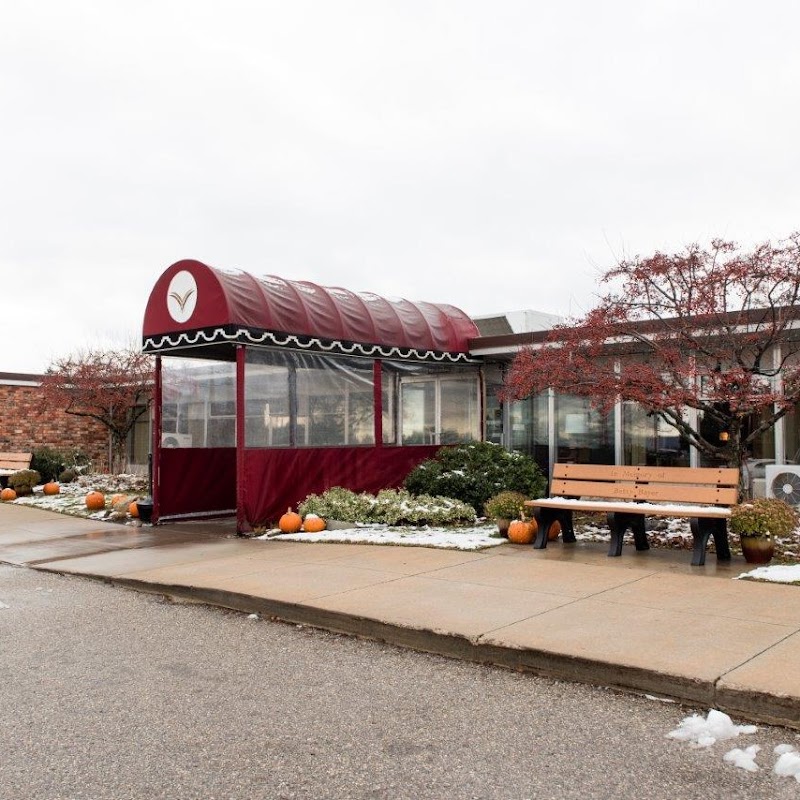
How is The Villa At The Bay Staffed?

CMS rates The Villa at the Bay's staffing level at 2 out of 5 stars, which is below average compared to other nursing homes. Staff turnover is 59%, which is 13 percentage points above the Michigan average of 46%. High turnover can affect care consistency as new staff learn residents' individual needs.

What Have Inspectors Found at The Villa At The Bay?

State health inspectors documented 59 deficiencies at The Villa at the Bay during 2023 to 2025. These included: 4 that caused actual resident harm and 55 with potential for harm. Deficiencies causing actual harm indicate documented cases where residents experienced negative health consequences.
Who Owns and Operates The Villa At The Bay?

The Villa at the Bay is owned by a for-profit company. For-profit facilities operate as businesses with obligations to shareholders or private owners. The facility is operated by VILLA HEALTHCARE, a chain that manages multiple nursing homes. With 110 certified beds and approximately 78 residents (about 71% occupancy), it is a mid-sized facility located in Petoskey, Michigan.

How Does The Villa At The Bay Compare to Other Michigan Nursing Homes?

Compared to the 100 nursing homes in Michigan, The Villa at the Bay's overall rating (1 stars) is below the state average of 3.1, staff turnover (59%) is significantly higher than the state average of 46%, and health inspection rating (1 stars) is much below the national benchmark.

What Should Families Ask When Visiting The Villa At The Bay?

Based on this facility's data, families visiting should ask: "How do you ensure continuity of care given staff turnover, and what is your staff retention strategy?" "Can you walk me through typical staffing levels on day, evening, and night shifts?" "Can I visit during a mealtime to observe dining assistance and food quality?" "How do you handle medical emergencies, and what is your hospital transfer rate?" These questions are particularly relevant given the facility's high staff turnover rate and the below-average staffing rating.

Is The Villa At The Bay Safe?

Based on CMS inspection data, The Villa at the Bay has a clean safety record: no substantiated abuse findings (meaning no confirmed cases of resident harm), no Immediate Jeopardy citations (the most serious violation level indicating risk of serious injury or death), and is not on the Special Focus Facility watch list (a federal program monitoring the lowest-performing 1% of nursing homes). The facility has a 1-star overall rating and ranks #100 of 100 nursing homes in Michigan. While no facility is perfect, families should still ask about staff-to-resident ratios and recent inspection results during their visit.

Do Nurses at The Villa At The Bay Stick Around?

Staff turnover at The Villa at the Bay is high. At 59%, the facility is 13 percentage points above the Michigan average of 46%. High turnover means new staff may not know residents' individual needs, medications, or preferences. It can also be disorienting for residents, especially those with dementia who rely on familiar faces. Families should ask: What is causing the turnover? What retention programs are in place? How do you ensure care continuity during staff transitions?

Was The Villa At The Bay Ever Fined?

The Villa at the Bay has been fined $169,920 across 1 penalty action. This is 4.9x the Michigan average of $34,778. Fines at this level are uncommon and typically indicate a pattern of serious deficiencies, repeated violations, or failure to correct problems promptly. CMS reserves penalties of this magnitude for facilities that pose significant, documented risk to resident health or safety. Families should request specific documentation of what issues led to these fines and what systemic changes have been implemented.

Is The Villa At The Bay on Any Federal Watch List?

The Villa at the Bay is not on any federal watch list. The most significant is the Special Focus Facility (SFF) program, which identifies the bottom 1% of nursing homes nationally based on persistent, serious quality problems. Not being on this list means the facility has avoided the pattern of deficiencies that triggers enhanced federal oversight. This is a positive indicator, though families should still review the facility's inspection history directly.