Medilodge of Richmond
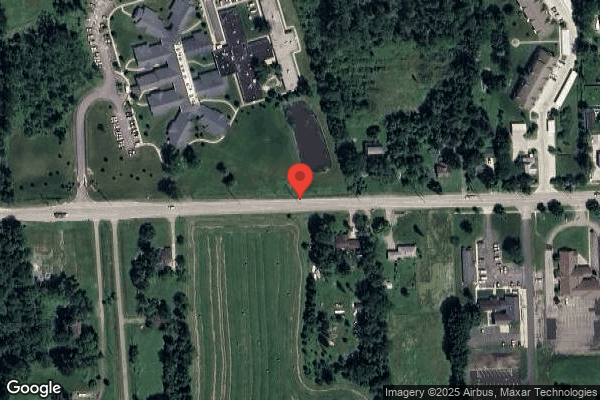

34901 Division Road, Richmond, MI 48062 (586) 727-7562
For profit - Corporation 126 Beds MEDILODGE Data: November 2025
Trust Grade
75/100
#149 of 422 in MI
Last Inspection: July 2025

Inspected within the last 6 months. Data reflects current conditions.

Overview

Medilodge of Richmond has a Trust Grade of B, which indicates it is a good choice among nursing homes. It ranks #149 out of 422 facilities in Michigan, placing it in the top half of the state, and #9 out of 30 in Macomb County, meaning there are only eight local homes that are better. The facility's performance trend is stable, maintaining four issues in both 2024 and 2025. Staffing is rated 4 out of 5 stars, with a turnover rate of 40%, which is below the Michigan average, suggesting that staff tend to stay longer and build relationships with residents. However, there were concerns noted in the most recent inspections, including reports of residents waiting over 30 minutes for staff assistance and inadequate personal grooming for some residents, highlighting areas where improvements are needed alongside its strengths.
Trust Score
B
75/100
In Michigan
#149/422
Top 35%
Safety Record
Low Risk
No red flags
Inspections
Holding Steady
4 → 4 violations
Staff Stability
○ Average
40% turnover. Near Michigan's 48% average. Typical for the industry.
Penalties
✓ Good
No fines on record. Clean compliance history, better than most Michigan facilities.
Skilled Nurses
✓ Good
Each resident gets 47 minutes of Registered Nurse (RN) attention daily — more than average for Michigan. RNs are trained to catch health problems early.
Violations
⚠ Watch
15 deficiencies on record. Higher than average. Multiple issues found across inspections.
★★★★☆
4.0
Overall Rating
★★★★☆
4.0
Staff Levels
★★★★☆
4.0
Care Quality
★★★★☆
4.0
Inspection Score
Stable
2024: 4 issues
2025: 4 issues

The Good

  • 4-Star Staffing Rating · Above-average nurse staffing levels
  • 4-Star Quality Measures · Strong clinical quality outcomes
  • Full Sprinkler Coverage · Fire safety systems throughout facility
  • No fines on record
  • Staff turnover below average (40%)

    8 points below Michigan average of 48%

Facility shows strength in staffing levels, quality measures, fire safety.

The Bad

Staff Turnover: 40%

Near Michigan avg (46%)

Typical for the industry

Chain: MEDILODGE

Part of a multi-facility chain

Ask about local staffing decisions and management

The Ugly 15 deficiencies on record

Jul 2025 4 deficiencies
CONCERN (D) 📢 Someone Reported This

A family member, employee, or ombudsman was alarmed enough to file a formal complaint

Potential for Harm - no one hurt, but risky conditions existed

ADL Care (Tag F0677)

Could have caused harm · This affected 1 resident

**NOTE- TERMS IN BRACKETS HAVE BEEN EDITED TO PROTECT CONFIDENTIALITY** This citation pertains to intake 1183138Based on observation, interview, and record review, the facility failed to ensure necess...

Read full inspector narrative →
**NOTE- TERMS IN BRACKETS HAVE BEEN EDITED TO PROTECT CONFIDENTIALITY** This citation pertains to intake 1183138Based on observation, interview, and record review, the facility failed to ensure necessary grooming and hygiene (shaving and nail care) was provided for two (Residents #40 and #13) of four residents reviewed for activities of daily living (ADLs) assistance. Findings include:R40On 07/21/2025 at 10:49AM, R40 was observed lying supine in bed with the head of the bed slightly elevated. R40's fingernails were irregular in length, some approximately a quarter inch past the tip of the finger, and visibly dirty. R40 was unshaven with an approximate eighth inch black stubble, and the toenails were long (eighth to quarter inch beyond the tips of his toes) and crusted. On 07/22/2025 at 3:20 PM, R40 was asked about facial hair and nails and R40 reported they preferred to be clean shaven and have their fingernails and toenails trimmed and kept clean. On 07/22/2025 at 3:25 PM, R40 was observed being repositioned and provided incontinence care by Certified Nursing Assistant's (CNA) M and N. R40's fingernails and toenails were long, and R40 was unshaven as on 07/21/2025. When asked about the policy for shaving and trimming nails, both CNAs stated, It should be done on shower day. A review of the medical record for R40 revealed they were admitted to the facility on [DATE]. Diagnoses included Arthritis, Contracture of Muscle Upper Arm, Chronic Respiratory Failure, and High Blood Pressure. The Minimum Data Set (MDS) assessment dated [DATE] indicated they were dependent on staff for all ADLs. The care plan identified an ADL self-care performance deficit, with interventions for assistance with personal hygiene and bathing. A review of the CNA documentation, plan of care response history, and progress notes for the past 30 days revealed no documentation revealed eight showers were completed without documentation of refusals related to grooming care, including nail care or shaving. R13 On 07/21/2025 at 10:48 AM, R13 was observed lying supine in bed with head of the bed almost flat. R13 ‘s fingernails were long and curled around the tips of his fingers and visibly dirty. R13 was unshaven with a thick, unkempt goatee. Long nose hairs were observed extending into their mustache area. The remainder of their facial hair was unshaven with an approximate one fourth to one half inch black stubble and extended beyond the appearance of a five o'clock shadow. On 07/21/2025 at 1:10 PM, R13 was observed with the head of the bed up, having just finished lunch. Facial hair and fingernails were observed as previous noted. On 07/22/2025 at 8:19 AM, R13 was observed in bed with the head of the bed slightly elevated with a large pillow to the left side. R13's facial hair remained unshaven with the thick, unkempt goatee, long nose hair which extended into the mustache area, and dark facial hair covering the cheeks and chin, consistent with the prior day's observation. On 07/22/2025 at 12:44 PM, an interview was conducted with R13's son regarding grooming. The son expressed concern about the length of R13's facial and nose hair and fingernails. R13's son indicated R13 would want to be kept neatly shaved, nose hair trimmed, and fingernails cleaned. On 07/23/2025 at 8:44 AM, R13 was observed in bed with the head of the bed slightly elevated. R13's fingernails remained long, curled, and visibly dirty. The facial hair, including the unkempt goatee and extended nose hairs, appeared unchanged from the prior observations on 07/21/2025 and 07/22/2025. A review of the medical record for R13 revealed they were admitted to the facility on [DATE]. Diagnoses included Stroke, Kidney Disease, Heart failure, and Diabetes. The MDS assessment dated [DATE] documented increased need for assistance with ADLs and severely impaired cognition. The care plan identified an ADL self -care performance deficit, with interventions for one person assistance with personal hygiene and bathing. On 07/22/2025 at 4:45 PM, Licensed Practical Nurse (LPN) Q unit manager, and Registered Nurse (RN) R unit manager, were interviewed regarding the facility's grooming policy related to fingernail care, toenail care, and shaving. Both staff stated that grooming should be completed on shower days and as needed (PRN). If a resident refused their care, the CNA was expected to notify the nurse. The nurse will speak to the resident, and if the refusal continues, the family and physician are notified, and a progress note is documented in the medical record. On 07/23/2025 at 8:44 AM, an interview was conducted with CNAs O and P. Both CNAs stated R40 and R13 don't refuse care. CNA O stated, (R40) received a shower on 07/21/2025 but, due to staffing issues, they did not have time to shave (R40) or clean (R40) nails. On 07/23/2025 at 12:15 PM, the Director of Nursing (DON) reported their expectations for grooming care, including fingernail, toenail, and shaving hygiene were that grooming should be completed on shower days and as needed (PRN). If a resident refuses care, staff are expected to notify the nurse. The nurse is responsible for speaking with the resident, and if the refusal continues, the family is notified and the refusal documented in the medical record. A review of the facility policy, Activities of Daily Living (ADLs), dated 10/30/2025, revealed, The facility takes measures to minimize the loss of residents functional abilities, including activities of daily living (ADLs). Activities of daily living include the ability to bathe, dress, and groom. A resident who is unable to carry out activities of daily living receives the necessary services to maintain good nutrition, grooming, and personal and oral hygiene.
CONCERN (D)

Potential for Harm - no one hurt, but risky conditions existed

Quality of Care (Tag F0684)

Could have caused harm · This affected 1 resident

**NOTE- TERMS IN BRACKETS HAVE BEEN EDITED TO PROTECT CONFIDENTIALITY** Based on interview, and record review, the facility failed to ensure that ordered laboratory work was completed for one (R34) of...

Read full inspector narrative →
**NOTE- TERMS IN BRACKETS HAVE BEEN EDITED TO PROTECT CONFIDENTIALITY** Based on interview, and record review, the facility failed to ensure that ordered laboratory work was completed for one (R34) of three residents reviewed for laboratory services. Findings include:A review of the medical record for R34 revealed they were admitted to the facility on [DATE] with diagnoses of high blood pressure, atrial fibrillation, respiratory failure and diabetes. The care plan, dated 09/25/2023, identified the resident as having impaired cardiovascular status and diagnostic testing should be completed as ordered. An order for routine laboratory testing, including a complete blood count (CBC/Diff) with differential, and comprehensive metabolic panel (CMP) was entered for R34. Documentation date 02/28/2025 indicated the lab was unable to obtain a sufficient blood sample, noting, Couldn't get a vein quantity not sufficient. A review of the medical record revealed no evidence that a follow-up attempt was made to redraw the laboratory tests, and there was no documentation to indicate the physician was notified. On 07/22/2025 at 2:45 PM, an interview was conducted with R34's physician regarding their expectations when laboratory staff are unable to obtain sufficient blood from a resident. The Physician confirmed they would expect the lab would be redrawn if the initial attempt was unsuccessful saying, I want it done or to be notified if unable to complete. On 07/22/2025 at 2:53 PM, Unit managers Licensed Practical Nurse (LPN) Q and Registered Nurse (RN) R reported if a laboratory redraw is needed, a new requisition must be entered into (name of electronic medical record system) and (name of laboratory service provider) is expected to follow up. During the interview, both unit managers attempted to locate laboratory results for R34 and were unable to find them. On 07/23/2025 at 12:11 PM, interview with Director of Nursing (DON) reported their expectations for handling unsuccessful laboratory draws. The DON reported when laboratory staff are unable to obtain a sufficient sample of blood, a new requisition should be completed and entered into (name of electronic medical record system). The laboratory is then expected to follow up and complete the lab work. On 07/23/2025 and 07/24/2025 three attempts to call (name of laboratory service provider) were made with no return call. A review of the facility policy, Laboratory and Diagnostic Guidelines, dated 01/01/2022, revealed, the guideline is set up to track the timely completion, reporting and monitoring of laboratory and diagnostic tests, results, and notifications which are used to monitor resident status and/or therapeutic medication levels. The physician should be notified of all refused lab or diagnostic test orders and reason why.
CONCERN (D)

Potential for Harm - no one hurt, but risky conditions existed

Deficiency F0804 (Tag F0804)

Could have caused harm · This affected 1 resident

Based on observation, interview, and record review, the facility failed to ensure meals were palatable and served in a timely manner for six residents (R21, R27, R33, R38, R99, R118) reviewed for food...

Read full inspector narrative →
Based on observation, interview, and record review, the facility failed to ensure meals were palatable and served in a timely manner for six residents (R21, R27, R33, R38, R99, R118) reviewed for food concerns from a census of 119 residents. Findings include:On 07/21/25 at 10:06 AM, during the initial screening, R21 reported their breakfast was cold today. On 07/21/2025 at 10:19 AM, during the initial screening, R33 stated, The food sucks. On 07/21/25 at 10:45 AM, R27 reported, they take good care of me, but the food is terrible, dried-up meat and almost choked on a hot dog. On 07/21/25 at 10:08 AM, R38 reported the meat can be tough and chewy, the eggs are served cold, and the Caesar salad was made with iceberg lettuce and served with Italian or ranch dressing. On 07/21/2025 at 10:40 AM, R99 reported the food is cold at one meal or another almost every day. R99 went on to say the oatmeal was served without brown sugar when requested so they had to buy their own; Staff can't or don't read the food tickets so R99 does not receive what is requested; They do not always get cereal or what was requested; The tater tots and hamburger were served cold, and fries were still frozen. R99 reported they feel they are the last to be served since they are at the end of the hall. On 07/21/2025 at 12:22 PM, the food tray cart was observed on the 600 unit. Staff were observed to walk down the hall and past the food cart; At 12:25 PM, dietary staff dropped a food tray cart on the 700 unit. One staff member was passing trays; At 12:47 PM, the cart from the 600 unit was moved to the 800 unit. At 1:00 PM, R99 was served their food. 38 minutes after the cart was delivered onto the unit. At 1:01 PM R99 reported the food was warm but not hot. On 07/21/2025 at 12:49 AM, R118 reported they feel the resident council and food committee meetings do not make much difference with the same complaints about food every month and the kitchen blames the CNAs for cold food. R118 feels at times the food is cold to begin with. R118 commented they told the facility they honestly think the dietary staff don't read the menu when residents send them back. R118 reported the chicken on their plate could be warmer and part of the issue is that the facility was short staffed all the way around. On 07/22/2025 at 11:44 AM, the lunch food tray cart was observed at the entrance to the 700 unit. At 12:18 PM, a food tray cart had not made it to the 800 unit. On 07/22/2025 at 12:51 PM, R99 was observed to have the turkey rice casserole, snap peas, a roll, and chocolate cake on their lunch plate. R99 reported they did not want any of it except the cake and that no one had come and asked them what they wanted. A review of the meal ticket revealed no changes or substitutions had been made on the ticket. 07/22/2025 1:09 PM, Certified Nursing Assistants (CNA) X and Y reported the procedure was to have the next day's meal tickets reviewed with the resident to determine their food preferences and then the CNA would sign the meal ticket when reviewed and return it too dietary. On 07/22/25 at 1:49 PM, during the group meeting, R8 reported the food was a joke and were served frozen fries. R118 reported they do have food council meetings, and they brought up the food was cold, and it was blamed on the CNAs for leaving the door to the cart open. R118 further noted the cold stuff is not cold and the ice cream was like soup. A review of the food committee minutes received for February 2025, March 2025, May 2025 and June 2025 documented consecutive cold food or timely delivery complaints. A review of the monthly Resident Tray Assessment Report received, documented an audit of one lunch meal with the last one completed on 06/02/25. On 07/23/2025 at 8:02 AM, the food tray cart was observed on the 700 unit, one staff was observed to begin delivery of the food trays; At 8:06 AM, a second staff was observed to pass trays on 700 unit; At 8:10 AM, the tray cart to was delivered to the 600 unit, At 8:21 cart was observed at the entry to 600 hall as before. Staff had started distribution of trays, and the cart was moved to the end of the hall then moved to the 800 unit. At 8:34 the meal tray for R99 was delivered. 24 minutes after arrival on the floor. The meal ticket was observed with preferences and noted corn flakes. R99 was served frosted flakes. R99 reported they did not get the plain corn flakes they had requested. Oatmeal was delivered per the ticket, but the requested brown sugar was not seen in the oatmeal or on the tray. On 07/23/2025 at 1:55 PM, the identified concerns were reviewed with the Dietary Manager (DM). The dietary manager confirmed the procedure was for CNAs to bring out the meal tickets the night before, review the menu items with the resident and then sign and return it. The DM reported the resident should be offered a second or third alternate to the main menu item. The DM reported the time the food cart was delivered to the floor was also documented. Dietary brings out the paper and once the food cart is delivered, they then have a nurse or CNA sign off. The signing of any paper was not observed to occur during the tray pass observation. The DM also noted the time it takes to fill the cart while in the kitchen was up to 15 minutes. When asked about the food committee, the DM noted they actively attended the meetings. A review of the facility policy titled, Nutritional Management revised 01/22/22 revealed, The facility provides care and services to each resident to ensure the resident maintains acceptable parameters of nutrition in the context of his or her overall condition . The Resident's goals and preferences regarding nutrition will be reflected in the Resident's plan of care .
CONCERN (E) 📢 Someone Reported This

A family member, employee, or ombudsman was alarmed enough to file a formal complaint

Potential for Harm - no one hurt, but risky conditions existed

Deficiency F0725 (Tag F0725)

Could have caused harm · This affected multiple residents

This citation pertains to intake 1183138.Based on observation, interview and record review, the facility failed to ensure sufficient staff to provide timely care to seven (R5, R18, R33, R34, R40, R95,...

Read full inspector narrative →
This citation pertains to intake 1183138.Based on observation, interview and record review, the facility failed to ensure sufficient staff to provide timely care to seven (R5, R18, R33, R34, R40, R95, and R99) of 24 residents. Findings include: On 07/21/25 at 9:38 AM during the initial screening of the facility residents: R95 reported Sometimes there is a long wait, like a half hour or more, when you push the call light for staff to come help you. R95 reported, It takes a half hour or so for call lights to be answered. R95 further reported they required assistance to eat and some staff don't like to feed (the residents). On 07/21/2025 at 10:19 AM, R33 was sitting up in bed dress in a hospital style gown. R33 reported concerns about not enough briefs and not enough staff. R33 reported they have waited longer than 30 minutes to get out of bed when they ask because they are a two-person transfer and their CNA has to go to another hall to get help. On 07/21/2025 at 10:30 AM, R5 was observed to be in bed connected to a tube feeding pump. The pump had a screen which read inactive and made a beeping sound. The sound was audible from the hallway. At 11:08 AM, the pump continued to be idle and beeping. On 07/21/2025 at 10:38 AM, R34 was observed sitting up in bed with oxygen in use. The resident's call light was observed to be on the floor, out of the resident's reach. Staff were observed to enter and exit the room, and the call light remained on the floor. The resident was reported by staff to be dependent on staff for care. At 1:34 PM, R34's call light continued to be in the same place on the floor, out of reach. Staff were observed entering and exiting the room to assist the resident with lunch; however, the call light remained on the floor throughout the interactions and was not repositioned within the resident's reach. At 2:46 PM, R34 was observed to be repositioned and Certified Nursing Assistant (CNA) O was observed to struggle while they tried to get the call light out from under the wheel on the bed. CNA O reported they carried a pager for notification when the call lights are activated. CNA O further reported they were assigned 15 residents and would have to get help with the residents who require mechanical lifts. On 07/21/2025 at 11:03 AM, R118 reported they felt the facility was short staffed as lights not answered quickly and many residents on their hall require two people. On 07/21/2025 at 11:34 AM, the visitor of resident R18 and R18 were interviewed. They verbalized the facility was short staffed and one nurse may have two units to cover. They further noted at nights and on the weekends, it seems like no one is at the facility with one CNA and one nurse. They also noted no one picks up the phone and medications may not be given on time on weekends On 07/21/2025 at 12:01 PM, Licensed Practical Nurse (LPN) S reported they had a split assignment for the day as a nurse had called in. LPN S reported they had residents on the north and south side of the facility and was assigned 26 residents. It was observed the two units were separated by two common areas and the snack bar. On 07/21/2025 at 10:40 AM, R99 commented they received cold food every day and feel they are the last one served (this was observed for two meals.) R99 commented there was not enough staff to get to them timely. It was further reported CNAs are supposed to ask about preferences for the planned menu items, but they don't always come. The delivery of trays for the lunch meal was observed for R99's hall. It took 27 minutes for the CNAs to get to the unit of R99 and begin to pass trays and 11 more minutes to complete the tray pass. A noted on the cart indicated the trays should not remain on the cart for 15 minutes or more. On 07/21/25 at 12:49 PM, R118 reported the facility was consistently short staffed and that led to tray delivery delays. On 07/22/2025 at 1:21 PM, Registered Nurse (RN) T was asked about staffing and reported call ins were the primary concern. LPN U reported there is a call in from a nurse almost daily and the standard of practice was to move staff around rather than replacing the nurse. On 07/22/25 at 1:49 PM, during the group meeting, the attendees verbalized concerns with call light in reach and long wait times for assistance when call light are turned on. On 07/22/2025 at 12:35 PM, the Medical Director was asked about staffing and reported staffing does come up in the Quality Assurance meetings and refers to getting more new hires. The Medical Director commented it would be nice to be able to round with the nurse to discuss medical issues, admitting it may be hard to find one not busy. On 07/23/2025 at 8:44 AM, CNA O reported R40 had a shower on 07/21/205 but do to staffing they just didn't have time to shave and do R40's fingernails. R40 was observed to be unshaven and with long, soiled fingernails on 07/21/25, 07/22/25 and 07/23/25. On 07/23/2025 at 3:35 PM, the Staffing Coordinator (Staff V) reported the staff postings provided were incorrect and did not reflect the true staffing on for the day. When asked what the biggest challenge for staffing nurse and CNAs, Staff V reported call-ins. It was noted six or seven nurses is the goal, but they have also started to use med techs (assisting with medication pass duty). Staff V noted each nurse should have around 17 residents. It was noted five nurses were on for 07/21/25. Staff V noted two med techs were on though their ability to pass certain medications was limited. A review of the call off reports revealed: -January 2025; 14 nurses and 74 CNAs called off,-February 2025; 14 nurse and 34 CNAs called off,-March 2025; 13 nurse and 65 CNAs called off,-April 2025; 26 nurses and 62 CNAs called off,-May 2025; 23 nurse and 30 CNAs called off,-June 2025 22 nurses and 35 CNAs called off. A review of the policy titled, Care Planning Special Needs revised 12/28/23 documented, The facility will provide the necessary care and treatment consistent with professional standards of practice, physician orders, the comprehensive person-centered care plan, and the resident's goals and preferences, to meet the special medical, nursing, mental and psychosocial needs of residents .
Jun 2024 4 deficiencies
CONCERN (D)

Potential for Harm - no one hurt, but risky conditions existed

Safe Environment (Tag F0584)

Could have caused harm · This affected 1 resident

**NOTE- TERMS IN BRACKETS HAVE BEEN EDITED TO PROTECT CONFIDENTIALITY** Based on observation and interview, the facility failed to maintain a clean, homelike environment for three residents R9, R31, a...

Read full inspector narrative →
**NOTE- TERMS IN BRACKETS HAVE BEEN EDITED TO PROTECT CONFIDENTIALITY** Based on observation and interview, the facility failed to maintain a clean, homelike environment for three residents R9, R31, and R60 out of three residents reviewed for environment. Findings include: R9 On 06/11/24 at 9:30 AM, R9 was observed lying in bed in their room watching television. An observation of the privacy cubical curtains revealed several round brown stains on it. When asked about the dirty curtains, R9 nodded his head and stated clean. A record review revealed that R9 was admitted on [DATE] with the medical diagnoses of Hemiplegia and Hemiparesis following Cerebral Infarction affecting Right Dominant Side; Chronic Obstructive Pulmonary Disease, Apasia and Muscle Weakness. A review of the most recent Minimum Data Set Assessment (MDS) dated [DATE] was completed with a Brief Interview for Mental Status (BIMS) score of 0 which indicates impaired cognition. R31 On 6/11/24 at 9:32 AM, R31 was observed lying in bed in their room watching television. An observation of the privacy cubical curtains revealed several round brown stains on it. When asked about the curtains, R31 stated I would prefer a clean curtain in his room. A record review revealed that R31 was admitted on [DATE] with the medical diagnoses of Hemiplegia and Hemiparesis following Cerebral Infarction affecting Left Dominant Side; Hyperlipidemia, Anxiety and Major Depressive Disorder. A review of the most recent Minimum Data Set Assessment (MDS) dated [DATE] was completed with a Brief Interview for Mental Status (BIMS) score of 13 which indicates intact cognition. R60 On 06/11/24 at 11:50 AM, R60 observed siting up in bed watching television. An observation of the privacy cubical curtains revealed several dark black splatter and stains on it. When asked about the curtains, R60 stated It is not good and should be cleaned. A record review revealed that R31 was admitted on [DATE] with the medical diagnoses of Hemiplegia and Hemiparesis following Cerebral Infarction affecting Right Dominant Side; Diabetes Type II, and Mood Disorder. A review of the most recent Minimum Data Set Assessment (MDS) dated [DATE] was completed with a Brief Interview for Mental Status (BIMS) score of 14 which indicates intact cognition. On 6/13/24 at 10:30 AM during an observation and interview with the Housekeeping Supervisor, (Staff A) they confirmed, These curtains are dirty. It is my expectation the curtains are clean in the resident rooms. Residents should have a clean home like environment. A review of the facility policy titled Safe and Homelike Environment which was implemented on 7/28/20 and revised on 1/01/22, revealed the following, The facility will provide a safe, clean, comfortable and home-like environment.
CONCERN (D) 📢 Someone Reported This

A family member, employee, or ombudsman was alarmed enough to file a formal complaint

Potential for Harm - no one hurt, but risky conditions existed

ADL Care (Tag F0677)

Could have caused harm · This affected 1 resident

**NOTE- TERMS IN BRACKETS HAVE BEEN EDITED TO PROTECT CONFIDENTIALITY** This citation pertains to Intake MI00143507. Based on observation, interview, and record review, the facility failed to provide ...

Read full inspector narrative →
**NOTE- TERMS IN BRACKETS HAVE BEEN EDITED TO PROTECT CONFIDENTIALITY** This citation pertains to Intake MI00143507. Based on observation, interview, and record review, the facility failed to provide twice weekly showers for one (R33) of five residents reviewed for showers. Review of the facility record for R33 revealed an admission date of 06/12/23 with diagnoses that included Multiple Sclerosis, Neuromuscular Dysfunction of the Bladder and Urinary Tract Infection. The Brief Interview for Mental Status (BIMS) assessment dated [DATE] was scored 15/15 indicating intact cognitive function. On 06/11/24 at 11:15 AM, R33 reported they had not consistently been assisted with a shower twice weekly as they had in the past. R33's spouse was on speaker phone at the time of the interview and reported they visit regularly and stated I know [R33] doesn't always get a shower twice a week. On 06/12/24 at 1:26 PM, R33 was observed to appear generally well groomed and clean. When asked about the frequency of being showered R33 stated I just had one on Sunday. I got them (showers) on the regular schedule last week but before that I think I only had one for a couple weeks. R33 was asked how they felt about the missed showers and stated I know they're busy sometimes but I don't think twice a week is too much to ask. I feel dirty going that long without a shower. Review of the facility Task item that documents shower completion indicated that R33 received one shower the week of 05/19/24 and no showers the week of 05/26/24. No resident refusal of showers were documented for those weeks. Documentation of R33's shower completion was requested from the facility to rule out additional sources of documentation such as hand written shower sheets. A shower report document was provided that matched the shower completion dates from the Task record and no additional information. On 06/13/24 at 12:09 PM, the facility Director of Nursing (DON) reviewed R33's record and agreed that no shower or shower refusal was documented between 5/23/24 and 06/02/24. The DON reported their expectation is resident's are offered a shower or bath twice weekly and any completion or refusal should be documented. Review of the facility policy Activities of Daily Living dated 12/28/23 revealed the entry 3. A resident who is unable to carry out activities of daily living receives the necessary services to maintain good nutrition, grooming, and personal and oral hygiene. A facility policy specifically addressing the frequency of bathing services being offered/provided was requested but not provided.
CONCERN (D) 📢 Someone Reported This

A family member, employee, or ombudsman was alarmed enough to file a formal complaint

Potential for Harm - no one hurt, but risky conditions existed

Quality of Care (Tag F0684)

Could have caused harm · This affected 1 resident

Based on interview and record review, the facility failed to administration an intravenous (IV) antibiotic as ordered for one resident (R105) out of two reviewed for IV antibiotic use, resulting in mi...

Read full inspector narrative →
Based on interview and record review, the facility failed to administration an intravenous (IV) antibiotic as ordered for one resident (R105) out of two reviewed for IV antibiotic use, resulting in missing eight doses of IV antibiotics. Findings Include: On 06/11/24 at 11:35 AM, R105 reported when they were admitted into the facility, they were on IV antibiotics and the medication ran out and they were without the treatment for at least a day. A review of the medical record revealed that R105 admitted into the facility on 5/8/2024 with the following diagnoses, Acute Osteomyelitis, Right Ankle and Foot and Non-Pressure Chronic Ulcer of Right Heel and Midfoot with Fat Layer Exposed. A review of the Minimum Data Set assessment revealed a Brief Interview of Mental status score of 15/15 indicating an intact cognition. R105 also required assistance with bed mobility and transfers. Further review of the physician orders revealed the following orders; -Ampicillin-Sulbactam Sodium Injection Solution Reconstituted 3 (2-1) GM (Ampicillin & Sulbactam Sodium) Directions: Use 3 gram intravenously every 6 hours related to OTHER ACUTE OSTEOMYELITIS, RIGHT ANKLE AND FOOT until 06/10/2024 23:59 . -Lab (name of lab tests) weekly. Directions: every day shift every Fri (Friday) for Infection. A review of the Medication Administration Record (MAR) revealed a number 9 documented on May 28th and May 29th indicating that R105 missed eight doses of their IV antibiotic. Further MAR notes stated the IV antibiotic was On order on these days. No note was observed stating the physician was notified. A review of R105's laboratory did not show any results for 6/7. On 6/13/2024 at 10:57 AM, an interview was conducted with Infection Control Preventionist (ICP) C. ICP C stated if R105 medication was on order then the physician should have been notified. ICP C stated they have been having problems with the lab and they are unsure why it was not drawn on 6/7 as it was ordered. On 6/13/2024 at 11:16 AM, an interview was completed with the Director of Nursing (DON). The DON stated if a medication is not available, the nurses should look in the back up system first, call the pharmacy and see where the medication is and then notify the physician. The DON stated there should have been some follow up with R105's IV Antibiotics. A review of a facility policy titled, Antibiotic Stewardship program noted the following, b. Monitoring antibiotic use: i. Monitor response to antibiotics, and laboratory results when available, to determine if the antibiotic is still indicated or adjustments should be made (e.g., antibiotic time-out) .v. Random audits of antibiotic prescriptions may be performed to verify completeness and appropriateness (Process measure).
CONCERN (D)

Potential for Harm - no one hurt, but risky conditions existed

Respiratory Care (Tag F0695)

Could have caused harm · This affected 1 resident

**NOTE- TERMS IN BRACKETS HAVE BEEN EDITED TO PROTECT CONFIDENTIALITY** Based on observation, interview, and record review the facility failed to ensure oxygen tubing was changed and ensure residents ...

Read full inspector narrative →
**NOTE- TERMS IN BRACKETS HAVE BEEN EDITED TO PROTECT CONFIDENTIALITY** Based on observation, interview, and record review the facility failed to ensure oxygen tubing was changed and ensure residents on oxygen had full oxygen tanks available for three residents (R8, R59, R39) out of three residents reviewed for respiratory care. Findings include: R8 On 06/11/24 at 10:06 AM, R8 was observed sitting in their wheelchair at the sink in room. R8's oxygen tubing on the back of their wheelchair was in a bag and dated 5/28/24. Additional oxygen tubing was attached to a portable oxygen tank and dated 5/14/24. The oxygen tank on the back of the wheelchair was empty. R8 was not wearing oxygen at this time. On 06/11/24 at 12:17 PM, R8 was observed sitting in their wheelchair in the hallway. The oxygen tubing on the back of the wheelchair was still dated 5/14/24 and the oxygen tank was empty. R8 was not wearing oxygen at this time. On 06/12/24 at 08:18 AM, R8 was observed awake lying in bed using oxygen at two liters per nasal cannula (NC) by concentrator. Portable oxygen tank on back of wheelchair remained empty. On 06/12/24 at 11:37 AM and 12:44 PM, R8 was observed sitting up in their wheelchair. Oxygen tubing on back of wheelchair was still dated 5/14/24 and 5/28/24. Oxygen tank on wheelchair remained empty. R8 was not wearing oxygen at this time. On 06/12/24 at 01:31 PM, R8 was observed sitting in their wheelchair in the hallway and was asked if they ever wear oxygen during the day R8 stated not usually but if they feel they need it they ask for it. A review of the medical record revealed that R8 admitted into the facility on 4/23/24 with the following diagnosis, Chronic obstructive pulmonary disease. A review of the Minimum Data Set assessment revealed a Brief Interview for Mental status score of 11/15, indicating an impaired cognition. R8 also required assistance with bed mobility and transfers. Further record review of R8's care plan stated the following: R8 will periodically remove their oxygen. Encourage them to wear. Administer Oxygen at 2L (liters) NC continuous as ordered. Provide oxygen as needed when resident exhibits signs/symptoms of difficulty breathing (short of breath, cyanosis, low 02 sats) R8's physician order documented the following: Oxygen: Run at 2L/MIN via N/C continous. Oxygen tubing/filter change every week. R59 On 06/11/24 at 01:01 PM, R59 was observed sitting in their wheelchair in the hallway talking to R8 with oxygen two liters via nasal canula with portable tank. Oxygen tubing dated 5/28/24. On 06/12/24 at 08:20 AM and 1:33 PM, R59 was observed sleeping in bed wearing oxygen two liters nasal canula via concentrator. Portable oxygen tank in wheelchair was empty. On 06/12/24 at 02:24 PM, R59 was observed being pushed in their wheelchair in the hall without wearing oxygen. On 06/13/24 at 09:38 AM, R59 was observed sleeping in bed with oxygen on per concentrator. Oxygen tank in wheelchair was empty. A review of the medical record revealed that R59 admitted into the facility on 5/05/22 with the following diagnosis, Chronic obstructive pulmonary disease. A review of the Minimum Data Set assessment revealed a Brief Interview for Mental status score of 14/15 impaired cognition. R59 also required assistance with bed mobility and transfers. Further record review of R59's care plan stated the following: Resident has an impaired pulmonary/respiratory status related to chronic respiratory failure with COPD and requires supplemental oxygen. Administer Oxygen at 2L NC continuous as ordered. The Physician order documented Oxygen: Run at [2]L/MIN via N/C continous. R39 On 06/13/24 at 02:00 PM, R39 was observed sitting in their motorized wheelchair in a common area at a table with other residents. R39 had an oxygen nasal cannula in place and the oxygen tank on the back of the wheelchair was empty. A review of the medical record revealed that R39 admitted into the facility on 1/14/23 with the following diagnosis, Chronic obstructive pulmonary disease. A review of the Minimum Data Set assessment revealed a Brief Interview for Mental status score of 14/15 impaired cognition. R39 also required assistance with bed mobility and transfers. Further record review of R39's care plan documented the following: Resident has an impaired pulmonary/respiratory status related to COPD (chronic obstructive pulmonary disease)/Emphysema, obesity, respiratory failure, shortness of breath, sleep apnea. Oxygen continuous 3L NC as ordered. The Physicians orders documented: Oxygen: Run at [3]L/MIN via N/C continous. On 06/13/24 at 09:43 AM, during an interview, Certified Nurse Assistant (CNA) D states the oxygen tanks are changed by the CNA's and that the oxygen tubing is located in the supply room and is changed by supply people. On 06/13/24 at 10:14 AM, during an interview the Unit Manager (UM) E stated a company comes every Tuesday to change oxygen tubing and confirmed that oxygen tubing should be dated. On 06/13/24 at 1035 AM, during an interview Infection Control Preventionist (ICP) C stated they believed oxygen tubing should be changed by a company and stated the unit manager usually rounds to ensure it was completed. ICP C was unsure of the time frame they needed to be changed. In an additional interview the Director of Nursing (DON), stated residents on oxygen should have full oxygen tanks and have oxygen available is something happens. The DON stated it is the expectation that oxygen tubing be changed weekly. R78 On 6/11/24 at 12:50 PM, R78 was observed in bed with a trach (tracheostomy - surgical hole in neck to assist with breathing) collar on their neck. The oxygen (O2) concentrator and trach tubing were observed without a date. On 6/12/24 at 9:53 AM, R78 was observed in bed with the O2 tubing and trach tubing undated. A review of R78's orders did not reveal orders regarding the frequency to change the tubing. On 6/13/24 at 10:19 AM, Unit Manager E was observed to look for dates on the tubing on R78's equipment and was unable to locate a date as to when the tubing was last changed. Unit Manager E was asked how often is the tubing changed. Unit Manager E explained, the tubing is to be changed weekly and labeled with a date. A review of R78's medical record revealed, R78 was admitted to the facility on [DATE] with diagnosis of Anoxic Brain Damage. R78's care plan noted, Focus: Resident has an impaired pulmonary/respiratory failure, tracheostomy, asthma. Date initiated: 05/26/2024. Goal: Resident will have reduced complications related to their altered pulmonary/respiratory status through next review. Date Initiated: 05/26/24. Intervention: Provide oxygen as needed when the resident exhibits signs/symptoms of difficulty breathing (short of breath, cyanosis, low O2 sats). Date Initiated: 05/30/2024. A review of the facility policy titled Oxygen Administration noted the following: change oxygen tubing and mask/cannula weekly and as needed if it becomes soiled or contaminated. Change nebulizer tubing and delivery devices every 72 hours, or per manufacturer recommendation, and as needed if they become soiled or contaminated.
Jun 2023 5 deficiencies
CONCERN (D)

Potential for Harm - no one hurt, but risky conditions existed

Deficiency F0604 (Tag F0604)

Could have caused harm · This affected 1 resident

**NOTE- TERMS IN BRACKETS HAVE BEEN EDITED TO PROTECT CONFIDENTIALITY** Based on observation, interview, and record review, the facility failed to develop and implement interventions for reducing and/...

Read full inspector narrative →
**NOTE- TERMS IN BRACKETS HAVE BEEN EDITED TO PROTECT CONFIDENTIALITY** Based on observation, interview, and record review, the facility failed to develop and implement interventions for reducing and/or eventually discontinuing the use of a restraint, and document and provide ongoing monitoring and evaluation for the continued use of a physical restraint for one sampled resident (R69), of one resident reviewed for restraints resulting in the potential for physical and psychosocial harm using the reasonable person concept. Findings include: On 6/5/23 at 12:47 PM, R69 was observed asleep in a Posey bed (a tent-like enclosure entirely covering a hospital bed. Someone on the outside of the bed must unzip one of the tent flaps before the individual can get out of the bed). A review of R69's medical record revealed that they were admitted into the facility on [DATE] with diagnoses that include Schizophrenia, Developmental Disorder of Speech and Language, Seizures, and Anxiety. A review of R64's Quarterly Minimum Data Set (MDS) assessment dated for 3/25/23 revealed that the resident was severely cognitively impaired, and required extensive assistance of one person for dressing, toilet use and eating. Further review of the medical record revealed that the resident has had the posey bed in placed since 7/8/21. Further review of R69's medical record revealed that the following care plan, Focus: Resident may resist care r/t (related to) dx (diagnosis). Per family, resident may become combative if [R69] does not want to do something. [R69] constantly trying to get out of [their] bed, wheelchair and has a history of constant falls. [R69] now has a posey bed in place. [R69] may take off brief and tends to spread [their] BM [bowel movement] all over. [R69] will often scream loudly, even after staff have just been in [their] room. [R69] does not tolerated being up for long periods of time. [R69] is followed by psych and OBRA (Omnibus Budget Reconciliation Act of 1987, which was implemented to enhance the quality of care of residents in nursing facilities) and is on psychotropic meds. dx of developmental d/o (disorder), major depression, anxiety d/o and Schizophrenia. Date Initiated: 08/29/2020. Revision on: 03/30/2023 .Interventions: Resident uses a posey bed to assist in keeping [their] psychosocial well being stable. Date Initiated: 03/31/2022. Revision on: 04/18/2023 . Further review of R69's medical record revealed four quarterly Safety Device Data Collection Evaluations dated as follows: 12/15/2021-Incomplete, 4/25/2022-Complete, 7/4/2022-Complete, and 3/24/2023-Incomplete. Further review of R69's medical record revealed four Physical Restraint Elimination Reviews dated as follows: 1/25/2022-Complete, 8/10/2022-Complete, 12/28/2022-Complete, and 4/18/2023-Complete. Further review of R69's medical record revealed a Level II OBRA assessment dated for 4/10/23 revealed the following recommendations: OBRA Specialized Mental Health Services (SMHS) is recommended to assist in the coordination of services among the providers, establish a behavior plan with the assistance of the rehabilitation department, social work and nursing department for a graded out of Posey bed program while maintaining [their] safety in [their] lounge chair and wheelchair. [Legal Guardian] is in agreement with anything that may assist [their family member] in spending time out of the Posey Bed . On 6/7/23 at 10:31 AM, an interview was completed with Social Worker J regarding the implementation of R69's OBRA recommendations specific to the restraint of the Posey Bed, and obtaining a communication board for the resident. Social Worker J explained that previously, R69 had not been successful with spending time outside of their Posey Bed, and gets angry after being up for about an hour. Regarding the communication board, Social Worker J explained that it had not been successful in the past. Regarding the process of implementing interventions from the OBRA assessments, Social Worker J explained that she usually reads the assessments and informs the IDT (Interdisciplinary Team) of those recommendations, but was unable to explain why R69's recommendations had not yet been implemented. On 6/7/23 at 11:36 AM, Unit Manager (UM) K was asked about R69 being trialed out of their Posey Bed, and recommendations being implemented from the OBRA assessment. UM K explained that she was unaware of those recommendations, but did indicate that R69 had some time ago been trialed out of the Posey bed, but they always yell to go back in. On 6/7/23 at 11:14 AM, the Nursing Home Administrator (NHA) and Director of Nursing (DON) were asked about specific documentation and/or periodic assessment of trials of attempting to reduce R69's time in the Posey bed, and they reported that they did not have anything formally in place. On 6/7/23 at 11:53 AM, the Director of Nursing (DON) was asked about implementing recommendations from the OBRA assessment regarding an out of bed Posey program. The DON explained that she could not speak on the subject as she recently returned from a medical leave. The DON was asked who is supposed to complete, and how often the Restraint Elimination Assessments and Safety Device Data Collection and Evaluations are supposed to be completed. She explained that she believes that the Safety Device Data Collection Evaluations should be done quarterly, and that it is triggered by MDS however, she explained that she would investigate and get back with the surveyor however, this information was not provided by the end of the survey. A review of the facility's Restraint policy did not address the need for ongoing monitoring, evaluation, and documentation regarding use, nor did it address interventions to reduce the use of a restraint.
CONCERN (D) 📢 Someone Reported This

A family member, employee, or ombudsman was alarmed enough to file a formal complaint

Potential for Harm - no one hurt, but risky conditions existed

Comprehensive Care Plan (Tag F0656)

Could have caused harm · This affected 1 resident

**NOTE- TERMS IN BRACKETS HAVE BEEN EDITED TO PROTECT CONFIDENTIALITY** This citation pertains to Intake M100137029. Based upon observation, interview and record review, the facility failed to impleme...

Read full inspector narrative →
**NOTE- TERMS IN BRACKETS HAVE BEEN EDITED TO PROTECT CONFIDENTIALITY** This citation pertains to Intake M100137029. Based upon observation, interview and record review, the facility failed to implement/document the care plan for repositioning frequency for one (R26) of two residents reviewed for repositioning, resulting in increased potential for skin breakdown. Findings include: Review of the facility record for R26 revealed an initial admission date of 08/02/17 and a most recent admission of 05/25/23 following hospitalization with diagnoses that included Multiple Sclerosis, Paraplegia and Epilepsy. The Minimum Data Set (MDS) assessment dated [DATE] indicated R26 requires total assistance for bed mobility and all self care. The Brief Interview for Mental Status score was not recorded. R26 did not communicate verbally with the surveyor and did lightly nod their head at times in response to questions. Review of R26's Care Plan dated 03/22/23 revealed the Focus area description The resident has potential for impairment to skin integrity related to fragile skin, immobility secondary to contractures with diagnosis of MS [Multiple Sclerosis]. The Intervention area within this focus description included the interventions Reposition with two people with mechanical lift and Yellow Dot program (every two hours) for turning and repositioning. On 06/05/23 at 9:15 AM, R26 was observed laying on their back in bed. ON 06/05/23 at 11:40 AM, R26 was observed laying on their back in bed. On 06/06/23 at 9:49 AM, R26 was observed laying on their back in bed. On 06/06/23 at 11:59 AM, R26 was observed sitting up the reclining chair in their room. The call light was not within reach of R26 and they did not have socks on or have their feet covered. On 06/06/23 at 3:11 PM, R26 was observed sitting up in the reclining chair with no observable position change from the 11:59 AM observation. On 06/07/23 at 8:01 AM, R26 was observed during medication administration in bed turned toward their right side. On 06/07/23 at 10:34 AM, R26 was observed toward their right side-lying position as observed at 8:01 AM. Review of R26's [NAME] task completion chart for repositioning for dates 05/09/23 - 06/06/23 revealed a maximum of three task completion entries per date. On 06/07/23 at 1:27 PM the facility Director of Nursing (DON) reported that the facility interprets each entry as indication that care plan directions (repositioning every 2 hours) were completed for the entire shift rather than having an entry for every episode of repositioning. Additional review of the [NAME] revealed only two entries (two shifts during a 24 hour period) on the dates 06/01/23, 06/02/23 and 06/03/23 and no resident refusals are documented. On 06/07/23 at 1:27 PM the facility DON reported that the expectation for residents on the yellow dot program is that they are turned/repositioned every two hours. Review of the facility policy titled Comprehensive Care Plans dated 06/30/22 included the entry The comprehensive care plan will describe, at a minimum, the following: a. The services that are to be furnished to attain or maintain the resident's highest practible physical, mental and psychosocial well-being. Review of the facility policy titled Turning and Repositioning dated 01/01/22 revealed the Policy statement It is our policy to implement turning and repositioning as part of our systematic approach to pressure injury prevention and management.
CONCERN (D)

Potential for Harm - no one hurt, but risky conditions existed

Deficiency F0675 (Tag F0675)

Could have caused harm · This affected 1 resident

**NOTE- TERMS IN BRACKETS HAVE BEEN EDITED TO PROTECT CONFIDENTIALITY** Based on observation, interview, and record review, the facility failed to ensure residents were positioned appropriately during...

Read full inspector narrative →
**NOTE- TERMS IN BRACKETS HAVE BEEN EDITED TO PROTECT CONFIDENTIALITY** Based on observation, interview, and record review, the facility failed to ensure residents were positioned appropriately during meals affecting two (R35 and R61) reviewed for the dining task, resulting in resident difficulty with self-feeding. Findings include: R61 On 6/5/23 at 12:49 PM, R61 was observed in their bed. R61's lunch tray was in front of them on the overbed table, however, the resident was slumped all the way over to their left side. R61 was holding an empty cup. A piece of cake was observed to have dropped out of the cup and onto the resident's bed. R61 expressed that they felt terrible. R61 was asked if they were comfortable. R61 asked why and stated, Because I'm sitting crooked? R61 then straightened themselves upright somewhat, but was unable to position themselves completely upright. On 6/5/23 at 1:20 PM, R61 remained completely slumped over to their left side in bed. R61's call light was noted to be on their right side, but the resident was unable to locate it. R61's cup of coffee had been spilled onto their lunch tray and onto themselves and their bedding. R61 indicated that the coffee had no longer been hot when they spilled it. R61's empty cake cup and cake were now noted to be on the floor to the left of the resident's bed. R61 indicated they have weakness on both sides of their body. On 6/5/23 at 1:28 PM, R61 remained completely slumped over to their left side in bed. R61 stated they were, About to open my mouth (to call for help). At 1:33 PM, R61 could be heard in the hallway, calling out, Hello? from their room. On 6/5/23 at 1:41 PM, Certified Nursing Assistant (CNA) A entered R61's room. CNA A did not knock on the door or announce herself before entering the room. CNA A expressed shock at seeing R61 and indicated she would help the resident get cleaned up. A review of R61's Minimum Data Set (MDS) assessment dated [DATE] revealed that the resident was admitted into the facility on 5/20/2022 and is currently receiving hospice services. R35's medical diagnoses include Heart Failure, Diabetes, Bipolar Disorder, and Chronic Lung Disease. Further review revealed that the resident requires set-up/supervision assistance from one staff for meals and extensive assistance for bed mobility. A review of R61's care plan revealed: -Assess and anticipate resident's needs: food, thirst, toileting needs, comfort level, body positioning, pain, etc. Date Initiated: 06/23/2022. -Anticipate and meet the resident's needs based on nursing assessments Date Initiated: 05/26/2022. -Be sure the resident's call light is within reach and encourage the resident to use it for assistance as needed. Date Initiated: 05/20/2022. -[R61] will receive interventions to maintain optimal level of comfort through review date Date Initiated: 06/08/2022. R35 On 6/6/23 at 12:34 PM, R35 was observed in their bed. R35's lunch tray was in front of them on the overbed table, however, the resident was slumped over to their right side. R35 expressed that they were leaning too far over. R35 attempted to reach a cup of juice on their tray but was unsuccessful. R35 appeared frustrated and indicated that they lost their appetite. A review of R35's Minimum Data Set (MDS) assessment dated [DATE] revealed that the resident was initially admitted into the facility on 1/19/2021 and most recently readmitted on [DATE]. R35's medical diagnoses include Dementia, Heart Disease, Diabetes, Seizures, Malnutrition, Muscle Weakness, and Abnormal Posture. Further review revealed that the resident is severely cognitively impaired and requires set-up assistance/supervision from one staff for meals and extensive assistance for bed mobility. A review of R35's care plan revealed: Resident requires long term care with daily supervision due to dementia and extensive care needs .Date Initiated: 04/06/2022. On 6/7/23 at 8:37 AM, CNA C, who works on the unit where R35 and R61's rooms are located, was asked how residents should be positioned in bed during meals. CNA C indicated that residents should be sitting as upright as possible if eating their meal while in bed. On 6/7/23 at 11:40 AM, the Director of Nursing (DON) was interviewed and indicated that residents who choose to eat their meals while in bed should be positioned upright. The DON added that she would expect staff to be making rounds to correct any positioning concerns. A review of the facility's policy/procedure titled, Activities of Daily Living (ADLs), reviewed/revised 1/1/2022, revealed, The facility will ensure a resident's abilities in ADLs do not deteriorate unless deterioration is unavoidable. This includes the resident's ability to: 1. Bathe, dress, and groom; 2. Transfer and ambulate; 3. Toilet; 4. Eat; and 5. Use speech, language or other functional communication systems .A resident who is unable to carry out activities of daily living will receive the necessary services to maintain good nutrition, grooming, and personal and oral hygiene .The facility will maintain individual objectives of the care plan and periodic review and evaluation.
CONCERN (D) 📢 Someone Reported This

A family member, employee, or ombudsman was alarmed enough to file a formal complaint

Potential for Harm - no one hurt, but risky conditions existed

ADL Care (Tag F0677)

Could have caused harm · This affected 1 resident

**NOTE- TERMS IN BRACKETS HAVE BEEN EDITED TO PROTECT CONFIDENTIALITY** R38 A review of Intake (complaint called into the State Agency) revealed the following, On 3/1/23 consumer reported to writer th...

Read full inspector narrative →
**NOTE- TERMS IN BRACKETS HAVE BEEN EDITED TO PROTECT CONFIDENTIALITY** R38 A review of Intake (complaint called into the State Agency) revealed the following, On 3/1/23 consumer reported to writer that [they] had not received a shower since early February. On 6/6/23 at 12:03 PM, R38 was interviewed and asked if they were receiving their showers. R38 explained that they are surprisingly receiving showers although the facility seems short staffed at times. R38 further explained that the one of the issues that they are having, is getting their brief changed regularly. A review of R38's medical record revealed that they were admitted into the facility on 1/14/23 with diagnoses that include Respiratory Failure, Diabetes, and Depression. Further review of R38's medical record revealed an initial Minimum Data Set assessment dated for 1/18/23 indicating that the resident was cognitively intact and required extensive assistance for bed mobility, bathing, and toilet use. Further review of R38's medical record revealed the following care plan, Focus: The resident needs activities of daily living assistance related to: respiratory failure, HTN (hypertension), seizure disorder. Date Initiated: 01/15/2023. Revision on: 01/19/2023 .Interventions: BATHING/SHOWERING: [R38] requires extensive assistance x 1 staff member. [R38] prefers to get in the shower. Date Initiated: 02/05/2023. Revision on: 02/05/2023 . A review of shower documentation provided by the facility revealed that R38 had not received any showers between 2/1/23 and 2/23/23. On 6/7/23 at 12:02 PM, the Director of Nursing (DON) was asked about R38 not receiving their showers, and explained that showers and the documentation of them, is something that is being worked on in QAPI (Quality Assurance Performance Improvement), and ensuring that CNAs (Certified Nursing Assistants) are completing their documentation when showers are given. A review of the facility's policy/procedure titled, Activities of Daily Living (ADLs), reviewed/revised 1/1/2022, revealed, The facility will ensure a resident's abilities in ADLs do not deteriorate unless deterioration is unavoidable. This includes the resident's ability to: 1. Bathe, dress, and groom; 2. Transfer and ambulate; 3. Toilet; 4. Eat; and 5. Use speech, language or other functional communication systems .A resident who is unable to carry out activities of daily living will receive the necessary services to maintain good nutrition, grooming, and personal and oral hygiene .The facility will maintain individual objectives of the care plan and periodic review and evaluation. This citation pertains to Intake: MI00135394. Based on observation, interview, and record review, the facility failed to provide timely incontinence care to one resident (R35), and provide and document showers for one resident (R38) of 10 reviewed for activities of daily living (ADLs) resulting in soiled bedding, unmet care needs, resident discomfort, and the potential for skin breakdown. Findings include: A review of R35's Minimum Data Set (MDS) assessment dated [DATE] revealed that the resident was initially admitted into the facility on 1/19/2021 and most recently readmitted on [DATE]. R35's medical diagnoses include Dementia, Heart Disease, Diabetes, Seizures, Malnutrition, Muscle Weakness, and Abnormal Posture. Further review revealed that the resident is severely cognitively impaired and requires extensive assistance for toilet use and is always incontinent of bowel and bladder. On 6/6/23 at 11:41 AM, R35 was observed lying in bed, surrounded by positioning pillows and covered with a blanket. R35 expressed extreme discomfort and indicated that their back was itching terribly. At this time, Licensed Practical Nurse (LPN) G was right outside of R35's room and queried regarding the resident's discomfort. LPN G and the Director of Nursing (DON) helped turn R35 on their side to assess the resident's back. R35's disposable incontinence brief was noted to be completely saturated with urine and had soaked through to the resident's bedding. This observation was confirmed by LPN G and the DON. R35 continued to express that their left lower back was itching. The skin on R35's buttocks appeared to be moisture-laden but was intact. R35's skin on their left lower back was reddened with white indentations/wrinkles (from a green cloth chux pad) - indicative of the resident being positioned on that side for an extended period. The DON was then queried if R35 is able to use their call light or knows when they need to be changed. The DON indicated that the resident is not aware of when they need to be changed and no longer has the cognitive capability to understand use of the call light. The DON also indicated she would have to check R35's care plan in regards to the resident's specific care requirements. On 6/6/23 at 11:51 AM, as lunch trays were being passed out to residents, Certified Nursing Assistant (CNA) A was queried regarding the expectation for checking and changing incontinent residents, as well as the last time she checked/changed R35. CNA A indicated that check/changes are completed every two hours. CNA A was unsure of the exact time she had checked/changed R35 last, but believed it had been around 8:30 AM. CNA A stated she had been planning on checking R35's brief after lunch. On 6/7/23 at 11:40 AM, DON was interviewed and indicated that what was observed on 6/6/23 at 11:41 AM involving R35 did not meet her expectation of care. A review of R35's care plan revealed: -Resident requires long term care with daily supervision due to dementia and extensive care needs .Date Initiated: 04/06/2022. -BRIEF USE: The resident uses disposable briefs. Check q (every) 2 hours and change prn (as needed) Date Initiated: 01/28/2021. -The resident has risk for pressure ulcer development to the following areas (bony prominences) secondary to immobility, DM (Diabetes Mellitus, dementia, weakness, incontinence, malnutrition and hx (history) of pressure injury. Date Initiated: 01/19/2021, Revision on: 03/22/2023.
CONCERN (D)

Potential for Harm - no one hurt, but risky conditions existed

Quality of Care (Tag F0684)

Could have caused harm · This affected 1 resident

**NOTE- TERMS IN BRACKETS HAVE BEEN EDITED TO PROTECT CONFIDENTIALITY** Based on observation, interview and record review, the facility failed to provide and document repositioning of one sampled resi...

Read full inspector narrative →
**NOTE- TERMS IN BRACKETS HAVE BEEN EDITED TO PROTECT CONFIDENTIALITY** Based on observation, interview and record review, the facility failed to provide and document repositioning of one sampled resident (R54) of two residents reviewed for positioning and skin management resulting in, the resident developing a facility acquired Deep Tissue Injury (DTI), pain, and the potential for the worsening/development of pressure ulcers. Findings Include: On 6/5/23 at 9:28 AM, R54 was observed in bed lying flat on their back, and asked how they were feeling on this date. R54 explained that they were uncomfortable due to be constipated, and had recently developed skin breakdown on their tailbone which causes them discomfort. R54 was asked if they had the skin impairment prior to being admitted into the facility, and they stated, No. R54 was asked about interventions being put into place to assist with healing the skin, and explained that they were recently provided a low air loss mattress, and is supposed to be seen by the wound care nurse. R54 was asked if they can reposition themselves, and stated, No. R54 was asked if staff reposition them regularly, and stated, No. A review of R54's medical record revealed that they were admitted into the facility on [DATE] with diagnoses that included Heart Disease, Diabetes, Hypertension and Depression. Further review of the medical record revealed a Minimum Data Set (MDS) assessment dated for 5/21/23 revealing a Brief Interview for Mental Status score of 12/15 indicating a moderately impaired cognition. Further review of R54's MDS revealed that they required extensive assistance of 1 person for bed mobility, transfers, and dressing. Further review of R54's medical record revealed a SOC Wound (Standard of Care) assessment noting the following, Wound care notified by nursing of new skin condition. Upon assessment, there is discoloration to the coccyx. The coccyx has a deep tissue pressure injury. The resident reports mild tenderness to the touch. The wound is epithelialized and not open at this time. Treatment orders for barrier cream placed for protection of wound. Powered low air loss mattress ordered. Yellow dot program was previously initiated, resident need(s) assistance repositioning with pillows . Further review of the medical record revealed a pressure ulcer care plan initiated on 11/14/22 indicating the following, The resident is at risk for pressure ulcer development to [their] bony prominences. Date Initiated: 11/14/2022. Revision on: 11/16/2022 .Interventions: The resident needs reminding to turn/reposition at least every 2 hours, more often as needed or requested. Date Initiated: 11/16/2022. Revision on: 11/16/2022. The resident requires low air loss mattress. Date Initiated: 11/16/2022. Revision on: 11/16/2022 . Further review of R54's medical record revealed POC (point of care) documentation for bed mobility revealed that in the last 30 days, the number of times the resident was turned and repositioned: 5/8/23: 05:55 (5:55am), 14:59 (2:59) and 15:40 (3:40) 5/9/23: 04:31 (4:31am) and 10:49 (10:49pm) 510/23: 00:47 (12:47am), 08:11 (8:11am), 16:27 (4:27pm), 23:20 (11:20pm) 5/11/23: 14:59 (2:59pm) and 22:59 (10:59pm) 5/12/23: 02:22 (2:22am), 14:34 (2:34pm) and 20:55 (8:55pm) 5/13/23: 05:49 (5:49am), 08:49 (8:49am), 15:52 (3:52pm) 5/14/23: 01:52 (1:52am), 07:45 (7:45am), 16:07 (4:07pm), 23:18 (11:18pm) 5/15/23: 12:20 (12:20pm) and 15:50 (3:50pm) 5/16/23: 05:32 (5:32am), 14:42 (2:42pm), 18:43 (6:43pm) 5/17/23: 04:04 (4:04am), 09:17 (9:17am), 22:59 (11:59pm) 5/18/23: 00:55 (12:55am), 07:58 (7:58am), 16:19 (4:19pm), 23:32 (11:32pm) 5/19/23: 09:47 (9:47am), 22:59 (10:59pm) 5/20/23: 02:22 (2:22am), 14:00 (2:00pm), 20:47 (8:47pm), 23:47 (11:47pm) 5/21/23: 14:00 (2:00pm) and 19:09 (7:09pm) 5/22/23: 00:01 (12:01am), 12:00 (12:00pm), 21:24 (9:24pm) 5/23/23: 02:33 (2:33am) and 22:59 (11:59pm) 5/24/23: 03:11 (3:11am), 08:00 (8:00am), 17:31 (5:31pm), 23:33 (12:33pm) 5/25/23: 09:00 (9:00am), 22:59 (11:59pm) 5/26/23: 01:56 (1:56am), 09:34 (9:34am), 18:38 (6:38pm) 5/27/23: 05:35 (5:35am), 08:03 (8:03am),15:20 (3:20pm) 5/28/23: 01:14 (1:14am), 18:08 (6:08pm) 5/29/23: 03:54 (3:54am), 11:57 (11:57am), 16:39 (4:39pm) 5/30/23: 02:24 (2:24am), 08:49 (8:49am), 15:24 (3:24pm) 5/31/23: 04:28 (4:28am), 08:08 (8:08am), 19:52 (7:52pm), 23:27 (11:27pm) 6/1/12: 10:23 (10:23am), 20:57 (8:57pm) 6/2/23: 05:18 (5:18am), 07:39 (7:39am), 16:53 (4:53pm) 6/3/23: 07:46 (7:46am), 20:31 (8:31pm) 6/4/23: 04:41 (4:41am), 09:41 (9:41am), 22:59 (10:59pm) 6/5/23: 05:19 (5:19am), 07:26 (7:26am), 15:32 (3:32pm). On 6/7/23 at 12:01 PM, the Director of Nursing (DON) was asked about R54's wound and lack of turning and repositioning. She explained that her expectation is that staff complete and document that they are turning and repositioning residents. A review of the facility's Turning and Repositioning policy was reviewed and revealed the following, .1. All resident at risk of, or with existing pressure injuries, will be turned and repositioned, unless it is contraindicated due to a medical condition. In this case, small shifts in repositioning will be employed. 2. Turning and repositioning is a primary responsibility of nursing assistants. However, all nursing staff are expected to assist with turning and repositioning. 3. The facility has established routine turning and repositioning schedules consisting of 2-4 hours .
Mar 2023 1 deficiency
CONCERN (D) 📢 Someone Reported This

A family member, employee, or ombudsman was alarmed enough to file a formal complaint

Potential for Harm - no one hurt, but risky conditions existed

Comprehensive Care Plan (Tag F0656)

Could have caused harm · This affected 1 resident

**NOTE- TERMS IN BRACKETS HAVE BEEN EDITED TO PROTECT CONFIDENTIALITY** This citation pertains to Intake MI00134479. Based on interview and record review the facility failed to ensure that fall interv...

Read full inspector narrative →
**NOTE- TERMS IN BRACKETS HAVE BEEN EDITED TO PROTECT CONFIDENTIALITY** This citation pertains to Intake MI00134479. Based on interview and record review the facility failed to ensure that fall interventions were implemented for one resident (R701) of three residents reviewed for falls, resulting in R701 falling out of bed and experiencing scratches to the left hand. Findings include: On 3/8/23 at 12:49 PM, an interview was conducted with Social Services Director (SSD) C regarding any information they knew about an incident involving R701 falling out of bed on/around 1/16/23. SSD C indicated that the only thing they recalled was that R701 might have fallen out of bed around the middle of January 2023. SSD C further indicated that R701 was on hospice and stated, They (facility nursing staff) said he had an end stage event. On 1/16/23 at 12:55 PM, a review of a website titled Crossroadhospice.com defined the following, End-of-life Timeline Stages: Days or hours before end of life: May experience a sudden and brief surge of energy. On 3/8/23 at 1:30 PM, a progress noted located in R701's electronic medical record (EMR) dated 1/16/23 6:40 PM, was reviewed and stated the following, Resident was observed on the floor next to the bed in their room. A scratch on the L (left) outer backside of the hand was noted. Neurochecks were put in place per on call NP (Nurse Practitioner). [Hospice nurse] at [Hospice agency] was notified along with POA [Power of attorney/Family member]. POC (Plan of care) interventions were not in effect at time of fall the CNA (Certified nursing assistant) was given immediate education and Interventions are currently in place. On 3/8/23 at 1:35 PM, further review of R701's EMR revealed that R701 was most recently admitted to the facility on [DATE] with diagnoses that included Congestive heart failure and Chronic obstructive pulmonary disease (COPD). R701's most recent quarterly Minimum data set assessment (MDS) dated [DATE] revealed that R701 had a Moderately impaired cognition and required extensive assistance and/or was totally dependent for all Activities of daily living (ADLs) other than eating. On 3/8/23 at 1:42 PM, R701's fall care plan was reviewed and revealed the following, Focus: res (Resident) at risk for falls r/t (related to) impaired mobility .Date initiated: 08/07/2016 Revision on: 01/17/2023 Cancelled date: 01/07/2023. Goal: res (Resident) safety and manage risks for falling .Date initiated: 08/07/2016 Revision on: 01/17/2023 Target date: 03/07/2023 Canceled date: 01/17/2023. Interventions: Bed in low position when not providing care .Date initiated: 12/30/2019 Revision on: 01/17/2023 Canceled date: 01/17/2023 .Bi-Lat (Lateral) body pillows in place while in bed for body positioning .Date initiated: 10/22/2019 Revision on: 01/17/2023 Canceled date: 01/17/2023 .floor mats to bil (Bilateral) side of bed .Date initiated: 07/16/2019 Revision on: 01/17/2023 Canceled date: 01/17/2023 . On 3/8/23 at 1:55 PM Nurse/LPN E was interviewed regarding R701's fall on 1/16/23. Nurse/LPN E stated, The CNA [CNA F] was not following the resident's fall care plan interventions Nurse/LPN E was asked which interventions the CNA F was not following and stated Low bed position, no safety mats by bedside, and something else that I cannot remember. On 3/8/23 at 2:06 PM, CNA F was contacted by phone and interviewed about R701's fall which occurred on 1/16/23. CNA F stated, I had just changed [R701] and started to lower his bed, I heard screaming coming from another resident's room on the unit and went to assist the other resident. I did not put [R701's] body pillow on their bed. CNA F was asked if they had put R701's bed in the lowest position. CNA F stated, No, it had a few inches to go. On 3/8/23 at 2:38 PM, the Administrator (NHA) was interviewed regarding their expectations for staff following interventions on a resident's care plan and stated, Staff should follow interventions as they are stated on the resident's care plan. On 3/8/23 at 2:45 PM, a facility policy titled, Baseline Care Plan Date Reviewed/Revised: 01/01/2022 was reviewed and stated the following, Policy: The facility will develop and implement a baseline care plan for each resident that includes instructions needed to provide effective person-centered care of the resident that meet professional standards of quality of care.
Feb 2023 1 deficiency
CONCERN (D) 📢 Someone Reported This

A family member, employee, or ombudsman was alarmed enough to file a formal complaint

Potential for Harm - no one hurt, but risky conditions existed

Deficiency F0725 (Tag F0725)

Could have caused harm · This affected 1 resident

**NOTE- TERMS IN BRACKETS HAVE BEEN EDITED TO PROTECT CONFIDENTIALITY** This citation pertains to intakes: MI00130200, MI00131441, and MI00133577. Based on observation, interview, and record review th...

Read full inspector narrative →
**NOTE- TERMS IN BRACKETS HAVE BEEN EDITED TO PROTECT CONFIDENTIALITY** This citation pertains to intakes: MI00130200, MI00131441, and MI00133577. Based on observation, interview, and record review the facility failed to ensure adequate staff were available to answer resident requests in a timely manner for one resident (R700) of three residents reviewed for staffing and call light response, resulting in resident complaints of care needs not being met, resident feelings of anger, and the potential for accidents. Findings include: On 2/7/23 at 12:57 PM, R700 was met in their room and interviewed about staffing and call light response by staff at the facility. R700 indicated that they frequently had to wait a long time for staff assistance. R700 further indicated that yesterday (2/6/23) evening they waited two hours for staff to assist them with using the bathroom and finally got out of bed and used the toilet on their own because, I had to go and no one was answering my call light. My legs get weak at night, I need assistance to use the bathroom. R700 was asked how it made them feel when staff did not respond to their call light and said angry. On 2/7/23 at 1:01 PM, R700's call light was activated with the surveyor present in R700's room. On 2/7/23 at 1:41 PM, Certified Nursing Assistant (CNA) A entered R700's room, placed R700's lunch tray on their bedside table and exited R700's room without acknowledging the acitvated call light. On 2/7/23 at 1:48 PM, the Director of Nursing (DON) who was present on R700's unit, was interviewed about how facility staff was notified when a resident's call light was on (activated). The DON stated, It's on their phone. The DON was further interviewed and asked their expectations for staff responding to a resident call light. The DON stated, within fifteen minutes. The DON indicated that the facility knew that they had some staffing issues and said we are working on them. On 2/7/23 at 1:50 PM, CNA A was interviewed and asked if they had received notification of R700's call light being on since 1:01 PM. CNA A stated, probably, I've been so busy. I'm sorry. On 2/7/23 at 2:11 PM, resident council meeting minute notes were reviewed for the months of November 2022 through January 2023. The meeting minute notes indicated that call light response was an ongoing concern for all resident council meeting attendees. On 2/8/22 at 9:40 AM, CNA G was interviewed about staffing at the facility and stated, Some days it's okay and some days it isn't. We have a lot of residents that require use of a (name of a 2 person mechanical lift) and you have to find another CNA to help you with that. On 2/8/22 at 10:23 AM, R700's electronic medical record was reviewed and revealed that R700 was admitted to the facility on [DATE] with diagnoses that included Hypertension and Dementia. R700's most recent minimum data set assessment (MDS) dated [DATE] revealed that R700 had an intact cognition and required one person physical assistance for transfers and toilet use. On 2/8/22 at 10:32 AM, a facility policy titled Call Lights .Timely Response Date Reviewed/Revised: 1/1/2022 was reviewed and stated the following, Policy: .Call lights will directly relay to a staff member or centralized location to ensure appropriate response. Policy Explanation and Compliance Guidelines: 7. All staff members who see or hear an activated call light are responsible for responding .
Understanding Severity Codes (click to expand)
Life-Threatening (Immediate Jeopardy)
J - Isolated K - Pattern L - Widespread
Actual Harm
G - Isolated H - Pattern I - Widespread
Potential for Harm
D - Isolated E - Pattern F - Widespread
No Harm (Minor)
A - Isolated B - Pattern C - Widespread

Questions to Ask on Your Visit

  • "Can I speak with families of current residents?"
  • "What's your RN coverage like on weekends and overnight?"

Our Honest Assessment

Strengths
  • • No major safety red flags. No abuse findings, life-threatening violations, or SFF status.
  • • No fines on record. Clean compliance history, better than most Michigan facilities.
  • • 40% turnover. Below Michigan's 48% average. Good staff retention means consistent care.
Concerns
  • • 15 deficiencies on record. Higher than average. Multiple issues found across inspections.
Bottom line: Generally positive indicators. Standard due diligence and a personal visit recommended.

About This Facility

What is Medilodge Of Richmond's CMS Rating?

CMS assigns Medilodge of Richmond an overall rating of 4 out of 5 stars, which is considered above average nationally. Within Michigan, this rating places the facility higher than 99% of the state's 100 nursing homes. This rating reflects solid performance across the metrics CMS uses to evaluate nursing home quality.
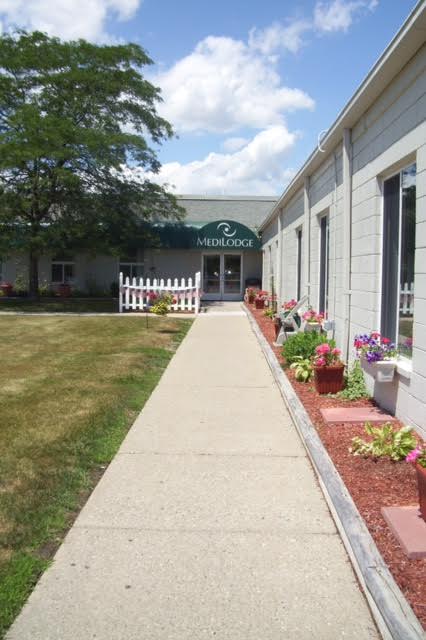
How is Medilodge Of Richmond Staffed?

CMS rates Medilodge of Richmond's staffing level at 4 out of 5 stars, which is above average compared to other nursing homes. Staff turnover is 40%, compared to the Michigan average of 46%. This relatively stable workforce can support continuity of care. RN turnover specifically is 55%, which is notably high. RNs provide skilled clinical oversight, so turnover in this role can affect medical care quality.

What Have Inspectors Found at Medilodge Of Richmond?

State health inspectors documented 15 deficiencies at Medilodge of Richmond during 2023 to 2025. These included: 15 with potential for harm.
Who Owns and Operates Medilodge Of Richmond?

Medilodge of Richmond is owned by a for-profit company. For-profit facilities operate as businesses with obligations to shareholders or private owners. The facility is operated by MEDILODGE, a chain that manages multiple nursing homes. With 126 certified beds and approximately 117 residents (about 93% occupancy), it is a mid-sized facility located in Richmond, Michigan.

How Does Medilodge Of Richmond Compare to Other Michigan Nursing Homes?

Compared to the 100 nursing homes in Michigan, Medilodge of Richmond's overall rating (4 stars) is above the state average of 3.1, staff turnover (40%) is near the state average of 46%, and health inspection rating (4 stars) is above the national benchmark.

What Should Families Ask When Visiting Medilodge Of Richmond?

Based on this facility's data, families visiting should ask: "Can I visit during a mealtime to observe dining assistance and food quality?" "How do you handle medical emergencies, and what is your hospital transfer rate?" "Can I speak with family members of current residents about their experience?"

Is Medilodge Of Richmond Safe?

Based on CMS inspection data, Medilodge of Richmond has a clean safety record: no substantiated abuse findings (meaning no confirmed cases of resident harm), no Immediate Jeopardy citations (the most serious violation level indicating risk of serious injury or death), and is not on the Special Focus Facility watch list (a federal program monitoring the lowest-performing 1% of nursing homes). The facility has a 4-star overall rating and ranks #1 of 100 nursing homes in Michigan. While no facility is perfect, families should still ask about staff-to-resident ratios and recent inspection results during their visit.

Do Nurses at Medilodge Of Richmond Stick Around?

Medilodge of Richmond has a staff turnover rate of 40%, which is about average for Michigan nursing homes (state average: 46%). Moderate turnover is common in nursing homes, but families should still ask about staff tenure and how the facility maintains care continuity when employees leave.

Was Medilodge Of Richmond Ever Fined?

Medilodge of Richmond has no federal fines on record. CMS issues fines when nursing homes fail to meet care standards or don't correct problems found during inspections. The absence of fines suggests the facility has either maintained compliance or corrected any issues before penalties were assessed. This is a positive indicator, though families should still review recent inspection reports for the full picture.

Is Medilodge Of Richmond on Any Federal Watch List?

Medilodge of Richmond is not on any federal watch list. The most significant is the Special Focus Facility (SFF) program, which identifies the bottom 1% of nursing homes nationally based on persistent, serious quality problems. Not being on this list means the facility has avoided the pattern of deficiencies that triggers enhanced federal oversight. This is a positive indicator, though families should still review the facility's inspection history directly.