


Bellbrook

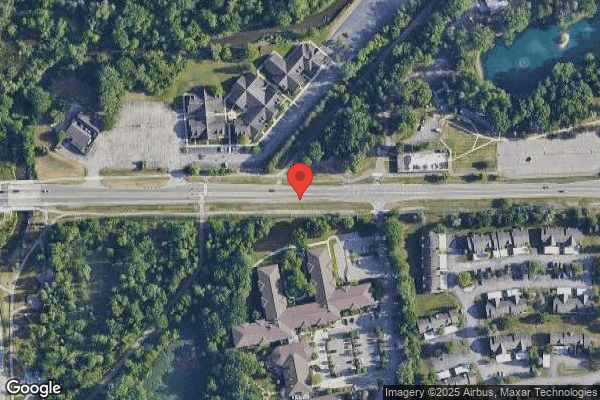
873 W Avon Rd, Rochester Hills, MI 48307 (248) 656-3239
Non profit - Corporation 36 Beds TRINITY HEALTH Data: November 2025
Trust Grade
85/100
#7 of 422 in MI
Last Inspection: December 2024

Within standard 12-15 month inspection cycle. Federal law requires annual inspections.

Overview

Bellbrook nursing home in Rochester Hills, Michigan has a Trust Grade of B+, which means it is recommended and performs above average compared to other facilities. It ranks #7 out of 422 in the state, placing it in the top half, and is the best option among 43 facilities in Oakland County. However, the facility is experiencing a worsening trend, with issues increasing from 4 in 2022 to 8 in 2024. Staffing is a strong point, with a 4 out of 5 rating and only 43% turnover, which is slightly below the state average, plus it has more RN coverage than 95% of Michigan facilities. While there have been no fines, which is a positive sign, recent inspections noted serious concerns, including unsanitary kitchen conditions and failures to properly manage food safety, which could potentially affect residents' health. Overall, while Bellbrook has strengths in staffing and overall quality, families should be aware of the rising issues and specific concerns about kitchen sanitation.

Trust Score
B+
85/100
In Michigan
#7/422
Top 1%
Safety Record
Moderate
Needs review
Inspections
Getting Worse
4 → 8 violations
Staff Stability
○ Average
43% turnover. Near Michigan's 48% average. Typical for the industry.
Penalties
✓ Good
No fines on record. Clean compliance history, better than most Michigan facilities.
Skilled Nurses
✓ Good
Each resident gets 74 minutes of Registered Nurse (RN) attention daily — more than 97% of Michigan nursing homes. RNs are the most trained staff who catch health problems before they become serious.
Violations
⚠ Watch
12 deficiencies on record. Higher than average. Multiple issues found across inspections.
★★★★★
5.0
Overall Rating
★★★★☆
4.0
Staff Levels
★★★★★
5.0
Care Quality
★★★★☆
4.0
Inspection Score
Stable
2022: 4 issues
2024: 8 issues

The Good

  • 4-Star Staffing Rating · Above-average nurse staffing levels
  • 5-Star Quality Measures · Strong clinical quality outcomes
  • Full Sprinkler Coverage · Fire safety systems throughout facility
  • No fines on record
  • Staff turnover below average (43%)

    5 points below Michigan average of 48%

Facility shows strength in staffing levels, quality measures, fire safety.

The Bad

Staff Turnover: 43%

Near Michigan avg (46%)

Typical for the industry

Chain: TRINITY HEALTH

Part of a multi-facility chain

Ask about local staffing decisions and management

The Ugly 12 deficiencies on record

1 actual harm
Dec 2024 6 deficiencies 1 Harm
SERIOUS (G) 📢 Someone Reported This

A family member, employee, or ombudsman was alarmed enough to file a formal complaint

Actual Harm - a resident was hurt due to facility failures

Quality of Care (Tag F0684)

A resident was harmed · This affected 1 resident

Deficiency Text Not Available

Read full inspector narrative →
Deficiency Text Not Available
CONCERN (D)

Potential for Harm - no one hurt, but risky conditions existed

Investigate Abuse (Tag F0610)

Could have caused harm · This affected 1 resident

**NOTE- TERMS IN BRACKETS HAVE BEEN EDITED TO PROTECT CONFIDENTIALITY** Based on observation, interview and record review the facility failed to thoroughly and accurately investigate allegation(s) of ...

Read full inspector narrative →
**NOTE- TERMS IN BRACKETS HAVE BEEN EDITED TO PROTECT CONFIDENTIALITY** Based on observation, interview and record review the facility failed to thoroughly and accurately investigate allegation(s) of staff to resident physical/verbal abuse for one (R91) of two residents reviewed for abuse. Findings include: On 12/16/24 at approximately 11:02 AM, R91 was observed sitting in a wheelchair in their room. The resident was alert and able to answer questions asked. R91 noted that they were at the facility to obtain physical therapy following a fall at their assisted living home located on the same property as the facility. R91 reported that they wanted to get back to their assisted living home and was not happy at the facility. They noted that a male staff member (herein after Certified Nursing Assistant/CNA D) was very rude, disrespectful and grabbed their wrist. R91 noted that the incident happened about two weeks ago, possibly the first week in December. When asked if they reported the incident to any staff members, R91 reported that they had talked with the Administrator/Abuse Coordinator and pulled out a piece of paper that noted CNA D's first name and also the name of the Administrator. A review of R91's clinical record noted the resident was initially admitted to the facility on [DATE] with diagnoses that included: fracture of left femur and history of falls. A review of resident Minimum Data Set (MDS) noted the resident had a Brief Interview for Mental Status (BIMS) score of 13/15 (cognitively intact cognition). *It should be noted that there were no documents in the resident's clinical record that addressed any allegations regarding rough and/or rude treatment. A request for all IA (investigation/accident) reports and/or grievances was made on 12/16/24 at approximately 3:38 PM. On 12/16/24 at approximately 3:58 PM, the facility responded with two grievances and two IAs. Neither mentioned anything regarding the allegation pertaining to CNA D being rude, disrespectful and grabbing R91's wrist. Nothing else was provided on 12/16/24. On 12/17/24 at approximately 2:35 PM, an interview was conducted with the Administrator/Abuse Coordinator. The Administrator was asked again if there were any additional IA/Grievances pertaining to R91. They responded No. At that time the Surveyor reported that R91 had made an allegation that CNA D was rude, disrespectful and grabbed their wrist. It was also reported to the Administrator that R91 had a piece of paper that noted CNA Ds name as well as their signature. Again, the Administrator noted that they did not recall the actual incident and noted that perhaps they missed a concern form. The Administrator could only recall that at times R91 makes inappropriate racial slurs. On 12/17/24 at approximately 3:36 PM, the Administrator provided an additional Grievance/Complaint report that documented, in part, the following: Date received: 12/5/24 .Resident name (R91) .Grievance/complaint reported to .Administrator . other: Clinical Coordinator (CC)A . Describe grievance/complaint: Customer service/care concerns with CNA D .Documentation of follow-up by CC A: Date assigned: 12/5/24 .What actions was/were taken to resolve grievance/complaint (be specific) .Removal of CNA from care of elder per elder request .Resolution: CNA A removed from elder care per elder request .Form completed by: CC A and Grievance officer/ Administrator on 12/5/24. On 12/17/24 at approximately 3:49 PM, an interview was conducted with Clinical Coordinator A regarding the grievance noted above, what was alleged by R91 and what Customer service/care concerns referred to. CC A reported that they recalled talking to R91 who noted that CNA D did not have a good attitude and was rough and rude. CC A could not recall as to the specifics regarding rough and rude. CC A did note that R91 asked that CNA D not work with them. CC A noted that they spoke with CNA D who did not recall any issues with R91 on or about 12/5/24 but noted that the CNA noted that R91 made rude comments to them, and they did not like it. CNA Ds personnel record was reviewed there was no indication in the record that detailed R91's allegation, no documents that noted they should not work with R91 or further education regarding Customer/Service Care. The facility schedule for the month of December 2024 noted that CNA D worked on 12/6/24 the day after the allegation. An attempt to contact CNA D was made on 12/17/24 at approximately 5:43 PM. A voice message was left. No return call was made prior to the end of the Survey. The facility policy titled Abuse, Neglect (Revised August 2022) was reviewed and documented, in part, the following: .Policy: This Community will not tolerate verbal .physical, or mental abuse .Any resident .may file a complaint with this Community's Administrator .or with any other officials .Alleged Violation .is a situation or occurrence that is observed or reported by staff, resident .but has not been investigated .Identification of inappropriate behavior of staff, such as derogatory language, rough handling .Protection: .The Community will take all action necessary to prevent the abuse .while it is conducting its investigation of the incident .if Staff is accused or suspected: immediately remove from the Community and the work schedule pending the outcome of the investigation .Investigation .The investigation shall be completed, whenever possible, within twenty-four (24) hours after the Administrator has knowledge of the incident, but the investigation should not take longer than five (5) working days .
CONCERN (D)

Potential for Harm - no one hurt, but risky conditions existed

MDS Data Transmission (Tag F0640)

Could have caused harm · This affected 1 resident

**NOTE- TERMS IN BRACKETS HAVE BEEN EDITED TO PROTECT CONFIDENTIALITY** Based on interview and record review the facility failed to timely transmit Minimum Data Set (MDS) assessments to the Centers fo...

Read full inspector narrative →
**NOTE- TERMS IN BRACKETS HAVE BEEN EDITED TO PROTECT CONFIDENTIALITY** Based on interview and record review the facility failed to timely transmit Minimum Data Set (MDS) assessments to the Centers for Medicare and Medicaid Services (CMS) within 14 days after completion for two (R311 and R333) of three residents reviewed for resident assessments. Findings include: According to the CMS (Centers for Medicare & Medicaid Services) RAI (Resident Assessment Instrument) Version 3.0 Manual v1. 17.1, effective 10/1/2019, .Submission files are transmitted to the QIES (Quality Improvement and Evaluation System) ASAP (Assessment and Submission and Processing) system using the CMS wide area network .Transmission requirements apply to all MDS 3.0 records used to meet both federal and state requirement .must be submitted with 14 days of the MDS Completion Date (Z0500B + 14 days) .For each file submitted, the submitter will receive confirmation that the file was received for processing and editing by the QIES ASAP system. This confirmation information includes the files submission identification number (ID), the date and time the file was received for processing as well as the file name . The facility reported there was no actual policy for MDS transmitting. Review of R311's clinical record revealed the resident was initially admitted to the facility on [DATE], with diagnoses that included: Atrial Fibrillation and diabetes type II. The resident was discharged from the facility on 8/13/24. Review of the MDS dated [DATE] documented sections C, D, E, Q and Z had not been completed and the MDS was 120 days overdue. Review of R333's clinical record revealed the resident was initially admitted to the facility on [DATE], with diagnoses that included: acute fracture and Atrial Fibrillation. Review of the MDS dated [DATE] revealed section Z was not signed/completed. On 12/17/24 at approximately 6:40 PM, the facility MDS Nurse E, was interviewed and asked why R311 and R333 MDS was not completed and submitted to CMS in a timely manner. MDS Nurse E noted that with respect to R311, Social Services failed to complete their portions of the MDS and for R333 there was a failure to sign and submit.
CONCERN (D)

Potential for Harm - no one hurt, but risky conditions existed

Deficiency F0645 (Tag F0645)

Could have caused harm · This affected 1 resident

**NOTE- TERMS IN BRACKETS HAVE BEEN EDITED TO PROTECT CONFIDENTIALITY** Based on observation, interview and record reviews the facility failed to ensure an Annual Resident Review (ARR) level I screeni...

Read full inspector narrative →
**NOTE- TERMS IN BRACKETS HAVE BEEN EDITED TO PROTECT CONFIDENTIALITY** Based on observation, interview and record reviews the facility failed to ensure an Annual Resident Review (ARR) level I screening was completed and submitted annually for a level II OBRA (Omnibus Budget Reconciliation Act of 1993) evaluation for one (R2) of one resident reviewed for PASARR's (Preadmission Screening Annual Resident Review). Findings include: On 12/15/24 at 10:08 AM, R2 was observed sitting in their wheelchair sleeping. With verbal stimuli R2 was easily awakened. A brief interview was attempted with the resident at that time. A review of the medical record revealed R2 was admitted to the facility on [DATE], with diagnoses that included: dementia, dysthymic disorder, anxiety disorder, psychotic disorder with delusions, major depressive disorder, adjustment disorder and hoarding disorder. Further review of the medical record contained a Level I Screening (ARR) dated 7/26/2023. A Level II screening exemption criteria document was noted with the physician electronic signature and dated 7/26/2023. The medical record did not contain a completed and submitted Level I or Level II screening for the year of 2024. On 12/17/2024 at 9:10 AM, Social Worker Technician (SWT) G and Social Worker Helper (SWH) H was interviewed and asked to provide the Level I and Level II PASARR screening for R2. SWH H stated they had a bunch of PASARR's that needed to be scanned in the resident charts. SWH H stated they would look through the pile and provide R2's PASARR's for review. At 11:36 AM, the Level I and Level II exemption documents from 2023 was provided by the Administrator and Director of Nursing (DON). At 11:51 AM, the Administration team (Administrator and DON) was asked if they had any Level I or Level II PASARR screening for the year of 2024. At 12:44 PM, the Administrator stated R2's annual was submitted to OBRA and the facility had not received a response for the Level II determination. At this time the Administrator was asked to provide the Level I (annual) screening submitted. Review of a Level I screening dated 12/17/2024 was provided. This indicated the facility failed to ensure a Level I screening was completed timely and before being requested by the surveyor. No further explanation or documentation was provided by the end of the survey.
CONCERN (D)

Potential for Harm - no one hurt, but risky conditions existed

Deficiency F0740 (Tag F0740)

Could have caused harm · This affected 1 resident

Based on observation, interview and record reviews the facility failed to implement a resident centered care plan with individualized interventions that identified behaviors and/or mood concerns for o...

Read full inspector narrative →
Based on observation, interview and record reviews the facility failed to implement a resident centered care plan with individualized interventions that identified behaviors and/or mood concerns for one (R13) of five residents reviewed for unnecessary medications. Findings include: On 12/15/24 at 10:11 AM, R13 was observed laying on their back in bed. During a brief interview conducted with the resident, R13 was asked if they had any concerns with their care at the facility and R13 responded in part . I'm not sure. I can't really remember things . A review of the medical record revealed R13 was initially admitted to the facility in June 2024 with a readmission date of 9/3/24 with diagnoses that included: dementia without behavioral, psychotic or mood disturbances, Alzheimer's disease and anxiety disorder. Review of the physician orders and Medication Administration Record (MAR) revealed the following medications: Sertraline 25 mg (milligram) tablet, one time daily for depression. Trazodone 50 mg tablet, at hour of sleep for depression. Memantine 5 mg tablet, one time daily for Alzheimer's disease. A review of the behavioral consultations noted the following: 6/21/24 consultation documented in part . According to pt (patient), resident has had depression over 1-2 years . pt (patient) has C/O (complaints of) depression with emotional distraught due to medical change and, get worse due to debility . pt look alert and verbal response, sadness with tearful when talking about his depression a+o x 2-3 (alert and oriented times two/three) . + (positive) Anxious; +Depressed; +Sad . Generalized anxiety disorder . (chronic) . Psychosocial support, Monitor mood change . Adjustment disorder with mixed anxiety and depressed mood . (acute) . Dysthymic disorder . (chronic) . 11/25/24 consultation documented in part . Dx (diagnosis) of anxiety depression stay with Desyrel Zoloft as well as Namenda HX (history) of Remeron, and monitor today any mood change and medication evaluated for benefit vs risk . pt seen in his room pt look alert and verbal response, there are no c/o medication after a trial of Desyrel but pt still with confused . pt's psychotropic medication has change pt has taken Namenda and Zoloft and Seroquel now . Mood: +Anxious; +Depressed; +Sad . Affect: +Flat . Delirium: +Present . Generalized anxiety disorder . stay with Desyrel for anxiety depression insomnia . stay Zoloft for depression, Stay Namenda for dementia to delay progression of cognitive . Psychosocial support, Monitor mood change . Dysthymic disorder . Dementia . moderate, with psychotic disturbance . pt's Namenda and Desyrel benefit to pt . A review of the care plans revealed no individualized behaviors, mood or stressors identified for the resident or person centered interventions implemented. Further review of the care plans revealed no implementation of resident specific non-pharmacological interventions noted. Review of the medical record revealed no documentation of identified behaviors or specific mood changes identified. Further review of the medical record revealed no documentation for the monitoring of the residents identified behaviors or specific mood changes. A review of a facility policy titled Behavior Monitoring/Management revised July 2018, documented in part . Outline and Best Practice Suggestions for the Behavior team would be the following . What behavior(s) is the resident exhibiting? (Review target behaviors) . Is there documented behavior monitoring in place that identifies the following criteria . target behavior, specific and individualized interventions to decrease or eliminate behavior, method of determined outcome if interventions were successful . A care plan is in place to demonstrate the target behavior, interventions that are most successful and goals . On 12/17/24 at 12:20 PM, Unit Managers (UM) - UM F and Clinical Coordinator (CC) CC A was interviewed and asked what the targeted behaviors and/or identified mood concerns were for R13. UM F and CC A was also asked to provide documentation of identified behaviors or mood concerns for R13. UM F and CC A stated they would look into it and follow back up. No additional explanation or documentation was provided that identified targeted behaviors or mood concerns for R13.
CONCERN (F)

Potential for Harm - no one hurt, but risky conditions existed

Food Safety (Tag F0812)

Could have caused harm · This affected most or all residents

Based on observation, interview, and record review, the facility failed to maintain sanitary conditions in the kitchen. This deficient practice had the potential to affect all residents that consume f...

Read full inspector narrative →
Based on observation, interview, and record review, the facility failed to maintain sanitary conditions in the kitchen. This deficient practice had the potential to affect all residents that consume food from the kitchen. Findings include: On 12/15/24 between 8:50-9:35 AM, during an initial tour of the kitchen, the following items were observed: In the walk-in cooler, there was a pan of cooked corned beef, uncovered and undated. The Internal temperature of the corned beef ranged from 99-102 degrees Fahrenheit. When queried at that time, Dietary Staff C stated the corned beef had been cooked sometime this morning. When queried about a cooling log, Dietary Staff C checked the log and stated that the corned beef had not been placed on the cooling log. No explanation was given for why the cooling log had not been utilized. According to the 2017 FDA Food Code section 3-501.14 Cooling, 1. (A) Cooked POTENTIALLY HAZARDOUS FOOD (TIME/TEMPERATURE CONTROL FOR SAFETY FOOD) shall be cooled: 1. (1) Within 2 hours from 57ºC (135ºF) to 21ºC (70°F); P and 2. (2) Within a total of 6 hours from 57ºC (135ºF) to 5ºC (41°F) or less. There were 6 cans of various food items on the floor behind the can racks. According to the 2017 FDA Food Code section 3-305.11 Food Storage, 1. (A) Except as specified in (B) and (C) of this section, FOOD shall be protected from contamination by storing the FOOD: 1. (1) In a clean, dry location; 2. (2) Where it is not exposed to splash, dust, or other contamination; and 3. (3) At least 15 cm (6 inches) above the floor. In the dry storage room, there were crumbs, food debris, packages of crackers and condiment packages on the floor underneath the racks. The floor underneath the dish machine was observed with standing water, and a slimy surface. According to the 2017 FDA Food Code section 6-501.12 Cleaning, Frequency and Restrictions, (A) Physical facilities shall be cleaned as often as necessary to keep them clean. There was a red sanitizer bucket in the main kitchen area. The concentration of the sanitizer solution was tested with a smart power test strip. The strip did not change color to detect any level of sanitizer. According to the 2017 FDA Food Code, Section 3-304.14 Wiping Cloths, Use Limitation, .(B) Cloths in-use for wiping counters and other equipment surfaces shall be: (1) Held between uses in a chemical sanitizer solution at a concentration specified under § 4-501.114; There was a bin of thickener with the scoop stored inside, and the handle was resting in the thickener powder. According to the Food & Drug administration (FDA) 2017 Model Food Code, Section 3-304.12 In-Use Utensils, Between-Use Storage, During pauses in food preparation or dispensing, food preparation and dispensing utensils shall be stored: .(B) In FOOD that is not TIME/TEMPERATURE CONTROL FOR SAFETY FOOD with their handles above the top of the FOOD within containers or EQUIPMENT that can be closed, such as bins of sugar, flour, or cinnamon; On 12/15/25 at 10:00 AM, DM B was queried about the corned beef not being logged on the cooling log. DM B confirmed the corned beef should have have documented on the cooling log. DM B was also queried about the housekeeping concerns in the dry storage area and underneath the dish machine, and stated that on weekends they don't have their strongest porters on the schedule.
Jan 2024 2 deficiencies
CONCERN (D) 📢 Someone Reported This

A family member, employee, or ombudsman was alarmed enough to file a formal complaint

Potential for Harm - no one hurt, but risky conditions existed

Safe Transfer (Tag F0626)

Could have caused harm · This affected 1 resident

**NOTE- TERMS IN BRACKETS HAVE BEEN EDITED TO PROTECT CONFIDENTIALITY** This citation pertains to Intake Number(s): MI00141179. Based on interview and record review, the facility failed to permit read...

Read full inspector narrative →
**NOTE- TERMS IN BRACKETS HAVE BEEN EDITED TO PROTECT CONFIDENTIALITY** This citation pertains to Intake Number(s): MI00141179. Based on interview and record review, the facility failed to permit readmission into the facility after a hospitalization for one (R61) of three residents reviewed for closed records. Findings include: Review of a complaint submitted to the State Survey Agency revealed an allegation that the facility denied R61's admission back to the facility because they said they could not accommodate his needs which were oxygen, suctioning, and a PEG (Percutaneous Endoscopic Gastrostomy) tube (a tube surgically inserted into the stomach to aid in delivery of nutrition). Review of R61's clinical record revealed the following: R61 was admitted into the facility on [DATE] and discharged to the hospital on [DATE] with diagnoses that included: acute respiratory failure with hypoxia, dysphagia (difficulty swallowing), gastrostomy status (PEG tube), and Parkinson's disease. Review of a Minimum Data Set (MDS) assessment dated [DATE] revealed R61 had intact cognition, was dependent (Helper does all of the effort. Resident does none of the effort to complete the activity) for all self-care, transfers, and wheelchair mobility, received oxygen therapy, and had an indwelling urinary catheter. Review of R61's progress notes revealed the following: On 10/26/23, R61 was discharged to the hospital. R61 was readmitted on [DATE]. Review of a progress note written on 10/31/23 revealed, .re-admitted to facility this afternoon .post respiratory failure. Elder has own suction machine and demonstrates proper use .has PEG tube and is NPO (nothing by mouth) at this time .Alert and able to make needs known . On 11/7/23, the following was documented in a progress note, .Elder suctioned with suction machine with small amount of secretions noted . On 1/7/23 at 5:20 PM, the following was documented in a progress note, Elder observed with productive cough but refusing to be suctioned .appeared uncomfortable but unable to verbalize what was wrong .ordered .to be sent to .hospital . Review of a Discharge MDS assessment dated [DATE] revealed R61 was discharged to the hospital and was anticipated to return. Further review of R61's clinical record revealed R61 did not return to the facility. On 1/10/24 at approximately 11:30 AM, an interview was conducted with Admissions Coordinator 'A'. When queried about the readmission process when a resident was referred back to the facility after a hospitalization, Admissions Coordinator 'A' reported the hospital sent a referral to the facility which was reviewed by the interdisciplinary team (IDT) prior to readmission. Admissions Coordinator 'A' reported the facility maintained documentation of referrals. The referral for readmission sent from the hospital after R61's hospitalization (discharged from the facility to the hospital on [DATE]) was requested at that time. When queried about why R61 was not permitted to readmit into the facility after the hospitalization, Admissions Coordinator 'A' reported she would look into it. On 1/10/24 at 12:22 PM, the Administrator was asked to provide the electronic referral from R61's last hospital admission for readmission into the facility. The Administrator reported if the resident did not return to the facility, the referral was not available to print. At that time, it was requested to review the referral via the electronic referral system used to communicate between the hospital and the facility. On 1/10/24 at 12:55 PM, a second interview was conducted with Admissions Coordinator 'A'. When queried about whether the hospital referred R61 for readmission after discharge from the hospital, Admissions Coordinator 'A' reported a referral was made. When queried about why R61 did not return to the facility, Admissions Coordinator 'A' reported the facility was unable to meet the resident needs due to the resident possibly getting a trach (tracheostomy - a tube surgically placed into the windpipe to assist with breathing) and the facility was not able to care for residents with trachs. Admissions Coordinator 'A' explained R61 did not have a trach at the time of discharge from the hospital. Review of the electronic referral system mentioned above revealed only communication made by the facility. Admissions Coordinator 'A' explained that once a resident did not come back to the facility, the hospital's communication was unable to be viewed. The following was documented and explained as communication made from the facility to the hospital at the time of referral: It was documented on 11/13/23 at 10:21 AM by former Admissions Coordinator 'F', .spoke with sister and niece .last week plan to continue 'treating aggressively including going back to the hospital multiple times. We do not think we can meet his need at (facility) .' Review of a Facility Assessment Tool provided by the facility on 1/8/24 at 12:15 PM revealed the assessment was reviewed on October 2023 and documented, .Patient referrals are reviewed by clinical liaison and admissions team utilizing RED, YELLOW, GREEN documents. Residents that need additional review are discussed with DON (Director of Nursing) to ensure clinical capability and staffing is adequate to meet patient needs . On 1/10/24 at 1:11 PM, an interview was conducted with the Director of Nursing (DON). When queried about who decided if a resident was permitted to readmit into the facility after a hospitalization, the DON reported it was a decision made by the IDT. When queried about why R61 was not readmitted into the facility after his hospitalization which began on 11/7/23, the DON stated, We could not meet his needs. When queried about what needs the facility could not meet, the DON explained it was due to R61's disease process and what potentially could happen with his condition. The DON reported R61 was a hospice candidate, but he wanted to receive all treatments possible. The DON explained R61 required suctioning and his family reported he might have to go back out to the hospital for a trach, but R61 did not have a trach at the time of discharge from the hospital. When queried about R61 receiving suctioning prior to the hospitalization, the DON did not offer a response. The DON reported when R61 was a resident, he had multiple episodes of aspiration and if he were to be readmitted he would likely continue to require hospitalizations. When asked to provide the facility's documentation in R61's clinical record that noted what specific needs the facility was not able to meet, the DON reported there was no documentation because R61 was not discharged from the facility, he went to the hospital. On 1/10/24 at 1:38 PM, an interview was conducted with the Administrator. The Administrator reported the IDT discussed readmissions which included the physicians to decide whether or not to readmit a resident from the hospital. When queried about R61, the Administrator reported the IDT determined R61 required more care than what the facility could provide and would likely need to transition to long term care. The Administrator reported the facility did not have a long term care bed at the time the referral was made. At that time, the census of available beds on 11/13/23 was requested, as well as a policy regarding readmissions and discharges to the hospital. On 1/10/23 at 2:42 PM, the Administrator emailed the following information: .We did not initiate a facility discharge as he was in the hospital, and at the time the family canceled the bed hold to pursue a higher level of care. We did receive the referral again, our admissions person (Admissions Coordinator 'F', spoke w (with)/the family and his desire for care remained aggressive, his care needs were leaning towards needing a trach and LTC, therefore we do not have the clinical capability to manage for trachs on site. I am including our clinical skills inventory that should have accompanied the Healthcare Assessment (Facility Assessment Tool). Review of the facility census on 11/13/23 revealed there were three empty beds available in the facility. On 1/10/24 at 2:40 PM, the Administrator provided a document titled, Clinical Skills Inventory and explained it should have been attached to the Facility Assessment Tool provided on 1/8/23. Review of the Clinical Skills Inventory revealed services that the facility can provide which were marked green, services the facility requires more staff education, equipment/supplies, or information prior to acceptance. The center has capability to provide the service, but may be at a saturation point for case mix which were marked yellow, and services the facility cannot provide which were marked red. The form indicated the facility was able to provide oral suctioning which was marked green. It was documented the facility was not able to provide tracheal suctioning or tracheostomy care, however it was reported R61 did not have a tracheostomy at the time he was being referred back to the facility. The form was reviewed by the DON and Administrator on 11/9/23. Review of a facility policy titled, Bed Hold and Return to Facility dated August 2022, revealed, in part, the following: .Residents are permitted to return to the facility after hospitalization or therapeutic leave if their needs can be met by the facility, they require the services provided by the facility and they are eligible for Medicaid or Medicare covered services or services covered by another payor .Resident not permitted to return following hospitalization or therapeutic leave constitutes a facility-initiated discharge. A facility must not discharge a resident unless .the facility cannot meet the residents needs .
CONCERN (D)

Potential for Harm - no one hurt, but risky conditions existed

Infection Control (Tag F0880)

Could have caused harm · This affected 1 resident

Based on observation, interview, and record review, the facility failed to ensure appropriate hand hygiene and glove use during wound care for one resident, (R9) of one resident reviewed for infection...

Read full inspector narrative →
Based on observation, interview, and record review, the facility failed to ensure appropriate hand hygiene and glove use during wound care for one resident, (R9) of one resident reviewed for infection control during wound care, resulting in the potential for the spread of infection. Findings include: On 1/9/23 at 11:10 AM, an observation of R9's right heel pressure ulcer dressing change was observed being performed by Nurse 'B'. Nurse 'B' began by donning gloves and removing the soft heel boot from R9's right foot. R9, then removed their gloves and put on a clean pair, they were not observed to perform hand hygiene in between glove changes. After donning clean gloves, Nurse 'B' removed the old dressing from R9's right heel. The wound was approximately 5 centimeters in length by 6 centimeters in width with small areas of necrotic tissue and slough at the bottom of the wound. It was further observed the wound had a slight, foul odor. Nurse 'B' then soaked a gauze in Dakin's solution (a wound care treatment) and applied the gauze to the wound per the physician's orders and waited to appropriate time to have the solution applied to the wound. While the gauze was applied to the wound for the prescribed time, Nurse 'B' was not observed to remove their gloves. While waiting the time, nurse 'B' but moved about R9's room touching various things in the environment including the medication storage area on the wall, the bedside table, and their computer workstation. After approximately five minutes into the ten minute time required for the wound to be soaked with Dakin's Nurse 'B' removed their gloves, but did not perform hand hygiene. Nurse 'B' continued for the remaining five minutes to move about the room straightening up and having contact with items in R9's environment. When the time was up, Nurse 'B' donned a clean pair of gloves without performing hand hygiene applied santyl (wound care treatment product) to their gloved finger and applied the santyl to the wound. After the santyl was applied, Nurse 'B' covered the wound and wrapped it in bulky dressing. Nurse 'B' then discarded their gloves, performed hand hygiene and exited the room. On 1/9/23 at 11:35 AM, an interview was conducted with Nurse 'B' regarding their hand hygiene and glove use technique, not performing hand hygiene in between glove changes, and using contaminated gloves to touch things around the environment. Nurse 'B' indicated they should have performed hand hygiene in between glove use and not had contact with the environment with contaminated gloves. A review of a facility provided document from their infection control policies was conducted and read, .Hand Hygiene .Perform hand hygiene immediately before gloves are applied and after gloves are removed, between resident contacts, and when otherwise indicated to avoid transfer of microorganisms to other residents or environments .
Dec 2022 4 deficiencies
CONCERN (D)

Potential for Harm - no one hurt, but risky conditions existed

Deficiency F0578 (Tag F0578)

Could have caused harm · This affected 1 resident

**NOTE- TERMS IN BRACKETS HAVE BEEN EDITED TO PROTECT CONFIDENTIALITY** Based on interview and record review the facility failed to maintain the treatment preferences and determination wishes for one ...

Read full inspector narrative →
**NOTE- TERMS IN BRACKETS HAVE BEEN EDITED TO PROTECT CONFIDENTIALITY** Based on interview and record review the facility failed to maintain the treatment preferences and determination wishes for one R38 of two residents reviewed for advance directives. Findings include: Review of the medical record revealed R38 was admitted to the facility on [DATE] with diagnoses that included: chronic atrial fibrillation, diastolic heart failure and an abnormal coagulation profile. Review of a Treatment Preferences And Determination Of Resident's Wishes documented the following in part, . The capacitated resident . has requested the following Code Status . Code C . I do not want hospitalization, unless needed for my comfort only . No cardiopulmonary resuscitation (CPR) . Provide me with all care and services that are available in the long-term care facility, that my physician feels are appropriate. Services such as (but not limited to) Intravenous therapy and antibiotics . This document was signed by R38 on the date of admission on [DATE]. Review of an Admission Nursing note dated [DATE] at 10:08 AM, documented in part . arrived via stretcher ambulance . is alert and oriented X 2-3 very soft spoken. Signed Code C for advance directives . Denies any pain or discomfort at this time . Review of an Admission Social Services note dated [DATE] at 2:57 PM, documented in part . Resident admitted for rehab/tx (treatment) post hospital stay, resident is adjusting to many changes in medical/physical health status and need for rehab/tx placement. Resident is alert and oriented with some forgetfulness periods, but active in own poc (plan of care)/choices . Resident was independent in self care and lifestyle prior to hospitalization . Review of a Physician Progress note documented by a Nurse Practitioner (NP) on [DATE] at 11:54 AM, documented in part . Very limited ROS (Review of Systems) due to significant decline in patient function overnight. DIL (Daughter In Law name) at bedside. She states that her and her husband are aware of significant decline and have been expecting this decline. Decision has been made to do comfort care here at facility. DIL has signed for patient to be code D . Patient has been placed on comfort care, Morphine sulfate 5 mg (milligram) q (every) 4 hours prn (as needed) has been instituted . Review of the facility document Treatment Preferences And Determination Of Resident's Wishes documented a Code D as . Comfort measures only. No Cardiopulmonary resuscitation (CPR). No artificial nutrition and hydration . Review of a Treatment Preferences And Determination Of Resident's Wishes dated [DATE], documented the facility staff allowed R38's daughter in law to sign the resident as Code D on [DATE]. The daughter in law signed as the residents DPOA (Durable Power Of Attorney). Review of a Change of Condition note dated [DATE] at 12:31 PM, documented in part . Writer called to room to pronounce patient death . Patient pronounced at 8:41 AM . Review of the medical record revealed R38 was their own responsible party. Further review of the medical record revealed no documentation of a competency evaluation to have been completed. The DPOA was not active. On [DATE] at 12:04 PM, Social Worker (SW) C was interviewed and asked to review their records and R38's medical record and provide all competency evaluations and DPOA documents. At 1:58 PM, SW C returned and stated the resident did not have a competency evaluation completed and provided a copy of R38's DPOA. When asked if the resident was not deemed incompetent how the resident Treatment Preferences And Determination Of Resident's Wishes was changed from a CODE C to a CODE D eight days later when the DPOA was not effective, and the SW C replied the nurse had the family sign the code status change. The SW C stated that is not the correct protocol being that the DPOA was not active.
CONCERN (D) 📢 Someone Reported This

A family member, employee, or ombudsman was alarmed enough to file a formal complaint

Potential for Harm - no one hurt, but risky conditions existed

Quality of Care (Tag F0684)

Could have caused harm · This affected 1 resident

**NOTE- TERMS IN BRACKETS HAVE BEEN EDITED TO PROTECT CONFIDENTIALITY** This citation pertains to Intake MI00130893 Based on interview and record review, the facility failed to ensure cardiac medicati...

Read full inspector narrative →
**NOTE- TERMS IN BRACKETS HAVE BEEN EDITED TO PROTECT CONFIDENTIALITY** This citation pertains to Intake MI00130893 Based on interview and record review, the facility failed to ensure cardiac medications were ordered and given in a resident centered manner for one (R189) of one resident reviewed for cardiac medications resulting in blanket parameters placed on metoprolol (beta blocker) and not having propafenone (antiarrhythmic) available. Findings include: A complaint was filed with the State Agency that alleged in part, (R189) was in [Hospital] with atrial fibrillation (afib) that converted with medication, allowing her to be released for physical therapy . At times during (R189's) stay at [Facility], some of her medicines for afib were not given (metoprolol and propafenone) . (R189) needed to be on metoprolol or (R189) would go back into afib which could possibly cause a stroke . (R189) started to complain about chest pains and not feeling good 1-18-22 . These were the same symptoms (R189) had with afib previously, and her heart rate was documented as 119 . (R189) moved into independent living at [Facility] the next morning 1-19-22 approximately at 10 am. That same evening I went to her apartment and while talking to her she had a massive stroke . Review of the closed record revealed R189 was admitted into the facility on [DATE] with diagnoses that included: atrial fibrillation, heart failure and arthritis. According to the Minimum Data Set (MDS) assessment dated [DATE], R189 was cognitively intact and required the extensive assistance of staff for activities of daily living (ADL's). Review of R189's hospital discharge instructions dated 12/29/21 revealed in part, .Your primary diagnosis was: Paroxysmal atrial fibrillation . Medications: .Change: metoprolol 50 MG (milligrams) Tabs Commonly known as : Lopressor take 1 Tablet by mouth every 12 hours . What changed: medication strength, how much to take, when to take this . Propafenone HCL 225 MG Cp12 Commonly known as: RYTHMOL SR take 1 Cap by mouth every 12 hours. For diagnoses: Persistent atrial fibrillation . Reduce your risk for stroke by: .After discharge, ensure you take all your medications as prescribed . It should be noted the hospital records did not have parameters on the metoprolol. Review of R189's December 2021 Medication Administration Record (MAR) revealed metoprolol 50 mg two times a day was Not Administered (Outside of Order Parameter) on 12/31/22 prior to bed. The vitals were documented as: blood pressure (BP) 95/50 and pulse 90. Review of R189's January 2022 MAR revealed metoprolol 50 mg was Not Administered (Outside of Order Parameter) on: 1/1/22 upon rising, BP 106/43, pulse 89 1/2/22 prior to bed, BP 106/56, pulse 91 1/4/22 upon rising, BP 102/58, pulse 62 1/4/22 prior to bed, BP 100/61, pulse 72 1/6/22 prior to bed, BP 97/55, pulse 71 1/10/22, upon rising, BP 92/52, pulse 80 1/11/22 upon rising, BP 101/61, pulse 74 1/12/22 upon rising, BP 102/57, pulse 75 The physician order for metoprolol was changed on 1/12/22 to include new parameters: BP and/or Pulse Hold: Systolic Blood Pressure < (less than) 100 Hold; Pulse <60 Hold. Continued review of R189's January 2022 MAR revealed: The order for metoprolol 50 mg was held due to parameters on: 1/12/22 prior to bed, BP 105/70, pulse 88 1/14/22 upon rising, BP 94/51, pulse 66 1/14/22 prior to bed, BP 90/50, pulse 76 1/18/22 upon rising, BP 95/52, pulse 90 The order for propafenone ER 225 mg two times a day was Not Administered, not available on: 1/15/22 prior to bed 1/16/22 upon rising 1/16/22 prior to bed 1/17/22 upon rising 1/17/22 prior to bed Review of a physician progress note by Dr. F dated 1/7/22 read in part, .Diagnosis/Status Update/Treatment/Plan: .Afib with RVR (rapid ventricular rate). no AC (anticoagulant) 2/2 (secondary to) advance age and pt (patient) fall risk. On metoprolol, rhythmol (for) afib . On 12/13/22 at approximately 10:00 AM, the Director of Nursing (DON) was interviewed and asked about why R189's metoprolol was held for outside of parameters prior to 1/12/22 when parameters were listed on the MAR. The DON explained Dr. F, R189's attending physician had standing parameters for metoprolol, it was to hold the medication if the systolic blood pressure was less than 110. When asked why have parameters on blood pressure if the medication was being used to keep R189 out of afib, the DON explained Dr F never ordered metoprolol without parameters. On 12/13/22 at 10:28 AM, Dr. F was interviewed by phone and asked why R189 had blood pressure parameters on her metoprolol when it was being used for afib. Dr. F explained she used the same parameters on all residents, but would sometimes lower the parameter to less than 100 systolic, but did not go below that because she did not want residents to get dizzy and fall while in therapy. When asked if she had ever been notified R189 had been light headed or dizzy when her BP was low, Dr. F explained she had not. Dr. F was asked if the same parameters for every resident was truly appropriate when metoprolol was being used for afib in someone that was asymptomatic when her systolic blood pressure was less than 100. Dr. F had no answer. Dr. F was asked about R189 not getting her propafenone. Dr. F explained there were never parameters on propafenone and R189 should have received all doses of that medication. When asked if the nurses had contacted her that R189 was not getting metoprolol or propafenone, Dr. F explained she had not been notified. Review of R189's progress notes revealed: A nursing note dated 1/18/22 at 4:23 PM read in part, Resident complains of right sided rib, breast, shoulder and neck pain this AM. No skin issues noted to area. VS (vital signs): 138/74, pulse 95 . After lunch, resident complains of same pain. Pain sharp with inspiration . NP (Nurse Practitioner) to assess resident. (Dr. F) made aware, received order for metoprolol x 1 dose this afternoon. VS prior to administration pulse 100-120s . Medication administered, BP 116/67, pulse 101 . Resident states no relief of pain . A clinical note dated 1/18/22 at 5:15 by NP G read in part, .Subjective: Patient reports Rt (right) sided pain goes into shoulder upper back, started this am, Worse with deep breath, denies c/p (chest pain)- b/p meds had been held secondary low b/p this am . A nursing note dated 1/19/22 at 2:45 AM read in part, Resident c/o (complained of) midsternal chest discomfort earlier this PM . A nursing note dated 1/19/22 at 11:02 AM read in part, Resident discharged to IL (independent living) apartment this AM at approximately 10:15am . On 12/14/22 at 12:04 PM, NP G was interviewed by phone. NP G was asked about R189's complaint of right sided chest pain. NP G explained she was the Physical Medicine and Rehabilitation (PM&R) NP that was at the facility that day. She was informed that R189 was having chest pain so she assessed her and reported to Dr. F her findings. NP G was asked if she had been informed R189 had not received her metoprolol or had not received propafenone for two and a half days prior to her chest pain. NP G explained she did not look at R189's medications and had not been told about the missing doses of either medication. Review of R189's hospital records dated 1/19/22 read in part, .History of Present Illness: .female with a significant past medical history of paroxysmal atrial fibrillation status post cardioversion not on anticoagulation . multiple other comorbidities who presented to the ER (emergency room) due to left-sided weakness and dysarthria (slurred speech) . The patient was recently discharged from [Hospital] due to atrial fibrillation with RVR . She was not started on anticoagulation as it was contraindicated due to her age and fall risk, however she was discharged with an increased dose of her Lopressor to 50 mg twice daily from 25 mg twice daily. From [Hospital], the patient was discharged to [Facility] . her Lopressor doses were held due to hyppotension . The patient did complain of bilateral chest pain that was nonradiating that resolved spontaneously . it is likely due to her atrial fibrillation. Around 8:15 in the evening, the patient's (family member) was talking [sic] into her bed and noticed that the patient was drooling on one side of her face, specifically at the left side with a facial droop. She immediately felt she had a stroke, and called 911 . During her neurological assessment by the EMS (emergency medical services), she demonstrated significant weakness of the left upper and lower extremity . Impression and Plan: .presented to the ER due to left-sided weakness and dysarthria. She was found to have a right MCA (middle cerebral artery) stroke, was started on tPA (tissue plasminogen activator - clot buster) and was urgently taken for a mechanical thrombectomy (surgical removal of blood clot) with neuro endovascular. The patient was transferred to the ICU (intensive care unit) for closer neurological monitoring and ventilator management . Review of a facility policy titled, Resident Centered Medication Program revised 10/27/08 read in part, .Medication therapy is personalized to meet the residents' needs .
CONCERN (E) 📢 Someone Reported This

A family member, employee, or ombudsman was alarmed enough to file a formal complaint

Potential for Harm - no one hurt, but risky conditions existed

Deficiency F0760 (Tag F0760)

Could have caused harm · This affected multiple residents

**NOTE- TERMS IN BRACKETS HAVE BEEN EDITED TO PROTECT CONFIDENTIALITY** This citation pertains to Intake MI00130893 Based on interview and record review, the facility failed to prevent a significant m...

Read full inspector narrative →
**NOTE- TERMS IN BRACKETS HAVE BEEN EDITED TO PROTECT CONFIDENTIALITY** This citation pertains to Intake MI00130893 Based on interview and record review, the facility failed to prevent a significant medication error for one (R189) of one resident reviewed for cardiac medications resulting in R189 missing five consecutive doses of an antiarrhythmic medication. Findings include: Review of the closed record revealed R189 was admitted into the facility on [DATE] with diagnoses that included: atrial fibrillation, heart failure and arthritis. According to the Minimum Data Set (MDS) assessment dated [DATE], R189 was cognitively intact and required the extensive assistance of staff for activities of daily living (ADL's). Review of R189's hospital discharge instructions dated 12/29/21 revealed in part, .Your primary diagnosis was: Paroxysmal atrial fibrillation . Medications: Propafenone HCL 225 MG Cp12 Commonly known as: RYTHMOL SR take 1 Cap by mouth every 12 hours. For diagnoses: Persistent atrial fibrillation . Reduce your risk for stroke by: .After discharge, ensure you take all your medications as prescribed . Review of R189's January 2022 Medication Administration Record (MAR) revealed: The order for propafenone ER 225 mg two times a day was Not Administered, not available on: 1/15/22 prior to bed 1/16/22 upon rising 1/16/22 prior to bed 1/17/22 upon rising 1/17/22 prior to bed On 12/13/22 at 10:28 AM, Dr. F, R189's physician, was interviewed by phone and asked if she had ever been contacted that R189's propafenone medication was not available and had not been given. Dr. F explained she had not been notified. When asked if she should have been notified about propafenone not being available, Dr. F explained she soul be notified because as an antiarrhythmic it is being used to keep the heart in a normal rhythm. On 12/13/22 at 1:59 PM, the Director of Nursing (DON) was interviewed and asked when a medication should be reordered. The DON explained any medication should be reordered a couple days before they are gone so they do no run out. When asked how long it takes to get a medication from the pharmacy, the DON explained it usually would come the next day. The DON was asked why R189 missed five consecutive doses of propafenone because they were not available. The DON explained the medication ran out, it was not one kept in their backup supply, and they had a difficult time getting more from the pharmacy. The DON was asked if Dr. F should have been notified that the medication was not available. The DON explained the physician should always be notified of missed medication doses. When informed Dr. F said she had not been notified, the DON had no answer. Review of a facility policy titled, Medication-Related Errors revised 5/1/10 read in part, .Medication Errors. If a medication reaches a resident in error. Facility should: 1. Notify Pharmacy of any possible dispensing occurrence; and 2. Notify Physician/Prescriber and obtain further instructions and/or orders . Omission error: Facility fails to administer an ordered dose to the resident, unless refused by the resident or not administered because of recognized contraindication .
CONCERN (F)

Potential for Harm - no one hurt, but risky conditions existed

Food Safety (Tag F0812)

Could have caused harm · This affected most or all residents

Based on observation, interview, and record review, the facility failed to ensure personal cell phones were not stored in the food preparation area, failed to ensure food items were discarded after th...

Read full inspector narrative →
Based on observation, interview, and record review, the facility failed to ensure personal cell phones were not stored in the food preparation area, failed to ensure food items were discarded after the use-by dates, and failed to maintain kitchen equipment per the manufacturer's recommendations. These deficient practices had the potential to affect all residents that consume food from the kitchen. Findings include: During an initial tour of the kitchen on 12/12/22 between 8:30 AM-9:15 AM with Certified Dietary Manager (CDM) A, the following observations were made: There were 2 cell phones and chargers on the food preparation counter across from the ovens. CDM A stated that staff sometimes use their phones as a timer while cooking. According to the 2017 FDA Food Code section 3-307.11 Miscellaneous Sources of Contamination, FOOD shall be protected from contamination that may result from a factor or source not specified under Subparts 3-301 - 3-306. According to the 2017 FDA food code, Section 7-209.11 Storage, Except as specified under §§ 7-207.12 and 7-208.11, Employees shall store their personal care items in facilities as specified under 6-305.11(B), and Section 6-403.11 Designated Areas, .(B) Lockers or other suitable facilities shall be located in a designated room or area where contamination of food, equipment, utensils, linens, and single-service and single use articles cannot occur. In the walk-in cooler, there was 1 opened 5-pound container of cottage cheese dated as opened 11/9 with a use by date of 11/25, 1 unopened 5-pound containers of cottage cheese with a manufacturer's best by date of 12/8, and 5 unopened 5-pound containers of cottage with a manufacturer's best by date of 12/10. CDM A confirmed the containers should all be discarded. According to the 2017 FDA Food Code section 3-501.17: Ready-to-eat, potentially hazardous food prepared and held in a food establishment for more than 24 hours shall be clearly marked to indicate the date or day by which the food shall be consumed on the premises, sold, or discarded when held at a temperature of 41 degrees Fahrenheit or less for a maximum of 7 days. Refrigerated, ready-to- eat, potentially hazardous food prepared and packed by a food processing plant shall be clearly marked, at the time the original container is opened in a food establishment and if the food is held for more than 24 hours, to indicate the date or day by which the food shall be consumed on the premises, sold, or discarded, and: (1) The day the original container is opened in the food establishment shall be counted as Day 1; and (2) The day or date marked by the food establishment may not exceed a manufacturer's use-by date if the manufacturer determined the use-by date based on food safety. CDM B was queried about the cleaning schedule for the ice machine in the kitchen, as well as the schedule for changing the water filter. CDM B stated that an outside company performed these services, but was unable to provide a date for when they had last been completed. The water filter had a hand written date noting: Installed 9/23/21, Replace 3/23/22, and the sticker on the ice machine for documenting the cleaning dates had not been updated. The documentation for the cleaning of the ice machines was requested from the Administrator, and from the provided information, the following was noted: Service Agreement: Three (3) ice machines to be cleaned and sanitized twice a year Work Order: 3/29/22 Performed preventative maintenance of ice machine in kitchen .also installed a new filter. Per the Administrator via an email sent on 12/13/22 at 10:58 AM, the ice machines were going to be cleaned on 12/13/22 (9 months from the date they were last cleaned).
Understanding Severity Codes (click to expand)
Life-Threatening (Immediate Jeopardy)
J - Isolated K - Pattern L - Widespread
Actual Harm
G - Isolated H - Pattern I - Widespread
Potential for Harm
D - Isolated E - Pattern F - Widespread
No Harm (Minor)
A - Isolated B - Pattern C - Widespread

Questions to Ask on Your Visit

  • "Can I speak with families of current residents?"
  • "What's your RN coverage like on weekends and overnight?"

Our Honest Assessment

Strengths
  • • Grade B+ (85/100). Above average facility, better than most options in Michigan.
  • • No fines on record. Clean compliance history, better than most Michigan facilities.
  • • 43% turnover. Below Michigan's 48% average. Good staff retention means consistent care.
Concerns
  • • 12 deficiencies on record, including 1 serious (caused harm) violation. Ask about corrective actions taken.
Bottom line: Generally positive indicators. Standard due diligence and a personal visit recommended.

About This Facility

What is Bellbrook's CMS Rating?

CMS assigns Bellbrook an overall rating of 5 out of 5 stars, which is considered much above average nationally. Within Michigan, this rating places the facility higher than 99% of the state's 100 nursing homes. This rating reflects solid performance across the metrics CMS uses to evaluate nursing home quality.

How is Bellbrook Staffed?

CMS rates Bellbrook's staffing level at 4 out of 5 stars, which is above average compared to other nursing homes. Staff turnover is 43%, compared to the Michigan average of 46%. This relatively stable workforce can support continuity of care.

What Have Inspectors Found at Bellbrook?

State health inspectors documented 12 deficiencies at Bellbrook during 2022 to 2024. These included: 1 that caused actual resident harm and 11 with potential for harm. Deficiencies causing actual harm indicate documented cases where residents experienced negative health consequences.

Who Owns and Operates Bellbrook?

Bellbrook is owned by a non-profit organization. Non-profit facilities reinvest revenue into operations rather than distributing to shareholders. The facility is operated by TRINITY HEALTH, a chain that manages multiple nursing homes. With 36 certified beds and approximately 34 residents (about 94% occupancy), it is a smaller facility located in Rochester Hills, Michigan.

How Does Bellbrook Compare to Other Michigan Nursing Homes?

Compared to the 100 nursing homes in Michigan, Bellbrook's overall rating (5 stars) is above the state average of 3.2, staff turnover (43%) is near the state average of 46%, and health inspection rating (4 stars) is above the national benchmark.

What Should Families Ask When Visiting Bellbrook?

Based on this facility's data, families visiting should ask: "Can I visit during a mealtime to observe dining assistance and food quality?" "How do you handle medical emergencies, and what is your hospital transfer rate?" "Can I speak with family members of current residents about their experience?"

Is Bellbrook Safe?

Based on CMS inspection data, Bellbrook has a clean safety record: no substantiated abuse findings (meaning no confirmed cases of resident harm), no Immediate Jeopardy citations (the most serious violation level indicating risk of serious injury or death), and is not on the Special Focus Facility watch list (a federal program monitoring the lowest-performing 1% of nursing homes). The facility has a 5-star overall rating and ranks #1 of 100 nursing homes in Michigan. While no facility is perfect, families should still ask about staff-to-resident ratios and recent inspection results during their visit.

Do Nurses at Bellbrook Stick Around?

Bellbrook has a staff turnover rate of 43%, which is about average for Michigan nursing homes (state average: 46%). Moderate turnover is common in nursing homes, but families should still ask about staff tenure and how the facility maintains care continuity when employees leave.

Was Bellbrook Ever Fined?

Bellbrook has no federal fines on record. CMS issues fines when nursing homes fail to meet care standards or don't correct problems found during inspections. The absence of fines suggests the facility has either maintained compliance or corrected any issues before penalties were assessed. This is a positive indicator, though families should still review recent inspection reports for the full picture.

Is Bellbrook on Any Federal Watch List?

Bellbrook is not on any federal watch list. The most significant is the Special Focus Facility (SFF) program, which identifies the bottom 1% of nursing homes nationally based on persistent, serious quality problems. Not being on this list means the facility has avoided the pattern of deficiencies that triggers enhanced federal oversight. This is a positive indicator, though families should still review the facility's inspection history directly.