The Springs at Rochester Hills Rehab and Nursing C
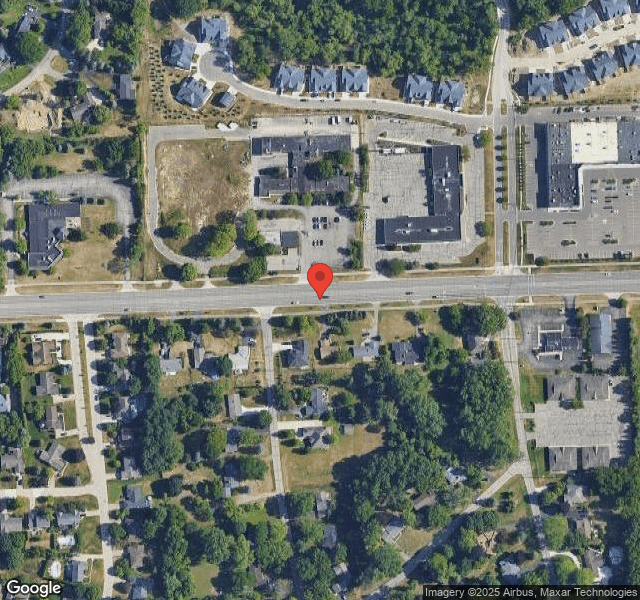
1480 Walton Blvd, Rochester Hills, MI 48309 (248) 651-4422
For profit - Limited Liability company 126 Beds Independent Data: November 2025 1 Immediate Jeopardy citation
Trust Grade
0/100
#417 of 422 in MI
Last Inspection: August 2024

Within standard 12-15 month inspection cycle. Federal law requires annual inspections.

Overview

The Springs at Rochester Hills Rehab and Nursing C has received a Trust Grade of F, indicating significant concerns about the quality of care provided. Ranking #417 out of 422 facilities in Michigan means they are in the bottom half, and #40 out of 43 in Oakland County suggests that only a few local options are better. The facility is reportedly improving, with a reduction in issues from 31 in 2024 to 7 in 2025, but it still has a long way to go. Staffing is below average with a rating of 2 out of 5 stars and a concerning turnover rate of 58%, higher than the state average. Additionally, the facility has incurred $115,391 in fines, which is higher than 84% of similar facilities, raising alarms about compliance issues. Specific incidents of concern include a critical finding where a resident with a "nothing by mouth" order was inappropriately fed, leading to hospital visits for serious complications. There were also serious issues with the development of pressure ulcers due to inadequate monitoring and care, resulting in severe conditions for some residents. While there are some strengths, such as improvements in recent years, the combination of low staffing ratings, high turnover, and serious safety issues make this facility a worrying option for families considering care for their loved ones.

Trust Score
F
0/100
In Michigan
#417/422
Bottom 2%
Safety Record
High Risk
Review needed
Inspections
Getting Better
31 → 7 violations
Staff Stability
⚠ Watch
58% turnover. Above average. Higher turnover means staff may not know residents' routines.
Penalties
✓ Good
$115,391 in fines. Lower than most Michigan facilities. Relatively clean record.
Skilled Nurses
⚠ Watch
Each resident gets only 27 minutes of Registered Nurse (RN) attention daily — below average for Michigan. Fewer RN minutes means fewer trained eyes watching for problems.
Violations
⚠ Watch
67 deficiencies on record. Higher than average. Multiple issues found across inspections.
★☆☆☆☆
1.0
Overall Rating
★★☆☆☆
2.0
Staff Levels
★★☆☆☆
2.0
Care Quality
★☆☆☆☆
1.0
Inspection Score
Stable
2024: 31 issues
2025: 7 issues

The Good

  • Full Sprinkler Coverage · Fire safety systems throughout facility
  • No fines on record

Facility shows strength in fire safety.

The Bad

1-Star Overall Rating

Below Michigan average (3.1)

Significant quality concerns identified by CMS

Staff Turnover: 58%

11pts above Michigan avg (46%)

Frequent staff changes - ask about care continuity

Federal Fines: $115,391

Well above median ($33,413)

Significant penalties indicating serious issues

Staff turnover is elevated (58%)

10 points above Michigan average of 48%

The Ugly 67 deficiencies on record

1 life-threatening 3 actual harm
Jul 2025 4 deficiencies
CONCERN (D) 📢 Someone Reported This

A family member, employee, or ombudsman was alarmed enough to file a formal complaint

Potential for Harm - no one hurt, but risky conditions existed

Grievances (Tag F0585)

Could have caused harm · This affected 1 resident

**NOTE- TERMS IN BRACKETS HAVE BEEN EDITED TO PROTECT CONFIDENTIALITY** This citation pertains to intake: 1290771. Based on observation, interview and record reviews the facility Administration failed...

Read full inspector narrative →
**NOTE- TERMS IN BRACKETS HAVE BEEN EDITED TO PROTECT CONFIDENTIALITY** This citation pertains to intake: 1290771. Based on observation, interview and record reviews the facility Administration failed to follow the facility's policy regarding grievances and failed to follow up regarding reported concerns for one (R804) of one resident reviewed for grievances. Findings include:A review of a complaint submitted to the State Agency (SA) documented concerns about the Administration staff failure to follow up with the family on multiple occasions regarding verbalized concerns. On 7/15/25 at 9:30 AM, R804 was observed lying in bed. A brief interview was conducted with the resident at that time. A review of the medical record revealed R804 was admitted to the facility on [DATE], with diagnoses that included: epilepsy, dementia and cognitive communication deficit. A review of a Minimum Data Set (MDS) assessment dated [DATE] documented a Brief Interview for Mental Status (BIMS) of 9 which indicated moderately impaired cognition and required staff assistance for all ADLs. Further review of the medical record revealed the resident's mother and sister as their appointed legal guardians.Review of a grievance provided by the Administrator documented in part . family member states resident need to be changed more frequently and would like catheter to be monitored better. Investigation- Orders and treatments and care plans were verified for accuracy and will continue to be followed. Resolution- Annual competencies and education completed and/or scheduled for needed staff per policy. Notifications. Date Complainant Notified of Resolution 6/25/25. Family Satisfied NO, if no, please explain: Will continue to follow care plan and update family with changes.There was no documented follow up with the resident's responsible party, who verbalized their concerns. A review of a facility policy titled Grievances updated 5/2/19, documented in part . It is the policy of this facility to investigate all grievances registered by, or on behalf of a resident. The Administrator or designee in the absence of the administrator, shall confer with persons involved in the incident and other relevant persons and within three to seven days of receiving the grievance shall provide a written explanation, upon request, of findings and proposed remedies to the complainant and the aggrieved party. an oral explanation shall accompany the written one. The Administrator or designee in the absence of the administrator, will make contact with the concerned party within 24 hours of being made aware of the grievance to let them know you are aware, that an investigation is being conducted, and to ask any additional question that may help you come to a resolutions and will keep in frequent contact until a resolution is obtained.On 7/15/25 at 3:28 PM, the Administrator was interviewed and asked why the facility's policy and protocol for grievances pertaining to the grievance provided for R804 was not followed, specifically following up with the family regarding their concerns. The Administrator stated they obtained the grievance on their last day in the facility before their assigned time off leaving the Director of Nursing (DON) in charge of following up on the grievance. At the time of the survey the DON was off duty. The Administrator acknowledged the concern. No further explanation or documentation was provided by the end of the survey.
CONCERN (D) 📢 Someone Reported This

A family member, employee, or ombudsman was alarmed enough to file a formal complaint

Potential for Harm - no one hurt, but risky conditions existed

Abuse Prevention Policies (Tag F0607)

Could have caused harm · This affected 1 resident

**NOTE- TERMS IN BRACKETS HAVE BEEN EDITED TO PROTECT CONFIDENTIALITY** This citation pertains to Intake Number(s): 1290904.Based on observation, interview, and record review, the facility failed to f...

Read full inspector narrative →
**NOTE- TERMS IN BRACKETS HAVE BEEN EDITED TO PROTECT CONFIDENTIALITY** This citation pertains to Intake Number(s): 1290904.Based on observation, interview, and record review, the facility failed to follow their abuse policy to address a witnessed resident to resident physical altercation between two (R801 and R802) of five residents reviewed for abuse, resulting in R815 attempting to intervene and stop the altercation. Findings include:A review of a Facility Reported Incident (FRI) submitted to the State Agency on 6/23/25 revealed there was a resident-to-resident incident between R801 and R802.On 7/15/25 at 10:48 AM, R802 was observed sleeping. Certified Nursing Assistant (CNA) 'G' was observed standing outside of R802's room. CNA 'G' reported R802 was on one to one supervision because I think he punched someone. CNA 'G' reported he stood outside the door and if R802 left the room, he followed him. CNA 'G' stated, I don't know. They didn't give me all the details.On 7/15/25 at 12:34 PM, R801 was observed seated on his bed. When queried about any physical altercations that occurred with another resident, R801 appeared paranoid and stated, What is this really about? R801 said he did not want to talk about it and did not know what happened anyway. R801 reported he was sent to the hospital but said he did not know why.A review of R801's clinical record revealed R801 was admitted into the facility on [DATE] and readmitted on [DATE] with diagnoses that included: hemiplegia, bipolar disorder, paranoid schizophrenia, and dementia. A review of a Minimum Data Set (MDS) assessment dated [DATE] revealed R801 had severely impaired cognition and no behaviors.A review of R801's progress notes revealed R801 was transferred to the hospital on 6/23/25. A review of a behavioral health note dated 6/24/25 revealed notation that R801 was readmitted after a fall and he was seen for follow up after a resident-to-resident incident. The note documented, said that he hit the other resident to defend himself. A review of R802's clinical record revealed R802 was admitted into the facility on 6/20/23 and readmitted on [DATE] with diagnoses that included: dementia, psychotic disorder with delusions, schizoaffective disorder, and traumatic brain injury. A review of an MDS assessment dated [DATE] revealed R802 had moderately impaired cognition and verbal behaviors. A review of an investigation conducted by the facility revealed on 6/23/25, R815 observed R802 and R801 on the floor in the hallway and approached them to assist them because it appeared they were having a disagreement and were swinging their arms towards each other. It was noted that both residents sustained minor abrasions and were sent to the hospital. A typed statement from R815, signed by the Administrator (not R815) noted, I was walking down the hallway towards the dining room when I saw (R802) and (R801) on the floor in the hallway .swinging their arms towards each other while they were laying on the ground. as I was getting in between them to get them to stop and help them up (Registered Nurse - RN 'H') (Licensed Practical Nurse - LPN 'I') and (Staffing Coordinator - SC 'D') were approaching us and assisted with separating the residents and escorting them back to their rooms. I'm not sure why they were on the ground or what the disagreement was about .A typed statement, signed by the Administrator, for R802 revealed R802 did not remember why they were on the ground.A typed statement, signed by the Administrator, for R801 revealed the following documentation, I was just walking in the hallway towards the nurse's station to ask my nurse for something for pain because my back hurt .I saw (R802) coming behind me from the other end of the hall. When he got close to me, he started calling me profane names .told him not to touch me .said he would do whatever he wanted .started to argue and push each other until we lost our balance and landed on the floor .we were both struggling to get up and the nurses came to help us up and we went back to our rooms .A typed statement from LPN 'I', signed by the Administrator documented, . (RN 'H') came down the hallway from the opposite direction and said two residents were on the ground on the other end of the hallway .observed (R815) standing up in between (R802) who was on the floor in a seated position and (R801) who was also on the floor in a seated position attempting to assist them to a standing position .A typed statement from SC 'D', signed by the Administrator documented, .At nurse's station when (RN 'H') came from the other end of the hall and said he was two residents (R802 and R801) on the floor in the hallway towards the end .A typed statement from RN 'H', signed by the Administrator, documented, .at the end of the hallway on 1 North and looked over and saw tow residents on the floor down the 1 North East Unit with a third resident standing between them .immediately went that way passing the nurse's station on the 1 North Unit and alerting the other staff members in the area .On 7/15/25 at 1:15 PM, an interview was conducted with R815. R815 confirmed he witnessed the physical altercation between R801 and R802 on 6/23/25. R815 said he came out of his room and saw them standing down the hall punching each other. R815 explained he ran down toward the residents and the male nurse ran away from them in the opposite direction to get help. R815 said by the time he got to the residents, they were both on the ground and continued to fight. R815 attempted to break them up because there was no staff present at that time. R815 said eventually multiple nursing staff came and assisted the residents up from the ground. On 7/15/25 at 2:17 PM, an interview was conducted with RN 'H' via the telephone. When queried about the resident-to-resident physical altercation that occurred between R801 and R802 on 6/23/25, RN 'H' stated, I wrote it all down (referring to his statement of what happened). When asked to explain what happened, RN 'H' reported R801 grabbed R802 while they had a verbal altercation. RN 'H' saw R801 grab R802 by the collar and they both fell. RN 'H' reported when he saw them arguing, he made sure there were other witnesses .I made sure I wasn't the only one who saw it. RN 'H' clarified that he did not go to assist the residents until he got other staff members because I wanted to make sure there were other people there. RN 'H' said R815 tried to break it up and then the nursing staff arrived and told them to stop, and they did. On 7/15/25 at 3:40 PM, an interview was conducted with the Administrator, who is the facility's Abuse Coordinator. When queried about what the facility's abuse protocol was in regard to staff response to a witnessed resident to resident physical altercation, the Administrator said, safety is top priority, that the residents should be immediately separated, ensured they were safe, and assessed for distress and/or injury. The Administrator further explained if staff witness resident to resident abuse, they should not leave the residents alone. When queried about the investigation process for gathering witness statements, the Administrator reported witnessed wrote their own statements, then Administration clarified the statements, asked additional questions, and typed it out. When queried about how R815 and RN 'H' both said RN 'H' walked away from the incident to get witnesses which left R815 to break up the fight between R801 and R802, the Administrator said RN 'H' or R815 did not tell her that and R801 and R802 should not have been left alone. At that time, the Administrator was given an opportunity to provide the written statements originally provided by the witnesses. No further information was provided prior to the end of the survey. A review of a facility policy titled, Abuse and Neglect, updated 6/28/25, and previously updated on 6/17/19 (prior to the incident on 6/23/25) revealed, in part, the following, .If the allegation of abuse involved 2 or more residents, they will all be immediately separated for the protection of all residents involved and those potentially affected by the abuse .
CONCERN (D) 📢 Someone Reported This

A family member, employee, or ombudsman was alarmed enough to file a formal complaint

Potential for Harm - no one hurt, but risky conditions existed

ADL Care (Tag F0677)

Could have caused harm · This affected 1 resident

**NOTE- TERMS IN BRACKETS HAVE BEEN EDITED TO PROTECT CONFIDENTIALITY** This citation pertains to intake: 1290771. Based on observation, interview and record reviews the facility failed to provide ass...

Read full inspector narrative →
**NOTE- TERMS IN BRACKETS HAVE BEEN EDITED TO PROTECT CONFIDENTIALITY** This citation pertains to intake: 1290771. Based on observation, interview and record reviews the facility failed to provide assistance with grooming for one (R804) of two residents reviewed for Activities of Daily Living (ADLs). Findings include: A review of a complaint submitted to the State Agency (SA) documented concerns about the lack of staff assistance to maintain R804's grooming and hygiene.On 7/15/25 at 9:30 AM, R804 was observed lying in bed. R804 was observed with lots of facial hair and in need of a shave. A brief interview was conducted with the resident at that time. A review of the medical record revealed R804 was admitted to the facility on [DATE], with diagnoses that included: epilepsy, dementia and cognitive communication deficit. A review of a Minimum Data Set (MDS) assessment dated [DATE] documented a Brief Interview for Mental Status (BIMS) of 9 which indicated moderately impaired cognition and required staff assistance for all ADLs. Further review of the medical record revealed the resident's mother and sister as their appointed legal guardians. Review of a care plan titled I have an ADL self-care performance deficit. documented the following intervention created on 9/27/23 Family requests he be clean shaven.A review of the Certified Nursing Assistant (CNA) documentation titled Personal Hygiene that included . Personal hygiene: The ability to maintain personal hygiene, including combing hair, shaving. revealed the task was signed off as completed on 7/14/25 at 6:09 AM, 2:59 PM & 10:59 PM and again on 7/15/25 at 5:53 AM. The surveyor observation on 7/15/25 of the resident revealed the resident's facial grooming had not been completed per the plan of care, despite to have been signed off as completed by multiple CNAs.Review of the CNA task document noted in part . Personal hygiene: Dependent x1 person assist. This indicated the resident required staff assistance for this task. On 7/15/25 at 2:55 PM, Unit Manager (UM) C was interviewed (in absence of the facility's Director of Nursing-DON) and asked about the resident's plan of care regarding the family's request to be kept clean shaven, the CNA's documentation of completing the task three times on each shift on 7/14/25 and once on the morning of the survey 7/15/25 and the resident observation of a face full of facial hair observed on the morning of 7/15/25. UM C stated they would expect their staff to shave the resident during morning care. UM C stated they would follow up with the concern. No further explanation or documentation was provided by the end of the survey.
CONCERN (E) 📢 Someone Reported This

A family member, employee, or ombudsman was alarmed enough to file a formal complaint

Potential for Harm - no one hurt, but risky conditions existed

Deficiency F0725 (Tag F0725)

Could have caused harm · This affected multiple residents

This citation pertains to Intake Number(s): 1290771.Based on observation, interview, and record review, the facility failed to ensure there was sufficient nursing staff to meet the needs of 11 (R804, ...

Read full inspector narrative →
This citation pertains to Intake Number(s): 1290771.Based on observation, interview, and record review, the facility failed to ensure there was sufficient nursing staff to meet the needs of 11 (R804, R805, R806, R807, R808, R809, R810, R811, R812, R813, and R814) of 11 residents reviewed for staffing, resulting in residents not receiving water for two days, residents wandering into other residents' rooms, incorrect meal trays being delivered and/or left in the residents' rooms for extended periods of time, and staff being unaware of their assignments. This had the potential to affect all residents who resided on the second floor. Findings include:On 7/15/25 at 9:34 AM, R805 was observed lying in bed. A breakfast tray was observed on R805's over bed table with a meal ticket dated 7/14/25 with R804's name (a resident who resided in a room across the hall from R805). A meal ticket with R805's name dated 7/11/25 was observed on the table. A disposable cup was observed on R805's nightstand, not within reach of R805 dated 7/13/25 3-11pm, two days prior. When asked, R805 was unable to say whether she ate breakfast that day or not (7/15/25). On 7/15/25 at approximately 9:40 AM, Hospice Nurse 'E' was observed in R805's room. Hospice Nurse 'E' moved R805's over bed table over R805's bed and set up the tray with R804's meal ticket on it for R805. When queried about why R805 had R804's breakfast tray, Hospice Nurse 'E' said she was just here from hospice and was about to check on the tray. On 7/15/25 at 9:45 AM, an interview was conducted with Registered Nurse (RN) 'A', the nurse assigned to R804 and R805. When queried about who was responsible to pass meal trays and water to residents, RN 'A' reported the Certified Nursing Assistants (CNA) were responsible. RN 'A' said CNA 'F' was assigned to the back part of the hall where R804 and R805 resided. On 7/25/25 at 9:50 AM, an interview was conducted with CNA 'F'. When queried about who passed trays to the hallway where R804 and R805 resided, CNA 'F' reported she passed the trays. When queried about which residents they were assigned to CNA 'F' reported she was not sure because her assignment changed. CNA 'F' reported they were short one CNA on the second floor (2 North [NAME] Unit), but another CNA was supposed to come in. CNA 'F' was not sure if the third CNA came in yet or who she was responsible to care for. CNA 'F' reported her shift began at 7:00 AM. When queried about any care or services provided between 7:00 AM and 9:50 AM, CNA 'F' reported she arrived at 7:00 AM and had to give a resident a shower right away because they were soiled. When queried about who she passed meal trays to, CNA 'F' reported the other CNA (CNA 'B') assisted with passing trays, but thought she only passed a tray to one room (R804). CNA 'F' reported she had not yet passed any water to residents as of 9:50 AM. When queried about whether R805 received breakfast, CNA 'F' did not know. On 7/25/25 at approximately 9:52 AM, an interview was conducted with CNA 'B'. CNA 'B' reported she was assigned to other side of the unit. When queried about whether any water was passed on the second floor or if she passed any trays on the other hallway, CNA 'B' reported she only passed trays to one room on the other side and confirmed it was not to R804 or R805. Additional observations of the second floor unit between 9:34 AM and 10:05 AM revealed the following: R807 did not have any water available in their room. R808 was observed with an empty disposable cup, undated, and not within reach of the resident. R810 was observed with a disposable cup dated 7/13/25 3-11:00 PM. R811 did not have any water available in their room. R809 was observed with an empty, undated disposable cup. R813 was observed with a disposable cup dated 7/13/25. R814 was observed with an undated disposable cup not within reach of the resident. On 7/15/25 at 9:40 AM and 9:54 AM, R806 was observed wandering into two different residents' rooms and was not redirected by staff. On 7/15/25 at 10:06 AM, SC 'D' was further interviewed. SC 'D' explained the second floor was short one CNA that day because a CNA was running late. SC 'D' reported they had to call someone else in to cover, but there were only two CNAs up there for the first part of the shift. When queried about what the facility implemented to ensure the unit was adequately staffed until the third CNA arrived, SC 'D' said if there was an extra nurse (and confirmed there was not on that day) they would take the set until the other CNA got there, or SC 'D' or UM 'C' would cover. When queried about whether they took the extra set until the third CNA got there, SC 'D' reported she passed one meal try which was the same room CNA 'B' said she passed a tray to. SC 'D' reported she did not assist with anything else. When queried about why, SC 'D' reported it was discussed with UM 'C' and they decided the two CNAs (CNA 'B' and CNA 'F') would just split all of the rooms. On 7/15/25 at approximately 11:00 AM, an interview was conducted with UM 'C'. When queried about how the second floor is managed when it was short staffed, UM 'C' reported herself, SC 'D' or the floor nurse would fill in if short. When queried about whether she took the extra set on the second floor today before the third CNA arrived, UM 'C' reported she did not, and they decided along with SC 'D' to just have CNA 'F' and CNA 'B' split the residents. When queried about the lack of fresh water since 7/13/25, UM 'C' reported she was not aware. UM 'C' reported the CNAs could have asked for help if they needed it. On 7/15/25 at 3:40 PM, an interview was conducted with the Administrator. When queried about the facility's protocol to ensure there was sufficient nursing staff to provide care and services to the residents, the Administrator reported the nurses, Unit Manager, or Staffing Coordinator should step in to assist. The Administrator reported the CNAs could have asked for help on the second floor, if needed. When queried about whether UM 'C' should have recognized that waters were not passed since 7/13/2, the Administrator reported she would have expected that to be identified. A review of R804's clinical record revealed they had a diagnosis of dementia. A review of R805's clinical record revealed they had a diagnosis of dementia and a history of wandering into other residents' rooms. A review of R807's clinical record revealed they had a diagnosis of dementia. A review of R808's clinical record revealed they had a diagnosis of dementia. A review of R810's clinical record revealed they had a diagnosis of dementia. A review of R811's clinical record revealed they had a diagnosis of Alzheimer's Disease. A review of R813's clinical record revealed they had diagnoses that included: dementia and adult failure to thrive. A review of R814's clinical record revealed they had diagnoses that included: chronic kidney disease, adult failure to thrive, and hypokalemia (low potassium). On 7/15/25 at 9:37 AM, R806 was observed in the room of R’s 803 & 804. The resident was observed standing in the middle of R’s 803 & 804 room. None of the staff was observed to have identified that R806 was in a room that was not their own. R806 was asked their name, and they provided it. When asked if there was anything that they needed, R806 exited the room and began wandering down the hallway entering and exiting multiple rooms that were not their own. A nurse and two Certified Nursing Assistants (CNAs) were observed in the hallway, however no one attempted to redirect R806. A brief record review revealed that R806 had a diagnosis of dementia. On 7/15/25 at 9:40 AM, Registered Nurse (RN) “A” was interviewed and asked if they felt the facility provided adequate staffing on their unit for them to timely and safely complete their duties. RN “A” replied their workload was heavy considering the population on the unit. RN “A” stated there are days when medications are not given timely due to their workload. RN “A” was identified to be the only assigned nurse on the second floor (memory care/dementia) unit with 31 residents, with some requiring constant supervision and/or redirection. Also assigned to the unit were three agency CNAs (Certified Nursing Assistants). On 7/15/25 at 9:49 AM, CNA “B” was interviewed and asked if they felt the facility had enough staff on duty for them to safely complete their duties and to provide quality care. CNA “B” replied they were from an agency, and it was their first time at the facility. CNA “B” stated they hadn’t had the chance to provide their assigned residents with water or their breakfast trays because they were cleaning the resident rooms. CNA “B” stated they had gotten one resident up that had bowel movement all over their bedding and sheets. CNA “B” stated when they removed the resident’s brief the resident had not had a bowel movement so what they were cleaning had to be from a bowel movement the resident had on a previous shift. CNA “B” explained how they have been stripping the residents' beds to apply clean bedding. On 7/15/25 at 9:45 AM, R809 was observed sitting back in a geri chair alongside the hallway wall. In front of the resident was a bedside table over their lap. On the bedside table was a white Styrofoam cup dated “7/13/25, 3-11 PM, (resident room number)” This indicated the resident water cup was two days old. On 7/15/25 at 9:54 AM, Unit Manager (UM) “C” (the unit manager for the second floor- memory care/dementia unit) was interviewed and asked if they felt that one nurse and three cnas were adequate staffing for the second floor. UM “C” stated they believed one nurse to 31 residents was “doable”. When asked if they considered the acuity of those 31 residents to the ratio of one nurse, considering the observations of the wandering residents, fresh water to not have been provided to the residents in two days and the delay in providing the breakfast trays to the residents UM “C” acknowledged the concern and stated they were following up. On 7/15/25 at 10:06 AM, the Staffing Coordinator (SC) “D” was interviewed and asked how they determine and assigned the staffing needs for the second floor of the facility. SC “D” replied staffing had been a challenge at the facility due to not being able to retain staff. SC “D” stated the facility utilized agency staff to help. SC “D” stated they schedule the staff “… soley based on the census” of the facility. SC “D” explained due to the second floor not being fully occupied they schedule one nurse with two aides for midnight and one nurse with three aides for day and evening shifts. SC “D” was asked if they ever took into consideration the acuity of the second-floor unit when staffing and SC “D” stated they staff off of the facility’s census and if the census fluctuates then the staffing will fluctuate. Review of a facility policy titled “Staffing” dated 7/11/18, documented in part “… Our facility provides adequate staffing to meet needed care and services for our resident population… Our facility maintain adequate staffing on each shift to ensure that our resident’s needs and services are met…”
Mar 2025 2 deficiencies
CONCERN (D) 📢 Someone Reported This

A family member, employee, or ombudsman was alarmed enough to file a formal complaint

Potential for Harm - no one hurt, but risky conditions existed

Free from Abuse/Neglect (Tag F0600)

Could have caused harm · This affected 1 resident

**NOTE- TERMS IN BRACKETS HAVE BEEN EDITED TO PROTECT CONFIDENTIALITY** This citation pertains to intake #s MI000151156 and MI00151228. Based on interviews and record review, the facility failed to pr...

Read full inspector narrative →
**NOTE- TERMS IN BRACKETS HAVE BEEN EDITED TO PROTECT CONFIDENTIALITY** This citation pertains to intake #s MI000151156 and MI00151228. Based on interviews and record review, the facility failed to protect the resident's right to be free from physical abuse by a resident for two (R705 and R704) of three residents reviewed for abuse, resulting in R703 punching R704 and R705 on their face with a closed fist. Findings include: Resident to Resident incident on 3/9/25 between R703 and R704: Review of a Facility Reported Incident (FRI) for a Resident to Resident incident submitted to the State Agency (SA) on 3/8/25 documented, in part: .On 3/8/2025 [R703] was walking down the hallway on the 2 North unit towards [Nurse 'A'], reached over her shoulder, and punched Resident [R704] with a closed hand fist in the right side of the face .Resident [R704] revealed she has swelling to the right side of her face near her lower jaw and states it is painful. Resident is unable to give a number from the pain scale rating but states, It hurts, and points to the right side of her face . Further review of the facility's conclusion to this incident documented, in part: .While facility acknowledges contact was made between the two residents, facility verified that intent abuse did not occur. Abuse could not be verified . Review of R703's clinical record revealed the resident was initially admitted into the facility on 8/17/23 and recently discharged to a local hospital on 3/9/25 with diagnoses that included: conversion disorder with seizures or convulsions, metabolic encephalopathy, unspecified dementia, paranoid schizophrenia, and undifferentiated schizophrenia. According to the Minimum Data Set (MDS) assessment dated [DATE], R703 had severe cognitive impairment, had behavioral symptoms not directed towards others which occurred daily, and had wandering behavior of this type which occurred daily. Review of R703's progress notes included: A late entry for 3/8/25 at 3:08 PM which read, Per [Nurse 'A'] .Patient assaulted a female resident, by striking her in the face with a closed hand fist . Review of R704's clinical revealed R704 was initially admitted into the facility on 8/17/23, and was receiving hospice services. Diagnoses included: senile degeneration of brain, not elsewhere classified, encounter for palliative care, restlessness and agitation, and psychotic disorder with delusions due to known physiological condition. According to the MDS assessment dated [DATE], R704 had severe cognitive impairment, had no mood or behavioral concerns, and had no hallucinations/delusions. Review of R704's progress notes included: An entry on 3/8/25 at 3:41 PM by [Nurse 'A'] which read, Patient struck in the face with a closed fist to the right side of her face by another resident . Resident to Resident Incident on 3/8/25 between R703 and R705: Review of a Facility Reported Incident (FRI) for a Resident to Resident incident submitted to the State Agency (SA) on 3/8/25 documented, in part: .On 3/9/2025 [Nurse 'E'] witnessed [R703] come out of his room to the hallway, agitated and yelling. [R703] walked over to [R705] who was also in the hallway and punched her with a closed fist in the right cheek . Further review of the facility's conclusion to this incident documented, in part: .While facility acknowledges contact was made between the two residents, facility verified that intent abuse did not occur. Abuse could not be verified . Review of the clinical record revealed R705 was initially admitted into the facility on 9/1/22 and readmitted on [DATE] and was receiving hospice services. Diagnoses included: Alzheimer's disease, macular degeneration, psychotic disorder with delusions due to known physiological condition, generalized anxiety disorder, dysphagia, and depression. According to the MDS assessment dated [DATE], R705 had moderate cognitive impairment, had no mood or behavioral concerns, and had no hallucinations/psychosis. Review of R705's progress notes included: A late entry on 3/9/25 at 3:51 PM read, .Resident was at the nurse's station at approx. (approximately) 1530 (3:30 PM) when resident [R703] walked out of his room after resting in bed. Resident [R703] walked up to the resident and hit her with a closed fist . Review of R703's progress notes included: An entry on 3/9/25 at 4:00 PM read, Resident was violent and aggressive toward his fellow resident . An entry on 3/9/25 at 6:00 PM read, .Resident noted to be in room with a 1:1 with staff. Resident yelling out and shouting. Unable to make sense of the verbiage <sic>. Resident noted to be hitting self in head This author spoke with physician and new order to petition resident out to hospital r/t (related to) physical with others. Non-emergent transfer arranged, police and ems (Emergency Medical Services) arrived at 1815 (6:15 PM) to transport resident to hospital . On 3/27/25 at 1:15 PM, an interview was conducted with the Administrator (Abuse Coordinator) and the Director of Nursing (DON). When asked about both resident to resident incidents between R703 to R705 and R703 to R704, both the DON and Administrator confirmed the incidents occurred as documented in their investigation. When asked why abuse was not substantiated for either incidents, both the Administrator and DON reported they felt there was no intent due to poor cognition, no harm and the resident's not being able to recall the incidents. When asked about why R705's complaint of pain, swelling and need for facial x-ray to rule out injury would not be considered harmful, the DON reported there were no outcomes from the x-ray. The Administrator reported they were newer to the position as an Administrator and was deferred to review their abuse policy and current regulatory language involving resident to resident incidents, including residents with cognitive impairment. According to the facility's policy titled, Abuse and Neglect dated Revised 6/17/2019: .Instances of abuse of all residents, irrespective of any mental or physical condition, cause physical harm, pain or mental anguish. It includes .physical abuse .Willful, as used in this definition of abuse means the individual must have acted deliberately, not that the individual must have intended to inflict injury or harm .
CONCERN (D) 📢 Someone Reported This

A family member, employee, or ombudsman was alarmed enough to file a formal complaint

Potential for Harm - no one hurt, but risky conditions existed

Deficiency F0740 (Tag F0740)

Could have caused harm · This affected 1 resident

**NOTE- TERMS IN BRACKETS HAVE BEEN EDITED TO PROTECT CONFIDENTIALITY** Based on interviews and record reviews the facility failed to ensure nonpharmacological interventions were implemented and utili...

Read full inspector narrative →
**NOTE- TERMS IN BRACKETS HAVE BEEN EDITED TO PROTECT CONFIDENTIALITY** Based on interviews and record reviews the facility failed to ensure nonpharmacological interventions were implemented and utilized before the administration of pharmacological interventions, failed to implement a person centered behavioral care plan, and failed to provide behavioral health services to one (R702) of three residents reviewed for falls. Findings include: Review of a complaint submitted to the State Agency (SA) documented a concern of multiple falls for R702 that led to hospitalization. A review of the medical record revealed R702 was admitted to the facility on [DATE], with diagnoses of a traumatic brain injury, acute respiratory failure, acute embolism and thrombosis, and major depressive disorder. Review of a care plan titled . risk for falls . documented the following intervention: . When showing increased anxiety offer PRN (as needed) anxiolytic and monitor for safety awareness after administration . Date Initiated: 03/03/2025 . A review of the medical record revealed no diagnosis of anxiety for R702. Review of the physician orders revealed a behavioral consultation order implemented on 2/17/25. A review of the medical record revealed no documentation of a behavioral consultation to have been completed. Review of the March 2025 Medication Administration Record (MAR) documented the following: Lorazepam 0.5 mg (milligram), one tablet by mouth every 12 hours as needed for anxiety. This medication was documented as administered on 3/2/25 at 9:18 AM, by Registered Nurse (RN) K. RN K was not on duty at the time of the survey and was not interviewed. A review of the progress notes revealed the following: 3/2/25 at 9:18 AM- . Lorazepam . 0.5 mg . administered . 3/2/25 at 9:58 AM- . Lorazepam . 0.5 mg . PRN Administration was: Effective . Review of the medical record revealed no documentation on what behaviors or moods was identified with R702 that warranted the administration of the Lorazepam medication. The record revealed no consent obtained to start the Lorazepam medication. Further review of the medical record revealed no documentation of non-pharmacological interventions attempted before the administration of the Lorazepam medication. Review of the care plans revealed no documented interventions or care plan implemented for anxiety. On 3/27/25 at 1:14 PM, the Director of Nursing (DON) and Administrator was interviewed and asked about the Ativan implemented as an intervention for falls. The DON and Administrator was asked how Ativan medication could be ordered and administered to R702 who did not have a medical diagnosis of anxiety and had no targeted behaviors/moods identified that would warrant the administration of Ativan. The DON and Administrator was asked about the lack of a resident centered anxiety care plan and non-pharmacological interventions. Lastly the DON and Administrator was asked if R702 was ever seen by their behavioral services group. The DON and Administrator stated they would look into the concerns and follow back up. At 2:50 PM, the DON and Administrator returned. The DON stated they spoke to RN K who stated they administered the Ativan to R702 because the resident kept calling out for water and they were unable to redirect the resident. The DON stated that RN K called the Physician, who ordered the Ativan and RN K administered it. The DON stated it was not the facility's protocol to handle the incident in that manner and will be conducting further education with the staff to ensure non pharmacological interventions are utilized and all necessary components are in place prior to the administration of a psychotropic medication. No further explanation or documentation was provided by the end of the survey. Review of a facility policy titled Behavioral Health Services dated 7/11/18, documented in part . It is the policy of this facility that each resident must receive and the facility must provide the necessary behavioral health care and services to attain or maintain the highest practicable physical, mental, and psychosocial well-being, in accordance with the comprehensive assessment and plan of care . Review of a facility policy titled Psychoactive Drug Use dated 7/11/18, documented in part . PURPOSE . To maintain every resident's right to be free from chemical restraints . To ensure that no drug is used in excessive dose, for an excessive duration, or without adequate monitoring, or without indications for its use . No psychoactive drugs will be utilized without a diagnosed specific condition . Psychoactive drugs will be considered only after alternative measures and/or consultation with appropriate health professionals has been made .
Feb 2025 1 deficiency
CONCERN (D) 📢 Someone Reported This

A family member, employee, or ombudsman was alarmed enough to file a formal complaint

Potential for Harm - no one hurt, but risky conditions existed

Accident Prevention (Tag F0689)

Could have caused harm · This affected 1 resident

**NOTE- TERMS IN BRACKETS HAVE BEEN EDITED TO PROTECT CONFIDENTIALITY** This citation pertains to Intake #MI00149000 Based on interview and record review the facility failed to fully investigate two f...

Read full inspector narrative →
**NOTE- TERMS IN BRACKETS HAVE BEEN EDITED TO PROTECT CONFIDENTIALITY** This citation pertains to Intake #MI00149000 Based on interview and record review the facility failed to fully investigate two falls to determine the root cause, ensure correct interventions were in place for one (R804) of two residents reviewed for falls/accidents. Findings include: A complaint was filed with the State Agency (SA) that reported R804 was transferred from the facility to the hospital emergency room (ER) on/or about 12/13/24 due to low blood pressure. At the hospital it was determined the resident had multiple fractures to both their right and left femur. The complainant further noted that the injury/falls were not reported to the hospital ER upon admission. A Facility Reported Incident (FRI) was submitted to the SA that noted on 12/16/24 the facility was made aware that upon admission to the ER the resident was found to have bilateral femur fractures. The facility addressed the concern as an injury of unknown origin. A review of R804's Clinical Record revealed the resident was initially admitted to the facility on [DATE] with diagnoses that included: infection and inflammation reaction due to left knee prosthesis, infection of left knee, vascular dementia and Type II diabetes. A review of the residents Minimum Data Set (MDS- dated 10/23/24) revealed the resident had a Brief Interview for Mental Status (BIMS) score of 14/15 (cognitively intact cognition). Continued review of R804's clinical record revealed, in part, the following: Fall Risk Assessment (9/20/24): R804 .Mobility: Confined to chair .Balance: Not able to attempt without physical help .Score: 20 .Scores .A resident who scores a 10 or higher is at high risk . Radiology (10/30/24): .Procedure: Knee 1 or 2 views .Findings: the left knee demonstrates no acute fracture. 2. However, abnormal appearance to the bony cortex involving the visualized distal femur. Recommend femur radiographs . *It should be noted that no addition recommended femur radiographs were noted to have been completed. General Progress Note (12/6/24): Resident fall was attended. CNA (certified nursing assistant) stated resident was being transferred when the resident slid down between shower chair and bed. Resident stated she was getting in the shower chair when she lost her footing and slid down, and CNA helped her to the floor .Physician notified and order for x-ray . Radiology (12/6/24): .Procedure: Knee 1 or 2 views .Interpretation .Findings: No acute fracture .Conclusion: No acute osseous abnormality .Recommend close interval follow-up if symptoms continue to persist or progress to exclude subtle or occult fracture which may be more apparent on follow-up evaluation . *It should be noted that there were no documents that indicated any other X-rays were completed as recommended. Post Fall Evaluation (12/6/24): .R804 .Pain Level: 0 .is there a previous history of fall (Yes) .Describe position if listed .being transferred .Care plan intervention to put in place at time of incident: RESIDENT IS TO BE AMBULATED WITH 2 PERSON ASSIST (emphasis added) . [NAME]: Activities of Daily Living (ADLs) .Bed Mobility: extensive assist times 1 .Transfers: Dependent x1 person assist .Safety .Non-skid socks when transferring . Interdisciplinary Team Note (12/9/24) IDT met to discuss recent fall, interventions to wear non-skid socks when transferring. *It should be noted that there was no additional documentation that noted the resident needed additional two person assist. General Progress Note (12/10/24): Late Entry .Resident was lowered to the floor by care staff at 6:30 during attempted transfer from her bed to her wheelchair. During transfer, resident grabbed onto her wheelchair and her leg got caught underneath it, causing the CNAs to have to lower her to the floor. Resident was unable to provide any assistance as she is unable to bear weight due to decreased mobility. Resident does not have and <sic> injuries and her pain has been managed with scheduled Norco (a pain medication) . General Progress Note (12/13/24): .Sent to hospital due to BP (blood pressure) 89/50 and confusion . A request was made for all IAs (incident/accident) related to R804 falls dated 12/6/24 and 12/10/24. The following IA's were reviewed and documented: Attended Fall (12/6/24-11:41 AM): R804- Resident fall was attended. CNA stated resident was being transferred when the resident slid down between shower chair and bed .No injuries . (Authored by Nurse F). *It should be noted that no additional documents were provided with the IA. In addition, the name of the CNA and any possible interviews with the CNA were not provided. No interview documents with the resident were provided. Attended Fall (12/10/24 - 6:30 AM): Resident was lowered to the floor by care staff at 6:30 attempt to transfer from her bed to her wheelchair. During transfer resident grabbed onto her wheelchair and her leg got caught underneath it causing the CNAs to have to lower her to the floor. Resident was unable to provide any assistance .Statements (CNA I ) Per CNA resident was sitting at edge of bed. 2 CNAs attempted to assist resident to the wheelchair .she (R804) leaned forward and grabbed onto w/c as she stated she was afraid she would fall .CNAs had to assist her to a sitting position on the floor with one leg in a cross position under her buttock and other leg was straight out in front of her . *It should be noted the name of the second CNA was not documented in the IA. On 2/26/25 at approximately 1:06 PM, an interview was conducted with Nurse F regarding R804's fall that occurred on 12/6/24. Nurse F reported that a CNA told them that the resident was on the floor. When asked who the CNA was, they noted that they could not recall. When asked why an x-ray was done of the knee only, Nurse F reported that they were concerned as to the way the resident was sitting on the floor and when they contacted the doctor, they ordered the x-ray to the knee only. Nurse F was asked if they were aware that both the results of the x-rays completed on 10/30/24 and 12/6/24 both recommended follow-up x-rays. Nurse 'F stated they were not aware and generally that is for the physician to decide. On 2/26/24 at 1:26 PM an interview was conducted with the Director of Nursing (DON). The DON reported they started at the facility in November 2024. The DON was queried as to R804's falls and the hospital report that indicated the resident had multiple femur fractures. The DON explained that they contacted the hospital on or about 12/16/24 to see how the resident was doing, and it was reported to them that the resident had bilateral commuted femur fractures in addition to a diagnosis of sepsis of the Left knee. The DON noted that following the information received by the hospital they reported the concern to the SA as an injury of unknown origin. The DON noted that there was nothing to lead her to believe that the two falls (12/6/24 and 12/10/24) had caused the fractures as the resident did not report any pain after each fall. The DON further reported that they believed the resident was seen by the medical director at the hospital and believed the falls did not cause the fractures. The DON was asked to provide the names of the CNAs involved in both the 12/6/24 and 12/10/24 falls. The DON returned and noted that they thought CNA J was the person who transferred R804 on 12/6/24. In addition, they provided a document that indicated CNA I was present on the second fall (12/10/24). There were no documents provided by the end of the survey to identify a second CNA was present on 12/10/24 at the time of the fall. A document was provided that noted CNA K accompanied R804 to a scheduled medical appointment on 12/10/24 following the fall. An interview was conducted with CNA J on 2/26/25 at approximately 2:20 PM. CNA J was asked about the fall involving R804 on 12/6/24. CNA J reported that they did not recall being assigned to the resident and had no recollection of the fall. Again, the name of any CNA, including CNA J was not included in the investigation documents. On 2/26/25 at approximately 3:15 PM, a phone interview was conducted with Physician/Medical Director L. Physician L was queried as to R804's falls and diagnosis of multiple femur fractures. Physician L reported that they believed it was determined that the fractures were the result of deterioration based on the resident's cancer diagnosis and declining health. The physician reported that they would send hospital documentation that noted that was the cause. When asked if it was possible the fractures could have stemmed from the falls, Physician L stated that it was possible, but they were not certain. *It should be noted that no additional documents were provided by the physician by the end of the survey. On 2/26/25 at approximately 3:44 PM, a phone call was made to CNA I. A voice message was left. No return call was made before the end of the Survey. On 2/26/25 at approximately 3:53 PM, a phone interview was conducted with CNA K. CNA K reported they had been working for the facility for approximately eight years. They were asked if they were familiar with R804 and what occurred on 12/10/24. CNA K reported they escorted the resident to an appointment on 12/10/24 pertaining to their knee. They stated the resident was not seen by the physician as they could not get the resident up on the table. When asked how the resident is usually transferred, CNA K reported that they always used a Hoyer lift to transfer the resident as the resident was non-weight bearing and fearful of standing up. On 2/26/25 at approximately 4:20 PM an interview was conducted with Physical Therapy Staff (PTS) M. PTS M was asked if they were familiar with R804 and their transfer status. They stated that they were and recalled the resident was fearful of falls and often refused to stand. A document titled PT Therapy Progress Report dated 8/28/24 noted the following: .Comments: Patient will improve ability to safely transfer to a standing position from sitting in a chair, wheelchair on the side of the bed with substantial/max assist without medical complications .Pt refuses to stand at this time .pain in knee .fear of falling .Pt is dependent . The facility policy titled, Care and Treatment/Fall Prevention (7/11/2028) was reviewed and documented, in part: Policy .It is the policy of this facility that the Fall Prevention Program is designed to ensure a safe environment .The Director of Nursing/designee will be responsible for tracking resident falls .will be responsible for ensuring that residents who have been identified at risk .have all interventions in place .
Aug 2024 28 deficiencies 2 Harm
SERIOUS (G)

Actual Harm - a resident was hurt due to facility failures

Pressure Ulcer Prevention (Tag F0686)

A resident was harmed · This affected 1 resident

**NOTE- TERMS IN BRACKETS HAVE BEEN EDITED TO PROTECT CONFIDENTIALITY** Based on observation, interview, and record review, the facility failed to prevent the development and worsening of facility acq...

Read full inspector narrative →
**NOTE- TERMS IN BRACKETS HAVE BEEN EDITED TO PROTECT CONFIDENTIALITY** Based on observation, interview, and record review, the facility failed to prevent the development and worsening of facility acquired pressure ulcers for two (R58 and R22) of two residents reviewed for pressure ulcers and failed to implement treatments in a timely manner (R58 and R22) and according to physicians orders (R58 and R22), ensure assessments of wounds were accurate (R58 and R22), and ensure oversight by a medical provider after the development of a pressure ulcer (R58), resulting in R58 developing a stage II pressure ulcer (partial-thickness skin loss with exposed dermis) that developed into a Stage IV pressure ulcer (Full-thickness skin loss) with acute osteomyelitis (bone infection) and R22 developing an unstageable pressure ulcer (Obscured full-thickness skin and tissue loss). Findings include: Resident #58 (R58) On 8/26/24 at 10:34 AM, R58 was observed positioned on his back in bed with his neck tilted to the right side with a tracheostomy tube (a tube inserted into the windpipe to provide breathing assistance) and a Percutaneous Endoscopic Gastrostomy (PEG) tube (a tube inserted into the stomach to directly provide nutrition). When spoken to, R58 did not make eye contact and did not verbally respond to questions. On 8/26/24 at approximately 1:15 AM and 4:00 PM, R58 remained positioned on his back with his neck tilted to the right side. On 8/27/24 at 8:02 AM, 9:40 AM, and 10:32 AM, R58 was positioned on his back with his neck tilted to the right side. At 10:32 AM, Certified Nursing Assistant (CNA) 'H' entered R58's room to provide care. When CNA 'H' exited R58's room, he reported he cleaned R58 up and repositioned him. Upon observation at 11:01 AM, R58 remained positioned on his back the same as previous observations. On 8/27/24 at 4:43 PM and 8/28/24 at 8:04 AM, R58 was observed positioned on his back with his neck tilted to the right side. During all of the above observations, it appeared there were pillows underneath R58's knees and heel protectors on his feet, but no positioning devices were observed to off load pressure from the buttocks. A review of R58's clinical record revealed R58 was admitted into the facility on 6/10/24, and readmitted on [DATE] with diagnoses that included: diffuse traumatic brain injury with loss of consciousness, acute respiratory failure with hypoxia, type 2 diabetes, and seizures. A review of an admission Minimum Data Set (MDS) assessment dated [DATE] revealed R58 had severely impaired cognition, was dependent on staff for transfers, toileting hygiene, bed mobility, and did not walk. The MDS assessment indicated R58 did not have any pressure ulcers at the time of the assessment. A review of a History and Physical from a hospital admission dated 7/20/24 (the day R58 was transferred to the hospital from the facility) revealed, .CT (Computed Tomography) abdomen pelvis showed gluteal region decubitis ulcers to the left of the midline with an open wound and multiple gas locules extending deep to the coccyx (tailbone) with concern for osteomyelitis . A review of an Infectious Disease progress note dated 7/22/24 revealed, Impression and Plan .Septic shock secondary stage 4 sacral decubitis infection complicated with Proteus bacteremia . A review of Clinical Discharge Instructions from the hospital provided to the facility dated 7/23/24 revealed, .Discharge Diagnosis: Acute osteomyelitis .Sepsis .Plan of Care .Wound Care by nursing Start dt(date)/tm(time): 7/22/24 .DAILY - Irrigate sacral buttock wound with Dakins solution in a 10 ml (milliliter) syringe til clear. Then soak a 4x4 gauze in Dakins solution and wring it out, open it up and pack it into the wound undermining space. Cover with dry 4x4s, ABD (abdominal pad), secure with tape . Further review of R58's clinical record revealed the following: A review of a Nursing admission Evaluation dated 6/11/24 revealed no documentation of any skin impairments to R58's sacrum or buttocks. A review of a Braden Scale for Predicting Pressure Sore Risk assessment dated [DATE] revealed R58 was at high risk for pressure ulcers based on a score of 11 (High Risk is between 10 and 12). A Skin Assessment dated 7/2/24 revealed new abnormal skin areas to the left buttock and treatment was initiated. It was documented that wound care nurse aware. Stating that its MASD (moisture associated skin damage). There was no documentation of a full assessment of the wound on 7/2/24. A review of a Nurses' Note dated 7/3/24 revealed, .informed of Left buttock skin changes . A review of a Skin & Wound Evaluation dated 7/4/24 (two days after new abnormal skin areas to R58's left buttock were identified on the skin assessment) revealed R58 had a Stage 2 pressure ulcer to the right ischial tuberosity that was in-house acquired as of 7/3/24. It was documented that the pressure ulcer was staged by the in-house nurse and measured 7.7 centimeters (cm) in length by 3.8 cm in width with a depth of 0.1 cm. It was documented the wound was healable and that the medical practitioner (Physician 'K') was notified. It should be noted that the skin assessment dated [DATE] and the nurses' note dated 7/3/24 documented a skin impairment to R58's left side, not the right side. A review of R58's Physicians Orders and Treatment Administration Record (TAR) for July 2024 revealed an order to apply triad (a hydrophilic wound dressing) to the left ischium and to cover with bordered foam every night shift beginning on 7/4/24 and it was discontinued on 7/16/24. (It should be noted that it was documented on the Skin & Wound Evaluation that R58 had a Stage 2 pressure ulcer to the right ischial tuberosity.) A review of a Braden Scale for Predicting Pressure Ulcer Risk assessment dated [DATE] revealed R58 was assessed as very high risk for developing pressure ulcers, as evidenced by a score of six (a score of nine or below indicated very high risk). A review of a Nurses' Note dated 7/9/24 revealed, Resident seen by wound care r/t (related to) stage 2 on right ischium (hip bone). Upon most recent assessment wound was smaller, but wound bed contained slough and was slightly deeper and has now been changed to stage 3 (Full-thickness skin loss). Tx (treatment) changed to medihoney and calcium alginate with bordered foam dressing. A review of a Skin & Wound Assessment dated 7/11/24 revealed R58 had a Stage 3 pressure ulcer to the right ischial tuberosity that was identified on 7/3/24 and measured 6.6 cm by 4.0 cm. It was documented depth was not applicable and 40 percent of the wound by filled with slough (a non-viable yellow, tan, grey, green or brown tissue that is usually moist and can be soft, stringy and mucinous in texture). It was documented the treatment was changed to medihoney and calcium alginate with bordered foam dressing. The assessment noted the practitioner was notified, but did not document the name of the provider. A review of R58's Physicians Orders and TAR for July 2024 revealed no change in treatment order until 7/16/24, seven days after it was documented the pressure ulcer worsened from a Stage 2 to a Stage 3 and there was to be a change in treatment. There was no order for treatment to the right ischium which was the location that was documented on the Skin & Wound assessment. The treatment implemented on 7/4/24 for the stage 2 pressure ulcer remained in place until 7/15/24. On 7/10/24 and 7/15/24, the physician ordered treatment was not administered as evidenced by no nurses' signature on the TAR. The treatment was changed on 7/16/24 to Honey gel followed by calcium .to left ischium .cover with bordered foam dressing . and was discontinued on 7/21/24 after R58 was transferred to the hospital. A review of a Skin & Wound Evaluation dated 7/18/24 revealed R58 had an unstageable pressure ulcer to the left ischial tuberosity that was in-house acquired since 7/3/24. The wound was staged by in-house nursing and measured 6.0 cm by 4.5 cm. The wound was 90 percent filled with slough and therefore the depth of the wound was unable to be determined. It was documented the wound was healable and the treatment was not changed at that time. It was documented Physician 'K' was notified. A review of a second Skin & Wound Evaluation dated 7/18/24 revealed R58 had a Stage 2 pressure ulcer to the right ischial tuberosity that was in-house acquired that measured 0.7 cm x 0.4 cm. Treatment included zinc barrier cream and bordered gauze dressing which, according to physicians orders, was ordered on 7/18/24 and discontinued on 7/20/24. A Skin & Wound Evaluation dated 7/25/24 noted the pressure ulcer to the right ischial tuberosity was resolved on that date. A review of R58's TAR for July 2024 revealed an order to check placement of right ischial dressing started on 7/6/24 and discontinued on 7/15/24 and an order to check the placement of left ischial dressing started on 7/16/24 and discontinued on 7/21/24. Further review of R58's progress notes revealed R58 was transferred to the hospital on 7/20/24. A review of a Nursing admission Evaluation dated 7/23/24 (upon readmission from the hospital) revealed R58 had a pressure ulcer to the coccyx. A review of a Skin & Wound Evaluation dated 7/25/24 revealed R58 had a Stage 4 pressure ulcer to the left ischial tuberosity, present since 7/3/24 (it should be noted that it was previously assessed to be on the right side) that measured 5.6 cm x 3.8 cm with 3.8 cm of undermining (the destruction of tissue or ulceration extending under the skin edges so that the pressure ulcer is larger at its base than at the skin surface). It was noted the would was 80 percent filled with slough with heavy exudate (drainage). There was no documentation of treatment and it was noted that the practitioner was notified. Further review of R58's Physician's Orders and TAR for July 2024 revealed no treatment order was put in place for R58 until 7/25/24, two days after he was readmitted into the facility with a diagnosis of acute osteomyelitis. On 7/25/24, the treatment ordered was Cleanse with wound cleanser. Pat dry. Apply Honey Gel as directed to left ischium and pack wound with calcium alginate. Skin barrier wipe to peri wound. Cover with bordered foam dressing. Every night shift for wound care. This order remained in place until it was discontinued on 8/12/24. The treatment was not done on 7/28/24, 7/29/24, and 7/31/24. It should be noted that this was not the same order documented in the hospital discharge instructions/plan of care that noted, Irrigate sacral buttock wound with Dakins solution in a 10 ml syringe til clear. Then soak a 4x4 gauze in Dakins solution and wring it out, open it up and pack it into the wound undermining space. Cover with dry 4x4s, ABD, secure with tape. A review of all progress notes for R58 revealed R58 was seen by a physician 'I'on 6/20/24 for a competency evaluation and on 6/26/24 for a History and Physical. There was no documentation in the electronic medical record that indicated R58 was evaluated by a medical practitioner after 6/26/24 and not after the development of a pressure ulcer that continued to worsen from a Stage 2 to a Stage 3/Unstageable and then a Stage 4 pressure ulcer on the day R58 arrived at the hospital. The next time R58 was evaluated by a medical provider was on 8/13/24 when he was seen by the wound physician. On 8/27/24 at 3:01 PM, an observation of R58's pressure ulcer was made with Licensed Practical Nurse (LPN) 'L' who was the Wound Care Coordinator for the facility. The wound was observed to be on the left buttock area, approximately nickel sized, packed with gauze with an undetermined depth. On 8/28/24 at 8:54 AM, an interview was conducted with the Director of Nursing (DON). When queried about whether residents with pressure ulcers received evaluations by a medical provider, the DON reported the facility had an issue with some of the physicians seeing residents in a timely manner. When queried about whether the facility contracted with a wound provider, the DON reported the facility hired a wound physician on 8/1/24 and he started seeing residents on 8/13/24. The DON explained that Licensed Practical Nurse (LPN) 'L' was the Wound Care Coordinator for the facility. On 8/28/24 at 9:20 AM, an interview was conducted with LPN 'L' who reported she was wound care certified. When queried about her role, LPN 'L' reported she rounded with the wound care provider weekly, but if there was no wound care provider, she would still assess the wounds. When queried about the facility's protocol when a new skin impairment was identified, LPN 'L' explained the nurse wrote it on the wound care log or told LPN 'L' in person and the nurse would start a treatment. LPN 'L' further explained that when she was at the facility she would assess the wound and ensure the proper treatment was in place. When queried about any new interventions that were put in place for R58 after he developed a pressure ulcer to the left ischium, LPN 'L' reported she would look into it. At that time, it was requested that LPN 'L' provide information about what interventions were put into place on 7/2/24 when R58 was first identified to have skin impairment to the left buttock, on 7/4/24 when it worsened to a Stage 2, on 7/11/24 when it worsened to a stage 3, and on 7/18/24 when it was identified as an unstageable pressure ulcer. LPN 'L' reported she would look into it. When queried about the confusion about what side of R58's body the worsening pressure ulcer was, LPN 'L' reported it was her mistake and the existing pressure ulcer present on the left ischium was also the first one that developed on 7/4/24 and she did not document the correct side in her assessment. When queried about how R58 should be repositioned due to his lack of mobility and tracheostomy status, LPN 'L' said it was hard to reposition him on his side due to the trach, but he should be repositioned with devices to off load pressure. When queried about how residents were monitored to ensure interventions were implemented according to the residents' plan of care, LPN 'L' reported nurses were responsible to monitor the CNAs and LPN 'L' will make observations as well. When queried about whether R58 was evaluated by a medical provider related to the pressure ulcer, LPN 'L' reported he was seen for the first time in the past couple weeks because the facility did not have a wound provider. LPN 'L' was not sure if R58's wounds were evaluated by an attending physician in the absence of a wound provider. LPN 'L' reported she notified the attending physician by writing it in a log if a new wound has developed or it worsened and that it was also discussed during the daily interdisciplinary team meetings. On 8/28/24 at 11:25 AM, the DON and LPN 'L' reported they did not see any additional interventions implemented for R58 after the development of the pressure ulcer to the left ischium. They also confirmed there was no documented evaluation by a medical provider until 8/13/24 which was after R58 developed a stage 2 that worsened to a stage 4 with osteomyelitis. When queried about the treatments not being implemented timely after each worsening stage of the wound, no explanation was given. Resident #22 (R22) On 8/26/24 at 12:04 PM, an interview was conducted with R22's family member who revealed a concern that the facility was keeping R22 up in the wheelchair for too long which resulted in a healed pressure ulcer reopening. R22's family member reported there were physicians orders to keep her out of the chair but staff are inconsistent with following the orders. On 8/27/24 at 8:01 AM, R22 was observed seated in a geriatric chair (reclined chair) in her room. At 9:39 AM, 10:34 AM, 12:57 PM, and 1:30 PM, R22 remained seated in the chair for a total of five and a half hours. A review of R22's clinical record revealed R22 was admitted on [DATE] with dementia and type 2 diabetes and signed onto hospice on 4/27/24. A review of R22's MDS assessment dated [DATE] revealed R22 had severely impaired cognition, was dependent for transfers, required substantial/maximal assistance for bed mobility, was incontinent of urine and stool, and had no unhealed pressure ulcers. A review of R22's Physicians Orders revealed an active order started on 8/22/24 that read, Resident to be assisted to bed between meals every shift for wound prevention. A review R22's TAR for August 2024 revealed the order was not carried out on on all shifts on 8/23/24, 8/24/24, and 8/25/24; and it was not done on 8/27/24 during the day shift. A review of a Skin Observation Tool dated 8/17/24 revealed no documentation of a skin alteration to R22's sacrum or coccyx. A review of a Skin Observation Tool dated 8/23/24 revealed R22 had a new alteration in skin integrity which was documented as a small wound to the coccyx. Prior to that date there were no new skin alterations documented on the weekly skin observation tools. A review of a Skin & Wound Evaluation dated 8/20/24 revealed R22 had a new unstageable pressure ulcer to the sacrum that was 14 days old and measured 5.55 cm by 3.24 cm with 100 percent slough tissue. A review of R22's progress notes revealed no documentation of a wound to the sacrum prior to 8/26/24 when the following was documented, Resident seen by wound care r/t .unstageable pressure injury to the sacrum .Medihoney and calcium alginate with bordered foam dressing ordered to sacrum . A review of R22's Physician's Orders and August 2024 TAR revealed an order with a start date of 8/20/24 (It should be noted that the assessment done on 8/20/24 noted the pressure ulcer had been present for 14 days) for Honey gel to wound bed followed by calcium alginate and cover with bordered foam dressing every night shift and PRN (as needed) . A review of the August 2024 TAR revealed the treatment was not administered on 8/20/24, 8/21/24, and 8/23/24. Prior to 8/20/24, there was an order to apply zinc barrier cream every shift to the coccyx and sacrum that was started on 6/13/24 after R22 had a stage 2 pressure ulcer to the same area that was resolved. This order was discontinued on 8/27/24 but remained in place in addition to the treatment implemented on 8/20/24 through 8/27/24, which would have instructed nurses to administer two separate treatments to the area. On 8/28/24 at 9:59 AM, an observation of R22's pressure ulcer to the coccyx was conducted with LPN 'L'. Upon observation, there was no dressing on R22's coccyx wound. A half dollar sized unstageable pressure ulcer covered with yellow slough was observed. LPN 'L' reported the wound should have had a dressing applied. There were no loose dressings observed in R22's chair or bed. On 8/28/24 at 11:20 AM, an interview was conducted with the DON and LPN 'L'. When queried about when R22's sacral pressure ulcer was first identified, LPN 'L' reported she first assessed it on 8/20/24. LPN 'L' did not have an explanation as to why it was documented the wound was present for 14 days. When queried about the skin assessment dated [DATE] that did not identify any skin alterations to R22's coccyx/sacrum and whether LPN 'L' assessed it prior to becoming an unstageable pressure ulcer, LPN 'L' reported when she assessed the wound, it was already an unstageable pressure ulcer. Both the DON and LPN 'L' reported any changes in residents' skin should be immediately identified and reported to the DON and LPN 'L'. LPN 'L' reported on 8/20/24 she put an order in place for R22 to be laid down in between meals and the expectation was that the order was followed. A review of a facility policy titled, Skin Monitoring and Management - Pressure Ulcer, adopted 7/11/18, revealed, in part, the following, . A licensed nurse (which may be the facility Wound Nurse) must assess/evaluate a resident's skin at least weekly. All areas of breakdown, excoriation, or discoloration or other unusual findings must be documented in the resident's clinical record .A licensed nurse (which can be the facility Wound Nurse) must assess/evaluate at least weekly each wound, whether present on admission or developed after admission, which exists on the resident. This assessment/evaluation should include but not be limited to .describing the location of the wound .describing the progress with healing, and any barriers to healing which may exist .Once a wound has been identified, assessed, and documented, nursing shall administer treatment to each affected area as per the Physician's Order .All wound or skin treatments should be documented in the resident's clinical record at the time they are administered .In order to prevent the development of skin breakdown or prevent existing pressure ulcers from worsening, nursing staff shall implement the following approaches as appropriate and consistent with the resident's care plan: .Monitor impact of interventions and modify interventions as appropriate based on any identified changes in condition .Reposition the resident .Use pressure relieving/reducing and redistributing devices .If the clinical assessment/evaluation indicates a change in condition or decline in the wound, the assessing/evaluating nurse will notify the physician and create a narrative nurse's note documenting the notification .Re-evaluate existing treatment regimen in connection with the resident's clinical presentation .if any wound .is worsening .
SERIOUS (G)

Actual Harm - a resident was hurt due to facility failures

Deficiency F0692 (Tag F0692)

A resident was harmed · This affected 1 resident

Based on observation, interview and record review the facility failed to timely identify and address the weight loss for one R25 of five residents reviewed for nutrition, resulting in the delay of an ...

Read full inspector narrative →
Based on observation, interview and record review the facility failed to timely identify and address the weight loss for one R25 of five residents reviewed for nutrition, resulting in the delay of an identified significant weight loss of -11.67% within six months and the delay of nutritional interventions implemented. Findings include: On 8/26/27 at 9:48 AM, R25 was observed laying down in their bed with their head slightly elevated sleeping with milk in their hand. R25's breakfast tray was observed uneaten in front of them. R25 was easily awaken with verbal stimuli. Once awake R25 did not respond to any questions, however continued to sip their milk. There was no staff observed in the room. On 8/26/27 at 9:48 AM, R25 was observed laying down in their bed with their head slightly elevated sleeping with milk in their hand. R25's breakfast tray was observed uneaten in front of them. R25 was easily awaken with verbal stimuli. Once awake R25 did not respond to any questions, however continued to sip their milk. A record review revealed R25 weighed 132 lbs (pounds) on 2/1/24, which was compared to the 8/4/24 weight of 116.6 lbs. This indicated a severe weight loss of -11.67% within 6 months. On 7/13/24 R25 weighed 122 lbs, compared to the 2/1/24 weight of 132 lbs, this indicated a -11.08 weight loss within five months. Further review of R25's weights revealed a gradual weight loss from April to August 2024, that was not timely identified. The facility staff failed to implement interventions to prevent further weight loss until 8/22/24. Review of the care plans revealed no additional nutritional interventions implemented and documented since 2023, prior to August 2024. Further review of the nutrition care plan documented an intervention to Provide assistance with meals as needed. Review of the facility policy titled Nutrition Monitoring & Management Program dated 8/1/24, documented in part . It is the policy of this facility to ensure that all residents maintain acceptable parameters of nutritional status, such as body weight . unless the resident's clinical condition demonstrates that this is not possible . Assessing the resident's nutritional status and the factors that put the resident at risk . Analyzing the assessment information to identify medical conditions . Monitoring and evaluating the resident's response or lack of response to the interventions . Revising or discontinuing the approaches as appropriate, or justifying the continuation of current approaches . Weight Loss . 10% in six (6) months, as well as unplanned weight loss that occurs over time that does not meet the guidelines for significant weight loss, should be addressed in the care plan . Ongoing interventions are evaluated and modified as needed . Any resident that various from the previous reporting period . Will be evaluated by the Interdisciplinary Team . Once weight . loss is identified . Any resident meeting the criteria for weight loss and any at risk will be weighed weekly . R25 had not been weighed weekly and did not have orders to be weighed weekly at the time of the survey. On 8/27/24 at 1:02 PM, Registered Dietician (RD) C who was identified as the corporate dietician was interviewed and asked about the delayed identification of R25's weight loss and the delayed interventions implemented to prevent further weight loss. RD C stated they had started coming to the facility at the beginning of the month when the corporation they worked for took over the facility. RD C stated they could not answer for the previous Dietician, however implemented interventions once they identified the weight loss in August 2024. No further explanation or documentation was provided by the end of the survey.
CONCERN (D)

Potential for Harm - no one hurt, but risky conditions existed

Deficiency F0578 (Tag F0578)

Could have caused harm · This affected 1 resident

**NOTE- TERMS IN BRACKETS HAVE BEEN EDITED TO PROTECT CONFIDENTIALITY** R315 On [DATE] at 10:20 AM, R315 was observed lying in bed with a family member present. An interview was held with R315 and the...

Read full inspector narrative →
**NOTE- TERMS IN BRACKETS HAVE BEEN EDITED TO PROTECT CONFIDENTIALITY** R315 On [DATE] at 10:20 AM, R315 was observed lying in bed with a family member present. An interview was held with R315 and they were asked if it was okay to proceed with conversation with their loved one present and R315 stated, Yes, this is my guardian. R315 was then asked how the care was received at the facility. R315 stated that they were only at the facility for a short period of time because they were a hospice respite patient. A record review revealed that R315 was admitted to the facility on [DATE] with the diagnosis of shortness of breath, pain and disturbance of salivary secretion. A further review of the record revealed R315 was a full code status. On [DATE] at 11:02 AM, a conversation with the hospice nurse was held and she was asked what the code status was for R315. The hospice nurse replied, [R315] is a do not resuscitate (DNR). R315 asked for the question to be repeated and R315 was asked did they want to be resuscitated, R315 replied Oh, NO. On [DATE] at 3:00 PM, the Director of Nursing (DON) was interviewed and asked how the facility communicated with the hospice company for R315, the DON explained that they have been communicating verbally and that there is no actual book or log (used to communicate with hospice) at this moment. The DON was then questioned about R315's code status and if the facility was aware that resident wished to be a DNR. The DON replied that the resident was a full code on hospice according to the hospice company representative. The DON was informed that the Hospice Nurse and Resident both confirmed that R315 was to be a DNR. The DON stated she would have to investigate. On [DATE] at 3:13 PM an interview was held with R315 and was asked were they sure they wanted to be a DNR. R315, replied, Yes I'm sure, I believe I signed some papers to reflect my wishes, but you can bring me whatever paper it is that needs to be signed because I do not want to have CPR done. On [DATE] at 9:25 AM a review of the record revealed that R315 was still a full code. On [DATE] at 9:32 AM a conversation was held with the Administrator and the [NAME] Clinical Nurse they were asked if they were made aware of R315 code status and that the resident would like to be considered a DNR. They explained that they spoke with the hospice representative when they came to the facility and told then that R315 was a full code. They were then asked if someone wanted to change their code status could they do so and who would be the team member to initiate those conversations with residents. The administrator replied, yes a code status could be changed at any time and the social worker would be the team member to see where person stood, however any nurse could have done so as well. She also stated that R315's hospice communication book was now available. A review of the hospice communication binder was obtained and within the communication book there was a signed DNR paper for R315 dated [DATE]. There was no additional information provided by exit of survey. Based on interview and record review, the facility failed to ensure effective facility communication for honoring advanced directives for two residents (R48 and R315) of four residents reviewed for advanced directives. Findings include: On [DATE] at approximately 9:33 a.m., R48 was observed in their room, laying in their bed. R48 was observed to be thin and weak. On [DATE], R48's medical record was reviewed and revealed the following: R48 was initially admitted to the facility on [DATE] and had diagnoses including Dementia and Anxiety. R48's Code status (advanced directives) was documented as Full Resuscitate A facility document titled Advanced Directives/Medical Treatment Decisions revealed the following:I have chosen to formulate and issue the following Advanced Directives (checked) .Do Not Resuscitate (DNR) (checked) Further review of the document revealed it was signed by R48's POA (Power of attorney) on [DATE]. A facility document titled Do Not Resuscitate Order signed by R48's Physician and their POA on [DATE] revealed the following: Guardian consent .I authorize that in the event the ward's heart and breathing should stop, no person shall attempt to resuscitate the ward. I understand the full import of this order and assume responsibility for its execution. This order will remain in effect until it is revoked as provided by law. I acknowledge that I have attempted meaningful communication with the ward and the ward has either agreed to this Do-Not-Resuscitate Order or has not communicated any objection to this Do-Not-Resuscitate Order. I further acknowledge that I have discussed the ward's condition with the ward's attending physician and the Physician believes that a Do-Not-Resuscitate Order is appropriate for the ward . On [DATE] at approximately 9:57 a.m., Nurse D was queried what R48's advanced directive/code status was and they indicated that R48 was a full code and if their heart would stop then they would perform full resuscitation. Nurse D then was observed going into R48's medical record and reviewed the profile page that that indicated R48 was a full code and indicated again that they would perform CPR if they needed it. On [DATE] at approximately 12:11 p.m., The Administrator was queried regarding the code status for R48 and the inconsistencies observed in the electronic medical record. The Administrator indicated that the Do Not Resuscitate Order form is used for documentation of wishes such as DNR and that it should match the profile page because that is what the Nurses utilize when checking code status. The Administrator was informed of the conversation with Nurse D and that the Nurse would have provided CPR to R48 if they needed it and they indicated that it was important for the document to match the profile page to ensure the residents wishes and directives are honored.
CONCERN (D)

Potential for Harm - no one hurt, but risky conditions existed

Report Alleged Abuse (Tag F0609)

Could have caused harm · This affected 1 resident

**NOTE- TERMS IN BRACKETS HAVE BEEN EDITED TO PROTECT CONFIDENTIALITY** Based on interview and record review, the facility failed to report an allegation of abuse to the State Agency for one resident ...

Read full inspector narrative →
**NOTE- TERMS IN BRACKETS HAVE BEEN EDITED TO PROTECT CONFIDENTIALITY** Based on interview and record review, the facility failed to report an allegation of abuse to the State Agency for one resident (R11) of two residents reviewed for abuse/neglect/mistreatment. Findings include: On 8/26/24 the medical record for R11 was reviewed and revealed the following: R11 was initially admitted on [DATE] and had diagnoses including Psychotic disorder with delusions, Anxiety and Dementia. A review of R11's progress notes revealed the following: 7/9/2024 .Nurses' Notes: Heard loud commotion from the dining room. Entered dining room to see [R11] standing over another resident (R37) pouring coffee and grabbing at her. Residents were separated. Assessed resident that the coffee was poured onto for any injuries. Abrasion to right side cheek. and discoloration to lower right arm. Notified both family party. Notified unit nurse. Notified administrator. Notified MD (Medical Doctor). On 8/28/24 at approximately 1:55 p.m., Nurse E was queried regarding their progress note and the incident with R11 pouring coffee on R37 and grabbing her. Nurse E indicated they walked into the dining room and R11 was standing over R37 and grabbing them. Nurse E indicated that R37 had coffee poured all down the side of them and that another resident had observed the whole incident and had informed them that R11 had poured coffee on R37 and was fighting them. On 8/27/24 at approximately 3:20 p.m., the medical record for R11 was reviewed with the Administrator and they were queried if the facility had reported the allegation and they indicated that it was not reported and they did not have any information on the incident. The Administrator was queried if the allegation should have been reported to the State Agency and investigated they indicated that it should have. On 8/27/24 a review of the facility reported incidents in the State Agency's electronic system was conducted which did not reveal the incident had been reported to the State Agency. On 8/28/24 at approximately 2:20 p.m., the Administrator followed up with additional information pertaining to the allegation but indicated they do not have any documentation that it was reported to the State Agency for review. On 8/28/24 a facility document titled Abuse and Neglect was reviewed and revealed the following: POLICY: It is the policy of this facility to provide professional care and services in an environment that is free from any type of abuse, corporal punishment, involuntary seclusion, misappropriation of property, exploitation, neglect, or mistreatment. The facility follows the federal guidelines dedicated to prevention of abuse and timely and thorough investigations of allegations. These guidelines include compliance with the seven (7) federal components of prevention and investigation Reporting/Response: Have procedures to: All allegations and/or suspicions of abuse must be reported to the Administrator immediately. If the Administrator is not present, the report must be made to the Administrator ' s Designee. All allegations of abuse will be reported to the appropriate State Agencies immediately after the initial allegation is received
CONCERN (D)

Potential for Harm - no one hurt, but risky conditions existed

Investigate Abuse (Tag F0610)

Could have caused harm · This affected 1 resident

**NOTE- TERMS IN BRACKETS HAVE BEEN EDITED TO PROTECT CONFIDENTIALITY** R25 On 8/26/27 at 9:48 AM, R25 was observed laying down in their bed with their head slightly elevated sleeping with milk in the...

Read full inspector narrative →
**NOTE- TERMS IN BRACKETS HAVE BEEN EDITED TO PROTECT CONFIDENTIALITY** R25 On 8/26/27 at 9:48 AM, R25 was observed laying down in their bed with their head slightly elevated sleeping with milk in their hand. R25's breakfast tray was observed uneaten in front of them. R25 was easily awaken with verbal stimuli. Once awake R25 did not respond to any questions, however continued to sip their milk. Review of the medical record revealed R25 was admitted to the facility on [DATE] with diagnoses that included: Alzheimer's disease and senile degeneration of the brain. A Brief Interview for Mental Status (BIMS) score dated 6/17/24 documented a score of 7, which indicated severely impaired cognition. R25 required staff assistance for most Activities of Daily Living (ADLs). Review of a progress note dated 3/1/24 at 1:34 PM, documented in part . CNA (Certified Nursing Assistant) & hall monitor came to writer to advise that residents left eye was bruised swollen and a cut on the side of left eye. Writer had wound care nurse look at resident. Cut is deep, wound care nurse cleaned cut and put A&D ointment on resident . Dr (doctor) contacted and DON (director of nursing) Unit manager contacted. Sending to ER (emergency room) for possible stitches by non emergent services . Review of the medical record revealed no hospital records on file. The Administrator and Director of Nursing was asked to provide the hospital documents from the 3/1/24 ER visit and no documents were provided by the end of the survey. Review of a facility incident report dated 3/1/24 at 8:45 AM, documented in part . CNA & hall monitor came to writer to advise that residents left eye was bruised swollen and had a cut on the side of the left eye . Patient unable to give description . Left eye bruised (Black eye), Left side of eye laceration about an inch long and deep, Middle between eyes bruised, Left eye pink . Review of a Physician note dated 3/1/24 at 11:21 PM, documented in part . I was asked to evaluate patient because this morning she was found to have bruises and scratches around her left eye and left cheek, patient could not tell how it happened, she denied any fall, she denied any pain, her neuro examination is normal, she does not appear in any distress. I tried with patient to know what is happening, she denied fall, she denied any trauma, she denied any abuse by any other patient or staff she denied any present and she could not recall how it happened . Likely traumatic and possible fall . On 8/27/21 at 3:15 PM, the Administrator who also serves as the facility's Abuse coordinator was interviewed and asked if the injury of unknown origin was reported to the State Agency (SA), the Administrator stated they did not believe so. The Administrator was recently hired at the facility and was not the Administrator at the time of the incident. The Administrator stated they would follow up to see if a soft file and/or investigation was completed for this incident. The Administrator provided the number to the Previous Administrator (PA) B who was the Administrator at the facility on 3/1/24. On 8/27/24 at 4:14 PM, PA B was interviewed via telephone and asked about the incident with R25 on 3/1/24. PA B stated they were going to look up their notes in the system. PA B read the progress notes and incident report and stated they did not remember any of their staff members informing them of the incident. PA B stated had they known, they would have immediately started an investigation, informed their corporate staff and reported the incident to the State. Review of the facility policy titled Abuse and Neglect revised 6/17/19, documented in part . Investigate all allegations of abuse, neglect, misappropriation or property and incidents such as injuries of unknown source. All allegations will be investigated by the Administrator or Designee immediately . The facility failed to conduct an investigation for R25's injury of unknown origin. No further explanation or documentation was provided by the end of the survey. Based on interview and record review, the facility failed to ensure a thorough investigation into allegations of abuse were completed for two residents (R11 and R25) of two residents reviewed for abuse/neglect/mistreatment. Findings include: R11 On 8/26/24 the medical record for R11 was reviewed and revealed the following: R11 was initially admitted on [DATE] and had diagnoses including Psychotic disorder with delusions, Anxiety and Dementia. A review of R11's progress notes revealed the following: 7/9/2024 .Nurses' Notes: Heard loud commotion from the dining room. Entered dining room to see [R11] standing over another resident (R37) pouring coffee and grabbing at her. Residents were separated. Assessed resident that the coffee was poured onto for any injuries. Abrasion to right side cheek. and discoloration to lower right arm. Notified both family party. Notified unit nurse. Notified administrator. Notified MD (Medical Doctor). 5/27/2024 .Nurses' Notes: Resident reported abuse by roommate .writer reported to Administrator and DON (Director of Nursing) .filled out incident report. 5/15/2024 .Nurses' Notes: when this resident try to enter other resident room other resident stopped this resident with her arm. When stop this resident grabbed other resident face and scratched it . Administrator aware. Son aware. On 8/27/24 at approximately 3:20 p.m., the medical record for R11 was reviewed with the Administrator and they were queried if the facility had reported the allegations for July and May 2024 in the record and they indicated that it was not reported and they did not have any information on the incidents and that they were a new Administrator to the facility and had recently started in August 2024. The Administrator was queried if the allegations should have been reported to the State Agency and investigated they indicated that it should have. On 8/27/24 a review of the facility reported incidents in the State Agency's electronic system was conducted which did not reveal the incidents had been investigated and reported to the State Agency. On 8/28/24 at approximately 1:55 p.m., Nurse E was queried regarding their progress note and the incident with R11 pouring coffee on R37 and grabbing her. Nurse E indicated they walked into the dining room and R11 was standing over R37 and grabbing them. Nurse E indicated that R37 had coffee poured all down the side of them and that another resident had observed the whole incident and had informed them that R11 had poured coffee on R37 and was fighting them. On 8/28/24 at approximately 2:20 p.m., The Administrator followed up with additional information pertaining to the allegation on 7/9/24 and provided pieces of the medical record for R11 and R35 for the incident. No investigative summary/conclusion or witness statements pertaining to the incident were provided. The Administrator indicated they did not have any information or investigations for the other allegations noted in R11's record on 5/27 and 5/15.
CONCERN (D)

Potential for Harm - no one hurt, but risky conditions existed

Deficiency F0645 (Tag F0645)

Could have caused harm · This affected 1 resident

**NOTE- TERMS IN BRACKETS HAVE BEEN EDITED TO PROTECT CONFIDENTIALITY** Based on observation, interview and record reviews the facility failed to ensure a Level II screening was completed for one resi...

Read full inspector narrative →
**NOTE- TERMS IN BRACKETS HAVE BEEN EDITED TO PROTECT CONFIDENTIALITY** Based on observation, interview and record reviews the facility failed to ensure a Level II screening was completed for one resident (R54) of four residents reviewed for PASAR (PAS - Preadmission Screening - ARR - Annual Resident Review). Findings include: On 8/26/24 at 9:44 AM, R54 was observed walking the unit hallways. R54 asked the surveyor multiple times if they wanted to hug. An interview was conducted with R54 at that time. A review of the medical record revealed R54 was admitted to the facility on [DATE] with diagnoses that included epilepsy and dementia. Review of a level I Screening dated 2/16/24, documented a Hospital Exemption Discharge . Mental Illness . The person has routinely received one or more prescribed antipsychotic or antidepressant medications within the last 14 days . Review of a Level II Screening dated 2/16/24, documented in part Hospital Exempted Discharge . is being admitted after a hospital stay . requires nursing facility services for the condition for which he/she received hospital care . is likely to require less than 30 days of nursing services . R54 remained in the facility more than the 30-day exemption criteria and the facility did not submit a level II screening to be completed. On 8/27/24 the Administrator was asked to have the facility's Social Worker (SW) present for an interview. At approximately 10:30 AM, the Administrator stated they were currently assisting in the role as the SW until the new SW began employment. The Administrator was asked about R54's initial hospital exemption screening and why after the 30 days of being at the facility had they not submitted another Level I or II for R54. The Administrator explained they were recently hired at the facility, since the new ownership change thirty days prior, but would look into it and follow back up. At 11:36 AM, the Administrator stated R54 should have had another screening completed. The Administrator stated they identified guardianship issues and concerns initially since the start of their employment which was their focus, however, will also add PASARR screenings to their list.
CONCERN (D)

Potential for Harm - no one hurt, but risky conditions existed

Deficiency F0657 (Tag F0657)

Could have caused harm · This affected 1 resident

Based on observation, interview and record review the facility failed to implement adequate care plan interventions for a language barrier/communication problem for one (R3) of 16 sampled residents re...

Read full inspector narrative →
Based on observation, interview and record review the facility failed to implement adequate care plan interventions for a language barrier/communication problem for one (R3) of 16 sampled residents reviewed for care plans. Findings include: R3 On 8/26/24 at 9:59 AM, R3 was observed sitting in their wheelchair with a head wrap on. An interview was attempted however unsuccessful. R3 was identified to only speak Arabic. Certified Nursing Assistant (CNA) K confirmed that R3 only speaks in Arabic. CNA K who stated they were R3's assigned CNA for the day, was asked how they communicated with R3 and CNA K stated they used an activities aide who speaks Arabic or the resident's family. CNA K was asked to have the activities aide assist in translating for the surveyor and CNA K stated the activities aide was off duty this day. Review of a care plan titled I am at risk for impaired communication related to cognitive impairment, As evidenced by: difficulty making self-understood, As evidenced by: difficulty understanding others, As evidenced by: language barrier; English is not resident's primary language created on 8/30/23. The complete list of documented interventions were . Allow ample time for the resident to comprehend what is being communicated and allow time for response . Anticipate and meet the resident's needs . Encourage conversations in calm, quiet locations with minimal background noise . Maintain eye contact, approach resident from the front . Observe for physical/non-verbal indicators of discomfort or distress and follow-up as needed . Pay attention to resident's body language and facial expressions . Provide translator as needed to communicate with the resident. Translator is (Family or activities aide) . SLP (speech language pathologist) screen/ eval (evaluation) / treat as needed . Use simple and direct communication (i.e., yes/no questions) to promote understanding, use gestures or pictures if necessary . On 8/27/24 at 9:42 AM, the Administrator was interviewed and asked what resources the facility had for staff to communicate with residents whose first language was not English or was unable to understand English. The Administrator stated they had an interpreter hotline that will accommodate various languages. The Administrator was then asked why the intervention of the hotline number and protocol was not implemented in R3's care plan and why CNA K had no knowledge of the interpreter hotline and the Administrator stated they would start education with staff today. A policy was requested at this time. A policy was not provided by the end of the surveyor, however the Administrator did return at 11:35 AM and stated the facility also had a flip guide in Arabic and will update R3's care plans and educate the staff.
CONCERN (D) 📢 Someone Reported This

A family member, employee, or ombudsman was alarmed enough to file a formal complaint

Potential for Harm - no one hurt, but risky conditions existed

Deficiency F0660 (Tag F0660)

Could have caused harm · This affected 1 resident

This citation pertains to Intake #MI00145963 Based on interview and record review the facility failed to facilitate a safe and coordinated discharge for one resident (R312) out of three reviewed for d...

Read full inspector narrative →
This citation pertains to Intake #MI00145963 Based on interview and record review the facility failed to facilitate a safe and coordinated discharge for one resident (R312) out of three reviewed for discharge. Findings include: A complaint was submitted to the State Agency with the allegations of an improper discharge of a trach and peg tube resident into the community with no home health care or adequate nutrition for the resident's needs. On 8/28/24 at 1:12 PM the Director of Nursing (DON) was interviewed and asked who was in charge of the discharge planning process and what home health agency was used for R312. The DON explained that in most cases the discharging of residents usually goes through the interdisciplinary team (IDT) and is discussed what a resident will need, the community tools and any additional medical providers may need to conduct a safe discharge. However, at that time, the facility did not have a social worker to help facilitate outside agencies effectively. Upon further discussion, it was expressed to the DON that there was no discharge progress note nor a Home Health Care agency ordered in the medical record for R312. The DON replied, I can get the number of the agency used. On 8/28/24 at 1:39 PM an interview was held with the Home Health Care(HHC)agency provided by the DON. The HHC representative was asked if R312 was on their case load, the HHC replied, No, [R312] was not on the case load due to difficulty with insurance coverage, and we communicated that with the facility that we were unable to accept them at this time. There was no additional information provided by the exit of survey.
CONCERN (D)

Potential for Harm - no one hurt, but risky conditions existed

Quality of Care (Tag F0684)

Could have caused harm · This affected 1 resident

**NOTE- TERMS IN BRACKETS HAVE BEEN EDITED TO PROTECT CONFIDENTIALITY** DPS #2 Based on observations, interviews and record reviews the facility failed to properly transcribe hospital discharge order...

Read full inspector narrative →
**NOTE- TERMS IN BRACKETS HAVE BEEN EDITED TO PROTECT CONFIDENTIALITY** DPS #2 Based on observations, interviews and record reviews the facility failed to properly transcribe hospital discharge orders for one(R316) of five residents reviewed for medication orders. Findings include: On 8/26/24 at 10:00 AM an observation of R316's room was made. There was a contact isolation cart located inside of the room. R316 was at dialysis and the curtain was opened in room. A record review revealed that R316 was admitted to the facility on [DATE] with the diagnoses of pneumonia, hypertension and end stage renal disease. On 8/27/24 at 8:32 AM, R316 was observed lying in the bed reading some papers. An interview was conducted. R316 was asked about their current stay at the facility, R316 replied, It is a pretty decent facility, but the wait times are a bit excessive in my opinion. R316 was asked could they recall why they were put in contact isolation. R316 stated, No, whatever I had was at the hospital and it was in my coccyx wound. On 8/27/24 at 9:10 AM, the facility's Infection control preventionist (ICP) was interviewed and asked the reason R316 was placed in contact isolation, what changed in R316 diagnosis from 8/26/24 to 8/27/24 since taken off contact precautions and, lastly, why a contact isolation cart was placed inside of room instead of outside of the room. The ICP explained R316 was placed on isolation because of the diagnosis from the hospital, however when the hospital paperwork was reviewed, it was found that R316 had completed their round of antibiotics and no longer needed isolation so precautions were discontinued. The ICP further stated, The reason I was able to place the isolation cart in the room as opposed to the outside of the room was because there is a curtain in the room, and we use that for a barrier. A review of the medical record revealed that R316's hospital paperwork did not mention being in contact isolation, there was an antibiotic ordered with an incorrect indication for use as well as a total of three medications transcribed improperly from the hospital discharge to the current medication list. On 8/27/24 at 12:08 PM, an interview was conducted with the Unit Manager(UM), Director of Nursing(DON), and the ICP. They were asked when there is a new admission, what was the protocol for the facility when placing orders, and what paper from the hospital did they use to get medication orders from. The DON replied, We are supposed to call the medical doctor(MD), read the orders from the hospital paper work and the MD decides whether they want to continue with treatment or not. We are supposed to use the hospital discharge paper work or the after visit summary to transcribe orders. A review of the hospital paper work was made with the DON, UM and ICP. They were asked how did they get the orders for R316 for their Entresto and Dicyclomine when the hospital after visit summary stated to discontinue and start amiodarone which there were no current active orders for amiodarone in the medication administration record(MAR) for R316. The DON replied, We would have to call the MD to verify (the medication discrepancies). The DON explained that medication clarification should be done upon admission and the orders should reflect the hospital discharge paperwork. No addition information was presented by the exit of the survey. This citation has two deficient practice statements (DPS). DPS #1 Based on observation, interview, and record review, the facility failed to coordinate follow up cardiology, pulmonology, and gastrointestinal (GI) appointments for two (R57 and R58) of two residents reviewed for appointments. Findings include: Resident #57 (R57) On 8/26/24 at 10:00 AM, R57 was observed lying in bed. During an interview, R57 presented with pursed breathing and appeared uncomfortable. When queried, R57 reported he had trouble breathing when he was worked up. R57 was receiving three liters of oxygen via nasal cannula at that time. R57 reported he recently went to the hospital for his breathing and he was supposed to follow up with a doctor so he could find out what was going on. R57 reported the facility has not assisted with making that follow up appointment. On 8/26/24 at 3:53 PM, R57 was observed lying in bed. When asked how he was doing, R57 stated, Not well. When queried about what was wrong, R57 reported he was having trouble breathing and was observed with pursed breathing. At that time, Licensed Practical Nurse (LPN) 'A' took R57's vital signs which were within normal limits. R57 was administered his physician ordered albuterol inhaler. R57 told LPN 'A' that he was feeling like he always feels. A review of R57's clinical record revealed R57 was admitted into the facility on 4/23/24 and readmitted on [DATE] with diagnoses that included: chronic obstructive pulmonary disease (COPD), history of pneumonia, and anxiety disorder. A review of a Minimum Data Set (MDS) assessment dated [DATE] revealed R57 had intact cognition and received oxygen therapy. A review of R57's progress notes revealed the following: On 7/25/24, it was documented R57 was sent to the hospital per his request due to shortness of breath. His oxygen level was 95 percent via nasal cannula. On 7/29/24, R57 was readmitted into the facility with wheezing sounds both lungs upon auscultation. A review of R57's Patient Discharge Instructions dated 7/29/24 revealed the following: Discharge Diagnosis: COPD exacerbation; Hypoxia (low oxygen) .Follow-up Instructions .cardiology, follow up for outpatient stress test .within 1 week .pulmonary .within 1 to 2 weeks . Further review of R57's progress notes revealed the following documentation: On 8/15/24, it was documented R57 refused a shower because I get really short of breath and it's too hard for me. On 8/19/24, it was documented R57 refused a shower and stated, I don't wanna take a shower today. I'm tired and get short of breath when I moved <sic> around. On 8/26/24, it was documented R57 reported shortness of breath on three liters of oxygen. On 8/27/24 at 11:40 AM, an interview with the Director of Nursing (DON) was conducted. When queried about whether R57 had the cardiology and pulmonary follow-up appointments as documented on the hospital discharge instructions, the DON reported she would look into it. On 8/27/24 at 12:45 PM, the DON followed up and reported the MDS nurse was responsible for making the appointments. The DON reported the MDS nurse said she was going to make the appointments but the physician did not want R57 to see the cardiologist or pulmonologist. A review of R57's progress notes revealed no evaluation by the physician since readmission into the facility on 7/29/24 and no documentation of a medical justification for not following through with the cardiologist and pulmonologist. The DON confirmed there was no documentation. Resident #58 (R58) On 8/26/24 at 10:34 AM, R58 was observed positioned on his back in bed with a tracheostomy tube (a tube inserted into the windpipe to provide breathing assistance) and a Percutaneous Endoscopic Gastrostomy (PEG) tube (a tube inserted into the stomach to directly provide nutrition). When spoken to, R58 did not make eye contact and did not verbally respond to questions. A review of R58's clinical record revealed R58 was admitted into the facility on 6/10/24, and readmitted on [DATE] with diagnoses that included: diffuse traumatic brain injury with loss of consciousness, acute respiratory failure with hypoxia, type 2 diabetes, and seizures. A review of an admission Minimum Data Set (MDS) assessment dated [DATE] revealed R58 had severely impaired cognition, was dependent on staff all activities of daily living, received all nutrition via a PEG tube, and had a tracheostomy tube to assist with breathing. A review of R58's progress notes revealed the following documentation on 7/20/24, Writer heard resident coughing and upon entering the room assessed that resident had vomited a large amount amount of reddish-brown emesis coming out of mouth and trach continued to vomit large amounts and writer noted resident also had loose stools and respirations became elevated .Writer called doctor advised to be sent to ER (emergency room). A review of R58's Clinical Discharge Instructions from the hospital on 7/23/24 revealed, .Discharge Diagnosis: .aspiration of vomit; Aspiration pneumonia; Sepsis .Instructions .Follow up .GI follow up .Within 1 to 2 weeks . On 8/28/24 at 8:54 AM, an interview was conducted with the DON. When queried about whether R58 had the GI follow up appointment that was documented in the hospital discharge instructions, the DON reported she would look into it. On 8/28/24 at 1:35 PM, the DON followed up and reported an appointment was not made for R58 to have a GI consult.
CONCERN (D)

Potential for Harm - no one hurt, but risky conditions existed

Deficiency F0685 (Tag F0685)

Could have caused harm · This affected 1 resident

**NOTE- TERMS IN BRACKETS HAVE BEEN EDITED TO PROTECT CONFIDENTIALITY** Based on observation, interview and record review the facility failed to follow up on the audiology recommendations and services...

Read full inspector narrative →
**NOTE- TERMS IN BRACKETS HAVE BEEN EDITED TO PROTECT CONFIDENTIALITY** Based on observation, interview and record review the facility failed to follow up on the audiology recommendations and services timely for one R7 of one resident reviewed for audiology services. Findings include: On 8/26/24 at 9:31 AM, R7 was observed lying in bed reading a book. An interview was attempted, however the resident stated they were hard of hearing. The surveyor then questioned the resident up close to their left ear and the resident was able to proceed with the interview. R7 explained they tried getting hearing aides at the facility but no one would direct them on who to talk to or where to go. A review of the medical record revealed R7 was admitted to the facility in 2016, with diagnoses that included major depressive disorder and Parkinson's disease. A Minimum Data Set (MDS) assessment dated [DATE] documented a Brief Interview for Mental Status (BIMS) score of 14, indicating intact cognition. Review of the medical record revealed no consultations of an audiology assessment and/or examination. Multiple physician notes documented hard of hearing. On 8/27/24 at 9:45 AM, the Administrator (who was also assisting with the Social Worker - SW duties) was interviewed and asked about any completed audiology examinations for R7. The Administrator stated they would check into it and follow back up. At 11:52 AM, the Administrator stated they were unable to find documentation of an audiology appointment for R7 in their medical record. The Administrator stated they called the audiology group utilized by the facility and they stated R7 was seen in the past and would send over the consultation. Review of an audiology consult dated 2/7/24, documented in part . Complains of tinnitus (ringing in ears). Family/staff notices recent decreased responsiveness . Moderate to Severe Sensorineural Hearing Loss - Both Ears . Was needs removal - Right (ear) . Medical Consult due to: To obtain medical clearance for aid(s); Wax Removal - Right Ear . Patient in need of wax removal; Medical Consult to obtain medical clearance for Hearing Aid . Review of the medical record revealed no follow up was completed per the audiologist recommendations. Review of the care plans revealed no identification of the audiologist recommendations or concerns. On 8/28/24 at 8:54 AM, the Director of Nursing (DON) was interviewed and R7's audiology consult was reviewed. The DON was asked about the lack of follow-up regarding the audiologist recommendations and the DON explained they were recently hired at the facility and acknowledged the concerns. The DON stated R7 has been added to the audiology list and should be seen today (8/28/24). No further explanation or documentation was provided before the end of the survey.
CONCERN (D)

Potential for Harm - no one hurt, but risky conditions existed

Respiratory Care (Tag F0695)

Could have caused harm · This affected 1 resident

Based on observation, interview and record review the facility failed to ensure oxygen was administered as ordered by the physician for one R315 of three residents reviewed for respiratory care. Findi...

Read full inspector narrative →
Based on observation, interview and record review the facility failed to ensure oxygen was administered as ordered by the physician for one R315 of three residents reviewed for respiratory care. Findings include: On 8/27/24 at 8:15 AM, Licensed Practical Nurse (LPN) A was observed administering R315's morning medications. LPN A was observed to have administered R315's medications and signed them as completed in the electronic record. LPN A was observed to document R315's 02 Sat (oxygen saturation) level as 97% on 4L (liters) of oxygen. An observation was conducted of R315's oxygen concentrator and was observed at 5L of oxygen being administered. At 8:53 AM, LPN A was asked to accompany the surveyor into the room of R315 and an observation was made of the residents oxygen concentrator. LPN A was asked to report the level of oxygen being administered. LPN A then stated it was 5L but it's 4L now, while being observed decreasing the oxygen to 4L. LPN A was then asked why they had signed off that R315 was receiving oxygen at 4L without checking and verifying the administration level of the oxygen being administered and LPN A acknowledged their error. Review of R315's physician order documented in part . 02 (oxygen) @ (at) 4 liters per minute via nasal canula . every shift for shortness of breath . The medical record revealed R315 was admitted with the diagnosis of shortness of breath. Further review of the medical record revealed no documentation on why R315's oxygen administration was increased to 5L. On 8/27/24 at 2:49 PM, the Director of Nursing (DON) was interviewed and informed of the observation with LPN A and R315. The DON stated the nurses should verify the oxygen levels ordered by the physician and verify the levels being administered before signing it off in the electronic record. Review of a facility policy titled Oxygen Administration dated 8/1/24, documented in part . It is the policy of this facility that oxygen therapy is administered, as ordered by the physician or as an emergency measure until the order can be obtained .
CONCERN (D)

Potential for Harm - no one hurt, but risky conditions existed

Deficiency F0710 (Tag F0710)

Could have caused harm · This affected 1 resident

**NOTE- TERMS IN BRACKETS HAVE BEEN EDITED TO PROTECT CONFIDENTIALITY** Based on observation, interview, and record review, the facility failed to ensure there was physician oversight for one (R58) of...

Read full inspector narrative →
**NOTE- TERMS IN BRACKETS HAVE BEEN EDITED TO PROTECT CONFIDENTIALITY** Based on observation, interview, and record review, the facility failed to ensure there was physician oversight for one (R58) of two residents reviewed for pressure ulcers, resulting in the lack of medical evaluation for a stage 2 (partial-thickness skin loss with exposed dermis) facility acquired pressure ulcer that worsened to a Stage IV pressure ulcer (Full-thickness skin and tissue loss) with acute osteomyelitis (bone infection). Findings include: On 8/26/24 at 10:34 AM, R58 was observed positioned on his back in bed with his neck tilted to the right side with a tracheostomy tube (a tube inserted into the windpipe to provide breathing assistance) and a Percutaneous Endoscopic Gastrostomy (PEG) tube (a tube inserted into the stomach to directly provide nutrition). When spoken to, R58 did not make eye contact and did not verbally respond to questions. A review of R58's clinical record revealed R58 was admitted into the facility on 6/10/24, and readmitted on [DATE] with diagnoses that included: diffuse traumatic brain injury with loss of consciousness, acute respiratory failure with hypoxia, type 2 diabetes, and seizures. A review of an admission Minimum Data Set (MDS) assessment dated [DATE] revealed R58 had severely impaired cognition, was dependent on staff for transfers, toileting hygiene, bed mobility, and did not walk. The MDS assessment indicated R58 did not have any pressure ulcers at the time of the assessment. A review of a History and Physical from a hospital admission dated 7/20/24 (the day R58 was transferred to the hospital from the facility) revealed, .CT (Computed Tomography) abdomen pelvis showed gluteal region decubitis ulcers to the left of the midline with an open wound and multiple gas locules extending deep to the coccyx (tailbone) with concern for osteomyelitis . Further review of R58's clinical record revealed the following: A review of a Nursing admission Evaluation dated 6/11/24 revealed no documentation of any skin impairments to R58's sacrum or buttocks. A review of a Skin & Wound Evaluation dated 7/4/24 revealed R58 had a Stage 2 pressure ulcer to the right ischial tuberosity that was in-house acquired as of 7/3/24. (It should be noted that upon interview with the Wound Care Coordinator, Licensed Practical Nurse (LPN) 'L' it was determined the pressure ulcer was located on R58's left side, not the right. It was documented the medical practitioner (Physician 'K') was notified. A review of a Skin & Wound Assessment dated 7/11/24 revealed R58 had a Stage 3 pressure ulcer (Full-thickeness skin loss) to the right (left) ischial tuberosity that was identified on 7/3/24. It was documented the treatment was changed to medihoney and calcium alginate with bordered foam dressing. The assessment noted the practitioner was notified, but did not document the name of the provider. A review of a Skin & Wound Evaluation dated 7/18/24 revealed R58 had an unstageable pressure ulcer (obscured full-thickness skin and tissue loss) to the left ischial tuberosity that was in-house acquired since 7/3/24. It was documented Physician 'K' was notified. Further review of R58's progress notes revealed R58 was transferred to the hospital on 7/20/24. A review of a Skin & Wound Evaluation dated 7/25/24 (after R58 was readmitted into the facility) revealed R58 had a Stage 4 pressure ulcer to the left ischial tuberosity, present since 7/3/24. There was no documentation of treatment and it was noted that the practitioner was notified. A review of all progress notes for R58 revealed R58 was seen by a physician on 6/20/24 for a competency evaluation and on 6/26/24 for a History and Physical by Physician 'I'. There was no documentation in the electronic medical record that indicated R58 was evaluated by a medical practitioner after 6/26/24, including after the development of a pressure ulcer that continued to worsen from a Stage 2 to a Stage 3/Unstageable and then a Stage 4 with acute osteomyelitis on the day R58 arrived at the hospital. The next time R58 was evaluated by a medical provider was on 8/13/24 when he was seen by the facility's newly contracted wound physician. On 8/28/24 at 8:54 AM, an interview was conducted with the Director of Nursing (DON). When queried about whether residents with pressure ulcers received evaluations by a medical provider, the DON reported the facility had an issue with some of the physicians seeing residents in a timely manner. When queried about whether the facility contracted with a wound provider, the DON reported the facility hired a wound physician on 8/1/24 and he started seeing residents on 8/13/24. On 8/28/24 at 9:20 AM, an interview was conducted with LPN 'L'. When queried about how it was ensured that residents with pressure ulcers were overseen by a medical provider, LPN 'L' reported she added residents to physician's logs when they developed pressure ulcers, but was not sure if they evaluated residents' wounds in the absence of a wound provider. LPN 'L' reported prior to 8/13/24, there was not a wound provider who came to the facility for some time. LPN 'L' reported all wounds were discussed during interdisciplinary team (IDT) meetings. On 8/28/24 at 11:25 AM, an interview was conducted with the DON. The DON confirmed there were no documented evaluations by a medical provider to address R58's pressure ulcer from the time it developed on 7/4/24 until 8/13/24 when the new contracted wound physician started seeing residents in the facility.
CONCERN (D)

Potential for Harm - no one hurt, but risky conditions existed

Deficiency F0712 (Tag F0712)

Could have caused harm · This affected 1 resident

**NOTE- TERMS IN BRACKETS HAVE BEEN EDITED TO PROTECT CONFIDENTIALITY** Based on observation, interview, and record review, the facility failed to ensure one (R58) of 16 residents reviewed for physici...

Read full inspector narrative →
**NOTE- TERMS IN BRACKETS HAVE BEEN EDITED TO PROTECT CONFIDENTIALITY** Based on observation, interview, and record review, the facility failed to ensure one (R58) of 16 residents reviewed for physician visits was seen at least once every 30 days for the first 90 days after admission by a physician or physician extender. Findings include: A review of R58's progress notes since his admission into the facility on 6/11/24 revealed R58 was seen by a physician covering for Physician 'K' on 6/20/24 for a competency evaluation and by Physician 'I' on 6/26/24 for a History and Physical (H&P). On 6/26/24, a Medical Practitioner H&P progress note, written by Physician 'I' documented, I was asked to evaluate patient secondary to copious secretion, patient is unresponsive .positive for left-sided skull deformity .trachestomy with trach mask .PEG tube in place .Copious secretion .likely tracheitis (infection in trachea) .Start Levaquin (an antibiotic) .monitor clinically .seizure .continue Keppra (an anticonvulsant medication) .Diabetes .Continue insulin sliding scale . Further review of R58's clinical record revealed no evaluation by a medical provider after 6/26/24. Further review of R58's progress notes revealed the following documented events: On 7/1/24, it was documented in a Nurse's Note that R58 was staring blankly for a few seconds. Left note to MD (physician) . On 7/7/24, it was documented in a Nurse's Note that R58 was noted with yellowish sputum from trach site and had a temperature of 100.9 degrees Fahrenheit .In MD's log for tomorrow. On 7/20/24, it was documented R58 was transferred to the hospital after vomiting a large amount of redish <sic>-brown emesis, loose stools, elevated respirations, and a fever of 103.3 degrees F. On 7/23/24, R58 was readmitted into the facility from the hospital. According to the hospital discharge instructions, R58 was diagnosed with acute osteomyelitis, aspiration of vomit, aspiration pneumonia, and sepsis. A review of R58's Skin & Wound Evaluations revealed R58 developed a stage 2 (partial-thickness skin loss) pressure ulcer on 7/4/24 that worsened to a stage 3 (full-thickness skin loss) on 7/11/24, and to an unstageable pressure ulcer (obscured full-thickness skin and tissue loss) on 7//18/24, and a stage 4 (full-thickness skin and tissue loss) on 7/20/24 with osteomyelitis as diagnosed in the hospital on the day of admission [DATE]). There was no indication that a physician or physician extender saw R58 anytime between 6/26/24 and 8/27/24 despite a change in condition, emergency hospital admission, and development of a pressure ulcer. On 8/28/24 at 8:54 AM, an interview was conducted with the Director of Nursing (DON). When queried about how often residents were evaluated by a physician or physician extender, the DON did not offer a response regarding a time frame, but reported the facility had an issue with some of the physicians seeing residents in a timely manner. When queried about R58 and whether he should have been seen by a physician since 6/26/24 since he was admitted on [DATE], the DON reported he should have. On 8/28/24 at 11:25 AM, an interview was conducted with the DON. The DON confirmed there were no documented evaluations by a medical provider for R58 after 6/26/24.
CONCERN (D)

Potential for Harm - no one hurt, but risky conditions existed

Deficiency F0726 (Tag F0726)

Could have caused harm · This affected 1 resident

**NOTE- TERMS IN BRACKETS HAVE BEEN EDITED TO PROTECT CONFIDENTIALITY** Based on observation, interview, and record review, the facility failed to ensure one (Certified Nursing Assistant - CNA 'H') of...

Read full inspector narrative →
**NOTE- TERMS IN BRACKETS HAVE BEEN EDITED TO PROTECT CONFIDENTIALITY** Based on observation, interview, and record review, the facility failed to ensure one (Certified Nursing Assistant - CNA 'H') of five CNAs reviewed for competency was evaluated for skills and techniques to care for residents' appropriately, resulting in CNA 'H' providing care to R58 in an unsafe manner and not according to assessed needs. Findings include: On 8/26/24 at 10:34 AM, R58 was observed positioned on his back in bed with a tracheostomy tube (a tube inserted into the windpipe to provide breathing assistance) and a Percutaneous Endoscopic Gastrostomy (PEG) tube (a tube inserted into the stomach to directly provide nutrition). When spoken to, R58 did not make eye contact and did not verbally respond to questions. A review of R58's clinical record revealed R58 was admitted into the facility on 6/10/24, and readmitted on [DATE] with diagnoses that included: diffuse traumatic brain injury with loss of consciousness, acute respiratory failure with hypoxia, type 2 diabetes, and seizures. A review of an admission Minimum Data Set (MDS) assessment dated [DATE] revealed R58 had severely impaired cognition, was dependent on staff for all activities of daily living, transfers, and bed mobility (all assistance provided by staff). On 8/27/24 at 10:32 AM, Certified Nursing Assistant (CNA) 'H' was observed entering R58's room with supplies, including linens, a gown, and a brief. An observation was made of CNA 'H' alone in R58's room preparing R58 for a brief change. No other staff members entered R58's room. When CNA 'H' exited R58's room with a bag of dirty linens and brief, an interview was conducted. CNA 'H' was asked what tasks he performed while in R58's room. CNA 'H' reported he changed R58's brief, cleaned him up, and repositioned him. When queried about what level of assistance R58 needed and if a second staff member was required, CNA 'H' stated, I did it alone because I can. That's what I always do. When queried about how the CNAs know what level of assistance a resident needed for care, CNA 'H' reported he did not have access to the care plans or any instructions so he decides what to do. CNA 'H' reported they could also ask the nurse, but he did not ask the nurse regarding R58 because he had been taking care of that resident forever. A review of R58's care plans revealed R58 required two person assistance for bed mobility. On 8/28/24 at 2:21 PM, CNA 'H's personnel file was requested along with any competency evaluations and/or performance evaluations. A review of CNA 'H's personnel file revealed a date of hire of 9/7/23. There was no competency evaluation and/or skills checklist to verify CNA 'H' was evaluated prior to working with residents. On 8/28/24 at approximately 3:30 PM, an interview was conducted with the Administrator, who began working in the facility reported the facility identified a concern with competency evaluations and performance reviews and that they were not completed. The Administrator reported they were still working on it and have provided some education for nursing staff. Education sign in sheets were provided, but did not include following the care plan/[NAME] or CNA 'H'. The Administrator reported moving forward all CNAs would have to demonstrate appropriate skills before being assigned to the floor.
CONCERN (D)

Potential for Harm - no one hurt, but risky conditions existed

Pharmacy Services (Tag F0755)

Could have caused harm · This affected 1 resident

Based on observation, interview and record review the facility failed to establish and implement an effective system to receive, dispense, administer and disposition of controlled medications account ...

Read full inspector narrative →
Based on observation, interview and record review the facility failed to establish and implement an effective system to receive, dispense, administer and disposition of controlled medications account for two (R's 59 & 315) of five residents reviewed for medications, this deficient practice resulted in the inaccurate documentation of a controlled medication and had the ability to result in the diversion of medication not accounted for. Findings include: On 8/27/24 at 8:24 AM, Licensed Practical Nurse (LPN) A was observed preparing the morning medications for R315. LPN A was observed to obtain a morphine sulfate bottle, inside of a plastic bag with a folded controlled form for the morphine medication. The form was reviewed with LPN A and was observed to be blank. LPN A was asked how they were accounting for the unopened morphine medication if the document was blank. LPN A stated they don't account for the medication until they open the bottle. LPN A was asked to provide the current Morphine controlled form in use. Review of the Morphine controlled form that was in use revealed the facility staff was only counting the opened morphine bottle and not accounting for the unopened Morphine bottle, creating opportunity for diversion. LPN A was then asked to provide the opened Morphine bottle and when compared to the Morphine controlled form in use, confirmed the facility staff were failing to account for all of the Morphine medication on hand for R315. LPN A was asked how they count each controlled medication with the off going or incoming nurse and LPN A replied they don't account for each controlled pill or liquid, they only count full and half cards of medications and document it as such. LPN A stated this is how they were trained to do it at the facility. On 8/27/24 at 9:03 AM, the Administrator and Director of Nursing (DON) were asked to provide the facility's policy on the receipt, processing, count and maintenance of controlled medications. Review of the facility's policy provided revealed the following: Accepting Medication Delivery dated 8/1/24, was reviewed and contained no documentation for the receipt of controlled medications. Medication Access and Storage dated 8/1/24, was reviewed and documented in part . Schedule III and IV controlled medications are stored separately from other medications in a locked drawer or compartment designated for that purpose . At 2:35 PM, the Administrator and DON were again asked to provide the policy for their protocol on receiving, disposition and reconciliation of the facility's-controlled medications in detail. Review of the policy provided titled Controlled Medication - Ordering & Receipt dated 2/2024 documented in part . A controlled medication accountability record is prepared when receiving or checking in a controlled substance medication for a resident. The following information is completed: Name of the resident, Prescription number, Drug name, strength . and dosage form of medication, Date received, Quantity received, Name of the person receiving the medication . Review of an additional policy provided titled Controlled Medication Storage dated 01/24 documented in part . At each shift change or when keys are surrendered, a physical inventory of all controlled substances, including refrigerated items, is conducted by two licensed nurses or approved individuals per state regulation and is documented on the controlled substances accountability record or verification of controlled substances count report . The facility failed to implement a system for their controlled medications. On 8/27/24 at 2:49 PM, the DON was interviewed, informed of the observation of LPN A and the incident with the Morphine medication and the DON replied they were trained under the previous corporation (the facility had recently been taken over by a new corporation) that they don't specific non controlled medications from controlled medications and count the cards as full or halves. The DON stated the new corporation had a better system in place which would be implemented. No further explanation or documentation was provided by the end of the survey. Resident #59 (R59) On 8/27/24 at 11:06 AM, LPN 'A' was observed at the medication cart located on the North East Unit. LPN 'A' was observed going through the double locked box that contained controlled substance medications and comparing the number of pills with what was written on the controlled substance count sheet. LPN 'A' was observed writing on the count sheet without removing a tablet from the supply. At that time, LPN 'A' was interviewed and the controlled substance count sheet was observed. It was for R59 (klonopin - an antianxiety medication). LPN 'A' dated the entry 8/27/24 at 9:00 AM (two hours earlier) and documented that he removed one pill from the supply with a total count of 13 pills. When queried about why he documented that a pill was removed when it was not, LPN 'A' reported he gave the medication earlier in the morning but did not document it on the count sheet. When queried about the appropriate process for accounting for controlled substances, LPN 'A' reported he should have documented the removal of the pill at the time it was removed and administered. On 8/27/24 at approximately 3:00 PM, the DON was interviewed. The DON reported that any controlled substance that was removed from the supply should be documented on the associated count sheet for that medication at the time it was removed.
CONCERN (D)

Potential for Harm - no one hurt, but risky conditions existed

Deficiency F0761 (Tag F0761)

Could have caused harm · This affected 1 resident

Based on observation, interview and record review the facility failed to follow the facility's policy on the maintenance and storage of medications and foods for one of one medication storage rooms ob...

Read full inspector narrative →
Based on observation, interview and record review the facility failed to follow the facility's policy on the maintenance and storage of medications and foods for one of one medication storage rooms observed. Findings include: On 8/27/24 at 8:20 AM, an observation of the medication back up storage room refrigerator was conducted. A refrigerator temperature check list was observed with the date of 8/20/24 to have been the last date staff had checked the temperature of the refrigerator. Two applesauce containers were found in the refrigerator next to medications and insulins that were also stored in the refrigerator. The Director of Nursing (DON) was asked to confirm the findings and stated the nightshift nurses are responsible for checking the refrigerator temperature. The DON stated they would start education with their staff. The DON also stated there should be no food stored in the refrigerator with the residents medications and if so, should be separated. Review of a facility policy titled Medication Access and Storage review date of 8/1/24, documented in part . It is the policy of this facility to store all drugs and biological in locked compartments under proper temperature controls . Refrigerated medications are kept in closed and labeled containers, with internal and external medications separated, and separate from fruit juices, applesauce, and other foods used in administering medications. Other foods (e.g., employee lunches, activity department refreshments) are not stored in this refrigerator .
CONCERN (D)

Potential for Harm - no one hurt, but risky conditions existed

Dental Services (Tag F0791)

Could have caused harm · This affected 1 resident

**NOTE- TERMS IN BRACKETS HAVE BEEN EDITED TO PROTECT CONFIDENTIALITY** Based on observation, interview and record review, the facility failed to ensure a dental oral surgery referral was made for one...

Read full inspector narrative →
**NOTE- TERMS IN BRACKETS HAVE BEEN EDITED TO PROTECT CONFIDENTIALITY** Based on observation, interview and record review, the facility failed to ensure a dental oral surgery referral was made for one resident (R20) of one residents reviewed for dental services. Findings include: On 8/27/24 at approximately 11:03 a.m., R20 was observed in the group meeting and indicated that they were supposed to have their tooth taken out in January but had no assistance from the facility in getting the procedure completed. On 8/27/24 at approximately 3:04 p.m., R20 was observed in the hallway, up in their wheelchair and expressed concerns about their tooth hurting and needing to be pulled. R20 indicated again that nobody was going to do anything about it. On 8/27/24 the medical record for R20 was reviewed and revealed the following: R20 was initially admitted to the facility on [DATE] and had diagnoses including Pain and Dysphagia. A review of R20's MDS (minimum data set) with an ARD (assessment reference date) of 7/20/24 revealed R20 needed assistance from facility staff with most of their activities of daily living. R20's BIMS score (brief interview for mental status) was 15 indicating intact cognition. A Dental evaluation dated 2/15/24 revealed the following: Confirmed with facility patient is Covid-19 negative and afebrile.; Reviewed Medical History; Patient has plaque and calculus build-up, recommend cleaning and exam every 6 months; Patient masticating well.; Stressed brushing twice per day to maintain health of teeth and tissues.; Patient has discomfort from fractured teeth #2, #19. Refer to oral surgeon for extractions due to need for surgical extractions and health issues. Tooth #8 DFL caries .Action required by Nursing home staff: Referral to oral surgeon for extraction of teeth #2, #19 surgical extractions . A second dental evaluation dated 4/26/24 revealed the following: Treatment notes: Patient complains of pain in lower left and upper right .#19 is non-restorable and causing the patient pain, irreversible pulpitis and/or symptomatic apical periodontitis. Both #2 and #3 have fractures with caries in them, and due to the communication issues with the patient, it is not possible at this moment to discern which tooth is bothering him. He gives no concrete answer to the presence of cold in his mouth on these teeth and percussion and palpation do not yield anything useful. Patient unable to effectively communicate. Note to hygiene: please take PA (posterior-anterior) of #2 and #3, so that it may be possible to find out which tooth is causing the patient discomfort .Action required by Nursing home staff: Refer to MD/OS (medical doctor/oral surgeon) for extraction of tooth; Please refer for extraction of #19 . A progress note dated 7/8/202410:00 Nurses' Notes: Resident LOA (leave of absence) to dentist appt (appointment) via harmony transportation accompanied by cena (certified educated nurse assistant). A second progress note dated 7/8/2024 revealed the following: Resident returned back to the facility. Unable to be seen without guardian present with him. Appointment needs to be rescheduled. On 8/27/24 at approximately 3:25 p.m., during a conversation with the Administrator (providing social service oversight) the Administrator was queried regarding the lack of oral surgeon referral being made and they indicated that they have been without a social worker who would usually make those referrals and had recently hired a new one. The Administrator indicated that they would have to make R20 a dental appointment to get their tooth extracted.
CONCERN (D)

Potential for Harm - no one hurt, but risky conditions existed

Deficiency F0849 (Tag F0849)

Could have caused harm · This affected 1 resident

Based on observation, interview and record review, the facility failed to ensure a plan of care for hospice services being provided was coordinated and documented in the resident's clinical record for...

Read full inspector narrative →
Based on observation, interview and record review, the facility failed to ensure a plan of care for hospice services being provided was coordinated and documented in the resident's clinical record for one (R315) of one sampled resident reviewed for hospice services, resulting in a lack of coordination of comprehensive services and incorrect code status. Findings include: On 8/25/24 at 10:20 AM, R315 was observed lying in bed with a family member present. An interview was held with R315. R315 was then asked how the care was received at the facility and stated that they were only here for a short period of time because they were a hospice respite patient (at the facility for a short period of time). On 8/27/24 at 3:00 PM, the Director of Nursing (DON) was interviewed and asked how the facility communicated with the hospice company for R315. DON replied that we have been doing everything verbally, there is no actual book or log (to communicate with hospice) at this moment. The DON continued by stating , I have told the administrator (about the communication concern), and they will communicate to the hospice company about our requirements and expectations. There was no additional information provided by the exit of the survey.
CONCERN (D)

Potential for Harm - no one hurt, but risky conditions existed

QAPI Program (Tag F0867)

Could have caused harm · This affected 1 resident

Based on interview and record review the facility failed to establish an effective Quality Assessment and Assurance (QAA) and Quality Assurance and Performance Improvement (QAPI) plan that identified ...

Read full inspector narrative →
Based on interview and record review the facility failed to establish an effective Quality Assessment and Assurance (QAA) and Quality Assurance and Performance Improvement (QAPI) plan that identified issues of harm. This deficient practice had the potential to affect all 59 residents in the facility. Findings include: A review of a facility provided policy titled, Quality Assessment & Assurance Program revised 9/18/29 was conducted and read, .Quality Assurance is a continuous process towards quality management .Each person's effort contributes to improving resident outcomes .The Quality Assessment and Assurance (QAA) Committee provides leadership and guidance for ongoing continuous quality and performance improvement . On 10/9/24 at 12:27 PM, an interview was conducted with the facility's Director of Nursing regarding concerns identified with pressure ulcers. The DON acknowledged the concerns and the facility's ongoing audits that indicated no concerns despite concerns identified during the re-visit survey. On 10/9/24 at 1:00 PM, an interview with the facility's Administrator was conducted regarding the facility's Quality Assurance process and they acknowledged the concerns with pressure ulcers. Cross-reference F686.
CONCERN (D)

Potential for Harm - no one hurt, but risky conditions existed

Deficiency F0883 (Tag F0883)

Could have caused harm · This affected 1 resident

**NOTE- TERMS IN BRACKETS HAVE BEEN EDITED TO PROTECT CONFIDENTIALITY** Based on interview and record review the facility failed to provide education and offer the pneumococcal immunization for two R'...

Read full inspector narrative →
**NOTE- TERMS IN BRACKETS HAVE BEEN EDITED TO PROTECT CONFIDENTIALITY** Based on interview and record review the facility failed to provide education and offer the pneumococcal immunization for two R's 26 & 58 of five residents reviewed for the Pneumococcal immunization. Findings include: R26 Review of R26's medical record revealed no documentation of the resident and/or representative to have been educated and offered the pneumococcal immunization. Further review of the medical record revealed no documentation of the immunization to be medical contraindicated or noted the resident to already be immunized. R26 was admitted to the facility on [DATE]. R58 Review of 58's medical record revealed no documentation of the resident and/or representative to have been educated and offered the pneumococcal immunization. Further review of the medical record revealed no documentation of the immunization to be medical contraindicated or noted the resident to already be immunized. R58 was admitted to the facility on [DATE] and had a readmission date of 7/23/24. Review of the facility's policy titled Pneumococcal Vaccine dated 8/1/24, documented in part . It is the policy of this facility that all residents will be offered the pneumococcal vaccines to aid in preventing pneumonia . Upon admission, residents will be assessed for eligibility to receive the pneumococcal vaccines and when indicated, will be offered the vaccinations, unless medically contraindicated or the resident has already been vaccinated . Before receiving the pneumococcal vaccines, the resident or responsible party shall receive information and education regarding the benefits and potential side effects of pneumococcal vaccines . On 8/28/24 at 11:37 AM, the Infection Control Nurse (ICN) J who oversees the Pneumococcal vaccinations in the facility was interviewed and asked the facility's process on educating and the administration of the Pneumococcal vaccine. ICN J stated the vaccine is offered upon admission. ICN J stated they have a new process in place under the new ownership that will bundle the education and consents for all immunizations. ICN J was asked to provide the education and consents provided to the R's 26 & 58 and/or their representatives. ICN J stated they would look into it and follow up. A short time later ICN J returned and stated they were unable to find the requested documentation, however both residents/representatives will be educated and offered today 8/28/24.
CONCERN (D)

Potential for Harm - no one hurt, but risky conditions existed

Deficiency F0887 (Tag F0887)

Could have caused harm · This affected 1 resident

**NOTE- TERMS IN BRACKETS HAVE BEEN EDITED TO PROTECT CONFIDENTIALITY** Based on interview and record review the facility failed to provide education and offer the Covid-19 vaccine and/or booster for ...

Read full inspector narrative →
**NOTE- TERMS IN BRACKETS HAVE BEEN EDITED TO PROTECT CONFIDENTIALITY** Based on interview and record review the facility failed to provide education and offer the Covid-19 vaccine and/or booster for two R's 26 & 58 of five residents reviewed for the Covid-19 vaccine. Findings include: R26 Review of R26's medical record revealed no documentation of the resident and/or representative to have been educated and offered the Covid-19 Vaccine. Further review of the medical record revealed no documentation of the vaccine to be medical contraindicated or noted the resident to have already received the vaccine and/or booster. R26 was admitted to the facility on [DATE]. R58 Review of 58's medical record revealed no documentation of the resident and/or representative to have been educated and offered the Covid-19 Vaccine. Further review of the medical record revealed no documentation of the vaccine to be medical contraindicated or noted the resident to have already received the vaccine and/or booster. R58 was admitted to the facility on [DATE] and had a readmission date of 7/23/24. Review of a facility policy titled COVID-19 Vaccine dated 9/23/23, documented in part . It is the policy of this facility that all residents will be offered the COVID19 vaccines to aide in preventing COVID19 infections and outbreaks . Residents will be assessed for eligibility to receive COVID19 vaccines and when indicated, will be offered the vaccinations, unless medically contraindicated or the resident is up to date with vaccination, as recommended by CDC (Centers for Disease Control and Prevention) . Before receiving the COVID19 vaccines, residents or responsible parties shall receive information and education regarding the benefits and potential side effects . On 8/28/24 at 11:37 AM, the Infection Control Nurse (ICN) J who oversees the COVID-19 vaccinations in the facility was interviewed and asked the facility's process on educating and the administration of the COVID-19 vaccinations and/or boosters. ICN J stated the vaccine is offered upon admission. ICN J stated they have a new process in place under the new ownership that will bundle the education and consents for all immunizations. ICN J was asked to provide the education and consents provided to the R's 26 & 58 and/or their representatives. ICN J stated they would look into it and follow up. A short time later ICN J returned and stated they were unable to find the requested documentation, however both residents/representatives will be educated and offered today 8/28/24.
CONCERN (E)

Potential for Harm - no one hurt, but risky conditions existed

Accident Prevention (Tag F0689)

Could have caused harm · This affected multiple residents

**NOTE- TERMS IN BRACKETS HAVE BEEN EDITED TO PROTECT CONFIDENTIALITY** Deficient Practice #3 Based on interview and record review the facility failed to ensure appropriate resident supervision was pr...

Read full inspector narrative →
**NOTE- TERMS IN BRACKETS HAVE BEEN EDITED TO PROTECT CONFIDENTIALITY** Deficient Practice #3 Based on interview and record review the facility failed to ensure appropriate resident supervision was provided to prevent multiple resident to resident altercations for one resident (R11) of one residents reviewed for accidents/supervision. Findings include: On 8/26/24 the medical record for R11 was reviewed and revealed the following: R11 was initially admitted on [DATE] and had diagnoses including Psychotic disorder with delusions, Anxiety and Dementia. A review of R11's comprehensive careplan revealed the following: Focus-I have behavior(s) related to (vascular dementia\delirium) as evidenced by: physically aggressive toward other residents, physically aggressive toward staff, refuses medications, resistant to care, wandering into other resident's rooms Date Initiated: 09/09/2023 . A review of R11's progress notes revealed the following: 7/9/2024 .Nurses' Notes: Heard loud commotion from the dining room. Entered dining room to see [R11] standing over another resident (R37) pouring coffee and grabbing at her. Residents were separated. Assessed resident that the coffee was poured onto for any injuries. Abrasion to right side cheek. and discoloration to lower right arm. Notified both family party. Notified unit nurse. Notified administrator. Notified MD (Medical Doctor). 5/15/2024 .Nurses' Notes: when this resident try to enter other resident room other resident stopped this resident with her arm. When stop this resident grabbed other resident face and scratched it . Administrator aware. Son aware. 3/24/2024 .Nurses' Notes: Staff observed the resident scratching another resident's face with her fingernails. The resident was standing over the other resident who was sitting in her wheelchair when she was observed by the aide scratching the resident's face while the other resident kicked at her legs. Resident was taken to another area of the hall and given dinner. Resident was calm with no behaviors after separated from the other resident On 8/28/24 at approximately 1:55 p.m., Nurse E was queried regarding their progress note and the incident with R11 pouring coffee on R37 and grabbing her. Nurse E indicated they walked into the dining room and R11 was standing over R37 and grabbing them. Nurse E indicated that R37 had coffee poured all down the side of them and that another resident had observed the whole incident and had informed them of what had happened. Nurse E was queried if any staff had been in the dining room to provide supervision since R11 already been identified as having physically aggressive behaviors and they indicated that no staff was in the dining room at that time. Nurse E indicated that R11 needed staff supervision. This citation has three deficient practice statements (DPS). DPS #1 Based on observation, interview, and record review, the facility failed to identify the root cause of multiple falls and implement effective interventions to prevent falls for one (R22) of two residents reviewed for falls, resulting in multiple falls with injuries including a bruise to the shoulder, a skin tear, and a bump to the head. Findings include: On 8/26/24 at 10:28 AM, R22 was observed lying in bed, chewing on her fingers, and moving around in the bed. R22 did not verbally respond when spoken to. A fall mat was observed on the floor beside the bed. On 8/26/24 at 1:18 PM, R22 was observed seated in a regular wheelchair in the dining room during lunch. R22 was hunched over and sleeping with a plate of food on the table. No staff members were observed seated with the resident at that time. On 8/26/24 at 3:58 PM, R22 was observed lying in bed. A foam wedge was observed next to the resident, which was not present during the earlier observation. R22's head was pressed against the wall and she was chewing on a blanket. On 8/27/24 at 8:01 AM, R22 was observed sleeping in a geriatric recliner chair (geri-chair) in her room. R22 was not in a geri-chair, the previous day on 8/26/24. R22 remained in the geri-chair during subsequent observations at 9:39 AM, 10:24 AM (in the dining room), 12:57 PM, and 1:30 PM. On 8/26/24 at 12:03 PM, a phone interview was conducted with R22's responsible party (RP). R22's RP reported R22 was a fall risk due to not having a lot of core strength and having poor insight into her ability to stand. R22's RP reported R22 would sometimes scoot to the edge of the wheelchair and fall. R22's RP reported she is concerned that the staff are not keeping an eye on R22 and she has fallen three times in the past one to two months. R22's RP reported the facility used to use a seat belt in R22's wheelchair to prevent her from falling but they took it away because they considered it a restraint. R22's RP reported she felt that if a seat belt was not able to be used, then other interventions should be implemented. A review of R22's clinical record revealed R22 was admitted into the facility on 6/11/21 with diagnoses that included: dementia. A review of R22's Minimum Data Set (MDS) assessment dated [DATE] revealed R22 did not speak, had severely impaired cognition, was dependent on staff for transfers, required substantial/maximum assistance for bed mobility, and had one fall with injury since the previous assessment which was on 5/3/24. On 8/27/24 at 9:06 AM, the Administrator and Director of Nursing (DON) was asked to provide all incident reports and associated investigations for R22 for the past six months. The following incident reports were provided and reviewed for R22, in addition to Fall assessments and Fall - Follow Up assessments : An incident report dated 6/22/24 at 10:30 PM for an Un-witnessed Fall documented, Observed resident on floor next to bed laying on right side. It was documented R22 sustained a bruise to the upper right back and the bed was placed in the lowest position and R22 was turned on her left side with a wedge in place. A review of a Fall assessment dated [DATE] revealed R22 was incontinent at the time of the fall, was lying in bed prior to the fall, and had a bruise to the right upper back. It was documented that the new interventions implemented post-fall were Bed height adjustment and items within reach. It was unknown if the bed was at the appropriate height at the time of the fall or if R22 was reaching for something and that caused the fall. A second incident report dated 7/1/24 at 8:00 PM for an Un-witnessed Fall documented, Resident was observed on the floor on left side in dinning <sic> room next to dinning <sic> table and her wheelchair .Patient unable to give description . It was documented the fall was not witnessed and R22 sustained a bump on her head on left side and a small skin tear on left shoulder. There were no documented statements on the incident report and no documented predisposing factors that may have contributed to the fall. There were no Fall assessments or Fall-Follow Up assessments in the clinical record and no investigation provided by the facility. There were no associated progress notes regarding that fall and no additional care planned interventions implemented afterward. No additional incident reports were provided by the facility. A review of R22's progress notes revealed documentation that indicated R22 had a fall on 7/29/24 when R22 was noted laying on the floor mat with her right side of face leaning on the foot of the bedside table. It was documented R22's bed was in the lowest position and wedges were placed on her side. Documentation in the progress notes indicated R22 fell again on 8/5/24 when she was noted to be laying down on the floor mat. Another fall as documented on 8/23/24 when R22 was observed on the top of the floor mat after R22's daughter requested staff to put R22 in bed. There was no documentation of what interventions were used to prevent R22 from falling out of bed. There were no associated incident reports for those falls. A review of a Fall-Follow Up assessment dated [DATE] did not indicate the root cause of the fall on that date. It was documented that staff was to check resident, anticipate her needs, and turn and reposition the resident. A day two Fall-Follow Up assessment dated [DATE] indicated R22 was to be repositioned every 2 hours, a floor mat was to be in place, kept clean and dry, and the call light within reach. All interventions that were already supposed to be in place at the time of the fall. There was no Fall-Follow Up assessment for the falls documented in the progress note on 8/5/24 and 8/23/24. Further review of R22's progress notes revealed a Care Plan Progress Note written by the DON on 8/12/24 that read, Writer spoke with (R22's RP) regarding her concerns about her mother's safety while sitting in a wheelchair. (R22's RP) feels that the current w/c (wheelchair) is not suitable and suggested a seatbelt, writer explained the primary cause of the falls are related to the residents positioning in the chair (it should be noted that there was no evaluation or investigation into the root cause provided during the survey). Writer recommended a Geri Chair instead. Writer contacted (Hospice agency) to discuss the ongoing issues with the residents falls. Writer requested an evaluation for Geri Chair . (It should be noted that on 8/26/24 R22 was observed in a regular wheelchair and on 8/27/24 R22 was in a Geri-Chair). Further review of R22's care plans revealed a fall care plan initiated on 9/4/24 that was revised on 8/23/24. An intervention initiated on 9/4/23 noted, If resident is restless assist up in gerichair in common area. All other interventions were initiated on 9/4/23 (and revised on 8/1/24 when the facility changed ownership, but the interventions remained the same). There were no interventions that included bed height or use of wedges. On 8/27/24 at 2:01 PM, an interview was conducted with the DON who had been in that position since 3/2024. When queried about how falls were reviewed in order to develop effective interventions to prevent future falls, the DON reported a risk management assessment was done (explained to be the incident report) which would trigger a fall evaluation that would be done for the next 72 hours. The DON explained that when the facility ownership changed on 8/1/24, the new process was that all falls went through the interdisciplinary team and therapy would provide recommendations. In addition, statements would be taken whether the fall was witnessed or not, and the resident's history and medications would be reviewed to determine what the root cause of the fall was and what interventions needed to be put into place. When queried about R22's falls and what was done to determine the root causes and who was responsible to implement new interventions, the DON reported prior to 8/1/24 she did not have any support and therefore things did not get done. The DON reported R22 recently got a Geri-Chair from hospice, but did not have an explanation as to why R22 was not seated in it on 8/26/24. At that time, the DON was given an opportunity to provide any additional information into R22's falls since 6/22/24. No additional information was provided prior to the end of the survey. A review of a facility policy titled, Fall Prevention, last reviewed 8/1/24, revealed, in part, the following, .The Director of Nursing/designee will be responsible for tracking resident falls .The Director of Nursing/designee will be responsible for ensuring that all residents who have been identified at risk or who have experienced a recent fall have all recommended interventions in place as well as current assessments . DPS #2 Based on observation, interview, and record review, the facility failed to provide care in a safe manner according to the resident's assessed level of assistance for one (R58) resident reviewed. Findings include: On 8/26/24 at 10:34 AM, R58 was observed positioned on his back in bed with a tracheostomy tube (a tube inserted into the windpipe to provide breathing assistance) and a Percutaneous Endoscopic Gastrostomy (PEG) tube (a tube inserted into the stomach to directly provide nutrition). When spoken to, R58 did not make eye contact and did not verbally respond to questions. A review of R58's clinical record revealed R58 was admitted into the facility on 6/10/24, and readmitted on [DATE] with diagnoses that included: diffuse traumatic brain injury with loss of consciousness, acute respiratory failure with hypoxia, type 2 diabetes, and seizures. A review of an admission Minimum Data Set (MDS) assessment dated [DATE] revealed R58 had severely impaired cognition, was dependent on staff all activities of daily living, transfers, and bed mobility (all assistance provided by staff), received all nutrition via a PEG tube, and had a tracheostomy tube to assist with breathing. On 8/27/24 at 10:32 AM, Certified Nursing Assistant (CNA) 'H' was observed entering R58's room with supplies, including linens, a gown, and a brief. An observation was made of CNA 'H' alone in R58's room preparing R58 for a brief change. No other staff members entered R58's room. When CNA 'H' exited R58's room with a bag of dirty linens and a brief, an interview was conducted. CNA 'H' was asked what tasks he performed while in R58's room. CNA 'H' reported he changed R58's brief, cleaned him up, and repositioned him. When queried about what level of assistance R58 needed and if a second staff member was required, CNA 'H' stated, I did it alone because I can. That's what I always do. When queried about how the CNAs know what level of assistance a resident needed for care, CNA 'H' reported he did not have access to the care plans or any instructions so he decides what to do. CNA 'H' reported they could also ask the nurse, but he did not ask the nurse regarding R58 because he had been taking care of that resident forever. On 8/27/24 at approximately 2:55 PM, an interview was conducted with the Director of Nursing (DON). The DON explained CNAs should refer to the [NAME] (which is developed based on the residents' care plans) to determine the level of assistance a resident needed. The DON reported all CNAs have access. A review of R58's care plans revealed R58 required assistance of two staff members for bed mobility, which would have been required for changing a brief and repositioning R58 in bed.
CONCERN (E)

Potential for Harm - no one hurt, but risky conditions existed

Deficiency F0745 (Tag F0745)

Could have caused harm · This affected multiple residents

**NOTE- TERMS IN BRACKETS HAVE BEEN EDITED TO PROTECT CONFIDENTIALITY** Based on observation, interview and record review, the facility failed to ensure medically related social services were provided...

Read full inspector narrative →
**NOTE- TERMS IN BRACKETS HAVE BEEN EDITED TO PROTECT CONFIDENTIALITY** Based on observation, interview and record review, the facility failed to ensure medically related social services were provided for eight residents (R7, R20, R48, R54, R59, R60, R312 and R315) of nine residents reviewed for social services. Findings include: During an onsite annual recertification survey conducted from 8/26/24 through 8/28/24 deficient practices were identified in multiple areas of social services, including the failure to provide the following: effective coordination of advance directives to ensure the residents' desired code status was properly documented in the clinical record, discharge planning resulting in an unsafe discharge without home health care services, completion of PASARR (Preadmission screening and resident review), and facilitation of ancillary services including dental and audiology, and assessment of residents for their social service needs. Resident #59 On 8/28/24 the medical record for R59 was reviewed and revealed the following: R59 was initially admitted on [DATE] and had diagnoses including Bipolar disorder and Dementia. Further review of R59's assessments and progress notes did not reveal any completed Social Service assessments to identify any medical/psychosocial needs. On 8/28/24 at approximately 3:07 p.m., a request to review R59's Social Service assessment was requested from the Administrator and Director of Nursing (DON). On 8/28/24 at approximately 3:20 p.m., the DON reported R59 did not have a Social Service assessment completed identifying any needs from the Social Service department. Resident #60 On 8/27/24 at approximately 10:51 a.m., R60 was observed in their wheelchair participating in the group meeting and indicated they wanted to speak to a Social Worker but has not been able to find one. R60 indicated they wanted to meet with one a few times a month while at the facility to get some help with discharge planning and applying for Social Security. On 8/27/24 the medical record was reviewed and revealed the following: R60 was initially admitted to the facility on [DATE] and had diagnoses including Hemiplegia and Hemiparesis following cerebral infarction affecting left non-dominant side. A review of R60's MDS (minimum data set) with an ARD (assessment reference date) of 6/20/24 revealed R60 needed assistance from facility staff with most of their activities of daily living. R60's BIMS score (brief interview for mental status) was 15 indicating intact cognition. Further review of R60's assessments and progress notes did not reveal any completed Social Service assessments to identify any medical/psychosocial needs. On 8/28/24 at approximately 11:34 a.m., A request to review R60's initial Social Service assessment was requested from the Administrator and DON. On 8/28/24 at approximately 12:22 p.m., the Administrator followed up and indicated R60 did not have an initial Social Service assessment completed. On 8/27/24 at 9:44 AM, an interview was conducted with Human Resources Director (HR) 'E' and Corporate HR 'F'. According to HR 'F', the facility had a change in ownership on 8/1/24 and there was no qualified social worker employed at that time. HR 'F' reported the facility did hire a social worker who was starting on 9/4/24. At that time, documentation of the last day the previous social worker worked in the facility was requested. When queried about whether there are anyone providing full-time social services in the facility after the previous social worker resigned, HR 'F' reported various people were helping out since 8/1/24, but not onsite and not full time. Cross Reference: F578-(R48 and R315), F645-(R54), F660-(R312) , F685-(R7) , F791-(R20) and F850. On 8/28/24 a facility document titled Social Services-Director was reviewed and revealed the following: Position Summary: The Social Service Director is responsible to provide medically related social work services so that each Resident may attain or maintain the highest practicable level of physical, mental, and psychosocial well-being. This position assesses and treats emotional and behavioral problems related to patient illness. Participates as a member of interdisciplinary team and may assist patients in treatment planning Principal Duties and Responsibilities: Responsible for operating the Social Services department within budgetary guidelines and limitations. Completes annual performance reviews of all subordinate staff; provides guidance and education to staff in relation to their performance. Provides counseling and disciplinary action to subordinate staff as needed. Responsible for training and educating staff in the Social Services department. Assesses and evaluates each Resident ' s psychosocial needs and develops goals for providing the necessary services and takes part in the admissions process as needed. Incorporates the Social Service goals in the Resident ' s Plan of Care and attends care planning conferences. Assists the Residents in adjusting to the facility and promotes a positive environment for the continuity of relationship with family and community. Assists Residents and families to utilize the community resources when not provided directly by the facility. Maintains confidential records and interviews with Residents and families as appropriate. Assists in the development, supervision, and education of staff. Serves as the team lead or assigns team lead to a staff in the department in discharge planning. Ensures completion of any required components of DPOA (durable power of attorney) or guardianship paperwork. Coordinates services with psychiatric providers. Coordinate services with OBRA (Omnibus Budget Reconciliation Act) including overseeing proper completion and management of the PASARR (Pre-admission screening annual resident review) program. Assists the Clinical IDT (interdisciplinary team) in resident room management. Assists Residents and families in resolving grievances as assigned. Attend Clinical IDT Meetings and serves as an advocate for Resident Rights. Reports all hazardous conditions, damaged equipment, and supply issues to appropriate persons. Assure that established infection control and standard precaution practices are maintained at all times. Follow established safety precautions when performing tasks and using equipment and supplies. Maintains the comfort, privacy and dignity of Residents and interacts with them in a manner that displays warmth, respect and promotes a caring environment. Communicates and interacts effectively and tactfully with Residents, visitors, families, peers, and supervisors. Answers and respond to call lights promptly and courteously when working in Resident care areas. Reports all Resident concerns to the appropriate department head. Attend and participate in departmental meetings and in-services as directed. Attends in-service and education programs and attends continuing education required for maintenance of professional certification or licensure. Understands Infection Control and follows the Company ' s Infection Control guidelines, such as hand washing principles. Maintains a high level of confidentiality in accordance with HIPAA (Health Insurance Portability and Accountability Act) guidelines at all times and protects confidential information by only providing information on a need-to-know basis. Promotes and Protects Resident Rights by assisting Residents to make informed decisions, treating Residents with dignity and respect, protecting Residents ' personal belongings, reporting suspected abuse or neglect, avoiding the need for physical restraints in accordance with current professional standards; and supporting independent expression, choice and decision-making consistent with applicable laws and regulations. Perform Related duties as assigned .Supervisory Responsibilities: Supervises employees in the department and others for whom they are administratively or professionally responsible (if applicable) by following policies and applicable laws. Uses independent judgment and discretion on behalf of the organization in the performance of these duties
CONCERN (E)

Potential for Harm - no one hurt, but risky conditions existed

Antibiotic Stewardship (Tag F0881)

Could have caused harm · This affected multiple residents

Based on interview and record reviews the facility failed to maintain and implement an effective antibiotic stewardship program for five (R1, R11, R23, R58, R212) of five residents identified, however...

Read full inspector narrative →
Based on interview and record reviews the facility failed to maintain and implement an effective antibiotic stewardship program for five (R1, R11, R23, R58, R212) of five residents identified, however this deficient practice had the ability to affect multiple residents that were prescribed and administered antibiotics while residing in the facility. Findings include: A review of the April, May, and June 2024 Infection Surveillance logs revealed no documentation of any of the documented infections to have met or not met the criteria of an infection. Review of the Surveillance logs revealed the following: - April 2024- R23 was prescribed and administered Cephalexin 500 mg (milligram) three times a day for a right arm selling/pain from an IV (intravenous) site from the hospital. Review of the April 2024 infection log documented in part . Started on ATB (antibiotic) as prophy (prophylaxis). Sent to hospital and found to have a GI (gastroenterology) bleed and no infection so DCed (discontinued) ). The antibiotic was signed off until completed, however the resident was sent and admitted to the hospital prior to its completion. Further review of April 2024 surveillance documented R212 was . Readmit from hospital with ATB (antibiotic) therapy for pneumonia . Doxycycline 100 mg every 12 hrs.(hours) for Pneumonia was started on 4/17/24. Review of the medical record revealed no documentation of the review of the antibiotic or appropriateness. - June 2024- R58 was documented as . Infection- Other . Levaquin 500 mg . there was no documentation of the type of infection identified or if the infection met criteria. Review of the physician orders and June 2024 Medication Administration Record (MAR) documented the antibiotic to have been administered once daily for Infection for seven days. Review of the program and R58's record revealed no documentation of the appropriateness of the antibiotic. Further review revealed R1 was prescribed Amoxicillin-Pot Clavulanate 875/125 mg for a urinary tract infection (uti). The surveillance log did not identify if the infection met criteria. Review of R1's June 2024 MAR documented the antibiotic was administered twice a day for . bacterial infection for 10 days . Review of R1's medical record revealed no documentation of signs/symptoms that met criteria for a uti and no documentation of the appropriateness of the antibiotic. - July 2024- R11 was identified on an antibiotic audit due to no surveillance log to have been completed for the month of July 2024. The audit document Macrobid 100 mg twice a day for a uti. Review of the program revealed no documentation of the infection to have met criteria or the appropriateness of the antibiotic. Review of the medical record revealed documentation of a urinalysis to have been completed, however R11's record did not contain results of a urinalysis or culture report. On 8/28/24 at approximately 11:22 AM, the Infection Control Nurse (ICN) J who also served as the facility's Infection Preventionist was interviewed and asked the criteria the facility utilized and ICN J replied McGeers criteria. ICN J was then asked how they identified if the infection met criteria and what tool they utilized to determine if it met or not. ICN J stated there was a new program that the new corporation was implementing for their infection control program. Once transitioned, ICN J stated the software would inform them if it met criteria. ICN J was then asked how they confirm the appropriateness, length and time of an antibiotic and ICN J stated they would review the physician orders and notes. ICN J was asked where they or the physician document if an infection met criteria and the appropriateness of prescribed antibiotics and ICN J replied they had not document it in the past, however, will implement it moving forward. Additional documentation was provided by ICN J and reviewed, however the concerns of infections meeting criteria and concern of the appropriateness of antibiotics remained.
CONCERN (F)

Potential for Harm - no one hurt, but risky conditions existed

Food Safety (Tag F0812)

Could have caused harm · This affected most or all residents

Based on observation, interview, and record review, the facility failed to maintain sanitary conditions in the kitchen. This deficient practice had the potential to affect all residents that consume f...

Read full inspector narrative →
Based on observation, interview, and record review, the facility failed to maintain sanitary conditions in the kitchen. This deficient practice had the potential to affect all residents that consume food from the kitchen. Findings include: On 8/26/24 at 9:10 AM, there was raw chicken observed under running water directly inside the sink basin of the 2 compartment sink. The internal temperature of the chicken was measured to be 67 degrees Fahrenheit. When queried, Dietary Staff M stated the chicken was in the walk-in cooler, but was still frozen, so it was placed in the sink to thaw. No explanation was given as to why the chicken was still in the sink basin with an internal temperature of 67 degrees Fahrenheit. According to the 2017 FDA Food Code section 3-501.13 Thawing Except as specified in (D) of this section, POTENTIALLY HAZARDOUS FOOD (TIME/TEMPERATURE CONTROL FOR SAFETY FOOD) shall be thawed: 1. (A) Under refrigeration that maintains the FOOD temperature at 5 ºC (41ºF ) or less; or 2. (B) Completely submerged under running water: 1. (1) At a water temperature of 21 ºC (70ºF ) or below, 3. (3) For a period of time that does not allow thawed portions of READY-TO-EAT FOOD to rise above 5 ºC (41ºF ). On 8/26/24 at 9:20 AM, in the walk-in cooler, there was an undated pan of leftover enchiladas, an undated pan of white sauce, an undated pan of gravy, an opened undated package of bologna, an opened undated 1 gallon container of Italian dressing and ranch dressing, and a 1 gallon container of creamy Caesar dressing dated 6/17-7/17. Dietary Staff M confirmed the items should have been dated when opened. According to the 2017 FDA Food Code section 3-501.17: Ready-to-eat, potentially hazardous food prepared and held in a food establishment for more than 24 hours shall be clearly marked to indicate the date or day by which the food shall be consumed on the premises, sold, or discarded when held at a temperature of 41 degrees Fahrenheit or less for a maximum of 7 days. Refrigerated, ready-to- eat, potentially hazardous food prepared and packed by a food processing plant shall be clearly marked, at the time the original container is opened in a food establishment and if the food is held for more than 24 hours, to indicate the date or day by which the food shall be consumed on the premises, sold, or discarded, and: (1) The day the original container is opened in the food establishment shall be counted as Day 1; and (2) The day or date marked by the food establishment may not exceed a manufacturer's use-by date if the manufacturer determined the use-by date based on food safety.
CONCERN (F)

Potential for Harm - no one hurt, but risky conditions existed

Social Worker (Tag F0850)

Could have caused harm · This affected most or all residents

Based on interview and record review, the facility licensed failed to employ a full-time qualified social worker when certified for 126 residents, resulting in multiple deficient practices including t...

Read full inspector narrative →
Based on interview and record review, the facility licensed failed to employ a full-time qualified social worker when certified for 126 residents, resulting in multiple deficient practices including the following areas, advance directives, ancillary services, completing Social Service assessments, discharge planning, and Preadmission Screening and Resident Review (PASRR). This deficient practice had the potential to affect all 62 residents who resided in the facility. Findings include: During an onsite annual recertification survey conducted from 8/26/24 through 8/28/24 deficient practices were identified in multiple areas of social services, including the failure to provide the following: effective coordination of advance directives to ensure the residents' desired code status was properly documented in the clinical record, discharge planning resulting in an unsafe discharge without home health care services, completion of PASRR, and facilitation of ancillary services including dental and audiology, and assessment of residents for their social service needs. A review of a Facility Assessment Tool provided by the facility revealed the facility was licensed to provide care to 126 residents. On 8/27/24 at 9:44 AM, an interview was conducted with Human Resources Director (HR) 'E' and Corporate HR 'F'. According to HR 'F', the facility had a change in ownership on 8/1/24 and there was no qualified social worker employed at that time. HR 'F' reported the facility did hire a social worker who was starting on 9/4/24. At that time, documentation of the last day the previous social worker worked in the facility was requested. When queried about whether there are anyone providing full-time social services in the facility after the previous social worker resigned, HR 'F' reported various people were helping out since 8/1/24, but not onsite and not full time. A review of Termination Information for the former social worker, SW 'G', revealed SW 'G' last day worked in the facility was 3/28/24 with a termination date of 4/17/24. Cross-Reference F578, F645, F660, F685, F745, and F791
CONCERN (F)

Potential for Harm - no one hurt, but risky conditions existed

Infection Control (Tag F0880)

Could have caused harm · This affected most or all residents

**NOTE- TERMS IN BRACKETS HAVE BEEN EDITED TO PROTECT CONFIDENTIALITY** Based on observation, interviews and record reviews the facility failed to ensure infection control standards and practices were...

Read full inspector narrative →
**NOTE- TERMS IN BRACKETS HAVE BEEN EDITED TO PROTECT CONFIDENTIALITY** Based on observation, interviews and record reviews the facility failed to ensure infection control standards and practices were consistently implemented (R58) and ensure an effective infection control prevention and control program was consistently implemented for 62 of 62 residents residing at the facility during the time of the survey. Findings include: A review of the facility's Infection Control Surveillance program provided by the Infection Control Nurse (ICN) J who also served as the facility's Infection Preventionist was conducted and revealed the following: - No monthly Infection Control Analysis report for May, June or July 2024 - No surveillance log for July 2024 Further review of the program revealed inaccurate mapping of infections. Review of the July 2024 antibiotic audit revealed three residents treated with antibiotics for a urinary tract infection and only one resident was identified on the facility's mapping. On 8/28/24 at 11:12 AM, a meeting to review the facility's infection control program was conducted with ICN J. ICN J explained how they were hired three months prior and took responsibility of the facility's infection control program at that time. When asked, ICN J stated they also had the responsibility of being the facility's staff development coordinator, unit manager and cart nurse when needed. When asked how many hours out of the week they devoted to the Infection Control Program, ICN J stated . four hours out of every eight hour shift . ICN J was asked about the missing monthly analysis reports that are generated to oversee the facility's infections and present to the facility's QAPI (Quality Assurance Performance Improvement) program. ICN J stated they were unaware of what the analysis report was. April 2024's analysis report was reviewed with ICN J and ICN J stated they had questions regarding the math and determining the infections for the report. ICN J stated they had not completed a report since resuming the role. ICN J stated the new corporation is implementing a new system for them to complete the infection surveillance and monthly analysis. ICN J was then asked how many QAPI meetings they attended since employment and ICN J replied they attended one meeting. ICN J stated the meetings are held monthly, however the facility had recently transitioned to a different corporation and had not been held monthly. ICN J was then asked about the inaccurate mapping of infections for July 2024. ICN J reviewed the program and stated they must have missed it. Review of the facility's policy titled Infection Prevention and Control Program Overview last dated 8/1/24, documented in part . The infection prevention and control program is comprehensive in that it addresses the prevention, identification, reporting, investigation and controlling of infections and communicable diseases among residents, employees, volunteers and visitors . There is on-going monitoring for infections among residents . Infection prevention and control is a component of the facility's quality assessment and assurance program and infection prevention and control reports are made to the QAA (quality assurance) committee . No further explanation or documentation was provided by the end of the survey. Resident #58 (R58) On 8/26/24 at 10:34 AM, R58 was observed positioned on his back in bed with a tracheostomy tube (trach) (a tube inserted into the windpipe to provide breathing assistance) and a Percutaneous Endoscopic Gastrostomy (PEG) tube (a tube inserted into the stomach to directly provide nutrition). When spoken to, R58 did not make eye contact and did not verbally respond to questions. A review of R58's clinical record revealed R58 was admitted into the facility on 6/10/24, and readmitted on [DATE] with diagnoses that included: diffuse traumatic brain injury with loss of consciousness, acute respiratory failure with hypoxia, type 2 diabetes, and seizures. A review of an admission Minimum Data Set (MDS) assessment dated [DATE] revealed R58 had severely impaired cognition, was dependent on staff all activities of daily living, received all nutrition via a PEG tube, and had a tracheostomy tube to assist with breathing. On 8/27/24 at 11:06 AM, the skin underneath R58's foam trach collar tie was observed with Licensed Practical Nurse (LPN) 'A'. Upon lifting up the trach tie, a large amount of secretions was observed on R58's neck. At that time, LPN 'A' reported he was going to clean the secretions from R58's neck. LPN 'A' donned gloves located outside of the room and a sterile trach kit was opened that contained supplies and sterile gloves. LPN 'A' removed the gloves he was wearing and donned the gloves in the sterile kit without performing hand hygiene in between the glove change. LPN 'A' then used the gauze in the kit to wipe the secretions from R58's neck and underneath the trach mask. After the secretions were cleaned, LPN 'A' proceeded to apply clean gauze under the trach mask without changing gloves and performing hand hygiene. On 8/27/24 at approximately 2:45 PM, an interview was conducted with the Director of Nursing (DON). When queried about when hand hygiene and gloves changes should occur during trach care, the DON reported whenever you are going from dirty to clean. The above observation was shared with the DON. The DON reported LPN 'A' should have removed his gloves, performed hand hygiene, and donned clean gloves between cleaning the secretions and applying clean gauze.
MINOR (C)

Minor Issue - procedural, no safety impact

Deficiency F0582 (Tag F0582)

Minor procedural issue · This affected most or all residents

Based on interview and record review, the facility failed to provide an Advance Beneficiary Notice (ABN) for three (R317, R318 and R54) of three residents reviewed and failed to provide Notice of Medi...

Read full inspector narrative →
Based on interview and record review, the facility failed to provide an Advance Beneficiary Notice (ABN) for three (R317, R318 and R54) of three residents reviewed and failed to provide Notice of Medicare Non-coverage (NONMC) for two (R317 and R318) of three residents reviewed. Findings include: A SNF (Skilled Nursing Facility) Beneficiary Notification Review form was completed by the State Agency representative and provided to the facility for residents R317, R318, and R57 to be filled out by facility staff and returned for notification review. On 8/28/24 at 10:00 AM, the administrator indicated that they were unable to find any of the ABN's and NONMC's for the residents that were requested. There was no additional information provided by the exit of the survey.
Jul 2024 1 deficiency
CONCERN (E) 📢 Someone Reported This

A family member, employee, or ombudsman was alarmed enough to file a formal complaint

Potential for Harm - no one hurt, but risky conditions existed

Respiratory Care (Tag F0695)

Could have caused harm · This affected multiple residents

**NOTE- TERMS IN BRACKETS HAVE BEEN EDITED TO PROTECT CONFIDENTIALITY** This citation pertains to intake: MI00145585. Based on interviews and record reviews the facility failed to ensure effective tr...

Read full inspector narrative →
**NOTE- TERMS IN BRACKETS HAVE BEEN EDITED TO PROTECT CONFIDENTIALITY** This citation pertains to intake: MI00145585. Based on interviews and record reviews the facility failed to ensure effective tracheostomy/supervision interventions were implemented for one (R303) a resident with a tracheostomy (trach) of two residents reviewed for tracheostomy care. Findings include: Review of a complaint submitted to the State Agency (SA) documented concerns of the facility's failure to provide adequate tracheostomy care leading to R303's death. Review of the medical record revealed R303 was admitted to the facility on [DATE] with diagnosis that included: Respiratory failure, dysphagia (difficulty swallowing), tracheostomy status and autistic disorder. R303 was documented to have severely impaired cognition and required staff assistance for all Activities of Daily Living (ADLs). Review of a Nursing note dated [DATE] at 1:03 PM, documented in part . 8:10 pm RN (Registered Nurse) went to his (R303) room observed resident lying in <sic> floor while holding his Ipad. Family of (room number) at the room at that time. Stating that he just lie in the floor. Pale, sweating his lips purple. Unresponsive. No pulse bp (blood pressure) not appreciated. Suctioning of secretion done. CPR (cardiopulmonary resuscitation) started with other nurse. AED (automated external defibrillator) applied. Oxygen stated via trach continuously. Continue CPR. Observed resident with pulse but very faint. Continue CPR till 911 arrive <sic>. Transferred to (hospital name). (Physician name) informed . This note was documented by RN A. Review of a facility incident report dated [DATE] at 8:09 PM, documented in part, . 8:10 pm Observed resident lying in <sic> the floor holding his Ipad. Resident sweating pale, his lips purple. Unresponsive. No pulse. Vital signs not appreciated. CPR initiated. AED applied continuously. Suctioning of secretion . non verbal autistic . Resident non compliance with [NAME]. Resident throwing neck collar and corrugated tube in <sic> the floor . This incident report was completed by RN A. Further review of the medical record revealed multiple episodes of documentation pertaining to the resident's noncompliance with their tracheostomy. On [DATE] at 10:10 AM, RN A was interviewed about R303's noncompliance incidents with their tracheostomy. RN A stated R303 always grabbed at their tracheostomy collar and cannula. RN A stated R303 did not want their trach (tracheostomy). RN A stated R303's trach collar was always on the floor and RN A stated they would have to change R303's trach collar five to six times a shift. RN A stated the Physician, Nurse Practitioner, and Director of Nursing (DON) all knew about R303's noncompliance with their tracheostomy. RN A was asked what intervention was put in place to help redirect or decrease the incidents of R303 pulling off their tracheostomy. RN A replied . just checking the pulse ox . RN A was asked if the resident had pulled out their tracheostomy collar on [DATE] when they were found unresponsive and RN A stated the collar and tubing was found on the floor next to the resident and the inner cannula was the only thing in place. On [DATE] at 11:33 AM, the DON along with the Regional Director of Clinical Services (RDCS) B were interviewed and asked if they were aware of the multiple incidents of R303 to have pulled off their trach collar. The DON stated R303 was very non-compliant with their tracheostomy. The DON was then asked what interventions had the interdisciplinary team implemented to deter R303's noncompliance for their trach and the DON stated they would look into it and follow back up. RDCS B stated they had completed an audit of R303's chart and was unable to find interventions implemented for R303's noncompliance for their tracheostomy. At 11:42 AM, the DON stated the intervention for continuous monitoring should have been added to R303's care plan but was not. No further explanation or documentation was provided before the end of the survey.
May 2024 2 deficiencies
CONCERN (D) 📢 Someone Reported This

A family member, employee, or ombudsman was alarmed enough to file a formal complaint

Potential for Harm - no one hurt, but risky conditions existed

Deficiency F0568 (Tag F0568)

Could have caused harm · This affected 1 resident

**NOTE- TERMS IN BRACKETS HAVE BEEN EDITED TO PROTECT CONFIDENTIALITY** This citation pertains to intake # MI00143422 Based on interview and record review, the facility failed to establish and maintai...

Read full inspector narrative →
**NOTE- TERMS IN BRACKETS HAVE BEEN EDITED TO PROTECT CONFIDENTIALITY** This citation pertains to intake # MI00143422 Based on interview and record review, the facility failed to establish and maintain a system that assures complete and separate accounting for Resident's Trust Funds from the facility's operating account, according to the generally accepted accounting principles, of each resident's personal funds entrusted to the facility on the resident's behalf; and failed to provide timely financial statements for one (R701) of three Residents reviewed for Resident's Trust Fund resulting in resident/resident's representative being uninformed about their personal funds and potential for misuse of resident funds. Findings include: R701 A complaint received by the State Agency in March-2024, read in part, Since Dec of 2023 I have asked every week almost and keep getting excuse after excuse. 1st it was she only has $15 with $60 pending for December. OK I ask for a printout so I can audit my (relationship omitted) account. Was told I'd have by next week. 2 weeks later I still got nothing and the business Mgr. (manager) was fired. January, No business Manager (Mgr.) still. I find a Regional Mgr. there one day, I ask her for assistance with the matter. She tells me it's not her job . and (Name Omitted) (office Mgr.) will be taking it over. I go to (Name omitted) and she tells me she doesn't do it and regional will have to show her Where is it and why won't they show it to me. I still have 3 months of receipts. A record review revealed that R701 was a long-term resident of the facility, originally admitted to the facility on [DATE]. Based on a Minimum Data Set (MDS) assessment dated [DATE], R701 had a Brief Interview for Mental Status (BIMS) score of 14/15, indicative of intact cognition. However, R701 had active diagnoses that included dementia, psychotic disorder, and cancer. R701 did not have the capacity to make decisions and had a family member appointed as their guardian that was effective from 7/12/2023. A request was made to the facility Administrator via e-mail on 5/29/24 at 12:04 PM to provide any grievances and follow-up for R701. The Administrator reported back that they did not have grievance forms for R701. A request was made to the facility's Business office Manager (BOM) in training for R701's Trust fund Account statement from July-2023 to current date. Review of a facility provided Trust Fund account statement for R701 titled Resident Statement Landscape reflected that the facility received the monthly Social Security Income checks. The Trust Fund Statement did not reflect that the facility credited the monthly patient allowance timely into R701's Trust Fund account from 9/1/23 to 4/22/24. A (lump sum) credit of $524.14 was made to R701's Trust Fund account on 4/23/24, prior to the Guardian's request to close the account. An interview with R701's Guardian on 5/29/24 at approximately 11:15 AM (and information received via voicemail) revealed that the facility was receiving the social security payments for R701 after admission to the facility. They facility was not crediting the monthly allowances approved by Medicaid to R701's Trust Fund account every month. They had ongoing issues with her Trust Fund since November of last year until the end of April this year when they had closed the Trust fund Account. The Guardian had also confirmed that when they had submitted the fund requests for R701's needs, the facility had notified that R701's account was overdrawn and they did not have any funds, when in fact R701 had funds available. The Guardian had also confirmed that they did not get any trust fund account statements from the facility since they were at the facility (approximately over 1 year). They had requested the trust fund statement to find out why R701 did not have any funds in their account, when they were notified by the facility staff that R701's account was overdrawn. The Guardian reported that the request for account statements were made to the facility leadership and they did not receive any statements. An interview was completed with the BOM in training (BOM F) on 5/29/24, at approximately 11 AM. BOM F reported that they were newer to the role and they were in training and they were getting support/training from the Regional BOM (Staff Member G). BOM F called Regional BOM G on their cell phone. An interview was completed with Regional BOM G. Regional BOM G was queried about their Trust Fund process. They reported that the facility had maintained Trust Fund accounts for residents/resident representative's per request/consent. The facility was mailing out quarterly account statements along with their monthly billing statements every quarter, on the 1st week of the month. They also reported that last Trust Fund statement was mailed in April (for January through March). A follow up interview with the Regional BOM G was completed later that day at approximately 11:25 AM via BOM F's cell phone. Regional BOM F was queried if they had received any concerns about the R701's Trust Fund account. They reported that they had spoken with the family member/guardian for R701 sometime in March. When queried about R701's Trust Fund statement and why it did not reflect the monthly patient allowance credits from September 2023 to April 2024, Regional BOM F reported that the payment came in one check and the facility had to move the credit from their operating account to the Trust Fund account. The credits were reflected on the R701's billing statement and no further explanation or documentation was provided prior to exit. It must be noted that the billing statement was a statement generated for a resident from the facility's operating account. They had also confirmed that the facility was receiving R701's Social Security checks until April 2024. An interview was completed with the facility Administrator on 5/29/24, at approximately 12:15 PM and a follow up interview at approximately 3:40 PM. The Administrator was queried about any concerns their follow up with R701's Guardian. The Administrator reported that they had spoken with R701's Guardian on multiple occasions and followed up and did not feel that any follow ups had to have documented grievances. When queried about R701's Trust Fund and why the Guardian was not receiving any statements and why the statement did not reflect timely credit of monthly patient allowance on R701's Trust Fund account, the Administrator reported that they understood the concerns and the BOM no longer worked at the facility. Regional BOM F was assisting R701's Guardian. They also reported that they were not aware that R701's Guardian was not receiving the Trust Fund statements quarterly. The Administrator was queried how long it would take for the facility to credit the patient allowance to the resident's Trust Fund account if the facility were to receive the Social Security checks. The Administrator reported that these type of check requests were processed quickly, in a week and the credit would reflect on the Resident's Trust fund account if they had one. A facility provided document titled Resident Trust Fund (RTF) Policies and Procedures with a revision date of 1/1/22, read in part, In order to maintain an accurate accounting and safe handling of resident funds the following procedures should take place: 1. Check signers must be aware of their responsibilities in reviewing check withdrawal receipts for completeness and accuracy. 2. Resident accounts are reviewed for sufficient funds prior to providing money for goods and services. 3. The administrator should play an active role in overseeing the RTF Program by receiving and reviewing the monthly bank statement . Guidelines for Interest Bearing Accounts: a. Funds in excess of $100: i. Facility must deposit in an interest-bearing account (or accounts). ii. Separate from any of the facility's operating accounts. iii. All interest earned on resident's funds must be credited to resident's account. iv. In pooled accounts, there must be a separate accounting for each resident's share. b. Funds less than $50: i. non-interest-bearing account, interest-bearing account, or petty cash fund .
CONCERN (D) 📢 Someone Reported This

A family member, employee, or ombudsman was alarmed enough to file a formal complaint

Potential for Harm - no one hurt, but risky conditions existed

Report Alleged Abuse (Tag F0609)

Could have caused harm · This affected 1 resident

**NOTE- TERMS IN BRACKETS HAVE BEEN EDITED TO PROTECT CONFIDENTIALITY** Based on observation, interview, and record review the facility failed to report an allegation of resident to resident physical ...

Read full inspector narrative →
**NOTE- TERMS IN BRACKETS HAVE BEEN EDITED TO PROTECT CONFIDENTIALITY** Based on observation, interview, and record review the facility failed to report an allegation of resident to resident physical abuse to the State Agency (SA) for one (R703) of three residents reviewed for abuse. Findings include: Review of a facility policy titled, Abuse, Neglect and Exploitation revised 1/10/24 read in part, .Physical Abuse includes, but is not limited to hitting, slapping, punching, biting and kicking . Alleged Violation is a situation or occurrence that is observed or reported by staff, resident, relative, visitor or others but has not yet been investigated . Reporting of alleged violations to the Administrator, state agency . within specified timeframes as required by state and federal regulations: a. Immediately, but not later than 2 hours after the allegation is made, if the events that caused the allegation involve abuse or result in serious bodily injury . On 5/29/24 at 10:47 AM, R703 was observed sitting on the side of their bed. R703 did not answer any questions asked however, R703 did reach out and grab at items the surveyor was wearing, then R703 stood up and walked to the other side of their room without responding to questions asked. Review of the clinical record revealed R703 was admitted into the facility on 9/8/23 with diagnoses that included: vascular dementia, anxiety disorder and heart disease. According to the Minimum Data Set (MDS) assessment dated [DATE], R703 had severely impaired cognition. Review of R703's vascular dementia care plan revised 9/27/23 read in part, .physically aggressive toward other residents, refuses medications, resistant to care, wandering into other resident's rooms . Review of R703's progress notes revealed: A Nursing Note dated 2/19/24 at 10:00 AM by Licensed Practical Nurse (LPN) D read in part, .CNA (Certified Nursing Assistant) advised that resident punched another resident unprovoked. CNA stated that other resident was standing in hallway by room when resident came walking towards her and punched her. CNA advised resident was redirected. Writer checked on other resident for any injuries. Small red circle under left side of eye . A Nursing Note dated 2/19/24 at 11:22 AM by the Social Work Director (SWD) read in part, Writer summoned to second floor, Patient hit another patient in the face . A Nursing Note dated 2/19/24 at 11:30 AM by LPN D read, Writer contacted Dr (doctor), DON (Director of Nursing) and POA (Power Of Attorney)/Guardian to report incident. On 5/29/24 at 2:24 PM, the Administrator, who served as the Abuse Coordinator, was asked if the incident where R703 punched another resident in the face on 2/19/24 had been reported to the SA. The Administrator explained she was unaware of the incident, but would look to see if there was any investigation that had been done. On 5/29/24 at 3:00 PM, the Administrator explained the incident had not been reported to the SA and she could find no evidence that an investigation had been conducted into the incident. When asked if the incident should have been reported to the SA, the Administrator agreed it should have been. The Administrator was asked why it had not been reported. The Administrator explained she had been out on sick leave at that time and the DON was the backup Abuse Coordinator, but that DON did not work at the facility anymore. The Administrator was asked if she knew who was the resident that was punched. The Administrator explained she did not know as LPN D and the SWD also did not work at the facility anymore.
Jul 2023 16 deficiencies 1 IJ
CRITICAL (J)

Immediate Jeopardy (IJ) - the most serious Medicare violation

Accident Prevention (Tag F0689)

Someone could have died · This affected 1 resident

**NOTE- TERMS IN BRACKETS HAVE BEEN EDITED TO PROTECT CONFIDENTIALITY** Based on observation, interview and record review the facility failed to provide safe, appropriate monitoring/supervision/interv...

Read full inspector narrative →
**NOTE- TERMS IN BRACKETS HAVE BEEN EDITED TO PROTECT CONFIDENTIALITY** Based on observation, interview and record review the facility failed to provide safe, appropriate monitoring/supervision/interventions for a resident that had a physician order for NPO (non-per-oral/nothing by mouth) from being fed by family member(s), resulting in an Immediate Jeopardy for one (R53) out of six residents reviewed for accidents. R53 was sent to the hospital on at least two occasions (7/10/23 and 7/12/23) for a decrease in oxygen saturation after being fed by family member(s) and the likelihood of possible aspiration, choking and/or other negative consequences. This deficient practice placed all residents with a NPO order at high risk for further safety concerns, significant harm, injury and/or death. Findings include: Immediate Jeopardy (IJ): The IJ began on 4/29/23. The IJ was identified on 7/13/23. The Administrator was notified of the IJ on 7/13/23 at approximately 10:56 AM and a plan to remove the immediacy was requested. The immediacy was removed on 7/13/23 at approximately 3:41 PM based on the facility's implementation of an acceptable plan of removal as verified on site by the survey team. Although the immediacy was removed, the facility's deficient practice was not corrected and remained isolated with potential for more than minimal harm that is not immediate jeopardy due to sustained compliance that has not been verified by the State Agency. On 7/11/23 at approximately 10:03 AM, R53 was observed lying in bed. By the resident's side was a tube feeding pole. No tube feeding was running at the time of the observation. The resident was alert, but not able to answer any questions asked. An initial review of the resident's clinical record was conducted on 7/11/23 and revealed R53 was initially admitted to the facility on [DATE] with diagnoses that included: Parkinson's disease, cerebrovascular accident (CVA), epilepsy and dysphagia (difficulty swallowing). A review of the resident's Minimum Data Set (MDS) assessment dated [DATE] noted the resident was severely cognitively impaired, required extensive one to two person assist for most activities of daily living, and received nutrition via a feeding tube. Continued review of R53's clinical record noted, in part: Order (6/22/23): NPO Diet. NPO texture related to Dysphasia following cerebral infarction. Nutritional Data Collection/Evaluation (6/27/23): .Resident is NPO with Osmolyte 1.5 via pump per PEG (Percutaneous endoscopic gastrostomy) @85 mL (Milliliters)/hr (Hour) x 18 hours per day to provide 1530 mL . Care Plan: Focus: The resident needs ADL (Activities of Daily Living) living assistance related to CVA diagnosis, Epilepsy, dysphasia .dependent on staff .Interventions: .Eating NPO (date initiated 3/30/23) . Care Plan: Focus: The resident is at risk for nutritional decline .receives 100% via formula. NPO status in place. Resident's family is known to bring in foods from outside even though resident is NPO, family has been educated multiple times .Interventions: Residents family is known to bring in foods from outside even though resident is NPO, family has been educated multiple times (5/2/23) . Care Plan: Focus: The resident has a potential psychosocial well-being problem r/t (related to) family not understanding disease process and diagnosis, mother states she gives him bites of pudding even though resident is NPO .Intervention: Educate family on risk vs benefit on not adhering to NPO order, including aspiration pneumonia, hospitalization and other further complications (3/30/23) . Progress Notes included: 4/27/23: Enteral Review: .Current PO order: NPO . 4/29/23: Nurses' Notes: .resident mother told care team member she fed him a baked potato and eggs . (Authored by Nurse J) 4/30/23: Nurses' Note: resident mother observed preparing to feed him .was asked to not feed him due to NPO status at that time she stated that she will speak to director regarding the issue . (Authored by Nurse J). 5/1/23: Nurse's Note: Writer spoke to resident's mother in regards to feeding resident food by mouth. Resident has trach and impaired speech/swallowing ability. Resident is an aspiration precaution is not able to form words. Resident's mother educated to NPO status, PEG tube feeding, Speech therapy evaluation, and the importance of healthcare compliance. Resident's mother continued to see no issue with her feeding the resident despite education . (Authored by the Director of Nursing/DON). 6/20/23: Nutrition-Hydration: .Interventions: NPO diet . 7/6/23: Nutrition-Hydration: .resident was readmitted .Interventions: NPO diet . 7/10/23 (3:00 PM): Patients family came in and against advice .fed him pureed foods. (Authored by Nurse K). 7/10/23: Nurse's Note: Patient was having trouble breathing. O2 (oxygen) at 80-84% not improving. MD (Medical Doctor), DON aware and family notified by message. Pt (Patient) otherwise alert and no extreme distress but does c/o (complain of) of SOB (shortness of breath) and lung sounds coarse all fields with wheezing . 7/12/23: Nurses' Note: Patient family keeps coming in and feeding patient against the advice of nurse. Patient later experienced wheezing and was in need of breathing treatment . 7/12/23: Nurses' Note: Contacted the Dr. Waiting on response. 911 called. 7/12/23: Social Service General Note: .Situation-New, follow-up, ongoing: Regarding outside foods.writer contacted (name redacted) R53's mother @ 4:30 PM today to set up a follow-up care-conference on Friday @ 10:30 .education or services provide: family has been educated on feeding patient puree food only . On 7/12/23 at approximately 3:10 PM, R53 was not observed in their room. On 7/12/23 at approximately 3:18 PM an interview was conducted with Nurse K. When asked as to where R53 was, Nurse K reported that he was sent to the hospital. When asked why, Nurse K reported that the family had come to the facility and fed the resident. Nurse K stated that after feeding the resident his O2 states dropped, he was wheezing and the physician ordered him out to the hospital. When asked if they were aware that R53 had an order for NPO, they reported that they were aware. Nurse K further stated that the resident's mother seemed to ignore the order and education provided to them. When asked if they knew what the family member fed to the resident, they stated they knew that the resident received cookies and milk but did not know any other food that was fed to him. Nurse K was asked if they were aware of this happening prior to 7/12/23, they noted that the same thing happened on Monday (7/10/23) and the resident was sent to the hospital again after his O2 levels decreased and he was wheezing. Nurse K reported that they informed the DON of what had happened. When asked about the education provided to them and the family, Nurse K reported that they were aware the resident was NPO and they had not provided any food/drinks to the resident. With respect to the family, Nurse K noted that the family had been instructed several times not to feed the resident and were uncooperative. Nurse K further noted that they were fearful that the resident's mother also brushed the resident's teeth with toothpaste and had him swallow water. On 7/12/23 at approximately 3:30 PM, a phone interview was conducted with the Speech/Language Pathologist (SLP L). SLP L reported that they are not employed by the facility and was hired to work as needed until the facility hired a full-time speech therapist. SLP L was asked if they worked with R53 and whether they were aware of the resident's family history of feeding the resident even if he is NPO. SLP L reported that they had completed a review of the resident's record and before they started working with him, they ordered a swallow study. According to SLP L the Swallow Study recommended a trial for thin liquid and pureed food. After the study SLP L stated they started to work with R53 by providing a half teaspoon of water and providing small bites of apple sauce and pudding. SLP L stated they wrote up a plan for R53 and had the family come in as they watched how they fed the resident. SLP L reported that on or about 6/29/23, the family was present in the building and watched as they fed R53 2 ounces of applesauce and a small sip of water with a spoon. The resident was in an upright position as he was being fed. SLPL stated that on 6/29/23 they asked the family to continue to wait before they fed the resident. SLP L reported that the last time they saw R53 was on 7/3/23 and he consumed strawberry apple sauce with a small spoon and water with a teaspoon. SLP L stated that on 7/6/23 they were asked to come to talk with the family because the DON needed to be in agreement with the family. They indicated they talked with the resident's sister and the DON and informed them that the only time the resident could eat was if he was in an upright position. At that time they thought it was acceptable to allow the family to provide pureed food and thin liquid. SLP L reported that R53's sister asked if they could bring in ice cream and Vernor's soda and baby food with curry. They stated that they told the family no meat and the resident nodded their head indicating they did not want curry. SLP L indicated that they believed the family had a clear understanding of what could be provided to the resident. However, SLP L stated that they had recently been informed from the DON (approximately one hour prior to the interview) that the family had provided unapproved food and the resident was sent to the hospital. When asked about the food provided to the resident on 7/10/23, SLP L reported that they were not aware that the family had provided food to the resident or that the resident was then sent to the hospital. A follow-up phone call was made with SLPL on 7/12/23 at approximately 4:25 PM. SLP L was asked where in R53's clinical record would the surveyor be able to view their notes pertaining to the resident. SLPL recommended obtaining the documents from either the Administrator or the therapy department. SLP L was also asked as to whether they had any contact with R53's treating Physician (hereinafter Dr. N) regarding allowing family to provide food to the resident. They were also asked if the treating physician had changed the resident's NPO order. SLP L stated that they never had any contact with Dr. N. On 7/12/23 at approximately 4:26 PM, Physical Therapy Staff M provided SLP L's notes. The notes were reviewed and documented, in part, the following: 6/27/23: .PEG tube provides nutrition. Therapeutic trials by SLP L educated the patient's nurse regarding the results of the MBSS (Modified Barium Swallow Study), recommended for trials by SLP .Pt. tolerated 10 small bites of pudding .oral movements were slow and labored .required verbal cues to move the pudding to the back . 6/29/23: .Patient was seated on the edge of the bed .His mother, sister, brother and niece were present for the Dysphagia treatment session. SLP provided education .Family was educated that only therapeutic feeding with SLP are approved at this time, family was asked not to feed him liquids/solids until SLP provides approval .Family offered to bring in some of patient's favorite foods, such as curry .for the SLP to use during sessions . 7/3/23: .Patient was difficult to understand when he spoke more than one word .Patient tolerated 1.5 oz of thin liquid .he required verbal cues 50% of time .Patient tolerated 2.5 oz of applesauce with tsp .His swallow trigger was delayed between 1-5 seconds; verbal cues to move food back of mouth and swallow .Provided instruction to patient with nursing staff in safe swallow strategies specifically, only therapeutic feedings with SLP, family may not feed patient at this time (emphasis added) . *There were no further documents provided by Staff M that noted SLP L had met with the resident, facility or resident family. On 7/13/23 at approximately 4:00 PM, a single sheet of paper from SLP L was provided that documented only one sentence as follows: Missed visit #1 for R53 on 7/6/23. Consulted with DON and called family to communicate that it is acceptable for him to enjoy PUREE FOODS and THIN LIQUIDS by cup or spoon when upright. No straws. Prefer patient is seated in a w/c (wheelchair) or side of bed for oral intake. DON to educate nursing staff. On 7/12/23 at approximately 4:39 PM, a phone interview was conducted with Dr. N. Dr N reported that she was familiar with R53 and the family. Dr. N was asked if they were aware that R53's family was feeding him even though they had issued an order for NPO. Dr. N reported that they were aware that the family had attempted to feed the resident in the past. They indicated that R53 had under gone a swallow study and had been working with SPL L on a specified pureed diet however, the NPO order had not been changed. When asked if they felt the family member could feed the resident, Dr. N reported no not until there was additional training and they were assured that they were following an ordered care plan. On 7/13/23 at approximately 8:41 AM, an interview and record review were completed with the DON. The DON was queried as to R53 and his family who continued to feed the resident even though he was still NPO. The DON reported that the family was found feeding the resident food by mouth a few months ago even though the resident was NPO. The DON indicated that the family was providing solid food to the resident and was educated not to do so as it was a risk to the resident. When asked about the two dates (7/10/23 and 7/12/23) that noted the resident was fed again by family members and subsequently sent to the hospital, the DON reported they were aware of both incidents. The DON also reported that the Hospital reported that they were aware family was feeding R53 despite NPO status. When asked what the facility did after they discovered the family was feeding food to the resident, the DON reported that they had set up a care conference meeting with the family on 7/14/23 to educate the family again on not feeding the resident. The DON was asked to provide hospital records for R53, including, but not limited to 7/10/23 and 7/12/23. On 7/13/23 at approximately 10:24 AM, a phone interview was conducted with family member (FM) O. FM O reported that the resident had been at the facility since March 2023. They noted that they had concerns about the air quality at the facility and the resident's cough. FM O was asked if they were aware of the resident's NPO order. FM O reported that the resident had been evaluated by the Speech Therapist and the family was told that R53 was on a soft diet and could be fed unsupervised if they used a small spoon. When asked about the foods they fed to the resident, FM O reported that yesterday (7/12/23) they fed R53 whipped potatoes and a sweet potato. They also noted that they were given milk by the facility and they poured the milk on top of a Windmill cookie. When asked if they were aware the facility knew what they had fed to R53, FM O reported that they were not sure, and stated that they went into the room to feed the resident and he then had a hard time breathing and the staff came in and gave him oxygen and then he was sent to the hospital. FM O noted that at the hospital they thought it was just a cough. They reported they knew the facility thought that he had aspirated, but the two times that happened, they thought it was just a respiratory issue. On 7/13/23 at approximately 11:48 AM, an interview was conducted with Nurse J. Nurse J was queried as to R53 being fed by family members. Nurse J reported that they were aware the resident was NPO and that the family had brought food in the past and continued to do so. Nurse J noted that they were aware that speech therapy had started feeding the resident and was not certain whether family was allowed to do so on their own as they had been off work for a few days. When asked if they had been trained to work with the family regarding feeding, Nurse J reported that if we noticed the family was feeding the resident they would try to redirect them, however it was often they would not listen. On 7/13/23 at approximately 2:40 PM, the Administration interview was interviewed. When asked if they were aware family had been bringing food into the facility and feeding R53 who was NPO, the Administrator reported that the issue had not initially been brought up in QA (Quality Assurance) meetings. The Administrator reported that they became aware of the concern after R53 had completed their swallow study and the family wanted his peg tube removed. On 7/13/23 at approximately 2:41 PM an interview was conducted with RD Q. RD Q reported they started working at the facility in February 2022. When asked about R53's swallowing and nutritional Status, RD Q reported that to her knowledge the resident was still NPO and they were working with the resident via feeding via a peg tube only. When asked if they were aware that R53's family had been feeding them food, RD Q reported they were not made aware until today (7/13/23). Additional requests were made to the DON to provide hospital records for R53. The DON reported that they were not able to retain any records pertaining to the swallow study and emergency department (ED)/hospital records with the exception of the following: 3/28/23: Medication Discharge Report *This report contained only medication to continue being taken by the resident. 6/22/23: Medication Discharge Report. *This report contained only medication to continue being taken by the resident. 5/31/23: Patient Discharge Instructions: Discharge Diagnosis: Aspiration pneumonia. *This report did not contain any notes from the hospital or detailed instructions. 7/12/23: Discharge instruction: I spoke with the patients mother. He has a history of asthma and was previously on Advair and Singular .please consider this cough may be related to underlying asthma . *This report did not contain any further notes from the ED. A review of the facility policy titled, Accidents and Supervision (revised 8/11/22) noted, in part: Policy: .Accident: refers to any unexpected or unintentional incident, which results in injury or illness to a resident .Risk refers to any external factor, facility characteristic (e.g. staffing .) or characteristic of an individual resident that influences the likelihood of an accident .Policy Explanation and Compliance Guidelines: The facility shall establish and utilize a systematic approach to address resident risk and environmental hazards to minimize the likelihood of accidents .Identification of Hazards and Risks .All staff .are to be involved in observing and identifying potential risk of resident having an avoidable accident .the facility should make a reasonable effort to identify the hazards and risks in the resident environment .these sources may include, but are not limited to: i. Quality assessment and assurance (QAA) activities .Medical History .Physical exam .facility assessment .individual Assessment .Evaluation and Analysis- the process of examining data to identify specific hazards and risks and to develop targeted interventions to reduce the potential for accidents .Both the facility-centered and resident-directed approaches include evaluating hazard and accident risk data, which includes prior accidents/incidents, analyzing potential causes for each hazard and accident risk, and identifying or developing interventions based on the severity of the hazards and immediacy of risk .Implementation of Interventions-using specific interventions to try to reduce a resident's risk from hazards in the environment. The process includes: a. Communicating the interventions to relevant staff. b. Assigning responsibility. c. Providing training as needed. d. documenting interventions .e. ensuring interventions are put into practice .g. Developing of interim safety measures may be necessary if interventions cannot immediately be implemented fully. h. Facility based-interventions may include but are not limited to: i. Educating Staff .i. Resident-directed approaches may include: 1. Implementing specific interventions as part of the plan of care. ii. Supervising staff and residents .Monitoring and Modification - a. Ensuring that interventions are implemented correctly and consistently. b. Evaluating the effectiveness of interventions. c. Modifying or replacing interventions as needed. d. Evaluating the effectiveness of interventions. 5 Supervision: Supervision is an intervention and a means of mitigating accident risk. The facility will provide adequate supervision to prevent accidents. Adequacy of supervision: a. Defined by type and frequency. b. Based on the individual resident's assessed needs and identified hazards in the resident environment . Removal Plan for IJ for F689: The facility identified the resident R53 was being fed by family on 4/29/2023, while the resident had NPO orders, the family was educated that they could not feed resident while NPO order was in effect and family continued to bring in food. The following were implemented immediately as listed below: - A Licensed Nurse examined resident #53 on 7/13/23. No adverse effects were found. - On 7/13/23, the Registered Dietitian (RD) audited all NPO residents to ensure accuracy, audited if any resident are receiving food or drink while on NPO diet and ensure care plan matches NPO status. - On 7/13/23, the Resident's family members were informed that they are not allowed to bring in food inside the facility and assist resident with meals while resident is NPO status. The Family members are also notified that all visits will be in the common area and in if they continue to feed the resident, all future visits will be supervised and/or visits will be suspended. The Guardian agreed to the terms on 7/13/23. - The receptionist at the front door will ensure R53 Family members do not bring food into the facility between the hours of 7am-8-pm, Nurses will oversee the 8pm-7am. - Facility started education with staff on 7/13/23 to include: - What is NPO Diet - Where to find diet order - If your unable to find a Diet order contact the nurse or RD - If the resident or visitor is not following diet orders what are the next steps - As of 7/13/2023, 18 of 36 Clinical staff have been educated. No nurses or Certified nurse aides will work without receiving education. - An AD Hoc QAPI (quality assessment and improvement performance) was held on 7/13/23. - Beginning on 7/13/2023, DON/Designee will audit new NPO diet orders M-F to ensure diets are being followed per the physician order. The RD and Unit Manager will round during meal to ensure compliance.
CONCERN (D) 📢 Someone Reported This

A family member, employee, or ombudsman was alarmed enough to file a formal complaint

Potential for Harm - no one hurt, but risky conditions existed

Resident Rights (Tag F0550)

Could have caused harm · This affected 1 resident

**NOTE- TERMS IN BRACKETS HAVE BEEN EDITED TO PROTECT CONFIDENTIALITY** Based on observation, interview and record review the facility failed to ensure one resident (R163) was treated in a dignified m...

Read full inspector narrative →
**NOTE- TERMS IN BRACKETS HAVE BEEN EDITED TO PROTECT CONFIDENTIALITY** Based on observation, interview and record review the facility failed to ensure one resident (R163) was treated in a dignified manner while care was being provided for one resident reviewed for dignity. Findings include: On 7/12/23 at approximately 2:12 p.m., R163 was observed in the tub room on the 2nd floor with Certified Nursing Assistant A (CNA A). CNA A was heard talking on their cell phone for multiple minutes while providing care to R163. On 7/12/23 at approximately 2:16 p.m., Nurse B was notified of CNA A being on their phone while providing care to R163 and indicated it was not appropriate and was then observed going into the tub room and speaking with CNA A regarding their cell phone use. On 7/13/23 at approximately 11:03 a.m., during a follow-up conversation with Nurse B pertaining to CNA A being on their cell phone while giving care to R163 in the tub room, Nurse B reported when they went into the tub room and asked CNA A if they were talking on their phone while caring for R163 and CNA A informed Nurse B that they were and that they had been talking to their son. Nurse B indicated that they had to provide education to CNA A that it was inappropriate to use their cell phone while providing care to residents. On 7/13/23 at approximately 12:50 p.m.,during a conversation with the Director of Nursing (DON), the DON was queried if it was their expectation that staff refrain from using cell phones while providing resident care and they indicated that it was and that staff should keep their phones in their locker and not have them on their person. On 7/13/23 the medical record for R163 as reviewed and revealed the following: R163 was initially admitted to the facility on [DATE] and had diagnoses including need for assistance with personal care and cognitive social or emotional deficit following cerebral infarction. On 7/13/23 a facility document titled Promoting/Maintaining Resident Dignity was reviewed and revealed the following: It is the practice of this facility to protect and promote resident rights and treat each resident with respect and dignity as well as care for each resident in a manner and in an environment, that maintains or enhances residents quality of life by recognizing each resident's quality of life by recognizing each resident's individuality .
CONCERN (D) 📢 Someone Reported This

A family member, employee, or ombudsman was alarmed enough to file a formal complaint

Potential for Harm - no one hurt, but risky conditions existed

Deficiency F0602 (Tag F0602)

Could have caused harm · This affected 1 resident

**NOTE- TERMS IN BRACKETS HAVE BEEN EDITED TO PROTECT CONFIDENTIALITY** This citation pertains to intake #MI00134531 Based on interview and record review, the facility failed to prevent misappropriati...

Read full inspector narrative →
**NOTE- TERMS IN BRACKETS HAVE BEEN EDITED TO PROTECT CONFIDENTIALITY** This citation pertains to intake #MI00134531 Based on interview and record review, the facility failed to prevent misappropriation of property for one resident (R312) of one resident reviewed for misappropriation, resulting in missing controlled substance medications. Findings include: A review of a facility provided policy titled, Abuse, Neglect and Exploitation revised 10/24/22 was conducted and read, Policy: It is the policy of this facility to provide protections for health, welfare, and rights of each resident by developing and implementing written policies and procedures that prohibit and prevent abuse, neglect, exploitation, and misappropriation of resident property . On 7/12/23 at 12:00 PM, a review of R312's clinical record was conducted and revealed they admitted to the facility on [DATE], was sent out to the emergency room, re-admitted on [DATE], and discharged on 1/23/23. R312's diagnoses included: schizophrenia, delirium, unspecified intellectual disabilities, adjustment disorder with mixed anxiety, fibula fracture and repeated falls. R312's Minimum Data Set assessment dated [DATE] revealed R312 had severely impaired cognition, was non-ambulatory, and required total to extensive assistance from one to two staff members for activities of daily living. A review of R312's physician's orders revealed an order dated 12/12/22 for lorazepam (controlled substance anxiety medication) concentrate 2 MG/ML (milligram/milliliter) with instructions on the pharmacy label to give 0.5 mL every 8 hours. A review of the accompanying Control Substance Record to account for the amount of medication given was reviewed and revealed the initial amount of medication dispensed was 30 mL. The entries on the record revealed staff were not consistently administering 0.5 mL. It was further noted on 12/14/22 at 6 AM it was documented 25.0 mL remained in the bottle. It was noted the next entry on the record dated 12/15/22 at 2 PM it was documented 18.25 mL remained, a difference of 6.75 mL that was unaccounted for. It was further noted the last entry on the record was dated 12/20/22 and documented 9.5 mL of the medication remained. The Controlled Substance Record did not document the disposition of the remaining 9.5 mL, despite the documentation R312 was still being administered the medication. A review of a second Controlled Substance Record for a new 30 mL bottle of lorazepam with instructions on the pharmacy label to give 0.5 mg (0.25 mL) every 8 hours was completed. The entries on the record revealed staff were not consistently administering 0.25 mL. It was further noted an entry documented on 1/2/23 at 9 PM indicated 23 mL remained in the bottle. The next entry on the record dated 1/2/23 at 11 PM indicated 8 mL remained with actual written in pen next to the entry. This revealed 15 mL (60 doses) of the medication was unaccounted for. Continued review of the record revealed the last entry on the record was dated 1/5/23 and documented 6.5 mL of the medication remained. The record did not document the disposition of the remaining 6.5 mL, despite the documentation R312 was still being administered the medication A review of a third Controlled Substance Record for another 30 mL bottle of lorazepam with instructions on the pharmacy label to give 0.5 mg (0.25 mL) every 8 hours was completed. An entry on the record dated 1/12/23 at 6 AM indicated 27.5 mL remained in the bottle. The next entry on the record dated 1/12/23 at 8 AM indicated 3.5 mL was used with waste written in pen next to the entry, the amount remaining at that time was documented as 24.0 mL. Continued review of the record revealed an entry dated 1/23/23 at 9 AM that indicated 15.0 mL remained. Under the entry, written in pen and signed in illegible handwriting it was indicated 8 mL remained at 11 PM on 1/23/23. On 7/13/23 at 10:25 AM, the Controlled Substance Records were reviewed with the facility's Director of Nursing. They were asked about the identified discrepancies and had no explanation but said they would be looking into it.
CONCERN (D) 📢 Someone Reported This

A family member, employee, or ombudsman was alarmed enough to file a formal complaint

Potential for Harm - no one hurt, but risky conditions existed

Deficiency F0635 (Tag F0635)

Could have caused harm · This affected 1 resident

**NOTE- TERMS IN BRACKETS HAVE BEEN EDITED TO PROTECT CONFIDENTIALITY** This citation pertains to intake #s: MI00131393 and MI00134531. Based on interview and record review the facility failed to accu...

Read full inspector narrative →
**NOTE- TERMS IN BRACKETS HAVE BEEN EDITED TO PROTECT CONFIDENTIALITY** This citation pertains to intake #s: MI00131393 and MI00134531. Based on interview and record review the facility failed to accurately transcribe antipsychotic medication upon admission for one (R50) of four residents reviewed for admissions. Findings include: According to the facility's policy titled, Medication Reconciliation dated 1/1/2022: This facility reconciles medication upon admission and as needed .Medication reconciliation refers to the process of verifying that the resident's current medication list matches the physician's orders for the purposes of providing the correct medications to the resident at all points throughout his or her stay .admission Processes .Compare orders to hospital records .Obtain clarification orders as needed . Review of the clinical record revealed R50 was admitted into the facility on [DATE], hospitalized [DATE] and readmitted on [DATE] with diagnoses that included: symptomatic neurosyphilis, dementia in other diseases with other behavioral disturbance, exocrine pancreatic insufficiency, other frontotemporal neurocognitive disorder, other seizures, Alzheimer's disease with early onset, anxiety disorder, pneumonia unspecified organism, cerebral autosomal dominant arteriopathy with subcortical infarcts and leukoencephalopathy, essential tremor, and acute pancreatitis. According to the Minimum Data Set (MDS) assessment dated [DATE], R50 had severe cognitive impairment, had no hallucinations/delusions, exhibited wandering behavior daily, and received antipsychotic medication for seven days during this assessment period of seven days. Review of R50's hospital discharge documentation on 6/21/23 included the following physician orders to be continued upon return to the facility: Haloperidol (Haldol) haloperidol 2 MG (Milligrams) oral tablet 1.5 tablet oral 2 times every day. Haloperidol (haloperidol 5 mg oral tablet) 0.5 tablet oral once daily (as needed) for agitation. The total daily dosage of this antipsychotic medication upon discharge was 6 MG with an additional 2.5 MG as needed. Review of R50's physician orders inaccurately transcribed by the facility on 6/21/23 included: Haloperidol Tablet 2 MG - give 1 tablet by mouth two times a day related to anxiety disorder (at 9:00 AM and 9:00 PM). Haloperidol Tablet 5 MG - give 0.5 tablet by mouth one time a day related to symptomatic neurosyphilis (at 1:00 PM). The total daily dosage of antipsychotic medication R50 had received since 6/21/23 was 6.5 MG. There was no documentation in R50's clinical record to provide the facility's justification for the increased total dose of Haloperidol, or that the Physician had identified and/or provided justification for the increased dosage of the antipsychotic medication upon readmission. On 7/13/23 at 12:10 PM, an interview was conducted with the Director of Nursing (DON). The DON was asked to review the hospital discharge paperwork and transcribed orders and confirmed the discrepancies in the antipsychotic medication. When asked what the facility's process was for ensuring accurate transcription, the DON reported the nurse puts the medications in the orders, the Physician signs off, and confirmed the Medical Director (Physician 'X') had signed off electronically. When asked if the physician has ability to confirm the discharge order with the facility's order when they signed, the DON reported they did. On 7/13/23 at 12:30 PM, a phone interview was conducted with Physician 'X'. When asked to explain their process for approving and/or signing off on medications for residents that were readmitted , Physician 'X' reported most facilities had two nurses that confirmed the order was correct, the nurse then put that order in the system (electronically) and once in, the Physician signed off on the medication. Physician 'X' further reported they don't compare the order with what the hospital discharged as this should be verified by the nursing staff that enters the order. At that time, R50's discharge order and transcribed order was reviewed with Physician 'X' and confirmed the resident had been receiving a higher dose since 6/21/23.
CONCERN (D) 📢 Someone Reported This

A family member, employee, or ombudsman was alarmed enough to file a formal complaint

Potential for Harm - no one hurt, but risky conditions existed

Comprehensive Care Plan (Tag F0656)

Could have caused harm · This affected 1 resident

**NOTE- TERMS IN BRACKETS HAVE BEEN EDITED TO PROTECT CONFIDENTIALITY** This citation pertains to intake # MI00134314. Based on interview, and record review, the facility failed to develop comprehensi...

Read full inspector narrative →
**NOTE- TERMS IN BRACKETS HAVE BEEN EDITED TO PROTECT CONFIDENTIALITY** This citation pertains to intake # MI00134314. Based on interview, and record review, the facility failed to develop comprehensive care plans which addressed actual non-pressure wounds for one (R162) of one resident reviewed for care planning. Findings include: Review of the clinical record revealed R162 was admitted into the facility on 8/16/22 and discharged to the hospital on 2/4/23 and had not returned to this facility. Diagnoses included: edema, chronic kidney disease stage 3B, and hypokalemia. According to the Minimum Data Set (MDS) assessment dated [DATE], R162 had mild cognitive impairment (scored 12/15 on brief mental status exam), had physical behavioral symptoms directed towards others which occurred 4 to 6 days during this assessment period of 14 days; required limited assistance of one person physical assist for bed mobility, dressing, and personal hygiene; was at risk of pressure ulcers/injuries but had no unhealed pressure ulcers/injuries, and had no venous and arterial ulcers. Review of the available skin documentation included weekly skin assessments that identified a change in R162's right and left lower extremities on 12/11/22 which read, .Are there any existing abnormal skin areas? a. Yes .Right lower leg (front) discolored .Left lower leg (front) discolored . The section for comments was left blank (incomplete). The weekly skin assessment dated [DATE] noted, .Are there any existing abnormal skin areas? a. Yes .Right lower leg (front) red/cellulitis .Left lower leg (front) red/weeping .Comments: tx (treatment) on <sic> progress. The first SOC (standard of care) wound documentation revealed an initial SOC note on 12/27/22 which read, .venous .left lower leg .Initial SOC .Wound status considering observation, measurements, and PUSH tool of the wound .e. New .Initial SOC Review .Risk factors (check all that apply) .Assistance with mobility .Incontinence .Peripheral Artery Disease/Peripheral Vascular Disease (PAD/PVD) .Resistance to care .Comments BL (Bilateral) edema present to lower extremities. Redness and warmth surrounding multiple weeping wounds on left lower extremities. Resident currently taking augmentin R/T (related to) cellulitis. Xeroform with dry dressing ordered. Resident to get ABIs (Ankle-brachial pressure index - a test to determine who blood is flowing in legs) to rule out arterial issues before beginning compression . There was no identification/description of R162's right LE. Review of the care plans revealed there was only one skin/wound care plan for potential for impairment to skin integrity initiated 8/16/22, last revised on 1/18/23. There was no care plan initiated and/or revised upon R162's changes in skin condition to the bilateral lower extremities. On 7/12/23 at 11:06 AM, an interview was conducted with the Director of Nursing (DON). When asked about whether they had identified any concerns with lack of care planning for R162, the DON reported they had identified an issue in March/April 2023 and provided re-education to the wound nurse. The DON reported they would try to obtain any additional documentation. Review of the additional documentation provided by the DON of a past non-compliance (PNC) revealed not all required components were included to consider acceptance of a PNC. On 7/12/23 at 2:44 PM, the DON and Administrator were informed that the PNC documentation provided did not include all the required components for acceptance of a PNC. According to the facility's policy titled, Comprehensive Care Plans dated 6/30/2022: It is the policy of this facility to develop and implement a comprehensive person-centered care plan for each resident .that includes measurable objectives and timeframes to meet a resident's medical, nursing .needs .
CONCERN (D) 📢 Someone Reported This

A family member, employee, or ombudsman was alarmed enough to file a formal complaint

Potential for Harm - no one hurt, but risky conditions existed

Quality of Care (Tag F0684)

Could have caused harm · This affected 1 resident

**NOTE- TERMS IN BRACKETS HAVE BEEN EDITED TO PROTECT CONFIDENTIALITY** This citation pertains to intake #s: MI00136363, MI00134314, and MI00134531. Based on interview, and record review, the facility...

Read full inspector narrative →
**NOTE- TERMS IN BRACKETS HAVE BEEN EDITED TO PROTECT CONFIDENTIALITY** This citation pertains to intake #s: MI00136363, MI00134314, and MI00134531. Based on interview, and record review, the facility failed to perform skin and wound assessments consistently, administer wound treatments and diagnostic testing according to physician's orders for one (R162) of one resident reviewed for non-pressure skin conditions. Findings include: Review of a complaint reported to the State Agency included allegations that wound care was not being provided as ordered or per plan of care. Review of R162's hospital records included: A emergency department report on 2/4/23 read, .Upon arrival .have significant swelling and erythema to her lower extremities .The patient will be started on IV (Intravenous) antibiotics and require admission .Final Impression: 1. Acute lower extremity cellulitis . A History and Physical report on 2/4/23 read, .presents to the ED (Emergency Department) due to concerns of increased leg swelling with weeping ulcers .Patients daughter explains that the onset of swelling was approximately April or May of 2022. They gradually got worse and more painful and started to have weeping ulcers .She was receiving dressing changes from her daughter at her nursing home but the issue has not resolved . A podiatry consultation on 2/6/23 read, .was admitted secondary to increased swelling and redness to both legs .has had chronic swelling in her legs .both lower legs show hyperpigmentation with thickened skin appearance with venous stasis changes with no open wounds. Very slight erythema to the lower legs recessed significantly since admission .DP (Dorsalis pedis pulse) and PT (Posterior tibialis pulse) pulses are both nonpalpable .Assessment .Venous insufficiency with resolving cellulitis and venous stasis ulcers .Cellulitis of both lower extremities and healed venous statis wounds .Peripheral arterial disease. Recommendations .The patient continue with anti-edema measures to control lower extremity lymphedema. The patient is prone to developing venous stasis ulcers and wound secondary to chronic lymphedema, will need to implement a long-term anti-edema measures with diuretics or compression therapy .Continue with antibiotics for the time being. The patient does have bacteremia . Review of the clinical record revealed R162 was admitted into the facility on 8/16/22 and discharged to the hospital on 2/4/23 and had not returned to this facility. Diagnoses included: edema, chronic kidney disease stage 3B, and hypokalemia. According to the Minimum Data Set (MDS) assessment dated [DATE], R162 had mild cognitive impairment (scored 12/15 on brief mental status exam), had physical behavioral symptoms directed towards others which occurred 4 to 6 days during this assessment period of 14 days; required limited assistance of one person physical assist for bed mobility, dressing, and personal hygiene; was at risk of pressure ulcers/injuries but had no unhealed pressure ulcers/injuries, and had no venous and arterial ulcers. Review of the available skin documentation included weekly skin assessments that identified a change in R162's right and left lower extremities on 12/11/22 which read, .Are there any existing abnormal skin areas? a. Yes .Right lower leg (front) discolored .Left lower leg (front) discolored . The section for comments was left blank (incomplete). The weekly skin assessment dated [DATE] noted, .Are there any existing abnormal skin areas? a. Yes .Right lower leg (front) red/cellulitis .Left lower leg (front) red/weeping .Comments: tx (treatment) on <sic> progress. The first SOC (standard of care) wound documentation revealed an initial SOC note on 12/27/22 which read, .venous .left lower leg .Initial SOC .Wound status considering observation, measurements, and PUSH tool of the wound .e. New .Initial SOC Review .Risk factors (check all that apply) .Assistance with mobility .Incontinence .Peripheral Artery Disease/Peripheral Vascular Disease (PAD/PVD) .Resistance to care .Comments BL (Bilateral) edema present to lower extremities. Redness and warmth surrounding multiple weeping wounds on left lower extremities. Resident currently taking augmentin R/T (related to) cellulitis. Xeroform with dry dressing ordered. Resident to get ABIs (Ankle-brachial pressure index - a test to determine who blood is flowing in legs) to rule out arterial issues before beginning compression . There was no identification/description of R162's right LE. The SOC note on 1/7/23 read, .venous .left shin .Improving .No large open areas. No significant erythema or warmth. Surrounding skin is macerated. Dr. And writer encouraged the resident to elevate her legs more during the day however the resident stated she prefers to sit in her w/c (wheelchair)/ or at the edge of her bed to look out the window. Xeroform with dry dressing to wound and ACE wraps to BLE cont . There was no identification/description of R162's right LE. The SOC note on 1/12/23 read, Wound type .b. Venous .Wound location left shin .Is this a change in wound classification? b. No .Follow up SOC .Wound status considering observation, measurements, and PUSH tool of the wound .f. Resolved .Comments Open areas are resolved. Will cont. to <sic> as derm patient R/T weeping, edema. and, macerated skin. Xeroform with dry dressing and ace wraps to LLE and ace wraps to RLE .Does resident have another wound to review? b. No . There was no identification/description of R162's right LE. The weekly skin assessment completed on 2/2/23 (two days prior to hospitalization) noted, .Are there any existing abnormal skin areas? a. Yes .Right lower leg (front) red/swollen .Left lower leg (front) wounds/red/swollen . The section for comments was left blank (incomplete). Review of R162's physician orders, corresponding Treatment Administration Records (TARs), and progress notes revealed multiple missed (blank documentation) treatments without documentation as to the reason for the missed/blank entries. Additionally, documentation from the hospital identified the resident's family had been providing treatments, however there was no documentation that this occurred while R162 was at the facility. The wound care orders with missed treatments included: Cleanse with wound cleanser. pat dry. Apply oil emulsion gauze as directed to left lower leg. Cover with non bordered foam and kerlix dry dressing. every day shift for wound care. This was started on 12/30/22 and discontinued on 1/5/23. The TAR was blank on 1/2/23. Wrap BLE lightly with ACE bandages. every day shift for wound care. This was started on 12/30/22 and discontinued on 2/7/23 (after the resident's hospitalization on 2/4/23). The TAR was blank on 1/2, 1/11, 1/16, 1/18, 1/23, 1/25, 1/26, 1/27, 1/28, 1/29, 2/1, 2/2, and 2/3. Check Placement of left lower leg dressing. every shift for wound care. This was started on 12/19/22 at 7:00 AM, discontinued on 2/7/23 and was to be done every shift (day/evening/night). The TAR was blank on: 12/19 day; 12/26 day; 12/27 day, 12/29 day; 1/2 day; 1/11 day; 1/13 evening; 1/16 day; 1/18 day; 1/23 day; 1/25 day and evening; 1/26 day; 1/27 day; 1/29 day; 2/1 day; 2/2 day; and 2/3 day. Cleanse with wound cleanser. Pat dry. Apply Vaseline gauze with bismuth as directed to left lower leg. Cover with ABD (Abdominal gauze pads - used to absorb discharges from abdominal and other heavily draining wounds) pads and kerlix dry dressing every day shift for wound care. This was started on 1/20/23 and discontinued on 2/2/23 at 9:43 PM. The TAR was blank on: 1/25, 1/2, 1/27, 1/28, 1/29, 2/1 and 2/2. Additional physician orders for diagnostic testing to R162's bilateral lower extremities included: BL (bilateral) ABIs one time only related to EDEMA for 7 days. This was started on 12/22/22. The TAR noted as completed on 12/23/22 at 11:31 AM. Bilateral arterial dopplers with manual cuff compression r/o (rule out) edema non healing wounds, leg pain ASAP (As Soon As Possible) one time only for edema, non healing wounds, pains related to EDEMA. This was started on 2/2/23. The TAR was blank on 2/2/23 and 2/3/23. There was no documentation available for review in the resident's clinical record to indicate whether either of these diagnostic orders had been completed as ordered. On 7/13/23 at 10:55 AM, a phone interview was conducted with the facility's contracted diagnostic company (Staff 'W'). Staff 'W' confirmed R162 had not had either of the above bilateral arterial dopplers completed and was unable to offer any further explanation as to why this had not been able to be done. On 7/12/23 at 11:06 AM, an interview was conducted with the Director of Nursing (DON). When asked to recall whether they had any conversation with R162's family about concerns with the resident's wounds, the DON reported they were sent a bunch of email messages on the second (2/2/23) which they didn't have time to address before R162 was sent out (hospital). When asked about whether they had identified any concern with the resident's lack of treatments, the DON reported they had re-educated the wound nurse about lack of ABI's and lack of care planning. The DON was informed of the concern with multiple missed/blank entries for the wound care on the TAR and lack of any supporting documentation in the progress notes such as if the treatment was refused, or if the physician had been notified of the missed/delayed treatments. The DON was also informed of the concern with inconsistent SOC notes that only identified the left leg. The DON reported they had not identified concerns with R162's lack of ABI and care planning until March/April 2023 and was unable to offer any further explanation. Review of the additional documentation provided by the DON of a past non-compliance (PNC) revealed not all required components were included to consider acceptance of a PNC. On 7/12/23 at 2:44 PM, the DON and Administrator were informed that the PNC documentation provided did not include all the required components for acceptance of a PNC. According to the facility's policy titled, Wound Treatment Management dated 1/1/2022: .Wound treatments will be provided in accordance with physician orders, including the cleansing method, type of dressing, and frequency of dressing change .Dressing changes may be provided outside the frequency parameters in certain situations .The dressing is soiled otherwise, or is wet .The effectiveness of treatments will be monitored through ongoing assessment of the wound . According to the facility's contract for diagnostic laboratories and radiology dated 1/16/2020: .(Provider) Will .Deliver quality, consistent service leveraging protocols and training supported by a rigorous quality assurance program .Utilize the latest technology to deliver timely services while ensuring patient safety and result accuracy .Provide ultrasound services on a scheduled basis .
CONCERN (D)

Potential for Harm - no one hurt, but risky conditions existed

Dental Services (Tag F0791)

Could have caused harm · This affected 1 resident

**NOTE- TERMS IN BRACKETS HAVE BEEN EDITED TO PROTECT CONFIDENTIALITY** Based on observation, interview and record review the facility failed to ensure one resident (R9) was provided with a timely den...

Read full inspector narrative →
**NOTE- TERMS IN BRACKETS HAVE BEEN EDITED TO PROTECT CONFIDENTIALITY** Based on observation, interview and record review the facility failed to ensure one resident (R9) was provided with a timely dental consult of two residents reviewed for dental services. Findings include: On 7/11/23 at approximately 9:49 a.m., R9 was observed in their room, laying in their bed. R9 was observed and appeared to have multiple broken teeth showing some decay at the base of the gums. R9 was queried if they have seen a dentist at the facility and they indicated they have not but that they needed to because they have had tooth pain. On 7/12/23 the medical record for R9 was reviewed and revealed the following: R9 was initially admitted to the facility on [DATE] and had diagnoses including Dementia, Heart failure and Disorder of teeth and supporting structures. A review of R9's MDS (Minimum Data Set) with an ARD (Assessment Reference Date) of 4/20/23 revealed R9 needed assistance from facility staff with most of their activities of daily living. R9's BIMS score (brief interview of mental status) was 15 indicating intact cognition. A Physician's progress note dated 2/24/23 revealed the following: .Chief Complaint / Nature of Presenting Problem: Swelling right side of face. History Of Present Illness: patient To <sic> pain, swelling right side face patient complaining of pain upper tooth and swelling. Patient denied any headache no fever mental status changes or no nausea no emesis she has a broken tooth and it is hurting .Patient has a swelling of the right cheek with tenderness and pain upper tooth I did not notice any abscess no drainage .Plan: Patient with broken tooth and painful right cheek possible abscess we will keep her on antibiotics, Peridex oral rinse and dental consult ordered Monitor patient closely for any sepsis labs ordered monitor for any fever or chills Antibiotics started . A Physician's order dated 2/25/23 revealed the following: consult dentist asap (as soon as possible) tooth abscess. Further review of R9's medical record did not reveal any dental exams/consults had been provided. On 7/12/23 at approximately 2:48 p.m., during a conversation with Corporate Social Worker G (CSW G), CSW G was queried why R9 had not been assisted with their dental consult that as ordered by the Physician in February 2023. CSW G indicated that the tooth abscess resolved with the antibiotics but that their had been 3-4 visits from the company that provided dental services but R9 had never been seen for their broken teeth and the dental consult never happened. CSW G indicated that they would try to ensure that R9 was seen by dental services on the next visit. On 7/13/23 a facility document titled Dental Services was reviewed and revealed the following: Policy: Routine and 24 hour emergency dental services are available to meet the resident's oral health services in accordance with the resident's assessment and plan of care .
CONCERN (E) 📢 Someone Reported This

A family member, employee, or ombudsman was alarmed enough to file a formal complaint

Potential for Harm - no one hurt, but risky conditions existed

Safe Environment (Tag F0584)

Could have caused harm · This affected multiple residents

**NOTE- TERMS IN BRACKETS HAVE BEEN EDITED TO PROTECT CONFIDENTIALITY** On 7/11/23 at approximately 9:35 AM, R55 was observed lying in bed. The resident's headboard appeared to be not correctly uprigh...

Read full inspector narrative →
**NOTE- TERMS IN BRACKETS HAVE BEEN EDITED TO PROTECT CONFIDENTIALITY** On 7/11/23 at approximately 9:35 AM, R55 was observed lying in bed. The resident's headboard appeared to be not correctly upright and leaning forward towards the resident's bed. When asked if they had any concerns with their bed, R55 was not able to provide a response. The resident's roommate (hereinafter R48) then spoke up and noted that there was also something wrong with their headboard. In addition to the unsecured headboards for both the residents, R55's privacy curtain was observed to have brown stains that appeared to be feces like matter covering the outside portion of the curtain. On 7/13/23 at approximately 2:42 PM, an observation of R55 and R48's room were conducted with Staff Y. Staff Y noted that both headboards needed to be repaired and stated that they would obtain screws to try to repair them. With respect to the dirty privacy curtain, Staff Y reported that they would inform housekeeping as it needed to be replaced. This citation pertains to intake #s: MI00131097, MI00131393, and MI00134314. Based on observation, interview, and record review the facility failed to provide a clean, comfortable and home-like environment to ensure that hallways, resident rooms, floors and other facility areas and equipment were clean (R28), and in good repair (R48 and R55) resulting in an unclean physical environment, resident dissatisfaction and complaints regarding the lack of cleanliness and upkeep. This deficient practice had the potential to affect all residents that reside within the facility. Findings include: Complaints were filed with the State Agency (SA) that alleged issues pertaining to the cleanliness of the facility, including but not limited to foul odors, damaged walls, missing paint, soiled floors, and equipment. According to the facility's policy titled, Safe and Homelike Environment dated 1/1/2022: .The facility will create and maintain, to the extent possible, a homelike environment that de-emphasizes the institutional character of the setting .Housekeeping and maintenance services will be provided as necessary to maintain a sanitary, orderly and comfortable environment .Report any furniture in disrepair to Maintenance promptly .Report any unresolved environmental concerns to the Administrator . Observations throughout the survey conducted 7/11/23 to 7/13/23 revealed multiple concerns with the environment observed on the second floor (secured by a keypad). Throughout these observations, there were concerns with lingering foul odors, soiled floors with debris as well as a build-up of dried food debris on wheelchair, broken/ripped armrest, worn carpet, holes in the walls with drywall exposed and missing paint, and broken beds. On 7/11/23 at 10:06 AM, R28's wheelchair was observed to be heavily soiled with dried food debris on the seat and armrest areas. The right armrest was worn and exposed the padding/cushion underneath. On 7/11/23 at 12:07 PM, upon exiting the elevator to the second floor, the double doors with windows that led to the west side of the floor were observed closed. A resident was observed walking up to the other side of the closed doors, attempted to pull on door but it wouldn't open, then proceeded to walk all the way to the end of the hallway in front of a chair in front of the window of the hallway, remove their pants and brief, turn and sit on the chair and began to urinate. Staff were not observed to clean/disinfect the chair until questioned by this surveyor on 7/11/23 at 12:51 PM. On 7/13/23 at 10:05 AM, an interview and environmental tour was conducted with the Maintenance Director (Staff 'Y') who reported they had worked at the facility for about three years, full-time. When asked if there were any other staff in their department, Staff 'Y' reported there was one other assistant who worked one day a week. When asked how they become aware of issues with the environment, they reported the facility utilized an electronic reporting system called TELS and that staff were to put concerns in there so they would know what needed to be fixed. Observations were conducted with Staff 'Y' of the second floor and revealed the following concerns: room [ROOM NUMBER] was observed to have walls that were dingy, dirty with several spots of paint worn away and exposed drywall. The resident's headboard was observed loose and hung down on the right side. Staff 'Y' checked the headboard and reported it was missing a screw. Staff 'Y' further reported if staff didn't put that into the TELS' system, they didn't know to fix it. Staff 'Y' further reported they were aware there were many areas throughout the facility that needed to be fixed up, but they also needed to prioritize things when they were notified, so some issues might get pushed back. Further observation of R28's wheelchair armrest revealed the armrest was worn with exposed padding. Staff 'Y' reported they were not aware of that and would fix it. Further observation of the worn carpets, and the walls in resident rooms, throughout the hallways and near the elevator were worn, with some cracked drywall, and missing/worn paint. Staff 'Y' reported they usually did a patch and repair since they were mostly by themselves and did the best they could. On 7/13/23 at approximately 11:00 AM, the Administrator was informed of the concerns regarding the observations of the environment, and they acknowledged similar concerns.
CONCERN (E) 📢 Someone Reported This

A family member, employee, or ombudsman was alarmed enough to file a formal complaint

Potential for Harm - no one hurt, but risky conditions existed

Report Alleged Abuse (Tag F0609)

Could have caused harm · This affected multiple residents

**NOTE- TERMS IN BRACKETS HAVE BEEN EDITED TO PROTECT CONFIDENTIALITY** This citation pertains to intake #MI00134531 Based on interview and record review, the facility failed to report narcotic count ...

Read full inspector narrative →
**NOTE- TERMS IN BRACKETS HAVE BEEN EDITED TO PROTECT CONFIDENTIALITY** This citation pertains to intake #MI00134531 Based on interview and record review, the facility failed to report narcotic count discrepancies to the Director of Nursing/Administrator for one resident, (R312) of one resident reviewed for misappropriation, resulting in the potential for future discrepancies. Findings include: A review of a facility provided policy titled, Abuse, Neglect and Exploitation revised 10/24/22 was conducted and read, .VII. Reporting/Response .1. Reporting all alleged violations to the Administrator, state agency, adult protective services and to all other required agencies . On a 7/12/23 12:00 PM, a review of R312's clinical record was conducted and revealed they admitted to the facility on [DATE], was sent out to the emergency room, re-admitted on [DATE], and discharged on 1/23/23. R312's diagnoses included: schizophrenia, delirium, unspecified intellectual disabilities, adjustment disorder with mixed anxiety, fibula fracture and repeated falls. 312's Minimum Data Set assessment dated [DATE] revealed R312 had severely impaired cognition, was non-ambulatory, and required total to extensive assistance from one to two staff members for activities of daily living. A review of R312's physician's orders revealed an order dated 12/12/22 for lorazepam (controlled substance anxiety medication) concentrate 2 MG/ML (milligram/milliliter) with instructions on the pharmacy label to give 0.5 mL every 8 hours. A review of the accompanying Control Substance Record to account for the amount of medication given was reviewed and revealed the initial amount of medication dispensed was 30 mL. It was noted on 12/14/22 at 6 AM it was documented 25.0 mL remained in the bottle. It was noted the next entry on the record dated 12/15/22 at 2 PM it was documented 18.25 mL remained, a difference of 6.75 mL that was unaccounted for. It was further noted the last entry on the record was dated 12/20/22 and documented 9.5 mL of the medication remained. The Controlled Substance Record did not document the disposition of the remaining 9.5 mL, despite the documentation R312 was still being administered the medication. A review of a second Controlled Substance Record for a new 30 mL bottle of lorazepam with instructions on the pharmacy label to give 0.5 mg (0.25 mL) every 8 hours was completed. It was noted an entry documented on 1/2/23 at 9 PM indicated 23 mL remained in the bottle. The next entry on the record dated 1/2/23 at 11 PM indicated 8 mL remained with actual written in pen next to the entry. This revealed 15 mL (60 doses) of the medication was unaccounted for. Continued review of the record revealed the last entry on the record was dated 1/5/23 and documented 6.5 mL of the medication remained. The record did not document the disposition of the remaining 6.5 mL, despite the documentation R312 was still being administered the medication A review of a third Controlled Substance Record for another 30 mL bottle of lorazepam with instructions on the pharmacy label to give 0.5 mg (0.25 mL) every 8 hours was completed. An entry on the record dated 1/12/23 at 6 AM indicated 27.5 mL remained in the bottle. The next entry on the record dated 1/12/23 at 8 AM indicated 3.5 mL was used with waste written in pen next to the entry, the amount remaining at that time was documented as 24.0 mL. Continued review of the record revealed an entry dated 1/23/23 at 9 AM that indicated 15.0 mL remained. Under the entry, written in pen and signed in illegible handwriting it was indicated 8 mL remained at 11 PM on 1/23/23. On 7/13/23 at 10:25 AM, the Controlled Substance Records were reviewed with the facility's Director of Nursing. They were asked if any of the nurses had made them aware of the discrepancies on the records and said they had not. They were also asked about first and second records that did not entirely document the disposition of the medication and explained the records were double sided and the back side of the record had not been scanned into the electronic system. They were asked if they retained the paper copies and said after they were scanned into the electronic system, the paper copies were destroyed.
CONCERN (E)

Potential for Harm - no one hurt, but risky conditions existed

Deficiency F0741 (Tag F0741)

Could have caused harm · This affected multiple residents

**NOTE- TERMS IN BRACKETS HAVE BEEN EDITED TO PROTECT CONFIDENTIALITY** Based on observation, interview and record review the facility to ensure sufficient staffing/supervision was provided for four r...

Read full inspector narrative →
**NOTE- TERMS IN BRACKETS HAVE BEEN EDITED TO PROTECT CONFIDENTIALITY** Based on observation, interview and record review the facility to ensure sufficient staffing/supervision was provided for four residents (R31, R38, R40 and R264) of four residents reviewed for behavioral health needs/cognitive impairments. This deficient practice has the potential to affect all residents residing on the second floor of the facility. Findings include: Resident #31 On 7/12/23 at approximately 9:12 a.m., R31 was observed laying on the floor in the middle of the hallway located past the closed double doors that divided the hall. No staff were observed to be aware of R31 on the floor or assisting them. On 7/11/23 the medical record was reviewed. R31 was initially admitted to the facility on [DATE] and had diagnoses including Delusional disorder, Anxiety disorder and Dementia. A review of R31's MDS (Minimum data set) with an ARD (Assessment Reference Date) of 4/21/23, revealed the Resident needed assistance with most of their activities of daily living. R31 was coded as needing supervision while walking in corridor on the unit. R31's BIMS score (brief interview of mental status) was zero indicating severely impaired cognition. A review of R31's care plan revealed the following: Focus-The resident exhibits behavior of wandering r/t (related to) to dementia .Focus-The resident has impaired cognitive function related to the dx (diagnosis) of dementia. She exhibits an alert individual with confusion and a short and long term memory impairment .Intervention-Cue, reorient and supervise as needed . A Nurses progress note dated 2/6/23 revealed the following: .at 8:24pm resident came running out of (another residents room) holding her face and appeared frightened she was mumbling words but nonsensical resident from [R264's room] came to door and was met by cena (Certified Nursing Assistant); per resident in (other room) I slapped her and pushed her then he looked at nurse and said what are you looking at I'll do the same f--- thing to you cena was able to talk him down [R31] was removed from situation as cena detained resident in (their room) skin assessment performed and ROM (range of motion) placed in bed for the night. A facility investigation pertaining to the incident on 2/6/23 in which R31 entered another residents room was reviewed and revealed the following: Conclusion: After a thorough investigation, interviews, and record review, the facility can substantiate that an incident occurred where [R264], who is a poor historian stated that he had physical interaction with [R31]. There was no witnesses to this interaction but [R31] did have a red mark when she came out of [R264's] room. Based on the definition of abuse and the resident's inability to form intent to harm the facility could not substantiate abuse. Skin assessments were done on [R31] and there were signs of redness, with redness resolved there is no sign of injury. On 7/13/23 at approximately 12:50 p.m., The Director of Nursing (DON) was queried pertaining to staff supervision for R31 due to her behaviors that consisted of wandering into other resident rooms and laying on the floor. The DON indicated that the staff on the second floor should be providing supervision for R31 and they should be aware of their behaviors and watching them to ensure resident safety. On 7/11/23 at 12:07 PM, upon exiting the elevator to the second floor, which was accessible to enter and leave the area only by a code entered on a keypad at the elevator doors. The double doors with windows that led to the west side of the floor were observed closed. R40 was observed walking up to the other side of the closed doors, attempted to pull on door but it wouldn't open, then proceeded to walk all the way to the end of the hallway in front of a chair in front of the window of the hallway, remove their pants and brief, turn and sit on the chair and began to urinate. R40 got up and down several times, then looked at their pants that were pulled down (now wet/soiled), and proceeded to pull them up and stand up looking out the window. At this time, there were three other female residents observed wandering throughout the hallways to the right side of the second floor. There was no staff observed anywhere. At 12:11 PM, Certified Nursing Assistant (CNA 'T') was observed exiting from a resident's room in the center of the east hallway, enter through the closed fire doors and proceeded down the hall to R40 and assisted them with pulling their pants up, and return to their room. At 12:13 PM, there were no other staff present in the hallways or dining room, which had seven residents seated in chairs. At 12:16 PM, CNA 'T' exited R40's room. When asked about the current staffing on the second floor, CNA 'T' reported it was themselves and another CNA who was giving a resident a shower and the Nurse was on a break on another floor. CNA 'T' then re-entered R40's room and closed the door. At 12:21 PM, CNA 'U' was observed exiting the shower room with a resident, take them down the hall, enter the room and closed the door. At the same time, R38 exited the dining room and approached visibly upset and stated they wanted to report something and proceeded to say there was another resident standing in front of the tv. Upon entering the dining room, another resident was observed standing directly in front of the tv and R38 further reported they were upset because she kept doing that. At 12:23 PM, CNA 'T' was observed exiting R40's room with the resident. At 12:32 PM, Nurse 'B' arrived to the floor, then immediately left to go back down and stated they forgot something. Nurse 'B' returned a few minutes later. There were no staff observed in the area providing supervision in the dining room, as well as in the hallways when the CNA's were providing care to other residents. On 7/12/23 at 10:55 AM, an interview was conducted with Corporate Social Worker (Staff 'G') and social services (Staff 'F'). When asked about the secured second floor and whether there were any assessments completed to determine need to be on a memory care floor, or secured floor, Staff 'G' reported they were no aware of any assessments such as that and the unit was not considered a true memory care unit. Staff 'F' reported they were not able to offer any information as they had just started at the facility the end of June 2023. On 7/12/23 at 11:13 AM, an interview was conducted with the Director of Nursing (DON). When asked about the secured second floor, the DON reported it's secured but not a true memory care. When asked how the facility determined who gets placed on the secured unit, the DON reported it was anyone with potential for elopement, whether they had a dementia diagnosis, or not. The DON also reported even residents without dementia were brought up stairs if they were a behavior or elopement risk and also not because it's locked, because it's peaceful and has continuity of care compared to the first floor. The DON reported they didn't think it was a dementia unit, but reported kind of conglomerated as a memory care and there's not much turn over. When asked about how the facility determined staffing for adequate supervision on the second floor, given most of the residents were placed there for behaviors and/or elopement concerns, the DON reported staffing was determined based on safety and ratios. The DON was informed of the above observations with lack of staff supervision for extended periods of time and they acknowledged the concern as well. When asked how one nurse for 29 residents and two CNAs were able to provide adequate supervision, if on break, or providing care, the DON acknowledged that was a concern, and offered no further explanation. According to the facility's policy Accidents and Supervision dated 8/11/2022: .Each resident will receive adequate supervision and assistive devices to prevent accidents .Risk refers to any external factor, facility characteristic (e.g., staffing or physical environment) or characteristic of an individual resident that influences the likelihood of an accident. Supervision/Adequate Supervision refers to intervention and means of mitigating risk of an accident .
CONCERN (E) 📢 Someone Reported This

A family member, employee, or ombudsman was alarmed enough to file a formal complaint

Potential for Harm - no one hurt, but risky conditions existed

Deficiency F0757 (Tag F0757)

Could have caused harm · This affected multiple residents

**NOTE- TERMS IN BRACKETS HAVE BEEN EDITED TO PROTECT CONFIDENTIALITY** Based on observation, interview and record review the facility failed to properly follow a physician order for an antibiotic for...

Read full inspector narrative →
**NOTE- TERMS IN BRACKETS HAVE BEEN EDITED TO PROTECT CONFIDENTIALITY** Based on observation, interview and record review the facility failed to properly follow a physician order for an antibiotic for one (R213) of five residents reviewed for unnecessary medication. Findings include: On 7/13/23 at approximately 9:11 AM, R213 was observed sitting in a wheelchair near their bed. The resident was alert and able to answer some questions asked. The resident reported that they had been at the facility for few days following a stay at the hospital for Bursitis. R213 reported that it was their first time at the facility. A review of R213's clinical record noted the resident was initially admitted to the facility on [DATE] and re-admitted on [DATE] with diagnoses that included: vascular dementia, bursitis of the knee and type II diabetes. A review of the resident's Minimum Data Set (MDS) revealed the resident was cognitively intact and required one to two person assist for most activities of daily living (ADLs). Continued review of the resident's record noted, in part, the following: Nurse's Note (5/4/23): resident returned from [local hospital]; prescription faxed to pharmacy for Keflex 500 mg (milligrams) for bursitis in left knee. Order Details (5/5/23): Cephalexin (otherwise known as Keflex -an antibiotic used to treat bacterial infections) Oral Capsule - Give 500 mg by mouth four times a day for left knee bursitis for 40 (total doses=4 x day x 10 days) Administration until finished. R213's Medication Administration Record (MAR) for Cephalexin noted the following 52 doses were administered as follows: 5/5/23: 1 PM, 5 PM (9), 9 PM (9) *9 is noted as see notes. 5/6/23: 9AM, 1PM, 5PM and 9PM 5/7/23: 9AM, 1PM, 5PM and 9PM 5/8/23: 9AM, 1PM, 5PM and 9PM 5/9/23: 9AM, 1PM, 5PM and 9PM 5/10/23: 9AM, 1PM, 5PM and 9PM 5/11/23: 9AM, 1PM, 5PM and 9PM 5/12/23: 9AM, 1PM, 5PM and 9PM 5/13/23: 9AM, 1PM, 5PM and 9PM 5/14/23: 9AM, 1PM, 5PM and 9PM 5/15/23: 9AM, 1PM, 5PM and 9PM 5/16/23: 9AM, 1PM, 5PM and 9PM: 5/17/23: 9AM, 1PM, 5PM and 9PM 5/18/23: 9AM, 1 PM and 5 PM On 7/13/23 at approximately 3:29 PM, an interview and record review were conducted with Infection Control Nurse Z. Nurse Z was queried as to why R213 received at least 52 doses of the antibiotic Cephalexin/Keflex when the order clearly stated to administer the antibiotic four times per day for 40 administrations. Nurse Z reported that most of the times the pharmacy will provide an antibiotic with a stop date so that the nurses will know to stop administering the medication and that most likely this did not occur for R213. On 7/13/23 at approximately 3:56 PM, an interview with the Director of Nursing (DON) was conducted. When asked why R213 received at least 12 extra does of an antibiotic, the DON reported that R213 should have received only the dose ordered (40 administrations) but most likely the pharmacy provided extra medication and the nursing staff provided all the medication that was in the blister pack instead of stopping at 40 as the electronic system most likely did not let them know to stop. A review of the facility Medication Administration(1/1/22) policy documented, in part: Policy: Medications are administered by licensed nurses .as ordered by the physician and in accordance with professional standards 10. Review the MAR to identify medication to be administered .11. Compare medication source with MAR to verify .medication name and time of administration .
CONCERN (E) 📢 Someone Reported This

A family member, employee, or ombudsman was alarmed enough to file a formal complaint

Potential for Harm - no one hurt, but risky conditions existed

Deficiency F0761 (Tag F0761)

Could have caused harm · This affected multiple residents

Based on observation, interview, and record review, the facility failed to ensure medications and biologicals were appropriately stored in one of three medication carts. Findings include: On 7/11/23 ...

Read full inspector narrative →
Based on observation, interview, and record review, the facility failed to ensure medications and biologicals were appropriately stored in one of three medication carts. Findings include: On 7/11/23 at 10:08 AM, an observation of the medication cart on 1st Floor North [NAME] hall was conducted with Nurse 'R'. During the observation, an unopened vial of Novalog insulin was observed in a plastic bag. It was observed the bag had a sticker that indicated the medication should be refrigerated until opened. At that time, Nurse 'R' was asked if they placed the vial in the medication cart and said they did not. Continued observation of the cart revealed a box of lidocaine patches. On top of the box was an opened patch not stored in it's foil packaging. Nurse 'R' was asked about the patch and said they prepared it for application but the resident wanted it applied later. When asked why it had not been discarded or stored back in the foil package they did not indicate a reason. An observation of the third drawer of the medication cart revealed it had been sectioned off with plastic dividers. In one of the divided sections, vials of albuterol inhalation medications, an IV antibiotic bag, a topical fungal powder, several inhalers, and a nose spray were stored all together. The fourth drawer revealed a tub of bleach wipes stored with liquid medications, oral medications and a bottle of powdered laxative. It was further observed, a plastic zipper bag (not labeled with a name) contained a jar of petroleum jelly and a jar of medicated vapor rub that had an expiration date of 5/2023. On 7/12/23 at 1:50 PM, an interview was conducted with the facility's Director of Nursing (DON). They indicated Nurse 'R' had reported to them the observations of the medication cart and they were addressing it. A review of a facility provided policy titled, Medication Storage revised 1/1/22 was conducted and read, Policy: It is the policy of this facility to ensure all medications housed on our premises will be stored in the pharmacy an/or medication rooms according to the manufacturer's recommendations and sufficient to ensure proper sanitation, temperature, light ventilation, moisture control, segregation, and security .3. External Products: Disinfectants and drugs for external use are are stored separately from internal and injectable medications .5. Refrigerated Products: a. All medications requiring refrigeration are stored in refrigerators located in the pharmacy and at each medication room .
CONCERN (E) 📢 Someone Reported This

A family member, employee, or ombudsman was alarmed enough to file a formal complaint

Potential for Harm - no one hurt, but risky conditions existed

Infection Control (Tag F0880)

Could have caused harm · This affected multiple residents

This citation pertains to intake #s: MI00131393 and MI00134314. Based on observation, interview, and record review, the facility failed to ensure appropriate infection control practices related to med...

Read full inspector narrative →
This citation pertains to intake #s: MI00131393 and MI00134314. Based on observation, interview, and record review, the facility failed to ensure appropriate infection control practices related to medication administration for three residents (R#'s 10, 40 and 38) of 9 residents reviewed for infection control and ensure a chair that had been urinated on was cleaned in a timely manner. This deficient practice had the potential to affect multiple residents who reside in the facility. Findings include: On 7/12/23 at 8:36 AM, Nurse 'S' was observed in the hallway midway through preparing medications for R10. Nurse 'S' was observed to pop the pills from the medication cartridge into their bare hand and place them in a medication cup. At the conclusion of preparing the medications Nurse 'S' was then observed to dump the cup of pills into the palm of their bare hand and place them in a plastic bag for crushing. After crushing the pills, they were placed back in the medication cup. Nurse 'S' was then observed to open a capsule with their bare hand and dump the capsule contents into the medication cup. Nurse 'S' the proceeded down the hall to administer the medications. On 7/12/23 at 9:17 AM, Nurse 'S' was observed to be preparing medications for R38. Nurse 'S' was observed to shake two vitamin D tablets from the bottle into the lid of the medication bottle. With their bare hand they removed one tablet and placed it in a medication cup. Nurse 'S' then shook two vitamin B tablets into the the lid of the medication bottle. Nurse 'S' was then observed to remove one of the tablets from the lid with their bare hand and place it back into the bottle. Continued observation revealed Nurse 'S' popped four additional pills from their medication cartridge into their bare hand and placed them in the medication cup. On 7/12/23 at 9:28 AM, an interview was conducted with Nurse 'S' about touching the pills with their bare hand and said they didn't realize they were doing it, but they should not be touching them with their bare hands. A review of a facility provided policy titled, Medication Administration revised 1/1/2022 was conducted and read, .13. Remove medication from source, taking care not to touch medication with bare hand . On 7/11/23 at 12:07 PM, upon exiting the elevator to the second floor, which was accessible to enter and leave the area only by a code entered on a keypad at the elevator doors. The double doors with windows that led to the west side of the floor were observed closed. R40 was observed walking up to the other side of the closed doors, attempted to pull on door but it wouldn't open, then proceeded to walk all the way to the end of the hallway in front of a chair in front of the window of the hallway, remove their pants and brief, turn and sit on the chair and began to urinate. R40 got up and down several times, then looked at their pants that were pulled down (now wet/soiled) and proceeded to pull them up and stand up looking out the window. At 12:11 PM, Certified Nursing Assistant (CNA 'T') was observed exiting from a resident's room in the center of the east hallway, enter through the closed fire doors and proceeded down the hall to R40 and assisted them with pulling their pants up, and return to their room. On 7/11/23 at 12:47 PM, continued constant observations revealed staff (either nursing or housekeeping) had cleaned the soiled chair. Throughout these observations, there were several other residents wandering close to the chair. On 7/11/23 at 12:51 PM, Housekeeper (Staff 'V') was observed on the floor and began assisting with passing the lunch meal trays. At 12:53 PM, Staff 'V' reported they were the only housekeeper assigned to the second floor. When asked what should happen if a resident were to soil a chair, Staff 'V' reported if someone spilled something, they should've sanitized it. Staff 'V' was asked if anyone had contacted them to inform a chair needed to be cleaned, Staff 'V' reported they had not and they had just returned from lunch. On 7/11/23 12:56 PM, CNA 'T' was about the earlier observation of the resident urinating on the chair and what should've happened after they got them changed and they reported they forgot and should've sanitized it themselves.
CONCERN (F)

Potential for Harm - no one hurt, but risky conditions existed

Deficiency F0745 (Tag F0745)

Could have caused harm · This affected most or all residents

**NOTE- TERMS IN BRACKETS HAVE BEEN EDITED TO PROTECT CONFIDENTIALITY** Based on observation, interview and record review, the facility failed to provide medically related social services to three (R3...

Read full inspector narrative →
**NOTE- TERMS IN BRACKETS HAVE BEEN EDITED TO PROTECT CONFIDENTIALITY** Based on observation, interview and record review, the facility failed to provide medically related social services to three (R38, R39, and R50) residents reviewed for social services, with the potential to affect all facility residents. This deficient practice resulted in insufficient/ineffective mood and behavior monitoring, a lack of social service assessments to effectively monitor and/or address changes in mental and psychosocial health needs, coordination of ancillary services, and assistance with discharge planning. Findings include: According to the facility's Social Services policy dated 1/1/2022: .The facility, regardless of size, will provide medically-related social services to each resident, to attain or maintain the resident's highest practicable physical, mental, and psychosocial well-being .The social worker, or social service designee, will complete an initial and quarterly assessment of each resident, identifying any need for medically-related social services of the resident. Any need for medically-related social services will be documented in the medical record .The social worker, or social service designee, will pursue the provision of any identified need for medically-related social services of the resident .The facility should provide stoical services or obtain needed services from outside entities during situations that include but not limited to .Expressions or indications of distress that affect the resident's mental and psychosocial well-being .Need for emotional support .The resident's plan of care will reflect any ongoing medically-related social service needs, and how these needs are being addressed .The social worker, or social service designee, will monitor the resident's progress in improving physical, mental, and psychosocial functioning. During the recertification survey conducted 7/11/23 to 7/13/23, substandard quality of care was identified in regard to the following concerns with the lack of medically related social services: R38 Multiple observations were made of R38 during the survey from 7/11/23 at 9:30 AM to 7/13/23 at 10:15 AM. At each of these observations, the resident was observed to be confused with behaviors of wandering continuously back and forth from the dining/activity room and throughout the hallway. R38 approached this surveyor several times and reported they wanted to discuss some things but did not offer any further explanation. Review of the clinical record revealed R38 was admitted into the facility on 4/27/22 and readmitted on [DATE] with diagnoses that included: Alzheimer's disease with late onset, generalized anxiety disorder, adjustment disorder with mixed anxiety and depressed mood, dysthymic disorder, and visual hallucinations. According to the Minimum Data Set (MDS) assessment dated [DATE], R38 had severe cognitive impairment, had little interest or pleasure in doing things for 2-6 days, and received antipsychotic, antidepressant, and antianxiety medication for seven days during this assessment period of seven days. Review of the social service documentation which included the assessments and progress notes revealed the last social service progress notes was on 8/19/22 which read, SW (Social Work) informed by nursing resident exhibiting hallucinations of designs around staff, snakes on staff, is being monitored by staff . R39 On 7/11/23 at 12:45 PM, when asked about their stay and whether they had any concerns, R39 reported they did not want to be here and asked how they could discharge. R39 was informed the social worker would be notified of their request. Review of the clinical record revealed R39 was admitted into the facility on [DATE], and readmitted on [DATE] with diagnoses that included: unspecified dementia unspecified severity without behavioral disturbance, psychotic disturbance, mood disturbance and anxiety, generalized anxiety disorder, adjustment disorder with depressed mood, and mood disorder due to known physiological condition with depressive features. According to the MDS assessment dated [DATE], R39 had mild cognitive impairment, had feelings of being down, depressed, or hopeless for 12-14 days during this assessment period of 14 days, and received no psychotropic medication. Review of the social service documentation which included the assessments and progress notes revealed the last social service progress notes to identify/address R39's mood/behaviors was on 7/1/22 which read, SW was informed by nursing that resident exhibits some s/s (signs and symptoms) of paranoia in regards to ADL (Activities of Daily Living) care, such as showers .SW informed resident that his guardian is looking intogroup <sic> home placement, but is having a hard time d/t (due to) finances, resident acknowledged an understanding. SW to follow up as needed. There was no further documentation that social services had followed-up to continue discharge planning. The last documented social service progress notes was on 11/7/22 and was a notification that staff and residents were positive for covid-19. Review of the interdisciplinary progress notes include a psych progress note on 5/3/23 which documented, .Pt (Patient) seen in his room sitting in the wheelchair .He says his mood is okay but he doesn't like being in a facility .Plan: Pt denies feeling depressed although he wishes he could go home. Last PHQ-9 was 3 indicating minimal depression .Disposition: Continue to monitor and document any changes in patients mood or behavior. Continue to encourage socialization and to attend facility activities. Continue with current support system.; Continue soft redirection; Document any symptoms of DEPRESSION: i.e. excessive crying, refusals to eat, more withdrawn, feelings of despair, decrease in motivation, anger, difficulty in sleeping, mood swings, suicidal thoughts, hopelessness, helplessness, poor self esteem, constant negativity . R50 Review of the clinical record revealed R50 was admitted into the facility 10/18/22, and readmitted on [DATE] with diagnoses that included: symptomatic neurosyphilis, dementia in other diseases with other behavioral disturbance, other frontotemporal neurocognitive disorder, Alzheimer's disease with early onset, anxiety disorder, and cerebral autosomal dominant arteriopathy with subcortical infarcts and leukoencephalopathy. According to the MDS assessment dated [DATE], R50 had severe cognitive impairment, exhibited mood symptoms of feeling down, depressed, or hopeless, felt tired or had little energy for 7-11 days, had thoughts they would be better off dead, or of hurting themselves in some way for 2-6 days during this assessment period of 14 days, and exhibited wandering behavior which occurred daily. Review of the social service assessments revealed there was one incomplete initial assessment dated [DATE] by former Social Work Director (Staff 'E'). Review of the progress notes revealed the last social service progress note was on 11/7/22 by Staff 'E' which notified guardian/family that resident's and staff were positive for covid-19. Review of the psychiatric progress note on 1/4/23 documented, .Complaint: fluctuation mood anxiety episode delusion .Generalized anxiety disorder Adjustment disorder with depressed mood Dysthymic disorder Alzheimer's disease with early onset Dementia in other diseases classified elsewhere, moderate, with behavioral disturbance, pt (patient) has taken haldol and depakote and ativan prn (as needed) and monitor today pt has show up inappropriate beahvious <sic> with other femal <sic> resident .ask to evalaute <sic> pt Chart review and assessment pt discuss pt 's mood behavior with duty nurse ,pt has has had depression off , and denies hx (history) of harm self , there are some mood C/O (complaints of), pt has feel anxious depression but pt did not know he is on medication , there are no c/o medication pt was noticed with anxious confused wandering and elopement potential , but seem re-direct at time .PSYCH EXAM Generalized anxiety disorder .(chronic) .Dysthymic disorder .chronic) .Alzheimer's disease with early onset .(noted) .current medication seem benefit to pt but pt till <sic> with fluctuation mood anxiety episode acting out and prn ativan seem benefit to pt resume ativan prn (as needed) stay depakote for mood psychosocial support monitor mood change Schizoaffective disorder, bipolar type .(noted) .Delusional disorders .(noted) . On 7/12/23 at 10:55 AM, an interview was conducted with Social Service Assistant (Staff 'F') and the Corporate Licensed Social Worker (Staff 'G'). Staff 'F' reported they were the only social service staff at the facility and were not able to provide any information as they began working at the facility on 6/27/23. Staff 'F' confirmed they were not a licensed social worker but had worked in other roles in the nursing home. Staff 'G' reported they had last been at the facility March or April. When informed of the concern with lack of social service assessments and coordination of services such as discharge planning, dental consultations and other needs, Staff 'G' acknowledged the concern and reported they had another social worker from a sister facility helping out recently as this facility had been through several other social workers, and further discussed difficulty in hiring a full-time licensed social worker. When asked about the frequency of social service assessments, Staff 'G' reported those should be done initially, then quarterly after that, and when needed. When asked who was monitoring and coordinating referrals for psych services and ancillary services, Staff 'G' reported the Director of Nursing (DON) was covering for psych and dental. On 7/12/23 at 11:13 AM, an interview was conducted with the DON. When asked about how the interdisciplinary team became aware of any psychosocial, mood, or behavioral needs for the residents, the DON reported it involved everyone and they become aware of any social service needs during their stand-up morning and stand-down meetings. The DON also reported they did behavior standard of care meetings which did not start until the beginning of this year. When asked about the lack of documentation of any follow-up, the DON reported they were not able to offer any further explanation. On 7/12/23 at 12:12 PM, Staff 'G' was asked if they could find any additional documentation for R38, R39, and R50 and they reported they don't know anything about anything but I can find out. Staff 'G' further reported they were responsible for covering 51 total facilities and assisted with completing mock surveys. When asked if they ever assisted with social service needs, Staff 'G' reported it depended if it was a survey issue, would do mock survey's and they didn't fill in for them (social work staff), but made sure policies were up to date. When asked about any additional documentation for the aforementioned residents, Staff 'G' reported they were not involved in the specific needs of the residents but would attempt to find documentation. There was no further documentation of any additional social service assessment provided by the end of the survey. On 7/13/23 at approximately 10:40 AM, an interview was conducted with the Administrator. At that time, when informed of the concern with lack of medically related social services, they acknowledged similar concern, and reported ongoing interview to fill that role and would attempt to provide coverage between the interdisciplinary team.
CONCERN (F) 📢 Someone Reported This

A family member, employee, or ombudsman was alarmed enough to file a formal complaint

Potential for Harm - no one hurt, but risky conditions existed

Food Safety (Tag F0812)

Could have caused harm · This affected most or all residents

Based on observation, interview, and record review, the facility failed to store utensils in a sanitary manner, failed to maintain the dry storage room in a sanitary manner, and failed to store food i...

Read full inspector narrative →
Based on observation, interview, and record review, the facility failed to store utensils in a sanitary manner, failed to maintain the dry storage room in a sanitary manner, and failed to store food in a sanitary manner. This deficient practice had the potential to affect all residents that consume food from the kitchen. Findings include: On 7/11/23 during an initial tour of the kitchen between 8:45 AM-9:30 AM, the following items were observed: The ice scooper was observed resting directly on the top surface of the ice machine. There was dust and visible debris on the top surface of the ice machine. On 7/11/23 at 11:15 AM, Dietary Manager (DM) AA confirmed the ice scooper should not be stored on top of the ice machine. According to the Food & Drug administration (FDA) 2017 Model Food Code, Section 3-304.12 In-Use Utensils, Between-Use Storage, During pauses in food preparation or dispensing, food preparation and dispensing utensils shall be stored: .(E) In a clean, protected location if the utensils, such as ice scoops, are used only with a food that is not potentially hazardous (time/temperature control for safety food) . In the dry storage room, the following items were observed to be stored directly on the floor: an opened box of potato pearls, several cans of chili and corn beef hash, and a box of foam cups. On 7/11/23 at 11:20 AM, DM AA stated that stock had been delivered on Thursday (4 days prior), and stated the items should not have been on the floor. In addition in the dry storage room, there was a buildup of crumbs, dust, debris on the floor, and there were cobwebs observed hanging down from the bottom shelves. There was a buildup of sugar and flour on the floor underneath and surrounding the sugar and flour bins, and dead bugs were observed in the corners and along the baseboards. According to the 2017 FDA Food Code section 6-501.12 Cleaning, Frequency and Restrictions, (A) Physical facilities shall be cleaned as often as necessary to keep them clean. According to the 2017 FDA Food Code section 3-305.11 Food Storage, 1. (A) Except as specified in (B) and (C) of this section, FOOD shall be protected from contamination by storing the FOOD: (1) In a clean, dry location; (2) Where it is not exposed to splash, dust, or other contamination; and (3) At least 15 cm (6 inches) above the floor.
CONCERN (F)

Potential for Harm - no one hurt, but risky conditions existed

Social Worker (Tag F0850)

Could have caused harm · This affected most or all residents

Deficiency Text Not Available

Read full inspector narrative →
Deficiency Text Not Available
Jun 2022 13 deficiencies 1 Harm
SERIOUS (G)

Actual Harm - a resident was hurt due to facility failures

Laboratory Services (Tag F0770)

A resident was harmed · This affected 1 resident

**NOTE- TERMS IN BRACKETS HAVE BEEN EDITED TO PROTECT CONFIDENTIALITY** Based on interview and record review, the facility failed to ensure physician ordered laboratory tests were completed for two (R...

Read full inspector narrative →
**NOTE- TERMS IN BRACKETS HAVE BEEN EDITED TO PROTECT CONFIDENTIALITY** Based on interview and record review, the facility failed to ensure physician ordered laboratory tests were completed for two (R161 and R23) of two residents reviewed for laboratory services, resulting in a delay in detecting low hemoglobin levels in R161 which resulted in the need for a blood transfusion and hospital admission. Findings include: Review of R161's clinical record revealed R161 was admitted into the facility on 3/21/22, readmitted on [DATE], and was discharged to the hospital on 4/2/22 and on 4/12/22 with diagnoses that included: multiple myeloma (blood cancer), end stage renal disease, ulcerative pancolitis (inflammatory bowel disease), enterocolitis(inflammation of the small intestine and colon), and anemia. Review of a Minimum Data Set (MDS) assessment dated [DATE] revealed R161 had intact cognition. Review of R161's Physicians Orders revealed the following orders: An order dated 3/29/22 for cbc (complete blood count) vitd (vitamin D) one time only for anemia until 03/30/2022. An order dated 3/31/22 for cbc one time only for anemia until 04/01/2022. Review of R161's progress notes revealed the following: A Social Services Progress Note dated 3/28/22 documented, Care Conference held 3/24/2022 .(resident's family member) inquired about law <sic> draws, informed that labs are taken upon admission and by dialysis, SW (social work) to follow up on how often lab draws are done with dialysis. A Social Services Progress Note dated 3/28/22 documented, .SW informed dialysis draws labs once per month and prn (as needed). (R161's family member) requested for labs to be drawn biweekly, stated resident has h/o (history of) needing blood transfusions. SW to inform IDT (interdisciplinary team). A Nurses' Note dated 3/29/22 documented, Resident lying in bed. Alert to verbal stimuli. Son with <sic> concerned about hemoglobin of the resident. Spoke with Physician T and aware of son's concerned <sic> . A Transcribed Physician Progress Note dated 4/1/22 (late entry) documented, .Chief Complaint/Nature of Presenting Problem: .anemia .said she feels tired .Labs: Labs pending .Plan: .history of anemia stat (immediately) labs ordered waiting for the results rule out any drop in hemoglobin . A Nurses' Note dated 4/2/22 documented, .Resident complaining that her hands and feet are cold. Family request to send her out to (hospital) for blood draw. Spoke with NP (Nurse Practitioner). Resident okay to send her out per family request .Transfer out .at 12:44 PM . A Physician Progress Note dated 4/8/22 documented, .Patient is readmitted to hospital recently patient was sent to hospital because of fatigue and tiredness .In the emergency room her hemoglobin (HGB) was 5.8 (grams/deciliter - normal range is 11.59-15.11 g/dl) .Blood transfusion her hemoglobin went up to 8 (g/dl) .Plan: Acute on chronic blood loss anemia multifactorial anemia of chronic disease in the setting of end-stage renal disease, possible underlying upper GI (gastrointestinal) bleed, patient got 1 unit packed red blood cells in emergency room patient hemoglobin went up to 8.6 (g/dl) . Review of R161's admission Paperwork from the hospital when readmitted into the facility on 4/8/22 revealed the following: An admission Worksheet documented, .Primary Diagnosis: Anemia Acute GI (gastrointestinal) bleeding . On 6/8/22 at approximately 12:00 PM, the results from the above-mentioned physician ordered laboratory tests (CBC) from 3/29/22 and 3/30/22 were requested from the DON. On 6/8/22 at 1:15 PM, the DON provided laboratory test results from 3/22/22 and 3/24/22 and reported she was unable to find results from the labs ordered on 3/29/22 and 3/31/22 and was not sure if they were drawn. The DON reported she contacted the dialysis agency and they did not have any laboratory tests for 3/29/22 and 3/31/22. Review of the laboratory test results from 3/22/22 revealed R161's HGB was 8.67 g/dl (low) and was 8.12 g/dl (critical low) on 3/24/22. On 6/8/22 at 1:30 PM, an interview with DON was conducted. When queried about the facility's process for residents who required laboratory tests, the DON reported if the physician wants a laboratory test, the nurse entered the order. The DON explained labs were drawn by a contracted company on Tuesdays and Thursday unless it was a STAT order. If it were a STAT order and the lab company was unable to come out on an immediate basis, the resident would be sent to the hospital. R161's lab results from 3/24/22 were reviewed with the DON. When queried as to whether the physician was notified of the critical HGB result, the DON reported that due to R161 being on dialysis her HGB ran lower. When queried about whether the physician should still be contacted, the DON did not offer a response. At that time, the DON was queried about why the physician ordered laboratory tests for R161 for 3/29/22 and 3/31/22 were not done. The DON reported because of the resident's history of low HGB, the family wanted to send her out before we were able to get the lab company out to draw R161's blood. On 6/8/22 at 4:00 PM, an interview was conducted with Physician T via the telephone. When queried about whether they were notified of R161's critical HGB level on 3/24/22, Physician T reported a HGB of 8.1 was not critical for a resident who received dialysis, but they should have notified them. When queried about whether they were aware that the ordered labs were not completed from 3/29/22 and 3/31/22, Physician T reported their note documented a HGB level of 8.6 from 3/29/22, but they did not have a laboratory report to corroborate that value. Physician T further reported that there was a problem with the laboratory company coming to draw labs timely. Physician T stated, We call and call and they don't come. They say they are coming and they don't come. When queried about the progress note written by Physician T that mentioned waiting for STAT labs and that the physician's orders were not for STAT labs, Physician T did not offer a response. On 6/9/22 at 10:49 AM, an interview was attempted via the telephone with Nurse U. Nurse U was not available for an interview prior to the end of the survey. R23 On 6/9/22 at approximately 8:00 AM, a list of residents who had physicians' orders for laboratory tests in the last 30 days was requested. R23 was listed as a resident who currently had a laboratory test pending. Review of the Order Listing Report provided by the facility revealed R23 had a physician order for CBC, LFT (liver function tests), carbamazepine level (checked to ensure the levels are at a therapeutic level to prevent seizures or to prevent toxicity) every six months dated 6/2/22. Review of R23's clinical record revealed R23 was admitted into the facility on [DATE] and readmitted on [DATE] with diagnoses that included: convulsions. On 6/9/22 at approximately 11:00 AM, the DON was asked to provide the laboratory results of the tests ordered for R23 on 6/2/22. On 6/9/22 at 11:38 AM, Nurse S, who was assigned to R23 on that day, was interviewed. When queried about the process for obtaining physician ordered laboratory tests, Nurse S reported they were pulled up in the electronic system or faxed by the lab company and whoever gets them, brings them to the unit. When queried if there were any lab results for R23, Nurse S reported she did not have access to the laboratory system and the clerical nurse got all of the lab results from the fax machine. Nurse S reported that if there were any abnormal results, the physician would be contacted, otherwise they were placed in the physician's book to be reviewed and signed, then scanned into the record. When queried about who was responsible to follow up on labs that were previously ordered and still active in the physician orders, Nurse S reported it would be the nurse who entered the orders. On 6/9/22 at 11:45 AM, the DON was further interviewed about how the facility tracked what laboratory tests needed to be done and the results. The DON reported any labs were placed into a binder which would specify who needed blood drawn and who was pending results. When queried about R23, the DON reported since the lab company came on Tuesday and Thursday, R23's lab tests should have been drawn on 6/7/22. At that time, the DON reported she was still trying to find information about whether R23's ordered labs were completed. On 6/9/22 at 12:13 PM, the DON provided a Blood Requisition form for R23 dated 6/2/22. The DON reported she could not locate the results, the blood was not drawn, and they were now going to order STAT labs for R23. Review of a facility policy titled, Laboratory and Diagnostic Guidelines, revised 1/1/22, revealed, in part, the following: .When a new order for labs/diagnostics is received the nurse should review previous orders for like test to determine if there is conflict, overlap, or rescheduling required .STAT labs may be obtained per physician order 7 days per week .The physician should be notified if the lab/diagnostic test is unable to be completed, reason why, and request for new orders .The physician should be notified of all lab/diagnostic test results based on the below parameters .Critical lab results or urgent diagnostic should be called to the physician upon receipt .Non-critical or non-urgent test results that are abnormal should have physician notification within 24 hours unless the physician has provided specific notification parameters .All notifications, attempts at notifications, and response should be noted in the resident's medical record .
CONCERN (D)

Potential for Harm - no one hurt, but risky conditions existed

Deficiency F0554 (Tag F0554)

Could have caused harm · This affected 1 resident

**NOTE- TERMS IN BRACKETS HAVE BEEN EDITED TO PROTECT CONFIDENTIALITY** Based on observation, interview and record review, the facility failed to obtain an assessment and physician's order for self-ad...

Read full inspector narrative →
**NOTE- TERMS IN BRACKETS HAVE BEEN EDITED TO PROTECT CONFIDENTIALITY** Based on observation, interview and record review, the facility failed to obtain an assessment and physician's order for self-administration of medications for one resident (R162) of one resident reviewed for self-administration of medications. Findings include: A facility policy titled, Medication- Resident Self-Administration documented, in part: Policy: it is the policy of this facility to support each resident's right to self-administer medication. A resident may only self-administer medications after the facility's interdisciplinary team has determined which medications may be self-administered safely .the results of the interdisciplinary team assessment are recorded in the resident's medical record. Upon notification of the use of bedside medication by the resident, the medication nurse records the self-administration on the MAR (medication administration record) . On 6/6/22 at approximately 9:20 AM, R162 was observed lying in bed. On the bedside table was a container of Oxymetazoline Nasal Spray .05%. (12-hour relief). When asked about the medication, R162 stated that they administer the medication on their own about four times a day. On 6/6/22 at 10:49 AM, 12:22 PM and 3:21 PM the medication was observed on R162's bedside table. On 6/6/22 at approximately 3:25 PM, Nurse F was asked if R162 could self-administer medications and responded Yes. Nurse F was asked as to the facility policy pertaining to the self-administration of mediation and noted the resident should be assessed and a note would be placed in the MAR. A review of R162's clinical record revealed that the resident was admitted to the facility on [DATE] with diagnoses that included: chronic kidney disease, acute sinusitis, COPD, and depression. A review of the residents Minimum Data Set (MDS) noted the resident was cognitively intact. An order for Afrin 12-hour solution .05% (Oxymetazoline HCl) 2 spray in each nostril every 12 hours as needed . Review of the MAR noted nothing pertaining to self-administration nor was it marked as administered for the month of June 2022. No assessment was noted in the clinical record. On 6/6/22 at approximately 3:39 PM, an interview and record review were conducted with the Director of Nursing (DON) A regarding the self-administration of medication for R162. DON A reported that prior to self-administration, the facility should complete a full assessment and also make note in the MAR to assure the medication was self-administered as ordered. DON A noted that there was no assessment for the self-administration of medication completed for the resident.
CONCERN (D)

Potential for Harm - no one hurt, but risky conditions existed

Investigate Abuse (Tag F0610)

Could have caused harm · This affected 1 resident

**NOTE- TERMS IN BRACKETS HAVE BEEN EDITED TO PROTECT CONFIDENTIALITY** This citation pertains to Intake Number: MI00128155. Based on interview and record review, the facility failed to conduct a thor...

Read full inspector narrative →
**NOTE- TERMS IN BRACKETS HAVE BEEN EDITED TO PROTECT CONFIDENTIALITY** This citation pertains to Intake Number: MI00128155. Based on interview and record review, the facility failed to conduct a thorough investigation of an allegation of staff to resident abuse for one (R161) of two residents reviewed for abuse. Findings include: Review of a Facility Reported Incident (FRI) reported to the State Agency revealed R161 alleged Certified Nursing Assistant (CNA) Q was verbally abusive toward her. Review of R161's clinical record revealed R161 was admitted into the facility on 3/21/22, readmitted on [DATE], and discharged on 4/12/22 with diagnoses that included: end stage renal disease, ulcerative pancolitis, and multiple myeloma. Review of a Minimum Data Set (MDS) assessment dated [DATE] revealed R161 had intact cognition, no behaviors, and required extensive assistance from two staff members for bed mobility and transfers. Review of an investigation conducted by the facility revealed the following: A typed, undated investigation documented, .Allegation: Staff to resident abuse .Investigation: On 4/12/22 at approximately 9:15am, resident (R161) reported to Social Worker (SW) C that, 'An aide last night, sometime after dinner was over, came into my room. I had my call light on and was yelling for help. The aide who came in, told me that I needed to 'shut my damn mouth', and that she has leg and back pain too, and I need to just 'deal with it'. The resident described the aide (physical description of aide). There was one aide, CNA Q, who had worked the previous evening and met this description .DON (Director of Nursing), notified (CNA Q) that she was suspended pending the investigation .remained on suspension for the duration of facilities investigation. Interviews were performed on the 1st floor for all residents who were able to be interviewed. No new concerns noted .Residents with intact cognition were interviewed to determine if any additional potential issues related to (CNA Q) could be provided. No concerns identified. No supportive details given .The facility was not able to substantiate that abuse occurred . Review of resident interviews documented on Statement of Witness forms revealed responses from other residents to the question Have the staff been treating you kindly?, as follows: No. They don't talk to me most of them. Yes. For the most part. Questionable. One day rules are this, next day they are this. Ehhh. I think I get on their nerves. Made some rude comments. On 6/9/22 at 9:38 AM, the DON, who was involved in conducting the investigation, was interviewed. When queried about whether there was any further investigation into the other residents' statements that indicated they may not have been treated kindly, the DON stated, This is what was done. The DON reported they asked residents if they felt safe in the facility and did not have residents elaborate of investigate the statements made above. On 6/9/22 at 10:36 AM, the Administrator, who was the facility's Abuse Coordinator, was interviewed. When queried about why other residents were interviewed as part of the facility's investigation into R161's allegation of abuse, the Administrator reported they interviewed other residents to determine if they felt safe and if there were any other concerns. When queried about what was done to look further into the residents' statements that indicated they were not always and consistently treated kindly, the Administrator reported the social worker asked the questions initially and the Administrator talked to the resident after the social worker and they did not have any concerns. The Administrator reported she did not document her conversations with the other residents. When queried about what they meant by Questionable, No, and For the most part when asked if they were treated kindly by staff, the Administrator did not offer a response. Review of a facility policy titled, Abuse, Neglect and Exploitation, revised 7/28/20, revealed, in part, the following: .Investigation of Alleged Abuse, Neglect and Exploitation .Written procedures for investigations include .Providing complete and thorough documentation of the investigation .
CONCERN (D)

Potential for Harm - no one hurt, but risky conditions existed

Quality of Care (Tag F0684)

Could have caused harm · This affected 1 resident

**NOTE- TERMS IN BRACKETS HAVE BEEN EDITED TO PROTECT CONFIDENTIALITY** Based on interview and record review, the facility failed to notify the physician of a change in condition for one (R161) of two...

Read full inspector narrative →
**NOTE- TERMS IN BRACKETS HAVE BEEN EDITED TO PROTECT CONFIDENTIALITY** Based on interview and record review, the facility failed to notify the physician of a change in condition for one (R161) of two residents reviewed for hospitalization. Findings include: Review of R161's clinical record revealed R161 was admitted into the facility on 3/21/22, readmitted on [DATE], and was discharged to the hospital on 4/2/22 and on 4/12/22 with diagnoses that included: multiple myeloma (blood cancer), end stage renal disease, ulcerative pancolitis (inflammatory bowel disease), and enterocolitis (inflammation of the small intestine and colon). Review of a Minimum Data Set (MDS) assessment dated [DATE] revealed R161 had intact cognition. Review of R161's admission Paperwork from the hospital when readmitted into the facility on 4/8/22 revealed the following: An admission Worksheet documented, .Primary Diagnosis: Anemia Acute GI (gastrointestinal) bleeding . Review of R161's progress notes revealed the following: A Physician Progress Note dated 4/8/22 documented, .Patient is readmitted to hospital recently patient was sent to hospital because of fatigue and tiredness .In the emergency room her hemoglobin was 5.8 (grams per deciliter (g/dL), normal range is 12.1-15.2) .Blood transfusion her hemoglobin went up to 8 .Plan: Acute on chronic blood loss anemia multifactorial anemia of chronic disease in the setting of end-stage renal disease, possible underlying upper GI bleed, patient got 1 unit packed red blood cells in emergency room patient hemoglobin went up to 8.6 . A Nursing Evaluation Summary dated 4/8/22 documented, .resident readmitted to facility, Dx: anemia acute GI bleeding . A Nurses' Note dated 4/11/22 at 1:55 PM documented, Resident lying in bed .Daughter in law called stating that resident having chest pain. RN (registered nurse) assist resident. Resident stating that she don't have chest 3 x (times). Stating she has gas pain pointing to her epigastric region .DON (Director of Nursing) informed of resident condition . A Nurses' Note dated 4/12/22 documented, Resident lethargic and altered mental status. Order to send to the hospital. 911 picked up resident and took her to (hospital) (at) 12:52 (PM). A Nurses' Note dated 4/14/22 documented, Resident's daughter-in-law arrived at the facility .Stated the resident is still going in and out of consciousness and they are running tests .to determine if there is something treatable that they can find . On 6/8/22 at 4:00 PM, Physician T was interviewed via the telephone. When queried about whether they were contacted on 4/11/22 when R161 complained of pain in her epigastric region, Physician T did not recall. Physician T reported they would expect to be notified of any change in condition. On 6/9/22 at 10:48 AM, Nurse U was contacted for an interview. Nurse U was not available prior to the end of the survey. On 6/9/22 at 11:48 AM, an interview with the DON was conducted. When queried about the nurse's note documented on 4/11/2 when R161 complained of pain in the epigastric region and what the outcome was, the DON reported she did not recall if she was contacted or not. When queried about whether the physician should have been contacted, the DON reported if the nurses contacted her, she would have directed them to call the physician. The DON reported any conversation with the physician would have been documented in the clinical record. Further review of R161's clinical record revealed it was not documented that the physician was contacted regarding R161's complaint of pain to the epigastric region.
CONCERN (D)

Potential for Harm - no one hurt, but risky conditions existed

Pharmacy Services (Tag F0755)

Could have caused harm · This affected 1 resident

**NOTE- TERMS IN BRACKETS HAVE BEEN EDITED TO PROTECT CONFIDENTIALITY** Based on observation, interview and record review the facility failed to ensure medications ordered were available to administer...

Read full inspector narrative →
**NOTE- TERMS IN BRACKETS HAVE BEEN EDITED TO PROTECT CONFIDENTIALITY** Based on observation, interview and record review the facility failed to ensure medications ordered were available to administer to the resident for one resident reviewed for medication order. Findings included: On 6/6/22 at approximately 10:15 AM, R25 was observed sitting in their bed eating breakfast. Both the right and left legs/feet were wrapped. The resident was alert and able to answer questions asked. When asked about care in the facility, R25 reported some concerns, including treatment that was recommended by a Podiatrist and the failure of the facility to provide a treatment to the resident's toes. A review of R25's clinical record revealed the resident was admitted to the facility on [DATE] with diagnoses that included: Cellulitis, abnormal weight loss, peripheral vascular disease. A review of the residents Minimum Data Set assessment indicated that the resident had a Brief Interview for Mental Status score of 15/15 (cognitively intact). Review of the medical record revealed a physician order for Vicks VapoRub Ointment 4.73 2.6% (Camphor-Eucalyptus-Menthol) Apply to all toenails topically one time a day for Fungus start 5/21/22 . A review of the resident Medication Administration Record (MAR) revealed the medication/treatment order was not administered from 5/22/ to 6/3/22. The medication was noted as discontinued on 6/3/22. R25's progress notes were reviewed and documented: Vicks VapoRub Ointment .Apply to all toenails topically one time a day for Fungus. Waiting for the pharmacy to deliver .6/2/22. On 6/9/22 at approximately 9:49 AM, an interview and record review were conducted with Director of Nursing (DON) A regarding the failure to administer the order for treatment of the resident's toes. DON A reported that we thought the order was in error and did not obtain it for treatment.
CONCERN (D)

Potential for Harm - no one hurt, but risky conditions existed

Drug Regimen Review (Tag F0756)

Could have caused harm · This affected 1 resident

**NOTE- TERMS IN BRACKETS HAVE BEEN EDITED TO PROTECT CONFIDENTIALITY** Based on interviews and record reviews the facility failed to timely review and report to the physician recommendations made by ...

Read full inspector narrative →
**NOTE- TERMS IN BRACKETS HAVE BEEN EDITED TO PROTECT CONFIDENTIALITY** Based on interviews and record reviews the facility failed to timely review and report to the physician recommendations made by the pharmacist consultant for one (R33) of five residents reviewed for unnecessary medications, resulting in the delayed physician review and the delayed implementation of the pharmacist recommendations. Findings include: R33 Review of the medical record revealed R33 was admitted to the facility on [DATE] with a readmission date of 5/16/22 and diagnoses that included: chronic obstructive pulmonary disease and legal blindness, had intact cognition and required staff assistance with all ADLs. Review of a Pharmacist Recommendations to Nursing report dated 4/14/22, documented in part . This resident is receiving Breo Ellipta (steroid inhaler). Steroid inhalers can cause oral thrush which may be minimized by rinsing the mouth with water after each dose of the inhaler. Please add to the directions as a reminder to staff: Rinse mouth with water and spit back into cup after use . Thanks . The follow through section was left blank. The document did not contain a signature from the nursing staff or physician. Review of the Medication Administration and Treatment Administration Records (MAR & TAR) for the months of April, May, & June of 2022 revealed the facility staff failed to implement the pharmacist recommendation for the steroid inhaler. On 6/8/22 at 1:17 PM, the Nurse Consultant (NC) A (who was the previous Director of Nursing (DON) at the facility when the recommendation from the pharmacist was made) was interviewed and asked why the recommendation was not reviewed by the nursing staff or physician so that it could be implemented as recommended by the pharmacist and NC A stated they could not provide an answer as to why the recommendation was not completed. Review of a facility policy titled Addressing Medication Regimen Review Irregularities dated 1/1/21, documented in part ' . It is the policy of this facility to provide a Medication Regimen Review (MRR) for each resident in or to identify irregularities and respond to those irregularities in a timely manner . a thorough evaluation of the medication regimen of a resident, with the goal of promoting positive outcomes and minimizing adverse consequences and potential risks associated with medication . The pharmacist must report any irregularities to the attending physician . and director of nursing, and the reports must be acted upon . The report should be submitted to the DON withing 10 working days of the review .
CONCERN (E)

Potential for Harm - no one hurt, but risky conditions existed

Deficiency F0578 (Tag F0578)

Could have caused harm · This affected multiple residents

**NOTE- TERMS IN BRACKETS HAVE BEEN EDITED TO PROTECT CONFIDENTIALITY** R50 Review of the medical record revealed R50 was a [AGE] year old resident admitted to the facility on [DATE] with the diagnose...

Read full inspector narrative →
**NOTE- TERMS IN BRACKETS HAVE BEEN EDITED TO PROTECT CONFIDENTIALITY** R50 Review of the medical record revealed R50 was a [AGE] year old resident admitted to the facility on [DATE] with the diagnoses that included in part Dementia, rheumatoid arthritis, bipolar disorder, high blood pressure and breast cancer. Further review of the medical record failed to reveal any type of advance directive for R50. During an interview on 6/8/22 at approximately 3:00 PM, Social Worker (SW) C shared they have only been in this position since November 2021 and they will check for Advance Directive documentation for R50. On 6/8/22 at 4:32 PM, an email from the Administrator was reviewed. The email shared a Social Services progress note dating back to 2/20/18 at 12:19 PM, that stated, .[Attorney name] is the reported guardian. Spoke with [their] office who reports resident has been at [prior facility's name] since March of 2011. Long term placement is planned. Guardian reports the resident does not have an advanced directive; she will remain a full code at this time . SW C explained on 06/09/22 at 9:02 AM, that the nurses are supposed to do the resident's admission and obtain the paperwork for Advance Directives. SW C further shared that the new Director of Nursing (DON) and themselves had planned on meeting for the development of a process for obtaining Advance Directives. The meeting had not occurred yet. During an interview with the Nurse Consultant (NC) A (former Director of Nursing) on 06/09/22 at 9:57 AM, they explained there should be a yearly check with the residents regarding any updating needed to their Advance Directive. NC A further explained this would be a social worker's responsibility. NC A also shared, nursing would be responsible for finding out on admission if a resident wanted to be a DNR (Do Not Resuscitate) and ensure the information was documented in the medical record. On 06/09/22 at 10:38 AM, an interview with the Administrator was conducted. The Administrator explained that the Advance Directive should be an annual review. The Administrator further explained, the present social worker is new. The prior social worker had been at the facility for 20 years. The Administrator also shared they had looked for the Advance Directive documentation but were not able to locate the information. Review of a facility policy titled Residents' Rights Regarding Treatment and Advance Directives dated 1/1/22 documented in part, . It is the policy of this facility to support and facilitate a resident's right to request, refuse and/or discontinue medical or surgical treatment and to formulate an advance directive . On admission, the facility will determine if the resident has executed an advance directive, and if not, determine whether the resident would like to formulate an advance directive . The facility will provide the resident or resident representative information, in a manner that is easy to understand, about the right to refuse medical or surgical treatment and formulate an advance directive . During the care planning process, the facility will identify, clarify, and review with the resident or legal representative whether they desire to make any changes related to any advance directives . Based on observation, interview and record review, the facility failed to ensure documentation that residents and/or their legal representative were given the opportunity to formulate or update an advance directive (a written instruction, such as a living will or durable power of attorney for health care, recognized under State laws, relating to the provision of health care when the individual is incapacitated for four (R's 20, 33, 47 and 50) of eight residents reviewed for advance directives, resulting in the potential of residents preferences for medical care to not be implemented and honored by the facility or other healthcare providers. Findings include: R20 Review of the medical record revealed R20 was admitted to the facility on [DATE] with a readmission date of 5/10/22 and diagnoses that included: traumatic brain injury and epilepsy. A Minimum Data Set (MDS) assessment dated [DATE] documented a Brief Interview for Mental Status (BIMS) score of 11, indicating moderately impaired cognition and required staff assistance for all Activities of Daily Living (ADLs). Further review of the medical record revealed no documentation of the resident and/ or resident representative being given the opportunity to formulate an advance directive. R33 Review of the medical record revealed R33 was admitted to the facility on [DATE] with a readmission date of 5/16/22 and diagnoses that included: chronic obstructive pulmonary disease and legal blindness. A MDS assessment dated [DATE] documented a BIMS score of 15, indicating intact cognition and required staff assistance with all ADLs. Further review of the medical record revealed no documentation of the resident being given the opportunity to formulate an advance directive. R47 Review of the medical record revealed R47 was admitted to the facility on [DATE] with a readmission date of 10/28/21 and diagnoses that included: dementia and cerebral infarction. A MDS assessment dated [DATE] documented severely impaired cognitive skills for daily decision making and required staff assistance for all ADLs. Further review of the medical record revealed no documentation of the resident representative being given the opportunity to formulate an advance directive. On 6/8/22 at 11:11 AM, Social Worker (SW) C was interviewed and asked for documentation that R's 20, 33, & 47 and/or resident representative(s) had been given the opportunity to formulate an advance directive. SW C stated they would look into it and follow up. On 6/8/22 at 4:17 PM, a follow up email was sent to the Administrator which asked the status on the documentation of R's 20, 33, & 47 and/or representative(s) had been given the opportunity to formulate an advance directive and at 4:25 PM, the Administrator emailed a response which documented in part We have looked and have not been able to locate these. We talked to the previous social worker, were told that there was a binder and a folder, but we have not been able to locate it.
CONCERN (E)

Potential for Harm - no one hurt, but risky conditions existed

Medication Errors (Tag F0758)

Could have caused harm · This affected multiple residents

**NOTE- TERMS IN BRACKETS HAVE BEEN EDITED TO PROTECT CONFIDENTIALITY** Based on observation, interview and record review, the facility failed to ensure a resident who was prescribed as needed (PRN) p...

Read full inspector narrative →
**NOTE- TERMS IN BRACKETS HAVE BEEN EDITED TO PROTECT CONFIDENTIALITY** Based on observation, interview and record review, the facility failed to ensure a resident who was prescribed as needed (PRN) psychotropic medication had adequate indication for continued use and had non-pharmacological interventions attempted prior to medication administration for four residents (R5, R32, R44 and R59 ) of five residents reviewed for unnecessary medication use. Findings include: Resident #5 On 6/6/22 The medical record for R5 was reviewed and revealed the following: R5 was initially admitted to the facility on [DATE] and had diagnoses including Chronic obstructive pulmonary disease, Dementia, Delusional disorders. A review of R5's Minimum Data Set) with an Assessment Reference Dat of 5/10/22 revealed R5 needed extensive assistance from facility staff with their activities of daily living. Review of a Physicians order with an order date of 8/11/21 revealed the following: Lorazepam Tablet 0.5 MG *Controlled Drug* Give one tablet by mouth every four hours as needed for Agitation/Anxiety . Give Ativan 0.5 mg one tab P.O (by mouth) Q (every) four hours PRN for agitation/anxiety A review of R5's care plans revealed the following: Focus-The resident uses anti-anxiety medications (Ativan scheduled and PRN) .Interventions-Administer anti-anxiety medication(s) as ordered by physician. Monitor for side effects and effectiveness Q-SHIFT. Monitor/document/report to nurse/MD (Medical Doctor) PRN any adverse reactions to anti-anxiety therapy . A review of R5's Medication Administration Record (MAR) for May and June 2022 revealed R5 was administered the PRN Lorazepam on 5/1, 5/4, 5/6, 5/7, 5/9, 5/10, 5/11, 5/13, 5/15, 5/18, 5/19, 5/22, 5/23, 5/24, 5/25, 5/28, 5/30, 5/31, 6/1, and 6/3. A review of R5's progress notes for May and June 2022 revealed no documented non-pharmacological interventions that were attempted prior to the administration of the PRN Lorazepam on 5/1, 5/4, 5/6, 5/7, 5/10, 5/11, 5/13, 5/15, 5/18, 5/19, 5/22, 5/23, 5/24, 5/25, 5/28, 5/30, 5/31, 6/1 and 6/3. On 6/8/22 at approximately 11:28 a.m., Social Worker C (SW C) was queried regarding the use of non-pharmacological interventions prior to PRN administration of anti-anxiety medications. SW C indicated that the Nursing staff should be attempting non-pharmacological interventions prior to administering the PRN psychotropic medication. SW C was queried where the documentation of the attempted interventions was in the medical record and they indicated it should be in the progress notes when the anti-anxiety medications are administered. SW C was queried regarding the stop dates of anti-anxiety medications and they indicated they should only be for 14 days.R32 Review of R32's clinical record revealed R32 was admitted into the facility on 3/29/18 and readmitted on [DATE] with diagnoses that included: dementia with behavioral disturbance and anxiety disorder. Review of a Minimum Data Set (MDS) assessment dated [DATE] revealed R32 had severely impaired cognition, no behaviors, and received anti-anxiety medication seven of seven days during the assessment period Review of R32's Physician Orders revealed an order started on 3/15/22 for Ativan 0.5 MG Give 1 tablet by mouth every 4 hours as needed for Anxiety related to RESTLESSNESS AND AGITATION. Review of R32's care plans revealed a care plan initiated on 3/28/22 that documented, The resident has the potential to be physically aggressive or agitated r/t (related to) Dementia with behavioral disturbances, Restlessness and agitation, adjustment disorder, and delusional disorder .Resident has a history of altercation with another resident, where he hit another resident with his hat. Cognition does not allow for education . An intervention initiated on 3/28/22 documented, When the resident becomes agitated: Intervene before agitation escalates; Guide away from source of distress; Engage calmly in conversation; If response is aggressive, staff to walk calmly away, and approach later . There were no active care plans that addressed non-pharmacological interventions that should be used to address episodes of anxiety. Review of R32's MAR for May 2022 and June 2022 revealed R32 received Ativan on the following dates and times: 5/5/22 at 12:52 AM and 4:52 PM, 5/16/22 at 7:49 AM, 5/18/22 at 1:31 AM, 5/19/22 at 12:11 AM, 5/20/22 at 12:25 AM, 5/21/22 at 12:48 AM, 5/26/22 at 1:30 AM, 5/28/22 at 2:26 AM, 5/30/22 at 2:05 AM, 6/1/22 at 12:31 AM, 6/3/22 at 2:23 AM, and 6/4/22 at 12:42 AM. Review of R32's progress notes and Behavior Monitoring revealed no documentation of R32's behaviors/symptoms at the time of the administration of the Ativan and no documented non-pharmacological interventions attempted prior to administration of Ativan. R44 Review of R44's clinical record revealed R44 was admitted into the facility on 3/10/22 and readmitted on [DATE] with diagnoses that included: anxiety disorder. Review of a MDS assessment dated [DATE] revealed R44 had intact cognition, no behaviors, and received anti-anxiety medication six of seven days during the assessment period. Review of R44's Physician Orders revealed an order started on 6/6/22 for Xanax Tablet 0.5 MG (ALPRAZolam) Give 1 tablet by mouth every 8 hours as needed for anxiety disorder. The same order was in place for R44 from 5/3/22 until 6/6/22. Review of R44's care plans revealed a care plan initiated on 4/7/22 that documented, The resident has a actual psychosocial well-being problem r/t Anxiety .Consult with: Pastoral care, Social Services, Psych services, as needed .encourage the resident to set realistic goals . A care plan initiated on 3/13/22 documented, The resident uses anti-anxiety medications r/t Anxiety disorder . The care plans did not include any specific non-pharmacological interventions to address episodes of anxiety. Review of R44's MAR for May 2022 and June 2022 revealed R32 received Xanax on the following dates and times: 5/4/22 at 9:58 PM, 5/7/22 at 2:15 AM, 5/17/22 at 5:46 AM, 6/1/22 at 1:32 PM and 10:09 PM, 6/2/22 at 1:30 PM and 9:23 PM, 6/4/22 at 8:06 AM and 10:00 PM, 6/5/22 at 9:11 AM, 6/6/22 at 8:30 AM, and 6/7/22 at 8:12 AM and 8:11 PM. Review of R44's progress notes and Behavior Monitoring revealed no documentation of R44's behaviors/symptoms at the time of the administration of the Xanax and no documented non-pharmacological interventions attempted prior to administration of Xanax. R59 Review of R59's clinical record revealed R59 was admitted into the facility on 1/27/22 and readmitted on [DATE] with diagnoses that included: anxiety disorder. Review of a MDS assessment dated [DATE] documented R59 had severely impaired cognition, wandering behaviors, and received anti-anxiety medications five of the seven days during the assessment period. Review of R59's Physician Orders revealed orders for Xanax Tablet 0.25 MG (ALPRAZolam) Give 1 tablet by mouth every 8 hours as needed for Anxiety started on 4/27/22. Review of R59's care plans revealed a care plan revised on 5/16/22 that documented, The resident receives psychotropic medications r/t depression and anxiety .Observe for environmental stressors such as excessive heat, noise, overcrowding. Intervene as indicated .Observe for signs/symptoms of acute physical/psychiatric condition .Observe resident for underlying causes of distressed behavior such as boredom, pain, hunger, thirst, fatigue, constipation, toileting needs. Intervene as indicated. Review of R59's MARs from May 2022 and June 2022 revealed R59 received Xanax on the following dates and times: 5/1/22 at 9:04 AM and 6:04 PM, 5/2/22 at 9:29 AM and 8:36 PM, 5/4/22 at 5:49 PM, 5/6/22 at 10:24 AM, 5/7/22 at 8:25 AM and 6:29 PM, 5/9/22 at 10:15 AM, 5/10/22 at 6:34 PM, 5/11/22 at 9:46 AM and 8:09 PM, 5/12/22 at 11:53 AM, 5/13/22 at 9:34 AM, 5/14/22 at 9:39 AM and 7:09 PM, 5/15/22 at 6:44 AM and 7:29 PM, 5/16/22 at 6:27 AM, 5/18/22 at 8:00 AM and 5:07 PM, 5/19/22 at 9:55 AM, 5/20/22 at 12:33 AM and 8:26 PM, 5/21/22 at 8:57 AM and 7:32 PM, 5/22/22 at 6:18 PM, 5/23/22 at 5:11 PM, 5/24/22 at 2:40 AM and 6:30 PM, 5/25/22 at 10:04 AM, 5/28/22 at 4:18 AM and 7:21 PM, 5/29/22 at 6:36 AM, 5/30/22 at 12:44 AM, 5/31/22 at 12:21 AM and 4:51 PM, 6/1/22 at 5:25 PM, 6/2/22 at 4:25 AM an 9:00 PM, 6/3/22 at 7:54 AM and 6:22 PM, 6/4/22 at 7:44 PM and 6:17 PM, 6/5/22 at 10:51 AM, 6/6/22 at 7:43 AM, and 6/8/22 at 9:06 AM. Review of R44's progress notes and Behavior Monitoring revealed no documentation of R59's behaviors/symptoms at the time of the administration of the Xanax and no documented non-pharmacological interventions attempted prior to administration of Xanax according to R59's plan of care. On 6/9/22 at approximately 10:00 AM, SW C was asked to provide any documentation of the behaviors exhibited by R32, R44, and R59 on the dates they were given PRN anti-anxiety medications and the non-pharmacological interventions attempted. At 11:22 AM, SW C reported she did not see any documentation for behaviors of non-pharmacological interventions and that they should have been documented in the progress notes or behavior monitoring task.
CONCERN (E)

Potential for Harm - no one hurt, but risky conditions existed

Antibiotic Stewardship (Tag F0881)

Could have caused harm · This affected multiple residents

Based on interview and record review the facility failed to maintain an effective antibiotic stewardship program that included consistent implementation of protocols for appropriate antibiotic use for...

Read full inspector narrative →
Based on interview and record review the facility failed to maintain an effective antibiotic stewardship program that included consistent implementation of protocols for appropriate antibiotic use for four (R's 11, 29, 30, & 34) of 5 residents reviewed. Findings include: According to the Center for Disease Control's (CDC) The Core Elements of Antibiotic Stewardship for Nursing Homes, dated 2015: .Improving the use of antibiotics in healthcare to protect patients and reduce the threat of antibiotic resistance is a national priority. Antibiotic stewardship refers to a set of commitments and actions designed to optimize the treatment of infections while reducing the adverse events associated with antibiotic use .Antibiotics are among the most frequently prescribed medications in nursing homes, with up to 70% of residents in a nursing home receiving one or more courses of systemic antibiotics when followed over a year .studies have shown that 40-75% of antibiotics prescribed in nursing homes may be unnecessary or inappropriate. Harms from antibiotic overuse are significant for the frail and older adults receiving care in nursing homes. These harms include risk of serious diarrheal infections from Clostridium difficile, increased adverse drug events and drug interactions, and colonization and/or infection with antibiotic- resistant organisms .Infection prevention coordinators have key expertise and data to inform strategies to improve antibiotic use. This includes tracking of antibiotic starts, monitoring adherence to evidence-base published criteria during the evaluation and management of treated infections .Identify clinical situations which may be driving inappropriate courses of antibiotics such as asymptomatic bacteriuria or urinary tract infection prophylaxis and implement specific interventions to improve use . The Core Elements of Antibiotic Stewardship for Nursing Homes (cdc.gov) Review of the facility's October 2021 Infection Control line listing documented the following: R11- admit date - 11/7/2018, Acquired- CAI (Community Acquired Infection), Onset Date- 10/16/2021, Infection Category- Urinary Tract, Organism- No Response, and Medication- Cefalexin (cephalexin), Ceftriaxone (both antibiotics). There was no documented signs or symptoms, no documentation on if the infection met criteria or review of appropriateness of the antibiotics. Review of the facility's February 2022 Infection Control line listing documented the following: R34- admit date - 2/14/22, Acquired- prior, Infection Category- Urinary Tract, Infection Type- UTI WITHOUT catheter, Organism- No Response, Medication- Cefalexin, Onset Date- 2/14/22, Resolved- 2/16/22, Test Results- No Response, Criteria Met- FALSE. This indicated there was no identified organism associated with this UTI noted, no documentation of signs or symptoms, no review of the appropriateness of the antibiotic (being the infection did not meet criteria), or laboratory reports obtained upon readmission to the facility from the hospital. Review of the facility's March 2022 Infection Control line listing documented the following: R30- admit date - 4/11/22 (this admit date was documented on March's 2022 Infection Control line listing, as well as various others which indicated the line listing was printed well after March 2022), Acquired- Prior, Infection Category- Urinary Tract, Infection Type- UTI WITHOUT catheter, Organism- no response, Medication- Cefuroxim, Onset Date- 3/12/2022, Resolved- 3/17/2022, Test Results- No Response, Criteria Met- FALSE. This indicated there was no identified organism associated with this UTI noted, no documentation of signs or symptoms, no review of the appropriateness of the antibiotic (being the infection did not meet criteria), or laboratory reports obtained upon readmission to the facility from the hospital. Review of the facility's April 2022 Infection Control line listing documented the following: R29- admit date - 3/16/2022, HAI (Hospital Acquired Infection), Urinary Tract, UTI with catheter, No Response (organism), Bactrim DS 800-160 (antibiotic), Onset date- 4/28/2022, Resolved- 5/9/2022, No Response (test results), FALSE (criteria met). This indicated there was no identified organism associated with the UTI noted, no documentation of signs or symptoms, no review of appropriateness of the antibiotic (being the infection did not meet criteria). On 6/8/22 at 4:23 PM, the Director of Nursing (DON), Nurse Consultant (NC) A (former DON) and Regional Clinical Specialist (RCS) V was interviewed and asked if R's 11 (October 2021), 29 (April 2022), 30 (March 2022) & 34 (February 2022) antibiotics were reviewed for appropriateness and if the infection met criteria. NC A stated the residents infections did not meet criteria. When asked if they reviewed the infections and antibiotics prescribed with the physician to review the appropriateness of the antibiotic, NC A stated they would look for documentation and follow back up. On 6/9/22 at 9:49 AM, NC A stated, R's 11, 30 & 34 was admitted with antibiotics and the medication was completed before the physician consulted with either resident, so the antibiotic was not reviewed. NC A stated R29 was on it at the hospital as well and awaiting a urology appointment. When asked how the designated person that oversees the Antibiotic Stewardship program, ensures that all residents that are prescribed antibiotics are reviewed for appropriateness, NC A acknowledged the concern. NC A stated labs were completed on some of the residents (no labs were provided to the surveyor regarding the dates for all residents noted above). NC A was then asked if the resident had no signs and symptoms of a UTI and did not meet criteria, how did the facility staff determine if the identified organism was or was not already colonized, NC A was unable to answer. When asked what could potentially happen if a resident is prescribed unnecessary antibiotics, NC A replied the resident could become resistant to the antibiotics prescribed. Review of a facility policy titled Antibiotic Prescribing Practices dated 1/1/21, documented in part . Antibiotic use protocols, including prescribing practices, are implemented as part of the facility's Antibiotic Stewardship Program for the purpose of optimizing the treatment of infections and reducing adverse events associated with antibiotic use . The policy did not address the review of antibiotic appropriateness upon admission or readmission from the hospital.
CONCERN (E)

Potential for Harm - no one hurt, but risky conditions existed

Deficiency F0886 (Tag F0886)

Could have caused harm · This affected multiple residents

Based on interview and record review, the facility failed to ensure one (Physical Therapist J) of four unvaccinated staff was tested for Covid-19 according to the level of community transmission and g...

Read full inspector narrative →
Based on interview and record review, the facility failed to ensure one (Physical Therapist J) of four unvaccinated staff was tested for Covid-19 according to the level of community transmission and guidance from the Centers for Disease Prevention and Control (CDC). Findings include: The facility policy titled, Coronavirus Testing (revised 4/26/22) was reviewed and read, in part: Policy: the facility will implement testing of facility residents, and staff, including individuals providing services under arrangements and volunteers, for COVID-19 .the facility will conduct testing through the use of rapid point-of-care (POC) diagnostic testing devices or through an arrangement with an offsite laboratory .Expanded Screening Testing of Healthcare Personnel (HCP) .22. Expanded screening testing of asymptomatic healthcare personnel should be as followed .B. HCP who are up to date with all recommended COVID-19 vaccine doses may be exempt from expanded screening. b. HCP who are not up to date with all recommended COVID-19 vaccine does should continue expanded screening testing based on the level of community transmission .Minimum Testing Frequency of Staff who are not up to date . as follows: Substantial (twice a week) .High (red) Twice a week Conducting Testing: .The facility will follow the most current CDC, CMS or State or local guidance for testing, whichever is more stringent . Review of a Centers for Medicare & Medicaid Services (CMS) Memorandum- Ref: QSO-20-38-NH (revised 3/10/22) revealed, in part, the following: .'Up-to-Date' means a person has received all recommended COVID-19 vaccines, including any booster dose(s) when eligible .Testing Summary .Testing Trigger .Newly identified COVID-19 positive staff or resident in a facility that can identify close contacts .Test all staff, regardless of vaccination status, that had a higher-risk exposure with a COVID-19 positive individual .Test all residents, regardless of vaccination status, that had close contact with a COVID-19 positive individual . Routine Testing of Staff .Routine testing of staff, who are not up-to-date, should be based on the extent of the virus in the community . Review of the CDC COVID-Data Tracker website revealed the facility was in a county with High (red) level of community transmission, which according to the CMS Memorandum - Ref: QSO-20-38-NH (revised 3/10/22) required staff who were not up to date to be tested at a minimum of twice per week. A request was made to the Administrator to provide COVID-19 testing for unvaccinated staff. An interview was conducted with the Administrator and former Administrator regarding Staff testing. It was reported that due to the level of County transmissions all staff who were not considered fully vaccinated were to be Covid tested twice per week. Further due to a current facility COVID-19 outbreak in the facility all staff were to be tested two times per week. As documents were presented to the Surveyor, the Administrator reported that they were not able to locate some of the testing results for the Staff requested.
CONCERN (F)

Potential for Harm - no one hurt, but risky conditions existed

Food Safety (Tag F0812)

Could have caused harm · This affected most or all residents

Based on observation, interview, and record review, the facility failed to maintain the kitchen in a sanitary manner, and failed to ensure food items were dated. This deficient practice had the potent...

Read full inspector narrative →
Based on observation, interview, and record review, the facility failed to maintain the kitchen in a sanitary manner, and failed to ensure food items were dated. This deficient practice had the potential to affect all residents that consume food from the kitchen. Findings include: On 6/6/22 between 8:30 AM-9:00AM, during an initial tour of the kitchen with District Manager G, the following items were observed: The ice machine in main kitchen was observed with black stains on the interior ice chute. The ice machine in first floor dining room was observed with a dusty filter, and ice scooper was resting inside 2 inches of stagnant water with black debris floating in the ice scoop holder. According to the 2013 FDA Food Code section 4-602.11 Equipment Food-Contact Surfaces and Utensils, (E) Except when dry cleaning methods are used as specified under § 4-603.11, surfaces of utensils and equipment contacting food that is not potentially hazardous (time/temperature control for safety food) shall be cleaned: (4) In equipment such as ice bins and beverage dispensing nozzles and enclosed components of equipment such as ice makers, cooking oil storage tanks and distribution lines, beverage and syrup dispensing lines or tubes, coffee bean grinders, and water vending equipment: (a) At a frequency specified by the manufacturer, or (b) Absent manufacturer specifications, at a frequency necessary to preclude accumulation of soil or mold. There was a spatula observed with chunks of missing rubber around edges. According to the 2013 FDA Food Code section 4-202.11 Food-Contact Surfaces, (A) Multiuse FOOD-CONTACT SURFACES shall be: (1) SMOOTH; (2) Free of breaks, open seams, cracks, chips, inclusions, pits, and similar imperfections; There was a cart next to the tray line with a buildup of food debris and crumbs on the bottom shelf. According to the 2013 FDA Food Code section 4-601.11 Equipment, Food-Contact Surfaces, Nonfood-Contact Surfaces, and Utensils, .(C) Nonfood-contact surfaces of equipment shall be kept free of an accumulation of dust, dirt, food residue, and other debris. In the True reach-in cooler, there was a tray of undated deli sandwiches, a tray of individual rice pudding cups dated 5/29-6/4, and 3 undated cups of apple sauce. According to the 2013 FDA Food Code section 3-501.17: Ready-to-eat, potentially hazardous food prepared and held in a food establishment for more than 24 hours shall be clearly marked to indicate the date or day by which the food shall be consumed on the premises, sold, or discarded when held at a temperature of 41 degrees Fahrenheit or less for a maximum of 7 days. Refrigerated, ready-to- eat, potentially hazardous food prepared and packed by a food processing plant shall be clearly marked, at the time the original container is opened in a food establishment and if the food is held for more than 24 hours, to indicate the date or day by which the food shall be consumed on the premises, sold, or discarded, and: (1) The day the original container is opened in the food establishment shall be counted as Day 1; and (2) The day or date marked by the food establishment may not exceed a manufacturer's use-by date if the manufacturer determined the use-by date based on food safety. In the main kitchen area, there was an unlabeled 4 quart bin of a white powder. District Manager G confirmed the white powder was thickener and should be dated. According to the 2013 FDA Food Code section 3-302.12 Food Storage Containers, Identified with Common Name of Food, Except for containers holding FOOD that can be readily and unmistakably recognized such as dry pasta, working containers holding FOOD or FOOD ingredients that are removed from their original packages for use in the FOOD ESTABLISHMENT, such as cooking oils, flour, herbs, potato flakes, salt, spices, and sugar shall be identified with the common name of the FOOD. The steam table lids were sticky and encrusted with dried on food debris. District Manager G confirmed the soiled lids and stated they would run them through the dish machine to clean them. According to the 2013 FDA Food Code section 4-602.13 Nonfood-Contact Surfaces, Nonfood-contact surfaces of equipment shall be cleaned at a frequency necessary to preclude accumulation of soil residues.
CONCERN (F)

Potential for Harm - no one hurt, but risky conditions existed

Deficiency F0925 (Tag F0925)

Could have caused harm · This affected most or all residents

Based on observation, interview, and record review, the facility failed to maintain an effective pest control program, resulting in gnats in the kitchen and resident rooms. This deficient practice had...

Read full inspector narrative →
Based on observation, interview, and record review, the facility failed to maintain an effective pest control program, resulting in gnats in the kitchen and resident rooms. This deficient practice had the potential to affect all residents, staff, and visitors. Findings include: On 6/6/22 at 9:00 AM, during a tour of the kitchen with District Manager G, there was standing water observed on the floor underneath the dish machine, and numerous gnats observed flying around in the dish machine area. District Manager G stated, We need to put that in (name of computer program for maintenance issues) to let them know they're starting to congregate there. According to the 2013 FDA Food Code section 6-501.111 Controlling Pests, The PREMISES shall be maintained free of insects, rodents, and other pests. The presence of insects, rodents, and other pests shall be controlled to eliminate their presence on the PREMISES by: (A) Routinely inspecting incoming shipments of FOOD and supplies; (B) Routinely inspecting the PREMISES for evidence of pests; (C) Using methods, if pests are found, such as trapping devices or other means of pest control as specified under §§ 7-202.12, 7-206.12, and 7-206.13; and (D) Eliminating harborage conditions. On 6/6/22 at 9:27 AM, there were numerous gnats observed flying around in the room of Resident 41. When queried about the gnats, Resident 41 stated the gnats have been there a while now. On 6/6/22 at approximately 10:15 AM, Resident 25 was observed sitting in bed eating breakfast. Resident 25 reported gnats in her room and around her food. On 6/6/22 at 1:30 PM, Maintenance Supervisor H was queried about the gnats in the building and stated that the pest control company comes out and treats the drains in the kitchen for the gnat problem. When queried if the rest of the building had been checked to determine where the gnats might be coming from, Maintenance Supervisor H stated, No, but I can get the company back in and do a sweep of the building to see if we can find the problem.
MINOR (B)

Minor Issue - procedural, no safety impact

Deficiency F0582 (Tag F0582)

Minor procedural issue · This affected multiple residents

Based on interview and record review the facility failed to provide a SNF-ABN (Skilled Nursing Facility Advance Beneficiary Notice-Form 10055) for three residents (R10, R26 and R211) who were reviewed...

Read full inspector narrative →
Based on interview and record review the facility failed to provide a SNF-ABN (Skilled Nursing Facility Advance Beneficiary Notice-Form 10055) for three residents (R10, R26 and R211) who were reviewed for notices of Medicare non-coverage and appeal rights. Findings include: On 6/8/22 the notices of Medicare non-coverage (NOMNC) and Advance Beneficiary Notifications (ABN) for R10, R26 and R211 were reviewed. The NOMNC for R26 indicated the last covered day for Medicare part A was on 1/9/22. No ABN for R26 was provided for review. The NOMNC for R211 revealed R211's last covered day of Medicare part A was on 3/10/22. No ABN was provided for R211 for review. No NOMNC or ABN for R10 was provided for review. On 6/8/22 at approximately 3:49 p.m., During an interview with the Business Office Manager D (BOM D), BOM D was queried if they were responsible for ensuring the notices of non-coverage including the NOMNC's and the ABN's were issued and BOM D indicated they were. BOM D was queried why R10, R26 and R211 did not receive an Advance Beneficiary Notice and they indicated they were a newer employee and were still learning their role and what the expectations were of them. BOM D indicated they knew they had to issue the NOMNC's but were unaware they also had to provide the ABN's. BOM D indicated they were unable to provide or locate any ABN's for R10, R26 and R211. No ABN's for R10, R26 and R211 were provided by the end of the survey. On 6/8/22 A facility document titled Advance Beneficiary Notices was reviewed and revealed the following: Policy: It is the policy of this facility to provide timely notices regarding Medicare eligibility and coverage .Policy Explanation and Compliance Guidelines: 1. The Business Office Manager is the contact person for information regarding Medicare eligibility, coverage, and applying for benefits. A notice alerting residents/representatives of this contact person shall be posted conspicuously in the facility .4. The facility shall inform Medicare beneficiaries of his or her potential liability for payment. A liability notice shall be issued to Medicare beneficiaries upon admission or during a resident's stay, before the facility provides: a. An item or service that is usually paid for by Medicare but may not be paid for in a particular instance because it is not medically reasonable and necessary, or b. Custodial care. 5. The current CMS-approved version of the forms shall be used at the time of issuance to the beneficiary (resident or resident representative). Contents of the form shall comply with related instructions and regulations regarding the use of the form. a. For Part A items and services, the facility shall use the Skilled Nursing Facility Advance Beneficiary Notice (SNFABN), Form CMS-10055. 13. The original notice shall be placed into the resident's financial file. The notice shall be retained at least five years. 14. The Business Office Manager shall maintain a log of notices that have been provided .
Understanding Severity Codes (click to expand)
Life-Threatening (Immediate Jeopardy)
J - Isolated K - Pattern L - Widespread
Actual Harm
G - Isolated H - Pattern I - Widespread
Potential for Harm
D - Isolated E - Pattern F - Widespread
No Harm (Minor)
A - Isolated B - Pattern C - Widespread

Questions to Ask on Your Visit

  • "What changes have you made since the serious inspection findings?"
  • "What safeguards are in place to prevent abuse and neglect?"
  • "Why is there high staff turnover? How do you retain staff?"
  • "Can I speak with families of current residents?"
  • "What's your RN coverage like on weekends and overnight?"

Our Honest Assessment

Strengths
  • • Licensed and certified facility. Meets minimum state requirements.
Concerns
  • • Multiple safety concerns identified: Federal abuse finding, 1 life-threatening violation(s), Special Focus Facility, 3 harm violation(s), $115,391 in fines, Payment denial on record. Review inspection reports carefully.
  • • 67 deficiencies on record, including 1 critical (life-threatening) violation. These warrant careful review before choosing this facility.
  • • $115,391 in fines. Extremely high, among the most fined facilities in Michigan. Major compliance failures.
  • • Grade F (0/100). Below average facility with significant concerns.
Bottom line: This facility has a substantiated abuse finding. Extreme caution advised. Explore alternatives.

About This Facility

What is The Springs At Rochester Hills Rehab And Nursing C's CMS Rating?

CMS assigns The Springs at Rochester Hills Rehab and Nursing C an overall rating of 1 out of 5 stars, which is considered much below average nationally. Within Michigan, this rating places the facility higher than 0% of the state's 100 nursing homes. A rating at this level reflects concerns identified through health inspections, staffing assessments, or quality measures that families should carefully consider.
How is The Springs At Rochester Hills Rehab And Nursing C Staffed?

CMS rates The Springs at Rochester Hills Rehab and Nursing C's staffing level at 2 out of 5 stars, which is below average compared to other nursing homes. Staff turnover is 58%, which is 11 percentage points above the Michigan average of 46%. High turnover can affect care consistency as new staff learn residents' individual needs. RN turnover specifically is 64%, which is notably high. RNs provide skilled clinical oversight, so turnover in this role can affect medical care quality.

What Have Inspectors Found at The Springs At Rochester Hills Rehab And Nursing C?

State health inspectors documented 67 deficiencies at The Springs at Rochester Hills Rehab and Nursing C during 2022 to 2025. These included: 1 Immediate Jeopardy (the most serious level, indicating potential for serious harm or death), 3 that caused actual resident harm, 61 with potential for harm, and 2 minor or isolated issues. Immediate Jeopardy findings are rare and represent the most serious regulatory concerns. They require immediate corrective action.
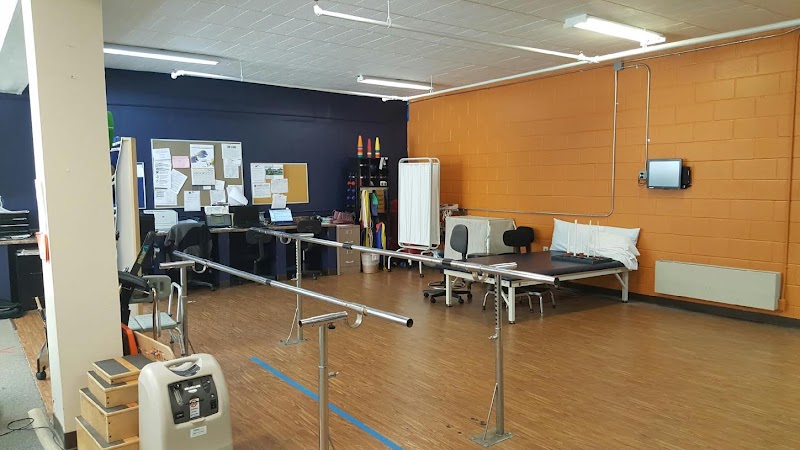
Who Owns and Operates The Springs At Rochester Hills Rehab And Nursing C?

The Springs at Rochester Hills Rehab and Nursing C is owned by a for-profit company. For-profit facilities operate as businesses with obligations to shareholders or private owners. The facility operates independently rather than as part of a larger chain. With 126 certified beds and approximately 69 residents (about 55% occupancy), it is a mid-sized facility located in Rochester Hills, Michigan.

How Does The Springs At Rochester Hills Rehab And Nursing C Compare to Other Michigan Nursing Homes?

Compared to the 100 nursing homes in Michigan, The Springs at Rochester Hills Rehab and Nursing C's overall rating (1 stars) is below the state average of 3.1, staff turnover (58%) is significantly higher than the state average of 46%, and health inspection rating (1 stars) is much below the national benchmark.

What Should Families Ask When Visiting The Springs At Rochester Hills Rehab And Nursing C?

Based on this facility's data, families visiting should ask: "What changes have been made since the serious inspection findings, and how are you preventing similar issues?" "What safeguards and monitoring systems are in place to protect residents from abuse or neglect?" "How do you ensure continuity of care given staff turnover, and what is your staff retention strategy?" "Can you walk me through typical staffing levels on day, evening, and night shifts?" These questions are particularly relevant given the facility's Immediate Jeopardy citations, the substantiated abuse finding on record, the facility's high staff turnover rate, and the below-average staffing rating.

Is The Springs At Rochester Hills Rehab And Nursing C Safe?

Based on CMS inspection data, The Springs at Rochester Hills Rehab and Nursing C has documented safety concerns. The facility has 1 substantiated abuse finding (meaning confirmed case of resident harm by staff or other residents). Inspectors have issued 1 Immediate Jeopardy citation (the most serious violation level indicating risk of serious injury or death). The facility is currently on the Special Focus Facility watch list (a federal program monitoring the lowest-performing 1% of nursing homes nationwide). The facility has a 1-star overall rating and ranks #100 of 100 nursing homes in Michigan. Families considering this facility should ask detailed questions about what corrective actions have been taken since these incidents.

Do Nurses at The Springs At Rochester Hills Rehab And Nursing C Stick Around?

Staff turnover at The Springs at Rochester Hills Rehab and Nursing C is high. At 58%, the facility is 11 percentage points above the Michigan average of 46%. Registered Nurse turnover is particularly concerning at 64%. RNs handle complex medical decisions and coordinate care — frequent RN changes can directly impact care quality. High turnover means new staff may not know residents' individual needs, medications, or preferences. It can also be disorienting for residents, especially those with dementia who rely on familiar faces. Families should ask: What is causing the turnover? What retention programs are in place? How do you ensure care continuity during staff transitions?

Was The Springs At Rochester Hills Rehab And Nursing C Ever Fined?

The Springs at Rochester Hills Rehab and Nursing C has been fined $115,391 across 5 penalty actions. This is 3.4x the Michigan average of $34,233. Fines at this level are uncommon and typically indicate a pattern of serious deficiencies, repeated violations, or failure to correct problems promptly. CMS reserves penalties of this magnitude for facilities that pose significant, documented risk to resident health or safety. Families should request specific documentation of what issues led to these fines and what systemic changes have been implemented.

Is The Springs At Rochester Hills Rehab And Nursing C on Any Federal Watch List?

The Springs at Rochester Hills Rehab and Nursing C is currently an SFF Candidate, meaning CMS has identified it as potentially qualifying for the Special Focus Facility watch list. SFF Candidates have a history of serious deficiencies but haven't yet reached the threshold for full SFF designation. The facility is being monitored more closely — if problems continue, it may be added to the official watch list. Families should ask what the facility is doing to address the issues that led to this status.