Orchard Grove Health Campus
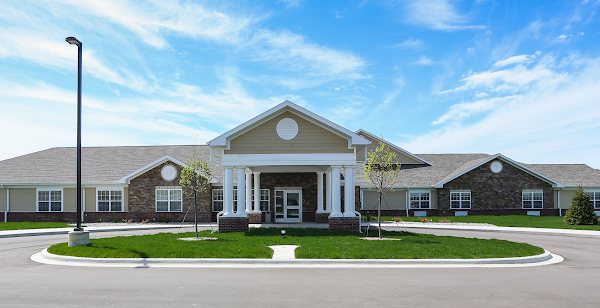
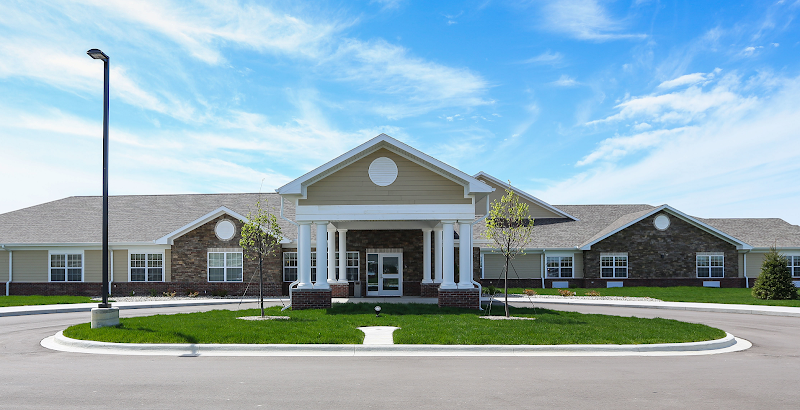
71150 Orchard Crossing Lane, Romeo, MI 48065 (586) 336-0102
For profit - Corporation 55 Beds TRILOGY HEALTH SERVICES Data: November 2025
Trust Grade
90/100
#72 of 422 in MI
Last Inspection: May 2025

Inspected within the last 6 months. Data reflects current conditions.

Overview

Orchard Grove Health Campus in Romeo, Michigan, has an excellent Trust Grade of A, indicating a high level of quality care and reliability. Ranked #72 of 422 facilities in Michigan, they are in the top half, and #3 of 30 in Macomb County, meaning there are only two local options considered better. The facility's performance has been stable, with 2 issues reported consistently in both 2024 and 2025. Staffing is a relative strength, with a rating of 4 out of 5 stars and a turnover rate of 41%, which is below the state average. There have been no fines, indicating compliance with regulations, and they have more RN coverage than 84% of Michigan facilities, which is beneficial for resident care. However, there are some areas of concern: the facility has had issues with food safety, as expired items were found in the kitchen, posing potential risks to residents. Additionally, there were incidents of a resident being treated disrespectfully by staff, and another resident was not receiving prescribed oxygen care, which could have serious health implications. These weaknesses highlight the need for improvement in certain operational aspects while acknowledging the facility's overall strengths.
Trust Score
A
90/100
In Michigan
#72/422
Top 17%
Safety Record
Low Risk
No red flags
Inspections
Holding Steady
2 → 2 violations
Staff Stability
○ Average
41% turnover. Near Michigan's 48% average. Typical for the industry.
Penalties
✓ Good
No fines on record. Clean compliance history, better than most Michigan facilities.
Skilled Nurses
✓ Good
Each resident gets 60 minutes of Registered Nurse (RN) attention daily — more than 97% of Michigan nursing homes. RNs are the most trained staff who catch health problems before they become serious.
Violations
○ Average
7 deficiencies on record. Average for a facility this size. Mostly minor or procedural issues.
★★★★★
5.0
Overall Rating
★★★★☆
4.0
Staff Levels
★★★★★
5.0
Care Quality
★★★★☆
4.0
Inspection Score
Stable
2024: 2 issues
2025: 2 issues

The Good

  • 4-Star Staffing Rating · Above-average nurse staffing levels
  • 5-Star Quality Measures · Strong clinical quality outcomes
  • Full Sprinkler Coverage · Fire safety systems throughout facility
  • No fines on record
  • Staff turnover below average (41%)

    7 points below Michigan average of 48%

Facility shows strength in staffing levels, quality measures, fire safety.

The Bad

Staff Turnover: 41%

Near Michigan avg (46%)

Typical for the industry

Chain: TRILOGY HEALTH SERVICES

Part of a multi-facility chain

Ask about local staffing decisions and management

The Ugly 7 deficiencies on record

May 2025 2 deficiencies
CONCERN (D) 📢 Someone Reported This

A family member, employee, or ombudsman was alarmed enough to file a formal complaint

Potential for Harm - no one hurt, but risky conditions existed

Resident Rights (Tag F0550)

Could have caused harm · This affected 1 resident

**NOTE- TERMS IN BRACKETS HAVE BEEN EDITED TO PROTECT CONFIDENTIALITY** This citation pertains to Intake number MI00152757. Based on observation, interview, and record review, the facility failed to e...

Read full inspector narrative →
**NOTE- TERMS IN BRACKETS HAVE BEEN EDITED TO PROTECT CONFIDENTIALITY** This citation pertains to Intake number MI00152757. Based on observation, interview, and record review, the facility failed to ensure residents were treated in a dignified manner for two (R293 and R143) out of two residents reviewed for dignity/respect. Findings include: A Facility Reported Incident (FRI) was submitted to the State Agency (SA) that alleged that a CNA (certified nursing assistant) would not listen to the resident's (R293) request to wear certain clothing and then started yelling loudly at the resident. A review of R293 clinical record revealed the resident was initially admitted to the facility on [DATE] with diagnoses that included: syncope and collapse (temporary loss of consciousness), epilepsy and history of pulmonary embolism. A BIMS (Brief Interview for Mental Status) evaluation noted the resident had a BIMS score of 13/15 (cognitively intact). On 5/5/25 at approximately 9:39 AM, R293 was observed sitting in a wheelchair in their room. The resident was alert and able to answer questions asked about the care provided in the facility. R293 reported that everything was going well, however, noted that an incident occurred a few weeks ago with a staff member. R293 suggested reading through their paperwork as they did not want to talk about it again. R293's roommate (R3) reported they heard the CNA yelling very loudly at the resident. A request was made for any Investigation/Accident (IA) reports pertaining to R293. A review of an IA documents with a start date of 4/26/25 revealed, in part, the following: .Conclusion: .from the interviews we have learned that the resident has some individual preferences that have since been updated .The resident did not like the approach from the aide. The resident did not like the fact that she (hereinafter CNA 'F) was communicating very loudly to her in a way that made her feel uncomfortable. We have substantiated that customer service should have been better .Statement of Witness Form: Name of Interviewee (R293) .Date of Interview: 4/26/25: I asked to get dressed last night. The aide (CNA F) came in .I told her that I wanted my [NAME] (camisole) on before my shirt. The aide kept trying to put on the shirt before the [NAME]. I told her to stop .The aide was yelling loudly and said, :don't you want to go to bed? She was very loud. It scared me. We were both standing up at the time, the aide pushed away the clothes towards me and left the room Statement of Witness Form: Name of Interviewee (R3) .Date of interview: 4/26/25 .Incident/Situation: Last night the aide that came into our room to help my roommate (R293) was yelling at her. I've never heard someone yell like that in all the times I've been here . *It should be noted that R3 had a BIMS score of 15/15 (cognitively intact cognition). CNA F's personnel file was reviewed and documented, in part: Personnel Action Form .Name: CNA F .termination date: 4/30/25 .Termination Action Reason: Unsatisfactory Performance .staff member was suspended pending an investigation, after investigation findings staff members employment was terminated . On 5/6/25 at approximately 10:18 AM, an interview was conducted with the Administrator/Abuse Coordinator regarding the incident involving R293. The Administrator reported that CNA F was terminated following the incident involving R293. They noted that CNA F had received sensitivity training in the past following other concerns and based on what occurred between CNA F and R293 on 4/25/25 the facility decided to terminate them. R143 On 5/05/25 at 11:51 AM, R143 was asked about the care at the facility. R143 explained at times the staff, Forget we are human. R143 explained this morning the staff came into their room and started pulling clothes out of the closet, throwing them on the bed, and didn't asked what I wanted to wear. On 5/06/25 at 9:53 AM, R143 was observed in their room and did not report any other incidents. A review of R143's medical record revealed, R143 was admitted to the facility on [DATE] with diagnosis of infection. R143's assessment noted, R143 with an intact cognition. The above concern was mentioned to the Nursing Home Administrator (NHA), the NHA reported she would look into the incident. A request was made for the facility's policy pertaining to dignity/respect. No policy was provided before the end of the survey.
CONCERN (D)

Potential for Harm - no one hurt, but risky conditions existed

Respiratory Care (Tag F0695)

Could have caused harm · This affected 1 resident

Based on observation, interview, and record review, the facility failed to ensure oxygen (02) was administered per the physician's order for one (R294) of one resident reviewed for respiratory/oxygen ...

Read full inspector narrative →
Based on observation, interview, and record review, the facility failed to ensure oxygen (02) was administered per the physician's order for one (R294) of one resident reviewed for respiratory/oxygen care. Findings include: On 5/5/25 at approximately 10:50 AM, R294 was observed lying in bed. The resident was alert but unable to answer any questions asked. An oxygen concentrator was observed approximately three feet from the resident's bed. The concentrator was running at 2L (liter), however, the oxygen nasal canula tubing was wrapped around the concentrator and not inserted in the resident's nose. At approximately 11:00 AM and 11:10 AM, the resident was again observed without any 02 inserted in their nose. The DON was approached and asked if the resident received continuous oxygen. The DON was not certain as to their order and noted would review the residents record. A review of R294's clinical record revealed the resident was initially admitted to the facility with diagnoses that included: malignant cancer of the prostate, metabolic encephalopathy and stroke. The resident's Minimum Data Set (MDS) noted the resident was severely cognitively impaired and required oxygen therapy. Continued review of R294's clinical record noted the following: General Order (4/17/25): .Start Date: 4/17/25 .End Date: Open Ended .Order Description: Order Set 02 @ 2L per nasal canula continuous . Medication Administration Order (MAR) : Order .Order set 02-Assess/Observe for s/s (signs/symptoms) of SOB (shortness of breath) while lying flat .Order Set 02 @ 2 L per nasal canula continuous . *It should be noted that by 11:36 AM on 5/5/25 there was no indication that the above orders were noted as completed for 5/5/25. On 5/6/25 at 10:21 AM, an interview was conducted with the DON and the Administrator. The DON was queried as to the facility policy/protocol regarding physician orders for the use of oxygen. The DON reported that all orders should be followed, including those regarding oxygen. With respect to R294, the DON noted there was an order for the resident to remain on 2L of oxygen continuously ( 24 hours per day) and nursing staff should have ensured it was in place. The DON noted that the resident was a Hospice resident and was scheduled for discharge with the continuous O2 order. The facility was asked to provide a copy of their policy pertaining to oxygen treatment. The facility reported that they did not have a policy.
Apr 2024 2 deficiencies
CONCERN (D)

Potential for Harm - no one hurt, but risky conditions existed

Infection Control (Tag F0880)

Could have caused harm · This affected 1 resident

Based on observation, interview, and record review, the facility failed to maintain infection control practices of multi-use equipment between resident use for two residents (R14, and R16) of two revi...

Read full inspector narrative →
Based on observation, interview, and record review, the facility failed to maintain infection control practices of multi-use equipment between resident use for two residents (R14, and R16) of two reviewed for infection control practices. Findings include: On 3/26/2024 at 9:30 AM, Nurse C was observed to take R14's blood pressure. When the task was completed the device was not cleaned. When queried whether the device should be cleaned, Nurse D replied after each use. Nurse C did not then clean the device before moving on to the next resident. On 3/27/2024 at 11:30 AM, Nurse B took R16's blood pressure. Upon leaving the room, Nurse E did not clean the blood pressure device. When queried about when the blood pressure device should be cleaned and with what, Nurse E stated after each resident with germicidal wipes. On 3/27/2024 at 1:30 PM, an interview with the Infection Preventionist, Nurse D revealed that the expectation for cleaning multi-resident use equipment is that it is cleaned after each use, between residents. On 3/28/2024 at 11:30 AM, an interview with the Director of Nursing (DON) revealed that their expectation for cleaning multi-resident use equipment is that it is cleaned after each use, between residents. On 3/28/2024, a review of the policy Standard Precautions stated, properly clean and disinfect or sterilize reusable equipment before use on another resident.
CONCERN (D)

Potential for Harm - no one hurt, but risky conditions existed

Antibiotic Stewardship (Tag F0881)

Could have caused harm · This affected 1 resident

**NOTE- TERMS IN BRACKETS HAVE BEEN EDITED TO PROTECT CONFIDENTIALITY** Based on interview and record review, the facility failed to monitor and justify the administration of an antibiotic for one res...

Read full inspector narrative →
**NOTE- TERMS IN BRACKETS HAVE BEEN EDITED TO PROTECT CONFIDENTIALITY** Based on interview and record review, the facility failed to monitor and justify the administration of an antibiotic for one resident (R6) of three residents reviewed for unnecessary medications. Findings include: A review of R6's medical record revealed that they were admitted into the facility on [DATE] with diagnoses that included Unspecified open wound, right lower leg, subsequent encounter, Chronic Obstructive Pulmonary Disease, and Type 2 Diabetes Mellitus. Further review revealed that the resident was cognitively intact and require supervision to limited assistance with Activities of Daily Living. Further review of the medical record revealed that the resident had been prescribed the following on 12/28/23, Vancomycin (antibiotic) 50 mg/mL (milligrams/milliliters); Amount to Administer: 2.5 ml/ 125mg; Oral twice a day for recurrent C-Diff (Clostridium difficile, a bacterium that causes infection in the colon-large intestine which can lead to symptoms ranging from diarrhea to severe damage to the colon). Further review of R6's medical record revealed Medication Administration Records for December 2023, January 2024, February 2024, March 2024, and April 2024 indicating that the resident had received the antibiotic as ordered. Further review of the medical record revealed the following progress notes: 12/15/2023 5:33PM Per resident he has had chronic CDIFF since 2019 and has been on vancomycin oral antibiotic throughout that time period, with small periodic breaks of treatment. Upon admission to the hospital for his surgery, they reviewed his conditions and medications and vancomycin was discontinued. Upon admission to the facility the vancomycin had been ordered to be discontinued in the hospital paperwork. informed resident of this information, he stated that he understood and would follow up with [facility physician] on his recommendations. 12/18/2023 12:52PM Encounter Date: December 18, 2023 Complaints history and physical Chief complaint: Right leg pain, recurrent C. difficile colitis Enterocolitis due to C. difficile, recurrent . Patient with recurrent C. difficile colitis, according to patient has been on vancomycin 125 mg twice daily at home and wants to restart it Patient had 3 loose stools last night, denies any nausea/vomiting or abdominal Pain . Further review of the medical record did not reveal any coordination of care of communication with the resident's primary care physician regarding recurrent C-Diff. A review of the facility's Infection Tracking-ATB (antibiotic) Surveillance Log for December 2023 revealed the following: R6's admission date followed by the type of infection which was Chronic C-Diff prior to hospitalization. Symptom present: Diarrhea. Antibiotic: Vanco (Vancomycin). Start date: 12/19/23. End date 12/28/23. Diagnostic test: N/A (not applicable). Transmission Based Precaution (TBP): N (no). Further review of the Infection Tracking-ATB Surveillance Logs for January 2024, February 2024, and March 2024 revealed that R6 was not listed on the log as being prescribed an antibiotic, or being monitored for an infection. Further review of the medical record revealed no documentation of the antibiotic being reviewed for appropriateness following the physician order on 12/28/23. In addition, there was no reassessment of the antibiotic or labs completed to assess the antibiotic as appropriate. On 4/3/24 at 1:45pm, the Infection Control Preventionist (ICP) D was asked about R6's Vancomycin order, specifically the duration and monitoring of the antibiotic. ICP D explained that the resident reported using it prior to admission for recurrent C-Diff, and Physician E reordered it for the resident. Regarding the monitoring of the medication for adverse consequences, ICP D explained that they monitor for loose stools, and the physician orders what to look for regarding signs and symptoms. In addition, the pharmacist completes reviews and provides recommendations. On 4/4/24 at 10:17 AM, the Director of Nursing (DON) was asked about R6's Vancomycin order, specifically the duration and monitoring of the antibiotic. The DON explained that she would want to inquire as to why the resident was still on the medication due to adverse effects, and that there should always be monitoring of signs and symptoms of the medication. On 4/4/24 at 11:33 AM, an interview was completed with Physician E in which he explained that the medication was prescribed for recurrent C-Diff. Regarding coordination of care with the resident's primary care physician, he explained that this usually occurs during discharge and if there are concerns. No other information was provided regarding the duration/monitoring of the antibiotic specific to R6. A review of the facility's Antibiotic Stewardship Guideline revealed the following, .1. Review infections and monitor antibiotic usage pattern. New orders for antibiotics usage will be reviewed during the campus Clinical Care Meeting on regular business days .3. Monitor antibiotic resistance patters (MRSA, VRE, EXBL. CRE, etc.) and Clostridium difficile infections. 4. Report on number of antibiotics prescribed (e.g., days of therapy), per prescribed, and the number of residents treated each month . A review of the Center for Disease Control and Prevention (CDC) The Core Elements of Antibiotic Stewardship for Nursing Homes dated 2015, documented in part . Improving the use of antibiotics in healthcare to protect patients and reduce the threat of antibiotic resistance is a national priority. Antibiotic stewardship refers to a set of commitments and actions designed to optimize the treatment of infections while reducing the adverse events associated with antibiotic use . CDC also recommends that all nursing homes take steps to improve antibiotic prescribing practices and reduce inappropriate use. Antibiotics are among the most frequently prescribed medication in nursing homes, with up to 70% of residents in a nursing home receiving one or more courses of systemic antibiotics . studies have shown that 40-75% of antibiotics prescribed in nursing homes may be unnecessary or inappropriate. Harms from antibiotic overuse are significant for the frail and older adults receiving care in nursing homes. These harms include risk of serious diarrheal infections from Clostridium difficile, increased adverse drug events and drug interactions, and colonization and/or infection with antibiotic -resistant organisms . Infection prevention coordinators have key expertise and data to inform strategies to improve antibiotic use. This includes tracking of antibiotic starts, monitoring adherence to evidence-based published criteria . during the evaluation and management of treated infections and reviewing antibiotic resistance patterns in the facility to understand which infections are caused by resistant organisms. When infection prevention coordinators have training, dedicated time, and resources to collect and analyze infection surveillance data, this information can be used to monitor and support antibiotic stewardship .
Mar 2023 3 deficiencies
CONCERN (D)

Potential for Harm - no one hurt, but risky conditions existed

Deficiency F0554 (Tag F0554)

Could have caused harm · This affected 1 resident

Based on observation, interview, and record review, the facility failed to assess for self-medication administration prior to leaving medications in room, for one sampled resident (R27) reviewed for s...

Read full inspector narrative →
Based on observation, interview, and record review, the facility failed to assess for self-medication administration prior to leaving medications in room, for one sampled resident (R27) reviewed for self-medication administration, resulting in medications left in the resident's room. Findings Include: On 03/20/23 at 9:12 AM, two inhalers were observed on R27's over bed table. R27 was asked if they kept these inhalers in their room and R27 stated, No. The Nurse will come back and get them. On 3/20/23 at 10:27 AM, the two inhalers remained at R27's bedside on the table. R27 stated, I am done with them. The Nurse or staff was not observed on the unit. The inhalers labels revealed, Albuterol sulfate and Fluticasone propionate aerosol. A review of R27's orders noted, Albuterol sulfate aerosol inhaler; 90 mcg (Microgram)/actuation; amt (amount): 2 puffs; inhalation. Frequency: Once A Day. 7:00 - 11:00 AM. Fluticasone propionate aerosol inhaler; 44 mcg actuation; amt: 2 puffs; inhalation. Twice A Day 7:00 AM - 11:00 AM. On 3/20/23 at 2:37 PM, the two inhalers were no longer on the over bed table. On 3/20/23 at 2:48 PM, Registered Nurse (RN A) was asked about the medications that were observed at R27's bedside, and if R27 was able to self-administer. RN A stated, Yes. [R27] is able. RN A, was asked if R27 had an assessment completed for self-administration and stated, I am not sure, I would have to look for that. During this interview a request was made for R27's assessment for self-administration of medication. On 3/21/23 at 12:21 PM, the facility provided a document titled, Self-Administration Of Medication for R27 with a date and time stamp of 3/20/23 at 2:55 PM. On 3/21/23 at 1:19 PM, the Director of Nursing (DON) was asked about the process for medications and determination of self-administration. The DON explained that she did the assessment with [RN A] as an education. The DON was asked if it's ok for R27's medication to be left in the room before assessment. The DON explained that the medication should have been taken out of the room when the Nurse left. A review of the facility's titled Guidelines for Self-Administration of Medications dated 12/31/22, noted, Policy Guidelines for Self-Administration of Medications. Purpose: To ensure the safe administration of medication for residents who request to self-medicate or when self-medication is a part of their plan of care. Procedures: 1. Resident requesting to self-medicate or has self-medication as a part of their plan of care shall be assessed using the observation Trilogy-Self Administration of Medication within the electronic health record . 3. The medication will be kept in a locked drawer in the residents' room. The resident will maintain the key, as well as a key will be maintained by the licensed nurse .
CONCERN (D)

Potential for Harm - no one hurt, but risky conditions existed

Accident Prevention (Tag F0689)

Could have caused harm · This affected 1 resident

**NOTE- TERMS IN BRACKETS HAVE BEEN EDITED TO PROTECT CONFIDENTIALITY** Based on interview and record review the facility failed to provide adequate supervision for two sampled resident (R33 and R143)...

Read full inspector narrative →
**NOTE- TERMS IN BRACKETS HAVE BEEN EDITED TO PROTECT CONFIDENTIALITY** Based on interview and record review the facility failed to provide adequate supervision for two sampled resident (R33 and R143) of eight residents reviewed for accidents, resulting in the resident sustaining a fall. Findings include: On 3/20/23 at 9:18 AM, R33 was observed asleep with a low bed and with fall mats on the floor. A review of R33's medical record revealed a nurses note, 3/09/2023 12:32 PM, Writer called to salon . whom had been notified by [Salon Staff C], the beautician. [Salon Staff C] reported that she had been assisting resident into salon chair and resident started to fall. [Salon Staff C] assisted resident to the floor and called for help. [Salon Staff C] reported that resident did not hit [R33] head. ROM (range of motion) completed and WNL (within normal limits), no c/o (complaints of) pain, VSS (vital signs stable), no injury noted at this time. Resident assisted up into w/c (wheelchair) . Writer spoke with . and notified of fall and plan to only have clinical staff complete transfers. A review of R33 incident and accident report noted, Event date 3/9/23 10:49 AM. Description: Fall event. Event details: Location of fall Other describe - Salon staff transferring resident . Safety equipment in place and function at time of incident? None ordered . Fall Risk Re-Assessment: (checked) Resident has cognitive or memory impairment that effects safety and judgement? (checked) Resident requires use of an assistive device and /or often forgets to use device? . New Interventions-Immediate measures taken (checked) Other, describe- Salon staff instructed to get clinical staff for transfers. Additional Information: Witnessed fall, no trauma to head. Neurochecks not warranted. Fall Prevention intervention: Salon lady (Staff C) instructed to ask nursing staff to assist with transfer from wheelchair to salon chair . On 3/21/23 at 1:36 PM, Salon Staff C was asked about the incident and stated, [R33] normally transfers [themselves] and that day when [R33] got up [R33] wanted to sit back down. So I had to hold [R33] when [R33] went to sit down to the floor. I saw a staff person walk by and I flagged them down and they helped [R33] get up. That was the first time that happened. On 3/21/23 at 1:42 PM, during an observation of the facility's salon noted, dryers with and without seats attached and two salon chairs for styling. A review of R33's medical record revealed, R33 was admitted to the facility on [DATE] with diagnosis of Acute Respiratory disease. A review of R33's Minimum Data Set (MDS) assessment dated [DATE] revealed, Transfer/Self-Performance 3 (extensive assistance) and Transfer/Support 3 (two+) staff. On 3/21/23 at 1:40 PM, Licensed Practical Nurse (LPN B), was asked about the incident report and stated, I'm not sure how that happened. Maybe they thought [R33] was with it or something. LPN B was asked how the salon staff knows who needs assistance with a transfer. LPN B stated, It's on the back of the wheelchair, but I am not sure if they (salon staff) know it's there or if they use it. LPN B was asked if a resident needed to transfer to a salon chair, how does that happen. LPN B stated, The floor staff would help. On 3/21/23 at 1:50 PM, a Salon Staff C was asked how they know if a resident is able to transfer alone or if they need assistance. Salon Staff C stated, I am new, and I just ask the residents. I am getting to know them. Resident #143 (R143) On 3/21/23 at 1:52 PM, Salon Staff C was observed to wheel R143 down the hall into the salon. Once in the salon, Salon Staff C was observed to push R143 to the salon chair. R143 attempted to get out of the wheelchair, Salon Staff C was observed to adjust the wheelchair closer to the salon chair. After the final adjustment with the wheelchair R143 was observed to stand and move into the salon chair. The chair appeared to be unlocked and moved during the transfer. During the observation there were no other staff present during the event. On 3/21/23 at 2:45 PM, Salon Staff C was asked about R143's transfer and stated, I saw that [R143] could do it when [R143] was in the room. Salon Staff C was asked if the floor staff told her that R143 could transfer themself. Salon Staff C stated, No. Salon Staff C was asked if staff came into the salon with residents to assist with transfers and stated, No, only when I ask, they will help. A review of R143's medical record revealed, R143 was admitted to the facility on [DATE], with diagnoses of Osteoporosis and Surgical incision to right hip. A review of R143's therapy evaluation noted, Therapy Update: Resident: R143. Physical Therapy. Bed Mobility: 1 person assist. Transfers: 1 person assist. Ambulation: Unable. Occupational Therapy: Feeding: Independent. Grooming/Hygiene: Set Up. Upper Body self care: 1 person assist. Lower Body self care: 1 person assist. Toileting: 1 person assist . Comments: 1 person pivot transfer .Date: 3/21/23. A review of R143's care plan noted, Problem Start Date 3/21/23. Category: Falls. Resident is at risk for falling R/T (related to): hx (history) of falls, impaired mobility, PAD (Peripheral Arterial Disease) with left AKA (above knee amputation), right THA (Total hip arthroplasty) . Goal: Resident will remain free of falls with major injury. Created 3/21/23. Approach: Staff to assist resident with transfers as needed. Discipline: Nursing, Occupational Therapy, Physical Therapy. On 3/22/23 at 11:24 AM, the Director of Nursing (DON) was explained the observation with R143 and Staff C and was asked the facility's expectation and stated that she will look into it. On 3/22/23 at 12:06 PM, the DON explained that education will be completed for Salon Staff C to make sure they know to not transfer without staff. A policy titled, Resident Transfers dated 3/21/23 noted, Overview: To ensure the safety of residents and staff when performing mobility/transfer tasks. 1. Upon admission the admitting nurse and/or therapy department shall determine the type of transfer device, amount of assistance required to assist with safe mobility based on assessments in the areas of: a. cognition-ability to follow simple instruction. B. weight bearing status-full, partial, toe touch, non-weight. C. Resident's weight. D. Upper and lower body strength. E. trunk stability. F. skin condition. G. Mobility status-supervision, limited, extensive, dependent .
CONCERN (F)

Potential for Harm - no one hurt, but risky conditions existed

Food Safety (Tag F0812)

Could have caused harm · This affected most or all residents

Based on observation, interview, and record review, the facility failed to ensure food items dated and discarded when expired, failed to store raw potentially hazardous food items appropriately, and f...

Read full inspector narrative →
Based on observation, interview, and record review, the facility failed to ensure food items dated and discarded when expired, failed to store raw potentially hazardous food items appropriately, and failed to maintain a ceiling vent cover in a sanitary manner. This deficient practice had the potential to affect all residents that consume food from the kitchen. Findings include: On 3/20/23 between 7:20 AM-7:50 AM, the following items were observed: In the walk-in cooler, there was a container of mousse with a use-by date of 3/18. In addition, there was raw ground beef stored on an open shelving unit directly above a pan of raw fish. In the True reach-in cooler, there was an opened half gallon of lemonade with a hand written use by date of 3/8 and a manufacturer's use by date of 3/16, an opened undated gallon container of golden Italian salad dressing, and an opened gallon container of thousand island salad dressing with a use by date of 2/25. According to the 2017 FDA Food Code section 3-501.17: Ready-to-eat, potentially hazardous food prepared and held in a food establishment for more than 24 hours shall be clearly marked to indicate the date or day by which the food shall be consumed on the premises, sold, or discarded when held at a temperature of 41 degrees Fahrenheit or less for a maximum of 7 days. Refrigerated, ready-to- eat, potentially hazardous food prepared and packed by a food processing plant shall be clearly marked, at the time the original container is opened in a food establishment and if the food is held for more than 24 hours, to indicate the date or day by which the food shall be consumed on the premises, sold, or discarded, and: (1) The day the original container is opened in the food establishment shall be counted as Day 1; and (2) The day or date marked by the food establishment may not exceed a manufacturer's use-by date if the manufacturer determined the use-by date based on food safety. The ceiling vent covers located above the ice machine were observed to be coated with dust. According to the 2017 FDA Food Code section 6-501.14 Cleaning Ventilation Systems, Nuisance and Discharge Prohibition, (A) Intake and exhaust air ducts shall be cleaned and filters changed so they are not a source of contamination by dust, dirt, and other materials. In the Bulldog Cafe refrigerator, there was an opened bottle of raspberry vinaigrette dressing dated 8/20/22, and a tray of peanut butter and jelly sandwiches with a use by date of 3/18. On 3/20/23 at approximately 1:30 pm, Director of Food Services D was queried about the undated and expired food items, but provided no explanation.
Understanding Severity Codes (click to expand)
Life-Threatening (Immediate Jeopardy)
J - Isolated K - Pattern L - Widespread
Actual Harm
G - Isolated H - Pattern I - Widespread
Potential for Harm
D - Isolated E - Pattern F - Widespread
No Harm (Minor)
A - Isolated B - Pattern C - Widespread

Questions to Ask on Your Visit

  • "Can I speak with families of current residents?"
  • "What's your RN coverage like on weekends and overnight?"

Our Honest Assessment

Strengths
  • • Grade A (90/100). Above average facility, better than most options in Michigan.
  • • No major safety red flags. No abuse findings, life-threatening violations, or SFF status.
  • • No fines on record. Clean compliance history, better than most Michigan facilities.
  • • 41% turnover. Below Michigan's 48% average. Good staff retention means consistent care.
Concerns
  • • No significant concerns identified. This facility shows no red flags across CMS ratings, staff turnover, or federal penalties.
Bottom line: Generally positive indicators. Standard due diligence and a personal visit recommended.

About This Facility

What is Orchard Grove Health Campus's CMS Rating?

CMS assigns Orchard Grove Health Campus an overall rating of 5 out of 5 stars, which is considered much above average nationally. Within Michigan, this rating places the facility higher than 99% of the state's 100 nursing homes. This rating reflects solid performance across the metrics CMS uses to evaluate nursing home quality.
How is Orchard Grove Health Campus Staffed?
CMS rates Orchard Grove Health Campus's staffing level at 4 out of 5 stars, which is above average compared to other nursing homes. Staff turnover is 41%, compared to the Michigan average of 46%. This relatively stable workforce can support continuity of care.

What Have Inspectors Found at Orchard Grove Health Campus?

State health inspectors documented 7 deficiencies at Orchard Grove Health Campus during 2023 to 2025. These included: 7 with potential for harm.

Who Owns and Operates Orchard Grove Health Campus?

Orchard Grove Health Campus is owned by a for-profit company. For-profit facilities operate as businesses with obligations to shareholders or private owners. The facility is operated by TRILOGY HEALTH SERVICES, a chain that manages multiple nursing homes. With 55 certified beds and approximately 52 residents (about 95% occupancy), it is a smaller facility located in Romeo, Michigan.

How Does Orchard Grove Health Campus Compare to Other Michigan Nursing Homes?

Compared to the 100 nursing homes in Michigan, Orchard Grove Health Campus's overall rating (5 stars) is above the state average of 3.2, staff turnover (41%) is near the state average of 46%, and health inspection rating (4 stars) is above the national benchmark.

What Should Families Ask When Visiting Orchard Grove Health Campus?

Based on this facility's data, families visiting should ask: "Can I visit during a mealtime to observe dining assistance and food quality?" "How do you handle medical emergencies, and what is your hospital transfer rate?" "Can I speak with family members of current residents about their experience?"

Is Orchard Grove Health Campus Safe?

Based on CMS inspection data, Orchard Grove Health Campus has a clean safety record: no substantiated abuse findings (meaning no confirmed cases of resident harm), no Immediate Jeopardy citations (the most serious violation level indicating risk of serious injury or death), and is not on the Special Focus Facility watch list (a federal program monitoring the lowest-performing 1% of nursing homes). The facility has a 5-star overall rating and ranks #1 of 100 nursing homes in Michigan. While no facility is perfect, families should still ask about staff-to-resident ratios and recent inspection results during their visit.

Do Nurses at Orchard Grove Health Campus Stick Around?

Orchard Grove Health Campus has a staff turnover rate of 41%, which is about average for Michigan nursing homes (state average: 46%). Moderate turnover is common in nursing homes, but families should still ask about staff tenure and how the facility maintains care continuity when employees leave.

Was Orchard Grove Health Campus Ever Fined?

Orchard Grove Health Campus has no federal fines on record. CMS issues fines when nursing homes fail to meet care standards or don't correct problems found during inspections. The absence of fines suggests the facility has either maintained compliance or corrected any issues before penalties were assessed. This is a positive indicator, though families should still review recent inspection reports for the full picture.

Is Orchard Grove Health Campus on Any Federal Watch List?

Orchard Grove Health Campus is not on any federal watch list. The most significant is the Special Focus Facility (SFF) program, which identifies the bottom 1% of nursing homes nationally based on persistent, serious quality problems. Not being on this list means the facility has avoided the pattern of deficiencies that triggers enhanced federal oversight. This is a positive indicator, though families should still review the facility's inspection history directly.