Healthsource Saginaw, Inc

3340 Hospital Rd, Saginaw, MI 48603 (989) 790-7700
Government - County 213 Beds Independent Data: November 2025 1 Immediate Jeopardy citation
Trust Grade
0/100
#377 of 422 in MI
Last Inspection: July 2025

Inspected within the last 6 months. Data reflects current conditions.

Overview

Healthsource Saginaw, Inc has received a Trust Grade of F, indicating significant concerns about their care quality and safety. They rank #377 out of 422 facilities in Michigan, placing them in the bottom half, and #11 out of 11 in Saginaw County, meaning there are no better local options. The facility is showing an improving trend, with issues decreasing from 24 in 2024 to 12 in 2025. Staffing is a relative strength, rated 4 out of 5 stars, with a turnover rate of 46%, which is about average for Michigan. However, the facility has incurred fines totaling $287,058, higher than 91% of Michigan facilities, suggesting ongoing compliance problems. Specific incidents of concern include a critical finding where the facility failed to respond to alarms, resulting in a resident eloping and potentially facing serious harm. Additionally, another serious incident involved a resident who fell from a wheelchair due to inadequate supervision, resulting in severe injury and ultimately death. Another serious concern involved a resident developing a pressure sore due to improper fitting of a brace, indicating gaps in care. Overall, while there are some staffing strengths, the facility's poor trust grade and concerning incident history make it a risky choice for families.

Trust Score
F
0/100
In Michigan
#377/422
Bottom 11%
Safety Record
High Risk
Review needed
Inspections
Getting Better
24 → 12 violations
Staff Stability
⚠ Watch
46% turnover. Above average. Higher turnover means staff may not know residents' routines.
Penalties
✓ Good
$287,058 in fines. Lower than most Michigan facilities. Relatively clean record.
Skilled Nurses
✓ Good
Each resident gets 54 minutes of Registered Nurse (RN) attention daily — more than average for Michigan. RNs are trained to catch health problems early.
Violations
⚠ Watch
56 deficiencies on record. Higher than average. Multiple issues found across inspections.
★☆☆☆☆
1.0
Overall Rating
★★★★☆
4.0
Staff Levels
★★★☆☆
3.0
Care Quality
★☆☆☆☆
1.0
Inspection Score
Stable
2024: 24 issues
2025: 12 issues

The Good

  • 4-Star Staffing Rating · Above-average nurse staffing levels
  • Full Sprinkler Coverage · Fire safety systems throughout facility
  • No fines on record

Facility shows strength in staffing levels, fire safety.

The Bad

1-Star Overall Rating

Below Michigan average (3.1)

Significant quality concerns identified by CMS

Staff Turnover: 46%

Near Michigan avg (46%)

Higher turnover may affect care consistency

Federal Fines: $287,058

Well above median ($33,413)

Significant penalties indicating serious issues

The Ugly 56 deficiencies on record

1 life-threatening 6 actual harm
Jul 2025 9 deficiencies
CONCERN (D) 📢 Someone Reported This

A family member, employee, or ombudsman was alarmed enough to file a formal complaint

Potential for Harm - no one hurt, but risky conditions existed

Comprehensive Care Plan (Tag F0656)

Could have caused harm · This affected 1 resident

**NOTE- TERMS IN BRACKETS HAVE BEEN EDITED TO PROTECT CONFIDENTIALITY** This citation pertains to Intake Number 2564956.Based on observation, interview and record review, the facility failed to implem...

Read full inspector narrative →
**NOTE- TERMS IN BRACKETS HAVE BEEN EDITED TO PROTECT CONFIDENTIALITY** This citation pertains to Intake Number 2564956.Based on observation, interview and record review, the facility failed to implement care plan interventions for fall safety prevention for 2 of 5 residents (R21 & R114) reviewed to be at risk for falls, accidents and hazards, by not consistently ensuring the resident's call light was within reach and the fall mat was in place as outlined in the residents' care plans. Facts and Findings include: Resident #21: Review of the Face Sheet, Care Plans dated 4/25, nursing progress notes and Hospice notes dated 7/25, and care guide for Nursing Assistants/CNA’s found in the closet, revealed Resident #21 was [AGE] years old, admitted to the facility on [DATE], confused, unable to follow simple directions, had poor safety awareness with a history of falls in the facility. The resident's diagnoses included, Dementia, behavioral disturbances, cardiac pacemaker, bipolar disorder, depression, anxiety disorder, Alzheimer’s disease, Dysphagia (difficulty swallowing), stroke and was receiving Hospice services at the facility. Review of the Falls for Facility sheets, dated 5/29/25 through 6/29/25, revealed Resident #21 was found on the floor on her floor mat on 6/7/2025. Review of all current facility physician's orders for Resident #21, revealed no order for a floor mat for the resident. Review of the resident’s facility Falls Care Plan, dated 4/3/25, stated “Floor mat next to bed.” A blue floor mat was to be placed next to the resident’s bed in the low position while in bed. Observations made on 7/29/25, starting from approximately 11:20 AM at 1:05 PM, 1:14 p.m., and randomly throughout the day until 4:00 p.m., revealed the resident in bed with her blue floor mat leaning up against the wall at the end of her bed. On day shift, no floor mat was observed beside the resident’s bed for safety. During an interview done on 7/30/25 at approximately 3:10 p.m., the Director of Nursing said the resident should have had her floor mat down per her care plan. Resident #114: Record review of R114 Minimum Data Set/MDS dated [DATE] revealed a Brief Interview of Mental status/BIMs score of 6 out of 15, severe cognitive impairment. Medical diagnosis included: Cognitive communication deficit; Difficulty in walking, not elsewhere classified; Need for assistance with personal care; Alzheimer's disease, unspecified; Dementia in other diseases classified elsewhere, unspecified severity, with psychotic disturbance; adjustment disorder with mixed anxiety and depressed mood. On 7/29 at 10:47 am Interview and observation of R114, resident resting in bed with touch call light coiled around the grab bar on the right upper side at the head of the bed, button facing outward. Resident requested help opening her Ensure drink, when asked how she gets help from the staff if she needs it, she says she just yells out for help because she does not have a call light. She proceeded to call out nurse, nurse two times then stopped, no one came to the room. Observation that the residents room location is at the end of the hall in the last room, it is the farthest away from the garden neighborhood staff station. On 7/29 at 12:28 pm interview with R114’s DPOA “Q” who states the resident was recently changed to hospice and has been on a decline over the past few weeks for comfort care. Observed resident resting with eyes closed, in bed with head of bed elevated. The call light remains coiled around the grab bar on the right upper side bed. On 7/31 at 10:18 am observed resident in room resting in bed eyes closed in gown, the door was closed (CNA “Z” stated it was due to a mock fire drill going on), touch call light remains in same position out of residents’ reach, blue fall mat next to bed. 7/31at 10:19 am Interview Nurse “S” taking care of this resident today, when asked about what she knew about the residents fall, she states she is aware that she had fallen yesterday, and she has not been down there to see her today yet. She states, “I have been busy in the other hall” (points to the opposite end of the garden neighborhood hall) and have not had a chance to get there but I am almost to her. When asked, Nurse S was unable to give any information regarding the fall or resident current condition. Asked, what time did your shift begin today? she replied at 7am. 7/31 at 11:20 am R114 is resting in bed with eyes closed. The right side of bed has a blue fall mat that is folded 1/3 up and pushed diagonally away from the bed about 3 ft away. The left side is fully unfolded and in place. The bed tray is over resident with open applesauce cup and water. The touch call light is coiled around the grab bar on the right upper side of bed at head level facing outward and out of reach of resident. 7/31 at 11:22 am Interview in residents’ room with CNA” R”, asked about placement of fall mats for residents and stated, “well it shouldn’t be like that, but they probably moved it out of the way for breakfast, but it should have been moved back into place after”. When asked how this resident called for assistance, she responds “she has a soft touch call light”. When asked where that is located, she responds “it is right there” (and points to the call light around the grab assist bar that has been located there all three days of the survey) “but it is not where it should be either”. When asked where it should be? she replied, “in reach of the resident”. When asked why the resident had that type of call light she stated “soft touch call lights” are used for our residents that do not have the ability to push the button on the regular call lights. When asked how often this resident used the call light CAN “R” replied “not often, about 25% of the time”. She added that the residents with that type of call button should be monitored more frequently by staff because of their inability to fully use call lights. Observation of the CNA in resident room trying to untangle and uncoil the call button free from rail and it took over a minute for her to do so, stating it is “really stuck in there.” Record review reveals R114 had a fall on 7/20/2025 and 7/30/2025, reviewed full fall reports, see reports in egress. According to the review of R114 Care plan: updated 7/28/2025 Resident started on hospice services d/t her declining state. Approach: Be available for resident/family. Assure resident/family that he/she will not be left alone; Manage pain and other uncomfortable symptoms.” Revised 7/20/2025 I am at risk for falling R/T (related to) reduced mobility, Alzheimer's, anemia, psychotropic medications. Approach: Keep call light in reach at all times; Keep personal items and frequently used items within reach; Provide safety device/appliance: Floor mat next to bed with bed in lowest position.” “Initial 3/26/2025: I have limitations in ability to perform ADL's/hygiene/transfers related to: Alzheimer's, reduced mobility, CKD 3, weakness. Approach: Call light within reach.” Record Review according to the facilities fall prevention program In high-risk protocols that the facility will: Provide interventions that address unique risk factors measured by the risk assessment tool: medications, psychological, cognitive status, or recent change in functional status; That each resident’s risk factors, and environmental hazards will be evaluated when developing the residents’ comprehensive care plan. The interventions will be monitored for effectiveness and the care plan will be revised as needed.”
CONCERN (D)

Potential for Harm - no one hurt, but risky conditions existed

Pressure Ulcer Prevention (Tag F0686)

Could have caused harm · This affected 1 resident

**NOTE- TERMS IN BRACKETS HAVE BEEN EDITED TO PROTECT CONFIDENTIALITY** Based on observation, interview and record review, the facility failed to prevent the development of pressure ulcers for two res...

Read full inspector narrative →
**NOTE- TERMS IN BRACKETS HAVE BEEN EDITED TO PROTECT CONFIDENTIALITY** Based on observation, interview and record review, the facility failed to prevent the development of pressure ulcers for two residents (R15, R86) of 5 residents reviewed for pressure ulcers, resulting in Resident #15 and Resident #86 developing pressure ulcer/injuries while residing in the facility. Record review of the National Institue of Health (NIH) 2022 Pressure Ulcer staging:Stage 2: There is partial-thickness skin loss involving the epidermis and dermis. Stage 3: A full thickness loss of skin extends to the subcutaneous tissue but does not cross the fascia beneath it. Slough or eschar may be visible, and the lesion may be foul-smelling. Stage 4: Full-thickness skin loss extends through the fascia with considerable tissue loss. There may be muscle, bone, tendon, or joint involvement. Record review of the facility-generated CMS-802 Resident Matrix form on 7/29/2025 identified Resident #15 and #86 as 'High risk Pressure Ulcer Stage 2-4'. The facility did not identify 'New or Worsened Pressure Ulcer Stage 2-4' for either Resident #15 or #86. Resident #15: Record review of Resident #15's Minimum Data Set (MDS) dated [DATE] revealed a Brief Interview of Mental Status (BIMS) score of 0 out of 15, severe cognitive impairment. Medical diagnosis included Neurogenic blader, aphasia, quadriplegia and seizure disorder. Review of Section M-skin assessment noted:Stage II pressure ulcers of 1. Number of stage II pressure ulcers that were present upon admission/entry or re-entry (0) zero.Stage III pressure ulcers of 1. Number of stage III pressure ulcers that were present upon admission/entry or re-entry (0) zero.Stage IV pressure ulcers of 3. Number of stage IV pressure ulcers that were present upon admission/entry or re-entry (3) three. Record review of Resident #15's Minimum Data Set (MDS) dated [DATE] revealed a Brief Interview of Mental Status (BIMS) score of 0 out of 15, severe cognitive impairment. Medical diagnosis included Neurogenic blader, aphasia, quadriplegia and seizure disorder. Review of Section M-skin assessment noted:Stage II pressure ulcers of 1. Number of stage II pressure ulcers that were present upon admission/entry or re-entry (0) zero.Stage III pressure ulcers of 1. Number of stage III pressure ulcers that were present upon admission/entry or re-entry (0) zero.Stage IV pressure ulcers of 3. Number of stage IV pressure ulcers that were present upon admission/entry or re-entry (2) two. Record review of Resident #15's Minimum Data Set (MDS) dated [DATE] revealed a Brief Interview of Mental Status (BIMS) score of 0 out of 15, severe cognitive impairment. Medical diagnosis included Neurogenic blader, aphasia, quadriplegia and seizure disorder. Review of Section M-skin assessment noted:Stage II pressure ulcers of 1. Number of stage II pressure ulcers that were present upon admission/entry or re-entry (0) zero.Stage III pressure ulcers of 1. Number of stage III pressure ulcers that were present upon admission/entry or re-entry (0) zero.Stage IV pressure ulcers of 3. Number of stage IV pressure ulcers that were present upon admission/entry or re-entry (2) two. An observation was made on 07/31/2025 at 7:37 AM with Licensed Practical Nurse (LPN) Wound Care Certified (WCC) L of Resident #15. LPN L stated that Resident #15 does have a Stage IV pressure ulcer to the coccyx which has been chronic long term. LPM L stated that Resident #15 does have new facility-acquired wounds on his abdomen, right lateral foot, and right lateral calf. The right lateral foot wound Stage IV is facility acquired. Observation of the right lateral foot revealed black/dark tissue to the back/side of foot area with eschar tissue noted. Observation of the left lateral/back of mid-calf revealed an open pressure ulcer with drainage noted. The pressure area was cleansed, and zero form dressing was applied and covered with 4x4 gauze boarder dressing. Observation of Resident #15's abdomen was made, and the mid-line dressing was removed to observe an open wound (Stage III) with serosanguinous drainage. The mid-line wound was cleansed, and calcium AG dressing was applied due to the drainage and covered with a gauze 4x4 boarder dressing. Observation Resident #15's peg tube area revealed peg tube drainage of green/yellow bile substance noted to split gauze drainage dressing to the peg site, also noted on the abdomen binder. A second right-side of abdomen wound was observed with small open area was cleansed and calcium AG dressing was applied and covered with 4x4 gauze boarder dressing. In an interview on 07/31/2025 at 10:37 AM with Licensed Practical Nurse (LPN) Wound Care Certified (WCC) L of Resident #15's pressure ulcer observations with the state surveyor revealed that abdomen on the top revealed 2 open wounds that line up with abdomen binder. Binder use began in the beginning of July. Abdomen of wounds started in July. I just seen the wound yesterday. The wounds are facility acquired this month (July). LPN L stated that she took the physician into the resident #15's room to observe the wound and the physician believes the wounds started as abrasions from the abdomen binder. The wounds staged at III to mid-line abdomen are Facility acquired. Wounds progress from a stage I Un-blanchable, to a stage II top layer dermis is removed, and stage III is into the subcutaneous tissue with drainage. LPN L stated that she talked to the nurses and that they stated that they did not know when the mid-line abdominal wound started. LPN L could not locate any documentation for when the mid-line abdomen wound started, or when the dressings changes started to the wound. LPN L stated that she just observed the mid-line abdomen wound for the first time on 7/30/2025 and was not aware of the wound. LPN L stated that there should be nursing assessments to look under Resident #15's abdominal binder for integrity. Resident #86:Record review of Resident #86's Quarterly Minimum Data Set (MDS) dated [DATE] revealed a Brief Interview of Mental Status (BIMS) score of 3 out of 15, severely impaired never/rarely makes decisions. Medical diagnosis included diabetes and Alzheimer. Review of Section M-skin assessment noted:Stage II pressure ulcers of 0. Number of stage II pressure ulcers that were present upon admission/entry or re-entry (0) zero.Stage III pressure ulcers of 0. Number of stage III pressure ulcers that were present upon admission/entry or re-entry (0) zero. Record review of Resident #86's Quarterly Minimum Data Set (MDS) dated [DATE] revealed a Brief Interview of Mental Status (BIMS) score of 3 out of 15, severely impaired never/rarely makes decisions. Medical diagnosis included diabetes and Alzheimer. Review of Section M-skin assessment noted:Stage II pressure ulcers of 0. Number of stage II pressure ulcers that were present upon admission/entry or re-entry (0) zero.Stage III pressure ulcers of 1. Number of stage III pressure ulcers that were present upon admission/entry or re-entry (0) zero. Observation and interview on 7/31/2025 at 8:15AM with Licensed Practical Nurse (LPN) Wound Care Certified (WCC) L of Resident #86 revealed the resident to be lying in bed on his back upon entry to the room. LPN L stated that Resident #86's right calf pressure ulcer was facility acquired, and she thought the wound came from his bilateral soft protective boots. Observation of the boots on the resident revealed that the boots could be a cause of pressure point. Observation of the bed adjustment done using the controls revealed that the foot of the bed tipped downward and the bend in the bed was at the point of the right calf pressure point to the leg. LPN L stated that someone may have left the resident in that position for too long causing the pressure ulcer to develop. Observation of the right calf wound bed revealed a stage III with visible tendon and red ring around the exterior of the wound on the skin. Wound Treatment was Thera honey, covered by a 4x4 gauze boarder dressing. In an interview on 07/31/2025 at 10:33 AM Licensed Practical Nurse (LPN) Wound Care Certified (WCC) L revealed that she did take the trainee into Resident #86's room last week on Wednesday and they looked at the wound, and the soft boots sit right at the wound area putting pressure on the wound. Licensed Practical Nurse (LPN) Wound Care Certified (WCC) L stated that she Talk to the housekeeping manager about the bed bowing at the foot of the bed and that there is a bar underneath the bed that will raze the foot of the bed to stop that downward movement of the foot of the bed. We did observe the bow downward position that rest right on wound. The housekeeper changed bed bars, and we will reassess the bed and the placement. Record review of the facility-provided form of 'In-house Pressure Ulcers' on 7/31/2025, showed that the facility had 7 in house acquired pressure/injuries. The Form revealed that Resident #15 was noted to have facility acquired have wounds Left foot stage 3 4/2/2025, Right bottom foot 7/4/2025, and two abdomen wounds un-staged on 7/30/2025. There was no documentation of the left mid-calf pressure ulcer to the lateral aspect of the calf.
CONCERN (D)

Potential for Harm - no one hurt, but risky conditions existed

Deficiency F0691 (Tag F0691)

Could have caused harm · This affected 1 resident

**NOTE- TERMS IN BRACKETS HAVE BEEN EDITED TO PROTECT CONFIDENTIALITY** Based on observation, interview and record review the facility failed to assess, monitor and document continued seepage and nona...

Read full inspector narrative →
**NOTE- TERMS IN BRACKETS HAVE BEEN EDITED TO PROTECT CONFIDENTIALITY** Based on observation, interview and record review the facility failed to assess, monitor and document continued seepage and nonadherence for one resident's (Resident #7) ileostomy appliance (Ileostomy is a surgical procedure in which an opening is made in the abdominal wall for stool to leave the body through a stoma. An appliance is worn over the stoma to collect stool) of two residents reviewed for ostomy care. Findings Include: On 7/29/2025 at 4:12 PM, Resident #7 was observed watching television in his room. He had a pleasant demeanor and shared some concerns with this writer. He stated his ileostomy is not adhering and is leaking. The residents' ileostomy site was observed to have leakage that was pooling on his abdomen. When asked when it was last changed, he reported this morning. Resident #7 was uncertain how long it had been leaking but stated it was sore.On 7/29/2025 at approximately 4:35 PM, Nurse DD stated she was informed in report there was an issue with Resident #7's ileostomy bag sealing and weeping. Nurse Manager T was alerted to the concern by Nurse DD and stated he was not aware of the sealing issues with Resident #7 ileostomy. The Manager stated he would speak to their wound care nurse about the next step and a different technique to maintain the seal. On 7/29/2025 at approximately 4:30 PM, a review was conducted of Resident #7's medical record and it indicated he was admitted to the facility on [DATE] with diagnoses that included Rectum cancer, Kidney failure, Diverticulitis, Malignant Ascites, Ileus and Depression.Further review yielded the following: I have an ileostomy r/t (related to) metastatic colon cancer.Progress Notes:There was no documentation located from nurses, management or the facility wound care nurse regarding any issues with his ileostomy.Physician Notes:There was no physician documentation located regarding concerns related to the issues with the resident's ileostomy appliance not sealing and the leakage.TAR (Treatment Administration Record):July 2025 Ileostomy dressing change every 3 days, cleanse around site thoroughly, pat dry, change wafer. Once a day every 3 days. Order initiated on 7/3/2025. The order set was marked off as completed as scheduled. There was no order for as needed dressing change and unable to ascertain the onset of his ileostomy issues. On 7/30/2025 at 4:05 PM, Nurse Manager T shared their treatment nurse was already aware of the concerns with Resident #7s ileostomy. She was using a crusting method, cream and powder for about 1 week when she completed the treatments. Manager T was queried as to where the notes related to this would be located. Record review was completed of progress notes, observations sections and wound management and there was no documentation located. He stated the treatment nurse informed him this was an ongoing issue that she was aware of.On 7/31/2025 at 8:45 AM, Resident #7 shared the wound nurse utilized cream and powder the last two times she changed his ileotomy. When his assigned nurse completed the dressing change, they did not use powder or cream. His ileostomy was observed, and it was leaking onto his skin and the appliance was not sealed.On 07/31/2025 at 10:51 AM, an interview was conducted with Wound Nurse L regarding Resident #7. Nurse L reported the resident alerted her on Monday his ileostomy was not adhering correctly. When she completed her assessment and treatment of the area, she utilized the crusting technique. On Tuesday, she followed up with the resident and again the ileostomy was not adhering and his skin in the area was reddened and slightly sore. This morning it was off again but the skin in the area was improving. Nurse L was asked if Resident #7's physician was aware of the continued issues surrounding his ileostomy and the nurse stated the physician was most likely not aware. Nurse L was further asked where the documentation from Monday (7/28/2025) until Thursday (7/31/2025) was regarding their assessment and treatments completed. She explained she was not certain what treatment they were going to put in place for the resident and the documentation was not entered today. It can be noted there was no communication between the treatment nurse and nurse manager surrounding these concerns. Additionally, there was no documentation from management or floor staffReview was conducted of the policy entitled, Extended Care Weekly Bath and Skin Condition Report, revised February 2008. The policy stated, .any reddened or suspicions areas noted will be documented on this report and appropriate interventions started.in between weekly checks, the resident develops a skin condition such as a rash, skin tear, stasis ulcer, etc: notify the physician, obtain orders if appropriate; document the area involved on the existing sheet, dating the notation; document a brief description in the nursing progress notes.
CONCERN (D)

Potential for Harm - no one hurt, but risky conditions existed

Deficiency F0692 (Tag F0692)

Could have caused harm · This affected 1 resident

**NOTE- TERMS IN BRACKETS HAVE BEEN EDITED TO PROTECT CONFIDENTIALITY** Based on observation, interview and record review, failed to 1) Ensure hydration fluids were within reach for Resident #13 and 2...

Read full inspector narrative →
**NOTE- TERMS IN BRACKETS HAVE BEEN EDITED TO PROTECT CONFIDENTIALITY** Based on observation, interview and record review, failed to 1) Ensure hydration fluids were within reach for Resident #13 and 2) Ensure nutrition status monitoring for 2 residents (#7, #10) of 10 residents reviewed for nutrition, resulting in potential for dehydration and thirst for Resident #13, and weight loss not being identified with the potential for further weight loss and decline in overall health and wellbeing. Resident #10: Record review of Resident #10's quarterly Minimum Data Set (MDS) dated [DATE] revealed a Brief Interview of Mental status (BIMs) score of 15 out of 15, cognitively intact. Medical diagnosis included hypertension, urinary tract infection, diabetes, hemiplegia, depression, bipolar and chronic obstructive pulmonary disease. Review of Section K: Swallowing/Nutrition status- noted weight of 183 pounds. Record review of Resident #10's quarterly Minimum Data Set (MDS) dated [DATE] revealed a Brief Interview of Mental status (BIMs) score of 15 out of 15, cognitively intact. Medical diagnosis included hypertension, urinary tract infection, diabetes, hemiplegia, depression, bipolar and chronic obstructive pulmonary disease. Review of Section K: Swallowing/Nutrition status- noted weight of 158 pounds. that is a 25-pound weight loss in 90 days. Observation during the survey of Resident #10, revealed that the resident took all of her meals in her room in bed. Record review on 07/29/2025 of Resident #10's [NAME] log in the electronic medical record revealed weights: 176 lbs. 4/2/2025 176.0 pounds minus On 05/06/2025, the resident weighed 157.8 lbs. Thats an 18.2-pound loss in 30 days which is a -10.34% Loss. On 6/4/25 151.4 pounds = 3-month loss of 13.98%. In an interview and record review on 07/31/2025 at 10:20 AM with Registered Dietitian Z of Resident #10's medical record stated that we did a significant change of condition on 4/28/25 and then on 5/12/25 nutritional assessment change of care plan evaluation up dated preferences appetite, snacks, weight loss supplements, and she is on hospice. We could offer more portions and options. On 7/30/2025, at 9:44 AM, Resident #13 was resting in their bed awake with music playing. Their bedside table was pushed against the far wall out of reach. There was a full Styrofoam glass of water and a small container of juice on the bedside table. On 7/30/2025, at 12:05 PM, Resident #13 remained in their bed awake. Their bedside table remained across the room out of reach. The glass of water and juice remained full with no sips taken. On 7/30/2025, at 12:47 PM, an observation and interview with Nurse “W” was conducted in Resident #13's room. Resident #13 was sitting in their bed with their bedside table in front of them. Resident #13 was actively eating and drinking by themselves. Nurse “W“ was asked if Resident #13 is able to feed themselves and Nurse “W” offered that Resident #13 is able to feed herself food and fluids. On 7/30/2025, at 2:30 PM, a record review of Resident #13's electronic medical record revealed an admission on [DATE] with diagnoses that included Stroke (CVA) with hemiplegia, Dysphagia and Dementia. Resident #13 required assistance with all Activities of Daily Living (ADL) and had impaired cognition. A review of the care plan revealed “Problem … ADL's Functional Status/Rehabilitation Potential (the resident) is limited in ability to perform ADL's/hygiene/transfers related to: CVA with left side hemiplegia; debility; Alzheimer's … Approach Start Date: 02/13/2023 (the resident) eats meals in her room or café, Requires set up and supervision assistance for meals … “ On 7/31/2025, at 8:31 AM, Resident #13 was sitting up in bed. Their bedside table was pushed in front of them. Resident #13 was actively holding and drinking their nutritional drink. Resident #7 On 7/29/2025 at 4:12 PM, Resident #7 was observed watching television in his room. He had a pleasant demeanor and shared some concerns with this writer. He stated the food is “not good,” and on the weekends the portions served are smaller. He added since his admission he has lost a lot of weight and it's because he does not like the food. Resident #7 stated the dietitian came in last week and breakfast has been better. On 7/29/2025 at approximately 4:30 PM, a review was conducted of Resident #7's medical record and it indicated he was admitted to the facility on [DATE] with diagnoses that included Rectum cancer, Kidney failure, Diverticulitis, Malignant Ascites and Depression. Further review yielded the following: Weighs: 07/01/2025” Weight: 131.5 lbs (pounds) / Admission 07/07/2025: Weight: 125.8 lbs 07/16/2025 11:18: Weight: 110.6 lbs 07/22/2025 10:55: Weight: 103.0 lbs Resident #7 loss 28.5 pounds since admission into the facility. Nutrition Progress Note: 07/22/2025 at 15:20: “Reweight requested. RD visited & updated meal tracker with pt preferences to aid in intakes & wt gain…”. There was no documentation located regarding discussions on how to slow the expected weight loss from week to week with a resident centered approach. Week 1: -5.7 lbs Week 2: -15.2 lbs Week 3: -7.6 Care Plan: “I am at nutrition risk dt (due to) acute renal failure, poor appetite, pro-cal malnutrition, weight loss over past 3 years and cancer…Boose breeze BID (twice a date) to aid in weight gain. Monitor weights weekly…Provide diet as ordered, monitor intakes daily/weekly…” There was no facility documentation related to Resident #7's weekly weight loss until three weeks after admission when he was already down to 103 pounds from 131 pounds. Furthermore, there was no evaluation to determine the reasoning why Resident #7 has not eaten or looking at resident specific interventions and others food items that may peak his interest. On 7/30/2025 at 12:52 PM, Registered Dietitian “Y” was queried regarding the interventions put in place to maintain Resident #7's weight given his continuous weekly weight loss without evaluation. Dietitian “Y” expressed Resident #7 was high risk due to his current medical conditions and they monitor him weekly in their nutrition at risk meetings. He currently receives Boost Breeze which provides an additional 450 calories per day. A review was completed of Resident #7's care plan and it was pointed out it had not been updated since his admission to the facility. Dietitian “Y” stated those are the typical interventions they would utilize and added they began monitoring his food acceptance on 7/22/2025. Dietitian “Y” was asked if it weight loss was anticipated why there were no substantial interventions placed prior to his weight loss. He stated they wanted to ensure his weight was accurate which is why he had requested a reweight the week before (7/16/2025) prior to adding any additional interventions. On 7/31/2025 at 8:45 AM, Resident #7 reported after his preferences were reviewed with Dietitian “Y” last week, and since then breakfast has been more enjoyable. He added prior to 7/22/2025, he was never asked what his likes/dislikes were. He expressed he was being served grits or oatmeal with his breakfast daily, and he does not eat either. Resident #7 stated he lost weight as the food was “no good,” he stated many of the food items were too spicy or too sweet for his liking. The Boost Breeze was offered but it was difficult to become accustomed to it, as it was too sweet for him. He explained when he intentionally loss weight within the three years prior to becoming ill (went from 225 pounds to 177 pounds) he cut sugar from his diet, so it was difficult to reintroduce a supplement that was extremely sweet. On 7/31/2025 at approximately 11:45 AM, a discussion was held with the DON (Director of Nursing), ADON (Assistant Director of Nursing) and Nurse Manager “T,” regarding the lack of timely and meaningful nutritional intervention for Resident #7. It was discussed that although his weight loss was anticipated, that does not negate the fact that meaningful nutritional interventions to maintain current nutritional status/slow the anticipated weight loss and timely assessment of said weekly weight declines were still needed. They expressed understanding of the concern. Review of facility policy entitled, “Up to Scale Weight Monitoring,” policy is undated. The policy stated, “…Interventions will be identified, implemented, monitored and modified consistent with the residents assessed needed, choices, preferences goals.”.
CONCERN (D)

Potential for Harm - no one hurt, but risky conditions existed

Tube Feeding (Tag F0693)

Could have caused harm · This affected 1 resident

**NOTE- TERMS IN BRACKETS HAVE BEEN EDITED TO PROTECT CONFIDENTIALITY** Based on observation, interview and record review, the facility failed to provide enteral tube feeding per nursing standards for...

Read full inspector narrative →
**NOTE- TERMS IN BRACKETS HAVE BEEN EDITED TO PROTECT CONFIDENTIALITY** Based on observation, interview and record review, the facility failed to provide enteral tube feeding per nursing standards for one resident (Resident #107) of one resident reviewed for tube feeding, resulting in the infusion of expired solution and improper positioning of the head of the bed with the likelihood of gastrointestinal upset, infection and/or aspiration. Findings include: On [DATE], at 11:09 AM, Resident #107 was resting in their bed. There was a tube feeding pump with a tube feeding solution bag hanging that was dated 7/28 0500 am and was hooked to the resident's abdomen. On [DATE], at 11:12 AM, an observation along with Nurse X of Resident #107's tube feeding solution was conducted. Nurse X was asked what date was on the solution bag and Nurse X stated, the 28th at 5:00 am and actually it should say the 29th. Nurse X was asked to obtain the head of bed angle measurement. On [DATE], at 11:22 AM, Physical Therapist (PT) U entered Resident #107's room. PT U measured the angle of the head of the bed which revealed 22 degrees. On [DATE], at 11:26 AM, Unit Manager (UM) T entered Resident #107's room. UM T was asked what they saw on the tube feeding solution bag and UM T stated, it says 7/28 hung at 0500 am, at 45 an hour. UM T was asked how the staff knows if the head of the bed is safe for the resident while the tube feeding was infusing and UM T offered, she had the ability to use her bed control. UM T was asked where the bed control was located and UM T was unable to locate the bed control. CNA V entered the room and assisted UM T to locate the bed control. CNA V offered, she should have one and maybe it's balled up under her. Both CNA V and UM T could not find it and offered that the resident did not have a bed control. On [DATE], at 9:20 AM, Resident #107 was resting in their bed. The tube feeding solution was infusing into their abdomen. Resident #107 had a bed control within reach on top of their bed covers. The head of the bed appeared to be angled at 45 degrees. According to the manufacturer Nestle, Nutren 2.0 should be refrigerated and consumed within 24 hours after opening. If not used within this timeframe, it should be discarded. According to the facility provided policy NURSING MANUAL ENTERAL TUBE FEEDING, . PROCEDURE: . Elevate the head of bed 30-45 degrees during the feeding .
CONCERN (D)

Potential for Harm - no one hurt, but risky conditions existed

Deficiency F0694 (Tag F0694)

Could have caused harm · This affected 1 resident

**NOTE- TERMS IN BRACKETS HAVE BEEN EDITED TO PROTECT CONFIDENTIALITY** Based on observation, interview and record review the facility failed to timely remove a peripheral IV (intravenous) for one res...

Read full inspector narrative →
**NOTE- TERMS IN BRACKETS HAVE BEEN EDITED TO PROTECT CONFIDENTIALITY** Based on observation, interview and record review the facility failed to timely remove a peripheral IV (intravenous) for one resident (#169) of one reviewed for IV access. Findings Include:On 07/29/2025 at approximately 1:13 PM, Resident #169 was observed watching television in his room. The resident was asked what the peripheral IV (intravenous) in his right forearm was being utilized for. The resident stated, They don't use it for anything, it has not been used in over a week. The IV dressing was not dated nor initialed.On 7/29/2025 at approximately 3:10 PM, Nurse Manager T observed Resident #169's peripheral IV and was asked what it was being utilized for. He stated he believed it was for IV hydration. Resident 169's wife was in the room and explained he received IV hydration last week and was supposed to have follow up lab work, but was not certain if that had occurred. Manager T was asked if the dressing should be dated and initialed and he responded, yes. On 7/29/2025 at approximately 4:00 PM, a review was conducted of Resident #169's medical records and it indicated he admitted to the facility on [DATE] with diagnoses that included, Sepsis, Acute Kidney Failure, Dementia, Venous Insufficiency, Hyperlipidemia, Hypertension and Anxiety. Further review of his chart yielded the following: Progress Notes: 7/24/2025 at 12:33: Residents labs back (physician) notified and discontinued Bumex, wants one liter of normal saline infused at 80cc (cubic centimeter)/hr (hour). 7/24/2025 at 22:07: Residents wife at bedside when 22g PIV inserted and discussed with wife residents labs and discontinuing Bumex.Physician Notes:7/24/2025 at 15:09: The patient was evaluated for possible dehydration. Recent labs shos increased BUN (Blood Urea Nitrogen) and creatinine. Patient's wife reports the patient has poor oral intake.Mild dehydration, bumex discontinued, 0.9 saline 80cc/hour 1 liter, repeat BMP (Basic Metabolic Panel) 7/28/2025.MAR (Medication Administration Record):July 2025:Sodium chloride 0.9% parenteral solution: 1 liter to infuse at 80cc/hour, one time order. Order initiated and hydration on 7/24/2025. On 7/31/2025 at 2:45 PM, Nurse Manager T was asked whose responsibility it was to find out when Resident #169's IV should have been removed. The manager stated it would have bene the nurse's responsibility to obtain that information from the physician. Resident #169 IV was placed for an additional five days without assessment, monitoring nor timeframe on how long the IV was suppose to remain.
CONCERN (D)

Potential for Harm - no one hurt, but risky conditions existed

Food Safety (Tag F0812)

Could have caused harm · This affected 1 resident

**NOTE- TERMS IN BRACKETS HAVE BEEN EDITED TO PROTECT CONFIDENTIALITY** Based on observation, interview, and record review, the facility failed to maintain best practices in the kitchen resulting in t...

Read full inspector narrative →
**NOTE- TERMS IN BRACKETS HAVE BEEN EDITED TO PROTECT CONFIDENTIALITY** Based on observation, interview, and record review, the facility failed to maintain best practices in the kitchen resulting in the potential to spread food borne illness to all residents that consume food from the kitchen. Findings Include:Facility [NAME], [NAME] (52634) - Kitchen On 7/29/2025 at 9:25AM A kitchen tour was conducted with the Regional Director of Operations I and the General Manager J. On 07/29/2025 at 9:42 AM Record review of the high temp dishwasher log temps had ranges at the rinse temp from 154-193 degrees Fahrenheit. The guidelines for temperature ranges at the top of the document state Rinse 180 degrees Fahrenheit. On 7/29/2025 at 9:45 Observed dishwasher temps at: final temp 184, wash 164, rinse 161, and dual rinse 173 degrees Fahrenheit. On 07/29/2025 at 9:55 AM Observed mixer visibly soiled with residue. In response to the soiled mixer, the Regional Director of Operations I commented Well this looks like it needs to be cleaned. It should be cleaned every day. On 07/29/2025 at 10:05 AM Observed the fridge in Gardens hallway behind the nurses' desk at 46 degrees Fahrenheit, according to the thermometer located in the fridge. The smart thermostat read 37 degrees Fahrenheit. On 7/29/2025 at 10:05AM Interview with the General Manager J on which temperature is recorded on the log. She answered, the smart thermostat. When asked if the thermometer inside the fridge was ever checked, she said No. On 07/29/2025 at 10:50 AM Observed the General Manager J and Executive Chef H searching for dish temp plate. On 07/29/2025 at 11:13AM Observed dishwasher temp with dish plate at 154 degrees Fahrenheit. On 7/29/2025 at 11:15AM Observed dishwasher temp with dish plate at 157.8 degrees Fahrenheit. On 07/29/2025 at 11:18AM Observed dishes being used on tray line. 07/29/2025 at 12:01 PM Interview conducted with the General Manager J if dish surface temps are ever taken, her answer was no. 07/29/2025 at 12:52 PM General Manager J presented a black test strip on dish demonstrating dish surface reached 160 degrees Fahrenheit. 07/30/2025 at 08:15 AM Dishwasher temp at dish surface level was 161 degrees Record review of the dishwasher temp log used by the facility states at the top of the document To verify the surface temperature is meeting the required temperature of 180 degree Fahrenheit use: Surface temperature adhesive Thermo-labels: adhesive label turns appropriate color to indicate that temperature has been reached .Use a digital, waterproof, thermometer using the temp hold feature. According to the 2022 Food Code U.S Food and Drug Administration Section 4-501.112 Mechanical Warewashing Equipment, Hot Sanitization Temperatures, The temperature of hot water delivered from a warewasher sanitizing rinse manifold must be maintained according to the equipment manufacturer's specifications and temperature limits specified in this section to ensure surfaces of multiuse utensils such as kitchenware and tableware accumulate enough heat to destroy pathogens that may remain on such surfaces after cleaning.The surface temperature must reach at least 71 C (160 F) as measured by an irreversible registering temperature measuring device to affect sanitization. According to the 2022 Food Code U.S Food and Drug Administration Section 3-501.16 Time/Temperature Control for Safety Food, Hot and Cold Holding, (A) Except during preparation, cooking, or cooling, or when time is used as the public health control as specified under S3-501.19, and except as specified under (B) and in (C) of this section, TIME/TEMPERATURE CONTROL FOR SAFETY FOOD shall be maintained:(1) At 57 C (135 F) or above, except that roasts cooked to a temperature and for a time specified in 3-401.11(B) or reheated as specified in 3-403.11(E) may be held at a temperature of 54oC (130oF) or above; P or(2) At 5 C (41 F) or less. According to the 2022 Food Code U.S Food and Drug Administration Section 4-602.11 Equipment Food-Contact Surfaces and Utensils, Microorganisms may be transmitted from a food to other foods by utensils, cutting boards, thermometers, or other food-contact surfaces. Food-contact surfaces and equipment used for time/temperature control for safety foods should be cleaned as needed throughout the day but must be cleaned no less than every 4 hours to prevent the growth of microorganisms on those surfaces.
CONCERN (E)

Potential for Harm - no one hurt, but risky conditions existed

Quality of Care (Tag F0684)

Could have caused harm · This affected multiple residents

**NOTE- TERMS IN BRACKETS HAVE BEEN EDITED TO PROTECT CONFIDENTIALITY** Based on observation, interview and record review, the facility failed to provide quality care and services for 4 residents (Res...

Read full inspector narrative →
**NOTE- TERMS IN BRACKETS HAVE BEEN EDITED TO PROTECT CONFIDENTIALITY** Based on observation, interview and record review, the facility failed to provide quality care and services for 4 residents (Resident's #1, #27, #166 and #181) regarding urinary catheter care, applying [NAME] Hose (Resident #1), assessing and monitoring for motorized wheelchair seat belt (Resident #27), assess and treat for a wound/boil (Resident #166), and assess and treat per orders regarding skin integrity (Resident #181), resulting in increased potential for infection, safety concerns regarding safety belt with a motorized wheelchair, increased urinary tract infections and trauma to urinary catheter, safe use of [NAME] Hose, and increased discomfort/pain with possible hospitalization. Findings Include: Resident #1 Review of the Face Sheet, nurses progress notes dated 7/29/25 through 7/31/25, Physician orders dated 2/25 through 7/25, and physician progress note, dated 2/21, revealed Resident #1 was [AGE] years old, confused and unable to make healthcare decisions, dependent on staff for all Activities of Daily Living/ADL's, and had a suprapubic catheter in place. The resident's diagnosis included, Alzheimer's dementia, Parkinson's disease, difficulty walking, bipolar disorder, paranoid type schizophrenia, Dementia, restlessness and agitation, violent behavior, frequent urinary tract infections, anxiety disorder, retention of urine, and usage of anticoagulants and long-term antibiotic use due to urinary tract infections. The resident had a supra pubic catheter in and used a leg urinary catheter bag which held approximately 250 cc's or urine and was ordered to have Teds hose (compression hose) on when out of bed. Ted Hose: Observations made on 7/29/25 at 10:30 a.m., 12:09 p.m., 3:00 p.m., and 4:00 p.m., revealed Resident #1 did not have the ordered Teds hose on; they were hanging over his walker in his room. During an interview done on 7/29/25 at 12:10 p.m., Family Member “F” said staff do not put the resident's Teds on, “they are always hanging on the walker.” Review of the facility physician order dated 9/26/2022, stated “Ted Hose on 6AM and off at HS (bedtime) 9PM.” Review of the resident's facility care plans, revealed there was no care plan for the use of [NAME] hose. During an interview done on 7/31/25 at 2:00 p.m., Nurse Manager, RN “O“ stated “No there is no care plan for Teds for him, there should be.” Review of the facility Guide to Nursing Assistants/CNA's sheet, found hanging in the resident's closet in his room, stated “Ted Hose on 6AM and off at HS 9PM.” This is the care guide staff use on a daily basis. Urinary Leg Bag: Observations done on 7/29/25 at 12:09 p.m., revealed the resident sitting in his chair in his room, his leg bag was strapped to his right leg below the knee; the tubing was taunt, and the bag was almost completely filled with urine. Throughout the survey (7/29/25, 7/30/25 and 7/31/25), this surveyor observed the resident's leg bag, and it was full of urine, the bag was bulging full of urine at times. During an interview done on 7/29/25 at 12:10 p.m., Family Member “F” said staff do not regularly empty the resident's leg bag and it's full of urine pulling on the tubing, and she must go to the desk and ask someone to empty it. Review of the facility physician order dated 4/5/2023, stated “Empty Foley bag every shift.” Review of the facility physician order dated 1/31/2025, stated “Supra public care every shift.” Review of the facility Guide to Nursing Assistants/CNA's sheet, found hanging in the resident's closet in his room, stated “Attempt to toilet every 2 hours. Special Instructions: Empty Foley bag.” Review of the resident's facility Urinary Tract Infections care plan dated 7/30/2025 (during survey), stated “Empty my catheter bag every 2 hours and check that the tubing is not pulling on my insertion site.” Review of the resident's facility Urinary Tract Infections care plan dated 9/26/2022, stated “Supra pubic catheter care every shift and prn (as needed, includes emptying the urinary leg bag).” During an interview done on 7/31/25 at 2:10 p.m., Nurse Manager “O” said the staff had not followed the resident's care plan regarding the urinary leg bag and he did not have a care plan regarding [NAME] Hose. Manager “O” said staff should follow all resident's care plan's, and if it is not any longer relevant, they should inform the Charge Nurse or Manager. Resident #27 On 7/29/2025 at 12:21 PM, Resident #27 was observed in his motorized wheelchair watching television. A seatbelt was observed affixed to his wheelchair and the resident explained it's for trunk support. The resident was able to unfasten his seatbelt without any assistance. Review was conducted of Resident #27's medical record and it indicated he admitted to the facility on [DATE] with diagnoses that included, Cerebral Palsy, Atrial Fibrillation, Peripheral Vascular Disease, Polyneuropathy and muscle wasting. Resident #27 is his own responsible party and able to make his needs known to facility staff. There was no documentation located in Resident #27's chart regarding initial evaluation, ongoing safety monitoring or reasoning for usage of the seatbelt. On 7/29/2025 at 3:30 PM, Nurse Manager “T” was queried regarding assessment, monitoring and reasoning for Resident #27's seatbelt. He reported the residents motorized wheelchair came from his home, and he does not believe there is an evaluation or corresponding care plan but will follow up. On 7/30/2025 at 4:05 PM, Nurse Manager “T” shared they completed a self-release evaluation, and the resident will be reevaluated every Thursday going forward. A care plan was also added to reflect his seatbelt usage. The Nurse Manager stated the evaluation and care plan were completed yesterday after initial inquiry. Resident #181: On 7/29/2025 at 9:55 AM, Resident #181 was observed resting in bed, there were four pink dressings observed on his arms. One dated 7/25/2025 and the other three were not dated or initialed. There was visible brown colored drainage underneath the dressings, and one was not adhering to his skin. On 7/29/2025 at approximately 3:20 PM, Nurse Manager “T” was queried regarding the bilateral dressing. He reported most likely the dressings are from the hospital, but he would follow up. On 7/29/2025 at 4:05 PM, Nurse Manager “T” reported their wound nurse completed a head-to-toe skin assessment on Resident #181 and found two of the areas were an old puncture wound and scabbed over skin tare. The other two areas required new treatment orders. Manager “Y” was asked how this was missed for four days, and he stated he was not sure. On 7/29/25, a review was conducted of Resident #181 medical record, and it indicated he admitted to the facility on [DATE] with diagnoses that included: Cachexia, Adult Failure to Thrive, Kidney Disease, Hypertension, and Chronic Obstructive Pulmonary Disease. Further review yielded the following: Progress Notes: 7/25/2025 at 18:40: “…Skin color is normal. Two skin tears on both arms…”. 7/29/2025 at 16:24: “…Head to toe skin assessment completed on 7/29/25… admitted with healing skin tears to bilateral upper extremities. Right upper arm has a 1x6cm scabbed over skin tear, no drainage and no odor. Surrounding skin is pink, thin, and warm to touch. Left wrist has 3x0.3cm scabbed over healing skin tear, no drainage, no odor. Surrounding skin is pink and warm to touch. Right wrist has a 1x1.8cm skin tear that is scabbed over with no drainage, and no odor. Surrounding skin is pink and warm to touch. Resident tolerated treatments well. No s/s of pain or discomfort. New orders to cleanse with NS, pat dry, apply border foam dressing QOD and PRN until healed. Resident has no redness to bony prominence areas and no visible rashes to body…” Physician Orders: Cleanse skin tear to left wrist with NS (normal saline), pat dry, apply boarder foam dressing QOD and PRN. Initiated 7/29/2025 Cleanse skin tare to right wrist with NS, pat dry, apply boarder foam dressing QOD and PRN. Initiated 7/29/2025. It can be noted the wound care comprehensive skin assessment and subsequent treatment orders were completed after the facility was queried regarding his bilateral, undated dressings. On 7/29/2025, at 11:00 AM, Resident #166 was resting in their bed and complained they had a boil burst under their right arm. Resident #166 was able to lift their arm to reveal two open areas measuring approximately 1 centimeter round each. There was no dressing. Resident #166 complained the nurses don't always change the dressing and the night nurse did not do the treatment last night. Resident #166 offered some of the good nurses keep it up but the nurse the night before said it needed air and refused to put the dressing on it. Resident #166 said they needed antibiotics about a month ago for it and the last time they did get a dressing change was a couple days ago because the good nurse was working. Resident #166 offered that when the dressing doesn't get changed it makes them feel as if they don't matter. Resident #166 was asked when the doctor looked at it last and Resident #166 offered; it's been a while. On 7/30/25, at 9:05 AM, a record review of Resident #166's electronic medical record revealed an admission on [DATE] with diagnoses that included Stroke, Cutaneous abscess of right axilla and obesity. Resident #166 required assistance with all Activities of Daily Living (ADL) and had intact cognition. A review of the “Treatments Administration Record: 06/30/2025 – 07/30/2025” revealed a treatment order “Cleanse wound to right axilla with NS, pat dry, skin prep, apply thera honey to wound bed, cover with gauze and border dressing daily and PRN Once A Day Start/End Date 07/10/2025 – Open Ended … “ For the date, Mon 28 the initials “MR5” was documented with parenthesis which revealed not completed. The “Reasons/Comments” column revealed “Not Administered: Other Comment: .” There was no documented reasoning why the treatment was not completed on the Treatment record. A review of the progress notes revealed no explanation documentation why the treatment was not provided. A further review of the progress notes revealed: “05/30/2025 13:51 Notified Dr. (physician) of residents right axilla boil draining yellow, and odor, denies pain, continue to monitor and apply small dressing if continues to drain … “ “07/29/2025 20:36 Noted lack of improvement and more c/o discomfort to indurated lesion in R axilla. Area assessed by floor nurse and tx nurse and new treatment devised and ordered to site. PCP notified and new orders received for culture and gram stain then begin doxycycline 100 mg Q-12H x 7 days for ABT tx of boil. All orders explained to resident and she voiced understanding. Sample obtained and packaged to be sent to lab. Resident voiced discomfort and pain during procurement of lab sample but said she was “just fine” after dressing replaced”. There was no other documentation found in the electronic medical record of the boil assessment since the last progress note on 5/30/2025 that explained yellow drainage, odor and to continue to monitor. There was no physician visits noted in the electronic medical record for Resident #166's ongoing boil wound. On 7/30/2025, at 3:00 PM, the facility was asked to provide all physician visits and documentation for Resident #166's boil from 5/1/2025 through 7/30/2025, day of survey. On 7/31/2025, at 9:52 AM, the facility was again asked to provide all documents regarding Resident #166's boil including all physician assessments/visits. On 7/31/2025, at 12:18 PM, Infection Control (IC) Nurse “ E” was asked why Resident #166 was on doxycycline (antibiotic) and IC Nurse “E“ offered, that the preliminary culture of the boil came back positive for gram + cocci and that the final culture was not completed yet. On 7/31/2025, at 1:14 PM, A record review along with UM “T“ of Resident #166's record revealed no physician progress notes of the boil assessment since the resident had documented yellow drainage and odor to their boil on 5/30/2025 and only one new nurse progress note on “7/29/2025”. There was no nurse progress note for the correlating new treatment order dated “7/10/2025”. On 7/31/2025, at 2:14 PM, UM “T“ provided there were no additional physician or nurse progress notes for Resident #166's right axilla boil and offered they would educate the nurses on charting better. UM “T“ further offered, that the physician was notified on 7/10/2025 although there was no documentation proving such.
CONCERN (E)

Potential for Harm - no one hurt, but risky conditions existed

Infection Control (Tag F0880)

Could have caused harm · This affected multiple residents

**NOTE- TERMS IN BRACKETS HAVE BEEN EDITED TO PROTECT CONFIDENTIALITY** Based on interview and record review, the facility failed to implement control measures for reducing the risk of legionella and ...

Read full inspector narrative →
**NOTE- TERMS IN BRACKETS HAVE BEEN EDITED TO PROTECT CONFIDENTIALITY** Based on interview and record review, the facility failed to implement control measures for reducing the risk of legionella and other opportunistic pathogens of premise plumbing (OPPP). This deficient practice has the increased potential to result in water borne pathogens to exist and spread in the facility's plumbing system and an increased risk of respiratory infection among any or all of the residents in the facility. Findings include:Facility [NAME], [NAME] (52634) - Infection Control On 07/29/2025 at 2:00 PM An interview was conducted with the Facility Supervisor K on the Water Management Plan (WMP). When questioned about chlorine residual testing, the Facility Supervisor answered, Saginaw township has tested the chlorine a couple times at least since I've been here and they test monthly or every two weeks. On 07/30/2025 at 10:00 AM An interview was conducted with the Facility Supervisor K on current chlorine residual results. He answered that the results in the water management plan binder were the most recent. On 07/30/2025 at 10:10 AM Record review of the document Drinking Water Quality Report for the Saginaw Region located in the water management binder states, Below are the water quality test results from the Saginaw Water Treatment System during 2022, unless otherwise noted. The chlorine residual results are an average from each quarter of the year. Chlorine result average 1.06ppm. Range is 0.94 - 1.17 ppm. On 07/30/2025 at 11:42 AM Record review of the WMP states in response to legionella distal site positivity <30%, engineering controls (i.e. flushing, circulation, temperature increases, fixture sanitization), proactive clinical surveillance, additional environmental sampling. On 07/30/2025 at 11:45 AM Record review of the Legionella testing tracking sheet states in response to positive legionella sample from RM [ROOM NUMBER] shower on 7/14/25 was room taken offline, fixture changed out, increased flushing in and around area. In addition, in response to the positive legionella sample in RM [ROOM NUMBER] shower on 7/14/25 was Room taken offline, fixture changed out, increased flushing in and around area. On 07/30/2025 at 1:14 PM Interview was conducted with Facility Quality Assurance G on tracking chlorine residual onsite. She responded that they don't feel like they need to since the Township comes in and does it. In addition, she stated that they are in the process of removing additional water lines and remediation is still in progress. On 07/30/2025 at 1:47 PM Record review of the Legionella Environmental Assessment Form, states Saginaw Township samples for chlorine residual at the kitchen only. In addition, the Assessment states, list the range of disinfectant levels and the response from the facility was Saginaw County Health Department has these records. According to the Centers for Disease Control and Prevention, Controlling Legionella in Potable Water Systems dated January 3rd, 2025, Ensure disinfectant residual is detectable throughout the potable water system. In addition, Monitor temperature, disinfectant residuals, and pH frequently based on performance of water management program or Legionella performance indicators for control. Adjust measurement frequency according to the stability of performance indicator values.
Feb 2025 1 deficiency
CONCERN (D) 📢 Someone Reported This

A family member, employee, or ombudsman was alarmed enough to file a formal complaint

Potential for Harm - no one hurt, but risky conditions existed

Quality of Care (Tag F0684)

Could have caused harm · This affected 1 resident

**NOTE- TERMS IN BRACKETS HAVE BEEN EDITED TO PROTECT CONFIDENTIALITY** This citation pertains to intake Number MI00149682. Based on interview and record review, the facility failed to provide adequat...

Read full inspector narrative →
**NOTE- TERMS IN BRACKETS HAVE BEEN EDITED TO PROTECT CONFIDENTIALITY** This citation pertains to intake Number MI00149682. Based on interview and record review, the facility failed to provide adequate post fall assistance to one resident (R1) of three residents reviewed for falls, resulting in feelings of sadness and tearfulness. Findings include: Resident #1 (R1): R1 is [AGE] years old and admitted to the facility on [DATE] with diagnoses that include aphasia, cerebral infarction affecting the right side, anxiety and depression. R1 is non-verbal, however, they can respond to yes/no questions. On 2/7/25 record review of recent falls revealed that R1 sustained an unwitnessed fall on 1/19/25 at 5:50pm. R1 was observed sitting in an upright position on the floor mat next to the bed. On 2/7/25 at 1:01pm, an interview was conducted with Licensed Practical Nurse (LPN). LPN 'F' was asked where they were at during the time R1 was observed on the floor. LPN 'F' stated, I was in the room next to the resident. LPN 'F' was asked what alerted them to go into R1's room. LPN 'F' stated, I heard all this yelling, a man yelling and a woman yelling, that is why I entered the room. LPN 'F' was asked where R1 was in the room and what was her mood. LPN 'F' stated, R1 was on the fall mat next to the bed; her son was in the room with her at the time. R1 was seemingly upset and tearful, she was crying loudly. LPN 'F' was asked what the family members mood was. LPN 'F' stated, The son was angry and yelling. LPN 'F' was asked if there were any injuries. LPN 'F' stated, I went to assess the resident, she slapped me, was combative and didn't want me there. The son ended up putting her back into bed. LPN 'F' was asked if the door to R1's room was closed prior to entering. LPN 'F' stated, when I went to enter R1's room, the door was closed, the son was in the room, but I didn't know that. On 2/7/25 at 1:08pm, an interview was conducted with Certified Nursing Assistant (CNA) 'A'. CNA 'A' was asked how the resident was when they last checked on them. CNA 'A' stated, I checked on the resident and her door was open, I saw the resident was sitting on the floor mat next to the bed. The lady that was across the hall was upset, so I went over to calm the lady across the hall and closed the door to R1's room. CNA 'A' was asked what alerted them to come back across the hall to R1's room. CNA 'A' stated, Her son came in and he was cursing and yelling, very enraged. The son was very upset that his mother was on the mat next to the bed. CNA 'A' was asked why they didn't stay with R1 when you observed her sitting on the floor and have someone find help. CNA 'A' stated, We need two people to get her up and we need the nurse to get her back into bed and we didn't know where the nurse was at. So, I went across the hall to calm the other lady down and in that time the son came in. CNA 'A' was asked again why didn't you stay with R1 and send someone else to get help. CNA 'A' stated, there was no one else to help me, I had to tend to the lady across the hall because she was in need of help. CNA 'A' was asked if they should've stayed with the resident that was on the floor. CNA 'A' stated, I was trying to diffuse two things at one time, I just shut the door to R1's room so they couldn't see each other. CNA 'A' never answered yes or no to whether they should have stayed with the resident on the floor. CNA 'A' was asked why did you shut the door when R1 was on the floor. CNA 'A' stated, I did it to diffuse the situation between her and the lady across the hall. On 2/7/25 at 1:41pm, an interview was conducted with CNA 'D'. CNA 'D' was asked if they were aware of the incident from 1/19/25. CNA 'D stated, Yes, I am. This is something that R1 do all the time, this was her second time doing that for the day. My understanding is that when CNA 'A' checked on R1, R1 was on the floor. CNA 'D' stated, Before the son entered the room, we already knew she was on the floor. I overheard the staff out there saying she was on the floor in her room. On 2/7/25 at 2:01pm, an interview was conducted with CNA 'C'. CNA 'C' was asked, when you checked on R1 with CNA 'A' where was R1 in the room. CNA 'C stated, R1 was on the mat by the bed, R1 was just laying down on the mat. CNA 'C stated, I was the primary CNA. When me and CNA 'A' left the doorway of R1's room I went down the hall to check on another resident who was yelling. CNA 'C' was asked if was their understanding that CNA 'A' was going to stay with R1. CNA 'C' stated, Yes, CNA 'A' was by R1's door and watching R1. CNA 'A' told me to go help the other resident I never saw the door get closed; I was down checking on another resident who was upset. When I came back out into the hall, I noticed that the son was mad. I was confused as to what was going on, I didn't know (CNA 'A') shut the door. CNA 'C' was asked if CNA 'A' told them they shut the door. CNA 'C' stated CNA 'A' told her and LPN 'F' she shut the door. On 2/7/25 at 2:46pm, an interview was conducted with the Director of Nursing (DON). The DON was asked what their expectation is if a staff member observes a resident on the floor. The DON stated, I expect the staff to get help, call for help and to leave that resident in the position they were found in until the nurse gets there.
Jan 2025 2 deficiencies 1 Harm
SERIOUS (G) 📢 Someone Reported This

A family member, employee, or ombudsman was alarmed enough to file a formal complaint

Actual Harm - a resident was hurt due to facility failures

Accident Prevention (Tag F0689)

A resident was harmed · This affected 1 resident

**NOTE- TERMS IN BRACKETS HAVE BEEN EDITED TO PROTECT CONFIDENTIALITY** This Citation pertains to Intake Number MI00149011. Based on observation, interview and record review, the facility failed to su...

Read full inspector narrative →
**NOTE- TERMS IN BRACKETS HAVE BEEN EDITED TO PROTECT CONFIDENTIALITY** This Citation pertains to Intake Number MI00149011. Based on observation, interview and record review, the facility failed to supervise and prevent a fall for one resident (Resident #1) with a history of anticoagulants and falls, of 3 sampled residents, resulting in the lack of meaningful interventions to prevent repeated falls and the lack of ongoing supervision of a resident, who was a known fall risk, resulting in Resident #1 sustaining a fall from wheelchair and suffering a subdural hematoma with hospitalization and death. Findings include: Record review of the facility Assessment: Nursing' policy, dated 6/2021, revealed all residents will receive nursing care based on a documented assessment of individual needs/problems. The purpose is to identify residents' needs at time of admission and throughout hospitalization, to provide individualized care, a written plan of care, implement interventions and positive outcomes, provide monitoring and evaluation of care, and begin the process of discharge planning. Resident #1: Record review of Resident #1's hospital discharge documents, dated 11/18/2024 through 12/3/2024, revealed that Resident #1 presented to the hospital with an ecchymosis (bruising) to the left side of the face from a fall. Review of Resident #1's medications included Plavix (clopidogrel) 75 mg oral daily and Aspirin 81 mg oral daily (both have blood thinning effects). Hospital documents noted that the current condition would worsen with another fall resulting in significant head trauma, coma, end organ damage and death may occur. Record review of Resident #1's hospital CT of the head due to head injury and being on anticoagulation therapy dated 11/18/2024 revealed no evidence of acute intracranial hemorrhage. On 12/3/2024 in the late afternoon Resident #1 was discharged to a long term care facility. Resident #1 no longer resided at the facility. Observation on 1/14/2025 at 8:00 AM revealed that room [ROOM NUMBER] was located on the Wheels rehab unit. room [ROOM NUMBER] was a private room with a restroom located a short walk from the nursing station. Record review of Resident #1's long-term care facility admission nursing progress note, dated 12/3/2024 at 6:10 PM, noted: A/O (Alert & Oriented) 2-3, denies pain, daughter present. All consents signed, full code, transported by (ambulance). Recently fell while living in assisted living. No major skin issues some mild bruising. Lots of confusion. Will continue to assess. A record review of Resident #1's 'admission Fall Assessment', dated 12/3/2024, revealed a history of one or more falls within the previous 6 months. Elimination pattern of incontinence, 2 or more high fall risk, drugs (Plavix and aspirin), requires assistance or supervision for mobility, transfer, or ambulation, lack of understanding of one's physical and cognitive limitations. Total fall risk score of 19 revealing high fall risk. In an interview on 1/14/2025 at 8:51 AM, admitting Licensed Practical Nurse (LPN) stated Resident #1 came from assisted living with a history of falls. Care plan is done by the charge nurse, which would have been Licensed Practical Nurse (LPN) F Charge nurse. I can't recall him, I read the notes but can't recall a face to the name. He was in the 280's hallway he had a daughter. They were very nice people. He seemed alert and oriented. They had conversations, and she was worried about him falling, he had a history of falls. I did come in the next day and was told he was sent out for falling. Resident #1's nursing progress note, dated 12/3/2024 at 9:03 PM, by Registered Nurse I stated 'resident observed laying on his back on the floor next to his bed, (Resident) reports that he was attempting to pick-up the candy/chips he had spilled on the floor and lost his balance. He was reported to be confused and impulsive upon admission. He is a fall risk (Resident) had on his own fuzzy thick socks on, that had grippy on the bottom. He denied hitting his head and other injury. No visible new injury noted'. Record review of Resident #1's 'Occurrence Reporting Worksheet', dated 12/3/2024 at 9:03 PM, revealed the resident was observed on his back on the floor next to bed, attempting to reach chips and lost his balance. No injury. Call light was in reach, new admit. Call light was on at time of fall. Did have on non-skid footwear. Last observed lying in bed at 8:30 PM. Staff to ensure all items are on overbed table next to resident before leaving room. During an interview on 1/15/2025 at 8:10 AM, Registered Nurse (RN) I stated I remember that night, the first fall he fell out of bed or was found on the floor. He was restless attempting to get out of bed. I was sitting at the nursing station and heard a loud smack noise. The Certified Nurse Assistant (CNA) (I don't know which one) got him up and brought him out to the day room. I looked up he was on the floor. I only had a couple of hours with him, he was a new admit. I saw his black glasses, because I had removed them from his pocket earlier. The CNA had told me that she put him in the dining/day room earlier because he was attempting to get out of bed. She didn't tell me why she put him there. I can't remember who the CNA was. I can't say for sure who it was. Yes, CNA J was assigned to him. I started neuro checks, (no Neuro checks were found in documentation) I don't know where they are. The second fall occurred in the Dining/day room. I didn't see his fall; I only heard the landing. I assessed him he had a large knot on his forehead with bleeding and laceration to forehead. The goose egg was the size of a baseball or an egg. I called the doctor and she said to just restart the neuro checks and to send him out if he falls again. He was still on the floor because he did not want to get up because he his head hurt. At the beginning of the shift, he was rational and could hold a conversation, but he was still confused. He was impulsive. I called the daughter and told her you should send him out and she agreed. Surveyor asked if Certified Nursing Assistant (CNA) was the CNA who placed the resident in the day room and RN I stated not sure. Record review of Resident #1's Nursing progress notes, dated 12/3/2024 at 9:41 PM, revealed 'Observed to have arrived with purple bruise to left check area, small, scattered scabbing to left top of forehead, some healing non-scabbed abraded areas to both knee and scattered bruising to bilateral upper extremities/lower extremities, right upper extremities dialysis fistula with blood shadowed pressure dressing left intact. Positive brill/thrill. Wearing brief that is dry at this time. Head circumference 22.25 inches. Bilateral top half rails. Bed in lowest position. Many empty bags of chips and candy wrappers observed in trash at bedside. Black rimmed eyeglasses observed on bedside table. Cell phone, charging box and charging cord observed at bedside. Medications entered, misc. care orders entered, observations and consents completed'. Record review of Resident #1's Nursing progress note, dated 12/3/2024 at 10:29 PM, revealed '(Resident #1) was placed in wheelchair with bilateral foot pedals on and placed into the Day Room due to being restless and making attempts to get out of bed. This nurse heard a loud smack and looked over and observed resident lying face down in the floor. with legs tangled up into the foot pedals. Left side of face made contact with the floor. Pool of blood visible on the floor under left side of face. Very large hematoma bleeding to left forehead and left upper cheek bone. Bleeding controlled with pressure to left forehead. Hematoma to right chest. Left hip had bulge with new onset bruising. Bilateral lower extremities symmetrical. Resident is moving all extremities without signs or symptoms of pain. (Resident #1) was rolled onto his back with neck stabilized by nursing as positioned onto back. He did not lose consciousness. He is reporting pain to head. Doctor notified. New orders to monitor with re-starting neuro checks, left hip X-ray and to send to ER (Emergency Room) if he falls again. Daughter wants resident sent to hospital for evaluation'. Record review of Resident #1's 'Occurrence Reporting Worksheet', dated 12/3/2024 at 10:29 PM, revealed 'a fall in the dining room. Observed to have fallen in dining room lying on floor face down. Neuro checks started, X-ray of hip ordered. Resident was sent out to ER, will review fall and safety interventions with physical therapy'. An interview was conducted on 1/16/2025 at 11:22 AM with Certified Nursing Assistant (CNA) J, who called back. When asked about Resident #1 in room [ROOM NUMBER], she could not recall him. Surveyor described resident's fall from bed and WC. CNA J said that she could not remember that man and stated that was a month ago, I simply can't recall. When a resident is confused/restless it's my procedure to put the resident in the dining/day room, because the nurses sit at the nursing station. I put the residents in the dining/day room if confused/restless, so people can watch them. The dining/day room has TV and glass walls so people can watch the resident. The nurses can observe him in the dining/day room. I always report straight away to the nurse about things up with restless/confused resident. The Wheels Unit is short term rehab and gets lot of admissions. Afternoon CNA's have 8 residents each. I can't recall him. Record review of Resident #1's nursing progress note, dated 12/3/2024 at 11:14 PM, revealed 'Hematoma became larger, and blood pressure elevated to 157/102 prior to ambulance arrival. Resident would not allow nursing staff to attempt sitting him upright nor would he keep ice to his forehead. Complaint of pain to face/head. Ambulance arrived at approximately 10:05 PM for transport. Resident took his eyeglasses. Nurse order received for left hip X-ray not entered due to resident being transported out to hospital'. Hospital record review of Resident #1's Hospital re-admission post fall on 12/3/2024 at 11:46 PM revealed resident presented post fall out of wheelchair. Resident has had two falls since arriving at long term care facility around 5:00 PM (approximately 6.5 hours ago). The resident fell out of his wheelchair tonight and hit his head. He is on Plavix (anticoagulant). CT head due to anticoagulant left front-parieto-occipital acute subdural hematoma with maximum width 1.2 cm, no midline shift. admitted with intracranial hemorrhage to ICU under trauma services . Record review of Resident #1's death certificate, dated 12/18/2024, revealed 'due to complications of acute traumatic subdural hematoma with antiplatelet therapy, repetitive blunt force head trauma and delirium vs dementia'. Date of injury 12/3/2024 fall from wheelchair, recurrent falls.
CONCERN (D) 📢 Someone Reported This

A family member, employee, or ombudsman was alarmed enough to file a formal complaint

Potential for Harm - no one hurt, but risky conditions existed

Free from Abuse/Neglect (Tag F0600)

Could have caused harm · This affected 1 resident

Deficiency Text Not Available

Read full inspector narrative →
Deficiency Text Not Available
Dec 2024 1 deficiency
CONCERN (D) 📢 Someone Reported This

A family member, employee, or ombudsman was alarmed enough to file a formal complaint

Potential for Harm - no one hurt, but risky conditions existed

Quality of Care (Tag F0684)

Could have caused harm · This affected 1 resident

**NOTE- TERMS IN BRACKETS HAVE BEEN EDITED TO PROTECT CONFIDENTIALITY** This citation pertains to Intake Numbers MI000147442 and #MI00147989. The facility failed to ensure professional quality of care...

Read full inspector narrative →
**NOTE- TERMS IN BRACKETS HAVE BEEN EDITED TO PROTECT CONFIDENTIALITY** This citation pertains to Intake Numbers MI000147442 and #MI00147989. The facility failed to ensure professional quality of care regarding timely treatment, transfer to acute care for evaluation and treatment of an infected wound for 1 resident (Resident #104) of 3 residents reviewed for pressure ulcers, resulting in sepsis (severe infection throughout body), hospital admission with treatment for infected pressure ulcer, and antibiotic usage. Findings Include: Resident #104: Review of the Face Sheet, care plans and physician orders dated 5/31/24 through 6/29/24, physician and nursing progress notes dated 5/31/24 through 6/29/24, revealed Resident #104 was 57 years-old, alert with communication deficit due to stroke, admitted to the facility on [DATE] and discharged to acute care for evaluation and treatment of an infected coccyx pressure ulcer. The resident's diagnosis included, diabetes, amputation of right leg below knee, Acute respiratory failure with hypoxia, facial weakness, communication deficit, metabolic encephalopathy, facial weakness post stroke, orbital hemorrhage, feeding tube, hemiplegia and hemiparesis of left side, tracheostomy, and left coccyx pressure ulcer stage II. The resident was not living at the facility at the time of the survey. Review of the facility Pressure Score Risk assessment dated [DATE], revealed he had a score of 11, he was at high risk for development of a pressure ulcer. Review of the resident's hospital notes dated 6/30/24, stated Sepsis (severe infection), due to unspecified organism (from pressure ulcer on coccyx), Pt. (patient) brought in from nursing home due to fever and foul smelling coming from coccyx wound, shivering as well. ID (Infectious Disease) consulted for abx (antibiotic) management. The resident was admitted to the hospital for treatment of sepsis from the infected pressure ulcer. Review of the facility Pressure Ulcer care plan dated 6/11/24, stated Monitor and report signs of localized infection (localized swelling, redness, pain or tenderness, heat at the infected area, purulent drainage, loss of function. This includes reporting to the physician any changes in the resident's pressure ulcer or signs of infection in a timely manner. Review of the facility Wound Management Detail Report dated 6/25/24, stated Declining unstageable eschar pressure wound that merged to one lg wound r/t increased time in w/c (wheelchair). Wound edges not attached and rolled under. Surrounding skin is red/non blanchable and warm to touch. Review of all facility physician orders dated 5/31/24 through 6/29/24, revealed no antibiotic order. There was a total of 22 days from the first identification of a pressure ulcer and a blister on the resident's left coccyx, until he was transferred to the hospital. Review of Resident #104's facility nursing notes: -Nursing notes dated 6/8/24 at 4:12 p.m., stated Yesterday this resident up in wheelchair from 930 (9:30 a.m.) until 7:00 p.m. -Nursing notes dated 6/8/24 at 8:00 p.m., stated Stage 2 found last night on coccyx and tonight blister found, blister on right buttock. -Nursing notes dated 6/17/24 at 4:20 p.m., stated Wound-Wound is a lot bigger (pressure on left coccyx area) than the last time this author saw it. No details or measurements of ulcer was found. The physician was not informed of wound change. -Nursing notes dated 6/20/24 at 3:08 p.m., stated Resident has declining unstageable wound to BIL buttock/Coccyx area that is 80% narcotic with 20% slough. 11 x 6 x 3.2 with tunneling of 1.5 cm at 1 o'clock. -Nurse's notes dated 6/23/24 at 4:29 p.m., stated Residents dressing completed. Residents wound is getting worse. Resident has a wound appointment with wound clinic next Friday. There is a foul smell to wound culture sent, old dressing contained ser sang (clear fluid) and bloody drainage. Will email wound nurse. -Nursing notes dated 6/24/24 at 2:58 p.m., stated It does have an odor present. -Nursing notes dated 6/25/24 at 10:10 p.m., stated increased pain r/t (related to) BIL (bi-lateral) wound, increased grimacing and fidgeting. -Nursing notes dated 6/27/24 at 3:49 p.m., stated resident coccyx and buttock wound was bleeding, bleeding controlled, the Eschar (dead tissue) on his ulcer has loosen on the sides and he now has bright red blood present. -Nursing notes dated 6/27/24 at 4:26 p.m., stated Wound was bleeding as the necrotic flap is coming off. Site contains slough and odorous. -Nursing notes dated 6/28/24, revealed the resident had gone to the wound clinic with wound care orders given. -Nursing notes dated 6/29/24 at 11:26 p.m., stated Resident with elevated temp. 101.0 auxiliary, overall red and very warm to touch. Heart rate 112 and s/s (signs & symptoms) of elevated pain with repositioning as resident became very anxious, pulling at tube and squeezing staff's hands. Large amt. of foul drainage noted from coccyx wound. Resident left unit via stretcher with MMR. During an interview done on 12/2/24 at 2:10 p.m., Nurse, RN E stated I should of sent (Resident #104) out or called the doctor; I should of assessed better; there was a delay in treatment. During an interview done on 12/3/24 at 10:28 a.m., Infection Control Nurse, RN F stated I would have called the doctor on him. Review of the facility Pressure Ulcers: Standard of Care for Prevention & Treatment policy #106.3 dated 2/2017, stated Consult with physician regarding any underlying medical problems that may impede the healing process. If there is absence of wound healing or evidence of wound regression, consult with the physician for alternative interventions. During an interview done on 12/2/24 at 1:30 p.m., Wound Nurse, LPN D stated I thought we had to go by Doctor orders, we got an order for the wound clinic. No, I did not call the doctor back and up-date her (on worsening condition of pressure ulcer). During a phone interview done on 12/3/24 at 11:10 a.m., Physician, MD B said staff should have called her regarding the resident's pressure ulcer's worsening condition. During an interview done on 12/3/24 at 9:48 a.m., the Director of Nursing and ADON (Assistant Director of Nursing), RN A both said it's a insufficient problem (not reporting the worsening condition of the pressure ulcer that delayed treatment to the physician).
Aug 2024 22 deficiencies 1 Harm
SERIOUS (G)

Actual Harm - a resident was hurt due to facility failures

Pressure Ulcer Prevention (Tag F0686)

A resident was harmed · This affected 1 resident

**NOTE- TERMS IN BRACKETS HAVE BEEN EDITED TO PROTECT CONFIDENTIALITY** Resident #75 (R75): Resident #75 is [AGE] years old and admitted to the facility 07/12/24 with diagnoses that include sepsis, rh...

Read full inspector narrative →
**NOTE- TERMS IN BRACKETS HAVE BEEN EDITED TO PROTECT CONFIDENTIALITY** Resident #75 (R75): Resident #75 is [AGE] years old and admitted to the facility 07/12/24 with diagnoses that include sepsis, rheumatoid arthritis, hypertension and acute respiratory failure with hypoxia. On 08/07/24 at 12:47 PM, R75 was observed with a dressing on their right heel. R75 was asked about the dressing and why it was there. R75 stated that the dressing was there for a wound on their heel. When asked how they got the wound on their heel, R75 stated it is from their ankle-foot orthosis (AFO) brace and the AFO is rubbing up and down on their heel. R75 stated that they are going to see [NAME] and Filippis (company that makes orthotics) to check on getting a better fitting brace for their right leg. R75 was observed to have an air mattress on their bed. No other interventions noted. R75 stated that staff puts his feet up on pillows now while in bed to keep his heel from rubbing anymore. On 08/07/24 at 01:10 PM, record review revealed that R75 developed this pressure sore on his right heel on 08/05/24 and that R75 scored a 16 on the Braden Scale indicating that they are at high risk for pressure ulcer development. Record review revealed that there was no physicians order located to monitor the skin around the AFO. On 08/07/24 at 02:48 PM, an interview was conducted with Wound Care Nurse P. Wound care nurse P was asked how they believe the wound developed. Nurse P stated that the resident believes it's from his AFO brace. Nurse P stated that R75 refused heel boots that were offered on admission and that they placed a low air loss mattress on bed prior to wound developing. Nurse P was asked if an order was put in on admission to monitor the skin and circulation around the AFO. Nurse P stated, yes, an order is put in for that on admission. Nurse P was asked what stage the wound is currently in. NurseP stated the wound is a Stage II, indicating that the wound is open. This surveyor was unable to locate an order for monitoring skin around AFO in the health record. NurseP was asked if there should have been an order on admission to monitor the skin around the AFO. Nurse P stated yes there should have been an order. On 08/08/24 at 10:33 AM, record review revealed that the facility did not enter an order to monitor the skin around the AFO brace on the right foot or create a care plan for it until 08/07/24 when it was brought to the attention of the wound nurse. An order was entered on 08/07/24 at 15:56 PM (3:56 PM) and a care plan to monitor the skin around the AFO was created on 08/07/24. On 08/08/24 at 01:01 PM, an interview was conducted with the Director of Nursing (DON). The DON was asked if there should be an order to monitor around AFO braces or splints if the resident admits with one. The DON replied yes there should be an order to monitor that. Record review of the policy titled, Pressure Ulcers: Standard of Care for Prevention and Treatment revised February 2017 revealed: Purpose: 3. To protect against the adverse effects of pressure, friction and shear. Essential Points: If a patient is at risk for developing a pressure ulcer, open a problem on the care plan indicating the at-risk status. Modify CENA or other designated staff assignment as needed. Record percentage of food consumed. Consult with the dietician if intake is not adequate. Consult therapies for appropriate pressure relieving devices. Based on observation, interview and record review, the facility failed to prevent two residents (Resident's #415 and Resident #75) from developing pressure ulcers, resulting in discomfort/pain, the likelihood for infection, delayed healing, antibiotic usage, and weekly wound care. Findings Include: Resident #415: Review of the Face Sheet, Wound Documentation dated 6/6/24 through 8/6/24, and care plans dated 1/23, revealed Resident #415 was [AGE] years old, admitted to the facility on [DATE] and re-admitted on [DATE], alert and his own person and required staff assistance with Activities of Daily Living/ADL's. The resident's diagnosis included, dementia, stroke, muscle weakness, anorexia, malnutrition, chronic pain, chronic kidney disease, and heart failure. The resident developed a pressure ulcer on the right heel while at the facility due to shearing of bedding. Observation was done on 8/6/24 at 6:15 a.m., of Resident #415's right heel pressure ulcer dressing change. The wound care and dressing change was done per orders; however, no pressure relieving devices were used at all to keep the heel off the bed prior to wound care and after it was completed. Wound Nurse RN P did not put any measures in place to keep his right heel off the bedding. During an interview done on 8/6/24 at 6:30 a.m., Nurse P said the resident's Stage II pressure ulcer was not there on admission and it was caused by friction from the bedding (the sheets had rubbed against the skin and caused a blister and it opened). Review of the resident's facility Wound Management Reports dated 6/6/24 and 8/6/24, revealed the heel pressure ulcer was first documented on 6/6/24 (2.5 cm by 1 cm in size) and last documented on 8/6/24 (2.5 cm by 1.5 cm in size). Review of the resident's facility Wound Management Report dated 6/6/24, stated Resident has an abrasion to Rt ankle r/t (related to) rubbing against bedding. Date/Time Observed Pressure Ulcer: 6/6/24 06:01. Review of the resident's facility Wound Management Report dated 8/6/24, stated Present on Admission/Re-entry? No. Review of the physician order dated 8/6/24, stated Cleanse Rt ankle with NS (normal saline), pat dry, apply Puracol (wound care) with Allevyn heel border dressing every Tues, Thurs, Sat and PRN (as needed. Review of the resident's facility Pressure Ulcer/Injury care plan dated 1/27/23, stated Keep bony prominence's from direct contact with one another, staff to utilize pillows, wedges or blankets as needed. Use a pillow under heels to relieve pressure on the heels while in bed. Review of the facility Pressure Ulcers: Standard Of Care For Prevention & Treatment policy dated June 2021, stated Remove unnecessary irritations such as wrinkled bed linen, damp linen, chafing of two skin surfaces, pressure from casts/splints/dressings, crumbs, moisture due to feces, urine or perspiration. Utilize protectors as indicated (per care plan). Consult therapies for appropriate pressure relieving devices.
CONCERN (D)

Potential for Harm - no one hurt, but risky conditions existed

PASARR Coordination (Tag F0644)

Could have caused harm · This affected 1 resident

**NOTE- TERMS IN BRACKETS HAVE BEEN EDITED TO PROTECT CONFIDENTIALITY** Based on interview and record review the facility failed to ensure a Preadmission Screening and Annual Resident Review (PASARR) ...

Read full inspector narrative →
**NOTE- TERMS IN BRACKETS HAVE BEEN EDITED TO PROTECT CONFIDENTIALITY** Based on interview and record review the facility failed to ensure a Preadmission Screening and Annual Resident Review (PASARR) Level II completed by Community Mental Health with recommendations for specialized mental health services was incorporated into the residents' plan of care for two residents (Resident #26 and Resident #59) of 2 residents reviewed for PASARR, resulting in the potential for absence of available services for mental health disorders . Findings Include: Resident #26: PASARR A record review of the Face sheet and Minimum Data Set (MDS) assessment indicated Resident #26 was admitted to the facility on [DATE] with diagnoses: Guillain-Barre syndrome, quadriplegia dysphagia, bipolar disorder, pneumonia, pain, depression, and hypertension. The MDS assessment dated [DATE] revealed the resident had full cognitive abilities with a Brief Interview for Mental Status (BIMS) score of 15/15; the resident had functional limitations in bilateral upper and lower extremities and the needed assistance with all care. On 8/06/2024 at 2:27 PM, during a record review of the documents for Resident #26 identified a form 3877: Level I-Preadmission Screening and Annual Resident Review (PASARR) dated 4/26/24 was noted. It indicated the resident had mental illness and required a Level ll screening. On 8/07/2024 at 10:07 AM, Social Worker M was interviewed and said Resident #26 would have needed a Level II assessment by Community Mental Health/CMH due to the mental illness diagnoses without a dementia diagnosis. She said the document should be in the medical record. On 8/7/2024 at 10:45 AM, Social Worker M provided a copy of the Level II screen for Resident #26. It was dated June 5, 2024 and said, . CMHA completed an OBRA Level II Evaluation on the above-named individual (Resident #26) and made a recommendation on placement and services . Determination: Nursing Facility-Specialized Mental Health Services. Result of the Determination: The individual may continue to resident in a nursing facility and may choose to receive specialized mental health/developmental disabilities services. The local community mental health services agency will discuss with the individual, the individual's legal representative and the nursing facility a plan for the provision of specialized services . A review of the Care Plans for Resident #26 provided the following: Mood State: (Resident #26) has long history of depress (ion) and Bipolar. He lacks independence for his age, dated 5/31/2024 with 3 interventions all dated 5/31/2024 including: Acknowledge to the resident that the current situation must be difficult . Encourage resident to become involved with physical activities . Encourage resident to verbalize feelings . There was no mention of specialized services. Psychotropic drug use: (Resident #26) has a long history of bipolar and is currently on antipsychotic medication, dated 5/31/2024 with 2 interventions both dated 5/31/2024 including: AIMS (abnormal involuntary movement scale- completed for residents receiving antipsychotic medications) every 6 months. Follow through behavior management. Offer support as needed . Attempt to give the lowest dose possible . There was no mention of specialized mental health services. On 8/08/2024 at 12:47 PM, Social Worker M was interviewed and she was asked if a specialized plan was developed for the resident she said she didn't know, that someone from CMH would have spoken to the resident. She was asked if she spoke to CMH about a specialized plan for the resident. She said she had not and would call them. There was no additional information from the Social Worker about a specialized plan for the resident. Resident #59: PASARR A record review of the Face sheet and Minimum Data Set (MDS) assessment indicated Resident #59 was admitted to the facility on [DATE] with diagnoses: Diabetes, obesity, hypothyroidism, Bipolar disorder, arthritis, heart failure, hypertension, peripheral vascular disease, fibromyalgia, and restless leg syndrome. The MDS assessment dated [DATE] revealed the resident had full cognitive abilities with a Brief Interview for Mental Status (BIMS) score of 15/15 and the resident needed assistance with all care. On 8/06/24 at 2:24 PM, during a record review of the documents for Resident #59 revealed a form 3877: Level I-Preadmission Screening and Annual Resident Review (PASARR) dated 2/6/2024 was noted. It indicated the resident had mental illness and required a Level ll screening. Social Worker M was interviewed and said Resident #59 would have needed a Level II assessment by Community Mental Health/CMH due to the mental illness diagnoses without a dementia diagnosis. She said the document should be in the medical record. She identified a Level II evaluation dated 2/22/2024 in the resident's medical record. It also recommended specialized mental health services. The Social Worker said CMH would have followed up with the resident, but she did not know what the result of that conversation would have been. When asked if the resident was receiving specialized mental health services, she said she didn't know. A review of the Care Plans for Resident #59 identified the following: Mood state: (Resident #59) had shared that she had suicidal thoughts in the past, start date 11/28/2022 with Interventions including: Place on behavior management list for monthly visits, dated 4/30/2023. All interventions were generic, dated 11/28/2022 or 4/30/2023 and did not mention a specialized mental health plan for the resident. Psychotropic drug use: (Resident #59) receives antidepressant and antipsychotic medications . start date 11/28/2022 with 2 Interventions: Assess/record effectiveness of drug treatment . and Monitor (Resident #59's) mood and response to medications . There was no mention of a specialized mental health plan. A review of the facility policy titled, Resident Assessment-Coordination with PASARR Program, undated provided, This facility coordinates assessments with the preadmission screening and resident review (PASARR) program under Medicaid to ensure that individuals with a mental disorder, intellectual disability, or a related condition receives care and services in the most integrated setting appropriate to their needs . Recommendations, such as any specialized services, from a PASARR level II determination and/or PASARR evaluation report will be incorporated into the resident's assessment, care planning, and transitions of care .
CONCERN (D) 📢 Someone Reported This

A family member, employee, or ombudsman was alarmed enough to file a formal complaint

Potential for Harm - no one hurt, but risky conditions existed

Deficiency F0657 (Tag F0657)

Could have caused harm · This affected 1 resident

**NOTE- TERMS IN BRACKETS HAVE BEEN EDITED TO PROTECT CONFIDENTIALITY** Based on observation, interview and record review, the facility failed to update/revise individualized, person-centered care pla...

Read full inspector narrative →
**NOTE- TERMS IN BRACKETS HAVE BEEN EDITED TO PROTECT CONFIDENTIALITY** Based on observation, interview and record review, the facility failed to update/revise individualized, person-centered care plans to reflect changing care needs for three residents (Resident #12, Resident #16, and Resident #117), of 32 residents reviewed for care plans, resulting in the potential for unmet care needs. Findings Include Resident #16: Pressure Ulcer/Injury A record review of the Face sheet and Minimum Data Set (MDS) assessment indicated Resident #16 was admitted to the facility on [DATE] and the most recent readmission of 4/16/2024 with diagnoses: History of brain injury, quadriplegia, seizures, hydrocephalus, dysphagia, multiple pressure ulcers, and anxiety. The MDS assessment dated [DATE] revealed the resident had severe cognitive decline and was dependent with all care. On 8/06/24 at 9:53 AM, Resident #16 was observed lying in bed. He had an air mattress set at 400 normal pressure; on the static setting. The resident was awake and alert, but unable to answer questions. On 8/08/24 at 12:28 PM, during an interview with Wound Nurse P she said Resident #16 had some chronic wounds and some newer wounds that had healed: right lateral foot older Stage IV- healed and reopened; right ischium Stage 4 recently healed- reopened; left ischium and sacrum- left ischium almost healed stage 4- sacrum unstageable now, prior stage 4. The Wound Nurse reviewed the wound measurements and orders in the electronic medical record/emr. During the interview on 8/8/2024 at 12:28 PM, the Wound Nurse P was asked what interventions were in place to aid in preventing skin breakdown for Resident #16 and she listed the following: low air loss mattress, turning wedge/left to right, heels off cushion/heel boots, bars to keep blanket off feet, foot extender. Upon review of the Care Plans for Resident #16 with Wound Nurse P on there were 3 skin care plans: 10/11/2022 start date: (Resident #16) has alteration in skin integrity related to immobility, quadriplegia, and chronic osteomyelitis. Stage 4 pressure to coccyx and Left ischial tuberosity; Stage 2 pressure on bottom right foot x 2 and Right buttock. All of the interventions were dated 10/11/2022 (approach start date). All of the interventions were generic and did not mention the specific interventions identified by Wound Nurse P. The Care Plan indicated it was last reviewed/revised 8/5/2024, but there were no updated interventions specific to Resident #16. 8/2/2023 start date: Pressure Ulcer Injury: (Resident #16) has anticipated increase in wounds due to chronic osteomyelitis and decline in condition. All of the interventions were dated 8/2/2023 except for one Enhanced barrier precautions in place, dated 4/16/2024. An intervention dated 8/2/2023 identified wound treatments for the Coccyx, ischium left great toes, left lower extremity, right heel, right ischium and right bottom outer foot. The wound treatments were compared to the physician orders and were no longer in use. In addition, some of the wounds were no longer present. The Care Plan had not been updated. 7/4/2024 start date: Pressure ulcer/injury: (Resident #16) is at risk for pressure ulcers related to quadriplegia, immobility, chronic wounds. All of the interventions were dated 7/4/2024 and did not include all of the interventions mentioned by the Wound Nurse P. Resident #117: Accidents A record review of the Face sheet and Minimum Data Set (MDS) assessment indicated Resident #117 was admitted to the facility on [DATE] with diagnoses: Alzheimer's disease history of falls, depression, dysphagia, weight loss, hypertension, and diabetes. The MDS assessment dated [DATE] reveled the resident had severe cognitive deficit with a BIMS score of 0/15 and the resident needed some assistance with all care. On 8/06/24 at 11:10 AM, during an interview with Confidential Person GG he said Resident 3117 had recently tripped and fell in another resident's room. He stated, They called me. She's fallen a few other times too. Resident #117 was observed sitting in a chair in her room during the interview. A record review of the progress notes and event documentation indicated resident #117 had fallen on 8/1/2024, 2/13/2024, and 2/2/2024: 8/1/2024 4:57 PM: found on floor in another residents room, wanders into others room, seen by staff walking in halls earlier on that day- PT ordered for eval and treat 8/5/2024- no injury. No updated interventions. Fall Care plan: Falls: (Resident #117) at risk for falling related to history of falling and decline in physical and cognitive function, start date 5/14/2021. All interventions dated 5/14/2021 except for 2 interventions dated 11/21/2021 (One assist with ADL's and one assist with transfers and independent with ambulation. And 6/23/2022 (May ambulate independently on unit and staff will monitor gait to ensure it remains steady). The ADL/Activities of Daily Living Care Plan dated 5/14/2021 had an intervention dated 6/23/2022 that provided, Independent with transfers and ambulation. Staff to use 1-2 assist with transfers when (Resident #117) is exhibiting any behaviors. This contradicted what was listed on the Fall Care Plan. The Fall Care Plan was reviewed by the facility on 8/5/2024 with no updated interventions to aid in preventing future falls. It did not mention interventions related to the resident wandering into other resident's rooms and then falling in their rooms. 2/13/2024 6:20 PM: resident found on floor covered in a blanket in another resident's room [ROOM NUMBER]/590-no injury. Sleep study ordered for 7 days. No additional interventions. 2/2/2024 3:32 PM: resident observed sitting on the floor in another resident's room. The facility recommendation was to place shoes on resident during the day and send slippers home. The Fall Care Plan did not mention shoes or slippers and on 5/14/2021 said, Provide proper, well-maintained footwear. The Fall Care Plan had not been updated. On 8/07/24 at 2:57 PM, the Assistant Director of Nursing/ADON BB was interviewed about Resident #117 recently falling and said the staff were to monitor the resident and perform frequent room checks- at least every 2 hours. She said the resident had to frequently be redirected out of other residents' rooms. This was not mentioned on the Fall Care Plan.
CONCERN (D) 📢 Someone Reported This

A family member, employee, or ombudsman was alarmed enough to file a formal complaint

Potential for Harm - no one hurt, but risky conditions existed

Quality of Care (Tag F0684)

Could have caused harm · This affected 1 resident

**NOTE- TERMS IN BRACKETS HAVE BEEN EDITED TO PROTECT CONFIDENTIALITY** This Citation pertains to Intake Number MI00143547. Based on interview and record review the facility failed to monitor and trea...

Read full inspector narrative →
**NOTE- TERMS IN BRACKETS HAVE BEEN EDITED TO PROTECT CONFIDENTIALITY** This Citation pertains to Intake Number MI00143547. Based on interview and record review the facility failed to monitor and treat blood glucose levels for one resident (Resident #165) of five residents reviewed for medication management, resulting in Resident #165 developing a change of condition due to low blood glucose levels and being transferred to the hospital. Findings Include: Resident #165: Hospitalization A record review of the Face sheet and Minimum Data Set (MDS) assessment indicated Resident #165 was admitted to the facility on [DATE] with diagnoses: Diabetes, end stage kidney disease, renal dialysis, Alzheimer's disease, GERD, COPD, hypothyroidism, and hypertension. The MDS assessment dated [DATE] indicated the resident had full cognitive abilities with a Brief Interview for Mental Status (BIMS) score of 14/15 and needed assistance with all care. On 8/07/24 at 2:00 PM, during an interview with the Assistant Director of Nursing/ADON BB related to a facility reported incident for Resident #165, she said the resident was transferred to the hospital for a change of condition on 4/27/2024 related to low blood sugar. She said the resident had multiple instances of low blood sugar (CDC: Diabetes- About Low Blood Sugar (Hypoglycemia) May 16, 2024: . Low blood sugar can be dangerous if left untreated .Blood sugar below 70 mg/dl is considered low .). A review of the electronic medical record documentation with the ADON revealed that nurses continued to give insulin, after the resident's blood sugar was identified to be low. There were multiple episodes of low blood sugar between 4/20/2024 and 4/27/2024. It was noted some nurses continued to give insulin in the evening after having low blood sugar during the day with no documentation of contacting the physician. This also occurred on 4/26/2024 with a low blood sugar of 55 at 4:44 PM, and then insulin was given that evening. The residents blood sugar the next morning on 4/27/2024, was so low at 48, that she had decreased responsiveness and was transferred to the hospital. A review of an Event documentation dated 4/27/2024 at 6:58 AM revealed, Resident treated with insulin and needed administration of multiple glucagon (medication for low blood sugar) injections. A review of the physician orders revealed 4 orders for Glucagon Emergency Kit: (glucagon human recombinant) reconstituted solution; 1 mg; amt: 1mg; injection, Once-One time- PRN (as needed), dated: 4/11/2024, 4/24/2024, 4/26/2024 and 4/27/2024. There were also orders for insulin: Lantus U-100 Insulin (Insulin glargine) solution; 100 unit/ml; Amount to Administer: 16 units' subcutaneous; Once a morning, start date 4/3/2024. Humalog U-100 Insulin (insulin lispro) solution; 100 units/ml; Amount to Administer: 4 units before meals; subcutaneous, start date 4/3/2024. The administration times were 6:45 AM, 11:00 AM, 4:00 PM and 9:00 PM. The resident's blood glucose (blood sugar) level was to be obtained and recorded prior to administering each dose. A record review of Resident #165's Medication Administration Record/MAR and Treatment Administration Record/TAR for April 2024 indicated there was no blood glucose level recorded 4 times between 4/19/2024-4/27/2024: 11:00 AM and 4:00 PM 4/20/2024, 11:00 AM 4/23/2024, 11:00 AM 4/25/2024. A review of the progress notes identified the following: 4/27/2024 at 9:16 AM: Blood sugar check results 48, attempted to give sugar-milk mixture, unable to get resident to drink. Glucagon subq (subcutaneous) given. Rechecked BS (blood sugar) 58 . Called and Talked to (Physician AA) of changes in resident . ok'd for resident to be sent to be evaluated at (hospital). 4/27/2024 at 6:40 AM: Humalog (insulin) not given, unable to amend administration. Lantus 16 units given as per order BS 111. Will continue to monitor. This entry was documented on 4/27/2024 at 12:16 PM after the resident was admitted to the hospital and it was intended for 4/26/2024 at 8:30 AM: 0730 (7:30 AM) resident not eating breakfast when I entered the room. Resident had a blank stare, not answering questions. BS checked with results of 38, oral sugar attempted, glucagon given subq. Resident becoming more awake, able to take a few sips of milk BS 50 . 4/24/2024 at 1:50 AM: Aide notified writer Patient not responding Patient sweating profusely. Blood sugar 31 mg/dl. Dose of glucagon administered. Blood sugar began to trend to 67 mg/dl and then dropped back to 48 mg/dl. Another dose of Glucagon 1mg administered and patient eventually trended to 86 mg/dl. At this point patient became responsive . 4/24/2024 at 8:07 AM: (Physician AA) notified of patient hypoglycemic episode. No new orders at this time. The physician was notified on the morning of 4/24/2024 of Resident #165's very low blood sugar levels and not again until 4/27/2024 when the resident was transferred to the hospital. The nurses were not notifying the physician of the repeated low blood glucose levels and the resident's need for repeated doses of Glucagon in response to the low levels, so the physician could assess the resident and determine if a change in medications or care was needed. A review of the Care Plans for Resident #165 provided the following: (Resident #165) has alteration in metabolic status related to Diabetes type 2, start date 3/29/2024 with Interventions: Administer medications: Humalog 4 units AC (before meals) and HS( at bedtime): hold Humalog for blood sugar less than 150; Lantus at HS; If blood glucose is less than or equal to 60 mg/dl follow orders and notify PCP (primary care provider); Monitor for signs of hypoglycemia (blood glucose <60 mg/dl; sweating, cold, clammy skin, numbness of fingers, toes, mouth, rapid heartbeat, nervousness, tremors, faintness, dizziness). All interventions were dated 3/29/2024. A review of the facility policy titled, Resident Change in Condition, dated initiated June 2006, reviewed May 2008 and revised December 2022 provided, To ensure each Extended Care Center resident receives treatment at the time of a condition change. The facility will contact the Physician at the time of a resident's condition change that is unrelieved with nursing interventions or requires a medical intervention that is not available by Standing order. Such contact shall be documented in the medical record. Condition change shall include: . A change in the resident's physical, mental, or psychosocial status in either life threatening conditions . or clinical complications . Notification of the physician is the responsibility of the Licensed Nurse .
CONCERN (D)

Potential for Harm - no one hurt, but risky conditions existed

Deficiency F0688 (Tag F0688)

Could have caused harm · This affected 1 resident

**NOTE- TERMS IN BRACKETS HAVE BEEN EDITED TO PROTECT CONFIDENTIALITY** Based on observation, interview and record review, the facility failed to ensure that management and monitoring of a left arm sp...

Read full inspector narrative →
**NOTE- TERMS IN BRACKETS HAVE BEEN EDITED TO PROTECT CONFIDENTIALITY** Based on observation, interview and record review, the facility failed to ensure that management and monitoring of a left arm splint was provided for one resident (Resident #78), of 1 resident reviewed for splint use, resulting in Resident #78 having a soiled hand splint, that had not been laundered. Findings Include: Resident #78: Position, Mobility A record review of the Face sheet and Minimum Data Set (MDS) assessment indicated Resident #78 was admitted to the facility on [DATE] with diagnoses: Dementia, history of a stroke, diabetes, depression, weakness, COPD, obesity, pain, seizure disorder, dysphagia and left sided weakness. The MDS assessment dated [DATE] revealed Resident #78 had full cognitive abilities with a BIMS score of 15/15 and needed assistance with all care. On 8/05/24 at 1:28 PM, Resident #78 was observed sitting in a chair in his room. He showed his left-hand splint sitting on top of a table. The splint had a cream-colored soft material on the inside and was very soiled, brown. The resident said he wore the splint at night and a night shift aide helped him apply the splint. He was asked if he had two of the splints and he stated, No. The resident was asked if it had ever been washed and he said he didn't think so. On 8/07/24 at 12:33 PM, Restorative Nurse HH was interviewed about Resident #78's left hand splint. She said he was wearing a left-hand splint on admission and was previously working with OT/ Occupational Therapy. The Restorative Nurse said the resident was wearing the splint all the time, and as he progressed with therapy, they changed it to wearing it at night only. She said there should be an order for the splint and nurses were to help the resident with the splint. She said the resident was to wear it from bedtime until morning. Reviewed with the Restorative Nurse that the splint was very soiled on the inside material that would be placed next to the resident's skin. The Restorative Nurse stated, I will check with OT about another splint, so his can be washed. The Restorative Nurse was asked who was responsible for ensuring the splint was cleaned and she said she thought whoever assisted the resident with placing and removing splint would notice it was soiled. A policy for hand splints was requested and not received prior to exit. A review of the Care Plans for Resident #78 revealed the following: (Resident #78) has left sided deficit/weakness related to hemiplegia/hemiparesis of left side, start date 2/27/2024 with Interventions including: Use assistive devices recommended by therapy, start date 2/27/2024. ADL's (activities of daily living) Functional Status . (Resident 378) is limited in ability to perform ADL's/hygiene/transfers related to CVA (stroke) with left side hemiplegia, start date 4/6/2022 with Interventions including: Assist with donning (putting on) resting hand splint to left hand. Perform skin checks every shift to ensure no breakdown, start date 4/26/2024. There was no mention of when the resident was to wear the left-hand splint or to ensure that it was cleaned.
CONCERN (D)

Potential for Harm - no one hurt, but risky conditions existed

Accident Prevention (Tag F0689)

Could have caused harm · This affected 1 resident

**NOTE- TERMS IN BRACKETS HAVE BEEN EDITED TO PROTECT CONFIDENTIALITY** Based on interview and record review, the facility failed to ensure the safety for one resident (Resident #12) of 4 residents re...

Read full inspector narrative →
**NOTE- TERMS IN BRACKETS HAVE BEEN EDITED TO PROTECT CONFIDENTIALITY** Based on interview and record review, the facility failed to ensure the safety for one resident (Resident #12) of 4 residents reviewed for accidents and falls, resulting in a left eyebrow laceration, pain and the likelihood of further injury. Findings include: Resident #12: On 8/6/24, at 1:00 PM, a record review of Resident #12's electronic medical record revealed an admission on [DATE] with diagnoses that included Dementia, Parkinson's Disease and Alzheimer's. Resident #12 had severely impaired cognition and required assistance with all Activities of Daily Living (ADL's). A record review of the Problem Start Date: 11/24/2022 Category: ADL's Functional Status . (the resident) is limited in ability to perform ADL's/hygiene/transfers related to: Dementia; Parkinson's . Approach Start Date: 01/09/2024 Staff to use 2 assist with ADL's and hygiene when resident is exhibiting behaviors to help decrease risk for injury as needed . A review of the Problem Start Date: 07/22/2024 (the resident) has periods of swinging at staff, kicking at them. He will refuse to be changed. Hard to reason with. Goal . will allow care to assure his needs are met . Approach Start Date: 07/22/2024 Avoid power struggles with (the resident) . Maintain a calm environment and approach to the resident . When resident begins to resist care, STOP and try task later. Do not force the resident to do the task. A review of the EVENT INFORMATION Event Date: 07/28/2024 13:55 Description At 1300, was returning resident from bathroom to his bed, via Sara lift, the resident hit his left eyebrow against lift . Type of Injury . Laceration Activity During Skin Tear/Laceration Occurrence . Behavioral Outburst . Other - toileting, use of Sara lift . Outcome of Interventions Interventions Effective, describe below Evaluation Notes: Skin tear to left eyebrow area resulted from resident's head had made contact with object while on lift due to resident was exhibiting behaviors and kicking and swing out at staff during care. Staff attempted to redirect and calm resident down but resident was unable to calm down. Resident has history of combativeness with care and especially with showers. Will bring up in behavior management Signed (ADON BB) A review of the progress notes revealed: 07/28/2024 12:30 At 11:30, the resident was observed laying on his left side on floor in front of his w/c in Waterfront Grill. When this writer and another nurse attempted to roll him over the resident started kicking out with his right leg and hitting and swinging out with his Right arm and hand. This writer, another nurse and a CENA assisted resident up in his w/c, where he continued to kick out for a few minutes. The resident assisted back to his room in his w/c and assisted into his bed. On assessment, abrasion noted to top of head on left side . 07/28/2024 20:06 (8:06 PM) At 1300, CENA was returning resident from bathroom to his bed by Sara lift when resident started to kick out and hit his left eye brow against the Sara lift. The resident sustained a 1 inch laceration to his left eyebrow. Left eye brow cleansed with NS (normal saline), pat dry and approximated with 2 steri strips. During care to the resident's left eyebrow, the resident continued to hit out and kick out at this writer. After the treatment to Left eye complete. Safety devices put in place . There were no additional progress notes that day that documented Resident #12 had calmed down between the 11:30 AM incident in the dining room and the 1:30 PM transfer with the Sara lift with just the one staff member. On 8/07/24, at 2:45 PM, a record review along with the ADON BB was conducted regarding Resident #12's injury reports. ADON BB was asked to review the fall report from 7/28/24 at 11:30 in the dining room and ADON BB offered, he was kicking at staff. ADON BB was asked to review the care plan and clarify the assistance Resident #12's required and ADON BB offered, the resident is a one person assist with transfers and that the care plan did not mention the use of a Sara lift. ADON BB offered they would check into why the CENA assisted the resident with the mechanical lift. On 8/07/24, at 3:12 PM, a further interview with ADON BB regarding Resident #12's behaviors, ADL assistance and injury reports was conducted. ADON BB offered that the resident had behaviors was decreased off a psychotropic medication but then placed right back on it due to behaviors. ADON BB again offered the resident was a one person assist with transfers and ADL care. ADON BB was asked If they had checked into why Resident #12 was assisted with the Sara lift on 7/28/24 at 1:30 with just one CENA when the resident had documented behaviors just 1 and a half hours prior and ADON BB replied, why, do you think he should be a two person.
CONCERN (D)

Potential for Harm - no one hurt, but risky conditions existed

Deficiency F0692 (Tag F0692)

Could have caused harm · This affected 1 resident

**NOTE- TERMS IN BRACKETS HAVE BEEN EDITED TO PROTECT CONFIDENTIALITY** Based observation, interview and record review, the facility failed to document food acceptance, provide suitable utensils, and ...

Read full inspector narrative →
**NOTE- TERMS IN BRACKETS HAVE BEEN EDITED TO PROTECT CONFIDENTIALITY** Based observation, interview and record review, the facility failed to document food acceptance, provide suitable utensils, and assess, monitor and notify the physician of a weight loss for one resident (Resident #143) of three residents reviewed for nutrition, resulting in a significant weight loss and numerous undocumented meal consumptions. Findings include: Resident #143: On 8/06/24, at 9:08 AM, Resident #143 was sitting in bed. Their breakfast tray was on the overbed table and appeared untouched. There was 2 slices of bacon and pile of scrambled eggs. There was a medal fork, a plastic spoon and a plastic knife. There was no staff assistance. Resident #143 was asked if they needed help or could take a bite of eggs on their own. Resident #143 picked up the fork with a shaky hand and forked a bite of eggs. Resident #143 used their right hand with the fork and with their left hand pushed the fork of eggs into their mouth. It took the resident 2 full minutes to get a bite of eggs and chew it. The resident was scooted down in bed and the bed was nearly 90 degrees in elevation. On 8/06/24, at 9:14 AM, CENA DD entered Resident #143's room to removed the breakfast tray. The breakfast meal appeared untouched. CENA DD stated that's why I left the tray and offered she eats better for lunch. CENA DD was asked what they planned to document for the meal intake and CENA DD stated, zero. On 8/6/24, at 2:00 PM, According to Minimum Data set Assessment (MDS) dated [DATE] with an original admission on [DATE]. Resident #143 had severely impaired cognition and for Eating: The ability to use suitable utensils to bring food to the mouth and swallow food once meal is presented on a table/tray . 05 = Setup or clean-up assistance - Helper SETS UP or CLEANS UP, resident completes activity . A review of the Resident #143's weight results revealed that on 7/02/2024, the resident weighed 197 pounds and on 8/06/2024, the resident weighed 187 pounds which is a 5.08 % weight loss. A review of the weights revealed a steady decline: 08/06/2024 . 187.0 . 07/29/2024 . 193.4 . 07/24/2024 .192.8 . 07/16/2024 . 195.8 . 07/09/2024 . 197.2 . 07/02/2024 . 197 . 06/25/2024 . 199.8 . 06/18/2024 . 205.6 . A review of the Nutrition Progress notes revealed: 06/13/2024 . Nutrition quarterly assessment: (the resident) . PO intake varies, average reported meal intake is 45%. Resident reports . appetite has been declined since admission. RD adding magic cup at lunch for nutritional support. Weight review: 205# (6/11), 211# (5/21), 218# (4/12), 220# (3/13), 224# (2/14) . wt trends are gradually decreasing, Reviewed medications. No recent labs since last review . Resident is likely meeting 100% of nutrition needs. Will continue to monitor quarterly and/or sooner if needed. 08/07/2024 . Nutrition High Risk Wt reviewed: 217.8# (4/3), CBW 187#, significant 29# & 13.4 % wt loss x 3 months. Remains on Regular, diet w/Magic cup QD. Per chart, pt eating x 1-2 meals daily consuming 1%-100% meals & refusing meals consistently. Rec cont. increasing Magic cup bid & adding snacks to diet order to aid in intakes & appetite. Update preferences per meal tracker. Will monitor weights weekly. Pt as risk for malnutrition. RD to monitor point of care & follow up prn. On 8/07/24, at 1:25 PM, Resident #143 was sitting in their bed. There meal remained on the overbed table. The meal consisted of ham, scalloped potatoes and squash. It appeared the resident did not take any bites. The resident had plastic utensils for the meal. Resident #143 was asked if they were having a hard time using the plastic silverware and Resident #143 offered Yup. The orange juice and coffee remained covered. The roll was dry, and the butter packet was closed. On 8/8/24, at 8:45 AM, a record review of Resident #143's documented Intake: Breakfast, AM Snack, Lunch, PM Snack, Dinner, Bedtime Snack, Supplements, Fluids for the previous month revealed the following dates (18 days in total) did not have any documented results of consumption for Breakfast, Lunch and Dinner: 7/6 7/7 7/9 7/12 7/25 7/16 7/19 7/20 7/21 7/22 7/23 7/25 7/26 7/29 8/1 8/3 8/6 8/9. The following meals did not have documented results of consumption: 8/7 breakfast lunch 8/5 breakfast lunch 8/2 dinner 7/31 dinner 7/30 dinner 7/28 breakfast lunch 7/27 breakfast lunch 7/18 dinner 7/17 dinner 7/14 breakfast lunch 7/13 breakfast lunch 7/11 dinner 7/10 dinner There was only one documented snack consumption for the month of July and that was on 07/08/2024 AM Snack 26-50%. On 8/08/24, at 11:05 AM, Dietary staff B was interviewed regarding Resident #143 weight loss. Dietary Staff B offered that they increased the magic cup to two times a day. Dietary Staff B was asked to review the record and provide documentation the resident received snacks and Dietary Staff B stated, I only see one snack provided for the month of July. Dietary Staff B explained that residents need to ask for a snack. Dietary Staff B was asked if there was documented notification to the physician of the weight loss and Dietary Staff B stated, I was told all communication is to be through a phone call. There was no documented notification to the physician of he significant weight loss. On 8/08/24, at 11:39 AM, Physician AA was interviewed regarding Resident #143. Physician AA was asked if they had a visit the day prior and Physician AA stated, yes. Physician AA was asked what she is eating her meals well meant and Physician AA stated, that the resident didn't complain of appetite problems. Resident AA was asked if they were aware the resident had a 5% weight loss in 1 month and Physician AA stated, no, I haven't been told that.
CONCERN (D)

Potential for Harm - no one hurt, but risky conditions existed

Respiratory Care (Tag F0695)

Could have caused harm · This affected 1 resident

**NOTE- TERMS IN BRACKETS HAVE BEEN EDITED TO PROTECT CONFIDENTIALITY** Resident #2 (R2): Resident #2 is [AGE] years old and admitted to the facility on [DATE] with diagnosis that include chronic obst...

Read full inspector narrative →
**NOTE- TERMS IN BRACKETS HAVE BEEN EDITED TO PROTECT CONFIDENTIALITY** Resident #2 (R2): Resident #2 is [AGE] years old and admitted to the facility on [DATE] with diagnosis that include chronic obstructive pulmonary disease (COPD), acute and chronic respiratory failure, heart failure and atrial fibrillation. On 08/06/24 at 11:33 AM, R2 was observed sitting in their wheelchair in their room, oxygen tubing was noted to be placed in the nares of R2, the oxygen concentrator was not turned on and therefore not providing any supplemental oxygen to R2. The tubing on the oxygen concentrator was not dated. R2 stated they have been sitting here since about 10:30 AM after returning from therapy. This was verified with a nurse that the residents oxygen was not turned on, the nurse turned the concentrator on for R2. On 08/07/24 at 11:32 AM, record review revealed an order for oxygen administration, R2 is on 3L of oxygen. On 08/07/24 at 11:41 AM, observation of the oxygen concentrator in the room revealed that R2 is on 3L of oxygen. On 08/08/24, observation revealed that the tubing on the oxygen concentrator was still not dated. On 08/08/24 at 1:15 PM an interview was conducted with the Director of Nursing (DON). The DON was asked if oxygen tubing should be labeled and dated when it was changed. The DON stated, yes, the tubing should be changed weekly and labeled and dated. Record review of the policy titled, Oxygen Delivery Systems, currently under revision revealed: Nursing Implications: d. All disposal supplies changed every seven (7) days. Charting: a. Date and time started and stopped. Resident #60: On 8/06/24, at 8:28 AM, Resident #60 was resting in bed. Their oxygen concentrator was audibly alarming. Their oxygen tubing was on the floor and not supplying oxygen to the resident. Their breakfast tray was on their over bed table. On 8/06/24, at 8:46 AM, Resident #60 remained in bed and their oxygen tubing remained on the floor. The oxygen concentrator continued to alarm. Resident #60's breakfast tray was no longer on their over bed table. On 8/06/24, at 11:30 AM, a record review of Resident #60's electronic medical record revealed a readmission on [DATE] with diagnoses that included Hemiplegia, Stroke (CVA) and cognitive communication deficit. Resident #60 required extensive assistance with all Activities of Daily Living (ADL's) and had intact cognition. Based on observation, interview and record review, the facility failed to ensure that oxygen equipment for two residents (Resident #2 and Resident #60) and one continuous positive airway pressure (CPAP) mask and tubing for one resident (Resident #624) were clean, sanitized and stored properly after use of 4 residents reviewed for oxygen and CPAP equipment, resulting in the likelihood for cross contamination, respiratory illnesses/disease and increased antibiotic usage. Findings Include: Resident #624: Review of the Face Sheet, physician orders and care plans dated 8/2/24, revealed Resident #624 was [AGE] years old, admitted to the facility on [DATE], was alert and required staff assistance with Activities of Daily Living. The resident's diagnosis included fracture of left lower leg, fall, degenerative disease of nervous system, diabetes, peripheral vascular disease, sleep apnea and heart disease. During the environmental observation done on 8/7/24 at 10:00 a.m., Resident #624's CPAP was sitting out on the nightstand, not in the clear plastic bag next to the CPAP machine. The CPAP was also found to be dirty inside along with the tubing connected to it. Review of the facility CPAP policy (dated February 2023) stated To ensure the appropriate cleaning and disinfection of CPAP and BiPAP equipment to protect health and safety of each resident/patient by preventing the spread of disease, and revealed resident's CPAP's should be cleaned and disinfected by staff according to the schedules and labeled date change. Review of Resident #624 physician orders dated 8/1/24, revealed an order to clean the CPAP mask, tubing and headgear once a day. Review of Resident #624's facility care plans dated 7/31/24 to current, revealed no care plan for CPAP or apnea.
CONCERN (D)

Potential for Harm - no one hurt, but risky conditions existed

Deficiency F0698 (Tag F0698)

Could have caused harm · This affected 1 resident

**NOTE- TERMS IN BRACKETS HAVE BEEN EDITED TO PROTECT CONFIDENTIALITY** Based on observation, interview and record review the facility failed to assess and monitor the dialysis port for one resident (...

Read full inspector narrative →
**NOTE- TERMS IN BRACKETS HAVE BEEN EDITED TO PROTECT CONFIDENTIALITY** Based on observation, interview and record review the facility failed to assess and monitor the dialysis port for one resident (Resident #54) of one resident reviewed for dialysis resulting in the resident starting on antibiotics. Findings include: Resident #54 (R54): Resident #54 is [AGE] years old and admitted to the facility on [DATE] with diagnoses that include end stage renal disease, hypertensive chronic kidney disease, heart failure and dependence on renal dialysis. On 08/07/24 at 02:23 PM, R54 was observed in their room, a dressing was noted on the upper right chest area where the dialysis port is located. On 08/07/24 at 02:24 PM, an interview was conducted with R54. R54 states they go to dialysis on Monday, Wednesday and Friday. R54 stated they were a bit tired after dialysis today but overall feeling good. On 08/07/24 at 02:29 PM, record review revealed there was no physician order to assess and monitor the dialysis port for any changes. On 08/08/24 at 10:46 AM, an interview was conducted with R54. R54 was asked if he is on antibiotics and why. R54 states that they are getting antibiotics at dialysis, but they are unsure why. A dressing was observed on the dialysis port site and is dated 8/6/24. Resident received dialysis on 8/7/24. On 08/08/24 at 10:48 AM, record review of the dialysis communication form revealed that R54 had been started on Vancomycin (an antibiotic) on 07/31/24 for drainage that was noted at the dialysis port site. Vancomycin is to be administered in five doses and to be given at the dialysis center. On 08/08/24 at 10:50 AM, record review revealed an order to monitor the right chest port site for any signs or symptoms of infection every shift. The order was dated 08/07/24 at 3:42 PM. On 08/08/24 at 10:52 AM, an interview was conducted with LPN Q. LPN Q was asked when you change the dressing over the dialysis port site for R54. LPN Q replied they change the dressing on the port every 7 days and as needed, unless something is done to it at dialysis then it gets changed there. On 08/08/24 at 12:51 PM, an interview was conducted with the Director of Nursing (DON). The DON was asked if they facility should assess and monitor the dialysis port site on admission and daily to look for any changes. The DON replied yes, we should have a policy and an order set to monitor the port site for changes. -Facility does not have a policy for dialysis regarding assessing and monitoring dialysis port sites or shunts.
CONCERN (D)

Potential for Harm - no one hurt, but risky conditions existed

Deficiency F0761 (Tag F0761)

Could have caused harm · This affected 1 resident

**NOTE- TERMS IN BRACKETS HAVE BEEN EDITED TO PROTECT CONFIDENTIALITY** Based on observation, and interview, the facility failed to ensure that 3 of 8 medication carts were free of crushed pills, piec...

Read full inspector narrative →
**NOTE- TERMS IN BRACKETS HAVE BEEN EDITED TO PROTECT CONFIDENTIALITY** Based on observation, and interview, the facility failed to ensure that 3 of 8 medication carts were free of crushed pills, pieces of loose paper, silver shards of foil from medication cartridges and dust on the bottom of the drawers, and one set-up of a resident's medications (room [ROOM NUMBER]) in a medication cup, resulting in the likelihood for cross contamination, low medications count with increased cost and missed resident medications. Findings Include: During observation of Patriot units cart 2 of 300 hall medication cart done on 8/5/24 at 1:43 p.m., accompanied by Nurse, RN I, revealed the second, third and fourth drawers were found to have crushed white pills, pieces of paper and dust on the bottoms of the drawers. During an interview done on 8/5/24 at 1:45 p.m., Nurse I stated I just cleaned this out last week, I am not sure who cleans the carts. During a second observation of Patriot units cart 1 of 300 hall medication cart done on 8/5/24 at 2:36 p.m., accompanied by Nurse, LPN J, revealed the second, third and fourth drawers were found to have crushed white pills, pieces of paper and dust on the bottoms of the drawers. During an interview done on 8/5/24 at 1:50 p.m., Nurse J stated I cleaned it last time I worked, I don't know who is supposed to clean it. During observation of Wheels units cart 1 of 300 hall medication cart done on done on 8/8/24 at 10:15 a.m., accompanied by Nurse RN, K, revealed all the carts drawers had tiny silver shards, pieces of paper and dust on the bottom of them. During an interview done on 8/8/24 at 10:18 a.m., Nurse, RN K said she had cleaned the cart last time she worked and thought second shift nurses were to clean the medication carts. During an interview done on 8/6/24 at approximately 10:30 a.m., the Director of Nursing revealed second shift nurse's were to clean the medication carts.
CONCERN (D)

Potential for Harm - no one hurt, but risky conditions existed

Antibiotic Stewardship (Tag F0881)

Could have caused harm · This affected 1 resident

**NOTE- TERMS IN BRACKETS HAVE BEEN EDITED TO PROTECT CONFIDENTIALITY** Based on interview, and record review the facility failed to ensure that antibiotic orders identified the reason for use and ant...

Read full inspector narrative →
**NOTE- TERMS IN BRACKETS HAVE BEEN EDITED TO PROTECT CONFIDENTIALITY** Based on interview, and record review the facility failed to ensure that antibiotic orders identified the reason for use and antibiotic use was tracked for two residents (Resident #23 and Resident #79) of 3 residents reviewed for antibiotic use, resulting in the potential for inappropriate antibiotic use that could contribute to adverse effects, antibiotic resistance and the spread of infection. Findings Include: FACILITY Infection Control Resident #23: A record review of the Face sheet and Minimum Data Set (MDS) assessment indicated Resident #23 was admitted to the facility on [DATE] with diagnoses: history of a stroke, left sided weakness, GERD, depression weakness, epilepsy and hypertension. The Minimum Data Set assessment (MDS) dated [DATE] revealed the resident had mild cognitive deficit with a Brief Interview for Mental Status (BIMS) score of 12/15 and the resident needed assistance with all care. A review of the physician orders for Resident #23 indicated the resident had an order for Doxycycline (an antibiotic) 100 mg capsule, every 12 hours; 1 capsule, PO (by mouth), every 12 hours, Take 1 capsule by mouth every 12 hours; Continuous per Dr. (LL) ; Take 2 hours before or after Calcium. Zinc, iron preps, magnesium, antacids, start date 7/19/2024. There was no diagnosis or indication what the antibiotic was ordered for on the physician order. A review of the physician notes identified a note dated 5/20/2024 at 2:10 AM, . She continues to take oral abx (antibiotic) long term prophylactic per Dr. LL with no adverse reaction . There was no mention of what the antibiotic was for. A review of the Infection Control Log indicated Resident #23 was not listed as having an infection in any month from January 2024-July 2024. There was no indication she had recurrent infections, and she was not listed as receiving an antibiotic in July 2024. Resident #79: A record review of the Face sheet and MDS assessment indicated Resident #79 was admitted to the facility on [DATE] with diagnoses: Diabetes, Morbid obesity, Stage 4 sacral pressure ulcer, osteomyelitis (bone infection) COPD, pulmonary hypertension, hypothyroidism, and chronic kidney disease. The MDS assessment dated [DATE] revealed the resident had full cognitive abilities with a BIMS score of 15/15 and the resident needed assistance with all care. A review of the physician orders for Resident #79 revealed the following: Bactrim (an antibiotic) tablet: 400-80 mg; amt: 1 tab; oral; Special Instructions: Resident has a 90 day prescription from Dr. MM prophylaxis. Will follow up in (August), start date 5/15/2024. There was no identified reason for the antibiotic in the physician's orders, or why it was to be given long term. A note dated 5/15/2024 for Resident #79 provided, History of recurrent UTI's. Placed on antibiotic per urologist; Prophylactic UTI. This was not reflected on the physician order. A review of the progress notes from 7/23/2024 to 8/8/2024 did not identify reference to the antibiotic. On 8/08/2024 at 10:11 AM, Infection Prevention and Control/IPC Nurse NN was interviewed about the facilities Infection Control Program. The IPC Nurse was asked about Resident #23 and Resident #79's long-term antibiotic use. She said Resident #23 was for urinary tract infections and Resident #79 for a previously infected hip joint. Reviewed the physician orders with the IPC Nurse that there was no mention of why they were being given. She said somewhere in each Residents' medical record documentation, it would mention why they were on the antibiotic. Discussed with the Nurse how difficult it would be to look through the chart to try to find why the antibiotic was being given. The IPC Nurse said the electronic medical record would not let them add the diagnoses with the order. During the interview with the IPC Nurse on 8/8/2024 at 10:11 AM, she said that Antibiotic Stewardship was reviewed monthly, but there was no mention of a lack of diagnosis with the orders. A review of the Infection Control Log for January 2024, indicated Resident #79 was admitted to the facility on [DATE] and was receiving an antibiotic Ceftin for hematuria (blood in urine), pain; Chronic Foley (urinary catheter) related to Stage 4 sacral wound with osteomyelitis (an infection that has spread to the bone). On 3/18/2024-3/22/2024 the resident received amoxicillin for a urinary tract infection with alpha hemolytic strep. On 3/26/2024 -4/1/2024 Resident #79 received an antifungal treatment for yeast in the urine after having the antibiotic. Resident #79 was not listed on the Infection Control Log again until May 15, 2024 when she was prescribed Bactrim daily. There was no mention of signs or symptoms of a UTI, only Prophylactic. A review of the facility policy titled, Antibiotic Stewardship, dated reviewed 6/2019 and revised 3/2023 provided, An Antibiotic Stewardship Program (at the facility) will serve to promote appropriate use of antibiotics while optimizing the treatment of infections, at the same time reducing the possible adverse events associated with antibiotic use . The World Health Organization has reported that antibiotic resistance is one of the major threats to human health, especially because some bacteria have developed resistance to all known classes of antibiotics. According to the CDC (Centers for Disease Control and Prevention), improving the use of antibiotics in healthcare to protect patients and reduce the threat of antibiotic resistance is a national priority . Infection prevention and/or pharmacy will be responsible for infection surveillance and MDRO (multi-drug resistant organism) tracking . Antibiotic orders have a documented indication .
CONCERN (E) 📢 Someone Reported This

A family member, employee, or ombudsman was alarmed enough to file a formal complaint

Potential for Harm - no one hurt, but risky conditions existed

Resident Rights (Tag F0550)

Could have caused harm · This affected multiple residents

**NOTE- TERMS IN BRACKETS HAVE BEEN EDITED TO PROTECT CONFIDENTIALITY** Resident #12: On 8/06/24, at 9:45 AM, Resident #12 was resting in their wheelchair in the day room. Their head was resting on th...

Read full inspector narrative →
**NOTE- TERMS IN BRACKETS HAVE BEEN EDITED TO PROTECT CONFIDENTIALITY** Resident #12: On 8/06/24, at 9:45 AM, Resident #12 was resting in their wheelchair in the day room. Their head was resting on the table. There was a spilled Styrofoam cup of pineapple on the floor. Resident #12's feet were sitting in the spilled pineapple and pineapple juice. On 8/06/24, at 10:06 AM, Resident #12 remained in the same position with their head on the table and their feet in the spilled pineapple and juice. On 8/6/24, at 1:00 PM, a record review of Resident #12's electronic medical record revealed an admission on [DATE] with diagnoses that included Dementia, Parkinson's Disease and Alzheimer's. Resident #12 had impaired cognition and required assistance with all Activities of Daily Living (ADL's). A review of the Problem Start Date: 11/17/2022 Category: Nutritional Status (the resident) is at nutritional risk due to requires 1:1 feeding assistance, multiple medical conditions including Parkinson's, dementia . Approach Start Date: 11/17/2022 1:1 feeding assistance On 8/07/24, at 9:13 AM, Resident #12 was resting in their chair in the day room. Their head was resting on the table. There was a spilled plastic glass on the floor of orange drink. There was a white bath towel crumpled up over top of the spilled juice and plastic cup. Resident #12's bare feet were resting in the spilled mess. There were 2 staff members in the day room assisting another resident to a seated position. The 2 staff members walked out and did not help Resident #12. Resident #56: On 8/07/24, at 8:55 AM, this surveyor knocked on Resident #56's door. Upon opening the door, Resident #56 had their uncovered body exposed to the doorway. Shortly after the door was quickly closed, a nurse carrying medications opened the door and entered the room. There was no privacy separating the doorway to the exposed backside of Resident #56. A review of Resident #56's electronic medical record revealed an admission on [DATE] with diagnoses that include Stroke, Depression and Anxiety. The resident required assistance with Activities of Daily Living. Resident Council On 8/6/24, at 4:00 PM, During resident council task, the group was asked if they get their needs met and the following complaints were voiced: It depends if they are shorthanded you have to be patient and wait they come in and cancel your light but never come back you have to put your call light on sometimes 2 or three times and then they say oh, I forgot they cancel the light, don't come back right away and then when they do they say I was doing someone else it depends on who is working they cancel the light quickly and then don't even give you enough time to say what you need they will talk and laugh loud and sometimes it's like they are at the bar in the hallway sometimes they will be discussing amongst themselves like you're not even there Resident #26: Dignity A record review of the Face sheet and Minimum Data Set (MDS) assessment indicated Resident #26 was admitted to the facility on [DATE] with diagnoses: Guillain-Barre syndrome, quadriplegia dysphagia, bipolar disorder, pneumonia, pain, depression, and hypertension. The MDS assessment dated [DATE] revealed the resident had full cognitive abilities with a Brief Interview for Mental Status (BIMS) score of 15/15; the resident had functional limitations in bilateral upper and lower extremities and the needed assistance with all care. On 8/06/2024 at 10:35 AM, Resident #26 was observed sitting in bed, awake and talkative. When asked about his stay at the facility, he said there were some staff with bad attitudes. He said they would blame it on the resident. Resident #26 stated, They say they are working too much and are not getting enough help. Some of them make me wait. One aide said, 'He don't need no help.' I can't hold the spoon or fork; only finger foods. A review of the Care Plans for Resident #26 revealed the following: ADL's Functional Status/Rehabilitation Potential: (Resident #26) is limited in ability to perform ADL's/hygiene/transfers related to severe weakness and debility, hypertension, and Guillain Barre Syndrome (a rare autoimmune disorder of the nervous system). Dated 3/2/2024 with Interventions including: (Resident #26 eats meals in room or café. Requires 1 assistance for meals, dated 3/2/2024. Resident #78: Dignity A record review of the Face sheet and Minimum Data Set (MDS) assessment indicated Resident #78 was admitted to the facility with diagnoses: Dementia, history of a stroke, diabetes, depression, weakness, COPD, obesity, pain, seizure disorder, dysphagia and left sided weakness. The MDS assessment dated [DATE] revealed Resident #78 had full cognitive abilities with a BIMS score of 15/15 and needed assistance with all care. On 8/05/2024 at 1:20 PM, Resident #78 was observed sitting in a chair in his room. He said he was upset because he felt sometimes the aides were snotty. He stated, I don't get to go to bed until later. I would like to go to bed after supper. All the other people are going to bed first. I spoke to a nurse at the desk about it, and she said, 'You have to talk to your doctor about going to bed early'. I usually I go about 8:00 PM. One time it was 10:00 PM. They will turn my light off, and say, 'I will get to you' and never come back. A review of the Care Plans for Resident #78 identified the following: ADL's (activities of daily living) Functional Status . (Resident 378) is limited in ability to perform ADL's/hygiene/transfers related to CVA (stroke) with left side hemiplegia, start date 4/6/2022 with Interventions including: (Resident #78) is partial/moderate assistance x 1 staff with bed mobility . Transfers with partial/moderate assist x 1 staff, both dated 4/6/2022. There was no mention of the resident's bedtime preference. This Citation pertains to Intake Numbers MI00143547 and MI00144442. Based on observations, interviews and record review, the facility 1) Failed to ensure that privacy was maintained for one resident (Resident #56), 2) Failed to ensure that residents are receiving timely, polite, and dignified assistance, 3) Failed to ensure that female residents with facial hair were shaven, 4) Failed to ensure that call lights are within reach, and 5) Failed to respond timely to call lights for nine residents (#6, #11, #12, #26, #28, #56, #78, #135, and #136) and the Confidential Resident Group meeting conducted on 08/06/24, resulting in verbalizations of concern and anger, an unsafe environment, and the likelihood for decreased self-esteem, shame and isolation. Findings Include: Resident #6: Review of the Face Sheet and care plans, revealed Resident #6 was [AGE] years old, admitted to the facility on [DATE], alert and able to make own healthcare decisions, and dependent on staff for assistance with Activities of Daily Living (ADL), acute kidney failure, severe sepsis, open wound on right heel, demyelinating disease of central nervous system, quadriplegia, muscle spasm, dementia, and heart disease. Review of Resident #6's ADL Functional care plan dated 10/20/21, revealed she was totally dependent on staff for all ADL's, transferred with a mechanical lift and used an [NAME]. The resident was not able to get up out of bed without staff assistance. During an interview done during on 8/5/24 at 2:15 p.m., Resident #6 stated she (staff assigned on 8/5/24) got me up at 11:00 a.m., she was late, we are short of CNA's (Nursing Assistant's). The resident wanted to get up earlier then 11:00 a.m., but staff did not get her up for breakfast. Resident #11: Review of the Face Sheet, physician orders dated 6/11/24, care plans dated 6/11/24, BIMS dated 624/24, and nursing progress notes dated 7/1/24 through 8/5/24, revealed Resident #11 was [AGE] years old, alert and her own person, admitted to the facility on [DATE] with a return to the facility on 6/11/24, and dependent on staff for assistance with ADL's. The resident's diagnoses included, acute with chronic respiratory disease, pneumonia, diabetes, heart failure, chronic kidney disease, muscle weakness, collapsed vertebra, depression and anxiety. Review of Resident #11's fall and stroke care plans dated 2/15/24, stated Keep call light within reach. During an interview and observation done on 8/05/24 at 1:52 p.m., Resident #11 was in her bed. The resident said she could not find her call light, this surveyor found her call light wrapped around her left positional bar, hanging down toward the floor. The resident was not able to reach it. During an interview done on 8/5/24 at 1:52 p.m., Resident #11 stated, I don't have my call light, it's gone. It takes them (staff) about at least a half an hour, depends on if they are on a break. I don't call them to put me on the bed pan because it's too much for them, I don't call them until I wet my depends. It (having to go to the bathroom) happens to often to call them. Resident #28: Review of the Face Sheet, BIMS dated 5/17/24 (cognitive assessment), care plans dated 4/8/24 to current and physician orders dated 4/8/24 to current, revealed Resident #28 was [AGE] years old, admitted to the facility on [DATE], had impaired temporal orientation and was not able to make healthcare decisions, and was dependent of staff for all activities of daily living (ADL's). The resident's diagnosis included, Dementia, muscle weakness, Alzheimer's, anorexia, right hip contracture, depression and anxiety. Review of Resident #28's orientation care plan dated 4/8/24, revealed the resident had confusion and memory loss related to Alzheimer's. Review of Resident #28's Behavioral and ADL care plans dated 4/8/24, revealed staff were to encourage showers and do all ADL's for the resident. During an observation done on 8/06/24 at 10:13 a.m., revealed Resident #28 sitting in his wheelchair in the hallway and not shaven, with an excessive amount of hair on the chin area and his hair was not combed (it was sticking up on top). Resident #135: Review of the Face Sheet, and care plans revealed Resident #135 was [AGE] years old, admitted to the facility on [DATE], and she was confused; not able to make healthcare decisions, (Family Member #1 N) made all healthcare decisions and visited daily for 6 hours. The resident's diagnosis included dementia with severe agitation and psychotic disturbances, muscle weakness, anxiety, anorexia, Dysphagia (difficulty swallowing), decreased cognition and communication deficit, and depression. The resident was receiving Hospice services. Review of Resident #135's ADL care plan dated 11/29/22, revealed she required staff assistance with all grooming, and stated provide non-distracting environment for grooming/personal hygiene; provide assistance for facial hair. Use electric shaver. Observation was made on 8/8/24 at 4:09 p.m., of Resident # 135. She was sitting in her room with a family member. She had several long hairs on her chin and a prominent mustache. During an interview done on 8/8/24 at 4:09 p.m., Family Member N stated, They don't shave her face. Family Member #1 was not happy that the resident did not get shaved. During an interview done on 8/8/24 at 12:07 p.m., the Director of Nursing/DON stated, The aides should do it (shave the female resident's facial hair). Resident #136: Review of the Face Sheet, BIMS dated 6/1/24, care plans dated 3/16/23 to current, physician and nursing progress notes dated 5/24 through 8/5/24, revealed Resident #136 was [AGE] years old, admitted to the facility on [DATE], had decreased cognition, and required staff assistance with all ADL's. The resident's diagnosis included, hemiplegia of the right side following a stroke, aphasia (difficulty with communication), Dysphagia (difficulty swallowing), a history of cancer with radiation, anemia (low iron) depression and anxiety. Review of Resident #136's ADL care plan dated 3/8/23, revealed the resident was limited in the ability to perform ADL's and required staff assistance, was to have her call light within reach, and stated (the resident) is dependent with management of facial hair. Use electric razor of tweezers for any unwanted facial hair. During observation of Resident #136 done on 8/8/24 at approximately 9:40 a.m., several chin hairs were noted; she was very confused and unable to verbalize anything. During an interview done on 8/8/24 at approximately 2:10 p.m., Social Worker M said that staff should be shaving the resident's (Resident #136) facial hair. Review of the facility Resident/Patient Privacy and Dignity policy 1/2011, stated To promote quality care for residents/patients by providing care and interacting in a manner maintains or enhances their dignity and respect. During an interview done with the Director of Nursing/DON done on 8/8/24 at 12:01 p.m., she stated an acceptable call light response time was 15 minutes to answer call lights, we audit them. Review of facility call light timing auditing reports for 7/29/24, 7/31/24, and 8/3/24, revealed on the Patriot Unit the following: -On 7/29/24, 10.97 % of call lights took longer than 15 minutes to answer. -On 7/31/24, 17.96 % of call lights took longer than 15 minutes to answer. -On 8/3/24, 12.70 % of call lights took longer than 15 minutes to answer. Review of facility call light timing reports for 7/29/24, and 7/30/24, revealed on the Wheels Unit the following: -On 7/29/24, 6/49 % of call lights took longer than 15 minutes to answer. -On 7/30/24, 7.08 % of call lights took longer than 15 minutes to answer. Review of facility call light timing reports for 7/29/24, 7/30/24, 7/31/24, 8/2/24, and 8/3/24, revealed on the Garden Unit the following: -On 7/29/24, 10.84 % of call lights took longer than 15 minutes to answer. -On 7/30/24, 17.11 % of call lights took longer than 15 minutes to answer. -On 7/31/24, 8.81 % of call lights took longer than 15 minutes to answer. -On 8/2/24, 17.0 % of call lights took longer than 15 minutes to answer. -On 8/3/24, 11.46 % of call lights took longer than 15 minutes to answer.
CONCERN (E)

Potential for Harm - no one hurt, but risky conditions existed

Deficiency F0565 (Tag F0565)

Could have caused harm · This affected multiple residents

Based on observation, interview and record review, the facility failed to ensure that grievances were followed up timely and ensure that all residents were invited to the Resident Council meeting for ...

Read full inspector narrative →
Based on observation, interview and record review, the facility failed to ensure that grievances were followed up timely and ensure that all residents were invited to the Resident Council meeting for a confidential group of residents, resulting in feelings of being left out, frustration, crying, continued complaints of staff being loud, rude, slow and disrespectful call light responses. Findings include: On 8/6/24, at 4:00 PM, during Resident Council, the group complained that the facility doesn't follow up on their complaints. The group complained that they often complain about loud staff in the hallways and nothing has changed at all or nothing gets done about it. They also complained that the staff continue to answer their call lights rudely and say what do you want; don't answer them timely and/or cancel them and don't come back. The following complaints were voiced: they will come in a grab my tray, but leave me in my mess (referring to bowel movement) They will tell you to start going and will help you, but they don't They say I have to go to bed now because they're short staffed If it's church day and they're short staffed, you don't get to go It depends if they are shorthanded you have to be patient and wait they come in and cancel your light but never come back you have to put your call light on sometimes 2 or three times and then they say oh, I forgot they cancel the light, don't come back right away and then when they do they say I was doing someone else it depends on who is working they cancel the light quickly and then don't even give you enough time to say what you need they will talk and laugh loud and sometimes it's like they are at the bar in the hallway sometimes they will be discussing amongst themselves like you're not even there On 8/07/24, at 1:38 PM, a private interview with a resident council member was conducted. The council member complained they didn't know about the meeting with the state until after the concert and that somebody had told them they were going to pick only certain people. The resident council member offered that they often sit it in the dining room from lunch until about 3 or 4 everyday and felt left out from the meeting as if it was on purpose. The council member offered that they complained over the phone to Activity Director L and that AD L told the resident they only wanted a certain amount of people to go. The Resident council member offered they felt left out and was upset and offered they didn't want me there because I open my mouth and tell them what I want to say. The resident council member offered that they go to the council meeting every moth. A review of the facility provided LONG TERM CARE RESIDENT COUNCIL minutes revealed the following: DATE: 5/29/2024 . NEW BUSINESS . said staff are still loud in the hallway during shift change and at night . There was no concern forms provided from the facility for the date of 5/29/24 referring to the loud staff. DATE: 4/24/2024 . NEW BUSINESS . questioned who trains the staff on how to give a shower, she does not feel they know what to do . feels that slowly they are getting amenities taken away. She was referring to the snacks on the unit . feels the staff is stretched thin . (two residents) suggested we schedule extra staff to cover the people that call in . stated that after midnight the staff are not around, that they don't answer your call light for a very long time. (two other residents agreed) . There was no concern forms provided from the facility for the date of 4/24/24 for the above concerns. DATE: 3/27/2024 . NEW BUSINESS . was in the beauty shop but mentioned she had a concern about staff being loud in the hallway . she also asked who is pulling staff from other places because they are mean, cruel and nasty . she had a nasty nurse response 2 Sundays ago, when she asked her if one medicine is the same as another . There was only one concern provided for the month of March, 2024 and the concern above was not addressed or listed. DATE: 2/28/2024 . NEW BUSINESS . said she is woken up by staff laughing in the hallway at night and during shift change . There were three concern forms provided for the month of February, 24 and the concern listed above was not addressed or listed. DATE: 1/31/2024 . NEW BUSINESS . continues to have food she ordered missing on her tray . some others forget to get her water, are loud in the hallway and they run in the hallway . said staff are loud in her hallway, work doubles and are tired of working short . There were four concerns forms provided for the month of January, 24 and the above concerns were not addressed or listed. A review of last 12 months of grievances provided by the facility were reviewed and revealed the most recent concern form was completed on 5/29/24 and revealed: CONCERN/COMPLAINT FORM . Answer light in a reason amt of time . be more friendly . check on me every once in a while . Date 5/29/24 . Date delivered to LTC leadership 5/31/24 . LTC leadership Response Discussed issue with showers, residents states that 1st shift couldn't give shower but he did receive shower later that day. Educated (the resident) if 1st shift can't give shower that 2nd shift can. Discussed call light issue, (the resident) states, at times call lights aren't answered in timely manner. Lately they have been but at times they aren't. Talked to Nurse/aides about filling out dry erase board daily. (the resident) stated care is good and happy with care he receives . Social Work Contact . Met with (the resident) and wife. They are pleased with the follow up from nursing. There was no documented mention as to the call light response concern. On 8/07/24, at 3:56 PM, The Director of Nursing (DON) was asked who follows up on council grievances and the DON stated, oh, I don't know. The DON was alerted of the need for review of all of grievances since last annual survey.
CONCERN (E)

Potential for Harm - no one hurt, but risky conditions existed

Safe Environment (Tag F0584)

Could have caused harm · This affected multiple residents

**NOTE- TERMS IN BRACKETS HAVE BEEN EDITED TO PROTECT CONFIDENTIALITY** On 8/05/24, at 1:15 PM, an observation of the day room on the 500 hall revealed 4 utility carts in the corner pushed all togethe...

Read full inspector narrative →
**NOTE- TERMS IN BRACKETS HAVE BEEN EDITED TO PROTECT CONFIDENTIALITY** On 8/05/24, at 1:15 PM, an observation of the day room on the 500 hall revealed 4 utility carts in the corner pushed all together. On 8/05/24, at 1:36 PM, room [ROOM NUMBER] was noted to have an alive spider in a cobweb in the corner of the bathroom. The caulk around the shower had red/orange residue. The caulk around the toilet had brown residue buildup. The shower curtain had brown residue. There were chips of drywall missing. The floor was dirty with food debris. There was an open alcohol swab on the floor with blood on it, an orange insulin cap along with a small piece of blue plastic (appeared to be from a lancet). The resident offered yeah, it looks pretty bad but I don't think I did it. On 8/05/24, at 2:20 PM, room [ROOM NUMBER] shower curtain was noted with brown residue. The walls down the 520 hallway had numerous black scuffs that appeared as wheelchair tire marks up and down the wall from the floor nearly to the handrail. On 8/6/24, at 8:25 AM, room [ROOM NUMBER] was observed to have black residue buildup on the folded crease of the shower curtain that was resting on the floor. The resident complained the sink stinks when they brush their teeth. There was bowel movement residue on the toilet seat. On 8/06/24, at 8:31 AM, Resident # 39 was in their room and complained their room doesn't get cleaned and that they rarely mop and that it had been 2 days since her rug was vacuumed. There were food particles scattered throughout the floor. An observation of a spider web hooked to the leg of a chair near the window was conducted. There were spiders in the web and also around the legs of the nightstand. Staff Member R entered the room and was asked what they saw and staff member R stated, yes, those are spiders. On 8/06/24, at 8:40 AM, room [ROOM NUMBER] had a spider web along with spiders in the corner by the nightstand, plastic drawer cart and over the legs of the wooden table. There were black scuff marks on the bathroom wall and the bedroom wall. CENA taylor entered the room and was asked if they observed the dusty cob webs and spiders and CENA shook their head yes. room [ROOM NUMBER] had an open bag of incontinent briefs on the floor behind the toilet. There were black scuff marks on the walls. On 8/06/24, at 9:39 AM, Activity Director (AD) L was interviewed regarding resident council in the activity room. There were two spiders noted in the corner near the baseboard near the shelving unit that housed condiment packets and a microwave. AD L was asked what they thought they were and AD L stated, that is a spider and yes to seeing the second one. On 8/06/24, at 9:49 AM, room [ROOM NUMBER] was noted to have scuff marks on the walls. On 8/06/24, at 9:57 AM, room [ROOM NUMBER] had scuff marks on the bathroom walls. There was dusty buildup in the corners. The caulk on the windowsill was peeled up with an area of chipped drywall. The windowsill had 2 large chips of missing laminate. On 8/6/24, at 10:30 AM, an observation of the media center revealed spiders and webs in the corner. On 8/6/24, at 10:40 AM, An observation of the main dining room revealed alive spiders and numerous piles of dead dried insects on the floor near the windows and baseboards. An interview along with Environmental Services Director D was conducted in the main dining room. Environmental Services Director D offered, the silver fish come in from the outside. It was observed there was missing baseboard/toe kick near the pile of dead insects. On 8/06/24, at 4:21 PM, the main dining room remained with spiders and the dirty floor of the dead dried insects. Nurse S entered the dining room and was alerted of the spiders and dead insects and that they remained. On 8/06/24, at 4:35 PM, the Director of Nursing was alerted of the spiders found during the survey. The DON was asked what they would do if it was their home and the DON offered, I would call pest control. On 8/07/24, at 9:17 AM, spiders and webs remain in the media center. On 8/07/24, at 10:15 AM, an observation of the day room on the 500 hall revealed 4 utility carts in the corner pushed all together remained. There were dirty brooms and dustpans in the corner by the wash sink. Resident Council During resident council, the residents complained of not getting silverware with their meals. The following complaints were made: with the money they make, you think they would give us silverware how are we supposed to cut out meat with plastic silverware they give us a whole baked potato and expect us to cut it in half with a plastic knife On 8/07/24, at 1:10 PM, an observation of Resident #343, 327, and 362 during their lunch meal. They all were eating with plastic silverware. Resident #327 was asked why they were using plastic silverware and Resident #327 stated, we always do. A confidential interview with staff was conducted regarding meals and snacks on the various units for resident consumption. Confidential staff made statements such as: yes they have been getting plastic silverware they never get condiments with their meals; no butter no sour cream, no tomato or lettuce with their tacos, the chicken is overbaked and then we can't help them cut it because the send a plastic knife and fork On 8/08/24, at 10:53 AM, Hospitality Director (HD) A was asked why plastic silverware was being passed on the meal trays and HD A offered, we ordered new silverware two weeks ago, it's here and in service. HD A further offered they ordered 6 dozen knives and 6 dozen forks. Based on observation, interview, and record review the facility failed to provide a clean, comfortable and home like environment to ensure that residents' rooms, dining rooms and other facility areas were 1) Clean, uncluttered and in good repair including Rooms 383, 422 and 449; 2) Without pests; 3) Cleaning supplies were stored properly; and 4) A Confidential group of residents received proper silverware, resulting in an unclean and non-homelike physical environment, resident dissatisfaction and complaints. Findings Include: FACILITY Environment On 8/5/2024 at 9:58 AM, during a tour of the building room [ROOM NUMBER] was observed to have a yellow, urine-soaked wash rag, laid out flat on the floor in front of the toilet. The room smelled strongly of urine. On 8/05/2024 at 2:40 PM, during a tour of the facility large bags of clothes were observed in a laundry basked under the sink in the bathroom in room [ROOM NUMBER]. There was also a plastic storage container next to the toilet. Unit Manager JJ was interviewed while observing the sink area in room [ROOM NUMBER]. Unit Manager JJ said the plastic bags were full of soiled clothes. She said the resident wanted them there, as the resident washed her own clothes in the laundry area for residents. She said staff helped to cart the clothes down there. There were several empty laundry hampers observed in the resident's room. The Unit Manager was asked if the facility attempted to offer the resident options for storing the soiled clothes. She said it was the resident's home, and why was it an issue? Reviewed with her that items are not to be stored under the sink, as it is an Infection Control issue due to potential contamination. During the tour of the facility on 8/5/2024 at room [ROOM NUMBER] was observed to have 3 glass vases on the floor in the bathroom and next to them was a wash basin. On 8/6/2024 at 2:45 PM, while touring the Hallways on the 500 unit, it was noted the upper half of the wall was painted light blue and the lower part of the wall was white. The white areas had dark scuff marks; they were scratched and soiled. While walking with Nurse KK the soiled wall were discussed and the Nurse said she thought the residents' wheelchairs scuffed the walls.
CONCERN (E)

Potential for Harm - no one hurt, but risky conditions existed

ADL Care (Tag F0677)

Could have caused harm · This affected multiple residents

**NOTE- TERMS IN BRACKETS HAVE BEEN EDITED TO PROTECT CONFIDENTIALITY** Based on observation, interview and record review the facility failed to provide Activities of Daily Living (ADL) care for five ...

Read full inspector narrative →
**NOTE- TERMS IN BRACKETS HAVE BEEN EDITED TO PROTECT CONFIDENTIALITY** Based on observation, interview and record review the facility failed to provide Activities of Daily Living (ADL) care for five dependent residents (Resident #59, Resident #60, Resident #62, Resident #117 and Resident #135) of eight residents reviewed for ADL's resulting in long, dirty fingernails, female residents having facial hair, lack of assistance with oral care and timely assistance with toileting. Findings include: Resident #135 (R135): Resident #135 is [AGE] years old, non-verbal and admitted to the facility on [DATE] with diagnoses that include dementia, aphasia, depression and cognitive communication deficit. On 08/06/24 at 11:18 AM, R135 was observed sitting in the dining room on the 500 unit, R135 was observed to have facial hair on the chin and upper lip and dirty nails. On 08/07/24 at 10:40 AM, R135 was observed during an activity and noted to still have facial hair and dirty nails. On 08/07/24 at 10:43 AM, an interview was conducted with Activity Aide O. Activity Aide O was asked who is responsible for providing nail care and shaving assistance to the residents. Activity Aide O stated that the certified nursing assistants (CNA's) are responsible for nail care and shaving of the residents. Activity Aide O went on to state it is a big problem down here with long, dirty nails and residents not being shaved. Activity Aide O stated that the activities department would have more activities centered on painting nails if the CNA's would provide nail care for the residents. Activity Aide O was asked if they had brought this to the attention of any other staff. Activity Aide O stated this problem has been brought up before to the Infection control (IC) nurse and that it got better but it still is not good. On 08/08/24 at 12:05 PM, record review of the care plan for R135 revealed that they were to be provided nail care to hands and feet weekly and required assistance from staff to help shave. A policy on ADL Care was requested but not provided. Resident #60: On 8/06/24, at 9:53 AM, Resident #60 was lying in their bed. Their nails were approximately 10 Millimeters long with brown build up underneath. On 8/06/24, at 10:14 AM, Resident #60 was lying in their bed. Nurse T entered the room. Nurse T observed Resident #60 's long dirty nails and offered they will clip them. Nurse T was asked who is responsible for ensuring nail care and Nurse T usually the nursing assistants. On 8/06/24, at 11:30 AM, a record review of Resident #60's electronic medical record revealed an admission on [DATE] with diagnoses that included Hemiplegia, Stroke (CVA) and cognitive communication deficit. Resident #60 required extensive assistance with all Activities of Daily Living (ADL's) and had intact cognition. A review of the Problem Start Date: 11/03/2022 Category: ADL's Functional Status/Rehabilitation Potential (the resident) is limited in ability to perform ADL's/hygiene/transfers related to CVA . Approach Start Date: 11/03/2022 Nail care to hands and feet weekly. Discipline CENA, Nursing . Resident #62: On 8/05/24, at 1:28 PM, Resident #62 was sitting in their wheelchair in their room. Resident #62 had numerous long facial whiskers. Nurse U entered the room. Nurse U was asked who helps female residents with facial hair and Nurse U offered they would assist Resident #62 with their facial hair. On 8/06/24, at 11:45 AM, a record review of Resident #62's electronic medical record revealed an admission on [DATE] with diagnoses that included Dementia, Dysphagia and repeated falls. Resident #62 required extensive assistance with ADL's and had severely impaired cognition. A review of the Problem Start Date: 11/25/2022 Category: ADL's Functional Status . (the resident) is limited in ability to perform ADL's . Approach Start Date: 11/25/2022 Provide 1 assistance for facial hair, Use electric razor. Discipline CENA, Nursing . On 8/07/24, at 8:53 AM, Resident #62 was resting in their recliner in their room. Resident #62 appeared comfortable the long facial hair was gone. Resident #59: Activities of Daily Living A record review of the Face sheet and Minimum Data Set (MDS) assessment indicated Resident #59 was admitted to the facility on [DATE] with diagnoses: Diabetes, obesity, hypothyroidism, Bipolar disorder, arthritis, heart failure, hypertension, peripheral vascular disease, fibromyalgia, and restless leg syndrome. The MDS assessment dated [DATE] revealed the resident had full cognitive abilities with a Brief Interview for Mental Status (BIMS) score of 15/15 and the resident needed assistance with all care. On 8/06/2024 at 10:14 AM, during a tour of the facility, Resident #59 was observed sitting on the side of the bed. The room smelled strongly of urine. The resident said she didn't always have her call light answered timely. She said sometimes it took 5 hours for someone to assist her. She said her blankets had to be changed frequently and this was not always done either. A review of the Care Plans for Resident #59 revealed the following: 1/6/2023 problem start date: (Resident #59) is at risk for urinary tract infections related to history of UTI's (urinary tract infections) and incontinence, with Interventions including: Encourage prompt, complete bladder emptying, dated 1/6/2023. 11/28/2022 problem start date: ADL's . (Resident #59) is limited in ability to perform ADL's/hygiene/transfers related to: obesity, weakness and arthritis, with Interventions including: Staff to assist with toileting every 2 hours and prn (as needed) while awake. Resident #117 Activities of Daily Living A record review of the Face sheet and Minimum Data Set (MDS) assessment indicated Resident #117 was admitted to the facility on [DATE] with diagnoses: Alzheimer's disease history of falls, depression, dysphagia, weight loss, hypertension, and diabetes. The MDS assessment dated [DATE] reveled the resident had severe cognitive deficit with a BIMS score of 0/15 and the resident needed some assistance with all care. On 8/06/24 at 11:04 AM, during an interview with Confidential Person GG, he stated, I'm worried about her (Resident #117) brushing her teeth. I brought in supplies, and mouthwash but I don't think they are using them. She is not brushing her teeth. Resident #117 opened her mouth and showed her teeth. They were coated with thick matter. They had not been brushed. A review of the ADL care plan dated 5/14/2021 for Resident #117 revealed: 5/14/2021 start date- provide one assist for oral care.
CONCERN (E)

Potential for Harm - no one hurt, but risky conditions existed

Menu Adequacy (Tag F0803)

Could have caused harm · This affected multiple residents

**NOTE- TERMS IN BRACKETS HAVE BEEN EDITED TO PROTECT CONFIDENTIALITY** Based on observation, interview and record review, the facility failed to ensure that residents' food preferences were honored f...

Read full inspector narrative →
**NOTE- TERMS IN BRACKETS HAVE BEEN EDITED TO PROTECT CONFIDENTIALITY** Based on observation, interview and record review, the facility failed to ensure that residents' food preferences were honored for four residents (Resident #23, Resident #26, Resident #42, and Resident #79) of 7 residents reviewed for food and nutrition, resulting in residents' feelings of anger, frustration and dissatisfaction with the meal experience, which could lead to decreased nutritional intake and weight loss. Findings Include: Resident #23: Food A record review of the Face sheet and Minimum Data Set (MDS) assessment indicated Resident #23 was admitted to the facility on [DATE] with diagnoses: history of a stroke, left sided weakness, GERD, depression weakness, epilepsy and hypertension. The Minimum Data Set assessment (MDS) dated [DATE] revealed the resident had mild cognitive deficit with a Brief Interview for Mental Status (BIMS) score of 12/15 and the resident needed assistance with all care. On 8/05/2024 at 1:39 PM, during an interview with Resident #23, she said she was upset because she did not like the facility's food. Resident #23 stated, It's not good. They use too much pepper. The baked chicken is tough. They love serving zucchini here, but it is overcooked ; the cook it in water. The resident said food alternates were available, but she did not like them. The resident was asked if she attended the Food subcommittee meetings. She said she used to go to the meeting but doesn't go any longer. She said she is discouraged; she said the prior Chef would make the kitchen staff work on the food. The resident said that Chef is no longer at the facility, and she didn't feel the resident's concerns were being addressed. The resident said there were new food warming carts, but it seemed as if the food now sat too long in them. Resident #26: Food A record review of the Face sheet and Minimum Data Set (MDS) assessment indicated Resident #26 was admitted to the facility on [DATE] with diagnoses: Guillain-Barre syndrome, quadriplegia dysphagia, bipolar disorder, pneumonia, pain, depression, and hypertension. The MDS assessment dated [DATE] revealed the resident had full cognitive abilities with a Brief Interview for Mental Status (BIMS) score of 15/15; the resident had functional limitations in bilateral upper and lower extremities and the needed assistance with all care. On 8/06/2024 at 10:32 AM, Resident #26 was interviewed in his room and he stated, I have cereal every day and today there was no cereal. Today I had a 1/2 piece of dry ham, coffee, milk, pineapple and nothing else. I'm allergic to seafood and they gave me fish one day. I went down to the kitchen one day because it is worse. It is worse. They don't give me a menu. I just get whatever. Some days that is alright, but a lot of times it's not cooked right. On 8/07/24 at 11:05 AM, the Director of Hospitality A was interviewed about the residents' concerns with their meals. She said it was the dietary department's goal to make sure the residents get what they requested. She said she manages diet tray accuracy to ensure diets are accurate on the trays. When asked if there was a Certified Dietary Manager/ CDM, she said there was not but the facility had 2 Registered Dietitian's/RD's, both new to the building 1 about 1 month and 1 had been there about 2 weeks. The Hospitality Manager said residents could choose menus weekly. She said the facility had 2 diet techs to assist the residents with menus as needed. She said Menus came out on Thursday or Friday for the next week. The menus were sent to the nursing units and nursing staff dispersed them to the residents. When they were completed, they placed the menus in another folder. She said she attended her first resident council in July 2024. On 8/07/24 at 11:33 AM, RD II was interviewed contracted about Resident #26's diet. He said the order was, NAS (no added salt) and it was calculated in for certain dietary needs. He said the resident was allergic to shellfish and fish except tuna. When asked if the residents received tuna, he said tuna was not always available and only on the menu a couple times over a 4 week rotation. The RD said Resident #26's diet ticket said cereal entrée for breakfast every day and eggs were a dislike. Resident #42: Food A record review of the Face sheet and MDS assessment indicated Resident #42 was initially admitted to the facility on [DATE] and readmitted on [DATE] with diagnoses: Heart failure, COPD, history of a stroke, right-sided weakness, diabetes, epilepsy, chronic kidney disease, dysphagia, and weakness. The MDS assessment dated [DATE] indicated Resident #42 could feed himself with set up assistance. On 8/05/2024 at 2:34 PM, during an interview with Resident #42 he said that for a while the food was really spicy, We don't need all those spices. He said the residents were complaining about the food at the resident council meetings and stated, A lot of people had a problem with the spices. The resident was asked about his meals earlier in the day and stated, For breakfast today, they gave me two pieces of bread dry, a little cup of peaches and French toast- coffee and milk. I wonder what's going on. They say I am on a diet, no protein. On 8/7/2024 at 11:35 AM, the Registered Dietitian/RD II was interviewed about Resident #42's diet. He said it was a Renal /carb consistent diet and he thought the breakfast was supposed to come with sausage and French toast that morning. When asked if the resident could have the sausage, he said he could have. When asked why the resident did not receive the sausage, he said he didn't know. When asked about the dry toast with nothing on it. He said there probably would not have been extra butter or jelly. He said the resident would specially need to request butter or jelly with his toast. Resident #79: Food A record review of the Face sheet and MDS assessment indicated Resident #79 was admitted to the facility on [DATE] with diagnoses: Diabetes, Morbid obesity, Stage 4 sacral pressure ulcer, osteomyelitis (bone infection) COPD, pulmonary hypertension, hypothyroidism, and chronic kidney disease. The MDS assessment dated [DATE] revealed the resident had full cognitive abilities with a BIMS score of 15/15 and the resident needed assistance with all care. On 8/05/2024 at 2:20 PM, Resident #79 was interviewed and said she does not like the food. She said she will eat snacks instead or a meal if her family brings it in- On 8/07/2024 at 11:44 AM, Registered Dietitian/RD II was interviewed about Resident #79's diet and said she had a Carb consistent diet to tracks carbs and keeps her glucose levels within normal limits. He said her preferences had previously been obtained and any special requests. He said she was offered the Cafe as a choice; the food in the café was not the same as what is served to the residents. He said the residents have to pay for the food from the Café and he did not believe Resident #79 ate from the Café. When asked if he had followed up on the resident's concerns, he said he was new to the facility at approximately 1 month and had not followed up with the resident. He said he had not attended the July 2024 resident council meeting but the Hospitality supervisor attended it. A review of the facility policy titled, Medical Rehabilitation Center: Food and Nutrition Services, date November 1992, last reviewed August 2022 and last revised May 2019 provided, The purpose of the Food and Nutrition Services Department is to provide nutrition and support services for guests (patients), community members and staff. Food that is appropriate, attractive, palatable . and that meets established guidelines with ongoing, continuous improvement .
CONCERN (E)

Potential for Harm - no one hurt, but risky conditions existed

Deficiency F0809 (Tag F0809)

Could have caused harm · This affected multiple residents

Based on observation, interview and record review, the facility failed to provide snacks, including bedtime snacks, for a confidential group of residents, resulting in complaints of the unit refrigera...

Read full inspector narrative →
Based on observation, interview and record review, the facility failed to provide snacks, including bedtime snacks, for a confidential group of residents, resulting in complaints of the unit refrigerators being empty of snacks, no availability for snacks, no personal choice of snacks, familiy and friends having to purchase snacks with the feelings of frustration, sadness and hunger. Findings include: On 8/6/24, at 4:00 PM, During Resident Council Task, all attendees complained of not getting snacks. The following complaints were voiced: Being a diabetic, you'd think you'd get healthy snacks like apple sauce, peanut butter and jellies, fruit or cheese our family has to bring us snacks you have to ask every afternoon with us being diabetic, they should give a snack for us at bedtime I save my chips from dinner so I have a bedtime snack my son brings me snacks I don't eat all my chips at dinner and save half the bag for nighttime I have my family bring me snacks my family brings me in fresh fruit because they don't give us any we only get 1 banana for breakfast on Sundays it would be nice to have a choice of fresh fruit each day, not just 1 banana a week they are always out of peanut butter you can go in the cafeteria but they will charge you our family brings us in food and they either throw it away or eat it they cut down snacks in our area there is usually nothing in the fridge I've been asking for fresh fruit like melon and they haven't given it to us If I ask for a nighttime snack they will tell me there isn't anything left On 8/07/24, at 11:48 AM, the Hospitality Director (HD) A was asked if the residents get only 1 banana a week and HD A offered, sometimes there is a banana on the menu and they can go into the cafeteria and ask for food. HD A was asked if they could go into the cafeteria and ask for a peanut butter and jelly sandwich and HD A stated, they can but there would be a cost. HD A was asked to explain and HD A stated, if they walk in the cafeteria there will be a cost but if it comes on their tray there is no charge. HD A was asked to provide the snack list, the always menu list and what is stocked in the unit café's for the residents to snack on. On 8/07/24, at 12:50 PM, a record review along with the HD A of the Floor Stock list was conducted. HD A was asked what type of sandwich was offered and HD A stated, we rotate either turkey or turkey and cheese. HD A was asked if there were any other sandwiches offered and HD A offered, no, and every once in and awhile a resident requests a peanut butter and jelly. HD A was asked to explain the process what a resident has to do to request a peanut butter and jelly and HD A offered they will tell the diet tech or will get a nursing notification. The Floor Stock List had the following items listed: 2 % Milk Chocolate Milk Orange Juice Cranberry Juice Grape Juice Apple Juice Peanut Butter Coffee Crystal Light Prune Juice Sandwiches Sugar Sugar sub Ketchup Mayo BBQ Ranch Creamer (powder) Saltine Crackers Graham Crackers A review of the always available menu along with HD A was conducted. HD A offered the resident can ask for anything from the list. HD A offered that the fresh fruit plate and berries are seasonal but they always have grapes. Residents can write on their meal ticket or when they see the items on the menu. HD A was asked how residents get real butter and HD A offered they can ask for it. HD A was again asked to clarify the snack items provided for the residents on their units and HD A offered, the snack list are the only items stocked on the units. A confidential interview with staff was conducted regarding meals and snacks on the various units for resident consumption. Confidential staff made statements such as: there is only turkey sandwiches no Jello, no yogurts, no fruits no real butter On 8/7/24, at 1:30 PM, an observation along with CENA V was conducted of the Americana café. The cupboard had 1 bag of pretzels, a container that housed: salt, pepper, ketchup, mustard. There was no butter, no fresh fruit, no sandwiches. There was 1 yogurt that was undated. CENA V offered that was brought in by a family member for a specific resident. On 8/08/24, at 9:51 AM, an observation of the Patriot café snack cupboard revealed and large printed sign that read STAFF ONLY.
CONCERN (E) 📢 Someone Reported This

A family member, employee, or ombudsman was alarmed enough to file a formal complaint

Potential for Harm - no one hurt, but risky conditions existed

Infection Control (Tag F0880)

Could have caused harm · This affected multiple residents

**NOTE- TERMS IN BRACKETS HAVE BEEN EDITED TO PROTECT CONFIDENTIALITY** This Citation pertains to Intake Number MI00143547. Based on observation, interview and record review the facility failed to ens...

Read full inspector narrative →
**NOTE- TERMS IN BRACKETS HAVE BEEN EDITED TO PROTECT CONFIDENTIALITY** This Citation pertains to Intake Number MI00143547. Based on observation, interview and record review the facility failed to ensure Infection Prevention and Control standards of practice were followed for 1) Personal Protection Equipment/PPE use, 2) Hand Hygiene for Residents #56 and #143 and 3) Linen transport for a census of 162 residents, resulting in the potential for the spread of infection. Findings Include: On 8/05/24, at 1:35 PM, the in-room sanitizer for room [ROOM NUMBER] was not working. Resident #56: On 8/07/24, at 8:55 AM, an observation of Resident #56's incontinence care along with CENA X was conducted. CENA X had gloves on and assisted the resident with perineal care and placed a new incontinent brief on the resident. Resident #56 asked for a drink and CENA X picked up the bedside cup with their gloved hand and offered the bedside cup to the resident. CENA X did not remove their dirty gloves and perform hand hygiene prior to assisting with the fluids. On 8/05/24, at 2:08 PM, an observation of CENA CC who had gown and gloves on. CENA CC left out of room [ROOM NUMBER] without doffing the PPE or performing hand hygiene and walked down the hall into room [ROOM NUMBER]. A moment later, CENA CC left out of room [ROOM NUMBER] and reentered room [ROOM NUMBER] with the same PPE on. On 8/06/24, at 10:04 AM, an observation of CENA EE on [NAME] Lane who had a pile of clean linen on their left arm. The linen was touching their uniform. CENA EE was asked how they are supposed to carry the clean linen and CENA EE stated, I know I should have had a barrier. On 8/07/24, at 1:24 PM, CENA FF was observed with a pile of clean linen on their left arm walking toward a resident room. The clean linen was exposed to their uniform and was uncovered. On 8/08/24, at 12:52 PM, Resident #143 was lying in their bed. CENA DD entered to assist with bed mobility and perineal skin observation. CENA DD did not perform hand hygiene on entry. CENA DD pulled a pile of gloves out of their right pocket, removed two and placed the remaining gloves back into their right pocket.
CONCERN (F)

Potential for Harm - no one hurt, but risky conditions existed

Deficiency F0574 (Tag F0574)

Could have caused harm · This affected most or all residents

Based on observation, interview and record review, the facility failed to ensure that previous survey results, State Hotline and Ombudsman contact information were accessible for all residents, result...

Read full inspector narrative →
Based on observation, interview and record review, the facility failed to ensure that previous survey results, State Hotline and Ombudsman contact information were accessible for all residents, resulting in the potential for all residents to be frustrated and/or uninformed of the previous survey results and unsure how and who to complain to. Findings include: On 8/6/24, at 4:00 PM, During Resident Council, group members complained they did not know where the survey results were located. The resident council president reminded the group that the book was in the front lobby and the following complaint was made by members not everyone gets to the lobby. During Resident Council, group members complained they didn't know how to get a hold of the ombudsman and was not sure how to get the state hotline number. The following complaint was made: they were in the hallway, but I think they took them down I know someone in here that has the number On 8/7/24, at 8:45 AM, a measurement of the main corridor hallway from the 500 hallway/nursing unit to the lobby where the survey results binder was located revealed .11 miles/580 feet. On 8/07/24, at 9:43 AM, an interview with the Director of Nursing (DON) was conducted regarding the posting of the previous survey results, The DON was asked where the survey results binder was located and the DON stated, right under the staffing. The DON was asked if there were survey results in the media center or anywhere else in the facility for the residents to review and the DON stated, anybody who comes in the front door can see it. On 8/08/24, at 9:32 AM, During an interview with Activity Director (AD) L, AD L was asked if the survey binder was located in the front lobby and AD L stated, yes it is. AD L was asked if they were aware of how long the main corridor hallway was and AD L stated, it's 1 7th of a mile. AD L was asked if all the residents could get to the front lobby and AD L stated, some of the residents are independent with their wheelchair. AD L was asked to provide an observation as to where the State Hot Line number and Ombudsman contact information was located. On 8/08/24, at 9:50 AM, an observation along with AD L was conducted of the Patriot Nursing unit. There was a file folder attached to the wall approximately 5 feet high. The page sized contact information was hanging above the file folder and was out of view for residents who would be in a wheelchair. The printed information was not large print. Down the hall, there was a much larger document on the wall that housed resident rights and how to contact HCAM. On 8/08/24, at 2:07 PM, a record review of the survey results binder along with Switchboard operator Y was conducted. The survey binder was located in a file folder on the front desk of the main lobby.
CONCERN (F)

Potential for Harm - no one hurt, but risky conditions existed

Staffing Information (Tag F0732)

Could have caused harm · This affected most or all residents

Based on observation, interview and record review, the facility failed to ensure that the daily staff posting was accessible for all residents, resulting in the potential for all residents to be frust...

Read full inspector narrative →
Based on observation, interview and record review, the facility failed to ensure that the daily staff posting was accessible for all residents, resulting in the potential for all residents to be frustrated and/or uninformed of the daily available staff. Findings include: On 8/7/24, at 8:45 AM, a measurement of the main corridor hallway from the 500 hallway/nursing unit to the lobby where the staff posting was located revealed .11 miles/580 feet. On 8/07/24, at 9:43 AM, an interview with the Director of Nursing (DON) was conducted regarding the posting of the daily staff. The DON stated the staff posting was at the front desk. The DON was asked if the staff posting at the front desk was for the entire building and the DON stated, yes. The DON was asked for clarification if each of the nursing units had their own staff posting and the DON stated, no. On 8/08/24, at 2:05 PM, Central Staffing (CF) Z was interviewed regarding the staff posting and CF Z stated, they fill it out and email it to the switchboard operator each day. On 8/08/24, at 2:07 PM, a record review of the staff posting along with Switchboard operator Y was conducted. The staff listing for that day was located in a plastic clear file and was on the front counter. Switchboard operator Y explained the process that they print out the emailed posting each day and place it in the plastic file folder. They were asked if they post it anywhere else in the building and switchboard operator Y stated, I don't just here.
CONCERN (F)

Potential for Harm - no one hurt, but risky conditions existed

Food Safety (Tag F0812)

Could have caused harm · This affected most or all residents

Based on observation, interview and record review, the facility 1) Failed to ensure that the Arbor Cafe's refrigerator was clean and sanitary, and 2) Failed to ensure a clean and sanitized kitchen for...

Read full inspector narrative →
Based on observation, interview and record review, the facility 1) Failed to ensure that the Arbor Cafe's refrigerator was clean and sanitary, and 2) Failed to ensure a clean and sanitized kitchen for a census of 162 residents who eat from the kitchen, resulting in the likelihood for resident illness from cross contamination, unsafe food items and weight loss. Findings Include: On 8/05/24 at 9:15 a.m., during the initial kitchen tour accompanied by Chef F and VP of Dietary G, the following observations were made: -At 9:43 a.m., a large trash bin with trash up to the top was found sitting next to the grill, with no lid on it. -At 9:44 a.m., the microwave was found to have dried food particles on the inside top, sides and door. -At 9:45 a.m., the large can opener had dried food on it and the paint was chipping off the blade. -At 9:46 a.m., a clean and ready for use silver metal pan was stacked inside another pan and it was found to be wet inside. -At 9:47 a.m., in the backing area several staff members were making cookies and the large trash bin that was sitting directly behind the baked cookies on the cookie tray had the top completely open. -At 9:48 a.m., the freezer floor was found to have small pieces of food and papers on it. -At 9:49 a.m., in the cooler was found to have shrimp in a sauce, and crackers in zip-lock bag, were both found with no dates at all on them. -At 9:50 a.m., the large white plastic container of corn starch was found to have an excessive amount of corn starch on the top and no dates at all on the container. -At 9:50 a.m., the brown sugar containers expiration date was 8/4/24. -At 9:55 a.m., the toaster was found to have an excessive amount of crumbs on top, inside and underneath. -At 10:00 a.m., in the freezer was found 2 large silver pans of roast beef with no dates at all on them. -At 10:02 a.m., in the freezer were 2 jars of jelly with no dates on them -At 10:03 a.m., in the back refrigerator was found a large tray of fruit uncovered and with no dates at all. -At 10:10 a.m., in the dry storage room was found a large bag of opened noodles with no dates on the bag. Review of the facility Food Storage policy dated 9/7/22, stated All food products are correctly dated. According to the 2017 FDA Food Code: 4-602.11 Equipment Food-Contact Surfaces and Utensils. (A) EQUIPMENT FOOD-CONTACT SURFACES and UTENSILS shall be cleaned: (5) At any time during the operation when contamination may have occurred.
CONCERN (F)

Potential for Harm - no one hurt, but risky conditions existed

Safe Environment (Tag F0921)

Could have caused harm · This affected most or all residents

**NOTE- TERMS IN BRACKETS HAVE BEEN EDITED TO PROTECT CONFIDENTIALITY** Based on observation, interview and record review, the facility failed to ensure a clean and safe environment for 3 Units (Wheel...

Read full inspector narrative →
**NOTE- TERMS IN BRACKETS HAVE BEEN EDITED TO PROTECT CONFIDENTIALITY** Based on observation, interview and record review, the facility failed to ensure a clean and safe environment for 3 Units (Wheel's, Patriot, and Garden) of 4 units observed and failed to ensure that one resident's refrigerator (room [ROOM NUMBER]) was clean and all food items were dated, resulting in the likelihood for cross contamination, resident illnesses, cluttered resident rooms, and an unsafe environment. Findings Include: Environmental tour done on 8/7/24 starting at 10:28 a.m., accompanied by the Director of Nursing/DON, Director of Maintenance C, and the Director of Housekeeping A. During the tour, the following concerns were found: On Wheels Neighborhood starting at 10:30 a.m.: -In room [ROOM NUMBER], the CPAP (continuous positive airway pressure) was sitting on the nightstand, not in the clear plastic bag next to the CPAP machine. The CPAP and tubing were also found to be dirty. Review of the facility CPAP policy (dated February 2023) revealed the CPAP should be cleaned and disinfected by staff according to the schedules and labeled with date change. -In room [ROOM NUMBER], the oxygen nasal cannula/NC was on the floor. -In day room, the water/ice machine had a white calcium build-up on the nozzle of the ice maker. -In the day room, there was opened and partly used lemonade with no date on it in the freezer; there was ice cream sandwiches with the date of 4/4/24 only. They had been in the freezer from April to August, there was also ice build-up on the container. -In room [ROOM NUMBER], the resident refrigerator had opened and partly used ice cream with no date at all on it. During an interview done on 8/7/24 at 10:45 a.m., the Director of Nursing/DON stated, Dietary cleans the neighborhood refrigerators. On Patriot Neighborhood starting at 11:05 a.m.: -In the storage room, towels were on the floor, no lid was on the large soap that was sitting on the floor, a pile of towels were sitting in the sink and open, out of the container's, razors were found sitting on the sink. -The shower room floor was dirty with pieces of paper on it, and a white commode bucket with dirty towels in it was found sitting on the floor. -There was a black large matt half rolled up sitting in the shower on the floor. -In room [ROOM NUMBER], the fan blades were found to have black dirt and dust on the blades. This fan is used by the resident. -In room [ROOM NUMBER], in the resident refrigerator was found to have opened un-dated meat, cheese and fish, and the last two days (8/7/24 & 8/8/24) temperatures were missing on the temp log. -In the day room, the refrigerator was found to have dried on spills and food particles inside on the bottom. -In the day room where 4 confused residents were sitting, 3 dirty brooms and a large black dustpan with dirt, dust and trash inside was observed next to the door, leaning against the wall. -In room [ROOM NUMBER], the oxygen nasal cannula was hanging over the oxygen E-tank, not in a bag. A plastic bag was attached to the E-tank at the time. On Garden Neighborhood starting at 11:30 a.m.: -A white Styrofoam cup was found sitting out with shampoo in it, no name or date was on it. In the facility Activity room starting at 11:47 a.m.: -In the refrigerator that stores foods for residents, was found yogurt, chicken, and cherries with no names or dates on them. During an interview done on 8/7/24 at 11:45 a.m., Activity Aide E stated We use it (the refrigerator) for residents; we are supposed to clean it and date it (the foods). The sign on the front of the refrigerator said Date all foods. Activity Aide said the foods found in the refrigerator were for the resident's. During an interview done on 8/8/24 at approximately 11:48 p.m., Activity Director L stated We clean the refrigerator (in activities) and we date the foods. On Great Lakes Neighborhood starting at 11:49 a.m.: -In the storeroom, depends, straws, and a broken foot pedal was found on the floor. Observation of the resident refrigerator in the Day Room revealed un-dated foods. Observations of room [ROOM NUMBER]: During an observation done on 8/5/24 at approximately 11:00 a.m., revealed in room [ROOM NUMBER], a partly eaten apple pie was noted sitting on the overbed table; no dates were on it at all. During a second observation done on 8/07/24 at 1:08 p.m., in Resident room [ROOM NUMBER] was observed a white small refrigerator that was sitting on the floor. The refrigerator had some black-like marks on the inside bottom with several food items in it without any dates on any of them (partly eaten apple pie and 2 small containers of food). During an interview done on 8/8/24 at 1:21 p.m., the Director of Maintenance C stated the refrigerator in the resident's room is supposed to be checked before they use it; they need to do a work order on it. Review of the Environmental Services job description (un-dated) stated, Implementation of environmental services programs which are designed to provide clean, sanitary facilities.
Mar 2024 1 deficiency 1 Harm
SERIOUS (G) 📢 Someone Reported This

A family member, employee, or ombudsman was alarmed enough to file a formal complaint

Actual Harm - a resident was hurt due to facility failures

Free from Abuse/Neglect (Tag F0600)

A resident was harmed · This affected 1 resident

This Citation pertains to Intake Numbers MI00143243 and MI00143245. Based on interview and record review the facility failed to complete a comprehensive fall investigation and notification to a physic...

Read full inspector narrative →
This Citation pertains to Intake Numbers MI00143243 and MI00143245. Based on interview and record review the facility failed to complete a comprehensive fall investigation and notification to a physician of X-ray results for one resident (Resident #602), resulting in; 1. Resident #602 falling on 02/26/2024, X-rays being completed on 02/27/2024 with the resident sustaining a nasal bone fracture, left side of maxilla (bone that forms upper jaw) fracture with recommendation for CT (computed tomography) scan; 2. Facility's failure to notify physician of x-ray results and recommendations.; 3. Taking seven days for the facility's physician to review x-ray results and assessing Resident #602 seven days after the fall, after which Resident #602 was again sent to emergency room for evaluation with findings of subacute bilateral subdural hematomas and; 4. Lack of clear and consistent documentation surrounding Resident #602 subdural hematomas. Findings include: Resident #602: On 3/25/2024 at 5:00 PM, an interview was conducted with Nurse H regarding Resident #602's fall on 2/26/2024. Nurse H explained the CNA (Certified Nursing Assistant) assisted Resident #602 to the restroom and once he was situated on the toilet the CNA tuned around to change the position of the walker. In those moments the CNA's back was turned the resident attempted to readjust himself on the toilet, fell and hit his face on the floor. The CNA yelled out the door for assistance and the resident was observed laying on his left side on the bathroom floor, his nose was bleeding with bruising over this eyebrow and bridge of nose. A head-to-toe assessment was completed, ice compress provided for his forehead and pressure applied to his nose to stop the bleeding. Nurse H reported he was not sent to the hospital nor was imaging ordered. On 3/25/2024 at approximately 10:00 AM, a review was completed of Resident #602's medical records and it indicated he was admitted to the faciltiy on 2/21/2024 with diagnoses that included, Dehydration, Acute Metabolic Acidosis, Acute Kidney Failure, Heart Disease and Atrial Fibrillation. Resident #602 was assessed as being cognitively intact and able to make his needs known. Further review yielded the following: Care Plan: (Resident #602) has increased risk for bleeding related to anticoagulant therapy .Provide one assistance for bathing, hygiene, and toileting daily . On 3/26/2024 at 11:00 AM, an interview was conducted with Family Member P regarding Resident #602's fall. Family Member P stated facility staff informed their mother that Resident #602 had no fractures from the fall, yet he was sent to the hospital a week after. The emergency room staff informed them he had a brain bleed, nose fracture and his Eliquis would be discontinued until a CT scan was completed. Family Member P added Resident #602 shared with them, the CNA left the bathroom (prior to fall) as he requested privacy and once he readjusted on the toilet, that was when he fell and hit his head. On 3/26/2024 at 1:20 PM, an interview was conducted with Family Member Q regarding Resident #602's fall. Family Member Q stated Resident #602 stated his physician was rounding a week after his fall and observed that his nose was broken and wanted him sent to the emergency room for evaluation and CT scan. When facility staff initially called, they informed Family Member Q that nothing appeared to be broken but upon a family visit it appeared to them that Resident #602's nose was broken. On 3/26/2024 at approximately 3:45 PM, further review was completed of Resident #602 medical record. Fall Event Report: The event was created by Nurse L on 2/26/2024 at 12:15 PM and closed by ADON (Assistant Director of Nursing) on 2/27/2024 at 8:09 AM. The reported indicated the following: .fall in bathroom . Resident left alone in bathroom for less than 5 seconds while nursing assistant obtained wheelchair. Fell off toilet onto L (left) side, hitting L arm and L temple. Developed nose bleed which resolved with pressure. Returned to bed and vital signs/neuros checks initiated. Bruising noted to L forehead and L cheek. Complaining of pain only on L cheek .IDT (interdisciplinary team) met and reviewed fall in which resident attempted to transfer self while in bathroom and lost balance and fell. Resident was times two assisted back onto the toilet. The aide turned around to get wheelchair and resident attempted to rise without assist .will care plan for resident not be left alone when in bathroom due to decline in mobility . It can be noted the report does not indicate the CNA involved in the incident identity or statement of events, Resident #602's statement, or the statement of the second nurse that assisted after the fall statement. Furthermore, the report failed to indicate that x-rays were ordered, fractures were reported from the x-ray with recommendations for a CT scan and there was no physician notification of the results. Lastly, the following sections within the fall event report were incomplete: - Event Details - Pain Observation - John Hopkins Observation - Body Observation - Neurological Check - Mental Status - Possible Contributing Factors - Interventions X-Ray Results: Reported on 2/27/2024 at 12:35 PM: .There is evidence of a nasal bone fracture. There is a possible fracture of the anterior maxillary spine as well .Consider CT scan for confirmation. emergency room Records: .Patient arrives with x-ray results from prior fall on 2/27/2024 .He reports 3 days ago he had 2 people assisting him off the commode when he fell to the ground and hit his face. He had several x-rays at that time which showed nasal fracture .Mild edema with ecchymosis along the nasal bridge with dependent ecchymosis below the eyes which appears in healing stage .According to his paperwork that he arrives with this fall was at least 1 week ago when he had x-rays. X-rays recommended CT scan for confirmation of nasal fracture .There is subacute bilateral subdural hematoma on CT head .Volume loss in brain. Interval development of low attenuated extra-axial fluid collections as described above without midline shift .fractures involving the bilateral nasal bones and the fracture involving the frontal process of the maxilla on the left side .Subdual hematomas were discussed with .neurosurgery .He reviewed CT images and recommends outpatient follow up for repeat CT scan. Recommends discontinuing Eliquis until repeat CT imaging and follow up in 1 week .Neurosurgeon progress note .Patient has a very small chronic possibly epidural hematoma in left frontal regional and possibly streaks of blood along the tentorium with no mass effect. Would suggest repeat CT in 1 week and follow up in office after .EMS (Emergency Medical Services) .Upon arrival to (facility) we received information from the nurse. She stated the patient had fallen 2 days ago but was not sent to the hospital. They stated the patient is on blood thinner and received an X-ray today and found he has facial fractures. The nurse stated their doctor said he is not able to stay at facility without going to ER with the fractures. She stated her doctor talked to (receiving hospital) and that he has to go for head CT .proceeded to the patient who was in the sun room in a wheelchair with bruises on left cheek, left chin and above left eyebrow. The patient stated he had fallen because the nurses didn't set him back far enough . Progress Notes: 2/26/2024 at 15:03: Resident left alone in bathroom for less than 5 seconds while nursing assistant obtained wheelchair. Fell off toilet onto L side, hitting L arm and L temple. Developed nose bleed which resolved with pressure. Returned to bed and vital signs/neuro checks initiated. Bruising noted on L forehead and L cheek. 3/5/2024 at 13:32: PCP rounds gave or to send resident to ER for CT scan. For possible fracture of Maxillary. 3/5/2024 at 21:35: Patient return Back with Family transport from Hospital. Patient Eliquis to Be Dc until he see his neurologist .Hospital report indicated patient has some brain Bleed . Practitioner Notes: 3/5/2024: The patient had a fall with facial trauma. He had x-rays done, which came back positive for nasal fracture and fracture in his maxillary spine area. The patient is complaining of pain in his nasal area. He has bruising and some ecchymosis around his nose and periorbital area .nose is slightly curved to the left and he has bruising around his nose with tenderness in the nasal area and maxillary .I have discussed with nursing to send him to the ER for CAT scan to evaluate his fracture and involvement of his maxilla for possible treatment at this time . 3/7/2024: The patient was sent recently to the ER after he had a fall and developed periorbital hemorrhages and nasal fractures. X-ray of head came back positive for nasal fracture. He was sent to the ER for and he had a CAT scan, which came back positive for nasal bone fracture, small fracture of the maxilla with extra-axial bleeding noted on the CAT scan likely acute, small, subdural hemorrhage .He was seen by neurosurgery in ER. At this time, Neurosurgery recommended the patient to be discharged back to facility. He will repeat CT scan in 1 week to evaluate the bleeds. At this time his Eliquis has been discontinued. We will continue to monitor him closely. Patient will follow with neurosurgery and will obtain CT head in 1 week . 3/14/2024 at 9:00: .Patient reports left facial pain after falling last week and being found to have fractures. Son also reports possible brain bleed and will need to follow up with Neurosurgeon .X-ray nasal bones and x-ray orbits 2/27: There is evidence of a nasal bone fracture. There is a possible fracture of anterior maxillary spine . It can be noted there were no progress noted related to Resident #602's x-ray results that were received by the facility on 2/27/2024, subsequent nose fracture, CT recommendation nor physician notification until 3/5/2024 when Physician J completed facility rounding. Nursing notes indicated a brain bleed, but there was no further clarity or correction made regarding these notations. On 3/26/2024 at 2:10 PM, an interview was conducted with CNA M regarding Resident #602's fall on 2/26/2024. CNA M explained the resident was in the Day Room and his wife asked if she could assist him to restroom. CNA M wheeled Resident #602 back to his room and into the bathroom where she proceeded to assist Resident #602 to stand from the wheelchair, pull down his pants and sit on the toilet. Resident #602 requested privacy from CNA M stated she obliged and stepped right outside the door. About two minutes later she heard the thud and found the resident to the side of the vanity and his nose was bleeding. When CNA M asked Resident #602 what happened and he responded he tried to readjust himself on the toilet and fell in the process and his head on the floor. CNA M stated the nurse quickly responded and assessed the resident prior to placing him back in bed. On 2/26/2024 at 4:35 PM, an interview was conducted with ADON (Assistant Director of Nursing) Unit Manager C, regarding Resident #602's fall. They were asked the process when X-ray results are received and explained upon receipt of the results the nurse would be responsible to inform the physician of the results and then receive further instruction. They were informed there was no documentation from facility staff related to his X-ray results and notification to the physician of Resident #602's fractures and the recommendation for CT scan. Manager C and ADON stated they would follow up with his writer on any further information they can locate regarding this. They were queried regarding the specifics of the fall and Manager C explained CNA M turned to grab Resident #602's wheelchair and as the CNA was turned the resident readjusted himself on toilet, fell and hit his face on the floor. Manager C was asked if there were statements from the CNA or nurses regarding their fall and they stated there were not. A discussion was held regarding the facility's investigation related to the fall. It was explained their Event Report for Resident #602's fall did not have any statements from facility staff (Nurse H, CNA M and Nurse L), it was not able to ascertained from the report who the CNA was in the bathroom or the other nurse that assisted following Resident #602's fall, no mention of the X-ray order, findings of X-ray or notification to physician regarding the findings, subsequent emergency room visit and CT results. It was further explained the investigation lacked thoroughness and completeness. The DON and Unit Manager C expressed their understanding. On 3/26/2024 at 5:10 PM, an interview was conducted with Nurse L regarding Resident #602's fall on 2/26/2024. The nurse reported she observed CNA M wheel Resident #602 back onto the unit and into his bathroom, as she was right outside his door with the medication cart. Nurse L stated she could hear their conversation with one another and head the CNA state she was going to move something. The CNA turned her back and then she heard a bump noise and knew Resident #602 had fallen. Nurse L ran into the bathroom and observed Resident #602 laying on this left side, with an abrasion/raised bump on his head and bleeding nose. They were able to stop the bleeding and applied an ice pack as well. Nurse L she contacted the physician and talked over the fall with him. There was no emergent need to send him to the emergency room and they ordered x-ray's for the following day as nothing appeared to be broken at the time of his fall. On 3/27/2024 at 9:20 AM, Unit Manager C, ADON and DON (Director of Nursing) explained upon Resident #602's return from the emergency room they, too, questioned the brain bleed, and completed further review of the hospital records and found it was an epidural hematoma. They were queried on where the documentation from their nursing staff and Nurse Practitioner derived from and they stated from Resident #602's children. This writer expressed concern over the lack of clarification within the residents' medical records related to this incident and delay in treatment as the Physician was never notified of the x-rays/recommendations. It was also conveyed the account of events provided in their fall event versus staff statements did not align. They expressed understanding of this writer's concern. On 3/27/2024 at 12:20 PM, Physician J reported he was aware Resident #602 as he did recall the facility contacting him. Upon arriving to the facility on 3/5/2024 to complete his rounds, Resident #602's x-ray results were in his mailbox. He stated the facility did not contact him upon receipt of the results and he sent the resident to the emergency room based on the recommendation from the x-rays and his clinical judgment. Physician J stated the CT found subdural hematomas. Review of facility policy entitled, Resident Change in Condition, revised December 2022. The policy stated, .The facility will contact the Physician at the time of residents condition change that is unrelieved with nursing interventions or requires medical intervention that is not available by Standing Order .Notification of the physician is the responsibility of the Licensed Nurse . Review of facility policy entitled, Fall Prevention, revised June 2020. The policy stated, .(Facility) has devised a specific data collection form to be completed upon a resident falling . The policy does not mention fall investigations.
Aug 2023 16 deficiencies 2 Harm
SERIOUS (G) 📢 Someone Reported This

A family member, employee, or ombudsman was alarmed enough to file a formal complaint

Actual Harm - a resident was hurt due to facility failures

Quality of Care (Tag F0684)

A resident was harmed · This affected 1 resident

**NOTE- TERMS IN BRACKETS HAVE BEEN EDITED TO PROTECT CONFIDENTIALITY** This Citation Pertains to Intake Number MI00138983. Based on observation, interview and record review, the facility failed to in...

Read full inspector narrative →
**NOTE- TERMS IN BRACKETS HAVE BEEN EDITED TO PROTECT CONFIDENTIALITY** This Citation Pertains to Intake Number MI00138983. Based on observation, interview and record review, the facility failed to institute and operationalize comprehensive monitoring, documentation, assessment, and interventions for three residents (Resident #20, Resident #44, and Resident #313) of three residents reviewed, resulting in a lack of timely assessment, documentation, and treatment of an injury of unknown origin for Resident #20, edema for Resident #44, and Resident #313 experiencing a displaced tibia (large bone in lower leg) fracture, lack of investigation, delayed care, unnecessary pain using the reasonable person concept, and the likelihood for decline in overall health status. Findings include: Resident #20 On 8/22/23 at 11:37 AM, Resident #20 was observed sitting a wheelchair in their room. A dark purple colored bruise was observed over the Resident's right eye. An interview was completed at this time. When asked what happened to their eye, Resident #20 replied, Bumped it in bed. Bilateral upper side rails were noted on the Resident's bed. When queried if they had bumped their face on the side rail, Resident #20 reiterated they bumped their head on the bed but did not elaborate further. When asked if their eye hurt, Resident #20 chuckled and indicated it only hurts when they touch it. When queried when they had bumped their face, Resident #20 was unable to provide a specific date but confirmed it had occurred in the facility. Record review revealed Resident #20 was most recently readmitted to the facility on [DATE] with diagnoses which included heart failure, pneumonia, supplemental oxygen dependence, diabetes mellitus, atrial flutter (irregular heart rhythm), and cerebral infarction (stroke) with subsequent right sided hemiplegia and hemiparalysis (one sided paralysis). Review of the Minimum Data Set (MDS) assessment dated [DATE] revealed the Resident was moderately cognitively impaired and required limited to extensive assistance to complete Activities of Daily Living (ADL's). A review of Resident #20's Electronic Medical Record (EMR) documentation did not reveal any documentation related to an injury and/or the bruise. Incident and Accident Reports for Resident #20 were requested from the facility Administrator on 8/23/23 at 1:59 PM. The Administrator stated the facility did not have any Incident and Accident forms for Resident #20. An interview was completed with Unit Manager Registered Nurse (RN) G on 8/24/23 at 9:50 AM. When queried regarding the bruise above Resident #20's right eye, RN G revealed they were unaware of the bruise and/or how the bruise had occurred. RN G was queried regarding the lack of documentation in Resident #20's EMR related to the bruise and where skin assessments are completed per facility policy/procedure and revealed skin assessments are completed as part of the focused assessment. RN G proceeded to review Resident #20's EMR documentation and confirmed there was no documentation of the bruise in the EMR progress notes and/or focused assessment documentation. When queried why the bruise was not assessed and/or documented by nursing staff when it was obviously present on the Resident's face, RN G replied, That is a valid point. RN G was then queried if nursing staff should assess and document alterations in skin integrity, RN G confirmed any/all injuries and/or alterations in skin integrity should be documented in the EMR. No further explanation was provided. At 2:09 PM on 8/24/23, a follow up interview was conducted with RN G. When queried regarding Resident #20, RN G revealed they observed the bruise over their right eye. RN G detailed they spoke to Resident #20 regarding the bruise and the Resident had also told them they bumped their eye on their bed at the facility. When asked why an Incident and Accident form had not been completed, RN G was unable to provide an explanation. Resident #44: On 8/22/23 at 2:05 PM, an observation of Resident #44 occurred in their room. The Resident was in bed, positioned on their back with their eyes closed. Family Member Witness SS was sitting in the room in a chair. An interview was completed at this time. Resident #44 was tall, and their feet were pressed against the footboard. The Resident's Bilateral Lower Extremities (BLE) and feet were visibly edematous. When spoke to, Resident #44 opened their eyes, stated they needed to use the restroom, and moved their feet. A visibly deep indentation was present in the bottom of the Resident's left foot where it had been pressed in the footboard. When queried where their call light was, Resident #44 was unable to locate the call light and Witness SS got up from their chair to locate the call light. The call light was on the right side of the bed, near the head, and on the floor. Witness SS obtained the call light and pressed it for assistance. When queried regarding the call light not being within the Resident's reach, Witness SS stated, Not the first time and revealed the call light had not been in Resident #44's reach multiple times when they had visited the Resident. Certified Nursing Assistant (CNA) TT entered the room to assist Resident #44 to the bathroom. CNA TT transferred the Resident to their wheelchair by themselves without using a gait belt or other assistive device to wheel the Resident into the bathroom. When queried regarding the Resident's BLE being very edematous, CNA TT indicated they would have to ask the nurse. Witness SS stated, (Resident #44) is supposed to have those compression socks (TED hose) on. There were no TED hose/compression socks observed in the room. CNA TT was queried regarding compression socks and revealed they did not see any in the room but confirmed the Resident was supposed to have them in place. Witness SS then stated that Resident #44 gained 19 pounds in one week. When asked what the facility had done to assess and treat the Resident's edema, Witness SS revealed they had been told it was related to Resident #44 receiving steroid therapy but were unaware of what the facility was doing in relationship to monitoring and/or treatment. Record review revealed Resident #44 was admitted to the facility on [DATE] with diagnoses which included malignant brain neoplasm (tumor), left sided hemiplegia (paralysis), cognitive communication deficit, aphasia (difficulty speaking), hypertension, and Benign Prostatic Hyperplasia (BPH- enlarged prostate). Review of the MDS assessment dated [DATE] revealed the Resident was severely cognitively impaired and required limited to extensive assistance to complete ADL Review of Resident #44's care plans revealed the Resident did not have a care plan and/or intervention in place which included TED (compression) hose/stockings. A care plan entitled, (Resident #44) has nutrition risk dt (due to) significant weight gain x 1 month . Increase in appetite/weight dt steroid use (Start Date: 8/3/23). The care plan included the interventions: - Monitor for s/s (signs/symptoms) fluid imbalance (Start Date: 8/3/23). - Nutrition education as needed (Start Date: 8/3/23) - Send diet as ordered, offer lower calorie snacks between meals, honor food preferences (Start Date: 8/3/23) - Weights per protocol (Start Date: 8/3/23) Review of Resident #44's Health Care Provider (HCP) orders revealed the following: - Ted Hose on 6 AM and off at HS (bedtime) 9 PM Twice A Day . (Start Date: 8/9/23) - Weight daily - Once A Morning 06:00 (AM) (Start Date: 8/2/23) - Dexamethasone (steroid) 4 mg (milligrams) . once a day 0900 (AM) (Start Date: 8/7/23) - Dexamethasone (steroid) 2 mg . once a day at bedtime . (Start Date: 8/7/23) - Furosemide (Lasix- diuretic) 40 mg . oral . once a day . (Start Date: 8/10/23) Review of Resident #44's weight documentation revealed the Resident was not weighted daily and had gained 11.8 lbs. during their stay at the facility. Weight documentation detailed: - 8/2/23 at 10:42 AM: 242.2 lbs. (pounds) - 8/9/23 at 9:03 AM: 257.2 lbs. - 8/16/23 at 12:16 PM: 253.8 lbs. - 8/22/23 at 10:30 PM: 254 lbs. Review of Resident #44's Electronic Medical Record (EMR) revealed no documentation related to refusal of weight monitoring and/or TED hose application. On 8/24/23 at 9:16 AM, an interview was completed with Registered Nurse (RN) Y. When queried regarding Resident #44 weight gain, RN Y reviewed the Resident's documentation in the EMR and confirmed the Resident had gained weight. When queried regarding the reason for the edema, RN Y indicated the Resident was receiving steroids related to treatment of their brain tumor. When queried regarding monitoring and treatment, RN Y replied, Two to three weeks of Lasix. RN Y was asked if the Resident's edema had improved after the initiation of Lasix, RN Y did not provide an explanation. RN Y was then asked how frequently the Resident's weight was supposed to be obtained and/or monitored. RN Y reviewed the EMR and stated, Daily. RN Y was then asked how often the Resident's weight had been obtained by facility staff and replied, Being done approximately weekly. When queried why the weight was not being obtained and monitored daily as ordered, RN Y was unable to provide an explanation. RN Y was then asked if Resident #44 was supposed to have TED hose in place. RN Y reviewed the EMR and confirmed there was a HCP order for TED hose daily. When queried regarding Resident #44 not having TED hose in place and Witness SS statement indicating staff were not applying the TED hose, RN Y was unable to provide further explanation. An interview was completed with Unit Manager RN G on 8/24/23 at 9:22 AM. When queried how frequently Resident #44's weight is supposed to be obtained/assessed, RN G reviewed the Resident's HCP orders and stated, Daily. When asked how often the Resident was being weighed, RN G replied, About weekly. When asked why the Resident was not being weighed daily as ordered, RN G indicated the order was entered into the EMR incorrectly and did not trigger the staff to document on the task daily. RN G was queried why no one had identified the error when it was ordered 22 days prior, RN G was unable to provide an explanation but indicated they would correct the error. RN G if the Resident was supposed to have TED hose in place during the day and confirmed they were. RN G revealed they had observed Resident #44's BLE edema on the prior day when in the Resident's room due to their legs opening and beginning to weep. When asked, RN G confirmed the Resident's BLE edema had worsening and was now weeping. When queried why the TED hose were not being applied as ordered which may have prevented worsening, RN G indicated they spoke to the Resident's spouse who had informed them the staff stopped applying the TED hose because they were hurting the Resident. When asked the reason the TED hose was hurting the Resident and if the correct size were being used, RN G was unable to provide an explanation but stated they were going to contact the Doctor to ask if ACE wraps could be used instead. When asked if there was any documentation of Resident #44 refusing TED hose application in the EMR and/or the reason for refusal, RN G replied, No. RN G was then queried regarding care coordination and modification of interventions if staff are not documenting current interventions are ineffective and stated, I have been talking to staff about that. RN G indicated staff need additional education. When queried regarding the reason for Resident #44's BLE edema, including severity and observations, RN G replied, Steroids, (Resident #44) has been on since July. When asked if they were saying the Resident's weight gain was solely related to steroid use, RN G replied, No, I doubt it is all from that. When asked if the Resident's Physician was aware of the Resident's ongoing edema, lack of weight monitoring as ordered and TED hose use, RN G indicated they would inform the Physician. No further explanation was provided. Resident 313: On 8/22/23 at 2:35 PM, Resident #313 was not present in their room. A passing staff member in the hall was asked where Resident #313 was and indicated they may be working with Therapy but were not sure. On 8/23/23 at 8:40 AM, Resident #313 was observed in the central activity room area of the unit alone sitting in their wheelchair. The Resident's wheelchair was positioned against the table. The Resident was holding a cardboard container of chocolate milk. An unopened container of apple juice and an open applesauce with no spoon was sitting in the table in front of them. Resident #313 was wearing one shoe on their left foot. On their right foot, Resident #313 had a regular sock but no shoe. Their right lower extremity was visibly edematous. Bilateral (left and right) footrests were in place on the wheelchair. Their left foot with the shoe was positioned directly on the floor, between the footrests and their right foot was positioned on the footrest. An interview was completed at this time. When asked how they were doing, Resident #313 made eye contact and replied Okay. The Resident had a flat effect. When asked additional questions, Resident #313 stared blankly but did not provide any further verbal response. An interview was conducted with Licensed Practical Nurse (LPN) Z and Registered Nurse (RN) L on 8/23/23 at 8:46 AM. When queried regarding Resident #313, LPN Z reviewed the Resident is dependent upon facility staff for their needs. When asked if the Resident had any current skin alterations, LPN Z stated, I know (Resident #313) has a patch on their coccyx for protection and a (drainage) tube for their gallbladder. LPN Z explained the Resident needed to have their gallbladder removed but a drainage tube had been placed in the hospital until the Resident was medically cleared to have the surgical procedure. When asked why the Resident was only wearing one shoe, RN L stated, (Resident #313) has swelling in the one ankle and indicated staff were unable to put on the Resident's shoe due to the swelling. The staff were asked if Resident #313 had a fall and/or any other injury. RN L replied, Not that we see. With further inquiry, RN L revealed an x-ray had been completed but the results were not back. When queried regarding Resident #313's cognitive status and communication, RN L stated, (Resident #313's) pretty aphasic and indicated the Resident will occasionally answer questions with one-word responses. RN L revealed they work midnight shift and do not typically interact with the Resident during the day. When queried if they were working day shift today, RN L stated, We had a call in and revealed they were working their sixth straight night shift and had stayed over. Record review revealed Resident #313 was originally admitted to the facility on [DATE] and most recently readmitted on [DATE] with diagnoses which included malignant brain neoplasm (tumor), dysphagia (difficulty swallowing), aphasia (difficulty speaking), right sided flaccid hemiplegia (paralysis), difficulty walking, and falls. Review of the Minimum Data Set (MDS) assessment dated [DATE] revealed the Resident was severely cognitively impaired and required extensive to total one-to-two-person assistance for bed mobility, transfers, locomotion, toileting, and personal hygiene. The MDS further detailed the Resident had impaired one-sided Range of Motion (ROM) in their upper and lower extremities. Review of Resident #313's care plans revealed a care plan entitled, (Resident #313) is limited in ability to perform ADL's (Activities of Daily Living)/hygiene/transfers related to: Decline in mentation and concentration; Neoplasm of brain; Epilepsy; Left foot drop; Tremors (Problem Start Date: 10/21/21). The care plan included the intervention, (Resident #313) uses Sara lift with one assist for all transfers (Approach Start Date: 10/21/21). Another care plan present in Resident #313's Electronic Medical Record (EMR) was titled, Falls . at risk for falling R/T (related to) muscle weakness; Neoplasm of brain; Left foot drop; Tremors; Epilepsy; History of falls; decline in cognition and poor safety awareness (Problem Start Date: 10/21/21). This care plan included the interventions: - Encourage (Resident) to assume a standing position slowly (Start Date: 10/21/21) - Give (Resident) verbal reminders not to ambulate/transfer without assistance (Start Date: 10/21/21) - Observe frequently and place in supervised area when out of bed (Start Date: 10/21/21) - Provide (Resident) with safety device/appliance . door alarm; Floor mat; Entry Door alarm; Bed . Chair alarm in recliner in room; Velcro alarming seatbelt in w/c (Start Date: 10/21/21). Review of Resident #313's progress note documentation in the EMR revealed no progress notes were completed on 8/19/23, 8/20/23, and 8/21/23. Review of subsequent progress note documentation detailed: - 8/22/23 at 5:38 PM: Nursing . Right ankle swelling present, will start on potassium (supplement) and Lasix (diuretic), X-ray ordered. - 8/23/23 at 8:58 AM: Physical Therapy . Due to swelling in R (right) ankle and pending X-Ray order standing and ambulation activities will be suspended from PT (Physical Therapy) as patient has no goals for standing and ambulation. Standing activities completed prior with request from patient's sister at care conference stating (sister) had been walking with patient before hospitalization. Patient has had no verbal complaints or outward signs or symptoms of pain with therapy sessions as of this note. - 8/23/23 at 12:34 PM: Nursing . RLE (Right Lower Extremity) x-ray completed. Results: distal tibia fracture with mild displacement. No significant joint malalignment. Mild soft tissue swelling. Updated provider with orders to send to ER or obtain orthopedic consult. Patient's POA (Power of Attorney) updated and decided to send patient to ER for evaluation and treatment for quicker orthopedic intervention. POA also stated they noted a bruise under patient's eye and patient's mother noticed redness to back. Skin assessed to find no bruise or dark area under either eye as well as no redness to back. - 8/23/23 at 5:26 PM: Nursing . Residents (family) . called to update. Resident will be returning with a splint to be kept in place until F/U (follow up) w (Physician) next week . Non weight bearing to R leg, Splint is to remain in place, do not remove and wrap in Bag for showers. Orders put in and manager aware. - 8/23/23 at 10:50 PM: Nursing . Resident arrived back from (Hospital) via (EMS) stretcher around 10 PM. Resident is stable vitals are in stable condition . Resident has a Tibial ankle fracture with mild soft tissue swelling and is to remain non weight bearing on right foot. Resident has a splint, and it is to stay on at all times until she has a follow up with (Physician) transfers will be used with a maxi (mechanical lift which uses a sling to lift and transfer) left until further notice . An interview was conducted with the Director of Nursing (DON) on 8/23/23 at 12:43 PM. When queried regarding Resident #313, the DON stated, (Resident #313) fell and no one reported it. The DON continued, The X-ray showed a fracture. The DON was asked about Incident and Accident (I and A) documentation and stated, Have not completed an I and A. The DON indicated the facility was initiating an investigation related to the fall. Any documentation completed was requested at this time. Review of Resident #313's Radiology Report dated as completed on 8/22/23 revealed Report Date: 8/23/23 at 5:24 AM . Ankle Complete . Right . Distal tibia fracture with mild displacement . Conclusion: Acute appearing distal tibia fracture . On 8/23/23, the facility Administrator provided documentation that a Facility Reported Incident (FRI) was submitted to the State on 8/23/23 at 9:00 AM. The FRI documentation detailed, Injury of Unknown Source . Date/Time Incident Occurred: 8/20/23 3:00 PM . Incident Summary: It was determined on 8/22/23, (Resident #313's) right ankle/lower leg had swelling and pain with palpation of site. An X-ray was ordered and completed 8/22/2023 with results provided on 8/23/2023 at 7:29 am with a confirmed right distal tibia fracture. (Resident #313) had fallen on 8/20/23 during a transfer with mother and father, with no pain or injury noted at time of fall. (Resident #313) participated in therapy on 8/21/23 and 8/22/23 with no pain noted during therapy sessions. The Administrator also provided a typed Fall Investigation document dated 8/23/23. The document detailed: On 8/22/23, (Resident #313's) sister noted right ankle/lower leg swelling and pain with palpation of site . reported to nursing requesting an x-ray. (Physician) was notified of swelling concern with orders to start Lasix and potassium daily. X-ray completed to right lower leg. Results obtained via fax on 8/23*/23 at 7:29 AM with the following result: distal tibia fracture with mild displacement. (Physician) contacted . (Resident #313) made NWB (non-weight bearing) to right lower extremity and staff to use maxi lift for transfers. (Physician) gave orders for ortho consult or to send to ER pending family decision . Nurse Manager (RN G) contacted (Physical Therapist Assistant [PTA] NN) . (PTA NN) has documented that (Resident #313) has been actively working active and passive range of motion sitting exercises. (Resident #313) has attempted sit to stand transfers in parallel bars with maximum assistance and three therapy staff to initiate movement of bilateral legs . (RN G) began contacting staff for statements starting with staff that working with (Resident #313) in 8/20/23 . (Certified Nursing Assistant [CNA] OO) who was assigned to (Resident #313) on 8/20/23 was called and asked if any abnormalities were noted with (Resident #313) . (CNA OO) stated they were notified that their assistance was needed . that (Resident #313) was on the floor after their parents attempted to transfer them out of their chair. (RN Y) who was (Resident #313's) nurse on 8/20/23 was called for further information regarding fall reported. (RN Y) stated as they were walking down the hall during medication pass . noticed (Resident #313's) patents struggling to keep (Resident) standing. As (RN Y) was entering the room, (Resident #313) slip to the floor. (RN Y) assisted in getting (Resident #313) back to bed with (CNA OO) and (Resident #313)0 was assessed for any injuries. No abnormalities noted to legs or buttocks . did not show any signs or symptoms of pain at that time. (RN G) then contacted (Witness KK) asking if any incident or fall occurred on Sunday afternoon. (Witness KK) stated, 'It wasn't actually a fall, went down on their butt, like legs gave out and melted on down' . contacted (Witness N) would like (Resident #313) sent to (Hospital ER) for evaluation and treatment for quicker orthopedic intervention . An interview was completed with Resident #313's Mother Witness KK on 8/24/23 at 8:10 AM. When queried regarding Resident #313's fracture, Witness KK revealed they were visiting the Resident with Witness LL (Resident #313's Father) on Sunday 8/20/23. When asked what had occurred, Witness KK stated, (Witness LL) and I were transferring (Resident #313) from their wheelchair to their La-Z-Boy. (Resident #313's) legs were very weak and when we were going to them in their chair, (Resident #313) just kind of went down to the floor. Witness KK then stated, That is what I think happened. When asked if they were in the Resident's room, Witness KK confirmed they were and indicated they had taken the Resident back to their room so they could watch the ball game. When queried if any facility staff were present in the Resident's room at the time of the fall, Witness KK revealed there was not. Witness KK then stated, (Witness LL) and I were trying to pick (Resident #313) back up. (RN Y) was walking by and came in. (RN Y) and (Witness LL) picked (Resident #313) up. Witness KK was asked how the Resident was picked up and replied, Under their arms. When queried if a facility CNA assisted and/or entered the room, Witness KK replied, No, not at all. Witness KK reiterated RN Y came into the room because they were walking past when they saw what was happening. Witness KK was queried why they were transferring Resident #313 without staff assistance, Witness KK indicated they frequently transferred the Resident without staff assistance. Witness K was asked if Resident #313 always transferred the same and stated, No, used to be able to stand pivot. (Resident #313) could always pivot their feet. When queried if they received training from the facility regarding how to safely transfer the Resident, Witness KK replied, No, I know the rules. (Resident #313) has been there six years. When asked how the Resident was supposed to be transferred, Witness KK indicated a pivot transfer with two people is utilized. Witness KK was then asked if Resident #313 had any pain following the fall and replied, (Resident #313) had a lot of pain with that. Witness KK then revealed that Resident #313 does not verbally complain even when they are having pain. When asked about the Resident's position when they were lowered to the floor and if they recalled anything further, Witness KK stated, When we had (Resident #313) at the hospital, they said it is very possible that their leg or foot twisted. On 8/24/23 at 8:40 AM, an interview was conducted with RN Y. When queried what had occurred with Resident #313 on 8/20/23, RN Y stated, I caught both the parent's mid transfer. They were in the process of lowering (Resident #313). RN Y was asked where this occurred and revealed the Resident was in their room. RN Y specified they were walking down the hallway to administer medications to a different Resident and happened to look into Resident #313's room as they were walking past. When asked what they did, RN Y revealed they went into Resident #313's room. With further inquiry, RN Y revealed that as they were entering the room, Resident #313 was going down to the floor. When asked, RN Y specified the Resident's was on the floor with their legs out in front of them. When asked what happened next, RN Y stated, We just two-assist (Resident #313) back into their wheelchair. RN Y was asked who they were referring to and how the Resident was assisted into their wheelchair. RN Y revealed the Resident was picked up under their and with Me on the right and (Resident #313's) father on left. When asked if a gait belt was in place and/or used, RN Y revealed it was not. When queried if they assessed the Resident for injuries following the fall, RN Y indicated they did not observe any injuries. RN Y was then asked where they documented the fall and their assessment following the fall and stated, I have always been told that we don't consider a lower to the floor a fall. When queried if they documented an assessment and/or progress note regarding the fall and subsequent assessment, RN Y confirmed they did not because the Resident was lowered to the floor, and they had been previously instructed by facility leadership that when a Resident was lowered to floor it was not a fall. RN Y further revealed they did not complete an Incident and Accident (I and A) report for the same reason. When queried if Resident #313 had the cognitive capacity to verbalize injury and/or pain, RN Y replied, (Resident #313) is non-verbal and has a flat effect. They don't complain of pain, and it is difficult to identify. RN Y was asked if a CNA or other staff member came to the room to assist when the Resident had fell, RN Y revealed no other staff came to the room or were present. When queried why they did not call another staff member for assistance to transfer the Resident off the floor, RN Y did not provide an explanation. When queried regarding facility policy/procedure related to assisting a Resident following a fall including if adaptive equipment is supposed to be used, RN Y replied, Not to my knowledge, as long as we can physically do it (lift the Resident). RN Y was then asked if Resident #313's parents had transferred the Resident previously and replied, Not aware that parents even attempted to transfer (before) but (Resident #313) was on a different unit before. RN Y revealed the Resident was previously in the long-term unit of the facility, went to the hospital, and was placed in the short-term unit (current unit) after returning. RN Y was queried regarding the level of assistance Resident #313 required for transfers and stated, (Resident #313) was a sit to stand at the time when (the parents) attempted to transfer them and I don't know if they knew that. When queried if the family had received education related to how to safely transfer the Resident, RN Y replied, Not that I know of. When queried if the family had been educated regarding the need for staff assistance when transferring the Resident, RN Y revealed they were unsure as they were not aware the family ever transferred the Resident. An interview was conducted with Unit Manager RN G on 8/24/23 at 9:35 AM. When queried regarding Resident #313's right lower extremity edema and fractured tibia, RN G indicated they were not aware the Resident had fell until after the fracture was found and they started an investigation. RN G was queried where facility nursing staff document assessment findings, including edema and indicated documentation would be completed in an assessment or a progress note. When queried who first identified the Resident's right lower extremity edema, RN G revealed Resident #313's family member Witness N had verbalized concern about the Resident's leg being swollen to nursing staff. RN G was asked if facility nursing staff identified, documented, and/or assessed the edema prior to being notified by Witness N. RN G then reviewed Resident #313's medical record and specified there was[TRUNCATED]
SERIOUS (G)

Actual Harm - a resident was hurt due to facility failures

Pressure Ulcer Prevention (Tag F0686)

A resident was harmed · This affected 1 resident

**NOTE- TERMS IN BRACKETS HAVE BEEN EDITED TO PROTECT CONFIDENTIALITY** Based on observation, interview and record review, the facility failed to prevent facility- acquired pressure ulcers for one res...

Read full inspector narrative →
**NOTE- TERMS IN BRACKETS HAVE BEEN EDITED TO PROTECT CONFIDENTIALITY** Based on observation, interview and record review, the facility failed to prevent facility- acquired pressure ulcers for one resident (Resident #4), resulting in Resident #4 developing a Stage IV pressure ulcer to the right heel, developed osteomyelitis (inflammation caused by infection), and required an intravenous antibiotic. Findings include: Record review of the facility 'Skin Care Protocol for Prevention of Pressure ulcers' policy dated 12/2022 revealed that all residents will be given the necessary care to prevent the development of pressure ulcers. All residents will be assessed for the risk of potential of impaired skin integrity. Record review of the facility 'Pressure Ulcers: Standard of Care for Prevention & Treatment' policy dated 6/2021 revealed a pressure ulcer is defined as any reddened, blistered, or open skin area related to pressure, friction, shear, or maceration of tissue. Pressure ulcer staging guide: Unstageable: Full thickness tissue loss in which the base of the ulcer is covered by slough and/or eschar in the wound bed. Stage IV: Full thickness tissue loss with expose bone, tendon, or muscle. Slough or eschar may be present on some parts of the wound bed . Resident #4: Record review of the facility CMS 802 Roster Matrix form dated 8/22/2023 identified Resident #4 as having pressure ulcer. It was not identified if it was facility acquired or the staging severity. In an interview on 08/22/23 at 10:26 AM with Resident #4 while lying in bed with her feet elevated up on a pillow. Resident #4 stated that her right foot has pressure areas from being here (at building). In an interview on 08/23/23 at 10:43 AM with the Registered Nurse/Unit manager C regarding Resident #4's skin. RN C revealed that Resident C only wound is on the right foot was obtained from the resident's new [NAME] foot pedals were applying pressure. It (pressure ulcers) was obtained here in the facility, at least three months ago. The wound had a wound vac off she wears blue boots and will be evaluated for the use of the [NAME] prior to the use of it. The RN C was notified by the State surveyor of Resident #4's observation of bloody towels and soaker pad from the day were observed by the surveyor on the floor with no staff present in the room. RN C stated that it should not have happened. Interview and record review on 08/23/23 at 02:37 PM with the Interim Director of Nursing (DON)/Registered Nurse/Infection Preventionist. The DON stated that Resident #4 had in May 2023 antibiotic use. The antibiotic Rocephin 2 grams intravenous for osteomyelitis of the right foot from 5/9/2023 to 6/23/2023. Observation and interview on 08/24/23 at 07:55 AM with Licensed Practical Nurse (LPN) PP of Resident #4's right foot pressure wound. LPN PP revealed Resident #4 did get intravenous (IV) antibiotic when she came back from the hospital on ceftriaxone (Rocephin) or something, she did have a right upper arm peripheral intravenous central catheter (PICC) line at the time. LPN PP stated that the wound started as a deep tissue purple in color and then she went to the hospital, and they debrided the wound, it was the entire area of the right heel. The surveyor observed LPN PP removed the old dressing of Kirlex wrap with no date noted, with a 4 x 4 gauze laid over the wound. There was no date or initials of the wound care nurse that placed the dressing. Observation of right wound with open area with no drainage noted. LPN PP stated that Licensed Practical Nurse (LPN) D is the wound care nurse and does the measurements weekly. LPN PP stated that the wound looks much better. LPN PP applied normal saline to wound bed, gauze 4 x 4 pat dry, and silicone proximal dressing 2-inch foam boarder dressing applied with date and initials. Right foot wound wrapped in Kirlex gauze. An interview on 08/24/23 at 08:02 AM with Resident #4 revealed when she was sitting up in her [NAME] my feet were on the pedals, and she didn't feel it. Resident #4 revealed that a nurse found it one day and that it was a dark spot on both feet. It was rubbing on the bottom/back of my foot. Resident #4 revealed that she had on house shoes and slipper socks. Observation on 08/24/23 at 08:09 AM of Resident #4's bathroom with a manual wheelchair in front of sink area, and a red [NAME] in the shower. There was no black/blue [NAME] found with in the room. In an interview and record review on 08/24/23 at 12:15 PM with Licensed Practical Nurse (LPN) D wound care nurse, LPN D revealed Right heel was identified on March 15th, 2023, unstageable necrotic. LPN D stated that the wound was already necrotic/eschar (black dead tissue) when she was notified of the wound. LPN D revealed that Resident #4 had a power chair/[NAME] the family brought in and did not get it properly fit to her and the foot pedals were to high up. Her legs were pushing down into the pedals. It was not evaluated by therapy, and that's the only change and then she had the Pressure Ulcer to the feet. It is a Facility acquired pressure ulcer that she did get here. It was necrotic/eschar the first time that LPN D saw the wound. It did get large, and she went to the hospital and came back with a wound vac. Left heel after a hospital stay was deep tissue and then went to red non-blanchable and the resolved, it was hospital acquired. On 3/25/2023 it was necrotic tissue measuring 5.5 cm X 5 cm. Resident #4 did get Osteomyelitis from the right foot wound and went to the hospital and came back with Peripheral Inserted Central Catheter (PICC) line and intravenous (IV) antibiotics in May 2023 through June 2023 the resident received antibiotics. LPN D did state that Resident #4 did get very sick and went to the hospital a couple of times and came back. Record review of Resident #4's Wound management Detail Report dated 3/15/2023 through 8/22/2023 noted in house acquired right heel wound. On 3/15/2023 at 5:17 PM noted necrotic (eschar) tissue of wound measuring 5.5 cm length x 5 cm width necrotic (eschar)tissue. Noted wound observed on resident's (right) heel. Resident received new power chair from family and states the foot pedals are too high resulting in foot being pressed into pedal. Resident was wearing her slippers. Slippers removed and blue boots placed. Resident also no longer using new power chair . On 4/11/2023 at 5:51 PM noted 5.5 cm length x 5 cm width with serosanguineous (pale red to pink, thin and watery) stage III . On 4/27/2023 at 9:20 AM noted Resident #4's right heel wound to be stage IV (4). Record review of Resident #4's nursing progress noted dated 4/27/2023 at 9:17 AM noted: Resident had appointment at wound clinic on 4/25/ (2023). During appointment right heel was debrided. Orders received from wound clinic to start a wound vac to right heel. Wound vac placed over heel with setting at 125 mmg continuous using black foam. Resident tolerated procedure well. Record review of the Infection Control line listing for May 2023 revealed that on 5/19/2023 (resident patient identification number circled by Infection Preventionist) was receiving antibiotic Rocephin 2 grams (IV) for osteomyelitis of the foot.
CONCERN (D)

Potential for Harm - no one hurt, but risky conditions existed

Deficiency F0582 (Tag F0582)

Could have caused harm · This affected 1 resident

Based on observation, interview and record review, the facility failed to issue a beneficiary notice (ABN/Nomnic) for Resident #4 and notify an eligible resident in writing of the items and services w...

Read full inspector narrative →
Based on observation, interview and record review, the facility failed to issue a beneficiary notice (ABN/Nomnic) for Resident #4 and notify an eligible resident in writing of the items and services which are or are not covered under Medicaid or by the facility's per diem rate, including the cost of those items and services: resulting in the likelihood for financial hardship. Findings include: Record review of the facility 'Administrative Manual- Utilization Management Beneficiary Notification Procedure P-006' dated 1/2014 revealed that the Utilization Management and/or the Neighborhood Registered Nurse Manager shall be responsible for the notifying beneficiary and/or responsible party and attending physician in writing of benefit status. To ensure beneficiary and/or responsible party of notification of status as required by insurance carriers. Procedure: Written notification on non-covered care shall be issued to competent resident or responsible party: (a.) Prior to termination of coverage. (b.) Following notification by intermediary or insurance carrier. (c.) If inpatient stay deemed inappropriate by Utilization Management Committee . Resident #4: Observation and interview on 8/22/2023 at 10:30 AM with Resident #4 revealed that the resident had been sent to the hospital and came back in May 2023. Resident #4 stated that she had an infection and that she received intravenous antibiotic through a PICC (Peripheral Inserted Central Catheter). Observation of Resident #4 was noted to be lying in bed with right foot elevated on pillow. Record review of Resident #4's Census (dates of stay) log revealed that on 5/9/2023 resident returned to the facility with skilled (care) Medicaid Part A. On 5/11/2023 Resident #4 discharged as skilled Medicaid Part A. On 5/19/2023 re-admission skilled Medicaid Part A. On 6/26/2023 Resident #4's payer (source) change basic Medicaid. On 08/22/23 at 01:59 PM the State surveyor requested Beneficiary notice list of residents from the Nursing Home Administrator. On 08/23/23 at 1:00 PM the Beneficiary Notice task was performed with Registered Nurse/Case Management/MDS M of the Beneficiary notice list of residents. Record review of Resident #4's discharge and admissions. RN M stated that Resident #4 had multiple discharge and re-admissions and stayed in facility. On 5/19/2023 Resident #4 return from a hospital and went to Medicare Part A skilled services for intravenous antibiotic use. RN M stated that there should have been a NOMNIC issued to her/representative party. RN M stated that there was a care conference on 6/6/2023 with the representative. RN M stated that she will look for a NOMNIC and the State Surveyor requested a copy. In an interview and record review on 08/23/23 at 01:40 PM with Registered Nurse/Case Management/MDS M revealed that the facility did not issue a NOMNIC. Record review of the facility 'Administrative Manual- Utilization Management Beneficiary Notification Procedure P-006' policy that the facility should have issued NOMNIC notice. The state surveyor asked Why not? RN M stated Because she (Resident #4) lives here and her wound was not skill able service, skilled care on IV antibiotic until finished and then discharge to general/basic care.
CONCERN (D)

Potential for Harm - no one hurt, but risky conditions existed

Deficiency F0604 (Tag F0604)

Could have caused harm · This affected 1 resident

**NOTE- TERMS IN BRACKETS HAVE BEEN EDITED TO PROTECT CONFIDENTIALITY** Based on observation, interview and record review, the facility failed to ensure appropriate medical justification and ongoing e...

Read full inspector narrative →
**NOTE- TERMS IN BRACKETS HAVE BEEN EDITED TO PROTECT CONFIDENTIALITY** Based on observation, interview and record review, the facility failed to ensure appropriate medical justification and ongoing evaluation and assessment of physical restraint use for one resident (Resident #313) of one resident reviewed, resulting in a lack of comprehensive reevaluation of necessity following readmission, physical restraint use per family request for fall prevention and positioning, lack of attempts of alternative interventions, lack of reevaluation and implementation of less restrictive devices, and the likelihood for injury and psychosocial distress using the reasonable person concept. Findings include: On 8/23/23 at 8:40 AM, Resident #313 was observed in the central activity room area of the unit alone sitting in their wheelchair. The Resident's wheelchair was positioned against the table. The Resident was holding a cardboard container of chocolate milk. An unopened container of apple juice and an open applesauce with no spoon was sitting in the table in front of them. Bilateral (left and right) footrests were in place on the wheelchair. Their left foot with the shoe was positioned directly on the floor, between the footrests and their right foot was positioned on the footrest. An alarming seat belt restraint was in place across the Resident's abdomen in their wheelchair. An interview was completed at this time. When asked how they were doing, Resident #313 made eye contact and replied Okay. The Resident was noted to have a flat affect. When asked to release the seat belt restraint, Resident # 313 stared blankly as if they did not understand and did not provide a verbal response. This Surveyor then pointed at that seat belt restraint and asked Resident #313 if they were able to take the belt off. Resident #313 make eye contact but made no effort to release the belt and did not respond verbally. An interview was conducted with Licensed Practical Nurse (LPN) Z and Registered Nurse (RN) L on 8/23/23 at 8:46 AM. When queried regarding Resident #313's seat belt, RN L revealed they normally work night shift and the belt is only utilized when Resident #313 is up in their wheelchair during the day. LPN Z revealed the Resident normally resides on a different unit of the facility but had been placed in the (current) short term rehab unit after returning from the hospital. When queried why Resident #313 had an alarming seat belt restraint, LPN Z indicated it was to prevent the Resident from getting up. LPN Z specified Resident #313's family is very involved in their care and indicated they want the Resident to have the belt. When queried regarding Resident #313's cognitive status and communication, RN L stated, (Resident #313's) pretty aphasic and indicated the Resident will occasionally answer questions with one-word responses. When asked if Resident #313 was able to release the seat belt independently upon request, both staff revealed they had not observed the Resident attempt to release the belt. Record review revealed Resident #313 was originally admitted to the facility on [DATE] and most recently readmitted on [DATE] with diagnoses which included malignant brain neoplasm (tumor), dysphagia (difficulty swallowing), aphasia (difficulty speaking), right sided flaccid hemiplegia (paralysis), difficulty walking, and falls. Review of the Minimum Data Set (MDS) assessment dated [DATE] revealed the Resident was severely cognitively impaired and required extensive to total one-to-two-person assistance for bed mobility, transfers, locomotion, toileting, and personal hygiene. The MDS further detailed the Resident had impaired one-sided Range of Motion (ROM) in their upper and lower extremities. The MDS specified that Resident #313 had no falls and detailed, Physical Restraints . Chair that prevents rising . Bed Alarm . Chair Alarm . Other Alarm . were in use. Review of Resident #313's care plans revealed a care plan entitled, (Resident #313) requires use of Velcro alarming seatbelt on wheelchair related to increase in attempts to rise without assist with falls (Start Date: 3/1/23). The care plan included the interventions: - Attempt restraint reduction with the goal being to discontinue restraint (Start Date: 3/1/23) - Complete a restraint assessment before applying restraint and quarterly thereafter as long as restraint is used (Start Date: 3/1/23) - Encourage participation of therapy department in assessing, re-assessing, and determining the least restrictive/appropriate restraint to use (Start Date: 3/1/23) - Explain how the restraint would treat the medical symptoms and maintain (Resident's) highest level of function (Start Date: 3/1/23) - Fully inform family member of risk and benefits of all options being considered (Start Date: 3/1/23) - Inform and explain alternatives to restraint use (e.g., provide meaningful activities, provide restorative care to enhance ability to stand, transfer, and walk, trapeze, increase mobility while in bed, place bed on floor and surround with soft mat, provide bed and chair with monitoring device) (Start Date: 3/1/23) - Obtain signed consent before applying restraint (if restraint consent is included in the facility admission package and is signed at time of admission, this does not qualify as 'before applying') (Start Date: 3/1/23) Review of progress note documentation in Resident #313's Electronic Medical Record (EMR) revealed the following: - 1/10/23 at 1:49 PM: Call received from DPOA discussed discontinuing Velcro Alarming SB on W/C and changing to a chair alarm and (DPOA) agrees . - 2/22/23 at 6:28 AM: Nursing . Fall- Resident chair alerted staff to enter resident bedroom. Resident observed sitting on the floor in front of wheelchair. Foot pedals were in place. Writer asked resident what happened resident stated I don't know. Resident denies pain . no injuries noted. Neuro checks initiated. - 3/21/23 at 5:00 PM Nursing . Resident has Velcro alarm applied when up in chair with chair alarm per (family) request, also per (Unit Manager RN H) . - 3/23/23 at 2:42 PM: Care conference held with . parents . The use of the Velcro alarming belt was reviewed. Family is accepting (they desired) the Velcro belt . - 8/10/23 at 8:29 PM: Nursing . [Recorded as Late Entry on 08/11/2023 05:39 AM] . Resident arrived back to facility . from hospital via (ambulance) where (Resident #313) was treated for sepsis and a cholecystostomy tube (invasive tube through the skin to drain fluid buildup in gallbladder) was placed until (Resident) have gallbladder removed . No further progress note documentation was present which addressed the physical restraint, necessity for use, and/or attempted utilization of less restrictive device(s). An interview was completed with Resident #313's Mother Witness KK on 8/24/23 at 8:10 AM. When queried why Resident #313 had a seat belt restraint, Witness KK replied, For safety. Witness KK then stated, (Resident #313) has had it since the day they went to (the facility) because if something were to happen, the alarm would go off and it would alarm them (staff). When asked if Resident #313 attempted to stand up without staff assistance, Witness LL revealed they did not think so but indicated family had been concerned about the Resident sliding down in the wheelchair and staff not responding in a timely manner. All Incident and Accident forms since the last annual survey for Resident #313 were requested from the facility Administrator on 8/23/23 at 1:59 PM via email. One I and A was received on 8/23/23 for an unreported fall with resulting fracture which occurred on 8/20/23. Upon request, a Consent Form for Physical Restraints/Bedrails form for Resident #313 was provided by the facility. Velcro alarming seat belt, Chair alarm in recliner, bed alarm were written on the form. The consent was not signed by the Resident's Durable Power of Attorney (DPOA). Rather Via phone (Resident #DPOA- Witness N) was written on the signature line with the date 12/1/19 but no staff signatures were present to identify who had obtained verbal consent. On the bottom of the form, the following was written, Re-instated on 3/1/23 related to family request by (Witness N) . Resident is able to remove upon demand. There was no signature identifying who wrote the statement on 3/1/23 and/or documentation specifying the risks/benefits of restraint use were reviewed with and consent was obtained from Witness N. Review of facility provided paper documentation related to Resident #313's restraint revealed the following: - 12/1/19: Initial Physical Restraint assessment . Reason for considering use or removal of physical restraint: Falling . Remind (Resident) to remain sitting in WC . Which of the following evaluations has been performed . Physical Therapy . In Restorative Alternatives to restraints attempted: Up in day room when in WC . Activities: Up in day room X 1 assist . No current restraint . Alert and orientated X 1 (self only) . Confused When is restraint to be used? Up in chair . Signed by Unit Manager Registered Nurse (RN) H. - 3/1/23: Initial Physical Restraint assessment . Reason for considering use or removal of physical restraint: Falling . Sliding when in WC (wheelchair) . Alternatives to restraints attempted: Up in WC in dining room for increase activities . Up in activities X 1 assist with all care . No current restraint . Alert and orientated X 1 (self only) . Confused When is restraint to be used? Up in chair . Family requesting Velcro Alarming S.B. (Seat Belt) to remind resident to remain sitting up in WC. State they feel (Resident) is sliding in WC Signed by Unit Manager Registered Nurse (RN) H. An interview was conducted with RN Y on 8/24/23 at 8:40 AM. When queried regarding the reason Resident #313 had an alarming seat belt restraint, RN Y revealed they believed it was due to family request. RN Y was asked if Resident #313 was able to release the belt by themselves and replied, I have never seen (Resident #313) return demonstrate. When queried if Resident #313 was physically able to remove/release the restraint, RN Y replied, I have my doubts. I will sit with (Resident #313) and undo it because they can't. When asked if Resident #313 attempted to stand and get out of their wheelchair without assistance, RN Y revealed they had not observed nor where they aware of the Resident attempting to stand/ambulate without assistance and did not think the Resident was capable at this time. An interview was completed with Unit Manager Registered Nurse (RN) G on 8/24/23 at 9:35 AM. When queried if Resident #313 is able to independently remove the seat belt and location of supporting documentation, RN G reviewed the Resident's EMR and stated they were unable to locate documentation. When queried regarding Resident #313 not being able to remove/release the belt when asked by this Surveyor and the Resident not appearing to understand, RN G replied, (Resident #313) has days where they are super clear and days where they are not. When asked if they were saying the Resident's cognition varied, RN G confirmed they were. RN G was then asked that meant the alarming seat belt was utilized at as restraint due to Resident #313's inability to release the belt and variable cognition and confirmed it was. RN G indicated Resident #313 previously resided in another (long-term) unit of the facility prior to re-admission from the hospital. RN G specified RN H was the unit manager where Resident #313 resided prior to readmission to the facility. RN G proceeded to unsuccessfully attempt to contact RN H via phone and indicated RN H may have additional information regarding the alarming seat belt. When queried why Resident #313 had the alarming seat belt restraint in place, RN G stated, Tried to remove (belt) in March (2023) and then (Resident #313) slid out of their chair and family wanted it back on. When asked, RN G stated, It is a restraint. RN G was then queried what other interventions had been attempted prior to application of the restraint including but not limited to increased supervision, specialized chair cushion, etc. and stated, I don't know. When queried if Physical Therapy had been consulted to evaluate the restraint and potential alternatives, RN G revealed they were not aware of therapy services seeing the Resident related to the restraint. An interview was completed with Unit Manager RN H on 8/24/23 at 10:02 AM. When queried regarding the reason Resident #313 had an alarming seat belt restraint, RN H stated, Family request. RN H detailed the seat belt restraint was requested by the family because they felt the Resident was sliding down in their wheelchair. RN H was asked if other interventions had been attempted prior to the belt being implemented, such as increased/direct supervision when in their wheelchair and/or alternative, less restrictive positioning devices, RN H revealed less restrictive alternatives had not been attempted. When queried if Physical Therapy evaluated Resident #313 for potential positioning devices when Resident #313 was in their wheelchair, RN H replied, No. When queried regarding documentation and ongoing assessment of restraint appropriateness, RN H indicated they have a restraint book which they maintain on their unit and would provide copies of Resident #313's restraint documentation. Review of Resident #313's restraint documentation provided by RN H revealed a form entitled, Physical Restraint Assessment . The form included the following sections: - Review Date: 7/13/19. Change in restraint since last review: No . Change in mobility: No . Attempts to reduce restraint this quarter: No. Recent falls: No . Is resident able to easily remove device: Yes. Does devices restrict freedom of movement: Yes . Continues to display poor safety awareness. Multiple attempts made to self-transfer without assistance . - Review Date: 8/8/19. Change in restraint since last review: No . Change in mobility: No . Attempts to reduce restraint this quarter: No. Recent falls: No . Is resident able to easily remove device: Yes. Does devices restrict freedom of movement: Yes . Poor safety awareness. - Review Date: 9/13/19. Change in restraint since last review: No . Change in mobility: No . Attempts to reduce restraint this quarter: No. Recent falls: (Blank) . Is resident able to easily remove device: Yes. Does devices restrict freedom of movement: Yes . Continues with poor safety awareness. Can remove on demand. Family request belt remain . - Review Date: 10/17/19. Change in restraint since last review: (Blank) . Change in mobility: No . Attempts to reduce restraint this quarter: No. Recent falls: Yes- self transfer . Is resident able to easily remove device: Yes. Does devices restrict freedom of movement: (Blank) . Continues with poor safety awareness. Can remove on demand. Family request belt remain . - Review Date: 1/9/20. Change in restraint since last review: No . Change in mobility: No . Attempts to reduce restraint this quarter: No. Recent falls: No . Is resident able to easily remove device: Yes. Does devices restrict freedom of movement: Yes . Continues to attempt to transfer to chair in room. Can remove on demand. Family request belt remain . - Review Date: 9/2/20. Change in restraint since last review: No . Change in mobility: No . Attempts to reduce restraint this quarter: No. Recent falls: No . Is resident able to easily remove device: Yes. Does devices restrict freedom of movement: No . Continues to attempt transfers . - Review Date: 1/7/21. Change in restraint since last review: No . Change in mobility: No . Attempts to reduce restraint this quarter: No. Recent falls: No . Is resident able to easily remove device: Yes. Does devices restrict freedom of movement: No . - Review Date: 1/21/21. Change in restraint since last review: No . Change in mobility: No . Attempts to reduce restraint this quarter: No. Recent falls: No . Is resident able to easily remove device: Yes. Does devices restrict freedom of movement: No . - Review Date: 2/14/21. Change in restraint since last review: No . Change in mobility: No . Attempts to reduce restraint this quarter: No. Recent falls: No . Is resident able to easily remove device: Yes. Does devices restrict freedom of movement: No . - Review Date: 2/18/21. Change in restraint since last review: No . Change in mobility: No . Attempts to reduce restraint this quarter: No. Recent falls: No . Is resident able to easily remove device: Yes. Does devices restrict freedom of movement: No . - Review Date: 5/10/21. Change in restraint since last review: No . Change in mobility: No . Attempts to reduce restraint this quarter: No. Recent falls: No . Is resident able to easily remove device: Yes. Does devices restrict freedom of movement: No . - Review Date: 3/4/21. Change in restraint since last review: No . Change in mobility: No . Attempts to reduce restraint this quarter: No. Recent falls: No . Is resident able to easily remove device: Yes. Does devices restrict freedom of movement: No . - Review Date: 1/6/22. Change in restraint since last review: No . Change in mobility: No . Attempts to reduce restraint this quarter: No. Recent falls: No . Is resident able to easily remove device: Yes. Does devices restrict freedom of movement: No . Resident requires use of Velcro alarming SB (seat belt) to remind to remain sitting . - Review Date: 4/15/22. Change in restraint since last review: No . Change in mobility: No . Attempts to reduce restraint this quarter: No. Recent falls: No . Is resident able to easily remove device: Yes. Does devices restrict freedom of movement: No . (Resident #313) leans at times and seat belt reminds to remain sitting upright. - Review Date: 9/15/22. Change in restraint since last review: No . Change in mobility: No . Attempts to reduce restraint this quarter: No. Recent falls: Yes . Is resident able to easily remove device: Yes. Does devices restrict freedom of movement: No . Velcro SB reminds resident to remain sitting in WC . Review of Physical Therapy Evaluation & Plan of Treatment documentation in Resident #313's medical record dated 8/11/23 revealed no documentation pertaining to the alarming seat belt restraint. An interview was completed with Physical Therapist (PT) RR on 8/24/23 at 11:49 AM. When queried if therapy services evaluate Resident's for restraints and positioning devices, PT RR revealed Residents are evaluated when referred by nursing. PT RR was asked if Resident #313's was evaluated by therapy for their seat belt restraint and stated, This last admission, they (nursing) did not ask (therapy) to eval for the belt and/or positioning. PT RR revealed the Resident was currently being seen by therapy services but had not been assessed for the restraint and/or alternate devices. With further inquiry regarding the belt and other potential, less restrictive interventions such as specialized wheelchairs and/or wheelchair cushions, PT RR stated, I honestly don't think (Resident #313) would try to move or get up now. PT RR indicated they noted a progressive decline in the Resident's health and mobility over time and following their recent readmission. When queried regarding documentation indicating the Resident's family had requested the restraint due to concerns of the Resident sliding down in their wheelchair and alternate interventions such as alternate wheelchair, anti-thrust or pommel cushions and/or non-slid mat, PT RR revealed the facility no longer uses pommel cushions due to a previous incident where a different resident developed a pressure ulcer. PT RR specified therapy services consults, as requested by nursing staff, and provides recommendations related to restraints/positioning devices including safety. Upon request, PT RR stated they would review the Resident's medical record and provide any documentation found. On 8/24/23 at 1:30 PM, PT RR provided Physical Therapy Plan of Care dated 3/11/21. The provided documentation did not include information pertaining to evaluation of restraint. The documentation detailed, Evaluation only . family requesting different w/c for resident . Other . Patient placed in 20-degree, reclining w/c . High back reclining w/c is best option at this time . Recommended continued use of high back w/c . When asked, PT RR revealed they were unable to locate any other documentation. An interview was conducted with the Director of Nursing (DON) on 8/24/23 at 1:35 PM. When queried regarding Resident #313's alarming seat belt restraint, including observation and the Resident not being able to release the belt, the DON did not provide an explanation. When queried if less restrictive devices should be attempted and documented prior to implementation of a restraint, the DON confirmed the least restrictive device should be utilized. When asked why there was no documentation of attempts at using a less restrictive device for Resident #313, why the consent was not physically reviewed/signed with the Resident's DPOA, and why the Resident was not evaluated for appropriateness for restraint use after their most recent readmission to the facility, the DON did not provide an explanation. Review of facility provided policy/procedure entitled, Protocol for Physical Restraint & Protective Devices: Extended Care . (Revised: November 2022) detailed, (Facility) will strive to become a restraint free environment . will use physical restraint in the facility only to treat a medical symptom/condition that endangers the physical safety of the resident and the Resident Restraint Assessment will be completed for each resident . prior to the application of a physical restraint . Purpose: To outline the facility's management of residents who are candidates for or who are actively using restraints and to ensure the rights of residents . to be free from any physical restraint imposed for the purpose of discipline or convenience and not required to treat the resident's medical symptoms . A 'physical restraint' is any manual method, or physical or mechanical device, material, or equipment attached or adjacent to the resident's body that the resident cannot remove easily, or it restricts freedom of movement or normal access to one's body . A 'positioning device' is a pillow, pad, or similar device that provides an effective means of achieving proper body position, balance and alignment, and preventing contractures without the use of restraint . A 'protective device' is a bed check system, chair check system, or personal alarm that provides a safeguard for residents who lack safety awareness without utilization of physical restraint . Expected Outcomes .Residents will be assessed and supervised with the goal of utilizing the least restrictive device necessary to achieve specific objectives. All multidisciplinary personnel will understand the need for therapeutic interventions, least restrictive devices, and staff efforts (i.e. restorative care, increased rounds, focused activities) in order to reduce the use of physical restraint . Physical restraint of residents must be documented as meeting specific objectives. The following objectives are identified . as meeting the criteria for physical restraint. To prevent the resident from injury to self or others. To safeguard a medical treatment (i.e., catheter, peg tube, IV line). To aid the resident in maintaining posture and positioning so as to attain or maintain the highest practicable level of functioning. In all cases, the least restrictive type of restraint is to be utilized . Procedure: Restraint usage . will be considered only to treat a medical symptom or condition that endangers the physical safety of the resident or others and under the following conditions: 1. Every resident will be individually assessed upon admission regarding the need for physical restraint utilizing the LTC Nursing admission Assessment and History . 3. In a non-emergent situation. If it is determined by the Interdisciplinary Team that a resident may benefit from restraint usage, the physician is contacted and an order is obtained for the therapist to complete a restraint assessment to determine the least restrictive device. The licensed nurse obtains written consent and applies the device . 4. Consent is to be obtained from the resident or legal representative . Verbal consent may be utilized until written consent can be obtained. Such verbal consent shall be obtained by the licensed nurse and documented . Once a restraint is applied, the Fall Team will meet within seven (7) days to determine if restraint usage is still warranted or if a lesser device could be used. Documentation will be entered on the Restraint Review Form . 10. Each resident with an ongoing physical restraint will be re-assessed quarterly by the Interdisciplinary Team and through the MDS process to determine if restraint usage is still warranted or if a lesser device could be used. Re-assessment will be documented on the Restraint Review Form . 11. A monthly Restraint Log will be kept by each Fall Team of the restraints on their unit . Important Points . 3. The initiation of any restraint requires full documentation of the reason for the restraint, consent, and need for continued use . 5. It is the responsibility of the nursing assistants during their shift duties to observe for appropriate assistive devices and restraints and report to the licensed nurse any inconsistencies in assistive devices/restraints .
CONCERN (D)

Potential for Harm - no one hurt, but risky conditions existed

Transfer Requirements (Tag F0622)

Could have caused harm · This affected 1 resident

**NOTE- TERMS IN BRACKETS HAVE BEEN EDITED TO PROTECT CONFIDENTIALITY** Based on interview and record review, the facility failed to ensure that a discharge summary was created and provided for one re...

Read full inspector narrative →
**NOTE- TERMS IN BRACKETS HAVE BEEN EDITED TO PROTECT CONFIDENTIALITY** Based on interview and record review, the facility failed to ensure that a discharge summary was created and provided for one resident (Resident #159) of one resident reviewed for discharge, resulting in the admitting hospital not having an updated plan of care and unmet care needs. Findings include: Resident #159: On 8/23/23, at 12:33 PM, a record of Resident #159's electronic medical record revealed an admission on [DATE] and discharged to the hospital on 7/27/23. A review of the discharge summary screen revealed no discharge summary. On 8/23/23, at 1:27 PM, a record review along with unit manager G was conducted of Resident #159's electronic medical record. UM G was asked where the discharge summary would be located and UM G stated, under the discharge summary tab. A review of the discharge summary tab revealed no discharge summary. A further review of the miscellaneous documents tab revealed no discharge summary. On 8/23/23, at 3:15 PM, Nurse M was asked if there was any other document the facility could provide to ensure a discharge summary was provided and Nurse M stated that there may be an itemized discharge list in the hard chart and planned to look for one. On 8/23/23, at 2:54 PM, Admission/Unit clerk FF was interviewed regarding Resident # 159's discharge and Admissions/Unit clerk FF revealed that the day after Resident #159 went to the hospital their family came in and stated they were upset as the hospital was transferring the resident back to the hospital on the west side of the state. On 8/24/23, at 8:30 AM, Nurse M offered that they could not find a discharge document for Resident #159. A review of the facility provided SOCIAL WORK - EXTENDED CARE CENTER DISCHARGE PLANNING REVIEWED December 2021 revealed . Purpose: To assure continuity of residents care/services . PROCEDURE: TRANSFER TO ANOTHER HEALTH CARE FACILITY REQUIRES: . Discharge summary .
CONCERN (D)

Potential for Harm - no one hurt, but risky conditions existed

PASARR Coordination (Tag F0644)

Could have caused harm · This affected 1 resident

**NOTE- TERMS IN BRACKETS HAVE BEEN EDITED TO PROTECT CONFIDENTIALITY** Based on interview and record review, the facility failed to ensure that the PASAAR and Level II OBRA evaluation was completed t...

Read full inspector narrative →
**NOTE- TERMS IN BRACKETS HAVE BEEN EDITED TO PROTECT CONFIDENTIALITY** Based on interview and record review, the facility failed to ensure that the PASAAR and Level II OBRA evaluation was completed timely for one resident (Resident #313) of one resident reviewed for PASAAR, resulting in the likelihood of unmet needs and no communication with the local community OBRA coordinator. Findings include: Resident #313: On 8/24/23, at 12:05 PM, a record review of Resident #313's electronic medical record revealed an admission on [DATE] with a readmission on [DATE] with diagnoses that included stroke, attention and concentration deficit and mental illness. A review of the most recent PAS/AAR From Date 01/15/2021 revealed SECTION II - Screening criteria . 1. The person has a current diagnosis of . the YES box was check and MENTAL ILLNESS was circled. 2. The person has received treatment for . the YES box was checked and MENTAL ILLNESS was circled.Explain and YES . Note: The person screened shall be determined to require a comprehensive Level II OBRA evaluation if any of the above items are YES UNLESS a physician or physician's assistant certifies on form DCH-3878 that the person meets at least one of the exemption criteria . On 8/24/23, at 12:15 PM, a record review along with Unit Manager G was conducted which revealed no level II OBRA evaluation and the most recent PAS/AAR was dated 01/15/2021. Unit Manger G was asked to provide any further documentation as they said maybe it's in the hard chart. On 8/24/23, at 12:33 PM, a record review of the hard chart on the nursing unit for Resident #313 along with Unit Manager G and Social Worker AA revealed no level II OBRA evaluation and no other PAS/AAR documentation. Social Worker AA stated that they looked online in the OBRA/community program and stated, I did not find one. Social Worker AA planned to review the other social workers files and look into it. On 8/24/23, at 2:54 PM, the Administrator emailed a copy of a new PAS document for Resident #313 which revealed a date of 8/24/23 and on lines 1 and 2 . mental illness was circled.
CONCERN (D)

Potential for Harm - no one hurt, but risky conditions existed

Incontinence Care (Tag F0690)

Could have caused harm · This affected 1 resident

**NOTE- TERMS IN BRACKETS HAVE BEEN EDITED TO PROTECT CONFIDENTIALITY** Based on observation, interview and record review, the facility failed to 1) ensure urinary catheter tubing was off the floor an...

Read full inspector narrative →
**NOTE- TERMS IN BRACKETS HAVE BEEN EDITED TO PROTECT CONFIDENTIALITY** Based on observation, interview and record review, the facility failed to 1) ensure urinary catheter tubing was off the floor and not dragging underneath a wheelchair, and 2) use an appropriate technique with the emptying of a urinary catheter bag, 3) ensure Activities of Daily Living (ADL) were done daily, and 4) maintain privacy by placing a urinary catheter bag in a privacy bag for 1 resident (Resident's #143), of 3 residents reviewed for urinary catheter, resulting in the high likelihood for cross contamination and urinary tract infection, embarrassment with possible dislodging of a urinary catheter. Findings Include: Resident #143: Review of the facility face sheet, minimum data set (resident assessment tool dated 2/23/23), and care plans dated 8/23, revealed Resident #149 was 78 years-old, admitted to the facility on [DATE], very confused, non-ambulatory, and dependent on staff for all ADL's. The resident had recently had a suprapubic catheter put in (directly into the bladder on the abdomen). The resident's diagnosis included stroke with hemiplegia and hemiparesis of the right side, aphasia (poor communication), dysphagia (difficulty swallowing with a tube feeding in place), retention of urine and unsteadiness. Review of Resident #143's Falls care plan dated 2/27/23, revealed he was not to be left alone in his room or unsupervised in the dining room and his call light was to be kept in reach at all times. Review of Resident #143's ADL and Urinary Catheter care plan's dated 2/27/23, revealed the resident required total assistance with all ADL's and catheter maintenance including use of a leg strap for the catheter tubing (so it would not drag on floor). Observation was made of Resident #143 on 8/22/23 at approximately 11:00 a.m., he was alone in his wheelchair in his room with the door shut. The resident was extremely confused. The resident's catheter tubing was dragging on the floor under his wheelchair (a newly inserted suprapubic catheter tubing inserted on 8/21/23). The leg strap was visible and the catheter tubing was not connected to the leg strap at the time. When this surveyor pointed out the catheter tubing dragging on the floor, Nurse W said it (catheter tubing) should not be on the floor and stuck the tubing inside the blue catheter privacy bag that was hanging under the wheelchair. The catheter tubing was not connected to a leg strap at this time. A second observation was made of Resident #143 on 8/22/23 at 12:13 p.m., he was in the hallway with his catheter tubing dragging again on the floor under his wheelchair. Again, this surveyor pointed this out to staff (Nurse W). It was not connected to a leg strap again at this time. During an interview done on 8/24/23 at 12:10 p.m., Nurse LPN V stated It should be connected to a leg strap. It (the leg strap) was on 8/22/23 (when observed dragging on the floor), but not attached to the tube (catheter tubing). During an interview done on 8/24/23 at 3:00 p.m., the Director of Nursing stated, Staff should have a leg strap on the residents with SP catheters, so it doesn't get caught or on the floor. Review of the facility Catheter policy (un-dated), revealed the catheter and the tubing were not to be on the floor. This increases the likelihood of cross-contamination.
CONCERN (D)

Potential for Harm - no one hurt, but risky conditions existed

Deficiency F0761 (Tag F0761)

Could have caused harm · This affected 1 resident

Based on observation, interview and record review, the facility failed to ensure proper medication storage for one of four medication carts reviewed, resulting in the storage of a pre-drawn medication...

Read full inspector narrative →
Based on observation, interview and record review, the facility failed to ensure proper medication storage for one of four medication carts reviewed, resulting in the storage of a pre-drawn medication syringes with cloudy insulin with the likelihood of missed insulin. Findings include: On 8/22/23, at 9:46 AM, medication storage task was conducted with Nurse EE of the Garden unit Med Cart 2. Nurse EE opened up drawer 3 of the cart which revealed a syringe of fluid in an insulin syringe placed loosely on the bottom of a drawer. There was an alcohol prep pad located near the syringe. The syringe had 10 units of liquid and appeared cloudy and grey. There was no name on the syringe. Nurse EE picked up the syringe for observation and stated, I did not do that and that is not mine. Nurse EE was asked what they thought the liquid was and Nurse EE stated, it looks like regular insulin but its cloudy. Nurse EE discarded the insulin syringe with the 10 units of liquid into the sharps container on their medication cart. On 8/23/23, at 5:20 PM, the Director of Nursing (DON) was asked if the facility allows pre-drawn insulin syringes to be stored in the medication cart unlabeled and the DON stated, no. On 8/22/23, at 1:54 PM, Unit manager F was conducted regarding the pre-drawn insulin in the medication cart and if they wondered who it may belong to. UMF went to the medication cart and opened drawer 3 and made suggestions as to who it may have been. UM F was asked to provide a list of residents who have insulin ordered for administration from med cart 2. On 8/23/23, at 1:24 PM, UM F was again asked for a list of residents that have insulin ordered for administration cart 2 and UM F stated, there were only 4 residents assigned to that cart that take insulin and only one resident takes 10 units. UM F was asked if they were able to conclude whose insulin it was and UM F stated, there is only one resident (Resident #1) that takes 10 units and the dose is ordered for the day shift. On 8/24/23, at 8:00 AM, a record review of Resident #1's electronic medical record revealed an insulin order of Novolin N . 10 units . daily except on dialysis days . Once A Day on Sun, Tue, Thu, Sat 08:00 . A review of Resident #1 blood sugar results for 08/22/2023 07:50 Blood Sugar: 72 mg/dl 08/22/2023 12:17 Blood Sugar: 318 mg/dl. A review of the facility provided Medication Administration General Guideline Approved On: 02/01/2023 revealed Procedure . Medications are administered at the time they are prepared by a nurse . A review of the facility provided Medication Storage in the Facility REVISED: 9/2022 revealed . Drugs will be stored in original containers prior to dispensing to prevent possible deterioration or exposure to light if relevant .
CONCERN (D)

Potential for Harm - no one hurt, but risky conditions existed

Deficiency F0868 (Tag F0868)

Could have caused harm · This affected 1 resident

Based on interview and record review, the facility failed to ensure that the Medical Director was present at least quarterly at the Quality Assurance and Performance Improvement meetings, resulting in...

Read full inspector narrative →
Based on interview and record review, the facility failed to ensure that the Medical Director was present at least quarterly at the Quality Assurance and Performance Improvement meetings, resulting in the likelihood of the Medical Director not being made aware of quality concerns throughout the facility. Findings include: On 8/24/23, at 8:51 AM, QAPI task was conducted with Nurse M A record review of the QAPI sign in sheets from 5/2022 to 9/2023 revealed no Medical Director (MD) signature for the months of 5/2022, 6/2022, 7/2022 . and the . QUALITY MANAGEMENT COMMITTEE sign in sheet for August 2022 listed names under Present: . The MD's name was not listed on the August 2022 sign in sheet. The record review of the QAPI sign in sheets continued with Nurse which revealed no QAPI sign in sheet for December, 2022 and no MD signature for the months of 1/2023, 2/2023. Nurse M was asked why the Medical Director was not signed in for the months of May through August, 2022 and Nurse MM stated, I don't know and that the MD is usually there.
CONCERN (D)

Potential for Harm - no one hurt, but risky conditions existed

Deficiency F0947 (Tag F0947)

Could have caused harm · This affected 1 resident

Based on interview and record review, the facility failed to provide Certified Nursing Assistant (CNA) education hours for two of two CNA's reviewed during staffing task, resulting in the lack of the ...

Read full inspector narrative →
Based on interview and record review, the facility failed to provide Certified Nursing Assistant (CNA) education hours for two of two CNA's reviewed during staffing task, resulting in the lack of the required 12 hour education hours. Findings include: On 8/23/23, at 09:38 AM, A record review of CNA GG Relias Transcript for education hours along with Organizational Executive (OE) JJ revealed that CNA GGhad only 6.05 hours of education since 1/1/2022 through 8/24/2023. OE JJ stated, well you really can't' go by that and offered that the CNA's do other education. OE JJ was asked to provide all education the CNA's were offered. A review of CNA HH Relias education hours from 1/1/2022 through 8/4/2023 revealed 6.72 hours of education. OE HH offered that the CNA's also do mandatory training comp stomp which was listed in the Relias training. A further review of CNA's HH revealed cna comp stomp 2022 10/24/2022 was listed. Under the column for Hours revealed Met. The Mandatory Packet-Nursing revealed Hours 2.00. OE HH was asked to provide the detailed education offered for the comp stomp and OE HH stated, that she was unable to locate the file and would have to wait until the next day. A further review of CNA GG's education hours revealed no cna comp stomp education was provided on the Relias transcript. On 8/23/23, at 10:15 AM, a record review along with Human Resources Director (HRD) II was conducted of CNA GG and HH personnel files. HRD II offered that CNA GG was hired in 1994 and CNA HH was eligible for hire on 9/8/2016. On 8/24/23, at 10:13 AM, Instructor P was interviewed regarding the cna comp stomp and how many hours of education it provided and Instructor P stated, it takes about an hour to do the hands on and longer if needed but, not longer than 2 hours.
CONCERN (E)

Potential for Harm - no one hurt, but risky conditions existed

Resident Rights (Tag F0550)

Could have caused harm · This affected multiple residents

**NOTE- TERMS IN BRACKETS HAVE BEEN EDITED TO PROTECT CONFIDENTIALITY** Resident #73: Record review of Resident #73's electronic medical record revealed that the resident was receiving hospice service...

Read full inspector narrative →
**NOTE- TERMS IN BRACKETS HAVE BEEN EDITED TO PROTECT CONFIDENTIALITY** Resident #73: Record review of Resident #73's electronic medical record revealed that the resident was receiving hospice services and was care planned to encourage the resident to verbalize feelings and concerns. Resident #73 requires hospice and was care planned to experience death with dignity and comfort. An interview on 08/22/23 at 10:42 AM with Resident #73 revealed the call light takes a long time, and when the girls come in, they talk over the top of me, and they complain about their job, and I have to tell them that they are here to work on me and not to get so rough. Resident #82: Record review of Resident #82's electronic medical record revealed that the resident was care planned for on 10/21/2020 for behavioral symptoms of: (Resident name) has periods of refusing care due to (resident name) believing she is able to do it on her own which is a safety concern. Interventions included: Convey an attitude of acceptance toward the resident and explain the need for assistance from staff for her safety. Praise resident when behavior is appropriate. An interview on 08/23/23 09:44 AM with Resident #82 revealed that the resident expressed that that the (facility) are always short of help here, they act so smart ass, I shouldn't be saying that. They talk among themselves that's the problem. They talk about what is going on in the building and what's going on with the other residents by names. I got smart and told them to get that person to stay away from caring for me. I don't need 2 people to get me dressed and they would come in together and talk amongst themselves over my head like I wasn't even in the room. Like I'm a nobody. I don't count to them; I am just a job not a person. They are here for the money not the care. Always short of staff, they call in a lot of the time. Based on observation, interview and record review, the facility failed to ensure residents' dignity by 1) not ensuring call lights were with reach and answered timely, 2) not ensuring Activities of Daily Living (ADL) were done daily (not being kept clean and neat), and 3) not ensuring dignified communication from staff to residents, and from 8 of 10 confidential residents from the Resident Council Group Meeting held on 8/23/23 at 2:00 p.m., verbalizing non-dignified communication from staff to residents; for 5 residents (Residents #73, #82, #99, #118, and #143) from 33 residents reviewed for dignity, resulting in incontinence, increased resident odor, increased fall risk, shame, and embarrassment, with the likelihood for isolation, decreased socialization with irritable behaviors. Findings Include: Resident #99: Review of the facility face sheet, minimum data set (resident assessment tool dated 6/8/23), and care plans dated 8/23, revealed Resident #99 was 91 years-old, admitted to the facility on [DATE], confused and unable to make healthcare decisions, dependent on the staff for all activities of daily living (ADL's,), assessed to be at risk for fall's and had a seatbelt on her wheelchair, and unable to independently ambulate. The resident's diagnosis included, Dementia, Alzheimer's, delirium, unsteadiness, history of repeated falls, chronic kidney disease, muscle weakness, stroke, and cancer. Review of the resident's facility Fall care plan dated 10/12/21, stated Keep call light in reach at all times. Observation done on 8/22/23 at 12:19 p.m., revealed the Resident #99 in her bed with the call light hanging from the right top side of the headboard of her bed. The resident was confused and unable to find and reach her call light when asked. Resident #118: Review of the facility face sheet, minimum data set (resident assessment tool dated 8/3/23), and care plans dated 7/23, revealed Resident #118 was 81 years-old, admitted to the facility on [DATE], confused and unable to make healthcare decisions, depend on staff for all ADL's and non-ambulatory. The resident's diagnosis included, Alzheimer's disease, Dementia with agitation, epilepsy with seizure activity, positive for COVID, with cardiac history. Review of the resident's facility ADL, Falls and seizure disorder care plans dated 7/31/23, all stated keep call light within reach. Observation done on 8/22/23 at 12:50 PM, revealed Resident #118 was alone in her room with the door shut (+ COVID) sitting in her wheelchair, very confused and yelling for help; there was water all over the floor from a cup that had spilled, and call light was noted to be sitting on the nightstand behind and out of site of the resident. The resident was unable to locate her call light and unable to get it when shown where it was. She had a wheelchair seatbelt on and was trying to get out of chair. Residents clothing was wet and soiled with food at the time. On 8/22/23 at 12:52 p.m., Nurse LPN W was asked to come in Resident #118's room and assist the resident. Nurse W said the resident should not have been left with wet, soiled and with no call light. Resident #143: Review of the facility face sheet, minimum data set (resident assessment tool dated 2/23/23), and care plans dated 8/23, revealed Resident #149 was 78 years-old, admitted to the facility on [DATE], very confused, non-ambulatory, and dependent on staff for all ADL's. The resident had recently had a suprapubic catheter put in (directly into the bladder on the abdomen). The resident's diagnosis included stroke with hemiplegia and hemiparesis of the right side, aphasia (poor communication), dysphagia (difficulty swallowing with a tube feeding in place), retention of urine and unsteadiness. Review of Resident #143's Falls care plan dated 2/27/23, revealed he was not to be left alone in his room or unsupervised in the dining room and his call light was to be kept in reach at all times. Review of Resident #143's ADL care plan dated 2/27/23, stated Staff to provide on assist with bathing and hygiene and Provide one assistance for facial hair. Use an electric razor for any unwanted facial hair. Observation was made on 8/22/23 at approximately 11:00 a.m., alone in his wheelchair in his room with the door shut. The resident was extremely confused and was observed to have dried tube feeding formula on his shirt and pants, his chin had hair about ½ an inch in length (un-shaven), and his floor mat had dried tube feeding formula all over it as well as the floor on the right side of his bed. The resident's call light was noted to be on the floor by the front of his bed. The resident was unable to find or use his call light. During an interview done on 8/22/23 at approximately 11:10 a.m., Nurse W stated, The call light should be clipped to bed, Ya, we have to clean it (regarding the dirty floor mat), ya, sometimes her drools a lot (regarding the formula all over the resident's shirt and pants), the CNA's shave the resident, I will ask them to shave him. During an interview done on 8/24/23 at 12:10 p.m., Nurse LPN V stated, He was not shaved. During an interview done on 8/24/23 at 12:05 p.m., Nursing Assistant/CNA X stated When he gets his shower, he gets shaved, he gets his shower on Friday. I haven't had a chance to see him yet, he was up when I got here; yes, I should shave him. The shift starts at 7:00 a.m., and CNA X had not observed the resident at all during the shift (a total of 5 hours and 5 minutes into the shift). During an interview done on 8/24/23 at 3:00 p.m., the Director of Nursing stated, Call lights need to be within reach at all times, they know that; they (resident's) need to be kept clean. Resident Council Meeting: During a confidential Resident Counsel Meeting held on 8/23/23 at 2:00 p.m., 8 of 10 alert resident's in attendance verbalized the follow complaints: -Staff on all units come in and shut off their call lights and do not attend to their needs. -Staff do not bring resident's food alternatives per request. -Staff verbalize degrade resident's when they make requests and swear at resident's, with complaints of being afraid of staff. During an interview done on 8/23/23 at 3:48 p.m., Nursing Assistant/CNA MM stated we cut the call light off because we don't want the light on; we are timed with the lights. They (management) time us on the lights. During an interview done on 8/24/23 at 8:35 a.m., CNA I stated They (call lights) have to be answered within 15 min. management said that, so we do turn them off. Review of the facility Call Light policy dated 6/21, stated Answer call lights promptly, and to ensure the [NAME] of Rights and Code of Ethics were honored.
CONCERN (E)

Potential for Harm - no one hurt, but risky conditions existed

Respiratory Care (Tag F0695)

Could have caused harm · This affected multiple residents

**NOTE- TERMS IN BRACKETS HAVE BEEN EDITED TO PROTECT CONFIDENTIALITY** Resident #9: An observation of Resident #9 was completed on 8/23/23 at 9:26 AM. A CPAP machine was observed on the top of the dr...

Read full inspector narrative →
**NOTE- TERMS IN BRACKETS HAVE BEEN EDITED TO PROTECT CONFIDENTIALITY** Resident #9: An observation of Resident #9 was completed on 8/23/23 at 9:26 AM. A CPAP machine was observed on the top of the dresser next to Resident #9's bed. The CPAP mask was not contained and sitting directed on the top of the visibly unclean dresser top. Record review revealed Resident #9 was admitted to the facility on [DATE] with diagnoses which included heart failure, myocardial infarction (heart attack), and surgical aftercare. Review of the Minimum Data Set (MDS) assessment dated [DATE] revealed the Resident was moderately cognitively impaired and required limited to extensive assistance to complete all Activities of Daily Living (ADL's). Review of Resident #9's care plans revealed a care plan entitled, (Resident #9) has alteration in breathing . (Start Date: 8/2/23). The care plan included the orders: - Administer oxygen as ordered (Start Date: 8/2/23) - Monitor oxygen saturation via pulse oximetry as ordered (Start Date: 8/2/23) (Start Date: 8/2/23) The care plan did not include an intervention related to CPAP use. Review of Resident #9's Health Care Provider (HCP) orders included the following: - CPAP Cleaning: Wash tubing, mask, headgear and reservoir with soap and water. Let air dry. Once A Day on Fri (Start Date: 8/16/23) - CPAP Cleaning: Wipe tubing and mask. Ensure water reservoir is filled. Once A Day on Sun, Mon, Tue, Wed, Thu, Sat (Start Date: 8/16/23) Resident #65: On 8/22/23 at 1:39 PM, Resident #65 was observed in their room in bed from the hallway of the facility. The Resident's nebulizer machine was on, they were holding a nebulizer mouthpiece, and self-administering a nebulizer treatment. An oxygen concentrator was present in the room. The nasal cannula tubing was laying on the floor, with the nasal prongs directly on the floor, near the Resident's bed. Resident #65 was observed turning off the nebulizer treatment. Resident #65 then placed the nebulizer mouthpiece with attached medication cup on their bedside dresser near the nebulizer machine. There were no staff present in the room and/or nearby in the hallway. An interview was completed at this time. When queried regarding observation of them administering their nebulizer treatment, Resident #65 revealed the nurse put the medication in the nebulizer and left it there for them to do. When queried how often that happens, Resident #65 indicated it occurred frequently depending on the nurse working. Resident #65 indicated they were simply happy they were getting their treatment. When asked what they meant, Resident #65 replied, Last night I called (for a breathing treatment), and they (staff) said they would go get the nurse. Resident #65 revealed they waited and called again but I never got it (breathing treatment). The nebulizer mouthpiece was sitting directly on the bedside dresser top, and the medication cup was noted to still contain liquid medication. Resident #65 was asked the name of the nebulizer medication/treatment they had just taken and revealed they did not know the name. Resident #65 was asked what happens with the nebulizer medication administration equipment following their treatment and gestured to where it was sitting on the top of the dresser. When asked if anyone cleans the nebulizer administration equipment, Resident #65 revealed they do not and had not observed staff clean it. Record review revealed Resident #65 was admitted to the facility on [DATE] with diagnoses which included left hip fracture with surgical repair, anemia, and Chronic Obstructive Pulmonary Disease (COPD). Review of the MDS assessment dated [DATE] revealed the Resident was cognitively intact and required limited to total assistance to complete ADL's with the exception of eating. Review of Resident #65's care plans revealed a care plan entitled, (Resident #65) has alteration in breathing related to COPD (Start Date: 7/28/23). The care plan included the interventions: - Administer oxygen as ordered; 2-3L continuous; attempt to wean (Start Date: 7/28/23) - Monitor oxygen saturation via pulse oximetry as ordered (Start Date: 7/28/23) - Respiratory therapy: Nursing to give nebulizers/inhalers as ordered (Start Date: 7/28/23) Review of Resident #65's medical record revealed no documentation pertaining to assessment and determination of medication self- administration. Resident #101: On 8/22/23 at 10:36 AM, an interview was completed with Resident #101 in their room. The Resident was observed sitting in their room in a wheelchair. Resident #101 was receiving supplemental oxygen therapy at a rate of 5.5 liters (L) per minute. The oxygen tubing was undated. A CPAP (Continuous Positive Airway Pressure) machine were present on the top of the Resident's bedside dresser. The top drawer of the dresser was open with the CPAP tubing going from the machine to the drawer. The CPAP mask was sitting on top of personal items in the drawer. It was not covered/contained and had a dirty appearance. When queried regarding their oxygen rate, Resident #101 stated, Supposed to be at 3.5 to 4 liters. When asked why the rate was set at 5.5L, Resident #101 stated, I don't know why they (staff) have to play with it. With further inquiry, Resident #101 revealed staff arbitrarily change the delivery flow rate without explanation. Resident #101 was queried if their CPAP mask is typically stored uncovered in the drawer and revealed it was. When asked if staff cleaned the mask/CPAP equipment, Resident #101 stated, No, not since I've been here. Record review revealed Resident #101 was originally admitted to the facility on [DATE] and readmitted on [DATE] with diagnoses which included respiratory failure, Chronic Obstructive Pulmonary Disease (COPD), oxygen dependence, diabetes mellitus with insulin use, and bacteremia (infection). Review of the MDS assessment dated [DATE] revealed the Resident was cognitively intact and required extensive assistance to complete ADL's with the exception of eating and personal hygiene. Resident #130: On 8/23/23 at 9:39 AM, an interview was completed with Resident #130 in their room. A CPAP machine was observed sitting on the dresser beside the Resident's bed. The mask for the CPAP was uncontained and sitting directly on top of the table. When queried how the CPAP mask is usually stored, Resident #130 indicated it normally sits on top of the dresser. Record review revealed Resident #130 was most recently admitted to the facility on [DATE] with diagnoses which included multiple pressure ulcers (wounds caused by pressure), heart failure, and paraplegia (lower body paralysis). Review of the MDS assessment dated [DATE] revealed the Resident was cognitively intact and required total, 2-person assistance with bed mobility and transfers. Review of Resident #130's EMR revealed the resident did not have an order for and/or care plan in place related to bed rail use. A consent for bed rail use was not present in the EMR. Further review of Resident #130's EMR revealed a Mobility Risk Assessment was completed on 8/15/23. The assessment did not include documentation of alternative interventions to bed rail use, entrapment risk assessment, necessity for and/or reason for bed rail use. The EMR did not include documentation of when the rails were installed and/or any ongoing assessment. An interview was conducted with Unit Manager Registered Nurse (RN) G on 8/23/23 at 1:33 PM. When queried regarding facility policy/procedure related to administration of nebulizer treatments, RN G indicated facility nursing staff set up the equipment, administer the treatment, and then clean the equipment. When queried if Resident #65 had been assessed and determined able to self- administer nebulizer treatments, RN G stated, I don't believe (Resident #65) does their own breathing treatments. RN G was then told about observations and interviews with Resident #65. RN G stated, The nurse should set it up. When asked if the nurse should stay in the room with the Resident throughout administration of the treatment, RN G replied, Yes. RN G was then queried how CPAP masks are supposed to be stored when not in use and stated, In a bag. When queried regarding observations of the multiple resident masks not being stored in bags, RN G did not provide further explanation. On 8/23/23 at 4:44 PM, an interview was completed with the Director of Nursing (DON) and Administrator. When queried regarding a facility policy/procedure related to resident self-administration of medications, the DON stated, No residents who self-administer medications. The DON and Administrator were notified of observations of Resident #65. The DON then stated, No. The nurses are supposed to be in the room and stay there the entire time the neb (nebulizer treatment) is being administered. No further explanation was provided. Review of facility provided policy/procedure entitled, Oxygen Delivery Systems (Revised June 2022) revealed, All oxygen delivery systems shall be set up in a uniform manner with proper procedure to provide an adequate delivery of oxygen . The policy/procedure did not specifically address CPAP equipment. Review of facility provided policy/procedure entitled, Medication: Patient/Resident Self Administration (Revised September 2022) detailed, Long Term Care residents upon request, are given the opportunity to be assessed and classified . to . ability to self-administer medications safely and accurately . Procedure: 1. An interdisciplinary team, including the provider, is responsible for determining the resident's ability to safely self-administer medications . 3. All medications to be self-administered must have an active order. A resident may not be permitted to administer or retain any medication in his/her room unless so ordered, in writing, by attending provider . 6. Assessment and classification to proceed as follows: a. If the resident expresses the desire to administer . own medications, the Resident Self Administration of Medication Assessment shall be initiated by the MDS Coordinator . Based on observation, interview and record review, the facility failed to administer oxygen per orders, and store respiratory equipment in a sanitary and proper manner for six residents (#9, #65, #82, #88, #101, #130), resulting in the likelihood for cross contamination, increased risk for respiratory infections and prolonged illness. Findings include: Record review of facility 'Oxygen Delivery Systems' policy dated 6/2022 revealed all oxygen delivery systems shall be set up in a uniform manner with proper procedure to provide an adequate delivery of oxygen to the patient/resident. The purpose was to allow patient/resident to receive the maximum benefits of oxygen therapy. Resident #82: Record review of Resident #82's care plan of Alteration in breathing related to chronic obstructive pulmonary disease (COPD) revealed on 4/26/2023 intervention: Suction as needed. Observation on 08/22/23 at 10:42 AM of Resident #82's room revealed a Suction machine on the floor. Oral [NAME] for oral suction noted to be laying on the floor connected to the machine with canister, there was no barrier/cover over the [NAME]. Resident #82 was not sure what the machine was for or how long it had been in the room. Observation on 08/23/23 at 9:41 AM of Resident #82's room revealed Suction machine with canister and tubing and oral [NAME] laying on the floor again, not plugged in but all open with no barrier/covers. Resident #82 still did not know why the suction machine was in the room and that no one that she seen has bothered to pick it up. Resident #88: Record review of Resident #88's care plan of Alteration in breathing related to permanent tracheostomy; history of respiratory failure; noncompliant with humidification. Interventions revealed on 3/24/2022 intervention: Tracheostomy care every shift and as needed; Suction as needed. Encourage to wear humidifier when in room and at HS (bedtime). Observation on 08/22/23 at 10:10 AM of Resident #88's room revealed moisturizer/humidifier machine in room on pole with tracheostomy connection piece on the floor and hose on floor. Observation of Inhalation fluids in IV bag with tubing dripping over machine with no date, time, or initials on when or who initiated the humidification fluids. In an interview 08/23/23 9:58 AM with Registered Nurse/Unit manager C revealed that Resident #88 has a humidifier machine at bedside. The State surveyor inquired about oxygen tubing and tracheostomy connection being on the floor. RN C stated that the oxygen corrugated tubing should not be on the floor, nor should the tracheostomy connection be on the floor. It is an infection control issue.
CONCERN (E)

Potential for Harm - no one hurt, but risky conditions existed

Deficiency F0700 (Tag F0700)

Could have caused harm · This affected multiple residents

**NOTE- TERMS IN BRACKETS HAVE BEEN EDITED TO PROTECT CONFIDENTIALITY** During initial tour on 8/22/23 the following resident beds were observed to have bilateral mobility bars: 1. room [ROOM NUMBER]...

Read full inspector narrative →
**NOTE- TERMS IN BRACKETS HAVE BEEN EDITED TO PROTECT CONFIDENTIALITY** During initial tour on 8/22/23 the following resident beds were observed to have bilateral mobility bars: 1. room [ROOM NUMBER] 2. room [ROOM NUMBER] 3. room [ROOM NUMBER] 4. room [ROOM NUMBER] 5. room [ROOM NUMBER] 6. room [ROOM NUMBER] 7. room [ROOM NUMBER] 8. room [ROOM NUMBER] 9. room [ROOM NUMBER] 10. room [ROOM NUMBER] 11. room [ROOM NUMBER] 12. room [ROOM NUMBER] 13. room [ROOM NUMBER] 14. room [ROOM NUMBER] 15. room [ROOM NUMBER] 16. room [ROOM NUMBER] 17. room [ROOM NUMBER] 18. room [ROOM NUMBER] 19. room [ROOM NUMBER] 20. room [ROOM NUMBER] 21. room [ROOM NUMBER] 22. room [ROOM NUMBER] 23. room [ROOM NUMBER] 24. room [ROOM NUMBER] 25. room [ROOM NUMBER] 26. room [ROOM NUMBER] 27. room [ROOM NUMBER] 28. room [ROOM NUMBER] 29. room [ROOM NUMBER] 30. room [ROOM NUMBER] 31. room [ROOM NUMBER] 32. room [ROOM NUMBER] 33. room [ROOM NUMBER] 34. room [ROOM NUMBER] 35. room [ROOM NUMBER] On 8/22/2023 at 2:45 PM, Maintenance Director S reported the facility has three types of beds for resident usage. He explained Hill beds have the bed controls built into the mobility bars; [NAME] beds are their bariatric beds and the mobility bars can be removed and; [NAME] beds mobility bars are bolted down. Director S shared most of the facility beds have mobility bars and they completed preventive maintenance checks for functionality and safety. Resident #1: During initial tour on 8/22/2023, Resident #1 was observed to have bilateral assist bars attached to her bed. Review was completed of the resident's record, and it indicated Resident #1 was admitted to the facility on [DATE] with diagnoses that included Encounter for orthopedic aftercare following surgical amputation, Diabetes, Peripheral Vascular Disease and Atrial Fibrillation. Resident #1 required assistance with activities of daily living. Further reviewed showed there was no physician order, consent, care plan, assessments, measurements, or ongoing monitoring for continued safety of usage for Resident #1's mobility bars. Resident #47: During initial tour on 8/22/2023, Resident #47 was observed sitting in her wheelchair visiting with her daughter. Resident #47 suffered a stroke and had right sided deficits. Affixed to her bed were bilateral assist bars. On 8/23/2023 at approximately 3:00 PM a review was completed of Resident #47's records and it showed she was admitted to the facility on [DATE] with diagnoses that included Respiratory Failure, Congenital Stenosis and stricture of esophagus, Paralysis of vocal cords and larynx, unilateral, Hemiplegia and Hemiparesis following cerebral infarction. Resident #47 required assistance with activities of daily living. Further reviewed showed there was no physician order, consent, care plan, assessments, measurements, or ongoing monitoring for continued safety of usage for Resident #47's mobility bars. Resident #35: On 8/22/2023 during initial tour, Resident #35 was observed resting in bed she did not appear to be in any distress. On 8/23/2023 at approximately 3:15 PM, a review was completed of Resident #35's records and it revealed the resident was admitted to the facility on [DATE] with diagnoses of, Benign Neoplasm of cerebral meninges, flaccid hemiplegia, epilepsy, aphasia, and supraventricular tachycardia. Resident #35 required staff assistance for her activities of daily living and does not make her own medical decision. Further reviewed showed there was no physician order, consent, care plan, assessments, measurements, or ongoing monitoring for continued safety of usage for Resident #35's mobility bars. Resident #56: On 8/22/2023 during initial tour, Resident #56 was observed visiting with her husband in her room. She was well dressed and in a pleasant mood. Bilateral assist bars were observed attached to her bed and when asked about them she stated she does not utilize them much. On 8/23/2023 at approximately 3:30 PM, a review was completed of Resident #56's records and it revealed the resident was admitted to the facility on [DATE] with diagnoses that included, Hemiplegia and Hemiparesis following cerebral infarction, Diabetes, Anxiety, Bipolar Disorder, Pulmonary Heart Disease and Chronic Obstructive Pulmonary Disease. Further reviewed showed there was no physician order, consent, care plan, assessments, measurements, or ongoing monitoring for continued safety of usage for Resident #56's mobility bars. Resident #58: On 8/22/2023 during initial tour, Resident #58 was resting in bed and bilateral assist bars were observed attached to her bed. When questioned, Resident #58 stated the bars were already on the bed when she admitted to the facility. On 8/23/2023 at approximately 3:45 PM, a review was completed of Resident #58's records and it revealed the resident was admitted to the facility on [DATE] with diagnoses that included Epilepsy, Hemiplegia and Hemiparesis following cerebral infarction and Major Depressive Disorder. Further reviewed showed there was no physician order, consent, care plan, assessments, measurements, or ongoing monitoring for continued safety of usage for Resident #58's mobility bars. Resident #75: On 8/22/2023 during initial tour, Resident #75 was being assisted with lunch by his hospice nurse. Observed attached to his bed were bilateral assist bars. On 8/23/2023 at approximately 3:55 PM, a review was completed of Resident #75's records and it revealed the resident was admitted to the facility 6/17/2020 with diagnoses that included Alcoholic Cirrhosis of liver, Diabetes, Degeneration of nervous system due to alcohol and Cardiac Arrhythmia. Resident #75 required assistance to turn and reposition in bed. Further reviewed showed there was no physician order, consent, care plan, assessments, measurements, or ongoing monitoring for continued safety of usage for Resident #75's mobility bars. Resident #114: On 8/22/2023 during initial tour, Resident #114 was observed to have bilateral assist bars attached to her bed. Review was completed of her chart and indicated she was admitted to the facility on [DATE] with diagnoses that included, Dementia, Alcoholic liver disease, Rheumatoid Arthritis, Hypertension. Resident #114 was deemed incompetent, and her daughter is her legal decision maker. Further reviewed showed there was no physician order, consent, care plan, assessments, measurements, or ongoing monitoring for continued safety of usage for Resident #114's mobility bars. On 8/22/2023 at 4:45 PM, Nurse Manager F was asked if there is a list of Garden residents that have mobility bars. Manager F explained they do not have a list of residents that utilize them on the unit and is unsure if there is a current facility process for assessment and ongoing monitoring. It can be noted about 90% of residents ( on Garden) have mobility bars attached to their bed. On 8/23/2023 a review was completed of, Simple Work Order Listing, provided by Operations Executive T. The document indicated on 2/17/2023 and 1/26/2023 maintenance staff completed patient room safety checks on Garden that included verifying the functionality and safety of all bed mobility bars. On 8/23/2023 at 9:23 AM, Nurse Manager F reported there are 45 occupied beds on Garden Unit that have mobility bars. 24 of the 45 beds have the bed controls embedded in the mobility bar. She clarified all 45 residents with assist bars have not been assessment for their initial or continued need of them, measurements, consent, physician orders and care plans are nonexistent as the facility lacks an appropriate procedure for assist bars. On 8/23/2023 at approximately 1:00 PM, the DON (Director of Nursing) reported they do not have a policy/procedure related to mobility bars as they are not considered a restraint. It was explained there are regulations related strictly to bedrails and that is what policy this writer is requesting. The DON stated they do not have a policy or procedure for initial assessment and ongoing monitoring for usage of the resident bedrails. On 8/24/2023 at 9:13 AM, an interview was conducted with Physical Therapy Director RR regarding facility mobility bars. Director RR stated his department is not involved in the assessment and ongoing monitoring of residents with mobility bars. Based on observation, interview and record review, the facility failed to implement and operationalize policies and procedures for use, assessment, and ongoing evaluation of bed rails for 164 of 165 Residents reviewed resulting in lack of consent for use, identification and implementation of alterative interventions, lack of entrapment assessment, maintenance and monitoring of side rails, extremely loose and moveable rails, and the likelihood for injury. Findings include: An initial tour of the Wheels unit of the facility was completed on 8/22/23 beginning at 10:14 AM. During the tour, all 33 Residents residing on the unit were noted to have various types of bed/side rails in place on their beds. Rails were also observed on unoccupied, made beds in resident rooms. Resident #20: On 8/22/23 at 11:37 AM, Resident #20 was observed sitting a wheelchair in their room. A dark purple colored bruise was observed over the Resident's right eye. An interview was completed at this time. When asked what happened to their eye, Resident #20 replied, Bumped it in bed. Bilateral upper side rails were noted on the Resident's bed. When queried if they had bumped their face on the side rail, Resident #20 reiterated they bumped their head on the bed but did not provide further explanation. When asked if their eye hurt, Resident #20 chuckled and indicated it only hurts when they touch it. Resident #20 was asked when they had bumped their face and revealed they were unsure of the specific date but reiterated it occurred in the facility. Record review revealed Resident #20 was most recently readmitted to the facility on [DATE] with diagnoses which included heart failure, pneumonia, supplemental oxygen dependance, diabetes mellitus, atrial flutter (irregular heart rhythm), and cerebral infarction (stroke) with subsequent right sided hemiplegia and hemiparalysis (one sided paralysis). Review of the Minimum Data Set (MDS) assessment dated [DATE] revealed the Resident was moderately cognitively impaired and required limited to extensive assistance to complete Activities of Daily Living (ADL's). A review of Resident #20's Electronic Medical Record (EMR) documentation revealed no documentation of bed/side rail evaluation, consent, and/or monitoring. Review of Resident #20's care plans revealed the Resident did not have a care plan in place pertaining to bed rails. An interview was completed with Unit Manager Registered Nurse (RN) G on 8/24/23 at 9:50 AM. When queried regarding the bruise above Resident #20's right eye, RN G revealed they were unaware of the bruise and/or how the bruise had occurred. RN G was queried regarding the lack of documentation in Resident #20's EMR related to the bruise. RN G proceeded to review Resident #20's EMR and confirmed there was no documentation When queried why the bruise was not assessed and/or documented by nursing staff when it was obviously present on the Resident's face, RN G replied, That is a valid point. At 2:09 PM on 8/24/23, a follow up interview was conducted with RN G. When queried regarding Resident #20, RN G revealed they observed the bruise over their right eye. RN G detailed they spoke to Resident #20 regarding the bruise and the Resident had also told them they bumped their eye on their bed at the facility. When asked if the Resident had bumped their eye on the bed rail, RN G specified they were not present when the injury occurred but indicated that would be the logical explanation. Resident #44: On 8/22/23 at 2:05 PM, an observation of Resident #44 occurred in their room. The Resident was in bed, positioned on their back with their eyes closed. Bilateral side rails were in place on the bed. Record review revealed Resident #44 was admitted to the facility on [DATE] with diagnoses which included malignant brain neoplasm (tumor), left sided hemiplegia (paralysis), cognitive communication deficit, aphasia (difficulty speaking), hypertension, and Benign Prostatic Hyperplasia (BPH- enlarged prostate). Review of the MDS assessment dated [DATE] revealed the Resident was severely cognitively impaired and required limited to extensive assistance to complete ADLs. The MDS specified bed rails were not in place/used. A review of Resident #44's care plans revealed the Resident did not have a care plan in place related to the use of bed/side rails. Review of Resident #44's EMR revealed no documentation of consent, ongoing assessment, and no Health Care Provider (HCP) for the bed rails. Resident #101: An observation and interview occurred on 8/22/23 at 10:36 AM with Resident #101 in their room. The Resident's bed was observed to have bilateral, raised side/bed rails in place. Record review revealed Resident #101 was originally admitted to the facility on [DATE] and readmitted on [DATE] with diagnoses which included respiratory failure, Chronic Obstructive Pulmonary Disease (COPD), diabetes mellitus with insulin use, and bacteremia (infection). Review of the MDS assessment dated [DATE] revealed the Resident was cognitively intact and required extensive assistance to complete ADLs with the exception of eating and personal hygiene. The MDS specified bed rails were not in place/used. A review of Resident #101's care plans revealed the Resident did not have a care plan in place related to the use of bed/side rails. Review of Resident #101's EMR revealed no documentation of consent, ongoing assessment, and no Health Care Provider (HCP) for the bed rails. Resident #130: On 8/23/23 at 9:39 AM, an observation and interview were completed with Resident #130 in their room. Bilateral upper side rails were in place on the Resident's bed. Both left and right rails were noted to bed very loose and moved significantly with light touch creating a gap between the rail and the mattress. Record review revealed Resident #130 was most recently admitted to the facility on [DATE] with diagnoses which included multiple pressure ulcers (wounds caused by pressure), heart failure, and paraplegia (lower body paralysis). Review of the MDS assessment dated [DATE] revealed the Resident was cognitively intact and required total, 2-person assistance with bed mobility and transfers. The MDS further detailed bed rails were not in place/utilized. Review of Resident #130's EMR revealed the resident did not have an order for and/or care plan in place related to bed rail use. A consent for bed rail use was not present in the EMR. Further review of Resident #130's EMR revealed a Mobility Risk Assessment was completed on 8/15/23. The assessment did not include documentation of alternative interventions to bed rail use, entrapment risk assessment, necessity for and/or reason for bed rail use. The EMR did not include documentation of when the rails were installed and/or any ongoing assessment. Resident #156: On 8/22/23 at 12:10 PM, Resident #156 was observed in their room. Bilateral upper side rails were present on the Resident's bed. Record review revealed Resident #156 was admitted to the facility on [DATE] with diagnosis wgucg included right femur fracture following a fall, anxiety, and Alzheimer's disease. Review of the MDS assessment dated [DATE] revealed the Resident was severely cognitively impaired, required extensive assistance to complete all ADLs with the exception of eating, and did not have bed rails in use. Review of Resident #156's EMR revealed the Resident did not have a consent, Health Care Provider order, care plan, and/or an assessment for bed rail use. An interview was completed with Unit Manager Registered Nurse (RN) G on 8/23/23 at 1:42 PM. When queried where the facility documents assessment and safety evaluation related to bed/side rail use, RN G replied, I don't think we do that. RN G was queried regarding evaluation and assessment for entrapment risk and revealed they were not aware of an assessment being completed. When asked if the facility obtains consent for bed/side rail use prior to implementation, RN G replied, No. With further inquiry, RN G revealed they thought most of the beds have side rails in place and are on the beds when a resident is admitted . On 8/23/23 at 1:52 PM, an interview was completed with MDS RN M. When queried regarding facility policy/procedure related to bed rail assessment and consent, RN M stated, We do not have any side rails. RN M continued, We have some open enabler bars. When queried regarding all the Resident rooms in the 200 hall which have bed rails, RN M replied, We do not. Upon request, RN M accompanied this Surveyor to the Wheels unit of the facility. Upon entering the unit, an observation occurred of the first occupied room. The Resident was in bed and had bilateral upper side/bed rails in place. The rails were plastic with open and solid sections. When asked, if the rails go up and down, RN M entered the room. The bed rails were observed to be moveable. After RN M exited the room, they revealed they were incorrect regarding the presence of bed rails in the facility. When queried regarding assessment for bed rail appropriateness and safety including entrapment risk, RN M revealed they were not sure where documentation occurred. Review of facility policy/procedure entitled, Bed Rail Usage- Extended Care Center . No. 110.11 (Revised: December 2022) revealed, Bed rails will be used in the facility only to treat a medical symptom or condition that endangers the physical safety of the resident. Bed rails will be provided only after careful evaluation of the resident, the provision of an explanation of the benefits and risks associated with bed rails and alternatives to their use, receipt of a signed consent form authorizing usage, and a written order from the residents attending physician that contains statements and determinations regarding medical symptoms that specify the circumstances under which the bed rails are to be used . Procedure: 1. The Bed Rail Safety Education Information sheet is provided to each resident and/or their responsible party upon admission . The documentation of such provision shall be entered into the medical record . 2. Assessment of the resident's condition in relationship to the potential use of bed rails shall be documented by the nurse on the Extended Care Center Baseline Mobility Assessment . Concerns expressed for the physical safety of the resident or physical or psychological needs expressed by the resident shall also be documented by the resident's social worker. 2. Upon completion of the Extended Care Center Baseline Mobility Assessment, the decision will be made as to whether bed rails are a necessary and safe intervention. Alternatives to bed rail usage will be considered for each resident and such alternatives shall be presented to the resident or responsible party as appropriate. 3. Upon determination that bed rails are a necessary and safe intervention for the resident, the resident or responsible party shall be requested to sign the consent form for physical restraints . 4. Once consent is obtained, the attending physician shall be requested to review the existing data to determine if an order shall be written establishing the purpose and circumstances under which bed rails are to be utilized. 5. The written order shall specify the medical symptoms being addressed by bed rail usage and the circumstances under which the bed rails are to used. 6. Upon obtaining the written order for bed rail usage, the resident's use of the bed rails will be monitored for five consecutive days on each shift with documentation occurring on the Five Day Bed Rail/Bed Mobility Monitoring Record . This record will also document compliance to the Interim Guidelines for the use of Bed Rails in Long Term Care Facilities (Mar, 2001) which requires facilities to conduct measurements to assure that acceptable bed rail devices, properly fitting mattresses, and other potential hazards are assessed and addressed if identified. This form shall be placed in the resident's medical record . 7. The residents continued need for bed rails (or the evaluation of the alternative to bed rails) will be assessed at the time of the residents quarterly assessment or, as needed . documentation of this assessment will be made on the Five Day Bed Rail/Bed Mobility Monitoring Record quarterly review section . An interview was completed with the facility Administrator on 8/23/23 at 2:05 PM. When queried regarding facility procedure related to bed rail assessment, evaluation, and monitoring, the Administrator stated, That would be a DON (Director of Nursing) question. The facility provided policy/procedure was reviewed with the Administrator at this time. When asked why not all the Residents with side rails had a completed an Extended Care Center Baseline Mobility Assessment in their EMR, the Administrator replied, I don't know. With further inquiry regarding informed consent, entrapment risk, and ongoing assessment, the Administrator stated, I'll have to get the nursing staff to get that info for you. On 8/23/23 at 2:44 PM, an interview was conducted with the DON and Unit Managers RN G and RN F. When queried regarding facility procedure related to assessment and evaluation for entrapment risks with bed rail use, RN F replied, Never assessed for entrapment risks. RN F was asked if a department, other than nursing, completed an evaluation for entrapment risks and replied that no other department completed an assessment. When asked how the facility determines the need for bed rails, RN F indicated it is part of the Mobility Assessment when admitted . RN G and RN F were asked if a mobility assessment is supposed to be completed for all residents upon admission and both confirmed the assessment should be completed. When queried why Resident #156 did not have a Mobility Assessment, neither RN G or RN F were able to provide an explanation. Resident #130's Mobility Risk Assessment dated 8/15/23 was reviewed with the staff at this time. When queried how the assessment questions identified if and why bed rail use was necessary, RN F replied, Does not. When queried regarding implementation of other/alternate interventions, RN F responded, No other interventions were implemented. When queried regarding documentation of consent for bed rails, RN F replied that no consent is obtained for bed/side rails. With further inquiry regarding facility procedure related to bed rail use, RN F stated, I can't argue that we didn't do it. When queried if they were familiar with the regulation related to bed rails, the DON revealed they were not. The queried if they had any additional comments pertaining to bed rail utilization at the facility, the DON stated, I can't argue and confirmed the facility was not completing meaningful assessments for bed rail use/maintenance, not attempting alternative interventions prior to bed rail implementation, not assessing for entrapment risks, and not obtaining consent. A list of all Residents with bed rails, including type, number, and location was requested at this time as well as any supporting documentation for bed rail implementation, monitoring, and use. A follow-up interview was conducted with the Administrator on 8/23/23 at 4:33 PM. When queried regarding the concern related to bed rails, the Administrator indicated they were aware and stated, The DON is looking at that. No further explanation is provided. Review of facility provided documentation of bed rails in each unit of the facility on 8/24/23 detailed the following: - Wheels Unit: All 33 Residents residing in the unit had bed rails. The list further identified that there were 15 unoccupied beds on the unit. Of the 15 unoccupied beds, 13 had bed rails. - Great Lakes Unit: All 33 Residents residing on the unit had one or two bed rails. - Garden Unit: 45 of 46 Residents had bed rails. - Patriot Unit: All 45 Residents had bed rails in place. No explanation was provided regarding the discrepancy in the total number of Residents. No further documentation of bed rail assessment, use/maintenance, monitoring, entrapment risk evaluation, and/or consent for use was provided by the facility.
CONCERN (F)

Potential for Harm - no one hurt, but risky conditions existed

Transfer Notice (Tag F0623)

Could have caused harm · This affected most or all residents

Based on interview and record review, the facility failed to notify the local ombudsman's office of a discharge for one resident (Resident #159), resulting in the lack communication to the local ombud...

Read full inspector narrative →
Based on interview and record review, the facility failed to notify the local ombudsman's office of a discharge for one resident (Resident #159), resulting in the lack communication to the local ombudsman office. Findings include: Resident #159: On 8/23/23, at 3:24 PM, the Administrator was asked to provide the discharge notification to the local ombudsman for Resident #159. On 8/24/23, at 9:20 AM, the Administrator was again asked for the discharge notification to the local ombudsman for Resident #159. On 8/24/23, at 10:30 AM, the Administrator was again asked for discharge notification to the ombudsman. The Administrator offered that's not anything they have ever done and that they placed a phone call to their local ombudsman for clarification. On 8/24/23, at 2:06 PM, the Administrator forwarded the email conversation with the local ombudsman office which revealed the following: (the facility) is currently going through annual survey. They would like to exit today and need to have all needed information by 2 PM. I have been the CEO but have just started as the NHA on August 3rd and do not have the information that has been submitted previously to the ombudsman and (local ombudsman) is on vacation. Hoping you can help me out . Our office has not received any ER Transfer reports since April 2021. Thank you so much for this information. (ombudsman) had mentioned a letter on how what information needed to be sent, how to send it and where to sent it. Would you be able to send this letter to us so we can make sure we are following the correct process? On 8/24/2023, at 2:20 PM, the Administrator offered that they now have the form to fill out for discharge notification to the local ombudsman and offered a copy.
CONCERN (F)

Potential for Harm - no one hurt, but risky conditions existed

Food Safety (Tag F0812)

Could have caused harm · This affected most or all residents

Based on observation, interview and record review, the facility failed to 1) maintain food preparation and kitchen equipment in a sanitary and good working condition, and 2) ensure kitchen freezer doo...

Read full inspector narrative →
Based on observation, interview and record review, the facility failed to 1) maintain food preparation and kitchen equipment in a sanitary and good working condition, and 2) ensure kitchen freezer door were properly maintained, resulting in an increased likelihood for food borne illness with hospitalization, and cross contamination affecting 151 residents who consumed oral nutrition from the facility kitchen of a total census of 165 residents. Findings Include: During the initial kitchen tour done on 8/22/23 at 11:00 a.m., accompanied by Dietary Manager/Chef U, the following observations were made: -At 11:00 a.m., a plastic cup with liquid in it was found in cooler #8; no name or date on it (it was a staff member drink). -At 11:04 a.m., the resident microwave was observed to have dried on food and drips inside on top and sides, and on the door. There were an excessive amount of crumbs found under the microwave. -At 11:05 a.m., the clean and ready for use Robot Coupe had the top on it and was found to be wet inside. Moisture in a covered container increases bacterial growth. During an interview done on 8/22/23 at 11:05 a.m., Dietary Manager/Chef U stated It (the Robot Coupe) is clean (it was clean and ready for use). -At 11:10 a.m., x 4 clean and ready for use half hotel pan's had water left inside the stacked pans. -At 11:11 a.m., kitchen floor by back ovens was observed to be dirty with food and paper pieces. During an interview done on 8/22/23 at 11:11 a.m., Dietary Manager/Chef U stated we mop at the end of the day. The food was noted to be under the stove (the night shift should have mopped the kitchen floor at end of their shift on 8/21/23). -At 11:12 a.m., the trash bin half full was observed by the tray line with no top on it; the top was noted to be on the kitchen floor. Dietary Aides were observed serving the noon meal from the tray line at the time. -At 11:14 a.m., x 4 clean and ready for use black coffee cups were found to have water inside of them. -At 11:15 a.m., the plate warmer was noted to have dried on food in the bottom; stacks of clean plates were inside at the time. -At 11:20 a.m., freezer #1 was found to have ice build-up on the inside of the door and on the top black vent on the inside of the freezer. Review of the facility kitchen sanitation checklist (cleaning duties) sheets dated 8/15/23, 8/16/23, 8/17/23, and 818/23, had documentation regarding cleaning the floor on a daily basis and revealed a total of x 11 blank initial boxes (job's not completed). 4-202.11 Food-Contact Surfaces. (A) Multiuse FOOD-CONTACT SURFACES shall be: (1) SMOOTH; (2) Free of breaks, open seams, cracks, chips, inclusions, pits, and similar imperfections; (3) Free of sharp internal angles, corners, and crevices; (4) Finished to have SMOOTH welds and joints; 4-602.11 Equipment Food-Contact Surfaces and Utensils. (A) EQUIPMENT FOOD-CONTACT SURFACES and UTENSILS shall be cleaned: (5) At any time during the operation when contamination may have occurred.
CONCERN (F)

Potential for Harm - no one hurt, but risky conditions existed

Infection Control (Tag F0880)

Could have caused harm · This affected most or all residents

**NOTE- TERMS IN BRACKETS HAVE BEEN EDITED TO PROTECT CONFIDENTIALITY** On 8/22/23, at 11:45 AM, during medication administration task, Nurse DD was observed performing a finger stick blood glucose te...

Read full inspector narrative →
**NOTE- TERMS IN BRACKETS HAVE BEEN EDITED TO PROTECT CONFIDENTIALITY** On 8/22/23, at 11:45 AM, during medication administration task, Nurse DD was observed performing a finger stick blood glucose test for Resident # 56. Nurse DD opened up the top drawer of the medication cart, removed a blue slotted plastic container that housed the blood glucose machine. Nurse DD cleaned their hands, donned gloves and entered Resident #56's room and set the blue container on their bed side table. Once finished, Nurse DD wiped the blood glucose machine with what appeared to be an alcohol prep pad and then walked to the medication cart and set the blue container on top of a tissue on the medication cart. Nurse DD opened up the bottom drawer, donned gloves and removed a sani-wipe form the purple top container. Nurse DD then wiped the outside of the blue plastic container with the sani-wipe and placed the blue container inside the top drawer of the medication cart. Nurse DD was asked what they normally clean the blood glucose machine with and Nurse DD stated, it changed and now we clean it with an alcohol pad. Nurse DD was asked if that was what they used in Resident # 56's room and Nurse DD stated, yes. On 8/23/23, at 8:10 AM, Nurse BB was observed during medication administration task preparing medications for Resident #3. Nurse BB picked up the full medication cup touching all around the rim of the cup. Nurse BB then picked up the cup of juice they prepared touching all around the rim of the glass. Nurse BB offered Resident #3 their medications and took the empty medication cup and drink cup from the resident touching the rim of both. Nurse BB did not perform hand hygiene and then prepared medications for Resident #26. Nurse BB picked up the medication cup and drink cup touching the rim of the both walked over to Resident #26 and administered the medications and drink. On 8/23/23, at 8:30 AM, Nurse CC was observed during medication administration task. Nurse CC opened up the top drawer and removed a blue plastic slotted container that house finger stick blood glucose items and walked into Resident #141's room. Nurse CC placed the blue container on the bed side table, cleaned hands, donned gloves and performed the finger stick. Once done, Nurse CC picked up the blue container, tucked it under their arm, removed their gloves, performed hand hygiene and exited the room. Nurse CC walked to the medication cart, removed the container from under their arm and placed the basket inside the top drawer. Nurse CC then opened up the next resident's record to prepare medications. Nurse CC was asked what they use to clean the blood glucose machine with and Nurse CC stated, an alcohol wipe. Nurse CC was asked when do they use an alcohol wipe and Nurse CC stopped, opened up the drawer pulled out the blue basked from the top drawer and wiped the front of the blood glucose machine with an alcohol prep pad, placed the machine back in the blue container and back in the top drawer. Nurse CC was asked if they ever used the purple top sani-wipe prior to resident use and Nurse CC stated, no, nights does that so we are ready to go in the morning but then quickly offered, I do use both throughout the day. Nurse CC did not take out a sani-wipe and continued preparing the next resident's medications. On 8/23/23, at 9:00 AM, a review of the facility provided . Blood Glucose Monitoring Revised : 12/2021 along with the Director of Nursing was conducted which revealed . Cleaning and Disinfection the BGM following manufacturer instructions: a. It is important to keep the meter clean and disinfected to help minimize the risk of disease transmission before and after use. b. The cleaning procedure is needed to clean dirt, blood and other bodily fluids off the exterior of the meter before performing the disinfection procedure. c. The disinfection procedure is needed to prevent the transmission of blood borne pathogens. d. Only wipes that have been validated by manufacture can be used. Do not change wipes once selected. At (the facility), only use Super Sani-cloth towelette wipe to clean and disinfect the BGM (Assure Prism-multi by Arkay) . On 8/23/23, at 9:05 AM, the Director of Nursing (DON) was asked if the nurses are supposed to clean before and after each use and the DON stated, yes. The DON was asked what the nurses are to use to clean and disinfect the blood glucose machines and the DON stated, a super sani. Based on observation, interview and record review, the facility failed to implement and operationalize a comprehensive Infection Control (IC) program including outcome and process surveillance, data analysis and reporting, hand hygiene performance, environmental and equipment cleaning/sanitization processes/procedures for all 165 facility Residents resulting in lack of PPE use for a resident diagnosed with Clostridioides difficile (C-diff- contagious gram positive, spore-forming, anaerobic bacillus which causes severe diarrhea), lack of cleaning/sanitization of shared blood glucometers, cross contamination from exposed, bloody towels on the floor, lack of surveillance for potential infections, lack of consistent documentation and utilization of McGeer Criteria, incomplete infection analysis, and the likelihood for the development and transmission of communicable diseases and infections for all residents. Findings Include: On 8/22/23 at 2:00 PM and 8/24/23 at 8:31 AM, the hand sanitizer dispenser near room [ROOM NUMBER] was empty. On 8/22/23 at 3:19 PM, a contact precaution sign and PPE cart were observed outside of Resident #312's door. There were no staff present in the hallway. Licensed Practical Nurse (LPN) UU was at the nurses' station. When queried regarding Resident #313, LPN UU revealed the Resident was C-diff positive. Record review revealed Resident #313 was admitted to the facility on [DATE] with diagnoses which included enterocolitis due to Clostridium difficile, weakness, and dementia. Review of the MDS assessment dated [DATE] revealed the Resident was severely cognitively intact and required limited to extensive assistance to complete Activities of Daily Living (ADLs). On 8/23/23 at 9:04 AM, the contact isolation precaution sign and PPE cart remained outside of Resident #313's room. Resident #313's room door was open and multiple, used isolation gowns were observed hanging on hooks on the inside of the open door. At this time, Registered Nurse (RN) L was observed entering Resident #313's room without donning PPE. Certified Nursing Assistant (CNA) TT entered the Resident's room shortly after RN L. CNA TT did not don PPE prior to entering. Both RN L and CNA TT were observed touching Resident #313 and items in the room. The staff assisted the Resident to transfer to their wheelchair. CNA TT proceeded to push the Resident into their bathroom and RN L exited the room. As they entered the hallway, RN L removed a small container of hand sanitizer from their pocket, applied to their hands, and returned the container to their pocket. An interview was completed with RN L at this time. When queried regarding the reason for the contact precaution signage outside of Resident #313's room, RN L replied, C-diff. When queried why they did not wear PPE when they entered the room if the Resident is on precautions for C-diff, RN L replied, It is resolved. RN L was asked why the transmission-based precautions were still in place if the infection was resolved and revealed floor nursing staff were not able to discontinue/remove the precautions. An interview was conducted with Unit Manager RN G on 8/23/23 at 9:11 AM. When queried regarding Resident #313's transmission-based isolation precautions, RN G stated the resident was getting oral Vanco (vancomyacin- antibiotic) and was still on precautions. When asked what precautions were in place, RN G specified the Resident was in contact precautions and a gown and gloves were to be worn. RN G was then asked why staff were observed not wearing PPE in the Resident's room and replied, They should be. When queried why facility staff were reusing disposable isolation gowns and hanging them on the inside of Resident #313's room door, RN G replied, They are? They shouldn't be. RN G was then queried regarding expectations when exiting the Resident's room and stated, Remove everything (PPE) and then wash hands. When asked if hand sanitizer use was appropriate for Resident on isolation precautions due to C-diff infection, RN G indicated it was not and stated, Actually have to wash hands. An observation of RN G with Resident #315 occurred at 9:32 AM on 8/23/23. From the hallway, Resident #313 was observed sitting in their wheelchair in their room. RN G pushed Resident #313's wheelchair into the hall and proceeded to remove their PPE at the doorway of the room. Resident #313 grabbed the handrail in hallway and began moving themselves toward the common area of the unit. The Resident touched the wall and handrail. After RN G doffed their PPE and exited the room, they went to Resident #313's wheelchair and began pushing them down the hall. RN G was asked where they were going and replied, Taking (Resident #313) to the activity room. When queried if Resident #313 was positive for C-diff, RN G replied, Yes. RN G was queried regarding the Resident leaving their room when they are in transmission-based isolation precautions and the potential spread of infection and replied, It's (organism) is contained in (Resident #313's) brief. When queried why staff are supposed to wear PPE when they enter the room and not just when they come in contact with the Resident's brief if the microorganism and infection is contained, RN G replied, Because it (C-diff) can like on surfaces. When asked if potentially contaminated surfaces could include the Resident's wheelchair, clothes, and hands where it can be transferred to other surfaces they touch, RN G replied, Well, yes. RN G then stated, I have never had anyone ask me that. RN G then stated, I have never had anyone have to stay in their room who is a fall risk and on transmission-based isolation precautions. RN G was queried regarding the facility policy/procedure related to transmission-based precautions for C-diff and stated, I will have to check on that. The facility policy/procedure related to transmission-based isolation precautions was requested at this time. A review of the facility Infection Control program was completed with the Director of Nursing (DON) on 8/23/23 at 2:58 PM. When queried, the DON revealed they were the facility IC nurse and the DON. When queried if the facility was experiencing a shortage of disposable isolation gowns, the DON replied, No. We have all kinds. The DON was then asked the reason Resident #313 was in contact precaution and revealed the Resident had tested positive and was receiving treatment for C-diff. When queried regarding the re-use of gowns and observation of used gowns hanging on the inside of Resident #313's room door, the DON stated, I have no idea. We should never have been. The DON was then asked if staff are supposed to don PPE prior to entering the Resident's room and stated, Yes. When queried regarding observations of staff in the Resident's room without PPE, the DON replied, If doing any care or touching anything then should wear a gown. When queried regarding observation of Resident #313 leaving their room, the DON indicated that was not a concern. When asked about Resident #313 touching items in common/shared areas as well as staff touching the Resident and their wheelchair while out of the room and the risk for spread of infection, the DON reiterated the Resident they did not have an IC related concern. The facility policy/procedure related to transmission-based isolation precautions was requested again at this time. The DON was asked how they monitor staff compliance with transmission-based isolation precautions and hand hygiene and indicated they round on the units. When queried regarding the frequency in which they complete rounding, the DON replied, Probably once a week. A review of Facility Rounds Sheet document revealed incomplete documentation of areas when concerns were identified including staff/resident names, location, and follow up completed. When queried regarding observation of empty hand sanitizer dispensers, the DON replied, I know there is an issue with them being empty. When asked who is responsible to fill the dispensers, the DON indicated housekeeping. The DON was asked if housekeeping staff is in the facility around the clock and revealed they are not. When queried if nursing staff have access to refill the dispensers, the DON stated, No sanitizer on units. Nurses can't fill them. The DON was then queried regarding compliance with hand hygiene when sanitizer is not readily available but did not provide an explanation. When queried further regarding the IC process surveillance in relationship and rounding forms including the times, shifts, and facility units which are observed, the DON revealed they do not delegate rounding and rounding is completed on day shift. When asked how they were ensuring other shifts knowledge and compliance with IC practices and procedures, the DON verbalized understanding and indicated they would have to begin rounding on all shifts. A review of the facility line listings, Infection Control Log revealed the following headers for infection surveillance data collection: admit date , Patient ID #, Room #, Antibiotic Start Date, Antibiotic End Date, Drug Ordered, Dose, Frequency, Infection Develops at least 48 hours post admission (Day 3): Yes/No, Infection develops at least 30 days post survey date? Yes/No, Infectious diagnosis, admitted on Antibiotic: Yes/No, Signs, Symptoms & Date Noticed, Relevant Culture X-ray or Lab Results. The log was handwritten. When queried regarding the log not identifying Residents by their names and how they were able to quickly identify concerns and/or repeat infections, the DON replied that they had been told names could not be included. The Infection Control Log for December 2022 was reviewed with the DON at this time. A random resident ID number was selected from the list for review. The log information for the Resident detailed, admit date : [DATE], Patient ID # ., Room # ., Antibiotic Start Date: 12/29, Antibiotic End Date: 1/7, Drug Ordered: Cipro (antibiotic), Dose: 500 (no unit of measurement), Frequency: q (every) 12 hours, Infection Develops at least 48 hours post admission (Day 3): (Blank) Infection develops at least 30 days post survey date? (Blank), Infectious diagnosis: ? , admitted on Antibiotic: (Blank), Signs, Symptoms & Date Noticed: (Blank), Relevant Culture X-ray or Lab Results (Blank). The DON was asked the Resident's name and revealed they did not know without looking them up in the Electronic Medical Record (EMR). When asked why the Resident was started on antibiotics including their signs and symptoms, the DON verbalized they would need to complete a review of the Resident's EMR to provide a response. When asked if the infection was a HAI (Healthcare Acquired Infection) or a CAI (Community Acquired Infection), the DON was unable to provide an answer. The DON was asked if they maintained notes and/or supplemental documentation to support information on the Infection Log and revealed they look in the EMR but do not maintain separate/supporting documentation. When asked if they complete IC documentation, such as a note, in the EMR related to infections, the DON replied, No. A random resident from the January 2023 Infection Log was then selected for review. The Log included the following information: admit date : [DATE], Patient ID # ., Room # ., Antibiotic Start Date: 1/21, Antibiotic End Date: 1/25, Drug Ordered: Linezolid (antibiotic), Dose: 600 (no unit of measurement), Frequency: q 12 hours, Infection Develops at least 48 hours post admission (Day 3): (Blank) Infection develops at least 30 days post survey date? (Blank), Infectious diagnosis: UTI (Urinary Tract Infection), admitted on Antibiotic: Yes, Signs, Symptoms & Date Noticed: ?, Relevant Culture X-ray or Lab Results: UA (Urinalysis). When asked about the Resident and infection, the DON replied they would need to look up the information in the EMR. The DON searched the ID number and located the Resident's EMR. When queried if it was a HAI or CAI as their admit date was in 2022, the DON referred to the Log detailing they were admitted on antibiotics which made it a CAI. The DON was asked to explain further and began reviewing the EMR. The DON then stated, (Resident) went to the hospital with UTI sepsis. When queried if they were saying the Resident was transferred to the hospital due to the infection, the DON confirmed. The DON was asked how it was a CAI and not a HAI if the infection started at the facility and replied, Because we didn't start the antibiotics. With further inquiry the DON explained the utilize the antibiotic start date to determine the status. When queried why no signs/symptoms of infection were included on form, the DON reiterated it was due to the antibiotic being started at the hospital. The DON was then asked what surveillance criteria they utilize in the IC program and stated McGeers. When queried if this Resident met McGeer criteria and where the surveillance criteria review was documented as it was not on the Log, the DON stated, I just make a dot if they meet criteria. The DON was asked to explain what they meant by a dot and revealed they make a dot with a highlighter after the last row for the individual resident on the log. Highlighted dots were not clearly visible on the photocopies of the IC Log provided by the facility. The DON was shown the photocopies provided and confirmed the highlighter dots were not clearly visible. The original paper copies IC log for January 2023 was obtained by the DON and reviewed. There was a yellow highlighter dot at the end of the row. The DON stated the Resident had meet the criteria for infection. When asked how the Resident meet McGeer criteria and if they complete a Surveillance Checklist for McGeer Criteria, the DON revealed they just review the criteria and determine if the infection meets criteria. When queried regarding the UA results and when it was completed, the DON began reviewing the Resident's medical record. After several minutes, the DON indicated were unable to locate the results within further review. When queried how this Resident meet criteria, as no signs/symptoms were documented and with no supporting diagnostic testing results. The DON reiterated they review criteria at the time but do not maintain supplemental documentation as it is available in the medical record. A second random resident from the January 2023 Infection Log was then selected for review. This resident was included on two back-to-back rows for the same infection but with different antibiotics. The Log included the following information on the first (top) row: admit date : [DATE], Patient ID # ., Room # ., Antibiotic Start Date: 1/8, Antibiotic End Date: 1/9, Drug Ordered: Cipro (antibiotic), Dose: 500 (no unit of measurement), Frequency: q 12 hours, Infection Develops at least 48 hours post admission (Day 3): (Blank) Infection develops at least 30 days post survey date? (Blank), Infectious diagnosis: UTI, admitted on Antibiotic: No, Signs, Symptoms & Date Noticed: 1/4, Relevant Culture X-ray or Lab Results: UA. The subsequent row on the log for this resident detailed no additional information related to the infection but detailed . Antibiotic Start Date: 1/9, Antibiotic End Date: 1/15, Drug Ordered: Keflex (antibiotic) . Dose: 500 . Frequency: q 8 hours . A yellow dot was present on the original copy of the IC Log. The DON indicated the yellow dot meant the resident's infection meet McGeer Criteria. CAUTI (Catheter Associated Urinary Tract Infection) was written on the right side of the row above the yellow dot. When queried if that meant the Resident had a CAUTI, the DON indicated it did. The DON was then asked if they had supplemental documentation pertaining to the infection and/or how the infection meet McGeer Criteria and revealed they did not have the information readily available. The DON was then asked what signs and symptoms the resident had and began to display on 1/4/23 and proceeded to review the resident's medical record. The DON stated, Labs were ordered on the 4th. The DON did not deliver a response to the signs/symptoms the resident was displaying. When queried regarding the organism identified in the resident's urine, the DON indicated they did not maintain that information in their IC documentation but that it would be in the resident's medical record. When queried how they were able to quickly identify and track potential spread of organisms when they are not maintaining documentation of the causative organism on their surveillance, the DON replied, I see what you're saying. Further review of IC data revealed the DON was utilized mapping for surveillance. The map included four colored dots. When asked why there were only four dots to signify infections, the DON replied that they only track HAIs. When queried if a resident admitted with an infectious organism is able to transmit that organism to others, the DON indicated they could. When queried how they were able to identify potential concerns when they are not aware of and including the data as part of their surveillance, the DON revealed they had not thought about that. No further explanation was provided. When queried required surveillance for carry-over infections from the prior month which may still be contagious, the DON revealed they do not include prior month ongoing infections in their surveillance. When asked why they do not, an explanation was not provided. When asked to review their monthly IC summary, the DON revealed their summary is included in the IC meeting which is completed with other areas of the facility. The document was requested for review. The IC Log for January 2023 detailed there were 41 infections and 47 treatments due to medication change. The log included 10 residents who had received treatment for Covid-19. Although the Log did not identify HAI vs CAI, 23 of the 41 listed infections were identified as not being admitted on antibiotics. Review of facility provided Infection Prevention and Control written meeting minutes document for January 2023 Data detailed, Reportable Disease . 31 LTC Residents Covid + . There were 4 HAIs that meet reporting criteria . The report did not include a total number of infections. When queried how they only had four residents with HAIs, when 23 of the residents listed were not receiving treatment prior to admission as well as multiple residents developing Covid, the DON replied, I understand what you're saying and indicated they had a lot of work to do. Review of provided IC logs did not include documentation of potential infections and/or residents with signs/symptoms of infection who did not receive treatment. When queried how they tract potential infections/communicable diseases and/or infections which do not require treatment, the DON replied, I don't. When queried how they ensure timely identification of potential infectious organisms to prevent spread, the DON was unable to provide an explanation. The DON then stated, I don't track that but indicated residents with infections are discussed in the daily manager meeting. When asked what information is discussed and if it is documented, the DON reviewed they discuss new medications, diagnostic testing but that there is no documentation and/or tracking completed. The IC log for June 2023 was reviewed and revealed 31 residents and 35 medications. Of the 31 residents, 11 residents were identified as not being admitted on antibiotics and eight did not have the information included on the IC Log. Ten of the identified infections were UTIs. Review of the Infection Prevention and Control June 2023 Data meeting minutes document detailed, There were 3 HAIs that met reporting criteria for LTC in June 2023 . 2 UTIs on Patriot (unit), 1 CAUTI on Great Lakes (unit) . No correlation between the infections . The report did in include the microorganism associated with the UTI/CAUTI. On 8/24/23 at 12:48 PM, an interview was completed with the DON/IC Nurse. When queried if there were any trends identified in June 2023, the DON replied, No. When asked how many infections there were during the month, the DON stated, Only count three HAI. The June 2023 IC Log and June 2023 meeting minutes were reviewed with the DON at time. A random resident was selected for review. The information listed on the log for the resident detailed: admit date : [DATE], Patient ID # ., Room # ., Antibiotic Start Date: 6/9, Antibiotic End Date: 6/19, Drug Ordered: Cipro (antibiotic), Dose: 500, Frequency: BID (twice daily), Infection Develops at least 48 hours post admission (Day 3): (Blank) Infection develops at least 30 days post survey date? (Blank), Infectious diagnosis: Pneumonia, admitted on Antibiotic: No, Signs, Symptoms & Date Noticed: 6/8, Relevant Culture X-ray or Lab Results: Chest X ray. When queried what the Residents symptoms were which led to the chest x-ray, the DON was unable to state without completing an entire chart review. When asked if the infection meet McGeer criteria for pneumonia, the DON revealed they did not have a dot by it. When asked why they did, the DON was unable to provide a timely explanation. The DON was then asked why it was not a HAI and stated, Should have been counted. When asked why it was not, no further explanation was provided. Two additional random residents on the June 2023 IC list were reviewed. The first resident did not have an infectious diagnoses listed but was treated with Vantin (antibiotic) . 200 . BID . When queried regarding the infection, the DON reviewed the residents medical record and revealed it was a HAI but was not counted. The next resident reviewed was listed as having an UTI. When queried if the infection met McGeer Criteria, the DON indicated it had a dot so it did. When asked why the infection was not included as a HAI on the monthly meeting report when they were not admitted on antibiotics, the DON reviewed the medical record and stated, Should have been. Further review of the June 2023 IC Log revealed a resident with a diagnosis of C-diff. When queried if the resident was placed in isolation precautions, the DON stated, That's not on the list (Log). When asked how they would know, the DON replied, No way to tell if there is no order. The DON was then asked if there is always and order and stated, No. When queried how they track appropriateness of transmission-based isolation precautions, including implementation when it is not on the log and there is not a way to accurately know from the medical record, the DON was unable to provide an explanation. The DON was then queried why the monthly meeting minutes did not include a summary of all infections, including CAI and replied, Not tracking community acquired. With further inquiry regarding surveillance and preventing the spread of infection from those with CAI to others, the DON reiterated they do not track that information. With further inquiry, the DON revealed they were missing important aspects of IC surveillance and prevention. Review of facility provided policy/procedure entitled, Infection Prevention Service: Infection Surveillance Program . (Reviewed: June 2021) revealed, Purpose: To verify, record, and report the presence of infection. To classify the infection as a community acquired, hospital acquired infection, or reportable recordable disease . Procedure: The Infection Surveillance Program shall include: o Identifying, recording, and reporting of resident/patient hospital acquired infections . On-going surveillance of infections in residents/patients and employees whether community acquired, or hospital acquired will be carried out by the Infection Prevention/Control Nurse . Surveillance of infections is maintained on a monthly basis and shall include: Review of resident/patient EMR record. Review of Microbiology reports for culture results. Clinical assessment of residents/patients, as needed. Documentation of infections; recording and reporting. Reporting of required communicable diseases to local health agencies. Follow-up of residents/patients/employees exposed to communicable disease . Residents/patients requiring surveillance include but are not limited to: Residents/patients on isolation precautions; Residents/patients with a fever . receiving special treatments or invasive procedures . Residents/patients with signs and symptoms of jaundice, rashes, diarrhea, draining wounds, cough or respiratory congestion, etc. indicating a suspicion of infection . Review of facility provided policy/procedure entitled, Infection Prevention Control Program 2023 (no date) detailed, Purpose . maintains a comprehensive Infection Control Program. The purpose of the Infection Control Program is to outline the process of identifying and reducing infection risk in patients, residents and healthcare personnel (HCP); establishing comprehensive infection prevention/control practices; and creating the framework for a functional program with the goal of improving clinical outcomes using a multi-disciplinary team approach. The program allows for the systematic, coordinated, and continuous surveillance for infection whether healthcare associated infection (HAI) or community associated infection (CAI) and implementation of performance improvement . The infection Prevention Program incorporates the following, in a continuing cycle: o Survey and prevent infections throughout the organization. o Develop alternative techniques to address real and potential exposures. o Select and implement the best techniques to minimize adverse outcomes. o Evaluate and monitor the results and revise techniques as needed . The Infection Preventionist (IP) has day-to-day overall responsibility for the operation of the Infection Prevention Program. The Infection Preventionist will be responsible for coordinating data collection and evaluating data . Members of each unit will participate in the measurement, assessment, and improvement of patient care and organizational functions .The Infection Prevention Committee approves the type and scope of surveillance activities, microbiological reports and criteria for determining healthcare associated infection . A facility policy/procedure pertaining to transmission-based isolation precautions was requested on 8/23/23 at 9:32 AM and 2:58 PM but not received by the conclusion of the survey. Resident #4: Observation was made on 08/22/23 at 12:04 PM from the hallway of Resident #4's room. The State surveyor observed bloody towels and soaker pad on the floor
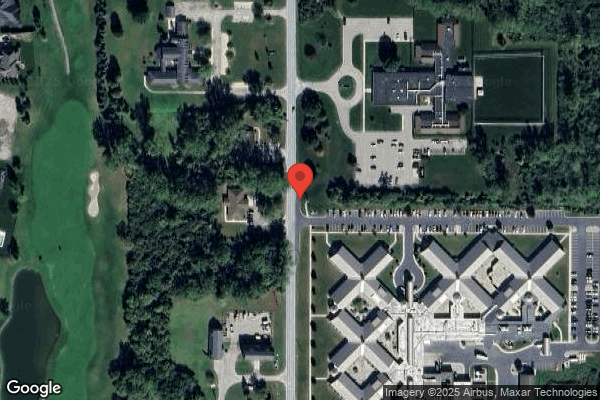
Aug 2023 3 deficiencies 1 IJ
CRITICAL (J) 📢 Someone Reported This

A family member, employee, or ombudsman was alarmed enough to file a formal complaint

Immediate Jeopardy (IJ) - the most serious Medicare violation

Accident Prevention (Tag F0689)

Someone could have died · This affected 1 resident

**NOTE- TERMS IN BRACKETS HAVE BEEN EDITED TO PROTECT CONFIDENTIALITY** This Citation will have three Deficient Practice Statements (DPS). DPS #1 and DPS #2 pertain to two separate elopements resultin...

Read full inspector narrative →
**NOTE- TERMS IN BRACKETS HAVE BEEN EDITED TO PROTECT CONFIDENTIALITY** This Citation will have three Deficient Practice Statements (DPS). DPS #1 and DPS #2 pertain to two separate elopements resulting in two Immediate Jeopardies (IJ). Deficient Practice Statement #1 This Citation pertains to Intake Number MI00136527 Based on interview and record review the facility failed to respond to audible alarms and instead silenced the alarms, without verifying the source and ensuring that all residents were accounted for, resulting in one resident (Resident #110) eloping from the facility and crawling alongside the perimeter of the facility over grass, pavement and rocks on his hands and knees with the potential for serious harm and/or injury of two residents reviewed for wandering/elopement. Immediate Jeopardy: On 4/18/2023 at 7:20 PM, Resident #110 self-propelled in his wheelchair into the Wheels A/B Unit Atrium and is observed (on camera) standing up from his wheelchair, walking toward the exit door and opening the door at 7:25 PM. His gait was observed to be unsteady as he ambulated around the front of the facility. At 7:32 PM he was observed crawling around the perimeter of the facility on his hands and knees. He crawled through the grass, pavement, and rocks as he made his way to the Beaches Unit door. He knocked on the Beaches exit door and attempted to wave down multiple vehicles that passed by. From 7:35 PM to 7:44 PM Resident #110 crawled on his knees around the door until Nurse L observed him at the door. Nurse L left Resident #110 outside and unsupervised to retrieve his wheelchair from Wheels A/B Unit. Nurse L returned at 7:46 PM with Nurse K to assist the resident back into the building. The Immediate Jeopardy (IJ) began on 04/18/2023 when Resident #110 eloped from the facility through delayed and alarmed egress door without staff knowledge or staff response to audible alarms. The Immediate Jeopardy was identified on 08/10/2023. The Nursing Home Administrator and Director of Nursing (DON) were notified of the Immediate Jeopardy on 8/11/2023 at 11:00 AM. The surveyor confirmed by observation, interview, and record review on 08/11/2023 that the Immediate Jeopardy was removed on 04/19/2023, and that the deficient practice was corrected on 04/21/2023, prior to the start of the survey and, therefore, Past Non-Compliance was granted for the elopement of Resident #110 only. Findings Include: Resident #110: On 8/9/23 at approximately 1:30 PM, Nurse Manager's G and H, were queried regarding Resident #110's elopement. Resident #110 eloped out the delayed egress doors on Wheels Unit and was located on Beaches Unit at the exit doors. Resident #110 was able to hold down on the push bar for 30 seconds which opened the door, he crawled on the ground and knocked on Beaches exit door. Nurse Manager's G and H, further explained the alarms were sounding but an agency aide standing by system silenced the alarms as he thought it was the security guards checking the alarms on their unit. They watched the camera which confirmed the CNA (Certified Nursing Assistant) and Nurse were standing at the system and canceled out the alarms without first verifying if it was security or a resident. The Manager's were asked if a head count was completed during this time, and they stated there was not. Nurse K heard knocking and found the resident outside of the facility. They reeducated staff on their elopement policy, checking doors when alarms are going off, to not clear the alarms at the [NAME] Comm system and to not assume it is maintenance or security completing door checks. Nurse Manager's G and H, acknowledge their staff inaction in this incident as no one responded to an audible alarm, put timely interventions in place when the Resident #110 expressed multiple times his intention to go home and silencing the alarms without completing appropriate checks for resident safety. On 8/9/2023 at approximately 2:30 PM, a review was completed of camera footage (from differing cameras) from Resident #110 eloping from the facility on 4/18/2023. Resident #110 walked out the facility at 7:20 PM and facility staff brought him back in at 7:48 PM. There were multiple staff in the vicinity of the audible alarm, and none responded to the alarms. 7:20:48: Resident #110 comes into frame as he self-propels in his wheelchair into the Wheels Atrium that faces Hospital Road. He is the only person it the atrium at this time. 7:21:24: Resident #110 locks his wheelchair, stands up and walks to the Wheels exit door. He is actively pushing on the alarmed door attempting to exit. 7:25:19: Resident #110 breeches the alarmed exit door and walks outside. He is seen walking down the path and turning to the left alongside the perimeter of the building. On the ceiling is an indicator that flashes red when the exit door is breeched. When Resident #110 exited the door, it is seen actively flashing red. He is seen walking in the grass and going off frame. 7:25:19: At time Resident #110 exited the facility there are 2 staff by the nurse's station and they continue to work and are not startled or alerted to anything. 7:25:50: CNA W comes into frame and is looking at the [NAME] Comm system at the nurses station. Nurse L approaches and they have an exchange in which CNA L points toward the Wheels Day Room. CNA W is seen touching the [NAME] Comm system and still speaking to Nurse L about it. CNA W peers down the hallway to Wheels Day Room and then continues his other tasks. It can be noted there were 3 staff at the nurses station and 1 staff in the dining room charting. 7:28:02: CNA W walks back to the [NAME] Comm system and touches on the screen at what appears to be an attempt to clear the audible alarm. 7:31:26: CNA W walks back to the [NAME] Comm system and is touching the system. CNA W goes back to the [NAME] Comm system two more times at 7:34:24 PM and 7:37:44 PM. 7:32:29: Resident #110 is seen slowly crawling on all fours in the grass and rocks outside of Beaches Atrium. 7:34: 30: Resident #110 is seen peering through the Beaches exit door and knocking. As vehicles drive by he is attempting to flag them down. 7:37:41: Resident #110 is still sitting outside of Beaches exit door. At times he will peer into the he door and knock again. He continues to crawl on his hands and knees just outside of the door. 7:41:39: Nurse L is at the [NAME] Comm system and then takes a phone call at 7:42:23 (which is from Nurse K). He then walks toward the Wheels Day Room. 7:43:54: Nurse L walk into Wheels Day room and onto the closed COVID unit. He walks past Resident #110's wheelchair that he left parked by the exit door. 7:44:44: Nurse L enters the Beeches Atrium and sees Resident #110 outside the door. He then leaves the Resident #110 (who is still outside and appearing to be playing with the rocks). 7:45:15: Nurse L runs back through Wheel's Day Room toward the nurse's station. 7:45:42: Nurse L runs through the Day Room and gets Resident #110's wheelchair, unlocks it and goes back toward the closed COVID unit. 7:45:54: Nurse L opens the Beeches exit door. Nurse K comes back into frame to assist with getting the resident back into the facility. Nurse U enters just as they get the resident back in his wheelchair and they wheel him into the facility at 7:47:56 PM. 7:49:12: Nurse U propels Resident #110 in his wheelchair through the day room and stops to check the exit door. Nurse L is seen slightly pushing on the Wheels exit door and it opens without the 30 second delay. 7:54:03: Nurse L and another facility staff enter the frame. The unknown facility staff put a key into the box above the door which turns off the audible alarms from that door. On 8/9/2023 at approximately 3:00 PM, a review was completed of the facility investigation into Resident #110's elopement. The resident eloped at approximately 7:25 PM and was found outside of Beaches exit door at approximately 7:47 PM. Agency CNA W Statement: To whom it may concern, I did not see (Resident #110) on Tuesday when he eloped. I was doing round I became aware of the situation once the nurse informed me. Nurse K Statement: Yesterday approx 7:30 PM I head a faint banging noise that I felt was coming from wheel AB unit. I called 7701 and spoke to (Nurse L). He stated there was no patients at the end of the hall. He told me he would go and look. I heard him saying to me over the wall that there was no one over there. Then he said Oh wait I see him, outside the door. No alarms were sounding at this time. I go over to wheels AB and (Nurse L) is already down to end of 40's hall trying to open the door, it was only open about 1 inch. I told him I know how to open it and then I went down to the nurses station and found the black box (emergency release button), lifted the cover and pushed the button. Alarms were sounding at this time Went back down the hallway and (Nurse L had door open and I placed a table in front of door the keep open. (Nurse L) had a wheelchair and we lifted the pt back into the wheelchair, at this time female nurse was there handing on to the w/c and she proceeded to wheel pt back to the unit. I turned the button back to black and went back to my unit. Nurse U Statement: .was called out of another residents rooms to help find room [ROOM NUMBER] Resident. Resident was found outside Beaches/AB Wheels doors. Writer observed other unit nurse and wheels nurse assisting Resident back in wheelchair and back into building. Writer tool resident back to RM [ROOM NUMBER]. Complete head to toe assessment vitals complete. Unit Manager notified, left message with daughter, wanderguard placed on R ankle. Agency Nurse L Statement: On 4/18/2023 sometime between 2000 and 2100, I noted (CNA W) was attempting to silence a wander guard alarm on the call light system, and another nurse mentioned that it might be security doing their wander guard rounds. I went on with my patient care at that time and returned to see that the alert was still on the call light system screen. The notice indicated that is had been alarming for just over 16 minutes. I stated to walk towards the COVID unit where the alert indicated that the alarm was, when nurse from Beaches unit called and asked me if we had any patients on the COVID unit. I told her that we did not, and she informed me that she is hearing what sounds like someone pounding on a table over there. I let her know that I was just on my over to check an alarm, I noted an empty wheelchair in the glass that connects Wheels to the COVID unit, there were no audible alarms or patients in that area, so I continued on believing that I was just a spare wheelchair that was left in that glass room. I continued onto COVID unit and did not se or hear anyone, I informed the nurse on Beaches unit over the wall that I will keep looking to be sure, but it appeared empty. I continued my search down the hall when I noticed something moving outside the glass room at the far end of the COVID unit, upon looking closer, I noted that it was a foot that was moving. So, I went down to the room and noted that a patient was on his hands and knees outside, attempting to get up. I ran back toward the Wheels unit, shouting to the nurse on Beaches that there is a resident outside, and I am going to get his nurse and get him back inside. I ran over to Wheels and notified his nurse, then ran back grabbing the empty wheelchair in route and attempted to get out of the door to the patient. The door would not open and the nurse from Beaches informed me that it does not open unless a button is pressed at the nurse's station. She went down and pressed the button, allowing me to open the door, which sounded the alarm, and stated making the call lights flash. We propped it open with a table, brought the wheelchair outside and assisted the patient back onto the wheelchair. Patient denied pain and said that he could not get back inside. We brought the patient back to his nurse and examined the door that the wheelchair was sitting next to, believing that it may have been the door that he went out. The door opened easily with a single push which caused the alarm to start sounding and made the call lights flash. Attempted to call security to notify them of the open doors and alarms but did not get an answer. I then went out to the front desk and found maintenance, I informed him of the issue, and he came back to the COVID unit and secured the doors, which turned off the alarms. Facility Incident Summary: .On April 18,2023 at approximately 7:25 pm, when staff reported that (Resident #110) was observed outside of Beaches Atrium door on the ground and was brought back into the building by a nurse. Nursing reports that (Resident #110) was stating that he was looking for his truck keys and wanted to call his daughter to go back home .Upon investigation of the event (Resident #110) was reviewed on security cameras self-propelling in wheelchair into Wheels AB unit. (Resident #110) stood up form the wheelchair, stood and open exit door to outside atrium with success of door opening at 7:35 pm. (Resident #110) began to ambulate around building and was noted crawling outside close to building on Beach unit at 7:42 pm. (Resident #110) sat outside on his buttocks knocking on door/window to Beach Atrium area. Nurse observed (Resident #110) outside of door at 7:44 pm nurse went to obtain wheelchair to assist (Resident #110) back inside at 7:47 pm .Staff reported that (Resident #110) stated he was looking for his keys and wanted to talk to his daughter. (Resident #110) was observed to be close to building on sidewalk area closets to the building, approximately 2 feet away from building and never left the facility grounds .(Resident #110) attempts to ambulate and then falls onto ground two feet from building and crawls toward Beach Atrium door . On 8/10/2023 at approximately 9:45 AM, a review was completed of Resident #110's medical records and it revealed he was admitted to the facility on [DATE] with diagnoses that included, Syncope and collapse, Diabetes, Impaired mobility, generalized weakness, Chronic Kidney Disease, Gastritis, Cerebral Ischemia and Rhabdomyolysis. Resident #110 had severe cognitive deficits, required one person assist for activities of daily living and utilized a wheelchair. Further review yielded the following: Progress Notes: 4/14/2023 at 01:25: Resident observed in the hallway in wheelchair looking for something to do as he stated I was laying with my wife and she fell asleep so I need something to do Writer assisted resident back to room, as he stated where did my wife go she was just here sleeping I redirected resident that he was at (facility) for rehab, there was no one else in his room and it was time to rest for the night and tomorrow was a new day. resident stated OK, thank you. call light within reach. Will continue to monitor. 4/18/2023 at 07:30: Resident daughter notified writer she has noticed an increase of confusion with Resident and request a urine sample to be collected to test Resident for an UTI. Writer attempted to get urine sample and was unsuccessful. Writer passed along in shift report to follow-up to attempt again. 4/19/2023 at 00:49: Writer was called by other nurse to assist in getting resident back in the building. Resident was found outside doors of beaches and A/B wheels. Resident was assisted back into wheelchair by other nurse and nurse from beaches. Writer took resident back to room a complete head to to toe assessment completed, resident denies pain, no injuries noted, vitals as follows: 126/66, HR 74, resp. 18, O2 97% on RA. Unit manager informed staff informed to write statements, Daughter called unable to reach left message. resident at this time is sitting at nurse's station with staff, in wheelchair with baggage next to him. Resident stated he is ready to leave and would like writer to give him his car keys Nothing else was stated, continuing to sit at nurse's station with baggage at his side, Unit manage ok's wonder guard to be put on resident. Will continue to monitor. Wander guard applied to right ankle. Physical Therapy Evaluation: 4/12/2023: .Bed Mobility= Min (A).Transfers=Mod (A); Assistive Device During Transfers=Two-wheeled walker .Distance Level Surfaces=5 feet; Assistive Device=Two-wheeled walker. Deviations: Patient exhibits forward lean of trunk and knee instability which are associated with underlying causes of muscle instability and muscle paresis/weakness. Gait Pattern: The patient exhibits the following characteristics during gait: decreased cadence, diminished single limb support time, decreased velocity, decreased stride length and wide base of support. Fall predictors: Asymmetrical stance, Discontinuity of steps, Delayed anticipatory reactions, Poor negotiation of obstacles, Reduced quad strength and Reduced reactive balance .Pt is 75 y/o male with deficits to include: decreased strength, decreased endurance, decreased balance, syncopal episodes, and confusion. Pt would benefit from skilled therapy to improve muscular strength, endurance, and balance to assist with functional mobility . On 8/11/2023 at 10:35 AM, an interview was conducted with Maintenance Supervisor X regarding the delayed egress doors in the Atrium. He reported the doors on the units are checked monthly. Monthly, his staff ensure the doors are locked, they then open the door to sound the audible alarm and walk up the hallway to ensure it can be heard by facility staff. They also verify the red flashing light (affixed to ceiling) flashes when the door is opened. They walk back to the door, disarm it, and ensure it is relocked. Supervisor X explained if that doors is opened it will also alarm at the nurse's station and display on the [NAME] Comm monitor which door was opened. This monitor has a separate audible alarm that will sound if the atrium door is opened. Supervisor X was queried if the Wheels door was checked for functionality prior to Resident #110's elopement from the facility and he stated it was. Review was completed of Simple Work Order Listing, and it indicated all LTC (Long Term Care) delayed egress doors were checked for functionality on 4/6/2023, twelve days prior to Resident #110's elopement. On 8/11/2023 at 11:35 AM, this writer and Supervisor X toured the Wheels and Beaches Unit. Wheels Atrium faces Hospital Road and is labeled as Door #5. Supervisor X explained the door is delayed egress and takes 30 seconds for the door to open. Upon holding the bar on the door it began to beep for 10 seconds which indicated it was open. A second alarm tone sounded and then at 30 seconds the door opened. Affixed to the ceiling was a light that flashed red as soon as the door bar pushed continuously. This writer walked down the hallway to ascertain if the alarm was head on the unit. As this writer walked up the hallway the alarm became distant but the doorbell alarm at the [NAME] Comm system at the Nurse's station was easily heard as it sounded like a doorbell consistently going off. At the [NAME] Comm monitor it displayed a red banner across the top of the screen with the specific door that was opened. Supervisor X shared the alert goes to the nurses and nurse manager's phone. We walked outside of Door #5 to walk the route Resident #110 took when he eloped from the facility. From the Wheels Atrium door to Hospital Road (busy 55-mph highway without sidewalks) was approximately 120 feet. From Wheels Atrium Door to Beaches Atrium Door was approximately 125 feet to 150 feet per Supervisor X. He was queried if they complete drills to test if staff will respond to the alarms. He stated they only check for the functionality of the doors/alarms. Review of CNA W's human resource file was completed and showed the following: Email chain between past DON, Human Resources and Unit Manager G, regarding CNA W: Sent by Human Resources: 4/21/2023 AT 7:04 AM: .I am not aware of what happened. Does HR have the complaint information yet? Sent by Nurse Manager G: 4/20/2023 at 4:10 PM: After speaking with (DON) and due to the nature of the elopement situation she does not want (CNA W) to return. Please let me know if you have any further questions. Sent by DON: 4/26/23 at 11:22 AM: .I know we have had previous emails and discussions regarding (CNA W). I have again spoke with (DON) to clarify, we do not want him returning for any more shifts. Can one of you please reach out to the agency to notify them of this change? Sent by Nurse Manager G: 4/26/2023 at 11:41 AM: The last thing he did was turn off the door alarm from the nurses station multiples times and allowed an elopement to occur because no one responded to it. Also (Nurse L) the nurse was aware and completely told the manager different. Core Orientation Checklist- Medical Rehab & LTC- CENA was completed by CNA W on 3-7-2023 but the orientation did not cover elopements, door alarms or wander guard system. Per Educator P he completed the Core Orientation Checklist with all new hires/agency staff and Nurse Manager's complete the New Employee Unit Orientation Checklist with the new hires/agency staff. The facility was unable to produce the Orientation Checklist or any other documentation of CNA W's training on response to alarms and elopement. Review of Nurse L's human resource file was completed and showed the following: Core Orientation- Medical Rehab & LTC Nurse training was signed by Nurse L but did not indicate a date of completion. On 11/9/2022, Nurse L completed New Employee Unit Orientation Checklist. Apart of that training was Elopement book, Wanderguard's and Call light system. On 8/11/2023 at 12:20 PM, an interview was conducted with Nurse L related to Resident #110's elopement. On mention of the elopement Nurse L began to laugh and then stated it was not his patient that day. Nurse L recalled coming out of a patient's room and hearing the call light system ([NAME] Comm system) alarming, he stated it goes off on occasion when facility security completes their nightly doors checks for approximately 20-30 seconds. Nurse L stated one of the aides (CNA W) was at the monitor attempting to silence the alarm sounding and he informed the CNA they (staff) do not mess with that system, and it should go off soon. He informed CNA W there is nothing they can do to silence the alarm and he assumed it was just going turn off soon. Nurse L reported he knew the doorbell sound indicated it was the wanderguard system alerting and the only time he had heard the alarm was when security was checking the doors. Nurse L stated they had no residents on their unit with wanderguard's so he assumed it was a test being performed by facility security. Nurse L left the nurse station and walked into a resident's room, about 15 minutes later the door bell was still sounding at the nurses station. Nurse L shared it should not have still been going off and thought it was malfunctioning, but the monitor read Beaches/Wheels AB. Nurse L stated that is the closed down COVID unit and he decided to walk over to that unit at an attempt to find why the alarm was still sounding. Prior to leaving the desk Nurse K called from Beaches unit and questioned if they had any residents on Wheels AB unit and Nurse L informed her there were no residents down there as that unit was closed. Nurse K reported she heard someone pounding on something on that unit and Nurse L informed her he was already headed that way and would investigate the noise as well. Nurse L proceeded to check the unit and walked by Door #5 (door Resident #110 eloped out of) and did not see anything to indicate someone had left the building. He stated he did not think twice about the wheelchair being there as it's a common occurrence to have them parked throughout the units. Nurse L was asked if the alarm at Door #5 was audibly alarming, and he stated it was not. As he walked down the hall he called out and received no response and was talking to the nurse on Beaches to inform her he was not seeing what was causing the wander guard alarm. Nurse L was at the Beaches exit door and saw a shoe outside the door and that did not immediately register to him. He then saw the shoe moving and when he looked outside the door, he saw Resident #110 crawling on his hands an knees on the pavement. Nurse L yelled to Nurse K that a resident was outside, but he was unable to get the door open. Nurse L left Resident #110 outside and ran back to Door #5 to retrieve the wheelchair he saw and informed Nurse U they needed some extra assistance bringing a resident back into the facility. Nurse K and Nurse L were unable to open the exit door, Nurse K returned to Beaches nurses station and pressed the black emergency release button for the door which allowed Nurse L to open the door. They propped the door open and placed Resident #110 back into the wheelchair. Resident #110 informed them he was not hurt and that he was not able to get back into the facility once he exited. Nurse L went back to Door #5 as he realized that was the door the resident exited out of and when he pushed on the door it easily opened and then the door alarm began to [NAME]. He stated prior to that moment that alarm was not sounding. Nurse L had to locate maintenance as they have to disarm it with a key. Nurse L reported the alarm is loud and could be heard at the front reception desk. Nurse L reported the alarm at Door 5 did not alarm when Resident #110 exited the facility. On 8/11/2023 at 1:00 PM, an interview was conducted with Nurse K regarding Resident #110's elopement. Nurse K shared she works on Beaches unit on night shift from 7 PM - 7:30 AM. Nurse K was charting on her unit and heard faint knocking but it wasn't consistent. She called Wheels unit and Nurse L answered and reported there were no residents on the COVID unit. Nurse K told Nurse L about the noise she was hearing, and he said he was going to check it out. Nurse K explained their unit is separated by a half wall so as Nurse L was checking the unit, he was reporting he was not seeing anything or anyone on the unit. Nurse L then suddenly reported it was a resident outside the Beaches exit door. Nurse K made her way to the door, but they were unable to open it, she returned to her unit to press the emergency release button which released the door. By the time Nurse K arrived back to the door Resident #110 was being assisted into a wheelchair by Nurse L and another nurse. Nurse K reported the resident was crawling outside on all fours, but he did not appear to be harmed or in any distress. Nurse K was asked if she heard any audible alarms sounding and she stated she did not. Nurse K reported the door alarms are very loud and she would have heard them easily on her unit, she stated the door alarm sounded when she pressed the emergency release button. She stated nursing staff cannot disarm the exit doors only maintenance as they use a key to disarm it. On 8/11/2023 at 2:10 PM, an interview was conducted with CNA W regarding Resident #110's elopement from the facility. CNA W reported he heard the alarm sounding and did not know what it was and thought it was a room call light. CNA W stated it was only sounding at the nurse's station and the sound was nothing that would alert him to an elopement. He stated he checked the monitor ([NAME] Comm System) but was not well versed in how to operate that system. CNA W stated he had an 8-week contract at the facility, and he did receive orientation but does not recall if they covered information related to their alarm systems. CNA W shared no one on the unit was aware Resident #110 had eloped. Nurse W was asked if she investigated the source of the alarms and she stated she did not. On 8/11/2023 at 3:50 PM, the DON and Administrator explained at the time of Resident #110's elopement facility staff were able to silence the door alarms at the nurse's station. Since that incident they have disabled their ability to further do so. They further acknowledged the failure of staff not responding to audible alarms. On 8/15/2023 at 8:08 AM, an interview was conducted with Nurse U regarding Resident #110's elopement. Nurse U stated after receiving report, Nurse L was running down the hall and reported a resident had eloped. Nurse U followed behind him and upon arriving a Beaches exit door they were already bringing Resident #110 back into the facility. Nurse U was asked if she heard any alarms sounding prior to Nurse L alerting her to the elopement. Nurse U shared she did hear an alarm going off but could not distinguish if it was a bed, room or wanderguard alarm sounding. Nurse U stated earlier the alarm systems were begin checked and was not certain if it was the actual alarm or them being checked again. Nurse U was asked if she investigated the source of the alarms and she stated she did not. Immediate Jeopardy Removal: The Immediate Jeopardy that began on 4/18/2023 was removed on 4/19/2023 when the facility completed the following: 1. Ambulatory and self-propelling residents have the potential to be affected by this practice. All residents who are at risk for elopement have wander guards in place and have had their care plans updated. 2. All residents at risk for elopement have their pictures placed in the Elopement Book on all neighborhoods and at South Lobby Front Desk, this is updated with any change in the Elopement Risk Assessment and was reviewed on April 19, 2023. 3. The WestCom System at the nurses' station which had the ability to cancel the alarms, which notify staff that Exit Doors are open. The ability to turn off exit door alarms at the nursing station was immediately disabled. Past Non-Compliance for the Elopement of Resident #110: The deficient practice was corrected on 4/21/2023 after the facility completed the following actions to remove the immediacy and correct the noncompliance: 1. The LTC staff have been in-serviced on prompt answering alarms on exit doors. In-service was started on April 19, 2023 and completed on April 21, 2023. 2. The Neighborhood nurse managers and the social workers are responsible to implement this plan of correction. The Director of Nursing and the Licensed Home Administrator were responsible to ensure ongoing compliance. 3. Maintenance is currently performing exit door alarm checks monthly and will continue to leave alarm sounding until staff respond appropriately. These checks will continue to be monthly. 4. The results of these audits will be shared with the Direct[TRUNCATED]
CONCERN (D) 📢 Someone Reported This

A family member, employee, or ombudsman was alarmed enough to file a formal complaint

Potential for Harm - no one hurt, but risky conditions existed

Report Alleged Abuse (Tag F0609)

Could have caused harm · This affected 1 resident

**NOTE- TERMS IN BRACKETS HAVE BEEN EDITED TO PROTECT CONFIDENTIALITY** This Citation pertains to Intake Number MI00138575. Based on interview and record review the facility failed to implement polici...

Read full inspector narrative →
**NOTE- TERMS IN BRACKETS HAVE BEEN EDITED TO PROTECT CONFIDENTIALITY** This Citation pertains to Intake Number MI00138575. Based on interview and record review the facility failed to implement policies and procedures for ensuring the reporting of the elopement of one resident (Resident #101) to the State Agency (SA) in accordance with Section 1150B of the Act, resulting in the potential for other residents to elope and risk being stuck by a vehicle, falling into a large ditch, and the potential for serious harm, injury, and/or death. Findings Include: On 8/9/23 at approximately 1:30 PM, Nurse Managers G and H, were queried if there were any other resident elopements at their facility since April 2023. They shared that Resident #101 eloped from the facility a few weeks ago and that the DON (Director of Nursing) completed an investigation. The DON provided the facility internal investigation from Resident #101 eloping from the facility. The DON stated at 7:00 PM on 7/25/2023, Resident #101 walked out his room and past the front receptionist out the South entrance of the facility. A visitor contacted the facility with concerns of a resident walking outside the facility and Receptionist A contacted security. Simultaneously, as CNA J was leaving work she happened to see Resident #101 walking out the facility and followed him as he walked along Hospital Rd. CNA J circled back to the facility and picked up Security Guard C (whom was already at the South entrance) and they intercepted Resident #101 just past the 4- way stop at Hospital Rd and [NAME] Rd (about ½ mile from the facility). The DON stated he was gone from the facility for about 14 minutes. The DON was queried as to why this was not reported to the State Agency. The DON stated when she asked their previous Administrator about reporting, she was told the elopement did not meet criteria for reporting per [NAME], as Resident #101 was missing for less than two hours. The DON further explained their previous Administrator referenced a [NAME] provided training (that was shown to this writer) as to why reporting was not completed. This writer reviewed the [NAME] PowerPoint presentation that was dated 2004 and presented by management staff that are no longer employed by [NAME] for 15+ years. It was explained to the DON these guidelines are no longer in place and Resident #101's elopement was reportable. The DON acknowledged understanding and was guided to the current regulation related to reporting. On 8/9/2023 at approximately 2:00 PM, a review was completed of the internal facility investigation into Resident #101's elopement. The resident eloped at approximately 7:00 PM and was returned to the facility by CNA J and Security Guard C at about 7:16 PM. Incident Summary: (Resident #101), an [AGE] year old male, was admitted to (facility) on 7/18/2023 .He was previously living at home with his disabled son. He complained of a headache and went to (hospital). He apparently fell 2-3 weeks prior. A CT scan revealed a subdural hematoma and a craniotomy was preformed and he was admitted to (facility) for OT/PT/ST .He is alert and oriented to self, requires minimal assistance with activities of daily living and transfers. Upon admission, a bed and wheelchair alarm were initiated. The elopement risk assessment showed no risk for elopement. Upon discussion with the nursing staff he had never attempted to exit his room, he had attempts of transferring to the bathroom by himself and was noted to turn off his bed alarm. On 7/26/2023 (incorrect date should be 7/25/23) at approximately 7:30 PM, I received a call at home from (Nurse T') informing me that resident had gotten out of the facility for approximately 15 minutes. A staff member had seen him while she was leaving work and got security guard to get him in her car. She assessed him for injuries and took vitals. She also gave him juice to drink, as it was warm outside (85 degrees) .I (DON) requested she move him to the Great Lakes Neighborhood .When I arrived at the facility at 3 am, I retrieved statements from the staff and viewed the video. At 7 am (should be 7 PM), he is seen walking out the south entrance. He appears as a visitor as he in full street clothes. At 7:2 he is seen walking down the sidewalk and then onto the south parking lot toward Hospital Rd. At 7:4, he turns left toward [NAME] and onto the sidewalk. At 7:07 pm, he is out of view of the video. At 7:13 pm, the security guard leaves with (CNA J) in her car. He is brought back to the facility at 7:16 pm .The CNA (S) states he did not want to eat dinner and she laid him down in bed at approx. 6:30 at which time she went to give a shower to another resident. (Nurse L) arrived at work at approximately 6:55 pm and observed him sitting on the side of his bed, he asked him if he needed to use the bathroom and replied no. Both (CNA S) and (Nurse L) stated the bed alarm was on and functioning When I questioned them both as how they knew it was functioning. When I questioned them both as to how they knew it was functioning, they stated because he often stands up while sitting at bedside and it triggers the alarm. At approximately 7 pm, a visitor approached the receptionist and was concerned there was an elderly man that may be resident out in the parking lot. The receptionist called the security guard (C) who went to south entrance to start a search when a vehicle driven by (CNA J) pulled up and told him she was the resident and he asked if he could go with her to get him. They retrieved the resident, who was walking on the sidewalks on hospital, and took him back the (facility) and walked back to his room. According to the security guard, he asked the resident where he was going and he stated to Hemlock where he does live. He then was transferred to room [ROOM NUMBER] in the Great Lakes secure neighborhood . On 8/9/2023 at approximately 2:30 PM, a review was conducted of video footage on 7/25/2023 when Resident #101 eloped from the facility. The video showed the following: 6:58:36: Resident #101 emerges from his room and walks toward the south lobby entrance. There are no facility staff observed in the hallway. He is seen bending down to pick up an unknown object off the floor. 6:59:59: Resident #101 appears in the lobby, walks past Receptionist A and out both sets of sliding doors to the outside of the facility and turns toward the right. 7:01:41 PM: Resident #101 comes back into frame walking down the path into the south parking lot. He walks behind four vehicle and goes off frame at 7:02: 38. Seemingly walking toward Hospital Road. 7:00:42 PM: Resident #101 casually strolls down the curved path toward the parking lot. 7:15:53 PM: A black SUV pulls into the circle drive and stops at the south entrance of the facility. 7:16:20: A gentleman is observed getting a wheelchair and wheeling it outside the doors to the black SUV. 7:16:40: Resident #101 accompanied by Security Guard C walks into the building. On 8/10/2023 at approximately 9:30 AM, a review was completed of Resident #101's medical record. Resident #101 was admitted to the facility on [DATE] with diagnoses that included Traumatic subdural hemorrhage without loss of consciousness and Traumatic brain compression. He was assessed as severely cognitively impaired and required some staff assistance for activities of daily living. The facility asserted he was not an elopement risk. Further review was completed of Resident #101 records and yielded the following: Care Plan: .Resident uses w/c for mobility daily and requires 1 assistance from staff .provide (Resident #101) with safety device/appliance: bed and chair alarms . Progress Notes: 7/18/23 at 19:32: Resident arrived at (facility) .he was treated for subdural hematoma with a craniotomy on 7/11 following a fall 2 weeks prior to being seen it the ER . 7/25/23 at 20:30: Patient transferred to Great Lakes unit per DON for safety . 7/26/23 at 12:50: (Physician) notified of elopement on 7/25/23 . There were no other progress notes related to Resident #101's elopement. On 8/17/2023 at 3:00 PM, a review was completed of the facility policy entitled, Prohibition of Abuse, Neglect, Mistreatment, Involuntary Seclusion, and Misappropriation of Property, revised August 2022. The policy stated, .Initial receipt and investigation of allegations of abuse, neglect, mistreatment, involuntary seclusion , or misappropriation of a patient or residents property can be conducted .However, immediate reporting is expected as indicated above .The Bureau of Health Systems as well as other state, local of federal agencies will be contacted, as appropriate, when a report is filed for suspected or actual abuse. An investigation will being immediately and will include department heads, supervisors and other employees or witnesses as applicable . On 8/17/2023 at 3:30 PM, a review was completed of the facility policy entitled, Long Term Care Reporting and Investigation of Complaints, revised September 2022. The policy stated, .Timeline related to specific types of complaints less allegations drive the external reporting process. There times are established by the [NAME] Complaint and Facility Reported Incident process. The following are reporting examples that require immediate reporting (within 24 hours) to the State agency after discovery or allegations of an incident: Elopement of patient/resident who remains missing for 2 hours (less if there was a strong potential to become an immediate threat to life or there were known hazards outside the facility) .
CONCERN (D) 📢 Someone Reported This

A family member, employee, or ombudsman was alarmed enough to file a formal complaint

Potential for Harm - no one hurt, but risky conditions existed

Quality of Care (Tag F0684)

Could have caused harm · This affected 1 resident

**NOTE- TERMS IN BRACKETS HAVE BEEN EDITED TO PROTECT CONFIDENTIALITY** This Citation pertains to Intake Number MI00137221. Based on interview and record review the facility failed to schedule a CT Sc...

Read full inspector narrative →
**NOTE- TERMS IN BRACKETS HAVE BEEN EDITED TO PROTECT CONFIDENTIALITY** This Citation pertains to Intake Number MI00137221. Based on interview and record review the facility failed to schedule a CT Scan in a timely manner for one resident (Resident #103), resulting in Resident #103 being transferred to another facility on 07/27/2023 without a scheduled CT Scan appointment as his Neurosurgeon requested. Findings Include: On 8/10/2023 at 9:50 PM, an interview was conducted with Nurse Manager F regarding Resident #103's CT Scan. Manager F explained they encountered issues scheduling his CT scan as they were informed it required an insurance preauthorization. When they called the insurance company, they had issues reaching a representative and they required certain identification number that Manager F did not have. Once they gathered all the necessary information, they were informed by the representative that Resident #103 did not require a preauthorization for the CT scan. This was discovered some days before his discharge to another facility and Manager F informed their HUC (Health Unit Coordinator) to schedule his imaging and add it to his discharge summary. On 8/11/2023 at 8:10 AM, an interview was completed with the complainant. They reported the facility never scheduled Resident #103's CT scan, when it had been ordered about a month before his discharge. The complainant stated they voiced their concerns regarding these issues, but they were never resolved. On 8/11/2023 at approximately 8:30 AM, a review was completed of Resident #103's medical records and it revealed the resident was admitted to the facility on [DATE] with diagnoses that included, Paraplegia, Spinal Stenosis, Bipolar Disorder, Atrial Fibrillation, Depression and Prostate Cancer. Resident #103 required staff assistance with his Activities of Daily Living. Further review of Resident #103's chart yielded the following: Outpatient Consultation Visit 6/22/2023: - .We will see him back in 3 months with thoracic/lumbar CT scan . - Physician Order: - CT thoracic/lumbar spine without IV contrast- ordered on 6/26/2023 Progress Notes: 6/26/2023 at 12:59: Attempted to obtain preauth for CT scan per (scheduling department) request. Spoke with [NAME] at Medicare who stated, I can not give you any information. She then gave the number of [PHONE NUMBER] to call which is the number I had previously called. 6/26/2023 at 09:40: Went to .Neurosurgeon on 6/22/2023 returned with order to get CT thoracic/lumbar without IV contrast orders was obtained and written and given to .HUC. 7/24/2023 at 11:38: Attempted 3x to get prior authorization for CT scan. Unable to get through to agent at medicare. 7/25/2023 at 11:40: Contacted a Medicare agent after several attempts, was directed to their website and instructed if the test needed is not listed, a prior auth is not needed. CT scan was not listed. Let unit secretary know prior auth is not needed. 7/27/2023 at 11:15: 1050 discharge instructions given and packet given to family for new facility. Transition of Care/Discharge Summary- -The discharge summary had no mention of the order for Resident #103's CT scan. On 8/11/2023 at 8:43 AM, Nurse Manager F reported once she knew Resident #103 did not require a prior authorization for the CT scan, she informed the HUC. The HUC stated she would schedule, add a progress note and put into his discharge paperwork for the receiving facility. Manager F was informed there was no note in Resident #103's chart or discharge summary as it related to his CT scan being scheduled. Manager F stated upon providing the discharge summary to this writer she saw the CT information was not listed and has an education waiting for the HUC upon her arrival today. Resident #103's Neurosurgeon requested the CT scan on 6/22/2023 and upon his discharge on [DATE] the facility has failed to schedule his imaging. Review was completed of facility policy entitled, Outside Appointments Scheduling and Transportation, revised June 2021. The policy stated, .The Physician orders outside appointments for patients/residents. The order is noted by the nurse who determines the appropriate transportation and schedules the appointment .
Jan 2023 1 deficiency 1 Harm
SERIOUS (G) 📢 Someone Reported This

A family member, employee, or ombudsman was alarmed enough to file a formal complaint

Actual Harm - a resident was hurt due to facility failures

Pressure Ulcer Prevention (Tag F0686)

A resident was harmed · This affected 1 resident

This Citation pertains to Intake Number MI00131576. Based on interview and record review, the facility failed to ensure that continuous, weekly, regular, wound measurements and subsequent assessments ...

Read full inspector narrative →
This Citation pertains to Intake Number MI00131576. Based on interview and record review, the facility failed to ensure that continuous, weekly, regular, wound measurements and subsequent assessments and treatments for treatment of a pressure ulcer were conducted for one resident (Resident #102) reviewed, resulting in the worsening and declining of the pressure ulcer and resulting pain and discomfort. Findings include: A Stage II pressure ulcer is partial-thickness skin loss involving epidermis or dermis, or both. The ulcer is superficial and presents as an abrasion, shallow center or blister. High risk residents (immobile, bed bound) should be assessed weekly, when a condition change or as needed and preventive measures should be in place including pressure relieving devices, position changes, and dietary supplements. National Pressure Ulcer Advisory Panel (NIPUAP) Record review of the facility's 'Skin Care Protocol for Prevention of Pressure Ulcers' policy, dated 12/2022, revealed all necessary care to prevent the development of pressure ulcers included: Procedure: 1. (F.) Weekly skin assessment. (G.) Assess skin integrity for pressure areas. Record review of the facility's 'Wound Care and Dressing Change Procedure: aseptic/non-sterile' policy, dated 12/2021, revealed the procedure: Step #32. Document the following in the medical record; (a.) Color of wound. (b.) Note any drainage and amount, color, odor. (c.) Patient/resident tolerance of procedure. (d.) Length, width and depth of wound. In an interview on 1/18/2023 at 11:20 AM, Licensed Practical Nurse (LPN) A, wound care nurse, stated that they started in the position as wound care nurse at the end of July 2022. LPN A had signed to the position description as a wound care nurse a year earlier, but due to low staffing I had to stay on the floor as a floor nurse. Resident #102: Record review was conducted of Resident #102's admission assessment, dated 4/24/2022 at 5:06 PM. Skin assessment noted area around open are macerated and purple in color. Healed long incision to mid-to-lower back, scattered bruises on abdomen and left-hand scab area at right jugular per report site where resident was getting an infusion. Wound: location-Coccyx, Length- head to toe direction (centimeters): 9.7, Width- hip to hip direction (centimeters): 4.5, depth- measure deepest part of visible wound (centimeters): 0.3 Record review of 'Pressure Skin Issues' form, dated 4/27/2022, revealed that Resident #102 coccyx wound measured 4.2 X 0.5; current treatment Medi honey. The wound was not staged. An interview on 1/20/2023 at 8:23 AM with Licensed Practical Nurse (LPN) A, wound care nurse, revealed that she believed Resident #102's that the difference between the admission 4/24/2022 coccyx wound measurements and the next measurement on 4/27/2022, was that the admitting nurse measured the larger purple area of the coccyx and not the open wound itself. Measurements of wound care are done once a week and usually on Wednesdays. There were no wound measurements found for Resident #102 for the week of 5/4/2022. Record review of 'Pressure Skin Issues' form, dated 5/11/2022, revealed that Resident #102 coccyx wound measured length 5.0 X width 3.0 X depth 3.0, which is larger than previous measurements. The treatment was changed to Silver Alginate. The wound was not staged. Record review of 'Pressure Skin Issues' form, dated 5/18/2022, revealed that Resident #102 coccyx wound measured length 5.0 X width 3.0 X depth 2.8 which is larger than previous measurements. The treatment was changed to Silver Alginate. The wound was not staged. Record review of 'Pressure Skin Issues' form, dated 5/25/2022, revealed that Resident #102 coccyx wound measured length 5.0 X width 3.0 X depth 2.8 which is larger than previous measurements. The treatment was changed to Silver Alginate. The wound was not staged. There were no measurements found for Resident #102 the week of 6/1/2022. There were no measurements found for Resident #102 the week of 6/8/2022. Record review of Resident #102's Medication Administration Record (MAR) and Treatment Administration Record (TAR) for the month of June 2022 revealed that the Silver Alginate treatment continued. Record review of Resident #102's 'Wound Management Detail Report', dated 6/17/2022 at 8:38 AM revealed Licensed Practical Nurse (LPN) A noted wound length 5 cm x width 2.5 cm x depth 2.5 cm with moderate exudates (drainage) of serosanguinous (pale red to pink, thin watery) consistency. The wound was staged as unstageable deep tissue with slough. Treatment was changed to Dakin's moist woven gauze, covered with a proximal and change daily. Record review of Resident #102's 'Wound Management Detail Report' dated 6/21/2022 at 1:23 PM, revealed that Licensed Practical Nurse (LPN) A noted wound length 5 cm x width 3 cm x depth 3 cm with heavy exudates (drainage) of seropurulent (yellow or tan, cloudy and thick) consistency with a very strong odor which smelled like BM (bowel movement). The wound was staged as unstageable deep tissue with slough and/or eschar. Comment noted: Wound significantly declined. Bottom of wound open. Area expanding from wound is not open, skin is grey looking. Open wound contains a large amount of black looking slough. Wound has a very heavy amount of drainage. Very strong odor also noted to area. Treatment was changed to Dakin's moist woven gauze, covered with a proximal and change twice daily. Record review of Resident #102's 'Wound Management Detail Report', dated 6/30/2022 at 9:56 AM, revealed Licensed Practical Nurse (LPN) A noted wound length 7 cm x width 5.6 cm x depth 3.2 cm with heavy exudates (drainage) of seropurulent (yellow or tan, cloudy and thick) consistency. A very strong odor, unstageable deep tissue with slough was noted. Record review of Resident #102's progress notes, dated 6/30/2022 at 10:03 AM, revealed new wound order to change dressing every shift. Record review of Resident #102's nursing progress notes, dated 7/1/2022 at 1:29 AM, revealed dressing changed to coccyx. Wound cleansed with normal saline, wound bed covered with black eschar, yellow tissue at the 3 o'clock position, packed per treatment order, proximal applied. Patient turned toward right side with pillows under her buttocks. Record review of Resident #102's nursing progress notes, dated 7/1/2022 at 9:27 AM, revealed that Resident #102 became lethargic and was sent out to the hospital. Record review was conducted on 1/20/2023 at 8:23 AM with Licensed Practical Nurse (LPN) A of the wound measurements records and reviewed by the state surveyor for the timeline of Resident #102's coccyx wound. The facility could not locate any wound measurements for 5/4/2022. Record review of the wound measurement's records revealed that there were no wound measurements located electronically nor in paper format for the week of 6/1/2022 and the week of 6/8/2022. No wound measurements were found until the week of 6/17/2022 when the treatment was changed. It was noted that the wound changed on 6/11/2022 with color of drainage, but nothing in the treatment changed. Licensed Practical Nurse (LPN) A stated that the Silver Alginate treatment was left in place too long from 5/11/2022 through 6/22/2022. Silver Alginate is a debride and was used too long. Licensed Practical Nurse (LPN) A stated that the floor nurses only have to acknowledge the wound location, dressing is dry and intact, but wound nurses only do measurements weekly. The facility did not have a wound nurse at that time and the unit manager was doing them, but then she retired, and no one picked them up and, as a result, a couple of weeks were missed.
Understanding Severity Codes (click to expand)
Life-Threatening (Immediate Jeopardy)
J - Isolated K - Pattern L - Widespread
Actual Harm
G - Isolated H - Pattern I - Widespread
Potential for Harm
D - Isolated E - Pattern F - Widespread
No Harm (Minor)
A - Isolated B - Pattern C - Widespread

Questions to Ask on Your Visit

  • "What changes have you made since the serious inspection findings?"
  • "What safeguards are in place to prevent abuse and neglect?"
  • "Can I speak with families of current residents?"
  • "What's your RN coverage like on weekends and overnight?"

Our Honest Assessment

Strengths
  • • Licensed and certified facility. Meets minimum state requirements.
Concerns
  • • Multiple safety concerns identified: Federal abuse finding, 1 life-threatening violation(s), 6 harm violation(s), $287,058 in fines, Payment denial on record. Review inspection reports carefully.
  • • 56 deficiencies on record, including 1 critical (life-threatening) violation. These warrant careful review before choosing this facility.
  • • $287,058 in fines. Extremely high, among the most fined facilities in Michigan. Major compliance failures.
  • • Grade F (0/100). Below average facility with significant concerns.
Bottom line: This facility has a substantiated abuse finding. Extreme caution advised. Explore alternatives.

About This Facility

What is Healthsource Saginaw, Inc's CMS Rating?

CMS assigns Healthsource Saginaw, Inc an overall rating of 1 out of 5 stars, which is considered much below average nationally. Within Michigan, this rating places the facility higher than 0% of the state's 100 nursing homes. A rating at this level reflects concerns identified through health inspections, staffing assessments, or quality measures that families should carefully consider.

How is Healthsource Saginaw, Inc Staffed?

CMS rates Healthsource Saginaw, Inc's staffing level at 4 out of 5 stars, which is above average compared to other nursing homes. Staff turnover is 46%, compared to the Michigan average of 46%.

What Have Inspectors Found at Healthsource Saginaw, Inc?

State health inspectors documented 56 deficiencies at Healthsource Saginaw, Inc during 2023 to 2025. These included: 1 Immediate Jeopardy (the most serious level, indicating potential for serious harm or death), 6 that caused actual resident harm, and 49 with potential for harm. Immediate Jeopardy findings are rare and represent the most serious regulatory concerns. They require immediate corrective action.

Who Owns and Operates Healthsource Saginaw, Inc?

Healthsource Saginaw, Inc is owned by a government entity. Government-operated facilities are typically run by state, county, or municipal agencies. The facility operates independently rather than as part of a larger chain. With 213 certified beds and approximately 172 residents (about 81% occupancy), it is a large facility located in Saginaw, Michigan.

How Does Healthsource Saginaw, Inc Compare to Other Michigan Nursing Homes?

Compared to the 100 nursing homes in Michigan, Healthsource Saginaw, Inc's overall rating (1 stars) is below the state average of 3.1, staff turnover (46%) is near the state average of 46%, and health inspection rating (1 stars) is much below the national benchmark.

What Should Families Ask When Visiting Healthsource Saginaw, Inc?

Based on this facility's data, families visiting should ask: "What changes have been made since the serious inspection findings, and how are you preventing similar issues?" "What safeguards and monitoring systems are in place to protect residents from abuse or neglect?" "Can I visit during a mealtime to observe dining assistance and food quality?" "How do you handle medical emergencies, and what is your hospital transfer rate?" These questions are particularly relevant given the facility's Immediate Jeopardy citations and the substantiated abuse finding on record.

Is Healthsource Saginaw, Inc Safe?

Based on CMS inspection data, Healthsource Saginaw, Inc has documented safety concerns. The facility has 1 substantiated abuse finding (meaning confirmed case of resident harm by staff or other residents). Inspectors have issued 1 Immediate Jeopardy citation (the most serious violation level indicating risk of serious injury or death). The facility has a 1-star overall rating and ranks #100 of 100 nursing homes in Michigan. Families considering this facility should ask detailed questions about what corrective actions have been taken since these incidents.

Do Nurses at Healthsource Saginaw, Inc Stick Around?

Healthsource Saginaw, Inc has a staff turnover rate of 46%, which is about average for Michigan nursing homes (state average: 46%). Moderate turnover is common in nursing homes, but families should still ask about staff tenure and how the facility maintains care continuity when employees leave.

Was Healthsource Saginaw, Inc Ever Fined?

Healthsource Saginaw, Inc has been fined $287,058 across 6 penalty actions. This is 8.0x the Michigan average of $35,949. Fines at this level are uncommon and typically indicate a pattern of serious deficiencies, repeated violations, or failure to correct problems promptly. CMS reserves penalties of this magnitude for facilities that pose significant, documented risk to resident health or safety. Families should request specific documentation of what issues led to these fines and what systemic changes have been implemented.

Is Healthsource Saginaw, Inc on Any Federal Watch List?

Healthsource Saginaw, Inc is not on any federal watch list. The most significant is the Special Focus Facility (SFF) program, which identifies the bottom 1% of nursing homes nationally based on persistent, serious quality problems. Not being on this list means the facility has avoided the pattern of deficiencies that triggers enhanced federal oversight. This is a positive indicator, though families should still review the facility's inspection history directly.