Optalis Health and Rehabilitation at St. Francis

915 North River Road, Saginaw, MI 48609 (989) 781-3150
For profit - Corporation 94 Beds OPTALIS HEALTH & REHABILITATION Data: November 2025 1 Immediate Jeopardy citation
Trust Grade
0/100
#317 of 422 in MI
Last Inspection: January 2025

Within standard 12-15 month inspection cycle. Federal law requires annual inspections.

Overview

Optalis Health and Rehabilitation at St. Francis has received a Trust Grade of F, indicating significant concerns about the quality of care provided at this facility. It ranks #317 out of 422 nursing homes in Michigan, placing it in the bottom half of facilities in the state, and #8 out of 11 in Saginaw County, meaning only a few local options are better. Although the facility's trend is improving, with the number of issues decreasing from 16 to 11, the overall situation remains alarming, especially with a high staff turnover rate of 72% compared to the state average of 44%. Furthermore, the facility has faced substantial fines totaling $72,670, indicating ongoing compliance problems, and there is less RN coverage than 90% of Michigan facilities, which may affect the quality of care. Specific incidents of concern include a critical situation where a resident was not monitored properly, leading to severe respiratory distress and hospitalization, and another resident developed a serious pressure ulcer due to inadequate preventive care. While the facility does show some strength in quality measures with a 4/5 rating, the weaknesses, particularly in staffing and compliance, raise significant concerns for families considering this option.

Trust Score
F
0/100
In Michigan
#317/422
Bottom 25%
Safety Record
High Risk
Review needed
Inspections
Getting Better
16 → 11 violations
Staff Stability
⚠ Watch
72% turnover. Very high, 24 points above average. Constant new faces learning your loved one's needs.
Penalties
✓ Good
$72,670 in fines. Lower than most Michigan facilities. Relatively clean record.
Skilled Nurses
⚠ Watch
Each resident gets only 20 minutes of Registered Nurse (RN) attention daily — below average for Michigan. Fewer RN minutes means fewer trained eyes watching for problems.
Violations
⚠ Watch
43 deficiencies on record. Higher than average. Multiple issues found across inspections.
★★☆☆☆
2.0
Overall Rating
★★☆☆☆
2.0
Staff Levels
★★★★☆
4.0
Care Quality
★★☆☆☆
2.0
Inspection Score
Stable
2024: 16 issues
2025: 11 issues

The Good

  • 4-Star Quality Measures · Strong clinical quality outcomes
  • Full Sprinkler Coverage · Fire safety systems throughout facility
  • No fines on record

Facility shows strength in quality measures, fire safety.

The Bad

2-Star Overall Rating

Below Michigan average (3.1)

Below average - review inspection findings carefully

Staff Turnover: 72%

26pts above Michigan avg (46%)

Frequent staff changes - ask about care continuity

Federal Fines: $72,670

Well above median ($33,413)

Moderate penalties - review what triggered them

Chain: OPTALIS HEALTH & REHABILITATION

Part of a multi-facility chain

Ask about local staffing decisions and management

Staff turnover is very high (72%)

24 points above Michigan average of 48%

The Ugly 43 deficiencies on record

1 life-threatening 7 actual harm
Jul 2025 1 deficiency 1 Harm
SERIOUS (G) 📢 Someone Reported This

A family member, employee, or ombudsman was alarmed enough to file a formal complaint

Actual Harm - a resident was hurt due to facility failures

Quality of Care (Tag F0684)

A resident was harmed · This affected 1 resident

**NOTE- TERMS IN BRACKETS HAVE BEEN EDITED TO PROTECT CONFIDENTIALITY** This citation pertains to Intake #1230868.Based on observation, interview and record review, the facility failed to 1) Ensure th...

Read full inspector narrative →
**NOTE- TERMS IN BRACKETS HAVE BEEN EDITED TO PROTECT CONFIDENTIALITY** This citation pertains to Intake #1230868.Based on observation, interview and record review, the facility failed to 1) Ensure that nursing staff gave appropriate care for failure, 2) Ensure that nursing staff completed a respiratory assessment during a respiratory crisis, and 3) Ensure that nursing staff followed facility nursing care plan for 1 resident (Resident #105) of 3 residents reviewed for nursing care, resulting in pulmonary edema, HH (excessively high) CO2 (Carbon Dioxide-lab) blood level, hypoxia, pneumonia, acute respiratory distress, hospitalization, respiratory failure with the high likelihood of death. Findings Include:Resident #105:Review of the Face Sheet, nurses and physician progress notes dated 7/2/25 through 7/5/25, nursing assessments dated 7/25, physician orders dated 5/25 through 7/25, and care plans dated 5/25, revealed Resident #105 was [AGE] years old, admitted to the facility on [DATE] and re-admitted on [DATE], alert and oriented and able to make healthcare decisions, and dependent on staff for Activities of daily living/ADL. The resident's diagnosis included, chronic respiratory failure with hypercapnia (high much carbon dioxide in blood, respiratory), disorder of the muscle, diabetes, alkalosis (blood pH to alkaline), absence of right leg above knee, and high blood pressure.Review of the facility altered respiratory care plan dated 3/25/25, stated Evaluate lung sounds and vital signs as needed; monitor for s/sx (signs and symptoms) of respiratory distress and report to MD PRN: Increased respirations, decreased pulse oximetry, increased heart rate, restlessness, diaphoresis, headaches, lethargy, confusion, hemoptysis, cough, pleuritic pain, accessory muscle usage, skin color changes to blue/gray.Review of the Nursing notes dated 7/5/25 at 3 minutes after 12 midnight, stated Resident was transferred to Hospital, oxygen level was dropping. Director of Nursing/DON notified. (Physician Q ) and (Family member) notified. No nurse assessment, vital signs, Spo2 (oxygen levels), mental acuity assessment, skin color, lung sounds, pain, nor breathing pattern was found in the nursing note dated 7/5/25, prior to the resident being transferred to the hospital.During a phone interview done on 7/17/25 at 9:43 a.m., the only Family Member listed (Family Member R) stated, They (the facility) did not call me, no the facility did not call me (Family Member R checked his phone for the call on 7/5/25 and was unable to locate one). The hospital called me and told me I needed to make a decision on her (a code status). The hospital was upset because they did not clean her up before they sent her. Family Member R denied the facility contacted him at the time of transfer to the hospital on 7/5/25.Review of the ambulance run sheet dated 7/5/25 at 11:48 p.m., revealed Resident #105's spo2 (oxygen blood level) was 67% (Spo2 blood oxygen level, normal 90 to 100%). PD (police Department) brought (ambulance staff) to the patient who was found in her room responsive to pain (unresponsive). Facility staff did not enter the patient's (room) upon (ambulance) arrival, and it was reported by PD and rescue that the patient was suffering from unknown breathing problems and unknown for how long. Rescue reported the was at 67% (Spo2) on her nasal cannula upon arrival. The patient was then placed on a non-rebreather (oxygen mask for respiratory distress) at 15 liters. The patient was alert and orientated x0 (unresponsive); the patient's hypotension and hypoxia were addressed. Barries to care: unconscious. The Fire Department and Police were already at the facility when the ambulance arrived. The nurse did not give them any information, vital signs nor Spo2 level or any information about the residents upon arrival. Patient is unresponsive on arrival to the emergency department; patient is being bagged by (ambulance) personnel.Review of the hospital ED Course dated 7/5/25, stated immediately decision was made to intubate the patient (artificial airway for breathing assistance) due to significant respiratory distress, difficulty moving air and concern for impending respiratory failure.Review of the hospital admit date d 7/5/25, stated intubation (artificial airway) due to respiratory distress and impending respiratory failure; We will proceed with a medically necessary hospitalization due to medical complexity for management of sepsis (infection) of unknown origin, respiratory distress, IV diuresis (pulling fluid off lungs). The resident was transferred from the emergency department to the Intensive Care Unit/ICU. Diagnosis: Hyperkalemia, Hypercapnic respiratory failure, Acute on Chronic Congestive Heart Failure, Leukocytosis (infection), Sepsis (acute infection from pneumonia).Review of the hospital Infectious Disease report dated 7/5/25, stated patient started on broad-spectrum antibiotics for healthcare associated pneumonia.Review of the hospital chest x-ray dated 7/5/25, stated Impression: There is a pulmonary edema that could be congestive heart failure and unchanged.Review of the hospital Lab dated 7/5/25, revealed the resident's CO2 was 42 (normal range=22 to 32). Review of the hospital Discharge Diagnosis dated 7/10/25, stated Recurrent acute on hypercapnic and hypoxic respiratory failure (low oxygen level), acute pulmonary edema (fluid on lungs), narcotic induced constipation, contraction alkalosis (abnormal respiratory gases), acute encephalopathy, hypoventilation syndrome.Observation and interview of Resident #105 was done on 7/15/25 at 10:45 a.m. The resident was in her bed, somewhat confused and was unable to recall 7/5/25, I don't remember what went on, I got sick, I don't remember what happened. The resident said she woke up at the hospital, and did not know what had happened.During an interview done on 7/15/25 at 12:36 p.m., Nurse, LPN D said she was working the night shift (7:00 p.m. to 7 a.m.) shift on 7/5/25. When resident #105 was found non-responsive and in a respiratory crisis, she said she did not do a lung or respiratory assessment, did not do a full set of vital signs, and did not do an oxygen saturation blood level (Spo2), did not do any alert or pain assessments, nor a blood glucose level on her. Nurse D had no reason why she did not do any assessment at all on the resident. Nurse D stated I put her oxygen to 8 to 9 (8L to 9L) when she ask's. Review of the physician oxygen order (dated 7/1/25) revealed O2 was to be at 5L. Nurse D said she kept the resident on her Nasel Cannula/NC (for oxygen therapy) and did not put her on a rebreather mask (for respiratory distress, crisis), she had no answer why she did not use a mask for increased oxygen delivery. Oxygen masks were kept on the units crash cart for easy access during an emergency. When this surveyor asked her if she had looked at the resident's respiratory care plan at all, she said no. When asked what she could have done better in this situation, Nurse D said she could of done an assessment. Nurse D stated, It was during COVID, so we did not get to go out (she had no clinical nursing experience due to COVID). Nurse D was assigned to a unit as Charge Nurse starting in January 2025, having been on her own for a total of 7 months; no competency evaluation documentation was found in the HR record. During an interview done on 7/15/25 at 10:59 a.m., Nurse Manager, LPN A stated It was on a weekend, oxygen sat dropped, Nurse on was (Nurse, LPN D), who is a new nurse was the nurse. Nurse Manager A did not recall anything else about the resident's transfer to the hospital on 7/5/25; no flow-up was done by the manager regarding significant respiratory change in condition of Resident #105.During an interview done on 7/16/25 at 1:39 p.m., the DON stated, I think the facility respiratory Therapist/RT is to educate new nurses in the future; we assumed she was safe because she had a license. I did talk to her (Nurse D) on the 5th, I talked to about her (Resident #105) CO2 level was critically high from that day, and her vitals (lack of vital signs), there should of been a change of condition done by her (Nurse D), I did it. Neither ADON or DON followed up with any education for Nurse D until the investigation was initiated by this surveyor on 7/15/25.During an interview done on7/16/25 at approximately 11:25 a.m., Respiratory Therapist/RT L said she had not been informed of the incident regarding Resident #105 until 7/15/25, when an education was requested of her to be done with Nurse D by the DON.Review of the facility documentation of education done with Nurse D on 7/15/25, at 3:30 p.m.; Signs/Symptoms RRT (related to) Respiratory Distress revealed Nurse D was educated by RT.During an interview done on 7/16/25 at 1:40 p.m., the Assistant Director of Nursing/ADON, LPN B stated (Nurse D) is definitely, a brand-new nurse, she needs more education, and she doesn't know assessment education and performance, she may not have known how to put the two together. It's the facilities responsibility to educate prior to assigning to the floor.Review of Nurse D's facility HR file revealed a Licensed Nurse Documentation Skills Checklist, all items were dated 2/20/25. No documentation of emergency care, or respiratory distress education was found on the checklist.During an interview done on 7/15/25 at 11:22 a.m., Human resource/HR M stated I did the first day of orientation with her (Nurse D), I reviewed all of HR file for nurses. No reference check was done because she was a new nurse, so she wouldn't have reference checks (for nursing). She got extra time because she was a new nurse. Yes, we are supposed to get reference checks. Review of the change of condition dated 7/7/25, revealed the DON had done the change of condition documentation 2 days after the transfer to the hospital on 7/5/25. Review of the Documentation in the Medical Record policy dated 1/8/25, stated A record of resident's assessments should be included in resident documentation.Review of the nursing education done by the DON on 7/15/25 revealed the following education was given to nursing staff:- Signs of Hypoxia/Respiratory DistressShortness of [NAME]/accessory muscle usageLow oxygen saturation-less than 92% for most residents (COPD residents less than 88%)Tachypnea (respiratory Rate greater then 20)Tachycardia (Heart Rate greater than 100)Cyanosis (blue/dusky coloring in the face/lips/fingers)AnxietyNon-Responsive/unable to get resident to wake up-What to do in Case of EmergencyIf residents have a low sat (oxygen saturation level), and is already on oxygen, increase the oxygen flow on the concentratorIf the concentrator is at max flow, and the resident's sat is not coming up-place resident on a non-rebreather connected to a tank (oxygen tank-E-tank) set at 15L (15 liters). Note: Non-rebreathers have to be ran at a minimum of 12L and are not to be used with our concentratorsIf the resident is requiring a non-rebreather-contact DON for further steps (i.e. transport to the hospital.-Remember:Hypoxia (low oxygen saturation) will lead to a code if left untreated.We treat all hypoxic residents with the same steps above, including the ones diagnosed with COPD.Review of the facility Nurse (RN/LPN) Position summary (un-dated) stated The charge nurse provides direct care; evaluates resident's medical, physical and mental status and accurately records the resident's care and response to their comprehensive care plan. Performance Requirements: Knowledge, skills, and abilities to perform the essential functions of the job; consistent application of current knowledge, use of good judgement, common sense, ability to establish and carry out priorities.
Mar 2025 1 deficiency
CONCERN (D) 📢 Someone Reported This

A family member, employee, or ombudsman was alarmed enough to file a formal complaint

Potential for Harm - no one hurt, but risky conditions existed

Accident Prevention (Tag F0689)

Could have caused harm · This affected 1 resident

**NOTE- TERMS IN BRACKETS HAVE BEEN EDITED TO PROTECT CONFIDENTIALITY** This citation pertains to Intake Number MI00150995. Based on observation, interview and record review, the facility failed to en...

Read full inspector narrative →
**NOTE- TERMS IN BRACKETS HAVE BEEN EDITED TO PROTECT CONFIDENTIALITY** This citation pertains to Intake Number MI00150995. Based on observation, interview and record review, the facility failed to ensure supervision for 1 resident (Resident #101) with a known history of falls prior to admission and after admission (who fell on 3/4/25, with a facial injury) of 3 resident's reviewed for falls, resulting in a contusion above the left eye, skin tear on bridge of nose, pain and hospitalization. Findings Include: Resident #101: Review of the Face Sheet, Minimum Data Set, dated 3/25, nursing and physician notes dated 2/24/25 through 3/4/25, and facility fall assessments dated 2/26/25 and 3/4/25 (total of 8 day's), revealed Resident #101 was [AGE] years old, admitted to the facility on [DATE] and discharged after a fall on 3/4/25, confused with a BIMS (cognitive assessment, 1 to 15) of 0, had memory loss, was unsteady, repeatedly attempted to self-transfer, had poor safety awareness, required total Activities of Daily Living assistance and had a history of falls prior to admission and at the facility. The resident's diagnosis included, diabetes, anxiety, severe depression, Alzheimer's Disease, Dementia, disorder of muscle, muscle weakness, reduced mobility, and lack of coordination. Review of the facility nurse's notes dated 2/26/25, revealed the resident was found lying by her bed on the floor. This was the first fall in the facility. No injury was documented at this time. Review of the facility fall assessment dated [DATE], revealed the resident was at risk for falls due to a history of falls, unsteadiness, decreased cognition, repeated self-transfer attempts and failure to use the call light. Review of the resident's Fall Care Plan dated 2/24/25, revealed she had a low bed, was orientated to the use of her call light, and had a soft touch call light; she did not have bedside mats due to trip hazard. The resident had a BIMS of 0, was forgetful, self-transferred repeatedly, had a history of falls and had documented behaviors. No intervention of increased supervision was found after this fall at the facility on her care plan. Observation of facility video of resident #101's fall on 3/4/25 was done on 3/18/25 at approximately 1:00 p.m., with the Director of Nursing. The resident was in her wheelchair next to the fire double doors on her unit sitting. She abruptly stood up, tripped over the foot peddles and fell to her left side, hitting her head on the metal door frame. Nurse A was charting at the nursing station, and the resident was not in her view. She looked up, caught her standing; when she began to fall, the nurse immediately ran over to the resident. Review of the facility nurse's notes dated 3/4/25 at 8:44 p.m., stated The resident was sitting in the hallway in her wheelchair and the resident started to walk and fell and hit her head on the floor. The resident had a laceration above her left eye and another small skin tear on her nose. The resident was transferred to the hospital for further evaluation. During a phone interview done on 3/19/25 at 9:00 a.m., Nurse, LPN A stated It was at shift change; I asked (family member of Resident #101) to let me know when he left so we could watch her, he didn't because he said there were people at the desk, so he left her there (near the fire doors). I did not see her there. I saw her start to fall, and I yelled for someone to get her, it was too late she fell. I did not see her hit the door frame, I saw her on the floor and ran to get her. I did neuros and vitals on her and we sent her out for a head injury. Nurse A denied the resident had lost consciousness. Review of hospital ED (Emergency Department) note dated 3/4/25 at 8:23 p.m., stated 4 cm with large hematoma seen by critical care service and trauma. Per resident's left eye laceration dated 3/4/25, looked to be approximately 3.5 cm in length (a ruler was held up above the laceration). It was red, swollen and open, requiring sutures. Review of the hospital ED note dated 3/4/25 at 10:24 p.m., stated The patient's (patient) stood up from her wheelchair and then fell forward hitting her head against a metal door frame. They report that the patient did have a loss of consciousness. Review of the hospital ED note dated 3/4/25, stated We discussed the need for admission, the resident was admitted to the hospital critical care unit. Review of the hospital critical care note dated 3/4/25 at 11:02 p.m., stated she stood up from her wheelchair and fell forward, striking her left forehead against a metal door frame. She sustained a 4 cm scalp laceration that has been sutured. Review of the nurse's notes dated 3/4/25, revealed the resident fell when she got up and tried to walk in the hallway, hit her head and was transferred to the hospital and was admitted to the ICU (intensive care unit). Review of the Fall Care Plan dated 3/4/25, revealed an intervention of increased supervision, the resident was to be taken to activities when out of her room. This was done after her second fall with injury at the facility (within 8 days). During an interview done on 3/19/25 at 10:10 a.m., Administrator, Director of Nursing and Assistant Director of Nursing reviewed resident's facility and hospital documentation and no new information was given.
Feb 2025 2 deficiencies
CONCERN (D) 📢 Someone Reported This

A family member, employee, or ombudsman was alarmed enough to file a formal complaint

Potential for Harm - no one hurt, but risky conditions existed

Deficiency F0692 (Tag F0692)

Could have caused harm · This affected 1 resident

**NOTE- TERMS IN BRACKETS HAVE BEEN EDITED TO PROTECT CONFIDENTIALITY** This Citation pertains to Intake Number MI00149640. Based on interview and record review the facility failed to address the dis...

Read full inspector narrative →
**NOTE- TERMS IN BRACKETS HAVE BEEN EDITED TO PROTECT CONFIDENTIALITY** This Citation pertains to Intake Number MI00149640. Based on interview and record review the facility failed to address the disparities in one resident's (Resident #701) significant weight fluctuations over a short time period of one resident reviewed for weight loss. Findings include: Resident #701: On 2/27/2025 at approximately 9:00 AM, a review was conducted of Resident #701's clinical record and it revealed that he initially admitted to the facility on [DATE] with diagnoses that included, Lymphedema, Cellulitis, Congestive Heart Failure, Anxiety and Ulcer of left lower leg. Resident #701 was his own responsible party and able to make his needs known to staff. Further review of Resident #701's records yielded the following: Care Plan: The resident is at potential for nutrition risk rt (related to) venous insufficiency, chronic le (lower extremity) wounds, lymphedema morbid obesity. anticipated significant weight changes r/t edema/diuretic .weight per facility protocol as resident allows . Weights: Resident #701 was being monitored closely due to his disease process and being weighed almost daily. Many times, his weights from day to day differed by 20-80 pounds without meaningful intervention or investigation of possible inaccuracies from the facility. The weight history was as follows: 09/08/2024: 374.4 Lbs (pounds) 09/20/2024: 374.0 Lbs 10/02/2024: 355.4 Lbs 10/04/2024: 356.0 Lbs 10/05/2024: 371.0 Lbs 10/08/2024: 370.0 Lbs 10/10/2024: 360.0 Lbs 10/11/2024: 341.0 Lbs 10/12/2024: 353.0 Lbs 10/18/2024: 346.0 Lbs 10/19/2024: 374.9 Lbs 10/23/2024: 374.1 Lbs 10/25/2024: 316.2 Lbs 10/28/2024: 305.8 Lbs 11/08/2024: 295.0 Lbs 11/18/2024: 292.6 Lbs 11/28/2024: 288.4 Lbs 12/03/2024: 276.8 Lbs 12/04/2024: 280.0 Lbs 12/11/2024: 274.7 Lbs 12/14/2024: 282.0 Lbs 12/24/2024: 282.4 Lbs 12/30/2024: 283.0 Lbs 01/02/2025: 201.2 Lbs On 2/27/2025 at 9: 45 AM, an interview was conducted with ADON (Assistant Director of Nursing) regarding Resident #701's weight that was entered into his record on 1/2/2024. The ADON explained they recalled the CNA (Certified Nursing Assistant) providing the weight and upon looking at it she thought it was inaccurate. They went back together and reweighed the resident to verify the weight, and it was correct. The ADON stated a progress note was inputted and follow up to be completed once the reweighs were completed over the course of the next few days as he was on daily weight. On 2/27/2025 at 10:40 AM, CNA E was asked about his involvement with weighing Resident #701 in early January 2025. He stated after weighing the resident he provided the value to the ADON, and she believed it was not accurate. They went back and reweighed the resident and received the same number. CNA E weighed the resident using the mechanical lift as the resident was unsure if he had the strength to transfer or not. On 2/27/2025 at 11:30 AM, Registered Dietitian O was queried regarding Resident #701's fluctuations in his weights throughout his stay at the facility. Dietitian O stated the resident had lymphedema in his bilateral lower extremities, heart failure and was on a diuretic. While they noticed the weight fluctuations (as he was on daily weights) they looked at the big picture, to include food acceptance, wounds healing, laboratory work up, and medications and he was doing stable. Dietitian O was asked if there are consistent large weight disparities, why was it not addressed, and she stated the discrepancies were not expressed as a concern with his visits and she had multiple progress notes regarding his weight loss. When asked if the weight loss was intended, she reported this was not a discussion held with the resident as she was more concerned about his acute illness. Multiples weights were pointed out in Resident #701's clinical record and Dietitian O did not have a substantial answer as to what the facility did to investigate the accuracy of the weights provided. It can be noted Dietitian Os progress notes and interview were contradictory, as she stated the she did not speak to Resident #701 regarding intended weight loss but her progress notes state otherwise. It is unknown what is accurate, as Dietitian O verified she had access to her full documentation during the interview. Review was conducted of Registered Dietitian O progress notes for Resident #701. The notes detailed the substantial weight fluctuations, but stated it was due to his disease process. There were no other meaningful interventions put forth to determine why there were such extreme variations. The larger variations were as follows: 12/30/2024: 283.0 Lbs; 1/2/2025: 201.1 Lbs - Difference of 82 pounds in three days 10/27/2024: 316.0 Lbs: 10/28/2024: 305.6 Lbs - Difference of 10.4 pounds in one day 10/23/2024: 374.1; 10/25/2025: 316.0 Lbs - Difference of 58.1 pounds in two days 10/11/2024: 341.0 Lbs; 10/12/2024: 353.0 Lbs -Difference of 12 pounds in one day 10/4/2024: 356.0 Lbs; 10/5/2024: 371.8 Lbs -Difference of 15.8 pounds in one day 9/8/2024: 374.0 Lbs: 9/20/2024: 347.4 Lbs - Difference of 26.6 pounds in twelve days Dietitian Progress Notes: 10/4/2024 at 19:46: . weight fluctuations r/t lymphedema, chf, diuretic therapy. currently 355# . 10/26/2024 at 08:11: .currently 316# bmi 42.9, on daily weight monitoring as resident allows weight loss desired/planned estimated needs with chronic le venous non pressure ulcers . 11/22/2024 at 10:39: .weight loss planned/desired fluid coupled with likely gradual body mass loss-desired . 12/6/2024 at 11:34: 274.6 12/5 .weight history .280 12/4, 276.8 12/3, 288.4 11/28; 11/6 305.7#; 356-371 10/4-10/5 . 12/6/2024 at 11:51: root cause analysis of weight loss and weight fluctuations due to planned fluid losses; diuretic therapy schedule . 12/13/2024 at 12:12: #274 .-5.0% change [ 19.7% , 60.6 ] -7.5% change [ 28.9% , 100.4 ] -10.0% change [ 34.0% , 127.0 ]. 12/20/2024 at 10:19: .weight stabilizing . There was no documentation from Registered Dietitian O on or around 1/2/2025 when Resident #701's weight decreased by 83 pounds in three days. From the discussion it was evident Dietitian O did not address the fluctuations in Resident #701's documented weights. On 2/27/2025 at 12:40 PM, Resident #701's documented weights were reviewed with Unit Manager B, to include the documented weight of 283 on 12/30/2024 to 201 on 1/2/2025. The manager reported the discrepancies are not just from fluid the resident retained due to his disease processes. On 2/27/2025 at 1:45 PM, phone contact was attempted with past Unit Manager Q. A voicemail was left requesting a return phone call. There was no return phone call received by the time of exit. The facility was asked to provide any additional documentation related to his weight variations and none was received prior to or at exit. Review was completed of the facility policy entitled, Weights, revised 2.1.2024. The policy stated, .Daily weights maybe ordered by the medical practitioner for a specific resident and my contain parameters .Reweights will be completed when: the resident gains or loses 5 pounds if they weight 100 pounds or greater .The Registered Dietitian or designee is responsible for the weight management program to include compliance with weights obtained, tracking and trending .
CONCERN (E) 📢 Someone Reported This

A family member, employee, or ombudsman was alarmed enough to file a formal complaint

Potential for Harm - no one hurt, but risky conditions existed

Deficiency F0760 (Tag F0760)

Could have caused harm · This affected multiple residents

**NOTE- TERMS IN BRACKETS HAVE BEEN EDITED TO PROTECT CONFIDENTIALITY** This Citation pertains to Intake Number MI00150622. Based on observation, interview and record review, the facility failed to e...

Read full inspector narrative →
**NOTE- TERMS IN BRACKETS HAVE BEEN EDITED TO PROTECT CONFIDENTIALITY** This Citation pertains to Intake Number MI00150622. Based on observation, interview and record review, the facility failed to ensure that medications were administered to 4 residents (#702, #703, #704, #705) of 5 sampled residents, and 10 unsampled residents, resulting in multiple residents not receiving their 5:00 PM medications on 02/25/2025. Findings include: Observation on 2/27/2025 at 8:10 AM of the [NAME] nursing unit revealed Licensed Practical Nurse (LPN) H was observed to be passing medications to residents on the 101-113 hallway. Record review of Resident #702's Medication Administration Record (MAR) for the month of February 2025 revealed that on 2/25/2025 at 5:00 PM that Xarelto (anticoagulant) 20 mg tablet by mouth for DVT/PE (Deep [NAME] Thrombosis/Pulmonary embolism) was not signed out as being completed. The medication Questran 4-gram packet was not signed out as being completed. Record review of Resident #703's Medication Administration Record (MAR) for the month of February 2025 revealed that on 2/25/2025 at 5:00 PM, Calcium Acetate 667 mg capsule was not signed out as being completed. Record review of Resident #704's Medication Administration Record (MAR) for the month of February 2025 revealed that on 2/25/2025 at 5:00 PM, that the chem for diabetes (blood sugar check) was not signed out as being completed. Record review of Resident #705's Medication Administration Record (MAR) for the month of February 2025 revealed that on 2/25/2025 at 5:00 PM, that the chem for diabetes (blood sugar check) was not signed out as being completed. Lispro insulin injection to scale was not signed out as being completed. Free water flush of 350 cc via peg tube was not signed out as being completed. Record review of the facility 'Medication Administration' policy, dated 08/07/2023 revealed that the policy was to safely and accurately prepare and administer medication according to physician's order, professional standards of practice, and resident needs . Sign the MAR (Medication Administration Record) after administered. For those medications requiring vital signs, record vital signs on the MAR. Report and document any adverse side effects or refusals. In an interview on 2/27/2025 at 1:55 PM, Registered Nurse (RN) B (Unit manager on medication administration) stated that the process was to follow the resident 6 rights of medication administration, wash hands, compare the medication cards with resident name and dose, take the medications to the resident and ensure resident takes the medications, come back to document in the Medication Administration Record (MAR). Medications are clicked/checked off on the electronic MAR. A record review was conducted of Resident #702's February 2025 Medication Administration Record (MAR). An open/blank square in regard to Xarelto (anticoagulant) meant that the medication was not documented as being administered. If an open/blank square if not clicked/checked off, then the medication was not administered. The nurse should document medication refusal. Record review of Resident #702 Progress notes, dated 2/25/2025, revealed only documentation of refusal of shower/bath as authored by RN B Unit manager. The state surveyor asked for an audit of resident names for missed medications on 2/25/2025. RN B was asked if the facility audits or reviews medication administration records to monitor if medications are administered, and she stated No. In an interview on 2/27/2025 at 2:30 PM, Registered Nurse (RN) B Unit manager revealed she did an investigation, and that on 2/25/2025 Licensed Practical Nurse (LPN) H left and counted off medications with the oncoming nurse at 4:00 PM which was Registered Nurse P. Registered Nurse P, did not give the 5:00 PM medications. LPN H left at 4:00 PM that day. An interview on 2/27/2025 at 2:35 PM with Licensed Practical Nurse (LPN) H revealed that it was her day off on the 2/25/2025 and she came in at 9:00 AM and left at 4:00 PM. LPN H stated that she gave all the resident medications up to 4:00 PM that day. Record review of the facility 'Missed Medication Administration on 2/25/25' form/audit revealed that there were 14 residents affected by the missed medication administration for that date on the [NAME] nursing unit.
Jan 2025 7 deficiencies 1 Harm
SERIOUS (G)

Actual Harm - a resident was hurt due to facility failures

Pressure Ulcer Prevention (Tag F0686)

A resident was harmed · This affected 1 resident

**NOTE- TERMS IN BRACKETS HAVE BEEN EDITED TO PROTECT CONFIDENTIALITY** Based on observation, interview and record review, the facility failed to prevent a Stage III coccyx pressure ulcer from develop...

Read full inspector narrative →
**NOTE- TERMS IN BRACKETS HAVE BEEN EDITED TO PROTECT CONFIDENTIALITY** Based on observation, interview and record review, the facility failed to prevent a Stage III coccyx pressure ulcer from developing for 1 resident (Resident #76), and failed to implement meaningful and planned interventions for 1 resident (Resident #332), of 2 residents reviewed for pressure ulcers, resulting in a Stage III infected pressure ulcer, IV antibiotic usage, and hospitalization with the potential for delayed healing of pressure ulcers. Findings Include: Review of hospital records dated 1/22/25, stated The patient had Covid and pneumonia in December (2024) and was admitted from 12/7/24 to 12/26/24 and has been in rehabilitation (living at the facility) until today. The patient was getting settled his noon nursing facility (the resident was transferred from the facility to a Assisted Living facility/ALF on 1/22/25), they (ALF) noticed of the wound and thought it looked significant and recommended that he come to the emergency department. Do (the ER physician) have concerns that patient may be developing cellulitis (inflammation/infection of skin) around his sacral (coccyx area) wound. Do believe he needs to be admitted for IV antibiotics and to see wound care. Spoke with (hospital physician) hospitalist and discussed the medical management of the patient's case. They agreed to admit the patient for infected decubitus (coccyx area) ulcer stage III. Patient is still symptomatic with decubitus sacral ulcer with surrounding cellulitis and has not achieved medical stability for safe discharge from the hospital. I am concerned that, if discharged today (on 1/22/25, day of discharge from the facility), the current condition would worsen and an adverse event like cysts and deaf (death) may occur. Large stage 2-3 sacral ulcer with severe tenderness to palpation. 600 mg Zyvox IVPB (antibiotic given per IV) and 1 g Maxipime IVPB (antibiotic given per IV) were ordered for the patient's infected sacral ulcer. Diagnosis: Infected decubitus ulcer, stage III, dehydration. Review of hospital records dated 1/28/25, stated I (Infectious Disease physician) was consulted from Infectious Disease perspective regarding the patient having a infected sacrococcygeal decubitus ulcer. Patient has redness, tenderness, induration around the margins of the ulcer. Patient also has leukocytosis (high white blood cells in blood, indicating saver infection). Resident #76: Review of the Face Sheet, Nursing admission assessment dated [DATE], nursing notes dated 12/26/24 through 1/22/25, physician orders dated 12/27/24 through 1/22/25, revealed Resident #76 was 80 years-old, alert and able to make his needs known, admitted to the facility on [DATE], and required staff assistance with all Activities of Daily Living/ADL's. The resident's diagnosis included, cervical disc disorder, acute respiratory failure, muscle weakness, dysphagia (swallowing deficit), cancer of the prostate, cognitive communication deficit, atrial fibrillation, and history of falls. Review of the facility admission skin total body eval dated 12/27/24, revealed numerous bruises and scratches, however no documentation of any pressure ulcers was found. No coccyx stage III pressure ulcer was documented by staff. Observation of the resident's coccyx pressure ulcer dressing change was done on 1/21/25 at 11:00 a.m., Nurse, LPN N did the dressing. When Nurse N went to take the dressing off his coccyx area, there was no dressing. Nursing Assistant/CNA O stated I took it off earlier, it had BM on it. The CNA did not inform the nurse when she removed the coccyx dressing. The resident had a large stage III pressure ulcer on his coccyx area; he complained of pain and discomfort during the application of a dressing. Review of the resident's shower sheets done on 1/22/25, revealed only 1 shower sheet available that was filled out for the resident from his admission to discharge. Nurse Manager, RN H and the Director of Nursing looked for additional shower sheets, however no other sheets were available. Review of the resident's only shower sheet dated 1/14/25, revealed no documentation of any pressure ulcers and stated, No skin concerns. Review of the physician order dated 1/6/25, stated House zinc paste every 12 hours for reddened coccyx. Review of the facility at risk for alteration in skin integrity care plan dated 12/30/24, revealed staff were to observe skin condition with ADL care daily; report abnormalities. Review of the facility actual skin impairment care plan dated 1/14/24, and nursing notes dated 1/14/24, revealed the resident had developed macerated skin on the coccyx area, and staff were to do weekly treatment documentation (including measuring). Review of the physician order dated 1/20/25, stated Cleanse area on coccyx with normal saline, apply calcium alginate to wound bed, cover with abd (dressing) secure with tape, z guard to surrounding areas of maceration. Review of the physician order dated 1/20/25, stated Order to discharge to ALF on 1/21/25, with skilled home care services including PT/OT, nurse and home health aide. During an interview done on 1/21/25 at approximately 11:40 a.m., Family Member #2 stated every time I come here, he is soiled and wet, he has gone down since he has been here. Family Member #2 revealed the resident did not have any pressure ulcers when he was admitted to the facility. A second observation of the resident was done on 1/21/25 at 11:00 a.m. when he was at the nursing desk waiting to be discharged ; he was complaining about pain in his feet, so Nurse, RN P took him in a private room and evaluated his feet. Nurse P found 2 more pressure ulcers (on both feet) that were not documented prior to 1/21/25 (the day the resident was discharged ). Review of the nursing note dated 1/21/25 at 11:00 a.m., stated At approximately 11 am this nurse (Nurse, RN P) was called into room to assess a resident (Resident #76). Upon assessment a area was found on the back of his left heel. This area was approximately 4 x 4 x 0.0, there was no open areas and had approximately .02 area of redness surrounding area (this was a unstageable pressure ulcer per Nurse P verbalization to surveyor, it was a harden black cap (eschar) on top of a pressure ulcer), no odor, no drainage. This nurse also assessed an area on the right foot between the first and second toe and the second and third toe that had a small open area approximately 1 x 1 x .01 small open area in the middle (a small pressure ulcer). Review of the facility Communication with physician form dated 1/21/25 at 13:46 (1:46 p.m.), stated Area of unstageable eschar (harden black cap over pressure ulcer) was found on the left heel. A small open area between the first and second toe and between the second and third toe. During an interview done on 1/21/25 at 11:15 a.m., Nurse P stated I would of checked (the resident for pressure ulcers and wound abnormalities) more frequently then weekly. Resident #332: On 1/22/25 at 9:19 AM, an observation occurred of Resident # 332 in their room. The Resident was sitting in bed with a meal tray on the overbed table in front of them. The Resident's heels were positioned directly against the bed. When spoke to, Resident #332 made eye contact but did not engage when asked questions. On 1/22/25 at 10:32 AM, Resident #332 was observed sitting in a Broda chair (reclining, high back wheeled chair with solid, padded leg and footrests). Resident #332 was visibly upset and crying and their lower extremities and heels were positioned directly against the solid leg/footrest of the chair. A Hoyer (mechanical lift) sling was under the Resident in their Broda chair. Record review revealed Resident #332 was a [AGE] year-old individual who was admitted to the facility on [DATE] with diagnoses which included cerebral infarction (stroke) with right sided hemiplegia and hemiparesis (one sided paralysis), Multiple Sclerosis (MS), aphasia (impaired ability to understand language and express speech), and Deep Tissue Injury (DTI) pressure ulcers (wound caused by pressure with unknown depth) on their left ankle and both heels. Review of the Minimum Data Set (MDS) assessment dated [DATE] revealed the Resident was severely cognitively impaired and required maximum to total assistance with transferring, mobility, toileting, bathing, and dressing. The MDS further detailed the Resident had three unstageable DTI pressure ulcers. Review of Resident #332's Electronic Medical Record revealed a Care Plan entitled, At risk for alteration in skin integrity related to: currently has 3 DTI's admitted with, incontinence, and immobility (Initiated: 12/31/24). The care plan included the interventions: - Elevate heels as able (Initiated: 12/31/24) - Encourage and assist as needed to turn and reposition; use assistive devices as needed (Initiated: 12/31/24) - Use pillows/positioning devices as needed (Initiated: 12/31/24) A second care plan entitled, Resident has Deep Tissue Injuries to right heel, right ankle, left heel (Initiated: 12/31/24) was also present in Resident #332's EMR. This care plan included the interventions: - Administer treatment per physician orders (Initiated: 1/3/25) - Heel Protectors (FYI) (Initiated: 12/31/24) On 1/23/25 at 7:30 AM, Resident #332 was observed sitting near the nurses' station with a blanket over their head. The Resident did not respond when spoke to. Their lower extremities and heels were positioned directly against the leg/footrest of the Broda Chair. A Hoyer (mechanical lift) sling was under the Resident in their Broda chair. At 9:41 AM on 1/23/25, Resident #332 was observed sitting in the same place near the nurses' station and in the same position in their Broda chair. Certified Nursing Assistant (CNA) CC took Resident #332 to their room to complete incontinence care with CNA BB and an observation of care was completed. When queried how long Resident #332 had been sitting up in their Broda chair, both CNA BB and CNA CC stated, Been up since before we got here. When asked what time they started work, the staff revealed they start at 6:00 AM. When queried if they had repositioned the Resident in their Broda chair since they started work at 6:00 AM, both staff verbalized this was the first time they had provided care to the Resident today. Resident #332 was noted to have dressings in place to both their heels/ankles. During care an open wound was observed on the Resident 's left coccyx. The center of the wound was red, and the surrounding tissue was white in color. The removed brief had bright red blood where it had been positioned against the wound. When queried, CNA CC and CNA BB stated the area had healed and had reopened. A second open wound was observed towards the back of the Resident's left mid upper thigh. This wound bed was red in color with the first layers of skin gone, elongated, irregularly shaped, and larger than a quarter in size. When queried regarding the wound on the Resident's thigh, both CNA's verbalized the area was new. The location of the open wound on the Resident's left thigh correlated with the location of the Hoyer sling was positioned for transfer. When queried if the wound was located where the sling had been positioned, both CNA CC and CNA BB confirmed it was. CNA CC stated the Resident may need a bigger sling because it's digging in. At 10:00 AM, the Resident's assigned Nurse was unable to be located, and Unit Manager Registered Nurse (RN) B was asked to come to the room. RN B entered the room to observe the wounds. RN B verbalized the open area on the Resident's coccyx was caused by moisture and indicated they would obtain cream to apply to the area. When queried regarding the area on the Resident's left upper/mid-thigh, RN B confirmed the area was new. When asked if the wound was caused by the Hoyer sling, RN B did not provide a direct response but indicated it was possible. RN B exited the room at this time and returned with the Director of Nursing (DON). The DON revealed they were going to apply a dressing to the new wound on the Resident's left upper/mid-thigh. Review of documentation in Resident #332's EMR revealed the following: - 12/31/24 at 4:00 PM: admission Evaluation . Clinical Evaluation Integumentary (Skin) . abnormality . Right buttock: 3.5 x 2.5 cm (centimeter) pink/white area . Left Heel: 5 x 4 cm eschar to inner heel, 4 x 4 (cm) dark area lateral outer heel . Right heel: 5 x 6 cm blister filled area to inner heel . Other: Dark skin on left outer ankle . - 1/1/25 at 9:03 AM: Physician Team - Progress Note . Sacral decub (Pressure Ulcer) at level 3 (full thickness tissue loss). Right heel blister . Sacral decub is stable. Right heel is stable. Both medial and lateral malleolus, eschar of the right heel . Skin and Wound: Intact . - 1/10/25 at 11:46 AM: Physician Team - Progress Note . Left heel skin damage . Skin and Wound: Intact . Upon request for all Resident #332's pressure ulcer wound documentation, the facility provided documentation related to the Rear Left Malleolus (ankle), Lateral (side) DTI and Rear Right Malleolus DTI. No documentation was provided for the sacrum pressure ulcer identified in the Physician note on 1/1/25 and/or any other pressure injuries. On 1/23/24 at 11:44 AM, Resident #332 was observed sitting alone by the wall in the [NAME] Hall, near the nurses' station, in their Broda Chair. The Resident's lower extremities and heels were positioned directly against the leg/footrest of the Broda chair. An interview was completed with the DON on 1/23/25 at 12:24 PM. When queried regarding the new wound identified on Resident #332's left upper/mid-thigh, the DON stated, I put a border gauze on it. A review of the Resident's EMR at this time revealed the open area had been documented as MASD (Moisture Associated Skin Damage). When queried how the area was MASD when it was not an area covered by a brief and not in an area prone to moisture, the DON replied, I have to chose something to put it (wound) in (the EMR) and we will change it after the wound nurse evaluates it. When queried if the wound was caused by rubbing from the Hoyer sling, the DON stated, I am doing an investigation. The DON was asked if the open wound was in the area where the Hoyer sling would rub/apply pressure and did not provide a response. When queried how often Resident #332 should be turned and repositioned in their Broda chair, the DON did not provide a direct response. When queried regarding observations and staff interviews revealing the Resident had not been repositioned for approximately four hours, no explanation was provided. Review of Resident #332's Medication Administration Record (MAR) and Treatment Administration Record (TAR) for January 2025 revealed the following: - Skin prep to blister on right heel every 12 hours for Blister (Start Date: 1/1/25 at 9:00 AM). The TAR was blank, indicating the treatment was not completed on 1/9/25 at 9:00 AM and 1/12/25 on 9:00 AM. - Skin prep to Dark spot Lateral heel and Dark spot on lateral heel every 12 hours for Wound care (Start Date: 1/1/25 at 9:00 AM) The TAR was blank, indicating the treatment was not completed on 1/9/25 at 9:00 AM and 1/12/25 on 9:00 AM. - Betadine to Eschar to left inner heel, wrap with ABD pad every day shift for Wound care (Start Date: 1/1/25 at 6:00 AM). The TAR was blank, indicating the treatment was not completed on 1/9/25, 1/12/25, 1/13/25, and 1/15/25. - Boarder dressing to right buttock, ever 2 days and as needed every day shift every 2 day(s) for Wound care (Start Date: 1/1/25). The TAR was blank, indicating the treatment was not completed on 1/3/25, 1/9/25, 1/13/25, 1/13/25, and 1/15/25. - Left heel DTI apply skin prep daily every day shift for DTI (Start Date: 1/3/25). The TAR was blank, indicating the treatment was not completed on 1/9/25 and 1/12/25. -Left outer ankle-DTI-apply skin prep daily every day shift for DTI (Start Date: 1/3/25). The TAR was blank, indicating the treatment was not completed on 1/9/25 and 1/12/25. - NO: Zinc hose paste to sacral area daily and prn (as needed) for MASD every day shift for MASD (Start Date: 1/3/25). The TAR was blank, indicating the treatment was not completed on 1/9/25 and 1/12/25. - Right Hell (sic) -apply skin prep daily DTI every day shift for DTI (Start Date: 1/3/25). The TAR was blank, indicating the treatment was not completed on 1/9/25 and 1/12/25. On 1/23/25 at 1:34 PM, an interview was completed with RN B. When queried if staff should document resident refused in the EMR if a Resident refuses care and/or treatment, RN B indicated they should. When queried regarding observations of Resident #332's heels/lower extremities being positioned directly against the leg/footrests of their Broda chair, RN B did not provide a response. When asked why the Resident did not have heel boots in place as per their care plan, RN B stated, I will discuss with (the DON). Review of the facility Skin and Wound procedure dated 3/20/24, revealed staff were to do weekly skin checks. Review of the facility Skin and Wound Guidelines Policy dated 3/20/24, stated Body audits are completed: BY licensed nurse routinely and documented in the resident's electronic medical record. By the nursing assistant during scheduled baths/showers (twice weekly showers), and if indicated during routine daily care. The nursing assistant will inform the licensed nurse of any new areas of skin breakdown for evaluation and documentation. Pressure Ulcer: Localized damage to the skin and underlying soft tissue, usually over a bony prominence or related to a medical or other device. Can be present as intact skin or an open ulcer and may be painful.
CONCERN (D)

Potential for Harm - no one hurt, but risky conditions existed

ADL Care (Tag F0677)

Could have caused harm · This affected 1 resident

**NOTE- TERMS IN BRACKETS HAVE BEEN EDITED TO PROTECT CONFIDENTIALITY** This Citation Pertains to Intake Number MI00149278. Based on observation, interview and record review, the facility failed to e...

Read full inspector narrative →
**NOTE- TERMS IN BRACKETS HAVE BEEN EDITED TO PROTECT CONFIDENTIALITY** This Citation Pertains to Intake Number MI00149278. Based on observation, interview and record review, the facility failed to ensure the provision of bathing and hygiene care for two residents (#7 and #59) of four residents reviewed, resulting in a lack of bathing/showers, nail care, and personal hygiene. Findings include: Resident #7: On 1/21/25 at 11:31 AM, Resident #7 was observed in their room. The Resident was lying in bed on their back. The Resident was unshaven and their hair had a greasy with an unkept appearance. When queried regarding bathing and ADL care, Resident #7 indicated they do not get out of bed. When asked why they do not get out of bed, the Resident did not provide a response. Resident #7 was asked when they last had a shower and stated, Not had a shower in a long time. When asked why they had not had a shower, the Resident revealed they prefer bed baths because it is too difficult to sit up in the chair. When asked the last time they had a bed bath, Resident #7 stated they have diarrhea frequently and indicated the staff washes their peri area as needed. When queried how staff wash their hair when they take a bed bath, Resident #7 verbalized they don't. Resident #7 was then asked if they would be interested in taking a shower if a different chair and/or method, such as a shower bed, was used and indicated they would be willing to try. Record review revealed Resident #7 was originally admitted to the facility on [DATE] and readmitted on [DATE] with diagnoses which included depression, Parkinson's disease, cerebral infarction (stroke), and dementia. Review of the Minimum Data Set (MDS) assessment dated [DATE] revealed the Resident was cognitively intact and required moderate to total assistance for personal hygiene and bathing. On 1/23/25 at 7:57 AM, Resident #7 was observed in their room. The Resident was in bed on their back with their eyes closed. The Resident was unshaven. Their hair had a greasy and unkept appearance. Review of Resident #7's Point of Care (POC) bathing and showering documentation in the Electronic Medical Record (EMR) for the past 30 days revealed documentation of bathing two times. Review of Resident #7's EMR revealed a care plan entitled, I have self-care deficit R/T (related to): cerebral palsy, debility (Initiated: 8/24/24). The care plan included the interventions: - I am assist of 1 with Bathing (Initiated: 8/24/24) - I am assist of 1 with Grooming/hygiene (Initiated: 8/24/24) - I am assist of 2 with Toileting (Initiated: 8/24/24) (Initiated: 8/24/24) Another care plan entitled, I am non-compliant with care. I often refuse to get up for shower, and /or bed bath . (Initiated: 8/24/24) was present in Resident #7's EMR. The care plan included the interventions: - Get someone else to offer care when I refuse (Initiated: 8/24/24) - Offer social service . as needed (Initiated: 8/24/24) Review of documentation in Resident #7's EMR revealed one specific documentation of care refusal. The Nursing-Progress Note was dated 11/6/24 at 11:11 AM and specified, Resident refused to have fingernails cleaned and trimmed. Resident #59: On 1/21/25 at 10:58 AM, Resident # 59 was observed in their room. The Resident was in bed, positioned on their back. The call light was on the floor and not within the Resident's reach. An interview was completed at this time. When queried regarding the care they receive at the facility, Resident #59 stated, Could be better. When asked how it could be better, Resident #59 replied, Not get my brief changed as often as I need. When queried regarding bathing and showering, Resident #59 stated, Not good. Resident #59 was asked when their last shower was and stated, Probably a week and a half ago. Resident #59 was asked if they want to take a shower and stated, Yes. Resident #59 continued, The shower chair is uncomfortable. Resident #59 was asked if they informed staff that the shower chair was uncomfortable and verbalized they had. When asked if staff offered any alternatives to the shower chair, Resident #59 replied, No. When queried if they refuse bathing and/or showering, Resident #59 indicated they have refused a shower because of the shower chair but do not refuse bed baths. The Resident's fingernails were long and visibly dirty with an unknown dark colored substance under them. When queried regarding if they know when they need to use the bathroom, Resident #59 replied, Yeah. Resident #59 was asked if they put their call light on when they need to use the restroom and stated, The staff complain when I use the call Light. When asked how the staff complain, Resident #59 revealed staff take a long time to respond and are snippy when they come in their room. Resident #59 further revealed they are incontinent because the staff do not answer quickly enough to help them and then take a long time to change them. Record review revealed Resident #7 was admitted to the facility on [DATE] with diagnoses which included depression, anxiety, cerebral infarction (stroke) with resulting left sided hemiplegia and hemiparesis (one sided paralysis), pain, and rectal cancer. Review of the MDS assessment dated [DATE] revealed the Resident was cognitively intact and was totally dependent upon staff for toileting hygiene and transferring. Review of Resident #7's Point of Care (POC) bathing and showering documentation in the Electronic Medical Record (EMR) for the past 30 days revealed documentation of bathing two times on 1/3/25 and 1/17/25. The documentation indicated the Resident refused bathing on 1/7/25 and 1/14/25. Review of Resident #59's EMR revealed a care plan entitled, Resident has an ADL self-care performance deficit related to generalized weakness (Initiated: 8/16/24). The care plan included the interventions: - I am assist of 1 with Grooming/hygiene (Initiated: 8/16/24) - I am assist of 2 with Bed Mobility (Initiated: 8/16/24) - I am dependent with Locomotion (Initiated: 8/16/24) - I am dependent with Toileting (Initiated: 8/16/24) - (I) am assist of 2 with Bathing (Initiated: 8/16/24) - I am assist of 2 with maxi lift, may leave sling underneath me while in wheelchair as I allow (Initiated: 8/16/24) There was no documentation of ADL care refusal noted in Resident #59's EMR progress note documentation. On 1/23/25 at 1:34 PM, an interview was completed with RN B. When queried if staff should document resident refused in the EMR if a Resident refuses care and/or treatment, RN B indicated they should. Review of facility policy/procedure entitled, Call Light Accessibility and Timely Response (Dated 8/16/23) revealed, The purpose of this policy is to assure the facility is adequately equipped with a call light at each residents' bedside, toilet, and bathing facility to allow residents to call for assistance . Staff will ensure the call light is plugged in, functioning, within reach of residents, and secured, as needed. The call system will be accessible to residents while in their room at bedside as well as in the bathroom and shower room .
CONCERN (D)

Potential for Harm - no one hurt, but risky conditions existed

Quality of Care (Tag F0684)

Could have caused harm · This affected 1 resident

**NOTE- TERMS IN BRACKETS HAVE BEEN EDITED TO PROTECT CONFIDENTIALITY** Resident #71 An interview was completed with Resident #71 on 1/21/25 at 12:12 PM. When queried if they had any concerns regardin...

Read full inspector narrative →
**NOTE- TERMS IN BRACKETS HAVE BEEN EDITED TO PROTECT CONFIDENTIALITY** Resident #71 An interview was completed with Resident #71 on 1/21/25 at 12:12 PM. When queried if they had any concerns regarding their care, Resident #71 replied, No communication. When asked what they meant, Resident #71 verbalized they did not feel staff communicated to one another. Resident #71 was asked for an example and stated, I haven't had a BM (bowel movement) since last Tuesday. When queried if they informed staff, Resident #71 verbalized they had. The Resident revealed they were going to ask for something to help them again. Resident #71 indicated their stomach was hurting and upset because they need to go. Directly following the interview with Resident #71, the Resident was observed asking Licensed Practical Nurse (LPN) Z for something to help them have a BM. LPN Z was heard asking the Resident when their last BM was and then telling them they would have to get back to them. Record review revealed Resident #71 was admitted to the facility on [DATE] and readmitted on [DATE] with diagnoses which included ulcerative colitis, fecal (stool) impaction, depression, and gastrointestinal hemorrhage (bleeding in digestive tract). Review of the MDS assessment dated [DATE] revealed the Resident was cognitively intact and was able to complete all ADL's independently with the exception of supervision with showering/bathing. Review of Resident #71's care plans in the Electronic Medical Record (EMR) revealed the Resident did not have a care plan in place related to bowel/bladder care. Resident #71 did have a care plan in place titled, I have self-care deficit R/T (related to): debility (Initiated: 8/27/24), The care plan included the interventions: - I am assist of 1 with Toileting (Initiated: 8/27/24) - I am assist of 1 with gait belt and RW with Transfer (Initiated: 8/27/24) Review of Resident #71's Point of Care (POC) Bowel Elimination documentation for the past 30 days revealed Resident #71's last documented BM was seven days previously on 1/14/25 (Tuesday). An interview was completed with LPN AA on 1/23/25 at 8:35 AM. When queried how nursing staff monitor Resident's BM's to identify constipation, LPN AA stated, It has changed in the last couple of years. BM's are reviewed by management in their morning meeting. When asked how the nursing staff assigned to care for the Resident's are involved in the morning meeting, LPN AA verbalized they are not and revealed management enters orders in the EMR because orders will just show up if a Resident has not had a BM in three days. When queried regarding Resident #71's bowels, LPN AA verbalized the Resident is able to use the restroom without assistance and will inform staff when they have a BM and will tell us if they are feeling constipated. Review of Resident #71's EMR on 1/22/25 revealed the Resident received medication and had two BM's on 1/21/25 at 4:38 PM and 10:46 PM. Review of documentation revealed there was no documentation of nursing assessment of the Resident's abdomen and/or bowel sounds prior to medication administration for constipation and no bowel movement for seven days. An interview was conducted with the Director of Nursing (DON) on 1/23/25 at 12:37 PM. When queried if they were aware Resident #71 did not have a bowel movement from 1/14/25 until 1/21/25 and had to request something to assist them have a BM, the DON stated they were not aware. When queried regarding the facility policy/procedure related to monitoring resident bowel movements to prevent constipation and potential medical concerns associated with constipation, the DON revealed they would need to review the policy. When asked if a nursing assessment should be completed and documented for a Resident who has not had a bowel movement in seven days prior to administration of medications, the DON stated, Should do a bowel assessment. The DON indicated they would address with the nurse assigned to the Resident. A policy/procedure related to bowel protocol/management was requested from the facility Administrator on 1/23/25 at 7:26 AM. At 8:47 AM on 1/23/25, the Administrator responded, We do not have a policy for bowel protocol / management. Based on observation and record review the facility failed to ensure nursing assessments were completed for two residents (#71 and #231) of three residents reviewed for assessment and monitoring, resulting in a delay in assessment and treatment for bowel management and skin/back rash of Residents #71 and #231. Findings Include: Resident #231: During initial tour on 1/21/2025, Resident #231 shared she developed a rash on her coccyx that extends to her back from the briefs used daily for incontinence care. She continued the rash is the shape of the brief and rom what staff from told her the rash is reddened with small bumps. She continued the rash was causing her great discomfort, but nursing staff mixed a cream to assist. On 1/2/2025 at 11:50 AM, Nurse P stated Resident #231's mid to lower back was reddened and it is in the same area where the brief would sit. The reddened area spanned the width of her back and wrapped slightly onto her sides. She was made aware of the area yesterday but does not know when it began. On 1/22/2025 at 8:00 AM, a review was completed of Resident #231's medical records and it revealed she was readmitted to the facility on [DATE] with diagnoses that included, Sepsis, Crohn's Disease and Acute Embolism. Further review yielded the following results: Hospital Discharge Summary 1/7/2025: .she also had cutaneous candidiasis (fungal skin infection), treated with topical clotrimazole. The patient's condition improved, and she is stable for discharge . admission Evaluation 1/8/2025: There were no skin issues listed on the admission assessment. Care Plan: .Observed skin condition with ADL care daily: report abnormalities .provide preventive skin care routine and prn (as needed) . MAR (Medication Administration Report): Skin evaluation weekly: completed on 1/14/25 and 1/20/25 but no other documentation regarding the area on her back and buttocks. Review was completed of the CNA (Certified Nursing Assistant) task list. It showed CNA's documented incontinence care completed daily but there was no subsequent documentation related to the reddened area on back/coccyx area. Progress Notes: 1/21/2025 at 14:55: Resident presented with a macular popular rash to back and buttocks .Yeasty rash associated with antibiotic use . On 1/23/2025 at approximately 2:55 PM, Resident #231 was interviewed in the presence of Unit Manager H regarding the rash to her back and coccyx area. Resident #231 shared she believes it began on Saturday as it was reddened, hot and uncomfortable. On Tuesday is when they started a treatment, and she now has some relief. Unit Manager H stated they were apprised of the rash on Tuesday and a treatment was put in place. The resident does have a history of the rash prior to her readmission but the discharge summary stated stable/resolved, and the admission assessment did not indicate a rash. Manager H is uncertain as to why facility staff would not have alerted the nurses to the rash when it began. Review was completed of the facility policy entitled, Skin and Wound Guidelines, revised 3/20/2024. The policy stated, .Body audits are completed u the licensed nurse routinely and documented in the residents' electronic medical record. By the nursing assistant will inform the licensed nurse of any new areas of skin breakdown for evaluation and documentation .
CONCERN (D)

Potential for Harm - no one hurt, but risky conditions existed

Deficiency F0694 (Tag F0694)

Could have caused harm · This affected 1 resident

**NOTE- TERMS IN BRACKETS HAVE BEEN EDITED TO PROTECT CONFIDENTIALITY** Based on observation, interview, record review, the facility failed to implement and operationalize policies and procedures to e...

Read full inspector narrative →
**NOTE- TERMS IN BRACKETS HAVE BEEN EDITED TO PROTECT CONFIDENTIALITY** Based on observation, interview, record review, the facility failed to implement and operationalize policies and procedures to ensure safe care and maintenance of PowerMidline (intravenous (IV) catheter inserted in the arm with the tip of the catheter positioned near the axillary for long term IV treatment) use and care per professional standards of practice and manufacturer's recommendations for one resident (Resident #61) of one resident reviewed, resulting in improper IV medication reconstitution, inappropriate PowerMidline flushing technique, lack of infection control standards, and the potential for infection, phlebitis (inflammation in vein), embolism (blockage in blood vessel), infiltration (medication administration into surrounding tissue), unnecessary pain and decline in overall health. Findings include: Resident #61: On 1/22/25 at 9:21 AM, Resident #61 was observed sitting in a recliner in their room. An interview was completed at this time. An IV pole and pump with a bag of Cefepime (antibiotic) 1 gram hanging on the pole and the IV tubing was fed through the pump. The tubing was not connected to the Resident and the IV antibiotic bag was empty. When queried regarding the IV pump and medication, Resident #61 pulled up the left sleeve of their shirt to display a PowerMidline. A sticker was present on the midline which specified the dressing was due to be changed 1/28. When queried regarding the midline, Resident #61 verbalized they recently returned to the facility from the hospital and needed ongoing antibiotics. With further inquiry, Resident #61 verbalized the midline was inserted at the hospital. Resident #61 was asked the reason they were receiving IV antibiotics and stated they had a UTI (Urinary Tract Infection). When queried regarding nursing staff care of the midline IV catheter, Resident #61 verbalized facility nursing staff have administered their IV medication but have not done anything with the PowerMidline dressing. On 1/22/25 at 3:07 PM, a medication pass observation for Resident #61's IV antibiotic was completed with Licensed Practical Nurse (LPN) Z. The Cefepime 1 gram was in a Duplex (dual-chamber IV bag, prefilled with diluent in the upper chamber and medication in the lower chamber) IV administration container. LPN Z did not reconstitute the medication (to reconstitute a Duplex IV medication, the sticker is removed from the drug chamber and the top chamber containing the diluent solution is folded down. The seal between the chambers is squeezed to release the diluent solution into the medication. The Duplex bag is then shaken and checked to ensure there is no particulate matter) prior to entering Resident #61's room. Upon entering Resident #61's room, Resident #61 was observed sitting in their recliner. LPN Z obtained the IV pole with tubing and moved it next to the Resident. The tubing was dated 1/21 but did not include a time. LPN Z did not bring new IV tubing into the room. When queried how long IV tubing is able to be used, LPN Z revealed the tubing is changed daily and is able to be used for 24 hours. When queried how they knew when the tubing was due to be changed as the sticker on the tubing did not have a time, LPN Z stated, The other nurse just hung it this morning. When queried why the tubing was dated 1/21/25 if it was hung this morning, LPN Z responded that the other nurse must have put the wrong date on the tubing. LPN Z then spiked (inserted the IV tubing into the Duplex IV medication administration bag) the IV Cefepime with the IV tubing. LPN Z was not observed reconstituting and shaking the IV medication in the Duplex bag to ensure it was dissolved prior to spiking. When asked if they had mixed the IV medication in the Duplex container, LPN Z stated, Yes, you just didn't see me. LPN Z stated they were able to break the seal on the IV medication bag quickly because they were strong. LPN Z did not shake the Duplex bag, nor did they check to ensure the medication and diluent had mixed. LPN Z proceeded to wipe the top of the Luer lock connection port on Resident #61's midline catheter with an alcohol pad three times across the top of the connection port in a straight motion. LPN Z immediately began to attach a 10 milliliter (mL) Normal Saline (NS) flush to the connection port without allowing the connector hub to dry. LPN Z was stopped and asked what the facility policy/procedure was related to disinfection of IV catheter hubs prior to access and indicated they wipe with an alcohol pad. When queried if the facility utilizes the Scrub the Hub procedure, LPN Z responded that they didn't know what that meant. When asked if they are supposed to clean or scrub the connection port in a twisting motion and around the side of the Luer lock connection port where the IV flush and tubing attach to the midline per facility policy/procedure, LPN Z stated they wiped the top of the port and verbalized that was the method they always used. When asked how long they are supposed to clean or disinfect the port for, LPN Z revealed they did not know. When asked if the Luer lock connection should be allowed to dry after wiping with an alcohol pad prior to connecting the flush and/or tubing, LPN Z responded, I don't know. Is it? LPN Z then proceeded to attach the 10 mL flush to Resident #61's midline and began flushing the line using a continuous flush technique. LPN Z was not observed checking for blood return. LPN Z was stopped and asked if they had checked for blood return and stated, Yes, you just didn't see me. LPN Z was asked to check for blood return and was observed pulling back on the flush syringe. No blood return was present. When queried if they observed blood return when the checked previously, LPN Z stated, No there was no blood, but I checked. When queried if blood return should be observed, LPN Z replied, Did not need to be. LPN Z resumed flushing the midline using a continuous technique. When asked if they are supposed to use a pulsating technique when flushing a midline, per facility policy/procedure, LPN Z verbalized they did not know what a pulsating technique was. LPN Z was asked if Resident #61's midline was positional and responded that they did not understand the question. When queried if blood return was observed when flushing the midline if the Resident's arm was moved to a different position, LPN Z verbalized they were unaware that extremity positioning may affect blood return when flushing a midline. LPN Z then began to connect the IV tubing to the midline port. LPN Z was stopped and asked if IV medications should be infused and administered via a midline when blood return is not present and stated, Yes. LPN Z further elaborated they had been a nurse for 14 years and had never been told that they could not infuse medication in a midline without blood return. When asked what the facility policy/procedure was in relation to infusion of IV medication via a midline when blood return is not present, LPN Z responded they did not know. When queried if they had administered Resident #61's IV medication and/or flushed their midline previously, LPN Z responded they had not. LPN Z then revealed (Registered Nurse [RN] P) had assisted them with medication pass and administered the Resident's morning dose of IV antibiotic. When queried if they received any information from (RN P) and/or in nurse-to-nurse report related to not receiving blood return when flushing the Resident's midline, LPN Z responded they had not. LPN Z was then asked if the Resident's Physician was aware there was no blood return when flushing the midline and stated they didn't know. When queried why blood return is checked when flushing a midline, LPN Z was unable to provide any reasons and/or clinical rationale. LPN Z was then asked to review the facility policy/procedure prior to administering the medication. LPN Z exited the room at this time. LPN Z returned to the Resident's room on 1/22/25 at 3:58 PM. LPN Z stated they spoke to the Director of Nursing (DON) and called Resident #61's Physician. LPN Z verbalized the Resident's Physician ordered portable X-ray to confirm position of the midline prior to administering the IV antibiotic medication. With further inquiry regarding facility policy/procedure related to care and use of midline IV lines including cleaning/disinfection of the connection hub and assessment for blood return, LPN Z stated, I didn't know any of that. Record review revealed Resident #61 was originally admitted to the facility on [DATE] and most recently readmitted on [DATE] with diagnoses which included acute cystitis (bladder inflammation often caused by bacterial infection), Transient Ischemic Attack (commonly called a mini-stroke), diabetes mellitus, and orthostatic hypotension (decrease in blood pressure with positional change) Review of the Minimum Data Set (MDS) assessment dated [DATE] revealed the Resident was cognitively intact and completed all Activity of Daily Living (ADL) activities independently with the exception of supervision to moderate assistance with ambulation and tub/shower transfers. Review of Resident #61's Electronic Medical Record (EMR) revealed the Resident was transferred to the hospital Emergency Department (ED) on 1/17/25 due to a change in condition and returned on 1/21/25. Review of Resident #61's Electronic Medical Record (EMR) revealed a care plan entitled, Potential for complications at midline insertion site. Inserted in left arm (Initiated: 1/21/25). The care plan included the interventions: - Dressing change by physician order and prn (as needed) if soiled or wet (Initiated: 1/21/25) - Flush IV line per physician orders (Initiated: 1/21/25) - Report to physician signs & symptoms of infection/infiltration such as redness, swelling, drainage, tenderness to touch, or fever (Initiated: 1/21/25) Review of Resident #61's Health Care Provider (HCP) orders revealed the following: - Cefepime . Use 1 gram intravenously three times a day for UTI with hematuria growing provedentia (bacteria) for 13 Days (Ordered and Start: 1/21/25; End Date: 2/3/25; Discontinued: 1/22/25) - Cefepime . Use 1 gram intravenously every 8 hours for UTI with hematuria growing provedentia (bacteria) for 13 Days (Ordered: 1/22/25; Start: 1/22/25; End Date: 2/4/25) - Change IV Midline Tubing Daily one time a day for safety monitoring (Ordered: 1/22/25; Start Date: 1/23/25) - IV Midline: Change Dressing (location): left arm as needed for safety monitoring (Ordered and Start: 1/22/25) - IV Midline: Change Dressing (location): left arm every day shift every Mon for safety monitoring (Ordered: 1/22/25; Start Date: 1/27/25) - Monitor IV insertion site for signs & symptoms of infection every shift (Ordered and Start: 1/22/25) There was no HCP order pertaining to flushing the midline IV catheter in Resident #61's EMR. An interview was conducted with RN P on 1/23/25 at 11:44 AM. When queried if they administered Resident #61's IV antibiotic on 1/22/25, RN P confirmed they had. When asked if blood return was noted when they flushed the midline, RN P stated, Yes, but I had to reposition. RN P then stated, I would not have administered (the medication) if I didn't (get blood return). An interview was completed with the Director of Nursing (DON) on 1/23/25 at 12:24 PM. The DON was informed of observations during Resident #61's medication pass with LPN Z. When queried regarding the observations, the DON did not provide further explanation. Review of facility provided policy/procedure entitled, Catheter Insertion and Care: Flushing Central Venous and Midline Catheters (Revised: July 2016) revealed, Policy . Flushing Technique . 2. Use a push-pause or pulsing motion for flushing technique. 3. Aspirate for blood return to confirm patency prior to administration of medications and solutions . Review of DUPLEX® Container Directions for Use ([NAME] Medical, 2023) revealed, Reconstitute: Unfold the DUPLEX Container and point the set port in a downward direction. Starting at the hanger tab end, fold the DUPLEX Container just below the diluent line, trapping all air above the fold. To activate, squeeze the folded diluent chamber until the seal between the diluent and powder opens, releasing diluent into the drug powder chamber. Shake the diluent-powder mixture until the drug powder is completely dissolved. Visually inspect the reconstituted solution for particulate matter . Administer . Starting at the hanger tab end, fold the DUPLEX Container just below the solution line, trapping all air above the fold. Squeeze the folded DUPLEX Container until the seal between the solution and set port opens, releasing solution to set port. Using aseptic technique, remove the foil tab cover from the set port and attach sterile administration set . Review of Bard Access Systems, Inc. How to Care For Your Midline . PowerMidline (Revised 2016) revealed, Flushing your Midline Catheter . It is recommended to: o Flush each lumen of the catheter after every use. Use a 10 mL or larger syringe. o Flush each lumen of the catheter with at least 10 mL of sterile saline, using a pulse or stop/start technique . The PowerMidline (Trademark) Catheter should be flushed after every use, or at least every 12 hours when not in use . The recommended steps in the procedure are . 4. Using friction, clean the injection cap with an alcohol wipe for 10-15 seconds. Allow the cap to air dry - do not touch the cap during this time .
CONCERN (D)

Potential for Harm - no one hurt, but risky conditions existed

Deficiency F0740 (Tag F0740)

Could have caused harm · This affected 1 resident

**NOTE- TERMS IN BRACKETS HAVE BEEN EDITED TO PROTECT CONFIDENTIALITY** Based on observation, interview and record review, the facility failed to provide behavioral health care and services for one re...

Read full inspector narrative →
**NOTE- TERMS IN BRACKETS HAVE BEEN EDITED TO PROTECT CONFIDENTIALITY** Based on observation, interview and record review, the facility failed to provide behavioral health care and services for one resident (Resident #332) of one resident reviewed, resulting in a lack of timely and ongoing assessment of distress related to adjustment, timely evaluation for consent to receive behavioral health services, and expressions of emotional and psychosocial distress. Findings include: Resident #332: On 1/22/25 at 9:19 AM, an observation occurred of Resident # 332 in their room. The Resident was sitting in bed with a meal tray on the overbed table in front of them. When spoke to, Resident #332 made eye contact but did not engage when asked questions. On 1/22/25 at 10:32 AM, Resident #332 was observed sitting in a Broda chair (reclining, high back wheeled chair with solid, padded leg and footrests). Resident #332 was visibly upset and crying. When asked what was wrong, Resident #332 stated, Wanna go home. Resident #332 only repeated they wanted to go home when asked additional questions and continued to cry. Facility staff were in the area but did not approach, speak to, nor attempt to provide emotional support to the Resident. Record review revealed Resident #332 was a [AGE] year-old individual who was admitted to the facility on [DATE] with diagnoses which included cerebral infarction (stroke) with right sided hemiplegia and hemiparesis (one sided paralysis), Multiple Sclerosis (MS), and aphasia (impaired ability to understand language and express speech). Review of the Minimum Data Set (MDS) assessment dated [DATE] revealed the Resident was severely cognitively impaired and required maximum to total assistance with transferring, toileting, bathing, and dressing. The MDS further detailed the Resident displayed no behaviors. Review of Resident #332's Electronic Medical Record revealed a Care Plan entitled, At risk for changes in behavior and mood r/t (related to) ______ (blank) (Initiated: 12/31/24). The care plan included the interventions: - Administer medications per physician orders (Initiated: 12/31/24) - Non-Pharmacological Interventions: (Specify) [Blank] (Initiated: 12/31/24) - Encourage resident to attend activities of choice (Initiated: 12/31/24) - Evaluate for physical needs: hunger, thirst, positioning, toileting, pain, cold/warm, etc. (Initiated: 12/31/24) A second care plan entitled Resident chooses not to agree with plan of care, may be resistive, refuse, or noncompliant with care or treatment as evidenced by . edema (swelling) to feet. Resident educated on elevating feet throughout day but insists on sitting in wheelchair/Broda Chair related to: Personal Preference (Initiated: 01/14/25). The care plan included the interventions: - Offer reassurance when resident upset, agitated, or confused (Initiated: 01/14/25) - Refer to Social Services prn (as needed) (Initiated: 01/14/25) - Encourage verbalization of needs, fears, concerns, and allow resident time to express self (Initiated: 01/14/25) On 1/23/25 at 7:30 AM, Resident #332 was observed sitting near the nurses' station with a blanket over their head. The Resident did not respond when spoke to. At 9:41 AM on 1/23/25, Resident #332 was sitting in their Broda chair crying. Certified Nursing Assistant (CNA) CC approached the Resident and pushed them back to their room in their Broda chair. Upon entering the Resident's room, CNA BB entered to assist CNA BB to transfer the Resident to their bed and provide incontinence care. Resident #332 continued to cry and was asked what was wrong. Resident #332 stated, Want to go back to my old room. When asked if they had recently moved rooms, Resident #332 continued to cry and repeat that they wanted to go back to their old room. CNA BB and CNA CC were then asked if Resident #332 had moved rooms and verbalized they had. When queried if they knew why, the staff indicated the Resident moved from short to long term care. Resident #332 continued to cry and display signs and symptoms of emotional distress. Resident #332 repeated they wanted to go back to their old room and CNA CC told the Resident they would take them to sit in the other hall when they were done completing care. An interview was conducted with CNA BB on 1/23/25 at 11:16 AM. When queried regarding Resident #332's emotional state and observations of crying, CNA BB revealed the Resident frequently cries and is often upset. CNA BB stated, (Resident #332) was close with a CNA who quit and revealed that former employee was able to calm the Resident. When queried what they do to assist and provide emotional support to the Resident, CNA BB revealed they try to talk to the Resident but it doesn't seem to work and take the Resident to sit in the hallway in the [NAME] Hall. When asked about the Resident sitting in their Geri-chair in the center/nurses' station area of the facility, CNA BB responded that Resident #332 is not supposed to be left alone in their room. When asked why, CNA BB revealed the Resident did not like to be alone in their room. Review of Resident #332's EMR revealed another care plan titled, At risk for falls . (Initiated: 12/31/24) included the intervention Encourage Resident to be in activities or nurses' station when up in wheelchair (Initiated: 1/20/25). A review of Resident #332's census documentation in the EMR revealed the Resident was moved from the [NAME] Hall of the facility to their current room in the St. [NAME] Hall on 1/10/25. Review of documentation in Resident #332's EMR revealed the following: - 1/2/25 at 6:20 PM: Social Work . Late Entry . admissions assessment: The patient was alert and oriented to person and place (A&Ox 2). The initial BIMS assessment conducted by therapy resulted in a score of 6/15, indicating severe cognitive impairment . will continue to monitor for cognitive fluctuations throughout the patient's stay. The patient scored a 7/27 on the PHQ-9, indicating mild current symptoms of depression . no diagnosis of depression or anxiety . SW will continue to monitor the patient's progress and follow up closer to the discharge date for further planning . - 1/8/25 at 3:19 AM (Lock Date): Social Services admission Assessment . Legal Papers of Authority (Power of Attorney, Guardian, etc.) . None . Initial admission goals . Return to the community . Prior level of function . Independent . - 1/9/25 at 5:51 PM: Social Work . Discharge Planning: The resident has a planned discharge to home on 1/10/25 with skilled home care services . New Durable Medical Equipment (DME) has been ordered, including a Maxi Lift (mechanical lift for transfers), Broda chair, and hospital bed . Transportation was arranged . Discharge Planning Update: The resident's son contacted the facility after 5 PM to inform us that the previously provided discharge address is incorrect. He stated that he still wishes for (Resident #332) to be discharged home despite the change in address and is currently communicating with his daughter and other family members to determine if his mother can be discharged to their home instead . - 1/10/25 at 6:40 PM: Social Work . The planned discharge for the resident was scheduled for January 10th at 2:00 PM, as previously arranged . Prior progress notes documented the social worker's ongoing efforts to obtain the updated discharge address from the family . Attempts were made to contact the family today to obtain the updated discharge address. The son and daughter stated they did not have the address. The son indicated he would be in communication with the insurance company even after explain to him a few time why resident's coverage was being denied. The insurance company reiterated the denial of coverage days and offered a peer-to-peer review. The peer-to-peer review was submitted, and the results were a denial. The family was then contacted in the presence of the billing specialist and the administrator. The available options were explained: 1. Accept the current discharge date and provide the necessary address. 2. Disenroll from the managed care plan and transition to long-term care (LTC) status temporarily. 3. Privately pay for continued care. The SW reiterated the resident's previously expressed desire to be discharged home. The daughter became visibly upset and agitated as the billing specialist explained the options . The resident was informed of the plan change and the LTC process was initiated . - 1/15/25 at 1:31 PM: Nursing - Progress Note . Resident has been crying throughout shift, stating wants to go home. Resident has been on private phone with family, crying. Nurse Practitioner (NP) here and aware - 1/15/25 at 6:01 PM: Physician Team- Progress Note . Late Entry . Patient is being evaluated today for follow up in management of chronic disease . PSYCH: Normal affect and mood for patient baseline . Patient has been tearful still this week; started on antidepressant . Patient was supposed to discharge home last week on 1/10/25 with skilled home care services . however children state they can no longer care for (Resident) around the clock . Review of Resident #332's HCP orders in the EMR revealed Escitalopram Oxalate (Lexapro- antidepression medication) Oral Tablet 5 milligrams (mg) . 1 tablet by mouth at bedtime for depression was ordered and started on 1/15/25. Further review of Resident #332's EMR revealed no documentation that Resident #332 had been seen and/or evaluated by a Mental Health Provider. There were no signed consents and/or documentation of declination for any ancillary services present in Resident #332's EMR and no documentation of incompetency to make medical decisions. An interview was completed with the Director of Nursing (DON) on 1/23/25 at 12:46 PM. When queried regarding observations of Resident #332's tearfulness, emotional distress, and statements regarding wanting to go home and back to their prior room, the DON acknowledged but did not provide a response. When queried if the Resident had been seen by a Mental Health Provider, the DON reviewed and confirmed there was no documentation from a Mental Health Provider in the Resident's EMR. When queried why the Resident had not been evaluated, the DON revealed the Resident's HCP would need to do a referral order. A review of Resident #332's HCP orders revealed no order for evaluation by a Mental Health Provider. When queried what interventions the facility had implemented to assist the Resident, the DON responded that the NP had started an antidepressant medication on 1/15/25. When asked why a medication was initiated but a Mental Health Provider was not considered at that time, no further explanation was provided. An interview was completed with Social Work (SW) Designee DD on 1/23/25 at 2:05 PM. When queried regarding their role at the facility, SW Designee DD revealed they were not a social worker and worked part time under the direction of the corporate SW. SW Designee DD was asked if they had seen Resident #332 and stated, Yes, the last time was related to their discharge. When queried what occurred with Resident #332's discharge, SW Designee DD stated, The facility decided, on the day of planned discharge, to not take (Resident #332) home. SW DD continued, (Resident #332) is long term now. When queried how Resident #332 responded when informed that their discharged home was canceled, SW Designee DD revealed the Resident was very upset. When asked if the Resident was deemed incompetent, SW Designee DD verbalized the Resident made their own decisions. When queried regarding documentation in the EMR indicating the Resident's family was making medical decisions, without the Resident present, when the Resident was competent, SW Designee DD replied the family would have to take the Resident home as they were unable to care for themselves. When queried regarding observations of the Resident crying and stating they want to go home and go back to their old room, SW Designee DD revealed they were aware of the Resident's behaviors. When asked if the Resident had been seen by a Mental Health Provider, SW Designee DD confirmed they had not. When asked if the Resident was going to be evaluated, SW Designee DD revealed the Resident was not on the list for the Mental Health Provider. SW Designee DD was asked about the facility process/procedure related to obtaining consent for ancillary services including Mental Health Provider treatment and revealed a consent/declination form for the service is reviewed with and signed by the Resident upon admission. When asked if the form is only completed when a Resident wants the service, SW Designee DD stated, The form is declination as well as consent and specified the form is completed and signed whether the Resident wants the service or not. When queried where Resident #332's consent/declination form for Mental Health Services was located, SW Designee DD revealed the ancillary services consent/declination form was not completed for Resident #332 because they were planning on going home. When asked why the consent for Mental Health Services was not obtained when the Resident's discharge plan changed, SW Designee DD verbalized it should have been. With further inquiry regarding the Resident being started on an antidepressant, crying and statements, SW Designee DD verbalized the Resident was having a difficult time adjusting to the facility and not being able to go home. SW Designee DD indicated they would speak to the Resident. Review of facility policy/procedure entitled, Behavior Management Program (Dated: 12/1/2016) revealed, It is the policy of the Facility to assess each resident to determine the need for or continued need for a psychoactive medication. To develop and implement necessary interventions to improve behaviors identified by history or staff, to utilize non pharmaceutical approaches when able and to manage behaviors according to federal/state regulations . 4. Each resident will receive the necessary behavioral health care and services to attain or maintain the highest practicable physical, mental, and psychosocial well-being, in accordance with the comprehensive assessment and plan of care. Behavioral health encompasses a resident's whole emotional and mental well-being, which includes, but is not limited to, the prevention and treatment of mental and substance use disorders. 5. The resident's interdisciplinary care plan must contain interventions (including non-pharmacologic if appropriate) and resident-specific goals for managing behaviors. Plans are to be reviewed and revised at least quarterly and updated as indicated .
CONCERN (E) 📢 Someone Reported This

A family member, employee, or ombudsman was alarmed enough to file a formal complaint

Potential for Harm - no one hurt, but risky conditions existed

Deficiency F0730 (Tag F0730)

Could have caused harm · This affected multiple residents

Based on interview, and record review, the facility failed to complete a performance review every 12 months for five Certified Nurse Aides (CNA's S, T, U, V, & X) of 5 reviewed for an annual performan...

Read full inspector narrative →
Based on interview, and record review, the facility failed to complete a performance review every 12 months for five Certified Nurse Aides (CNA's S, T, U, V, & X) of 5 reviewed for an annual performance review. This deficient practice resulted in the potential for inadequate and unmet resident care needs. Findings include: On 1/23/2025 at 9:40 AM, review of human resource files in the presence of Human Resources Director R was completed. It was found five of the five CNA's reviewed for annual competencies were not completed in 2024. The following staff members did have annual skills checks completed. CNA S - last completed 10/2023 CNA T - last completed 10/2023 CNA U last completed 10/2023 CNA V - last completed 10/2023 CNA X - last completed 10/2023 Director R explained they hold annual competencies classes yearly for staff instead of basing it on their hire date and she shared Educator B is actively holding classes this week. It can be noted when reviewing the files the 2023 competencies were filed but the date completed for each specific competency were checked off at different month increments (some being five + months apart). On 1/23/2025 at 1:00 PM, an interview was conducted with Educator R regarding annual competencies. He accepted the role as Unit Manager/Educator in October 2024 and his training was initially more focused on Unit Manager tasks. Manager B was queried when he was aware facility staff did not have skills checks completed in 2024. He stated it was discovered about a month ago and that is when they enacted their plan. Review was completed of the facility policy entitled, Skill Evaluation, dated 2/9/24. The policy stated, .The skills evaluation checklist(s) is completed during job-specific orientation, re-validated annually, and completed as needed .The employee's immediate supervisor or designee is responsible for completion of the annual review at the time of the employee's annual performance evaluation .
CONCERN (E)

Potential for Harm - no one hurt, but risky conditions existed

Deficiency F0761 (Tag F0761)

Could have caused harm · This affected multiple residents

**NOTE- TERMS IN BRACKETS HAVE BEEN EDITED TO PROTECT CONFIDENTIALITY** Based on observation, interview and record review, the facility failed to implement and operationalize policies and procedures f...

Read full inspector narrative →
**NOTE- TERMS IN BRACKETS HAVE BEEN EDITED TO PROTECT CONFIDENTIALITY** Based on observation, interview and record review, the facility failed to implement and operationalize policies and procedures for medication and medical supply labeling, storage, and disposal in one of one medication rooms and two of two medication carts reviewed, resulting in a medication cart being left unlocked and unattended, a lack of dating of medications with specified time frames for use after opening, expired medications, open and undated medications, and the potential for residents to receive medications with altered efficiency. Findings include: On 1/22/25 at 2:04 PM, Licensed Practical Nurse (LPN) Z was observed walking away from a medication cart in the hallway near room [ROOM NUMBER] towards the nursing station and medication room at the other end of the hallway. The medication cart was left unlocked. While the medication cart was left unlocked and unattended, a different staff member walked down the hall to the cart but did not lock the cart. At 2:09 PM on 1/22/25, LPN Z was observed walking down the hall, towards the medication cart. When LPN Z reached the cart, they were asked if the cart was unlocked. LPN Z did not respond verbally but locked the cart. LPN Z was asked if medication carts are supposed to be locked when unattended, LPN Z confirmed they were and stated, You distracted me. When asked if they had time to complete a tour of their medication cart, LPN Z indicated they did. A tour of the St. Joe's Men's Hall medication cart was completed with LPN Z at this time. The following items were present in the cart: - Open and undated foil pouch of Ipratropium/Albuterol 0.5 mg (milligram)/3 mg inhalation solution for Resident #41. One vial was loose and not contained in a foil pouch. When queried if the medication needed to be labeled with the date opened per facility policy/procedure and how long the medication was able to be used after being opened, LPN Z revealed the medication was not dated when opened and was able to be used until the expiration date. The manufacturer recommendations for Ipratropium/Albuterol 0.5 mg/3 mg inhalation solution specified the medication vials should be protected from light, kept in the protective foil pouch until use, and used within a week once opened. - Earwax Removal Kit for Resident #65. The kit was dated as opened 12/18/24 and expired in 10/2024. - Breo Ellipta 100 mcg (microgram)/25mcg inhaler for Resident #25. The inhaler was opened 10/24/24. When queried how long the medication was able to be used for after opened, The inhaler package clearly specified, Discard 6 weeks after opened . - Breo Ellipta 100 mcg/25mcg inhaler for Resident #25. The inhaler was dated as opened on 12/4/24. - Breo Ellipta 100 mcg/25mcg inhaler for Resident #13. The inhaler was dated as opened on 11/23/24. - Proheal Liquid Wound Recovery, 30 fluid (fl) ounce (oz) container; Open and undated - Insulin Lispro 100 units per milliliter (mL), Opened 11/4/24 for discharged Resident #333 - Atropine sulfate solution 1% eye drops for Resident #36; Opened 1/18/25 The medication insert specified the medication should be discarded 28 days after opening - Atropine sulfate solution 1% eye drops for Resident #32; Opened 9/17/24 - Assure Prism Glucometer Control Solution; Opened 9/17/24 The box specified the solution should be discarded three months after opening the bottle. - Assure Prism Glucometer Testing Strips were observed in the top right-hand drawer of the cart in a medication cup. A testing strip container was not present in the drawer. When queried why the strips were not in the original container, LPN Z replied, There were none in the facility and I had to borrow (glucometer strips) from another cart. LPN Z was asked if they were saying there was no glucometer strips in the entire building, LPN Z verified that was what they were saying. Upon request to complete the narcotic medication count in the cart, LPN Z stated they need to hand an IV (intravenous) antibiotic and indicated they did not have time. An observation of the IV medication administration was completed with LPN Z. Following completion of the medication administration observation, LPN Z was asked to complete the narcotic medication reconciliation in the medication cart. LPN Z stated, I don't have time now and walked away. A tour of the St. Joe's Medication Room was completed on 1/23/25 at 7:28 AM with Unit Manager Registered Nurse (RN) B. The following items were present: - Multiple batteries were stored in the medication refrigerator. When asked if storing anything other than medications in the medication refrigerator, RN B revealed they were not sure and wound need to check the policy. - 100 count box of [NAME] Consult Fecal Occult Blood Tests Kits; Expired: 10/31/24 - Tussin 4 fluid (fl) Ounce (oz); Expired 12/24 - One box of Assure Prism Glucose Control Solution; Expired: 12/7/24 - Ceravite Senior Multivitamin, 60 tablets; Expired: 11/24 - Geri-Kot Senna 8.6 milligram (mg), 200 tablet bottle; Expired: 1/25 - One bottle of Calcium 600 mg with 10 mcg Vitamin D3; Expired: 1/25 - Gericare liquid pain relief- acetaminophen 160 mg/5mL; 16 fl oz container; Expired: 10/24 - Gericare liquid pain relief- acetaminophen 160 mg/5mL; 16 fl oz container; Expired: 1/25 - Staple Remover Kit; Expired: 5/24 A tour of the St. Joe's Women's Medication Cart was completed with LPN AA on 1/23/25 at 8:12 AM. The following items were present in the medication cart: - Azo urinary pain relief supplement, 30 tablets; Expired: 9/24 - Budesonide 0.5mg/2mL inhalation solution opened and undated for Resident #5. The medication information on the foil container specified, Use within 2 weeks after opening. - Cosopt Ocumeter Plus Eye solution, 10 mL container for Resident #4. Opened and undated. While completing the narcotic medication reconciliation for the cart with LPN AA a visibly soiled oral syringe was in a cup along with a container of Morphine Sulfate 20 mg/5mL liquid solution. When queried why the visibly soiled syringe was in the medication drawer, LPN AA stated, We do not have extra. When asked if they were saying the oral syringe placed in the resident's mouth was stored in the medication cart along with other resident's medication, LPN AA confirmed. When queried if the oral syringe is washed and allowed to air dry prior to being returned to the medication cart, LPN AA responded that the syringe did not appear to be washed. Review of facility policy/procedure entitled, Medication and Treatment Storage (Dated 8/7/23) revealed, It is the policy of this facility to ensure accurate labeling and dating of medications and treatments for safe administration and safe and secure storage (including proper temperature controls, appropriate humidity and light controls, limited access/ and mechanisms to minimize loss or diversion) of all medication and treatments . All medications and biological's will be stored in locked compartments . All drugs, which require light protection while in storage/ remain in the original package, in closed drawers or cabinets, or in a specially wrapped manner until the time of administration. Eye/ ear, and nasal drugs and biological's are stored separate from oral medications and topical (external) use medications . Labeling of medications and biological's dispensed by the pharmacy will be consistent with applicable federal and State requirements and currently accepted pharmaceutical principles and practices including expiration dates (when applicable) and with appropriate accessory and precautionary instructions . Medications designed for multiple administrations (e.g., inhalers, eye drops), the label will identify the specific resident for whom it was prescribed. Multi-use vials will be dated when the vial is first accessed. If a multi-dose vial has been opened or accessed (e.g., needle-punctured)/ the vial should be dated and discarded within 28 days unless the manufacturer specifies a different (shorter or longer) date for that opened vial . Medication, treatments, biological's, and supplies will be maintained per manufacturer guidelines. Expired, discontinued, or deteriorated drugs or biological's will be returned or destroyed per pharmacy return/destruction guidelines .
Dec 2024 5 deficiencies
CONCERN (D) 📢 Someone Reported This

A family member, employee, or ombudsman was alarmed enough to file a formal complaint

Potential for Harm - no one hurt, but risky conditions existed

Resident Rights (Tag F0550)

Could have caused harm · This affected 1 resident

**NOTE- TERMS IN BRACKETS HAVE BEEN EDITED TO PROTECT CONFIDENTIALITY** This citation pertains to intakes MI00147160 and MI00148129. Based on observation, interview, and record review, the facility f...

Read full inspector narrative →
**NOTE- TERMS IN BRACKETS HAVE BEEN EDITED TO PROTECT CONFIDENTIALITY** This citation pertains to intakes MI00147160 and MI00148129. Based on observation, interview, and record review, the facility failed to ensure dignity and a clean urinal for one resident (Resident #9) out of twelve residents reviewed for dignity, resulting in the use of an old discolored and dirty urinal. Findings include: Resident #9: On 12/23/24, at 2:30 PM, Resident #9 was heard asking a staff member for a new urinal. The staff member walked to the clean utility room and brought back a graduate container not a urinal and offered to Resident #9 there aren't any urinals. On 12/23/24, at 2:38 PM, Resident #9 was asked if the facility runs out of urinals often and Resident #9 stated, always. Resident #9 offered they had to throw theirs away because it was turning black and that it was about a month old. On 12/23/24, at 2:40 PM, an observation along with Unit Manager (UM) B of Resident #9's disposed urinal in the bathroom trash revealed a urinal that appeared old with dark brown residue to the handle and the bottom appeared black in color. A urinal new is clear plastic with raised numbers on the outside for visuality of the urine. UM B was asked what color the urinal was and UM B stated, Yeah, that looks dark brown and dirty. On 12/23/24, at 2:50 PM, UM B was asked if they found a urinal for Resident #9 and UM B stated, I was going to look for one. On 12/23/24, at 2:52 PM, an observation of the [NAME] unit, St Joe's unit, clean supply rooms, main central supply rooms along with UM B revealed no urinals in the building for male resident use. On 12/26/24, at 11:00 AM, UM B was asked if they ordered urinals for the residents and UM B stated, I believe they went to [NAME] and bought some. On 12/26/24, at 3:37 PM, Resident #9 was in their room and offered they were happy with their new urinal. On 12/30/24, at 9:30 AM, a record review of Resident #9's electronic medical record revealed a readmission on [DATE] with diagnoses that included Chronic Obstructive Pulmonary Disease (COPD), Lung Cancer and Muscle Weakness. Resident #9 had intact cognition and required assistance with Activities of Daily Living (ADL's). A review of the care plan Resident has an ADL self-care performance deficit related to COPD . Interventions/Tasks . TOILET USE: 1 person assist Date Initiated: 08/22/2024 .
CONCERN (D) 📢 Someone Reported This

A family member, employee, or ombudsman was alarmed enough to file a formal complaint

Potential for Harm - no one hurt, but risky conditions existed

Deficiency F0697 (Tag F0697)

Could have caused harm · This affected 1 resident

**NOTE- TERMS IN BRACKETS HAVE BEEN EDITED TO PROTECT CONFIDENTIALITY** This citation pertains to Intake Number MI00147389. Based on interview and record review, the facility failed to treat pain time...

Read full inspector narrative →
**NOTE- TERMS IN BRACKETS HAVE BEEN EDITED TO PROTECT CONFIDENTIALITY** This citation pertains to Intake Number MI00147389. Based on interview and record review, the facility failed to treat pain timely for one resident (Resident #4) of three residents reviewed for pain control, resulting in unwanted pain, crying and no pain medication offered for nearly 10 hours. Findings include: Resident #4: On 12/26/24, at 1:42 PM, during a phone conversation, Resident #4 complained they didn't get enough pain medication for their broken hip surgery the first night they were in the facility. Resident #4 offered they arrived at the facility about 5:00 O'clock on October 5th. Resident #4 was asked if they got any pain medication the day of arrival and Resident #4 offered, yes, about 10 that night. Resident #4 further complained they were crying in pain throughout the night, and it wasn't until a manager came to visit the next morning that they received their pain medication. Resident #4 complained that the Aides knew they were crying in pain and tried to get the nurse. Their pain level was at an 11 during the night and took about 4 days to get under control. On 12/26/24, at 3:30 PM, a record review of Resident #4's electronic medical record revealed an admission on [DATE] at 5:28 PM with diagnoses of Femur fracture with Open Reduction Internal Fixation surgery on 10/1/24. Resident #4 had intact cognition and required assistance with Activities of Daily Living. A review of the Hospital Discharge medication list revealed the following: HYDROcodone-acetaminophen (NORCO) 5-325 MG (milligrams) per tablet Take 1 tablet (5 mg of opioid total) by mouth every 6 hours as needed for Pain - Oral Cyclobenzaprine (FLEXERIL) 10 MG tablet Take 1 (10 mg total) by mouth 2 times daily as needed - Oral A review of the admission Evaluation Effective Date: 10/06/2024 00:35 (12:35 AM) revealed the following: . Pain . Current pain level 6 . How long have you had the pain? In the last 5 days . Frequency of pain over the last 5 days . Almost constantly . Relieving Factors (check all that apply) Relaxation techniques . Prescription Medication . Does the pain negatively affect . Sleep Walking Standing were all check marked. A review of the MEDICATION ADMINSITRATION RECORD 12/01/2024 - 12/31/2024 revealed Resident #4 received Norco Oral Tablet 5-325 MG (Hydrocodone-Acetaminophen) Give 1 tablet by mouth every 6 hours as needed for pain -Start Date- 10/05/2024 1745 (5:45 PM) . Sun 6 (12/6) Pain Level 8 PRN 0752 (7:52 AM) . On 12/30/24, at 12:06 PM, a record review with the Director of Nursing (DON) of Resident #4's electronic medical record was conducted and revealed the resident was admitted on [DATE] at 05:28 PM. A record review of the Narcotic Administration Record revealed Resident #4 received a Hydrocodone 5-325 mg tablet on 10/6/24 Time 752 (7:52 am) The DON was asked if they had hip surgery from a femur fracture would they want pain medication and the DON stated, yes, I would want pain medicine. The DON was asked to provide any additional documentation ensuring Resident #4 received pain medication and had their pain assessed prior to 10/6/24 at 7:52 AM which was 15 hours from their admission time. On 12/30/24, at 1:21 PM, the DON entered the conference room and offered a document ensuring Resident #4 received a Hydrocodone tablet on 10/5/24 at 9:24 PM. A record review along with the DON was conducted of Omnicell Date/Time 10/05/2024 9:23 PM . Quantity 1 EA HYDROCO/APAP 5-325 1 EA Tablet . Transaction for (Resident #4). A record review of the electronic medical record revealed Resident #4 had the pain medication signed out of the Omnicell although was not documented anywhere else ensuring the administration to Resident#4. A review of the admission assessment along with the DON revealed the assessment completion time was 12:35 AM with a pain level at 6 with Resident #4 not receiving an additional pain medication until 7:52 AM that morning; nearly 8 hours later.
CONCERN (D) 📢 Someone Reported This

A family member, employee, or ombudsman was alarmed enough to file a formal complaint

Potential for Harm - no one hurt, but risky conditions existed

Deficiency F0760 (Tag F0760)

Could have caused harm · This affected 1 resident

**NOTE- TERMS IN BRACKETS HAVE BEEN EDITED TO PROTECT CONFIDENTIALITY** This citation pertains to Intake Number MI00148129. Based on observation, interview and record review, the facility failed to en...

Read full inspector narrative →
**NOTE- TERMS IN BRACKETS HAVE BEEN EDITED TO PROTECT CONFIDENTIALITY** This citation pertains to Intake Number MI00148129. Based on observation, interview and record review, the facility failed to ensure medication administration for one resident (Resident #14) out of three residents reviewed for medication administration, resulting in pills spilled onto the floor and a medication cup with pills at the bedside and not consumed. Findings include: Resident #14: On 12/23/24, at 12:50 PM, Resident #14 was in their bed awake. There were 3 medication cups on the floor with loose pills also on the floor. Resident #14 stated, I spilled them sometime in the night or this morning. Resident #14 was unsure what time and what the pills were for. On 12/23/24, at 1:00 PM, Unit Manager (UM) H entered Resident # 14's room and was asked why there was pills on the floor and UM H stated, there shouldn't be. UM H picked up 1 medium white round shiny pill, 2 tan oblong pills, 1 medium round tan pill, a large chalky white pill from the floor along with the medication cups. There was another medication cup on the over bed table that had 2 white round pills in it. The resident was unsure but thought they may have been steroids or something to coat her stomach. UM H took the pills and disposed of them. On 12/23/24, at 3:00 PM, a record review of Resident #14's electronic medical record revealed an admission on [DATE] with Chron's Disease, Debility and Sepsis. Resident #14 had intact cognition and required assistance with Activities of Daily Living. A review of the MEDICATION ADMINISTRATION RECORD revealed no missed or refused medications. A review of the Self Administration of Medications signed by Resident #14 on 6/10/24 revealed the Resident's initials by the statement I DO NOT wish to be evaluated or administer my own medications. A review of facility provided Medication Administration Issue Date: 8.7.2023 revealed . Remain with resident until administration of medication is complete .
CONCERN (E) 📢 Someone Reported This

A family member, employee, or ombudsman was alarmed enough to file a formal complaint

Potential for Harm - no one hurt, but risky conditions existed

Safe Environment (Tag F0921)

Could have caused harm · This affected multiple residents

**NOTE- TERMS IN BRACKETS HAVE BEEN EDITED TO PROTECT CONFIDENTIALITY** This citation pertains to Intake Numbers MI00148129 and MI00148412. Based on observation, interview and record review, the facil...

Read full inspector narrative →
**NOTE- TERMS IN BRACKETS HAVE BEEN EDITED TO PROTECT CONFIDENTIALITY** This citation pertains to Intake Numbers MI00148129 and MI00148412. Based on observation, interview and record review, the facility failed to ensure a clean environment for all residents who use the main dining room, the main activity room and eleven residents' rooms, resulting in dust-filled heater covers and ceiling vents, cobwebs and spiders, dirty floors/base boards and ceiling/roof leakage. Findings include: On 12/26/24, at 11:06 AM, an observation along with Housekeeping Supervisor (E of rooms 118, 121, 122 and 127 revealed dirty floors, dirty bathroom floors with baseboards having dirty dusty buildup. Behind the room doors revealed dusty cobweb build up. Housekeeping Supervisor E was asked why the floors appeared unkept and Housekeeper Supervisor E offered, that when the new company took over they did a walk through and found the old white floors to be the worse. The common walkways throughout the rooms appeared to have less dirty buildup than the buildup around the base boards. On 12/26/24, at 11:11 AM, an observation along with Unit Manager (UM) H of room [ROOM NUMBER] revealed dirty buildup of dusty and debris along the base boards. UMH offered, I see it. Thank you for showing me. On 12/30/24, at 9:00 AM, an observation of the [NAME] unit revealed the following: room [ROOM NUMBER] had dirty baseboards, flooring and door jam. room [ROOM NUMBER] had cobwebs with spiders underneath the heater. The flooring, base boards and bathroom had dirty brown buildup. room [ROOM NUMBER] had dirty baseboards. room [ROOM NUMBER] was noted to have spider/cobwebs in 2 of the 4 ceiling corners. The bathroom floor and baseboards had large amount of dirty residue. room [ROOM NUMBER] had cobwebs to the corners of the ceiling. There were numerous cobwebs with spiders under the heater. Staff Member I was asked what they saw and Staff Member I stated, I see cobwebs and spiders. room [ROOM NUMBER] had dusty buildup to the fan cover to the bathroom ceiling. The bathroom floor had brown residue. There were cobwebs to the ceiling corners. room [ROOM NUMBER] had cobwebs to the ceiling corners. On 12/30/24, at 9:10 AM, an observation along with Infection Control (IC) Nurse A of room [ROOM NUMBER] was conducted. The bathroom had large amount of brown residue splashed and dried to the wall behind the toilet. The floor and baseboards had dirty buildup. The corners of the floor had large amounts of dusty, wet buildup noted. IC Nurse A offered, Yes, this is dirty. ON 12/30/24, at 9:20 AM, an observation of St Joe's unit revealed the following: The resident in room [ROOM NUMBER] bed 1 was resting. Their bed was pushed against the wall with the Head of the Bed near the door. There was an approximate 5-inch dark brown line on the ceiling near the wall the resident was pushed up against. The dark brown line continued down the wall to behind the resident's bed. It appeared to have had dripped down the wall more than once. There was no baseboard to the wall near the foot of the bed and the floor had a large amount of dusty dirty debris. The ceiling above the resident in bed 2 was observed to have the same dark brown color residue to the ceiling above the resident's legs. The area appeared to have dripped more than once. The residue did not appear wet. There were dusty cobwebs along the baseboard under the closet. On 12/30/24, at 9:30 AM, Housekeeper (HK) P was near room [ROOM NUMBER] in the hallway. Housekeeper P was asked to explain their work duties. HK P started, they clean rooms, the bathrooms, make beds at times and clean the nursing station. HK P was asked if they had a duties list they use to keep track of their work they finished and HK P offered a hand written list of rooms. A record review along with HK P of their duty list revealed Rooms 188, 186, 181, 192, and 193 had a line through them. HK P was asked what that meant and HK P offered they had finished cleaning those rooms already. On 12/30/24, at 9:35 AM, an observation of the main dining room revealed the following: Cobwebs were noted to numerous ceiling corners. There were 2 mini-split ac units that had dusty build up to the vent covers. The heater fan covers were grossly built up with dusty debris which was falling off onto the floor. Maintenance Staff D entered the dining room and was asked if the heater vent covers are supposed to be covered nearly completely with dusty residue and Maintenance D stated, no. There was a third heater that was running. The front covers slid open. The tracks and the doors had brown splashed dried residue and Maintenance Staff D was asked what that was and Maintenance Staff D offered, it looks like spillage. The residue did not appear wet. There were cobwebs to the windowsill above the heater. On 12/30/24, at 9:45 AM, an observation of the main activity room revealed cobwebs with spiders to the ceiling corners. The fan cover had a large amount of dusty build up. On 12/30/24, at 9:55 AM, an observation of the shower room near room [ROOM NUMBER] revealed the fan cover to have dusty buildup. On 12/30/24, at 10:10 AM, an observation along with Maintenance Staff D of room [ROOM NUMBER] was conducted. Maintenance Staff D offered that the roof had leaked. The roof was repaired and that they had to come back out again for repairs. Maintenance Staff D was asked when that occurred and Maintenance Staff D offered, at least 2 months ago. Maintenance Staff D was asked how recent the leakage on the ceiling in room [ROOM NUMBER] was and Maintenance Staff D offered, its appears old to me. A record review of the facility provided policy Routine Cleaning and Disinfection Revision Dates: 11/20 revealed It is the policy of this facility to ensure the provision of routine cleaning and disinfection in order to provide a safe, sanitary environment and to prevent the development and transmission of infections to the extent possible . Routine cleaning and disinfection of frequently touched or visibly soiled surfaces will be performed in common areas, resident rooms .
CONCERN (F) 📢 Someone Reported This

A family member, employee, or ombudsman was alarmed enough to file a formal complaint

Potential for Harm - no one hurt, but risky conditions existed

Food Safety (Tag F0812)

Could have caused harm · This affected most or all residents

**NOTE- TERMS IN BRACKETS HAVE BEEN EDITED TO PROTECT CONFIDENTIALITY** This citation pertains to Intake Number MI00148817. Based on observation, interview and record review the facility failed to mai...

Read full inspector narrative →
**NOTE- TERMS IN BRACKETS HAVE BEEN EDITED TO PROTECT CONFIDENTIALITY** This citation pertains to Intake Number MI00148817. Based on observation, interview and record review the facility failed to maintain sanitary conditions in the kitchen and nourishment rooms, resulting in improper kitchen sanitization of all kitchenware utilized to prepare and plate residents' meals, and soiled floors and ice machine for all residents who consume meals from the kitchen. Findings Include: On 12/23/2024 at 3:00 PM, the kitchen was toured in the presence of Dietary Manager N and the following was observed: -Used gloves on the ground behind the handwashing sink and stove. -Container of oats lid was not secured. -Floor by stove had multiple brown/orange dried substances stains scattered throughout the area. -Floors by three compartment sink was visibly soiled with dirt, debris and food particles. -Vents are soiled with thick dust particles on juice machine controller. -Metal plate affixed to the wall behind the juice machine has multiple residue streaks. -Was unable to test the three-compartment sink as the quaternary sanitizer tape expired June 2023 and they had no additional strips in the kitchen. Dishwashing Area: -The floor had debris build up across the majority of the area. There was debris on the floor and underneath the dishwashing area (cups, plunger etc). The walls were speckled with dried on substances of varying colors. Dietary Manager G reported staff are supposed to scrub and mop the floor nightly but it appears they have not completed that in about a week. The last time the main kitchen floor was cleaned was on Friday as she was the one that completed the task. -Dietary Aide N was actively washing dishes and was asked to run a test strip. Two were completed and both did not reach the appropriate temperature for proper sanitization of kitchen plateware, silverware, pots, baking dishes etc. Dietary Aide N was queried if she ran a test strip prior to the start of washing and she stated she did not. When asked what time she began washing dishes she responded, 2:00 PM. Review was completed of the dishwasher sanitation temperature label log and the last time the dishwasher was tested for appropriate temperatures was on 10/2/2024. Dietary Aide N shared she was not aware this was a daily task that needed to be completed prior to washing all of the dishes. Dietary Manager G was unable to provide a date as to how long the dishwasher was not appropriately temping. The St. Joe's nourishment room were observed in the presence of Dietary Aide N. On St. Joe's the ice depositor had white residue build up on the grates, multicolored stains on the inside of the chute and other unknown substance build up. The water spigot had brown residue inside the spigot when wiped with a towel. The [NAME] unit nourishment room ice machine had multiple smear marks on the machine, the water spigot produced yellow residue from the inside of it. There were multiple blankets piled on the floor around them that were soaked with water. On 12/26/2024 at 8:40 AM, an interview was conducted with the Administrator. She reported the dishwasher was serviced with the work being completed on 12/24/2024. The dishwasher was broken and some parts had to be replaced. While this was mitigated, they switched to paper products for two days. Review was conducted of the Service Report for the dishwasher dated 12/24/2024. It stated, Concern machine not reaching temperature found final rinse pressure low at rinse jets. Rebuild and cleaned rinse solenoid and vacuum breaker cleaned rinse jets . On 12/26/2024 at 9:15 AM, Maintenance Director D reported he was not certain of the issue with ice machine on [NAME]. He explained staff will dump items other than water and ice into the drain bin and it will clog the drainpipe. Within the last week he has cleared out the pipe twice and it has returned to proper working order. He continued the water was leaking from the ice machine and the towels were placed there to catch it. The company that services the machines comes out every 3-6 months. He explained the kitchen staff are responsible for cleaning and defrosting of the ice machine in their area monthly. St. Joe's ice machine was observed with Maintenance Director and the ice catch had stains, built up white substances and other particles on the grates and ice chute. The inside of the water spigot was checked and it had a yellow/orange residue. On the bottom ledge of the refrigerator and inside both storage drawers were multiple spots of yellow, dried on substance. Maintenance agreed the area was not cleaned/maintained as it should have been. On 12/26/2024 at 10:00 AM, Housekeeping Supervisor E and Maintenance Director D observed the ice machines on St. Joe's and [NAME] Units. Housekeeper F reported when she cleans in the nourishment room she will wipe down the outside of the refrigerator and ice machine, clean surfaces, restock sanitizer and paper towels and mop. She was asked who is responsible for cleaning the water spigot and ice chute on the ice machine and she stated housekeeping. She was then asked the last time she cleaned them, and she was not able to recall the last time she cleaned it. Director D reported kitchen staff were responsible for cleaning the inside of the refrigerator. On 12/26/2024 at 10:50 AM, a review was conducted of the three-facility ice machine repair invoices. It indicated they were all last cleaned by the contracted company on 9/2024. On 12/30/2024 at 11:30 AM, Dietary Manager G was queried regarding kitchen cleaning logs. It was explained a new cleaning log was developed that is more comprehensive for the staff to follow. The logs prior to this one were being completed but not consistently. On 12/30/2024 at approximately 1:30 PM, Maintenance Director D reported the ice machine were maintenanced by an outside company. [NAME]'s ice machine required a new compressor and fan motor. St. Joe's and the kitchen ice machine were deep cleaned by the company and required no repairs. Review was completed of the facility policy entitled, Warewashing, reviewed 8/7/2024. The policy stated, .Facility will sanitize with hot water or chemical depending on the application and circumstance . Hot water as a sanitizer is used in high-temperature dishwashers. The temperature should be tested before each use. An accurate, calibrated, water proof and maximum read thermometer is appropriate to test temperatures. Single use stickers or temperature probes are also acceptable. At the end of the cycle, the temperature should read 160 degrees. If the temperature does not meet 160 degrees: a. Run the dish machine cycle without dishes for 3 cycles and retest; b. Contact FSD for directives; c. If FSD is unavailable, use disposable wares until directives have been provided; d. Call the chemical hotline for service . Review was completed of the facility policy entitled, The Maintenance and Cleaning of Kitchen Equipment, revised 4/4/2023. The policy stated, .Dishwasher and Sinks. Check chemical levels during every use .Floors: floors should be cleaned in the dish room after each meal. Floors in prep area after each shift and at the end of the day or as needed. Floors under equipment and behind cooking equipment shall be deep cleaned quarterly or more often as needed, floors around fryers shall be cleaned after each use .Equipment failures that compromise the integrity of the food, should be immediately reported to the FSD, maintenance director, administrator or corporate consultants for guidance .
Sept 2024 2 deficiencies 1 Harm
SERIOUS (G) 📢 Someone Reported This

A family member, employee, or ombudsman was alarmed enough to file a formal complaint

Actual Harm - a resident was hurt due to facility failures

Pressure Ulcer Prevention (Tag F0686)

A resident was harmed · This affected 1 resident

**NOTE- TERMS IN BRACKETS HAVE BEEN EDITED TO PROTECT CONFIDENTIALITY** Based on observation, interview and record review, the facility failed to prevent and document the occurrence of a skin abrasion...

Read full inspector narrative →
**NOTE- TERMS IN BRACKETS HAVE BEEN EDITED TO PROTECT CONFIDENTIALITY** Based on observation, interview and record review, the facility failed to prevent and document the occurrence of a skin abrasion and Deep Tissue Injury (DTI) for one resident (Resident #1) and the development of pressure ulcers for one resident (Resident #2), resulting in Resident #1 to be found with an abrasion to the left lateral hip and right heel deep tissue injury and Resident #2 developing a pressure ulcer to the left heel as a deep tissue injury and increased to a Stage III pressure ulcer and, also, the left foot 5th toe pressure ulcer to develop and increase in size to a Stage II pressure ulcer, resulting in skin breakdown, pain, the likelihood for infection and diminished overall health and wellbeing. Findings include: Record review of the facility 'Skin and Wound Guidelines' dated 3/20/2024 revealed to describe the process steps required for identification of residents at risk for development of pressure injuries, identify prevention techniques and interventions to assist with the management of pressure injuries and skin alterations. Stages of pressure injury: Stage II Partial thickness skin loss with exposed dermis .Stage III Full thickness skin loss . Deep Tissue Injury (DTI) persistent non-blanchable deep red, maroon, or purple discoloration .Skin alterations and pressure injuries are evaluated and documented by the licensed nurse. Body audits are completed routinely and documented in the resident's electronic medical record. The nursing assistant will inform the licensed nurse of any new areas of skin breakdown for evaluation and documentation. definition: Pressure Injury- Localized damage to the skin and underlying soft tissue, usually over a bony prominence or related to a medical or other device. Can present as intact skin or as open ulcer and may be painful. Injury occurs because of intense and or prolonged pressure or pressure in combination with shear and is classified by stage. Resident #1: Observation on 9/17/202 at 11:10 AM of Resident #1 who resided in room [ROOM NUMBER]-2, revealed no there was no roommate residing in room. Resident #1 was asleep with the head of bed elevated, and the resident slumped to the bottom of the bed. There was a breakfast tray set in front of resident still, thick fall mat noted at bedside, other side of bed against the wall. Upper half side rails noted to be in use bilateral. the TV was on. The Oxygen concentrator was set at 2 liters with nasal cannula looped over the concentrator and running. The oxygen concentrator was located across the room behind room divider curtain, not on resident, out of reach of resident. Resident #1's left leg was amputee, right leg/heel noted to be resting on the gray plastic mattress extender pieces at foot of the bed, there was no prafo boot noted to be visible in the room, Right post heel noted to have discoloration spot and dry flaky skin noted. Resident #1 did not arouse to her name. Record review of Resident #1's Minimum Data Set (MDS) dated [DATE] revealed a female resident with cognitive impairment. Brief Interview of Mental status (BIMS) score of 5 out 15, severe cognitive impairment. Medical diagnosis included: Debility, hypertension, peripheral vascular disease, diabetes, dementia, depression, respiratory failure. Review of the bowel/bladder assessment revealed always incontinent. Record review of section M: skin- revealed no pressure ulcers or skin issues. Record review of Resident #1's care plans pages 1- 30 revealed impaired skin related to history of right heel diabetic ulcer. Interventions: right heel allevyn foam dressing at all times for protection started on 8/26/2024. Bridge heels with pillows. Right Profa boot at all times. There was no mention of a left hip/abdomen abrasion, no treatment. Record review of Resident #1's cardiovascular care plan and other diagnosis care plans revealed that there were no interventions for the use of oxygen. Record review of Resident #1's physician orders revealed that on 8/15/2024 oxygen at 2 liters via nasal cannula while napping/sleeping to maintain oxygen saturation above 90% as needed. Observation on 9/17/2024 at 1:10 PM of Resident #1 revealed the resident was asleep with her lunch tray sitting on the bedside over table with lid off. Observed pork roast, carrots, potato cubes, chocolate ice cream. peaches or mandarin oranges in cup. Resident is sleeping with head of bed slightly elevated, noted right foot to be resting on the same spot of the gray plastic bed extensions, same as the last observation of resident. Observed a dark discolored area at back end of right heel, there were no Profa boot in place. The Profa boot was found in the closet. Resident care plan stated that Profa boot to be on. Observed Housekeeper C into room to clean, she swept and mopped the floor, wiped the tabletop and windowsill, Resident #1 did not wake up at all, loud snoring noted, oxygen noted to be left on the concentrator and running, not on or near the resident. Record review of Resident #1's 'Total body skin evaluation' dated 9/12/2024 revealed no skin abnormalities noted on assessment. Observation and interview on 9/17/2024 at 1:30 PM the state surveyor requested Licensed Practical Nurse (LPN)/Unit manager A was brought into Resident #1's room by surveyor. Both the surveyor and LPN A Observed Resident #1 to be slumped over and to be in the same position as surveyor earlier observation, asleep with no oxygen on resident, but concentrator running with nasal cannula looped over the concentrator. Observed Resident #1 to be sleeping with head slumped to side with a whole baby carrot noted in her mouth. The state surveyor revealed that the resident had not been repositioned since the 11:10 AM observation. LPN A made several attempts to move the resident or to wake her up. LPN A left the room to get nurse registered Nurse (RN) B into the room to assist with positioning. Then Registered Nurse (RN)/Infection Control Nurse I came into the room and assisted with resident repositioning. Once repositioned, the state surveyor noted the resident to have a wet brief. The three nurses rolled the resident side to side to change the brief, when there was a noted abrasion to the left hip/abdomen area that was open and had scabbed edges and was not bleeding. The Registered Nurse/Infection control I nurse stated that it was new and that she would get wound care photo of open skin area. Record review of Resident #1's 'Wound & Skin Assessment' dated 9/17/2024 at 1:50 PM revealed an abrasion to left front trochanter (hip) that was in-house acquired, new on 9/17/2024 measuring 3.78 cm length X 0.73 cm width X 0.1 cm depth with granulation noted. Doctor notified. Resident #2: Record review of Resident #2's re-admission assessment dated [DATE] identified the resident to be a mechanical lift for transfers, skin assessment noted no left foot/heel skin issues or injury and to turn/reposition every 2 hours. Record review of Resident #2's physician progress note dated 1/23/2024 at 11:54 AM identified resident required total assistance with bed mobility, transfers, and Activities of Daily Living (ADL). Identified Resident #2 was high risk for developing contractures, pressure ulcers if not receiving adequate therapy . Record review of Resident #2's nursing progress note dated 1/24/2024 at 1:45 PM revealed resident had a medium purple/maroon discoloration to left heel. Heel injury measuring 0.9 cm X 0.5 cm in-house acquired. Record review of Resident #2's wound progress note dated 2/28/2024 revealed deep tissue injury measuring 5.2 cm X 4.0 cm to left heel . Record review of Resident's #2's wound progress note dated 7/9/2024 revealed left dorsum 5th digit (toe) lateral in-house acquired blister measuring 2.4 cm X 2.3 cm (new wound). Record review of Resident's #2's 'wound & skin evaluation' dated 9/10/2024 revealed left heel stage III pressure ulcer measuring 3.5 cm length X 1.9 cm width X 0.4 cm depth. In an Interview and record review on 9/17/2024 at 3:12 PM with Registered Nurse (RN) Infection Control nurse I Wound care- On 8/15/2024 the facility started a new PCC electronic records system for the new owner company. Resident #2's wounds left foot wounds/ulcers- The top of the foot lateral foot started on 7/9/2024 as a blister with dark discoloration area. Not sure how it started. The profa boots are to be worn daily at all times. Back in December Resident #2 went to the hospital for 3 weeks and came back, then on 1/24/2024 the left heel started as a discolored area from pressure.
CONCERN (D) 📢 Someone Reported This

A family member, employee, or ombudsman was alarmed enough to file a formal complaint

Potential for Harm - no one hurt, but risky conditions existed

Incontinence Care (Tag F0690)

Could have caused harm · This affected 1 resident

**NOTE- TERMS IN BRACKETS HAVE BEEN EDITED TO PROTECT CONFIDENTIALITY** Based on observation, interview and record review, the facility failed to provide consistent incontinence care for two dependent...

Read full inspector narrative →
**NOTE- TERMS IN BRACKETS HAVE BEEN EDITED TO PROTECT CONFIDENTIALITY** Based on observation, interview and record review, the facility failed to provide consistent incontinence care for two dependent residents (Resident #1, Resident #4), resulting in verbal complaints of incontinence care not received, frustration, embarrassment and the likelihood for skin breakdown. Findings include: Record review of the facility 'Incontinence Care- Urinary and Fecal' policy, dated 04/22/2024, provided guidelines for leaning the perineum and buttocks after an incontinence episode or with daily care. Residents who are incontinent of bowel and/or bladder will be provided incontinent care assistance as needed based on resident request and/or check and change, or as per resident preference or need . Report any skin alterations to the licensed nurse. Resident #1: Observation on 9/17/202 at 11:10 AM of Resident #1, who resided in room [ROOM NUMBER]-2, revealed no there was no roommate residing in the room. Resident #1 was asleep with the head of bed elevated, and the resident slumped to the bottom of the bed. There was a breakfast tray set in front of resident still, thick fall mat noted at bedside, other side of bed against the wall. Upper half side rails noted to be in use bilateral. the TV was on. The oxygen concentrator was set at 2 liters with nasal cannula looped over the concentrator and running. The oxygen concentrator was located across the room behind room divider curtain, not on resident, out of reach of resident. Resident #1's left leg was amputee, right leg/heel noted to be resting on the gray plastic mattress extender pieces at foot of the bed, there was no prafo boot noted to be visible in the room, Right post heel noted to have discoloration spot and dry flaky skin noted. Resident #1 did not arouse to her name. Record review of Resident #1's Minimum Data Set (MDS), dated [DATE], revealed a female resident with cognitive impairment. Brief Interview of Mental status (BIMS) score of 5 out 15 indicated severe cognitive impairment. Medical diagnoses included: Debility, hypertension, peripheral vascular disease, diabetes, dementia, depression, respiratory failure. Review of the bowel/bladder assessment revealed that the resident was always incontinent. Record review of Resident #1's care plans pages 1- 30 revealed 'Alteration in Elimination' with interventions of assist with toileting and hygiene needs as needed (PRN), and incontinence care per facility protocol. Record review of Resident #1's physician's orders revealed that on 8/15/2024 oxygen at 2 liters via nasal cannula while napping/sleeping to maintain oxygen saturation above 90% as needed. Observation on 9/17/2024 at 1:10 PM of Resident #1 revealed that the resident was asleep with her lunch tray sitting on the bedside over table with lid off. Observed pork roast, carrots, potato cubes, chocolate ice cream. peaches or mandarin oranges in cup. Resident was sleeping with head of bed slightly elevated, noted right foot to be resting on the same spot of the gray plastic bed extensions, same as the last observation of resident. Observed a dark discolored area at back end of right heel, there were no Profa boot in place. The Profa boot was found in the closet. Resident care plan stated that Profa boot to be on. Observed Housekeeper C into room to clean, she swept and mopped the floor, wiped the tabletop and windowsill, Resident #1 did not wake up at all, loud snoring noted, oxygen noted to be left on the concentrator and running, not on or near the resident. In an observation and interview on 9/17/2024 at 1:30 PM, the state surveyor requested that Licensed Practical Nurse (LPN)/Unit Manager A come into Resident #1's room. Both the surveyor and LPN A observed Resident #1 to be slumped over and to be in the same position as surveyor earlier observation, asleep with no oxygen on resident, but concentrator running with nasal cannula looped over the concentrator. Observed Resident #1 to be sleeping with head slumped to side with a whole baby carrot noted in her mouth. The state surveyor revealed that the resident had not been repositioned since the 11:10 AM observation. LPN A made several attempts to move the resident or to wake her up. LPN A left the room to get nurse registered Nurse (RN) B into the room to assist with positioning. Then Registered Nurse (RN)/Infection Control Nurse I came into the room and assisted with resident repositioning. Once repositioned, the state surveyor noted the resident to have a wet brief. The three nurses rolled the resident side to side to change the brief, when there was a noted abrasion to the left hip/abdomen area that was open and had scabbed edges and was not bleeding. Record review of Resident #1's 'Bladder elimination' task 30-day look back, dated from 8/20/2024 through 9/17/2024, revealed documentation of 1 to 3 incontinence changes daily. Resident #4: Record review of Resident #4's Minimum Data Set (MDS), dated [DATE], revealed a cognitively intact with Brief Interview of Mental Status (BIMS) of 15 out of 15 indicating that the resident was cognitively intact. Section H: Bowel/Bladder- assessment always incontinent. Medical diagnosis included: medically complex condition, anemia, hypertension, deep vein thrombosis, gastroesophageal reflux disease, renal insufficiency, diabetes, thyroid disorder, arthritis, osteoporosis, dementia, anxiety, depression, psychotic disorder. Record review of Resident #4's 'Bladder elimination' task 30-day look back, dated from 8/20/2024 through 9/17/2024, revealed documentation of 1 to 3 incontinence changes daily. An interview on 09/17/2024 at 12:20 PM with Resident #4, who resided in the room next door to Resident #1 and was alert and oriented, revealed that some call lights wait times are up to 30-40 minutes, usually on 2nd shift. Resident #4 stated that she did wear a brief, because she cannot walk and needs help while in bed. Resident #4 stated that it takes a while to get staff into the room to change her. On 1st shift they change her before lunch, and they don't change her again until 4:00 PM at the end of the shift. The staff get upset if she has a bowel movement and staff have to change her and the bedding. Resident #4 stated that she could not help it. Staff get so upset, that its embarrassing for her.
Jan 2024 9 deficiencies
CONCERN (D)

Potential for Harm - no one hurt, but risky conditions existed

Assessment Accuracy (Tag F0641)

Could have caused harm · This affected 1 resident

**NOTE- TERMS IN BRACKETS HAVE BEEN EDITED TO PROTECT CONFIDENTIALITY** Based on observation, interview and record review the facility failed to ensure accuracy of a Minimum Data Set (MDS) assessment ...

Read full inspector narrative →
**NOTE- TERMS IN BRACKETS HAVE BEEN EDITED TO PROTECT CONFIDENTIALITY** Based on observation, interview and record review the facility failed to ensure accuracy of a Minimum Data Set (MDS) assessment for one resident (Resident #5) reviewed for MDS assessments, resulting in Resident #5 being coded under Section I (Active Diagnoses) as being diagnosed with Schizophrenia when that was not one of his DSM diagnosis. Findings Include: Resident #5: During initial tour on 1/29/2024, Resident #5 was observed watching television in his room. As this writer spoke to him, he appeared to be somewhat guarded but communicated no concerns regarding his stay at the facility. On 1/29/2024 at approximately 2:20 PM, a review was completed of Resident #5's medical records and it indicated he was initially admitted to the facility on [DATE] and readmitted on [DATE] with diagnoses that included Major Depressive Disorder, Bipolar II Disorder, Suicidal Ideation's, Anxiety and Vascular Dementia. Further review of Resident #5's medical record yielded the following: MDS (Minimum Data Set) Assessment: - Resident #5 discharged and readmitted to the facility a few times between May 2023 and August 2023. On his 7/20/2023 readmission to the facility the diagnosis of Schizophrenia was coded in the MDS. - 11/21/2023 MDS: Resident #5 was also coded with the diagnosis of Schizophrenia. OBRA Level II Evaluations: August 15, 2023: DSM Diagnoses listed for Resident #5 were Major Depressive Disorder, Recurrent episode, Severe-Primary, Generalized anxiety-disorder- Secondary and Obsessive-Compulsive disorder- Secondary. January 11. 2024: DSM Diagnoses listed for Resident #5 were Major Depressive Disorder, Recurrent episode, Severe-Primary, Generalized anxiety-disorder- Secondary and Obsessive-Compulsive disorder- Secondary. Progress Notes: 7/25/2023 at 13:58: This worker met and spoke with resident regarding reported incident of resident having call light wrapped around his neck. This worker completed a suicide ideation intent assessment with resident. Prior to assessment resident stated that he feels like he is burning inside and out. Resident stated that he feels like there is acid being poured on his face. During conversation resident is squinting his eyes and voice is low and mumbled. During assessment, resident stated that life is not worth living, resident feels that he does not get enjoyment out of life anymore. Asked resident if he thinks of ending it, committing suicide or just not waking up? and resident stated, just not waking up. Asked resident, if he has ever attempted suicide in the past,resident answered, never followed through. Asked resident if he had an active suicide plan and resident stated, no. Resident denies hallucinations at this time. Resident stated that he feels like he can't control his movements, it's hard to eat and he feels dizzy all the time. This worker completed a geriatric depression scale and resident scored a 15/15 which indicates depression. Awaiting for psychiatrist to eval for possible cert to send referral to inpatient psych. 7/26/2023 08:08: Physician was in this morning and completed a clinical certification for inpatient psych stay. This worker faxed referral and called as follow-up to notify (Psychiatric Unit) that fax was sent. (Psychiatric Unit) stated that they will call with decision once their physician has reviewed. 7/26/2023 at 10:01: (Psychiatric Unit) called and stated that they are willing to accept for treatment . Psychiatric Unit Discharge Records: .discharged on 8/17/2023 per Intake Nursing Assessment. Patient lives at (Nursing Home) in Saginaw, where he was found with his call light wrapped around his neck. Patient also speaking in 3rd person, admits to a/v/h, hopeless, poor sleep, no motivation, preoccupied with multiple medical concerns. Patient does not report burning sensation in bil arms/legs, reports, brain dying .discharge diagnosis: Severe, recurrent ,major depression without psychotic features. It is unknown based on mental health documents where the diagnoses of Schizophrenia originated, as it is not listed on the comprehensive psychiatric hospitalization discharge packet or Level II assessments completed by their local community mental health. On 1/30/2024 at 3:25 PM, an interview was conducted with MDS Coordinator L regarding Resident #5's MDS discrepancy. The coordinator explained when he admitted to the facility schizoaffective was listed on the problem list from the receiving facility. Coordinator L provided the problem list from his admission and schizoaffective disorder was listed with a date of 9/22/2014 and updated on 12/15/2018. On 1/16/2023 their contracted psychiatric group evaluated Resident #5 and determined it was vascular dementia vs schizophrenia and it was never removed from the MDS. This writer and Coordinator L reviewed Resident #5's psychiatric hospitalization discharge records and Level II assessments that had no diagnosis of schizophrenia listed. When asked why it was not removed, when documents from mental health providers in August 2023 do not have as a diagnosis. The coordinator agreed with this writer that it was no reason for it remain an active diagnosis after his psychiatric stay.
CONCERN (D) 📢 Someone Reported This

A family member, employee, or ombudsman was alarmed enough to file a formal complaint

Potential for Harm - no one hurt, but risky conditions existed

ADL Care (Tag F0677)

Could have caused harm · This affected 1 resident

**NOTE- TERMS IN BRACKETS HAVE BEEN EDITED TO PROTECT CONFIDENTIALITY** Based on observation, interview and record review, the facility failed to shave one resident (Resident #328) out of 21 residents...

Read full inspector narrative →
**NOTE- TERMS IN BRACKETS HAVE BEEN EDITED TO PROTECT CONFIDENTIALITY** Based on observation, interview and record review, the facility failed to shave one resident (Resident #328) out of 21 residents reviewed for Activities of Daily Living (ADL) care, resulting in unwanted facial whiskers. Findings include: Resident #328: On 1/29/24, at 11:39 AM, Resident #328 was sitting in her wheelchair at the nurses station common area. Resident #328 had numerous facial whiskers on their chin. On 1/29/24, at 1:12 PM, a record review of Resident #328's electronic medical record revealed an admission on [DATE] with diagnoses that included Hypertension, weakness and unspecified intellectual disabilities. Resident #328 had severely impaired cognition and required assistance with all ADL's. A review of the Kardex revealed . ADLs . I am assist of 1 with Grooming/hygiene . A review of the care plan I have a self care deficit R/T: weakness . revealed . I am assist of 1 with Grooming/hygiene Date Initiated: 11/09/2023 . A review of the Task: MONITOR - BEHAVIOR SYMPTOMS Look Back: 30 (days) revealed that Resident #328 did not have any documented behaviors. A review of the Task List revealed that Resident #328 had received a shower on 1/29/2024. On 1/30/24, at 2:17 PM, Resident #328 was sitting in their wheelchair in the common activity room. Their facial whiskers remained.
CONCERN (D) 📢 Someone Reported This

A family member, employee, or ombudsman was alarmed enough to file a formal complaint

Potential for Harm - no one hurt, but risky conditions existed

Quality of Care (Tag F0684)

Could have caused harm · This affected 1 resident

**NOTE- TERMS IN BRACKETS HAVE BEEN EDITED TO PROTECT CONFIDENTIALITY** This Citation pertains to Intake Number MI00137559 Based on interview and record review the facility failed to provide a compreh...

Read full inspector narrative →
**NOTE- TERMS IN BRACKETS HAVE BEEN EDITED TO PROTECT CONFIDENTIALITY** This Citation pertains to Intake Number MI00137559 Based on interview and record review the facility failed to provide a comprehensive discharge for one resident (Resident #278) of five residents reviewed for discharge planning, resulting in, Resident #278 being discharged from the facility without prescribed pain medications as indicated in his discharge summary and appropriate referral to DME (Durable Medical Equipment) company for recommended therapy equipment. Findings Include: Resident #278: On 1/30/2024 at 8:15 AM, an interview was conducted with the complainant regarding Resident #278's discharge from the facility in May 2023. It was shared the resident admitted to the facility after a knee surgery for therapy and was discharged back to his Adult [NAME] Care (AFC) home, but the facility failed to send his prescriptions for pain medications. Resident #278 discharged from the facility on 5/21/23 (Sunday) with prescriptions for Oxycodone and Gabapentin (per the discharge packet) but the pharmacy the facility stated the medications were sent too never dispensed the medications. Resident #278 had to wait until his follow up orthopedic appointment on 5/24/23 to receive prescriptions for oxycodone and gabapentin. Per the complainant he went three days without any pain medications and suffered. Additionally, the AFC was informed a home assessment would be completed prior to his discharge as there are steps into the home and into the kitchen. On 1/30/2024 at approximately 9:30 AM, a review was completed of Resident #278's medical record and it revealed he admitted to the facility on [DATE] with diagnoses that included Mechanical loosening of other internal prosthetic joint subsequent encounter, Schizophrenia, Lumbago and Sciatica, Polyarthritis. Resident #278 was cognitively intact and able to make his needs known. Further review yielded the following: Progress Notes: 5/2/2023 06:59: Resident admitted on [DATE] .for loosening of knee joint prosthesis. He will F/U (follow up) with (Orthopedic Surgeon) in 2 weeks. He is WBAT to LLE. He is here for skilled nursing and rehab for strengthening and conditioning with a goal to return home . Medications include . Gabapentin, Oxycodone . 5/22/2023 09:55: Left via car with all belonging. Resident verbalized understanding of discharge instructions. Physician Discharge Summary: 5/22/2023 06:13: .Discharge medications .gabapentin 3 and milligrams twice a day, Invega to 73 mg IM daily, oxycodone 5 mg every 4 hours when necessary, Crestor 10 mg daily at bedtime. Discharge recommendations: I reviewed patient's current medications. Reviewed recent labs. Reviewed vitals. Discussed with the nursing staff .Patient to be evaluated by primary care physician as early as possible upon discharge within 3-5 days for proper follow-up. Patient was given 2 weeks of regular medications and scheduled medications for three days only. Patient is aware of this and agreeable and understand . MAR (Medication Administration Record) - Gabapentin Oral Capsule 300 MG (milligrams)- give one capsule by mouth two times a day for pain. - Oxycodone HCI Oral Tablet 5 MG- give one tablet by mouth every 4 hours as needed for pain. Discharge Packet 5/21/2023 at 15:00: May 24, 2023, at 11:30 AM with (Orthopedic Surgery) .Sent Scripts to (pharmacy) .Recommend home health, PT/OT, Recommend shower chair and RW. Supervision for bathing . Discharge Order Summary Report: - Gabapentin Oral Capsule 300 MG (milligrams)- give one capsule by mouth two times a day for pain. - Handwritten by this medication it stated, 1 tab in morning & at bedtime. - Oxycodone HCI Oral Tablet 5 MG- give one tablet by mouth every 4 hours as needed for pain. - Handwritten by this medication it stated, 1 tab as needed for pain. Controlled Substance Records: Oxycodone: - There were 27 tablets remaining upon Resident #278's discharge from the facility. Written on the form was Sent home with resident, with signatures by two nurses. Immediately after the aforementioned it stated, Not sent home with resident, with only one nurses signature. Gabapentin: - There were 24 Capsules remaining upon Resident #278's discharge from the facility. Written on the form was Sent home with resident, with signatures by two nurses. Immediately after the aforementioned it stated, Not sent home with resident, with only one nurses signature. On 1/30/2024 at approximately 10:50 AM, an interview was conducted with the DON (Director of Nursing) and Unit Manager C regarding the discharge process. Manager C explained if the resident is being discharged home the facility will provide with a few days (physical) supply of their medications. If they are being discharged to an AFC or Assisted Living Facility, they only send prescriptions to their pharmacy. Manager C provided a Delivery Manifest that showed Resident #278's Gabapentin was delivered to his AFC home on 5/31/23 (10 days after his discharge from the facility). This writer expressed concern that he received his medications 10 days after discharge. They both stated they understood the concern and would contact the pharmacy again to clarify what occurred. Manager C also provided documentation from the DME company, and it showed the facility did complete the referral, but the company was not in-network with Resident #278's insurance. There were no other referrals made to other DME companies to ensure Resident #278 was provided with the equipment he needed. On 1/30/2023 at approximately 4:15 PM, Social Worker D stated Resident #278's prescriptions were faxed to the pharmacy on 5/19/23 (two days prior to discharge). She added she spoke to the pharmacy, and they informed her they dispensed Resident #278's medications on 5/19/23 and were waiting of them to fax documentation of what they dispensed to the resident. On 1/31/2024 at 12:40 PM, AFC Worker Q was interviewed regarding Resident #278's discharge back to their facility in May 2023. Worker Q recalled there being an issue obtaining his prescriptions for Oxycodone and Gabapentin. Worker Q was able to look back in Resident #278's notes and stated he had an appointment on 5/24/2023 with his surgeon and that is who wrote the scripts for both medications not the nursing home he was discharged from. Worker Q stated, he was a trooper through his pain. Worker Q was queried if he ever received his walker and she stated he did not, and they cleaned off one they had in the garage and allowed him to utilize it. On 1/31/24 at 1:00 PM, the pharmacy the facility sent Resident #278's medications to was contacted. Pharmacy Representative R asserted Resident #278 Gabapentin was delivered to his AFC home on 5/31/2023 and the script was written by Resident #278's Orthopedic Surgeon's Nurse Practitioner on 5/24/2023. Representative R explained it was not filled until 5/31/23 as the insurance rejected it. The Orthopedic Surgeon's Nurse Practitioner also wrote a script for Oxycodone on 5/24/23 and that was delivered to Resident #278's AFC home the same day. Representative R stated there were no other scripts located on his profile at the pharmacy. Representative R transferred this writer to Pharmacy Technician S who shared she spoke with the facility regarding this matter and informed them their pharmacy never received any prescriptions on or around 5/19/2023 for Resident #278. Pharmacy Technician S stated there were only the scripts completed by his surgeons Nurse Practitioner for Oxycodone and Gabapentin in Resident #278's profile and nothing from Physician P. Resident #278 was discharged from the facility on 5/21/2023 without pain medications. The facility asserts the prescription were faxed to the pharmacy on 5/19/2023 but no supporting documentation was provided. On 1/31/2024 at 2:07 PM, an interview was conducted with Therapy Director T regarding Resident #278 assist level upon discharging. Director T stated he was able to walk up stairs with supervision as they completed that with him a few times on 5/19/23. Director T reported they typically do not go to an AFC to complete a home assessment unless it is requested. In Resident #278's case, they did speak about doing a home assessment, but his insurance provided little notice prior to his discharge, and they were unable to coordinate the home assessment. When asked it this was communicated to the AFC home, she was unsure as it typically goes through the discharge planner. It was shared with Director T the frustrations from the receiving facility as they were informed a home assessment would be provided and then it was not and he was discharge home. Director T expressed understanding. On 2/5/2024 a review was completed of the facility policy entitled, Discharge Planning Process, revised 1/23/2024. The policy stated, It is the policy of this facility to develop and implement an effective discharge planning process that focuses on residents discharge goals, the preparation of residents to be active partners and effectively transition them to post-discharge care .All relevant information will be provided in a discharge summary to avoid unnecessary delays in the residents discharge or transfer, and to assist the resident in adjustment .
CONCERN (D)

Potential for Harm - no one hurt, but risky conditions existed

Accident Prevention (Tag F0689)

Could have caused harm · This affected 1 resident

**NOTE- TERMS IN BRACKETS HAVE BEEN EDITED TO PROTECT CONFIDENTIALITY** Based on observation, interview and record review, the facility failed to follow care plan interventions and document self-ambul...

Read full inspector narrative →
**NOTE- TERMS IN BRACKETS HAVE BEEN EDITED TO PROTECT CONFIDENTIALITY** Based on observation, interview and record review, the facility failed to follow care plan interventions and document self-ambulation for one resident (Resident #24), resulting in a near fall, unassisted ambulation and Activities of Daily Living (ADL.). Findings include: Resident #24: On 1/29/24, at 12:01 PM, Resident #24's room call light was activated. Upon entering the room, the resident was standing at their closet removing clothes from the hangers. Resident #24 had a shirt, regular white cotton socks on and was in their incontinent brief. Their wheelchair was approximately 4 feet away and the wheels were not locked. On 1/29/24, at 12:07 PM, Resident #24's call light remained activated. Nurse K walked into Resident #24's room and asked the resident if they needed help. Nurse K was asked if Resident #24 was safe and Nurse K stated, yes. On 1/30/24, at 2:05 PM, Resident #24 was resting on their bed. They had white cotton socks on with no grippers on the bottom. There was 3 pairs of shoes on the floor in a pile. On 1/30/24, at 3:33 PM, Resident #24 was in their room. Nurse K was out in the hallway and entered the room. Resident #24 was standing at the foot of their bed. Nurse K checked the glucose with their handheld meter over the transmitter which was in the residents arm. Resident #24 was noted to be unsteady on their feet and Nurse K grabbed the resident's right arm to steady the resident. The resident had white cotton socks on without grippers and no shoes. Resident #24 was assisted to a seated position. Upon exiting the room, the resident remained without shoes or gripper socks. On 1/30/24, at 4:00 PM, a record review of Resident #24's electronic medical record revealed an admission on [DATE] with diagnoses that included abnormalities of gait and mobility. Resident #34 had impaired cognition and required assistance with all ADL's. A review of the I have a self care deficit R/T (related to): unsteady gait, weakness Date Initiated: 10/16/2023 . Interventions . I am assist of 1 with Locomotion Date Initiated 10/17/2023 . I am assist of 1 with walker and gait belt with walking Date Initiated 10/17/2023 . A review of the I am at Risk for falls R/T: weakness, unsteady gait Date Initiated: 10/17/2023 . Interventions . I wear gripper socks. Date Initiated: 10/17/2023 . On 1/31/24, at 11:29 AM, a record review along with the Director of Nursing (DON) regarding Resident #24 was conducted. It was noted there was no documentation of the resident self-ambulating.
CONCERN (D)

Potential for Harm - no one hurt, but risky conditions existed

Deficiency F0757 (Tag F0757)

Could have caused harm · This affected 1 resident

**NOTE- TERMS IN BRACKETS HAVE BEEN EDITED TO PROTECT CONFIDENTIALITY** Based on observation, interview and record review the facility failed to timely notify and obtain physician's consent prior to a...

Read full inspector narrative →
**NOTE- TERMS IN BRACKETS HAVE BEEN EDITED TO PROTECT CONFIDENTIALITY** Based on observation, interview and record review the facility failed to timely notify and obtain physician's consent prior to administration of a medication with the potential for a drug allergy for one resident (Resident #25) of three residents reviewed for antibiotic usage, resulting in Keflex being pulled from the facility's back up box and administered to Resident #25 prior to the physician's verification for contraindicated antibiotic therapy. Findings Include: Resident #25: During initial tour on 1/29/2024, Resident #25 was observed sleeping peacefully in bed. On 1/29/2024 at approximately 11:58 AM, a review was conducted of Resident #25's medical records and it revealed she admitted to the facility on [DATE] with diagnoses that included Heart Failure, Atrial Fibrillation, Cerebral Infarction and Peripheral Vascular Disease. Resident #25 is allergic to Aspirin, Nitroglycerin, Naprosyn, Penicillin's and Sulfa Antibiotics. Further review yielded the following: Physician Order: Keflex Oral Capsule 500 MG (milligrams)- give 1 capsule by mouth two times a day for UTI (Urinary Tract Infection) for 7 days. Progress Notes: 12/17/2023 13:42: The system has identified a possible drug allergy for the following order: Keflex Oral Capsule 500 MG (Cephalexin) Give 1 capsule by mouth two times a day for UTI for 7 Days Comments: MDS Documentation Clinically Significant Medication Issue Form: - The form was completed by the pharmacy on 12/17/2023 at 5:35 PM that stated, Patient's order for Keflex comes up against her penicillin allergy we will need a written clarification to dispense this medication. The box at the bottom of the form was checked which indicated No changes to order and signed by Nurse M on 12/18/2023 at 10:35 AM. It can be noted there were no progress note from nursing staff regarding communication with the physician on the possible drug allergy alert. On 1/31/2024 at 9:50 AM, an interview was conducted with Unit Manager N regarding the process when pharmacy identifies a possible drug allergy. Unit Manager N explained a note will auto propagate into the resident's progress notes from pharmacy and a form is also faxed over from their pharmacy. The medication order will not be dispensed by pharmacy until the form is received back (by pharmacy) with the decision from the physician on next steps. Unit Manager N and this writer reviewed Resident #25's Medication Issue Form from Pharmacy and auto generated progress note related to the resident's order for Keflex. The auto generated progress note was timed 1:42 PM and the faxed pharmacy form was timed 5:35 PM. The form was signed and dated by Nurse M on 12/18/23 but there was no subsequent documentation of their communication and rationale from the physician. Manager N confirmed their should have been a note in the chart stating the physician was contacted and their response to their possible drug allergy. On 1/31/2024 at 10:58 AM, an interview was conducted with Nurse M regarding Resident #25's Clinically Significant Medication Issue Form received from pharmacy on 12/17/23 and completed by her on 12/18/2023. Nurse M explained when a new order is inputted, if there is a possible drug allergy the progress note in the EMAR will automatically generate and pharmacy will not dispense the medication until they receive the completed form with the physician response. But if the medication is available in backup facility nurses would be able to pull it. Nurse M recalled working the morning of 12/18/23 and noticed Resident #25 was administered the Keflex the night prior. Nurse M reported the resident did not have a reaction and when she contacted the physician, she alerted him to this fact, and he gave the order to continue the Keflex as ordered. This writer and Nurse M reviewed the MAR (Medication Administration Record) for Resident #25 and it indicated the resident was administered a dose of Keflex 500 MG on 12/17/23 on night shift. The Keflex was administered prior to approval from the physician. On 1/31/2024 at approximately 2:25 PM, a review was completed of the Pharmacy document entitled, Emergency Kit Usage Record, dated 12/19/2023. The document showed on 12/17/2023 a nurse pulled 2- Keflex 250 MG pills from the facility's Emergency Kit to administer to Resident #25. An auto generated progress note related to the potential drug allergy for Keflex propagated into Resident #25's medical record on 12/17/23 after 1 PM. Pharmacy faxed the official form, that was time stamped 5:35 PM. Resident #25 was administered a dose of Keflex prior to physician approval with the possibility of an adverse reaction. On 12/18/2023 at 10:35 AM the medication issue form was completed but without any documentation of communication with physician on their matter. The facility policy entitled, Administering Medications, revised December 2012 was reviewed. The policy stated the following, Medications shall be administered in a safe and timely manner, and as prescribed .If a dosage is believed to be inappropriate or excessive for a resident, or a medication has been identified as having potential adverse consequences for the resident or is suspected of being associated with adverse consequences, the person preparing or administering the medication shall contact the resident's Attending Physician or the facility's Medical Director to discuss the concern .
CONCERN (D)

Potential for Harm - no one hurt, but risky conditions existed

Unnecessary Medications (Tag F0759)

Could have caused harm · This affected 1 resident

**NOTE- TERMS IN BRACKETS HAVE BEEN EDITED TO PROTECT CONFIDENTIALITY** Based on observation, interview and record review, the facility failed properly administer medications to two residents (Residen...

Read full inspector narrative →
**NOTE- TERMS IN BRACKETS HAVE BEEN EDITED TO PROTECT CONFIDENTIALITY** Based on observation, interview and record review, the facility failed properly administer medications to two residents (Resident #21, Resident #64), resulting in the wrong medications being administered. Findings include: Resident #21: On 1/30/24, at 3:35 PM, During medication administration task with Nurse K, Nurse K was observed to prepare Resident #21's Primidone medications of 4 tablets. Nurse K walked to the residents room and the resident was unavailable. Nurse K walked back to the medication cart, wrote the residents room number on a paper souffle cup, placed it inside the medication cup. Nurse K then opened up the top drawer of the medication cart and placed the medication cup inside the drawer along with other medications. Nurse K was asked if they normally place opened medications in the drawer with other items and Nurse K stated, I label it first. After medication pass observation was completed, Nurse K was asked if they planned to administer Resident #21's medication that they previously prepared and Nurse K stated, oh yeah. It was observed, Nurse K passed the medications to Resident #21 at 4:26 PM in their room. Resident #64: On 1/31/24, at 8:05 AM, During medication administration task, with Nurse X. Nurse X was observed to prepare Resident #64's AM medications that consisted of: Amlodipine 5mg (milligrams) Aspirin 81 mg Plavix 75 mg) Lexapro 10 mg Gabapentin 100 mg Norco 5/325 mg Elipta inhaler Metoprolol tartrate Multivitamin with minerals Vitamin D3 25 MCG (3 tablets) On 1/31/2024, at 8:15 AM, Nurse X administered the prepared medications to Resident #64. On 1/31/2024, at 10:30 AM, a record review of Resident #64's electronic medical record revealed an admission on [DATE]. A review of the Physician orders revealed Multivitamin Tablet Give 1 tablet . Start Date 2/3/2023 There was no physician order for the Multivitamin with minerals Nurse X administered to the resident. A record review of the ingredients on the Multivitamin with minerals label and the Multivitamin label revealed the additional ingredients of Iron, Iodine, Magnesium, Zinc, Selenium, Manganese, Chromium were in the Multivitamin with minerals tablet. On 1/31/24, at 10:51 AM, The Director of Nursing (DON) was asked if multivitamin with minerals and multivitamin were interchangeable and the DON stated, no. A review of the facility provided Policy Statement Medications shall be administered in a safe and timely manner, and as prescribed . the individual administering medications must check the label THREE (3) times to verify the right resident, right medication, right dosage, right time and right method (route) of administration before giving the medication . For residents not in their rooms or otherwise unavailable to receive medications on the pass, the MAR may be flagged. After completing the medication pass, the nurse will return to the missed resident to administer the medication. A review of the facility policy Storage of Medications revealed The facility shall store all drugs and biological's in a safe, secure, and orderly manner. Drugs and biological's shall be stored in the packaging, containers or other dispensing systems in which they are received .
CONCERN (D) 📢 Someone Reported This

A family member, employee, or ombudsman was alarmed enough to file a formal complaint

Potential for Harm - no one hurt, but risky conditions existed

Deficiency F0804 (Tag F0804)

Could have caused harm · This affected 1 resident

On 1/29/24 at 12:26 PM, a test tray was requested due to resident complaints of food. Barbeque chicken was listed on the menu as the main meal and was received on the test tray. The chicken breast was...

Read full inspector narrative →
On 1/29/24 at 12:26 PM, a test tray was requested due to resident complaints of food. Barbeque chicken was listed on the menu as the main meal and was received on the test tray. The chicken breast was observed to have minimal barbeque sauce and was only tasted by the Surveyor upon one bite of the entire cut of chicken breast. The texture of the chicken breast was dry without an ample amount of barbeque sauce. Based on observation and interview, the facility failed to provide palatable timely meals, for Resident #16 and Resident Council members, resulting in breakfast meals served cold and not fully cooked and late cold dinners. Findings include: On 1/30/24, at 8:33 AM, Resident #16 was sitting in their room on their bed. Nurse K assisted resident with set up for her breakfast meal. Resident #16 looked at her breakfast meal which consisted of a fried egg that was approximately 50% translucent. The egg white was runny. Resident #16 looked at their runny fried egg and complained they couldn't eat it because it ain't done. On 1/30/24, at 8:41 AM, Dietary Manager (DM) U entered Resident #16's room. The resident complained their fried egg wasn't done. DM U touched the translucent egg white and stated, no, it doesn't look quite done. On 1/31/24, at 8:30 AM, breakfast trays were passed from a 3-compartment rolling cart and the last tray was taken to the conference room for meal palatability and temperature testing. On 1/31/24, at 8:31 AM, an observation of the breakfast meal revealed 1 fried egg, 1 English muffin, 3 slices of Canadian bacon, a bowl of oatmeal, brown sugar, butter, coffee, milk and orange juice. The egg was cold to touch and taste. The oatmeal was cold to touch and taste. The English muffin was cold and spongy. The milk was warm to touch and taste. The orange juice was warm to touch and taste. On 1/31/24, at 8:42 AM, DM U entered the conference room and was alerted the egg, English muffin and oatmeal was cold to touch and taste. DM U was alerted the English muffin was cold, spongy and did not appear toasted. DM U was asked to obtain the temperature of the milk which revealed 56.9 degrees Fahrenheit. The orange juice temperature was 63.5 degrees Fahrenheit. DM U was asked if that was an appropriate temperature and DM U stated, all refrigerated items should be stored at 41 degrees. On 1/31/24, at 11:03 AM, Resident #16 was in their room visiting with family and complained that breakfast was ice cold this morning. Resident #16 further complained that they want just one happy meal with no problems. During resident council there were complaints regarding meals as follows: You get dinner late at 7:10 PM and then have to go to bed at 8:00 PM. Want meals more timely Sometimes not enough aides to pass trays and then they're late Cold foods are not always cold Sometimes dinner is more than an hour late Dinner is late in the dining room and on the floor
CONCERN (F) 📢 Someone Reported This

A family member, employee, or ombudsman was alarmed enough to file a formal complaint

Potential for Harm - no one hurt, but risky conditions existed

Food Safety (Tag F0812)

Could have caused harm · This affected most or all residents

**NOTE- TERMS IN BRACKETS HAVE BEEN EDITED TO PROTECT CONFIDENTIALITY** On 1/29/24 at 10:15 AM, during an inspection of the kitchen, a bottle of sports drink was observed to be stored on the clean dis...

Read full inspector narrative →
**NOTE- TERMS IN BRACKETS HAVE BEEN EDITED TO PROTECT CONFIDENTIALITY** On 1/29/24 at 10:15 AM, during an inspection of the kitchen, a bottle of sports drink was observed to be stored on the clean dishware drying rack, next to the dish machine. At this time, Certified Dietary Manager (CDM) U was queried if the drink was an employee beverage and stated, Yes. On 1/29/24 at 10:20 AM, a bulk container of thickener, located on the prep table across from the cook line, was observed to not have a date label. At this time, CDM U was queried if the thickener should be dated and stated, Yes. On 1/29/24 at 10:28 AM, five mechanical scoops, located in the drawer near the can opener, were observed to be either wet and/or soiled with food debris behind the scoop blade. According to the 2017 FDA Food Code Section 4-601.11 Equipment, Food-Contact Surfaces, Nonfood Contact Surfaces, and Utensils. (A) EQUIPMENT FOOD-CONTACT SURFACES and UTENSILS shall be clean to sight and touch. Pf (B) The FOOD-CONTACT SURFACES of cooking EQUIPMENT and pans shall be kept free of encrusted grease deposits and other soil accumulations. (C) NonFOOD-CONTACT SURFACES of EQUIPMENT shall be kept free of an accumulation of dust, dirt, FOOD residue, and other debris. On 1/29/24 at 10:29 AM, the AccuTemp steamer, located on the cook line, was observed to not be provided with a backflow protection device for the directly connected water supply line, to prevent backflow of contaminated water from entering the domestic water supply. According to the 2017 FDA Food Code Section 5-203.14 Backflow Prevention Device, When Required. A PLUMBING SYSTEM shall be installed to preclude backflow of a solid, liquid, or gas contaminant into the water supply system at each point of use at the FOOD ESTABLISHMENT, including on a hose [NAME] if a hose is attached or on a hose [NAME] if a hose is not attached and backflow prevention is required by LAW, by: (A) Providing an air gap as specified under § 5-202.13 P; or (B) Installing an APPROVED backflow prevention device as specified under § 5-202.14. P According to the manufacturer's Evolution Gas Steam Installation & Owners Manual, it notes, WATER LINE CONNECTION - CONNECTED MODELS The Installer/Owner is responsible for the water connection of this appliance. This appliance is to be installed to comply with all applicable federal, state, or local plumbing codes. The installation requires a check-valve (or other approved anti-back flow / anti-siphon device) (not provided) in all supply lines in accordance with and as required by local, state, and national health, sanitation, and plumbing codes. On 1/29/24 at 10:30 AM, an opened half gallon of milk, located in the cold well prep cooler, was observed to not be dated. At this time, CDM U was queried if they normally label opened milk and stated, Yes. According to the 2017 FDA Food Code Section 3-501.17 Ready-to-Eat, Time/Temperature Control for Safety Food, Date Marking. (A) Except when PACKAGING FOOD using a REDUCED OXYGEN PACKAGING method as specified under § 3-502.12, and except as specified in (E) and (F) of this section, refrigerated, READY-TO EAT, TIME/TEMPERATURE CONTROL FOR SAFETY FOOD prepared and held in a FOOD ESTABLISHMENT for more than 24 hours shall be clearly marked to indicate the date or day by which the FOOD shall be consumed on the PREMISES, sold, or discarded when held at a temperature of 5ºC (41ºF) or less for a maximum of 7 days. The day of preparation shall be counted as Day 1. Pf On 1/29/24 at 10:31 AM, an opened, uncovered package of sliced cheese was observed in the reach-in cooler, next to the steam table. Cheese slices were observed to be spilling out on to the wire rack shelf of the cooler. According to the 2017 FDA Food Code Section 3-305.11 Food Storage. (A) Except as specified in (B) and (C) of this section, FOOD shall be protected from contamination by storing the FOOD: (1) In a clean, dry location; (2) Where it is not exposed to splash, dust, or other contamination; and (3) At least 15 cm (6 inches) above the floor. On 1/29/24 at 10:35 AM, the mop sink faucet was observed to have a shutoff valve downstream from the atmospheric vacuum breaker (AVB) (a plumbing device commonly used to prevent backflow/backsiphonage of contaminated liquid into the domestic water supply). The mop sink faucet was observed to be connected to a chemical dispenser and the water was on, leaving the AVB under pressure for extended periods of time. According to the 2017 FDA Food Code Section 5-202.14 Backflow Prevention Device, Design Standard. A backflow or backsiphonage prevention device installed on a water supply system shall meet American Society of Sanitary Engineering (A.S.S.E.) standards for construction, installation, maintenance, inspection, and testing for that specific application and type of device. P On 1/29/24 at 12:06 PM, during an observation of lunch service, Cooks V and W were observed to adjust their face masks with gloved hands multiple times, and continued to prep meal trays and touch dinner rolls with contaminated gloves, without washing hand and changing gloves. The surveyor informed Cooks V and W of the observation and they proceeded to wash hands and change gloves. According to the 2017 FDA Food Code Section 3-304.15 Gloves, Use Limitation. (A) If used, SINGLE-USE gloves shall be used for only one task such as working with READY-TO-EAT FOOD or with raw animal FOOD, used for no other purpose, and discarded when damaged or soiled, or when interruptions occur in the operation. P On 1/31/24, at 8:55 AM, an observation of the kitchen along with Dietary Manager (DM) DM U was conducted. Kitchen Aide Y was observed pouring glasses of milk, putting lids on top and placing them in a large bucket. There was three layers stacked on top of each other. A glass was removed from the bottom of the bucket by DM U and revealed a temperature of 39.9. Kitchen Aide Y finished pouring approximately 10 more cups of milk and then pushed the cart into the walk-in refrigerator. An observation of the cold top was conducted along with Kitchen Aide Z and DM U. The rolling refrigerated cart had closed doors on the bottom half and open metal tubs on the top half which were exposed to the air. The bottom closed area revealed a temperature of 36 degrees Fahrenheit. Kitchen Aide Z lifted a metal tub from the cold top which revealed an open area to the bottom refrigerated area. The cold top had numerous items including yogurts, cottage cheese cups, health shakes and juices. DM U was asked to obtain a temperature of a health shake that was on the bottom of container closest to the refrigerator section which revealed 49.3 DM Uwas asked to obtain a temperature of a yogurt from the bottom of another container. The temperature of the yogurt was 51.8 degrees Fahrenheit. Kitchen Aide Zl was asked to explain the routine cold top storage and kitchen aide Z offered that they empty the cold top typically at the end of the day. DM U clarified that the cold items are stored in the cold top all day. Kitchen Aide Z walked away from the cold top and came back with lids, covered the metal containers and offered that they normally put the lids on after the tray line is completed. On 1/31/24, at 9:15 AM, DM Y was asked to provide food temperature logs for the entire previous week for all meals including the cold top cold storage items. On 1/31/24, at 9:20 AM, a record review along with DM U of the provided temperature logs for the previous seven days revealed no documented cold item temperatures for milk, cottage cheese, juices, health shakes, yogurts (items stored daily in the cold top.) Based on observation, interview and record review, the facility 1) Failed to provide hand hygiene with meals for residents, 2) Failed to label open food items, clean dirty/unsanitary food surface, proper drying of dishware and no back flow protect on steam table, cover sliced cheese/clean mop bucket, and 3) Failed to ensure proper food storage of dairy products for cold food service and did not routinely check temperatures of cold food items for 79 of 83 residents who consume oral food items. Findings include: Record review of the facility provided 'Handwashing Guidelines for Dietary Employees' copyright 2022 The Compliance Store, LLC, revealed handwashing is necessary to prevent the spread of bacteria that may cause foodborne illnesses. Dietary employees shall clean hands in handwashing sink or approved automatic handwashing facility and may not clean hands in a sink used for food preparation, ware washing, or in a sink used for the disposal of mop water or similar waste. (6.) Frequency of handwashing: Dietary employees shall clean their hands and exposed portions of their arms immediately before engaging in food preparation including working with exposed food, clean equipment and utensils, and unwrapped single service and single use articles and also in the following situations: (b.) After hands have touched anything unsanitary i.e., garbage, soiled utensils/equipment, dirty dishes, etc (f.) While preparing food. as often as necessary to remove soil and contamination and to prevent cross contamination when changing tasks. (g.) When switching between working with raw food and working with ready to eat food. (j.) After engaging in any activity that may contaminate the hands. Record review of the facility provided 'Hand Hygiene' policy dated copyright 2022 The Compliance Store, LLC, revealed all staff will perform proper hand hygiene procedures to prevent the spread of infection to other personnel, residents, and visitors. This applies to staff working in all locations within the facility. Hand hygiene is a general term for cleaning your hands by handwashing with soap and water or the use of an antiseptic hand rub, also known as alcohol-based rub (ABHR). Hand hygiene table noted to clean hands between resident contacts . when, during resident care, moving from contaminated body site to clean site. Record review of the facility provided 'Infection Prevention and Control Program' copyright 2022 The Compliance Store, LLC revealed the facility has established and maintains an infection prevention and control program designed to provide a safe, sanitary, and comfortable environment and to help prevent the development and transmission of communicable diseases and infections as per accepted national standards and guidelines. Definition: Staff includes all facility staff (direct and indirect care functions), contacted staff, consultants, volunteers, others who provide care and services to residents on behalf of the facility, and students in the facility's nurse aide training programs or from affiliated academic institutions. (4.) Standard Precautions: (a.) All staff assume that all residents and potentially infected or colonized with an organism that could be transmitted during the course of providing resident care services. Dining Observation: Observation on 01/30/24 at 08:35 AM of the morning breakfast meal in the main dining room, revealed 18-20 residents noted in dining room, the room was quite with no music noted, four (4) Certified Nursing Assistants (CNA) and 1 activity staff member in the dining room. The four (4) CNA were assisting with meals for residents, seated next to residents and able to feed 2 residents at a time. Observation on 01/30/24 at 11:59 AM of residents in the main dining room. Residents are brought to the dining room and set at tables with no beverages and no music or activities, starting at 11:30ish left to wait for the noon meal. Observed thirteen (13) residents seated in the dining room with no staff present, activity staff H leaves the dining room to bring in other residents. Observation on 01/30/24 at 12:02 PM of visitors/family with a baby into dining room to show off baby. Observation on 01/30/24 at 12:03 PM No facility staff present in dining room. no activities residents are just looking at each other few interactions noted. Observation on 01/30/24 at 12:05 PM Activities aide H brought more residents into the dining room. Observed the kitchen staff through the kitchen window to prep plates with gloves on and then went to the refrigerator and opened refrigerator to remove food items and pick up plate and continue to prep plates. Touch face mask to pull over nose with gloves on. Residents are again served meals in the dining room with no hand hygiene offered for any of the residents present in dining room. In an interview with Activity Director Bon 01/31/24 at 08:21 AM, on residents' dining experience- bringing residents in at 11:30 AM they are supposed to start serving at noon 12:00 PM, there should be music playing via the You-tube on TV, activity department does a post meal activity, usually tabletop stuff, word search, it's a paper/pen activity. The activity staff get the residents to the meals and leave the room. The Certified Nursing Assistants (CNA) are to be in the dining room at 12:00 PM. The activity staff just transport the residents to the dining room they are not CNA. Observation on 01/31/24 at 08:06 AM of the main dining room noted Certified Nursing Assistants (CNA) in dining room giving coffee and beverages to residents, there is no hand hygiene between putting on clothing protectors and getting the next cup of coffee for the next resident. Noted Certified Nursing Assistant (CNA) I to touch/adjust wheelchair of Resident #33 and then went and got prune juice for another resident without hand hygiene being done, noted bottles of Perell hand sanitizers in the middle of the tables, was not offered to residents prior to meal.
CONCERN (F)

Potential for Harm - no one hurt, but risky conditions existed

Infection Control (Tag F0880)

Could have caused harm · This affected most or all residents

**NOTE- TERMS IN BRACKETS HAVE BEEN EDITED TO PROTECT CONFIDENTIALITY** On 1/30/24, at 3:33 PM, During medication observation along with Nurse K, CNA J walked out of a residents room into the hallway ...

Read full inspector narrative →
**NOTE- TERMS IN BRACKETS HAVE BEEN EDITED TO PROTECT CONFIDENTIALITY** On 1/30/24, at 3:33 PM, During medication observation along with Nurse K, CNA J walked out of a residents room into the hallway and into the doorway of another residents room. Nurse K stated to CNA J take your gloves off. You can't be in the hall with your gloves on. CNA J leaned in and touched surveyor's shoulder and stated oh, they're clean. On 1/30/24, at 4:40 PM, the Director of Nursing (DON) was alerted of CNA J touching surveyor's shoulder with their gloved hands. Based on observation, interview and record review, the facility 1) Failed to provide hand hygiene with meals for 79 of 83 residents who consume oral foods, and staff cross contamination with resident meals and 2) A Certified Nurses Aide failed to ensure appropriate PPE use, resulting in cross contamination of organisms. Findings include: Record review of the facility provided infection control 'Standard Precautions Infection Control' copyright 2022 The Compliance Store, LLC, revealed all staff are to assume that all residents are potentially infected or colonized with an organism that could be transmitted during the course of providing resident care services. Therefore, all staff shall adhere to Standard Precautions to prevent the spread of infection to residents, staff, and visitors. (1.) Hand Hygiene: During the delivery of resident care services, avoid unnecessary touching of surfaces in close proximity to the resident to prevent both contamination of clean hands from environmental surfaces and transmission of pathogens from contaminated hands to surfaces. Record review of the facility provided infection control 'Handwashing/Hand Hygiene' Nursing Services Policy and Procedure Manual for Long-Term Care revised August 2015 revealed the facility considers hand hygiene the primary means to prevent the spread of infections. (1.) All personnel shall be trained and regularly in-serviced on the importance of hand hygiene in preventing the transmission of healthcare-associated infections. (2.) All personnel shall follow the handwashing/hand hygiene procedures to help prevent the spread of infections to other personnel, residents, and visitors . (7.) Use of alcohol-based hand rub containing at least 62% alcohol; or, alternatively, soap (antimicrobial or non-antimicrobial) and water for the following situations: (b.) Before and after direct contact with residents; (i.) After contact with a resident's intact skin; (o.) Before and after eating or handling food; (p.) Before and after assisting a resident with meals. (8.) Hand hygiene is the final step after removing and disposing of personal protective equipment. (9.) The use of gloves does not replace hand washing/hand hygiene . Record review of the facility provided 'Hand Hygiene' policy dated copyright 2022 The Compliance Store, LLC, revealed all staff will perform proper hand hygiene procedures to prevent the spread of infection to other personnel, residents, and visitors. This applies to staff working in all locations within the facility. Hand hygiene is a general term for cleaning your hands by handwashing with soap and water or the use of an antiseptic hand rub, also known as alcohol-based rub (ABHR). Hand hygiene table noted to clean hands between resident contacts . when, during resident care, moving from contaminated body site to clean site. Record review of the facility provided 'Infection Prevention and Control Program' copyright 2022 The Compliance Store, LLC revealed the facility has established and maintains an infection prevention and control program designed to provide a safe, sanitary, and comfortable environment and to help prevent the development and transmission of communicable diseases and infections as per accepted national standards and guidelines. Definition: Staff includes all facility staff (direct and indirect care functions), contacted staff, consultants, volunteers, others who provide care and services to residents on behalf of the facility, and students in the facility's nurse aide training programs or from affiliated academic institutions. (4.) Standard Precautions: (a.) All staff assume that all residents and potentially infected or colonized with an organism that could be transmitted during the course of providing resident care services. Observation upon entrance to the facility on 1/29/2024 at 8:40 AM the front door to the facility posted notice of COVID-19 outbreak and mask were required to enter. Observation of facility staff revealed that face mask was being worn by staff and visitors. 01/29/24 12:06 PM Observation of the pre-dining gathering of residents to the main dining room [ROOM NUMBER] Residents present currently, there is no music or activities to interest residents, facility staff bring in more residents. Observation through the dining room kitchen service window of room tray meal prep. Kitchen staff were wearing gloves with meal service. Residents are served meals with no hand hygiene offered. No staff hand hygiene observed between resident clothing protectors applied and the next resident. Observation on 01/30/24 at 08:35 AM of the morning breakfast meal in the main dining room, revealed 18 to 20 residents noted in dining room, 4 Certified Nursing Assistants (CNA) and 1 activity staff member in the dining room, 4 CNA are assisting with meals for residents, seated next to residents and able to feed 2 residents at a time. Observation on 01/30/24 at 11:59 AM residents in the main dining room for the noon meal. Residents are brought to the dining room and set at tables with no beverages, starting at 11:30ish left to wait. Observed 13 residents seated in the dining room with no staff present, activity staff H after bringing in each resident to bring in other residents. Observed on 01/30/24 at 12:02 PM family with a baby into dining room to show off baby, there is no staff present in dining room. No activities, music or interaction of residents are just looking at each other with few interactions noted. Observation on 01/30/24 at 12:05 PM of Activities aide H brought more residents into the dining room. Observed the kitchen staff through the kitchen window to prep plates with gloves on and then went to the refrigerator and opened refrigerator to remove food item and pick up plate and continue to prep plates. Touch face mask to pull over nose with gloves on. Residents are again served meals in the dining room with no hand hygiene offered for any of the residents present in dining room. Observations on 01/30/24 at 12:29 PM room trays to the resident care units, Hallway 101-128, 1 Certified Nurse Assistants to pass the meal trays and the social worker D. No hand hygiene offered on room tray observations with noon meal. In an interview on 01/31/24 at 08:21 AM with the Activity Director B about the resident dining experience revealed that the activity staff bringing residents in at 11:30 AM after the last activity. The Kitchen is supposed to start serving the meal at noon/12:00 PM, there should be music playing via the TV, activity does a post-meal activity, usually tabletop stuff, word search, it's a paper/pen activity. The activity staff are not certified nursing assistants, the activity staff get the residents to the meals, and leave the room. The Certified Nursing Assistants (CNA) from the resident care halls are to be in the dining room at 12:00 PM. The activity staff just transport the residents to the dining room they are not CNA's. Observation on 01/31/24 at 08:06 AM observation of dining room noted Certified Nursing Assistants (CNA) in dining room giving coffee and beverages to residents, there is no hand hygiene between putting on clothing protectors and getting the next cup of coffee for the next resident. Noted staff to touch and adjust the wheelchair of Resident #33 by CNA I, and then the CNA I went and got prune juice for another resident without hand hygiene being done, noted bottles of Perell hand sanitizers in the middle of the tables, was not offered to residents prior to meal. In an interview on 01/31/24 at 09:51 AM with Register Nurse/Infection Control Preventionist (RN/ICP) A it was discussed of the dining room observations with meals and resident hand hygiene. It was acknowledged that there were hand sanitizer pumps on the dining tables, and that the staff should be washing or rubbing between residents or when hands touch something hair or clothing/protectors are placed on residents. The RN/ICP A stated that there are blue top hand washing clothes that should be given to the residents prior to the meal, there are a tub of them in the dining room near the entrance. Kitchen staff glove use in the kitchen should be used when serving food. The state surveyor relayed observations of cross contamination issue with the kitchen staff gloves use. In an observation on 01/31/24 at 11:12 AM the state surveyor relayed not seeing any resident hand hygiene Observation of the dining room with Register Nurse/Infection Control Preventionist (RN/ICP) A and asked for the RN/ICP A to show the state surveyor where the blue top resident hand wipes were located in the main ding room. Observation of the main dining room revealed that t there was only one single use Sani hands wipe found in the dining room.
May 2023 1 deficiency 1 Harm
SERIOUS (G) 📢 Someone Reported This

A family member, employee, or ombudsman was alarmed enough to file a formal complaint

Actual Harm - a resident was hurt due to facility failures

Free from Abuse/Neglect (Tag F0600)

A resident was harmed · This affected 1 resident

Deficiency Text Not Available

Read full inspector narrative →
Deficiency Text Not Available
Oct 2022 15 deficiencies 1 IJ
CRITICAL (J)

Immediate Jeopardy (IJ) - the most serious Medicare violation

Deficiency F0678 (Tag F0678)

Someone could have died · This affected 1 resident

**NOTE- TERMS IN BRACKETS HAVE BEEN EDITED TO PROTECT CONFIDENTIALITY** Resident #268: On [DATE], at 9:49 AM, a record review of Resident #268's electronic medical record revealed the following progre...

Read full inspector narrative →
**NOTE- TERMS IN BRACKETS HAVE BEEN EDITED TO PROTECT CONFIDENTIALITY** Resident #268: On [DATE], at 9:49 AM, a record review of Resident #268's electronic medical record revealed the following progress notes: [DATE] 14:30 Nurse Note Late Entry: Note Text: Resident was observed maybe an hour prior to incident. And family was fighting with each other, resident seemed to be fine sitting in her chair, and the daughter stated so, nurse was in room for 5 min (minutes) or more talking with daughter. AED was used and no shock advised. [DATE] 14:30 Nurse Note Late Entry: Note Text: Resident was pronounced at 14:06, 911 was call and CPR was performed. Family states she was yelling as normal to go to bed, but had to wait up for therapy. She was mad and refused to eat for her daughter. She closed her eyes and put her head down as usual when upset with the family. Family, therapy and CENA believed resident was tired also from sitting up since breakfast. Family asked nurse to check her to see if she was asleep or something else was wrong, patient did not respond, SPO2 (oxygen blood saturation) was checked, it was low, 911 was called, CPR continued until responders for EMS arrived and took over. On [DATE], at 11:00 AM, The Director of Nursing (DON) was asked to provide any additional documentation or the code blue sheet for the CPR for Resident #268 and the DON stated, there wasn't one. The DON was asked to provide the EMS call record for Resident #268. On [DATE], at 11:25 AM, Nurse O was interview regarding Resident #268's CPR efforts. Nurse O stated, that the resident would often put her head down when family was there because they tried to get her to eat. The family came and got me to go check on her so I entered and she was unresponsive. Nurse O further offered that It took about five staff to get her into the bed. Her oxygen sat was low around 40%. Nurse O stated they initiated the code blue protocol and 911 was called. Nurse O stated the resident already had oxygen applied, CPR was started once she was in bed and until EMS arrived. Nurse O stated the AED was applied but no shock was advised. Nurse O was asked if they documented the CPR timeline on a code blue sheet, piece of paper or possible a napkin from the room and Nurse O stated, no that they were performing the CPR and was unsure if another staff member was keeping the timeline but offered generally, someone tries to take notes. Nurse O was asked if they were able to recall what time chest compressions were stated, when the AED was placed, when 911 was called, how and when the oxygen was provided, when EMS arrived or when the crash cart was brought to the room and Nurse O stated, no they couldn't recall. Nurse O was asked if that was an important medical procedure and why wasn't it documented and Nurse O stated, we should have done a better job at documenting it. On [DATE], at 11:30 AM, a record review along with Nurse O of Resident 268's medical record revealed the last documented vitals on [DATE] was at 8:15 AM. A review of the progress notes documented by Nurse O was conducted with Nurse O. Nurse O read the progress notes that were timed at 2:30 PM and stated, I think the CPR was started around lunch time because the family was trying to get her to eat and lunch is at 11:30 am. Nurse O stated, I see what mean on the documentation. On [DATE], at 8:30 AM, a record review of the Ambulance Call sheet revealed Cardiac Arrest: Yes Prior to EMS Arrival . AED Use Prior to EMS Arrival: Yes, applied without defibrillation . Upon arrival pt (patient) was in cardiac arrest. Compressions already initiated, bag valve mask being used. Placed on monitor showing asystole . Family stated that they thought she fell asleep in her chair but that they weren't sure if she had been breathing for the prior 30 mins (minutes) . This Citation pertains to Intake Number MI00131365. Based on observation, interview and record review, the facility is placed in Immediate Jeopardy for its failure to (1.) use an Automated External Defibrillator (AED) and provide Cardiopulmonary Resuscitation (CPR) during a cardiac arrest event for one resident (Resident #116) in violation of facility CPR Policy and the Basic Life Support (BLS) Standards of Care. (2.) Accurately document Cardiopulmonary Resuscitation efforts for two residents (Resident #116 and Resident #268) who expired at the facility. This deficient practice places all residents, who are designated as a Full Code and who suffer cardiac arrest or are found unresponsive, at risk for serious harm and/or death. Immediate Jeopardy: Immediate Jeopardy began on [DATE]. Immediate Jeopardy was identified on [DATE]. NHA was notified of the Immediate Jeopardy on [DATE] at 4:00 PM. Immediate Jeopardy was abated or removed on [DATE]. Immediate Jeopardy began on [DATE] at 4:00 AM, when, per interview done on [DATE] at 2:00 PM, Registered Nurse (RN) A stated that on [DATE] at 4:00 AM Resident #116 had heavy breathing and shortness of breath and there were no vital signs or oxygen saturation levels noted. Per facility provided typed statement of RN A revealed that Resident #116 was breathing hard, nostrils were flaring, had intercostal contractions. RN A was noted to level Resident #116 to go help with a catheterization and bladder scan on another resident. Around 4:30 AM it was noted Nurse A went back to Resident #116's room and found the resident not breathing. RN A assessed for a pulse with a stethoscope for a full 2 minutes and no heart sounds. RN A did not check a code status on Resident #116 or initiate immediate cardiopulmonary resuscitation (CPR). Record review of facility 'Code Status' policy dated [DATE] revealed on admission, the licensed nurse will document the resident's choice of code status on the Advanced Directive form. The Licensed nurse is also responsible for entering the Code Status in the electronic medical record. The resident will be treated as Full Code until the advanced directives are in place. Code status will be documented in the care plan in the electronic medical record . Cardiopulmonary Resuscitation (CPR) will be initiated on all full code residents no matter their condition at the time they are found. Record review of Basic Life Support/Emergency Medical technicians (EMT) 'Prehospital Care Report' dated [DATE] arrived at patient at 5:24 AM. Crew arrived on scene to police and staff stating that they believe this is going to be a code 12. Staff did not initiate compression or ventilation and did not place an AED (Automated External Defibrillator) on patient. Crew went into patient's room to find [AGE] year-old female on her bed in cardiac arrest. Crew examined patient . Crew initiated compressions at 5:26 AM. Fire arrived to room and assisted crew to move patient from bed to floor . In an interview on [DATE] at 2:40 PM with the Nursing Home Administrator (NHA) and Director of Nursing (DON). The NHA stated that it was an Immediate Jeopardy situation and had a Past non-compliance packet for surveyor. The past Non-compliance Packet reviewed, and PNC form filled out and rejected. Survey Manager made aware of Past Non-compliance packet for review. Record review of the 59-page Past Non-Compliance packet received from the facility revealed that there were mock code assessment forms filled out with time frames and comments. There was no step noted for checking code status of unresponsive resident. There was no documentation of Code Blue Record' for times and sequence of initiated CPR or AED use per facility policy noted missing from the Past Non-Compliance packet. There were no audits of monitoring of resident code statuses or of new admissions in the packet. The Immediate Jeopardy was identified on [DATE]. The Administrator and Director of Nursing were notified on [DATE] at 4:00 PM of the Immediate jeopardy that began on [DATE] at 4:00 AM, due to the facility's failure to implement the use of the facility's Automatic External Defibrillator (AED), initiate compressions or ventilation, or documentation of the facility 'Code Blue Record' during a cardiac arrest event for Resident #116 on [DATE] at 4:30 AM. Findings include: Resident #116: Resident #116 was admitted to the facility from the hospital setting on [DATE] at 11 AM. Record review of Resident #116's admission assessment dated [DATE] at 11:00 AM revealed respirations of 16 breaths/minute with 92% oxygen saturation on room air. Resident #116 was noted to be oriented to person, place, time and able to understand Record review of Resident #116's electronic medical record revealed late entry physician progress note dated [DATE] at 12:07 PM noted resident was on 2 liters oxygen, medications were reviewed and noted full code status. Another late entry physician note dated [DATE] at 12:08 PM revealed Record review of Resident #116's progress notes revealed on [DATE] at 12:24 PM IDT (Inter-Departmental Team) meeting noted resident admission from hospital and medications reviewed with physician, and baseline care plan initiated. The next progress note was not until [DATE] at 4:00 AM when resident is noted to have heavy breathing and shortness of breath. The resident was repositioned and pulled up in bed with elevated head of bed slightly by Registered Nurse (RN) A. There were no oxygen saturation levels or vital signs taken at that time, no documented lung sounds, or physical assessment noted by RN A with a change of condition. Record review of Resident #116's vital signs: last blood pressure taken on [DATE] at 4:23 PM was 105/51. Last pulse taken on [DATE] at 4:23 PM was 91 beats per minute (bpm). Last respirations taken on [DATE] at 4:23 PM was 18 breaths/minute. Oxygen saturation summary taken on [DATE] at 4:22 PM was 100%, [DATE] at 11:22 PM oxygen saturation level 96%, and [DATE] at 1:29 AM oxygen saturation level 95%. Progress note dated [DATE] at 6:42 AM written by Registered Nurse A revealed: family/son notified of resident expired. Progress note dated [DATE] at 06:45 Note Text: At 04.30 went in to check on the patient and repositioned her still having shortness of breathing her SPO2 was 95% and requested to be repositioned to the left side. At 04.30 I checked on the patient no respiration was observed and was pulseless a code was initiated, and CPR was started immediately. DON was informed and 911 call was placed at 04.32 and Township were on site 04.35 followed by MMR was on site at 04.36 Family was called and informed of the condition of her parent. Physician was called and informed of the patient. Record review of Basic Life Support/Emergency Medical technicians (EMT) 'Prehospital Care Report' dated [DATE] arrived at patient at 5:24 AM. Crew arrived on scene to police and staff stating that they believe this is going to be a code 12. Staff did not initiate compression or ventilation and did not place an AED (Automated External Defibrillator) on patient. Crew went into patient's room to find [AGE] year-old female on her bed in cardiac arrest. Crew examined patient . Crew initiated compressions at 5:26 AM. Fire arrived to room and assisted crew to move patient from bed to floor . Interviews: In an interview on [DATE] at 1:19 PM with Licensed Practical Nurse (LPN) B agency staff revealed: That she worked with Registered Nurse (RN) A that night [DATE]-[DATE] night shift). LPN B stated that nurses get report, from the previous shift, lots of residents around 40 on that unit. That day RN A's computer was not working or something on the [NAME] Hallway. There are two medication carts. In the morning LPN B was doing medication pass and there was a hospice patient (Resident #118) and then Resident #116 was in the next room. In the morning RN A came down the hall to the nursing station and said that his lady had just passed away. Around 4-4:30 AM, I asked Resident #118? he said yes. LPN B finished her medication pass. LPN B said she would come down and help RN A. LPN B looked in Resident #118's room and she was still alive. LPN B went to find RN A and we went down the hall to Resident #116's room, she was in the room before the hospice Resident #118's Room. It was a different room, LPN B went to Resident #116's bedside, LPN B asked is she a full code, RN A said no a Do Not Resuscitate (DNR). LPN B stated that We didn't do anything at that time. Then we went to the nursing station, and I called the Director of Nursing (DON) to report the resident death. The DON was trying to figure out which resident we were talking about. Then RN A went to the DON's office and then the DON came to the nursing station and stated that she was a full code. It was the end of the shift; we took the crash cart down the hall, and I went home. In an interview on [DATE] at 2:00 PM with Registered Nurse (RN) A via phone: Revealed Resident #116 came to the facility from the hospital. (Shift) Report was given to RN A about Resident #116 with difficulty in breathing, she had cancer. they were told her condition would get better. That night we had computer problems. RN A was told about Resident #116 and that she was short of Breath (SOB) on 2 lt. nasal cannula, pale and sickly looking. Why did the facility try to bring her here if we didn't have treatment for her? the treatment was oxygen. Vital signs were OK, oxygen saturations were in the 90%, I had 30 residents that night. I had the next room where Resident #118 (hospice resident) was and this lady (Resident #116). I kept my eyes on them, checking on them. I went back to check on her and she would remove her oxygen cannula. RN A stated he had Certified Nurse Assistant (CNA) C working with him. I had a few things to do, (straight catheterize a resident) I had to take a long time to get to it. RN A stated that he worked at (the facility) as needed (PRN), contingent. RN A revealed that he did not know the population very well as he should have. RN A stated that he did not have access to the computer system. It was after midnight when he did get access. RN A stated that he kept checking on residents. RN A stated that around 4:00 AM Resident #116 was still restless. RN A stated that he went back (at 4:30 AM) and Resident #116 wasn't breathing. Around 5 AM or later RN A had to let the Director of Nursing (DON) know that the Resident #116 expired. RN A went to the Director of Nursing office, (off the unit) and she looked up the resident, due to the confusion with the hospice Resident #118, and she stated that the Resident #116 was a Full Code. RN A stated he went back to the nursing unit and grabbed the crash cart and went to the room. She was deceased after that. RN A stated that at 4:00 AM I saw her I was passing meds (medications). Record review of Registered Nurse (RN) As typed In an interview on [DATE] at 2:30 PM with Information Technologist J revealed he reviewed all the (facility) computers and they were working the night ([DATE]-[DATE]) that Registered Nurse (RN) A was working. IT J was asked to write a note for the file. Record review of IT note was done. IT J stated that RN A never called with computer problems, and that he is available 24/7 and keeps a log of the calls. Call log reviewed, with no calls from nurse A noted. In an interview on [DATE] at 2:40 PM with the Nursing Home Administrator (NHA) and Director of Nursing (DON). The NHA stated that it was an Immediate Jeopardy situation and had a Past non-compliance packet for surveyor. The past Non-compliance Packet reviewed, and PNC form filled out and rejected. Survey Manager made aware of Past Non-compliance packet for review. The NHA and DON both denied referring Registered Nurse As nursing license to the Bureau of Professional Licensing for review. . On [DATE] at 3:30 PM the State Surveyor requested facility 'Code Blue Record' form found in the crash cart binder for all code blues in facility. The NHA notified surveyor that there was no documentation of code blue performed. The NHA stated that it wasn't done we don't have a form filled out. Resident #116: In an interview on [DATE] at 3:50 PM with the Director of Nursing (DON) revealed: We reviewed the video but didn't save it, that's how we got a timeline. Surveyors were given a timeline that was not part of the Past Non-Compliance (PNC) packet. The surveyor noted inconsistent interviews with PNC packet. The DON stated that she was here that day, she came in at 4:30 AM usually. The DON stated that she had a routine, she gets ready for the morning meeting, review orders and stuff. A Half hour after she got here (to facility), she got a call that the resident had passed away. The DON got a different resident name Resident #118 then the one that died (Resident #116). The DON stated that she was told that Resident #118 (hospice resident) had died, she was a Do Not Resuscitate (DNR) and hospice. The DON was not a surprise. The DON stated that some time went by, maybe 20-30 minutes that she was notified, then the DON was notified that it was not Resident #118 (hospice resident). The DON stated that she didn't get a name yet. It was Licensed Practical Nurse (LPN) B that called me. She said that Registered Nurse (RN) A came down the hallway to tell me. The DON stated that she was dealing with the lab tech getting him his blood draw information. Registered Nurse A came to her office. RN A was showing her his report sheet, showed her that it was a room number and a DNR. So, I went to the electronic record to check the code status in electronic medical record and told him that she was a Full Code and to get back there and start CPR, and she called 911. We did a timeline from the hallway video. We reviewed it for the investigative file (but did not save for the investigation). The surveyor had the DON review the investigative file and there was no timeline provided in the investigation provided to the state agency. In an interview on [DATE] at 11:25 AM with licensed Practical Nurse (LPN) O stated that she gave report to Registered Nurse (RN) A. LPN O stated that she did not really recall Resident #116 as a resident. Resident #116 was Short of Breath (SOB), stating Resident #116 came in SOB always was Short of breath no matter what she did. LPN O stated that Resident #116 had Lung cancer and just always SOB. I think she was terminal. I don't know if she (Resident #116) was a full code or not. Resident #116 had mets (metastasis-spread) to the body. LPN O stated that she really didn't remember anything else. In an interview on [DATE] at 8:22 PM with Certified Nurse Assistant (CNA) D revealed that she was working that night with Registered Nurse (RN) A and Licensed Practical Nurse (LPN) B as the nurses. CNA D stated that she already gave a statement to the consultant lady. CNA D stated that the lady (Resident #116) that passed away was in room [ROOM NUMBER]-1. There was a hospice lady (Resident #118) in room [ROOM NUMBER]-1. RN A the nurse got them mixed up. He thought the hospice lady (Resident #118) passed away. It was me and CNA.C working RN A wanted us to help him straight catheter a lady in room [ROOM NUMBER]-1. On the way into room [ROOM NUMBER]-1 before the straight catheter RN A stated to us that the lady in 123-1 had passed away. It was before we started the straight catheter procedure. It took us 5-10 minutes to position and straight catheter the lady. Then CNA C went to room [ROOM NUMBER]-1 and she (Resident #118) was still alive. CNA C went out and told RN A that room [ROOM NUMBER]-1 was still alive. RN A said no it was the other lady, room [ROOM NUMBER]-1, he mixed up the rooms. He looked down the hallway to see what room he was in. He was not very familiar with our residents. CNA D said that she stated didn't that lady just get here to the facility? was she supposed too passed away? I don't know if they tried to do CPR, it was at shift change 5:30 AM close to 6:00 AM. RN A and CNA C went to the room, we were at the desk when we found out she was a full code. When we found out she wasn't supposed to pass, I believe the Director of Nursing (DON) told them she was a full code, and the DON went to the front door to let the EMS in. In an interview on [DATE] at 11:33 AM with Certified Nurse Assistant (CNA) C revealed That was her first time working with Resident #116. CNA C stated that she received report from second shift stated (Resident #116) would call if she needed anything. She did not call, so halfway through the shift (10:00 PM to 6:00 AM) around 1:00 AM, CNA C checked on Resident #116, she was sleeping, had oxygen on, I left her alone. CNA C stated that then Registered Nurse (RN) A was giving pills and he came out into the hall and said that the lady in room [ROOM NUMBER] had passed away. I went to room [ROOM NUMBER] to check the resident. I went into the room [ROOM NUMBER], I said Hello, the resident #118 (hospice resident) woke up and I said that someone had told me you had passed away. Resident #118 said, I'm not dead yet. I went out to RN A the nurse and I said that she's still alive. He said I meant room [ROOM NUMBER]-1. I went to room [ROOM NUMBER]-1, she was definitely dead. She was cold to me. I started postmortem care, cleansed her face, and cleaned her up the shower aide Certified Nurse Assistant R helped me. CNA C stated that she washed Resident #116's face, did a bed bath, put on a clean gown, and put the sheets back over her. CNA C stated that she was presenting Resident #116 for family viewing. CNA C had just covered her back up when RN A came into the room with the Automated External Defibrillator (AED but didn't put it on the resident, and then the EMS came. I left the room when the EMS put her on the floor and started working. I had to go back in later, put her back into the bed and dress her again. None of the four staff members (2- Licensed nurses and 2- Certified Nurse Assistance) working at the time of the event/incident checked Resident #116's code status in the electronic medical record or the hard binder chart located at the nursing station within reach. Policy review: Record review of facility 'Code Blue Procedure' policy dated [DATE] revealed if the resident is unresponsive: attempt to arouse, if no response, yell for help and give location and note the time. Verify the code status. Page code blue and location, three times, call 911 and responsible party. Obtain crash cart. Direct any staff member to record on the 'Code Blue Record' which is located on the clipboard on the crash cart. Record review of facility 'Acute Change of Condition' policy dated [DATE], revealed the facility strived to provide care that enables each resident to achieve and maintain the highest practicable level of living possible for him/her given his/her physical and mental conditions. In order to do so, prompt identification, assessment, and intervention should occur when a resident experiences an acute change in condition that may be reversible or that may have the effects mitigated by prompt medical attention. Assessment and Problem Recognition: Upon admission the licensed nurse performs a baseline history and assessment on the resident. The nursing staff establishes the resident's baseline vital signs by monitoring and recording these each shift for 72 hours following admission noting these in the medical record. (a.) The Certified Nursing Assistant takes the vital signs of the resident once per shift for the first 72 hours after admission and records in the medical record. (2.) When interacting with residents, staff is to note any changes in the resident . (3.) The licensed nurse promptly assesses the resident. If the assessment determines that the resident may be experiencing an acute change in condition, the licensed nurse will contact the physician for further directives . (4.) The licensed nurse describes the symptoms in detail and accurately in the medical record. Record review of Registered Nurse (RN) A typed interview dated [DATE] (should have been dated [DATE]) provided in the Past Non-Compliance packet revealed: Resident #116 was use 2 liter (oxygen) and RN A put it (oxygen) up to 4 liters because he assumed she was breathing harder with her shortness of breath. RN A had another resident with a bladder scan and went to look for someone to assist him with the scan. RN A found the nursing assistance. RN A checked on Resident #116 describing shortness of breath, nostrils flaring, with intercostal contractions, breathing hard not the way she was supposed to be breathing. On [DATE] at 9:00 AM received Abatement plan from facility and was reviewed and sent to survey manager via email. On [DATE] at 3:00 PM surveyor received phone acceptance of the abatement plan from the survey manager. The Immediate Jeopardy was abated on [DATE], based on confirmation during interviews conducted on [DATE] at 3:00 PM, that the facility had implemented the following to remove the immediate jeopardy. 1.) On [DATE] the facility Identify those residents who have suffered, or are likely to suffer, serious adverse outcome as a result of noncompliance; and All residents residing in the community have the potential to be affected. On [DATE] All resident's charts were audited by the unit managers to verify that code status is in paper chart and EMR. o as of [DATE] at 5:00 PM, all resident charts have been audited and confirmed code status is in place for all residents. On [DATE] at 10:00 am - second Ad Hoc QAPI committee meeting was held to review the progress of the PIP implemented on Friday [DATE]. o Additional discussion included verification that door name tags were accurate on rooms, chart photos were all up to date in the EMR and Hard Charts on the units had the correct room numbers to be added to the PIP action plan. o All door tags audited by Unit Manager and found 2 residents without name tags on door, this was corrected. o All charts audited by Unit Manager for resident photo and found 5 residents without a photo. Photos were obtained and uploaded to chart o All hard charts audited for proper room number and 12 found with incorrect room numbers. These were updated. Specify the action the entity will take to alter the process or system failure to prevent a serious adverse outcome from occurring or recurring, and when the action will be complete. 2.) The facility QAPI committee met on [DATE] at PM and again on [DATE] to complete a root cause analysis of the delay in initiating CPR per code status. Based on findings from the interviews and the QAPI committee discussion, the following actions were implemented and will be completed by [DATE], to reduce likelihood of recurrence: [DATE] at 6:30 am, the facility implemented immediate education to direct care licensed nurses on change of condition, notification of provider, and how to respond when finding a resident unresponsive. This was implemented by the Director of Nursing or Education Director. o as of [DATE] at 5:00 PM, 23/23 direct care licensed nurses completed this education. On [DATE] at 8:00 am - All nurses files were reviewed by the nurse educator for verification of BLS Certification. It was noted that all nurses are in compliance with current BLS Certification. On [DATE] at PM - Ad Hoc QAPI held to review investigation findings and implemented PIP action plan. On [DATE] All resident's charts were audited by the unit managers to verify that code status is in paper chart and EMR. o as of [DATE] at 5:00 PM, all resident charts have been audited and confirmed code status is in place for all residents. [DATE] at 4:00 PM - Administrator evaluated available computers/laptops for nurse use and identified that there are sufficient numbers on each unit in addition to a desktop computer. On [DATE] at 5:00 PM - The policy code status/advance directives were reviewed by the Director of Nursing and Administrator and deemed appropriate. On [DATE] at 10:30 PM - Mock code was conducted by the nurse educator with third shift staff with 8 staff present and participating. 3.) On [DATE] at 10:00 am - second Ad Hoc QAPI committee meeting was held to review the progress of the PIP implemented on Friday [DATE]. o Additional discussion included verification that door name tags were accurate on rooms, chart photos were all up to date in the EMR and Hard Charts on the units had the correct room numbers to be added to the PIP action plan. o All door tags audited by Unit Manager and found 2 residents without name tags on door, this was corrected. o All charts audited by Unit Manager for resident photo and found 5 residents without a photo. Photos were obtained and uploaded to chart o All hard charts audited for proper room number and 12 found with incorrect room numbers. These were updated. o A weekly audit of 3 resident rooms per week will be added to QAPI monitoring for compliance. 4.) On [DATE] at 11:30 am - IT evaluation for proper functioning of laptops for nurse utilization was completed and all found to be functioning properly. [DATE] at 3:00 PM - Implemented QAPI audits to determine ongoing compliance of 3 nurses per week with reporting to the QAPI committee to determine ongoing need for review. [DATE] at 3:00 PM - Implemented QAPI audits to ensure door tags, resident photo, and hard chart room numbers are all up to date On [DATE]- The facility will be re-educating direct care nurses on taking immediate action to implement policies and procedures to immediately ascertain the Code status of a resident who is found unresponsive and act in accordance with the parameters of the code status. The following policies were pre[TRUNCATED]
SERIOUS (G)

Actual Harm - a resident was hurt due to facility failures

Notification of Changes (Tag F0580)

A resident was harmed · This affected 1 resident

**NOTE- TERMS IN BRACKETS HAVE BEEN EDITED TO PROTECT CONFIDENTIALITY** Based on interview and record review, the facility failed to do a complete assessment, monitor and provide care, per professiona...

Read full inspector narrative →
**NOTE- TERMS IN BRACKETS HAVE BEEN EDITED TO PROTECT CONFIDENTIALITY** Based on interview and record review, the facility failed to do a complete assessment, monitor and provide care, per professional standards of practice for one resident (Resident #116) who had a change of condition with heavy breathing and shortness of breath and who was then found unresponsive, resulting in delayed emergency medical care/treatment of changes in condition and death. Findings include: Record review of facility 'Acute Change of Condition' policy dated 9/2017, revealed the facility strived to provide care that enables each resident to achieve and maintain the highest practicable level of living possible for him/her given his/her physical and mental conditions. In order to do so, prompt identification, assessment, and intervention should occur when a resident experiences an acute change in condition that may be reversible or that may have the effects mitigated by prompt medical attention. Assessment and Problem Recognition: Upon admission the licensed nurse performs a baseline history and assessment on the resident. The nursing staff establishes the resident's baseline vital signs by monitoring and recording these each shift for 72 hours following admission noting these in the medical record. (a.) The Certified Nursing Assistant takes the vital signs of the resident once per shift for the first 72 hours after admission and records in the medical record. (2.) When interacting with residents, staff is to note any changes in the resident . (3.) The licensed nurse promptly assesses the resident. If the assessment determines that the resident may be experiencing an acute change in condition, the licensed nurse will contact the physician for further directives . (4.) The licensed nurse describes the symptoms in detail and accurately in the medical record. Record review of the facility 'Acute Change of Condition' policy and 'Guidelines for Reporting to Physician' policy revealed the condition for shortness of breath was not addressed or/nor guidance to report assessment to physician. Resident #116: Resident #116 was admitted to the facility from the hospital setting on [DATE] at 11 AM. Record review of Resident #116's admission assessment dated [DATE] at 11:00 AM revealed respirations of 16 breaths/minute with 92% oxygen saturation on room air. Resident #116 was noted to be oriented to person, place, time and able to understand Record review of Resident #116's electronic medical record revealed late entry physician progress note dated [DATE] at 12:07 PM noted resident was on 2 liters oxygen, medications were reviewed and noted full code status. Another late entry physician note dated [DATE] at 12:08 PM revealed Record review of Resident #116's progress notes revealed on [DATE] at 12:24 PM IDT (Inter-Departmental Team) meeting noted resident admission from hospital and medications reviewed with physician, and baseline care plan initiated. The next progress note was not until [DATE] at 4:00 AM when resident is noted to have heavy breathing and shortness of breath. The resident was repositioned and pulled up in bed with elevated head of bed slightly by Registered Nurse (RN) A. There were no oxygen saturation levels or vital signs taken at that time, no documented lung sounds, or physical assessment noted by RN A with a change of condition. Record review of Resident #116's vital signs: last blood pressure taken on [DATE] at 4:23 PM was 105/51. Last pulse taken on [DATE] at 4:23 PM was 91 beats per minute (bpm). Last respirations taken on [DATE] at 4:23 PM was 18 breaths/minute. Oxygen saturation summary taken on [DATE] at 4:22 PM was 100%, [DATE] at 11:22 PM oxygen saturation level 96%, and [DATE] at 1:29 AM oxygen saturation level 95%. Record review of Registered Nurse (RN) A typed interview dated [DATE] (should have been dated [DATE]) provided by the facility revealed: Resident #116 was use 2 liter (oxygen) and RN A put it (oxygen) up to 4 liters because he assumed she was breathing harder with her shortness of breath. RN A had another resident with a bladder scan and went to look for someone to assist him with the scan. RN A found the nursing assistance. RN A checked on Resident #116 describing shortness of breath, nostrils flaring, with intercostal contractions, breathing hard not the way she was supposed to be breathing. Record review of facility 'Code Status' policy dated [DATE] revealed on admission, the licensed nurse will document the resident's choice of code status on the Advanced Directive form. The Licensed nurse is also responsible for entering the Code Status in the electronic medical record. The resident will be treated as Full Code until the advanced directives are in place. Code status will be documented in the care plan in the electronic medical record . Cardiopulmonary Resuscitation (CPR) will be initiated on all full code residents no matter their condition at the time they are found. In an interview on [DATE] at 8:22 PM with Certified Nurse Assistant (CNA) D revealed that she was working that night with Registered Nurse (RN) A and Licensed Practical Nurse (LPN) B as the nurses. CNA D stated that she already gave a statement to the consultant lady. CNA D stated that the lady (Resident #116) that passed away was in room [ROOM NUMBER]-1. There was a hospice lady (Resident #118) in room [ROOM NUMBER]-1. RN A the nurse got them mixed up. He thought the hospice lady (Resident #118) passed away. It was me and CNA.C working RN A wanted us to help him straight catheter a lady in room [ROOM NUMBER]-1. On the way into room [ROOM NUMBER]-1 before the straight catheter RN A stated to us that the lady in 123-1 had passed away. It was before we started the straight catheter procedure. It took us 5-10 minutes to position and straight catheter the lady. Then CNA C went to room [ROOM NUMBER]-1 and she (Resident #118) was still alive. CNA C went out and told RN A that room [ROOM NUMBER]-1 was still alive. RN A said no it was the other lady, room [ROOM NUMBER]-1, he mixed up the rooms. He looked down the hallway to see what room he was in. He was not very familiar with our residents. CNA D said that she stated didn't that lady just get here to the facility? was she supposed too passed away? I don't know if they tried to do CPR, it was at shift change 5:30 AM close to 6:00 AM. RN A and CNA C went to the room, we were at the desk when we found out she was a full code. When we found out she wasn't supposed to pass, I believe the Director of Nursing (DON) told them she was a full code, and the DON went to the front door to let the EMS in. In an interview on [DATE] at 11:33 AM with Certified Nurse Assistant (CNA) C revealed That was her first time working with Resident #116. CNA C stated that she received report from second shift stated (Resident #116) would call if she needed anything. She did not call, so halfway through the shift (10:00 PM to 6:00 AM) around 1:00 AM, CNA C checked on Resident #116, she was sleeping, had oxygen on, I left her alone. CNA C stated that then Registered Nurse (RN) A was giving pills and he came out into the hall and said that the lady in room [ROOM NUMBER] had passed away. I went to room [ROOM NUMBER] to check the resident. I went into the room [ROOM NUMBER], I said Hello, the resident #118 (hospice resident) woke up and I said that someone had told me you had passed away. Resident #118 said, I'm not dead yet. I went out to RN A the nurse and I said that she's still alive. He said I meant room [ROOM NUMBER]-1. I went to room [ROOM NUMBER]-1, she was definitely dead. She was cold to me. I started postmortem care, cleansed her face, and cleaned her up the shower aide Certified Nurse Assistant R helped me. CNA C stated that she washed Resident #116's face, did a bed bath, put on a clean gown, and put the sheets back over her. CNA C stated that she was presenting Resident #116 for family viewing. CNA C had just covered her back up when RN A came into the room with the Automated External Defibrillator (AED but didn't put it on the resident, and then the EMS came. I left the room when the EMS put her on the floor and started working. I had to go back in later, put her back into the bed and dress her again. None of the four staff members (2- Licensed nurses and 2- Certified Nurse Assistance) working at the time of the event/incident checked Resident #116's code status in the electronic medical record or the hard binder chart located at the nursing station within reach.
SERIOUS (G)

Actual Harm - a resident was hurt due to facility failures

Quality of Care (Tag F0684)

A resident was harmed · This affected 1 resident

**NOTE- TERMS IN BRACKETS HAVE BEEN EDITED TO PROTECT CONFIDENTIALITY** Based on interview and record review, the facility failed to do a complete assessment, monitor and provide care, per professiona...

Read full inspector narrative →
**NOTE- TERMS IN BRACKETS HAVE BEEN EDITED TO PROTECT CONFIDENTIALITY** Based on interview and record review, the facility failed to do a complete assessment, monitor and provide care, per professional standards of practice for one resident (Resident #116) who had a change of condition with heavy breathing and shortness of breath and who was then found unresponsive, resulting in delayed emergency medical care/treatment of changes in condition and death. Findings include: Record review of facility 'Acute Change of Condition' policy dated 9/2017, revealed the facility strived to provide care that enables each resident to achieve and maintain the highest practicable level of living possible for him/her given his/her physical and mental conditions. In order to do so, prompt identification, assessment, and intervention should occur when a resident experiences an acute change in condition that may be reversible or that may have the effects mitigated by prompt medical attention. Assessment and Problem Recognition: Upon admission the licensed nurse performs a baseline history and assessment on the resident. The nursing staff establishes the resident's baseline vital signs by monitoring and recording these each shift for 72 hours following admission noting these in the medical record. (a.) The Certified Nursing Assistant takes the vital signs of the resident once per shift for the first 72 hours after admission and records in the medical record. (2.) When interacting with residents, staff is to note any changes in the resident . (3.) The licensed nurse promptly assesses the resident. If the assessment determines that the resident may be experiencing an acute change in condition, the licensed nurse will contact the physician for further directives . (4.) The licensed nurse describes the symptoms in detail and accurately in the medical record. Record review of the facility 'Acute Change of Condition' policy and 'Guidelines for Reporting to Physician' policy revealed the condition for shortness of breath was not addressed or/nor guidance to report assessment to physician. Resident #116: Resident #116 was admitted to the facility from the hospital setting on [DATE] at 11 AM. Record review of Resident #116's admission assessment dated [DATE] at 11:00 AM revealed respirations of 16 breaths/minute with 92% oxygen saturation on room air. Resident #116 was noted to be oriented to person, place, time and able to understand Record review of Resident #116's electronic medical record revealed late entry physician progress note dated [DATE] at 12:07 PM noted resident was on 2 liters oxygen, medications were reviewed and noted full code status. Another late entry physician note dated [DATE] at 12:08 PM revealed Record review of Resident #116's progress notes revealed on [DATE] at 12:24 PM IDT (Inter-Departmental Team) meeting noted resident admission from hospital and medications reviewed with physician, and baseline care plan initiated. The next progress note was not until [DATE] at 4:00 AM when resident is noted to have heavy breathing and shortness of breath. The resident was repositioned and pulled up in bed with elevated head of bed slightly by Registered Nurse (RN) A. There were no oxygen saturation levels or vital signs taken at that time, no documented lung sounds, or physical assessment noted by RN A with a change of condition. Record review of Resident #116's vital signs: last blood pressure taken on [DATE] at 4:23 PM was 105/51. Last pulse taken on [DATE] at 4:23 PM was 91 beats per minute (bpm). Last respirations taken on [DATE] at 4:23 PM was 18 breaths/minute. Oxygen saturation summary taken on [DATE] at 4:22 PM was 100%, [DATE] at 11:22 PM oxygen saturation level 96%, and [DATE] at 1:29 AM oxygen saturation level 95%. Record review of Registered Nurse (RN) A typed interview dated [DATE] (should have been dated [DATE]) provided by the facility revealed: Resident #116 was use 2 liter (oxygen) and RN A put it (oxygen) up to 4 liters because he assumed she was breathing harder with her shortness of breath. RN A had another resident with a bladder scan and went to look for someone to assist him with the scan. RN A found the nursing assistance. RN A checked on Resident #116 describing shortness of breath, nostrils flaring, with intercostal contractions, breathing hard not the way she was supposed to be breathing. Record review of facility 'Code Status' policy dated [DATE] revealed on admission, the licensed nurse will document the resident's choice of code status on the Advanced Directive form. The Licensed nurse is also responsible for entering the Code Status in the electronic medical record. The resident will be treated as Full Code until the advanced directives are in place. Code status will be documented in the care plan in the electronic medical record . Cardiopulmonary Resuscitation (CPR) will be initiated on all full code residents no matter their condition at the time they are found. In an interview on [DATE] at 8:22 PM with Certified Nurse Assistant (CNA) D revealed that she was working that night with Registered Nurse (RN) A and Licensed Practical Nurse (LPN) B as the nurses. CNA D stated that she already gave a statement to the consultant lady. CNA D stated that the lady (Resident #116) that passed away was in room [ROOM NUMBER]-1. There was a hospice lady (Resident #118) in room [ROOM NUMBER]-1. RN A the nurse got them mixed up. He thought the hospice lady (Resident #118) passed away. It was me and CNA.C working RN A wanted us to help him straight catheter a lady in room [ROOM NUMBER]-1. On the way into room [ROOM NUMBER]-1 before the straight catheter RN A stated to us that the lady in 123-1 had passed away. It was before we started the straight catheter procedure. It took us 5-10 minutes to position and straight catheter the lady. Then CNA C went to room [ROOM NUMBER]-1 and she (Resident #118) was still alive. CNA C went out and told RN A that room [ROOM NUMBER]-1 was still alive. RN A said no it was the other lady, room [ROOM NUMBER]-1, he mixed up the rooms. He looked down the hallway to see what room he was in. He was not very familiar with our residents. CNA D said that she stated didn't that lady just get here to the facility? was she supposed too passed away? I don't know if they tried to do CPR, it was at shift change 5:30 AM close to 6:00 AM. RN A and CNA C went to the room, we were at the desk when we found out she was a full code. When we found out she wasn't supposed to pass, I believe the Director of Nursing (DON) told them she was a full code, and the DON went to the front door to let the EMS in. In an interview on [DATE] at 11:33 AM with Certified Nurse Assistant (CNA) C revealed That was her first time working with Resident #116. CNA C stated that she received report from second shift stated (Resident #116) would call if she needed anything. She did not call, so halfway through the shift (10:00 PM to 6:00 AM) around 1:00 AM, CNA C checked on Resident #116, she was sleeping, had oxygen on, I left her alone. CNA C stated that then Registered Nurse (RN) A was giving pills and he came out into the hall and said that the lady in room [ROOM NUMBER] had passed away. I went to room [ROOM NUMBER] to check the resident. I went into the room [ROOM NUMBER], I said Hello, the resident #118 (hospice resident) woke up and I said that someone had told me you had passed away. Resident #118 said, I'm not dead yet. I went out to RN A the nurse and I said that she's still alive. He said I meant room [ROOM NUMBER]-1. I went to room [ROOM NUMBER]-1, she was definitely dead. She was cold to me. I started postmortem care, cleansed her face, and cleaned her up the shower aide Certified Nurse Assistant R helped me. CNA C stated that she washed Resident #116's face, did a bed bath, put on a clean gown, and put the sheets back over her. CNA C stated that she was presenting Resident #116 for family viewing. CNA C had just covered her back up when RN A came into the room with the Automated External Defibrillator (AED but didn't put it on the resident, and then the EMS came. I left the room when the EMS put her on the floor and started working. I had to go back in later, put her back into the bed and dress her again. None of the four staff members (2- Licensed nurses and 2- Certified Nurse Assistance) working at the time of the event/incident checked Resident #116's code status in the electronic medical record or the hard binder chart located at the nursing station within reach.
SERIOUS (G)

Actual Harm - a resident was hurt due to facility failures

Pressure Ulcer Prevention (Tag F0686)

A resident was harmed · This affected 1 resident

**NOTE- TERMS IN BRACKETS HAVE BEEN EDITED TO PROTECT CONFIDENTIALITY** Resident #36: A review of Resident #36's medical record revealed an admission into the facility on 6/1/22 with a readmission on ...

Read full inspector narrative →
**NOTE- TERMS IN BRACKETS HAVE BEEN EDITED TO PROTECT CONFIDENTIALITY** Resident #36: A review of Resident #36's medical record revealed an admission into the facility on 6/1/22 with a readmission on [DATE] and was transferred to the hospital on [DATE]. Diagnoses for Resident #36 included sepsis, pressure ulcer of sacral region, osteomyelitis, gastrostomy status, stroke, diabetes, chronic kidney disease, pain, heart disease and need for assistance with personal care. A review of Resident #36's Minimum Data Set assessment, dated 9/3/22, revealed Brief Interview of Mental Status (MDS) score of 11/15 that indicated moderate cognitive impairment and the Resident needed extensive assistance of two person assist with bed mobility, dressing, toilet use and personal hygiene and was total dependence on staff for transfers and eating. Further review of the MDS indicated the Resident had a Stage 4 full thickness tissue loss with exposed bone, tendon or muscle of one pressure ulcer that was present upon admission/reentry. The MDS dated [DATE], OBRA admission assessment revealed the Resident had one Stage 2 pressure ulcer that were present upon admission/reentry. The MDS dated [DATE], Discharge assessment-return anticipated revealed the Resident had one Stage 2 pressure ulcer that was present upon admission/reentry. The MDS dated [DATE], Discharge assessment-return anticipated, revealed the Resident had one Stage 3 pressure ulcer that was present upon admission/reentry. A review of Resident #36's medical record revealed the following: admission Assessment, dated 6/1/22, skin assessment that revealed, . coccyx 11 cm (centimeters) length top 10 cm width, lower 5.75 cm width, area dark red in color. Progress Note, dated 6/8/22, revealed, Resident admitted with a stage 2 pressure area to sacrum. Area measures 10.4 x 7.05 x 0.1 cm. Area is absent of odor and exudate after cleansing. Area is 90% granulation tissue and 10% slough. Resident mobility is limited and has a difficult time turning and reposition self. Interventions for turning and repositioning in place, and resident is on an air mattress for pressure relief. Treatment: cleanse area with normal saline, pat dry, apply calcium ag and cover with alyven foam dressing. Resident and family educated on the importance of compliance with cares and interventions. Resident, doctor, dietary and family aware and agree with treatment. admission Assessment, dated 7/2/22, skin assessment that revealed, .Pressure ulcer on coccyx . The documentation lacked measurements and wound description. Progress Note, dated 7/2/22 at 10:15 AM, revealed, (Resident name) arrived via (transport ambulance) from (hospital name) and is alert and oriented x 3-4 and able to make needs known . Skin assessment done upon arrival. Progress Note, dated 7/6/22 at 12:43 PM, revealed, Resident admitted with a stage 2 pressure area to sacrum. After returning from a recent hospitalization resident's wound has progressed to a stage 3. Area measures 10.38 x 5.82 x 0.1 cm. Area is absent of odor and exudate after cleansing. Area is 50% granulation tissue and 50% slough. Resident mobility is limited and has a difficult time turning and reposition self. Interventions for turning and repositioning in place, and resident is on an air mattress for pressure relief. Treatment: Clean with NS. Apply santyl. Cover with wet to dry dressing and ABD, Resident and family educated on the importance of compliance with cares and interventions. Resident, doctor, dietary and family aware and agree with treatment. Progress Note, dated 7/13/22 at 11:04 AM, . Area measures 10.1 x 6.16 x 0.1 cm. Area is absent of odor and exudate after cleansing. Area is 50% granulation tissue and 50% slough. Area surrounding wound is firm. Doctor ordered ultra sound. Ultra sound completed and did find there to be an abscess in the area. Doctor ordered warm compresses and if the area does not decrease in size doctor will order incision and drainage. Progress Note dated 7/20/22 at 12:42 PM, Skin/Wound Note, .Area measures 10.2 x 6.12 x 0.1 cm . Area is 60% granulation tissue and 40% slough . Treatment: Clean with NS, apply santyl. Cover with wet to dry dressing and ABD. Progress Note dated 7/27/22 at 11:27 AM, Skin/Wound Note, .Area measures 6.51 x 5 x 0.1 cm .Area is 70% granulation tissue and 30% slough . Treatment: Clean with NS, apply santyl. Cover with wet to dry dressing and ABD. Progress Note, dated 8/3/22 at 5:13 PM, Skin/Wound Note, .Area measures 6.25 x 4.85 x 0.1 cm .Area is 70% granulation tissue and 30% slough . Treatment: Clean with NS, apply santyl, pack open area with aquacel Ag and cover with alyven foam dressing. Progress Note dated 8/7/22 at 11:51 AM, Resident was sent to the hospital at 12 PM for slow response, not eating . Resident returned on 8/18/22. Progress Note dated 8/24/22 at 1:14 PM, Skin/Wound Note, .Area is currently unstageable. Area measures 15.18 x 9.27 x utd (unable to determine) cm. Area is 80% granulation and 20% slough . Treatment: Cleanse area with normal saline, pat dry, apply xeroform gauze [to prevent foam from adhering to the wound bed], apply NPWT (negative pressure wound treatment-wound vac). Progress Note, dated 8/31/22 at 5:54 PM, Skin/Wound Note, .Area measures 12.84 x 10.2 x utd cm. Area is 80% granulation and 20% slough . Treatment: Cleanse area with normal saline, pat dry, apply xeroform gauze [to prevent foam from adhering to the wound bed], apply NPWT (negative pressure wound treatment-wound vac) . Progress Note, dated 9/7/22 at 2:35 PM, Skin/Wound Note, .Area measures 12.94 x 13.49 x 7.2 cm. Area is 80% granulation and 20% slough . Treatment: Cleanse area with normal saline, pat dry, apply xeroform gauze [to prevent foam from adhering to the wound bed], apply NPWT. Progress Note, dated 9/14/22 at 4:14 PM, Skin/Wound Note, .Area measures 11.98 x 11.92 x 7 cm. Area is 90% granulation and 10% slough . Treatment: Cleanse area with normal saline, pat dry, apply NPWT. Progress Note, dated 9/21/22, Skin/Wound Note, .Area measures 10.64 x 6.74 x 1 cm. Area is 90% granulation and 10% slough . Treatment: Cleanse area with normal saline, pat dry, apply NPWT. Progress Note, dated 9/28/22, Skin/Wound Note, .Area measures 10.93 x 7.15 x 1 cm. Area is 80% granulation and 20% slough . Treatment: Cleanse area with normal saline, pat dry, apply NPWT. Progress Note, dated 10/5/22, Skin/Wound Note, .Area measures 13.56 x 11.98 x 1 cm. Area is 90% granulation and 10% slough . Treatment: Cleanse area with normal saline, pat dry, apply NPWT. Progress Note, dated 10/12/22, Skin/Wound Note, .Area measures 9.82 x 8.8 x 1 cm. Area is 90% granulation and 10% slough . Treatment: Cleanse area with normal saline, pat dry, apply NPWT. A review of Resident #36's wound clinic notes revealed the following: 7/22/22, The patient referred to wound clinic for R buttock abscess. He actually has a known sacral decubitus ulcer for the past few weeks. He suffered a stroke back in [DATE] and has been in and out of the hospital ever since, and he still has a fair amount of debility from this . He had a PEG placed in May. He was hospitalized in June with mental status change and was found to have bacteremia related to heart valve vegetations. I was consulted during this hospitalization for his sacral ulcer, and at that time, he had an unstageable sacral ulcer that did not require any acute intervention. We started managing this with Santyl dressings once daily. He was discharged to ECF (extended care facility), but unfortunately, he did not have appropriate wound clinic follow-up scheduled as planned/intended. We then received a referral earlier this week for right buttock abscess. Wound Assessment: Wound #1 Sacral is an acute Stage 4 Pressure Injury Pressure Ulcer and has received a status of Not Healed. Initial wound encounter measurements are 6.42 cm length x 5.26 cm width x 4 cm depth, with an area of 33.769 sq cm (square centimeters) and a volume of 135.077 cubic cm. Adipose is exposed . Integumentary: Has stage 4 sacral ulcer with deep tunneling under right buttock with some foul-smelling necrotic tissue and seropurulent drainage tender to deep palpation; superficial portion of wound is clean with beefy red granulation . A debridement was performed.Dressings: Santyl-Apply a thin film of Santyl to wound bed only, then cover with clean dressing. Santyl to wound bed, cover with aquacel ag, and allevyn. Change daily and as needed. Keep dressing dry and intact. Cover and secure with: allevyn. Aquacel Ag- Apply skin protectant or barrier ointment to protect surrounding skin. Apply Aquacel Ag to wound bed, may use Normal Saline to activate if needed. Cover with dry gauze and wrap with Kerlix/Conform roll gauze. Secure with tape. [NAME] dressing as directed: -santyl to wound bed, aquacel ag, cover with allevyn, change daily and as needed . Brief debridement performed . I believe he will benefit from operative debridement, but given his overall medical status, will need to obtain cardiac risk assessment. For now, will continue Santyl dressings and add Aquacel Ag packing to deep portion, change once daily and as needed. Continue offloading. Maximize nutrition. Need to check nutrition labs and A1C. Follow-up in one week. 7/29/22, .He is a diabetic. The last A1C in the system was from [DATE] and was 11.4 . His last albumin was 2.4 on 6/28. I do not see any more recent labs in the system. 7/29/2022 update: Doing the same. Labs were not done last week. Still with pain and copious drainage . (Labs were completed at the facility on 7/27/22 per reviewed lab results but not communicated to the wound clinic.) .Wound Assessment: Initial wound encounter measurements are 6.69 cm length x 5.15 cm width x 3.5 cm depth with an area of 24.29 sq cm, Adipose is exposed. Tunneling has been noted at 1:00 with a maximum distance of 7.5 cm . Topical Treatments: Enzymatic Debriding Agent: Santyl- Continue Santyl to wound bed, special attention to necrotic tissue to upper right quadrant. Apply Nickel Thick. Dressings Santyl- apply a thin film of Santyl to wound bed only, then cover with clean dressing. - Apply Nickel Thick to wound bed. Keep dressing dry and intact. Cover and secure with: -allevyn. Aquacel Ag-Apply skin protectant or barrier ointment to protect surrounding skin. Apply Aquacel Ag to wound bed, may use Normal Saline to activate if needed. Cover with dry gauze and wrap with Kerlix/Conform roll gauze. Secure with tape. Change dressing as directed: Aquacel Ag rope to tunnel at 1 o'clock to depth of 7.5 . Bedside debridement performed, as much as he could tolerate. Will continue Santyl/Aquacel Ag to deep area of wound, change daily and as needed for soilage. Will schedule for operative debridement of sacral wound. Need to obtain pre-op cardiac risk to make sure it is safe to give him anesthesia. Will schedule for surgery ASAP. Follow-up in one week. The facility orders for wound treatments did not include the Aquacel Ag rope to tunnel at 1 O'clock to the depth of 7.5 nor the nickel thick Santyl to the wound bed. 8/5/22, .8/5/2022 update: Continues to have copious foul-smelling drainage . Wound Assessment: Wound #1 sacral is an acute Stage 4 Pressure Injury Pressure Ulcer and has received a status of Not Healed. Initial wound encounter measurements are 6.16 cm length x 3.6 cm width x 3.5 cm depth, with an area of 22.4224 sq cm. Adipose is exposed. Tunneling has been noted at :00 with a maximum distance of 5.5 cm . There is a copious amount of purulent drainage noted which has no odor . Integumentary [Hair, Skin]: Sacral wound with foul-smelling purulent drainage and moderate amount of necrotic fibrinous material within wound, very tender . Topical Treatments: Enzymatic Debriding Agent: Santyl- Continue Santyl to wound bed, special attention to necrotic tissue to upper right quadrant. Apply Nickel Thick. Dressings Santyl- apply a thin film of Santyl to wound bed only, then cover with clean dressing. - Apply Nickel Thick to wound bed. Keep dressing dry and intact. Cover and secure with: -allevyn. Aquacel Ag-Apply skin protectant or barrier ointment to protect surrounding skin. Apply Aquacel Ag to wound bed, may use Normal Saline to activate if needed. Cover with dry gauze and wrap with Kerlix/Conform roll gauze. Secure with tape. Change dressing as directed: Aquacel Ag rope to tunnel at 1 o'clock to depth of 7.5 . Physician Review: Discussed the Plan of Care @ bedside with- 8/5/22: lido and debridement. A lot of drainage purulent drainage noted . Culture taken and sent to lab. More discussion regarding surgery for surgical debridement with wife. They are just waiting for more cardiac testing to be done . The Resident was sent to the hospital on 8/7/22 and returned to the facility on 8/18/22. Resident had incision and drainage of the abscess on 8/11/22. 8/26/22 appointment was canceled due to physician illness. 8/30/22, .Pt (patient) is here for follow up . Wound Assessment: Wound #1 sacral is an acute Stage 4 Pressure Injury Pressure Ulcer and has received a status of Not Healed. Initial wound encounter measurements are 17 cm length x 13 cm width x 7.2 cm depth, with an area of 221 sq cm and a volume of 1591.2 cubic cm. Adipose is exposed . General Notes: 8/30/22 drainage volume in canister 250 cc. canister not changed. Battery dead on wound vac .Dressings: Keep dressing dry and intact. Cover and secure with: Negative Pressure Wound Therapy: -125 continuous suction, Vac changes to occur every three days. Recommend white foam to be placed to greatest depth of 7.1 cm followed by black foam on top . Aquacel Ag rope packed gently to greatest depth of 7.1 cm with tail exposed for removal. Aquacel ag applied to remaining wound bed . Physician Review: . 8/30/22 4% Lido and debridement. Wound bed looks good. Crush flagyl and gentamicin ointment to wound bed. Aquacel ag rope to deepest point 7.1 cm and aquacel ag to wound bed. Wound vac applied but battery dead. Only sent black foam with patient. Recommend white foam to deepest depth of 7.1 cm followed by black foam. Dressing changes every 3 days . 9/7/22, .Patient here for wound care office large decubitus sacral ulcer. Recently he had debridement in the OR with (Physician name) . Wound Assessment: Wound #1 sacral is an acute Stage 4 Pressure Injury Pressure Ulcer and has received a status of Not Healed. Initial wound encounter measurements are 12.94 cm length x 13.49 cm width x 7.2 cm depth, with an area of 174.5606 sq cm and a volume of 1256.836 cubic cm. Adipose is exposed . Topical Treatments: Antibiotic/Antimicrobial Ointment/Cream-Crushed Flagyl to wound bed with each vac change. Gentamicin ointment to wound bed with each vac change. Enzymatic Debriding Agent: Santyl - Santyl to dark necrotic tissue in wound bed. [left side of wound bed]. Dressings: Santyl- Apply a thin film of Santyl to wound bed only, then cover with clean dressing.- santyl to black/brown necrotic tissue to left side of wound bed. Keep dressing dry and intact. Cover and secure with:-aquacel ag and wound vac. Negative Pressure Wound Therapy:- -125 continuous suction. Vac changes to occur every three days. Recommend white foam to be placed to greatest depth of 4.0 cm followed by black foam on top. Aquacel Ag-Apply skin protectant or barrier ointment to protect surrounding skin. Apply Aquacel Ag to wound bed, may use Normal Saline to activate if needed . Aquacel Ag rope packed gently to greatest depth of 4.0 cm with tail exposed for removal. Aquacel ag applied to remaining wound bed. Change with each vac change . Physician Review: .9/7/22: Lido and debridement. Pt has a large area of blackish brown necrotic/fibrotic tissue that doctor (name) was unable to do with a curette and he stated that the tissue would need to be surgically debrided. He did not feel comfortable debriding any of that here in the clinic because it is very attached and he felt it goes rather deep and this would cause possibly a lot of bleeding and pain. He did debride all of the nice beefy red tissue for biofilm and slough that was present. He added santyl to the tx to the area that has that necrotic tissue along with what was ordered prior. Wound vac dressing was put back on but the box they sent us did not match the dressing they sent with us. Called over to (facility name) to let them know and they understood . There were no wound clinic notes provided by the facility and no progress notes that indicated the Resident was sent back to the wound clinic until 9/30/22. 9/30/22, . 9/30/2022 update; Still has rectal tube in place. Currently at (facility name) . Had operative debridement on 8/11/22. Bone biopsy positive for osteomyelitis. Wound, bone, and tissue cultures positive for Proteus, but ID (Infections Disease) only wanted to treat with IV (intravenous) abx (antibiotic) for 7 days .Wound Assessment: Wound #1 sacral is an acute Stage 4 Pressure Injury Pressure Ulcer and has received a status of Not Healed. Initial wound encounter measurements are 9.68 cm length x 15.02 cm width x 7.2 cm depth, with an area of 113.26 sq cm and a volume of 1256.836 cubic cm. Adipose is exposed . Integumentary [Hair, Skin]: Sacral wound with mostly pink granulation tissue but moderate fibrinous exudate some exposed bone with friable bone tissue . Physician Review: . 9/30/22: Lido and debridement. Doctor took a lot of loose slough out of wound with pick up and scissors. Wound is clean and healthy. Pt still has a rectal tube. (Doctor's name) does not feel that a long term rectal tube is good for the pt and discussed with the wife about taking pt to surgery for a colostomy bag. Pt and wife agree . 10/14/22, . Wound Assessment: Wound #1 sacral is an acute Stage 4 Pressure Injury Pressure Ulcer and has received a status of Not Healed. Initial wound encounter measurements are 10.8 cm length x 12.99 cm width x 7.2 cm depth, with an area of 140.292 sq cm and a volume of 1010.102 cubic cm. Adipose is exposed . Integumentary [Hair, Skin]: Sacral wound with pink granulation tissue, moderate fibrinous exudate and debris in wound two small areas of exposed bone, moderately tender, mostly healthy pink granulation tissue . Physician Review: .10/14/22: lido and very aggressive debridement done. Pt's wound is getting cleaner. There is an area on the right side of the wound at about 3 o'clock that has a depth of 7.5. Wound vac applied as ordered. Pt has a new colostomy . A review of Resident #36's orders for the dressing to the coccyx wound include the following: Dated 6/1/22, Cleanse coccyx with NS (normal saline), pat dry, apply Calcium alginate to wound bed, cover with allevyn, daily and PRN. Dated 7/2/22, start date on 7/3/22, Coccyx: Clean with NS. Apply santyl. Cover with wet to dry dressing and ABD. Dated 7/23/22 to start, Coccyx wound treatment: apply 2% lidocaine topical to coccyx wound bed prior to dressing then cleanse wound with NS and apply Santyl then cover with Aquacel Silver and Allevyn, daily and as needed. Dated 8/18/22, start date 8/19/22, Wound treatment negative pressure wound therapy. Apply wound vac. Change every Monday, Wednesday and Friday and PRN. The wound clinic recommendations were for the wound vac to be changed every three days. Dated 8/31/22, start date 9/2/22, Wound Treatment negative pressure wound therapy. [NAME] foam to be placed at greatest depths. Apply aquacel ag to wound bed and pack aquacel ag gently at greatest depth, leaving a tail. Apply wound vac, Change every Monday, Wednesday and Friday and PRN. Dated 9/1/22, start date on 9/2/22, Wound Treatment negative pressure wound therapy. [NAME] foam to be placed at greatest depths. Apply Flagyl and Gentamicin to wound bed with each vac change. Apply aquacel ag to wound bed and pack aquacel ag gently to greatest depth, leaving a tail. Apply wound vac. Change every Monday, Wednesday and Friday and PRN. Review of Resident #36 medical record revealed the Resident was re-admitted on [DATE], transferred to the hospital on 6/22/22, returned on 7/2/22, transferred to the hospital on 8/7/22, returned to the facility on 8/18/22, transferred to the hospital on [DATE] and returned on 10/8/22 and transferred to the hospital on [DATE]. Review of Resident #36's hospital records with admission on [DATE] revealed, .came to the ED from nursing facility where the patient was feeling more drowsy and patient was not at his baseline. When the patient brought to the ED (emergency department) he looks severely dehydrated and his labs showed severe dehydration with elevated sodium lactate was elevated so based on his assessment of dehydration patient was immediately started on fluids. On assessment patient was responsive with only yes or no and mostly nods his head on initial presentation but after rehydration patient mentation slightly improved his drowsiness got better . Review of Resident #36's wound culture, with results reported on 9/5/22 revealed heavy growth Escherichia coli carbapenem-resistant (Carbapenem resistant enterobacteriacea-CRE), light growth Citrobacter koseri and light Growth Enterococcus faecalis. According to the Centers for Disease Control and Prevention (CDC), https://www.cdc.gov>organisms, CRE are a major concern for patients in healthcare settings because they are resistant to carbapenem antibiotics, which are considered the last line of defense to treat multidrug-resistant bacterial infections. Often, high levels of antibiotic resistance in CRE leave only treatment options that are more toxic and less effective. Further review from the CDC include, CRE are usually spread person to person through contact with infected or colonized people, particularly contact with wounds or stool. This contact can occur via the hands of healthcare workers, or through medical equipment and devices that have not been correctly cleaned, last reviewed 11/13/2019. On 10/17/22 at 10:12 AM, an observation was made on the initial tour of the facility of Resident #36 lying in bed on his back. The Resident was on transmission-based precautions for a wound infection. The Resident was alert and tracked this surveyor with his eyes. When asked questions, the Resident was able to answer simple questions when given extra time to answer, one- or two-word answers, with a barely audible voice. The Resident did not converse in conversation. The Resident indicated he had a wound on his buttock area and wound odor was noted when near the bedside where a wound vac was positioned. An observation was made in the Resident's bathroom of the vent in the ceiling with built up dust and debris. On 10/17/22 at 1:43 PM, an observation was made of Resident #36, lying in bed on his back, sleeping. The Resident appeared to be in the same position as earlier, but it was noted that the wound vac canister had been replaced and the there were no longer an odor in the room. On 10/18/22 at 10:05 AM, an observation was made of Resident #36 lying in bed on his back, sleeping. On 10/20/22 at 10:14 AM, an interview was conducted with Nurse Manager (NM), Nurse S and Wound Care Nurse F regarding Resident #36's wound history of a Stage II documented on 7/6/22, deterioration to a Stage IV with infections in the wound. The NM indicated Resident #36 had been transferred to the hospital on 6/22/22 and returned on 7/2/22, and the Resident presented with the pressure ulcer to his coccyx/sacral area on his readmission into the facility. A review of the admission assessment revealed a documented pressure ulcer to the coccyx area but did not give a description or measurements of the pressure ulcer and documentation of the wound description was not documented until 7/6/22 when the Wound Care Nurse had assessed the wound. The NM indicated that the measurements might be on the paper copy of the skin assessment. After looking for the paper copy, the NM was unable to find the documentation. When asked if wound assessment with measurements were to be done on admission, the NM stated, Yes, if should be in the admission assessment. When asked about the Resident not having an appointment consistently on a weekly basis, the NM and the Wound Care Nurse F indicated the Doctor had been sick and the appointment was canceled and another time, the ambulance transport service was late on picking the Resident up for the appointment due to priority calls and the Resident was not seen when he had arrived at the wound clinic, so the appointment calls got pushed back. When asked about the wound clinic notes that indicated the Resident did not have appropriate wound clinic follow-up scheduled as planned/intended after the Residents hospitalization, the NM indicated that the hospital discharge instructions did not indicate follow-up with the wound clinic. The Resident observed lying on his back in bed in the same position on 10/17 and 10/18 was reviewed with the Nurse Manager and Wound Care Nurse. The Wound Care Nurse indicated that the Resident had interventions in place for turning every two hours and stated, we can turn him, but he won't let us turn him on his side, due to pain in the shoulder. When asked about pain medication, the Wound Care Nurse indicated he was on around the clock pain medication and stated, he won't stay on one side or the other. A review of the care plan revealed the Resident had interventions in place for an air mattress and for repositioning but had not been revised with other interventions in place with refusals for positioning. On 10/20/22 at 2:10 PM, an interview was conducted with the Infection Control Preventionist, Nurse G regarding the infections in the Resident coccyx wound. When asked about the wound infections, including CRE, the Nurse indicated that the culture taken on 8/29/22 was reported to the facility on 9/5/22 that grew multiple organisms that included CRE and stated, every time he goes out to the hospital, he comes back with something else. When asked about isolation precautions, the Nurse indicated that contact precautions were started as soon as he had the positive CRE. Review of facility policy titled, Pressure Ulcers/Skin Breakdown-Clinical Protocol, reviewed/revised 4/27/18, revealed, .Assessment and Recognition: 2. In addition, the nurse shall describe and document/report the following: a. Full assessment of pressure ulcer including location, stage, length, width and depth, presence of exudates or necrotic tissue . 3. The staff will examine the skin of a new admission for ulcerations or alterations in skin . Review of facility policy titled, Prevention of Pressure Ulcers/Injuries, reviewed/revised 5/2/18, revealed, . Mobility/Repositioning: 3. At least every two hours, reposition resident who are reclining and dependent of staff for repositioning. 4. Reposition more frequently as needed, based on the condition of the skin and the resident's comfort, keeping the head of bed 30 degrees or less, unless contraindicated . Monitoring: 1. Evaluate, report and document potential changes in the skin. 2. Review the interventions and strategies for effectiveness on an ongoing basis . Based on observation, interview and record review, the facility failed to ensure assessment and follow wound clinic recommendations for treatment of a pressure ulcer for one resident (Resident #36) and failed to prevent facility-acquired pressure ulcer areas for one resident (Resident #8), resulting in the worsening of a pressure ulcer to Stage IV for Resident #36, and Resident #8 developing a facility-acquired Stage II new pressure area discovered during a dressing change observation while residing in the facility. Findings include: Record review of facility 'Pressure Ulcer/Injury Risk Assessment' policy dated 5/2/2018 revealed the purpose of the procedure was to provide guidelines for the structured assessment and identification of residents at risk of developing pressure ulcers/injuries. Steps in procedure: (4.) (c.) If a new skin alteration is noted, initiate (pressure or non-pressure) documentation in the facility medical record program related to the type of alteration in skin. Record review of the 'Clinical Nursing Skills & Techniques' book, [NAME], [NAME] and [NAME], 9th edition, copyright 2014, Chapter 39- Pressure injury prevention and care, pages 990-997, revealed the following: Pressure injuries occur from unrelieved prolonged soft tissue compression, which interferes with blood flow to the tissues. If this compression continues for prolonged period of time, the tissue dies from lack of blood flow, or tissue ischemia. Ischemia develops when pressure inside the vessels, causing the vessels to collapse and decreasing tissue perfusion. Staging of Pressure Injuries: Stage 1- Pressure injury: non-blanchable erythema or intact skin. Stage 2- Pressure Injury: Partial-thickness skin loss with exposed dermis. Stage 3- Pressure Injury: Full thickness skin loss. Stage 4- Pressure Injury: Full-thickness skin and tissue loss. Resident #8: In an interview on 10/17/22 at 12:19 PM with Resident #8 about her sacral wound pressure ulcer revealed that she was not sure where it came from, she had been in and out of the hospital, not sure where came from. Observation on 10/18/2022 at 8:45 AM Resident #8 is laying on her back with no supporting device in place, record review of care plan, she refuses repositioning or devices. Record review of all care plans pages 1-26 revealed that there was no mention of the wound vac to the sacral pressure ulcer wound. In an interview on 10/18/2022 at 1:30 PM with Registered Nurse (RN) F Wound Care Certified (WCC) revealed that Resident #8 has a wound to the sacral area. Record review of wound care assessments revealed that on 7/28/2021 the sacral pressure ulcer started as a stage II facility acquired, and the size decreased. Then on 11/3/2021 the sacral pressure ulcer increased in size when Resident #8 went to an appointment and in the facility van, she felt like it ripped. On 3/8/22 Resident #8 sacral pressure ulcer increased in size to 3.6 X 1.5 X .01 Centimeters (cm), then on 3/15/22 the wound increased again. On 6/1/22 the sacral pressure ulcer size grew 5.51 X 2.38 CM, we started wound clinic at hospital. On 6/30/22 Resident #8 became COVID positive and stayed here in the facility. The facility placed Resident #8 into the COVID unit, and it became larger in size again. RN/WCC F stated that the facility started a wound vac at the facility. RN/WCC F stated that the rectal tube was for constant loose stools and the Foley catheter was urine. RN/WCC F stated that there is a left upper arm PICC line that we did use for IV antibiotics. The rectal tube is re-evaluated every 30 days by the Nurse Practitioner who also does the wound clinic. RN/WCC F stated that the rectal tube and urinary catheter is emptied per shift. The wound vac dressing is changed Mondays, Wednesday, Fridays around 9:30 AM. Observation and interview on 10/19/22 9:35 AM with Registered Nurse (RN/WCC) F and Certified Nurse Assistant (CNA)H of Resident #8's sacral pressure ulcer dressing wound vac change. Observation of Resident #8's back side revealed a rectal tube observed in place with a Foley catheter also in place. Observed Resident #8 with left leg above the knee amputee, stump well healed. catheter strap in place. RN/WCC F performed hand hygiene, prepped the dressing field on over bed table, barrier put down. and wound vac kit prepped. Resident #8 rolled to right side with assistance of CAN H. RN/WCC F removed the old dr[TRUNCATED]
CONCERN (D)

Potential for Harm - no one hurt, but risky conditions existed

Safe Environment (Tag F0584)

Could have caused harm · This affected 1 resident

**NOTE- TERMS IN BRACKETS HAVE BEEN EDITED TO PROTECT CONFIDENTIALITY** Based on observation, interview and record review, the facility failed to maintain clean bathroom exhaust fans for room [ROOM NU...

Read full inspector narrative →
**NOTE- TERMS IN BRACKETS HAVE BEEN EDITED TO PROTECT CONFIDENTIALITY** Based on observation, interview and record review, the facility failed to maintain clean bathroom exhaust fans for room [ROOM NUMBER], room [ROOM NUMBER] and a large hallway fan; failed to provide a safe working fan for Resident #267; and failed to keep a clean/safe common area in the 100 Hall, resulting in dirty dusty fans, dirty common areas, with the likelihood of residents not feeling at home, injury from a broken fan and potential exposure to needles, and infections. Findings include. On 10/17/22, at 12:56 PM, Resident #267 was reclined back in their wheelchair with their feet elevated. There was a small plastic white fan sitting on the nightstand running without a face cover noted. Resident #267 had severely impaired cognition and was unable to move the chair. Their right foot was approximately 10 inches away from the exposed fan blade. On 10/17/22, at 12:58 PM, Nurse L was asked to enter Resident #267's room. Nurse L was asked why the fan was running without a cover and was asked what would happen if a staff member pushed Resident #267's chair forward with their feet extended towards the fan. Nurse L stated, I see what you mean, unplugged the fan and removed it from the room. On 10/18/22, at 9:16 AM, an observation of a large approximately 2 foot by 2 foot medal fan in the hallway near room [ROOM NUMBER] was conducted. The fan was not running. There was a large accumulation of dirty debris and dust noted on the blades and cover. On 10/18/22, at 9:20 AM, CNA M was asked how often the medal fan is utilized and CNA M stated, we were using it every day. On 10/19/22, at 11:30 AM, an interview with Maintenance cover N was conducted. Maintenance cover N was asked why the fan was so dirty and Maintenance cover N offered that they had cleaned some fans in the facility the day prior and that the large medal fan would be taken out of the hallway and cleaned. Maintenance Cover N was asked what their role was with the environment and Maintenance Cover N stated that he would come to floor and ask the housekeeping staff to clean the fans. Maintenance Cover N was asked to provide any schedule or policy to ensure fans were kept clean. On 10/20/22, at 9:30 AM, an observation of rooms [ROOM NUMBERS] along with Nurse Educator F was conducted. The bathroom exhaust fans in both bathrooms had heavy dirty grime build up. Nurse Educator F walked out of the room [ROOM NUMBER] and asked Housekeeper K to clean all the bathroom exhaust fans on the 100 halls. Nurse Educator F was asked to provide cleaning schedule for the exhaust fans. ON 10/20/22, at 9:45 AM, Housekeeper K offered that they had cleaned all the exhaust fans on the other nursing unit and had been working on the 100 hall but hadn't completed the task. Housekeeper K provided the cleaning check list which revealed no item or scheduled time for the bathroom exhaust fans to be cleaned. On 10/17/22 at 10:19 AM, an observation was made during the initial tour of the facility of the Day Room at the end of the [NAME] Hall unit that was across from room [ROOM NUMBER] and next to room [ROOM NUMBER]. The door to the day room was open, accessible to Residents and the TV was on. A recliner chair was in the room. The recliner chair had tape on the head rest area that has the top covering ripped and is loose. The room is cluttered with five red trash bins and two white trash bins. A Styrofoam cup with a straw in it was positioned on the heater area. The Styrofoam cup had liquid and mold inside. Two Resident lifts were stored in the room. The refrigerator in the room is accessible to Residents. The refrigerator had a 16.9 fluid ounce bottle of Vernor's that was half gone and did not have an open date or name of Resident. There was red substance spilt in the bottom of the refrigerator. The freezer had a half-used orange juice bottle with no name or date when opened. The room had shelves that contained skin prep wipes, a large bag of Mycolio disinfectant wipes, 2 boxes of Sani wipes, sterile saline wipes, one calcium alginate dressing, and sterile gloves, tube feeding bottles, tube feeding tubing and canister with syringe. There was a microwave with a small amount of food debris inside and a cup of liquid on top of the microwave oven, not labeled or dated. On the heater area were two sharps containers that were loose and not secured. Both the containers had needles and syringes in them. On 10/17/22 at 10:12 AM, an observation was made on the initial tour of the facility of Resident #36 lying in bed on his back. The Resident was on transmission-based precautions for a wound infection. The Resident was alert and tracked this surveyor with his eyes. When asked questions, the Resident was able to answer simple questions when given extra time to answer, one- or two-word answers, with a barely audible voice. The Resident did not converse in conversation. The Resident indicated he had a wound on his buttock area and wound odor was noted when near the bedside where a wound vac was positioned. An observation was made in the Resident's bathroom of the vent in the ceiling with built up dust and debris. On 10/18/22 at 10:05 AM, an observation was made of Resident #36 lying in bed on his back, sleeping. An observation was made of the vent/fan in the Resident's bathroom that continued to be covered with dust and debris. On 10/20/22 at 2:24 PM, an interview was conducted with the Infection Control Preventionist (ICP), Nurse G regarding Resident #36's vent in the bathroom ceiling. The Resident had been transferred to the hospital. The vent in the bathroom continued to be covered with dust and debris. The ICP Nurse indicated she would let them know the fan needed to be cleaned. The ICP Nurse indicated that Maintenance Department do rounds, and the vents should be checked. An observation was made of the Day Room at the end of the hall. The ICP Nurse indicated that the room was used as a storage and staff area when they had Covid in the building, the area was the isolation unit, and indicated why the trash containers and supplies were in the room. The ICP was asked about a temperature log for the refrigerator. The ICP Nurse indicated that the refrigerator should not be in use when the Covid-19 Unit was not in operation and reported they did not have a log for the refrigerator at that time due to no Covid-19 Residents in the facility. The ICP Nurse indicated she would have the refrigerator cleaned out. The ICP Nurse indicated the sharps were not secured and that they should not be left in the room and removed the two sharp containers.
CONCERN (D)

Potential for Harm - no one hurt, but risky conditions existed

Comprehensive Care Plan (Tag F0656)

Could have caused harm · This affected 1 resident

**NOTE- TERMS IN BRACKETS HAVE BEEN EDITED TO PROTECT CONFIDENTIALITY** Based on observation, interview and record review the facility failed to complete a comprehensive person-centered care plan for ...

Read full inspector narrative →
**NOTE- TERMS IN BRACKETS HAVE BEEN EDITED TO PROTECT CONFIDENTIALITY** Based on observation, interview and record review the facility failed to complete a comprehensive person-centered care plan for one resident (Resident #267) of twenty-two residents reviewed for care planning, resulting in the care plans not being comprehensive for skin and nutritional updates and changes with the likelihood of unmet care needs. Findings include: Resident #267: On 10/18/22, at 3:48 PM, Resident #267 was lying in their bed a top of an air bed. They had a pillow under their right hip and was slightly leaning to the left. Resident #267 was receiving nutrition via tube feeding. The tube feeding pump was dialed to 60. There was a gel cushion inside their reclining wheelchair. On 10/19/22, at 9:00 AM, a record review of Resident #267's electronic medical record revealed a readmission on [DATE] with diagnoses that included Stroke, Dementia and Epilepsy. Resident #267 required extensive assistance with all Activities of Daily Living and had severely impaired cognition. A review of the care plans revealed Resident #267 was at risk for skin breakdown and did not reveal the actual pressure wound, treatment and additional interventions to aid in the healing of the pressure wound such as the Prostat (protein powder) initiated on 8/12/22. A review of the nutritional care plan did not have what type of tube feeding formula the resident received or that the resident was recently increased from 50 cc's to 60 cc's an hour. Both the skin and nutrition care plans did not reveal that the resident recently had a tube feeding catheter replacement and had a healing area to their abdomen from the old tube. On 10/20/22, at 10:52 AM, an observation of Resident #267's abdomen along with CNA M was conducted that revealed an approximate 1-centimeter scab to their abdomen. CNA M stated, yes, I think that is from her old tube site. A review of the facility provided Care Planning Date: 9/7/2017 policy revealed . The individualized care plan includes measurable objectives and timetables established to meet the resident's medical, nursing, mental, social, and psychological needs . 8. The comprehensive care plan is designed to: a. Incorporate identified problem areas .
CONCERN (D)

Potential for Harm - no one hurt, but risky conditions existed

Deficiency F0657 (Tag F0657)

Could have caused harm · This affected 1 resident

Based on observation, interview and record review, the facility failed to update care plans in a timely manner for one resident (Resident #8), the skin/pressure ulcer care plan, resulting in the physi...

Read full inspector narrative →
Based on observation, interview and record review, the facility failed to update care plans in a timely manner for one resident (Resident #8), the skin/pressure ulcer care plan, resulting in the physician-ordered wound vac revision and interventions necessary for care and services not being care planned with the likelihood of unmet care needs. Findings include: Record review of facility 'Care Planning' policy dated 4/27/2018 revealed each resident will have a care plan developed and maintained by the Interdisciplinary Team, in coordination with the resident . the individualized care plan includes measurable objectives and timetables established to meet the resident's medical, nursing, mental, social, and psychological needs. (9.) Revise care plans as dictated by changes in condition. Record review of facility 'Negative Pressure Wound Therapy' policy dated 9/7/2017 revealed the purpose of the procedure to establish and maintain negative pressure wound therapy. Verify that there is an order for the procedure. Resident #8: In an interview on 10/17/22 at 12:19 PM with Resident #8 about her sacral wound pressure ulcer revealed that she was not sure where it came from, she had been in and out of the hospital, not sure where came from. Record review of Resident #8's physician orders revealed: Wound treatment- negative pressure wound therapy, set to -125 mmHg cover wound bed with aquacel AG then apply wound vac. Change every 3 days and PRN (as needed). Observation on 10/18/2022 at 8:45 AM Resident #8 is laying on her back with no supporting device in place, record review of care plan, she refuses repositioning or devices. Record review of all care plans pages 1-26 revealed that there was no mention of the wound vac to the sacral pressure ulcer wound. Observation and interview on 10/19/22 9:35 AM with Registered Nurse (RN/WCC) F and Certified Nurse Assistant (CNA)H of Resident #8's sacral pressure ulcer dressing wound vac change. Observation of Resident #8's back side revealed a rectal tube observed in place with a Foley catheter also in place. Observed Resident #8 with left leg above the knee amputee, stump well healed. catheter strap in place. RN/WCC F performed hand hygiene, prepped the dressing field on over bed table, barrier put down. and wound vac kit prepped. Resident #8 rolled to right side with assistance of CAN H. RN/WCC F removed the old dressing and wound vac canister removed and vac machine turned off. The State surveyor noted sacral wound to be odorous and foul smelling through face mask. Observation of sacral wound is large in size and stage IV with tunneling at 6 o'clock area toward rectum, with green/gray slough noted in the upper 1/3 of the wound bed, bleeding noted. RN/WCC F removed gloves and performed hand hygiene, RN/WCC F gloved again, Sacral wound cleansed with saline wipes used to clean the inner wound area by nurse. Aquacel AG 2 x 2 dressing placed into the wound bed and black sponge cut to area size and placed within the wound. CNA H then placed her hand onto the black sponge to hold in place. The State surveyor pointed the cross contamination to the nurse and the dressing change was started over. Clear adhesive dressing applied over sponge and a hole was cut and suction hose apparatus was applied. Colostomy paste was applied to the open buttocks crack area of the dressing to get a seal for the vac to work per RN/WCC F. Suction hose and canister applied. The State surveyor noted a smaller open area to the right buttocks area. RN/WCC F. did take a wound photo of the area. RN/WCC F. stated that it was a new open area and was not aware of the wound. RN/WCC F. stated that he would get an order for treatment. Record review of Resident #8's 'Wound Evaluation' dated 10/19/2022 new area measurements of 1.66 cm X 0.9 cm in size facility acquired. Record review on 10/19/22 at 11:16 AM of Resident #8's Skin/Pressure ulcer care plan did not have a wound vac intervention noted. In an interview and record review on 10/20/2022 at 10:05 AM of Resident #8's electronic record with RN/WCC F revealed that Resident #8's new buttocks wound area was staged as an abrasion, that is facility acquired. The treatment put in place was magic butt paste, a Zinc base product. Review of the care plans revealed there was no intervention of Wound vac noted to pressure ulcer or skin care plans.
CONCERN (D)

Potential for Harm - no one hurt, but risky conditions existed

Deficiency F0688 (Tag F0688)

Could have caused harm · This affected 1 resident

**NOTE- TERMS IN BRACKETS HAVE BEEN EDITED TO PROTECT CONFIDENTIALITY** Based on observation, interview and record review, the facility failed to provide documentation of administered range of motion ...

Read full inspector narrative →
**NOTE- TERMS IN BRACKETS HAVE BEEN EDITED TO PROTECT CONFIDENTIALITY** Based on observation, interview and record review, the facility failed to provide documentation of administered range of motion for one resident (Resident #267) of one resident reviewed for range of motion, resulting in the likelihood of decreased mobility or contractures. Findings include: Resident #267: On 10/18/22, at 10:21 AM, Resident #267 was lying in their bed. There was a positioning device for the resident's hand on the nightstand. On 10/19/22, at 10:59 AM, The positioning device remains on the nightstand. Resident #267 was noted in their wheelchair without the hand device. On 10/20/22, at 10:54 AM, CNA T was asked if they had ever placed the hand positioning device on Resident #267's hand and CNA T stated, no but stated therapy was working with the resident. The device remained on the nightstand. On 10/20/22, at 10:58 AM, a record review of the task list documentation/[NAME] along with CNA T revealed no task/order to place the device. On 10/20/22, at 11:19 AM, an observation of the hand device on Resident #267's nightstand along with OT W was conducted. OT W stated, that they thought the Resident was receiving range of motion for their right hand and began to provide range of motion to Resident #267's right hand but was unsure where the positioning device came from. OT W was asked to provide all therapy documentation for the resident. On 10/20/22, at 1:00 PM, a record review of the therapy discharge documentation along with OT W revealed . Discharge Plans & Instructions Discharge to LTC. (Long term care) Caregivers to continue pressure relief and PROM. (Passive range of motion) Date: 08/02/2022 . On 10/20/22, at 1:05 PM, a further review of the task list and physician orders revealed no order or documentation for the range of motion.
CONCERN (D)

Potential for Harm - no one hurt, but risky conditions existed

Accident Prevention (Tag F0689)

Could have caused harm · This affected 1 resident

**NOTE- TERMS IN BRACKETS HAVE BEEN EDITED TO PROTECT CONFIDENTIALITY** This Citation pertains to Intake Number MI00122041. Based on observation, interview and record review, the facility failed to en...

Read full inspector narrative →
**NOTE- TERMS IN BRACKETS HAVE BEEN EDITED TO PROTECT CONFIDENTIALITY** This Citation pertains to Intake Number MI00122041. Based on observation, interview and record review, the facility failed to ensure assessments were completed timely and ensure interventions were in place for Resident #166 and ensure that Resident #51 was transported in the facility van safely for two residents (Resident #51 and Resident #166) of two residents reviewed for accident hazards and falls, resulting in an arm and hip fracture for Resident #166 and Resident #51 falling out of the wheelchair during transport causing rib pain. Findings include: Resident #166: A review of Resident #166's medical record revealed an admission into the facility on 7/16/21 with a re-admission on [DATE] and a discharge on [DATE] with diagnoses that included fracture of humerus and femur, difficulty in walking, pain in right hip, muscle weakness, need for assistance with personal care, diabetes, epilepsy, unsteadiness on feet, osteoporosis, and stroke. A review of the Minimum Data Set assessment, dated 10/29/21, revealed a Brief Interview of Mental Status score of 11/15 that indicated moderate cognitive impairment and needed limited assistance with transfers, bed mobility, dressing, toilet use and personal hygiene. A review of the progress notes for Resident #166, dated 7/16/21 at 9:58 PM, revealed, Nurse heard yelling down the hall, went into residents room and observed resident lying on her right side, Resident stated she was coming from the bathroom . Two person transferred into wheelchair with gait belt. No c/o (complaints of) pain or discomfort at this time. Assisted resident in hallway so she is visible by staff. Neuro check and fall charting initiated. Further Review of Progress Notes for Resident #166 revealed the following: 7/18/21 at 5:30 AM, resident c/o pain to arm and hip area to right side, (Name of NP (Nurse Practitioner)) texted for X-ray orders, Oncoming nurse notified of text and tagged. 7/18/21 at 6:40 PM, Orders received from (Doctor's name) via phone call for ok to do right humerus and right hip rays, due to fall and now complaining of pain. 7/18/21 at 10:16 PM, X-ray report back and show fx (fracture) to both areas. Dr. notified and MOD, orders received to send patient to (Hospital name). Husband also notified. The Resident had a right hip fracture with closed reduction and screw fixation of the right femoral neck hip fracture on 7/19/21 and right proximal humerus fracture conservatively treated with sling per Ortho recommendation. A review of the facility investigation report for Resident #166's fall on 7/16/21, revealed date and time of fall 7/16/21 at 7:45 PM. Investigation conclusion revealed, Resident self-transferred without assistance and she did not utilize the call light to request assistance. Fall is substantiated with no evidence of neglect or abuse. Resident has a diagnosis of osteoporosis and underlying trauma which her attending Physician at (hospital name) stated was the cause of the fx. Resident is able to voice pain and request for pain medication. Resident is her own person and is able to make decisions at the time of admit. Resident was only at the facility approximately 3 to 4 hours prior to the fall. She did not present with any impulsive behaviors that would indicate the need for increased supervision prior to the fall. Further review of Resident #166's investigation report revealed staff interviews that included the following: Dated 7/21/21, Certified Nursing Assistant (CNA) Y, I worked with (Resident #166's name) on July 17, 2021 both first and second shift. I repositioned her in bed at least 8 times. Only two of those time I noticed she looked like she was in some sort of pain. When I asked her she nodded yes. This is when I put her on right side. Once positioned she seemed fine. She was incont. (incontinent) both shifts- requiring brief changes. I didn't inform nurse of pain @ the time of these two incidents because other 6- 0 (no) issues-and she was fine after she was positioned for the other two. Dated 7/20/21, CNA Z, I took care of (Resident #166's name) on 7/17/21-7/18/21- between 12-1:00 AM, I checked resident noticed brief wet. Went to change her she yelled out pain when I was going to turn her from right side over. I got Nurse (Nurse AA) right away. (Nurse AA) help assist me with rolling her. Thru out rest of night she tol. Repositioning after she still seemed uncomfortable so I had nurse help me with positioning her rest of night. Dated 7/20/21, Staff BB, I cared for Resid (name of Resident #166) on 7-17-21 and 7-18-21. I cared for her the first time on Saturday 7-17-21. When I looked at the res (resident) I thought she was I pain but she did not say she was in pain. I changed her brief. Once during my shift when I moved to change her she said ouch I asked her what happened. She said clearly in a soft slow voice that she fell here. I reported to the nurse that she was in pain. Res. Asked for a pain pill. I did not notice any swelling. She was not attempting to get up by herself. On 7-18-21 Res did not eat breakfast when lunch came I went in to assisted her with her meal. Resident did not indicate that she was in pain at this time. I did check her brief when I moved her leg she jumped in pain. I did not notice any swelling at this point. She was talking with us and seemed to be in a good mood. A review of the Ortho Consultation Report, date of consultation 7/19/21, revealed, .Onset of symptoms was abrupt with rapidly worsening course since that time. Patient complains of pain located right hip and right shoulder. Patient describes pain as continuous and rated as severe. Pain has been associated with fall from standing position . I have reviewed the labs and imaging. X-ray right hip shows a minimally displaced femoral neck hip fracture. X-ray of the right shoulder shows a minimally displaced proximal humerus fracture . On 10/19/22 at 10:57 AM, an interview was conducted with the Director of Nursing (DON) regarding Resident #166's fall and investigation report. Resident #166 having pain after the fall from the staff statements was reviewed with the DON. When asked about assessment of range of motion for the affected limbs with the complaints of pain and when the Nurse Practitioner was notified for the request of x-rays, the documentation was reviewed with a lack of the documentation. The DON indicated that the pain was off and on. The DON was asked about a plan for the change in activity level while awaiting practitioner response and the order for the x-rays, the DON was unable to find in the documentation a plan for decreased activity level. The Nurse Practitioner notified on the night shift, with the note on 7/17/21 at 5:30 AM for the need for x-rays and the physician order not received until 6:40 PM, approximately 13 hours later was reviewed. The DON stated, I can't answer why the Nurse Practitioner did not return the text, if she was in extreme pain, they would had contacted the practitioner sooner. Review of the documentation on the Medication Administration Record revealed the Resident had received Tylenol for pain on 7/17/21 and a review of the staff statements revealed the Resident having pain was not communicated to the Nurse. The DON indicated the Resident had intermittent pain off and on. When asked why it took approximately 13 hours to obtain the order for the x-ray, the DON stated, What we tell them to do depending on emergent situation, they could send them right away. When asked how long staff should wait for practitioners' response and notify again, the DON indicated they should try back in half an hour depending on emergent situation and stated, 30 minutes depending on the severity of the incident. A review of the facility policy titled, Incident/Fall Prevention Policy, reviewed/revised 12/4/17, revealed, . 1. Responsibilities: Physician: 1. Respond promptly when notified of a fall or an occurrence resulting in injury . Nursing: 1. Ensure care plan is carried out daily . 3. Post Incident Protocol: e. The Resident's condition, vital signs and pertinent information concerning the injury are to be documented in the Nurses Note, 24 hour report and passed on in shift to shift report for a minimum of 72 hours. Monitor closely for any condition changes . A review of the facility policy titled, Acute Change of Condition Policy, reviewed/revised 9/11/17, revealed, Policy: We strive to provide care that enables each resident to achieve and maintain the highest, practicable level of living possible for him/her given his/her physical and mental conditions. In order to do so, prompt identification, assessment, and intervention should occur when a resident experiences and acute change in condition that may be reversible or that may have the effects mitigated by prompt medical attention. Purpose: To assure the prompt recognition of a clinically important deviation in a resident's baseline in physical, cognitive, behavioral, or functional domains . Assessment and Problem Recognition: . 2. When interacting with residents, staff is to note any changes in the resident. These include but are not limited to changes in: d. Behavior, h. Decreased fluid intake, r. Sudden onset or increase in severity of pain, s. Sudden or persistent decline in function . Staff is to report any and all changes noted to the licensed nurse assigned to the resident on that shift. 3. The licensed nurse promptly assesses the resident. If this assessment determines that the resident may be experiencing an acute change in condition, the licensed nurse will contact the Physician for further directives as well as contacting Responsible Party . 5. The licensed Nurse communicates with the attending physician . a. When the nurse immediately reports by phone, he/she identifies the call as an acute change in condition. i. If the attending physician does not return the call promptly the licensed nurse calls the Medical Director in a reasonable time frame. ii. If the Medical Director does not respond within thirty (30) minutes, then the licensed nurse, in accordance with the Advance Directives, sends the resident to the emergency room via ambulance for further evaluation . 6. The licensed nurse provides and or directs the care ordered by the physician in response to identified or suspected causes of an acute change in condition . Monitoring: Staff roles and responsibilities: 1. The licensed Nurse continues to assess and monitor the resident's symptoms and physical functioning at least once per shift until the resident is stable and documents in detail the relevant findings, interventions, and response in the medical record. These include, but are not limited to: a. Recognize condition change early . 2. The Certified Nursing Assistant makes observations of the resident's condition and symptoms frequently but no less than once every two (2) hours. He/she then does the following: a. Recognize and report condition changes, b. Communicate findings to the assigned staff nurse . 3. The Charge Nurse reviews the overall progress of the resident daily and documents until the resident is stable. a. If the resident further deteriorates, the Charge Nurse contacts the physician and reviews the assessments, interventions, and responses and discusses how to modify the interventions . Record review of the facility 'Incident/Fall Prevention' policy dated 12/4/2017 revealed the facility will ensure residents' safety by having adequate supervision and assistive devices to prevent accidents or incidents. An incident is any event that did cause or have the potential to cause injury to a resident. Including falls, skin tears, abrasions, bruises, burns . Resident #51: Record review of Resident #51's medical diagnosis list included: Amputation between knee and ankle, obesity, hypertension, hypothyroidism, pain, depression, oral dysphagia, diabetes, weakness, and dependence on wheelchair. In an interview on 10/17/22 at 01:56 PM with Resident #51 revealed she fell in the (facility) bus/van, the front of the wheelchair was not tied down and her and the wheelchair fell over. Resident #51 stated the incident happened a couple of weeks ago. Resident #51 stated that she has a pain in the rib cage area. Resident #51 put her hand on her left rib area of shirt. In an interview on 10/20/2022 at 9:55 AM with Transporter N revealed that Resident #51 fell while with the part time transported. Transporter N stated that when we (facility) take someone in a wheelchair, the transporter lock the wheelchair brakes, then hook up the back tie down straps, then hook up the front tie down straps and apply the seat belt to around the resident and wheelchair. Record review of Resident #51's 'Occurrence Statement Form' dated 10/7/2022, revealed that the resident was out on an appointment with transporter in facility van. Transporter went to turn out of the parking lot and the resident fell back in wheelchair. Record review of Resident #51's nursing progress note dated 10/7/2022 at 6:11 PM revealed: Resident returned from an appointment this morning. It was reported to this nurse that the resident had fallen out of her wheelchair while in transit to appointment. Resident refused to go to the hospital to be evaluated. Upon return to the facility resident began to complain of left rib pain. (No pain scale assessment was documented) New order to obtain a chest x-ray due to insurance purposes. Chest x-ray was negative but shows no results of ribs. New order to obtain x-ray 2 views of ribs stat to rule out fracture. X-ray was negative.
CONCERN (D)

Potential for Harm - no one hurt, but risky conditions existed

Incontinence Care (Tag F0690)

Could have caused harm · This affected 1 resident

**NOTE- TERMS IN BRACKETS HAVE BEEN EDITED TO PROTECT CONFIDENTIALITY** Based on observation, interview and record review, the facility failed to change a urinary catheter to obtain a urine sample of ...

Read full inspector narrative →
**NOTE- TERMS IN BRACKETS HAVE BEEN EDITED TO PROTECT CONFIDENTIALITY** Based on observation, interview and record review, the facility failed to change a urinary catheter to obtain a urine sample of Resident #8, resulting in Resident #8 having a positive for urinary tract infection with blood in the Foley catheter and hospitalization. Findings include: Record review of facility 'Urine Sample Collection' policy (undated) revealed that to promote accurate diagnosis and treatment of resident's medical conditions, staff will obtain urine samples in accordance with established standards of practice. Urine sample means urine that has been collected for the purposes of analysis or culture. (d.) Indwelling catheter specimen for urinalysis. (i.) If the catheter has been in place greater than 14 days, replace the catheter prior to specimen collection. Resident #8: In an observation and interview on 10/17/22 at 12:20 PM with Resident #8 revealed a urinary catheter, with white sediment noted in catheter. Resident #8 stated that she had a rectal tube also in place. Resident #8 stated that staff empty the tubes and measure it. Observation of bedside stand revealed a wound vac running with hose going to Resident #8's buttocks area. In an interview and record review on 10/20/22 at 09:10 AM with Registered Nurse (RN)/Infection Control Preventionist (RN/ICP) G revealed that Resident #8 was hospitalized [DATE] she was found with blood in her brief and Foley catheter. On 8/16/2022 there was a Urine analysis done, the catheter should have been changed to get an accurate urinalysis. Record review of August 19, 2022, positive for E. coli and was started on Bactrim DS antibiotic. Resident #8 had a rectal tube, and Foley catheter, how did she get E. coli in urine?? RN/ICP G stated that the protocol is to change the catheter to get a clean Urinary Analysis sample. Record review of the Resident #8's August 2022 Medication Administration Record (MAR) and Treatment Administration Record (TAR) revealed that Bactrim DS 800-160 milligrams one tablet by mouth twice daily for infection. There was no catheter change noted or documented. Then the on 8/21/2022 the Resident #8 was sent out to the hospital for red blood in the catheter. Record review of Resident #8's hospital consult note urology dated 8/22/2022 revealed urinary tract infection and will ask that Foley catheter be changed . Record review of staff education provided by the Registered Nurse (RN)/Infection Control Preventionist (RN/ICP) G revealed that on 11/1/2021, licensed nurses were educated on: If a resident has a Foley catheter or supra pubic catheter, you MUST change catheter to get a urine dip or urine analysis.
CONCERN (D)

Potential for Harm - no one hurt, but risky conditions existed

Respiratory Care (Tag F0695)

Could have caused harm · This affected 1 resident

**NOTE- TERMS IN BRACKETS HAVE BEEN EDITED TO PROTECT CONFIDENTIALITY** This Citation pertains to Intake Number MI00122191. Based on interview and record review, the facility failed to monitor/assess ...

Read full inspector narrative →
**NOTE- TERMS IN BRACKETS HAVE BEEN EDITED TO PROTECT CONFIDENTIALITY** This Citation pertains to Intake Number MI00122191. Based on interview and record review, the facility failed to monitor/assess a resident in respiratory distress and act timely in a treatment and/or transfer to the hospital for one resident (Resident #167) for one resident reviewed for respiratory needs, resulting in continued respiratory distress and the potential for worsening in condition and death. Findings include: Resident #167: A review of Resident #167's medical record revealed an admission into the facility on 8/12/21 with diagnoses that included heart disease, obstructive sleep apnea, multiple fractures of ribs, acute respiratory failure with hypoxia, chronic obstructive pulmonary disease, chronic kidney disease, diabetes, anxiety disorder, cognitive communication deficit and dependence on supplemental oxygen. A review of the Minimum Data Set assessment revealed a Brief Interview of Mental Status score of 7/15 that revealed moderate cognitive impairment and needed extensive assistance for bed mobility, transfers, dressing, toilet use and personal hygiene. An order in the medical record revealed O2 (oxygen) at 2 L (liters) to keep stats above 92%, and the Resident used a BiPAP machine. A review of Resident #167's progress notes revealed a date on 8/18/21 at 9:31 AM, Resident having SOB (shortness of breath) this shift and continues to remove nasal cannula and bi-pap. Bp 136/63, HR (heart rate) 114, RR (respiratory rate) 43, T (temperature) 97.9, O2 (O2 saturation) 70% on 3.5 L. Resident having labored breathing and difficulty speaking between breaths. Dr. [NAME] notified and instructed this nurse to contact family relating to emergency room. Daughter (Name) contacted and stated yes send my mother to (Hospital name) now. Resident sent to (hospital name) ER (emergency room) via MMR (ambulance) and report was called to (name) at ER . A review of the vital signs for Resident #167 revealed O2 Sats Summary, 8/18/21 at 8:18 AM, 79% and pulse 114. There were no other O2 saturation levels documented in the O2 Sats Summary. A review of Resident #167's ambulance Prehospital Care Report, revealed call date and time 8/18/21 at 9:54 AM with unit arrived on scene at 10:07 AM. Patient Care Report Narrative revealed, . Arrived on scene at (facility name) to find [AGE] years old female with dyspnea, lying supine in bed with staff holding a CPAP mask on pt with no oxygen connected. Staff states her O2 was in the 70's because she took her CPAP off. CPAP mask removed from patients face, NR (non-rebreather- a special medical device that helps provide oxygen in emergencies when extra oxygen is required) at 15 L applied . On 10/19/22 at 11:20 AM, an interview was conducted with the Director of Nursing (DON) regarding Resident #167's respiratory status on 8/18/21. Resident #167 with documented O2 sat at 8:18 of 78% and a respiratory rate of 43/minute and in the progress note, documented at 9:31 AM of O2 sat at 70% and respirations at 43 and the lack of documented respiratory assessment that included lung sounds and further documentation of ongoing O2 sats from 8:18 AM until the Resident was transferred to the hospital at 10:07 AM was reviewed with the DON. The DON indicated that the Physician was contacted but was unsure when and after contacting the physician and the family the Resident was transferred to the hospital. The DON indicated the Nurse no longer worked at the facility and stated, if life threatening situation, then yes, they can send them out instead of waiting for physician to call back. On 10/19 22 at 1:08 PM, an interview was conducted with the DON regarding Resident #167 in respiratory distress and review of the ambulance Prehospital Care Report of the staff holding BiPAP on resident without O2 connected. The progress note indicated the Resident had O2 at 3.5 L. The DON indicated that the BiPAP was on and they were doing something, and stated, I can't see that the O2 was not on. When asked about emergency respiratory equipment available and why a non-rebreather mask was not used. The DON indicated the Resident was removing the BiPAP and O2 and reported that the crash cart had a non-rebreather mask available. On 10/20/22 at 3:08 PM, Nurse X was interviewed on the phone regarding Resident #167 in respiratory distress. The Nurse indicated that the Resident had advance directives for a DNR (do not resuscitate) and do not hospitalize. The Nurse indicated she had called the doctor and the daughter who wanted her mother transferred to the hospital. The Nurse was asked when the Resident had been in respiratory distress. The Nurse indicated that it had been in the morning in the beginning of her shift but could not remember what time. The Resident's O2 sat documented at 8:18 AM of 78% and progress note at 9:31 AM with the Resident transferred at 10:07 AM was reviewed with the Nurse and was asked why the Resident was not transferred to the hospital sooner and indicated she had called the doctor and the doctor had wanted the daughter to be notified to have the Resident evaluated at the hospital. The Nurse indicated she had waited for return phone calls from the doctor before proceeding to send the Resident out and stated, I don't remember how long it took for the doctor to call back. When asked about ongoing assessment, the Nurse indicated she had the CNA taking vital signs that included O2 saturation and had increased the Oxygen to 3.5 L/minute. When asked about the lack of documentation of respiratory assessments, the Nurse indicated she had failed to document the progression of O2 saturations but indicated that the Resident kept removing the oxygen. A review of the facility policy titled, Acute Change of Condition Policy, reviewed/revised 9/11/17, revealed, Policy: We strive to provide care that enables each resident to achieve and maintain the highest, practicable level of living possible for him/her given his/her physical and mental conditions. In order to do so, prompt identification, assessment, and intervention should occur when a resident experiences and acute change in condition that may be reversible or that may have the effects mitigated by prompt medical attention. Purpose: To assure the prompt recognition of a clinically important deviation in a resident's baseline in physical, cognitive, behavioral, or functional domains . Assessment and Problem Recognition: . 2. When interacting with residents, staff is to note any changes in the resident. These include but are not limited to changes in: f. Change in vital . 3. The licensed nurse promptly assesses the resident. If this assessment determines that the resident may be experiencing an acute change in condition, the licensed nurse will contact the Physician for further directives as well as contacting Responsible Party . 5. The licensed Nurse communicates with the attending physician . a. When the nurse immediately reports by phone, he/she identifies the call as an acute change in condition. i. If the attending physician does not return the call promptly the licensed nurse calls the Medical Director in a reasonable time frame. ii. If the Medical Director does not respond within thirty (30) minutes, then the licensed nurse, in accordance with the Advance Directives, sends the resident to the emergency room via ambulance for further evaluation . 6. The licensed nurse provides and or directs the care ordered by the physician in response to identified or suspected causes of an acute change in condition . Monitoring: Staff roles and responsibilities: 1. The licensed Nurse continues to assess and monitor the resident's symptoms and physical functioning at least once per shift until the resident is stable and documents in detail the relevant findings, interventions, and response in the medical record. These include, but are not limited to: a. Recognize condition change early . 2. The Certified Nursing Assistant makes observations of the resident's condition and symptoms frequently but no less than once every two (2) hours. He/she then does the following: a. Recognize and report condition changes, b. Communicate findings to the assigned staff nurse . 3. The Charge Nurse reviews the overall progress of the resident daily and documents until the resident is stable. a. If the resident further deteriorates, the Charge Nurse contacts the physician and reviews the assessments, interventions, and responses and discusses how to modify the interventions .
CONCERN (D)

Potential for Harm - no one hurt, but risky conditions existed

Deficiency F0711 (Tag F0711)

Could have caused harm · This affected 1 resident

**NOTE- TERMS IN BRACKETS HAVE BEEN EDITED TO PROTECT CONFIDENTIALITY** Based on record review, the facility failed to ensure that physicians' assessments and progress notes were documented and availa...

Read full inspector narrative →
**NOTE- TERMS IN BRACKETS HAVE BEEN EDITED TO PROTECT CONFIDENTIALITY** Based on record review, the facility failed to ensure that physicians' assessments and progress notes were documented and available for timely review in the resident's medical record for one resident (Resident #267) of one resident reviewed for physician assessment and documentation, with the likelihood of a lack of coordination of care and follow through of appropriate treatment and declining condition. Findings include: Resident #267: On 10/19/22, at 9:00 AM, a record review of Resident #267's electronic medical record revealed a readmission on [DATE] with diagnoses that included Stroke, Dementia and Epilepsy. Resident #267 required extensive assistance with all Activities of Daily Living and had severely impaired cognition. A review of the physician visit notes revealed numerous late entries documented by both Physician U and the Nurse Practitioner V. Late Entry Type: Physician Progress Note Effective Date: 7/10/2022 14:50 (2:50 PM) . Created By: (Physician U) Created Date: 7/14/2022 14:50 . Late Entry Type: Physician Progress Note Effective Date: 8/12/2022 11:26 (11:26 AM) . Created By: (Physician U) Created Date: 8/22/2022 11:26 (11:26 AM) . Late Entry Type: Physician Progress Note Effective Date: 7/27/2022 21:51 (9:51 PM) Position: Nurse Practitioner, Certified Created By: (Nurse Practitioner V ) Created Date: 7/31/2022 21:51 . Late Entry Type: Physician Progress Note Effective Date: 7/22/2022 13:24 (1:24 PM) . Created By: (Physician U) Created Date: 7/27/2022 13:24 . Late Entry Type: Physician Progress Note Effective Date: 7/20/2022 15:22 (3:24 PM) Position: Nurse Practitioner, Certified Created By: (NP V) Created Date: 7/23/2022 15:23 (3:23 PM) . Late Entry Type: Physician Progress Note Effective Date: 7/14/2022 16:17 (4:17 PM) . Created By: (Physician U) Created Date: 7/27/2022 16:18 (4:18 PM) . Late Entry Type: Physician Progress Note Effective Date: 7/13/2022 17:49 (5:49 PM) Created By: (NP V) Created Date: 7/14/2022 17:49 . On 10/20/22, at 2:45 PM, a record review of the facility provided Physician Services Revised April 2013 policy revealed . 3. The physician will perform pertinent, timely medical assessments; prescribe an appropriate medical regimen; provide adequate, timely information about the resident's condition and medical needs; visit the resident at appropriate intervals; and ensure adequate alternative coverage. 4. Physician orders and progress notes shall be maintained in accordance with current OBRA regulations and facility policy .
CONCERN (D)

Potential for Harm - no one hurt, but risky conditions existed

Deficiency F0760 (Tag F0760)

Could have caused harm · This affected 1 resident

**NOTE- TERMS IN BRACKETS HAVE BEEN EDITED TO PROTECT CONFIDENTIALITY** Based on observation, interview and record review, the facility failed to ensure medication administration competency for one nu...

Read full inspector narrative →
**NOTE- TERMS IN BRACKETS HAVE BEEN EDITED TO PROTECT CONFIDENTIALITY** Based on observation, interview and record review, the facility failed to ensure medication administration competency for one nurse of three nurses reviewed during the medication administration task, resulting in two doses of insulin not being administered accurately and safely to Resident #59 with the likelihood of administered incomplete doses and ongoing high sugar levels for the resident. Findings include: Resident #59: On 10/19/2022, at 8:05 AM, during medication administration task, Nurse I prepared Resident #59's morning medications. Nurse I checked Resident #59's blood glucose level via a finger stick and resulted 230 which required Nurse I to give three units of Novolog insulin. Nurse I placed the needle on the Novolog insulin pen, dialed the insulin pen to three units. Nurse I did not prime the needle with the required two units of insulin. Nurse I entered the residents room. Nurse I cleaned Resident #59's skin, injected the insulin and held the insulin pen for only 2 seconds. Nurse I then went back to the medication cart to prepare the remainder of Resident # 59's morning medications which included another insulin injection. Nurse I placed the needle on the Basaglar insulin pen, dialed the pen to Forty units. Nurse I entered Resident #59's room, cleaned their skin and injected the insulin. Nurse I after injecting the forty units pulled the needle out and did not wait the required 10 seconds. At this time, Resident #59 stated, wow that was quick and stated, they were frustrated with their sugar levels being high lately. Resident #59 asked for a chart review for their high sugars. On 10/19/22, at 10:30 AM, a record review of Resident #59's electronic medical record revealed an admission on [DATE] with diagnoses that included Diabetes, Peripheral Arterial Disease and Bilateral above the knee amputations. Resident #59 required assistance with Activities of Daily Living and had intact cognition. A record review of the Physician orders revealed Novolog FlexPen Solution Pen-injector 100 units/ml (milliliter) Inject as per sliding scale . 0800 . 1200 1730 . Basaglar Kwik/Pen Solution Pen-injector 100 units/ml Inject 40 unit subcutaneously two times a day for DM . A record review of the blood glucose levels for the last week revealed a blood glucose value range between 191 and 444. The results from 10/19/22 was when Nurse I documented the administration of the all both insulin's. The lunch time glucose level was resulted at 332.0 and the dinner time glucose level was resulted at 444.0 both above normal. On 10/19/22, at 11:00 AM, the Director of Nursing (DON) was asked to provide the medication administration education for Nurse I and the DON stated, we got the education form the nursing agency. The DON was asked if they had watched Nurse I perform an insulin pen injection during a medication administration pass and the DON stated, no. On 10/19/22, at 12:30 PM, Nurse Education F was asked if they had watched Nurse I administer insulin pen injections or pass medications in the facility and Nurse Educator F stated, no. Nurse Educator F was asked how they would ensure Nurse I was competent in medication administration in the facility and Nurse Educator F stated, we would get that from the agency. On 10/20/22, at 12:40, a record review of Nurse I's education revealed Nurse I was an agency nurse and had no documented medication administration competency noted. A review of the facility provided Medication Administration Subcutaneous Insulin 05/16 revealed . POLICY to administer subcutaneous insulin as ordered and in a safe, accurate and effective manner The insulin pen illustration revealed . Always perform the safety test before each injection. Performing the safety test ensures that you get an accurate dose by: ensuring that the pen and needle work properly. Removing air bubbles. A. Select the dose of units by turning the dosage selector . 2 (units) . A. Check that the dose window shows 0 following the safety test B. Select your required dose . C. Take off the outer needle cap and keep it to remove the used needle after injection. Take off the inner needle cap and discard it. D. Hold the pen with the needle pointing upwards. E. Tap the insulin reservoir so that any air bubbles rise up towards the needle. R. Press the injection button all the way in. Check if insulin comes out of the needle tip . Insert the needle into the skin at a 90 degree angle. B. Deliver the dose by pressing the injection button in all the way. The number in the dose window will return to 0 as you inject. C. Keep the injection button pressed all the way in. Slowly count to 10 before you withdraw the needle from the skin. This ensures that the full dose will be delivered . Prior to exiting the survey, the facility failed to offer Nurse I education on medication administration from their hiring agency.
CONCERN (D)

Potential for Harm - no one hurt, but risky conditions existed

Deficiency F0761 (Tag F0761)

Could have caused harm · This affected 1 resident

**NOTE- TERMS IN BRACKETS HAVE BEEN EDITED TO PROTECT CONFIDENTIALITY** Based on observation, interview and record review, the facility failed to ensure proper labeling of medications and glucose moni...

Read full inspector narrative →
**NOTE- TERMS IN BRACKETS HAVE BEEN EDITED TO PROTECT CONFIDENTIALITY** Based on observation, interview and record review, the facility failed to ensure proper labeling of medications and glucose monitor strips for two of three medication carts reviewed for proper labeling of medications and expired medication/supplies and to properly secure a medication cart with medical supplies and prescription medications resulting in the potential for a resident to receive medication with decreased efficacy, drug diversion, ingestion of medicated substances and inaccurate blood glucose monitoring. Finding include: On [DATE] at 2:30 PM, during the initial tour of the facility, an observation was made of a medication cart on the [NAME] Hall that was not secured (locked). The medication cart was positioned facing the nurses' station. Staff was observed to be in and out of the area for periods of time when no staff were in view of the unsecured medication cart. A resident in a wheelchair was positioned in the vicinity of the nurses' station and the unsecured medication cart and another Resident was walking in the hall area. At 2:36 PM, Unit Staff arrive at the Nurses' Station and was asked for the Nurse for the unsecured medication cart. The Staff alerted Nurse P and an interview was conducted with Nurse P. The Nurse was assigned to the unsecured medication cart. The Nurse indicated that he was unaware the medication cart had been left unlocked. The Nurse demonstrated that the some of the drawers were not opened easily by pulling on the drawer but that there was a latch that needed to be pushed to open the drawers. Not all the drawers had the latch and medication was observed in the drawers. The Resident in the wheelchair continued to remain in the vicinity of the Nurses' Station and medication cart. On [DATE] at 11:05 AM, observations were made during the Medication Storage and Labeling task of the survey of the Women's Medication Cart on the [NAME] Hall with Nurse E. The following observations were made: -Nasal spray medication, the container was not in the original box. There was no name on the bottle. There was a date on the container, but the date was not readable. The Nurse indicated who the medication belonged to. When asked how they know who's the medication belongs to if it was not labeled with a name of the Resident. The Nurse indicated that there were only two people on the cart that had that medication and the other Resident's nasal medication was inside a box. The box indicated Resident initials but did not have a name on the box, the container of medication did not have an open date or Resident name on the container of nasal spray medication. The Nurse Manager, Nurse J was called to the medication cart and asked about facility policy on labeling of medication containers such as the nasal sprays. The Nurse Manager indicated that a name was to be on the medication containers and that the nasal spray needed to be discarded and order new ones. -Artificial Tears eye drops, opened with an open date of 10/19 on the box. There was no open date on the eye drops bottle and there was no name on the eye drop bottle or the packaging box. Nurse E indicated it should have a name on it. -Inhaler medication with no date opened on the box. The inhaler medications with the mouthpiece did not have Resident identifying information except on the outside of the box. The Nurse was unsure if the inhalation medication/mouthpiece had to be identified with the Resident's name but indicated they should have a date when opened. -Potassium Chloride liquid, container not labeled with an open date. Nurse E indicated the bottle should have an open date on it. The liquid was mostly gone. -Tussin cough medication, opened, no open date on the bottle. -Milk of Magnesium opened, no open date on the container. On [DATE] at 11:19 AM, the Men's Hall medication cart on the [NAME] Unit was reviewed with Nurse Q. The following observations were made of an Albuterol inhaler, opened with no open date on the packaging. The inhaler medications and Muro eye drops did not have resident names on the medication container or an open date on the container. The Nurse was asked facility policy and indicated she was told not to write on the medication, indicating the inhaler mouthpiece. Another observation was made of the glucose monitor test strips, opened, with a few strips remaining in the container. There was not an open date on the container. The Nurse indicated that the bottle should be dated with an open date. On [DATE] at 12:54 PM, an interview was conducted with the Director of Nursing (DON) regarding storage and labeling of medication. The DON was asked about the labeling of medication. The DON indicated that all medication was to be labeled and that the box that the medication was stored in should be labeled with the Resident's name. When asked about the open date, the DON stated, When you open something (medication), it should be dated, and indicated the open date was to be identified on the bottle/inhalers.
CONCERN (D)

Potential for Harm - no one hurt, but risky conditions existed

Deficiency F0868 (Tag F0868)

Could have caused harm · This affected 1 resident

Based on interview and record review, the facility failed to ensure that the Director of Nursing (DON) was present at the second quarter QAPI meeting for the year of 2022, resulting in the lack of inp...

Read full inspector narrative →
Based on interview and record review, the facility failed to ensure that the Director of Nursing (DON) was present at the second quarter QAPI meeting for the year of 2022, resulting in the lack of input or oversight by the DON for the second quarter. Findings include. On 10/20/22, at 2:33 PM, QAPI task was conducted with the Administrator. The Administrator stated their QAPI goal was to improve systems for resident care, identify and correct issues as soon as possible. The QAPI sign in sheets were reviewed along with the Administrator. Per the administrator, there was no QAPI meeting in June, 2022 although usually met monthly. A review of the QAPI sign in sheets along with the Administrator revealed the following: 1/25/22 . No (DON) signature was noted. 2/18/22 . (DON) signature was noted. 3/18/22 . (DON) signature was noted. 4/22/22 . No (DON) signature was noted. 5/20/22 . No (DON) signature was noted. 7/15/22 . (DON) signature was noted. 8/18/22 . (DON) signature was noted. 9/16/22 . (DON) signature was noted. On 10/20/22, at 2:45 PM, the Director of Nursing (DON) was asked if they could offer any documentation they attended QAPI meetings in the second quarter of the year and the DON stated, they took vacation in May, 2022 but was well a breast of what goes on in the facility. On 10/20/22, at 2:50 PM, the Administrator was asked to provide the QAPI sign in sheets for the last quarter in 2021 which were not provide prior to exit.
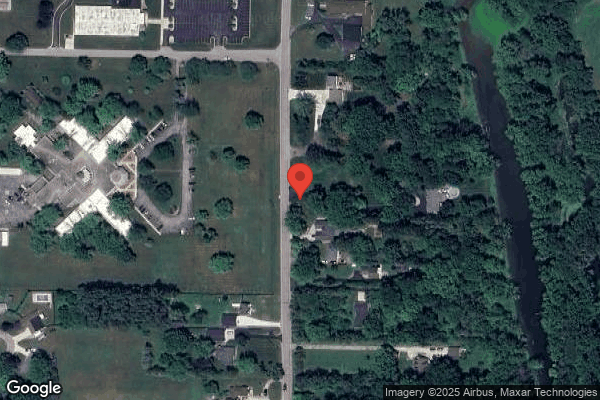
Understanding Severity Codes (click to expand)
Life-Threatening (Immediate Jeopardy)
J - Isolated K - Pattern L - Widespread
Actual Harm
G - Isolated H - Pattern I - Widespread
Potential for Harm
D - Isolated E - Pattern F - Widespread
No Harm (Minor)
A - Isolated B - Pattern C - Widespread

Questions to Ask on Your Visit

  • "What changes have you made since the serious inspection findings?"
  • "Why is there high staff turnover? How do you retain staff?"
  • "Can I speak with families of current residents?"
  • "What's your RN coverage like on weekends and overnight?"

Our Honest Assessment

Strengths
  • • Licensed and certified facility. Meets minimum state requirements.
Concerns
  • • Multiple safety concerns identified: 1 life-threatening violation(s), 7 harm violation(s), $72,670 in fines, Payment denial on record. Review inspection reports carefully.
  • • 43 deficiencies on record, including 1 critical (life-threatening) violation. These warrant careful review before choosing this facility.
  • • $72,670 in fines. Extremely high, among the most fined facilities in Michigan. Major compliance failures.
  • • Grade F (0/100). Below average facility with significant concerns.
Bottom line: Trust Score of 0/100 indicates significant concerns. Thoroughly evaluate alternatives.

About This Facility

What is Optalis Health And Rehabilitation At St. Francis's CMS Rating?

CMS assigns Optalis Health and Rehabilitation at St. Francis an overall rating of 2 out of 5 stars, which is considered below average nationally. Within Michigan, this rating places the facility higher than 0% of the state's 100 nursing homes. A rating at this level reflects concerns identified through health inspections, staffing assessments, or quality measures that families should carefully consider.

How is Optalis Health And Rehabilitation At St. Francis Staffed?

CMS rates Optalis Health and Rehabilitation at St. Francis's staffing level at 2 out of 5 stars, which is below average compared to other nursing homes. Staff turnover is 72%, which is 26 percentage points above the Michigan average of 46%. High turnover can affect care consistency as new staff learn residents' individual needs.

What Have Inspectors Found at Optalis Health And Rehabilitation At St. Francis?

State health inspectors documented 43 deficiencies at Optalis Health and Rehabilitation at St. Francis during 2022 to 2025. These included: 1 Immediate Jeopardy (the most serious level, indicating potential for serious harm or death), 7 that caused actual resident harm, and 35 with potential for harm. Immediate Jeopardy findings are rare and represent the most serious regulatory concerns. They require immediate corrective action.

Who Owns and Operates Optalis Health And Rehabilitation At St. Francis?

Optalis Health and Rehabilitation at St. Francis is owned by a for-profit company. For-profit facilities operate as businesses with obligations to shareholders or private owners. The facility is operated by OPTALIS HEALTH & REHABILITATION, a chain that manages multiple nursing homes. With 94 certified beds and approximately 77 residents (about 82% occupancy), it is a smaller facility located in Saginaw, Michigan.

How Does Optalis Health And Rehabilitation At St. Francis Compare to Other Michigan Nursing Homes?

Compared to the 100 nursing homes in Michigan, Optalis Health and Rehabilitation at St. Francis's overall rating (2 stars) is below the state average of 3.1, staff turnover (72%) is significantly higher than the state average of 46%, and health inspection rating (2 stars) is below the national benchmark.

What Should Families Ask When Visiting Optalis Health And Rehabilitation At St. Francis?

Based on this facility's data, families visiting should ask: "What changes have been made since the serious inspection findings, and how are you preventing similar issues?" "How do you ensure continuity of care given staff turnover, and what is your staff retention strategy?" "Can you walk me through typical staffing levels on day, evening, and night shifts?" "Can I visit during a mealtime to observe dining assistance and food quality?" These questions are particularly relevant given the facility's Immediate Jeopardy citations, the facility's high staff turnover rate, and the below-average staffing rating.

Is Optalis Health And Rehabilitation At St. Francis Safe?

Based on CMS inspection data, Optalis Health and Rehabilitation at St. Francis has documented safety concerns. Inspectors have issued 1 Immediate Jeopardy citation (the most serious violation level indicating risk of serious injury or death). The facility has a 2-star overall rating and ranks #100 of 100 nursing homes in Michigan. Families considering this facility should ask detailed questions about what corrective actions have been taken since these incidents.

Do Nurses at Optalis Health And Rehabilitation At St. Francis Stick Around?

Staff turnover at Optalis Health and Rehabilitation at St. Francis is high. At 72%, the facility is 26 percentage points above the Michigan average of 46%. High turnover means new staff may not know residents' individual needs, medications, or preferences. It can also be disorienting for residents, especially those with dementia who rely on familiar faces. Families should ask: What is causing the turnover? What retention programs are in place? How do you ensure care continuity during staff transitions?

Was Optalis Health And Rehabilitation At St. Francis Ever Fined?

Optalis Health and Rehabilitation at St. Francis has been fined $72,670 across 1 penalty action. This is above the Michigan average of $33,806. Fines in this range indicate compliance issues significant enough for CMS to impose meaningful financial consequences. Common causes include delayed correction of deficiencies, repeat violations, or care failures affecting resident safety. Families should ask facility leadership what changes have been made since these penalties.

Is Optalis Health And Rehabilitation At St. Francis on Any Federal Watch List?

Optalis Health and Rehabilitation at St. Francis is not on any federal watch list. The most significant is the Special Focus Facility (SFF) program, which identifies the bottom 1% of nursing homes nationally based on persistent, serious quality problems. Not being on this list means the facility has avoided the pattern of deficiencies that triggers enhanced federal oversight. This is a positive indicator, though families should still review the facility's inspection history directly.