Shelby Health and Rehabilitation Center
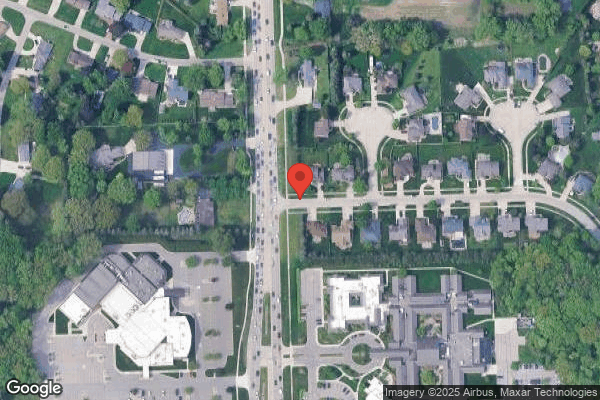
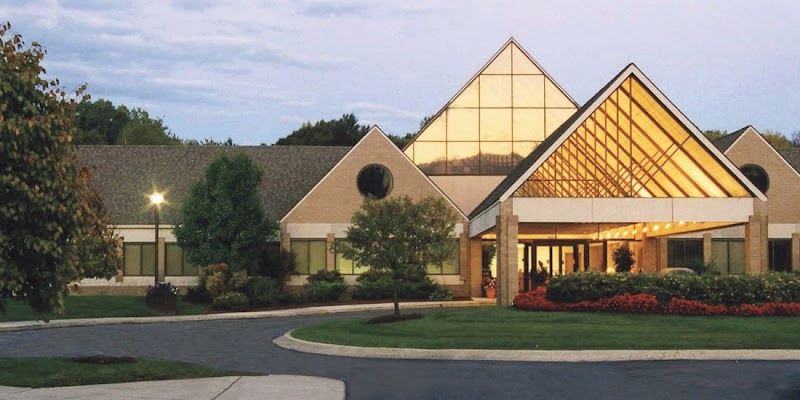
46100 Schoenherr Road, Shelby Township, MI 48315 (586) 566-1100
For profit - Corporation 212 Beds OPTALIS HEALTH & REHABILITATION Data: November 2025
Trust Grade
15/100
#235 of 422 in MI
Last Inspection: March 2025

Within standard 12-15 month inspection cycle. Federal law requires annual inspections.

Overview

Shelby Health and Rehabilitation Center holds a Trust Grade of F, indicating significant concerns about the quality of care provided. With a state rank of #235 out of 422 facilities in Michigan and #18 out of 30 in Macomb County, they are in the bottom half for both state and local options. The facility's performance is worsening, as the number of reported issues increased from 14 in 2024 to 15 in 2025. Staffing, rated at 2 out of 5 stars with a turnover rate of 66%, is a concern, suggesting that many staff members leave, which can impact resident care continuity. Notably, there have been serious incidents, including a failure to assess a resident's head injury promptly, leading to pain and hospitalization, and another resident fell during a shower due to inadequate staff assistance, resulting in multiple serious injuries. Overall, while the facility has excellent quality measures, the serious deficiencies and poor trust grade warrant careful consideration by families.
Trust Score
F
15/100
In Michigan
#235/422
Bottom 45%
Safety Record
High Risk
Review needed
Inspections
Getting Worse
14 → 15 violations
Staff Stability
⚠ Watch
66% turnover. Above average. Higher turnover means staff may not know residents' routines.
Penalties
○ Average
$64,380 in fines. Higher than 63% of Michigan facilities. Some compliance issues.
Skilled Nurses
○ Average
Each resident gets 32 minutes of Registered Nurse (RN) attention daily — about average for Michigan. RNs are the most trained staff who monitor for health changes.
Violations
⚠ Watch
49 deficiencies on record. Higher than average. Multiple issues found across inspections.
★★★☆☆
3.0
Overall Rating
★★☆☆☆
2.0
Staff Levels
★★★★★
5.0
Care Quality
★★☆☆☆
2.0
Inspection Score
Stable
2024: 14 issues
2025: 15 issues

The Good

  • 5-Star Quality Measures · Strong clinical quality outcomes
  • Full Sprinkler Coverage · Fire safety systems throughout facility
  • No fines on record

Facility shows strength in quality measures, fire safety.

The Bad

3-Star Overall Rating

Near Michigan average (3.1)

Meets federal standards, typical of most facilities

Staff Turnover: 66%

20pts above Michigan avg (46%)

Frequent staff changes - ask about care continuity

Federal Fines: $64,380

Above median ($33,413)

Moderate penalties - review what triggered them

Chain: OPTALIS HEALTH & REHABILITATION

Part of a multi-facility chain

Ask about local staffing decisions and management

Staff turnover is elevated (66%)

18 points above Michigan average of 48%

The Ugly 49 deficiencies on record

6 actual harm
Sept 2025 1 deficiency
CONCERN (E) 📢 Someone Reported This

A family member, employee, or ombudsman was alarmed enough to file a formal complaint

Potential for Harm - no one hurt, but risky conditions existed

Quality of Care (Tag F0684)

Could have caused harm · This affected multiple residents

This citation pertains to intake 2568581.Based on observation, interview and record review, the facility failed to ensure resident care needs were met timely for six residents (R707, R700, R708, R709,...

Read full inspector narrative →
This citation pertains to intake 2568581.Based on observation, interview and record review, the facility failed to ensure resident care needs were met timely for six residents (R707, R700, R708, R709, R706, and R704) of twelve reviewed for resident care. Findings include: R707On 09/04/25 at 9:23 AM, R707 was interviewed and reported their number one concern was that staff do not answer the call bell all the time. R707 reported the call system had been down on their unit for at least a month and a half and they had been given a small hand bell to ring when help was needed. R707 further reported they did not feel safe with the call system down, especially when put in the bathroom. R707 noted the hand bell was not brought into the bathroom. R707 noted they required staff assistance to get up (using a stand lift) and could not ring the bell more than two or three times before they dropped it due to numbness in the hands. R707 was observed to have bilateral wrist and hand splints. R707 reported they just wanted a little respect as yesterday it was an hour and a half before they were assisted to the restroom and that was too long to hold pee. R700On 09/04/25 at 9:25 AM, R700 was interviewed in their room. They were sitting up in their wheelchair and dressed. The call lights were observed to be hanging on the wall over the junction box. The resident was asked about the call lights and indicated they were not working. When asked how they request assistance from staff the resident reported they have a bell to ring, and they looked around but were not able to locate their bell. R700 noted the need for assistance with dressing, transfer and bathing. R708 and R709On 09/04/25 at 9:34 AM, R708 and R709 reported the call light system had been down for a long time. R708 reported when their roommate R709 had first come to their room, R708 observed R709 leaning over the side of the bed having a breathing problem and neither of them had a working call light to alert staff. Both further noted one can only ring the hand bell a short amount of time. R709 further noted they felt like they were not being heard. R708 reported they were more independent and R709 noted they needed assistance to transfer and use the restroom. R706On 09/04/25 at 10:56 AM, R706 was observed to be in bed dressed in a hospital gown. The wheelchair and walker were away from the bed. The walker at the foot of the bed and the wheelchair. R706 reported they had told staff just after breakfast they wanted to be changed, dressed and up in their wheelchair and did not recall the exact time. R706 tugged at their gown and reported they had other clothes they could wear. A urine odor was noted and R706 noted they needed to be changed. R706 was asked about what they needed help with and reported to shower and get dressed. R706 was then observed to ring their hand bell and no one came. An observation of the hall revealed no staff in the hall of the unit and one at the nurse station who did not no response to the hand bell ring. At 11:08 AM R706 rang again with no staff response. At 11:24 AM, Certified Nursing Assistant (CNA) C reported they could hear a bell and would just have to walk down the hall and ask the resident who it was. R704On 09/04/25 at 12:27 PM, R704 reported it was hard to hear their call bell as they were down at the end of the hall. R704 reported they need help with things like a brief change, and it could vary from five minutes to a couple hours for the wait time. R704 reported staff really can't tell who it is that is ringing the bell and what happens if the need is more urgent. On 09/04/24 at 12:38 PM, Licensed Practical Nurse (LPN) D reported the call light system was an electrical issue and most every unit was affected. LPN D reported each new admission is given a hand bell. LPN D further commented it was hard to distinguish where ring was coming from, and they may not hear it if not in the immediate area. At 12:45 PM, CNA E reported call light system problems going back four months and reported it was difficult when more than one resident was ringing their handbell at the same time. CNA E noted one would have to go to the rooms of the residents and ask if they had rung their bell. At 1:19 PM, CNA H reported they had worked on the 300 unit and was told the unit call system was not working and the residents had been given hand bells, but had not had any specific training or program change related to resident assistance or monitoring, At 1:45 PM, the Assistant Maintenance Director (AMD) reported the call system had been down for three and a half weeks after a repair blew out two other boards. It was completely down on five units at the facility. The AMD did not have a date for the completion of the repair. On 09/04/25 at 2:16 PM, the Director of Nursing (DON) was asked about the call system outage and reported new admits are given hand bell and staff are expected to round on the residents. The DON confirmed unit one, three, five, seven and nine had the call light outage. The DON was asked about discussion of an action plan in the Quality Assurance (QA) meetings and reported they were not sure if there was a formal education plan written, but it was discussed.A request for an action plan for call lights from QA was requested to be provided if available on 09/04/25 at 3:23 PM via email and not received prior to survey exit.A review of the QA committee agenda received 09/04/25 at 2:33 PM via email revealed no specific reference to the call light outage. The Administrator documented, Our Monthly QA Agenda/Template remains the same for every month.A review of a facility invoice dated 07/11/25 noted parts had been ordered for the call system. Ongoing expenses for the call system were documented on 08/06/25, 08/11/25 and 08/15/25. The August expense report noted there were three units down. Additional document review for communications with the repair company noted an outage from 06/26/25 for the entire 900 unit.On 09/04/25 at 3:05 PM, the Inservice Director provided education from a March 2025 plan of correction for call lights out of reach and an example of notes from a unit staff five-minute huddle/meeting dated June 11, 2025, for units 300, 500 and 700 that documented call lights are to be responded to in a timely manner. A review of the facility policy titled, Care Plan - Comprehensive and Revision dated 08/08/22, documented, A comprehensive, person- centered care plan that includes measurable objectives and timetables to meet the resident's physical, psychosocial and functional needs is developed and implemented for each resident. A review of the policy titled, Accommodation of Needs dated 08/21/23, documented, The facility will treat each resident with respect and dignity and will evaluate and make reasonable accommodation for the individual needs and preferences of a resident .A review of the facility policy titled, Call Light Accessibility and Timely Response dated 08/16/23 documented, The purpose of this policy is to assure the facility is adequately equipped with a call light at each resident's bedside, toilet and bathing facility to allow residents to call for assistance. Call light will directly relay to a staff member or centralized location to ensure appropriate response.
Jul 2025 1 deficiency
CONCERN (D) 📢 Someone Reported This

A family member, employee, or ombudsman was alarmed enough to file a formal complaint

Potential for Harm - no one hurt, but risky conditions existed

Safe Environment (Tag F0584)

Could have caused harm · This affected 1 resident

This citation pertains to intake MI00153799. Based on observation, interview, and record review, the facility failed to maintain a sanitary environment in one of one kitchenettes located off the main ...

Read full inspector narrative →
This citation pertains to intake MI00153799. Based on observation, interview, and record review, the facility failed to maintain a sanitary environment in one of one kitchenettes located off the main dining room. Findings include: Review of a complaint intake received 6/19/25, noted that on 6/18/25, the cupboard located underneath the sink in the main dining room kitchenette, was observed to be wet and stained with mold. On 7/9/25 at 10:20 AM, the kitchenette located off the main dining room was observed with the Administrator. The cabinet located under the sink was observed with water damaged doors. The particle board was swollen and warped from past water damage. The bottom shelf of the cabinet was wet, and there was a black, mold-like substance on the surface. The Administrator stated he was unaware of the problem with the cabinet, and would have it cleaned right away. On 7/9/25 at 10:30 AM, the Administrator stated they had spoken over the phone with the Maintenance Supervisor and said that Maintenance wasn't aware it looked as bad as it did. The Maintenance Supervisor stated the issue with the cabinet was seasonal due to the warmer weather and humidity.
Apr 2025 2 deficiencies 1 Harm
SERIOUS (G) 📢 Someone Reported This

A family member, employee, or ombudsman was alarmed enough to file a formal complaint

Actual Harm - a resident was hurt due to facility failures

Quality of Care (Tag F0684)

A resident was harmed · This affected 1 resident

This citation pertains to intake MI00151590 Based on interview and record review, the facility failed to promptly identify, assess, and contact physician for an acute change in condition for one resid...

Read full inspector narrative →
This citation pertains to intake MI00151590 Based on interview and record review, the facility failed to promptly identify, assess, and contact physician for an acute change in condition for one resident (R902) out of two reviewed for change in condition, resulting in pain and hospitalization. Findings include: A review of intake MI00151590 noted the following, This facility failed to provide [R902] with a timely evaluation of a head injury that likely was the cause of [R902's] mental status change and instead appeared to choose to attempt to sedate them. A review of the medical record revealed that R902 admitted into the facility on 3/10/2025 with the following medical diagnoses, Acute Posthemorrhagic Anemia and Gastrointestinal Hemorrhage. A review of the admission Minimum Data Set (MDS) assessment revealed a Brief Interview for Mental Status(BIMS)assessment score of 15/15 indicating an intact cognition. It was also noted on the MDS that R902 did not have any behaviors on admission. R902 also required staff assistance with bed mobility and transfers. Further review of the progress notes revealed the following, Effective Date: 3/12/2025.Cena (Certified Nursing Assistant) emptied foley catheter at 0600 (6:00 AM) and the bag was 550 [milliliters] and full of blood. Effective Date:3/12/2025. Transition of Care: Apixaban (Blood Thinner) 5 MG twice daily. Monitor for spontaneous bleeding. Effective Date: 3/21/2025. Writer notified by cena that resident had fallen .When asked what happen resident stated, I was trying to get out of bed, to come and tell you that a small bunny came and kissed me. I grabbed the reacher to help me stand and I fell. Effective Date:3/22/205. Resident experiencing brief moment of confusion, c/o dizziness, SPO2(oxygen level) checked 88% RA (Room Air) . Effective Date: 3/24/2024. Pt. (Patient) receiving o2(Oxygen) at 2 lpm (liters per minute), noncompliant with o2 therapy, pt. constantly removes nasal cannula. Pt. constantly removes nasal cannula. Pt. not easily redirected, constantly removing top shirt . Effective Date: .3/26/2025Writer entered resident room and observed resident was sitting on floor opposite side of bed. Resident was trying to put her shoes on. Resident foley was pulled out and laying on the bed .Resident stated [they] were trying to get out of this place .Writer notified DON (Director of Nursing), supervisor and family .Writer is being very uncooperative and combative. Writer notified (Medical Doctor) of resident's combativeness and ordered a onetime order of Haldol 5mg (milligrams) . On 4/2/2025 at 11:24 AM, an interview was conducted with Licensed Practical Nurse (LPN) C. LPN C reported they were R902's nurse on 3/26/2025 and had to send them to the hospital. LPN C reported they had taken care of R902 once before and this was a complete change in behavior for them. LPN C reported R902 was very combative, picking their skin, and attempting to hurt themselves and others. LPN C reported they originally were directed to give R902 Haldol for the new behaviors and then eventually sent them to the hospital. On 4/2/2025 at 12:00, and interview was conducted with Certified Nursing Assistant (CNA) B. CNA B reported that they cared for R902 the day they went to the hospital. CNA B reported they were informed by the nurse that R902 had fallen and when they went in the room R902 was saying that they were trying to kill them and would not calm down. CNA B reported they put R902 at the nurse's station and took turns sitting with them. CNA B reported that R902 was digging in their skin, taking off their oxygen, and picking at their skin. CNA B indicated this was not normal behavior for R902, and they had taken care of them previously. CNA B reported the nurse was on the phone with the Director of Nursing (DON) and they were telling them what to do. CNA B reported R902 was sent out after hitting them and digging and peeling their skin off. On 4/2/2025 at 2:00 PM, an interview was conducted with the DON. The DON was queried if anyone had reported that R902 had a foley bag full of blood as indicated in the progress notes. The DON reported no one reported that to them and they were unsure if the physician team was ever notified. The DON was queried regarding the documented confusion following R902's falls. The DON reported that when someone has a unwitnessed fall, they complete the neurochecks and will send them out if there is a change. The DON reported they know R902 came into the facility with a 15/15 BIMS score but was unsure if there was always some underlying confusion. The DON was asked about giving R902 Haldol, instead of sending them out when there was a change in their behaviors. The DON stated they were unable to answer why the physician made that decision, but they sent R902 out when they began picking their skin and hitting people. A review of a facility policy titled, Change in Condition Notification noted the following, The nurse will notify the resident, the resident's physician/practitioner, and the resident's designated representative when there is: A significant change in the resident's physical, mental, or psychosocial status, such as deterioration which includes life-threatening conditions of clinical complications.
CONCERN (D) 📢 Someone Reported This

A family member, employee, or ombudsman was alarmed enough to file a formal complaint

Potential for Harm - no one hurt, but risky conditions existed

Deficiency F0554 (Tag F0554)

Could have caused harm · This affected 1 resident

**NOTE- TERMS IN BRACKETS HAVE BEEN EDITED TO PROTECT CONFIDENTIALITY** This citation pertains to Intake MI00151476. Based on interview and record review, the facility failed to provide supervision du...

Read full inspector narrative →
**NOTE- TERMS IN BRACKETS HAVE BEEN EDITED TO PROTECT CONFIDENTIALITY** This citation pertains to Intake MI00151476. Based on interview and record review, the facility failed to provide supervision during medication administration for one resident (R900) out of one reviewed for self administration of medications. Findings include: On [DATE] at 9:43 AM, a phone interview was conducted with R900's Family Member (FM) E. FM E reported they were told the day that the resident died they complained about being short of breath (SOB). FM E reported that they were informed the nurse put the nebulizer mask on R900 and left the room. FM E reported they were informed when the nurse came back R900 was found to be unresponsive. A review of the medical record revealed that R900 admitted into the facility on [DATE] with the following medical diagnoses, Chronic Obstructive Pulmonary Disease (COPD) and Acute Respiratory Failure with Hypoxia. A review of the Minimum Data Set assessment (MDS) revealed a Brief Interview for Mental Status (BIMS) score of 10/15 indicating an impaired cognition. R900 also required staff assistance with bed mobility and transfers. No self-administration of medication assessment and/or care plan was observed in the medial record. Further review of the progress notes revealed the following, Effective Date: [DATE] at 9:43. Type: Nursing-Progress Note .Resident had complaints of SOB, resident instructed to sit up as [R900] was laying flat. Writer was able to administer medications PO (by mouth) with no issues. Writer started breathing treatment to assist with SOB, on returning 10 minutes later, resident was slump over to the right, face mask off and non-responsive to verbal or physical stimuli . On [DATE] at 2:00 PM, an interview was conducted with the Director of Nursing (DON). The DON reported they expect for the nurse to stay with a resident while a nebulizer treatment is going and if they have to leave, then someone needs to be in the room with them. A review of a facility policy titled, Nebulized Medication Treatments noted the following, .Stay with resident during nebulizer treatment unless it has been determined that resident can use nebulizer on own. (a self-medication assessment must be completed.
Mar 2025 11 deficiencies
CONCERN (D) 📢 Someone Reported This

A family member, employee, or ombudsman was alarmed enough to file a formal complaint

Potential for Harm - no one hurt, but risky conditions existed

Deficiency F0578 (Tag F0578)

Could have caused harm · This affected 1 resident

Based on interview and record review, the facility failed to obtain a physician's order for an advance directive (form designed to communicate health care treatments in advance) upon admission for one...

Read full inspector narrative →
Based on interview and record review, the facility failed to obtain a physician's order for an advance directive (form designed to communicate health care treatments in advance) upon admission for one resident (R106) out of two reviewed for advance directives. Findings include: A review of the medical record revealed R106 admitted into the facility on 2/7/2025 with the following medical diagnoses, Cerebral Infarction and End Stage Renal Disease. A review of the most recent Minimum Data Assessment set revealed a Brief Interview for Mental Status score of 8/15 indicating an impaired cognition. R106 also required staff assistance with bed mobility and transfers. Further review of the physician orders revealed there was no advance directive order in place. On 3/5/2025 at 9:15 AM, an interview was conducted with Social Worker (SW) J. SW J stated the admitting nurse puts the code status order in on admission and that social work reviews it at the care conference. SW J stated that the nursing staff is responsible for putting the advance directive orders in and confirming them. On 3/5/2025 at 12:03 PM, an interview was conducted with the Director of Nursing (DON). The DON stated the advance directive order should be entered upon admission. The DON stated they were unaware of why it was not completed with R106. A review of a facility policy titled, Advance Directives-Code Status revealed the following, .If the resident and/or their legal representative has chosen for the resident's code status to be a Full Code: o The physician's order for Full Code status will be entered into Point Click Care (PCC) using the template in the order's tab. From the physician order the resident's Full Code status will auto-populate and be prominently displayed on the resident's chart header in PCC and will also populate to the resident's face sheet.
CONCERN (D)

Potential for Harm - no one hurt, but risky conditions existed

PASARR Coordination (Tag F0644)

Could have caused harm · This affected 1 resident

**NOTE- TERMS IN BRACKETS HAVE BEEN EDITED TO PROTECT CONFIDENTIALITY** Based on observation, interview and record review, the facility failed to complete an annual PASARR (Preadmission Screen and Res...

Read full inspector narrative →
**NOTE- TERMS IN BRACKETS HAVE BEEN EDITED TO PROTECT CONFIDENTIALITY** Based on observation, interview and record review, the facility failed to complete an annual PASARR (Preadmission Screen and Resident Review) for one resident (R121) of two residents reviewed for PASARR screening. Findings include: On 03/03/25 at 09:45 AM, R121 was observed lying in bed finishing his breakfast meal. A review of R121's medical record revealed they were admitted into the facility on 3/08/23 with the following diagnoses of vascular dementia, major depressive disorder, hemiplegia and hemiparesis following cerebral infarction affecting right dominant side and dysphagia. A Minimum Data Set (MDS) assessment dated [DATE] and a Brief Interview for Mental Status (BIMS) score of 12, indicating an mild impairment with cognition. R121 also scored 9 on The Patient Health Questionnaire which indicates severe depression. Further review of R121 medical record revealed a PASARR dated 10/8/23. On 03/05/25 at 12:15 PM an interview occurred with Social Worker C regarding an updated PASARR for R121. Social Worker C confirmed there was not an updated PASARR completed and confirmed PASARR should be updated annually. A request for a facility policy related to PASARRs was requested and not received by the end of survey.
CONCERN (D)

Potential for Harm - no one hurt, but risky conditions existed

Comprehensive Care Plan (Tag F0656)

Could have caused harm · This affected 1 resident

**NOTE- TERMS IN BRACKETS HAVE BEEN EDITED TO PROTECT CONFIDENTIALITY** Based on interview and record review, facility failed to ensure comprehensive care plans were developed and updated for two (R51...

Read full inspector narrative →
**NOTE- TERMS IN BRACKETS HAVE BEEN EDITED TO PROTECT CONFIDENTIALITY** Based on interview and record review, facility failed to ensure comprehensive care plans were developed and updated for two (R51 and R89) of six resident reviewed care plans. Findings include: R51 A review of R51's medical record revealed they were admitted to the facility on [DATE] with diagnoses including mild dementia, generalized anxiety disorder, adjustment disorder and hypertensive heart disease. A review of R51's Minimum Data Set assessment dated [DATE] revealed the Brief Interview for Mental Status score of 15 indicating an intact cognition. Further review of R51's medical record revealed increased behaviors of refusal of care and assistance. Per a nursing progress note dated 2/07/25, R51 had a behavior of speaking loudly to the roommate and being upset about a window being open. The medical record indicated R51 refused bathing and assistance at least weekly during the month of February 2025. Review of the behavioral care plan initated 7/9/24 with interventions revealed there was no review or updated interventions for increased behaviors noted on February, 2025. On 03/05/25 at 12:15 PM, Social Worker C was interviewed regarding R51's care plan and interventions for the increased behaviors and refusal of care. Social Worker C said resident care plans are updated by the interdisciplinary team and confirmed there were no updates added to the care plan to address recent behaviors. R89 On 3/03/25 at 10:45 AM R89 was observed lying in bed. R89 explained they get nutrition by tube feeding and they cannot have any food or water by mouth. R89 explained they only get out of bed into a chair when therapy is present and they are supposed to have hand splints but, no one applies them. A review of R89s record revealed they were admitted to the facility on [DATE] for Unspecified injury at unspecified level of cervical spinal cord. Further review revealed a Brief Interview for Mental Status Score of 15, indicating intact cognition. A review of R89's care plan revealed the following: Resident is NPO (nothing by mouth) with all nutrition and hydration provided via feeding tube dysphagia, bolus of Novasource renal. Dated 12/23/24 Encourage low fat, low salt intake. Dated 12/31/24 Monitor fluid intake to determine if natural diuretics such as coffee, tea, or cola is contributing to increased urination and incontinence. Dated 12/31/24 Resident is not able to use B/L UE/LE (bilateral upper extremeties/lower extremeties) due to paralysis.Dated 12/27/24 locomotion: gerichair (assistive device) with 1 person physical assist, with gait belt. Dated 12/21/24 Transfer: hoyer x2, cervical collar on at all times, cervical precautions. Dated 12/21/24 Bed mobility:x2, cervical collar on at all times cervical precautions. Dated 12/21/24 Assist resident with ADLs (activities of daily living) and ambulation as needed. Dated 12/31/24 Orthotics: (B) resting hand splints to be worn during the day. Remove & assess skin integrity and skin hygiene. 1/9/25 Restorative splint/brace1-B resting hand splints, to be worn at night as tolerated, remove for hygiene/skin checks. Dated 1/15/25 orthosis: neck brace to be worn at all times. Dated 1/15/25 A review of R89's physician orders revealed the following active orders: Enteral feed five times a day Enteral Nutrition Formula Name: TWOCAL HN 1 can (237ml) five times a day. Flush with 50ml water pre and post. dated 1/28/25. Orthosis/Splint to be applied to:B resting hand splints to be worn at night, as tolerated. Every shift on in the evening. Dated 1/15/25 On 3/04/25 at 3:12 PM, the Therapy Director (Staff K) reviewed R89's careplan when asked if R89 should be wearing a neck brace or hand splints. Staff K explained R89 was admitted on paraplegic cervical precautions and the neck brace was discontinued after R89's three month post operative doctor appointment around the 1st week of February. Staff K confirmed that the neck brace was still on the care plan and that it should have been removed. Staff K explained that R89 should be wearing hand splints during the day but explained they would have to get clarification due to conflicting information on the care plan. On 3/05/25 at 10:31 AM, the Director of Nursing (DON) explained careplans are a collaborative effort among the interdisciplinary team and they are created on admission and then they are updated in the morning meeting if there is a change. R89's care plan was reviewed with the DON and the DON confirmed R89's care plan was not updated nor did it reflect R89's current condition. A facility policy addressing careplans was requested and was not returned by the completion of the survey.
CONCERN (D) 📢 Someone Reported This

A family member, employee, or ombudsman was alarmed enough to file a formal complaint

Potential for Harm - no one hurt, but risky conditions existed

ADL Care (Tag F0677)

Could have caused harm · This affected 1 resident

Based on observation, interview, and record review, the facility failed to provide sufficient feeding assistance for one resident (R142) out of one reviewed for Activities of Daily Living (ADL). Findi...

Read full inspector narrative →
Based on observation, interview, and record review, the facility failed to provide sufficient feeding assistance for one resident (R142) out of one reviewed for Activities of Daily Living (ADL). Findings include: On 3/3/2025 at 12:07 PM, R142's lunch tray was observed sitting on the bedside table. R142 stated they were hungry but waiting for someone to help them eat. R142 stated they were visually impaired and needed feeding assistance. On 3/3/2025 at 12:14, 12:21 and 12:28 PM, R142's tray was still observed sitting on the bedside table, untouched. On 3/3/2025 at 12:31 PM, Physical Therapy was observed entering R142's room and mentioning R142 had not eaten lunch yet. R142 was heard stating they were still waiting for feeding assistance. On 3/3/2025 at 2:30 PM, R142 stated someone did come and help them eat, but the food was cold so they did not eat much. A review of the medial record revealed R142 admitted into the facility on 1/9/2025 with the following diagnoses, Cerebral Infarction and Dysphagia. A review of the most recent Minimum Data Set assessment revealed a Brief Interview for Mental Status score of 10/15 indicating an impaired cognition. R142 also required staff assistance with bed mobility and transfers. Further review of the physician orders revealed R142 was supposed to be a 1:1 feeding assist and were in a trial period. On 3/5/2025 at 8:45 AM, R142's breakfast tray was observed sitting beside their bed. R142 stated they were waiting for somebody to come back because they wanted more French toast. R142 stated they did not know how long they had been waiting for someone to come back, but it had been a while, and they were hungry. On 3/5/2025 at 9:00 AM, R142's breakfast tray was still observed in the room. R142 stated they were still waiting on assistance to finish their breakfast, and they were still hungry. On 3/5/2025 at 9:01 AM, Registered Nurse (RN) E was informed R142 was waiting for someone to help them finish breakfast. RN E stated someone was in there helping and they would go and see if R142 was still hungry. R142 was heard informing RN E that they were still hungry and needed further assistance. On 3/5/2025 at 9:20 AM, Registered Dietitian (RD) R. RD R stated R142 is a 1:1 feed because they are visually impaired. RD R stated R142 should continue to be a 1:1 feed because they just discontinued their tube feeding and should be encouraged to eat on a consistent basis. On 3/5/2025 at 12:06 PM, an interview was conducted with the Director of Nursing (DON). The DON stated the staff should leave the tray on the cart until staff is ready to go in the room and provide feeding assistance. The DON stated they expect for staff to stay with the resident until they are done assisting the resident. A review of a facility policy titled, Assistance with meals noted the following, .It is the Center's Policy that all patient/residents shall receive assistance with meals in a manner that meets their individual needs and per Plan of Care.
CONCERN (D) 📢 Someone Reported This

A family member, employee, or ombudsman was alarmed enough to file a formal complaint

Potential for Harm - no one hurt, but risky conditions existed

Quality of Care (Tag F0684)

Could have caused harm · This affected 1 resident

Related to MI00150481 Based on interview and record review, the facility failed to ensure one resident (R131) of one reviewed for outside of facility consultations recieved the recommendations from an...

Read full inspector narrative →
Related to MI00150481 Based on interview and record review, the facility failed to ensure one resident (R131) of one reviewed for outside of facility consultations recieved the recommendations from an consultant appointment. Findings Include: Review of the medical record for R131 revealed an admission into the facility on 5/28/2023 with pertinent diagnoses of: Dementia, Psychotic Disturbance, Mood Disturbance, Anxiety. R131 was evaluated by a consulting hearing service. The consulting physician was unable to remove impacted ear wax for R131 and recommended a medication to soften the wax with a return visit in 1-3 months. That order was not noted or carried out. An interview with the responsible Social Worker C revealed the process for communication occurs when the Social Work receives the completed consult/report, reviews the documentation and requests appropriate orders from physician and/or sets up follow up appointment. SW C revealed the consult and the recommendation was missed.
CONCERN (D)

Potential for Harm - no one hurt, but risky conditions existed

Deficiency F0688 (Tag F0688)

Could have caused harm · This affected 1 resident

**NOTE- TERMS IN BRACKETS HAVE BEEN EDITED TO PROTECT CONFIDENTIALITY** Based on observation, interview, and record review, the facility failed to apply a hand splint as ordered for one resident (R89)...

Read full inspector narrative →
**NOTE- TERMS IN BRACKETS HAVE BEEN EDITED TO PROTECT CONFIDENTIALITY** Based on observation, interview, and record review, the facility failed to apply a hand splint as ordered for one resident (R89) of two residents reviewed for range of motion. Findings include: On 3/03/25 at 9:25 AM, R89 was observed lying in bed with arms folded and both hands on their chest. Two hand splints were observed on top of the dresser across the room. O3/03/25 at 10:45 AM, R89 was observed still lying in bed with their hands and arms still in the same position. Two hand splints were still observed to be on the dresser across the room. R89 explained they cannot use their arms or hands. R89 demonstrated attempting to move their right arm and was observed to lift it about 2 inches off of their chest and was unable to move their fingers. R89 explained when they were first admitted they were able to move their arms and hands more than they can now and stated, but due to neglect, now they are like concrete. When R89 was asked if they are supposed to wear the hand splints on the dresser R89 explained that they are supposed to but that no one ever puts them on. On 3/04/25 at 3:03 PM, R89 was observed lying in bed with arms folded and their hands on their chest. Two hand splints were observed on the dresser across the room in the same place and position as previously observed. On 3/05/25 at 8:34 AM, R89 was observed lying in bed with their arms folded and their hands on their chest. Two hand splints were observed on top of the dresser across the room in the same place and position as previously observed the day prior. When asked if anyone had put the splints on R89's hands overnight R89 explained that no one had put them on and that they never do. A review of R89s record revealed they were admitted to the facility on [DATE] for Unspecified injury at unspecified level of cervical spinal cord. Further review revealed a Brief Interview for Mental Status Score of 15, indicating intact cognition. A review of R89's physician orders revealed the following active order: Orthosis/Splint to be applied to: B (both) resting hand splints to be worn at night, as tolerated. Every shift on in the evening off in the morning. Dated 1/15/25 A review of R89's care plan revealed the following: Orthotics: (B) resting hand splints to be worn during the day. Remove & assess skin integrity and skin hygiene. 1/9/25 Restorative splint/brace1-B resting hand splints, to be worn at night as tolerated, remove for hygiene/skin checks. Dated 1/15/25 On 3/05/25 at 8:22 AM, Licensed Practical Nurse (LPN) J explained R89 reported to them that R89's hands are stiffening up because therapy refuses to help and they do not know if R89 has hand splints. On 3/05/25 at 8:31 AM, Certified Nurse Assistant (CNA) M explained R89 is paralyzed and did not know if R89 had hand splints. On 3/04/25 at 3:12 PM, Therapy Director (Staff K) explained R89 was admitted to the facility as a paraplegic with cervical precautions. Staff K explained Occupational therapy was working with R89 from 12/24-1/29 and was doing range of motion for all joints. On 3/5/25 at 9:11 AM, staff K confirmed R89 is supposed to have hand splints on and explained the splints should be applied at night by the nursing staff since the restorative aides are not here at night. On 3/5/25 at 11:58 AM, restorative Certified Nurse Assistant (CNA) N explained R89 wears hand splints at night. On 3/05/25 at 10:31 AM, the Director of Nursing (DON) explained if a resident has hand splints ordered they should be applied and it is a collaborative effort between nursing and therapy. A review of the facility's policy titled Medical Device-Internal and External revealed the following: It is the policy of the facility to accommodate residents who have internal and external medical devices that are within the staff members scope of practice.
CONCERN (D) 📢 Someone Reported This

A family member, employee, or ombudsman was alarmed enough to file a formal complaint

Potential for Harm - no one hurt, but risky conditions existed

Medication Errors (Tag F0758)

Could have caused harm · This affected 1 resident

Based on interview and record review, the facility failed to complete an initial Abnormal Involuntary Movement Scale (AIMS) assessment for one resident (R146) out of one reviewed for antipsychotic med...

Read full inspector narrative →
Based on interview and record review, the facility failed to complete an initial Abnormal Involuntary Movement Scale (AIMS) assessment for one resident (R146) out of one reviewed for antipsychotic medication use. Findings include: A review of the medical record revealed that R146 admitted into the facility on 1/18/2025 with the following diagnoses, Alzheimer's Disease and Brief Psychotic Disorder. A review of the most recent Minimum Data Set assessment revealed a Brief Interview for Mental status score of 99, indicating R146 was unable to complete assessment and required staff assistance with bed mobility and transfers. Further review of the physician's orders revealed R146 was prescribed Seroquel (Antipsychotic) once daily. Further review of R146's assessments on 3/4/2025 did not reveal an AIMS assessment to detect abnormal movements across the face, lips, tongue, upper extremities, lower extremeities and trunk caused by antipsychotics. On 3/5/2025 at 12:05 PM, an interview was completed with the Director of Nursing (DON). The DON stated the nursing staff should complete an AIMS assessment quarterly whether the resident is being followed by psychiatry or not, if they see the resident is on an antipsychotic. A request for a facility policy related to antipsychotics was requested and not received by the end of survey.
CONCERN (D) 📢 Someone Reported This

A family member, employee, or ombudsman was alarmed enough to file a formal complaint

Potential for Harm - no one hurt, but risky conditions existed

Menu Adequacy (Tag F0803)

Could have caused harm · This affected 1 resident

Based on observation, interview, and record review, the facility failed to honor food preferences for one resident (R142) out of one reviewed for food. Findings include: On 3/3/2025 at 12:28 PM, R142'...

Read full inspector narrative →
Based on observation, interview, and record review, the facility failed to honor food preferences for one resident (R142) out of one reviewed for food. Findings include: On 3/3/2025 at 12:28 PM, R142's lunch tray was noted to be sitting on their bedside table. A review of their dietary ticket had dislikes-no cucumbers with it highlighted in a pink color. An observation of the side salad revealed cucumbers on the salad. R142 stated they do not like cucumbers, and the kitchen staff often put them on even though they've said they do not want them. A review of the medical record revealed R142 admitted into the facility on 1/9/2025 with the following diagnoses, Cerebral Infarction and Dysphagia. A review of the most recent Minimum Data Set assessment revealed a Brief Interview for Mental Status score of 10/15 indicating an impaired cognition. R142 also required staff assistance with bed mobility and transfers. On 3/5/2025 at 9:43 AM, an interview was conducted with Dietary Manager (DM) Q. DM Q stated the dietary staff should read the tray ticket, and they highlight it to make sure it is seen. DM Q stated that floor staff should also be checking before they give the resident the tray. A review of a facility policy titled Food Preferences and Select Menus noted the following, The facility will provide meals that accommodate resident allergies, intolerances, and food preferences.
CONCERN (E) 📢 Someone Reported This

A family member, employee, or ombudsman was alarmed enough to file a formal complaint

Potential for Harm - no one hurt, but risky conditions existed

Deficiency F0761 (Tag F0761)

Could have caused harm · This affected multiple residents

**NOTE- TERMS IN BRACKETS HAVE BEEN EDITED TO PROTECT CONFIDENTIALITY** Based on observation, interview, and record review, the facility failed to ensure medications were properly stored and labeled f...

Read full inspector narrative →
**NOTE- TERMS IN BRACKETS HAVE BEEN EDITED TO PROTECT CONFIDENTIALITY** Based on observation, interview, and record review, the facility failed to ensure medications were properly stored and labeled for two residents (R51 and R78) of ten residents reviewed, three of thirteen medication carts. Findings include: R78 On 3/3/25 at 1:30 PM, an observation was made of a medicine cup filled with a red liquid on R78's dresser. R78 was interviewed and asked about the medicine cup on their dresser and stated, I think it's cough medicine. R78 was asked if they self-administered their medication and said nursing administered their medications to them. On 3/3/25 at 1:35 PM, Unit Nurse Manager, Licensed Practical Nurse (LPN) I was requested to come to R78's room and was shown the medicine cup on R78's dresser and asked about it. LPN I indicated the medicine cup contained a protein supplement and removed the medicine cup from R78's dresser and discarded it. A review of R78's electronic medical record (EMR) indicated the following physician's order, Start date: 1/22/25; End date: 3/5/25. Order: House Liquid Protein Source One time a day for Protein assistance. Further review of R78's EMR revealed R78 was most recently admitted to the facility on [DATE] with diagnoses that included, Sepsis (Infection) and Paroxysmal atrial fibrillation (Irregular Heartbeat). R78's most recent minimum data set assessment dated [DATE] revealed R78 had a moderately impaired cognition and was fully dependent and/or required maximum assistance for all activities of daily living (ADLs) other than toileting and eating. R51 On 03/03/25 at 9:25 AM, R51 was observed sitting up in bed finishing their breakfast tray. A bottle of Vitamin C and a bottle of Vitamin B-12 were observed sitting on the night stand. When asked about the bottles, R51 stated, Those are my bottles, I take one of each pill every day. On 03/04/25 at 1:15 PM, R51 was observed sitting up in the bed watching television. The same bottles of Vitamin C and Vitamin B-12 was observed on the nightstand. A review of R51's medical record revealed they were admitted to the facility on [DATE] with diagnoses including mild dementia, generalized anxiety disorder, adjustment disorder and hypertensive heart disease. A review of R51's Minimum Data Set, dated [DATE] revealed the Brief Interview for Mental Status score of 15 indicating intact cognition. On 03/04/25 at 1:18 PM, the Director of Nursing (DON) was asked to accompany surveyor to R51's room. Upon entering R51's room, the DON noted the two bottles of vitamins on the bedside table. The DON stated R51 has not been assessed for self administration of medications and should not have medications at the bedside. On 03/04/25 at 02:10 PM, during a review of the low numbered medication cart with Licensed Practical Nurse (LPN) A, on Unit 100, a narcotic (Norco) tablet was found in a medicine cup, partially dissolved. LPN A revealed they had given a resident the narcotic with they're other medication and the resident spit it out. LPN A explained they were waiting for a second nurse to dispose of the medication appropriately. On 03/04/25 at 02:35 PM, during review of the high numbered medication cart for unit 300 with LPN F, A KwikPen Humalog insulin pen was noted without a label or date. LPN F indicated the KwikPen should have a label and date. On 3/4/2025 at 03:00 PM, review of medication storage and labeling for Unit 400 medication , low number cart with LPN B, two KwikPen Humalog insulin were found without identifying label or open date. On 03/04/2025 at 2:30 PM, an interview with the Director of Nursing (DON) revealed that wasted narcotics are to be wasted in the container that renders the medication harmless, at the time the medication is not going to be used after removing from the medication cart. The DON revealed this process requires two licensed nurses. On 3/5/25 at 11:04 AM, the Administrator (NHA) was interviewed regarding their expectations for medication storage and labeling. The NHA indicated that all medications should be stored safely. A review of a facility policy titled, Medication and Treatment Storage Issued Date: 8/7/2023 revealed the following, Policy Overview: It is the policy of this facility to ensure accurate labeling and dating of medications for safe administration and safe secure storage .of all medications and treatments. Labeling of medications and biologicals dispensed by the pharmacy will be consistent with applicable federal and State requirements and currently accepted pharmaceutical principles and practices including expiration dates . Medications designed for multiple administration, the label will identify the specific resident for who it was prescribed. Multi-use vials will be dated when the vial is first accessed. All medications requiring refrigeration are stored in refrigerators in the medication room .logs are kept on each refrigerator and temperature levels are recorded daily .
CONCERN (E)

Potential for Harm - no one hurt, but risky conditions existed

Deficiency F0919 (Tag F0919)

Could have caused harm · This affected multiple residents

**NOTE- TERMS IN BRACKETS HAVE BEEN EDITED TO PROTECT CONFIDENTIALITY** Based on observation, interview, and record review, the facility failed to ensure call lights were in reach for six residents (R...

Read full inspector narrative →
**NOTE- TERMS IN BRACKETS HAVE BEEN EDITED TO PROTECT CONFIDENTIALITY** Based on observation, interview, and record review, the facility failed to ensure call lights were in reach for six residents (R1, R15, R41, R53, R78, and R110 ) of six residents reviewed for call light accessibility. Findings include: Resident R1 On 3/3/25 at 11:15 AM, R1's call light was observed on their wheelchair out of reach. An interview was conducted with R1 and confidential family member O and they were asked about the call light being out of reach. Family member O confirmed that [R1's] call light had been observed to be out of reach on multiple occasions when they had visited them. A review of R1's electronic medical record (EMR) revealed that R1 was most recently admitted to the facility on [DATE] with diagnoses that included Cellulitis (Bacterial skin infection) of left lower leg and Heart failure. R1's most recent minimum data set assessment (MDS) dated [DATE] revealed that R1 had a moderately impaired cognition and was dependent and/or required maximum assistance for all activities of daily living (ADLs) other than eating. R78 On 3/4/25 at 4:35 PM, R78's call light was unable to be located in their room. R78 was interviewed regarding the location of their call light and did not know where their call light was located. Upon further observation, R78's call light was located in a shut dresser drawer out of reach and sight. A review of R78's EMR revealed that R78 was most recently admitted to the facility on [DATE] with diagnoses that included, Sepsis (Infection) and Paroxysmal atrial fibrillation (Irregular Heartbeat). R78's most recent minimum data set assessment dated [DATE] revealed that R78 had a moderately impaired cognition and was fully dependent and/or required maximum assistance for all activities of daily living (ADLs) other than toileting and eating. R110 On 3/5/25 at 10:22 AM, R110 was observed in bed with their call light hanging underneath their bed on the floor out of reach and sight. On 3/5/25 at 10:30 AM, Nurse/LPN (Licensed Practical Nurse) P was interviewed and asked what their expectations were for call light accessibility in residents' rooms. Nurse P stated, The call light should be in reach of the resident. A review of R110's EMR revealed that R110 was most recently admitted to the facility on [DATE] with diagnoses that included Epilepsy (Brain Disorder) and Asthma (Inflamed Airways). R110's Nursing admission Assessment (NAA) dated 2/27/25 revealed that R110 had a moderately impaired cognition and required assistance for all ADLs. R15 At 03/03/25 at 09:28 AM, R15 was noted sitting in a wheelchair, on the window side at the foot of bed, with call light located at top of the bed just below the pillow. When queried whether R15 could get to the light, R15 indicated it is real hard because the room is tight in this area (foot of bed on window side of bed). On 03/03/25 at 09:28 AM R15 was facing the window in a wheelchair, consuming thier lunch from the overbed table. There was not room for R15 to turn the wheelchair around in order to access the call light located on the opposite side of the bed up near the pillow. On 3/4/2025 a review of the Electronic Medical Record (EMR) revealed R15 was admitted on [DATE] with diagnoses of Alzheimer's Disease, Anxiety, and Cardiac Disease. The EMR further revealed a Basic Inventory of Medical Status score of 13, indicating intact cognition. R41 On 03/03/25 at 09:17 AM, R41's call light was out of reach, secured on the night stand's top drawer handle. R41 was looking for it. When R41 saw it, they were unable to reach it. On 03/03/25 at 01:07 PM, R41's call light was attached to the night stand's top drawer handle out of reach. On 03/04/25 at 11:08 AM, R41's call light was noted to be woven between two pillows against the head of the bed. When R41 was queried regarding the location of their call light they began to look for it and was unable to find it becoming frustrated. A review of the EMR revealed R41 was admitted on [DATE] with diagnoses of Urinary Tract Infection, Cervical Disc Disorder with Myelopathy, and Anxiety. The EMR further revealed a BIMS score of 14 indicating intact cognition. R53 On 03/03/25 at 10:23 AM, R53 was sitting in their wheelchair. Call light was noted on opposite of bed from resident. R53 was asked where the call light was and was unable to locate it. A review of the EMR revealed R53 was admitted on [DATE] with a diagnoses of Diabetes, Type 2 Dementia, Mood Disorder and Anxiety. The EMR further revealed a BIMS score of 03 indicating severe impaired cognition. On 3/5/25 at 11:04 AM, the Administrator (NHA) was interviewed regarding call light accessibility for the residents. The NHA indicated the call light should be within reach of the resident. A facility policy titled Call Light Accessibility and Timely Response, Issued Date: 8/16/2023 was reviewed and revealed the following, Policy Overview: The purpose of this policy is to assure that the facility is adequately equipped with a call light at each residents' bedside .to allow residents to call for assistance. Staff will ensure that call lights are within reach of residents' .The call system will be accessible to residents in their room at bedside .
CONCERN (F) 📢 Someone Reported This

A family member, employee, or ombudsman was alarmed enough to file a formal complaint

Potential for Harm - no one hurt, but risky conditions existed

Infection Control (Tag F0880)

Could have caused harm · This affected most or all residents

**NOTE- TERMS IN BRACKETS HAVE BEEN EDITED TO PROTECT CONFIDENTIALITY** R106 On 03/20/2025 at 07:35 AM, Licensed Practical Nurse (LPN) B retrieved the glucometer tray from medication carts bottom draw...

Read full inspector narrative →
**NOTE- TERMS IN BRACKETS HAVE BEEN EDITED TO PROTECT CONFIDENTIALITY** R106 On 03/20/2025 at 07:35 AM, Licensed Practical Nurse (LPN) B retrieved the glucometer tray from medication carts bottom drawer and entered R106's room that had a PPE [NAME] on the door with a sign specifying what PPE to don (gown, gloves, and mask) for the room. LPN B was observed to place glucometer tray and blood pressure cuff on R106's bed without a barrier, hand hygiene was not performed, PPE was not used. LPN B was not satisfied with the reading obtained for R106's blood pressure and left the room to obtain a wrist blood pressure machine. No hand hygiene performed. Upon completion of these tasks LPN B took the equipment and left R106's room. Hand hygiene was not performed. Blood pressure equipment was returned to nursing station, the glucometer tray replaced in medication cart without cleaning. No hand hygiene was performed upon leaving R106's room. On 3/4/2025 at 2:00 PM, LPN B was asked what the cleaning protocol was for the glucometer and blood pressure cuffs. LPN B stated the glucometer tray, the glucometer, and the blood pressure cuffs were supposed to be cleaned with bleach wipes. The Equipment cleaning policy was requested but not received by end of survey. Based on observation, interview, and record review, the facility failed to stock, demonstrate sufficient Infection Control practices, and don/doff (put on/take off) Personal Protective Equipment (PPE- gown, gloves, and masks) for three residents (R141, R17 and R106) in isolation and precautions out of three reviewed for Infection Control (IC). Findings include: R141 On 3/3/2025 at 11:57 AM, R141's call light was activated, and their intravenous (IV) machine was heard beeping. R141 had a PPE caddy on their door, with a sign stating they were on contact isolation (measures that are intended to prevent transmission of infectious agents which are spread by direct or indirect contact with the resident or the resident ' s environment) and should don gloves, mask, and gloves when entering room. On 3/3/2025 at 12:01 PM, a nurse was observed entering R141's room without putting on any PPE. The nurse was then observed to silence the IV machine, come back out and grab supplies to disconnect the IV machine from R141. The nurse was then observed to reenter R141's room without putting on PPE and disconnected R141's IV machine from the resident only donning gloves. A review of the medical record revealed R141 admitted into the facility on 2/12/2025 with the following medical diagnoses, Osteomyelitis, Left Ankle and Foot. A review of the most recent Minimum Data Set assessment revealed a Brief Interview for Mental Status score of 3/15 indicating an impaired cognition. R141 also required staff assistance with bed mobility and transfers. On 3/5/2025 at 11:30 AM, an interview was completed with Infection Control Preventionist (ICP) D. ICP D stated their expectation of staff entering a contact isolation room is that they don all appropriate PPE and stated the signs on the door clearly list what they should be putting on prior to entering the room and performing care. ICP D confirmed the nurse that entered R141 should have put on all appropriate PPE needed for contact precaution, including a gown, prior to disconnecting their IV. R17 On 3/3/25 at 10:53 AM, an observation of R17's room revealed signage which indicated R17 was on EBP (Enhanced Barrier Percautions -set of infection control practices). A PPE caddy (storage unit for PPE) on R17's door was observed to contain no gloves or face masks. On 3/4/25 at 11:00 AM and 3:52 PM, R17's caddy was observed to contain no face masks. On 3/4/25 at 3:56 PM, R17 and confidential family member S were interviewed and asked if staff consistently wore PPE when providing care for R17. R17 and family member S stated, I don't think so. On 3/5/25 at 9:38 AM, R17's caddy was observed to contain no gowns or face masks. On 3/5/25 at 11:47 AM, ICP D was interviewed about their expectations for PPE which should be available in the door caddy of residents on EBP. ICP D indicated that the caddy should be fully stocked with gloves, gowns, and face masks. ICP D indicated the nurses on the units should be replacing the PPE in the caddy as needed. A review of R17's EMR revealed that R17 was most recently admitted to the facility on [DATE] with diagnoses that included Kidney failure and Post traumatic stress disorder (PTSD) (Mental health condition). R17's Nursing admission Evaluation completed on 2/26/25 revealed that R17 had an intact cognition and required assistance for all activities of daily living (ADL's) including catheter care.
Nov 2024 1 deficiency 1 Harm
SERIOUS (G) 📢 Someone Reported This

A family member, employee, or ombudsman was alarmed enough to file a formal complaint

Actual Harm - a resident was hurt due to facility failures

Quality of Care (Tag F0684)

A resident was harmed · This affected 1 resident

**NOTE- TERMS IN BRACKETS HAVE BEEN EDITED TO PROTECT CONFIDENTIALITY** This citation pertains to Intake MI00147833. Based on observation, interview, and record review, the facility failed to ensure ...

Read full inspector narrative →
**NOTE- TERMS IN BRACKETS HAVE BEEN EDITED TO PROTECT CONFIDENTIALITY** This citation pertains to Intake MI00147833. Based on observation, interview, and record review, the facility failed to ensure a comprehensive nursing assessment was completed and timely acute care emergent hospital transfer for one Resident (R901) of three residents reviewed for care, when R901 sustained a fall with head trauma and bleeding while taking anticoagulant medication. Findings include: A review of a complaint submitted to the State Agency (SA) documented concerns of the facility's failure to assess a change of condition following the fall for R901. A review of R901's medical record revealed, R901 was admitted to the facility on [DATE] and discharged on 10/08/24 with diagnoses that include Quadriplegia and Atrial fibrillation (AFIB). A review of R901's quarterly Minimum Data Set (MDS) assessment dated [DATE], noted R901 with a moderate impaired cognition, functional limitation in range of motion upper as impairment on one side, and lower extremity (hip, knee, ankle, foot) impairment on both sides. A review of R901's medications noted, Eliquis (blood thinner) 2.5mg (milligram), Give 1 tablet by mouth two times a day for AFIB. Start 7/23/23, end indefinite. Monitor for signs and symptoms of bleeding related to use of anticoagulant medication. Start Date: 02/28/2024. A review of R901's Medication Administration Record (MAR) noted, October 1st-9th, the resident was administered the Eliquis as ordered. Further review of R901's medical record revealed, 10/8/2024 11:21(11:21 AM) Incident Note Text: Observed lying on the floor, on [R901's] right side, in front of [R901's] wheelchair. Call light was not in use, but within reach. Assessed for injuries, with the following noted: bruise noted to right eyelid, superficial scrape to right forearm, 4inch, half-moon, skin tear. NP [Nurse Practitioner] into eval, and assisted with placement of steri strips, to approximate tear. Pressure dressing applied. Resident placed into bed with use of mechanical lift. Bed in lowest position, call light in reach. Resident unable to state how [they] fell, secondary to current mental status, due to UTI (urinary tract infection). Writer spoke with dtr (daughter) . Notified physician notified . A review of the 24-hour report noted, 10/08/24. 7am-3pm (shift) Cipro (used to treat infections caused by bacteria) uti (urinary tract infection), IM (intramuscular injection) Rocephin (used to treat many kinds of bacterial infections) x1given, fall shift #1, skin tear RLE (right lower extremity), bruising to R (right) eye area, bruising to tongue. neuro checks. 3pm-11pm (shift) blank. 11pm-7am (shift) hospitalized . On 11/13/24 at 11:41 AM, Registered Nurse (RN) A was asked about the fall of R901. RN A explained they were down on the low 500 hall which was part of her assigned unit and was told that R901 had a fall saying, The Unit Manager, (UM C) and two CNAs (Certified Nursing Assistants) had gotten [R901] in bed. RN A was asked if R901 was able to explain how they fell. RN A stated, No. [R901] was confused. RN A was asked if R901 had any injuries to their head. RN A explained R901 had some bruising to their right eyelid and bit their tongue. RN A was asked how they monitored R901 after the fall. RN A explained, they started Neuro checks (neurological examination, is a series of tests and questions that evaluate the nervous system). On 11/13/24 at 12:39 PM, CNA D and CNA E were asked if they found R901 on the floor. CNA D stated, No, a resident found [R901] on the floor. CNA D and E were about the duration of time that R901 on the floor. They were asked the condition of R901 once they observed R901 on the floor. CNA D explained, R901 was very confused and kept talking about the wheels on the wheelchair and not answering the questions. CNA D and E explained this was unlike R901, R901 was more alert, would use their call light, did not try to stand, or get out of their chair without help. On 11/13/24 at 12:46 PM, UM C was asked about R901's fall. UM C stated when they entered R901's room, R901 was in an awkward position by the mechanical chair. UM C stated, (R901) wasn't speaking right and wouldn't say what happened, R901 was really confused. UM C stated, I went out to get a first aid kit to treat the skin tear. UM C further explained RN A was given the report and took over from there with Nurse Practitioner (NP) B. UM C explained they went back out to the nursing station to start the orders to send R901 out to the hospital. After NP B and RN A exited the resident's room, orders were to start neuro checks and not send the resident to the hospital. On 11/13/24 at 12:55 PM, NP B was asked about the fall and the reason R901 was not sent out to the hospital after a head injury. NP B refer to their progress note and explained she may have not known about the head injuries because she did not reference them in her note. NP B was asked about the procedure for transferring residents to a higher level of care who are prescribed anticoagulant medications, had an unwitnessed fall, with a visible bruise on the head. NP B explained, it all depends on her assessment and if there is a new onset mental status change. NP B was asked how that can be determined for R901 when she had confusion prior to the fall. NP B explained her assessment after the fall was R901 was stable. A review of R901 hospital records dated 10/8/24 at 18:41 (6:41 PM) noted, Medical Decision-Making including ED (emergency department) Course and Interventions Assessment: [R901] . presents to the ER (emergency room) after a seizure . Later in the afternoon [R901] had a witnessed seizure and therefore EMS was called. Upon arrival to the ER the patient was postictal appearing with decreased responsiveness and not following commands. [R901] had clearly bitten [R901's] tongue as [R901] had blood in the mouth and lacerations on the tongue. [R901] does take Eliquis and therefore a level 2 trauma was activated in the setting of fall earlier in the day with seizures now and evidence of trauma, concern for intracranial abnormality. [R901] was evaluated via ATLS (Advanced Trauma Life Support) protocol, and the trauma service was contacted . Shortly after arrival to the ER the patient had another witnessed seizure in the resuscitation area. [R901] was treated with IM (intramuscular) Ativan after which the seizure resolved after approximately 1 minute. After the second seizure [R901] did not return to [R901's] baseline and was having sonorous respirations. During the second seizure [R901] appeared to have bitten [R901's] tongue again as [R901] had more blood in the mouth. The decision was made to intubate the patient for airway protection in the setting of recurrent seizures and unresponsiveness . Further review of R901's medical record pictures revealed, a large deep blood-filled gash on limb, swollen lip, and visible blood indentation of R901's teeth their tongue. On 11/13/24 at 1:30 PM, the Director of Nursing (DON) was asked about the facility's procedure following an unwitnessed fall of a resident on anticoagulants that has a visible head injury. The DON explained to start neuro checks are first, and if anything changes 911 is called. On 11/13/24 at 2:19 PM, the Nursing Home Administrator (NHA) was asked if R901 had any falls within the last six months. The NHA, responded via email No- This is [R901's] only fall ever at the facility. On 11/14/24 at 3:09 PM, Interested Party (IP) explained on 10/08/24, they called the facility to speak with nursing staff because they had a message for [R901] and spoke with [RN A]. IP explained [RN A] stated, I was just looking up your number, [R901] had a fall. The IP explained RN A stated R901 bit their tongue, had a bruise on the eyelid, and a small skin tear that they were treating. IP stated, I didn't understand why [R901] was not being sent out to the hospital, because no one saw [R901] fall. [R901] is paralyzed and would not be able to put [their] arms out to brace during the fall. The IP explained it was obvious R901 had hit their head and needed to go to the hospital. When the family friend went into the room, R901 was lying in bed, their tongue was swollen so badly, R 901 had difficulty eating any food. IP further explained R901 was able to drink the milkshake the family friend brought in. A review of R901's progress notes revealed the following: 10/8/2024 14:41 (2:00 PM) Nursing - Infection Note Cipro continues for tx (treatment) of UTI. No adverse reactions noted. No hematuria or dysuria. Increased confusion noted. NP notified, new order noted for Rocephin 1G IM x 1. Administered at 12pm, right deltoid. Awaiting culture results. Resident is needing assistance with feeding at this time. Extra fluids offered frequently. Neuro checks continue, with previous fall this am. 10/8/2024 14:44 (2:44 PM) Incident Note Text: Med review, new order noted for Rocephin (used to treat bacterial infections) 1G (gram) IM (intramuscular injection) x (time) 1. Administered at 12p (12:00 PM), rt (right) deltoid. Neuro checks in progress and remain within normal limits for resident. 10/8/2024 15:52 (3:52 PM) Progress Note Date of Service: 2024-10-08 Visit Type: Progress Note Transition of Care: Details: Chief Complain confusion, UTI, fall . Patient seen and examined per nursing staff request post fall from electric wheelchair. Patient has a laceration to [their] left lower leg and abrasion to the right forearm. Patient has had recent confusion and restlessness with a positive urine dip and started on Cipro has been sent to lab for culture and sensitivity . Fall from non-moving wheelchair . Unobserved fall .patient sustained laceration to left lower leg and right forearm. Laceration cleansed and Steri-Strips applied with nursing . patient started on Cipro patient continues to have confusion IM Rocephin one-time ordered . [NP B]. 10/8/2024 16:17 (4:17 PM) Nursing Progress Note Text: Upon assessment, tongue noted to be swollen with a bite mark noted to right side of tongue, secondary to fall this am. [RN A]. A review of R901's progress notes did not reveal a reference by NP B of R901's head and tongue injury. Further review of R901's progress notes revealed the following: 10/8/2024 18:09 (6:09 PM) Nursing Progress Note Text: Writer notified by CNA, that resident was having seizure activity. Writer witnessed resident to be having involuntary movements. Writer noted [R901] to be gasping for air, and blood coming from [R901] mouth, secondary to biting [R901's] tongue. Responsive to sternal rub, but agonal breathing noted. 911 phoned . EMS arrived at 5:40, one dose of Narcan administered. Transferred to (name of hospital) via EMS . 10/8/2024 17:56 (5:56 PM) . Summary for Providers Situation: The Change in Condition/s (CIC) reported on this CIC Evaluation are/were: Altered mental status Falls Seizure At the time of evaluation resident/patient . Primary Diagnosis is: Relevant medical history is: CHF (congestive heart failure) Diabetes Chronic Renal Failure/ESRD. Code Status: Adv Directive: Full Cardiopulmonary Resuscitation (CPR). Advance directives are: Resident/Patient had the following medications changes in the past week: Cipro/Rocephin. Resident/Patient is on anticoagulant other than warfarin: Yes . Outcomes of Physical Assessment: Positive findings reported on the resident/patient evaluation for this change in condition were: Mental Status Evaluation: Altered level of consciousness (hyperalert, drowsy but easily aroused, difficult to arouse) Increased confusion (e.g. disorientation). Functional Status Evaluation: Fall . Neurological Status Evaluation: Altered level of consciousness (hyperalert, drowsy but easily aroused, difficult to arouse) Seizure. Nursing observations, evaluation, and recommendations are: . A. Recommendations: IM dose of Rocephin x1, continue with neuro checks, monitor mental status . 10/9/2024 11:04 Nursing - Progress Note Text: IDT (Interdisciplinary Care Team) met to review fall on 10/8/24 at 1030. Nurse reports that resident was sitting in room for 15 minutes before being, summoned to room to observe resident on the floor in room lying on her right side with her back facing the door and feet pointed toward the head of her bed, resident could not describe how she got from her electric wheelchair to the floor. Resident had recent change in condition on 10/6/24. Staff used mechanical lift to put resident in bed for assessment, nurse observed redness to face more so over right eyelid, left lower leg laceration, and right forearm scrape, first aid rendered to skin sites and neuro checks initiated and wnl (within normal limits), nurse notified DON, provider, and family. Care plan reviewed and updated medication review. Resident was sent out to the hospital. A review of R901's death certificate noted they died four days later. Cause of death Traumatic Subdural Hematoma, significant conditions: Oral Anticoagulant therapy, new onset Seizures, Manner of death accident, date of injury 10/08/24, fall, at living facility. A of the facility policy titled, Fall Management Guidelines dated 12/13/23, revealed, POLICY OVERVIEW: The purpose of this policy is to provide guidelines to assist with fall risk identification and fall management of residents in the facility . POST-FALL EVALUATION: If a resident has just fallen or is observed on the floor without a witness to the event, evaluate for possible injuries to the head, neck, spine, and extremities prior to moving the resident. Complete a neurological evaluation using the Neurocheck Evaluation Form when a resident: Has a witnessed fall when the resident has hit their head. Has an unwitnessed fall when a head injury may be suspected or is unknown. After the completion of the initial neurological evaluation with vital signs, continue the evaluations every 30 minutes X 2, every hour x 4, every 4 hours x 6, then every shift x for a total of 3 days . The facility's policy did not address unwitnessed falls with residents that are on anticoagulant medication
Feb 2024 2 deficiencies
CONCERN (D) 📢 Someone Reported This

A family member, employee, or ombudsman was alarmed enough to file a formal complaint

Potential for Harm - no one hurt, but risky conditions existed

Notification of Changes (Tag F0580)

Could have caused harm · This affected 1 resident

**NOTE- TERMS IN BRACKETS HAVE BEEN EDITED TO PROTECT CONFIDENTIALITY** This citation pertains to Intake: M100142677. Based on interview, and record review, the facility failed to notify the physicia...

Read full inspector narrative →
**NOTE- TERMS IN BRACKETS HAVE BEEN EDITED TO PROTECT CONFIDENTIALITY** This citation pertains to Intake: M100142677. Based on interview, and record review, the facility failed to notify the physician of unavailable medication for one resident (R700) out of one reviewed for medication administration. Findings include: On 2/21/24 at 8:54 AM in an interview with family member A who revealed that they never saw (R700) receive medications and they did not think the resident was getting their medication. A review of the medical record revealed that R700 was admitted into the facility on [DATE] with the following related diagnoses: chronic kidney disease- stage 4, type 2 diabetes mellitus without complications, and morbid obesity. Further record review revealed that a physician's order was entered for Dapgliflozin (a medication for diabetes mellitus). Review of the medication administration record from 12/14/2023 to 12/23/2023 indicated the number 9 was documented, 9 meaning that the medication was not given due to unavailable. On 12/17/2023 at 20:19 PM (8:19 PM), a nursing progress note was entered by Nurse B documenting, Spoke with [Pharmacist] at Pharmacy, per [Pharmacist] email sent to DON (Director of Nursing) on 12/15/2023 waiting for response r/t (related to) medication times as it is only to be given once a day per [Pharmacist], med not delivered waiting for clarification. On 2/21/2023 at 11:49 PM, a phone interview was attempted with Nurse B without success. On 2/21/2023 at 12:30 PM, an interview with the DON revealed that when a medication is not available, the nurse caring for that resident is to notify the physician and document in the nursing notes. Similarly, if the DON were to receive a notification from pharmacy, a note would be found in the nursing notes. There was no evidence that the physician had been notified. A review of a facility policy, Medication, Treatment, and Physician Order Transcription with revision date of 11/3/2023 documented, New admission orders will be reviewed with the resident's physician for any changes or clarifications prior to completing in (name of electronic medical record system).
CONCERN (D) 📢 Someone Reported This

A family member, employee, or ombudsman was alarmed enough to file a formal complaint

Potential for Harm - no one hurt, but risky conditions existed

ADL Care (Tag F0677)

Could have caused harm · This affected 1 resident

This citation pertains to Intake MI00142677. Based on observation, interview, and record review, the facility failed to provide feeding assistance for one resident (R701) out of two reviewed for nutri...

Read full inspector narrative →
This citation pertains to Intake MI00142677. Based on observation, interview, and record review, the facility failed to provide feeding assistance for one resident (R701) out of two reviewed for nutrition. Findings Include: On 2/21/2024 at 9:13 AM, R701 was observed laying in bed. R701 was laying flat in bed with their breakfast tray off to the side of them sitting on their bedside table. R701 was observed trying to reach for their food. Upon observing their meal ticket, it documented that R701 was a 1:1 feed and should have built-up utensils. R701's utensils were observed to have the red built up part removed from the silverware. R701 was attempting to pick up their food with their hands. On 2/21/2024 at 9:15 AM, R701 stated that sometimes people help them eat and sometimes they do not. R701 stated that no one had been in to help them today and that they were hungry. R701 stated that they were trying to reach their sausage. A review of the medical record revealed that R701 admitted into the facility on 2/7/2024 with the following diagnoses, Dysphagia and Severe Protein-Calorie Malnutrition. A review of the nutrition section revealed that R701 had a non-prescribed weight loss of 5% or more in the last month or loss of 10% or more in last 6 months. Further review of the physician orders revealed the following, Order: Regular diet, Regular texture, thin consistency. Directions: Requires 1:1 assistance. Status: Active. On 2/21/2024 at 9:20 AM, the Director of Nursing (DON) was observed at the nurse's station. The DON was queried if R701 was supposed to be a 1:1 feed assist. The DON stated that R701 requires feeding assistance meaning that they there are two orders for feeding in R701's order profile. The DON was queried if the meal ticket states 1:1 assistance then how should the staff proceed if there are multiple orders. The DON stated that R701 should be fed if it says it on their meal ticket. The DON stated that the tray should be kept warm on the cart until they are ready to assist with feeding. The DON stated that R701 should not be laying flat while eating. On 2/21/2024 at 11:13 AM, an interview was conducted with Registered Dietitian (RD) E. RD E stated that R701 does have a history of not eating and weight loss which is why they are a feed assist. RD E stated that R701 did go to have a feeding tube place but refused it when they arrived at the hospital. RD E stated that R701 needs a lot of cueing and encouragement during mealtime. A review of a facility policy titled, Assistance with meals noted the following, It is the responsibility of the Nursing staff and supervisors to assure that the patients/residents are receiving adequate assistance as related to meals.
Jan 2024 11 deficiencies
CONCERN (D) 📢 Someone Reported This

A family member, employee, or ombudsman was alarmed enough to file a formal complaint

Potential for Harm - no one hurt, but risky conditions existed

Resident Rights (Tag F0550)

Could have caused harm · This affected 1 resident

**NOTE- TERMS IN BRACKETS HAVE BEEN EDITED TO PROTECT CONFIDENTIALITY** This citation pertains to Intake MI00137759. Based on observation, interview, and record review the facility failed to provide ...

Read full inspector narrative →
**NOTE- TERMS IN BRACKETS HAVE BEEN EDITED TO PROTECT CONFIDENTIALITY** This citation pertains to Intake MI00137759. Based on observation, interview, and record review the facility failed to provide fresh drinking water for one resident (R164) of one reviewed for resident rights, resulting in feelings of frustration. Findings include: On 1/21/24 at 12:18 PM, during an initial tour of the facility R164 was interviewed regarding their level of satisfaction with the care and services provided for them at the facility. R164 indicated that they had not received fresh water yet today. An observation of a styrofoam cup next to R164 revealed that the cup was undated with no ice in it and less than a quarter full. On 1/22/24 at 1:44 PM, an observation of R164's cup by their bedside revealed a time on the cup of, 6 AM with no ice in the cup and the cup being approximately a third full. On 1/22/24 at 4:32 PM, R164 was met in their room and further interviewed about their water and the frequency of them receiving fresh water. R164 indicated that they didn't receive enough fresh water from staff and frequently had to drink water that was luke warm. R164 stated, Sometimes if my water is too old and warm I will turn my call light on to request that staff get me some fresh water. It takes staff a long time to answer my call light. R164 expressed frustration related to not receiving fresh drinking water. On 1/23/24 at 10:52 AM, R164 was met in their room for a follow-up visit and interview regarding their drinking water. R164 stated, I went eight hours yesterday with no fresh water. I ran out of water last night and had no water. Staff brought me water this morning at breakfast. R164's observed water by their bedside was dated, 1/23/24 AM no time was listed on the cup. R164 stated, I hope they get this situation fixed. On 1/23/24 at 11:00 AM, certified nurse assistant (CNA) J was interviewed about the process/expectation for providing residents with fresh drinking water. CNA J stated, We pass out water once per shift. CNA J was further interviewed about following up with residents regarding their water. CNA J stated, I can refill it. CNA J was asked if there were any specific times to check on residents water needs. CNA J stated, No there is no set time. On 1/23/24 at 12:32 PM, the Administrator (NHA) was interviewed regarding their expectations for providing residents with drink water. The NHA indicated that water should be passed out at least once per shift and as needed. On 1/23/24 at 12:41 PM, R164's electronic medical record (EMR) was reviewed and revealed that R164 was admitted to the facility on [DATE] with diagnoses that included Paroxysmal atrial fibrillation (Irregular heartbeat) and Myocardial infraction type 2 (Imbalance between heart oxygen demand and supply). A review of R164's most recent minimum data set assessment (MDS) dated [DATE] revealed that R164 had an intact cognition. On 1/23/24 at 12:47 PM, a facility policy titled, Nursing Assistant Responsibilities Issue Date: 1.5.2004 was reviewed and stated the following, WorkFlow Overview: To provide a workflow for the nursing assistant for their nursing care responsibilities. Food Service: Keeps residents' water pitchers clean and filled with fresh ice water (on each shift) .
CONCERN (D) 📢 Someone Reported This

A family member, employee, or ombudsman was alarmed enough to file a formal complaint

Potential for Harm - no one hurt, but risky conditions existed

Deficiency F0553 (Tag F0553)

Could have caused harm · This affected 1 resident

**NOTE- TERMS IN BRACKETS HAVE BEEN EDITED TO PROTECT CONFIDENTIALITY** This citation pertains to Intake MI00141403. Based on interview and record review, the facility failed to involve a resident (R3...

Read full inspector narrative →
**NOTE- TERMS IN BRACKETS HAVE BEEN EDITED TO PROTECT CONFIDENTIALITY** This citation pertains to Intake MI00141403. Based on interview and record review, the facility failed to involve a resident (R333) in treatment decisions for one of one residents reviewed for plans of care. Findings include: A review of Intake called into the State Agency noted the following, The facility allowed (R333) medication to be stopped by family when (R333) is [their] own person. A review of the medical record revealed that R333 admitted into the facility on [DATE] with the following diagnoses, Anemia and Covid-19. A review of the Minimum Data Set assessment revealed a Brief Interview for Mental Status score of 13/15 indicating an intact cognition. R333 was also independent with partial/moderate assistance with bed mobility and transfers. A review of the physician orders revealed the following, Orders: Paxlovid .Directions: Give 2 tablets by mouth two times a day for Covid-19 positive as of 11/13/2023 for 5 days .Administrative Orders: Date: 11/13/2023 .Type: Discontinue .Notes: Family does not want patient to have this medication. A review of the progress notes revealed the following, Date:11/13/2023 .Nursing-Progress Note: Family is refusing Paxlovid tx (treatment) for patient. Family educated regarding the benefits of taking medication and the risks of not taking it. They remain adamant. NP (Nurse Practitioner) aware. New orders received to discontinue the medication per family request. Will continue to observe. On 1/23/2024 at 2:01 PM, an interview was conducted with the Director of Nursing (DON). The DON stated that the son of R333 called and stated that they did not want R333 on the medication. The DON stated that the son said that they had spoken to their wife and decided they did not want R333 to have the medication due to side effects. The DON was queried as to why R333 was not involved in this decision being that they were their own person. The DON stated that it may have been due to R333's cognition at the time and having Covid-19, but they were unsure. On 1/23/2024 at 3:05 PM, an interview was conducted with Nurse Supervisor (NS) G. NS G confirmed they were the nurse that spoke with R333 family regarding the medication and that R333 was not consulted at the time. NS G was queried as to why R333 was not involved in their treatment being that they were their own responsible party, and NS G stated that they did not know. A review of a facility policy titled, Resident's Rights regarding Treatment and Advance Directives revealed the following, It is the policy of the facility to support and facilitate a resident's right to request, refuse, and/or discontinue medical or surgical treatment and to formulate an advance directive.
CONCERN (D)

Potential for Harm - no one hurt, but risky conditions existed

Deficiency F0557 (Tag F0557)

Could have caused harm · This affected 1 resident

**NOTE- TERMS IN BRACKETS HAVE BEEN EDITED TO PROTECT CONFIDENTIALITY** R39 Review of the facility record for R39 revealed an admission date of 08/25/22 with diagnoses that included Myocardial Infarct...

Read full inspector narrative →
**NOTE- TERMS IN BRACKETS HAVE BEEN EDITED TO PROTECT CONFIDENTIALITY** R39 Review of the facility record for R39 revealed an admission date of 08/25/22 with diagnoses that included Myocardial Infarction, Dementia and Chronic Kidney Disease. The Minimum Data Set (MDS) assessment dated [DATE] indicated R39 required moderate to total assistance with activities of daily living (ADLs) and the Brief Interview for Mental Status (BIMS) assessment score of 0/15 indicated severe cognitive impairment. On 01/22/24 at 8:55 AM, R39 was observed laying in bed sleeping. The call light was observed on the floor adjacent to the head of the bed out of reach. On 01/22/24 at 12:25 PM, R39 was observed laying bed. They were responsive and communicative. The call light was observed laying on the floor adjacent to the head of the bed out of reach. On 01/22/24 at 4:06 PM, R39 was observed sitting up in their chair. The call light was observed laying on the floor adjacent to the head of the bed out of reach. R39 was asked about their call light and they were not able to respond clearly due to language/cognitive barrier. On 01/23/24 at 8:42 AM, R39 was observed laying in bed sleeping. The call light was observed laying on the floor adjacent to the head of the bed out of reach. On 01/23/24 at 11:58 AM, R39 was observed laying in bed clean and dressed after receiving morning care. The call light was observed laying on the floor adjacent to the head of the bed out of reach. On 01/23/24 at 2:07 PM, R39's family member K returned the surveyor's call and reported that they were not clear how well R39 was able to use the call light but that they felt it would be best if the light was available, especially in an urgent situation in the event that R39 was able to use it. R100 Review of the facility record for R100 revealed an admission date of 06/19/23 with diagnoses that included Cerebral Infarction with Left Hemiplegia, Vascular Dementia and Chronic Kidney Disease. The MDS assessment dated [DATE] indicated R100 required maximum to total assistance with ADLs and the BIMS assessment score of 9/15 indicated moderate cognitive impairment. On 01/23/24 at 12:03 PM, R100 was overheard trying to verbalize to the surveyor that they needed help. Upon entering the room R100 was observed laying in bed and asked if they could have water. The call light was observed hanging over the nightstand on the resident's left/hemiplegic side and out of reach. R100 was asked if they would like to be able to use their call light and they stated Yes I would, but it has to be by my right hand. On 01/23/24 at 2:05 PM, R100 was observed laying in bed. The call light was observed hanging over the nightstand out of the residents reach. On 01/23/24 at 2:10 PM, the facility Director of Nursing (DON) reported that the expectation for call light access is that the resident's call light should always be within the resident's reach when they are in their room. Review of the facility policy Call Light Accessibility and Timely Response dated 08/16/23 revealed the following entries: Policy Overview: The purpose of this policy is to assure the facility is adequately equipped with a call light at each resident's bedside to allow resident's to call for assistance. - Staff will be educated in the proper use of the resident call system, including how the system works and ensuring residents have access to the call light. - Staff will ensure the call light is plugged in, functioning, within reach of residents, and secured, as needed. Based on observation, interview, and record review the facility failed to provide privacy during a blood draw for one sample residents (R230) and maintain the call light within resident reach for two (R39 and R100) of seven residents reviewed. Findings Include: R230 On 1/21/24 at 12:39 PM, R230 was interviewed regarding the stay at the facility and reported some concerns. At that time Phlebotomist H entered the room and request to collect a blood sample from R230. R230's door was opened to the hallway and their roommate was in the room with the privacy curtain pulled halfway between the beds. R230's roommate was observed to be assisted to the restroom by a staff member, which required to pass by R230's bed. R230 lab draw was exposed to the roommate and to the people that passed by the hallway. On 1/23/24 at 10:12 AM, Phlebotomist H was asked about the process to ensure privacy for residents when collection blood from the residents. Phlebotomist H explained, that it depends if the resident ask for it and/or if it is a private room or not.
CONCERN (D)

Potential for Harm - no one hurt, but risky conditions existed

Safe Environment (Tag F0584)

Could have caused harm · This affected 1 resident

**NOTE- TERMS IN BRACKETS HAVE BEEN EDITED TO PROTECT CONFIDENTIALITY** Based on observation, interview and record review, the facility failed to maintain a homelike environment for two (R100 and R116...

Read full inspector narrative →
**NOTE- TERMS IN BRACKETS HAVE BEEN EDITED TO PROTECT CONFIDENTIALITY** Based on observation, interview and record review, the facility failed to maintain a homelike environment for two (R100 and R116) of seven residents reviewed. Findings include: R100 Review of the facility record for R100 revealed an admission date of 06/19/23 with diagnoses that included Cerebral Infarction with Left Hemiplegia, Vascular Dementia and Chronic Kidney Disease. The Minimum Data Set (MDS) assessment dated [DATE] indicated R100 required maximum to total assistance with activities of daily living (ADLs) and the Brief Interview for Mental Status (BIMS) assessment score of 9/15 indicated moderate cognitive impairment. On 01/23/24 at 12:03 PM, R100 was observed laying in bed. It was observed that the wall behind the head of the bed had multiple areas up to approximately ten square inches of missing paint and exposed drywall damage. R100 was asked about the damage and stated I can't see back there much but I know it's tore up. R116 Review of the facility record for R116 revealed an admission date of 04/04/22 with diagnoses that included Cerebral Infarction with Left Hemiplegia. The MDS assessment dated [DATE] indicated R116 required moderate to total assistance with ADLs and the BIMS assessment score of 14/15 indicated intact cognition. On 01/23/24 at 12:13 PM, during a bedside interview with R116 it was observed that their was damage to the wall above the head of the bed including large areas of missing paint and damaged drywall. R116 was asked about the damage and reported that they believe it has been that way since they have been in that room. R116 stated It would look nicer if they fixed it but I don't know if they will. On 01/23/24 at 2:45 PM, the facility Administrator (NHA) observed the damage to the wall behind R100's bed with the surveyor. The NHA attributed the damage to contact with the head of the bed and bed trapeze attachments. The NHA was informed that very similar damage was observed in other resident rooms. The NHA reported that their expectation is that the wall damage should be noted by floor staff and entered into the TELS work order request system so that repairs can take place in a timely manner. Review of the facility policy Homelike Environment dated 09/21/23 revealed the following entries: Policy Overview: Residents are provided with a safe, clean, comfortable, and homelike environment Staff may assist in providing a safe and homelike environment by: - Reporting any unresolved environmental concerns to the administrator.
CONCERN (D) 📢 Someone Reported This

A family member, employee, or ombudsman was alarmed enough to file a formal complaint

Potential for Harm - no one hurt, but risky conditions existed

Deficiency F0657 (Tag F0657)

Could have caused harm · This affected 1 resident

**NOTE- TERMS IN BRACKETS HAVE BEEN EDITED TO PROTECT CONFIDENTIALITY** This citation pertains to Intake MI00141321. Based on observation, interview, and record review the facility failed to update re...

Read full inspector narrative →
**NOTE- TERMS IN BRACKETS HAVE BEEN EDITED TO PROTECT CONFIDENTIALITY** This citation pertains to Intake MI00141321. Based on observation, interview, and record review the facility failed to update resident fall interventions on the care plan following resident falls for one (R110) of seven residents reviewed for falls. Findings include: On 1/22/24 at 10:00 AM, Family member M indicated that they were concerned about the falls that [R110] had experienced at the facility and were unsure what the facility was doing to prevent [R110] from falling. On 1/22/24 at 4:17 PM, R110 was met with in their room for an interview. R110 was unable to answer any questions asked of them. On 1/23/24 at 1:09 PM, R110's fall incidents/accidents (I/As) were reviewed. R110s most recent falls were documented as having occurred on 12/4/23 and 12/29/23. On 1/23/24 at 1:17 PM, R110's fall care plan was reviewed and revealed that there were no fall interventions indicated on the care plan following R110's falls on 12/4/23 and 12/29/23. On 1/23/24 at 1:35 PM, the Director of Nursing (DON) was interviewed about their expectations for care planning following a resident fall. The DON stated, After each fall there should be a new intervention added to the care plan. On 1/23/24 at 1:54 PM, R110's electronic medical record (EMR) was reviewed and revealed that R110 was most recently admitted to the facility on [DATE] with diagnoses that included Alzheimer's disease and Dementia. A review of R110's most recent quarterly minimum data set assessment (MDS) dated [DATE] revealed that R110 had a severely impaired cognition and required extensive one person assistance for all activities of daily living (ADLs) and one person supervision for eating. On 1/23/24 at 2:05 PM, a facility policy titled Fall Management Guidelines Issue Date: 12.13.2023 was reviewed and stated the following, Care Planning: The resident's care plan and interventions will be reviewed and revised as indicated for the individual needs of the resident and the effectiveness of the interventions. If the resident continues to fall .staff will re-evaluate the situation and implement additional or different interventions .
CONCERN (D)

Potential for Harm - no one hurt, but risky conditions existed

Quality of Care (Tag F0684)

Could have caused harm · This affected 1 resident

Based on observation, interview, and record review, the facility failed to obtain lab results in a timely manner for one (R335) of one residents reviewed for laboratory services. Findings Include: Re...

Read full inspector narrative →
Based on observation, interview, and record review, the facility failed to obtain lab results in a timely manner for one (R335) of one residents reviewed for laboratory services. Findings Include: Resident 335 A review of the medical record revealed that R335 admitted into the facility on 1/12/2024 with a diagnosis of Dementia. A review of the Minimum Data Set assessment revealed an impaired cognition. R335 also required moderate to partial assistance with bed mobility and transfers. R335 was also noted to be on multiple psychiatric medications. A review of a physician's order revealed a lab order for Valproic acid and Ammonia levels dated 1/16/2024. A request for the lab results was made and review of the results revealed that the lab was not collected until 1/22/2024 during survey. A review of the lab results revealed the following, Valproic Acid result 18.0. Reference Range 50-100. On 1/23/2024 at 2:01 PM, an interview was conducted with the Director of Nursing (DON). The DON stated that the Nurse Practitioner (NP) was notified about the low Valproic Acid level and stated that it was fine because the medication was being used as a mood stabilizer, and not for seizures. The DON was queried as to why the lab was not collected until 1/22/2024. The DON stated that they would look into it and provide further information. No further information was received prior to the end of survey. A review of a facility policy titled, Laboratory Results revealed the following, The facility must provide or obtain laboratory services when ordered by a physician, physician assistant, nurse practitioner, or clinical nurse specialist in accordance with state law.
CONCERN (D) 📢 Someone Reported This

A family member, employee, or ombudsman was alarmed enough to file a formal complaint

Potential for Harm - no one hurt, but risky conditions existed

Pressure Ulcer Prevention (Tag F0686)

Could have caused harm · This affected 1 resident

**NOTE- TERMS IN BRACKETS HAVE BEEN EDITED TO PROTECT CONFIDENTIALITY** R337 A review of the medical record revealed that R337 was admitted into the facility on 1/11/2024 with the following diagnoses,...

Read full inspector narrative →
**NOTE- TERMS IN BRACKETS HAVE BEEN EDITED TO PROTECT CONFIDENTIALITY** R337 A review of the medical record revealed that R337 was admitted into the facility on 1/11/2024 with the following diagnoses, Pressure Ulcer of unspecified part of back, stage 2 (Partial-thickness skin loss with exposed dermis) and Parkinson's Disease. A review of the Minimum Data Set assessment revealed a Brief Interview for Mental Status score of 99, indicating that R337 was unable to complete the cognition assessment. R337 was also dependent for bed mobility and transfers. A review of the most recent wound note noted the following, .T-Spine stage 2 ulcer (Partial-thickness skin loss with exposed dermis),4 x 2.4 x 0.1 .continue current advanced pressure downloading interventions; has LAL (Low air loss mattress) and heel protectors . Further review of the physician orders revealed the following, Order: Foam heel suspension boots to be worn while in bed. Directions: Every shift for wound care. Status: Active . On 1/22/2024 at 8:23 AM and 10:54 AM, R337 was observed in bed with a pillow on their left side. R337 did not have any heel boots on, and their heels were laying flat on the mattress. On 1/23/2024 at 8:30 AM and 10:16 AM, R337 was observed with no positioning pillow and laying on their back. No heel boots were observed and their heels were laying flat on the mattress. On 1/23/2024 at 11:59 AM, an interview was conducted with Wound Care Nurse (WCN) B. WCN B stated that they expect for people who have pressure ulcers to be repositioned frequently. WCN B stated that R337 should be turned from side to side due to them having a wound on their back. WCN B was queried as to if R337 should have on heel boots per the physician order. WCN B stated that they should be wearing the heel boots while in bed and they had just repositioned R337 and put their heel boots on. On 1/23/2024, an interview was conducted with the Director of Nursing (DON). The DON stated that repositioning a resident is a whole team effort and that R337 should have had their heel boots on if that is what the order states. A review of a facility policy titled, Skin and Wound revealed the following, .It is also our policy to follow the treatment plans for any wound / skin concerns as ordered by physicians. This citation pertains to Intake MI00140703. Based on interview and record review, the facility failed to provide wound care treatments as ordered, reposition in a timely manner, and apply heel boots for two residents (R229 and 337) of seven reviewed for care and treatment. Findings Include: R229 A review of the Intake noted, It was alleged facility staff failed to provide adequate and appropriate care to prevent and/or treat pressure sores. A review of R229's admission Assessment noted, Comments: DTI (deep tissue injury) to right buttocks. Weeping edema to BLE (Bilateral Lower Extremities). Blisters to groin. Bilat heels intact. Order: Triad Hydrophilic Wound Dress Paste (wound Dressing) Apply to Buttock/groin topically every shift for wound care. Start date 9/13/22. On 1/23/24 at 11:59 AM, Wound Care Nurse B was asked about the treatments for R229 wound. Nurse B provided documentation that revealed treatments not documented as being performed on 9/26/22, 9/27/22, and 9/30/22. The Wound Care Nurse offered an explanation, the Nurse may have forgot to document the treatment or that the wound had paste (treatment) on it that was not able to be remove. Further review of R229's medical record revealed, R229 was admitted to the facility on [DATE] and discharged on 12/03/22 with diagnosis of Elevation Myocardial infarction. On 1/23/24 at 2:18 PM, the Director of Nursing (DON) was asked the facility's expectation for documenting a treatment. The DON explained, for the Nurses to chart when they did the treatment.
CONCERN (D)

Potential for Harm - no one hurt, but risky conditions existed

Deficiency F0687 (Tag F0687)

Could have caused harm · This affected 1 resident

**NOTE- TERMS IN BRACKETS HAVE BEEN EDITED TO PROTECT CONFIDENTIALITY** Based on observation, interview and record review, the facility failed to ensure timely podiatry services for one resident (R138...

Read full inspector narrative →
**NOTE- TERMS IN BRACKETS HAVE BEEN EDITED TO PROTECT CONFIDENTIALITY** Based on observation, interview and record review, the facility failed to ensure timely podiatry services for one resident (R138) of one reviewed for foot care, resulting in delayed treatment and long toenails. Findings include: On 1/21/24 at 12:40 PM, R138 was observed in their room sitting in their wheelchair. R138's feet were observed without socks on and with their toenails long. The toenails were observed to slant to the side of the toes. The nails appeared to be overgrown and approximately an inch from R138's toe. R138 was asked if they preferred their nails that long and stated, No. They could use a cut. R138 was asked if they hurt and they said, not really. On 1/22/24 at 10:37 AM, R138 was observed in their room with their toenails in the same condition. Therapy staff was observed to dress the resident and take them out of the room. R138 left the room without socks and with their long toenails exposed. On 1/23/24 at 10:21 AM, R138 was observed in their room with socks on and was asked if they had their toenails clip and stated, No. On 1/23/24 at 10:28 AM, Unit Manager I was asked to observe R138's toenails. Unit Manager was observed to look at R138's toenails and confirmed the concern regarding the length. Unit Manager I was asked, the length of R138's toenails was and stated, About an inch. Unit Manager I was asked if R138 had seen the podiatrist and was observed to look in R138's chart and explained the physician's name was not on R138's profile, which indicated he had not seen the resident. On 1/23/24 at 10:35 AM, the Social Worker Director was asked if R138 had been seen by the podiatrist or if R138 was on the list. The Social Worker Director explained, that R138 had not been seen and was not currently on the list to see the podiatrist. On 1/23/24 at 3:20 PM, the Director of Nursing (DON) was asked about R138's toenails and explained that they were not aware of the need for R138 to see the Podiatrist, but R138 will be put on the list. A review of R138's medical record revealed, R138 was admitted to the facility on [DATE] with diagnosis Rhabdomyolysis. A review of R138's Minimum Data Set assessment noted R138 with an impaired cognition and that R138 required help from staff for activities of daily living. A review of the Podiatry Authorization noted, PODIATRY Medically required podiatry care and treatment is provided by a Licensed Doctor of Podiatric Medicine. Your attending physician may order podiatric services on a regular basis depending on your diagnosis and foot care needs. The Podiatrist shall bill the resident's insurance, when appropriate, or the responsible party when necessary.
CONCERN (D)

Potential for Harm - no one hurt, but risky conditions existed

Deficiency F0694 (Tag F0694)

Could have caused harm · This affected 1 resident

**NOTE- TERMS IN BRACKETS HAVE BEEN EDITED TO PROTECT CONFIDENTIALITY** Based on observation, interview, and record review, the facility failed to change an Peripherally Inserted Central Catheter (PIC...

Read full inspector narrative →
**NOTE- TERMS IN BRACKETS HAVE BEEN EDITED TO PROTECT CONFIDENTIALITY** Based on observation, interview, and record review, the facility failed to change an Peripherally Inserted Central Catheter (PICC) line dressing per physician orders for one residents (R152) of two residents. Findings Include: R152 On 1/21/24 at 9:52 AM, R152 was observed in their room lying in bed. In R152's room there was an IV (intravenous) pole with a completed medication bag hanging from the pole. On 1/22/24 at 10:29 AM, R152's right arm dressing was observed with a date of 1/14 (1/14/24). R152 was asked about the dressing change and could not remember if the facility changed it. The dressing was observed to be peeling off R152's arm. A review of R152's treatment administration record noted, on 1/22/24, blank and without documentation of the treatment completed as scheduled on 1/21/24. Further reviewed noted, Order: Change PICC line Dressing according to policy (R) (right) arm. Every night shift every Sun for safety monitoring AND as needed for safety monitoring. Discontinued. Start Date: 1/7/2024 - End Date: 1/22/2024. A review of R152's medical record revealed, R152 was admitted on [DATE] with diagnosis of Urinary Tract Infection. A review of R152's Minimum Data Set assessment dated [DATE], noted R152 with an impaired cognition and required assistance from staff for activities of daily living. A review of R152's care plan revealed, Focus: Potential for complications at IV insertion site. PICC inserted at RUE (Right Upper Extremity) Date Initiated: 01/15/2024. Goal: Site will be free of signs/symptoms of infection. Date Initiated: 01/15/2024. Interventions: Dressing change by physician order and prn (as needed) if soiled or wet. Date Initiated: 1/15/2024 . A review of the facility's policy titled, CATHETER INSERTION AND CARE, date revised July 2016, noted, CENTRAL VENOUS CATHETER DRESSING CHANGES. Policy: Central venous catheter dressings will be changed at specific intervals, or when needed, to prevent catheter-related infections that are associated with contaminated, loosened, soiled, or wet dressings . 2. Change transparent semi-permeable membrane (TSM) dressings at least every 5-7 days and PRN (when wet, soiled, or not intact).
CONCERN (D)

Potential for Harm - no one hurt, but risky conditions existed

Infection Control (Tag F0880)

Could have caused harm · This affected 1 resident

Based on observation, interview, and record review, the facility failed to don and off personal protection equipment (PPE) for a resident (R334) on droplet and contact isolation out of ten reviewed fo...

Read full inspector narrative →
Based on observation, interview, and record review, the facility failed to don and off personal protection equipment (PPE) for a resident (R334) on droplet and contact isolation out of ten reviewed for infection control. Findings Include: On 1/21/2024, R334 was observed in their room laying in bed. R334 door was open with a contact precaution sign on it. PPE was observed in a box hanging by the room. On 1/21/2024 at 9:59 AM, a certified nursing assistant (CNA) was observed entering the room without donning PPE. The CNA was observed picking up a breakfast tray out of the room. On 1/21/2024 at 10:04 AM, an interview was conducted with Licensed Practical Nurse (LPN) E regarding R73. LPN E stated that R73 was on contact and droplet precautions due to being exposed to Covid-19, however they had not had a positive test. On 1/21/2024 at 12:34 PM, a CNA was observed entering the room with no PPE and delivering their lunch tray. On 1/21/2024 at 1:44 PM, a housekeeping staff member was observed cleaning the room with no PPE on. On 1/22/2024 at 8:34 AM, a CNA was observed dropping off a breakfast tray with no PPE on. A review of the medical record revealed that R73 admitted into the facility on 1/16/2024 with the following diagnoses, Myocardial Infarction and Fracture of fifth vertebra. A review of the Minimum Data Set assessment revealed a Brief Interview for Mental status score of 10/13 indicating an impaired cognition. R73 also required partial to moderate assistance with bed mobility and transfers. A review of the physician orders revealed the following, Order: Droplet and Contact precautions for COVID-19 exposure PPE per guidelines. Directions: Every shift for 5 days. Ordered: 1/18/2024. End 1/23/2024. On 1/22/2023 at 2:31 PM, an interview was conducted with the Infection Control Nurse (IC) D. IC D sated that if a sign is on the door, then they should be donning and doffing PPE until it confirmed otherwise. A review of a facility policy titled, Isolation-Initiating Transmission-Based Precautions noted the following, Contact Precautions -Use the following measure in addition to standard precautions when in contact with individuals known or suspected of having diseases spread by direct or indirect contact (examples include norovirus, rotavirus, draining abscesses, head lice). Wear gloves and gown when in contact with the individual, surfaces, or objects within his/her environment. All re-usable items taken into an exam room or home should be cleaned and disinfected before removed. Disposable items should be discarded at point of use. Droplet Precautions In addition to standard precautions, wear a surgical mask when within 3 feet (6 feet for smallpox) of persons known or suspected of having diseases spread by droplets .
CONCERN (E) 📢 Someone Reported This

A family member, employee, or ombudsman was alarmed enough to file a formal complaint

Potential for Harm - no one hurt, but risky conditions existed

Deficiency F0725 (Tag F0725)

Could have caused harm · This affected multiple residents

**NOTE- TERMS IN BRACKETS HAVE BEEN EDITED TO PROTECT CONFIDENTIALITY** R283 On 1/21/24 at 1:07 PM, during an initial tour of the facility family member L who was visiting R283 was interviewed along w...

Read full inspector narrative →
**NOTE- TERMS IN BRACKETS HAVE BEEN EDITED TO PROTECT CONFIDENTIALITY** R283 On 1/21/24 at 1:07 PM, during an initial tour of the facility family member L who was visiting R283 was interviewed along with R283 regarding their level of satisfaction with the care and services provided at the facility for R283. Family member L indicated that staff take a long time to respond to call light requests related to brief changes and toileting assistance. On 1/22/24 at 8:32 AM, a review of R283's electronic medical record (EMR) revealed that R283 was admitted to the facility on [DATE] with diagnoses that included, Fracture of left femur and Urinary tract infection. R283's most recent minimum data set assessment (MDS) dated [DATE] revealed that R283 had a moderately impaired cognition and required one person assistance for all activities of daily living (ADLs) other than eating. R164 On 1/22/24 at 4:32 PM during a visit and interview with R164 in their room, R164 indicated that when they turn their call light on for staff assistance with getting them some water, It takes staff a long time to answer my call light. On 1/23/24 at 10:31 AM, an interview was conducted with Activity staff (AS) N and they were asked about staffing at the facility. AS N stated, The residents could use more attention. Staff don't know the resident's individual needs because they have large numbers of residents to care for. On 1/23/24 at 10:42 AM, an interview was conducted with certified nurse assistant (CNA) O regarding staffing at the facility. CNA O stated, There's not enough staff. On 1/23/24 at 11:10 AM, an interview was conducted with CNA J regarding staffing at the facility. CNA J stated, At times it is difficult to complete care tasks for residents. I'm not always able to take breaks. R164's EMR was reviewed and revealed that R164 was admitted to the facility on [DATE] with diagnoses that included Paroxysmal atrial fibrillation (Irregular heartbeat) and Myocardial infraction type 2 (Imbalance between heart oxygen demand and supply). A review of R164's most recent MDS dated [DATE] revealed that R164 had an intact cognition and required one person assistance with bathing. On 1/23/24 at 12:32 PM, the Administrator (NHA) was interviewed regarding their expectations for staff responding to resident call lights. The NHA indicated that call light response should occur within ten minutes or less and that all staff should be answering call lights. The facility's policy titled Call Light Accessibility and Timely Response Issue Date: 8.16.2023 was reviewed and stated the following, .Call lights will directly relay to a staff member or centralized location to ensure appropriate response. Staff members who see or hear an activated call light are responsible for responding regardless of assignment. If the staff member cannot provide what the resident desires, the appropriate personnel should be notified. This citation pertains to Intakes M100136222, MI00137808, M100141129, and MI00141971. Based on observation, interview, and record review, the facility failed to ensure sufficient staff were available to provide a timely response to call lights and resident requests/needs, affecting three residents (R164, R230, and R283) of three reviewed for staffing, resulting in resident frustration and unmet care requests and needs. Findings include: R230 On 1/21/24 at 12:39 PM, R230 was asked about the care at the facility and stated, Last night I had to wait over an hour for help. On 1/22/24 at 10:35 AM, R230 was asked how the night shift went for them and stated, I pressed my button for my medication, it took them 45 minutes to answer. I had to wait another 45 minutes to get the medication. On 1/22/24 at 9:22 AM, during meal observation the back 100 hall, breakfast cart stayed open for approximately 10 minutes before meal pass started. There were two certified nursing assistants (CNAs) assigned to the hall. On 1/23/24 at 9:24 AM, the nursing staff on the low 200, low 400, and partial of 600 were interviewed and asked about staffing. They explained they had about 21 residents each which included the short term rehabilitation unit that is very busy due to new admissions. The nurse did note that today they have help, but that was not the case when the state agency is not in the building. The nurse reported that yesterday 1/22/24 there were only two CNA's and they each had 18 residents. The nurse was asked if they were late with medications due to the number of residents they had to care for and stated, Yes. On 1/23/24 at 1:28 PM, the Staffing Coordinator was asked how they determine the number of staff to schedule and explained, that he uses a few factors such as, budget, unit, ratio, and higher acuity. The Staffing Coordinator was asked about the schedule for the units 200, 600, 100, 900. The Staffing Coordinator stated All of those are budgeted for three CNAs and two Nurses on day shift. The Staffing Coordinator was asked about today for the 600 unit and stated, Today 600 has one Nurse, because of a call in. The Staffing Coordinator further explained that they were not able to replace the nurse that called in.
Sept 2023 1 deficiency 1 Harm
SERIOUS (G) 📢 Someone Reported This

A family member, employee, or ombudsman was alarmed enough to file a formal complaint

Actual Harm - a resident was hurt due to facility failures

Accident Prevention (Tag F0689)

A resident was harmed · This affected 1 resident

**NOTE- TERMS IN BRACKETS HAVE BEEN EDITED TO PROTECT CONFIDENTIALITY** This citation pertains to Intake MI00135407. Based on interview and record review, the facility failed to ensure the assessed nu...

Read full inspector narrative →
**NOTE- TERMS IN BRACKETS HAVE BEEN EDITED TO PROTECT CONFIDENTIALITY** This citation pertains to Intake MI00135407. Based on interview and record review, the facility failed to ensure the assessed number of staff were used during shower care for one resident (R901) of three whose falls were reviewed resulting in a resident fall from a shower bed and sustained bruising, lacerations and bleeding to the face and head. Findings include: A review of a complaint for R901 revealed: On 9/14/23, (R901) had one person assisting (them) in a shower and (R901) was dropped during the shower. (R901) sustained multiple fractures to the nose, jaw and skull. Additional injuries included five fractures to the right eye socket, 18-20 stitches on the forehead and a brain bleed. (R901) is currently at the hospital. The complaint further noted: the aides are overworked with 25 or more residents to care for at times, only one person was used for transfer to the shower bed with the lift, there are not enough lifts to provide timely care and the rails on the shower bed were held up by pins and did not function properly. Further concerns reported included not being fed regularly, not awakened to be fed, not given water consistently and incontinence not cleaned up timely. A review of the facility Risk Management Report dated 09/14/23 at 1:18 PM, documented, Resident observed laying on their right side in shower room after rolling out of the shower chair during a staff assisted shower. Laceration observed to right side of forehead with bleeding .Bruising to right flank and right shoulder, Bruising observed to ridge of nose with nasal bleeding present, 911 was called and resident was taken to (hospital name). Daughter at bedside .Occasional labored breathing, Load moaning or groaning, crying, facial grimacing, rigid, fists clenched, knees pulled up, pulling or pushing away, striking out, unable to console, distract or reassure . On 09/27/23 at 12:03 PM, Unit Manager G was asked about R901's fall and reported: The Certified Nurse Assistant (CNA K) was giving R901 a shower and during the shower R901 fell from the shower bed. The railing went down when the CNA turned R901. A number of nurses responded to the fall. R901 was seen on their right side next to the shower bed. The CNA said they were turning R901 and R901 slipped out of the shower bed. R901 was assessed and treated and then picked up with a carrying blanket and sat into a wheelchair. The daughter was present after the fall. The Unit Manger reported there was nasal bleeding and bruising to the bridge of the nose. The Unit Manager was asked about the care plan status and noted R901 was a two person for the lift but was not sure of the shower bed mobility. Unit Manager G reported the CNA was in the shower room by themselves and was let go (terminated) after the incident. Unit manager G was asked about staffing at the time of the fall and reported there were six regular aides and the one shower aide. There was not a second shower aide. On 09/27/23 at 2:03 PM, the Administrator, Director of Nursing (DON) and an Administer-In -Training were present and R901's fall was reviewed. The Administrator reported the root cause was that only one person was used when two should have been. The Administrator admitted the facility was at fault and had educated staff post the fall. The Administrator also reported it was determined the aide did not intentionally injure R901. On 09/27/23 at 2:48 PM, the DON was asked about the events around R901's fall and reported they had been in a meeting at the time of the fall but did go down to see R901. They could tell the face was split and that R901 had nasal bleeding and the head was wrapped. When asked about the cause the DON reported R901 was a two person assist and only one was in the shower with R901. The DON was asked about staffing and reported it was a work in progress and staff have been hired but not all remained with the facility. On 09/27/23 at 2:52 PM, the Maintenance Supervisor was asked about the shower bed used by R901 during the the fall and reported it was functioning properly at the time. It was also reported that they were unaware if any concerns about the shower bed had been reported as there were none entered in the (maintenance) system. On 09/27/23 at 2:58 PM, CNA I was asked about the normal daily routine for R901 and reported they check on R901 at the start of their shift to see if they are wet and R901 was normally dry, R901 would be left in bed until just before lunch, then they would get R901 up and clean up R901 and combed R901's hair and then put R901 out in the lounge for lunch, then after lunch R901 was taken back to bed and checked on until their shift ends. CNA I reported to be on the unit but did not see the transfer of R901 to the shower bed and was not asked to assist in the shower for R901. CNA I reported they would normally give R901 a bed bath. CNA I reported two persons were used by them during a bed bath and transfers. CNA I reported that the unit R901 resided on was a heavy unit with a lot of lifts and two person residents. CNA I reported days when it is crazy and it not able to get a break unless you force it and may not sit down for their whole shift. On 09/27/23 at 4:23 PM, CNA K was asked about the fall incident with R901 and reported, It was a hectic day. I had to do 12-13 showers by myself. CNA K reported they had been scheduled to do a double shift that day. CNA K reported that the shower bed had been broken for years according to the other aides and nurses. CNA K reported that the hoyer lifts were supposed to be two people but aides operated them with one (staff member) all the time in order to transfer residents and get care done. CNA K reported that the daughter had helped transfer R901 to the shower bed. CNA K commented that the daughter was happy that R901 was getting a shower and had never had a shower. CNA K confirmed they were the seventh aide and was assigned to the showers. CNA K reported that the expectation of the DON was to give showers and not bed baths and do whatever it took to get them done. CNA K reported the other staff , nurse and unit managers watched them push resident in and out of the shower room all day by them selves and did not comment or ask if help was needed. CNA K was asked how the fall occurred and reported that they were turning R901 away from them to further clean R901 and when R901 was turned the rail went down and R901 went onto the floor. CNA K then commented, In that building you have to do everything yourself and reported they did what they thought they were expected and had to do. A review of the record for R901 revealed R901 was admitted into the facility on [DATE]. Diagnoses included Alzheimer's, Dementia, Joint Contractures and Diabetes. A review of the Minimum Data Set (MDS) assessment dated [DATE] indicated severely impaired cognition and the need for extensive assistance of two persons for bed mobility and total assist of two persons for transfers. The need for total care assistance of one person was indicated for locomotion, dressing, and personal hygiene. A review of the nursing care plan ADL (activities of daily living) and mobility deficits related to ongoing health events dated 03/09/20 documented, Bathing Hygiene requires two (person) assist .Bed mobility two person assist . A review of the facilty policy titled, Fall Risk / Injury Prevention approved 06/20/22, documented, It is the policy of this facility to assess every resident for fall risk and provide an environment that is free from accident hazards over which the facility has control, and provides supervision and assistive devices to each resident to prevent avoidable accidents . A care plan will be completed for each resident to address items identified on the fall risk assessment and/or by the IDT team. The care plan will be updated accordingly. The care plan will include interventions, including recommended assistance, consistent with a resident ' s needs, goals, and current standards of practice in order to reduce the risk of an accident . A review of the facility policy titled, Care Plan - Comprehensive and Revision revised 08/25/23 documented, A comprehensive, person-centered care plan that includes measurable objectives and timetables to meet the resident ' s physical, psychosocial and functional needs is developed and implemented for each resident . The care plan interventions are derived from a thorough analysis of the information gathered as part of the comprehensive assessment.
Sept 2023 1 deficiency 1 Harm
SERIOUS (G) 📢 Someone Reported This

A family member, employee, or ombudsman was alarmed enough to file a formal complaint

Actual Harm - a resident was hurt due to facility failures

Incontinence Care (Tag F0690)

A resident was harmed · This affected 1 resident

**NOTE- TERMS IN BRACKETS HAVE BEEN EDITED TO PROTECT CONFIDENTIALITY** This citation pertains to intake MI00139057. Based on interview and record review, the facility failed to schedule a follow-up u...

Read full inspector narrative →
**NOTE- TERMS IN BRACKETS HAVE BEEN EDITED TO PROTECT CONFIDENTIALITY** This citation pertains to intake MI00139057. Based on interview and record review, the facility failed to schedule a follow-up urology appointment as indicated upon admission, adequately document assessments immediately prior to and after the initial insertion of an indwelling catheter (tube inserted into the bladder to drain urine), notify the resident's representative when the catheter was inserted, and failed to recognize the need for outside care, for one resident (R1) of three reviewed, resulting in ineffective coordination of care, resident discomfort, catheter-related complications, and hospitalization. Findings include: A review of intake MI00139057 revealed allegations indicating that the resident's representative was not notified when a urinary catheter was initiated; that the facility did not schedule an outside urology appointment as per hospital instruction; that the resident began to experience increased pain and complications from the catheter; and that the facility failed to recognize that R1 needed to be sent to a higher level of care without family/visitor intervention. The intake included, .On 5/9, [R1] called me to tell me that they put a catheter in and he didn't know why .On 5/12, I noticed that [R1's] legs and feet were starting to swell again and I asked to speak to the Dr. again and was told she'd come to see me if she had time. I asked why the catheter was still in and when the urologist appointment was and they said that they didn't schedule one . The intake continued, [On [DATE]] around 5:15 PM, [visitor of R1] got there .took one look at [R1] .could tell he was in pain and extremely lethargic .respiratory rate was fast and .could tell he had [a fever] .[Visitor of R1] asked the nurse about his vitals and asked if [R1's temperature] was taken. The nurse said that when she last checked him, he didn't have a fever .[Visitor of R1 informed the nurse] he has a fever now [asked her to] check again .expressed to the nurse that he looked septic .The nurse made it clear that she was not planning to come in and do another set of vitals and had already called the Dr (Doctor) who was aware of the situation. [Visitor of R1] noticed that he had been throwing up all over the place and had dried throw-up on him . A review of R1's hospital documentation prior to their admission to the facility revealed the following: -[DATE]th, 2023 .Urology Consultation, [DATE] . 1.Bladder unremarkable, prostate enlarged. 2. History of prostate cancer status post radiation therapy in 2004 known to [Outside Urologist B] . 3. BPH (benign prostatic hyperplasia) on Flomax and Proscar (medications to treat enlarged prostate). 4. Rule out urinary retention PVRs (Post-Void Residuals): 292, 121, 168 cc (cubic centimeter also known as mL - milliliters) . 7. Patient to follow-up outpatient with [outside Urologist B] .please continue PVRs if patient is feeling uncomfortable however current PVRs within acceptable range . R1's pre-admission hospital documentation (discharge summary) directed for the resident to follow up with [outside Urologist B] in 1 to 2 weeks. A review of R1's medical record revealed that the resident was admitted into the facility on [DATE] and discharged to the hospital via ambulance (911 called by family) on [DATE]. R1's medical diagnoses upon admission included Unstable Angina, Heart Disease, Anemia, Cardiomyopathy, Thrombocytopenia, Spinal Stenosis, Hypertension, and Benign Prostatic Hyperplasia (BPH) Without Lower Urinary Tract Symptoms. On [DATE], a diagnosis of Retention of Urine, Unspecified, was entered. On [DATE], a diagnosis of Obstructive and Reflux Uropathy, Unspecified, was entered, and on [DATE], a diagnosis of, Neuromuscular Dysfunction of Bladder, Unspecified, was entered. Further review of R1's record revealed that the resident did not have an indwelling urinary catheter in place upon admission. R1's Urinary Incontinence/Dwelling Catheter assessment dated [DATE] indicated that R1 was a candidate for Bladder retraining and experienced functional incontinence (Functional - May be due to physical weakness, poor mobility/dexterity, cognitive impairment, medications. Functional is not related to abnormal urinary tract function). The assessment indicated that mobility was a barrier to toileting for the resident (requires transfer assistance or is non-ambulatory) with no other barriers identified. No additional Urinary/Catheter Assessments were found. A review of R1's orders revealed the following: -F/U (follow up) with [outside Urologist B] in 1 to 2 weeks Urology [Phone Number], Start Date: [DATE]. A review of R1's record revealed that the facility did not coordinate an appointment to see outside Urologist B per the above order and within the 1-2 week timeframe indicated. Additional review of R1's orders revealed: -Nursing please make FU apt with urology ASAP (as soon as possible) to evaluate (name of indwelling catheter) with elevated PVR (Post-Void Residual) .Start Date: [DATE]. A review of R1's progress notes revealed: -[DATE] 01:10 (AM) Nursing - Progress Note .day 2; resident AO x2-3 (alert and oriented to person/place), assist x1, continent of bowel, continent of bladder; urinal at bed side. No S/S (signs/symptoms) of pain or distress observed at this time. Edema observed in BLE (bilateral lower extremities). Vitals checked and charted; within range. Meds given and tolerated. Call light and bed remote within reach; resident able to make needs known. Safety maintained. -[DATE] 09:26 (AM) Physician Team - Progress Note .patient seen and examined with complaints of lower extremity edema, abdominal distention, constipation (patient refused a suppository this morning), patient is on a diuretic normally but this medication was stopped due to acute kidney injury while in hospital, Lasix (diuretic) restarted on [DATE]. Patient's [family/friends] at bedside .patient is complaining of difficulty urinating and frequency with urination and some lower abdominal discomfort, PVRs (Post-Void Residuals, a measurement of urine left in the bladder after elimination) ordered. Previous history of prostate cancer with radiation. Repeat labs. Urinary retention Probably secondary to ileus (decreased gastrointestinal movement). Bladder scans in place .Urinary frequency Possible urinary retention. (Name of indwelling catheter) discontinued at hospital recently .Will check post void residuals -[DATE] 19:01 (7:01 PM) Type: Nursing - Progress Note .Pt. (Patient) was receiving hypodermoclysis (administration of fluids under the skin) when nurse arrived, nurse assessed Pt. abdomen and noticed slight bruising to the area where the needle was inserted into the abdomen with increasing bruising going down Pt. left side of abdomen, Hypodermoclysis was removed from left side of abdomen. Pt also received a bladder scan after voiding over 300cc into the urinal which indicated 100cc of urine (left in bladder) and Pt. did not require catherization. Pt. abdominal X-ray results came back with no obstruction, gas noted, no other findings. A review of R1's record revealed the following order: -Initiate Bladder Scan Qs (every shift) x 3 days. May ISC (Intermittent Straight Catheterization) for scan >300 mL (greater than) every shift for urinary retention for 3 Days Please document: Amt (amount) (mL) of scan, If you had to straight cath Y/N (Yes or No), Amount if ISC in (mL) or NA (Not Applicable) -Start Date- [DATE] 1500. The following information was noted related to the above bladder scan order: 1) [DATE] Evening Shift - 250 mL (on scan), No, N/A. 2) [DATE] Night Shift - 746 mL, Yes, 500 mL (obtained from ISC). 3) [DATE] Day Shift - 232 mL, No, N/A. 4) [DATE] Evening Shift - 108 mL, No, N/A. 5) [DATE] Night Shift - 0 mL, No, N/A. 6) [DATE] Day Shift - 200 mL, No, N/A. 7) [DATE] Evening Shift - 373 mL, Yes, 100 mL (obtained from ISC). 8) [DATE] Night Shift - 243 mL, No, N/A. 9) [DATE] Day Shift - 239 mL, No, N/A. (Order completed). A review of R1's orders, progress notes, and assessments, revealed no nursing progress notes or assessments dated [DATE]. An order to initiate a (name of indwelling catheter) catheter (diagnosis: urinary retention) was entered into R1's record on [DATE]. R1's record did not reveal a corresponding nursing assessment and/or progress note related to the initiation of the catheter and associated findings. An assessment of how R1 tolerated the insertion of the indwelling catheter procedure was not found. Documentation that nursing staff notified the resident's representative upon inserting the catheter was not found. Additionally, orders for the care of the catheter were not entered into the record until [DATE]. Continued review of R1's progress notes revealed: -[DATE] 02:25 (AM) Type: Nursing - Progress Note .UA/C&S (Urinalysis/Culture & Sensitivity) ordered; sample collected, placed in refrigerator in soiled utility on Blossom unit. Oncoming nurse will be notified. (Written by Licensed Practical Nurse (LPN) E). Per R1's orders, the UA/C&S was ordered to rule out a Urinary Tract Infection (UTI). -[DATE] 02:27 (AM) Type: Nursing - Progress Note .Resident had C/O (complaints of chest pain); PRN (as needed) Nitroglycerin given x 1 .Vitals checked and charted; within range .No S/S (signs/symptoms) of distress observed at this time. Call light and bed remote within reach; resident able to make needs known. -[DATE] 11:57 (AM) Type: Physician Team - Progress Note LATE ENTRY .Chief Complaint: Follow-up regarding lab results urinary retention and constipation .Urinary retention Ordered (name of indwelling) catheter placement, Continue current medical management, Monitor output, UA (urinalysis) culture and sensitivity .Follow-up with urologist as recommended . -[DATE] 17:39 Type: Physician Team - Progress Note .Patient had a urinalysis available today and negative .Labs: [DATE] urinalysis, negative nitrates, negative leukocytes, negative glucose, small bilirubin, negative blood, cloudy .Follow-up with urologist as recommended . No progress notes dated [DATE] were noted in the resident's record. -[DATE] 14:37 (2:37 PM) Type: Physician Team - Progress Note .[R1] states his swelling is also improving he feels like his legs feel better. He sitting up in the chair awake and alert patient states he would like to go home. Asoon (sic) .Follow-up with urologist as recommended . No progress notes or assessments dated [DATE] through [DATE] were noted in R1's record. -[DATE] 08:03 (AM) Type: Nursing - Progress Note .Rec'd (received) res (resident) in bed alert and verbal. Able to make needs, concerns, and discomfort known. No SOB (shortness of breath) or labored breathing noted. Denies discomfort .(name of indwelling catheter) cath noted with issues, no return. Writer attempted irrigation of catheter without success. Writer changed (name of indwelling catheter) cath per PRN (as needed) orders. 14fr (14 french - size of catheter tube) 5cc balloon inserted with clearish yellow return noted. (Name of indwelling catheter) cath draining well with no issues. (Name of indwelling catheter) anchor placed on left thigh and (name of indwelling catheter) secured. Res educated on wearing leg bag when up ambulating. Endorsed to oncoming to monitor. Pt has f/u with nephrology today. Oriented to use of call light for assistance. Call light within easy reach. All safety and comfort maintained. The physician order, Nurse may irrigate (name of indwelling catheter)/ Suprapubic catheter for mucus threads and/or plugging with 60ml normal saline; may repeat two times (less than or equal to 60ml must return after each irrigation). four times a day for hematuria, was noted to be initiated on [DATE] at 1:00 PM. -[DATE] 23:29 (11:29 PM) Type: Nursing - Progress Note .Resident stated he was having discomfort with (name of indwelling catheter); writer repositioned and irrigated (name of indwelling catheter). Writer assessed resident during shift; resident stated discomfort has decreased. -[DATE] 18:30 (6:30 PM) Type: Nursing - Progress Note .Resident c/o (complained of) pain around his urethra r/t (related to) his catheter; slight tearing noted. Resident refused to allow writer to irrigate his (name of indwelling catheter) stating it does not work and just wants it to be removed. Writer offered A&D (ointment) to help with friction but resident refused. Logged in Dr. book. -[DATE] 11:34 (AM) Type: Nursing - Progress Note .Pt's (name of indwelling catheter) removed at 1118 (AM), writer will monitor for discomfort. The physician order, PVR if >150ml call Urologist for orders [outside Urologist B] .one time only .Start Date: [DATE] 1618 (4:18 PM). The result of the completed order was 95 mL, documented by LPN D. -[DATE] 15:41 (3:41 PM) Type: Physician Team - Progress Note .Pt examined sorting (sitting) up in chair - he states he feels well patient seen per his request to have his (name of indwelling catheter) catheter discontinued. Patient had (name of indwelling catheter) discontinued early in his stay at the facility had urinary retention and (name of indwelling catheter) was reinserted and patient instructed to follow-up with urologist. Patient states he has a history of prostate cancer with radiation on Flomax finasteride and is followed by a urologist . Per nursing staff urine dip collected for cloudy urine. Patient is asymptomatic. Urine collected from (name of indwelling catheter) catheter and results available .Labs: [DATE] urine dip 500 leuks (leukocytes) .Urinalysis collected for cloudy urine. Positive leuks and blood. Patient asymptomatic will recollect specimen and monitor off antibiotics sent for C&S (culture & sensitivity) .Order placed on chart for nursing to make appointment with urology [outside Urologist B] . -[DATE] 12:16 (PM) Type: Nursing - Progress Note .Pt was bladder scanned by writer. Writer noted 1752 initially on the first scan and then 1522 for the second scan. Writer verbally notified NP (Nurse Practitioner) of findings and (name of indwelling catheter) was placed again. NP stated family should follow up with Urology. Written by LPN D. -[DATE] 13:34 (1:34 PM) Type: Physician Team - Progress Note .Pt examined sorting (sic) up in chair stating he does not feel well. Patient had (name of indwelling catheter) catheter discontinued yesterday for urology. Per nursing staff patient [family] agrees received paper orders and provided to facility requesting to have (name of indwelling catheter) discontinued [DATE] and to straight cath for PVRs greater than 150 per nursing. Patient straight cath 1 time last night. He states he is unable to void this morning. Minimal bladder distention noted. Nursing staff aware and monitoring patient for output and straight cathing per urology orders . Assessments/Plans: Urinary retention (name of indwelling catheter) catheter placed and DC'd (discontinued) [DATE] per urology .Patient due to void and monitor for PVR per urology orders . -[DATE] 16:29 (4:29 PM) Type: Nursing - Progress Note .Writer notified MD at 1530 (3:30 PM) of pt having chest pains, nausea, vomiting and diarrhea. MD gave orders to discontinue Atorvastatin and Nitro; labs CBC (complete blood count) and BMP (basic metabolic profile) and EKG (electrocardiogram); SubQ (subcutaneous) hydration Sodium 0.9% 70 ml/hr and Tigan (anti-nausea medication) 1ML q6hrs IM (every 6 hours) for 3 days. Writer will continue to monitor and will notify MD of any other change of condition. R1's final set of vital signs noted in the record included a pulse of 123 documented at 3:52 PM (outside of normal range [60-120] and abnormal compared to other pulse rates documented for R1 throughout the duration of his stay at the facility). A normal temperature was documented at 3:52 PM. A pain score of 7/10 (indicating moderate to severe pain) was documented at 5:44 PM. -[DATE] 17:56 (5:56 PM) Type: Nursing - Progress Note .Writer spoke to [family] about pt's condition. Writer told [family] of orders given for intervention from MD. [Family] stated [they] wanted [R1] to be sent out after interventions were already in place .[Family] spoke with supervisor and said ok to interventions .[Friends of family] came to nurses station demanding pt to be sent out to [hospital]. [Family] called 911 for pt to leave . Written by LPN D. -[DATE] 14:06 (2:06 PM) Type: Physician Team - Discharge Note .[DATE] ([DATE]) patient had chest pain nausea vomiting diarrhea. Medication changes and diagnostics ordered. Per nursing staff patient's [family] wanted her [R1] to be sent out of facility to hospital. [Family] demanding patient to be sent to [hospital] and called 911. On [DATE] at 12:06 PM, LPN D was interviewed via phone. LPN D confirmed that R1 had not come into the facility with a catheter. When queried regarding the procedure for determining if a catheter is to be placed, LPN D stated she thinks that an indwelling urinary catheter is placed if a resident requires ISC three times. LPN D stated that ISC occurs when there is >350 mL found in the bladder after the patient does/tries to void. When queried regarding the resident experiencing a change in condition and subsequently leaving the facility on [DATE], LPN D explained that R1 had been fine at the beginning of her shift from what she can remember. LPN D stated that later, R1 got sick and was throwing up. LPN D indicated she remembered that a supervisor spoke with the resident's family/visitors that day, but could not recall how the resident appeared prior to leaving the facility or if his vital signs had been abnormal. On [DATE] at 1:15 PM, LPN A, the facility's Infection Preventionist, was interviewed. LPN A was queried regarding the initiation of a urinary catheter after performing PVRs. LPN A stated that the order sets have been revised a few times at the facility, but that the PVR order will typically include instructions on when to place a (name of indwelling catheter) catheter. LPN A indicated that urinary retention is not an appropriate diagnoses for the long-term use of a catheter. LPN A indicated that if it is recommended that a resident follow up with an outside specialist, such as a urologist, the facility staff will help scheduled that appointment. When queried regarding what is expected to be documented upon placing a urinary catheter, LPN A stated that a nursing assessment is expected to be documented along with justification for the use of the catheter. On [DATE] at 2:20 PM, the Director of Nursing (DON) was interviewed. The DON indicated that if a recommended follow-up appointment is not made, she expects there to be documentation in the record as to why. The DON indicated that initiating a (name of indwelling catheter) catheter after PVRs depends on the resident and is at the discretion of the provider. The DON added that facility providers document the reason for (name of indwelling catheter) placement and it is expected that the facility staff help arrange a follow-up appointment with a urologist if recommended by the provider. When queried regarding what is expected to be documented upon placing a urinary catheter, the DON stated that a nursing assessment is expected to be documented along with the justification, What they got out of it (amount of urine) .what color it is, how [resident] tolerated the procedure. The DON also indicated that a resident's representative should be notified when a change in the plan of care occurs, such as the placement of an indwelling catheter. A review of R1's death certificate revealed that R1 died on [DATE]. The death certificate listed the following under, Part I - Enter the chain of events - diseases, injuries or complications - that directly caused the death: a. Septic Shock due to Bacteremia due to, b. Likely Complicated UTI (Urinary Tract Infection) and cholecystitis, c. Renal Failure due to sepsis and coagulopathy, d. Acute systolic congestive heart failure . Approximate Interval between Onset and Death = 1 Week - 10 days . A review of the facility's policy/procedure titled, Catheter Use Overview, issue date [DATE], revealed, If an indwelling catheter is in use, the facility will provide appropriate care for the catheter in accordance with current professional standards of practice and resident care policies and procedures that include but are not limited to: Documentation of the involvement of the resident and/or representative in the discussion of the risks and benefits of the use of the catheter, removal of the catheter when criteria or indication for use is no longer present, and the right to decline the use of the catheter Timely and appropriate assessments related to the indication for use of an indwelling catheter .Insertion, ongoing care and catheter removal protocols that adhere to professional standards of practice and infection prevention and control procedures.,,Response of the resident during the use of the catheter .Ongoing monitoring for changes in condition related to potential catheter-associated urinary tract infections, recognizing, reporting, and addressing such changes . A review of the facility's policy/procedure titled, Catheter Insertion - Indwelling (name of indwelling catheter), issue date [DATE], revealed, .Document procedure in the resident ' s medical record.
Aug 2023 1 deficiency
CONCERN (D) 📢 Someone Reported This

A family member, employee, or ombudsman was alarmed enough to file a formal complaint

Potential for Harm - no one hurt, but risky conditions existed

Resident Rights (Tag F0550)

Could have caused harm · This affected 1 resident

**NOTE- TERMS IN BRACKETS HAVE BEEN EDITED TO PROTECT CONFIDENTIALITY** This citation pertains to Intake MI00138142. Based on interview and record the facility failed to ensure a residents right to go...

Read full inspector narrative →
**NOTE- TERMS IN BRACKETS HAVE BEEN EDITED TO PROTECT CONFIDENTIALITY** This citation pertains to Intake MI00138142. Based on interview and record the facility failed to ensure a residents right to go to the hospital was honored for one resident (R901) of three resident's whose hospitalizations were reviewed resulting in the resident required to sign out AMA (against medical advice), arrange/provide their own transportation and going out 911 to hospital later in the day for a change in condition. Findings include: A review of the complaint Intake revealed: Resident was admitted to (Facility name) on 6/1/2023 for rehabilitation after being admitted to a hospital 05/23/2023 for acute respiratory failure with hypoxia )low oxygen in blood). Per family, resident was to be discharged home 07/4/23 at 11 am. Resident did not feel ready to be discharged home. Resident's mother had filed three appeals with insurance company for resident to stay at facility for further rehabilitation. Resident's mother was with (R901) at the nursing home from 11:30 AM to approximately 7 PM on 07/03/2023. Per mother resident was feeling ill on 07/03/2023, vomiting, unable to keep food down. Reportedly resident asked to go to the hospital and allegedly the nursing home refused to send (R901) because (their) vitals and labs were fine. Per mother, nursing home reportedly said that resident would have to sign out AMA in order to go to the ER. Mother reports that this was completed by resident but nursing home allegedly would not send patient until mid morning on 07/04/2023. Reportedly resident called 911 but was told by EMS that only the nursing home could call for transport to the hospital. At approximately 23:54 (11:54 PM) on 7/3/2023 staff at nursing facility came in to check on resident after treating (R901) for an episode of hypoglycemia. At that time staff discovered patient had coded. CPR (cardiopulmonary resuscitation) was imitated by staff and 911 was contacted. Resident was transported to the hospital. A review of the facility record for R901 revealed R901 was admitted into the facility on [DATE] and discharged [DATE] at 1:29 AM. Diagnoses included Acute Respiratory Failure, Heart Disease, Heart Failure, Irregular Heartbeat, Heart Attack and Bipolar Disorder. A review of the hospital record prior to admission documented R901 was on a ventilator for respiratory failure and required emergent dialysis for acute kidney failure. A review of the Minimum Data Set (MDS) assessment dated [DATE] indicated moderately impaired cognition with an 11/15 Brief Interview for Mental Status score and the need for extensive or total assistance of one or two persons for bed mobility, transfer, dressing, toilet needs, personal hygiene and bathing. A review of the care plan revealed: Impaired gas exchange and inadequate tissue perfusion . monitor for anxiety and provide reassurance/support assist as needed . and Risk for impaired comfort; Self Care Deficit; Resident has communication concerns . validate that resident has heard message by asking for feedback .; Medical Management Concerns and Resident has a mood problem . The resident needs encouragement/assistance/support to maintain as much independence and control as possible . A review of the progress notes revealed: A progress note by the Nurse Practitioner (NP) B dated 07/03/2023 at 07:46 (AM) Physician Team - Discharge Note .7/3/23 seen for d/c assessment. Pt continues to c/o feeling sick to her stomach. StatesI threw up all over the place. (R901) is anxious about (their) discharge. Labs and X-ray stable. (patient) Pt tells nurse I threw up blood then spilled it though there is no evidence of this in her room. Pt (complaint of) c/o (abdominal) abd pain. Requested nursing give (R901) Zofran and Bentyl (medications to settle stomach) prior to (their) morning meds. This was done and then AM meds given afterwards. Pt still c/o severe nausea and anorexia. No fevers, vitals stable. Pt's mother asking if we can do medical appeal to the discharge. Unfortunately, we cannot get any further workup done in this setting until Wednesday in which case labs can be checked. Given pt (history) hx of severe cardiomyopathy and bleeding ulcers, if pt and family are not comfortable going home the only choice we have is to send (R901) to the ED (emergency department). Staying here at (facility) will not provide any medical support beyond med administration and (activities of daily living) ADL support. Mother will come in and discuss with patient. Though serious medical process is possible, it is also possible this may be psychiatric given pt hx and being off of (their) previous meds for bipolar disorder. Psychiatric: Pleasant and cooperative. + anxiety . Discharge Disposition: Home .Special Instructions: 1. Discharge patient home vs. hospital pending family decision. All Rx (prescriptions) written. Do not agree with keeping patient here as our ability to workup (R901's) change in condition is limited. Pt ability to f/u with specialists in the community is also limited as (R901) is unable to get out of (their) home. 60 Minutes spent in coordination of discharge including time spent with patient, discussion with nursing and social work, and writing prescriptions. A note by Licensed Pratical Nurse (LPN) C dated 07/03/2023 at (5 PM) 17:00 revealed, Nursing - Progress Note: NP assessed pt in am due pt feeling nauseated. NP ordered writer to give pt a dose of Bentyl 10 milligram (mg) and Zofran 4 mg and administer morning medications 30 minutes after said administrations were given. NP stated that pt stated that (they) didn't want to go to hospital at this time .NP talked to pt mother, mother decided to physically see pt and determine if send out was necessary .Once mother arrived, pt and mother decided they wanted to go to the hospital. Per Director of Nursing (DON) pt would be going out AMA and had to go via non-emergent transport. DON stated, Pt cannot go out 911, family will have to call non-emergent transport and sign AMA paperwork Writer had pt sign AMA forms and gave a list of non-emergent transport options. After calling pt and mother stated they could not afford non emergent transport fees and would wait until d/c tomorrow 7/4 to get transferred to hospital via wheelchair van that had previously been organized to take (R901) home. DON notified of pt decision. Pt later called 911 from phone in room. DON made aware of situation and stated, Pt cannot go out 911. DON told writer to notify pt of this. Writer notified pt of this statement and was compliant. Pt is in stable condition at this time. Care ongoing. A review of the progress note by LPN E dated 07/04/2023 at 02:39 AM revealed, Nursing - Progress Note: Resident with chief complaint (CC) of nausea. Stated to staff (they) had not eaten in several days. Earlier complaint of shortness of breath (SOB), SPO2 94%-98% (oxygen level) on room air (RA). Breathing treatment administered by assigned nursing staff with little change in resident per nurse. This writer assisted in follow-up evaluation, at which time resident was verbal and able to make needs known. Supplemental O2 (oxygen) applied at 2 LPM (liters per minute) via NC (nasal route) in attempt to reduce resident anxiety d/t hx of respiratory failure. Resident repositioned in bed requiring assist x 2-3 (persons) for bed mobility. Resident dressed in hospital gown, lying without blankets/sheets. Resident stated (their) stomach hurt and then stated (they) hurt all over when asked to describe intensity, type, and location of pain. Per assigned nurse resident offered pain medication earlier which (R901) declined stating it rips my stomach up Resident did, however take medication when it was offered immediately after this encounter. Resident complaining of being hot, fan in room on high blowing directly on resident, residents' skin was cool to touch, forehead clammy. Fingerstick glucose obtained with result of 27. Resident able to swallow, oral glucose gel x 2 given. Approximately 5 minutes after gel, crackers and orange juice given. Per assigned nurse, resident appeared to be retching and spit up orange juice. Assigned nurse administered third glucose gel approximately 5 minutes later, fingerstick glucose 57, resident remained alert and verbally responsive to staff, no further retching. This writer returned to unit with sandwich from kitchen and entered room and observed resident to be in a stuporous condition. Follow up fingerstick glucose 31. Subq (subcutaneous/under the skin) glucagon administered in RUQ (right upper quadrant). Approximately 1-2 minutes post glucagon administration resident developed uneven respirations with intermittent snoring, began frothing at the mouth and face became purple/red. Eyes fixed and non-responsive to physical stimuli. CPR and code initiated at 0052 .transfer to (hospital name). A progress note by the Nurse Practitioner (NP) B dated 7/4/2023 at 08:43 AM revealed, Physician Team - Progress Note: Addendum to dc (discharge) summary 7/3/23; Discussion held with patient mother re (regarding) insurance cutting coverage and pt having to discharge 7/4/23. Mother asking for medical appeal to keep pt at [NAME]. Informed as documented that this would be of no benefit as pt would not get any workup for ongoing nausea at the nursing home over the holiday. Recommended ED transfer for further workup with cardiology and GI (gastrointestinal evaluation) given possibility of atypical MI (myocardial) vs. Gastric Ulcers causing GI complaints. Family wanted to come to facility to see patient and talk to (R901) before sending out. Discussed clinical presentation with (Doctor A), VSS (Vital signs stable) but pt overall not feeling well, not eating, c/o nausea and abd discomfort which did not improve with Bentyl and Zofran. (Doctor A) agreed with hospital transfer. Informed patient nurse that mother was coming to facility to see (R901) and would let patient nurse know what their decision was regarding hospital transfer. Discussed above concerns with DON. Nurse to facilitate ED transfer once family arrives. On 08/17/23 at 12:30 PM, Doctor A was asked about (R901). Doctor A reported R901 was obese and a functionally compromised individual who came to facility in rough condition. Doctor A was asked about the (low blood glucose) hypoglycemia and acknowledged R901 had ongoing nausea and was not eating much but was not a diabetic and would not have been on the same medical protocol as a diabetic. Doctor A further reported they did not think the hypoglycemia caused the code but that other body processes such as decreased liver function and glucose stores contributed to cause the hypoglycemia. Doctor A was asked about the need to call for 911 and reported the Medical Director would be the one to ask about protocol for AMA and 911. On 08/17/23 at 2:05 PM, LPN C was asked about R901 and reported they had no prior experience with a resident going out 911. LPN C reported they had heard R901 went out to the hospital later and that at the time they had discussed the situation with NP B and if R901 wanted to go out to the hospital that was OK. LPN C reported the family told them they wanted R901 to go to the hospital so they completed all the paper work to send out R901 to the hospital. LPN C confirmed they then had a conversation with the DON in which they were told R901 would have to go to the hospital AMA and go via non-emergent transport, pay for themselves and could not go 911. LPN C noted they had heard about residents calling 911 and getting sent out and were told R901 had called 911. LPN C reported the DON told them to tell (R901) not to and stop calling 911. LPN C was asked about why R901 and family thought they needed to go out the hospital and the family said they had been through this before and R901 looked the same with same green vomit. LPN C reported they and the nurse manager had looked at the basin and saw only spit. On 08/17/23 at 2:44 PM, Nurse Manager, Registered Nurse (RN) D was asked about R901 and reported R901 appeared to be making themselves spit and looked perfectly fine at the time. RN D was asked what happens when a residents calls 911 or requests to go to the hospital and reported they can go out to the hospital and that no one ever told then they could not send out 911. RN D reported they had not been challenged by the Medical Director to not send out patients and that even if not acutely ill, resident could still go out to the hospital. On 08/17/23 at 3:15 PM, the Director of Nursing (DON) was asked about R901. The DON reported they knew R901 came in with their mom, had complaints of nausea, a flat plate (x-ray) was done. The DON further recalled saying the resident could go to the hospital but it would be AMA and not be a facility transport and that the resident could call 911 but the resident would be liable for the bill as the facility would only be liable for the bill if the facility called 911. The DON did not think they talked the resident out of going 911 but gave the resident information and they decided not to go. The DON further reported they were not aware of any call by the resident or family to 911 and had talked to NP B that morning and the resident was stable. The DON reported if was truly a 911 they would have let R901 go without question. The DON also noted they had not seen R901 and it thought it was just a financial thing and wouldn't stand in their way if they wanted to go out to the hospital. A review of the facility Resident Rights policy date 04/30/19, revealed, 1. Resident rights. The resident has the right to a dignified existence, self-determination, and communication with and access to persons and services inside and outside the facility. 2. Exercise of rights. The resident has the right to exercise his or her rights as a resident of the facility and as a citizen or resident of the United States. a. The resident has the right to be free of interference, coercion, discrimination, and reprisal from the facility in exercising his or her rights and to be supported by the facility in the exercise of his or her rights. b. In the case of a resident who has not been adjudged incompetent by the State court, the resident has the right to designate a representative, in accordance with State law and any legal surrogate so designated may exercise the resident's rights to the extent provided by State law . d. The resident representative has the right to exercise the resident's rights to the extent those rights are delegated to the resident representative. e. The resident retains the right to exercise those rights not delegated to a resident representative, including the right to revoke a delegation or rights, except as limited by State law . d.The right to be informed by the physician or other practitioner or professional, of the risks and benefits of proposed care, of treatment and treatment alternatives or treatment options and to choose the alternative or option he or she prefers .The resident has the right to and the facility must promote and facilitate resident self-determination through support of resident choice .
Oct 2022 17 deficiencies 2 Harm
SERIOUS (G)

Actual Harm - a resident was hurt due to facility failures

Pressure Ulcer Prevention (Tag F0686)

A resident was harmed · This affected 1 resident

**NOTE- TERMS IN BRACKETS HAVE BEEN EDITED TO PROTECT CONFIDENTIALITY** Based on observation, interview, and record review, the facility failed to prevent the development of pressure ulcers and implem...

Read full inspector narrative →
**NOTE- TERMS IN BRACKETS HAVE BEEN EDITED TO PROTECT CONFIDENTIALITY** Based on observation, interview, and record review, the facility failed to prevent the development of pressure ulcers and implement pressure ulcer interventions for two (R42 and R111) of three residents reviewed, resulting in facility acquired pressure ulcers, the potential for the worsening of existing pressure ulcers, and/or the development of additional skin impairments. Findings include: R111 On 10/13/22 at 11:04 AM, R111 was observed lying in bed on their back with wound dressings observed on both their left and right elbow. R111 was asked about their wound dressings and explained that they are pressure ulcers that were acquired while staying at the facility. R111 detailed the number of pressure ulcers that they have, and explained that the facility staff are supposed to turn and reposition them, but it is not done consistently due to a lack of staffing. A review of R111's medical record revealed that they were admitted into the facility on 5/26/22 with diagnoses that included Stage 4 Pressure Ulcer of Sacral Region, Metabolic Encephalopathy, Legal Blindness and Hypotension. Further review of R111's medical record revealed a Minimum Data Set assessment dated for 8/30/22 that revealed a Brief Interview for Mental Status score of 14/15 indicating an intact cognition. In addition, R111 required extensive assistance of two persons for bed mobility and transfers. Further review of R111's medical record revealed an admission skin assessment dated for 5/26/22 noting the following: Open Coccyx wound (infected), old surgical wound from knee down to ankle, right trochanter hip surgical incision, and chest, 2 small abrasions. Further review of R111's medical record revealed the following progress notes: 6/20/2022 12:46 (12:46 pm) Nursing - Skin/Wound Note. Writer assessed residents left elbow r/t (related to) wound care consult. Resident was admitted with scabs noted to bilat (bilateral) elbows, 'scab peeled off' according to resident. Tx (treatment) in place for wound and protection. 6/30/2022 09:00 (9:00 am) Type: Wound Rounds Note. [R111] seen for follow up wound management. [R111] has a unstageable to the sacrum. Has DTI (Deep Tissue Injury) to both heels. Now has an unstageable to [their] left elbow On the left elbow there is an unstageable wound measuring 3.2cm (centimeters) x 1.5cm that has irregular edges, with slough (dead tissue), scant drainage, no odor, the periwound is intact ASSESSMENT AND PLAN: .3. The patient needs to be turned frequently . 7/26/2022 14:10 (2:10 pm) Type: Physician Team - Progress Note: Patient was seen today, since staff reported sacral wound worsening, also reported there was a scab on the R (right) -elbow that fell off, pt (patient) already on high protein supplements to promote wound healing. 7/28/2022 10:31 (10:31 am) Type: Nutrition/Dietary Note: Pressure ulcer/wound review. Resident has high protein needs for wound healing. Currently on high protein supplements to promote wound healing .Has stg. (stage) 3 rt. elbow (full thickness skin loss), stg. U (unstageable) left elbow . 7/28/2022 21:08 (9:08 am) Type: Wound Rounds Note: Wound Consult Left elbow stg 4 ulcer (deep wound reaching the muscles, ligaments, or bones), refer to, [electronic medical record] moderate drng (drainage), no clinical evidence of infection, surrounding tissue intact, base granular, Recommend Tx: cleanse with 1/4 str (strength) dakins (topical antiseptic), apply silver alginate (wound dressing) cover with ABD QD (every day). Right elbow stg 4 ulcer, refer to [electronic medical record], moderate drng, no clinical evidence of infection, surrounding tissue intact, base granular, Recommend Tx: cleanse with 1/4 str dakins, apply silver alginate cover with ABD QD . 10/6/2022 14:53 (2:53 pm) Type: Wound Rounds Note HPI (History of Present Illness): seeing pt re: multiple wounds .SKIN: .left elbow stg 4 ulcer, refer to [electronic medical record], moderate drng, no clinical evidence of infection, surrounding tissue intact, base granular. Recommend Tx: apply silver collagen gel cover with foam dressing 3x/week. Right elbow stg 4 ulcer, refer to [electronic medical record], moderate drng, no clinical evidence of infection, surrounding tissue intact, base granular. Recommend Tx: apply silver collagen gel cover with foam dressing 3x/week . A review of R111's care plan revealed the following: Actual Pressure Ulcer Formation Related to: Resident was admitted with-- or has pressure ulcer____, with risk for delayed wound healing secondary to progressing comorbidities, Debility and generalized weakness with decreased physical mobility and bowel/ bladder incontinence daily .Date Initiated: 05/27/2022. Interventions: Frequent turning and repositioning Date Initiated: 07/21/2022 Provide surface support and pressure redistribution, position changes, and off loading daily. Date Initiated: 05/27/2022 . Resident #42 (R42) A review of 42's Minimum Data Set (MDS) assessment dated [DATE] revealed that the resident was admitted into the facility on 6/23/20, is severely cognitively impaired, and has medical diagnoses including Fracture of Lumbar Vertebra (history of), Chronic Obstructive Pulmonary Disease, Atrial Fibrillation, Anxiety Disorder, Depression, Pulmonary Hypertension, Osteoarthritis, Alzheimer's Disease, Dementia, Dysphagia, Heart Failure, Muscle Weakness, Glaucoma, Muscle Weakness, and Need For Assistance With Personal Care. A review of R42's medical record indicated that the resident had recently been re-admitted to the facility on [DATE] after being in the hospital for just over a week with pneumonia. A review of R42's skin assessment dated [DATE] revealed that the resident now had a Stage III (full-thickness skin loss) pressure ulcer (no location listed, however, the assessment photo showed the wound on the resident's sacrum). The assessment indicated that the wound was new and present on re-admission from the hospital, however, the After Visit Summary, dated 10/10/22 and corresponding hospital documentation indicated that R42 was admitted into the hospital on [DATE] with a Stage II (partial-thickness skin loss with exposed dermis) sacral pressure injury. R42's skin assessment dated [DATE] indicated that pressure ulcer care to be provided in addition to the wound treatment included, Incontinence management .Positioning Wedge .Turning/repositioning program . R42's current physician orders were reviewed and revealed: -Wound Care Order Site: Buttocks 1) Cleanse wound with NS (normal saline) 2) Pat Dry with Gauze 3) Apply silver alginate 4) Cover with foam (date) .every day shift every Tue, Thu, Sat for wound care AND as needed for wound care .Active 10/10/2022. On 10/11/22 at 1:18 PM, R42 was observed lying in bed on her back with the head of the bed slightly elevated. No positioning wedges were being utilized. On 10/12/22 at 11:56 AM, upon entering the room, R42 was observed lying in bed on her back with the head of the bed in high fowler's position. R42 was moaning/calling out. The resident's blanket was pushed off of her, exposing her incontinence brief. R42 motioned to this surveyor to come closer. R42 was making crying/moaning sounds but was unable at this time to verbalize what was wrong. On 10/12/22 at 11:59 AM, Licensed Practical Nurse (LPN) G and Therapy Staff H entered R42's room. LPN G asked the resident if she was having pain to which she said, Yes, my back, my back. R42 was observed with no offloading devices other than foam boots on her feet. R42 continued to moan out. R42's brief was observed to be saturated with urine, which could be seen from the outside of the brief. LPN G and Staff H boosted the resident up in bed and slightly adjusted her positioning. LPN G asked if that helped R42 feel any better to which the resident responded, Yes, a little bit, not much, not much, not much. The resident was positioned as turned towards her right side but still on her back. R42 indicated that her back still hurt to which LPN G offered medication. R42 accepted and as LPN G went to gather the medication, she was queried regarding the resident's brief being wet. LPN G looked at Staff H and both indicated that they had not even looked at the resident's brief to see if it was wet. On 10/12/22 at 12:05 PM, Agency Certified Nursing Assistant (CNA) I entered the hallway and was queried if R42 had been changed yet this shift (day shift). CNA I indicated that the resident had not yet been changed on this shift. LPN G indicated at this time that R42 has skin breakdown and went back into the room to administer pain medication to the resident. On 10/12/22 at 12:15 PM, LPN G and CNA I provided incontinence care to R42. R42's brief was observed to be saturated with urine. A bordered foam dressing dated 10/11/22 was present on R42's sacrum at this time. The dressing appeared soiled and was not intact i.e. the edges were rolled up on one side, exposing the pressure ulcer. CNA I cleaned R42's skin, applied a clean dry brief, and changed the resident's gown. R42 indicated that she now felt a little bit better. The wound dressing was not replaced with a new dressing before staff left the room, and R42 was left lying in bed with no positioning devices to help offload pressure on her sacral pressure ulcer. On 10/13/22 at 8:49 AM, a wound care observation for R42 was conducted with Wound Care Nurse (WCN) Y and CNA Z. Nurse Y stated that R42 recently went to the hospital and had Excoriation, on her bottom at the time, but was re-admitted with, A full blown pressure ulcer. R42 was observed lying in bed on her back. When queried about a positioning wedge(s) for the resident, Nurse Y indicated that the resident has one that should be utilized. Upon review of R42's sacrum, the same soiled dressing dated 10/11/22 with rolled edges was present. However, upon closer inspection, the dressing appeared to have caused an additional skin tear (flap of skin seen with bright red, wet tissue underneath) on the resident's right buttock that was not present when incontinence care was observed the previous day. When queried regarding the wound dressing, Nurse Y stated that the assigned nurses can change the dressing as needed (PRN). When informed that the same dressing was observed as not intact the previous day during incontinence care, Nurse Y stated she would have expected the dressing to have been changed at that time. Nurse Y added, That's why I put the PRN orders in. When queried about offloading pressure and turning/repositioning R42, Nurse Y put a positioning wedge under the resident's right side and stated she expects the resident to be turned/repositioned every two hours and for pressure to be offloaded on the resident's wound/backside. On 10/13/22 at 9:56 AM and 11:52 AM, R42 was observed lying in bed in the same position as was observed after wound care completion at 8:49 AM. R42's positioning wedge remained under the right side and the resident did not appear to have been moved in bed. On 10/13/22 at 2:40 PM, the Director of Nursing (DON) was interviewed and asked what her expectation of nurses is if a wound dressing is not intact (has rolled up edges and/or soiled). The DON stated she expects nursing to change the dressing PRN if there is an order. The DON further indicated that dependent residents are expected to be turned/repositioned in bed at least every two hours, and she expects a positioning device to be in place to offload pressure if a resident has a skin concern. A review of R42's care plan revealed: -The resident has bladder incontinence r/t (related to) Alzheimer's, Impaired Mobility Date Initiated: 06/29/2020. -BRIEF USE: The resident uses disposable briefs. Change often and prn (as needed). Date Initiated: 06/29/2020. -Clean peri-area with each incontinence episode. Date Initiated: 06/29/2020. -Risk for Pressure Ulcer Formation related to: generalized debility and weakness as evidenced by: decreased mobility in bed and wheelchair, incontinence of bowel and bladder. Resident need staff assistance with incontinence care, turning and re positioning .Date Initiated: 08/08/2022. -Frequent turning and repositioning. Date Initiated: 10/10/2022. -Provide surface support and pressure redistribution, position changes, and off loading daily. Date Initiated: 10/10/2022. -Provide wound care as ordered by physician and wound consult recommendations. Date Initiated: 10/10/2022. A review of the facility's policy/procedure titled, Skin & Wound Policy, dated 04/2022, revealed, .It is .our policy to follow the treatment plans for any wound / skin concerns as ordered by physicians .6. Wound treatments will be provided in accordance with physician orders, including the cleansing method, type of dressing, and frequency of dressing change .8. Dressing changes may be provided outside the frequency parameters in certain situations: a. Feces has seeped underneath the dressing. b. The dressing has dislodged. c. The dressing is soiled otherwise, or is wet .
SERIOUS (G)

Actual Harm - a resident was hurt due to facility failures

Accident Prevention (Tag F0689)

A resident was harmed · This affected 1 resident

**NOTE- TERMS IN BRACKETS HAVE BEEN EDITED TO PROTECT CONFIDENTIALITY** Deficient Practice Statement #3 Based on observation, interview and record review, the facility failed to supervise a resident d...

Read full inspector narrative →
**NOTE- TERMS IN BRACKETS HAVE BEEN EDITED TO PROTECT CONFIDENTIALITY** Deficient Practice Statement #3 Based on observation, interview and record review, the facility failed to supervise a resident during medication administration for one sampled resident (R576) of one resident reviewed for med administration resulting in, medication being taken by the resident without proper supervision. Findings include: On 10/11/22 at 11:21 AM, R576 was observed sitting in their wheelchair, nebulizer mask observed on their table, nebulizer machine on and running. There was no nurse present inside or outside of the room. R576 was asked where the nurse went and stated, They always say they will come back but never do. R576 was asked if the nurse remains in the room during their nebulizer treatments, and they stated, Sometimes they do, and sometimes they don't. A review of R576's medical record revealed that they were admitted into the facility on 9/30/22 with diagnoses that included Viral Pneumonia, Health Failure and Respiratory Failure. Further review of R576's medical record revealed a Minimum Data Set assessment dated [DATE] revealing a Brief Interview for Mental Status score of 10/15 indicating a moderately impaired cognition, and required extensive assistance for Activities of Daily Living. Further review of R576's medical record revealed the following physician's order dated 10/6/22, Ipratropium-Albuterol Solution 0.5-2.5 (3) MG (milligrams)/3ML (milliliters). 3 ml inhale orally four times a day for Asthma SOB (shortness of breath). Further review of R576's medical record did not reveal an assessment indicating that they could self-administer their own medications. On 10/12/22 at 1:05 PM, R576 was observed sitting up in bed with their nebulizer mask covering their mouth. There was no nurse present inside or outside of the resident's room. On 10/13/22 at 2:36 PM, the Director of Nursing was asked whether a nurse should be present during the administration of a nebulizer treatment, and she explained that staff should stay with the resident until their treatment is complete, unless the resident has an assessment indicating that they can self-administer medications on their own. A review of the facility's Nebulizer Treatment policy revealed the following, o) If the patient is deemed appropriate to self-administer medication the nurse will setup the patient with the medication ready for administration. The medication will continue to remain in the medication cart until at which time the patient needs the medication. The nurse does not need to be present in the room for the entire time of administration. (this should be documented with the order or on the plan of care that the patient may self-administer) See self-administration of drug policy #2070 p) At the completion of the treatment, the medication cup is cleaned with water and allowed to air dry. q) Take apart nebulizer. Wash all parts except tubing and finger valve with soap and water. Rinse with water, dry & store . Deficient Practice Statement #1 pertaining to intake MI00131282: Based on observation, interview, and record review, the facility failed to transfer a resident per the plan of care, affecting one (R129) of eight reviewed for accidents, resulting in a large, deep leg laceration that required a transfer to the hospital and 26 sutures. Findings include: A review of a complaint submitted to the State Agency revealed: It was alleged that facility staff failed to properly transfer the resident, resulting in injury. A review of R129's Minimum Data Set (MDS) assessment dated [DATE] revealed that the resident was initially admitted into the facility on 3/9/20 and re-admitted on [DATE], is severely cognitively impaired, and requires extensive to total assistance from staff for activities of daily living (ADLs). R129's medical diagnoses include Subsequent Encounter For Fracture With Routine Healing, Vascular Dementia, Alzheimer's Disease, Type 2 Diabetes Mellitus Without Complications, Dysphagia, Moderate Protein-Calorie Malnutrition, Need For Assistance With Personal Care, Muscle Weakness, Difficulty In Walking, Syncope And Collapse, Anxiety, Edema, Pneumonia, Thrombosis, Respiratory Failure, Laceration Without Foreign Body, Right Lower Leg, Subsequent Encounter, and Sick Sinus Syndrome. A review of R129's care plan revealed: -Transfers: x2 with Hoyer, Date Initiated: 03/09/2020. -Use caution during transfers and bed mobility to prevent striking arms, legs, and hands against any sharp or hard surface., Date Initiated: 03/10/2020. -TRANSFER: The resident requires Mechanical Lift, Date Initiated: 12/29/2021. On 10/11/22 at 1:08 PM, Confidential Witness C was interviewed regarding R129's care at the facility. Witness C expressed concern regarding the resident being transferred in an unsafe manner and sustaining an injury to her leg that required a hospital visit and significant amount of sutures. On 10/11/22 at 1:15 PM, R129's right lower leg was observed to have a large C-shaped scar. On 10/11/22 at 1:49 PM, photos of R129's injury sustained in the facility on 11/25/21 were reviewed and revealed a large, bleeding, C-shaped wound with flap of skin on the resident's right lower leg that extended into the subcutaneous (fatty) tissue. A photo of the wound after closure was also reviewed and revealed that it required an extensive amount of sutures for closure. Bruising was also noted around the injury site. A review of R129's progress notes revealed the following: -11/25/2021 21:43 (9:43 PM) .Writer notified by staff nurse that [R129] had obtained a laceration to .leg during a transfer into bed by CENA (Certified Nursing Assistant - CNA). Upon arrival to room, pt. (patient) was in bed lying on her left side with her right leg wrapped up in a bandage. Bandage pulled back and a deep laceration noted thru to the fatty tissue of about 1.5 inches long with bleeding noted. Pressure bandage in place. EMS (emergency medical service) notified to transport pt. to hospital for eval. (evaluation) and treatment. Nurse notified on call doctor and family. D.O.N (Director of Nursing) notified. -11/25/2021 23:52 (11:52 PM) .late entry approximately 7 pm Cena called me to room found pt with a large skin tear on r (right) lower extremity. Cena said it happened during a transfer. family notified and family notified called [hospital] . -11/26/2021 01:48 (AM) .Resident returned from [hospital] via stretcher for treatment of laceration to RLE (right lower extremity) with 26 sutures . A review of R129's hospital documentation dated 11/25/21 revealed: Pt presents to the EC (emergency center) with c/o (complaint of) laceration resulting from transferring from a wheelchair. Pt denies fall. The laceration is on the R leg, lateral calf area. Bleeding is controlled at this time. Pt is from a nursing home with a language barrier so family member at bedside . .Laceration repair. Date/Time: 11/25/2021 11:49 PM .Risks discussed: Infection, pain, poor cosmetic result, poor wound healing and need for additional repair .Laceration details: .Length (cm): 11.5 .Number of sutures: 26 . The hospital documentation also noted that the patient received a tetanus shot. On 10/13/22 at 9:21 AM, Witness C alerted this surveyor to a new skin alteration to R129's left upper arm. Witness C stated they were called to be notified about the skin tear the day before yesterday, but no one could tell them how it happened. On 10/13/22 at 9:56 AM, Licensed Practical Nurse (LPN) W, the facility's Safety Nurse, was interviewed at R129's bedside and queried regarding the new skin tear to her left upper arm. LPN W stated that he was informed that the skin tear was not present two days ago and that the resident requires a Hoyer lift for transfer. LPN W indicated the skin tear could have been from a transfer, or a blood pressure cuff, and added, But not sure .The resident can't tell us .[R129's] skin is very frail and has gotten a lot of injuries, even just boosting her up [in bed]. LPN W assessed the skin tear which was a large, dark, bruised area with the top layer of skin peeled back, revealing wet, red skin underneath. LPN W stated, It's superficial but I'm sure it burns. LPN W was then queried regarding the injury R129 sustained to her left lower leg on 11/25/21. LPN W indicated he investigated the incident and determined that the resident's assigned CNA was putting the resident in bed by herself. LPN W explained that as the CNA was bringing R129's legs up to put them in bed, the resident's leg was caught on the bed's metal frame. LPN W showed this surveyor the resident's bed frame, which is metal with a hinge in the middle. The edge and hinge of the frame were noted to be quite hard and sharp. LPN W stated that the assigned CNA, CNA DD, transferred R129 by herself even though the resident required two people for transfers at that time, and the CNA also did not use the Hoyer lift. LPN W stated that a facility-wide in-service was conducted after the injury and added, [The laceration] looked bad .like a dog had attacked her. On 10/13/22 at 10:50 AM, CNA DD, who was assigned to care for R129 on 11/25/21, was interviewed via phone. CNA DD was asked what happened with the resident on the date her leg was cut open. CNA DD would not provide any specific details about the incident. CNA DD stated, The aging body is frail and just a touch can open up in the elderly people. CNA DD further stated that nothing that she does is Consciously malicious. CNA DD explained that on the date of R129's injury, she was assigned to care for 20 residents, 9 of whom required a Hoyer lift for transfers (which requires two staff to operate). CNA DD stated, I told them they were giving me too many people to take care of. I was exhausted. CNA DD stated she felt she was put in a difficult position and added, By hurrying up, having too many people to take care of, you end up hurting someone, which you don't want. On 10/13/22 at 1:30 PM, the Nursing Home Administrator (NHA) was interviewed during the Quality Assurance (QA) task review. When queried regarding the injury to R129's leg, the NHA was unable to provide specific details related to the incident since it happened before her arrival to the facility. The NHA did state that multiple in-services were given to staff regarding safe transfers and that there was a full fall monitoring action plan at that time. The NHA added that CNA DD would not fully discuss the incident and subsequently resigned from working at the facility during a disciplinary meeting. On 10/13/22 at 2:40 PM, the DON was interviewed and queried regarding staff following the plan of care for activities of daily living (ADLs) including transfers. The DON stated that if a resident is a two-person assist, that, I'm going to go get help and come back. The DON denied any current concerns related to residents not being transferred appropriately by staff. A review of the facility's policy/procedure titled, Happy Feet Transfer Program, dated 9/29/2017 revealed, POLICY: All residents admitted to the facility shall be evaluated to determine the safest method of transfer. PROCEDURE: .3. The safest method of transfer (bed to wheelchair transfer and toileting transfer) shall be posted in the resident's room. (i.e. bed to wheelchair transfer is x one and toilet transfer is x one, the posting would be x one). (i.e. bed to wheelchair transfer is x one and toilet transfer is x two, the posting would be x one and BR x two) .6. The nurse manager/designee will document the method of transfer in the ADL book and on the care plan . A review of the facility's policy/procedure titled, Fall Risk/Injury Prevention Assessment, dated 10/1/22 revealed, It is the policy of this facility to assess every resident for fall risk and provide an environment that is free from accident hazards over which the facility has control, and provides supervision and assistive devices to each resident to prevent avoidable accidents .The care plan will include interventions, including recommended assistance, consistent with a resident ' s needs, goals, and current standards of practice in order to reduce the risk of an accident . Deficient Practice Statement #2 This citation pertains to intake numbers MI00131431. Based on interview and record review the facility failed to monitor one resident (R23), who was a known elopement risk, of eight residents reviewed for accidents, resulting in the resident exiting the building unbeknown to staff and being located outside of the building, approximately thirty yards from a highly traffic congested road. Findings include: On 10/11/22 at 9:17 AM, an incident/accident report (I/A) was reviewed involving R23 and stated the following, 9/8/22 14:30 (2:30 PM): Nursing Description: Resident went outside facility by themselves through a door not connected to a wanderguard (device that triggers alarms and locks monitored doors). Description: Resident was immediately returned inside facility. Injuries Observed At Time of Incident: No injuries observed at time of incident. On 10/11/22 at 9:30 AM, a review of R23's electronic medical record (EMR) revealed multiple elopement assessments in R23's EMR which indicated that R23 was a High Risk To Wander resident. On 10/11/22 at 9:43 AM, a progress note located in R23's EMR revealed the following, 8/6/2022 18:59 (6:59 PM) Nursing-Progress Note Text: The writer observed resident wandering on 900, [R23] was near the exit door attempting to open the door, the nurse on 300 was paged and the writer redirected the resident back to their appropriate unit .the resident does have a wander bracelet on their right ankle. On 10/11/23 at 9:52 AM, further review of R23's EMR revealed that R23 was originally admitted to the facility on [DATE] with diagnoses that included Cerebral infraction (Stroke) and Dementia. R23's most recent minimum data set assessment (MDS) dated [DATE] revealed that R23 had a severely impaired cognition and required extensive assistance for all activities of daily living (ADLs) other than eating. On 10/12/22 at 10:10 AM, Certified Nursing Assistatnt (CNA) N was interviewed regarding the incident involving R23 on 9/8/22. CNA N indicated that they observed [R23] outside the building in the north parking lot at approximately 2:40 PM, when returning from a scheduled break. CNA N stated, I brought [R23] back inside. The exact location where CNA N indicated that they had found R23 was approximately thirty yards from a highly traffic congested road. On 10/12/22 at 10:30 AM, Nurse P was interviewed regarding the incident involving R23 on 9/8/22. Nurse P indicated that they last saw R23 on the unit at approximately 1:30 PM. Nurse P was unable to provide any other information regarding the incident involving R23. On 10/12/22 at 10:39 AM, Nurse Q was interviewed regarding the incident involving R23 on 9/8/22 and indicated that R23 Frequently propels themselves around the building. I redirect them back to their unit. [R23] is busy. Nurse Q had no specific information related to the incident on 9/8/22. On 10/12/22 at 11:15 AM, Nurse W was interviewed regarding the incident involving R23 on 9/8/23. Nurse W stated, I last saw [R23] sitting in their wheelchair at 2:20 PM, we had a code blue (patient in need of immediate medical attention) on another unit and all the nurses went to help out. [R23] must have gotten out then. Nurse W had no further information regarding the incident. On 10/12/22 at 3:30 PM, the Assistant Director of Nursing (ADON) was interviewed regarding the incident involving R23 on 9/8/23. The ADON indicated that based upon an internal investigation of the incident involving [R23], it is speculated that [R23] exited an deactivated alarmed door on the east side of the building during the time that a code blue was occurring in the building. The ADON further indicated that speculation was that [R23] wheeled themself down a sidewalk on the east side of the building into the east parking lot area where they were found by CNA N who was returning from a break. The ADON stated, Based upon our investigation we believe [R23] was out of the building for approximately twenty minutes. On 10/12/22 at 3:39 PM, the facility reported incident (FRI) and the facility's investigation of the incident was reviewed with the Director of Nursing (DON) and the Administrator (NHA). They were asked what the facility expectation was for monitoring residents and preventing facility elopement. They indicated, that all staff are responsible for monitoring residents. The DON stated, It takes a village. On 10/13/22 at 2:30 PM, a facility policy titled Accident and Incident Report Date Approved: 06/20/2022 was reviewed and stated the following, The purpose of this policy is .(f} to prevent re-occurrence of a similar incident; (g) to provide timely follow-up of corrective measures .
CONCERN (D)

Potential for Harm - no one hurt, but risky conditions existed

Deficiency F0558 (Tag F0558)

Could have caused harm · This affected 1 resident

**NOTE- TERMS IN BRACKETS HAVE BEEN EDITED TO PROTECT CONFIDENTIALITY** Based on observation, interview, and record review the facility failed to accommodate a resident by having their call light out ...

Read full inspector narrative →
**NOTE- TERMS IN BRACKETS HAVE BEEN EDITED TO PROTECT CONFIDENTIALITY** Based on observation, interview, and record review the facility failed to accommodate a resident by having their call light out of reach, affecting one resident (R524) of one resident reviewed for accommodation of needs, resulting in the inability to use the call light and the potential for unmet care needs. Findings include: On 10/11/22 at 12:20 PM, an observation was made in R524's room of their call light hanging over a metal pole, out of reach of the resident. R524 was interviewed about the call light being out of their reach and had no response. On 10/12/22 at 4:03 PM, an observation was made of R524's call light being on the floor out of their reach. On 10/12/22 at 4:10 PM, Certified Nursing Assistant (CNA) L was shown the location of R524's call light and interviewed regarding where R524's call light should be located. CNA L indicated that R524's call light should be within reach of the resident. CNA L was observed attaching R524's call light to their bedsheet next to the resident. On 10/13/22 at 10:40 AM, the Director of Nursing (DON) was interviewed about their expectation on where call lights should be positioned for residents and stated, The call light should be positioned over the resident or clipped to the resident so it is within reach. On 10/13/22 at 10:55 AM, a review of R524's electronic medical record (EMR) revealed that R524 was admitted to the facility on [DATE] with diagnoses that included Heart disease and Chronic obstructive pulmonary disease (COPD) (Breathing related difficulty). R524's Brief interview for mental status exam on 10/8/22 revealed that R524 had a severely impaired cognition. On 10/13/22 at 11:00 AM, a facility policy titled Call Light Response Monitor Issue Date: 6/8/18 was reviewed and stated the following, PROCEDURE: 2. A resident's call light should be within reach when they are in their room. 'Within reach' also includes those residents who use independent locomotion to move about the room and may be defined as within the resident's capacity to attain or achieve the call light independently.
CONCERN (D)

Potential for Harm - no one hurt, but risky conditions existed

Comprehensive Care Plan (Tag F0656)

Could have caused harm · This affected 1 resident

**NOTE- TERMS IN BRACKETS HAVE BEEN EDITED TO PROTECT CONFIDENTIALITY** R577 On 10/11/22 at 11:14 AM, R577 was observed sitting up in bed. Attempts to interview the resident were unsuccessful as they ...

Read full inspector narrative →
**NOTE- TERMS IN BRACKETS HAVE BEEN EDITED TO PROTECT CONFIDENTIALITY** R577 On 10/11/22 at 11:14 AM, R577 was observed sitting up in bed. Attempts to interview the resident were unsuccessful as they were pleasantly confused. A review of R577's medical record revealed that the resident was admitted into the facility on 8/10/22 with diagnoses that included Depression, Diabetes and Hypertension. Further review revealed a Minimum Data Set assessment dated for 9/28/22 revealing that the resident had a Brief Interview for Mental Status score of 13/15 indicating an intact cognition, and required limited to extensive assistance for Activities of Daily Living. Further review of R577's medical record revealed that the resident had a physician's order for the following dated for 9/19/22, Metformin HCl (Anti-diabetic) Tablet 500 MG (milligrams). Give 1 tablet by mouth two times a day for Prophylaxis . Further review of R577's medical record revealed that the resident did not have a diabetes care plan initiated until 10/12/22. On 10/13/22 at 2:34 PM, the Director of Nursing (DON) was interviewed and asked about their expectations regarding resident care planning, resident goals and interventions. The DON indicated that resident care areas should have goals and interventions listed on the care plan. The DON was further interviewed about R94's care plan not having a shower goal/interventions listed on the care plan. The DON left and returned with R94's ADL care plan with the following intervention listed on R94's care plan, Interventions/Tasks Bathing/Showering: 1 person assist Date Initiated: 10/13/22. The DON indicated that they had placed the intervention on R94's care plan today (10/13/22). On 10/13/22 at 3:07 PM, a review of a facility policy titled Baseline Plan of Care Issue Date: 09/17/2020 stated the following, POLICY: The facility will develop and implement a .care plan for each resident that includes the instructions needed to provide effective and person-centered care of the resident that meet professional standards of quality care. 2. b. Interventions shall be initiated that address the resident's current needs including: ii. Any identified needs for .assistance with activities of daily living. Based on interview and record review, the facility failed to develop care plan interventions for a diagnosis of Diabetes, and showers for two of two residents (R94 and R577) reviewed for care planning, resulting in the potential for unmet care needs. Findings include: R94 On 10/11/22 at 4:17 PM, R94 was interviewed regarding their care at the facility and indicated that they didn't receive their showers on a consistent basis. On 10/13/22 at 1:40 PM, R94 was further interviewed about their showers and indicated that they received showers approximately once per week on average. R94 stated, They just don't have enough staff. R94 further indicated that for the most part they feel clean, but that they would like to receive showers, A little more often. Staff tell me that they are, 'Too busy'. On 10/13/22 at 1:55 PM, a review of R94's care plan located in their electronic medical record (EMR) revealed no indication of a goal/interventions related to showers on their care plan. On 10/13/22 at 2:05 PM, a further review of R94's EMR revealed that R94 was originally admitted to the facility on [DATE] with diagnoses that included Multiple sclerosis and Heart disease. R94's most recent minimum data set assessment (MDS) dated [DATE] revealed that R94 had an intact cognition and required limited assistance/supervision with all activities of daily living (ADLs) other than eating.
CONCERN (D)

Potential for Harm - no one hurt, but risky conditions existed

ADL Care (Tag F0677)

Could have caused harm · This affected 1 resident

**NOTE- TERMS IN BRACKETS HAVE BEEN EDITED TO PROTECT CONFIDENTIALITY** This citation pertains in part to intakes MI00131282, MI00131091, MI00130665 and MI00131416. Based on observation, interview, an...

Read full inspector narrative →
**NOTE- TERMS IN BRACKETS HAVE BEEN EDITED TO PROTECT CONFIDENTIALITY** This citation pertains in part to intakes MI00131282, MI00131091, MI00130665 and MI00131416. Based on observation, interview, and record review, the facility failed to provide feeding assistance per the plan of care and failed to provide timely incontinence care to a dependent resident affecting two residents (R42 and R107) of ten reviewed for activities of daily living (ADLs) resulting in unmet care needs and the potential of further decline. Findings include: Resident #42 (R42) A review of 42's Minimum Data Set (MDS) assessment dated [DATE] revealed that the resident was admitted into the facility on 6/23/2020, is severely cognitively impaired, and has medical diagnoses including Fracture of Lumbar Vertebra (history of), Chronic Obstructive Pulmonary Disease, Atrial Fibrillation, Anxiety Disorder, Depression, Pulmonary Hypertension, Osteoarthritis, Alzheimer's Disease, Dementia, Dysphagia, Heart Failure, Muscle Weakness, Glaucoma, Muscle Weakness, and Need For Assistance With Personal Care. On 10/12/22 at 11:56 AM, upon entering the room, R42 was observed lying in bed on her back with the head of the bed in high fowler's position. R42 was moaning/calling out. The resident's blanket was pushed off of her, exposing her incontinence brief. R42 motioned to this surveyor to come closer. R42 was making crying/moaning sounds but was unable at this time to verbalize what was wrong. On 10/12/22 at 11:59 AM, Licensed Practical Nurse (LPN) G and Therapy Staff H entered R42's room. LPN G asked the resident if she was having pain to which she said, Yes, my back, my back. R42 was observed with no offloading devices other than foam boots on her feet. R42 continued to moan out. R42's brief was observed to be saturated with urine, which could be seen from the outside of the brief. LPN G and Staff H boosted the resident up in bed and slightly adjusted her positioning. LPN G asked if that helped R42 feel any better to which the resident responded, Yes, a little bit, not much, not much, not much. The resident was positioned as turned towards her right side but still on her back. R42 indicated that her back still hurt to which LPN G offered medication. R42 accepted and as LPN G went to gather the medication, she was queried regarding the resident's brief being wet. LPN G looked at Staff H and both indicated that they had not even looked at the resident's brief to see if it was wet. On 10/12/22 at 12:05 PM, Agency Certified Nursing Assistant (CNA) I entered the hallway and was queried if R42 had been changed yet this shift (day shift). CNA I indicated that the resident had not yet been changed on this shift. CNA I further indicated that in addition to R42, she had not yet provided morning care to R42's roommate, the two residents in room [ROOM NUMBER], nor the resident in 522 bed B. CNA I indicated that she was just getting back from her break after finishing the first half of her set, and was assigned to care for 16 residents this shift. LPN G indicated at this time that R42 has skin breakdown and entered back into the resident's room to administer pain medication to the resident. On 10/12/22 at 12:15 PM, LPN G and CNA I provided incontinence care to R42. R42's brief was observed to be saturated with urine, and the resident did have a dressing in place (not intact) for a pressure ulcer on the sacrum. R42 was cleaned up, a new brief was applied, and CNA I changed the resident's gown. R42 indicated that she now felt a little bit better. Staff did not replace the soiled wound dressing with with a new one. A review of R42's care plan revealed: -The resident has bladder incontinence r/t (related to) Alzheimer's, Impaired Mobility Date Initiated: 06/29/2020. -BRIEF USE: The resident uses disposable briefs. Change often and prn (as needed). Date Initiated: 06/29/2020. -Clean peri-area with each incontinence episode. Date Initiated: 06/29/2020. -Risk for Pressure Ulcer Formation related to: generalized debility and weakness as evidenced by: decreased mobility in bed and wheelchair, incontinence of bowel and bladder. Resident need staff assistance with incontinence care, turning and re positioning .Date Initiated: 08/08/2022. Resident #107 (R107) A review of R107's Minimum Data Set (MDS) assessment dated [DATE] revealed that the resident was admitted into the facility on 1/19/2016, is severely cognitively impaired, and has medical diagnoses including Alzheimer's Disease, Dementia, Depression, Anxiety, Muscle Weakness, Need For Assistance With Personal Care, Type 2 Diabetes Mellitus With Hypoglycemia Without Coma, and Moderate Protein-Calorie Malnutrition. A review of R107's weights over the last three months revealed: -Four weights in the month of July - 90.0 Lbs (pounds) -8/3/2022 - 90.0 Lbs -8/17/2022 - 90.2 Lbs -8/24/2022 - 90.0 Lbs -8/31/2022 - 91.0 Lbs -9/21/2022 - 90.0 Lbs -10/5/2022 - 87.6 Lbs A review of R107's progress notes revealed the following: -8/10/2022 10:16 (AM) Nutrition/Dietary Note . [R107] resides at [facility] long term, she has hx (history) of dementia, requires assistance with meals, can eat some foods independently, gets a sandwich and soft cookie with meals so she can pick it up and independently feed . On 10/11/22 at 11:41 AM, 12:01 PM, and 12:14 PM, 12:38 PM, and 1:04 PM, R107 was observed sitting in her wheelchair, alone in her room. R107 appeared thin and did not respond to interview attempts. R107's breakfast tray was observed sitting in front of her with approximately 50% of the food eaten off the tray. No adaptive equipment was noted on the tray. On 10/11/22 at 1:19 PM, Licensed Practical Nurse (LPN) G was observed setting up R107's lunch tray. At 1:50 PM, R107 was observed in her room with no staff present. R107 was feeding herself a sandwich. The lunch tray in front of the resident now contained an adaptive scoop plate. None of the remaining food on the tray was noted to have been eaten. R107 did not respond to further interview attempts at this time. On 10/13/22 at 11:44 AM, R107 was observed sitting in her wheelchair in her room. R107's breakfast tray was observed sitting in front of her with almost all of the food appearing uneaten. R107 was not attempting to feed herself at this time and no staff was present in the room. R107's tray included what looked like an omelette, scrambled eggs, a banana (with a couple bites taken), a full bowl of cereal (no spoon), a piece of toast, and juice. Nurse Unit Manager D was brought into R107's room at this time and queried if the resident required assistance during meals. Manager D indicated that it appeared the resident needed some help with eating this morning. Agency Certified Nursing Assistant (CNA) J was asked by Manager D about R107's level of assistance required during meals. CNA J stated that sometimes the resident could feed herself, but some days she needed a bit more encouragement. Upon inquiry as to when R107 received her morning meal, CNA J indicated she had set up the resident's breakfast tray at 10:30 AM. Manager D reviewed R107's chart and stated that the resident required 1:1 assistance and a scoop plate during meals per the care plan. Manager D directed CNA J to go assist R107 with eating breakfast. A review of R107's care plan revealed: -The resident is at nutritional risk related to PMH (past medical history) including dementia, DM (diabetes mellitus), anxiety, HTN (hypertension), and PCM (protein-calorie malnutrition). BMI (body mass index) = underwt (underweight) .Requires feeding assistance with supervision .March 99lbs (pounds). BMI 17 .5/18/22 wt. (weight) loss 10% at 90lbs .6/3/22 WT. LOSS per 6 Month Wt: 88.4 .7/1/22: wt 90 .8/1/22: 90 with MASD (moisture associated skin damage), albumin 3.3 .9/1 wt 91 intake variable .Date Initiated: 11/24/2021. -Self feeding: x1 1:1 assistance, scoop plate .Date Initiated: 07/12/2022 Created by: .OTR (Occupational Therapist). -The resident has an ADL (activities of daily living) self-care performance deficit r/t (related to) Alzheimer's, Dementia Date Initiated: 04/17/2020. On 10/13/22 at 2:40 PM, the Director of Nursing (DON) was interviewed regarding ADL assistance and indicated that she expects residents to receive assistance from staff for ADLs if it is care planned. A review of the facility policy/procedure titled, Activities of Daily Living, dated 4/1/22, revealed, .Resident needs for ADL care will be met according to resident specific care plan .Care and services will be provided for the following activities of daily living: 1. Bathing, dressing, grooming and oral care; 2. Transfer and ambulation; 3. Toileting; 4. Eating to include meals and snacks .4) A resident who is unable to carry out activities of daily living will receive the necessary services to maintain good nutrition, grooming, and personal and oral hygiene .
CONCERN (D)

Potential for Harm - no one hurt, but risky conditions existed

Quality of Care (Tag F0684)

Could have caused harm · This affected 1 resident

Based on observation, interview, and record review, the facility failed to follow a physician's order for a skin treatment for one resident (R577) of four reviewed for skin conditions, resulting in un...

Read full inspector narrative →
Based on observation, interview, and record review, the facility failed to follow a physician's order for a skin treatment for one resident (R577) of four reviewed for skin conditions, resulting in unmet skin care needs. Findings include: On 10/11/22 at 11:14 AM, R577 was observed sitting up in bed with a wound dressing on their right arm dated 10/7. Attempts to interview the resident were unsuccessful as they were pleasantly confused. On 10/12/22 at 11:52 AM, R577 was observed sitting in their wheelchair. The wound dressing observed on their right arm the day prior remained dated 10/7. A review of R577's medical record revealed that the resident was admitted into the facility on 8/10/22 with diagnoses that included Depression, Diabetes and Hypertension. Further review revealed a Minimum Data Set assessment dated for 9/28/22 revealing that the resident had a Brief Interview for Mental Status score of 13/15 indicating an intact cognition, and required limited to extensive assistance for Activities of Daily Living. Further review of R577's medical record revealed that the resident had an order dated 9/19/22 indicating the following, Site: RUE (right upper extremity, 2 skin tears) 1) Cleanse wound with NS (normal saline) 2) Pat Dry with Gauze 3) Apply foam dressing (date) every day shift every 3 day(s) for wound care AND as needed for wound care. A review of R577's Treatment Administration Record (TAR) revealed that the physician's order was documented as completed on 10/10/22. On 10/13/22 at 11:13 AM, R577's wound dressing on their right arm was observed as dated 10/7. On 10/13/22 at 2:36 PM, the Director of Nursing (DON) was asked about wound care treatments and her expectation for ensuring that physician orders are followed. The DON explained that the wound care nurse is in the facility Monday through Friday and if wound treatments are not completed by the wound care nurse, the assigned nurse for the resident should be completing the wound care. A review of the facility's Skin/Wound Policy revealed the following, .6. Wound treatments will be provided in accordance with physician orders, including the cleansing method, type of dressing, and frequency of dressing change .
CONCERN (D)

Potential for Harm - no one hurt, but risky conditions existed

Deficiency F0692 (Tag F0692)

Could have caused harm · This affected 1 resident

**NOTE- TERMS IN BRACKETS HAVE BEEN EDITED TO PROTECT CONFIDENTIALITY** This citation pertains to intake MI00131282. Based on observation, interview, and record review, the facility failed ensure the ...

Read full inspector narrative →
**NOTE- TERMS IN BRACKETS HAVE BEEN EDITED TO PROTECT CONFIDENTIALITY** This citation pertains to intake MI00131282. Based on observation, interview, and record review, the facility failed ensure the consistent provision of fresh water to dependent residents, affecting two (R42 and R129) of three reviewed for hydration, resulting in the potential for dehydration or fluid imbalance. Findings include: Resident #129 (R129) A review of an intake submitted to the State Agency revealed the following: .[R129] was dehydrated .from [R129] not having anything to drink at the facility . A review of R129's Minimum Data Set (MDS) assessment dated [DATE] revealed that the resident was initially admitted into the facility on 3/9/20 and re-admitted on [DATE], is severely cognitively impaired, and requires extensive to total assistance from staff for activities of daily living (ADLs). R129's medical diagnoses include Subsequent Encounter For Fracture With Routine Healing, Vascular Dementia, Alzheimer's Disease, Type 2 Diabetes Mellitus Without Complications, Dysphagia, Moderate Protein-Calorie Malnutrition, Need For Assistance With Personal Care, Muscle Weakness, Difficulty In Walking, Syncope And Collapse, Anxiety, Edema, Pneumonia, Thrombosis, Respiratory Failure, Laceration Without Foreign Body, Right Lower Leg, Subsequent Encounter, and Sick Sinus Syndrome. A review of R129's emergency room visit documentation from 2/20/22 revealed that the resident was sent to an acute care facility due to altered mental status. The document noted the following: .[Family] at bedside .concerned patient is not eating, hydrating well or truly receiving medications at nursing facility. States patient had similar episode of unresponsive in the past that improved with hospitalization and hydration .AKI (acute kidney injury) noted in metabolic work-up. Pt (patient) started on IV (intravenous) hydration .Unclear etiology of mental status change . On 10/11/22 at 11:44 AM, Confidential Witness B was interviewed via phone regarding R129's care at the facility. Witness B mentioned that the resident had been in the hospital months ago, and was found to be dehydrated and required IV fluids. On 10/11/22 at 12:16 PM, R129 was observed sleeping in their bed, tilted toward their left side. R129's right arm was elevated and in a supportive brace. R129's feet and legs were noted to be bare and appeared slightly edematous. R129's only hydration/water cup available at the bedside was noted to be dated, 10/10 11-7 (11 PM - 7 AM shift). The water cup was observed to be a 16 ounce white Styrofoam cup, and was noted to be almost completely full. On 10/12/22 at 11:56 AM, R129 was observed sleeping in their bed with their right arm elevated and in a supportive brace. R129's only hydration/water cup available was noted to be dated, 10/10 11-7 (11 PM - 7 AM shift), and was not within the resident's reach. The water cup was now noted to be half full. On 10/12/22 at 2:16 PM, R129 was observed sleeping in their bed with their right arm elevated and in a supportive brace. R129's only hydration/water cup available was noted to be dated, 10/10 11-7 (11 PM - 7 AM shift), and was still not within the resident's reach. The water cup was still noted to be half full. On 10/12/22 at 4:17 PM, R129 was observed sitting up in a wheelchair in their room. A fresh water cup from afternoon shift was noted to be present, however, the cup was full. On 10/13/22 at 9:02 AM, Wound Care Nurse Y was observed conducting a skin assessment on R129. At this time, R129's only hydration/water cup available at the bedside was noted to be dated, 10/12 3-11 PM. The cup was full. On 10/13/22 at 11:51 AM, R129 was observed sleeping in bed. R129's only hydration/water cup available at the bedside was noted to still be dated, 10/12 3-11 PM. The cup was still full. A review of R129's care plan revealed that the resident was identified as being at risk for dehydration. Resident #42 (R42) A review of 42's Minimum Data Set (MDS) assessment dated [DATE] revealed that the resident was admitted into the facility on 6/23/2020, is severely cognitively impaired, and has medical diagnoses including Fracture of Lumbar Vertebra (history of), Chronic Obstructive Pulmonary Disease, Atrial Fibrillation, Anxiety Disorder, Depression, Pulmonary Hypertension, Osteoarthritis, Alzheimer's Disease, Dementia, Dysphagia, Heart Failure, Muscle Weakness, Glaucoma, Muscle Weakness, and Need For Assistance With Personal Care. On 10/12/22 at 11:56 AM, R42 was observed moaning/calling out upon entry into their room. The resident's blanket was pushed off, exposing their incontinence brief. R42 motioned to this surveyor to come closer. R42 was making crying/moaning sounds but was unable at this time to verbalize what was wrong. R42's only hydration/water cup available at the bedside was noted to be dated, 10/10 11-7 (11 PM - 7 AM shift). Only half of the thickened water in the cup was noted to be gone. On 10/12/22 at 2:16 PM, R42 was observed lying in bed and appeared to be asleep. R42's only hydration/water cup available at the bedside was noted to be dated, 10/10 11-7 (11 PM - 7 AM shift). Only half of the thickened water in the cup was noted to be gone. The cup was not within the resident's reach. On 10/12/22 at 4:17 PM, a fresh water cup from afternoon shift was noted to be present for R42, however, the cup was full. On 10/13/22 at 8:49 AM, a wound care observation for R42 was conducted with Wound Care Nurse (WCN) Y and Certified Nursing Assistant (CNA) Z. R42's water cup was noted to be completely full of thickened water, and was dated, 10/12 3-11 PM. When queried regarding the observation, both WCN Y and CNA Z indicated that it did not appear that R42 had received any water whatsoever. CNA Z indicated that he would get fresh water for the resident after completion of care. On 10/13/22 at 2:40 PM, the Director of Nursing (DON) was interviewed and asked when residents should be receiving fresh water. The DON replied. Should be every shift. When asked how often water should be offered to dependent residents, the DON stated, As frequently as staff is in the room. We are in and out often. A review of the facility's policy/procedure titled, Hydration, dated 9/29/17, revealed, It is the policy of this Facility to provide ample fluids to all residents. Dietary will provide a minimum of 22 ounces (660 cc) of fluid per day on resident trays. Nursing will provide a minimum of 48 ounces (1440 cc) of water per day at bedside (unless contraindicated). It is the policy of this Facility to monitor our residents for signs and symptoms of dehydration and fluid and electrolyte imbalance and to use clinical observation as well as laboratory data as indicators of hydration status .1. Nursing will ensure access to a minimum of 48 ounces (1440cc) of fluid per day. Once per shift, the resident will be provided with 16 ounces of water left at bedside. 2. Staff will provide assistance to residents not capable of self-accessing fluids .
CONCERN (D)

Potential for Harm - no one hurt, but risky conditions existed

Respiratory Care (Tag F0695)

Could have caused harm · This affected 1 resident

**NOTE- TERMS IN BRACKETS HAVE BEEN EDITED TO PROTECT CONFIDENTIALITY** Based on observation, interview and record review, the facility failed to maintain an nebulizer rebreather mask in a sanitary ma...

Read full inspector narrative →
**NOTE- TERMS IN BRACKETS HAVE BEEN EDITED TO PROTECT CONFIDENTIALITY** Based on observation, interview and record review, the facility failed to maintain an nebulizer rebreather mask in a sanitary manner, for one Resident (R85), resulting in the likelihood for infection. Findings include: On 10/11/22 at 12:37 PM, R85 was observed in their room sitting in the wheelchair. R85 was asked about their stay at the facility and stated, They take too long at night. I'm usually in pain or have to urinate. Observed on the night stand was R85's nebulizer with the rebreather mask laying directly on top of the night stand. On 10/12/22 at 12:52 PM, R85's nebulizer and rebreather mask were observed in the same condition as above. On 10/13/22 at 11:58 AM, the Respiratory Therapist was asked how the nebulizer rebreather mask are to be stored and explained, they are to be cleaned and placed into a bag. A review of R85's medical record revealed, R85 was admitted to the facility on [DATE] with diagnosis of Non-Surgical Orthopedic/Musculoskeletal. A review of R85's MDS assessment noted R85 with an intact cognition and required extensive assistance with ADLs. A review of R85's care plan noted, Focus: The resident has Emphysema, COPD (Chronic obstructive pulmonary disease) Date Initiated: 10/14/2022. Goal: The resident will display optimal breathing patterns daily through review date. Date Initiated: 10/14/2022. Intervention: Give aerosol or bronchodilators as ordered. Monitor/document any side effects and effectiveness. Date Initiated: 10/14/2022. A review of the facility's policy titled, Nebulizer Treatments dated, 4/20 noted, POLICY: To facilitate medication into the lungs as written in a physicians order . p) At the completion of the treatment, the medication cup is cleaned with water and allowed to air dry . q)Take apart nebulizer. Wash all parts except tubing and finger valve with soap and water. Rinse with water, dry & store.
CONCERN (D)

Potential for Harm - no one hurt, but risky conditions existed

Deficiency F0740 (Tag F0740)

Could have caused harm · This affected 1 resident

**NOTE- TERMS IN BRACKETS HAVE BEEN EDITED TO PROTECT CONFIDENTIALITY** Based on observation, interview, and record review, the facility failed to coordinate psychiatric services for one resident (R14...

Read full inspector narrative →
**NOTE- TERMS IN BRACKETS HAVE BEEN EDITED TO PROTECT CONFIDENTIALITY** Based on observation, interview, and record review, the facility failed to coordinate psychiatric services for one resident (R146) of two reviewed for mood/behaviors, resulting in the potential for inappropriate medication use and/or management, continued unstable mood/behaviors, and impaired psychosocial well-being. Findings include: A review of R146's Minimum Data Set (MDS) assessment dated [DATE] revealed that the resident was initially admitted into the facility on 6/9/22 and most recently re-admitted on [DATE]. R146's medical diagnoses included Cerebral Infarction (stroke), Anemia, Myocardial Infarction (heart attack), End Stage Renal Disease, Dependence on Renal Dialysis, Contractures and Muscle Weakness, Falls, Barrett's Esophagus, Depression, and Anxiety Disorder. Further review of the MDS revealed that the resident is severely cognitively impaired and requires limited to extensive assistance from staff for activities of daily living (ADLs). On 10/11/22 at 1:33 PM, R146 was observed sitting in her wheelchair in her room. The resident was mumbling to herself with her head down and unable to appropriately answer interview questions currently. On 10/12/22 at 9:33 AM, Confidential Witness EE was interviewed regarding R146's care at the facility. Witness EE expressed concern regarding R146's recent mood/behaviors. Witness EE explained that the resident has been having difficulty finishing her dialysis treatments (outside of the facility on Tuesdays, Thursdays, and Saturdays) due to, Holler[ing] and scream[ing]. Witness EE denied that the resident had difficulty making it to her dialysis appointments, but indicated she was now having trouble with her, Medication wearing off before the dialysis is finished. When queried if R146 was receiving psychiatric services and visits while in the facility, Witness EE stated they did not believe so. A review of R146's record revealed the following progress notes: -9/11/2022 02:59 (AM): .resident kept yelling out loud help me!!! help me!!! but when attended resident, resident will say oh nothing reoriented resident and explain to resident try not to yell out if she needs nothing with good understanding, resident currently in bed with eyes closed and call light within easy reach, will continue to monitor . -9/30/2022 23:36 (11:36 PM): .Res (resident) alert; pt (patient) screams for Help throughout the shift . -10/4/2022 02:02 (AM): .Resident yelling all night ,keeping room mate awake Unit manager made aware. Suggest maybe she be moved . -10/9/2022 16:04 (4:04 PM): Resident sitting at Nurses station crying stating Can I get out of here, please help me. Tried re-directing multiple times. Author: [Director of Nursing (DON)]. -10/9/2022 16:20 (4:20 PM): Phone to [physician] regarding crying out and increase anxiety, new orders for xanax 0.25mg (milligrams) every 8hrs (hours) PRN (as needed). x's 14 days. Author: [DON]. A review of R146's physician orders revealed: Consult Psychiatry .Active 08/17/2022. Continued review of R146's record did not reveal any progress notes from a psychiatric service provider. A review of R146's care plan revealed: -Psych eval (evaluation) for psychosocial, cognitive changes and medication review. Date Initiated: 09/19/2022. Upon request for psychiatric service notes/consents for R146, the facility provided a consent form for R146 to receive psychiatric services that was filled out by the Social Service Director (SSD) and dated 10/12/22. The reasons for referral were marked as, Psychotropics - Resident currently on or has past history of psychotropic medication use (medication management); Mental Status (sadness, anxiousness circled); and Adjustment Difficulties to current living environment. On 10/13/22 at 10:33 AM, the SSD was interviewed. When queried regarding who is responsible for coordinating psychiatric services after a consult is ordered, the SSD stated, Typically, nursing will notify social work if a consult has been put in and we will fax over consent. The SSD did acknowledge that despite the consult being ordered months ago, the consent for R146 to received psychiatric services was signed just yesterday. During discussion of R146's mood/behavior difficulties, the SSD indicated that R146 has been Having a hard time, and that the resident has been requiring PRN Xanax (anti-anxiety medication) and would benefit from psych services. The SSD also acknowledged that the resident's anti-depressant medication (sertraline) had been ordered and discontinued multiple times and was unsure why. The SSD stated that R146 was slated to be seen by psych services in the facility on Monday (10/17/22). On 10/13/22 at 2:40 PM, the DON was interviewed. The DON was asked if she was familiar with the behavioral needs of R146. The DON responded, I know that I came in Sunday (10/9/22), after church, and the resident was crying in the hall. Her [family member] usually comes every day, but [has not been able to] .She was crying out, saying she needed help and wanted to go home. She cries. [R146's family member] says at dialysis, [R146] starts crying . When queried about receiving psych services in the facility, the DON indicated that she would have expected R146 to have been seen prior to now. A review of the facility's policy/procedure titled, Behavior Management Program, dated 12/1/2016, revealed, .3. Recognizing that all problematic behaviors do not require medication, the Social Worker, Recreational therapy, Nursing, outside psychology &/or Physician will work together to develop a person-centered plan of care. This plan will provide direction of services to residents to assure resident safety and attain or maintain the highest practicable physical, mental, and psychosocial wellbeing. 4. Each resident will receive the necessary behavioral health care and services to attain or maintain the highest practicable physical, mental, and psychosocial well-being, in accordance with the comprehensive assessment and plan of care. Behavioral health encompasses a resident's whole emotional and mental well-being, which includes, but is not limited to, the prevention and treatment of mental and substance use disorders .
CONCERN (D)

Potential for Harm - no one hurt, but risky conditions existed

Deficiency F0773 (Tag F0773)

Could have caused harm · This affected 1 resident

Based on interview and record review, the facility failed to obtain lab results for one of one resident (R577) reviewed for lab results resulting in the potential for a delay in treatment. Findings in...

Read full inspector narrative →
Based on interview and record review, the facility failed to obtain lab results for one of one resident (R577) reviewed for lab results resulting in the potential for a delay in treatment. Findings include: On 10/11/22 at 11:14 AM, R577 was observed sitting up in bed. Attempts to interview the resident were unsuccessful as they were pleasantly confused. A review of R577's medical record revealed that the resident was admitted into the facility on 8/10/22 with diagnoses that included Depression, Diabetes and Hypertension. Further review revealed a Minimum Data Set assessment dated for 9/28/22 revealing that the resident had a Brief Interview for Mental Status score of 13/15 indicating an intact cognition, and required limited to extensive assistance for Activities of Daily Living. Further review of R577's medical record revealed that the resident had a physician's order for the following dated for 9/19/22, Metformin HCl (Anti-diabetic) Tablet 500 MG (milligrams). Give 1 tablet by mouth two times a day for Prophylaxis . Further review of R577's medical record revealed that the resident did not have a diabetes care plan initiated until 10/12/22. Further review of R577's medical record revealed the following progress notes: 10/1/2022 18:05 Type: Nursing - Orders - Administration Note Metformin HCl Tablet 500 MG. Give 1 tablet by mouth two times a day for Prophylaxis. Resident refused medication and requested medication be discontinued. 10/5/2022 15:07 (3:07pm) Type: Physician Team - Progress Note: Encounter Date: 10-04-2022. Chief Complaint: Increased confusion DC (discontinue) metformin per daughter. HPI (History of Present Illness) .Patient is seen today for acute increased confusion reported by staff. Patient's daughter reports [R577] was not on metformin-needs to DC. No A1c (blood test measuring blood glucose) in chart or blood sugar readings for review.Assessments/Plans: Confusion Urine dip to rule out UTI (urinary tract infection) .Confusion may be related to hypoglycemia (low blood sugar). Follow Accu-Cheks. CMP (complete metabolic panel). Diabetes type 2 with neuropathy A1c check now. discontinue metformin per daughter request-consider after checking kidney function and A1c result . 10/7/2022 14:24 (2:24pm) Type: Physician Team - Progress Note: Encounter Date: 10-07-2022 Chief Complaint: Confusion. loose stool Labs- DM2 (diabetes mellitus, type 2) .Patient is seen today for routine f/u (follow-up). No labs available for review . Per nurses note, Patient's daughter reports Pt was not on metformin-needs to DC. No A1c on chart or blood sugar readings for review. Will not dc until those results are obtained and considered. Recent UA (urinalysis) negative. Last labs 9/17/22. Confusion Urine dip to rule out UTI was negative. Confusion may be related to hypoglycemia. Follow Accu-Cheks ACHS x 3 days. No BS readings available for review. CMP not drawn. Last labs 9/17/22. Reorder. Diabetes type 2 with neuropathy A1c check now - no results available. reorder discontinue metformin per daughter request-consider after checking kidney function and A1c result . Further review of R577's medical record revealed two physician orders as follows: A1c, CMP draw on 10/4/22. Order dated for 10/4/22. A1c, CMP draw on 10/8/22. Order dated for 10/7/22. On 10/13/22 at 12:56 PM, a request for all R577's lab results were made however, they were not received by the end of the survey. On 10/13/22 at 2:36 PM, the Director of Nursing (DON) was asked about lab services in the facility. She explained that the lab services have improved and confirmed that lab orders should be followed once ordered. A review of the facility's Lab Values, reporting of did not reveal information relating to lab orders being carried through, or receiving lab results timely.
CONCERN (D)

Potential for Harm - no one hurt, but risky conditions existed

Deficiency F0804 (Tag F0804)

Could have caused harm · This affected 1 resident

**NOTE- TERMS IN BRACKETS HAVE BEEN EDITED TO PROTECT CONFIDENTIALITY** This citation pertains to Intake: MI00131091. Based on observation, interview and record review the facility failed to consisten...

Read full inspector narrative →
**NOTE- TERMS IN BRACKETS HAVE BEEN EDITED TO PROTECT CONFIDENTIALITY** This citation pertains to Intake: MI00131091. Based on observation, interview and record review the facility failed to consistently ensure meals were served at a preferred temperature and preferences honored for three residents (R33, R325, R327) reviewed for food related concerns, resulting in and the potential for dissatisfaction with the meal service. Findings include: On 10/11/22 at 9:54 AM R325 reported their food preferences had not been checked and scrambled eggs and oatmeal are served every single day. A review of the menu for the week of the survey documented eggs on three of seven days and oatmeal daily. On 10/11/22 at 12:45 PM, a resident on the 700 unit reported the meals are served not always hot. On 10/11/22 at 1:13 PM, the lunch tray cart was observed to have been delivered to the 700 unit. There was a nurse on the unit and a nurse aide was observed to exit room [ROOM NUMBER] and walk away from the unit and did not return. At 1:25 PM the first tray was removed from the cart. The last tray was passed at 1:35 PM. The temperature of the the ham, carrots and potatoes were tested and found to be not hot and not cold but lukewarm in the mouth. A review of the tray cart delivery times documented the cart delivery time was 12:30 PM or 12:40 PM. On 10/11/22 at 1:52 PM the tray cart on the 900 unit was observed to be open with one tray left on the cart. Staff were not observed passing trays. The documented tray delivery time for the unit was 1:00 PM. On 10/11/22 at 3:39 PM, R327 reported they only receive double portions for a third of the meals delivered and liquid items are not always served in a cup they can drink out of without spilling. On 10/12/22 at 12:55 PM, the door to the 700 meal tray cart was left open by staff as the delivered a meal tray to room [ROOM NUMBER]. On 10/12/22 at 1:26 PM, R33 commented that they had seen cream of wheat served and thought that it would be a nice change to the oatmeal. R33 reported they were a picky eater. On 10/13/22 at 1:21 PM, the Dietary Manager was asked about measures used to keep the food warm once it leaves the kitchen and reported a heated plate and bottom are used along with an insulated top. The Dietary Manager further reported that optimally the trays should be distributed within 15 minutes of delivery to the floor and the temperature as close as possible to the temperature the food left the kitchen at. On 10/13/22 at 9:11 AM, the 500 unit meal tray cart was observed to be left open during tray distribution. Staff was observed to remove a tray and head toward the higher numbered rooms. Four food trays remained on the cart. A review of the Trayline Food Temperatures policy with issue date of 06/03/2005 documented, It is the policy of this facility to serve food at acceptable temperatures that deter bacterial growth . A review of the Dining Room Meal Service policy with an issue date of 01/01/2020 documented, .Meal items will be served to the resident based on their selection from options available to the prescribed diet .
CONCERN (D)

Potential for Harm - no one hurt, but risky conditions existed

Food Safety (Tag F0812)

Could have caused harm · This affected 1 resident

**NOTE- TERMS IN BRACKETS HAVE BEEN EDITED TO PROTECT CONFIDENTIALITY** Based on observation, interview, and record review the failed to monitor food items and temperatures in a personal refrigerator ...

Read full inspector narrative →
**NOTE- TERMS IN BRACKETS HAVE BEEN EDITED TO PROTECT CONFIDENTIALITY** Based on observation, interview, and record review the failed to monitor food items and temperatures in a personal refrigerator for residents R10, R38, R132 and R152 resulting in the potential of food borne illness. Findings include: On 10/11/22 at 11:38 AM, R10's room was observed to have a personal refrigerator. The contents of the refrigerator were observed to be full of containers with food from the outside of the facility. The containers were not labeled with open date or when the food items would be discarded. There were also multiple boxes of milk with expiration date of 10/6/22. The freezer was observed to have a buildup of ice on and around the freezer. R38 (spouse of R10) was observed in R10's room and in R10's refrigerator and was asked if there was a thermometer located inside of the refrigerator and was unable to locate one. A review of R10's medical record revealed, R10 was admitted to the facility on [DATE] and readmitted on [DATE] with diagnosis of Progressive Neurological Conditions. A review of R10's Minimum Data Set (MDS) assessment, R10 has an impaired cognition and requires total assistance with activities of daily living (ADLs). On 10/11/22 at 11:30AM, R38's room was observed to have a personal refrigerator. The contents of the refrigerator were observed to be full of containers with food from the outside of the facility. The containers were not labeled with open date or when the food items would be discarded. Inside the freezer a container of ice cream was observed with frozen ice cream on the outside of the container. The Ice cream was also frozen on the surface of the freezer. There were also multiple boxes of milk with expiration date of 10/6/22. A thermometer was not located inside of the refrigerator. exp milk in fridge no A review of R38's medical record revealed, R38 was admitted to the facility on [DATE] with diagnosis of Stroke. A review of R38's MDS assessment, R10 has an intact cognition and requires limited assistance with ADLs. A review of the facility's policy titled, Shelby Health & Rehabilitation Center dated, 3/8/2021, noted, POLICY: When families bring in food for our residents, the facility will provide safe storage as defined by the US Food Code. All food items provided by families will be labeled and dated, stored properly, and used within an acceptable timeframe . Cold Food Storage in Resident Room - Individual Refrigerator. 1. No raw food will be stored. 2. Leftover food will be stored in covered containers or wrapped carefully and securely. 3. Each item will be clearly labeled with the current date before being refrigerated. 4. Once weekly, Housekeeping is responsible for cleaning of the individual room refrigerators and for review of dated items stored in the refrigerator. 5. During weekly cleaning, leftovers older than 72 hours will be discarded. On 10/12/22 at 12:15 PM, the personal refrigerator for Resident #152 was observed with an undated sandwich, and no interior thermometer. On 10/12/22 at 12:20 PM, the personal refrigerator for Resident #132 was observed with an internal thermometer reading of 50 degrees Fahrenheit. According to the 2013 FDA Food Code section 3-501.16 Potentially Hazardous Food (Time/Temperature Control for Safety Food), Hot and Cold Holding, 1. (A) Except during preparation, cooking, or cooling, or when time is used as the public health control as specified under §3-501.19, and except as specified under (B) and in (C ) of this section, POTENTIALLY HAZARDOUS FOOD (TIME/TEMPERATURE CONTROL FOR SAFETY FOOD) shall be maintained: (1) At 57ºC (135ºF) or above, except that roasts cooked to a temperature and for a time specified in 3-401.11(B) or reheated as specified in 3-403.11(E) may be held at a temperature of 54ºC (130ºF) or above; or (2) At 5ºC (41ºF) or less.
CONCERN (E)

Potential for Harm - no one hurt, but risky conditions existed

Resident Rights (Tag F0550)

Could have caused harm · This affected multiple residents

**NOTE- TERMS IN BRACKETS HAVE BEEN EDITED TO PROTECT CONFIDENTIALITY** A review of resident council meeting minutes from 5/19/2022 revealed the following, Some aides argue with resident, when [they] ...

Read full inspector narrative →
**NOTE- TERMS IN BRACKETS HAVE BEEN EDITED TO PROTECT CONFIDENTIALITY** A review of resident council meeting minutes from 5/19/2022 revealed the following, Some aides argue with resident, when [they] tell them how to take care of [them]. On 10/12/22 at 2:02 PM, a confidential group meeting was held with eight residents. Of the eight residents, four expressed their concerns related to dignity and respect. One resident explained that they have been told to Shut up and sit down which made them feel like a Piece of [expletive]. Another resident explained that the tone in which they are spoken to by staff is disrespectful and has been told by agency staff that, They are lucky they are even here. This same resident indicated that there is no consistency with staff, it takes hours for someone to respond, and when they do come, they lack manners and have a bad attitude. Another resident stated, This should be a sanctuary for healing. I'm not happy with the people that come in, they are disrespectful. They further explained that staff don't care if you're upset, it's either their way or no way, and it's frustrating. A review of the facility's policy/procedure titled, Promoting and Maintaining Resident Dignity, dated 01/2018, revealed, POLICY: It is the practice of this facility to protect and promote resident rights and treat each resident with respect and dignity as well as care for each resident in a manner and in an environment, that maintains or enhances resident's quality of life by recognizing each resident's individuality. PROCEDURE: 1. All staff members are involved in providing care to residents to promote and maintain resident dignity and respect resident rights .10. Speak respectfully to residents; .11. Respect the resident's living space and personal possessions .12. Maintain resident privacy . This citation pertains in part to intake MI00131416 and MI00130665. Based on observation, interview, and record review, the facility failed to knock/ask for permission before entering resident rooms and failed to promote/provide a general atmosphere of dignity and healing, affecting multiple residents on the 500 unit and four confidential group residents, resulting in resident and family dissatisfaction and actual/potential decreased feelings of self-worth. Findings include: On 10/11/22 at 10:19 AM and again at 10:22 AM, Agency Certified Nursing Assistant (CNA) L walked into room [ROOM NUMBER] without knocking or announcing herself. Two residents were noted to occupy the room. On 10/11/22 at 12:19 PM, during an interview regarding their loved one's care at the facility, Confidential Witness E stated, There are wonderful workers .and then there are ones that just come drop off the food, don't say hi, or anything. On 10/11/22 at 1:06 PM, during an interview regarding their loved one's care at the facility, Confidential Witness C stated, The agency staff are nasty, they will snap at you .[They] won't do anything they don't want to do. On 10/11/22 at 3:48 PM, Agency CNA M walked into room [ROOM NUMBER] without knocking or announcing herself. Two residents were noted to occupy the room. Agency CNA M did not have a visible name tag and was wearing a regular (street clothing, not scrubs/uniform to be easily identified as staff) sweatshirt with writing and graphics on it. Agency CNA M indicated this was not her first time working at the facility, but it was her first time working on this unit (high 500 hall). On 10/12/22 at 3:44 PM, during an interview, LPN K (not an agency staff member) was queried regarding any concerns he has heard from residents in the facility. LPN K stated that he has heard complaints from the residents residing in the high 600 hall regarding the agency staff. LPN K elaborated that the residents have told him that the agency staff who come to the facility Don't seem to care .there is a lack of caring. On 10/12/22 at 3:50 PM, Confidential Witness F approached and was visibly upset with various aspects regarding their loved one's care at the facility. Witness F did indicate that they wished for themselves and their loved one to be anonymous at this time. Part of Witness F complaints included, A lot of the aides are temps (agency staff). How do they get the shifts on the same page? A lot of staff, I will tell them something (regarding their loved one who resides in the facility) and they will say, 'Well I didn't know that.' Witness F further indicated that they had concerns that agency staff would not know their loved one well enough to realize if something was wrong or abnormal, and that their loved one was unable to communicate any of those types of issues. On 10/13/22 at 1:30 PM, the Nursing Home Administrator (NHA) was interviewed during the Quality Assurance (QA) task review. The NHA identified staffing as an area of concern and added, We are trying very hard to remove agency staff, and are trying to bring in staff of our own.
CONCERN (E)

Potential for Harm - no one hurt, but risky conditions existed

Deficiency F0761 (Tag F0761)

Could have caused harm · This affected multiple residents

**NOTE- TERMS IN BRACKETS HAVE BEEN EDITED TO PROTECT CONFIDENTIALITY** Deficient Practice Statement #2 Based on observation, interview, and record review, the facility failed to maintain locked medic...

Read full inspector narrative →
**NOTE- TERMS IN BRACKETS HAVE BEEN EDITED TO PROTECT CONFIDENTIALITY** Deficient Practice Statement #2 Based on observation, interview, and record review, the facility failed to maintain locked medication and treatment carts, resulting in an unsupervised medication and sharps to facility staff, visitors and facility residents. Findings include: On 10/11/22 at 11:09 AM, a treatment cart located on the high 200 hallway was observed as unlocked. Wound care items were in the treatment cart which also contained wound care supplies with facility residents' names on them. On 10/11/22 at 11:40 AM and 11:56 AM, the medication cart on the low 300 hallway was observed as unlocked. An unidentified resident was observed sitting in the hallway in front of the medication cart. On 10/11/22 at 1:13 PM, the treatment cart located on the high 200 hallway was observed as still unlocked. On 10/12/22 at 12:12 PM, the treatment cart on the low 300 hallway was observed as unlocked. On 10/12/22 at 3:53 PM, the medication cart on the low 400 hallway was observed as unlocked, and the medical record of a resident was observed as visible on the computer screen. On 10/13/22 at 9:27 AM and 11:12 AM, the treatment card on the high 200 hallway was observed as unlocked. On 10/13/22 at 2:36 PM, it was brought to the attention of the Director of Nursing (DON) that there were unlocked treatment and medication carts observed throughout the survey. The DON explained that her expectation is that treatment and medications carts should be locked if not in use. A review of the facility's Medication and Treatment Cart Policy revealed the following, 1.General Guidelines: a. All drugs and biologicals will be stored in locked compartments (i.e., medication carts, cabinets, drawers, refrigerators, medication rooms) under proper temperature controls. b. Only authorized personnel will have access to the keys to locked compartments (see attached listing). c. During a medication pass, medications must be under the direct observation of the person administering medications or locked in the medication storage area/cart. d. Non-biologics for treatments will be stored in medication rooms and in treatment carts. Individual supplies specific for resident may be kept bedside . This citation has two deficient practices. Deficient practice number one: Based on observation, interview and record review the facility failed to ensure insulins, eyedrops and or inhalers were labeled with resident name and or dated when opened in four of four medication carts reviewed, resulting in the potential for decreased efficacy of the medications. Findings include: On 10/12/22 at 1:02 PM, the 600 high medication cart was reviewed with Nurse K. Five insulin pens and one Lispro insulin vial were opened and not dated with a use by date. There were four Semglee (Glargine-yfgn) pens and one Lantus (glargine) insulin pen. It was observed that there were mulitple insulin pens of the same insulin for the same residents and insulins pens for residents who had discharged . Nurse K confirmed insulins should be dated when opened. On 10/12/22 at 2:25 PM, a review of the [NAME] one low medication cart with Nurse FF revealed: A Semglee insulin pen, three Lispro insulin pens and a Lantus insulin pen without a date when opened. Two Lispro insulin pens, a Lantus insulin pen and two Novolog insulin pens were observed with no resident name and no date when opened. An Incruse inhaler was not dated when opened. Two latanoprost eye droppers were not dated when opened. Nurse FF reported on query that the items observed should have the resident name and date opened. On 10/12/22 at 2:47 PM, a review of the 900 low medication care with Nurse GG revealed a Lispro insulin pen, and a latanoprost eye dropper were not dated when opened. A review of the manufacturer's insert at 'dailymed.nlm.nih.gov' for the Semglee pens indicated the pens were good for 28 days at room temperature opened or unopened. The Lantus (glargine) pen manufacturer's insert at 'products.sanofi.us indicated. Only use your pen for up to 28 days after its first use. Throw away the Lantus SoloStar pen you are using after 28 days, even if it still has insulin left in it. A review of the package inserts at Drugs.com indicated: For Latanoprost eyedrops: Once a bottle is opened for use, it may be stored at room temperature up to 25°C (77°F) for 6 weeks. For Lispro insulin: Insulin Lispro Injection prefilled pens should be stored at room temperature, below 86°F (30°C) and must be used within 28 days or be discarded, even if they still contain Insulin Lispro Injection. Protect from direct heat and light. For the Incruse Brand inhaler: Incruse Ellipta should be stored inside the unopened moisture-protective foil tray and only removed from the tray immediately before initial use. Discard Incruse Ellipta 6 weeks after opening the foil tray or when the counter reads 0 (after all blisters have been used), whichever comes first.
CONCERN (E)

Potential for Harm - no one hurt, but risky conditions existed

Deficiency F0809 (Tag F0809)

Could have caused harm · This affected multiple residents

Based on interview and record review, the facility failed to ensure consistent offering of bedtime snacks for six confidential group residents. Findings include: On 10/12/22 at 2:02 PM, during a confi...

Read full inspector narrative →
Based on interview and record review, the facility failed to ensure consistent offering of bedtime snacks for six confidential group residents. Findings include: On 10/12/22 at 2:02 PM, during a confidential group meeting 6 out of 8 residents explained that they did not receive snacks at bedtime. Two residents explained that they received snacks last night and had never received them before. Another resident explained that they were unaware that snacks were available at bedtime. On 10/13/22 at 2:36 PM, the Director of Nursing (DON) was asked about residents not receiving snacks at bedtime, and reported that, Residents should receive bedtime snacks. A review of the facility's Snack Cart policy revealed the following, It is the policy of this facility to offer a nutritious HS (nighttime) snack to every resident. Snacks available will meet the restrictions for each individual resident's physician ordered diet. If a resident requests a snack that does not fall within their diet restrictions, their request will be met as long as there is no safety issue with chewing and swallowing involved .
CONCERN (F)

Potential for Harm - no one hurt, but risky conditions existed

Deficiency F0725 (Tag F0725)

Could have caused harm · This affected most or all residents

**NOTE- TERMS IN BRACKETS HAVE BEEN EDITED TO PROTECT CONFIDENTIALITY** This citation pertains in part to intakes MI00130665, MI00130704, MI00131091, MI00131282, MI00131416, and MI00131735. Based on o...

Read full inspector narrative →
**NOTE- TERMS IN BRACKETS HAVE BEEN EDITED TO PROTECT CONFIDENTIALITY** This citation pertains in part to intakes MI00130665, MI00130704, MI00131091, MI00131282, MI00131416, and MI00131735. Based on observation, interview, and record review, the facility failed to ensure sufficient staff were available to respond timely and provide quality care to residents requesting assistance, affecting six residents (R34, R54, R59, R85, R325, and R327) reviewed for staffing, also affecting multiple residents wishing to remain anonymous, and potentially affecting all residents residing in the facility, resulting in resident frustration, feelings of disrespect, unmet care needs, and the potential for psychosocial harm. Findings include: On 10/11/22 at 9:57 AM, a staff member wishing to remain anonymous expressed concern related to the lack of continuity of care at the facility due to the utilization of so many agency staff (nurse aides and nurses). The staff member also stated that for the residents with memory impairments, seeing familiar faces generally resulted in more cooperation during care. The staff member added, Today, we have a 'Shower Team.' We never have the staff for that. On 10/11/22 at 10:03 AM, R34's call light was observed to be on. Upon entering the room, R34 was observed sitting in their room in their wheelchair. R34 had regular black pants on, with a hospital-type gown on top. R34 stated, They didn't dress me. R34 indicated that their brief was wet, and has been wet for an hour. R34 added, Always pushing my call light, and they do not come. When queried, R34 indicated that they are continent most of the time, if they have help to get to the bathroom. Two agency Certified Nursing Assistants (CNAs) J and L entered the resident's room and assisted them to the bathroom. R34's brief was observed to be visibly wet with urine. R34 requested to still be placed onto the toilet and was assisted to do so by the staff. A review of R34's Minimum Data Set (MDS) assessment dated [DATE] revealed that the resident is cognitively intact, is frequently incontinent of urine and occasionally incontinent of bowel, and requires extensive assistance from one staff for dressing and extensive assistance from two staff for toileting. On 10/11/22 at 11:44 AM, Confidential Witness B was interviewed via phone regarding their loved one's care at the facility. Witness B indicated their biggest concerns were that, Staff doesn't communicate with each other .Sometimes there is only one nurse to 30 patients .[And] aides barely have a chance to change briefs. On 10/11/22 at 3:25 PM, R59's call light was observed to be activated. Upon entering the room and inquiring why their call light was on, R59 responded, I told the aide at 2:30 PM that I needed to be changed. She said, 'Give me a minute, I'm changing the other lady.' R59 indicated that the aide never came back, and that they also did not know the aide's name because she didn't tell him what it was. CNA AA then entered the room and was asked why R59 had been waiting almost an hour to be changed. CNA AA explained that she is an afternoon shift worker and just got here. CNA AA further stated, It was probably agency (day shift aide). CNA AA stated that the aides do not give report at the end of their shift and she did not see the day shift aide she was coming in to relieve. CNA AA stated that the aide still had until 3 PM (end of the day shift) to change R59 and would expect it to have been done. CNA AA added, But agency doesn't care .Even if it were near the end of my shift I would just finish the job. CNA AA then provided incontinence care to R59, whose incontinence brief was noted to be wet with urine. This observation was confirmed by CNA AA. CNA AA provided incontinence care, and helped turn the resident side to side in bed, by herself. No grab bars were noted to be present on the bed, and the resident held the bed frame while teetering on the edge of the mattress when turned on their side. The bed was elevated to CNA AA's hip level while providing care. R59's Happy Feet, communication form on the wall indicated that the resident was x 2 (two person assist) for bed mobility. When queried about this, CNA AA stated she felt comfortable changing the resident by herself and was familiar with R59. A review of R59's Minimum Data Set (MDS) assessment dated [DATE] revealed that the resident is cognitively intact, is incontinent of urine and bowel, and requires extensive assistance from two staff for toileting and bed mobility. On 10/11/22 at 3:37 PM, R54 was observed in their room, sitting next to their bed which was stripped of the linen. When queried regarding care received at the facility, R54 stated, Sometimes I get mad .They are short of staff. I want to get back in my bed. That bothers me .They took my sheet off this morning. As you can see now it's not made, and probably won't get made until 9-10 o'clock tonight. And it takes a long time for them to answer the call light. Sometimes I feel like I'd be better off at home than being here. When queried as to why the sheets had been stripped from their bed, R54 stated, Well, 'cause they were wet. I take a water pill. I can't get up out of bed by myself .Can't move fast enough .And I can't hold it. R54 stated that staff also did not sanitize/wipe off their mattress after stripping the soiled linen. An obvious urine odor was noted to be coming from R54's mattress upon inspection. A review of R59's Minimum Data Set (MDS) assessment dated [DATE] revealed that the resident is cognitively intact, is occasionally incontinent of urine and always continent of bowel, and requires limited to extensive assistance from one staff for activities of daily living (ADLs). On 10/13/22 at 2:40 PM, the Director of Nursing (DON) was interviewed. The DON was queried regarding her expectation of staff response to resident requests and specifically the situation observed involving R59. The DON indicated she expected staff to respond to requests, or come back to help a resident, within a reasonable amount of time. The DON stated that the day shift aide still had until 3 PM to change R59. The DON added that an aide is expected to go find help before providing care to a resident identified as a two-person assist. When queried regarding linen changes and the procedure for cleaning soiled mattresses, the DON stated, When [linen is] soiled, [staff is to] remove the soiled linen, clean the mattress, let it dry, and put on new ones. On 10/11/22 at 12:37 PM, R85 was observed in their room sitting in the wheelchair. R85 was asked about their stay at the facility and stated, They take too long at night. I'm usually in pain or have to urinate. On 10/13/22 at 9:32 AM, R85 was asked how their night was and stated, It was bad. I waited over an hour for help. A review of R85's medical record revealed, R85 was admitted to the facility on [DATE] with diagnosis of Non-Surgical Orthopedic/Musculoskeletal. A review of R85's MDS assessment noted R85 with an intact cognition and required extensive assistance with ADLs. A review of R85's care plan noted, Focus: Resident has an ADL self-care performance deficit Date Initiated: 10/13/2022. Goal: Resident will participate in ADLs within functional limitations Date Initiated: 10/13/2022. Intervention: Locomotion: Wheelchair Date Initiated: 10/13/2022. BED MOBILITY: 2 person assist Date Initiated: 10/13/2022. TOILET USE: 2 person assist Date Initiated: 10/13/2022. TRANSFER: 2 Person assist Date Initiated: 10/13/2022. A review of the facility's policy/procedure titled, Staffing Policy, dated 4/1/22, revealed, It is the policy of this facility to have proper staffing to meet the residents needs for Activities of Daily Living as well as the health, wellbeing and safety of all in the facility. On 10/11/22 at 9:22 AM, Nurse A was asked about staffing and reported that they were agency and it was their first day working at the facility. Nurse A was then asked about any orientation provided prior to start of their day and reported they had been oriented to the med room and provided access to electronic medical record. Nurse A indicated they felt they could handle things that came up but was slightly behind. On 10/11/22 at 9:36 AM, Nurse K was asked about staffing and reported that if they are short staffed they will move faster and get things done. On 10/11/22 at 9:54 AM, R325 reported on Sunday 10/09/22 on the midnight shift they had put their call light on four to five times to get help with incontinence care. R325 reported that staff either did not answer or came in and turned off the call light but did not return to change them. R325 reported they were not changed until the day shift came in and at that time they were wet up onto their back and onto the bedding. A review of the facility assignment sheets documented two staff were on for the night shift. On 10/11/22 at 10:47 AM, the call lights for rooms [ROOM NUMBERS] were observed to be activated and four staff walked by, one with a supply cart, one in gray scrubs and two in green scrubs. At 10:50 AM the nurse aide entered 400 and exited then a nurse entered and exited 402. On 10/11/22 at 11:26 AM, staff was observed to exit the room of Anonymous Resident O. Resident O was observed to be in bed, dressed and with a lift sling under them. The pad type call light was on the over bed table which was away from the side of the bed about a foot. The resident had limited range of motion of the extremities and on attempt could not reach the call light. Resident O was asked about the care at the facility and reported along with their spouse that there was never enough help at the facility. The couple commented that the resident was to be out of bed per Therapy and staff say have to go find Hoyer lift and are then gone for an hour and a half. The spouse further noted that most of the staff are pretty good though some are snotty and staff can change every day. It was also reported that the resident had not had a bath or shower in two weeks. Resident O commented that the night staff can be loud at times and it takes a while to answer the call light so sometimes it feels like they are ignoring you. At 01:00 PM the Hoyer lift was observed outside the resident's room and at 1:08 PM the resident was out of bed and seated in a wheelchair next to the bed. A review of the shower documentation indicated Resident O had refused showers on 10/01/22, 10/06/22 and 10/08/22. On query of the resident, the resident denied refusal of showers/baths. On 10/11/22 at 1:43 PM, observations were made on the 700 unit. Certified Nurse Assistant (CNA) M was observed to exit the room of a resident with a meal tray. The meal had not been eaten and the resident was observed to have slept through lunch while up in their wheelchair at the bed side. CNA M had asked the resident if they were done and the resident indicated they were and wanted to go back to bed. CNA M reported they were agency staff and it was the first time they were assisting the residents on the 700 unit. On 10/11/22 at 3:14 PM, an anonymous Resident R on the low 900 unit reported they had to stop a nurse from administering albuterol (inhaled medication to open lung passages) to them. Resident R reported the nurse acknowledged they were in the wrong room. Resident R had noted this was and agency nurse. On 10/11/22 at 3:39 PM, R327 reported on query that the nursing care was sub par but therapy had been good. R327 indicated that for nursing staff there was no consistency and they were always short staffed. R327 reported once they went without getting pain medication for 24 and half hours and their pain was an eight out of ten. On this day (10/11/22) they were supposed to get their (scheduled) medications at nine in the morning and did not receive them until almost 12:30 PM. R327 was due for pain medications and antibiotics. R327 further commented that there are staff brought in from agency and only one nurse to care for the whole unit. R327 also reported they have to stay on them about changing the dressing to their leg and went three days without it being changed. On 10/11/22 at 4:01 PM, Anonymous Resident S reported the only problem was that the facility was understaffed and the nurses were not in a hurry to get their morning medications passed. Resident S reported they had back surgery and the healing process was not going well as their pain limited what they could do in therapy especially when their morning/9:00 AM medications were late (around 12:30) as they were today. Resident S reported their dose and schedule (as needed rather than scheduled) for pain medications was not correct and a nurse once did not have the medications available and they had to be ordered. Resident S also reported their morning medication were late the day before and was waiting for them out in the hall at 11:30 AM. On 10/12/22 at 8:42 AM, a resident on isolation precautions, Anonymous Resident T reported some staff are better than others and reported they had one day been left up in their wheelchair from breakfast until after 10 at night and had to take themselves to the bathroom. Resident T also commented they are supposed to have their compression wraps put on and off three times a day for an hour and it had not been consistently done. Resident T also noted they required assistance to wash up as they could not reach their back due to a torn rotator cuff. A review of the resident Minimum Data Set (MDS) assessment dated [DATE] indicated intact cognition with 15/15 Brief Interview for Mental Status (BIMS) score and the need for extensive assistance of one or two persons for activities of daily living. On 10/13/22 at 8:42 AM, two nurses were observed on the 900 unit along with two others at the desk on the low side. Nurse U was observed to have started their medication pass on the 900 unit. At 9:09 AM, Nurse U was checking blood sugar levels on residents. The breakfast trays were on the floor. Nurse U then went to a resident room to complete a discharge. On 10/13/22 at 10:35 AM, Nurse U was observed to continue their assigned medication pass. Six residents were observed to be highlighted in red on the computer screen. Nurse U reported on query this was because the medications were past due the scheduled administration time. Medication pass was observed for a resident in room [ROOM NUMBER] and upon completion of the observation Resident S was observed standing in the doorway of their room and said not to interrupt Nurse U as they were still waiting on their morning medications. Nurse U was asked about the delay in the administration of medications to residents and reported it was related to only having one nurse. Nurse U also reported it had been a rough morning. Nurse U was asked about the second nurse seated at the nurse station and reported that nurse was assigned to the (two) COVID patients and therefore could not assist the non isolated residents. On 10/13/22 at 10:40 AM, Anonymous Resident T reported they waited five and a half hours to get changed the night before. On 10/13/22 at 12:57 PM, the Director of Nursing (DON) reported on query that the standard for medications administration is up to one hour before and up to one hour after the scheduled time. The DON also reported the nurse should report to the unit manager when they need assistance and the unit manager should help to complete tasks timely. The DON was asked about call light response time and reported ideally staff should respond within 15 minutes. The DON was also asked about the use of agency staff and reported that regular staff are scheduled and then agency are place to fill in and the challenges include late call ins and no shows. On 10/13/22 at 1:12 PM, Unit Manager Nurse X was asked about the concern for the late medication pass and reported they were not aware of any resident complaints about late medications nor that the nurse was late on their medication pass the day before and today. Nurse X did report they were available to help out with the nurse's assigned tasks, but had not been asked. On 10/13/22 at 1:30 PM, the Administrator was asked about staffing challenges and reported thos has been part of the Quality Assurance and Perfomance Improvement for the last three months and that late medication passes come with the staffing challenges. The Administrator further reported their scheduler left over the last weekend without notice and the new person does not know the staff like the old one.
CONCERN (F)

Potential for Harm - no one hurt, but risky conditions existed

Garbage Disposal (Tag F0814)

Could have caused harm · This affected most or all residents

Based on observation, interview, and record review, the facility failed to maintain the exterior trash refuse area in a sanitary manner. This deficient practice had the potential to affect all residen...

Read full inspector narrative →
Based on observation, interview, and record review, the facility failed to maintain the exterior trash refuse area in a sanitary manner. This deficient practice had the potential to affect all residents in the facility. Findings include: On 10/11/22 at 9:30 AM, the exterior dumpster area was observed with Dietary Staff CC. The ground surrounding the 3 dumpsters was littered with flattened cardboard boxes, trash bags, disposable gloves, leaves and debris. In addition, the side door on the first dumpster was left open, and both lids on the top of the center dumpster were left open. Dietary Staff CC was queried regarding who was responsible for maintaining the exterior dumpster area and stated that Maintenance is responsible for keeping the dumpster area clean. On 10/11/22 at 10:30 AM, Maintenance Staff BB was queried regarding the maintenance and cleaning of the exterior dumpster area and stated, We try to check it every morning. Review of the facility's policy Environmental Services Inspection dated 08/2022 noted: 1. The Director of Environmental Services will perform random and/or routine inspections inside the building and on the grounds outside the building. 2. All opportunities will be corrected immediately by environmental services personnel.
Understanding Severity Codes (click to expand)
Life-Threatening (Immediate Jeopardy)
J - Isolated K - Pattern L - Widespread
Actual Harm
G - Isolated H - Pattern I - Widespread
Potential for Harm
D - Isolated E - Pattern F - Widespread
No Harm (Minor)
A - Isolated B - Pattern C - Widespread

Questions to Ask on Your Visit

  • "Why is there high staff turnover? How do you retain staff?"
  • "Can I speak with families of current residents?"
  • "What's your RN coverage like on weekends and overnight?"

Our Honest Assessment

Strengths
  • • Licensed and certified facility. Meets minimum state requirements.
Concerns
  • • Multiple safety concerns identified: 6 harm violation(s), $64,380 in fines, Payment denial on record. Review inspection reports carefully.
  • • 49 deficiencies on record, including 6 serious (caused harm) violations. Ask about corrective actions taken.
  • • $64,380 in fines. Extremely high, among the most fined facilities in Michigan. Major compliance failures.
  • • Grade F (15/100). Below average facility with significant concerns.
Bottom line: Trust Score of 15/100 indicates significant concerns. Thoroughly evaluate alternatives.

About This Facility

What is Shelby Health And Rehabilitation Center's CMS Rating?

CMS assigns Shelby Health and Rehabilitation Center an overall rating of 3 out of 5 stars, which is considered average nationally. Within Michigan, this rating places the facility higher than 0% of the state's 100 nursing homes. This mid-range rating indicates the facility meets federal standards but may have areas for improvement.
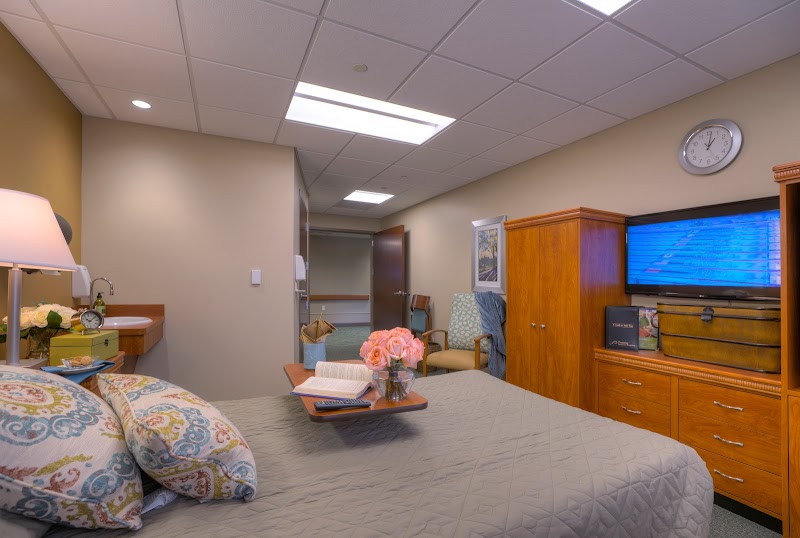
How is Shelby Health And Rehabilitation Center Staffed?

CMS rates Shelby Health and Rehabilitation Center's staffing level at 2 out of 5 stars, which is below average compared to other nursing homes. Staff turnover is 66%, which is 20 percentage points above the Michigan average of 46%. High turnover can affect care consistency as new staff learn residents' individual needs.

What Have Inspectors Found at Shelby Health And Rehabilitation Center?

State health inspectors documented 49 deficiencies at Shelby Health and Rehabilitation Center during 2022 to 2025. These included: 6 that caused actual resident harm and 43 with potential for harm. Deficiencies causing actual harm indicate documented cases where residents experienced negative health consequences.
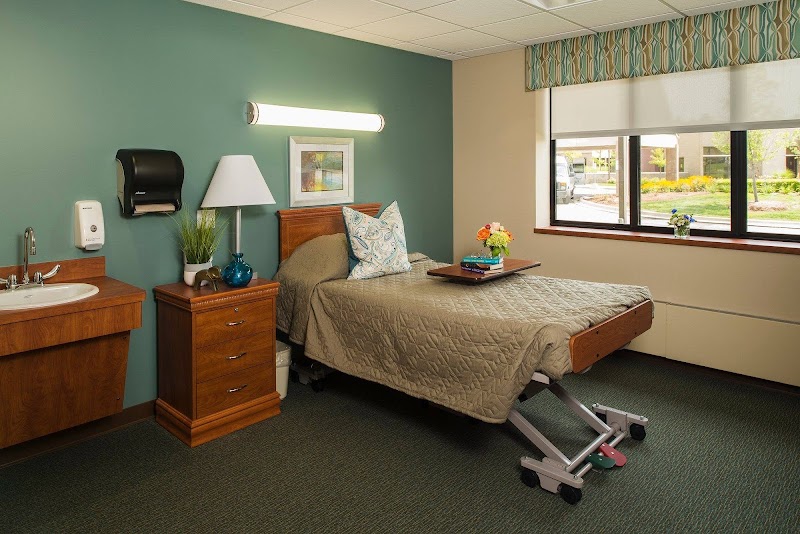
Who Owns and Operates Shelby Health And Rehabilitation Center?

Shelby Health and Rehabilitation Center is owned by a for-profit company. For-profit facilities operate as businesses with obligations to shareholders or private owners. The facility is operated by OPTALIS HEALTH & REHABILITATION, a chain that manages multiple nursing homes. With 212 certified beds and approximately 182 residents (about 86% occupancy), it is a large facility located in Shelby Township, Michigan.

How Does Shelby Health And Rehabilitation Center Compare to Other Michigan Nursing Homes?

Compared to the 100 nursing homes in Michigan, Shelby Health and Rehabilitation Center's overall rating (3 stars) is below the state average of 3.1, staff turnover (66%) is significantly higher than the state average of 46%, and health inspection rating (2 stars) is below the national benchmark.

What Should Families Ask When Visiting Shelby Health And Rehabilitation Center?

Based on this facility's data, families visiting should ask: "How do you ensure continuity of care given staff turnover, and what is your staff retention strategy?" "Can you walk me through typical staffing levels on day, evening, and night shifts?" "Can I visit during a mealtime to observe dining assistance and food quality?" "How do you handle medical emergencies, and what is your hospital transfer rate?" These questions are particularly relevant given the facility's high staff turnover rate and the below-average staffing rating.

Is Shelby Health And Rehabilitation Center Safe?

Based on CMS inspection data, Shelby Health and Rehabilitation Center has a clean safety record: no substantiated abuse findings (meaning no confirmed cases of resident harm), no Immediate Jeopardy citations (the most serious violation level indicating risk of serious injury or death), and is not on the Special Focus Facility watch list (a federal program monitoring the lowest-performing 1% of nursing homes). The facility has a 3-star overall rating and ranks #100 of 100 nursing homes in Michigan. While no facility is perfect, families should still ask about staff-to-resident ratios and recent inspection results during their visit.

Do Nurses at Shelby Health And Rehabilitation Center Stick Around?

Staff turnover at Shelby Health and Rehabilitation Center is high. At 66%, the facility is 20 percentage points above the Michigan average of 46%. High turnover means new staff may not know residents' individual needs, medications, or preferences. It can also be disorienting for residents, especially those with dementia who rely on familiar faces. Families should ask: What is causing the turnover? What retention programs are in place? How do you ensure care continuity during staff transitions?

Was Shelby Health And Rehabilitation Center Ever Fined?

Shelby Health and Rehabilitation Center has been fined $64,380 across 1 penalty action. This is above the Michigan average of $33,723. Fines in this range indicate compliance issues significant enough for CMS to impose meaningful financial consequences. Common causes include delayed correction of deficiencies, repeat violations, or care failures affecting resident safety. Families should ask facility leadership what changes have been made since these penalties.

Is Shelby Health And Rehabilitation Center on Any Federal Watch List?

Shelby Health and Rehabilitation Center is not on any federal watch list. The most significant is the Special Focus Facility (SFF) program, which identifies the bottom 1% of nursing homes nationally based on persistent, serious quality problems. Not being on this list means the facility has avoided the pattern of deficiencies that triggers enhanced federal oversight. This is a positive indicator, though families should still review the facility's inspection history directly.