South Lyon Senior Care and Rehab Center
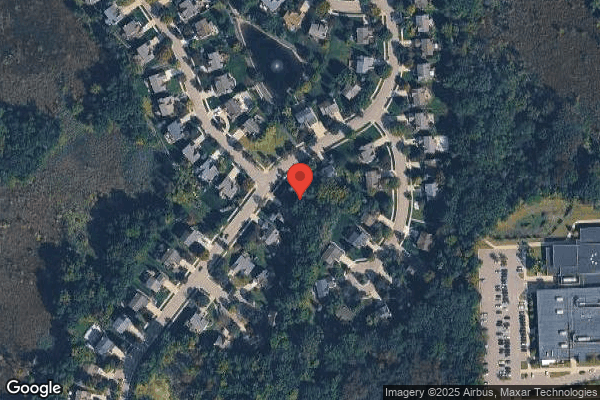
700 Reynolds Sweet Parkway, South Lyon, MI 48178 (248) 437-2048
For profit - Limited Liability company 74 Beds NEXCARE HEALTH SYSTEMS Data: November 2025
Trust Grade
75/100
#82 of 422 in MI
Last Inspection: February 2025

Within standard 12-15 month inspection cycle. Federal law requires annual inspections.

Overview

South Lyon Senior Care and Rehab Center has a Trust Grade of B, indicating it is a good choice among nursing homes, though not without its flaws. It ranks #82 out of 422 facilities in Michigan, placing it in the top half of the state, and #5 out of 43 in Oakland County, meaning only four local facilities perform better. Unfortunately, the facility is worsening; issues have increased significantly from 1 in 2024 to 6 in 2025. Staffing is relatively strong with a 4/5 star rating and a turnover rate of 38%, which is below the state average, suggesting that employees tend to stay longer and develop relationships with residents. However, there were serious incidents noted, including a failure to properly assess a resident's change in condition, which resulted in a family member calling 911 due to concerns of a possible stroke, and another incident where a cognitively impaired resident suffered multiple falls leading to serious injuries, indicating a need for improved monitoring and safety measures. Overall, while the facility has strengths in staffing and overall ratings, families should be aware of the rising concerns regarding resident care and safety.
Trust Score
B
75/100
In Michigan
#82/422
Top 19%
Safety Record
Moderate
Needs review
Inspections
Getting Worse
1 → 6 violations
Staff Stability
○ Average
38% turnover. Near Michigan's 48% average. Typical for the industry.
Penalties
✓ Good
No fines on record. Clean compliance history, better than most Michigan facilities.
Skilled Nurses
○ Average
Each resident gets 37 minutes of Registered Nurse (RN) attention daily — about average for Michigan. RNs are the most trained staff who monitor for health changes.
Violations
⚠ Watch
16 deficiencies on record. Higher than average. Multiple issues found across inspections.
★★★★★
5.0
Overall Rating
★★★★☆
4.0
Staff Levels
★★★★★
5.0
Care Quality
★★★★☆
4.0
Inspection Score
Stable
2024: 1 issues
2025: 6 issues

The Good

  • 4-Star Staffing Rating · Above-average nurse staffing levels
  • 5-Star Quality Measures · Strong clinical quality outcomes
  • Full Sprinkler Coverage · Fire safety systems throughout facility
  • No fines on record
  • Staff turnover below average (38%)

    10 points below Michigan average of 48%

Facility shows strength in staffing levels, quality measures, fire safety.

The Bad

Staff Turnover: 38%

Near Michigan avg (46%)

Typical for the industry

Chain: NEXCARE HEALTH SYSTEMS

Part of a multi-facility chain

Ask about local staffing decisions and management

The Ugly 16 deficiencies on record

2 actual harm
Sept 2025 1 deficiency 1 Harm
SERIOUS (G) 📢 Someone Reported This

A family member, employee, or ombudsman was alarmed enough to file a formal complaint

Actual Harm - a resident was hurt due to facility failures

Quality of Care (Tag F0684)

A resident was harmed · This affected 1 resident

This citation pertains to Complaint #2610789.Based on interview and record review, the facility failed to adequately assess, monitor, and treat in a timely manner a resident's change in condition for ...

Read full inspector narrative →
This citation pertains to Complaint #2610789.Based on interview and record review, the facility failed to adequately assess, monitor, and treat in a timely manner a resident's change in condition for one (R801) of one resident reviewed for change in condition, resulting in family calling 911 and the resident requiring treatment for hypoglycemia (low blood sugar) with a blood glucose level of 24 milligrams per deciliter (mg/dl). Findings include:A review of a complaint submitted to the State Agency revealed the complainant received a call from R801 on 9/8/25 at approximately 6:00 AM and the resident's speech was slurred, and the complainant could not understand him. The complainant contacted 911 because they were concerned R801 could be having a stroke. When the complainant provided the resident's name to the 911 operator, the operator told them R801 had been calling 911 since 3:00 AM for help and when an officer arrived at the facility, they were told by the staff R801 was fine. The complainant further noted that around 3:00 AM, they talked to a Certified Nursing Assistant (CNA) at the facility who asked them if R801 normally had difficulty speaking. The complainant told the CNA No and a nurse (Licensed Practical Nurse - LPN 'A') was put on the phone. The nurse told the complainant that R801 was fine and was just kicking his feet. The complainant told the nurse that was not the baseline for the resident, and something was wrong. It was further noted in the complaint that when the complainant got to the facility, EMS (emergency medical services) was loading R801 into the ambulance and he was taken to the hospital. The complainant alleged R801's blood sugar at the hospital was 24 (mg/dl) and he could not see, speak and barely move. According to the complainant, once R801 stabilized and was able to speak again, he said when he lost his vision and could not speak normally, he was afraid he was having a stroke, so he started calling out for help but was ignored by LPN 'A'. R801 was able to get a hold of his phone and called 911 and when the officer arrived, LPN 'A' told the officer nothing was wrong with the resident. The resident continued to call out for help and called 911 again and was told by LPN 'A' to stop calling 911 because he was bothering them. At that time, R801 called the complainant. The complainant alleged the facility was negligent in not addressing R801's change in condition when he was no longer at his baseline. A review of additional information provided by the complainant revealed they were notified that R801 had a bottle of acetaminophen and an electronic cigarette, and they thought he overdosed and was being monitored. An unannounced, onsite investigation was conducted on 9/11/25.A review of R801's hospital Discharge Summary revealed a diagnosis of hypoglycemia (According to the American Diabetes Association, https://diabetes.org/living-with-diabetes/hypoglycemia-low-blood-glucose, Low blood glucose is when blood sugar levels fall below 70 mg/dl).A review of R801's Emergency Documentation revealed R801 was brought to the emergency department (ED) on 9/8/25 at 6:38 AM. The following was documented, .Chief complaint: difficulty speaking .brought in by EMS for possible stroke. Last known well time was around midnight. Patient was noted to have difficulty speaking around 3 AM . Accu-Chek (blood glucose test) per EMS was 67 (mg/dl). Patient had slurred speech and right sided facial droop and weakness .Accu-Chek (in ED triage) was noted to be 27 therefore patient was given amp of D50 (50 milliliter container of Dextrose 50 percent solution) .patient's symptoms improved and patient is back to baseline. Serial Accu-Checks were performed in the ED his glucose did drop down to 44 therefore he was started on IV (intravenous) dextrose received another amp of D50 and the patient was fed .Final impression: Hypoglycemia A review of R801's clinical record revealed R801 was admitted into the facility on 9/2/25 and discharged to the hospital on 9/8/25 with diagnoses that included: major contusion of the left kidney, chronic obstructive pulmonary disease, and type 2 diabetes mellitus. A review of a Nx (Nursing) admission Assess (Assessment) form dated 9/2/25 revealed R801 was alert and oriented times four (to person, place, time, and situation), was on two liters of oxygen via nasal cannula, and required extensive assistance with bed mobility.A review of a Change in Condition Evaluation form dated 9/8/25 at 7:53 AM revealed R801 had Altered mental status change that started on the night of 9/8/25. The most recent blood pressure and temperature was from 9/7/25 at 11:04 AM and the blood glucose level was from 9/7/25 at 9:07 PM. It was documented on the evaluation that R801 had Increased confusion .abrupt significant change in cognitive function from usual .general weakness .mumbling of words/incoherent speech .physical aggression .kicking, disorientation and mumbling .acute decline in ADL (activities of daily living) abilities .unable to console, distract or reassure . It was documented the symptoms got better since the change in condition occurred when the nasal cannula was on nose. It was documented the primary care clinician was contacted on 9/8/25 at 5:46 AM and they said to keep an eye on him. A review of a Transfer Form dated 9/8/25 revealed it was not completed and was in progress. It was documented R801 was sent to the hospital on 9/8/25 at 6:30 AM for altered mental status. It was documented report was called in by Family.A review of R801's progress notes revealed the following:A Nurse's Note dated 9/7/25 at 11:06 AM that documented, resident alert, pleasant, makes needs known .denies pain. benefits from use of supplemental oxygen via nasal cannula. uses call light appropriately to make needs known .A Nurse's Note dated 9/8/25 at 3:52 AM, written by LPN 'A', documented, At approximately 03:30 am during routine rounding, resident was observed highly disoriented. He was kicking with his legs and mumbling and jumbling words that are incoherent. Resident also refused and kicked the phelebotomist that came to draw his blood. Nasal cannula was not on his nose. O2 (oxygen) sat (saturation) at the time was 79% RA (room air). Writer observed resident holding a (brand name) vape type of smoking pipe (electronic cigarette) in his left hand. One more piece of (brand name) vape and one container of Extra strength (brand name acetaminophen) was also found in resident's bag. Writer succeeded in putting back his nasal canula back on. His Current SPO2 (oxygen level) 98%, P (pulse) 68, R (respiratory rate) 22, B/P (blood pressure) 152/68, T (temperature). Resident currently calm and stable with eyes closed .Will continue to monitor.A Nurse's Note dated 9/8/25 at 5:43 AM, written by LPN 'A', documented, Resident awake now but still mumbles in his speech. He even dialed 911 with his phone and (city name) police came for wellness check and left. (Physician 'C') notified and she ordered that we continue to keep eye on him. Writer notified DON (Director of Nursing) as well. Will continue to monitor. A Nurse's Note dated 9/8/25 at 6:20 AM, written by LPN 'A', documented, Resident's family called the facility and stated that they have called 911 on behalf of the resident, and that they will come and take him to hospital. Writer notified DON and she okayed the request.A Physician's Note dated 9/8/25 at 6:49 PM, written by Physician 'C', documented, I received a call this morning from the nurse at the facility that resident is acting different, he was combative, restless and calling 911, per the staff when EMS arrived he was checked and found stable, so he was not transferred out, the nurse checked on him again and he did mention he is improving and back to his baseline so the recommendations is to monitor his progress, blood work, and UA (urinalysis) ordered.On 9/11/25 at 10:32 AM, an interview was conducted with CNA 'B' via the telephone. CNA 'B' was assigned to R801 on the midnight shift of 9/7/25. When queried about what happened with R801 on that shift, CNA 'B' reported R801 was normal for the first half of the shift and then R801's roommate called her in. When CNA 'B' entered R801's room, R801 was moaning and groaning and kicking in the air. CNA 'B' tried to get close, but he kept kicking. CNA 'B' explained R801 did not appear to notice that she was there. CNA 'B' got LPN 'A'. LPN 'A' saw a vape pen in R801's hand and took it out of his hand. CNA 'B' reported there was a half bottle of acetaminophen extra strength, and they were unsure if R801 took any of it. CNA 'B' further explained, LPN 'A' told her to get R801's vital signs and to monitor him. According to CNA 'B', R801's vital signs were normal when she took them. Around 5:30 AM, R801's family member called the facility and spoke with CNA 'B' and said R801 called them and they thought he was having a stoke because he could not talk. CNA 'B' checked on R801 and stated, To me he seemed the same. When queried about what she meant by the same, CNA 'B' reported he still seemed disoriented and unable to talk. CNA 'B' reported she got LPN 'A' and asked him to assess R801. LPN 'A' took over the phone call with the family, but the family had already contacted 911 at that point. CNA 'B' reported she thought R801 called 911 earlier because the police came, but EMS did not. They did not take R801 to the hospital until family called 911.On 9/11/25 at 11:25 AM, an interview was conducted with LPN 'A' via the telephone. LPN 'A' was assigned to R801 on the midnight shift of 9/7/25 going into 9/8/25. When queried about how he was alerted of R801's change in condition on 9/8/25, LPN 'A' reported around 3:30 AM he entered the room during routine rounding and saw him kicking with his legs and shouting. LPN 'A' reported R801 was not in his usual mood so I noticed something was really off. LPN 'A' reported R801's the nasal cannula that delivered R801's oxygen was out of his nostrils so he reapplied the oxygen and waited until his O2 came back up from 79% to the upper 90s. LPN 'A' reported once the oxygen level increased R801 stopped kicking. LPN 'A' further reported he noticed R801 had something in his hand which was identified as a vape. LPN 'A' reported they looked around and found another vape and a bottle of acetaminophen extra strength that was only one quarter full. LPN 'A' explained he was really concerned because the acetaminophen did not come from the facility and after finding the vapes my instinct told me he was under the influence of something or that he overdosed. LPN 'A' said he first contacted the DON who said he would be relieved by the Assistant Director of Nursing (ADON) in the morning and she would take the vapes and medication that was found. The DON also instructed to contact Physician 'C'. LPN 'A' reported he tried to contact Physician 'A' multiple times and she answered the phone around 4:00-4:30 AM. Physician 'C' asked what R801's condition was at that time and told her He is gradually coming back and not kicking anymore and she said to keep an eye on him. LPN 'A' said some time after that, a police officer arrived at the facility and said someone called 911. LPN 'A' went to R801's room with the police and he opened his eyes and kind of responded and the police said That's ok. He's in a safe place. He looks stable. When LPN 'A' asked why the police came, they said the call they received was a desperate call so they wanted to do a wellness check. LPN 'A' said EMS did not come with the police and no physical assessment was done on R801 at that time. LPN 'A' explained later there was a phone call from family and they said EMS was on their way to pick up R801. A few minutes EMS arrived.At that time, LPN 'A' was asked about the progress note at 5:43 AM that documented R801 was still mumbling his speech and called 911 and what he did about that. LPN 'A' explained that was when the police came and left. When queried about R801's mumbling and incoherent speech documented at 3:52 AM and 5:43 AM and if that was normal for R801, LPN 'A said R801 improved from the first time when he was kicking. LPN 'A' said when he first assessed R801 around 3:30 AM, R801 was kicking and mumbling and You couldn't even hear him speaking at all at that time. After he applied the oxygen, the kicking stopped, but R801 was still mumbling. LPN 'A' reported when the police came after R801 called 911, R801 started talking but it was not coherent. It was not as audible as it was before. LPN 'A' reported R801 typically had clear speech. When queried about whether he explained the changes in speech to Physician 'C' and the DON, LPN 'A' said he told them he was getting better. When queried about what that meant, LPN 'A' stated, I just meant compared to when I first saw him. Not compared to his baseline. When queried about why R801 was not assessed medically when the police arrived and sent to the hospital since R801 called 911, LPN 'A' reported the police said they were just there to make sure nobody escaped but said R801 was the person who called, and his phone was observed by the resident. When queried about whether R801's blood sugar was taken at any time during R801's change of condition since he had diabetes, LPN 'A' reported it was taken but he did not document it anywhere. On 9/11/25 at 12:36 PM, an interview was conducted with Physician 'C' via the telephone. When queried about what LPN 'A' contacted her about regarding R801 on the midnight shift of 9/7/25, Physician 'C' reported the nurse called and said R801 was acting different. That he was kicking and combative, but that he calmed down and returned to baseline. When queried about what was explained to her about R801's speech, Physician 'C' reported There was nothing about the speech. When queried about what was said about the acetaminophen and vapes found in R801's room, Physician 'C' said the nurse mentioned the vape, but she was unaware there was a concern that R801 took acetaminophen. Physician 'C' said because LPN 'A' said R801 was back to baseline she told him to continue to monitor the resident. When queried about whether she was aware R801 contacted 911, Physician 'C' said the nurse told her R801 called 911 and that EMS came and checked him out and they said he was fine. Physician 'C' said she thought he was back to baseline so said to continue to monitor him. Physician 'C' reported when the family called with concerns, that was when she said to send him out right away, but family already called 911. Physician 'C' planned to see R801 that morning, but he had already been transferred to the hospital. On 9/11/25 at approximately 1:00 PM, an interview was conducted with R801's roommate (at the time of the change in condition on 9/8/25). When queried about what happened with R801, R801's roommate said he pressed his call light because R801 was yelling help. R801's roommate said R801 kept calling 911 that night and screaming out which was not typical for the resident. R801's roommate said the police showed up and left and then EMS came later, and he went to the hospital.On 9/11/25 at 2:15 PM, an interview was conducted with the DON. When queried about what was reported to her regarding R801 on the midnight shift of 9/7/25, the DON reported the nurse called her and said R801 was a little agitated and wasn't sleeping and that a vape was found in his hands. The nurse said he took vitals, they were within normal range, and he said he was going to contact the physician. The DON reported the nurse was not sure if R801 had taken something but that R801 was improving. When queried about whether LPN 'A' reported R801 was improving since the change of condition or improving back to his baseline, the DON stated, That nurse wouldn't know his baseline because it's on the midnight shift. When queried about whether she was aware R801 called 911 that night, the DON reported she was aware. When queried about the facility's protocol if a resident contacted 911, the DON reported They didn't think he needed to go. When queried about whether she was aware that R801 was unable to talk clearly from the time the change of condition was identified and continued to have mumbled speech, the DON stated, He must have been talking to them (the police) because they didn't think he needed to go and further stated, Nursing judgment is subjective. When queried about whether a resident had the right to go to the hospital even if they were assessed as stable, the DON said if the resident called and stated he wanted to go, then he would be sent out. When queried about any grievances filed regarding R801, the DON said family wanted the nurse's last name and there was some confusion over who he was talking to on the phone because he asked for a nurse but gave CNA 'B's name. When queried about whether the facility conducted any investigation regarding R801's change in condition, the DON said an investigation was done to make sure the CNA was not giving family information that should have been given by the nurse. At that time, the DON was asked to provide the investigation, and she said she was not sure she had anything documented. When queried about whether she knew what happened with R801, the DON said she thought he was being discharged to another facility and was treated for hyperglycemia (high blood sugar). When queried about whether R801's blood sugar should have been checked as part of the nursing assessment during a change in condition, the DON said she thought it was. A review of an investigation provided by the facility revealed nothing about R801's change in condition and was only to address whether CNA 'B' gave the phone to LPN 'A' when R801's family called.A review of a facility policy titled, Acute Condition Changes - Clinical Protocol, undated, revealed, in part, the following, .Before contacting a physician about someone with an acute change of condition, the nursing staff will make detailed observations and collect pertinent information to report to the Physician; for example, history of present illness and previous and recent test results for comparison .Phone calls to attending or on-call physicians should be made by an adequately prepared nurse who has collected and organized pertinent information, including the resident's current symptoms and status .
Feb 2025 5 deficiencies
CONCERN (D)

Potential for Harm - no one hurt, but risky conditions existed

Deficiency F0645 (Tag F0645)

Could have caused harm · This affected 1 resident

Based on interview and record review, the facility failed to ensure a referral was made for a level II evaluation (a comprehensive evaluation completed by the local community mental health agency) for...

Read full inspector narrative →
Based on interview and record review, the facility failed to ensure a referral was made for a level II evaluation (a comprehensive evaluation completed by the local community mental health agency) for one (R49) of one residents reviewed for PASARR (Preadmission Screening/Annual Resident Review) screenings. Findings include: On 2/18/24 at approximately 12:01 PM, a review of R49's clinical record revealed the resident was initially admitted into the facility on 1/7/24 with diagnoses that included: hemiplegia and hemiparesis (weakness/paralysis) following cerebral infarction (stroke), generalized anxiety disorder and brief psychotic disorder ( according to the DSM-5/diagnostic and statistical manual of mental disorders, this diagnosis is a sudden onset of psychotic behavior that lasts less than one month - that includes at least one the following psychotic symptoms: delusions, hallucinations, disorganized speech, grossly disorganized or catatonic behavior) . A review of the resident's Minimum Data Set (MDS) revealed the resident had a Brief Interview for Mental Status (BIMS) score of 15/15 (cognitively intact cognition). A review of a PASARR Level I Screening form (DCH-3877) signed and dated on 1/9/24 by Social Worker (SW) E revealed R49 had diagnoses of mental illness indicated by marking 'Yes' in section II. The diagnoses included: Mood d/o (disorder) with depression, Brief Psychotic D/O, Adjustment d/o with adjustment d/o with anxiety .Rx (prescription): Celexa, Seroquel. The instructions on the form included If any answers to items 1-6 section II is 'Yes, send ONE copy to the local Community Mental Health Services Program (CMHSP), with a copy of form DCH-3878 if an exemption is requested . A Mental Illness/Intellectual Disability/Related Condition Exemption Criteria Certification - Level II Screening Form with instructions that read The patient screened shall require a comprehensive LEVEL II evaluation UNLESS any of the exemption criteria below is met and certified by a physician's assistant, nurse practitioner or physician. Indicate which exemption applies . The form contained R49's name , date of birth , facility address and phone number - The Exemption Criteria was blank and no signature was noted below the document. On 2/19/25 at 9:25 AM, an interview was conducted with SW E . When queried about the Level II evaluation for R49 , SW 'E' reported they would look for it. On 2/19/25 at approximately 2:18 PM, a follow up interview was conducted with SW 'E. SW 'E' reported a 3878-exemption form was in error as the resident did not have a dementia diagnosis. SW 'E was not able to provide a level II evaluation. The facility was asked to provide their PASARR policy. A form (DCH-3877) was provided that documented, in part, the following: .This form is used to identify prospective and current nursing facility residents who meet the criteria for mental illness .who may be in need of mental health services. Section II and III must be completed .Change in Condition. This form must be completed by the nursing facility .Section II .all 6 items .must be completed .When there are more than Yes answers under Section II, complete form DCH-3878 .if referring agency is seeking to establish exemption criteria .
CONCERN (D)

Potential for Harm - no one hurt, but risky conditions existed

Accident Prevention (Tag F0689)

Could have caused harm · This affected 1 resident

**NOTE- TERMS IN BRACKETS HAVE BEEN EDITED TO PROTECT CONFIDENTIALITY** Based on observation, interview and record review, the facility failed to ensure safe positioning of a resident's bed in proximi...

Read full inspector narrative →
**NOTE- TERMS IN BRACKETS HAVE BEEN EDITED TO PROTECT CONFIDENTIALITY** Based on observation, interview and record review, the facility failed to ensure safe positioning of a resident's bed in proximity to a wall heating unit and ensure a complete and thorough investigation into the circumstances of the incident for one (R164) of four residents reviewed for accidents. Findings include: On 2/18/25 at 11:00 AM, R164 was observed laying in bed, on a bariatric sized adaptive mattress. The resident was able to participate with small, basic discussion but was unable to provide any specific details about their situation. During a brief record review, a nursing progress note on 2/12/25 at 3:16 PM read, .Writer went to assess resident's finger. Yesterday, therapy observed blister to right ring fingertip. Resident is unable to communicate with staff effectively and has limited bed mobility, leans to the right in bed. Resident was lying in bed, bed <sic> at this time was against the wall which was touching the heater. Heater caused the bed frame to become hot to touch. Residents finger was touching bed frame and blister formed. Blister is closed, current treatment order to monitor and no dressings in place. MD (Physician) and family aware. Resident doesn't appear to have any pain related to blister. On 2/18/25 at 1:13 PM, an interview was conducted with R164's daughter who was visiting at bedside. When asked about the resident's finger burn, the daughter reported it was the resident's right ring finger and the daughter then picked up the resident's right arm to show the area. The resident's right ring finger tip was observed covered with a thick, purplish/yellow blister-like cap. Upon lifting the arm, the resident yelled out Oh that hurts. When asked how they think that occurred, the daughter reported they had no idea but did state the resident had been in a bed that was lower and might have been too close to the heat cover along the wall. Observation of the area along the wall of R164's current bed revealed a heating unit that ran under the window and along the wall next to the right side of the resident's bed that also had a small wood ledge above the unit. Review of the clinical record revealed R164 was admitted into the facility on 2/5/25 with diagnoses that included: other toxic encephalopathy, encounter for attention to gastrostomy, tachycardia, chronic kidney disease, morbid obesity due to excess calories, type 2 diabetes mellitus without complications, ulcerative colitis unspecified with intestinal obstruction, thyrotoxicosis, ileus, acute embolism and thrombosis of right peroneal vein, acute kidney failure, and personal history of transient ischemic attack (TIA) and cerebral infarction without residual deficits. According to the Minimum Data Set (MDS) assessment dated [DATE], R164 had severe cognitive impairment, had communication deficits and was sometimes understood and could sometimes understands others, had upper and lower extremity impairment on both sides, and had no skin concerns. R164's care plans and assessments identified the resident required two person max assist with a Hoyer lift and was totally dependent upon staff for all aspects of care. A skin management care plan initiated on 2/5/25, revised on 2/19/25 by Clinical Corporate Nurse (Nurse 'J') documented .Blister right ring finger with two interventions added on 2/12/25. One of the interventions pertained to the blister and read, Monitor right ring finger for s/s (signs/symptoms) infection or changes in blister. Review of the skin and wound evaluations included an assessment dated [DATE] (one day post discovery) which documented, .Blister .Right Plantar - 4th Digit (Ring Finger), Tip .In-House Acquired .Exact Date: 2/11/2025 .Wound Measurements .Area 1.3 cm2 (square centimeter), Length 1.5 cm, Width 1.1 cm, Depth Not Applicable .Intact Blister .Wound Pain: 0 .Orders (left blank) .Treatment .Soap & Water .No dressing applied . The section for notifications had check marks next to Practitioner Notified, Resident/Responsible Party Notified and Therapy (Physical, Occupational and Speech Therapy) were noted as notified with a check mark, but there was no information documented for the prompting to enter the name of who was notified (left blank). Review of the eINTERACT Change in Condition Evaluation dated 2/12/25 at 2:57 PM completed by the Assistant Director of Nursing (ADON) read, .The change in condition, symptoms or signs I am calling about is/are .Skin wound or ulcer .This started on: 2/11/2025 .What time of day did this start? 1. Morning .Skin Evaluation .3. Blister .Describe the blister: 1. Secondary to any burn more than a minor one .Right ring fingertip .Pain Evaluation .Is the resident cognitively able to rate their pain scale? .2. No .(The 5 questions to evaluate the cognitively impaired resident were all None or normal) .What do you think is going on with the resident: .RN: I think the problem may be: Resident has limited mobility, is unable to tell staff when she gets hot, bed was up against the heater and frame of bed got hot, resident burned finger on bed frame .Reported to primary care clinician: [Name of Physician 'I'] .2/11/2025 2300 .Orders obtained from the clinician (blank) .Name of family/healthcare agent notified: [name of husband] .Date and time of family notification: 2/12/2025 1500. (This assessment and care plan were not documented as completed until 2/12/25, despite the incident being identified on 2/11/25. The husband was attempted to be contacted for an interview but was not available. Review of R164's physician notes with Attending Physician/Medical Director (Physician 'I') on An entry on 2/14/25 at 12:08 PM , 2/14/25 at 7:40 PM, included conflicting documentation of R164 being Alert, not oriented to time place or person .Patient 4 person hoyer lift max assit <sic> with transfers .Patient is alert oriented times 3 (person, place and time) . There was no mention of the blister or incident from 2/11/25 and the physician's section for SKIN was blank. Review of the physician's progress notes from 2/10/25 to 2/19/25 revealed although the documentation identified the resident was evaluated by Physician 'I' on 2/10, 2/12, and 2/14, there was no mention of R164's incident with the blister found on 2/11/25 or any skin condition (the section for SKIN had no further details - blank). Additionally, Physician 'Is documentation from a late entry created on 2/14/25 at 7:39 PM for 2/12/25 at 7:37 PM and another entry on 2/14/25 at 7:40 PM both revealed conflicting documentation pertaining to R164's mental status and level of assistance required with transfers which read, .ALERT, NOT ORIENTED TO TIME PLACE OR PERSON .PATIENT IS ALERT ORIENTED TIMES 3 (Person/Place/Time) .PATIENTI <sic> 4 PERSON HOYER LIFT MAX ASSIT <SIC> WITH TRANSFERS . Further review of the progress notes revealed the there was no documentation initiated on the date the blister was found. The progress notes, eINTERACT Change in Condition Evaluation, incident/accident report, and care plans were all dated as initiated on 2/12/25 (later in the afternoon). The first mention of the identification of the blister in the progress notes was an entry on 2/12/25 at 3:16 PM by the ADON which read, Writer went to assess resident's finger. Yesterday, therapy observed blister to right ring fingertip. Resident is unable to communicate with staff effectively and has limited bed mobility, leans to the right in bed. Resident was lying in bed, bed at this time was against the wall which was touching the heater. Heater caused the bed frame to become hot to touch. Residents finger was touching bed frame and blister formed. Blister is closed, current treatment order to monitor and no dressing is in place. MD and family aware. Resident doesn't appear to have any pain related to blister. The only nursing progress note documented on 2/11/25 was an entry at 4:13 AM (before the incident). On 2/19/25 at 9:01 AM, the facility was requested to provide all incident/accident reports and facility investigations for R164. Review of the documentation provided revealed an incident report which included: .Skin Alteration Date: 2/11/2025 10:00 .Person Preparing Report: [Name of ADON] .Was notified by therapy when working with resident that resident had blister on right ring finger .Description: Monitoring blister. Notified family, MD, management. Resident unable to tell staff when she is hot, bed is currently up against the wall. Heater made bed frame hot and resident had finger on bed frame .Injury Type Other, Specify in Notes .Oriented to Person .Statements .No Statements Found .Agencies/People Notified .Assistant Director of Nursing .Date 2/12/2025 15:16 (3:16 PM), Director of Nursing (DON) Date 2/12/2025 15:15 (3:15 PM), Physician .Date 2/11/2025 23:15 (11:15 PM - approximately 13 hours after the blister was observed) The Notes section of this report documented: 2/12/2025 Investigative Summary: r/t (related to) skin alteration on 2/11/25. Resident observed by therapy with blister on right ring fingertip. Resident unable to communicate effectively with staff or move in bed adequately. MD, family and management notified. Treatment order initiated (*There was no treatment ordered.) Root Cause: Resident is non-ambulatory requiring assistance for transfers. Resident often leans to the right side. BIMs (Brief Interview for Mental Status Exam) of 3 which is indicative of severe impairment. Resident was lying in bed, which was positioned alongside the wall against the heater. Heater caused be frame to become hot. Resident had hand touching bed frame and blister formed on right ring fingertip. Intervention: Resident is being moved to bed 1 in current room, which is not against the heater. Blister is being monitored. Currently blister is closed, and no dressing is in place. IDT (interdisciplinary team)reviewed and care plan updated. There was no additional documentation provided for review such as details of the staff that identified the blister, who the staff were that provided R164 care on 2/11/25, what was done on the date it was discovered (2/11) since all documentation reflected this was completed on 2/12/25, and whether the facility had assessed similar residents, room environment/heater and bed positioning, education or interviews/statements. On 2/19/25 at 1:05 PM, an interview was conducted with the DON and Corporate Clinical Nurse (Nurse 'J'). When asked to review the details of R164's blister that was identified on 2/11/25, Nurse 'J' reported it was an injury of unknown origin, but because the bed was close to the wall, they had even questioned about how that occurred. The concern was the bed frame was warm that day, so we took steps to remedy. When asked about the lack of details in the facility's investigation such as who found it, when staff had last checked on the resident, etc, both the DON and Nurse 'J' confirmed those details were not included in the report. Nurse 'J' reported they would have to continue to work on educating the ADON as they were new to that role and not familiar with long-term care requirements. When asked why the documentation wasn't initiated until the following day, Nurse 'J' reported they weren't sure but thought it had started on 2/11/25. When asked about the lack of physician assessment following the incident, despite the documented visits on 2/12 and 2/14, Nurse 'J' reported they had identified that concern as well when they were reviewing the documentation. When asked about the lack of staff interviews to determine when the resident was last checked, or obtain other pertinent details, the DON reported the hallway R164 resided on doesn't have specific room assignments and the nursing assistants do all the rooms. When asked about what was implemented following the incident, the DON reported they immediately moved the resident to the bed by the door. However this was not reflected on the resident's census information as completed until 2/12/25. When asked about the dates, both the DON and Nurse 'J' reported they weren't sure and Nurse 'J' reported that had something to do with the business office and the billing system. At 1:21 PM, the ADON entered the room and was asked about what they could recall about the events on 2/11/25. The ADON reported they were notified on 2/11 and they moved the resident from bed 2 to bed 1 and the next day we got the bariatric air mattress ordered and couldn't set it up so they moved bed 1 back to bed 2 and (name of Maintenance Director) put breaks on so it (the bed) wouldn't be against the heater. When asked about their documentation that shows it was initiated on 2/12, not on 2/11, the ADON was unable to offer any further explanation. At that time, the DON and Nurse 'J' were asked about the lack of Physician documentation to address the blister, as well as the discrepancies in the physician assessment regarding the mental status and transfer status and Nurse 'J' acknowledged the concern and further reported they had previously had discussion with Physician 'I' about their documentation. They were informed of the request to speak to Physician 'I' who was currently out of the country. On 2/20/25 at 8:37 AM, a phone interview was conducted with Physician 'I'. When asked about their lack of documentation for R164's blister (change of condition) and when they were notified, they reported they were notified when it was seen by nursing (unable to identify exact date) and they saw the resident on Friday (2/14/25). When asked why their documentation didn't reflect any evaluation or mention of the blister, Physician 'I' reported they forgot to include that but reported they did see R164 on Friday. When asked who had notified them of the blister initially, they reported it was [Name of ADON] who called me. When asked about their progress note they added to the clinical record this morning at 5:39 AM which read, Patient was seen and examined on 2/14/25 Noticed by patients nurse on 2/12/25 a new blister on the Right ring finger. Patient is not a good historian as per the staff patients finger may have touched the heater on the wall next to her bed. Patient denied pain. O/E (On examination) there is single intact blister on the pad of the right middle finger Orders given to inform MD for increased pain erythema pain or drainage from the blister site., Physician 'I' reported they missed documenting that and once they were informed (after it was identified as a concern during survey) they added this documentation. When asked about their conflicting documentation in their assessments for them being notified on 2/12/25 when it had been identified on 2/11/25, as well as the resident being alert and oriented x 3 and then not oriented to person, place, and time, and requiring 4 person assist with hoyer when it was only two, Physician 'I' did not respond about the conflicting dates and reported that was an error and the resident's cognition does fluctuate and they only required two person assist with hoyer lift. When asked if they copy and pasted their notes from previous visits, how did they ensure their documentation was accurate to reflect current status, Dr. T reported they sometimes did (copy and paste) but if it's an incident they usually do put a note in, like for a fall or wound. On 2/20/25 at 9:20 AM, an interview was conducted with the Therapy Manager (Staff 'G') who confirmed they were the therapist that identified R164's fingertip blister. When asked to explain the events of when it was first seen, Staff 'G' reported when R164 was working with them in the gym, they were working on their core and there was three therapists working with the resident and they put the resident's hands on the bars to lean forward, and that's when Staff 'G' noticed the resident's finger looked different. When asked what happened following that, Staff 'G' reported they went straight to (name of Administrator and DON) and told them Hey I think this was from the bed. When asked if they happened to see the bed on 2/11/25, Staff 'G' reported they had and it was warm. They further reported that although there was a piece of wood on top and along the wall, the bed was lower and got very hot and R164 can't verbalize to you. Staff 'G' reported the resident's stoke prevented them from feeling pain and was unable to tell them if they were in pain. They reported often during treatment, when they say the resident was difficult to determine if in pain, they meant the resident can't verbalize their pain level and what they need. When asked about the observation during the interview with R164's daughter and the resident verbalizing Oh that hurt, Staff 'G' reported R164 will do that with any limb that you move, they are unable to tell you where the pain is, think it's their sensory reception. Staff 'G' further reported In their professional opinion, they were not sure if it's actual pain or not, since when they did active and passive range of motion, it's the same movement and response. When asked what they could recall was done following the incident being reported, Staff 'G' reported the resident was moved to the other side of the room but needed an extended air mattress and was given a new bed which was currently in place. When asked if anyone had asked them to provide documentation of their account of the incident, they reported they were not. On 2/20/25 at 12:30 PM, an interview was conducted with the Administrator. They were informed of the concern with the incident that occurred and lack of thorough investigation, including conflicting times/dates documentation was completed by both nursing staff and Physician I' and they acknowledged the concerns. According to the facility's policy titled, Accidents and Incidents - Investigating and Reporting dated December 2011: .The following data, as applicable, shall be included on the Report of Incident/Accident form .The circumstances surrounding the accident or incident .The name(s) of witnesses and their accounts of the accident or incident .The time the injured person's Attending Physician was notified, as well as the time the physician responded and his or her instructions .The date/time the injured person's family was notified and by whom .Any corrective action taken .Follow-up information .Other pertinent data as necessary or required .
CONCERN (D)

Potential for Harm - no one hurt, but risky conditions existed

Unnecessary Medications (Tag F0759)

Could have caused harm · This affected 1 resident

Based on observation, interview, and record review the facility failed to ensure a medication error rate less than five percent when two medication errors were observed from a total of 29 opportunitie...

Read full inspector narrative →
Based on observation, interview, and record review the facility failed to ensure a medication error rate less than five percent when two medication errors were observed from a total of 29 opportunities for two residents (R#'s 20 and 52) of four residents observed during medication administration, resulting in a medication error rate of 6.9%. Findings include: On 2/18/25 at 9:07 AM, Nurse 'B' was observed preparing medications for administration to R20. Upon completion of the preparation, Nurse 'B' administered the medications including one nasal spray (ipratropium) for the treatment of a runny nose associated with allergies or the common cold. At the end of the observation, Nurse 'B' confirmed all medications due at that time were given. On 2/20/25 at 9:41 AM, the medications administered to R20 were compared against their physician's orders and Medication Administration Record (MAR). At that time, it was discovered R20 had a second nasal spray (fluticascone propionate) for the treatment of allergies to be administered with their morning medications that was not observed as administered on 2/18/25, but had been signed out as given. On 2/19/25 at 8:18 AM, Nurse 'K' was observed preparing medications for R52. Nurse 'K' prepared multiple medications including a fluticasone propionate nasal spray. Nurse 'K' entered the room and gave R52 the bottle of nasal spray. Nurse 'K' did not instruct R52 how many sprays to administer into each nostril and R52 was observed to nasally inhale three sprays in their left nostril and two sprays in their right nostril. On 2/20/25 at 9:50 AM, R52's physician's orders and MAR were reviewed and revealed the instructions for the propionate nasal spray were to nasally inhale one spray in each nostril. On 2/20/25 at 11:05 AM, an interview was conducted with the facility's Director of Nursing (DON). They were made aware of the omitted medication for R20 and acknowledge the concern. The were then asked if R52 should have been instructed on the use of the nasal spray and said they should have been. A review of a facility provided policy titled, Administering Medications was reviewed and read, Medications shall be administered in a safe and timely manner, and as prescribed .
CONCERN (D)

Potential for Harm - no one hurt, but risky conditions existed

Deficiency F0810 (Tag F0810)

Could have caused harm · This affected 1 resident

**NOTE- TERMS IN BRACKETS HAVE BEEN EDITED TO PROTECT CONFIDENTIALITY** Based on observation, interview, and record review, the facility failed to ensure the consistent use of assistive devices for ea...

Read full inspector narrative →
**NOTE- TERMS IN BRACKETS HAVE BEEN EDITED TO PROTECT CONFIDENTIALITY** Based on observation, interview, and record review, the facility failed to ensure the consistent use of assistive devices for eating for one resident (R59) of seven residents reviewed for dining. Findings include: On 2/18/25 at 8:57 AM, R59 was observed in their bed eating breakfast. R59 was non-verbal but appeared to appropriately answer simple yes/no questions by nodding/shaking their head. A review of their meal ticket indicated all cups should contain lids and a maroon mug with a lid was used for hot liquids. R59's tray contained a cup of juice and a cup of chocolate shake supplement without lids or straws. On 2/18/25 at 12:47 PM, R59 was in their room with a lunch tray that contained a bowl of tomato soup. Certified Nurse Aide (CNA) 'L' was in the room and poured the soup into a coffee mug with no lid, saying it was easier for R59 to consume. The cup was not observed to be the maroon cup with a lid as indicated on their meal ticket. It was further observed a glass of apple juice and a cup of chocolate shake supplement were provided with the tray but did not have lids on them. On 2/19/25 at 11:13 AM, a review of R59's Dietary Profile assessment dated [DATE] was conducted and read, .Lidded Cups with Straw; Maroon Mug with Lid. Divided Plate . On 2/20/25 at 9:18 AM, an interview was conducted with Speech Language Pathologist/Therapy Manager 'G'. They were asked about the recommendations for R59 to have lidded cups with straws and lidded mugs and said it was to prevent spillage of the drinks, promote safety with hot liquids, and to slow down the rate of intake to prevent aspiration. They further indicated all cold drinks should have lids and straws and hot liquids should be in the burgundy mug with a handle an lid with the small opening for drinking. A request for a policy on adaptive dining equipment was made and not provided, however the Administrator e-mailed the following on 2/20/25 at 10:56 AM, .we do not have an adaptive equipment for dining policy. Therapy evaluates residents upon admission and works with nursing and dietary staff to communicate resident needs.
CONCERN (E)

Potential for Harm - no one hurt, but risky conditions existed

Safe Environment (Tag F0584)

Could have caused harm · This affected multiple residents

**NOTE- TERMS IN BRACKETS HAVE BEEN EDITED TO PROTECT CONFIDENTIALITY** On 2/18/25 at 8:55 AM, the privacy curtain between bed 118-1 and 118-2 was observed to be heavily soiled with yellow and brown s...

Read full inspector narrative →
**NOTE- TERMS IN BRACKETS HAVE BEEN EDITED TO PROTECT CONFIDENTIALITY** On 2/18/25 at 8:55 AM, the privacy curtain between bed 118-1 and 118-2 was observed to be heavily soiled with yellow and brown stains. On 2/18/25 at 12:11 PM, an observation of the Burgundy [NAME] unit was conducted and revealed the following: The toilet in room [ROOM NUMBER] had fecal matter on the rim. The bathroom floor had sandpaper type strips adhered that were coming unpeeled from the tile. Underneath the soap dispenser was a large patch of unsanded, unpainted drywall mud. The drip tray for the soap dispenser had an accumulation of pinkish/brown liquid contained in it. The sink plumbing in room [ROOM NUMBER]'s bathroom were exposed with a build-up of dust and cobweb debris. Visitors in the room had complaints about the exposed dirty plumbing and the heavily soiled privacy curtain. They said they didn't think the curtain had been changed in a, couple of years. The bathroom sink plumbing in room [ROOM NUMBER] was observed with a large accumulation of dust and cobwebs on the pipes along with dust and stains on the wall adjacent to the plumbing under the sink. It was observed the bathroom had two large soap dispensers mounted to the wall, with only one containing a soap bottle. The drip tray for the soap dispenser containing soap had an accumulation of pinkish/brown liquid contained in it. The toilet in the bathroom of room [ROOM NUMBER] was observed with a commode placed over the bowl. It appeared the majority of the metal legs and crossbars of the commode were without the light gray paint and took on a dark red/brown rusty appearance. It was further observed a large yellow stain on the base of the white porcelain toilet where the base met the floor. The bathroom floor in room [ROOM NUMBER] appeared soiled with paper and rubbish debris scattered around. The white toilet bowl had light green streak stains and a faint black ring at the level of the water in the bowl. The wall under the sink in the bathroom of room [ROOM NUMBER] had areas of chipped paint and brown stains. In room [ROOM NUMBER], the wall along and under the sink was soiled with chipped paint and brown smears. It was observed the bathroom had two large soap dispensers mounted to the wall, with only one containing a soap bottle. The drip tray for the soap dispenser containing soap had an accumulation of pinkish/brown liquid contained in it. The bathroom in room [ROOM NUMBER] had two large soap dispensers mounted to the wall, with only one containing a soap bottle. The drip tray for the soap dispenser containing soap had an accumulation of pinkish/brown liquid contained in it. The toilet bowl appeared with a stain ring at the level of the water and the toilet paper dispenser was missing the front plastic cover. Based on observation, interview, and record review, the facility failed to provide a safe, clean, homelike environment, in 12 resident rooms (Room #s 101, 106, 108, 111, 114, 115, 117, 118, 119, 120, 122, and 123), in multiple shower rooms and throughout the hallways. Findings include: On 2/18/25 between 11:00 AM - 2:00 PM, observations of the A and B halls revealed the following environmental concerns: room [ROOM NUMBER]-1 was observed to have damaged drywall near the right side of the bed that was heavily gouged out. The flooring of the room contained scattered wrappers. room [ROOM NUMBER]-2 was observed to have an overbed light that was approximately five to six inches long (unable to be reached by the resident). The flooring near and under the resident's bed had scattered debris. The central shower on A hall was observed to have a heavily soiled privacy curtain covered in various dark stains. room [ROOM NUMBER]-1 and 106-2 were observed to have soiled privacy curtains with heavy staining and the flooring was littered with scattered debris and dirt. room [ROOM NUMBER]-1 was observed to also have a wall next to the right side of their bed that had multiple sticker residue, scratches and the bedside dresser was observed to have the top edging of the dresser hanging down which exposed the particle board underneath (porous material and unable to be properly sanitized). Both residents requested to observe the toilet as there was poop on the toilet that had been there for at least a few days. The Bathroom shared by 106-1 and 106-2 was observed to have a dark fecal-like substance stuck on the inner portions of the toilet bowl. Additionally, the sink caulking was split and the elevated commode placed over the toilet was observed to have multiple areas of peeled coating with exposed rust. room [ROOM NUMBER]-1 was observed to have a heavily soiled privacy curtain. The wall next to the bed was observed damaged with heavily gouged out drywall room [ROOM NUMBER]-2 was observed to have a privacy curtain that was soiled with stains and there was multiple scattered debris throughout the flooring of the room. room [ROOM NUMBER]-2 was observed to have a heavily soiled privacy curtain with dark stains. On 2/19/25 at 11:10 AM, additional observations of the A and B hall environment revealed: room [ROOM NUMBER]-1 and 106-2 were observed to continue to have soiled privacy curtains with heavy staining and the flooring was littered with scattered debris and dirt. room [ROOM NUMBER]-1 was observed to also have a wall next to the right side of their bed that had multiple sticker residue, scratches and the bedside dresser was observed to now have the top edging removed, but the exposed particle board edges remained. The bathroom shared by 106-1 and 106-2 was observed to continue to have dark brown fecal-like substance on the inner portions of the toilet bowl (as observed on 2/18/25). The sink caulking remained split and the elevated commode placed over the toilet was observed unchanged from 2/18/25. room [ROOM NUMBER]-1 and 108-2, the flooring in the room remained soiled with various debris and garbage under the beds and behind the toilet in the shared bathroom. On 2/19/25 at 11:18 AM, an interview was conducted with the Administrator. When asked about their housekeeping department, they reported Housekeeping Supervisor (Staff 'C') was in charge of that and when asked if they were fully staffed, the Administrator reported they were, seven days a week. At that time, the Administrator was requested to observe the A hall and confirmed the same findings as identified above. When asked about the privacy curtains, the Administrator reported they had identified several concerns with the environment when they began working at the facility in June 2024 and were also a part of their environment rounds the department heads did Mondays, Tuesdays, and Fridays. They also reported they and (Corporate Staff) did environmental rounds. When asked to provide that documentation for review, they reported they weren't sure they had to keep them but would provide a blank copy. The Administrator reported the privacy curtains were on back-order and had done an audit in November 2024 and replaced about eight. They further reported in the meantime, the facility cleaned the ones they could, but the stains might remain visible. The Administrator was asked about the soiled flooring and reported the floors were stripped but due to colder temperatures and stronger odors of the chemicals, they were waiting to resume the flooring until it was warmer. When asked about the scattered debris and garbage throughout the flooring, the Administrator reported that should be done daily. Upon observation of the bedside dresser in room [ROOM NUMBER]-1, the Administrator reported they would likely have to add that to their room rounds as dressers weren't on there but confirmed the current condition was a concern. On 2/19/25 at 11:30 AM, an interview was conducted with the Housekeeping Director and the Administrator. The Administrator reviewed the concerns identified during the earlier observations and the Housekeeping Director was directed by the Administrator to locate privacy curtains. On 2/19/25 at 11:45 AM, an interview was conducted with the Housekeeping Supervisor (Staff 'C'). At that time, when asked to observe several resident rooms, Staff 'C' confirmed the same observations of the soiled walls, flooring, and fecal matter on toilet. Staff 'C' reported their staff wasn't finished cleaning the hallways for the day, but was informed the same concerns were observed on 2/18/25 and today. Upon observation of the hallway behind the A hall fire door, there was a build-up of dust, debris and webbing. Staff 'C' reported they would have to follow up with their staff on what they should be cleaning. On 2/19/25 at 12:26 PM, the Administrator reported they did not keep the room round audits but were aware they should keep those now. Review of the documentation provided by the facility in regard to the privacy curtains included an initial privacy curtain quote for two cubicle curtains with [name of linen provider] and a second quote on 1/27/25 for four cubicle curtains. On 2/20/25 at 9:46 AM, a phone interview was conducted with an unidentified representative from the linen service provider. They were asked to confirm if there have been any concerns with delay in or back-order of privacy curtains and they reported they would follow-up. There was no return call by the end of the survey. Review of the privacy curtain audits provided included audits done in October 2024 and February 2025 (2/19/25 after concerns were brought to the facility's attention). The audits revealed numerous concerns labeled dirty. Some were noted as being replaced, and others had additional dates, or were marked clean but noted as replaced. On 2/20/25 at 12:30 PM, the Administrator was asked about the smaller-sized order for the privacy curtains (two in October and four in January) despite the larger number of soiled privacy curtains observed currently, and they reported that some were able to be replaced, but others were cleaned, but the stains remained. Review of the documentation provided for a request of a facility policy for clean, comfortable, homelike environment revealed there was no policy, but a copy of the regulation which read, .Environment The facility must provide (1) A safe, clean, comfortable, and homelike environment .(2) Housekeeping and maintenance services necessary to maintain a sanitary, orderly, and comfortable interior .
Jan 2024 1 deficiency 1 Harm
SERIOUS (G) 📢 Someone Reported This

A family member, employee, or ombudsman was alarmed enough to file a formal complaint

Actual Harm - a resident was hurt due to facility failures

Accident Prevention (Tag F0689)

A resident was harmed · This affected 1 resident

**NOTE- TERMS IN BRACKETS HAVE BEEN EDITED TO PROTECT CONFIDENTIALITY** This citation pertains to Intake #MI00140638 This citation has two deficient practices. Deficient practice #1 Based on observat...

Read full inspector narrative →
**NOTE- TERMS IN BRACKETS HAVE BEEN EDITED TO PROTECT CONFIDENTIALITY** This citation pertains to Intake #MI00140638 This citation has two deficient practices. Deficient practice #1 Based on observation, interview and record review the facility failed to consistently monitor and ensure appropriate interventions were in place for one (R171), a severely cognitively impaired resident with a history of falls and wandering, out of four residents reviewed for abuse/accidents, resulting in multiple falls leading to a hip fracture, skin tears requiring sutures, bruising, pain and hospitalizations. Findings include: On 1/22/24 at approximately 1:09 PM, R171 was observed in their room in bed. The resident had gauze wrapped around their left wrist and lower arm. The resident was alert. When asked questions regarding the gauze on their arm and possible falls in the facility, R171 was not able to provide any specific responses and appeared extremely confused as to their present location. Review of R171's clinical record revealed the resident was initially admitted to the facility on [DATE], had readmits on 12/30/23, and the last admission date was 1/15/24. The resident had diagnoses that included: repeated falls, unspecified dementia, left acetabulum fracture and bipolar disorder and Wernicke's Encephalopathy (brain damage often caused by lack of vitamin B1 for those with an alcohol disorder). A review of the resident Minimum Data Set (MDS) noted the resident had a Brief Interview for Mental Status (BIMS) score of 6/15 (severely cognitively impaired) and required extensive one person assist for most activities of daily living. Continued review of R171's clinical record documented, in part, the following: 4/14/23: Hospital Physical Therapy/Discharge Notes: .Reason for admission: .confirmed Right Proximal humerus fracture .Precautions: fall precautions/weight bearing restrictions .personal safety alarm .Mental status: confused .Cognitive Function: attention deficit; executive function deficit; memory deficit; safety deficit .requires cues/redirection to tasks .short term member impaired; long term memory impaired . 4/17/23 Nurse Note: .resident arrived from (name redacted) Hospital. He had a fall at home and tripped over something and fractured right humorous . 4/21/23 Physician's Note: .history of falls .RT (right) Humerus Neck FX (long arm/shoulder fracture) . 4/22/23 (11:45 PM): Resident is alert but confused. Resident has been self-transferring to chair this shift . 4/24/23 Social Services Note: .met with the resident as he was presenting with confusion and appeared easily distracted. He was unfocused during the conversation and inquired about contacting the police .Shared with him that he was in a nursing home setting .his speech becomes non-sensical and appears easily distracted. 4/24/23 (12:17 PM)Nurses Note: resident is very confused .can't find his room .thinks he is in a recreation center .hx (history) of delirium . 4/24/23 (4:32 PM) Nurses Note: resident walking in the hallway without assistive device, wearing socks (no shoes), unsteady gait, using walls for support, staff witnessed him walking and approaching to help, he reached forward to grab the door handle .lost his footing falling backward landing flat on back, hitting head on floor. Also witnessed by visitor .he bounced his head off the floor.using three staff to get up off the floor .decreased alertness and more confused .Swelling noted to back of head. Physician notified, 911 called for transport. 6/3/23 (6;36 PM) Nurse Note: .resident did not have a foley bag attached .became upset when we attempted to attach the bag. When asked why the bad<sic> wasn't there resident stated, I fell out of bed and this lady came and picked me up and put me on the couch. I thought there was something wrong with it, so I threw it away . 6/15/23 (6:27 PM) Nurses Note: .resident continues to wander the halls has entered into a female's room . 7/7/23 (11:58 PM) Nurses Note: .resident was observed on floor with blood everywhere around him Resident stated, I fell. Resident is AxOX1 and is unable to give an accurate description. Resident was wearing grip socks. Call light was not initiated . Observed a deep laceration on the right arm d/t (due to) fallen on the waste basket .order given to send resident to the ER (Emergency Room) . 7/8/23 (6:42 AM) Nurses Note: .returned at 6:15 AM from (name redacted) Hospital due to fall on 7/7/23 .suture x3 and open area approx. 5-6 inches in length . 7/30/23 (7:40 PM) Nurse Note: .Resident had witnessed fall on his left side in dinning room while attempting to transfer from couch without assistance .Resident has c/o (complaints of) left hip pain. Resident had half of left middle fingernail breakoff with blood present . 7/31/23 (10:27) Nurses Note: .bleeding around the tip of finger and nail bed; resident needs more assistance and direction unable to follow direction without repeating them multiple times and help guiding him . 7/31/23 (11:16) Physician's Note: .patient had fall 7/30/23 .C/O left hip pain .also had nail evulsion left middle finger . 7/31/23 (9:57 PM) Nurses Note: .notified nurse that resident had a fall c/o left hip pain 10/10 .bandage placed on finger . 7/31/23 (10:27 PM) Nurses Note: post fall huddle .care plan modified to let CNAs (Certified Nurse Assistant) and nurse know that I am forgetful and a high fall risk and to assist me if they see me transferring or ambulating unassisted . 8/2/23 (11:05 AM) Nurses Note: .resident shower and hair wash .difficult for resident to stand and transfer .left hip purple bruise noted approx. 10 cm (centimeters)x 2cm .c/o of pain .all transfer done with 2 assistance and walker . 8/2/23 (11:29 AM) Physician's Note: Patient is alert oriented times 1. Patient had a fall on 7/30/23 .Xray left hip negative .however patient unable to move in bed. Refused to stand or sit due to pain. Very confused .will transfer to hospital for CT (Computed Tomography) hip and Pelvis . 8/9/23 (11:14) Physician's Note: .transferred to hospital after fall . c/o severe pain left hip .CT left hip positive for closed acetabular fx (fracture of hip socket most commonly occur due to high energy event .some older people with osteoporosis may obtain them following a fall) .patients Eliquis decreased due to h/o (history of) multiple falls high risk of bleeding . 8/10/23 (3:58 PM) Nurses Note: .taking with resident he stated, my family thinks I'm not safe here . 8/12/23 (7:41 PM) Nurses Note: .observed resident attempting to get out of bed . 8/19/23 (4:47 PM) Nurses Note: .enter room .found resident standing at the end of bed . 8/29/23 (11:00 PM) Nurses Note: .resident very confused .resident up and walking without assistance . 9/1/23 (7:08 PM) Nurses Note: .resident continues to be confused .getting up walking, attempted to leave the facility door at end of hallway .resident had a fall at the beginning of the shift in the hallway . 9/2/23 (4:05 AM) Nurse Note: .follow up post fall reminded resident to use a call light for assistance . 9/7/23 (11:24 PM) Behavior Note: .resident is alert x1 to name only Resident has been wandering all over the building .11:30PM: resident found in room [ROOM NUMBER] looking for wife and mother . 10/16/23 (3:28 PM) Nurses Note : .Resident told CNA that he had fallen. CNA then alerted writer about incident. Writer entered room and saw resident lying in bed .tv was knocked over with broom and dustpan on top of it, with his folding chair knocked over next to tv .resident bed side table next to bed .resident c/o right shoulder pain resident has large scrape on left lower back .new orders for x-ray . 10/18/23 (10:55 AM) Physician Note: .Patient had an unobserved fall on 10/16/23 .COVID test positive .Not oriented to time, place or person . 10/27/23 (4:07 AM) Nurses Note: .Resident's CNA (hereinafter CNA C) notified writer that resident was on the floor in room (number redacted) .writer rushed to room . and observed resident sitting on his buttocks .residents wheelchair was upside down lying on the floor . Resident (hereinafter R18) told writer he was sleeping, he felt someone touching his groin area . he observed resident (R171) . he quickly jumped up, kicked, smacked and pushed him away. Thorough head to toe assessment done .Abrasion .with minimal bleeding noted on resident's left elbow . will continue to monitor . 10/29/23 Nurses Note: . dressing in place on arms and lower back due to scrapes from observed on floor yesterday after noon . 11/2/23 Nurses Note: .q 15-minute checks . resident observed in another residents room . 11/30/23 Nurses Note: .resident was walking .observed going into another residents room .resident at first refused to leave .redirected back to his room . 12/2/23 (2:49 AM) Incident Note: .On 12/2/23 at approximately 200 AM resident was observed on the floor in front of the bathroom during 15 minute check . Resident was observed lying on his left side . upon assisting resident to their feet .there was urine and a spot of blood on the floor . resident presented with new skin tear to left forearm . new intervention: ensure proper footwear as tolerated and assist resident to restroom at the beginning, middle and end of the 3rd shift . 12/17/23 Unusual Occurrence Note: .CNA called out for help from resident's room. Observed resident on the floor feet under bed leaning on left hip and elbow .resident confused .need to encourage resident to call for help when getting up . 12/20/23 Nurse Note: .CNA observed laying on the floor in the hallway in front of room [ROOM NUMBER] . 12/20/23 Nurse Note: .Post fall intervention to place a nonslip pad on his wheelchair . 12/21/23 Nurse Note: .check in from fall earlier today .lunch delivered, and client was sitting in wheelchair eating-next observed laying on the floor next to the bed .bleeding from right hand and elbow. Bruise and light abrasion on right temple .neuro checks restarted - pupils reactive at first, now sluggish-speech was clear earlier, now talking gibberish .send to ER for evaluation . 12/21/23 Hospital Records: .History of Present Illness .Patient .presents today from Skilled Nursing Facility .patient is brought in by EMS (Emergency Medical Services) for evaluation after multiple falls, most recently at 2PM. He has ecchymosis (bruising) to R (right) temple area, so he hit his head at some point today .patient is completely unreliable historian . 12/30/23 Nurses Note: .admitted from (name redacted) Hospital .resident has multiple bruises noted on arms .alert to person only . 1/16/23 (10:32 PM) Nurses Note: .resident has been wandering around the building in WC (wheelchair). Found resident in 2pt. (patient) rooms, resident is very confused . 1/18/23 (3:11 PM) Nurses Note: .on my rounds at 11:15 AM could not open residents' door, resident yelled stopped. Observed resident on the floor inside the door lying on his back, blood smeared all over the floor, feet were facing the door, head at closet door. WC was locked at bedside resident was assisted to a sitting position and lifted into WC. Pressure applied to wounds on right hand .continue 15-minute checks . A review of R171's care plan revealed, in part, the following: Focus: I have potential/actual ADL (activities of daily living) deficit (created 4/17/23) . Interventions: Ambulation x1 person assist using 2WW (two-wheel walker) initialed 4/19/23 .Ambulation x2 person assist using 4WW (date initialed 1/2/24) .Transfer x1 person assist (date initiated 1/2/24) . Focus: Risk for falls r/t recurrent falls closed head injury .Guest frequently self-transfers reminders to call for help and wait until staff gets there. (created on 4/17/23 and Initiated on 1/2/24) .Interventions: Access and treat pain (initiated 9/26/23) .Call light accessible (initiated 4/17/23) .Education provided on call light use and waiting for help for transfers (date initiated 7/10/23) .Encourage resident to participate in activities outside of room (date initiated 4/25/23) .Explore seizure warning signs .(date initiated 1/19/23) .Floor mat at bedside as needed (12/18/23) .I am forgetful and a high fall risk assist me if you see me transferring or ambulating unassisted (date initiated 12/11/23) .I will try to remember to use my call light and wait for help (date initiated 5/20/23) .I will wear non-skid footwear for all transfers and walking (date initiated 4/17/23) .Orient to surroundings (initiated 4/25/23) .Please leave a light on in my room at night for safety since I forget to use my call light when I need to get up (date initiated 11/5/23) .Please place a slip pad on my wheelchair to promote safety (date initiated 12/20/23) .Staff to assist with toileting at the beginning, middle and end of 3rd shift (date initiated 12/2/23) .Staff to ensure proper footwear as tolerated during rounds (Date initiated 12/2/23) . Focus: Behaviors- He has poor social boundaries and hx of entering other residents' room without permission .He has minimal incite and will need to keep his hands to himself. Eliminate any sexual comments or behaviors .requires redirection as he will not stay on task. He has poor incite and expresses that he has no recollection of being in a room that is not his due to memory impairments (created on 10/24/23) .Interventions: 15-minute checks r/t increased behaviors (Date initiated 10/27/23) . On 1/23/24 at approximately 11:00 AM, an interview was conduced with Social Worker (SW) B. SW 'B was queried as to the R171 regarding issues of wondering, touching other residents and continuous falls. SW B noted they were very familiar with R171 and noted that there had been several issues regarding care prior to entering the facility and during their stay. On 1/4/23 at approximately 10:15 AM an interview and record review were conducted with the Director of Nursing (DON). Corporate Nurse D was present during the meeting. The DON noted that they had been working at the facility for approximately 10 months. The facility provided IA (Incident/Accident) reports that mirrored many of the notes pertaining to falls as addressed above. During the interview the nursing notes and the IAs were reviewed to determine the interventions that were implemented and used to try to limit the falls/accidents for R171. The DON reported that the facility was attempting to keep a good eye on the resident but noted that he wandered and is often non-compliant despite being educated. Initial interventions added to the care plan for R171, with a history of falls, included: ensuring the resident used their call light, ensure call light was in reach, tried to keep the resident involved in activities and remind the resident not to transfer on their own where discussed. When asked about how educating the resident, who per several nursing notes indicated that the resident has severe confusion and was non-compliant, would adhere to the education provided, the DON reported that he was different when he entered and had a higher BIMS score and they believed he would adhere. The DON was asked about the interventions implemented following the resident's fall's on 7/7/23 (fall that required sutures at the hospital) and on 7/30/23 that resulted in a fracture of the hip and a hospital stay. The DON noted that the facility determined the resident needed items rearranged in their room to try to prevent fall/injury. The DON was asked about continuous falls, including the fall that occurred when R171 wondered into R18's room and was kicked by R18 and fell to the ground. The DON reported that following the incident on 10/27/23 the facility implemented 15-minute checks to try to prevent additional falls, as well as preventing the resident from entering other residents rooms. When asked about the fall that occurred the next day (10/28/23), the DON noted that the fall most likely occurred sometime between the 15-minute checks. Continued review of R171's fall interventions include keeping the 15-minute checks along with additional interventions that included increase toileting, footwear, slip pads, increased lighting and fall mats. As the resident's record indicated, multiple falls continued following those interventions The DON was queried as to whether the facility considered implementing 1:1 care for R171 to prevent falls and wandering as the interventions that were utilized were not preventative. The DON did not provide a direct response. Review of the facility policy titled Fall Reduction Program (9/25/16) revealed, the following: Purpose: To provide a safe environment for residents, modify risk factors, and reduce risk of falls related to injury .Procedure: .Implement and indicate individualized interventions .Initiate safety interventions and update care plan as applicable .Discuss and determine root cause .Identify any additional interventions .Determine the need for ongoing assessments/interventions based on MDS reviews, fall risk history .Trends/patterns will be evaluated by the QAPI (quality assurance performance improvement) team towards improvement in the Falls Reduction Program . Deficient Practice #2 R171 and R18 Based on observation, interview and record review the facility failed to ensure the safety of two residents (R171 and R18) out of four residents reviewed for accidents/abuse. Findings include: A FRI (facility reported incident) was submitted to the State Agency (SA) that reported R18 kicked R171 after R171 entered into R18's room and allegedly touched R18's groin area. A review of the facility IA (incident/accident) report and accompanied documents revealed, in part, the following: Summary of Investigation: On 10/27/23, R18 was interviewed and reports that in the middle of the night he felt someone touch him in his groin area, he reports that he had a brief on, and pajama pants and it was on top of the clothing. He reports he was startled; it was dark in the room and he woke from his sleep and kicked at the person next to his bed (hereinafter R171). He reports that the person was sitting in a wheelchair at his bedside, when he kicked at him his wheelchair tipped over and landed on the floor .Conclusion: .R18 does not deny kicking R171 .R171 will remain on Q 15-minute checks and will be reevaluated later . Investigation Summary: Interview with R18 (10/27/23): It was night, the lights were out, and it was dark. I was asleep. It was ten minutes after twelve. I was hot that night, so I was sleeping on top of my blankets. I woke up and he was rubbing on me near my growing <sic> area on the outside of my pants. I hollered at him to stop but he kept rubbing, so I kicked him a couple of times and he fell to the floor. I yelled and pushed the call light to get some help. Nurse A and Certified Nursing Assistant (CNA) C came then I told them what happened. Interview with R171(10/27/23): R171 doesn't remember falling, doesn't remember getting out of bed, and cannot tell me if he is in pain. He answered I don't think so to everything that I asked. R171 has a BIMS (Brief Interview for Mental Status) score of 6. (*Severely cognitively impaired). He cannot recall the month or date. He can repeat the month, the date and the year. He knows his birthday but is not able to remember age. Interview with CNA C: I was in the room with (name redacted) resident and I came out and seen that the call light was on for (R171). When I arrived, I saw that R171 was on the floor. R18 told me that R171 was trying to touch him in the bed. He said he kicked at him, and he fell backward in the wheelchair and landed on the floor. I went and told the nurse immediately. Interview with Nurse A: Around like 12:30, CNA C called me and told me R171 was in R18's room on the floor and had a fall. He went into R18's room and touched him while he was sleeping and R18 pushed him away with his foot. R171 fell to the floor . On 1/22/24 at approximately 1:09 PM, R171 was observed in their room. The resident was alert. When asked questions regarding falls in the facility, including falls in other resident's room, R171 was not able to provide any specific responses and appeared extremely confused. On 1/22/24 at approximately 1:14 PM, R18 was observed in bed. The resident was alert and able to answer all questions asked. When queried as to the incident involving R171, R18 reported that in October 2023, during the nighttime, R171 entered into their room. They were sleeping at the time and the lights were off in the room. They felt someone touching them near their groin area and they kicked them. R18 noted that the resident was R171 and after they kicked them their wheelchair tipped over. When asked if R171 had ever done that to them before, R18 reported that they had not, but did not the resident had wandered into their room before and noted that a few days ago, they entered again and they got the resident to leave the room. R18's roommate also reported that that on the night of 10/27/23, they heard R18 yelling at R171 to stop but R171 was not listening and then they tried to help but could not get up fast enough and R171 was on the floor. On 1/23/24 at approximately 9:57 AM, an interview was conducted with Nurse E who was working on the hall where both R18 and R171 resided. When queried as to R171, Nurse E reported that the resident is known for wondering in and out of residents rooms. Has sustained several falls. Nurse E reported that R171 is on 15-minute checks but continues to wander and fall. On 1/23/23 at approximately 12:56 PM, CNA C was interviewed on the phone. CNA C was asked if they were familiar with the incident that occurred between R171 and R18 on 10/27/23. The CNA reported that they remembered that they were assigned to the hall where both the residents resided and when a call light was pressed they found R171 on the floor and was told by R18 that the resident had entered the room and touched the resident private area and R18 kicked R18. When asked if they were familiar with R171 they indicated that they were and noted that the resident was always going in and out of other resident's rooms. On 1/24/23 at approximately 10:15 AM an interview and record review were conducted with the Director of Nursing (DON). Corporate Nurse D was present during the meeting. A discussion concerning R171 continuous falls was conducted, including the incident that occurred when R171 entered R18's room and started touching R18 in the groin area and R18 kicked R171 causing him to fall to the ground. The DON reported that the incident did occur however due to R171's decreased cognition and continuous confusion the facility was not able to determine if the initial touch was meant to be sexual. However, the DON did report that the R171 had a history of wandering into other resident's rooms. The DON reported that following the incident R171 was placed on 15-minute checks. *It should be noted that following the incident on 10/27/23 the resident continued to enter other resident's rooms despite having alleged 15-minute checks.
Dec 2023 1 deficiency
CONCERN (D) 📢 Someone Reported This

A family member, employee, or ombudsman was alarmed enough to file a formal complaint

Potential for Harm - no one hurt, but risky conditions existed

Report Alleged Abuse (Tag F0609)

Could have caused harm · This affected 1 resident

**NOTE- TERMS IN BRACKETS HAVE BEEN EDITED TO PROTECT CONFIDENTIALITY** This citation pertains to Intake(s): MI00140898 and MI00140842. Based on interview and record review the facility failed to repo...

Read full inspector narrative →
**NOTE- TERMS IN BRACKETS HAVE BEEN EDITED TO PROTECT CONFIDENTIALITY** This citation pertains to Intake(s): MI00140898 and MI00140842. Based on interview and record review the facility failed to report allegations of abuse to the State Agency (SA) for one resident (R702) out of four residents reviewed for abuse. Findings include: Complaints were filed with the SA that alleged R702 was physically abused by a staff member. A review of the R702's clinical record revealed the resident was admitted to the facility on [DATE] and readmitted after a hospital stay on 11/7/23 with diagnoses that included: muscular dystrophy, kidney failure and type II diabetes. Review of the resident's Minimum Data Set (MDS) revealed R702 had a Brief Interview for Mental Status (MDS) of 14/15 (cognitively intact). Continued review of R702's clinical record documented, in part, the following: Nurses Note (5:10 PM): Resident pale .having increased lethargy/fatigue and complaining of pain to BLLE (bilateral left lower extremity) .agreed to send resident to (name redacted) Hospital. Transported by (name redacted) ambulance . Hospital records (11/7/23): .History of Present Illness:R702 was brought by ambulance. Ambulance staff spoke with ED SW (emergency department social worker) who reported that the patient endorsed having been kicked/kneed in his side by staff at (name redacted) facility .Seen by SW in ED .Pt. stated that (hereinafter Certified Nursing Assistant (CNA) E kicked me .Pt. stated, he kept telling me I was faking it .Patient reporting abuse at facility, with clear psychological distress . On 12/7/23 at approximately 10:33 AM, a phone interview was conducted with Ambulance Driver (AD) F. When asked about transferring R702 to the hospital on [DATE], AD F reported that they remembered that the resident was in a lot of pain and reported that R702 stated that a staff person was rough with him and pushed/kicked their hip. AD F stated that they reported the allegation to a staff person at the Hospital Emergency Department. The facility was asked to provide any Incident/Accident (IA) reports and/or grievances regarding R702. There were no documents provided that addressed any allegation of abuse as noted above. On 12/7/23 at approximately 2:50 PM, an interview and record review were conducted with the Administrator/Abuse Coordinator. The Administrator was asked about the allegation that was made by R702 as noted in their hospital records. At that time, the Administrator reported that they were aware of the allegation and had a soft file regarding the resident's concerns. When asked why the allegation of abuse was not reported to the SA, the Administrator reported that they had spoken with both the Hospital SW and the resident and felt that the resident was safe to return to the facility and had been confused as to the allegation. A review of the soft file was conducted. The file contained several documents, including a handwritten/undated paper that contained a statement from R702 that read, Not abuse, mistreatment yes. There were no further documents/interview statements from R702 in the soft file. The handwritten document was transposed to a typed document and dated 11/7/23. A review of the facility policy titled, Abuse, neglect and/or Misappropriation of Residents Funds or Property (revision date 3/15/23) .facility will not tolerate verbal, sexual, physical or mental abuse .Physical abuse includes .kicking .Mistreatment, .means inappropriate treatment .Protection & Identification: .Reporting/Response .for the alleged violation involving abuse, neglect .mistreatment .the Center will report immediately but not later that two hours after allegation is made .or no later than 24 hours if the events that cause the allegation do not involve abuse and do not result in serious injury, to the administrator .and to other officials (including the state survey agency .) .and within 5 working days of the incident with the conclusion .
Feb 2023 8 deficiencies
CONCERN (D)

Potential for Harm - no one hurt, but risky conditions existed

ADL Care (Tag F0677)

Could have caused harm · This affected 1 resident

Based on observation, interview, and record review, the facility failed to ensure activity of daily living care for fingernails for two residents, (R#'s 35 and 166) of four residents reviewed for acti...

Read full inspector narrative →
Based on observation, interview, and record review, the facility failed to ensure activity of daily living care for fingernails for two residents, (R#'s 35 and 166) of four residents reviewed for activities of daily living, resulting in complaints and the potential for embarrassment. Findings include: A policy for providing nail care was requested, however; the facility did not have a specific policy that addressed nail care. R35 On 2/14/23 at 10:46 AM, and 2:40 PM R35 was observed in their bed. At that time, R35's fingernails were noted to be long in length, jagged, and yellowed, with brown debris visualized underneath the nails. On 2/15/3 at approximately 11:40 AM, R35 was observed in their bed. R35's nails remained long, jagged, yellow, and with brown debris under them. At that time, R35 was asked if staff ever assisted them with cleaning and trimming their nails and said they did not, but would like assistance. R166 On 2/14/23 at 10:26 AM, and 2/15/22 at 11:45 AM, R166 was observed sleeping in their bed. An observation of R166's fingernails revealed they were long in length, jagged and had brown/yellow debris underneath them. On 2/14/23 at 1:28 PM, an interview was conducted with R166 about the condition of their nails and said they didn't bring their nail clippers, otherwise they would have trimmed and cleaned them. They were asked if staff ever offered to assist them and said they did not. On 2/15/23 at 3:08 PM, Certified Nurses Aide (CNA) 'C' was asked if they had any documentation for nail care and said they did not. They explained they were supposed to give the care if the resident needed it and inform the nurse, or give the care during their shower days. On 2/16/23 at 11:53 AM, an interview was conducted with the facility's Director of Nursing (DON) regarding nail care. They said it was provided with regular hygiene care and staff should be looking to see if residents needed the care.
CONCERN (D)

Potential for Harm - no one hurt, but risky conditions existed

Quality of Care (Tag F0684)

Could have caused harm · This affected 1 resident

**NOTE- TERMS IN BRACKETS HAVE BEEN EDITED TO PROTECT CONFIDENTIALITY** This citation has two (2) deficient practices. Deficient practice #1 Based on observation, interview and record review the facil...

Read full inspector narrative →
**NOTE- TERMS IN BRACKETS HAVE BEEN EDITED TO PROTECT CONFIDENTIALITY** This citation has two (2) deficient practices. Deficient practice #1 Based on observation, interview and record review the facility failed to ensure laboratory orders were followed timely and medication orders implemented as ordered for one (R54) of two residents reviewed for laboratory services/quality of care. Findings include: On 2/14/23 at approximately 10:01 AM a yellow door caddy was hanging on R54's door. The caddy contained gloves, however there were no instructions on how to proceed into the room. Certified Nursing Assistant (CNA) M was asked if they knew if the resident was on precautions and what PPE (personal protective equipment) should be worn. CNA M stated they believed the resident had C-diff (CLOSTRIDIUM DIFFICILE COLITIS) and that a gown should be worn. A review of R54's clinical record revealed the resident was initially admitted to the facility on [DATE] with diagnoses that included: Acute cerebrovascular insufficiency, type II diabetes, unspecified dementia and major depressive disorder. A review of R54's Minimum Data Set (MDS) noted the resident was severely cognitively impaired and required extensive one person assist for most activities of daily living (ADLs). Continued review of R54's clinical record documents, revealed, in part the following: Nurses Note (1/26/23): .incontinent of large watery foul-smelling stool. Open area on buttock .MD (medical doctor) notified order to collect stool for c-diff .start vancomycin x 14 days . Medication Order (1/26/23): .Vancomycin HCI (anti-biotic) give 2.5 ml by mouth four times a day for possible c-diff for 14 days. Physician's Note (1/27/23): .I was called yesterday patient had foul smelling multiple loose stools .ordered stool for C-Diff toxin . Order (start date 1/26/23): Collect stool for c-diff . * I review of the results tab of R54's electronic record did not reveal any results from the 1/26/23 order. Medication Administration Record (MAR) noted that the Vancomycin 2.5 ml by mouth four times per day noted the resident received Vancomycin 2.5 ml by mouth for on 1/26/23 (9PM), 1/27/23 (9AM, 12 PM, 5 PM and 9PM), 1/28/23 (9AM, 12 PM, 5 PM and 9PM), 1/29/23 (9AM, 12 PM, 5 PM and 9PM), 1/30/23 (9AM, 12 PM, 5 PM and 9PM), 1/31/23 (9AM, 12 PM, 5 PM and 9PM), Review of February 2023 MAR did not show the resident received Vancomycin on 2/1/23, 2/2/23, 2/4/23 and 2/5/23. Nurses Note (2/6/23): .Stool for c-diff collected and picked up by (name redacted) lab awaiting results .Continues to have loose stool with mucus like stool. Laboratory Report: Collection date 2/6/23 (8:50 AM) .Received Date: 2/6/23 (9:47 AM) . Reported date 2/6/23 (1:11 PM) .Reviewed by DON on 2/7/23 (3:10 PM). Physician Note (2/6/23): Late entry . Patient seen and examined .Loose stools with mucous stool positive for C-diff . Order 2/6/23): Vancomycin HCI oral Solution .Give 10ml by mouth four times per day . Nurses Note (2/7/23): .Resident increased lethargy .ordered to be sent to (name redacted Hospital . Hospital H & P (history/physical) report (2/7/23): .pleasant .with vascular dementia .who has C. diff enterocolitis DX at the Facility on 2/6/23 was admitted with Toxic Metabolic Encephalopathy .Plan of Care .C-diff .isolation and oral vanco . Active Diagnoses: Toxic Metabolic Encephalopathy . C-diff . Chief complaint: Diarrhea .MS (mental status) changes . On 2/16/23 at approximately 9:47 AM, an interview and record review were conducted with the Director of Nursing (DON). The DON was queried as to the facility policy/protocol on timely collecting and receiving laboratory results. The DON indicated that a physician initiates an order and then the lab services will obtain/collect per the order as noted and results are generally obtained within 24 hours. When asked about R54 and the delay in obtaining a stool sample as ordered on 2/26/23, the DON reported that they were not sure why the stool sample was not collected. The DON indicated that it was possible R54 had a firm Bowel Movement (BM), and the laboratory would not look at it. When asked if there was any documentation that would indicate the size of the BM, the DON stated they would try to obtain documentation. When asked even if R54's BM was noted as hard, why it took until 2/6/23 (approximately 11 days) later to obtain a stool sample, the DON reported that they would further look into the record. When asked as to medication orders, the DON reported that orders should be followed. No further information was provided before the end of the survey. The facility policy titled, Lab and Diagnostic Test Results-Clinical Protocol (Revised October 2010) documented, in part: . The physician will identify, and order diagnostic and lab testing based on diagnostic and monitoring needs. The staff will process test requisitions and arrange for tests. The laboratory, diagnostic radiology provider, or other testing source will report test results to the facility . Deficient practice #2 Based on observation, interview, and record review, the facility failed to maintain collaborative communication and coordination of care with the Resident's Hospice provider for one (R25) of two residents reviewed for Hospice. Findings include: On 2/14/23 at approximately 10:25 AM, R25 was observed lying in bed. The resident was alert, but unable to answer many questions asked. The resident has a representative in their room who reported that the resident had been in the facility for about four months and was placed on Hospice in December 2022. The representative indicated that they were not sure of the Hospice services provided and not sure how things were coordinated with the facility. A review of R25's clinical record was conducted and documented that the Resident was admitted to the facility on [DATE] with diagnoses that included: vascular dementia, COPD (chronic obstructive pulmonary disease) and Type II diabetes. Review of the resident's Minimum Data Set (MDS) indicated the resident was cognitively intact and required extensive two person for transfers. Continued review of R25's clinical record documented, in part, the following: Orders: Signed onto (name redacted) Hospice .on 12.2.22 with admitting dx (diagnoses) of Atherosclerotic heart disease and COPD. *There were no progress notes/assessments in the resident's electronic record that addressed Hospice services after 12/6/22. On 2/15/23 at approximately 2:23 PM, the Director of Nursing (DON) was asked as to the policy/protocol between the facility and Hospice services. The DON reported that the Hospice should be sending the facility notes that address the resident and then they are scanned into their clinical record. The DON confirmed that there was nothing in the resident's record and would reach out to staff to determine the documents were in facility. A Hospice binder was provided. The binder contained a (name redacted) Hospice document titled, Skilled Nursing Facility and (name redacted) Hospice Home Care, Inc. Coordination of Care Plan that documented, in part: Patient Name: R25 .Facility Responsibility .Hospice Responsibility . Hospice staff shall place visit documentation in facility chart as well as current Plan of Care .Hospice Aides will be scheduled to augment care provided by staff .visits will be coordinated by the Hospice Aide Coordinator .Social Worker(SW) visit .Collaborates with facility SW . (12/2/22). A piece of paper titled, Hospice Aide Visit Documentation indicated the following should be completed: Date, Type of Visit, Signature .Facility Visit and Collaboration .that noted several identifiers (i.e., Swallowing, pain, knowledge deficit, safety.) was also located in the folder. The form was black and contained no information. On 2/16/23 at approximately 9:15 AM, a review of the Hospice documentation faxed to the facility on 2/15/23 at 3:37 PM was conducted. DON provided documentation. These documents were not in the facility prior to 2/15/23. The documents revealed the last Preparation/Follow-up note as 1/19/2023. An interview with Social Worker (SW) E was conducted on 2/16/23 at approximately 1:15 PM. SW E was asked if they had ever had contact with the Hospice staff. SW E reported that they have had no contact with the Hospice staff. SW E further indicated that the most facility residents usually do not use the (name redacted) Hospice service selected by the R25 and their family and as such was not familiar with their communication protocol. On 2/16/23 at approximately 1:37 PM, an interview was conducted with both the DON and the Administrator regarding the lack of communication with the Hospice service provided. Both the Administrator and DON confirmed that the documentation should be in a Resident's record so as to maintain communication and continuity of care, A request was made for any facility policy(s) pertaining to Hospice and Hospice communication was requested. The Administrator reported that they were not able to locate a policy.
CONCERN (D)

Potential for Harm - no one hurt, but risky conditions existed

Drug Regimen Review (Tag F0756)

Could have caused harm · This affected 1 resident

**NOTE- TERMS IN BRACKETS HAVE BEEN EDITED TO PROTECT CONFIDENTIALITY** R48 Review of R48's MDS assessment dated [DATE] revealed R48 was admitted to the facility on [DATE] with the diagnoses that incl...

Read full inspector narrative →
**NOTE- TERMS IN BRACKETS HAVE BEEN EDITED TO PROTECT CONFIDENTIALITY** R48 Review of R48's MDS assessment dated [DATE] revealed R48 was admitted to the facility on [DATE] with the diagnoses that included: hemiplegia and hemiparesis following a stroke, seizure disorder, and muscle spasm. R48 had moderately impaired cognition and required limited one-person assistance for bed mobility and transfers. Further review of Electronic Medical Record (EMR) revealed that R48 was on Depakote (anti-seizure medication) 500 mg (milligrams) three times daily. A recommendation from the pharmacist dated 9/26/2022 was made to the to the attending physician, to obtain labs for their depakote level and and ammonia level for R48. A follow up pharmacist note dated 9/29/2022 revealed that R48's labs were ordered on 9/29/2022, however there was no documented evidence the physician reviewed the recomendation. A lab report for valproic acid level with no ammonia level was completed for R48 on 10/20/22, 24 days after the initial recommendation was made to the attending physician. The Director of Nursing (DON) was interviewed on 2/16/23 at approximately 9:45 AM regarding the consultant pharmacist recommendations on labs for R48 and physician follow up. The DON reviewed the clinical record and noted that were no lab orders and follow up visit note by the attending physician. The DON said the the nurses put the orders in for recommended labs and th phlebotomist would come in and complete the blood draw on the next lab day. Based on observations, interview, and record review the facility failed to ensure that the attending physician reviewed and acknowledged irregularities identified by the consulting pharmacist during the monthly Medication Regimen Reviews (MRR) and document a response for two (R32 and R4) of five residents reviewed for MRR. Findings include: A facility policy titled, 8.1 MEDICATION REGIMEN REVIEW AND REPORTING, Dated 9/2018 read, in part, .For those issues that require physician intervention, the attending physician either accepts and acts upon the report and recommendations or rejects all or some of the report and should document his or her rationale of why the recommendation is rejected in the resident's medical record . R32 R32 was originally admitted to the facility on [DATE], with a current admit date of 9/6/2022. Diagnoses included: stroke, diabetes, chronic obstructive pulmonary disease, congestive heart failure, high cholesterol, high blood pressure, and depression. The most recent Annual Minimum Date Set (MDS) assessment dated [DATE] indicated R32 required limited, one-person assistance for bed mobility and dressing, and extensive, one-person assistance for transfers. Per the assessment, R32 had intact cognition. Review of the clinical record revealed a pharmacist progress note dated 8/16/2022 that read, .Pharmacy Recommendation .PHARMACIST RECOMMENDS:: .Labs recommended: .--TSH (a test for thyroid stimulating hormone) [due to receiving] Amiodarone (a heart medication) .RESPONSE TO RECOMMENDATION: .FOLLOW-UP REQUIRED:: yes. This note was followed by the a nursing progress note dated 8/17/2022 that read, .Pharmacy Recommendation .PHARMACIST RECOMMENDS:: .RESPONSE TO RECOMMENDATION: TSH ordered for 8/18/22. Review of the clinical record found no documentation from the attending physician that indicated they personally reviewed and responded to the pharmacy recommendation. Continued review of the clinical record revealed a pharmacist progress note dated 10/24/22 that read, .PHARMACIST RECOMMENDS:: .This resident is receiving the potassium supplement, Potassium Chloride ER Capsule Extended Release (a potassium supplement) 10 MEQ (milliequivalents per liter) - Give 3 capsule by mouth one time a day . This medication is best administered in 20 MEQ increments or less and with food or after meals and with afull <sic> glass .of water or fruit juice. This will minimize the possibility of GI (gastrointestinal) upset and irritation. Please switch the order to: .--Potassium Chloride ER Capsule Extended Release 10 MEQ - give 20 MEQ qam (in the morning) and 10 MEQ qpm (in the evening) .Thanks .RESPONSE TO RECOMMENDATION: .FOLLOW-UP REQUIRED:: yes This note was followed by a nursing progress note dated 10/27/22 that read, Pharmacy Recommendation .PHARMACIST RECOMMENDS:: .RESPONSE TO RECOMMENDATION: Dose was split as recommended- 20MEQ in am, 10MEQ in pm . The record did not include evidence the attending physician acknowledged the recommendation, despite the order being changed by nursing.
CONCERN (D)

Potential for Harm - no one hurt, but risky conditions existed

Medical Records (Tag F0842)

Could have caused harm · This affected 1 resident

**NOTE- TERMS IN BRACKETS HAVE BEEN EDITED TO PROTECT CONFIDENTIALITY** Based on observation, interview, and record review the facility failed to document the death of one (R63) of one resident review...

Read full inspector narrative →
**NOTE- TERMS IN BRACKETS HAVE BEEN EDITED TO PROTECT CONFIDENTIALITY** Based on observation, interview, and record review the facility failed to document the death of one (R63) of one resident reviewed for accurate and complete medical records. R63 was admitted to the facility on [DATE]. Diagnoses include systolic heart failure, diabetes type two, venous insufficiency, pleural effusion, lymphedema, anemia, hyperlipidemia, hypertension, atherosclerotic heart disease, and chronic kidney disease. Per the most recent Annual Minimum Data Set (MDS) assessment (dated [DATE]), R63 was independent with bed mobility, transfers, and ambulation, and R63 required one person, assistance for dressing, toileting, and bathing. Per this assessment, R63 was cognitively intact. Per an MDS assessment (dated [DATE]), R63 died in the facility. Review of the medical record found a form entitled RESIDENT LEAVE OF ABSENCE PASS - V2 (dated [DATE]. [DATE] 11:40 was entered in the field under Permission to leave the facility on. The form indicated that the guardian authorized the leave of absence (LOA), and the form was signed by the guardian. Nurse H signed on the Departure: Nursing Signature line on [DATE]. The Returning: Nursing Signature line was blank. Review of the clinical record found no information as to the circumstances of R63's death, including documentation in the progress notes. On [DATE] at 3:35 PM, the Administrator was interviewed regarding the circumstances of R63's death. The Administrator reviewed R63's record and confirmed that the death was not documented. The Administrator had Nurse F join the interview, stating that Nurse F would know the circumstances of the death. Per Nurse F, R63 died while on an LOA that began on [DATE]. When asked about the date and location of R63's death, Nurse F found R63's obituary and read that R63 died at a family member's home on [DATE]. On [DATE] at 8:43 AM, the Administrator was interviewed regarding the circumstances of R63's death. When asked what they would do in situations where a resident died while on an LOA, the Administrator stated that they, Certainly would make a notation in the medical record. A review of a policy entitled MEDICAL RECORD DOCUMENTATION NEXCARE HEALTH SYSTEMS-NURSING (dated [DATE]) read, in part, Purpose: To assure care provided is accurately described in the medical record .
CONCERN (E)

Potential for Harm - no one hurt, but risky conditions existed

Deficiency F0700 (Tag F0700)

Could have caused harm · This affected multiple residents

**NOTE- TERMS IN BRACKETS HAVE BEEN EDITED TO PROTECT CONFIDENTIALITY** Based on observation, interview, and record review, the facility failed to consistently assess the continued need for assist bar...

Read full inspector narrative →
**NOTE- TERMS IN BRACKETS HAVE BEEN EDITED TO PROTECT CONFIDENTIALITY** Based on observation, interview, and record review, the facility failed to consistently assess the continued need for assist bars and obtain a physician's order that indicated a specific medical need for assist bars for four residents, (R#'s 8, 32, 37, and 48) of fifteen residents reviewed for assist bars. Findings include: A facility policy titled BED RAIL USE dated 7/1/08, revised on 1/4/16 read in part, .complete side rail assessment when clinical or safety need is present for the use of side rail or resident requests the use of side rails. A physician order is required for the use of side rails and must include medical necessity, circumstances of use and time limit. Care plan must be updated to reflect indication and duration . R8 On 2/14/23 at approximately 10:35 AM, R8 was observed lying in bed. R8's bed had two assist bars/rails attached near the head of the bed. R8's bed was placed close to the wall on the right side. The assist bar/rail on the right side was in upright position on the right side. The assist bar/rail on the left side was in down position. It was also observed that R8 had a rolling walker in the room. When queried about the assist bars, R8 said they get in and out of bed on their own and ambulated with a walker. R8 also said they did not need the assist bars and they were often in the way. R8 said that they did not know whose idea it was to have them placed on the bed. On 2/15/23 approximately 11:00 AM, R8 was not in room. It was observed from the doorway that the assist bar on the left side was down. On 2/15/23 at approximately 1:35 PM, R8 was observed in the room with speaking with another resident and left assist bar was in down position. A review of R8's Minimum Data Set (MDS) assessment, dated 12/1/22, revealed R8, was admitted to the facility on [DATE] with diagnoses that included: osteoarthritis of right knee, anxiety disorder, depression, and unspecified low back pain. R8 scored 14/15 on the Brief Interview for Mental Status (BIMS) assessment, a reflection of intact cognition. A Nurse Practitioner (for behavioral health services) progress note dated 12/5/22, revealed R8's judgement, insight and memory were grossly intact. R8 did not require any staff assistance with bed mobility, transfers, dressing, and walking. Review of R8's Electronic Medical Record (EMR) revealed a side rail assessment that was completed on 2/18/21. The assessment further revealed R8 used right and left assist bars for positioning and mobility. The assessment form did not reveal the name or credentials of the personnel completing the side rail assessment. R8's EMR did not have a physician order indicating the medical symptom(s) and the need for the assist bar(s). An informed consent dated 6/28/22 was obtained from R8's guardian. Further record review did not indicate the need for assist bar(s) under R8's comprehensive care plan. R37 On 2/14/23 at approximately 10:50 AM, R37 was observed in their room sitting in wheelchair. R37 had two assist bars/rails on both sides of their bed. On 2/15/23 at approximately 9:15 AM and 2:30 PM two additional observations were completed. During both observations R37's bed had assist bars/rails on both sides of the bed. Review of R37's MDS assessment dated [DATE] revealed that R37 was admitted to the facility on [DATE] with diagnoses that included, but not limited to Hemiplegia and hemiparesis following cerebral infarction affecting right side, dementia, and major depressive disorder. R37 scored 4/15 in BIMS, reflective of severe cognitive impairment. R37 needed extensive one person assistance for bed mobility and extensive two-person assistance for transfers. Further review of R37's EMR revealed a side rail assessment was completed on 6/8/22. The assessment form did not reveal the name or credentials of the personnel completing the side rail assessment. R37's EMR did not have a physician order indicating the medical symptom(s) and the needs for the assist bar(s). An informed consent dated 6/10/22 was obtained from R37's guardian. Further record review did not indicate the need for assist bar(s) under R37's comprehensive care plan. R48 On 2/14/23 at approximately 10:15 AM, R48 was observed sitting in wheelchair in their room. R48's bed was positioned against the wall on the right side. R48 had assist bars/rails on both sides of the bed. Two subsequent observations were completed on 2/15/23 at approximately 9:30 AM and 2:40 PM. During both observations revealed R48's bed had assist bars/rails on both sides of the bed. A Review of R48's MDS assessment dated [DATE] revealed R48 was admitted to the facility on [DATE] with the diagnoses that included: stroke, seizure disorder, and muscle spasm. R48 scored 11/15 on a BIMS assessment, reflective of moderate cognitive impairment. The MDS further revealed R48 needed limited one-person assistance for bed mobility and transfers. Continued review of R48's EMR revealed a side rail assessment completed on 8/2/22. The assessment form did not include the name or credentials of the person who completed the assessment. R48's EMR did not have a physician order that indicated the medical symptom(s) and the needs for the assist bar(s). An informed consent for an assist bar dated 8/2/22 was signed by R48. Further record review did not indicate the need for assist bar(s) under R48's comprehensive care plan. On 2/15/23 at approximately 11:30 AM, an interview was completed with the Therapy Program Manager D regarding the assessment process for assist bar(s). Therapy Manager 'D' said screening and evaluations for assistive devices are completed for all new residents admitted to the facility. The therapy team also completed screenings or evaluations as needed when they received a referral from the nursing team. Therapy Manager 'D' continued to explain that after completion of assessments the therapy team notified the nursing team and the nursing team obtained physician orders, updated the care plan, and notified maintenance department for installation. On 2/15/23 at approximately 4:20 PM, the Director of Nursing (DON) was interviewed regarding the process for assist bars. The DON said physician orders were obtained based on the assessment completed by therapy and entered in the EMR. The DON was then queried about R8's comment about the bars not helping them and not needing them. The DON said they would meet with R8 and follow up. They were then queried regarding the physician's orders and care plan for R8, R32, R37, and R48. After review of the EMR, the DON indicated there were no orders or care plans on place. R32 R32 was originally admitted to the facility on [DATE], and re-admitted on [DATE]. Diagnoses included hemiplegia following a stroke, diabetes, chronic obstructive pulmonary disease, congestive heart failure, and depression. The most recent MDS assessment dated [DATE] indicated R32 required limited, one-person assistance for bed mobility and dressing, and extensive, one-person assistance for transfers. Per this assessment, R32 had intact cognition. On 2/15/23 at 8:28 AM, R32 was observed awake in a bed that had enabler bars on the left and right sides of the bed. R32 said he used the bars to move around in bed on his own. Review of the clinical record found that R32 did not have a physician's order for enabler bars, nor were enabler bars were listed as interventions on R32's care plan. Review of the most recent MDS revealed R32 was not identified as having bed rails. Review of the most recent computer-based form entitled Side Rail Assessment dated 9/14/2021, found that Assist Rail was selected for the Bed Rail/Assist Bar Evaluation. Yes was selected for the question, Has the resident expressed a desire to have bed rails/assist bar while in bed for their own safety and or comfort? Left and Right were select for, Based off the Summary of Findings the resident has the following enabler. Patient was previously using bilateral enablers was in the field for Other interventions have been used prior and include. The form indicated R32's guardian at time was notified of the assessment, and the Date & Time fields on the form were blank. R32 did not have a more current Side Rail Assessment on file. Review of the most recent computer-based form entitled Side Rail Consent Form dated 9/22/21 found that the name of R32's guardian at time was typed in the field as the responsible party consenting to the enablers. The guardian did not sign the form. R32 did not have a more current Side Rail Consent Form on file.
CONCERN (E)

Potential for Harm - no one hurt, but risky conditions existed

Deficiency F0761 (Tag F0761)

Could have caused harm · This affected multiple residents

On 02/14/23 at approximately 10:45 AM a Medication/Supply cart located in the small dining area on Hall B was observed to be unlocked and not attended by nursing staff. The cart contained tubes of Tri...

Read full inspector narrative →
On 02/14/23 at approximately 10:45 AM a Medication/Supply cart located in the small dining area on Hall B was observed to be unlocked and not attended by nursing staff. The cart contained tubes of Triamcinolone (a potent steroid that reduces inflammation in the body). One tube was open but did not contain the name of the resident. Another tube was labeled with R38's name. Nurse N who was located in the hall near the dining room was queried as to the facility protocol on locking cart. Nurse N reported that all carts should be locked and that they would go lock up the cart. On 2/14/23 at approximately 12:03 PM, the same cart was observed to be unlocked. Nurse N was in the hall and stated that they would go lock it up right away. Based on observation, interview, and record review, the facility failed to ensure medications were properly labeled and stored in two of three medication carts resulting in the potential for unauthorized entry into the medication cart, medications improperly administered, or medication contamination. Findings include: A review of a facility provided policy titled, Storage of Medication dated 1/2021 was conducted and read, Medications and biologicals are stored properly, following manufacturer's or provider pharmacy recommendations, to maintain their integrity and to support safe effective drug administration. The medication supply shall be accessible only to licensed nursing personnel, pharmacy personnel or staff members lawfully authorized to administer medications .4. Internally administered medications are stored separately from medications used externally such as lotions, creams, ointments, and suppositories . On 2/15/23 at 9:24 AM, a review of the medication cart on the Apple Blossom Hall was conducted with Nurse 'A'. During the observation, a bottle of prescription dorzolamide eye drops (for glaucoma) a bottle of artificial tears eye drops, a tube of arthritis pain gel, and a tube of antibiotic ointment were observed without a resident's name on them. It was further discovered a tube of cortisone cream and a second tube of arthritis pain gel had no resident name, but did have a room number on them. At that time, Nurse 'A' was asked if the medications should have resident names on them and said they should. They were then asked about the medications that had only a room number on them and how they knew it belonged to the resident in the room at that time. Nurse 'A' said they would not know for sure, specifically if there were room changes and if the previous resident in the room and a new resident in the room had the same medications prescribed. On 2/15/23 at 9:37 AM, the medication cart for the Cherry/Daffodil unit was conducted with Nurse 'B'. The observation revealed a bottle of Lantus insulin that had no resident's name on either the box or the vial. In the bottom drawer a tub of Sani-wipes (cleaning wipes) and a tub of Aquafor lotion were observed to be stored alongside oral medications, respiratory inhalers, and oral syringes.
CONCERN (E) 📢 Someone Reported This

A family member, employee, or ombudsman was alarmed enough to file a formal complaint

Potential for Harm - no one hurt, but risky conditions existed

Infection Control (Tag F0880)

Could have caused harm · This affected multiple residents

**NOTE- TERMS IN BRACKETS HAVE BEEN EDITED TO PROTECT CONFIDENTIALITY** On 2/14/23 at approximately 10:01 AM a yellow door caddy was hanging on R54's door. The caddy contained gloves, however there we...

Read full inspector narrative →
**NOTE- TERMS IN BRACKETS HAVE BEEN EDITED TO PROTECT CONFIDENTIALITY** On 2/14/23 at approximately 10:01 AM a yellow door caddy was hanging on R54's door. The caddy contained gloves, however there were no instructions on how to proceed into the room. Certified Nursing Assistant (CNA) M was asked if they knew if the resident was on precautions and what PPE (personal protective equipment) should be worn. CNA M stated they believed the resident had C-diff (CLOSTRIDIUM DIFFICILE COLITIS) and that a gown should be worn. A review of R54's clinical record revealed the resident was initially admitted to the facility on [DATE] with diagnoses that included: Acute cerebrovascular insufficiency, type II diabetes, unspecified dementia and major depressive disorder. A review of R54's Minimum Data Set (MDS) noted the resident was severely cognitively impaired and required extensive one person assist for most activities of daily living (ADLs). Continued review of R54's clinical record documents, revealed, in part the following: Nurses Note (1/26/23): .incontinent of large watery foul-smelling stool. Open area on buttock .MD (medical doctor) notified order to collect stool for c-diff .start vancomycin x 14 days . Medication Order (1/26/23): .Vancomycin HCI (anti-biotic) give 2.5 ml by mouth four times a day for possible c-diff for 14 days. Physician's Note (1/27/23): .I was called yesterday patient had foul smelling multiple loose stools .ordered stool for C-Diff toxin . On 2/16/23 at approximately 11:10 AM, an interview was conducted with the DON who was acting as the facility's Infection Control Specialist. When asked as to whether information as to the correct PPE is to be worn prior to entering a resident's room should be posted on or near the door, the DON reported that there should have been instructions on the door. Based on observation, interview, and record review the facility failed to follow appropriate infection control practices for two residents (R#'s 4 and 54 ) of ten residents reviewed for infection control practices, resulting in the potential for the spread of infection. This deficient practice had the potential to affect multiple residents. Findings include: A review of a facility provided document regarding transmission based precautions was conducted and read, .PROVIDERS AND STAFF MUST ALSO: Put on gloves before room entry. Discard gloves before room exit .Discard gown before room exit . On 2/14/23 at 10:38 AM, R4's room was noted to have a sign that indicated they were on transmission-based precautions for a COVID19 infection. The sign indicated an N95 mask, isolation gown, gloves, and eye protection were required for entry into the room. A three drawer bin in the hallway to the left of the door contained unused personal protective equipment (PPE). To the right of the door, in the hallway two red bins were observed with signs on them that indicated the used PPE were to be deposited in the bins. On 2/14/23 at 2:40 PM and 2/15/22 at 8:59 AM, three red bins with signs that indicated used PPE was to be deposited in them was observed in the hallway outside of R4's room On 2/15/23 at 9:05 AM, Certified Nursing Assistant (CNA) 'C' was observed donning PPE for entry into R4's room. CNA 'C' was observed to don the isolation gown, gloves, and eye protection. They were then observed to don an N95 mask over their surgical mask. At approximately 9:07 AM, CNA 'C' exited the room to the hallway, doffed the gown, goggles, N95 mask and gloves and placed them in the red bins in the hallway outside the room. CNA 'C' was not observed to discard the surgical mask that was improperly worn under the N95 mask while they were in R4's room. On 2/16/23 at 11:03 AM, an interview was conducted with the facility's Director of Nursing (DON) regarding appropriate PPE use and the red bins for contaminated PPE in the hallway. The DON confirmed a surgical mask should not be worn under an N95 mask and PPE should be doffed prior to exiting the room and placed in the bins, and the bins should have been in the room, not in the hallway.
CONCERN (E) 📢 Someone Reported This

A family member, employee, or ombudsman was alarmed enough to file a formal complaint

Potential for Harm - no one hurt, but risky conditions existed

Safe Environment (Tag F0921)

Could have caused harm · This affected multiple residents

**NOTE- TERMS IN BRACKETS HAVE BEEN EDITED TO PROTECT CONFIDENTIALITY** The following observations of the condition of ceiling tiles were made: 2/14/23 11:49 AM, Stained ceiling tile by call light fro...

Read full inspector narrative →
**NOTE- TERMS IN BRACKETS HAVE BEEN EDITED TO PROTECT CONFIDENTIALITY** The following observations of the condition of ceiling tiles were made: 2/14/23 11:49 AM, Stained ceiling tile by call light from room [ROOM NUMBER]. 2/14/23 at 12:07 PM, Stained ceiling tiles by room [ROOM NUMBER]. 2/14/23 at 12:08 PM, Stained ceiling tiles immediately outside of social service office, those to right of the social services office, and those near the exit across form the social service office. A review of the Resident Council minutes dated 11/29/22 read, in part, One resident was questioning the regularity of the dining room tables being sanitized. Review of the Resident Council minutes dated 12/28/22 read, in part, Housekeeping - Met [Environmental Manager G] the new manager. They understood short staff . Review of the Resident Council minutes dated 1/31/23 read, in part, Residents said dining room is not getting cleaned after lunch until the activities department cleans them. Assistant Life Enrichment Manager I signed all Resident Council minutes as the Staff Representative and the minutes were also acknowledged by the Administrator. A Resident Council Meeting was held on 2/15/23 as part of the survey, with seven residents in attendance. During this meeting, all residents expressed concern regarding the cleanliness of the dining room. One resident reported that there is food on the floor, tables, and chairs when they attend afternoon activities. The following observations were made of the main dining room: 2/14/23 at 3:35 PM: Crumbs under several tables. 2/15/23 at 10:49 AM: Crumbs and dried liquid spills under six tables, and four tables had dried liquid spills/droplets. 2/15/23 at 1:30 PM, 2:09 PM, 3:30 PM, and 4:57 PM: Crumbs and/or stains under seven tables. On 2/16/23 at 8:54 AM, Environmental Manager G was interviewed regarding the condition of the dining room. Environmental Manager G stated that the dining room tables were wiped down after each meal, and that this is done by housekeeping or nursing staff. Environmental Manager G indicated that the floor was swept and moped after lunch. When told that multiple observations were made in which the tables and floor were soiled and that residents expressed concern in the resident council meeting, Environmental Manager G indicated that staffing had been an issue for the housekeeping department. At the time of the survey, Environmental Manager G and one housekeeper were responsible for the whole building, with one new hire in training. R15 Several observations were made of R15's room: 2/14/23 at 10:59 AM: [NAME] skin flakes on the floor under the foot of the bed. 2/14/23 at 11:41 AM: [NAME] skin flakes still on the floor, under the foot of the bed. Housekeeping was on the unit cleaning other rooms and was observed pushing their cart past R15's room. Nurse J entered the room to assist R15. 2/15/23 at 8:28 AM, 10:53 AM, and 5:00 PM: [NAME] skin flakes remained on the floor under the On 2/15/23 at 5:00 PM, Certified Nursing Aide (CNA) 'K' was asked about what they do if there is debris on the floor in a resident's room. CNA K said that they tell housekeeping or get a broom to sweep. CNA K went to R15's room and confirmed the presence of the white flakes. On 2/16/23 at 8:30 AM, white skin flakes remaind on the floor along with plastic debris near the foot of the bed. On 2/16/23 at 8:56 AM Environmental Manager G was interviewed regarding the white skin flakes on the floor under the foot of R15's bed. Environmental Manager G said Housekeeper L was responsible for cleaning the rooms on the unit where R15 lives. Environmental Manager G was not sure if R15's room had been cleaned the week of the survey. Again, Environmental Manager G referenced staffing issues. Environmental Manager G confirmed the presence of the white skin flakes. R47 On 2/14/23 at approximately 10:28 AM, R54's room was observed to have small pieces of garbage all over the floor, especially in the corner near the door. The floor also appeared sticky with dark spots throughout the floor. R54 was asked if their room was routinely cleaned, and they reported not always. On 02/15/23 at approximately 11:51 AM, the floor appeared to be in similar condition. R21 On 2/14/23 at approximately 10:45 AM, R21 along with several family members was observed in their room. R21 reported that they were preparing to discharge the facility. When asked if they had any concerns during their stay, R21 reported that they believed there were some staffing concerns primarily with housekeeping and wished that someone had cleaned her floor, especially under their bed. R21 pointed to the floor and excessive dust was noted. Based on observation, interview, and record review, the facility failed to ensure a clean, comfortable, homelike environment for three residents (R#'s 47, 21, and 15) of four residents reviewed for the environment, as well as in multiple rooms and the dining room, resulting in verbalized complaints of an unkept environment. This deficient practice had the potential to affect all residents. Findings include: A review of a facility provided document titled, KNOW YOUR RIGHTS was reviewed and read, .You are entitled to a reasonable, clean, home-like living space . On 2/14/23 at 10:26 AM, room [ROOM NUMBER] was observed to have soiled tile floors, and food debris, paper debris, used gloves, and alcohol swabs littered the floor about the room. The bedside table for 106-1 was observed to be soiled with food debris and dried, sticky stains. On 02/14/23 10:30 AM, room [ROOM NUMBER]-1's bedside table appeared soiled with food debris from the breakfast meal. On 2/14/23 at 10:51 AM, the floor in room [ROOM NUMBER] was observed to have soiled tile floors with dried on stains. On 2/14/23 at 12:22 PM, a resident that wished to remain anonymous said their only complaint was, They don't clean very good. On 2/14/23 at 2:40 PM, and 2/15/23 at 8:56 AM, room [ROOM NUMBER]'s floor remained with soiled floors and debris littered around the room. The bedside table for 106-1 remained soiled with food debris and dried stains. On 2/15/23 at 8:43 AM, four residents were seated at a table in the common area on the B unit. It was noted they were not engaged in any activity, the television in the common area was muted, and two of the four residents were sleeping. It was observed the table they were seated at had not been wiped after breakfast and food debris littered the table. On 2/14/23 at 10:45 AM, the flooring in room #'s 111, 116, 119, and 122 was observed to be soiled with debris, and the surface of the flooring was scuffed and dull, with a buildup of grime. On 2/14/23 at 1:30 PM, Housekeeping Supervisor G was queried about the cleaning, stripping and waxing of the floors in the resident rooms, and stated that they have only had 1 housekeeper plus the supervisor to keep up with the cleaning of the rooms. When queried as to when the floors in the resident rooms had last been stripped and waxed, Housekeeping Supervisor G was unsure when it had last been done, but stated that it has not been done since he started working in the facility in November 2022.
Understanding Severity Codes (click to expand)
Life-Threatening (Immediate Jeopardy)
J - Isolated K - Pattern L - Widespread
Actual Harm
G - Isolated H - Pattern I - Widespread
Potential for Harm
D - Isolated E - Pattern F - Widespread
No Harm (Minor)
A - Isolated B - Pattern C - Widespread

Questions to Ask on Your Visit

  • "Can I speak with families of current residents?"
  • "What's your RN coverage like on weekends and overnight?"

Our Honest Assessment

Strengths
  • • No fines on record. Clean compliance history, better than most Michigan facilities.
  • • 38% turnover. Below Michigan's 48% average. Good staff retention means consistent care.
Concerns
  • • 16 deficiencies on record, including 2 serious (caused harm) violations. Ask about corrective actions taken.
Bottom line: Generally positive indicators. Standard due diligence and a personal visit recommended.

About This Facility

What is South Lyon Senior Care And Rehab Center's CMS Rating?

CMS assigns South Lyon Senior Care and Rehab Center an overall rating of 5 out of 5 stars, which is considered much above average nationally. Within Michigan, this rating places the facility higher than 99% of the state's 100 nursing homes. This rating reflects solid performance across the metrics CMS uses to evaluate nursing home quality.
How is South Lyon Senior Care And Rehab Center Staffed?

CMS rates South Lyon Senior Care and Rehab Center's staffing level at 4 out of 5 stars, which is above average compared to other nursing homes. Staff turnover is 38%, compared to the Michigan average of 46%. This relatively stable workforce can support continuity of care.

What Have Inspectors Found at South Lyon Senior Care And Rehab Center?

State health inspectors documented 16 deficiencies at South Lyon Senior Care and Rehab Center during 2023 to 2025. These included: 2 that caused actual resident harm and 14 with potential for harm. Deficiencies causing actual harm indicate documented cases where residents experienced negative health consequences.
Who Owns and Operates South Lyon Senior Care And Rehab Center?

South Lyon Senior Care and Rehab Center is owned by a for-profit company. For-profit facilities operate as businesses with obligations to shareholders or private owners. The facility is operated by NEXCARE HEALTH SYSTEMS, a chain that manages multiple nursing homes. With 74 certified beds and approximately 72 residents (about 97% occupancy), it is a smaller facility located in South Lyon, Michigan.

How Does South Lyon Senior Care And Rehab Center Compare to Other Michigan Nursing Homes?

Compared to the 100 nursing homes in Michigan, South Lyon Senior Care and Rehab Center's overall rating (5 stars) is above the state average of 3.2, staff turnover (38%) is near the state average of 46%, and health inspection rating (4 stars) is above the national benchmark.

What Should Families Ask When Visiting South Lyon Senior Care And Rehab Center?

Based on this facility's data, families visiting should ask: "Can I visit during a mealtime to observe dining assistance and food quality?" "How do you handle medical emergencies, and what is your hospital transfer rate?" "Can I speak with family members of current residents about their experience?"

Is South Lyon Senior Care And Rehab Center Safe?

Based on CMS inspection data, South Lyon Senior Care and Rehab Center has a clean safety record: no substantiated abuse findings (meaning no confirmed cases of resident harm), no Immediate Jeopardy citations (the most serious violation level indicating risk of serious injury or death), and is not on the Special Focus Facility watch list (a federal program monitoring the lowest-performing 1% of nursing homes). The facility has a 5-star overall rating and ranks #1 of 100 nursing homes in Michigan. While no facility is perfect, families should still ask about staff-to-resident ratios and recent inspection results during their visit.

Do Nurses at South Lyon Senior Care And Rehab Center Stick Around?

South Lyon Senior Care and Rehab Center has a staff turnover rate of 38%, which is about average for Michigan nursing homes (state average: 46%). Moderate turnover is common in nursing homes, but families should still ask about staff tenure and how the facility maintains care continuity when employees leave.

Was South Lyon Senior Care And Rehab Center Ever Fined?

South Lyon Senior Care and Rehab Center has no federal fines on record. CMS issues fines when nursing homes fail to meet care standards or don't correct problems found during inspections. The absence of fines suggests the facility has either maintained compliance or corrected any issues before penalties were assessed. This is a positive indicator, though families should still review recent inspection reports for the full picture.

Is South Lyon Senior Care And Rehab Center on Any Federal Watch List?

South Lyon Senior Care and Rehab Center is not on any federal watch list. The most significant is the Special Focus Facility (SFF) program, which identifies the bottom 1% of nursing homes nationally based on persistent, serious quality problems. Not being on this list means the facility has avoided the pattern of deficiencies that triggers enhanced federal oversight. This is a positive indicator, though families should still review the facility's inspection history directly.