Oakland Nursing Center
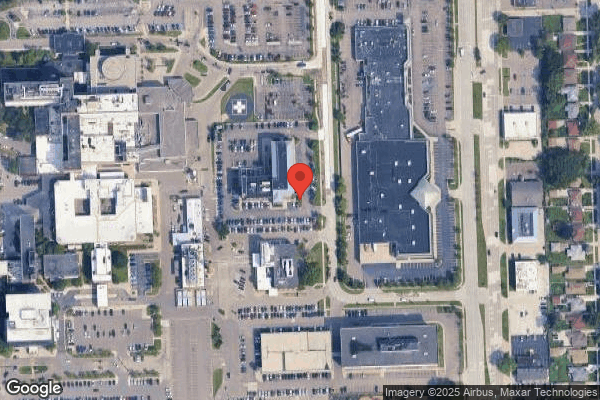
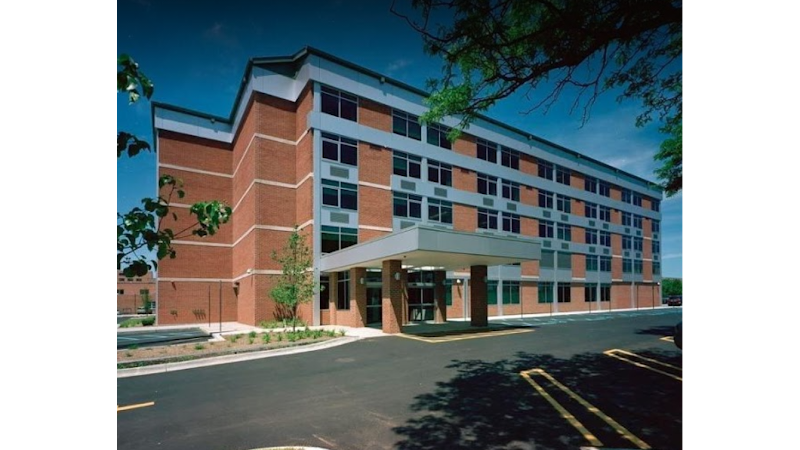
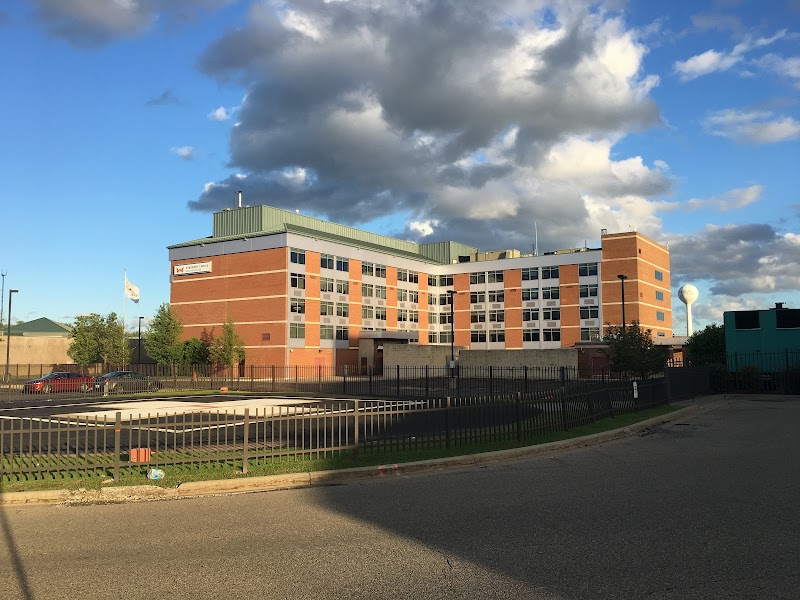
22401 Foster Winter Dr, Southfield, MI 48075 (248) 423-5100
For profit - Limited Liability company 26 Beds Independent Data: November 2025
Trust Grade
80/100
#66 of 422 in MI
Last Inspection: June 2025

Inspected within the last 6 months. Data reflects current conditions.

Overview

Oakland Nursing Center has a Trust Grade of B+, indicating it is above average and recommended for families considering care options. It ranks #66 out of 422 facilities in Michigan, placing it in the top half, and #4 out of 43 in Oakland County, meaning only three local options are better. The facility is showing improvement, with the number of issues decreasing from four in 2024 to three in 2025. Staffing is rated 4 out of 5 stars, but the turnover rate is concerning at 65%, higher than the state average of 44%. While there have been no fines, which is a positive sign, the facility has faced issues such as not following a resident's Do Not Resuscitate (DNR) wishes, which led to unnecessary resuscitation efforts, and maintaining unsanitary conditions in the kitchen that could affect all residents. Overall, while there are commendable aspects like high health inspection scores, there are also significant weaknesses that families should carefully consider.
Trust Score
B+
80/100
In Michigan
#66/422
Top 15%
Safety Record
Moderate
Needs review
Inspections
Getting Better
4 → 3 violations
Staff Stability
⚠ Watch
65% turnover. Above average. Higher turnover means staff may not know residents' routines.
Penalties
✓ Good
No fines on record. Clean compliance history, better than most Michigan facilities.
Skilled Nurses
✓ Good
Each resident gets 57 minutes of Registered Nurse (RN) attention daily — more than average for Michigan. RNs are trained to catch health problems early.
Violations
⚠ Watch
12 deficiencies on record. Higher than average. Multiple issues found across inspections.
★★★★★
5.0
Overall Rating
★★★★☆
4.0
Staff Levels
★★★★☆
4.0
Care Quality
★★★★★
5.0
Inspection Score
Stable
2024: 4 issues
2025: 3 issues

The Good

  • 4-Star Staffing Rating · Above-average nurse staffing levels
  • 4-Star Quality Measures · Strong clinical quality outcomes
  • Full Sprinkler Coverage · Fire safety systems throughout facility
  • No fines on record

Facility shows strength in staffing levels, quality measures, fire safety.

The Bad

Staff Turnover: 65%

19pts above Michigan avg (46%)

Frequent staff changes - ask about care continuity

Staff turnover is elevated (65%)

17 points above Michigan average of 48%

The Ugly 12 deficiencies on record

1 actual harm
Jun 2025 1 deficiency
CONCERN (E)

Potential for Harm - no one hurt, but risky conditions existed

Deficiency F0947 (Tag F0947)

Could have caused harm · This affected multiple residents

Based on interview and record review, the facility failed to complete/document the nurse aide training of no less than 12-hour per year for three (B', C, D) of four Certified Nursing Assistants (CNA) ...

Read full inspector narrative →
Based on interview and record review, the facility failed to complete/document the nurse aide training of no less than 12-hour per year for three (B', C, D) of four Certified Nursing Assistants (CNA) reviewed for required training, resulting in the potential for unmet resident care needs and staff being unaware of best practice guidelines when caring for residents. Findings include: An initial request was sent to facility administrator via e-mail on 6/4/25 with a follow-up verbal request via Human Resource (HR) Manager A to provide the personnel files with 12 - hour annual training completion records for CNAs B, C and D. Review of the facility provided staff roster and schedule revealed that CNAs B, C and D were full time employees of the facility. On 6/3/25 at approximately 1:45 PM, HR Manager A provided the personnel file for CNA B with date of hire 8/14/23. They had records of new hire training completed. They had evidence of some training hours completed in 2024 that did not add up to the annual 12-hour requirement. HR Manager A was queried further and requested to provide the evidence of 12-hr. training completion for CNA B for year 2024-2025. They stated that they would check their training system and report back. During this time, they were also asked to provide evidence of annual 12 hrs. training completion for CNA C, with hire date of 9/7/22 and CNA D with hire date of 9/7/22. At approximately 2:30 PM, HR Manager A came back and reported that all 3 CNAs B, C and D did not complete the 12 hours of training for the current period. They added that they checked their training system (online) and they were all past due/in red. They did not provide any additional documentation. A follow-up interview was completed with HR Manager A during this time. When queried about their process they reported that staff completed the training online. They added that the HR team completed the new hire training and the department leaders were responsible to ensure that staff were in compliance with their annual trainings. They added that the facility administrator/Director of Nursing (DON) was responsible to ensure that CNAs B, C and D followed the annual training requirements. On 6/3/25, at approximately 2:55 PM an interview with facility administrator/DON was completed. They were asked about the facility process and they reported that staff completed online trainings as required. When queried about who was responsible for monitoring and tracking to ensure they were completed timely, the administrator/DON reported that HR Manager was responsible. They were notified of the interview with HR Manager A and the concern that CNAs B, C and D did not complete their annual 12 hours training. They reported that they did not have access to the facility's training system, however they understood the concern and would follow up with their team. Review of facility provided undated document titled Facility Assessment read in part, the facility uses the .Training Platform to meet the educational needs of clinical staff. Mandatory annual competencies and skills check list are scheduled according to their date of hire throughout the year for Licensed Practical Nurses and Certified Nursing Assistants. New employee hires are in-serviced and are to complete mandatory competencies and skills checklist prior to rendering patient care. Return demonstrations are a requirement prior to completing any competency as well as a passing score on required post test if applicable .
Mar 2025 1 deficiency
CONCERN (D) 📢 Someone Reported This

A family member, employee, or ombudsman was alarmed enough to file a formal complaint

Potential for Harm - no one hurt, but risky conditions existed

Medical Records (Tag F0842)

Could have caused harm · This affected 1 resident

**NOTE- TERMS IN BRACKETS HAVE BEEN EDITED TO PROTECT CONFIDENTIALITY** This citation relates to Intake: MI00150474. Based on interview and record review, the facility failed to ensure accurate, compl...

Read full inspector narrative →
**NOTE- TERMS IN BRACKETS HAVE BEEN EDITED TO PROTECT CONFIDENTIALITY** This citation relates to Intake: MI00150474. Based on interview and record review, the facility failed to ensure accurate, complete, and timely documentation in the medical record for one Resident (R301) of two residents reviewed for documentation following a change in condition. Findings include: On 3/04/25 at 1:11 p.m., Family Member (FM) C reported R301 sustained a fragmented fracture of their right foot during their stay at the facility from rolling out of their bed on 2/17/25, and was never seen by podiatry services, despite a referral. FM C stated the facility treated R301's foot which had some edema with ice and elevation. FM C explained R301's foot remained swollen, however R301 had no pain or signs of infection in their right foot during their stay. FM C clarified R301 had no significant change in functional status, as they were mainly in bed prior to their fall due to some lethargy and weakness. FM C clarified they were told to make the podiatry appointment for R301 to be seen as an outpatient upon discharge from the facility, as they were not seen by podiatry services during their stay, which concerned them. Review of R301's census revealed they were admitted to the facility on [DATE] and discharged on 2/28/25. Review of R301's Care Plan, accessed 3/04/25, revealed R301 was non-ambulatory, could weight bear as tolerated on their legs, and required a Hoyer (full mechanical lift) for transfers due to lethargy, weakness, and fatigue. The Care Plan was not updated to reflect R301's non-weight bearing status after their fall on 2/17/25, per physician directive, and progression to slide board transfers upon discharge. Review of R301's Minimum Data Set (MDS) assessment, dated 2/13/25, revealed a score of 6/15 on the Brief Interview for Mental Status (BIMS) assessment, which showed severe cognitive impairment. Review of R301's Electronic Medical Record (EMR) revealed R301 was their own responsible party, and the facility was recommending their family pursue guardianship, due to R301's cognitive impairment, but this had not been completed during their shorter stay. Review of R301's EMR revealed a nursing assessment note, dated 2/17/25, which showed, .(R301) alert x 1 (to themselves), calm and cooperative. All meals and meds taken appropriately. (R301) found down on floor when doing morning walk through. Patient was assessed. Dr. (Physician E) notified and (name of) Director of Nursing (DON). Writer observed what appears to be (an) injury to right ankle and x-ray order placed and completed. Waiting for results. Family notified. (R301) denies any pain and when touched or moved no s/s (signs or symptoms) of distress noted . It was noted edema was not marked on the assessment as present, and the box was left blank. Review of R301's fall investigation report related to the fall out of bed on 2/17/25, received from the DON, revealed R301 was found on their floor on the right side of their bed at approximately 7:25 a.m. R301 had not activated their call light. The report showed a head-to-toe assessment was completed, and showed their right foot was slightly swollen, and the physician was notified on 2/17/25 at approximately 7:30 a.m. The report revealed witness statements by the DON and fall interventions of a low bed and a fall mat added. Review of R301's X-ray report of their right ankle, dated 2/17/25, revealed small, displaced fracture fragments overlying the distal (lower) dorsal (posterior) margin of the talus and navicular bone (foot/ankle bones), likely reflecting a chip fracture (small chips of bone). Review of R301's physician notes by Physician E, dated 2/17/25, revealed, Late entry: 2/17/25 at 10:57 a.m., .Reason for visit: .Fall .Patient is seen and examined, discussed with staff, Vital signs, medications, available labs and chart reviewed. Review of system; (R301) poor historian .Examination: .1. Fall. X-ray obtained and showed R ankle chip fracture. Mild swelling. No distress. No pain. Instructed to ice and remain non-weight bearing. Consult with podiatry .Plan was discussed with nursing and patient's daughter . It was noted no emergent transfer or orthopedic consult was recommended, and edema was present. Review of R301's physician provider notes, dated 2/27/25, 2/25/25, and 2/21/25, showed podiatry services was referred to evaluate due to right lower extremity fracture fragments, with no mention of any podiatry visit, follow-up, other referral, or treatment provided. Further review of R301's physician notes further revealed no mention or need for an acute emergent transfer, as pain was not charted, and only minimal edema. Review of R301's nursing progress notes revealed R301 was diagnosed with COVID (a highly transmissible viral infection) on 2/21/25 and was placed in isolation for the remainder of their stay. Family notification was documented on 2/21/25. Review of the EMR revealed no mention of why R301 was not seen by podiatry services during their stay, or any attempts to be seen by an in-house or outside podiatry provider. The EMR showed only a mention of podiatry services being referred in the physician notes. On 2/21/25 at 2:29 p.m., the Rehabilitation Director, Physical Therapist D, was asked about R301's weight bearing status during their stay. PT D reported any patient with a new fracture should be non-weight bearing, until they were seen by a provider, which could have been either a podiatrist or orthopedic specialist. PT D stated R301 was non weight bearing in physical therapy. PT D reported they had not evaluated or treated R301 during their stay, and their treatment was completed by PT F. Review of R301's progress notes during their stay with PT D revealed no documentation of a non-weight bearing status on their right or either leg in the PT notes. There was no mention of right foot pain, range of motion impairment, edema, or the right foot or ankle being addressed in PT assessments or treatment. Review of R301's physical therapy and occupational therapy notes after their fall on 2/17/25 confirmed no weight bearing had been attempted on their lower extremities, and R301 had completed slide board transfers only during treatment, with the standing goal discontinued by Physical Therapy after the 2/17/25 fall. On 3/04/25 at approximately 2:45 p.m., with PT D present, PT F was asked during a phone interview about R301's weight bearing status. PT F stated R301 was weight bearing as tolerated on their legs during their stay, however they had not done any weight bearing activities. PT F explained they had only worked with R301 on slide board transfers from bed to chair, bed mobility, trunk control, and sitting balance after their fall on 2/17/25. PT F reported R301 presented with mild edema in their right foot, which they termed lymphedema in both their feet from the first day of their stay, as fluid was collecting in their feet and legs from R301 being immobile. PT F reported they had been made aware of the chip fractures and were working on clarifying weight bearing with the DON, and R301 was treated as non-weight bearing in their legs in PT treatment after the 2/17/25 fall with chip fractures. PT F reported they recommended long term care and further therapy for R301 and the family chose to take R301 home. They clarified R301 was discharged prior to being seen by podiatry services, and they would have benefited from more therapy in-house. PT D confirmed R301 was not cut by insurance but rather R301's family requested discharge to continue therapy at home, before a podiatry visit could be arranged. Review of R301's EMR including physician orders revealed no documentation of R301 being non-weight bearing on their right lower extremity, other than the physician note on 2/17/25. Review of R301's EMR showed R301 was diagnosed with COVID on 2/21/25, was placed in isolation on 2/21/25 and remained on isolation until they were discharged on 2/28/25, which may have impeded their ability to go out for podiatry services. On 3/04/25 at 3:46 p.m., the DON was asked why R301 was not seen by a podiatrist during their stay, per Physician E's referral on 2/17/25, and subsequent physician visits noting the referral, to address their acute right foot/ankle fracture and to clarify their weight bearing status. The DON reported they had attempted to have R301 seen by a podiatrist during their stay, and the designated podiatrist declined to contract with the facility in-house, as they had not had any recent referrals. The DON reported R301's family had declined to have them seen emergently at the time of the fracture, and during their stay, which they and Physician E had offered. The DON reported they had made some calls to outside podiatry providers and attempted to have R301 seen, however given their COVID status, the transfer was a concern and no providers wanted to see them outside the facility with COVID. This Surveyor clarified there was no documentation of these attempts and family declining an ER (emergency room) visit found in the EMR. The DON observed the same, and reported they should have documented this in the EMR and understood the concern. On 3/04/25 at 4:33 p.m., Physician E was asked during a phone interview, with the DON present, why R301 had not been seen by podiatry, and their weight bearing status was not further clarified during their stay. Physician E reported the chip fracture was very small and given R301's medical comorbidities and advanced age, it was not urgent for them to see a podiatrist, and R301 had no pain or tenderness in their right foot. Physician E indicated the podiatrist was the most appropriate referral. Physician E stated this was a minor fracture which would likely be expected to heal with conservative measures and clarified they had ordered ice and elevation (which was confirmed in physician orders and reportedly observed as provided by family). Physician E reported they had spoken to the family and offered emergency services, which the family declined. This Surveyor asked why this was not noted in the medical record. Physician E reported they had spoken to R301's family in person with the DON present on two occasions, and both times the family declined an emergent transfer, and wanted to take R301 home verses staying in long term care. The DON confirmed their responsibility for this not being documented in the EMR, as they were present on at least one occasion, and stated they understood the concern related to incomplete documentation. Review of the policy, Documentation, dated 4/30/24, revealed, Purpose: To provide guidelines for the healthcare provider regarding documentation in the patient's medical record .Documentation is the process of preparing a complete record of the patient's care and is a vital tool for communication among healthcare team members .7. If information listed on a form does not apply to your patient, write N/A (not applicable), rather than leaving the space blank. Documentation: 1. Assessment findings. 2. Care plan. 3. Adverse reactions, interventions, and patient's response to interventions. 4. Patient and family education .
Feb 2025 1 deficiency
MINOR (C) 📢 Someone Reported This

A family member, employee, or ombudsman was alarmed enough to file a formal complaint

Minor Issue - procedural, no safety impact

Staffing Information (Tag F0732)

Minor procedural issue · This affected most or all residents

This citation pertains to Intake Number(s): MI00149235. Based on interview and record review, the facility failed to post nurse staffing information daily and with the required information, which had ...

Read full inspector narrative →
This citation pertains to Intake Number(s): MI00149235. Based on interview and record review, the facility failed to post nurse staffing information daily and with the required information, which had the potential to affect all 19 residents who resided in the facility. Findings include: A review of a complaint submitted to the State Agency revealed an allegation that the facility was short of nursing staff. On 2/12/25 at 8:15 AM, an observation of the Daily Nursing Staff Posting displayed at the nursing station revealed the current posting displayed was from two days prior on 2/10/25. The form did not include any data for the night shift (7:00 PM-7:30 AM). Further review of the Daily Nursing Staff Postings for December 2024 through February 2025 revealed the following: There was no data included for the night shift on the following dates: 12/2/24, 12/5/24, 12/6/24, 12/12/24, 12/13/24, 12/16/24, 12/19/24, 12/24/24, 12/27/24, 12/29/24, 12/30/24, 1/2/25, 1/13/25, 1/23/25, 1/24/25, 1/26/25, 1/27/25, 1/30/25, 1/31/25, 2/6/25, 2/7/25, 2/9/25. There was no Daily Nursing Staff Posting for the following dates: 12/1/24, 12/3/24, 12/4/24, 12/7/24, 12/8/24, 12//9/24, 12/10/24, 12/11/24, 12/14/24, 12/17/24, 12/18/24, 12/20/24, 12/21/24, 12/22/24, 12/23/24, 12/25/24, 12/26/24, 12/28/24, 12/31/24, 1/1/25, 1/4/25, 1/5/25, 1/6/25, 1/7/25, 1/8/25, 1/10/25, 1/11/25, 1/14/25, 1/15/25, 1/19/25, 1/20/25, 1/21/25, 1/22/25, 1/25/25, 1/28/25, 1/29/25, 2/1/25, 2/2/25, 2/3/25, 2/4/25, 2/5/25, 2/8/25 On 2/12/25 at 9:19 AM, the Administrator acknowledged the missing data for the night shift and the missing posting on the above mentioned dates and reported the staff needed to be inserviced.
May 2024 3 deficiencies
CONCERN (D)

Potential for Harm - no one hurt, but risky conditions existed

Unnecessary Medications (Tag F0759)

Could have caused harm · This affected 1 resident

Based on observation, interview, and record review, the facility failed to ensure a medication error rate less than five percent for two residents (R#'s 112 and 118) of three residents reviewed for me...

Read full inspector narrative →
Based on observation, interview, and record review, the facility failed to ensure a medication error rate less than five percent for two residents (R#'s 112 and 118) of three residents reviewed for medication administration, resulting in a medication error rate of 6.45%. Findings include: A review of a facility provided policy titled, Safe Medication Administration Practices revised 7/2021 was conducted and read, .15. A nurse is responsible for for verification that the correct medication is being administered at the proper time, prescribed dose, correct route, and correct patient . On 4/29/24 at 8:52 AM, Nurse 'D' was observed preparing medications for administration to R118. Nurse 'D' prepared multiple medications including cetrizine 10 mg (milligrams) (Zyrtec, allergy medication). Nurse 'D' proceeded to R118's room and administered the medications. After exiting the room, Nurse 'D' signed the medications out as given in the electronic medication administration record. At the conclusion, Nurse 'D' was asked if all due medications for that time had been administered and they indicated they had. 4/29/24 at 12:15 PM, R118's physician's orders were compared to the medications observed for administration by Nurse 'D at 8:52 AM. During the reconciliation, it was noted R118 did not have an order for cetrizine 10 mg, rather they had an order for loratidine 10 mg (Claritin, a similar allergy medication). On 4/29/24 at 12:33 PM, R118's orders and medications in their stock were reviewed with Nurse 'D'. They confirmed R118 did not have an order for cetrizine, but did have an order for loratidine, however; no loratidine was contained within R118's medication stock. On 5/1/24 at 8:25 AM, Nurse 'D' was observed preparing medications for administration to R112. Nurse 'D' prepared multiple medications, proceeded to R112's room and administered them. Upon exiting the room, Nurse 'D' signed the medications out as given and was asked if all due medications had been administered at that time. Nurse 'D' confirmed they had been. On 5/1/24 at 9:02 AM, R112's physician's orders were reconciled against the medications observed to be administered to R112. It was noted R112 had an order for Miralax (laxative) 17g (grams) scheduled for administration at 9:00 AM, however; the Miralax was not observed to be given at the time of the other medications. On 5/1/24 at approximately 10:30 AM, an interview was conducted with the facility's Director of Nursing regarding the medication concerns identified. They indicated medications should be administered per the, Five Rights, right resident, right medication, right dose, right route, and right time.
CONCERN (E)

Potential for Harm - no one hurt, but risky conditions existed

Infection Control (Tag F0880)

Could have caused harm · This affected multiple residents

**NOTE- TERMS IN BRACKETS HAVE BEEN EDITED TO PROTECT CONFIDENTIALITY** Based on observation, interview, and record review, the facility failed to ensure appropriate infection control practices with r...

Read full inspector narrative →
**NOTE- TERMS IN BRACKETS HAVE BEEN EDITED TO PROTECT CONFIDENTIALITY** Based on observation, interview, and record review, the facility failed to ensure appropriate infection control practices with regards to transmission-based precautions (TBP), linen storage, and disposal of used personal protective equipment (PPE). This deficient practice had the potential to affect all 20 residents in the facility. Findings include: On 4/29/24 at 8:46 AM, Room #'s 321, 323, 327, and 332 were observed to have over the door caddys containing personal protective equipment such as isolation gowns, gloves, and masks stored in them. It was observed there was no signage to indicate the type of TBP (contact, droplet, airborne, etc.) On 4/29/24 at 9:10 AM, 4/30/24 at 9:33 AM, 12:10 PM, and 3:07 PM, and 5/1/24 at 9:00 AM, a linen cart in the hallway was observed to have two boxes of gloves, three rolls of trash bags, and various gowns and linens stored on it's top. On 4/29/24 at 10:30 AM, 4/30/24 at 9:33 AM, 12:03 PM, a small garbage can outside of room [ROOM NUMBER] was observed to contain used PPE (isolation gowns, gloves, and masks). On 4/29/24 at 1:00 PM, room [ROOM NUMBER] was observed to have a caddy over the door containing PPE supplies. Signage to identify the type of TBP was not observed at that time. On 4/29/24 at approximately 2:14 p.m., Housekeeper C was observed donning PPE and going into a room noted to be on TBP to clean. Housekeeper C was then observed coming out of the room and into the clean hallway without doffing the PPE from the contaminated room. On 4/30/24 at approximately 8:27 AM and 8:39 AM, the clean linen cart on the resident hallway was observed to have the protective cover flipped up, exposing the clean linens to potential contaminants. On 5/1/24 at approximately 9:30 AM, a review of orders for residents residing in room #'s 321, 323, 327, 332, and 335 was conducted. It was noted the orders in the records did include orders for TBP, however; none of the orders documented the type of TBP. On 5/1/24 at 9:42 AM, an interview was conducted with Infection Preventionist 'B' about infection controls concerns identified. During the interview they explained that TBP rooms should have signage that designated they type of TBP, all PPE should be doffed and discarded in the TBP room, and linen carts should be covered with nothing stored on the top of them. A review of a facility provided policy titled, isolation and Transmission-Based Precautionsrevised 4/2024 was conducted and read, .Attending or covering physician will write the order for placement into transmission-based precautions .Documentation in the electronic medical record should include the type of precautions/isolation .An appropriate sign must be posted on the door to the patient/resident room; specific condition or diagnosis is not given . A review of a second facility provided policy titled, General Infection Prevention and Control revised 1/2024 was reviewed and read, .V. Storage & Separation of Clean versus Dirty .A. Cleaned patient care supplies should be transported and stored in a designated clean area and in a manner which minimizes recontamination. B. Clean equipment must be differentiated from soiled equipment. This may include, but is not limited, to the following options: 1. Equipment placed in a designated clean space. 2. Protective covering or bag placed over clean items .VI. Linen .C. Linen is covered at all times prior to use and is stored on a shelf .
CONCERN (F)

Potential for Harm - no one hurt, but risky conditions existed

Food Safety (Tag F0812)

Could have caused harm · This affected most or all residents

**NOTE- TERMS IN BRACKETS HAVE BEEN EDITED TO PROTECT CONFIDENTIALITY** Based on observation, interview, and record review, the facility failed to maintain sanitary conditions in the kitchen. This def...

Read full inspector narrative →
**NOTE- TERMS IN BRACKETS HAVE BEEN EDITED TO PROTECT CONFIDENTIALITY** Based on observation, interview, and record review, the facility failed to maintain sanitary conditions in the kitchen. This deficient practice had the potential to affect all residents that consume food from the kitchen. Findings include: On 4/29/24 between 9:40 AM-10:00 AM, during an initial tour of the kitchen with Registered Dietician A (RD A), the following items were observed: 1. The vent shielding was observed to contain grease and cobwebs webs covering the shield. The top and the side of the oven were observed to contain dried [NAME] splatter. The dried rack of stacked pans were observed to still contain water droplets inside the pans. At 9:50 a.m., the dish machine was observed to have finished washing the morning dishes and a test of the rinse cycle on the dishwater machine got to 111 degrees. A second try on the dish machine was conducted and the temperature reached 115. The dish machine indicated that the temperature should reach greater than 120. RD A indicated that the dish machine had not been set to the correct setting to reach the appropriate temperature that morning by a new staff member. At that time, the dish machine temperature testing logs were reviewed and revealed no temperature had been taken prior to the breakfast dishes being cleaned/rinsed. RD A was queried if the kitchen staff should be taking the temperature prior to finishing the dishes and they indicated that they should and should be logging the temperature on the dish machine log. According to the 2017 FDA Food Code section 4-602.13 Nonfood-Contact Surface, Nonfood-contact surfaces of equipment shall be cleaned at a frequency necessary to preclude accumulation of soil residues. According to the 2017 FDA Food Code section 4-601.11 Equipment, Food-Contact Surfaces, Nonfood-Contact Surfaces, and Utensils, .(C) Nonfood-contact surfaces of equipment shall be kept free of an accumulation of dust, dirt, food residue, and other debris. On 5/1/24 a facility document titled Sanitation Program was reviewed and revealed the following: POLICY: The Food and Nutrition Services Department maintains a sanitation program. PURPOSE: To maintain a clean, safe and effective environment of care, and to prevent the transmission of disease-carrying organisms . A second document titled Infection Control was reviewed and revealed the following: PURPOSE: To prevent and control contamination and the spread of infection within the department and the Hospital .All equipment shall be thoroughly cleaned after each use. (See Nutritional Services Procedure Manual.) .Dishwasher: Shall be maintained and operated per manufacturer's directions. Record temperature at each meal and sanitizer solution at each meal and compare to the test strip package scale .
Apr 2024 1 deficiency 1 Harm
SERIOUS (G) 📢 Someone Reported This

A family member, employee, or ombudsman was alarmed enough to file a formal complaint

Actual Harm - a resident was hurt due to facility failures

Deficiency F0578 (Tag F0578)

A resident was harmed · This affected 1 resident

**NOTE- TERMS IN BRACKETS HAVE BEEN EDITED TO PROTECT CONFIDENTIALITY** This citation pertains to Intake #MI00141083 Based on interview and record review, the facility failed to ensure Advance Directi...

Read full inspector narrative →
**NOTE- TERMS IN BRACKETS HAVE BEEN EDITED TO PROTECT CONFIDENTIALITY** This citation pertains to Intake #MI00141083 Based on interview and record review, the facility failed to ensure Advance Directives (legal document which a person specifies their medical choices) information was correct for one resident (R801) of five reviewed for advance directives resulting in R801's initial wishes of Do Not Resuscitate (DNR) was not followed by the facility resulting in unnecessary full resuscitation measures (Cardiopulmonary Resuscitation (CPR), were performed. Findings Include: A concern to the State Agency (SA) implied R801 was transferred from the facility for emergent escalation of care and failed to provide the Emergency Medical Service (EMS) responders with DNR paperwork and CPR was performed. On [DATE], A clinical record review revealed R801 was transferred on [DATE] from the hospital and admitted to this facility with congestive heart failure, dyspnea (difficulty breathing), interstitial lung disease (term referring to many chronic lung diseases), and atrial fibrillation (irregular heartbeat). A Brief Interview for Mental Status score of 15/15 revealed R801 was cognitively intact. Record review of the Nursing Progress Note dated [DATE] at 5:20 AM, revealed R801 required an emergent transfer to the hospital for chest pain, and respiratory distress. A verbal Nursing report was provided to EMS and specified R801 was a Full Code (medical term meaning all procedures will be provided to keep a person alive and can include chest compressions and intubation). Upon arrival into the Emergency Department (ED) EMS informed the ED Providers that R801 was a full code and the decision by the ED Providers to intubate (placing a tube down into the throat to get oxygen into the lungs) was made. As the ED was preparing for intubation, R801 went into cardiac arrest (heart suddenly and unexpectedly stops beating) and CPR was initiated. R801 was intubated, required chest compressions, then placed on mechanical measures for life support. When the family arrived at the emergency department, it was revealed to the ED Providers that R801 was not a full code as reported by the facility to EMS, and original wishes were not to be resuscitated or intubated. On [DATE], A record review of the facility advance directive form signed by R801 on [DATE], documented the choice to be DNR. The form was witnessed by the admitting Registered Nurse (RN) B on [DATE] and acknowledged by signature by Physician A on [DATE]. Further record review revealed the discharge paperwork from the hospital sent to admitting facility revealed R801's advance directives was DNR, no compression or shocks. When the Electronic Medical Record (EMR) for R801 was reviewed, a DNR order was not identified. R801 code status was documented as a full code. The full code order was entered on admission to the facility by Registered Nurse (RN) B on [DATE]. Physician A verified the full code order on [DATE]. On [DATE] at 11:50 AM, An interview was conducted with the DON regarding R801's transfer to the hospital with an incorrect code status. The DON confirmed advance directives were not communicated correctly and the orders in the EMR were incorrect. On [DATE] at 2:10 PM, A phone interview with Physician A was conducted and indicated Nursing puts the orders into the computer but was not sure how they are reconciled. Regarding DNR elections by residents, Physician A denied documenting in the progress notes when DNR status is discussed with the resident. Physician A confirmed the DNR paper form is signed within 24 hours and places a DNR order (in the medical record). The Do Not Resuscitate Policy Number:180 stated: .The attending Physician must document in the resident's progress note why it has been determined that resuscitative measures should not be taken . Enter a formal written DNR order . The Facility Policy for Advance Directives Effective Policy Number:165 Effective 9/2015 Revised [DATE] .[Facility] shall ensure that legally valid advanced directives and wishes are implemented, including transfer of an individual .
Apr 2023 5 deficiencies
CONCERN (D)

Potential for Harm - no one hurt, but risky conditions existed

Deficiency F0658 (Tag F0658)

Could have caused harm · This affected 1 resident

Based on observation, interview, and record reviews the facility failed to ensure professional standards of practices were consistently implemented when one Registered Nurse (RN) K of two nurses obser...

Read full inspector narrative →
Based on observation, interview, and record reviews the facility failed to ensure professional standards of practices were consistently implemented when one Registered Nurse (RN) K of two nurses observed for the medication administration task, failed to follow the pharmacy recommendations while handling a chemotherapy medication. Findings include: On 4/25/23 at 9:26 AM, RN K was observed preparing medications for R160. Included in the prepared medications was an Anastrozole 1 mg (milligram) tablet. This medication was observed to have been obtained from the medication cart, popped into a medication cup with the rest of R160's morning medications. Shortly after RN K was observed to have administered all of the morning medications to R160. Review of the April 2023 Medication Administration Record (MAR) documented the following in part: . Arimidex Tablet 1 MG (Anastrozole), Give 1 tablet by mouth in the morning for breast cancer **CAUTION: HAZARDOUS DRUG* OBSERVE SPECIAL HANDLING, ADMINISTRATION, AND DISPOSAL REQUIREMENTS . Further review of the physician orders, April 2023 MAR, care plans and medical record contained no documentation on the special handling and administration requirements that staff were to follow. On 4/26/23 a call was placed to the facility's pharmacy and the pharmacist was asked to provide documentation on the special handling, administration, and disposal requirements for R160's Anastrozole medication. Shortly after, the pharmacist provided two policies utilized by the facility. Review of the first policy titled . Handling of Potential Hazardous Medications . dated 7/1/12, documented in part . Purpose . to provide a basis for the safe handling of and minimize the exposure of Pharmacy personnel to potentially hazardous drugs including antineoplastic agents . The following procedures should be followed to minimize the generation of and direct contact with cytotoxic agents . All personnel involved with cytotoxic agents must be informed of the special nature and the procedures involved in preparing these agents . Preparation of the Prescribed Medication . Wash hands thoroughly before putting gloves on and after removing gloves . RN K did not don on gloves or any other personal protective equipment (PPE) when they were observed to have prepared and administered R160's Anastrozole medication. Review of the second policy titled . Controlling Occupational Exposure to Hazardous Drugs . (no date) documented in part . powder free chemotherapy gloves must be worn . Chemotherapy gloves must be worn whenever they are being handled . On 4/27/23 at approximately 11:10 AM, the Administrator (who also serves as the facility's Director of Nursing- DON) was interviewed and informed of the observation made with RN K and the handling of R160's Anastrozole medication. The DON acknowledged the concern. No further explanation or documentation was provided by the end of the survey.
CONCERN (D)

Potential for Harm - no one hurt, but risky conditions existed

Pressure Ulcer Prevention (Tag F0686)

Could have caused harm · This affected 1 resident

**NOTE- TERMS IN BRACKETS HAVE BEEN EDITED TO PROTECT CONFIDENTIALITY** Based on observation, interview and record review, the facility failed to ensure wound treatments and assessments were completed...

Read full inspector narrative →
**NOTE- TERMS IN BRACKETS HAVE BEEN EDITED TO PROTECT CONFIDENTIALITY** Based on observation, interview and record review, the facility failed to ensure wound treatments and assessments were completed timely for one (R112) of one resident reviewed for pressure ulcer/injury, resulting in the potential for prolonged wound healing, or worsening of a pressure ulcer/injury. Findings include: According to the facility's policy titled, Prevention, Assessment, and Management of Pressure Ulcers dated July 2021: .Assessment and documentation of the status of the wound should occur every dressing change .Stage and measure each pressure ulcer separately .All healthcare providers shall practice within the legal boundaries of the individual's license or scope of practice . On 4/25/23 at 1:10 PM, R112 was observed seated in a wheelchair with a thick cushion next to their bed. When asked about whether they had any concerns with care and treatment from the facility, R112 reported, They (Nurses) don't put medication on my butt like they supposed to and it's hurting now. After a few minutes, Licensed Practical Nurse (LPN Nurse 'H') entered the room to administer pain medication. When asked about whether the resident had any pressure ulcers/injuries, Nurse 'H' reported the resident had a healing stage 2 (partial thickness loss of dermis presenting as a shallow open ulcer with a red or pink wound bed) and was scheduled to have treatments done at 6:00 PM. Nurse 'H' further reported they had not been at work for about a week so they were not sure what it looked like currently, but R112 had not complained of pain there before and about a week ago it was pinkish and almost healed. R112 informed Nurse 'H' that their buttock area was hurting and Nurse 'H' reported they would follow-up. An observation of R112's buttock area was conducted with Nurse 'H' on 4/26/23 at 8:56 AM. There was old scar tissue to the upper bilateral buttocks, which were pink in color. There were no open areas, but a small scabbed area (less than a pea size) was noted on the upper right buttock. Review of the clinical record revealed R112 was admitted into the facility on 4/12/23 with diagnoses that included: alcoholic cirrhosis of liver without ascites, acute peptic ulcer site unspecified with hemorrhage, unspecified protein-calorie malnutrition, gout, acute posthemorrhagic anemia, and acute kidney failure. The electronic medical record (EMR) included a special instruction area which documented, Special Instructions: Inc (incontinent) bowels - briefs. Pressure ulcer to coccyx. Encourage/assist to change position frequently, roho cushion to wheelchair, specialty mattress . According to the Minimum Data Set (MDS) assessment dated [DATE], R112 had no communication concerns, had intact cognition, required limited assistance of one person for bed mobility, required extensive assist of one person for toilet use, was occasionally incontinent of bowel and bladder, received prn pain medication and had frequent pain, had one stage one pressure ulcer (non-blanchable erythema of intact skin) and one stage two pressure ulcer (partial-thickness skin loss with exposed dermis) and one was present on admission. Review of the care plans included a pressure ulcer care plan initiated on 4/13/23 which read, The resident has a stage 2 pressure ulcer to the coccyx with potential for pressure ulcer development r/t (related to) activity tolerance. Interventions included (all interventions below were initiated on 4/13/23): Administer treatments as ordered and monitor for effectiveness. Assess/record/monitor wound healing. Measure length, width and depth where possible. Assess and document status of wound perimeter, wound bed and healing progress. Report improvements and declines to the MD (Medical Doctor). Follow facility policies/protocols for the prevention/treatment of skin breakdown. Monitor dressing every shift and PRN (as needed) to ensure it is intact and adhering. Monitor/document/report PRN any changes in skin status: appearance, color, wound healing, s/sx (signs and symptoms) of infection, wound size (length X width X depth), stage. Review of the physician orders included: On 4/13/23, Cleanse with normal saline right buttock apply triad and cover with allevyn in evening daily one time a day for wound care. This was scheduled to be completed daily at 6:00 PM. Review of the Medication/Treatment Administration Records (MAR/TAR) for April 2023 identified there were six missed wound care treatments on 4/13, 4/14, 4/18, 4/20, 4/21, and 4/22 for the physician ordered treatment for Cleanse with normal saline right buttock apply triad and cover with allevyn in evening daily one time a day for wound care. Further review of the progress notes revealed there was no nursing documentation for the reason for the blank entries (such as refusal, not available, etc) and whether the physician had been contacted to inform of the missed treatment and/or provide further guidance. Review of R112's physician and extender notes (which included the history and physical evaluation) since admission revealed there was no mention within the documentation that acknowledged R112 had any pressure ulcer/injury, or that the resident's skin had been assessed/monitored. Further review of the clinical record revealed since admission [DATE]), R112 had only one CMS Weekly Skin Tool dated 4/13/23 (with a lock date of 4/19/23) which documented, .Wound Type(s): stage 2 rt (right) buttock stage1 <sic> lt (left) buttock .Right Buttock .Pressure .Length 3 cm (centimeters), Width 3.5 cm, Depth 0.05, Stage II .Left buttock .Pressure .Length 1.5, Width 1.5, Depth 0cm, Stage 1 .Is this resident at risk of developing pressure ulcers/injuries? Yes .Number of Stage 1 pressure injuries 1 .Number of Stage 2 pressure ulcers 2 .Number of these Stage 2 pressure ulcers that were present upon admission/entry or reentry 1 .Wound Intervention(s): rt buttock NS (Normal Saline) cleanse triad ontiment <sic> cover with alleven <sic>. Review of R112's Braden Scale scores (tool used to determine risk of skin breakdown) included two assessments, both of which scored 16.0 (which meant R112 was at risk). Review of the nursing admission assessment dated [DATE] documented: .Resident oriented to Person, Place, Time, Situation .Pt (Patient) communicates needs appropriately .Cognitively intact .Independent-decisions consistent/reasonable .Right buttock open pressure wound to R (Right) buttock with dressing present . On 4/25/23 at 4:45 PM, an interview was conducted with the Administrator (who was also the Director or Nursing/DON). When asked about the facility's process for documentation of provision of care such as pressure ulcer/injury treatments and if those were missed, where would the nurses document, the Administrator/DON reported that should be documented in the EMR (electronic medical record). When asked if the Physician should be notified of missed treatment, they indicated they should and that should also be reflected in the documentation in the EMR. When asked how the facility would be notified if there were any changes in resident's skin condition or if there were any behaviors such as possible refusal of care, the Administrator/DON reported they pulled the 24 hour report to review documentation and nurses can call and text if there were significant changes, and if not significant, the nurses can leave a message and they would follow up the next day. The Administrator/DON reported the facility had not had a specific wound care nurse and further reported Nurse 'H' would be assisting the facility with that from now on to assist them with monitoring and assessing residents that had wounds. When asked how the nurses documented their skin assessments for the residents, the Administrator/DON reported the nurses completed the weekly skin tool. At that time the Administrator/DON was asked to review R112's MAR/TAR and progress notes and upon review, acknowledged the multiple missed treatments and lack of documentation to support the rationale for the missed treatments. When asked to review the physician documentation, the Administrator/DON also acknowledged there was no documentation from the Physician and/or Physician extenders that addressed or assessed the resident's skin condition other than the initial treatment order. On 4/26/23 at 8:20 AM, an interview was conducted with Physician 'C'. When asked about R112's clinical status, Physician 'C' reported they had evaluated the resident this morning to assess their pressure ulcers. When asked whether they had been assessed prior to concerns identified during the survey, Physician 'C' reported they had not seen them or been aware of them and they had reviewed the hospital documentation and was not able to see that documented there as well, but they had seen them this morning and were not concerned with how they were healing. Physician 'C' further reported they had ordered some supplements to promote healing as precaution and felt it could've also been missed likely due to the facility not having anyone in wound care.
CONCERN (D)

Potential for Harm - no one hurt, but risky conditions existed

Medication Errors (Tag F0758)

Could have caused harm · This affected 1 resident

**NOTE- TERMS IN BRACKETS HAVE BEEN EDITED TO PROTECT CONFIDENTIALITY** Based on observation, interview and record review, the facility failed to ensure the psychotropic medication (Seroquel) had an i...

Read full inspector narrative →
**NOTE- TERMS IN BRACKETS HAVE BEEN EDITED TO PROTECT CONFIDENTIALITY** Based on observation, interview and record review, the facility failed to ensure the psychotropic medication (Seroquel) had an indication for use, had a medical diagnosis for use, had identified targeted behaviors, and failed to implement a baseline behavioral care plan and interventions to monitor for side effects of the psychotropic medication for one (R165) of five residents reviewed for unnecessary medications. Findings include: On 4/25/23 at 9:52 AM, R165 was observed sitting upright in bed. Multiple staples were observed on the top of R165's head. A brief interview was conducted with the resident at that time. Review of the medical record revealed R165 was admitted to the facility on [DATE] with diagnoses that included: Traumatic subdural hemorrhage, postprocedural hemorrhage of a nervous system organ, encounter for surgical aftercare, and dementia. Review of the physician orders documented the following order: . Quetiapine Fumarate (Seroquel) Oral Tablet 25 MG (Milligram), Give 1 table by mouth one time a day for a (this area was left blank) . This indicated the Seroquel had no indication for use documented. Review of the medical diagnoses revealed no documentation of clinical condition diagnosed to warrant the use of the Seroquel medication. Review of the physician and pharmacy notes contained no documentation of the Seroquel to have been reviewed. Review of the facility policy titled Psychotropic Medications revealed no documentation or guidance for practitioners, clinicians, or staff to follow for a resident admitted with a psychotropic medication. On 4/27/23 at approximately 11:20 AM, the Administrator (who also serves as the facility's Director of Nursing- DON) was interviewed and asked about all of the concerns regarding the concerns noted above and the DON stated they would look into it and ensure moving forward that all psychotropic medications will be properly assessed. The DON stated they would start educating immediately. No further explanation or documentation was provided by the end of survey.
CONCERN (E)

Potential for Harm - no one hurt, but risky conditions existed

Deficiency F0887 (Tag F0887)

Could have caused harm · This affected multiple residents

**NOTE- TERMS IN BRACKETS HAVE BEEN EDITED TO PROTECT CONFIDENTIALITY** Based on interview and record review the facility failed to consistently screen residents for eligibility to receive the COVID 1...

Read full inspector narrative →
**NOTE- TERMS IN BRACKETS HAVE BEEN EDITED TO PROTECT CONFIDENTIALITY** Based on interview and record review the facility failed to consistently screen residents for eligibility to receive the COVID 19 vaccine and/or booster, provide education regarding the COVID 19 vaccine and/or booster, and offer the COVID 19 vaccine and/or booster to five (R112, R114, R162, R165 and R160) of five residents sampled for the COVID 19 immunization. Findings include: Review of the medical records revealed R's 112 and 114 was admitted on [DATE]. Further review of both medical records revealed no documentation of either resident to have been screened regarding their COVID 19 vaccination status, no documentation of having been provided education on the COVID 19 vaccine and/or booster and no consents or documentation that either resident had been offered the COVID 19 vaccine and/or booster. Review of the medical records revealed R's 162 and 165 was admitted on [DATE]. Further review of both medical records revealed no documentation of either resident to have been screened regarding their COVID 19 vaccination status, no documentation of having been provided education on the COVID 19 vaccine and/or booster and no consents or documentation that either resident had been offered the COVID 19 vaccine and/or booster. Review of the medical record revealed R160 admitted on [DATE]. Further review of both medical records revealed no documentation of the resident to have been screened regarding their COVID 19 vaccination status, no documentation of having been provided education on the COVID 19 vaccine and/or booster and no consents or documentation that either resident had been offered the COVID 19 vaccine and/or booster. Review of the Nurse Initial Interview/Assessment for all R's 112, 114, 162, 165 & 160, revealed a section titled Immunizations . that contained questions for staff to screen and offer the Influenza and Pneumococcal vaccines, however failed to screen, educate, and offer the COVID 19 vaccine and/or booster. Review of a policy titled COVID 19 Vaccination Policy (no date) documented in part, . Purpose: To identify resident eligibility in accordance with the CDC (Centers for Disease Control and Prevention) and FDA (Food and Drug Administration) for COVID-19 initial, additional and booster dose administration based on current CDC eligibility guidelines. Eligibility should be determined for all current residents with ongoing efforts to identify eligibility upon new resident admissions . On 4/26/23 at 11:16 AM, the Manager of Infection Control (MOIC) A (who oversees the facility's infection control program) was interviewed and asked when the facility screens, educates and offers residents the COVID 19 vaccine and/or booster and MOIC A stated they offer the vaccine/booster upon admission into the facility. MOIC A stated since the pharmacy is in house the facility has the ability to give the vaccine/booster the same day that consent has been obtained. MOIC A was then asked to review R's 112, 114, 162, 165 & 160 and to provide all documentation of the residents to have been screened, educated, and offered the COVID 19 vaccine/booster. MOIC A stated they would look into it and follow back up. On 4/27/23 at 10:55 AM, the Administrator (who also serves as the facility's Director of Nursing- DON) and MOIC A was interviewed and asked if they had any explanation or documentation to provide regarding the screening, education and offer to R's 112, 114, 162, 165 & 160 for the COVID 19 vaccine and/or booster, the Administrator/DON stated they reviewed the records and realized the education, screening and offer/consent was not implemented in the nursing admission assessment. The Administrator/DON stated they completed a full sweep of the facility yesterday and administered the COVID 19 vaccine/booster to those that consented and scanned the consent form into the medical record of those that refused the COVID 19 vaccine/booster. The Administrator/DON stated moving forward they plan to implement it into the admission process.
CONCERN (F)

Potential for Harm - no one hurt, but risky conditions existed

Deficiency F0888 (Tag F0888)

Could have caused harm · This affected most or all residents

**NOTE- TERMS IN BRACKETS HAVE BEEN EDITED TO PROTECT CONFIDENTIALITY** Based on interview and record review the facility failed to implement their contingency plan for staff who are not fully vaccina...

Read full inspector narrative →
**NOTE- TERMS IN BRACKETS HAVE BEEN EDITED TO PROTECT CONFIDENTIALITY** Based on interview and record review the facility failed to implement their contingency plan for staff who are not fully vaccinated and failed to ensure one medically exempt staff Environmental Services (ES) J had a valid exemption, this had the ability to affect all residents, staff & visitors. Findings include: CONTINGENCY PLAN Review of the Infection Control Policies provided on the initial day of survey was reviewed and revealed no documentation of a contingency plan for the facility's staff who are not fully vaccinated. On [DATE] at 11:16 AM, the Manager of Infection Control (MOIC) A was interviewed and asked if the facility has a contingency plan for the facility staff who are not fully vaccinated and MOIC A stated the facility did not have a contingency plan in place. On [DATE], review of additional policies provided by the facility contained a policy titled . Mandatory COVID-19 Vaccination Policy . (no date) documented in part, . By signing this form, you hereby authorize the Vaccination Exemption . You further acknowledge that if your request is approved, you will be exempted or deferred from receiving the COVID-19 vaccine and you will be required to comply with all of the following: - Receive a weekly COVID-19 [NAME] BinaxNow rapid COVID-19 Antigen test. - Must obtain a COVID-19 NAAT or PCR (not rapid antigen) test before returning to work following any out-of-state travel that lasts 24 hours or more. - Be required to wear a mask at ALL times while working (unless eating or drinking and are distanced at least 6 feet from others) . On [DATE] at 10:55 AM, The MOIC A and Administrator was interviewed and asked if the facility staff who are not fully vaccinated are tested weekly with the rapid COVID 19 Antigen test, and both acknowledged the staff who are not fully vaccinated have not been tested weekly as documented in the facility's contingency plan. MOIC A stated they followed a facility algorithm for the facility's staff. Review of the algorithm documented that weekly testing would be conducted on the employees. The Algorithm documentation was pointed out to MOIC A who acknowledged the staff should have been tested weekly. No further explanation or documentation was provided by the end of the survey. MEDICAL EXEMPTION Environmental Staff (ES) J was sampled, and the facility was asked to provide the vaccination status for Staff ES J. Review of the vaccination documentation for ES J documented on [DATE], ES J physician noted the following in part . Exemption is temporary, and vaccination can be initiated at a date: [DATE] . ES J medical exemption expired on [DATE] and at that time ES J was eligible to receive the COVID 19 vaccine. The facility never identified the expiration of the medical exemption and never followed up with ES J to provide a valid exemption until questioned by the survey team. Review of ES J time sheet revealed ES J worked in the facility from [DATE] to [DATE], without being vaccinated and without a valid medical exemption. On [DATE] at 2:10 PM, the Administrator who also served as the facility's Director of Nursing (DON) was asked if the facility had followed up with Staff ES J regarding submitting a current and valid medical exemption for the facility to review and at 3:51 PM, the facility's Manager of Infection Control (MOIC) A and Administrator/DON documented via email that ES J has been instructed to follow up with their physician regarding their medical exemption, however ES J physician was off duty at the time of the survey and would not return until Friday ([DATE]). MOIC A documented in the email that on Friday [DATE], ES J medical exemption is expected to be updated when their physician returns. Review of a facility policy titled Mandatory COVID-19 Vaccination Policy dated 11/2021 documented in part, . All . healthcare personnel (HCPs), including contacted staff . are required to have or obtain a vaccination as a term and condition of employment or to work in (facility name), unless an exemption or deferral has been approved . All records of vaccinations and approved exemptions will be maintained by Infection Control and/or Human Resources . No further explanation or documentation was provided before the end of the survey.
Understanding Severity Codes (click to expand)
Life-Threatening (Immediate Jeopardy)
J - Isolated K - Pattern L - Widespread
Actual Harm
G - Isolated H - Pattern I - Widespread
Potential for Harm
D - Isolated E - Pattern F - Widespread
No Harm (Minor)
A - Isolated B - Pattern C - Widespread

Questions to Ask on Your Visit

  • "Why is there high staff turnover? How do you retain staff?"
  • "Can I speak with families of current residents?"
  • "What's your RN coverage like on weekends and overnight?"

Our Honest Assessment

Strengths
  • • Grade B+ (80/100). Above average facility, better than most options in Michigan.
  • • No fines on record. Clean compliance history, better than most Michigan facilities.
Concerns
  • • 12 deficiencies on record, including 1 serious (caused harm) violation. Ask about corrective actions taken.
  • • 65% turnover. Above average. Higher turnover means staff may not know residents' routines.
Bottom line: Generally positive indicators. Standard due diligence and a personal visit recommended.

About This Facility

What is Oakland Nursing Center's CMS Rating?

CMS assigns Oakland Nursing Center an overall rating of 5 out of 5 stars, which is considered much above average nationally. Within Michigan, this rating places the facility higher than 99% of the state's 100 nursing homes. This rating reflects solid performance across the metrics CMS uses to evaluate nursing home quality.
How is Oakland Nursing Center Staffed?
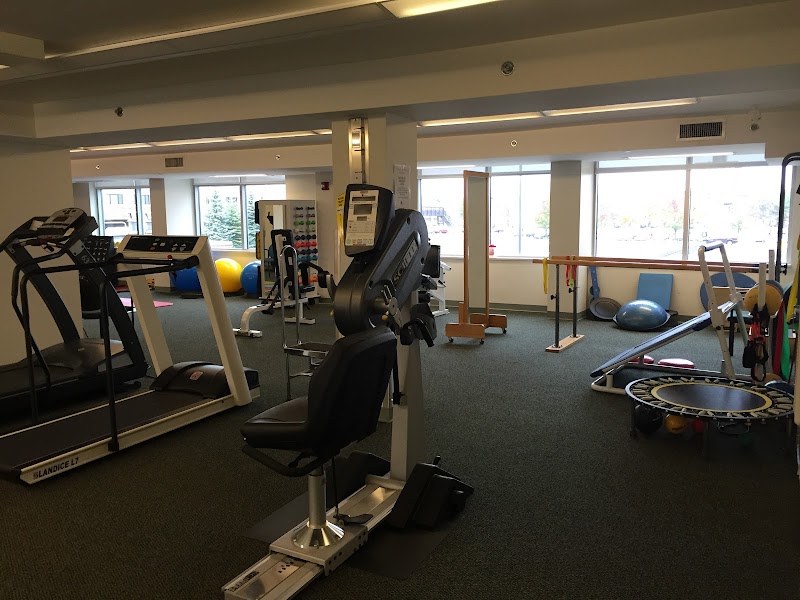
CMS rates Oakland Nursing Center's staffing level at 4 out of 5 stars, which is above average compared to other nursing homes. Staff turnover is 65%, which is 19 percentage points above the Michigan average of 46%. High turnover can affect care consistency as new staff learn residents' individual needs.

What Have Inspectors Found at Oakland Nursing Center?

State health inspectors documented 12 deficiencies at Oakland Nursing Center during 2023 to 2025. These included: 1 that caused actual resident harm, 10 with potential for harm, and 1 minor or isolated issues. Deficiencies causing actual harm indicate documented cases where residents experienced negative health consequences.

Who Owns and Operates Oakland Nursing Center?

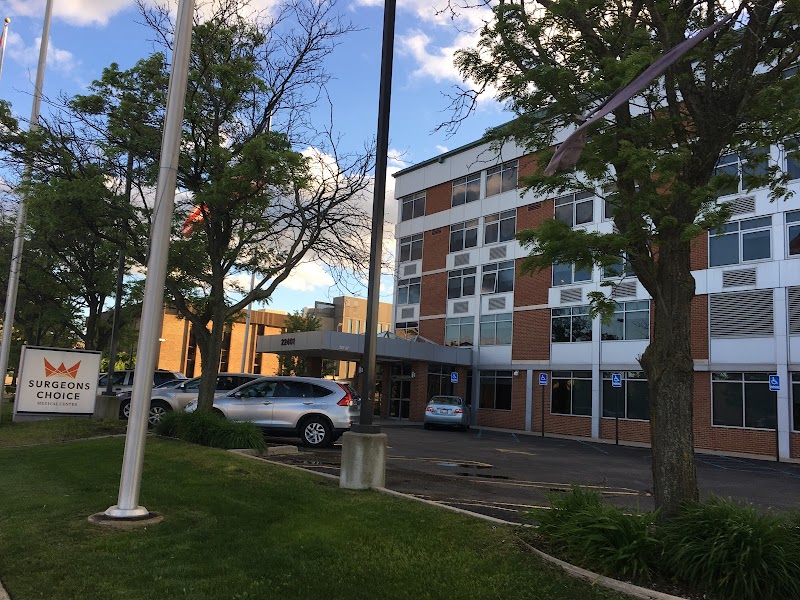
Oakland Nursing Center is owned by a for-profit company. For-profit facilities operate as businesses with obligations to shareholders or private owners. The facility operates independently rather than as part of a larger chain. With 26 certified beds and approximately 16 residents (about 62% occupancy), it is a smaller facility located in Southfield, Michigan.

How Does Oakland Nursing Center Compare to Other Michigan Nursing Homes?

Compared to the 100 nursing homes in Michigan, Oakland Nursing Center's overall rating (5 stars) is above the state average of 3.2, staff turnover (65%) is significantly higher than the state average of 46%, and health inspection rating (5 stars) is much above the national benchmark.

What Should Families Ask When Visiting Oakland Nursing Center?

Based on this facility's data, families visiting should ask: "How do you ensure continuity of care given staff turnover, and what is your staff retention strategy?" "Can I visit during a mealtime to observe dining assistance and food quality?" "How do you handle medical emergencies, and what is your hospital transfer rate?" "Can I speak with family members of current residents about their experience?" These questions are particularly relevant given the facility's high staff turnover rate.

Is Oakland Nursing Center Safe?

Based on CMS inspection data, Oakland Nursing Center has a clean safety record: no substantiated abuse findings (meaning no confirmed cases of resident harm), no Immediate Jeopardy citations (the most serious violation level indicating risk of serious injury or death), and is not on the Special Focus Facility watch list (a federal program monitoring the lowest-performing 1% of nursing homes). The facility has a 5-star overall rating and ranks #1 of 100 nursing homes in Michigan. While no facility is perfect, families should still ask about staff-to-resident ratios and recent inspection results during their visit.

Do Nurses at Oakland Nursing Center Stick Around?

Staff turnover at Oakland Nursing Center is high. At 65%, the facility is 19 percentage points above the Michigan average of 46%. High turnover means new staff may not know residents' individual needs, medications, or preferences. It can also be disorienting for residents, especially those with dementia who rely on familiar faces. Families should ask: What is causing the turnover? What retention programs are in place? How do you ensure care continuity during staff transitions?

Was Oakland Nursing Center Ever Fined?

Oakland Nursing Center has no federal fines on record. CMS issues fines when nursing homes fail to meet care standards or don't correct problems found during inspections. The absence of fines suggests the facility has either maintained compliance or corrected any issues before penalties were assessed. This is a positive indicator, though families should still review recent inspection reports for the full picture.

Is Oakland Nursing Center on Any Federal Watch List?

Oakland Nursing Center is not on any federal watch list. The most significant is the Special Focus Facility (SFF) program, which identifies the bottom 1% of nursing homes nationally based on persistent, serious quality problems. Not being on this list means the facility has avoided the pattern of deficiencies that triggers enhanced federal oversight. This is a positive indicator, though families should still review the facility's inspection history directly.