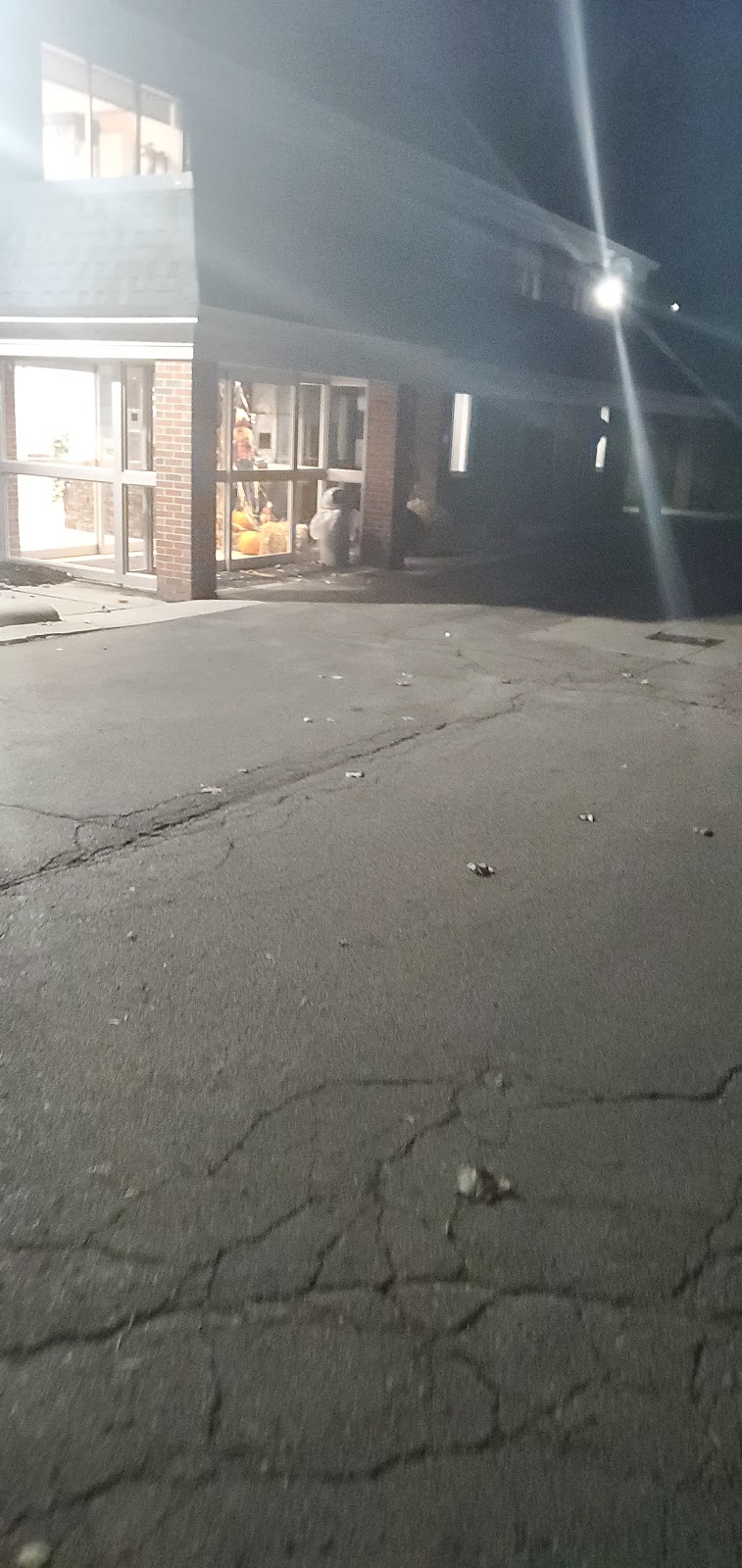
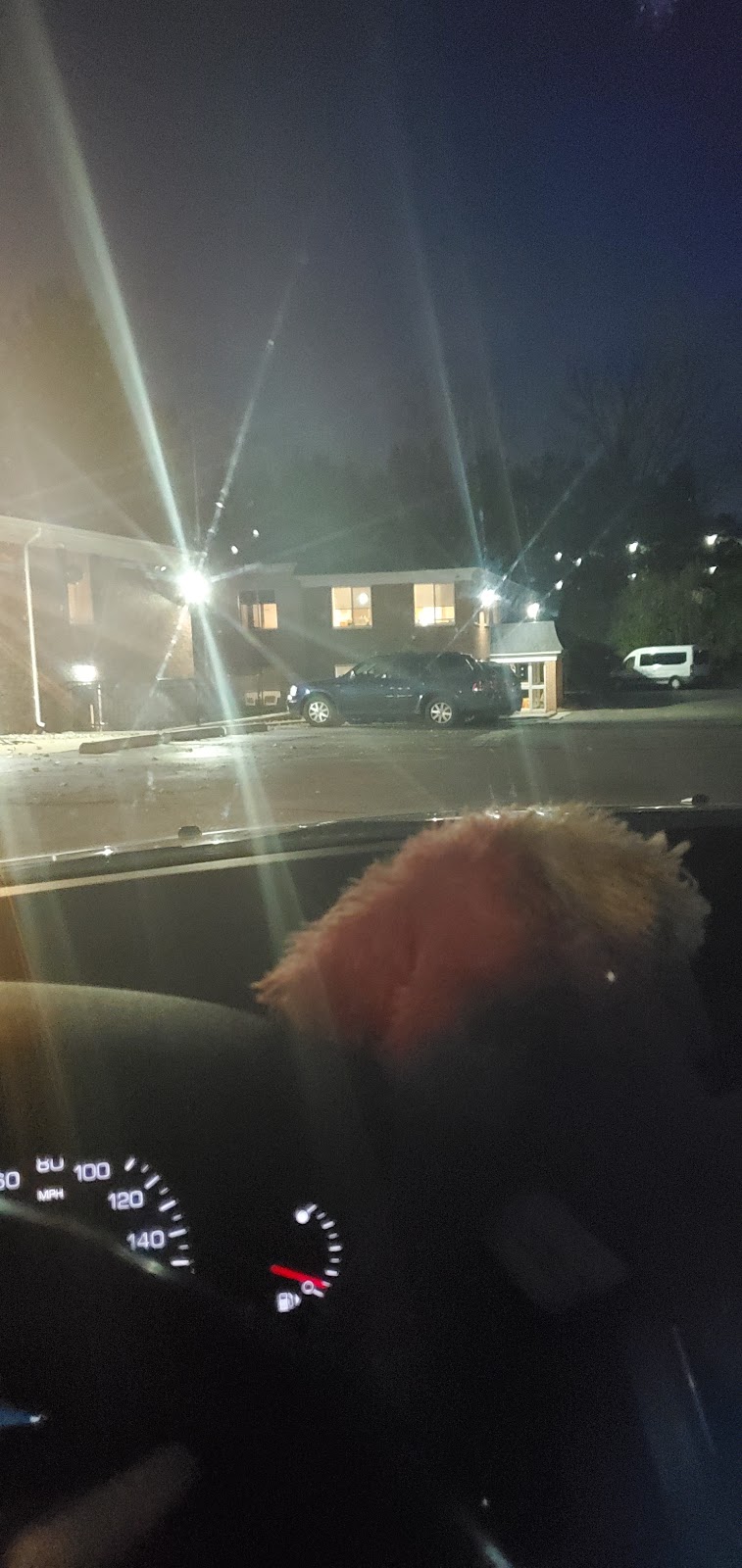
The Lakeland Center

26900 Franklin Road, Southfield, MI 48034 (248) 350-8070
For profit - Corporation 91 Beds OPTALIS HEALTH & REHABILITATION Data: November 2025 3 Immediate Jeopardy citations
Trust Grade
0/100
#336 of 422 in MI
Last Inspection: November 2024

Within standard 12-15 month inspection cycle. Federal law requires annual inspections.

Overview

The Lakeland Center has received a Trust Grade of F, indicating significant concerns about the care and services provided, which is considered poor compared to other facilities. It ranks #336 out of 422 nursing homes in Michigan, placing it in the bottom half of facilities statewide, and #26 out of 43 in Oakland County, meaning only 17 local options are better. While the number of issues found is improving, decreasing from 18 in 2024 to 4 in 2025, the facility still has a troubling history, including critical incidents where multiple residents did not receive essential medications and care for extended periods, leading to immediate jeopardy to their health. Staffing is a concern as well, with a turnover rate of 58%, significantly higher than the state average, and less RN coverage than 85% of Michigan facilities, which could impact the quality of care. Additionally, the facility has accumulated fines totaling $189,324, indicating repeated compliance problems that families should take seriously.

Trust Score
F
0/100
In Michigan
#336/422
Bottom 21%
Safety Record
High Risk
Review needed
Inspections
Getting Better
18 → 4 violations
Staff Stability
⚠ Watch
58% turnover. Above average. Higher turnover means staff may not know residents' routines.
Penalties
⚠ Watch
$189,324 in fines. Higher than 77% of Michigan facilities, suggesting repeated compliance issues.
Skilled Nurses
⚠ Watch
Each resident gets only 26 minutes of Registered Nurse (RN) attention daily — below average for Michigan. Fewer RN minutes means fewer trained eyes watching for problems.
Violations
⚠ Watch
51 deficiencies on record. Higher than average. Multiple issues found across inspections.
★★☆☆☆
2.0
Overall Rating
★★☆☆☆
2.0
Staff Levels
★★★★★
5.0
Care Quality
★☆☆☆☆
1.0
Inspection Score
Stable
2024: 18 issues
2025: 4 issues

The Good

  • 5-Star Quality Measures · Strong clinical quality outcomes
  • Full Sprinkler Coverage · Fire safety systems throughout facility
  • No fines on record

Facility shows strength in quality measures, fire safety.

The Bad

2-Star Overall Rating

Below Michigan average (3.1)

Below average - review inspection findings carefully

Staff Turnover: 58%

11pts above Michigan avg (46%)

Frequent staff changes - ask about care continuity

Federal Fines: $189,324

Well above median ($33,413)

Significant penalties indicating serious issues

Chain: OPTALIS HEALTH & REHABILITATION

Part of a multi-facility chain

Ask about local staffing decisions and management

Staff turnover is elevated (58%)

10 points above Michigan average of 48%

The Ugly 51 deficiencies on record

3 life-threatening 1 actual harm
Aug 2025 1 deficiency
CONCERN (D) 📢 Someone Reported This

A family member, employee, or ombudsman was alarmed enough to file a formal complaint

Potential for Harm - no one hurt, but risky conditions existed

Deficiency F0919 (Tag F0919)

Could have caused harm · This affected 1 resident

This citation pertains to complaint: 2570541. Based on observations, interviews and record reviews the facility failed to ensure the resident call light system was fully operable and functioning for t...

Read full inspector narrative →
This citation pertains to complaint: 2570541. Based on observations, interviews and record reviews the facility failed to ensure the resident call light system was fully operable and functioning for two of three residents observed. This deficient practice had the ability to affect multiple residents residing in the facility. Findings include: A review of a complaint submitted to the State Agency (SA) documented allegations of the facility's call light system to be broken. On 8/19/25 an onsite investigation into the reported allegation was conducted. On 8/19/25 at approximately 9:55 AM, an observation of R204's call bell function was conducted with Licensed Practical Nurse (LPN) A. LPN A pressed R204's call light several times and the call light indicator outside of the resident's door failed to light up. LPN A confirmed the call bell/light was not working. At approximately 10:00 AM, an observation was made of R205 sitting on the side of their bed. R205 was asked to press their call bell light to see if it was working properly. R205 was observed to have pressed the call bell several times. The call light indicator outside of their door did not light up. A second and third attempt was observed of R205 pressing their call bell button and again the indicator light did not light up. On 8/19/25 at 10:33 AM, Nurse Unit Manager (NUM) B was interviewed and asked about the facility's call light system. NUM B stated staff are alerted by the beeping at the nurse's station but if they aren't near the nurse's station they can tell by the lit lights outside of the resident's door. NUM B denied having been informed of any concerns or issues with the facility's call light system. On 8/19/25 at 11:16 AM, the Director of Nursing and NUM B were both interviewed together. The DON stated they were aware of an issue with the call light system in July but believed it was fixed on that same day and denied having been informed of any issues since that time. On 8/19/25 at 1:04 PM, the Administrator was interviewed regarding the facility call light system and stated they were previously unaware of concerns or issues with the call light system. The Administrator stated they instructed the maintenance department to do an audit of the whole facility to ensure all call bells are operating. No further explanation or documentation was provided by the end of the survey.
Jul 2025 2 deficiencies 1 Harm
SERIOUS (G) 📢 Someone Reported This

A family member, employee, or ombudsman was alarmed enough to file a formal complaint

Actual Harm - a resident was hurt due to facility failures

Accident Prevention (Tag F0689)

A resident was harmed · This affected 1 resident

**NOTE- TERMS IN BRACKETS HAVE BEEN EDITED TO PROTECT CONFIDENTIALITY** This citation relates to Intake 1302878. Based on observation, interview, and record review, the facility failed to ensure prope...

Read full inspector narrative →
**NOTE- TERMS IN BRACKETS HAVE BEEN EDITED TO PROTECT CONFIDENTIALITY** This citation relates to Intake 1302878. Based on observation, interview, and record review, the facility failed to ensure proper positioning to prevent an avoidable fall with injury for one Resident (R703) of one resident reviewed for falls, which resulted in actual harm, with increased pain, emergent care, hospitalization, and fearfulness. Findings include: Review of a complaint intake received on 6/20/25 revealed R703 resided at the nursing facility with a diagnosis of stroke and limited range of motion in their extremities. The complaint showed R703 had a fall at night on 6/19/25 after warning the aide not to turn her, as she felt like there was not enough room on the bed. The aide reportedly proceeded to turn R703, and R703 hit their head on the floor. R703 was reportedly supposed to be a two-person assist at all times. R703 was subsequently taken to the hospital, and had no fractures or brain bleeds but did have increased pain and swelling of their right knee. The complaint stated, “(R703) is in a lot of pain is completely traumatized…” On 7/01/25 at 4:12 p.m., R703 was observed laying on their back in their hospital bed, wearing a gown. It was noted R703’s hands were closed in fists. R703 agreed to be interviewed. On 7/01/25 at 4:15 p.m. R703 was asked about their care, and responded, “The person (staff) was asked not to turn me in bed, and I said, ’I am a fall risk. I am supposed to have two people,’ and it was just one person. She (staff) turned me and I fell on the floor on my left side. I was to the ground. I hit my head really bad. They x-rayed me from head to toe, and they said that I didn’t have any broken bones. My head was hurting really bad. It is still going on and I am still having sharp shooting pain. I can’t move my arms well…” R703 reported they needed help feeding themselves and had pain in the back of their legs. R703 reported they fell a month ago directly onto the floor. R703 reported they went to the hospital, who kept them for a few days and said they had a head injury and pain in their legs and back which had worsened since their fall. R703 reported their pain was 8/10 (with 10 the highest pain) and said they needed more pain medication after the fall. R703 said they did not want to work with them ever again. R703 continued, “I am experiencing all the pain still and have a lot of fear (of moving and getting out of bed). Since then, I don’t want to be touched…” R703 confirmed they used a Hoyer lift to get out of bed. R703 was alert and oriented to their name, situation, and surroundings. Review of R703’s Minimum Data Set (MDS) assessment, dated 3/29/25, revealed R703 was admitted to the facility on [DATE] with diagnoses including heart failure, stroke, and epilepsy (a seizure disorder). The assessment revealed R703 required moderate assistance with eating and was dependent for bed mobility and transfers. The cognitive assessment revealed R703 was usually understood and could usually understand others. On 7/01/25 at 4:30 p.m., R703’s nurse, licensed practical nurse (LPN “K)”, was asked about their care and any pain. LPN “K” stated R703 had been requesting pain medication regularly, which was a change, as they had rarely asked for it prior to the recent fall. LPN “K” reported R703 was newly on scheduled Tramadol since the fall, however said they were not aware of her reporting fearfulness. LPN “K” stated R703’s routine was getting up out of bed with staff assistance before their fall in June (2025) every day and going to the dining room, attending activities, talking to the other residents, and watching television however since the fall they were in bed more often. LPN “K” reported R703 fed themselves with adaptive silverware. LPN “K” said R703’s affect was more solemn since their fall. On 7/02/25 at 12:37 p.m., LPN “N” was asked about R703’s fall on 6/19/25. LPN “N” said they were in another room taking care of another resident when the fall with injury occurred. LPN “N” reported there was only one aide in the room, and said they were a newer aide. The aide stated to them they were cleaning R703 (providing peri-care) and said the aide had the bed up and R703 fell out of bed. LPN “N” said the Kardex showed R703 was a two-person assist for bed mobility at the time of their fall. LPN “N” reported when they observed R703, they were laying on their back on the side of the bed, and said they hit their head, and their back was hurting. LPN “N” stated they called the doctor, EMS (emergency medical services) and the Director of Nursing (DON) and said, “(R703) was in pain in the neck, head, and on her back .” On 7/02/25 at approximately 1:20 p.m., R703’s guardian, Guardian “P”, stated in a phone interview LPN “N” called them on 6/20/25 and said they were sending R703 out (emergently) after a fall when staff were trying to change their (briefs) and rolled them out of bed and told them R703 landed on her back and hit their head on the floor. R703’s guardian stated R703 was a two-person assist at all times for care, and reported R703 was traumatized and kept saying at the hospital, “I’m falling; I’m falling…” Guardian “P” said they got R703’s pain under control at the hospital but the next day the facility staff sent R703 back to the hospital with increased leg pain and said R703 was diagnosed with a pelvic fracture. Guardian “P” stated, “Why would you try to roll them if they (resident) say not to roll them? R703 is a two-person assist at all times. There is signage in the room. That I don’t understand…” Guardian “P” reported prior to their fall R703 went to the dining room to eat and attended activities but since the fall had not gone much as R703 felt scared. Review of R703’s Accident and Incident report, dated 6/19/25 at 10:00 a.m., revealed, “Writer was in hallway and heard resident yelling for help. Upon entering room, resident was on the floor on her back accompanied with assigned CNA (Certified Nurse Assistant/CNA “Q”). CNA stated, “’The resident fell during patient care.’” RCA (Root Cause Analysis): Improper positioning in bed. Staff to ensure resident is positioned in the center of bed. Resident stated, “’I fell out of bed.’” …Resident complained of pain to hand, neck, and back…Resident sent to hospital via EMS accompanied by two CNAs…” The report showed R703 was alert and oriented x 3 (3 spheres of 4). Review of R703’s facility investigation report showed on 6/19/25 at 9:45 p.m., CNA “Q” rolled R703 out of bed the opposite way (of CNA “Q”) and rolled them completely out of bed and onto the floor. R703 reportedly hit her head and was found between two nightstands. R703 stated they were being changed (brief) and told the CNA they needed two staff to take care of her, but the CNA did it anyways and they fell out of bed. R703 explained they hit their head and said they were having headaches. CNA “Q” confirmed R703 fell between two nightstands and hit their head. The conclusion showed the staff member (CNA “Q”) did not use proper positioning techniques, resulting in the fall. The report revealed R703 was sent to the ER (emergency room) and said their CT scan and x-rays were negative (with no fracture). The resident returned with orders for Tylenol and Robaxin (a muscle relaxant which was newly ordered). Review of R703’s nursing progress note dated 6/21/25 at 4:20 a.m. (second note) showed R703 experienced pain during the night shift hours between 3:00 a.m. and 3:30 a.m. and they requested to go out to the hospital. Nurse assessed to see where the pain was coming from and patient stated their legs were in “so much pain”. The note when the EMT’s (emergency medical technician) arrived and were transferring R703 to the stretcher R703 screamed out in pain. Review of R703’s progress note, dated 6/26/25 at 12:08 p.m., revealed, “Wellness check completed. (R703) states she feels safe being at the facility however c/o (complains of) pain and that her pelvis is broken. Says she is anxious and agreed to see psych services…Spoke to case manager regarding resident asking for something (medication/intervention) to help her calm down…” Review of R703’s progress note dated 6/25/25 at 1:37 p.m. revealed, “Writer notified by SW (social worker) of residents’ increased anxiety/pain. NP (Nurse Practitioner) notified. New orders received for Tramadol (controlled pain medication) 50 mg every six hours as needed for pain, and a one-time dose of Zyprexa for increased anxiety, with psych service consult ordered…” Review of R703’s nursing progress note, dated 6/29/25 at 17:34 (p.m.), by LPN “K”, revealed, “(R703) reported to writer that current pain medication was not helping to alleviate pain…stating, “…I’m still in a lot of pain .” Writer notified on-call provider, awaiting new pain medication order…” Review of R703’s nursing progress note, dated 6/30/25 at 10:19 a.m., revealed, “Primary NP (Nurse Practitioner) in house, new orders given to change Tramadol 50 mg prn (as needed) to Tramadol 50 mg (scheduled) every 6 hours. On coming nurse notified.” Review of R703’s psychiatric progress note, dated 6/30/25 at 11:15 a.m., revealed the provider was seeing R703 for restlessness and agitation post hospitalization, with no new interventions or medications added. R703’s mood was stable, and pain was found managed by the visit. Review of R703’s hospital History and Physical report (H & P), dated 6/21/25, revealed R703 was a [AGE] year-old patient with prior stroke with right side hemiparesis (weakness) and seizure disorder who fell out of bed while being changed. Her acute diagnoses was intractable pain and UTI (urinary traction infection) symptoms. The report showed R703 reported hitting their head when they fell. The report diagnoses showed CT of their pelvis yielded, “Impression: focal defect (localized area of irregularity or damage) and cortical irregularity (causing pain or instability) involving the right inferior pelvic ramus (pelvic bone). No adjacent infiltration or hematoma. Findings may represent subacute injury however no callus formation is present (indicating bone growth)…” This report did not confirm or deny the presence of a pelvic fracture. Review of R703’s hospital occupational therapy evaluation, dated 6/22/25, revealed R703 had fair participation in the assessment due to severe back pain and muscle spasms. Review of R703’s hospital palliative report, dated 6/22/25, showed R703 had no acute fractures or dislocations, including right knee imaging, and showed they were not choosing palliative care at that time. On 7/03/25 at approximately 2:35 p.m., CNA “Q” was called about R703’s fall on 6/19/25. No call was returned by the end of survey. On 7/02/25 at approximately 3:00 p.m., Physical Therapist “R” reviewed R703’s pelvic scan report with Surveyor and said they had prior reviewed the scan. PT “R” reported the report did not clearly show a pelvic fracture and there was no bone growth which would have likely showed healing (if there was a fracture). PT “R” clarified there would be no different treatment for a pelvic fracture or injury, as the goal would be pain management. PT “R” confirmed R703 was currently receiving treatment for pain management in PT after their fall with injury. On 7/02/25 at approximately 3:30 p.m., the Director of Nursing (DON), along with Infection Preventionist (IP) Nurse “T”, reviewed the Electronic Medical Record (EMR) with Surveyor. Both confirmed R703’s Kardex at the time of their fall should not have shown 1–2-person assistance with ADL’s (activities of daily living), as then the aides had to choose the level, when this should have been specified by therapy. Both confirmed CNA “Q” had been newly hired on 5/28/25 and said they reeducated CNA “Q” on safe transfers. Both explained CNA “Q” was reportedly trying to change R703 and had been rushing, so no abuse or intent was found. Review of CNA “Q”’s personnel file showed they received bed mobility training during their orientation. Review of CNA “Q”’s reeducation regarding bed mobility respective to the incident read a follows: “…1st written warning: Patient Care:…During ADL care employee pushed (R703)…away from her, instead of towards her, for proper body alignment, resulting in resident injury…” Signed by the DON, and LPN “I”, delivered via phone to CNA “Q” on 6/20/25. Review of R703’s PT evaluation, dated 6/26/25 (after their fall), revealed R703 struggled with pain during the assessment in their legs with slightest movement at 10/10. The assessment revealed, “…Writer noticed patient screaming in pain while actively attempting to move her legs…” The assessment revealed a goal of 3/10 pain with modalities including heat and cold, with prior level of function showing n/a (no) pain, and a caregiver goal of safe patient handling to not aggravate pain. Review of the policy, “Fall Management Guidelines”, issued 12/13/23, revealed, “The purpose of this policy is to provide guidelines to assist with fall risk identification and fall management of residents in the facility…Intrinsic factors that may increase the risk of falls include…cognitive impairment, CVA/TIA…Evaluate for signs and symptoms and complaints of pain…Attempt to determine the root cause of the event…The interdisciplinary team (IDT) will review the resident’s fall including: the circumstances surrounding the resident’s fall and any changes in the resident’s risk factors, condition, and/or functional status to validate or determine the root cause of the fall, the interdisciplinary team will review the resident’s current plan of care and interventions to ensure that the interventions are appropriate and the resident’s post-fall interventions correlate to the root cause of the fall, in an attempt to prevent future fall, a progress note will be placed in (the EMR), documenting the IDT review and findings…”
CONCERN (D) 📢 Someone Reported This

A family member, employee, or ombudsman was alarmed enough to file a formal complaint

Potential for Harm - no one hurt, but risky conditions existed

Incontinence Care (Tag F0690)

Could have caused harm · This affected 1 resident

**NOTE- TERMS IN BRACKETS HAVE BEEN EDITED TO PROTECT CONFIDENTIALITY** This citation relates to Intake MI00153706. Based on interview and record review, the facility failed to follow a physician orde...

Read full inspector narrative →
**NOTE- TERMS IN BRACKETS HAVE BEEN EDITED TO PROTECT CONFIDENTIALITY** This citation relates to Intake MI00153706. Based on interview and record review, the facility failed to follow a physician order to ensure proper catheter care per standards of practice for one Resident (R702) of one resident reviewed for catheter care. Findings include: Review of a complaint intake received by the State Agency on 6/16/25 revealed R702 had quadriplegia (a form of paralysis affecting all four limbs) and needed a 20 (size diameter) French catheter, the facility ran out of supplies, and R702 was provided an 18 French catheter instead, which was leaking urine. The complaint further alleged R702 was not kept updated when a new catheter was available. On 7/01/25 at 11:33 a.m., Licensed Practical Nurse (LPN) “E” was asked about R702’s stay. LPN “E” confirmed an incident occurred in the past month on a Sunday (6/15/25), when R702’s suprapubic catheter (an abdominal urinary catheter to drain urine) became clogged. LPN “E” said the facility did not have a 20 sized French catheter (a type of catheter and size diameter) in the building, per R702’s physician orders, and reported the facility only had a 22 French (larger sized catheter) or an 18 French catheter (smaller sized catheter). LPN “E” stated they called R702’s physician, who ordered an 18 sized French catheter and said to order and change the catheter the next day back to a 20 French catheter. LPN “E” reported they entered this physician order in large print, so the next incoming nurses would see the catheter needed to be ordered and changed the next day, and requested central supply order the 20 French catheter. LPN “E” explained when they returned to work for their day shift the following Tuesday (two days later), R702 still had the 18 French catheter placed, and when they tried to put in the 20 French catheter, the stoma (opening in the body for waste to exit) closed. LPN “E” described then the 18 French catheter would not fit back in either, so they placed a foley indwelling (urethral) catheter and sent R702 to the hospital, per physician orders. Review of R702’s facility census revealed they were hospitalized on [DATE] (a Tuesday) and returned to the facility on 6/28/25. Review of R702’s Care Plan, accessed 7/01/25, revealed they had a suprapubic urinary catheter. Review of R702’s physician orders revealed an order for a suprapubic urinary catheter started on 5/05/25 and ended on 6/23/25. The order showed the French catheter size was designated but left blank. Review of R702’s Minimum Data Set (MDS) assessment, dated 6/12/25, revealed R702 was admitted to the facility on [DATE], with diagnoses including quadriplegia. The assessment showed R702 was dependent for transfers and bed mobility, and had a urinary catheter. The Brief Interview for Mental Status (BIMS) assessment showed a score of 15/15, which showed R702 was cognitively intact. Review of the electronic medical record (EMR) showed R702 was their own responsible party. Review of R702’s hospital record internal medicine physician note, dated 6/28/25, showed, “…Assessment/plan: .presenting with UTI (urinary tract infection) and misplaced SP (suprapubic catheter) tube now s/p (status post) urethral catheter placement…continue urethral catheter; ok for monthly exchanges with nursing or urology…” Review of R702’s hospital record internal medicine physician note, dated 6/26/25, revealed, “Assessment/plan:…Complicated acute UTI likely secondary to SPC (suprapubic urinary catheter) with sepsis…SPC dysfunction/clogged, unable to be replaced…” Review of R702’s hospital record history and physical, dated 6/18/25, revealed R702 was admitted to the hospital on [DATE]. The document showed, …neurogenic bladder s/p suprapubic catheter…Patient states his suprapubic catheter has been clogging at his nursing facility…approximately 3 days ago his suprapubic catheter was exchanged after clogging. He states he normally gets a 20 French but the facility did not carry that catheter size and it was exchanged for an 18 French. He states today when the facility tried to upsize his catheter to a 20 French suprapubic catheter however the catheter was unable to (sic - be) replaced. He states that he then had a 14 French urethral catheter placed and was then taken to the emergency department…His suprapubic catheter was removed likely over 12 hours ago…significant edema and bleeding from the (suprapubic) tract. Fourteen French Foley catheter in place draining pink tinged urine. Significant purulent (infected) appearing exudate (drainage) from around the catheter…Suprapubic catheter unable to be replaced…given significant amount of time since catheter was removed, tract appears to be permanently closed…Maintain urethral catheter. Patient with bladder spasms after placement. Some blood, purulent exudate and leaking around the catheter to be expected (sentence in bold print)…” The note further revealed R702 was to follow-up with urologist as an outpatient and was prescribed antibiotics. Review of R702’s physician order, dated 6/15/25, revealed, “Insert Foley catheter: for 24 hr (hour) until 20 Fr (catheter size). Catheter size/French: 18…one time only for Foley care for 1 day. Start date: 6/15/25 1858 (6:58 p.m.).” On 7/10/25 at 12:17 p.m., R702 was observed in their hospital bed, wearing a gown. R702 had a foley urinary catheter, which was draining clear yellow urine. On 7/01/25 at 12:19 p.m., R702 was asked about their care at the facility. R702 stated they had been at the hospital for two weeks as the facility ran out of the catheter size they needed and said they had subsequently developed “a bad UTI”, requiring hospitalization, and could not have surgery to replace their SPC until the infection was gone, so the hospital ended up leaving the (foley) urinary catheter (which drained from the bladder) in place. R702 explained the doctor ordered an 18 sized French catheter when the facility did not have the 20 sized French catheter they required for two days. R702 described when the nurse removed the 18 French catheter to put in the ordered 20, the opening (stoma) had healed around the 18 size, so they couldn’t insert the 20 French catheter size. R702 reported their nurse was LPN “E”, who did “everything they could do”. R702 stated they never saw any doctor when the incident occurred, which concerned them. R702 reported if the physician had seen them and prescribed an antibiotic they may not have required the hospitalization, as the catheter was clogged prior and smelled foul, and said they had asked the facility staff to see their physician for an antibiotic. R702 explained this made them feel angry and upset and said they were tired of feeling angry and just wanted appropriate care. Review of R702’s nursing progress note dated 6/18/25 at 11:29 p.m. by LPN “I”, “(R702) complains of suprapubic pain on 6/15/25, NOD (nurse on duty) attempted to change foley (sic – SPC) and could not locate required supplies for 20Fr (French) catheter. NOD contacted neurologist…(who) ordered a 18F foley to be placed until supplies arrived. (Physician) further states to send resident to hospital if 20F is not available 6/17/25. 20 F still unavailable, resident request to be transferred (to hospital)…” Review of R702’s nursing progress note, dated 6/15/25 at 7:15 p.m., revealed, “Dr. notified of unavailability of 20 fr foley @ the moment r/t (related to) resident foley being clotted. New order for 24 hr 18 fr sp foley until made available. Send resident out to hospital if 20 fr does not become available per (physician).” On 7/01/25 at 3:00 p.m., LPN “I” was asked about R702’s catheter and subsequent hospitalization. LPN “I” confirmed the incident occurred per their progress note. LPN “I” was asked why there was no 20 French foley available. LPN “I” stated the 20 French foley should always have been stocked at the facility for R702, and said they had some hit or miss with supplies, as the staff member in charge of ordering supplies, Staff “L”, did not always understand how to order supplies. LPN “I” acknowledged there had been some communication gaps with Staff “L” who oversaw central supply ordering and said things had been improving. LPN “I” stated when the 20 French foley and then the 18 French foley would not go in (for R702), that was an emergency situation. LPN “I” reviewed the EMR (electronic medical record) with Surveyor and confirmed R702 should have been sent to the hospital on 6/16/25, instead of 6/17/25 per physician order when they did not have the 20 French foley. LPN “I” acknowledged this placed them at higher risk for infection. LPN “I” reported the physician had been notified on 6/15/25 and confirmed there was no physician visit documented when the incident occurred or after, between 6/15/25 and 6/17/25. On 7/02/25 at 8:04 a.m., Staff “L” reported they oversaw central supplies and ordering supplies. Staff “L” reported no staff let them know the Friday before they needed a 20 French foley, and they had been made aware on Monday (6/16/25) nursing staff needed a 20 French foley for R702, so they checked with their sister facilities and found none on Monday but found a 20 French foley on Tuesday (6/17/25). When asked whose responsibility it was to order supplies, Staff “L” reported it was their responsibility but also nursing staffs to bring it to their attention. Staff “L” was asked if there was a way to track facility supplies and when they were needed. Staff “L” reported they did more of a visual check and said they were not logging or keeping track of when supplies were needed. Staff “L” felt improved communication with nursing staff could help them to know when supplies were needed, and said R702 was the only resident using a 20 French foley when the incident occurred. On 7/02/25 at approximately 8:25 a.m., the DON was asked about the 20 French foley not being available for R702 on 6/15/25 and 6/16/25, and the supply ordering process. The DON explained they had not been made aware of any concerns, but their expectation would have been for Staff “L” to have been keeping track of the PAR (Periodic Automatic Replacement) level to prevent such an occurence, and said they would speak with Staff “L” about their ordering process and not just doing visual checks. The DON was shown the physician order not having any designation for the type of catheter size, and confirmed they understood the concern, as the size should be reflected in the physician orders and Care Plan. On 7/02/25 at 8:30 a.m., the Director of Nursing (DON) was asked about the incident and reviewed the EMR with this Surveyor. The DON shared they were not notified of the concern with R702’s catheter until 6/16/25 (a day after the incident), and stated their Nurse Practitioner (NP) “M” saw R702 on 6/16/25, and had said not to send R702 to the hospital and wait for the 20 French foley to come in. This surveyor noted a practitioner or physician note was not found in the EMR on 6/16/25, which the DON acknowledged. The DON reported the NP visit should have been documented in a progress note, and their expectation would have been for NP “M” to document the visit. The DON reported downsizing the catheter size would not have been a concern for them for one day, although they were aware R702 required a 20 French foley. The DON reported they came to the facility and saw the resident when the incident occurred on Tuesday (6/17/25) and were aware staff placed a smaller foley as they could not replace the 20 French or 18 French foley catheters, and said they sent R702 to the hospital. The DON reported they had not been made aware of R702 having any UTI symptoms, and review of the EMR showed no fevers or change in vitals or symptoms on the days prior and up to the incident. The DON reported if they had a 20 French foley it would have been placed at that time instead of the 18, and then they could have possibly treated R702’s (UTI) symptoms in house. The DON explained if they had been involved initially, they could have possibly sent R702 to the hospital when the incident occurred (on 6/15/25), and said they believed R702 was seen by the Nurse Practitioner (NP “M”) on 6/16/25. On 7/02/25 at 9:17 a.m., NP “M” was asked about R702’s catheter and their visit on 6/16/25, per the DON’s description. NP “M” said they spoke with the DON about R702’s catheter and were aware the on-call physician suggested R702 be sent to the hospital, but they understood R702 was not agreeable to going to the hospital. NP “M” said, “That is what I heard.” NP “M” was asked if they saw R702 on 6/15/25, 6/16/25, or 6/17/25 and confirmed they had no seen R702 or done a visit. NP “M” reported R702 was adamant about having the 20 French foley, but they felt the 18 French foley was fine to keep the (SP) tract open for 1-2 days. NP “M” reported they agreed for R702 to go to the hospital when their suprapubic catheter could not be replaced. On 7/02/25 at 11:16 a.m.,this Surveyor shared with the DON the concern regarding NP “M” reporting they did not do an in-person visit on 6/16/25 with R702. The DON acknowledged they understood the concern and said they would have expected NP “M” to have seen R702 when they were in the facility on 6/16/25. The DON reported R702 did not want to go to the hospital initially. The DON reported R702 had no pain when the incident occurred. The DON was asked about no designation in R702’s physician orders or Care Plan regarding the catheter size at the time of the incident, and currently. The DON reported they understood, and clarified the French foley catheter size should be designated. The DON reported the incident had a potential outcome, as a too large catheter size could have caused pain, and a too small catheter size could have caused leakage. Review of R702 Treatment Administration Record (TAR) showed R702 had pain of 6/10 on 6/15/25, when the incident occurred. Review of the policy, “Suprapubic Catheter Change”, revised 7/06/23, revealed no information respective to catheter sizing or availability. Review of the policy, “Standards of Practice”, dated 8/15/24, revealed, “Residents at the facility will receive services, treatment, and care in accordance with professional standards of practice. Resident care policies are developed, revised, and updated as needed, to ensure they are consistent with current professional standards of care and implemented within the facility… Review of the policy “Catheter Care”, dated 8/24/24, revealed, “It is the policy of this facility to ensure that residents with indwelling catheters receive appropriate catheter care and maintain their dignity and privacy when indwelling catheters are in use…” Review of the job description, “Central Supply Clerk”, revealed, “The Central Supply Clerk is responsible for the procurement, storage, and distribution of medical and non-medical supplies in the facility. This role ensures all departments have access to necessary material to support daily operations and quality resident care. Essential Duties and Responsibilities: Order, receive and stock all supplies including medical ., monitor and maintain appropriate inventory levels, deliver supplies to nursing units and departments in a timely and organized manner, maintain organization and cleanliness of the central supply area, coordinate with vendors regarding delivery schedules and back-ordered items, assist with monthly inventory counts and supply cost tracking…, communicate effectively with department heads regarding supply needs…”
Apr 2025 1 deficiency
CONCERN (F) 📢 Someone Reported This

A family member, employee, or ombudsman was alarmed enough to file a formal complaint

Potential for Harm - no one hurt, but risky conditions existed

Deficiency F0725 (Tag F0725)

Could have caused harm · This affected most or all residents

**NOTE- TERMS IN BRACKETS HAVE BEEN EDITED TO PROTECT CONFIDENTIALITY** This citation relates to Intake #MI00151265. Based on observation, interview, and record review, the facility failed to provide...

Read full inspector narrative →
**NOTE- TERMS IN BRACKETS HAVE BEEN EDITED TO PROTECT CONFIDENTIALITY** This citation relates to Intake #MI00151265. Based on observation, interview, and record review, the facility failed to provide adequate staffing to adequately meet the care needs of three Residents (R101, R102, and R105) of five residents reviewed for staffing, with the potential to affect all facility residents. Findings include: Review of a complaint received by the State Agency on 3/17/25 revealed resident-centered concerns related to not enough nursing aides with an increasing census. This reportedly resulted in residents not being gotten out of bed timely, with additional concerns about resident safety and comfort. The complaint described limited management oversight and problem solving given recent management staff turnover. On 4/03/25 at 9:31 a.m., Certified Nurse Aide (CNA) B reported they felt there should be two aides on Unit 4, which they described as primarily rehabilitation (skilled) residents when there was higher acuity on their unit, as many residents coming in required full care and full body mechanical lifts for transfers. CNA B stated the unit was typically staffed with one aide, which was not enough to meet the care needs of the residents. CNA B explained when there were residents on the unit with behaviors, they could not manage the higher acuity (resident care) needs of the incoming rehab residents when a resident needed increased supervision. CNA B reported there was typically only one nurse on the unit, and some helped with care, and some would not assist them when they were the only aide. CNA B reported it was difficult to find assistance for residents needing two-person assistance or full body mechanical lifts for transfers, as the other units were located on the second floor of the facility, which was verified. CNA B clarified they had shared their concerns with facility management. On 4/03/25 at approximately 9:55 a.m., Licensed Practical Nurse (LPN) A, who worked on Unit 1 regularly, reported when there were only two aides on their unit, it was more difficult for the aides to meet the care needs of their residents, as each aide often had 14 to 15 residents, who were dependent on staff assistance for their care. LPN A explained some family members insisted on residents being up earlier, and this delayed the care of other facility residents, who expressed frustration. LPN A reported they assisted the CNA's when they could but had to complete their medication passes and nursing tasks first in the morning. LPN A explained the aides often waited to get the residents up after the breakfast trays arrived. LPN A described the trays were supposed to arrive at 8:00 p.m., but sometimes the trays arrived at 8:30 a.m. or 8:40 a.m., as occurred on 4/03/25, which held up resident care, and getting residents out of bed. LPN A stated care delays were also related to lack of consistent staff on their unit, as the staff in the building liked to float, and then did not know the care needs of their residents. LPN A stated this caused care delays, as they had to keep telling newer staff the same things (about the care needs of the residents). LPN A reported the aides were responsible for residents' showers for their assigned rooms, and there was a higher acuity on Unit 1, with many residents requiring lifts or full care. This Surveyor reviewed the Unit 1 floor plan with LPN A, which showed 17 residents on Unit 1 required full body mechanical lifts for transfers and were maximum assistance to dependent for toileting. R105 Review of the Minimum Data Set (MDS) assessment, dated 3/06/25, revealed R105 was admitted to the facility on [DATE], with diagnoses including heart failure, renal failure, anxiety, and depression. The assessment showed R105 was dependent for bed mobility, toileting, and transfers, and was frequently incontinent of bladder and bowel. The Brief Interview for Mental Status (BIMS) assessment revealed a score of 15/15, which showed R105 was cognitively intact. Review of the Electronic Medical Record (EMR) showed R105 was their own responsible party. On 4/03/25 at 10:14 a.m., R105 was observed laying in their bed, wearing a house dress. R105 resided on Unit 1 in the facility. On 4/03/25 at 10:16 a.m., R105 reported when there were only two aides on the floor, they waited a longer time for assistance, stating, Sometimes it's (the wait) about 1 hour. R105 explained they were frustrated as they often waited one hour to be put to bed after dialysis, which was between 2:30 p.m. and 3:00 p.m., three days a week. R105 reported some of the aides would leave at 3:00 p.m. instead of staying until 7:00 p.m. through their 12-hour shift for personal reasons. R105 stated, There should be three staff (on their hall) at all times, as there are so many people (residents) that are in diapers (briefs), cannot feed themselves, and sometimes they (management) take an aide (to another unit) who is over here. When asked how they knew this information, R105 reported the aides told them, as they expressed frustration to them, as they sometimes could not adequately meet the care needs of their residents on the unit. R105 explained, They are losing good aides because they are overloading them, and they gotta do (care) for all these patients, and you have how many who are bedridden. Yesterday, no one gave us (residents) any water, and we are supposed to get on the day shift, and the night shift, and we didn't get either (water pass). I called three times (to the kitchen), and they said they would bring water, and I called the receptionist twice, and no one answered. Surveyor asked R105 if they could read their clock, and they repeated the time. R105 was alert and oriented times four (to person, place, time, and situation). R105 pointed to a pile of unfolded clothes on their wheelchair and reported they had asked staff to hang them up, but it had already been three days since their request (on 3/31/24). On 4/03/25 at 10:25 a.m., R105's manual wheelchair was observed at the foot of their bed, filled with a large pile of unfolded clothes. On 4/03/25 at 10:25 a.m., R105 continued, We (residents) like familiar people (consistent staff), and most of the time they (staff) are not because the aides are quitting or being fired .Some (aides) have an attitude and say, 'What do you want? R105 reported this made them feel tired after dialysis when they waited an hour to lay down, as their neck and shoulders hurt, and their wheelchair was uncomfortable. R105 added, I hate to go out (of the facility) with my clothes not being hung up (wrinkled). I missed my bed bath for two weeks (a few weeks prior). I am told I cannot get a bath as they don't have enough linen, towels and washcloths, and I have to wait a long time to be cleaned up at night, as there are only two aides . R105 reported this made them feel neglected and angry, and stated their family member tried to complain but they could not get a hold of staff on the phone. R105 was asked if they reported their concerns to the facility management. R105 responded they had called the Nursing Home Administrator (NHA) and the Unit Manager, LPN G, and they had not responded, and they had told their nurses, aides, and their family. R102 Review of R102's MDS assessment dated [DATE], revealed R102 was admitted to the facility on [DATE], with diagnoses including stroke, hemiplegia (paralysis), and adjustment disorder with mixed mood. R102 was dependent for toileting, bed mobility (rolling), and transfers, and was always incontinent of bladder and bowel. The sensory assessment revealed R102 had clear speech and was able to understand and be understood by others. The preferences assessment showed it was very important for R102 to have their daily preferences honored, including related to their care, daily schedule, and being involved in care decisions. On 4/03/25 at 11:29 a.m., R102 was observed in their bed, wearing a hospital gown and a splint on their left arm. On 4/03/25 at 11:31 a.m., R102 reported they wanted to get up (out of bed) earlier on most days, and stated, I asked for water (today), and I don't ever get it (several days). Icewater . R102 reported they pushed their call light for water, staff said 'ok' and never brought it. R102 stated, I never got water today . R102 was able to read their room clock and was alert and oriented to themselves, the time, and their surroundings. On 4/03/25 at 11:34 a.m., R102's water cup was observed on their bedside table. The cup was dated in pen 4/02/25 and showed 7:00 p.m. to 7:00 p.m, with an empty cup. R102 was observed pushing their call light for water with this Surveyor present. On 4/03/25 at 11:35 a.m., CNA C came into R102's room, viewed the date on R102's water cup, and stated, It (the water) should be passed by 7 (a.m) normally. CNA C stated, It was late as we (staff) had to change everyone from the midnight shift. When asked about this privately, CNA C stated the residents' waters were late every day as they could not pass them at 7:00 a.m. due to residents' care needs being the priority. On 4/03/25 at 11:36 a.m., the Unit Manager, LPN G arrived, viewed the date on R102's cup, and stated, It (the residents' waters) should have been passed this morning. On 4/03/25 at 11:37 a.m., R102 was asked how this made them feel. R102 responded, I feel neglected. R102 reported not getting their water timely made them feel dry and thirsty at times, and they explained sometimes waited on hour to be changed (their brief). R102 stated they would like to have been up already in their chair, not in bed, as lunch came around noon. R102 reported they had told the nurses their concerns, and this had been happening for over a month. On 4/03/25 at approximately 11:53 a.m., CNA C was observed passing water on Unit 100. On 4/03/25 at 12:12 p.m., CNA C was asked further about the water being passed at that time, as receiving water was a basic need. CNA C reported the expectation was for the water to be passed to residents at the beginning of the day shift, and they were running late on this date. When asked why, CNA C reported they felt they needed to prioritize the care needs of their residents, which were extensive on the unit, as many of the residents used a full body mechanical lift for transfers. CNA C explained, I just started doing my patients (providing care) and getting them up and making sure they were clean and not waiting. The expectation is a 7 (7:00) a.m. water pass, and a second water pass at lunch, so the first one got missed today. (R102) is the only one (resident) who said anything . CNA C stated they found several residents soaked this morning, and stated, From what I heard, they (the night shift aides) did their last check and change at 4:00 a.m., and I personally think they should have done it at 5 or 6 (5:00 a.m. or 6:00 a.m.). Some beds were soiled, and residents were soaked . So, they had to do complete changes (bedding and briefs) verses providing the water pass. When asked about staffing on the unit, CNA C stated, If there is two aides, we usually just work together, and it was sloppy this morning (the team care provision) . CNA C reported they had only worked at the facility a month or two. R101 Review of R101's MDS assessment, dated 2/14/25, revealed R101 was admitted to the facility on [DATE], with diagnoses including peripheral vascular disease (circulatory disease), depression, and arthritis. The assessment showed they were dependent for bed mobility, transfers, and toileting, and were frequently incontinent of bowel. The BIMS assessment revealed a score of 15/15, which showed they were cognitively intact. Review of the EMR revealed R101 was their own responsible party. On 12:20 p.m., R101 was observed in the facility dining room, fully dressed, seated in their manual wheelchair. R101 asked to speak with this Surveyor. On 12:24 p.m., R101 reported they were not always gotten out of bed in time, stating, Sometimes yes; sometimes no . R101 reported the latest they wanted to be out of bed was 11:00 a.m., and said, Quite frequently, that doesn't happen as the people who are giving us the care are giving us a shower. It's very difficult. When they don't give us three aides, it's horrific. A lot of us (the residents) are getting mad as we are still in bed, not getting the (proper) care . R101 explained they and other facility residents sometimes missed their shower due to staffing shortages, and reported they shared their concerns with the facility administrator. R101 clarified they would want to be up and out of their bed by 10:00 a.m., and they had been gotten up on some occasions after lunch, which upset them. R101 reported they sometimes waited for water, stating, We don't get fresh water . and said they stopped at the nurse's station to get fresh water frequently, since it was not consistently passed to their room on the day shift. R101 described they were frustrated when they were waiting to get up and their call light was not answered, and said, We (the residents) say this place is not organized, and we get frustrated. We tell the administrator and (they do) not take action, and it is very frustrating . R101 reported they shared their concerns in the Resident Council group meetings, which they attended regularly, but nothing changed. R101's lunch arrived, and they asked to continue the interview after they ate their lunch. On 4/03/25 at 12:36 p.m., CNA C was asked about R101's concerns. CNA C reported, (They are) right. Residents come down on us because things are not going the way they want it to go. (Showers) are being missed sometimes so they (staff) at least do a bed bath . On 4/03/25 at 12:45 p.m., Housekeeping staff, Staff I was asked about the missing towels and washcloths per resident reports. Staff I reported there was adequate supply, and explained one of the main reasons residents were not getting showers timely was nursing aides were hiding linens in residents' room so they did not have to run back and forth (to the linen rooms), and then the linens were less available on the linen cart. On 4/03/25 at 1:20 p.m., the linen carts on Unit 1, Unit 2, and Unit 3, were observed absent of clean towels and washcloths with housekeeping Staff I and a second housekeeping staff member. On 4/03/25 at 1:31 p.m., R101 stated, Several mornings they (aides) say they can't get us up as they have to wait for the linens to come up. They do come up (eventually) . R101 reported this caused them to get up late out of bed sometimes or caused their shower to be rescheduled later or on a different day. On 4/03/25 at approximately 1:50 p.m., LPN A on Unit 1 confirmed sometimes the residents' waited longer than 30 minutes for their call light to be answered, and the water pass was sometimes late on the Unit 1 by a few hours. LPN A confirmed sometimes R105 waited an hour to be put back in bed after dialysis. LPN A also confirmed sometimes the aides reported the facility linens were short, which they understood may impact timely resident care. LPN A reported these were ongoing current concerns on the Unit 1, occurring in the past few months. On 4/03/25 at 2:09 p.m., CNA D reported they had only been working on Unit 1 a couple of weeks, and confirmed residents were waiting to get up (out of bed) a long time, up to a few hours. CNA D stated, This is a high acuity (resident care needs) unit; we have patients who need showers, we have therapy patients, and family members who want them (residents) up early . When it is (sic) two aides, it is very hectic, with the very high acuity. There is so many moving parts, and people with (full body mechanical) lifts, and a lot of people and families who have specific requests . When asked about the water pass, CNA D reported they tried to prioritize passing the waters before breakfast and explained this may be delayed when care was hectic on the unit. CNA D indicated the linens were sometimes short on the hall, which may cause delayed resident care, as they had to go on another hall or downstairs (to laundry) to get linens. CNA D explained when they were behind, everyone gets behind and it bothered the residents. CNA D stated, Nobody wants to be left wet and soiled, and the first thing you want (as staff) is to make sure the people (residents) are nice, clean, and dry. When asked when this occurred, CNA D clarified, This happened on Tuesday (4/01/24). On 4/03/25 at 2:28 p.m., LPN E, the other nurse on Unit 1, confirmed there were residents who were waiting to be gotten out of bed regularly. LPN E explained there needed to be three aides on unit one, and their residents' care needs could not be met if there was not enough staff on all the three units, as the acuity changed frequently. LPN E added the units needed to be more organized to spread out to the workload more equally, as they had 10 residents who needed total care on their section of Unit 1. LPN E reported a viable solution would be to schedule a back-up aide, as there were frequently call offs, and to have more continuity of staff. LPN E reported they understood the residents' concerns related to staffing and how this affected their care. LPN E acknowledged staff's reported concerns regarding residents being found wet on 4/03/25, and they believed residents were not being changed timely on the night shift sometimes. LPN E confirmed they ran short on linens sometimes, and this affected the care timeliness for the residents. LPN E reported they had made the Unit Manger aware of their concerns with staffing on their unit. LPN E clarified the staffing concerns were across the other units in the building as well. On 4/03/25 at 2:49 p.m., the Director of Nursing (DON) was asked if they had call light logs to show call light wait times for Unit 1 residents. The DON reported there was no way to show the call light wait times from their call light system. They reported they were newer to their position and were addressing the staffing concerns and scheduling. On 4/03/25 at 3:00 p.m., the DON was asked about facility staffing and residents' concerns. The DON reported they had increased staffing since they started their position, and reported they did take resident acuity into account when staffing. The DON reported they planned to staff higher on the rehab unit, due to their higher acuity of residents' care needs. The DON explained the Unit 1 Unit Manager, LPN G, had only worked at the facility on Unit 1 about seven months. The DON explained when many of the managers quit to become floor staff, LPN G stayed on and assumed extra job duties, and had a great deal of areas they were overseeing. The DON acknowledged the concerns. The DON reported their staffing expectations with the current census were as follows: Unit 1: 3 CNAs on day shift. 2 CNAs on night shift. Unit 2: 2-3 CNAs on day shift. 2 CNAs on night shift. Unit 3: 2 CNAs on day shift. 2 CNAs on night shift. Unit 4: 1-2 CNAs on day shift. 1-2 CNAs on night shift. This reflected a minimal number of 8 CNA's expected by the DON on the day shifts. Review of the facility floor plan with the DON confirmed there were at least 17 residents on Unit 1 who were dependent on mechanical lifts and for their toileting needs, as earlier reported by LPN A. There were additional residents who needed total care who were bedbound. Review of the following staff postings below showed less than 8 CNA's present on: 3/17/25: 6 CNAs on the day shift. Census: 86. 3/25/25: 6 CNAs on the day shift. Census: 88. 3/27/25: 7 CNAs on the day shift. Census: 89. 4/02/25: 7 CNAs on the day shift. Census: 86. On 4/03/25 at 4:26 p.m., the Housekeeping and Laundry Manager, Staff H was asked about observations and multiple staff interviews reporting shortages of linen on the Unit 1, Unit 2, and Unit 3 during the survey. Staff H reported they had been made aware of the concern, and the facility had been addressing. Staff H denied the concern was related to laundry or supply and reported this had been audited. Staff H understood the concern and believed it may have been related to nursing aides removing the towels and washcloths from the linen carts, placing them in resident's rooms and closets, sending clean linen down to laundry, as their staff sometimes found soiled linens in the garbage, which could have been rewashed. Staff H reported they would continue to work with the facility to come up with a plan to ensure the towels and washcloths were always available as needed for residents' care needs. On 4/03/25 at approximately 4:39 p.m., Unit Manger, LPN G, was asked about staffing concerns on Unit 1. LPN G acknowledged and understood the staffing concerns on their unit. LPN G clarified when there were only two aides to provide care verses three aides there were extended wait times for care. On 4/03/25 at approximately 4:44 p.m., the NHA was asked about the staffing concerns. The NHA reported they understood the staffing concerns and were hiring staff. The NHA clarified they expected more teamwork on the units and confirmed it would be reasonable for a resident to expect to wait less than an hour for their care needs to be met. The NHA had no comment initially on concerns brought forward related to linen shortages, and the reported impact on the residents. The NHA reported they would work with Staff H to follow-up on any concerns, given their report of staff storing some of the facility linens in residents' rooms, verses being available to all staff on the linen carts. Review of the policy, Staffing, issued 11/03/23, revealed, POLICY OVERVIEW: The facility provides sufficient numbers of staff with the skills and competency necessary to provide care and services for the residents in accordance with the resident's plan of care. GUIDELINES: Licensed nurses and nursing assistants are available 24 hours a day, 7 days a week to provide direct resident care services. Staffing numbers and the skill requirements of direct care staff are determined by the needs of the residents based on their plan of care . Review of the facility assessment, dated 7/23/24, revealed, .The number of residents the facility is licensed to provide care for (number of beds): 91. The average daily census for the previous 12 months: 66.10 (average number of residents in the facility per day) .The facility's population is sub-divided into 4 units. The unit names and type of care provided are: Unit 1. (Checked) Skilled. Long Term. Unit 2: Skilled. Unit 3: Long Term. Unit 4. Skilled .Resident Acuity is determined by a review of major RUG (MDS) categories/PDPM (Patient Driven Payment Model - resident classification system) and MDS (resident assessment) data from the time of the last assessment over the last 12 months: Category: Extensive Services: 4%. Special Care High: 40.67%. Special Care Low: 18%. Clinically Complex: 14%. Behavior Symptom and Cognitive Performance: 2%. Reduced Physical Function: 21.33%. Cognitive Impairment: 46.5% .Staffing Guidelines: The facility's staffing is based on resident population and acuity. The following generally represents the daily staffing at the facility utilizing the number of employees. Position: Nursing Assistants: 12 hours (scheduled for 12 hour shifts regularly) .Shifts: 12 hour (each shift). Unit 1: .Nursing Assistant: 2 (aides). Unit 2 .1 (aide). Unit 3 .2 (aides) Unit 4 .0 (no aides) . It appeared there were 5 aides scheduled per day with an average census of 66 residents, with no available data for Unit 4. There were no staff (nurses or aide) marked for Unit 4, the rehabilitation unit. The boxes were blank. The current resident census was 88 residents on 4/03/25. It was unclear how Unit 4 was staffed on the facility assessment and given the current increased census.
Nov 2024 10 deficiencies
CONCERN (D)

Potential for Harm - no one hurt, but risky conditions existed

Deficiency F0657 (Tag F0657)

Could have caused harm · This affected 1 resident

**NOTE- TERMS IN BRACKETS HAVE BEEN EDITED TO PROTECT CONFIDENTIALITY** Based on interview and record review, the facility failed to ensure the comprehensive care plan was revised to reflect non-pharm...

Read full inspector narrative →
**NOTE- TERMS IN BRACKETS HAVE BEEN EDITED TO PROTECT CONFIDENTIALITY** Based on interview and record review, the facility failed to ensure the comprehensive care plan was revised to reflect non-pharmacological interventions for one resident (R42) of one resident reviewed for psychotropic medications. Findings include: On 11/17/24 the medical record for R42 was reviewed and revealed the following: R42 was initially admitted to the facility on [DATE] and had diagnoses including: major depressive disorder-recurrent. A review of R42's Minimum Data Set (MDS) with an assessment reference date of of 6/11/24 revealed R42 needed assistance from facility staff with most activities of daily living. A Psychiatric provider evaluation dated 10/25/24 revealed the following: ASSESSMENT & PLAN Adjustment insomnia .Plan: Continue with trazodone (medication used for off label purpose of sleep) Pt (patient) reports sleep to be stable on his current dose of trazodone Monitor for sleep impairment and document. Counseled patient on sleep hygiene, relaxation therapy, and stimulus-control therapy Mood disorder due to known physiological condition with depressive features .Plan: HX (history) of Abilify (psychiatric medication) and Zoloft (anti-depressant medication) Continue with Wellbutrin (anti-depressant medication) .Continue to document any changes in mood or behavior. Encourage non-pharmaceutical techniques including increasing sunlight exposure, regular human contact and reducing stimulants. Psych (Psychiatric services) will continue to follow-up. Vascular dementia, unspecified severity, without behavioral disturbance, psychotic disturbance, mood disturbance, and anxiety .Plan: noted in pt's (patient's) chart underlying cause of mood d/o (disorder) Continue with support and soft redirection Disposition: Sleep enhancement interventions: maintain regular sleep awake cycle, keeping the nighttime dark and daytime bright and stimulating, avoid awakenings if possible.; Document any symptoms of ANXIETY: i.e. inability to sit still, inability to sleep, excessive worry, extreme focus on self, nail biting, shortness of breath, difficulty in concentrating, fearful, pacing, yelling out, excessive call light use, demanding.; Document any symptoms of DEPRESSION: i.e. excessive crying, refusals to eat, more withdrawn, feelings of despair, decrease in motivation, anger, difficulty in sleeping, mood swings, suicidal thoughts, hopelessness, helplessness, poor self esteem, constant negativity.; RvB (risks vs benefits) of TRAZODONE: Risks include Drowsiness, dizziness, headache, nervousness, fatigue, dry mouth, nausea and blurred vision. Benefits include improved anxiety, mood, sleep, health, and quality of life A review of R42's Psychotropic medications revealed the following: Start date: 6/6/24 (Wellbutrin)-buPROPion HBr ER Oral Tablet Extended Release 24 Hour (Bupropion Hydrobromide) Give 300 mg by mouth one time a day for ANTIDEPRESSANTS Start date: 6/6/24-TraZODone HCl Tablet 100 MG Give 1 tablet by mouth at bedtime for insomnia A review of R42's care plans did not reveal any plan of care addressing R42's depression or insomnia including individualized/person centered non-pharmacological interventions for the use of antidepressant medications for depression and insomnia. On 11/18/24 at approximately 2:58 p.m., the care plans for R42 were reviewed with Social Worker G (SW G) . Social Worker G was queried what the plan of care was for R42's identified depression and insomnia. SW G indicated they did have have a plan of care for the insomnia or the depression and reported they would have to add the plan of care and non-pharmacological interventions to the plan of care for R42.
CONCERN (D)

Potential for Harm - no one hurt, but risky conditions existed

Deficiency F0658 (Tag F0658)

Could have caused harm · This affected 1 resident

**NOTE- TERMS IN BRACKETS HAVE BEEN EDITED TO PROTECT CONFIDENTIALITY** R45 On 11/17/24 at 10:13 AM, R45 was seen sitting in their wheelchair in their room. When asked if they had any concerns with th...

Read full inspector narrative →
**NOTE- TERMS IN BRACKETS HAVE BEEN EDITED TO PROTECT CONFIDENTIALITY** R45 On 11/17/24 at 10:13 AM, R45 was seen sitting in their wheelchair in their room. When asked if they had any concerns with their care, R45 said one of the newer nurses was administering their insulin late. R45 explained how they had to remind the nurse two times their insulin had to be administered before they went to sleep. R45 further said they were scared they would fall asleep and wouldn't get their insulin. R45 said the nurse eventually administered the medication at around midnight. A review of the medical record revealed R45 was initially admitted to the facility on [DATE], with a readmission date of 5/9/23 with primary diagnosis of type 2 diabetes mellitus with diabetic chronic kidney disease. On 11/18/24 at 12:18 PM, the medication audit for R45 for November 2024 was requested from the Director of Nursing (DON) and the Administrator. Review of the Medication Audit revealed Licensed Practical Nurse (LPN) B administered R45's 11/17/24 insulin glargine 20 units at 4:45 AM on 11/18/24. On 11/18/24 at 3:01 PM, LPN B was interviewed via telephone. When asked about the late insulin administration for R45, LPN B said they believe that night they were busy with another resident with a tracheostomy, but said they administered R45's insulin on time. LPN B further explained they were very busy that night and signed for R45's medications late, but maintained they gave them on time. A review of the facility's policy titled Medication Administration dated 8/7/23, documented in part . POLICY OVERVIEW: To safely and accurately prepare and administer medication according to physician order, professional standards of practice, and resident needs . Administer medication . Sign MAR (Medication Administration Record) after administered . On 11/19/24 at 3:02 PM, the DON was interviewed regarding R45's late administration and documentation by LPN B and said the expectation is for the facility nurses to administer the resident's medications per the time set by the physician. The DON further explained the nurses had an hour before or after the scheduled time to administer the resident's medications. The DON acknowledged all nurses should sign for administered medications after the administration. Based on observation, interview, and record review, the facility failed to ensure services met professional standards for two residents (R#'s 13 and 45) of four residents reviewed for professional standards during medication pass. Findings include: On 11/17/24 at 9:38 AM, Nurse 'I' was observed preparing medications for administration to R13. Nurse 'I' prepared multiple medications including Miralax (laxative powder mixed with water). Nurse 'I' proceeded to R13's room to administer the medications. R13 informed Nurse 'I' they did not want the Miralax medication. Nurse 'I' did not administer the medication and disposed of it. On 11/18/24 at 8:49 AM, a reconciliation of medications observed administered to R13 was compared to the medication administration record (MAR). During the reconciliation it was discovered Nurse 'I' signed the Miralax medication off as given, despite R13 having refused the medication. On 11/18/24 at approximately 2:20 PM, an interview was conducted with the Director of Nursing and they said if a resident refused a medication it should be documented as a refusal. A review of a facility provided policy titled, Medication Administration issued 8/2023 was conducted and read, .Resident refusal of medication: Non-controlled medication-Dispose of medication per policy or state specific guidance-Document refusal on MAR .
CONCERN (D)

Potential for Harm - no one hurt, but risky conditions existed

Quality of Care (Tag F0684)

Could have caused harm · This affected 1 resident

Based on observation, interview, and record review, the facility failed to consistently follow physician's orders for notification of abnormal blood glucose levels and obtain additional orders for tre...

Read full inspector narrative →
Based on observation, interview, and record review, the facility failed to consistently follow physician's orders for notification of abnormal blood glucose levels and obtain additional orders for treatment for one resident, (R46) of one resident reviewed for insulin medication, resulting in the potential for adverse outcomes related to elevated blood glucose levels. Findings include: On 11/17/24 at 11:00 AM, R46 was observed in their bed. At that time, an interview was conducted and they said the facility was not giving them enough insulin to keep their blood glucose levels down. They were asked how high their levels had been running and said as high as 400 and 500. It is noted the recommended blood glucose levels for people with diabetes is 80-130 before meals and less than 180 one-to-two hours after meals. On 11/18/24 at 12:11 PM, a review of R46's physician's orders for insulin coverage was reviewed and indicated that if a blood glucose level over 400 was obtained, the nurse was to contact the physician. A review of R46's blood glucose levels were reviewed and revealed the following: 11/2/24 9:00 PM, 461 documented by Nurse 'R' 11/3/24 1:39 PM, 417 documented by Nurse 'S' 11/6/24 9:45 AM, 555 documented by Nurse 'I' 11/6/24 5:11 PM, 465 documented by Nurse 'I' 11/8/24 10:15 AM, 425 documented by Nurse 'T' 11/8/24 11:57 AM, 493 documented by Nurse 'T' 11/10/24 7:30 AM, 459 documented by Nurse 'U' 11/10/24 10:50 AM, 432 documented by Nurse 'V' 11/12/24 8:36 PM, 455 documented by Nurse 'W' 11/13/24 12:09 AM, 455 documented by Nurse 'W' It was further noted there were 18 additional blood glucose readings greater than 350 but less than 400 between 11/2/24 and 11/13/24. A review of R46's progress notes was conducted and revealed no documented evidence the physician/nurse practitioner had been made aware of the blood glucose levels greater than 400. The record further revealed there were no one time orders or entries on the medication administration record that indicated additional insulin coverage had been ordered or given. On 11/18/24 at 1:38 PM, an interview was conducted with Nurse 'S'. They were asked if they notified the physician/nurse practitioner of their recorded blood glucose of 417 on 11/3/24. They said they did but didn't remember if the physician ordered any additional insulin coverage. They were then asked if they put a progress note in the record regarding notifying the physician and said they did not remember. On 11/18/24 at 1:59 PM, an interview was conducted with Nurse 'I' regarding their recorded blood glucose level of 555 on 11/16/26. They were asked if they informed the physician/nurse practitioner and said they were training with Nurse 'X' and Nurse 'X' informed the physician. On 11/18/24 at 3:00 PM, an interview was conducted with Nurse 'X'. They were asked if they notified the physician of R46's blood glucose level of 555 on 11/16/24 and said they did not remember. They were asked if they entered a note into the record, and after reviewing the record, Nurse 'X' said they did not enter a note. On 11/19/24 at 10:08 AM, a telephone interview was conducted with Nurse Practitioner (NP) 'K'. They were asked about R46's elevated blood sugars and said they were aware and had been changing the insulin orders. They were asked if they would order additional insulin for elevated values and said they would. They were then asked if nursing staff had been calling them when R46's blood glucose levels were greater than 400 and said sometimes they received a text message from nursing staff. Finally, they were asked about the recorded value of 555 on 11/6/24 and said they remembered and had given an order for additional insulin coverage. At that time, NP 'K' was made aware there was no order in the computer for additional coverage, nor was there an entry on the medication administration record (MAR) to indicate any additional insulin had been given on that date. On 11/19/24 at 11:42 AM, an interview was conducted with the facility's Director of Nursing (DON) regarding R46's blood sugar levels. The DON said they believed staff were notifying the physician and receiving additional orders but were not documenting their contact with the physician/nurse practitioner. They were asked if staff should document notifying the physician and said they should. At that time, they were made aware there were no orders in the computer for any additional insulin coverage for any of the values greater than 400, to include the 555 value; nor did the MAR reflect any additional coverage had ever been given. A review of a facility provided policy titled, Change in Condition Notification issued 8/2023 was conducted and read, It is the policy of the facility to notify the resident, his or her attending physician/practitioner .of changes in the resident's medical/mental condition and/or status .The nurse will document in the resident's medical record information relative to the resident's change in medical/mental condition .
CONCERN (D)

Potential for Harm - no one hurt, but risky conditions existed

Deficiency F0711 (Tag F0711)

Could have caused harm · This affected 1 resident

**NOTE- TERMS IN BRACKETS HAVE BEEN EDITED TO PROTECT CONFIDENTIALITY** Based on interview and record review, the facility failed to ensure physician's notes were entered into the record at each visit...

Read full inspector narrative →
**NOTE- TERMS IN BRACKETS HAVE BEEN EDITED TO PROTECT CONFIDENTIALITY** Based on interview and record review, the facility failed to ensure physician's notes were entered into the record at each visit and accurately addressed the resident's total program of care for one resident (R69), of one resident reviewed for physician visits. Findings include: On [DATE] at 11:14 AM, a review of R69's closed clinical record revealed they admitted to the facility on [DATE] and expired in the facility on [DATE]. R69's facility physician, Dr. 'J's progress notes were reviewed and revealed the following: A progress note effective [DATE] entered into the record on [DATE] at 8:20 PM. A progress note effective [DATE] entered into the record on [DATE] at 8:21 PM. A progress note effective [DATE] entered into the record on [DATE] at 8:17 PM. A discharge note effective [DATE] entered into the record on [DATE] at 9:56 PM. Continued review of R69's clinical record revealed a nursing progress note dated [DATE] at 12:05 AM that read, .resident on the floor .Pt (patient) does have a lump on the left neck area between ear and jaw. M.D. (medical doctor) notified .Order X Ray <sic> for cervical Spine <sic> .Facial bones and orbits and left jaw . Review of additional notes in R69's record revealed the following: A nursing progress note dated [DATE] at 10:42 AM was reviewed and read, Writer spoke with (Dr. 'J') regarding pt (patient) status and regarding lump on left side of resident face/neck. (Dr. 'J') does not want to send resident out to hospital, will come this afternoon to assess . A nursing progress note dated [DATE] at 12:34 PM that read, (Dr. 'J') came in to assess resident and gave order to transfer resident to hospital for mental status changes. A review of Dr. 'J's progress notes for [DATE], [DATE], and [DATE] was conducted and did not reveal any documentation to reference R69's fall requiring a transfer to the emergency department on [DATE]. Continued review of R69's record revealed a nursing progress note dated [DATE] at 7:22 AM that read, .At approximately 0453 (4:53 AM), writer rounded and noted absent chest rise and fall. Writer checked pulse. No pulse noted, CPR (cardiopulmonary resuscitation) initiated, 911 called, AED (automated external defibrillator) applied. 6 EMT's arrived EMT's completed 30 min of CPR, no pulse regained. Pronounced deceased at 0550 (5:50 AM) by Dr. ('P') . It was noted a Death in Facility Minimum Data Set Assessment had been completed for R69 after their passing. A review of Dr. 'J's Discharge Summary note for R69 entered into the record on [DATE] (more than 30 days after R69 expired) was conducted and read, .Disposition: DC (discharge) home with home health care .Assessments/Plans: PEG (feeding tube) in place and patent .At risk for decubitus wounds, reposition frequently . It was further noted Dr. 'J' entered findings of a physical exam completed on R69 upon discharge. The note continued to read, Instructions: Prescriptions given for 30 days. Follow-up with PCP (Primary Care Provider) . On [DATE] at 10:29 AM, a telephone interview was conducted with Dr. 'J'. They were asked when they documented their progress notes on residents and said they had 30 days from the visit but liked to do it the same day. They were then asked specifically about their discharge summary that documented a physical exam, follow-up discharge instructions, and the disposition of discharging home with home care when R69 expired in the facility and cited a mistake saying, I go to so many buildings. They further indicated the electronic medical record system, Should not have allowed me to document a note for discharge home with home care when the resident expired in the facility. On [DATE] at 2:30 PM, an interview was conducted with the facility's Administrator regarding Dr. 'J's documentation. The Administrator acknowledged the concern and indicated they would be looking into it. A review of a facility provided policy titled, Physician Services revised 3/2024 was conducted and read, .During the required visits the physician, physician's assistant, or nurse practitioner: Will evaluate the resident's condition and total program of care .Document a progress note regarding their visit .
CONCERN (D)

Potential for Harm - no one hurt, but risky conditions existed

Medication Errors (Tag F0758)

Could have caused harm · This affected 1 resident

**NOTE- TERMS IN BRACKETS HAVE BEEN EDITED TO PROTECT CONFIDENTIALITY** Based on interview and record review, the facility failed to ensure individualized/person centered non-pharmacological intervent...

Read full inspector narrative →
**NOTE- TERMS IN BRACKETS HAVE BEEN EDITED TO PROTECT CONFIDENTIALITY** Based on interview and record review, the facility failed to ensure individualized/person centered non-pharmacological interventions were in place for the use of psychotropic medications for one resident (R42) of five residents reviewed for unnecessary psychotropic medications. Findings include: On 11/17/24 the medical record for R42 was reviewed and revealed the following: R42 was initially admitted to the facility on [DATE] with diagnoses that included: major depressive disorder-recurrent. A review of R42's Minimum Data Set assessment with an assessment reference date of 6/11/24 revealed R42 needed assistance from facility staff with most their activities of daily living. A review of R42's Psychotropic medications revealed the following: Start date: 6/6/24 (Wellbutrin)-buPROPion HBr ER Oral Tablet Extended Release 24 Hour (Bupropion Hydrobromide) Give 300 mg by mouth one time a day for ANTIDEPRESSANTS Start date: 6/6/24-TraZODone HCl Tablet 100 MG Give 1 tablet by mouth at bedtime for insomnia A review of targeted behaviors for both of medications including the Trazodone for insomnia and bupropion for depression revealed the following auto-populated behaviors for targeting: List Medication: . those residents on psychoactive medications, please identify targeted behaviors to be monitored: [ 0 ] No Behavior Noted [ 1 ] Crying [ 2 ] Change in sleep pattern [ 3 ] Change in appetite [ 4 ] Flat affect [ 5 ] Verbal expressing of depression [ 6 ] Verbal expression hopelessness/worthlessness [ 7 ] S/S anxiety [ 8 ] Change in mood Document Adverse Reactions in Progress Notes and notify physician. Further review of the record did not identify any targeted personalized/individualized behaviors for R42's insomnia or depression diagnoses. Review of R42's care plans and physician orders along with their MAR (medication administration record) did not reveal any individualized/person centered non-pharmacological interventions that addressed R42's diagnosis of depression or insomnia to reduce their psychotropic medication usage. Continued review of R42's MAR for September, October and November 2024 revealed R42 had none of the documented auto-populated targeted behaviors with exception of 10/10/24 and 10/28/24. Further review of R42's record did not reveal any attempted gradual dose reductions of their Trazodone or bupropion since their admission date. On 11/18/24 at approximately 2:58 p.m., Social Worker G (SW G) was queried what the plan of care was for R42's identified depression and insomnia including their individualized non-pharmacological interventions and attempted gradual dose reductions. SW G was observed reviewing R42's medical record and indicated there was no plan of care addressing the use of the medications, the individual non-pharmacological interventions or reduction of the use of the medications. SW G was queried if they observed any individualized interventions in plan of care for treating their insomnia or the their depression and for potential reduction of the psychotropic medications and they reported there were none and would have to add some the plan of care.
CONCERN (D)

Potential for Harm - no one hurt, but risky conditions existed

Unnecessary Medications (Tag F0759)

Could have caused harm · This affected 1 resident

R2 On 11/18/24 at 8:52 AM, Registered Nurse (RN) C was observed preparing the morning medications for R2. Among the medications prepared, RN C was observed to dispense one Vitamin D 10 mcg (microgram)...

Read full inspector narrative →
R2 On 11/18/24 at 8:52 AM, Registered Nurse (RN) C was observed preparing the morning medications for R2. Among the medications prepared, RN C was observed to dispense one Vitamin D 10 mcg (microgram) (equivalent to 400 IU- international unit) tablet from a stock bottle, and proceeded to R2's room to administer the medications. After the administration RN C was asked to remove the Vitamin D medication bottle that contained the dose administered and to review the dosage. RN C was also asked to pull R2's Medication Administration Record (MAR) for review. The Vitamin D 10 mcg bottle was compared to the MAR and a discrepancy was identified. The physician order documented in part . Vitamin D tablet . Give 1000 unit (IU) orally one time a day for Vit D deficiency . RN C acknowledged the discrepancy and said they would follow up per the facility's protocol. On 11/18/24 at 11:39 AM, the Director of Nursing (DON) was interviewed and informed of the observation with RN C and the medication error made with R2's Vitamin D. The DON replied they were made aware of the incident by RN C, and since the observation, they had followed up with the physician. A review of the facility's policy titled Medication Administration dated 8/7/23, documented in part . Medications are administered in accordance with the following rights of medication administration . Right dose . Based on observation, interview and record review, the facility failed to ensure a medication error rate less than five percent when two medication errors of 26 opportunities for error were observed for two residents (R#'s 13 and 2) of four residents reviewed during the medication administration observation, resulting in a 7.69% medication error rate. Findings include: A review of a facility provided policy titled, Medication Administration issued 8/2023 was conducted and read, POLICY OVERVIEW: To safely and accurately prepare and administer medication according to physician order, professional standards of practice, and resident needs . R13 On 11/17/24 at 9:38 AM, Nurse 'I' was observed preparing medications for administration to R13. Among the medications prepared was Miralax (laxative) granulated powder. Nurse 'I' was observed to use a medication cup for use with liquid medications to measure the powder. An observation of the cup revealed granules measured up to the 15 milliliter line in the cup. At that time, Nurse 'I' was asked how they measured the granule powder and said they order was for 17 grams so they measured to the 17 milliliter line on the cup. On 11/18/24 at 11:35 AM, the facility's Director of Nursing was asked about the proper way to measure the Miralax dose. The DON said the granules were to be measured to the fill line in the top of the cap from the bottle of Miralax. A review of the National Institutes of Health website at: https://dailymed.nlm.nih.gov/dailymed/fda/fdaDrug was reviewed and read, .the bottle top is a measuring cap marked to contain 17 grams of powder when filled to the indicated line . It was noted the granules measured to the 17 milliliter line of a medication cup used for liquid medications did not equal the correct amount of powder for the 17 gram administration.
CONCERN (D)

Potential for Harm - no one hurt, but risky conditions existed

Deficiency F0761 (Tag F0761)

Could have caused harm · This affected 1 resident

Based on observation, interview and record review, the facility failed to ensure medications were not stored at the bedside for R67, expired medications were disposed, and insulin pens were properly d...

Read full inspector narrative →
Based on observation, interview and record review, the facility failed to ensure medications were not stored at the bedside for R67, expired medications were disposed, and insulin pens were properly dated of in one of three medication carts reviewed. Findings include: On 11/17/24 at 9:16 AM, R67 was observed lying in bed on their back. A tube of hemorrhoid cream in a clear pharmacy bag was observed on their night stand. At that time, R67 was asked about the cream and said sometimes staff applied it and sometimes they did not. R67 further indicated they were not able to reach their backside to apply the medication. A review of R67's medical record revealed no assessments for self-administration of the cream. Review of a facility policy titled Medication and Treatment Storage dated 8/7/23, documented in part .All medications and biologicals will be stored in locked compartments .treatments will be stored in medication rooms and in treatment carts . On 11/18/24 at 9:02 AM, an observation of the Unit 3 medication cart was completed with Registered Nurse (RN) C. A round loose pill was found in the bottom of the first drawer. RN C obtained the pill and disposed of it but was unable to verify the medication. Further review of the cart revealed a half empty bottle of Fish oil 500 mg (milligram) with an expiration date of 9/2024 and a half empty bottle of A loratadine 10 mg (allergy medication) with an expiration date of 1/2024. Continued review of the cart revealed a Humalog Kwikpen (insulin) with an open date of 10/14/24, still in use. At that time, RN C was asked about the facility's policy on the use and discarding of insulin pens and RN C stated they would usually follow the pharmacy label. Lastly, it was observed an open Lantus insulin pen with no open date as to when it was placed in the cart. A review of the facility's policy titled Medication and Treatment Storage dated 8/7/23, documented in part . Expired, discontinued or deteriorated drugs or biologicals will be returned or destroyed per pharmacy return/destruction guidelines . A review of a facility's policy titled Medication - Insulin Administration revised 2/12/24, documented in part . Insulin vials and pens should be disposed of after 28 days or according to manufacturer's recommendation after opening . Check the expiration date on the insulin pen. Discard if expired . Review of the Manufacturer's recommendation for insulin pen documented in part, . In-use Pen . Throw away the HUMALOG Pen you are using after 28 days, even if it still has insulin left in it .
CONCERN (E)

Potential for Harm - no one hurt, but risky conditions existed

Infection Control (Tag F0880)

Could have caused harm · This affected multiple residents

**NOTE- TERMS IN BRACKETS HAVE BEEN EDITED TO PROTECT CONFIDENTIALITY** R66 On 11/17/24 at 9:41 AM, R66's room door had signage that read, Contact Precautions The room door was shut and a cart contain...

Read full inspector narrative →
**NOTE- TERMS IN BRACKETS HAVE BEEN EDITED TO PROTECT CONFIDENTIALITY** R66 On 11/17/24 at 9:41 AM, R66's room door had signage that read, Contact Precautions The room door was shut and a cart containing personal protective equipment (PPE) supplies was observed to contain one gown, one pair of gloves and a box of surgical masks. A review of the medical record revealed R66 was initially admitted to the facility on [DATE] with a readmission date of 11/13/24 and diagnoses that included: hypercalcemia and malignant neoplasm of rectum. A review of the physician orders revealed no order for the contact precautions to have been initiated. A review of the readmission note dated 11/13/24 at 11:54 PM, documented by the facility's Infection Preventionist (IP) D revealed no documentation of the resident being on contact precautions or the need for the precautions to be implemented. A review of R66's care plans revealed no care plan for contact precautions implemented. On 11/17/24 at 12:15 PM, an attempt was made to enter the room of R66, however the PPE cart contained no gowns. The one gown identified earlier was gone and one pair of gloves remained in the PPE cart. At this time the assigned nurse for R66, Licensed Practical Nurse (LPN) E was asked about gowns not stored in the cart and how to obtain a gown for entry into R66's room. LPN E went down the hall to check the backup supply and said they were unable to find any. LPN E said they would be right back and returned with new pack of isolation gowns. At that time, LPN E was asked why R66 was on contact precautions and LPN E said for C-diff (clostridioides difficile, a contagious gastrointestinal infection). LPN E was asked to review R66's chart and provide the order for contact precautions and the indication for the precautions to be implemented. LPN E reviewed R66's file in the computer and said they were unable to find orders, physician documentation regarding the precautions or any other documentation of a re-admission diagnosis of C-diff. On 11/18/24 at 11:30 AM, an interview was conducted with the Director of Nursing (DON) and also in attendance was a DON from a sister facility covering for the IP Nurse, (Nursing Director- ND F). The DON and ND F were asked about the contact precautions for R66. The DON said they reviewed the hospital discharge summary with the physician and Enhanced Barrier Precautions (EBP) had now been ordered for the resident. The DON explained on R66's initial admission they had been diagnosed with C-diff and so when they were readmitted the staff continued the precautions. The DON was asked about the facility's protocol and who was responsible to review the referrals and hospital discharge records to ensure proper treatment and precautions were in place for the residents admitting to the facility and said the facility had a centralized unit that reviews the referrals, themselves and the IP nurse will also sometimes review the referrals. When asked, the DON said they had not reviewed the referral for R66. The DON was asked how the facility will ensure proper and adequate oversight of the infection control protocols moving forward and said they would follow-up. Review of a facility policy titled Infection Control - Standard and Transmission-Based Precautions revised 3/4/24, documented in part . Residents are isolated only to the degree needed to isolate the infecting organism. The least restrictive method is used while maintaining the integrity of the process . When precautionary measures are initiated, the nurse should notify the resident's attending physician . Infection Preventionist, and DON . An isolation cart should be placed outside of the resident's room to store personal protective equipment (PPE) needed for staff and visitor use . Transmission-based precautions are discontinued when the infection is resolved or ruled out. An infection is resolved when the resident is free from clinical symptoms of infection for 48 hours or criteria specified . R51 On 11/19/24 at approximately 10:00 a.m., Nurse A was observed in R51's room repositioning them in the bed without an isolation gown. At that time, R51's room was observed with signage that indicated R51 was on EBP and a gown was required to be worn when direct care was provided. R51's orders revealed an order dated 4/1/24 that read, .Initiate Enhanced Barrier Precautions for Peg tube, and wounds that require dressings Based on observation, interview, and record review the facility failed to ensure appropriate infection control practices related to transmission based precautions (TBP) for five residents (R#'s 39, 48, 2, 51, and 66 ) of five residents reviewed for transmission based precautions, resulting in the potential for the spread of infection. Findings include: On 11/17/24 at 12:45 PM, a review of rooms marked with signs for enhanced barrier precautions (EBP, a type of transmission based precautions for the use of gown and gloves during high-contact resident care activities for residents at high risk of colonization of multi-drug resistant organisms) was conducted on Unit 3. The following was observed: R39 and R48's rooms had signs that indicated they were on EBP. A review of R39's clinical record revealed an order dated 9/24/24 that indicated they were on EBP related to having an indwelling urinary catheter, however; a progress note dated 11/12/24 revealed R39's catheter had been removed. On 11/18/24 at 8:53 AM, R39 and R48's rooms remained with signs that indicated they were on EBP. R2's room was also observed to have a sign to indicate they were on EBP. A review of R2's clinical record was conducted and did not reveal an order for EBP. On 11/18/24 at 11:31 AM, an interview was conducted with the facility's Director of Nursing regarding the discrepancies between rooms with EBP, orders for EBP and the clinical need for EBP. The DON acknowledged the concerns and said they would look into it.
CONCERN (F) 📢 Someone Reported This

A family member, employee, or ombudsman was alarmed enough to file a formal complaint

Potential for Harm - no one hurt, but risky conditions existed

Deficiency F0725 (Tag F0725)

Could have caused harm · This affected most or all residents

This citation pertains to intake #MI00147045. Based on observation, interviews, and record review, the facility failed to consistently ensure sufficient nursing staff was provided for residents who r...

Read full inspector narrative →
This citation pertains to intake #MI00147045. Based on observation, interviews, and record review, the facility failed to consistently ensure sufficient nursing staff was provided for residents who resided in the facility, resulting in verbalized complaints of delayed care and services and the likelihood for further delayed care and unmet care needs. This deficient practice had the ability to affect all 66 residents in the facility. Findings include: The survey team entered the facility on Sunday 11/17/24 at 8:30 AM. Rounding was completed on the facility units. Licensed Practical Nurse (LPN) A who was assigned to Unit 1 was interviewed. When asked, LPN A said their unit had two nurses and two certified nursing assistants (CNA) assigned to Unit 1. LPN E who was assigned to Unit 2, reported they were the only nurse assigned to Unit two with 2 CNAs. CNA H who was assigned to Unit 3 was interviewed and said the unit was currently assigned with one nurse, two CNAs, and one CNA in orientation. The facility's census was confirmed to be 66 on entrance. On 11/17/24 at 12:29 PM, an interview was conducted with a resident who wished to remain anonymous. They were observed lying on their back in bed. When asked, they explained the facility was short staffed on the evening and night-shifts. They explained how one nurse is responsible to cover the care for two units at once. They said it was hard to get help from staff at night. They further said their call bells go unanswered and they make calls to the nursing station which also go unanswered. They said sometimes they were able to catch a CNA passing by their door and would ask for the nurse to which the CNA would reply they were unsure of where the nurse was. They said they had consistent delays in receiving their pain medication and care. They said staffing was an ongoing concern. On 11/19/24 at 12:43 PM, Staff CNA M was interviewed via telephone and when asked, said the facility needed to work on the staffing. CNA M further said Unit 1 needed improvements because of the acuity of the resident population. CNA M said staffing affected the care provided to the residents. On 11/19/24 at 2:20 PM, Staff CNA L was interviewed via telephone and when asked, said the facility is short staffed, especially on weekends. CNA L said care is not always provided timely due to the staffing and the care that needs to be provided. Review of staffing data submitted via the PBJ (payroll based journal) system revealed the facility had low weekend staffing for the second quarter of April 2024 to June 2024. Review of the facility assignment sheets and call in records for April 2024 through June 2024 identified multiple shifts with low staffing scheduled including the following: On 4/13/24 six call off were documented. Four from night shift (three CNAs & one Nurse) and Two from day shift (one CNA & one Nurse). The assignments revealed the following: Night Shift: Unit 1- One nurse & Two CNAs Unit 2- One Nurse & One CNA Unit 3- No nurse noted & One CNA Unit 4- One Nurse & One CNA Day Shift: Unit 1- Two CNAs & One Nurse Unit 2- No Nurse documented & One CNA Unit 3- One Nurse & Two CNAs Unit 4- NONE Review of the facility Census for 4/13/24 documented in part: Unit 1- 29 Residents Unit 2- 13 Residents Unit 3- 24 Residents Unit 4- No residents The facility residents included multiple residents requiring extensive assistance. On 11/19/24 at 11:20 AM, the facility Staffing Coordinator (SO) O was interviewed with the Director of Nursing (DON) in attendance. The DON explained they were involved in the scheduling of the facility's staff and was helping to transition SC O into their role as they were newly hired at the facility. SC O was asked how they determine how many staff to schedule for each shift. SC O said they were trained to have a certain amount of staff for each shift based on the census and PPD (Patient Pay per Day). SC O explained the number of staff is supposed to be under 3.59. The DON then said they trained SC O that they are able to squeeze some stuff on some shift as long as they stayed under the 3.59 PPD. SC O and the DON were then asked if the numbering of the scheduled staff ever change from the 3.59 and the DON replied it would change based off of the facility's census. SC O confirmed they go by the facility's census when scheduling. The DON said the facility is different than their other job which is at a hospital that based their scheduling off of acuity rather than the census. When questioned about the concern of the facility not scheduling their staff based off the acuity of the resident population and basing it off of the census, the DON acknowledged the concern and said they were big on advocating and will start advocating for scheduling staff off the acuity rather the census. SC O and the DON were then asked what methods the facility was currently doing to hire more staff and SC O and DON reported they take referrals, they receive phone calls and have a post on Indeed (hiring website). SC O and the DON were asked to provide the facility current open positions for CNAs and Nurses. On 11/19/24 at 1:40 PM, the DON provided the Current Open Positions. The DON noted the list included the fulfillment of Unit 4 upon opening, but further confirmed all positions are current open positions at the facility. A review of the Current Open Positions revealed the following: Nurses- Two full time PM shift & Four part time (two for AM & two for PM). CNAs- Four full time (three AM & one PM) and Four part time (two for both AM & PM). On 11/18/24 at approximately 10:40 a.m., during the group meeting, the residents were queried if they had any concerns pertaining to the staffing levels at the facility and replied with the following: A resident who wished to remain anonymous indicated they pressed the button for a nurse and waited 1.5 hours for insulin to be given because the unit was short staffed. They further reported waiting for assistance occurred multiple times during the night and weekend shifts. Additionally they said the facility only had 3 CNA's (Certified Nursing Assistant) for the whole building on night shift the previous week. Another resident who wished to remain anonymous reported they pressed the call light button multiple times on the night-shifts because they needed assistance in the restroom, but nobody came to help, or staff came in and turned the light off but never returned. They further reported staff tell them (the resident) they are short frequently.
CONCERN (F)

Potential for Harm - no one hurt, but risky conditions existed

Food Safety (Tag F0812)

Could have caused harm · This affected most or all residents

Based on observation, interview, and record review, the facility failed to ensure the kitchen was maintained in a sanitary manner and potentially hazardous food items were properly labeled and stored....

Read full inspector narrative →
Based on observation, interview, and record review, the facility failed to ensure the kitchen was maintained in a sanitary manner and potentially hazardous food items were properly labeled and stored. This deficient practice had the potential to affect all residents that consume food from the kitchen. Findings include: On 11/17/24 at approximately 8:54 a.m., during the tour of the kitchen the following was observed: The reach in freezer contained packages of unsealed/undated sausage patties with ice crystals accumulated on them, unsealed and undated chicken breasts with ice crystal formation, and unsealed and undated hot dogs with ice crystals. At the time of the observation, Dietary Manager Q was queried regarding the observed meats and said they would have to be thrown away. Continued observation of the kitchen revealed the dry racks for pans had pans stored on them with water puddled inside of the pans. Dietary Manager Q was queried regarding the wet pans and indicated they should be not stacked until they were dry. A review of a facility provided policy titled, Kitchen Sanitation to Prevent the Spread of Viral Illness dated 2/2023 was conducted and read, The Food service employees of the facility will practice good sanitation practices in accordance with the state and US Food Codes in order to minimize the risk of cross contamination and spread of illness through food .
Jul 2024 1 deficiency
CONCERN (D) 📢 Someone Reported This

A family member, employee, or ombudsman was alarmed enough to file a formal complaint

Potential for Harm - no one hurt, but risky conditions existed

Report Alleged Abuse (Tag F0609)

Could have caused harm · This affected 1 resident

**NOTE- TERMS IN BRACKETS HAVE BEEN EDITED TO PROTECT CONFIDENTIALITY** This citation pertains to intake #MI00145151 Based on observation, interview, and record review, the facility failed to ensure a...

Read full inspector narrative →
**NOTE- TERMS IN BRACKETS HAVE BEEN EDITED TO PROTECT CONFIDENTIALITY** This citation pertains to intake #MI00145151 Based on observation, interview, and record review, the facility failed to ensure an allegation of abuse was immediately reported to the abuse coordinator and reported to the State Agency for three residents, (R901, R902 and R903) of four residents reviewed for abuse/neglect/mistreatment. Findings include: On 7/1/24 a concern submitted to the State Agency was reviewed and alleged R902 hit R903. On 7/1/24 at approximately 10:30 a.m., during an observation and conversation with R901, R901 indicated they had had issues with R902 being aggressive and further said they witnessed R902 hit R903 in the dining room. R901 was queried if they informed any of the facility staff of what they witnessed, and said they had. They further said R902 now had someone, always watching them. R903 On 7/1/24 at approximately 10:46 a.m., R903 was observed dressed and up in their wheelchair. R903 was queried if they had any altercations with any other residents and they said R902 had previously hit them on the side of the face with a balled first and again on their arm in the dining room. R903 was queried if they remembered when the incident occurred and they said it happened a few weeks ago on on either a Thursday or Friday. R903 reported they told their Nurse about the incident and staff needed to watch R902. On 7/1/24 the medical record for R903 was reviewed and revealed the following: R903 was initially admitted to the facility on [DATE] and had diagnoses that included: dementia and adjustment disorder with anxiety. A review of R903's MDS (Minimum Data Set) with an ARD (Assessment Reference Date) of 5/23/24 revealed R903 needed assistance from facility staff with most of their activities of daily living. R903's BIMS (Brief Interview for Mental Status) score was 11/15 and indicated moderately impaired cognition. A review of R903's progress notes revealed the following: A Nursing progress note dated 6/18/2024 at 5:12 PM that read, .The resident was involved in a physical altercation with another resident Managers and MD (medical doctor) notified. A Social Work progress note dated 6/19/2024 at 8:49 AM that read, .Writer completed wellness check on resident regarding the physical altercation was in <sic> yesterday per nursing note. Resident states that she feels safe now as resident is no longer in the facility R902 On 7/1/24 the medical record for R902 was reviewed and revealed the following: R902 was initially admitted to the facility on [DATE] and had diagnoses that included: Huntington's disease, dementia and bipolar disorder. A review of R902's MDS assessment with an ARD of 4/4/24 revealed R902 needed assistance from facility staff with most of their activities of daily living. R902's BIMS score was 1/15 and indicated R902 had severely impaired cognition. A review of R902's progress notes revealed the following: A nursing progress note on 6/18/2024 at 3:54 PM that read, .notified by staff, who was providing 1:1 care, that resident was escorted outside to patio for fresh air. Resident was then escorted back inside the building after requesting water. As staff was assisting the resident to get water, resident turned around and began ambulating towards the patio. Staff attempted to redirect resident by assuring her she could return to the patio after retrieving water. Resident then became agitated at <sic> began to hit staff and screaming. Another staff member came to assist and escorted resident activities. Resident appeared to have calmed down and the activities aid was assisting resident to her seat when she hit another resident on the arm. Resident was quickly removed from the dining room, maintaining 1:1 supervision. PRN (as needed) Ativan (anti-anxiety medication) admin (administered) per order. NP (Nurse Practitioner) notified of occurrence and new order to send and petition resident to [Local Crisis Center] On 7/1/24 a review of an Incident and Accident (I/A) report provided by the Administrator for R902 dated 6/18/24 was reviewed and read, .Physical Aggression Initiated .Agencies/People notified .POA Care (Power of attorney-healthcare) and Physician . Further review of the I/A report did not indicate the Administrator (abuse coordinator) had been notified of the allegation. On 7/1/24 a review of the State of Michigan Facility Reported Incidents (FRI) system did not reveal any facility reported allegations for R902 for 6/18/24. On 7/1/24 at approximately 12:26 p.m., an interview was conducted with the facility's Administrator. They were queried if they were aware of the documented physical altercation between R902 and R903 on 6/18/24 and if they investigated and reported it to the State Agency. They said they had not been made aware and they would begin the investigation and report the incident. On 7/1/24 at approximately 12:44 p.m., Nurse A was queried regarding their progress note on 6/18/24 pertaining to R903 having had a physical altercation with R902. Nurse A indicated R902 had gotten mad and grabbed R903's wrist really tight, and they notified the DON (Director of Nursing) and the Nurse manager at the time of the incident. On 7/1/24 at approximately 12:55 p.m., Social Worker (SW) B was queried regarding the their wellness check documented in R903's record on 6/19/24. They indicated they performed the wellness check because R902 hit R903 on the wrist and that something was thrown at them. SW B was queried regarding R902's behaviors and said R902 has one-on-one staff supervision and staff try to redirect the resident. On 7/1/24 a facility document titled Abuse was reviewed and revealed the following: Residents have the right to be free from abuse, neglect, exploitation, mistreatment, and misappropriation of resident property. This includes, but is not limited to, freedom from corporal punishment, involuntary seclusion, and any physical or chemical restraint that is not required to treat the patient/resident's medical symptoms, e The facility will develop and implement written policies and procedures that include: Initial Reporting: The facility will ensure that all allegations involving abuse, neglect, exploitation, mistreatment, injuries of unknown source, misappropriation of resident property, and crimes are reported immediately to the Administrator and: e Reported to the State Survey Agency immediately but not later than two hours after the allegation is made if the allegation involves abuse or results in serious bodily injury and to other officials (including adult protective services and/or law enforcement, when applicable OR Reported to the State Survey Agency no later than 24 hours if the allegation does not involve abuse and does not result in serious bodily injury to the State Survey Agency and to other officials (including adult protective services and/or law enforcement, when applicable). e Assuring that reporters are free from retaliation or reprisal
May 2024 1 deficiency 1 IJ
CRITICAL (J) 📢 Someone Reported This

A family member, employee, or ombudsman was alarmed enough to file a formal complaint

Immediate Jeopardy (IJ) - the most serious Medicare violation

Accident Prevention (Tag F0689)

Someone could have died · This affected 1 resident

This citation has two Deficient Practice Statements (DPS). DPS #1 This citation pertains to intakes MI00144702, MI00144797, and MI00144715. Based on observation, interview and record review, the facil...

Read full inspector narrative →
This citation has two Deficient Practice Statements (DPS). DPS #1 This citation pertains to intakes MI00144702, MI00144797, and MI00144715. Based on observation, interview and record review, the facility failed to provide adequate supervision and implement elopement policies for one (R500) of four residents reviewed for elopement, resulting in a severely cognitively impaired resident being let out of a secured door to the patio by an unknown staff member, unsupervised and was found approximately 36 hours later, about five miles away from the facility. This deficient practice resulted in the likelihood for serious harm, injury, impairment, or death. Findings include: The Immediate Jeopardy (IJ) began on 5/26/24. The Administrator was notified of the IJ on 5/28/24 at 5:18 PM and a removal plan was requested. The State Agency completed onsite verification that the Immediate Jeopardy was removed on 5/29/24, however the facility remained out of compliance at a scope of isolated and severity of potential for more than minimal harm that is not Immediate Jeopardy due to sustained compliance that has not been verified by the State Agency. On 5/28/24 at 11:17AM an interview was conducted with the Administrator. When asked what happened with R500 and where was R500 found, the Administrator replied R500 was found in Detroit near eight mile and Telegraph road, in a wheelchair. The Administrator further reported R500 didn't state where they were going and the resident was very selective too whom they speak too. The Administrator was then asked about the facility's patio area (where R500 exited) and then explained the patio area had locks but were using it as the front entrance because the main entrance was still under repair. On 5/28/24 at 11:20AM, an interview was conducted with the Director of Nursing (DON). When asked to provide details of where and when R500 was found and when they were first notified that R500 was missing, the DON replied the resident was found at 8:33 PM on Evergreen and Eight Mile Road, about 10 minutes away. The DON further reported the Nurse on Duty on 5/27/24 (Nurse 'B') notified them around 1:30 PM and they arrived at the facility to help with the search. The DON reported when R500 was located, they did not mention an agenda on why they left the facility and R500 was not much of a talker but they did tell their brother that they wanted to go for a walk and get some air. The DON explained the residents are allowed to sit outside on the patio and that staff does not have to physically be out there, but the receptionist is to monitor residents and let them in and out. The DON also reported they keep the gate open because there is no doorbell or buzzer. The DON was asked if there was a log of who goes in and out the building (according to the facility's investigation documentation the receptionist was suspended) and they replied there was no log that keeps track of who goes out to sit in the patio area but they did have a leave of absence (LOA) book. The DON reported at that time, a housekeeper (HK 'C') was covering for the receptionist. When asked about what covering for receptionist entailed, the DON reported a housekeeper can monitor but would have to follow-up to see if they were educated on the responsibilities. On 5/28/24 at 11:47 AM, an interview was conducted with Receptionist (Staff A). When asked about their ability to effectively monitor or supervise the gate, or people out on the patio from their location in the facility, Staff A reported the view was limited and was not able to see the gate or anything behind that area. On 5/28/24 at 12:31 PM, a phone interview was conducted with Nurse B. When asked to recall the events of R500 on 5/27/24, Nurse B reported when they come in every morning, they do walking rounds with the off-going nurse and they did not see R500 in their room, so they assumed that they were outside, or in the dining room where they'd usually be. Nurse B further reported they continued their rounds and started on the medication pass. Nurse B then went back to check on R500 around 1:00 PM, and noticed they still were nowhere to be found and they called a code w (missing resident alert), notified the Administrator and DON, called the family and continued to follow the protocol for a missing resident. Nurse B reported they never laid eyes on (R500) during their shift, the resident doesn't take any medications, and they felt bad because they assumed R500 was there and the off-going (midnight nurse) didn't mention anything about the resident being gone. On 5/28/24 at 12:56 PM, a phone interview was conducted with HK C. When asked to explain what their responsibilities were when they covered the front desk for a receptionist, HKC replied they did not know, and that Maintenance Worker (Staff Q) asked if they could sit in the room for a minute while they went to the basement. HK C reported they were watching the area for all of five minutes, if that. They further reported they were never told that they needed to watch the outside patio and the facility noticed (after the incident) the resident leaving the facility on Sunday 5/26/24 around 9:45 AM and they got it on the security cameras. HK C was then asked about the details and education provided on their suspension and HK C reported they were not aware of any suspensions. On 5/28/24 at 2:28 PM, a phone interview was conducted with Certified Nursing Assistant (CNA E). When asked if they were assigned to R500 on 5/26/24, they reported yes. When asked about R500's routine and when they last saw the resident on 5/26/24, CNA E replied they saw R500 Sunday (5/26/24) at the beginning of their shift when they did morning rounds, and again around 8:00 AM during breakfast. CNA E recalled the resident refused their tray and wanted to eat it with lunch, but that was the last time they saw the resident. CNA E was asked if they should've checked on R500 throughout their shift and replied Yes. On 5/28/24 at 3:00 PM, an observation of the facility's video surveillance from 5/26/24 - 5/27/24 confirmed R500 exited via wheelchair on 5/26/24 at around 9:45 AM, off the property, through the gate of the patio, and returned to the facility via family on 5/27/24 around 9:00 PM (approximately 36 hours later). On 5/29/24 at 9:25AM, an interview was conducted via phone with Family Member G. When asked what happened with the elopement of R500, Family Member G reported the facility never contacted them, but instead called their husband stating they were doing a wellness check. Family Member G then reported they told the facility that R500 does not live with them and they stay at the facility they were calling me from. They further reported Nurse B was the only person who contacted them to tell me what was going on around 2:20 PM on 5/27/24. They told us the Maintenance Director (Staff N) was looking over the cameras and noticed R500 had left the faciity on Sunday (5/26/24) around 9:15 AM. Family Member G then reported they pulled up to the facility the same time the .Police department arrived and told them that R500 used to live in the independent living next door, so the Police were able to go there and view the cameras and confirmed R500 was seen there around 10:00 AM going to their old apartment unit. Family Member G stated they and their family began to search for R500 and even posted they were missing on social media, and that the whole ordeal was very stressful and should never have happened. On 5/29/24 at 2:10 PM, a phone interview was conducted with Nurse I who confirmed they were assigned to R500 on 5/26/24. When asked about their routine during their shift, Nurse I reported upon their shift on 5/26/24 starting at 7:00 AM, they laid eyes on R500, then started their medication pass. They recalled R500 asked them for pull ups around 8:00 AM and after they finished the medication pass they went to try to get R500 pull ups and the staff person that stocks briefs, so they informed the CNA that R500 needed pull ups and to make sure they got some. Nurse I reported they continued rendering care to their other patients at about 9:00 AM, they laid eyes on R500 going to the elevator on Unit 2, by the dining room where the resident would usually be. When they were doing treatments way after lunch, but before dinner they asked the CNA if they had seen R500 and they didn't but we assumed that R500 was outside on the patio. Nurse I was asked if they checked on R500 after they last saw them at 9:00 AM on 5/26/24 and they stated they did not check on them like they should have. Nurse I further reported that was not like R500 to leave the campus, and they were dealing with a difficult resident who wanders all the time so it was just a crazy day. On 5/29/24 at 2:14 PM, an interview was conducted with Nurse J. When asked if they were assigned to R500 during the midnight shift (on 5/26/24, into 5/27/24), Nurse J reported no, they did not take care of R500. They reported when they came onto shift, they got a report from the dayshift nurse that R500 was out somewhere so I didn't follow-up immediately. Nurse J reported they have a resident that wanders, and it was busy and the that resident made their night very busy and chaotic. Nurse J reported the off-going Nurse told them that R500 was outside somewhere. This was their second week so they didn't know how the patients were and how they acted, so they thought R500 was out with a family member and they gave the oncoming nurse the following day the same report. Nurse J reported that nurse took the keys from them, so they did not think anything of it. Nurse J confirmed R500 was not present at the start of their shift on 5/26/24 at 7:00 PM. According to the facility's policy titled, Elopement - For Facilities With a Wander Alert Bracelet System dated 8/2022, revised 5/27/2024: .GUIDELINES FOR STAFF WITNESSING A RESIDENT ATTEMPTING TO LEAVE THE FACILITY: Staff members will report to the charge nurse any resident who tries to leave the facility. If a staff member observes a resident attempting to leave the facility or premises, they should .Get help from other staff members in the immediate vicinity or call for assistance .If the resident leaves the facility: Instruct another staff member to inform the charge nurse or director of nursing that a resident has left the facility or premises while staying with the resident . The Immediate Jeopardy that began on 5/26/24 was removed on 5/29/24 when the facility took the following actions to remove the immediacy: Immediate action(s) taken for the resident(s) found to have been affected include: 1) Resident [Name of R500] on 5/27/2024, it was noted at approximately 1330 that resident was missing in the facility, and after initiating the procedure for a missing resident and searching the facility, the resident could not be located. DON, Administrator, Physician, Medical Director, resident's sister, State of Michigan, and the Southfield police department were notified. It was identified the gate was unlocked and resident wheeled himself through the gate to the sidewalk and left facility premises. The receptionist who was responsible for supervising the resident while on the patio alone was immediately suspended, pending investigation. The resident has been returned to the facility, evaluated, and deemed stable with no negative outcomes. Identification of other residents having the potential to be affected was accomplished by: 1) Residents who reside in the facility who are at risk for elopement have the potential to be affected. A facility-wide audit was conducted and residents in the facility had a elopement assessment completed on 5/27/24 to establish elopement risk, and wander guards were applied to residents as appropriate, with physician orders and care plans updated. 2) Facility doors were checked by the Maintenance Department. 3) The facility process changed on 5/27/24 and residents must be attended to on the patio by staff or family. 4) On 5/28/24 the facility gate has been locked and will be observed by 1:1 staff member until a door camera is installed. The gate will remain locked at all times. (It should be noted that this was not verified as implemented adequately until 5/29/24.) Measures put in place and systemic changes you will make to ensure that the deficient practice dose not reoccur: 1) Education was initiated on 5/27/24 for the facility staff by the Director of Nursing, Assistant Director of Nursing, and designee. Staff are educated on elopement policy, procedures for a missing resident, that residents are not allowed on the patio without being attended by staff or family, and that nurses are to complete a head count of their assignment at the start of their shift. Additionally, Nurse Aides and Nurses received and in-service to visualize residents their residents throughout the shift to ensue residents are safe and accounted for. In the event that a resident cannot be located, A staff member will notify the nurse supervisor, administrator, or director of nursing of the possibility that a resident is missing. The supervisor will coordinate and document the search efforts. Any staff member and/or contracted staff who has not been educated will be educated before working their next shift. 2) Patio gate will remain locked and secured. 3) Director of Nursing, or designee, will audit 5x weekly x4 weeks to ensure that residents are not on the patio without being attended by staff or family, and that nurses are completing a head count of their assignment at the start of their shift, to ensure that all residents are in the facility and accounted for. Describe the Quality Assurance & Process Improvement Program that will be put into place (track and trend data over time to ensure action plan met the initially identified goal(s). 1) An Ad Hoc QAPI meeting was held on 5/27/2024 with the Medical Director and QAPI Team 2) QAPI committee will be held weekly for 4 weeks, then monthly for recommendations and further follow-up regarding the above-stated plan. Audits will continue to be submitted to the QAPI committee for review and to ensure compliance goals. QAPI committee reserves the right to modify or extend monitoring times according to outcomes. The Administrator is responsible for the oversight of this plan to ensure ongoing compliance. DPS #2 Based on observation, interview, and record review, the facility failed to adequately supervise and implement effective interventions to prevent wandering into unsafe spaces for one (R502) of four residents reviewed for accidents, resulting in the resident, who had a history of wandering behaviors, using the elevator multiple times to leave the unit and enter the first floor which was a construction zone and off limits to residents. Findings include: On 5/28/24 at approximately 5:15 PM, R502 was observed in the hallway. R502 walked over to the elevator and attempted to enter it. R502 was redirected away from the elevator by a staff member. On 5/29/24 at 9:36 AM, 10:40 AM, and 12:10 PM, R502 was observed sleeping in bed in the same position. A review of R502's clinical record revealed R502 was admitted into the facility on 3/29/24 with diagnoses that included: Huntington's Disease and schizoaffective disorder. A review of R502's Minimum Data Set (MDS) assessment revealed R502 had severely impaired cognition and wandering behaviors. A review of R502's progress notes revealed the following documentation: On 5/9/24, it was documented in a Behavior Note that R502 was exit seeking. On 5/10/24 at 10:10 AM, it was documented in a Social Work note that R502 was exit seeking in addition to other behaviors. It was noted that R502's care plan needed to be updated. On 5/10/24 at 12:49 PM, it was documented R502 was observed walking toward the entrance behind staff .(R502) expressed, 'I'm about to go. I'm going home.' Writer made attempt to redirect her back to her room to retrieve footwear. Upon walking to her room, she tried to get on the elevator. Writer redirected her with staff assist . On 5/10/24 at 4:22 PM, Registered Nurse (RN) 'K documented, Resident was observed on the first floor by maintenance worker ('Q') in the old PT (physical therapy) room. (Maintenance Worker 'Q') brought resident back up to unit and stated that was where he observed her .She has been wandering around the facility, on all of the units .throughout this shift .Writer is placing resident on 15 min (minutes - check on resident every 15 minutes) at this time to ensure the safety of resident. On 5/14/24 at 7:43 PM, RN 'K' documented, Resident made several attempts to enter the elevator this shift . On 5/18/24 at 5:10 PM, RN 'K' documented, .Writer observed resident attempting to get on the elevator, but I was able to re-direct her back to the unit . On 5/19/24 at 4:26 PM, RN 'K' documented, Resident was observed by a couple dietary staff members, walking around on the lower level of the facility. They brought resident back to unit and writer explained to resident that it is not safe for her to go down to the lower level and walk around. Resident did not verbalize understanding and cont (continued) to wander around the facility. After several minutes, I was able to re-direct resident back to the unit, but she cont. to wander off the unit when I was doing my med (medication) pass. On 5/19/24 at 6:33 PM (two hours after the previous progress note), RN 'K' documented, Resident was, once again, observed by staff walking on the lower level of the facility into the kitchen. Writer was called and assigned CNA (Certified Nursing Assistant) went down and brought resident back to the unit. Once again, writer reiterated with resident that it is not safe her her to go down to the lower level of the facility, at this time. Resident did not verbalize understanding. Just prior to resident doing downstairs, she was observed by staff attempting to exit the facility through the current (temporary) facility's maintenance door, per CNA . On 5/28/24 at 7:08 PM, RN 'K' documented, Writer was paged and told that resident was on the lower level, in the kitchen. Writer went down and brought resident back to unit. Wander-guard was on left ankle and did not alarm, due to the fact that she did not walk through the 'double' doors, because she walked through the first kitchen door .Staff had to constantly re-direct resident after this incident so that she would not get on the elevator. Administrator made aware. On 5/29/24 at approximately 9:40 AM, an observation was made of the first floor of the facility. The elevator was accessible from the second floor. Upon exiting the elevator onto the first floor, signage was posted to the left that read Danger. Do Not Enter - Emergency Exit Only. The hallway was partitioned off with plastic. The flooring was removed from that hallway and a fan was installed. Various tools and equipment were observed on the first floor and there were many rooms with open doors. The kitchen was located on the first floor which was accessible from two different doors, one that was accessible after entering through double doors down the hallway. An interview was conducted with Maintenance Director 'N' who explained the first floor was closed off due to a flood that occurred. They were in the process of repairing the damage. On 5/29/24 at 10:37 AM, an interview was conducted with RN 'K'. When queried about R502's wandering behaviors, RN 'K' reported R502 wandered everywhere. When queried about what interventions were in place to prevent R502 from wandering into unsafe spaces, RN 'K' reported R502 had a wander alert bracelet and staff had to supervise and redirect her. RN 'K' explained that she felt R502 required one on one supervision, but due to the way the unit was staffed it was hard to constantly supervise R502 while performing other required duties and caring for other residents. When queried about how R502 got to the first floor on 5/10/24, twice on 5/19/24, and again on 5/28/24 during her shift, RN 'K' reported she did not know R502 went to the first floor until maintenance and dietary staff notified the unit. RN 'K' explained that the wander alert bracelet did not alarm at the elevator and once on the first floor, unless R502 crossed over the sensor at the double doors, it would not alarm. On 5/29/24 at approximately 10:45 AM, an interview was conducted with Unit Manager, Licensed Practical Nurse (LPN) 'P'. When queried about R502's wandering behaviors, LPN 'P' reported R502 wandered all the time in addition to other behaviors. LPN 'P' further reported the elevator was shut down starting at 5:00 PM until 7:00 AM, but it was accessible during the day. LPN 'P' reported R502 required a lot of supervision and she did not feel there was enough staff to watch her. On 5/29/24 at 11:05 AM, an interview was conducted with Maintenance Director 'N'. Maintenance Director 'N' explained that the elevator did not have a sensor for the wander alert bracelets. Maintenance Director 'N' reported that his staff found R502 on the first floor multiple times and the elevator was turned off from 5:00 PM to 7:00 AM each day. When queried about other times of day, Maintenance Director 'N' reported he was just told (on 5/29/24) to shut the elevator down until we can get rid of the wanderer (R502). On 5/29/24 at 2:10 PM, an interview was conducted via the telephone with CNA 'M'. When queried about how R502 got downstairs to the first floor on 5/28/24, CNA 'M' reported she was unaware that the resident went to the first floor. CNA 'M' reported nobody notified her that R502 went down there. Further review of R502's clinical record revealed a physician's order for a wander alert bracelet started on 4/2/24 and discontinued on 4/22/24. A new order for a wander alert bracelet was ordered on 5/27/24 with a start date of 5/28/24. A review of a Behavior Note progress note dated 5/28/24 at 7:40 PM revealed R502 entered into the activity room and used a pair of scissors and cut off the wander alert bracelet. A review of R502's care plans revealed a care plan initiated on 4/1/24 that noted R502 was exit seeking and an elopement risk. Interventions were initiated on 4/8/24 that included: a wander alert bracelet; distraction with food, activities, conversation, television, and books; and eliciting family input into former routine that might explain attempts to leave unescorted. There were no additional care plans that addressed R502 leaving the second floor unit on the elevator and going to the off limits first floor of the facility that was under construction. There were no additional interventions included on the care plan for exit seeking and elopement after 4/8/24 despite R502 going to the first floor without staff knowledge four times between 5/10/24 and 5/28/24. Further review of R502's progress notes revealed the resident had exhibited exit seeking behaviors since her admission date on 3/29/24. On 5/29/24 at 2:30 PM, an interview was conducted with the Director of Nursing (DON), who started in that position on 5/28/24. When queried about expectations for supervision of residents who wander, the DON reported staff were supposed to redirect residents from wandering, provide diversional activities, attempt to follow the resident's routine, and continue to monitor the resident to ensure they are not in any immediate harm. When queried about what should be done if a resident wandered into an unsafe area, such as the first floor construction zone, the DON reported additional interventions should be implemented. The DON reported the elevator was shut down at 5:00 PM on Monday 5/27/24, but was unsure why as she just started in the DON role one day ago. The DON reported she was unaware R502 got to the first floor on 5/28/24.
Jan 2024 6 deficiencies
CONCERN (D)

Potential for Harm - no one hurt, but risky conditions existed

Deficiency F0554 (Tag F0554)

Could have caused harm · This affected 1 resident

**NOTE- TERMS IN BRACKETS HAVE BEEN EDITED TO PROTECT CONFIDENTIALITY** Based on observation, interview, and record review the facility failed to ensure one resident (R8) of one reviewed for medicatio...

Read full inspector narrative →
**NOTE- TERMS IN BRACKETS HAVE BEEN EDITED TO PROTECT CONFIDENTIALITY** Based on observation, interview, and record review the facility failed to ensure one resident (R8) of one reviewed for medication, was assessed for the safe self-administration of medication and to have medication kept at bedside. Findings include: On 1/29/24 at 10:06 AM, R8 was observed in bed with the television on and sitting upright with latanoprost ophthalmic solution eye drops in the bed beside the resident. R8 was interviewed about their stay at the facility and R8 stated there were no complaints that the facility has been good in handling care for the past few years. R8 was also asked about the eye drops left on the bed and stated that the eye drops were needed and that they had to be administered on time so R8 preferred to do them by their self. A record review revealed that R 8 was re-admitted to the facility on [DATE] with a diagnosis of essential hypertension, presence if intraocular lens and other malaise and had a Brief interview for Mental status (BIMs) score of 15 (indicating an intact cognition). On 1/30/24 at 9:30 AM, an observation of R8's room was made and the eye drops were still located on the resident's bed. At that time, Nurse H was interviewed and asked does R8 normally keep eye drops at the bedside. Nurse H replied yes, that R8 does, and that the resident wouldn't allow the staff to take nor administer the eye drops. On 1/30/24 at 11:13 AM, the Director of Nursing (D.O.N) was interviewed and asked what was the protocol for residents to self-administer medications? The D.O.N replied we should go in the room and assess the resident for safety and knowledge of medications that are being self-administered. If the resident knows how to safely administer the medication, we should then call the provider to get an order for a resident to self-administer and complete the self-administration assessment in point click care. The D.O.N was asked was he aware of R8's eye drops at the bedside at the time, the D.O.N replied no and that he would assess the situation. No additional information was provided by the exit of survey.
CONCERN (D) 📢 Someone Reported This

A family member, employee, or ombudsman was alarmed enough to file a formal complaint

Potential for Harm - no one hurt, but risky conditions existed

Free from Abuse/Neglect (Tag F0600)

Could have caused harm · This affected 1 resident

**NOTE- TERMS IN BRACKETS HAVE BEEN EDITED TO PROTECT CONFIDENTIALITY** This citation pertains to intake #s MI00138743 and MI00139119. Based on interview and record review the facility failed to ensu...

Read full inspector narrative →
**NOTE- TERMS IN BRACKETS HAVE BEEN EDITED TO PROTECT CONFIDENTIALITY** This citation pertains to intake #s MI00138743 and MI00139119. Based on interview and record review the facility failed to ensure an environment free from physical abuse for one resident (R18) of six residents reviewed for abuse/neglect/mistreatment, when R42 was physically aggressive with R18. Findings include: On 1/29/24 a facility reported incident submitted to the Stage Agency was reviewed which indicated R42 was physically aggressive towards R18 on 6/29/23. Resident #42 On 1/31/24 at approximately 12:52 p.m. R42 was observed in their chair in the dining room, alone at the table. R42 was queried regarding the incident between them and R18 and they reported that they were on the patio playing cards and R18 was talking s*** during the game. R42 reported they told R18 to quit talking and they didn't stop so they picked up their can of pop and threw it at them and hit them in the face. On 1/30/24 the medical record for R42 was reviewed and revealed the following: R42 was initially admitted to the facility on [DATE] and had diagnoses including Major depressive disorder and Insomnia. A review of R42's MDS (minimum data set) with an ARD (assessment reference date) of 12/22/23 revealed R42 had a BIMS score (brief interview for mental status) of 15 indicating intact cognition. A review of R42's comprehensive plan of care was reviewed and revealed the following: Focus-[R42] has a psychosocial well-being problem (actual or potential) r/t (related to) Ineffective coping. Date Initiated: 03/01/2023 .Interventions-When conflict arises, remove residents to a calm safe environment and allow to vent/share feelings. Date Initiated: 03/01/2023 . A Nursing progress note dated 6/29/23 revealed the following: Writer contacted guardian and was transferred to [R42 guardian] where a message was left about the resident going out for a mental status change. Writer also spoke with MD (Medical Doctor) and talked about resident needing to be send out for mental status change because she throw a open can of pop and hitting roommate under her left eye. MD asked why did resident throw can of pop and resident stated because I wanted to and started laughing. Resident #18 On 1/30/24 the medical record for R18 was reviewed and revealed the following: R18 was initially admitted to the facility on [DATE] and had diagnoses including Bipolar disorder and Schizophrenia. A review of R18's MDS (minimum data set) with an ARD (assessment reference date) of 1/12/24 revealed R18 had a BIMS score of 14 indicating intact cognition. A Nursing progress note dated 6/29/23 revealed the following: Writer was informed about Resident been hit with a full can of pop by another Resident. Writer went to assess Resident for injuries and noted red bruising under left eye. Resident rated pain on scale of 1-10 as 2 . On 1/30/24 a review of the facility reported incident pertaining to the altercation between R42 and R18 on 6/28/23 documented in part, the following: On June 29th [R18] and [R42] were outside on the patio participating in group activities and were being observed by the Activities Aides on duty. While the Activity Aide was conducting an activity [R42] threw an opened can of pop towards [R18] which hit [R18] in the face. The Activity Aides immediately intervened and removed [R42], who was laughing at her actions, from the group activity and then attended to [R18]. [R18] was observed to have some redness under her left eye. The nurse for both residents were notified of the incident . On 1/31/24 at approximately 9:15 a.m., Activities Aide B (AA B) was queried regarding the incident between R42 an R18 on 6/29/23. AA B reported they had witnessed the incident and that it had occurred during an activity on the patio and that R42 and R18 had been arguing. AA B then indicated that after the arguing, R42 picked up their pop can and threw it at R18 hitting them in the face. At that time, they removed R42 from the activity and informed the Nursing staff. AA B indicated that R42 has behaviors and is impulsive and that they have had to intervene between them and other residents. On 1/31/24 at approximately 12:06 p.m., Social Worker C (SW C) was queried regarding managing R42's impulsive and aggressive behaviors and they indicated that staff should be monitoring R42's behavior when others are around and attempt to deescalate the situations before they worsen. On 1/31/24 a facility document titled Abuse was reviewed and revealed the following: Residents have the right to be free from abuse, neglect, exploitation, mistreatment, and misappropriation of resident property
CONCERN (D)

Potential for Harm - no one hurt, but risky conditions existed

Deficiency F0658 (Tag F0658)

Could have caused harm · This affected 1 resident

Based on observation, interview, and record review, the facility failed to document as needed (PRN) doses of medication for one resident (R1), of one resident reviewed for PRN medication administratio...

Read full inspector narrative →
Based on observation, interview, and record review, the facility failed to document as needed (PRN) doses of medication for one resident (R1), of one resident reviewed for PRN medication administration, resulting in feelings of frustration. Findings include: On 1/29/24 at 9:31 AM, R1 was observed in their bed. At that time, they were asked about their stay in the facility and said they had been suffering a sore throat. They further continued to say they asked their physician for chloraseptic sore throat spray a week or so ago, but said they thought the physician forgot to order it because they don't remember receiving any doses of the spray. On 1/29/24 at 12:32 PM, a review R1's physician orders for January 2024 was conducted and revealed chloraseptic throat spray had been ordered for administration three times daily, as needed for ten days. A review of R1's medication administration record for January 2024 was reviewed and did not document any administrations of the medication. On 1/29/24 at 12:45 PM, a review of R1's chloraseptic spray stored in the medication cart revealed the seal had been removed from the bottle and it appeared some of the spray had been administered based on the level of liquid in the bottle. On 1/31/24 at 9:45 AM, and interview was conducted with the facility's Director of Nursing (DON) regarding documentation of PRN medications. The DON said it was the nurses responsibility to document any doses of PRN medications that were administered. A review of a facility provided policy titled, Medication Administration dated 8/7/23 was conducted and read, .Medications administered are documented following administration. Administration of PRN medications include the justification and response to administration. The licensed nurse is responsible for validating documentation of completed for any medication administered during the shift .
CONCERN (D)

Potential for Harm - no one hurt, but risky conditions existed

Quality of Care (Tag F0684)

Could have caused harm · This affected 1 resident

**NOTE- TERMS IN BRACKETS HAVE BEEN EDITED TO PROTECT CONFIDENTIALITY** Based on interview and record review the facility failed to ensure that proper channels were notified for a change in condition ...

Read full inspector narrative →
**NOTE- TERMS IN BRACKETS HAVE BEEN EDITED TO PROTECT CONFIDENTIALITY** Based on interview and record review the facility failed to ensure that proper channels were notified for a change in condition for one resident (R52) of one resident reviewed for a closed record, resulting in an hospitalization. Findings include: A record review revealed that R52 was readmitted to the facility on [DATE] with a diagnoses of acute and chronic respiratory failure with hypoxia, other reduced mobility and hypertensive heart. R52 had a Brief Interview for Mental Status (BIMs) score of 99 or unable to obtain. A further review of the record revealed that R52 was sent to the hospital via EMS (emergency medical services) on 1/28/24 for a hypertensive episode. A progress note dated for 1/28/24 stated that R52 had a blood pressure of 208/99 and the blood pressure was rechecked and was 174/102 and that the writer attempted to call the residents provider, the providers nurse practitioner and the on call provider with no answer which resulted in the resident being sent to the emergency room. On 1/30/24 at 3:05 PM an interview was held with the Medical Director (MD) via telephone and asked if the facility can not get in contact with a resident's provider would she expect to be contacted or notified of the resident's condition or situation. The MD replied, yes she would expect to get a call in regards to a provider being unavailable so she could possibly assist and try to get in contact with the unavailable provider. The MD was asked about R52 and was she notified about his condition, situation and transfer, the MD stated, Yes she knew who R52 was but she stated she was not R52's primary provider so she was not directly involved in R52's plan of care. The MD also stated she was not aware of his transfer because no one from the facility reached out to her in regard to R52. The MD stated that the facility usually reached out to her for everything but this situation she was unaware of. On 1/30/24 at 3:35 PM, Nurse I was interviewed via telephone and asked about what happened with the transfer with R52. Nurse I stated that the resident's blood pressure was elevated and that she had called everyone on R52's provider team including the on-call provider and that she received no answer. Nurse I also stated that the Director of Nursing (DON) was out of town and that she didn't reach out to him because of that. Nurse I was then asked did she attempt to reach out to anyone else prior to the send out, Nurse I replied, no I honestly did not know who else to call so I called 911. On 1/30/24 at 3:45 PM, an interview with the DON was conducted and asked what is the procedure for staff if they cannot get in contact with a provider, the DON replied, if the staff can not get in contact with a provider they can contact me or the administrator so we can see if we can get in contact with whomever it is that needs to be contacted. But the staff can always contact the MD if any of the providers are not answering as well to get some sort of direction. No additional information was provided by the exit of survey. Deficient Practice Statement (DPS) #1 Based on observation, interview, and record review the facility failed to appropriately position a resident (R32) in a specialized wheelchair, of one resident reviewed for positioning, resulting in the potential for aspiration of gastric (stomach) contents, increased intra-cranial (head) pressure/pain, decreased output from the heart, and decreased blood pressure. Findings include: A record review revealed that R32 was a long-term resident of the facility. R32 was originally admitted to the facility on [DATE]. R32 was most recently hospitalized on [DATE]. R32's admitting diagnoses and medical history included quadriplegia (is a form of paralysis that affects all four limbs and the torso/trunk) from brain injury, seizures, GERD (Gastro-Esophageal Reflux Disease), Pneumonia, contractures, and anxiety disorder. Based on the Minimum Data Set (MDS) assessment dated [DATE], R32 had severe cognitive deficits. R32 received their nutrition and hydration via their PEG tube (Percutaneus endoscopic gastostomy-A tube feeding tube placed through the skin and the stomach wall directly into the stomach to receive nutrition and hydration). On 1/29/24 at approximately 1:30 PM, R32 was observed sitting in their specialized tilt in space wheelchair (a wheelchair that maintains the posture the same, while the whole seat tilts to redistribute pressure away from the hips and onto a larger surface area and maintaining proper body alignment) in their room. R32's television was on. R32 turned their head when their name was called but was not able to respond to any questions. R32 appeared comfortable. A second observation was completed on 1/29/24 at approximately 2:45 PM. R32 was sitting up in their tilt in space wheelchair. The seat had excessive backward tilt and the back was also reclined to the extent where R32's head and torso were below the level of the lower extremities. R32's was making unintelligible sounds and did not appear comfortable. Staff members were in the hallway. Approximately over an hour later, at 3:50 PM, the surveyor was walking down the hall and observed R32 sitting in the same position (legs were positioned higher than torso and head - semi-Trendelenburg position), with excessive tilt on their chair. The Resident appeared very anxious and was making loud noises. R32 kept rubbing their right elbow on the arm rest of their wheelchair. A staff member came in R32's room and had verbalized to the resident that they would be back to assist the resident. The staff member did not return. Approximately 10 minutes after, this surveyor alerted the nurse manager. Two managers walked into R32's room and stated that was not appropriate positioning. The staff members adjusted the tilt to a comfortable position. A review of R32's clinical record revealed R32 was hospitalization on 9/23/23 due to gastrointestinal bleeding and readmitted back to the facility on 9/26/23. Based on the Minimum Data Set (MDS) assessment dated [DATE] and care plan, R32 needed total assistance from the staff for all their Activities of Daily Living (ADLs) and mobility. A care plan dated 2/25/22 read: keep head of bed elevated 30 degrees at all times. Further review of R32's care plan revealed that R32 was at risk for aspiration due to their diagnosis of dysphagia (difficulty with swallowing). A review of nursing progress notes revealed that R32 had a recent episode of emesis on 1/2/24 and the physician had ordered an abdominal x-ray. Review of clinical records clearly reveled that R32 is a very high risk for aspiration with their enteral feeding due to dysphagia, GERD, neurological and musculoskeletal impairments. An interview was completed with unit manager F on 1/29/24 at approximately 4:15 PM. The interview was completed after unit manager F and other nurse manager came to assist R32 and reposition the wheelchair back to an appropriate upright position. Unit manager F was queried when they had walked in to R32's room if they were positioned appropriately in their wheelchair. Unit manager F agreed that it was not appropriate positioning. An interview was completed with the Director of Nursing (DON) on 1/30/24, at approximately 9:45 AM. The DON was notified of the concern and the observation. The DON was queried if it was appropriate to position R32 with their torso and head tilted below their level of lower extremities. The DON reported that it was not appropriate positioning for R32, and they would follow up with their staff members. Later that day, the DON came back and reported that they had spoken with the staff member who was assigned to R32. Per the DON, the staff member had notified them that they did not want R32 to slide out of their chair. The DON notified this surveyor that they had educated their staff member that it was not appropriate positioning and would follow up. An interview was completed on 1/31/24, at approximately 1:30 PM, with therapy manager G. The interview was completed in R32's room. Therapy manager G explained the rationale for R32's specialized wheelchair. Therapy Manager G was queried if the R32 was positioned in their wheelchair was appropriate and they reported that it was not appropriate. Therapy Manager G reported that they might be able reach out to the wheelchair provider to lock the tilt at an appropriate angle to avoid excessive tilting. Therapy Manager G reported that they understood the concern. A facility policy on positioning while sitting was requested to the facility via e-mail on 1/31/24 at 11:00 AM and was not received prior to exit.
CONCERN (E) 📢 Someone Reported This

A family member, employee, or ombudsman was alarmed enough to file a formal complaint

Potential for Harm - no one hurt, but risky conditions existed

Safe Environment (Tag F0921)

Could have caused harm · This affected multiple residents

**NOTE- TERMS IN BRACKETS HAVE BEEN EDITED TO PROTECT CONFIDENTIALITY** Based on observation, interview and record review the facility failed to effectively maintain the physical plant for two residen...

Read full inspector narrative →
**NOTE- TERMS IN BRACKETS HAVE BEEN EDITED TO PROTECT CONFIDENTIALITY** Based on observation, interview and record review the facility failed to effectively maintain the physical plant for two residents (R15 and R24) and ensure a safe/homelike environment (rooms 201, 238 and 276), potentially effecting all residents who use the handrails for locomotion assistance. Findings include: On 1/29/24 at approximately 9:30 a.m., R24 was observed in room, laying in bed. R24's floor base plastic molding was observed to be peeling away from the drywall. On 1/29/24 at 9:25 a.m., R15 was observed in their room, laying in their bed. R15 was observed to have the heating register on the ground with the heating elements exposed. On 1/30/24 at approximately 11:23 a.m., R24's room was observed to still have the floor base molding peeling away from the drywall. On 1/30/24 at approximately 11:25 a.m. the handrail across from the shower room (room [ROOM NUMBER]) was observed to be broken and have large jagged hole exposed in the middle of it. On 1/30/24 at approximately 1130 a.m., a blue communications plug was observed hanging from the ceiling in the middle of the hallway not connected to anything. On 1/30/24 at approximately 11:32 a.m., the heating register was observed falling off the element in room [ROOM NUMBER]. On 1/30/24 at approximately 11:35 a.m. The doorway molding was observed to be peeling down and off the front of the doorway on the soiled utility room entrance (room [ROOM NUMBER]). On 1/31/24 at approximately 11:23 a.m., during a tour of the facility with Maintenance Director E (MD E), MD E was shown the previous observations of repairs that still needed to be completed and they agreed that the handrails, moldings and heating registers needed to be repaired. MD E reported that it was a battle with the hearing units because the beds keep crashing into them and knocking them down. MD E reported they were working on a place to ensure that the heating units were put back into place. On 1/31/24 a facility document titled Maintenance Inspections was reviewed and revealed the following: POLICY: It is the policy of this facility to utilize a maintenance inspection checklist in order to assure a safe, functional, sanitary, and comfortable environment for residents, staff, and the public. PROCEDURE: l . The Director of Maintenance Services will perform routine inspections of the physical plant using the Maintenance Checklist /TELS 2. The Administrator, or designee, will perform random inspections of the physical plant using the Maintenance Checklist/TELS 3. All opportunities will be corrected immediately by maintenance personnel .
CONCERN (F) 📢 Someone Reported This

A family member, employee, or ombudsman was alarmed enough to file a formal complaint

Potential for Harm - no one hurt, but risky conditions existed

Deficiency F0727 (Tag F0727)

Could have caused harm · This affected most or all residents

Based on interview and record review, the facility failed to ensure a Registered Nurse (RN) was on duty for eight consecutive hours a day, seven days a week; resulting in the potential for inadequate ...

Read full inspector narrative →
Based on interview and record review, the facility failed to ensure a Registered Nurse (RN) was on duty for eight consecutive hours a day, seven days a week; resulting in the potential for inadequate coordination of emergency or routine care and unmet care needs that could cause negative outcomes, affecting all residents who resided in the facility. Findings include: On 1/29/24 the facility payroll based journal (PBJ) report was reviewed and revealed no RN hours were recorded for the following dates during quarter four (July 1, 2023-September 30, 2023): 7/2, 7/23, 8/13, 8/20 and 9/10. On 1/30/24 the staffing assignment sheets were reviewed for 7/2/23, 7/23/23, 8/13/23, 8/20/23 and 9/10/23. No RN's were indicated to have worked on the staffing sheets for the reviewed dates. On 1/30/24 Staffing Coordinator D (SC D) was queried regarding the documented lack of RN coverage on the triggered dates on the PBJ report and they reported that they thought they may have been in between RN's at that time and were lacking coverage on the dates in question but would have to check to see if any Managers worked those days. At that time, SC D was queried for any further documentation that an RN had worked eight hours on the triggered dates. On 1/31/24 at approximately 11:05 a.m., during a follow-up conversation with SC D, SC D was queried if they had any further documentation or evidence that an RN had provided coverage for eight hours on the dates in question and they indicated they did not and had looked at it and at that time they were having trouble getting RN's to stay past their general orientation during the hiring process. On 1/31/24 at approximately 1:41 p.m., the Administrator indicated that the facility does not have a policy that addresses RN coverage specifically. No further documentation/evidence was provided that showed RN coverage was provided for the triggered dates in the PBJ report by the end of the survey.
Jul 2023 2 deficiencies 1 IJ (1 affecting multiple)
CRITICAL (K) 📢 Someone Reported This

A family member, employee, or ombudsman was alarmed enough to file a formal complaint

Immediate Jeopardy (IJ) - the most serious Medicare violation

Free from Abuse/Neglect (Tag F0600)

Someone could have died · This affected multiple residents

This citation pertains to Intake Number(s): MI00137119. This citation contains two Deficient Practice Statements (DPS). DPS #1 Based on observation, interview, and record review, the facility failed...

Read full inspector narrative →
This citation pertains to Intake Number(s): MI00137119. This citation contains two Deficient Practice Statements (DPS). DPS #1 Based on observation, interview, and record review, the facility failed to protect residents' rights to be free from deprivation of goods and services by staff for sixteen (R's 707, 708, 709, 710, 711, 712, 713, 714, 705, 715, 704, 716, 717, 718, 719, 722) of 24 residents reviewed for neglect. This resulted in an Immediate Jeopardy (IJ) to the health and safety of the resident when these residents did not have an assigned licensed or registered nurse for 6 hours and 22 minutes (12:38 AM to 7:00 AM on 5/18/23) and did not receive multiple physician ordered medications needed to treat medical conditions, such as, insulin, blood pressure, seizure, pain, Parkinson, thyroid, diuretic, gastroesophageal reflux disease & potassium, and provided consistent supervision and monitoring; and respond to potential crisis/medical complications, resulting in the increased likelihood of serious harm, serious injury and/or death. Findings include: The IJ began 5/18/23. The Immediate Jeopardy was identified on 7/6/23. The Director of Nursing (DON) was notified of the Immediate Jeopardy on 7/6/23 at 1:37 PM, and a plan to remove the immediacy was requested. The immediacy was removed on 7/6/23 based on the facility's implementation of an acceptable plan of removal as verified on-site by the survey team. Although the immediacy was removed, the deficient practice was not corrected and remained patterned with potential for more than minimal harm that is not immediate jeopardy due to sustained compliance that has not been verified by the State Agency. Review of a complaint submitted to the State Agency (SA) documented the allegation regarding the residents that resided on Unit 3 to not have received their midnight shift medications. Review of the May 2023 Medication Administration Records (MAR) for R704 revealed the following for 5/18/23: 6 AM Levothyroxine Sodium 88 MCG (microgram) for thyroid condition, Enteral Feed Order, Isosource 1.5 ml to be stopped at 6 AM or until goal volume is reached for nutrition, Flush of H20 (water) 45 cc (cubic centimeter) every hour, while pump is running for, Diltiazem HCl 90 MG tablet for high blood pressure, Hydralazine HCl 25 MG (milligram) for high blood pressure, and Isosorbide Dinitrate 40 MG for high blood pressure was not administered and/or monitored. Review of the medical record revealed R704 resided on Unit 3 on 5/18/23, with diagnoses that included: chronic obstructive pulmonary disease, moderate protein-calorie malnutrition, chronic kidney disease (stage 3B), diastolic congestive heart failure, hypertensive heart and chronic kidney disease, type 2 diabetes mellitus, seizures, history of transient ischemic attack, atherosclerotic heart disease and ileus unspecified. Review of the May 2023 MAR for R705 revealed the following for 5/18/23: 6 AM Benzocaine oral analgesic 20% gel for pain, blood sugar level & Novolog Solution per sliding scale was not obtained, administered, or monitored. Review of the medical record revealed R705 resided on Unit 3 on 5/18/23, with diagnoses that included: hemiplegia and hemiparesis following cerebral infarction, speech and language deficits, protein-calorie malnutrition, type 2 diabetes mellitus, hypertensive heart disease with heart failure, chronic respiratory failure, obstructive sleep apnea, and acute kidney failure. Review of the May 2023 MAR for R707 revealed the following for 5/18/23: 6 AM Gabapentin 400 MG, Hydralazine HCl 10 MG for high blood pressure, Keppra 500 MG for seizures was not administered or monitored. Review of the medical record revealed R707 resided on Unit 3 on 5/18/23, with diagnoses that included: hemiplegia and hemiparesis, severe protein-calorie malnutrition, type 2 diabetes mellitus with diabetic neuropathy, critical illness myopathy, encephalopathy, aphasia, hypertension, and epilepsy. Review of the May 2023 MAR for R708 revealed the following for 5/18/23: 6 AM Hydralazine HCl 50 MG for high blood pressure was not administered or monitored. Review of the medical record revealed R708 resided on Unit 3 on 5/18/23, with diagnoses that included: dementia, hemiplegia and hemiparesis following cerebral infarction, hypertensive chronic kidney disease stage 5, end stage renal disease, dependence on renal dialysis, and hyperkalemia. Review of the May 2023 MAR for R709 revealed the following for 5/18/23: 6:30 AM Omeprazole 40 MG not administered or monitored. Review of the medical record revealed R709 resided on Unit 3 on 5/18/23, with diagnoses that included: systolic and diastolic congestive heart failure, longstanding persistent atrial fibrillation, acute respiratory failure with hypoxia, pulmonary hypertension, hypertension heart and chronic kidney disease (stage 3A), dependence on supplemental oxygen and gastroesophageal reflux disease (gerd). Review of the May 2023 MAR for R710 revealed the following for 5/18/23: 6:00 AM Levothyroxine 75 MCG for thyroid condition, Baclofen 5 MG for muscle spasms, Depakote 500 MG delayed release for anticonvulsant, and Tylenol 650 MG for pain (midnight dose as well) was not administered or monitored. Review of the medical record revealed R710 resided on Unit 3 on 5/18/23, with diagnoses that included: toxic encephalopathy, dementia, hypothyroidism, mild cognitive impairment, kidney failure, repeated falls, bradycardia, and epilepsy. Review of the May 2023 MAR for R711 revealed the following for 5/18/23: 6:00 AM Levothyroxine 100 MCG was not administered or monitored. Review of the medical record revealed R711 resided on Unit 3 on 5/18/23, with diagnoses that included: cerebral infarction, epilepsy, type 2 diabetes mellitus, hypertension, hypothyroidism, and chronic kidney disease (stage 3A). Review of the May 2023 MAR for R712 revealed the following for 5/18/23: 6 AM Baclofen 10 MG, Bromocriptine Mesylate 5 MG for antidiabetic & antiparkinson, hydralazine HCl 25 mg for high blood pressure, and Potassium Citrate extended release 20 Meq (milliequivalent) that was not administered or monitored. Review of the medical record revealed R712 resided on Unit 3 on 5/18/23, with diagnoses that included: paralytic syndrome following intracranial hemorrhage, quadriplegia, epilepsy, dementia, asthma, and hypertension. Review of the May 2023 MAR for R713 revealed the following for 5/18/23: Enteral Feed order Isosource, stop time at 3 AM that was not monitored. Review of the medical record revealed R713 resided on Unit 3 on 5/18/23, with diagnoses that included: epilepsy, moderate protein-calorie malnutrition, and heart failure. Review of the May 2023 MAR for R714 revealed the following for 5/18/23: 6:00 AM Novolog Solution per sliding scale and blood sugar level obtained, administered, and monitored. Review of the medical record revealed R714 resided on Unit 3 on 5/18/23, with diagnoses that included: end stage renal disease, dependence on renal dialysis, type 2 diabetes mellitus, hypertensive heart, systolic congestive heart failure, paroxysmal atrial fibrillation, Parkinson's, and hemiplegia and hemiparesis following cerebral infarction. Review of the May 2023 MAR for R715 revealed the following for 5/18/23: 6:00 AM Carbidopa-Levodopa 25-250 MG for Parkinson's (also the midnight dose) was not administered or monitored. Review of the medical record revealed R715 resided on Unit 3 on 5/18/23, with diagnoses that included: Parkinson's disease, repeated falls, and dementia. Review of the May 2023 MAR for R716 revealed the following for 5/18/23: 6:00 AM Lasix 20 MG for edema, Omeprazole 20 MG for gerd, and gabapentin 800 Mg for neuropathy was not administered or monitored. Review of the medical record revealed R716 resided on Unit 3 on 5/18/23, with diagnoses that included: orthopedic aftercare following surgical amputation, absence of right leg above knee and left leg below knee, type 2 diabetes mellitus, chronic obstructive pulmonary disease, embolism and thrombosis of iliac artery acute kidney failure, hypertension, and gastro-esophageal reflux disease. Review of the May 2023 MAR for R717 revealed the following for 5/18/23: 6:00 AM Gabapentin 300 MG for neuropathy, and Propranolol HCl 20 MG for hypertension was not administered or monitored. Review of the medical record revealed R717 resided on Unit 3 on 5/18/23, with diagnoses that included: frontal lobe and executive function deficit following cerebral infarction, hemiplegia and hemiparesis, dysphagia, type 2 diabetes mellitus, acute kidney failure, hypertension, and epilepsy. Review of the May 2023 MAR for R718 revealed the following for 5/18/23: 6:00 AM cleanse s/p (suprapubic) site with ns (normal saline) apply split 4x4 gauze and give prn (as needed) BP (blood pressure) medication prior to dialysis if SBP (systolic blood pressure) is above 150 was not obtained, provided, or monitored. Review of the medical record revealed R718 resided on Unit 3 on 5/18/23, with diagnoses that included: paraplegia, dependence on renal dialysis, type 2 diabetes mellitus, end stage renal disease, hypertensive chronic kidney disease (stage 5), displacement of indwelling urethral catheter, retention of urine, legal blindness, and bradycardia. Review of the May 2023 MAR for R719 revealed the following for 5/18/23: 6:00 AM Oxybutynin Chloride 5 MG for urinary issues and 6:30 AM obtain blood sugar before meals for glucose monitoring was not obtained, administered, or monitored. Review of the medical record revealed R719 resided on Unit 3 on 5/18/23, with diagnoses that included: chronic obstructive pulmonary disease, hemiplegia and hemiparesis following cerebral infarction, type 2 diabetes mellitus, insomnia, hypertension, overactive bladder, and repeated falls. Review of the May 2023 MAR for R722 revealed the following for 5/18/23: 6:30 AM Insulin Lispro solution pen-injector per sliding scale and obtained blood sugar level was not obtained, administered, or monitored. Review of the medical record revealed R722 resided on Unit 3 on 5/18/23, with diagnoses that included: acute respiratory failure with hypoxia, systolic congestive heart failure, type 2 diabetes mellitus, hypotension, and cardiomyopathy. The facility failed to ensure a nurse was assigned to all of the above residents from 12:38 AM to 7:00 AM on 5/18/23. Review of a census report dated 5/18/23 documented 24 residents in total resided on Unit three. Review of the facility staff sheet dated 5/17/23 documented the facility Census as 74. Further review of the staffing sheet, time sheets for facility employees, invoices for agency staff provided by the facility revealed the following for the 7 PM to 7:30 AM shift: Unit 1- Licensed Practical Nurse (LPN) A was assigned to 27 residents. LPN A worked from 7:30 PM on 5/17/23 to 7:45 AM on 5/18/23 on Unit 1. Unit 2- LPN B was assigned to 15 residents. LPN B time sheet was requested from the DON, but not provided. Unit 3- Registered Nurse (RN) C (agency nurse) was assigned to 24 residents. RN C worked from 6:54 PM on 5/17/23 to 12:38 AM on 5/18/23 on Unit 3. Unit 4- LPN D was assigned to nine residents. LPN D worked from 7:19 PM on 5/17/23 to 8:58 AM on 5/18/23. On 7/6/23 at 8:54 AM, LPN A was contacted via telephone for an interview. A message was left for LPN A to return the call. At 3:36 PM, LPN A returned the call and when asked about the nightshift on 5/17/23 to 5/18/23, LPN A stated LPN B informed them the Agency nurse (RN C) went home early. LPN A stated LPN B was upset because they had just returned back to work from being suspended and recently demoted. LPN A stated they asked LPN B who counted (the narcotics and cart) with RN C before they left the facility, LPN B replied another nurse (later identified as LPN E) instructed RN C to put the keys (for the medication and narcotic box) in the book (medication book). LPN A was asked who LPN E was and if they were on duty that night and LPN A stated they think LPN E was a unit manager and stated LPN E was not on duty that night. LPN A stated they told LPN B to let a manager know that RN C went home and that the nurses have a pretty heavy workload so that someone can come in to help. LPN A stated at that time they were under the impression that LPN B was contacting the DON to inform them of the situation so that a nurse will be assigned to come on duty to help. LPN A stated they saw LPN B a little later in the shift and asked if they had notified the DON and what directive the DON gave to LPN B. LPN A stated LPN B said they called the DON, and the DON did not answer their phone. LPN A stated at that time they asked LPN B to call the DON in front of them. LPN A explained that the facility has a box that is supposed to go on Unit 2 when there is no supervisor in the building. LPN A stated the nurse assigned to Unit 2 is supposed to call around to try and get someone to come in or call in a manager to help if something happens or the facility is short staffed with nurses. LPN A stated they were trying not to step on LPN B toes because LPN B was the assigned nurse on Unit 2, and it was their responsibility to ensure a manager was notified of RN C going home early and Unit 3 not having nurse coverage. LPN A stated LPN B went on the phone and acted as if they called the DON however stated the DON did not answer and LPN E is going to handle the situation. LPN A stated it was getting closer to 7 AM, so they asked LPN B again if they counted the narcotics with RN C before they left, and LPN B laughed and stated their (facility administration staff) are not going to use me when they need me. LPN A stated they asked LPN B to come with them to Unit 3 to count the narcotics on the cart and LPN B refused. LPN A stated they asked LPN B to split the workload (for Unit 3) with them, but LPN B stated they could not go over to Unit 3. LPN A explained a resident on Unit 3 made a complaint against LPN B and LPN B was not allowed to work with that resident. LPN A stated they told LPN B they would take the resident and LPN B would be assigned to another group of residents on Unit 3 and LPN B refused. LPN A stated there was another nurse LPN D assigned to Unit 4, however Unit 4 is downstairs, and that nurse has to stay on their floor for their whole shift to ensure a nurse is on the first floor with the residents. LPN A stated they called LPN E and the DON themselves and neither answered their phones. LPN A stated those residents (on Unit 3) missed their morning medications unnecessarily, we (LPN A and LPN B) could have split that unit to ensure the residents received their medications, however LPN A stated it was poor communication and LPN A was not forth coming with the information or what duties they did or did not do and who they informed of the situation and talked to. On 7/6/23 at 9:14 AM, LPN D (the nurse assigned to Unit 4) was interviewed and asked about the midnight shift on 5/17/23 7PM to 5/18/23 7AM and if they knew anything about a nurse leaving in the middle of their shift. LPN D stated they remember hearing about the nurse that left, but they worked downstairs and when you work on Unit 4 the nurse has to stay on that unit. LPN D stated they heard that no one counted her (RN C) out and took her keys (to the medication cart and narcotic box). LPN D stated no one asked them to help out on Unit 3 and they did not find out about the incident until the end of their shift. LPN D stated it was a big commotion when the dayshift came into the facility. On 7/6/23 at 9:28 AM, a phone interview was attempted with RN C, a message was left on their voicemail to return the call. A return phone call was not received by the end of the survey. On 7/6/23 at 10:02 AM, a phone interview was attempted with LPN B, a message was left on their voicemail to return the call. A return phone call was not received by the end of the survey. At the time of this survey the DON informed the surveyor that LPN B was terminated due to this incident. On 7/6/23 at 10:10 AM, the DON was interviewed and asked what the facility's protocol is when a nurse has to leave their assignment mid shift and the DON stated they (staff) are supposed to call around to replace that nurse. The DON stated the other two nurses on the second floor could also split the unit to cover the house. The DON stated the unit manager come in at 6AM and can take over and make sure that everything is good. When asked if they were aware of RN C leaving their shift early on 5/18/23, the DON stated they were aware that RN C had an issue with their child and had to leave. The DON stated they didn't find out until 6 AM the morning of 5/18/23. The DON stated LPN B had left a message on their phone. The DON confirmed LPN B was terminated due to the incident on 5/18/23. The DON stated they put all of this information in a binder. The DON was asked to provide the binder to the surveyor for review. On 7/6/23 at 10:33 AM, the Medical Director (MD) H was interviewed and asked if they were aware of Unit 3 to not have nursing coverage for six hours and twenty-two minutes on 5/18/23 and MD H stated they believe they were informed by their colleague. MD H explained at that time their colleague was the Medical Director of the facility and they were transitioning into the position. MD H stated there is no long-term consequence for the residents missing one dose of their medications, however the incident was awful . terrible and should have never happened. MD H went on to say how it was unacceptable, however believed with the new management in place the facility is now moving in the right direction. On 7/6/23 at 10:46 AM, the DON was asked for the second time to provide the binder with the investigation from the incident on 5/18/23. A third request for the binder was made at 11:08 AM. Review of the binder provided by the DON contained the following staff statements: RN C statement (dated 5/18/23) documented in part . I (RN C name) had an emergency. My one-year-old son had a very high Temp (temperature) of 103.7. I was notified by his caretaker. I called 2 different nurses' station but no answer. I walked over to another unit and explained to the nurse at the station my situation and asked her to call the DON. She did however, there was no answer She then called a unit manager named (LPN E name). She explained the situation. Due to the fact that the . nurse at the station saying she could not count the cart with me. The unit manager and other nurse said to count my cart and leave key in book. I counted the cart but then went back to the nurse and pleaded with her to count with me. She said no they demoted me cause of a resident named (resident name) and this is on them. They should have a supervisor on duty now look at them. You have to go, and I understand that. I asked her about the other nurse on duty. She said (LPN A name) is on break and I don't know what time she is coming back. Go ahead we will take care of everything. I then messaged my agency and messaged (the facility name) through my app before leaving. The other nurse signed me out on my app by using her signature (LPN B). She almost didn't want to do that. She said I'm not a supervisor. I then showed her that she could cause it only says, staff signature. I would never just leave any patients without trying to do all I could to find relief. She signed me out and confirmed she would handle things. I had no choice . This statement contained the signature of RN C. LPN F statement (dated 5/18/23) documented in part . arrived on unit at around 7 AM . No MN (midnight) nurse on unit . ask for supervisor . When supervisor get to unit 3 . count narcotics . LPN E statement (dated 5/19/23) documented in part . I received a call after midnight regarding a Nurse (RN C) leaving to tend to her sick child. Nurse (LPN B name) stated The nurse is leaving. She does not have the black box. She is no longer manager and will not go on the unit. I informed (LPN B name) that we cannot hold her (RN C), but someone will have to count down the narc (narcotic) box and pass meds (medications) at 6am. She (LPN B) stated I am not doing it. (DON name), told me my license was on the line and I am not allowed to go on the unit (Unit 3) for my safety. I am not taking those keys. (DON name) isn't answering and did not respond to the text. I asked where the others <sic> staff nurses were. She (LPN B) stated she (LPN A) was missing in action. I then explained they are staff; the meds have to be passed. Attempt to call (DON name) again . This statement contained the signature of LPN E. UM G statement (not dated) documented in part . I came in at 6:15 AM and went to my office to begin my day. At approx. (approximately) 6:35 Nurse (LPN B name) reported to me that the MN (midnight) Agency nurse left around midnight d/t (due to) family emergency. I questioned nurse (LPN B name) about the events and if the medications had been given. According to Nurse (LPN B name) the 0600 medications had not been given. When asked why she stated she was banned from Unit 3 because of (resident name) and nurse (LPN A) wouldn't go. She (LPN B) stated she called the DON but did not get an answer. I texted the DON for direction and to make her aware. The midnight nurse (RN C name) called me to explain what happened. She told me she tried to get nurse (LPN B name) to sigh out . LPN A statement (not dated) documented in part . Around 0100 AM, I returned from break. I returned to my unit, checked in with my aids <sic> then did a wellness check by walking the unit. I then came over to unit 2, (LPN B name) the assigned nurse asked if I received the medication from pharmacy. I confirmed I did. She said, Oh girl the nurse on Unit 3 left. I asked if she counted her out (counted the narcotics and took the cart keys), and did she notify management. She said (LPN E name) was notified. The nurse left the keys in the book, her child was sick. I asked who was going to go over to Unit 3, she said she wasn't the manager anymore. (LPN E name) went back to sleep. She (LPN B) then said she isn't allowed over on Unit 3. I asked if it was only one patient, she couldn't have? She said No, I'm not allowed over their <sic>. I then returned to give care to my unit. I then see (LPN B name) on unit 2 in hall, I asked if she would call (DON name). She said ok, she came over to unit one and walked in the clean utility. I then wanted to hear from (DON name) myself. I followed her. I walked after her. She literally held the door shut after I put the code in, she opened it and stated she (DON) didn't answer. After 0700 AM (LPN B name) came over to unit one and said (DON name) was now notified. I asked who needs to pass the meds she said she is no longer the manager, and they can't use her at there <sic> convenience and walked away . Further review of the binder revealed an education titled Medication order & timely administration of medication that was completed with the facility nursing staff as a result of the incident that occurred on 5/18/23 with RN C leaving mid-shift and Unit 3 to not have nursing coverage. On 7/6/23 at 11:37 AM, the DON was interviewed and asked what the nurses (LPN B and LPN A) was supposed to do when RN C left mid shift and they (the DON) was not answering their phone on 5/18/23. The DON stated LPN B was supposed to call around to get coverage and/or LPN B and LPN A could have split the unit to ensure Unit 3 had nursing coverage. The DON was asked why they didn't answer their phone when staff attempted to notify them of RN C leaving the facility and what the facility's protocol is when they (the DON) don't answer their phone or return the staff's phone calls and the DON stated they did not know why their phone didn't ring because they had it on their bedside by them all night. The DON stated they did not receive a call. The DON stated the staff could have reached out to the Administrator or whoever they could get a hold of. The DON was asked if the facility only educated the staff on medication orders & timely Administration and the DON confirmed the only education provided to the facility staff after the 5/18/23 incident was the medication order & timely administration of medication policy. The DON then stated they gave directive to Unit Manager (UM) G to give the residents on Unit 3 their morning medications on 5/18/23 when UM G came into work at 6 AM that morning and UM G notified them (the DON) that there was no nursing coverage on Unit 3 when RN C left the facility. When asked why UM G didn't administer the medications to the residents on Unit 3 the DON stated they did not know why UM G did not administer the medications to residents on Unit 3 which resulted in UM G to receive a written counseling. The DON was then asked besides the medication administration, who ensured Unit 3 had nursing coverage for the residents basic nursing needs, nursing assessment and nursing services if a crisis or medical complication had arisen and the DON did not have a response. On 7/6/23 at 1 PM, LPN F (the nurse who was assigned to Unit 3 on 5/18/23 for the dayshift) was interviewed via telephone. When asked who they received the Unit 3 medication and narcotic keys from, LPN F stated they received it from the unit manager (UM G). LPN F stated they obtained the keys from UM G and counted the Unit 3 narcotics and one of the narcotics was off by a pill. LPN F stated when they looked at the Unit 3 MARs on the computer all of the residents were red (which indicated they had medications that were overdue). LPN F stated the Administration staff was aware that the midnight shift medications were not administered. LPN F stated when they came on to Unit 3 there was only two CNA's (Certified Nursing Assistants) on the unit. The aides stated they didn't have a nurse on nightshift, but they didn't have any falls or anything. LPN F was asked if they ever came on duty to a Unit that didn't have a nurse assigned to them for the previous shift before at the facility and LPN F stated they had never had that happen to them at any facility until 5/18/23. On 7/6/23 at 12:05 PM, UM G was interviewed and when asked about the morning of 5/18/23 when they came on duty at 6 AM, UM G stated they came on duty and was made aware that Unit 3 did not have nursing coverage due to RN C leaving because of a family issue. UM G stated they notified the DON. When asked if the DON gave them directive to administer the residents on Unit 3 midnight shift medications, UM G stated the DON did not give them the instructions to administer the medications. UM G explained that they did not want to take the keys for Unit 3 medication and narcotic cart because there was no nurse to do the count of the cart/narcotic medications at that time. UM G stated when LPN F came on duty on the morning of 5/18/23 (to unit 3) they counted the narcotics with them, and the count was off. When asked, UM G could not remember the resident or the medication whose count was off. UM G explained they were following standard nursing practices and the facilities policy to complete the count with another nurse before resuming the duties of the medication cart/narcotic medications. UM G explained because they followed professional nursing standard practices and the policy, they were given a written counseling for not resuming the medication cart, without counting with a nurse to administer the medications to the residents on Unit 3. On 7/6/23 at 4:11 PM, a follow-up interview was conducted with the DON. The DON was asked to clarify LPN E position and why staff called LPN E at home regarding RN C leaving the facility mid shift and the DON stated LPN E was previously a manager, however they were not a manager at that time and the DON stated they were unsure on why staff called LPN E for further directive on 5/18/23. At the start of the survey the facility's Administrator was on vacation, however entered the building once the Immediate Jeopardy was served to the facility. Review of a facility policy titled Abuse revised 4/13/23, documented in part . Residents have the right to be free from . neglect . The facility will provide ongoing oversight and supervision of staff in order to assure that its policies are implemented as written . Neglect . Failure of the facility, its employees, or service providers to provide goods and services to a resident that are necessary to avoid physical harm, pain, mental anguish, or emotional distress . DPS #2 Based on observation, interview, and record review the facility failed to prevent a resident-to-resident abuse incident for two (R's 701 and 702) of three residents reviewed for Abuse. Findings include: Review of a Facility Reported Incident (FRI) submitted to the State Agency (SA) documented in part, . Incident Summary Resident (R702 name) allegedly assaulted resident (R701 name) on 05/16/2023 in their shared room . at approximately 3:30pm . On the afternoon of 05/16/23 the nurse, (Licensed Practical Nurse- LPN I name), was alerted to a disturbance coming from the room shared by (R701 name and R702 name). When she went to investigate, she observed (R702 name) lying on the floor between the two beds yelling and kicking (R701 name) in his back. The blows did make contact with (R701 name) . The nurse asked (R702 name) to stop kicking (R701 name) and at that point (R702 name) became aggressive with the staff nurse and other staff members who responded . On 7/5/23 at 1:22 PM, R701 was observed sitting in the community room in their wheelchair watching television. When asked, R701 stated that (R702) was a nut and stated the resident came into the room and started kicking him in the back. When asked, R701 stated they did not feel safe around R702. Review [TRUNCATED]
CONCERN (D) 📢 Someone Reported This

A family member, employee, or ombudsman was alarmed enough to file a formal complaint

Potential for Harm - no one hurt, but risky conditions existed

Deficiency F0602 (Tag F0602)

Could have caused harm · This affected 1 resident

**NOTE- TERMS IN BRACKETS HAVE BEEN EDITED TO PROTECT CONFIDENTIALITY** This citation pertains to intake: MI00136209. Based on observation, interview, and record review the facility failed to prevent...

Read full inspector narrative →
**NOTE- TERMS IN BRACKETS HAVE BEEN EDITED TO PROTECT CONFIDENTIALITY** This citation pertains to intake: MI00136209. Based on observation, interview, and record review the facility failed to prevent an incident of misappropriation regarding one dose of a narcotic pain medication for one (R703) of one resident reviewed for the misappropriation of medications. Findings include: Review of a Facility Reported Incident (FRI) documented in part, . Incident Summary The resident alleges that he did not receive his scheduled medications from night nurse. Supervisor contacted physician and order received for replacement dose . On the evening of 04/12/2023 at approximately 21:30 resident (R703 name) called supervisor . to inform her that he had not been given his pain medication and that the nurse (later identified as Licensed Practical Nurse- LPN J) told him that he already received his medications at 19:30 . The supervisor went to the narcotic book and saw that the medication in question (Percocet) was signed out in the narcotic book but not signed out in the EMR (Electronic Medical Record). The DON (Director Of Nursing) was contacted by the supervisor and nurse (LPN J) . was sent home on suspension pending investigation . On 7/5/23 at 1:27 PM, an observation was made of R703 lying on their back in bed. When asked about the evening of 4/12/23, R703 stated in part, . the lady (LPN J) swear she gave me my pain medication, but she didn't. They (facility administration staff) checked the camera and seen that she didn't give it to me . She wasn't a regular nurse here, so I guess she thought I didn't have all of my senses . R703 went on to state a lot of the residents on their unit don't really know what's going on and can't talk up for themselves. The resident then went on to state they knew they did not get their pain medication because they were still in pain and the nurse never gave them the pain medication. R703 stated another nurse gave them their medication after they reported the nurse (LPN J). R703 denied having any further issues with their narcotic pain medications since that day. Review of the April 2023 Medication Administration Record (MAR) for R703 documented the following in part, Oxycodone - Acetaminophen (Percocet) 10-325 MG (milligram), give one tablet by mouth four times a day for pain. The 2200 dose on 4/12/23 was marked as not administered. Review of the progress notes revealed the following: On 4/12/23 at 11:07 PM, a Nursing - Orders - Administration Note documented in part . Oxycodone-Acetaminophen Oral Tablet 10-325 MG . discrepancy . On 4/12/23 at 11:18 PM, a Nursing Progress Note documented in part . Resident stated that he didn't receive his Percocet. The nurse stated that she gave it at 1930. Writer notified (doctor name) new order to give a one-time dose. Writer and other staff nurse gave one time dose at 2300 . Review of staff statements revealed the following: LPN L statement dated 4/12/23, documented in part . The writer was contacted by (R703 name) at that time requested me to come to his unit. Upon reaching his room he stated that I needed to check the narcotic sheets, due <sic> the fact he had not received his pain medication. The writer and nurse . inspected the sheet. Nurse . signed (R703 name) pain medication at 7:30 PM and stated she had given it to him. Mr. [NAME] denied ever received the medication . (LPN J name) was sent home at 2250, (Nurse K name) and writer administered (R703 name) medication at 2300 without difficulty . Nurse K statement dated 4/12/23, documented in part . Writer and (LPN L name) went to talk to patient (R703 name) who stated, I didn't received <sic> my medication. Writer looked at the narcotic book, Percocet was signed out 1930. (LPN J name) didn't sign it out in the computer. Writer notify <sic> DON. DON instructed writer to call MD (Medical Doctor) and send the nurse home pending investigation. Writer spoke with nurse (LPN J name) explain <sic> the situation. (LPN J) name was sent home at 2250. Writer called (doctor name) to notify him of the current situation. (Doctor name) gave writer an order for a 1 x dose of Percocet. Writer and (LPN L name) administer <sic> medication at 2300 without difficulty . A statement obtained by the DON from R703 dated 4/13/23, documented in part . Resident interviewed about the incident from the previous night related to his medication (oxy) . I asked for my medication at 9 PM; it was due at 10 but I knew I could get it at 9 PM. The nurse (LPN J) said she gave it to me at 7:30 but I told her she was wrong she didn't give me anything but water. She kept saying she gave it to me, so I called the supervisor . LPN J statement dated 4/14/23 at 4:30 via telephone, documented in part . (LPN J name) interviewed by DON about the incident involving resident (R703's name) on 4/12/2023. (LPN J name) queried about the events . I gave (R703 name) his medications at 7:30 PM. I gave him his Oxycodone. I brought him water and his medicine. The oxycodone was due at 10pm, Yes, I was giving it early. Then at 9 PM he asked me for his meds (medication), and I told him he'd received his oxy and that's when he requested the supervisor. On 7/5/23 at 3:40 PM, the DON was interviewed regarding the incident with LPN J and R703 and the DON replied, (LPN J name) was sent home. When asked if they ever located the missing Percocet pill, the DON replied they had not. When asked if they reviewed the camera footage from that evening (which the DON stated the facility only keeps 30 days of camera footage at a time) the DON stated they did review the camera for the time frames reported by LPN J and R703. The DON stated they did not see LPN J obtain the Percocet medication but did see LPN J obtain a cup of water and enter into the room of R703. The DON stated LPN J was terminated. On 7/5/23 at 4:02 PM, a telephone interview was conducted with LPN J. When asked, LPN J stated in part . I'm guilty because I'm new. I didn't get much training. He (R703) tried to say that I didn't give him his pain pill. I have nothing on my record. I would never do that. The only thing I'm guilty of is giving him it earlier because I probably shouldn't have done that. As far as taking pills, I don't do that . The facility just terminated me after . But I understand that they have to do what they have to do . When asked why they would sign a narcotic pain medication out early and administer it to the resident earlier then the prescribed time ordered by the physician, LPN J stated that day was overwhelming, and they just administered the medication a little bit early. Review of a facility policy titled Abuse revised 4/13/23, documented in part . Residents have the right to be free from misappropriation of resident property . Misappropriation of Resident Property . The deliberate misplacement, exploitation, or wrongful, temporary, or permanent, use of a resident's belongings . diversion of resident's medications for staff use or personal gain .
Mar 2023 27 deficiencies 1 IJ (1 affecting multiple)
CRITICAL (K) 📢 Someone Reported This

A family member, employee, or ombudsman was alarmed enough to file a formal complaint

Immediate Jeopardy (IJ) - the most serious Medicare violation

Free from Abuse/Neglect (Tag F0600)

Someone could have died · This affected multiple residents

**NOTE- TERMS IN BRACKETS HAVE BEEN EDITED TO PROTECT CONFIDENTIALITY** This citation pertains to Intake Number(s): MI00131469, MI00131551, MI00131999, and MI00131552. Based on observation, interview,...

Read full inspector narrative →
**NOTE- TERMS IN BRACKETS HAVE BEEN EDITED TO PROTECT CONFIDENTIALITY** This citation pertains to Intake Number(s): MI00131469, MI00131551, MI00131999, and MI00131552. Based on observation, interview, and record review, the facility failed to protect residents' rights to be free from deprivation of goods and services by staff for nine (R28, R57, R14, R36, R45, R24, R68, R60, and R7) of 13 residents reviewed for neglect. This resulted in an Immediate Jeopardy (IJ) to the health and safety of the resident when these residents were not assigned a licensed or registered nurse for 12 hours (7:00 PM on 9/22/22 until 7:00 AM on 9/23/22) and did not receive multiple physician ordered medications needed to treat medical conditions, such as, pain, cardiac disease, blood clots, psychiatric disorders, diabetes, and post kidney transplant therapy; did not provide wound treatments and catheter care; complete nursing assessments for pain and blood sugar monitoring; provide supervision; and respond to potential crisis/medical complications. This resulted in R28 and R60 calling 911 due to unrelieved pain and experiencing anxiety due to nobody being available to check their vital signs when they experienced blurry vision. Because there was no nurse willing to provide nursing care to these residents, it increased the likelihood of serious harm, serious injury and/or death. Findings include: The IJ began 9/22/22. The Immediate Jeopardy was identified on 3/30/23. The Administrator was notified of the Immediate Jeopardy on 3/30/23 at 1:30 PM, and a plan to remove the immediacy was requested. The immediacy was removed on 9/23/22 based on the facility's implementation of an acceptable plan of removal as verified on-site by the survey team. Although the immediacy was removed, the deficient practice was not corrected and remained patterned with potential for more than minimal harm that is not immediate jeopardy due to sustained compliance that has not been verified by the State Agency. Review of a complaint submitted to the State Agency on 9/23/22 revealed the following allegations: Last night, 9/22, there was no nurse and the midnight supervisor refused to pass medications on Unit 2. Resident called the police because medication was not being passed. Medication was still not passed even after the police was called . Review of a second complaint submitted to the State Agency on 9/23/22 revealed the following allegations: .Patient (R28 - who is quadriplegic) called police at 3am (3:00 AM) because he needed his pain medication and there is no nurse able to give it to him .The person in charge at that time is (Nurse 'FF'). She says she is responsible for Unit 1. (R28) is in Unit 2 and they have no nurse to hand out any medication until the day nurse comes in at 6AM (6:00 AM). (Nurse 'FF') said she was not going to be responsible for another unit's med (medication) cart. Unit 2 consisted of many beds, possible 30+ (more than 30) patients. (R28) said this situation occurs regularly . Review of a third complaint submitted to the State Agency on 9/23/22 revealed the following allegations: .(R28) is bedridden .(facility name) is short on staff. There are two aides at the facility who cannot administer medication. None of the patients are getting their medication. The supervisor, (Nurse 'FF'), is capable of administering medication to the patients but is refusing to do so. (R28) is supposed to get pain medication every six hours but have not received pain medication for 11 hours since day shift. This has occurred multiple times a week . Review of a Case Report from the local police department revealed the following: .Subject .Cruelty/Neglect .Report Date/Time 09/23/2022 02:41 (2:41 AM) .Occurrence Date/Time 09/23/2022 02:41 .Dispatched Offense .Welfare Check .Verified Offense .Cruelty/Neglect . .Suspect .(Nurse 'FF') .Victim .(R28) . .Officers were dispatched to (facility name) to check on (R28). We made contact with (R28) in (room number). (R28) said he has not received his medication since 5pm the previous day, which was almost 11 hours prior. (R28) said he is supposed to get his pain medication every 6 hours .(R28) said the medication neglect has been an on going issue with (R28), the only supervisor in the building when officers were on scene. (R28) said not getting his meds through the night has been happening several times a week. Officer spoke with staff on scene. There were two nurses on the floor near (R28's room). Offers inquired about medications. They said they did not have the ability of giving medication. I could hear numerous rooms complains that they did not get their medication. The nurses were just telling the patients to go to sleep. I asked the floor nurses why everyone was asking for meds. They said the <sic> do not have enough staff and the only person that could give medication is (Nurse 'FF'), the supervisor on scene. The nurses took us to (Nurse 'FF')'s office. When we opened the door (Nurse 'FF') was just sitting in the room listening to music on her phone. (Nurse 'FF') said she is the staffing manager. She said they have 4 wings and only 3 nurses that can give medication so the wing with (R28) on it will not get medication until day shift comes back to work. I noted that 15 plus patients will not be receiving any medication from approx. (approximately) 7pm to 7am on this date. (Nurse 'FF') is an LPN (Licensed Practical Nurse). When we were interviewing her she said she can give medications but she is not willing to take responsibility of signing out the medication cart and giving meds. (Nurse 'FF') said her boss is (former Director of Nursing, DON 'II')and gave us her phone number. I tried to call several times and (Officer name) tried to call her several times as well, with no response .(Officer) .filed a complaint about (facility) and the negligent medical care they are providing . On 3/28/23 at 10:12 AM, R28 was observed lying in bed. R28 appeared to have limited use of their arms and reported they were unable to move the lower half of their body. When queried about any time when they called the police, R28 reported they did call 911 before because there was no nurse to pass medications and they did not receive their pain medication for approximately 12 hours. R28 reported there was not enough staff to take care of the residents, but the facility continued to admit new residents. On 3/30/23 at 1:49 PM, R60 was interviewed. When queried about whether there was any time when a nurse was not available to provide nursing care or pass medications, R60 reported there was a night when they did not have a nurse. R60 explained it was several months ago. R60 reported they did not receive their pain medications and they were having trouble with blurry vision which they said they were instructed to have their blood pressure monitored if that happened. R60 further explained they tried to get a nurse, but there was nobody to come help them. R60 called the front desk from their cellular phone and nobody answered. They called their family to call the front desk and they did did not get anyone on the phone. R60 reported they called 911 and EMS (emergency medical services) came and took their blood pressure. R60 stated, After they left, I thought my nurse was going to get my medicine and we never got any meds that night. Review of a Grievance Documentation, Investigation & Follow-Up Form dated 9/23/22 revealed R28 filed a grievance on that date. The nature of the concern was documented as follows: Res (resident) stated it has been 2 nites <sic> of not receiving 9p (9:00 PM) and 6a (6:00 AM) meds due to no nurse on Unit 2. Res. stated that he used light multiple times and sent cena (CNA) to nurse who never came so he called 911. Police came out. Res. stated the police spoke with (Nurse 'FF') and said 'she is not doing it'. Police filled out a victim's report. Res. also stated that police came due to multiple calls. The signature of the person who received the grievance was illegible and the facility was unable to identify who signed it. The following was documented in the investigation section: Nurse suspended. Investigation indicates that she failed to supervise or pass medications on Unit 2. Termination paperwork pending. The investigation section was signed by the former Administrator, (Administrator 'JJJ). The following was documented in the Action Taken section: Nurse responsible, (Nurse 'FF'), suspended. Nurse was terminated .(the rest of the handwriting was illegible). That section was signed by former DON 'LL'. Review of a resident census for the date of 9/22/22 revealed all residents listed on the census did not receive nursing services, including medication administration, treatments, assessments/monitoring, and supervision on the 7:00 PM to 7:00 AM shift. Review of R28's Physician's orders, Medication Administration Record (MAR), and Treatment Administration Record (TAR) for September 2022 revealed they did not receive the following physician ordered treatments, medications, and assessments on 9/22/22 and 9/23/22: 1. Percocet (a narcotic pain medication), was given at 7:10 AM on 9/22/22 and was not given again until 12:10 PM on 9/23/22. According to R28, this medication was needed the night on 9/22/22 which is why they called 911. 2. Acetaminophen Tablet (medication used to treat pain) 9:00 PM dose. 3. Pain Assessment during second shift (7:00 PM-7:00 AM). 4. COVID-19 Screen for symptoms during second shift. 5. COVID-19 Screen to monitor vital signs during second shift. 6. Monitor catheter anchor during second shift. 7. Midodrine HCl (a medication to treat low blood pressure) 10:00 PM dose on 9/22/22 and 6:00 AM dose on 9/23/22. 8. Docusate Sodium (stool softener) 9:00 PM dose. 9. Assessment of heels and sacral areas which were ordered to be done during the evening shift. 10. Suprapubic catheter care ordered to be done every night shift. 11. Bowel movement monitoring during second shift. 12. Colostomy care during second shift. 13. Irrigation of suprapubic catheter during second shift. 14. Wound care to the sacro-coccyx area on second shift. Further review of R28's clinical record revealed R28 was admitted into the facility on 7/25/22 and readmitted on [DATE] with diagnoses that included: quadriplegia, stage 4 pressure ulcers, cervical spinal cord injury post gun shot wound, hypertension, morbid obesity, compression of the brain, and contractures of the right and left upper arms. Review of a Minimum Data Set (MDS) assessment dated [DATE] revealed R28 had intact cognition, was totally dependent on staff for all activities of daily living (ADLs), had an indwelling catheter and a colostomy, had multiple pressure ulcers, and frequent pain. Review of R60's Physician's Orders, MAR, and TAR for September 2022 revealed they did not receive the following physician ordered treatments, medications, and assessments on 9/22/22 and 9/23/22: 1. Lidocaine to rectum 9:00PM dose. 2. Pain Assessment during second shift. 3. Calmoseptine Ointment to sacrococcyx, ordered to be done at 9:00 PM. 4. COVID-19 Screen for symptoms during second shift. 5. COVID-19 Screen to monitor vital signs during second shift. 6. Monitor catheter anchor during second shift. 7. Hydrocodone-Acetaminophen (a narcotic pain medication) 10:00 PM dose on 9/22/22 and 6:00 AM dose on 9/23/22. The medication was ordered to be administered every 8 hours. 8. Tizanidine HCl (a medication to treat muscle spasms) 10:00 PM dose on 9/22/22 and 6:00 AM dose on 9/23/22. 9. Assessment of heels and sacral areas which were ordered to be done during the evening shift. 10. Biscodyl Suppository (to treat constipation) due at 9:00 PM which was ordered every day at bedtime. 11. Bowel movement monitoring during second shift on 9/22/22 and first shift on 9/23/22. 12. Monitoring of urine output from indwelling catheter during second shift on 9/22/22 and first shift on 9/23/22. 13. Wound care to bilateral legs/feet/toes, 9:00 PM. 14. Catheter care during evening and night shift. Further review of R60's clinical record revealed R60 was admitted into the facility on 7/21/22 with diagnoses that included: quadriplegia, neuralgia (severe pain due to damaged nerves), type 2 diabetes mellitus, constipation, and neuromuscular dysfunction of bladder. Review of a MDS assessment dated [DATE] revealed R60 had intact cognition, required extensive physical assistance from staff for bed mobility, transfers, and all ADLs, had an indwelling urinary catheter, and experienced frequent pain. Review of a Staffing Assignment sheet for 9/22/22 revealed the facility census was 73 on that date. Further review of the staffing assignment sheet, time punches for facility employees, an invoice from a staffing agency used by the facility that indicated who worked in the facility, and MARs for residents who resided on the second floor on 9/22/22 revealed the following: The following nurses were scheduled and/or worked in the facility on 9/22/22 during the 7:00 PM to 7:00 AM shift: Nurse 'GG' worked from 7:00 PM until 7:15 AM and was assigned to Unit 3. Nurse 'HH' worked from 7:00 PM until 8:31 AM and was assigned to Unit 2. Nurse 'YY' was assigned to Unit 4 according to the assignment sheet, but there was no time punch for that day. Review of MARs for residents who resided on Unit 4 revealed Nurse 'GG' administered medications to those residents on the 7:00 PM-7:00 AM shift on 9/22/22. Nurse 'FF' was assigned to Unit 1 according to the assignment sheet, but there was no time punch for that day. Review of the MARs for residents who resided on Unit 1 on 9/22/22 revealed Nurse 'FF' administered medications on that day which indicated they did work. Five Certified Nursing Assistants (CNAs 'AA', 'BB', 'CC', 'ZZ' and 'AAA') worked the 7:00 PM to 7:00 AM shift according to the assignment sheet and corresponding time punches provided by the facility. Review of MARs for residents who resided on Unit 3 revealed Nurse 'HH' administered medications to residents on Unit 3 on the 7:00 PM-7:00 AM shift on 9/22/22. Review of MARs for residents who resided on Unit 1 revealed Nurse 'GG' administered medications to residents on Unit 1 on the 7:00 PM-7:00 AM shift on 9/22/22. Based on the time punches and documentation in the clinical record, there was no indication that Nurse 'YY' worked on 9/22/22. On 3/29/23 at 12:56 PM, a telephone interview was conducted with CNA 'AA'. CNA 'AA' reported she did not remember police coming to the building or the building being without a nurse. On 3/29/23 at 12:58 PM, CNA 'BB' who was assigned to work on Unit 1 on 9/22/22 was interviewed. CNA 'BB' was not available for interview prior to the end of the survey. On 3/29/23 at 12:34 PM, a telephone interview was conducted with CNA 'CC' who was assigned to Unit 2, the unit documented on the police report as not having an assigned nurse and residents who complained of not getting their medications. When queried about the night of 9/22/22, CNA 'CC' reported they did not remember that night. When queried about the police being called because residents were not getting their medications, CNA 'CC' reported they would not know if a resident did not get medications because they were not a nurse and further explained that they remembered police coming a couple of times. On 3/29/23 at 1:27 PM, a telephone interview was conducted with Nurse 'DD' who was the outgoing nurse on 9/22/22 at 7:00 PM and the incoming nurse on 9/23/22 at 7:00 AM. When queried about any knowledge of a set of residents not getting medications or nursing services and police response during the night shift, Nurse 'DD' reported they did not have any specific information, but that used to happen a lot because they cut one of the night shift nurses out. Nurse 'DD' reported when that occurred they would be coming in at 6:00 AM instead of 7:00 AM to pass medications. Nurse 'DD' further explained the nurse assigned to Unit 1 and the nurse assigned from Unit 3 would split Unit 2. When queried about who they counted the Unit 2 narcotics with when they left their shift on 9/22/22, Nurse 'DD' could not remember. When queried about what happened if a nurse did not show up to relieve them from their medication cart, Nurse 'DD' reported the narcotics were counted with the afternoon/night supervisor and keys to the cart were handed over to the supervisor. When queried about any time they arrived for their day shift and residents had not received medications from the previous 12 hour shift, Nurse 'DD' could not remember. When queried about what they would do if they discovered that happened, Nurse 'DD' reported they would report it to the unit manager or DON and stated, But, it is my word against the nurses. They will ask me who told me that and if I say it was the resident, then it's the resident's word against the nurse. They have to investigate. Review of Nurse 'FF's personnel file revealed the following: An Employee Personal Change Form that documented Nurse 'FF' was hired as a LPN - supv (supervisor) on 8/18/22. A Personal Change Form that documented Nurse 'FF' was discharged effective 9/27/20 (confirmed with Human Resources Director - HR 'C' that the date was 9/27/23). It was documented Nurse 'FF' was not recommended for re-employment in the same department or in other departments. In the remarks section the following was documented: Terminated first 90 days not taking cart. The form was not signed. An Employee Counseling & Corrective Action Record for Nurse 'FF' documented they were suspended (not terminated) on 9/29/22 and the form was signed by former Administrator 'JJJ' and former DON 'LL'. On 3/29/23 at 3:08 PM, an interview was conducted with the current DON of the facility. When queried about why Nurse 'FF' was terminated and/or suspended on 9/27/22 or 9/29/22, the DON reported she was not aware of the reason. On 3/29/23 at approximately 3:45 PM, the current Administrator was interviewed. The Administrator, who was also the Abuse Coordinator for the facility, reported they began working in the facility on 12/5/22. When queried about any investigation into the grievance provided for R28 from 9/23/22 regarding Nurse 'FF' and medications and care not being administered, the Administrator explained that was before they started working in the facility and they did not find an investigation. When queried about what was the protocol if a nurse refused to pass medications or there was nobody available or willing to pass medications or care for a set of residents, the Administrator reported it was fully investigated and the physician was called about missed medications. The Administrator reported they did not know anything about this incident. On 3/29/23 at 4:32 PM, a telephone interview was conducted with Nurse 'HH'. Nurse 'HH' reported they worked at the facility two times and was contracted through a staffing agency. When queried about whether they recalled if police came to the facility when they were working, Nurse 'HH' reported they recalled one night EMS came because there was a patient that wanted pain medicine and the young lady that was supervising would not pass medications. Nurse 'HH' explained that Nurse 'FF' sent a nurse home at the start of the night shift on 9/22/22 and that left the building short of nurses (three instead of four). Nurse 'HH' reported that they worked on Unit 3 on second shift. Nurse 'HH' further explained when they went upstairs, a resident was very upset because he had not yet received pain medication. Nurse 'HH' looked for Nurse 'FF', the nurse supervisor, to assist the resident. Nurse 'HH' stated, I found her (Nurse 'FF') in the cubby hole and told her that the resident needed pain medication. She was sitting there, with no socks or shoes on, eating candy, and on her phone. When Nurse 'HH' informed Nurse 'FF' that the resident needed medication, Nurse 'FF' told Nurse 'HH', Well do you want to give it to him? Nurse 'HH' explained that she did not acquire the keys to that cart and did not count the narcotics on the cart and was not comfortable. Nurse 'HH' further explained that they were assigned to 20-30 patients on the other side of the floor. Nurse 'FF' accused Nurse 'HH' of refusing an assignment and Nurse 'FF' remained in the cubby for the shift eating candy and sitting on her phone. Nurse 'HH' explained they did not pass medications to any residents on Unit 2 and either did Nurse 'FF' who was the supervising nurse. When queried about if they contacted anybody to report that there was nobody to take care of the residents on Unit 2, Nurse 'HH' reported that she told her manager at the agency, but did not contact anyone at the facility. On 3/30/23 at 8:32 AM, Nurse 'FF' was interviewed. When queried about why the police came to the facility on 9/22/22, Nurse 'FF' reported there was a situation where they did not have a nurse scheduled for a particular unit. When queried about what was done about that, Nurse 'FF' reported they contacted the DON, but the DON did not return the phone call and they were given no directives. When asked if they were a nurse supervisor, Nurse 'FF' stated, The position I had was not specific of my title. I was more of a working supervisor or charge nurse. I just made CNA assignments. When queried about who acquired the keys from the Unit 2 medication cart at the beginning of second shift on 9/22/22, Nurse 'FF' reported the keys were in the cart and they reported to the DON that another nurse was needed. When queried about their interaction with the police, Nurse 'FF' reported the police asked what was going on and they told them they were working on a whole other unit and the DON was notified. When queried about any interaction with other nurses who were working to ensure all residents were cared for, Nurse 'FF' reported there was interaction but one of the nurses concerns was that it was unsafe to assign them to Unit 2 when they were already working on Unit 3 because of how the floor was designed. When asked if they took the medication cart on Unit 2 in the absence of another nurse due to being the supervisor, Nurse 'FF' reported they did not because I had a whole other cart. Nurse 'FF' explained they did not pass medications or provide any nursing care to the residents on Unit 2 for the entirety of second shift and they told the police they would have to wait until the day shift (first shift) came in at 6:00 AM. When queried about whether there was any disciplinary action taken due to them not providing medications, treatments, and assessments on Unit 2, Nurse 'FF' reported they were taken off the schedule while the facility investigated and then they brought them back to work. Nurse 'FF' reported the DON 'II' stopped coming to work and never returned after that night. On 3/30/23 at 9:04 AM, a telephone interview was attempted with former DON 'II'. There was no response from DON 'II' prior to the end of the survey. On 3/30/23 at 9:34 AM, an interview was conducted with the Assistant Director of Nursing (ADON). When queried about whether they were aware of the reason for termination/suspension of Nurse 'FF' in September 2022, the ADON reported they were informed by the previous Administrator that Nurse 'FF' refused to pass medications when staffing was short. When queried about what the proper protocol would be, the ADON reported Nurse 'FF' was the second shift supervisor and had access to the medication cart. In the absence of another nurse, Nurse 'FF' would have been responsible to pass medications, provide treatments, and do assessments on the residents without an assigned nurse. In addition, the nurse supervisor was responsible to contact the contracted staffing agencies to find a nurse to come in and then contact the DON and/or on call managers if there was one assigned. and DON should be contacted. When queried about what should be done if a staff member became aware that a set of residents did not have an assigned nurse, the ADON reported the DON and Administrator would be contacted. On 3/30/23 at 9:42 AM, a telephone interview was attempted with the Medical Director, Physician 'JJ'. There was no response from Physician 'JJ' prior to the end of the survey. On 3/20/23 at 10:26 AM, a telephone interview was conducted with former Administrator 'KK'. Administrator 'KK' reported they were the former interim Administrator in the facility and their last day at the facility was 11/18/22. When queried about any knowledge of what occurred on 9/22/22 when the police came to the facility, Administrator 'KK' reported they remembered the police coming to the facility because there was a resident who said they did not get their medications and the nurse would not administer them. Administrator 'KK' did not have any further details and reported she thought there was an investigation, but it might have been done by Administrator 'JJJ'. Administrator 'KK' reported there were several different DONs and Administrators within a six month period. On 3/30/23 at 10:32 AM, a phone interview was conducted with former DON 'LL'. DON 'LL' reported they worked at the facility as a consultant for two months and left the first week of October 2022. DON 'LL' could not remember details of what occurred on 9/22/22 with R28 and Nurse 'FF' and stated, There were several times when nurses had to split a unit and staffing was such a problem. When queried about whether they recalled being contacted and they could not remember. Review of the residents who resided on Unit 2 on 9/22/22 revealed a total of 21 residents total did not receive medications, treatments, assessments, and/or supervision by a licensed nurse between the hours of 7:00 PM and 7:00 AM (on 9/23/22). Review of R45's clinical record revealed R45 was admitted into the facility on [DATE] and readmitted on [DATE] with diagnoses that included: Type 2 diabetes mellitus, chronic obstructive pulmonary disease (COPD), osteoarthritis, anxiety disorder, hyperlipidemia, lymphedema, chronic kidney disease, and depression. Review of a MDS assessment dated [DATE] revealed R45 had intact cognition, was totally dependent on staff for transfers, bed mobility, and most ADLs, and experienced frequent pain. Review of R45's physicians orders, MAR and TAR from September 2022, and progress notes revealed the following: On 9/22/22, R45 was not administered their 9:00 PM dose of melatonin (a medication used to treat insomnia, trazadone (a medication used to treat depression), sertraline ( a medication used to treat anxiety and depression), erythromycin ointment (a medication used to treat eye inflammation), meloxicam (a medication used to treat pain), hydralazine HCl ( a medication used to treat high blood pressure), and tramadol (a medication used to treat pain). In addition, R45 was not administered their 6:00 AM dose of tramadol on 9/23/22. R45 was not assessed on second shift according to physicians orders for COVID-19 symptoms and vital signs and their blood sugar was not checked at 9:00 PM according to physicians orders. There were no progress notes written to indicate a physician was contacted regarding the missed medications for R45. R57's clinical record was reviewed and revealed R57 was admitted into the facility on 1/12/22 and readmitted on [DATE] with diagnoses that included: type 2 diabetes mellitus, end stage renal disease (on dialysis), kidney transplant status (on immunosuppression therapy), anemia, hypothyroidism, hyperlipidemia, heart failure, peripheral vascular disease, major depressive disorder, hypertension, pleural effusion, constipation, and insomnia. Review of a MDS assessment dated [DATE] revealed R57 had intact cognition and required set up and supervision with most ADLs. Review of R57's physicians orders, MAR and TAR from September 2022, and progress notes revealed the following: On 9/22/22, R57 was not administered their 9:00 PM dose of tacrolimus (an immunosuppresive medication used to prevent organ rejection after a transplant), mycophenolate mofetil (a medication used to prevent organ rejection after a transplant), insulin glargine-yfgn (a medication used to treat diabetes), clonidine (a medication used to treat high blood pressure), hydralazine HCl, isosorbide dinatrate (a medication used to treat chest pain), amlodipine (a medication to treat high blood pressure), atorvastatin (a medication used to treat high cholesterol), levothyroxine ( medication used to treat underactive thyroid), remeron (a medication used to treat depression), carvedilol (a medication used to treat heart failure and high blood pressure), and colace (a medication used to treat constipation). In addition, R57 was not assessed for COVID-19 symptoms and vital sign monitoring according to physicians orders, pain was not assessed, and orthotic splints and ace wraps were not applied. There were no progress notes written to indicate a physician was contacted regarding the missed medications for R57. Review of R68's clinical record revealed R68 was admitted into the facility on 6/15/22 with diagnoses that included: COPD, bipolar disorder, major depressive disorder, thrombophilia (a blood clotting disorder), chronic pain disorder, spinal stenosis, and constipation. Review of a MDS assessment dated [DATE] revealed R68 had intact cognition, required set up and supervision for ADLs, and had frequent pain. Review of R68's physicians orders, MAR and TAR from September 2022, and progress notes revealed the following: On 9/22/22, R68 was not administered their 9:00 PM dose of allergy medication, antifungal medication for itching, atorvastatin, trazodone, diclofenac sodium gel (a topical medication used to treat pain), eliquis ( a medication used to prevent blood clots), acetaminophen (a mediation used to treat pain), their 10:00 PM dose of baclofen (a medication used to treat muscle spasms) on 9/22/22 and their 6:00 AM dose on 9/23/22, their 10:00 PM dose (9/22/22) and 6:00 AM dose (9/23/22) of gabapentin (a medication used to treat nerve pain), and their 12:00 AM and 6:00 AM dose of tramadol on 9/23/22. In addition, R68 was not assessed for pain, COVID-19 symptoms, or vital sign monitoring according to physician's orders. There were no progress notes written to indicate a physician was contacted regarding the missed medications for R68. On 3/30/23 at 1:45 PM, R7 was observed seated in a wheelchair in their room. When queried about any time when he did not receive medications, R7 reported they remembered a few months ago not getting medications at night, but could not recall if the police came. R7 reported he had seen police in the building before though. Review of R7's clinical record revealed R7 was admitted into the facility on 9/14/22 with diagnoses that included: wedge compression fracture of lumbar vertebra, cardiomyopathy, atrioventricular block, hypertension, type 2 diabetes mellitus, dementia, anemia, and depression. Review of a MDS assessment dated [DATE] revealed R7 had severely impaired cognition, required extensive assistance with ADLs, transfers and bed mobility, and experienced frequent pain. Review of R7's physicians orders, MAR and TAR from September 2022, and progress notes revealed the following: On 9/22/22, R7 was not administered their 9:00 PM dose of atorvastatin, melatonin, seroquel (a medication used to treat psychosis), enulose (a medication used to treat constipation), lidocaine patch (a patch used to treat pain), and acetaminophen. R7 did not receive insulin lispro at 12:00 AM and 6:00 AM on 9/23/22. In addition, R7 was not assessed for pain, COVID-19 symptoms, or vital sign monitoring according to physician's orders. There were no progress notes written to indicate a physician was contacted regarding the missed medications for R7. Review of R14's clinical record revealed R14 was admitted into the facility on 6/28/22 with diagnoses that inc[TRUNCATED]
CONCERN (D)

Potential for Harm - no one hurt, but risky conditions existed

Deficiency F0578 (Tag F0578)

Could have caused harm · This affected 1 resident

**NOTE- TERMS IN BRACKETS HAVE BEEN EDITED TO PROTECT CONFIDENTIALITY** Based on observation, interview, and record review, the facility failed to comply with the requirements to legally initiate and ...

Read full inspector narrative →
**NOTE- TERMS IN BRACKETS HAVE BEEN EDITED TO PROTECT CONFIDENTIALITY** Based on observation, interview, and record review, the facility failed to comply with the requirements to legally initiate and activate the Durable Power of Attorney (DPOA) prior to initiation of hospice services and had an advance directive form for Do Not Resuscitate (DNR) signed by a family member for one (R29) of one resident reviewed for Advance Directives, resulting in a DNR order and initiation of hospice care services without appropriate DPOA documentation on R29's Electronic Medical Record (EMR). Findings include: R29 was initially admitted to the facility on [DATE] with diagnoses that included metastatic prostate cancer, dementia, psychotic disturbance, mood disturbance, history of falls, and obstructive uropathy. R29 was recently hospitalized on [DATE] and readmitted back to the facility on [DATE]. An initial observation of R29 was completed on [DATE], at approximately 2:40 PM, in their room. R29 was observed in their bed with eyes closed. R29's bed was positioned against the wall on their right side. A bed bolster or a long cushion, measured approximately 3 feet in length, was secured to the left side of R29's bed along the perimeter of the mattress. R29 had a mattress with built up perimeter (concaved mattress) on their bed. There was no staff in the room during this observation. A wheelchair was observed in the room. A subsequent observation was completed later that day, at approximately 4:30 PM. R29 was observed in their bed during this 2nd observation, with the bed positioned against the wall, and a bed bolster attached to the left side of their bed. No staff member was observed in the room. On [DATE] at approximately, 9:20AM, a 3rd observation was completed. R29 was in their bed with their eyes closed. Based on the Minimum Data Set Assessment (MDS) dated [DATE], R29 had a Brief Interview for Mental Status (BIMS) score of 00, indicative of a severe cognitive impairment. R29 needed limited assistance from staff for their mobility in bed and to get in and out of bed. R29 was also able walk in the room with limited assistance from the staff. A review of R29's EMR revealed a physician order that read, Advance Directive: Full Cardiopulmonary Resuscitation (CPR) order dated [DATE]. The order for full CPR was discontinued on [DATE] and R29's code status was changed with reason that read changed to DNR (Do not Resuscitate). Another order dated [DATE], read Advance Directive: DNR, Apply purple wrist band. Verify placement of band every shift. Patient Rights verify order and replace band if missing. DPOA paperwork is active and verified. Enter location RA (right arm), LA (left arm), OTH (other). A nursing progress note dated [DATE] read in part, Hospice care maintained. Meds given as tolerated. Resident sitting quietly with one-on-one sitter . A physician progress dated [DATE], read in part, Metastatic cancer of prostate, hematuria, guarded prognosis, under hospice care . R29's EMR had a DNR consent dated [DATE], initiated by the hospice provider, signed by R29's family member under Patient Advocate. R29's EMR did not have documents to verify if they had a legally appointed DPOA. There was no mental capacity assessment for R29 completed by the physician. A social work initial assessement note dated [DATE] read, Social work has reviewed Advance Directive. Per spouse and Program for All inclusive Care for Elderly ('PACE') pt(patient)/family wants pt to be DNR. An interview with staff member F was completed on [DATE], at approximately 10:40 AM, regarding the facility's advance directive process. Staff member F reported that they will meet with the resident upon admission to the facility to review their advance directive. If resident was alert, oriented, and had the capacity to sign they would have the resident sign the form. If a resident did not have the capacity to sign the form, they would follow up on the DPOA or guardianship documentation verfication. Staff member Fconfirmed that R29 was receiving hospice care services. When queried on R29's DPOA documentation, they reported that it was found after verifying R29's record. Staff member F also reported that they had reached out for documents, and they had not received them. When queried further on code status change, verification of the DPOA, current DNR order, and the services that R29 were receiving since admission to the facility, Staff member F did not provide any further explanation and reported that they would follow up on the documentation. A facility policy titled Advance Directive dated [DATE] read: The facility will recognize wishes in writing from properly executed documents of other States and Living will documents as evidence of resident's expressed wishes for care as long as the documents were completed in a manner that complies with the state law in the state where the facility is located. If the resident's capacity is in question: a. Where the patient has appointed a patient advocate ('DPOA-HC'): the resident's inability to participate should be determined and documented in the clinical record by attending physician and one other physician or a licensed psychologist. Facility staff should then follow the instructions of the resident's duly appointed patient advocate regarding care, custody, and medical treatment of the resident as written in the health care document.
CONCERN (D)

Potential for Harm - no one hurt, but risky conditions existed

Deficiency F0604 (Tag F0604)

Could have caused harm · This affected 1 resident

**NOTE- TERMS IN BRACKETS HAVE BEEN EDITED TO PROTECT CONFIDENTIALITY** Based on observation, interview, and record review, the facility failed to ensure an environment free from physical restraints f...

Read full inspector narrative →
**NOTE- TERMS IN BRACKETS HAVE BEEN EDITED TO PROTECT CONFIDENTIALITY** Based on observation, interview, and record review, the facility failed to ensure an environment free from physical restraints for one resident (R29) of one reviewed for restraints, resulting in the likelihood for physical discomfort and psychosocial distress utilizing the reasonable person concept. Findings include: R29 was initially admitted to facility on 2/10/22 with diagnoses that included metastatic prostate cancer, dementia, psychotic disturbance, mood disturbance, history of falls, and obstructive uropathy. R29 was recently hospitalized on [DATE] due to aggressive behaviors based on physician note dated 2/28/23. R29 was readmitted back to the facility on 2/27/23. An initial observation of R29 was completed on 3/28/23 at 2:40 PM in their room. R29 was observed in their bed with eyes closed. R29's bed was positioned against the wall on their right side. A bed bolster (a long cushion, measured approximately 3 feet in length), was secured to the left side of R29's bed along the perimeter of the mattress. R29 had a mattress with a built up perimeter (concaved mattress) on their bed. There was no staff in the room during this observation. A wheelchair was observed in the room. A subsequent observation was completed later that day at 4:30 PM. R29 was observed in their bed with the bed positioned against the wall, and a bed bolster attached to the left side of their bed. No staff member was observed in the room. On 3/29/23, at approximately 9:20 AM, a 3rd observation was completed. R29 was in their bed with their eyes closed. Staff member III was observed sitting in the room. R29's bed was positioned against the wall on their right side. Bed bolster-cushion was observed laying on the sofa behind the bed, by the window. Staff member III reported that they were the sitter for R29. Staff member III was queried on the use of bolster. Staff member reported that the bolster was to prevent R29 falling out of bed as they had anxiety. Staff member also reported that R29 was able to walk in the room with staff assistance. Based on the Minimum Data Set Assessment (MDS) dated [DATE], R29 had a Brief Interview of Mental Status (BIMS) score of 00, indicative of severe cognitive impairment. R29 needed limited assistance from staff for their mobility in bed and to get in and out of bed. R29 was able walk in the room with limited assistance from the staff. A review of R29's EMR did not reveal any assessment for use of the bolster cushion in bed. There was no documented clinical rationale in the EMR for using a bolster-cushion in bed and positioning bed against the wall. There was no physician order for use of a bolster cushion in bed or a concaved mattress. There was no informed consent from R29 or their DPOA (Dual Power of Attorney). R29's EMR did not have documents to verify if they had a legally appointed DPOA. There was no mental capacity assessment for R29 completed by their physician. R29's MDS assessment dated [DATE] did not reveal the use of bolster cushion in bed. A review of R29's care plan revealed that a one-on-one sitter was initiated on 2/22/23 and did not indicate the use of a bolster cushion in bed. A review of R29's nurses progress notes revealed documentation on one-to-one sitter only for the following dates (since the start date of 2/22/23): 2/27/23, 3/4/23, 3/5/23, 3/6/23, 3/11/23, 3/13/23, 3/18/23, 3/19/23, 3/20/23, 3/21/23, 3/24/23, 3/25/23, and 3/27/23. An interview was completed with staff member CCC on 3/30/23 at 10:30 AM. Staff member CCC was queried regarding the use of the bolster cushion in bed and the facility protocol. Staff member CCC reported the therapy team completed an assessment to determine the need for any device. If the assessment indicated the need for any device, a consent was obtained from the resident or resident representative with an order from the physician. Then the resident's care plan was updated to reflect the use of the device. When queried on the bolster cushion that was observed on R29's bed, Staff member CCC reported that they were not aware that R29 had any devices in bed. An interview was completed with Staff member FFF on 3/20/23 at 11:50 AM. Staff member FFF was queried on the therapy assessment and documentation for R29. Staff member FFF reported that the therapy team did not assess R29 for any devices in bed. Staff member FFF reported that resident was admitted under Program of All inclusive Care for the Elderly (PACE). Staff member FFF also reported that facility therapy team provided assessments and treatments if they received a referral from PACE. R29's EMR did not have additional documentation for the use of a bolster cushion in bed on one side and why the bed was positioned against the wall on the other side. A facility policy titled Restraint Free Environment dated 7/1/17 read in part: Each resident shall attain and maintain his/her highest practicable wellbeing in an environment that prohibits the use of restraints for discipline or convenience and limits restraints use to circumstances in which resident has medical symptoms that warrant the use of restraints. Physical restraints are defined as any manual method or physical or mechanical device, material or equipment attached or adjacent to resident's body, that the individual cannot remove easily, which restricts freedom of movement or normal access to one's body. Physical restraints may include but not limited to: c. Tucking in or using Velcro to hold a sheet, fabric, or clothing tightly so that a resident's movement is restricted. f. Placing chair or bed so close to a wall so that the wall prevents the resident from rising out of chair or voluntarily getting out of bed. g. Placing a resident on a concave mattress so that the resident cannot independently get out of bed Before a resident is restrained, the interdisciplinary team will determine the presence of a specific medical symptom (e.g., Indication of physical or psychological condition that would require the use of restraints) and How the restraint would treat the residents' medical symptom . Medical symptoms warranting the use of restraints should be documented in resident's medical record, ongoing assessments, and care plans. A physician order must be obtained before a physical restraint may be applied, except in an emergency situation. In emergency a physician order must be obtained within 24 hours of initiating a restraint .
CONCERN (D) 📢 Someone Reported This

A family member, employee, or ombudsman was alarmed enough to file a formal complaint

Potential for Harm - no one hurt, but risky conditions existed

Report Alleged Abuse (Tag F0609)

Could have caused harm · This affected 1 resident

**NOTE- TERMS IN BRACKETS HAVE BEEN EDITED TO PROTECT CONFIDENTIALITY** This citation pertains to intake #: MI00135117. Based on observation, interview and record review, the facility failed to report...

Read full inspector narrative →
**NOTE- TERMS IN BRACKETS HAVE BEEN EDITED TO PROTECT CONFIDENTIALITY** This citation pertains to intake #: MI00135117. Based on observation, interview and record review, the facility failed to report an allegation of misappropriation (R52) one of four residents reviewed for abuse, resulting in the State Agency (SA) not being informed of the allegations in a timely manner, and the potential for further allegations to go unreported and not thoroughly investigated. Findings include: According to the facility's policy titled, Abuse Program: Elder Justice Act (Abuse, Neglect, Mistreatment, Misappropriation, Suspicion of Crime, Investigation and Reporting) dated 4/13/2022: Possible indicators of abuse include, but are not limited to .Resident, staff or family report of abuse .Resident reports of theft of property, or missing property .Failure to provide care needs such as feeding, bathing, dressing, turning & positioning .Sudden or unexplained changes in behavior and/or activities such as fear of a person or place, or feelings of guilt or shame .Reporting of all alleged violations to the Administrator, state agency .within specified timeframes .Immediately, but not later than 2 hours after the allegation is made, if the events that cause the allegation involve abuse .Taking all necessary actions . R52 On 3/28/23 at 12:13 PM, R52 was observed seated in a wheelchair in their room. R52 was informed that an investigation was being conducted regarding their allegation of misappropriation of money while they were temporarily transferred to another nursing facility due to testing positive for COVID-19. R52 further reported this was not the first time this occurred and had several other items missing. They were unable to offer any explanation as to what had been done to address that concern and reported it happened in the past fall (2022). Review of the clinical record revealed R52 was admitted into the facility on 6/4/22, readmitted on [DATE] with diagnoses that included: encounter for orthopedic aftercare following surgical amputation, type 2 diabetes mellitus with diabetic peripheral angiopathy and hyperglycemia, acquired absence of right leg above knee, acquired absence of left leg below knee, acute kidney failure, hyperkalemia, major depressive disorder recurrent, other pericardial effusion and rhabdomyolysis. According to the Minimum Data Set (MDS) assessment dated [DATE], R52 had no communication concerns, and had intact cognition. Review of R52's grievance/concern documentation provided by the facility included a document dated 11/17/22 which alleged .Resident stated she's missing dove body wash, body spray, powder, and a wedding ring . This form had been completed by former Activity Director (Staff 'I'). The remaining sections for ACTION TAKEN, FOLLOW UP, AND QUALITY ASSURANCE COMMITTED - PEER REVIEW ONLY including signature from administrator were left incomplete (blank). Review of one of three witness statements included an entry from the Director of Nursing (DON) dated 11/22/22 which read, .Once I was made aware of (R52) claim of missing items I went to interview her .She stated she was missing some toiletry items that she had won playing BINGO. The items consisted of body wash, body lotion and powder of an unknown scents/fragrance. She also described her ring as a wedding ring, large platinum/gold setting with a center stone setting and other stones diamond all around the band. She said she took her ring off on Friday evening approx. 5:30 pm and laid it on the bedside table along with other jewelry including a gold watch and another ring with a large light green stone. She said it was there when she went to bed but gone in the morning. She stated she looked around but didn't see the ring so she put on the ring with the light green stone. She said she notified housekeeping at that time and then on Monday notified Laundry. She denied having an appraisal or a receipt. She said she wasn't trying to make a big deal out of it. On 3/30/23 at 10:30 AM, an interview was conducted with the Administrator who was also the facility's Abuse Coordinator. Upon review of the grievance form dated 11/17/22, when asked if the allegation of misappropriation of personal items should have been reported to the State Agency, the Administrator reported it should have, but they were not able to offer any further explanation since they were not employed with the facility at that time. The Administrator was asked if there was any other investigation completed for this, they reported they provided what they had available. Staff 'KK' was attempted to be contacted by phone, but there was no return call by the end of the survey.
CONCERN (D) 📢 Someone Reported This

A family member, employee, or ombudsman was alarmed enough to file a formal complaint

Potential for Harm - no one hurt, but risky conditions existed

Transfer Requirements (Tag F0622)

Could have caused harm · This affected 1 resident

**NOTE- TERMS IN BRACKETS HAVE BEEN EDITED TO PROTECT CONFIDENTIALITY** This citation pertains to intake #MI00132913. Based on interview and record review, the facility failed to ensure necessary docu...

Read full inspector narrative →
**NOTE- TERMS IN BRACKETS HAVE BEEN EDITED TO PROTECT CONFIDENTIALITY** This citation pertains to intake #MI00132913. Based on interview and record review, the facility failed to ensure necessary documentation was completed and provided to support a transfer to another facility and evidence of communication to the receiving facility for one (R19) of residents reviewed for transfers and discharges. Findings include: Review of a complaint filed with the State Agency read, .on 11/28/2022 the resident had a breathing attack while in the activities room so staff took her back to her room to try to get her breathing under control .The complainant states she and her sister left the facility thinking everything was okay with the resident. The complainant states she received a call after leaving stating the resident was being transferred to the hospital because her breathing was irregular . Review of the clinical record revealed R19 was admitted into the facility on 9/13/21 and readmitted on [DATE] with diagnoses that included: longstanding persistent atrial fibrillation, acute on chronic combined systolic and diastolic heart failure, acute respiratory failure with hypoxia, pulmonary hypertension, old myocardial infarction, typical atrial flutter, cardiomyopathy, hypertensive heart and chronic kidney disease without heart failure, hemiplegia and hemiparesis following cerebral infarction affecting left non-dominant side, dependence on supplemental oxygen, generalized anxiety disorder, depression, and encephalopathy. Review of the progress notes revealed there were only two entries on 11/28/22 and 12/21/22 from practitioners that mentioned R19's reason for transfer to the hospital on [DATE]. There was no documentation from the facility's nursing staff as to the change in status and/or reason for transfer. The physician/practitioner entries included: On 11/28/22 at 2:16 PM, an entry from Nurse Practitioner (NP 'R') read, Patient was seen for follow up of her episode of panic attack with sob (shortness of breath) earlier today . On encounter she was sitting in the dining room eating lunch. She denied feeling SOB at this time. She stated that she started feeling sob all of a sudden. She denied any palpitations or chest pain . On 12/21/22 at 12:47 PM, an entry from Physician 'Q' read, Patient is seen and examined for follow up. Patient had recent episode of AFivb <sic> (Atrial Fibrillation) with RVR (Rapid Ventricular Response) with SOB. She had to be transferred to the ER (Emergency Room). She returned back same day after stabilizing . On 3/29/23 at 10:00 AM, review of R19's census details documented the resident had been transferred out to a hospital on [DATE] and transferred back into the facility on [DATE]. Further review of the resident's clinical record revealed there was no other information about the resident's clinical rationale for transfer, assessment at the time of the transfer, or what documentation had been provided to the receiving hospital. There was no transfer form, physician's order for hospitalization/transfer, or any progress notes and/or change of condition documentation from nursing. The assessment tab contained only three previous hospital transfer forms dated 3/7/22, 1/2/22 and 10/21/21. On 3/29/23 at 10:35 AM, an interview was conducted with the Director of Nursing (DON). When asked about what should occur by nursing staff when a resident transfers to the hospital, the DON reported there should be an einteract form filled out by the nurse and that information should be maintained under the assessment tab. Further review of the resident's clinical record revealed there was no documentation about R19's transfer or return from the hospital on [DATE]. The DON further reported the nursing staff should've also assessed and documented the resident's status upon their return to the facility and confirmed that had not occurred either.
CONCERN (D) 📢 Someone Reported This

A family member, employee, or ombudsman was alarmed enough to file a formal complaint

Potential for Harm - no one hurt, but risky conditions existed

ADL Care (Tag F0677)

Could have caused harm · This affected 1 resident

**NOTE- TERMS IN BRACKETS HAVE BEEN EDITED TO PROTECT CONFIDENTIALITY** This citation pertains to Intake Number(s): MI00132711. Based on observation, interview, and record review, the facility failed ...

Read full inspector narrative →
**NOTE- TERMS IN BRACKETS HAVE BEEN EDITED TO PROTECT CONFIDENTIALITY** This citation pertains to Intake Number(s): MI00132711. Based on observation, interview, and record review, the facility failed to ensure activity of daily living care (personal hygiene, incontinence care, nail care) was provided for one resident, (R30) of eight residents reviewed for activities of daily living. Findings include: A review of a facility provided policy titled, Activities of Daily Living dated 4/1/22 was conducted and read, .Care and services will be provided for the following activities of daily living: 1. Bathing, dressing, grooming and oral care . On 3/28/23 at 10:44 AM, R30 was observed in their bed asleep. A strong urine odor was present at that time. It was further observed their gown had food crumbs and liquid from breakfast spilled down the front. The corner of R30's eyes appeared with crust accumulation and R30's fingernails were observed with a visible accumulation of brownish debris under the nail beds. On 3/28/23 at 12:23 PM, R30 was observed in bed asleep. It was noted their gown had been changed, however; the crust remained in the corner of their eyes and their fingernails remained with the visible accumulation of debris under the nail beds. On 3/28/23 at 2:44 PM, R30's room presented with a strong urine odor. R30 remained with crust in the corner of their eyes and long fingernails with visible accumulation of debris under the nail beds. On 3/29/23 at 11:33 AM, R30 was observed up in their wheelchair in the dining room. At that time, R30's fingernails remained with a visible accumulation of brown debris under the nail beds. R30 was asked about their nails and said, I do need my nails done. A review of R30's clinical record revealed they most recently re-admitted to the facility on [DATE] with diagnoses that included: dementia, diabetes, major depressive disorder, morbid obesity, and pressure ulcers. R30's most recent Minimum Data Set assessment revealed they required extensive assistance from one to two staff members for hygiene and bathing. On 3/3/1/23 at 12:30 PM, an interview with the facility's Director of Nursing (DON) was conducted and they reported resident's should be assisted with personal hygiene tasks daily and nail care should be provided as needed.
CONCERN (D)

Potential for Harm - no one hurt, but risky conditions existed

Quality of Care (Tag F0684)

Could have caused harm · This affected 1 resident

**NOTE- TERMS IN BRACKETS HAVE BEEN EDITED TO PROTECT CONFIDENTIALITY** Based on observation, interview, and record review, the facility failed to identify and provide care for a peripheral intravenou...

Read full inspector narrative →
**NOTE- TERMS IN BRACKETS HAVE BEEN EDITED TO PROTECT CONFIDENTIALITY** Based on observation, interview, and record review, the facility failed to identify and provide care for a peripheral intravenous (IV) for one resident (R44) of one resident reviewed for peripheral IV's. Findings include: On 3/28/23 at 11:17 AM, R44 was observed in their bed, awake and alert but did not participate in attempts at verbal communication. At that time, it was observed R44 had a peripheral IV inserted on the outer aspect of their left upper arm. The IV was covered with a transparent dressing that was dated 3/13/23. On 3/29/23 at 11:30 AM, and 3/30/23 at 8:10 AM, R44 was observed in bed. It was further observed R44's left arm remained with the IV in place, and the dressing dated 3/13/23. A review of R44's clinical record was conducted and revealed they admitted to the facility on [DATE]. R44 discharged to the hospital on 3/13/23 and re-admitted to the facility on [DATE]. R44's diagnoses included: traumatic brain injury, stroke, quadriplegia, aphasia, moderate protein calorie malnutrition, pressure ulcers, and contractures. R44' most recent Minimum Data Set, dated [DATE] revealed R44 had severe cognitive impairment, was non-ambulatory, and required total assistance from one to two staff members for all activities of daily living. A review of R44's orders revealed no order for insertion, assessment or monitoring of a peripheral IV, or intravenous therapy. A review of a re-admission progress note dated 3/27/23 did not reveal any documentation of the presence of a peripheral IV. A, Nursing-Skin/Wound Note, dated 3/29/23 at 2:11 PM entered into the record by Wound Care Nurse 'QQ' was reviewed and read, (R44) was re-admitted to the facility .(R44) is being seen regarding skin integrity, head to toe assessment reveals <sic> finding of hemorrhagic blisters to bilateral abdominal/flanks, open area to the left posterior calf, bilateral feet observed with multiple intact lesions, which appears to relate to his history of venous ulcers. All wound <sic> cleansed and treatments applied. MD (Medical Doctor) aware. message <sic> left for (R44) sister for skin integrity updates. Wound care team to follow up. It was noted this note did not indicate any presence of the peripheral IV in R44's left upper arm. On 3/30/23 at 11:36 AM, an interview as conducted with Wound Nurse 'QQ'. They were asked if they performed a skin assessment on R44 on 3/29/23, and reported they did. They were asked if they noticed the peripheral IV in R44's left arm and said they did not remember. They were then asked if the presence of the IV should have been documented and said it should have. Lastly, they were asked if the dressing dated 3/13/23 was appropriate and said it was not. On 3/31/23 at 12:30 PM, an interview was conducted with the facility's Director of Nursing (DON) regarding R44's IV. They were asked if staff were expected to perform thorough, accurate skin assessments and document their findings including the presence of peripheral IV's and said they should. A review of a facility provided policy titled, Intravenous Therapy -Heparin Lock/Peripheral Catheter (Short) Insertion, Flushing, and Discontinuation issued 9/26/17 was conducted and read, .Heparin locks/Peripheral Catheter (Short) must be ordered by a physician .Heparin lock is flushed by a nurse on each shift .Assessment of short peripheral catheter site is performed: .At least once a shift when not in use .Specific flush orders must be documented .Discontinuation .Short peripheral catheters are removed/replaced: At the completion of therapy .
CONCERN (D)

Potential for Harm - no one hurt, but risky conditions existed

Deficiency F0688 (Tag F0688)

Could have caused harm · This affected 1 resident

**NOTE- TERMS IN BRACKETS HAVE BEEN EDITED TO PROTECT CONFIDENTIALITY** Based on observation, interview, and record review, the facility failed to ensure restorative program services were provided to ...

Read full inspector narrative →
**NOTE- TERMS IN BRACKETS HAVE BEEN EDITED TO PROTECT CONFIDENTIALITY** Based on observation, interview, and record review, the facility failed to ensure restorative program services were provided to two residents (R#'s 30 and 44) of four residents reviewed for restorative services. Findings include: A review of a facility provided policy titled, Restorative Nursing Programs revised 1/23 was conducted and read, It is the policy of this facility to provide maintenance and restorative services designed to maintain or improve a resident's abilities to the highest practicable level . R30 On 3/28/23 at 10:45 AM and 2:44 PM, R30 was observed in their bed. At those times, orthopedic boots were observed on R30's legs. It was observed the boot on the left leg was labeled Right and the boot on the right leg was labeled Left. A review of R30's clinical record was conducted and revealed they most recently admitted to the facility on [DATE] with diagnoses that included: dementia, diabetes, epilepsy, morbid obesity, and pressure ulcers. R30's most recent Minimum Data Set (MDS) assessment revealed R30 had severely impaired cognition, was non-ambulatory, and required extensive to total assist from one to two staff members for most activities of daily living. A review of R30's orders was conducted and revealed the following: An order dated 6/4/21 that read, Orthosis/Splint to be applied to: bilateral ankles. Assist with the application of Splints, braces or prosthetics. Patient has bilateral PRAFOs (orthotic boots) which are specific to left and right side and have been labeled. To be donned every day for 4 hours as tolerated . An order dated 1/31/21 that indicated R30 was to receive upper extremity range of motion (ROM) three times a week for 12 weeks. An order dated 2/28/23 that indicated R30 was to receive lower extremity range of motion (ROM) three times a week for 12 weeks. On 3/29/23 at 2:27 PM, a review of facility provided documentation for restorative services was conducted. R30 had one Restorative Nursing Flow Sheet dated March 2023 and indicated the only services provided were lower extremity range of motion exercises, despite having orders for upper extremity ROM effective 1/2023 and application of ankle orthotics effective 6/2021. It was further noted R30 did not receive any services during the first week of March, and had received no services from 3/24/23 thru 3/29/23. R44 On 3/29/23 at 3:28 PM, a review of R44's clinical record revealed they admitted to the facility on [DATE] with diagnoses that included: traumatic brain injury, stroke, quadriplegia, aphasia, epilepsy, moderate protein calorie malnutrition, pressure ulcers, and contractures of the feet. R44's most recent MDS indicated they had severe cognitive impairment, were non-ambulatory, and required total assistance from one to two staff members for all activities of daily living. A review of R44's orders was conducted and revealed the following: An order dated 12/8/22 for lower extremity ROM three times a week for twelve weeks. An order dated 12/29/22 for upper extremity ROM three times a week for twelve weeks. And two orders dated 2/7/23 for upper extremity ROM and lower extremity ROM three times a week for twelve weeks. On 3/29/23 at 4:37 PM, a review of facility provided restorative documentation was conducted and revealed only two Restorative Nursing Flow Sheets, one for February 2023 and one for March 2023. The February flow sheet documented R44 received services only five times during the month, and the March flow sheet documented R44 only received services on 3/2/23, 3/3/23, 3/7/23, 3/8/32, and 3/9/23. On 3/30/23 at 11:22 AM, the Director of Nursing (DON) reported there had not been a restorative nursing program in place prior to their employment at the facility in October 2022 and they were in the process of starting one.
CONCERN (D) 📢 Someone Reported This

A family member, employee, or ombudsman was alarmed enough to file a formal complaint

Potential for Harm - no one hurt, but risky conditions existed

Accident Prevention (Tag F0689)

Could have caused harm · This affected 1 resident

**NOTE- TERMS IN BRACKETS HAVE BEEN EDITED TO PROTECT CONFIDENTIALITY** R29 R29 was initially admitted to facility on 2/10/22, with diagnoses that included metastatic prostate cancer, dementia, psycho...

Read full inspector narrative →
**NOTE- TERMS IN BRACKETS HAVE BEEN EDITED TO PROTECT CONFIDENTIALITY** R29 R29 was initially admitted to facility on 2/10/22, with diagnoses that included metastatic prostate cancer, dementia, psychotic disturbance, mood disturbance, history of falls, and obstructive uropathy. R29 was recently hospitalized on [DATE] due to aggressive behaviors based on the physician note dated 2/28/23. R29 was readmitted back to the facility on 2/27/23. An initial observation of R29 was completed on 3/28/23, at approximately 2:40 PM, in their room. R29 was observed in their bed with eyes closed. R29's bed was positioned against the wall on their right side. A bed bolster (long cushion, measured approximately 3 feet in length), was secured to the left side of R29's bed along the perimeter of the mattress. R29 had a mattress with built up perimeter (concaved mattress) on their bed. There was no staff member/sitter in the room during this observation. A wheelchair was observed in the room. A subsequent observation was completed later that day at approximately 4:30 PM. R29 was observed in their bed during this 2nd observation, with bed positioned against the wall, and a bed bolster attached to the left side of their bed. No staff member/sitter was observed in the room. On 3/29/23, at approximately 9:20AM, a 3rd observation was completed. R29 was in their bed with their eyes closed. Staff member III was observed sitting in the room. R29's bed was positioned against the wall on their right side. Bed bolster-cushion was observed laying on the sofa behind the bed, by the window. Based on the Minimum Data Set Assessment (MDS), dated [DATE], R29 had a Brief Interview of Mental Status (BIMS) score of 00, indicative of severe cognitive impairment. R29 needed limited assistance from staff for their mobility in bed and to get in and out of bed. R29 was able walk in the room with limited assistance from the staff. A review of R29's EMR (electronic medical record) did not reveal any assessment for use of the bolster cushion in bed. There was no documented clinical rationale for using a bolster-cushion in bed and positioning R29's bed against the wall. A review of R29's fall risk care plan revealed that one-on-one sitter was initiated on 3/7/23 due to resident at high risk for falls and potential for injury r/t: (related to) confusion, gait/balance problems, incontinence, poor communication/comprehension, unaware of safety needs, wandering, history of aggressive behaviors, hitting, kicking staff d/t (due to) dementia, and metastatic CA (cancer) of prostate. Further review R29's care plan revealed that one on one sitter was initiated on 2/22/23 due to R29 has behaviors of kicking at the staff, trying to get up out of bed on own, agitated, and starts arguing, stating wants to leave. R29's care plan did not reflect the use of concaved mattress. Review of R29's nurses progress notes revealed documentation on one-to-one sitter only for the following dates since the start date of 2/22/23: 2/27/23, 3/4/23, 3/5/23, 3/6/23, 3/11/23, 3/13/23, 3/18/23, 3/19/23, 3/20/23, 3/21/23, 3/24/23, 3/25/23, and 3/27/23. R29's EMR did not have any other documentation to verify that they had 1:1 supervision every day from 2/22/23 as recommended on the fall care plan. Review of a nursing progress note dated 2/12/23 revealed that R29 was observed on the floor in their room and 1:1 supervision was initiated. There was no record on R29's EMR to verify if R29 had 1:1 supervision between 2/12/23 and 2/22/23 and from 2/22/23 to current date. An interview with the Director of Nursing (DON) was completed on 3/29/23, at approximately 2:20 PM. The DON was queried regarding one-to-one supervision for R29's and the observations that were made on 3/28/23, when no staff member was in R29's room. The DON reviewed the EMR and reported that R29 had been on 1:1 from 2/22/23. The DON also reported that R29 was very anxious and needed 1:1 supervision at all times and they would check why there was no one to one supervision/sitter during the 3/28/23 observations. When queried on the documentation on one-to-one supervision under EMR, the DON reported that they were under progress note. An interview with staff member L was completed on 3/30/23, at approximately 8:50 AM. Staff member L was in R29's room during the interview and reported that they were the assigned sitter for R29. Staff member L was queried on their shift start time and sitter from the previous shift. Staff member L reported that their shift started at 7 AM and the nurse was watching R29 when they came on shift. Staff member reported that R29 was in the dining room and they did not meet the sitter from previous shift. An interview with Staff member LLL was completed on 3/30/23, at approximately 9:15 AM. Asked the staff member on the process of 1:1 sitter assignment on the staff schedule. Staff member LLL reported that sitters were assigned on the daily staff schedule. Staff member LLL reported that they had agency staff assigned as sitters at times. When reviewed the staff schedule it was as listed agency on some their schedule sheets. When queried on the observations with no sitter in the room, Staff member LLL reported that the nurses were watching R29 when sitters were on their breaks. A facility policy titled Accident and Incident Report revised on 6/22/22 read in part, The purpose of this policy is to e. to properly care plan for residents. f. to prevent reoccurrence of a similar incident. g. to provide timely follow up of corrective measures . Based on observation, interview and record review, the facility failed to provide adequate supervision per plan of care for two (R12 and R29) of five residents reviewed for accidents. Findings include: R12 On 3/29/23 from 8:02 AM to 8:27 AM, R12 was observed in the Unit 3 activity lounge area seated in a wheelchair at a table, eating breakfast with their right hand. The left hand was observed to have a left wrist/hand splint. The door to this lounge area was closed and there were no staff present, or periodically checking on R12 during this observation. On 3/29/23 at 8:07 AM, R12 reported they had eaten most of their breakfast. When asked if staff was usually present when eating, they shook their head yes. When asked if anyone had today, they shook their head no. On 3/29/23 at 8:27 AM, a staff member was observed entering the activity lounge and asking R12 if they were done with their meal. On 3/30/23 at 8:18 AM, R12 was observed in the Unit 3 activity lounge area seated in a wheelchair facing out the window, eating their breakfast. There were three staff observed at the desk and upon approach, Nurse Supervisor 'A' directed Certified Nursing Assistant (CNA 'B') to go to into the dining room with R12 and further stated Someone's gotta sit in there. He can't be isolated behind the door alone. On 3/30/23 at 8:24 AM, an interview was conducted with Nurse Supervisor 'A'. When asked about the observation of lack of supervision while eating, Nurse Supervisor 'A' reported R12 liked to eat in the activity lounge but should have someone supervising. Nurse Supervisor 'A' was informed of the concern with lack of staff supervision during multiple observations and they acknowledged the same concern. Review of the clinical record revealed R12 was admitted into the facility on 1/22/17 and readmitted on [DATE] with diagnoses that included: hemiplegia and hemiparesis following cerebral infarction affecting left non-dominant side, aphasia, dysphonia, unspecified protein-calorie malnutrition, chronic respiratory failure and juvenile cataract left eye. According to the quarterly Minimum Data Set (MDS) assessment dated [DATE], R12 had moderately impaired cognition (scored 12/15 on brief mental status exam), and required supervision with eating. Review of the [NAME] and Activities of Daily Living (ADL) care plan initiated 2/12/21 directed staff to: Monitor for difficulty chewing or swallowing upright posture, small bites/sips, slow rate, alternate liquids/solids, assistance as needed set-up with meals supervise PRN (as needed).
CONCERN (D)

Potential for Harm - no one hurt, but risky conditions existed

Unnecessary Medications (Tag F0759)

Could have caused harm · This affected 1 resident

Based on observation, interview, and record review the facility failed to ensure a medication error rate less than five percent when two medication errors were observed from a total of 27 opportunitie...

Read full inspector narrative →
Based on observation, interview, and record review the facility failed to ensure a medication error rate less than five percent when two medication errors were observed from a total of 27 opportunities for one resident (R129) of five residents observed during medication administration, resulting in a medication error rate of 7.41%. Findings include: On 3/28/23 at 9:22 AM, Nurse 'DD' was observed preparing medications for administration to R129. Nurse 'DD' prepared multiple medications including a 10 mg (milligram) amlodipine (blood pressure medication) tablet. Nurse 'DD' entered R129's room and administered the medications. On 3/28/23 at 9:28 AM, Nurse 'DD' exited the room and signed the medications out as given on the eMAR (electronic medication administration record). Nurse 'DD' was asked if they administered all of R129's medications that were due at that time and indicated they did. On 3/30/23 at 1:19 PM, R129's medication orders and March 2023 eMAR were reviewed. During the review it was discovered R129's order for amlodipine 10 mg tablet had been discontinued on 3/27/23 and a new order for amlodipine 1 mg/1 ml (milliliter) liquid had been ordered to start on 3/28/23. It was further discovered Nurse 'DD' signed the MAR that they administered the liquid amlodipine medication. Continued review of R129's orders further revealed R129 had an order for Miralax (laxative medication) that was not observed to be administered or offered on 3/28/23, but had been signed off on the MAR by Nurse 'DD' as given. On 3/31/23 at 12:31 PM, an interview was conducted with the facility's Director of Nursing (DON) regarding medication administration and they indicated medications should be administered per the, Five Rights, right resident, right medication, right time, right, dose, and right route. A review of a facility provided policy titled, ADMINISTRATIVE PROCEDURES-MEDICATION ADMINISTRATION PROCEDURE dated March 2018 was reviewed but did not address the utilizing the five rights of medication administration, nor did it include any information about ensuring the right type (liquid, pill, etc .) of medication is administered.
CONCERN (D)

Potential for Harm - no one hurt, but risky conditions existed

Medical Records (Tag F0842)

Could have caused harm · This affected 1 resident

**NOTE- TERMS IN BRACKETS HAVE BEEN EDITED TO PROTECT CONFIDENTIALITY** R279 R279 was initially admitted to the facility on [DATE] with diagnosis that included: Multiple Sclerosis, paraplegia, muscle ...

Read full inspector narrative →
**NOTE- TERMS IN BRACKETS HAVE BEEN EDITED TO PROTECT CONFIDENTIALITY** R279 R279 was initially admitted to the facility on [DATE] with diagnosis that included: Multiple Sclerosis, paraplegia, muscle weakness, visual loss, major depressive disorder, neuromuscular dysfunction of bladder, and dependence on wheelchair. A record review for R279 was completed on 3/29/23. Based on the most recent Minimum Data Set (MDS) assessment completed on 11/17/22, R279 had a Brief Interview of Mental Status (BIMS) score of 3, indicative of severe cognitive impairment. R279 needed extensive assistance from staff members to move or reposition in bed and totally dependent on staff assistance to get in and out of bed. Further review of R279's EMR revealed a late entry nursing progress notes dated 1/9/23 for an event from 1/6/23, read in part, while walking down the hall, writer observe the resident hanging on his mobile chair, holding onto arms rest, back laying on the chair seat, both feet touching the floor, mobile chair on the resting position with power off. When asked what happens, state I ran out of power in my mobile chair, and I was trying to move the gear back and forth. Resident was repositioned back to his chair in a comfortable position, alert, and verbal, able to make needs known, denied any pain at this time around . On 1/7/23, R279 complained of pain on their left leg. R279 had swelling on left leg and left foot. The attending physician ordered left leg x-ray stat (immediately). The facility received x-ray results on 1/8/23. X-ray results revealed that R279 had sustained a fracture of the distal (lower) shaft of the left femur and R279 was transferred to the hospital. During record review on 3/29/23, there was no physician visit note following the event on 1/6/23. Follow up record review on 3/30/23 revealed a late entry physician note, completed on 3/29/23 at 9:49 AM per EMR entry time, for a visit completed on 1/6/23, 82 days after the event. R279 was no longer residing at the facility. The late entry physician visit note indicated that resident was residing at a different facility. On 3/30/23, at approximately 9:15 AM, an interview was completed via phone with the attending physician, BBB regarding the documentation that was completed for R279, approximately 80 days after the event and discharge from the facility. Physician reported initially that they might have made an erroneous entry and would check. They had reported that they were checking their documentation during the interview. After verification they reported that they the entry was correct. Also, reported that they had seen R279 after the event on 1/6/23 and they had missed to complete their note. When queried on the time frame to complete their documentation, Physician BBB reported that they had complete within 2-3 days. An interview with Director of Nursing (DON) was completed on 03/31/23, at approximately 01:49 PM. DON was queried on the late entry physician visit note completed on 3/29/23 for a visit from 1/6/23. DON verified and agreed that the documentation was late. Based on interview and record review, the facility failed to maintain complete and readily accessible medical records for two (R12 and R279) of 28 residents reviewed for complete/accurate clinical records, resulting in the facility staff and providers not having access to all of the pertinent information to care for the residents, and the increased potential for providers not having an accurate picture of the resident's condition. Findings include: Review of the facility's policy titled, Medical Records/Process for Scanning Document(s) dated 2/12/2019 revealed there was no documentation of the facility's process to maintaining accurate/available clinical records. This document only identified the process on how to scan and file a document into the electronic record. R12 On 3/28/23 at 11:58 AM, R12 was observed seated in a high-backed wheelchair next to their bed. R12 was able to communicate via some verbal communication, hand gestures and use of an electronic tablet. During this interview, R12 reported severe, throbbing pain to their right upper teeth and further reported, I can't sleep. When asked about if they had recently seen a dentist, R12 shook their head no. On 3/28/23 at 12:05 PM, an interview was conducted with R12's assigned nurse, Nurse 'M'. When asked about what they knew about R12's dental pain, Nurse 'M' reported they had given the resident pain medication this morning and the facility was having an issue with the current dentist and was trying to find another one. Review of the clinical record revealed R12 was admitted into the facility on 1/22/17 and readmitted on [DATE] with diagnoses that included: hemiplegia and hemiparesis following cerebral infarction affecting left non-dominant side, aphasia, unspecified protein-calorie malnutrition, type 2 diabetes mellitus with diabetic peripheral angiopathy without gangrene, hypertensive heart disease with heart failure, chronic respiratory failure, obstructive sleep apnea, gallstone ileus, acute kidney failure, neuromuscular dysfunction of bladder, hypokalemia, hypomagnesemia, major depressive disorder single episode, localized edema, and juvenile cataract left eye. According to the most recent completed Minimum Data Set (MDS) assessment dated [DATE], R12 had moderately impaired cognition (scored 12/15 on brief mental status exam), required supervision with eating, and had no dental concerns noted. Review of the progress notes revealed one entry on 3/21/23 at 12:13 PM by R12's physician which read, .He reports increased tooth and jaw pain right upper jaw. Staff reports that they are trying hard to find a dentist who would accept his insurance and office is wheelchair assessable .Tooth pain- acute on chronic-? root canal infection- A course of antibiotics- Augmentin x 7 days. Pending Dentist eval (evaluation). Orajel tid (three times a day) for pain control . Additional review of the clinical record revealed there were no other progress notes about what had been attempted in regard to obtaining a dentist, or what had been attempted. On 3/28/23 at approximately 9:00 AM, an interview was conducted with R12's Social Worker (Staff 'F'). When asked about what had been done about R12's need to see a dentist, Staff 'F' deferred to the medical records/ward clerk (Staff 'N') for further details. When asked to clarify who was responsible for finding and/or coordinating services, Staff 'F' reported they only obtained consents for treatment and that Staff 'N' provided everything else. On 3/29/23 at 12:40 PM, an interview was conducted with Staff 'N'. When asked about what had been attempted for R12's dental concerns, Staff 'N' reported they had been trying to get him into the dentist for the past seven months. Staff 'N' discussed multiple hurdles and issue with current dental provider and was actively seeking another company utilized by their sister facilities. When asked where this information had been maintained as this was not available for review currently in R12's electronic medical record, Staff 'N' acknowledged the concern and reported they also worked in medical records and that information had not been able to be uploaded to the electronic record yet.
CONCERN (D)

Potential for Harm - no one hurt, but risky conditions existed

Deficiency F0883 (Tag F0883)

Could have caused harm · This affected 1 resident

**NOTE- TERMS IN BRACKETS HAVE BEEN EDITED TO PROTECT CONFIDENTIALITY** Based on interview and record review the facility failed to ensure the 2022-2023 seasonal influenza (flu) vaccine was offered in...

Read full inspector narrative →
**NOTE- TERMS IN BRACKETS HAVE BEEN EDITED TO PROTECT CONFIDENTIALITY** Based on interview and record review the facility failed to ensure the 2022-2023 seasonal influenza (flu) vaccine was offered in a timely manner for three residents, (R#'s 26, 44, and 45) of five residents reviewed for the influenza vaccine. Findings include: On 3/30/23 at 3:08 PM, a review of R26's clinical record was conducted and revealed they admitted to the facility on [DATE]. A review of R26's vaccination tab and consent for the flu vaccine was conducted and revealed they consented to the 2022-2023 flu vaccine on 1/21/23 and the vaccine had been administered on 2/14/23. On 3/30/23 at 3:25 PM, a review of R44's clinical record was conducted and revealed they admitted to the facility on [DATE]. R44's vaccination tab in the record did not indicate they received a flu vaccine for the 2022-2023 flu season. On 3/30/23 at 3:57 PM, a review of R25's clinical record was conducted and revealed they admitted to the facility on [DATE]. R25's vaccination tab and consent for the flu vaccine were reviewed and the consent was signed on 3/7/23 with the vaccine being administered on 3/23/23. On 3/31/23 at 8:24 AM, the facility provided a consent for R44 to receive the 2022-2023 flu vaccine dated 3/30/23. On 3/31/32 at 8:26 AM, an interview was conducted with the facility's infection control preventionist, Nurse 'RR' and the Director of Nursing regarding why the flu vaccine consents and administration of the flu vaccine were not done at the beginning of the flu season, or why consents were signed and there was a delay in administration; and they had no explanation. A review of a facility policy titled, Influenza Vaccine Protocol issued 9/2017 was conducted and read, All residents and responsible parties will be given the opportunity to choose to have the influenza vaccine. Influenza Vaccine Authorization .will be given out during the admission paperwork process and sent to resident and/or responsible parties annually, as applicable, in anticipation of the flu season .
CONCERN (E) 📢 Someone Reported This

A family member, employee, or ombudsman was alarmed enough to file a formal complaint

Potential for Harm - no one hurt, but risky conditions existed

Resident Rights (Tag F0550)

Could have caused harm · This affected multiple residents

On 3/28/23 at 10:37 AM, the fire alarm in the building was activated. After responding to the fire alarms, Nurse Aide 'PP' was observed leaning on the wall in the unit 2 corridor scrolling through the...

Read full inspector narrative →
On 3/28/23 at 10:37 AM, the fire alarm in the building was activated. After responding to the fire alarms, Nurse Aide 'PP' was observed leaning on the wall in the unit 2 corridor scrolling through their cell phone. On 3/29/23 at 11:35 AM, an observation of the dining room between unit 1 and unit 2 was conducted. Several residents were present watching television, two staff were observed charting and supervising residents, and Nurse Aide 'MM' was observed seated near the doorway of the dining room scrolling through their cell phone. Eye contact was made with Nurse Aide 'MM' and they continued to scroll through their cell phone. On 3/29/23 at 11:45 AM, Nurse Aide 'WW' was observed and overheard having a personal conversation on speaker phone in the large dining room on the second floor. At that time, they were asked to identify themselves. After identifying themselves, they continued to conduct their personal speaker phone conversation in the dining room. On 3/29/23 at 11:50 AM, an interview was conducted with Unit Manager 'XX' regarding personal cell phone usage. Unit Manager 'XX' said staff were not to be using personal cell phones in any common areas. This citation pertains to intake #s: MI00131551, MI00131552, MI00131553 and MI00132711. Based on observation, interview and record review, the facility failed to ensure residents were treated with dignity and respect for one (R30) of three residents reviewed for dignity, and multiple residents that attended the confidential resident council, resulting in expressions of feelings of diminished self-worth, anger, and frustration. Findings include: On 3/29/23 at 11:00 AM, a confidential resident council interview was conducted with eight residents who reported they either sometimes or frequently attended the resident council meeting in the facility. When asked about whether they felt the staff treated them with dignity and respect, multiple residents reported concerns which included: Some do and some don't. They say they're not my aide and can't help. I hadn't had a shower in three weeks and didn't get sheets cleaned. One aide said your sheets look clean so I'm gonna change just the draw sheet. They treat us like we're nothing. They treat us like dogs. Like no respect, made to feel like a dog, who does that? Nurse will say is everything ok? And just walk away without listening. Need to hire people that care. When asked if they had ever discussed some of these concerns with the current Administration, multiple residents reported they had, but nothing happens. When asked what was told to them about follow-up, residents reported the DON (Director of Nursing) told them to just be patient. During this group interview, Staff 'Z' was observed to enter the room, without knocking or waiting for acknowledgment and proceed to walk throughout the room to attempt to access a smaller office. When informed there was a confidential meeting with the residents in progress, Staff 'Z' exited the room. When asked about how whether any of the residents had concerns about staff walking into their rooms unannounced, several residents reported: Some just walk right in. They just be coming in. I can see if they knock and wait , but they knock and just come on in. On 3/30/23 at approximately 4:00 PM, the Administrator was informed of the concerns identified in resident council regarding dignity and reported they had only began working at the facility since December 2022. The Administrator was unable to offer any further explanation but reported there were many changes that were needed.
CONCERN (E)

Potential for Harm - no one hurt, but risky conditions existed

Deficiency F0558 (Tag F0558)

Could have caused harm · This affected multiple residents

**NOTE- TERMS IN BRACKETS HAVE BEEN EDITED TO PROTECT CONFIDENTIALITY** Based on observation, interview, and record review, the facility failed to ensure drinking water and call lights were within a r...

Read full inspector narrative →
**NOTE- TERMS IN BRACKETS HAVE BEEN EDITED TO PROTECT CONFIDENTIALITY** Based on observation, interview, and record review, the facility failed to ensure drinking water and call lights were within a resident's reach for one resident, (R30) of one resident reviewed for accommodation of needs. Findings include: A review of a facility provided policy titled, Call Light Response Monitor issued 6/1/18 was conducted and read, .2. A resident's call light should be within reach when they are in their room . On 3/28/23 at 10:41 AM, R30 was observed in their bed asleep. R30's bed was in a high position and their call light was on the floor under their bed. It was further observed R30's drinking water was at the foot of the bed on a bedside table. On 3/28/23 at 12:23 PM, and 2:40 PM, R30 was observed in their bed. The bed was in a high position, the call light remained on the floor under the bed and the drinking water was observed at the foot of the bed on the bedside table. On 3/30/23 at 8:10 AM and 3/31/23 at 8:40 AM, R30 was observed in their bed asleep. The bed was in a high position and the call light remained on the floor under the bed. A review of R30's clinical record revealed they most recently re-admitted to the facility on [DATE] with diagnoses that included: dementia, diabetes, morbid obesity, and pressure ulcers. R30's most recent Minimum Data Set assessment revealed R30 had severe cognitive impairment, was non-ambulatory, and required extensive to total assistance from one to two staff members for all activities of daily living. On 3/31/23 at 12:30 PM, an interview was conducted with the facility's Director of Nursing and they indicated call lights and water should be kept within resident's reach.
CONCERN (E) 📢 Someone Reported This

A family member, employee, or ombudsman was alarmed enough to file a formal complaint

Potential for Harm - no one hurt, but risky conditions existed

Deficiency F0565 (Tag F0565)

Could have caused harm · This affected multiple residents

Based on interview and record review, the facility failed to provide adequate and timely resolutions to grievances expressed by the resident council for eight of eight residents who attended the confi...

Read full inspector narrative →
Based on interview and record review, the facility failed to provide adequate and timely resolutions to grievances expressed by the resident council for eight of eight residents who attended the confidential resident council interview, resulting in unresolved complaints from residents. Findings include: On 3/28/23 at approximately 9:00 AM, the Administrator was requested to provide the previous six months of resident council minutes. The Administrator reported the facility was currently without an Activity Director and were attempting to get access via their IT (Information Technology) department to access the former staff's computer files to provide the requested documentation. Limited documentation was not provided until 3/29/23 at 4:07 PM and only included documentation from July - December 2022. There was no additional documentation of resident council minutes provided by the end of the survey. On 3/29/23 at 11:00 AM, a confidential group interview was conducted with eight residents who reported they either sometimes or frequently attended the resident council meeting in the facility. During the interview, the residents reported multiple complaints regarding lack of adequate staffing, improper medication administration, food, housekeeping, activities of daily living, and response to call lights that have not yet been resolved. When asked about the facility's response to their concerns, it was reported that nothing happens and the concerns remain unresolved. When asked if anyone from Administration had offered any follow-up, several residents reported Nursing Administration told them to just be patient. Review of the available resident council minutes from July 2022 - December 2022 revealed there was no acknowledgment of resolution to the identified concerns by the resident council which included: Resident Council meeting on 12/29/22: .Nursing: answering call lights timely, check and change timely, medicine pass timely; Dietary: sometimes condiments aren't on trays, juice is warm, and menu preferences aren't always followed per residents; Housekeeping/Laundry: socks are missing . Resident Council meeting on 11/17/22: .Nursing: answering call lights timely, timely check and change, midnight shift rounding more frequently. Shower chairs being cleaned in front of residents; Physician: some residents see their doctor others don't; needs to know when they come in and what days ongoing; Dietary: resident states their likes and dislikes regarding the menu, not receiving alternate of choice on menu; Housekeeping/Laundry: curtains in rooms needs to be cleaned . Resident Council meeting on 10/27/22: .Nursing: answering call lights timely; Physician: would like to know who their doctors are and when to the <sic> come to the facility; Dietary: fresh fruit to continue; Housekeeping/Laundry: deep cleans in rooms and equipment . Resident Council meeting on 9/20/22: .Mattress smells of urine - smells better but still wants it cleaned .long call lights .hasn't seen doctor, no showers, not making the bed, not changing the sheets, wants to get up around 8:30, nurses have bad attitudes the last few nights, not being washed up properly . On 3/30/23 at approximately 4:00 PM, the Administrator was informed of the concerns identified in resident council regarding lack of resolution to grievances discussed and reported they had only began working at the facility since December 2022. The Administrator was unable to offer any further explanation but reported there were many changes that were needed.
CONCERN (E) 📢 Someone Reported This

A family member, employee, or ombudsman was alarmed enough to file a formal complaint

Potential for Harm - no one hurt, but risky conditions existed

Safe Environment (Tag F0584)

Could have caused harm · This affected multiple residents

Resident Dining Room: An observation of the dining room was made on the 2nd floor Patient Lounge-214 on 3/29/23 at approximately 1:30PM. During this observation there were three wheelchairs, one geri-...

Read full inspector narrative →
Resident Dining Room: An observation of the dining room was made on the 2nd floor Patient Lounge-214 on 3/29/23 at approximately 1:30PM. During this observation there were three wheelchairs, one geri-chair, and one wheel chair scale were stored in the resident dining room. There were several dining tables with missing dining chairs. A second observation was completed later that day at approximately 3 PM. All the equipments that were observed during the first observation were still in the resident dining area with missing dining chairs. On 3/30/23, a third observation was completed at approximately 8:45 AM. Observed one resident eating their breakfast in the dining room. Three wheelchairs, one geri chair, and wheelchair scale were still present in the resident's dining area with missing dining chairs on several tables. R4 and R9 On 3/28/23 at approximately 9:00 AM, R4 was observed in a wheelchair in their room and staff removed the resident from the room. Upon approaching the door to R4's room, a strong urine odor was observed. Upon entrance to R4's room, their bed was observed with a mattress overlay that had a padded border and appeared to be the source of the odor. There were several faded, worn, and discolored spots on the mattress overlay and the odor became stronger closer to the mattress. The floor was observed to have thick caked on debris around the edges of the night stand, and the floor was littered with trash and food crumbs. Three medication patches were observed on the floor, one dated 3/27/22 and the other two were not able to be read. The foot board of the bed was observed to have a dried brown substance, as well as the low air loss mattress machine. An overbed table was observed to be covered with a white wet substance that was half dry. On 3/28/23 at approximately 10:43 AM, R4's room remained in the same condition as above. R4 was not in the room at that time. At that time, R9, R4's roommate was interviewed about the cleanliness of the room. R9 was on their side of the room with the privacy curtain slightly closed. They asked, Is there still stuff all over the floor over there? When queried about the odor in the room, R9 reported they can smell it and it has been like that for a while. R9 reported the housekeeping staff come in to clean the room, but they do not do a thorough job. On 3/31/23 at 4:15 PM, an interview was conducted with Housekeeping Supervisor (HS) 'Y'. When queried about how it was ensured that residents did not have soiled mattresses that smelled like urine, HS 'Y' reported if residents had accidents the mattresses were wiped down and the beds were deep cleaned one time per month and as needed. HS 'Y' reported they conducted audits to ensure rooms were cleaned thoroughly on a weekly basis, but it did not cover every room. When queried about the strong urine odor on Unit 1 and Unit 2, HS 'Y' reported it was not acceptable for the residents rooms to not be cleaned thoroughly. This citation pertains to intake #: MI00132913. Based on observation, interview and record review, the facility failed to maintain a clean, comfortable, homelike environment for two residents (R4 and R9) and multiple residents that attended the confidential resident council interview, resulting in lingering urine and fecal odors throughout the second floor and resident dissatisfaction with their current living situation. Findings include: On 3/29/23 at 11:00 AM, a confidential group interview was conducted with eight residents who reported they either sometimes or frequently attended the resident council meeting in the facility. During the interview, the residents reported multiple complaints which included housekeeping concerns. Responses included: Some days we miss housekeeping, especially on the weekend. If we say anything about lack of housekeeping, they say we're short today. Review of the available resident council minutes from July 2022 - December 2022 identified concerns by the resident council which included lack of cleanliness in resident rooms and a mattress that smelled of urine.
CONCERN (E) 📢 Someone Reported This

A family member, employee, or ombudsman was alarmed enough to file a formal complaint

Potential for Harm - no one hurt, but risky conditions existed

Investigate Abuse (Tag F0610)

Could have caused harm · This affected multiple residents

**NOTE- TERMS IN BRACKETS HAVE BEEN EDITED TO PROTECT CONFIDENTIALITY** This citation pertains to intake #: MI00135117. Based on interview and record review, the facility failed to ensure that allegat...

Read full inspector narrative →
**NOTE- TERMS IN BRACKETS HAVE BEEN EDITED TO PROTECT CONFIDENTIALITY** This citation pertains to intake #: MI00135117. Based on interview and record review, the facility failed to ensure that allegations and instances of misappropriation were fully investigated for one (R52) of four residents reviewed for abuse. Findings include: According to the facility's policy titled, Abuse Program: Elder Justice Act (Abuse, Neglect, Mistreatment, Misappropriation, Suspicion of Crime, Investigation and Reporting) dated 4/13/2022: .An immediate investigation is warranted when suspicion of abuse, neglect or exploitation, or reports of abuse, neglect of exploitation occur .Investigating different types of alleged violations .Identifying and interviewing all involved persons, including the alleged victim, alleged perpetrator, witnesses, and others who might have knowledge of the allegations Focusing the investigation on determiningn if abuse, neglect, exploitation, and/or mistreatment has occurred, the extent, and cause .Providing complete and thorough documentation of the investigation . R52 Review of R52's grievance/concern documentation provided by the facility included a document dated 11/17/22 which alleged .Resident stated she's missing dove body wash, body spray, powder, and a wedding ring . This form had been completed by former Activity Director (Staff 'I'). The investigation portion of this document read, .room search conducted staff & resident interviews. Resident account of when missing items varies. Resident declines police report or wanting reimbursement or replacement. She denies theft & simply states they are missing. Denies anyone was in room that was not assigned or should not have been there. (This was signed on 11/28/22 by the former Administrator (Staff 'KK'). The remaining sections for ACTION TAKEN, FOLLOW UP, AND QUALITY ASSURANCE COMMITTED - PEER REVIEW ONLY including signature from administrator were left incomplete (blank). Review of the additional documentation included three witness statements. There was no documented evidence that staff assigned to R52 or other residents were interviewed as part of this investigation. Review of the clinical record revealed R52 was admitted into the facility on 6/4/22, readmitted on [DATE] with diagnoses that included: encounter for orthopedic aftercare following surgical amputation, type 2 diabetes mellitus with diabetic peripheral angiopathy and hyperglycemia, acquired absence of right leg above knee, acquired absence of left leg below knee, acute kidney failure, hyperkalemia, major depressive disorder recurrent, other pericardial effusion and rhabdomyolysis. According to the Minimum Data Set (MDS) assessment dated [DATE], R52 had no communication concerns, and had intact cognition. On 3/30/23 at 10:30 AM, an interview was conducted with the Administrator who was also the facility's Abuse Coordinator. Upon review of the grievance form dated 11/17/22, when asked if there was any other investigation completed for this, they reported they provided what they had available. Staff 'KK' was attempted to be contacted by phone, but there was no return call by the end of the survey.
CONCERN (E) 📢 Someone Reported This

A family member, employee, or ombudsman was alarmed enough to file a formal complaint

Potential for Harm - no one hurt, but risky conditions existed

Deficiency F0728 (Tag F0728)

Could have caused harm · This affected multiple residents

This citation pertains to intake #MI00131469. Based on interview and record review, the facility failed to ensure one (Non-Certified Nurse Aide/NCNA 'K') of eight nurse non-certified nurse aides revie...

Read full inspector narrative →
This citation pertains to intake #MI00131469. Based on interview and record review, the facility failed to ensure one (Non-Certified Nurse Aide/NCNA 'K') of eight nurse non-certified nurse aides reviewed for nurse aide certification 1) became certified within four months of nurse aide training, and 2) demonstrated proficiency and was determined to be proficient for the tasks they were assigned before continuing to provide resident care, resulting in the potential for inadequate or inappropriate resident care. This deficient practice had the potential to affect all residents that reside within the facility. Findings include: According to the job description Temporary Nursing Assistant dated 3/29/2022: .Must have completed an 8-hour training course and successfully completed a competency evaluation to assure competent to provide hands on care .Employees signature below indicates the employee's understanding of the requirements, essential functions and duties of the position. According to the state's Nurse Aide Registry, .To obtain a certificate of registration as a nurse aide in the state of Michigan, new candidates must .After successful completion of a state approved nurse aide training program, a candidate must sign in with Headmaster to schedule a written/oral exam and clinical skills demonstration exam. Upon successful completion of both the written/oral and clinical exam, Headmaster will issue the applicant a certificate of registration that is valid for 2 years. A graduate nurse aide awaiting an exam from Headmaster can work in a facility as a temporary nurse aide for up to four months if they have graduated from a state permitted nurse aide training program. If they have not passed testing with Headmaster within four months, the individual is no longer eligible to work in a facility as a nurse aide . On 3/30/23 at 2:16 PM, Human Resource Director (Staff 'A') was asked to provide the license/certification for all nursing staff as part of the extended survey task. On 3/31/23 at 12:05 PM, Staff 'A' was requested to provide the license/certification which included NCNA 'K' as this was not included in the binder of licenses and certifications provided for review. NCNA 'K's' hire date was 3/7/23 and their training certificate was from 4/11/22. Review of the time punch details revealed NCNA 'K' began working at the facility on 3/7/23. NCNA 'K's time punch data documented they worked: On 3/7/23 from 9:35 AM - 2:30 PM; On 3/8/23 from 9:10 AM - 2:30 PM; On 3/11/23 for 1 hour (no time details noted); On 3/14/23 from 8:00 AM - 3:00 PM; On 3/15/23 from 7:59 AM - 3:01 PM; On 3/17/23 from 8:06 AM - 2:22 PM; and on 3/29/23 7:00 PM (this entry was noted as a missed punch. On 3/31/23 at approximately 2:45 PM, Staff 'A' was asked about the facility's hiring process and ensuring nurse aides became certified within four months of completing a state approved training. Staff 'A' reported they were not able to answer that, and deferred that question to either the Director of Nursing (DON) or Assistant DON (ADON) for further details. On 3/31/23 03:05 PM, an interview was conducted with the Director of Nursing (DON). When asked about the facility's process for ensuring nurse aides became certified within four months of completing a state approved training, the DON reported they were aware as they currently owned their own nurse aide training program that was nearby. When asked about NCNA 'K', the DON reported NCNA 'K' and other employees had been taken off the schedule pending taking the certified nursing assistant exam. When asked about when the non-certified nurse aides were expected to obtain their cna exam upon hire, they reported I tell them asap (as soon as possible) but within four months. When asked about NCNA 'K', the DON reported they had been taken off the schedule recently when it was discovered their training program was from 4/11/22. When asked who was responsible for verification of certification and/or license requirements prior to or upon employment, the DON acknowledged that was a problem but was unable to explain who was responsible. When informed that Staff 'A' had deferred to the DON or ADON (assistant DON) for clarification, the DON was unable to offer any further explanation. On 3/31/23 at 3:56 PM, Staff 'A' responded via email that NCNA 'K's missed punch detail for 3/29/23 was an error as the facility has been having issues with the time clock and further reported, Sometimes in a haste when other employees punch in it sometimes pulls up another employee's name and the punch will go under that person and then the scheduler or myself will have to fix it. But since this is a new pay period and our time cards are not due yet no one has gone in to correct it. On 3/31/23 at 4:35 PM, Staff 'A' was asked to provide NCNA 'K's signed job description and competency evaluation provided by the facility upon hire. At 4:58 PM, Staff 'A' responded via email that they had checked with the ADON (who was responsible for skills/competency evaluations) and was told NCNA 'K' doesn't have any completed.
CONCERN (E)

Potential for Harm - no one hurt, but risky conditions existed

Pharmacy Services (Tag F0755)

Could have caused harm · This affected multiple residents

**NOTE- TERMS IN BRACKETS HAVE BEEN EDITED TO PROTECT CONFIDENTIALITY** Based on interview and record review, the facility failed to ensure accurate documentation of administration of controlled subst...

Read full inspector narrative →
**NOTE- TERMS IN BRACKETS HAVE BEEN EDITED TO PROTECT CONFIDENTIALITY** Based on interview and record review, the facility failed to ensure accurate documentation of administration of controlled substances for one (R4) resident. Findings include: Review of a facility policy titled, Controlled Medications - Storage of Controlled Substances dated 3/1/18, revealed, in part, the following: Medication including in the Drug Enforcement Administration (DEA) classification as controlled substances are subject to special handling, storage, disposal and record keeping in the facility in accordance with federal, state and other applicable laws and regulations .At each shift change, a physical inventory of all controlled medications, including the emergency supply, is conducted by two licensed nurses and is documented on the controlled medication accountability record .Any discrepancy in controlled substance medication count is reported to the director of nursing immediately. The director or designee investigates and makes every reasonable effort to reconcile all reported discrepancies. The director of nursing documents irreconcilable discrepancies in a report to the administrator . Review of Nurse 'FF's personnel file revealed a typed statement written by Nurse 'EE', former weekend supervisor, and signed off by the Director of Nursing (DON) that read, .While I was counting narcotic boxes with Unit 1 nurse (Nurse 'FF') none of her narcotics were signed off that she had given earlier in shift. I had to wait until she signed off narcotics to count. I did inform (Nurse 'FF') that narcotics have to be signed off in real time when she pops a narcotic out of the blister packet that is when she signed off the narcotic in narc book. On 3/29/23 at 2:44 PM, a telephone interview was conducted with Nurse 'EE'. When queried about the typed statement in Nurse 'FF's personnel file, Nurse 'EE' explained Nurse 'FF' did not sign out the narcotics they gave on the controlled substance log. Nurse 'EE' explained on the day in question, Nurse 'FF' wanted to leave without counting the controlled substances because the oncoming nurse had not yet showed up so the count was done by Nurse 'EE' and Nurse 'FF'. Nurse 'EE' reported the count of the cartridges in the narcotic box in the medication cart did not match what was documented on the count sheet. Nurse 'FF' explained there was another narcotic stored in the refrigerator so they went to the refrigerator and the box was empty. Nurse 'EE' reported that all the nurses kept writing down the same number even though there was no actual medication in the refrigerator. Nurse 'EE' reported the medication was for Marinol and was for R4. The DON and Administrator were notified by Nurse 'EE'. Nurse 'EE' explained that when they reviewed the Medication Administration Record there were doses that were documented as given but when they contacted the pharmacy they reported they had not refilled the medication in over two months. Review of R4's clinical record revealed R4 was admitted into the facility on 6/11/21 with diagnoses that included: Alzheimer's Disease, bipolar disorder, and major depressive disorder. Review of a Minimum Data Set (MDS) assessment dated [DATE] revealed R4 had severely impaired cognition, rejected care, and required extensive to total physical assistance with transfers, bed mobility, and activities of daily living. On 3/29/23 at 3:08 PM, an interview was conducted with the DON. When queried about the disciplinary note in Nurse 'FF's personnel file regarding narcotics, the DON reported Nurse 'FF' and other nurses were not charting appropriately for Marinol. They were signing out that the medication was given on the MAR, but the medication was not available to give. At that time, the DON was asked if there was an investigation into this concern. The DON reported she would look into it. On 3/29/23 at 3:39 PM, the DON provided a folder with their investigation. Review of the investigation revealed the following: Review of a Controlled Substance Shift Inventory forms (explained by the DON to be from the Unit 1 medication cart) revealed the following: On 11/22/22, the 7:00 PM count did not match the previous shift's total at the end of the shift. 7 was documented for the total at the end of the 7:00 AM to 7:00 PM shift and 6 was documented for the total at the start of the 7:00 PM to 7:00 AM shift. On 11/28/22 (7:00 AM shift), it was documented that one container was emptied or given to the DON, but the end count remained the same as the count at the beginning of the shift, which was 6 instead of 5. On 11/30/22 (7:00 AM shift), it was documented that one container was received from the pharmacy which would have made the count 5 at the end of the shift (It was 4 at the beginning of the shift). However, the 5 was crossed out and 4 was written in for that date for the end count. On 12/9/22 7:00 PM count documented there were seven containers in the cart at the start of the shift, none were received from pharmacy, and none were emptied from the cart. The end count was documented as seven and crossed out and six was written. The oncoming nurse's signature was scribbled out. On 12/10/22, the 7:00 AM count indicated there were 10 containers in the cart at the start of the shift, but that number was crossed out and a 6 and a 7 were written in. The end of the shift count was 6 containers. Review of R4's MAR and the Controlled Drug Receipt/Record/Disposition Form for dronabinol (Marinol) 2.5 milligrams take 1 capsule by mouth twice a day delivered and received on 10/10/22 revealed the following inaccuracies: On 10/14/22 at 12:00 AM, the count was one less than what was documented when the last dose was pulled on 10/12/22. The medication was recounted and it was confirmed that the actual count was 23 and not 24 which does not account for one dose between 10/11/22 and 10/12/22. It was documented on the MAR that both the 12:00 PM and 5:00 PM doses were administered on 10/13/22. However, there were no doses documented as pulled on the controlled drug form. On 10/15/22, it was documented only one capsule was pulled from the supply at 5:00 PM. It was documented on the MAR, that R4 received their 12:00 PM dose. On 10/16/22, it was documented one capsule was pulled from the supply at 12:00 PM and 5:00 PM. It was documented on the MAR that R4 refused the 5:00 PM dose. However, there was no documentation that the dose was wasted after it was pulled. On 10/19/22, there were no doses documented as pulled from the supply for that date. It was documented on the MAR that R4 received the 12:00 PM and 5:00 PM doses. There were no documented doses pulled from the supply between 10/21/22 and 10/25/22. It was documented on the MAR that R4 received their 12:00 PM and 5:00 PM doses on 10/22/22, 10/23/22, and 10/24/22. On 10/25/22, it was documented one capsule was pulled from the supply at 12:00 PM only. It was documented on the MAR that R4 received the 5:00 PM dose as well. There were no documented doses pulled from the supply between 10/25/22 and 11/1/22. It was documented R4 received their 12:00 PM and 5:00 PM doses on 10/26/22, 10/28/22, 10/29/22, 10/30/22, and 10/31/22. It was documented R4 received their 12:00 PM dose on 10/27/22, but refused the 5:00 PM dose. Review of R4's MAR and the Controlled Drug Receipt/Record/Disposition Form for dronabinol (Marinol) 2.5 milligrams take 1 capsule by mouth twice a day delivered and received on 10/23/22 revealed four capsules were received on that date and were pulled from the supply on 11/15/22 at 5:00 PM, 11/20/22 at 12:00 PM, 11/20/22 at 5:00 PM, and 11/21/22 at 12:00 PM. It was documented that dronabinol was not sent from the pharmacy again after it ran out on 11/21/22. Review of R4's MARs for November 2022 and December 2022 revealed it was documented that R4 received dronabinol on 11/28/22 at 12:00 PM, 11/30/22 at 12:00 PM and 5:00 PM, 12/2/22 at 12:00 PM and 5:00 PM, 12/3/22 at 12:00 PM and 5:00 PM, 12/4/22 at 12:00 PM and 5:00 PM, 12/5/22 at 12:00 PM, and 12/7/22 at 12:00 PM and 5:00 PM. It should be noted that no further dronabinol was delivered from the pharmacy for R4 after 11/21/22. On 3/31/23 at 12:25 PM, the DON was further interviewed. When queried about what further action was taken to ensure other residents were not affected by the inaccurate documentation of controlled substance administration. The DON reported the nurse involved were inserviced and one was terminated, but she did not look into any other residents or review any other controlled substance documentation. The DON explained that any medication pulled from the controlled substance supply should be accurately documented and when administered, the MAR should match the time the medication was pulled. Nurses should not document on the MAR that a medication was given, if it was not.
CONCERN (E)

Potential for Harm - no one hurt, but risky conditions existed

Deficiency F0761 (Tag F0761)

Could have caused harm · This affected multiple residents

Based on observation, interview, and record review, the facility failed to ensure medications were appropriately labeled and stored in three of four medications carts reviewed. Findings include: A re...

Read full inspector narrative →
Based on observation, interview, and record review, the facility failed to ensure medications were appropriately labeled and stored in three of four medications carts reviewed. Findings include: A request for a policy on medication storage and labeling was requested via e-mail on 3/30/23 at 12:45 PM, however; a policy was not received by the end of the survey. On 3/28/23 at 9:00 AM, a review of a medication cart on unit 1 was conducted with Nurse 'TT'. During the review of the drawers the following was discovered: a long acting insulin injection pen with no resident name, a vial of short acting insulin stored with no date of when it was opened, a second vial of short acting insulin with an open date on the vial of 2/28/23 and an open date on the box of 3/13/23. It was further observed a tube of lidocaine cream stored with oral medications, and an open container of sanitizing wipes and a fleet's enema stored on top of a bag of tube feeding formula. On 3/28/23 at 9:29 AM, a review of a medication cart on unit 2 was conducted with Nurse 'DD'. During the review of the cart it was discovered a tube of arthritis cream stored in a drawer with oral medications and inhaled medication. It was further noted the drawer that stored the liquid medications was heavily soiled with sticky stains. At that time, Nurse 'DD' was asked who was responsible for keeping the medication carts clean, and they said they did not know. On 3/30/22 at 12:05 PM, a review of a second medication cart on unit 1 was conducted with Nurse 'LLL'. During the review, a vial of novolog insulin was observed. The open date on the bottle was 2/15/23. It was noted the label on the indicated the medication indicated it was to be disposed of after 28 days. It was also observed an unopened vial of novalog insulin was also stored in the cart. The label on the unopened insulin was reviewed and indicated the vial was to be refrigerated until opened. Nurse 'LLL' was asked if they put the unopened vial of insulin in the cart and said they did not. On 3/31/23 at 12:30 PM, an interview was conducted with the facility's Director of Nursing (DON) regarding the medication carts. The DON indicated they had been made aware of the observations and acknowledged the concern.
CONCERN (E)

Potential for Harm - no one hurt, but risky conditions existed

Antibiotic Stewardship (Tag F0881)

Could have caused harm · This affected multiple residents

**NOTE- TERMS IN BRACKETS HAVE BEEN EDITED TO PROTECT CONFIDENTIALITY** Based on record review and interview the facility failed to continuously implement an antibiotic stewardship program that includ...

Read full inspector narrative →
**NOTE- TERMS IN BRACKETS HAVE BEEN EDITED TO PROTECT CONFIDENTIALITY** Based on record review and interview the facility failed to continuously implement an antibiotic stewardship program that included consistent implementation of protocols for appropriate antibiotic use for four (R's 85, 28, 59, & 70) of 25 sampled residents. Findings include: On 3/31/23 at 8:53 AM, a review of the facility's infection control program was conducted and revealed the following: October 2022 documented a facility urinary tract infection (UTI) treated with a course of antibiotics. The line listing for the infection did not demonstrate the infection met McGeer's Criteria, a set of symptoms and diagnostic testing (such as labs or imaging) to justify the appropriate use of antibiotics. November 2022 documented two facility acquired UTI's with a catheter and three facility acquired UTI's without a catheter, all treated with antibiotic therapy. The line listings for the infections did not demonstrate any of the infections met McGeer's criteria. December 2022 documented a facility acquired (R) elbow infection treated with antibiotic therapy, the line listing did not indicate any McGeer's criteria were met for the infection. The documentation further revealed three facility acquired UTI's with catheters and two facility acquired UTI's without a catheter, all treated with antibiotic therapy. The line listings for the infections did not demonstrate any of the infections met McGeer's criteria. January 2023 documented a facility acquired skin infection treated with antibiotic therapy, the line listing did not indicate the infection met McGeer's criteria. The documentation further revealed a community acquired UTI with symptoms identified on 1/12/23, however; the resident had been admitted 10/2021 and had transferred out from the facility. The line listing for the UTI did not demonstrate it met McGeer's criteria but had been treated with two different antibiotics. February 2023 documented one facility acquired pneumonia infection and one facility acquired UTI, both treated with antibiotic therapy. The line listings for the infections did not demonstrate the infections met McGeer's criteria. On 3/31/23 at approximately 10:00 AM, an interview was conducted with Infection Control Preventionist, Nurse 'RR'. They were asked how long they had been overseeing the infection control program and said they took over October of 2022. They were asked how they ensured antibiotics were appropriate for the treatment of infections and reported they used, McGreer's Criteria. At that time, it was pointed out that the criteria generally used in long term care was McGeer's, not McGreer's. At that time, it was further pointed out the line listing forms they had been utilizing were also labeled McGreer's and the bottom of the form where it listed additional criteria had been cut off, leaving out important information to determine whether an infection met criteria. They acknowledged the concern and indicated they would be doing further research into determining the appropriate use of antibiotics. On 3/31/23 at 12:30 PM, an interview was conducted with the facility's Director of Nursing (DON) regarding the facility's infection control program and antibiotic stewardship. The DON said they did not know a lot about infection control in a long-term care setting and they relied on Nurse 'RR'. A review of a facility provided policy titled, Antibiotic Stewardship issued 10/17 was conducted and read, Infection Control and Prevention Officer will monitor antibiotic usage and resident infection, per Infection Control Manual policies, and track data on whether the resident meets McGeer/[NAME] (Society for Healthcare Epidemiology) (2012) criteria for a true infection .
CONCERN (F) 📢 Someone Reported This

A family member, employee, or ombudsman was alarmed enough to file a formal complaint

Potential for Harm - no one hurt, but risky conditions existed

Abuse Prevention Policies (Tag F0607)

Could have caused harm · This affected most or all residents

DPS #2 Based on interview and record review, the facility failed to develop and implement written policies and procedures for their Abuse policy in accordance with current regulatory standards. This d...

Read full inspector narrative →
DPS #2 Based on interview and record review, the facility failed to develop and implement written policies and procedures for their Abuse policy in accordance with current regulatory standards. This deficient practice has the potential to affect all 71 residents that reside within the facility. Findings include: Review of the facility most current abuse prohibition policy titled, Abuse Program: Elder Justice Act (Abuse, Neglect, Mistreatment, Misappropriation, Suspicion of Crime, Investigation and Reporting) dated 4/13/22 failed to include/address the required CMS (Centers for Medicare & Medicaid Services) written policies and procedures that were effective 10/21/22, implemented on 10/24/22 as identified below: VIII. Coordination with QAPI (Quality Assurance Process Improvement): The facility must develop written policies and procedures that define how staff will communicate and coordinate situations of abuse, neglect, misappropriation of resident property, and exploitation with the QAPI program under §483.75. Cases of physical or sexual abuse, for example by facility staff or other residents, always require corrective action and tracking by the QAA Committee, at §483.75(g)(2). This coordinated effort would allow the QA (Quality Assurance) Committee to determine: *If a thorough investigation is conducted; *Whether the resident is protected; *Whether an analysis was conducted as to why the situation occurred; *Risk factors that contributed to the abuse (e.g., history of aggressive behaviors, environmental factors); and *Whether there is further need for systemic action such as: *Insight on needed revisions to the policies and procedures that prohibit and prevent abuse/neglect/misappropriation/exploitation, *Increased training on specific components of identifying and reporting that staff may not be aware of or are confused about, *Efforts to educate residents and their families about how to report any alleged violations without fear of repercussions, *Measures to verify the implementation of corrective actions and timeframes, and The facility must develop and implement written policies and procedures that: Ensure reporting of crimes occurring in federally-funded long-term care facilities in accordance with section 1150B of the Act. The policies and procedures must include but are not limited to the following elements. *Annually notifying covered individuals, as defined at section 1150B(a)(3) of the Act, of that individual ' s obligation to comply with the following reporting requirements. * Each covered individual shall report to the State Agency and one or more law enforcement entities for the political subdivision in which the facility is located any reasonable suspicion of a crime against any individual who is a resident of, or is receiving care from, the facility. * Each covered individual shall report immediately, but not later than 2 hours after forming the suspicion, if the events that cause the suspicion result in serious bodily injury, or not later than 24 hours if the events that cause the suspicion do not result in serious bodily injury. A facility ' s policies and procedures for reporting under 42 CFR 483.12(b)(5) should specify the following components, which include, but are not limited to: · Identification of who in the facility is considered a covered individual; · Identification of crimes that must be reported; · Identification of what constitutes serious bodily injury; · The timeframe for which the reports must be made; and · Which entities must be contacted, for example, the State Survey Agency and local law enforcement. The facility's policy mentions that all alleged violations are to be reported to law enforcement when applicable, but did not specify when law enforcement would be contacted and what crimes were required to be reported. On 3/30/23, an interview was conducted with the Administrator, who was also the facility's Abuse Coordinator. When queried about whether she was aware of the updates made to regulatory requirements for Abuse Prohibition on 10/21/22, the Administrator reported she would look into it. The Administrator was not aware that there were any updates needed to the current facility Abuse policy. This citation has two deficient practice statements (DPS). DPS #1 This citation pertains to intake #MI00135117, MI00131469, MI00131551, and MI00131552. Based on interview and record review, the facility failed to implement its policies and procedures related to screening procedures for work eligibility in a nursing home prior to employment for eight (Nurse 'FF', Certified Nursing Assistant/CNA 'E', Staff 'F', Staff 'G', CNA 'H', Staff 'I', Staff 'J', and Staff 'K') of 124 employee personnel records reviewed. Findings include: According to the facility's policy titled, Criminal Background Checks dated 4/18/2019: .An individual who applies for employment either as an employee, an independent contractor or for clinical privileges with the Facility and has received a good faith offer of employment or clinical privileges from the Facility shall give written consent at the time of application for a complete criminal background check including fingerprinting .If the Facility determines it is necessary to employ or grant clinical privileges to an applicant before receiving the results of the applicant's fingerprint results, the Facility may conditionally employ or grant conditional clinical privileges to the individual is all of the following apply .If the employee will not have direct access to patients or residents they may work without supervision or restriction .The employee's file should contain .the results of the criminal history record check and fingerprinting .The Facility is responsible to pay the cost of any criminal history check and fingerprints and shall not seek reimbursement from the applicant . Review of two complaints submitted to the State Agency on 9/23/22 revealed allegations that Nurse 'FF' refused to pass medications on Unit 2 on 9/22/22. Review of a police report dated 9/23/22 revealed when officers were dispatched to the facility, residents were complaining that they had not received their medications. When officers made contact with Nurse 'FF', the nurse supervisor working at that time, they were found sitting in an office listening to music on their phone and reported to police that the residents on Unit 2 would not be getting their medications until the next shift came in on day shift. Review of a Grievance Documentation, Investigation & Follow-Up Form dated 9/23/22 revealed R28 filed a grievance on that date. The nature of the concern was documented as follows: Res (resident) stated it has been 2 nites <sic> of not receiving 9p (9:00 PM) and 6a (6:00 AM) meds due to no nurse on Unit 2. Res. stated that he used light multiple times and sent cena (CNA) to nurse who never came so he called 911. Police came out. Res. stated the police spoke with (Nurse 'FF') and said 'she is not doing it'. Police filled out a victim's report. Res. also stated that police came due to multiple calls. Review of Nurse 'FF's personnel file revealed the following: Review of an Employee Personal Change Form documented Nurse 'FF' was hired as a LPN (licensed practical nurse) - supv (supervisor) on 8/18/22. Review of a Personnel Change Form documented Nurse 'FF' was discharged effective 9/27/20 (confirmed with Human Resources Director - HR 'C' that the date was 9/27/23). It was documented Nurse 'FF' was not recommended for re-employment in the same department or in other departments. In the remarks section the following was documented: Terminated first 90 days not taking cart. The form was not signed. Review of an Employee Counseling & Corrective Action Record for Nurse 'FF' documented they were suspended (not terminated) on 9/29/22 and the form was signed by former Administrator 'JJJ' and former Director of Nursing (DON) 'LL'. Review of an Employee Personnel Change Form revealed Nurse 'FF' was Re-hired on 11/1/22 as an LPN (not a supervisor). An Intent to Hire form was signed off by former Interim Administrator 'KK' to approve the re-hire on 10/19/22. Review of an Employee Personnel Change Form documented Nurse 'FF' was discharged from payroll on 12/19/22 and to see disciplinary file. The form indicated that Nurse 'FF' was not be re-hired and was signed off by the current DON and Administrator. Review of an Employee Counseling & Corrective Action Record for Nurse 'FF' revealed they were terminated on 12/17/22 for refusal of directive with a note to see attached. Review of an attached typed document signed by former Unit Manager, Nurse 'EE' and the DON, revealed documentation that Nurse 'FF' was found by Nurse 'EE' sitting in the dark using her cell phone on (video call) .call lights going off . It was documented that Nurse 'FF' did get up to answer call lights but then was found again on her personal cell phone. On the second shift on 12/17/22, it was documented Nurse 'FF' immediately went back to the Dr. office and sat down while call lights were going off and had to be asked to go help staff. Approximately three hours later, Nurse 'EE' found Nurse 'FF' in the Dr. office again with the lights off talking on her cell phone. It was further documented that Nurse 'FF' did not sign off any of her narcotics that she said she gave earlier in the shift. There was no evidence that Nurse 'FF' obtained fingerprints in their personnel file. On 3/29/23 at 5:10 PM, an interview with Human Resources Director (Staff 'C') was conducted. When queried about whether Nurse 'FF' had fingerprints done prior to their 8/18/22 or 11/1/22 hire dates, Staff 'C' reported Nurse 'FF' did not have fingerprints done initially or at rehire and did not have an explanation as to why. When queried about who was responsible for rehiring Nurse 'FF' after she was found to have neglected a set of residents on 9/22/22, Staff 'C' explained the Director of Nursing (DON) and Assistant Director of Nursing (DON) would have interviewed Nurse 'FF' and if they wanted to rehire her the Administrator had to approve it. Review of Nurse 'FF's time punches after being rehired on 11/1/22 revealed she worked on the following dates: 11/1/22, 11/7/22, 11/8/22, 11/9/22, 11/11/22, 11/14/22, 11/15/22, 11/16/22, 11/18/22, 11/19/22, 11/20/22, 11/21/22, 11/23/22, 11/25/22, 11/28/22, 11/29/22, 11/30/22, 12/2/22, 12/3/22, 12/4/22, 12/5/22, 12/9/22, 12/16/22, and 12/17/22 before her termination on 12/20/22. On 3/29/23 at 3:08 PM, an interview was conducted with the current DON of the facility, who would have been the DON at the time Nurse 'FF' was rehired on 11/1/22. When queried about why Nurse 'FF' was rehired when she already was terminated for neglecting residents on 9/22/22, the DON reported she was not aware of the incident or that she did not have fingerprints done. On 3/30/23 at 2:16 PM, Staff 'C' was requested to provide documentation of evidence the facility had obtained a full criminal background check including fingerprinting to determine eligibility to work directly with residents in a nursing home prior to employment. Review of the documentation provided by Staff 'C' revealed as of 3/30/23, the following employees had worked directly with/around residents without having the required fingerprinting completed: 1) Certified Nursing Assistant/CNA 'E', hire date 1/10/23. 2) Director of Social Work/Staff 'F', hire date 9/19/22. 3) Housekeeper/Staff 'G', hire date 2/7/23. 4) CNA 'H', hire date 9/6/22. 5) Former Recreational Therapy (Activities) Manager/Staff 'I', hire date 10/18/22, last day worked 3/10/23. 6) Receptionist/Staff 'J', hire date 10/4/22. 7) Non-Certified Nurse Aide/Staff 'K', hire date 3/7/23. On 3/31/23 at 9:10 AM, an interview and record review was conducted with Staff 'A' who reported they began working in their role as the Director of Human Resources at the facility on 10/24/22. When asked about what the facility's process was for ensuring potential and/or current staff obtained the required fingerprinting to determine their eligibility to work in a nursing home, Staff 'A' reported normally when employees started, they will run a background check and that would tell you if they need to do fingerprints, or not. When asked to clarify if everyone was asked to get fingerprints prior to employment/upon hire, Staff 'A' reported everyone should have before they started orientation, and before they were out on the floor. Staff 'A' was asked to further review the above employees as there was no evidence that any had been sent for fingerprinting since their employment at the facility. Staff 'A' confirmed they were not and further reported: Regarding CNA 'E', Staff 'A' reported there were no fingerprints obtained and CNA 'E' was also no longer employed as of 2/3/23. Staff 'A' confirmed they appeared on the current employee roster provided during the survey but was not sure why they were still showing as a current employee. Staff 'A' further reported they were sent for fingerprints on 1/6/23, but the electronic fingerprint verification system showed currently as withdrawn. When asked to explain what that meant, Staff 'A' reported they were not sure, maybe it was as situation in which the coupon code staff were given to pay for the fingerprinting might not have been working and they might not have been able to cover it out of their own pocket. Staff 'A' further explained that frequently, the coupon codes provided to new hires would not work and usually the employee would pay and get reimbursed. When asked what had been done to correct this, or follow-up to ensure the fingerprinting had been completed, Staff 'A' offered no further response. Regarding Staff 'F', Staff 'A' reported Staff 'F' had gone today to get fingerprints and also explained the electronic fingerprint verification system showed as withdrawn. Staff 'A' reported the fingerprinting had initially been requested on 10/2/22 and was not sure if they just didn't go, or what had happened. Staff 'A' reported Staff 'F' also had a different last name in which they also ran in the system and there were no results for either name. Regarding Staff 'G', Staff 'A' reported they had a similar situation in which the coupon code was not working and they did not obtain fingerprints. Regarding CNA 'H', Staff 'A' reported that was another employee that showed as withdrawn in the electronic fingerprint system and had not had fingerprints done. Regarding Staff 'I', Staff 'A' reported they had been hired 10/18/22, last day worked was 3/10/23, and confirmed they had not had fingerprints done. Regarding Staff 'J', Staff 'A' reported they had not had fingerprints done. Regarding Staff 'K', Staff 'A' reported they were not sure why the document in their employee file said fingerprints were requested on 3/30/23, since they had not gone yet. Staff 'A' was unable to offer any further explanation as to the lack of oversight and monitoring of employees screening process.
CONCERN (F)

Potential for Harm - no one hurt, but risky conditions existed

Drug Regimen Review (Tag F0756)

Could have caused harm · This affected most or all residents

**NOTE- TERMS IN BRACKETS HAVE BEEN EDITED TO PROTECT CONFIDENTIALITY** Based on interview and record review, the facility failed to ensure medication regimen reviews were conducted by the consultant ...

Read full inspector narrative →
**NOTE- TERMS IN BRACKETS HAVE BEEN EDITED TO PROTECT CONFIDENTIALITY** Based on interview and record review, the facility failed to ensure medication regimen reviews were conducted by the consultant pharmacist monthly and maintained in the resident's clinical record with documentation of the physician's response for three residents (R#'s 36, 68 and 4) of five residents reviewed for medication regimen reviews. Findings include: A review of a facility provided policy titled, Medication Regimen Reviews-Pharmacy Services issued 10/8/2018 was conducted and read, 1. The Consultant Pharmacist will conduct MRRs (medication regimen reviews) on residents .monthly .5. When irregularities are noted during the MRR, these irregularities are documented on a separate report .6. The Consultant Pharmacist will provide copies of the MRR irregularities and recommendations .7. The Director of Nursing, attending physician, and Medical Director will be provided with copies of the MRR irregularities and recommendations .8. Facility should encourage Physician/Prescriber or other Responsible Parties receiving the MRR, and the Director of Nursing, to act upon the recommendations .a). For those issues that require Physician/Prescriber intervention, Facility should encourage Physician/Prescriber to either, accept and act upon the recommendations contained within the MRR, or reject all or some of the recommendations .and provide an explanation as to why the recommendation was rejected. b). The attending physician should document in the residents' health record that the identified irregularity has been reviewed and what, if any, action has been taken to address it . R36 On 3/29/23 at 1:17 PM, a review of R36's clinical record revealed they admitted to the facility on [DATE] and most recently re-admitted on [DATE]. R36's diagnoses included: chronic kidney disease, diabetes, sickle cell disease, and heart disease. R36's most recent Minimum Data Set (MDS) assessment revealed they had severely impaired cognition and required extensive assistance from one to two staff members for most activities of daily living. A review of the Pharmacist's monthly medication regimen reviews in the miscellaneous tab of the electronic medical record was conducted and revealed one pharmacy recommendation dated 11/8/22. R68 On 3/29/23 at 4:07 PM, a review of R68's clinical record revealed they admitted to the facility on [DATE] withe diagnoses that included: chronic obstructive pulmonary disease, major depressive disorder, chronic pain, and obesity. A review of R68's MDS assessment revealed R68 was cognitively intact and required set up assistance from one staff member for activities of daily living. A review of the Pharmacist's monthly medication regimen reviews in the miscellaneous tab of the electronic medical record was conducted and revealed two recommendations dated 11/8/22. R4 Review of R4's clinical record revealed R4 was admitted into the facility on 6/11/21 with diagnoses that included: Alzheimer's Disease, bipolar disorder, and major depressive disorder. Review of a Minimum Data Set (MDS) assessment dated [DATE] revealed R4 had severely impaired cognition and required extensive to total assistance with transfers, bed mobility, and most activities of daily living. Further review of R4's clinical record revealed no monthly medication regimen reviews since 4/14/22. On 3/30/23 at 9:52 AM, an interview was conducted with the Director of Nursing (DON) regarding the location of the pharmacist's monthly medication regimen reviews. The DON reported they were scanned into the miscellaneous tab of the electronic medical record. On 3/30/23 at 10:20 AM, the facility was requested to provide any additional pharmacy reviews for R36, R68 and R4, however; none were provided by the end of the survey. On 3/31/23 at 1:10 PM, an interview was conducted with Pharmacist 'SS'. They were asked about the facility's process for monthly medication regimen reviews and said they completed them offsite, and e-mailed them to both the Administrator and Director of Nursing. They said they did not know the facility's process after they made their recommendations. Pharmacist 'SS' further said they did not believe the attending physicians were addressing the recommendations as they were making the same recommendations for the same residents month after month.
CONCERN (F)

Potential for Harm - no one hurt, but risky conditions existed

Food Safety (Tag F0812)

Could have caused harm · This affected most or all residents

Based on observation, interview, and record review, the facility failed to maintain sanitary conditions in the kitchen and failed to ensure potentially hazardous food items were properly cooled. This ...

Read full inspector narrative →
Based on observation, interview, and record review, the facility failed to maintain sanitary conditions in the kitchen and failed to ensure potentially hazardous food items were properly cooled. This deficient practice had the potential to affect all residents that consume food from the kitchen. Findings include: On 3/28/23 between 8:45-9:15 AM, during an initial tour of the kitchen with Dietary Manager (DM) OO, the following items were observed: In the dry storage room, there was an opened bag of French fried onions that was dated 11/23-12/23. DM OO stated I'll throw that out. The ice scoop holder had black debris on the inside bottom surface, and the ice scoop was resting on the black debris. According to the Food & Drug administration (FDA) 2013 Model Food Code, Section 3-304.12 In-Use Utensils, Between-Use Storage, During pauses in food preparation or dispensing, food preparation and dispensing utensils shall be stored: .(E) In a clean, protected location if the utensils, such as ice scoops, are used only with a food that is not potentially hazardous (time/temperature control for safety food) . In the walk-in cooler, there was a covered pan with 2 whole cooked pork loins, that had been cooked in the morning on 3/28/23. . On 3/28/23 at 11:02 AM, the internal temperature of the 2 whole pork loins in the walk-in cooler were measured to be 74 degrees Fahrenheit and 82 degrees Fahrenheit. At 11:50 AM, DM OO was queried if they use cooling logs and stated, No, because we don't save much. When queried about the pork loins that were in the walk-in cooler, she stated they were cooked this morning and if she had to guess, were put into the walk-in cooler around 8 am. DM OO stated her morning cook arrives around 4:30 am. According to the 2017 FDA Food Code section 3-501.14 Cooling, (A) Cooked POTENTIALLY HAZARDOUS FOOD (TIME/TEMPERATURE CONTROL FOR SAFETY FOOD) shall be cooled: (1) Within 2 hours from 57ºC (135ºF) to 21ºC (70°F); and (2) Within a total of 6 hours from 57ºC (135ºF) to 5ºC (41°F) or less. There were 2 sanitizer buckets with cloths that were tested by DM OO and noted to have no detectable sanitizer (quaternary ammonia test strip did not change color to denote the presence of sanitizer). DM OO stated that the water was too hot, and that was the reason the strips were not able to detect any sanitizer. According to the 2017 FDA Food Code, Section 3-304.14 Wiping Cloths, Use Limitation, .(B) Cloths in-use for wiping counters and other equipment surfaces shall be: (1) Held between uses in a chemical sanitizer solution at a concentration specified under § 4-501.114; There was no handwashing signage at the handwashing sink located near the dish machine room. According to the 2017 FDA Food Code section 6-301.14 Handwashing Signage, A sign or poster that notifies food employees to wash their hands shall be provided at all handwashing sinks used by food employees and shall be clearly visible to food employees.
CONCERN (F)

Potential for Harm - no one hurt, but risky conditions existed

QAPI Program (Tag F0867)

Could have caused harm · This affected most or all residents

Based on observation, interview and record review, the facility failed to implement an effective Quality Assurance & Performance Improvement (QAPI) program that identified systemic quality issues and ...

Read full inspector narrative →
Based on observation, interview and record review, the facility failed to implement an effective Quality Assurance & Performance Improvement (QAPI) program that identified systemic quality issues and implemented appropriate plans of action to correct quality deficiencies, resulting in an immediate jeopardy (IJ) and substandard quality of care related to neglect. The facility also failed to update their Abuse Policy and educate staff based on the most recent regulatory updates. This deficient practice had the potential to affect all 71 residents who resided in the facility. Findings include: According to the facility's policy titled, Quality Assessment & Assurance Plan dated 10/15/2018, read in part, .It is the policy of this facility to develop and maintain effective, comprehensive, data driven QAPI program that focuses on indicators of the outcomes of care and quality of life. The QA committee shall be interdisciplinary and shall .meet at least quarterly and as needed to coordinate and evaluate activities under the QAPI program. The facility will maintain documentation and demonstrate evidence of ongoing QAPI program. Documentation may include, but not limited to: The written QAPI Plan; Systems and reports demonstrating systematic identification, investigation, analysis; Documentation demonstrating performance improvement activities . Review of a facility policy titled, Abuse Program: Elder Justice Act (Abuse, Neglect, Mistreatment, Misappropriation, Suspicion of Crime, Investigation and Reporting), was dated for 4/13/22. An annual recertification and an abbreviated survey were conducted from 3/28/23 through 3/31/23 and the following widespread deficiencies were identified: The facility failed to protect residents' rights to be free from deprivation of goods and services by staff for nine (R28, R57, R14, R36, R45, R24, R68, R60, and R7) of 13 residents reviewed for neglect. This resulted in an Immediate Jeopardy (IJ) to the health and safety of the resident when these residents were not assigned a licensed or registered nurse for 12 hours (7:00 PM on 9/22/22 until 7:00 AM on 9/23/22) and did not receive multiple physician ordered medications needed to treat medical conditions, such as, pain, cardiac disease, blood clots, psychiatric disorders, diabetes, and post kidney transplant therapy; did not provide wound treatments and catheter care; complete nursing assessments for pain and blood sugar monitoring; provide supervision; and respond to potential crisis/medical complications. This resulted in R28 and R60 calling 911 due to unrelieved pain and experiencing anxiety due to nobody being available to check their vital signs when they experienced blurry vision because there was no nurse willing to provide nursing care to these residents, it increased the likelihood of serious harm, serious injury and/or death. On 3/31/23, at approximately 2:30 PM an interview was completed with the Administrator during the QAPI meeting. The Administrator was queried about the facility's QAPI plan and performance improvement project. The Administrator reported they were planning to do quarterly meetings for the year 2023 and they had been at the facility for a few months. The Adminstrator reported that the facility had a QAPI meeting in January 2023 and provided the sign-in sheet. The Administer reported that they had addressed staffing, medication issues and quality care of issues in the previous meetings. The Administrator did not indicate that they had identified or addressed abuse or neglect related concerns or review of their policies. The Administrator was asked to provide the evidence of QAPI meetings for 2022. The Administrator provided only 2 sign-in sheets for the QAPI meetings conducted in November-2022 and May-2022.
CONCERN (F)

Potential for Harm - no one hurt, but risky conditions existed

Deficiency F0868 (Tag F0868)

Could have caused harm · This affected most or all residents

Based on interview and record review, the facility failed to meet the Quality Assessment and Assurance component of an effective Quality Assurance & Performance Improvement (QAPI) program, by not meet...

Read full inspector narrative →
Based on interview and record review, the facility failed to meet the Quality Assessment and Assurance component of an effective Quality Assurance & Performance Improvement (QAPI) program, by not meeting with their committee members at least quarterly. This deficient practice had the potential to affect all 71 residents who resided in the facility. Findings include: According to the facility's policy titled, Quality Assessment & Assurance Plan dated 10/15/2018, read in part, .It is the policy of this facility to develop and maintain effective, comprehensive, data driven QAPI program that focuses on indicators of the outcomes of care and quality of life. The QA committee shall be interdisciplinary and shall .meet at least quarterly and as needed to coordinate and evaluate activities under the QAPI program. The facility will maintain documentation and demonstrate evidence of ongoing QAPI program. Documentation may include, but not limited to: The written QAPI Plan; Systems and reports demonstrating systematic identification, investigation, analysis; Documentation demonstrating performance improvement activities . An annual recertification and an abbreviated survey were conducted from 3/28/23 through 3/31/23 and the following widespread deficiencies were identified: On 3/31/23, at approximately 2:30 PM an interview was completed with the Administrator during the QAPI meeting. The Administrator was queried about QAPI plans and performance improvement project. The Administrator reported they were planning to do quarterly meetings for 2023 and they had been at the facility for a few months. The Administrator provided the sign-in sheet with signatures of QAPI committee members for January 2023. The Administrator also reported that they had addressed staffing, medication issues, quality care of issues in the previous meetings. The Administrator was asked to provide the evidence of QAPI meetings for 2022. The Administrator provided only two sign-in sheets for the QAPI meetings conducted in November-2022 and May-2022 and meeting sign-in sheets were not available for the rest of the year.
CONCERN (F) 📢 Someone Reported This

A family member, employee, or ombudsman was alarmed enough to file a formal complaint

Potential for Harm - no one hurt, but risky conditions existed

Infection Control (Tag F0880)

Could have caused harm · This affected most or all residents

This citation has two deficient practices. Deficient Practice #1 Based on observation, interview, and record review, the facility failed to ensure the infection control prevention program accurately ...

Read full inspector narrative →
This citation has two deficient practices. Deficient Practice #1 Based on observation, interview, and record review, the facility failed to ensure the infection control prevention program accurately documented signs and symptoms of infection, utilized pharmacy reports to identify prescribed antibiotics, utilized laboratory reports to identify types of infections, investigated trends, performed departmental surveillance, and documented education regarding infection control topics resulting in the increased likelihood for inaccurate reporting of infections, unnecessary antibiotic usage and antibiotic resistance. Findings include: On 3/31/23 at 8:53 AM, a review of the facility's infection control program documentation was conducted. No documentation for the program prior to October 2022 was provided. The documentation provided revealed: October 2022 The facility documented two total infections for the entire month. The infections documented were a facility acquired urinary tract infection (UTI) with a catheter and a community acquired case of osteomyelitis (bone infection). The documentation did not indicate the UTI met McGeer's Criteria (a set of symptoms and diagnostic criteria that defines infections and justifies antibiotic use). The documentation did not include any pharmacy reports, laboratory reports, departmental surveillance, or education provided to staff. November 2022 The facility map demonstrated a cluster of three urinary tract infections in three consecutive rooms next door to each other. The summary did not identify the cluster and there was no evidence on an investigation into the cluster. Five infections identified on the line listings did not show evidence of meeting the McGeer's criteria. It was further noted the monthly data provided did not include pharmacy reports, laboratory reports, departmental surveillance, or education provided to staff. December 2022 The facility map identified 13 infections and the monthly summary identified 15 infections. Six of the infections identified on the line listings did not show evidence of meeting the McGeer's criteria. It was noted the monthly data provided did not include pharmacy reports, laboratory reports, departmental surveillance, or education provided to staff. January 2023 The facility map identified 17 infections and the monthly summary identified 14 infections. Three of the infections identified on the line listing did not show evidence of meeting McGeer's criteria. It was noted the data provided did not include pharmacy reports, laboratory reports, departmental surveillance, or education provided to staff. February 2023 The facility map identified 15 total infections and the monthly summary identified 13 infections. Two of the infections identified on the line listing did not show evidence of meeting McGeer's criteria. It was further noted the data provided did not include pharmacy reports, laboratory reports, departmental surveillance, or education provided to staff. On 3/31/23 at approximately 10:00 AM, an interview was conducted with Infection Control Preventionist, Nurse 'RR'. They were asked how long they had been overseeing the infection control program and said they took over October of 2022. They were asked if they utilized any pharmacy reports, laboratory reports and said they hadn't. They were also asked if anyone conducted departmental surveillance or if they provided any types of education and said they had not. On 3/31/23 at 12:30 PM, an interview was conducted with the facility's Director of Nursing (DON) regarding the facility's infection control program. The DON said they did not know a lot about infection control in a long-term care setting and they relied on Nurse 'RR'. Deficient Practice #2 Based on observation, interview, and record review, the facility failed to ensure appropriate hand hygiene and aspetic technique during medication administration for one resident, (R38) of five residents reviewed during medication pass. Findings include: On 3/29/23 at 8:42 AM, Nurse 'UU' was observed preparing medications for administration to R38. R38 had long, pointy, artificial fingernails and was not observed to perform hand hygiene prior to the preparation of R38's medication. Nurse 'UU' placed a medication cup on top of the medication cart, dispensed a lisinopril (blood pressure medication) tablet from medication card into the palm of their bare hand and placed it in the medication cup. They were then observed to dispense an olanzapine (psychiatric medication) tablet from the medication card into the palm of their bare hand and place it in the medication cup. After Nurse 'UU' finished preparing all of R38's medications they entered R38's room and administered the medications. On 3/31/23 at 12:30 PM, an interview was conducted with the facility's Director of Nursing. They were asked if staff should be touching pills with their bare hands and said they should not.
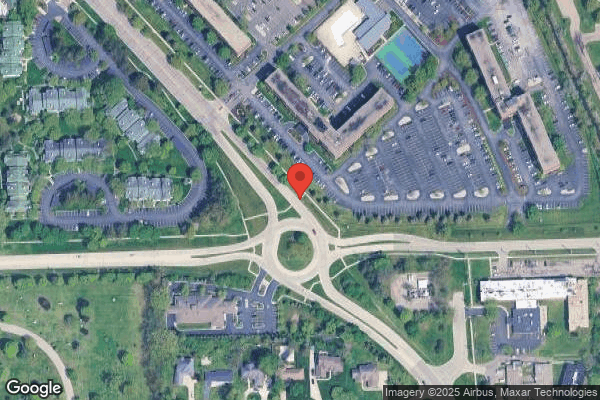
Understanding Severity Codes (click to expand)
Life-Threatening (Immediate Jeopardy)
J - Isolated K - Pattern L - Widespread
Actual Harm
G - Isolated H - Pattern I - Widespread
Potential for Harm
D - Isolated E - Pattern F - Widespread
No Harm (Minor)
A - Isolated B - Pattern C - Widespread

Questions to Ask on Your Visit

  • "What changes have you made since the serious inspection findings?"
  • "Why is there high staff turnover? How do you retain staff?"
  • "Can I speak with families of current residents?"
  • "What's your RN coverage like on weekends and overnight?"

Our Honest Assessment

Strengths
  • • Licensed and certified facility. Meets minimum state requirements.
Concerns
  • • Multiple safety concerns identified: 3 life-threatening violation(s), 1 harm violation(s), $189,324 in fines, Payment denial on record. Review inspection reports carefully.
  • • 51 deficiencies on record, including 3 critical (life-threatening) violations. These warrant careful review before choosing this facility.
  • • $189,324 in fines. Extremely high, among the most fined facilities in Michigan. Major compliance failures.
  • • Grade F (0/100). Below average facility with significant concerns.
Bottom line: This facility has 3 Immediate Jeopardy findings. Serious concerns require careful evaluation.

About This Facility

What is The Lakeland Center's CMS Rating?

CMS assigns The Lakeland Center an overall rating of 2 out of 5 stars, which is considered below average nationally. Within Michigan, this rating places the facility higher than 0% of the state's 100 nursing homes. A rating at this level reflects concerns identified through health inspections, staffing assessments, or quality measures that families should carefully consider.

How is The Lakeland Center Staffed?

CMS rates The Lakeland Center's staffing level at 2 out of 5 stars, which is below average compared to other nursing homes. Staff turnover is 58%, which is 11 percentage points above the Michigan average of 46%. High turnover can affect care consistency as new staff learn residents' individual needs. RN turnover specifically is 67%, which is notably high. RNs provide skilled clinical oversight, so turnover in this role can affect medical care quality.

What Have Inspectors Found at The Lakeland Center?

State health inspectors documented 51 deficiencies at The Lakeland Center during 2023 to 2025. These included: 3 Immediate Jeopardy (the most serious level, indicating potential for serious harm or death), 1 that caused actual resident harm, and 47 with potential for harm. Immediate Jeopardy findings are rare and represent the most serious regulatory concerns. They require immediate corrective action.

Who Owns and Operates The Lakeland Center?

The Lakeland Center is owned by a for-profit company. For-profit facilities operate as businesses with obligations to shareholders or private owners. The facility is operated by OPTALIS HEALTH & REHABILITATION, a chain that manages multiple nursing homes. With 91 certified beds and approximately 87 residents (about 96% occupancy), it is a smaller facility located in Southfield, Michigan.

How Does The Lakeland Center Compare to Other Michigan Nursing Homes?

Compared to the 100 nursing homes in Michigan, The Lakeland Center's overall rating (2 stars) is below the state average of 3.1, staff turnover (58%) is significantly higher than the state average of 46%, and health inspection rating (1 stars) is much below the national benchmark.

What Should Families Ask When Visiting The Lakeland Center?

Based on this facility's data, families visiting should ask: "What changes have been made since the serious inspection findings, and how are you preventing similar issues?" "How do you ensure continuity of care given staff turnover, and what is your staff retention strategy?" "Can you walk me through typical staffing levels on day, evening, and night shifts?" "Can I visit during a mealtime to observe dining assistance and food quality?" These questions are particularly relevant given the facility's Immediate Jeopardy citations, the facility's high staff turnover rate, and the below-average staffing rating.

Is The Lakeland Center Safe?

Based on CMS inspection data, The Lakeland Center has documented safety concerns. Inspectors have issued 3 Immediate Jeopardy citations (the most serious violation level indicating risk of serious injury or death). The facility has a 2-star overall rating and ranks #100 of 100 nursing homes in Michigan. Families considering this facility should ask detailed questions about what corrective actions have been taken since these incidents.

Do Nurses at The Lakeland Center Stick Around?

Staff turnover at The Lakeland Center is high. At 58%, the facility is 11 percentage points above the Michigan average of 46%. Registered Nurse turnover is particularly concerning at 67%. RNs handle complex medical decisions and coordinate care — frequent RN changes can directly impact care quality. High turnover means new staff may not know residents' individual needs, medications, or preferences. It can also be disorienting for residents, especially those with dementia who rely on familiar faces. Families should ask: What is causing the turnover? What retention programs are in place? How do you ensure care continuity during staff transitions?

Was The Lakeland Center Ever Fined?

The Lakeland Center has been fined $189,324 across 4 penalty actions. This is 5.4x the Michigan average of $34,972. Fines at this level are uncommon and typically indicate a pattern of serious deficiencies, repeated violations, or failure to correct problems promptly. CMS reserves penalties of this magnitude for facilities that pose significant, documented risk to resident health or safety. Families should request specific documentation of what issues led to these fines and what systemic changes have been implemented.

Is The Lakeland Center on Any Federal Watch List?

The Lakeland Center is not on any federal watch list. The most significant is the Special Focus Facility (SFF) program, which identifies the bottom 1% of nursing homes nationally based on persistent, serious quality problems. Not being on this list means the facility has avoided the pattern of deficiencies that triggers enhanced federal oversight. This is a positive indicator, though families should still review the facility's inspection history directly.