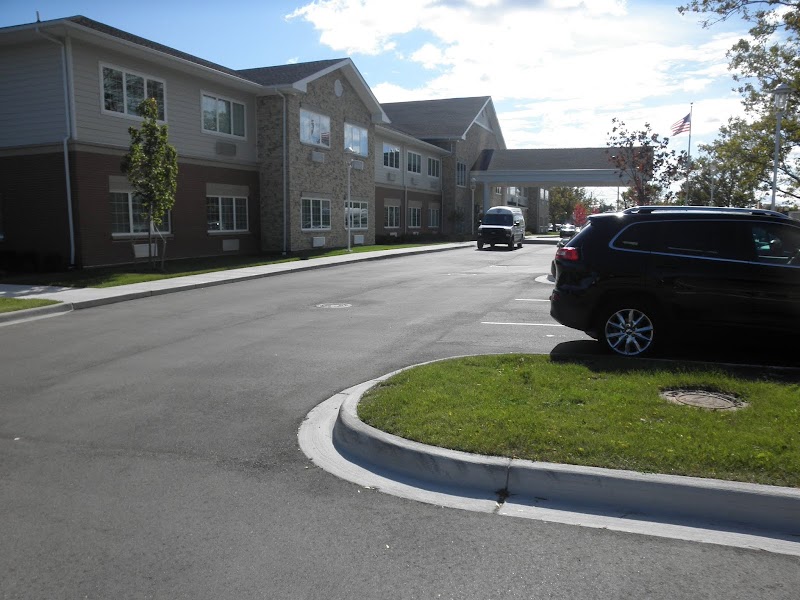
Regency at St. Clair Shores
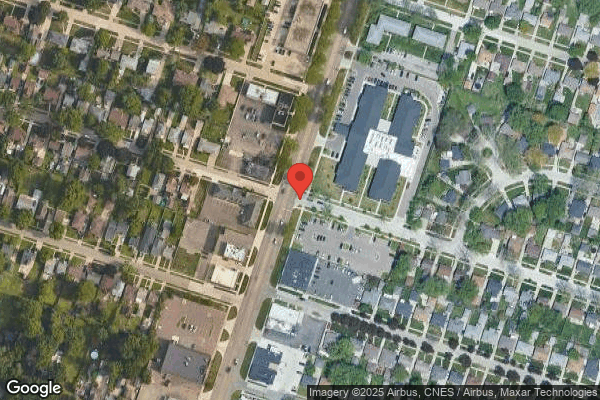

22700 Greater Mack Avenue, St. Clair Shores, MI 48080 (586) 772-4300
For profit - Corporation 146 Beds CIENA HEALTHCARE/LAUREL HEALTH CARE Data: November 2025
Trust Grade
48/100
#224 of 422 in MI
Last Inspection: August 2025

Inspected within the last 6 months. Data reflects current conditions.

Overview

Regency at St. Clair Shores has a Trust Grade of D, indicating below-average performance with some significant concerns. It ranks #224 out of 422 nursing homes in Michigan, placing it in the bottom half, and #17 out of 30 in Macomb County, meaning there are only 16 facilities in the area that rank lower. The facility is improving, having reduced its issues from 14 in 2024 to 6 in 2025, but it still reported 31 total issues, including serious incidents such as a resident who was not provided the required two-person assistance and subsequently fell from bed, resulting in death. Staffing is a strength, with a 4/5 rating and a turnover rate of only 21%, which is well below the state average. However, the nursing home has concerning RN coverage, being lower than 82% of facilities in Michigan, and it has a high fine total of $22,874, indicating potential compliance problems. Overall, families should weigh the improvements and staffing strengths against the serious incidents and low trust grade when considering this facility.
Trust Score
D
48/100
In Michigan
#224/422
Bottom 47%
Safety Record
High Risk
Review needed
Inspections
Getting Better
14 → 6 violations
Staff Stability
✓ Good
21% annual turnover. Excellent stability, 27 points below Michigan's 48% average. Staff who stay learn residents' needs.
Penalties
✓ Good
$22,874 in fines. Lower than most Michigan facilities. Relatively clean record.
Skilled Nurses
⚠ Watch
Each resident gets only 25 minutes of Registered Nurse (RN) attention daily — below average for Michigan. Fewer RN minutes means fewer trained eyes watching for problems.
Violations
⚠ Watch
31 deficiencies on record. Higher than average. Multiple issues found across inspections.
★★★☆☆
3.0
Overall Rating
★★★★☆
4.0
Staff Levels
★★★★☆
4.0
Care Quality
★★★☆☆
3.0
Inspection Score
Stable
2024: 14 issues
2025: 6 issues

The Good

  • 4-Star Staffing Rating · Above-average nurse staffing levels
  • 4-Star Quality Measures · Strong clinical quality outcomes
  • Low Staff Turnover (21%) · Staff stability means consistent care
  • Full Sprinkler Coverage · Fire safety systems throughout facility
  • No fines on record
  • Staff turnover is low (21%)

    27 points below Michigan average of 48%

Facility shows strength in staffing levels, quality measures, staff retention, fire safety.

The Bad

3-Star Overall Rating

Near Michigan average (3.1)

Meets federal standards, typical of most facilities

Federal Fines: $22,874

Below median ($33,413)

Minor penalties assessed

Chain: CIENA HEALTHCARE/LAUREL HEALTH CARE

Part of a multi-facility chain

Ask about local staffing decisions and management

The Ugly 31 deficiencies on record

3 actual harm
Aug 2025 4 deficiencies
CONCERN (D)

Potential for Harm - no one hurt, but risky conditions existed

Resident Rights (Tag F0550)

Could have caused harm · This affected 1 resident

**NOTE- TERMS IN BRACKETS HAVE BEEN EDITED TO PROTECT CONFIDENTIALITY** Based on observation, interview, and record review, the facility failed to treat one resident (R24) of one resident reviewed wit...

Read full inspector narrative →
**NOTE- TERMS IN BRACKETS HAVE BEEN EDITED TO PROTECT CONFIDENTIALITY** Based on observation, interview, and record review, the facility failed to treat one resident (R24) of one resident reviewed with dignity and respect. Findings include: On 8/05/2025 at 9:30 AM, the surveyor was standing at the Station 1 Unit C nurse's station when R24 stopped and engaged in conversation and asked for two cups of ice from the surveyor. R24 was advised to ask an unidentified staff member, later identified as Licensed Practical Nurse A (LPN A) for assistance as she sat at the nurse's station looking at her phone. On 8/05/2025 at 9:32 AM, R24 was observed wheeling toward LPN A, and politely asked her for two cups of ice. LPN A appeared visibly annoyed by R24's request by barely providing eye contact with the resident and sounded curt and dismissive as she indicated that someone else would be around for them to obtain the request. R24 rolled away from LPN A as they waited for another staff member to appear and assist them.On 8/05/2025 at 9:34 AM, the surveyor approached LPN A and asked her why she didn't assist R24 with their request, and she explained that her shift ended at 7:00am and was supposed to be off work but was documenting two resident falls from last night. No other explanation was provided.A review of R24's medical record revealed they were admitted into the facility on 6/26/25 with diagnoses that included Staphylococcal Arthritis, Left knee, Adult T-Cell Lymphoma/Leukemia, Anemia, and Diabetes. Further review revealed the resident was cognitively intact, and required partial to moderate assistance for transfers, toileting, and personal hygiene.Further review of R24's medical record revealed the following care plan, .Focus: [R24] is at risk for nutritional decline r/t (related to): PMH (past medical history) of uncontrolled DM (diabetes mellitus) with therapeutic diet and IV (intravenous) therapy .Interventions: Encourage and provide intake of fluids throughout the day. Initiated 6/26/2025 .On 8/06/2025 at 12:00 PM, the Nursing Home Administrator (NHA) was asked about their expectation for ensuring residents are treated with dignity and respect and explained that their [NAME] is Customer Service first.On 8/06/2025 at 2:32 PM, the acting Director of Nursing (DON) was informed of the interaction between R24 and LPN A and explained the nurse should have provided the resident with their request. A review of the facility's Resident Rights policy revealed the following, The facility protects and promotes the rights of each resident. The resident has a right to dignified existence, self-determination, and communication with and access to persons and services inside and outside the facility .
CONCERN (D)

Potential for Harm - no one hurt, but risky conditions existed

Comprehensive Care Plan (Tag F0656)

Could have caused harm · This affected 1 resident

**NOTE- TERMS IN BRACKETS HAVE BEEN EDITED TO PROTECT CONFIDENTIALITY** Based on observation, interview, and record review the facility failed to develop or revise care plans for two residents (R11, a...

Read full inspector narrative →
**NOTE- TERMS IN BRACKETS HAVE BEEN EDITED TO PROTECT CONFIDENTIALITY** Based on observation, interview, and record review the facility failed to develop or revise care plans for two residents (R11, and R13) of three residents reviewed for care plans. Findings include:R11On 8/4/25 at 10:47 AM, R11 was observed to have a PEG (Percutaneous Endoscopic Gastrostomy [feeding tube]), visible under their t-shirt. R11 indicated it was currently not being used. A review of the Electronic Medical Record (EMR) revealed R11 was admitted to the facility on [DATE] with the following relevant diagnoses: Myasthenia Gravis (autoimmune disorder causing weakness in voluntary muscles, affecting communication between nerves and muscles), Moderate Protein Calorie Malnutrition, Renal Dialysis, Dysphagia (difficulty swallowing), and Gastrostomy Insertion (PEG tube). Further record review revealed a Brief Interview for Mental Status (BIMS) score of 15/15 indicating intact cognition. R11 required supervision/touching assistance for Activities of Daily Living (ADLs). R11 was independent with mobility using a walker.Further review of the EMR care plans revealed there was not a care plan addressing the care and interventions for the PEG tube.R13On 8/4/25 at 9:03 AM, R13 was observed in bed, verbally requesting to get up. R13 was asked about their urinary elimination, they patted to their abdomen where nephrostomy tubes were noted.A review of the Electronic Medical record (EMR) revealed R13 was admitted to the facility initially on 11/30/21 and readmitted on the following dates: 2/17/25, 4/7/25, 5/20/25, 7/3/25 and 7/8/25, with the following relevant diagnoses: Multiple Sclerosis, Obstructive and Reflux Uropathy, Neuromuscular Dysfunction of Bladder, and Artificial Opening of Urinary Tract (Nephrostomy Tube-a tube placed inside the kidney and connected to a drainage device located on R13's back) and urinary diversion (a urostomy connected to a drainage bag on R13's abdomen). R13 required substantial/maximal assistance for all activities of daily living and mobility.Further review of the EMR documentation revealed a progress note on 2/15/25, R13 was transferred to the hospital for a nephrostomy tube that was dislodged by Licensed Practical Nurse (LPN) M. A 72-hour admission Conference form dated 2/19/25 documented, (Name of resident) remains for LTC (long term care) .Baseline care plans left at bedside. The care plan was not noted to be updated with interventions to prevent dislodgement after this readmission.Review of the documentation revealed on 4/6/25, R13 was again transferred to the hospital for nephrostomy bag was not attached to the resident by LPN N. The care plan was not noted to be updated with interventions to prevent dislodgement after this readmission.Review of the documentation revealed on 5/16/25, R13 was again transferred to the hospital for nephrostomy tube replacement by LPN O. A 72-hour admission Conference form revealed, admitted following hospitalization for nephrostomy replacement. The care plan was not noted to be updated with interventions to prevent dislodgement after this readmission.Further review of the documentation by LPN N revealed on 7/1/25, R13 was complaining about pain in arm. R13's husband transported them to hospital. Nurse Practitioner (NP) P received notification, pt has disconnected their nephrostomy tube . readmitted [DATE] following hospitalization for nephrostomy replacement.Baseline care plans left at bedside. The care plan was not noted to be updated with interventions to prevent dislodgement after this readmission.On 8/5/25 at 1:00 PM, Registered Nurse (RN) B indicated care plan updates are done by the Minimum Data Set (MDS) nurse and Social Work.On 8/6/25 at 10:40 AM, SW E revealed the issue was not necessarily behavior because it was related to a medical device and should be addressed by nursing. On 8/6/25 at 1:43 PM, Attending Physician (AP) F revealed they were aware of frequent issues with R13's nephrostomy tube.
CONCERN (D)

Potential for Harm - no one hurt, but risky conditions existed

Pharmacy Services (Tag F0755)

Could have caused harm · This affected 1 resident

Based on observation, interview, and record review, the facility failed to provide psychotropic medications in a timely manner for one resident (R80) of one reviewed for pharmacy services. Findings in...

Read full inspector narrative →
Based on observation, interview, and record review, the facility failed to provide psychotropic medications in a timely manner for one resident (R80) of one reviewed for pharmacy services. Findings include: On 8/04/2025 at 2:10 PM, R80 was observed in their room and asked about their time spent in the facility. R80 explained they are prescribed a lot of medications, and their guardian had expressed concerns about them not obtaining a shot when they were supposed to.A review of R80's medical record revealed they were admitted into the facility on 4/11/25 with diagnoses that included Schizoaffective Disorder, Anxiety Disorder, and Other Recurrent Depressive Disorders. Further review revealed the resident was cognitively intact and required supervision for activities of daily living (ADL's).Further review of R80's medical record revealed the following: Abilify Maintena (extended-release psychotropic injection is used to treat Schizophrenia and Bi-Polar Disorder) Intramuscular Prefilled Syringe 400 MG (milligrams) Inject 400 mg intramuscularly one time a day starting on the 19th and ending on the 19th every month for Bipolar Disorder-Start Date: 05/19/2025. This order was discontinued on 6/16/25.Further review revealed an active physician's order dated 6/16/25, Abilify Maintena injection Intramuscular Prefilled Syringe 400 MG (Aripiprazole) Inject 400 mg intramuscularly one time a day starting on the 2nd and ending on the 2nd every month for Bipolar Disorder.A review of R80's May 2025 and August 2025 Medication Administration Record (MAR) revealed the resident did not receive their injectable medication as ordered. Further review of the medical record revealed the following progress notes:7/19/2025 07:47 (7:47am) Social Services Note: During care conf (conference) yesterday, sister/LG (legal guardian) indicated R80 told her [they are] having auditory hallucinations of a sexual nature, which did not cause [them] distress. Psych to re-eval at next visit.Date of Service: 2025-07-21 08:15:00. Chief Complaint. Psychiatric follow up, medication review, hx (history) schizophrenia. History of Present Illness.today for follow up to review medication and to assess mood. Patient was last seen for psychiatry on May 20, 2025 at which time no psychotropic changes were made. Patient does have an extensive history of paranoid schizophrenia, anxiety, depression, and history of psychoactive substance abuse. At last visit in May, [R80] was not receiving [their] Abilify Maintena long acting injectable correctly and since then has had the dosing changed to be given on the second of every month. [R80] continues to remain on Abilify Maintena intramuscular syringe 400 mg (milligrams)/2 ML (milliliters) 2 ML IM on the second of the month once a month. [R80] received this injection on June 2 and July 2 but did not get the injection in May per documentation Assessment and Plan .Paranoid schizophrenia: Patient has been on a long-standing psychotropic regimen that includes Abilify 5mg oral daily, Abilify Maintena 400mg IM monthly, Haldol 10mg at bedtime, and benztropine 2mg twice daily. There were recent concerns about patient having sexually inappropriate auditory hallucinations, which were reported by [their] sister. Patient was not receiving his Abilify Maintena consistently and did not receive it in the month of May, but did receive it consistently in June and July. Sometimes it can take up to 2-3 months of receiving the injectable consistently to fully cover psychosis .7/24/2025 13:22 (1:22pm). Resident At Risk, Reviewed Clinical Indicator: Auditory hallucinations of a sexual nature. Verbalizing a desire to discharge, not verbalized previously .Psych eval. (evaluation) Reminded nursing to watch [R80 take their] medications. Looking for a ltc (long-term care) facility to accommodate [R80] long term. Previous referrals unsuccessful .No med changes at this time, likely needs to continue with antipsychotic injection consistently.On 8/06/2025 at 9:04 AM, R80's assigned nurse, Licensed Practical Nurse (LPN) G was asked why R80 had not received their Abilify injection, and explained she did not know why however, there was a new order for the medication Invega placed today. A review of R80's physician's orders dated 8/6/25, Invega Sustenna (an extended-release antipsychotic medicine given by injection).156 mg/1mL IM Q30 (every 30 days) days along with oral Invega 3 mg daily.Further review revealed the following progress note:8/5/2025 08:00BH -Psychiatry Follow up .seen today for follow up to review medication and to assess mood at the request of social services and patient's sister due to concerns of an increase in psychotic symptoms. Patient has an extensive history of paranoid schizophrenia, anxiety, previous mood disturbance, and history of psychoactive substance abuse. [R80] is on Abilify Maintena long acting injectable 400 mg IM on the second of each month, but did not receive the injection on August 2 as the building did not have the injection available .[R80's] sister has concerns even prior to the injection being missed about the control of his psychosis with the use of Abilify. She informed social services that roughly around 4 to 5 months ago, [R80] was on Invega Sustenna long acting injectable one time monthly and that was better for coverage of [their] psychosis, but that the medication was causing gynecomastia (enlargement of breast tissue in men and boys), and therefore ]R80] had been switched to Abilify long-acting injectable On 8/06/2025 at 12:00 PM, a telephone Interview was completed with R80's guardian in which they expressed concern regarding the resident not obtaining their injection due to the pharmacy not providing the medication to the facility. On 8/06/2025 at 1:24 PM, the acting Director of Nursing (DON) explained they had spoken to the resident's assigned nurse on 8/2/25, and she explained that upon opening the medication to administer to R80, she noticed the medication appear to have a white substance in it and therefore discarded it and reordered it from the pharmacy. The DON explained the medication was delivered yesterday however, the resident's order had been discontinued.On 8/06/2025 at 1:41 PM, LPN L was interviewed via phone regarding R80's injection, and she explained that upon preparing R80's injection, she noticed the syringe had white stuff in it and discarded it. She further explained she reordered the medication through the pharmacy, ordering it STAT (immediately). LPN L explained she notified the oncoming nurse of the issue and upon arriving for her shift the following day, the medication had not arrived therefore, she contacted the pharmacy again who reported they didn't have the medication in stock and had to deliver it within the next two days. On 8/06/2025 at 2:32 PM, the acting DON was asked about issues the facility has been having with pharmacy and acknowledged they have been working through some challenges however the expectation is residents receive their medication per physician's order. The DON was not sure what occurred in May when R80 did not receive their injection. A review of the facility's Medication Ordering and Receipt policy revealed the following, .3. If the unavailable medication does not become available within 8 hours of the scheduled administration time, the facility will be notified by the pharmacy and an alternate procurement method will be established (i.e. obtaining partial fill from a local pharmacy) .
CONCERN (F)

Potential for Harm - no one hurt, but risky conditions existed

Deficiency F0725 (Tag F0725)

Could have caused harm · This affected most or all residents

**NOTE- TERMS IN BRACKETS HAVE BEEN EDITED TO PROTECT CONFIDENTIALITY** Based on observation, interview, and record review, the facility failed to respond to call lights in a timely manner for 11 resi...

Read full inspector narrative →
**NOTE- TERMS IN BRACKETS HAVE BEEN EDITED TO PROTECT CONFIDENTIALITY** Based on observation, interview, and record review, the facility failed to respond to call lights in a timely manner for 11 residents (R47, R110, and a confidential group of nine residents) out of 11 residents reviewed for call lights. Findings include: R110 On 8/4/25 at 10:03 AM, R110 revealed “This place is short of help on nights, everyone knows we are short, it doesn't get better, it gets worse, not recently getting showers”. R110 further revealed once they were in bed, no one checked on them all night. R110 further explained when they put on their light, staff would take a long time to come, then turn it off and go out without addressing their needs. R110 reported finally in the morning the staff got them up. On 8/4/25 at 2:15 PM, another resident approached and indicated they were looking for a surveyor. This resident then related that on the weekend, R110, was calling out very early in the morning around 5:45 AM. This went on for quite some time when that resident finally got up to see what the problem was and went into the hall and found a staff member and asked why someone was yelling all night. The staff member first indicated no one was yelling all night. Approximately 5-10 minutes later the same resident was yelling again, The resident recognized where it was coming from and asked the staff if they were going to answer the call, and the staff proceeded into R110's room. A review of resident council meeting notes for the months of March 2025 through July 2025 revealed issues related to Call lights being answered promptly. On 8/5/25 at 1:15 PM, a confidential group meeting was conducted with seven confidential group residents, and they were asked about the timeliness of call light response by facility staff. All group residents present indicated that call light response on the night shift (11:00 PM to 7:00 AM) was slow. The group indicated that at night they needed assistance with receiving snacks, toileting, brief changes, bed repositioning, and other miscellaneous care type needs. The group was asked what the facility had done to address the concerns regarding call light response on the night shift. The group reported that this had been an ongoing concern since March 2025 and had been brought up at each resident council meeting. The group further indicated that although the facility had informed them that they were working on it, nothing had changed. On 8/6/25 at 11:30 AM, Certified Nursing Assistant (CNA) H was interviewed regarding staff coverage at the facility on the night shift. CNA H revealed that they filled in on the night shift as scheduled and indicated there was not enough staff to meet the residents' needs. CNA H indicated there was typically one CNA per unit with thirteen to fifteen residents to care for and the acuity (severity of illness) of the residents at the facility was typically high, and many residents required two-person assistance for transfers which could be problematic on the night shift. On 8/6/25 at 11:35 AM, CNA I was interviewed regarding staff coverage at the facility on the night shift. CNA I revealed that they filled in on the night shift as scheduled and indicated that there was not enough staff scheduled to adequately meet the residents' needs. CNA I expressed feelings of anxiety and stress when assigned to work on a night shift. On 8/6/25 at 11:40 AM, CNA J was interviewed regarding staff coverage at the facility on the night shift and confirmed they filled in on the night shift as scheduled and said they were typically assigned sixteen to seventeen residents to care for on the night shift. CNA J stated, That's too much. On 8/6/25 at 11:46 AM, CNA K was interviewed regarding staff coverage at the facility on the night shift. CNA K revealed they filled in on the night shift as scheduled and said when two staff are needed for resident assistance, it takes away from being able to assist other residents. On 8/6/25 at 1:30 PM, the acting Director of Nursing (DON) was interviewed regarding expectations related to call light response by facility staff. The ADON said the policy was call lights should be answered within twenty minutes. The acting DON was asked about there being five consecutive months of resident council meeting notes (March 2025 to July 2025) which indicated ongoing issues related to call light response times and said they were not aware this was a resident concern. R47 On 8/5/25 at 9:30 AM R47 was observed lying in the bed in room. When queried about care, R47 said there is a long wait to be changed during the evening and the midnight shift. R47 stated they have waited for assistance at times from thirty minutes up to an hour before staff would answer the call light. A review of the medical record revealed R47 was admitted on [DATE] with the diagnoses of Cellulitis, Mild Cognitive Impairment, Chronic Obstructive Pulmonary disease and depressive episodes. A review of the Minimum Data Set assessment dated [DATE] noted a Brief Interview for Mental Status (BIMS) of 12/15 which indicates moderate cognitive impairment. Further review of the medical record revealed R47 required extensive assistance from facility staff with their activities of daily living. On 8/6/25 at 12:30 PM, the Nursing Home Administrator (NHA) was asked if they were aware of the residents' concerns regarding long waits with call lights for assistance on the midnight shift and reported they were not aware of the concerns. The NHA confirmed the expectation is, all resident call lights should be answered in a timely manner. On 8/6/25 at 1:00 PM, the Activity Director (AD) was queried about the process of handling the resident council concerns. The AD said resident council concerns are brought to each department head at the interdisciplinary department management team (IDT) meetings which were held each morning and evening. The AD confirmed the department heads were notified of the resident concerns after each meeting. A review of the facility policy titled Call Lights effective 3/12/25 revealed, Call lights will be placed within resident's reach and answered in a timely manner.
May 2025 1 deficiency
CONCERN (D) 📢 Someone Reported This

A family member, employee, or ombudsman was alarmed enough to file a formal complaint

Potential for Harm - no one hurt, but risky conditions existed

Deficiency F0602 (Tag F0602)

Could have caused harm · This affected 1 resident

This citation pertains to Intakes MI00153087 and MI00153316. Based on observation, interview, and record review the facility failed to prevent incidents of misappropriation of narcotic pain medication...

Read full inspector narrative →
This citation pertains to Intakes MI00153087 and MI00153316. Based on observation, interview, and record review the facility failed to prevent incidents of misappropriation of narcotic pain medication for four residents (R901, R902, R903, R904) of four residents reviewed for misappropriation of property. Findings include: A review of a complaint submitted to the State Agency (SA) revealed the following, .The first few nights [R901] was a resident [at] this facility [they] complained about not receiving medication. When I had the phone conference with the social workers. I believe someone in the room indicated that [R901] was given meds at 9pm and again 5am. But doses was [were] missing in between those times .May 14th [R901] called indicating, [they hadn't] received pain medicine since 5 PM the previous day, which was May 13th . The nurse indicated that they have to put in a request for more medication . R901 On 5/29/25 at 9:17 AM, R901 was interviewed via phone and explained that following back surgery, they were admitted into the facility with severe pain, which was not resolved to the point that they transferred back out to the hospital. R901 explained when their pain pill was asked for, they were advised by the assigned nurse, additional pain medication had to be ordered. A review of R901's medical record revealed they were admitted into the facility on 5/9/25 and discharged on 5/15/25 with diagnoses which included Fusion of Spine, Lumbar Region, Diabetes, and Hyperlipidemia. Further review revealed the resident was cognitively intact and required assistance with transfers and toileting. Further review of R901's medical record revealed the following physician order dated for 5/9/25, Hydrocodone (narcotic pain medication) Acetaminophen Oral Tablet 10-325 MG (milligrams). Give 1 tablet by mouth every 4 hours as needed for pain. Further review of R901's medical record revealed a Controlled Substances Proof of Use form dated for 5/9/25 noting 18 pills were received, and all 18 pills had been administered to the resident prior to discharge 6 days later. Further review of R901's medical record revealed a Medication Administration Record (MAR) for the month of May which documented the resident was administered 16 narcotic pain pills. R902 A review of R902's medical record revealed they were admitted into the facility on 4/30/25 with diagnoses which included Periprosthetic Fracture around internal prosthetic right hip, Anemia and Dementia. Further review revealed the resident was cognitively impaired and required substantial assistance for bathing and bed mobility. Further review revealed the resident was severely cognitively impaired. Further review of the medical record revealed an active physician order dated for 4/30/25, Order Summary: Oxycodone (narcotic pain medication) HCI Oral Tablet 5 MG. Give 1 tablet by mouth every 4 hours as needed for Pain. A review of the resident's Controlled Drug Receipt/Record/Disposition Form revealed the resident received their narcotic pain pill on the following dates: 5/7/25 (2 doses), 5/8/25 (2 doses), 5/9/25 (3 doses), 5/12/25 (3 doses) and 5/13/25 (3 doses). A review of R902's May MAR revealed the resident did not received one dose of medication on 5/7/25, 5/8/25, 5/9/25, and 5/12/25. On 5/13/25, it was documented that the resident received 2 doses. R904 A review of R904's medical record revealed they were admitted into the facility on 1/16/25 with diagnoses that included Metabolic Encephalopathy, Dysphagia, and Type II Diabetes. Further review revealed the resident had a severe cognitive impairment and required maximum assistance with activities of daily living. Further review of the resident's medical record revealed the following physician order dated 5/1/25, Hydrocodone Acetaminophen Oral Tablet 5-325 MG. Give 1 tablet by mouth every 4 hours as needed for Pain. Further review of the resident's medical record revealed a Controlled Drug Receipt/Record/Disposition Form dated 5/2/25 documenting the medication had been dispensed 26 times. Documentation revealed the resident was administered their prescribed narcotic medication 19 times. A review of R904's May MAR revealed the resident received a documented 19 doses of the pain medication, and also revealed discrepancies when compared to the Controlled Drug Receipt/Record/Disposition Form: 5/4/25, 5/7/25, 5/8/25, 5/9/25 (3 doses), and 5/28/25. On 5/29/25 at 11:49 AM, the Director of Nursing (DON) was asked to review R901 and R902's May MARs and Narcotic Sheets together. The DON acknowledged the discrepancies and revealed there was a concern for drug diversion for Nurse A, but have also started to see a concern regarding another nurse who they were going to call into the facility. The DON further explained that a Past Non-Compliance (PNC) had been completed with a correction date of 5/27/25. A review of the PNC revealed a compliance date of 5/27/25 however, the surveyor reviewed discrepancies dated for 5/28/25 on narcotic sheets, with additional residents appearing to be affected by Nurse A's drug diversion. R903 A review of R903's medical record revealed they were admitted into the facility on 7/11/24, and readmission date of 5/23/25 with diagnoses that included Metabolic Encephalopathy, Dementia, Schizophrenia, and adjustment disorder. Further review revealed the resident had a moderate cognitive impairment and required partial/moderate assistance for bathing and bed mobility. Further review of R903's physician order dated 11/4/24, Tramadol (narcotic pain medication) HCl Oral Tablet 50 MG (Tramadol HCl) Give 2 tablet by mouth at bedtime for Pain. A review of a Facility Reported Incident (FRI) reported to the SA revealed the following, Incident Summary: On 5/19/25 it was reported by morning charge nurse Licensed Practical Nurse [LPN] B there were discrepancies in the narcotic count. [Nurse A] was the midnight nurse in question. [Nurse A] stated that she did not know what happened. [Local Police] notified Administrator paged [Nurse A] and [Nurse A] saw the police and left the facility . On 5/29/25 at 12:52 PM, an interview was completed with the DON who acknowledged there were discrepancies with the narcotic count for R903. The DON explained midnight shift nurse, Nurse A was finishing the shift, and the oncoming nurse, LPN B was starting their shift, and while completing the narcotic count, noticed a discrepancy. Nurse A's behavior was described as odd, and when questioned about the discrepancy, indicated they would assess the resident. Nurse A was suspended per policy and sent to go get a urine and hair drug screen. Nurse A appeared for drug testing a day late and refused the drug screen of their hair. Regarding the PNC the DON acknowledged more work needed to be completed regarding misappropriation. On 5/29/25 at 2:13 PM, an interview was completed with Unit Manager C regarding the missing medication. Unit Manager C explained they had received a call from the morning shift nurse (LPN B) advising the narcotic count was off. Upon arriving to the facility, Unit Manager C observed Nurse A behaving oddly and was located laying in a resident's bed appearing sleep. When Nurse A was woken up, and questioned about the documentation of the narcotic count, which indicated there were 82 pills, and written underneath were the words, actual 80. Unit Manager C explained they questioned Nurse A further about the documentation and stated they abruptly left and indicated they would go assess the resident. Nurse A was called down to the Administrator's office, but instead left the building. On 5/29/25 at 2:36 PM, an attempted phone call was made to Nurse A to no avail, and the surveyor was unable to leave a message. A review of R903's Controlled Drug Receipt/Record/Disposition form dated 5/7/25 revealed that Nurse A crossed out and documented confusing information on the form. A review of the facility's Pain Management policy revealed the following, 14. The staff will implement the care plan, monitor the residents, and administer therapeutic interventions for pain, if ordered. 15. The licensed nurse, when administering routine pain medications, will record the drug administration on the medication administration record. 16. The licensed nurse, when administering PRN pain medications, will record the drug administration on the PRN medication administration record. 17. Document the date, time, and effectiveness of PRN pain medication on the PRN Administration Record . A review of the facility's Abuse Prohibition policy revealed the following, Each guest/resident shall be free from abuse, neglect, mistreatment, exploitation, and misappropriation of property .Misappropriation of guest/resident property means that deliberate misplacement, exploitation, or wrongful, temporary or permanent use of guest's/resident's belongings or money without the guest's/resident's consent .
Apr 2025 1 deficiency
CONCERN (D) 📢 Someone Reported This

A family member, employee, or ombudsman was alarmed enough to file a formal complaint

Potential for Harm - no one hurt, but risky conditions existed

Quality of Care (Tag F0684)

Could have caused harm · This affected 1 resident

This citation is pertaining to Intake MI00151818. Based on interview and record review, the facility failed to schedule and coordinate follow up appointments as recommended for one resident (R700) of ...

Read full inspector narrative →
This citation is pertaining to Intake MI00151818. Based on interview and record review, the facility failed to schedule and coordinate follow up appointments as recommended for one resident (R700) of one resident reviewed for coordination of care. Findings include: A record review on 4/15/25 revealed R700 was admitted into the facility on 3/12/25 with diagnoses that included Malignant Otitis Externa (unspecified ear), Acute Osteomyelitis, Cholesteatoma of External Ear, Chronic Obstrctive Pulmonary Disease and Heart Failure. Per the clinical discharge summary from the hospital, it was recommended R700 followup with physician for Otolaryngology (ear specialist) Surgery within 3-7 days and Urology (for urinary retention) within one week. Further review with nursing staff about the process of following up with appointments revealed the scheduler/central supply person (Staff A) is responsbile for making the appointments. Further record review revealed on 4/1/25, R700 was discharged to hospital per family request due to bleeding from nose and ears. On 4/15/25 at 12:15 PM, an interview occured with Staff A regarding the process of scheduling hospital recommended follow up appointments for R700. Staff A said, I make the residents' appointments based on the information sent on admission. I dont' remember any ear appointments. Sometimes there is no (appointment times) availability. When asked if making the appointment attempt was documentation, Staff A stated there is no documentation. On 4/15/25 at 1:30 PM, an interview was held with the Director of Nursing (DON) regarding follow up appointments. She stated that the scheduler handles appointments based on information recieved fom admissions department. When asked about documentation of the appointments or follow up for R701, DON stated that there was no documentation. On 4/15/25 at 1:37 PM a facility policy for coordintion of appointments was requested and it was not not recieved by the end of the survey.
Sept 2024 1 deficiency
CONCERN (D) 📢 Someone Reported This

A family member, employee, or ombudsman was alarmed enough to file a formal complaint

Potential for Harm - no one hurt, but risky conditions existed

Accident Prevention (Tag F0689)

Could have caused harm · This affected 1 resident

**NOTE- TERMS IN BRACKETS HAVE BEEN EDITED TO PROTECT CONFIDENTIALITY** This citation pertains to Intake MI00146820. Based on observation, interview and record review, the facility failed to ensure re...

Read full inspector narrative →
**NOTE- TERMS IN BRACKETS HAVE BEEN EDITED TO PROTECT CONFIDENTIALITY** This citation pertains to Intake MI00146820. Based on observation, interview and record review, the facility failed to ensure resident safety for one (R800) of one resident resulting in a fall with bruising. Findings include: R800 was admitted [DATE] with medical diagnoses of hypertension, cerebral vascular accident (stroke) with left hemiparesis, cerebral edema, falls, seizure disorder, hyperlipidemia, left auricular hematoma, obesity, osteoarthritis, and coronary artery disease. R800's Basic Interview for Mental Status is a 12/15 indicating moderate cognitive impairment. On 9/11/24 at 10:23 AM, a phone call to the (Patient Representative) PR, revealed R800 sustained bruising of head, ribs, and elbow without any permanent injuries. The PR further revealed R800 was also found to have pneumonia and a urinary tract infection. The PR revealed R800 had fluid removed from lungs and was on antibiotics for the urinary tract infection. The PR further revealed R800 was now residing in an alternative facility. A record review on 9/11/24, revealed on 9/1/24 at 5:49 AM, Certified Nursing Assistant (CNA) A was performing the last bed check of her shift. While turning R800, R800 fell from the bed to the floor opposite where CNA A was standing. R800 was assessed by Registered Nurse (RN) F after the fall . R800 was found to have an elevated blood pressure of 176/82, Pulse 72, Respirations 20, Temperature 97.8 degrees Fahrenheit and a Pulse Oximetry of 96% while on oxygen via Nasal Cannula. R800 was found stable enough to be transferred back to her bed with the use of a mechanical lift and two persons to assist. R800 reported she hit her head and a hematoma (bruise) was noted on her right lower leg. The Nurse Practitioner, Director of Nursing (DON), and R800's Patient Representative were notified. The facility record documented R800 said, When I was turning in the bed, the bed moved and I rolled off the side of bed hitting my head. The care plan for functional ability deficit for Bed Mobility and Transfers, initiated on 2/14/24, R800 requires substantial/maximal assistance with two helper(s) and mechanical lift. This is including rolling side to side, lying to sitting on the side of bed. A review of R800's [NAME] (a guide the CNA's use to guide resident care) revealed resident was to have 2 persons for bed mobility, personal hygiene, transfers, and toileting. On 9/11/24 at 11:00 AM, an interview with the DON confirmed the expectation is for CNA's to follow the [NAME] and facility policies. A review of the policy Routine Resident Care contains the following, Residents receive the necessary assistance to maintain good grooming and personal/oral hygiene. Steps are taken to ensure that a resident's capacity for self-performance of these activities does not diminish Care is taken to ensure resident safety at all times. A review of the Fall Management Policy, Last Approved 8/18/22 revealed the General Policy Statement The facility will identify hazards and guest/resident risk factors and implement interventions to minimize falls and risk of injury related to falls. During the onsite survey, past noncompliance (PNC) was cited after the facility implemented actions to correct the noncompliance which included: 1. The identification of like residents who require 2 person assist for bed mobility 2. Audit like residents to ensure number of personal assists is accurate 3. Audit like residents to ensure staff are following the bed mobility plan of care Measures systemic changes made to ensure that deficient practice will not occur and affect others 1. Nursing staff re-educated on following the [NAME]. 2. Nurse staff re-educated on assisting CNA's with residents who require 2 person assist. How facility monitors its corrective actions to ensure same deficient practice is corrected and will not recur. 1. The Director of Nursing or the Nursing Home Administrator will review 10 residents who require 2 person assist, to ensure that mobility is completed properly weekly for 4 weeks, then monthly for 3 months. Findings will be reported to the QA&A committee monthly for 3 months. Date of compliance 9/5/24. The facility was able to demonstrate monitoring of the corrective action and maintained compliance.
Jun 2024 9 deficiencies
CONCERN (D)

Potential for Harm - no one hurt, but risky conditions existed

Comprehensive Care Plan (Tag F0656)

Could have caused harm · This affected 1 resident

Based on observation, interview, and record review, the facility failed to ensure a comprehensive care plan for an abdominal drainage tube was initiated within 48 hours of admission for one (R340) of ...

Read full inspector narrative →
Based on observation, interview, and record review, the facility failed to ensure a comprehensive care plan for an abdominal drainage tube was initiated within 48 hours of admission for one (R340) of one residents reviewed for care plans. Findings include: On 6/25/2024 at 9:20 AM, observed R340 sitting bedside in a wheelchair in a private room. R340 was noted with an ostomy bag showing from the bottom of the resident's shirt. R340 also had a drainage tube from the mid lower abdomen connected to a drain (a collection device that provides continuous suction to remove excess fluid). The collection device was hanging on R340's walker. On 6/25/2024 a record review revealed there was not a physician order or comprehensive care plan that included care of the drainage tube. On 6/26/2024 at 12:11 PM, R340 revealed the ostomy bag was changed last night but the drainage bag was not emptied. On 6/27/1014 at 11:35 AM, R340 related their drain had not been emptied until they emptied it at 4 PM last evening. On 6/27/2024 at 12:00 PM an interview with the DON revealed the expectation that the drain would have a care plan to meet its specific needs. A review of the policy titled Care Planning, last revised on 6/24/2021 revealed every resident will have a person-centered Plan of Care developed and implemented that is consistent wit the resident rights, based on the comprehensive assessment . The policy further reveals a Baseline Care Plan will be developed within 48 hours identifying any immediate needs .
CONCERN (D)

Potential for Harm - no one hurt, but risky conditions existed

Deficiency F0657 (Tag F0657)

Could have caused harm · This affected 1 resident

**NOTE- TERMS IN BRACKETS HAVE BEEN EDITED TO PROTECT CONFIDENTIALITY** Based on observation, interview, and record review, the facility failed to ensure a resident was involved in they're plan of car...

Read full inspector narrative →
**NOTE- TERMS IN BRACKETS HAVE BEEN EDITED TO PROTECT CONFIDENTIALITY** Based on observation, interview, and record review, the facility failed to ensure a resident was involved in they're plan of care and care conference meetings for one (R20) out of one residents reviewed for care planning meetings. Finding include: On 06/25/24 at 10:14 AM, R20 stated, they have a guardian they have never met, and they don't know how long they've been in the facility or what their plan of care is. R20 was asked if they had ever attended their care conferences. R20 explained they don't know anything about care conferences and they have never attended. On 06/26/24 at 1:15 PM, during the resident council meeting R20 indicated again they are not sure who their guardian is and they don't know what happened to their apartment and belongings before coming to the facility. R20 also indicated they don't have access to their money or able to purchase things they may need. On 06/27/24 at 7:57 AM, R20 was observed in bed. R20 was observed indicated they had a new piece of paper on their overbed table that noted, the name and contact information for their legal guardian. The letter also indicated . If you are interested in a gift card to purchase items, his office can send you one . R20 stated, they are not sure who left the letter there and that this was the first time they have been told who their guardian was. On 06/27/24 at 8:32 AM, during an interview Social Worker (SW M) explained, R20 has asked repeatedly about their property and belongings and they have called R20's guardian. SW M stated, they have left voicemails for the guardian and they have not responded. SW M was asked if R20 was part of their care conferences and SW M stated, No. On 06/27/24 at 11:07 AM, call placed, voicemail left, and email sent to guardian. The guardian did not return a call back by the end of this survey. On 06/27/24 at 12:44 PM, during an interview SW M was asked what is the next step when they cannot get in touch with R20's guardian. SW M stated They always respond to us. Sometimes it takes a couple days SW M then explained another social worker sent an email to R20's guardian yesterday regarding R20's questions about their property and belongings and the guardian has not responded. A review of R20 medical record revealed, R20 was admitted to the facility on [DATE] with the following diagnoses: unspecified dementia; polyosteoarthritis; muscle wasting and atrophy; foot drop. A review of the Minimum Data Set assessment revealed a BIMS score of 15/15 indicating no cognitive deficit. Further record review reveals a Letter of Full Guardianship for R20 was signed 7/1/2021. A review of R20's care conference sign in sheets revealed, R20 and guardian attendance as follows: -7/28/23, R20 was not in attendance and guardian was attempted to be contacted via phone with a voicemail left. -1/26/24 R20 was not in attendance and guardian was not in attendance nor contacted via phone. -4/26/24 revealed that R20 was not in attendance and guardian was attempted to be contacted via phone with voicemail left. A review of the facility policy titled Care Planning Conference indicates the following: On Admission, Quarterly, Annually, with a Significant Change and as needed, the interdisciplinary team will hold a care planning conference with the resident, family or representative in participation. The Care Conference will be used to identify the resident's potential or actual problems, needs, goals and discharge. 2. A written invitation will be sent to the resident and/or family at least a week prior to care conference or as much in advance as possible. 3. Efforts will be made to increase family/resident participation such as telephone conference calls, in room conferences etc. Ensure privacy and HIPAA regulations are adhered to. 4. In addition to the advance invitation, the resident will be notified and invited to attend the care conference on the care conference date. A staff member will assist the resident to the care conference room as needed. 7. The recommended members of the interdisciplinary team care conference may include: Nursing Representative, Social Services, Activities, Dietary, Nurse Assistant, Resident, Family and/or responsible party, Therapy as needed. 17. A summary of the residents plan of care will be provided to the resident &/or resident representative.
CONCERN (D)

Potential for Harm - no one hurt, but risky conditions existed

ADL Care (Tag F0677)

Could have caused harm · This affected 1 resident

Based on observation, interview, and record review, the facility failed to provide timely incontinence care for dependent residents resulting in moisture associated skin damage (MASD) for one (R110) o...

Read full inspector narrative →
Based on observation, interview, and record review, the facility failed to provide timely incontinence care for dependent residents resulting in moisture associated skin damage (MASD) for one (R110) out of one resident reviewed for incontinence care. Findings include: R110 On 06/25/24 at 1:13 PM, R110 was observed lying in bed on their back. An interview was conducted with R110 at that time. R110 explains they previously had a left leg amputation and cannot walk. R110 states the staff will only occasionally get them up into a chair but even when they do get them out of bed they leave them sitting up for a long period of time. R110 explains they developed a fungal rash on their buttocks from being left wet. R110 explained that wound care sees them once per week and ordered a powder and a cream for the rash but explained the staff cannot find the powder or the cream so they have not been using it. R110 explained they had to buy their own cream and keep it in their drawer. R110 explained the midnight shift does not check on them until 5:30 in the morning. On 06/26/24 at 08:36 AM and at 9:30AM, R110 was observed sleeping in bed on their back. On 06/26/24 at 10:46 AM, an unidentified staff member was observed changing R110s brief which was observed to be wet. An interview with R110 was conducted at that time. R110 was asked when they were last changed. R110 stated they were last changed at 4:45 AM. R110 was asked if the staff used the barrier cream and antifungal powder. R110 explained that staff used cream and power just now but not at 4:45AM. R110 further explained the powder is a prescription so it had to be administered by the nurse. On 06/26/24 at 3:21 PM, R110 was observed lying in bed on their back. R110 was interviewed and asked if they were wearing a brief and if it was wet. R110 stated their brief is wet and needed to be changed. On 06/26/24 at 03:32 PM, R110 was observed being changed by two unidentified staff members. No cream or powder was observed to be on R110's skin when their brief was removed. When staff members rolled R110 to the side R110 stated that feels nice being in a different position for a change. R110 was observed to have MASD with multiple open sores extending from their bilateral upper buttocks down to the top of their thighs and extending throughout their groin and perineal area with satellite lesions noted to upper back and down inner thighs. On 06/26/24 at 03:37 PM, wound care nurse (LPN F) entered the room. LPN F was observed applying cream and powder to R110s MASD from upper buttocks to upper thighs. R110 states it burns and itches. LPN F was asked how often R110 should be getting the cream and powder applied. LPN F explained the cream and miconazole powder is to be used daily and as needed with pericare. LPN F explained that the treatment items are kept in the treatment cart. LPN F was asked how the aides would be able to use the cream and powder with each episode of pericare with incontinence if they are locked in the treatment cart. LPN F stated that R110 bought their own zinc cream they keep in their drawer but we don't rely on using that. On 06/27/24 at 08:16 AM R110 was observed sitting up in bed. R110 was interviewed and asked if their brief was wet. R110 stated that it was wet and pulled their sheet back. R110s brief was observed to be wet. R110 was asked when the last time they were changed was. R110 stated Im not sure. I don't think they changed me at all last night. I don't remember being woken up. R110 was asked if they prefer to wear a brief in bed. R110 explained that they do not prefer to wear a brief in bed and stated they won't let me go without one in bed because I'm on a water pill. On 06/27/24 at 08:26 AM, certified nurse assistant (CNA L) was interviewed and asked what a typical morning routine is for a CNA. CNA L explains they get to work at 6:53 AM, they pass ice water, do a resident's shower, start getting residents up, pass breakfast, pull residents up in bed, pick up breakfast trays, then continue getting residents up and out of bed. CNA L was asked when they check on incontinent residents. CNA L stated they check on them first to see if midnights changed them or not. CNA L confirmed, sometimes midnights is short and people are gonna be wet. It's a 24 hour facility and I just do my job. On 06/27/24 at 09:49 AM, R110 was observed lying in bed on their back. R110's brief was observed to still be wet. R110 was interviewed and asked if they had been changed since the last interview. R110 confirmed their brief still has not been changed. Urine soaked top sheet and pad was observed to be on the floor next to the dresser. R110 was asked why the sheet was on the floor. R110 explained the occupational therapist was just in the room and changed the sheet and pad so it wasn't soaked anymore. R110 stated they never changed me last night. CNA P was asked if the resident's are wet when day shift starts to whcih she said, Yes! We come in and everyone is soaked. CNA P offered to change R110 who stated I hope so because that's why I have this rash and I want to get better. On 06/27/24 at 10:20 AM, the Director of Nursing (DON) was interviewed and asked if all residents wear briefs all the time. The DON stated not everyone wears briefs. We also have pull ups. It depends on the resident. The DON was asked if incontinent residents should be wearing briefs in bed. The DON stated yes, so it stays in one area and so they can be provided incontinence care. The DON was asked if R110 should wear a brief in bed considering their MASD. The DON explained that it is R110's preference to wear a brief and if they don't want to they don't have to. A review of R110's record revealed the following: active order dated 6/20/2024 Antifungal External Powder 2 % (Miconazole Nitrate (Topical) Apply to Groin, sacrum topically one time a day for MASD, fungal infection. Active order dated 6/20/2024 Cleanse sacral wound with NS. Apply chamosyn ointment to wound, then antifungal powder over that and leave open to air with no dressing. every day shift AND as needed for brief changes. Further record review revealed wound care progress notes as follows: wound care progress note dated 6/19/24: MASD, fungal infection noted to bottom and groin. Upon assessment, area with moderate to severe excoriation. Patient does endorse pain at site. Area is highly moist due to episodes of incontinence. New treatment orders placed in PCC (point click care documentation program). Discussed discontinuation of personal zinc cream purchased. Reviewed wound progress and treatment options. wound care progress note dated 6/12: MASD and fungal infection to bottom. Area slightly worse from previous week. Discussed treatment of chamosyn and antifungal powder x 7 days. wound care progress note dated 6/5:MASD and fungal infection to bottom. Area slightly worse from previous week. Discussed treatment of chamosyn and antifungal powder x 7 days. Patient requesting to try own zinc cream before initiating provider treatment orders. Wound care progress note dated 5/29: Per staff increased redness on bottom and groin area. On call provider ordered nystatin, will add zinc paste in addition to orders for MASD. Wound care progress note dated 5/22: no mention of fungal rash or MASD Review of R110s care plan revealed the following: Provide incontinence care with each incontinent episode and apply moisture barrier cream/ointment per facility policy/orders. (R110) is incontinent of bladder & bowel. Will have minimized risk for complications r/t incontinence through next review date Date Initiated: 04/20/2023 Target Date: 07/24/2024 BRIEF USAGE: Resident uses disposable briefs. Change frequently/prn. Further record review revealed no progress notes about refusal of incontinence care for the last 30 days.
CONCERN (D)

Potential for Harm - no one hurt, but risky conditions existed

Quality of Care (Tag F0684)

Could have caused harm · This affected 1 resident

**NOTE- TERMS IN BRACKETS HAVE BEEN EDITED TO PROTECT CONFIDENTIALITY** Deficient Practice Statement #2 Based on observation, and record review, the facility failed to apply compression stockings and ...

Read full inspector narrative →
**NOTE- TERMS IN BRACKETS HAVE BEEN EDITED TO PROTECT CONFIDENTIALITY** Deficient Practice Statement #2 Based on observation, and record review, the facility failed to apply compression stockings and ace wraps to two residents (R20 and R64) out of two reviewed for edema. Findings include: R20 On 06/25/24 at 10:14 AM, R20 was observed lying in bed. R20 was interviewed and explained their legs swell by the end of the day and are painful. R20 explains they are supposed to wear compression stockings but nobody puts them on. No compression stockings were observed in their room. On 06/26/24 at 08:40 AM, R20 was observed lying in bed eating breakfast with bilateral lower extremity edema observed and without compression stockings. On 6/26/24 at 1:05 PM, R20 was observed sitting in their wheelchair at the resident council meeting with bilateral lower extremity edema noted without compression stockings on. On 06/27/24 at 07:57 AM R20 was observed in bed with edema and foot drop to their bilateral lower extremities without compression stockings. R20 was interviewed and explained their compression stockings are too small, and no one can put them on. On 06/27/24 at 09:58 AM R20 was observed still in bed without compression stockings on. A review of R20s record revealed R20 was admitted to the facility on [DATE] with the following diagnosis: unspecified dementia; polyosteoarthritis; muscle wasting and atrophy; foot drop; congestive heart failure; personal history of venous thrombosis and embolism. A review of the Minimum Data Set assessment revealed a Brief Interview for Mental Status score of 15/15 indicating no cognitive deficit. R20 also required assistance with bed mobility and transfers. A review of R20s orders revealed the following: Active order dated 3/22/2024 Compression Stockings: ON in AM, OFF in PM A review of R20's care plan revealed the following: (R20) is at risk for cardiac complications r/t (related to) multiple cardiovascular diseases: CHF (congestive heart failure), CAD (coronary artery disease), HTN (hypertension (high blood pressure) and a fib (atrial fibrillation-irregular heart rhythm) (R20) will have minimized risk factors for cardiovascular distress through the review date. Observe/document/report to MD (medical doctor) PRN (as needed) any s/sx of cardiac distress: chest pain or pressure, heartburn, nausea and vomiting, shortness of breath, excessive sweating, dependent edema (swelling), changes in capillary refill, color/warmth of extremities. Further record review revealed nursing progress note dated 05/29/24 documented Lower legs elevated for swelling due to edema. A Physician progress note dated 06/25/24 noted bilateral lower extremity edema. R64 On 06/25/24 at 01:23 PM, R64 was observed sitting in their wheelchair without footrests or ace wraps. Bilateral lower extremity edema observed. R64 was interviewed and was asked if they had any concerns. R64 stated their legs are swollen and painful and the swelling is not being treated. R64 states they elevate their own legs on pillows when they're in bed. On 06/26/24 at 08:45 AM, R64 was observed lying in bed without ace wraps with bilateral lower extremity edema observed. R64 was interviewed and stated their legs are hurting, and they can't get the edema under control. When asked if they elevate their legs when they are out of bed R64 says they do not have leg rests for their wheelchair to keep them elevated when they're out of bed. On 06/26/24 at 10:53 AM R64 was observed sitting in their wheelchair without ace wraps with bilateral lower extremity edema noted. On 06/27/24 at 0934 AM, R64 was observed sitting in their wheelchair with their legs propped up on a chair without ace wraps. Bilateral lower extremity edema observed to remain unchanged. A review of R64's record revealed they were admitted to the facility on [DATE] with the following diagnosis: parkinsons; osteoarthritis; generalized muscle weakness. A review of the Minimum Data Set assessment revealed a Brief Interview for Mental Status score of 15/15 indicating intact cognitive function. R64 also required assistance with bed mobility and transfers. Further record review of R64's orders revealed the following: active physician's order dated 6/10/24 Please apply ace wraps to bilateral feet, ankle, and lower legs one time per day for edema Further review of R64's record revealed physician progress notes as follows: physician progress note dated 06/10/24 stating the patient reports (they) do not like wearing compression stockings. The patient reports (they) would rather have (their) feet and legs wrapped with ace wraps. Physician progress note dated 06/25/24 notes a diagnosis of R60.0- localized edema: bilateral lower leg swelling. assessment and plan: wrap lower extremities with ace wraps. This citation has two Deficient Practices. Deficient Practice Statement #1. Based on observation, interview and record review, the facility failed to initiate care orders and monitor an accordion drainage device (a collection device connected to a drain that allows for continuous suction) for one of one (R340) residents reviewed for care. Findings include: On 6/25/2024 at 9:20 AM, R340 was observed in room sitting at bedside in chair. R340 was observed to have an ostomy bag hanging below the shirt hem and with a drain, also visible below shirt hem connected to an accordion drainage system. R340 revealed they and a fissure between the bowel and bladder, that caused an abscess that is being drained. R340 revealed they were admitted after having had surgery and receiving a temporary ostomy. R340 also revealed there was an abdominal abscess that was being drained into an attached bag, R340 revealed no one had emptied the drain since leaving the hospital. It currently contained 40 ml (milliters) of medium brown, nectar thick liquid. A review of R340's medical record revealed, R340 was admitted to facility on 6/21/2024 with relevant diagnoses of vesicointestinal fistula, gastro-esophageal reflux disease, diverticulitis of large intestine, rheumatoid arthritis, abdominal abscess with drain, diverting colostomy. R340 is alert and oriented to person, place, time, and situation. On 6/25/2024 a record review of hospital transfer records, physician admission note, and nursing comprehensive evaluation identified the presence of a drain. On 6/27/2024 an interview with the Director of Nursing (DON) revealed her expectation would be any medical devices need to have a physician's order to initiate care of that device.
CONCERN (D)

Potential for Harm - no one hurt, but risky conditions existed

Pressure Ulcer Prevention (Tag F0686)

Could have caused harm · This affected 1 resident

**NOTE- TERMS IN BRACKETS HAVE BEEN EDITED TO PROTECT CONFIDENTIALITY** Based on observation, interview, and record review, the facility failed to change a pressure ulcer dressing for one resident (R4...

Read full inspector narrative →
**NOTE- TERMS IN BRACKETS HAVE BEEN EDITED TO PROTECT CONFIDENTIALITY** Based on observation, interview, and record review, the facility failed to change a pressure ulcer dressing for one resident (R44) out of eight reviewed for pressure ulcers. Findings include: On 6/25/24 at 9:22 AM, R44 was observed in bed asleep with their breakfasts tray on the bedside table. On 6/26/24 at 8:33 AM, R44 was observed in their wheelchair with their meal. R44 reported no issues. On 6/57/24 at 8:11 AM, a Concern Party (CP) revealed, they were concern about the care that R44 has received at the facility. The CP explained, R44 has developed a pressure ulcer and they are not doing the wound care treatments as ordered. On 6/27/24 at 8:28 AM, R44 was observed in the bed. A skin observation was made. R44's right hip was observed with a skin wound area of approximately 1.5 inches x 1 inch oval. The wound was uncovered and had no trace of any cream/treatment. The CP reported they notified R44's assigned nurse the wound was not covered. The assigned nurse was observed to enter the room with a wound treatment for R44's wound. The nurse was asked if R44's wound should be covered and stated, Yes. A review of R44's medical record revealed, R44 was admitted to the facility on [DATE] and readmitted on [DATE] with diagnoses of Dementia, Alzheimer's Disease, and Syncope and Collapse. A review of R44's Minimum Data Set assessment dated , 5/8/24 noted R44 with a severely impaired cognition and the requirement of staff to complete activities of daily living. R44's skin was noted at risk for the development of a pressure ulcers and to be without any unhealed pressure ulcers/skin injuries. A review of R44's care plan noted, Focus: [R44] is at risk for impaired skin integrity R/T (related to): impaired bed mobility, incontinence, Anemia, Renal Failure, PVD, Failure to Thrive. Date Initiated: 04/27/2024. Goal: Will have minimized risk for skin breakdown through next review date. Date Initiated: 05/14/2024. Interventions: Follow facility policies/protocols for the prevention/treatment of impaired skin integrity. Date Initiated: 04/27/2024. Provide assistance to reposition frequently and as needed. Date Initiated: 05/01/2024. Provide incontinence care with each incontinent episode and apply moisture barrier cream/ointment per facility policy/orders. Date Initiated: 05/10/2024 . [R44] has Actual impairment to skin integrity R/T impaired bed mobility, diagnosis of failure to thrive. Returned from hospital on 6/14/2024 with an Allevyn dressing to her right hip. Date Initiated: 05/14/2024. Goal: Will have no complications r/t open wound to right hip area through the review date. Date Initiated: 05/14/2024. Interventions: Provide incontinent care and use moisture barrier treatment as needed after incontinent episodes. Date Initiated: 06/16/2024. Treatment to skin impairment per order . A review of R44's Braden Scale for Predicating Pressure Sore Risk dated, 6/18/24 noted, R44 as a low risk. A review of R44's Skin and Wound Evaluation dated, 6/24/24 noted, Describe: Pressure, Stage 2: Partial-thickness skin loss with exposed [NAME], Location Front Right trochanter (hip), lateral. Acquired (blank, not completed). Wound measurements: Area: 3.5 cm, Length: 2.8 cm, Width 1.8 cm, Depth, Undermining, Tunneling: not applicable. Wound Bed: Epithelial 100% of wound covered, surface intact . A review of R44's Treatment Administration Record (TAR) for the month of June 2024 noted, Cleanse area on right hip with NS, pat dry, apply thin layer of zinc oxide cream and leave open air. Start date: 6/16/24 and discontinued 6/24/24. Celanese right hip with SS; pat dry. Apply silvasorb gel and island dressing. Change QOD and PRN. every day shift every other day. Start dated: 6/24/24. Cleanse right hip with SS; pat dry. Apply silvasorb gel and island dressing. Change QOD and PRN (as needed). Start date: 6/27/24. A review of the facility's policy titled, Skin Management dated, 5/14/2024, noted Policy: It is the policy that the facility should identify and implement interventions to prevent development of Clinically unavoidable pressure injuries. Overview: Residents with wounds and/or pressure injury and those at risk for skin compromise are identified, evaluated and provided appropriate treatment to promote prevention and healing. Ongoing monitoring and evaluation are provided to ensure optimal guest/resident outcomes .
CONCERN (D)

Potential for Harm - no one hurt, but risky conditions existed

Deficiency F0688 (Tag F0688)

Could have caused harm · This affected 1 resident

**NOTE- TERMS IN BRACKETS HAVE BEEN EDITED TO PROTECT CONFIDENTIALITY** Based on observation, interview, and record review, the facility failed to apply prafo boots (custom-fitted device that can help...

Read full inspector narrative →
**NOTE- TERMS IN BRACKETS HAVE BEEN EDITED TO PROTECT CONFIDENTIALITY** Based on observation, interview, and record review, the facility failed to apply prafo boots (custom-fitted device that can help manage ankle/foot anomalies) to two residents (R77 and R20) out of two residents reviewed for range of motion. Findings include: R77 On 06/25/24 at 10:36 AM, R77 was observed in bed. Prafo boots were observed on the floor next to the dresser. On 06/26/24 at 08:49 AM, R77 was observed in bed eating breakfast with the prafo boots noted on the floor. R77 was asked if they wear the boots, R77 explained, they wear the boots when the staff put them on. R77 said the staff put the boots on several times per month. R77 was observed to reference their phone and then stated the last time therapy worked with them was May 6, 2024 and they put the boots on at that time. On 06/27/24 at 09:35 AM, R77 was observed in bed with their prafo boots observed on the floor next to the dresser. On 06/26/24 at 02:20 PM, during an interview, Physical therapist (PT H) was asked about R77's therapy. PT H explained, R77 was discharged from therapy in March and put on the restorative program which is done by two restorative aides usually three days per week and is managed by nursing. PT H explained restorative reports to therapy if there are any changes in the resident's care and they could be picked up during the quarterly screens if needed. On 06/26/24 at 02:30 PM, during an interview, PT I was asked about R77's therapy, PT I stated that R77 started physical therapy in April 2021 during which R77 walked 5 feet with max assist. PT I confirmed that R77 was discharged from PT in March 2024. PT I stated I was just notified this morning that R77's prafo boots were broken. On 06/27/24 at 10:06 AM, during an interview, Restorative Coordinator (RC J) was asked about R77's restorative care. RC J explained R77 started the restorative program on March 7, 2024. RC J said R77 is supposed to wear the prafo boots up to 5 hours per day as tolerated and sometimes R77 refuses. RC J said the restorative aides have told them R77 has been wearing them and is getting better at wearing them. RC J was asked about documentation regarding the refusals for R77. RC J was observed to reviewed some documentation and said R77 refused to wear the prafo boots on June 17th and explained they did not have any other documentation about prafo boots for the current week. A review of R77's task list for the prafo boots noted documentation of application of only five times in last 30 days, and a total of three days that were documented as resident refusal. A review of R77's medical record revealed, that R77 was admitted into the facility in 04/16/2021 with a diagnosis of spinal stenosis; need for assistance with personal care; and myasthenia gravis with acute exacerbation. A review of the Minimum Data Set (MDS) assessment revealed a Brief Interview for Mental Status (BIMS) score of 13/15 indicating an impaired cognitive function. Record review of R77's orders reveal active orders as follows: active order dated 12/13/2023 by PT K patient to wear bilateral PRAFO boots per splint schedule to manage bilateral foot drop contracture deformity signed by physician 12/20/23. Active order dated 5/2/24 by RCJ restorative program coordinator stated prafo bilateral ankle 4-5 hours daily or as tolerated signed by physician 5/2/24. Further record review of R77's last physical therapy evaluation and also R77's physical therapy discharge summary both indicate a recommendation for prafo boots 5 hours per day 5 days per week to facilitate patient maintaining current level of performance and in order to prevent decline. A review of R77's care plan indicated the following: (R77) has potential decline in mobility/physical functioning R/T (related to) muscle weakness. (R77) will maintain maximum level of mobility/physical functioning through next review date. Monitor for, document, and report any adverse effects of brace/splint wearing. Record review also reveals a task list for the prafo boots which shows documentation of application of five times in last 30 days and a total of three days that were documented as resident refusal. R20 On 06/25/24 at 10:14 AM, R20 was observed lying in bed. R20 was interviewed and indicated they can't walk because of the pain in their legs. During the interview prafo boots observed on top of pile of belongings next to dresser. On 06/26/24 at 08:40 AM, R20 was observed in bed eating breakfast the prafo boots were observed on top of a pile of belongings next to the dresser. On 06/27/24 at 07:57 AM, R20 was observed in bed and the prafo boots were observed on the floor by the dresser. R20 was asked how often they wear the boots. R20 said they (staff) used to put the boots on them for 5-6 hours at a time and now they don't put them on anymore. R20 was observed with edema and foot drop to their bilateral lower extremities. When R20 was asked if they were able to flex their ankle, R20 was observed to try to flex their ankle but was unable to and stated I think that's what the boots are supposed to be for. On 06/27/24 at 09:58, R20 was observed in bed. The prafo boots remained on floor in the same place next to the dresser. A review of R20s record revealed that R20 was admitted to the facility on [DATE] with the following diagnosis: unspecified dementia; polyosteoarthritis; muscle wasting and atrophy; foot drop. A review of the Minimum Data Set assessment revealed a BIMS score of 15/15 indicating no cognitive deficit. Record review of R20's orders revealed the following: active order dated 5/28/2024 by Licensed Practical Nurse (LPN) J documents, Wear Bilateral PRAFO's up to 6 hours daily or as tolerated. Further record review of R20's last physical therapy evaluation and also R20's physical therapy discharge summary both indicate a recommendation for prafo boots 6 hours per day 5 days per week to manage foot drop and to reduce the risk of further contracture deformity. A record review of R20's care plan revealed the following: (R20) has potential for decline in mobility/physical functioning related to weakness. (R20) will maintain maximum level of mobility/physical functioning through next review date. Monitor for, document, and report any adverse effects of brace/splint wearing. Monitor for, document, and report any changes in (R20) mobility/physical function. Further review revealed a task list for the prafo boots which shows documentation of application of only seven times in last 30 days and a total of one day that was documented as resident refusal. On 06/27/24 at 10:06 AM during an interview, LPN J explained that R20 is supposed to be wearing prafo boots saying, the nursing aides can put them on. On 06/27/24 at 10:15 AM was observed in bed with the prafo boots were observed on floor in same place next to dresser. An interview was conducted in R20's room with certified nurse assistant (CNA L at this time. When CNA L was asked if R20 was supposed to be wearing the boots when they are in bed and who is supposed to put them on and take them off CNA L explained the restorative aides do that and said they were never told to or trained how to put the boots on. On 06/27/24 at 10:20 AM, during an interview, the Director of Nursing (DON) was asked which staff was responsible to put the boots on the residents. The DON explained, that anyone that has the resident can put on prafo boots and the duty is not assigned to a specific person. The DON stated, I would expect that someone would put them on the resident. On 06/27/24 at 02:05 PM, during an interview, Physical Therapist K (PT K), stated while a resident is in physical therapy they do stretching, check for improvement, check how they tolerate the boots and for skin breakdown et cetera. PT K confirmed if a resident was not wearing the prafo boots to maintain the neutral position of their ankle that they would have increased tightness, pain, and contractures of the joint. Review of the facility's policy titled Contracture prevention and management program states the following: Purpose: Assisting a resident to attain and/or maintain joint mobility promotes independence, prevents or reduces contractures, preserves range of motion for use of prosthesis, stimulates circulation and enhances muscle strengthening. A resident requiring passive range of motion, active range of motion and/or splint/brace application and removal are considered for this restorative program. Restorative programs including range of motion and splint/brace assistance are provided by trained nursing assistants or licensed nurses.
CONCERN (D)

Potential for Harm - no one hurt, but risky conditions existed

Deficiency F0761 (Tag F0761)

Could have caused harm · This affected 1 resident

Based on observation, interview and record review, facility failed to properly label medications with resident identifier or open date in two of four medicaiton carts. Findings include: On 06/26/24 at...

Read full inspector narrative →
Based on observation, interview and record review, facility failed to properly label medications with resident identifier or open date in two of four medicaiton carts. Findings include: On 06/26/24 at 9:37 AM, the Superior Wing medication cart was reviewed with Licensed Practical Nurse (LPN) G. Two Trelegy Ellipta inhalers were observed not labeled with a resident identifier. LPN G reported they label the inhaler they open with the name of the resident and the date opened. On 06/26/2024 at 12:30 PM, the medication cart for the C200 wing was reviewed with LPN B. There was a Breo inhaler labeled with a resident name on the box, but not a date when opened. There was also a bottle of Humalog Insulin that did not have an open date on vial or on box. On 6/27/2024 at 12:00 PM, a interview with the Director of Nursing (DON) revealed their expectation is medication open dates should be on the medication container. Review of the Medication Storage Guidance revealed Multiple-Dose Vials for Injection should be Date when opened and discard unused portion after 28 days. Review of the Medication Storage Guidance for Inhaled Medications for Breo Ellipta Inhalation Powder should have date when opening the foil tray and discard after 6 weeks A review of the prescribing information at BREO ELLIPTA (fluticasone furoate and vilanterol) (mybreo.com) revealed, .How do I store BREO? Safely throw away BREO in the trash 6 weeks after you open the tray or when the counter reads 0, whichever coes first. Write the date you pen the tray on the label on the inhaler. Review of the Medication Storage Guidance for Inhaled Medications for Trelegy Ellipta should have date when the foil tray is opened and discard after 6 weeks.
CONCERN (D)

Potential for Harm - no one hurt, but risky conditions existed

Infection Control (Tag F0880)

Could have caused harm · This affected 1 resident

Based on observation, interview, and record review, the facility failed to maintain infection control standards regarding hand hygiene, cleaning vital signs equipment (blood pressure, pulse oximeter) ...

Read full inspector narrative →
Based on observation, interview, and record review, the facility failed to maintain infection control standards regarding hand hygiene, cleaning vital signs equipment (blood pressure, pulse oximeter) between residents, and cleaning the top of an insulin vial prior to drawing up insulin. Findings include: On 6/26/24 at 9:00 AM, Licensed Practical Nurse (LPN) B was observed preparing medication administration for a resident. LPN B completed preparation and with medications, glucometer, and alcohol pads on a foam tray, pulling the blood pressure machine, LPN B entered the residents room and took vital signs. LPN B put on gloves and obtained a blood sample for glucometer testing. LPN B then gave the resident they're medications and insulin dose. LPN B removed the gloves, and with glucometer on foam tray, pulled the blood pressure machine into the hallway. LPN B did not perform hand hygiene or was not observed sanitizing the glucometer, blood pressure machine or pulse oximeter after use. On 6/26/24 at 9:45 AM, LPN B was observed preparing medication for a second resident. When preparation was completed, LPN B put the medication, prepared insulin syringe, glucometer and alcohol wipes on a foam tray and entered the residents room pulling the blood pressure machine. Prior to drawing up insulin, LPN B did not clean the rubber stopper of the insulin vial. LPN B was observed taking vital signs, donning gloves, and taking blood sugar. LPN B removed gloves and pulled the blood pressure machine out of the room without observed hand hygiene during or after this process. LPN B was not observed cleaning the blood pressure machine, pulse oximeter or glucometer. At this time, LPN B was queried about cleaning equipment between resident use and stated they were not told when sanitizing was needed. When queried regarding hand hygiene and when it should be performed, LPN B indicated hand hygiene should be after every third resident when passing medication. On 6/26/2024 at 1:15 PM, the Infection Control Practitioner (ICP) Q revealed hand hygiene is to be performed before beginning medication preparation, after popping pill from the card, before and after giving medication to resident, before and after donning/doffing gloves. ICP Q revealed equipment is to be sanitized between residents using bleach wipes for hard surfaces and saniwipes for soft surfaces like the blood pressure cuff itself. On 6/27/2024 at 1:55 PM, the Director of Nursing (DON) confirmed the expectation of hand hygiene should be before beginning medication preparation, after putting medication in the cup, before and after giving the resident medication, before and after donning/doffing gloves, and after sanitizing equipment.
MINOR (C) 📢 Someone Reported This

A family member, employee, or ombudsman was alarmed enough to file a formal complaint

Minor Issue - procedural, no safety impact

Deficiency F0574 (Tag F0574)

Minor procedural issue · This affected most or all residents

Based on observation, interview, and record review the facility failed to post ombudsman contact information in an accessible area affecting all 124 residents that reside in the facility. Finding incl...

Read full inspector narrative →
Based on observation, interview, and record review the facility failed to post ombudsman contact information in an accessible area affecting all 124 residents that reside in the facility. Finding include: On 06/26/27 at 1:15 PM, the attendees of the resident council meeting were asked if they knew who their ombudsman was and how to contact them. None of the meetings' attendees knew who their ombudsman was, how to contact them, and they denied seeing any postings of the information in the facility. On 06/27/24 at 08:53 AM, during an interview when the Activities Director (AD O) was asked if they knew who the facility's ombudsman was, AD O explained they did not know who the ombudsman was and had never seen them. When AD O was asked if the ombudsman contact information was posted in the facility AD O responded they have worked at the facility for two years and did not know if it is posted and had never seen it. AD O explained they gave the residents the ombudsman contact information they had obtained from another facility where they were previously employed. On 06/27/24 at 09:21 AM during an interview, the facility's administrator (NHA) was asked where the ombudsman contact number was posted. NHA indicated to a poster in the vestibule between the two sets of entrance doors which contained the general number for the ombudsman program. On 06/27/24 at 11:00 AM, an unidentified staff member was observed hanging a framed poster listing various addresses and phone numbers including the general phone number for the ombudsman program behind one of the second floor nurses station desks. A review of the facility's policy titled Required Regulatory Postings states The facility posts the total number and actual hours worked of licensed and unlicensed nursing staff directly responsible for guest/resident care for each shift. The information will be displayed in a prominent location that is clearly visible and accessible by guests/residents, family and staff. The facility will provide a posting of names, addresses, and telephone numbers of all pertinent State Client advocacy groups, per regulatory guidelines. 1. The facility will post information as detailed above, for the following groups as required by regulations a. The State Survey Agency b. The State Licensing Office c. The State Ombudsman Program d. The Protection and Advocacy Network i. Refers to the system established to protect and advocate the rights of individuals with developmental disabilities specified in the Developmental Disabilities Assistance and [NAME] of Rights Act and the protection and advocacy system established under the Protection and Advocacy for Mentally Ill Individuals Act. e. The Medicaid Fraud Control Unit 2. The facility will post a statement that the resident may file a complaint with the State survey and certification agency concerning abuse, neglect, and misappropriation of resident property in the facility, and non-compliance with the advance directives requirements. 3. Data will be posted in a clear and readable format, in a prominent place readily accessible to guests/residents and visitors.
Jan 2024 4 deficiencies 2 Harm
SERIOUS (G) 📢 Someone Reported This

A family member, employee, or ombudsman was alarmed enough to file a formal complaint

Actual Harm - a resident was hurt due to facility failures

Pressure Ulcer Prevention (Tag F0686)

A resident was harmed · This affected 1 resident

**NOTE- TERMS IN BRACKETS HAVE BEEN EDITED TO PROTECT CONFIDENTIALITY** This intake pertains to Intake MI00138670. Based on interview and record review, the facility failed to timely implement interve...

Read full inspector narrative →
**NOTE- TERMS IN BRACKETS HAVE BEEN EDITED TO PROTECT CONFIDENTIALITY** This intake pertains to Intake MI00138670. Based on interview and record review, the facility failed to timely implement interventions or properly treat an existing pressure injury for one resident (R700) out of three reviewed for wounds, resulting in the hospitalization for debridement of the wound. Findings Include: A review of an Intake called into the State Agency noted the following, .Complainant states that facility neglected to properly treat the bedsore .complainant states the bedsore got progressively worse and the size of a grapefruit. Complainant states on [date] the resident was sent to the hospital for debridement . A review of the medical record revealed that R700 admitted into the facility on 5/12/2023 with the following diagnoses, Multiple Sclerosis and Dysphagia. A review of the Minimum Data Set assessment revealed a Brief Interview for Mental Status score of 12/15 indicating a slightly impaired cognition. R700 also required extensive two-person assist with bed mobility and transfers. Further review of the admission skin assessment noted the following, Site: Sacrum Description: Open Area. A review of the admission progress note noted the following, Date: 5/12/2023 at 6:51 PM .Resident has an open area to coccyx. A review of the physician orders revealed that an order to treat the wound was not entered until 5/16/2023 (4 days later). Further review of the progress notes revealed that R700 was seen by the wound care team on 5/23/2023 (11 days later). The progress note revealed the following, .Sacral unstageable (Slough or eschar-dead skin- obscures the wound bed)-this area measures 3.5 x 2.1 cm (centimeters) with no determinable depth. Edges are attached and there is no eschar (necrotic tissue), tunneling, or undermining, or odor. This area can be cleaned with normal saline, and santyl applied to the area. Wound should be covered with a dry dressing. A review of the physician orders revealed the following order, Start Date: 5/17/2023 .Iodsorb External Gel 0.9% .Apply to Sacrum topically every 48 hours for Sacral Ulcer. Start Date:6/5/2023 .Santyl External Ointment 250 Unit/GM .Apply to sacrum topically everyday shift for sacral ulcer. Review of the Treatment Administration Record (TAR) revealed blank spaces that indicate the treatment was not documented and/ or completed on the following days, 6/7 and 6/13. Further review of the progress notes revealed the following, Date:6/5/2023 .On exam today patient is alert. Family and nursing report concerns for worsening wound to buttocks. Date:6/6/2023 .Sacral Unstageable-this area measures 5.6 x 3.2 cm with no determinable depth .This area can be cleaned with normal saline, and Dakins wet to dry applied to the area. Wound should be covered with a dry dressing. Review of the physician orders did not reveal an Dakins wet to dry wound care order. Date: 6/12/2023 .Nursing reports significant purulent, malodorous drainage of dressings-they are currently fully saturated and due to be changed per schedule. Wound appears to have significant tunneling depth significantly increased since last assessment by wound care . Additional review of the physician orders revealed the following, Revision Date:6/13/2023 .Transfer to hospital for surgical debridement of buttocks wound. On 1/3/2024 at 12:34 PM, an interview was conducted with Wound Care Nurse (WCN) C. WCN C stated that when a resident is admitted into the facility with a wound, then a treatment order should be entered immediately. WCN C stated that they created a template for the nurses to use or they can call the physician and obtain an order. WCN C was queried as to why the orders were not changed to the recommendations provided by the wound care provider. WCN C stated that they spoke about the orders at bedside with the provider and decided to go with other treatments. A review of a facility policy titled, Skin Management revealed the following, .4. Guests/residents admitted with any skin impairment will have: Appropriate interventions implemented to promote healing, A physician's order for treatment, and Wound location, measurements and characteristics documented.
SERIOUS (G) 📢 Someone Reported This

A family member, employee, or ombudsman was alarmed enough to file a formal complaint

Actual Harm - a resident was hurt due to facility failures

Accident Prevention (Tag F0689)

A resident was harmed · This affected 1 resident

**NOTE- TERMS IN BRACKETS HAVE BEEN EDITED TO PROTECT CONFIDENTIALITY** This citation pertains to intake MI00140941 Based on interview and record review, the facility failed to provide two-person assi...

Read full inspector narrative →
**NOTE- TERMS IN BRACKETS HAVE BEEN EDITED TO PROTECT CONFIDENTIALITY** This citation pertains to intake MI00140941 Based on interview and record review, the facility failed to provide two-person assistance during care for one resident (R712) out of one reviewed for falls, resulting in a fall from bed and death. Findings Include: A review of an incident and accident report dated [DATE] revealed the following, Nursing Description: CENA (Certified Nursing Assistant) was in Resident's room to provide care. While CENA was at the sink [they] heard a loud thump. CENA went back to Resident's bed and saw that [R712] was lying on the floor. CENA informed Writer that Resident was on the floor. Writer observed Resident lying on the floor on [their] right side on the left side of [their] bed with [their] head slightly under the bed frame. Writer asked Resident did [they] roll out of bed on [their] own, Resident stated yes with a head shake. Prior to fall, Resident was last seen at approximately at 2:00 am lying in [their] bed sleeping with call light within reach. Resident Description: Writer asked Resident did [they] roll out of bed on [their] own, [R712] stated yes with a head shake. CENA and roommate heard the thump. Writer asked Resident if [they] had hit [their] head, [R712] stated no. A review of the medical record revealed that R712 admitted into the facility with the following diagnoses, Dementia and Hemiplegia. A review of the Minimum Data Set assessment revealed a Brief Interview for Mental Status score of 13/15 indicating an intact cognition. R712 also required extensive two person assist with bed mobility and transfers per the most recent functional mobility Minimum Data Set Assessment set. Further review of the care plan revealed the following intervention, Bed Mobility: Resident requires 2-person assistance to reposition and turn in bed. Date Initiated: [DATE]. A review of the progress notes revealed the following, Date [DATE] at 2:00 PM .At 8:57AM upon assessment resident was observed unresponsive to voice, touch, and pain. Writer initiated a code blue 911 was called. EMS (Emergency Medical Services) on scene and policemen responsible party was notified. Resident was pronounced deceased at 9:14 AM picked up at 1:35 PM by medical examiner. A review of Autopsy Report revealed the following notes from the Medical Examiner, .it is my opinion that [R712] dies secondary to multiple pulmonary fat emboli, with contributory blunt force injuries of the head, neck, chest, and upper back. It is unclear how these injuries were sustained. On [DATE] at 1:50 PM, an interview was conducted with the Director of Nursing (DON). The DON was queried as to if R712 was supposed to be a two person assist during care. The DON stated that R712 was supposed to be a two person assist during care. The DON stated that the certified nursing assistant had been wrote up and education had been given to all staff, as well as more. A review of a facility policy titled, Fall Management, noted the following, Policy: The facility will identify hazards and resident risk factors and implement interventions to minimize falls and risk of injury related to falls. During the onsite survey, past noncompliance (PNC) was cited after the facility implemented actions to correct the noncompliance which included, Description of deficient practice, In-depth analysis how the defiency practice occured: Certified Nursing Assistant failed to provide care including bed mobility for a resident that requires a 2 person assist. How facility identified resident affected and residents having potential to be affected by the same deficient practice:Like residents are those who require 2 person assist for bed mobility. Corrective action taken for residents affected: Like residents plan of care has been audited to ensure number of personal assists is accurate. Like residents have been audited to ensure staff are following the bed mobility plan of care. Measures of systemic changes made to ensure that deficient practice will not occur and affect others: NUrsing staff educated on assist cena's with residents who require 2 person assist. Nursing stadd educated on following [NAME]. How facility monitors its corrective actions to ensure same decifient practice is corrected and will not recur: The Director fo Nursing and the Nursing Home Administrator wll review 10 residents who require 2 person assist including bed mobility are completed properly for 4 weeks then monthly for 2 months. The facility was able to demonstrate monitoring of the corrective action and maintained compliance.
CONCERN (D) 📢 Someone Reported This

A family member, employee, or ombudsman was alarmed enough to file a formal complaint

Potential for Harm - no one hurt, but risky conditions existed

Deficiency F0657 (Tag F0657)

Could have caused harm · This affected 1 resident

**NOTE- TERMS IN BRACKETS HAVE BEEN EDITED TO PROTECT CONFIDENTIALITY** This citation pertains to Intake MI00140941. Based on interview and record review, the facility failed to update the care plan w...

Read full inspector narrative →
**NOTE- TERMS IN BRACKETS HAVE BEEN EDITED TO PROTECT CONFIDENTIALITY** This citation pertains to Intake MI00140941. Based on interview and record review, the facility failed to update the care plan with an immediate intervention following a fall for one resident (R712) out of one reviewed for falls. Findings Include: A review of an incident and accident report dated [DATE] revealed the following, Nursing Description: CENA (Certified Nursing Assistant) was in Resident's room to provide care. While CENA was at the sink [they] heard a loud thump. CENA went back to Resident's bed and saw that [R712] was lying on the floor. CENA informed Writer that Resident was on the floor. Writer observed Resident lying on the floor on [their] right side on the left side of [their] bed with [their] head slightly under the bed frame. Writer asked Resident did [they] roll out of bed on [their] own, Resident stated yes with a head shake. Prior to fall, Resident was last seen at approximately at 2:00 am lying in [their] bed sleeping with call light within reach. Resident Description: Writer asked Resident did [they] roll out of bed on [their] own, [R712] stated yes with a head shake. CENA and roommate heard the thump. Writer asked Resident if [they] had hit [their] head, [R712] stated no. Immediate Action taken: Writer obtained vitals and head to toe assessment prior to putting 2 person assist Resident back into bed. No complaints of discomfort. ROM (Range of Motion) had no noted change. Vitals: BP 129/73, P 59, Temp 96.5, Resp 20. Cleansed scratch on back of right shoulder, covered with dry dressing. Notified on call NP, DON (Director of Nursing) and family. Neuro checks initiated. First set with no change noted in neuro checks. Second set of vitals: 128/71, P61, Resp 18, Temp 96.6. A review of the medical record revealed that R712 admitted into the facility with the following diagnoses, Dementia and Hemiplegia. A review of the Minimum Data Set assessment revealed a Brief Interview for Mental Status score of 13/15 indicating an intact cognition. R712 also required extensive two person assist with bed mobility and transfers per the most recent functional mobility Minimum Data Set Assessment. Further review of the care plan revealed no intervention following the fall. A review of the progress notes revealed the following, Date [DATE] at 2:00 PM .At 8:57AM upon assessment resident was observed unresponsive to voice, touch, and pain. Writer initiated a code blue 911 was called. EMS (Emergency Medical Services) on scene and policemen responsible party was notified. Resident was pronounced deceased at 9:14 AM picked up at 1:35 PM by medical examiner. On [DATE] at 1:50 PM, an interview was conducted with the Director of Nursing (DON). The DON was queried as to if an immediate intervention should have been implemented following R712's fall. The DON stated that there should have been an immediate intervention documented. A review of a facility policy titled, Fall Management, noted the following, Policy: The facility will identify hazards and resident risk factors and implement interventions to minimize falls and risk of injury related to falls.
CONCERN (D) 📢 Someone Reported This

A family member, employee, or ombudsman was alarmed enough to file a formal complaint

Potential for Harm - no one hurt, but risky conditions existed

Quality of Care (Tag F0684)

Could have caused harm · This affected 1 resident

**NOTE- TERMS IN BRACKETS HAVE BEEN EDITED TO PROTECT CONFIDENTIALITY** This citaiton pertains to Intake MI00141641. Based on interview and record review, the facility failed to monitor and administer...

Read full inspector narrative →
**NOTE- TERMS IN BRACKETS HAVE BEEN EDITED TO PROTECT CONFIDENTIALITY** This citaiton pertains to Intake MI00141641. Based on interview and record review, the facility failed to monitor and administer Vancomycin (antibiotic) for one resident (R703) out of two reviewed for medication administration. Findings Include: A review of a Intake called into the State Agency revealed the following, The complainant states [R703's] discharge paperwork from the hospital states[R703]is supposed to receive Vancomycin 2x per day .complainant states the facility doctor changed the order in the computer but changed it on the wrong medication and the staff began administering [R703's] Vancomycin 3x per day. On 1/2/2024 at 10:09 AM, a phone interview was conducted with R703. R703 stated that the facility was trying to give them Vancomycin three times a day instead of two as the hospital discharge paperwork stated. R703 stated that when they realized what was going on, they began to refuse the third dose. R703 stated that the facility clinical staff also never completed a Vancomycin Trough (blood test to measure Vancomycin levels in the body). R703 stated that they drew blood once, but it was while the Vancomycin was infusing, so the results were not accurate. R703 stated that on 12/15/2023, they were holding the 6:00 AM dose until the Vancomycin trough was completed. R703 stated that at 6:00 PM, no one had come out to draw their blood and by that time they had missed their 6:00 AM dose. R703 stated that they missed several doses while in facility due to the medication not being in facility on time as well. A review of the medical record revealed that R703 admitted into the facility on [DATE] with the following diagnoses, Osteomyelitis of Vertebra, Lumbar Region, and Rheumatoid Arthritis. A review of the Minimum Data Set assessment revealed a Brief Interview for Mental Status score of 15/15 indicating an intact cognition. R703 was also independent with bed mobility and transfers. A review of the R703's hospital discharge summary revealed the following, .Vancomycin 10 g (grams) .infuse 1,250 mg (milligrams) into the IV (intravenous) site every 12 hours for 38 days. A review of the physician orders revealed that the Vancomycin order was entered for three times per day for 12/9/2023 until 12/11/2023. On 12/11/2023 the Vancomycin order was changed to two times per day. Further review of the progress notes revealed the following notes, 12/9/2023 .Resident voiced concerns about [their] Vancomycin being ran for every 12 hours. Resident stated that it was every 8 hours prior to coming to facility. Writer was able to speak with [Physician] and resident was approved for it to be changed to TID (Three times a day). 12/10/2023 .Staff reports that the resident is concerned that [their] Vancomycin and Aztreonam are not ordered correctly, [R703] states that the Vancomycin was every 12 hours and the Aztreonam was every 8 hours. Upon further review of the chart, it appears they both were every 12 hours at discharge; however, the Vancomycin was increased to every 8 hours, which could be if a Vancomycin level was reported as low, but there is no note stating this and it was changed by the rounding physician. Staff explained this to resident and the resident stated [they] were only going to take the Vancomycin every 12 hours as per [their] ID (Infectious Disease) doctor orders . A review of the Medication Administration Record (MAR) revealed that R703 did not receive a dose on the following days and times- 12/10 at 2:00 PM, 12/12 at 6:00 PM, 12/15 at 6:00 AM. On 1/3/2024 at 10:46 AM, an interview was conducted with the Director of Nursing (DON) regarding the missed doses. The DON stated that on 12/10, R703 refused because they were giving R703 the Vancomycin every 8 hours instead of 12. The DON stated that on 12/12, the Vancomycin was still in route from the pharmacy and 12/15 the dose was held until the lab completed the trough. The DON stated that they had a new lab, and the lab was obtaining the BUN/Creatine, but not the trough. The DON was queried as to why the Vancomycin was changed to every 8 hours, despite the discharge summary from the hospital saying to give it every 12 hours. The DON stated that the physician changed it but did not put a reason in their note. The DON stated that it was put back to every 12 hours after being reviewed by the nurse practitioner. On 1/3/2024 at 11:26 AM, The DON stated that they had spoken to the physician that changed the Vancomycin to every 8 hours. The DON stated that the physician stated they were in the room and that R703 was adamant that the Vancomycin was supposed to be every 8 hours and they were trying to accommodate R703 and make them happy. The DON stated that it was changed back to every 12 hours after review of the chart. The DON was queried as to if this is standard practice when changing medications, no answer was provided. A review of a facility policy titled, Medication Administration noted the following, Resident Medications are administered in an accurate, safe, timely, and sanitary manner.
Apr 2023 9 deficiencies
CONCERN (D)

Potential for Harm - no one hurt, but risky conditions existed

Deficiency F0561 (Tag F0561)

Could have caused harm · This affected 1 resident

**NOTE- TERMS IN BRACKETS HAVE BEEN EDITED TO PROTECT CONFIDENTIALITY** Based upon observation, interview and record review, the facility failed to identify and accommodate the resident's shower prefe...

Read full inspector narrative →
**NOTE- TERMS IN BRACKETS HAVE BEEN EDITED TO PROTECT CONFIDENTIALITY** Based upon observation, interview and record review, the facility failed to identify and accommodate the resident's shower preference and frequency for one (R117) of six residents reviewed for bathing resulting in resident dissatisfaction with bathing care. Findings include: Review of the facility record for R117 revealed an admission date of 12/16/22 with diagnoses that included Cerebral Infarction with Left Hemiplegia, Muscle Weakness, Polyneuropathy and Depression. The Minimum Data Set (MDS) assessment dated [DATE] indicated R117 required Moderate Assistance with bathing, bed mobility and transfers. The Brief Interview for Mental Status (BIMS) Assessment score was 15 which indicated intact cognition. On 04/17/23 at 12:34 PM, R117 reported that they have not been getting their showers. R117 reported their showers are scheduled on Monday and Thursday afternoons and that it often isn't done. R117 reported that when the bathing is completed it is almost always a bed bath rather than a shower. When asked what their preference is R117 reported they prefer a shower. When asked if they ever refuse bathing R117 stated not that I can remember. R117 stated I haven't had a shower in about 3 weeks and I think I had one shower in March. When asked if staff ask their bathing preference R117 stated No, they just do a bed bath except one person who gave me two showers a while back but I haven't seen them since. On 04/18/23 at 9:53 AM, R117 reported that they were not offered and did not receive bathing care the previous afternoon (Monday, the reported scheduled bathing day). On 04/19/23 at 9:03 AM, R117 reported that a shower or bed bath was not provided the previous day. R117 reported that they could not recall ever asking the staff why they rarely have a shower rather than a bed bath. R117 stated they usually just tell me its time to get cleaned up and they do the bed bath but they don't offer a shower except for a few times. Review of the facility policy Routine Resident Care revealed in the Guidelines section, 2. Showers, tub baths, and/or shampoos are scheduled according to person-centered care or State specific guidelines. Review of the facility record for R117's bathing titled Documentation Survey Report v2 revealed documentation that R117's bathing was completed four times during February 2023 (dates: 2/2, 2/6, 2/16, 2/23), three times during March 2023 (dates: 3/13, 3/27, 3/30) and twice to date during April 2023 on 4/13 and 4/17(R117 disputes bathing completion on 4/17). This record does not indicate whether the documented bathing was a shower or a bed bath. On 04/19/23 at 10:39 AM, Certified Nursing Assistant (CNA) H reported that their understanding of the facility bathing policy/procedure is to ask the resident each scheduled bathing day if they would like a shower or bed bath and to honor the resident's preference and that bathing is scheduled twice weekly unless requested otherwise. On 04/19/23 at 12:01 PM, the facility Administrator (NHA) reported that their expectation for bathing is that staff offer showering/bathing at least twice weekly and that the resident's preference between a bed bath and a shower should be met. On 4/19/23 at 1:45 PM, the facility Director of Nursing (DON) reported that the expectation for identifying and accommodating resident's bathing preference is that staff should ask the resident whether they prefer a shower or a bed bath and honor that preference. Regarding shower/bath frequency, the DON stated that the expectation is that bathing is scheduled and should be completed at least twice weekly and any resident refusal of bathing should be documented.
CONCERN (D)

Potential for Harm - no one hurt, but risky conditions existed

Safe Environment (Tag F0584)

Could have caused harm · This affected 1 resident

Based on observation, interview, and record review, the facility failed to maintain a homelike environment as exhibited by soiled carpet in multiple areas, for 2 residents (R69, and R2) of 132 residen...

Read full inspector narrative →
Based on observation, interview, and record review, the facility failed to maintain a homelike environment as exhibited by soiled carpet in multiple areas, for 2 residents (R69, and R2) of 132 residents who reside in the facility and 10 confidential group council members, resulting in resident dissatisfaction with living space. Findings include: On 4/17/23 at 9:11 AM, the carpet in room A201 near bed 2 was observed with a brown discolored area. The carpet in room A206 was observed to be soiled in multiple areas. On 4/17/23 at 9:37 AM, a large soiled area was observed on the carpet in room A214. One resident was noted to be occupying the room. On 4/17/23 at 10:17 AM, the carpet in room A207 was observed to be soiled in multiple areas. Two residents were noted to be occupying the room. On 4/17/23 at 11:05 and 11:13 AM, during an interview, R69 was observed to have a urinary catheter collection bag hanging from the right side of their bed frame. The bag contained amber-colored urine, and the carpet directly underneath the bag was observed with a large (dry) yellow/brown stain. R69's roommate, R2, was observed in bed but was noted to be confused. The carpet surrounding R2's bed was noted to have multiple soiled areas. When queried regarding the carpet in the room, R69 stated she was bothered by it because, It's really dirty. On 4/18/23 at 9:45 AM, Certified Nursing Assistant (CNA) K was asked about multiple resident rooms having soiled carpeting. CNA K confirmed this and stated a lot of the stains are from residents eating in their rooms and spilling food/drinks on the floor. On 4/18/23 at 1:55 PM, a resident council meeting was held and the confidential group of 10 residents were asked about the status of the carpet in the facility. One group member stated, It's terrible and dirty. Some of the group members stated they have seen the facility trying to clean the carpet, and other group members stated they had never seen it being cleaned. A group member whose room is on the 1st floor stated they had not witnessed the carpet being cleaned in five months and added, It wouldn't be like that in my own home. On 4/19/23 at 8:56 AM, the Maintenance Director was interviewed regarding the cleanliness and status of carpet in the facility and in resident rooms. The Maintenance Director acknowledged that the carpet has been an issue and stated they, Run the carpet machine every single day. The Maintenance Director added that some residents have more behaviors and/or spills in their rooms which require more frequent cleaning. The Maintenance Director cited room A214 specifically as an area that needs to be cleaned more often. On 4/19/23 at 9:08 AM, Licensed Practical Nurse (LPN) I was asked to view and describe the carpet directly underneath R69's catheter bag. LPN I stated that the carpet looks like, Urine mixed with a couple other things. LPN I indicated she would inform maintenance staff. On 4/19/23 at 9:45 AM and 10:17 AM, the Nursing Home Administrator (NHA) was queried regarding the cleanliness and status of carpet in the facility and in resident rooms. The NHA indicated resident rooms of concern had been identified and that the facility facility was in the process of getting three quotes from flooring vendors for replacement. Upon review of the documentation provided by the NHA, the resident rooms of concern were identified on 12/29/2022, and the only documented quote the facility had received thus far for flooring replacement was done on 2/13/2023. The NHA indicated that vendors are, Booked up. Additional information was not provided/received prior to survey exit. A review of the facility's policy/procedure titled, Housekeeping Services, Last Revised 2/22/2023, revealed, Carpeting will be vacuumed regularly, cleaned promptly if spills occur and shampooed every 3 to 6 months or when indicated by appearance. Provide deep soil extraction on an as-scheduled basis.
CONCERN (D)

Potential for Harm - no one hurt, but risky conditions existed

Deficiency F0625 (Tag F0625)

Could have caused harm · This affected 1 resident

**NOTE- TERMS IN BRACKETS HAVE BEEN EDITED TO PROTECT CONFIDENTIALITY** Based on interview and record review, the facility failed to provide documentation of notice of bed hold policy upon transfer to...

Read full inspector narrative →
**NOTE- TERMS IN BRACKETS HAVE BEEN EDITED TO PROTECT CONFIDENTIALITY** Based on interview and record review, the facility failed to provide documentation of notice of bed hold policy upon transfer to the hospital for one sampled resident (R130) of one resident reviewed for transfers, resulting in the potential for residents and/or resident representatives not being aware of the facility bed hold policy. Findings include: On 4/18/23 at 1:06 PM, a review of R130's medical record noted, R130 was readmitted to the facility on [DATE] and discharged to the hospital on 3/13/23, with diagnoses of Displaced Bimalleolar Fracture of Right Lower Leg, Bipolar disorder, Anxiety disorder, Major Depressive disorder, Parkinson disease, and Panic disorder. Further record review documented, 3/13/2023 22:32 (10:32 PM) Nurses Note Text: Resident is currently on 15 minute visual checks. at 10pm resident was in [R130's] wheelchair going through [R130's] drawers. resident then states I'm getting dressed. I'm getting out of here. writer convinced resident to get back into bed. Writer called Universal for transport to [Local hospital]. ETA (estimated time of arrival) is 11:15pm. Staff CNA (Certified Nursing Assistant) is currently sitting at bedside with resident. On 4/18/2023 at 3:02 PM, the Nursing Home Administrator (NHA) was asked via email if R130 was given bed hold information when transferred to the hospital. On 4/18/23 at 3:07 PM, the NHA responded via email bed hold not given. A review of the facility's policy titled, Bed Hold Policy dated, 2/14/2022, noted, Residents and/or their Responsible Party must be informed in writing during the admission process of the Facility's Bed Hold Policy. Resident may request to hold a bed during hospitalization or therapeutic leave . 2. Within 24 hours of a hospital transfer the admission Director or designee will contact the Resident and/or Responsible Party regarding the possible length of transfer and offer a bed hold. 3. Document bed hold offer and Resident or Responsible Party decision in the AR section of the medical record .
CONCERN (D)

Potential for Harm - no one hurt, but risky conditions existed

Incontinence Care (Tag F0690)

Could have caused harm · This affected 1 resident

Based on observation, interview, and record review, the facility failed to ensure the documentation of a nursing assessment post-catheter dislodgement for one resident (R129) of one reviewed for cathe...

Read full inspector narrative →
Based on observation, interview, and record review, the facility failed to ensure the documentation of a nursing assessment post-catheter dislodgement for one resident (R129) of one reviewed for catheters, resulting in the potential for a delay in care or unmet acute care needs. Findings include: A review of R129's record revealed that the resident was admitted into the facility on 3/31/23 with medical diagnoses of Metabolic Encephalopathy (acute brain dysfunction), Obstructive and Reflux Uropathy, Urine Retention, Parkinson's Disease, and Dementia. Further review revealed that the resident is severely cognitively impaired and indicated that the resident is supposed to have an indwelling urinary catheter. On 4/17/23 at 9:20 AM, R129 was observed sitting in bed, eating breakfast. When queried regarding their catheter, R129 stated that they've had one for a few months. Observation of the resident, resident's bed, and surrounding area did not reveal indication that the resident currently had a catheter. On 4/17/23 at 9:23 AM, Registered Nurse (RN) L was interviewed and queried if R129 still had a catheter. RN L stated that she was told that R129 forcefully pulled out their catheter on the previous shift. RN L explained that she was currently doing bladder scans per the direction of the practitioner and would need to insert a new catheter if the resident began retaining urine. RN L added that the resident is confused and was new to the unit. A review of R129's record did not reveal a nursing assessment or progress note dated 4/16 or 4/17 that detailed the event of R129 pulling out their catheter. The facility was asked to provide any/all incident/accident reports for R129. A review of the reports provided by the facility did not reveal one related to the catheter dislodgement on 4/16 or 4/17. On 4/17/23 at 1:43 PM, RN L was interviewed again regarding R129's catheter. RN L indicated that she had to re-insert the resident's catheter due to retention. RN L indicated that Licensed Practical Nurse (LPN) M had given her verbal report on the event at shift change, but was unable to provide information as to why LPN M did not enter a nursing assessment after the catheter dislodgement. RN L was unable to indicate if the resident had experienced trauma from the catheter being pulled out, and stated that she had contacted the on-call practitioner for further direction. A Nurse Practitioner (NP) note was entered into R129's record post-catheter re-insertion. On 4/19/23 at 9:49 AM, LPN M was interviewed via phone and queried regarding R129's catheter dislodgement on 4/17. LPN M stated that she did not document an assessment because it was shift change and she was on her way out. LPN M confirmed she gave report to RN L. On 4/19/23 at 10:20 AM, the Director of Nursing (DON) was interviewed and queried regarding the lack of nursing note/assessment detailing R129's catheter dislodgement. The DON stated her expectation is that LPN M would have filled out an SBAR (Situation, Background, Assessment, Recommendation)/Change in Condition evaluation in the record after seeing that R129's catheter was pulled out. The DON added, I just went over change in condition with the nurses last week on April 13th. A review of the facility's policy/procedure titled, Change in status, identifying and communicating, long-term care, revised August 19, 2022, revealed, .The resident should be assessed for changes from normal status .whenever the resident's status changes .A change in status can happen quickly in just minutes or slowly over hours or days. The condition may manifest as a change in condition or a physical change .Unless the resident's condition is life-threatening, the resident can be assessed and a treatment plan started at the facility. A focused, thorough assessment of the resident's condition can help identify a recurring fluctuation in symptoms .The nurse .must communicate a resident's change in status, including assessment findings, to the practitioner .Clear, professional communication improves diagnosing, care planning and implementation, and continuity of care . A review of the facility's indwelling catheter policy did not reveal information regarding documentation/dislodgement.
CONCERN (D) 📢 Someone Reported This

A family member, employee, or ombudsman was alarmed enough to file a formal complaint

Potential for Harm - no one hurt, but risky conditions existed

Deficiency F0692 (Tag F0692)

Could have caused harm · This affected 1 resident

This citation pertains to Intake MI00134789. Based on observation, interview, and record review, the facility failed ensure the consistent provision of fresh drinking water, affecting three residents ...

Read full inspector narrative →
This citation pertains to Intake MI00134789. Based on observation, interview, and record review, the facility failed ensure the consistent provision of fresh drinking water, affecting three residents (R2, R53, and R69), residents residing on the second floor, as well as a confidential group (Resident Council) of 10 residents, resulting in resident dissatisfaction and the potential for dehydration or fluid imbalance. Findings include: A complaint submitted to the State Agency was reviewed and included the following: Complainant states the resident is not being given fresh water timely. On 4/17/23 at 9:45 AM, during the initial tour, R53 stated their only complaint was that they did not get enough ice water. No water was observed on the resident's side of the room at this time. On 4/17/23 at 11:13 AM, both R2 and R69 were observed to have no fresh water accessible to them in their room. R69 thought perhaps staff was getting some fresh waters ready, but was unsure. R2 did not have anything to drink available to them on their side of the room. On 4/17/23 at 11:34 AM, the resident in room C213-1 was observed to have no fresh drinking water. On 4/17/23 at 11:44 AM, the cup of water observed in room C205-1 was noted to be dated 4/16. On 4/18/23 at 1:55 PM, a resident council meeting was held and the confidential group of 10 residents were asked about the provision of drinking water. Multiple group members complained about not getting fresh water frequently, especially on midnight shift. On 4/19/23 at 10:20 AM, the Director of Nursing (DON) was interviewed and queried regarding how often fresh water is expected to be passed out to residents. The DON stated that she expects fresh water to be passed out during initial rounds, minimally every 8 hours. When queried if she was aware of any resident complaints about not getting enough fresh water, the DON stated that two residents on the second floor stop her at least once a week asking for fresh water in the middle of the shift, around 2 PM, and that she provides it to them upon request. A review of the facility's policy/procedure titled, Oral Hydration, Last Revised 11/3/2021, revealed, .The nursing staff will encourage all of the guests/residents to consume all their fluids (unless contraindicated---i.e. NPO) on their meal trays and also the between meal nourishments/snacks .Each guest/resident will be provided bedside water unless contraindicated (thickened liquids, NPO (nothing by mouth), Fluid Restricted) .
CONCERN (D) 📢 Someone Reported This

A family member, employee, or ombudsman was alarmed enough to file a formal complaint

Potential for Harm - no one hurt, but risky conditions existed

Deficiency F0725 (Tag F0725)

Could have caused harm · This affected 1 resident

**NOTE- TERMS IN BRACKETS HAVE BEEN EDITED TO PROTECT CONFIDENTIALITY** Resident #15 (R15) Review of the facility record for R15 revealed an admission date of 05/18/22 with diagnoses that included Co...

Read full inspector narrative →
**NOTE- TERMS IN BRACKETS HAVE BEEN EDITED TO PROTECT CONFIDENTIALITY** Resident #15 (R15) Review of the facility record for R15 revealed an admission date of 05/18/22 with diagnoses that included Congestive Heart Failure, Chronic Deep Vein Thrombosis and Breast Cancer. The record also revealed R15 was receiving hospice services. The Minimum Data Set (MDS) assessment dated [DATE] indicated R15 required primarily Total/Maximum (75%-100%) assistance with self care tasks. The Brief Interview for Mental Status assessment score of 2/15 indicated severe cognitive impairment. On 04/19/23 at 9:52 AM, R15's call light was observed to be on. The call light remained on until responded to by a nursing assistant at 10:11 AM (19 minutes). During this observation R15's call light was passed without response by two seperate housekeeping staff, two seperate therapy staff, one dietary staff and the nurse working the hallway was present at their med cart three doors down from R15's room during the entirety of the observation. On 04/19/23 at 12:03 PM, the facility administrator (NHA) reported that the expectation for call light response is that any facility employee should respond to a call light. A review of the facility's policy/procedure titled, Call Lights, Last Revised 2/15/2022, revealed, Responding to a Call Light 1. Identify the location and answer the guest/resident promptly. 2. Knock on the door, identify yourself and ask the guest/resident what you can help them with. 3. Go to the location of the call light, and turn off the light if you are able to meet the guest/resident request. 4. Do what the guest/resident requests of you, if permitted. If you are unsure go ask the charge nurse. 5. When finished, turn the call light off and replace the call light within guest's/resident's reach. A review of the facility's policy/procedure titled, Nursing Staffing, Last Revised 9/9/2022, revealed, .The facility will staff to meet the needs of the guests/residents at the facility . This citation pertains to Intake M100134789. Based on observation, interview, and record review, the facility failed to ensure adequate nursing staff were available to respond timely to residents' requests for care and services, affecting three residents (R14, R15, and R69) and a confidential group (Resident Council) of 10 residents, resulting in delayed assistance, resident frustration, and the potential for decreased psychosocial well-being. Findings include: On 4/17/23 at 11:05 AM, R69 was observed lying in bed. The resident indicated that they did not feel well and that they were feeling nauseated. On 4/17/23 at 11:08 AM, R69 hit their call light. The resident began to gag/cough and reiterated that they felt nauseated. On 4/17/23 at 11:16 AM, R69's call light remained activated. On 4/17/23 at 11:21 AM, an unidentified staff member (aide) came in. The female staff member was not wearing a name tag and turned R69's call light off. R69 told the staff member that they were nauseated and wanted to get up into their chair. The staff member stated they would let R69's assigned aide (Certified Nursing Assistant G) know that they wanted to get up, and would let the nurse know they were having some nausea. On 4/17/23 at 11:31 AM, R69 remained in bed. R69's nurse had not yet been in to see the resident. On 4/17/23 at 11:41 AM, Licensed Practical Nurse (LPN) N, R69's assigned nurse, was interviewed. When queried, LPN N stated that no one had informed her that R69 was feeling nauseated. On 4/18/23 at 1:55 PM, a resident council meeting was held and the confidential group of 10 residents were asked, Do you get the help and care you need without waiting a long time? Does staff respond to your call light timely? The group response was as follows: The overwhelming response from all group members was that the facility does not have enough staff. The group indicated that 3rd shift takes the longest to answer call lights, with one member adding, But they're all slow. Overall, the group stated that they feel the facility is slow to respond to resident needs and requests, which leaves them feeling, Frustrated .helpless .powerless .and uncomfortable. One group member from the 1st floor and another from the 2nd floor stated that the facility often staffs only one Certified Nursing Assistant (CNA/aide) per hallway. The residents stated that this affects care provided - showers, especially. The member from the 1st floor stated that where they are located, They just don't have anyone. This makes it very difficult for us, it makes it very hard on us to get the things that we need. The group of residents overwhelmingly agreed that often, staff answer call lights only by coming in, turning the light off, and stating they will be back. The group stated in those cases, it takes an extended amount of time for the staff to come back, if they return at all. One group member stated, I had the time up on my TV last night. It was 11:30 PM (had their call light activated), a girl came in (turned the call light off) and said someone would come back in a minute. I hit my call light again at 12:30 AM after no one came. I was waiting for ice. If they turn the call light off, how are they supposed to know that we still need help? Multiple residents reported that unassigned staff do respond to their call light at times, however, the unassigned staff are sometimes unwilling to provide assistance and defer the requests to the assigned nurse/aide. The residents expressed frustration that this practice prolongs their wait time. One group member elaborated and stated, They will turn your light off and tell you they will let your aide know .Even for simple things like wanting your feet covered with a blanket. They tell you, 'Your aide will be here in a minute.' And they don't report off to the next shift. On 4/19/23 at 10:20 AM, the Director of Nursing (DON) was interviewed and queried regarding call light wait times, as well as expectation of those who answer resident call lights. The DON stated, My expectation is less than 10 minutes. The DON stated that she had discussions with residents and directed them to turn their call light back on if a staff member turns their call light off and doesn't help them. The DON stated, I don't want people coming in and turning the call light off and not taking care of anyone .[Staff] are not educated to go in, turn the call light off, and tell the resident their aide is coming. The DON also indicated that any nurse and any CNA can answer a call light and provide assistance to any resident. Resident #14 (R14) On 4/18/23 at 9:08 AM, R14 was interviewed about their care at the facility and stated, We need more staff around here. On 4/19/23 at 11:38 AM, R14 was further interviewed about staffing at the facility and indicated that they frequently waited thirty minutes or more for their call light to be answered by staff. R14 indicated that toileting assistance was their main concern. R14 indicated that they frequently did things themselves without assistance due to long call light wait times. R14 stated, It makes me angry. On 4/19/23 at 11:47 AM, a review of R14's electronic medical record (EMR) revealed that R14 was admitted to the facility on [DATE] with diagnoses that included, Traumatic subdural hemorrhage (Bleeding and pressure inside the skull) and Psychotic disorder with delusions. R14's most recent quarterly minimum data set assessment (MDS) dated [DATE] revealed that R14 had an intact cognition and required extensive assistance to supervision for all activities of daily living (ADLs) other than eating, and required extensive one person assistance for toileting.
CONCERN (E)

Potential for Harm - no one hurt, but risky conditions existed

Resident Rights (Tag F0550)

Could have caused harm · This affected multiple residents

**NOTE- TERMS IN BRACKETS HAVE BEEN EDITED TO PROTECT CONFIDENTIALITY** Based on observation, interview, and record review, the facility failed to promote a dignified existence and value residents' pr...

Read full inspector narrative →
**NOTE- TERMS IN BRACKETS HAVE BEEN EDITED TO PROTECT CONFIDENTIALITY** Based on observation, interview, and record review, the facility failed to promote a dignified existence and value residents' private living space, for four residents (R26, R29, R97, and R233), residents residing on the second floor (Glen Lake unit), as well as a confidential group (Resident Council) of 10 residents, resulting in diminished quality of life, and resident feelings of frustration, dissatisfaction, and decreased self-worth. Findings include: On 4/17/23 at 9:11 AM, during the initial tour, R26 expressed concern about the aides who provide care at the facility. R26 appeared very thin and frail. R26 stated, They turn and jam you .They've been here long enough, they just don't care .They push you really hard and fast. A review of R26's comprehensive nursing assessment dated [DATE] revealed that the resident requires the assistance of one staff member for most activities of daily living (ADLs). R26's Brief Interview for Mental Status (BIMS) assessment dated [DATE] indicated that the resident is severely cognitively impaired. On 4/17/23 at 10:29 AM, an unidentified female resident and R97 were observed to be seated at a table in a common area on the 2nd floor. Two staff members were observed sitting with the residents but were heard having a personal conversation with each other about a dog. The residents were not included in the conversation nor addressed by or engaged with the staff present. The two staff members were identified as the Activities Director (AD) and Aide F. A review of R97's Minimum Data Set (MDS) assessment dated [DATE] revealed the resident was cognitively impaired. On 4/17/23 at 10:48 AM, Laundry Staff E was observed in the C200 hallway, gathering clothing from a laundry cart. Staff E did not have a visible name badge and had a wireless ear bud in her right ear. Staff E was observed talking out loud about food and carrying on a conversation. Staff E continued this phone conversation as she walked into room C208 without knocking or announcing herself. Staff E carried on her phone conversation and continued to not knock or announce herself as she delivered clothing into rooms C209 and C212. Certified Nursing Assistant (CNA) G was observed at this time to walk out of room C210 with a bag of dirty linen. CNA G did not have on a name badge and a sound (talking) was heard coming from CNA G's scrubs/pocket. Staff E then entered into room C210 without knocking or announcing herself and was still talking on the phone. On 4/17/23 at 10:53 AM, Laundry Staff E was queried regarding the facility's expectation of staff prior to entering a resident's room. Staff E claimed she had been knocking on the residents' doors before entering their rooms, as that is the expectation of staff. CNA G was then interviewed and stated she did not have her name tag on because she left it in her locker. When queried about the loud talking that was heard coming from her, CNA G indicated her phone was in her scrubs playing a podcast on speakerphone. CNA G was asked how the residents feel about her playing a podcast on speakerphone while she cares for them. CNA G stated Sometimes they will ask what it is and I will tell them it's my phone and then will turn it off. On 4/17/23 at 2:04 PM, Licensed Practical Nurse (LPN) D and a nurse orientee were observed sitting at the nurses' station between the Glen Lake and Lake Ontario units (2nd floor). Both LPN D and the orientee were observed to be using their personal cell phones. Residents were observed to be in the vicinity at this time. On 4/18/23 at 1:55 PM, a resident council meeting was held and the confidential group of 10 residents were asked if the staff at the facility treat them with dignity and respect. 8 of 10 residents said they have heard staff talking and laughing with each other down the hallway when they are waiting for their call light to be answered. One group member stated that it seems like staff don't wear name tags, or if they do wear them, they turn them around so you can't see their name. Another group member added that some staff won't tell you their name if you ask them what it is. 7 of 10 group residents also indicated that they have seen and heard staff using their cell phones. When asked how it makes them feel to see/hear staff using their phones in resident care areas, one member of the group stated, It makes me feel terrible because if I'm calling for help, it could be an emergency .I don't think they should do that .That's really mean. On 4/19/23 at 10:20 AM, the Director of Nursing (DON) was interviewed and queried regarding staff use of cell phones while at work. The DON indicated that staff should not be using their personal cell phones while in resident care areas. When queried about the observation of Laundry Staff E holding a phone conversation while in resident rooms as well as not knocking before entering the rooms, the DON stated she would have stopped Staff E if she had witnessed that happening. The DON was then queried if she had received complaints from residents regarding the demeanor of direct care staff. The DON acknowledged that she had, and stated that she has been doing training about, Customer service. The DON added that she feels there are some Cultural differences, as well as generational differences, between the staff and residents that she has been working to address. R233 On 4/17/23 at 9:31 AM, R233 was asked about the stay at the facility and stated, I was having a problem with one of the aides (Certified Nurse Assist-CNA). She complains about my weight R29 continued and explained, Yesterday she told me that she could not do it (take me to the bathroom) because she was having hip surgery. So she said I needed to use the bed pan. I was laying in the bed waiting to get the bed pan. A review of R233's medical record revealed, R233was admitted to the facility on [DATE] and with diagnosis of Fracture of Shaft of Right Femur. R29 On 4/17/23 at 9:44 AM, R29 was asked about the stay at the facility and reported, Certified Nursing Assistants (CNA) are older and grumpy and are not physically able to take care of the residents. R29 stated, They are complaining about how their back is hurting and how sore they are. R29 continued and stated, They are not sensitive or empathic, there presentation is not courtesy. They act like we are suppose to make them happy.R29 stated, that the afternoon shift starts at 3:00 PM and that most times they don't come to the room until after 5:00 PM or just to drop off the dinner tray. A review of R29's medical record revealed, R29 was admitted to the facility on [DATE] and readmitted on [DATE] with diagnosis of Chronic Kidney Disease. A review of R29's MDS dated [DATE], noted R29 with an intact cognition and required assistance by staff for activities of daily living. A review of the facility-provided document titled, Michigan Employee Handbook, revised 04/2018, revealed, .Personal cellular phones, iPods, Tablets, MP3 players, pagers or any other electronic devices are not permitted to be worn or used in any area outside of the designated employee break room, unless specifically designated otherwise . A review of the facility policy/procedure titled, Federal & State - Guest/Resident Rights & Facility Responsibilities, Last Revised 4/8/2022, revealed, .A facility must treat each guest/resident with respect and dignity and care for each guest/resident in a manner and in an environment that promotes maintenance or enhancement of his or her quality of life, recognizing each guest's/resident's individuality. The facility must protect and promote the rights of the guest/resident .The right to be informed, in advance, of the care to be furnished and the type of care giver or professional that will furnish care .A guest or resident is entitled to know who is responsible for and who is providing his or her direct care .A guest/resident is entitled to privacy, to the extent feasible, in treatment and in caring for personal needs with consideration, respect, and full recognition of his or her dignity and individuality . A review of the facility policy/procedure titled, Guest/resident Dignity & Personal Privacy, Last Revised 4/19/2022, revealed, .Care for guests/residents in a manner that maintains dignity and individuality: .Knock on doors before entering; ask for permission to enter and announce your presence .Include the guest/resident in conversation .
CONCERN (E)

Potential for Harm - no one hurt, but risky conditions existed

Deficiency F0804 (Tag F0804)

Could have caused harm · This affected multiple residents

**NOTE- TERMS IN BRACKETS HAVE BEEN EDITED TO PROTECT CONFIDENTIALITY** Based on observation, interview, and record review the facility failed to serve food in a palatable manner and at the preferred ...

Read full inspector narrative →
**NOTE- TERMS IN BRACKETS HAVE BEEN EDITED TO PROTECT CONFIDENTIALITY** Based on observation, interview, and record review the facility failed to serve food in a palatable manner and at the preferred temperature for seven residents (R14, R18, R22, R29, R76, R77, and R236) of seven residents reviewed for food palatability, resulting in dissatisfaction during meals. Findings include: Resident #76 (R76) On 4/18/23 at 9:45 AM, R76 was interviewed regarding food palatability at the facility and stated, The food is cold and they run out of coffee. On 4/18/23 at 4:12 PM, R76 was further interviewed regarding food palatability at the facility and stated, This is the first day since I've been here that I've received warm food. The state's in the building. On 4/18/23 at 4:45 PM, a review of R76's electronic medical record (EMR) revealed that R76 was admitted to the facility on [DATE] with diagnoses that included, Fracture of right femur and Hypertension. R76's most recent quarterly Minimum Data Set assessment (MDS) dated [DATE] revealed that R76 had an intact cognition. Resident #22 (R22) On 4/18/22 at 9:55 AM, R22 was interviewed regarding food palatability at the facility and stated, The eggs are cold. On 4/19/23 at 11:00 AM, a review of R22's EMR revealed that R22 was admitted to the facility on [DATE] with diagnoses that included, Dementia and Heart failure. R22's most recent quarterly MDS dated [DATE], revealed that R22 had a moderately impaired cognition. On 4/19/23 at 12:56 PM, R22 was further interviewed regarding food palatability at the facility and stated, A lot of the food is too salty. Resident #18 (R18) On 4/18/23 at 10:03 AM, R18 was interviewed about food palatability at the facility and indicated that they frequently receive no Butter or jelly for their toast. On 4/19/23 at 11:32 AM, R18 was further interviewed about food palatability at the facility and stated, The eggs are cold. On 4/19/23 at 1:15 PM, a review of R18's EMR revealed that R18 was admitted to the facility on [DATE] with diagnoses that included, Dementia and Kidney disease. R18's most recent quarterly MDS dated [DATE] revealed that R18 had an intact cognition. Resident #14 (R14) On 4/18/23 at 10:13 AM, R14 was interviewed about food palatability at the facility and stated, I'm disappointed with the food and lack of condiments with meals. The food is cold and the toast is dry. My food order sheet is not followed. On 4/19/23 at 11:47 AM, a review of R14's EMR revealed that R14 was admitted to the facility on [DATE] with diagnoses that included, Traumatic subdural hemorrhage (Bleeding and pressure inside the skull) and Psychotic disorder with delusions. R14's most recent quarterly MDS dated [DATE] revealed that R14 had an intact cognition. On 4/19/23 at 1:21 PM, Dietary Manager (DM) C was interviewed regarding food palatability and food temperatures at the facility. DM C stated, We take the food temperatures on the steam table at the beginning and end of the meal. We use heated plate warmers for hot food and cool the bottom of the plate for cold food. DM C was asked how they maintain appropriate hot food temperatures at breakfast and stated, Breakfast is so difficult. On 4/19/23 at 2:10 PM, a facility policy titled Food Temperatures Revised: 11/12/2021 was reviewed and stated the following, Policy: Food will be maintained at proper temperatures to ensure food safety. Procedures: 1. The temperature of holding hot foods at point of service will be [greater or equal to] 135 [degrees Farenheight]. 2. The temperature of holding cold foods at point of service will be [less than or equal to] 41 [degrees Fahrenheit]. 5. Test trays will be conducted periodically and food temperatures as served to the guest/resident will be monitored . On 4/19/23 at 2:18 PM, a facility policy titled Food Safety Last Revised: 11/12/2021 was reviewed and stated the following, 3e. Serving .Foods held outside the Danger Zone of 41 [degrees Fahrenheit] to 135 [degrees Fahrenheit] will be returned to the refrigerator or freezer storage units . On 4/19/23 at 8:48 AM, a breakfast tray was pulled from Unit A. The following temperatures were obtained: 2% Milk - 44.9 °F Coffee - 109.7 °F Orange Juice - 57.3 °F Eggs - 94.6 °F During the observation the food was tasted, including a bacon strip, and was cold without warmth. On 4/19/23 at 1:00 PM, the Dietry Manager was asked at what temperature are items to be when the residents recevie their meals and stated, Cold below 40 °F , and Hot 135 °F and above. R29 On 4/17/23 at 3:00 PM, R29 was asked about the food at the facility and stated, Food is not as warm as it should be, it needs more seasoning and more flavor. R77 On 4/17/23 at 9:35 AM, R77 was asked about the food at the facility and stated, French fries are sometimes still frozen. Some things are under cooked or over cooked. R236 On 4/18/23 at 9:06 AM, R236 was asked about the food at the facility and stated, It's the worse thing ever. It looks good but it's taste terrible.
CONCERN (F)

Potential for Harm - no one hurt, but risky conditions existed

Food Safety (Tag F0812)

Could have caused harm · This affected most or all residents

**NOTE- TERMS IN BRACKETS HAVE BEEN EDITED TO PROTECT CONFIDENTIALITY** Based on observation, interview and record review, the facility failed to ensure food items were dated and discarded when expire...

Read full inspector narrative →
**NOTE- TERMS IN BRACKETS HAVE BEEN EDITED TO PROTECT CONFIDENTIALITY** Based on observation, interview and record review, the facility failed to ensure food items were dated and discarded when expired, and failed to maintain sanitary conditions in the kitchen. This deficient practice had the potential to affect all residents that consume food from the kitchen. Findings include: On 4/17/23, during an initial tour of the kitchen with Certified Dietary Manager (CDM) C between 8:50 AM-9:20 AM, the following items were observed: In the walk-in cooler, there was a tray of undated egg salad sandwiches, a pan of undated cooked chicken wings, a pan of tuna salad dated 4/12-4/14, and an opened package of hot dogs dated 4/10-4/16. CDM C confirmed the items should have been dated. According to the 2017 FDA Food Code section 3-501.17: Ready-to-eat, potentially hazardous food prepared and held in a food establishment for more than 24 hours shall be clearly marked to indicate the date or day by which the food shall be consumed on the premises, sold, or discarded when held at a temperature of 41 degrees Fahrenheit or less for a maximum of 7 days. Refrigerated, ready-to- eat, potentially hazardous food prepared and packed by a food processing plant shall be clearly marked, at the time the original container is opened in a food establishment and if the food is held for more than 24 hours, to indicate the date or day by which the food shall be consumed on the premises, sold, or discarded, and: (1) The day the original container is opened in the food establishment shall be counted as Day 1; and (2) The day or date marked by the food establishment may not exceed a manufacturer's use-by date if the manufacturer determined the use-by date based on food safety. In the [NAME] reach-in cooler #1, there was an opened package of deli turkey with a use by date of 4/16, 2 undated turkey sandwiches, an opened, undated package of deli turkey, an opened package of hot dogs dated 4/15, and an opened, undated container of cottage cheese. In the [NAME] reach-in cooler #2, there was an undated foam container of Chinese food, a bag of hard boiled eggs with a use by date of 4/13, a bag of chopped lettuce with a use by date of 4/13, and a bag of cut onions with a use by date of 4/16. In the Victory reach-in cooler, there were 2 trays of individual bowls of peaches that were uncovered, and a pan of sliced eclairs that were uncovered. According to the 2017 FDA Food Code section 3-307.11 Miscellaneous Sources of Contamination, FOOD shall be protected from contamination that may result from a factor or source not specified under Subparts 3-301 - 3-306. On the clean dishware rack, there were stacks of wet pans that were placed together, preventing proper air flow to complete the drying process. CDM C confirmed that the pans should be dry before stacking. According to the 2017 FDA Food Code section 4-903.11 Equipment, Utensils, Linens, and Single-Service and Single-Use Articles, .(B) Clean equipment and utensils shall be stored as specified under (A) of this section and shall be stored: (1) In a self-draining position that allows air drying;. In the True reach-in cooler, there were open, undated containers of orange, apple, lemon and dairy thickeners. CDM C confirmed the thickeners should have been dated when opened. The coffee machine dispenser nozzles and the front surface of the coffee machine were soiled with a sticky red and brown substance. According to the 2017 FDA Food Code section 4-601.11 Equipment, Food-Contact Surfaces, Nonfood-Contact Surfaces, and Utensils, .(C) Nonfood-contact surfaces of equipment shall be kept free of an accumulation of dust, dirt, food residue, and other debris. The nozzles and the exterior surface of the juice machine were soiled with a sticky, dried up substance. According to the 2017 FDA Food Code section 4-602.13 Nonfood-Contact Surfaces, Nonfood-contact surfaces of equipment shall be cleaned at a frequency necessary to preclude accumulation of soil residues. On 4/17/23 at approximately 10:00 AM, in the first floor nourishment room refrigerator, there was an undated container of meat and vegetables, a container of chicken and pasta dated 4/10, a turkey sandwich dated 4/11, a container of Chinese food dated 4/10, and a brown bag lunch dated 4/6. According to the facility's policy Food From Outside Sources revised 11/12/21, 5. All food brought in is to be checked by the Nurse, Dietary Manager, or Dietitian. It must be placed in a sealed container and labeled for the content, the guest/s/resident's name and date the food was received, and an expiration date of 3 days after food was brought in.
Nov 2022 2 deficiencies 1 Harm
SERIOUS (G) 📢 Someone Reported This

A family member, employee, or ombudsman was alarmed enough to file a formal complaint

Actual Harm - a resident was hurt due to facility failures

Accident Prevention (Tag F0689)

A resident was harmed · This affected 1 resident

**NOTE- TERMS IN BRACKETS HAVE BEEN EDITED TO PROTECT CONFIDENTIALITY** This citation pertains to intake number MI00132609 Based on interview and record review the facility failed to provide adequate ...

Read full inspector narrative →
**NOTE- TERMS IN BRACKETS HAVE BEEN EDITED TO PROTECT CONFIDENTIALITY** This citation pertains to intake number MI00132609 Based on interview and record review the facility failed to provide adequate supervision and secure all facility doors for one resident at risk for elopement (R905) of three residents reviewed for elopement, resulting in the resident exiting out of an unlocked unalarmed kitchen door and ambulating to an adjacent neighborhood and sustaining lacerations to the left side of their face and body. Findings include: On 11/30/22 at 9:35 AM, unidentified family member I was contacted regarding an alleged incident which occurred involving R905 on 10/30/22. Family member I stated, I was told by the facility that [Resident] got out an unlocked side door of the facility and was found by [police], they had fallen and cut their face. I just don't want this to happen to anyone else. On 11/30/22 at 9:59 AM, an incident and accident report (I/A) involving R905 dated 10/30/22 7:00 AM, was reviewed and revealed the following, During morning rounds [Nurse I] noticed that [Resident] was not in their room. Code search initiated. At approximately 7:30 AM, [police] called and notified that resident was being taken to [hospital] for evaluation. On 11/30/22 at 10:05 AM, the Accuweather.com website revealed that the temperature on 10/30/22 reached a high of 65 degrees Fahrenheit and a low of 39 degrees Fahrenheit. On 11/30/22 at 10:32 AM, a review of a police report dated 10/30/22 indicated that R905 was located in a neighborhood close to the facility and was observed to have Injuries to the left side of their body. The police report further indicated that R905 was taken to the hospital via EMS (emergency medical services) for further evaluation. On 11/30/22 at 11:45 AM, a review of R905's most recent, Risk for Elopement assessment dated [DATE] revealed that R905 was, At Risk for elopement. On 11/30/22 at 11:49 AM, a review of R905's elopement risk care plan revealed the following, Focus: [R905] is at risk for exit seeking behavior R/T (related to) history of attempts to leave facility .Date Initiated: 10/13/2022 Revision on: 10/25/2022. Goal: [R905] will not leave facility unattended through the review date. Date Initiated: 10/13/2022 Revision on: 10/25/2022 Target Date: 11/2/2022. Interventions: Approach [R905] in a slow calm manner and redirect away from exit doors as needed. Date Initiated: 10/13/2022 Revision on: 10/25/2022. Distract [R905] when wandering in to inappropriate areas by offering pleasant diversion, structured activities, food, conversation, etc., Date Initiated: 10/13/2022 Revision on: 10/25/2022. On 11/30/22 at 12:34 PM, a review of R905's electronic medical record (EMR) revealed that R905 was originally admitted to the facility on [DATE] with diagnoses that included, Unspecified displaced fracture of surgical neck of left humorous (upper left arm), BiPolar disorder, and Unspecified psychosis. R905's most recent minimum data set assessment (MDS) dated [DATE], indicated that R905 had a moderately impaired cognition and required extensive assistance with all activities of daily living (ADLs) other than eating. R905 was discharged from the facility on 10/30/22. On 11/30/22 at 2:15 PM, Nurse I was interviewed by phone and asked about the incident involving R905 which occurred on 10/30/22. Nurse I stated, It was right around shift change. [R905] wasn't in their room. I had been redirecting [R905] back to their room a few times that night. Nurse I indicated that they had been told that [R905] exited out a door through the kitchen. Nurse I stated, When I was on the phone talking to the Director of Nursing (DON) regarding the incident, the [police] called and stated they had found the resident. Nurse I was asked where the resident was found and indicated that they were unsure. Nurse I was asked at what time on 10/30/22 they last saw the resident in the facility. Nurse I indicated that they were unsure when they last saw R905. On 11/30/22 at 3:10 PM, certified nursing assistant (CNA) D was interviewed and asked about the incident involving R905 which occurred on 10/30/22. CNA D stated, I was in my assigned hallway and not too far away from [R905's] room. Around 3:30 AM, [R905] exited their room and I assisted them back to their room and into bed. I began my rounds/changes around 4:00 AM, and the resident was out of my sight. I didn't see [R905] after that. CNA D was asked if they knew where R905 was found. CNA D stated, No. On 12/1/22 at 9:30 AM, unit nurse manager (UNM) H was interviewed regarding the incident involving R905 which occurred on 10/30/22. UNM H indicated that they were the on call manager on the night of the incident. UNM H stated, I came into the facility along with the DON and Administrator (NHA), by the time I got in, the police had called and indicated that they had found the resident and the resident was being transported to [Hospital] for an evaluation. We completed an elopement code drill and have done inservice training since the incident occurred. On 12/1/22 at 10:00 AM, food services director (FSD) K was interviewed regarding the elopement incident involving R905. FSD K verified that the kitchen door was left unlocked on 10/30/22. FSD K indicated that although they were not exactly sure what exact door [R905] exited through, FSD K acknowledged that there had been a door in the kitchen that was unalarmed that could have been exited through. FSD K stated, All doors are locked now, the door in the kitchen has a screamer alarm (alarm that makes a loud noise) on it now, and the door leading into the kitchen has a log sheet now which staff sign to verify that the door was locked and sign in the morning to verify that the door was locked when they arrive for their shift. On 12/1/22 at 12:15 PM, the NHA was interviewed and asked what their expectations were for staff to prevent resident elopement. The NHA stated, Expectation for staff are to be aware of your residents and to engage them in activities and keep them occupied as much as possible. On 12/1/22 at 12:47 PM, a facility policy titled Elopement Policy Last Revised 4/26/2022 stated the following, Policy: It is the policy of this facility to prevent to the extent reasonably possible, the elopement of guests/residents from the facility .8. Rounds of all residents are made at the beginning of the shift, at mealtimes, and at the end of the shift at a minimum by direct care staff and licensed nurses. CNA or nurse can achieve this through medication administration pass, mealtime passes, and during care rounds Upon return of the resident to the facility, the Director of Nursing or charge nurse should: f. Investigate how the resident exited and make recommendations on safety measures to the Safety Team Committee; and g. Update the resident's care plan and care guide with preventive interventions for elopement. On 11/30/22 at 9:00 AM, the facility provided documentation to address the incident which occurred on 10/30/22. A summary of this plan indicated the following, October 30, 2022: Past Non-Compliance (PNC). Date: 10/30/22: Description of deficient practice: Facility failed to prevent a resident, who requires supervision, from going outside the facility doors independently. The resident was able to enter the Dietary Kitchen and exited the facility through a door in the kitchen that did not have an alarming system in place. A QAPI/RCA meeting was held to review the Elopement on 10/30/22. How facility identified resident affected and residents having potential to be affected by the same deficient practice. The Administrative Nurses reviewed the residents in the facility last Elopement Risk Assessment to identify the residents who at risk for elopement. Corrective action taken for the resident affected: Resident was assessed at the hospital The Resident Chart was reviewed Upon readmission the resident will be re-assessed for Elopement Risk The Elopement care plan was reviewed and revised as needed Wander Guard device was device checked and was functioning properly Resident room placement was reviewed Measures of systemic changes made to ensure the deficient practice will not occur and affect others. A QAPI Meeting was held to review the elopement, staffing and door alarms on 10/30/22. Rounds were made on all doors in the facility that exit to the outside to validate alarms are functioning, if the door is not alarmed a screamer door alarm was placed on that door. The entrance door to the Dietary Department will be checked by 2 staff members to validate the door is locked at the end of the day. Administrative Nurses and or the Social Worker reviewed the residents identified at risk for elopement to validate the last risk for elopement evaluation was accurate, the orders for the wander guard are in PCC, the care plans for elopement are up to date and the wander guard is in place and functioning. The Elopement policy was reviewed and deemed appropriate. Re-education on the elopement policy began on 10/30/22. How facility monitors its corrective actions to ensure same deficient practice is corrected and will not recur. The Maintenance Staff or designee will complete rounds on all doors in the facility that exit to the outside to validate alarms are functioning 7 days a week for 4 weeks and then monthly for 2 months, any concerns will be addressed. Findings will be reported to the QAPI committee monthly for 3 months for recommendations. Maintenance Staff or designee will make rounds to validate the entrance door the Dietary Kitchen is locked on off shits weekly x 4 weeks and then monthly for 2 months, any concerns will be addressed. Findings will be reported to the QAPI committee monthly for 3 months for recommendations. The Licensed Nurses or designee will make frequent random rounds on the residents identified at Risk for Elopement on the Midnight weekly x 4 weeks and then monthly for 2 months, any concerns will be addressed. Findings will be reported to the QAPI committee monthly for 3 months for recommendations.
CONCERN (E) 📢 Someone Reported This

A family member, employee, or ombudsman was alarmed enough to file a formal complaint

Potential for Harm - no one hurt, but risky conditions existed

Resident Rights (Tag F0550)

Could have caused harm · This affected multiple residents

**NOTE- TERMS IN BRACKETS HAVE BEEN EDITED TO PROTECT CONFIDENTIALITY** This citation pertains to intake number MI00131663. Based on interview and record review the facility failed to ensure that one ...

Read full inspector narrative →
**NOTE- TERMS IN BRACKETS HAVE BEEN EDITED TO PROTECT CONFIDENTIALITY** This citation pertains to intake number MI00131663. Based on interview and record review the facility failed to ensure that one resident (R908) was treated with dignity and respect when being assisted during a fall, and three residents (R902, R903,and R909) were treated with dignity and respect when receiving care, of five residents reviewed for dignity and respect, resulting in residents experiencing negative feelings towards staff and the potential for psychosocial harm. Findings include: On 11/30/22 at 9:15 AM, Complainant F was contacted by phone and interviewed regarding allegations involving R908. Complaint F stated, Nurse E referred to R908 as a big woman during a fall incident involving R908. Complainant F indicated that R908 heard the comments made by Nurse E regarding their size. Complainant F indicated that this incident occurred on or around 9/30/22. On 11/30/22 at 12:27 PM, Nurse E was interviewed by phone and asked if they recalled ever having any interactions with R908 on or around 9/30/22. Nurse E stated, If this is the resident I remember, they had a fall in the bathroom and I assisted with getting them up. Nurse E was further interviewed and asked if they had ever referred to R908 as being large and or a big woman. Nurse E stated, That absolutely did not happen. We were working as a team and I indicated to staff that we needed their help because [R908] was bigger. On 12/1/22 at 10:51 AM, Unit Nurse Manager (UNM) H was interviewed regarding any knowlegde and or observations she had of Nurse E being disrespectful when referring to R908. UNM H stated [R908] complained that she overheard Nurse E call her fat. R908 was adamant about it. On 12/1/22 at 11:13 AM, R908 was interviewed by phone and asked if they had ever experienced any incidents of being treated in a disrespectful manner when they were a resident at the facility. R908 indicated that Nurse E had called her Fat. R908 indicated that they had fallen in the bathroom while at the facility and Nurse E had stated, 'She's too fat to pick up.' R908 further stated, They hated me there, I had to get out of there. On 12/1/22 at 11:36 AM, a review of R908's electronic medical record (EMR) revealed that R908 was admitted to the facility with diagnoses that included Heart disease and Acidosis (increased acidity in the body). R908's most recent minimum data set assessment (MDS) dated [DATE] revealed that R908 had an intact cognition and required extensive assistance for all activities of daily living (ADLs) other than eating. R908 was discharged from the facility on 10/27/22. On 12/1/22 at 11:45 AM, resident council meeting notes were reviewed for the months of June 2022 through November 2022. A resident council meeting note dated June 23, 2022 revealed, that three group residents Complained of verbal abuse they had received from some of the staff members. They indicated that it had been reported to the DON (Director of Nursing). On 12/1/22 at 12:20 PM, the Administrator (NHA) was interviewed regarding their expectations for staff when interacting with residents and stated, Staff should interact professionally and customer service is number one. A facility policy titled Guest/Resident Dignity and Personal Privacy Last Revised: 4/19/2022 stated, Policy: The facility provides care for guests/residents in a manner that respects and enhances each guests/residents dignity .Information: .Dignity means that when interacting with guests/residents staff carries out activities that assist the guest/resident in maintaining and enhancing his or her self-esteem and self worth. On 11/29/22 at 11:15 AM a complaint for R902 was reviewed with the complainant. The complainant reported they felt R902 received horrible care and felt ignored after bringing up concerns with the management staff. The complainant recounted good and bad staff who assisted the alert and oriented resident. On 11/29/22 at 11:37 AM, a complaint for R903 was reviewed with the complainant. The complainant report concerns with staff telling the resident they would not consistently help R903 and this was reported by R903 to them. The complainant felt ignored as staff walked by and was treated differently by some staff and management after they voiced concerns about R903's care. On 11/29/22 at 3:15 PM, R909 who resided on the same unit area as R903 and R904, was asked about care at the facility and reported they had a nurse on the midnight shift who gave them attitude (their approach and demeanor) and was argumentative when questioned about the medications provided to them by the nurse. The other nurses provided medication without the same attitude.
Understanding Severity Codes (click to expand)
Life-Threatening (Immediate Jeopardy)
J - Isolated K - Pattern L - Widespread
Actual Harm
G - Isolated H - Pattern I - Widespread
Potential for Harm
D - Isolated E - Pattern F - Widespread
No Harm (Minor)
A - Isolated B - Pattern C - Widespread

Questions to Ask on Your Visit

  • "Can I speak with families of current residents?"
  • "What's your RN coverage like on weekends and overnight?"

Our Honest Assessment

Strengths
  • • 21% annual turnover. Excellent stability, 27 points below Michigan's 48% average. Staff who stay learn residents' needs.
Concerns
  • • Multiple safety concerns identified: 3 harm violation(s). Review inspection reports carefully.
  • • 31 deficiencies on record, including 3 serious (caused harm) violations. Ask about corrective actions taken.
  • • $22,874 in fines. Higher than 94% of Michigan facilities, suggesting repeated compliance issues.
  • • Grade D (48/100). Below average facility with significant concerns.
Bottom line: Trust Score of 48/100 indicates significant concerns. Thoroughly evaluate alternatives.

About This Facility

What is Regency At St. Clair Shores's CMS Rating?

CMS assigns Regency at St. Clair Shores an overall rating of 3 out of 5 stars, which is considered average nationally. Within Michigan, this rating places the facility higher than 0% of the state's 100 nursing homes. This mid-range rating indicates the facility meets federal standards but may have areas for improvement.
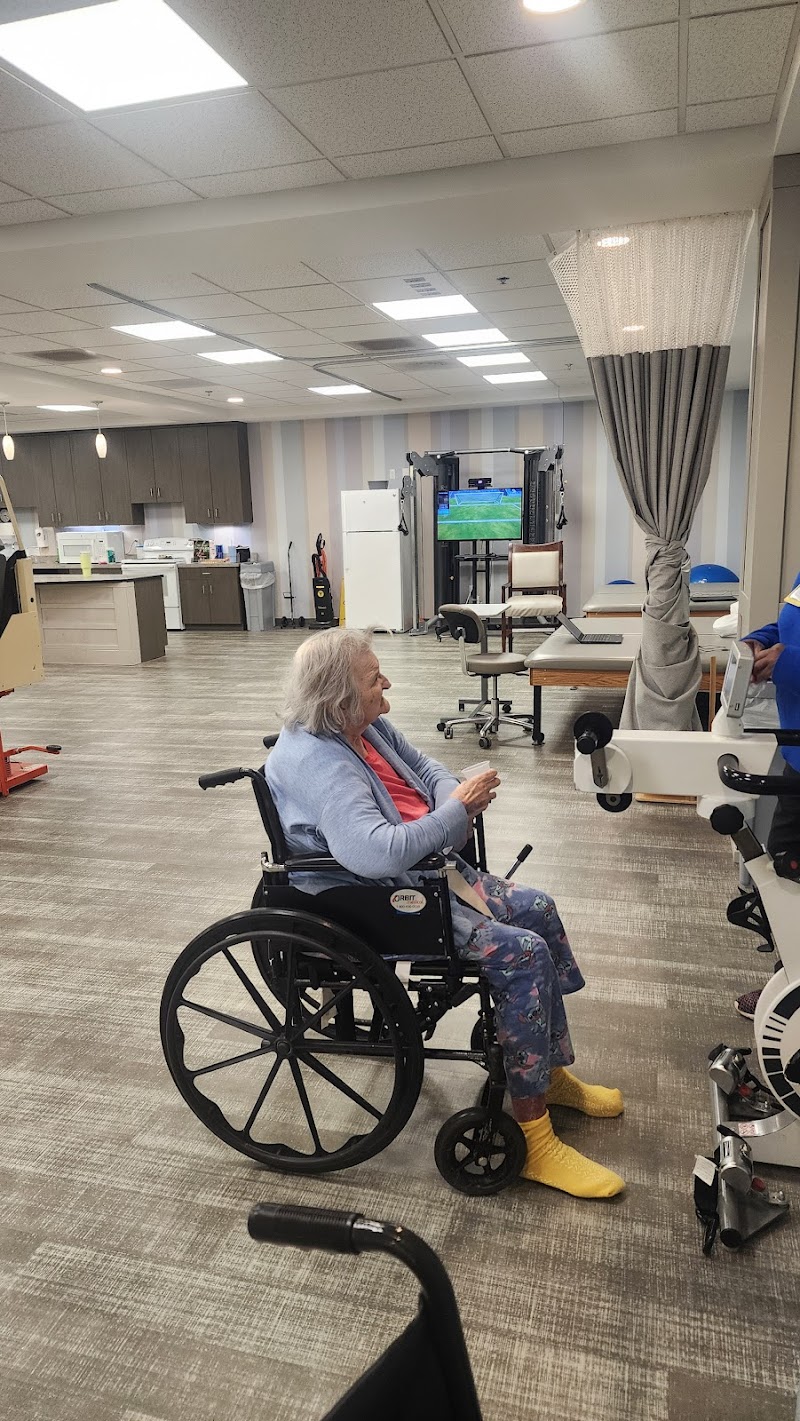
How is Regency At St. Clair Shores Staffed?

CMS rates Regency at St. Clair Shores's staffing level at 4 out of 5 stars, which is above average compared to other nursing homes. Staff turnover is 21%, compared to the Michigan average of 46%. This relatively stable workforce can support continuity of care.

What Have Inspectors Found at Regency At St. Clair Shores?

State health inspectors documented 31 deficiencies at Regency at St. Clair Shores during 2022 to 2025. These included: 3 that caused actual resident harm, 27 with potential for harm, and 1 minor or isolated issues. Deficiencies causing actual harm indicate documented cases where residents experienced negative health consequences.
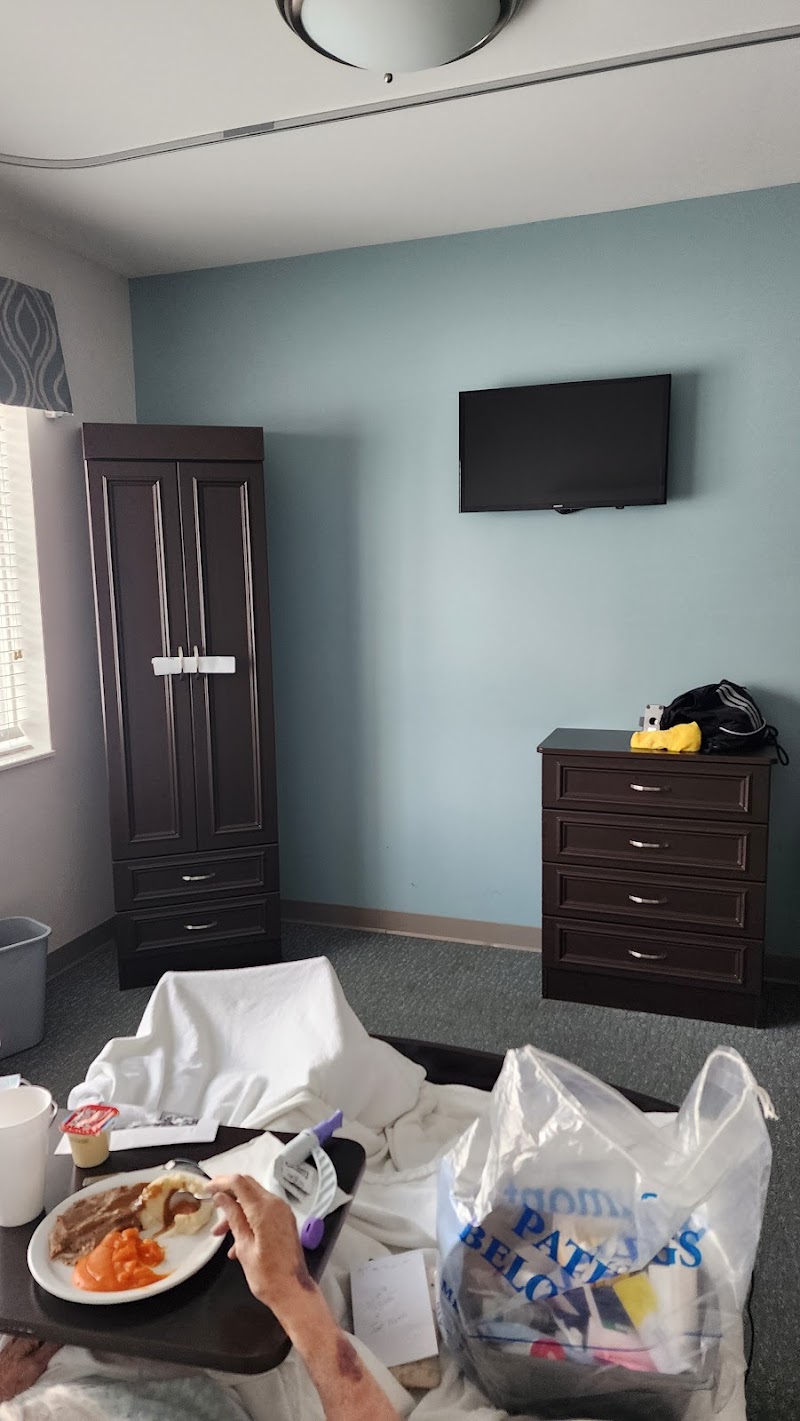
Who Owns and Operates Regency At St. Clair Shores?

Regency at St. Clair Shores is owned by a for-profit company. For-profit facilities operate as businesses with obligations to shareholders or private owners. The facility is operated by CIENA HEALTHCARE/LAUREL HEALTH CARE, a chain that manages multiple nursing homes. With 146 certified beds and approximately 136 residents (about 93% occupancy), it is a mid-sized facility located in St. Clair Shores, Michigan.

How Does Regency At St. Clair Shores Compare to Other Michigan Nursing Homes?

Compared to the 100 nursing homes in Michigan, Regency at St. Clair Shores's overall rating (3 stars) is below the state average of 3.1, staff turnover (21%) is significantly lower than the state average of 46%, and health inspection rating (3 stars) is at the national benchmark.

What Should Families Ask When Visiting Regency At St. Clair Shores?

Based on this facility's data, families visiting should ask: "Can I visit during a mealtime to observe dining assistance and food quality?" "How do you handle medical emergencies, and what is your hospital transfer rate?" "Can I speak with family members of current residents about their experience?"

Is Regency At St. Clair Shores Safe?

Based on CMS inspection data, Regency at St. Clair Shores has a clean safety record: no substantiated abuse findings (meaning no confirmed cases of resident harm), no Immediate Jeopardy citations (the most serious violation level indicating risk of serious injury or death), and is not on the Special Focus Facility watch list (a federal program monitoring the lowest-performing 1% of nursing homes). The facility has a 3-star overall rating and ranks #100 of 100 nursing homes in Michigan. While no facility is perfect, families should still ask about staff-to-resident ratios and recent inspection results during their visit.

Do Nurses at Regency At St. Clair Shores Stick Around?

Staff at Regency at St. Clair Shores tend to stick around. With a turnover rate of 21%, the facility is 25 percentage points below the Michigan average of 46%. Low turnover is a positive sign. It means caregivers have time to learn each resident's needs, medications, and personal preferences. Consistent staff also notice subtle changes in a resident's condition more quickly. Registered Nurse turnover is also low at 29%, meaning experienced RNs are available to handle complex medical needs.

Was Regency At St. Clair Shores Ever Fined?

Regency at St. Clair Shores has been fined $22,874 across 1 penalty action. This is below the Michigan average of $33,308. While any fine indicates a compliance issue, fines under $50,000 are relatively common and typically reflect isolated problems that were subsequently corrected. Families should ask what specific issues led to these fines and confirm they've been resolved.

Is Regency At St. Clair Shores on Any Federal Watch List?

Regency at St. Clair Shores is not on any federal watch list. The most significant is the Special Focus Facility (SFF) program, which identifies the bottom 1% of nursing homes nationally based on persistent, serious quality problems. Not being on this list means the facility has avoided the pattern of deficiencies that triggers enhanced federal oversight. This is a positive indicator, though families should still review the facility's inspection history directly.