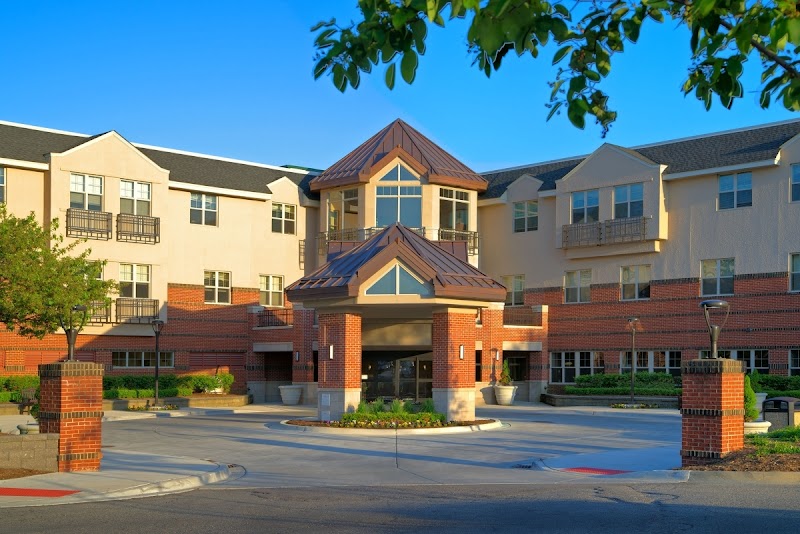
ShorePointe Nursing Center
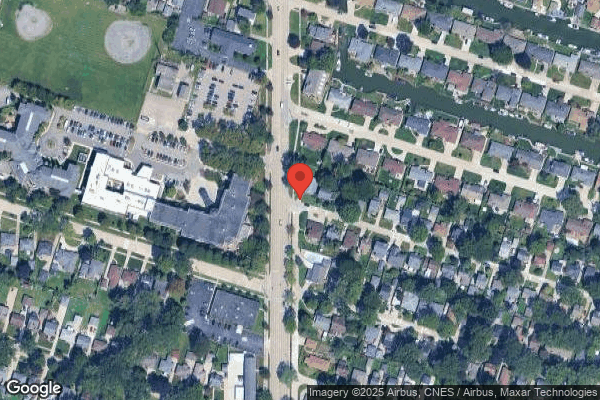

26001 East Jefferson Avenue, St. Clair Shores, MI 48081 (586) 779-7000
For profit - Limited Liability company 200 Beds OPTALIS HEALTH & REHABILITATION Data: November 2025
Trust Grade
40/100
#335 of 422 in MI
Last Inspection: April 2025

Within standard 12-15 month inspection cycle. Federal law requires annual inspections.

Overview

ShorePointe Nursing Center has a Trust Grade of D, indicating it is below average, with some concerning issues reported. It ranks #335 out of 422 facilities in Michigan, placing it in the bottom half, and #28 out of 30 in Macomb County, meaning there are only two better local options. The facility's trend is worsening, with issues increasing from 10 in 2024 to 14 in 2025. Staffing is average at 3 out of 5 stars, but the 60% turnover rate is concerning compared to the state average of 44%. Although there have been no fines, which is a positive aspect, there were serious concerns identified, such as failing to protect a resident during an abuse investigation and not ensuring proper meal portion sizes, which could affect nutritional intake for residents.
Trust Score
D
40/100
In Michigan
#335/422
Bottom 21%
Safety Record
Moderate
Needs review
Inspections
Getting Worse
10 → 14 violations
Staff Stability
⚠ Watch
60% turnover. Above average. Higher turnover means staff may not know residents' routines.
Penalties
✓ Good
No fines on record. Clean compliance history, better than most Michigan facilities.
Skilled Nurses
○ Average
Each resident gets 35 minutes of Registered Nurse (RN) attention daily — about average for Michigan. RNs are the most trained staff who monitor for health changes.
Violations
⚠ Watch
31 deficiencies on record. Higher than average. Multiple issues found across inspections.
★★☆☆☆
2.0
Overall Rating
★★★☆☆
3.0
Staff Levels
★★★★☆
4.0
Care Quality
★★☆☆☆
2.0
Inspection Score
Stable
2024: 10 issues
2025: 14 issues

The Good

  • 4-Star Quality Measures · Strong clinical quality outcomes
  • Full Sprinkler Coverage · Fire safety systems throughout facility
  • No fines on record

Facility shows strength in quality measures, fire safety.

The Bad

2-Star Overall Rating

Below Michigan average (3.1)

Below average - review inspection findings carefully

Staff Turnover: 60%

14pts above Michigan avg (46%)

Frequent staff changes - ask about care continuity

Chain: OPTALIS HEALTH & REHABILITATION

Part of a multi-facility chain

Ask about local staffing decisions and management

Staff turnover is elevated (60%)

12 points above Michigan average of 48%

The Ugly 31 deficiencies on record

1 actual harm
Apr 2025 10 deficiencies
CONCERN (D) 📢 Someone Reported This

A family member, employee, or ombudsman was alarmed enough to file a formal complaint

Potential for Harm - no one hurt, but risky conditions existed

Comprehensive Care Plan (Tag F0656)

Could have caused harm · This affected 1 resident

**NOTE- TERMS IN BRACKETS HAVE BEEN EDITED TO PROTECT CONFIDENTIALITY** Based on observation, interview, and record review, the facility failed to provide person centered care plans for two sampled re...

Read full inspector narrative →
**NOTE- TERMS IN BRACKETS HAVE BEEN EDITED TO PROTECT CONFIDENTIALITY** Based on observation, interview, and record review, the facility failed to provide person centered care plans for two sampled residents (R78 and R46) of three whose care plans were reviewed. Findings include: R78 A review of R78's medical record revealed an initial admission into the facility on 9/16/20, and a readmission date of 5/11/23 with diagnoses that included Hemiplegia and Hemiparesis following Cerebral Infarction, Diabetes, Vascular Dementia, and Post-Traumatic Stress Disorder (PTSD). Further review revealed the resident was cognitively intact and required 1-2 person assist for activities of daily living. A review of R78's care plan did not reveal a care plan for the resident's diagnoses of Post-Traumatic Stress Disorder or Vascular Dementia. On 4/16/25 at 12:01 PM, Social Worker A was asked about R78's missing care plan related to their PTSD and Vascular Dementia and explained she would investigate and get back with the surveyor. At 1:14 PM, Social Worker A followed-up with surveyor and acknowledged the resident did not have a care plan for their diagnoses. On 4/16/25 at 1:56 PM, the Nursing Home Administrator was asked for her expectations for the implementation of care plans and acknowledged there should be appropriate care plans in place, and psych services as needed. R46 On 4/14/2025 at 10:02 AM, R46 was away from their room receiving a dialysis treatment. An observation of R46's belongings revealed one heel protector on the bedside chair and one on another surface next to the chair. On 4/14/24 at 1:30 PM, an interview with R46 revealed they had just returned from dialysis. R46 did not have their heel protectors on and was in bed on their back. An inquiry revealed R46 was comfortable and did not like the heel protector. A review of the Electronic Medical Record (EMR) revealed R46 was admitted to the facility on [DATE] with pertinent diagnoses of Encephalopathy (chronic degeneration), Diabetes with neuropathy (decrease in sensation), Kidney Disease requiring dialysis, and pressure ulcer of the right heel. Further review of R46's EMR revealed a Basic Interview for Mental Status (BIMS) score of 10/15 indicating moderate cognitive impairment. The EMR revealed R46 was depended for all activities of daily living except eating. On 4/15/2025 at 10:37 AM, an interview with Nurse Unit Manager (NUM) H revealed there should be a non-compliance care plan since R46 is known to refuse many aspects of their care. On 4/15/2025 at 10:51 AM, an interview with R46's family revealed R46 often refuses care. On 4/15/2025 at 12:25 PM, an interview with Licensed Practical Nurse (LPN) F revealed R46 often refuses care, does not like the food and requests items not within their dietary restrictions. On 4/15/2025 at 2:00 PM, an interview with Dialysis Nurse (DN), N revealed R46 had high potassium and high phosphorous levels at times. When queried regarding the cause, DN N revealed elevated potassium and phosphorous levels are usually due to non-adherence to a Renal diet. On 4/15/2025 at 2:30 PM, an interview with Dietician M revealed R46 is currently on a Renal Diet. Dietician M further revealed R46 often orders items that are not on the Renal Diet. A review of the EMR did not reveal a care plan regarding non-compliance. A review of the facility's Behavioral Care Services policy revealed the following, .6. The facility utilizes the comprehensive assessment process for identifying and assessing a resident's mental and psychosocial status and providing person-centered care. This process includes, but is not limited to: .e. Care Plan development and implementation .
CONCERN (D) 📢 Someone Reported This

A family member, employee, or ombudsman was alarmed enough to file a formal complaint

Potential for Harm - no one hurt, but risky conditions existed

ADL Care (Tag F0677)

Could have caused harm · This affected 1 resident

**NOTE- TERMS IN BRACKETS HAVE BEEN EDITED TO PROTECT CONFIDENTIALITY** This citation pertains to Intake MI00151407 and MI00151269. Based on observation, interview, and record review, the facility fai...

Read full inspector narrative →
**NOTE- TERMS IN BRACKETS HAVE BEEN EDITED TO PROTECT CONFIDENTIALITY** This citation pertains to Intake MI00151407 and MI00151269. Based on observation, interview, and record review, the facility failed to respond to call lights and provide activities of daily living care (ADLs) in a timely manner for one resident (R152) and eight confidential group residents, of thirteen residents reviewed for ADLs. Findings include: R152 On 4/14/25 at 9:40 AM, R152 was met in their room and interviewed regarding the care they received at the facility. R152 indicated they frequently wait a long time for assistance with care. R152 indicated they had been waiting for over an hour to have their brief changed this morning. R152's call light was observed to be on the floor by the bed out of reach of the resident. At 9:50 AM, an observation was made of staff entering R152's room with a breakfast tray, setting the breakfast tray on the resident's bedside table and exiting the room. On 4/15/25 at 9:38 AM, a follow-up visit was conducted with R152. R152 indicated they had a wet brief and proceeded to activate their call light. From 9:38 AM, to 9:51 AM, R152's call light was observed to be activated and multiple staff walked by the resident's room with out answering the call light. At 9:51 AM, staff was observed to enter R152's room, deactivate the call light and exit the room. R152 was interviewed and confirmed the staff that deactivated the call light did not ask them if they needed assistance. R152 then reactivated their call light. At 9:56 AM, the Director of Nursing (DON) was observed to answer R152's call light. On 4/15/25 at 10:00 AM, the DON was interviewed regarding their expectations for staff regarding answering call lights and addressing ADL care needs. The DON indicated that call lights should be answered as soon as possible and the call light should be left on until the care need is met. A record review of R152's electronic medical record (EMR) revealed that R152 was admitted to the facility on [DATE] with diagnoses that included Respiratory failure and COPD (Chronic obstructive pulmonary disease) (Lung disease). R152's most recent minimum data set assessment (MDS) dated [DATE] revealed that R152 had a moderately impaired cognition, was frequently incontinent of urine, and was dependent upon staff for toileting. A review of resident council meeting notes for the months of December 2024 through March 2025 revealed multiple resident concerns related to lack of staff team work resulting in delayed ADL care, long call light wait times, and staff turning off call lights without addressing residents' needs. On 4/15/25 at 10:30 AM, a group meeting was conducted with eight confidential group residents and they were asked about care at the facility. The group indicated that when agency staff (contract staff hired by the facility to assist with providing care to the residents) was working, call lights were not answered and care was not provided timely. A review of a facility policy titled, Call Light .Timely Response Issue Date: 8.16.2023 stated, Guidance: Staff members who see or hear an activated call light are responsible for responding regardless of assignment. If the staff member cannot provide what the resident desires, the appropriate personnel should be notified. Process: .Turn off call light when resident's request is met.
CONCERN (D) 📢 Someone Reported This

A family member, employee, or ombudsman was alarmed enough to file a formal complaint

Potential for Harm - no one hurt, but risky conditions existed

Tube Feeding (Tag F0693)

Could have caused harm · This affected 1 resident

Based on observation, interview, and record review, the facility failed to ensure the appropriate amount of water flush was provided between administration of individual medications via a percutaneous...

Read full inspector narrative →
Based on observation, interview, and record review, the facility failed to ensure the appropriate amount of water flush was provided between administration of individual medications via a percutaneous endoscopic gastrostomy (PEG) tube (a tube that is placed directly into the stomach through an abdominal wall incision for administration of food, fluids, and medications), for one resident (R73) of four observed during medication administration. Findings include: On 04/15/25 at 9:09 AM, a medication administration via a PEG tube for R73 was observed with Licensed Practical Nurse (LPN) E. LPN E was observed to prepare medications for R73, nine were crushed for administration via R73's PEG tube. The PEG tube was uncapped and the tip of an open graduated 50 milliliter (ml) syringe was placed into the opening. An initial water flush of between 30 and 40 milliliters (mls) was observed to be completed via gravity. (The orders indicated a flush amount of 20-30 ml.) Each of the nine medications had been placed into plastic 30 ml medication cup. The initial medication cup was filled with 20 - 30 mls of water and poured into the syringe, medication remained in the cup and an additional 20-30 ml of water was used to clear the contents of the medication cup. This medication was followed with an additional 20-30 mls of water. Each of the next three medications was flushed with an additional 20-30 ml of water. R73 then reported they were feeling full and may need to throw up. LPN E then paused and added the last five crushed medications to the 30 mls of water in the syringe and flushed with an additional 20-30 mls of water. Upon completion LPN E was asked about combining medications for administration and reported they do combine for some residents but combined administration had not been ordered for R73. On 04/15/25 at 4:46 PM, the LPN Q reported medications via a PEG are given one by one and flushed with five to ten milliliters of water inbetween medications. On 04/15/25 at 4:55 PM, Unit Manager LPN B reported PEG medications are crushed and administered one by one. 20-30 milliliters of water are used to flush before starting and five to ten milliliters is used to flush between medications. On 04/16/25 at 9:52 AM, the Director of Nursing (DON) reported on query the medications are generally administered one at a time via a PEG tube though medications may be combined on consult with the pharmacist and physician. The DON further reported the flush amount between medications was 5-10 ml, but would consult the policy. A review of the facility policy titled, Medication-Enteral Tube Medication Administration issued 09/12/23 revealed, .dilute crushed medications with at least 30 ml of water (or prescribed amount) . If administering more than one medication, flush with 15 ml of water between medications (or prescribed amount) .
CONCERN (D) 📢 Someone Reported This

A family member, employee, or ombudsman was alarmed enough to file a formal complaint

Potential for Harm - no one hurt, but risky conditions existed

Unnecessary Medications (Tag F0759)

Could have caused harm · This affected 1 resident

Based on observation, interview, and record review, the facility failed to ensure a medication error of less than five percent for one resident (R73) of five residents reviewed for medication observat...

Read full inspector narrative →
Based on observation, interview, and record review, the facility failed to ensure a medication error of less than five percent for one resident (R73) of five residents reviewed for medication observation, resulting in a medication error rate of 12.82%. Findings include: On 04/15/25 at 9:09 AM, a medication administration for R73 via a percutaneous endoscopic gastrostomy (PEG) tube (a tube that is placed directly into the stomach through an abdominal wall incision for administration of food, fluids, and medications) was observed with Licensed Practical Nurse (LPN) E. LPN E was observed to prepare medications for R73, nine were crushed for administration via R73's PEG tube. The PEG tube was uncapped and the tip of an open graduated syringe was placed into the opening. An initial water flush of between 30 and 40 milliliters (mls) was observed to be completed via gravity. The next four medications were followed with an additional 20-30 mls of water. R73 then reported they were feeling full and may need to throw up. LPN E then paused and added the last five crushed medications all together into the 30 mls of water in the syringe and flushed with an additional 20-30 mls of water. Residual medication was observed to have been left in the syringe. Upon completion LPN E was asked about combining medications for administration and reported they do combine for some residents but combined administration had not been ordered for R73. On 04/16/25 at 9:52 AM, the Director of Nursing (DON) reported on query the medications are generally administered one at a time via a PEG tube though medications, but may be combined on consult with the pharmacist and physician. A review of the facility policy titled, Medication-Enteral Tube Medication Administration issued 09/12/23 revealed, .dilute crushed medications with at least 30 ml of water (or prescribed amount) . Administer each medication separately .
CONCERN (D) 📢 Someone Reported This

A family member, employee, or ombudsman was alarmed enough to file a formal complaint

Potential for Harm - no one hurt, but risky conditions existed

Deficiency F0760 (Tag F0760)

Could have caused harm · This affected 1 resident

**NOTE- TERMS IN BRACKETS HAVE BEEN EDITED TO PROTECT CONFIDENTIALITY** This citation pertains to Intake MI00152118. Based on observation, interview, and record review, the facility failed to ensure t...

Read full inspector narrative →
**NOTE- TERMS IN BRACKETS HAVE BEEN EDITED TO PROTECT CONFIDENTIALITY** This citation pertains to Intake MI00152118. Based on observation, interview, and record review, the facility failed to ensure the blood pressure medication (Clonidine) for one resident (R73) of one resident reviewed was administered as needed per physician order Findings include: On 04/15/25 at 9:09 AM, a medication pass observation for R73 was conducted with Licensed Practical Nurse (LPN) E. Prior to the pass of medication LPN E checked the blood pressure of R73. The blood pressure (BP)was documented as 197/96 and a heart rate of 71. LPN E reported they would need to report this to the physician and upon review observed the active physician order dated 04/09/25, Clonidine .1 mg (milligram), give one tablet via a percutaneous endoscopic gastrostomy (PEG) tube (a tube that is placed directly into the stomach through an abdominal wall incision for administration of food, fluids, and medications) every six hours, PRN (as needed) for hypertension (high BP). Administer for SBP (systolic BP) greater than 160 and notify physician. LPN E administered the clonidine. A review of the previous blood pressures (BP) documented a blood pressure of 196/88 at 5:00 AM on the same morning. A review of the vitals tab in the electronic medical record revealed the next blood pressure was taken by Nurse E at 9:20 AM. A review of the April 2025 Medication Administration Record (MAR) revealed two previous administrations of the PRN clonidine on April 9th and 12th, 2025 (BP 171/71 by LPN E). No additional administrations were documented on the MAR. A further review of the April MAR and physician's orders documented for additional blood pressure medications: Hydralazine scheduled at 6 AM, 2 PM and 10 PM; Furosemide, a water pill, scheduled at 6 AM which was refused on 04/14/25 and 04/15/25; and Carvedilol at nine AM and nine PM. Refusal of the furosemide was not documented in the progress notes as having been reported to the physician. A review of the April 2025 progress notes revealed no documentation of physician notification by the nurse related to the 5 AM blood pressure. A 04/09/25 progress note timed at 1:33 PM documented the as needed clonidine order from the physician and to call the physician if the as needed clonidine had to be administered. On 04/16/25 at 1:56 PM, the blood pressures in the electronic medical record for R73 were reviewed with Unit Manager H. Ten or more blood pressures greater than 160 systolic were documented since the order was initiated. Some of these were noted to have a recheck with a similar value. The Unit Manager reported the expectation was to administer the as needed clonidine as ordered and report out of parameter blood pressures to the physician for review of the prescribed medication regimen. A review of the record revealed R73 was admitted into the facility on [DATE]. Diagnoses included, Stroke, Heart Disease, Chronic Kidney Disease and Malnutrition. The Minimum Data Set (MDS) assessment dated [DATE] documented moderately impaired cognition and the need for partial/moderate assistance for most activities of daily living. A review of the National Institute for Health site at [www.nhlbi.nih.gov/health/high-blood-pressure] revealed, .Blood pressures are written as two numbers separated by a slash like this: 120/80 mm Hg. You can say this as 120 over 80 millimeters of mercury or just as 120 over 80. The first number is your systolic pressure - that ' s the force of the blood flow when blood is pumped out of the heart. The second number is your diastolic pressure, which is measured between heartbeats when the heart is filling with blood . A healthy systolic blood pressure is less than 120 mm Hg. A healthy diastolic pressure is less than 80 mm Hg. Your blood pressure is high when you have consistent systolic readings of 130 mm Hg or higher, or diastolic readings of 80 mm Hg or higher. Contact your provider immediately and .Hypertensive Crisis: Higher than 180 systolic pressure or higher than 120 diastolic pressure, Contact your provider immediately.
CONCERN (D) 📢 Someone Reported This

A family member, employee, or ombudsman was alarmed enough to file a formal complaint

Potential for Harm - no one hurt, but risky conditions existed

Deficiency F0761 (Tag F0761)

Could have caused harm · This affected 1 resident

**NOTE- TERMS IN BRACKETS HAVE BEEN EDITED TO PROTECT CONFIDENTIALITY** Based on observation, interview and record review, the facility failed to discard expired, label with resident identifier and da...

Read full inspector narrative →
**NOTE- TERMS IN BRACKETS HAVE BEEN EDITED TO PROTECT CONFIDENTIALITY** Based on observation, interview and record review, the facility failed to discard expired, label with resident identifier and date when opened biologicals in three of four medications carts and one of four medication rooms reviewed. Findings include: On [DATE] at 8:50 AM, the three [NAME] high medication cart was observed with Licensed Practical Nurse (LPN) P. A dorzolamide eye drop vial was not labeled with a resident identifier nor date opened; glucose strips were not dated when opened; two insulin aspart vials were dated 3/10 and 3/05 and expired; A Basalgar insulin pen was not dated when opened; Two Trelegy inhalers were not dated when opened; and a Arnuity inhaler was not dated when opened on the inhaler and did not have an identifier on the inhaler. On [DATE] at 4:46 PM, the two [NAME] medication room was observed with LPN Q. A tuberculin vial was open, but not dated. On [DATE] at 9:44 AM an observation of the medication cart for revealed Latanoprost Eye drops laying outside of the box, without an identifying label or open date on the bottle. A further observation revealed a bottle of Prednisone Acetate in a box without an identifying label or open date on the bottle. On [DATE] at 9:52 AM, the Director of Nursing (DON) reported expired medication are to be discarded and a dated opened and identifier applied to medications that require them. A review of the facility Prescription Dating/Storage Guidelines effective [DATE] revealed, .insulin lispro: vial expires 28 days after opening or removal from the refrigerator whichever comes first . Tuberculin: Discard vial in use after thirty days . latanoprost: may be stored at room temperature for up to six weeks. A review of the prescribing and manufacturer's information at [https://gskpro.com] revealed, .Safely throw away Trelegy Ellipta in the trash 6 weeks after you open the tray or when the counter reads 0, whichever comes first. Write the date you open the tray on the label on the inhaler. A review of the prescribing and manufacturer's information at [https://arnuity.com] revealed, .Arnuity Ellipta should be stored inside the unopened moisture-protective foil tray and only removed from the tray immediately before initial use. Discard Arnuity Ellipta 6 weeks after opening the foil tray or when the counter reads 0 (after all blisters have been used), whichever comes first .
CONCERN (D) 📢 Someone Reported This

A family member, employee, or ombudsman was alarmed enough to file a formal complaint

Potential for Harm - no one hurt, but risky conditions existed

Infection Control (Tag F0880)

Could have caused harm · This affected 1 resident

Based on observation, interview, and record review, the facility failed to maintain a tube feeding (TF) pole in a sanitary manner for one sampled resident (R128) of one reviewed for tube feeding sanit...

Read full inspector narrative →
Based on observation, interview, and record review, the facility failed to maintain a tube feeding (TF) pole in a sanitary manner for one sampled resident (R128) of one reviewed for tube feeding sanitation. Findings Include: On 4/14/25 at 2:10 PM, R128 was observed lying in bed with their tube feeding in place noting a bag of Isosource 1.5 cal missing the resident's name, date, time, or order. The tube feeding pole and base were observed to have a very thick layer of brown dried tube feed stuck to it. Also noted were a pair of used gloves on the floor. A review of R128's medical record revealed they were admitted into the facility on 6/7/24 with diagnoses of Hemiplegia and Hemiparesis following a Cerebral Infarction, Dysphagia, and Diabetes. Further review revealed the resident was severely cognitively impaired and was dependent on enteral feed for nutrition. On 4/15/25 at 8:59 AM, R128's tube feeding pole was observed to have a thick layer of brown tube feeding fluid stuck to it. In addition, there was a pool of wet fluid observed on the floor. On 4/16/25 at 10:50 AM, R128's tube feeding pole was observed to have a thick layer of brown tube feeding fluid stuck to it. On 4/16/25 at 1:04 PM, the Infection Control Preventionist was asked her expectation for the cleanliness of tube feeding poles and explained the pole should be cleaned when observed as soiled. A review of the Cleaning and Disinfection of Resident-Care Equipment policy revealed the following, .3. Staff shall follow established infection control principles for cleaning and disinfecting reusable, non-critical equipment. General guidelines include .e. for durable medical equipment, such as feeding pumps, staff shall store used/dirty equipment in soiled utility room .
CONCERN (D)

Potential for Harm - no one hurt, but risky conditions existed

Deficiency F0919 (Tag F0919)

Could have caused harm · This affected 1 resident

**NOTE- TERMS IN BRACKETS HAVE BEEN EDITED TO PROTECT CONFIDENTIALITY** Based on observation, interview, and record review, the facility failed to ensure that call lights were in reach for three resid...

Read full inspector narrative →
**NOTE- TERMS IN BRACKETS HAVE BEEN EDITED TO PROTECT CONFIDENTIALITY** Based on observation, interview, and record review, the facility failed to ensure that call lights were in reach for three residents (R57, R106, R152) of four residents reviewed for call light accessibility. Findings include: R57 On 4/14/25 at 9:15 AM, an observation was made of R57's call light being on the floor by the side of the bed, out of reach of the resident. On 4/15/25 at 9:27 AM, an observation was made of R57's call light being on the floor, by the bed, out of reach of the resident. R57 was interviewed regarding the location of their call light and stated, I don't know. A record review was completed of R57's electronic medical record (EMR) and revealed that R57 was admitted to the facility on [DATE] with diagnoses that included Atrial fibrillation (Irregular heart rate) and Heart disease. R57's most recent minimum data set assessment (MDS) dated [DATE] revealed that R57 had an intact cognition and required substantial assistance to being dependent for all activities of daily living (ADLs) other than eating. R106 On 4/14/25 at 9:39 AM, an observation was made of R106's call light being on the floor, under the bed, out of reach of the resident. On 4/16/25 at 9:54 AM, R106's call light was observed to be on the floor next to the bed, out of reach of the resident. While the surveyor was in the room with R106, Licensed Practical Nurse (LPN) C entered the room and was asked where R106's call light should be located. LPN C picked up the call light off of the floor and clipped it to R106. On 4/16/25 at 10:08 AM, LPN B was interviewed regarding their expectations regarding call light placement in residents' rooms. LPN B indicated the call light should be clipped to or located beside the resident within their reach. A record review of R106's EMR revealed that R106 was admitted to the facility on [DATE] with diagnoses that included Respiratory failure and Muscle weakness. R106's most recent MDS dated [DATE] revealed that R106 had moderately impaired cognition and required moderate assistance to being dependent for all ADLs other than eating. R152 On 4/14/25 at 9:40 AM, R152's call light was observed to be on the floor by the bed, out of reach of the resident. A record review of R152's EMR revealed that R152 was admitted to the facility on [DATE] with diagnoses that included Respiratory failure and COPD (Chronic obstructive pulmonary disease) (Lung disease). R152's most recent MDS dated [DATE] revealed that R152 had a moderately impaired cognition, was frequently incontinent of urine, and was dependent upon staff for toileting. On 4/16/25 at 1:19 PM, the Administrator (NHA) was interviewed regarding their expectations for placement of call lights in residents' rooms. The NHA indicated all staff should be checking that call lights are in place and accessible to the resident. A review of a facility policy titled, Call Light Accessibility . Issue Date: 8.16.2023 stated, Guidance: Staff will be educated .ensuring residents have access to the call light. Staff will ensure the call light is .within reach of residents .The call system will be accessible to residents while in their room at bedside .
CONCERN (F)

Potential for Harm - no one hurt, but risky conditions existed

Deficiency F0800 (Tag F0800)

Could have caused harm · This affected most or all residents

Based on observation, interview, and record review, the facility failed to ensure meal portion sizes met the nutritional needs of the residents, resulting in the potential for inadequate protein intak...

Read full inspector narrative →
Based on observation, interview, and record review, the facility failed to ensure meal portion sizes met the nutritional needs of the residents, resulting in the potential for inadequate protein intake, weight loss, and decreased meal enjoyment. This deficient practice had the potential to affect all residents that consume food from the kitchen. Findings include: On 4/14/25 at 11:15 AM, Dietary [NAME] O was observed serving food at the steam table. Dietary [NAME] O was observed ladling chili into bowls with a 6 ounce ladle. When queried about the portion size for the chili, Dietary [NAME] O stated Is this not right? On 4/14/25 at 11:20 AM, review of the production sheet for the lunch meal, noted that the portion size for the chili was supposed to be 8 ounces. When queried at that time, Certified Food Manager D confirmed that Dietary [NAME] O was using the wrong size ladle. On 4/15/25 at 10:30 AM, a group meeting was conducted with eight confidential group residents and they were asked about the food at the facility. All group members indicated that food portions could be larger. Examples from the group included being served one individual rib when ribs were served for dinner recently and being served one slice of pizza during another recent dinner.
CONCERN (F)

Potential for Harm - no one hurt, but risky conditions existed

Food Safety (Tag F0812)

Could have caused harm · This affected most or all residents

Based on observation, interview, and record review, the facility failed to prepare food in accordance with professional standards for food service safety. This deficient practice has the potential to ...

Read full inspector narrative →
Based on observation, interview, and record review, the facility failed to prepare food in accordance with professional standards for food service safety. This deficient practice has the potential to result in food borne illness among all residents that consume food from the kitchen. Findings include: On 4/14/25 during an initial observation of the kitchen between 8:45 AM-9:15 AM, the following items were observed: The ice scoop holder was observed with black debris on the inside bottom surface. The tip of the ice scoop was resting in the black debris. When queried, Certified Food Manager (CFM) D stated she would clean it right away. According to the Food & Drug administration (FDA) 2017 Model Food Code, Section 3-304.12 In-Use Utensils, Between-Use Storage, During pauses in food preparation or dispensing, food preparation and dispensing utensils shall be stored: .(E) In a clean, protected location if the utensils, such as ice scoops, are used only with a food that is not potentially hazardous (time/temperature control for safety food) . The ice machine filter was observed to be dusty. When queried, CFM D provided no explanation. According to the 2017 FDA Food Code section 4-602.13 Nonfood-Contact Surface, Nonfood-contact surfaces of equipment shall be cleaned at a frequency necessary to preclude accumulation of soil residues. The interior of the microwave was observed with splattered, dried on food debris. CFM D confirmed the soiled microwave, but provided no further explanation. According to the 2017 FDA Food Code section 4-601.11 Equipment, Food-Contact Surfaces, Nonfood-Contact Surfaces, and Utensils, (C) Nonfood-contact surfaces of equipment shall be kept free of an accumulation of dust, dirt, food residue, and other debris. In the walk-in cooler, the flooring was soiled with large areas of black stains, and there was dried up milk pooled on the floor underneath the milk crates. CFM D confirmed the soiled floors and stated she would have staff mop the floors right away. According to the 2017 FDA Food Code section 6-501.12 Cleaning, Frequency and Restrictions, (A) Physical facilities shall be cleaned as often as necessary to keep them clean. In the chemical room/janitor's closet, there were 2 unlabeled spray bottles on the shelf, filled with a clear liquid. CFM D stated I think it's just water, but provided no explanation for why the bottles were not labeled. According to the 2017 FDA Food Code section 7-102.11 Common Name, Working containers used for storing POISONOUS OR TOXIC MATERIALS such as cleaners and SANITIZERS taken from bulk supplies shall be clearly and individually identified with the common name of the material. The floor drain cover underneath the dish machine was completely obstructed and coated with debris and dirt. According to the 2017 FDA Food Code section 6-501.12 Cleaning, Frequency and Restrictions, (A) Physical facilities shall be cleaned as often as necessary to keep them clean. On 4/14/25 at 9:15 AM, the low temperature/chemical sanitizing dish machine was observed. The log for the dish machine was observed hanging on the wall near the dish machine. It was noted that the log had not been completed since breakfast on 4/11. CFM D confirmed that the dish machine should be checked for sanitization daily, 3 time a day (breakfast, lunch, dinner). When queried about the test strips used to check the sanitizer level in the dish machine, CFM D pointed to a container of quaternary ammonia test strips, which were attached to the dish machine log. The dish machine was observed with a bottle of chlorine sanitizer attached. When queried about the availability of chlorine test strips, CFM D stated she would check to see if they had any. A plate simulator sent through the dish machine registered a maximum temperature of 140 degrees Fahrenheit. This surveyor used their own chlorine test strips to test the level of chlorine sanitizer in the dish machine. The strip did not change color to denote the presence of chlorine sanitizer. CFM D stated she would contact a repair company. According to the FDA Food Code section 4-501.114 Manual and Mechanical Warewashing Equipment, Chemical Sanitization-Temperature, pH, Concentration, and Hardness, A chemical SANITIZER used in a SANITIZING solution for a manual or mechanical operation at contact times specified under 4-703.11(C) shall meet the criteria specified under §7-204.11 Sanitizers, Criteria, shall be used in accordance with the EPA-registered label use instructions, P and shall be used as follows: (A) A chlorine solution shall have a minimum temperature based on the concentration and PH of the solution as listed in the following chart; P. According to the 2017 FDA Food Code section 4-501.116 Warewashing Equipment, Determining Chemical Sanitizer Concentration, Concentration of the SANITIZING solution shall be accurately determined by using a test kit or other device. On 4/14/25 at 9:30 AM, the 2nd floor nourishment room was observed. The interior surfaces of the microwave had areas of peeling paint, and the cabinet underneath the sink was observed with 2 towels that had been spread out over the surface. The white towels were stained black with a mold-like substance. On 4/14/25 at 9:35 AM, the 3rd floor nourishment room was observed. The microwave was rusty on the inside top surface and along the front bottom edge. The bottom shelf underneath the sink was observed with water damage and was soiled with a black, mold-like substance.
Feb 2025 2 deficiencies 1 Harm
SERIOUS (G) 📢 Someone Reported This

A family member, employee, or ombudsman was alarmed enough to file a formal complaint

Actual Harm - a resident was hurt due to facility failures

Abuse Prevention Policies (Tag F0607)

A resident was harmed · This affected 1 resident

**NOTE- TERMS IN BRACKETS HAVE BEEN EDITED TO PROTECT CONFIDENTIALITY** This citation pertains to Intake: MI00150544. Based on interview, and record review, the facility failed to protect one residen...

Read full inspector narrative →
**NOTE- TERMS IN BRACKETS HAVE BEEN EDITED TO PROTECT CONFIDENTIALITY** This citation pertains to Intake: MI00150544. Based on interview, and record review, the facility failed to protect one resident (R901) during an abuse investigation out of four residents reviewed for abuse resulting in fear of retaliation and feeling scared. Findings include: A review of a facility reported incident (FRI) submitted 2/13/25 to the State Agency revealed, It was alleged the facility staff misappropriated resident funds. On 2/25/25 at 10:00 AM, R901 explained back in October (2024) they wanted to open a bank account to deposit their check from social security. They had asked their family to assist but they were taking too long. R901 said they had shared they're frustration to Staff A, and the staff member suggested they (the resident) try to open an account over the phone at Staff A's bank. R901 expressed they did not think this would work because it was over the phone, and they only had a picture of their ID on their phone. R901 reported the bank allowed the account to be opened with R901 as primary and Staff A as secondary. R901 explained things were going ok until they started to have transactions declined when they tried to use the account. R901 expressed they didn't understand why the transactions were getting declined because they knew they had money in the account. R901 stated they communicated this to Staff A, and they (the staff member) would say they will add money to the account. R901 explained this continued to happen and decided to look at the account online for the first time since opening the account in October (2024). Once they signed up for the online access, they noticed Staff A had a gambling/betting app (application) linked and other unauthorized withdrawals were made from the account. R901 wanted to remove Staff A from the account but was unable to over the phone. R901 reported their family member took them to the bank on 2/13/25 at which point bank account was closed and the printed transaction of the account revealed an unauthorized amount total of $18,364.14 was withdrawn from the account by Staff A. R901 reported they canceled the old account and opened a new account. A family member called the police to file a report in which the police met them (the resident and family member) back at the facility. R901 stated, I started crying about it. It had not clicked until then. R901 explained, after the police interview, they were instructed to call 911 if Staff A approached them. The police indicated they would notify the administration staff that Staff A is to not have any contact with them (R901). R901 reported the next morning (2/14/25), Staff A came to they're room and was in their face, very close and said aggressively, I got fired. R901 stated, I told her to back up. Police said to call 911, I wanted to, but it was over there, (pointing to nightstand which was out of reach). Staff A also said, Don't make me lose it. R901 continued telling Staff A to back up. R901 expressed they were scared and was trying to figure out how they were going to defend themselves. R901 said Staff A eventually left. After Staff A left they called the resident 10 times back-to-back. R901 shared a voice mail message dated 2/14/25 at 7:04 AM, Call me ASAP (as soon as possible), at 7:11 AM, You need to talk to me now. and 7:31 AM Answer your phone. The least you can do is talk to me that's what you can do, and you don't even have the respect to do that. Shame on you, [R901] shame on you. R901 expressed they were fearful of retaliation because of this situation, and they will be transferred to another facility. R901 explained they were scared Staff A's sons and or husband my come to the facility and make it to their room and possibly harm them. R901 was asked the impact this incident has had on them. R901 expressed the missing money means they can't pay bills, they can't afford physical therapy they want, and they may not have money to leave after they pass away to their family. R901 stated, I can't go into it, because it will mess with my head. A review of R901's medical record noted, R901 was admitted to the facility on [DATE] with diagnosis of Malignant Neoplasm of Unspecified site of left Breast. A review of R901's quarterly Minimum Data Set (MDS) assessment dated [DATE] revealed. R901 with an intact cognition and dependent of staff for activities of daily living. On 2/25/26 at 11:55 AM, Staff A was asked about the bank account with R901. Staff A explained they became friends with R901 when they were a housekeeper. Staff A told me they couldn't get a bank account, and I suggested R901 to try and open one over the phone. Staff A stated, I deposited the checks for R901. Staff A was asked if they used the money for their own personal use. Staff A explained, they did use the account for a gambling/betting app to play games but put the money back. Staff A was asked when they found out they were suspended and explained on Thursday night (2/13/25), R901 told them they couldn't talk to them anymore. Staff A further explained they came into work the next day Friday (2/14/25) at 7:00 AM when Nursing Supervisor (Nurse) B told them they couldn't be in the building because they were suspended. Staff A confirmed, Before I left, I went to [R901's] room and asked [R901] if I needed a lawyer. On 2/25/25 at 11:36 AM, a Family Member (FM) for R901 was asked about the incident. The FM confirmed the account was opened on 10/15/25, and closed 4 months later, on 2/13/25. The FM said they reviewed the transactions print out and once they saw the amount of money taken, they called the police on 2/13/25. The FM reported Staff A called R901 a lot and left voice mails and text messages, with foul language. On 2/26/25 at 8:53 AM, the Nursing Home Administrator (NHA) was asked about the incident and explained they became aware of the bank account incident on 2/13/25 when the police came into the facility. The NHA said they called Staff A on 2/13/25 and left a voice message telling her she was suspended pending investigation. Staff A came in Friday (2/14/25) morning because she said alleged she didn't get the message. The NHA explained they received a call from Nurse B asking what they should do because Staff A was in the building. The NHA said, they directed Nurse B to instruct Staff A to leave the building. On 2/26/25 at 9:33 AM, the Social Worker (SW D) reported on February 12, 2025, they were told R901 was going to the bank to remove a friend from their bank account, because there were small amounts of money missing. SW D explained they informed the NHA that day. SW D reported on February 14, (2025) after around 9:30 AM, R901 told them the friend was Staff A. On 2/26/25 at 2:31 PM, during an interview, Nurse B stated, I saw her (Staff A) at the bistro (located on the first floor) and told her that she had to leave, because she was suspended. Nurse B further explained they called the NHA and the NHA instructed them to tell Staff A to leave and Staff A acted like they didn't know why they had to leave. Nurse B explained Staff A wanted to speak with Dietary Manager (DM C) as they were coming into the building. Nurse B explained they left Staff A with DM C and that was the last time they saw her, until they were told that, Staff A was in R901's room (located on the third floor of the facility). On 2/26/25 at 1:42 PM, NHA reported the management staff were told Staff A was suspended on 2/13/25. The NHA was asked the procedure in protecting a resident when an investigation is ongoing, and when staff are directed to leave the facility. The NHA, explained they typical walk them to door or it has been done over the phone. The NHA was asked how Staff A was able to make it to R901's room, after they were suspended and instructed to leave the facility. The NHA explained they were not sure and it should not have happened. A review of the facility's investigation interviews revealed, .The account was set up and [R901] was able to have a couple large SSI (Social Security Income) deposits into the account and [R901] started paying off bills. [R901] had not thought of anything of it, but started to notice funds were not being available when [R901] would go to use it. [R901] would ask [Staff A] for money. About 2 weeks ago, [R901] had no cash again so [R901] wanted to create a online profile so [R901] could see the activity and transactions on the account. That is when [R901] saw all the gambling transactions. [R901] said that [Staff A] said I told you I do online gambling. [R901] told her to put the money back and [Staff A] said I do. [R901] called the bank back on Wednesday (2/12/25) to see if [R901] could have [Staff A] removed from the account if [R901] went there with [R901's] daughter and the bank said yes. [R901] and [R901's] daughter went to the bank on 2/13/25 and the bank would not allow [R901] to take [Staff A] off the account but they did allow [R901] to close the account. They proceeded with that and had the account closed. They also had the bank print out the history of transactions back to the opening of the account in October 2024. The daughter took the large stack and reviewed with the police. Total amount taken was $18,368.14. The daughter stated it was around $14,030 towards gambling and the resident were purchases at places like [local pharmacy], gas stations, etc. The daughter said she put back $6,193.59, which $570 was from [Staff A], the rest was from gambling winnings. The Police arrived last night (2/13/25) with [R901's] daughter. They said to call 911 if she (Staff A) comes in to the facility. This morning (2/14/25), [Staff A] got in (the facility) somehow and got in [R901's] face saying Do I need to get a lawyer? Your daughters did this to me. She told [R901] that she was the reason she was fired from her job and that she wasn't going to help anymore ever again. She left the room at that point [R901] said [R901] has been texting and calling [R901] ever since last night and the cops said not to block her number right now. Interview conducted 2/14/15 around 10 am in the residents room. Administrator, Assistant Admin, Resident, and Daughters (one on phone) present for interview. Signed and Dated 2/14/25 by the resident, witness and interviewer. Review of the facility's policy titled, Abuse dated 5/24/23 documented, Abuse against residents can be perpetrated by various people within the facility. The facility supports and protects patients, family members, and staff from harm during an investigation of alleged abuse including retribution and retaliation. Protective actions depend upon the people involved. Any allegation of abuse must be immediately reported to the supervisor and the Abuse Prevention Coordinator. The Administrator initiates investigating any allegation of abuse against a patient. The facility will make efforts to ensure all residents are protected from physical and psychosocial harm during and after the investigation. Examples include but are not limited to: · Immediately removing the resident from contact with the alleged abuser. · Evaluation of the physical and psychosocial condition of the resident and providing emotional support to the patient during and after the investigation as needed. · Providing a safe and secure environment for all patients · If a staff member is the alleged perpetrator, that staff member should be immediately removed from the facility and the schedule pending the outcome of the investigation.
CONCERN (D) 📢 Someone Reported This

A family member, employee, or ombudsman was alarmed enough to file a formal complaint

Potential for Harm - no one hurt, but risky conditions existed

Deficiency F0602 (Tag F0602)

Could have caused harm · This affected 1 resident

**NOTE- TERMS IN BRACKETS HAVE BEEN EDITED TO PROTECT CONFIDENTIALITY** This citation pertains to Intake: MI00150544. Based on interview, and record review, the facility failed to prevent staff misap...

Read full inspector narrative →
**NOTE- TERMS IN BRACKETS HAVE BEEN EDITED TO PROTECT CONFIDENTIALITY** This citation pertains to Intake: MI00150544. Based on interview, and record review, the facility failed to prevent staff misappropriation of resident funds (linking a gambling app and making withdrawals without resident consent from a joint bank account), for one sampled resident (R901) of four reviewed for abuse, resulting in an unauthorized withdrawal totaling $18,368.14. Findings include: A review of a facility reported incident (FRI) submitted 2/13/25 to the State Agency revealed, It was alleged the facility staff misappropriated resident funds. On 2/25/25 at 10:00 AM, R901 explained back in October (2024) they wanted to open a bank account to deposit their check from social security. They had asked their family to assist but they were taking too long. R901 said they had shared they're frustration to Staff A, and the staff member suggested they (the resident) try to open an account over the phone at Staff A's bank. R901 expressed they did not think this would work because it was over the phone, and they only had a picture of their ID on their phone. R901 reported the bank allowed the account to be opened with R901 as primary and Staff A as secondary. R901 explained things were going ok until they started to have transactions declined when they tried to use the account. R901 expressed they didn't understand why the transactions were getting declined because they knew they had money in the account. R901 stated they communicated this to Staff A, and they (the staff member) would say they will add money to the account. R901 explained this continued to happen and decided to look at the account online for the first time since opening the account in October (2024). Once they signed up for the online access, they noticed Staff A had a gambling/betting app (application) linked and other unauthorized withdrawals were made from the account. R901 wanted to remove Staff A from the account but was unable to over the phone. R901 reported their family member took them to the bank on 2/13/25 at which point bank account was closed and the printed transaction of the account revealed an unauthorized amount total of $18,364.14 was withdrawn from the account by Staff A. R901 reported they canceled the old account and opened a new account. A family member called the police to file a report in which the police met them (the resident and family member) back at the facility. R901 stated, I started crying about it. It had not clicked until then. R901 explained, after the police interview, they were instructed to call 911 if Staff A approached them. The police indicated they would notify the administration staff that Staff A is to not have any contact with them (R901). R901 reported the next morning (2/14/25), Staff A came to they're room and was in their face, very close and said aggressively, I got fired. R901 stated, I told her to back up. Police said to call 911, I wanted to, but it was over there, (pointing to nightstand which was out of reach). Staff A also said, Don't make me lose it. R901 continued telling Staff A to back up. R901 expressed they were scared and was trying to figure out how they were going to defend themselves. R901 said Staff A eventually left. After Staff A left they called the resident 10 times back-to-back. R901 shared a voice mail message dated 2/14/25 at 7:04 AM, Call me ASAP (as soon as possible), at 7:11 AM, You need to talk to me now. and 7:31 AM Answer your phone. The least you can do is talk to me that's what you can do, and you don't even have the respect to do that. Shame on you, [R901] shame on you. R901 expressed they were fearful of retaliation because of this situation, and they will be transferred to another facility. R901 explained they were scared Staff A's sons and or husband my come to the facility and make it to their room and possibly harm them. R901 was asked the impact this incident has had on them. R901 expressed the missing money means they can't pay bills, they can't afford physical therapy they want, and they may not have money to leave after they pass away to their family. R901 stated, I can't go into it, because it will mess with my head. A review of R901's medical record noted, R901 was admitted to the facility on [DATE] with diagnosis of Malignant Neoplasm of Unspecified site of left Breast. A review of R901's quarterly Minimum Data Set (MDS) assessment dated [DATE] revealed. R901 with an intact cognition and dependent of staff for activities of daily living. On 2/25/26 at 11:55 AM, Staff A was asked about the bank account with R901. Staff A explained they became friends with R901 when they were a housekeeper. Staff A told me they couldn't get a bank account, and I suggested R901 to try and open one over the phone. Staff A stated, I deposited the checks for R901. Staff A was asked if they used the money for their own personal use. Staff A explained, they did use the account for a gambling/betting app to play games but put the money back. Staff A was asked when they found out they were suspended and explained on Thursday night (2/13/25), R901 told them they couldn't talk to them anymore. Staff A further explained they came into work the next day Friday (2/14/25) at 7:00 AM when Nursing Supervisor (Nurse) B told them they couldn't be in the building because they were suspended. Staff A confirmed, Before I left, I went to [R901's] room and asked [R901] if I needed a lawyer. On 2/25/25 at 11:36 AM, a Family Member (FM) for R901 was asked about the incident. The FM confirmed the account was opened on 10/15/25, and closed 4 months later, on 2/13/25. The FM said they reviewed the transactions print out and once they saw the amount of money taken, they called the police on 2/13/25. The FM reported Staff A called R901 a lot and left voice mails and text messages, with foul language. On 2/26/25 at 8:53 AM, the Nursing Home Administrator (NHA) was asked about the incident and explained they became aware of the bank account incident on 2/13/25 when the police came into the facility. The NHA said they called Staff A on 2/13/25 and left a voice message telling her she was suspended pending investigation. Staff A came in Friday (2/14/25) morning because she said alleged she didn't get the message. The NHA explained they received a call from Nurse B asking what they should do because Staff A was in the building. The NHA said, they directed Nurse B to instruct Staff A to leave the building. On 2/26/25 at 9:33 AM, the Social Worker (SW D) reported on February 12, 2025, they were told R901 was going to the bank to remove a friend from their bank account, because there were small amounts of money missing. SW D explained they informed the NHA that day. SW D reported on February 14, (2025) after around 9:30 AM, R901 told them the friend was Staff A. A review the facility's statement interview revealed, Staff A via phone. Please Explain your situation with [R901] and the bank account starting from the beginning. I had gotten to know [R901] a bit and [R901] was trying to cash [R901's] checks but couldn't' because [R901] daughter had [R901's] ID. I said I could maybe see if my bank (local bank) would allow [R901] to open one. Since [R901] had a photo ID [R901] was able to open one with my name on the account. I didn't want my name on the account but they said I had to be. The account was opened and [R901] deposited 1 check into the account and then started paying bills $1000 to medical bills, $1500 to sister and $500 to [R901's] uncle. [R901's] daughter for a debit care and [R901] for one. Did you ever make any transactions through [R901's] account? Yes. I would buy [R901] food and things periodically. Did you know about any [online gambling app] transactions? Yes, a little while ago I realized my account had been linked to [R901's] and not mine so I had transferred $3000.00 in December and $1700.00 to pay [R901] back. I also transferred more at various amounts $80, $40, $20. [R901] would always text me crying about not having funds in the account so I would transfer money to [R901's] account for [R901]. I also transferred $300 at Christmas time because [R901] was crying about not being able to buy for [R901's] grandchildren. I have the texts! Can you sent those to me? Yes. At this time in the interview, [Staff A] began talking in circles, repeating the reimbursements over and over again. She kept saying that family wasn't taking care of [R901] so she was. She said she had transferred enough money to cover what was taken out Whatever I spent, I gave back. [Staff A] I understand that you reimbursed and transferred money to [R901's] money to [R901] but I am still missing a piece of the puzzle. $18,000 were taken out, $14,000 was towards [the online gambling app]. I didn't spend all that, I paid [R901] back around $6,000.00 that I took out. I bought [R901] things. I transferred [R901] money when [R901] asked. I tried to get off the account a couple of months ago but they wouldn't let me. How did [R901] information get on your [online gambling app] account? I punched it in myself. I have my debit card to my account and the debit card to [R901's] account and I got them mixed up. I though I changed the information but I guess it didn't go through. But what about the $14,000? I don't know what to tell you it wasn't me. I kept track of what was spent and I paid it all back. The statements will show how much I took. The statements show around $14,000.00 from [the online gambling app]. How did you track it? We went through it together. So you knew [R901's] account had been linked to [the online gambling app]? Yes but I paid back what I took. [R901's] account is closed as of yesterday. I am not trying to accuse you. I am trying to find out what happened to the additional $8000.00 to 10,000.00 withdrawn by [the online gambling app]. I don't know what to tell you it wasn't me. Interview conducted 2/14/25 around 12:30 PM in the Administrators Office . present for phone interview . signed 2/14/25. A review of the facility's investigation interviews revealed, .The account was set up and [R901] was able to have a couple large SSI deposits into the account and [R901] started paying off bills. [R901] had not thought of anything of it, but started to notice funds were not being available when [R901] would go to use it. [R901] would ask [Staff A] for money. About 2 weeks ago, [R901] had no cash again so [R901] wanted to create a online profile so [R901] could see the activity and transactions on the account. That is when [R901] saw all the gambling transactions. [R901] said that [Staff A] said I told you I do online gambling. [R901] told her to put the money back and [Staff A] said I do. [R901] called the back Wednesday (2/12/25) to see if [R901] could have [Staff A] removed from the account if [R901] went there with [R901's] daughter and the bank said yes. [R901] and [R901's] daughter went to the bank on 2/13/25 and the bank would not allow [R901] to take [Staff A] off the account but they did allow [R901] to close the account. They proceeded with that and had the account closed. They also had the bank print out the history of transactions back to the opening of the account in October 2024. The daughter took the large stack and reviewed with the police. Total amount taken was $18,368.14. The daughter stated it was around $14,030 towards gambling and the resident were purchases at places like [local pharmacy], gas stations, etc. The daughter said she put back $6,193.59, which $570 was from [Staff A], the rest was from gambling winnings. The Police arrived last night (2/13/25) with [R901's] daughter. They said to call 911 if she (Staff A) comes in to the facility. This morning (2/14/25), [Staff A] got in (the facility) somehow and got in [R901's] face saying Do I need to get a lawyer? Your daughters did this to me. She told [R901] that she was the reason she was fired from her job and that she wasn't going to help anymore ever again. She left the room at that point [R901] said [R901] has been texting and calling [R901] ever since last night and the Cops said not to block her number right now. Interview conducted 2/14/15 around 10 am in the residents room. Administrator, Assistant Admin, Resident, and Daughters (one on phone) present for interview. Signed and Dated 2/14/25 by the resident, witness and interviewer. Review of the facility policy titled, Abuse dated 5/24/23 documented, Residents have the right to be free from abuse, neglect, exploitation, mistreatment, and misappropriation of resident property. This includes, but is not limited to, freedom from corporal punishment, involuntary seclusion, and any physical or chemical restraint that is not required to treat the patient/resident ' s medical symptoms .Prevention consists of facility systems designed to detect, identify, correct, and prevent the occurrence of abuse. The facility utilizes the Quality Assurance and Performance Improvement Plan (QAPI) process to review care practices, trends, and patient outcomes in order to maintain continued performance improvement .Identifying, correcting, and intervening in situations in which abuse, neglect, exploitation, and/or misappropriation of resident property is more likely to occur in accordance with the facility ' s Quality Assurance and Performance Improvement Plan (QAPI).
Jan 2025 2 deficiencies
CONCERN (D) 📢 Someone Reported This

A family member, employee, or ombudsman was alarmed enough to file a formal complaint

Potential for Harm - no one hurt, but risky conditions existed

Deficiency F0559 (Tag F0559)

Could have caused harm · This affected 1 resident

**NOTE- TERMS IN BRACKETS HAVE BEEN EDITED TO PROTECT CONFIDENTIALITY** This citation pertains to Intake MI00149892. Based on interview and record review, the facility failed to ensure notification of...

Read full inspector narrative →
**NOTE- TERMS IN BRACKETS HAVE BEEN EDITED TO PROTECT CONFIDENTIALITY** This citation pertains to Intake MI00149892. Based on interview and record review, the facility failed to ensure notification of a room change was provided for two residents (R906, R908) of three reviewed for room changes. Findings include: On 01/30/25 at 9:22 AM, a review of a complaint related to R906 revealed an allegation R906 responsible party (RP) or family was not notified of R906's room change. A phone call was made to the first emergency contact and financially RP designated in the medical record. An advocate designation dated 09/08/21 documented the RP as the advocate for healthcare. The RP reported they had not been notified until two days after R906 was moved and had to ask which room the resident had been moved to when they arrived to visit. The RP further reported the room to which R906 had been moved had a resident who yelled out often and disturbed R906. The RP further noted R906 had a roommate (R908) who was also moved out of the room. A review of the record for R906 revealed R906 was admitted into the facility 07/21/23. Diagnoses included Dementia, Falls and Pain. The Minimum Data Set (MDS) assessment dated [DATE] documented, severely impaired cognition. A review of the progress notes in the electronic medical record revealed no documentation or indication R906 nor the RP had been notified before R906 was moved to a different room. A review of the census data documented R906 had been in the same room from 07/21/23 until moved on 10/08/24. No additional documentation for notification of the room change was provided for R906 prior to survey exit. On 01/30/25 at 9:55 AM, R908 reported they were informed of the room change on 10/08/24 just before it happened and did not like the room they were moved to as it was smaller. R908 reported they were moved because there was a COVID patient who needed the room and was told they were being moved and was not given an option to preview the new room. A nursing note dated 10/11/2024 at (7:33 PM) 19:33 documented, Received resident alert and responsive. Adjusting to current room change . No documentation for prior notification of the resident or family for the room change on 10/08/24 was found in the electronic medical record. A review of the record for R908 revealed R908 was admitted into the facility 09/28/22. Diagnoses included Dementia and Pulmonary Disease. The MDS dated [DATE] documented intact cognition. The electronic medical record profile page documented a daughter as the responsible party for financial items and the first emergency contact. The active care plan initiated 09/29/22 documented a self care deficit for activities of daily living, a potential risk for falls and an impaired thought process or cognitive function. The care plan indicated to present just one thought, idea, question or command at a time. A review of the facility policy titled, Notification of room/roommate change dated 04/18/23 revealed, .The right to receive written notice, including the reason for the change, before the resident's room or roommate is changed .Complete the Notification of Room/Roommate Change Assessment located in the (electronic medical record). Print the Notification of Room/Roommate Change Assessment after completion. Discuss the change with the resident and or the resident's representative, including the reason for the change. Provide the resident or representative with the notification form .
CONCERN (D) 📢 Someone Reported This

A family member, employee, or ombudsman was alarmed enough to file a formal complaint

Potential for Harm - no one hurt, but risky conditions existed

Accident Prevention (Tag F0689)

Could have caused harm · This affected 1 resident

This citation pertains to Intake M100149834: Based on interview and record review, the facility failed to implement care planned interventions to prevent a fall for one (R902) of three residents revie...

Read full inspector narrative →
This citation pertains to Intake M100149834: Based on interview and record review, the facility failed to implement care planned interventions to prevent a fall for one (R902) of three residents reviewed for falls. Findings include: Review of the facility record for R902 revealed a most recent admission date of 10/17/24 with diagnoses that included Spina Bifida with Hydrocephalus, Paraplegia, and Epilepsy. R902's most recent care plan included the Focus item Resident is at risk for falls and potential for injury related to seizure diagnosis, impaired physical mobility, paraplegia, history of falls, medication use. One intervention item associated with this care plan stated Place anti-slip pad in wheelchair seat. Further review of R902's facility record revealed a progress note dated 01/08/25 authored by Licensed Practical Nurse (LPN) J indicating they had been notified by staff that R902 had fallen in their room. LPN J indicated they went to the room and R902 was laying on the floor near the wheelchair and a mechanical lift (device used to transfer residents from one surface to another). LPN J indicated R902 was assessed to have no pain or obvious injury and was transferred to their bed then the physician was notified and requested the resident be transferred to the hospital for further assessment. On 01/29/25 at 12:49 PM, LPN J was interviewed and asked to recount what they recalled about R902's fall on 01/08/25. LPN J reported a staff member notified them R902 had fallen in their room. LPN J reported they went to the room and the resident was on the floor and Certified Nursing Assistant (CNA) K was with the resident. CNA K reported they had put the lift sling under the resident to be transferred back to bed and they realized the sling was the wrong size. CNA K reported they went to get another sling and the resident fell from the wheelchair as they were leaving the room. LPN J reported they assessed the resident to have no obvious injuries and then staff transferred the resident back to bed with staff assistance. LPN J reported they called the physician to report the fall and it was recommended the resident be transferred to the hospital to be further assessed. On 01/29/25 at 1:08 PM, CNA K was interviewed via phone call and asked to recount what they recalled regarding R902's fall on 01/08/25. CNA K stated they were preparing to transfer R902 from the wheelchair back to bed. They reported they put the mechanical lift sling under the resident. CNA K stated once they had the sling in place they realized it was too big so they went to retrieve the proper sling. They stated as they were leaving the room they heard a noise and looked back and R902 was on the floor in a position of having slid forward out of the wheelchair. On 01/29/25 at 2:37 PM, the facility Director of Nursing (DON) reported their understanding of the fall involving R902 was the CNA put the mechanical lift sling in place under the resident in the wheelchair and realized it was the wrong size. When they left to get another sling the resident slid out of the chair as they were sitting on the sling. The DON indicated that the resident should not have been left sitting on the sling unattended and that they had stressed this with staff in the past. The DON was asked about R902's care plan intervention for non-slip padding being used in the wheelchair and they indicated the resident was at risk for slipping forward from the chair. The DON reported the expectation is when the sling is put under the resident in the wheelchair they should not be left unattended due to the fall risk. A facility policy or documentation otherwise addressing the issue of a physically compromised resident being left unattended sitting on a lift sling was requested. Although the facility did provide policies addressing resident fall protocols and mechanical lift use, the information provided did not specifically address the identified concern.
Sept 2024 1 deficiency
CONCERN (D) 📢 Someone Reported This

A family member, employee, or ombudsman was alarmed enough to file a formal complaint

Potential for Harm - no one hurt, but risky conditions existed

Accident Prevention (Tag F0689)

Could have caused harm · This affected 1 resident

**NOTE- TERMS IN BRACKETS HAVE BEEN EDITED TO PROTECT CONFIDENTIALITY** This citation pertains to Intake MI00146867. Based on observation, interview and record review, the facility failed to perform t...

Read full inspector narrative →
**NOTE- TERMS IN BRACKETS HAVE BEEN EDITED TO PROTECT CONFIDENTIALITY** This citation pertains to Intake MI00146867. Based on observation, interview and record review, the facility failed to perform transfers according to the plan of care for one (Resident #4) of six reviewed. Findings include: Review of the medical record reflected Resident #4 (R4) admitted to the facility on [DATE], with diagnoses that included developmental disorder of scholastic skills and unspecified dislocation of left shoulder joint (8/30/24). The annual Minimum Data Set (MDS), with an Assessment Reference Date (ARD) of 8/30/24, reflected R4 scored three out of 15 (severe cognitive impairment) on the Brief Interview for Mental Status (BIMS-a cognitive screening tool) and had upper extremity impairment on one side of the body. On 9/17/24 at 10:56 AM, R4 was observed seated in a wheelchair, near the nurses station. An Incident Report, dated 9/8/24 at 6:18 AM, reflected a Certified Nurse Aide (CNA) observed a lump on R4's left shoulder while dressing her for the morning shift. R4 had mild discomfort with range of motion to the left shoulder. The physician was notified, and an x-ray was ordered. An x-ray of the left shoulder was obtained on 9/8/24 at 6:06 PM. The results, which were reported on 9/9/24 at 1:50 AM, reflected R4 had an anterior shoulder dislocation. The Incident Report for 9/8/24 reflected a note, dated 9/9/24, that the facility's Interdisciplinary Team (IDT) met. The root cause analysis was documented as an improper transfer with the sit to stand lift. The intervention reflected CNAs were educated to look at the [NAME] (CNA care guide) for transfer status. A Care Plan intervention, dated 8/28/23, reflected R4 was to transfer with a mechanical lift and assistance of two people. During a phone interview on 9/17/24 at 1:20 PM, CNA L reported R4 was dependent for transfers via mechanical lift and assistance of two people. CNA L reported staff were aware of resident care needs by reviewing the happy feet document, which included information such as transfer status. Staff could also review the Care Plan and [NAME] in the computer, according to CNA L. In an interview on 9/18/24 at 11:47 AM, Director of Nursing (DON) B reported staff had been using the sit to stand lift to transfer R4, but she was supposed to transfer via mechanical lift due to a history of chronic dislocations. She stated staff did not look at the [NAME]. DON B reported the use of the sit to stand lift may have contributed to R4's shoulder dislocation.
Aug 2024 3 deficiencies
CONCERN (D) 📢 Someone Reported This

A family member, employee, or ombudsman was alarmed enough to file a formal complaint

Potential for Harm - no one hurt, but risky conditions existed

ADL Care (Tag F0677)

Could have caused harm · This affected 1 resident

**NOTE- TERMS IN BRACKETS HAVE BEEN EDITED TO PROTECT CONFIDENTIALITY** R714 On 8/8/2024 at 11:25 AM, R714 was encountered alone in an elevator going from the third floor to the first floor for lunch....

Read full inspector narrative →
**NOTE- TERMS IN BRACKETS HAVE BEEN EDITED TO PROTECT CONFIDENTIALITY** R714 On 8/8/2024 at 11:25 AM, R714 was encountered alone in an elevator going from the third floor to the first floor for lunch. It was noted the resident had long (approximately one and one-half inches) facial hair on his lower jaw. The hair extended to the neck under his ears and was longer(three to four inches). R714 said he had tried to shave himself but was unable to do so. The resident revealed they had asked for assistance with shaving a few times and said they (facility staff) don't have time to help me. A facility record review revealed R714 was admitted on [DATE] after being hospitalized for Epididymitis (infection in testicles). R714 has a fluctuating Brief Interview for Mental Status, (BIMS) score of 7 to 8 indicating severely impaired to moderately impaired cognition. A further review of the facility record revealed a care plan for Activities of Daily Living (ADL) self-care deficit, with an intervention of assist with ADLs: eating toileting, personal hygiene, bathing, bed mobility and wheelchair mobility. A second intervention for bathing/showering indicates the need for 1 person assist. The policy, Activities of Daily Living, with a revised date of 12/7/2023, revealed: Appropriate care and services will be provided for residents who are unable to carry out ADL independently, with the consent of the resident and in accordance with the plan of care, including appropriate support and assistance with: Hygiene (bathing, dressing, grooming, and oral care. This citation pertains to Intakes: MI00145838, MI00146086, and MI00145914. Based on observation, interview, and record review, the facility failed to provide grooming and showers per schedule and preference for two residents (R701 and R714) out of three reviewed for Activities of Daily Living (ADLs). Findings include: R701 A review of Intake MI00145838 revealed the following, [R701] has not been given a shower since being in facility. [R701] has only been given a bed bath twice in the last month. A review of the medical record revealed that R701 admitted into the facility on 6/22/2024 with the following medical diagnoses, Generalized Anxiety Disorder and Depression. A review of the Minimum Data Set assessment revealed a Brief Interview for Mental Status score of 15/15 indicating an intact cognition. R701 was also dependent on staff for bed mobility and transfers. Further review of the shower documentation for the entirety of R701's stay revealed they only received bed baths while in facility. No showers were documented. On 8/8/2024 at 3:32 PM, an interview was conducted with the Director of Nursing (DON). The DON stated if bed baths were R701's preference it should have been listed in the care plan, as well as a progress note. A review of the progress notes and care plan did not note bed baths being a preference for R701.
CONCERN (D) 📢 Someone Reported This

A family member, employee, or ombudsman was alarmed enough to file a formal complaint

Potential for Harm - no one hurt, but risky conditions existed

Quality of Care (Tag F0684)

Could have caused harm · This affected 1 resident

This citation pertains to Intake MI00145914. Based on observation, interview, and record review, the facility failed to set up a follow up appointment for one resident (R702) out of one reviewed for f...

Read full inspector narrative →
This citation pertains to Intake MI00145914. Based on observation, interview, and record review, the facility failed to set up a follow up appointment for one resident (R702) out of one reviewed for follow up appointments. Findings Include: A review of Intake MI00145914 noted the following, [R702] has an (indwelling) catheter (tube that goes into the bladder to drain urine) in and was supposed to get that out before coming here, however they only tried taking it out once and never tried to figure out why [they] needed it. On 8/8/2024 at 12:01 PM, R702 was observes sitting in their chair. R702 was noted to have a drainage bag for a catheter hanging on the side of their wheelchair. R702 stated they received the catheter in the hospital and the facility tried to take it out once, but put it back in. A review of the medical record revealed that R702 admitted into the facility on 7/3/2024 with the following medical diagnoses, Depression and Presence of Urogenital Implants. Further review of the Minimum Data Set assessment revealed a Brief Interview for Mental Status score of 15/15 indicating an intact cognition. R702 also required assistance with bed mobility and transfers. Further review of the progress notes revealed the following, 7/11/2024 .Resident foley was removed by previous nurse. 7/13/24 .Writer bladder scanned resident, 750 ml (milliliters). Writer contacted MD (Medical Director), new order to reinsert (name of catheter). (name of catheter) inserted, no c/o (complaint of) pain or discomfort, 600 ML drained. A review of R702's hospital paperwork noted that R702 was to follow up with neurology within 5-7 days of discharge for the (name of catheter) catheter. On 8/8/2024 at 3:30 PM, an interview was conducted with the Director of Nursing (DON). The DON stated the facility keeps calling to schedule the appointment for urology and they have been told someone would call them back within 24-48 hours. The DON stated the unit clerk has been trying to make the follow up appointment. On 8/8/2024 at 3:48 PM, and interview was conducted with Unit Clerk (UC) A. UC A stated they have called several times and aren't receiving a call back. UC A was queried as to if this is documented anywhere or if R702's physician has been notified. UC A stated they inform the floor nurses, and they should document and inform the physician. Further review of the progress notes did not reveal documentation regarding the urology appointment of notification to the physician. A review of a facility policy titled, Consultations noted the following, For consultations which are provided outside of the facility, the facility will: Schedule the appointment with the consultant, if the resident or family/responsible party does not wish to do so personally .
CONCERN (D) 📢 Someone Reported This

A family member, employee, or ombudsman was alarmed enough to file a formal complaint

Potential for Harm - no one hurt, but risky conditions existed

Deficiency F0804 (Tag F0804)

Could have caused harm · This affected 1 resident

This citation pertains to Intake MI00145880. Based on observation, interview, and record review, the facility failed to provide palatable hot meals for four of four residents interviewed. Additionally...

Read full inspector narrative →
This citation pertains to Intake MI00145880. Based on observation, interview, and record review, the facility failed to provide palatable hot meals for four of four residents interviewed. Additionally, meals were not provided according to the provided Tray Delivery Schedule. Findings include: On 8/82024 at 10:00 AM, R703 said the tea water not hot, every day receive cold eggs. On 8/82024 at 10:30 AM, R704 said the food is barely warm when delivered. On 8/8/2024 at 1045 AM, R705 said the food is not very warm when they receive it. On 8/8/2024 at 11:00 AM, R706 said the food is awful, nothing is ever hot when it should be. On 8/8.2024 at 11:15 AM, while observing food service in the Atrium Dining area, a Dietary Aide (AD) was noted to bring two meals to the steam table area. The two covered meals were set on top of the steam table window. The dietary aide removed the covers and the meals (pork medallion, mashed squash, steamed zucchini meal, and a hamburger with lettuce and tomato), remained on top of the steam table window from 12:02 to 12:10 P.M. then were given to two residents. On 8/8/2024 at 11:59 AM, a test tray was requested to either be the last tray off the line, or taken from the last cart delivered on the floor. At 1:17 PM, an announcement was made that trays for Lakeland 3, the last unit to receive trays, were ready. The test tray was received at 1:40 PM, having gone to the floor first. Sampling of the test tray revealed food was very warm, but not hot. The coffee was very hot, milk and juice were cold. Tasting the food revealed a pork medallion dish that was extremely salty, mashed squash and steamed zucchini were tasteless, and not edible. Two sugar cookies were also on the tray in individual bags that had developed grease marks. On 8/8/2024, the Dietary Manager (DM), was interviewed regarding obtaining temperature from meals. They revealed the food temperature is obtained just prior to plating. Temperature logs provided and temperatures were within limits for both cold and hot foods. They said the trays go out on time, but could not say why the trays did not go out on time this day. On 8/8/2024 a review of the Tray Deliver Schedule revealed the lunch trays were to be delivered from 11:00 AM to 12:30 PM with the unit 3 Lakeland to be the last to receive trays.
Mar 2024 5 deficiencies
CONCERN (D) 📢 Someone Reported This

A family member, employee, or ombudsman was alarmed enough to file a formal complaint

Potential for Harm - no one hurt, but risky conditions existed

Deficiency F0645 (Tag F0645)

Could have caused harm · This affected 1 resident

**NOTE- TERMS IN BRACKETS HAVE BEEN EDITED TO PROTECT CONFIDENTIALITY** Based on interview and record review, the facility failed to provide a preadmission screening (PAS) and resident review (ARR) ev...

Read full inspector narrative →
**NOTE- TERMS IN BRACKETS HAVE BEEN EDITED TO PROTECT CONFIDENTIALITY** Based on interview and record review, the facility failed to provide a preadmission screening (PAS) and resident review (ARR) evaluation for one resident (R96) of three residents reviewed for PASARR, resulting in the potential for unmet mental health services. Findings include: A review of the medical record revealed no Preadmission Screening (PAS) 3877 from hospital for (R96). There was no additional PASARR forms nor was a Level II screening requested due to R96 having diagnoses of mental illness. A review of the medical record revealed that R96 admitted into the facility on 2/11/24 with the following diagnoses of depression and generalized anxiety disorder. A review of the most recent Minimum Data Set assessment dated [DATE] was completed with a Brief Interview for Mental Status (BIMS) score of 15 indicating intact cognition. On 03/14/2024 at 10:45 AM, an interview was conducted with Social Worker (SW) regarding R96's 3877 PAS screening not being completed. The SW stated, We are down a social worker, so the corporate social worker has been doing the 3877/3878/PASARR forms. This one must have been missed this one. On 03/14/2024 at 1:27 PM, an interview was conducted with the Nursing Home Administrator (NHA) regarding R96's PAS/3877 not being completed. The NHA stated, all new admissions should have a 3877. A review of a facility policy titled, PASARR dated 4/2022 revealed The PASARR process must be completed: prior to admission to a nursing facility, after a significant change in the resident's physical or mental condition and no less than annually.
CONCERN (D) 📢 Someone Reported This

A family member, employee, or ombudsman was alarmed enough to file a formal complaint

Potential for Harm - no one hurt, but risky conditions existed

Comprehensive Care Plan (Tag F0656)

Could have caused harm · This affected 1 resident

**NOTE- TERMS IN BRACKETS HAVE BEEN EDITED TO PROTECT CONFIDENTIALITY** R143 On 3/12/24 at 9:46 AM, R143 was observed sitting up on the side of bed. R143 expressed sadness about his condition and bein...

Read full inspector narrative →
**NOTE- TERMS IN BRACKETS HAVE BEEN EDITED TO PROTECT CONFIDENTIALITY** R143 On 3/12/24 at 9:46 AM, R143 was observed sitting up on the side of bed. R143 expressed sadness about his condition and being in a rehabilitation center. On 3/13/24 at 1:58 PM, R143 was observed seated on the side of the bed watching television. A review of R143's comprehensive care plans revealed there was no care plan for depression and mood since resident was exhibiting signs and symptoms of depression. A review of R143's medical record revealed: R143 was admitted into the facility on 2/19/24 with diagnoses of depression and generalized anxiety disorder. A review of the Minimum Data Set assessment dated [DATE] indicated a Brief Interview for Mental Status (BIMS) score of 11/15 which indicated mild cognitive impairment and a 7/27 score for the Patient Health Questionnaire (PHQ9) which indicated mild depression. A review of R143's medical record documented the psychological evaluation dated 2/25/24 revealed, (SW) requested psych consult for depressed mood. Today patient (PT) admits to sadness about condition . On 03/14/2024 at 10:49 AM, an interview was conducted with the Social Worker (SW) regarding R143's care plan for depression. The SW reviewed the medical record for the care plan and stated, It is not here. I must have missed that care plan. On 03/14/2024 at 1:30 PM, an interview was conducted with the Nursing Home Administrator (NHA) regarding R143's care plan not being completed. The NHA stated, It is my expectation that every resident will have an appropriate and timely care plan. A review of a facility policy titled, Care Plans - Baseline dated 8-24-23 revealed, It is the policy of the facility to develop a baseline plan of care to meet the resident's immediate health and safety needs for each resident within forty-eight (48) hours of admission .The comprehensive, person-centered care plan: - Describes the services that are to be furnished to attain or maintain the resident's highest practicable level of physical, mental, and psychosocial well being. Based on observation, interview and record review, the facility failed to develop, implement and update care planned pressure ulcer prevention interventions for two (R510 and R143) of four residents reviewed for care planning. Findings include: Review of the facility record for R510 revealed an admission date of 03/04/24 with diagnoses that included Myocardial Infarction, Diabetes Mellitus and Congestive Heart Failure. The Minimum Data Set (MDS) assessment dated [DATE] indicated R510 required moderate assistance with lower body dressing which indicated a similar level of required assistance for management of heel float boots and elevating or floating the resident's heels. The MDS included a Brief Interview of Mental Status (BIMS) score of 15/15 which indicated intact cognition. On 03/12/24 at 11:10 AM, during an initial interview R510 was laying in bed and a heel float boot was observed to be on the nightstand. When asked if the boots were for their use R510 stated Yes, they only wanted to put it on one time. Additional review of R510's facility record revealed an active status physician order dated 03/05/24 which stated Encourage resident to float heels and or wear foam boots while in bed. The resident's care plan dated 03/05/24 included a skin integrity Focus area that included the Intervention entries elevate heels as able and heel protectors. On 03/13/24 at 9:06 AM, R510 was observed laying in bed. The heel float boots were on the nightstand and the resident's feet were not elevated and were laying directly on the bed. When asked about the boots the resident stated they put it on one time as they had stated the previous day. R510 reported that they had never refused to wear the boots or to have their feet elevated/floated. On 03/13/24 at 2:35 PM, R510 was observed laying in bed and the foam boots were on the nightstand and their feet were not elevated/floated. R510 was asked if staff had asked them to wear the boots or reposition their feet and they stated No. On 03/14/24 at 9:44 AM, R510 was observed laying in bed. The heel float boots were laying on the nightstand and the feet were not elevated/floated. R510 reiterated that they have never refused the float boot and that staff have only put it on one time. On 03/14/24 at 10:05 AM, Unit Manager/Registered Nurse (RN) A observed R510's feet with the surveyor. R510 had socks on with no heel protectors or foam boots and the heels were not elevated/floated. RN A was informed that the foam boots nor heel elevation had been observed on the resident during the survey. RN A reported that the resident's mobility had improved recently so the float boots were being avoided as the resident may get up on their own and walk and therefore would have increased fall risk if the boots were on. RN A was informed that R510's orders and care plan did not reflect the concern of the resident attempting to walk with foam boots on and RN A stated I guess they should be re-evaluated for that so the order can be updated. On 03/14/24 at 11:19 AM, Licensed Practical Nurse (LPN) B, who was assigned to R510 for the current shift was asked about their understanding of the use of foam boots or heel elevation for R510. LPN B checked R510's order and stated that the resident should be encouraged to wear the float boots in bed. LPN B reported they were not aware of any reason not to use the float boots as ordered. On 03/14/24 at 11:37 AM, Certified Nursing Assistant (CNA) C, who had been observed providing care for R510, reported that they were not aware of whether or not R510 should be wearing foam boots or have their heels elevated. On 03/14/24 at 1:00 PM, the facility Director of Nursing (DON) reviewed R510's record and reported that the orders and care plan pertaining to the residents heel wound care and heel pressure ulcer prevention interventions remained active and there is no indication that a fall has occurred therefore they would not expect the care plan to be revised. The DON reported the expectation is that R510 should continue to be encouraged and offered assistance to use heel float boots or have the heels elevated while in bed as ordered.
CONCERN (D) 📢 Someone Reported This

A family member, employee, or ombudsman was alarmed enough to file a formal complaint

Potential for Harm - no one hurt, but risky conditions existed

Deficiency F0761 (Tag F0761)

Could have caused harm · This affected 1 resident

**NOTE- TERMS IN BRACKETS HAVE BEEN EDITED TO PROTECT CONFIDENTIALITY** Based on observation, interview and record review, the facility failed to ensure medications and biologicals were labeled with a...

Read full inspector narrative →
**NOTE- TERMS IN BRACKETS HAVE BEEN EDITED TO PROTECT CONFIDENTIALITY** Based on observation, interview and record review, the facility failed to ensure medications and biologicals were labeled with a date opened and a resident identifier in three of five medications carts. Findings include: On 03/13/24 at 8:57 AM, in the two Lakeland low medication cart the glucose test strips were not dated when opened. On 03/13/24 at 9:38 AM, in the two Lakeland low medication cart six Incruse inhalers, for four different residents, were not dated when opened on the inhaler; An Anoro inhaler did not have the date opened nor a resident identifier on the inhaler nor the box and the glucose test strips were not dated when opened. On 03/13/24 on 11:25 AM, the St [NAME], medication cart had two fluticasone inhalers without a resident identifier on the inhalers. On 03/14/24 at 3:04 PM, the Director of Nursing (DON) was asked about the need for a date opened and resident identifier on inhalers and noted they should be dated when opened. A review of the undated facility policy titled, Ordering and Receiving Drugs and Biologicals - Labeling of Medications revealed, .When you open a new vial of test strips, please write the date opened on the label. Use test strips within three months of first opening or or untill the expiration date printed on the label, Whichever comes first . A review of the manufacturers prescribing insert for the Incruse inhaler revealed, .Safely throw away Incruse Ellipta in the trash 6 weeks after you open the tray or when the counter reads 0, whichever comes first. Write the date you open the tray on the label on the inhaler.
CONCERN (E) 📢 Someone Reported This

A family member, employee, or ombudsman was alarmed enough to file a formal complaint

Potential for Harm - no one hurt, but risky conditions existed

Infection Control (Tag F0880)

Could have caused harm · This affected multiple residents

Based on observation, interview and record review, the facility failed to ensure appropriate infection control practices were used for hand hygiene and equipment cleaning for five (R7, R30, R53, R127,...

Read full inspector narrative →
Based on observation, interview and record review, the facility failed to ensure appropriate infection control practices were used for hand hygiene and equipment cleaning for five (R7, R30, R53, R127, R143) of five residents observed. Findings include: On 3/13/24 at 8:30 AM, LPN G was observed administering an injectable medication to R7. When injecting the medication, Nurse G did not wear gloves. On 3/13/24 at 8:40 AM, LPN F was observed dispensing oral medication to R7. Prior to administration LPN F completed a blood pressure and pulse using a multi-resident, electronic sphygmomanometer (blood pressure cuff) without cleaning it before or after taking the blood pressure. On 3/13/24 at 8:53 AM, LPN F was observed dispensing oral medication to R30. A blood pressure without cleaning it before or after taking the blood pressure. On 3/14/24 at 2:07 PM, LPN E was observed administering injectable medication to R143, and did not complete hand hygiene after removing gloves. On 3/13/24 at 1:30 PM, during an interview with the Infection Control Preventionist (ICP) the identified concerns were reviewed and the ICP reported: The expectation for gloves to be used when giving insulin; and that hand hygiene should be done prior to putting on gloves and after taking gloves off as this was the standard of practice. The ICP further reported that this should be done when contact with blood or body fluids may come into contact with the care provider. The ICP also indicated that multi-resident use items should be wiped down with the facility provided disinfectant. On 03/13/24 08:19 AM, (Licensed Practical Nurse (LPN) F was observed to pass medications and check the vital signs of resident R127 and then proceeded to provide care and check the vitals of the roommate without the use of hand hygiene in between. On 03/13/24 at 8:47 AM, An intravenous (IV) medication administration for R143 was observed with LPN E. LPN E was observed to don gloves to set up the IV and prior to connecting the IV LPN E doffed the first pair of gloves and put on a second pair without hand hygiene in between. LPN E was then observed to quickly swipe the hub of the PICC (peripherally inserted central catheter) IV once with the alcohol pad and connect the IV to the resident's PICC line. On 03/14/24 at 3:07 PM, the infection control concerns were reviewed with Director of Nursing (DON). The DON reported the blood pressure cuff should be cleaned between resident when used on bare skin; and hand hygien should be done between gloves changes and between the care of patients. A review of the facility Medication Administration policy issued 08/07/2023 revealed, .Procedure: Perform hand hygiene .Administer medications .Perform hand hygiene . A review of the policy titled, Hand Hygiene revealed that Hand Hygiene should be completed, before applying and after removing personal protective equipment (PPE), including gloves. A review of the policy titled, Cleaning and Disinfection of Resident-Care Equipment, revealed Non-critical items come in contact with intact skin, but not mucous membranes. These items require cleaning followed by low/intermediate-level disinfection .following manufacturer's instructions. The policy further states that each user is responsible for routine cleaning and disinfection of multi-use items if visibly soiled before use for another resident and end of shift.
CONCERN (F) 📢 Someone Reported This

A family member, employee, or ombudsman was alarmed enough to file a formal complaint

Potential for Harm - no one hurt, but risky conditions existed

Food Safety (Tag F0812)

Could have caused harm · This affected most or all residents

**NOTE- TERMS IN BRACKETS HAVE BEEN EDITED TO PROTECT CONFIDENTIALITY** Based on observation, interview, and record review, the facility failed to maintain sanitary conditions in the kitchen. This def...

Read full inspector narrative →
**NOTE- TERMS IN BRACKETS HAVE BEEN EDITED TO PROTECT CONFIDENTIALITY** Based on observation, interview, and record review, the facility failed to maintain sanitary conditions in the kitchen. This deficient practice had the potential to affect all residents that consume food from the kitchen. Findings include: On 3/12/24 between 8:45 AM-9:15 AM, during an initial tour of the kitchen with Dietary Manager (DM) I, the following items were observed: The door handles on the [NAME] warmer were observed to be heavily soiled with a buildup of grease and an accumulation of food debris. According to the 2017 FDA Food Code section 4-601.11 Equipment, Food-Contact Surfaces, Nonfood-Contact Surfaces, and Utensils, .(C) Nonfood-contact surfaces of equipment shall be kept free of an accumulation of dust, dirt, food residue, and other debris. A shelf near the grill, where bins of salt and pepper packets were stored, was observed to be soiled with black grease. DM I stated it was from the grill-brick grill cleaner. According to the 2017 FDA Food Code section 4-602.13 Nonfood-Contact Surface, Nonfood-contact surfaces of equipment shall be cleaned at a frequency necessary to preclude accumulation of soil residues. There were 2 wall mounted oscillating fans in the dish machine area, which were on. The fans were soiled with dust and grease. When queried, DM I stated that a work order to clean the fans had been submitted, but did not provide an explanation for why the soiled fans were still in use. According to the 2017 FDA Food Code section 6-501.12 Cleaning, Frequency and Restrictions, (A) Physical facilities shall be cleaned as often as necessary to keep them clean. On 3/12/24 at 9:30 AM, the microwave located in the 3rd floor nourishment room, was observed to be heavily soiled on all interior surfaces with dried on food debris. DM I confirmed that the microwave was in need of cleaning. On 3/12/24 at 11:45 AM, Dietary Staff J was observed serving the lunch meal at the steam table. Dietary Staff J was observed with a beard, but was not wearing a beard restraint. When queried, Registered Dietitian K stated he should be wearing a beard restraint. According to the 2017 FDA Food Code section 2-402.11 Effectiveness, (A) Except as provided in (B) of this section, food employees shall wear hair restraints such as hats, hair coverings or nets, beard restraints, and clothing that covers body hair, that are designed and worn to effectively keep their hair from contacting exposed food; clean equipment, utensils, and linens; and unwrapped single-service and single-use articles.
Jan 2024 1 deficiency
CONCERN (D) 📢 Someone Reported This

A family member, employee, or ombudsman was alarmed enough to file a formal complaint

Potential for Harm - no one hurt, but risky conditions existed

Deficiency F0657 (Tag F0657)

Could have caused harm · This affected 1 resident

**NOTE- TERMS IN BRACKETS HAVE BEEN EDITED TO PROTECT CONFIDENTIALITY** This citation pertains to Intake: MI00142122. Based on interview and record review, the facility failed to revise interventions ...

Read full inspector narrative →
**NOTE- TERMS IN BRACKETS HAVE BEEN EDITED TO PROTECT CONFIDENTIALITY** This citation pertains to Intake: MI00142122. Based on interview and record review, the facility failed to revise interventions on the care plan following a fall for one resident (R901) of two residents reviewed for falls. Findings include: A review of R901's medical record revealed that they were admitted into the facility on [DATE] and discharged on with diagnoses that included End Stage Renal Disease, Peripheral Vascular Disease, and Encounter for orthopedic aftercare following surgical amputation. Further review of the medical record revealed that R901 had a moderately impaired cognition, and required total dependent on staff for transfers and toileting. A review of R901's progress notes revealed the following: 12/28/2023 17:26 (5:26pm) Nursing - Transfer to Hospital Summary Note Text: .writer observed resident in room lying flat and face down on floor in front of dialysis chair calling out for assistance, turned patient over to a sitting position, called for assistance from another nurse, assisted resident back to bed via hoyer lift, pt (patient) appears to have hit (their) head, hematoma to forehead; Notified MD (medical doctor) send to ER (emergency room) . A review of R901's care plan revealed the following focus and interventions however, there were no interventions implemented following R901's return from the hospital: .Focus: At risk for falls due to hx (history) of falls. Date Initiated: 12/21/2023 Interventions: -Administer medication per physician's order Date Initiated: 12/21/2023 Bed in low position when resident is in bed Date Initiated: 12/21/2023 -Encourage non-skid footwear to be worn when resident is out of bed. Date Initiated: 12/21/2023 -Encourage to transfer and change positions slowly. Date Initiated: 12/21/2023 -Low bed Date Initiated: 12/21/2023 -Reinforce need to call for assistance. Date Initiated: 12/21/2023 . On 1/23/24 at 1:41 PM, an interview was completed with the Director of Nursing (DON) regarding R901's care plan not being updated following their fall and transfer to the hospital. The DON reviewed the medical record and admitted that it had not been updated, and that it should have been. A review of the facility's Care Plans-Comprehensive and Revision revealed the following, Assessments of residents are ongoing and care plans are revised as information about the residents and the residents' conditions change. The interdisciplinary team reviews and updates the care plan: .When the resident has been readmitted to the hospital from a hospital stay .
Jul 2023 2 deficiencies
CONCERN (D) 📢 Someone Reported This

A family member, employee, or ombudsman was alarmed enough to file a formal complaint

Potential for Harm - no one hurt, but risky conditions existed

Deficiency F0561 (Tag F0561)

Could have caused harm · This affected 1 resident

This citation pertains to Intake MI00136618. Based on interview and record review, the facility failed to honor a resident's and resident's representative request to be sent out for a higher level of ...

Read full inspector narrative →
This citation pertains to Intake MI00136618. Based on interview and record review, the facility failed to honor a resident's and resident's representative request to be sent out for a higher level of care while experiencing a change in condition, affecting one Resident (R915) of four reviewed for transfers/discharges, resulting in the resident/family contacting Emergency Medical Services (EMS) to transport the resident to the hospital and denial of the resident's right to exercise their autonomy. Findings include: A review of a complaint submitted to the state agency revealed the following: On 4/14/23, (R915) had been vomiting up a great deal of blood all night .(Staff) treated her as if she was a nuisance to them when she needed medical attention.(R915) called me and said that the day shift nurse came in to see her and said the nurse practitioner and the Dr. would be there soon to examine her. (Family) went to (facility) .arrived at 10:45 AM on 4/14/23 .(R915) looked terrible .(Family) requested to send her to the hospital and (were) told we would have to Discharge her AMA (against medical advice) and call 911 ourselves. That is what we did. The emergency room (ER) Doctor said he could not believe (the facility) did not do that themselves .(and said R915) was very ill and had a GI (gastrointestinal) bleed. It was good that we didn't wait for (the facility) to send her . On 6/29/23 at 4:13 PM, a phone interview was conducted with Confidential Witness D who confirmed the complaint allegation details. Witness D added that the decision was made because R915 and their family were informed that it would take hours before R915's ordered labs and x-ray would be completed. Witness D stated that R915 ended up being in the hospital for a week after being evaluated in the emergency room. A review of R915's record revealed that the resident was admitted into the facility on 4/4/23 and discharged on 4/14/23 with medical diagnoses of Acute Respiratory Failure with Hypoxia, COVID-19, Morbid Obesity, Diabetes, and Chronic Kidney Disease. R915's discharge Minimum Data Set (MDS) assessment indicated that the resident's short-term memory was intact and a review of the resident's progress notes indicated that the resident was cognitively intact. -4/14/2023 05:45 Nursing - Progress Note Text: 0500 (AM) writer observed a medium amount of dark color emesis (vomit) x 1. Vitals: (documented all as within normal limits). MD (Physician) informed. MD will assess resident this morning 4/14/23. Resident resting in bed. Will continue to monitor. - Written by Licensed Practical Nurse (LPN) E. -4/14/2023 09:02 (AM) Physician Team - Progress Note .Chief Complaint: hematemesis (vomiting) .Evaluation for hematemesis x 2 noted by staff. Patient denies CP (chest pain), SOB (shortness of breath). No acute distress noted .Assessments/Plans: Hematemesis .x 2 events. upon evaluation pt (patient) was in bed in no acute distress. No hx (history) of GIB (gastrointestinal bleeding). Denies any dizziness, + (positive for) constipation and nausea. Discussed POC (plan of care) for today: order CBC (complete blood count), CMP (comprehensive metabolic profile), abdominal flat plate and IV (intravenous) hydration. Pt to be NPO (have nothing by mouth) at this time. Meds to be held. Patient understood and agreeable to plan. Pt to alert staff if symptoms worsen or for new symptoms. Discussed POC with staff; will follow-up once results available . -Written by Nurse Practitioner (NP) G. -4/14/2023 09:18 (AM) Nursing - Progress Note Text: Received report from MN (midnight) nurse that resident was experiencing nausea and vomiting coffee ground emesis. MN nurse states (Physician H) was notified and 0 new orders were received. However, Dr. stated that someone from his group would be in to assess this morning. This AM NP in to see resident with new orders to obtain abdominal flat plate. NPO except ice chips. Fluids for hydration. Orders in (name of computer system). -4/14/2023 09:44 (AM) Nursing - Progress Note Text: Patient was started on hypodermoclysis with 0.9 N.S (normal saline) running at 75 cubic centimeters (cc)/hour (hr). -4/14/2023 12:19 (PM) Nursing - Orders - Administration Note Text: Resident sent out EMS to [hospital] by family. Will endorse. -4/14/2023 13:17 (1:17 PM) Nursing - Progress Note Text: Family and resident requesting to send resident to (hospital). Writer called and notified NP who was in house. NP stated if resident went to hospital, it would be against medical advice. Family and resident notified and still wanted to proceed. Paperwork signed and family called 911 for transfer. - Written by LPN F. On 7/3/23 at 12:30 PM, LPN F was interviewed via phone regarding R915. LPN F indicated that she did not recall R915 specifically but when queried, stated that she has run into situations at the facility when residents/their families are requesting a transfer to the hospital for a higher level of care where the facility's providers will refuse to send them. LPN F added that typically the providers will make the resident/family sign AMA if they want to go to the hospital, because the providers feel that the issues can be treated at the facility. LPN F stated that she believes if residents or their families want to be transferred to the hospital for a change in condition, they should be able to be sent out without feeling like they have to sign out AMA. On 7/3/23 at 12:55 PM, LPN E was interviewed via phone regarding R915. LPN E state that she did not recall R915 specifically but when queried, indicated that she feels like nursing staff is discouraged from sending any residents out to the hospital. LPN E indicated that she has worked at other facilities and felt as though she able to utilize her nursing judgement more freely compared to the facility. On 7/5/23 at 10:07 AM, the Director of Nursing (DON) was interviewed and asked what is expected to occur when a resident experiences a change in condition at the facility. The DON indicated that the physician is to be notified and an explanation of the plan of care is to be given to the resident/family. The DON was then asked what would occur if a resident changed their mind after initially agreeing to a plan of care and/or wished to be sent to the hospital. The DON stated that ultimately the provider would decide if the resident would have to sign out AMA or if they were going to give an order to send the resident out. The DON indicated that if the provider felt the condition could be handled at the facility, the resident would have to sign out AMA to go to the hospital. The DON added that she thought perhaps ER physicians were complaining about the facility sending residents to the hospital per their request. The DON added that she was unsure if the facility was required to re-admit a resident if they signed out AMA but claimed that the residents, Come back a lot, after going to the hospital AMA. The DON was asked how this practice is supportive of resident-directed care; if the residents are made to feel like they must sign out AMA if they want to be sent to the hospital. The DON replied that if the facility has a plan to take care of the change in condition in-house, then she felt it was not a case of not letting the residents direct their own care. A review of facility policy/procedure titled, Resident Rights under the Michigan Public Health Code, dated 11/20/2017, revealed, .C. Planning and Implementing Care: The resident has the right to be informed of, and participate in, his or her treatment, including .The right to be informed in advance, by the physician or other practitioner or professional, of the risks and benefits of proposed care, of treatment and treatment alternatives or treatment options and to choose the alternative or option he or she prefers .F. Self-Determination: The resident has the right to and the facility shall promote and facilitate resident self-determination through support of resident choice .The resident has the right to make choices about aspects of his or her life in the facility that are significant to the resident .
CONCERN (D) 📢 Someone Reported This

A family member, employee, or ombudsman was alarmed enough to file a formal complaint

Potential for Harm - no one hurt, but risky conditions existed

Accident Prevention (Tag F0689)

Could have caused harm · This affected 1 resident

**NOTE- TERMS IN BRACKETS HAVE BEEN EDITED TO PROTECT CONFIDENTIALITY** This citation pertains to Intake MI00136633. Based on interview and record review, the facility failed to fully assess and docum...

Read full inspector narrative →
**NOTE- TERMS IN BRACKETS HAVE BEEN EDITED TO PROTECT CONFIDENTIALITY** This citation pertains to Intake MI00136633. Based on interview and record review, the facility failed to fully assess and document resident status and family notification post-fall for one resident (R916) of four reviewed for falls, resulting in a disruption in the continuity of care and a delay in recognizing the contributing factor(s) and consequences of the falls. Findings include: A review of R916's record revealed that the resident was admitted into the facility on [DATE] and discharged (expired) on [DATE] with medical diagnoses of Acute Respiratory Failure with Hypoxia, COVID-19, Heart Failure, Diabetes, Cancer, Thrombocytopenia, and Chronic Kidney Disease. R916's record indicated that the resident was cognitively impaired. Continued review of R916's record revealed that the resident experienced multiple falls in the month of [DATE]. A review of R916's progress notes revealed the following: -[DATE] 16:24 (4:24 PM) Physician Team - Progress Note Text: writer notified by residents [family member] of fall on [DATE]. Notified nursing supervisor due to no documentation. -[DATE] 19:31 (7:31 PM) Incident Note Text: Writer was notified by phone that resident fell on Saturday, [DATE]. Supervisor on duty stated that resident's [family member] had a complaint that [they were] notified by a CENA (Certified Nursing Assistant) that resident had fell .[and] was not notified of fall. Resident stated he fell over bedside table trying to use bedside commode. Bruising R (right) upper arm, R plank, R upper thigh, and R kneecap w/ (with) abrasion noted on day 2 s/p (status post) fall. Physician notified. - Written by Nurse Manager LPN (Licensed Practical Nurse) K. No nursing or post-fall assessment was noted in record related to R916's reported fall on [DATE] other than what was completed by LPN K. -[DATE] 09:31 (AM) Nursing - Progress Note Text: Resident has a new abrasion on his left knee. When asked what happened. He stated that he fell at Shorepointe last night. No fall was reported to oncoming shift. Rinsed and patted abrasion dry. Will continue to follow the plan of care. - Written by Registered Nurse (RN) J. There were no progress notes found in the record dated [DATE] or [DATE] other than the one written by RN J that described R916's fall and what caused it. A full post-fall assessment by RN J was not completed. Documentation indicating the physician and family were notified was also not found. Additionally, an incident/accident report was not found nor provided by the facility for the reported fall that occurred as documented by RN J. Further review of R916's record revealed that the resident experienced two more falls, one on [DATE] and one on [DATE], prior to the resident expiring in the facility on [DATE]. The resident was documented as not wearing non-slip socks at the time of their fall on [DATE]. On [DATE] at 2:49 PM, RN J was interviewed regarding her progress note dated [DATE] in R916's record. RN J could not recall what R916 stated was the cause of the fall, and acknowledged the lack of documentation. RN J claimed she did a full assessment on the resident and would have asked him if he hit his head, but also acknowledged the lack of documentation to support that statement. RN J stated that she must have put down the left knee abrasion because it was the only new thing that, stood out. RN J indicated she probably notified R916's family in person and claimed that was the reason notification was not documented. On [DATE] at 3:21 PM, Nurse Manager - LPN K was interviewed regarding her progress note dated [DATE] in R916's record. LPN K indicated she investigated the [DATE] fall and obtained a written statement from the CNA that had been assigned to R916. The statement was reviewed and revealed that R916 had fallen on [DATE] at 9:46 AM as a result of trying to use the commode and also indicated a glass plate had broken during the fall. LPN K also indicated that she wrote up the nurse that had been assigned to R916. LPN K provided a disciplinary action form for review that was dated [DATE]. The form read that LPN I failed to document a progress note and post-fall assessment, and failed to notify the resident's family and physician of R916's fall experienced on [DATE]. On [DATE] at 3:34 PM, LPN I was interviewed and indicated that she had been aware that R916 had fallen on [DATE] - as she and a CNA helped the resident up - but did not see any injuries on the resident at the time. LPN I explained that she planned to make a note later but had forgotten. LPN I acknowledged that she also forgot to report the fall to the next shift. On [DATE] at 12:15 PM, the Director of Nursing (DON) was interviewed regarding her expectation for documentation and assessment after a reported fall. The DON indicated she had been aware of R916's fall on [DATE] that went undocumented and unreported by the assigned nurse. The DON stated that the nurse, Should have done an incident report, assessment/progress note, documented vitals, notification of family/physician, and neuro checks if indicated. When queried regarding the reported fall from 4/14-[DATE], the DON indicated she would have expected the same from RN J. A review of the facility's policy/procedure titled, Fall Risk / Injury Prevention, dated [DATE], revealed, It is the policy of this facility to assess every resident for fall risk and provide an environment that is free from accident hazards over which the facility has control, and provides supervision and assistive devices to each resident to prevent avoidable accidents .Monitor the effectiveness of the care plan interventions, and modify the interventions as necessary, in accordance with current standards of practice .
Dec 2022 5 deficiencies
CONCERN (D) 📢 Someone Reported This

A family member, employee, or ombudsman was alarmed enough to file a formal complaint

Potential for Harm - no one hurt, but risky conditions existed

Medication Errors (Tag F0758)

Could have caused harm · This affected 1 resident

Based on observation, interview and record review, the facility failed to obtain consent for psychotropic medications from an authorized person (such as medical power of attorney, patient advocate, le...

Read full inspector narrative →
Based on observation, interview and record review, the facility failed to obtain consent for psychotropic medications from an authorized person (such as medical power of attorney, patient advocate, legal guardianship, or living will) for one resident (R103), of four residents reviewed for unnecessary medications resulting in, the administration of potentially unwanted psychoactive medication and potential adverse side effects. Findings Include: On 12/8/22 at 8:20 AM, R103 was observed sitting in their wheelchair, breakfast tray observed on the floor. R103 was unable to be interviewed due to their cognition as they yelled out in a non-sensical manner. A review of R103's medical record revealed that they were admitted into the facility on 6/18/22 with diagnoses that included Dementia, Adult Failure to Thrive, and Depression. Further review revealed a Minimum Data Set (MDS) assessment dated for 10/2/22 revealing a severely impaired cognition, and required 1-person assistance with Activities of Daily Living (ADL's). A review of R103's care plan revealed the following: Focus: Cognitive Deficit. DX (diagnosis): Dementia Alert & Oriented x1 BIMS (Brief Interview for Mental Status) score of 99 (May Fluctuate) Date Initiated: 10/04/2022 .Interventions:Administer medications as ordered. Monitor/document for side effects and effectiveness. Date Initiated: 10/04/2022 . .Focus: Mood/Depression/Anxiety DX: Depressive Disorder, Anxiety Disorder RX (prescription): Cymbalta, Ativan. Date Initiated: 10/04/2022. Interventions: Administer medications as ordered. Monitor/document for side effects and effectiveness. Date Initiated: 10/04/2022 . Further review of R103's medical record revealed the following physician orders: Ordered 9/30/22, Ativan (Anti-Anxiety) Tablet 0.5 MG (milligrams). Give 1 tablet by mouth every 10 hours as needed for anxiety until 10/13/2022 . Ordered 9/29/22, Duloxetine HCl (Cymbalta, anti-depressant) Capsule Delayed Release Particles 30 MG (milligrams). Give 1 capsule by mouth one time a day for depression. Further review of the medical record revealed that the resident had a consent for psychotropic medications signed by their family member on 6/21/22 however, there was no documentation of guardianship or that they were the resident's Durable Power of Attorney (DPOA). On 12/9/22 at 1:27 PM, guardianship papers for R103 were requested from the facility. On 12/9/22 at 3:08 PM, the Nursing Home Administrator (NHA) indicated that there was no guardianship paperwork for R103, and that the resident's family member had been advised to obtain guardianship. On 12/9/22 at 3:49 PM, a request was made to speak to the social worker who obtained consent for the psychotropic medications was made however, the surveyor was made aware that the social worker was not available. A review of the facility's Use of Psychotropic Medication policy did not address consent for psychotropic medications for residents in need of a legal guardian/representative.
CONCERN (E) 📢 Someone Reported This

A family member, employee, or ombudsman was alarmed enough to file a formal complaint

Potential for Harm - no one hurt, but risky conditions existed

Comprehensive Care Plan (Tag F0656)

Could have caused harm · This affected multiple residents

**NOTE- TERMS IN BRACKETS HAVE BEEN EDITED TO PROTECT CONFIDENTIALITY** This citation pertains to intake number MI00131242. Based on observation, interview and record review the facility failed to imp...

Read full inspector narrative →
**NOTE- TERMS IN BRACKETS HAVE BEEN EDITED TO PROTECT CONFIDENTIALITY** This citation pertains to intake number MI00131242. Based on observation, interview and record review the facility failed to implement interventions and/ or provide person centered interventions and care plans for four sampled residents (R79, R100, R236, R285) of 30 whose care plans were reviewed resulting in, and the potential for, unmet care needs. Findings include: Resident #79 On 12/07/22 at 10:36 AM, R79 was observed to be dressed and seated in a wheelchair in their room. R79 was queried about the care provided by the facility and reported a recent fall where their leg gave out and the temperature and taste of the food was not always so great though they did not have much of an appetite anyway. A review of the record for R79 revealed R79 was admitted into the facility on [DATE] and had diagnoses that included Diabetes, Heart Disease and Dementia. The Minimum Data Set (MDS) assessment dated [DATE] documented moderately impaired cognition and the need for extensive assistance of two persons for transfer and bed mobility and R79 was independent with set up for eating. The active diagnoses section included Diabetes Mellitus. A review of the active care plan in the electronic medical record revealed no care plan reference to the Diabetes. R79's medication order included insulin and also Metformin an oral medication to control glucose levels. Resident #100 On 12/07/22 at 11:29 AM, R100 was observed dressed and seated in a wheelchair next to the right side of their bed. R100 reported they had a fall in their bathroom. The incident report dated 12/07/22 documented the fall as a twisted ankle and related to a gait imbalance. The report further documented a history of falls and a fall at home which resulted in a hip fracture. Review of the facility records for R100 revealed R100 was admitted into the facility on [DATE] and diagnoses included Repeated Falls, Left Artificial Hip Joint and Heart Disease. Review of the baseline admission evaluation dated 11/13/22 indicated R100 to be at risk for falls but R100 was not triggered for a fall care plan. Review of the active care plans initiated 11/13/22 revealed no care plan related to R100's fall risk. The MDS dated [DATE] indicated intact cognition and the need for extensive assistance of one or two persons for bed mobility, transfer, dressing and personal hygiene. Section J further indicated a risk for falls. Resident #236 On 12/07/22 at 10:46 AM, R236 was asked about the care at the facility and reported a concern with their drain tube. R236 reported they had been told by the hospital the tube was to be removed after ten days and the ten days had passed as R236 had now been at the facility close to a month. The drainage in the bag was a cloudy tan color. R236 reported an infection had been present from a liver abscess and therefore the drain was put in. A review of the facility record for R236 revealed R236 was admitted into the facility on [DATE]. Diagnoses include Abscess of the Liver, Diabetes and Malnutrition. The care plan initiated 11/25/22 documented on 11/28/22 a care plan was initiated for antibiotics for the liver abscess. A care plan for the drainage tube for the liver abscess was not initiated until 12/01/22 and 12/07/22 . Review of the Treatment Administration Record (TAR) and Medication Administration Records (MAR) for November and December 2022 revealed documentation on monitoring of the drain started 12/07/22 (12 days after admission into the facility). A review of the hospital discharge paperwork and referral dated 11/24/22 indicated R236 had a drain present on admission to the facility. On 12/13/22 at 12:17 PM, the Director of Nursing (DON) reported that no orders had been received from the hospital for the care or removal of the drain. Resident #285 On 12/07/22 at 11:20 AM, R285 was observed to be seated bedside in a wheelchair. The right nostril appeared with a drip of dried blood and R285 was observed to be on three liters of oxygen nasally without any humidification. R285 further reported they had a urostomy for urinary elimination the last four to five years. R285 revealed there was blood in the bag and what looked like crusted blood on the urinary stoma. The drainage from the urostomy appeared cloudy and tan in the bag and tea colored in the drainage bag tubing. On 12/08/22 at 2:30 PM, R285 was observed to be dressed and seated bedside in a wheelchair. On 12/09/22 at 12:01 PM, the status of R285's urostomy was reviewed with the unit manager for R285's unit. The unit manager reported no orders had been placed in November related to the urostomy care or removal. It was noted that orders started 12/07/22. The unit manager reported the urostomy appliance was to be changed only as needed to avoid excess skin irritation. On 12/09/22 at 12:37 PM, Nurse C was asked about the initiation of the orders for the appliance change and reported blood was noted in the urine and reported to the medical staff. Nurse C indicated at this time the order was placed in order to monitor the urostomy. It was also reported that the specific time frame of every three days for an appliance change had not come from the medical staff but was from the batch orders provided from the electronic medical record program. A review of the medical record for R285 revealed R285 was admitted into the facility on [DATE]. Diagnoses included Artificial Opening of the Urinary Tract, Dependence on Supplemental Oxygen and Urinary Tract Infection (UTI). The Alteration in Urinary Elimination care plan intervention with date initiated 11/26/22 indicated, Monitor for s/s (signs/symptoms of) UTI . and Urinary Catheter Care per facility protocol. A review of the November and December 2022 MAR and TAR for R285 revealed the documentation for monitoring of the urostomy started on 12/07/22. On 12/13/22 at 2:38 PM, the Administrator confirmed being informed by the Director of Nursing (DON) there was no care plan for falls for R100 nor a Diabetes care plan for R79. On 12/13/22 at 2:55 PM, the identified concerns were reviewed with the Director of Nursing (DON) and the DON reported the care plan should represent the diabetes and fall risk and documentation of monitoring should be completed. A review of the Baseline Care Plan policy revised 08/01/22, revealed, The facility will develop and implement a baseline care plan for each resident that includes the instructions needed to provide effective and person centered care of the resident that meets professional standards of quality of care. A review of the Comprehensive Person Centered Care Planning Process policy dated 08/08/2022, revealed, It is the policy of this facility to develop and implement a comprehensive person centered care plan for each resident, consistent with resident rights, that include measurable objectives and timeframe's to meet a resident's medical, nursing, and mental and psychosocial needs that are identified in the residents comprehensive assessment. A review of the Ostomy Care - Colostomy, Urostomy, Ileostomy policy dated 09/15/22 revealed, It is the policy of this facility to ensure residents who require colostomy, urostomy or ileostomy services receive care consistent with professional standards of practice, the comprehensive care plan and the resident's goals and preferences.
CONCERN (E) 📢 Someone Reported This

A family member, employee, or ombudsman was alarmed enough to file a formal complaint

Potential for Harm - no one hurt, but risky conditions existed

Deficiency F0809 (Tag F0809)

Could have caused harm · This affected multiple residents

Based on interview and record review the facility failed to offer and provide bedtime snacks on a consistent basis for four (R30, R43, R56, R58) of 30 sampled residents and seven (R1, R12, R16, R56, R...

Read full inspector narrative →
Based on interview and record review the facility failed to offer and provide bedtime snacks on a consistent basis for four (R30, R43, R56, R58) of 30 sampled residents and seven (R1, R12, R16, R56, R73, R76, R94, R117) residents participating in the resident group meeting, resulting in resident dissatisfaction and potential for diabetic residents to experience hypoglycemic episodes and unmet care needs. Findings include: On 12/08/22 at 12:23 PM, R30 reported that they were not being offered bedtime snacks. When asked if a snack cart or tray was brought around during the evening R30 reported that one was not. R30 reported that they discussed this with the dietician due to the potential for hypoglycemic episodes related to R30's diabetes. R30 reported the dietician agreed to have a snack included on the dinner tray so that the resident could save the snack for after dinner. R30 reported that the dietician indicated that the pantry is not kept stocked in the evening due to the snacks being taken by staff. On 12/09/22 at 10:56 AM, all residents present at the resident group meeting (R1, R12, R16, R56, R73, R76, R117) reported that they are occasionally or never offered bedtime snacks. On 12/13/22 at 8:58 AM, R43 reported that bedtime snacks have not been offered regularly. R43 reported that the 3rd shift nurse has offered a snack a couple times in the past month. On 12/13/22 at 9:16 AM, R58 reported that evening snacks are not offered. On 12/13/22 at 9:19 AM, R94 reported not being offered evening snacks. On 12/13/22 at 10:15 AM, the facility Dietary Manager (DM) reported that the snack bins are stocked then taken to the nourishment rooms usually between 11 am-12 pm daily. The DM reported the snacks are supposed to remain stocked and available and provided to resident's upon request. The DM reported that a snack cart is not taken room to room to be offered to residents and acknowledged that if a resident did not know to, or was not able to request a snack that one may not be offered. The DM reported that a room to room snack offering would be the preferable method of distribution and acknowledged that room to room snack distribution is considered a challenging task due to time/staffing-related concerns. On 12/13/22 at 10:50 AM, the facility Administrator reported being made aware during the survey that bedtime snacks not being offered in a room to room or consistent manner. The facility administrator expressed the expectation that staff consumption of facility snacks or staff availability not be a barrier to consistent snack availability to residents. The Administrator reported that this is an issue that will be addressed further. Review of the facility Snack Cart Policy with an approval date of 4/1/22 reveals the policy statements, It is the policy of this facility to offer a nutritious HS (hour of sleep) snack to every resident and Nursing staff will have access to snacks 24 hours per day, and residents may request snacks 24 hours per day.
CONCERN (F) 📢 Someone Reported This

A family member, employee, or ombudsman was alarmed enough to file a formal complaint

Potential for Harm - no one hurt, but risky conditions existed

Staffing Information (Tag F0732)

Could have caused harm · This affected most or all residents

Based on interview and record review, the facility failed to display current nurse staffing information daily, affecting all residents and visitors in the facility, resulting in the likelihood of nece...

Read full inspector narrative →
Based on interview and record review, the facility failed to display current nurse staffing information daily, affecting all residents and visitors in the facility, resulting in the likelihood of necessary staffing information not being readily available to residents and visitors. Findings include: On 12/8/22 at 10:36 AM, 18 months of daily staffing sheets were requested from the facility. On 12/8/22 at 4:09 PM, the Nursing Home Administrator (NHA) provided a small stack of requested daily staffing sheets and explained that they couldn't locate more than what was being provided. A review of the provided staffing sheets revealed the following dates were missing: 7/25/21, 7/26/21, the entire month of August 2021, and September 2021 except for 9/29/21. For the months of October 2021, 10/14/21 and 10/24/21, and for the month of November 2021, 11/1/21, 11/15/21 through 11/30/21. There were no staffing sheets for the entire month of December 2021, January 2022, February 2022, the entire month of March. There were no staffing sheets for April 2022, May 2022, June 2022, July 2022, August 2022 and November 2022. For the month of September 2022, 9/13/22, 9/14/22 and 9/15/22 were missing. For the month of October 2022, 10/19/22 and 10/20/22 were missing, and there were no sheets provided for the entire month of November 2022. A review of the facility's Staffing policy was reviewed, and did not address daily staffing postings.
CONCERN (F) 📢 Someone Reported This

A family member, employee, or ombudsman was alarmed enough to file a formal complaint

Potential for Harm - no one hurt, but risky conditions existed

Food Safety (Tag F0812)

Could have caused harm · This affected most or all residents

Based on observation, interview, and record review, the facility failed to ensure food items were dated when opened, failed to maintain fans in the kitchen in a sanitary manner, failed to maintain kit...

Read full inspector narrative →
Based on observation, interview, and record review, the facility failed to ensure food items were dated when opened, failed to maintain fans in the kitchen in a sanitary manner, failed to maintain kitchen equipment, and failed to maintain the exterior refuse area. This deficient practice had the potential to affect all residents that consume food from the kitchen. Findings include: In the walk-in cooler, there were (2) 5 pound containers of cottage cheese that were opened and undated, and an opened, undated package of deli ham. Dietary Director A confirmed that the food items should have been dated when opened. According to the 2017 FDA Food Code section 3-501.17: Ready-to-eat, potentially hazardous food prepared and held in a food establishment for more than 24 hours shall be clearly marked to indicate the date or day by which the food shall be consumed on the premises, sold, or discarded when held at a temperature of 41 degrees Fahrenheit or less for a maximum of 7 days. Refrigerated, ready-to- eat, potentially hazardous food prepared and packed by a food processing plant shall be clearly marked, at the time the original container is opened in a food establishment and if the food is held for more than 24 hours, to indicate the date or day by which the food shall be consumed on the premises, sold, or discarded, and: (1) The day the original container is opened in the food establishment shall be counted as Day 1; and (2) The day or date marked by the food establishment may not exceed a manufacturer's use-by date if the manufacturer determined the use-by date based on food safety. There were 2 wall mounted fans, that were actively blowing air near the dish machine and the 3 compartment sink. Both fans were heavily soiled with dust. In addition, there were 2 floor fans that were on and blowing air near the steam table. Both fans were soiled with dust. When queried, Dietary Director A stated that maintenance is responsible for cleaning the fans. On 12/7/22 at 10:25 AM, Maintenance Supervisor B was queried about the cleaning of fans in the kitchen and stated, My guys should be cleaning those. According to the 2017 FDA Food Code section 4-602.13 Nonfood-Contact Surfaces, Nonfood-contact surfaces of equipment shall be cleaned at a frequency necessary to preclude accumulation of soil residues. The ice machine in the kitchen was observed with a service tag on the side of the machine that noted: Date cleaned 11/18/21, Next service date 5/18/22. In addition, the water filter for the ice machine had a hand written note stating: Replace 5/18/22. When queried about the cleaning of the ice machine and the changing of the water filters, Dietary Director A stated that Maintenance was responsible for that. On 12/7/22 at 10:27 AM, Maintenance Supervisor B was queried about the cleaning of the ice machines and stated that an outside company was responsible for that. The exterior refuse area was observed with trash bags, debris, disposable cups, lids, paper and cardboard accumulated along the side and behind the dumpsters. Both refuse containers were observed to be uncovered, with the lids left open. In addition, the lid on the grease waste bin was left opened, and there was a buildup of grease and food debris on the outside of the container. There was also grease and sludge buildup on the concrete surrounding the grease refuse container. when queried, Dietary Director A stated that Maintenance was responsible for maintaining the exterior refuse area. On 12/7/22 at 10:30 AM, Maintenance Supervisor B' was queried about the condition of the exterior refuse area, and confirmed that his staff would go out right away to clean up the area. According to the 2017 FDA Food Code section 5-501.115 Maintaining Refuse Areas and Enclosures, A storage area and enclosure for refuse, recyclables, or returnables shall be maintained free of unnecessary items, as specified under § 6-501.114, and clean.
Understanding Severity Codes (click to expand)
Life-Threatening (Immediate Jeopardy)
J - Isolated K - Pattern L - Widespread
Actual Harm
G - Isolated H - Pattern I - Widespread
Potential for Harm
D - Isolated E - Pattern F - Widespread
No Harm (Minor)
A - Isolated B - Pattern C - Widespread

Questions to Ask on Your Visit

  • "Why is there high staff turnover? How do you retain staff?"
  • "Can I speak with families of current residents?"
  • "What's your RN coverage like on weekends and overnight?"

Our Honest Assessment

Strengths
  • • No fines on record. Clean compliance history, better than most Michigan facilities.
Concerns
  • • 31 deficiencies on record, including 1 serious (caused harm) violation. Ask about corrective actions taken.
  • • Grade D (40/100). Below average facility with significant concerns.
  • • 60% turnover. Above average. Higher turnover means staff may not know residents' routines.
Bottom line: Trust Score of 40/100 indicates significant concerns. Thoroughly evaluate alternatives.

About This Facility

What is Shorepointe Nursing Center's CMS Rating?

CMS assigns ShorePointe Nursing Center an overall rating of 2 out of 5 stars, which is considered below average nationally. Within Michigan, this rating places the facility higher than 0% of the state's 100 nursing homes. A rating at this level reflects concerns identified through health inspections, staffing assessments, or quality measures that families should carefully consider.
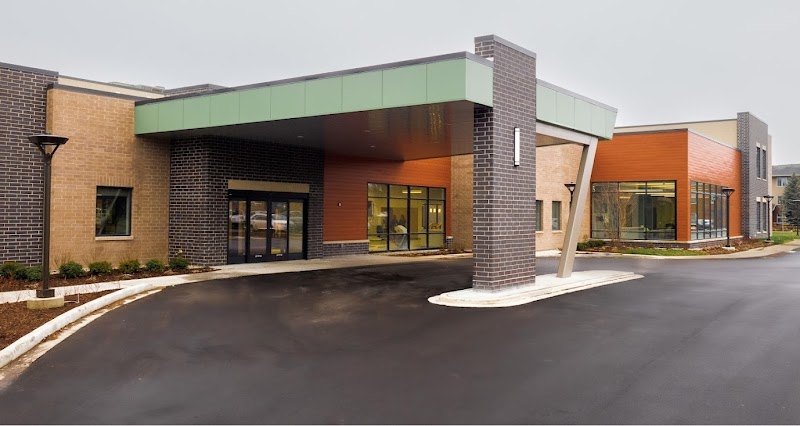
How is Shorepointe Nursing Center Staffed?

CMS rates ShorePointe Nursing Center's staffing level at 3 out of 5 stars, which is average compared to other nursing homes. Staff turnover is 60%, which is 14 percentage points above the Michigan average of 46%. High turnover can affect care consistency as new staff learn residents' individual needs. RN turnover specifically is 61%, which is notably high. RNs provide skilled clinical oversight, so turnover in this role can affect medical care quality.

What Have Inspectors Found at Shorepointe Nursing Center?

State health inspectors documented 31 deficiencies at ShorePointe Nursing Center during 2022 to 2025. These included: 1 that caused actual resident harm and 30 with potential for harm. Deficiencies causing actual harm indicate documented cases where residents experienced negative health consequences.
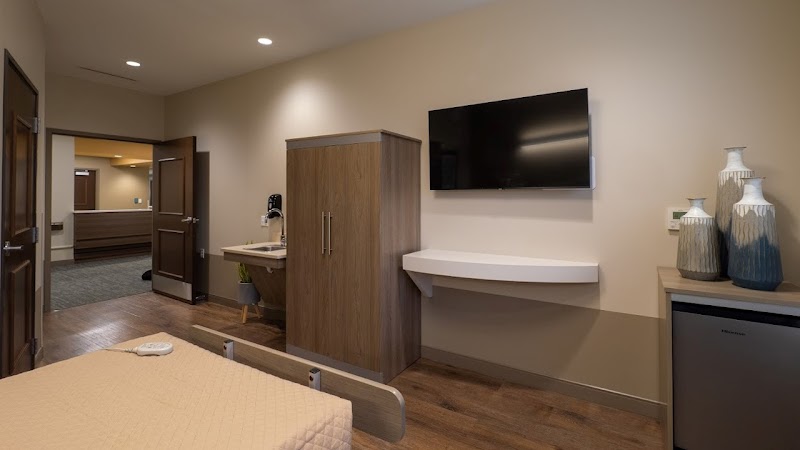
Who Owns and Operates Shorepointe Nursing Center?

ShorePointe Nursing Center is owned by a for-profit company. For-profit facilities operate as businesses with obligations to shareholders or private owners. The facility is operated by OPTALIS HEALTH & REHABILITATION, a chain that manages multiple nursing homes. With 200 certified beds and approximately 168 residents (about 84% occupancy), it is a large facility located in St. Clair Shores, Michigan.

How Does Shorepointe Nursing Center Compare to Other Michigan Nursing Homes?

Compared to the 100 nursing homes in Michigan, ShorePointe Nursing Center's overall rating (2 stars) is below the state average of 3.1, staff turnover (60%) is significantly higher than the state average of 46%, and health inspection rating (2 stars) is below the national benchmark.

What Should Families Ask When Visiting Shorepointe Nursing Center?

Based on this facility's data, families visiting should ask: "How do you ensure continuity of care given staff turnover, and what is your staff retention strategy?" "Can I visit during a mealtime to observe dining assistance and food quality?" "How do you handle medical emergencies, and what is your hospital transfer rate?" "Can I speak with family members of current residents about their experience?" These questions are particularly relevant given the facility's high staff turnover rate.

Is Shorepointe Nursing Center Safe?

Based on CMS inspection data, ShorePointe Nursing Center has a clean safety record: no substantiated abuse findings (meaning no confirmed cases of resident harm), no Immediate Jeopardy citations (the most serious violation level indicating risk of serious injury or death), and is not on the Special Focus Facility watch list (a federal program monitoring the lowest-performing 1% of nursing homes). The facility has a 2-star overall rating and ranks #100 of 100 nursing homes in Michigan. While no facility is perfect, families should still ask about staff-to-resident ratios and recent inspection results during their visit.

Do Nurses at Shorepointe Nursing Center Stick Around?

Staff turnover at ShorePointe Nursing Center is high. At 60%, the facility is 14 percentage points above the Michigan average of 46%. Registered Nurse turnover is particularly concerning at 61%. RNs handle complex medical decisions and coordinate care — frequent RN changes can directly impact care quality. High turnover means new staff may not know residents' individual needs, medications, or preferences. It can also be disorienting for residents, especially those with dementia who rely on familiar faces. Families should ask: What is causing the turnover? What retention programs are in place? How do you ensure care continuity during staff transitions?

Was Shorepointe Nursing Center Ever Fined?

ShorePointe Nursing Center has no federal fines on record. CMS issues fines when nursing homes fail to meet care standards or don't correct problems found during inspections. The absence of fines suggests the facility has either maintained compliance or corrected any issues before penalties were assessed. This is a positive indicator, though families should still review recent inspection reports for the full picture.

Is Shorepointe Nursing Center on Any Federal Watch List?

ShorePointe Nursing Center is not on any federal watch list. The most significant is the Special Focus Facility (SFF) program, which identifies the bottom 1% of nursing homes nationally based on persistent, serious quality problems. Not being on this list means the facility has avoided the pattern of deficiencies that triggers enhanced federal oversight. This is a positive indicator, though families should still review the facility's inspection history directly.