Lakeside Manor Nursing and Rehabilitation Center
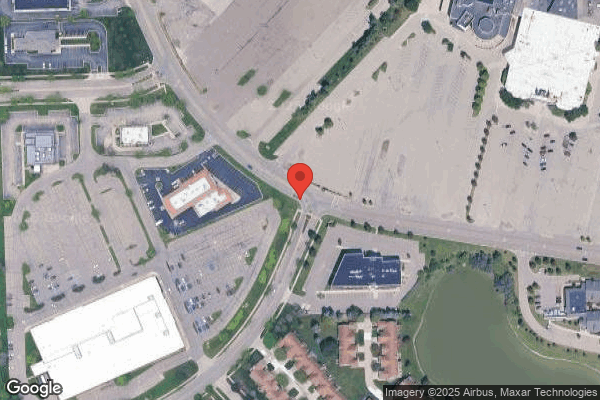
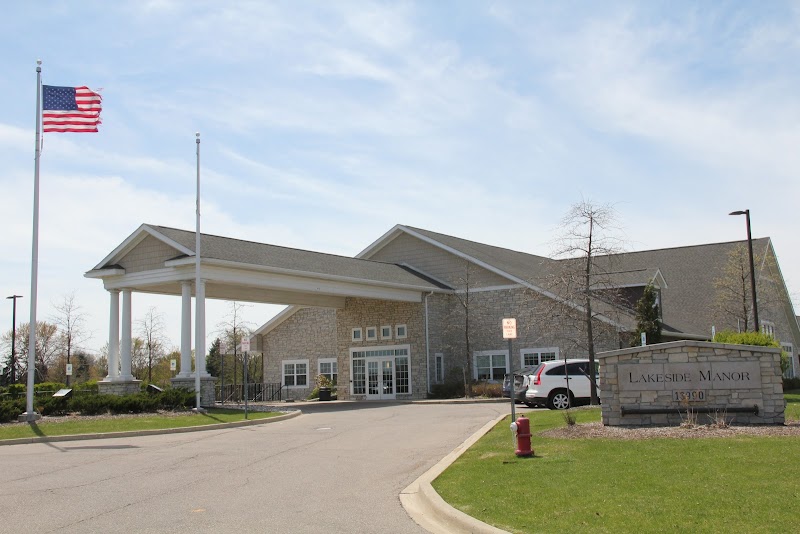
13990 Lakeside Circle, Sterling Heights, MI 48313 (586) 488-1400
For profit - Corporation 66 Beds PIONEER HEALTHCARE MANAGEMENT Data: November 2025
Trust Grade
25/100
#291 of 422 in MI
Last Inspection: August 2025

Inspected within the last 6 months. Data reflects current conditions.

Overview

Lakeside Manor Nursing and Rehabilitation Center has received a Trust Grade of F, indicating significant concerns about the quality of care provided. Ranking #291 out of 422 nursing homes in Michigan places it in the bottom half of facilities in the state, and #23 out of 30 in Macomb County, suggesting that there are better local options available for families. The facility is showing an improving trend, with a decrease in issues from 28 in 2024 to 13 in 2025, which is a positive sign. However, staffing is a concern, with a 57% turnover rate, which is higher than the state average of 44%, and RN coverage is less than that of 86% of other Michigan facilities. While the facility was fortunate to have no fines, the inspector found serious issues, including a case of sexual abuse where one resident inappropriately touched another, indicating a failure to protect residents from harm. Additionally, concerns were raised about the cleanliness of the exterior trash area and the lack of a proper quality assurance program, which may affect overall resident care. Families should weigh these significant strengths and weaknesses carefully when considering this nursing home for their loved ones.
Trust Score
F
25/100
In Michigan
#291/422
Bottom 32%
Safety Record
High Risk
Review needed
Inspections
Getting Better
28 → 13 violations
Staff Stability
⚠ Watch
57% turnover. Above average. Higher turnover means staff may not know residents' routines.
Penalties
✓ Good
No fines on record. Clean compliance history, better than most Michigan facilities.
Skilled Nurses
⚠ Watch
Each resident gets only 22 minutes of Registered Nurse (RN) attention daily — below average for Michigan. Fewer RN minutes means fewer trained eyes watching for problems.
Violations
⚠ Watch
59 deficiencies on record. Higher than average. Multiple issues found across inspections.
★★☆☆☆
2.0
Overall Rating
★★☆☆☆
2.0
Staff Levels
★★★★★
5.0
Care Quality
★☆☆☆☆
1.0
Inspection Score
Stable
2024: 28 issues
2025: 13 issues

The Good

  • 5-Star Quality Measures · Strong clinical quality outcomes
  • Full Sprinkler Coverage · Fire safety systems throughout facility
  • No fines on record

Facility shows strength in quality measures, fire safety.

The Bad

2-Star Overall Rating

Below Michigan average (3.1)

Below average - review inspection findings carefully

Staff Turnover: 57%

11pts above Michigan avg (46%)

Frequent staff changes - ask about care continuity

Chain: PIONEER HEALTHCARE MANAGEMENT

Part of a multi-facility chain

Ask about local staffing decisions and management

Staff turnover is elevated (57%)

9 points above Michigan average of 48%

The Ugly 59 deficiencies on record

1 actual harm
Aug 2025 10 deficiencies
CONCERN (D) 📢 Someone Reported This

A family member, employee, or ombudsman was alarmed enough to file a formal complaint

Potential for Harm - no one hurt, but risky conditions existed

Deficiency F0561 (Tag F0561)

Could have caused harm · This affected 1 resident

**NOTE- TERMS IN BRACKETS HAVE BEEN EDITED TO PROTECT CONFIDENTIALITY** This citation pertains to intake 2589351.Based on observation, interview and record review, the facility failed to ensure the re...

Read full inspector narrative →
**NOTE- TERMS IN BRACKETS HAVE BEEN EDITED TO PROTECT CONFIDENTIALITY** This citation pertains to intake 2589351.Based on observation, interview and record review, the facility failed to ensure the resident's incontinence brief preference was honored for one resident (R11) of three residents reviewed for choices. Findings include:On 08/04/2025 at 10:12 AM, R11 expressed concerns about needing something to have a bowel movement. R11 reported they felt the brief staff had put on was too small and too tight and felt like it was keeping them from having a bowel movement. R11 noted they required a larger brief. The brief was observed to not cover the thigh area nor wrap around the buttocks area. R11 noted they only had two brief changes in 12 hours and waits for a least an hour and reported the urine forgets to stop. The brief observed was white and the tabs to hold the front and back together at the sides was stretched thin (narrow) and R11 reported it was uncomfortable and dug into their sides. R11 further reported they had told the aide the brief was too small, but it was reported it was all they had. On 08/05/2025 at 8:36 AM, R11 was observed Licensed Practical Nurse (LPN) M. R11 reported that were again in a brief that was too small and tight and did not cover their rear end. The straps for the brief appeared to be stretched taut and pressed into the hip area of R11. The attach point of the brief to the strap was wrinkled and narrowed. LPN M acknowledged the brief appeared tight and would ask an aide to change it. 08/05/2025 9:06 AM, the supply of briefs was observed in the storage room with Licensed Practical nurse (LPN) M. One pack of 2xl 60-70-inch green briefs, seven full and one partial back of 2xl white underwear (pull up) briefs and one pack of large 44-56-inch blue briefs were observed. A review of the linen cart on the hall of R11 revealed, an open pack of white medium sized briefs on top of the cart and a stack of blue and a stack of green briefs on the inside of the cart. A larger white brief was not observed. R55 reported the larger white brief covers the hip area. It appeared the medium sized brief had been placed on R11. On 08/06/2025 at 7:55 AM, R11 verbalized they still did not have the right brief on. A green brief was observed. The tabs appeared less stretched, but R2 reported in was still too tight. R2 reported they wore a white brief that was a 4X and that it fit down onto the hip and covered the hip area. The observed brief did not cover the hip and thigh area for R2. It appeared to be the 2XL brief. R11 was not observed to be placed into a larger brief. On 08/06/2025 at 1:51 PM, the Director of Nursing (DON) was asked about preferences for brief size and noted the issue had not come up and the there was a bariatric brief that was for the larger residents. The DON noted normally they had shipments every Friday but the shipment was late and did not come until yesterday and staff had purchased appropriate size briefs as needed. Upon review of the currently available briefs in the storeroom there was a white brief noted as 3XL which the DON indicated as the bariatric brief. Additional brief sizes were present that had not been seen the day prior. A review of the record for R11 revealed, R11 was admitted into the facility on [DATE]. Diagnoses included Schizoaffective Disorder and Alzheimer's. The Minimum Data Set (MDS) assessment dated [DATE] documented intact cognition with a 15/15 Brief Interview for Mental Status score and the need for partial to moderate assistance for most activities of daily living. The active care plan documented the use of a water pill and the need for assistance with incontinence care. A review of the Resident Rights included in the facility admission contract revealed, .Federal and State laws guarantee certain basic rights to all residents of this facility. These include the following resident's rights: .to reside and receive services in the facility with reasonable accommodation of resident needs and preferences .
CONCERN (D)

Potential for Harm - no one hurt, but risky conditions existed

Deficiency F0582 (Tag F0582)

Could have caused harm · This affected 1 resident

**NOTE- TERMS IN BRACKETS HAVE BEEN EDITED TO PROTECT CONFIDENTIALITY** Based on interview, and record review, the facility failed to ensure timely delivery of the Medicare Notice of Non-Coverage (NOM...

Read full inspector narrative →
**NOTE- TERMS IN BRACKETS HAVE BEEN EDITED TO PROTECT CONFIDENTIALITY** Based on interview, and record review, the facility failed to ensure timely delivery of the Medicare Notice of Non-Coverage (NOMNC-document that tells a resident and/or their representative that Medicare will no longer pay for their stay or services) for one resident (R55) of three residents reviewed for Medicare coverage and liability. Findings include: A review of the medical record revealed R55 was admitted to the facility on [DATE] with diagnoses included Heart Disease, Rheumatoid Arthritis, and High Blood Pressure. R55 was receiving Medicare Part A skilled services. The Notice of Medicare Non-Coverage (NOMNC) dated 05/30/2025 indicated services would end 06/04/2025, R55's guardian did not sign the notice until 06/09/2025. There was no documented evidence the guardian was notified at least two days prior to the end of skilled services. On 08/06/2025 at 2:00 PM, interview with Business Office Manager I reported the NOMNC was faxed to R55's guardian; however, they were unable to provide fax confirmation that the notice was successfully sent. They also confirmed that no follow-up call was made to the guardian to verify receipt of the NOMNC.
CONCERN (D)

Potential for Harm - no one hurt, but risky conditions existed

Deficiency F0605 (Tag F0605)

Could have caused harm · This affected 1 resident

**NOTE- TERMS IN BRACKETS HAVE BEEN EDITED TO PROTECT CONFIDENTIALITY** Based on interview and record review, the facility failed to ensure a 14 day stop date for a PRN (as needed) anti-psychotic medi...

Read full inspector narrative →
**NOTE- TERMS IN BRACKETS HAVE BEEN EDITED TO PROTECT CONFIDENTIALITY** Based on interview and record review, the facility failed to ensure a 14 day stop date for a PRN (as needed) anti-psychotic medication for one (R7) of five residents reviewed for unnecessary medications.On 08/04/25 at 9:28 AM, R7 was observed in bed. They did not respond to verbal greetings or open their eyes. During subsequent observations the resident was primarily non-responsive and non-communicative. Review of the facility record for R7 revealed they were originally admitted into the facility on [DATE] and had current diagnoses that included Cerebral Infarction with Left Hemiplegia, Vascular Dementia, and Anxiety Disorder. The Minimum Data Set (MDS) dated [DATE] revealed a Brief Interview for Mental Status (BIMS) score of 5/15 indicating severe cognitive impairment. Review of R7's physician orders revealed they were receiving hospice services and they had an active order for PRN Haloperidol for agitation with a start date of 05/13/25 and an end date stating open-ended. Additional review of R7's record revealed no documentation from the prescribing physician or the hospice service to indicate follow-up or ongoing monitoring of the medication's appropriateness or to support an extended order beyond 14 days. Review of R7's Medication Regimen Review (MRR) that coincided with the 05/13/25 Haloperidol order revealed the Pharmacist indication that the medication could be used for up to 60 days, however upon expiration of the 60-day period (07/13/25) there was no further documentation indicating review or monitoring to support extension of the medications use. On 08/06/2025 at 12:48 PM, the facility Director of Nursing (DON) was interviewed and reported the expectation is an anti-psychotic medication would have a 14 day stop date. The DON reported they discussed the concern with the hospice service who responded that the medication was the only thing that was effective and therefore they did not implement a 14 day stop date. Review of the facility policy Use of Psychotropic Medications dated 03/26/25 revealed the compliance guideline statement b. PRN orders for antipsychotic medications only, shall be limited to 14 days with no exceptions. If the attending physician or prescribing practitioner believes it is appropriate to write a new order for the PRN antipsychotic, they must first evaluate the resident to determine if the new order for the PRN antipsychotic is appropriate.
CONCERN (D)

Potential for Harm - no one hurt, but risky conditions existed

ADL Care (Tag F0677)

Could have caused harm · This affected 1 resident

**NOTE- TERMS IN BRACKETS HAVE BEEN EDITED TO PROTECT CONFIDENTIALITY** Based on observation, interview and record review the facility failed to ensure incontinence care was provided timely for one re...

Read full inspector narrative →
**NOTE- TERMS IN BRACKETS HAVE BEEN EDITED TO PROTECT CONFIDENTIALITY** Based on observation, interview and record review the facility failed to ensure incontinence care was provided timely for one resident (R34) and bedding was changed timely for one resident (R46) of three reviewed for activities of daily living. Findings include: R34 On 08/04/2025 at 10:50 AM, R34 reported shortages of briefs, a concern with staff attitudes and being left wet and soiled for extended periods of time. R34 was asked if they were currently wet and reported they were. A yellow area was observed behind R34, and the sheet appeared yellow in spots. An odor of urine was also noted. The pillow R34 leaned on did not have a pillowcase. R34 reported they had been wet since the last shift and had overflowed the brief because the aide had left and had not come in to change them. R34 further noted they were served breakfast around 9:00 AM and was not changed at that time and denied they had refused any care. R34 then put their call light on. On 08/04/2025 at 5:08 PM, Certified Nursing Assistant (CNA) J, reported they had not yet changed R34 earlier in the morning prior to another staff who had changed R34 because the call light was on. CNA J reported their shift started at 7:00 AM. On 08/06/2025 at 8:00 AM, R34 reported the aide last night was terrible. R34 further reported they were only changed one time around 3:00 AM and believed there was only one aide on. R34 commented they needed to be changed again and was waiting on an aide. On 08/06/2025 at 1:51 PM, the Director of Nursing (DON) was asked about timely incontinences care and reported if a resident is wet, they should be changed and should be checked on at least every two hours. The DON confirmed only one aide was on the hall until 11:00 PM. A review of the record for R34 revealed R34 was admitted into the facility on [DATE]. Diagnoses included Diabetes and Intestinal Obstruction. A review of the active care plan documented R34 was on a water pill and required one person assistance for incontinence care. A review of the Minimum Data Set (MDS) assessment dated [DATE] documented intact cognition with a 15/15 brief interview for mental status score and was dependent or required substantial/maximal assistance for most activities of daily living. A review of the Resident Rights included in the facility admission contract revealed, .Federal and State laws guarantee certain basic rights to all residents of this facility. These include the following resident's rights: .to reside and receive services in the facility with reasonable accommodation of resident needs and preferences . On 08/04/2025 at 8:53 AM, the bed of R46 was observed to have a cloth draw sheet with light brown smears of what looked like bowel movement (BM) on it. An incontinence brief was turned inside out in the middle area of the linen draw sheet. CNA P walked in the room to deliver breakfast tray and left dirty linen and brief on the bed. On 08/05/2025 at 8:30 AM, the bed of R46 was observed to have a cloth draw sheet with light brown smears of what looked like BM at the lower right corner. On 08/05/2025 at 12:01 PM, the Unit Manager, RN A accompanied the surveyor to R46 room and showed them the dirty cloth draw sheet with brown smears on it that looked like BM. RN A replied that is not good. A review of the medical record for R46 revealed: R46 was admitted into the facility on [DATE]. Diagnoses included Dementia, Osteoarthritis, and heart disease. The Minimum Data Set (MDS) assessment dated [DATE], documented a Brief Interview for Mental Status (BIMS) 03 (indicates severe cognitive impairment). The Activities of Daily Living (ADL) care plan identified R46 is one person assist as needed and episodes of incontinence of bowel and bladder at times and needs assistance with incontinence care.
CONCERN (D) 📢 Someone Reported This

A family member, employee, or ombudsman was alarmed enough to file a formal complaint

Potential for Harm - no one hurt, but risky conditions existed

Quality of Care (Tag F0684)

Could have caused harm · This affected 1 resident

**NOTE- TERMS IN BRACKETS HAVE BEEN EDITED TO PROTECT CONFIDENTIALITY** This citation pertains to intake 2580294.Based on interview, and record review, the facility failed to ensure Heparin (blood thi...

Read full inspector narrative →
**NOTE- TERMS IN BRACKETS HAVE BEEN EDITED TO PROTECT CONFIDENTIALITY** This citation pertains to intake 2580294.Based on interview, and record review, the facility failed to ensure Heparin (blood thinner) was administered per physician order, hospital discharge orders were accurately transcribed, and vital signs completed for three residents (R14, R17, and R55) out of five residents reviewed for following physician orders. Findings include: R17 On 08/04/2025 at 9:59 AM, an interview was conducted with R17, during which the resident expressed concerns that the facility runs out of Heparin doses at least two to three times per week. A review of Medication Administration Records (MAR) for June 1, 2025, through July 30, 2025, revealed 18 times Heparin was not administered as ordered on 18 occasions. The documented for each missed dose was (Not administered: Drug/item Unavailable). On 08/05/2025 at 11:32 AM, identified concerns were reviewed with Director of Nursing (DON) and the Unit Manager Registered Nurse (RN) A. The DON and RN A reviewed the MARs for June and July 2025 and confirmed missed Heparin doses. The DON indicated Heparin is available in the facility's emergency backup medication box, and per facility policy, staff are expected to call the pharmaceutical backup number to obtain authorization to remove the Heparin and administer it as ordered. Per facility policy, the physician must be notified if a single dose of an anticoagulant is missed. The DON and RN A reviewed R17s progress notes and confirmed there was no documentation showing the physician had been notified of the missed Heparin doses. On 08/06/2025 at 9:23 AM, an interview with R17s Attending Physician E, his said his expectation is to be called when R17 misses a dose of Heparin. A review medical record for R17 revealed: R17 was admitted to the facility on [DATE]. Diagnoses included Traumatic Secondary Hemorrhage (recurrent bleeding after an injury), and Seroma (pocket of clear fluid that collects under the skin following surgery), status post-surgery for Neoplasm (abnormal tissue growth), and High Cholesterol. R14 On 08/04/2025 at 9:03 AM, an interview was conducted with R14, during which the resident expressed concerns regarding discontinuing an indwelling catheter after a recent discharge from hospital. A review of medical records revealed R14 was originally admitted to the facility on [DATE]. Diagnoses included Urinary Retention, Nephritis (inflammation of the kidneys) and Hypertension. Review of the hospital discharge records dated 07/07/2025 through 07/12/2025, R17 was re-admitted to the facility with diagnoses of Urinary Tract Infection (UTI), and Urinary Retention. The hospital discharge instructions indicated to discontinue indwelling catheter on 07/14/2025 and start a trial of voiding (process used to check whether a person can urinate on their own after having a catheter removed or after experiencing urinary retention) measure post void (urine) residual, have R17 urinate two times in a row, if R17 if unable then check bladder with bladder scan and record post void bladder scans time three and document clearly in intake and outputs (I/O). Document amount voided and amount of postvoid urine residual if greater than 350ccs of urine then straight catheterization, if urine residual is greater than 500cc then replace catheter. If the catheter needs to be replaced and repeat trial void again in three to five days. There is no documentation on the Medication Administration Summary (MAR) the discharge orders were followed. On 08/05/2025 at 9:44 AM, identified concerns from hospital discharge for R14 were reviewed with Director of Nursing (DON) and RN A. The DON and RN A reviewed the discharge hospital paperwork, MARs, and progress notes and agreed the hospital discharge paperwork was not complete and the order to discontinue the indwelling catheter and ordering bladder scans must have been overlooked. On 08/06/2025 at 9:23 AM, an interview with R17s Attending Physician E was notified the indwelling catheter was not discontinued as ordered, and the bladder scans were not completed. Attending Physician E said his expectations would to be notified when orders are not completed. On 08/06/2025 at 2:00PM, an interview with the DON regarding bladder scan revealed the facility does not have a bladder scan machine. On 08/06/2025 at 2:22PM, an interview with Licensed Practical Nurse (LPN) C indicated the bladder scan machine has been broken for months. A review of the facility policy titled Medication Reordering dated 11/01/2022, It is the policy of this facility to accurately and safely provide or obtain pharmaceutical services including routine and emergency medications in a timely manner to meet the needs of each resident. R55 On 08/06/2025 at 10:19 AM, a complaint called into the State Agency was reviewed for R55 related to vital signs not being completed for the resident. On 08/06/2025 at 10:58 AM, Licensed Practical Nurse (LPN) L was asked about the missing vital signs (blood pressure, temperature, pulse rate, respiratory rate) for R55. LPN L reviewed the record of R55 and noted the last vitals in the record were from 07/29/25 with no daily or weekly vitals before or after. The last vitals were noted to be on admission in March of 2025. An order dated 06/23/25 and discontinued 07/29/25 had indicated to complete vital signs every Monday. The new order dated, 07/29/25 and updated 07/31/25 indicated to complete vital signs every shift (two times a day). LPN L confirmed the orders had not been entered correctly and had not popped up in the electronic medical record for the nurse to complete. On 08/06/2025 at 11:19 AM, LPN D reported that R55's missed vitals had been discovered after a resident representative had come in and asked about R55's vital signs. LPN D reported at that time vitals were not done daily for all residents, but currently the facility completes vitals on everybody. On 08/06/2025 at 11:30 AM, R55 reported their vital signs were not taken daily. On 08/06/25 at 1:51 PM the Director of Nursing (DON) reported vitals should be done on admission for a baseline and per physician orders. The DON further reported if a resident was not on blood pressure medication vital signs should be done once a week and the nurse follows what the orders are. A review of the facility policy titled, Medication Administration revised 06/12/24, revealed, .8. Obtain and record vital signs, when applicable or per physician orders. When applicable, hold medication for those vital signs outside the physician’s prescribed parameters .
CONCERN (D)

Potential for Harm - no one hurt, but risky conditions existed

Deficiency F0761 (Tag F0761)

Could have caused harm · This affected 1 resident

Based on observation, interview and record review, the facility failed to ensure resident inhalers were dated when opened in one of four medication carts. Findings include:On 08/05/2025 at 9:10 AM, an...

Read full inspector narrative →
Based on observation, interview and record review, the facility failed to ensure resident inhalers were dated when opened in one of four medication carts. Findings include:On 08/05/2025 at 9:10 AM, an observation of the 200-back medication cart with Licensed Practical Nurse (LPN) M, revealed a Fluticasone Furoate/Vilanterol (generic name) inhaler not dated when opened (new admit not added to sample), a fluticasone/salmeterol 250/50 (name for generic) inhaler for R18 not dated when opened, and a Fluticasone/Salmeterol 250/50 inhaler for R56 dated opened 04/14. On 08/06/2025 at 1:51 PM, the Director of Nursing (DON) reported the reported inhalers should be dated as soon as they are opened. A review of the facility policy titled, Labeling of Medications and Biologicals implemented 11/01/2022, revealed, Policy: All medications and biologicals used in the facility will be labeled in accordance with current state and federal regulations to facilitate consideration of precautions and safe administration of medications . 9. Labels for medications designed for multiple administrations (such as inhalers, eye drops), the label will identify the specific resident for whom it was prescribed . A review of the prescribing information for the Fluticasone/Salmeterol inhaler revealed, .should be stored inside the unopened moisture-protective foil pouch and only removed from the pouch immediately before initial use. Discard (brand name) 1 month after opening the foil pouch or when the counter reads 0 (after all blisters have been used), whichever comes first . A review of the prescribing information for the Fluticasone Furoate/Vilanterol inhaler revealed, .Safely throw away (brand name) in the trash 6 weeks after you open the tray or when the counter reads 0, whichever comes first. Write the date you open the tray on the label on the inhaler .
CONCERN (D)

Potential for Harm - no one hurt, but risky conditions existed

Infection Control (Tag F0880)

Could have caused harm · This affected 1 resident

Based on observation, interview, and record review, the facility failed to have an active and ongoing plan for reducing the risk of Legionella and other opportunistic pathogens of premise plumbing (OP...

Read full inspector narrative →
Based on observation, interview, and record review, the facility failed to have an active and ongoing plan for reducing the risk of Legionella and other opportunistic pathogens of premise plumbing (OPPP) and failed to ensure nursing staff used appropriate Personal Protective Equipment (PPE) for Enhanced Barrier Precautions (EBP). This deficient practice has the increased potential to result in waterborne pathogens to exist and spread in the facility's plumbing system and an increased risk of respiratory infection among any or all the residents in the facility. Findings include:On 08/04/2025 at 10:00 AM, Corporate Life Safety Director F was queried about the Water Management Program (WMP) and stated that the building Maintenance Supervisor had resigned last week suddenly. Corporate Life Safety Director F stated he was trying to find any documents related to the facility's WMP. Corporate Life Safety Director F produced a binder with a policy dated 2022, and some blank monitoring forms. Further review of the binder noted there was no diagram of the building water system, and no text description of the water system. There was no risk assessment. There were no identified areas where Legionella could grow and spread. There were no listed control points, measures and limits. There was no evidence of control point monitoring. There was no evidence that the water management team was meeting routinely. The last water temperatures noted in book were from 8/2/24. On 08/04/2025 at 10:30 AM, the facility's policy Water Management Program, with a Copyright date of 2022 was reviewed. The policy noted, 1. Conduct an infection control risk assessment of the facility to determine if residents at risk or severely immunocompromised are present. 2. Establishment of a Water Management Team. The Team will meet routinely on a quarterly basis.3. Identification of potentially hazardous areas or devices where Legionella could grow and spread. 4. Establishment of control points, measures and limits for identified potentially hazardous areas or devices.8. Documenting in the minutes all activities and corrective actions that were initiated and their effectiveness.10. Conducting an annual review of the water management program and updating as necessary. The Water Management Team may be/is compromised of the following persons: Building Administrator, Maintenance, Chief Nursing Officer, Infection Control Designee, Risk Manager.On 08/04/2025 at 11:00 AM, the Administrator was queried regarding her involvement in the WMP and stated that only Maintenance was on the team. The Administrator further stated that she has been here since March, and that they have not met to discuss the WMP. On 08/04/2025 at 11:10 AM the facility's Infection Preventionist was queried regarding her involvement in the WMP and stated she has no involvement other than assessing residents for signs and symptoms.
CONCERN (E)

Potential for Harm - no one hurt, but risky conditions existed

Safe Environment (Tag F0584)

Could have caused harm · This affected multiple residents

**NOTE- TERMS IN BRACKETS HAVE BEEN EDITED TO PROTECT CONFIDENTIALITY** Based on observation, interview, and record review, the facility failed to ensure resident rooms, and the north and south reside...

Read full inspector narrative →
**NOTE- TERMS IN BRACKETS HAVE BEEN EDITED TO PROTECT CONFIDENTIALITY** Based on observation, interview, and record review, the facility failed to ensure resident rooms, and the north and south resident hallway carpets were clean and in good repair for four residents (R17, R47, R9, R1) in a census of 59. Findings include: On 08/04/2025 at 9:59 AM, a pillow was observed on the seat of an armchair in room [ROOM NUMBER]. The uncased pillow had multiple (greater than three linear cracks with multiple splintered cracks in the plastic covering of the pillow. On 08/06/25 the resident was observed seated on the uncased pillow in their wheelchair. On 08/04/25 at 8:30 AM, during the initial screening of residents and on 08/05/2025 at 9:14 AM, the south hall carpet was observed and revealed: An irregular pink/red stain/dried spill outside room [ROOM NUMBER], three areas of irregular red spots/dried spills between rooms [ROOM NUMBERS], the area from room [ROOM NUMBER] to room [ROOM NUMBER], appeared as the most soiled with solid blackened and gray area appearing carpet along the length of carpet in front of the nurse's station and around the corner into the center hall where ripples (raised, longitudinal areas) in the carpet were noted; an approximate 12x12 inch stain in the middle of the hall outside room [ROOM NUMBER]; additional faded pink/red areas of stain/dried spills were between rooms [ROOM NUMBERS]; an 18-24 inch long horizontal raised area at the seam between the bathing area and the opposite room; three longitudinal ripples about three feet long stemmed from the seam; an irregularly bleached out area around four feet by 8 inches along the edge of the wall outside room [ROOM NUMBER]; Observation of the north hall carpet revealed: spotty darkened areas along the length of the hallway with an area of darker/blackened/gray soil at the double doors prior to the nurse's station; three pink/red stain/dried spills were beyond the doors between the nurse station and the doorway; a ripple on entry to the 100 hall from the main hallway; a bleached out area outside room [ROOM NUMBER]; orange color/discoloration of various sizes (from a few inches to a couple of feet) under the hand sanitizer dispensers along the length of the hallway; a red stain/dried spill outside room [ROOM NUMBER], darker/blackened soil outside room [ROOM NUMBER], with greater than ten quarter size white/gray spots in the area of hall between the rooms; soil around the carpet medallion outside room [ROOM NUMBER]; a raised area at metal floor cover for the electrical off corner of the nurse station; four bleached spots along wall at entry to nurse station; red stain/dried spills outside room [ROOM NUMBER]; and a ripple in the carpet outside room [ROOM NUMBER]. In room [ROOM NUMBER] the wall behind the head of the bed had three linear gouges in the wallboard about one to four inches wide. The opposite wall had three or more holes that had been patched but not painted. On 08/05/25 at 11:00 AM, in the multipurpose room: a red/dried spill about around 12 inches wide was observed in front of the trash can; a pink/red stain/dried spill around 24 by nine inches was observed in the center area of the carpet in the multipurpose room, and the wallpaper was peeled away at one corner under the first window from the doorway. On 08/05/25 at 2:45 PM, the Life Safety Director F reported on query that the carpet area on the south hall was not cleanable, and the red areas would not come up. The Maintenance Director acknowledged the need for additional carpet repairs. On 08/04/2025 at 9:58AM, and 08/05/2025 at 8:58 AM, observed the bottom drawer of R47's dresser was missing. On 08/04/2025 at 9:58 AM, and 08/05/2025 at 8:58 AM, observed the of second and bottom drawer of R9's dresser were missing. On 08/04/2025 at 9:15 AM, and 08/05/2025 at 9:55 AM, observed R17's wall thermostat had been removed which left a hole with wires hanging out, and a canister, for wound drainage, was observed sitting on the dresser with a brown and white crystalized substance in it. R17 stated it had been sitting there for a while. On 08/04/2025 at 9:30 AM, and 08/05/2025 at 8:41 AM, observation of R1's room revealed, dried tube feeding residue on the feeding pump and on the base (feet) of the tube feeding pole. On 08/05/2025 at 8:59 AM, the Director of Nursing (DON), and Unit Manager Registered Nurse (RN) A, reported their expectation was the used wound drainage canister would not be left on the resident's dresser and should have been properly disposed of. On 08/05/2025 at 9:05 AM, interview with Wound Care Nurse RN O confirmed wound closure system was discontinued on June 11, 2025. On 08/05/2025 at 11:43 AM, the DON and the Unit Manager RN A accompanied writer to R1's room and observed the dried tube feeding on tube feeding pole and base of the pole. Their expectation was for either housekeeping or the nurse to clean the tube feeding pump and pole. On 08/05/2025 at 2:40 PM, the Life Safety Director F looked at the missing dresser drawers and the hole in the wall with wires hanging out. Corporate Life Safey Director F took notes on the dresser draws missing, and the hole in the wall and commented the hole in the wall needs to be fixed right away.
CONCERN (F)

Potential for Harm - no one hurt, but risky conditions existed

Garbage Disposal (Tag F0814)

Could have caused harm · This affected most or all residents

Based on observation, interview, and record review, the facility failed to maintain the exterior trash refuse area in a sanitary manner. This deficient practice had the potential to affect all residen...

Read full inspector narrative →
Based on observation, interview, and record review, the facility failed to maintain the exterior trash refuse area in a sanitary manner. This deficient practice had the potential to affect all residents, staff and visitors. Findings include:On 08/04/2025 at 9:00 AM, the exterior trash refuse area was observed. There were 2 dumpsters, and both doors on each dumpster were observed to be in the open position. There was a greasy liquid observed leaking from the bottom corner of one of the dumpsters. A large area of a greasy liquid was pooled on the concrete near the dumpsters. There was a strong garbage odor present in the area. On 08/04/2025 at 10:30 AM, Dietary Manager R was queried about the dumpster area, and stated that Maintenance was responsible for cleaning that area. The policy for maintaining the exterior trash refuse area was requested from the Administrator on 08/04/25 at 11:00 AM, but was not provided by the end of the survey.According to the 2022 FDA Food Code section 5-501.115 Maintaining Refuse Areas and Enclosures, A storage area and enclosure for refuse, recyclables, or returnables shall be maintained free of unnecessary items, as specified under S 6-501.114, and clean.
CONCERN (F)

Potential for Harm - no one hurt, but risky conditions existed

Deficiency F0868 (Tag F0868)

Could have caused harm · This affected most or all residents

**NOTE- TERMS IN BRACKETS HAVE BEEN EDITED TO PROTECT CONFIDENTIALITY** Based on interview and record review the facility failed to ensure quarterly Quality Assurance (QA) meetings (for identification...

Read full inspector narrative →
**NOTE- TERMS IN BRACKETS HAVE BEEN EDITED TO PROTECT CONFIDENTIALITY** Based on interview and record review the facility failed to ensure quarterly Quality Assurance (QA) meetings (for identification of any deficiencies and for performance improvement) were held in 2024 for 59 residents in a census of 59. Findings include:On 08/06/2025 at 1:01 PM, a review of the facility QA program was conducted with the Administrator. The quarterly QA meeting sign in and evidence of an active QA committee for 2024 was requested. The Administrator reported they did not have and could not find evidence of the required quarterly meetings for 2024. No performance improvement plans or projects (PIPs) were identified for 2024. The Administrator reported they had taken the role in March of 2025 and no hand off of facility QA projects or quality improvement plans were provided by the previous Administrator. The Administrator was also asked about ongoing PIPs from 2025 and reported no action plans had been developed. Current survey concerns included infection control, falls, physician order implementation and daily care needs for residents. A review of the Facility assessment dated [DATE] documented the Administrator, .Oversees all activities of a nursing home in accordance with established policies and federal and state guidelines. Develops strategic plans for profitability and is accountable for all operations and programs. Being a Nursing Home Administrator administers, directs and coordinates the business.
Mar 2025 2 deficiencies
CONCERN (D) 📢 Someone Reported This

A family member, employee, or ombudsman was alarmed enough to file a formal complaint

Potential for Harm - no one hurt, but risky conditions existed

Free from Abuse/Neglect (Tag F0600)

Could have caused harm · This affected 1 resident

**NOTE- TERMS IN BRACKETS HAVE BEEN EDITED TO PROTECT CONFIDENTIALITY** This citation pertains to Intakes MI00150910 and MI00150259. Based on interview and record review, the facility failed to preven...

Read full inspector narrative →
**NOTE- TERMS IN BRACKETS HAVE BEEN EDITED TO PROTECT CONFIDENTIALITY** This citation pertains to Intakes MI00150910 and MI00150259. Based on interview and record review, the facility failed to prevent staff to resident verbal abuse for one sampled resident (R906) from a total of four residents reviewed for abuse resulting in feelings of being disrespected. Findings include: A review of the Facility Reported Incident dated 02/23/25 documented, Resident (R906) and Aide (Certified Nurse Assistant (CNA) C) got into a verbal altercation. Both became threatening to each other. The Administrator was contacted immediately, and the aide was sent home with the instructions that (they) will be contacted. On 03/03/25 at 10:11 AM and 1:22 PM, Staff D was interviewed. Staff D reported they had witnessed the incident between CNA C and R906. Staff D reported the incident started with CNA C asking if R906 wanted a shower and subsequently a verbal exchange began. CNA C was telling R906 they would need to have the shower then (at that time) and was not going to help R906 later. There was profanity from R906 and during the verbal exchange CNA C said they were going to get their friend to come and kill (R906). Staff D reported they intervened and had told CNA C they needed to go (leave the area). Staff D also noted CNA C should have let the resident be after they refused the shower. On 3/3/25 at 3:39 PM, CNA C was asked about the incident with R906. CNA C explained during their shift they asked R906 if they were going to take a shower. R906 said no and at that point CNA C said they asked R906 again to verify, R906 became upset and aggressively said 'no' and then the CNA became verbally aggressive towards them. On 3/3/25 at 3:52 PM, an attempt was made to interview LPN F who was reported to have witnessed the incident, a voice message was left with no return call by the end of the survey. On 03/03/25 at 3:30 PM, R906 reported they did not feel threatened by the words of CNA C because they were just 'talk', but if they had seen them return with a gun then it would have been real and they were not just 'playing'. R906 confirmed the incident started with the aide saying R906 was going to take a shower 'now' and they argued back and forth. R906 reported that during this exchange CNA C said I got something for you and R906 reported they were not scared with just words. R906 reported they felt disrespected by a comment during the back and forth about them being in a wheelchair. On 03/03/25 at 3:56 PM, the Administrator reported they had spoken with CNA C and summarized the incident confirming the CNA wanting to give R906 a shower, R906 refused, and the CNA said, 'then don't come back to me later'. The Administrator further reported, CNA C had said to R906 'I've got something for you' which the Administrator reported they had found out, was street talk meaning, 'I am going to kill you'. The Administrator confirmed, CNA C suspected they were going to be terminated and voluntarily resigned. Further review of the Facility Reported Incident, revealed, On 2/24 Spoke to resident about incident that occurred with (CNA C) over the weekend (2/24/25). (R906) said (they) was no longer upset but didn't want (CNA C) to take care of (them) any longer. When I asked what happened (R906) said that (CNA C) had wanted to give (R906) a shower at app (approximately) 11:00 PM and (they) declined. Then (CNA C) got upset about (their) refusal and they exchanged words. I asked if anyone had threatened anyone and (R906) said that (CNA C) told (them) I have something for you and something about (their friend) I asked if he was afraid and he said 'I am not afraid of anything.' A review of the medical record revealed R906 was admitted into the facility 10/11/24. Diagnoses included Traumatic Brain Injury and Multiples Bone Fractures. The Minimum Data Set (MDS) assessment dated [DATE] indicated intact cognition. A review of the facility policy titled, Abuse, Neglect and Exploitation with date implemented of 11/01/2022 revealed, Abuse means the willful infliction of injury, unreasonable confinement, intimidation, or punishment with resulting physical harm, pain or mental anguish, which can include staff to resident abuse and certain resident to resident altercations. Abuse also includes the deprivation by an individual, including a caretaker, of goods or services that are necessary to attain or maintain physical, mental, and psychosocial well-being. Instances of abuse of all residents, irrespective of any mental or physical condition, cause physical harm, pain or mental anguish. It includes verbal abuse, sexual abuse, physical abuse, and mental abuse including abuse facilitated or enabled through the use of technology. Willful means the individual must have acted deliberately, not that the individual must have intended to inflict injury or harm. Verbal Abuse means the use of oral, written or gestured communication or sounds that willfully includes disparaging and derogatory terms to residents or their families, or within their hearing distance regardless of their age, ability to comprehend, or disability .
CONCERN (D) 📢 Someone Reported This

A family member, employee, or ombudsman was alarmed enough to file a formal complaint

Potential for Harm - no one hurt, but risky conditions existed

Quality of Care (Tag F0684)

Could have caused harm · This affected 1 resident

**NOTE- TERMS IN BRACKETS HAVE BEEN EDITED TO PROTECT CONFIDENTIALITY** This citation pertains to Intake MI00150377. Based on interview and record review, the facility failed to monitor, timely initi...

Read full inspector narrative →
**NOTE- TERMS IN BRACKETS HAVE BEEN EDITED TO PROTECT CONFIDENTIALITY** This citation pertains to Intake MI00150377. Based on interview and record review, the facility failed to monitor, timely initiate and complete treatment orders for a new wound, for one sampled resident (R902) of four reviewed for wounds, resulting in the potential for wound deterioration. Findings include: A review of an Intake noted the allegation, It was alleged the facility failed to monitor a blister for infection leading to toe amputation. A review of R902's medical record revealed, R902 was admitted to the facility on [DATE] and discharged to the hospital on 1/18/25. An admission Minimum Data Set (MDS) assessment dated [DATE] and quartely MDS dated [DATE] documented, R902 with an intact cognition, skin at risk for breakdown, one unhealed, present on admission, right heel pressure ulcer stage 3 (full thickness tissue loss) and moisture associated skin damaged. Nursing progress note dated 01/03/25 at 5:00 PM revealed, Resident received full bed bath today by assigned aide, no new skin issues . Further review revealed a progress note by LPN F, 01/07/2025 06:01 PM, resident had skin assessment done today wound was noticed on left baby toe and a second wound beneath the baby toe area was cleaned and a gauze and kerlix was applied. Unit Manager notified. Resident was put on wound care nurse list . The note did not indicate the physician or medical staff was contacted or if wound care treatment orders were obtained. A review of R902's January 2025 Medication Administration Record (MAR) and Treatment Administration Records (TAR) did not reveal documentation for treatment of the left baby toe or foot. On 03/03/25 at 2:58 PM, Licensed Practical Nurse (LPN) B reported they had provided wound care for a right heel wound for R902, but did not recall a wound to the left foot or pinky toe. A review of R902's care plan noted, Keep heels off bed at all times. (name of) specialty boots or float heels. The care plan did not reveal a plan of care that addressed R902's left baby toe and foot. A review of the Nurse Practitioner's progress note dated, 1/7/2025 at 6:13 PM, was reviewed and did not reveal the Nurse Practitioner documented an assessment of R902's left baby toe or foot. Further review of R902's progress notes, 01/08/2025 05:02 PM [Recorded as Late Entry on 01/17/2025 05:02 PM] Resident not been seen today by wound care np (Nurse Practitioner) because [R902] was on an appointment outside the facility. A review of a progress note by the wound care nurse practitioner revealed, Encounter Date: 01/15/2025, Chief Complaint: Re-evaluation of stage III pressure ulcer of the right heel and diabetic ulcer to the left lateral foot on pinky toe . [R902] is being seen by wound care for assessment and evaluation of right heel wound. Pressure offloading interventions were implemented prior . 1/15/25: new diabetic ulcer on left lateral foot, new treatment plan implemented, patient not seen last week due to being out on/at appointment. Physical Exam: . Wound #2: diabetic ulcer to the lower left lateral foot, pinky toe, current measurements 1 cm (centimeter) x 1 cm by UTD (Unstageable Deep Tissue Injury), surrounding tissue dry, no odor, no signs or symptoms of infection or cellulitis, scant serosanguinous drainage, base with necrotic slough (dead, non-viable skin tissue) and necrotic black tissue (dead skin tissue) . Assessments/Plans: . Continue medical management per primary team wound care recommendations to left lateral lower foot: Clean with normal saline, pat dry with gauze, apply Medihoney to wound bed, apply (name of) bandage, change daily and as needed. A review of the physician orders revealed no wound care orders were initiated until after R902 was seen by the wound care NP on 1/15/25 (8 days after wound was identified). R902's progress note dated, 01/17/25 5:07 PM, confirmed .Wound no. (number) 2 - diabetic ulcer to the lower left lateral foot, pinky toe, current measurements 1 cm x 1 cm by UTD, surrounding tissue dry, no odor, no s/s (signs or symptoms) of infection or cellulitis, scant serosanguineous drainage, base with necrotic slough and necrotic black tissue . On 03/03/25 at 3:40 PM and 4:12 PM the care of R902 was reviewed with the Director of Nursing (DON). The DON provided a nurse progress note dated 01/07/25 of an initial assessment of the left pinky toe, an order to consult the wound NP and an order for wound care dated 01/17/25 to clean the left lower lateral foot, with NS (normal saline) pat dry with gauze, apply Medi-honey then (name of) gauze, and to change daily, and as needed. The DON further reported on review the order was in the nurse note from 01/07/25 but no order or treatment was added into the physician orders or onto the January MAR or TAR. The DON reported the nurse should have entered the order into the record and confirmed there was no documented ongoing monitoring or treatment of the left toe and foot until R902 was seen by the wound care NP on 1/15/25. A review of the facility's policy titled, Documentation of Wound Treatments dated 10/09/2024 noted, Policy: The facility completes accurate documentation of wound assessments and treatments, including response to treatment, change in condition, and changes in treatment. Policy Explanation and Compliance Guidelines: 1. Wound assessments are documented up admission, weekly, and as needed if the resident or wound condition deteriorates . 3. Wound treatments are documented at the time of each treatment .
Jan 2025 1 deficiency
CONCERN (D) 📢 Someone Reported This

A family member, employee, or ombudsman was alarmed enough to file a formal complaint

Potential for Harm - no one hurt, but risky conditions existed

Safe Environment (Tag F0584)

Could have caused harm · This affected 1 resident

**NOTE- TERMS IN BRACKETS HAVE BEEN EDITED TO PROTECT CONFIDENTIALITY** Based on observation, interview, and record review, the facility failed to maintain comfortable room temperatures, for two resid...

Read full inspector narrative →
**NOTE- TERMS IN BRACKETS HAVE BEEN EDITED TO PROTECT CONFIDENTIALITY** Based on observation, interview, and record review, the facility failed to maintain comfortable room temperatures, for two resident rooms (#118 and #206), resulting in resident complaints of cold rooms. Findings include: On 1/21/25 at 8:50 AM, the air temperature of room [ROOM NUMBER] was measured to be 66 degrees Fahrenheit. The resident in room [ROOM NUMBER] bed 1 was observed in bed with the blanket pulled up over his head. On 1/21/25 at 8:55 AM, the air temperature of room [ROOM NUMBER] was measured to be 65 degrees Fahrenheit. The resident in room [ROOM NUMBER] bed 1 was queried about the room temperature and stated, It's cold! The resident room directly next to room [ROOM NUMBER] (room [ROOM NUMBER]) was observed to be vacant. The room temperature of room [ROOM NUMBER] was measured to be 48 degrees Fahrenheit. During an interview on 1/21/25 at 11:30 AM, Maintenance Supervisor C was queried regarding a comfortable ambient air temperature in resident rooms, and what temperature would the facility consider too low. Maintenance Supervisor C stated anything under 60, but then stated maybe it was anything under 70. Maintenance Supervisor C then concluded that he was not exactly sure. On 1/21/25 at 12:30 PM, the Administrator was queried about the cold temperatures in rooms [ROOM NUMBERS]. The Administrator stated she was unaware of any issues with room [ROOM NUMBER], but stated that room [ROOM NUMBER] was in an area where there were other vacant rooms with broken heating units, and stated they would be moving the residents in room [ROOM NUMBER] to a different room. Review of the facility policy Safe and Homelike Environment dated 11/1/22 noted: 7. The facility will maintain comfortable and safe temperature levels. a. The facility should strive to keep the temperature in common resident areas between 71 and 81 degrees Fahrenheit.
Sept 2024 2 deficiencies
CONCERN (D) 📢 Someone Reported This

A family member, employee, or ombudsman was alarmed enough to file a formal complaint

Potential for Harm - no one hurt, but risky conditions existed

Deficiency F0625 (Tag F0625)

Could have caused harm · This affected 1 resident

**NOTE- TERMS IN BRACKETS HAVE BEEN EDITED TO PROTECT CONFIDENTIALITY** This citation pertains to MI00146809. Based on interview and record review, the facility failed to provide a bed hold policy not...

Read full inspector narrative →
**NOTE- TERMS IN BRACKETS HAVE BEEN EDITED TO PROTECT CONFIDENTIALITY** This citation pertains to MI00146809. Based on interview and record review, the facility failed to provide a bed hold policy notification for three residents (R902, R904, R905) out of three residents reviewed for hospitalizations. Findings include: A review of an Intake called into the State Agency noted the following, .does not provide bed old notice so they can refuse return. R902 A review of the medical record revealed R902 admitted into the facility on 9/21/2023 with the following diagnoses, Altered Mental Status and Metabolic Encephalopathy. A review of the Minimum Data Set assessment revealed a Brief Interview for Mental status score of 99, indicating R902 was unable to complete the assessment. R902 also required assistance with bed mobility and transfers. Further review of the medical record revealed R902 was transferred to the hospital on 7/31/2024. On 9/19/2024 at 3:20PM, an interview was conducted with the Director of Nursing (DON). The DON stated they do not have anything to do with bed holds. The DON stated Business Office and Social Work are responsible for residents getting bed holds to the residents. On 9/19/2024 at 3:43 PM, an interview was conducted with the Nursing Home Administrator (NHA). The NHA stated the nurses should be sending the bed hold policy when they are leaving the facility, unless it's emergent then they call the next day to give it over the phone. On 9/19/2024 at 3:52 PM, an interview was conducted with Social Service Director (SSD) A. SSD A stated they just stepped into the role of calling families for bed holds within the last month. SSD A confirmed they are unable to locate R902's bed hold. R904 A review of the record for R904 revealed R904 readmitted on [DATE] after an hospital admission for a wound infection on 08/27/24. Diagnoses included Muscular Dystrophy, Chronic Kidney Disease, and High Blood Pressure. R904 had a Brief Interview for Mental Status (BIMS) score of 15/15 indicating intact cognition. R904 is dependent for bathing, dressing, transfers, pressure relief and bed mobility. A bed hold notification for when R904 went out to the hospital was requested from the Administrator on 09/19/24 at 3:27 PM, but not received prior to survey exit. R905 A review of the record for R905 revealed R905 was admitted into the facility on [DATE] and discharged to the hospital on [DATE] and returned on 09/16/24. Diagnoses included Diabetes and High Blood Pressure. A Minimum Data Set (MDS) assessment dated [DATE] indicated intact cognition with a 15/15 BIMS score and dependence on staff for bathing, dressing and toileting hygiene. On 00/19/24 at 3:24 PM, R903 was queried about their discharge to the hospital and reported that it happened in a hurry. R903 said emergency staff arrived to transfer them out to the hospital. R903 was asked if they received a bed hold notice and with a puzzled look on their face reported they had not. A bed hold notification for R905 was requested from the Administrator on 09/19/24 at 3:27 PM, but not received prior to survey exit. A review of a facility policy titled, Bed Hold Notice Upon Transfer noted the following, Policy: At the time of transfer for hospitalization or therapeutic leave, the facility will provide to the resident and/or the resident representative written notice which specifies the duration of the bed-hold policy and addresses information explaining the return of the resident to the next available bed.
CONCERN (D) 📢 Someone Reported This

A family member, employee, or ombudsman was alarmed enough to file a formal complaint

Potential for Harm - no one hurt, but risky conditions existed

Deficiency F0658 (Tag F0658)

Could have caused harm · This affected 1 resident

**NOTE- TERMS IN BRACKETS HAVE BEEN EDITED TO PROTECT CONFIDENTIALITY** This citation pertains to Intake MI00146837. Based on observation, interview and record review, the facility failed to notify t...

Read full inspector narrative →
**NOTE- TERMS IN BRACKETS HAVE BEEN EDITED TO PROTECT CONFIDENTIALITY** This citation pertains to Intake MI00146837. Based on observation, interview and record review, the facility failed to notify the physician of vital signs and medication refusals for one resident (R904) of seven residents reviewed for care standards. Findings include: On 9/19/24 at 8:52 AM, R904 was observed to be in bed with blankets up around their neck. The resident was lying on his back, a knitted hat on his head with over in the ear headphones. R904 was pleasant and conversant. R904 did not appear to be distressed. A review of the record for R904 revealed R904 was admitted into the facility prior to 07/8/23 and readmitted on [DATE] after an admission for wound infection on 08/27/24. Diagnoses included Muscular dystrophy, Chronic Kidney Disease, Anemia, Vitamin D deficiency, Anxiety Disorder, High Blood Pressure, Heart Disease, Diabetes mellitus, contracture of muscle of right hand, and obesity. R904 had a Brief Interview for Mental Status (BIMS) score of 15/15 which indicated intact cognition. R904 was dependent for bathing, dressing, transfers, pressure relief and bed mobility. Further review of the facility record revealed R904 had refused all medications since readmitted (9/3/24). R904 also frequently refused all care, medications, and treatments from 07/8/23. The medications with active orders included: , (amoxicillin=pot clavulanate [antibiotic], atorvastatin [anticholesterol], doxycycline [antibiotic], furosemide [diuretic], losartan-hydrochlorothiazide [hypertension + diuretic], potassium chloride, Pro-Stat [nutritional protein supplement], [NAME] Original [topical anti-itch], Trulicity [antidiabetic]) since the current admission. R904 also has wound care orders which are frequently refused. Review of the facility record for R904's vital signs revealed there have been no vital signs recorded and or taken by the facility since 08/17/2023. No vital signs were taken upon R904's readmission on [DATE]. Vital signs include blood pressure, pulse, temperature, or respirations and oxygen saturation The facilities vital sign record reveals R904's last recorded vital sign was recorded on August 17, 2023. A review of the physician progress notes revealed no physician acknowledgement of R904's refusal of vital signs and medication. The most recent progress note by R904's attending Physician I dated 08/20/2024 at 11:41 AM, documented, Vital signs stable, no fever. On 9/19/2024 at 2:04 PM, Physician I was queried about their knowledge of R904's refusal to take any medication other than narcotics for pain and refusal to have vital signs taken. The physician revealed they were not aware of R904's refusal of medication or vital signs. On 9/19/2024 at 12:17 PM, the care of R904 was reviewed with the Director of Nursing (DON). The DON was queried regarding the expectations regarding documenting refusal of care (vital signs, medications, treatment) and reported the physician should be notified of any refusals and the refusal should be documented. Review of the facility policy titled, Residents' Rights Regarding Treatment and Advance Directives, with a date implemented of 03/13/2024 revealed the following: .11. Should the resident refuse treatment of any kind, the facility will document the following in the resident's chart: a. What the resident refused; b. The reason for the refusal; c. How the resident was educated regarding the consequences of refusal; d. The offering of alternative treatments; e. The continuation of providing all other services; f. That the physician was notified of refusal and the resident's response to education/offering of alternatives .
Jul 2024 24 deficiencies 1 Harm
SERIOUS (G) 📢 Someone Reported This

A family member, employee, or ombudsman was alarmed enough to file a formal complaint

Actual Harm - a resident was hurt due to facility failures

Free from Abuse/Neglect (Tag F0600)

A resident was harmed · This affected 1 resident

**NOTE- TERMS IN BRACKETS HAVE BEEN EDITED TO PROTECT CONFIDENTIALITY** This citation pertains to Intake MI00145446. Based on interview and record review, the facility failed to protect one (R4) of t...

Read full inspector narrative →
**NOTE- TERMS IN BRACKETS HAVE BEEN EDITED TO PROTECT CONFIDENTIALITY** This citation pertains to Intake MI00145446. Based on interview and record review, the facility failed to protect one (R4) of three residents reviewed for abuse, from sexual abuse (grabbing their breast) by another resident (R45) . Findings include: A review of Intake MI00145446 revealed the following, Incident Summary: (R45) was observed reaching out trying to touch (R4) inappropriately. (R45) was observed by staff trying to touch (R4's) chest. Further review of the Intake revealed the following interventions: 1. R45 room was changed from 202A to 213A. 2. Checks are conducted on R45 hourly. 3. R45 is being followed by psych services. 4. Legal guardians was notified. 5. R45 was petitioned out for an psychological evaluation. Review of a facility investigation revealed an Incident where R45 inappropriately grabbing R4 breast on 6/11/24. A review of the following progress notes revealed the following: -On 6/6/24 a progress note written by LPN N revealed (R45) attempted to grab on residents' breast area several times today. Writer (LPN N) explained to resident that he can not touch residents. Staff had to redirect (R45) several times today. -Late entry: On 6/5/24, Director of Nursing (DON) observed R45 on 6/5/24 attempting to touch two female residents on two separate occasions. R45 was redirected by writer on both occasions and informed that behavior was not appropriate. The DON observed R45 attempting to touch the unit manager inappropriatly. -On 6/11/24, LPN N observed R45 grabbing R4's breast. R45 was immediated redirected. -On 6/11/24, The DON noted R45 had to be redirected more than five times from following specific female patients who R45 appears to seek out and approach. On 7/16/24 at 09:45 AM, in an interview with Licensed Practical Nurse (LPN) N, who witnessed the alleged incident, was asked what happened. LPN N said on 6/11/24, R45 was observed grabbing R4's breast. R45 was redirected by the nurse and taken to their room and Director of Nursing (DON) was notified. On 7/16/24 at 10:00 AM, in an interview with LPN O, was asked about the incident, LPN O revealed they did not see the incident, however was told by other staff what occurred. LPN O confirmed on that day, I had to redirect R45 several times from going into R4's room. Staff had to monitor R45's whereabouts for the rest of that day. A copy of the monitoring sheets for R45 was requested and one day of monitoring (6/11/24) was received. The DON was not able to provide any additional evidence of protective interventions for R4 from R45 who's room was directly across the hall. A progress note dated 6/14/24 from psychological services provider documented, R45 seen as priority for ongoing sexual behaviors . A nurses noted dated 6/20/24 documented, R45 going into R4's room and staff observed R45 trying to get into the bed with R4 and redirected R45 out of the room. The DON was not able to provide any additional evidence of protective interventions for R4 from R45 who's room was directly across the hall. A progress noted dated 6/26/24 documented, (R45) was petitioned out to the hospital due to resident's inappropriate behavior in regard to requesting sexual favors from staff and residents, grabbing staff and residents. It was decided by the facility to administrator to have resident petitioned out to the hospital for a psychiatric evaluation. R45 returned on 6/27/24 from the hospital. On 6/28/24 R45's room was changed from right across the hall from R4, to further down the hallway in room (17 days after sexual assault incident). A review of R4's medical record revealed they were admitted into the facility on 7/28/23 with diagnoses that included, Hypertensive Heart Disease, and Dementia. A review of R4's Minimum Data Set (MDS) assessment revealed the resident had moderately impaired congnition and required extensive assistance for Activities of Daily Living. A review of R45's medical record revealed they were admitted into the facility on 6/03/23 with diagnoses that included, Vascular Dementia, Hemiplegia and Hemiparesis. A review of R45's Minimum Data Set (MDS) assessment dated [DATE] revealed a Brief Infterview for Mental Status (BIMS) assessment of 8 which indicated moderate cognitive impairment. On 07/16/24 at 10:00 AM, a phone interview occurred with Director of Nursing (DON). The DON was asked her expectations for protecting their residents regarding abuse and stated, Every resident has a right to be protected from harm and abuse. A review of the facility's Abuse, Neglect and Exploitation revealed the following: It is the policy of this facility to provide protections for the health, welfare and rights of each resident by developing and implementing written policies and procedures that prohibit and prevent abuse, neglect, exploitation and misappropriation of resident property. Prevention of Abuse, Neglect and Exploitation The facility will implement policies and procedures to prevent and prohibit all types of abuse, neglect, misappropriation of resident property, and exploitation that achieves: A. Establishing a safe environment that supports, to the extent possible, a resident's consensual sexual relationship and by establishing policies and protocols for preventing sexual abuse.
CONCERN (D) 📢 Someone Reported This

A family member, employee, or ombudsman was alarmed enough to file a formal complaint

Potential for Harm - no one hurt, but risky conditions existed

Deficiency F0558 (Tag F0558)

Could have caused harm · This affected 1 resident

**NOTE- TERMS IN BRACKETS HAVE BEEN EDITED TO PROTECT CONFIDENTIALITY** This citation pertains to Intake MI00145142. Based on interview and record review, the facility failed to ensure that a (name of...

Read full inspector narrative →
**NOTE- TERMS IN BRACKETS HAVE BEEN EDITED TO PROTECT CONFIDENTIALITY** This citation pertains to Intake MI00145142. Based on interview and record review, the facility failed to ensure that a (name of) total assistance mechanical lift was available for two residents (R2 and R9 ) of two residents reviewed for accommodation of needs/choices, resulting in residents not being able to get in and out of bed safely and as desired. Findings include: R2 A review of a complaint submitted to the state agency (SA) revealed the following, On 6/14/24, staff had to call the Fire Department to come and put [R2] in bed because the lift wasn't working properly and had been out for repairs. A review of R2's electronic medical record (EMR) revealed the following progress note dated 6/22/24 5:03 AM, Resident called the fire department [four] times. The fire department some how was in the building and stating that the resident was on the floor. Writer followed the fire department passed the resident room the resident was in the room sitting in the chair. Resident was asked on several occasions by the previous shift to go to bed. Resident refused at that time, [Resident] stated [they] wanted to go to bed at [2:00 AM]. At the time that the resident started requesting to go to bed the [Certified Nursing Assistant's] [CNA's] on North were doing [their] round. Further review of R2's EMR revealed that R2 was admitted to the facility on [DATE] with diagnoses that included Muscular dystrophy (Neuromuscular disease) and Anxiety disorder. R2's most recent minimum data set assessment (MDS) dated [DATE] revealed that R2 had an intact cognition, required use of a mechanical lift for transfers, and was totally dependent on staff for activities of daily living (ADLs) other than eating and oral care. On 7/14/24 at 2:38 PM, R2 was interviewed regarding the availability of a mechanical lift at the facility. R2 indicated they were unable to get out of bed as desired for four consecutive days sometime during the middle of June 2024 due to the facility's lift being out of the building for repairs. R2 further indicated the facility currently had a temporary mechanical lift provided by the lift company while the facility's mechanical lift continues to be repaired. On 7/15/24 at 9:45 AM, Maintenance Supervisor (MS) D was interviewed and asked about the status of the facility's mechanical lift and indicated they thought the lift went out for repairs on/around 7/4/24 but was not certain, and the lift company provided the facility with a temporary mechanical lift which is currently in use at the facility. MS D was further interviewed about the lift being out of the building on/around 6/14/24 and stated, I know nothing about that. MD D was asked to provide documentation regarding lift repairs and indicated they had no documentation regarding repairs done to the lift. On 7/16/24 at 10:18 AM, Licenced Practical Nurse (LPN) P was interviewed regarding the facility's mechanical lift and the progress note they wrote involving R2 dated 6/22/24. LPN P stated, We could not find the mechanical lift. The fire department arrived and we got [R2] back into bed. On 7/16/24 at 11:00 AM, the Director of Nursing (DON) was interviewed by phone and asked about details regarding the facility's mechanical lift repair. The DON was unable to provide any details and confirmed the facility was without a mechaical lift on and around 6/14/24. The DON was unable to provide any verbal or written information regarding the duration of the facility being without a mechaical lift in the building. On 7/16/24 at 11:30 AM, the [NAME] Nursing Home Administrator (RNHA) was interviewed and asked about any details or documentation related to the facility's mecahical lift repairs. The RNHA indicated the facility Administrator (NHA) was on vacation and no documentation and/or information could be located regarding mechaical lift repairs. R9 On 7/15/24 at 11:50 am, R9 was observed in bed waiting for staff to answer their call light so that they could get up and out of bed. R9 explained that they needs a mechanical lift to get out of bed, and that the facility only has 1 lift for all the residents. R9 stated that approximately 2 weeks ago, the facility did not have a functioning mechanical lift. R9 stated they were ready to go out with family for their granddaughter's graduation party. R9 stated staff told them they couldn't get her up, because the mechaical lift was broken. R9 stated staff then proceeded to lift them up out of bed manually, to transfer them to the wheelchair. R9 stated, That was very dangerous. They could have really hurt me. A review of the medical record revealed that R9 admitted into the facility on [DATE] with the following diagnoses, Cerebral Infarction, Hypoxia, and Morbid Obesity. A review of the Minimum Data Assessment set revealed a Brief Interview for Mental status score of 15/15 indicating an intact cognition. R9 also required assistance with bed mobility and transfers. A facility policy titled Safe and Homelike Environment Date Implemented: 11/1/22 was reviewed and revealed the following, Policy: In accordance with residents' rights, the facility will provide a safe .comfortable, and homelike environment .This includes ensuring that the resident can receive care and services safely .
CONCERN (D) 📢 Someone Reported This

A family member, employee, or ombudsman was alarmed enough to file a formal complaint

Potential for Harm - no one hurt, but risky conditions existed

Report Alleged Abuse (Tag F0609)

Could have caused harm · This affected 1 resident

This citation pertains to Intake MI00145446. Based on interview and record review, the facility failed to ensure abuse allegations were reported timely to the State Agency (SA) for one resident (R4) ...

Read full inspector narrative →
This citation pertains to Intake MI00145446. Based on interview and record review, the facility failed to ensure abuse allegations were reported timely to the State Agency (SA) for one resident (R4) of three residents reviewed for abuse. Findings include: A review of an Intake MI00145446 revealed the following, Incident Summary: R45 was observed reaching out trying to touch R4 inappropriately. R45 was observed by staff trying to touch R4's chest. The incident occured on 6/11/24. The facility incident report was received via online submission on: 6/25/24 at 10:47 AM (14 days after incident occured). On 07/16/24 at 10:00 AM, a phone interview occurred with the Director of Nursing (DON). DON was asked their expectation for reporting abuse and stated, All abuse investigations shoud be reported to the Abuse Coordinator and State Agency in a timely manner. In this case when the incident occurred the administator was on vacation and I did not know how to report, so the incident was reported when the administator returned. A review of the facility's Abuse, Neglect and Exploitation Policy revealed the following: Reporting/Response - A. The facility will have written procedures that include: 1. Reporting of all alleged violations to the Administrator, state agency, adult protective services and to all other required agencies (e.g., law enforcement when applicable) within specified timeframes: a. Immediately, but not later than 2 hours after the allegation is made, if the events that cause the allegation involve abuse or result in serious bodily injury, or b. Not later than 24 hours if the events that cause the allegation do not involve abuse and do not result in serious bodily injury. B. The Administrator will follow up with government agencies, during business hours, to confirm the initial report was received, and to report the results of the investigation when final within 5 working days of the incident, as required by state agencies. The incident was not reported to the State Agency until 6/24/24. Reporting requirements for alleged abuse and neglect is within 2 hours of incident.
CONCERN (D) 📢 Someone Reported This

A family member, employee, or ombudsman was alarmed enough to file a formal complaint

Potential for Harm - no one hurt, but risky conditions existed

Transfer Notice (Tag F0623)

Could have caused harm · This affected 1 resident

**NOTE- TERMS IN BRACKETS HAVE BEEN EDITED TO PROTECT CONFIDENTIALITY** Based on interview and record review, the facility failed to provide written transfer notification to the resident and Ombudsman...

Read full inspector narrative →
**NOTE- TERMS IN BRACKETS HAVE BEEN EDITED TO PROTECT CONFIDENTIALITY** Based on interview and record review, the facility failed to provide written transfer notification to the resident and Ombudsman notification for one Resident (R29) of two residents reviewed for required acute care hospital transfer notifications. Findings include: During an interview on 7/14/24 at 1:58 p.m., R29 confirmed they were recently hospitalized when they had a bruise which worsened and caused a wound. Review of R29's census revealed R29 was hospitalized on [DATE] and returned to the facility in the same room and bed on 3/21/24. Review of R29's Electronic Medical Record (EMR) revealed no written notification of transfer to the acute hospital. The survey team requested documentation of R29's written transfer notification, and the Ombudsman monthly notification list from corporate administrative staff on 7/16/24, per regulatory guidance. The administrative staff confirmed neither were found by survey exit.
CONCERN (D) 📢 Someone Reported This

A family member, employee, or ombudsman was alarmed enough to file a formal complaint

Potential for Harm - no one hurt, but risky conditions existed

Comprehensive Care Plan (Tag F0656)

Could have caused harm · This affected 1 resident

**NOTE- TERMS IN BRACKETS HAVE BEEN EDITED TO PROTECT CONFIDENTIALITY** Based on observation, interview and record review, the facility failed to implement a plan of care for one resident (R15) out of...

Read full inspector narrative →
**NOTE- TERMS IN BRACKETS HAVE BEEN EDITED TO PROTECT CONFIDENTIALITY** Based on observation, interview and record review, the facility failed to implement a plan of care for one resident (R15) out of three residents reviewed for respiratory care. Findings include: On 07/14/24 at 10:00 AM, R15 was observed lying in bed with oxygen concentrator running and the nasal cannula lying on floor next to the bed. At 02:26 PM, R15 was observed lying bed. R15 was asked if they were having trouble breathing and the reply was yes. The nasal cannula remained laying on the floor next to the bed. On 07/15/24 at 08:59 AM, R15 was observed sitting up in the bed eating breakfast. The nasal cannula was observed on the floor with oxygen concentrator running. At 010:15 AM, Nurse U was asked to assess R15's oxygen reading and it revealed 92%. The nurse was asked to show the physician's order for R15 oxygen. There was no active order. A review of R15's medical record revealed they were admitted into the facility on 4/06/24 with diagnoses of Acute Respiratory Failure, Pneumonia, Adjustment disorder with anxiety, and Chronic Obstructive Pulmonary Disease. A review of R15's Minimum Data Set (MDS) assessment dated [DATE] revealed, R15's Brief Interview for Mental Status assessment score was a 10 indicating moderately impaired cognition. Further review of R15's medical record revealed there was no care plan for oxygen or respiratory care. On 07/16/24 at 01:05 PM, an interview was held with MDS/Registered Nurse (RN) T regarding the care plan. When asked about the oxygen care plan, RN T replied My expectation is all the orders are to be transcribed, and care plans written for the care of each resident. A review of the facility's policy titled Baseline Care Plan implemented 10/26/22 revealed the following, The facility will develop and implement a baseline care plan for each resident that includes the instructions needed to provide effective and person-centered care of the resident that meet professional standards of quality care.
CONCERN (D)

Potential for Harm - no one hurt, but risky conditions existed

Deficiency F0657 (Tag F0657)

Could have caused harm · This affected 1 resident

**NOTE- TERMS IN BRACKETS HAVE BEEN EDITED TO PROTECT CONFIDENTIALITY** Based on interview and record review, the facility failed to update the fall care plan interventions following resident falls fo...

Read full inspector narrative →
**NOTE- TERMS IN BRACKETS HAVE BEEN EDITED TO PROTECT CONFIDENTIALITY** Based on interview and record review, the facility failed to update the fall care plan interventions following resident falls for one resident (R39) of two reviewed for care planning. Findings include: On 7/14/24 at 9:22 AM, during a tour of the facility R39 was observed to have bruising on their upper forehead. When interviewed, R39 indicated they had a recent fall at the facility. A review of R39's incidents and accidents (I/As) from April 2024 to the present revealed that R39 had falls at the facility on 4/28/24, 5/1/24, 5/5/24, 5/12/24, 5/15/24, 5/29/24, 6/11/24, and 7/8/24. A review of R39's fall care plan revealed no new interventions were placed on the care plan following any of the above listed falls. The most recent fall intervention listed on R39's care plan was dated with a start date of 4/23/24. A review of R39's electronic medical record (EMR) revealed that R39 was admitted to the facility on [DATE] with diagnoses that included Encephalopathy (Damage or disease that affects the brain) and Type 2 diabetes. R39's most recent minimum data set assessment (MDS) dated [DATE] revealed R39 had a moderately impaired cognition and required supervision for all activities of daily living (ADLs). On 7/16/24 at 1:34 PM, MDS/Registered Nurse (RN) T was interviewed and R39's falls and fall care plan interventions were reviewed. RN T confirmed the most recent intervention on R39's fall care plan was dated 4/23/24. RN T indicated a new intervention should be placed on the care plan following each fall. On 7/16/24 at 3:20 PM, the Director of Nursing (DON) was interviewed by phone regarding their expectations for interventions being placed on care plans following a resident fall. The DON stated, It depends on the occurrence. If there is a new intervention we can try then it should be on the care plan. A facility policy titled Care Plan Revisions Upon Status Change Date Implemented: 10/26/2022 was reviewed and revealed the following, Policy: The purpose of this procedure is to provide a consistent process for reviewing and revising the care plan for those residents experiencing a status change. Policy Explanation And Compliance Guidelines: 1. The Comprehensive Care Plan will be reviewed, and revised as necessary, when a resident experiences a status change. 2. Procedure For Reviewing And Revising The Care Plan .b. The MDS Coordinator and the Interdisciplinary Team will discuss the resident condition and collaborate on intervention options. d. The care plan will be updated with the new or modified interventions.
CONCERN (D) 📢 Someone Reported This

A family member, employee, or ombudsman was alarmed enough to file a formal complaint

Potential for Harm - no one hurt, but risky conditions existed

ADL Care (Tag F0677)

Could have caused harm · This affected 1 resident

**NOTE- TERMS IN BRACKETS HAVE BEEN EDITED TO PROTECT CONFIDENTIALITY** This citation pertains to Intake MI00145293. Based on interview and record review, the facility failed to provide consistent, sc...

Read full inspector narrative →
**NOTE- TERMS IN BRACKETS HAVE BEEN EDITED TO PROTECT CONFIDENTIALITY** This citation pertains to Intake MI00145293. Based on interview and record review, the facility failed to provide consistent, scheduled showers for one resident (R29) of three residents reviewed for Activities of Daily Living (ADL) bathing care needs. Findings include: During an interview on 7/14/24 at 1:55 p.m., R29 reported they wanted to receive showers regularly. R29 stated, I want a shower and I am not getting them, as they are at night, and they [nursing staff] will not do them. I talked to a nursing manager about it [unnamed], and they are supposed to be twice a week. R29 reported this made them feel upset and frustrated, as being clean was important to them, and they wanted full showers. Review of the Electronic Medical Record (EMR) revealed no shower logs. Review of R29's, ADL bath logs showed R29 had received four baths in a one-month period, with six entries showing, activity did not occur, without explanation. There was no documentation of any showers for R29 during the 30-day look back, only baths. Three entries showed, partial bed bath, and one entry showed, bath - other. Four of the four baths were provided during the day shift; none occurred in the evening or night, per resident preference during interview to bathe/shower before bed. Given R29 was scheduled for showers twice a week and missed showers on at least eight opportunities. Review of R29's Minimum Data Set (MDS) assessment, dated 6/17/24, revealed R29 was admitted to the facility on [DATE], with diagnoses including limb amputation (leg), peripheral vascular disease (progressive disorder of the blood vessels), stroke, anxiety, and depression. R29 required maximal assistance with toileting and bathing/showers, and moderate assistance with bed mobility and transfers. R29 was incontinent of bladder and bowel. R29 had a range of motion limitation in one upper extremity and both lower extremities and was independent with wheelchair mobility (using a power wheelchair). During a phone interview on 7/16/24 at approximately 4:30 p.m., the Director of Nursing (DON) was asked about R29's missed showers. The DON reported they spoke to R29 on two occasions [about their showers] and it was difficult to accommodate the time R29 preferred their showers, as they liked their showers before going to bed. The DON acknowledged they were aware of R29's concerns and believed they had been addressed. Review of the policy, Activities of Daily Living, implemented 11/01/22, revealed, Policy: The facility will, based on the resident's comprehensive assessment and consistent with the resident's needs and choices, ensure a resident's abilities in ADLs do not deteriorate unless deterioration is unavoidable. Care and services will be provided for the following activities of daily living: 1. Bathing, dressing, grooming .3. A resident who is unable to carry out activities of daily living will receive the necessary services to maintain good nutrition, grooming, and personal and oral hygiene .
CONCERN (D) 📢 Someone Reported This

A family member, employee, or ombudsman was alarmed enough to file a formal complaint

Potential for Harm - no one hurt, but risky conditions existed

Quality of Care (Tag F0684)

Could have caused harm · This affected 1 resident

**NOTE- TERMS IN BRACKETS HAVE BEEN EDITED TO PROTECT CONFIDENTIALITY** DPS #2 Based on observation, interview and record review, the facility failed to ensure appropriate physicians orders were in pl...

Read full inspector narrative →
**NOTE- TERMS IN BRACKETS HAVE BEEN EDITED TO PROTECT CONFIDENTIALITY** DPS #2 Based on observation, interview and record review, the facility failed to ensure appropriate physicians orders were in place for oxygen one resident (R15) out of three residents reviewed for respiratory care. Findings include: On 07/14/24 at 10:00 AM, R15 was observed lying in bed with oxygen concentrator running and the nasal cannula lying on floor next to the bed. At 02:26 PM, R15 was observed lying bed. R15 was asked if they were having trouble breathing and the reply was yes. The nasal cannula remained laying on the floor next to the bed. On 07/15/24 at 08:59 AM, R15 was observed sitting up in the bed eating breakfast. The nasal cannula was observed on the floor with oxygen concentrator running. At 010:15 AM, Nurse U was asked to assess R15's oxygen reading and it revealed 92%. The nurse was asked to show the physician's order for R15 oxygen. There was no active order. Further review of the R15's medical record revealed there were no active physician orders for oxygen A review of R15's medical record revealed they were admitted into the facility on 4/06/24 with diagnoses of Acute Respiratory Failure, Pneumonia, Adjustment disorder with anxiety, and Chronic Obstructive Pulmonary Disease. A review of R15's Minimum Data Set (MDS) assessment dated [DATE] revealed, R15's Brief Interview for Mental Status assessment score was a 10 indicating moderately impaired cognition. On 07/16/24 at 01:05 PM, an interview was held with MDS/Registered Nurse (RN) T regarding the care plan. When asked about the oxygen care plan, RN T replied My expectation is all the orders are to be transcribed, and care plans written for the care of each resident. A review of the facility's policy titled Oxygen Administration implemented 11/01/22 revealed the following, Oxygen is administered to residents who need it, consistent with professional standards of practice, the comprehensive person-centered care plans, and the resident's goals and preferences. Policy Explanation and Compliance Guidelines: 1. Oxygen is administered under orders of a physician, except in the case of an emergency. In such case, oxygen is administered and orders for oxygen are obtained as soon as practicable when the situation is under control. This citation has two Deficient Practice Statements (DPS). DPS #1 Based on observation, interview, and record review, the facility failed to set up follow up appointments for one resident (R55) out of two residents reviewed for follow up appointments, resulting in delay of care. Findings include: On 7/15/2024 at 9:55 AM, R55 was observed laying in bed. R55 stated they were waiting for a pain pill. R55 stated they had a fracture in their left knee, upon observation the left knee was visibly swollen. R55 stated they had a left hip replacement due to a fall at home. A surgical dressing was observed on the left hip. R55 stated the dressing had been there since 6/12/2024 and they had not had a follow up with Orthopedics (bone specialist) yet. R55 also stated they had cancer and should be receiving chemotherapy. R55 stated they should be going every Friday, and they have missed four treatments since being admitted into the facility. A review of the medical record revealed that R55 admitted into the facility on 6/28/2024 with the following diagnoses, Fracture of left femur and Fall. A review of the Minimum Data Set (MDS) assessment revealed a Brief Interview for Mental Status (BIMS) 15/15 indicating an intact cognition. R55 also required assistance with bed mobility and transfers. Further review of the medical record revealed R55 was recommended to follow up with their orthopedic physician on 7/3/2024 and their oncology physician within 1-2 weeks of admission into the facility. A follow-up note from these appointments was requested and not received by end of survey. On 7/16/2024 at 12:13 PM, an interview was completed with Receptionist H. Receptionist H stated they had been in the position since July 2nd, 2024, and they were in charge of scheduling follow up appointments. Receptionist H stated they just received a follow up appointment for R55 to follow up with oncology and they were going to call after lunch to schedule it. Receptionist H stated it was the first they had heard of the appointment. Receptionist H was queried regarding R55's Orthopedic follow up appointment. Receptionist H stated there was one scheduled for July 22nd, and they can not speak to why a follow up was not scheduled prior to that. On 7/16/2024 at 3:16 PM, an interview was conducted with the Director of Nursing (DON) via phone. The DON stated they recently received an email regarding R55 not having their follow up appointments. The DON stated they were not familiar with R55 and could not comment on the specifics. A facility policy for outside appointments was requested, but not received prior to the end of survey.
CONCERN (D) 📢 Someone Reported This

A family member, employee, or ombudsman was alarmed enough to file a formal complaint

Potential for Harm - no one hurt, but risky conditions existed

Deficiency F0688 (Tag F0688)

Could have caused harm · This affected 1 resident

**NOTE- TERMS IN BRACKETS HAVE BEEN EDITED TO PROTECT CONFIDENTIALITY** Based on observation, interview, and record review, the facility failed to provide restorative services to one resident (R29) of...

Read full inspector narrative →
**NOTE- TERMS IN BRACKETS HAVE BEEN EDITED TO PROTECT CONFIDENTIALITY** Based on observation, interview, and record review, the facility failed to provide restorative services to one resident (R29) of one resident reviewed for limited range of motion and restorative services. Findings include: During an observation on 7/14/24 at 1:00 p.m., R29 was observed in their room, seated in a power wheelchair. R29's right arm was bent up at the elbow, and their right hand was closed tightly, with increased muscle tone, and they had an amputated right leg, below the knee. R29 reported they had a right-hand splint, which they wore during the day on and off, and showed surveyor a right hand and forearm padded handroll splint on their dresser. R29's power wheelchair had a joystick on the left side, and R29 reported they used thier left hand to maneuver their joystick and operate the power wheelchair. During an interview on 7/14/24 at 1:53 p.m., R29 reported they wanted exercise and range of motion to their right arm and remaining leg to maintain and improve their mobility, and stated, No one is coming to exercise me. R29 was asked if they were receiving restorative therapy or was enrolled in therapy, and R29 reported they were not receiving either, but wanted more therapy so they could maintain or even possibly improve their function and comfort. Review of R29's physician orders revealed, Restorative Therapy. Special instructions: Restorative therapy to maintain upper extremity strength and range of motion. Once a Day on Tues, Wed, Thu [days of week] . The order was dated 4/05/24 and was open ended, showing an active order, to be completed by a CNA [Certified Nurse Aide]. A second order showed R29 was to wear their right upper extremity splint up to 6 hours daily. Review of R29's Care Plan, accessed 7/16/24, revealed, Problem start date: 5/14/24. Category: ADLs, Functional Status/Rehabilitation Potential. RESIDENT IS ON A RESTORATIVE PROGRAM. Short term goal targe date: 9/14/2024. Maintain B [bilateral] ue [upper extremity] strength and ROM. Approach start date: 5/14/24. RUE [right upper extremity] all planes [of body] 3 sets x 10-15 reps. LUE [left upper extremity] all planes. 3 sets x 15 reps. Discipline: Nursing . Review of the Electronic Medical Record (EMR) revealed no restorative logs including participation in a range of motion program for R29. An email was requested for any documentation related to R29's participation in a restorative exercise program, per physician orders. A return email was received on 7/16/24 from corporate administration, which confirmed no restorative logs or documentation of participation in a restorative program was found for R29. Review of R29's Minimum Data Set (MDS) assessment, dated 6/17/24, revealed R29 was admitted to the facility on [DATE], with diagnoses including limb amputation (leg), peripheral vascular disease (progressive disorder of the blood vessels), stroke, anxiety, and depression. R29 required maximal assistance with toileting and bathing/showers, and moderate assistance with bed mobility and transfers. R29 was incontinent of bladder and bowel. R29 had a range of motion limitation in one upper extremity and both lower extremities and was independent with wheelchair mobility (using a power wheelchair). The assessment showed R29 had occasional pain, at 6/10, with a score of 10 the worst pain. The BIMS assessment revealed a score of 15/15, which indicated R29 was cognitively intact. During a phone interview on 7/16/24 at approximately 4:20 p.m., the Director of Nursing (DON) was asked about R29 not receiving restorative services for range of motion. The DON stated, .This is the first I have heard of it. We will address this . Review of the policy, Activities of Daily Living [ADL's], implemented 11/01/22, revealed, .Policy Explanation and Compliance Guidelines .2. The facility will provide a maintenance and restorative program to assist the resident in achieving and maintain the highest practicable outcome based on the comprehensive assessment. A resident who is unable to carry out activities of daily living will receive the necessary services to maintain good nutrition, grooming, and personal and oral hygiene .
CONCERN (D) 📢 Someone Reported This

A family member, employee, or ombudsman was alarmed enough to file a formal complaint

Potential for Harm - no one hurt, but risky conditions existed

Drug Regimen Review (Tag F0756)

Could have caused harm · This affected 1 resident

Based on interview and record review, the facility failed to ensure that a physician responded to Pharmacist Medication Regimen Reviews (MRR) recommendations timely for one resident (R29) out of two r...

Read full inspector narrative →
Based on interview and record review, the facility failed to ensure that a physician responded to Pharmacist Medication Regimen Reviews (MRR) recommendations timely for one resident (R29) out of two reviewed for MRR's. Findings include: A review of the medical record revealed pharmacy progress notes that stated, See report for any irregularities on the following days: 1/3/2024, 3/6/2024, and 6/5/2024. On 7/16/2024 at 2:35 PM, an email was sent requesting the complete MRR and pharmacy recommendations for R29. On 7/16/2024 at 3:43 PM, an email was received stating they did not have the full MRR and/or the pharmacy recommendations with the physician follow up. On 7/16/2024 at 4:47 PM, an interview was conducted with the Director of Nursing (DON) via phone. The DON stated the staff in the facility probably could not find the MRR's because they are in a binder in the office. The DON stated they were not sure why they were not provided. No additional information was provided prior to the end of survey. A policy for MRR's was requested, but not received prior to the end of survey.
CONCERN (E) 📢 Someone Reported This

A family member, employee, or ombudsman was alarmed enough to file a formal complaint

Potential for Harm - no one hurt, but risky conditions existed

Resident Rights (Tag F0550)

Could have caused harm · This affected multiple residents

**NOTE- TERMS IN BRACKETS HAVE BEEN EDITED TO PROTECT CONFIDENTIALITY** This citation pertains to Intake: MI00143142. Based on observation, interview, and record review, the facility failed to answer ...

Read full inspector narrative →
**NOTE- TERMS IN BRACKETS HAVE BEEN EDITED TO PROTECT CONFIDENTIALITY** This citation pertains to Intake: MI00143142. Based on observation, interview, and record review, the facility failed to answer call lights timely for four residents (R50, R49, R24, and R9) out of five reviewed for call lights. Findings Include: R50 On 7/15/2024 at 9:03 AM, R50's call light was observed activated. A computer screen behind the nurse's station showed that R50's light had been activated for 13:00 minutes. At 9:06 AM, R50's light was observed activated. Two certified nurses' assistants were noted to walk past R50's room and a nurse was noted at their cart down the hallway. At 9:10 AM, R50's light was observed still activated. At 9:12 AM, a nurse was observed going into R50's room and deactivating the call light. R50 was heard stating they wanted a pain pill. On 7/15/2024 at 2:33 PM, R50 was interviewed regarding call light waits. R50 stated sometimes it takes a while to get their call light answered. R50 stated they can wait anywhere from 30 minutes to an hour for help after pushing their light sometimes. A review of the medical record revealed that R50 admitted into the facility on 5/10/2024 with the following diagnoses, Pain in left leg and Cerebral Infarction. A review of the Minimum Data Set (MDS) assessment revealed a Brief Interview for Mental Status (BIMS) score of 15/15 indicating an intact cognition. R50 also required staff assistance with bed mobility and transfers. On 7/16/2024 at 3:16 PM, an interview was conducted with the Director of Nursing (DON) via phone. The DON stated they had just conducted an all staff education regarding answering call lights and ensuring everyone answers them no matter their discipline. R49 During an interview on 7/14/24 at 10:18 a.m., R49 stated they felt, It takes 20 minutes to a half an hour for the call light to be answered (at first). Then they [the nursing staff] say, I will be back, and I sit another what feels like two to three hours, when I have to go to the bathroom. I have sat in my stool a good 2-3 hours .it felt like forever. It was a couple weeks ago .When they come in on third shift, they say, We just got here, you have to wait. I wait an hour for shift change. I want the old people [other residents] to be taken care of [also]. Review of the MDS assessment, dated 6/25/24, revealed R49 was admitted to the facility on [DATE], with diagnoses including heart failure, malnutrition, lung disease, and stroke. The sensory assessment revealed R49 was able to make themself understood and understand others. R49 required moderate assistance with bed mobility and transfers, and maximal assistance with toileting. R49 was always incontinent of bladder and bowel. The BIMS assessment revealed a score of 12/15, which showed moderate cognitive impairment; it was noted a score of 13/15 or above yielded normal cognition. Call light logs were requested for R49 for the past two months on 7/14/24, and per corporate administrative staff, there were no call light logs available by survey exit. R24 During an interview on 7/14/24 at 12:27 p.m., R24 reported they often waited up to one hour to an hour and a half for their call light to be answered when they needed to be changed and cleaned up. R24 explained the nursing staff would come into their room and turned their light off and did not return. R24 stated, When I need to be cleaned up, they [staff] come in and turn the light off every day, and every 15 minutes I turn it [back] on. R24 stated, I wait hours for assistance .I watch the clock. R24 stated this caused them to feel frustrated and upset. R24 was visibly upset when discussing this during the interview, talking with a raised voice and sharp tone. R24 observed the clock in their room and was able to tell the time accurately. R24 was oriented to themself, their surroundings, and their situation. Review of the MDS assessment, dated 4/16/24, revealed R24 was admitted to the facility on [DATE], with diagnoses including heart failure and dementia. The assessment showed R24 received hospice care. The sensory assessment revealed R24 was able to make themselves understood and understand others. R24 required moderate assistance for toileting, hygiene, and bed mobility, and maximal assistance for transfers. The BIMS assessment revealed a score of 14/15, which showed R24 was cognitively intact. Call light logs were requested for R24 for the past two months on 7/14/24, and per corporate administrative staff, there were no call light logs available by survey exit. During a phone interview with the DON on 7/16/24 at 4:06 p.m., they reported the facility was addressing the longer call light times and acknowledged any wait beyond 30 minutes would be a concern. R9 On 7/15/24 at 11:50 am, R9's call light was observed activated. A computer screen behind the nurse's station showed that R9's call light had been activated for 30 minutes. Certified Nurse Assistant (CNA) Q was observed sitting at the nurse's station looking at their cell phone while R9's call light was sounding. At that time, R9 was observed in bed. When queried about the call light, R9 stated they had turned on the call light about 30 minutes ago, so that staff could get them out of bed. R9 stated they needed the assistance of staff with a mechanical lift to get out of bed. R9 was visibly upset, and stated they had let staff know at 10:00 am they wanted to get out of bed today. R9 stated it was unacceptable that 2 hours later, they were still waiting for staff to help them. R9 stated, I wouldn't be here if I didn't need the help. I can't do these things without help. On 7/15/24 at 11:55 am, Certified Nurse Assistant (CNA) E was observed entering R9's room to see what they needed. CNA E told R9 they were not their aide, but that they would let their aide know they wanted to get up. CNA E turned off R9's call light, and went back to the nurse's station and sat down. On 7/15/24 at 12:10 pm, CNA E, who was still sitting in a chair near the nurse's station, was queried about R9's call light. CNA E stated R9 was not their resident, and they had told their assigned aide (CNA Q) and they knew that they needed help. CNA E confirmed they had turned off R9's call light, and stated I let their aide know. A review of the medical record revealed that R9 admitted into the facility on [DATE] with the following diagnoses, Cerebral Infarction, Hypoxia, and Morbid Obesity. A review of the Minimum Data Set assessment revealed a Brief Interview for Mental status score of 15/15 indicating an intact cognition. R9 also required assistance with bed mobility and transfers. A review of a facility policy titled, Call Lights: Accessibility and Timely Response noted the following, .10. All staff members who see or hear an activated call light are repsonisble for responding.If the staff member cannot provide what the resident desires, the appropriate personnel should be notified.
CONCERN (E) 📢 Someone Reported This

A family member, employee, or ombudsman was alarmed enough to file a formal complaint

Potential for Harm - no one hurt, but risky conditions existed

Deficiency F0679 (Tag F0679)

Could have caused harm · This affected multiple residents

Based on observation, interview, and record review, the facility failed to provide activities to meet the resident needs for four residents (R9, R19, R20, and R32) out of five reviewed for activitites...

Read full inspector narrative →
Based on observation, interview, and record review, the facility failed to provide activities to meet the resident needs for four residents (R9, R19, R20, and R32) out of five reviewed for activitites. Findings include: R9 On 7/15/2024 at 12:29 PM, R9 was interviewed regarding the activities provided in the facility. R9 stated they do not offer activities for everyone. R9 stated when they get up in their wheelchair, there is nothing to do except ride in circles in my chair. On 7/15/2024 at 2:03 PM, activity notes were requested for R9. None were received by end of survey. R19 On 7/15/2024 at 11:00 AM, R19 was observed walking around the facility. R19 stated they were bored and wondered where the best place in the facility was to bird watch. R19 was observed walking around the facility, sitting in the lobby, and then going back to their room. On 7/15/2024 at 2:03 PM, activity notes were requested for R19. None were received by end of survey. R20 On 7/15/2024 at 2:43 PM, an interview was conducted with R20 regarding activities in the facility. R20 stated they don't get out their room much, so they do activities in their room. R20 stated when they first arrived in the facility they used to come in the room and do activities or invite them out to do things but the last couple of months, they have seen no one and they are no longer being offered activities. R20 stated their family has to bring them leisure materials. On 7/15/2024 at 2:03 PM, activity notes were requested for R20. None were received by end of survey. R32 On 7/15/2024 at 2:00 PM, R32 was interviewed regarding activities in the facility. R32 stated no one comes by the room and makes visits, however they have been without an activity's director. R32 stated they would like to take off site trips and they don't have any activities on the weekend. On 7/15/2024 at 2:03 PM, activity notes were requested for R32. None were received by end of survey. On 7/16/2024 at 11:29 AM, an interview was conducted with Activities Aide (AA) I. AA I stated they are currently working by themselves Monday-Friday. AA I stated they do not work weekends and they do not have coverage. AA I stated they make up the calendars and do the best they can until they receive some help. A review of a policy titled, Activities noted the following, It is the policy of this facility to provide an ongoing program to support residents in their choice of activities based on their comprehensive assessment, care plan, and preferences. Facility-sponsored group, individual, and independent activities will be designed to meet the interests of each resident, as well as support their physical, mental, and psychosocial well-being. Activities will encourage both independence and interaction within the community.
CONCERN (E) 📢 Someone Reported This

A family member, employee, or ombudsman was alarmed enough to file a formal complaint

Potential for Harm - no one hurt, but risky conditions existed

Medication Errors (Tag F0758)

Could have caused harm · This affected multiple residents

**NOTE- TERMS IN BRACKETS HAVE BEEN EDITED TO PROTECT CONFIDENTIALITY** R44 On 07/14/24 at 09:03 AM, R44 was observed laying in bed. R44, nonverbal and unable to verbalize needs. A review of R44's med...

Read full inspector narrative →
**NOTE- TERMS IN BRACKETS HAVE BEEN EDITED TO PROTECT CONFIDENTIALITY** R44 On 07/14/24 at 09:03 AM, R44 was observed laying in bed. R44, nonverbal and unable to verbalize needs. A review of R44's medical record revealed they were admitted into the facility on 4/12/24 with diagnoses of Encephalopathy, Depression, Vascular Dementia and Hypertension. A review of R44's Minimum Data Set (MDS) assessment dated [DATE] revealed, R44's Brief Interview for Mental Status assessment score was a 0 indicating severely impaired cognition. Further review of R44's medical record revealed a physicians order for Xanax .5mg daily PRN without a stop date. On 7/16/24 an interview was with SW discussing the expectations of having psychotropic PRN medication without a 14 day stop or documentation justifying further use. SSD stated the following, I am not sure why there is no stop date. I have spoken with nurse management about the PRN medications and the need for stop dates. SSD revealed the expectation is for all residents on PRN meds should have a stop date or documentation from physician justifying use. A review of the facility's policy titled Ue of Psychotropic Medication implemented 11/1/22 revealed the following Residents are not given psychotropic drugs unless the medication is necessary to treat a specific condition, as diagnosed and documented in the clinical record, and the medication is beneficial to the resident, as demonstrated by monitoring and documentation of the resident's response to the medication(s) . PRN orders for all psychotropic drugs shall be used only when the medication is necessary to treat a diagnosed specific condition that is documented in the clinical record, and for a limited duration (i.e. 14 days). a. If the attending physician or prescribing practitioner believes that it is appropriate for the PRN order to be extended beyond 14 days, he or she shall document their rationale in the resident ' s medical record and indicate the duration for the PRN order. Residents are not given psychotropic drugs unless the medication is necessary to treat a specific condition, as diagnosed and documented in the clinical record, and the medication is beneficial to the resident, as demonstrated by monitoring and documentation of the resident's response to the medication(s). Based on interview and record review, the facility failed to provide a 14 day stop date to an antianxiety or provide adequate documentation to justify use beyond 14 days for PRN (as needed) medication for two residents (R21 and R44) out of four reviewed for unnecessary medications. Findings Include: R21 A review of the medical record revealed that R21 admitted into the facility on 6/26/2024 with the following diagnoses, Anxiety and Rheumatoid Arthritis. A review of the Minimum Data Set assessment revealed a Brief Interview for Mental status score of 15/15 indicating an intact cognition. R21 also required assistance with bed mobility and transfers. Further review of the physician orders revealed the following orders, Alprazolam-Schedule IV tablet;0.25 mg: amt: 1 tablet; oral. Special Instructions: take 1 tablet 2 times a day as needed. Alprazolam-Schedule IV tablet;0.5 mg: amt: 1 tablet; oral. Special Instructions: take 1 tablet 2 twice a day as needed. No stop date was noted for either order. On 7/15/2024 at 11:28 AM, an interview was conducted with the Social Service Director (SSD). The SSD stated they have educated everyone abut stop dates and the Director of Nursing (DON) and Unit Manager should be looking over those orders to ensure they have a stop date. The SSD stated all anti-anxiety medications that are PRN should have a 14 day stop date, unless noted otherwise. On 7/16/2024 at 3:16 PM, an interview was conducted with the DON via phone. The DON stated they need a stop date on those orders and that they have to go in and manually put in the stop dates for PRN orders.
CONCERN (E) 📢 Someone Reported This

A family member, employee, or ombudsman was alarmed enough to file a formal complaint

Potential for Harm - no one hurt, but risky conditions existed

Room Equipment (Tag F0908)

Could have caused harm · This affected multiple residents

This citation pertains to Intake MI00145142. Based on observation, interview, and record review, the facility failed to ensure patient equipment was in safe operating condition for the prevention of ...

Read full inspector narrative →
This citation pertains to Intake MI00145142. Based on observation, interview, and record review, the facility failed to ensure patient equipment was in safe operating condition for the prevention of hazards and accidents for four residents (R49, R2, R34 and R6) from a sample of five residents. Findings include: R49 During on observation on 7/14/24 at approximately 9:55 a.m., R49 was observed in the South Hall aisleway. She was seated in a manual wheelchair, with her arms wrapped in gauze, with some bruising noted, and a small amount of blood was seeping from her right arm bandage. Upon further observation, it was noted there was blood on the right armrest of R49's wheelchair. It was further observed the padded wheelchair armrests had cracks in the fabric, and were worn down, so the plastic edge appeared to be a contact point to R49's arms, especially the right armrest. During an interview on 7/14/24 at approximatley 10:00 a.m., R49 was asked about the blood, and their wheelchair. R49 reported they cut their arms on the plastic edge of the wheelchair arms and said they made staff aware, as the armrests were cutting her arms and causing discomfort. Surveyor immediately made R49's nurse aware, Registered Nurse (RN) AA, who reported they were not aware of any equipment concerns and would follow-up. During an interview on 7/16/24 at approximately 1:00 p.m., Corporate Maintenance Director (CMD) W was shown a picture this Surveyor had taken of R49's wheelchair armrests (only), which was timestamped 7/14/24 at 9:58 a.m . Both armrests had cracks in the black encasing cover, however, the right armrest had larger cracks with the plastic casing partially opened revealing the fabric, which showed a light maroon color, appearing like dried blood. Upon review of the picture, CMD W indicated they would have expected the facility maintenance staff to have replaced both armrests on the wheelchair, and routine equipment inspections. R2 During an observation on 7/14/24 at 12:40 p.m., R2 agreed for Surveyor to observe a [total assistance mechanical] lift bed to wheelchair transfer with nursing staff. Two CNA's, CNA Z and an unknown CNA completed the transfer without concern, however the lift creaked during the transfer. It was observed R2 was positioned in a high back power chair with a [Namebrand air] seat cushion after the transfer. It appeared there were two [Namebrand air] cushions on the chair, however Surveyor could not fully visualized them once R2 was seated. It was noted staff placed a gait belt around both his legs, and R2's legs were both placed on the left footrest, crossed, and the right footrest was lifted up. A black pad was observed on the left side of the wheelchair, making contact with R2's right outer thigh, and there was no similar pad on the right side of R2's wheelchair. It was noted the right side of R2's power wheelchair had a joystick for operation, extending from the right armrest. R2 was seated upright in the wheelchair after the transfer. During an observation on 7/14/24 at approximatley 12:45 p.m., the [Total assistance mechanical] lift was observed with the base of the lift was worn, with chipped paint. It was noted the sling was a light blue quilted fabric. When asked, CNA Z and the unnamed CNA did not know the size of the lift sling. Surveyor observed the sling post the transfer, and it was observed as the largest size, an extra-large, on the tag, which appeared to accommodate R2's size, as per nursing staff R2 was nearly 300 pounds. The lift itself was further observed after the transfer. It was noted there was chipped paint where the sling attached to the lift. When inspected further, the lift base appeared unstable, as the anchor post which attached to the lift base had some give, and the lift appeared older and worn. There was an inspection tag, which was dated 12/12/22. Staff were asked if this was the only lift available, and reported there were no other [Total assistance mechanical] lifts in the facility for them to use in the building to transfer residents. Surveyor made the Unit Manager, Registered Nurse (RN) B aware of the mechanical concerns after the transfer, who indicated she was not aware of the slack in the lift base. RN B reported no residents have fallen from the lift. During an interview on 7/14/24 at approximately 12:50 p.m., CNA Z was asked why the gait belt was around R2's thighs, as this could potentially cause pressure. CNA Z reported R2's right leg was weak, and would rotate out, so they had to use a gait belt for positioning. When asked if R2 had any pressure areas in this location, CNA Z stated sometimes R2 had redness on his leg in the location of the gait belt, but it did not last, and they and CNA staff released the gait belt every one to two hours to prevent pressure. The potential skin concerns were also shared with RN B. During an interview on 7/14/24 at approximately 12:55 p.m., R2 denied any falls from the lift, and reported this was the only lift in the building. R2 stated they needed to be in therapy again. R2 explained they had been complaining about their power wheelchair not working properly and the seating being uncomfortable for over a year, and nothing had been done. R2 clarified the staff had not ordered the right sized [Namebrand air cushion], so they had to sit on a pillow for comfort. R2's seat could not be totally viewed with him in the chair and the [Total assistance mechanical] sling under them. R2 reported he kept sliding out of his wheelchair, and his CNA's who were present confirmed R2 did not have any gripper surface between his cushions, and that R2 slid out the wheelchair. The CNA's stated they repositioned R2 back into the chair frequently, and R2 had two cushions in their wheelchair. R2 reported he could not put his right foot down and had to cross his legs as they had footdrop and their right foot would not stay on the footrest, and slipped off, and when this occurred they could not propel their wheelchair. R2 reported he had told staff in the building they needed assistance obtaining a new wheelchair, but nothing had been done, stating, This chair needs to be fixed since last year. The sliding is the biggest problem, and I have to be put back in [their wheelchair] by staff. R2 indicated they had this power wheelchair close to five years and they were due for a new wheelchair. R2 reported the (name of ) mechanical lift was rickety, and it sometimes tipped with him in the lift, and stated they were afraid of falling, especially when the regular staff were unavailable to transfer him. During an interview on 7/14/24 at 1:00 p.m., Licensed Practical Nurse (LPN) X was asked about R2's positioning and safety in the lift and the wheelchair. LPN X reported they only worked with R2 from time to time, and agreed the lift was rickety. LPN X stated, They [facility nursing staff] need a new one [total mechanical lift]. I think they made their DON [Director of Nursing] know. They do need a new one [lift] for [R2] as it is scary, as [R2] might fall and we don't want that to happen .They need a shower bench for [R2] that can carry [R2's] weight, as [R2] is about 300 pounds. LPN X was asked if R2 had any skin concerns due to the gait belt. LPN X reported they inspected R2's skin regularly when they worked and had not seen any concerns where the gait belt made contact with R2's legs. LPN X indicated there was nothing else they could do as R2's right leg was flaccid, lacking muscle control, and stated, [R2's] leg goes everywhere. During an interview on 7/14/24 at approximatley 1:10 p.m , both Unit Managers, RN B and LPN BB were asked about the [Total assistance mechanical] Lift and the concerns with equipment safety. Both stated, We need a new one [full mechanical lift], and confirmed this was the only lift in the facility. LPN BB stated, We wanted to send it out and we are getting a new one. Both were asked about R2 sliding out of his wheelchair, and his seating and positioning concerns. RN B reported R2 was sliding off the cushion and staff repositioned them frequently. RN B stated they could not keep R2's feet on the footrests, and stated they adjusted R2 when they slide down in their wheelchair. RN B confirmed at least three other residents on South Hall used the [Total assistance mechanical] lift, and there were other residents who used it in the facility. Surveyor asked both the observe the lift with this Surveyor. RN B soon after observed the [Total Assistance Mechanical] lift with the Maintenance Director, Staff D. Staff D was asked about the lift base and give in the anchoring. Staff D noted a pin was coming loose at the base, and pushed it back in, however reported it did not affect the lift anchoring, as it was otherwise secured and was not going anywhere. Staff D was asked if they were doing anything about the lift today, and responded, No. A second observation was made on 7/15/24 at approximately once R2 was transferred back to bed. R2's wheelchair was observed to have two [Namebrand] air cushions in it, one was flat, with an approximate size of 20 by 24, and a second [Namebrand] air cushion was on top, with a size of 20 x 18, which was verified by the box in R2's room. The cushion underneath was observed to be sliding out of the wheelchair, and the cushion on top was sliding out as well, which was fully observed once R2 was out of the chair. There was no dycem or gripper surface between the cushions, or under the bottom cushion. R2 reported during the observation they kept the flat cushion as otherwise he slipped as the 20 x 18 cushion was too small (which was observed). When R2 was seated in the wheelchair, it was observed they likely needed at least 22 to 24 depth, as they were tall and filled in the chair when positioned back in the chair properly. R2 reported they frequently placed a pillow in this gap, since the top cushion was short (18 depth) and caused them pain. R2 stated they had made staff aware the cushion did not fit, and nothing had been done about it. The survey team discussed the concern with the rehab director, Occupational Therapist (OT) Y, who reported they did not address R2's seating and positioning at that time. Further observation in R2's room yielded a second [Total assistance mechanical lift] sling in R2's closet, per R2's report. R2 and nursing staff confirmed this sling was used when R2's light blue quilted extra large sling became dirty. This sling was inspected, and Surveyor found 3 holes in the sling, with one going through the fabric completely, placing the sling at risk for tearing. During an observation on 7/16/24 at 12:10 p.m. with CMD W, they acknowledged the wheelchair concerns, as R2 showed CMD W and Surveyor during this observation their wheelchair only propelled about 3 feet, and stopped, and they had to restart it. R2 reported the battery worked and it was a chair malfunction, and the chair should tilt back for pressure relief like it did prior but was broken. CMD W observed the chair and confirmed R2's power chair had a tilt in space mechanism which did not function. CDM W reported they would address the wheelchair concerns with the facility. The [total assistance mechanical] lift was also observed by CMD W, and they reported they were following up and understood the concerns. CMD W reported they used an equipment vendor for equipment concerns, and had not been made aware of the R2's wheelchair and lift concerns. During an interview on 7/16/24 at approximately 3:30 p.m., OT Y was asked who was responsible for R2's seating and positioning in the facility. OT Y initially reported nursing staff were responsible, however upon further review of R2's seating and wheelchair concerns acknowledged they were in charge of R2's seating and positioning wheelchair concerns. OT Y returned to the survey team at approximately 4:30 p.m., and reported they had observed R2 in their wheelchair, and they had called the Director of Nursing (DON) about getting R2 a new wheelchair [Namebrand air] cushion, as the current cushion did not fit properly, and R2 reported they were uncomfortable. OT Y also planned to address R2's seating and positioning, although reported this was R2's own wheelchair and said R2 declined them addressing his wheelchair in the past. This was not reported by R2 to this Surveyor and CMD W, as R2 strongly requested facility assistance to obtain a new power chair which fit him properly, and a comfortable, properly fitting [Namebrand] air cushion. OT Y reported they had not known R2 was on two [Namebrand] cushions, and stated, I think it's bad; [R2] is not sliding out but [R2] doesn't look comfortable and [R2] is sliding forward .I recommend no pillow and no deflated [Namebrand air cushion] underneath the current cushion and indicated, Yes, dycem would help. I will follow up with the wound care nurse. OT Y said they knew about the gait belt being used for positioning R2's legs and understood the concern. OT Y clarified the administration would address the wheelchair concerns and they would address the cushion concerns. R34 During an observation on 7/14/24 at 2:00 p.m., it was observed R34's top wooden dresser drawer was missing. Upon further inspection, it was observed the two drawers below were difficult to open, and the third dresser drawer was collapsed onto the fourth dresser drawer. The dresser appeared unsafe and required extensive repair or a new dresser. During an interview on 7/14/24 at 2:24 p.m., R34 showed Surveyor their dresser drawer, and reported it bothered them, and they had asked the facility maintenance staff to repair their dresser at least two months ago. R34 reported it looked bad, and staff could not safely access their dresser. During an observation on 7/16/24 at approximately 12:05 p.m., with CMD W, they observed R34's dresser and confirmed the dresser needed repair. During an interview on 7/16/24 at approximately 12:07 p.m., CMD W was asked if R34's dresser drawer should have been repaired. CMD W reported if they had been made aware, the dresser would have been repaired, and they would immediately follow-up. Soon after, CMD W showed Surveyor R34's dresser had been repaired, with R34 reporting no further concerns. R6 During an interview on 7/14/24 at 2:39 p.m., R6 reported when they had needed batteries for their room clock (observed on the wall), the Maintenance Supervisor, Staff B told them they could not order batteries, and they would have to purchase their own batteries. R6 shared they bought their own clock batteries from Amazon and were never reimbursed. During further interview, R6 reported their shower in the room did not have enough pressure, and clarified this was where they preferred to bathe (as they had an infection and were on IV antibiotics), so they had to take bed baths and wash their hair in the sink. R6 stated they would like a working shower and had asked the facility maintenance staff to repair the shower head, and who had not addressed it, since their admission last month. During an observation on 7/16/24 at approximately 12:00 p.m., CMD W attempted to turn on the shower head in R6's bathroom, and conveyed it did not run appropriately due to the pressure not being adjusted correctly. During an interview on 7/16/24 at approximately 12:02 p.m., CMD W was asked if the shower head concern should have been addressed. CMD W affirmed they would have expected staff to have fixed the shower head, and the process was the maintenance director or the administrator could have reached out to them if they struggled to correct the concern. CMD W reported they would address the concern immediately, and soon after showed Surveyor R6's shower head was working, and said it had been an easy repair. CMD W was notified about the clock batteries, and indicated this could have been easily addressed by the facility, and R6 should not have had to purchase there own clock batteries. During a phone interview on 7/16/24 at 4:12 p.m., the DON reported they understood the wheelchair and equipment concerns and were glad to hear they were being addressed by CMD W. The DON reported they were not aware R2's [Namebrand air] wheelchair cushion was the wrong size and this would be addressed. Review of the policy, Preventative Maintenance for Wheelchairs, dated 11/01/22, revealed, It is the practice of this facility to develop and implement a preventive maintenance program to ensure wheelchairs are maintained in a safe and operational manner .1. The facility will develop and implement as part of a preventative maintenance program, wheelchair safety and maintenance. 2. All staff have a responsibility to ensure that wheelchairs in need of repairs are not used and are reported for repairs . Review of the policy, Equipment Management, implemented 3/18/22, revealed, It is the policy of the facility to maintain equipment in safe and working order, in accordance with State and Federal regulations .
CONCERN (F) 📢 Someone Reported This

A family member, employee, or ombudsman was alarmed enough to file a formal complaint

Potential for Harm - no one hurt, but risky conditions existed

Safe Environment (Tag F0584)

Could have caused harm · This affected most or all residents

**NOTE- TERMS IN BRACKETS HAVE BEEN EDITED TO PROTECT CONFIDENTIALITY** On 7/15/24 at 2:00 PM , a confidential group of residents revealed the following concerns: The carpet is dangerous and dirty. Se...

Read full inspector narrative →
**NOTE- TERMS IN BRACKETS HAVE BEEN EDITED TO PROTECT CONFIDENTIALITY** On 7/15/24 at 2:00 PM , a confidential group of residents revealed the following concerns: The carpet is dangerous and dirty. Several residents stated the carpet is buckling and unraveling in several places and they are fearful someone is going to fall. One resident revealed they almost tripped on the carpet when walking with their walker on the carpet. A review of the facility's policy titled Safe and Homelike Environment implemented 11/1/22 revealed the following, In accordance with residents' rights, the facility will provide a safe, clean, comfortable and homelike environment, allowing the resident to use his or her personal belongings to the extent possible. This includes ensuring that the resident can recieve care and and services safely and that the physical layout of the facility maximizes resident independence and does not pose a safety risk. On 7/14/2024, during a tour of the facility the carpet was observed to be in poor condition. The carpet in front of rooms [ROOM NUMBERS] had a large black stain. The carpet was observed to be buckled and not flat by rooms [ROOM NUMBERS]. Multiple bleach stains were observed in the 100 halls, as well as the carpet buckled by room [ROOM NUMBER]. On 7/14/2024 at 2:30 PM, an interview was conducted with Maintenance Director (MD) D. MD D stated they do have a carpet cleaner/extractor, but they do not have the staff to operate the machine at this time. MD D stated quotes have been obtained to replace the carpet throughout the facility, but it would be costly. On 7/15/2024 at 2:48 PM, an interview was conducted with the resident that resided in room [ROOM NUMBER] regarding the facility. The resident stated they hate the carpet and it is dirty and they get embarrassed when people come and visit because they talk about how nasty and unsafe the carpet throughout the facility is. On 7/16/2024 at 3:16 PM, an interview was conducted with the Director of Nursing (DON) via phone. The DON stated they have taken a little trip on the carpet themselves and they know the carpet needs to be addressed. Based on observation, interview, and record review, the facility failed to maintain carpet throughout the facility in a clean, sanitary, and safe condition affecting all 58 residents residing at the facility. Findings include: 200 Unit Carpet On 7/14/24 at 9:01 AM, during an initial tour of the 200 unit at the facility, the carpet on the unit was observed to be stained, worn, with missing spots of carpet observed next to the walls on the unit. On 7/16/24 at 8:32 AM, a further inspection of the carpet on the 200 unit revealed many large stains on the carpet and the carpet to be buckled in some areas. On 7/16/24 at 8:32 AM, an interview regarding the condition of the carpet on the 200 unit was conducted with Housekeeper R. Housekeeper R stated, The carpet needs a deep clean. On 7/16/24 at 8:35 AM, an interview regarding the condition of the carpet was conducted with Housekeeping/Laundry supervisor (HLS) S. HLS S stated, We have shampoo' d it and the stains won't come out. I have no floor technician. It needs to be replaced, I have talked to the owner about it.
CONCERN (F) 📢 Someone Reported This

A family member, employee, or ombudsman was alarmed enough to file a formal complaint

Potential for Harm - no one hurt, but risky conditions existed

Deficiency F0680 (Tag F0680)

Could have caused harm · This affected most or all residents

Based on interview and record review the facility failed to employ a full-time activities director this deficient practice has the potiential to affect all 58 residents that resident in the facility. ...

Read full inspector narrative →
Based on interview and record review the facility failed to employ a full-time activities director this deficient practice has the potiential to affect all 58 residents that resident in the facility. Findings Include: On 7/15/2024 at 2:00 PM, an interview was conducted with a resident regarding activities in the facility. The resident stated the facility does not have an Activities Director and has not had one in months. The resident confirmed they do not have many activities, including none on the weekend. On 7/16/2024 at 10:00 AM, an interview was conducted with the Regional Nursing Home Administrator (RNHA). The RNHA stated they do not believe the facility has an Activities Director right now, but they have hired one and they should be starting soon. On 7/16/2024 at 11:29 AM, an interview was conducted with Activities Aide (AA) I. AA I stated the facility has been without an activities director for months and they have been by themselves. AA I stated they have been in the role as an activity's aide for the last year, both part time and full time. AA I stated prior to role they were the receptionist, as well as a certified nursing aide. AA I confirmed they have hired a Activity's Director and are currently waiting for them to start. A review of a facility policy titled, Activities did not mention Activities Director and their role.
CONCERN (F) 📢 Someone Reported This

A family member, employee, or ombudsman was alarmed enough to file a formal complaint

Potential for Harm - no one hurt, but risky conditions existed

Deficiency F0727 (Tag F0727)

Could have caused harm · This affected most or all residents

This citation pertains to Intake MI00145043 Based on interview and record review, the facility failed to use the services of a Registered Nurse (RN) for at least 8 consecutive hours a day, 7 days a we...

Read full inspector narrative →
This citation pertains to Intake MI00145043 Based on interview and record review, the facility failed to use the services of a Registered Nurse (RN) for at least 8 consecutive hours a day, 7 days a week, resulting in the potential for inadequate coordination of care and negative clinical outcomes, potentially affecting all residents residing in the facility. Findings include: On 7/15/2024 at 9:56 AM, a request was made for daily staff postings. Upon review of the postings RN coverage was not noted on the following dates: January -2 March-7,11,12,13,15,21,27 and 29 June-3,4,5,7,12,18,19,20,21,22,23,24, and 25 July-3 On 7/16/2024 at 1:00 PM, an interview was conducted with the scheduler, Staff J. Staff J stated sometimes they do have a hard time getting RN coverage. Staff J stated they have the weekend supervisor and a night RN and can sometimes use the Director of Nursing (DON) for coverage. On 7/16/2024 at 3:16 PM, an interview was conducted with the DON via phone. The DON stated initially when they joined in March, they did not have consistent RN coverage. However, they are working on it now and the last two months they have had RN coverage. A review of a facility policy titled, Nurse Staffing Posting Information did not mention RN coverage.
CONCERN (F) 📢 Someone Reported This

A family member, employee, or ombudsman was alarmed enough to file a formal complaint

Potential for Harm - no one hurt, but risky conditions existed

Staffing Information (Tag F0732)

Could have caused harm · This affected most or all residents

Based on interview and record review, the facility failed to record and post necessary staffing information to ensure the facility had adequate staff per regulatory guidance to meet the care needs of ...

Read full inspector narrative →
Based on interview and record review, the facility failed to record and post necessary staffing information to ensure the facility had adequate staff per regulatory guidance to meet the care needs of the residents. This deficient practice had the potential to affect all 58 facility residents. Findings include: Review of the Centers for Medicare and Medicaid PBJ staffing data report showed the facility triggered for three areas of staffing concerns. During the quarter 1/01/24 to 3/31/24, the concerns were: low weekend staffing, one-star staffing rating, and no RN (Registered Nurse) consistent hours, per regulatory guidance. During an observation on 7/14/24 at approximately 9:35 a.m., a binder with nursing staff schedules was found at the central nurse's station on South Hall, which showed the names of the staff scheduled, and which hall and rooms they covered. There was no staff posting data, showing the number and hours of the staff working, for RN's or CNAs (Certified Nurse Aides). An interview was conducted 7/14/24 at approximately 9:40 a.m. with the Unit Manager, RN B who was asked for this data, or a separate staff posting page. RN B reported this was all they had, and there was no other data available showing the number of nursing staff and hours they were working. RN B confirmed there was no staff posting on 7/14/24, and there was only a staff schedule. A second nurse on the South Hall was asked about staff postings, and confirmed the staff schedule was all that was available, and there was no staff posting. Staff postings were requested by the survey team during the survey beginning on 7/14/24, and 7/15/24, and were not received until 7/16/24 by corporate administrative staff. The staff postings (as well as schedules) were requested for the following random two-week time periods: 7/01/24 to 7/16/24. 1/01/24 to 1/15/24. 3/15/24 to 3/31/24. Review of the staff postings from 7/01/24 to 7/16/24 showed the staff postings were missing and/or not completed for the following (seven) dates: 7/01/24, 7/02/24, 7/04/24, 7/05/24, 7/06/24, 7/07/24, and 7/13/24. The survey team re-requested timecards for July, 2024, by date (day), from the corporate administrative staff on 7/16/24, both in person and via email, to ascertain the number of nursing staff and the hours worked on the missing dates of the staff postings. This documentation was not received by survey exit. During an interview on 7/16/24 at 1:16 p.m., the Regional Nursing Home Administrator reported to the survey team they had no staff postings for January 2024, and acknowledged the missing staff postings for July 2024. NHA G stated, We [management staff] are missing the dates in July; whatever I gave you is what we have. During an interview on 7/16/24 at 1:27 p.m., the Regional Nursing Home Administrator returned and provided a few staffing postings from January 2024, but reported they were unable to find the remainder of staff postings for January 2024. NHA G provided staff postings for 1/01/24, 1/02/24, 1/04/24, 1/10/24, 1/19/24, and 1/22/24, which showed there were 25 staff postings for January 2024, which remained missing and/or were not completed. Review of the July 2024 and January 2024 staff postings showed the facility was not consistently tracking and/or keeping records of the number of nursing staff present in the facility and their hours via staff posting sheets, per regulatory requirements. During a phone interview on 7/16/24 at 4:13 p.m., the Director of Nursing (DON) was apprised of the missing nurse postings for January 2024 and July 2024. The DON reported they started their position at the facility in March 2024, and had not been made aware of the missing staff posting logs for those dates, and understood the expectation was they would be available and completed. Review of the policy, Nurse Staffing Posting Information, implemented 11/01/22, revealed, It is the policy of the facility to make nurse staffing information readily available in a readable format to residents and visitors at any given time. Policy explanation and Compliance Guidelines: 1.The Nurse Staffing Sheet will be posted on a daily basis and will contain the following information: a. Facility name. b. The current date. c. Facility's current resident census. d. The total number and the actual hours worked by the following categories of licensed and unlicensed nursing staff directly responsible for resident care per shift: i. Registered Nurses. ii. Licensed Practical Nurses/Licensed Vocational Nurses. iii. Certified Nurse Aides. 2.The facility will post the Nurse Staff Posting Sheet at the beginning of each shift . 3. The information posted will be: a. Presented in a clear and readable format. b. In a prominent placed readily accessible to residents and visitors. 4. A copy will be available to all supervisors to ensure the information posted is up-to-date and current . 5. Nursing schedules and posting information will be maintained by the Human Resources department for review for a minimum of 18 months or as required by State law, whichever is greater. 6. The facility will, upon oral or written request, make the nurse staffing data available to the public for review .
CONCERN (F) 📢 Someone Reported This

A family member, employee, or ombudsman was alarmed enough to file a formal complaint

Potential for Harm - no one hurt, but risky conditions existed

Deficiency F0800 (Tag F0800)

Could have caused harm · This affected most or all residents

This citation pertains to intakes MI 143412 Based on observation, interview, and record review, the facility failed to ensure meal portion sizes met the nutritional needs of the residents, resulting ...

Read full inspector narrative →
This citation pertains to intakes MI 143412 Based on observation, interview, and record review, the facility failed to ensure meal portion sizes met the nutritional needs of the residents, resulting in the potential for inadequate protein intake, weight loss, and decreased meal enjoyment. This deficient practice had the potential to affect all residents that consume food from the kitchen. Findings include: On 7/15/24 at 12:30 PM, Dietary Supervisor L was observed preparing meal trays for the lunch service. Dietary Supervisor L was observed placing a small 2 1/2 inch x 2 1/2 inch piece of baked chicken on each plate, along with a vegetable side, a pasta side and a dinner roll. A test tray of this lunch meal was requested. On 7/15/24 at 12:45 PM, the test tray was observed with Registered Dietitian (RD) M. RD M was queried about the size of the baked chicken that was being served for lunch to the residents. RD M stated that the piece of chicken served was probably around 2 ounces, and that it was not big enough. RD M stated that 2 pieces of the chicken would have been a more appropriate size. On 7/15/24 at 1:00 PM, RD M provided a diet spreadsheet for the lunch meal. The spreadsheet noted that for a regular diet, the portion size of the herb baked chicken should be 4 ounces. On 7/15/24 at 2:00 PM, a confidential group of residents stated that they don't get enough food due to the small portions.
CONCERN (F) 📢 Someone Reported This

A family member, employee, or ombudsman was alarmed enough to file a formal complaint

Potential for Harm - no one hurt, but risky conditions existed

Deficiency F0804 (Tag F0804)

Could have caused harm · This affected most or all residents

This citation pertains to Intake MI00145270. Based on observation, interview, and record review, the facility failed to serve food in a palatable manner and at the preferred temperature for one reside...

Read full inspector narrative →
This citation pertains to Intake MI00145270. Based on observation, interview, and record review, the facility failed to serve food in a palatable manner and at the preferred temperature for one resident (R2) and seven confidential group residents, resulting in dissatisfaction during meals. Findings include: R2 On 7/14/24 at 2:38 PM, R2 was interviewed about food palatability at the facility and stated, The food is cold. I don't eat most of it. On 7/15/24 at 10:10 AM, a follow-up interview was conducted with R2 and they were asked about the palatability of their breakfast. R2 indicated they did not eat their breakfast and stated, It didn't look good. On 7/15/24 at 12:40 PM, an observation was made of staff serving lunch trays to residents' rooms with the food cart doors left open. On 7/15/24 at 12:43 PM, a random food tray off of the food cart was temperature checked by Registered Dietician (RD) M and the temperatures of the food was the following: Baked Chicken: 112 degrees Fahrenheit; Cooked Mixed Vegetables: 111 degrees Fahrenheit; Orzo (Pasta): 120 degrees Fahrenheit. RD M was interviewed regarding the preferred temperature for the items on the food tray. RD M indicated they liked to see the hot food items at 165 degrees Fahrenheit or above. RD M tasted the chicken on the meal tray and stated, It tastes pretty good. On 7/15/24 at 12:46 PM, the meal tray was taste tested by the surveyor and revealed the food tasted luke warm which negatively impacted the food palatability. On 7/16/24 at 1:45 PM, a facility policy titled, Food Preparation Guidelines Date Implemented: 11/1/2022 was reviewed and revealed the following, Policy: It is the policy of this facility to prepare foods in a manner to preserve or enhance a resident's nutrition .Policy Explanation And Compliance Guidelines: 3. Foods .shall be palatable, attractive, and at a safe and appetizing temperature. Strategies to ensure resident satisfaction include: c. Serving hot foods .hot .
CONCERN (F) 📢 Someone Reported This

A family member, employee, or ombudsman was alarmed enough to file a formal complaint

Potential for Harm - no one hurt, but risky conditions existed

Deficiency F0809 (Tag F0809)

Could have caused harm · This affected most or all residents

This citation pertains to intake MI 143412 Based on observation, interview, and record review, the facility failed to ensure meals were served in a timely manner and in accordance with the scheduled m...

Read full inspector narrative →
This citation pertains to intake MI 143412 Based on observation, interview, and record review, the facility failed to ensure meals were served in a timely manner and in accordance with the scheduled mealtimes for the resident, resulting in late meals and resident dissatisfaction. Findings include: A review of an undated facility document titled, Meal Times, revealed the following: Breakfast 7:30 am-8:30 am, Lunch 11:30 am-12:30 pm. On 7/14/24 at 9:15 am, kitchen staff was observed getting ready to start the breakfast meal trayline service. When queried as to why the breakfast meal was late, Dietary Aide K stated that they do not have enough staff in the kitchen, and that if's difficult to get meals out on time when they are trying to do everything with just 1 or 2 staff members. On 7/14/24 at 10:30 am, breakfast trays were still being delivered to residents throughout the building. On 7/14/24 at 3:07 pm, lunch trays were observed being passed to residents on the South Hall. Resident #6 and Resident #34 complained about the late lunch meal and stated they were hungry. On 7/15/24 at 2:00 PM, a confidential group of residents stated that the meals are always served late, and not within the facility's documented meal times.
CONCERN (F) 📢 Someone Reported This

A family member, employee, or ombudsman was alarmed enough to file a formal complaint

Potential for Harm - no one hurt, but risky conditions existed

Food Safety (Tag F0812)

Could have caused harm · This affected most or all residents

Based on observation, interview, and record review, the facility failed to store, prepare and serve food under sanitary conditions. This deficient practice had the potential to affect all residents th...

Read full inspector narrative →
Based on observation, interview, and record review, the facility failed to store, prepare and serve food under sanitary conditions. This deficient practice had the potential to affect all residents that consume food from the kitchen. Findings include: On 7/14/24 at 8:40 AM, the trash can located at the handwashing sink near the main entrance of the kitchen, was observed with no liner, and was heavily soiled on the inside and outside with a black mold-like substance. In addition, the handwashing sink located near the ice machine was observed with food debris in the sink basin, and there were no paper towels in the towel dispenser. According to the 2017 FDA Food Code section 5-501.116 Cleaning Receptacles, .(B) Soiled receptacles and waste handling units for REFUSE, recyclables, and returnables shall be cleaned at a frequency necessary to prevent them from developing a buildup of soil or becoming attractants for insects and rodents. According to the 2017 FDA Food Code section 5-205.11 Using a Handwashing Sink, .2. (B) A HANDWASHING SINK may not be used for purposes other than handwashing. Pf According to the 2017 FDA Food Code section 6-301.12 Hand Drying Provision, Each handwashing sink or group of adjacent handwashing sinks shall be provided with: (A) Individual, disposable towels;. On 7/14/24 at 8:45 AM, the sink located in front of the walk-in cooler in the kitchen was observed to be 1/4 full of water, with raw, boneless pork chops soaking in the water. The internal temperature of the pork chops ranged from 71-74 degrees Fahrenheit. When queried at that time, Dietary Supervisor L stated that the pork chops were frozen, and she had placed them in the water to thaw them out for lunch. Dietary Supervisor L stated that she didn't mean to leave the pork chops in the sink, but that she had been so busy, she wasn't able to get back to them. On 7/14/24 at 10:15 AM, the pork chops were still in the sink, but the water had been drained, so they were sitting in a dry sink basin. According to the 2017 FDA Food Code section 3-501.13 Thawing, Except as specified in (D) of this section, POTENTIALLY HAZARDOUS FOOD (TIME/TEMPERATURE CONTROL FOR SAFETY FOOD) shall be thawed: 1. (A) Under refrigeration that maintains the FOOD temperature at 5°C (41°F) or less; or 2. (B) Completely submerged under running water: 1. (1) At a water temperature of 21 °C (70°F) or below. 2. (2) With sufficient water velocity to agitate and float off loose particles in an overflow, and 3. (3) For a period of time that does not allow thawed portions of READY-TO-EAT FOOD to rise above 5°C (41°F), or 4. (4) For a period of time that does not allow thawed portions of a raw animal FOOD requiring cooking as specified under 3-401.11(A) or (B) to be above 5°C (41°F), for more than 4 hours including: 1. (a) The time the FOOD is exposed to the running water and the time needed for preparation for cooking, or 2. b) The time it takes under refrigeration to lower the FOOD temperature to 5°C (41°F);. On 7/14/24 at 8:50 AM in the kitchen walk-in cooler, there was an opened, undated 1 gallon container of mayonnaise and an undated 1/4 ham roast. On 7/14/24 at 8:55 AM in the kitchen True reach-in refrigerator, there was an undated foam container of potatoes, an opened undated package of pink salmon, an opened undated package of sliced turkey, and an opened undated deli sandwich. According to the 2017 FDA Food Code section 3-501.17: Ready-to-eat, potentially hazardous food prepared and held in a food establishment for more than 24 hours shall be clearly marked to indicate the date or day by which the food shall be consumed on the premises, sold, or discarded when held at a temperature of 41 degrees Fahrenheit or less for a maximum of 7 days. Refrigerated, ready-to- eat, potentially hazardous food prepared and packed by a food processing plant shall be clearly marked, at the time the original container is opened in a food establishment and if the food is held for more than 24 hours, to indicate the date or day by which the food shall be consumed on the premises, sold, or discarded, and: (1) The day the original container is opened in the food establishment shall be counted as Day 1; and (2) The day or date marked by the food establishment may not exceed a manufacturer's use-by date if the manufacturer determined the use-by date based on food safety. On 7/14/24 at 9:00 AM, the flooring throughout the kitchen was observed with a heavy buildup of grime and food debris. In the dry storage room, there was a buildup of food debris on the floors under the racks. According to the 2017 FDA Food Code section 6-501.12 Cleaning, Frequency and Restrictions, (A) Physical facilities shall be cleaned as often as necessary to keep them clean. On 7/14/24 at 9:05 AM, the ventilation cover located above the clean dishware rack was observed to be soiled with dust. According to the 2017 FDA Food Code section 6-501.14 Cleaning Ventilation Systems, Nuisance and Discharge Prohibition, (A) Intake and exhaust air ducts shall be cleaned and filters changed so they are not a source of contamination by dust, dirt, and other materials. On 7/14/24 at 11:00 AM, dietary staff were observed getting ready to wash the breakfast dishes in the dish machine. The dish machine log was observed, and the last documented temperature reading had been recorded on 7/2/24. Dietary aide K was queried as to how the dish machine was monitored to ensure adequate sanitation, but was unsure. Registered Dietitian was queried as to how the dish machine was checked to ensure that it was properly sanitizing the dishware, and stated that they would check the temperature on dials. When queried about the temperature log, RD confirmed that staff were to be filling out the dish machine temperature log daily. According to the 2017 FDA Food Code section 4-703.11 Hot Water and Chemical, After being cleaned, EQUIPMENT FOOD-CONTACT SURFACES and UTENSILS shall be SANITIZED in: .(B) Hot water mechanical operations by being cycled through EQUIPMENT that is set up as specified under §§ 4-501.15, 4-501.112, and 4-501.113 and achieving a UTENSIL surface temperature of 71°C (160°F) as measured by an irreversible registering temperature indicator;. On 7/14/24 at 11:15 AM, the interior lights for the ventilation hood located above the oven were noted to be non-functional. Dietary Aide K stated that the lights don't work and that management is aware, but hasn't done anything to fix the issue. Dietary Aide K further stated that the garbage grinder was also broken. Dietary Aide K stated that management was aware of that as well, but that they refused to purchase the parts needed to fix it. The garbage grinder was observed to be full of old food, with gnats observed flying about the non-functional unit. According to the 2017 FDA Food Code section 4-501.11 Good Repair and Proper Adjustment, (A) EQUIPMENT shall be maintained in a state of repair and condition that meets the requirements specified under Parts 4-1 and 4-2. On 7/14/24 at 1:45 PM, the ice machine located in the pantry was observed with Facilities Director D. There was a black mold-like substance observed on the interior sides of the ice bin. Facilities Director D confirmed the black substance and stated that the cleaner used for inside the ice machine flows down the back, and doesn't hit the sides. According to the 2017 FDA Food Code section 4-602.11 Equipment Food-Contact Surfaces and Utensils, (E) Except when dry cleaning methods are used as specified under § 4-603.11, surfaces of utensils and equipment contacting food that is not potentially hazardous (time/temperature control for safety food) shall be cleaned: (4) In equipment such as ice bins and beverage dispensing nozzles and enclosed components of equipment such as ice makers, cooking oil storage tanks and distribution lines, beverage and syrup dispensing lines or tubes, coffee bean grinders, and water vending equipment: (a) At a frequency specified by the manufacturer, or (b) Absent manufacturer specifications, at a frequency necessary to preclude accumulation of soil or mold.
CONCERN (F)

Potential for Harm - no one hurt, but risky conditions existed

Administration (Tag F0835)

Could have caused harm · This affected most or all residents

**NOTE- TERMS IN BRACKETS HAVE BEEN EDITED TO PROTECT CONFIDENTIALITY** Based on interview and record review, the facility failed to effectively administer its daily operational processes to provide f...

Read full inspector narrative →
**NOTE- TERMS IN BRACKETS HAVE BEEN EDITED TO PROTECT CONFIDENTIALITY** Based on interview and record review, the facility failed to effectively administer its daily operational processes to provide for the needs of residents for all 58 residents residing in the facility by not correcting unsafe carpet throughout the hallways of the facility, and maintaining or timely replacing resident care equipment. Findings include: On 7/16/24 at 8:35 AM, an interview regarding the condition of the carpet was conducted with Housekeeping/Laundry supervisor (HLS) S. HLS S stated, We have shampooed it and the stains won't come out. I have no floor technician. It needs to be replaced, I have talked to the owner about it. On 7/15/24 at 9:45 AM, Maintenance Supervisor (MS) D was interviewed and asked about the status of the facility's mechanical lift and indicated the lift went out for repairs on/around 7/4/24, and the lift company provided the facility with a temporary mechanical lift which is currently in use at the facility. MS D was further interviewed about the lift being out of the building on/around 6/14/24 and stated, I know nothing about that. MD D was asked to provide documentation regarding lift repairs and indicated they had no documentation regarding repairs done to the lift. On 7/16/24 at 11:00 AM, the Director of Nursing (DON) was interviewed by phone and asked about details regarding the facility's mechanical lift repair. The DON was unable to provide any details and did acknowledge the facility was without a mechanical lift on and around 6/14/24. The DON was unable to provide any verbal or written information regarding the duration of the facility being without a mechanical lift in the building. On 7/16/24 at 11:30 AM, the [NAME] Nursing Home Administrator (RNHA) was interviewed and asked about any details or documentation related to the facility's mechanical lift repairs and carpet plans. The RNHA indicated the facility Administrator (NHA) was on vacation and no documentation and/or information could be located regarding mechanical lift repairs or status of carpeting. On 7/16/24 at 2:30 PM, a Quality Assurance (QA) review meeting was held with the RNHA. The Quality Assurance Binder (QAB) was reviewed with the RNHA present and facility quality assurance (QA) activities were reviewed. No QA activities were observed as documented in the QAB related to the facility worn carpet, and mechanical lift repairs. The RNHA was interviewed regarding QA activities related to the carpet, lift repair, and was unable to provide any information regarding these issues. A facility policy titled Safe and Homelike Environment Date Implemented: 11/1/22 was reviewed and revealed the following, Policy: In accordance with residents' rights, the facility will provide a safe .comfortable, and homelike environment .This includes ensuring that the resident can receive care and services safely .
CONCERN (F) 📢 Someone Reported This

A family member, employee, or ombudsman was alarmed enough to file a formal complaint

Potential for Harm - no one hurt, but risky conditions existed

Infection Control (Tag F0880)

Could have caused harm · This affected most or all residents

Deficient Practice #2. Based on observation, interview, and record review, the facility failed to don/doff personal protection equipment (PPE) for three residents (R5, R48, and R50) on enhanced barrie...

Read full inspector narrative →
Deficient Practice #2. Based on observation, interview, and record review, the facility failed to don/doff personal protection equipment (PPE) for three residents (R5, R48, and R50) on enhanced barrier precaution (EBP) out of eight reviewed for infection control. Findings Include: R48 On 7/14/2024 at 2:27 PM, R48's call light was observed activated. A sign stating that R48 was on EBP observed outside of the door. No PPE was noted outside the door. A Certified Nursing Assistant (CNA) was observed going into the room and closing the door. On 7/14/2024 at 2:31 PM, R48 was interviewed regarding staff wearing PPE when providing care. R48 stated if they are supposed to wear PPE, then they do not enforce it because they never wear it. R48 stated they just had their catheter bag emptied and they only thing the staff wore was gloves. A review of the medical record revealed that R48 admitted into the facility on 7/15/2023 with the following medical diagnoses, Cerebral Infarction and Retention of Urine. A review of the Minimum Data Set assessment revealed a Brief Interview for Mental status score of 15/15 indicating an intact cognition. R48 also required assistance with bed mobility and transfers. On 7/15/2024 at 2:39 PM, Licensed Practical Nurse (LPN) F was seen exiting R48's room. LPN F was asked if they were in the room performing care. LPN F stated they were helping the CNA perform care on R48. LPN F was queried if they were wearing PPE because R48 was on EBP. LPN F stated they were not wearing PPE and that they did not see any PPE outside the door. R50 On 7/15/2024 at 12:53 PM, A sign was observed on the door stating that R50 was on EBP. No PPE was noted outside the door. CNA E was observed in the room changing R50. CNA E was not observed to be wearing any PPE. On 7/15/2024 at 2:33 PM, R50 was interviewed regarding their care in the facility. R50 stated that they never wear gowns when they change them, just gloves. A review of the medical record revealed that R50 admitted into the facility on 5/10/2024 with the following diagnoses, Pain in left leg and Cerebral Infarction. A review of the Minimum Data Set assessment revealed a Brief Interview for Mental Status score of 15/15 indicating an intact cognition. R50 also required assistance with bed mobility and transfers. On 7/15/2024 at 2:41 PM, an interview was conducted with Registered Nurse (RN) B. RN B stated they had buckets in front of the door with PPE in it and they don't know what happened into it. RN B stated if care is being provided, they should be wearing PPE, and they were going to replace the buckets. On 7/16/2024 at 3:16 PM, an interview was conducted with the Director of Nursing (DON) via phone. The DON stated it is the expectation that when they see the BEP sign that they don and doff PPE. R5 On 7/14/24 at 9:00 AM, an observation was made of signage being present on R5's room door which indicated that R5 was on enhanced barrier precautions (EBP) and stated the following, Providers/staff wear gloves and a gown for the following High-Contact Resident Care Activities .Providing hygiene . On 7/15/24 at 9:35 AM, Certified Nurse Assistant (CNA) V was observed to enter R5's room to wipe R5's mouth without donning a gown and/or gloves. On 7/15/24 at 10:22 AM, CNA Z was interviewed regarding the procedures for providing care to a resident on EBP. CNA Z indicated that you should be wearing gloves and a gown when providing care. On 7/15/24 at 1:30 PM, the Director of nursing (DON) was interviewed by phone regarding their expectations for direct care staff when providing care to residents on EBP. The DON stated, Staff is expected to wear personal protecton equipment (PPE) when providing care to residents on EBP. The DON was further interviewed about what a CNA should be wearing when entering a room to wipe a resident's mouth who was on EBP. The DON stated, They should be wearing gown, gloves, mask, and goggles. A facility policy titled Infection and Control Program Date Reviewed/Revised: 3/13/24 stated the following, Policy: This facility has established and maintains an infection prevention and control program designed to provide a safe, sanitary, and comfortable environment and to help prevent the development and transmission of communicable diseases and infections per accepted national standards and guidelines. 16. Staff Education: c. Direct care staff shall demonstrate competence in resident care procedures established by our facility. This citation has multiple deficient practice statements. Deficient practice #1. Based on interview and record review, the facility failed to implement an active water management plan for reducing the risk of Legionella and other opportunistic pathogens of premise plumbing (OPPP). This deficient practice has the increased potential to result in water borne pathogens to exist and spread in the facility's plumbing system and an increased risk of respiratory infection among any or all of the 58 residents in the facility. Findings include: On 7/14/24 at 1:30 PM, the facility's Water Management binder was reviewed, with a form entitled Steps To Creating a Water Management Program that noted: Establish a Designated Team, Develop Water Flow Diagrams, Identify Areas, Equipment & Systems at Risk, Identify Strategies to Mitigate Risk, Establish Program to Monitor Strategies, Review Program Periodically to Confirm Effectiveness. There was no list of water management team members and no water flow diagram for the building in the Water Management binder. In addition, in the Water Management binder, there was a policy entitled Water Management with an Issue Date of 2/7/2021 that noted: Daily Inspections: 1. The dishwasher will have daily temperature checks and will also run daily. On top of that it will also be de limed twice a month . Weekly Inspections: 6. Empty resident rooms or areas not used will have a weekly inspection. Sinks will run for over a minute, toilets will be flushed, and showers will run for over a minute . Quarterly Inspections: 2. All shower heads and sink aerators will be removed, disinfected, and re-applied. On 7/14/24 at 9:15 AM, the kitchen dish machine was observed with a heavy buildup of lime scale along the bottom edge of the door. In addition, the dish machine log had not been completed with daily temperature checks since 7/2/24. On 7/14/24 at 2:45 PM, Maintenance Supervisor was queried about the Water Management program, and stated that he does not have any involvement in the program. Maintenance Supervisor stated I think the company has someone come out and they take care of it. They do testing I guess. They have a book. When queried about flushing fixtures in empty rooms or areas not used, or removing and disinfecting shower heads and aerators, Maintenance Supervisor again confirmed he had no involvement in the facility's water management program. On 7/15/24 at 2:45 PM, the Director of Nursing/Infection Preventionist was queried via telephone regarding the facility's Water Management program. The DON/IP stated she was not involved in the program, but thought the Administrator was doing testing, but was not sure. On 7/15/24 at 2:50 PM, the Administrator was queried via telephone regarding the facility's Water Management program. The Administrator stated he thought there had been testing done about a year ago, but that it was before his time. The facility was unable to provide any evidence of testing by the end of the survey.
Feb 2024 2 deficiencies
CONCERN (D) 📢 Someone Reported This

A family member, employee, or ombudsman was alarmed enough to file a formal complaint

Potential for Harm - no one hurt, but risky conditions existed

Quality of Care (Tag F0684)

Could have caused harm · This affected 1 resident

**NOTE- TERMS IN BRACKETS HAVE BEEN EDITED TO PROTECT CONFIDENTIALITY** This citation pertains to Intake Number MI00141707. Based on observation, interview and record review, the facility failed to pr...

Read full inspector narrative →
**NOTE- TERMS IN BRACKETS HAVE BEEN EDITED TO PROTECT CONFIDENTIALITY** This citation pertains to Intake Number MI00141707. Based on observation, interview and record review, the facility failed to provide wound care treatment and prevention interventions as ordered for one resident (R706) of three residents reviewed. Findings include: Resident 706 (R706): Review of the facility record for R706 revealed an admission date of 01/09/19 with diagnoses that included Cerebral Infarction, Sepsis and Pneumonia. The Minimum Data Set (MDS) assessment dated [DATE] indicated R706 required total assistance for all mobility and activities of daily living. On 02/29/24 at 9:50 AM, R706 was observed laying in bed. Bilateral heel float boots were observed laying on the floor next to the dresser. Additional review of R706's facility record revealed an active physician order dated 01/22/24 to Cleanse right heel with normal saline, apply collagen & Sanyl then cover, then apply foam boots to heels. On 02/29/24 at 10:40 AM, R706 was observed laying in bed. Float boots were not on the resident and the previously observed float boots remained laying on the floor next to the dresser. On 02/29/24 at 12:14 PM, R706 was observed laying in bed with their feet uncovered. The float boots were not on and remained on the floor next to the dresser. On 02/29/24 at 12:24 PM, Licensed Practical Nurse (LPN) A reported that they were R706's nurse for the current shift. LPN A reported that R706 does receive wound treatment to the right heel and stated that the treatment/dressing change had not been completed yet as the wound care physician was here and they wait until the wound care physician completes their care before they complete their treatment for the day. LPN A was asked about the heel float boots while observing R706 directly and they stated We were putting the right boot on before but I'm not sure if that has been discontinued or not. During this observation it was noted that the gauze dressing that the right heel was laying on that had been cut free during the wound care physicians visit, was dated 2/25/24, indicating that the wound dressing had not been changed for four days. Review of R706's Treatment Administration Record (TAR) associated with the right heel treatment order revealed documentation that on 02/26/24, 02/27/24 and 02/28/24 the treatment was Not Administered. Review of R706's progress notes revealed no documentation addressing the Not Administered treatments on the noted dates. On 02/29/24 at 1:40 PM, The facility Director of Nursing (DON) viewed R706's TAR and agreed that that the ordered treatment for R706's right heel for 02/26/24, 02/27/24, and 02/28/24 was documented as Not Administered and they were not aware of any reason that the treatment would not be completed. The DON reported that the expectation is that the ordered treatment would be completed and documented daily as ordered and that justification for any treatment not completed would be documented in a progress note unless indicated otherwise. Review of the facility policy Wound Treatment Management dated 11/01/22 revealed the Policy Explanation and Compliance Guideline entry 1. Wound treatments will be provided in accordance with physician orders, including the cleansing method, type of dressing, and frequency of dressing change. The facility policy titled Turning and Repositioning dated 11/01/22 included the entry 7. Repositioning techniques in bed: h. Ensure that heels are floated off the surface of the bed with pillows or devices designed to do so.
CONCERN (D) 📢 Someone Reported This

A family member, employee, or ombudsman was alarmed enough to file a formal complaint

Potential for Harm - no one hurt, but risky conditions existed

Pharmacy Services (Tag F0755)

Could have caused harm · This affected 1 resident

**NOTE- TERMS IN BRACKETS HAVE BEEN EDITED TO PROTECT CONFIDENTIALITY** This citation pertains to Intake Numbers M100141492, M100142045 and M100142910. Based on interview and record review, the facili...

Read full inspector narrative →
**NOTE- TERMS IN BRACKETS HAVE BEEN EDITED TO PROTECT CONFIDENTIALITY** This citation pertains to Intake Numbers M100141492, M100142045 and M100142910. Based on interview and record review, the facility failed to provide pain medication as ordered for one resident (R703) of three residents reviewed. Findings include: Resident #703 (R703): Review of the facility record for R703 revealed an admission date of 09/18/20 with diagnoses that included Muscular Dystrophy, Anxiety Disorder and Right Hand Contracture. The Minimum Data Set (MDS) assessment dated [DATE] indicated that R703 required total assistance for most activities of daily living and that their cognition was intact. On 02/28/24 at 10:12 AM, R703 was interviewed in their room and they reiterated their complaint report that they did not receive their pain medication between 01/05/24 and 01/08/24 because the facility had run out of the medication. Further review of R703's facility record revealed an active physician order for Norco one 325 mg tablet every four hours dated 06/08/21. Review of R703's Medication Administration Record (MAR) revealed documentation that six of six doses were missed on 01/07/24 and five of six doses were missed on 02/08/24. On 02/29/24 at 9:00 AM, the facility Director of Nursing (DON) reported that for R703's Norco a C2 (A required controlled substance document) has to be completed and sent to the physician for a new refill to be completed by the pharmacy. The DON reported that in that instance the C2 completion was delayed because the nurse who faxed it did not realize until a later time that the fax hadn't gone through. The DON reported that they believed R703 had been given Ibuprofen while the Norco was not available. On 02/29/24 at 9:10 AM, R703 reported that during the time that their Norco was not available they experienced an increase in pain. R703 reported that they were not provided with any replacement pain medication while the Norco was not available. Review of R703's progress notes revealed the note dated 01/08/24 stating Resident refused care, states I do not have any pain medications, and if I move I will be in more pain. Additional review of R703's physician orders and MAR revealed no order for or administration of Ibuprofen or pain reliever otherwise for the identified date range. The DON was also not able to locate or provide documentation of an Ibuprofen order or administration. The DON reported that the expectation is that the C2 document be faxed when there are approximately five days of medication left to ensure a timely refill and that all medications are expected to be provided according to the physician orders. Review of the facility policy Medication Reordering dated 11/1/22 includes the entry 2. Acquisition of medications should be completed in a timely manner to ensure medications are administered in a timely manner. The facility policy Unavailable Medications includes the entry b. Notify physician of inability to obtain medication upon notification or awareness that medication is not available. Obtain alternative treatment orders and/or specific orders for monitoring resident while medication is on hold.
Oct 2023 2 deficiencies
CONCERN (D) 📢 Someone Reported This

A family member, employee, or ombudsman was alarmed enough to file a formal complaint

Potential for Harm - no one hurt, but risky conditions existed

Deficiency F0554 (Tag F0554)

Could have caused harm · This affected 1 resident

Based on observation, interview, and observation, the facility failed to assess for self-medication administration prior to leaving inhalers in room, for one resident (R708) out of two reviewed for se...

Read full inspector narrative →
Based on observation, interview, and observation, the facility failed to assess for self-medication administration prior to leaving inhalers in room, for one resident (R708) out of two reviewed for self-medication administration, resulting in medications left in the resident's room and the potential for error in administration. Findings Include: On 10/9/2023 at 9:11 AM, R708 was observed in their room and laying in bed. R708 was observed with three inhalers at their bedside. R708 stated that they always keep their inhalers at the bedside and use them when they feel like they need them. R708 stated that they don't use them on a schedule, just when they feel like they need to use them. A review of the medical record revealed that R708 admitted into the facility on 5/13/2023 with the following diagnoses, Displaced Fracture and Bipolar Disorder. A review of the Minimum Data Set assessment revealed a Brief Interview for mental Status score of 15/15 indicating an intact cognition. R708 also required extensive two-person assistance with bed mobility and transfers. On 10/9/2023 at 9:52 AM, an interview was conducted with Licensed Practical Nurse (LPN) G. LPN G was asked if R708 should have their inhalers at bedside. LPN G stated that the inhalers are PRN (as needed) and that they can keep them at the bedside. LPN G stated that R708 requested to keep them at bedside. Further review of the physician orders revealed that two of the inhalers were PRN, however one of them was scheduled twice a day. On 10/9/2023 at 2:18 PM, an interview was conducted with the Director of Nursing (DON) regarding self administration of medication. The DON stated that if a resident wants to administer their own medication then the nurses must do an assessment to ensure that they can have medication at the bedside. The DON stated that then there should be an order form the physician and a care plan put in for self-administration of medication. A review of R708's medical record did not reveal an assessment, order, or care plan and was not provided prior to end of survey. A review of a facility policy titled, Resident Self-Administration of Medication revealed the following, 4. The results od the interdisciplinary team assessment are recorded on the Medication Self-Administration Assessment Form, which is placed in the resident's medical record .13. The care plan must reflect resident self-administration and storage arrangements for such medications .
CONCERN (D) 📢 Someone Reported This

A family member, employee, or ombudsman was alarmed enough to file a formal complaint

Potential for Harm - no one hurt, but risky conditions existed

ADL Care (Tag F0677)

Could have caused harm · This affected 1 resident

Based on observation, interview, and record review, the facility failed to provide 1:1 feeding assistance to two residents (R703 and R704) out of four reviewed for dining, resulting in the potential f...

Read full inspector narrative →
Based on observation, interview, and record review, the facility failed to provide 1:1 feeding assistance to two residents (R703 and R704) out of four reviewed for dining, resulting in the potential for inadequate meal intake and potential for aspiration. Findings include: R703 On 10/9/2023 at 9:20 AM, R703 was observed sitting in a geriatric chair, with their breakfast tray sitting on their lap. R703 was observed holding a bowl of grits and eating them. The meal ticket on the tray stated the following, 1:1 food assistance. There was also a sign posted on the wall by R703's closet that stated that R703 required 1:1 food assistance. No one was observed in the room with R703 during the breakfast meal. A review of the medical record revealed that R703 admitted into the facility on 9/27/2023 with the following diagnoses, Dysphagia, Maxillary Fracture, and Muscle Weakness. A review of the Minimum Data Set assessment revealed Brief Interview for Mental Status score of 99, indicating that R703 was unable to complete the assessment. R703 also required extensive two person assistance with bed mobility and transfers. Further review of the care plan revealed the following, Problem: [R703] is at risk for nutrition-related declines r/t [related to] .dysphagia and failure to thrive. Has skin breakdown. Prostat 30 ML (milliliter) QD [Everyday] and magic cup BID [Twice a day] in place. Goal: [R703] will minimize nutrition related declines as able aeb [as evidenced by] .good PO [By Mouth] intake in general through review date. Approach: 1:1 feeding assistances. Start Date: 9/12/2023 Further review of the progress notes revealed the following, 9/12/2023 at 9:50 AM: admission Assessment .Diet order is regular, mech [mechanical] soft texture, nectar thick liquids, [they] will require 1:1 feeding assistances . On 10/9/2023 at 12:30 PM, R703 was observed in their room with family member (FM) B. Certified Nursing Assistant (CNA) F brought R703 lunch tray in the room. CNA F asked R703 family member B if they were going to feed R703. FM B stated that they felt R703 would eat better if staff assisted them. CNA F then stated that they were going to check and make sure R703 was a feeder. FM B stated that they were a 1:1 assist. CNA F then proceeded to feed R703 while standing up. On 10/9/2023 at 2:18 PM, an interview was conducted with the Director of Nursing (DON). The DON was asked about their expectations when assisting a resident with meals. The DON stated that they expect for the CNA to sit down and assist with feeding the patient. R704 On 10/92023 at 9:11 AM, R704 was observed sitting up in their bed with their breakfast tray sitting next to them on the bed. The meal ticket on the tray stated the following, 1:1 food assistance. No one was observed in the room with R704 during the breakfast meal. On 10/9/2023 at 12:44 PM, R704 was observed in the same position, with their tray next to them on the bed. R704 was feeding themselves. No one was observed in the room to assist. A review of the medical record revealed that R704 admitted into the facility on 7/28/2023 with the following diagnoses, Dementia and Protein-Calorie Malnutrition. A review of the Minimum Data Set assessment revealed a Brief Interview Mental score of 99, indicating that they were unable to complete the assessment. R704 also required extensive one person assistance with bed mobility and transfers. Further review of the care plan revealed the following, Problem: [R704] is at risk for nutrition-related declines r/t [related to] .Fall risk and dementia . Goal: [R704] will have no decline related to nutritional status through the review date. Approach: 1:1 feeding assistances. Start Date: 7/31/2023 Further review of the progress notes revealed the following, 7/31/2023 at 8:20 AM: admission Assessment .Diet is ccho (carb controlled), regular texture, thin liquids .[they] will require 1:1 feeding assistance . On 10/9/2023 at 2:18 PM, an interview was conducted with the Director of Nursing (DON) regarding their expectation with feeding assistance. The DON stated that they expect for the staff not to pass trays until they are ready to assist with feeding the resident, so it does not get cold. The DON stated that if the ticket states that someone is 1:1 assist, then they should have someone in there assisting with their meal. A review of a facility policy titled, Meal Supervision and Assistance noted the following, Policy: The resident will be prepped for a well-balanced meal in a calm environment, location of his/her preference and with adequate supervision and assistance to prevent accidents, provide adequate nutrition, and assure an enjoyable event .4. Assemble equipment and supplied needed. Do not serve the meal until the attendant is ready to assist the resident .
Jun 2023 4 deficiencies
CONCERN (D) 📢 Someone Reported This

A family member, employee, or ombudsman was alarmed enough to file a formal complaint

Potential for Harm - no one hurt, but risky conditions existed

Deficiency F0554 (Tag F0554)

Could have caused harm · This affected 1 resident

**NOTE- TERMS IN BRACKETS HAVE BEEN EDITED TO PROTECT CONFIDENTIALITY** This citation pertains to Intake MI00136841. Based on observation, interview, and record review, the facility failed to assess f...

Read full inspector narrative →
**NOTE- TERMS IN BRACKETS HAVE BEEN EDITED TO PROTECT CONFIDENTIALITY** This citation pertains to Intake MI00136841. Based on observation, interview, and record review, the facility failed to assess for self-medication administration prior to leaving medications in room, for one sampled resident (R805) reviewed for self-medication administration, resulting in medications left in the resident's room. Findings Include: On 6/28/23 at 12:20 PM, R805 was observed in bed with a meal tray on the overbed table. In front of the meal tray was a medication cup, observed with five pills in the cup. R805 was asked if the nurse left the medication in the room and stated, Yes. I am about to take them. On 6/28/23 at 12:23 PM, the Minimum Data Set (MDS) Nurse was asked who the assigned nurse was for R805. The MDS Nurse reported that she was on lunch. The MDS Nurse was explained the observation and was asked if R805 was assessed to self-administer their medication. The MDS Nurse reviewed R805's medical record and reported that R805 was not. On 6/28/23 at 12:28 PM, assigned Licensed Practical Nurse (LPN) B was observed to return to the unit. LPN B was asked to observe the medications that were in R805's room. LPN B was asked if R805's was assessed to take their own mediations and stated, (R805) is able to take them. LPN B further explained that R805 wanted to eat some of their food before they took the medication, so she left them. A review of R805's medical record revealed, R805 was admitted to the facility on [DATE] with diagnosis of Cerebral Infraction. A review of R805's MDS assessment dated [DATE], noted R805 with a moderately impaired cognition and required total assistance from staff to complete activities of daily living. On 6/28/23 at 3:15 PM, the Director of Nursing (DON) was asked about medications left with residents and explained that the nurse is to stay in the room to make sure the resident take the medication before walking out of the room. The DON further explained that she had no knowledge of any residents that self-administer. A request was made for the facility's policy to address self medication assessment. The facility provide a form titled, Medication Self-Administration Assessment Form that noted, Resident Name: The following items should be answered by the nurse who regularly administers medication to the resident. This form must be completed and the results agreed upon by the Physician, Pharmacist, and Director of Nursing or designee before a self-medication program can be initiated. 1. Resident is cooperative when taking medications? 2. Resident must have medicine cup placed to mouth by nurse? 3. Resident can hold a medicine cup? 4. Resident can hold a drinking cup / glass? 5. Resident can drink from a cup / glass without assistance? 6. Resident can hold a spoon? 7. Resident has difficulty swallowing? 8. Resident prefers food given with medication instead of liquids? 9. Medication must be mixed with food? 10. Medication must be crushed or given in liquid form? 11. Resident can put lotion on body parts? 12. Resident has a clear mental status? 13. Resident has effective use of hands and arms? 14. Resident passively accepts medication given orally? 15. Resident passively accepts foot care treatments? 16. Resident accepts skin treatments? 17. Resident follows directions during ear treatments? 18. Resident passively allows temperature to be taken? 19. Resident follows directions while temperature is taken? 20. Resident accepts blood pressure, respiration, pulse checks? 21. Resident administers medications in a way that does not interrupt the dining experience? 22. Resident allows blood work to be done? 23. Resident follows technician's directions during blood work? 24. Resident accepts liquid medication given in food? 25. Resident swallows medication with liquids without difficulty? 26. Resident takes medication that is placed in hand from nurse and places medication in mouth without assistance? 27. Resident gestures or states time to take medications? 28. Resident knows the number of tablets / capsules taken at each medication time? 29. Resident knows the size, shape and color of medication taken? 30. Resident can state the name of some medication prescribed? 31. Resident can state the name of all medication prescribed? 32. Resident can state the reason for some medication prescribed? 33. Resident can state the reason for all medication prescribed? 34. Resident can state the amount of medication to take (pill / cap / liquid)? 35. Resident is able to repeat above without assistance? 36. Resident is able to measure liquid medication? 37. Resident is able to read label on container? 38. Resident applies own foot care medication? 39. Resident applies own skin care medication? 40. Resident can read numbers and letters on syringe? 41. Resident can fill syringe properly? 42. Resident can give own subcutaneous injection? 43. Resident can follow instructions if medication order changed? 44. Resident states how to get medications when supply is gone? 45. Resident can change out and fill cartridge on insulin pump? 46. Resident is able to adjust settings on insulin pump as per physician's order? 47. Resident is able to change out infusion set and rotate sites appropriately? 48. Resident is able to connect and disconnect insulin pump from tubing when bathing? 49. Resident is able to perform infection control techniques when cleaning insulin pump infusion sites? 50. Resident states what to do in case of insulin reaction? 51. Resident puts medicine in labeled containers? 52. Resident states if and when medicine may be omitted? 53. Resident does not give medicine to others? 54. Resident states unfavorable reactions to medicine? 55. Resident correctly uses non-prescription drugs? 56. Resident consistently administers own medication? Per above assessment results, this resident Would/Would Not (circle one) benefit from self-administration of medications. This form was not completed for R805 prior medications being left in R805's room.
CONCERN (D) 📢 Someone Reported This

A family member, employee, or ombudsman was alarmed enough to file a formal complaint

Potential for Harm - no one hurt, but risky conditions existed

ADL Care (Tag F0677)

Could have caused harm · This affected 1 resident

**NOTE- TERMS IN BRACKETS HAVE BEEN EDITED TO PROTECT CONFIDENTIALITY** This citation pertains to Intake M100136841. Based on observation, interview and record review, the facility failed to provide b...

Read full inspector narrative →
**NOTE- TERMS IN BRACKETS HAVE BEEN EDITED TO PROTECT CONFIDENTIALITY** This citation pertains to Intake M100136841. Based on observation, interview and record review, the facility failed to provide bathing and incontinence care for two (R800, R801) of four residents reviewed for Actitives of Daily Living (ADL's), resulting in resident dissatisfaction with care and increased potential for skin breakdown. Findings include: R800 On 6/28/23 at 12:52 PM, R800 reported that they were not assisted to bed last night until 1AM. R800 reported that they requested assistance to bed at approximately 9PM. R800 was sitting at the edge of the bed and reported that they had been waiting since 7AM to be assisted into the wheelchair. R800 reported that they were wet and hadn't been changed since being assisted back to bed at 1AM last night. During the interview a strong odor of urine was present. Review of the facility record for R800 revealed an admission date of 10/05/21 with diagnoses that included Right (dominant) Hemiplegia, Amputation of Left Toes one and five and Diabetes Mellitus. The Minimum Data Set (MDS) assessment dated [DATE] indicated R800 required Maximum assistance with bathing and toileting. The Brief Interview for Mental Status (BIMS) assessment score of 14/15 indicated intact cognition. At 2:15 PM, a strong odor of urine remained present outside rooms 216 (R800's room) and 218. At 2:54 PM, R800 was observed sitting at the edge of the bed as they were at 12:52 PM. R800 reported they had not been changed yet or assisted to get into the wheelchair. R800 reiterated that they had not been changed since 1AM the previous evening. R800 also reported that they had receive regular showers/bathing. When asked how often they are assisted with bathing R800 stated maybe twice a month. R800's room continued to have a strong odor of urine. Review of R800's Point of Care bathing record for the review period of 6/16/23 - 6/28/23 revealed documentation of bathing completed on 6/27/23 only. On 6/28/23 at 3:28 PM, the Director of Nursing (DON) reported that the expectation for the frequency of the incontinence care procedure of check and change was every two hours and that the expectation for frequency of showers/bathing is twice weekly. At 4:25 PM , R800 was observed up in the wheelchair. R800 reported that they had been washed up, changed and assisted into the wheelchair at about 4PM. On 6/28/23 at 4:37 PM, Certified Nurse Assistant (CNA) A reported that they assisted R800 to wash up and get into the wheelchair not that long ago. When asked if they had assisted R800 today prior to that interaction CNA A said no. When asked if R800's brief was wet when they changed it CNA A stated yes. CNA A reported that when they assisted R800 they were helping outside of their assigned area. R801 Review of the facility record for R801 revealed an admission date of 5/3/23 with diagnoses that included Right Lower Extremity Cellulitis, Peripheral Vascular Disease and Chronic Obstructive Pulmonary Disease. The MDS assessment dated [DATE] indicated R801 required Moderate assistance with bathing. The BIMS assessment score of 14 indicated intact cognition. On 6/28/23 at 10:45 AM, R801 reported that staff have assisted them with one shower since arriving on 5/3/23. When asked if they had ever refused a shower R801 stated that they had never refused. Review of R801's Point of Care bathing record for the review period of 6/16/23 - 6/28/23 revealed documentation of bathing being completed on 6/21/23 only. Review of the facility policy Activities of Daily Living dated 11/1/22 includes the entry 3. A resident who is unable to carry out activities of daily living will receive the necessary services to maintain good nutrition, grooming, and personal and oral hygiene. On 6/28/23 at 4:30 PM, the facility Administrator reported that their expectation regarding showering/bathing frequency is twice weekly despite R800 and R801's care plans for bathing using the word weekly in describing bathing completion. The Adminstrator agreed that twice weekly is considered the standard.
CONCERN (D) 📢 Someone Reported This

A family member, employee, or ombudsman was alarmed enough to file a formal complaint

Potential for Harm - no one hurt, but risky conditions existed

Pharmacy Services (Tag F0755)

Could have caused harm · This affected 1 resident

This citation pertains to Intake MI00136841. Based on interview and record review, the facility failed to accurately reconcile medications upon admission for one resident (R804) of three reviewed for ...

Read full inspector narrative →
This citation pertains to Intake MI00136841. Based on interview and record review, the facility failed to accurately reconcile medications upon admission for one resident (R804) of three reviewed for medications, resulting in the potential for the exacerbation of acute or chronic health conditions. Findings include: A review of a complaint filed with the State Agency noted, It was alleged the facility failed to administer medications as ordered. A review of R804's record revealed that the resident was admitted into the facility on 3/25/22 with diagnoses included fracture of T9-T10 vertebra. Further review of R804's record revealed that the resident had a moderate cognitively impairment and required total assistance for most activities of daily living (ADLs). A review of R804's Medication Administration Record (MAR) for the month's of May and June 2023, revealed blanks, without documentation of medication administer to the resident. The MARs also revealed coding that R804 had refused medication. Further review of R804's medical record did not reveal progress notes to address the resident refused medication and the follow up with the physician. On 6/28/23 at 3:15 PM, the Director of Nursing (DON) was asked the facility's procedure when a resident refuses their medicare or care. The DON stated, If refuse go back at least three times to see if they changed their mind. The DON further explained, the nurse should document in the MAR, contact the physician, and make a progress note regarding the refusal.
CONCERN (E) 📢 Someone Reported This

A family member, employee, or ombudsman was alarmed enough to file a formal complaint

Potential for Harm - no one hurt, but risky conditions existed

Safe Environment (Tag F0584)

Could have caused harm · This affected multiple residents

**NOTE- TERMS IN BRACKETS HAVE BEEN EDITED TO PROTECT CONFIDENTIALITY** This citation pertains to Intake MI00136841. Based on observation, interview and record review, the facility failed to maintain ...

Read full inspector narrative →
**NOTE- TERMS IN BRACKETS HAVE BEEN EDITED TO PROTECT CONFIDENTIALITY** This citation pertains to Intake MI00136841. Based on observation, interview and record review, the facility failed to maintain a clean, comfortable, homelike environment, for four of five sampled residents (R800, R802, R803, and R804), resulting in heavily damaged and soiled carpet, and odors throughout the building. Findings include: On 6/28/23 at 8:50 AM, the 200 unit was observed to have a strong odor of urine between the rooms of 216 and 218. On 6/28/23 at 8:52 AM, R804's room was observed with their oxygen concentrator with a buildup of dust and debris. On 6/28/23 at 10:28 AM, the 200 hallway (209-226) had a strong odor of urine, more intense near rooms [ROOM NUMBERS]. On 6/28/23 at 12:43 PM, during interview with R802 and R803 a very strong odor of urine was present in their room (218). On 6/28/23 at 12:52 PM, during an interview with R800, a very strong odor of urine was present in the room (216). On 6/28/23 at 2:15 PM, room [ROOM NUMBER] continued to have a very strong odor of urine. While walking throughout the facility the carpet was observed with extreme bulging/bunching down the middle of the hallway. The carpet was observed with large dark stains all throughout the facility. The carpet was observed to lift off the floor at the seams on the units. Threads from the carpet were observed to come out at the seams. On 6/28/23 at 3:45 PM, interviews were conducted with staff that asked to remain anonymous about the carpet. The staff explained that the carpet smells and looked bad. The staff also reported that the carpet could cause a resident to trip because of the condition. On 6/28/23 at 3:15 PM, the Director of Nursing (DON) was asked about the carpet condition and explained, the carpet did need some attention, and in some areas, it smelled musty. The DON was asked about the bunching of the carpet in the middle of the hallways and if that was a trip hazard concern. The DON confirmed that it was a concern and could be a hazard. On 6/28/23 at 3:31 PM, the Administrator was asked about the condition of the carpet and stated that they would have to pay a large amount to have it replaced. The Administrator provided two quotes for the carpet to be cleaned in the hallway/common areas, the quotes did not address the resident rooms or the areas that have lifted off the floor. Review of the facility policy Safe and Homelike Environment dated 11/1/22 includes in the primary Policy statement This includes ensuring that the resident can receive care and services safely and that the physical layout of the facility maximizes resident independence and does not pose a safety risk. This policy also includes the entry a. Minimize odors by disposing of soiled linens promptly and reporting lingering odors and bathrooms needing cleaning to Housekeeping Department.
May 2023 8 deficiencies
CONCERN (D)

Potential for Harm - no one hurt, but risky conditions existed

ADL Care (Tag F0677)

Could have caused harm · This affected 1 resident

**NOTE- TERMS IN BRACKETS HAVE BEEN EDITED TO PROTECT CONFIDENTIALITY** Based on observation, interview and record review the facility failed to offer or provide showers/bed baths per resident preferr...

Read full inspector narrative →
**NOTE- TERMS IN BRACKETS HAVE BEEN EDITED TO PROTECT CONFIDENTIALITY** Based on observation, interview and record review the facility failed to offer or provide showers/bed baths per resident preferred frequency and physician's order for four (R4, R12, R27, R195) of 12 residents reviewed for bathing as well as one anonymous group resident resulting in resident dissatisfaction with bathing care and feelings of embarrassment regarding their cleanliness. Findings include: R4 Review of the facility record for R4 revealed an admission date of 03/25/23 with diagnoses that included T9-10 vertebral fracture, Chronic Obstructive Pulmonary Disease (COPD) and Anxiety Disorder. The Minimum Data Set (MDS) assessment dated [DATE] indicated R4 primarily required Total/Maximum level assistance with activities of daily living including bathing. The Brief Interview for Mental Status (BIMS) score of 14 out of 15 indicating intact cognition. Review of R4's physician orders revealed the following order dated 03/06/23: Weekly Shower Schedule: Day Shift; Twice Weekly as noted per order. Nurse to document via progress note: Done or Refused. Certified Nurse Assistant (CNA) to document via shower sheet and place in shower binder. Once a Day on Monday, Thursday 7 PM - 7 AM. On 05/08/23 at 4:32 PM, when asked about bathing R4 stated that they preferred bed baths to showers but that they do not recall ever receiving twice weekly bed baths. R4 reported that they don't believe they've had a bed bath in the last month. On 05/09/23 at 9:37 AM, R4 reported that they may have refused a shower once or twice but that they have never refused a bed bath. R4 was asked specifically about being offered bathing earlier this morning as a progress note was entered at 6:42 AM stating that R4 had refused bathing. R4 reported that they were not offered bathing earlier in the morning and they stated I was asleep until they brought breakfast. When asked how staff respond if they request bathing assistance R4 reported that staff often report that they don't have time or they do not have enough help to complete R4's bathing. On 5/10/23 at 9:33 AM, R4 reported that they were not offered a shower or bath last night or this morning. When asked how they feel about the frequency of their bathing R4 stated I feel like its causing skin problems and that I'm on my own trying to clean up with a wet washcloth the best I can. A review of the Point of Care Activities of Daily Living (ADL) Category Report for May 2023 revealed no documentation of a shower or bath having been provided. R12 Review of the facility record for R12 revealed an admission date of 10/26/21 with diagnoses that included Chronic Respiratory Failure, Chronic Obstructive Pulmonary Disease (COPD) and Anxiety Disorder. The Minimum Data Set assessment (MDS) assessment dated [DATE] indicated R12 primarily required Total/Maximum assistance for activities of daily living including bathing. The BIMS assessment score of 10 out of 15 indicated moderate cognitive impairment. Review of R12's physician orders revealed the following order dated 03/06/23: Weekly Shower Schedule: Day Shift; Twice Weekly as noted per order. Nurse to document via progress note: Done or Refused. CNA to document via shower sheet and place in shower binder. Once a Day on Monday, Thursday 7PM - 7 AM. On 05/08/23 at 1:36 PM, R12 reported that they are not getting a shower or a bed bath. R12 reported that they had been in the bath tub 2 or 3 weeks ago via mechanical lift transfer but that the tub bath was their first since last November or December. On 05/09/23 at 11:17 AM, R12 reported they were not offered a shower or bed bath last night. R12 reported that they have never refused bathing. When asked how they feel about not receiving regular bathing R12 stated I'm offended and I'm angry because it feels like I'm getting ignored. On 05/10/23 at 9:39 AM, R12 reported that they did not receive and were not offered bathing last night or this morning. R12 reported that during the night shift they were leaning toward the left edge of the bed and when they asked the CNA for assistance to move toward the center of the bed the CNA reported that they did not have time to get help to adjust the resident. A review of the Point of Care Activities of Daily Living (ADL) Category Report for May 2023 revealed no documentation of a shower or bath having been provided. R27 Review of the facility record for R27 revealed an admission date of 10/05/21 with diagnoses that included Cerebral Infarction with Right Hemiplegia, Right Below-Knee Amputation (BKA) and Anxiety Disorder. The MDS assessment dated [DATE] indicated R27 required primarily Moderate/Maximum assistance with activities of daily living including bathing. The BIMS assessment score of 14 out of 15 indicated intact cognition. Review of R27's physician orders revealed the following order dated 03/06/23: Weekly Shower Schedule: Day Shift; Twice Weekly as noted per order. Nurse to document via progress note: Done or Refused. CNA to document via shower sheet and place in shower binder. Once a Day on Monday, Thursday 7 AM - 7PM. On 05/08/23 at 4:10 PM, R27 reported that they do not receive bathing assistance on a regular basis and they reported that they have either rarely or never had a bed bath/shower twice weekly. On 05/09/23 at 10:15 AM, R27 reported that they have never refused a bath or shower. R27 stated I suggest a bed bath when they tell me they can't give me a shower but it usually doesn't happen. R27 reported that they were not offered and did not receive a shower or bath last night or so far this morning. On 05/10/23 at 9:47 AM, R27 reported that they did not receive and were not offered bathing last night or this morning. When asked about their feelings related to their reported lack of bathing R27 stated, I feel dirty .its embarrassing because I feel like I stink. R27 reported that they have asked about bathing and been told by staff that they don't have time or that they are understaffed. R27 reported that they have been asked about getting bathing assistance by staff but the staff leave the room and don't return to do the bathing. A review of the Point of Care Activities of Daily Living (ADL) Category Report for May 2023 revealed no documentation of a shower or bath having been provided. On 05/09/23 during Resident Council meeting, one anonymous resident in addition to the previously noted residents, reported that they never receive twice weekly showers. Review of the Resident Council minutes for the past three months dated 3/15/23, 2/15/23, and 1/16/23 revealed group attendees had reported problems with receiving their showers during all three group meetings. R195 On 05/08/23 at 11:24 AM, a family member reported that R195 reported they had not received a shower but that they had spoken with staff who reported the resident had received a bed bath. A review of the facility record for R195 revealed R195 was admitted into the facility on [DATE]. Diagnoses included Cancer, Diabetes and Heart Disease. The Minimum Data Set (MDS) assessment dated [DATE] indicated the need for the extensive assistance of two persons for bed mobility and the extensive assistance of one person for transfer. R195 was indicated to have intact cognition with a Brief Interview for Mental Status (BIMS) of 14 out of 15 and needed the extensive assistance of one person for bathing. A review of the Point of Care Activities of Daily Living (ADL) Category Report for May 2023 revealed no documentation of a shower or bath having been provided. Additional documentation was requested but not received prior to survey exit. On 05/10/23 at 11:28 AM, the Director of Nursing (DON) was asked about the documentation for showers and reported some CNA's may not know how or may not have a login to chart the shower if provided. The DON reported that it recently came to their attention that a number of CNA's are stating that they do not know how to properly chart the bathing task. The DON stated that they are in the process of producing updated shower sheets and initiating training for the CNA's in use of the documentation system. The DON reported that currently the shower/bath documentation is supposed to be completed in the medication administration record (MAR) system but that this method does not identify bathing refusals and refusals have to be recorded manually in the progress notes. The DON reported that the facility is attempting to increase the ratio of in-house nursing/aide staff vs agency staff and they acknowledged that the nursing staff are not always performing to their expectation however do not currently feel able to replace such staff without creating additional hardship. On 05/10/23 at 12:01 PM, The facility Administrator (NHA) reported their expectation for showering/bathing frequency is a minimum of twice weekly and that a bed bath be offered as an alternative to a shower if requested or if the shower is declined. The NHA reported that staffing and staff turnover and retention continues to be a challenge and that the facility does continue to use outside agency staffing for nurses and nurse aides regularly. Review of the provided and undated facility policy titled Resident Showers includes under Policy Explanation and Compliance Guidelines .1. Residents will be provided showers as per request or as per facility schedule protocols and based upon resident safety.
CONCERN (D) 📢 Someone Reported This

A family member, employee, or ombudsman was alarmed enough to file a formal complaint

Potential for Harm - no one hurt, but risky conditions existed

Pressure Ulcer Prevention (Tag F0686)

Could have caused harm · This affected 1 resident

**NOTE- TERMS IN BRACKETS HAVE BEEN EDITED TO PROTECT CONFIDENTIALITY** Based on observation, interview and record review the facility failed to ensure skin and or wound treatments were documented and...

Read full inspector narrative →
**NOTE- TERMS IN BRACKETS HAVE BEEN EDITED TO PROTECT CONFIDENTIALITY** Based on observation, interview and record review the facility failed to ensure skin and or wound treatments were documented and or completed timely per physician orders for three residents (R4, R195, R20 ) of five reviewed for care and treatment, resulting in the potential for delayed or decreased wound or skin healing, worsening of wounds or skin conditions and resident care needs not met. Findings include: R4 Review of the facility record for R4 revealed an admission date of 03/25/23 with diagnoses that included T9-10 vertebral fracture, Chronic Obstructive Pulmonary Disease (COPD), Cellulitis of the bilateral lower extremities and Atopic Neurodermatitis . The Minimum Data Set (MDS) assessment dated [DATE] indicated R4 primarily required Total/Maximum level assistance with activities of daily living including bathing. The Brief Interview for Mental Status (BIMS) score of 14/15 indicated intact cognition. On 05/08/23 at 11:31 AM, R4 reported that they have only received a prescribed cream for their feet/legs a couple times and they believe its ordered to be applied daily. Observation of R4's legs below the knees revealed dry, flaky skin appearing to have no lotion applied recently. Review of R4's physician orders revealed an active order dated 01/31/23 with the end date of open ended for Triamcinolone Acetonide lotion; topical, Apply to bilateral lower extremities. Every Shift Day 7 AM - 7 PM, Night 7 PM - 7 AM (twice daily). On 05/08/23 at 4:32 PM, R4 reported that they had not received the cream medication on their legs yet today. R4's lower legs continued to appear dry and flaky and there was no obvious indication of lotion having been applied recently. On 05/09/23 at 9:37 AM, R4 reported that they never received the cream medication for their legs last night or so far that morning. R4 reported that they have never refused this medication. R4's lower legs appeared dry and flaky and there was no indication of lotion having been applied recently. On 05/10/23 at 9:33 AM, R4 reported that they did not receive the cream medication for their legs last night or this morning. R4's lower legs continued to appear dry and flaky and did not appear to have had lotion applied recently. On 05/10/23 at 12:01 PM, the facility Administrator (NHA) reported that the expectation for medication and treatments is that the physician order be followed exactly. On 05/10/23 at 12:29 PM, the facility Director of Nursing (DON) reported that their expectation for medication/treatment administration is that the physician order be followed as written. When asked specifically about the medication in question for R4 the DON stated I wouldn't be surprised if it was missed and would check on it. R195 On 05/08/23 at 10:01 AM, R195 was observed to be laying in bed on their back dressed in a hospital style gown and yellow non slip style socks. R195 was confused on query and was grabbing the blankets, their gown and a drainage bag intermittently. R195 had low air loss perimeter mattress. On 05/08/23 at 4:56 PM, R195 was observed to be laying in bed on their back. R195 wore a hospital style gown and yellow non slip style socks which appeared soiled. The left foot was laying on the bed and the right foot was on a pillow. On 05/09/23 at 8:18 AM and 8:43 AM, R195 was observed to be laying in bed on their back with the head of the bed up 30-45 degrees. R195 wore a hospital style gown and yellow non slip style socks which appeared soiled. On 05/10/23 at 9:41 AM, a wound observation for R195 was conducted with Licensed Practical Nurse (LPN) A. The dressing to the abdomen was observed with a date of 05/08. LPN A reported this was their dressing from the other day and the dressing was to be changed daily. The abdominal wound was reported to have been infected and was being treated to clear up the infection. This was an open wound, with a small to moderate amount of drainage on the dressing. The coccyx wound was observed without a dressing in place. LPN A surmised the dressing may have come off during incontinence care. The wound area was open half dollar size with irregular edges and a dusky ruby base. LPN A reported the coccyx was to be a daily dressing change and as needed and should have been covered. The medial left heel wound was then observed and had the date of 05/07. The wound had a black eschar/scab about the size of a quarter to half dollar. The skin around the wound area was scaly and dry. LPN A reported this dressing may have been a change every other day dressing. Wound Nurse LPN B was asked about the dressings and the observed dates and reported the need to further educate the agency nurses to review the resident Treatment Administration Record (TAR) and Medication Administration Record (MAR). A review of the facility record for R195 revealed R195 was admitted into the facility on [DATE]. Diagnoses included Cancer, Diabetes and Heart Disease. The Minimum Data Set (MDS) assessment dated [DATE] indicated the need for the extensive assistance of two persons for bed mobility and the extensive assistance of one person for transfer. Section M of the MDS did not document the presence of any pressure ulcers or wounds. A review of the active physician orders revealed: An order received by LPN A dated 05/01/23 which indicated Open Ended. Order Description: Apply betadine to left heel and let dry, cover with non border foam and wrap loosely with kerlix (every) Q shift. Frequency: Twice A Day . An order received by LPN A dated 05/01/23 which indicated End Date: Open Ended. Order Description: Clean the abdominal surgical wound with (normal saline) NS, pat dry, apply Dakin's soaked kerlix wet to dry to open wound, cover with (abdominal pad) ABD or bordered foam Q shift (twice a day) BID and (as needed) PRN. Frequency: Twice A Day. An order received by LPN A dated 04/30/2023 which indicated, Open Ended. Order Description: Clean the Coccyx area with NS, tap dry, apply Medihoney gel daily & PRN, and cover. Frequency: Once A Day. A review of the Treatment Administration Record (TAR) documented that nurses had signed off the wound treatments as done on 05/08/23 and 05/09/23 and that there was a treatment for the lateral side of the left heel for once a day every Tuesday and Friday. R20 A review of the record for R20 revealed R20 was admitted into the facility on [DATE]. Diagnoses included Paraplegia and Pressure Ulcer of the Sacral Region. A review of the active physician orders for R20 revealed an order dated 04/08/2023 which indicated, End Date: Open Ended. Order Description: Clean the coccyx with NS, apply Triad Paste, pack the wound lightly, cover with bordered gauze daily. Frequency: Once A Day. A review of the Treatment administration record (TAR) for May 2023 indicated the wound care was not documented as done on Sunday 05/07/23. On 05/10/23 at 11:28 AM, the Director of Nursing (DON) was asked about the wound care not having been done for R195. The DON reported that is was due to some (agency) nurses that did not live up to their deal and the wound care should be done as ordered. A review of the undated facility policy titled, Provision of Physician Ordered Services revealed Policy: The purpose of this policy is to provide a reliable process for the proper and consistent provision of physician ordered services according to professional standards of quality. Definition: Professional standards of quality means that care and services are provided according to accepted standards of clinical practice. Review of the provided and undated facility policy titled Medication Administration revealed the policy statement: Medications are administered by licensed nurses, . as ordered by the physician.
CONCERN (D)

Potential for Harm - no one hurt, but risky conditions existed

Deficiency F0761 (Tag F0761)

Could have caused harm · This affected 1 resident

Based on observation, interview, and record review, the facility failed to ensure open medication items were labeled with the residents name and/or date opened in two of two medication carts resulting...

Read full inspector narrative →
Based on observation, interview, and record review, the facility failed to ensure open medication items were labeled with the residents name and/or date opened in two of two medication carts resulting in the potential for the medications to be used beyond the expiration date. Findings include: On 05/09/23 9:14 AM, the medication cart on the south was reviewed with Licensed Practical Nurse (LPN) D. Three Symbicort inhalers and two Breo inhalers were not dated when opened and did not have a resident name on them. Nurse D reported the items were supposed to be dated when opened. On 05/09/23 at 10:15 AM, the second medication cart was reviewed with LPN C. A Novolog insulin pen was found not dated when opened and two Trelegy inhalers were not labeled with the resident name and date opened on the inhaler. A review of the facility policy titled, Labeling of Medications and Biologicals dated 11/01/2022, revealed, Policy: All medications and biologicals used in the facility will be labeled in accordance with current state and federal regulations to facilitate consideration of precautions and safe administration of medications. 4. Labels for individual drug containers must include a. The residents name . h. The expriation date when applicable . A review of the manufacturer's insert for Breo indicated, Breo Ellipta should be stored inside the unopened moisture-protective foil tray and only removed from the tray immediately before initial use. Discard Breo Ellipta 6 weeks after opening the foil tray or when the counter reads 0 (after all blisters have been used), whichever comes first. A review of the manufacturer's insert for Symbicort indicated, Throw away SYMBICORT when the counter reaches zero (0) or 3 months after you take SYMBICORT out of its foil pouch, whichever comes first. A review of the manufacturer's insert for Trelegy indicated, Discard 6 weeks after opening the foil tray or when the counter reads 0 (after all blisters have been used), whichever comes first. A review of the manufacturer's insert for the Novolog Pen indicated, Recommended Storage: in use opened 28 days.
CONCERN (D)

Potential for Harm - no one hurt, but risky conditions existed

Deficiency F0804 (Tag F0804)

Could have caused harm · This affected 1 resident

Based on observation, interview and record review the facilty failed to ensure food was served at a platable temperature and or meal altenatives are provided or consistently available for two resident...

Read full inspector narrative →
Based on observation, interview and record review the facilty failed to ensure food was served at a platable temperature and or meal altenatives are provided or consistently available for two resident on the north unit (R20, R31) and six residents who attended the group meeting (R22, R29, R33, R34, R39, R246,) resulting in esident disatisfaction with the meal service. Findings include: On 05/08/23 at 8:45 AM, R33 reported they did not always receive snacks when requested. R33 said they had submited a grievance but food concerns were still happening. It was noted that often the items on the menu are substituted. R33 mentioned a day when apple crisp was the menu item and apple wedges were received. On 05/08/23 at 10:00 AM, R20 reported that a meal that should be warm, comes cold maybe once a week and might be related it to low staff. R20 also reported that had not received a copy of the May menu though they normally received one in prior months. On 05/08/23 at 11:52 AM, a test lunch tray revealed the beef brisket had been substituted with small chicken wings, the sour cream potato salad was substituted with mashed potatoes and the peach cobbler had been substituted with prepackaged diced peaches. On 05/08/23 at 12:42 PM, R31 reported the concern with the substitution of chicken wings for the beef brisket as they have no dark chicken meat on their food ticket. R31 reported that they had requested a grill cheese and when received it was too burnt to eat. It was confirmed by surveyor observation in the kitchen that the grilled cheese prepared was burnt. On 05/08/23 at 4:37 PM, the menu in the main dining room was reviewed. It noted deli sandwich would be served. Observation of resident meals revealed three slices of turkey served with scant amounts of shredded lettuce and carrot served on a hot dog bun. The Anytime menu included: Lunch meat with a sandwich, with cheese of choice; cold cereal and milk; cottage cheese with fruit; Fruit cup; Pudding cup, soup of the day and a peanut butter and jelly sandwich. On 05/08/23 at 4:46 PM, R33 reported only one Certified Nursing Assistant (CNA) for the evening and had to scramble to get things done. On 05/08/23 at 4:56 PM the dinner tray cart was observed on the north unit and no meal trays were distributed. At 5:10 PM CNA E removed a tray from the cart and delivered to the room of R33. 14 residents occupied the north side. At 5:16 PM, the door to the food cart was open on the south side during delivery of trays. The Dietary manager and one of the cooks were observed walking past the food carts to the end of the hall. At 5:25 PM, CNA E appeared to continue to deliver meal trays by themself on the north side. On 05/08/23 at 5:41 PM, R33 was asked about the deli sub and reported they thought the lettuce was coleslaw. On 05/09/23 at 1:30 PM during the group meeting six residents reported that sandwiches are the only alternative meal option that is always available. On 05/10/23 at 10:56 AM, the Administrator reported many of R31's concerns were not reasonable, wanted things not available, did not like their roommate, was angry, had called about some complaints about the food and the cook's credentials. The Administrator also reported R31 liked burnt grill cheese and often changes preferences after adjustments were made. The Adminstrator also reported that concerns are discussed withthe resident food committee. On 05/10/23 at 12:41 PM and 1:31 PM, meal concerns were reviewed with the Dietary Manager (DM). The DM reported that pop was not provided to resident becaused staff were giving it to residents who were not supposed to have it and not due to the budget. When asked about substituiton of menu items the DM reported the facility normally follow the menu and that any substitutions were approved by the dietician. The DM further reported the prepackaged peaches were provided instead of the peach cobbler beause the cobbler was not able to be ordered at the time the order was placed. It was reported that other cobblers were not checked for availability. The DM then provided different old food tray tickets by R31 and noted that R31 had written on them their concerns and that staff regularly go out of their way to accomodate R31's meal preferences but R31 finds concerns in the those also. The tickets provided had the following on them: did not want grilled cheese again today (dated 4/28); I do not eat dark chicken (dated 4/17); sick of ham and cheese (dated 5/5); I do not eat dark chicken it is on my ticket; breakfast served ice cold (dated 5/8). The DM was asked about the inconsistencies such as (missing cheese and tomato and the use of shredded salad) around the deli sub served for the Monday evening meal and reported it may have been due to preferences. It was noted to the DM that residents observed did not have the cheese and tomato as dislikes. The DM reported there was not a supply problem nor budget problem. The DM was asked about the prolonged tray delivery and reported dietary staff bring the tray cart to the floor then it is up to nursing to get the tray to residents and that if requested food can be reheated or a new tray brought out.
CONCERN (D)

Potential for Harm - no one hurt, but risky conditions existed

Infection Control (Tag F0880)

Could have caused harm · This affected 1 resident

Based on obsrvation, interview and record review the facility failed to ensure appropriate hand hygiene was completed and or infection control procedure were followed in two of two care observations r...

Read full inspector narrative →
Based on obsrvation, interview and record review the facility failed to ensure appropriate hand hygiene was completed and or infection control procedure were followed in two of two care observations resulting in the potential for the spread of infection. Findings Include: On 05/09/23 at 9:14 AM, Licensed Practical Nurse (LPN) D was observed to exit resident R22's room with the blood glucose meter after checking the resident's blood glucose level. The meter was returned to the medication cart without first being wiped down. It was also observed that the gloves were removed and hand hygiene was not done before medication preparation at the medication cart. The working hand sanitizer dispenser was at the room one door down. On 05/08/23 at 9:20 AM, the hand sanitizer dispensers outside the north side rooms 101, 102, 103, 104, 105, 106, and 109 were empty or not working. On 05/09/23 at 10:15 AM, the hand sanitizer dispensers outside the south side rooms S216, S218, S209, appeared filled but were not dispensing. On 05/10/23 at 9:41 AM, a wound care observation was completed with LPN A for R195. LPN A reported R195 had an abdominal surgical wound that had become infected. LPN A was observed to roll the treatment cart into the room and stopped near the foot of the bed at the left corner. LPN A completed wound care on the abdomen and and prepared the dressing for the next wound. LPN A was observed to look through items in the treatment cart with gloved hands and finished preparation of the treatment and provided the treatment to the coccyx wound. The saline used was returned to the cart. Upon completion of the wound care LPNA was observed to clean the top of the treatment cart with squirts of sanitizer stored on top of the cart. On 05/10/23 at 11:28 AM, during an interview with the Director of Nursing (DON) infection control concerns were reviewed. The DON was asked about the infection control concerns and reported the use of hand sanitizer to clean top of the treatment cart was not appropriate, hand hygiene should completed between glove changes and gloves would not generally be worn when going through items in the treatment cart. The DON also reported it was not the normal practice to bring the treatment cart into the resident's room. A review of the facility policy titled, Hand Hygiene dated 11/01/22, revealed All staff will perform proper hand hygiene procedures to prevent the spread of infection to other personnel, residents and visitors .The use of gloves does not replace hand hygiene. If your task requires gloves, perform hand hygiene prior to donning gloves, and immediately after removing gloves . A review of the facility policy titled, Infection prevention and Control Program dated 11/01/22 revealed, 9. Equipment Protocol: a. All reusable items and equipmentrequirong special cleaning, disinfecion, or strilization shall be cleaned in accordance with our current procedures governing the cleaning and sterilization of soiled or contaminated equipment .
CONCERN (F)

Potential for Harm - no one hurt, but risky conditions existed

Food Safety (Tag F0812)

Could have caused harm · This affected most or all residents

Based on observation, interview, and record review, the facility failed to maintain kitchen equipment in a sanitary manner, failed to ensure opened food items were accurately dated, and failed to main...

Read full inspector narrative →
Based on observation, interview, and record review, the facility failed to maintain kitchen equipment in a sanitary manner, failed to ensure opened food items were accurately dated, and failed to maintain hot food items at the proper temperature. This deficient practice had the potential to affect all residents that consume food from the kitchen. Findings include: On 5/8/23 between 8:20 AM-9:15 AM, during an initial tour of the kitchen with Certified Dietary Manager (CDM) M, the following items were observed: The ice scoop handle was soiled with a light brown, dried on substance. According to the 2017 FDA Food Code section 4-602.13 Nonfood-Contact Surfaces, Nonfood-contact surfaces of equipment shall be cleaned at a frequency necessary to preclude accumulation of soil residues. On the clean dishware rack, there were 2 soiled rectangular platters. According to the 2017 FDA Food Code section 4-601.11 Equipment, Food-Contact Surfaces, Nonfood-Contact Surfaces, and Utensils, (A) Equipment food-contact surfaces and utensils shall be clean to sight and touch. (B) The food-contact surfaces of cooking equipment and pans shall be kept free of encrusted grease deposits and other soil accumulations. In the true reach-in cooler, there was an opened package of cooked bacon dated 5/5-5/19, and an opened package of deli sliced turkey dated 5/6-5/20. When queried as to how long opened food items are to be kept, CDM M stated they could be kept for 14 days. According to the 2017 FDA Food Code section 3-501.17: Ready-to-eat, potentially hazardous food prepared and held in a food establishment for more than 24 hours shall be clearly marked to indicate the date or day by which the food shall be consumed on the premises, sold, or discarded when held at a temperature of 41 degrees Fahrenheit or less for a maximum of 7 days. Refrigerated, ready-to- eat, potentially hazardous food prepared and packed by a food processing plant shall be clearly marked, at the time the original container is opened in a food establishment and if the food is held for more than 24 hours, to indicate the date or day by which the food shall be consumed on the premises, sold, or discarded, and: (1) The day the original container is opened in the food establishment shall be counted as Day 1; and (2) The day or date marked by the food establishment may not exceed a manufacturer's use-by date if the manufacturer determined the use-by date based on food safety. The top, exterior surface of the True reach-in cooler was soiled with crumbs and food debris. The shelf above the steam table, where the plate lids were stored, was soiled with crumbs and food debris. According to the 2017 FDA Food Code section 4-601.11 Equipment, Food-Contact Surfaces, Nonfood-Contact Surfaces, and Utensils, .(C) Nonfood-contact surfaces of equipment shall be kept free of an accumulation of dust, dirt, food residue, and other debris. On 5/8/23 at 8:55 AM, the temperature of the sausage links on the steam table was measured by this surveyor to be 98-101 degrees Fahrenheit, and the temperature of the waffles on the steam table was measured to be 98-102 degrees Fahrenheit. When queried about the temperature of the food items, CDM M retrieved the facility's thermometer, which was stored with the probe uncovered, inside a wire mesh cup, along with pens, scissors, etc. The probe of the thermometer was observed with dried on food debris. CDM M did not sanitize the thermometer probe before taking the temperature of the sausage on the steam table. When queried as to what temperature the food items on the steam should be, CDM M stated they should be 135-140, but the sausage doesn't hold the temperature. According to the 2017 FDA Food Code section 3-501.16 Potentially Hazardous Food (Time/Temperature Control for Safety Food), Hot and Cold Holding, (A) Except during preparation, cooking, or cooling, or when time is used as the public health control as specified under §3-501.19, and except as specified under (B) and in (C) of this section, POTENTIALLY HAZARDOUS FOOD (TIME/TEMPERATURE CONTROL FOR SAFETY FOOD) shall be maintained: (1) At 57ºC (135ºF) or above . According to the 2017 FDA Food Code section 4-701.10 Food-Surfaces and Utensils, Equipment food-contact surfaces and utensils shall be sanitized. According to the 2017 FDA Food Code section 4-601.11 Equipment, Food-Contact Surfaces, Nonfood-Contact Surfaces, and Utensils, (A) Equipment food-contact surfaces and utensils shall be clean to sight and touch.
CONCERN (F)

Potential for Harm - no one hurt, but risky conditions existed

Safe Environment (Tag F0921)

Could have caused harm · This affected most or all residents

Based on observation, interview and record review the facility faled to ensure the housekeeping chemicals were locked in the cart when unattended in resident areas resulting in the potential removal b...

Read full inspector narrative →
Based on observation, interview and record review the facility faled to ensure the housekeeping chemicals were locked in the cart when unattended in resident areas resulting in the potential removal by residents and unathorized use. Findings include: On 05/09/23 at 8:40 AM, the door to the housekeeping cart was open and the cart unattended outside of room N108 by Housekeeper F. Toilet bowl cleaner, a container of bleach wipes, a spray can of multi surface cleaner and a can of deodorizer were observed. Housekeeper F was in the room and not in sight of the cart. On 05/09/23 at 11:33 AM, the door to the housekeeping cart was not locked and the cart was unattended outside S224. Houskeeper F was inside the room vacuuming and was not observed to be in view of the cart. On 05/09/23 at 8:55 AM, the carpeting on the south hall was observed and the following was noted: Twenty plus black spots on carpet off nurse station and outside rooms S210 and S207; the carpet had a raised ripple that ran from the nurse station along the approximate center of the carpet up to room S207. The hall carpet was visibly blackened along the edges and in the doorways of the resident rooms. A bleach like stain appeared in the area in front of the nurse station where residents in wheelchairs had been set. Seams appeared open at the raised area of the carpet on both side of the medallion. On 05/10/23 at 1:39 PM, Housekeeper F was asked about the unlocked cart. Housekeeper F reported that they were aware that the cart should be locked, but there were no keys with which to lock it with. Housekeeper F reported the cart had not had keys since they started in September of 2022. Housekeeper F reported they had spoken to the Housekeeping Supervisor about the need for keys and was told that the person who put them together lost the keys. Housekeeper F further noted that the second cart was busted and also did not have keys. Housekeeper F confirmed the cart had disinfectant spray, toilet bowl cleaner, polish for the wood, bleach wipes and wet ones for hands. Housekeeper F demonstrated that the cart was open and does not stay closed. The latch was in the locked position and could not be moved. On 05/10/23 at 3:00 PM, the Housekeeping and Laundry Supervisor Staff G confirmed there were no keys for the cart and that the former maintenance put them together and did not have any keys. Staff G reported they had looked for, but could not find keys for the carts. Staff G was also asked about the carpet and reported staff had washed them just last week but it did not help and the stains came back. A policy and safety data sheets for the chemical were requested but not received prior to survey exit.
CONCERN (F)

Potential for Harm - no one hurt, but risky conditions existed

Deficiency F0947 (Tag F0947)

Could have caused harm · This affected most or all residents

Based upon interview and record review, the facility failed to complete/document the 12 hour annual in-service training requirement for five of five Certified Nurse Assistant's (CENA's H, I, J, K, L) ...

Read full inspector narrative →
Based upon interview and record review, the facility failed to complete/document the 12 hour annual in-service training requirement for five of five Certified Nurse Assistant's (CENA's H, I, J, K, L) resulting in the potential for a lack of sufficient nurse aide competency and provision of inadequate resident care. Findings include: On 05/09/23, review of the facility record regarding the requirement for 12 hours of annual nurse aide in-service training/education, the facility initially provided 14 staff sign-in sheets all covering a specific training topic. The sign-in sheets were all dated 4/11/23 and identified a topic but provided no content summary or duration/time of training. Based upon this finding, any additional documentation noting individual nurse aides annual training hours was requested. On 05/10/23, Based upon the request for specific annual training hours for nurse aide staff, sheets for individual CENA staff (H, I, J, K, L) were provided which identified the 14 inservice areas noted on the original sign-sheets with one hour associated with each training area. These sheets were all dated 4/30/23. In reviewing these sheets with the facility Director of Nursing (DON), the DON reported that the training was completed on one day which was a payroll day to encourage maximum attendance for the training. When asked if this implied that the staff had completed 14 hours of training that day, the DON reported that they had not and that the training consisted primarily of completing in-service topic tests. No further documentation of the requested nurse aide annual training hours was provided.
Apr 2023 4 deficiencies
CONCERN (D) 📢 Someone Reported This

A family member, employee, or ombudsman was alarmed enough to file a formal complaint

Potential for Harm - no one hurt, but risky conditions existed

Deficiency F0558 (Tag F0558)

Could have caused harm · This affected 1 resident

This citation pertains to Intake: MI00132734. Based on interview and record review, the facility failed to timely accomodate the care needs of one sampled resident (R901) of three residents reviewed f...

Read full inspector narrative →
This citation pertains to Intake: MI00132734. Based on interview and record review, the facility failed to timely accomodate the care needs of one sampled resident (R901) of three residents reviewed for accomodation of needs resulting in the resident not receiving basic care needs, requiring the local fire department to respond to the resident and assist the resident into bed. Findings include: A review of Intake MI00133734 revealed the following, .assist at [nursing facility], pt (patient) abandoned by staff and simply needs help from chair to bed . [local fire department] entered premise using code supplied by patient. Pt waiting next to the nursing station states [they have] been calling for help for over an hour [R901] states [that they] had no other options for help, other than calling 911. [R901] states that the employees are down the hall in a patient room, sleeping. Upon searching for help from staff for assistance, 2 of the employees were in a pitch-black room 'sitting' with a patient. Once one nursing assistant woke up some and cleared her eyes, she states that she is the only one here, the other employee is in her car .we found no help from anyone in the building we took the initiative to use their (the facility's) Hoyer lift (mechanical lift) and assist [R901] in bed . after nearly 30 mins, we found 3 staff members at the desk conversing, absent-minded of the situation and not volunteering to help . On 4/4/23 at 11:08 AM, additional information was provided from the complainant revealing a photo of the facility call light system. The photo identified R901's room, and revealed that the resident's call light was on for 1 hour, 4 minutes and 56 seconds. On 4/4/23 at 2:27 PM, an interview was completed with R901 regarding the night the local fire department had to assist them into bed. R901 explained that they pushed the call light and waited for a long time without it being answered. They then called the front desk for assistance, to no avail. As a result, R901 contacted 911 who also called the facility, and could not receive an answer. R901 explained that the fire department ultimately placed them in bed after being unable to locate staff. A review of R901's medical record revealed that the resident was admitted into the facility on 9/18/2020 with diagnoses that included Muscular Dystrophy, Unspecified, Hypertensive Heart Disease without Heart Failure, and Hydronephrosis with Renal and Ureteral Calculous Obstruction. Further review of R901's medical record revealed that the resident is cognitively intact, and is total dependent on 2+ persons for bed mobility, transfers, dressing and personal hygiene. A review of the local fire department's patient care record dated for 10/31/22 revealed that R901 contacted 911 at 4:32am, with the fire department arriving at 4:45am. Further review of the record revealed the following, Arrive to scene to find patient outside of [their] room, patient seated in [their] motorized wheelchair, states [they have] not had help to get back into bed. Patient is wheelchair bound and needs assistance to get into bed, patient states [they] pressed [their] call alert button over 1 hour prior to calling 911 for assistance. No staff members found at the desk area or near the area of patients room. [local fire department] crew were able to locate two staff members down the hall in a vacant room. Both these members stated, 'this was not their patient.' Patient states staff used a Hoyer Lift when placing [them] back in bed. [R901] pointed out which of the two Hoyer Lifts located in hallway is the proper one to use for [them]. [local fire department] crew were able to use the Hoyer Lift and place patient into [their] bed . On 4/4/23 at 9:57 AM and 1:16 PM, time punches for the afternoon/midnight shifts for 10/30/22 and 10/31/22 were requested but not received by the end of the survey. A review of the daily staffing sheet dated for 10/31/22 did not reveal any nurses working on the midnight shift. On 4/5/23 at 9:47 AM, the Nursing Home Administrator and Director of Nursing (DON) were asked about the incident regarding outside services assisting R901 into bed after being unable to locate staff. The NHA and DON explained that they were not working in the facility at that time, and that this is not their expectation for residents to receive assistance (from outside services). A review of Resident Rights policy revealed the following, The resident has a right to a dignified existence, self-determination, and communication with an access to persons and ser ices inside and outside the facility . A review of the Nursing Services and Sufficient Staff policy revealed the following, It is the policy of this facility to provide sufficient staff with appropriate competencies and skills set to assure resident safety and attain or maintain the highest practicable physical, mental and psychosocial well-being of each resident .
CONCERN (D) 📢 Someone Reported This

A family member, employee, or ombudsman was alarmed enough to file a formal complaint

Potential for Harm - no one hurt, but risky conditions existed

Safe Transfer (Tag F0626)

Could have caused harm · This affected 1 resident

This citation pertains to Intakes MI00135298 and MI00134903. Based on interview and record review, the facility failed to allow one resident (R907) to return to the facility after being sent to the Em...

Read full inspector narrative →
This citation pertains to Intakes MI00135298 and MI00134903. Based on interview and record review, the facility failed to allow one resident (R907) to return to the facility after being sent to the Emergency Department (ED) for care, resulting in an inappropriate discharge, and the potential for increased stress and lack of appropriate and safe living accommodations. Findings include: A review of Intake called into the State Agency revealed the following, [R907] was transported to [Hospital ED] for urinary retention (inability to unrinate). [R907] was medically stable and transferred back to facility .[R907] was refused by staff .who informed the patient was discharged at the time of transport to the ED .The patient or mom were not informed of the discharge and patient's belongings are still at [facility]. A review of the medical record revealed that R907 admitted into the facility on 2/24/2023 with the following diagnoses, other retention of urine and Generalized Anxiety Disorder. There was no Minimum Data Set assessment data available to review. On 4/4/2023 at 1:56 PM, an interview was conducted with Social Worker (SW) C regarding R907. SW C stated that it was the former nursing home administrator's idea to not take R907 back. SW C stated that the facility had a hard time meeting R907's needs and the mom was always calling the police. SW C stated that they were talking about finding R907 alternative placement once they returned from the hospital, but R907 was not allowed to come back. SW C stated that they believe the facility was not accepting indwelling catheters (tube inserted into the bladder to help with urine elimination) and R907 had one put in at the hospital. On 4/5/2023 at 9:48 AM, an interview was conducted with the Director of Nursing (DON) regarding R907. The DON stated that R907 admitted with a diagnosis of urinary retention, and they were doing straight catheterizations every six hours. The DON stated that they were thinking about putting an indwelling catheter in, but the Nurse Practitioner decided to continue with the trial voiding. The DON stated that the mom of R907 came in one day and demanded that R907 go to the hospital. The DON stated that the facility was not accepting indwelling catheters at the time and decided not to admit R907 back following their hospital stay. On 4/5/2023 at 9:46 AM, an interview was conducted with the current Nursing Home Administrator (NHA). The NHA stated that if someone was previously their patient, they would accept them back from the hospital and figure out other placement, if necessary, with the patient in the facility. A review of a facility policy titled, Discharge Summary noted the following, 1. The facility will evaluate and determine the level of care needed for the resident prior to admission to ensure the facility's ability to meet the resident's needs.
CONCERN (D) 📢 Someone Reported This

A family member, employee, or ombudsman was alarmed enough to file a formal complaint

Potential for Harm - no one hurt, but risky conditions existed

Deficiency F0660 (Tag F0660)

Could have caused harm · This affected 1 resident

**NOTE- TERMS IN BRACKETS HAVE BEEN EDITED TO PROTECT CONFIDENTIALITY** This citation pertains to Intake MI00132923. Based on interview and record review, the facility failed to develop and implement ...

Read full inspector narrative →
**NOTE- TERMS IN BRACKETS HAVE BEEN EDITED TO PROTECT CONFIDENTIALITY** This citation pertains to Intake MI00132923. Based on interview and record review, the facility failed to develop and implement a discharge plan for two residents (R904 and R905) reviewed for discharge planning, resulting in unmet care needs and support services required for a successful discharge back to the community. Findings include: A review of Intake called into the State Agency revealed the following, .After the screening, the nursing home was told that their client was not appropriate for our shelter because [R904] could not take care of [themselves] .[Social Worker]was specifically told that the [R904] was not appropriate for the facility since [R904] was confined to a wheelchair and could not take care of [themselves] The nursing home sent that [R904] and [R905], also in a wheelchair to our adult shelter. Again, an inappropriate setting for two people who cannot take care of themselves. Resident 904 A review of the medical record revealed R904 admitted into the facility on 9/15/2022 with the following diagnoses, Infection of amputation stump, right lower extremity, and Complete traumatic amputation at level between right hip and knee, subsequent encounter. A review of the Minimum Data Set (MDS) assessment dated [DATE] revealed an intact cognition. R904 was also independent with transfers. A review of progress notes revealed the following, Date/Time: 11/15/2022 at 11:44 AM. Patient transferring to [Homeless Shelter] in Pontiac MI (Michigan) via wheelchair transportation . Date/Time: 11/16/2022 at 7:50 AM. Upon shift arrival last night, resident was brought back to the facility due to no bed availability at the discharge place . Date/Time: 11/16/2022 at 4:13 PM. Patient discharged at 4:00 PM via transportation van . Date/Time:11/16/2022 at 06:57 PM. Patient returned to facility at 6:30 PM . Resident 905 A review of the medical record revealed that R905 admitted into the facility on 9/30/2022 with the following diagnoses, Fall and Encounter for surgical aftercare following surgery on the skin and subcutaneous tissue. A review of the Minimum Data Set (MDS) assessment dated [DATE] revealed an intact cognition. R905 was also independent with transfers. A review of progress notes revealed the following, Date/Time: 11/16/2022 at 7:46 AM. Upon shift arrival last night, resident was brought back to the facility after being discharged due to no bed availability at the discharge place . Date/Time: 11/16/2022 at 4:16 PM. Patient discharged at 4:00 PM via transport van . Date/Time: 11/16/2022 at 6:42 PM. Patient returned to facility at 6:30 PM . On 4/5/2023 at 9:24 AM, an interview was conducted with Social Worker (SW) C. SW C stated that they were not involved in the discharge planning of R904 and R905. SW C stated that before sending someone to the homeless shelter they would call and ensure there was availability at first. On 4/5/2023 at 9:46 AM, an interview was conducted with the Nursing Home Administrator (NHA). The NHA stated that before discharging someone to the homeless shelter, they should ensure that they are appropriate for the setting and there are beds available. A review of a facility policy titled, Discharge Summary did not address discharge procedures.
CONCERN (D) 📢 Someone Reported This

A family member, employee, or ombudsman was alarmed enough to file a formal complaint

Potential for Harm - no one hurt, but risky conditions existed

Accident Prevention (Tag F0689)

Could have caused harm · This affected 1 resident

**NOTE- TERMS IN BRACKETS HAVE BEEN EDITED TO PROTECT CONFIDENTIALITY** This citation pertains to Intake: MI00135512. Based on observation, interview and record review, the facility failed to properly...

Read full inspector narrative →
**NOTE- TERMS IN BRACKETS HAVE BEEN EDITED TO PROTECT CONFIDENTIALITY** This citation pertains to Intake: MI00135512. Based on observation, interview and record review, the facility failed to properly provide two person assistance with care for one sampled resident (R902) of one resident reviewed for falls, resulting in the resident falling onto the floor, and not being able to get up until outside assistance assisted. Findings include: A review of an Intake called into the State Agency revealed the following, [R902] fell out of the bed and laid on the floor for 45 minutes. The police department was called by resident and was told by the staff on duty that they all had bad backs and could not lift the resident off the floor. The police department called the fire department to return resident to the bed . On 4/4/23 at 11:15 AM, R902 was interviewed regarding their fall on 10/29/22. R902 explained that during the morning between 6-6:30am, their assigned Certified Nursing Assistant (CNA A) was in their room changing their brief. R902 explained that they were lying on their side when their leg was repositioned, and they felt themselves rolling off the bed onto the floor where they remained for approximately 30 minutes. R902 was asked if CNA A had assistance while they were being changed, and they stated, No. R902 was asked if they required one or two people to change them, and explained that they are not sure as they've been told that they are a 2 person assist but is able to get up with one person. R902 was asked if they were assisted out of bed this morning with one or two people, and stated, One. R902 was asked if they had hurt themselves after the fall, and explained that initially they did not, but explained that the next day they experienced pain in their legs as a result of the fall. R902 also explained that they had bumped their head as well. R902 was asked how they were placed back into the bed, and explained that EMS (Emergency Medical System) came into the facility, used the facility Hoyer (mecanical lift) and placed them in bed after lying on the floor for approximately 30 minutes. A review of R902's medical record revealed that they were admitted into the facility on [DATE] with diagnoses that included Cervical Disc Disorder at C4-C5 level with Myelopathy, Type 2 Diabetes Mellitus with Diabetic Chronic Kidney Disease, and Polyneuropathy, Unspecified. Further review of R902's medical record revealed a Minimum Data Set (MDS) assessment dated [DATE] indicating that the resident cognitively intact, always incontinent of bowel and bladder, and required extensive assistance of 2+ persons for bed mobility and toilet use, and was total dependent of 2+ persons for transfers. A review of the Incident and Accident report dated for 10/29/22 revealed the following, Writer was called to room by the CNA and observed resident laying on right side on the floor. Resident has a breakage of skin on brachial (top portion) of arm. Witness stated at 6am [CNA A] went into R902's room to change [them], everything was fine, [R902] grabbed the pull up bar to help [themselves] turn and was fine on their side while I washed [them] and pulled the dirty brief from under [them]. For some reason I didn't tell [them] to lift up. I think [R902] was helping me out but when [they] did that [they] began to continue to roll off the bed. At that point there was nothing I could do but call for both nurses and aide . On 4/4/23 at 2:15 PM, a phone interview was completed with Nurse B regarding R902's fall. Nurse B explained that the CNA A attempted to change R902 by herself and since R902 is on the heavier side, they are a 2 person assist. On 4/4/23 at 2:41 PM, CNA A was interviewed via phone regarding R902's fall. CNA A explained that they were cleaning R902 up after a bowel movement, and had the resident lying on their side. CNA A explained that when she got ready for [R902] to turn on their other side, they didn't wait, and they rolled out of the bed. CNA A was asked if R902 was a 1 or 2 person assist, and stated, [R902] was 2 person, but you didn't need nobody because I was just cleaning [them] up . On 4/5/23 at 9:47 AM, the Nursing Home Administrator and Director of Nursing (DON) were asked about R902's fall. They both explained that they were not working for the facility when the fall occurred, but would expect that a resident have the proper amount of staff used to provide care. Regarding outside services responding to get R902 off the floor, they explained that due to the resident's weight, if the staff felt unsafe getting the resident off the floor, calling for outside assistance is appropriate. A review of the facility's Fall Risk Assessment revealed the following, Policy: It is the policy of this facility to provide an environment that is free from accident hazards over which the facility has control, and provides supervision and assistive devices to each resident to prevent avoidable accidents .
Understanding Severity Codes (click to expand)
Life-Threatening (Immediate Jeopardy)
J - Isolated K - Pattern L - Widespread
Actual Harm
G - Isolated H - Pattern I - Widespread
Potential for Harm
D - Isolated E - Pattern F - Widespread
No Harm (Minor)
A - Isolated B - Pattern C - Widespread

Questions to Ask on Your Visit

  • "What safeguards are in place to prevent abuse and neglect?"
  • "Why is there high staff turnover? How do you retain staff?"
  • "Can I speak with families of current residents?"
  • "What's your RN coverage like on weekends and overnight?"

Our Honest Assessment

Strengths
  • • No fines on record. Clean compliance history, better than most Michigan facilities.
Concerns
  • • Multiple safety concerns identified: Federal abuse finding, 1 harm violation(s), Payment denial on record. Review inspection reports carefully.
  • • 59 deficiencies on record, including 1 serious (caused harm) violation. Ask about corrective actions taken.
  • • Grade F (25/100). Below average facility with significant concerns.
  • • 57% turnover. Above average. Higher turnover means staff may not know residents' routines.
Bottom line: This facility has a substantiated abuse finding. Extreme caution advised. Explore alternatives.

About This Facility

What is Lakeside Manor Nursing And Rehabilitation Center's CMS Rating?

CMS assigns Lakeside Manor Nursing and Rehabilitation Center an overall rating of 2 out of 5 stars, which is considered below average nationally. Within Michigan, this rating places the facility higher than 0% of the state's 100 nursing homes. A rating at this level reflects concerns identified through health inspections, staffing assessments, or quality measures that families should carefully consider.
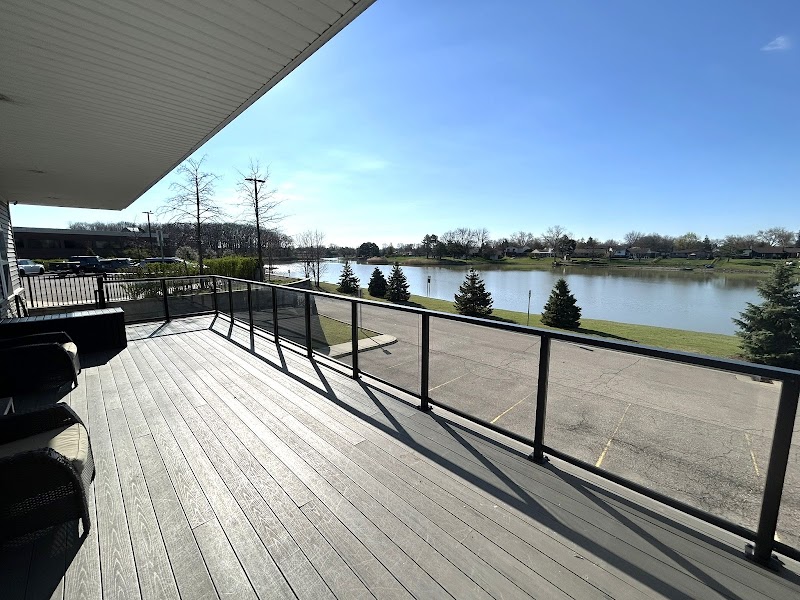
How is Lakeside Manor Nursing And Rehabilitation Center Staffed?

CMS rates Lakeside Manor Nursing and Rehabilitation Center's staffing level at 2 out of 5 stars, which is below average compared to other nursing homes. Staff turnover is 57%, which is 11 percentage points above the Michigan average of 46%. High turnover can affect care consistency as new staff learn residents' individual needs. RN turnover specifically is 80%, which is notably high. RNs provide skilled clinical oversight, so turnover in this role can affect medical care quality.

What Have Inspectors Found at Lakeside Manor Nursing And Rehabilitation Center?

State health inspectors documented 59 deficiencies at Lakeside Manor Nursing and Rehabilitation Center during 2023 to 2025. These included: 1 that caused actual resident harm and 58 with potential for harm. Deficiencies causing actual harm indicate documented cases where residents experienced negative health consequences.
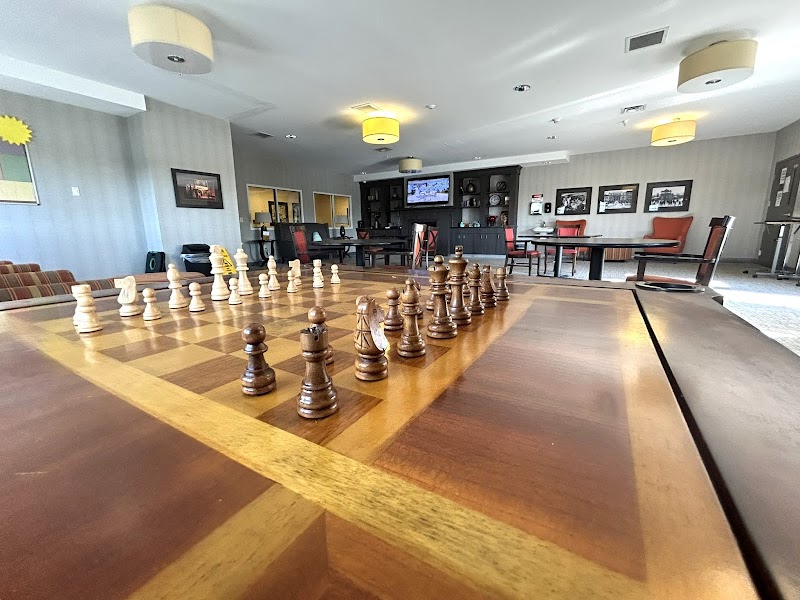
Who Owns and Operates Lakeside Manor Nursing And Rehabilitation Center?

Lakeside Manor Nursing and Rehabilitation Center is owned by a for-profit company. For-profit facilities operate as businesses with obligations to shareholders or private owners. The facility is operated by PIONEER HEALTHCARE MANAGEMENT, a chain that manages multiple nursing homes. With 66 certified beds and approximately 52 residents (about 79% occupancy), it is a smaller facility located in Sterling Heights, Michigan.

How Does Lakeside Manor Nursing And Rehabilitation Center Compare to Other Michigan Nursing Homes?

Compared to the 100 nursing homes in Michigan, Lakeside Manor Nursing and Rehabilitation Center's overall rating (2 stars) is below the state average of 3.1, staff turnover (57%) is significantly higher than the state average of 46%, and health inspection rating (1 stars) is much below the national benchmark.

What Should Families Ask When Visiting Lakeside Manor Nursing And Rehabilitation Center?

Based on this facility's data, families visiting should ask: "What safeguards and monitoring systems are in place to protect residents from abuse or neglect?" "How do you ensure continuity of care given staff turnover, and what is your staff retention strategy?" "Can you walk me through typical staffing levels on day, evening, and night shifts?" "Can I visit during a mealtime to observe dining assistance and food quality?" These questions are particularly relevant given the substantiated abuse finding on record, the facility's high staff turnover rate, and the below-average staffing rating.

Is Lakeside Manor Nursing And Rehabilitation Center Safe?

Based on CMS inspection data, Lakeside Manor Nursing and Rehabilitation Center has documented safety concerns. The facility has 1 substantiated abuse finding (meaning confirmed case of resident harm by staff or other residents). The facility has a 2-star overall rating and ranks #100 of 100 nursing homes in Michigan. Families considering this facility should ask detailed questions about what corrective actions have been taken since these incidents.

Do Nurses at Lakeside Manor Nursing And Rehabilitation Center Stick Around?

Staff turnover at Lakeside Manor Nursing and Rehabilitation Center is high. At 57%, the facility is 11 percentage points above the Michigan average of 46%. Registered Nurse turnover is particularly concerning at 80%. RNs handle complex medical decisions and coordinate care — frequent RN changes can directly impact care quality. High turnover means new staff may not know residents' individual needs, medications, or preferences. It can also be disorienting for residents, especially those with dementia who rely on familiar faces. Families should ask: What is causing the turnover? What retention programs are in place? How do you ensure care continuity during staff transitions?

Was Lakeside Manor Nursing And Rehabilitation Center Ever Fined?

Lakeside Manor Nursing and Rehabilitation Center has no federal fines on record. CMS issues fines when nursing homes fail to meet care standards or don't correct problems found during inspections. The absence of fines suggests the facility has either maintained compliance or corrected any issues before penalties were assessed. This is a positive indicator, though families should still review recent inspection reports for the full picture.

Is Lakeside Manor Nursing And Rehabilitation Center on Any Federal Watch List?

Lakeside Manor Nursing and Rehabilitation Center is not on any federal watch list. The most significant is the Special Focus Facility (SFF) program, which identifies the bottom 1% of nursing homes nationally based on persistent, serious quality problems. Not being on this list means the facility has avoided the pattern of deficiencies that triggers enhanced federal oversight. This is a positive indicator, though families should still review the facility's inspection history directly.