Medilodge of Shoreline
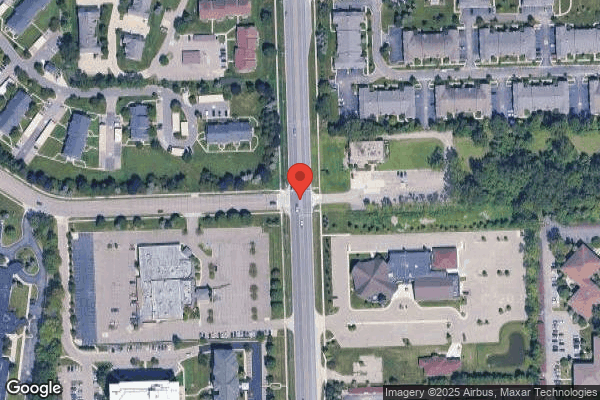
14900 Shore Line Drive, Sterling Heights, MI 48313 (586) 247-4700
For profit - Corporation 112 Beds MEDILODGE Data: November 2025 1 Immediate Jeopardy citation
Trust Grade
38/100
#305 of 422 in MI
Last Inspection: October 2024

Within standard 12-15 month inspection cycle. Federal law requires annual inspections.

Overview

Medilodge of Shoreline has received a Trust Grade of F, indicating significant concerns about the facility's operations and care standards. Ranking #305 out of 422 nursing homes in Michigan places it in the bottom half of all facilities, while being #24 out of 30 in Macomb County means there are only a few local options that perform better. The trend is worsening, with issues increasing from 9 in 2023 to 15 in 2024. Staffing is rated average with a 3/5 star rating and a turnover rate of 46%, which is around the state average. Notably, while the facility has not incurred any fines, there have been serious concerns, such as a resident eloping from the facility without staff awareness and ongoing pest issues like flies and gnats in residents' rooms, highlighting a need for improvement in supervision and cleanliness.

Trust Score
F
38/100
In Michigan
#305/422
Bottom 28%
Safety Record
High Risk
Review needed
Inspections
Getting Worse
9 → 15 violations
Staff Stability
⚠ Watch
46% turnover. Above average. Higher turnover means staff may not know residents' routines.
Penalties
✓ Good
No fines on record. Clean compliance history, better than most Michigan facilities.
Skilled Nurses
○ Average
Each resident gets 35 minutes of Registered Nurse (RN) attention daily — about average for Michigan. RNs are the most trained staff who monitor for health changes.
Violations
⚠ Watch
37 deficiencies on record. Higher than average. Multiple issues found across inspections.
★★☆☆☆
2.0
Overall Rating
★★★☆☆
3.0
Staff Levels
★★★☆☆
3.0
Care Quality
★★☆☆☆
2.0
Inspection Score
Stable
2023: 9 issues
2024: 15 issues

The Good

  • Full Sprinkler Coverage · Fire safety systems throughout facility
  • No fines on record

Facility shows strength in fire safety.

The Bad

2-Star Overall Rating

Below Michigan average (3.1)

Below average - review inspection findings carefully

Staff Turnover: 46%

Near Michigan avg (46%)

Higher turnover may affect care consistency

Chain: MEDILODGE

Part of a multi-facility chain

Ask about local staffing decisions and management

The Ugly 37 deficiencies on record

1 life-threatening
Oct 2024 11 deficiencies
CONCERN (D) 📢 Someone Reported This

A family member, employee, or ombudsman was alarmed enough to file a formal complaint

Potential for Harm - no one hurt, but risky conditions existed

Resident Rights (Tag F0550)

Could have caused harm · This affected 1 resident

Based on observation, interview, and record review the facility failed to provide care in a dignified manner, for one sample resident (R49) of seven reviewed for dignity. Findings include: On 10/16/2...

Read full inspector narrative →
Based on observation, interview, and record review the facility failed to provide care in a dignified manner, for one sample resident (R49) of seven reviewed for dignity. Findings include: On 10/16/24 at 6:50 AM, R49 reported there was an incident with two Certified Nursing Assistants (CNA) while they were receiving care. R49 continued and explained, two CNAs (CNAs F and G) entered their room to assist with care, then CNA G asked R49 about a comment R49 made about the CNAs. R49 reported they felt like CNA G was intimidating them by confronting them about their comment. R49 stated during the conversation CNA G made the comment, because they are not allowed to hit R49, she took a hygiene product and poured in down the bathroom sink. R49 stated it was reported and the CNAs were removed from their room and no longer provide care to them. On 10/16/24 at 11:05 AM, the Unit Manager confirmed that R49 reported CNA G poured out their hygiene product down the bathroom sink and the facility completed an investigation. On 10/16/24 at 11:23 AM, CNA G was called, the phone message stated the phone was disconnected. A review of CNA G's personal file noted, Performance improvement form dated 9/19/24. Reason: Resident stated employee used inappropriate language and threw away resident belongings. On 10/17/24 at 2:33 PM, the Nursing Home Administrator (NHA) reported we replaced the hygiene product and CNA G was suspended for the allegations. The NHA explained, the staff should not have brought any alleged comments up to any residents. On 10/17/24 at 2:36 PM, CNA F explained, CNA G asked for assistance with R49 and while we were helping R49 CNA G asked R49 if they made a comment about them, R49 said they did, and CNA G and R49 continued to go back and forth about the comment. CNA F explained they tried to get them to stop and to let it go but they kept going. CNA F explained they did not see CNA G pour anything out during that time. CNA F also reported CNA G did use an expletive word during the conversation with R49. A review of the facility's policy titled Promoting/Maintaining Resident Dignity dated, 10/30/23, noted, Policy: It is the practice of this facility to protect and promote resident rights and treat each resident with respect and dignity as well as care for each resident in a manner and in an environment, that maintains or enhances resident's quality of life by recognizing each resident's individuality. Compliance Guidelines: . 10. Speak respectfully to residents; avoid discussing about residents that may be overheard. 11. Respect the residents' living space and personal possessions .
CONCERN (D) 📢 Someone Reported This

A family member, employee, or ombudsman was alarmed enough to file a formal complaint

Potential for Harm - no one hurt, but risky conditions existed

Deficiency F0558 (Tag F0558)

Could have caused harm · This affected 1 resident

**NOTE- TERMS IN BRACKETS HAVE BEEN EDITED TO PROTECT CONFIDENTIALITY** This citation pertains to MI00147323 Based on observation, interview, and record review the facility failed to ensure communicat...

Read full inspector narrative →
**NOTE- TERMS IN BRACKETS HAVE BEEN EDITED TO PROTECT CONFIDENTIALITY** This citation pertains to MI00147323 Based on observation, interview, and record review the facility failed to ensure communication needs were met for one resident (R10) of three residents reviewed for communication. Findings include: A review of the admission record revealed R10 was admitted on [DATE] with the following pertinent diagnoses: Dysphagia, Protein Calorie Malnutrition, Adjustment Disorder with Anxiety, Restlessness and Agitation. R10 spoke Arabic. On 10/15/24 at 9:00 AM, R10 was observed with head of bed elevated and the overbed table was across the bed with food debris visible. When R10 was queried, they were unable to respond verbally, responded with questioning look on face. On 10/15/24 at 11:40 AM, Certified Nursing Assistant (CNA) I was queried on R10's method of communication. CNA I revealed they verbalize what they are doing, use some gestures and if resident says no or becomes upset they stop and return later. CNA I revealed they were not aware of a communication board. On 10/15/24 at 11:50 AM, Unit Manager (UM) C revealed resident is unable to use a communication board. UM C further revealed R10 is often resistant to care and combative. Review of R10's Communication Care Plan, initiated 1/2/24, did not reveal an intervention for the use of a communication board. On 10/15/24 at 12:10 PM, an unknown family member was noted preparing to assist R10 with the lunch meal. Upon introduction, the family member responded, I do not speak English. Review of the Social Service Progress Note by Social Work Director M, dated 10/10/24 revealed the Social Service Director met with the resident on a 1:1 basis to complete quarterly review. Resident has a language barrier and speaks Arabic. BIMS (Brief Interview for Mental Status) and PHQ-9 (Patient Health Questionnaire-9, a diagnostic tool to screen for presence and severity of depression) unable to complete. Resident is their own RP (Responsible Person). Communication interventions do not include translators or a communication board. On 10/16/24 at 2:45 PM the Director of Social Work (SW) M revealed they have not been involved in developing any communication boards to date. They revealed they prefer family to translate, but has not used family for R10 interviews. SW M was familiar with the availability of translation companies and of staff who can provide translation. SW M revealed they conduct one to one interview by observation, interaction with family, gesturing and observation in different situations. SW M was unable to verbalize how they interview non-English speaking residents and family. Review of R10's medical record revealed there is no documentation a translator was involved when SW M completed the initial assessment or subsequent care conferences. On 10/16/24 at 3:45 PM, an email request was made to the Nursing Home Administrator (NHA) for the following items: Education provided regarding Non-English speaking residents, list of other resources such as those used for translation services, the qualifications of staff members who provide translation services, and a list of vital documents the facility may have already translated, specifically for admission. These items were not received by 5:30 PM on the last day of survey. On 10/16/24 at 4:46 PM, Social Worker M revealed there was not a translator present for the quarterly review, for BIMs, or PHQ-9. On 10/16/24 at 4:47 PM, the previous Director of Social Work (SW) N revealed the Activities Director (AD)develops specific communication boards. SW N revealed they used trusted family members, staff people, and the telephone translation companies to conduct necessary interviews. They revealed at times the Brief Interview for Mental Status (BIMS) is unable to be completed secondary to language barriers. On 10/17/2024 at 2:00 PM, R10's Family Member U was entering R10's room. Upon introduction was told, I do not speak English, I will call my son. Family Member V was called to translate the conversation and revealed that R10 is sometimes resistant to care. Family Member V further revealed they were not asked to help with providing communication to R10 in a way resident could understand. A review of the facilities policy titled Communicating with Persons with Limited English Proficiency(LEP), revised 1/1/2022, revealed the following: The Social Services Director will be responsible for obtaining access to a qualified interpreter. In the absence of the Social Services Director, the responsibility will fall to the Director of Nursing or Nurse Manager on duty. The policy further states, a. Except in emergencies, family members or friends will not be used as interpreters unless specifically requested by that individual, and after the LEP person has understood that an offer of an interpreter at no charge to the person has been made by the facility. b. The facility will document the offer of an interpreter and the resident's response in the resident's medical record .The policy also provides for communication of information contained in vital documents, including but not limited to, waivers of rights, consent to treatment forms, and financial and insurance benefit forms. 8. c. The Administrator will maintain a list of vital documents that have been translated into various languages (provide list). 9. All staff will be provided notice of this policy, and staff that may have direct contact with LEP individuals will be trained in effective communication techniques, including the effective use of an interpreter .
CONCERN (D) 📢 Someone Reported This

A family member, employee, or ombudsman was alarmed enough to file a formal complaint

Potential for Harm - no one hurt, but risky conditions existed

Quality of Care (Tag F0684)

Could have caused harm · This affected 1 resident

Based on interview and record review, the facility failed to hold medication per medication parameters for one resident (R102) out of four reviewed for medication administration. Findings include: A r...

Read full inspector narrative →
Based on interview and record review, the facility failed to hold medication per medication parameters for one resident (R102) out of four reviewed for medication administration. Findings include: A review of the medical record revealed R102 admitted into the facility on 7/3/2024 with the following diagnoses, Essential Hypertension and Rheumatoid Arthritis. A review of the Minimum Data Set (MDS) assessment revealed a Brief Interview for Mental Status (BIMS) of 14/15 indicating an intact cognition. R102 also required staff assistance with bed mobility and transfers. Further review of the physician orders revealed the following, Amlodipine Besylate Tablet 10 MG (milligram)-Give one tablet by mouth one time a day for HTN (Hypertension) HOLD FOR SBP (Systolic Blood Pressure) <120.Start Date:7/10/2024 A review of the Medication Administration Record (MAR) for July 2024 revealed the Amlodipine was administered with a SBP <120 on the following days with the following blood pressures, 7/10-119/78,7/16-118/78,7/18-114/69,7/21-119/78,7/25-117/73, and 7/26/24-117/67. Further review of the progress notes did not show any notification to the physician regarding the medication being given despite the parameters in place. On 10/17/2024 at 10:29 AM, an interview was conducted with Unit Manager (UM) C. UM C stated they will be talking to the nurses administered the medication and doing education. UM C stated if a medication has parameters, then it should be followed. On 10/17/2024 at 1:26 PM, an interview was conducted with the Director of Nursing (DON). The DON stated they expect the nurses to follow the parameters with medications. A review of a facility policy titled, Physician/Practitioner Orders-Consulting did not address medication parameters.
CONCERN (D) 📢 Someone Reported This

A family member, employee, or ombudsman was alarmed enough to file a formal complaint

Potential for Harm - no one hurt, but risky conditions existed

Incontinence Care (Tag F0690)

Could have caused harm · This affected 1 resident

Based on observation, interview, and record review, the facility failed to provide and document indwelling catheter care (tube inserted into the bladder to drain urine) for one resident (R63) out of t...

Read full inspector narrative →
Based on observation, interview, and record review, the facility failed to provide and document indwelling catheter care (tube inserted into the bladder to drain urine) for one resident (R63) out of two reviewed for an indwelling catheter. Findings include: On 10/16/2024 at 8:30 AM, R63 was observed laying in bed. R63 was noted to have an indwelling catheter. R63 stated they have had a catheter since their last admission into the facility. A review of the medical record revealed R63 admitted into the facility on 8/30/2024 with the following diagnoses, Urinary Tract Infection and Sever Sepsis with Septic Shock. A review of the Minimum Data Set revealed a Brief Interview for Mental Status score of 15/15 indicating an intact cognition. R63 also required staff assistance with bed mobility and transfers. A review of the physician orders revealed the indwelling catheter orders for catheter care were not entered until 10/14/2024 and 10/15/2024. On 10/16/2024 at 10:54 AM, an interview was conducted with Unit Manager (UM) B regarding the catheter orders being put in almost two months after admission. UM B stated they went in and entered the orders and revised them. On 10/17/2024 at 1:28 PM, an interview was conducted with the Director of Nursing (DON). The DON stated they happened to catch the orders were not in the other day. The DON stated upon admission they go over all the orders and look at them during morning meeting and were unsure how the catheter care orders were missed. A review of a facility policy titled, Appropriate Use of Indwelling Catheters noted the following, 4. The use of an indwelling urinary catheter will be in accordance with physician orders, which will include the diagnosis or clinical condition making the use of the catheter necessary, size of the catheter, and frequency of change (if applicable).
CONCERN (D)

Potential for Harm - no one hurt, but risky conditions existed

Deficiency F0691 (Tag F0691)

Could have caused harm · This affected 1 resident

**NOTE- TERMS IN BRACKETS HAVE BEEN EDITED TO PROTECT CONFIDENTIALITY** Based on observation, interview, and record review, the facility failed to properly care for and document colostomy care for one...

Read full inspector narrative →
**NOTE- TERMS IN BRACKETS HAVE BEEN EDITED TO PROTECT CONFIDENTIALITY** Based on observation, interview, and record review, the facility failed to properly care for and document colostomy care for one (R88) of one resident reviewed for ostomy care. Findings include: On 10/15/24 at 09:15 AM, R88 revealed they have a new ostomy. R88 further revealed the appliance does not stay on, always leaks, and their skin hurts. R88 further revealed they have not been educated on how to put the appliance on because they can only use one hand. Review of the admission record revealed R88 was admitted to the facility on [DATE] with the following relevant diagnoses: Partial Intestinal Obstruction, Colostomy, Mild Cognitive Impairment, Hemiplegia and Hemiparesis affecting Right Dominant Side following Cerebral Infarction, and Aphasia. On 10/16/24 at 9:00 AM, R88 revealed their ostomy was changed by the night shift because it was leaking again. Review of R10's medical record failed to reveal any documentation of the ostomy appliance leaking, of the skin condition of the ostomy site, or that the NP (Nurse Practitioner)/MD (Medical Doctor) had been notified. On 10/16/24 at 12:30 PM, an interview with the Wound Care Nurse (WCN)Q revealed R88's skin under the ostomy wafer had declined since admission. They further revealed they were not advised or were unaware the ostomy was frequently leaking. WCN Q revealed frequent leaking could be determined by the supplies used. WCN Q revealed the ostomy site was not pictured (as wounds were) on admission. Inquiry regarding the location of documentation about the ostomy site revealed the WCN Q did not document the condition of the site. WCN Q revealed when there is an issue with an ostomy site, they would discuss with the NP/MD. WCN Q revealed education was not provided to R88 because they have communication difficulties and word finding trouble. On 10/16/24 at 1:24 PM Nurse Practitioner (NP) P revealed her examination of the ostomy site was through the appliance. NP P revealed they were unaware the appliance had been leaking or that skin under the appliance was deteriorating. Further discussion revealed they trusted the WCN Q would be able to manage the appliance and any difficulties. On 10/16/24 at 4:30 PM the Director of Nursing (DON) revealed documentation for an ostomy, should include a description of skin and surrounding area. The DON further revealed, if there are multiple appliance changes outside of the order, those should also be documented. The DON revealed that R88's family member discussed the ostomy supplies with the Nursing Home Administrator (NHA) so the correct supplies could be ordered. The DON revealed the NP/MD should be made aware of any complications with the appliance and ostomy site. On 10/17/24 at 10:00 AM an observation of R10's ostomy site with WCN Q, revealed R10's skin around the stoma was excoriated. WCN Q revealed R88 had an ostomy belt on admission that was missing and reordered. The ostomy belt was used after reapplication during this change. WCN Q revealed the appliance may not be correct for this resident and reason for the leakage. Review of R88's care plan, initiated identified interventions to include observing the skin integrity at the stoma site and report signs of irritation redness, and/or rashes to Physician/NP/PA (Physicians Assistant). Observe stoma site for complications when colostomy appliance is changed. Provide teaching to resident/family about colostomy care. Review of R88's Treatment Administration Record (TAR) the order, applying a new wafer with bag as needed, reveals no additional ostomy appliance changes were documented.
CONCERN (D) 📢 Someone Reported This

A family member, employee, or ombudsman was alarmed enough to file a formal complaint

Potential for Harm - no one hurt, but risky conditions existed

Deficiency F0692 (Tag F0692)

Could have caused harm · This affected 1 resident

Based on observation, interview and record review, the facility failed to implement nutritional interventions for one resident (R63) out of two reviewed for nutrition. Findings include: On 10/16/2024 ...

Read full inspector narrative →
Based on observation, interview and record review, the facility failed to implement nutritional interventions for one resident (R63) out of two reviewed for nutrition. Findings include: On 10/16/2024 at 8:27 AM, R63 was observed eating breakfast. R63 was sitting leaned off to the side with visible tremors in their hand. R63 was noted to have food on the floor, as well as on their clothes. R63 stated they ate by themselves with no assistance for all meals, but they could use a little help. R63 was noted to try and drink some orange juice from a regular cup and stated they needed to put a straw in it. A two handled cup was observed on the meal tray, flipped upside down. A review of the meal ticket on the tray documented R63 was supposed to have 1:1 assistance with eating, and a two handled cup with a lid for beverages. A review of the medical record revealed that R63 admitted into the facility on 8/30/2024 with the following diagnoses, Urinary Tract Infection and Sever Sepsis with Septic Shock. A review of the Minimum Data Set revealed a Brief Interview for Mental Status score of 15/15 indicating an intact cognition. R63 also required staff assistance with bed mobility and transfers. On 10/16/2024 at 12:12 PM, R63 was observed leaning towards their right-side eating lunch. Tremors were noted in their hands, resulting in lunch foods falling off the fork and onto their clothing. No staff were present in the room to assist with feeding. On 10/17/2024 at 11:46 AM, R63 was observed in their room with their lunch tray in front of them. R63 was observed with a cup of orange juice in their hand and sleeping. A two handled cup was noted on the tray flipped upside down. On 10/17/2024 at 11;53 AM, the Director of Nursing (DON) was brought into R63's room and asked if they were supposed to have 1:1 assistance with feeding, as well as their orange juice in the empty two handled cup. The DON looked at the meal ticket and stated they were supposed to have assistance. The DON then poured the orange juice in the empty two handled cup. On 10/17/2024 at 12:24 PM, an interview was conducted with Registered Dietitian (RD) D. RD D stated the two handled cup was put in place for independence with being able to drink and the 1:1 assistance because R63 had a decrease in intake and had lost weight. RD D stated R63 should still be receiving 1:1 assistance with feeding and the two handled cup which are interventions are on the care plan, as well as on the tray ticket. A review of a facility policy titled, Activities of Daily Living (ADLs) noted the following, 3. A resident who is unable to carry out activities of daily living receives the necessary services to maintain good nutrition, grooming, and personal and oral hygiene.
CONCERN (D) 📢 Someone Reported This

A family member, employee, or ombudsman was alarmed enough to file a formal complaint

Potential for Harm - no one hurt, but risky conditions existed

Deficiency F0760 (Tag F0760)

Could have caused harm · This affected 1 resident

Based on observation, interview, and record review, the facility failed to ensure one resident (R63) out of four reviewed for medication administration were free of any significant medication errors. ...

Read full inspector narrative →
Based on observation, interview, and record review, the facility failed to ensure one resident (R63) out of four reviewed for medication administration were free of any significant medication errors. Findings include: On 10/16/2024 at 9:12 AM, 9:00 AM medication administration was completed with Licensed Practical Nurse (LPN) A for R63. A review of the physician orders revealed the following, Furosemide Oral Tablet 20 MG (Milligrams) (diuretic). Directions: Give 1 tablet by mouth one time a day related to ESSENTIAL (PRIMARY) HYPERTENSION (I10). Time: 0900 (9:00 AM). Famotidine Oral Tablet 20 MG (antacid). Directions: Give 1 tablet by mouth one time a day related to GASTRO-ESOPHAGEAL REFLUX DISEASE WITHOUT ESOPHAGITIS (K21.9). Time: 0600. (6:00 AM) LPN A was observed putting medication in the cup and clicking off the medicine as yes on the Medication Administration Record (MAR) as they put the medicine in the cup. LPN A was then observed taking the Famotidine (due at 6:00 am) 20 MG cartridge and checking off the Furosemide (due at 9:00 am) 20 MG on the MAR. LPN A was then asked by surveyor what medication did they put in the medicine cup to administer, and LPN A stated they put R63's Furosemide in the medicine cup. LPN A then showed the surveyor the cartridge that was labeled Famotidine 20 MG. LPN A stated, Oh I thought that was the Furosemide, let me take that out. LPN A then removed the pill from the medicine cup. A review of the medical record revealed that R63 admitted into the facility on 8/30/2024 with the following diagnoses, Urinary Tract Infection and Sever Sepsis with Septic Shock. A review of the Minimum Data Set revealed a Brief Interview for Mental Status score of 15/15 indicating an intact cognition. R63 also required staff assistance with bed mobility and transfers. On 10/17/2024 at 11:24 AM, an interview was conducted with the Director of Nursing (DON). The DON stated they will have to do an education regarding medication pass and medication names. A review of the medical record revealed R63 admitted into the facility on 8/30/2024 with the following diagnoses, Urinary Tract Infection and Sever Sepsis with Septic Shock. A review of the Minimum Data Set revealed a Brief Interview for Mental Status score of 15/15 indicating an intact cognition. R63 also required staff assistance with bed mobility and transfers. A review of a facility policy titled, Medication Administration noted the following, 11. Compare medication source with MAR to verify resident name, medication name, form, dose, route, and time of administration .
CONCERN (D)

Potential for Harm - no one hurt, but risky conditions existed

Deficiency F0761 (Tag F0761)

Could have caused harm · This affected 1 resident

**NOTE- TERMS IN BRACKETS HAVE BEEN EDITED TO PROTECT CONFIDENTIALITY** Based on observation, interview, and record review, the facility failed to properly store and secure medications for one residen...

Read full inspector narrative →
**NOTE- TERMS IN BRACKETS HAVE BEEN EDITED TO PROTECT CONFIDENTIALITY** Based on observation, interview, and record review, the facility failed to properly store and secure medications for one resident (R48) out of one resident reviewed for medication storage. Findings include: On 11/14/24 at 12:11 PM, R48 was observed lying in bed. Nystatin powder and Hydrocortisone cream were observed on R48's bedside table. R48 explained the facility staff applies the powder and cream and they leave it at R48's bedside. A review of R48's record revealed they were admitted to the facility on [DATE] with a diagnosis of chronic obstructive pulmonary disease. A review of R48's Brief Interview for Mental Status revealed a score of 13, indicating mild cognitive impairment. Further review of R48's medical record revealed the following active medication order: Apply Hydrocortisone ointment 1% to left forearm and right upper chest and shoulder every day and evening shift for rash for 7 days and every 8 hours as needed for rash/itching. A review of R48's medical record also revealed the following discontinued order: Nystatin External Powder 10000 unit/gm apply to bilateral skin folds topically two times a day for skin candidiasis until 07/04/2024. On 11/14/24 at 2:56 PM, during an interview the Director of Nursing explained mediations should not be kept at a residents bedside.
CONCERN (D) 📢 Someone Reported This

A family member, employee, or ombudsman was alarmed enough to file a formal complaint

Potential for Harm - no one hurt, but risky conditions existed

Infection Control (Tag F0880)

Could have caused harm · This affected 1 resident

Based on observation, interview, and record review the facility failed to change an indwelling catheter (tube inserted into the bladder to drain urine) with a urinary tract infection for one resident ...

Read full inspector narrative →
Based on observation, interview, and record review the facility failed to change an indwelling catheter (tube inserted into the bladder to drain urine) with a urinary tract infection for one resident (R39) out of two reviewed for indwelling catheters. Findings include: On 10/15/2024 at 12:47 PM, R39 was observed to have an indwelling catheter hanging off their wheelchair. R39 stated they recently had a Urinary Tract Infection (UTI) and they were still having symptoms although they were finished with antibiotics. R39 stated they have not had their catheter changed since being admitted into the facility on 8/8/24. A review of the medical record revealed R39 admitted into the facility on 8/8/2024 with the following diagnoses, Sever Sepsis without Septic Shock and Neuromuscular Dysfunction of Bladder. A review of the Minimum Data Set (MDS) assessment revealed a Brief Interview for Mental Status (BIM) score of 15/15 indicating an intact cognition. R39 also required staff assistance for bed mobility and transfers. A review of the physician orders revealed the following, Date: 8/9/2024. Directions: Change indwelling catheter 14 fr (French) balloon 30cc (cubic centimeters) r/t (related to): wounds PRN (as needed) as clinically indicated: s/s (signs/symptoms) of obstruction leakage, increased sediment, etc., infection, or if closed system was compromised as needed for catheter care. Further review of the Medication Administration Record (MAR) for August, September and October (2024) did not document R39's catheter as being changed since admisison. On 10/16/2024 at 12:47 PM, an interview was conducted with the Infection Control (IC) Nurse H. IC H stated R39 had an UTI as well as Covid. IC H stated they thought the indwelling catheter was changed and it should have been changed when they collected the urinalysis analysis sample. On 10/16/2024 at 10:53 AM, an interview was conducted with Unit Manager (UM) C. UM C stated they just ordered a new Urine Analysis for R39, however were unsure about the policy regarding changing an indwelling catheter when a resident had an infection. On 10/17/2024 at 1:27 PM, an interview was conducted with the Director of Nursing (DON). The DON stated they have never changed an indwelling catheter following an UTI in the facility, only if there was sediment or if it was clogged. A review of a facility policy titled; Appropriate Use of Indwelling Catheters did not address indwelling catheter changing with infections.
CONCERN (F)

Potential for Harm - no one hurt, but risky conditions existed

Deficiency F0868 (Tag F0868)

Could have caused harm · This affected most or all residents

Based on interview and record review, the facility failed to ensure the Quality Assessment and Assurance (QAA) meetings were held quarterly, for two of four meetings, potentially affecting all of the ...

Read full inspector narrative →
Based on interview and record review, the facility failed to ensure the Quality Assessment and Assurance (QAA) meetings were held quarterly, for two of four meetings, potentially affecting all of the 103 residents currently residing in facility resulting in delayed identification and resolution of identified issues. Findings include: On 10/17/24 at 12:30 PM, a meeting was held with the Nursing Home Administrator (NHA) regarding Quality Assurance (QA) activities at the facility. A review of the sign in sheets (to confirm at least three staff were present who were knowledgable of facility systems and oversight) revealed there was no sign in sheet for March and June 2024. The NHA confirmed there were no QA meetings held during those two months. A review of the facility's policy titled, QAPI (Quality Assurance Performance Improvement) Plan, dated 10/24/22, indicates: a.The governing body and/or executive leadership is responsible and accountable for the QAPI program. The Governing oversight responsibilities include, but are not limited to: i. Approving the QAPI plan annually, and as needed. ii. Ensuring the program is sustained during transitions in leadership and staffing. (At the facility level, regional level and the corporate level.) . c. The QAA Committee shall communicate its activities and the progress of its subcommittee activities to the governing body .at least quarterly, with a formal meeting no less than annually .
CONCERN (F) 📢 Someone Reported This

A family member, employee, or ombudsman was alarmed enough to file a formal complaint

Potential for Harm - no one hurt, but risky conditions existed

Deficiency F0925 (Tag F0925)

Could have caused harm · This affected most or all residents

**NOTE- TERMS IN BRACKETS HAVE BEEN EDITED TO PROTECT CONFIDENTIALITY** On 10/15/24 at 11:11, Housekeeper K revealed there have been gnats in many rooms. On 10/15/24 at 10:30 AM a gnat was observed f...

Read full inspector narrative →
**NOTE- TERMS IN BRACKETS HAVE BEEN EDITED TO PROTECT CONFIDENTIALITY** On 10/15/24 at 11:11, Housekeeper K revealed there have been gnats in many rooms. On 10/15/24 at 10:30 AM a gnat was observed flying around R72's face. On 10/15/24 at 10:32 AM Housekeeper J revealed there were gnats in several rooms because of food residents keep. On 10/15/24 at 10:07 a.m., R58 was observed in their hospital bed in room [ROOM NUMBER], bed 1. Flies and gnats were observed flying in R58's room. R58 confirmed they noticed the gnats in the room frequently. On 10/15/24 at 10:45 a.m., Flies and gnats were observed smarming above R35's bed, R58's roommate, in bed 2. R35 stated this bothered them and they reported their concerns to the facility in the past month yet they still had insects in their room. On 10/15/24 at 12:24 p.m., License Practical Nurse (LPN) R was asked about the flies and gnats in room [ROOM NUMBER]. LPN R reported a resident's family brought in fruit a few doors down, room [ROOM NUMBER], bed 2, and they believed this started the problem. LPN R acknowledged they continued to observe the gnats on the unit and in residents' rooms. On 10/17/24 at 8:13 a.m., the Housekeeping Supervisor, Staff S, was asked about the flies and gnats in residents' rooms. Staff S reported they were aware of the ongoing concern, and stated it started when a resident's family in room [ROOM NUMBER] brought fresh fruit, including ripened bananas, into the facility. On 10/17/24 at 2:20 p.m., the Director of Nursing (DON) was asked about the observations of the flies and gnats in the residents' rooms in the facility. The DON confirmed they understood the concern and planned to follow-up. Review of a pest control service report dated 9/20/24 noted: In room [ROOM NUMBER], recently cleaned due to fruit spoilage, there was a garbage can filled with food debris-milk, banana peels, and other items-without a bag .Housekeeping must ensure bags are always in trash cans. If any organic material escapes, the bins need to be cleaned and sanitized. Regular cleaning of floors is also necessary to address stickiness that can attract gnats. A review of the facility's policy titled Pest Control Program dated, 01/01/2022, noted, Policy: It is the policy of this facility to maintain an effective pest control program that eradicates and contains common household pest and rodents. Definition: Effective pest control program is defined as measures to eradicate and contain common household pest (e.g., bed bugs, lice, roaches, ants, mosquitoes, flies, mice, and rats.) . This citation pertains to Intake MI00147288. Based on observation, interview, and record review, the facility failed to maintain a pest-free environment, resulting in gnats throughout the common areas of the facility and throughout residents rooms. This deficient practice had the potential to affect all 130 residents who reside in the facility. Findings include: On 10/15/24 at 9:18 AM, during initial tour room [ROOM NUMBER] bed two trash can was observed to gnats laying on and inside of the trash can. The trash can was without a liner/trash bag on the inside of the can. On 10/15/24 at 9:39 AM, during initial tour room [ROOM NUMBER] bed two trash can was observed to gnats laying on and inside of the trash can. The trash can was without a liner/trash bag on the inside of the can. On 10/16/24 at 8:02 AM, during the medication administration observation gnats were observed flying around the medications cart. The Nurse was observed to use their hands to swat the gnats away. On 10/16/24 at 8:18 AM, room [ROOM NUMBER] was observed to have a number of gants flying around in the room. The night stand drawer next to bed one was observed to be practically open with gants laying on the drawer. The Nurse was asked if the resident had food in the drawer, the drawer was observed with food itmes that had spilled into the drawer. As the Nurse opened to the drawer, a large amount of gnats were observed to begin to fly all around the room. 10/17/24 at 2:33 PM, room [ROOM NUMBER] bed one privacy curtain was observed with multiple gnats lying on the curtain.
Jun 2024 1 deficiency
CONCERN (D) 📢 Someone Reported This

A family member, employee, or ombudsman was alarmed enough to file a formal complaint

Potential for Harm - no one hurt, but risky conditions existed

ADL Care (Tag F0677)

Could have caused harm · This affected 1 resident

This citation pertains to Intake MI00144522. Based on observation, interview, and record review, the facility failed to document and provide showers per resident preference and schedule for three resi...

Read full inspector narrative →
This citation pertains to Intake MI00144522. Based on observation, interview, and record review, the facility failed to document and provide showers per resident preference and schedule for three residents (R902, R903, R904) of three residents reviewed for showers. Findings Include: R902 On 6/26/2024 at 10:30 AM, R902 was observed in their bed. R902 stated they do not receive showers as they should and they have only received two showers since being in the facility. R902 stated they do receive bed baths but would much rather have a shower. R902 stated they feel as though staff won't give them showers because they are a bit bigger and the staff do not want to do the extra work. On 6/26/2024 at 10:57 AM, R902 was observed receiving a bed bath from two certified nursing assistants (CNA). One of the CNAs stated they were getting R902 up in the chair for the day and R902's shower days were Monday and Thursday. A review of the medical record revealed that R902 admitted into the facility on 4/16/2024 with the following medical diagnoses, Obesity and Muscle Weakness. A review at the Minimum Data Assessment set revealed a Brief Interview for Mental Status score of 15/15 indicating an intact cognition. R902 also required assistance with bed mobility and transfers. A review of the shower documentation revealed that R902's shower days were scheduled for Monday and Thursdays between the hours of 3pm and 11pm. Further review of the shower documentation for the last thirty days revealed that R902 did not have a shower documented for the following days, 6/3,6/6,6/13,6/17,6/20, and 6/24/24. R903 On 6/26/24 at 11:52 AM, R903 was asked about receiving showers and explained that it has been awhile since they received an actual shower. R903 explained their scheduled shower days are scheduled during the afternoon shift however, there is often conflict between the day shift nursing assistants that work 7am-7pm, and the afternoon shift nursing assistants that work 7pm-7am regarding whose responsible for showering her, and as a result, she doesn't receive one at all. A review of R903's medical record revealed that they were originally admitted into the facility on 2/20/24 with diagnoses of Lymphedema, Major Depressive Disorder, and Muscle Weakness. Further review of the medical record revealed that the resident was cognitively intact and required two-person assistance for bed mobility, bathing, and transfers requiring a Hoyer lift. Further review of R903's medical record revealed no documented showers within the last 30 days for R903. On 6/26/24 at 1:07 PM, a request for R903's showers was made to facility, and not received by the end of the survey. R904 6/26/24 at 12:02 PM, R904 was observed sitting in their room, meal tray sitting in front of them. R904 mentioned that they probably wouldn't receive their shower today, and that it had been about a week and a half since they last received one, as they don't receive them regularly. A review of R904's medical record revealed that they were admitted into the facility on 4/5/22 with diagnoses that included Cerebral Infarction, Dementia, Heart Disease, and Muscle Weakness. Further review revealed that the resident was cognitively intact, and required two-person assistance for bathing. On 6/26/24 at 1:07 PM, a request for R904's showers was made to the facility, and not received by the end of the survey. On 6/26/2024 at 2:09 PM, an interview was conducted with the Director of Nursing (DON). The DON stated recently many of the staff aren't documenting the showers because they state they do not have access to do so. The DON stated they are telling the staff if they do not have access then they need to let a manager know so they can get access right away. A review of the facility's Activities of Daily Living (ADLs) policy was reviewed and revealed the following, 3. A resident who is unable to carry out activities of daily living receives the necessary services to maintain good nutrition, grooming, and personal and oral hygiene .
Apr 2024 3 deficiencies
CONCERN (D) 📢 Someone Reported This

A family member, employee, or ombudsman was alarmed enough to file a formal complaint

Potential for Harm - no one hurt, but risky conditions existed

Resident Rights (Tag F0550)

Could have caused harm · This affected 1 resident

This citation pertains to Intake MI00143567. Based on observation, interview, and record review, the facility failed to get residents out of bed per their preference for two residents (R803 and R806) ...

Read full inspector narrative →
This citation pertains to Intake MI00143567. Based on observation, interview, and record review, the facility failed to get residents out of bed per their preference for two residents (R803 and R806) out of two reviewed for resident rights. Findings include: R803 On 4/23/2024 at 9:30 AM, R803 was observed laying in bed. R803 was interviewed regarding their care in the facility. R803 stated that they enjoy being at the facility, however they (facililty staff) do not get them up like they should R803 stated they prefer to get up before breakfast and be up for all meals. R803 stated they do not like eating their meals in the bed. R803 stated that they also don't like to miss bingo. On 4/24/2024 at 10:15 AM, R803 was observed still in bed. R803 stated they asked to get up before breakfast, but no one got them up. R803 stated they hope they are up by lunch. On 4/24/2024 at 11:51AM, R803 was observed eating lunch in their bed. R803 stated they were informed they would be getting up after lunch. On 4/24/2024 at 12:06 PM, an interview was conducted with Certified Nursing Assistant (CNA) D. CNA D stated that R803 is supposed to get up on midnights so that R803 would be up for breakfast. CNA D stated they were unable to get R803 up before lunch because of something going on in the facility. CNA D stated they informed R803 they would get them up after lunch. A review of the medical record revealed R803 was admitted into the facility on 5/11/2024 with the following diagnoses, Muscle Wasting and Atrophy and Diabetes. A review of the Minimum Data Set assessment revealed a Brief Interview for Mental status score of 15/15 indicating an intact cognition. R803 also required assistance with bed mobility and transfers. R806 On 4/24/2024 at 9:45 AM, R806 was heard crying in their room. R806 stated they have been trying to get out of the bed and attend activities for the last two days. R806 stated that no one will get them up and they keep being told they are short staffed. R806 stated they get depressed sitting in the room and laying in bed all day. R806 stated the Activities Director came and stated that they would make sure they got up today and attended activities. A review of the medical record revealed that R806 admitted into the facility on 2/20/2024 with the following diagnoses, Edema and Major Depressive Disorder. A review of the Minimum Data Set assessment revealed a Brief Interview for Mental statsu score of 15/15 indicating an intact cognition. R806 also required assistance with bed mobility and transfers. On 4/24/2024 at 11:27 AM, an interview was conducted with the Nursing Home Administrator (NHA). The NHA stated that it is resident preference when they get up. The NHA stated some people like to get up early, and some like to get up late. It all depends on what the resident prefers, and they accommodate. A review of a facility policy titled, Activities of Daily Living noted the following, .A resident who is unable to carry out activities of daily living receives the necessary services to maintain good nutrition, grooming, and personal and oral hygiene.
CONCERN (D) 📢 Someone Reported This

A family member, employee, or ombudsman was alarmed enough to file a formal complaint

Potential for Harm - no one hurt, but risky conditions existed

Pressure Ulcer Prevention (Tag F0686)

Could have caused harm · This affected 1 resident

This citation pertains to Intakes MI00143495 and MI00143567. Based on observation, interview, and record review, the facility failed to float heels per physician orders for two residents (R802 and R80...

Read full inspector narrative →
This citation pertains to Intakes MI00143495 and MI00143567. Based on observation, interview, and record review, the facility failed to float heels per physician orders for two residents (R802 and R803) out of two reviewed for skin conditions. Findings include: R802 On 4/23/2024 at 9:28 AM, R802 was observed laying in bed. R802 heels were noted to be resting on the mattress. No pillow was observed under their legs to float their heels. On 4/23/2024 at 11:23 AM, R802's heels were observed resting on the mattress. On 4/24/2024 at 9:45 AM, 10:10 AM, and 12:08 PM, R802's heels were observed resting on the mattress. A review of the medical record revealed that R802 admitted into the facility on 3/22/2023 with the following diagnoses, Diabetes and Dysphagia. A review of the Minimum Data Set assessment revealed a Brief Interview for Mental status score of 15/15 indicating an intact cognition. R802 also required assistance with bed mobility and transfers. Further review of the physician orders revealed the following, Start: 10/23/2023. Status: Active .Cleanse bilateral heels with Normal Saline, pat dry, apply skin prep. Keep heels floated. Further review of the Care Plan revealed the following intervention, Date Initiated: Assist to elevate heels off the mattress with pillows as tolerated. R803 On 4/24/2024 at 9:07 AM, 9:49 AM, 10:15 AM, and 11:51 AM, R803's heels were observed resting on the mattress. On 4/24/2024 at 11:51 AM, R803 was interviewed regarding their heels being floated. R803 stated that they asked the staff last night to put their legs on a pillow and float their heels, but they did not do it. A review of the medical record revealed that R803 admitted into the facility on 5/11/2024 with the following diagnoses, Muscle Wasting and Atrophy and Diabetes. A review of the Minimum Data Set assessment revealed a Brief Interview for Mental status score of 15/15 indicating an intact cognition. R803 also required assistance with bed mobility and transfers. Further review of the physician orders revealed the following order, Start Date: 5/12/2023. Status: Active .Cleanse bilateral heels with NS (Normal Saline), pat dry, apply skin prep, float heels when in bed. On 4/24/2024 at 12:12 PM, an interview was conducted with Unit Manager (UM) C. UM C stated that if there is an order for their heels to be floated then they should be floated.
CONCERN (D) 📢 Someone Reported This

A family member, employee, or ombudsman was alarmed enough to file a formal complaint

Potential for Harm - no one hurt, but risky conditions existed

Deficiency F0919 (Tag F0919)

Could have caused harm · This affected 1 resident

This citation pertains to Intake MI00142973. Based on observation, interview, and record review, the facility failed to answer a call light and provide needs in a timely manner for one resident (R805)...

Read full inspector narrative →
This citation pertains to Intake MI00142973. Based on observation, interview, and record review, the facility failed to answer a call light and provide needs in a timely manner for one resident (R805) out of three reviewed for call lights. Findings Include: On 4/23/2024 at 1:50 PM, R805's call light was observed activated. At 2:09 PM, R805 call light was observed still activated. Multiple people were noted in the hallway and walking past the light. R805 was interviewed regarding what assistance they were waiting for Certified Nursing Assistant (CNA) B. R805 stated that they were waiting to be changed and that they had been waiting for an hour and a half. On 4/23/2024 at 2:10 PM, CNA B was observed going into the room with R805 and turning off their call light. CNA B stated that R805 was a two person assist and they had to go find someone to help. On 4/23/2024 at 2:20 PM, CNA B was observed going into R805's room with another staff member and stated they were about to perform care. A review of the medical record revealed that R805 admitted into the facility on 1/11/2024 with the following medical diagnoses, Muscle Weakness and Major Depressive Disorder. R805 also required assistance with bed mobility and transfers. On 4/24/2024 at 12:12 PM, an interview was conducted with Unit Manager (UM) C. UM C stated that they checked on R805 when their light was on and went to find the CNA to assist them. UM C stated that they inform the staff to leave the light on until the need has been met. A review of a facility policy titled, Call Lights: Accessibility and Timely Response noted the following, Any staff member who sees or hears an activated call light is responsible for responding. If the staff member cannot provide what the resident desires, the appropriate personnel should be notified.
Aug 2023 6 deficiencies
CONCERN (D)

Potential for Harm - no one hurt, but risky conditions existed

Deficiency F0561 (Tag F0561)

Could have caused harm · This affected 1 resident

Based on observation, interview and record review, the facility failed to accommodate resident/resident representative's choices and preference for bed rails for one sampled resident (R46) of one revi...

Read full inspector narrative →
Based on observation, interview and record review, the facility failed to accommodate resident/resident representative's choices and preference for bed rails for one sampled resident (R46) of one reviewed for self-determination resulting in feelings of frustration and loss of control. Findings include: On 8/21/23 at 10:45 AM, R46 was observed in bed with bruising noted below their right eye, and a laceration above their right eye, one fall mat on the floor, and bilateral foam boots on feet. Resident's power of attorney, Family Member A was asked about the care R46 has been receiving in the facility, and explained that R46 had fallen twice at the facility. They explained that the facility staff implemented a fall mat following the fall however, less than one month later, R46 sustained a second fall in which they landed on the mat, hit they're head on the floor resulting in a laceration above their right eyebrow and a facial fractures on the right side of their face. Family Member A explained that after the second fall, they provided R46 a perimeter mattress, which Family Member A says that they have observed R46 sitting on the edge of the perimeter mattress with their legs dangling. Family Member A explained that they would like R46 to have bed rails, but when they expressed this to the Nursing Home Administrator (NHA), they told them it was against the law, and the State (Agency) doesn't allow them. A review of R46's medical record revealed that they were admitted into the facility on 7/3/23 with diagnoses that included Chronic Kidney Disease, Muscle Weakness, Other Abnormalities of Gait and Mobility, and Dysphagia. Further review of the R46's medical record revealed an admission Minimum Data Set assessment dated for 7/10/23 revealed a Brief Interview for Mental Status score of 9/15 indicating a moderately impaired cognition, and required extensive assistance for transfers, dressing and toilet use. Further review of the medical record revealed the following progress notes regarding the resident's falls: 7/9/2023 09:10 (9:10am) Nurses' Note. Observed sitting on floor at 5:35am at the foot of the bed leaning against the foot of the bed. When this writer entered her room, [R46] said I did not fall I did not fall. Per CNA (certified nursing assistant) [R46] was brief changed at 4:30am. [R46] said [they were] trying to get out of the bed. [R46] said [they] slid down. Vitals taken. [R46] was able to state 3 spheres of orientation when asked. Able to move arms and legs as usual. Stated pain in buttocks. When asked [R46] said [they] did not hit [their] head 8/4/2023 22:25 (10:25pm) Nurses' Notes .Writer observed resident on the floor laying on right side, bleeding from right-side of head with LE (left extremity) on top of floor mat, boots were on the floor at bedside. Patient stated I was trying to fold the blankets on the table over there and fell over. I hurt on this side. Writer obtained VS (vital signs). ROM (range of motion) performed on upper and lower extremities. Resident c/o (complain of) pain on right side of body. Writer reassured and resident provided comfort until EMT (emergency medical technicians) arrived A review of R46's hospital medical record revealed the following, [identifying information] presents to the ED (emergency department) after falling earlier today. CT (computerized tomography) facial demonstrated acute, nondisplaced fractures of the posterior, lateral and anterior wall of the right maxillary sinus and right orbital floor .1. Oribital floor fracture-Right eye. 2. Facial Trauma-right side . On 8/24/23 at 8:00 AM, R46 was observed in bed. One floor mat observed on the right side of their bed. A review of R46's care plan revealed the following: Focus: Resident is at risk for falls/injury related to Hx Falls, bladder incontinence, bowel incontinence, impaired cognition, Sprain left knee, Osteoporosis, Muscle Weakness, Abnormal gait, left artificial hip join, reduced mobility, pressure ulcer of right heel and sacral region. Date Initiated: 08/09/2023. Interventions: Mat to floor next to both sides of bed Date Initiated: 08/10/2023 . On 8/24/23 at 11:54 AM, R46 and Family Member A were observed sitting in the dining room. Family Member A was asked about the conversation they had with the NHA regarding bed rails and explained that they completed research which indicated that it was not against the law for a resident to have bed rails, as R46 had them at the previous nursing home facility they resided in. Family Member A explained that they are willing to do whatever they need to do to obtain the bed rails such as signing consents, as they have considered risk versus benefits of bed rails, and that they themselves would take responsibility for the risk in order to have peace of mind while they can't be with R46 at the facility at all times. On 8/24/23 at 1:25 PM, the Director of Nursing (DON) was asked about the request of bed rails from R46's Power of Attorney. The DON indicated that the facility did not allow bed rails. The DON was asked if this was a facility policy, and indicated that she would look into that, but also called the NHA to the office to discuss. The NHA explained that it's a federal regulation related bed rails only being used to prevent falls which is not allowed, and also, according to the regulation, a bed rail would be considered a restraint. A review of the facility's Accidents and Supervision policy revealed the following: 1. Identification of Hazards and Risks- the process through which the facility becomes aware of potential hazards in the resident environment and the risk of a resident having an avoidable accident. a. Observing and identifying potential hazards in the environment, while taking into consideration the unique characteristics and abilities of each resident. b. Attempt to identify the hazards and risk factors .2. Evaluation and Analysis- the process of examining data to identify specific hazards and risks and to develop targeted interventions to reduce the potential for accidents. Interdisciplinary involvement is critical component of this process. 3. Implementation of Interventions- using specific interventions to try to reduce a resident's risks from hazards in the environment. A review of the facility's Restraint policy revealed the following, Restraints shall only be used for the safety and well-being of the resident(s) and only after other alternatives have been tried unsuccessfully .Policy Explanation and Compliance Guidelines: 1. Restraints shall only be used upon the written order of a physician and after obtaining consent from the resident and/or representative (sponsor). An evaluation will be completed to determine the medical symptom requiring the device and to determine the least restrictive device to treat the symptom
CONCERN (D)

Potential for Harm - no one hurt, but risky conditions existed

Quality of Care (Tag F0684)

Could have caused harm · This affected 1 resident

**NOTE- TERMS IN BRACKETS HAVE BEEN EDITED TO PROTECT CONFIDENTIALITY** Based on observation, interview, and record review the facility failed to ensure a pacemaker check for one sampled residents (R3...

Read full inspector narrative →
**NOTE- TERMS IN BRACKETS HAVE BEEN EDITED TO PROTECT CONFIDENTIALITY** Based on observation, interview, and record review the facility failed to ensure a pacemaker check for one sampled residents (R32), of one reviewed for pacemakers. Findings include: On 8/21/23 at 9:37 AM, R32 was asked about the stay at the facility and stated, I haven't had my pacemaker checked since being here for over a year. On 8/21/23 at 3:35 PM, an email request was made to ask if R32's Phyisican was aware of R32's pacemaker and if there was documentation of the pacemaker being checked. The Nursing Home Administrator (NHA) replied, Physician is aware of [R32's] pacemaker and has not provided order for checks. A request was made for R32's pacemaker check documentation. The facility did not provide any documentation in regards to R32's pacemaker. Further review of R32's medical record noted, Care planning: 7/6/23 .Nursing: Resident complaining of pain in [R32] right breast, Dr. notified new order to obtain an Ultrasound. Ultrasound ordered and has not been completed at this time. Working on getting the Dr. who did [R32's] Pacemaker to have that checked and possibly change the battery. No other nursing concerns at this time. Remains stable . Care plan: Focus: Resident has an impaired cardiovascular status related to HTN (Hypertension), pacemaker, afib, edema, hx (history) of chest pain. Date Initiated: 07/27/2023. Goal: Resident will have reduced complications related to altered cardiac status through next review. Date Initiated: 07/27/2023. Intervention: Observe and report complication related to pacemaker placement to physician (e.g., dyspnea, low or erratic pulse or pulse rate lower than programmed, arm or muscle twitching near the generator box, or prolonged/rapid hiccups) Date Initiated: 07/27/2023. A review of R32's medical record revealed, R32 was admitted to the home on 4/5/2022 with diagnoses of Atrial Fibrillation Present of Pacemaker. A review of R32's Minimum Data Set (MDS) dated [DATE] noted, R32 with intact cognition and required assistance from one staff person for personal hygiene and bathing. On 8/23/23 at 2:54 PM, R32's Physician was asked about R32's pacemaker and explained, that they wanted to try and find the physician that did the placement of the pacemaker. The Physician stated, he was on vacation and was waiting to hear back from them. The Physician was asked how often should a pacemaker be checked and stated, It depends how long, they have had it.
CONCERN (D) 📢 Someone Reported This

A family member, employee, or ombudsman was alarmed enough to file a formal complaint

Potential for Harm - no one hurt, but risky conditions existed

Infection Control (Tag F0880)

Could have caused harm · This affected 1 resident

Based on observation, interview and record review the facility failed to ensure proper hand hygiene and maintain appropriate infection control practices during patient care for three residents (R7, R3...

Read full inspector narrative →
Based on observation, interview and record review the facility failed to ensure proper hand hygiene and maintain appropriate infection control practices during patient care for three residents (R7, R33, R72, Resident L) of six reviewed for infection control practices, resulting in the potential for the spread of infection. Findings include: On 08/22/23 at 04:24 PM, R7 was observed with Certified Nurse Assistant (CNA) G. R7 was soiled with mushy/unformed stool and it was up between the legs and over the vaginal area. Disposable wipes were used to clean R7. CNA G was observed to clean up the stool from R7. During care CNA G removed their gloves and placed on a new pair without hand hygiene between the change. Additional spots of stool were cleaned up and a new brief was applied and the gown changed. CNA G noted they did not have a new gown in the room and doffed their gloves and exited the room without hand hygiene being done. CNA G retrieved a new gown, returned to the room and placed on the new gown. CNA G was assisted by the second CNA to pull R7 up in bed and a pillow placed under the left side and the head of the bed was elevated 30-45 degrees. CNA G then washed their hands and exited the room. On query about the glove changes CNA G acknowledged the lack of hand hygiene. On 08/23/23 at 9:28 AM, CNA H was observed to complete incontinence care on R7. R7 was soiled with loose, mushy stool up between the legs and the vaginal area. CNA H removed disposable wipes from the package and made a few wipes down the front and between the legs. R7 was turned toward the left side of the bed and R7 assisted slightly. CNA H used new wipes and wiped the buttocks and then between the legs. New wipes were then used to wipe the front area crease and then used on the vaginal are from the back side between the legs, stool was visible on the wipes. CNA H wiped the buttocks again and noted the pad had stool on it and would need to be changed. CNA H removed their gloves and exited the room without hand hygiene being done. CNA H returned with a new pad and donned gloves without prior hand hygiene. The pad was changed, R7 was positioned in bed and gloves were removed and CNA H exited the room without hand hygiene being done. The hand hygiene and cleaning concerns were reviewed with CNA H and CNA H acknowledged the concerns. On 08/21/23 at 4:46 PM, Licensed Practical Nurse (LPN) J was observed to check the blood sugar of R72. The glucometer was brought into the resident room, gloves put on, the finger of the resident pricked, the . Hand hygiene was noted completed after the gloves were removed. The glucometer was not cleaned prior to its return into the medication cart. On 08/21/23 at 4:59 PM, patient care was observed with LPN H for a resident on the 200 unit (Resident L). The resident was on enhanced precautions for ESBL bacteria. ESBL is a multidrug resistant organism or MDRO. LPN J was observed to enter the resident room with a pulse ox (to measure the oxygen saturation level) and wrist style (blood pressure) BP cuff. The vital signs were checked (bp on left wrist, pulse ox to finger on the right hand). LPN J removed their gloves and returned to the cart. An isolation gown was not worn. No hand hygiene was completed when the gloves were removed and the pulse ox and BP cuff were returned to the medication cart without being wiped down or cleaned. The doffed gloves were placed into the trash container on the medication cart and a pair of gloves was taken from the box on the cart and put on. The glucometer (machine to check blood glucose) was then brought into the room and the the blood sugar level was checked on a finger of the right hand. The speech therapist was observed to enter the room wearing an isolation gown, gloves, and mask. LPN J's removed their gloves and put them into the the trash bin on the medication cart. LPN J then went to the mouse for the computer and pulled up the file for the resident, entered a pocket on their scrubs for the keys to the cart, unlocked the cart and proceed to prepare the medications for the resident. On 08/22/23 at 8:12 AM, a medication pass was observed with LPN M was observed to prepare and administer medications to R33. LPN M was noted to have their hands wrapped in gauze and bandages with only the finger tips exposed. Upon exit LPN M completed hand hygiene for the fingers of the hands, but was not able to treat the palms and back of hands due to the dressings. On 08/23/23 at 10:17 AM, during a review, the infection control nurse was asked about hand hygiene and infection control practices. The infection control nurse reported hand hygiene should be done prior to gathering medications, before entering the resident room, before putting on gloves , after taking off gloves, after administration of medication, and after checking of vital signs. The infection control nurse also noted for standard precautions and hand hygiene should be done any time staff is in contact with a resident as with emptying a catheter bag or after incontinence care. It was also reported that staff should disinfect with Sani- wipes and allow equipment to dry for 2 min and after each use as with a glucometer and bp cuff. The infection control nurse further reported if staff have a protective dressing glove should be uses and hand hygiene performed. The infection control nurse was also asked about the expectation for the resident on contact precaution for ESBL in the urine and reported a gown should be worn in case further activity beyond the medication pass is required and because of the potential of touching other things in the room. On 08/23/23 at 12:40 PM, the infections control observations were reviewed with the Director of Nursing (DON) who acknowledged them as a concern. A review of the faclity policy titled, Infection Prevention and Control Program with date implemented of 08/20/2020 revealed, .4. Standard Precautions: a. All staff shall assume that all residents are potentially infected or colonized with an organism that could be transmitted during the course of providing resident care services. b. Hand hygiene shall be performed in accordance with our facility ' s established hand hygiene procedures. c. All staff shall use personal protective equipment (PPE) according to established facility policy governing the use of PPE. d. Licensed staff shall adhere to safe injection and medication administration practices, as described in relevant facility policies .
CONCERN (E) 📢 Someone Reported This

A family member, employee, or ombudsman was alarmed enough to file a formal complaint

Potential for Harm - no one hurt, but risky conditions existed

Comprehensive Care Plan (Tag F0656)

Could have caused harm · This affected multiple residents

**NOTE- TERMS IN BRACKETS HAVE BEEN EDITED TO PROTECT CONFIDENTIALITY** R10 On 8/21/23 at 10:47 AM, 12:00 PM, and 1:11 PM, R10 was observed in bed on their back. Their bed was observed in a high posit...

Read full inspector narrative →
**NOTE- TERMS IN BRACKETS HAVE BEEN EDITED TO PROTECT CONFIDENTIALITY** R10 On 8/21/23 at 10:47 AM, 12:00 PM, and 1:11 PM, R10 was observed in bed on their back. Their bed was observed in a high position, and their heels were lying flat on the mattress. There were no floor mats observed on the floor. R10 was asked about their stay in the facility, and they explained that their call light is often not answered timely. A review of R10's medical record revealed that they were admitted into the facility on 9/15/21 with diagnoses that included Heart Disease, Diabetes, and Epilepsy. Further review revealed a Quarterly Minimum Data Set assessment dated [DATE] indicating that R10 had a Brief Interview for Mental Status score of 15/15 indicating an intact cognition, and required extensive assistance for bed mobility and toileting, and total dependence for transfers. Further review of R10's medical record revealed the following fall care plan: Focus: The resident is at risk for falls related to: unsteady balance, muscle weakness, obesity . Date Initiated: 05/17/2023 .Interventions: Bed in low position when not providing care. Date Initiated: 09/15/2021 .The resident utilizes fall mats on both sides of the bed to minimize injury should the resident attempt transfers without assistance or roll out of bed . Further review of R10's medical record revealed the following skin management care plan: Focus: The resident is at risk for pressure ulcer development to bony prominences r/t (related to) decreased mobility. Heels Up Cushion. Date Initiated: 05/17/2023 .Interventions: Heels Up Cushion. Date Initiated: 05/17/2023 . On 8/22/23 at 9:51 AM, 12:27 PM, and 2:12 PM, R10 was observed with their bed in a high position, heels lying flat on the bed, and no fall mats located on the floor. On 8/23/23 at 8:07 AM and 12:12 PM, R10 was observed with their bed in a high position, heels lying flat on the bed, and no fall mats located on the floor. A review of the facility's Comprehensive Care Plan policy did not address ensuring that care planned interventions are implemented. R27 On 8/21/23 at 9:54 AM, R27 was observed in bed with a floor/fall matt on right side of the bed. Observed against the wall was another floor/fall mat. On 8/23/23 at 8:41 AM, R27 was observed in bed with a floor/fall mat on right side of the bed. Observed against the wall was another floor/fall mat. A review of R27's medical record revealed, R27 was admitted to the facility on [DATE] with diagnosis of Paroxysmal Atrial Fibrillation. A review of R27's Minimum Data Set (MDS) assessment dated [DATE] noted, R27 with an impaired cognition and required assistance by two staff to complete their activities of daily living. A review of section J of the MDS noted, Falls (Has the resident had any falls since admission/entry or reentry or the prior assessment), Yes. Number of falls since admission two or more, (checked). A review of R27's incident and accident reported revealed, Fall on 6/22/23 Resident observed lying on [R27's] left side with face touching the floor in front of the wheelchair. Follow up action: New high back wheelchair ordered and is in place. 6/18/23 Resident observed laying on the floor next to bed. Follow up action floor mat, Describe additional intervention floor mats to both sides of the bed . A review of R27's care plan noted, Focus: Resident is at risk for falls related to history of falls in community, dementia, decreased strength and endurance. Date Initiated: 07/31/2023. Goal: Reduce the risk of injury through the next review. Date Initiated: 07/31/2023. Intervention: Mat to floor next to bed (bilateral) Date Initiated: 07/31/2023. On 8/23/23 at 1:30 PM, the Director of Nursing (DON) was asked about the two floor/fall matts observed in R27's room and if they were both to be on the floor when R32 is in bed. The DON explained that the floor/fall mats are in R27's care plan and it noted bilateral floor/fall mats to be on the floor when R27 is in bed. This citation pertains to Intake MI00138545. Based on observation interview and record review the facility failed to ensure fall and skin management care plan interventions were consistently implemented for four residents (R7, R44, R27, R10) of 5 whose fall and skin management care plans were reviewed, resulting in the potential for unmet care needs, falls and skin breakdown. Findings include: R7 On 08/21/23 at 9:01 AM, R7 was observed to be in bed. The aide came in with the breakfast tray and set it before the resident, The roommate talked to the aide then to ensure resident was sitting up and the food was cut up and positioned where R7 could reach it as R7 could not use their right side. A knife was not included on the tray and the sausage patty appeared difficult to cut up with the edge of the fork. On 08/21/23 at 10:14 AM, R7 was observed to be on their back in bed with the head of the bed up around 30-45 degrees. On 08/21/23 at 12:31 PM, R7 was observed to be in bed, laying on their back. The head of the bed was up 30-45. On 08/21/23 at 12:50 PM, staff entered R7's room with their lunch tray. R7 was on their back in bed with the head of the bed up around 45 to 60 degrees. On 08/21/23 at 1:23 PM, R7 continued with the lunch meal on their back with the head of the bed up around 45-60 degrees. On 08/21/23 at 1:35 PM, R7 continued to eat, positioned as before. On 08/21/23 at 3:51 PM, R7 was observed in bed with the head of the bed around 30 degrees. R7 appeared asleep and turned toward the left. On 08/22/23 at 7:48 AM, R7 was observed to be in bed on their back watching TV, legs crossed at the ankle, a pillow under the left torso and with the head of the bed up around 30 to 45 degrees. On 08/22/23 at 9:55 AM, R7 was observed to be in bed on their back watching TV, legs crossed at the ankle, a pillow under the left torso and with the head of the bed up around 30 to 45 degrees. On 08/22/23 at 11:01 AM, 11:32 AM, 11:45 AM, and 12:23 AM, R7 was observed to be in bed on their back watching TV, legs crossed at the ankle, a pillow under the left torso and with the head of the bed up around 30 to 45 degrees. On 08/22/23 at 12:26 PM and 12:44 PM R7 appeared in the same position. R7 was observed to be eating with the head of the bed around 45 degrees. On 08/22/23 at 2:11 PM, R7 was observe to be more on their back with the pillow on the left side and the head of the bed HOB up 30-45. On 08/22/23 at 2:44 PM, R7 was observed to be continued to be in bed on their back and looked toward the right though the pillow was out. On 08/22/23 at 03:40 PM, R7 was observed to be on their back in bed, dressed in a hospital style gown and with the head of the bed up around 30-45 degrees. On 08/22/23 at 04:24 PM, R7 was observed with Certified Nurse Assistant CNA G. R7 was provided incontinence care and returned to facing the right side with a pillow under the left side of the torso. On 08/23/23 at 5:49 AM, 6:07 AM, 6:37 AM, 7:11 AM, 7:20 AM, 7:44 AM, and 8:06 AM, R7 was observed to be on their back in a low bed, their head over toward left side off the bottom edge of the pillow. The head tilted back. A pillow was under the left side. The feet were at the edge of the bed on the right side foot of the bed. The head of the bed was around 20-30 degrees. On 08/23/23 at 8:42 AM, R7 was observed to be sitting up in bed eating toast. R7's feet were over at the right side of bed and the head of the bed was up around 45-60 degrees. At 9:02 AM R7 was observed positioned as before. 9:07 AM the meal tray was removed. R7's position was not changed. On 08/23/23 at 9:28 AM, CNA H was observed to complete incontinence care on R7 and repositioned R7 upon completion. A review of the facility records for R7 revealed R7 was admitted into the facility on [DATE]. Diagnoses included Dementia, Stroke, Feeding Difficulties and Anxiety. A review of the weights indicated a four pound weight loss in the last three months. The Minimum Data Set (MDS) assessment dated [DATE] indicated severely impaired cognition and the need for extensive or total assist of one or two persons for bed mobility, transfer, dressing, locomotion, toilet use, personal hygiene and bathing. The care plan documented The resident needs activities of daily living assistance .Bed Mobility extensive assist with two staff members .; The resident is at risk for Falls .; The resident is at risk for impaired skin integrity . keep skin clean and dry . turn and reposition every two hours and as needed as tolerated .; Has expressed some interest in out of room activities but rarely accepts .invite to activities of interest .; Resident has bowel incontinence .Check resident every two hours and assist with toileting as needed .; and .at risk for nutritional declines .feeding assistance as needed . R44 On 08/22/23 at 8:26 AM, observed in bed with breakfast, sitting up straight with a wedge on left side. On 08/22/23 at 11:13 AM, 11:30 AM, 11:45 AM and 12:46 PM, R44 was observed to be in bed, leaned over to left, head onto shoulder and at left edge of pillow. The wedge on the right side. At 12:46 PM staff entered and repositioned for lunch. On 08/22/23 at 2:39 PM, R44 was observed to be in bed, leaned over toward left side of bed, head on pillow, tray table over bed, and the wedge on the left side. R44 appeared to be on their back and buttocks. On 08/22/23 at 3:51 PM and 4:45 PM, R44 appeared as before, on their back and buttocks in bed, leaned over to the left and the wedge on the left. On 08/23/23 at 5:57 AM, R44 was observed to be in bed, head over to their left shoulder, on their back and buttocks in bed. The head over toward left side of bed, head on pillow turned more parallel to the left side of bed. 08/23/23 at 6:23 AM, 7:09 AM, and 7:16 AM R44 observed to be on their back and buttocks in bed. The head of bed had been lowered and R44 straightened in bed and covered in a sheet. On 08/23/23 at 8:10 AM, R44 assisted to eat and appeared to be on back and buttocks with the head of the bed up 45-60 degrees. On 08/23/23 at 8:45 AM, R44 was observed to be in bed with the head of the bed up 45-60 degrees, the head over to the left shoulder and the head on a pillow. The wedge on the right side. On 08/23/23 at 12:21 PM, Certified Nurse Assistant CNA I was asked about R44 and reported they they had R44 a few times and noted R44's potion of comfort seemed to be the left sided lean. CNA I reported they will position R44 straighter and ends up back leaning toward the left side of the bed. CNA I further noted R44 will tell them when they are uncomfortable and does not like to lay on their side. A review of the facility record for R44 revealed R44 was admitted into the facility on [DATE]. Diagnoses included Dementia, Absence of the the Right Leg Above the Knee, Diabetes and Stroke. A review of the care plan documented, Resident is a risk for falls .The resident has actual impairment to skin integrity .The resident has pressure ulcer development to the following areas: sacrum The resident needs assistance to turn/reposition at least every two hours more often as needed or requested .The resident has an amputation .Change position frequently .
CONCERN (E) 📢 Someone Reported This

A family member, employee, or ombudsman was alarmed enough to file a formal complaint

Potential for Harm - no one hurt, but risky conditions existed

ADL Care (Tag F0677)

Could have caused harm · This affected multiple residents

**NOTE- TERMS IN BRACKETS HAVE BEEN EDITED TO PROTECT CONFIDENTIALITY** R58 On 8/21/23 at 2:33 PM, R58 was observed sitting in a common area watching television. R58's hair appeared greasy, and they h...

Read full inspector narrative →
**NOTE- TERMS IN BRACKETS HAVE BEEN EDITED TO PROTECT CONFIDENTIALITY** R58 On 8/21/23 at 2:33 PM, R58 was observed sitting in a common area watching television. R58's hair appeared greasy, and they had a stubbled beard. A review of R58's medical record revealed that they were admitted into the facility on [DATE] with diagnoses that included Dementia, Cerebral Infarction, and Heart Disease. Further review of the medical record revealed an annual Minimum Data Set assessment dated for 6/16/23 revealing a Brief Interview for Mental Status score of 8/15 indicating a moderate impaired cognition. Further review of R58's medical record revealed that their shower days are Mondays and Thursdays, and within the last 30 days, R58 had four showers on the following dates: 7/24, 8/7, 8/15 and 8/21. On 7/31, the resident refused, and on 8/17, there was no response. A review of R58's medical record revealed an Activities of Daily Living Care Plan that revealed the following: Focus: The resident needs activities of daily living assistance related to: deconditioning. Date Initiated: 06/17/2022 .Interventions: Bathing/Showering: The resident requires the following amount of assistance to bathe [limited] with [1] number of staff Date Initiated: 06/17/2022. Revision on: 06/20/2022 . On 8/23/23 at 3:01 PM, the Director of Nursing (DON) was interviewed regarding their expectations for staff offering/providing showers to residents. The DON stated, A resident should be approached three times and offered a shower on their scheduled shower day. Showers should be documented in the [EMR]. A review of the facility's Activities of Daily Living (ADLs) policy revealed the following, 3. A resident who is unable to carry out activities of daily living will receive the necessary services to maintain good nutrition, grooming, and personal and oral hygiene . This citation pertains to Intakes, MI00138545 and MI00138833. Based on observation, interview, and record review the facility failed to provide showers and/or incontinence care for five residents (R7, R32, R52, R58, R59) of sixteen residents reviewed for activities of daily living care (ADLs), resulting in dissatisfaction with care and unmet care needs. Findings include: R52 On 8/22/23 at 10:30 AM, R52 was interviewed about their satisfaction with the care they received at the facility and indicated that they did not always receive their shower on their scheduled shower days. R52 stated, Staff tell me they are short staffed, I want to feel clean. On 8/22/23 at 1:30 PM, a review of R52's electronic medical record (EMR) revealed that R52's scheduled shower days were Tuesday and Friday afternoons. A thirty day review of showers offered/provided for R52 revealed no documentation that they were offered/provided/or refused a shower on the following scheduled shower days: 7/28, 8/1, and 8/4. Further review of R52's EMR revealed that R52 was originally admitted to the facility on [DATE] with diagnoses that included Dementia and Type two diabetes. R52's most recent quarterly Minimum Data Set Assessment (MDS) dated [DATE] revealed that R52 had an intact cognition and was totally dependent on two people for bathing/showering. On 8/23/23 at 11:15 AM, an interview was conducted with Certified Nursing Assistant (CNA) B regarding their ability to be able to provide ADL (activites of daily living) care/showers to their assigned residents. CNA B stated, The only way I can get everything done is by not taking my breaks and lunch. On 8/23/23 at 11:28 AM, afternoon CNA C was attempted to be interviewed by phone regarding ADL care/showers. CNA C did not answer their phone and a voice mail message was left for them. On 8/23/23 at 11:32 AM, afternoon CNA D was attempted to be interviewed by phone regarding ADL care/showers. CNA D did not answer their phone and a voice mail message was left for them. On 8/23/23 at 11:36 AM, afternoon CNA E was attempted to be interviewed by phone regarding ADL care/showers. CNA E did not answer their phone and a voice mail message was left for them. R32 On 8/21/23 at 9:37 AM, R32 was asked about the care at the home and stated, I have to wait a long time. R32 continued and explained that the bed time is at 9:00 PM, but they have to wait until 12:30 PM, most nights to get in bed. R32 also stated, I don't get my showers. A review of R32's medical record revealed, R32 was admitted to the home on 4/5/2022 with diagnosis of Atrial Fibrillation. A review of R32's Minimum Data Set (MDS) dated [DATE] noted, R32 with intact cognition and required assistance from one staff person for personal hygiene and bathing. Further review of R32's Electronic Medical Record (EMR), Task section noted, R32's shower schedule Wednesday and Saturday 3:00 PM - 11:00 PM. A 30 day look back of documented showers noted, 8/2, 8/5, 8/9, and 8/12. There were no other documented shower days in R32's medical record. Care plan revealed, Resident has an ADL self-care performance deficit related to generalized weakness, hx (history) CVA ( cerebral vascular accident) Date Initiated: 07/27/2023. Goal: Resident's Activities of Daily Living (ADL) needs will be met through next review. Date Initiated: 07/27/2023. Intervention: BATHING: 2 person assist. Date Initiated: 07/27/2023. R59 On 8/21/23 at 2:12 PM, R59 was asked about the care at the home and stated, Day shift (staff) is great, Afternoon (staff) is not the best, but Midnight (staff) is a nightmare R59 continued and explained that the midnight staff does not come in to introduce themselves, it's hard to get help or fresh water. R59 also explained that at times they sit wet and call the staff on the phone, because the call light is not being answered. A review of R59's medical record noted, R59 was admitted to the facility on [DATE], with diagnosis of Debility, Cardiorespiratory Conditions. A review of R59's MDS dated [DATE] noted, intact cognition and required total assistance by staff to complete activities of daily living. R7 On 08/21/23 at 9:01 AM, R7 was observed to be in bed. The aide came in with the breakfast tray and set it on the tray table in front the resident. The roommate talked to the aide and told the aide to ensure R7 was sitting up and the food was cut up and positioned where R7 could reach it as R7 could not use their right side. A knife was not included on the tray and the sausage patty appeared difficult to cut up with the edge of the fork. The aide did not remain to assist R7. On 08/21/23 at 10:14 AM, R7 was observed to be on their back in bed, a pillow under the left side and with the head of the bed up around 30-45 degrees. On 08/21/23 at 12:31 PM, R7 was observed to be in bed, laying on their back, dressed in T-shirt and brief. The left leg was flexed up and a right hand contracture was observed. The pointer finger was straight out and the other fingers were curled toward the palm, The head of the bed was up around 30-45 degrees. On 08/21/23 at 12:50 PM, staff entered R7's room with their lunch tray. A knife was not included on the tray and the staff exited and returned with a knife to help cut up R7's food. R7 was on their back in bed with the head of the bed up around 45 to 60 degrees. The staff member did not remain with R7. On 08/21/23 at 1:13 PM, a family member reported via phone having concerns with feeding assistance, weight loss, being left wet and soiled, being left in bed all day and not dressed in regular clothes. On 08/21/23 at 1:23 PM, R7 continued with the lunch meal with the head of the bed up around 45-60 degrees. R7 went back and forth between using the fork and their fingers to eat. On 08/21/23 at 1:35 PM, R7 continued to eat positioned as before. On 08/21/23 at 3:51 PM, R7 was observed in bed dressed in a threadbare gown in bed, the curtain drawn halfway and the pillow shifted around. The head of the bed was around 30 degrees. R7 appeared asleep and turned toward the left. On 08/22/23 at 7:48 AM, R7 was observed to be in bed on their back watching TV, legs crossed at the ankle, a pillow under the left torso and with the head of the bed up around 30 to 45 degrees. R7 was dressed in a different hospital style gown. R7 was asked if their brief was dry and nodded yes. On 08/22/23 at 9:55 AM, R7 was observed to be in bed on their back watching TV, legs crossed at the ankle, a pillow under the left torso and with the head of the bed up around 30 to 45 degrees. R7 was dressed in a hospital gown. On 08/22/23 at 11:01 AM, 11:32 AM, 11:45 AM, and 12:23 AM, R7 was observed to be in bed on their back watching TV, legs crossed at the ankle, a pillow under the left torso and with the head of the bed up around 30 to 45 degrees. R7 was dressed in a hospital gown. At 11:01 AM, the roommate remarked that the last time they saw R7 out of bed was at Christmas time and had not seen staff exercise R7's arms and legs, At 12;23 PM R7 was asked about care needs and responded with a nod or the word help. R7 was asked about the movement of their right side and reached over with the left hand to pick up the right hand and arm. On 08/22/23 at 12:26 PM and 12:44 PM R7 appeared in the same position. The lunch tray was not present. At 1:05 PM, R7 was observed to be eating with the head of the bed around 45 degrees. R7's torso about a foot away. R7 ate with their left hand. On 08/22/23 at 2:11 PM, R7 was observed to be more on their back with the pillow on the left side and the head of the bed HOB up 30-45, dressed in a gown and watching TV. On 08/22/23 at 2:44 PM, R7 was observed to be continued to be in bed dressed in a hospital style gown, on their back and turned toward their right side. On 08/22/23 at 03:40 PM, R7 was observed to be on their back in bed, dressed in a hospital style gown and with the head of the bed up around 30-45 degrees. R7 was asked if they were clean and dry and verbalized help. An odor of stool was noted and a nickel size spot of food was observed on the left upper chest. On 08/22/23 at 04:24 PM, R7 was observed with Certified Nurse Assistant CNA G. R7 was soiled with mushy/unformed stool up between the legs and over the vaginal area. R7 would intermittently call out oh God or help during the incontinence care observation. On 08/23/23 at 5:49 AM, 6:07 AM, 6:37 AM, 7:11 AM, 7:20 AM, 7:44 AM, and 8:06 AM, R7 was observed to be on their back in a low bed, dressed in a hospital style gown, their head over toward left side off the bottom edge of the pillow. The head tilted back. A pillow was under the left side. The feet were at the edge of the bed on the right side foot of the bed. The head of the bed was around 20-30 degrees. On 08/23/23 at 8:42 AM, R7 was observed to be sitting up in bed, dressed in a hospital style gown and eating toast. R7's feet were over at the right side of bed and the head of the bed was up around 45-60 degrees. At 9:02 AM R7 was observed positioned as before. The divided plate had oatmeal left to eat. At 9:07 AM the unit manager asked R7 if they were finished eating. R7's position was not changed. On 08/23/23 at 9:28 AM, CNA H was observed to complete incontinence care on R7. R7 was soiled with loose, mushy stool up between the legs and the vaginal area. CNA H was asked if it was the first check of incontinence for R7 and reported they had come in around 7:30 AM and checked if the resident was ok but indicated they had not checked for incontinence at that time. A review of the facility records for R7 revealed R7 was admitted into the facility on [DATE]. Diagnoses included Dementia, Stroke, Feeding Difficulties and Anxiety. A review of the weights indicated a four pound weight loss in the last three months. The Minimum Data Set (MDS) assessment dated [DATE] indicated severely impaired cognition and the need for extensive or total assist of one or two persons for bed mobility, transfer, dressing, locomotion, toilet use, personal hygiene and bathing. The care plan documented The resident needs activities of daily living assistance .Bed Mobility extensive assist with two staff members .; The resident is at risk for Falls .; The resident is at risk for impaired skin integrity . keep skin clean and dry . turn and reposition every two hours and as needed as tolerated .; Has expressed some interest in out of room activities but rarely accepts .invite to activities of interest .; Resident has bowel incontinence .Check resident every two hours and assist with toileting as needed .; and .at risk for nutritional declines .feeding assistance as needed .
CONCERN (F) 📢 Someone Reported This

A family member, employee, or ombudsman was alarmed enough to file a formal complaint

Potential for Harm - no one hurt, but risky conditions existed

Safe Environment (Tag F0921)

Could have caused harm · This affected most or all residents

**NOTE- TERMS IN BRACKETS HAVE BEEN EDITED TO PROTECT CONFIDENTIALITY** On 8/22/23 at 9:54 AM, resident council meeting notes were reviewed for the months of March 2023 through August 2023. The notes ...

Read full inspector narrative →
**NOTE- TERMS IN BRACKETS HAVE BEEN EDITED TO PROTECT CONFIDENTIALITY** On 8/22/23 at 9:54 AM, resident council meeting notes were reviewed for the months of March 2023 through August 2023. The notes revealed multiple resident complaints about their rooms not being cleaned daily and trash not being emptied. On 8/22/23 at 1:30 PM, a confidential group meeting was conducted with seven confidential group residents. The group was asked about room cleanliness and indicated that trash in their rooms was not always emptied in a timely manner. The group indicated that this issue primarily occurred on weekends Several group members stated, They expect us to leave the trash bag by the door for them to pick up. Based on observation, interview and record review the facility failed to ensure the repair of damaged walls, doors, ceiling tiles, and vinyl floors, and failed to clean and empty trash in rooms in a timely manner, resulting in an unsafe and unhomelike environment. Findings include: On 08/21/23 at 9:30 AM until 2 PM, during the initial tour of the facility: The bathroom door in room [ROOM NUMBER] was observed with horizontal marring and gouges which revealed the unpainted surfaces as compared the white of the door; The wall behind the bed in room [ROOM NUMBER] had six vertical gouges which revealed the unpainted surfaces; The door and frame to the fire extinguisher box by the business office drop box appeared rusty; The door to the 200 bathing room had black and gray horizontal marring; Inside the bathing room an approximate four foot by one and half foot hole was observed in the wall of the rear bathing stall; The door to the bathing room on the 100 hall was observed with notches out of the edges of the door; The frame had a hole in the lower frame of the door on the right side, the outer door trim was loose two thirds up; Inside the bathing room, wet towels were observed on the floor, the oscillating style fan had tines coated with dust and which appeared rusty, the rear bathing stall had an approximate one and half foot by two foot opening in the wall which revealed plumbing and an electrical outlet box which leaned into the open space. On 8/21/23 at 9:49 AM, room [ROOM NUMBER] was observed with stains in the ceiling tiles. On 8/21/23 at 9:57 AM, room [ROOM NUMBER] was observed with a missing closet door, the door panel was missing and found against the wall in the room. On 8/21/23 at 10:11 AM, room [ROOM NUMBER] was observed with the closet door to have multiple areas with chipped paint, stained ceiling tile, and damaged carpet. On 8/21/23 at 10:15 AM, room [ROOM NUMBER] and 307 was observed with the closet door to have multiple areas with chipped paint. On 8/21/23 at 10:25 AM, room [ROOM NUMBER], 113, and 115 was observed with ducktape on the floor tiles. The above observations remained the same throughout the survey. On 08/21/23 at 9:50 AM, the Maintenance Director (MD) was asked about the holes in the shower room walls and reported they were from where they removed the tubs and there was not a timeframe for when the walls were going to be repaired. On 8/23/23 at 1:46 PM, during a tour of the environment with the MD, the observations were shown to the MD and he stated, that he was aware of the needed repairs. The MD explained, the maintenance staff consist of himself and one other person and that the patching and painting job was unable to be complete currently due to the size of the job. The MD was asked how many rooms and doors needed to be patched and painted, the MD stated, Pretty much all rooms need some attention. The MD was asked about the closet door that was off in room [ROOM NUMBER] and stated, That door needs special hinges. During the interview a review of the MD work orders revealed, two work orders for the kitchen. The MD was asked if he had work orders for the other repairs and stated, No, it would overload the system.
Jun 2023 3 deficiencies
CONCERN (D) 📢 Someone Reported This

A family member, employee, or ombudsman was alarmed enough to file a formal complaint

Potential for Harm - no one hurt, but risky conditions existed

Deficiency F0658 (Tag F0658)

Could have caused harm · This affected 1 resident

**NOTE- TERMS IN BRACKETS HAVE BEEN EDITED TO PROTECT CONFIDENTIALITY** This citation pertains to Intake MI00136608. Based on interview and record review the facility failed to ensure the administrat...

Read full inspector narrative →
**NOTE- TERMS IN BRACKETS HAVE BEEN EDITED TO PROTECT CONFIDENTIALITY** This citation pertains to Intake MI00136608. Based on interview and record review the facility failed to ensure the administration of an as needed (PRN) narcotic/controlled substance was documented consistently for one resident (R907) of three whose medications were reviewed, resulting in the potential for diversion, additional doses provided early or late, unneeded medication and decreased symptom control. Findings include: A review of a complaint called into the State Agency documented a concern that the narcotic Oxycodone was given too close together for R907. A review of the facility record for R907 revealed R907 was admitted into the facility on [DATE] and discharged to the hospital on [DATE]. Diagnoses included Heart Disease, High Blood Pressure and Diabetes. The Minimum Data Set (MDS) assessment dated [DATE] indicated intake cognition and the need for extensive assistance of one or two persons for bed mobility, transfers, dressing, locomotion and personal hygiene. A review of the physician ordered medications revealed and order for Oxycodone immediate release (IR) 5 mg (milligrams) take one tablet by mouth every four hours as needed for pain. A review of the March 2023 Medication Administration Record (MAR) revealed the Oxycodone was documented as administered on 03/22/23 at 9:00 PM, 03/24/23 at 2:23 PM, 03/30/23 at 9:01 AM and 03/30/23 at 5:00 PM. This documented four administrations of Oxycodone. 27 entries for pain levels were documented ranging from 0 (indicating no pain) and 10 (indicating worst pain). A five was documented on 3/22, a three on 3/23, a one twice on 3/25, a two on 3/26 and a two on 2/29. The rest of the entries were documented as zero. A review of the facility Control Substance Record for the Oxycodone 5 mg IR with date of 03/21/23 revealed: -On 03/22/23 one tablet was documented as removed at 9 AM and at 8:55 PM; -On 03/23/23 one tablet was documented as removed at 9AM, 7PM and 11PM; -On 03/24/23 one tablet was documented as removed at 11:30 AM and 3:00 PM; -On 03/25/23, 03/26/23, 03/27/23, 03/28/23, and 03/29/23 one tablet was documented as removed; -On 03/30/23 one tablet was documented as removed at 2:30 PM and at 5 PM. -On 03/24/23 one tablet was documented as wasted. This documented 14 removals of oxycodone. On 06/06/23 at 12:07 PM, the Director of Nursing (DON) was asked about the documentation discrepancies and acknowledged the need to document the administration of and reason for administration of as needed medications such as Oxycodone and reported education had been completed related to the findings. A review of the Record of Inservice dated 3/31/23 documented objectives of: PRN (as needed) medication must be documented in (electronic medical record), a progress note must be completed, a reason why given PRN and pain score if applicable. On 06/06/23 at 4:57 PM, Licensed Practical Nurse (LPN) B was asked about the Oxycodone being signed out at 2:30 PM on 03/30/23. LPN B reported they had given the Oxycodone around 9 AM that morning and when they went to count the medication, they discovered they had forgotten to sign out the oxycodone and wrote in the time of 2:30 PM (instead of the 9 AM when the medication wa removed) by mistake. LPN B reported this was the approximate time the narcotic count was being done. LPN B further commented the DON was informed and LPN B received education on documenting correctly. A review of the facility policy titled Medication Administration revised 01/01/22 revealed, Medications are administered by licensed nurses or other staff who are legally authorized to do so in this state as ordered by the physician and in accordance with professional standards of practice . 14. Administer Medication as ordered . 17. Sign MAR after administered . 18. If medication is a controlled substance sign narcotic book . 20. Correct any discrepancy and report to nurse manager . A review of the facility policy titled, Controlled Substance Administration and Accountability policy revised 01/01/22, revealed, It is the policy of this facility to promote safe, high quality patient care compliant with state and federal regulations regarding monitoring the use of controlled substances. The facility will have safeguards in place in order to prevent loss, diversion or accidental exposure.
CONCERN (D) 📢 Someone Reported This

A family member, employee, or ombudsman was alarmed enough to file a formal complaint

Potential for Harm - no one hurt, but risky conditions existed

Medication Errors (Tag F0758)

Could have caused harm · This affected 1 resident

**NOTE- TERMS IN BRACKETS HAVE BEEN EDITED TO PROTECT CONFIDENTIALITY** This citation pertains to Intakes MI00133602 and MI00133971. Based on interview and record review the facility failed to documen...

Read full inspector narrative →
**NOTE- TERMS IN BRACKETS HAVE BEEN EDITED TO PROTECT CONFIDENTIALITY** This citation pertains to Intakes MI00133602 and MI00133971. Based on interview and record review the facility failed to document and or provide non-pharmacological interventions prior to administration of psychotropic medications for one resident R901 of three whose psychotropic medications were reviewed, resulting in the potential for adverse side effects, falls and unneeded medications. Findings include: A review of the Intakes revealed a concern that R901 was given the psychotropic medications Ativan, Haldol, and Seroquel too close together and the Ativan and Haldol did not need to be given. A review of the record for R901 revealed R901 was admitted into the facility from home for Hospice respite care on 12/23/22 and discharged on 12/27/22. Diagnoses included Alzheimer's, Dementia (without behavioral disturbance), Anxiety Disorder and Repeated Falls. The Minimum Data Set (MDS) assessment dated [DATE] indicated severely impaired cognition and the need for limited assistance for bed mobility and dressing and extensive assistance for transfer, locomotion, toilet use and personal hygiene. Physician orders for medications on admission into the facility included the psychotropics Ativan (lorazepam) 0.5 mg (milligrams) every four hours as needed, Haloperidol (Haldol) 2 mg per (milliliter) ml give one mg every six hours as needed and Seroquel 25 mg at bedtime for agitation. R901 also had Morphine Sulfate Concentrate 20 mg/ml give 5 mg every three hours as needed for pain or shortness of breath. A review of the Medication Administration Record (MAR) for December 2022 documented on the day of admission [DATE], the Haldol was given at 4:02 PM and the Ativan was given at 6:15 PM by Licensed Practical Nurse (LPN) A. An additional administration of each medication was documented on the MAR at 11:30 PM but the administrations were reported as a duplicate entry and not given. A review of the Control Substance Record for the Ativan documented only one tablet had been removed. A review of the has the potential to be physically aggressive or agitated care plan dated 12/23/22 documented, Goal .the resident will verbalize understanding of need to control physically aggressive behavior . Interventions included: Administer medications as ordered . Assess and anticipate resident needs, food, thirst, toileting needs, comfort level, body positioning, pain . A review of the Resident is resistive to care care plan initiated 12/23/22 documented, Give clear explanation of all care activities prior to and as they occur during each contact .if resident resists with (activities of daily living) ADLs, reassure resident, leave and return 5-10 minutes later and try again . A review of the progress notes did not indicate the reason nor behavior for administration of the two doses nor if any or what nonpharmacological interventions were attempted prior to administration. A progress note dated 12/23/22 at 6 PM noted the Haldol was ineffective. The Nursing Evaluation Summary progress note dated 12/23/22 at 4:31 PM did not indicate and agitation. The Nursing Evaluation Summary progress note dated 12/23/22 at 5:31 PM was blank. A review of a Nursing Evaluation dated 12/23/22 at 5:31 PM by LPN B documented physically abusive. On 06/05/23 at 2:00 PM, the Director of Nursing (DON) was asked about the administration of the Ativan and Haldol, potential double dosing and any documentation of the purpose for the use was requested. The DON reported their understanding was that the nurse had become busy and thought they had forgotten to chart the administrations and attempted to make a late entry and ended up with two (2) 11:30 PM medication administration entries on the MAR. On 06/05/23 at 2:10 PM, LPN A was asked about the secondary documentation of the Ativan and Haldol and reported that it was busy and LPN A thought they had struck out the earlier medication administrations and at the end of their shift attempted to correct this and ended up with the two administrations documented at 11:30 PM. Nurse A did not review to see if the administrations were struck out prior to the change. Nurse A indicated no medication was given at 11:30 PM. The lack of documentation of reasons for the administration of the Ativan and Haldol was also reviewed and Nurse A noted again that they were busy. A review of the controlled substance record for the Ativan documented one tablet was removed. On 06/06/23 at 12:07 PM, the DON acknowledged the need to document the reason for administration of as needed medications such as Ativan and Haldol and reported education had been completed related to the findings. It was further reported/documented that per the follow up education and witness statements R907 was physical with staff during care and was difficult to get calm. A review of the facility policy titled Medication Administration revised 01/01/22 revealed, Medications are administered by licensed nurses or other staff who are legally authorized to do so in this state as ordered by the physician and in accordance with professional standards of practice . 14. Administer Medication as ordered . 17. Sign MAR after administered . 18. If medication is a controlled substance sign narcotic book . 20. Correct any discrepancy and report to nurse manager . A review of the facility policy titled, Controlled Substance Administration and Accountability policy revised 01/01/22, revealed, It is the policy of this facility to promote safe, high quality patient care compliant with state and federal regulations regarding monitoring the use of controlled substances. The facility will have safeguards in place in order to prevent loss, diversion or accidental exposure.
CONCERN (D) 📢 Someone Reported This

A family member, employee, or ombudsman was alarmed enough to file a formal complaint

Potential for Harm - no one hurt, but risky conditions existed

Deficiency F0804 (Tag F0804)

Could have caused harm · This affected 1 resident

This citation pertains to Intake MI00135584. Based on observation, interview, and record review the facility failed to serve food in a palatable manner and in an appetizing appearance for two resident...

Read full inspector narrative →
This citation pertains to Intake MI00135584. Based on observation, interview, and record review the facility failed to serve food in a palatable manner and in an appetizing appearance for two residents (R910 and R911) of three residents reviewed for food palatability, resulting in dissatisfaction during meals. Findings include: R911 On 06/05/23 at 12:32 PM, R911 was observed to have their lunch tray delivered, R911 was very dissatisfied with the appearance of the food and was heard to question what was on the plate. R911 also showed pictures that were taken on their phone of the food. The three pictures that were observed were, 1. A burnt, black piece of toast, the 2nd and 3rd picture were of scooped food which was unable to be identified. R911 On 06/05/23 at 12:42 PM, R910 was overheard complaining about their lunch to a staff person and stated, I had something that looks like (expletive). What was that? R910 was observed to self-propel down the hall, with their meal ticket in hand to the kitchen door. R910 stated, What was that. I want a salad. The kitchen staff was heard to tell R910 that they did not have any salads. The menu posted on the wall in the dining room noted, Lunch: chicken dumplings, broccoli, apple crisp, or lasagna, cooked vegetables, garlic bread, and apple crisp. On 06/05/23 at 12:50 PM, a staff person that wished to remain anonymous reported, that some of the residents did not feel comfortable with requesting another meal due to the Dietary Manager's (DM), response at times. The DM has been rude when a resident has made a request for an alternative meal. On 06/05/23 at 12:47 PM, R910 was asked about their lunch and stated, I don't know what that is. R910 was asked to lift the cover off the food. The plate was observed with a scoop of food that was later identified as chicken dumplings and broccoli that looked pale and overcooked. R910 also reported that their breakfast that morning was also bad and stated, Breakfast was equally bad and I didn't have silverware and my toast was burnt. I also asked for white bread and they keep bringing me wheat. R910 was asked if the kitchen was going to bring them a salad and stated, He looked, but told me that they didn't have any. On 06/05/23 at 12:53 PM, during a tour of the kitchen, there were no salads observed in the refrigerator. Staff were asked if they were going to get R910 a salad and stated, they didn't know that R910 wanted one. On 06/05/23 at 1:05 PM, the DM was asked about the food and was asked to look at R911's pictures. On 06/05/23 at 1:14 PM, the pictures were reviewed with R910 and the DM. The DM was unable to identify the food on the pictures, the DM took note of the dates and stated that they would look at the menus and report back what was served on those days. A review of the resident council meeting minutes from January 2023 to May 2023 noted, ongoing concerns with meals which included: no sliverware on trays, food not appetizing, and the food not tasting good. On 6/5/23 at 1:47 PM, the DM was asked the facility's expectations for toast and utensils for meals and explained that burnt toast should be thrown away and get a new one. The DM continued and explained that trays are to come with silverware, drinks, salt, and pepper along with the meal. The DM was asked for a policy to address food palatability and stated, We don't have a policy for that.
Jun 2022 13 deficiencies 1 IJ
CRITICAL (J)

Immediate Jeopardy (IJ) - the most serious Medicare violation

Accident Prevention (Tag F0689)

Someone could have died · This affected 1 resident

**NOTE- TERMS IN BRACKETS HAVE BEEN EDITED TO PROTECT CONFIDENTIALITY** This citation pertains to Intake: MI00128717 Based on observation, interview and record review, the facility failed to provide a...

Read full inspector narrative →
**NOTE- TERMS IN BRACKETS HAVE BEEN EDITED TO PROTECT CONFIDENTIALITY** This citation pertains to Intake: MI00128717 Based on observation, interview and record review, the facility failed to provide adequate supervision and monitoring to prevent an elopement from the facility for one sampled Resident (R350), who had severe cognitive impairment and eloped from the facility on 5/17/2022 at approximately 12:00 AM, in cold night-time temperatures of 48 degrees Fahrenheit, without facility staff being aware of the resident's whereabouts for approximately 2 hours, which required police and familial assistance to determine location. This deficient practice resulted in an immediate jeopardy, with the likelihood of serious injury, harm, impairment, or death. Findings include: On 6/07/2022 at 10:31 AM, an interview was completed with the Nursing Home Administrator (NHA) regarding the elopement of R350. The NHA explained that he received a phone call indicating that a resident was missing, and that a code yellow and head count had been conducted. The NHA further explained that the police and family were contacted, and upon his arrival to the facility, the police advised him to remain inside the building as the police brought a drone and a K9 unit to assist in the search of the resident. The NHA explained that the resident was located approximately 2 hours later in an unknown location to him, and that the resident's family immediately took the resident with them and refused assessments and transportation by the facility. The NHA was asked how the resident exited the facility and explained that they had exited out of the door on the Pathways unit, the unit the resident resided on. The NHA was asked if the door the resident exited out of was alarmed and indicated that it was a working alarmed door. At this time, the NHA was asked to show the surveyor the door. Two sets of double doors were observed. The first set had two alarms, a fire door alarm and a wanderguard alarm. The second set of doors did not have alarms, and lead out to a wooded, grassy area. According to www.accuweather.com, on 5/17/22 at around 1:45 AM it was a low of 48 degrees Fahrenheit. A review of R350's medical record revealed that they were admitted into the facility on 5/11/2022 with diagnoses that included Myocardial Infarction (Heart Attack), Encephalopathy (brain disease), Muscle Weakness and Unspecified Abnormalities of Gait and Mobility. A review of the Minimum Data Set (MDS) assessment dated [DATE] revealed a Brief Interview for Mental Status (BIMS) score of 5/15 indicating a severe cognitive impairment and required limited assistance with Activities of Daily Living (ADLs). Further review of R350's medical record revealed that they had an Elopement Assessment completed on 5/12/2022 in which the following was noted: 3. Summary of review: a. Resident is at risk of wandering/elopement at this time. 1. Yes. b. Wandering/elopement risk as evidenced by: poor safety awareness, wandering aimlessly, attempting to open exit doors. Further review of R350's medical record revealed the following progress notes: 5/12/2022 13:23 (1:23 PM) Physician Progress Note. Late entry: Note Text: HPI (History of Present Illness): This is [identifying information] with a PMH (past medical history) significant for the below. Patient was brought in [local hospital] ER (emergency room) by family due to AMS (altered mental status). Patient is a poor historian and still has confusion .Per hospital papers daughter had found patient wandering on [NAME] Avenue and attempting to get into another persons car . 5/12/2022 14:34 (2:34 PM). Nurses' Notes Note Text: This resident noted to have gone to an outside door in an attempt to open the door several times since admission. [family member] notified and it was discussed with [family member] about the use of a Wander Guard for safety, [daughter] agreed that [their family member's] safety was more important and stated that we could apply the Wander Guard with [their] permission] . A review of R350's medical record revealed the following physician's order for the Wanderguard dated for 5/13/2022: Check function and expiration of wanderguard one time a day Check function and expiration date of wanderguard/electronic bracelet. A review of the Treatment Administration Record (TAR) for R350 revealed that the physician order was not followed on the 5/15/2022, 5/16/2022 and 5/17/2022. On 6/07/2022 at 11:15 AM, a phone interview was completed with Confidential Family Member M about the elopement of R350. They explained that they had provided permission for a wanderguard to be placed on R350, after they were informed that R350 had made attempts to leave the facility causing the door alarms to go off. Confidential Family Member M explained that they received a call on 5/17/2022 from the [local police department] informing them that R350 had left the facility, and that no one saw them go out because staff was busy with a resident who had a trach that was pulled out. Confidential Family Member M explained that the facility informed them that the cameras located inside the facility were not working, and that the last time they had seen R350, they were in the common area wearing pajama bottoms, socks, and a t-shirt, they did not know what direction R350 had gone, and that the alarms were not working. Confidential Family Member M further explained that after they received the call, they along with two other family members went to the facility and witnessed a drone and a K9 unit dog looking for their loved one. Confidential Family Member M explained that at about 1:45 AM, the police had stopped looking for R350, and indicated that they would wait until sunrise to start looking again, but upon insistence of the family, the local police indicated they would contact the Michigan State Police for assistance with a helicopter. Confidential Family Member M explained that they and their family members continued to look for R350, and at about 3:15 AM, one of their family members went into the woods facing the front of the facility, and 15 minutes later, began to scream that they had located R350. Confidential Family Member M explained that R350 was wearing pajamas pants, a t-shirt, house shoes, was crying, shaking and cold because it was chilly outside. Confidential Family Member M explained that they took the resident home. Confidential Family Member M was asked about R350, and explained that since the elopement, they have become incontinent and have night terrors. On 6/07/2022 at 11:32 AM, an interview was completed with Nurse N about the elopement of R350. Nurse N explained that they were not the assigned nurse for R350 that night and that the last time they had seen R350, they were in the common area with another resident (R338), who they would often wander around the unit with. Nurse N explained that they, R350's assigned nurse, along with R350's assigned Certified Nurse Assistant (CNA P), were in another resident's room as they had a trach emergency which involved them vomiting in their trach and having a bowel movement. Nurse N explained that when they learned of the door alarms going off, they went to the Pathways door and did a scan and did not see anyone and continued with their room sweep. Nurse N explained that the alarm was going off on the hospice wing as well, and R338 was located on that unit, by the exit door. On 6/07/2022 at 11:50 AM, the NHA was asked if the cameras in the facility were working the day of the elopement and explained that they were not working, and randomly go out for no reason. On 6/07/2022 at 11:54 AM, a phone interview was completed with the assigned nurse of R350 the night of the elopement, Nurse O. Nurse O explained that R350 was a resident that did not sleep at night, was restless, and would often stay at the nurses' station at night. Nurse O explained that the night of the elopement, they needed assistance from Nurse N and CNA P for a resident with a trach. Nurse O explained that after they were finished with the resident, they went back to the nurses' station and was notified that their resident (R350), had gone missing. Nurse O was asked if they could hear the alarm doors from inside the resident's room and explained that they could not. Nurse O further explained the process of locating the resident, and recalled looking at the Pathways door, which was slightly ajar, which they believe was the door R350 exited out of. On 6/7/2022 at 12:02 PM, an attempt to contact the assigned CNA (CNA P) for R350 the night of the elopement was made to no avail. However, a review of their written statement revealed the following, .After taking the soiled linen to the utility room, I heard a page overhead to check the Pathways doors. Noticed the resident that was at the nurses station was no longer there. I started to round and complete a headcount on Pathways, Couldn't locate the resident so we went to the 300 unit. There was a resident there, so we redirected [them] back to Pathways Nurse N rounded outside . On 6/07/2022 at 12:09 PM, and interview was completed with the Director of Nursing (DON) regarding R350's elopement. The DON explained that they received a call at 12:15 AM indicating that R350 had gone missing, in which she advised them to call the police immediately. She reported that when she arrived at the facility, the police were there, along with a K9 and drone. The DON explained that a couple of hours later, R350 was found and observed walking toward her and another officer and was unsure where R350 had been located. The DON explained that R350 was observed as cold, and that the family decided to take the resident to the hospital on their own. A review of the facility's Past Non-Compliance documentation did not indicate a compliance date, nor did it address the supervision and monitoring of residents at risk of elopement. On 6/07/2022 at 2:21 PM, the DON and NHA were asked for the root cause of the elopement and explained that it was the staff's reaction to the door alarms. They further explained that the door alarm was sounding, they read the panel however, they initially went to the staff entrance door which was secured. They then looked back at the panel again and saw it was the Pathways door. The DON and NHA were asked about the lack of supervision for R350, who was an elopement risk. They explained that those at risk of elopement have wanderguards, and that there are always people walking around however, if there is a particular resident that is exit seeking, we get them an activity, get them a 1:1 to de-escalate their seeking behavior Regarding R350, they explained that they ambulated with no assistance, had a history of being awake at night and would provide snacks. They were asked to provide the amount of time; the nurses and CNA were in the trach resident's room. The NHA and DON revealed that they were not sure on the amount of time, but thought it was 5 minutes because the nurse came out and checked the doors. On 6/07/2022 at 3:37 PM, an interview was completed with Nurse Q. Nurse Q explained that they were giving report the midnight nurse at Station #1 at 11:45 PM when they heard the alarm, which sounded and had red lights blinking. Nurse R called overhead that two alarms were going off, one of them being on the Pathways unit however, once the Pathways door was cleared, the alarm would not stop. Nurse Q explained that they walked around and heard the hospice alarm door going off and observed R338 standing at the door which was unlocked. R338 was escorted back to their unit however, a head count was completed and that is when they were notified that someone was missing on the Pathways unit, and everyone started to look for the resident, R350. A review of the facility's policy Unsafe Wandering & Elopement Prevention dated 1/1/2021 revealed the following: Policy: Every effort will be made to prevent unsafe wondering and elopement episodes while maintaining the least restrictive environment for residents who are at risk for elopement. Nursing personnel must report and investigate all reports of missing residents. Policy Explanation and Compliance Guidelines: 1. All residents who are at risk for harm because of unsafe wandering will be assessed by the interdisciplinary care planning team. 2. The resident's care plan will be modified to indicate the resident is at risk for elopement episode. Staff will be informed at shift change of the modifications to the resident's care plan. 3. Interventions for unsafe wandering and elopement attempts will be entered into the resident's care plan and medical record. 4. Should an elopement episode occur, the contributing factors, as well as the interventions' tried, will be documented on the nurses' notes . The Administrator was notified of Immediate Jeopardy on 6/7/2022 at 4:19 PM and a plan of correction was requested to remove the immediacy that began on 5/17/2022. The facility provided the following removal plan. Immediate Jeopardy was removed on 6/7/2022 and validated by the team on 6/8/2022 Removal Plan: Immediate Facility Action: F689 Elopement Resident R350 no longer resides in the facility. 1. A resident roster was obtained and all residents' whereabouts were accounted for on 6/7/22. Current residents were re-assessed via a new elopement assessment by a licensed nurse on 6/7/2022. Residents deemed at risk for elopement, their care plan has been reviewed and updated by a licensed nurse on 6/7/2022 at 7 PM 2. The Elopement Risk Binders will be reviewed by SW (Social Workers)/Licensed Nurses to assure that all residents at risk for elopement are listed in the book and have a Resident Wandering Elopement Risk Identification sheet which was confirmed by the DON on 6/7/2022. 3. Licensed nurses, Certified Nursing assistants, and ancillary staff will be Re-educated on the Unsafe Wandering and Elopement Prevention Protocol / Missing Resident Protocol by the DON/SDC/Designee in person on 6/7/2022. Any staff not educated by 6/7/22 by midnight will be provided with in person education prior to shift start. 4. The Unsafe Wandering and Elopement Prevention Protocol / Missing Resident Protocol was reviewed by the Regional Director of Operations, VP of Clinical services, DON, and Administrator on 6/7/22 and deemed it appropriate. System change: Residents deemed at risk for elopement who attempt to leave the building unattended will be placed on a 1:1 for increased supervision and have their care plan updated. Resident will be reviewed in morning clinical M-F by the IDT, and placed in behavioral SOC. Monitoring 1. The Administrator/ DON / Designee will review the 24-hour report M-F, to identify any unreported attempts to leave the building by residents at risk for elopement weekly x 4 weeks, and monthly there after until substantial compliance is met, and audits are discontinued by QAPI. The administrator is responsible for sustained compliance. Alleged compliance 6/7/2022. Although the Immediacy was removed on 6/7/22, the facility remained out of compliance at isolated with actual harm that is not Immediate Jeopardy, as sustained compliance could not be verified by the state agency.
CONCERN (D)

Potential for Harm - no one hurt, but risky conditions existed

Deficiency F0578 (Tag F0578)

Could have caused harm · This affected 1 resident

**NOTE- TERMS IN BRACKETS HAVE BEEN EDITED TO PROTECT CONFIDENTIALITY** Based on observation, interview, and record review, the facility failed to have the correct advance directive for one sampled Re...

Read full inspector narrative →
**NOTE- TERMS IN BRACKETS HAVE BEEN EDITED TO PROTECT CONFIDENTIALITY** Based on observation, interview, and record review, the facility failed to have the correct advance directive for one sampled Resident (R4) out of two reviewed for advance directives resulting in the potential for the resident's rights not to be followed regarding medical choices and life saving measures. Findings include: A review of the medical record revealed that R4 was admitted into the facility on [DATE] with the following diagnoses, Chronic Obstructive Pulmonary Disease, Muscle Weakness, Chronic Kidney Disease, and Heart Failure. A review of the Minimum Data Set (MDS) assessment dated [DATE] revealed a Brief Interview for Mental Status (BIMS) score of 3/15 indicating severely impaired cognition. R4 also required one person supervision with bed mobility and transfers. Further review revealed R4 had a legal guardian in place for medical decisions. On [DATE], further record review revealed that R4 had an do not resuscitate order from their previous facility dated [DATE] that stated it was to expire in a year ([DATE]). R4 then admitted into their current facility on [DATE] with the same do not resuscitate order. On [DATE], A review of the physician orders revealed the following, Order: Do Not Resuscitate (DNR). Status: Active. Revision Date: [DATE]. On [DATE] at 9:18 AM, an interview was conducted Social Worker (SW) I regarding R4's advance Directive. SW I revealed, [R4's] advance directive is expired, I will send a new one over to the guardian. They are usually fast at sending things back. SW I was queried as to if R4 should be a full code in the facility until a new DNR order is received. SW I stated, Yes, technically [R4] is a full code. A review of a facility policy titled, Residents' Rights Regarding Treatment and Advance Directives and dated [DATE] did not address expired advance directives.
CONCERN (D)

Potential for Harm - no one hurt, but risky conditions existed

Comprehensive Care Plan (Tag F0656)

Could have caused harm · This affected 1 resident

**NOTE- TERMS IN BRACKETS HAVE BEEN EDITED TO PROTECT CONFIDENTIALITY** Resident #77 (R77) On 6/5/2022 at 9:08 AM, R77 was observed sitting at the nurse's station eating breakfast. R77 was unable to b...

Read full inspector narrative →
**NOTE- TERMS IN BRACKETS HAVE BEEN EDITED TO PROTECT CONFIDENTIALITY** Resident #77 (R77) On 6/5/2022 at 9:08 AM, R77 was observed sitting at the nurse's station eating breakfast. R77 was unable to be interviewed due to cognitive status. On 6/6/2022 at 5:30 AM, R77 was observed to be sitting at nurse's station. An unidentified nurse stated that they started their shift at 3:00 AM, and R77 was up and sitting at the nurse's station when she arrived. A review of the medical record revealed that R77 was admitted into the facility on 4/20/2022 with the following diagnoses, Alzheimer's Disease, Hypertension, and Dysphagia. A review of the Minimum Data Set (MDS) Assessment revealed a Brief Interview for Mental Status Score of 2/15 indicating a severely impaired cognition. R77 also required extensive one person assist with bed mobility and transfers. On 6/6/2022 at 7:00 AM, a review of R77 care plans was completed and no activities care plan were available. On 6/6/2022 at 11:20 AM, an interview was conducted with Activities Director (AD) H regarding activities for R77. AD H stated that, We do one on ones with [R77]. [R77] does not really come down to activities. On 6/8/22 at 12:22 PM, the Administrator (NHA) was interviewed regarding their expectations for activity goals/intervention being included on resident care plans. The NHA indicated that each department was responsible and expected to place their goals on a resident's care plan. The NHA further indicated that every resident should have individualized person-centered activity goals/interventions on their care plan. Resident #31 (R31) On 6/5/2022 at 8:45 AM, 12:30 PM, and 4:00 PM, R31 was observed asleep in their geriatric (geri) chair. R31 was not observed participating in any activities. Due to R31's cognition, they were unable to be interviewed. A review of R31's medical record revealed that they were admitted into the facility on 3/29/22 with diagnoses that included, Respiratory Failure, Adult Failure to Thrive and Legal Blindness. A review of the Minimum Data Set assessment dated [DATE] revealed that the resident had a Brief Interview for Mental Status score of 5/15 indicating a severe cognitive impairment and required extensive to total dependence for Activities of Daily Living. Further review of R31's medical record revealed the following care plan: Focus: Resident is at risk for isolation, depression, anxiety, and emotional burden related to pandemic events (COVID-19) Date Initiated: 02/02/2021. Interventions: Provide supplementary activities of interest in place of communal activities. Date Initiated: 02/02/2021. Focus: The resident is dependent on staff for meeting emotional, intellectual, physical, and social needs r/t (related to) Cognitive deficits, Communication impairment, Immobility, Vision impairment. Date Initiated: 05/18/2021. Interventions: Assist with arranging community activities. Arrange transportation. Date Initiated: 05/18/2021 Encourage and thank resident for participation in activities. Date Initiated: 05/18/2021. Ensure that the activities the resident is attending are: Compatible with physical and mental capabilities; Compatible with known interests and preferences; Adapted as needed (such as large print, holders if resident lacks hand strength, task segmentation), Compatible with individual needs and abilities; and Age appropriate. Date Initiated: 05/18/2021. Establish and record the resident's prior level of activity involvement and interests by talking with the resident, caregivers, and family on admission and as necessary. Date Initiated: 05/18/202. For events resident could not attend, include resident by showing tape of event, telling stories from the event, sharing food/decorations. Date Initiated: 05/18/2021. Identify self when visiting. Explain purpose of the activity you will be doing with the resident. Date Initiated: 05/18/2021. Introduce the resident to residents with similar background, interests, and encourage/facilitate interaction. Date Initiated: 05/18/2021 Invite the resident to scheduled activities. Date Initiated: 05/18/2021. Offer aroma therapy, as permitted. Date Initiated: 05/18/2021. Provide hand massage. Date Initiated: 05/18/2021 Review resident's activity needs with the family/representative. Date Initiated: 05/18/2021. The resident needs 1:1 bedside/in-room visits and activities when unable to attend . On 6/6/2022 at 5:15 AM, 7:50 AM and 11:00 AM, R31 was observed asleep in their geri chair. R31 was not observed participating in any activities. On 6/7/2022 at 10:05 AM, 3:50 PM, and 4:35 PM, R31 was observed asleep in their geri chair. R31 was not observed participating in any activities. On 6/8/2022 at 11:10 AM and 2:01 PM, R31 was observed asleep in their geri chair. R31 was not observed participating in any activities. On 6/8/2022 at 11:03 AM, in response to a request for all of R31's activities notes during their stay in the facility, the Nursing Home Administrator (NHA) indicated via email, No documented notes. On 06/08/22 at 2:28 PM, an interview was completed with the Director of Nursing (DON) regarding R31's lack of activity interventions per the care plan, and she explained that she had seen R31 in activities, and that it may be that those activities were not documented. This citation pertains to intake number: MI00123996 and MI000124582 Based on observation, interview, and record review the facility failed to develop and implement an individualized person-centered activity care plan for three sampled residents (R31, R77, R345 ) of three residents reviewed for activities, resulting in the potential for residents to not receive appropriate activity services. Findings include: Resident #345 (R345) On 6/7/22 at 9:00 AM, an intake was reviewed that indicated the following information involving R345, The residents are .left to sit in their wheelchairs all day and night staring at the ceiling. On 6/7/22 at 9:27 AM, R345's electronic medical record (EMR) was reviewed and revealed the following: R345 was admitted to the facility on [DATE] with diagnoses that included Type 2 diabetes and schizoaffective disorder. R345's Minimum data set assessment (MDS) dated [DATE] indicated that R345 had an intact cognition and was independent with all activities of daily living (ADLs). R345 was discharged from the facility on 9/20/21. On 6/8/22 at 11:30 AM, R345's most recent care plan was reviewed and was observed to have no individualized person-centered activity goal/interventions on their plan of care (POC). On 6/8/22 at 11:53 AM, an attempt was made to interview the Activities director (AD). The facility indicated that the AD was currently on vacation and unable to be interviewed. On 6/8/22 at 12:22 PM, the Administrator (NHA) was interviewed regarding their expectations for activity goals/intervention being included on resident care plans. The NHA indicated that each department was responsible and expected to place their goals on a resident's care plan. The NHA further indicated that every resident should have individualized person-centered activity goals/interventions on their care plan. On 6/8/22 at 2:45 PM, a facility policy titled Comprehensive Care Plans Date Reviewed/Revised: 10/19/2020 was reviewed and stated the following, Policy: It is the policy of this facility to develop and implement a comprehensive person-centered care plan for each resident .to meet a resident's psychosocial needs .Definitions: 'Person-Centered' care means to focus on the resident as the locus of control and support them in making their own choices .3. The comprehensive care plan will describe at a minimum the following: a. The services that are to be furnished to attain or maintain the resident's highest practicable .psychosocial well-being .4. The comprehensive care plan will be prepared by an interdisciplinary team, that includes, but is not limited to .Activities Director/Staff.
CONCERN (D)

Potential for Harm - no one hurt, but risky conditions existed

Staffing Information (Tag F0732)

Could have caused harm · This affected 1 resident

Based on observation, interview, and record review the facility failed to display current nurse staffing information on a daily basis and failed to maintain staffing information on site, affecting all...

Read full inspector narrative →
Based on observation, interview, and record review the facility failed to display current nurse staffing information on a daily basis and failed to maintain staffing information on site, affecting all 90 facility residents and visitors, resulting in the likelihood of necessary staffing information not being available to residents and visitors. Findings include: On 6/7/22 at 11:56 AM, no nurse staffing posting information was observed anywhere within the facility. On 6/7/22 at 11:59 AM, Certified Nursing Assistant (CNA) D was interviewed regarding the location of the daily nurse staff posting information and stated, It's usually posted on the wall by the unit 1 nurses station. CNA D attempted to locate the nurse staff posting information but was unable to do so. On 6/7/22 at 2:16 PM, the Administrator (NHA) was interviewed regarding the location of the daily nurse staff posting information and was requested to provide 18 months worth of nurse staff postings. The NHA stated, It's incomplete. We have had turn over in our staffing coordinator position. We should have 18 months worth of postings, it's the regulation. The NHA further indicated that the daily nurse staff posting information should be posted in a visible area everyday. The NHA stated, The plastic holder fell down and when the holder was put back up the posting information was not placed back in the holder. On 6/8/22 at 2:15 PM, a facility policy titled Facility Required Postings Date Reviewed/Revised: 07/28/2020 was reviewed and stated the following, Policy: The facility will post required postings in an area that is accessible to all staff and residents. 2. The facility must also post the following: a. Staffing information.
CONCERN (D)

Potential for Harm - no one hurt, but risky conditions existed

Drug Regimen Review (Tag F0756)

Could have caused harm · This affected 1 resident

Based on observation, interview, and record review, the facility failed to ensure that a physician responded to pharmacist Medication Regimen Review (MRR) recommendations timely for one Resident (R45)...

Read full inspector narrative →
Based on observation, interview, and record review, the facility failed to ensure that a physician responded to pharmacist Medication Regimen Review (MRR) recommendations timely for one Resident (R45) out of two reviewed for MMR, resulting in the potential for the continuance of unnecessary medications and lack of communication of recommended medication changes. Findings include: On 6/8/2022 at around 11:00 AM review R45's MMR dated 1/15/2022 revealed the following, This resident has received the proton-pump inhibitor, Protonix (Pantoprazole) 20 mg (milligrams), for GERD (Gastro Esophageal Reflux Disease) since 2/20/2020. The MMR went on to recommend discontinuing current order and add famotidine 20 mg at bedtime for 4 weeks or continuing current order as maintenance therapy and need will be documented. Further review of the MMR did not contain a signature from the physician with their response to the recommendation. A review of physician orders revealed the following, Order: Pantoprazole Sodium Tablet Delayed Release 20 MG. Status: Active. Start Date: 2/18/2020. On 6/8/2022 at 2:24 PM, an interview was conducted with the Director of Nursing (DON) regarding MMR and physician follow up. The DON stated, I get them and pass them to the Unit Manager, and they give them to the physician. Then the physician looks at them and makes that determination. I think that this one just slipped through the cracks. A review of a facility policy titled, Addressing Medication Regiment Review Irregularities and dated 1/1/2021 revealed the following, .C. The report will be sent to the attending physician, the facility's medical director and director of nursing and lists, at minimum, the residents name, the relevant drug, and the irregularity the pharmacist identified. D. The attending physician must document in the resident's medical record that the identified irregularity has been reviewed and what, if any, action has been taken to address it. If there is to be no change in the medication, the attending physician should document his or her rationale in the residents medical record.
CONCERN (D)

Potential for Harm - no one hurt, but risky conditions existed

Deficiency F0761 (Tag F0761)

Could have caused harm · This affected 1 resident

On 6/6/2022 at 5:20 AM, cart one located on station one was reviewed for medication storage with Nurse J. Upon inspection of the medication cart, one Levemir insulin vial was labeled as being opened 4...

Read full inspector narrative →
On 6/6/2022 at 5:20 AM, cart one located on station one was reviewed for medication storage with Nurse J. Upon inspection of the medication cart, one Levemir insulin vial was labeled as being opened 4/24/2022 and expired 5/22/2022, and two Latanoprost eye drop bottles were labeled as being opened on 4/14/2022 and expired on 5/26/2022. The April 2020 manufacture's prescribing information for Levemir reflects when in-use, it is not to be refrigerated but maintained at room temperature below 86 degrees Fahrenheit, within 42 days. On 6/6/2022 at 5:30 AM, an interview was conducted with Nurse J regarding the expired medications on the cart. Nurse J revealed that they should have been discarded at the time of expiration and then took the medication and discarded them in the sharp's container located on the cart. The August 2011 manufacturer's prescribing information for Latanoprost reflects once the bottle is opened for use, it may be stored at room temperature 77 degrees Fahrenheit for 6 weeks. Based on observation, interview and record review the facility failed to ensure expired medications were discarded timely and the actual medication container was labeled with the name of the resident and the date opened for three of three medication carts reviewed, resulting in the potential for the decreased effectiveness of medications and/or medications used on the incorrect resident. Findings include: On 06/07/22 at 9:06 AM, a review of the 200 unit number three medication cart with Nurse G revealed a QVAR (beclomethasone dipropionate) inhaler, Breo (fluticasone furoate and vilanterol inhalation powder) inhaler and fluticasone nasal spray inhaler were not labeled with the name of the resident and date when opened on the actual container. Additional items not labeled on the actual vial with the date opened were, two humalog insulin vials and one lantus insulin vial. On 06/07/22 at 9:40 AM, a review of the 200 unit number one medication cart with Nurse F revealed two humalog insulin vials and one aspart insulin vial without the date opened on the actual vial. Further review revealed two Breo inhalers without a name or date opened on the actual inhaler. One Breo inhaler had a room number. A Ventolin (albuterol) inhaler did not have the date opened on the actual inhaler. A review of the manufacturer's prescribing information revised 01/2021 for the QVAR (beclomethasone dipropionate) inhaler revealed, Throw away QVAR REDIHALER when the dose counter displays ' 0, ' or after the expiration date on the package, whichever comes first. A review of the manufacturer's prescribing information for the Breo inhaler copyright date of 2021 revealed, .should be stored inside the unopened moisture-protective foil tray and only removed from the tray immediately before initial use. Discard BREO ELLIPTA 6 weeks after opening the foil tray or when the counter reads '0' (after all blisters have been used), whichever comes first Write the 'Tray opened' and 'Discard' dates on the inhaler label. The 'Discard' date is 6 weeks from the date you open the tray. A review of the manufacturer's prescribing information revised 01/2020 for the Ventolin inhaler revealed: .Do not use the inhaler after the expiration date, which is on the packaging it comes in . A review of the manufacturer's prescribing information revised 04/2020 for the Humalog insulin revealed, .In-use Humalog vials, cartridges, and Humalog prefilled pens should be stored at room temperature, and must be used within 28 days or be discarded, even if they still contain Humalog . A review of the facility policy titled, Medications and Biologicals, Labeling of date implemented 01/2021, revealed All medications and Biologicals in the facility will be labeled in accordance with current state and federal regulations to facilitate consideration of precautions and safe administration of medications .4. The labels for individual drug containers must include: a. The resident's name h. The expiration date if applicable . 8. Labels for multi-use vials must include: a. The date the vial was initially opened or accessed; b. All opened or accessed vials should be discarded in 28 days unless the manufacturer specifies a different, shorter or longer, date than the opened vial. c. Unopened or unaccessed vials should be discarded according to the manufacturer's expiration date. 9. Labels for medications designed for multiple administrations, such as inhaler, eye drops, the label will identify the specific resident for whom it was prescribed .
CONCERN (D)

Potential for Harm - no one hurt, but risky conditions existed

Dental Services (Tag F0791)

Could have caused harm · This affected 1 resident

**NOTE- TERMS IN BRACKETS HAVE BEEN EDITED TO PROTECT CONFIDENTIALITY** Resident #64 (R64) On 6/05/22 at 9:56 AM, R64 was observed lying in bed. They were interviewed about their stay in the facility ...

Read full inspector narrative →
**NOTE- TERMS IN BRACKETS HAVE BEEN EDITED TO PROTECT CONFIDENTIALITY** Resident #64 (R64) On 6/05/22 at 9:56 AM, R64 was observed lying in bed. They were interviewed about their stay in the facility and explained that for over a year, they have been missing their bottom dental partial and has not been chewing well. R64 stated, I can't enjoy eating a peanut which is the joy of my life. A review of R64's medical record revealed that they were admitted into the facility on 7/30/20 with diagnoses of Kidney Disease, Spinal Stenosis and Obesity. A review of the Minimum Data Set assessment dated for 5/6/22, revealed that the resident had a Brief Interview for Mental Status score of 9/15, indicating a moderately impaired cognition and required extensive to total dependence with Activities of Daily Living. Further review of R64's medical record revealed the following care plan: [R64] is at risk for alteration in nutritional status r/t (related to) . poor dentition .C/o (complaint of) of chewing difficulties r/t missing lower partials. Prefers Ground meat at this time r/t chewing difficulties. Date Initiated: 09/30/2020. Revision on: 05/09/2022. Further review of R64's medical record revealed the following progress note: 7/15/2021 19:12 (7:12pm) Nurses' Notes Note Text: [transportation company] picked up pt (patient) around 09:00am to dentist appt. Due to transfer/safety concerns pt was refused to be checked. [Health Provider] will follow up and notify us with new updates. On 6/08/22 at 10:27 AM, Social Worker I was asked about ancillary services, specifically referrals for dental appointments. Social Worker I explained that Medical Records Staff E is responsible for coordinating services with residents that are enrolled in [Health Provider]. On 6/08/22 at 10:48 AM, Medical Records Staff E was asked about dental services for [Health Provider] resident and explained that they used a company that provides all ancillary services including podiatry, dental, vision and audiology. Medical Records Staff E explained that they must submit documentation to [Health Provider] who will then provide an authorization for services. Medical Records Staff E was asked about R64, and their authorization, and indicated that they were awaiting an authorization for the resident. A review of R64's medical record revealed an approved dental authorization from [Health Provider] dated for 7/15/21 to 12/29/2, that R64 had authorization to receive dental services approximately 5 months after the appointment they were unable to attend due to their transfer status. A dental authorization form for [Health Provider] to approve, was also located in the medical record dated for 2/24/2022. There was no documentation that the submitted authorization had been followed up on. On 6/08/22 at 2:09 PM, the Director of Nursing (DON) was asked about R64's dental services and indicated that the resident went to the dentist once but was unable to be transferred. The DON was asked when R64 lost their partial, but was not aware however, she provided an inventory sheet revealing that R64 had it on 3/13/20. On 6/08/22 at 2:26 PM, the DON further explained that they have a meeting with [Health Provider] every Monday morning and they address the timeliness that they received authorization. No other explanation was provided. This citation is related to intake #MI00124582 Based on observation, interview and record review the facility failed to ensure resident preferences for dental services were documented, documentation of dental visits were maintained in the record and/or timely dental visits were completed for two sampled Residents (R5 and R64) of three reviewed for dental care needs, resulting in a delay in treatment for dental care and/or the potential for unmet dental care needs and prolonged gaps between dental visits. Findings include: Resident #5 (R5) A review of the record for R5 revealed they were admitted into the facility on [DATE]. Diagnoses included Chronic Kidney Disease, Heart Failure and Stroke. The Minimum Data Set (MDS) assessment dated [DATE] indicated moderately impaired cognition and the need for extensive assistance of one person for bed mobility, dressing and personal hygiene (includes mouth care). Section L Oral/Dental Status, indicated no dental problems. A review of the nursing care plan revealed, The resident has oral/dental health problems. Date Initiated: 03/13/2021, Revision on: 03/18/2021 . An authorization/order for dental services was documented as signed by the physician in the month of May, (the year was not legible). The reason checked was poor oral hygiene. The record did not have documentation of dental visits having been completed. On 06/08/22 at 10:55 AM, a request for documentation of dental service authorization and dental visits for R5 was requested from the Medical Records Person Staff E. Secondary requests via email to the Administrator were also made, however the requested documentation for dental visits provided to R5 was not received prior to survey exit. A review of the facility policy titled Dental Services date implemented 01/01/21, revealed, Policy: Routine and 24 hour emergency dental services are available to meet the resident's oral health services in accordance with the resident's assessment and plan of care. Policy explanation and compliance guidelines: 1. Oral Health services are available to meet the resident's needs. 2. Routine and emergency dental services are provided to our residents through: a. A contract agreement between a local dentist or mobile group. b. Referral to the resident's personal dentist. c. Referral to community dentists; or d. Referral to other health organizations that provide dental services . 6. The facility will promptly refer resident with lost or damaged dentures for dental services. Social Service staff/dietary manager or designee will document what was done to ensure the resident could still eat and drink adequately while awaiting dental services and will describe the extenuating circumstances around the delay. The care plan and [NAME] will be updated to reflect the interventions.
CONCERN (E)

Potential for Harm - no one hurt, but risky conditions existed

ADL Care (Tag F0677)

Could have caused harm · This affected multiple residents

**NOTE- TERMS IN BRACKETS HAVE BEEN EDITED TO PROTECT CONFIDENTIALITY** Resident #31 (R31) On 6/05/22 at 12:53 PM, and for the duration of the four-day survey, R31 was observed with hair on their chin...

Read full inspector narrative →
**NOTE- TERMS IN BRACKETS HAVE BEEN EDITED TO PROTECT CONFIDENTIALITY** Resident #31 (R31) On 6/05/22 at 12:53 PM, and for the duration of the four-day survey, R31 was observed with hair on their chin and upper lip. In addition, their hair was not combed, or styled neatly. R31 was unable to be interviewed due to their cognition. A review of R31's medical record revealed that they were admitted into the facility on 3/29/22 with diagnoses that included, Respiratory Failure, Adult Failure to Thrive and Legal Blindness. A review of the Minimum Data Set (MDS) assessment dated [DATE] revealed that the resident had a Brief Interview for Mental Status (BIMS) score of 5/15 indicating a severe cognitive impairment and required extensive to total dependence for Activities of Daily Living (ADL). Further review of R31's electronic medical record revealed that for the last 30 days, R31 received four showers on the following dates: 5/14/22, 5/19/22, 5/25/22 and 5/28/22. Further review of R31's electronic medical record revealed the following care plan: Focus: The resident needs activities of daily living assistance related to decreased functional status, impaired mobility, aeb (as evidenced by), spinal fusion, respiratory illness, infection. Date Initiated: 02/03/2021 Revision on: 08/09/2021. Interventions: Bathing/Showering: The resident requires the following amount of assistance to bathe extensive with 1 number of staff. Date Initiated: 02/04/2021 Revision on: 02/04/2021. On 6/8/22 at 9:59 AM, a phone interview was completed with Confidential Family Member S about R31's facial hair, and whether it is the resident's preference, in which they indicated that it is not. On 06/8/22 at 2:28 PM, an interview was completed with Director of Nursing (DON) regarding the lack of documented showers for R31. The DON explained that the hospice company was unique and one of the company's that does not document in the electronic medical record however, it could be that there was a lack of documentation, or staff was thinking that hospice was completing the showers. Resident #14 (R14) On 6/5/22 at 11:51 AM, R14 was observed in bed, pleasantly confused an unable to be interviewed. R14's toenails were observed as elongated, and approximately a half of an inch in length. A review of R14's medical record revealed that they were admitted into the facility on [DATE] with diagnoses that include Stroke, Muscle Weakness and Schizophrenia. A review of R14's MDS dated [DATE] revealed a BIMS score of 5/15 indicating a severe cognitive impairment and required extensive to total dependence for ADLs. Further review of R14's medical record revealed that they received showers in the last 30 days on the following dates: 5/11/22, 5/13/22, 5/17/22 and 5/20/22. There was one refusal documented on 5/24/22. Further review of R14's medical record revealed the following care plan: Focus: The resident needs activities of daily living assistance related to BLE (bilateral lower extremities) Fractures, CVA (cerebral vascular accident) with right sided Hemiplegia. Date Initiated: 12/20/2021. Revision on: 03/30/2022. Interventions: Bathing/Showering: The resident requires the following amount of assistance to bathe [Total] with [2] number of staff Date Initiated: 12/20/2021 Revision on: 12/20/2021 . On 6/8/22 at 2:39 PM, the DON was asked about the long length of R14's toenails. The DON explained that podiatry should be cutting the toenails and indicated that showers may not be, being documented. Resident #82 (R82) On 6/5/22 at 9:35 AM, R82 was observed lying in bed, and appeared unclean and in need of their hair washed as it appeared greasy. R82 was unable to answer the surveyor's questions due to their impaired cognition. A review of R82's medical record revealed that they were admitted into the facility on [DATE] with diagnoses that included, Stroke, Alzheimer's, and Depression. A review of the MDS assessment dated [DATE] revealed a BIMS score of a 3/15 indicating a severely impaired cognition and required extensive to total dependence for ADLs. Further review of R82's medical record revealed that within the last 30 days, they had one documented shower on 5/16/22 and one refusal on 5/26/22. A review of R82's care plan revealed the following: Focus: The resident needs activities of daily living assistance related to: decreased mobility, left hemiparesis Date Initiated: 12/23/2021 Revision on: 12/28/2021. Interventions: Bathing/Showering: The resident requires the following amount of assistance to bathe [extensive] with [2] number of staff. Date Initiated: 12/23/2021 Revision on: 12/28/2021. Resident #58 (R58) On 6/5/22 at 11:28 AM, R58 was interviewed about their stay in the facility and explained that it was challenging to get their brief changed, specifically at night as their call light had been broken for a few weeks. A review of R58's medical record revealed that they were admitted into the facility on [DATE] with diagnoses that included Diabetes, Heart Failure and Obesity. A review of the most recent MDS dated [DATE] revealed that the resident had a BIMS score of 15/15 indicating an intact cognition and required extensive to total dependence for ADLs On 6/6/22 at 5:31 AM, R58 was observed lying in bed awake. They were asked how they were doing, and they stated, I am sopping wet. I was last changed at 8:00 PM last night and it burns I have a rash on my butt. Unsampled resident #1 (UR1) On 06/05/22 at 11:14 AM, UR1 was asked about their stay in the facility and explained that they have a challenging time getting their brief changed at night because no one answers their call light. UR1 explained that the night before they were wet a 10:00 PM but did not get changed until 5:00 AM. At this time, Certified Nursing Assistant (CNA T) entered the room and was asked if they had to perform a complete change of UR1's linen last night and indicated that they did because it was soaked with urine. A review of the facility's Activities of Daily Living (ADLs) policy dated, 1/1/2021 revealed the following, Policy: The facility will ensure a resident's abilities in ADLs do not deteriorate unless deterioration is unavoidable Policy Explanation and Compliance Guidelines: 3. A resident who is unable to carry out activities of daily living will received the necessary services to maintain good nutrition, grooming, and personal and oral hygiene . This citation pertains in part to MI00123582, MI00124677, MI00124690 and MI00124582. Based on observation, interview and record review the facility failed to ensure Activities of Daily Living (ADL) care tasks were completed and /or documented and failed to ensure sufficient staff were present to meet the needs of five sampled Residents (R14, R31, R58, R82, R342), one resident not included in the sample (UR1) of nine reviewed for ADL care, resulting in the potential for unmet care needs. Findings include: Resident #342 (R342) A review of a complaint for R342 indicated they were sent home on a cold day covered only with a sheet, while wearing only a tank top and brief despite being sent to the facility with clothing. Additionally, R342 was not given any oral care while at the facility. A review of the facility record for R342 revealed, they were admitted into the facility on [DATE] and discharged on 10/31/21. Then admitted for respite care on Tuesday 11/23/21 and discharged on Sunday 11/28/21. Diagnoses included Dementia, Heart Diseases and Chronic Kidney Disease. The Minimum Data Set Assessment (MDS) dated [DATE] indicated moderate to severely impaired cognition and the need for extensive or total assistance of one or two persons for bed mobility, transfers, dressing, eating, toilet needs, personal hygiene and bathing. The nursing care plan initiated 11/23/21 documented needs activity of daily living assistance related to debility .bed mobility: extensive with assistance of two staff .Personal Hygiene/Oral care: requires total assist with oral care and hygiene .Eating: requires the following assistance with eating the following number of staff [one] . Additional nursing care plan focuses included, resident has functional incontinence related to debility . has potential for nutritional deficits related to Dementia and Failure to Thrive . has bowel incontinence related to debility . has oral dental health problems . has history of dehydration related to Dementia . communication deficit related to hearing loss . is at risk for pressure ulcer development. A review of R342's ADL task documentation report for November 2021 revealed: A shower was not documented as provided or refused on Wednesday 11/24/21 and Saturday 11/27/21. Assigned shower days were Wednesday and Saturday on the afternoon shift. A paper shower sheet was provided which indicated the shower on 11/27/21 was refused. Further review of the ADL documentation revealed no afternoon or midnight shift documentation for activities, bed mobility, dressing, locomotion, personal hygiene, toilet use, transfer, bladder elimination, and turn and repositioning. Day shift documentation was not completed on 11/24, 11/26 and 11/27 for these items. A review of the staffing assignment sheet for 11/21/22 indicated there was one nurse and one (certified nursing assistant) CNA for 24 residents from 11 PM to 7:30 AM on the Pathways unit. Unit one had 62 residents with two nurses and two CNAs. A review of the 05/02/22 resident council minutes documented resident issues with ice water with meds, (Certified Nursing Assistants) CNAs not waking residents up for lunch and breakfast, CNAs turning away when call lights are on, not receiving meals on time, CNAs are impersonal, CNAs not taking trash out . A review of the 04/04/22 resident council minutes documented resident issues with shift change ask for help and don't receive it. not receiving water . A review of the 03/01/22 resident council minutes documented resident issues with slow for call lights 45 minutes (to an) hour, not getting out of bed takes a long time, empty trash, water at beginning of every shift . A review of the 01/25/22 resident council minutes documented resident issues with showers after breakfast not given, wandering residents going into rooms, call lights . A review of the 12 /21/21 resident council minutes documented resident issues with trash not being picked up, menus not being provided, nurses not giving out meds, turn off call light-ignoring tit, all staff going on breaks, no one attentive to residents .
CONCERN (E)

Potential for Harm - no one hurt, but risky conditions existed

Medication Errors (Tag F0758)

Could have caused harm · This affected multiple residents

**NOTE- TERMS IN BRACKETS HAVE BEEN EDITED TO PROTECT CONFIDENTIALITY** Based on observation, interview, and record review, the facility failed to provide a stop date for an as needed (PRN) medication...

Read full inspector narrative →
**NOTE- TERMS IN BRACKETS HAVE BEEN EDITED TO PROTECT CONFIDENTIALITY** Based on observation, interview, and record review, the facility failed to provide a stop date for an as needed (PRN) medication for two Residents (R36 and R77) out of five reviewed for unnecessary medications, resulting in the likelihood of unwanted adverse reactions and prolonged use of a psychotropic medication. Findings Include: Resident #77 (R77) On 6/6/2022, A review of the medical record revealed that R77 admitted into the facility on 4/20/2022 with a diagnosis of dementia. A review of the Minimum Data Set (MDS) assessment dated [DATE] revealed a Brief Interview for Mental Status (BIMS) score of 2/15 indicating a severely impaired cognition. A record review of the physician orders for R77, reflected an order for Ativan (Antianxiety Medication) 0.5 milligrams (mg) every four hours as needed for agitation and anxiety. The medication was ordered on 5/14/2022 with no stop date. Further review of the Medication Administration Record (MAR) for the month of May 2022 revealed that R77 received Ativan on the following days, 5/14, 5/15, 5/17, 5/18, 5/19, 5/20, 5/21, 5/22, 5/23, 5/24, 5/26, 5/28, and 5/29. Resident #36 (R36) On 6/6/2022, A review of the medical record revealed that R36 admitted into the facility on [DATE] with a diagnosis of Dysphagia. A review of the MDS assessment dated [DATE] revealed a BIMS score of 5/15, indicating a severely impaired cognition. A record review of the physician orders for R36, reflected an order written for Ativan 1 mg every six hours as needed for anxiety. The medication was ordered on 6/3/2022 with no stop date. Further review of the Medication Administration Record for the month of June 2022 revealed that R36 received Ativan on the following days: 6/3, 6/4, 6/5, 6/6, 6/7 and 6/8. On 6/8/2022 at 2:24 PM, an interview was conducted with the Director of Nursing (DON) regarding the Ativan orders not having 14 day stop dates. The DON revealed that they should have the 14 day stop dates and then a new order should be put in after it is reviewed. The DON shared that they met with the hospice company and told them they must start putting that 14 day stop day in. A review of a facility policy titled, Medication Psychotropic and dated 1/1/2021 revealed the following, PRN orders for psychotropic drugs shall be used only when the medication is necessary to treat a specific condition that is documented in the clinical record, and for a limited duration (i.e. 14 days).
CONCERN (F)

Potential for Harm - no one hurt, but risky conditions existed

Deficiency F0574 (Tag F0574)

Could have caused harm · This affected most or all residents

Based on observation, interview, and record review, the facility failed to properly inform residents of the location of the State Ombudsman contact information and information on how to formally compl...

Read full inspector narrative →
Based on observation, interview, and record review, the facility failed to properly inform residents of the location of the State Ombudsman contact information and information on how to formally complain to the State Agency about concerns for 12 out of 12 residents who attended a confidential group meeting, resulting in the potential for residents, families, and visitors to be uninformed of the contact information for the State Ombudsman and how to file a formal complaint with the State Agency and receive assistance. Findings include: During a confidential group meeting that was conducted in the facility on 6/6/2022 at 10:00 AM it was revealed that 12 out of 12 residents who attended the meeting verbalized that they were unaware of where the State Ombudsman contact information was located, as well as how to formally complain to the State Agency. On 6/6/2022 at 11:20 AM, an interview was conducted with Activities Director (AD) D regarding the 12 residents who stated they did not know where the State Ombudsman contact information was located, as well as the State Agency formal complaint information. AD D replied, I don't know where that information is located or where it is posted, and therefore would be unable to share the needed information with the facility residents. AD D verbalized that they were going to get the State Ombudsman's contact information, as well as the State Agencies, and make copies of it for everyone that was in resident council and show them where it was located. On 6/6/2022 at 12:00 PM, 3 residents from the confidential group meeting were observed walking to the posting with the State Ombudsman contact information and State Agency formal complaint information and saying they had no clue that it was posted in the facility and proceeded taking pictures of the information. On 6/7/2022 at 2:16 PM, an interview was conducted with the Director of Nursing (DON) and Nursing Home Administrator (NHA), regarding residents not knowing where both the State Ombudsman contact information was posted or the State Agencies formal complaint information was posted. The NHA shared that they did not know why the residents in the confidential group meeting did not know where that information was posted, but they can start going over that in resident council. On 6/7/2022, a review of the facility policy titled, Facility Required Postings and dated 1/1/2021 revealed the following, The facility will post required postings in an area that is accessible to all staff and residents.
CONCERN (F)

Potential for Harm - no one hurt, but risky conditions existed

Deficiency F0577 (Tag F0577)

Could have caused harm · This affected most or all residents

Based on observation, interview, and record review, the facility failed to ensure the Survey Book was easily accessible for residents, failed to inform residents of the location of the Survey Book for...

Read full inspector narrative →
Based on observation, interview, and record review, the facility failed to ensure the Survey Book was easily accessible for residents, failed to inform residents of the location of the Survey Book for 12 out of 12 residents who attended a confidential group meeting, resulting in the potential for residents to be uninformed of the facilities deficient practices and suppression of resident rights. Findings include: During a confidential group meeting that was conducted in the facility on 6/6/2022 at 10:00 AM it was revealed that 12 out of 12 residents who attended the meeting verbalized that they were unaware of past survey results and where to find that information. On 6/6/2022 at 11:20 AM, an interview was conducted with Activities Director (AD) D regarding the 12 residents who stated they did not know where to find past survey results without having to ask. AD D replied, I don't know where that information is located., and therefore would be unable to share the needed information with the facility residents On 6/6/2022 at 12:30 PM, the State Survey book was observed in front of the Director of Nursing office. Magazines and mail were observed in front of the State Survey book and covering it. On 6/7/2022 at 2:16 PM, an interview was conducted with the Director of Nursing (DON) and Nursing Home Administrator (NHA) regarding residents not knowing where the State Survey book was located. The NHA said that they will start going over that information in resident council. On 6/7/2022, a review of the facility policy titled, Facility Required Postings and dated 1/1/2021 revealed the following, The facility most also post most recent survey results of the facility.
CONCERN (F)

Potential for Harm - no one hurt, but risky conditions existed

Deficiency F0804 (Tag F0804)

Could have caused harm · This affected most or all residents

**NOTE- TERMS IN BRACKETS HAVE BEEN EDITED TO PROTECT CONFIDENTIALITY** On 6/6/2022 at 10:00 AM, during a confidential group meeting, 12 residents were asked about food in the facility. All 12 residen...

Read full inspector narrative →
**NOTE- TERMS IN BRACKETS HAVE BEEN EDITED TO PROTECT CONFIDENTIALITY** On 6/6/2022 at 10:00 AM, during a confidential group meeting, 12 residents were asked about food in the facility. All 12 residents agreed that food being cold is an issue. Group residents stated, Food sits on the floor to long and by the time it gets to me it is too late. We hear it being announced, but it is not passed to much later. Another group resident stated, By the time I get my ice cream, it's a milkshake! This citation pertains to intake number: MI00123996, MI00124582 and MI00127853. Based on observation, interview, and record review, the facility failed to ensure that meals were served in a palatable manner and at the preferred temperature for one sampled resident (R345) and 11 confidential group residents of 14 residents reviewed for food palatability, resulting in resident dissatisfaction during meals. Findings include: Resident #345 (R345) On 6/7/22 at 9:00 AM, a complaint was reviewed and indicated the following information involving R345, The salads taste bad .All food served is loaded with high fructose corn syrup. This is not healthy for the residents. On 6/7/22 at 9:27 AM, R345's electronic medical record (EMR) was reviewed and revealed the following, R345 was admitted to the facility on [DATE] with diagnoses that included Type 2 diabetes and Schizoaffective disorder, unspecified. R345's Minimum Data Set (MDS) assessment dated [DATE] indicated that R345 had an intact cognition and was independent with all activities of daily living (ADLs). R345 was discharged from the facility on 9/20/21. On 6/7/22 at 12:03 PM, a random food tray was obtained from the food cart on unit one of the facility and temperature checked by Dietary manager (DM) A. Results of the observed temperature check was the following, Fish: 115 Degrees Fahrenheit; Rice: 107 Degrees Fahrenheit; [NAME] beans: 105.5 Degrees Fahrenheit. DM A was interviewed regarding the food temperatures and stated, All hot foods should be held at 135 Degrees Fahrenheit or higher. On 6/7/22 at 12:10 PM, the food on the randomly selected tray was tasted and the results were the following, the fish was hard, overcooked, difficult to cut, and inedible. The rice tasted bland and was cold. The green beans were mushy, appeared overcooked, and were luke warm. A taste test of the facility's coffee revealed that it tasted like warm water with a very slight coffee flavor. On 6/8/22 at 1:22 PM, the Administrator was interviewed regarding food palatability at the facility and indicated that a food committee was developed to address food concerns beginning in January 2022. On 6/8/22 at 2:00 PM, a facility policy titled Food Preparation and Service Date Reviewed/Revised: 06/04/2021 stated the following, Policy: Food service employees shall prepare and serve food in a manner that complies with safe food handling practices. Cooking and Holding Temperatures and Times: 1. The 'danger zone' for food temperature is between 41 degrees and 135 degrees Fahrenheit. This temperature range promotes the rapid growth of pathogenic microorganisms that cause foodborne illness. 2. Potentially hazardous foods include .Seafood .
CONCERN (F)

Potential for Harm - no one hurt, but risky conditions existed

Food Safety (Tag F0812)

Could have caused harm · This affected most or all residents

Resident #81 (R81) and Resident #288 (R288) On 06/05/22 at 01:20 PM R81 and R288 were both observed sitting near the nursing station on the 200 hall, verbalizing how hungry they were. The residents we...

Read full inspector narrative →
Resident #81 (R81) and Resident #288 (R288) On 06/05/22 at 01:20 PM R81 and R288 were both observed sitting near the nursing station on the 200 hall, verbalizing how hungry they were. The residents were asked if they had received their lunch and both residents revealed they had not received their lunch yet. When asked how it made them feel, not being served lunch timely R81 replied, Hungry and it's a long time to wait, they are running late. R288 replied, Hungry, they are running late. Both residents were observed to be watching the clock. The food cart, for their hall arrived at 1:26 PM. Dietary Staff (DS) M was queried, as to what took so long for the food to arrive, and replied We had 3 call ins' today, they picked a perfect day to call in. This citation is related to intake #MI00124582 Based on observation, interview, and record review, the facility failed to maintain the kitchen and equipment in a sanitary manner, failed to ensure food items were dated, failed to ensure handwashing by kitchen staff and failed to distribute meals timely for residents including Residents (R81 and R288), resulting in the increased potential for cross contamination, foodborne illness, feelings of hunger and frustration. This deficient practice had the potential to affect all residents that consume food from the kitchen. Findings include: During an initial tour of the kitchen on 6/5/22 between 8:30 AM-9:05 AM, the following items were observed: Dietary Staff C was observed talking on a cellular phone in the kitchen. Dietary Staff C ended the phone call, placed the phone in her pocket, and returned to work in the kitchen without any handwashing. In addition, Dietary Staff B was observed lifting the lid of the garbage can to throw away trash. The lid fell to the floor, and Dietary Staff B picked up the lid, and placed it back on the trash can. Dietary Staff B then continued with lunch preparation, without any handwashing. According to the 2013 FDA Food Code section 2-301.14 When to Wash, Food employees shall clean their hands and exposed portions of their arms as specified under § 2-301.12 immediately before engaging in food preparation including working with exposed food, clean equipment and utensils, and unwrapped single-service and single-use articles and: .(I) After engaging in other activities that contaminate the hands. In the walk-in cooler, the following opened, undated food items were observed: an opened bag of cooked, diced chicken, an opened bag of diced ham, an opened small, un-sliced ham, an opened package of shaved roast beef, and an opened package of deli ham. In addition, there was an opened 5 pound container of sour cream with a use-by date of May 31, 2022. In the True reach-in cooler, there was an undated tray of individual cups of vanilla and chocolate pudding, an undated tray of individual cups of cottage cheese, and an undated tray of individual condiment cups. According to the 2013 FDA Food Code section 3-501.17: Ready-to-eat, potentially hazardous food prepared and held in a food establishment for more than 24 hours shall be clearly marked to indicate the date or day by which the food shall be consumed on the premises, sold, or discarded when held at a temperature of 41 degrees Fahrenheit or less for a maximum of 7 days. Refrigerated, ready-to- eat, potentially hazardous food prepared and packed by a food processing plant shall be clearly marked, at the time the original container is opened in a food establishment and if the food is held for more than 24 hours, to indicate the date or day by which the food shall be consumed on the premises, sold, or discarded, and: (1) The day the original container is opened in the food establishment shall be counted as Day 1; and (2) The day or date marked by the food establishment may not exceed a manufacturer's use-by date if the manufacturer determined the use-by date based on food safety. The filter located on the side of the ice machine was observed to be dusty. According to the 2013 FDA Food Code section 4-601.11 Equipment, Food-Contact Surfaces, Nonfood-Contact Surfaces, and Utensils, .(C) Nonfood-contact surfaces of equipment shall be kept free of an accumulation of dust, dirt, food residue, and other debris. On the clean dishware rack, there were numerous pans which were stacked, with visible water droplets and moisture inside. On 6/5/22 at 9:50 AM, DM A confirmed that dishware should be air dried before stacking. According to the 2013 FDA Food Code section 4-903.11 Equipment, Utensils, Linens, and Single-Service and Single-Use Articles, .(B) Clean equipment and utensils shall be stored as specified under (A) of this section and shall be stored: (1) In a self-draining position that allows air drying;. There were 3 spatulas hanging on the clean utensil rack, with deep scratches and gauges, and with missing chunks of rubber along the edges of the spatulas. On 6/5/22 at 9:53 AM, DM A stated the spatulas would be discarded. According to the 2013 FDA Food Code section 4-202.11 Food-Contact Surfaces, (A) Multiuse FOOD-CONTACT SURFACES shall be: (1) SMOOTH; (2) Free of breaks, open seams, cracks, chips, inclusions, pits, and similar imperfections;. There was a large rolling container of flour, which was not labeled with the name of the contents. In addition, there was a small silver pan inside the bin, which was utilized as a scooper. According to the 2013 FDA Food Code section 3-302.12 Food Storage Containers, Identified with Common Name of Food, Except for containers holding FOOD that can be readily and unmistakably recognized such as dry pasta, working containers holding FOOD or FOOD ingredients that are removed from their original packages for use in the FOOD ESTABLISHMENT, such as cooking oils, flour, herbs, potato flakes, salt, spices, and sugar shall be identified with the common name of the FOOD. The ceiling ventilation cover located in the dry storage room was observed to be coated with dust. According to the 2013 FDA Food Code section 6-501.14 Cleaning Ventilation Systems, Nuisance and Discharge Prohibition, (A) Intake and exhaust air ducts shall be cleaned and filters changed so they are not a source of contamination by dust, dirt, and other materials. On 6/5/22 at 11:20 AM, there were 2 three foot long bead-link chains hanging from the ceiling directly above the steam table. The chains were coated with a thick layer of dust. When queried about the dusty chains, DM A stated That's pretty gross. I'll have Maintenance remove them. According to the 2013 FDA Food Code section 3-307.11 Miscellaneous Sources of Contamination, Food shall be protected from contamination that may result from a factor or source not specified under Subparts 3-301 - 3-306. On 6/5/22 at 11:30 AM, the food preparation sink located across from the stove was observed with a black, slimy, mold-like substance on the interior surface. DM A confirmed the soiled sink and stated she would clean it right away. According to the 2013 FDA Food Code section 4-501.14 Warewashing Equipment, Cleaning Frequency, A warewashing machine; the compartments of sinks, basins, or other receptacles used for washing and rinsing equipment, utensils, or raw foods, or laundering wiping cloths; and drainboards or other equipment used to substitute for drainboards as specified under § 4-301.13 shall be cleaned: (A) Before use; (B) Throughout the day at a frequency necessary to prevent recontamination of equipment and utensils and to ensure that the equipment performs its intended function; and (C) If used, at least every 24 hours.
Understanding Severity Codes (click to expand)
Life-Threatening (Immediate Jeopardy)
J - Isolated K - Pattern L - Widespread
Actual Harm
G - Isolated H - Pattern I - Widespread
Potential for Harm
D - Isolated E - Pattern F - Widespread
No Harm (Minor)
A - Isolated B - Pattern C - Widespread

Questions to Ask on Your Visit

  • "What changes have you made since the serious inspection findings?"
  • "Can I speak with families of current residents?"
  • "What's your RN coverage like on weekends and overnight?"

Our Honest Assessment

Strengths
  • • No fines on record. Clean compliance history, better than most Michigan facilities.
Concerns
  • • Multiple safety concerns identified: 1 life-threatening violation(s). Review inspection reports carefully.
  • • 37 deficiencies on record, including 1 critical (life-threatening) violation. These warrant careful review before choosing this facility.
  • • Grade F (38/100). Below average facility with significant concerns.
Bottom line: Trust Score of 38/100 indicates significant concerns. Thoroughly evaluate alternatives.

About This Facility

What is Medilodge Of Shoreline's CMS Rating?

CMS assigns Medilodge of Shoreline an overall rating of 2 out of 5 stars, which is considered below average nationally. Within Michigan, this rating places the facility higher than 0% of the state's 100 nursing homes. A rating at this level reflects concerns identified through health inspections, staffing assessments, or quality measures that families should carefully consider.

How is Medilodge Of Shoreline Staffed?

CMS rates Medilodge of Shoreline's staffing level at 3 out of 5 stars, which is average compared to other nursing homes. Staff turnover is 46%, compared to the Michigan average of 46%.

What Have Inspectors Found at Medilodge Of Shoreline?

State health inspectors documented 37 deficiencies at Medilodge of Shoreline during 2022 to 2024. These included: 1 Immediate Jeopardy (the most serious level, indicating potential for serious harm or death) and 36 with potential for harm. Immediate Jeopardy findings are rare and represent the most serious regulatory concerns. They require immediate corrective action.

Who Owns and Operates Medilodge Of Shoreline?

Medilodge of Shoreline is owned by a for-profit company. For-profit facilities operate as businesses with obligations to shareholders or private owners. The facility is operated by MEDILODGE, a chain that manages multiple nursing homes. With 112 certified beds and approximately 102 residents (about 91% occupancy), it is a mid-sized facility located in Sterling Heights, Michigan.

How Does Medilodge Of Shoreline Compare to Other Michigan Nursing Homes?

Compared to the 100 nursing homes in Michigan, Medilodge of Shoreline's overall rating (2 stars) is below the state average of 3.1, staff turnover (46%) is near the state average of 46%, and health inspection rating (2 stars) is below the national benchmark.

What Should Families Ask When Visiting Medilodge Of Shoreline?

Based on this facility's data, families visiting should ask: "What changes have been made since the serious inspection findings, and how are you preventing similar issues?" "Can I visit during a mealtime to observe dining assistance and food quality?" "How do you handle medical emergencies, and what is your hospital transfer rate?" "Can I speak with family members of current residents about their experience?" These questions are particularly relevant given the facility's Immediate Jeopardy citations.

Is Medilodge Of Shoreline Safe?

Based on CMS inspection data, Medilodge of Shoreline has documented safety concerns. Inspectors have issued 1 Immediate Jeopardy citation (the most serious violation level indicating risk of serious injury or death). The facility has a 2-star overall rating and ranks #100 of 100 nursing homes in Michigan. Families considering this facility should ask detailed questions about what corrective actions have been taken since these incidents.

Do Nurses at Medilodge Of Shoreline Stick Around?

Medilodge of Shoreline has a staff turnover rate of 46%, which is about average for Michigan nursing homes (state average: 46%). Moderate turnover is common in nursing homes, but families should still ask about staff tenure and how the facility maintains care continuity when employees leave.

Was Medilodge Of Shoreline Ever Fined?

Medilodge of Shoreline has no federal fines on record. CMS issues fines when nursing homes fail to meet care standards or don't correct problems found during inspections. The absence of fines suggests the facility has either maintained compliance or corrected any issues before penalties were assessed. This is a positive indicator, though families should still review recent inspection reports for the full picture.

Is Medilodge Of Shoreline on Any Federal Watch List?

Medilodge of Shoreline is not on any federal watch list. The most significant is the Special Focus Facility (SFF) program, which identifies the bottom 1% of nursing homes nationally based on persistent, serious quality problems. Not being on this list means the facility has avoided the pattern of deficiencies that triggers enhanced federal oversight. This is a positive indicator, though families should still review the facility's inspection history directly.